April 1 brings together two seemingly different stories: Nayden Gerov’s work on the Bulgarian language and Gabrovo’s tradition of turning humour into culture. Both preserve something essential about the way a community speaks, thinks, and sees itself.
April 1, 1895 — Nayden Gerov’s Dictionary Begins Publication
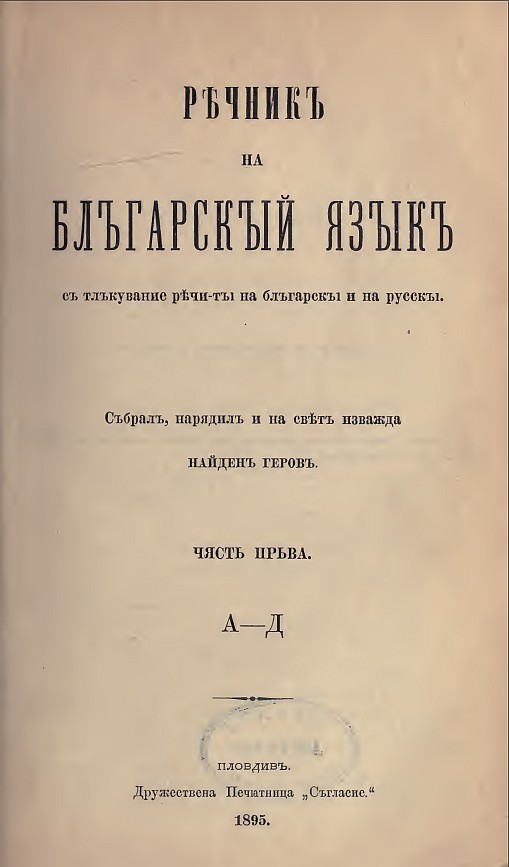
On April 1, 1895, the first volume of Nayden Gerov’s Dictionary of the Bulgarian Language was published. The Revival-era educator, linguist, and public figure gathered Bulgarian words, meanings, and expressions at a time when the modern literary language was still taking shape.
Gerov’s work was far more than a reference book. It recorded the richness of everyday speech and preserved it as part of Bulgaria’s cultural memory. For the young Bulgarian state, that mattered deeply: language was becoming not only a means of communication, but also a foundation for education, literature, and national identity. Gerov’s dictionary remains one of the major achievements of Bulgarian lexicography.
April 1, 1972 — The Home of Humour and Satire Is Established in Gabrovo
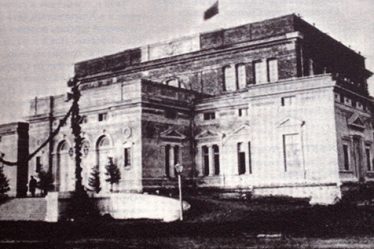
On April 1, 1972, the Home of Humour and Satire was established in Gabrovo, turning the city’s love of jokes into an international cultural institution. Gabrovo had long been associated with wit, stories about thrift, and self-irony. The new museum gave that tradition a home, an audience, and a wider stage.
Its exhibitions, festivals, and international links present humour as both an art form and a way of looking at society. Gabrovo humour pokes fun at habits, hardship, authority, and even ourselves. The choice of April Fools’ Day was fitting, but the institution’s purpose was serious: to collect and preserve laughter as part of Bulgaria’s cultural heritage.
Read about March 31 or continue with April 2. For more stories, explore our Bulgaria From Above series or our practical Bulgaria guides.