April 3 brings together the church struggle of the National Revival with the decision that shaped the future of Sofia and the modern Bulgarian state.
April 3, 1860 — Bulgarians Declare Church Independence
During the Easter service on April 3, 1860, at the Church of St Stephen in Constantinople, Bulgarian clergymen did not mention the name of the Ecumenical Patriarch. The gesture was symbolic, but its consequences were significant.
The demand for an independent church was connected with the Bulgarian language, schools and the community’s right to govern itself within the Ottoman Empire. The church struggle was not an isolated religious dispute. It became a way for Bulgarians to defend their cultural identity and demand institutional representation. The struggle continued until the Bulgarian Exarchate was established in 1870.
April 3, 1879 — Sofia Becomes the Capital
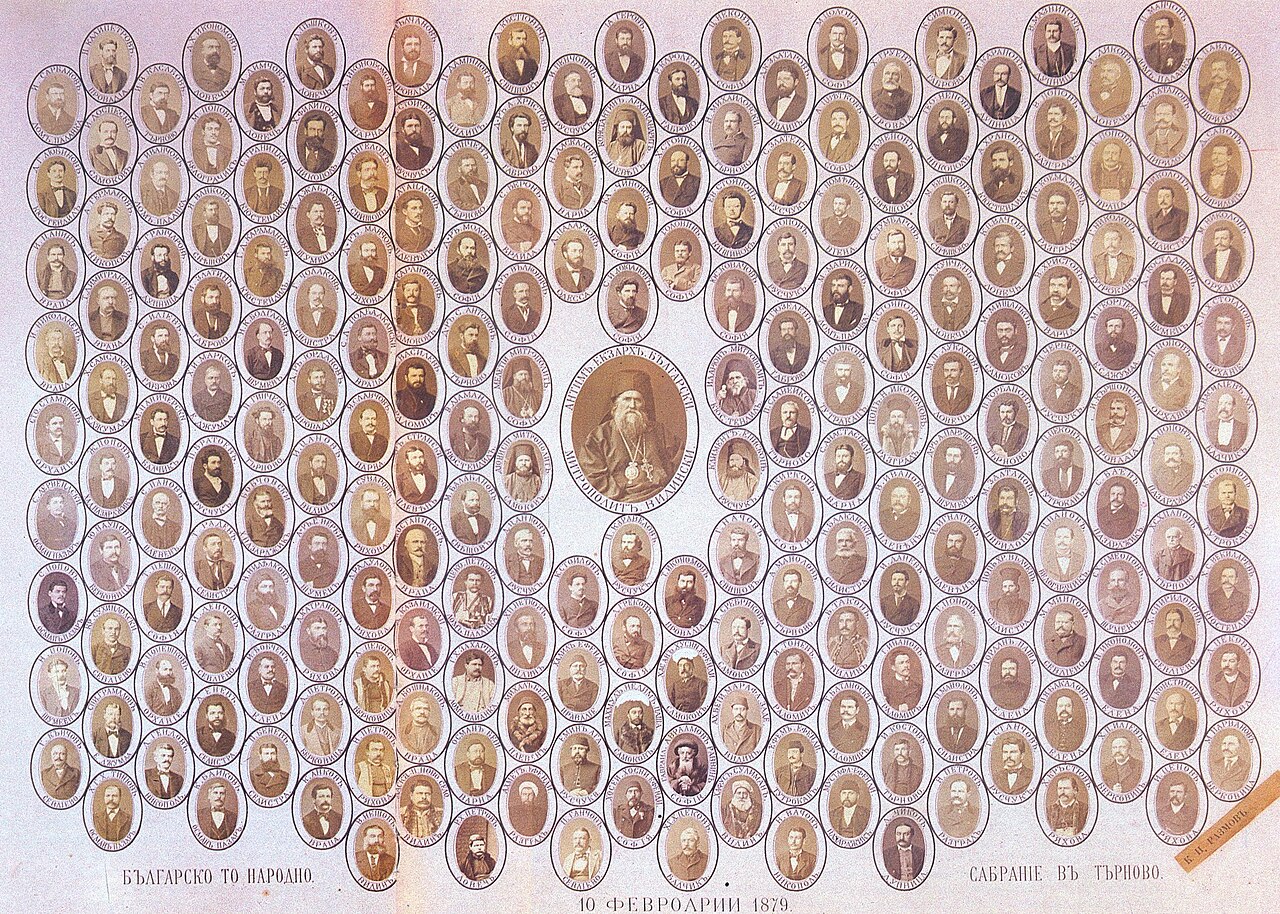
On April 3, 1879, the Constituent Assembly chose Sofia as the capital of the Principality of Bulgaria. The city was not the largest in the country, but its position between the western Bulgarian lands and important Balkan routes gave it strategic importance.
After the decision, parliament, ministries, diplomatic missions, the university and cultural institutions gradually concentrated in Sofia. The city began its transformation into the political and public centre of modern Bulgaria.
Choosing a capital was a decision about the future, not simply an assessment of the existing city. Sofia was to become the place from which the new Principality would govern, present itself to the outside world and build its modern institutions.
April 3 places two decisions about self-government side by side: separation from a foreign ecclesiastical hierarchy and the choice of a city in which the Bulgarian state would organize its political life.
The church struggle and the choice of a capital expressed the same desire: for the Bulgarian community to have its own centres of self-government, representation and public life.