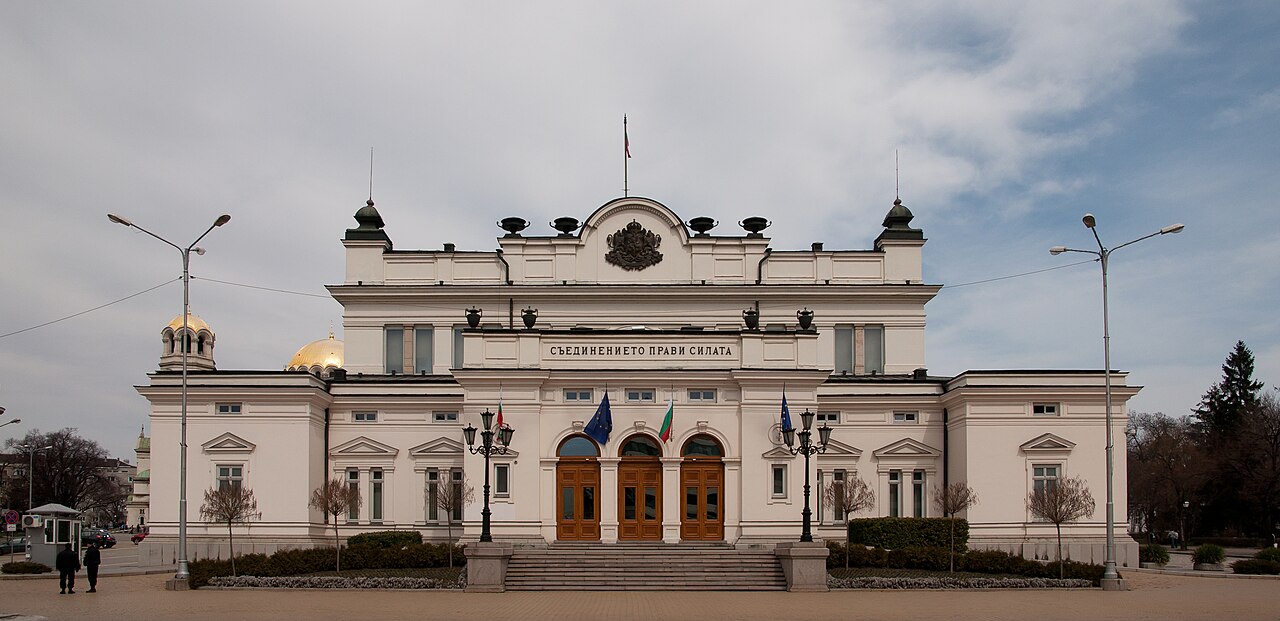
Two very different records sit side by side in Bulgaria’s history on June 13: a parliamentary showdown over Zhan Videnov’s cabinet in 1996 and, six years later, the law that set the rules for the country’s nuclear sector.
June 13, 1996 — Parliament Rejects a No-Confidence Motion against Zhan Videnov
On June 13, 1996, the National Assembly turned back a third no-confidence motion against Socialist prime minister Zhan Videnov. The Union of Democratic Forces had filed it over the government’s failing economic policy.
The vote unfolded amid rising inflation, banking instability and mounting public unease. It kept the cabinet in place without touching the causes of the crisis, and it helps explain why the second half of 1996 became one of the hardest stretches of the transition—parliament still following its procedures while the political system buckled under pressure.
June 13, 2002 — Bulgaria Adopts the Safe Use of Nuclear Energy Act
On June 13, 2002, the National Assembly passed the Safe Use of Nuclear Energy Act. The law reset the framework for licensing, supervision, radiation protection and institutional responsibility in a country where the Kozloduy plant anchors electricity production.
Rules of this kind matter because nuclear energy demands clear oversight and defined lines of accountability. The act reached beyond the operation of the plant itself to how the state regulates nuclear materials, protects workers and safeguards the public.