June 18 gathers two very different traces in Bulgaria’s history: the postwar restoration of ties with Hungary in 1947 and, decades later, a Roman marble head lifted from the soil of Stara Zagora in 2006.
June 18, 1947 — Diplomatic Relations with Hungary Are Restored
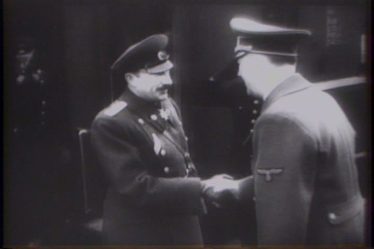
On June 18, 1947, Bulgaria and Hungary restored diplomatic relations, severed in September 1944 during the final phase of the Second World War. The two countries had first established ties in 1920, as Central and Southeastern Europe was reordered after the First World War.
The move reflected the new political map of postwar Eastern Europe. Both states soon became communist-led members of the Soviet bloc, their relations running through shared economic organizations and the Warsaw Pact; after 1989 the partnership was reframed within NATO and the European Union, giving the 1947 step a long institutional afterlife.
June 18, 2006 — A Roman-Era Marble Head of Dionysus Is Found in Stara Zagora
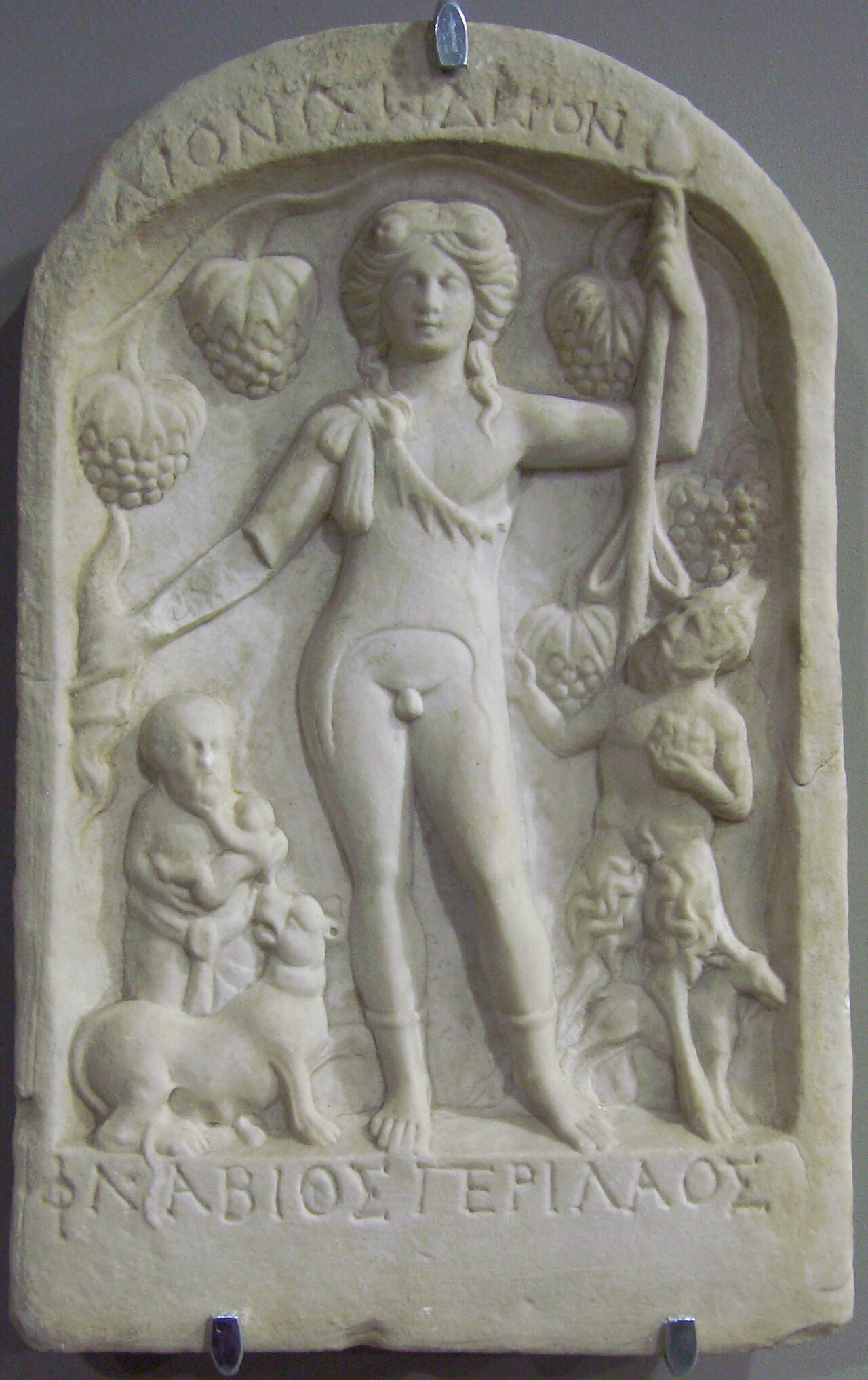
On June 18, 2006, archaeologist Dimitar Yankov uncovered a marble head of the god Dionysus in Stara Zagora. Dated to the first or second century AD, the sculpture added to the rich record of ancient Augusta Traiana lying beneath the modern city.
The find shed light on the artistic tastes, religious life and cultural connections of the Roman provincial centre. Alongside the streets, mosaics and public buildings revealed by the city’s excavations, the Dionysus head shows how a single discovery can sharpen knowledge of Bulgaria’s layered Thracian and Roman heritage.