October 29, 1944 — Bulgaria Signs an Armistice with the Allies
Bulgaria signed an armistice in Moscow with the Allied powers — the Soviet Union, Britain, and the United States — during the final phase of the Second World War. The agreement came after the dramatic events of September 1944, when Bulgaria changed sides, the Fatherland Front took power, and the country declared war on Nazi Germany. The armistice formalized Bulgaria’s new position but also confirmed the heavy constraints under which the state would operate. Allied control, Soviet military presence, and domestic communist consolidation shaped the years that followed. For Bulgaria, the document marked the end of one wartime alignment and the beginning of another political order. It was a diplomatic act with consequences reaching far beyond the battlefield.
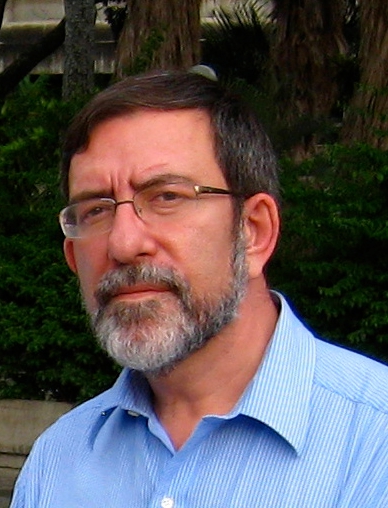
October 29, 1992 — Filip Dimitrov’s Government Loses a No-Confidence Vote
Prime Minister Filip Dimitrov’s government lost a vote of no confidence, ending Bulgaria’s first non-communist cabinet after the beginning of democratic change. Dimitrov’s Union of Democratic Forces government had come to power in a period of intense expectation, but transition politics proved turbulent. Economic reform, restitution, privatization, relations with former communist structures, and tensions with trade unions and political partners all created pressure. The fall of the cabinet showed how difficult it was to govern during the early 1990s, when democratic institutions were still new and society was paying the social price of transformation. The vote became one of the defining moments of Bulgaria’s post-communist political instability, revealing both the promise and fragility of the new parliamentary order.
Continue with October 28 or October 30. For more stories and places, explore Bulgaria From Above and the guides in our Bulgaria category on Bronicable.