June 21 marks two moments in Bulgaria’s history when the country aligned itself with wider international commitments: a NATO transit agreement in 1999 and the ratification of a global child-labour convention in 2000.
June 21, 1999 — Bulgaria Accepts a NATO Transit Agreement for the Kosovo Operation
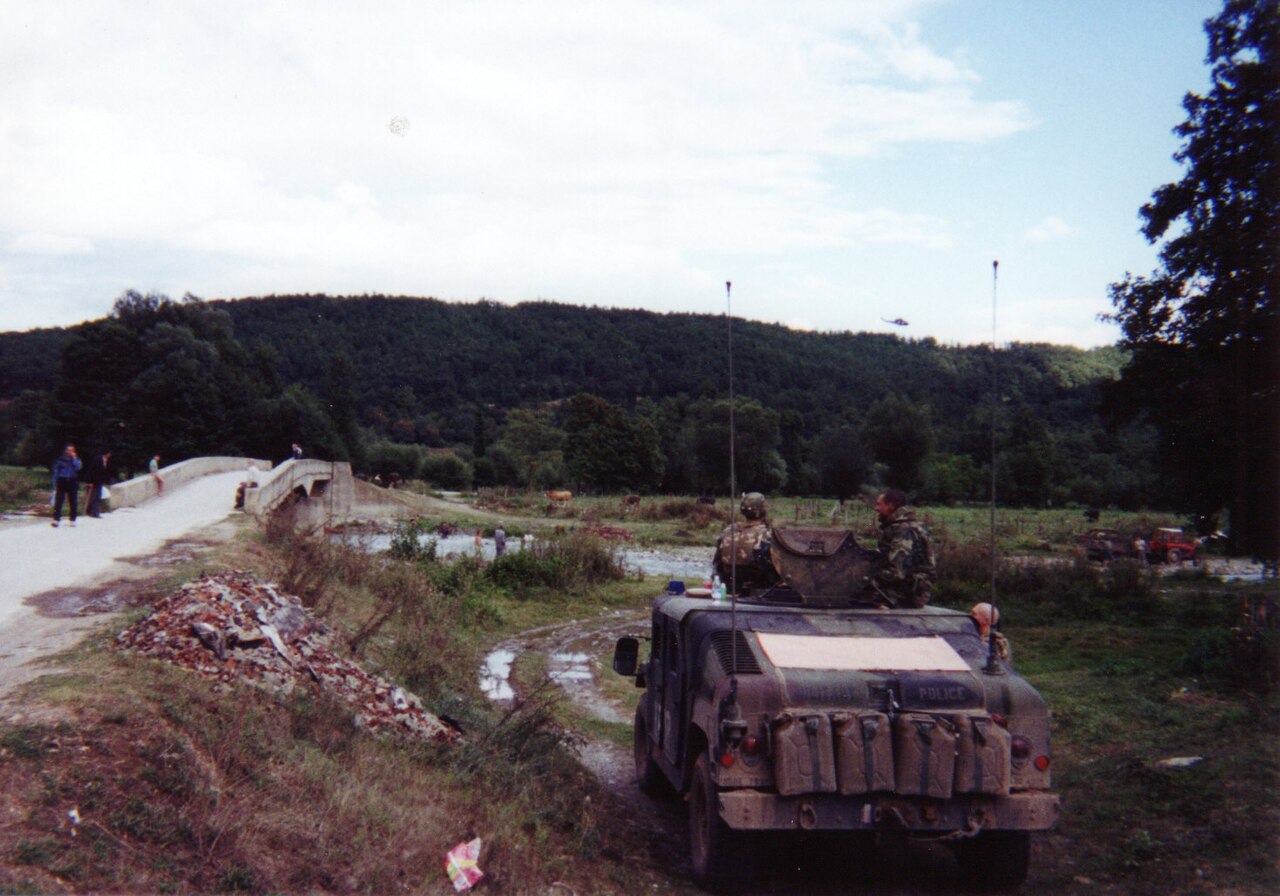
On June 21, 1999, Bulgaria accepted NATO’s proposal for an agreement letting Allied forces and equipment cross Bulgarian territory in support of Operation Joint Guardian in Kosovo. The decision came just after the conflict’s active phase, while Sofia was pursuing NATO membership.
It marked a clear strategic turn toward Euro-Atlantic institutions despite domestic debate over the Balkan crisis, enabling logistical cooperation and signalling readiness to shoulder the responsibilities of collective security. Bulgaria joined NATO in 2004, making this an early step on that path.
June 21, 2000 — Parliament Ratifies the ILO Convention on the Worst Forms of Child Labour
On June 21, 2000, Parliament ratified International Labour Organization Convention No. 182 on eliminating the worst forms of child labour. The convention targets slavery-like practices, trafficking, forced recruitment, sexual exploitation, illicit activities and hazardous work involving children.
Ratification bound Bulgaria to legal prohibitions, enforcement and programmes combining labour inspection, education and social protection, and tied national child-protection policy to a global standard adopted only a year earlier. Its force depends on continuing coordination among schools, employers, police and social services.