July 31 is an unusually crowded date in Bulgaria’s history, running from the fires of the Russo-Turkish War to a national emblem to the summit of one of the world’s deadliest mountains.
July 31, 1877 — A Hard-Fought War
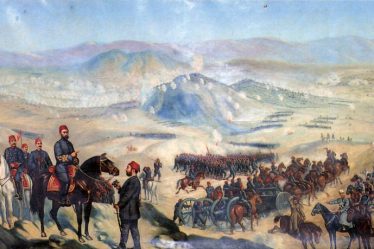
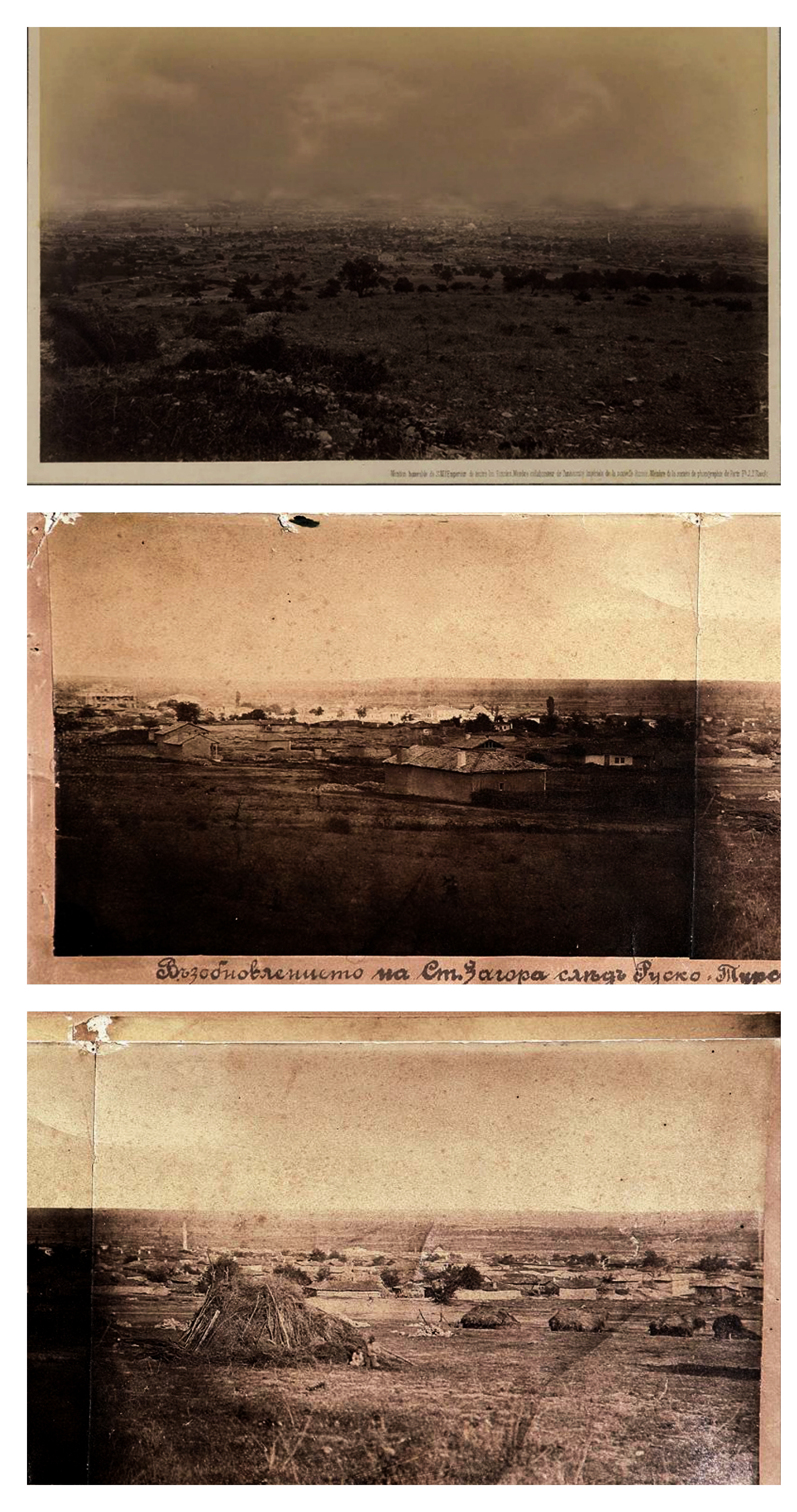
The town of Stara Zagora, recently liberated by advancing Russian forces, was recaptured and largely burned by Ottoman troops under Suleyman Pasha during the Russo-Turkish War.
Its Bulgarian population suffered heavily in the reprisal — a stark reminder that the road to liberation was neither straightforward nor secure, and that Ottoman forces could still inflict serious setbacks even as the wider war turned against them.
July 31, 1997 — Adopting the Coat of Arms
The National Assembly passed the Coat of Arms of the Republic of Bulgaria Act, formally establishing the country’s modern coat of arms.
Designed by painter Kiril Gogov and sculptor Georgi Chapkunov, the emblem features a crowned golden lion, drawing on centuries of Bulgarian heraldic tradition while replacing the communist-era state symbol.
July 31, 2014 — Conquering K2
Bulgarian mountaineer Boyan Petrov reached the summit of K2 (8,611 m) on the Pakistan-China border, becoming the first Bulgarian atop the world’s second-highest and famously most dangerous peak.
The climb came just eight days after he had summited Broad Peak, placing him among the handful of climbers worldwide to scale three eight-thousand-meter peaks within a single hundred-day window.
Look back at the previous entry, July 30, and if Petrov’s peaks left you wanting altitude, our Bulgaria From Above series offers a gentler kind of height.