July 2 in Bulgaria’s history brings together a Cold War death shrouded in suspicion and a First World War diplomatic rupture that reflected just how volatile Balkan alliances had become.
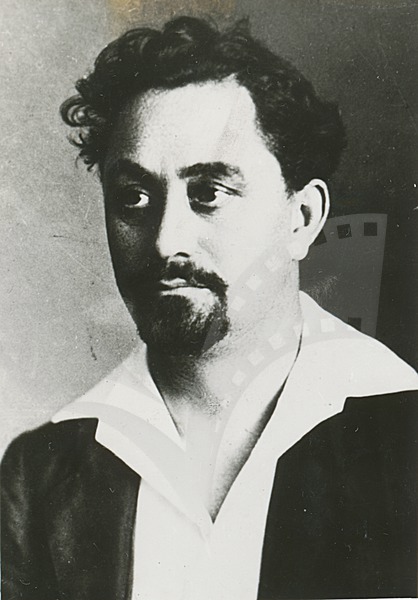
July 2, 1949 — Georgi Dimitrov Dies Near Moscow
On this day, Georgi Dimitrov — Bulgaria’s first communist prime minister and one of the most prominent figures of the international communist movement — died at a sanatorium outside Moscow following a sudden illness. He had been in poor health for some time, but persistent rumors of poisoning, while never officially confirmed, have followed the circumstances of his death ever since. His body was flown back to Sofia and placed in a purpose-built mausoleum in the city center, completed in just six days.
The mausoleum stood until 1999, a decade after the fall of communism, when it was demolished amid considerable public debate. Dimitrov himself remains one of Bulgaria’s most contested historical figures — celebrated by some as a statesman of international stature, condemned by others as an architect of communist repression.
July 2, 1917 — Bulgaria Severs Diplomatic Relations with Greece Again
Thirty-two years earlier, amid the chaos of the First World War, Bulgaria broke off diplomatic relations with Greece for the second time during the conflict, a move that reflected the deep fractures running through Balkan politics at the time. The two countries had already suspended ties once earlier in the war, as Bulgaria aligned with the Central Powers while Greece’s position remained contested and unstable.
Normal relations between Sofia and Athens would not be fully restored until well after the armistice of 1918, a pattern that illustrated how thoroughly the war had upended the already fragile diplomatic arrangements of the Balkan peninsula.
Continue through July with July 1 or July 3. For a different angle on the country, see our Bulgaria From Above series and our guides to Bulgaria.