Two dates in Bulgaria’s history, separated by five centuries, share the first of July — one a moment of spiritual homecoming, the other a drastic economic reset.
July 1, 1469 — The Relics of St. Ivan Rilski Return to Rila Monastery
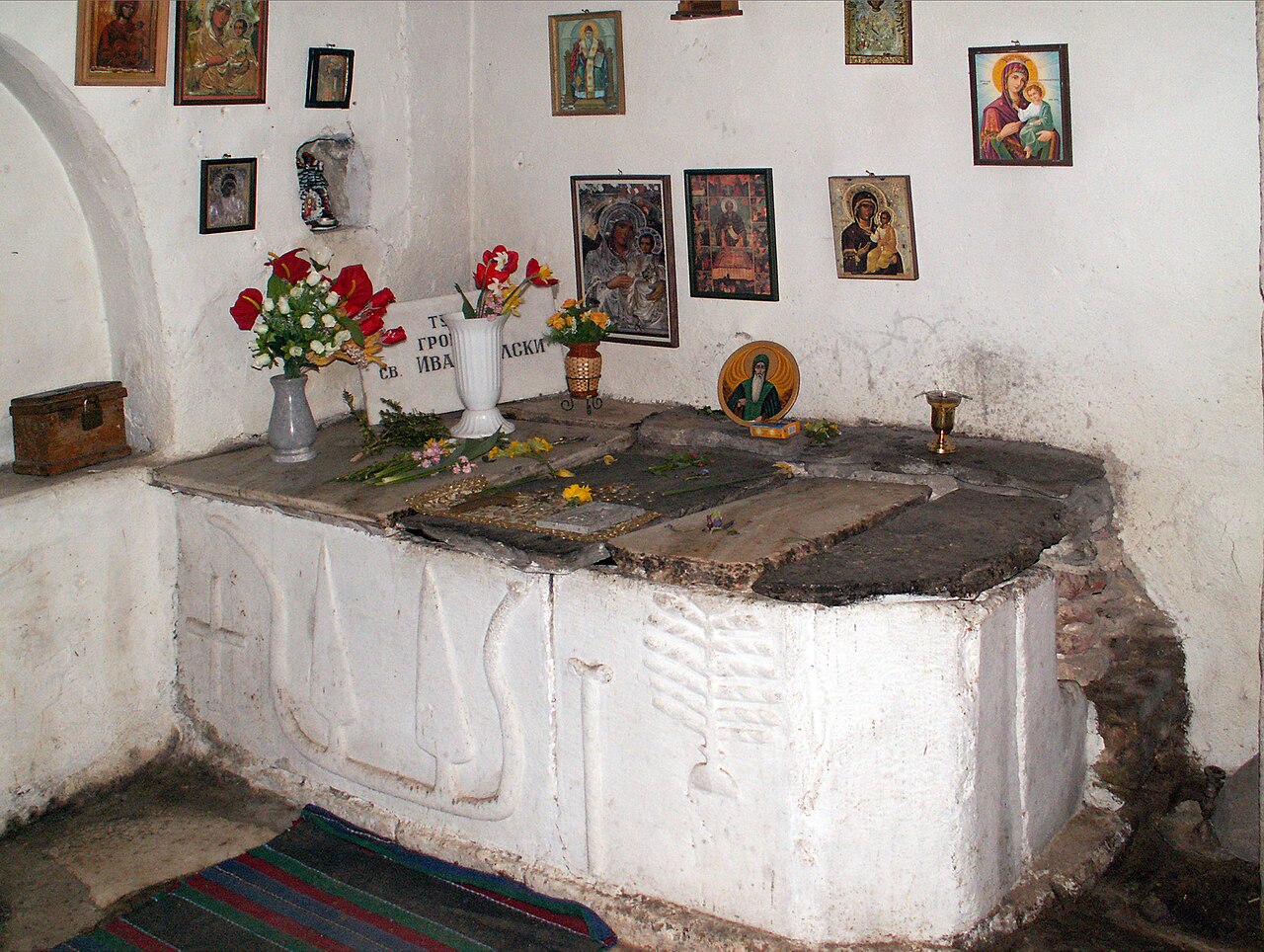
On this day, the relics of Saint Ivan Rilski — Bulgaria’s patron saint and founder of the Rila Monastery — were brought back to the mountain monastery he had established in the tenth century, after more than three centuries away that included a long sojourn in Tarnovo. Under Ottoman rule, when Bulgarian statehood had ceased to exist, the Rila Monastery served as one of the last living strongholds of the Bulgarian language, faith, and cultural identity.
The return of the relics was celebrated as a moment of spiritual restoration — a rare occasion when a nation stripped of political power could feel the continuity of its own history. The monastery has remained a pilgrimage site and a symbol of Bulgarian endurance ever since.
July 1, 1997 — Bulgaria Introduces a Currency Board to End Hyperinflation
Five centuries later, Bulgaria pegged the Bulgarian lev to the German mark at a rate of 1,000 to 1 — later redenominated — through a currency board arrangement designed to halt the catastrophic hyperinflation and banking collapse of 1996–97. The board stripped the Bulgarian National Bank of its ability to print money freely, imposing fiscal discipline that proved painful in the short term but quickly restored public confidence in the currency.
The arrangement survived Bulgaria’s adoption of the euro-linked lev in 1999 and remains the foundation of the country’s monetary framework to this day, representing one of the most decisive economic interventions in post-communist Bulgarian history.
For more on the people, places, and turning points that shaped this country, browse yesterday’s entry or jump to July 2. You can also explore our Bulgaria From Above aerial series or find inspiration in our Bulgaria travel guides.