July 12 marks two turning points in Bulgaria’s history separated by more than a century: the moment a Russian general’s bold mountain crossing began to unravel Ottoman control of Bulgaria, and the day a new democratic constitution finally put post-communist Bulgaria on a different footing.
July 12, 1877 — Gurko’s Advance Through the Balkan Mountains
During the Russo-Turkish War, General Iosif Gurko led a combined force of Russian troops and Bulgarian volunteers southward through the Balkan passes, seizing strategic positions in central Bulgaria. Moving fast and light, Gurko’s column bypassed heavier Ottoman garrisons rather than engaging them directly — a tactic that let the Russians outrun any organized response.
The rapid advance was critical in cutting Ottoman supply lines and opening the road toward Plovdiv and the southern plains, forcing the Ottoman high command into a defensive scramble across Thrace.
July 12, 1991 — Bulgaria Adopts Its Democratic Constitution
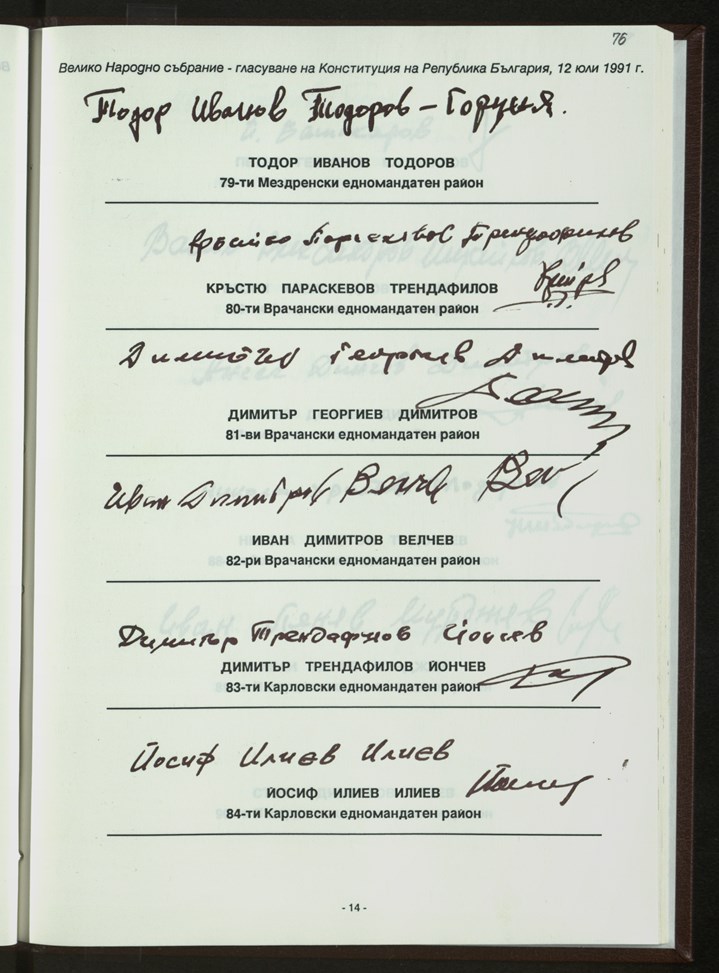
The Grand National Assembly adopted Bulgaria’s new constitution — the country’s fourth since the restoration of statehood in 1878 and the first written by any former Eastern Bloc nation after the fall of communism. Lawmakers signed the document individually in a special register at the close of a marathon final session; 309 deputies added their names that day, while dozens from opposition factions withheld their signatures over specific provisions.
The text established the framework of the modern Bulgarian state — parliamentary democracy, separation of powers, and guaranteed civil rights — and took effect the following day upon publication in the State Gazette.
More entries from this series: July 11 | July 13 | July 14. Explore our Bulgaria travel guides and the Bulgaria From Above series.