On July 13, Bulgaria’s history delivered two very different blows to the idea of justice — one in 1878, when the great powers dismembered a newly liberated nation at the conference table, and another in 2012, when sitting judges took to the streets in protest for the first time in the country’s modern history.
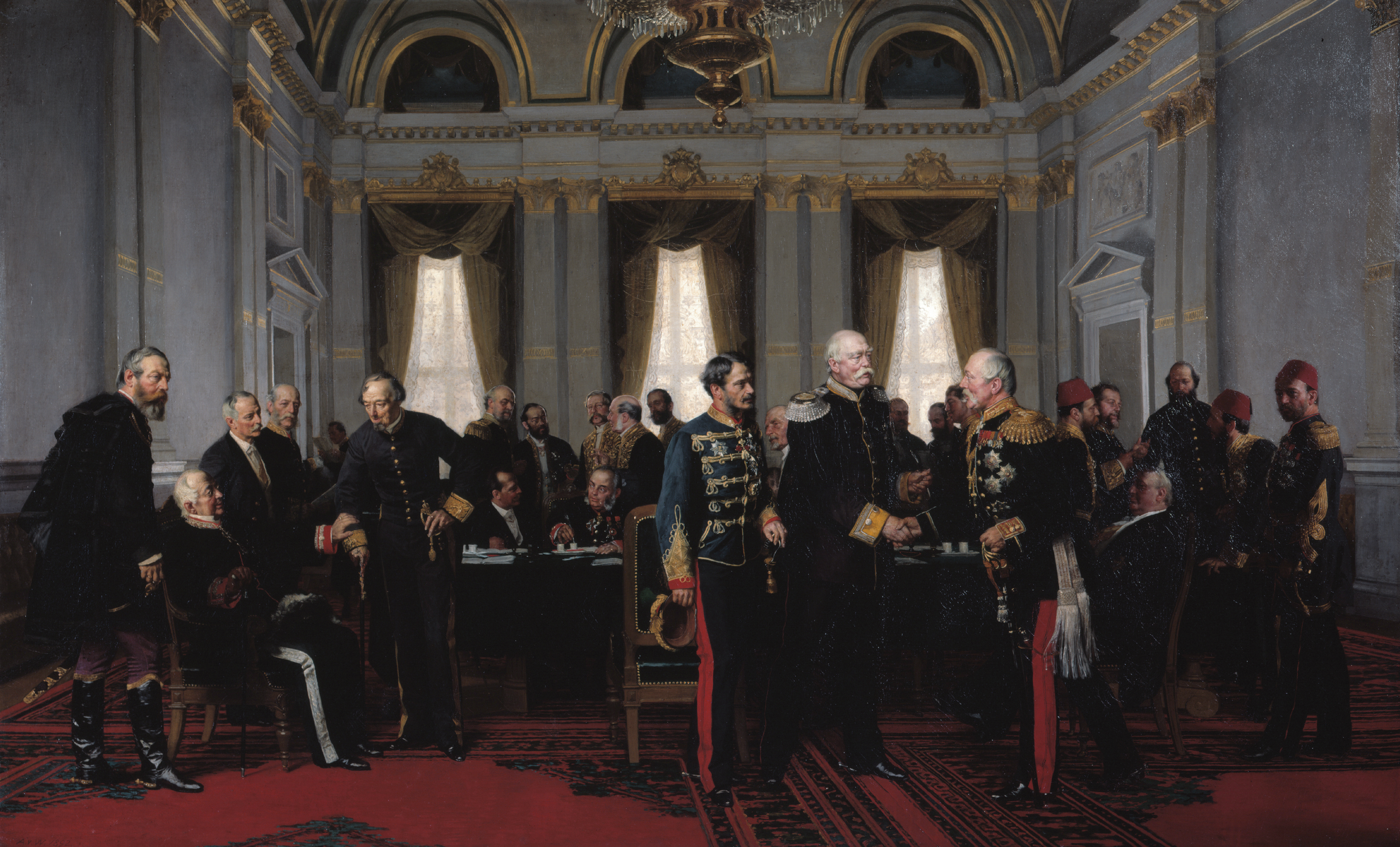
July 13, 1878 — The Treaty of Berlin Redraws Bulgaria
The Congress of Berlin concluded with the signing of a treaty that substantially revised the Treaty of San Stefano, signed just four months earlier. Under pressure from Austria-Hungary and Britain, who feared an overly powerful Russian client state in the Balkans, the great powers drastically reduced the territory of the new Bulgarian principality. Large Bulgarian populations in Macedonia and Eastern Rumelia were left outside its borders under continued Ottoman or foreign administration.
For generations of Bulgarians, July 13 became synonymous with national division — an unhealed wound that shaped the country’s foreign policy, its wars, and its territorial ambitions well into the twentieth century.
July 13, 2012 — Judges Take to the Streets
More than 130 years later, dozens of magistrates and civil society representatives gathered outside the Supreme Judicial Council building to protest the disciplinary dismissal of judge Miroslava Todorova the previous day. The demonstration was the first public protest by sitting judges in modern Bulgarian history.
The gathering was a striking sign of mounting tension between the judiciary and political authorities over judicial independence — a fault line that had been widening since Bulgaria’s post-communist transition began.
More entries from this series: July 12 | July 14 | July 15. Discover Bulgaria From Above or browse our Bulgaria guides.