October 13, 1945 — The Plovdiv Philharmonic Stages Its First Concert
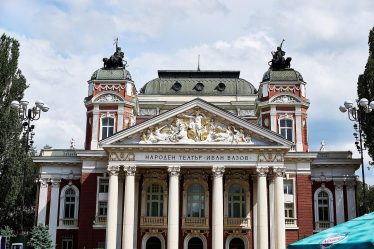
The Plovdiv Philharmonic staged its first concert, giving one of Bulgaria’s great cultural cities a lasting symphonic institution. The orchestra had been set up earlier in 1945 by conductor Vladi Simeonov, at a moment when the country was emerging from war and entering a new political era. Music offered both continuity and renewal: Plovdiv already had a deep artistic tradition, and the new philharmonic gave professional form to the city’s concert life. Over time it became part of Bulgaria’s wider network of state-supported cultural institutions, performing classical repertoire, working with Bulgarian composers, and helping train audiences outside the capital. Its first concert therefore marked not only an artistic debut, but the beginning of a major post-war cultural presence in southern Bulgaria.
October 13, 1991 — Democratic Forces Win Parliamentary and Local Elections
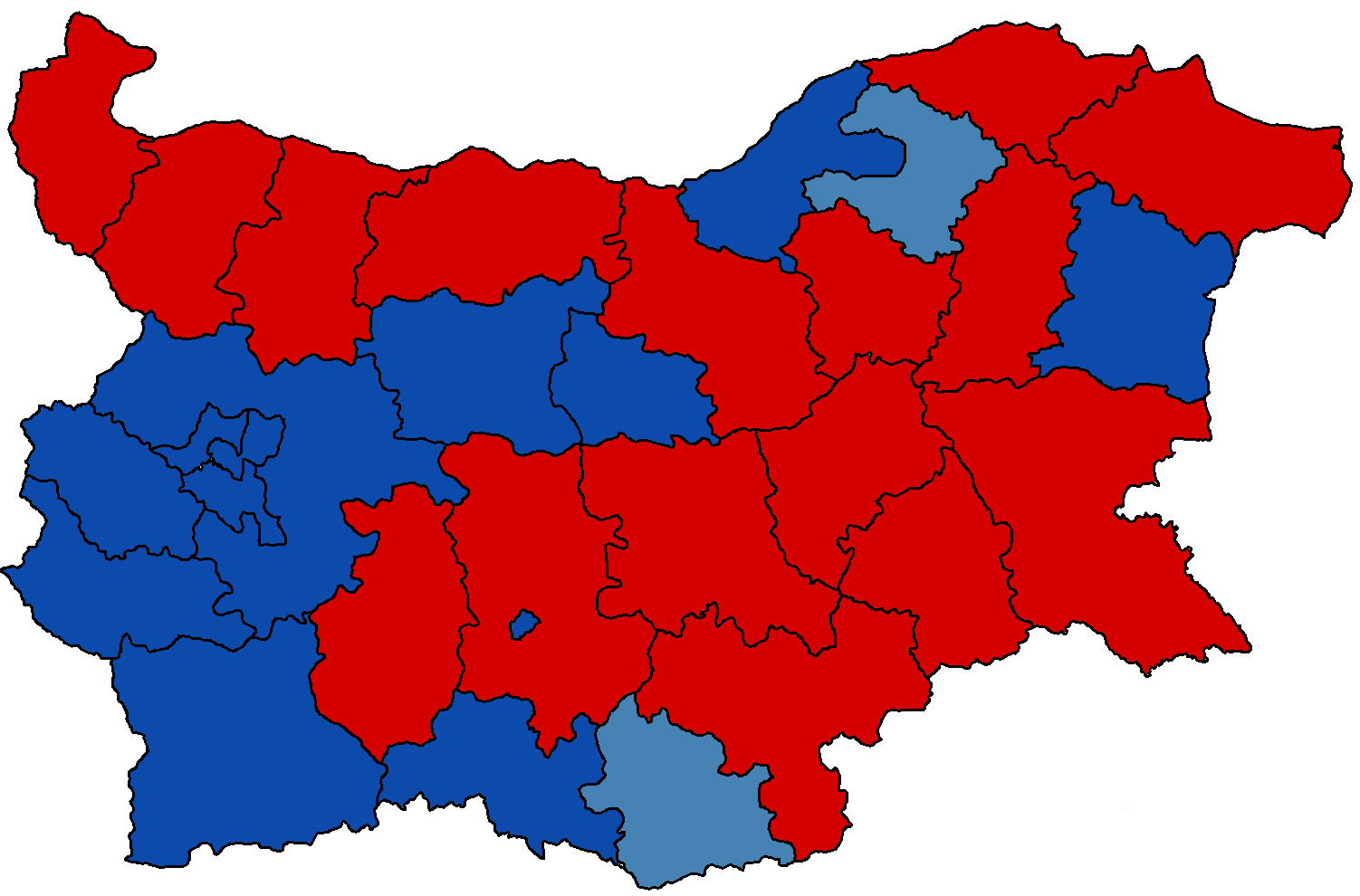
Parliamentary and local elections were held in Bulgaria, and the Union of Democratic Forces won for the first time. The vote came less than two years after November 10, 1989, when the communist one-party system began to collapse, and it became a defining moment in the country’s transition to pluralist politics. The result gave the anti-communist opposition a mandate to govern and accelerated debates over restitution, privatization, constitutional practice, and Bulgaria’s orientation toward Europe. It also showed how quickly political life had been reorganized around parties, coalitions, campaign platforms, and contested public memory. The election did not solve the hardships of transition, but it confirmed that Bulgaria’s future would be shaped through competitive democratic politics rather than single-party rule.
Continue with October 12 or October 14. For more stories and places, explore Bulgaria From Above and the guides in our Bulgaria category on Bronicable.