On July 15, Bulgaria’s history recorded two moments that redefined the country’s future — first in 1966, when it committed to nuclear energy during the Cold War, and again in 2001, when a deposed king returned not as monarch but as an elected head of government.
July 15, 1966 — Bulgaria Signs On for Nuclear Power
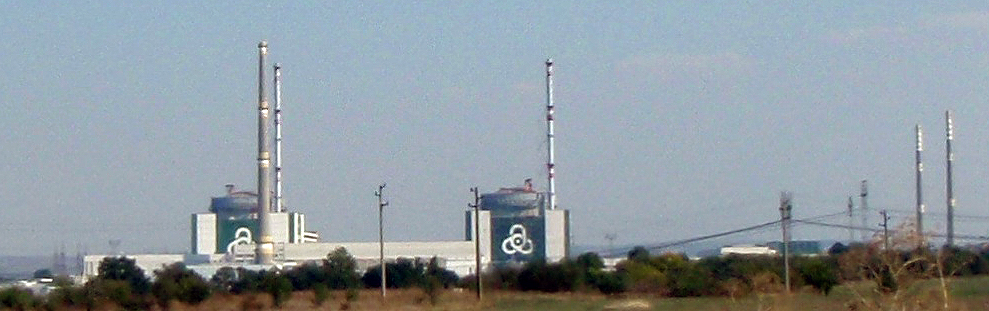
Bulgaria and the Soviet Union signed an agreement to build the country’s first nuclear power plant, laying the groundwork for what would become the Kozloduy Nuclear Power Plant on the Danube. The deal reflected the technological ambitions of Bulgaria’s communist government, which saw nuclear energy as a path to industrial self-sufficiency and a symbol of scientific progress within the Soviet bloc.
Kozloduy went on to supply a significant share of Bulgaria’s electricity for decades. It remains the country’s only nuclear facility operating today.
July 15, 2001 — A Former King Is Handed the Keys to Government
President Petar Stoyanov formally gave Simeon Saxe-Coburg-Gotha — Bulgaria’s last reigning monarch as a child in the 1940s — the mandate to form a government after his National Movement won a landslide victory in the June elections. It was an extraordinary turn of events: a deposed king returning from exile to lead his former kingdom.
This time, Simeon came not as tsar but as an elected prime minister — a singular episode in modern European political history that had no real precedent in the postwar era.
More entries from this series: July 14 | July 11 | July 12. Visit our Bulgaria From Above gallery or read our guides to Bulgaria.