On July 4, Bulgaria’s history offers a study in contrasts — a wartime institution built to remember the cost of conflict, and a peacetime achievement that put a Black Sea city at the center of the global ballet world.
July 4, 1916 — The Military History Museum Is Established in Sofia
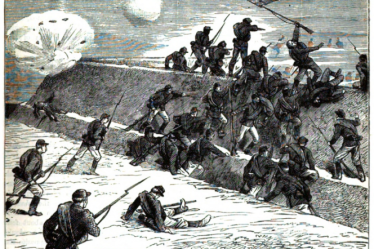
On this day, a royal decree founded what is now the National Museum of Military History in Sofia. Created in the middle of the First World War, the museum was charged from the outset with collecting and preserving the weapons, uniforms, documents, and artifacts produced by Bulgaria’s many conflicts — from the wars of liberation through the Balkan Wars and into the wider European conflagration then underway.
The founding reflected a deliberate effort to ensure that the sacrifices of Bulgarian soldiers would be recorded and remembered. The museum has grown considerably since its wartime origins and today holds one of the most extensive military collections in Southeast Europe, spread across an outdoor park as well as indoor galleries in the capital.
July 4, 1964 — Varna Opens the World’s First International Ballet Competition
Nearly half a century later, the Black Sea city of Varna staged the first edition of what would become the International Ballet Competition — the earliest professional competition of its kind anywhere in the world. Conceived by Bulgarian dancers and endorsed by luminaries of the international ballet scene, including Soviet prima ballerina Galina Ulanova and Cuban legend Alicia Alonso, the competition gave young dancers under 25 a genuinely global platform.
The Varna competition helped establish Bulgaria’s reputation in classical dance far beyond its borders, and it continues to be held to this day, remaining one of the most prestigious events in the international ballet calendar.
Explore the full thread on July 3 and July 5. You can also browse our Bulgaria From Above aerial series or our guides to the country.