Heritage and science each found new institutional homes on March 13 in Bulgaria’s history — one preserving the past in an archive of sacred objects, the other opening a window onto the cosmos.
March 13, 1921 — The Holy Synod Gives Museum Status to Its Collection
On March 13, 1921, the Holy Synod of the Bulgarian Orthodox Church resolved to give museum status to its collection of artefacts and archaeological finds — the foundation of what would become the National Museum of Ecclesiastic History and Archaeology. The decision recognized that church objects were not only religious items but historical evidence: icons, manuscripts, woodcarvings, and liturgical metalwork encoding centuries of belief, craftsmanship, and communal life.
By treating its holdings as museum heritage, the Church helped safeguard a layer of material culture that might otherwise have remained scattered or at risk. March 13 marks an act of institutional foresight — preserving what earlier generations had made for the benefit of those who came after.
March 13, 1981 — The National Astronomical Observatory Opens at Rozhen
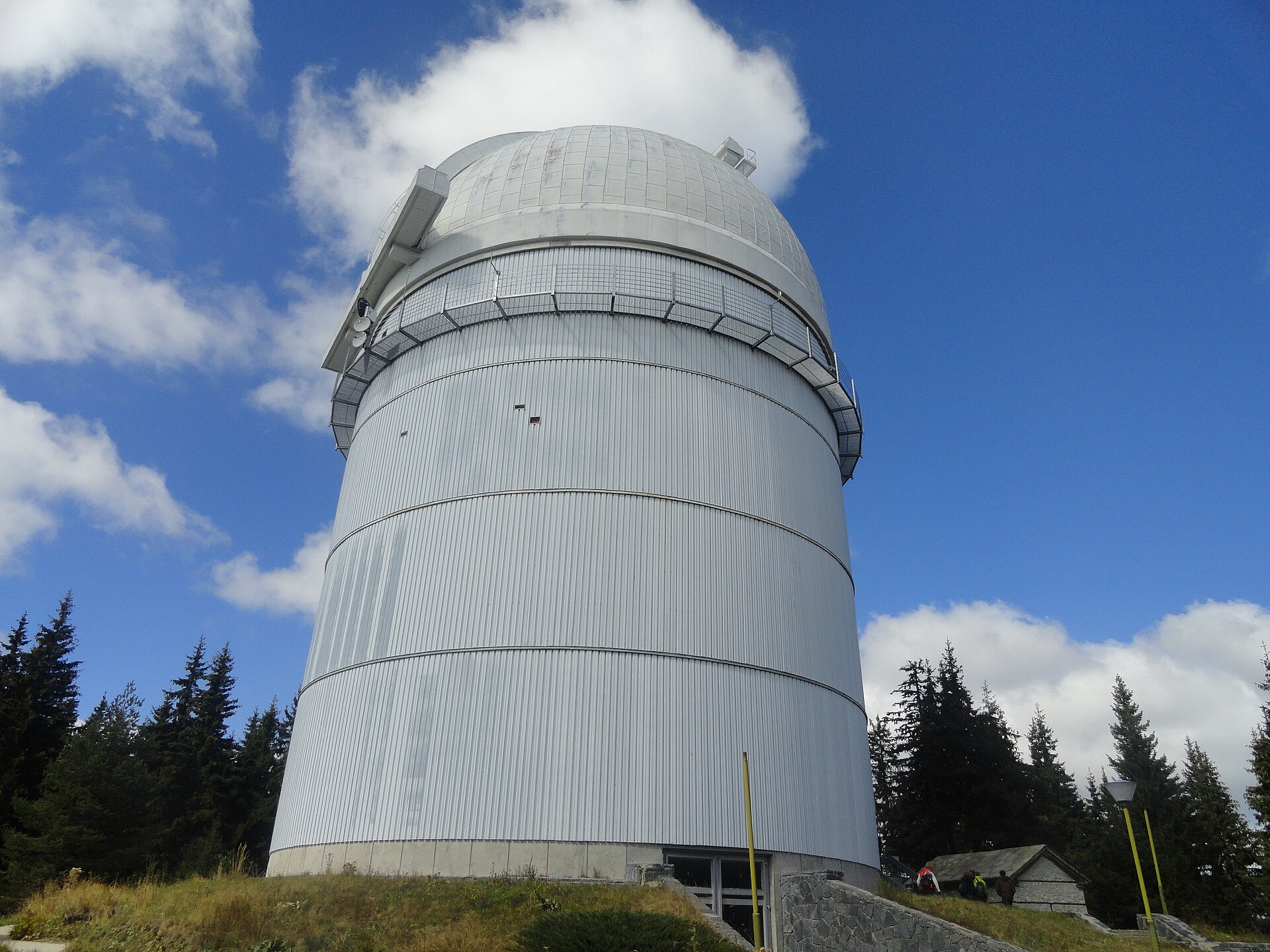
On March 13, 1981, the National Astronomical Observatory opened on Mount Rozhen in the Rhodope Mountains, at an altitude of roughly 1,759 metres. It became the largest astronomical observatory in the Balkans, giving Bulgarian researchers the infrastructure to study stars, galaxies, and Solar System bodies at a serious professional level.
Rozhen carries symbolic weight too: it places Bulgaria’s scientific ambition literally above the landscape, directed outward into the universe. The observatory has since supported generations of astronomers and served as a reminder that small countries can reach far when they invest in knowledge. March 13 is the date when that reach began in earnest.
Follow Bulgaria’s story further on Bronicable, with our Bulgaria From Above series and destination guides. Adjacent days: March 12 | March 14