May 27 connects medieval commercial diplomacy with the legal establishment of the lev as Bulgaria’s national currency.
May 27, 1387 — Bulgaria’s Oldest Preserved International Trade Agreement
On May 27, 1387, Despot Ivanko of Dobruja signed what is considered Bulgaria’s oldest preserved international trade agreement. It was concluded with the independent Genoese trading community of Pera, near Constantinople.
The agreement reflects the importance of the Black Sea to trade in the late Middle Ages. Dobruja stood at a crossroads of maritime routes and grain commerce, and the document shows how regional rulers sought relations with influential trading communities. It is evidence not only of commercial exchange, but also of the diplomatic contacts maintained by the Bulgarian lands.
May 27, 1880 — The Lev Becomes Bulgaria’s National Currency
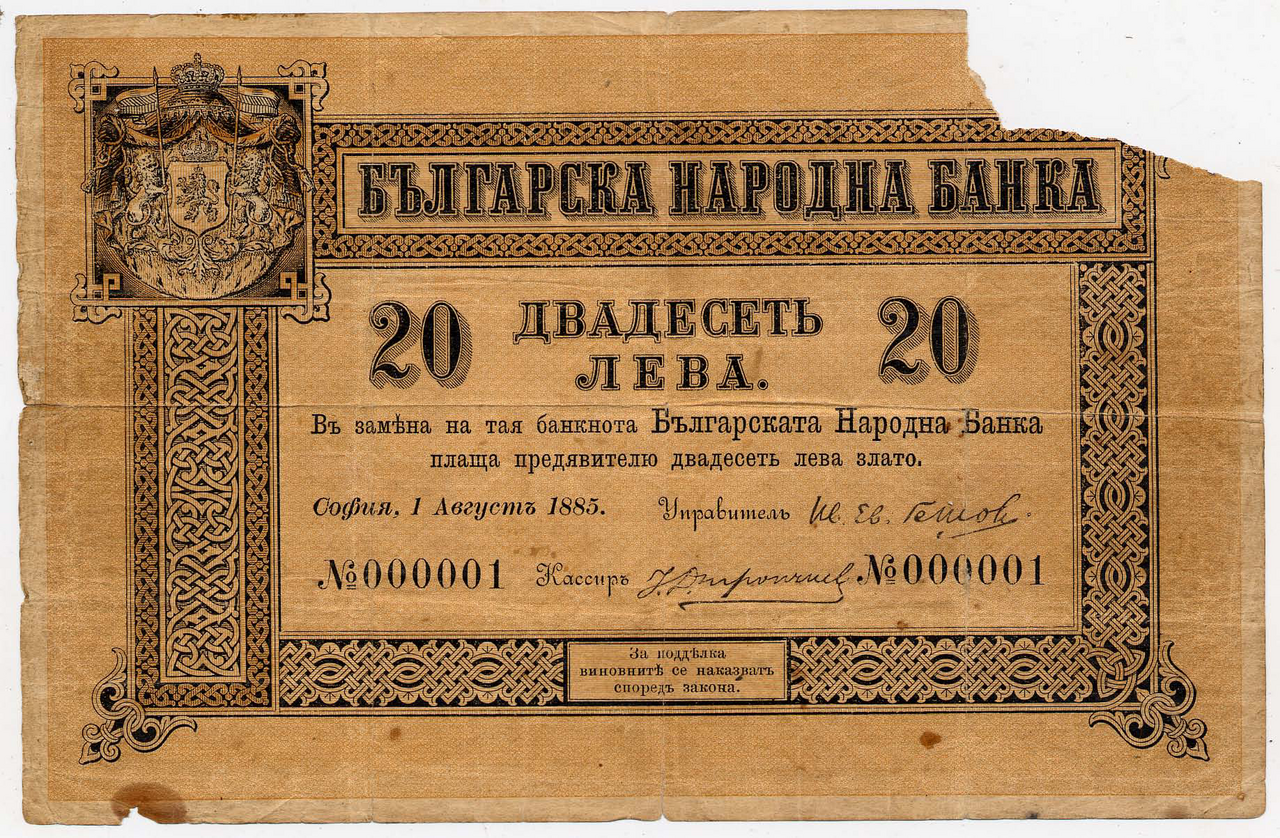
On May 27, 1880, the Second Ordinary National Assembly adopted the Law on the Right to Mint Coins in the Principality. The law declared the lev, divided into 100 stotinki, Bulgaria’s national currency.
This was an important step towards the financial sovereignty of the young state. A national currency is more than a means of exchange: it expresses authority, trust and administrative capacity. The law provided the legal basis for the Principality’s independent monetary system.
To follow the neighboring dates, read about May 26 or continue with May 28. For more stories and places in Bulgaria, explore the Bulgaria From Above category.