May 30 joins a quiet glimpse of Vasil Levski’s underground work to a treaty that closed a Balkan war — two moments that show Bulgaria’s history from opposite ends, the hidden and the diplomatic.
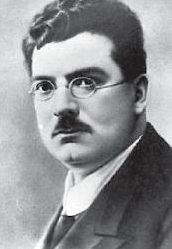
1869 — Nayden Gerov Reports Levski’s Revolutionary Proclamations
On May 30, 1869, the Bulgarian educator and public figure Nayden Gerov wrote about Vasil Levski’s revolutionary activity, including the proclamations Levski had been showing on his travels. Set against battles and uprisings the episode looks modest, yet it is unusually revealing about how the movement actually worked.
Levski’s cause ran on movement, persuasion, secrecy, and written messages passed quietly from town to town, and reports like Gerov’s show how such ideas spread before any full committee network existed. They also remind us that contemporaries could not yet tell what to make of him: what later hardened into a national liberation strategy first appeared as risky, uncertain agitation. Fragments like this let historians watch the revolutionary movement developing in real time, before it settled into legend.
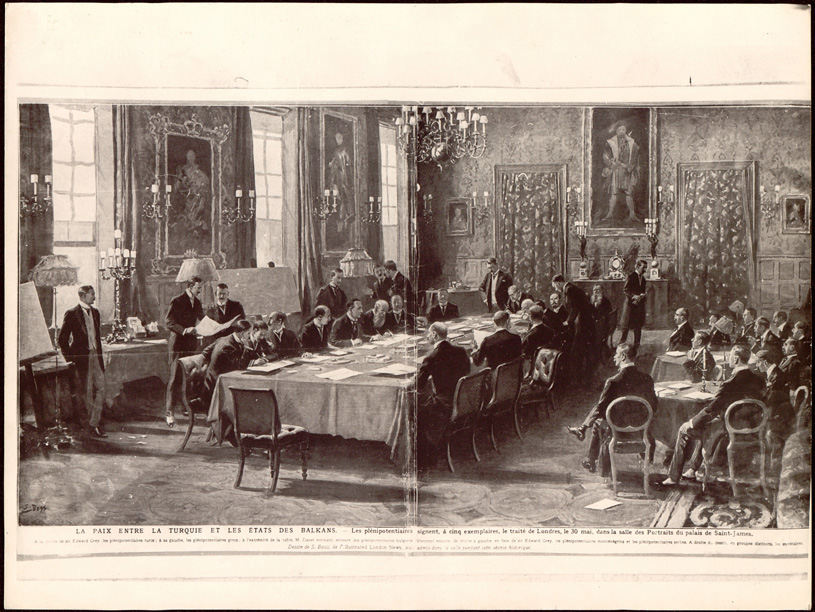
1913 — The Treaty of London Is Signed
On May 30, 1913, the Treaty of London was signed between the Balkan allies and the Ottoman Empire, formally ending the First Balkan War. For Bulgaria it followed a string of hard-won victories, including the capture of Adrianople, and it stripped the Ottomans of almost all their European territory west of the Enos–Midia line.
Yet the treaty settled nothing among the winners. It closed one war without securing a stable peace, as disputes over Macedonia and other contested regions rapidly poisoned relations between Bulgaria, Serbia, and Greece. Within weeks the Second Balkan War broke out, and Bulgaria’s triumph curdled into a diplomatic and military catastrophe whose consequences would shape the country’s choices for years to come.