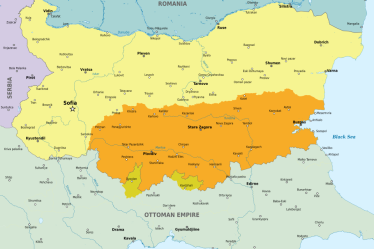
Calendars and conservation — March 14 in Bulgaria’s history belongs to two acts of modernization, each quietly reshaping how people related to the world around them.
March 14, 1916 — Bulgaria Adopts the Gregorian Calendar Act
On March 14, 1916, Bulgaria passed the Act on the Adoption of the Gregorian Calendar. The change took effect at the end of the month, when thirteen days were omitted from the count and April 1 became April 14. Calendar reform sounds technical, but it touched everything from state administration and commercial contracts to church life, personal records, and the daily rhythm of public time.
By aligning its civil calendar with much of Europe, Bulgaria removed a layer of bureaucratic friction with its neighbours and partners. It also created the familiar distinction between “old style” and “new style” dates that historians still note in references to that era. March 14 marks a quiet but fundamental change in Bulgarian public life — the kind that is quickly taken for granted once it is done.
March 14, 1929 — The Union for the Protection of Bulgarian Nature Is Established
On March 14, 1929, the Union for the Protection of Bulgarian Nature was founded, marking the beginning of organized environmental advocacy in the country. Bulgaria’s mountains, forests, wetlands, and coastlines are central to its landscape and identity, but sustaining them required institutions, public campaigns, and a legal framework that simply did not yet exist.
The union emerged at a moment when modern states were beginning to recognize that natural heritage could be degraded faster than it could recover. Its work helped build a conservation tradition that later fed into protected territories, environmental education, and scientific research. A century on, the concerns it first raised still feel strikingly contemporary.
Keep exploring on Bronicable — including Bulgaria From Above and our Bulgaria travel guides. Nearby in this series: March 13 | March 15