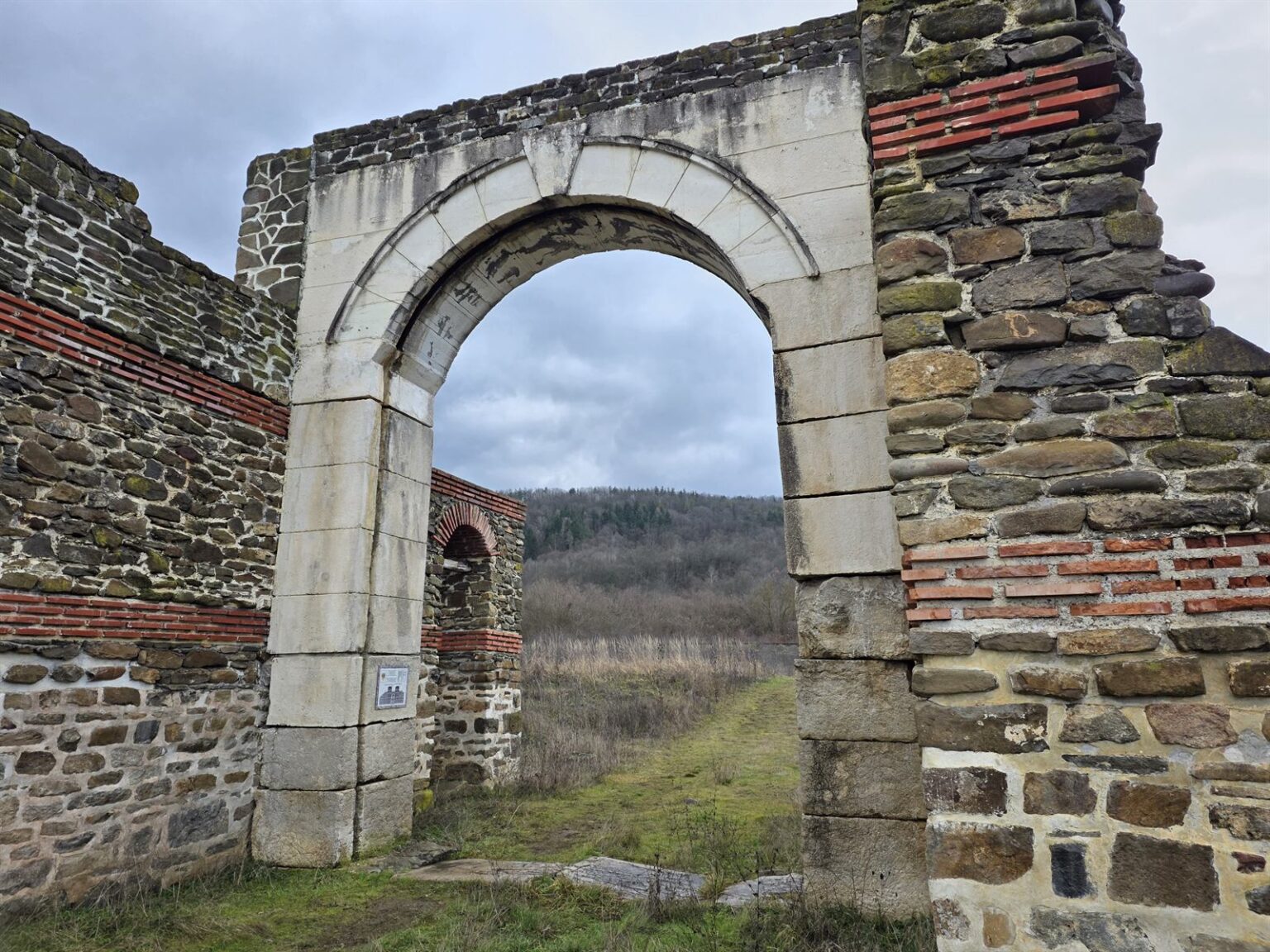
Fortress Sostra is the remains of a Roman roadside station and military camp in the Osam valley, near the village of Lomets, about 12 km north of Troyan and 28 km south of Lovech. It was built beside Via Traiana, the Roman road that connected the Danube provinces with Thrace. The modern road still runs almost the same line, and the surrounding hills explain why this spot was chosen as a stopping point.
| Where | Osam valley, near the village of Lomets, about 12 km north of Troyan and 28 km south of Lovech |
| Getting there | by car only – a paved road and a car park lead right up to the site; there is also a train and bus stop nearby |
| How long | about an hour to walk the excavated sections |
| Entry | free, with no entrance fee and no guided tours at present. Check current details on the official tourism portal of Troyan municipality (Bulgarian only). |
| When to go | any time of year; a dry day is best, since the site is entirely outdoors |
| Parking | free parking right next to the fortress |
A stop on Via Traiana
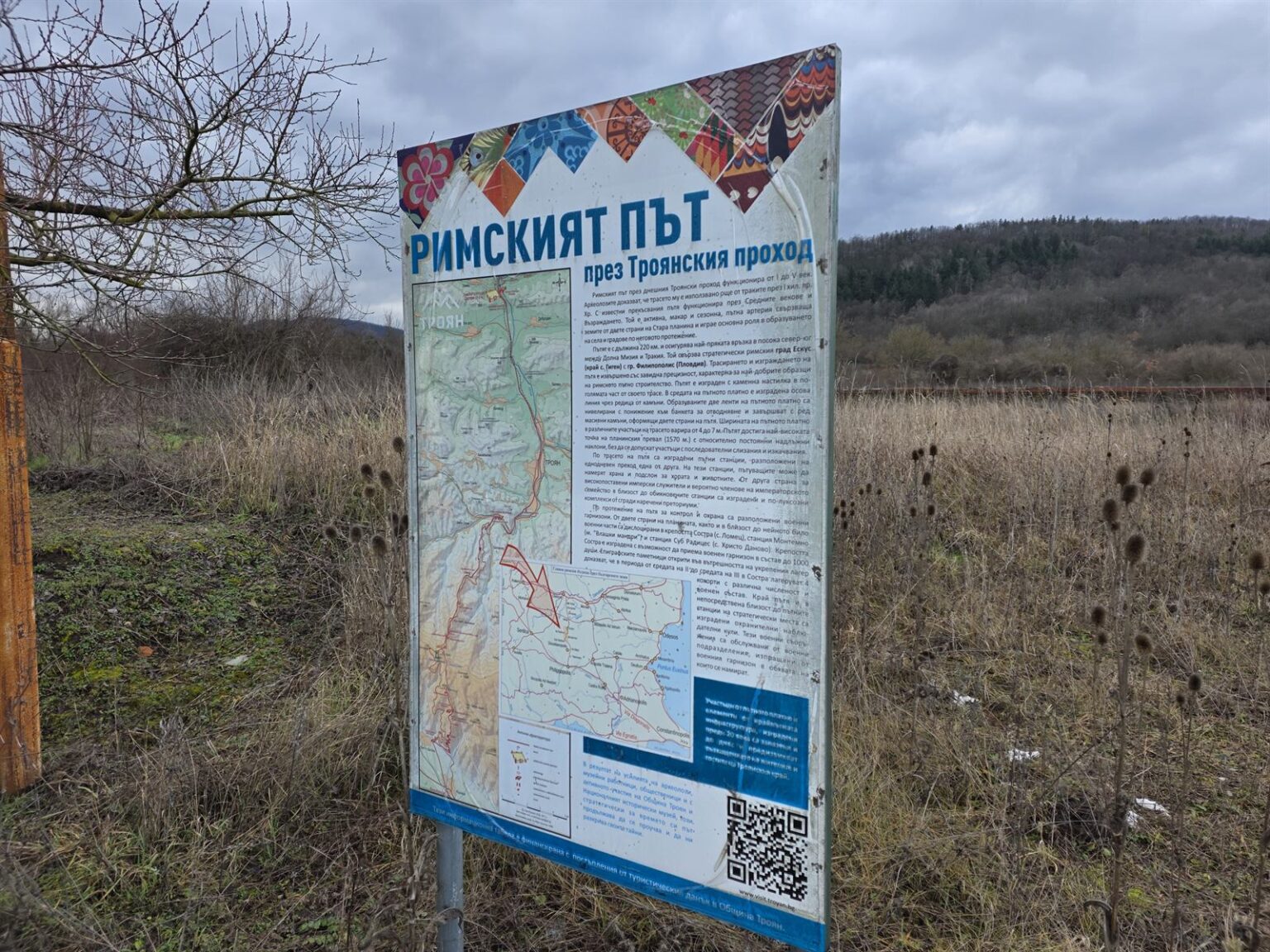
Sostra was not an isolated fort but the sixth roadside station on Via Traiana, the road linking Colonia Escus (today’s village of Gigen, near Pleven) with Philippopolis (modern Plovdiv) — in other words, connecting the province of Lower Moesia with Thrace. Soldiers, merchants and travellers moved along it, and the settlement around the station supported that traffic. The valley gave a natural passage through difficult terrain, while the river served as a geographic guide. The name itself, from Old Greek for belt, bandage, barrier, hints at the site’s role in controlling the pass.
The camp, the walls and the gate
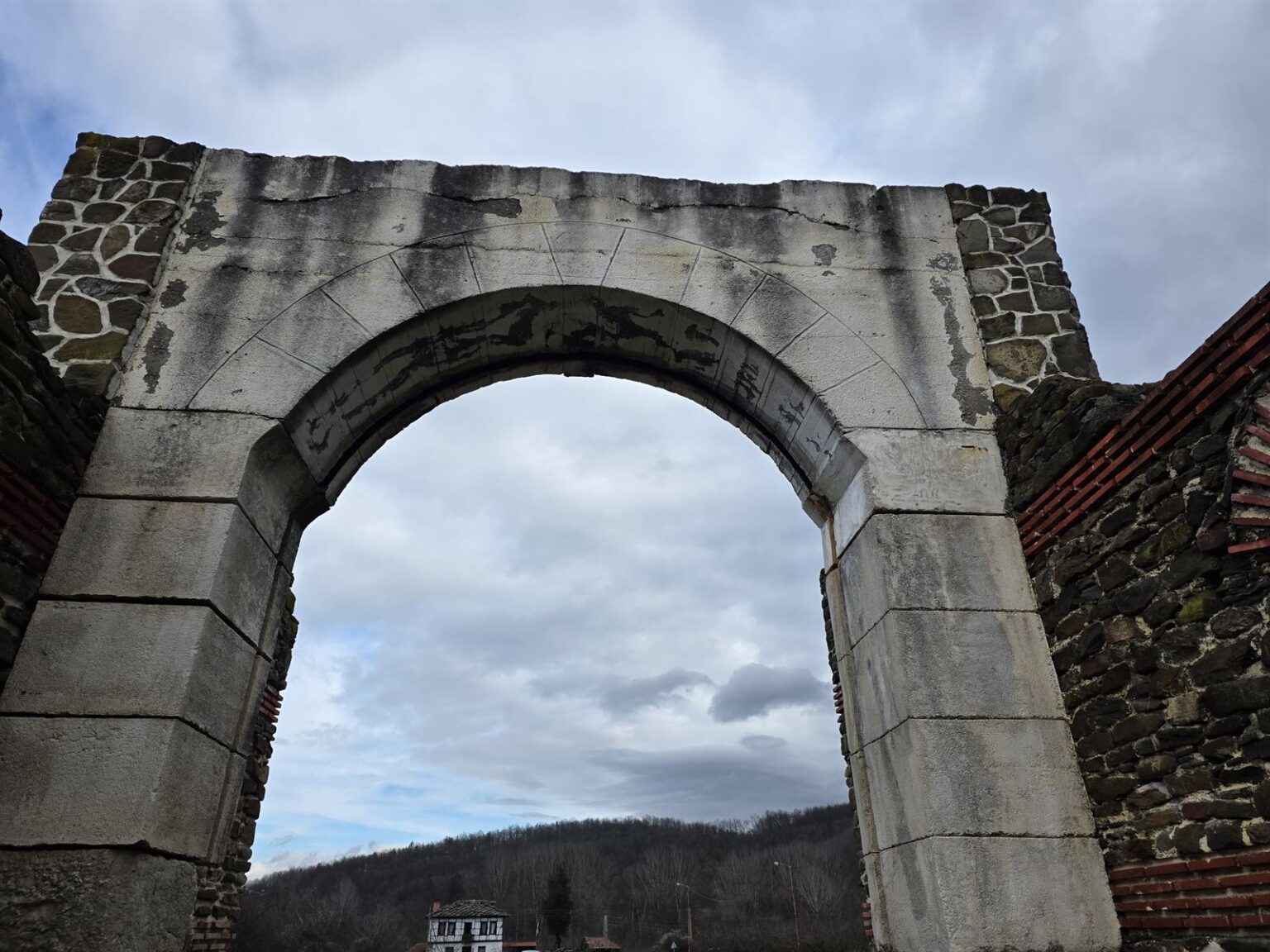
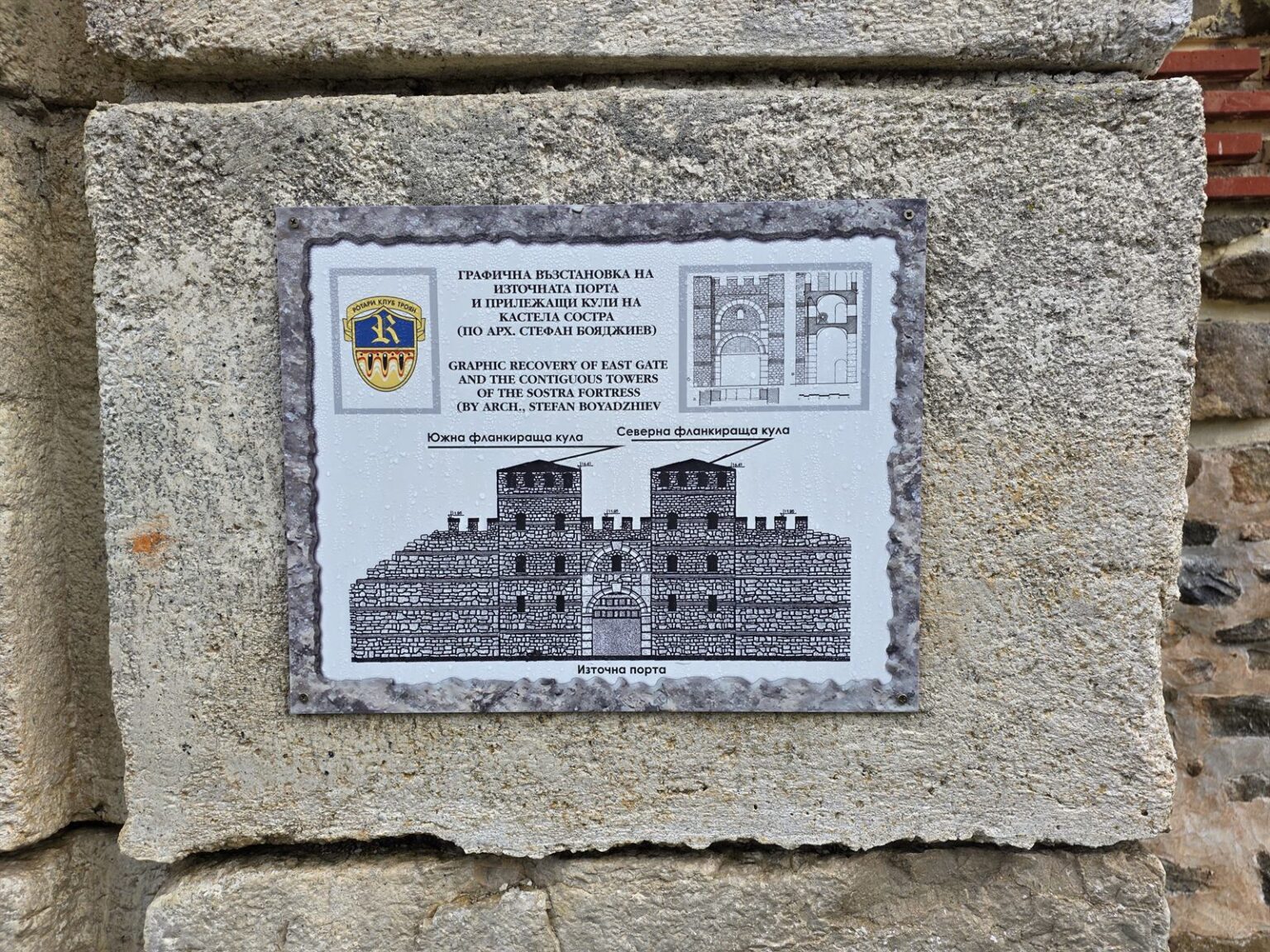
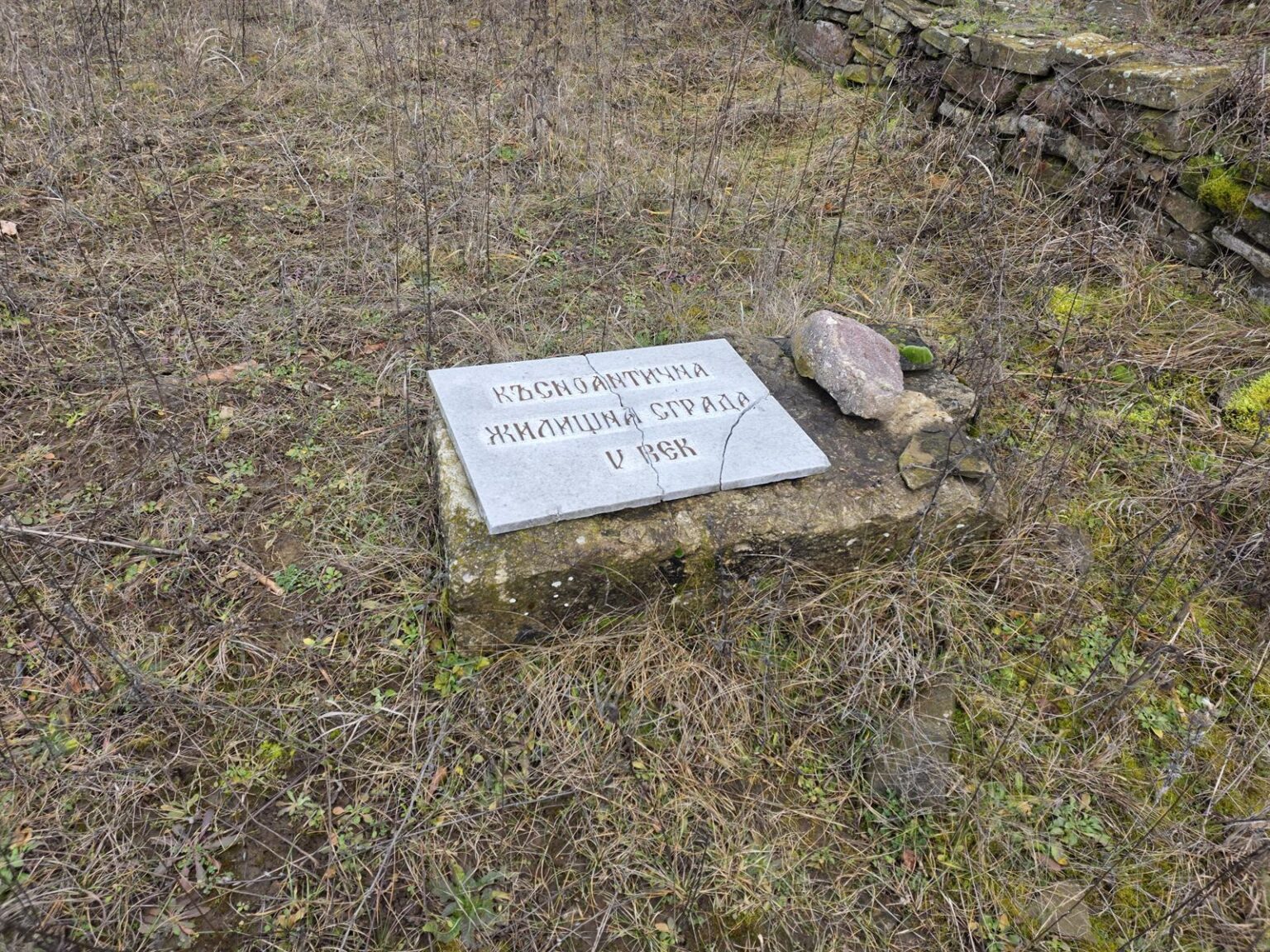
Construction began around 147 AD, under Emperor Antoninus Pius, when the Second Cohort of Mattiaci was garrisoned here. Work on the eastern fortress wall started in 254 AD under Emperor Gallienus and took nearly three decades — the walls reached a height of 10 metres, the towers over 12. At the end of the fifth century the fortress was destroyed by the Huns. Excavations have uncovered parts of the military camp, civilian buildings, an early Christian basilica, a pottery kiln and a sanctuary linked to the Thracian Horseman.
Finds and traces of the life once lived here
Organised archaeological research began in 1979 under Prof. Georgi Kitov, and has continued since 2002 under Assoc. Prof. Ivan Hristov, deputy director of the National History Museum, with support from Troyan municipality and the Troyan Museum of Crafts. Excavations have yielded silver coins, ceramic vessels, jewellery and stone inscriptions; part of the finds are on display in the Museum of Crafts in Troyan. About a kilometre from the fortress, on a low rise, stands one of the oldest churches in the Stara Planina — the early Christian basilica of St George, next to which a new chapel has been built.
The fortress is easiest to visit together with Troyan and its Museum of Crafts, where part of the finds are shown. The route continues naturally south to Lovech, while the mountain village of Balkanets sits in the other direction, toward the pass — a quiet detour, well off the usual tourist route.
Related video: the fortress, the Troyan pass and the surrounding places are best seen from the air in the episode Bulgaria From Above: Central Balkan – Troyan, Lovech, Balkanets and Fortress Sostra, part of the Bulgaria From Above series.