| Where it is | The western Rhodopes, south of Pazardzhik — Tsigov Chark on the Batak reservoir, then Batak, Peshtera and Slavovitsa; Google Maps |
| Getting there | by car from Sofia along the A1 Trakia motorway to Pazardzhik, then south through Batak — roughly 150 km each way, the last 40 of them mountain road |
| How long | a weekend — one lazy day, one full day of sightseeing on the way home |
| Best for | spa hotels on a reservoir, museums, and stamps for the 100 National Tourist Sites book |
| What it costs | museum entries for the whole weekend come to under €10 per person, hotel and fuel aside |
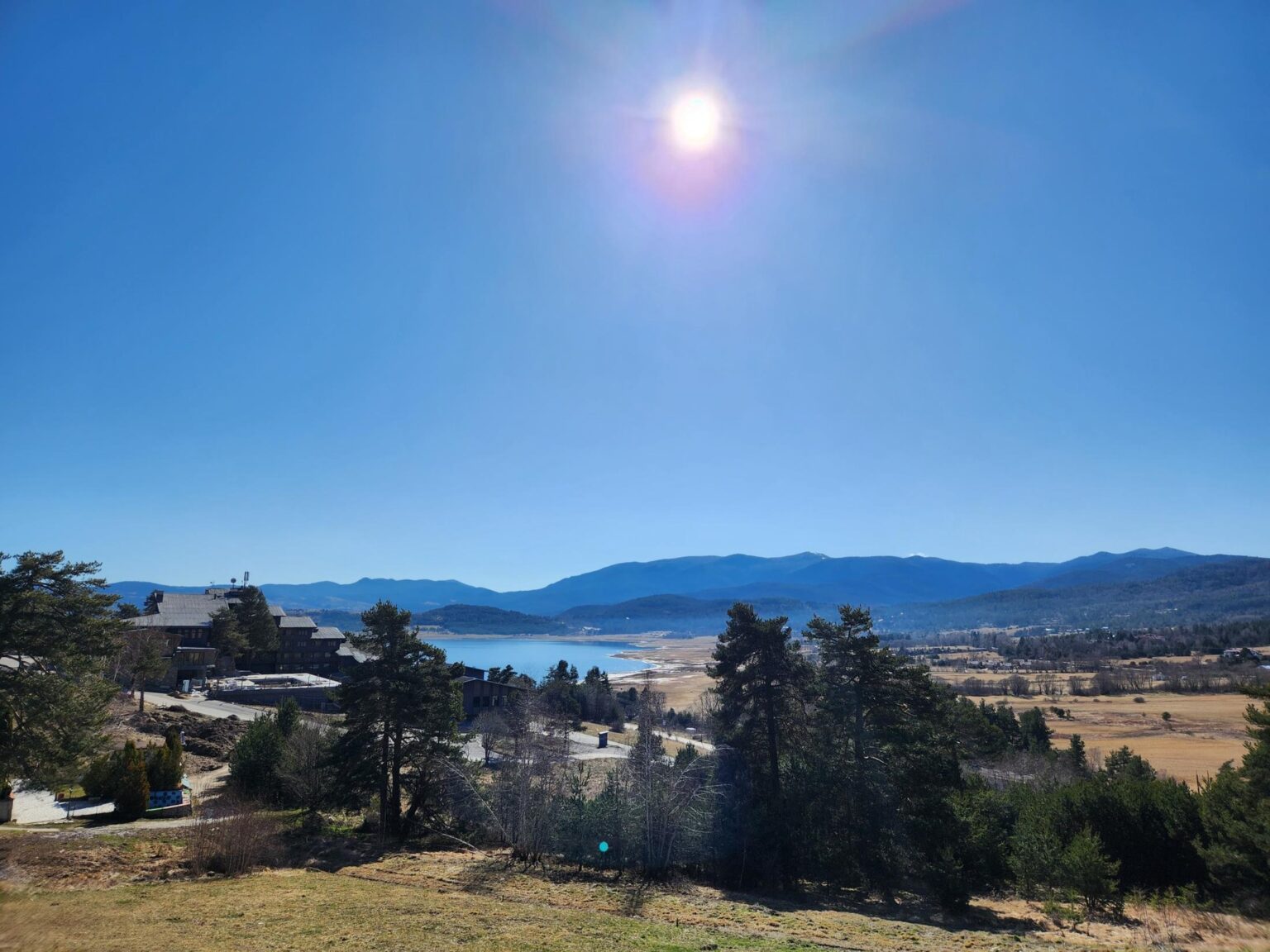
The season is more or less officially open. Time to get walking. But! There is always a but, and the tiredness that piles up over a working week has a say too. So a compromise is needed — some rest, some walking, something actually seen. There are also a few stamps waiting to be collected in the 100 National Tourist Sites book. We had several ideas for the weekend, and then it turned out that inflation cannot dent the Bulgarian spirit: ten hotels in a row told us they were full for the next three weekends 😀 Fine. The hoteliers are clearly managing. We scraped together one last room in Tsigov Chark, so we made the best of it and built a programme around Batak. Which raises the question of why I did not start there in the first place — the place is beautiful from every angle.
A note for readers outside Bulgaria: the 100 National Tourist Sites is a hiking-club scheme that has been running since 1966. You buy a little booklet, and every listed site — museum, peak, monastery, fortress — has its own numbered stamp. Collect enough of them and you get a badge. It is the best excuse ever invented for driving somewhere you would otherwise never go.
Day 1: Tsigov Chark
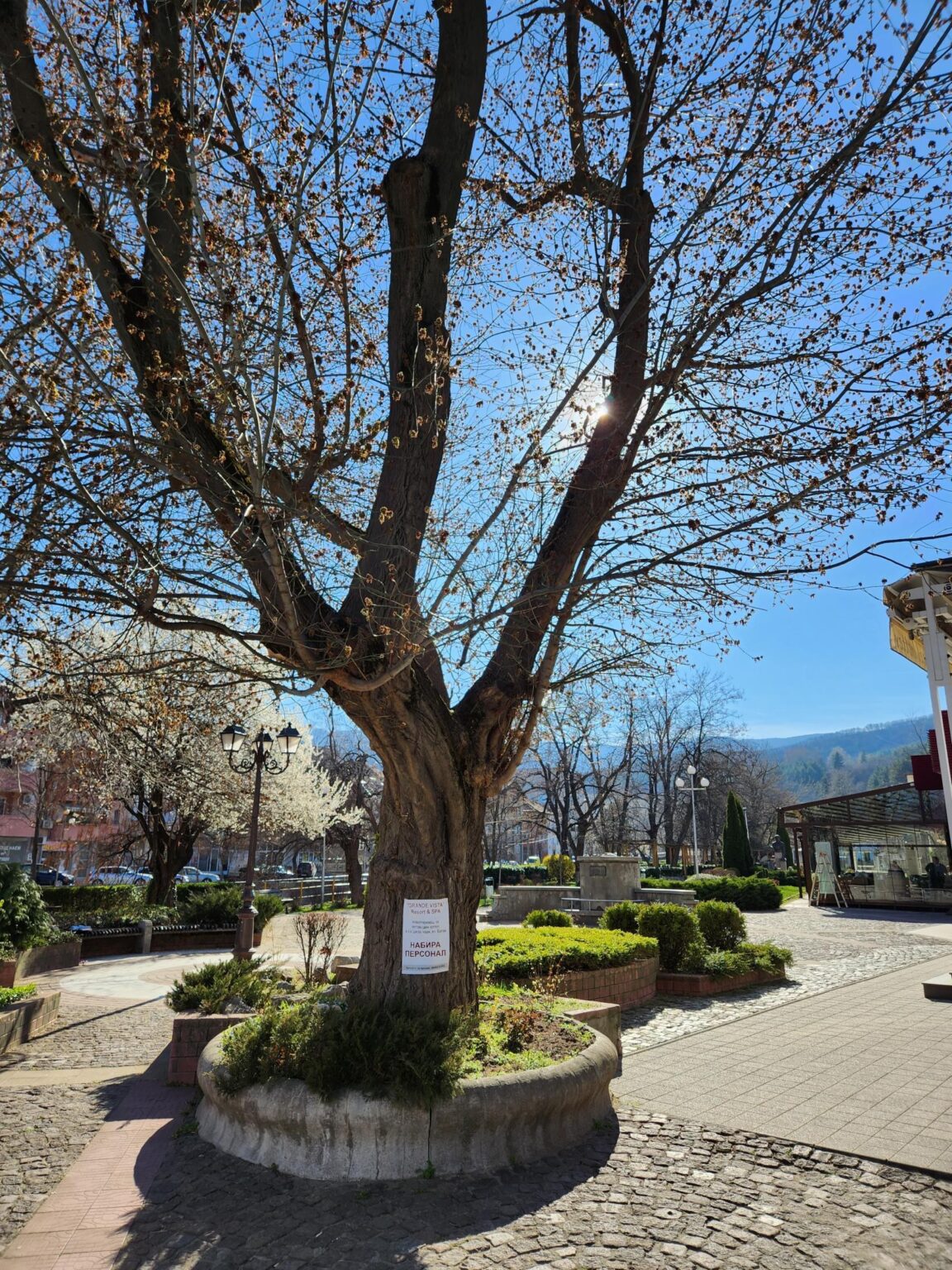
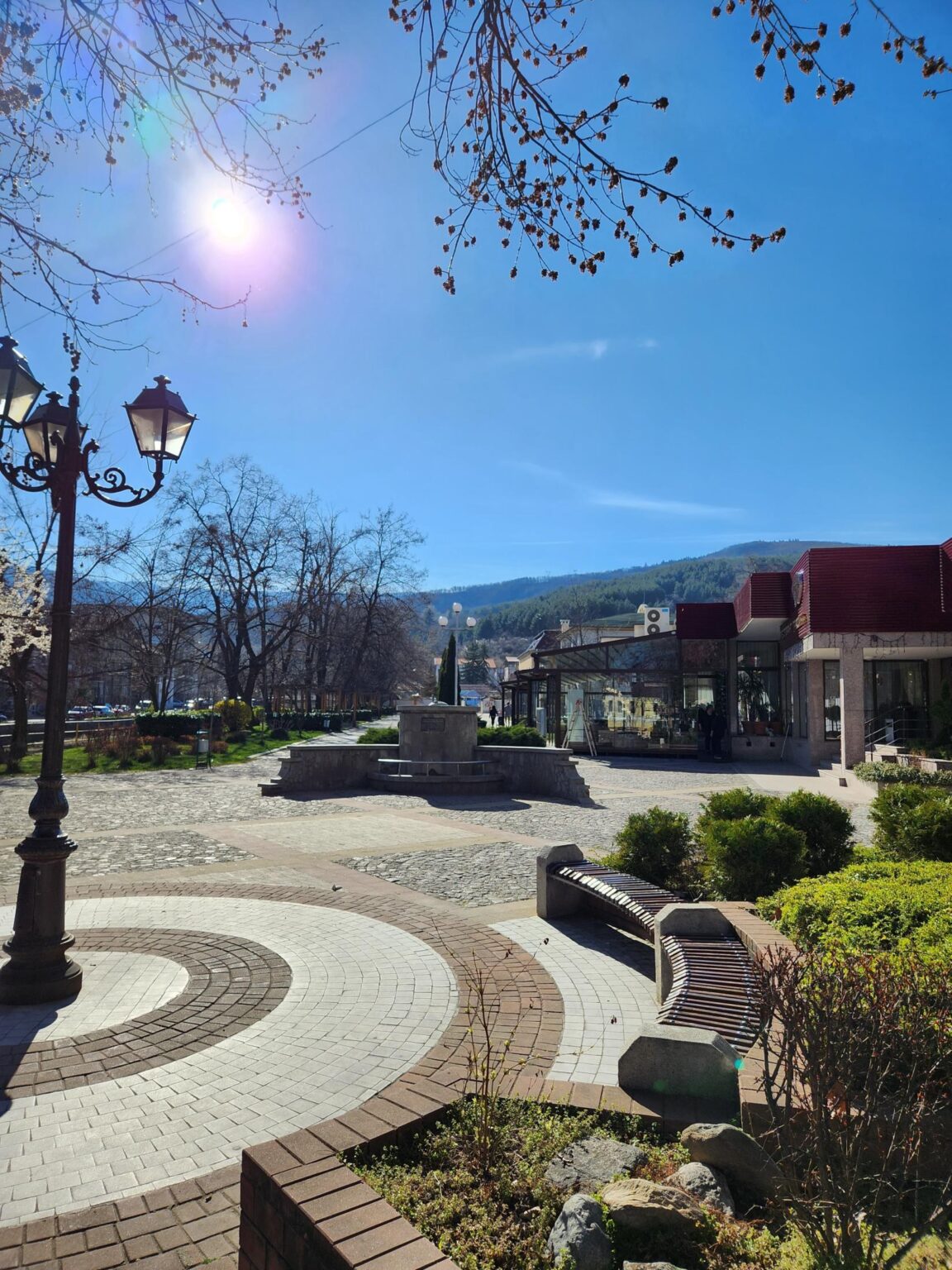
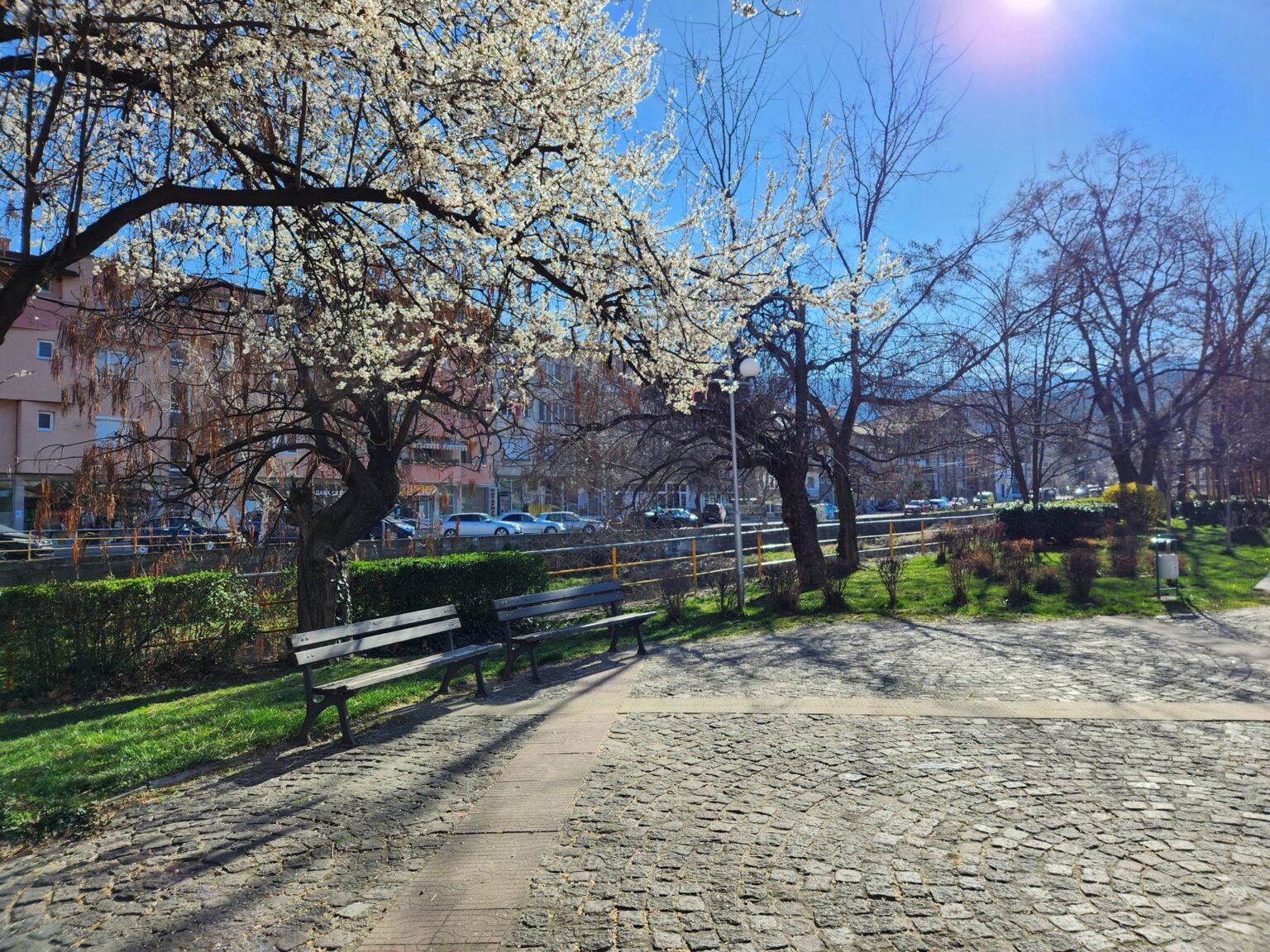
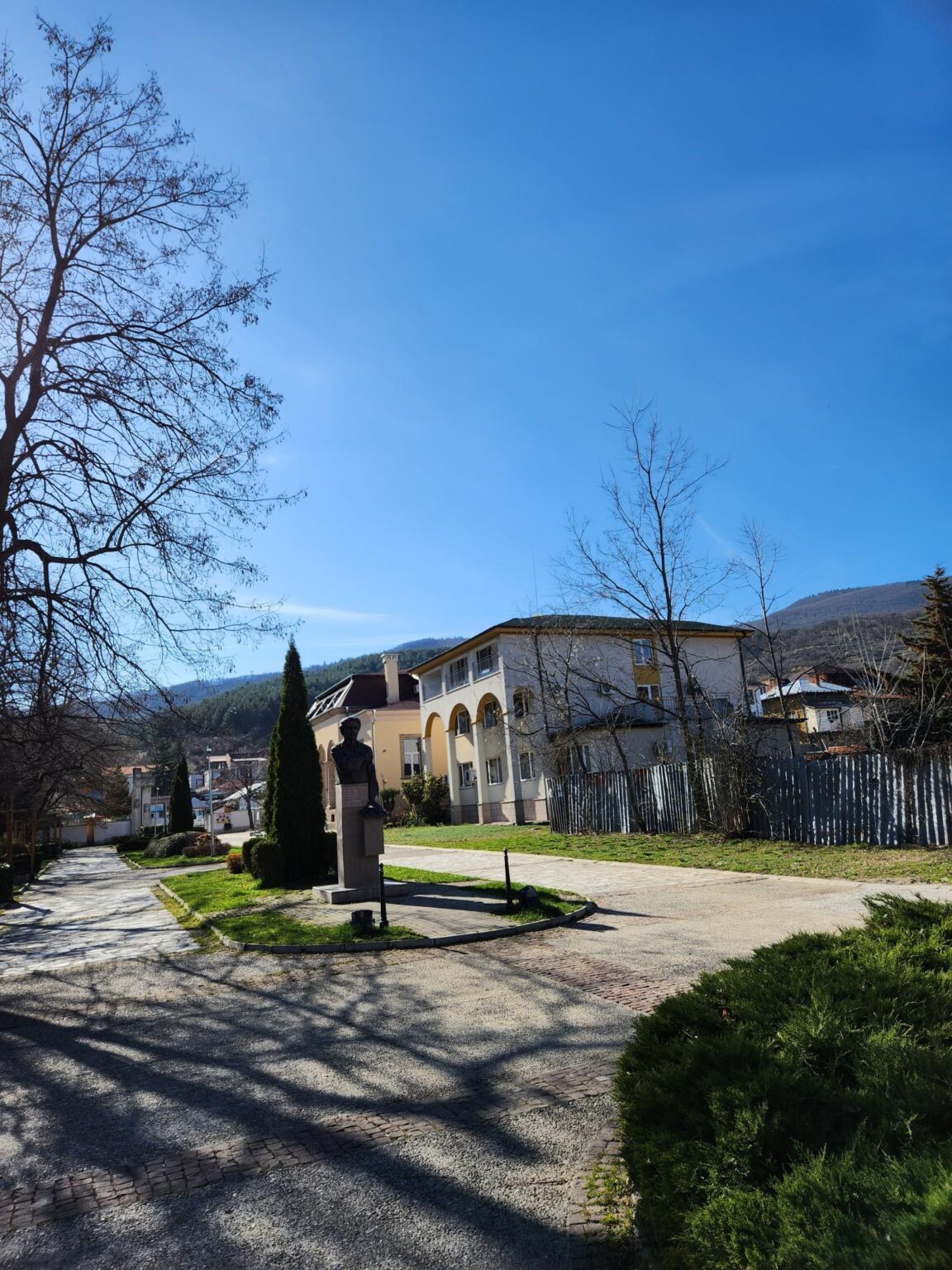
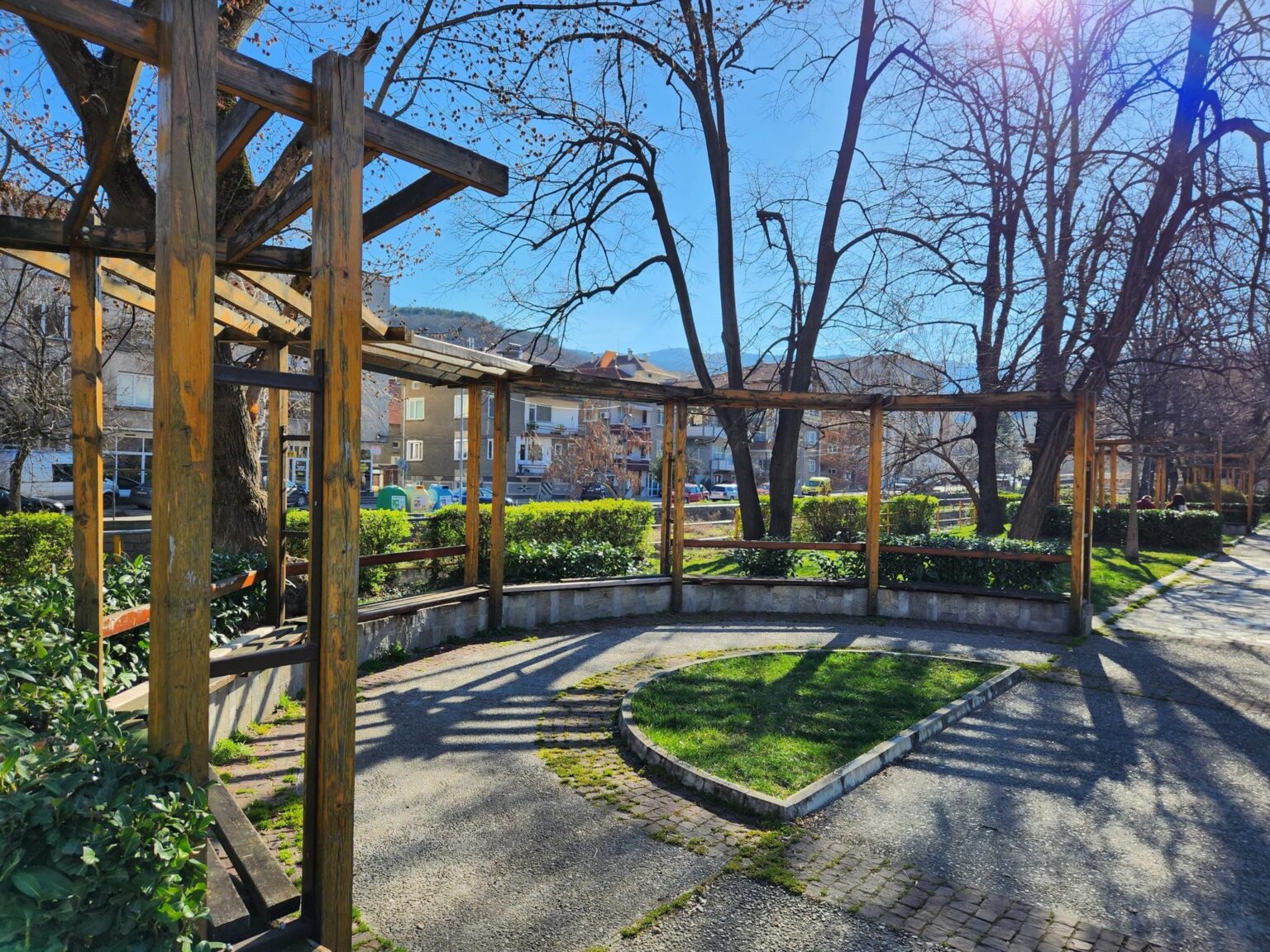
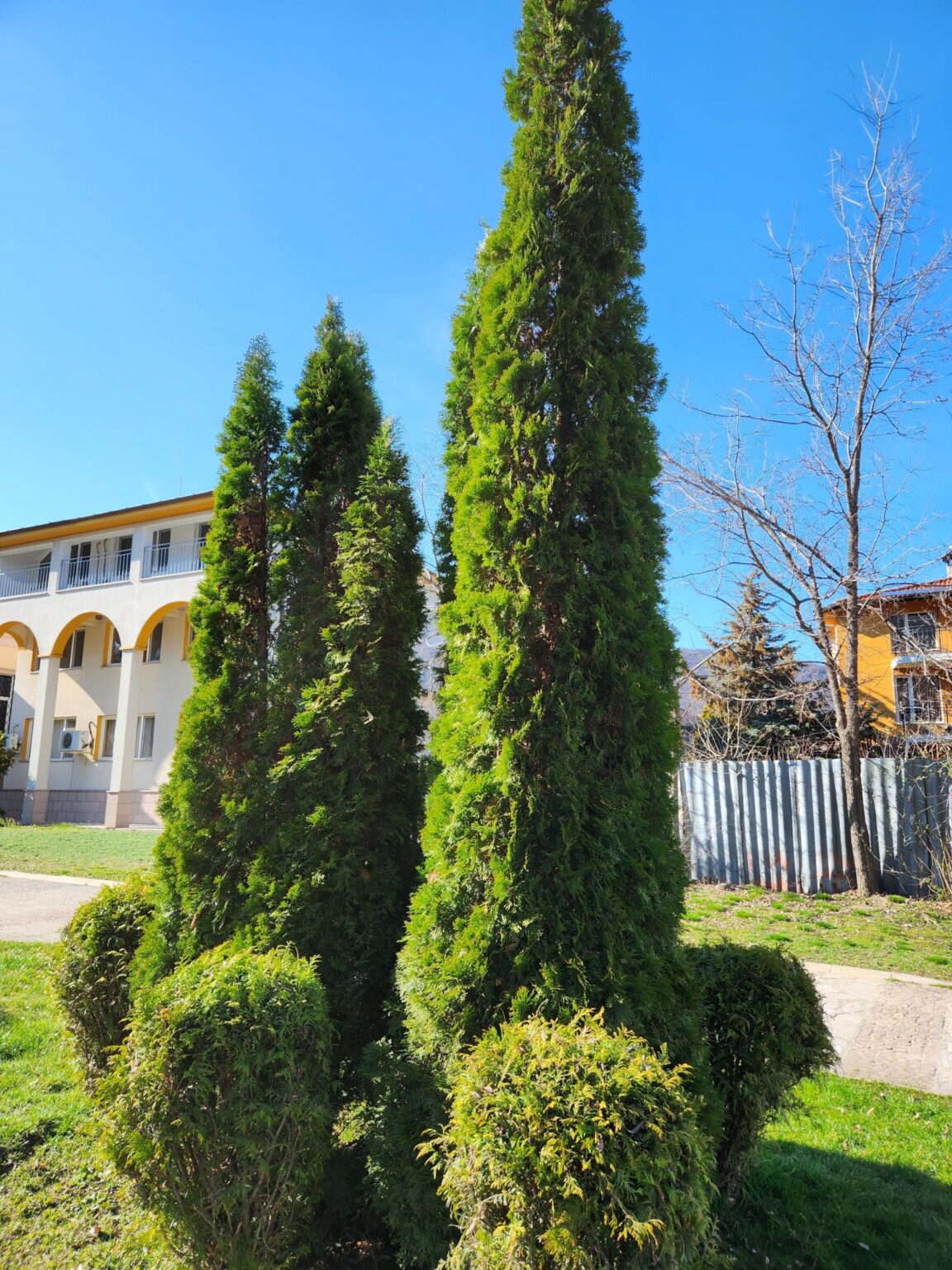
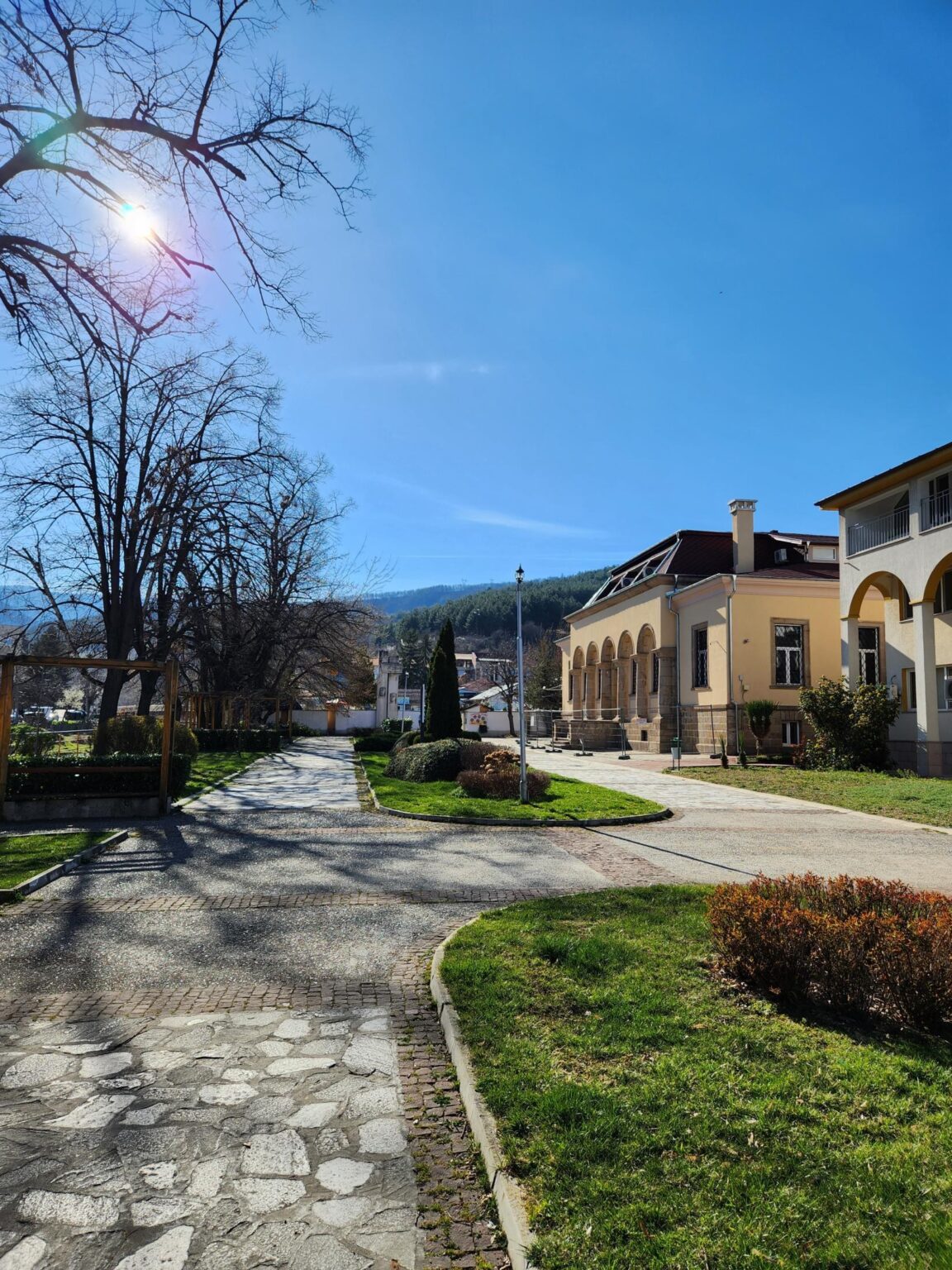
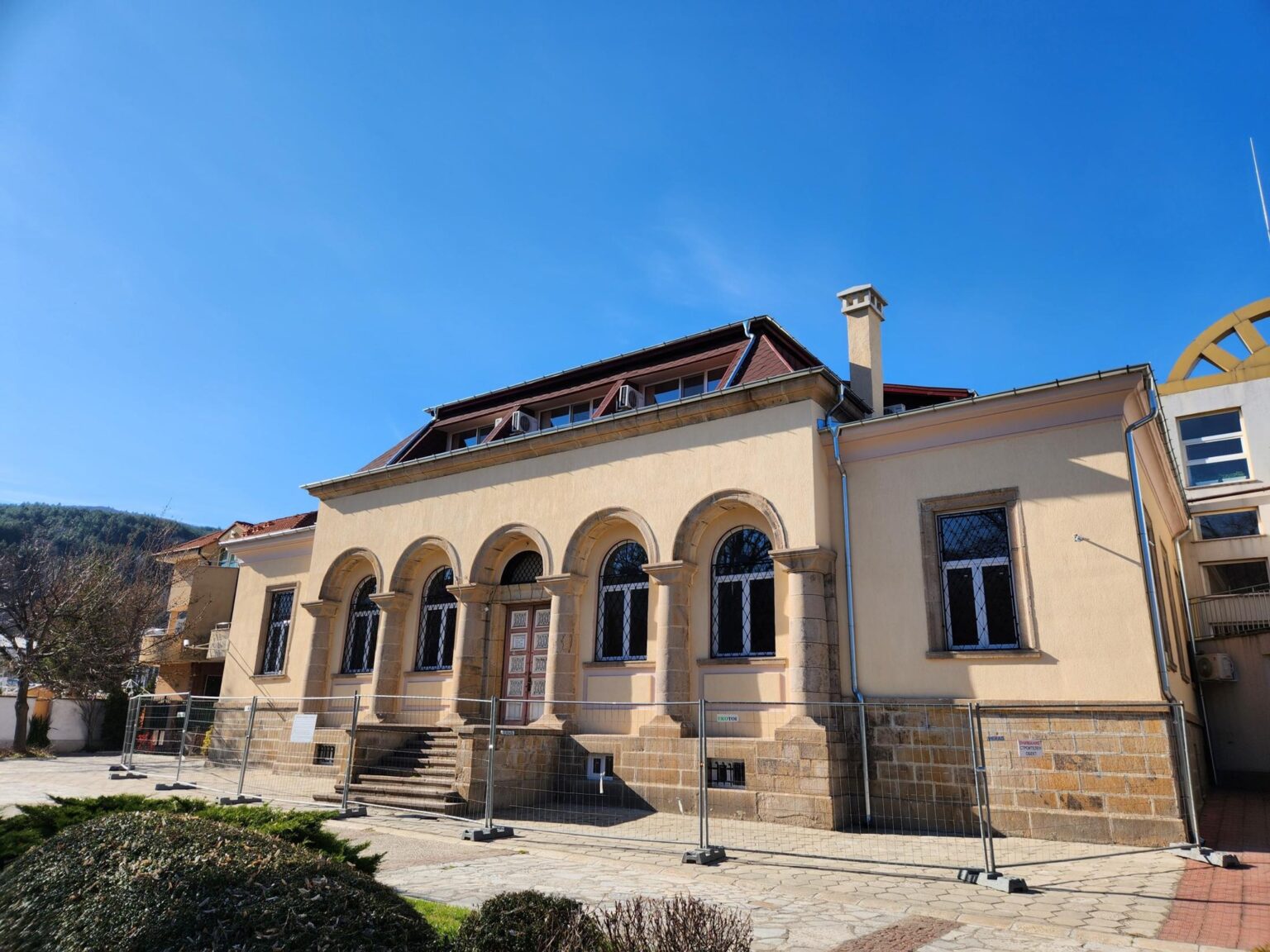
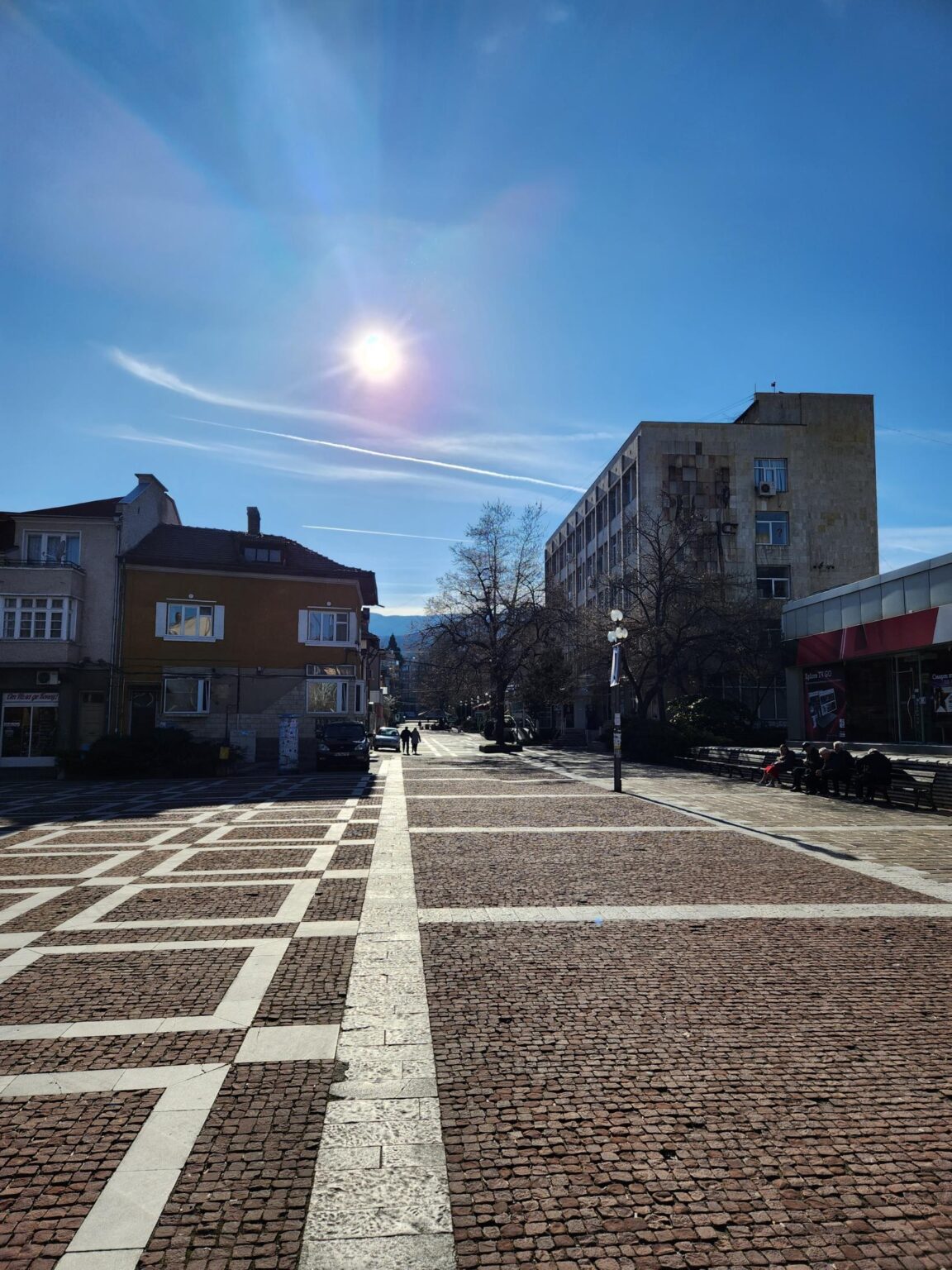
My suggestion for your weekend goes like this. You leave on Friday evening or Saturday morning. You get to Tsigov Chark, which you can walk end to end in an hour or two. The complexes here are mostly spa-oriented, with indoor and outdoor pools. Open any booking site and you will see the same two or three well-known names. We are not going to advertise them; all I will say is that they are all fine and the price-to-quality ratio is good. This is the lazy day, so I will only share what to expect from a quick walk along the two main roads.
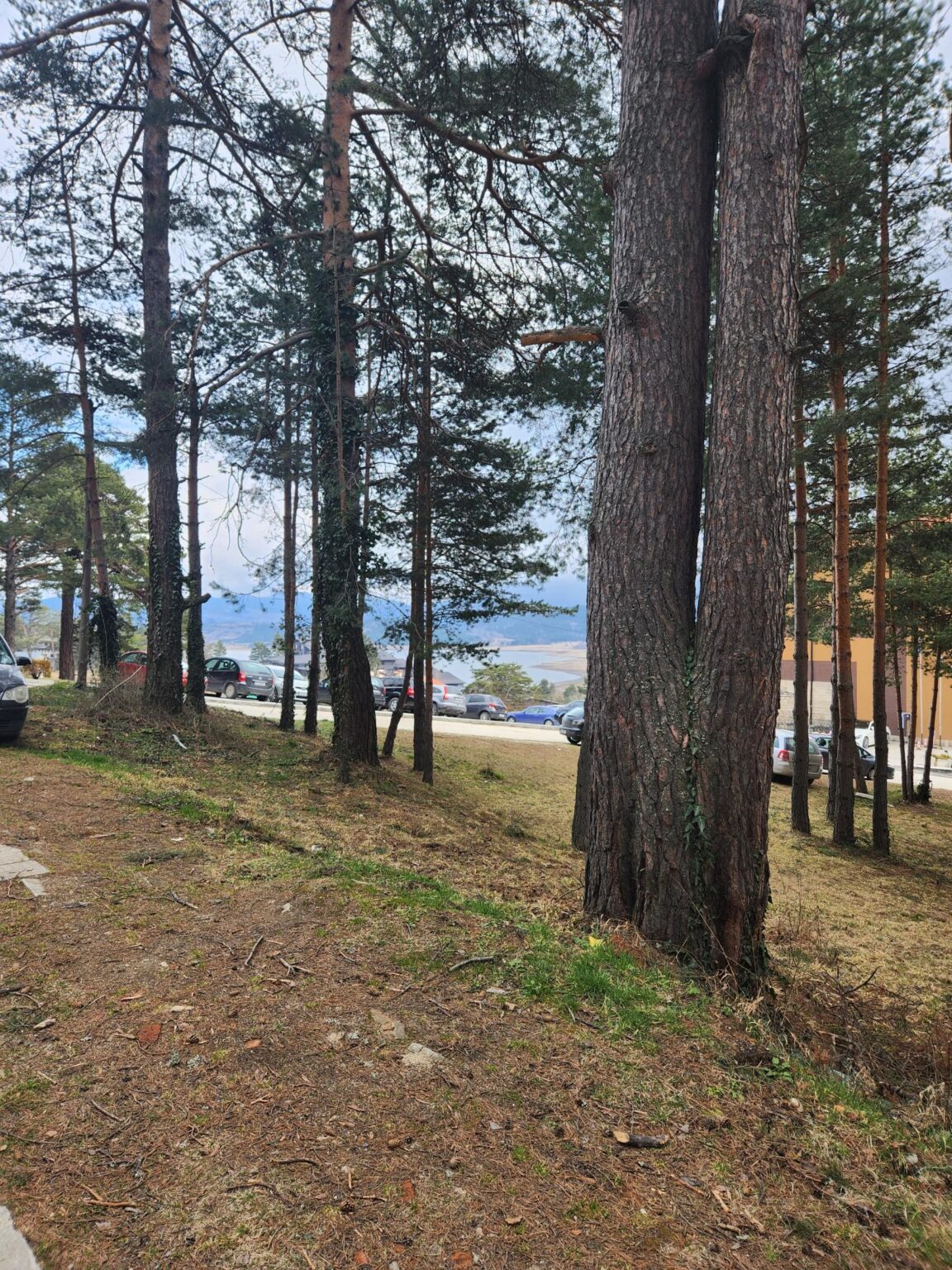
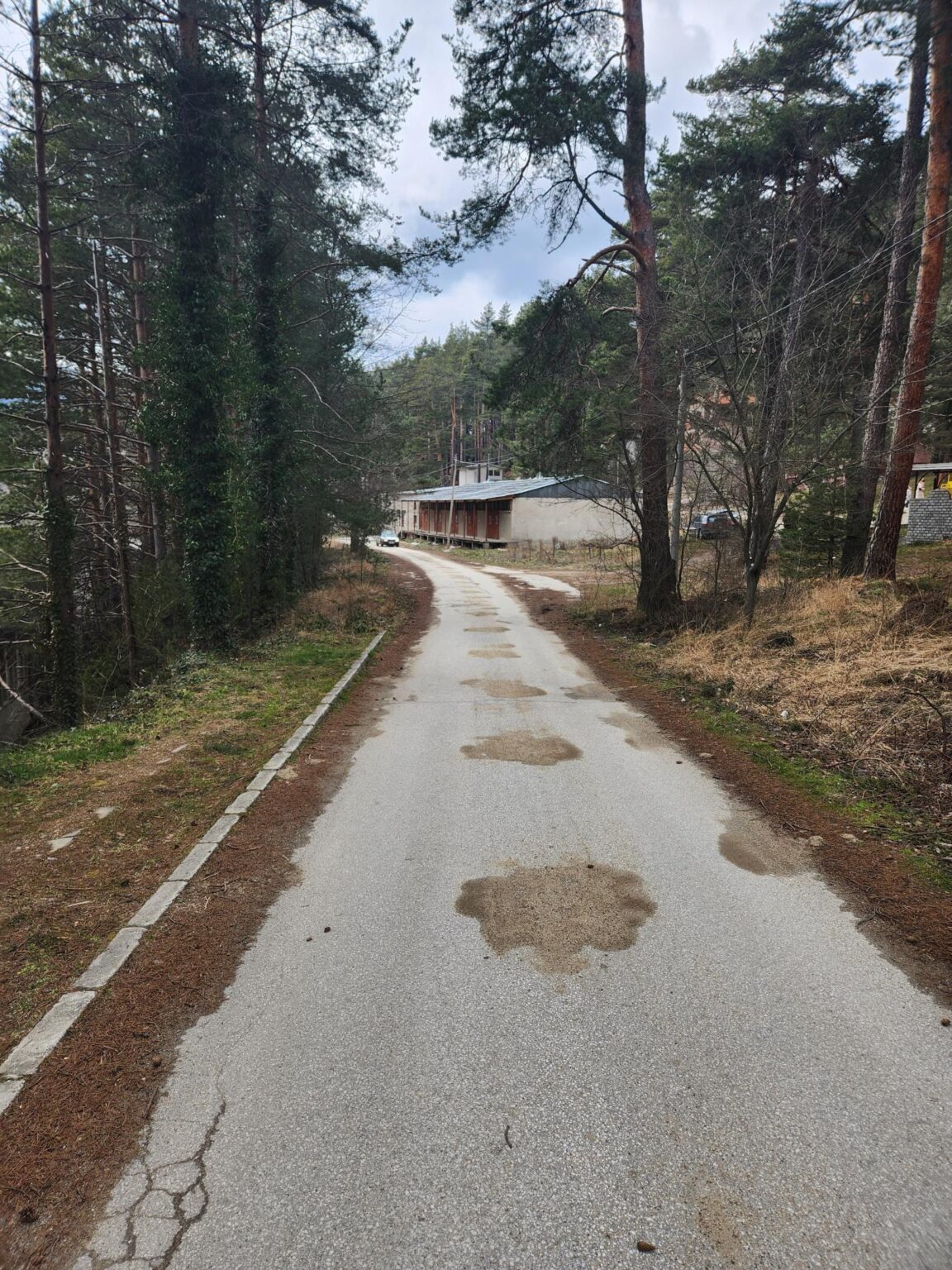
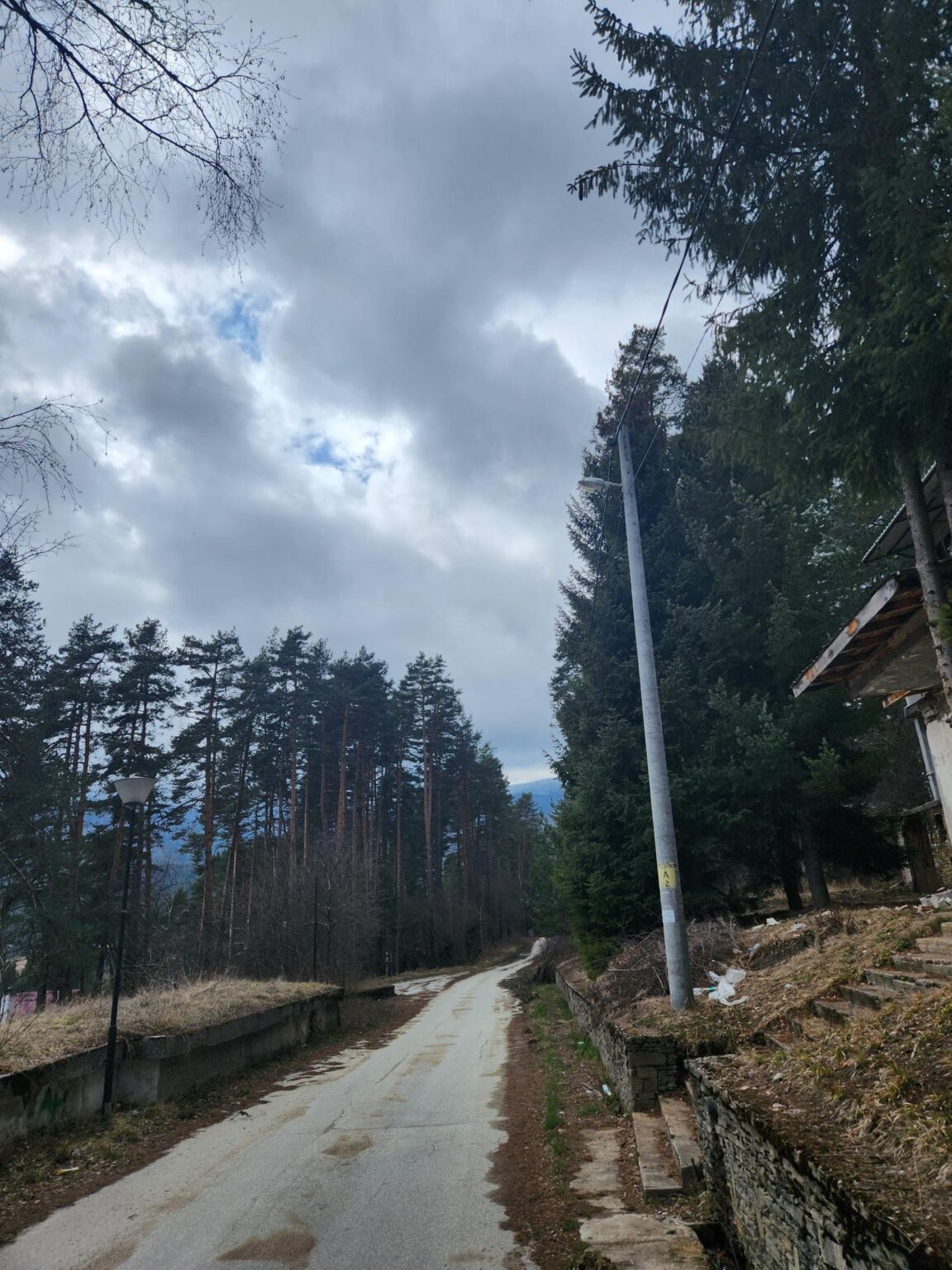
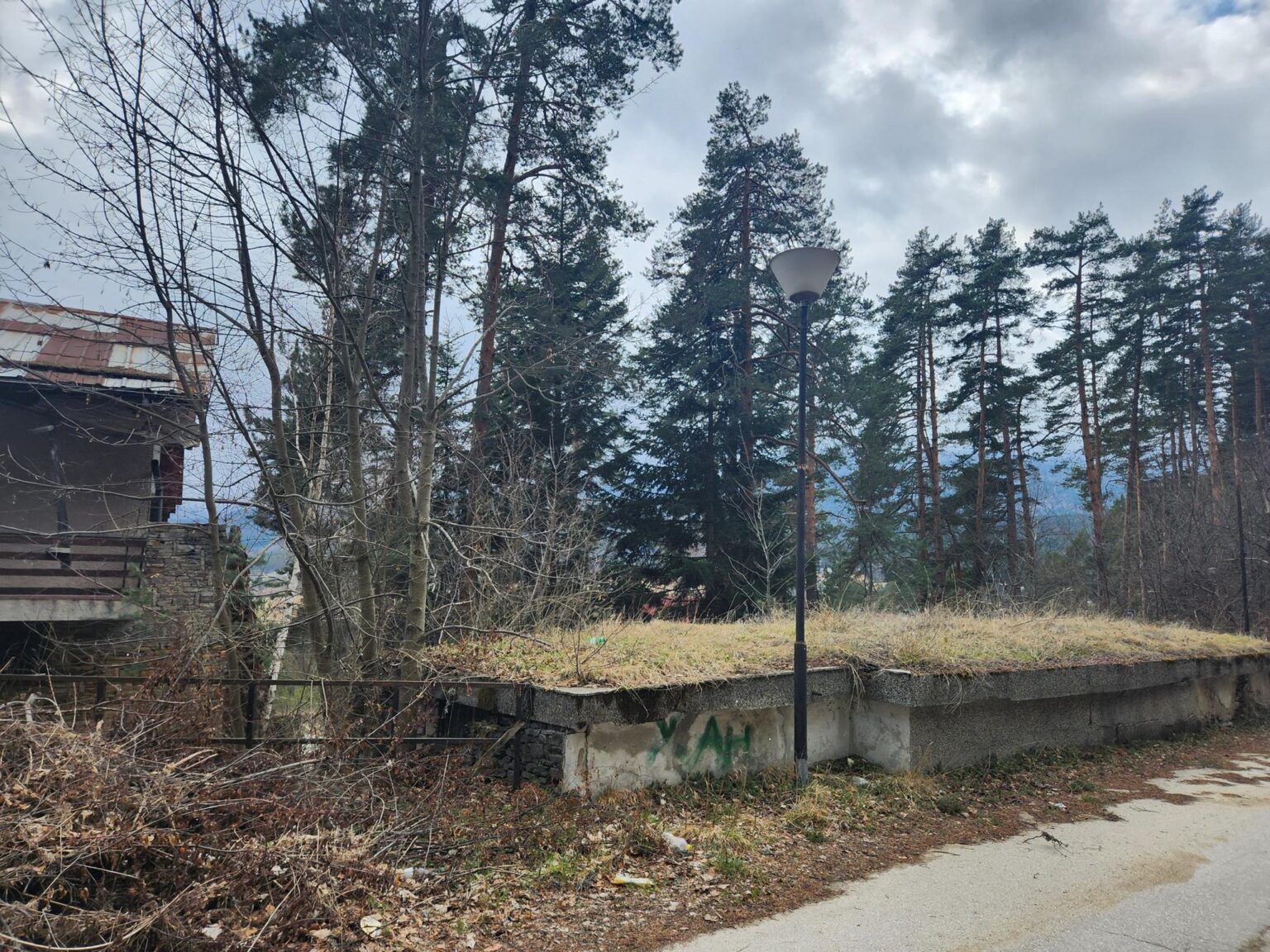
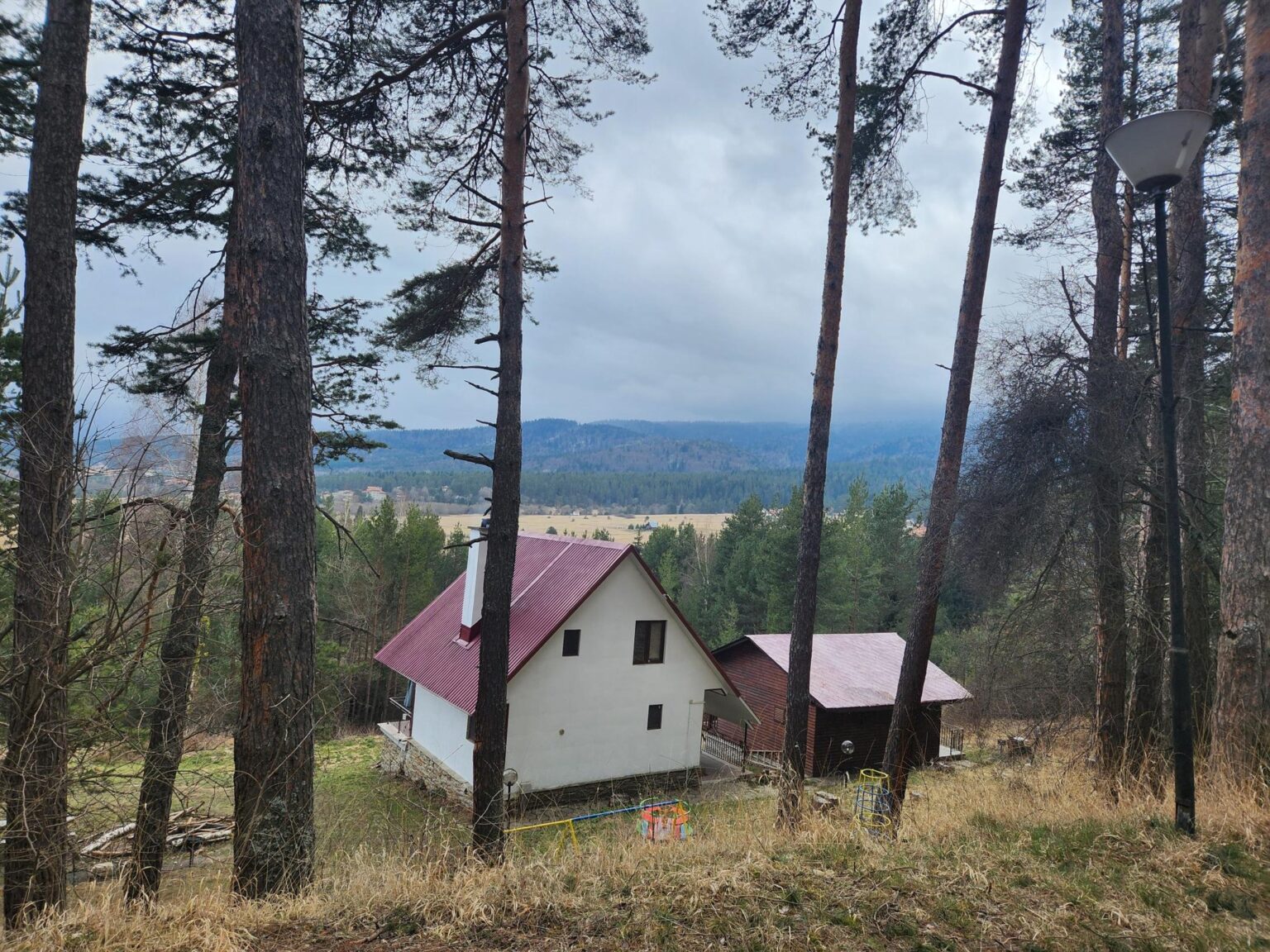
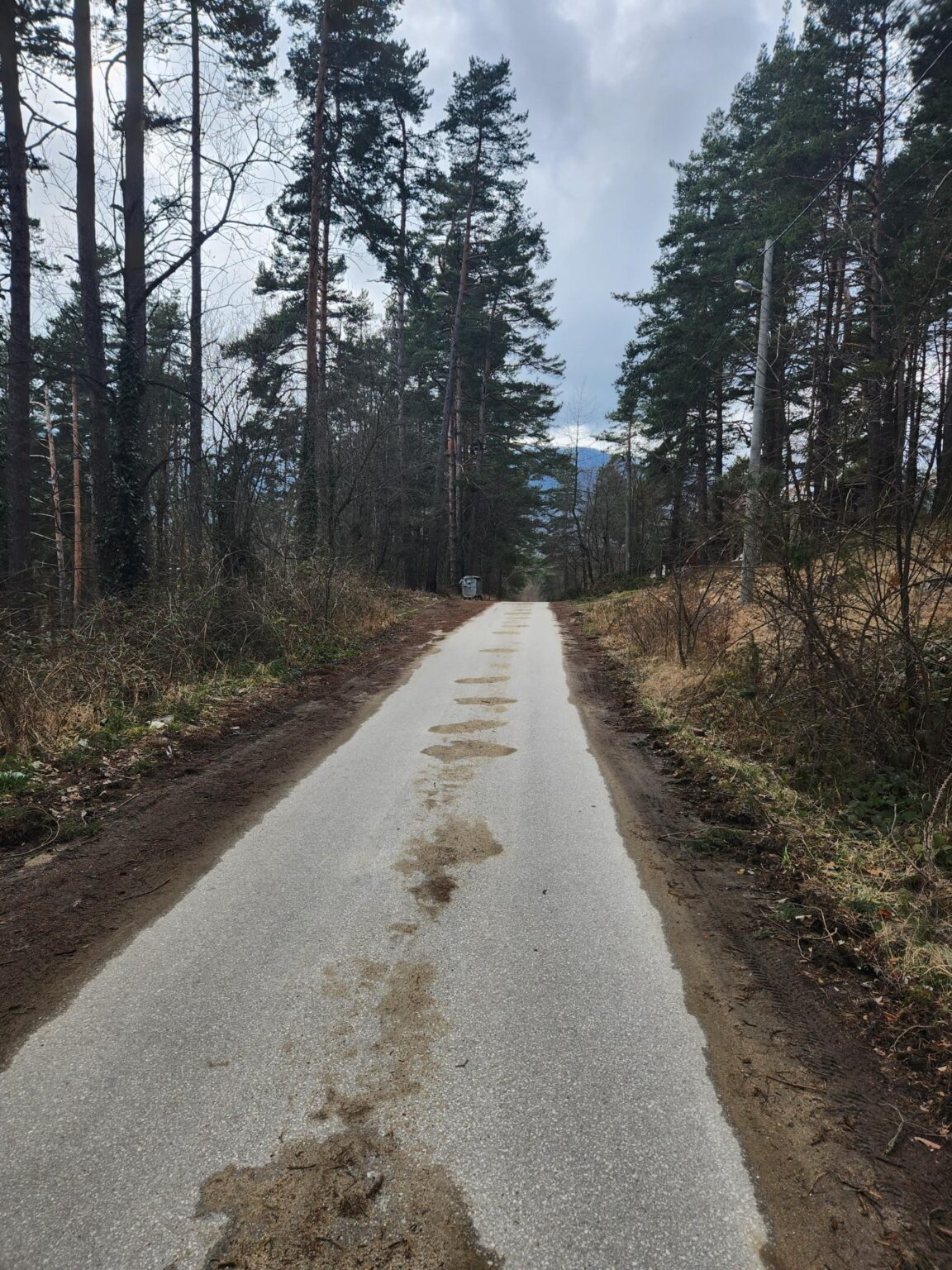
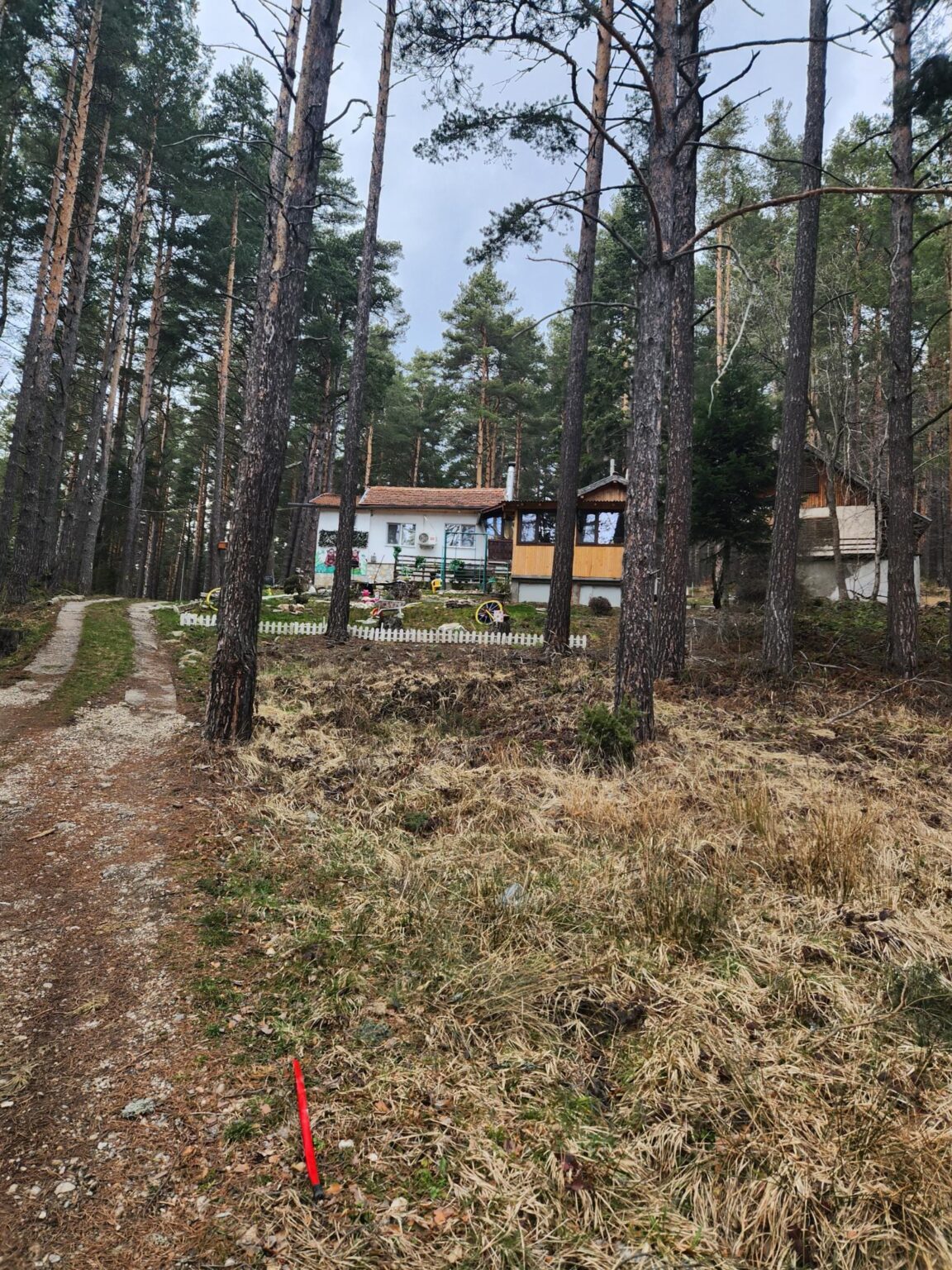
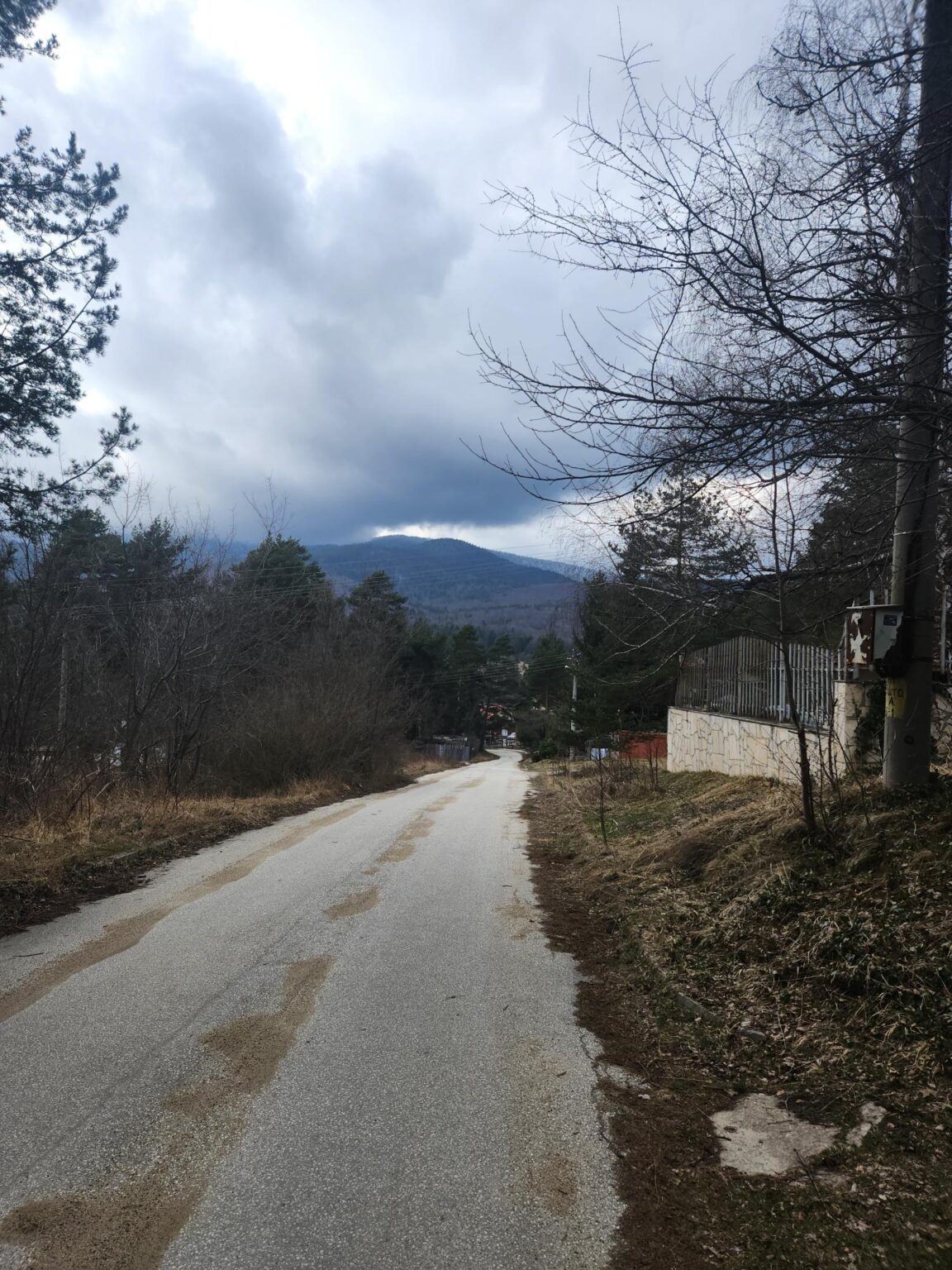
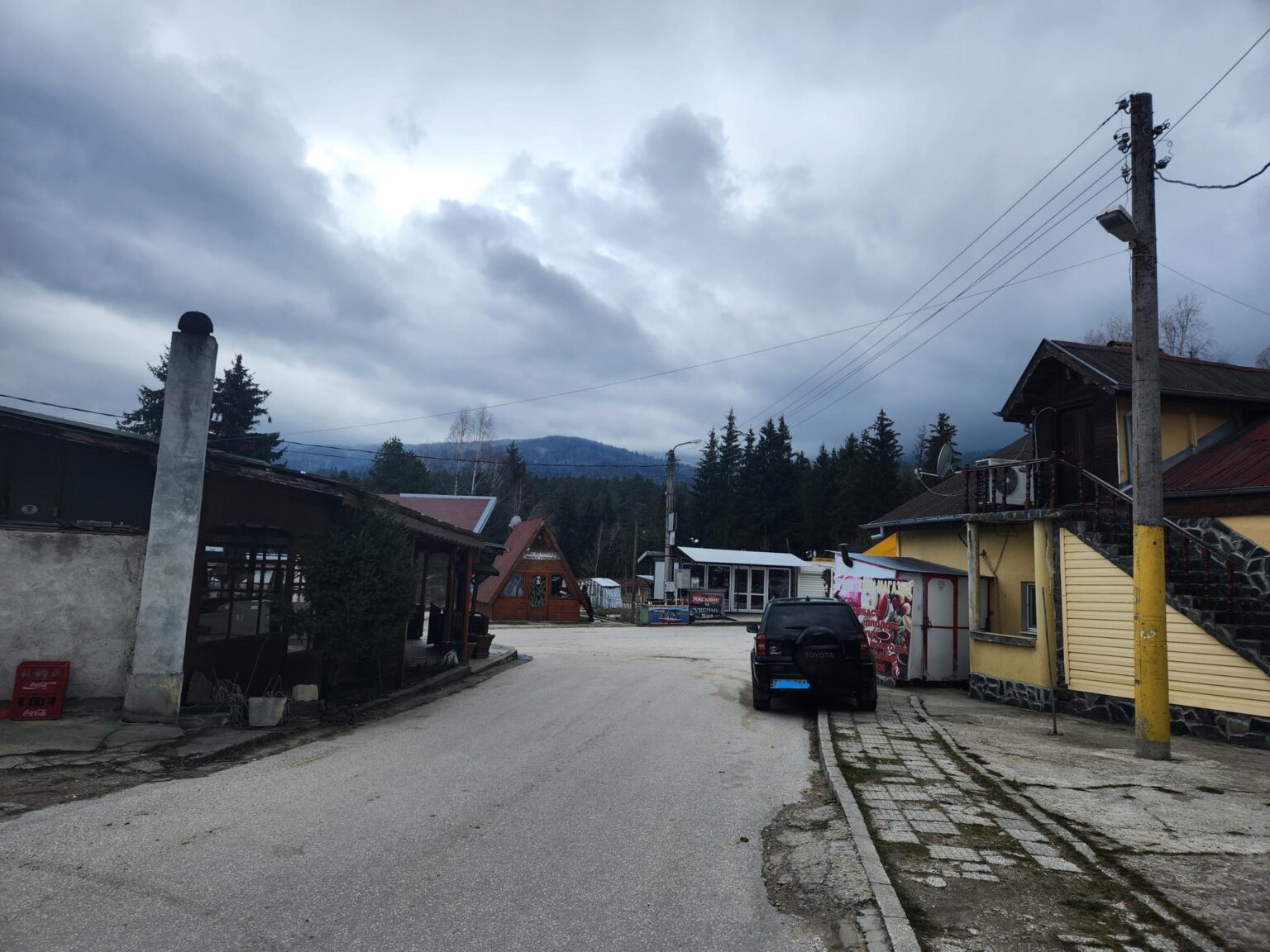
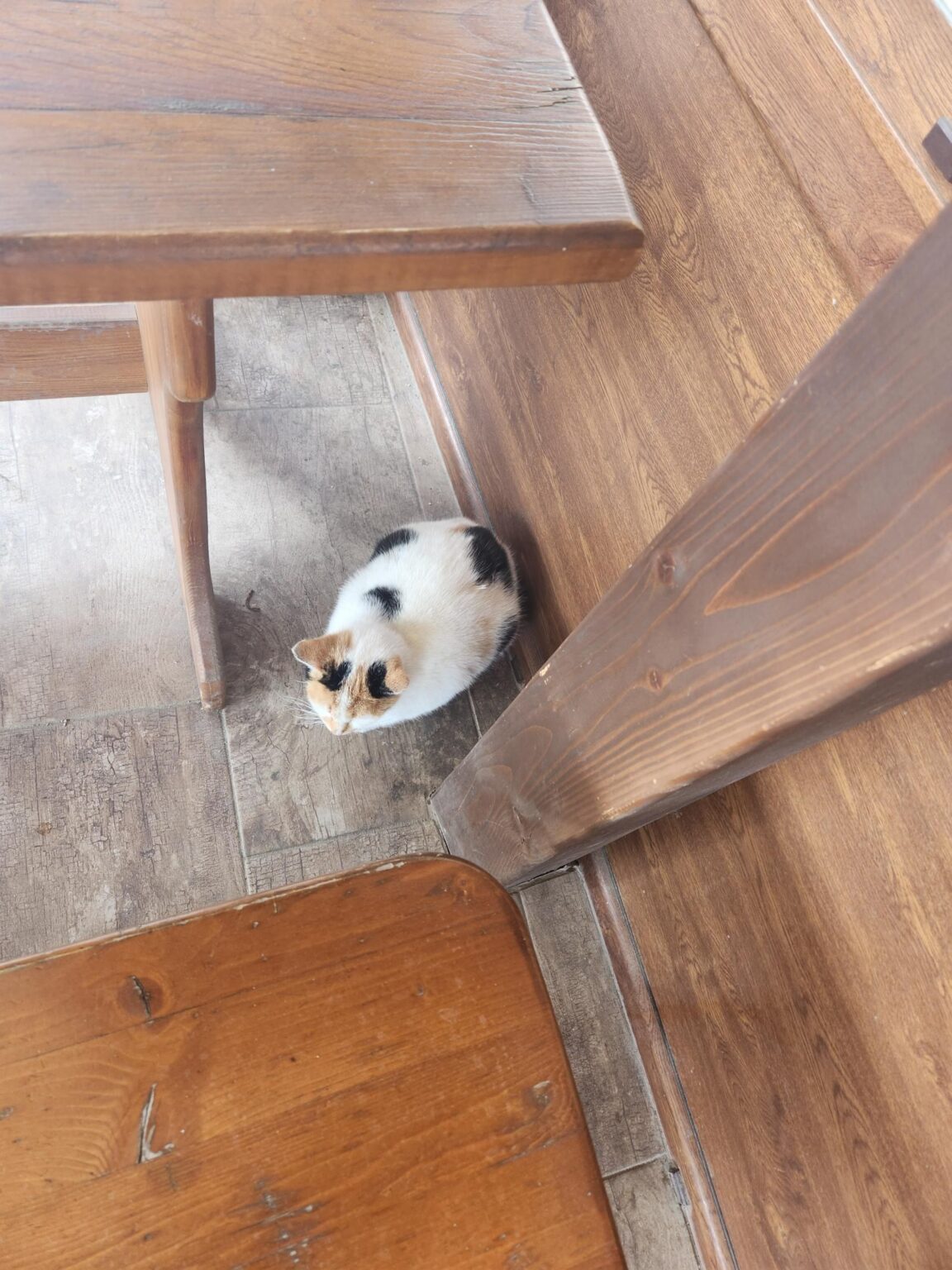
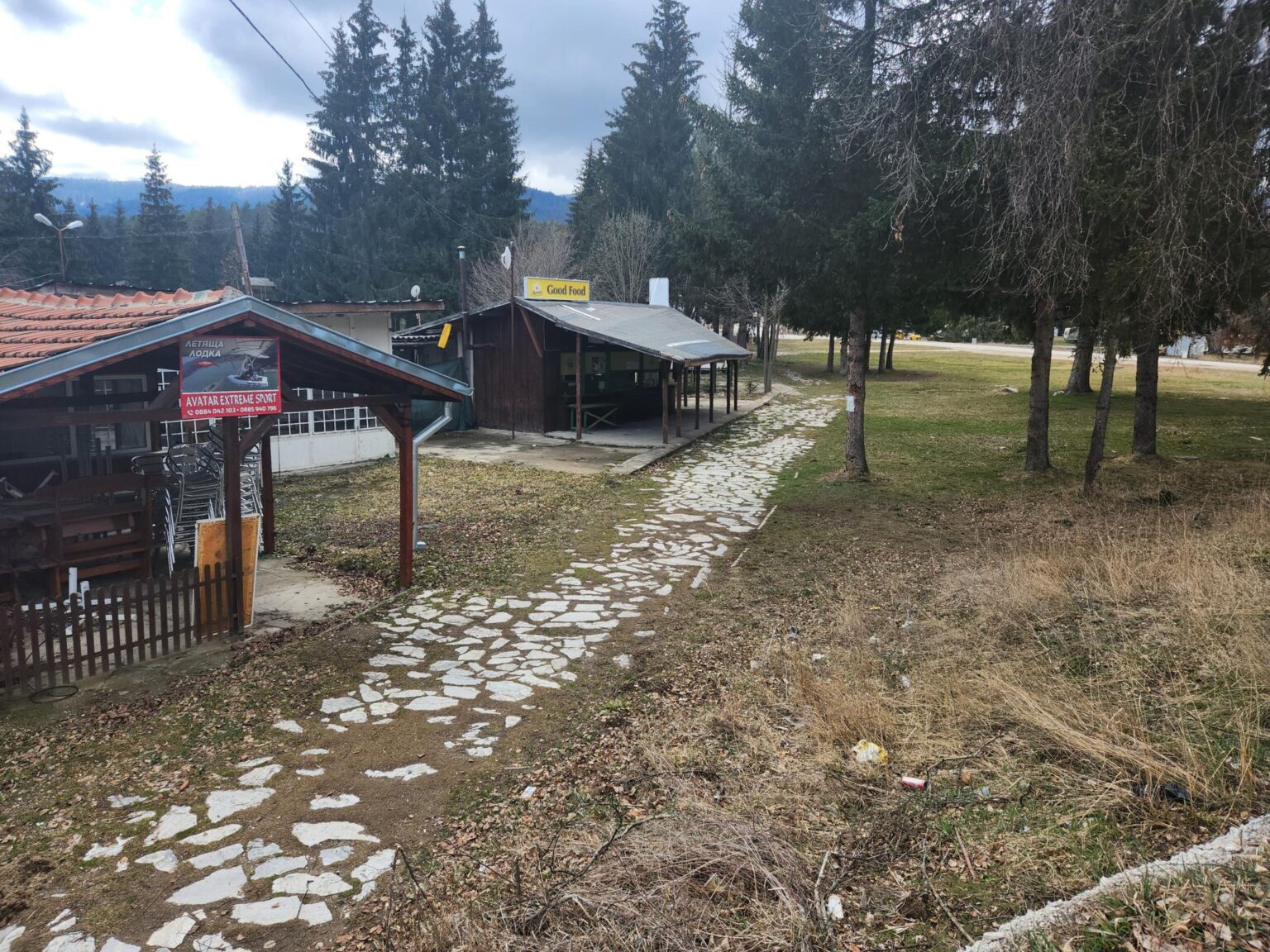
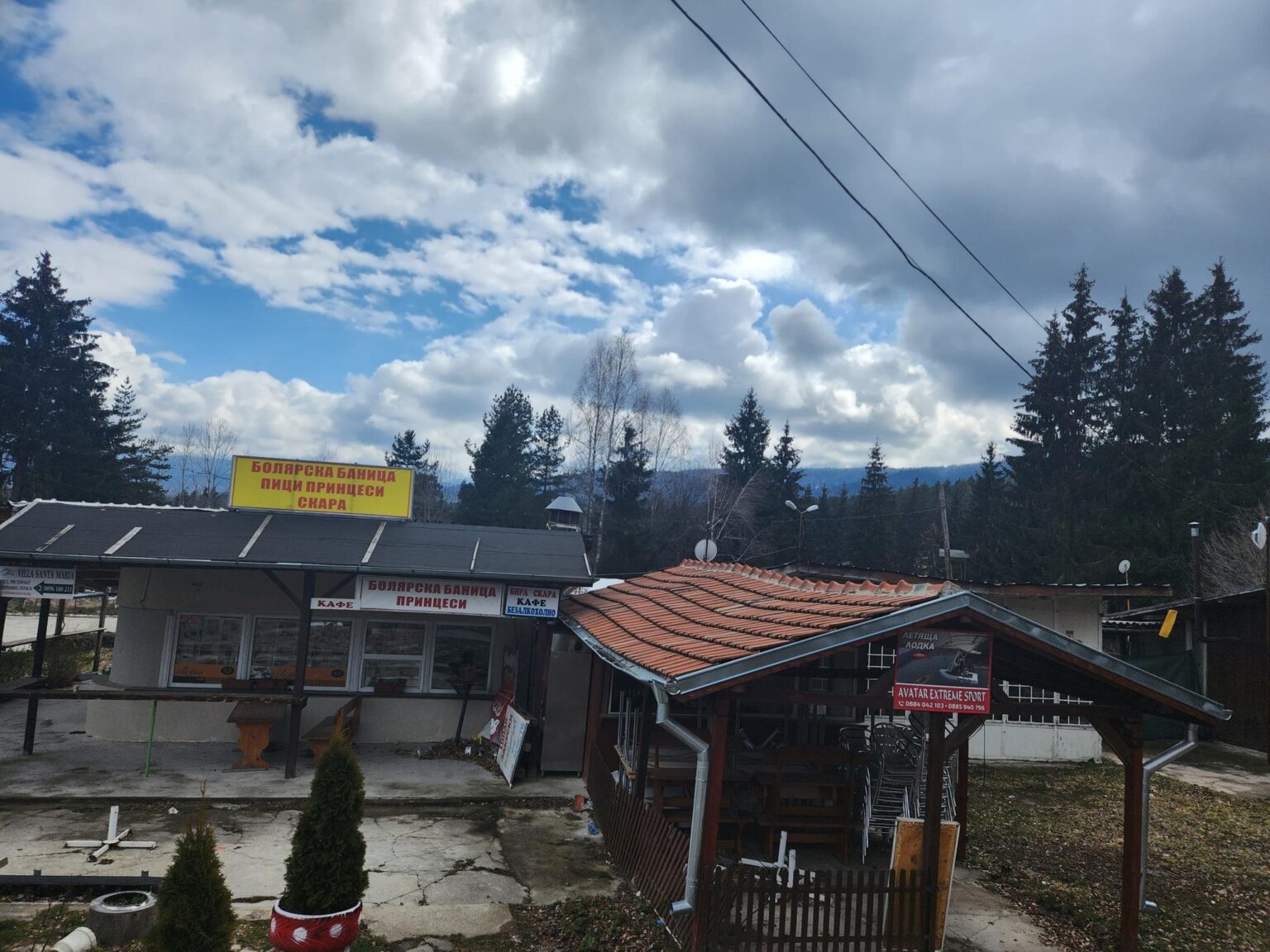
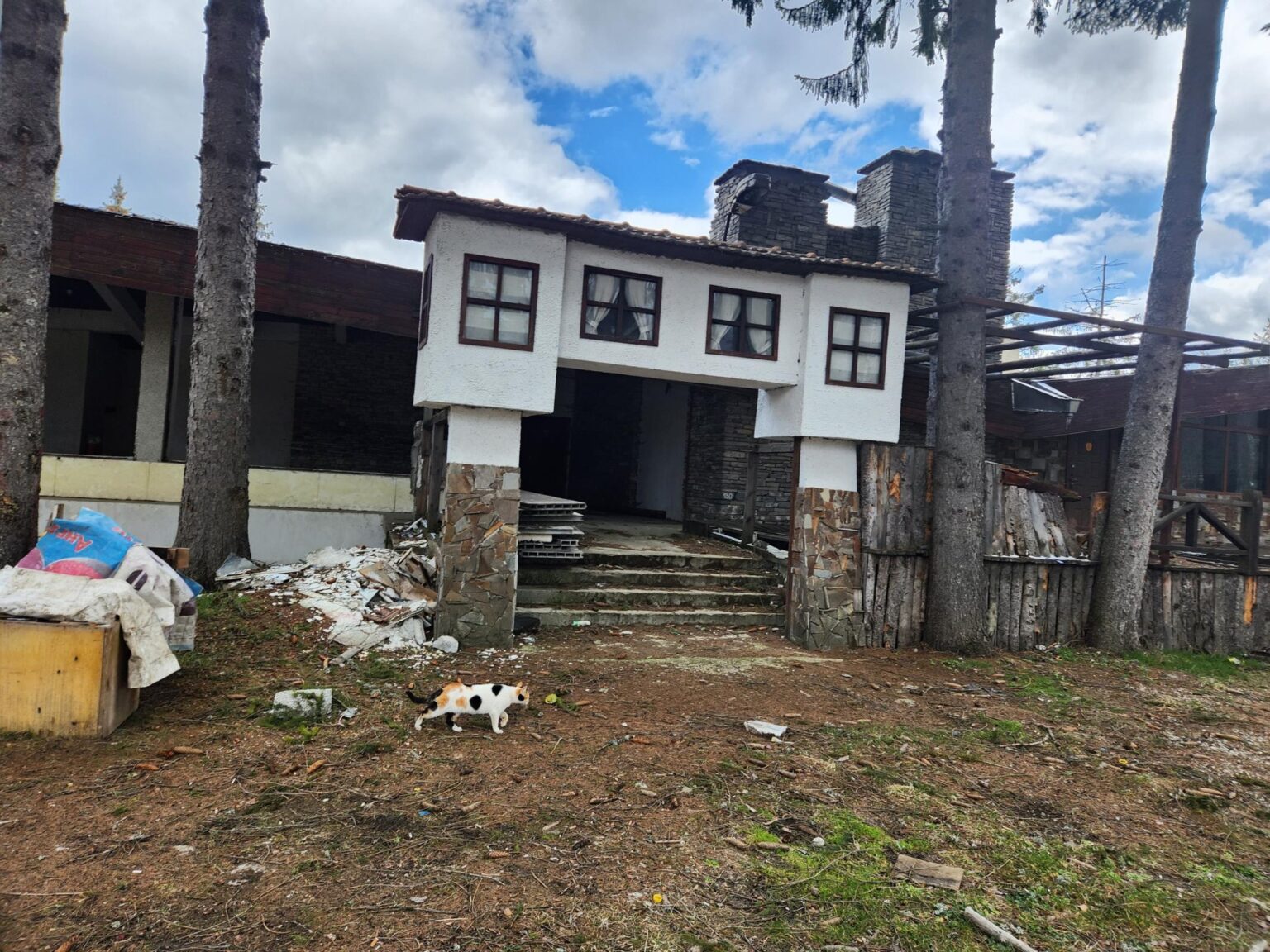
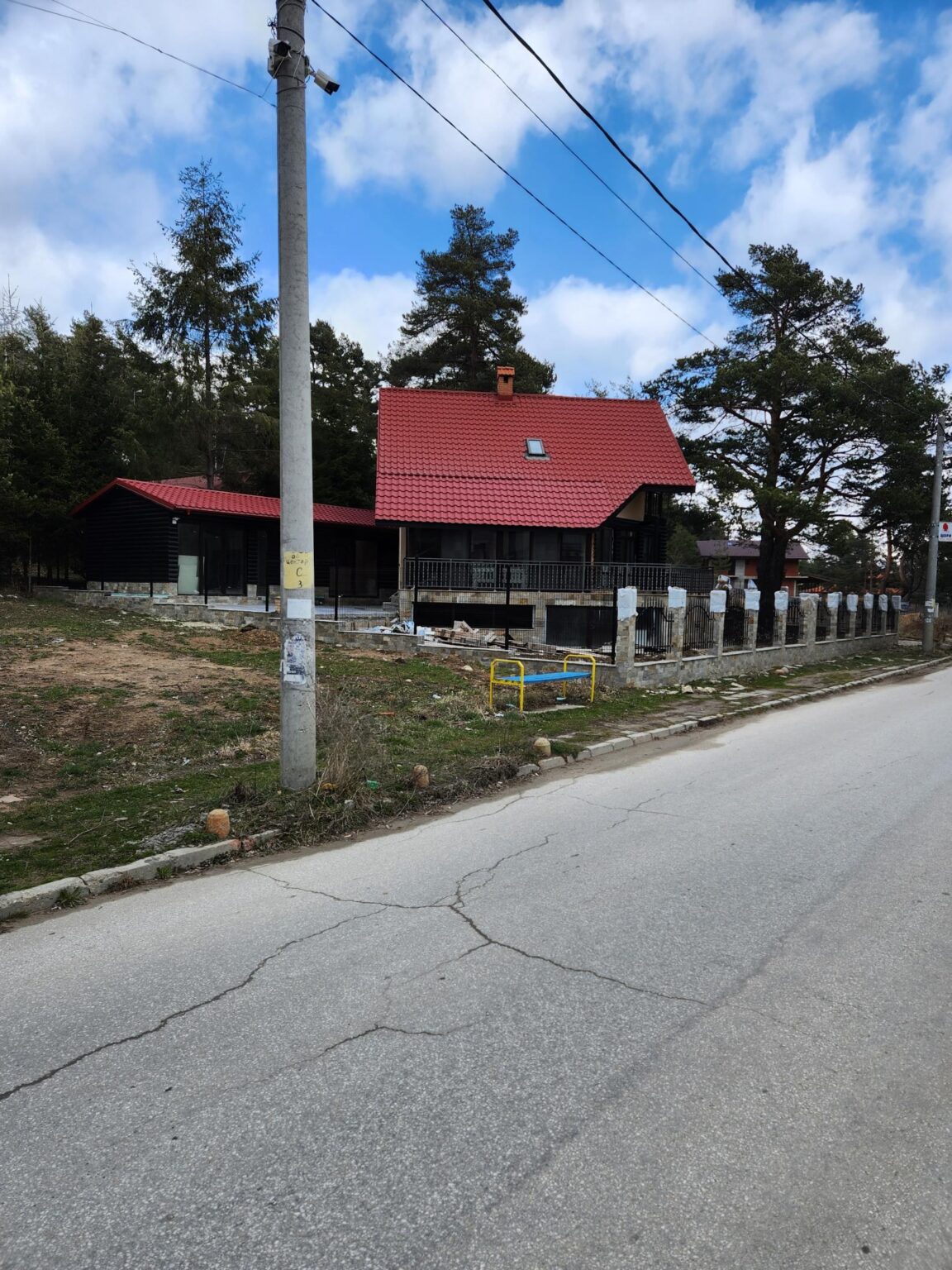
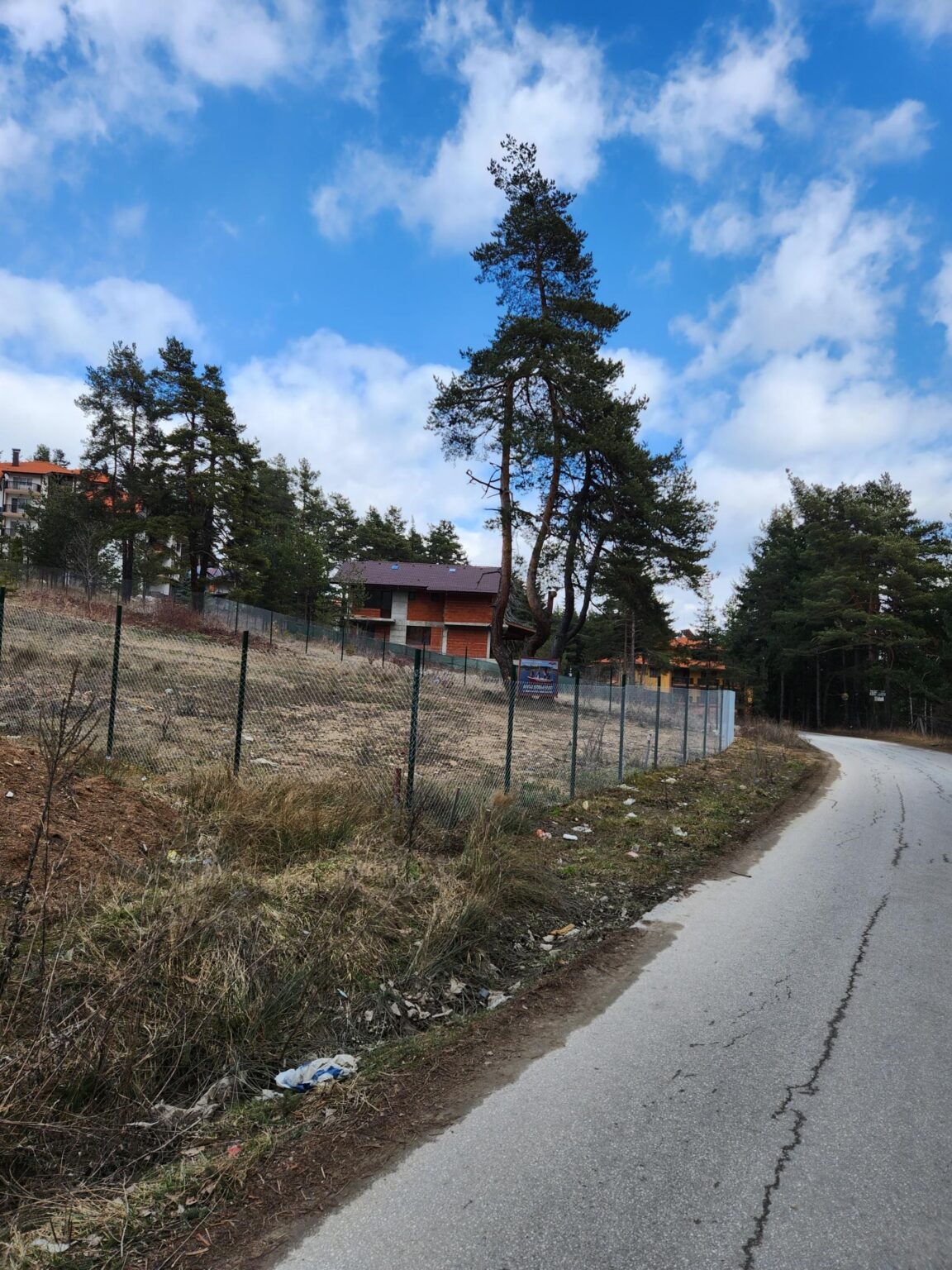
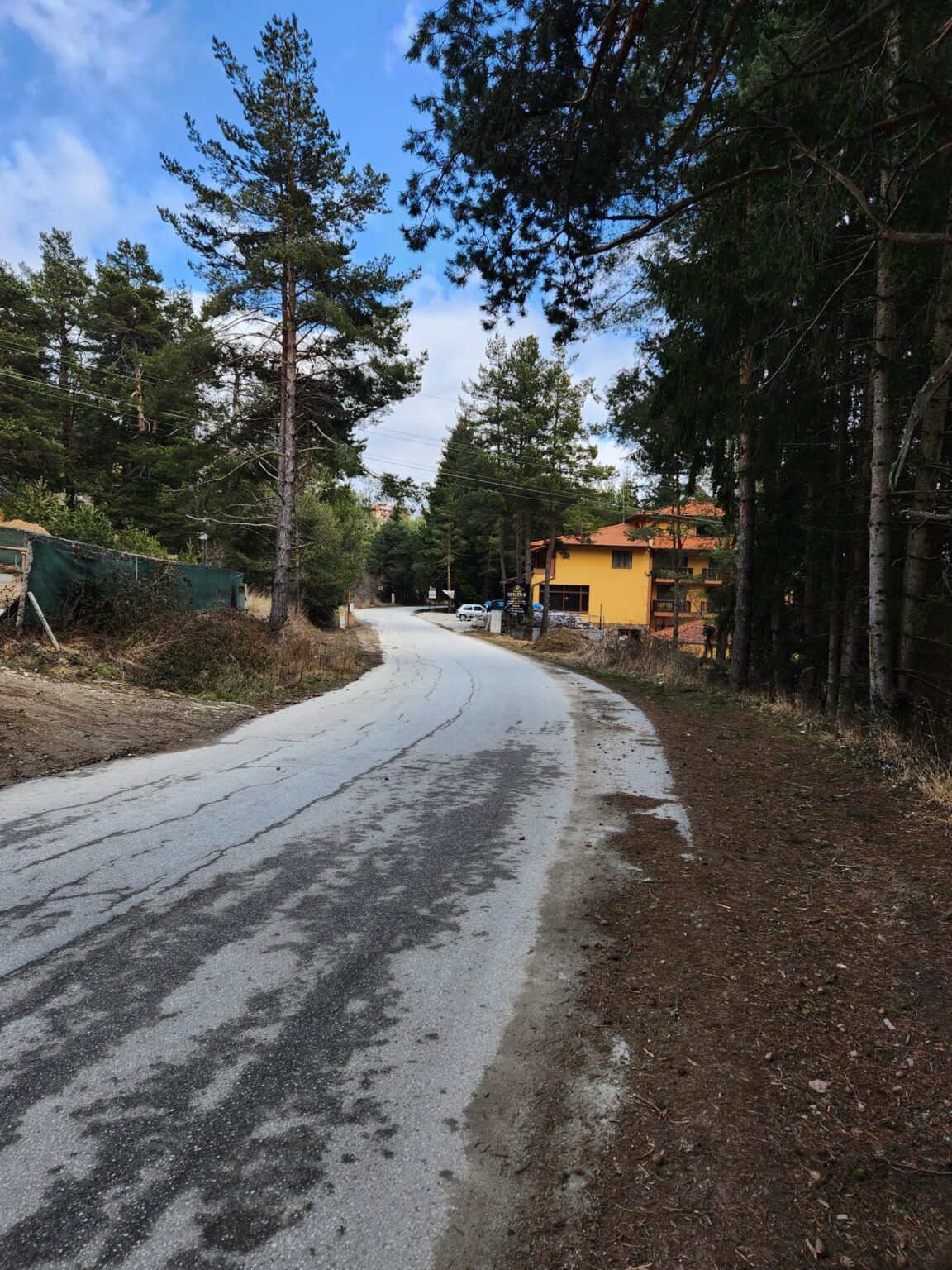
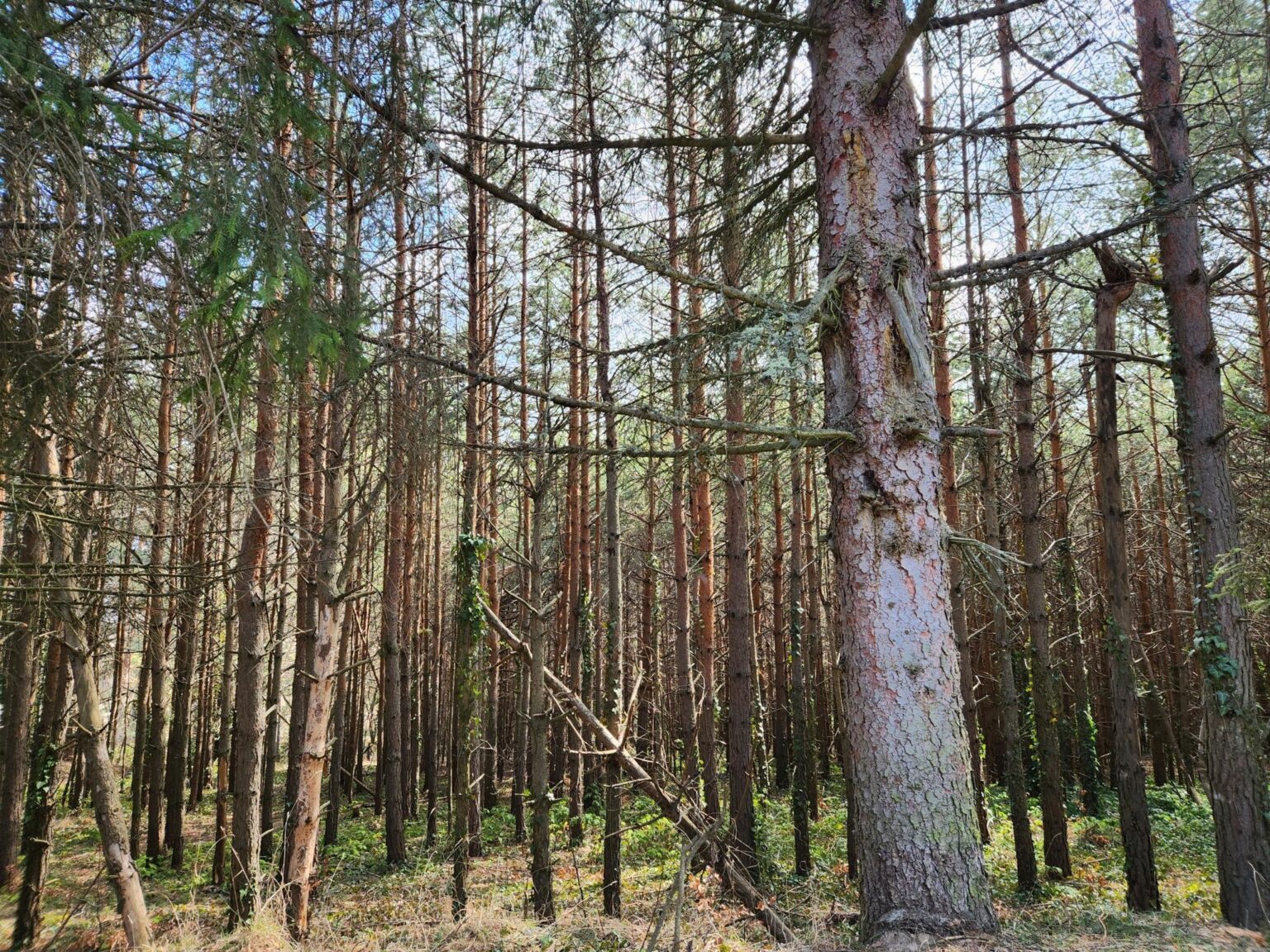
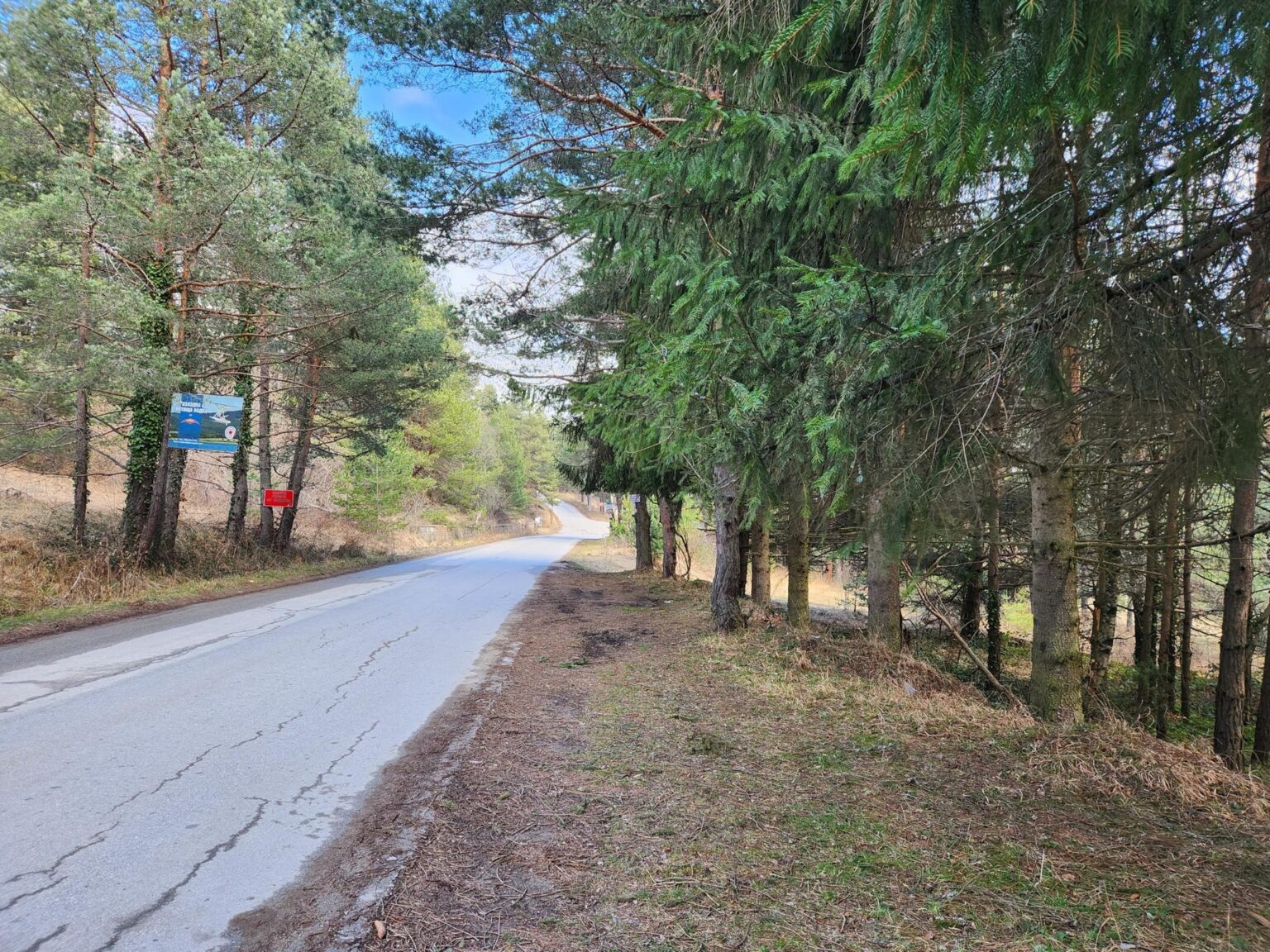
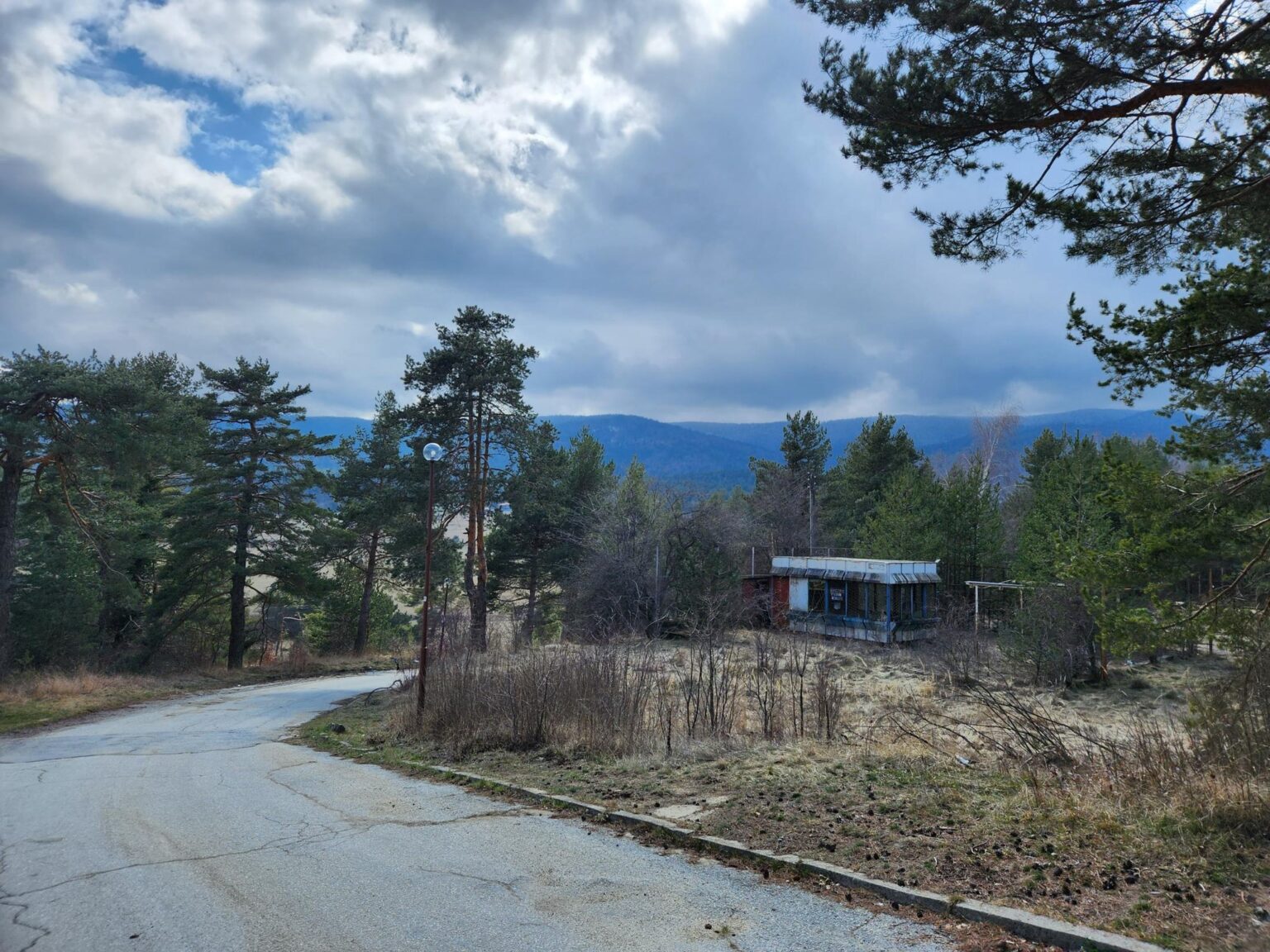
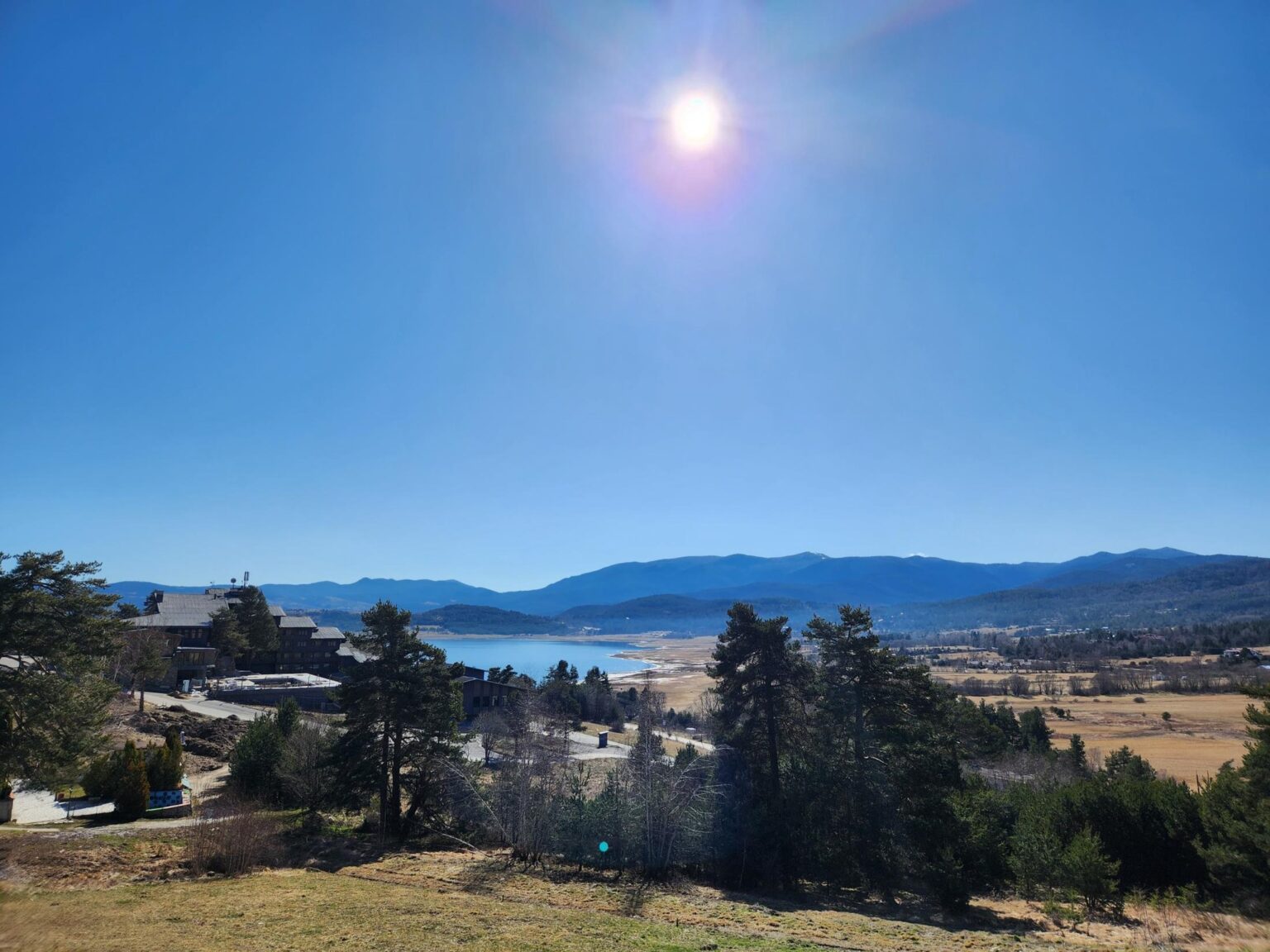
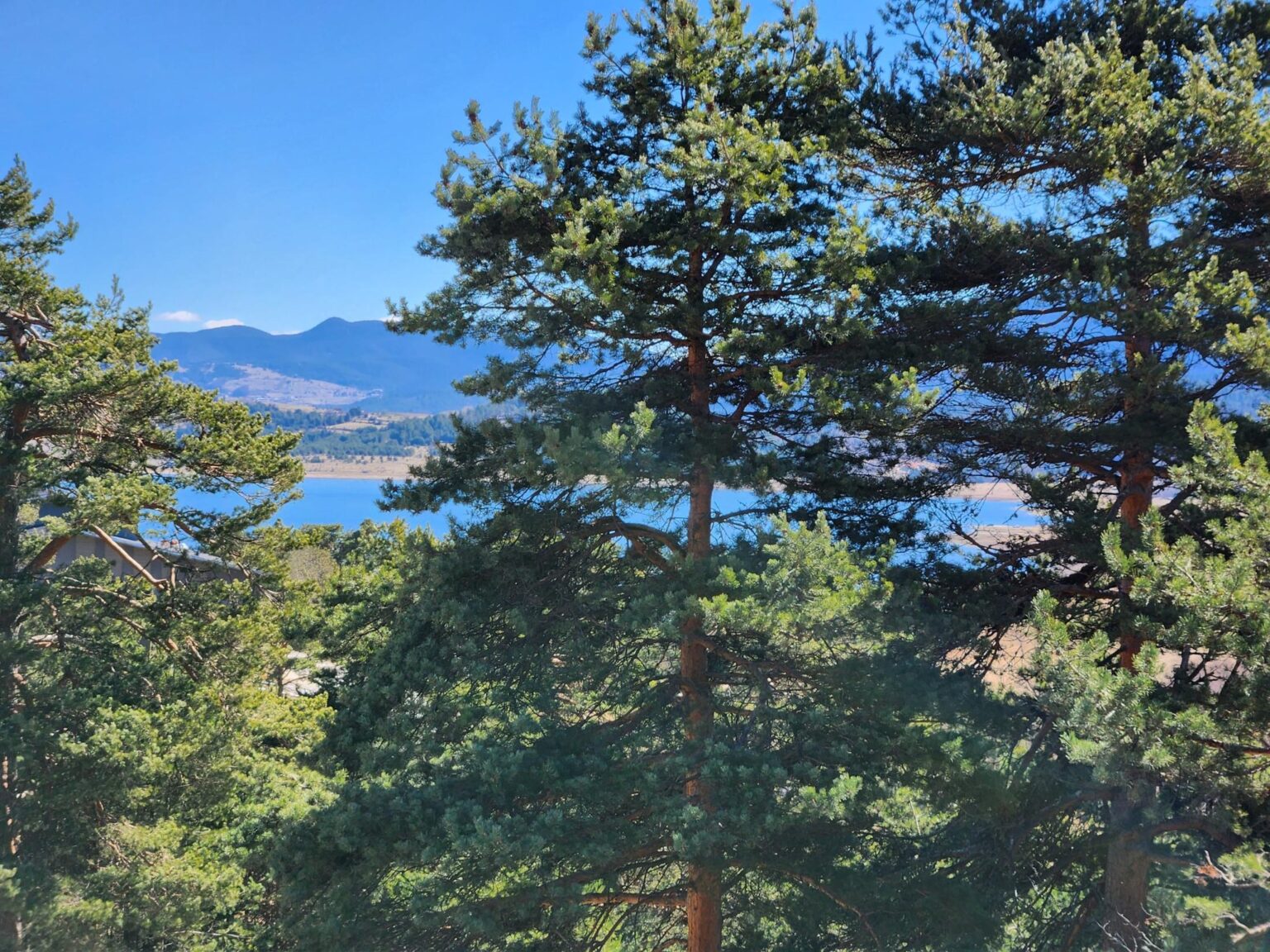
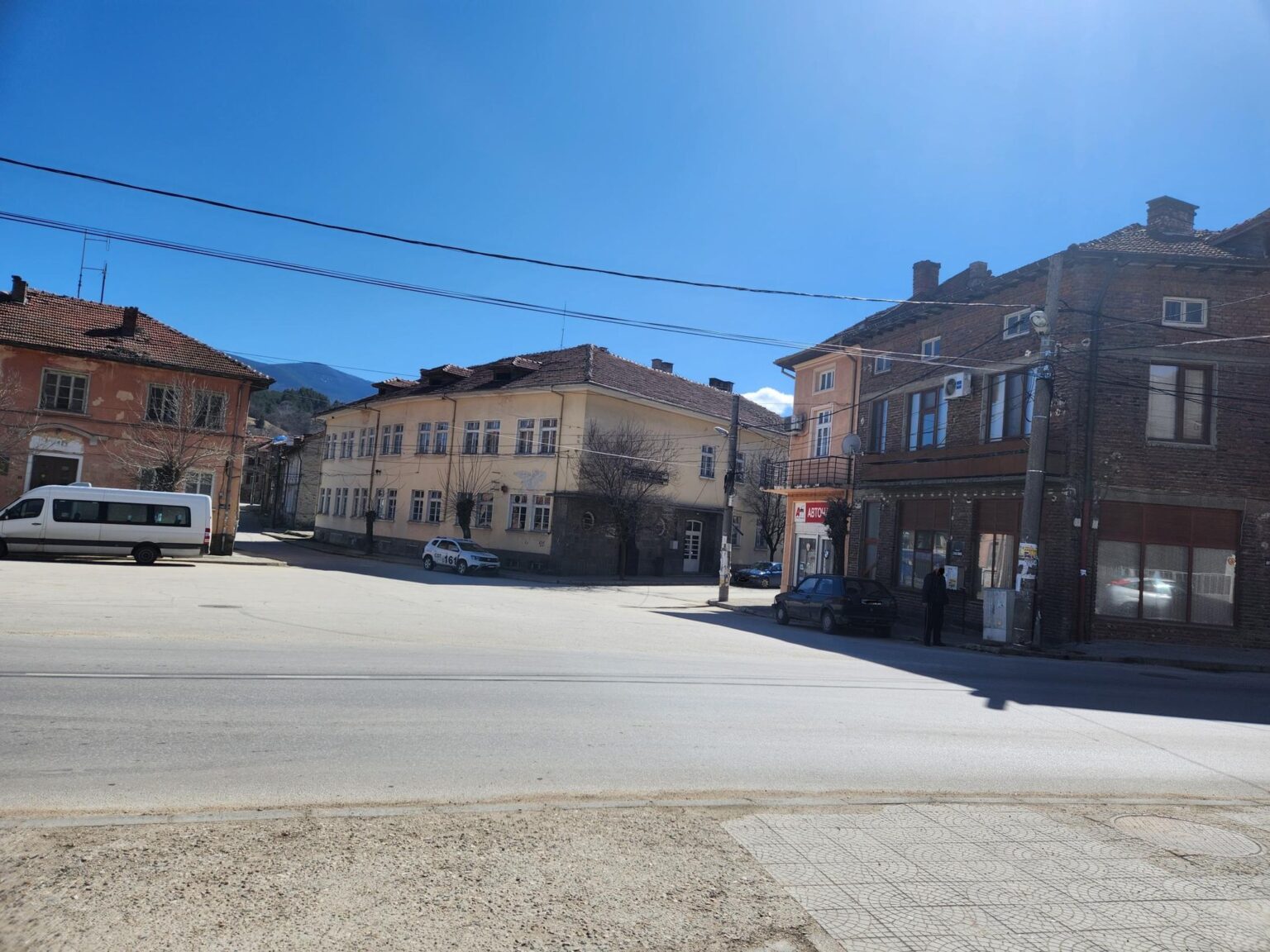
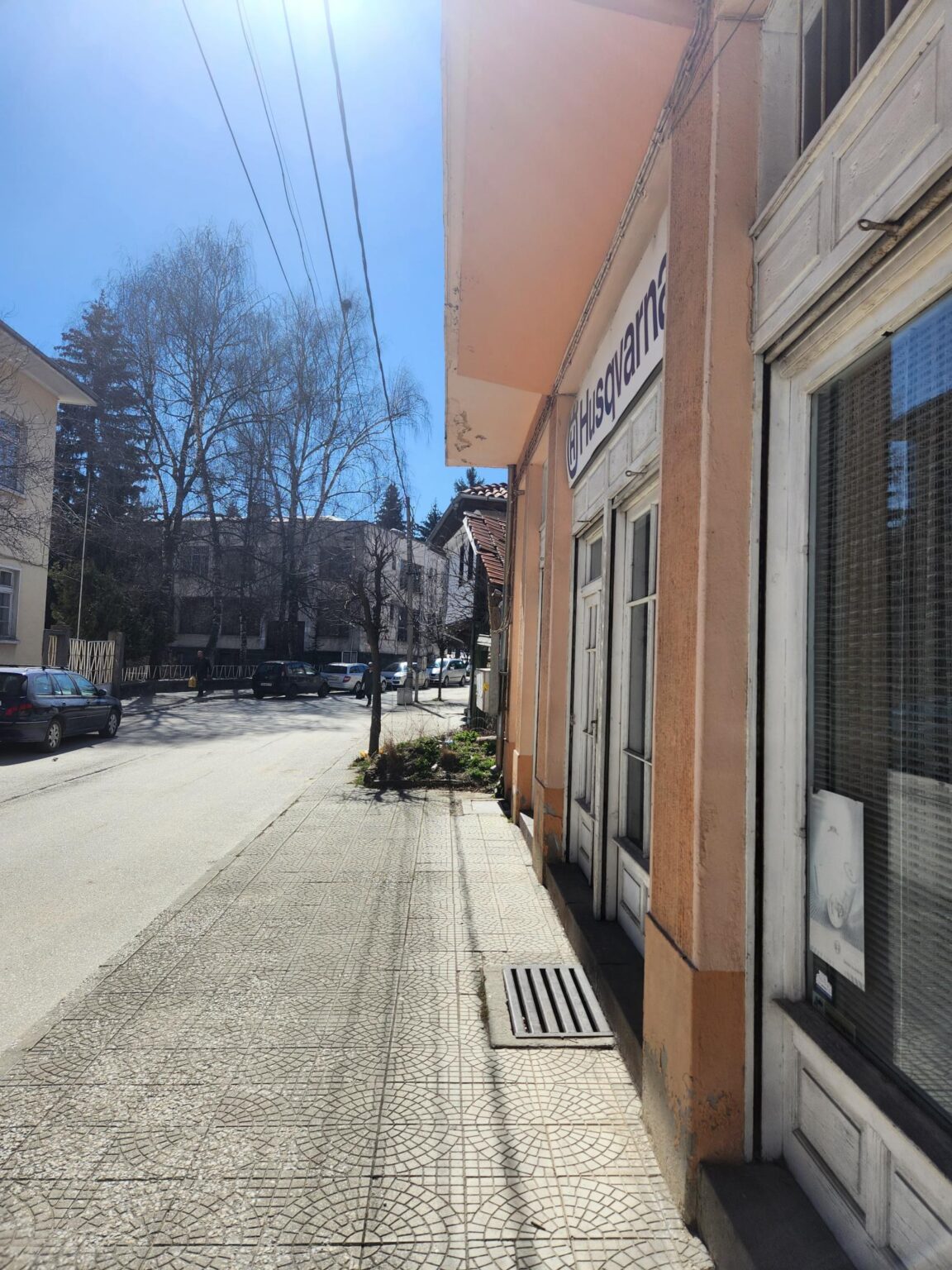
Not a great deal going on, as you can see. But that was the whole idea. The lazy day. Quiet, calm, napping, recharging. Worth slipping in: there is a supermarket in the centre where, if you dig around a bit, you will find Turkish sweets of every description — chocolates, wafers, croissants and so on that the big chains do not carry. A good excuse to taste-test a dessert 😀 Shame or no shame, that was the first time in my life I ate white Tofifee.
Day 2: Batak, Peshtera, Slavovitsa
After loafing about all Saturday, it is time for something more active. Now. This is where it gets a little more complicated and needs planning, because the options are many. One option is to head back via Velingrad. The other is mine, which takes in several destinations and stretches the route home to Sofia a bit: Batak, Peshtera, Pazardzhik, Slavovitsa, with stamp collecting as the excuse. Why Slavovitsa? Because that is where you will find the — to me at least — not particularly famous Aleksandar Stamboliyski villa museum, which happens to be stamp 35a. Naturally, we took the longer road. One needs material for the blog 😀
Batak
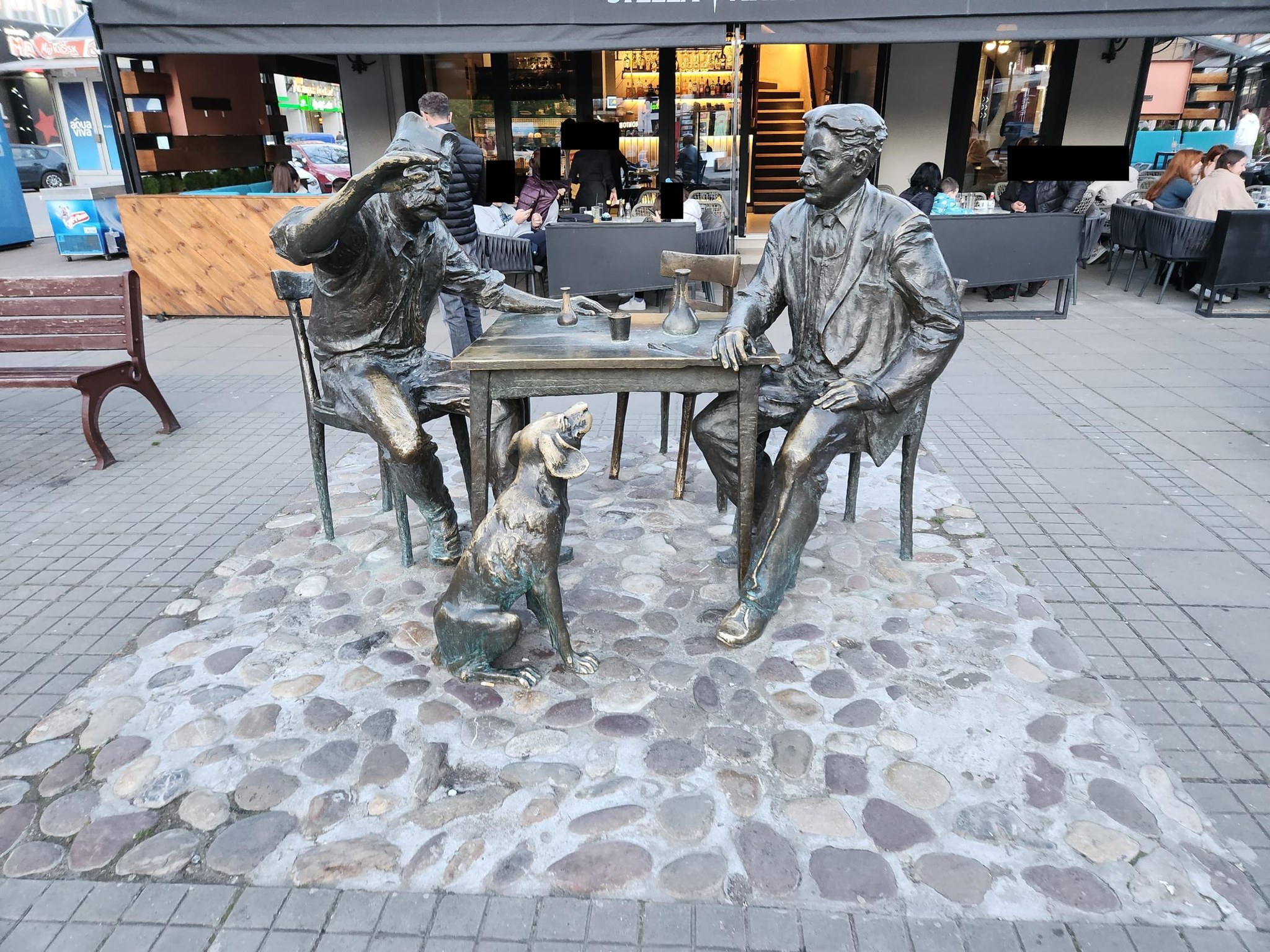
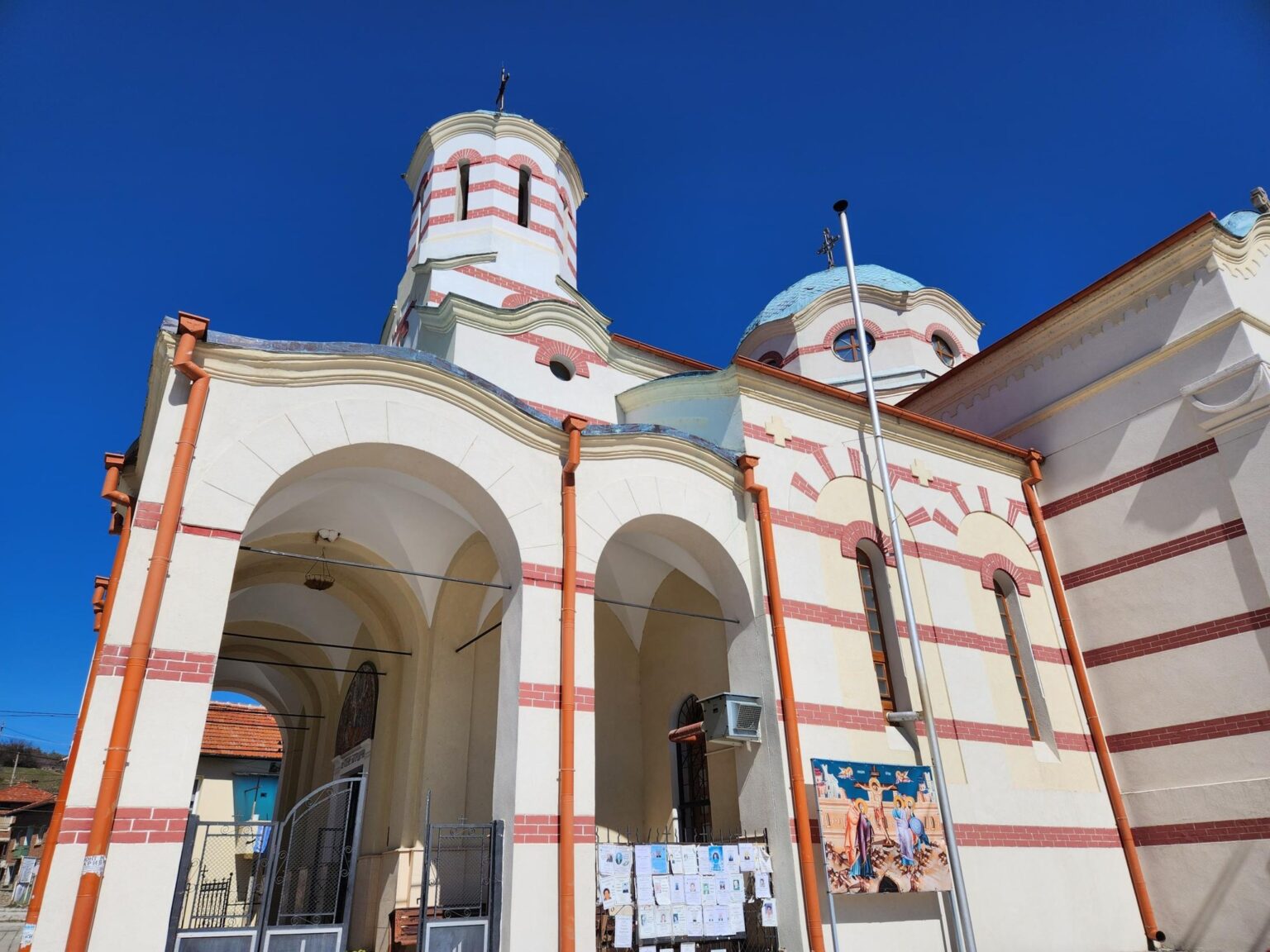
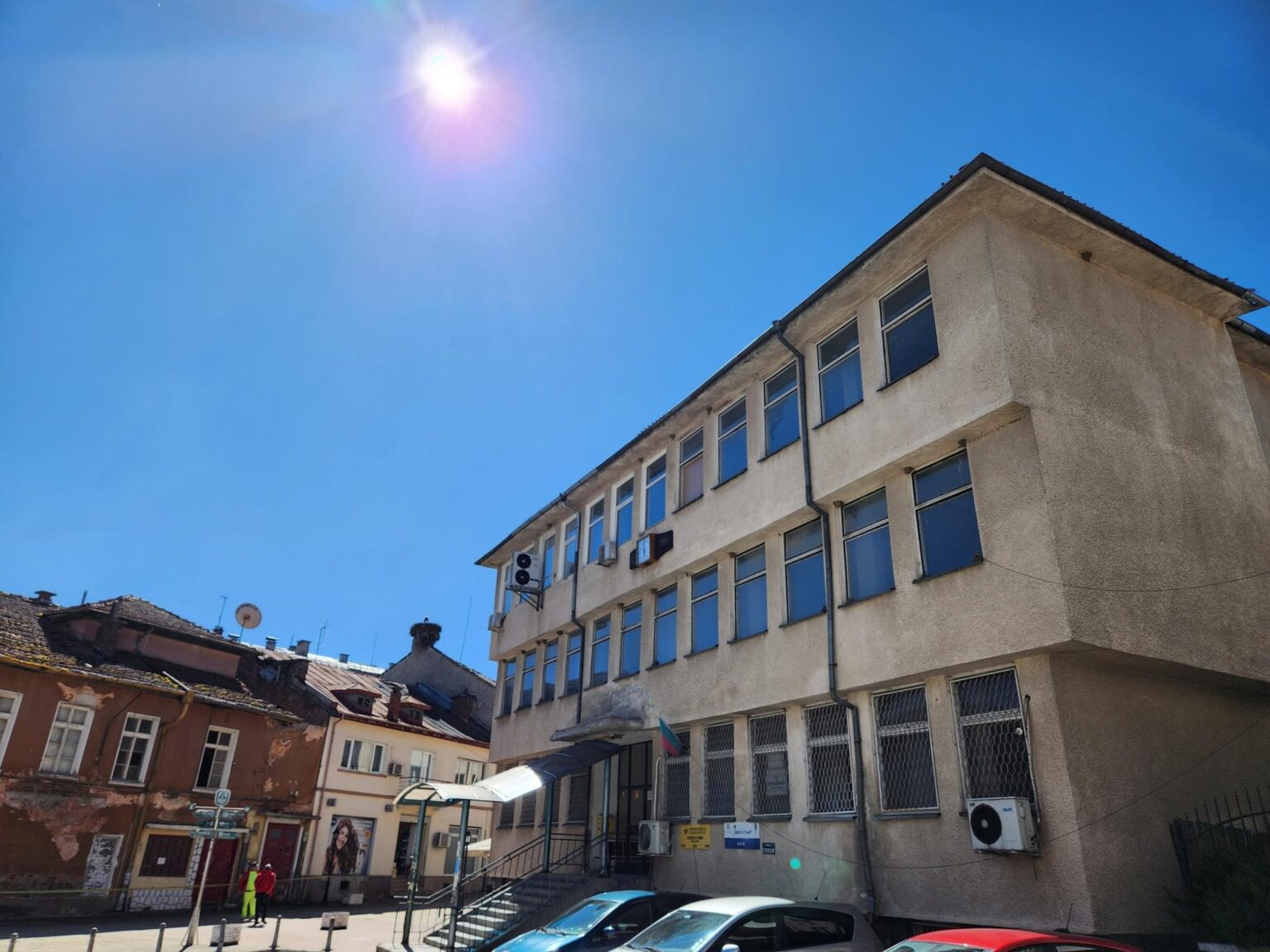
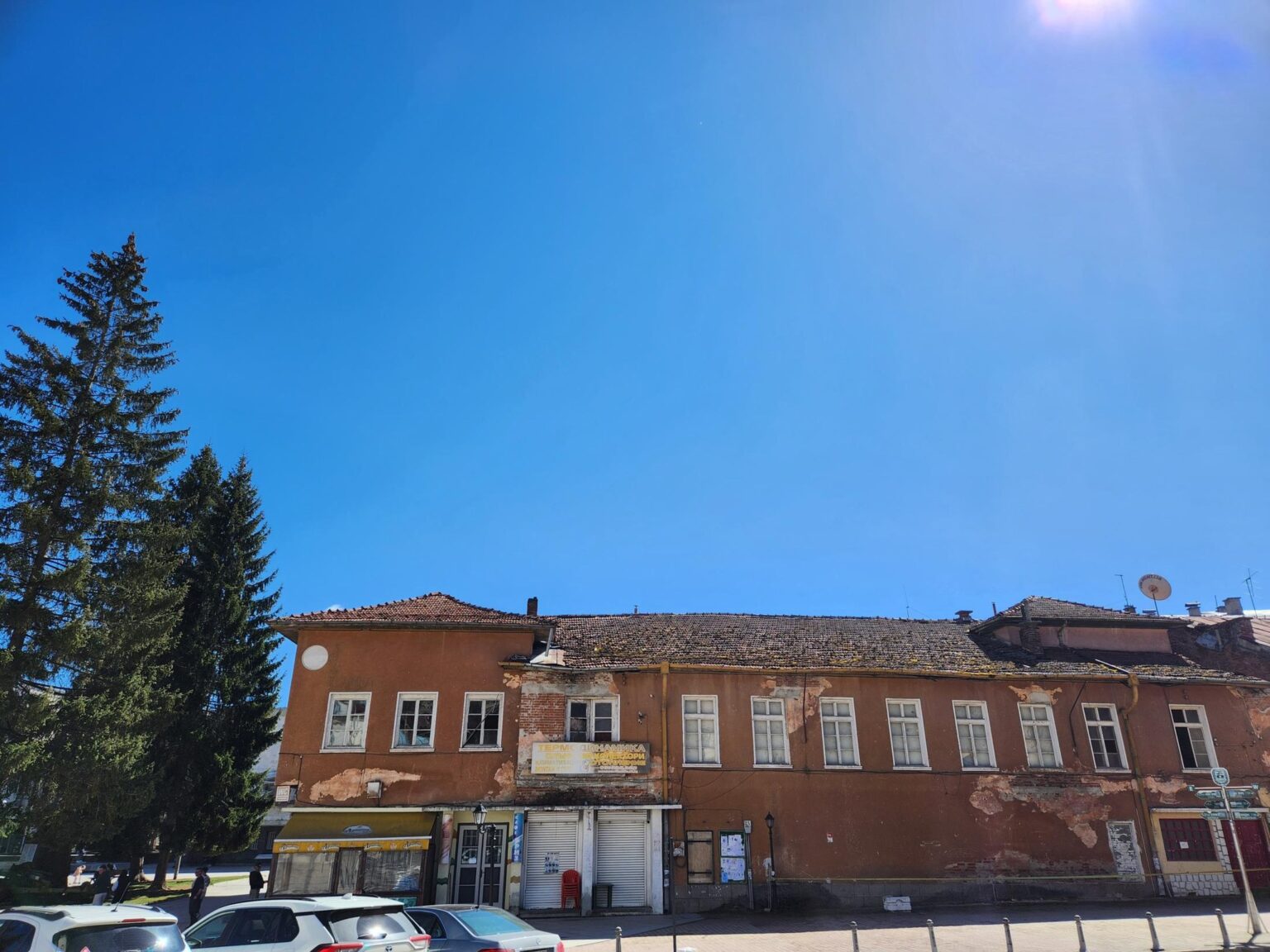
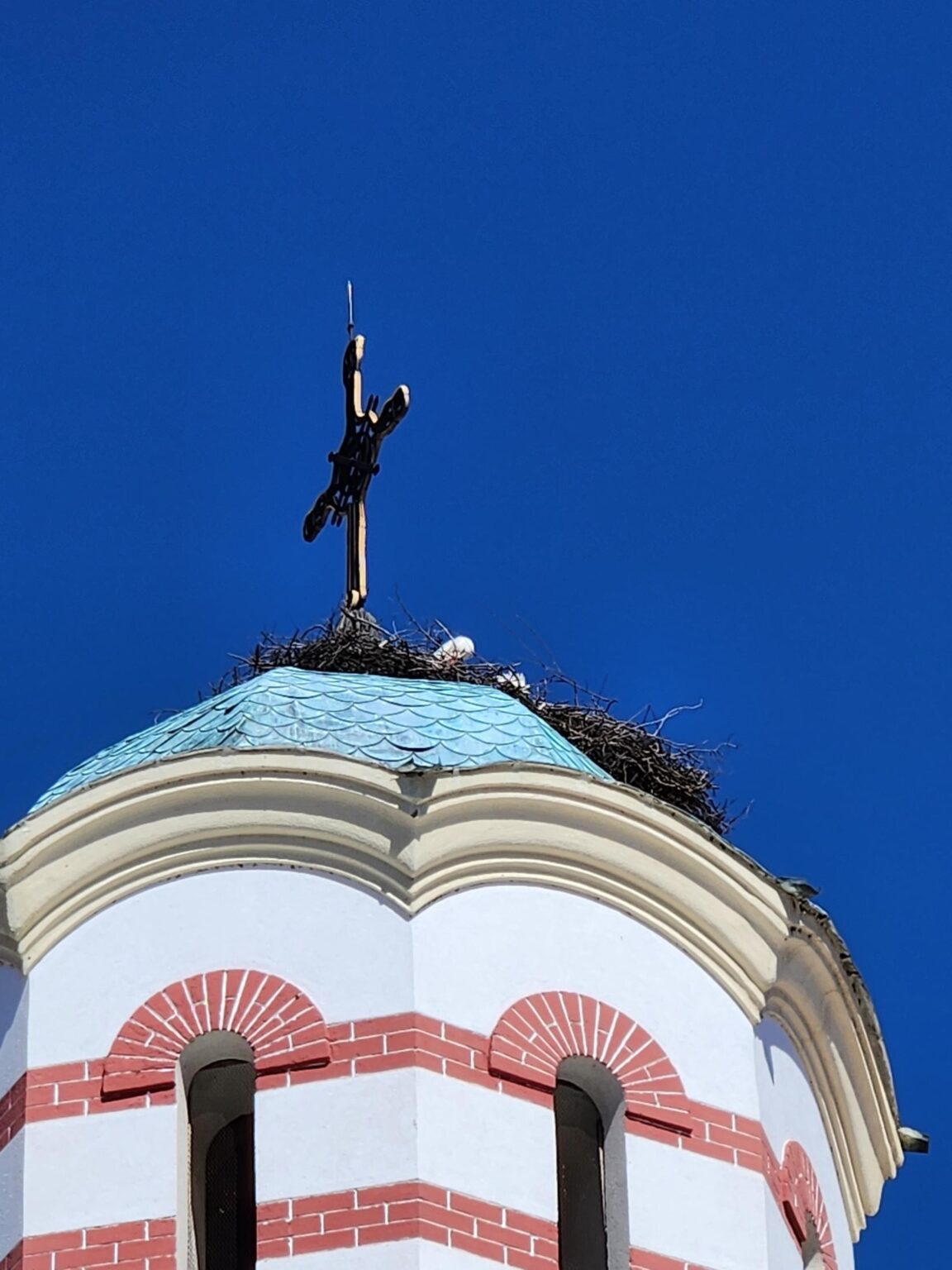
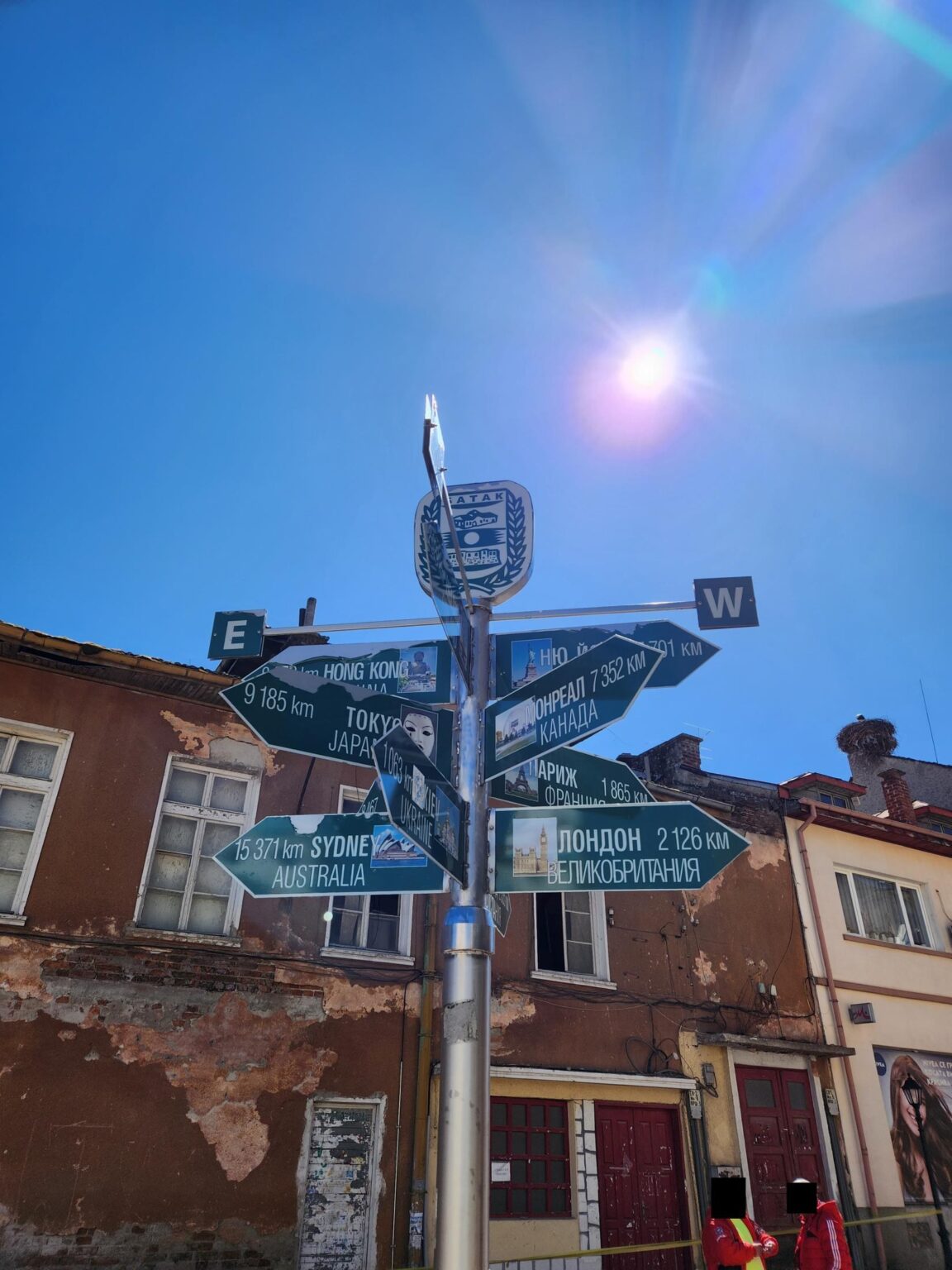
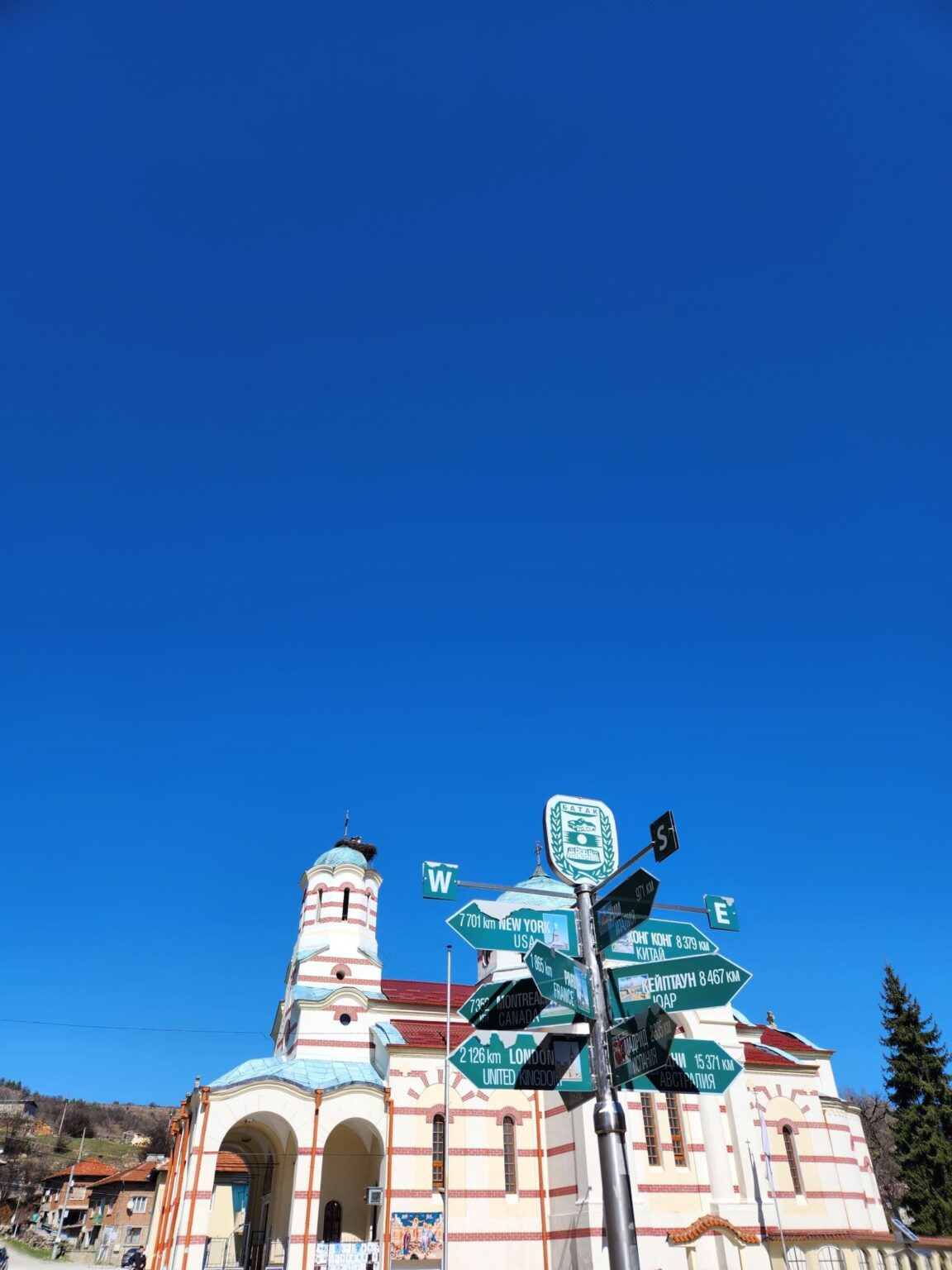
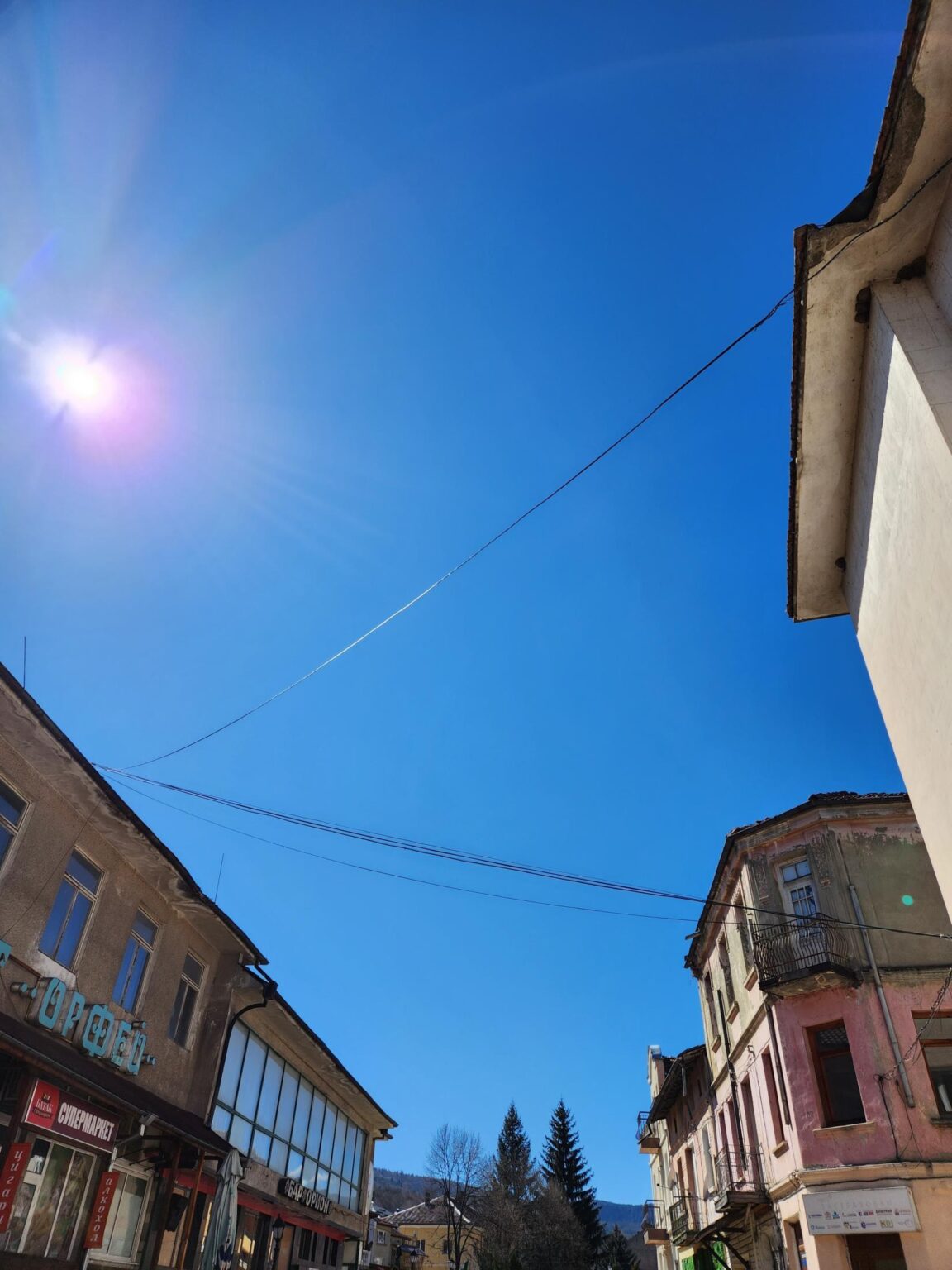
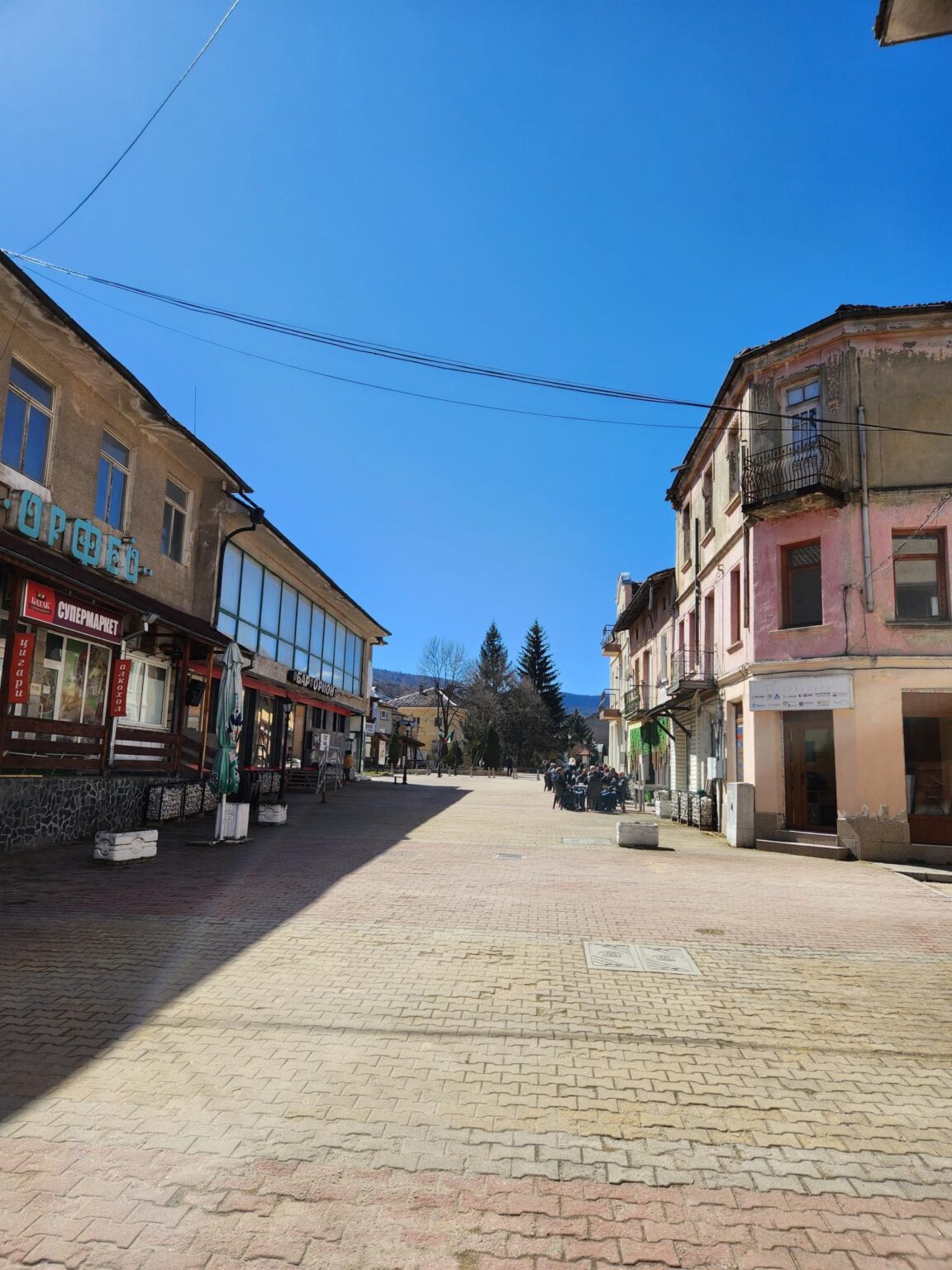
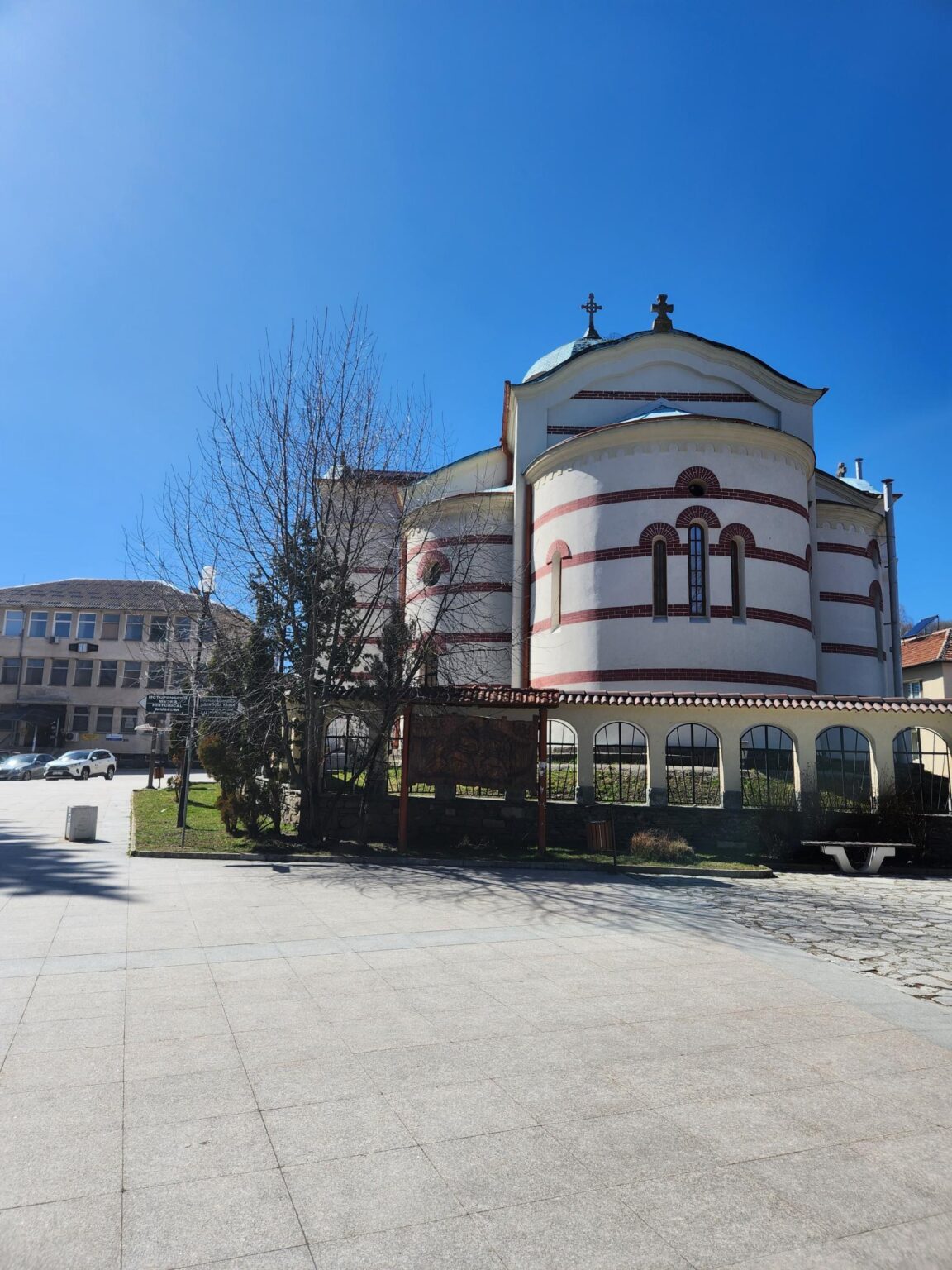
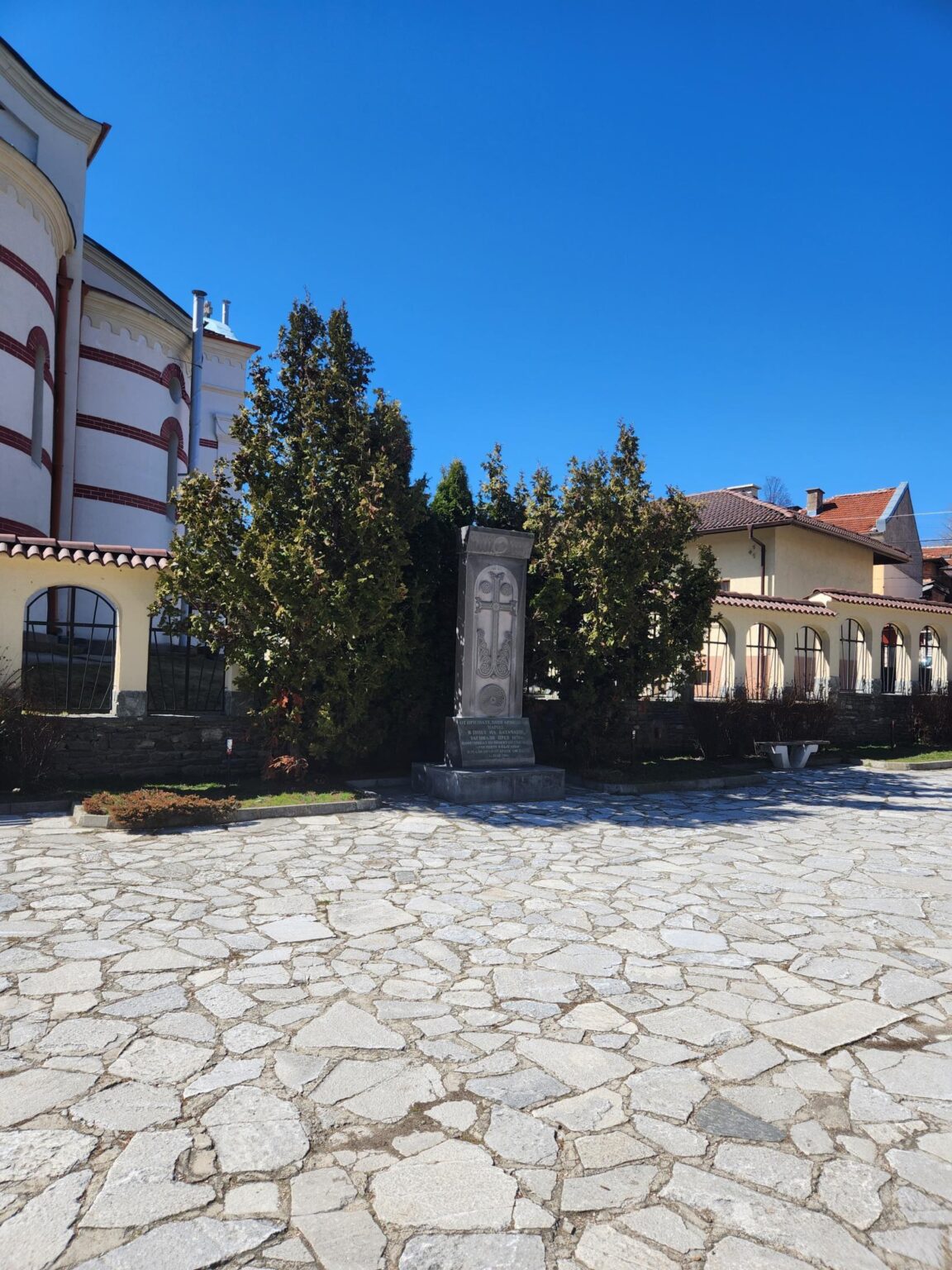
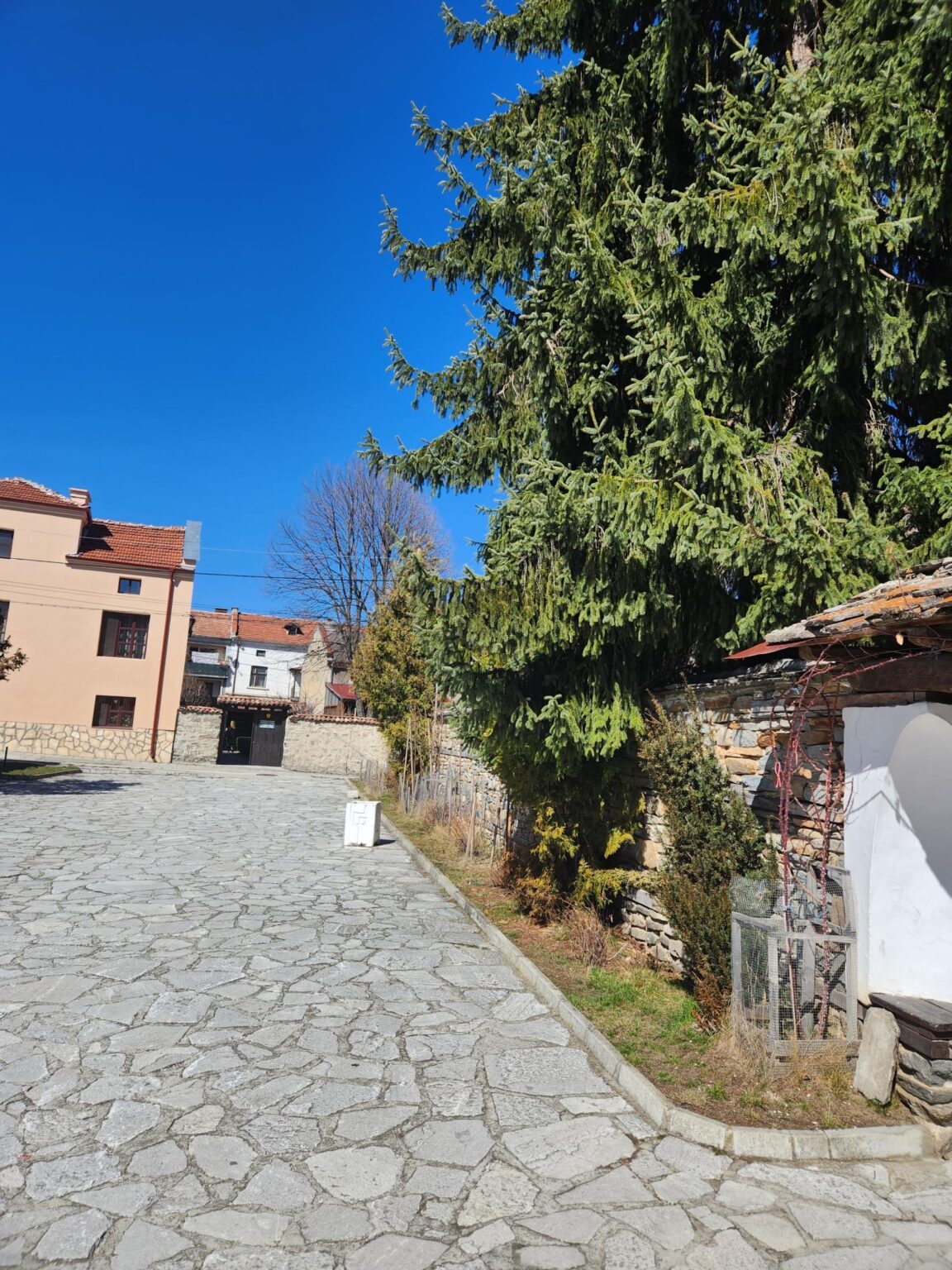
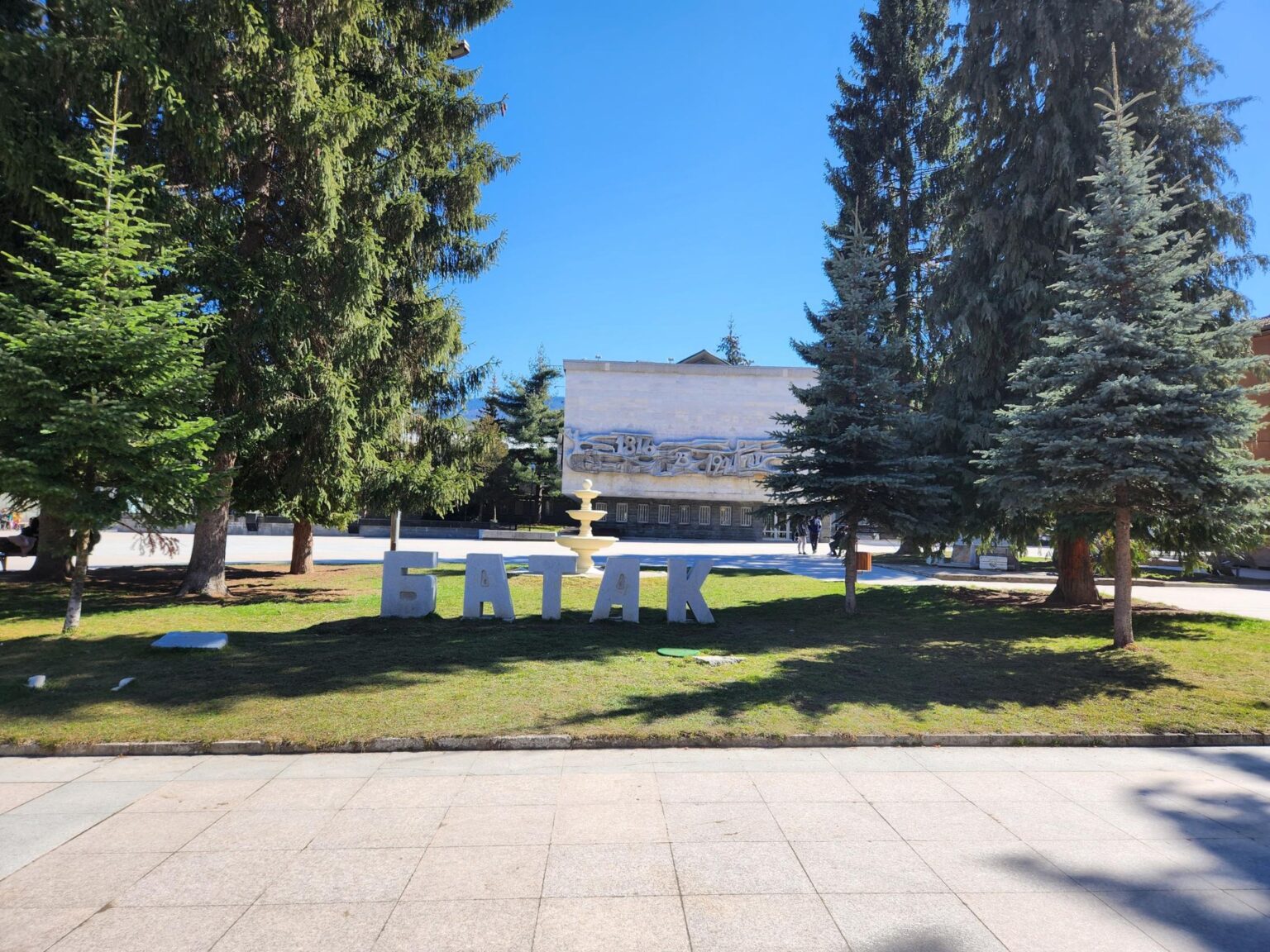
Barely 20 minutes from Tsigov Chark and we are in the centre of Batak. And what do you know — it is tidy, clear, clean. A pleasure. Serious buildings, renovated or kept as they were. A church with a stork on top. For the convenience of visitors there are clear signposts to Australia, Canada, London and other nearby destinations; we learn that New York is a mere 7,701 kilometres away 😀 Another supermarket, more of the sweets you do not usually see. And look — the BATAK letters are not the European kind, the plastic colourful ones you are picturing right now. These are serious. Solid stone, no messing about.
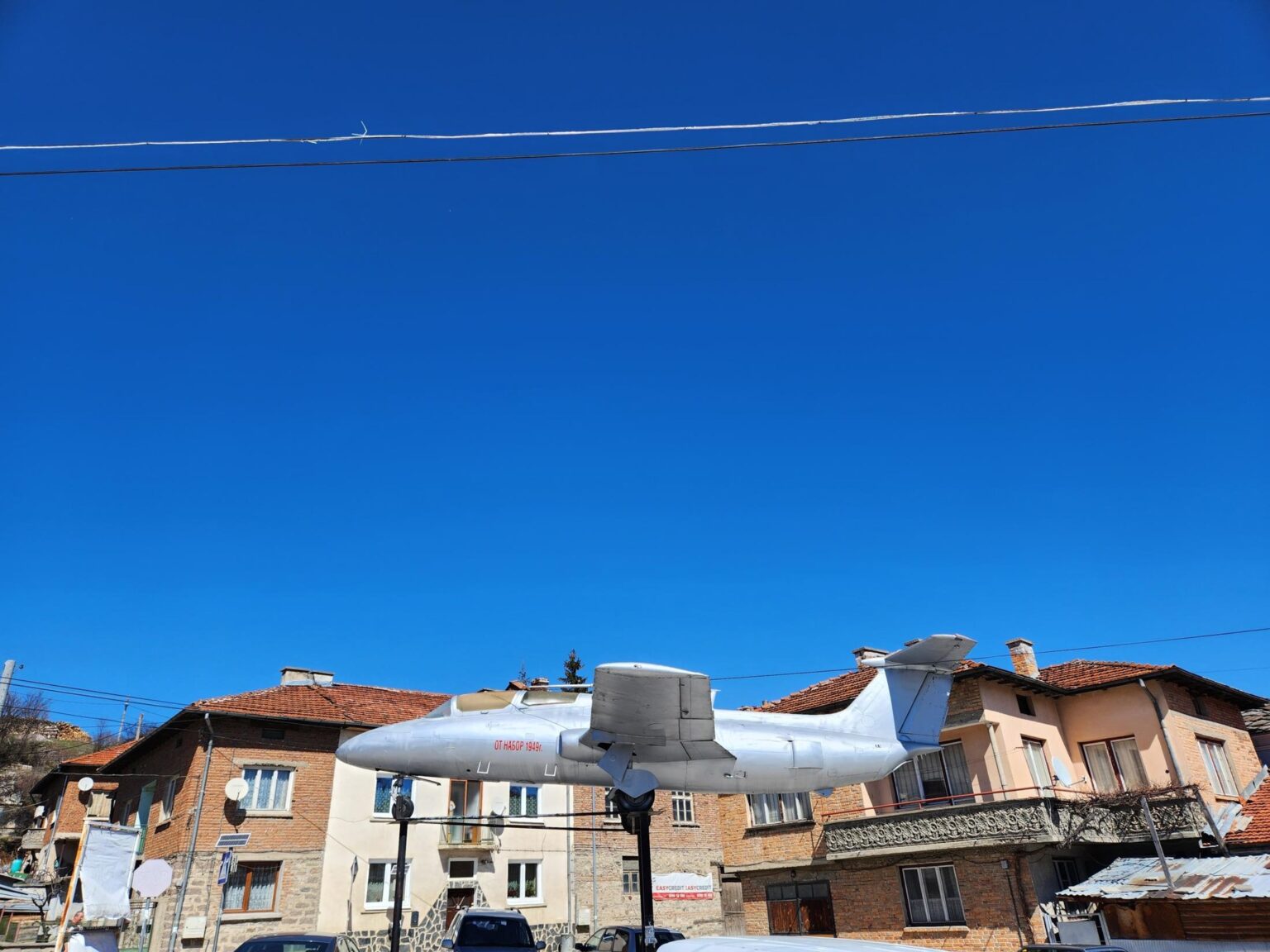
All over the little town there are improvements marked with a line saying which class year paid for them: an aeroplane — "from the class of 1949", a drinking fountain — "from the class of 1956", a staircase — "from the class of…". I had never seen anything like it, and I like it a lot. I challenge you to go hunting and see how many you find. I found five. A walk around the square and the surrounding streets takes less than an hour.
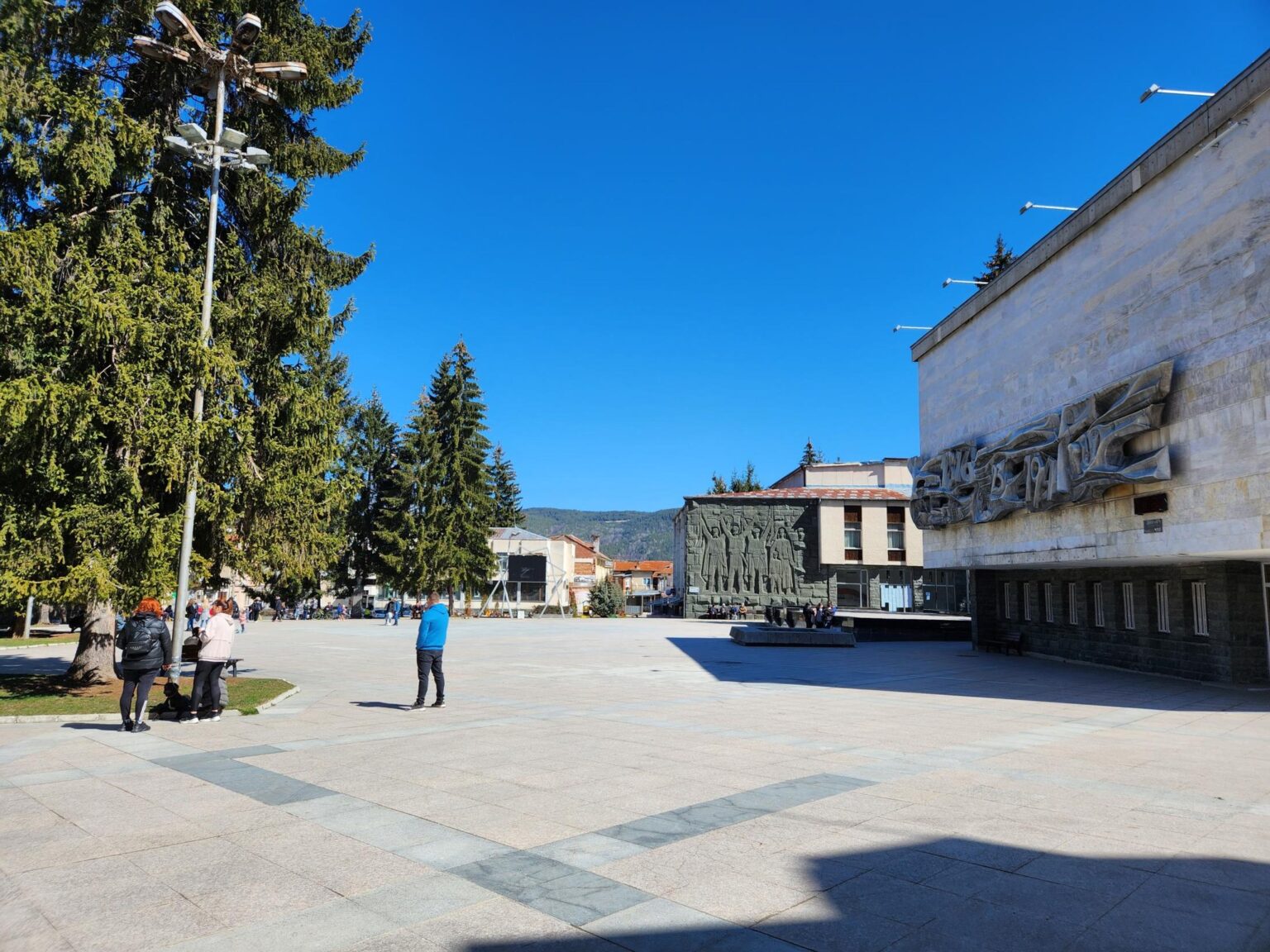
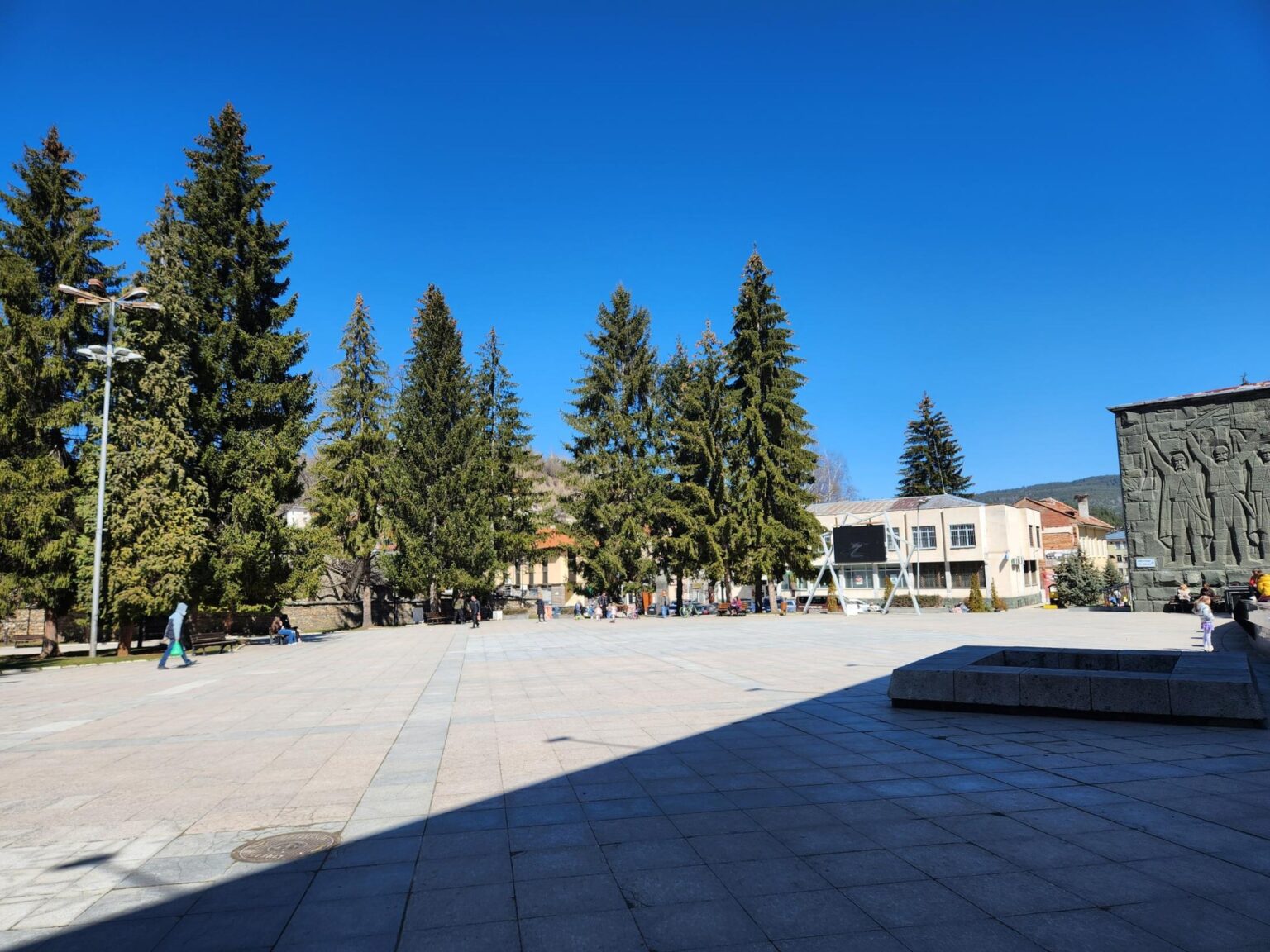
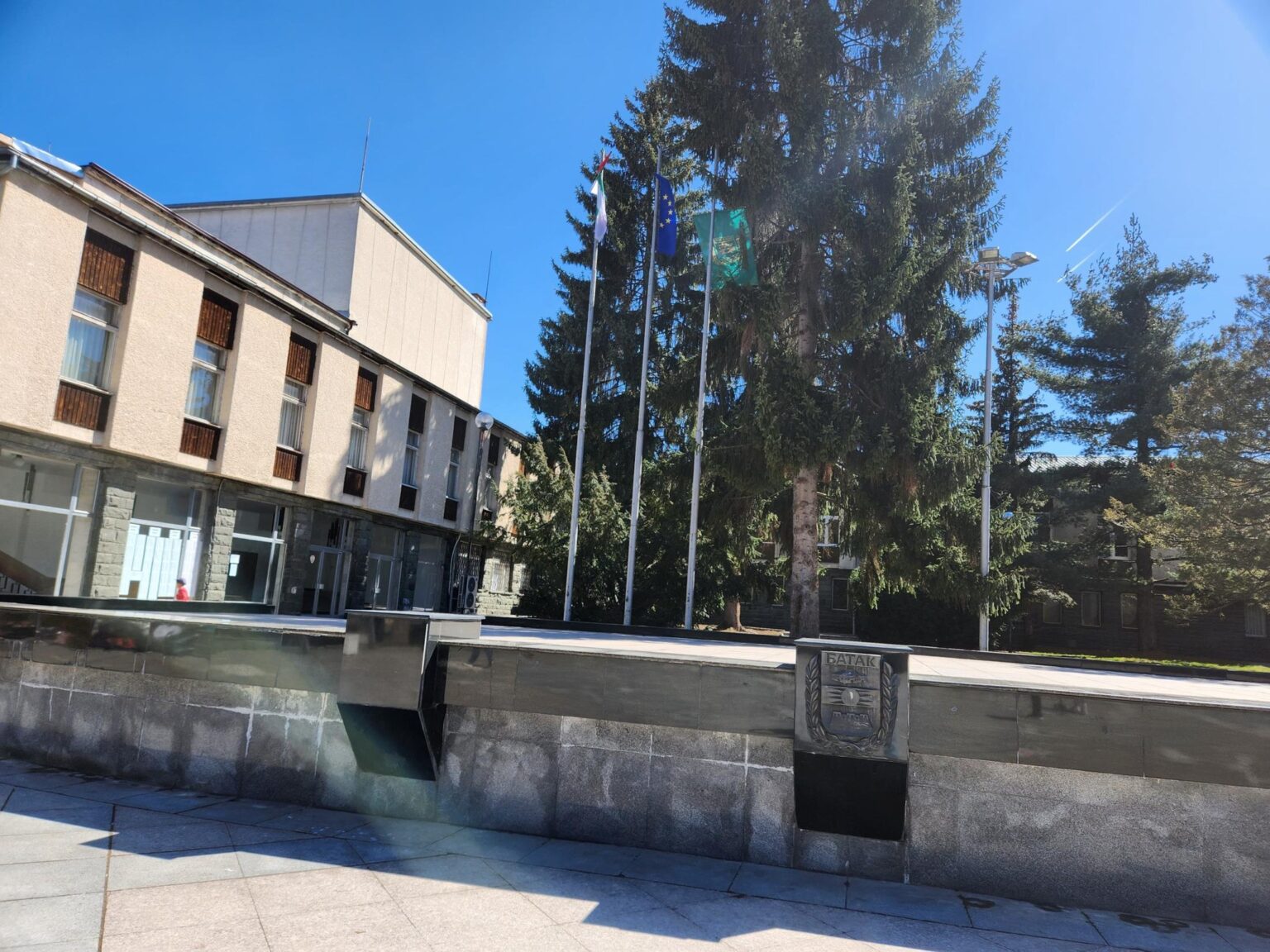
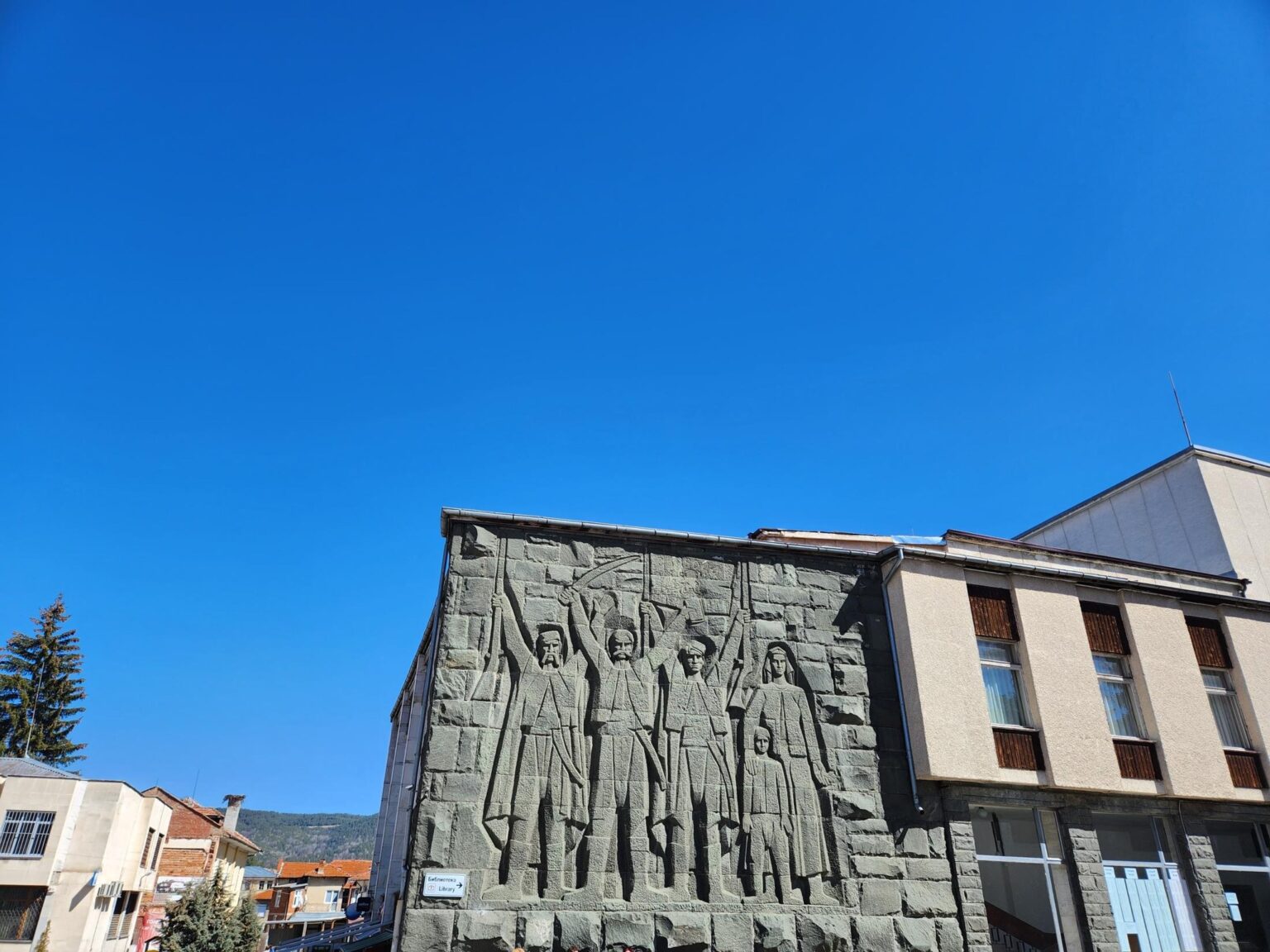
The History Museum
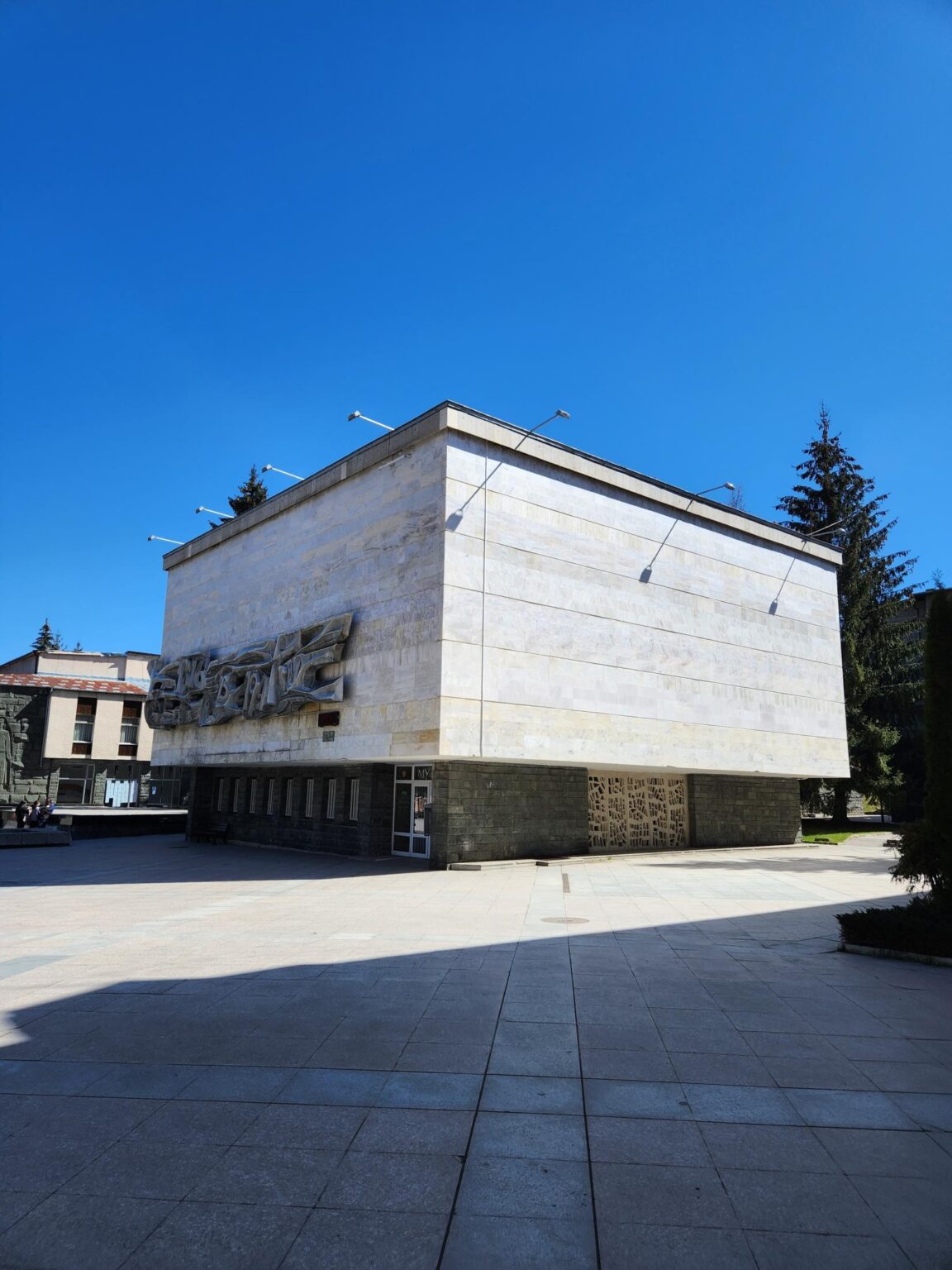
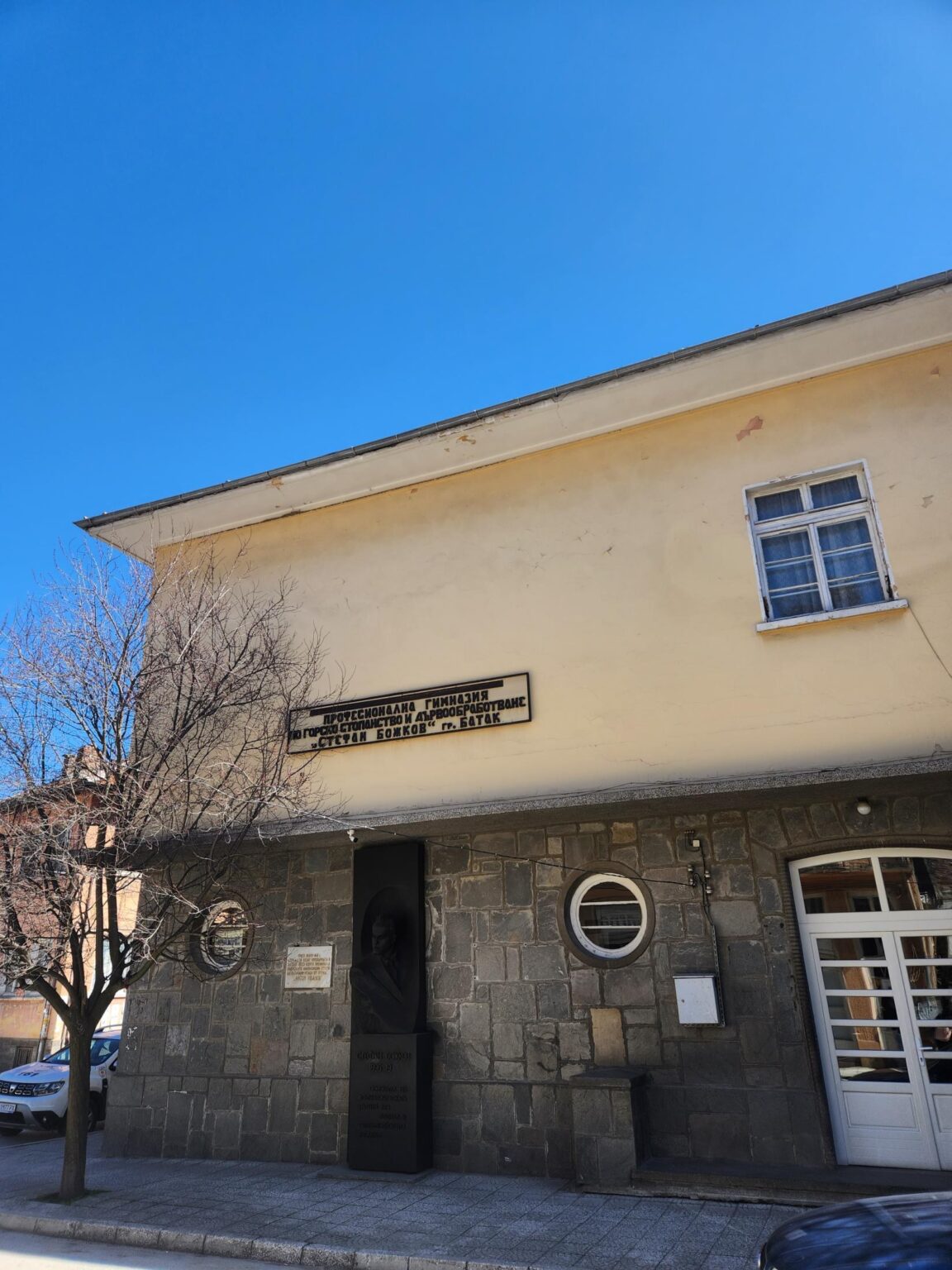
We arrive at the history museum. A unique building from the outside, imposing marble inside — everywhere. A combined ticket covering the museum, the Balinova House (the ethnographic collection) and the Sharova House gallery costs €5.00 for adults and €2.50 for students and pensioners; a ticket to a single one of the three is €3.50. Amateur photography is included in the price. Opening hours are 9:00–17:00 from September to May and 9:00–18:30 in June, July and August (official price list). And do not forget stamp 38 for the 100 National Tourist Sites book. Why not a fridge magnet while you are at it.
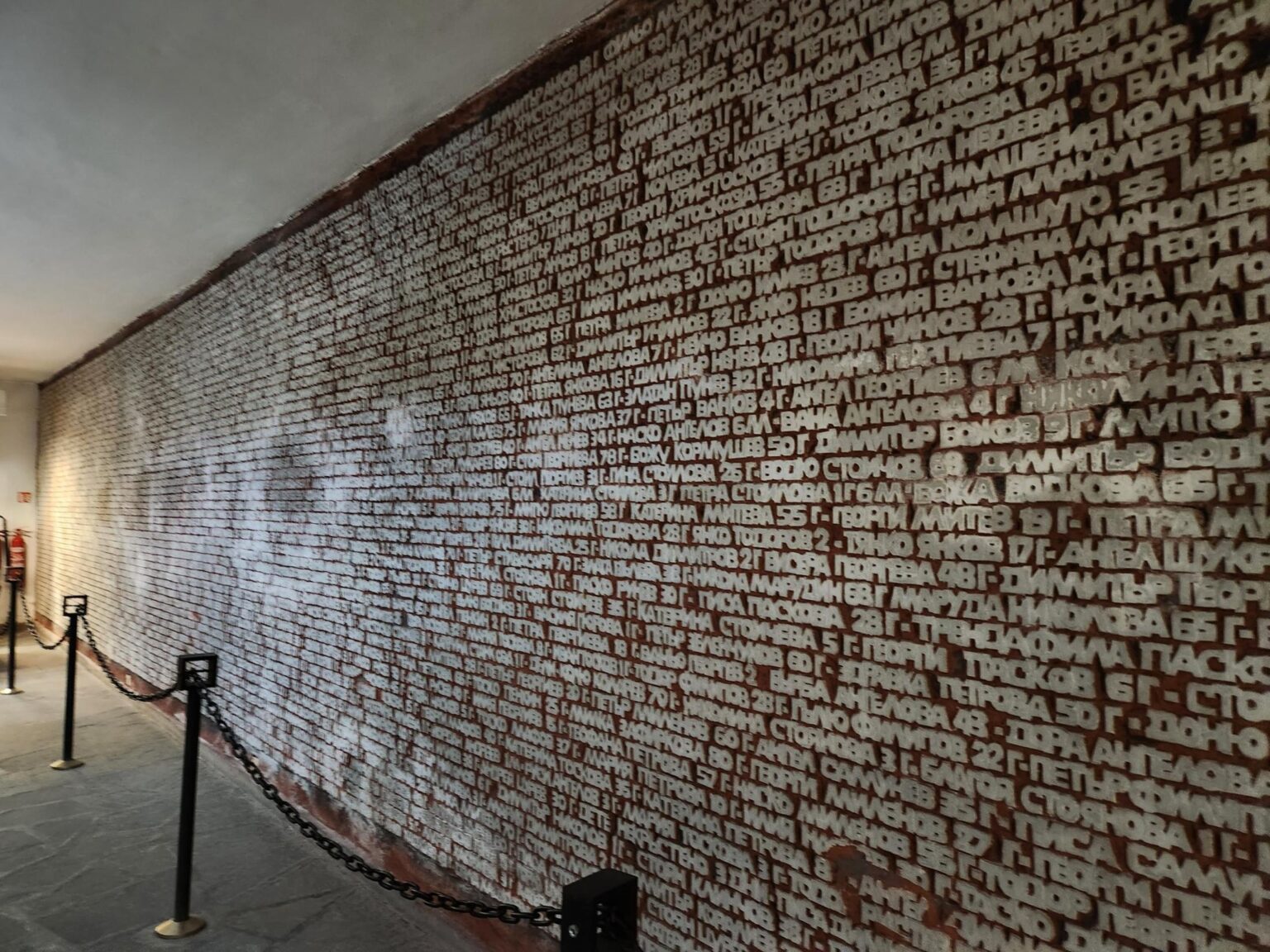
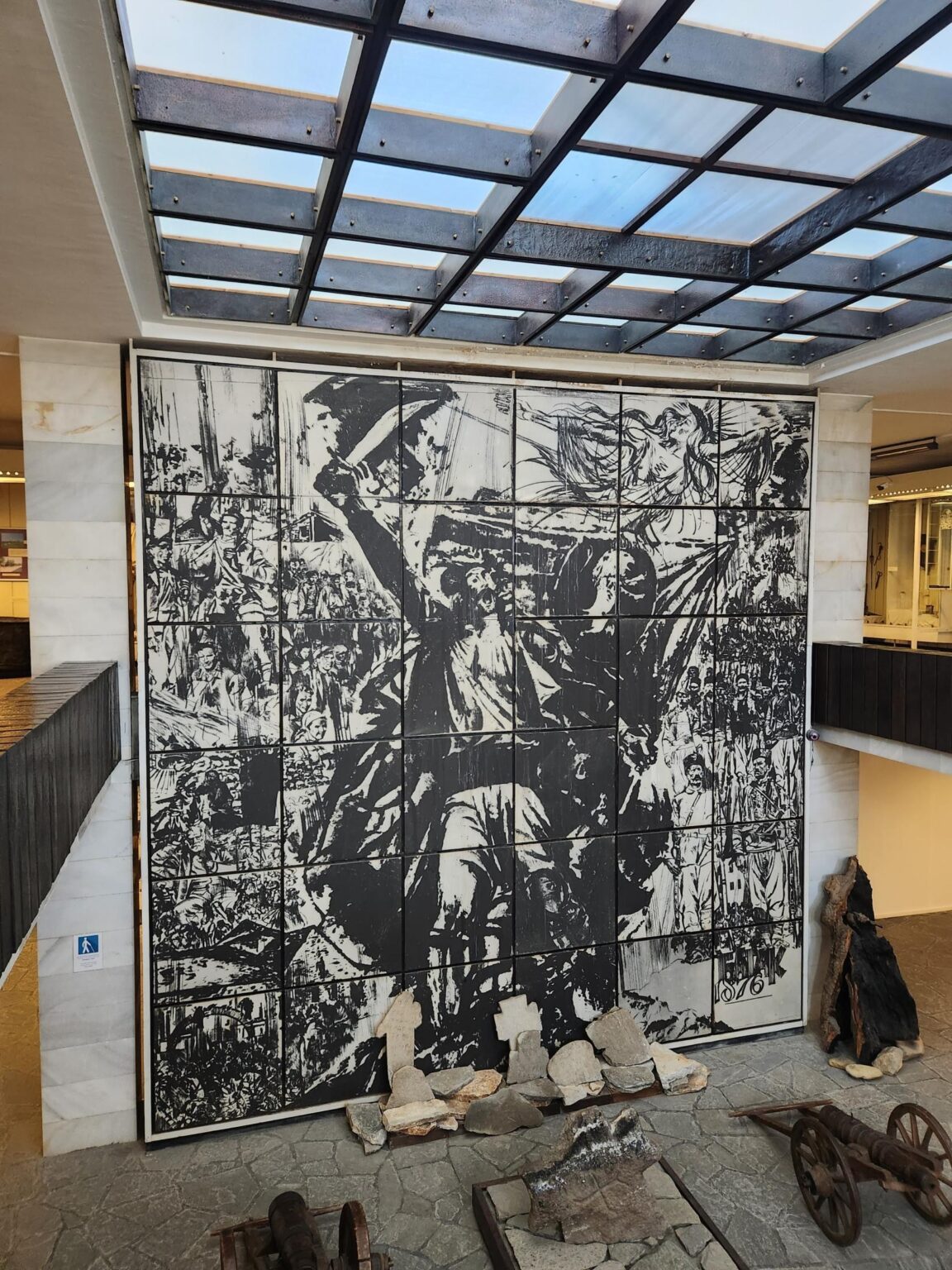
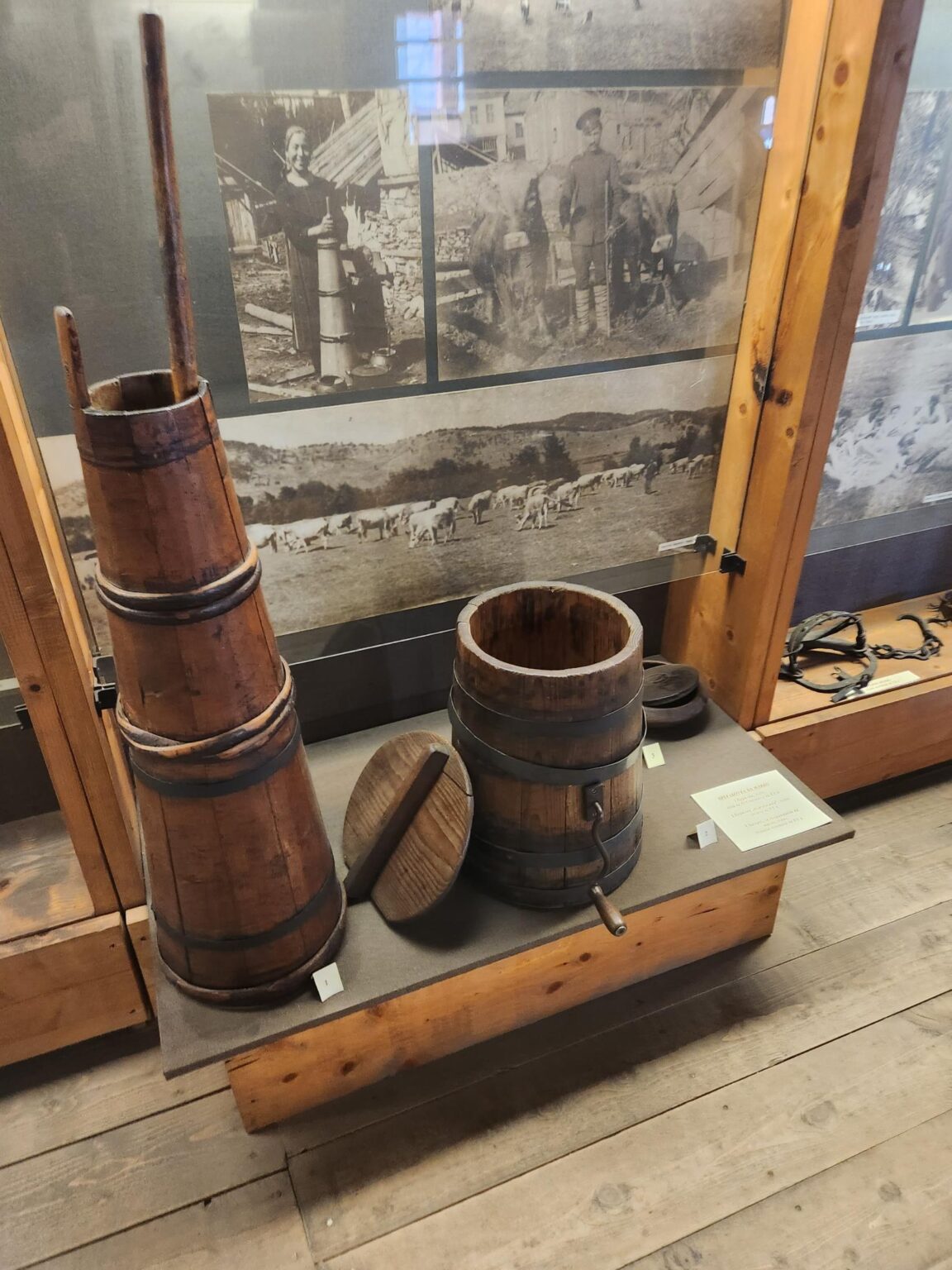
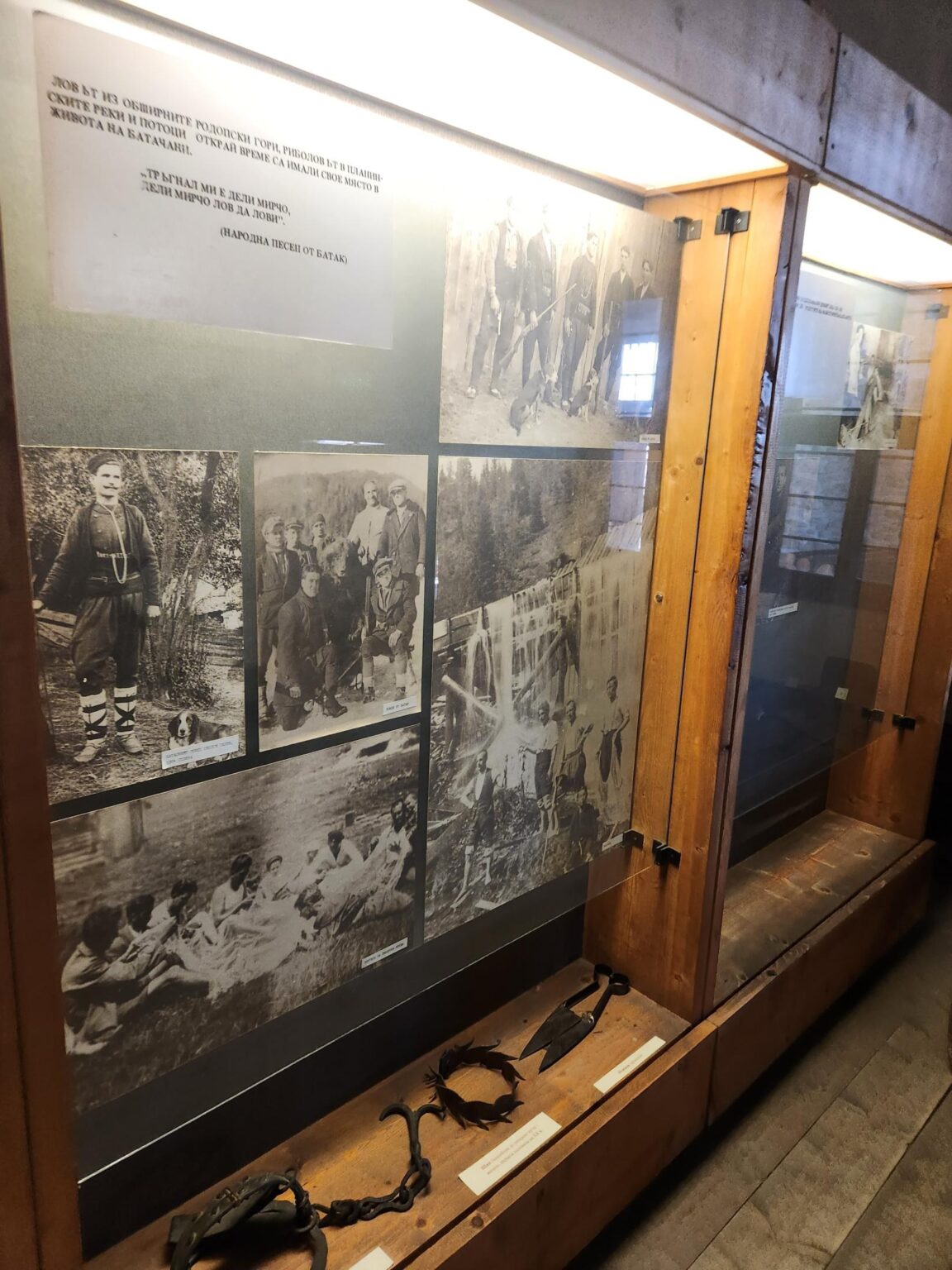
The museum is decently large and takes about an hour to go round, depending on how diligently you read everything. Just past the entrance a projector runs a presentation about the town and its history. It is all well structured and well ordered, and there are chairs to sit down and rest on. What stayed with me was a massive wall with the names of the thousands of men, women and children of Batak killed during the April Uprising of 1876 carved into it — not painted, not printed. Roughly speaking, the museum looks like this:
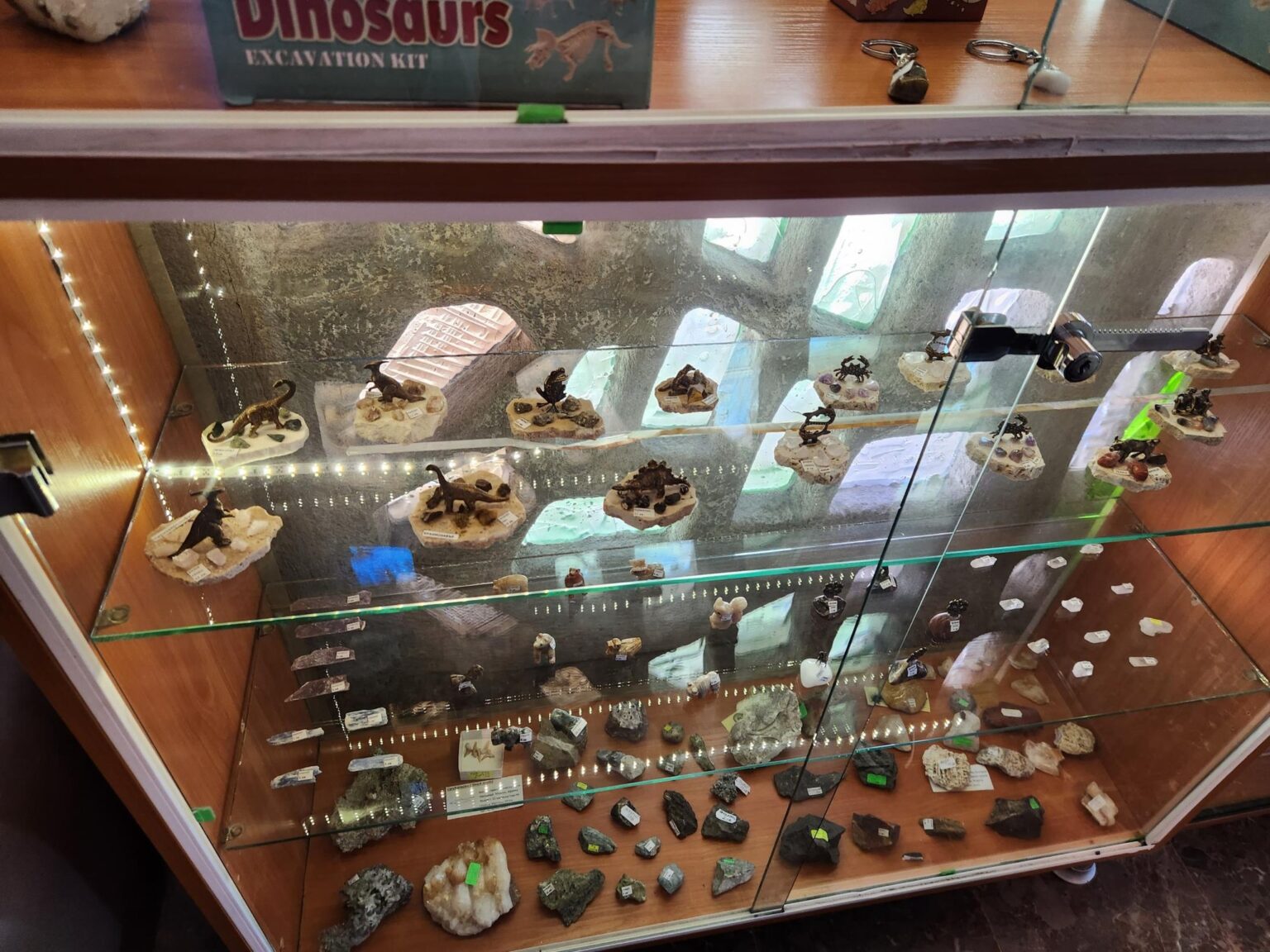
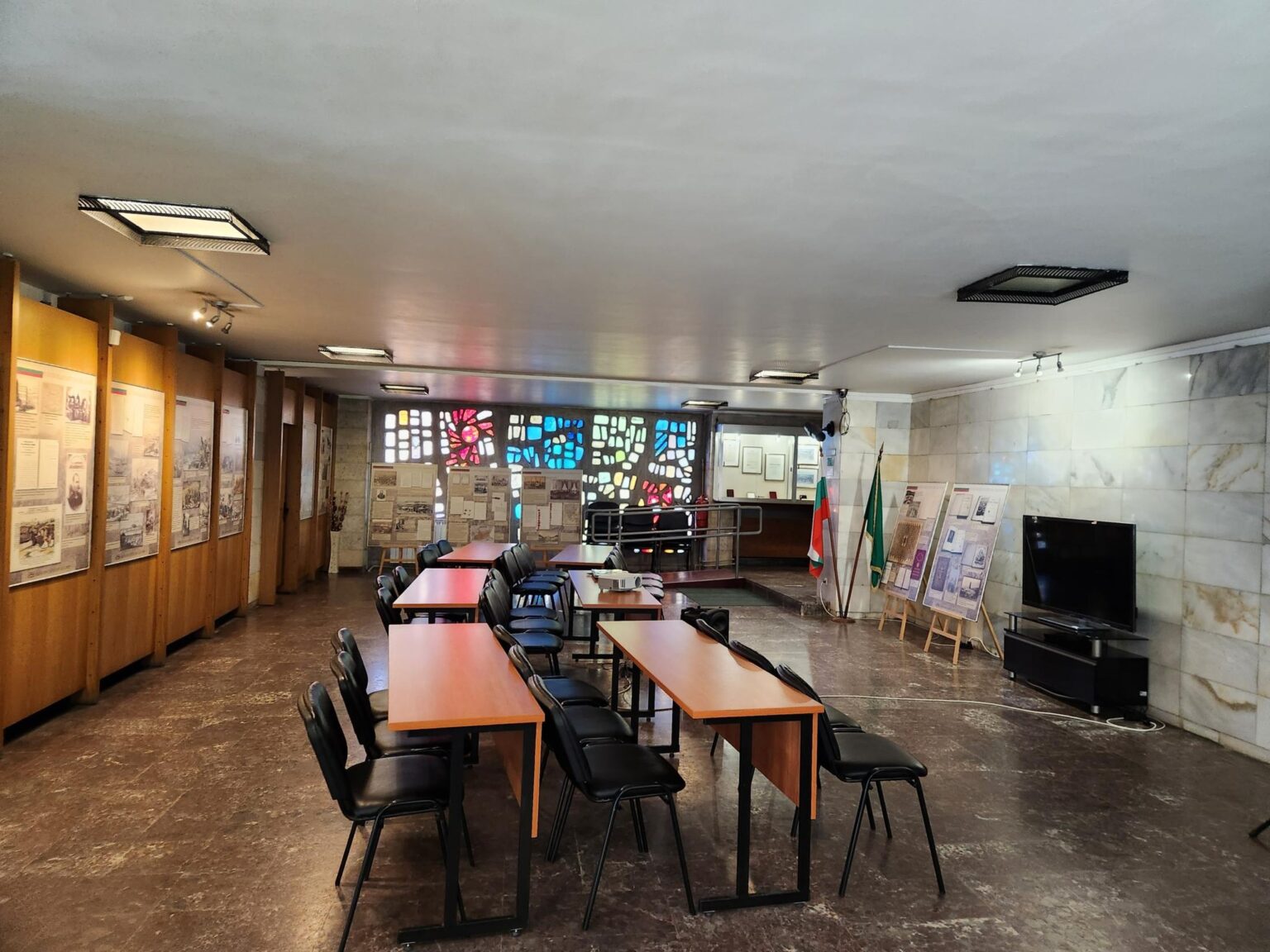
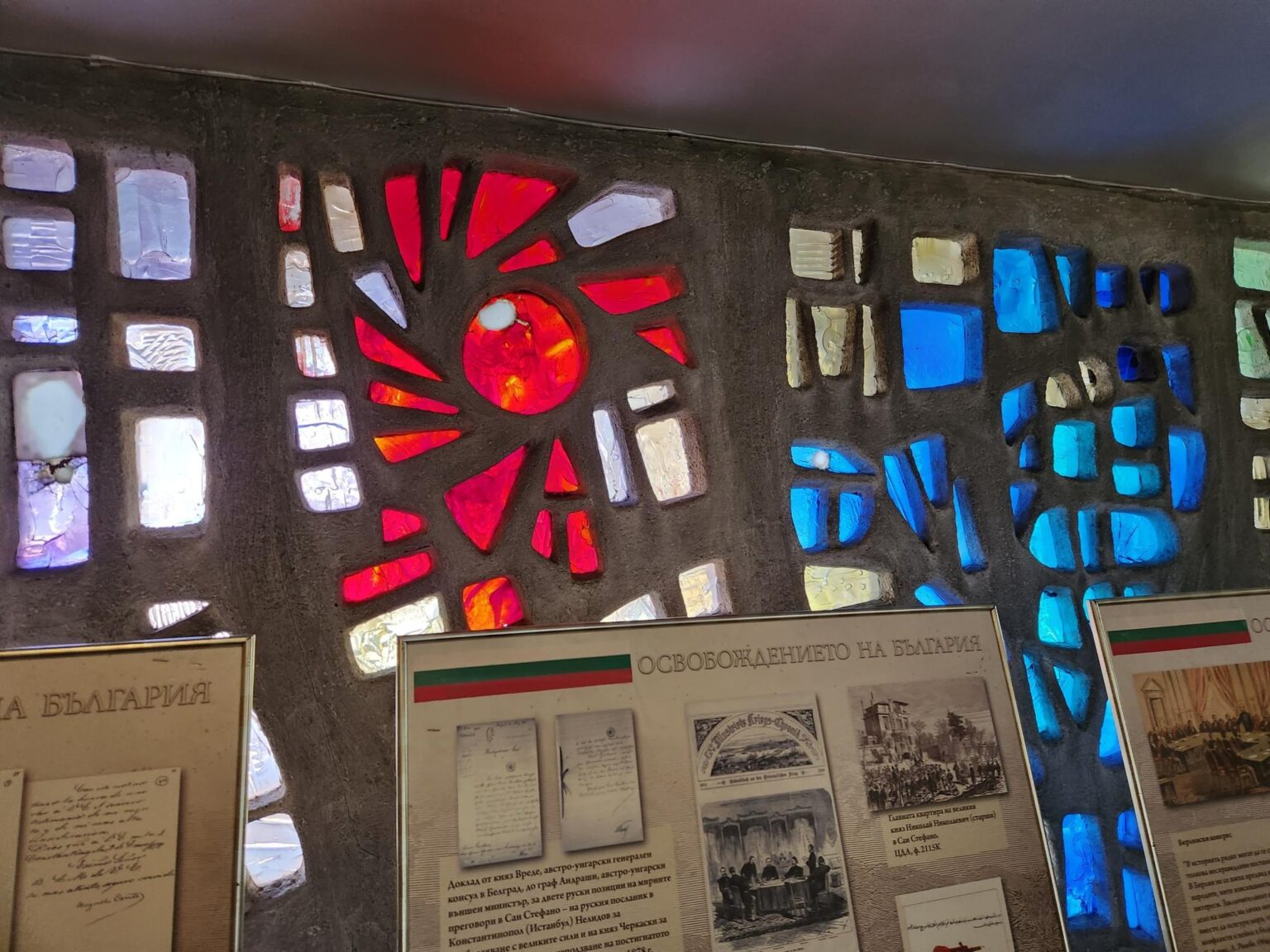
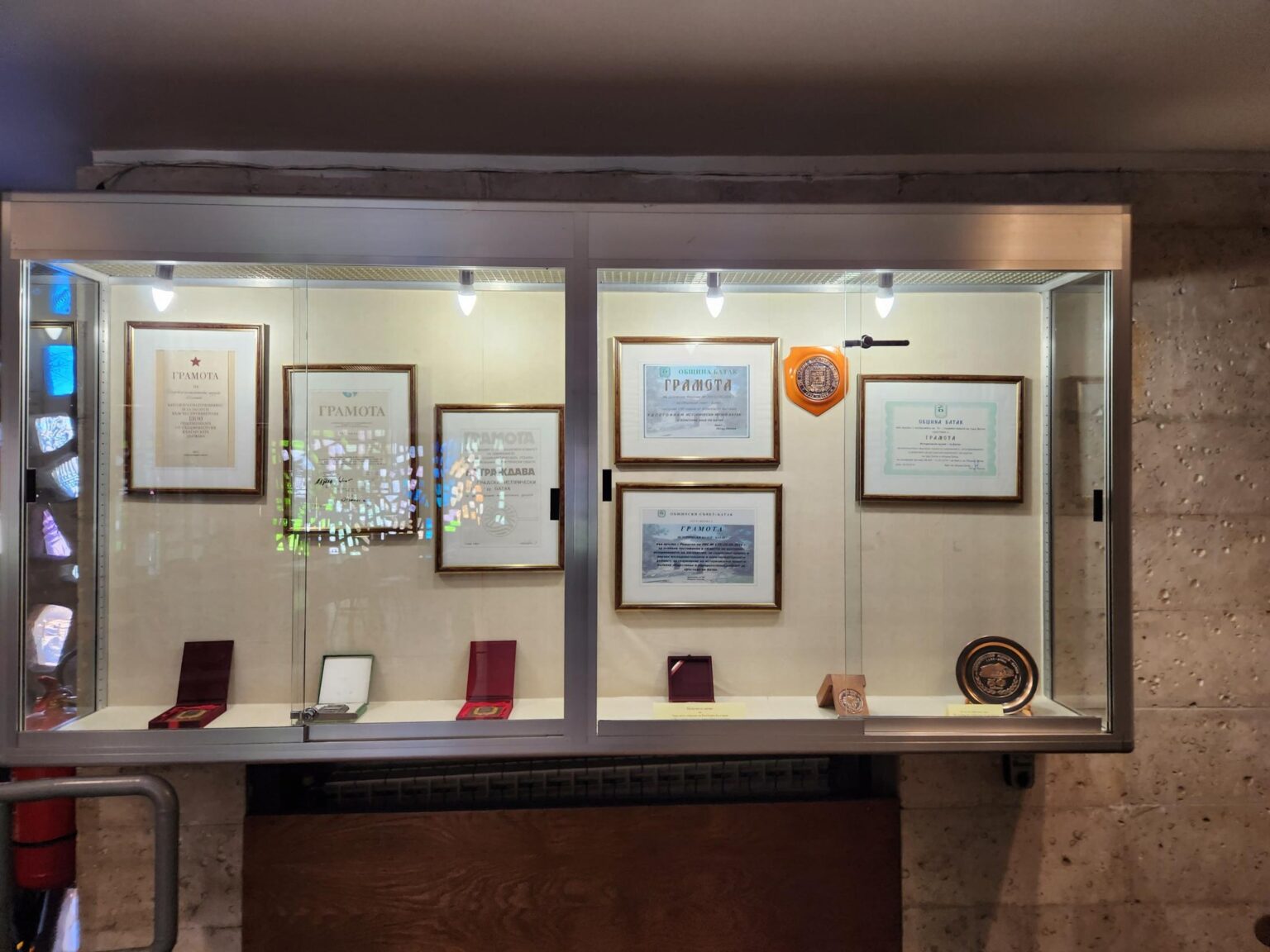
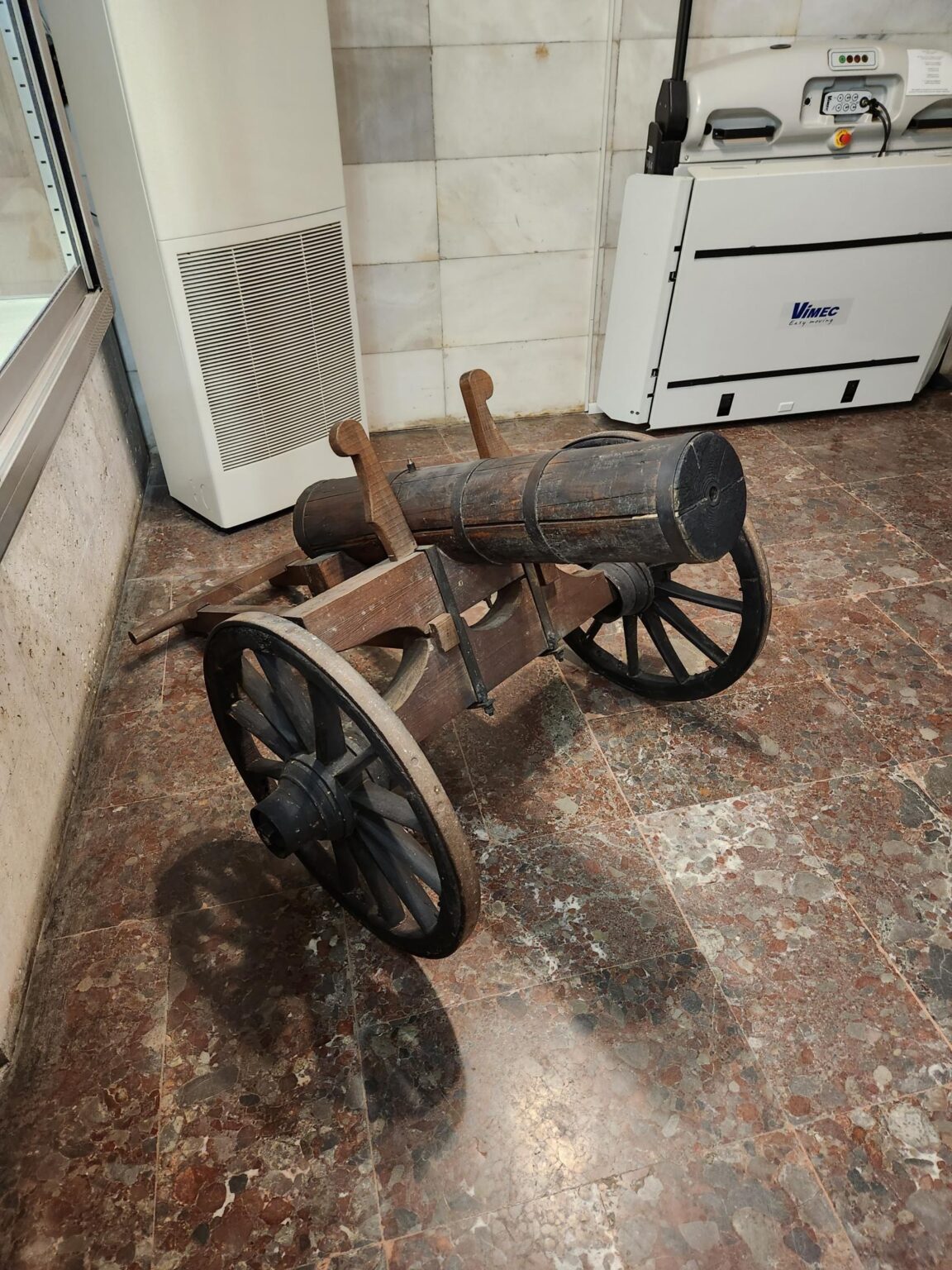
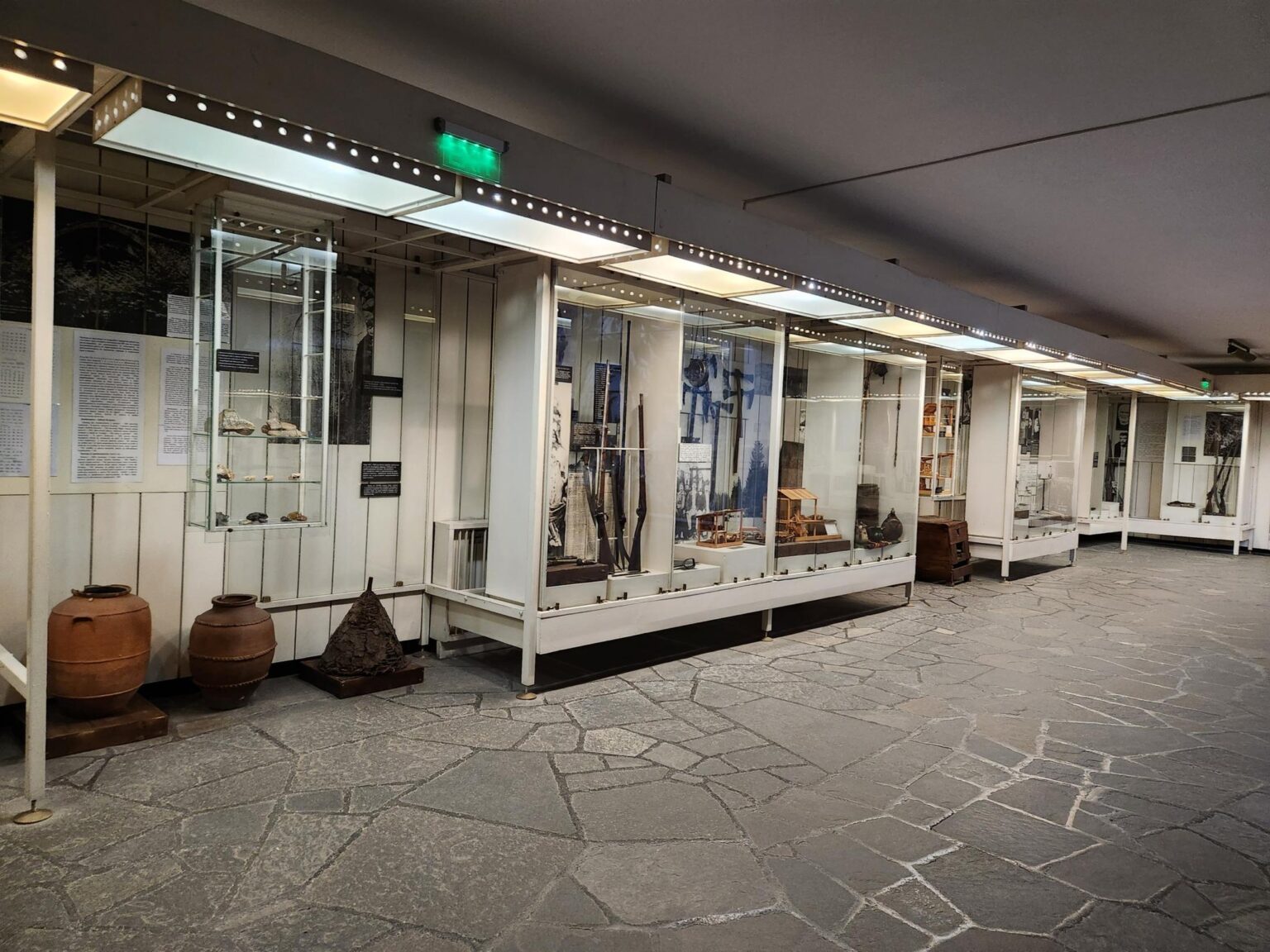
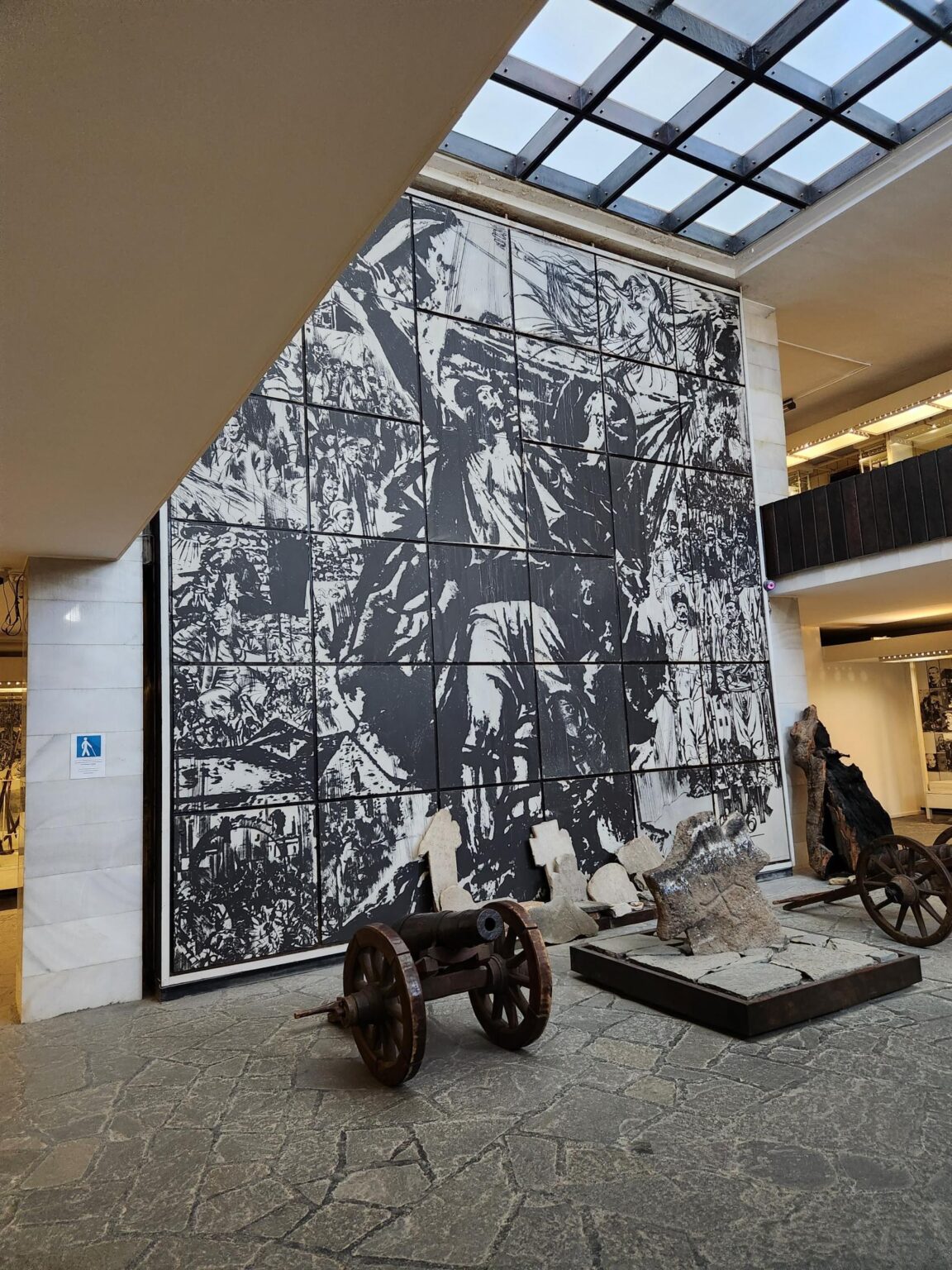
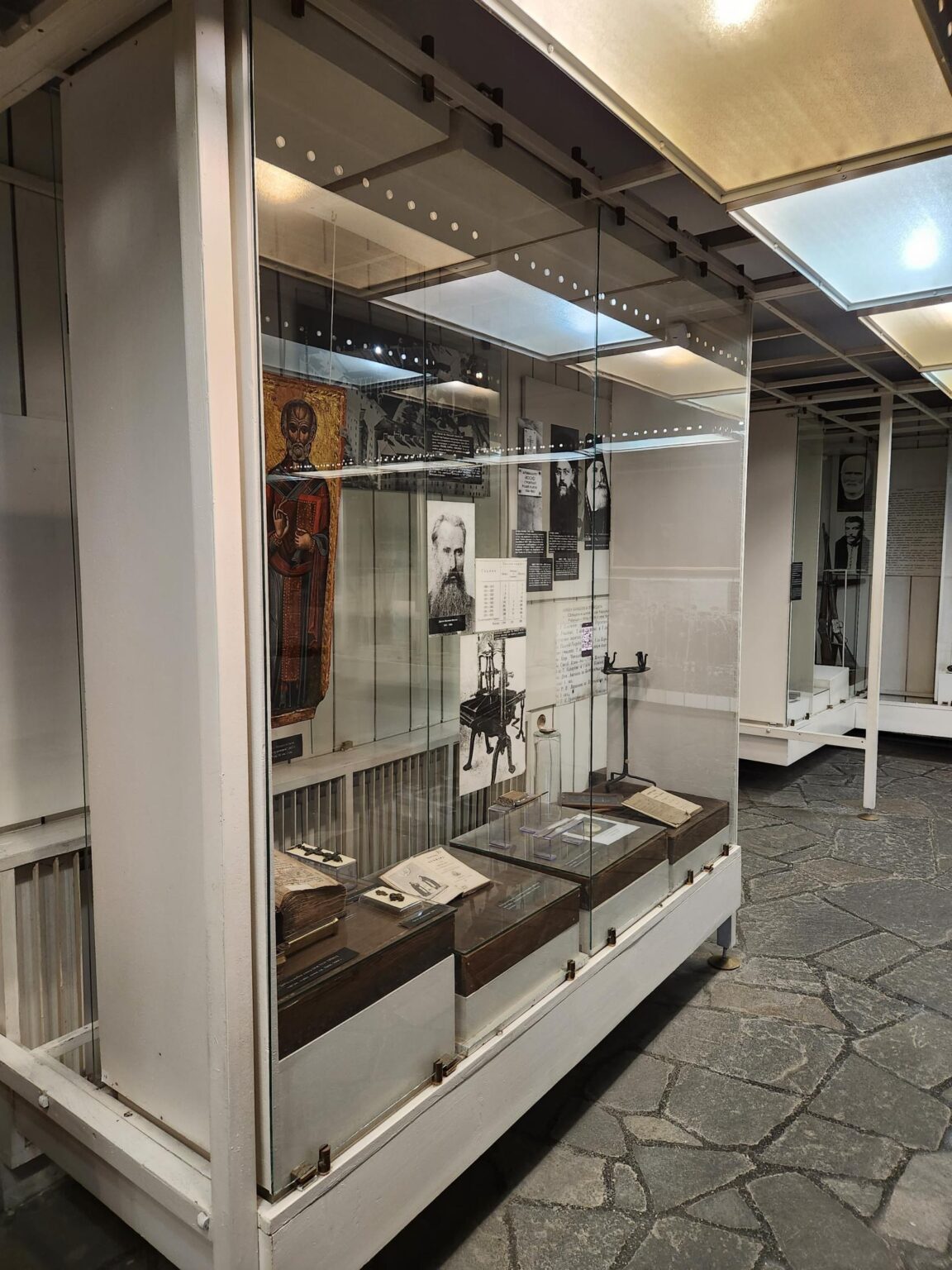
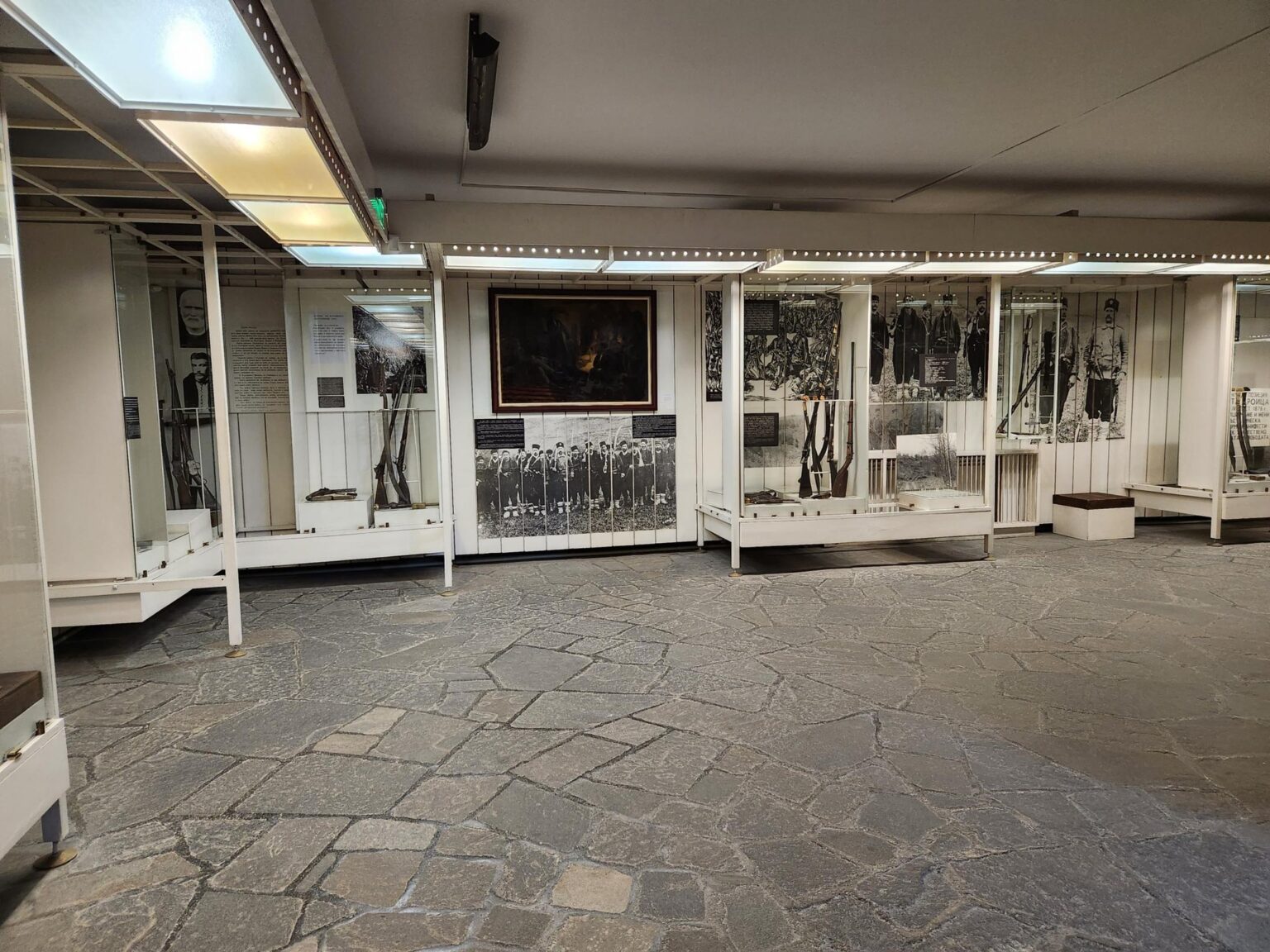
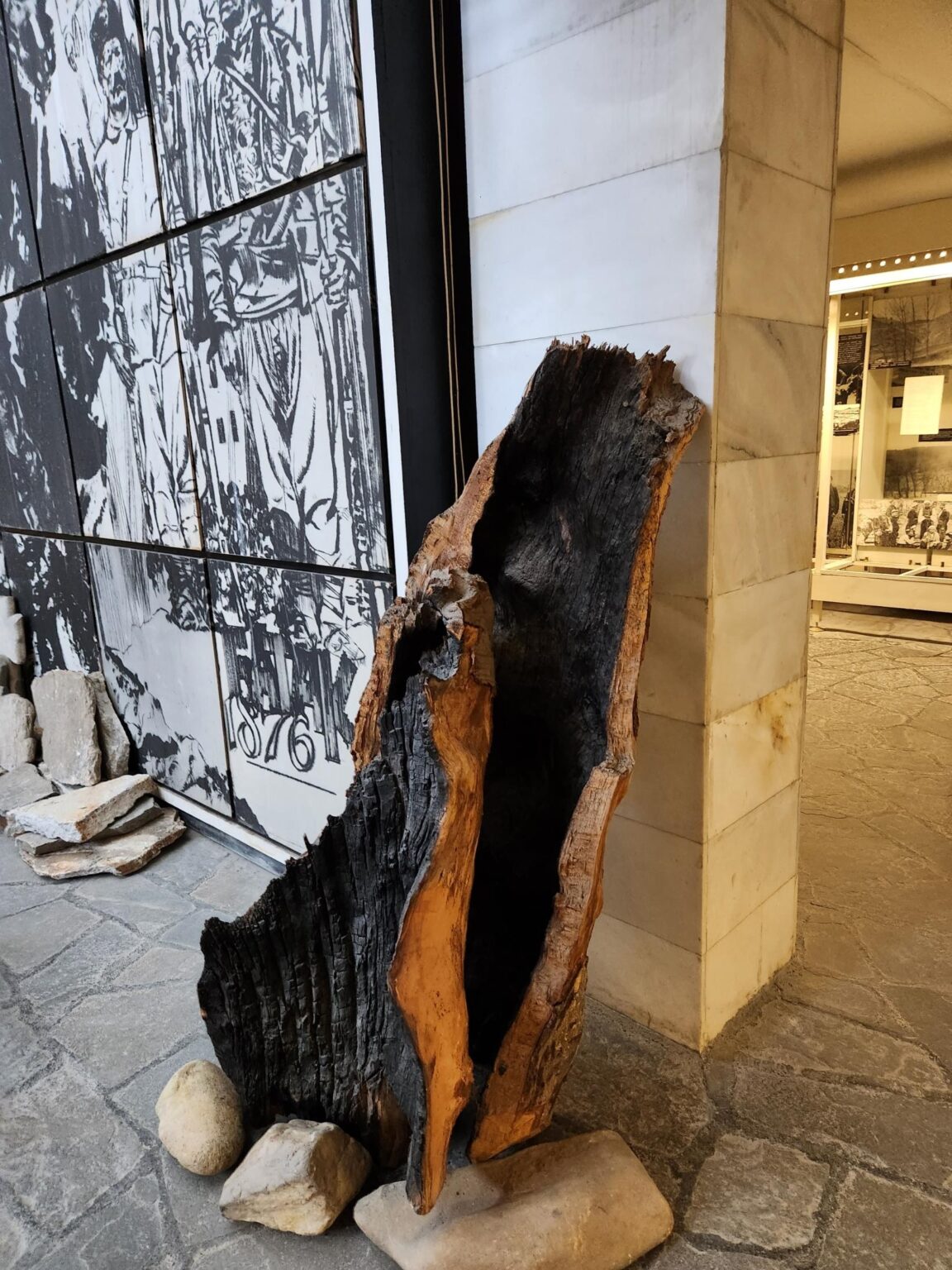
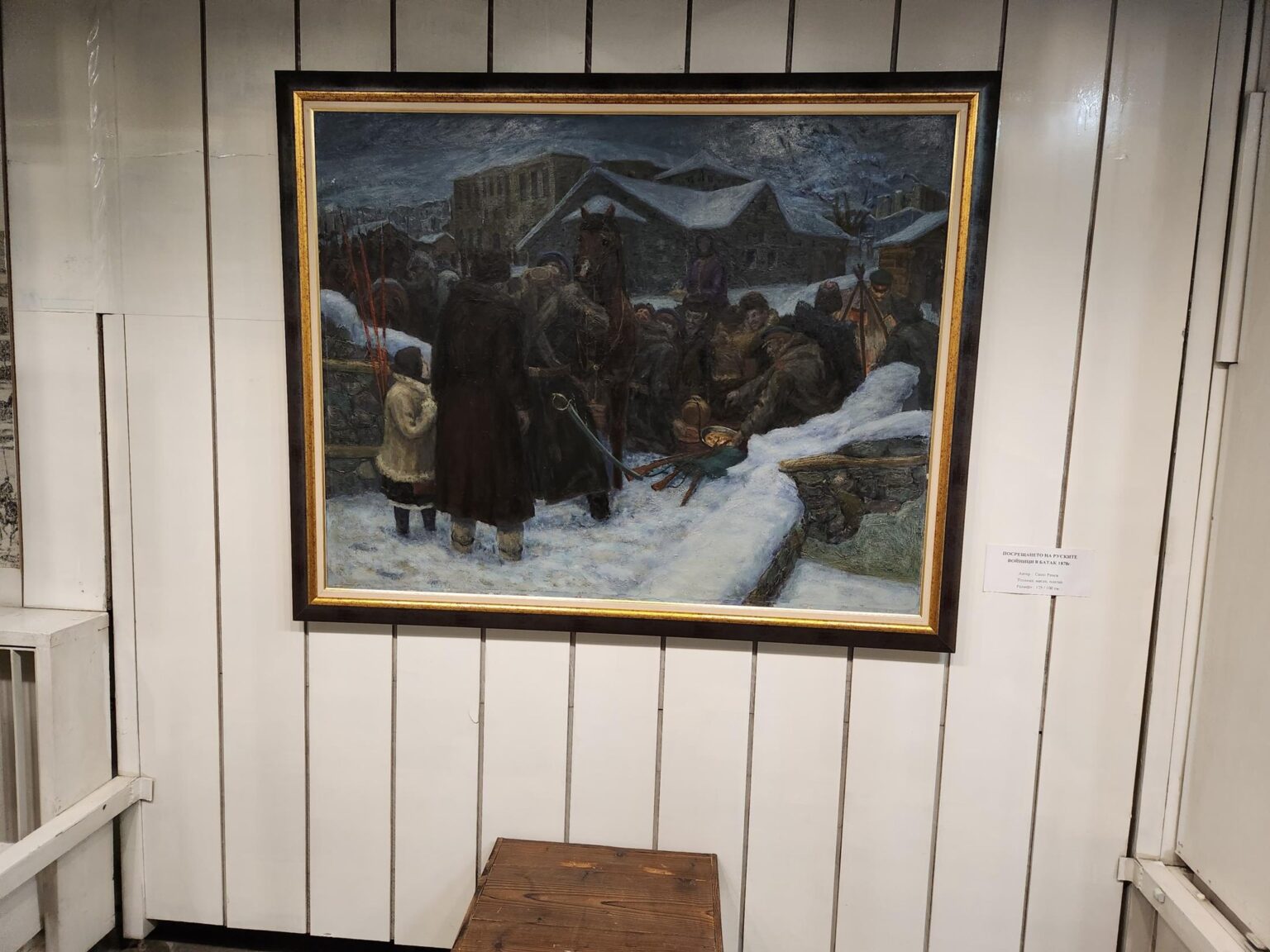
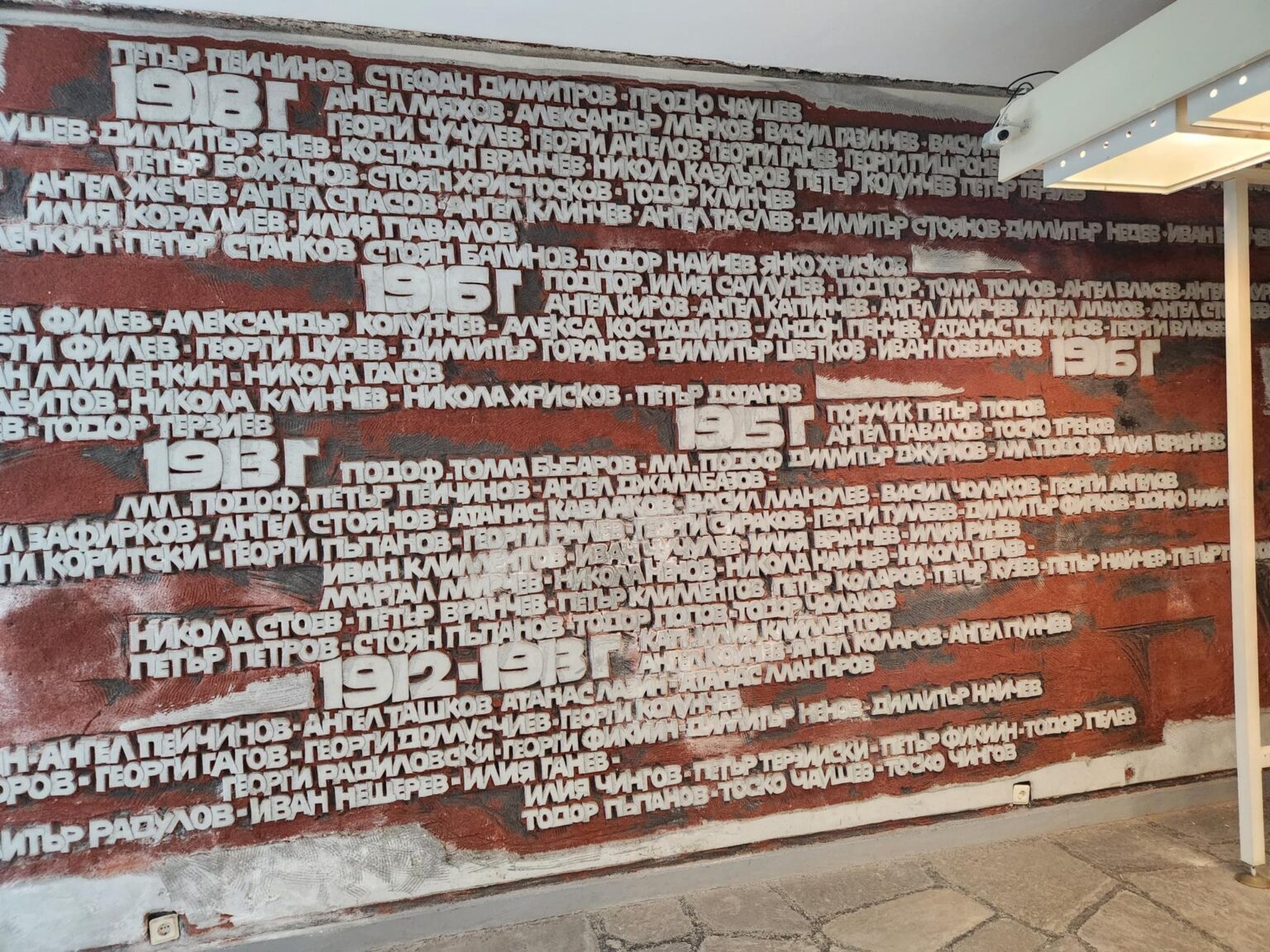
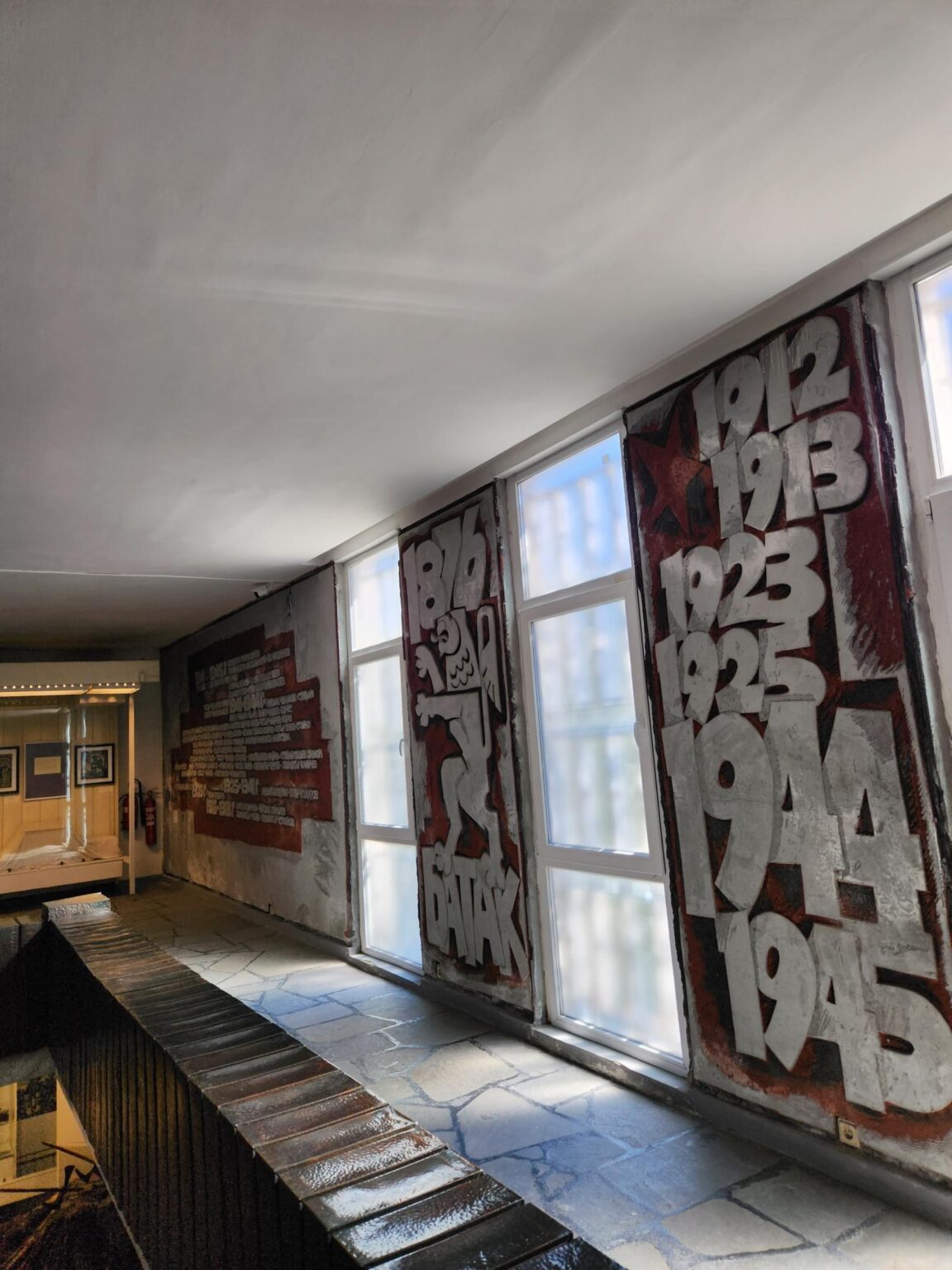
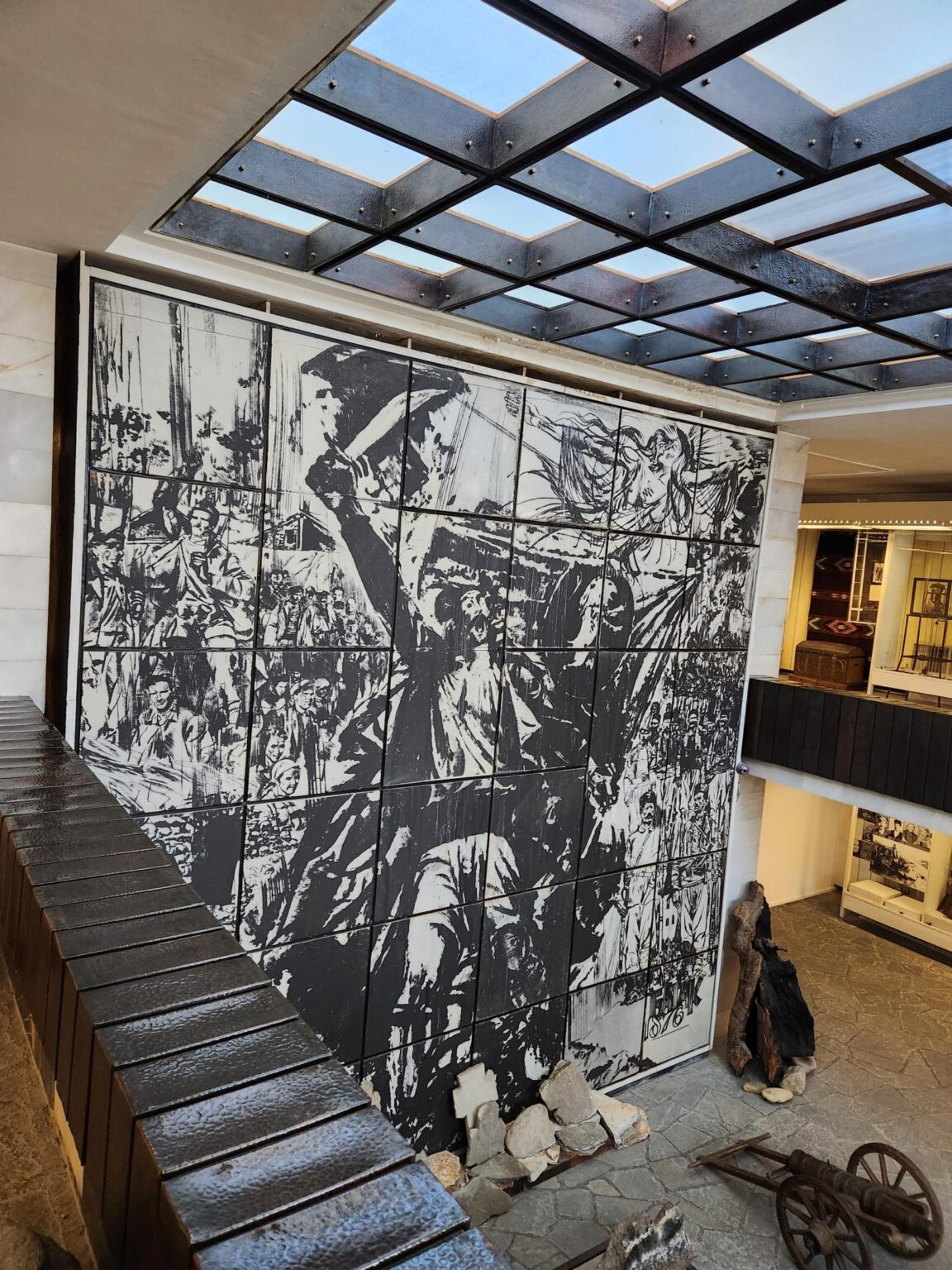
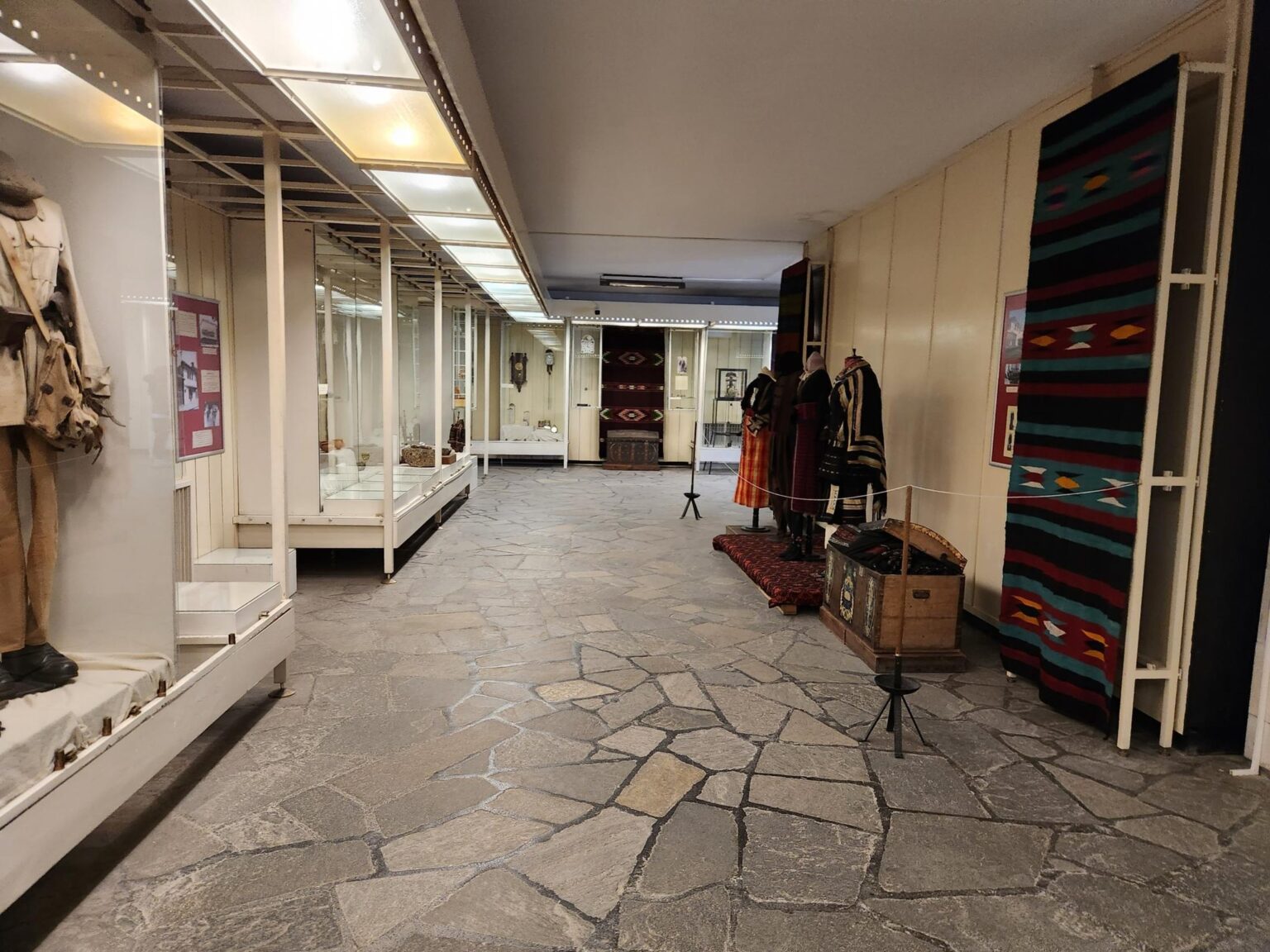
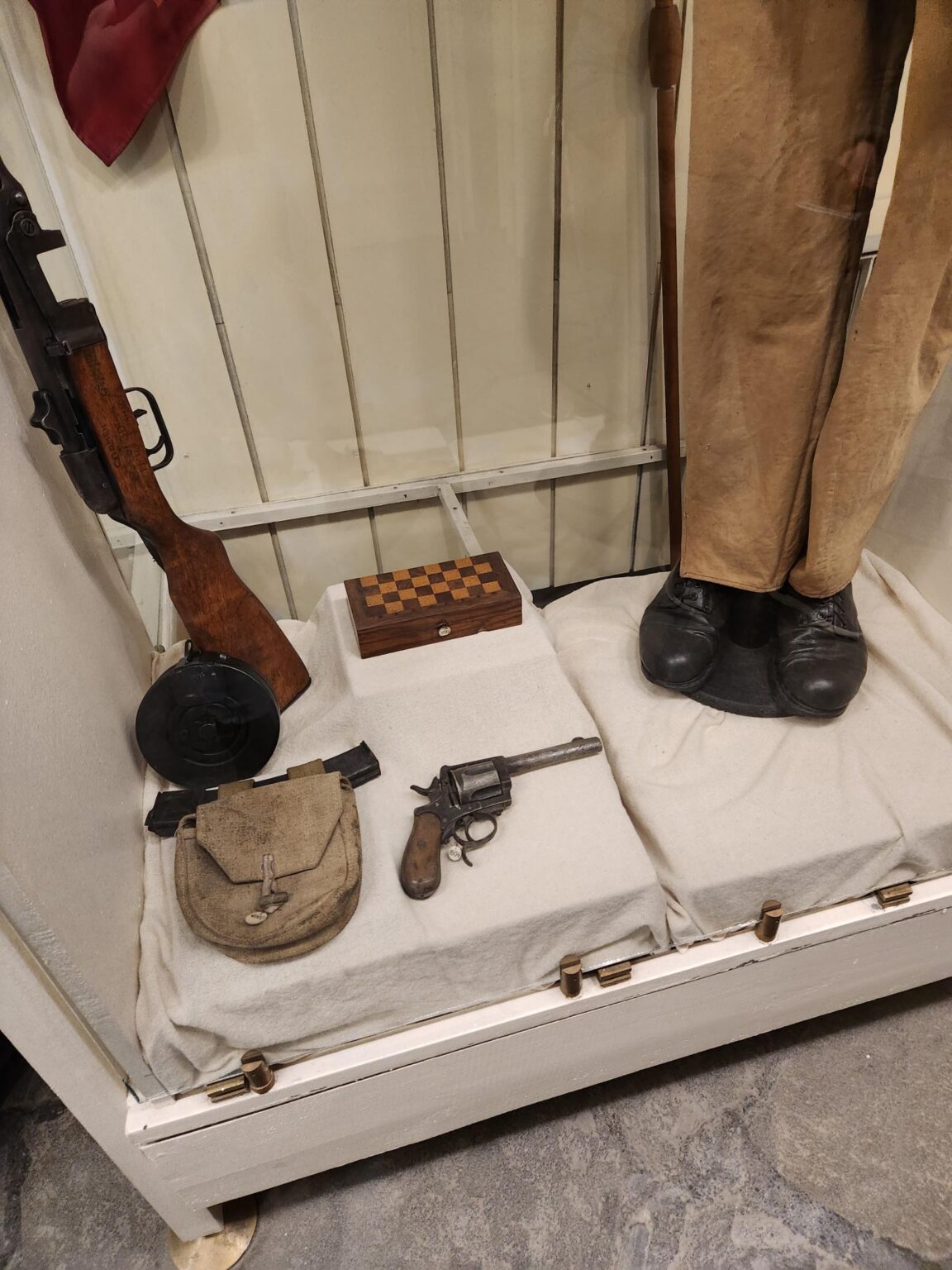
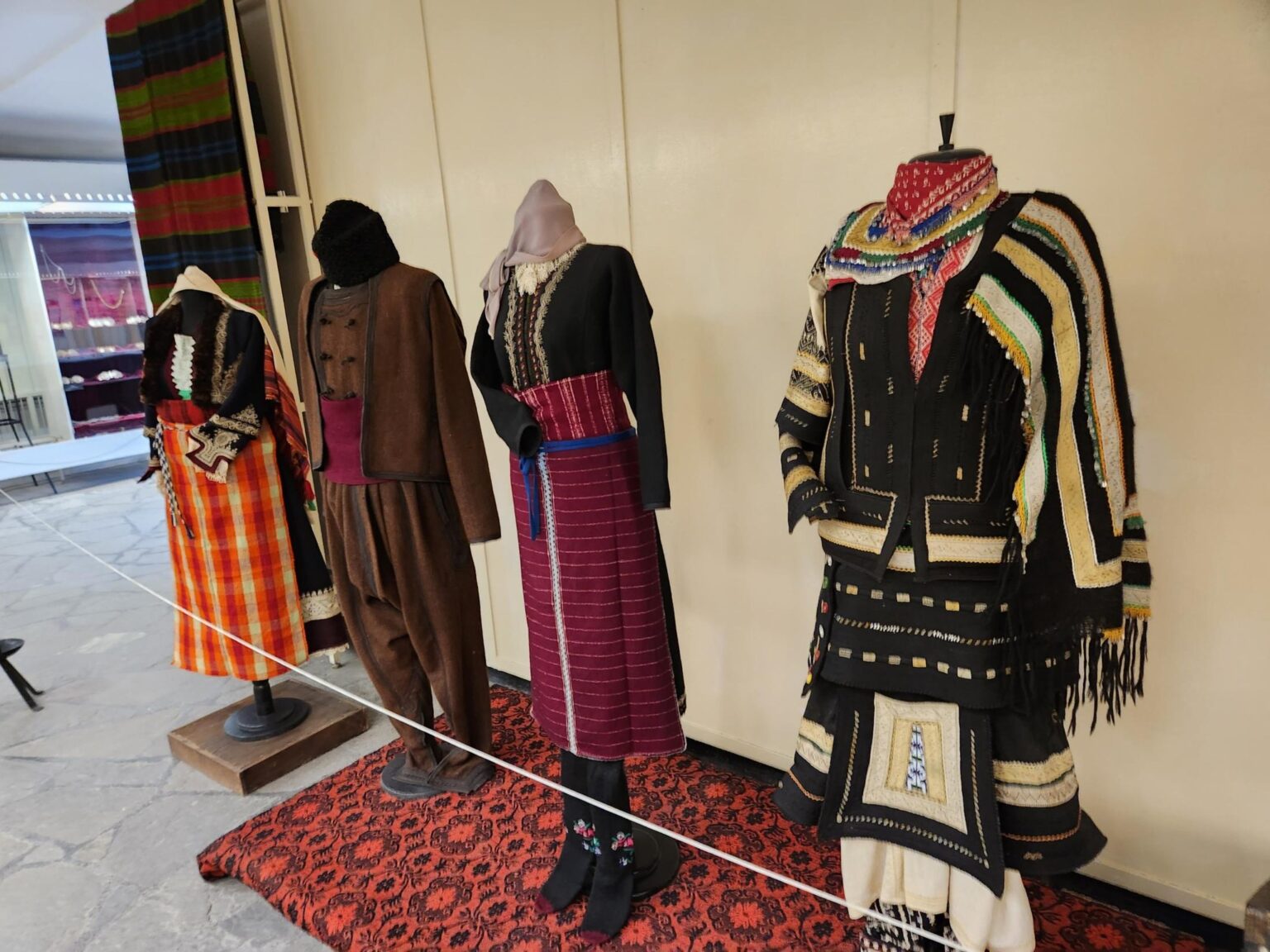
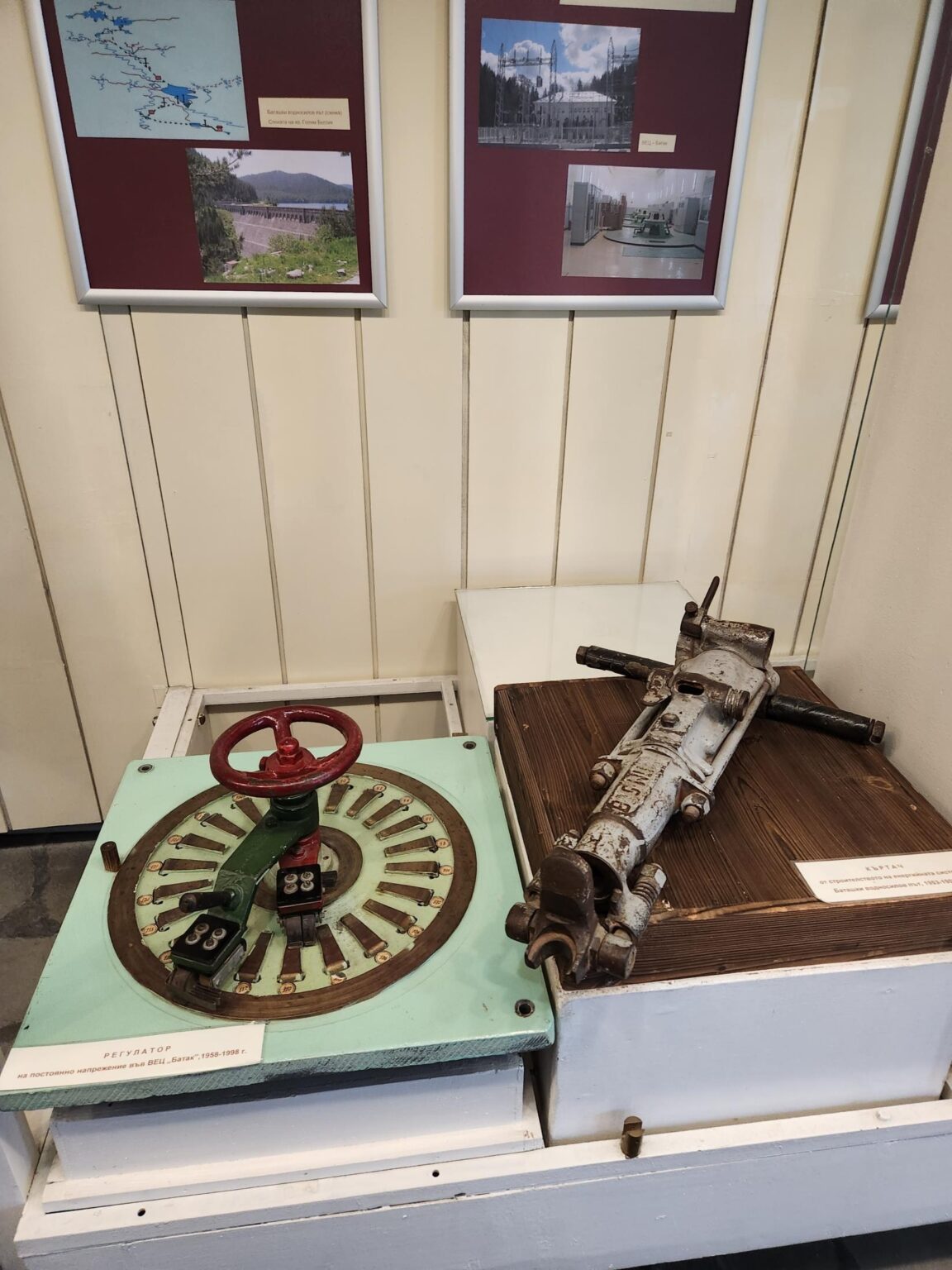
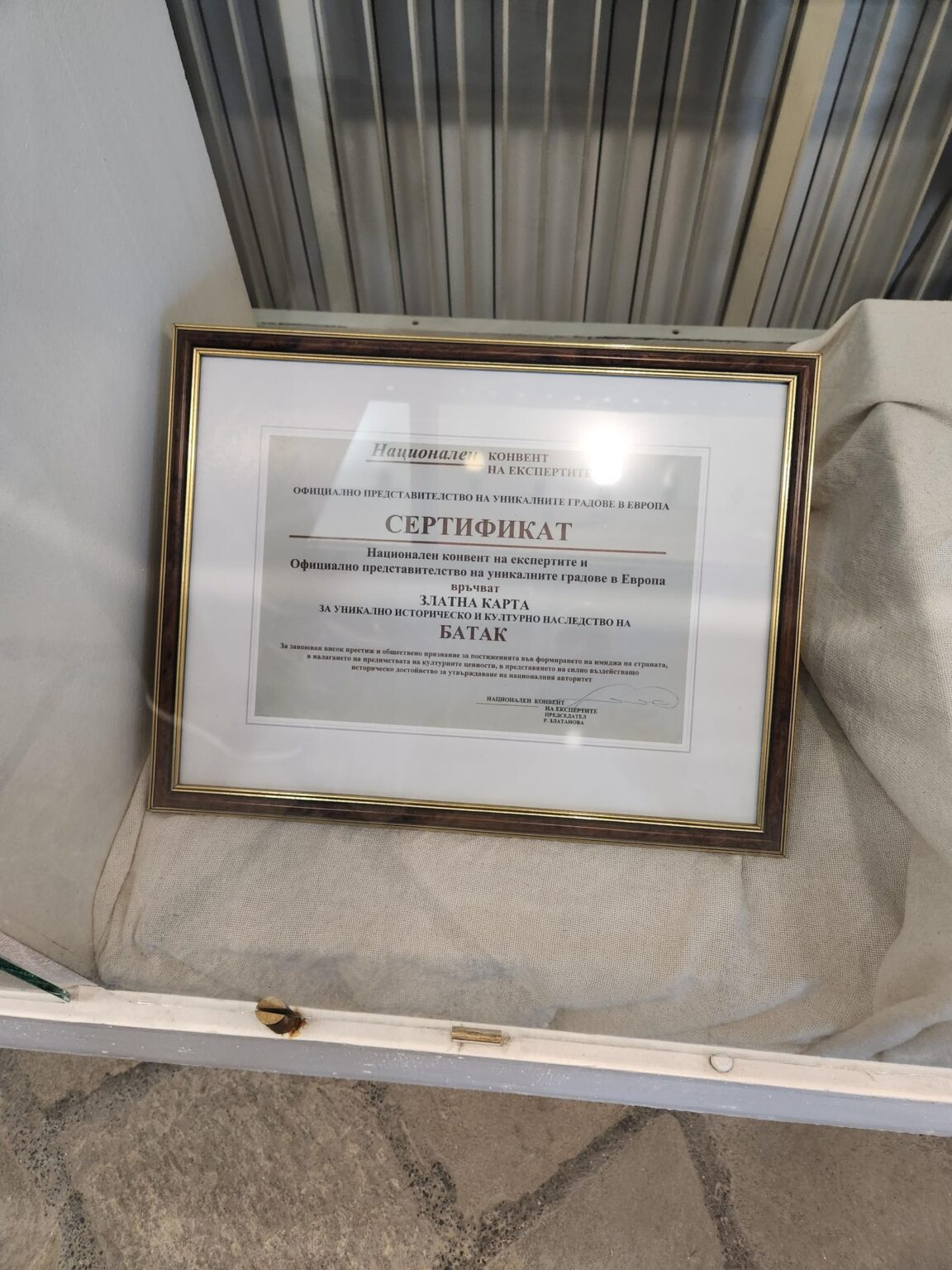
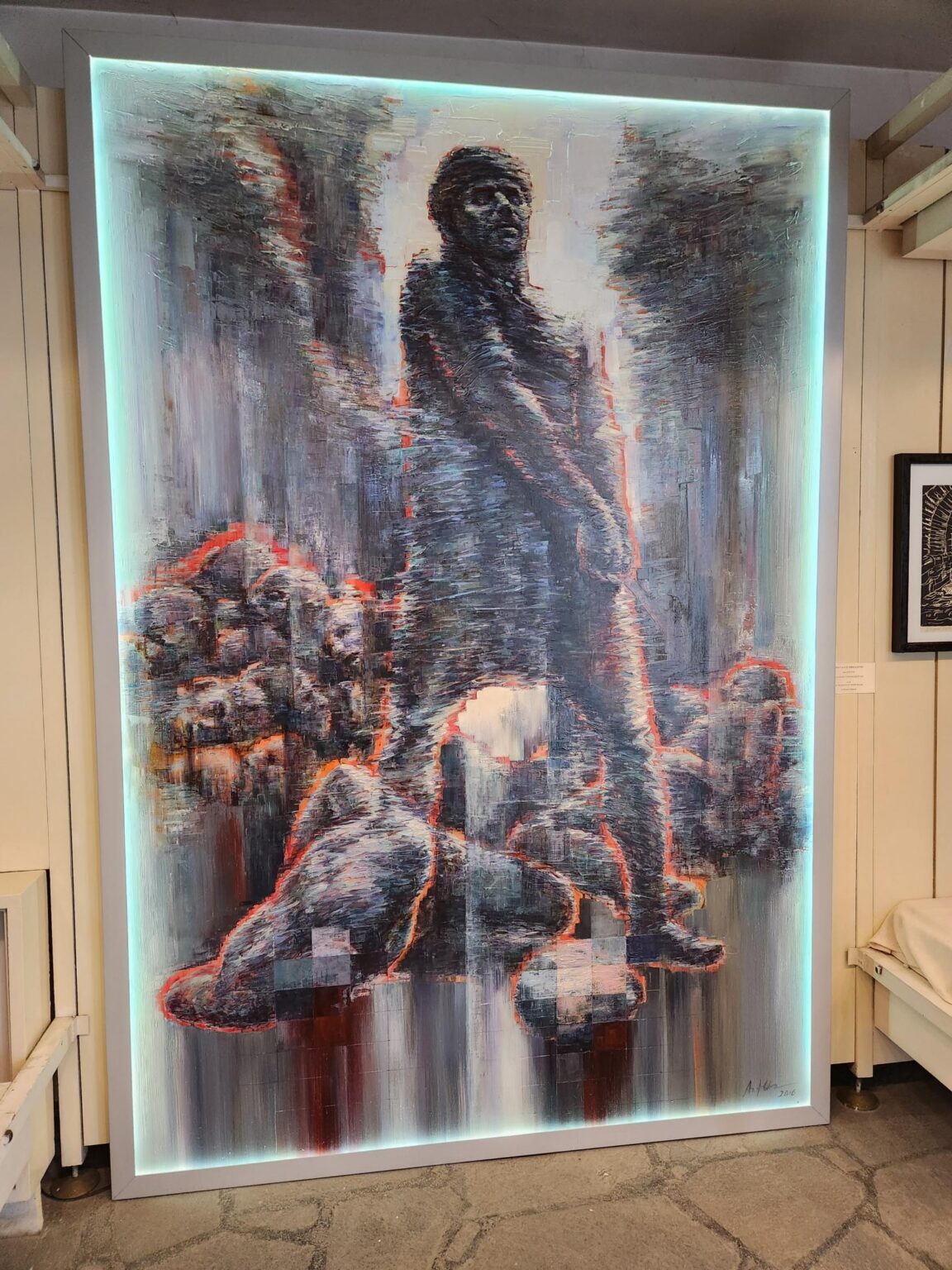
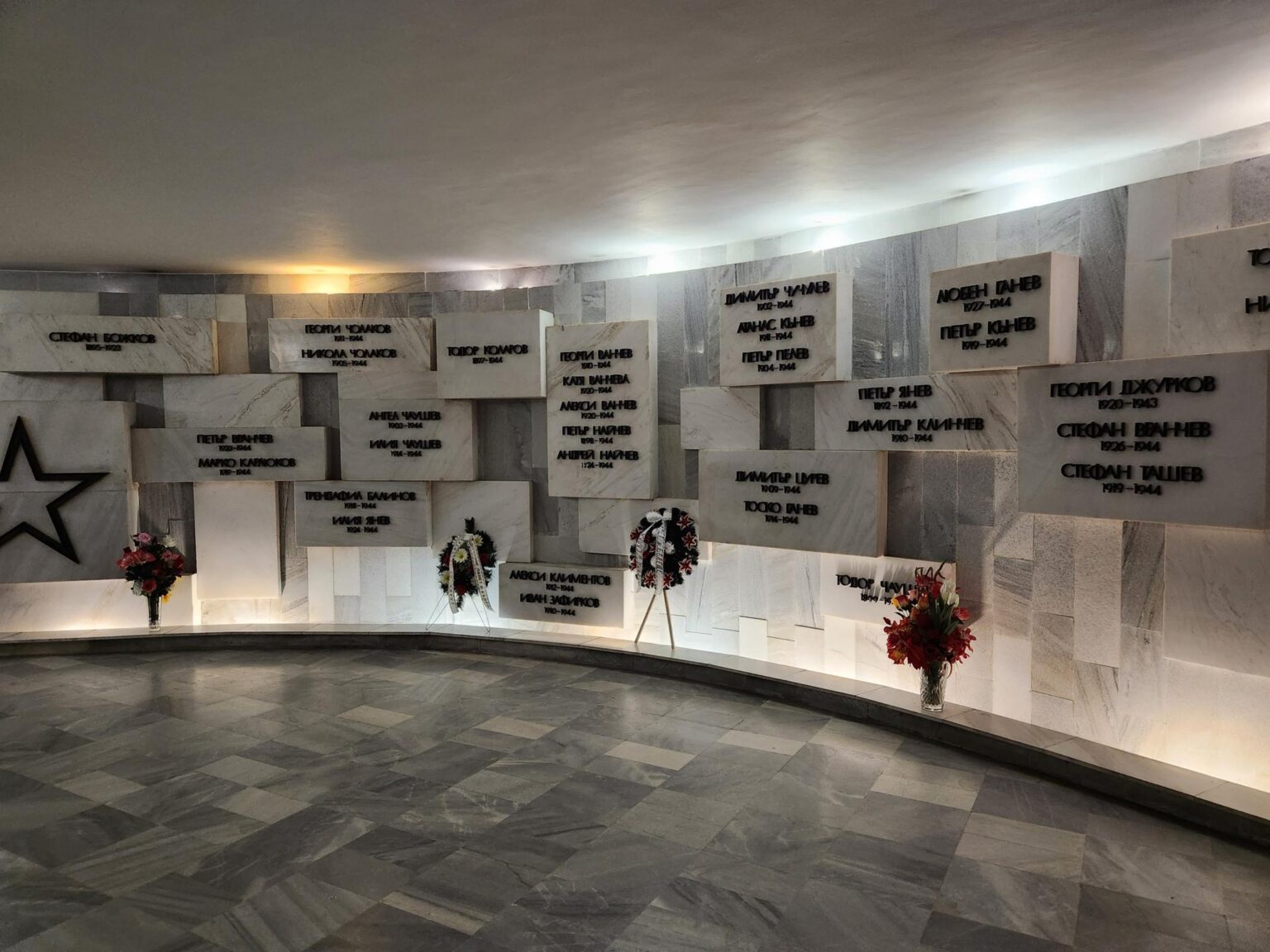
Besides the three floors above ground there is a basement level with a crypt, and that is where we get to know the story of the Anton Ivanov partisan detachment — which, by the way, is not one to be brushed aside.
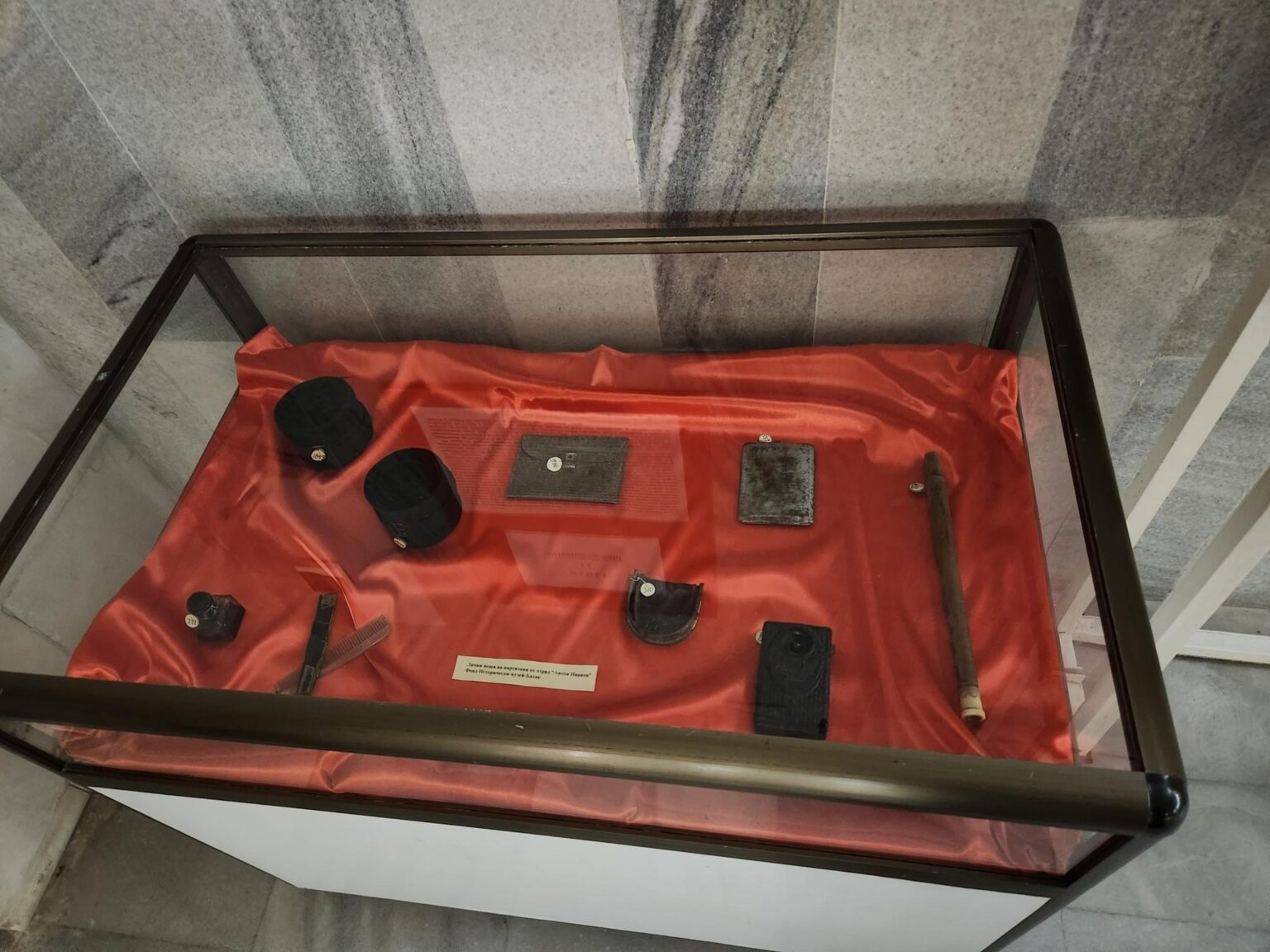
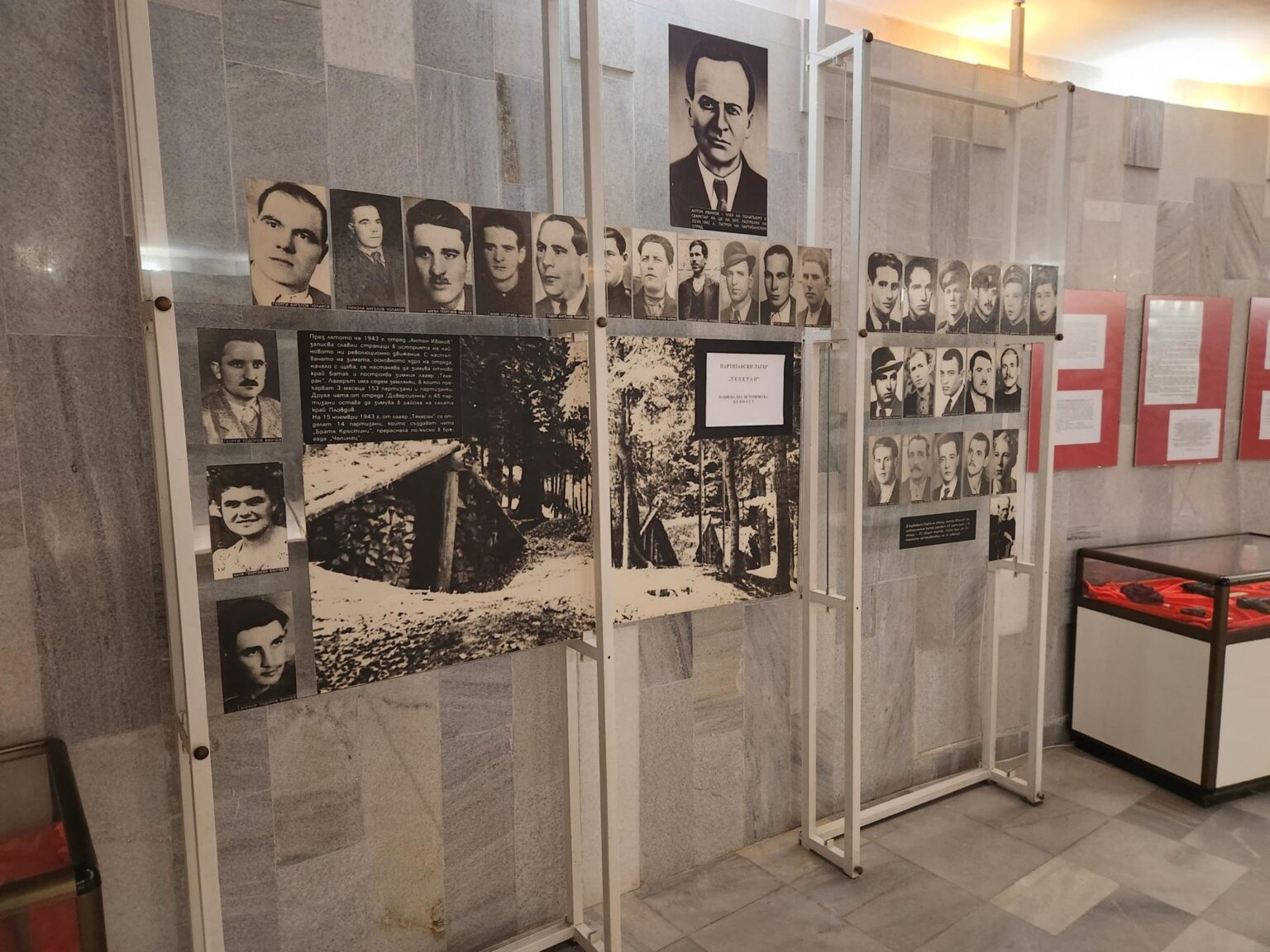
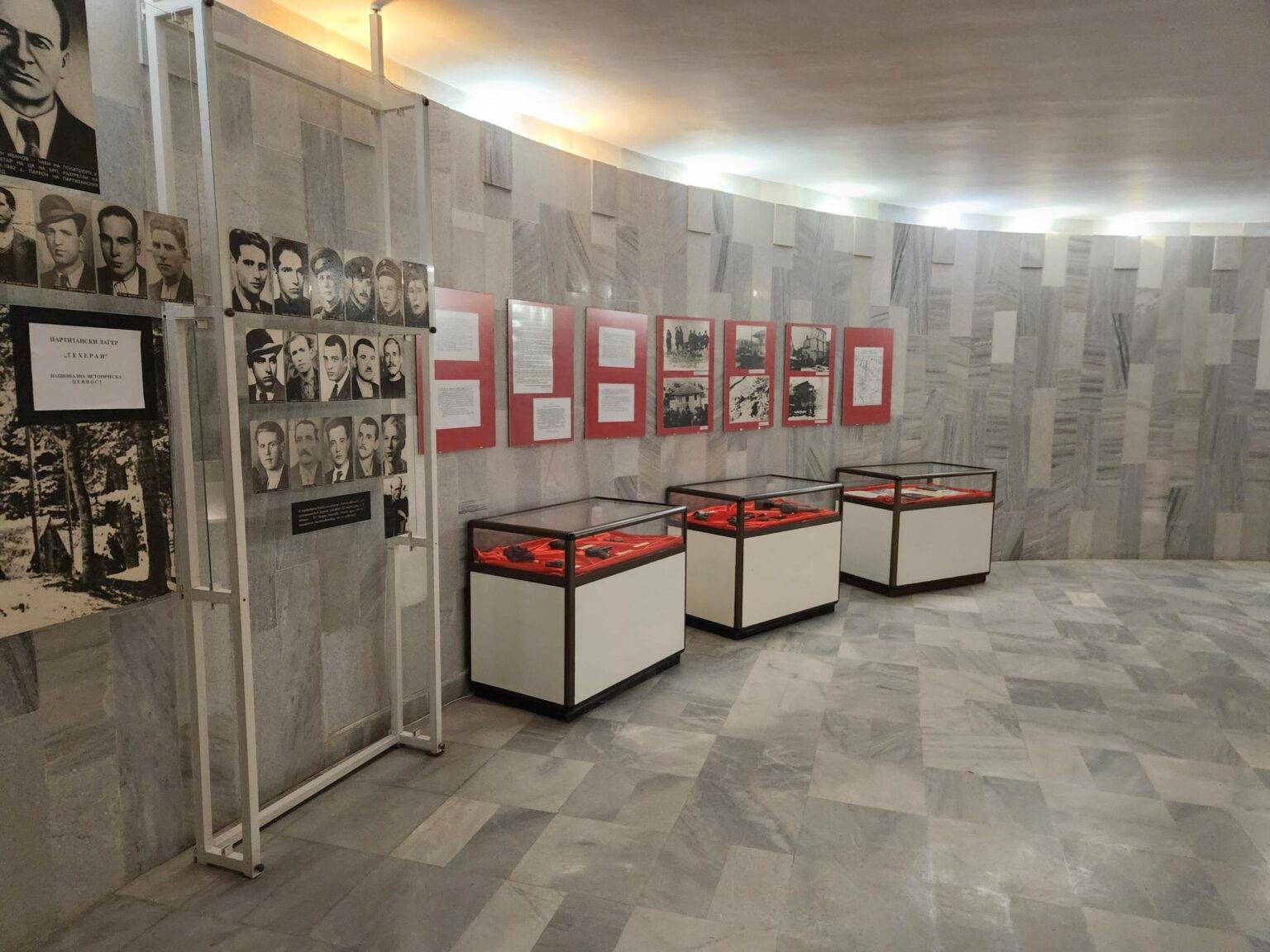
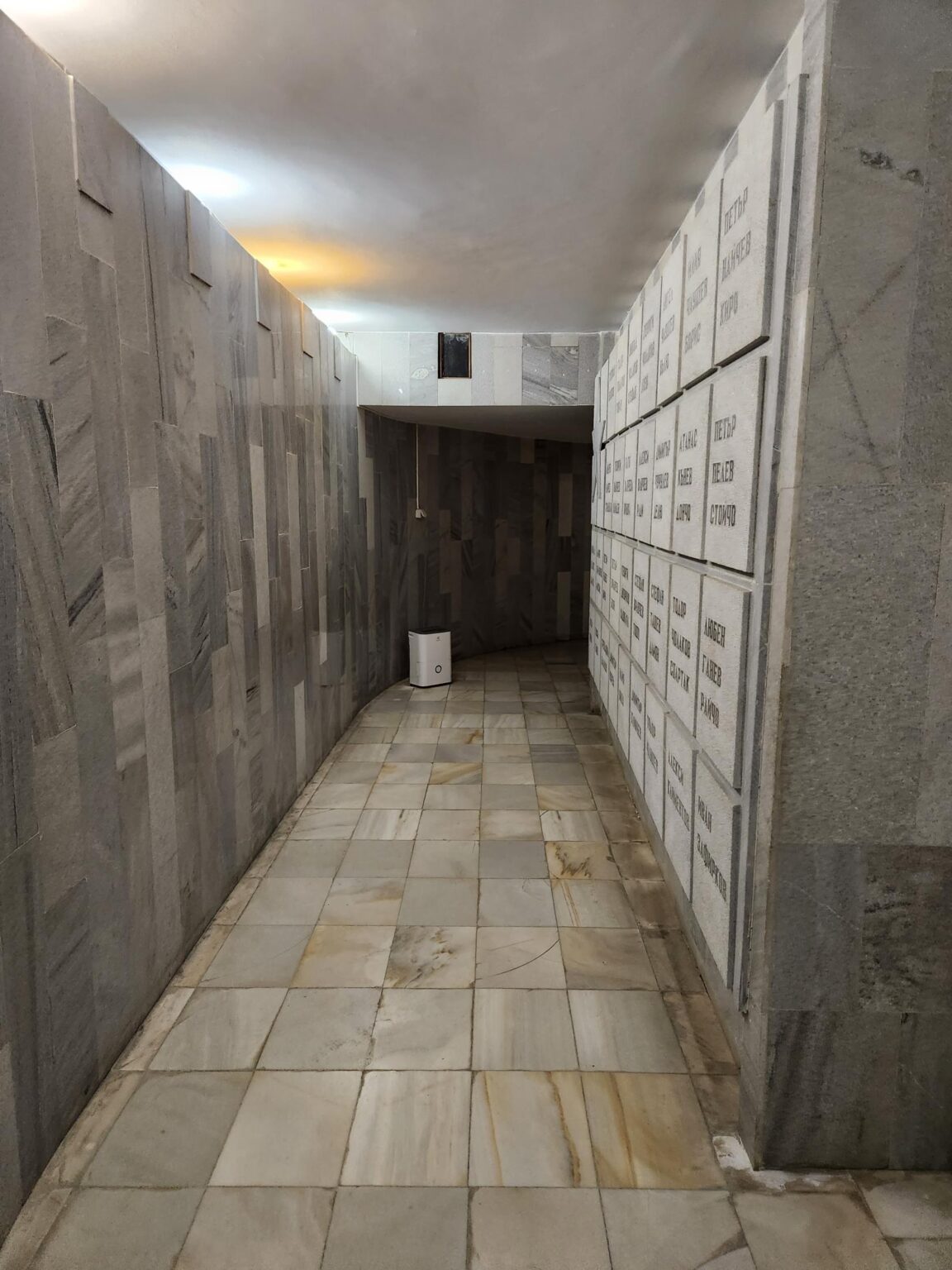
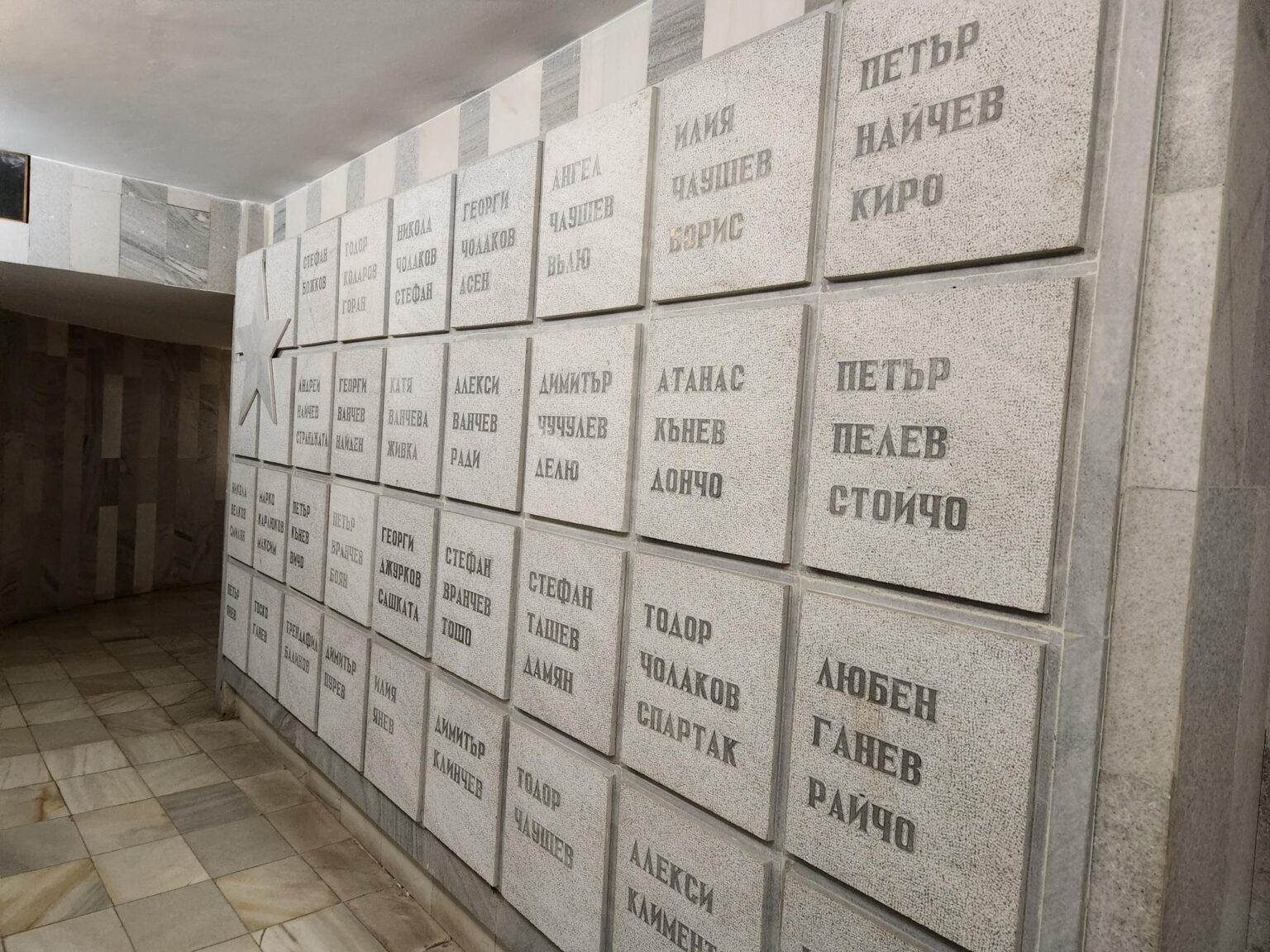
The April Uprising and Anton Ivanov memorial
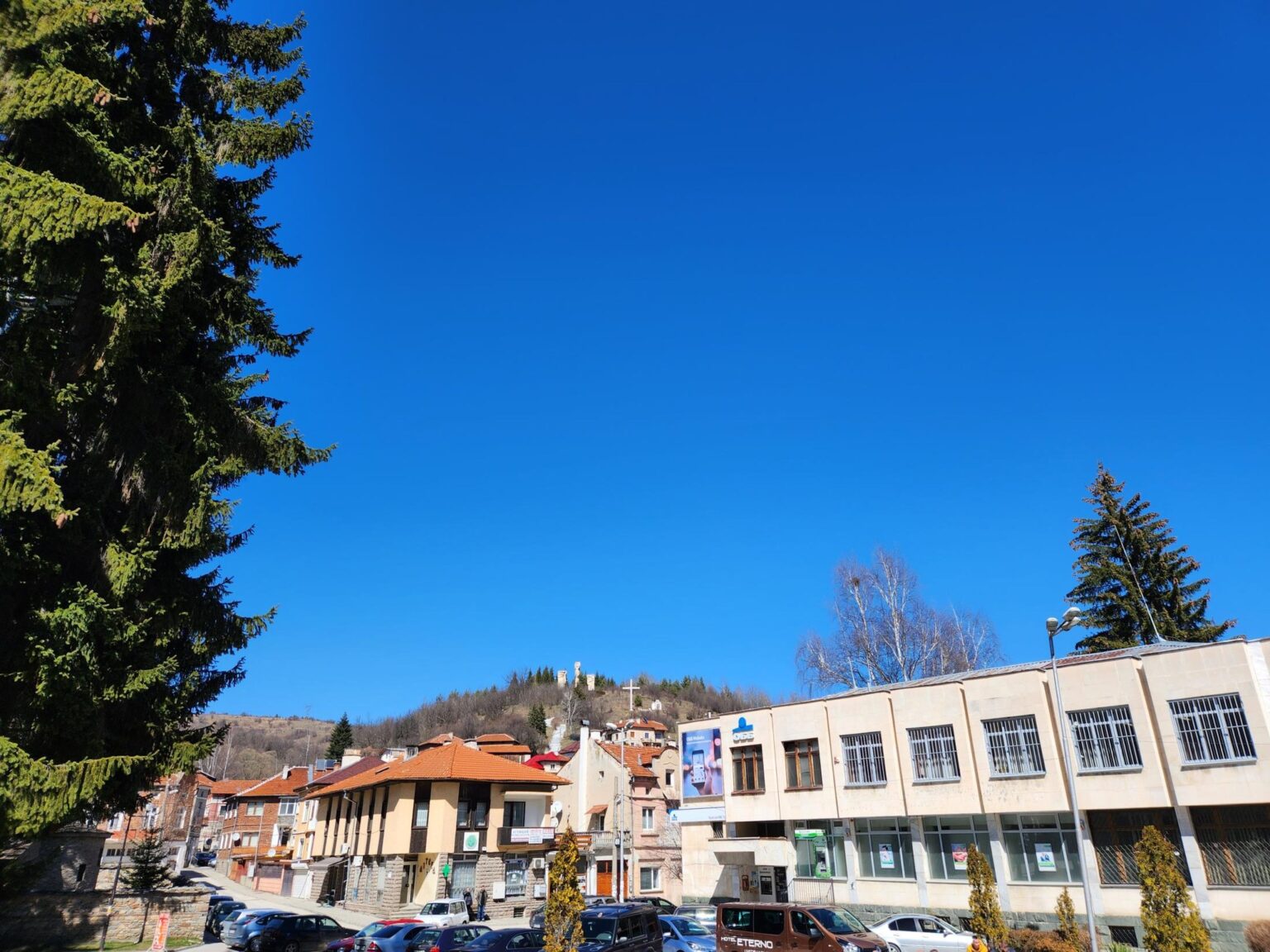
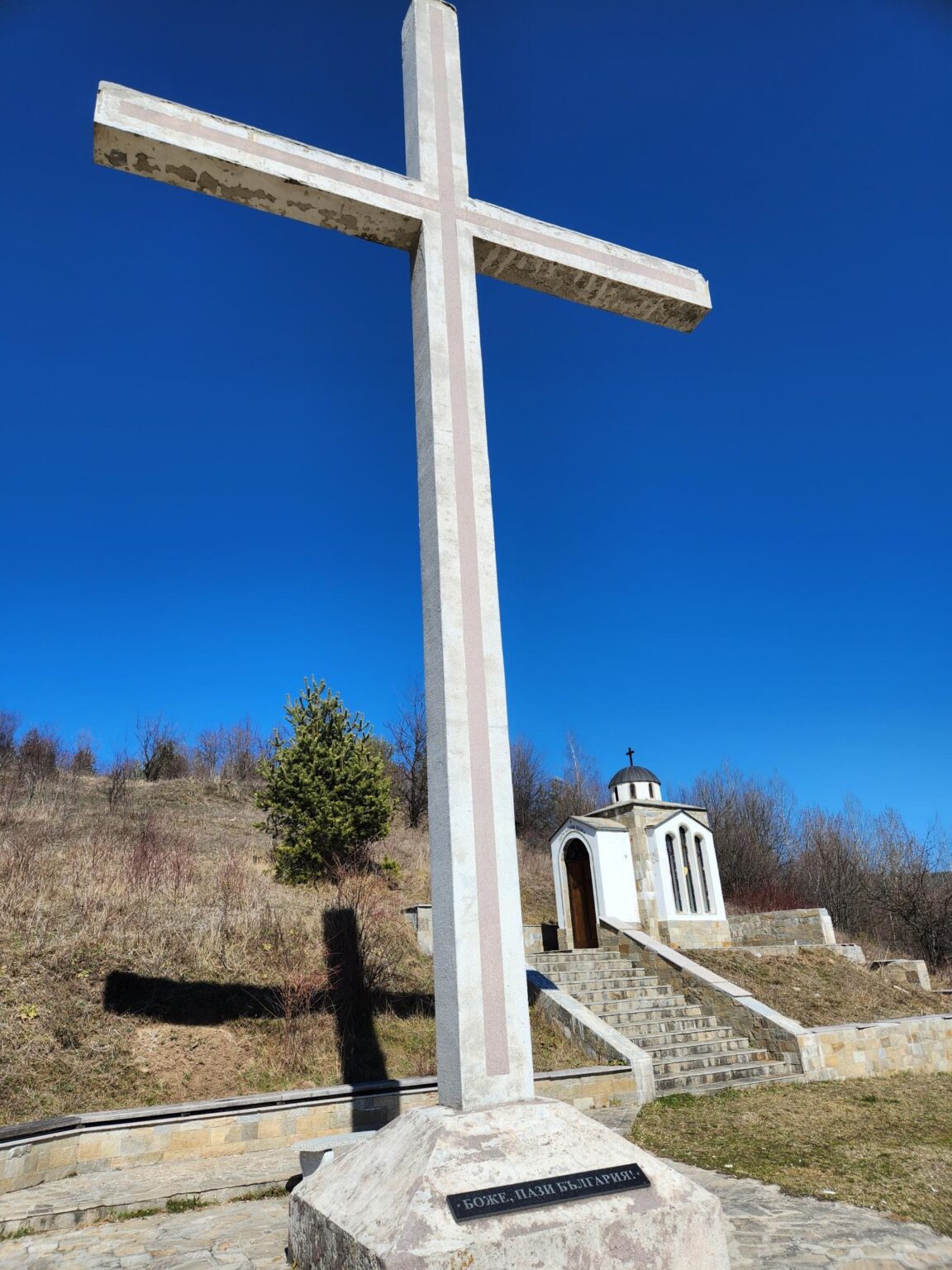
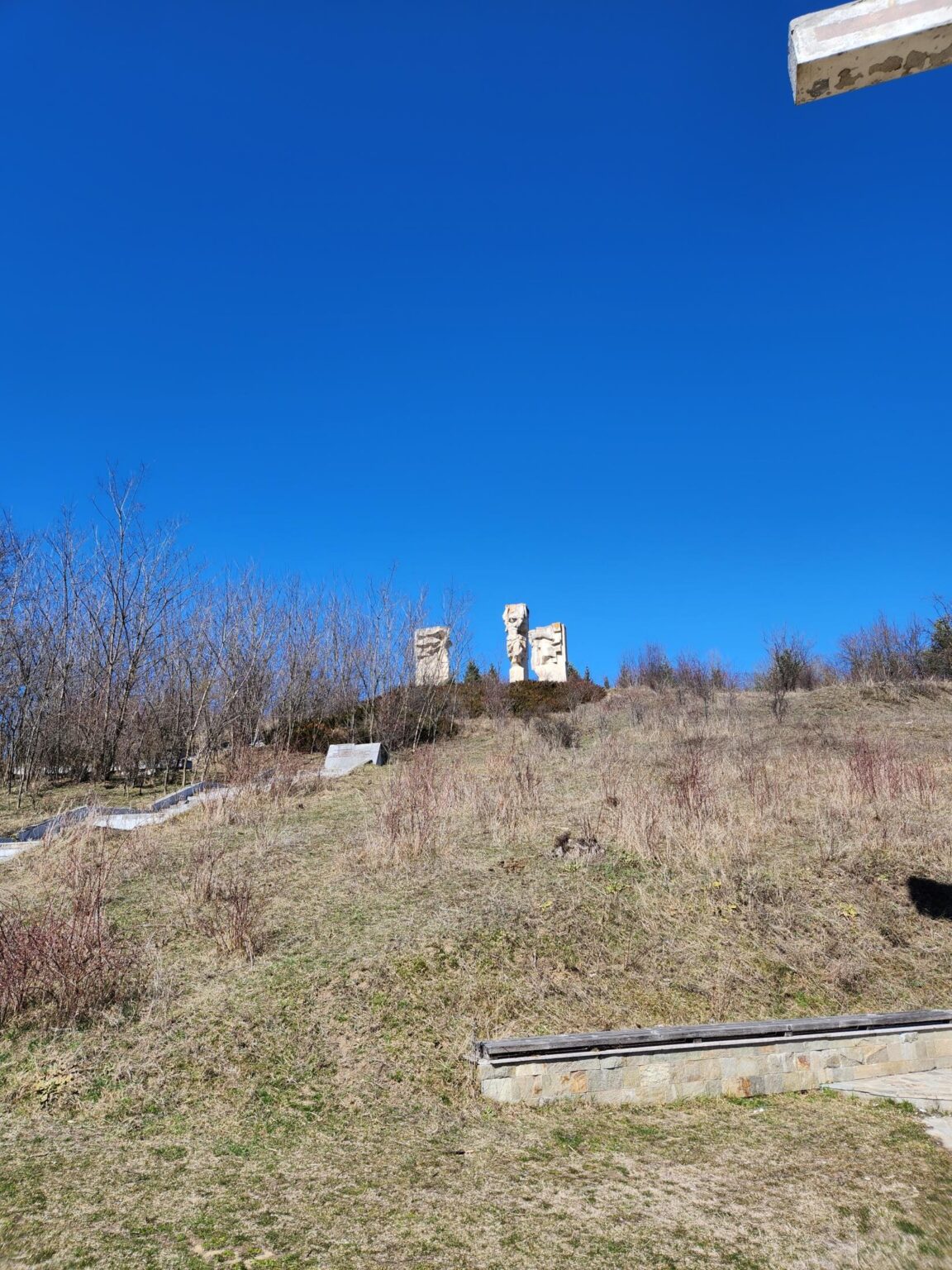
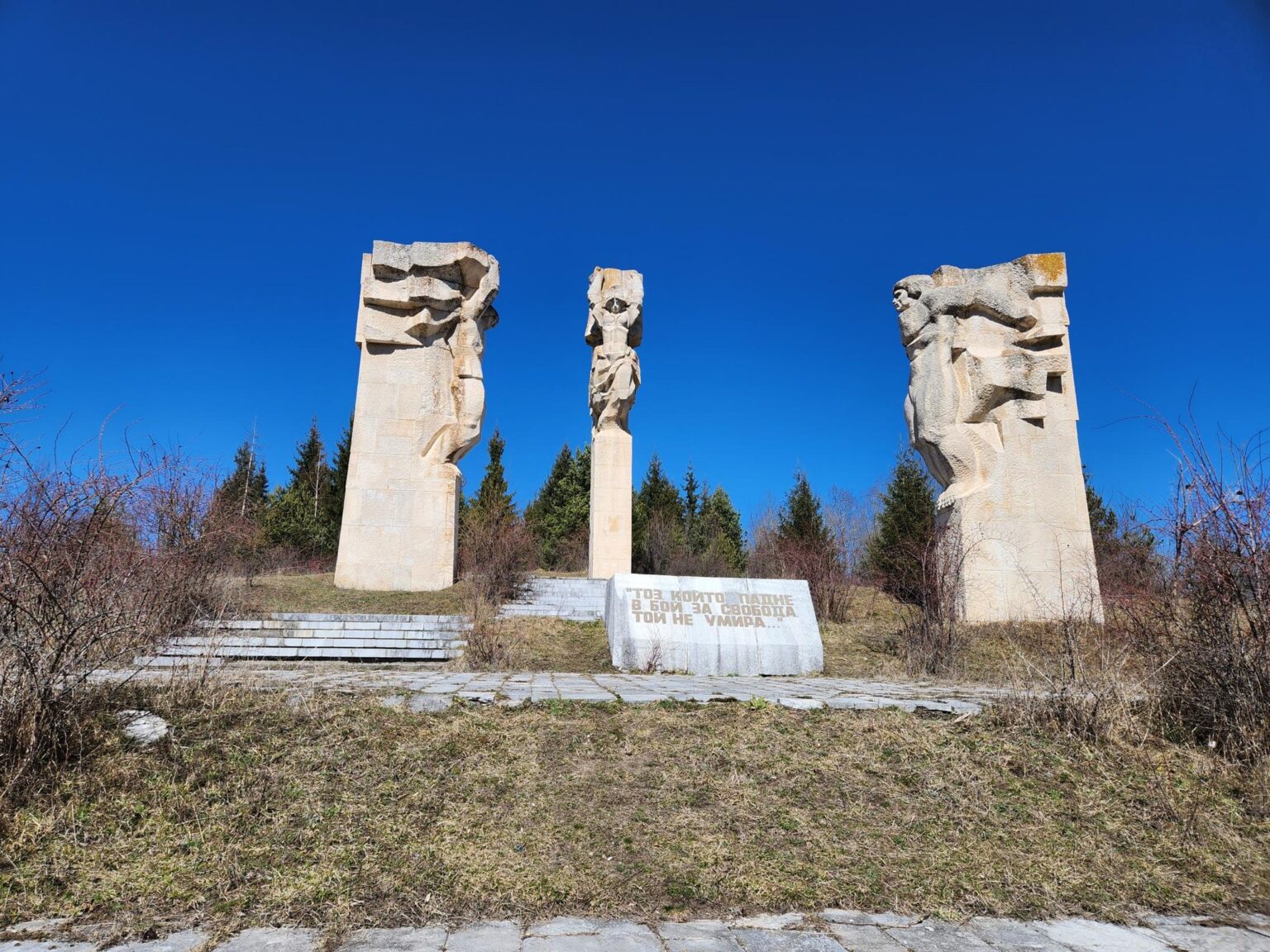
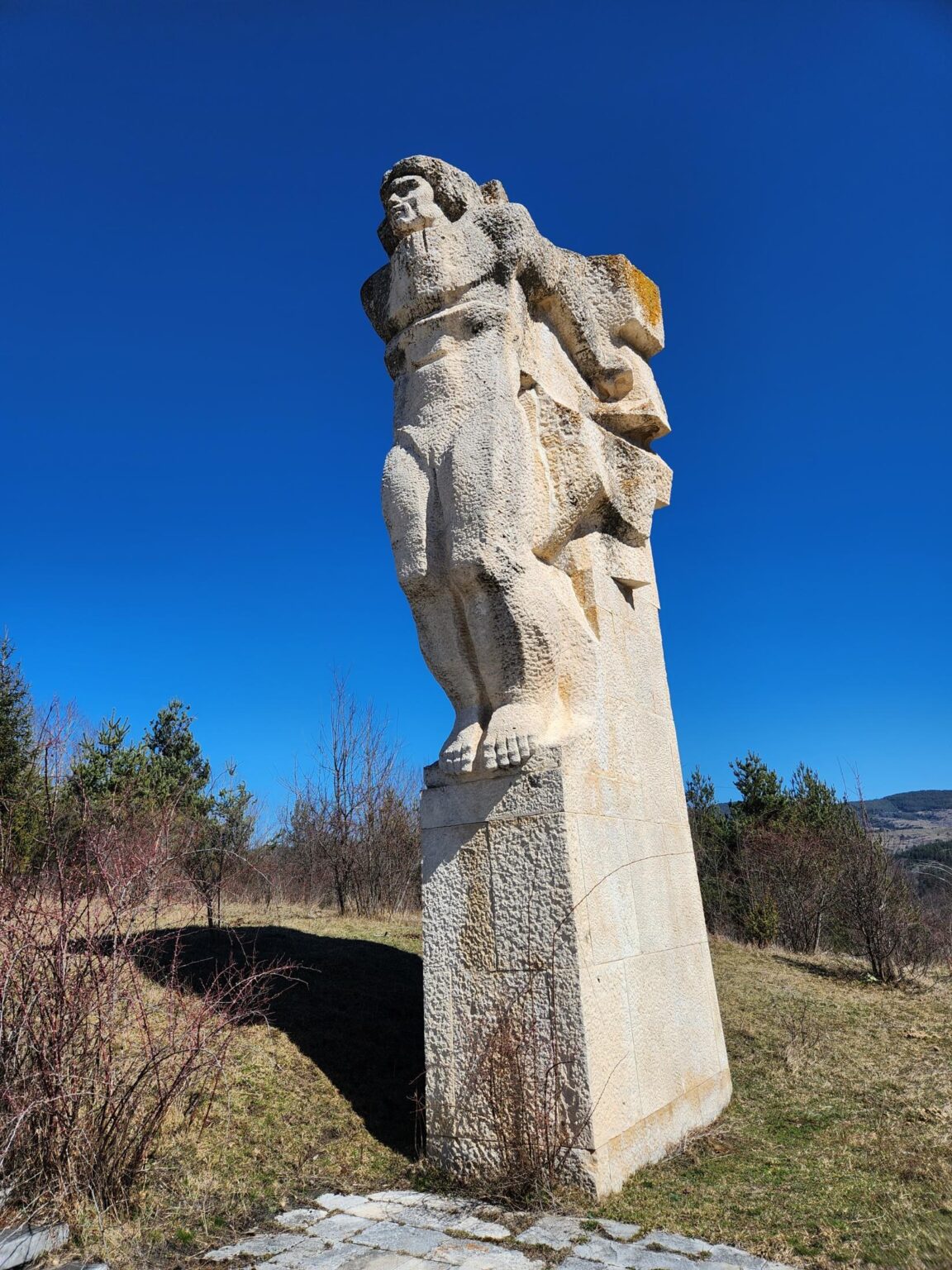
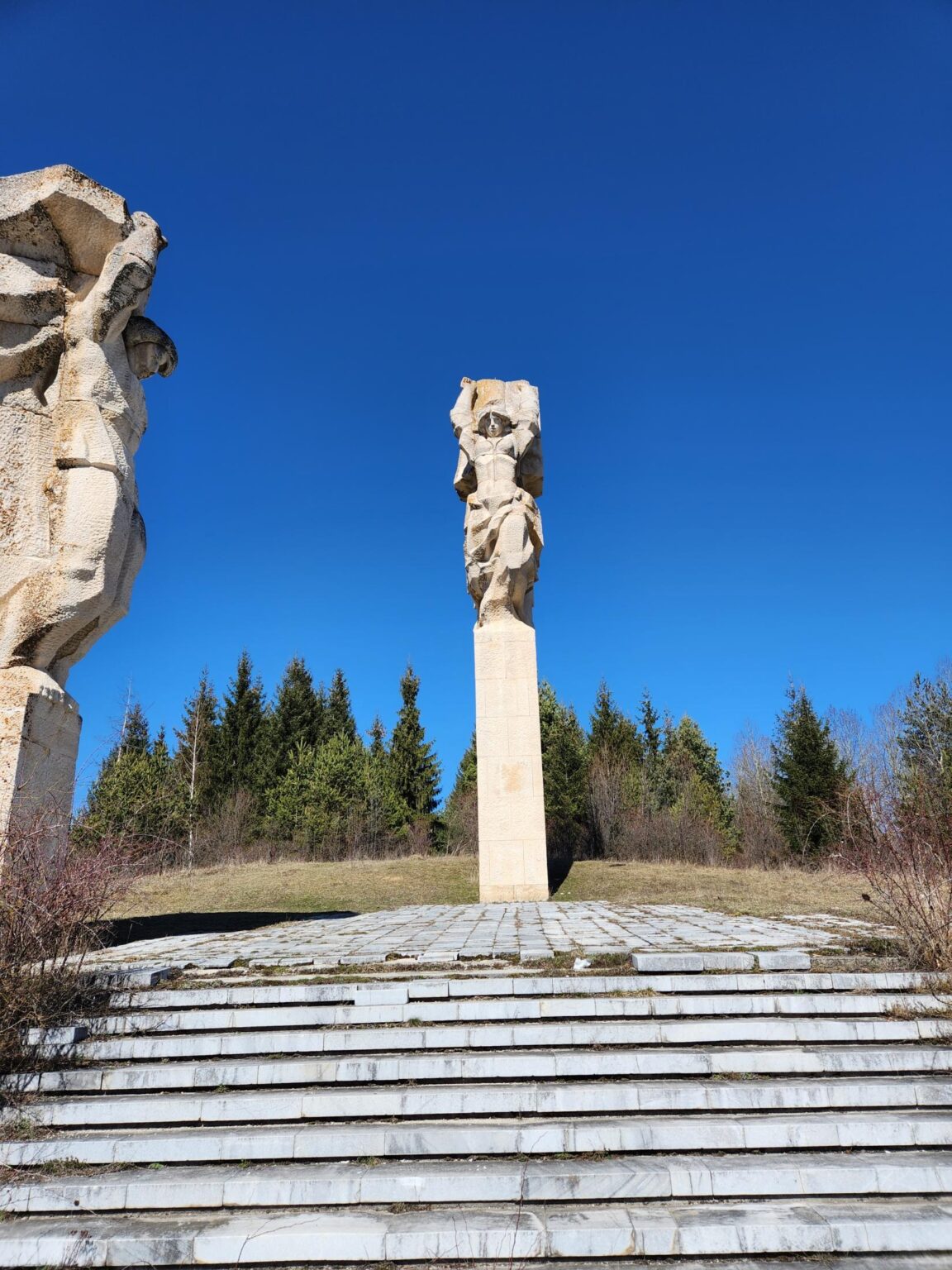
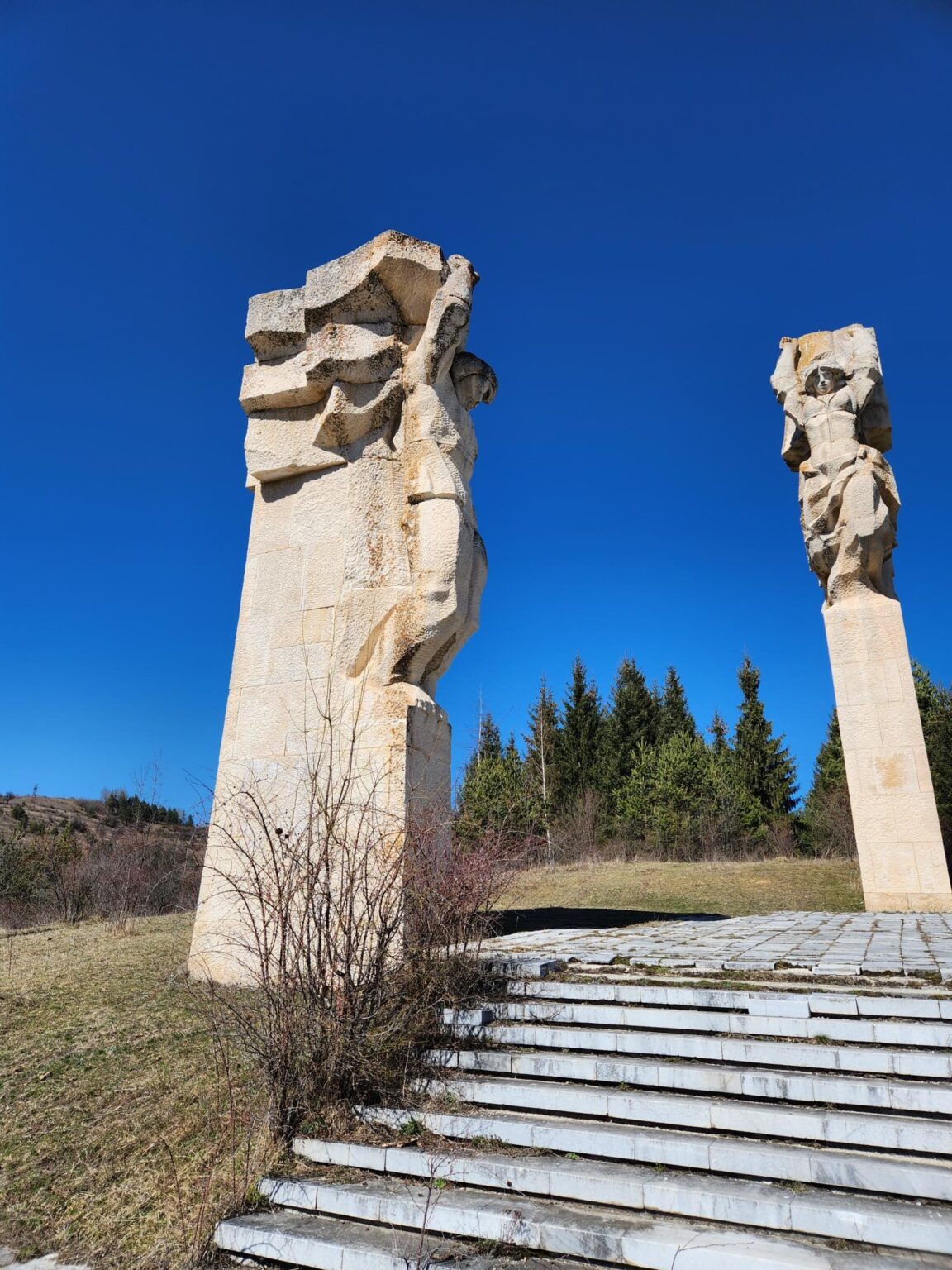
Coming back up from the crypt, our host at the museum explains that the Sharova House can only be seen after 14:00 outside the summer season. So there is some time to kill. And look — monuments and a cross sticking up on a hill not far off? Looks like a 15 to 20 minute walk from the history museum. Fits the programme perfectly.
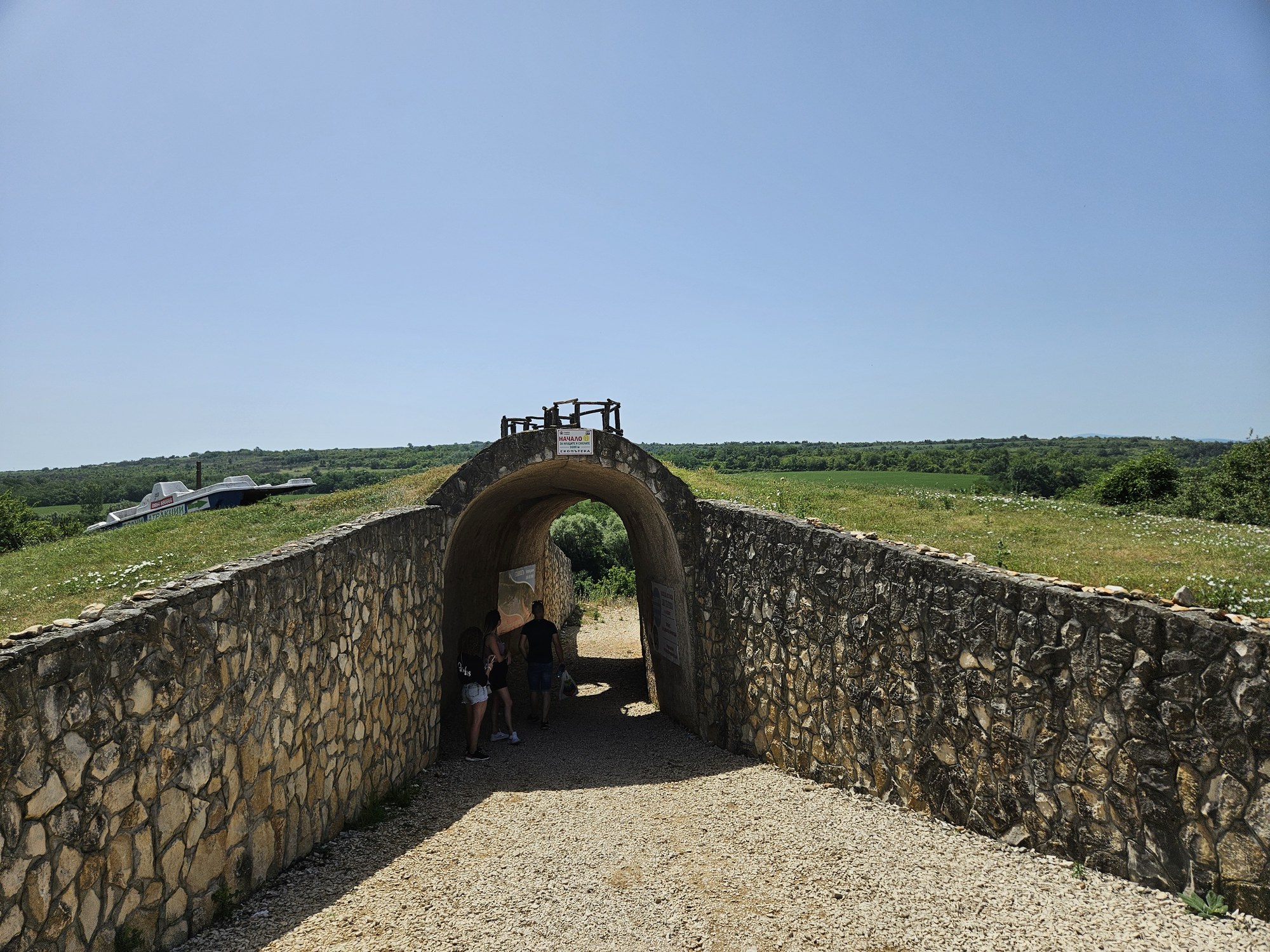
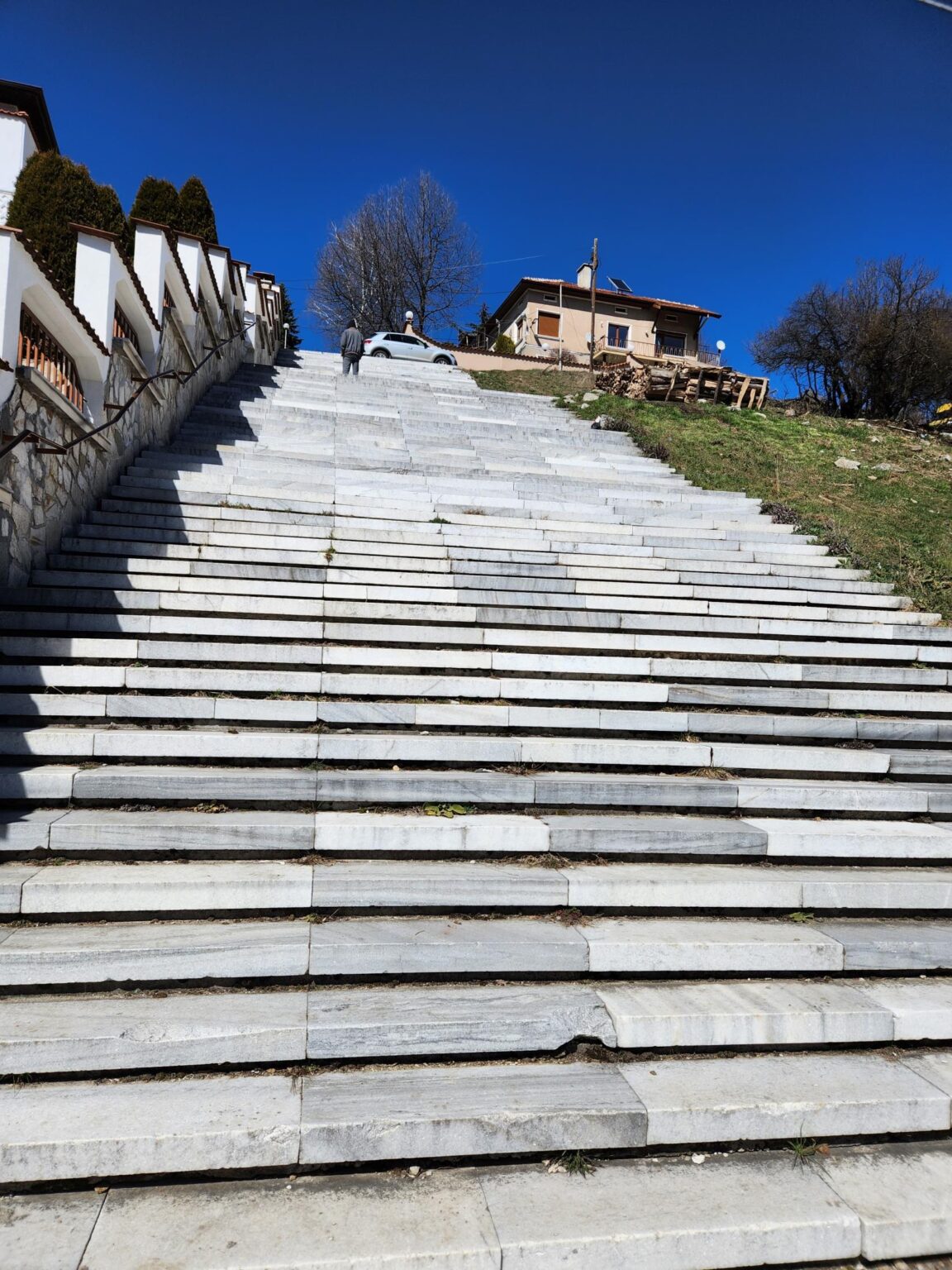
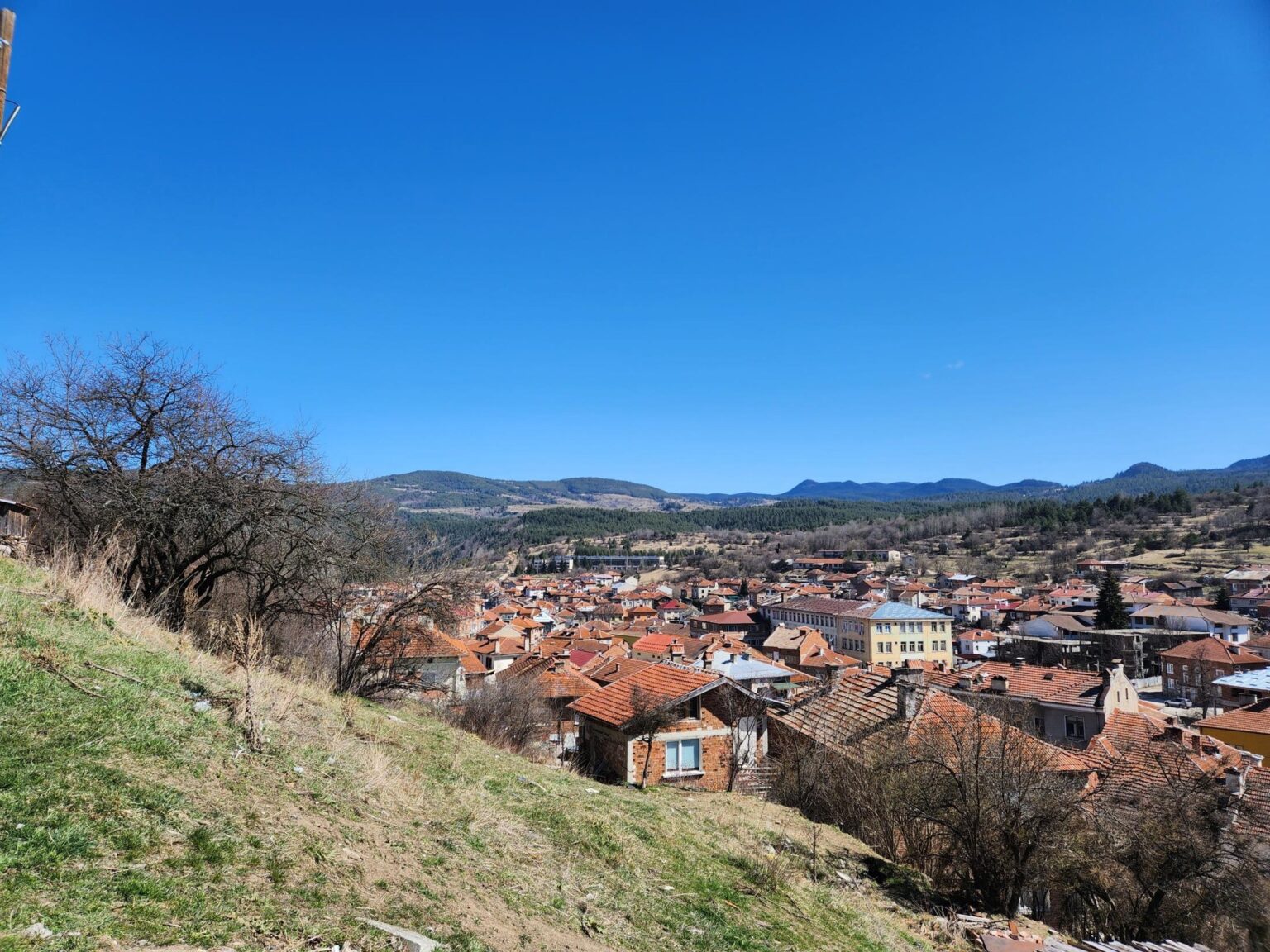
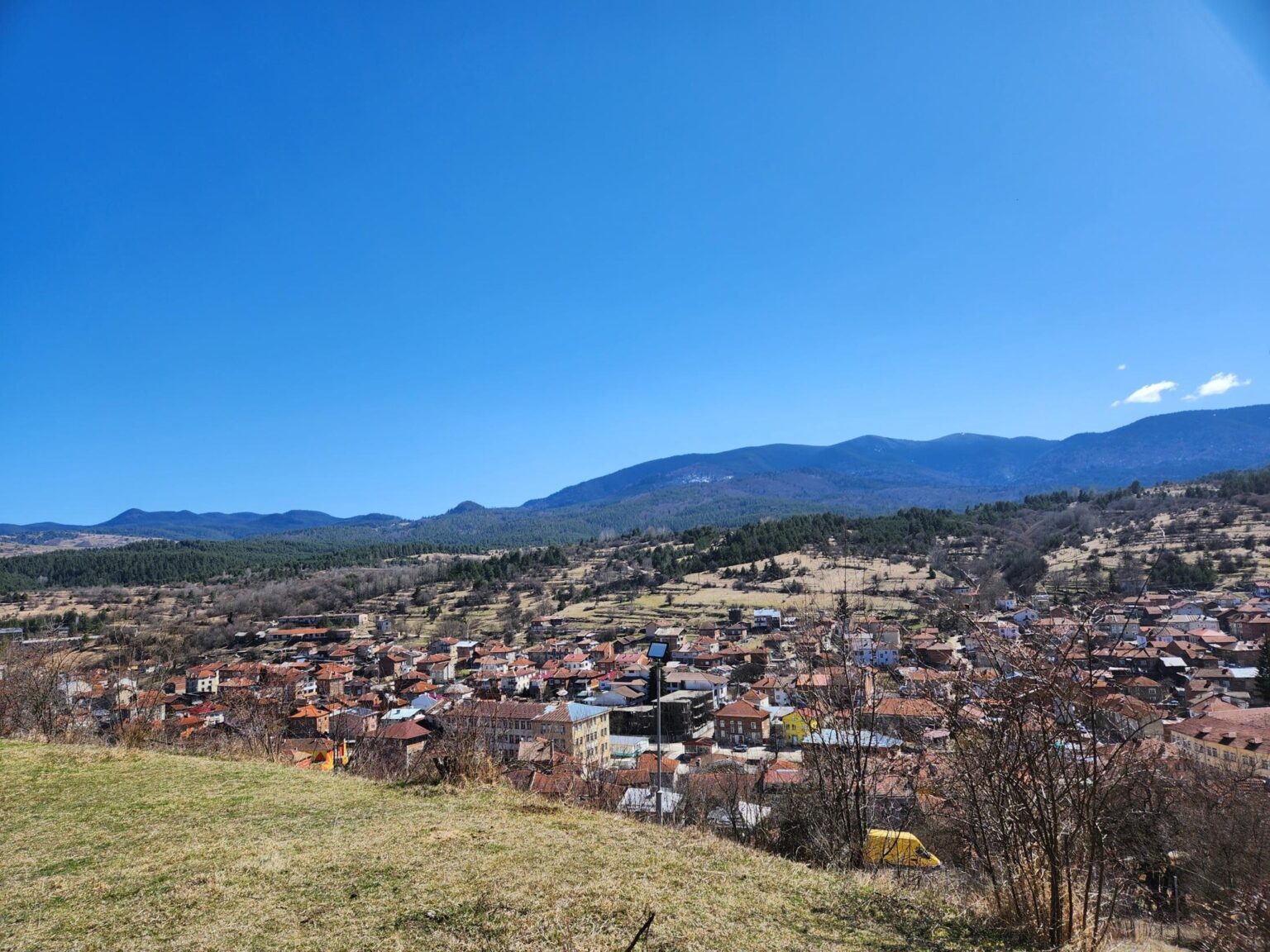
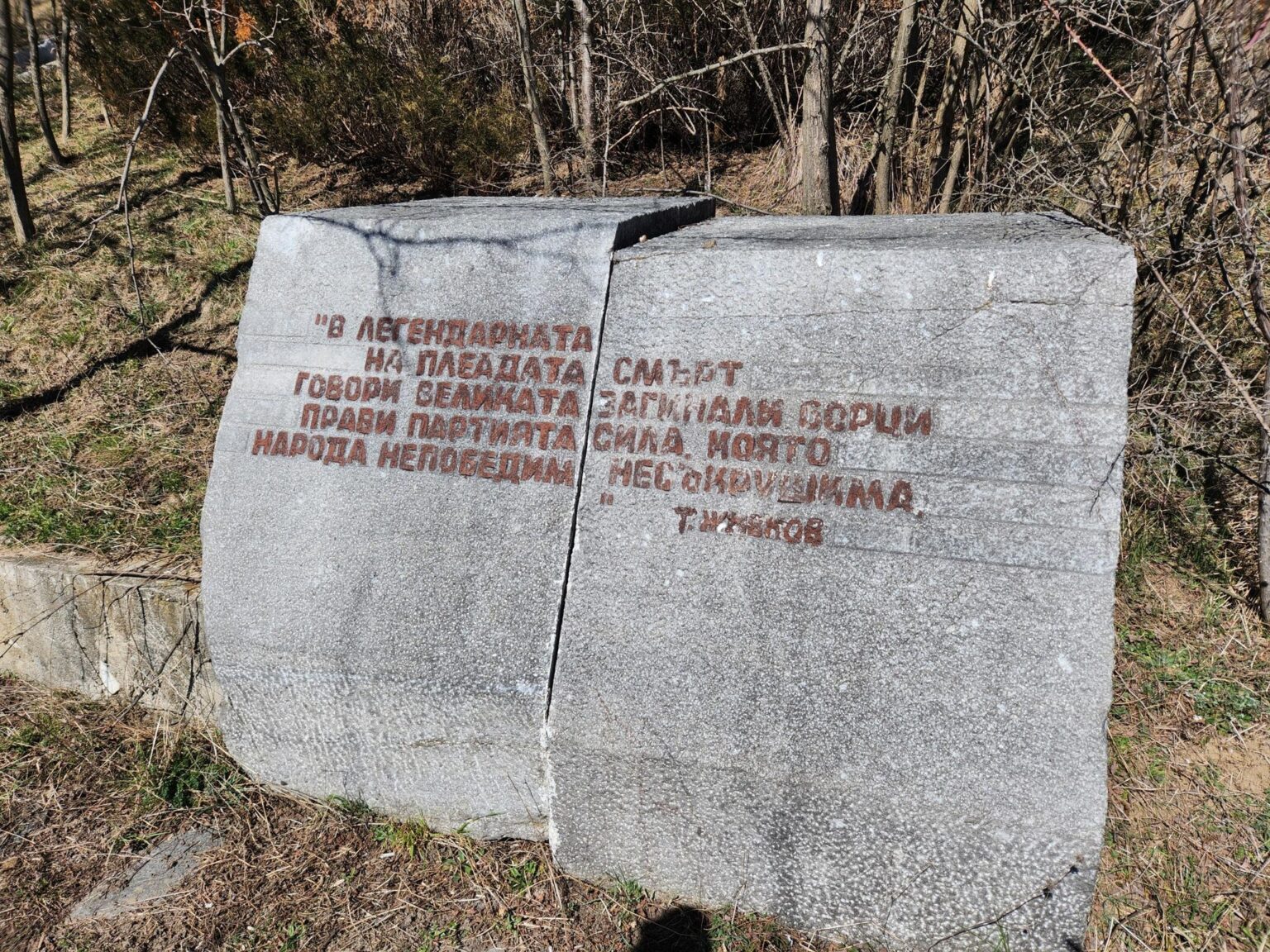
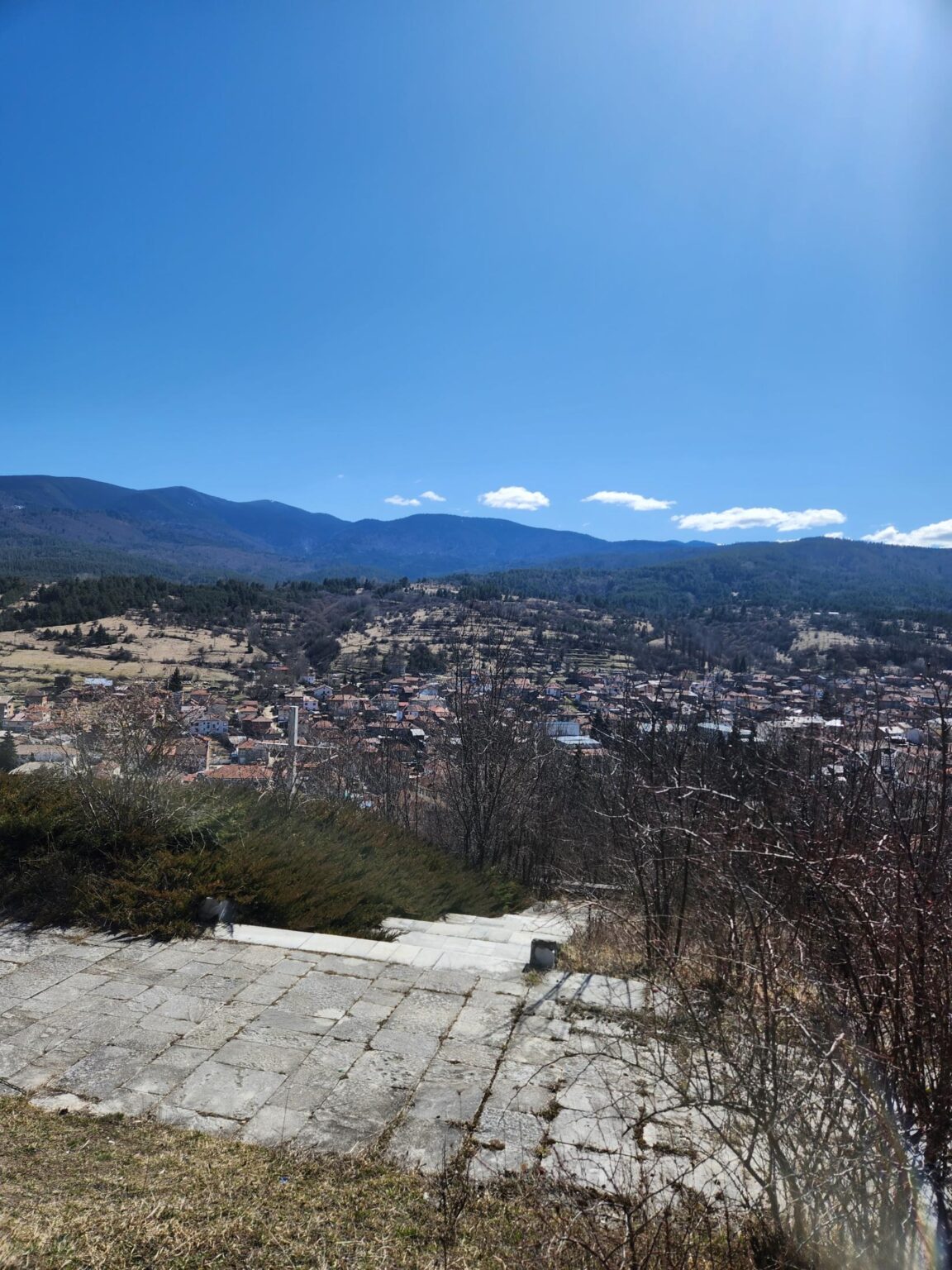
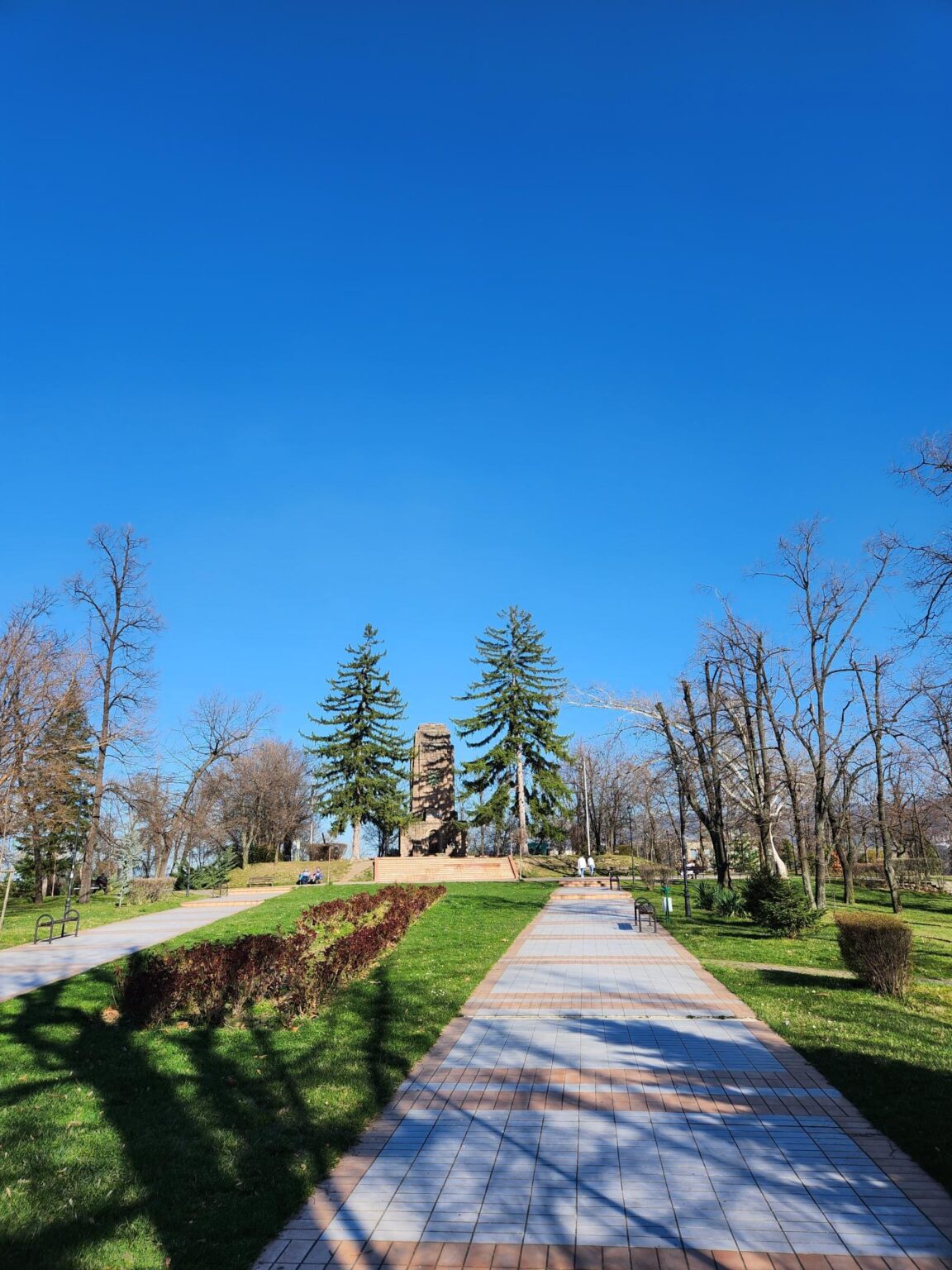
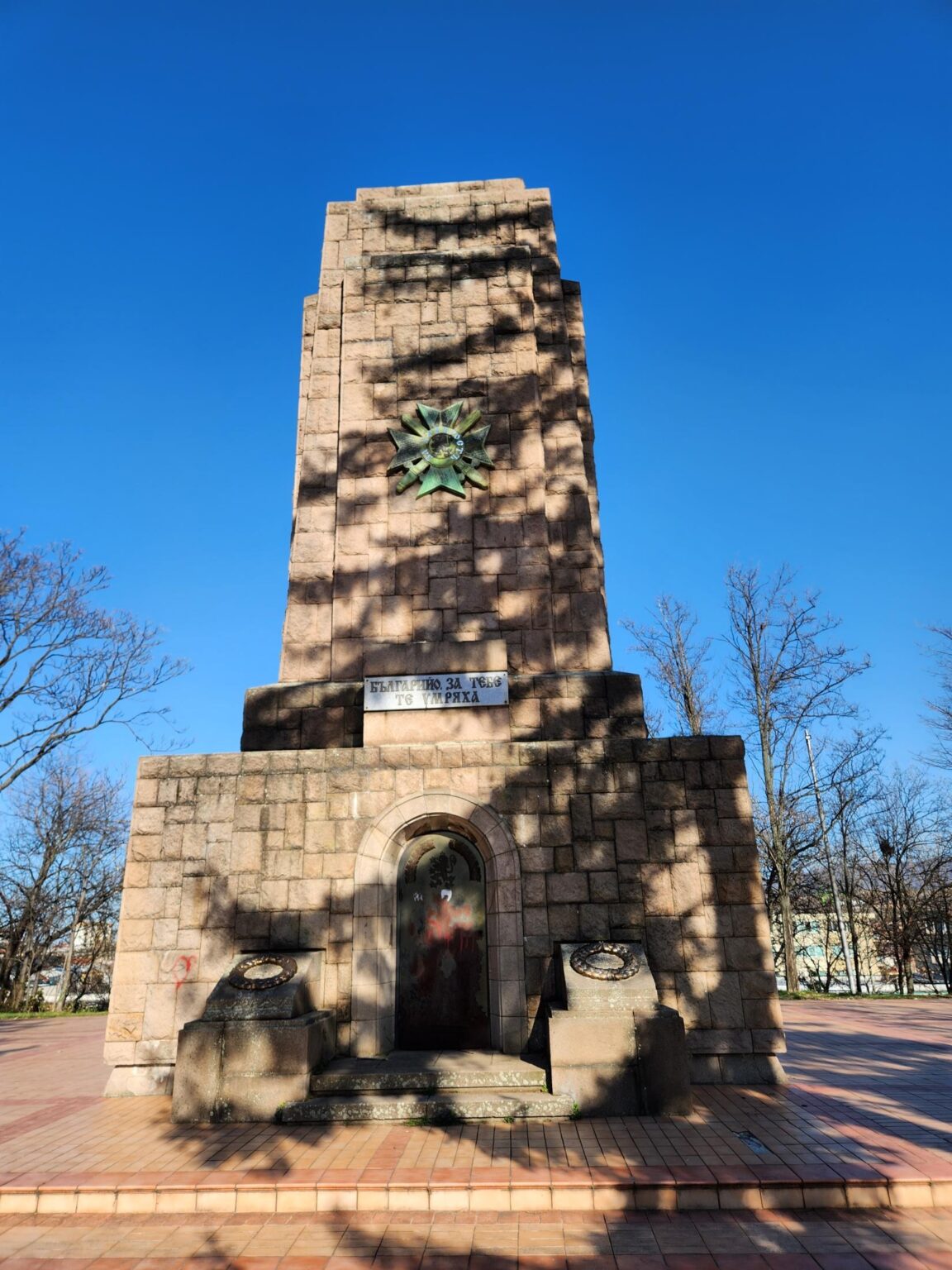
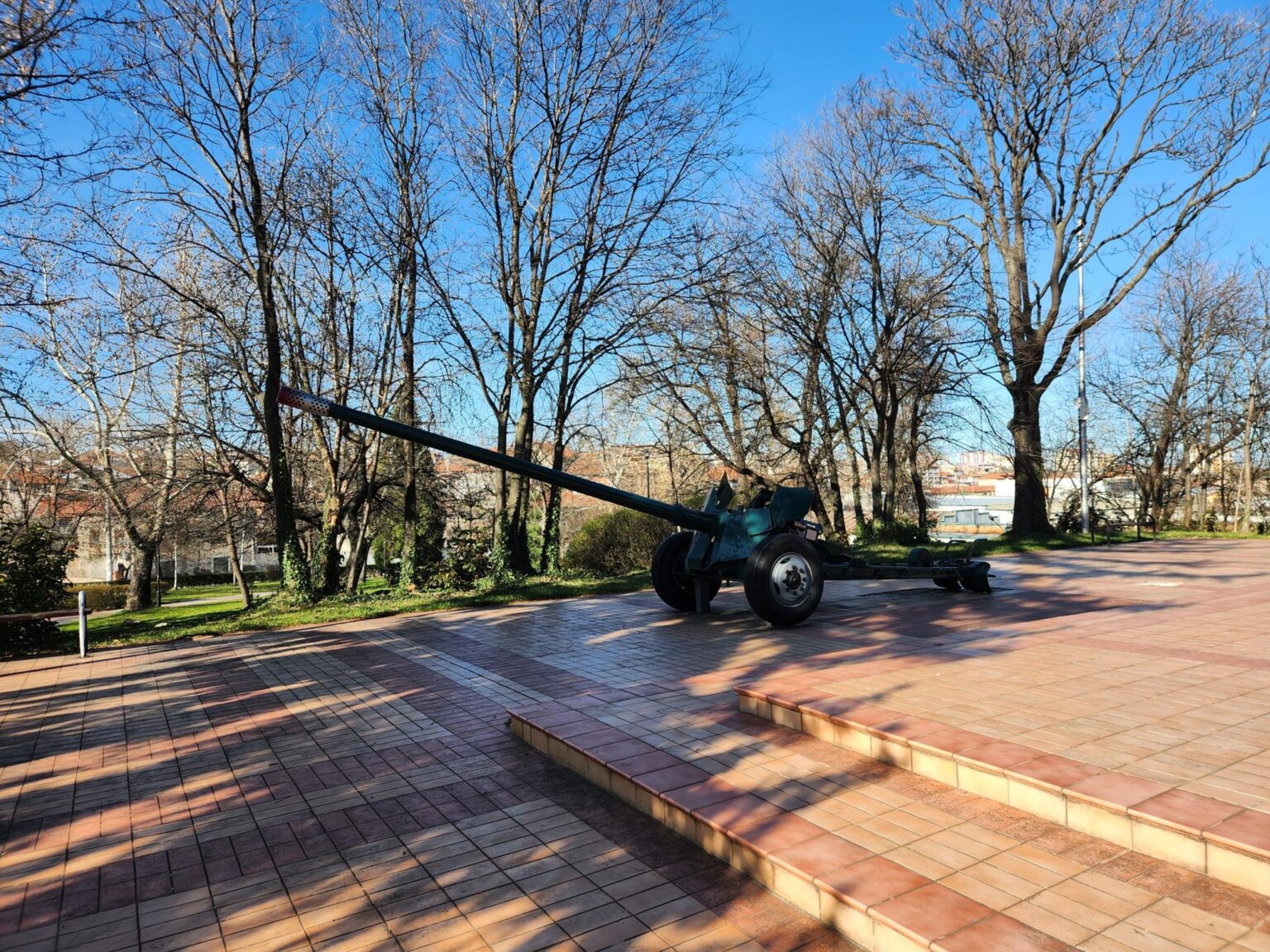
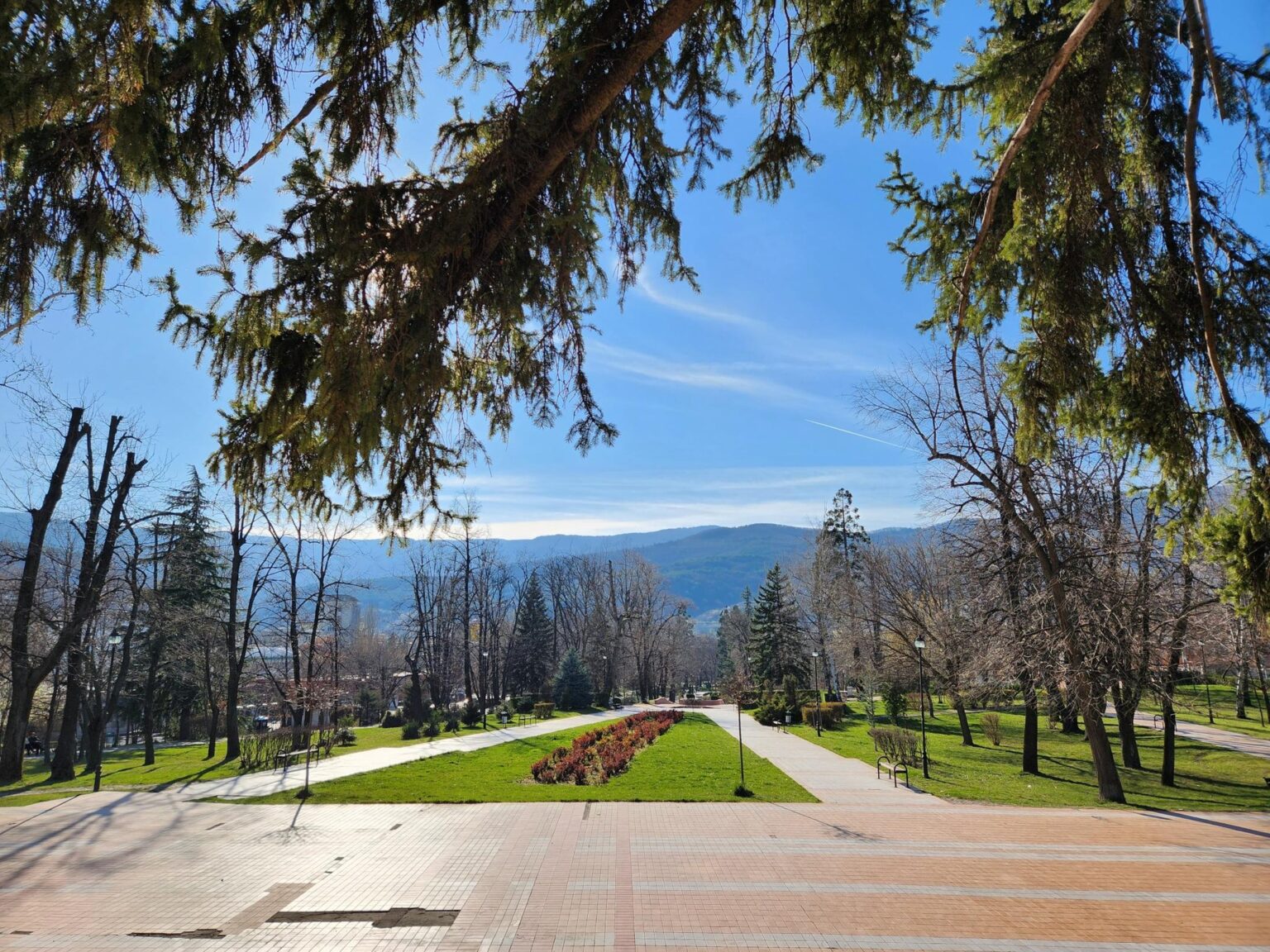
There is not much explanation along the way, so you read it up online afterwards. In short: this is a memorial opened in 1978, for the centenary of the Liberation. Its themes are the Batak massacre and the work of the partisan detachment mentioned above — "Two epochs, one ideal: freedom". The climb is not hard, it is up steps, and from the top there is a very good panorama over Batak that makes postcard-grade photos.
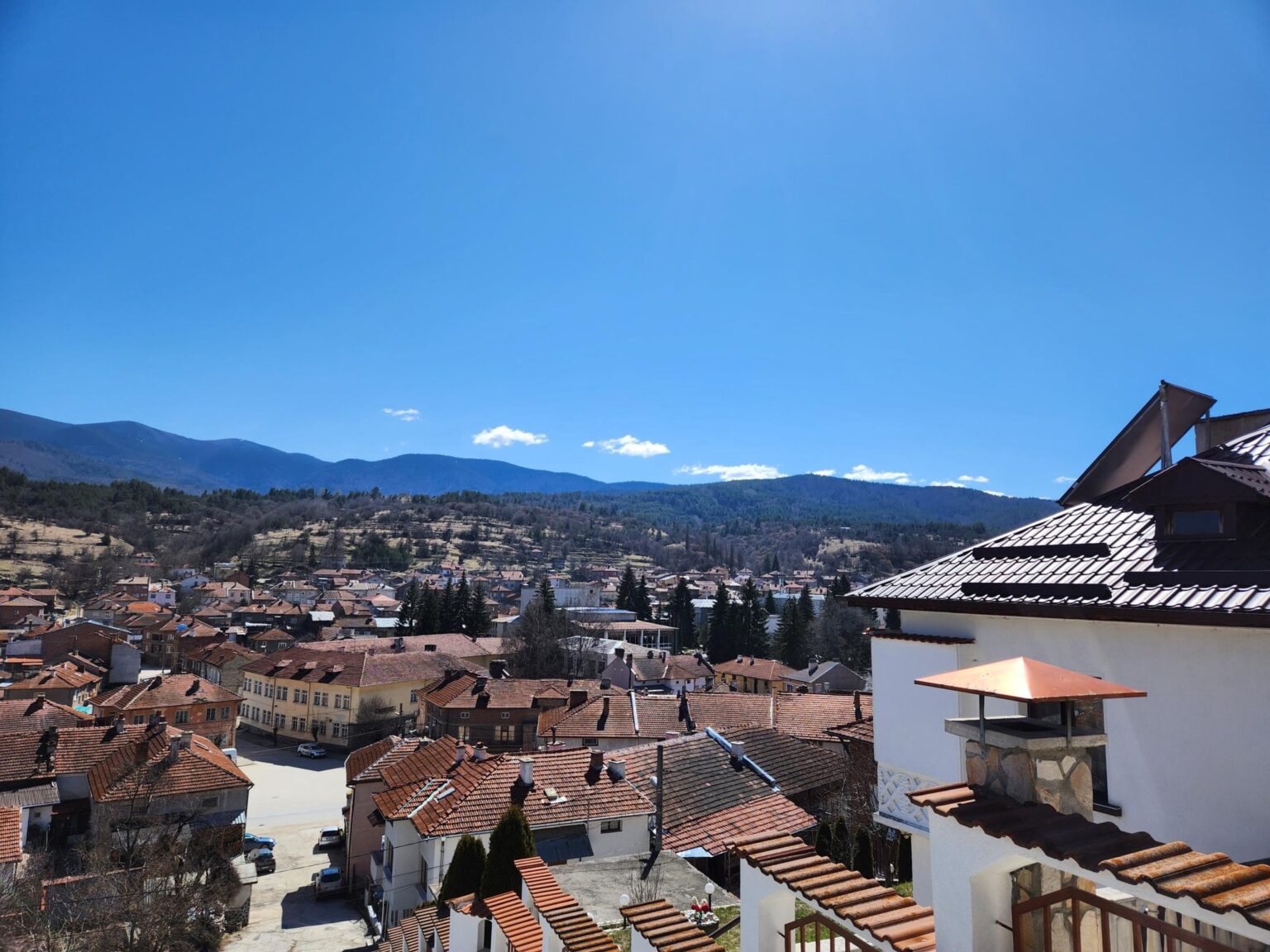
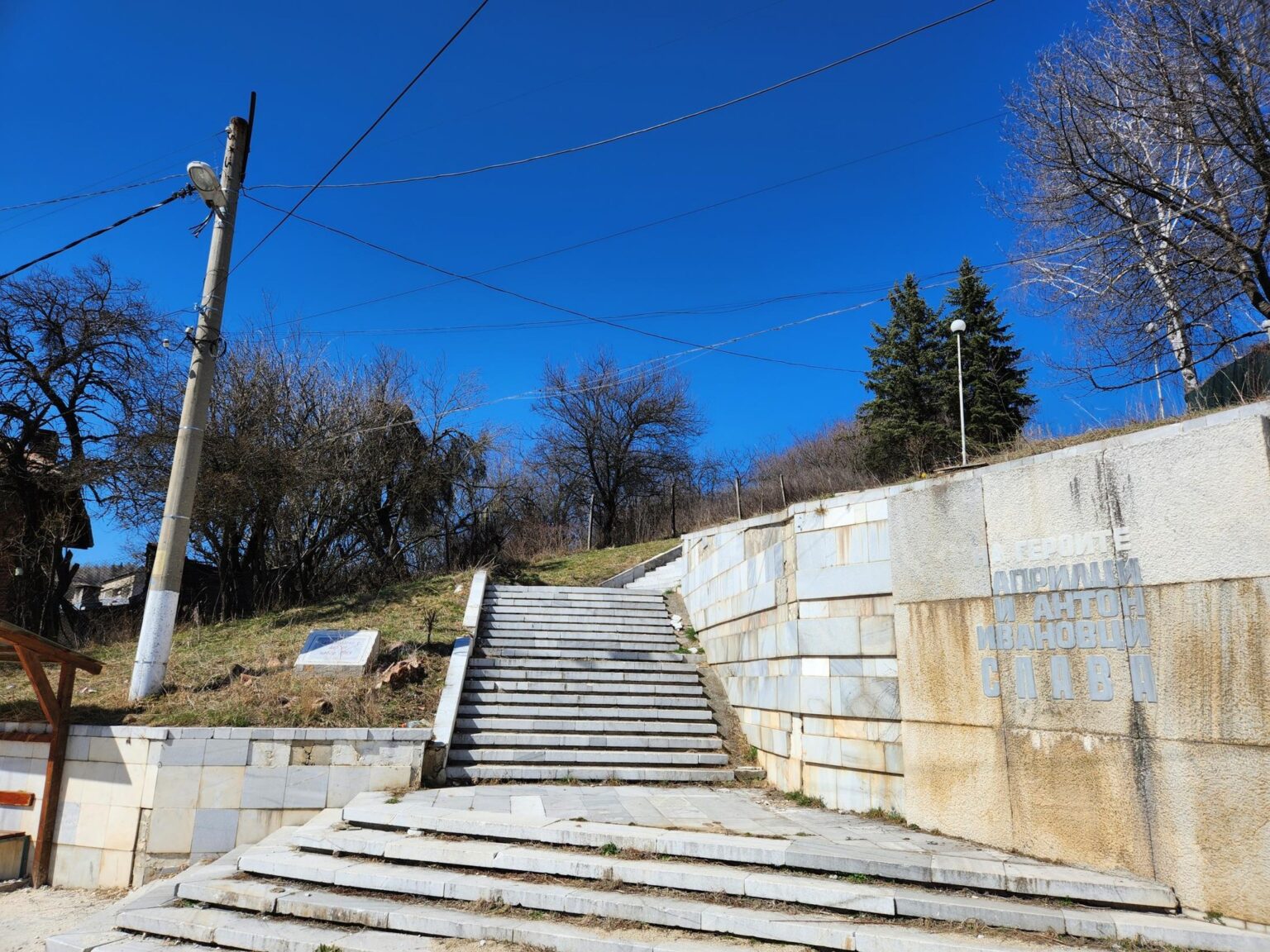
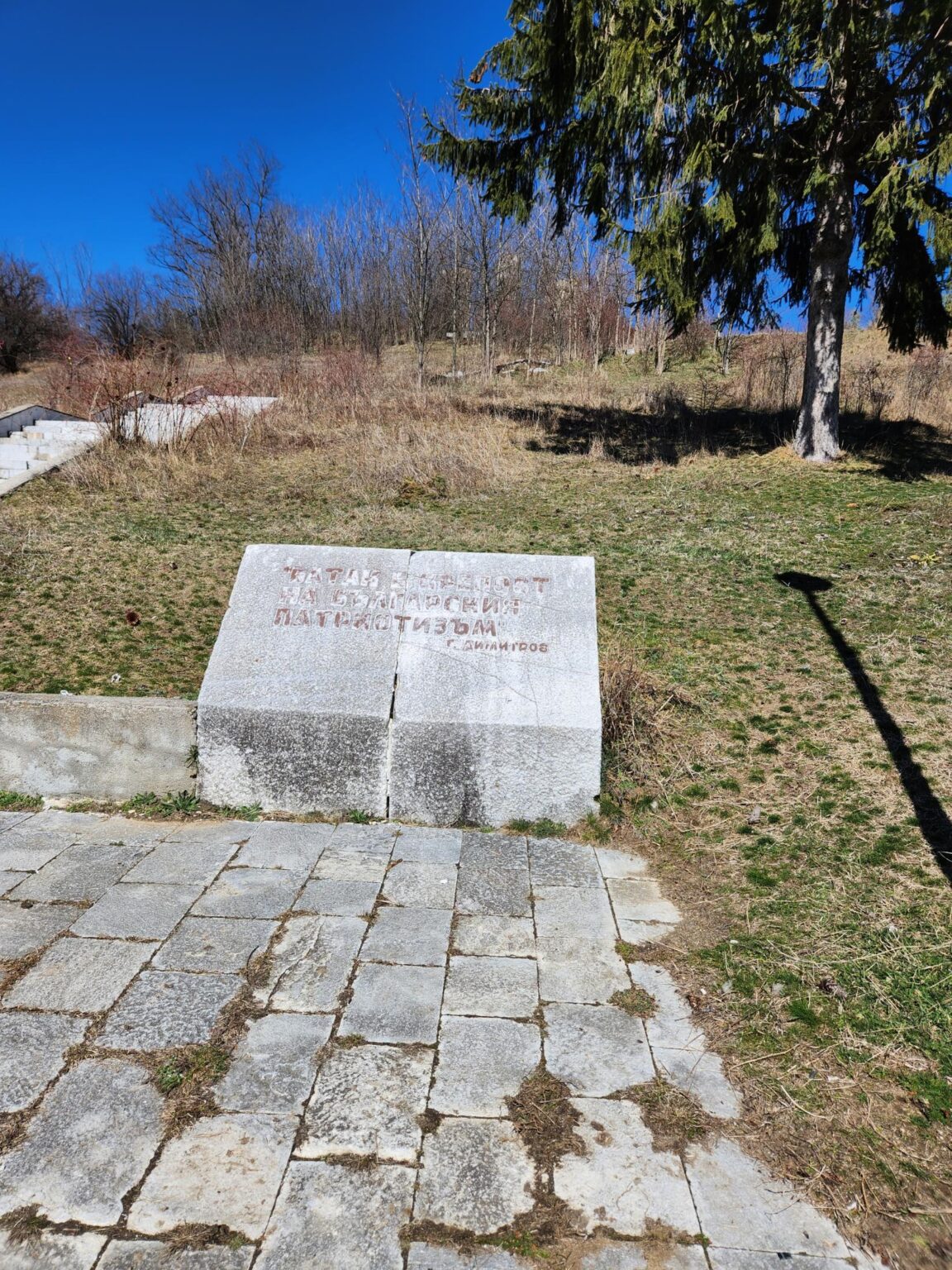
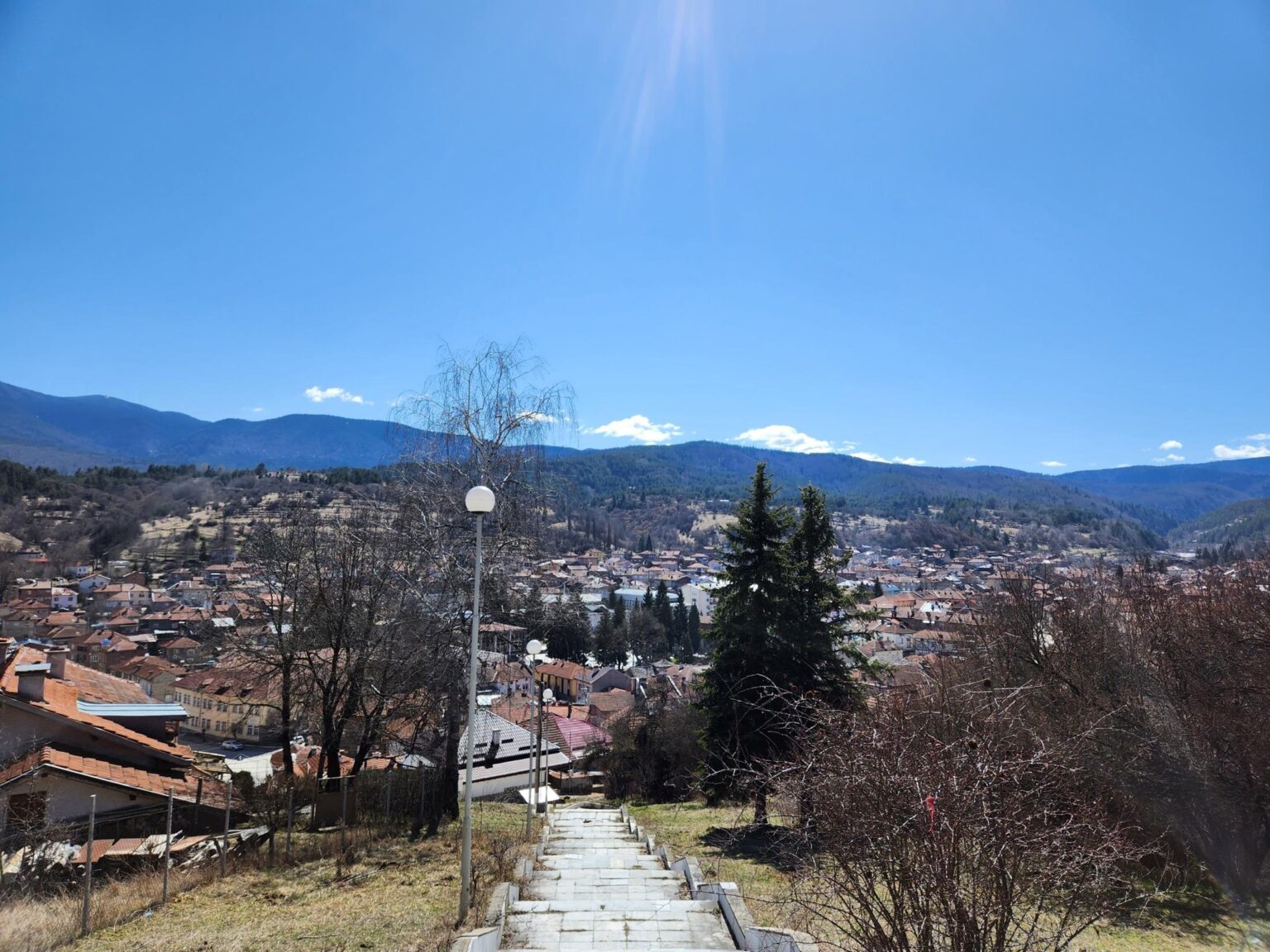
The Balinova House
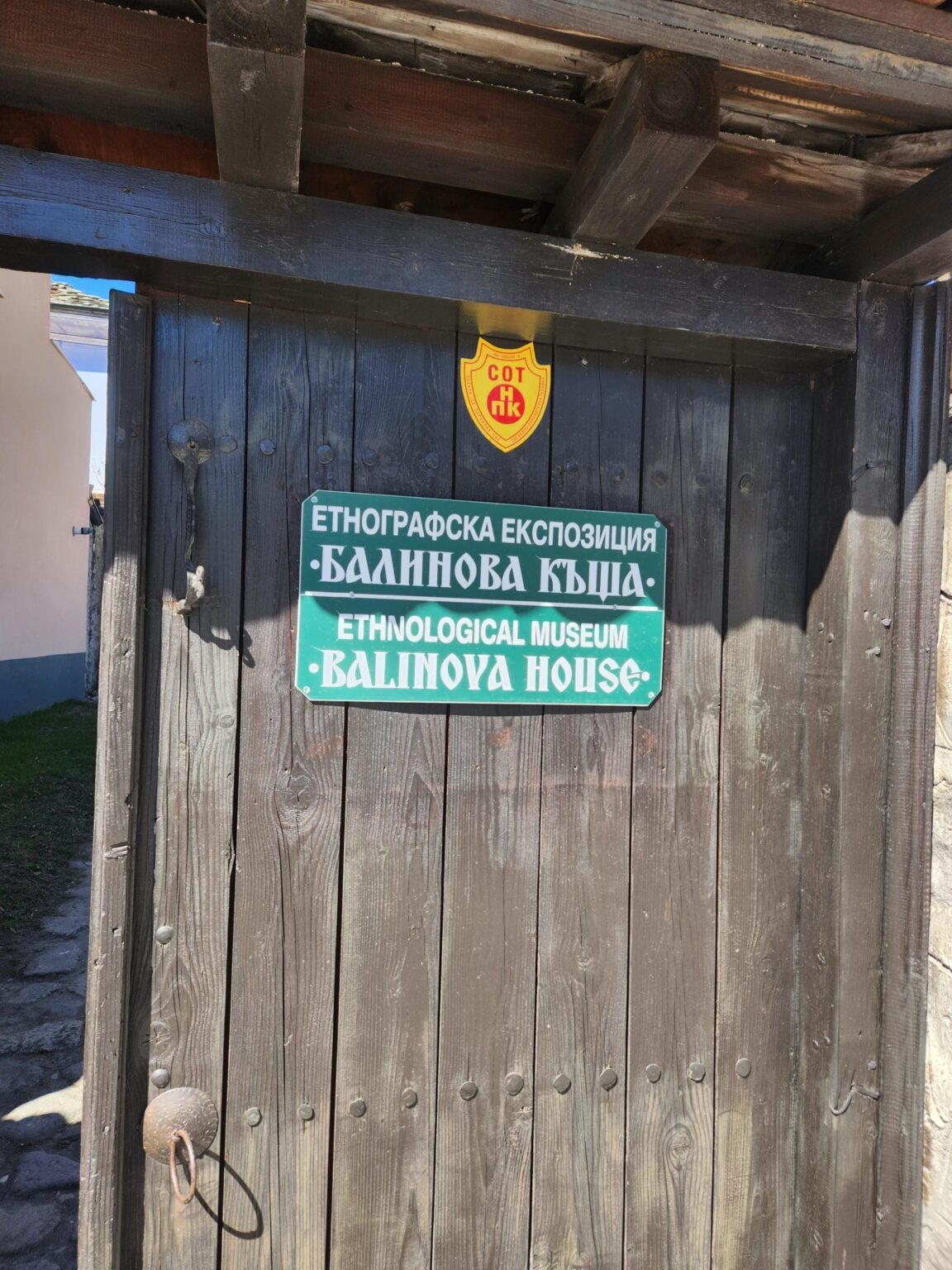
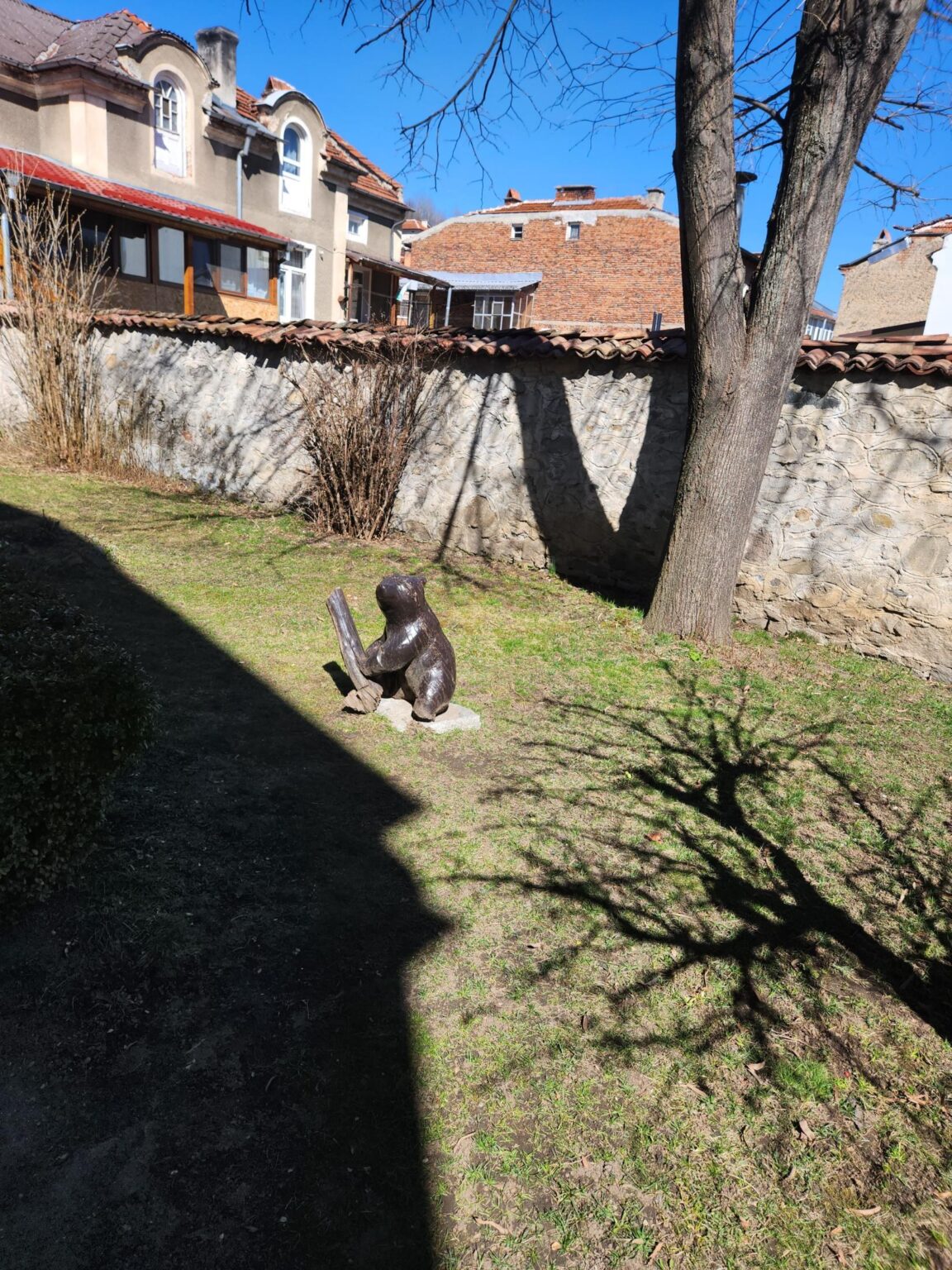
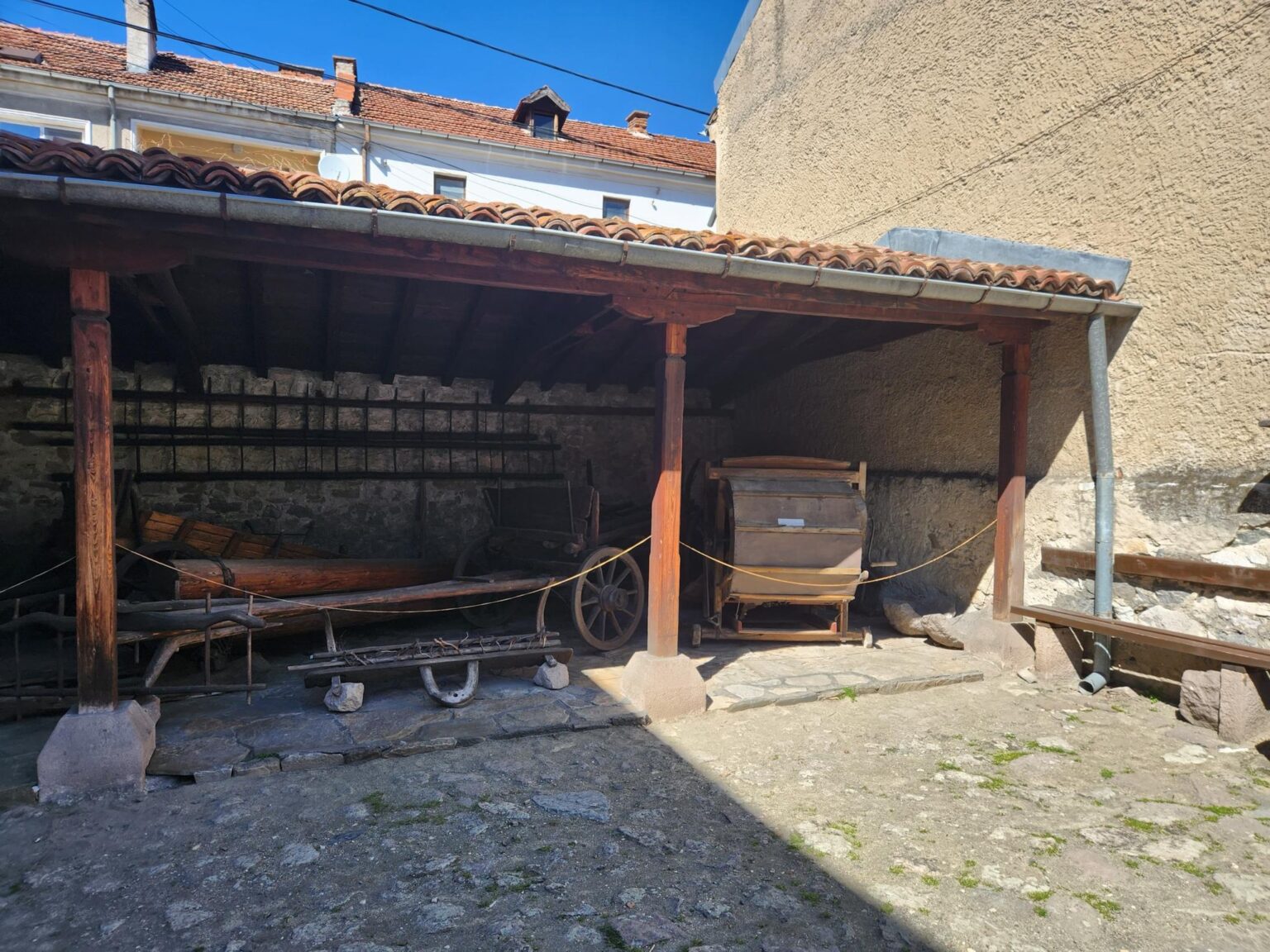
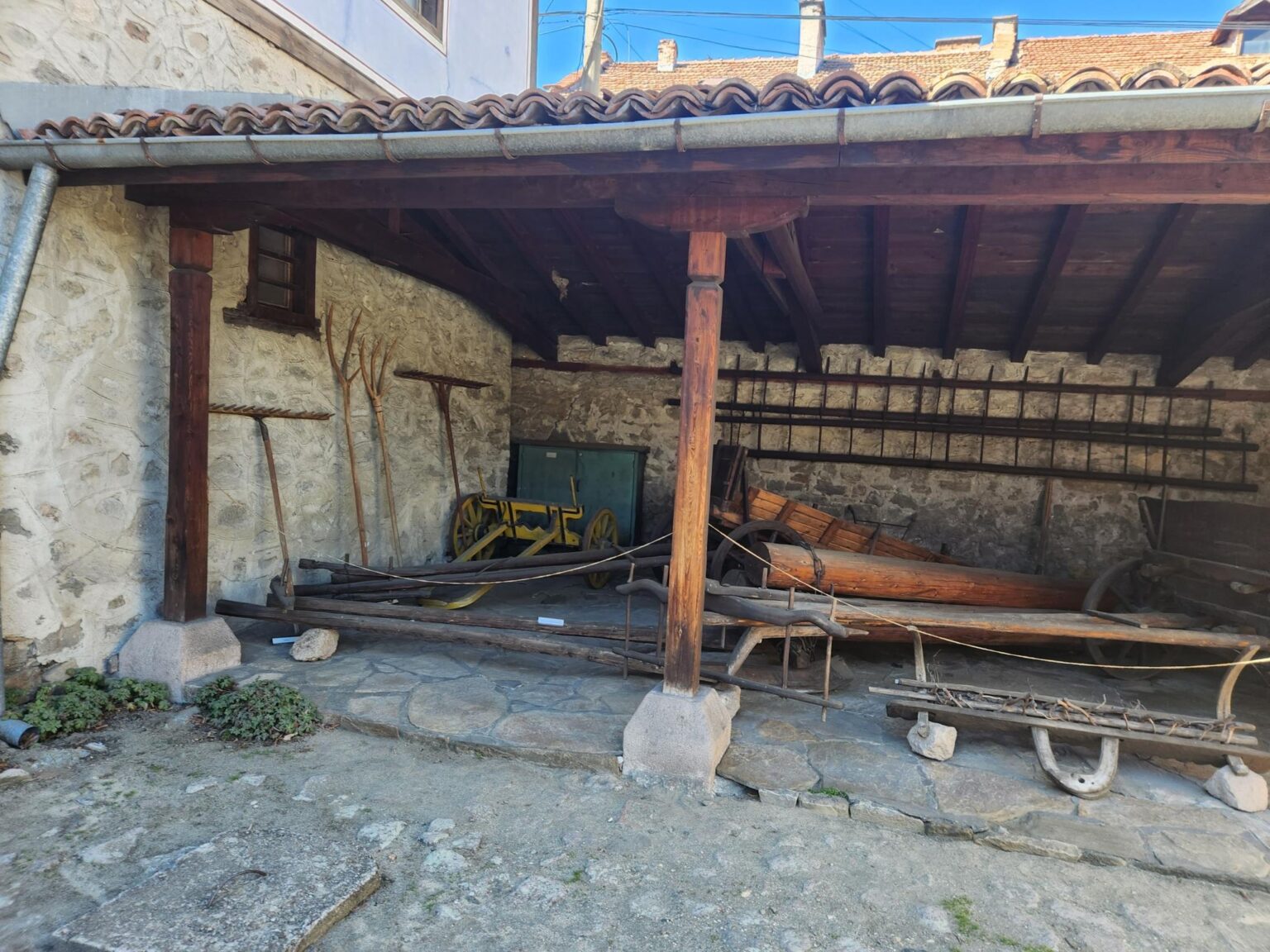
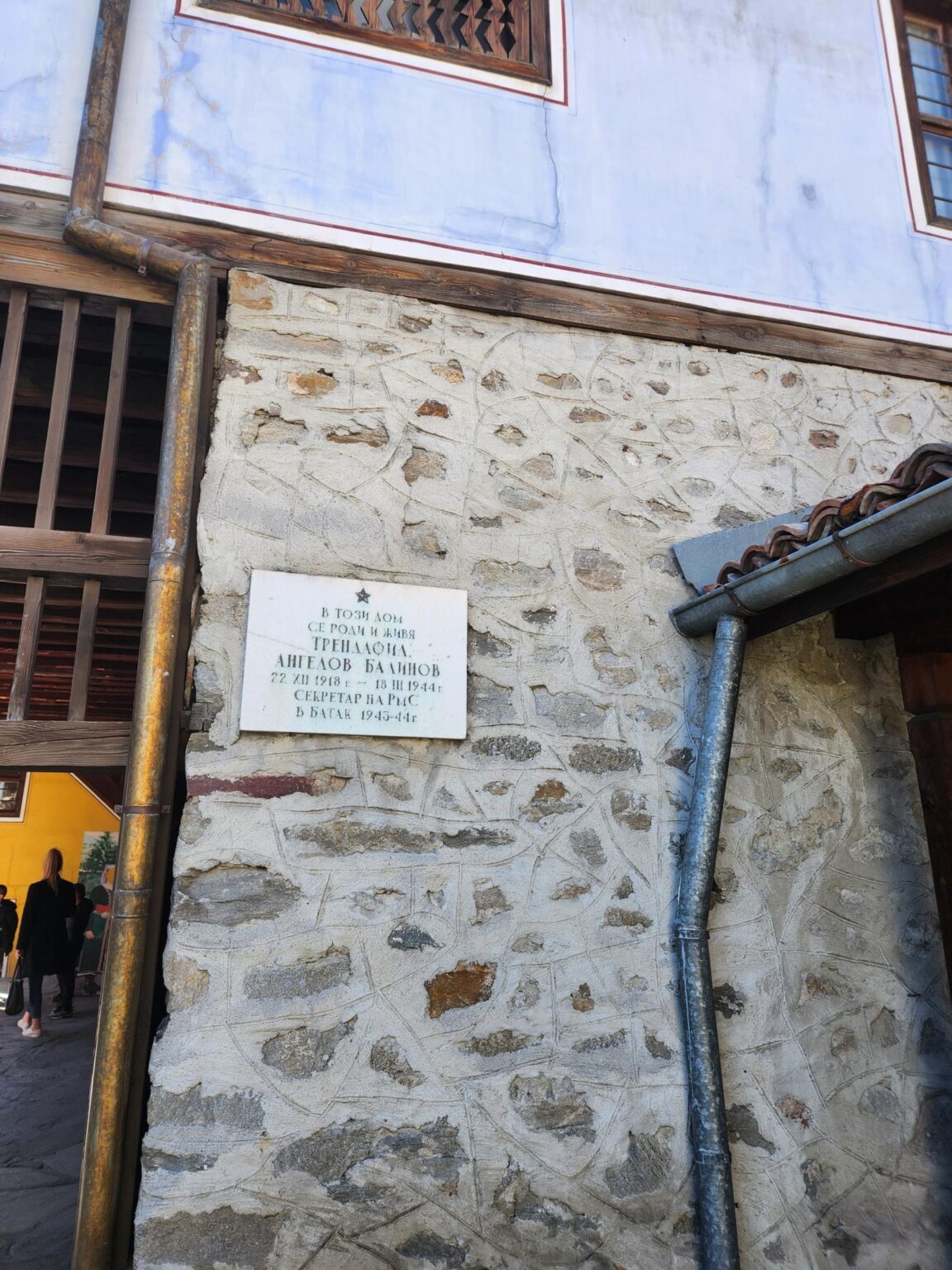
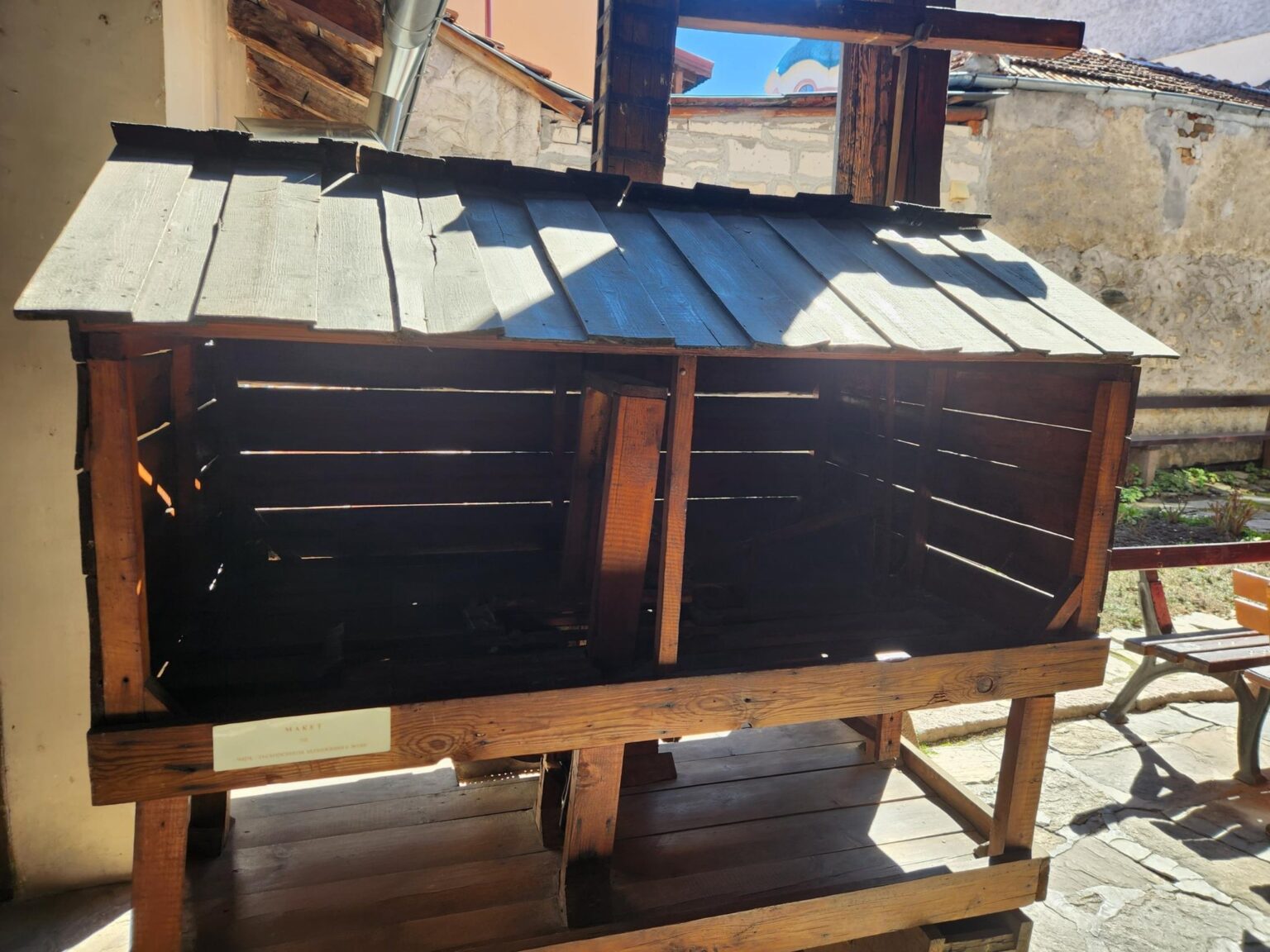
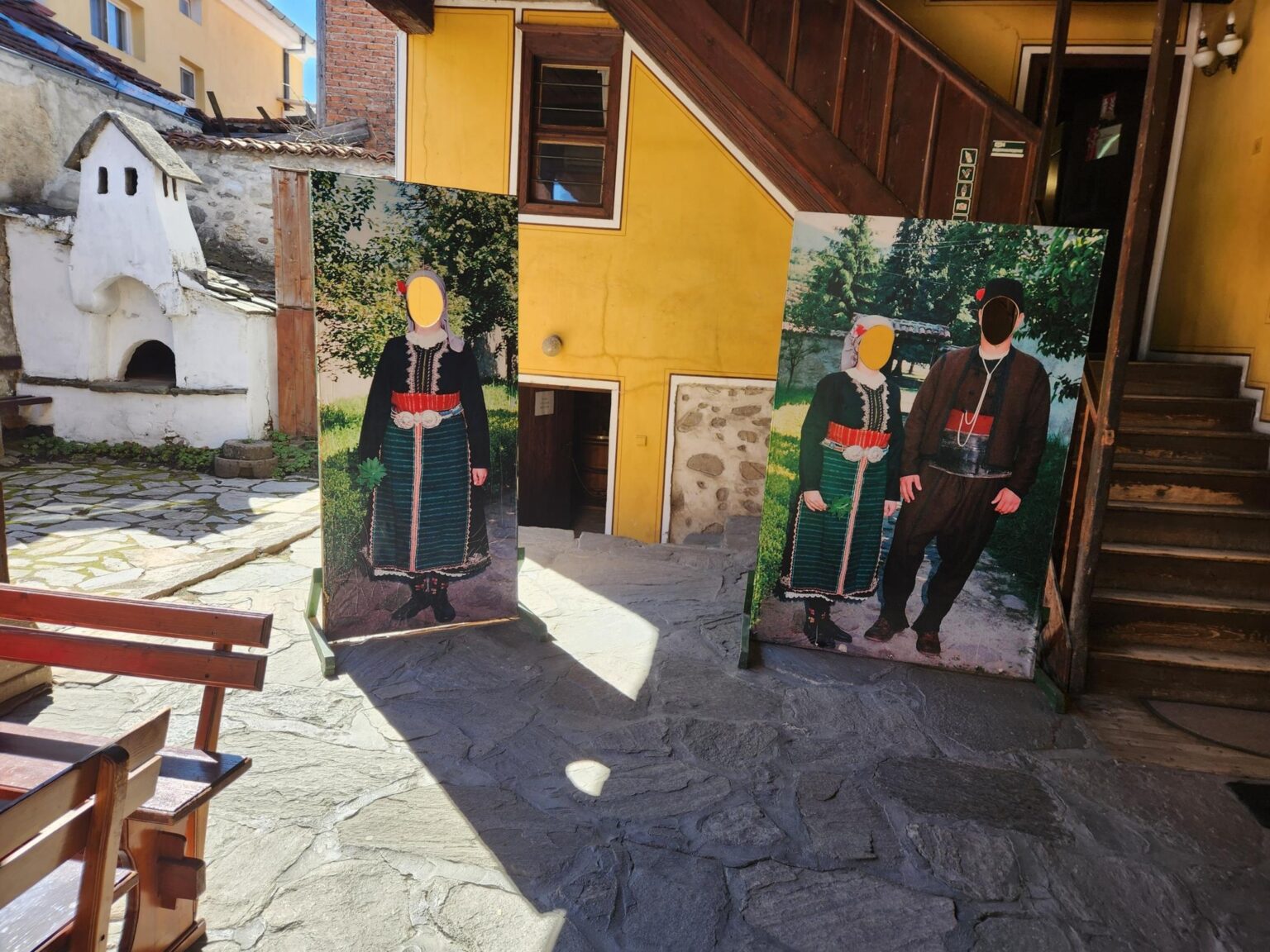
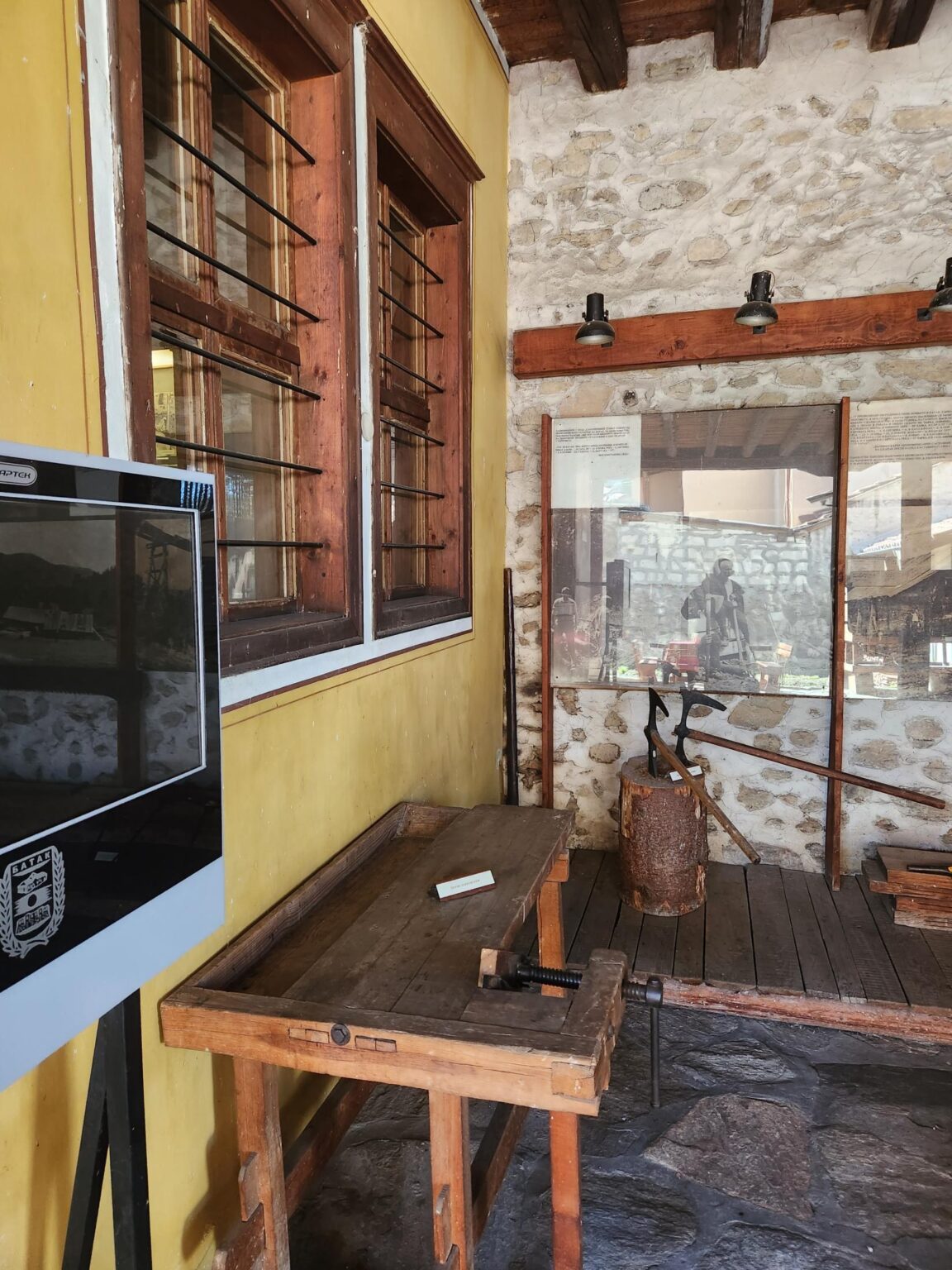
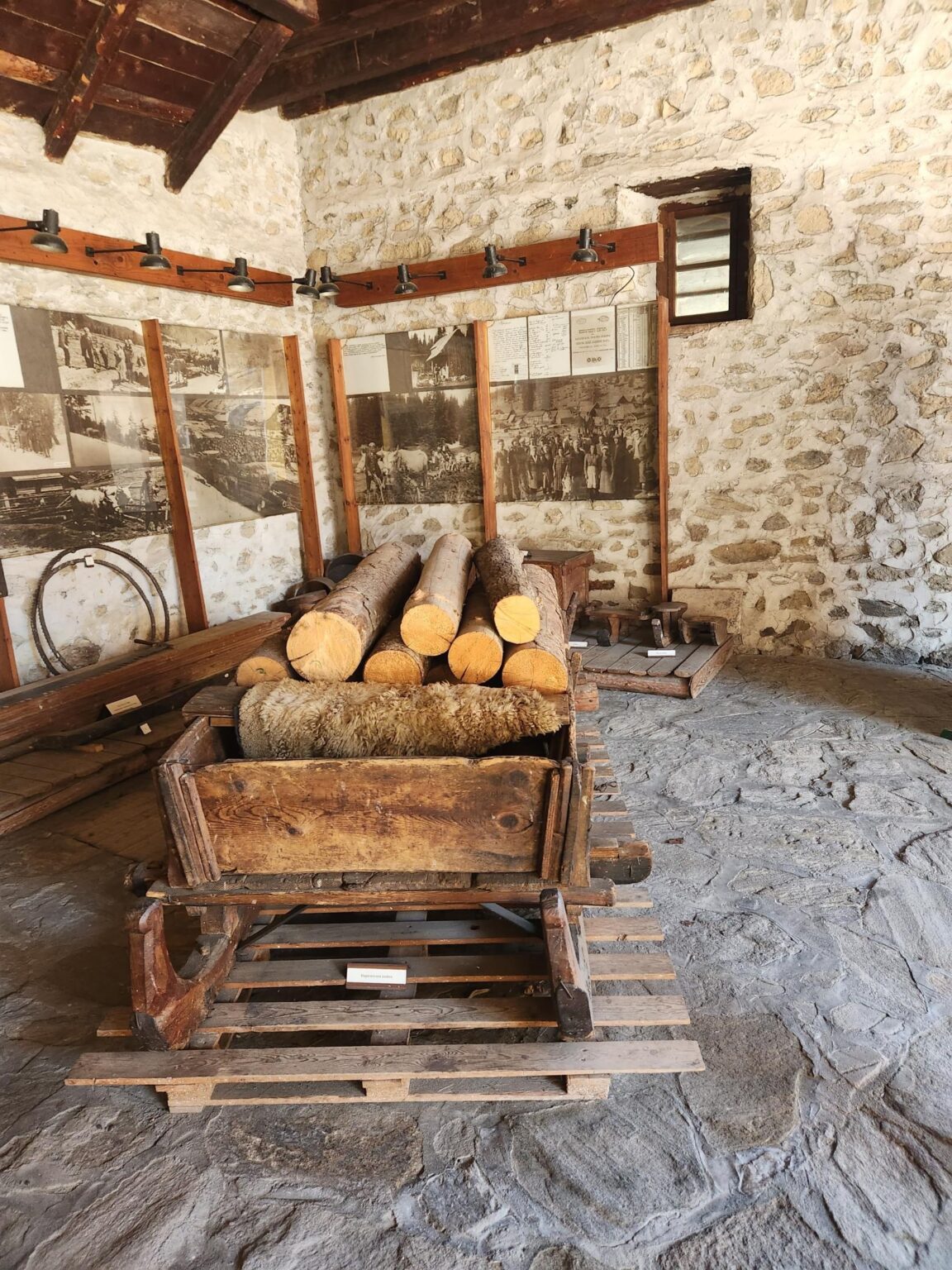
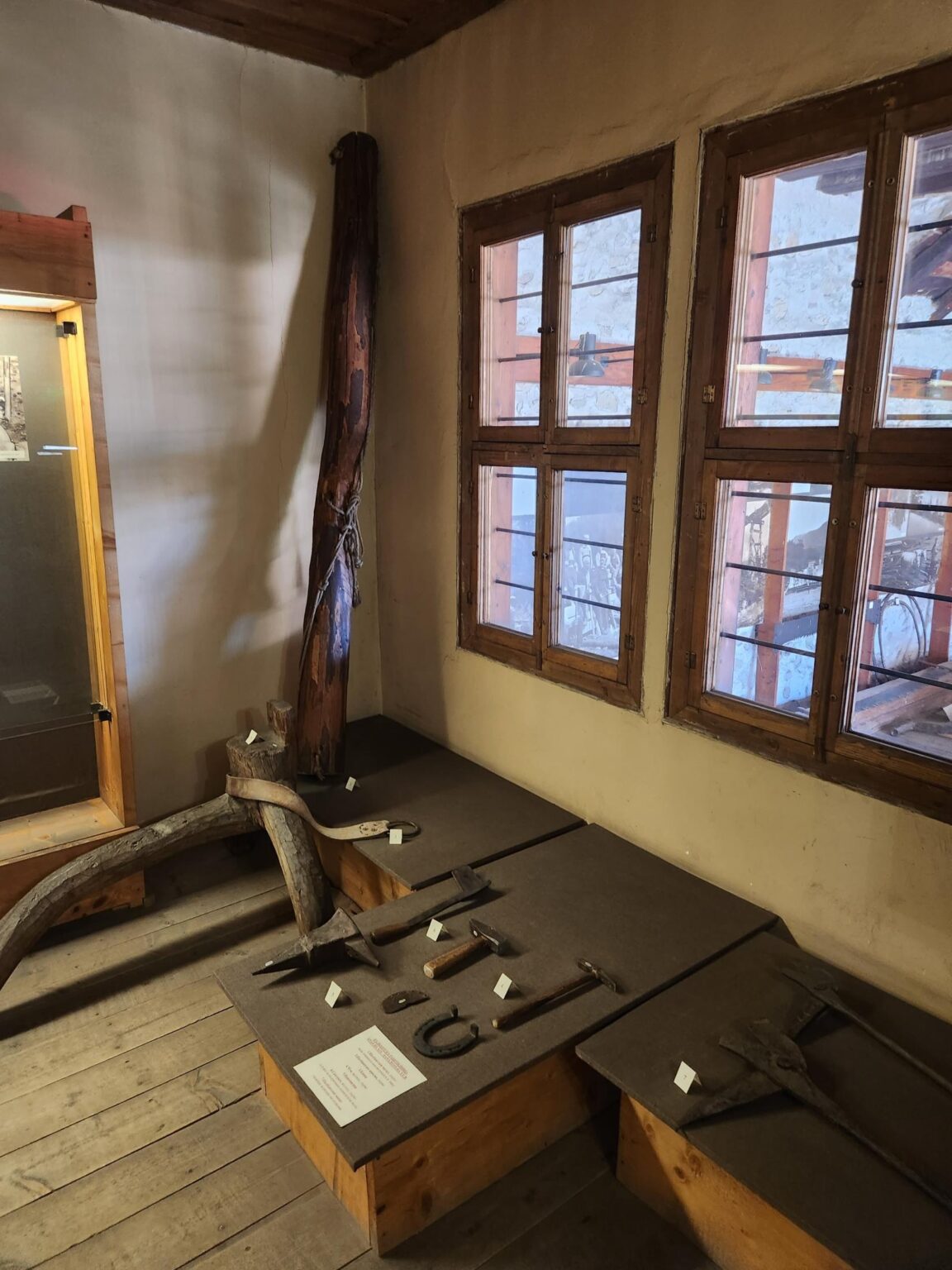
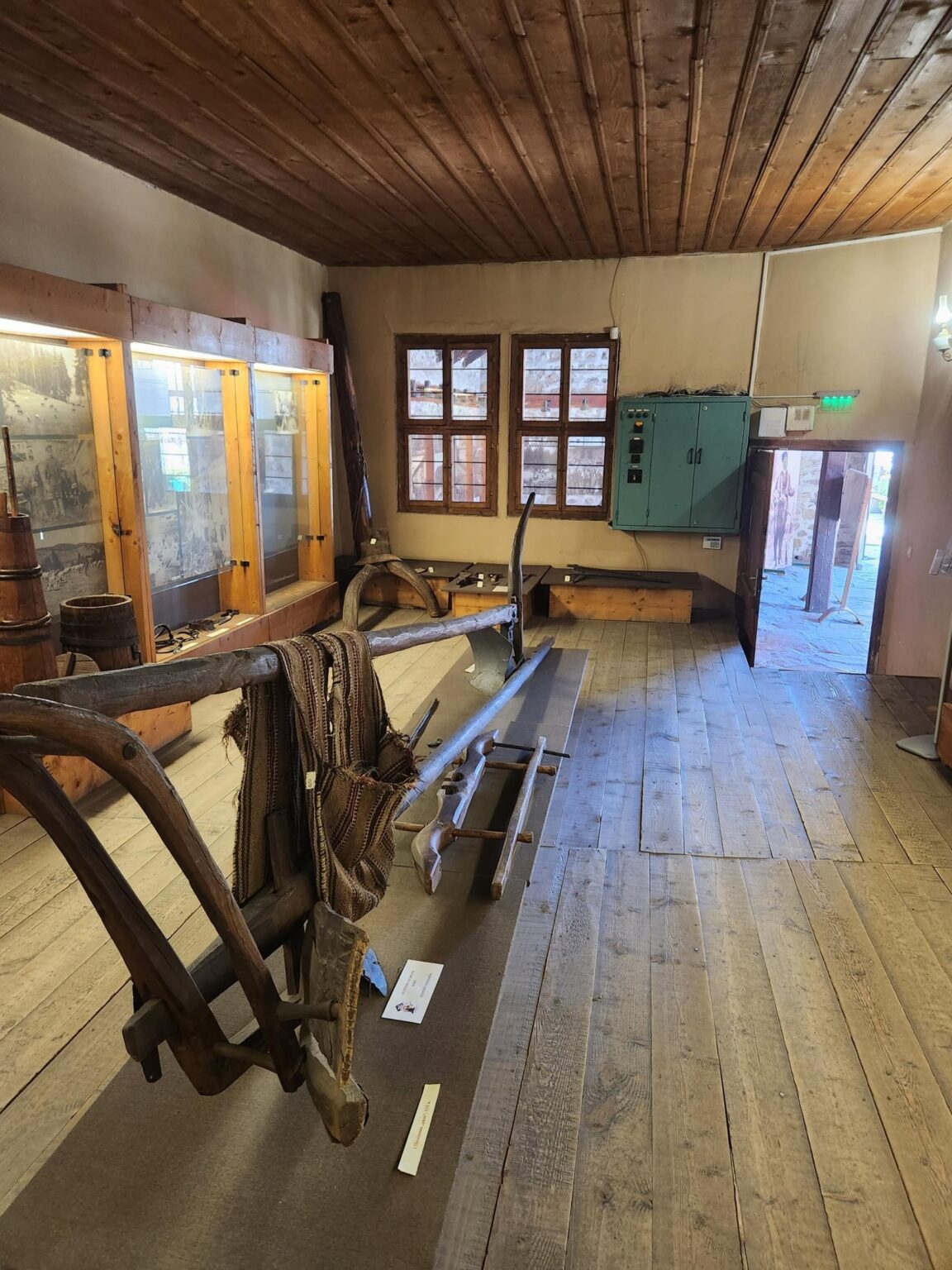
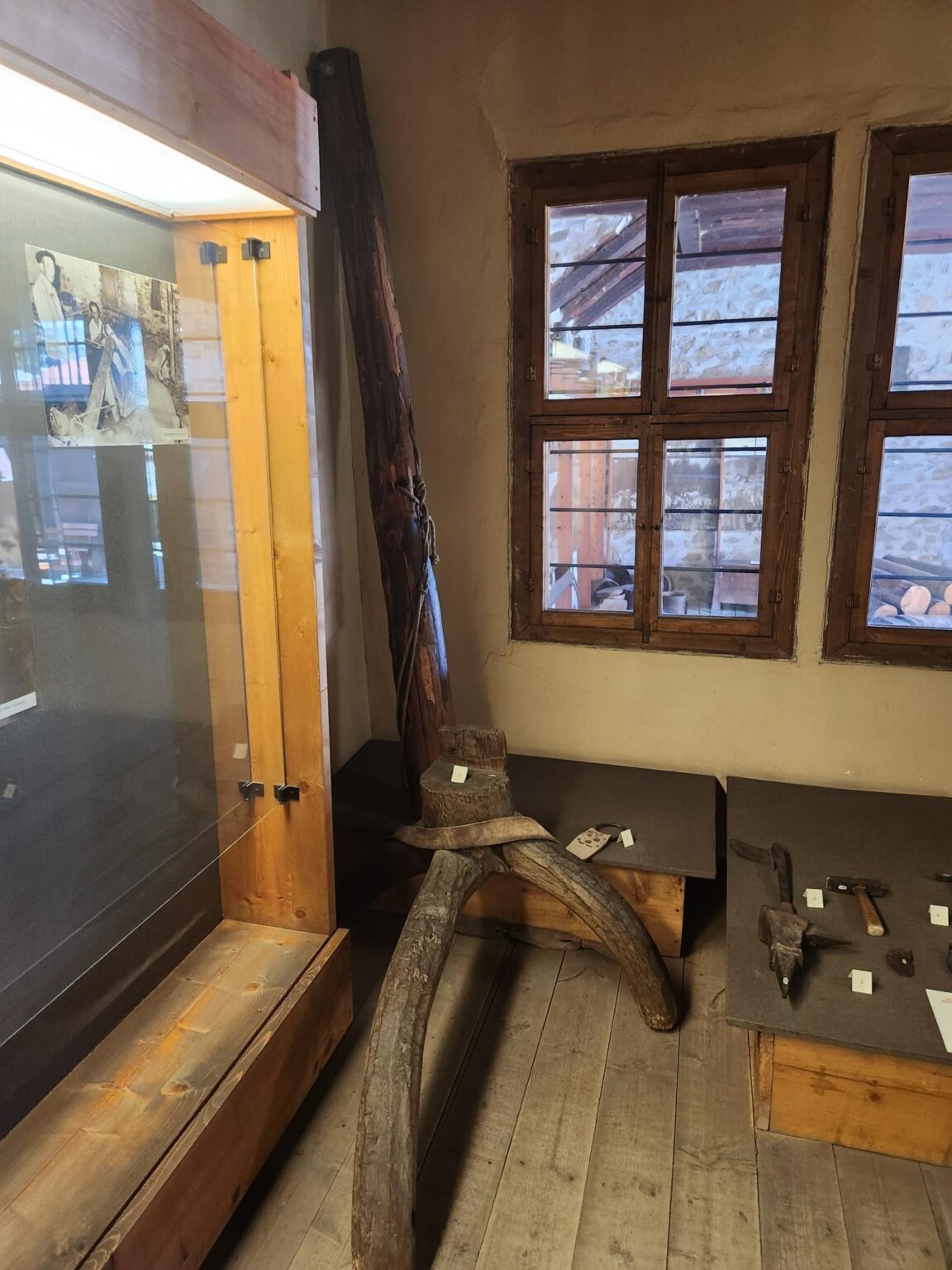
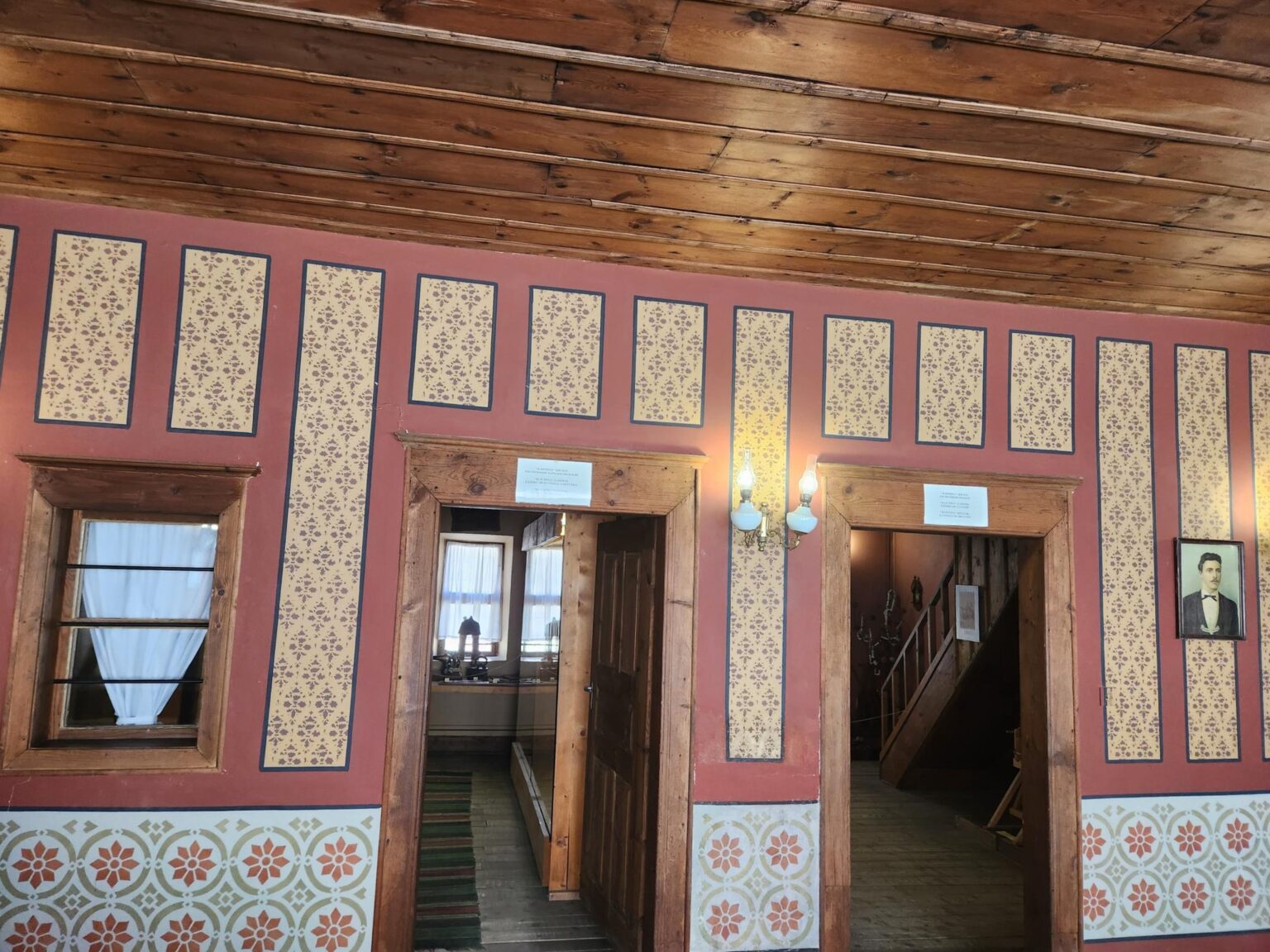
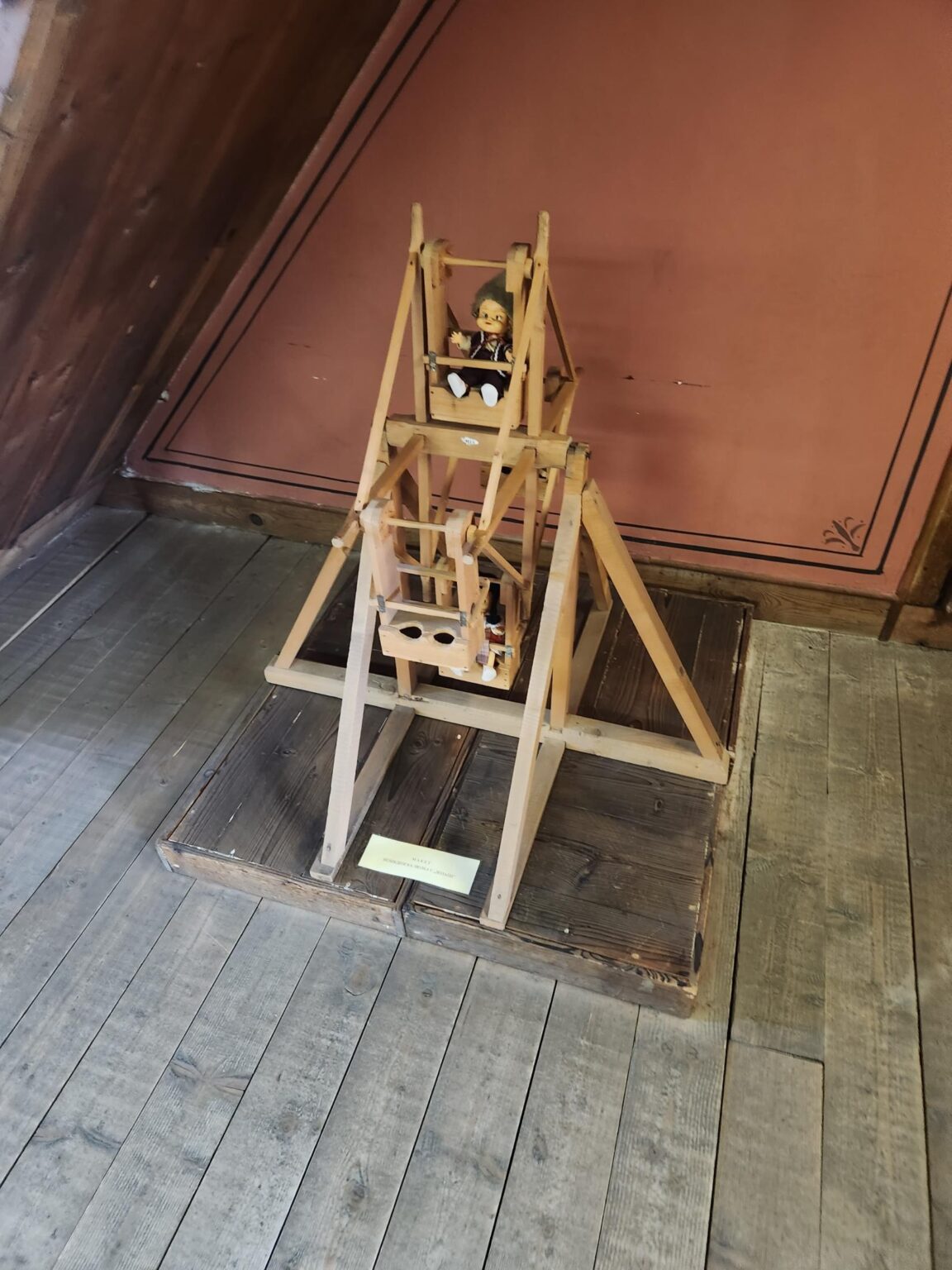
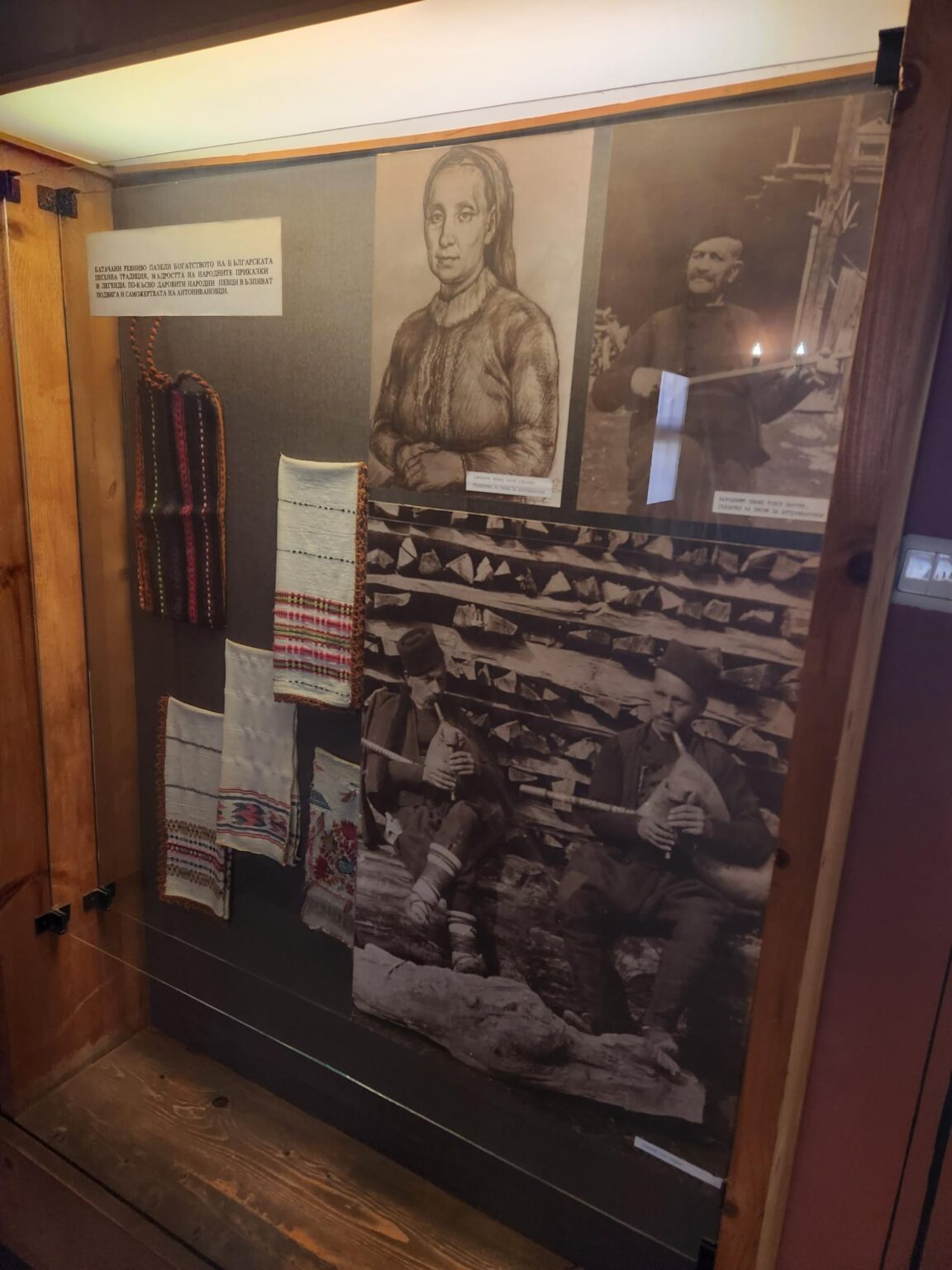
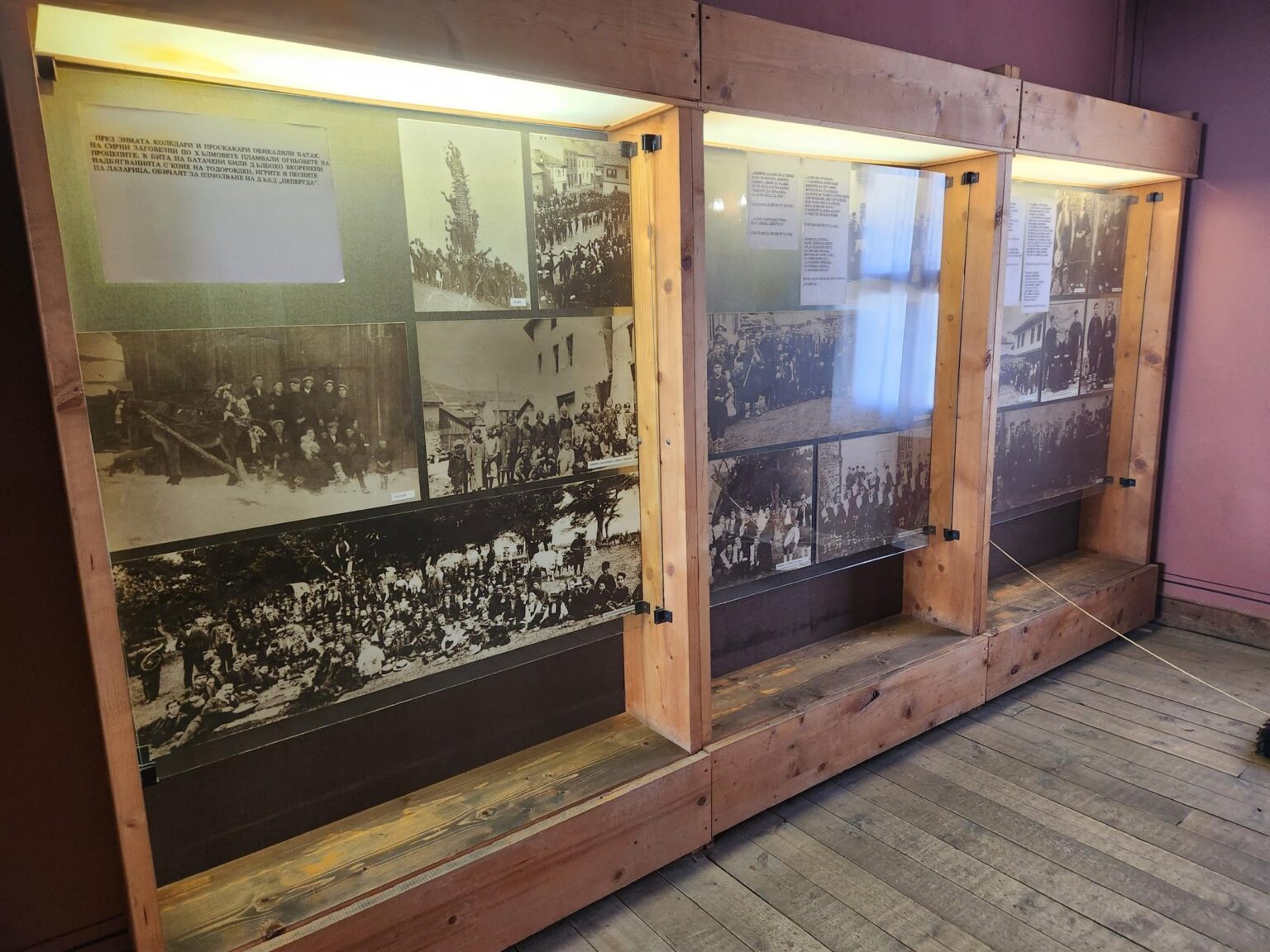
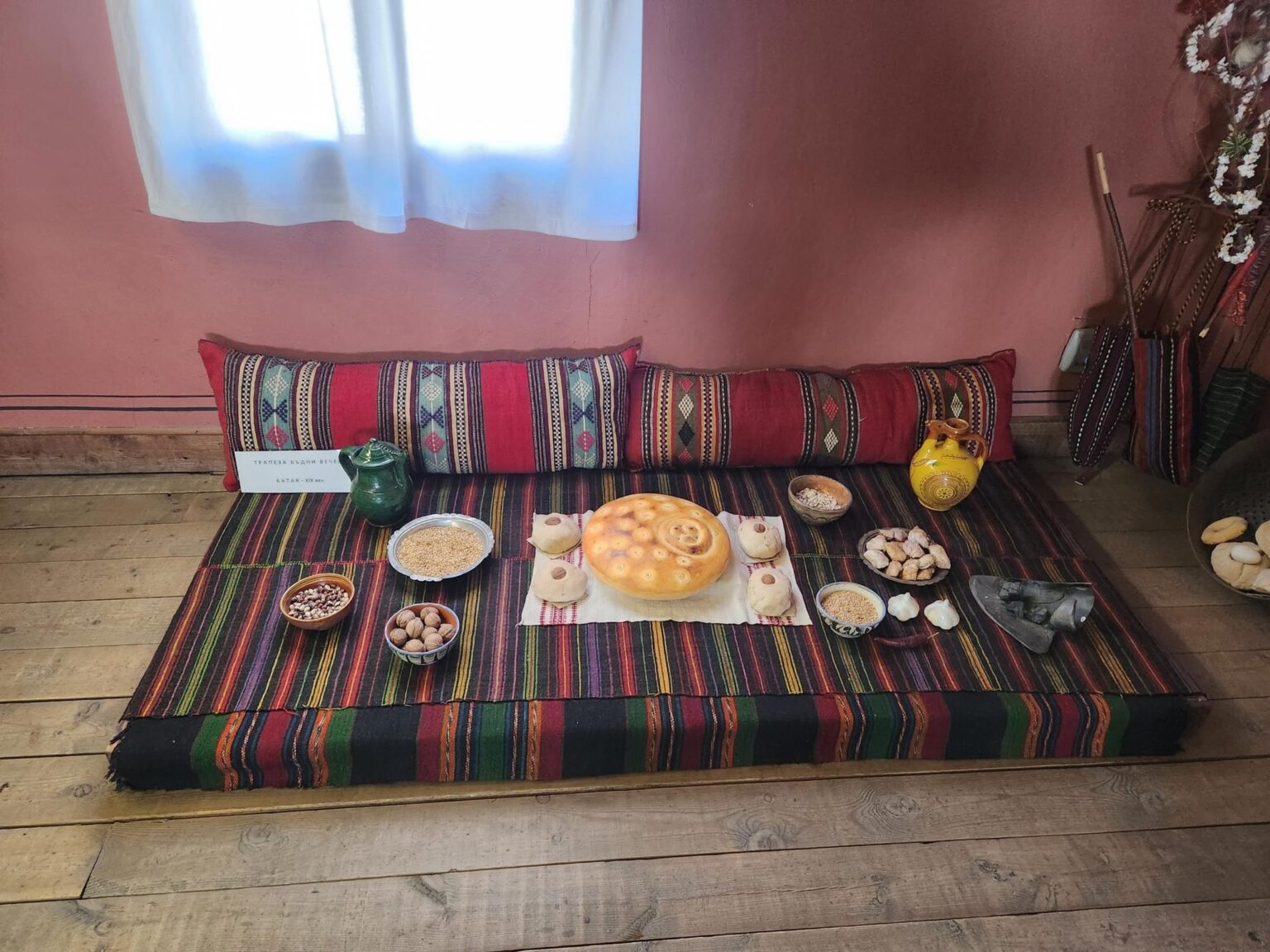
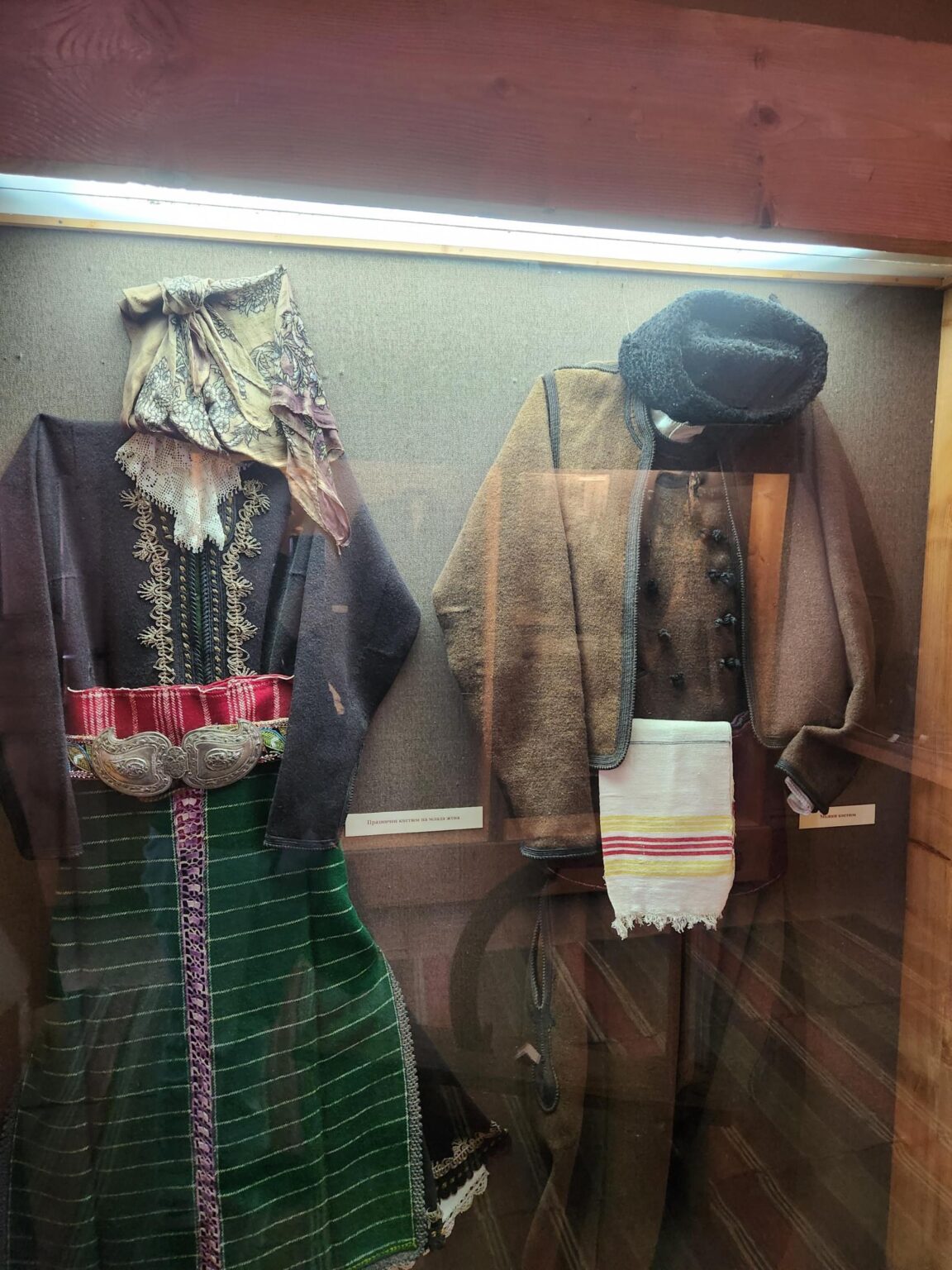
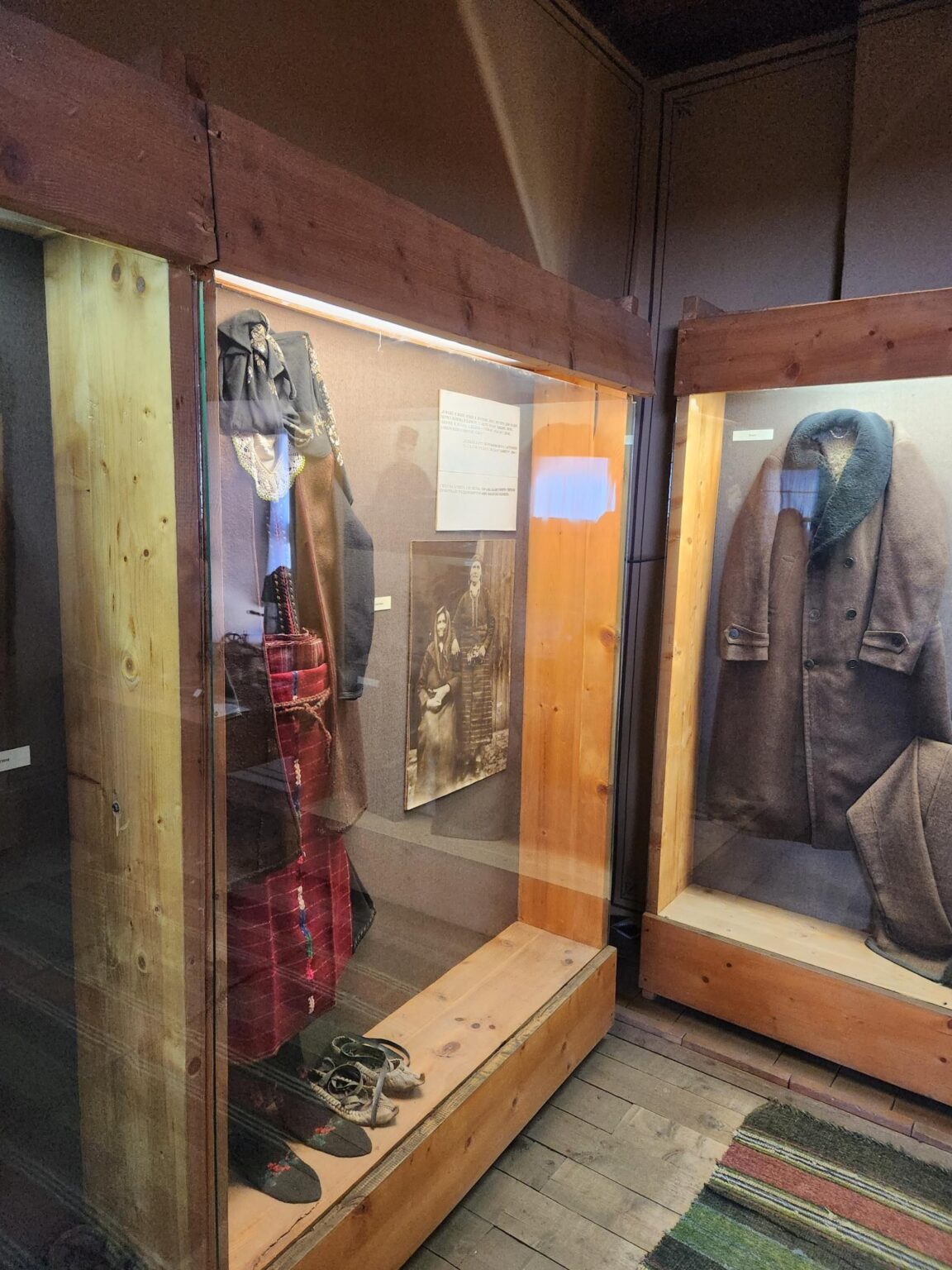
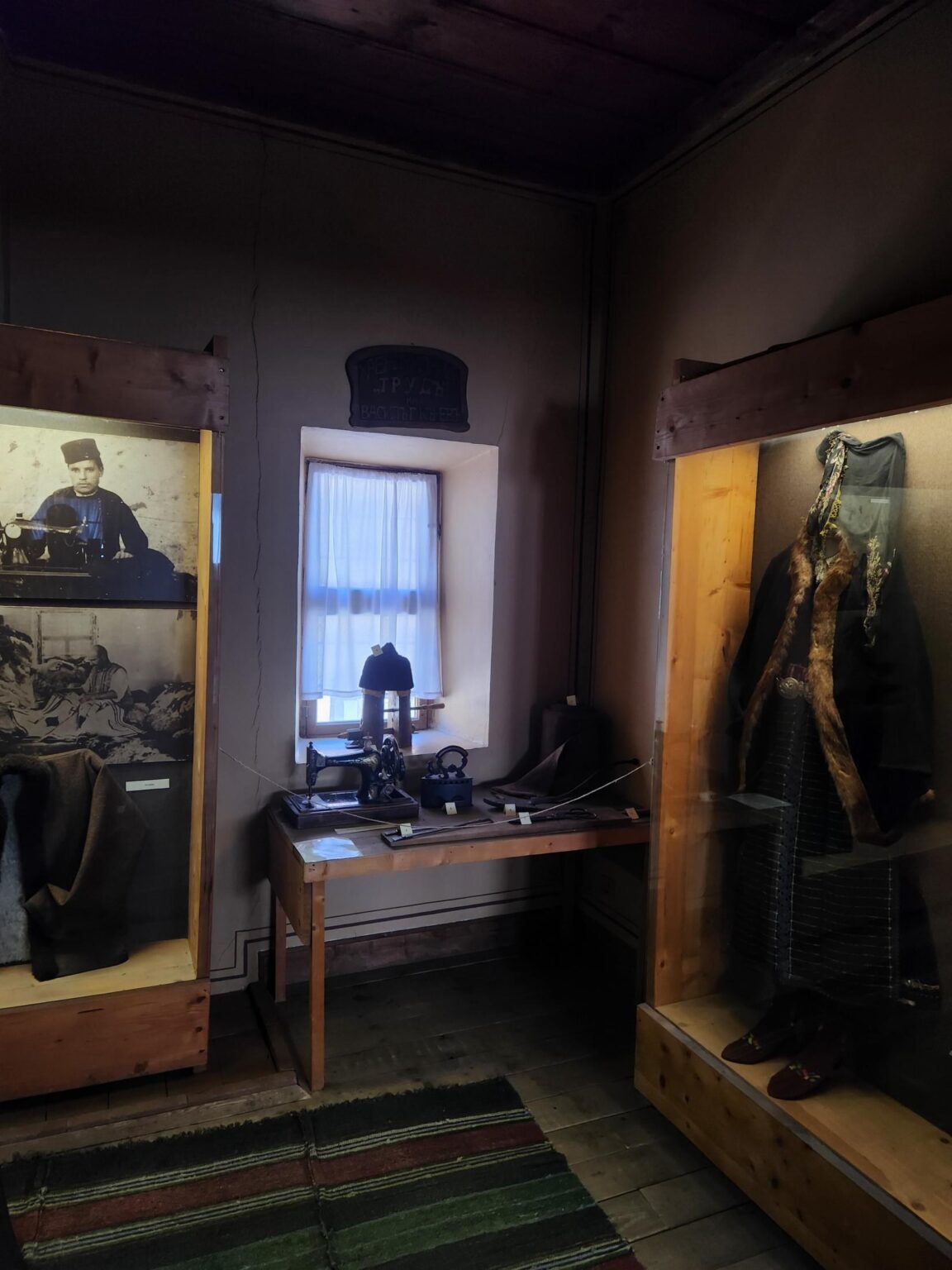
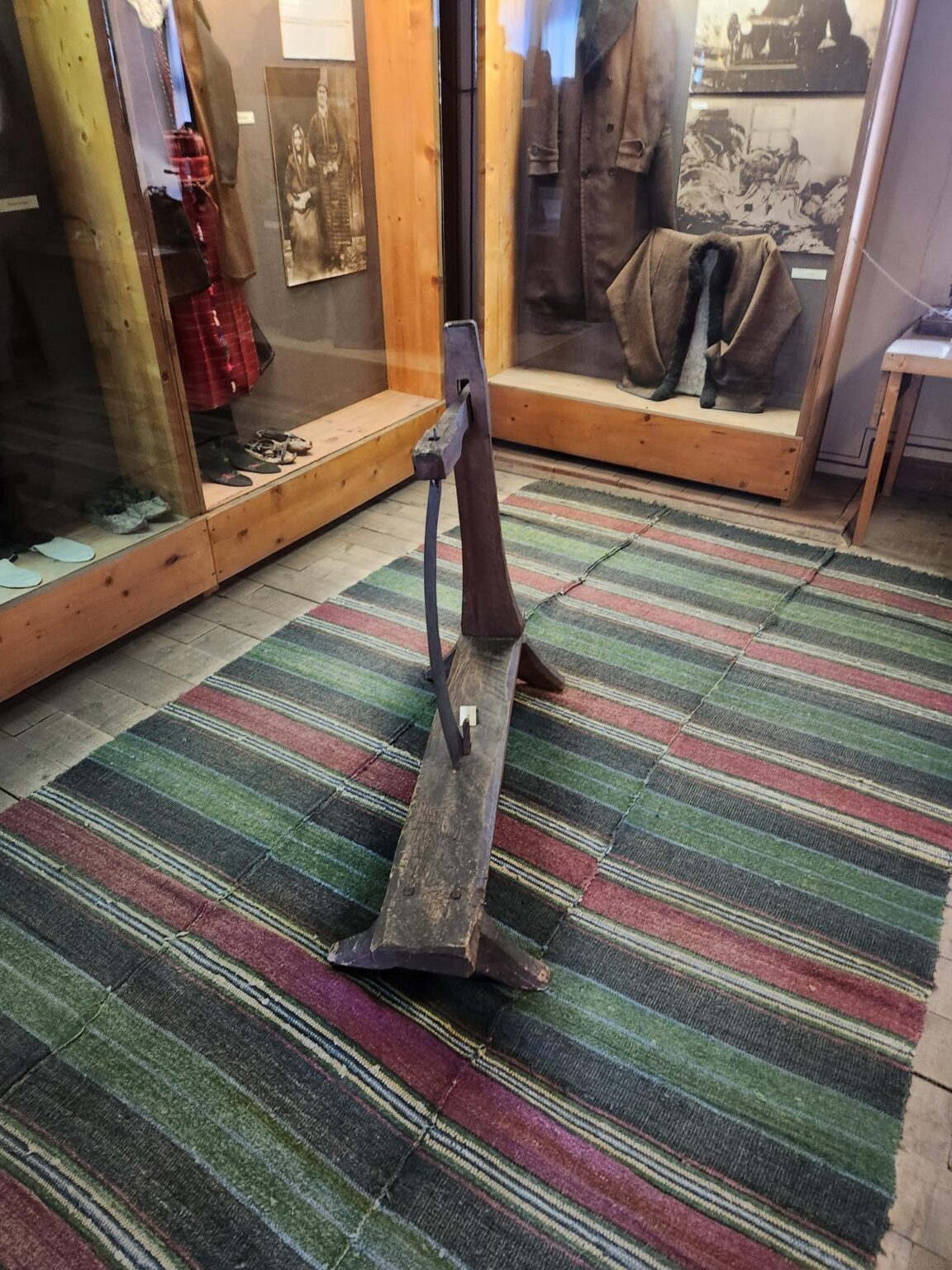
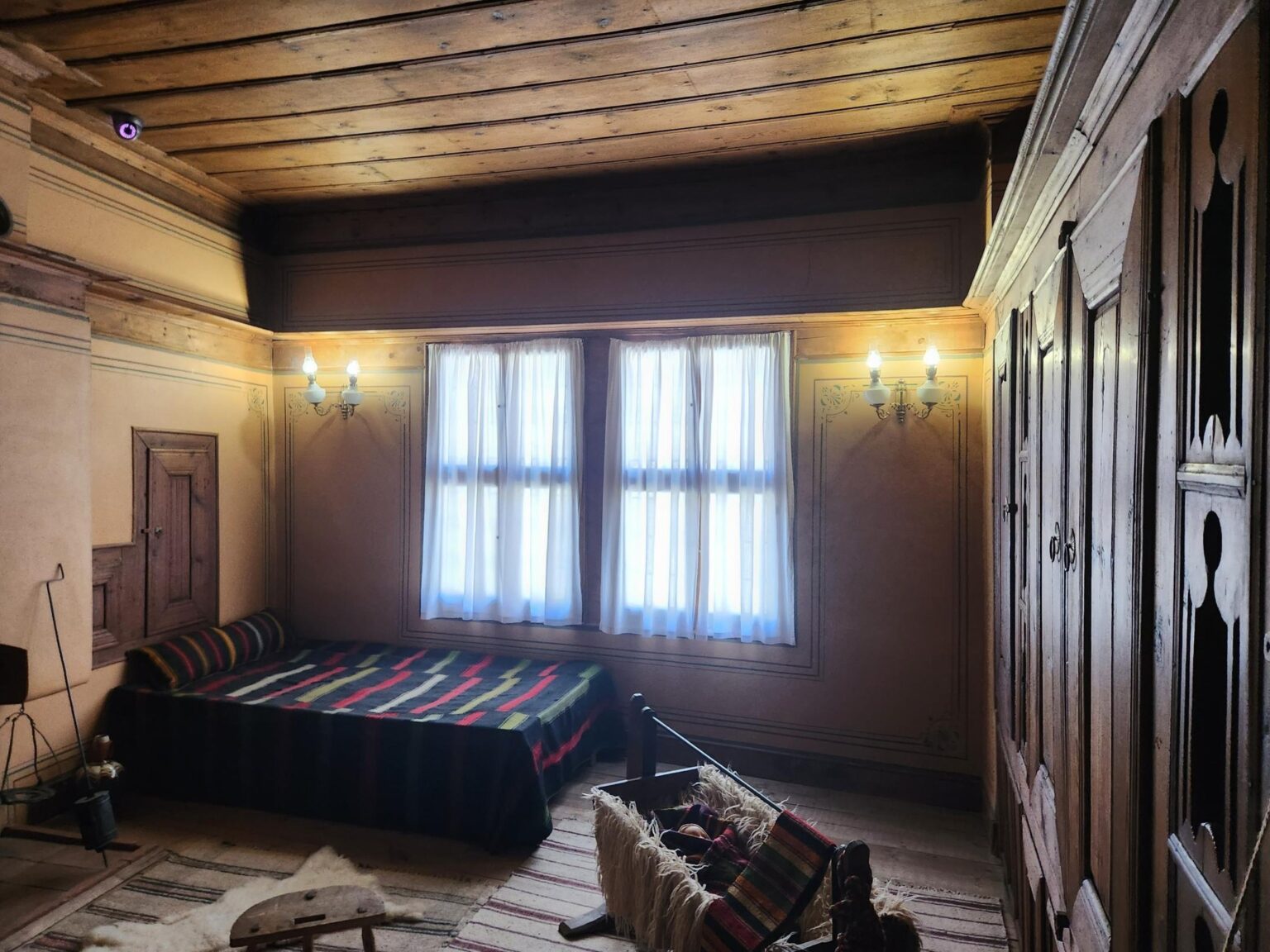
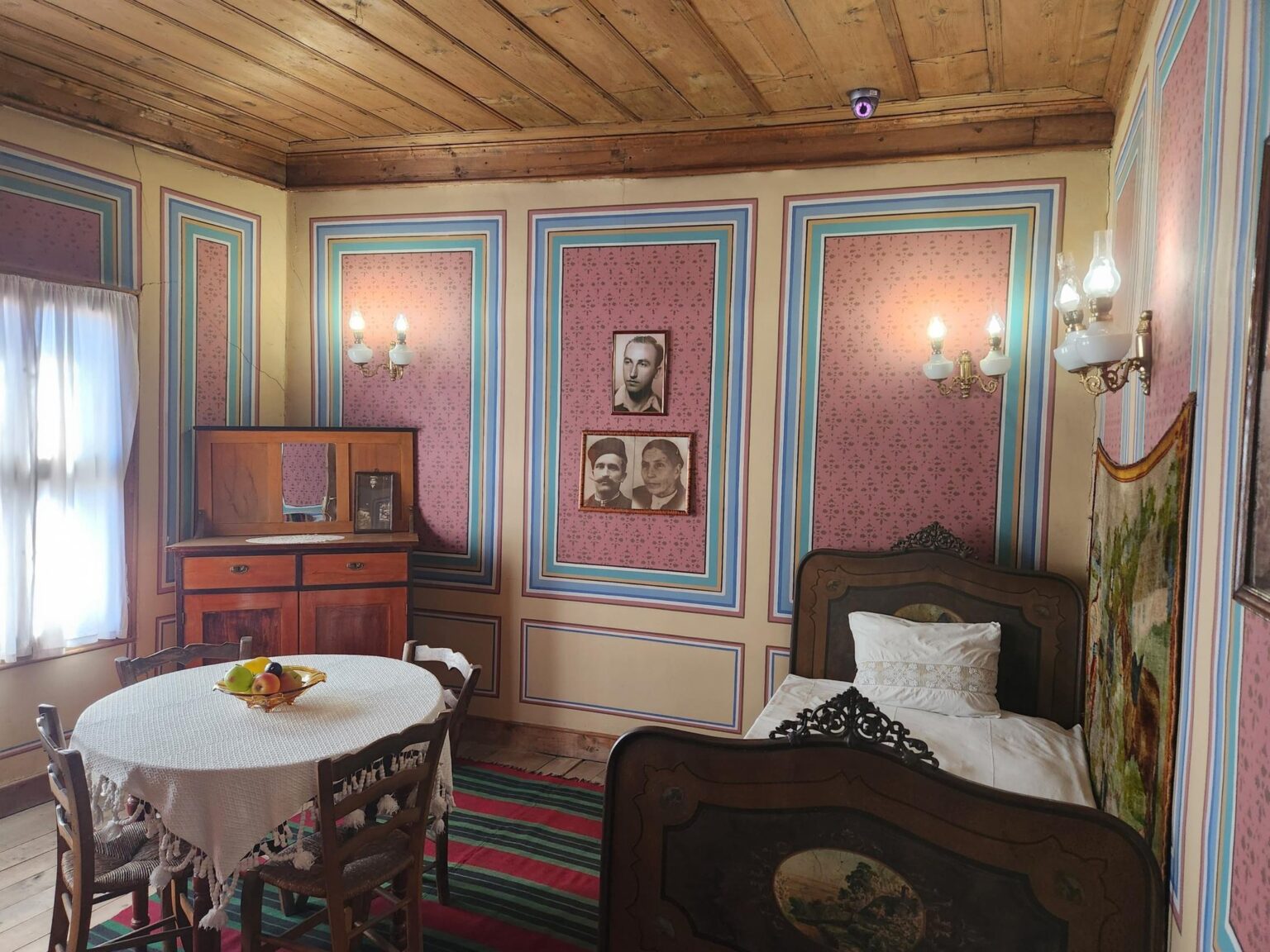
Part of the history museum, this one is the ethnographic collection, and it takes about 30 minutes. You walk into the yard, show the ticket you bought earlier and go in. It has no stamp of its own for the 100 sites. If you were paying attention in the museum, to the story of the detachment and the photographs of the partisans, you will spot that the house has a portrait of one of them. And I cannot help myself, so I will say it: the man simply looks like an Italian mafioso. You cannot mistake him 😀
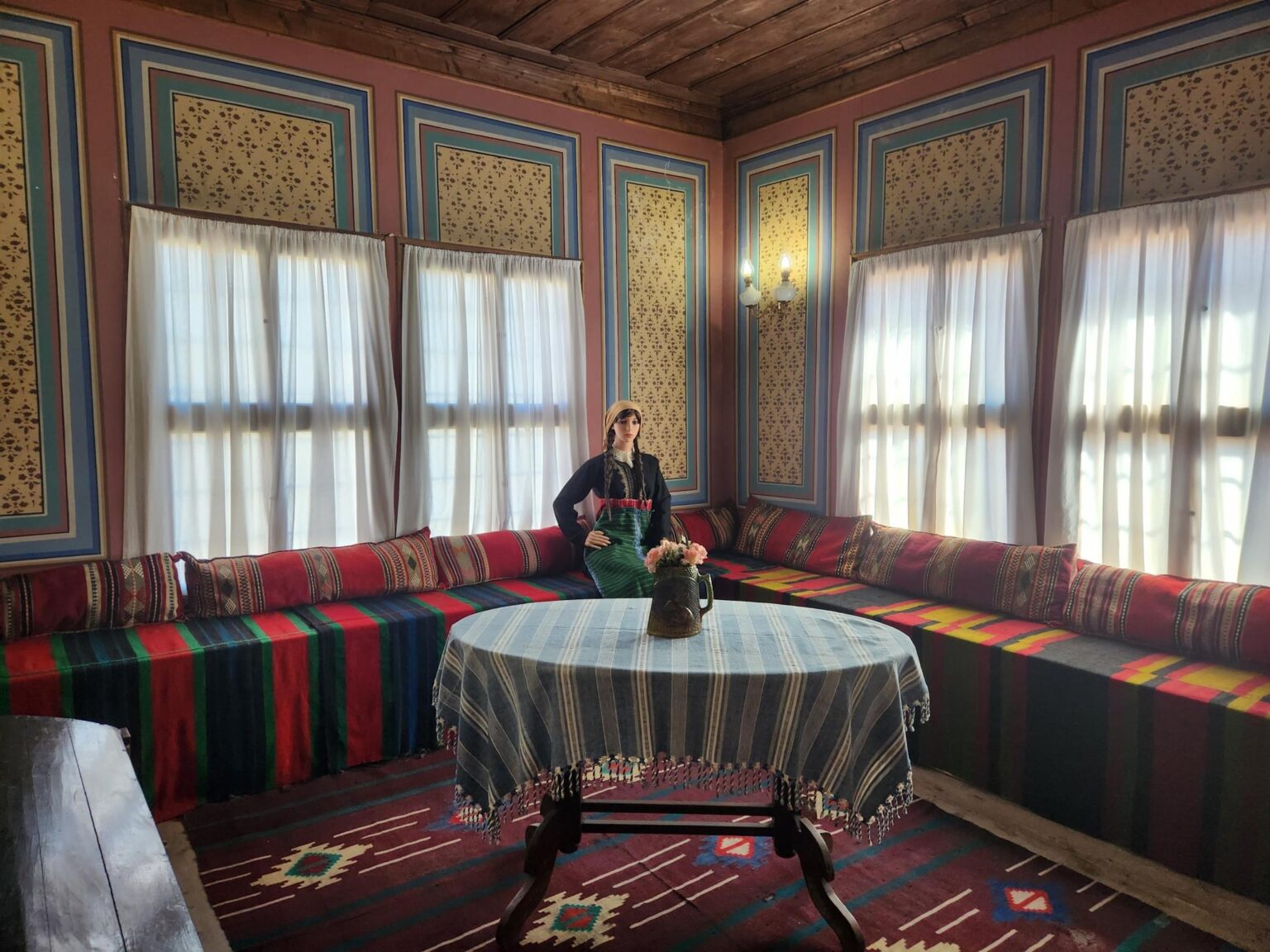
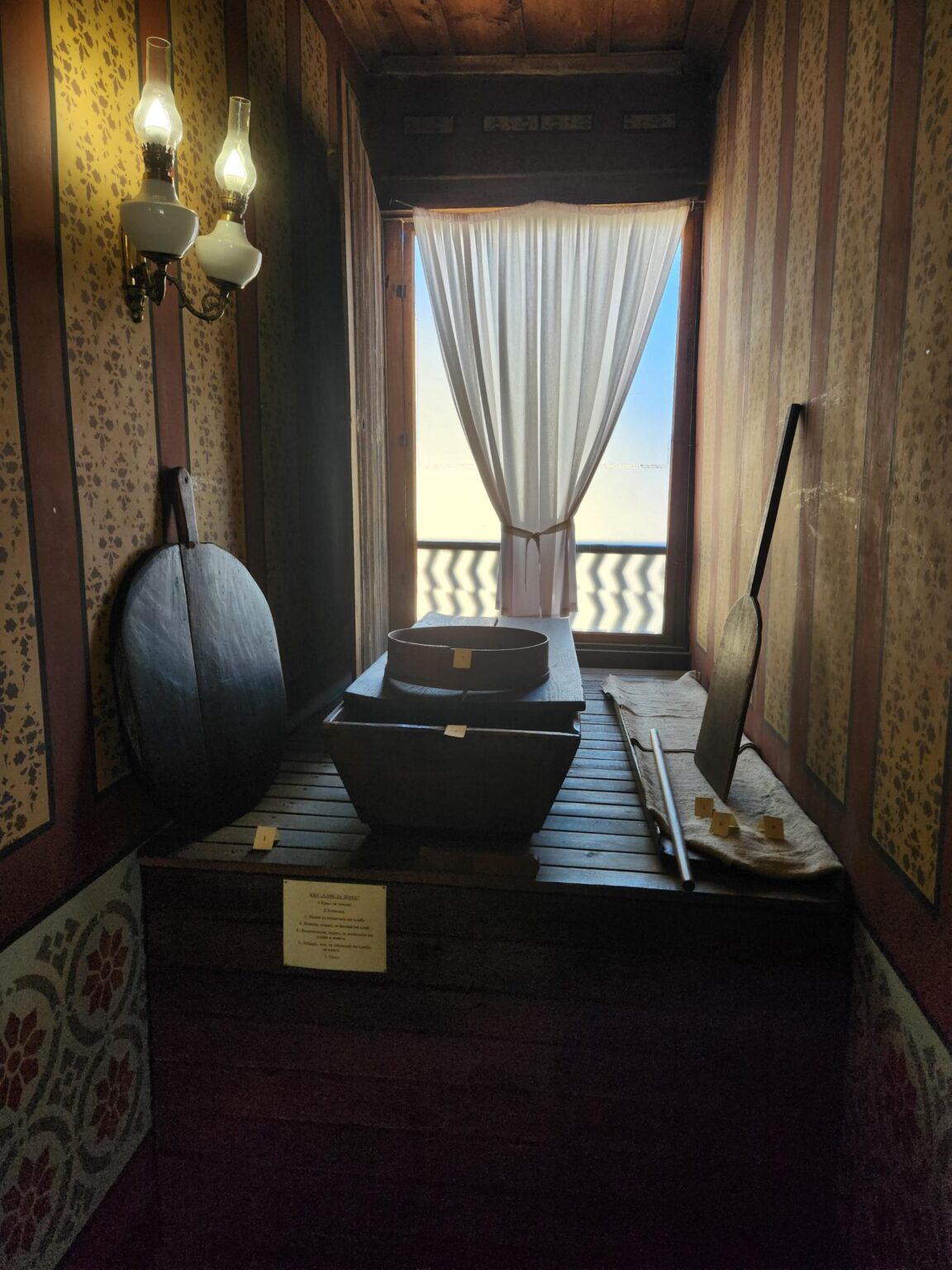
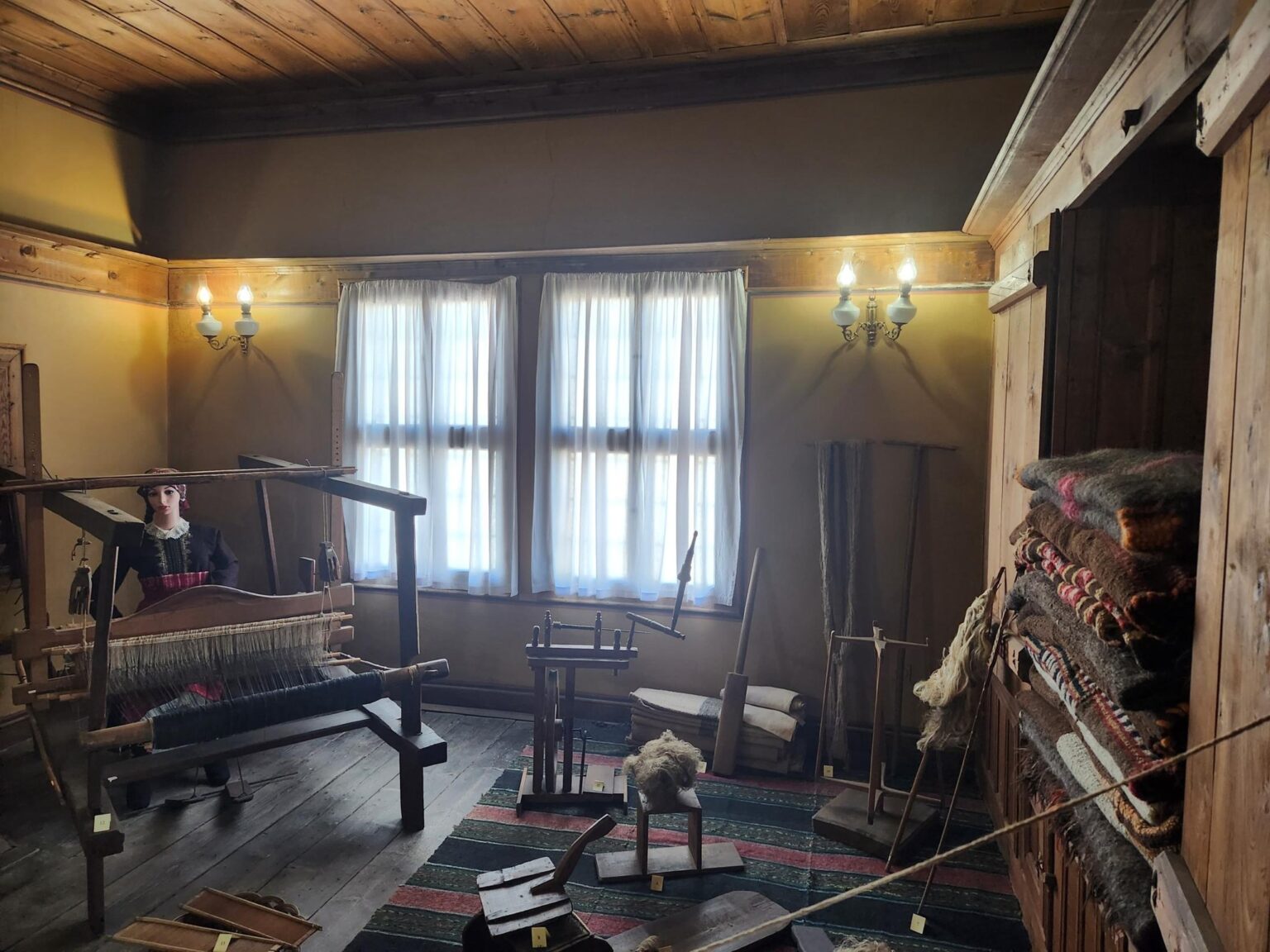
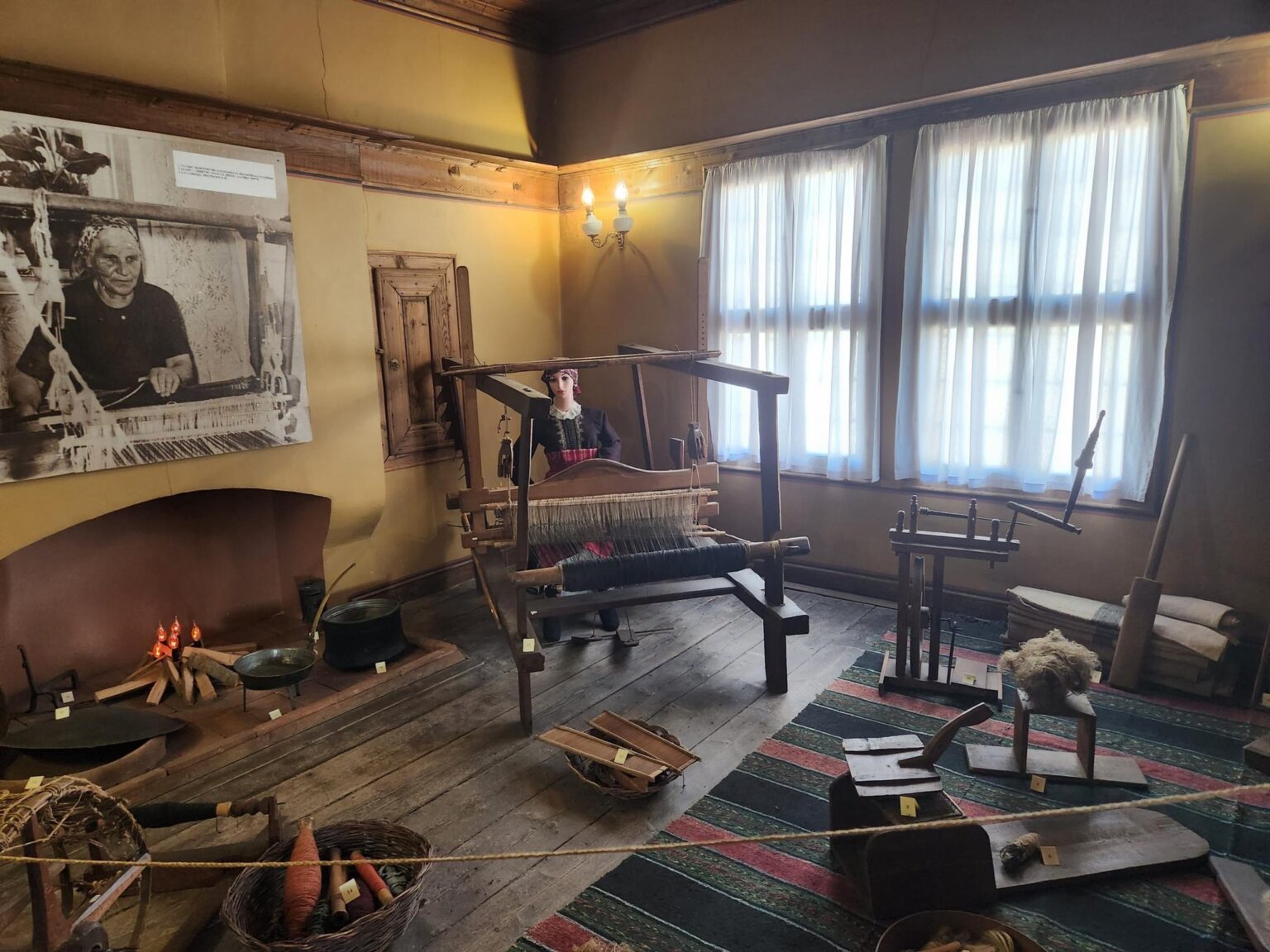
The Sveta Nedelya ossuary church
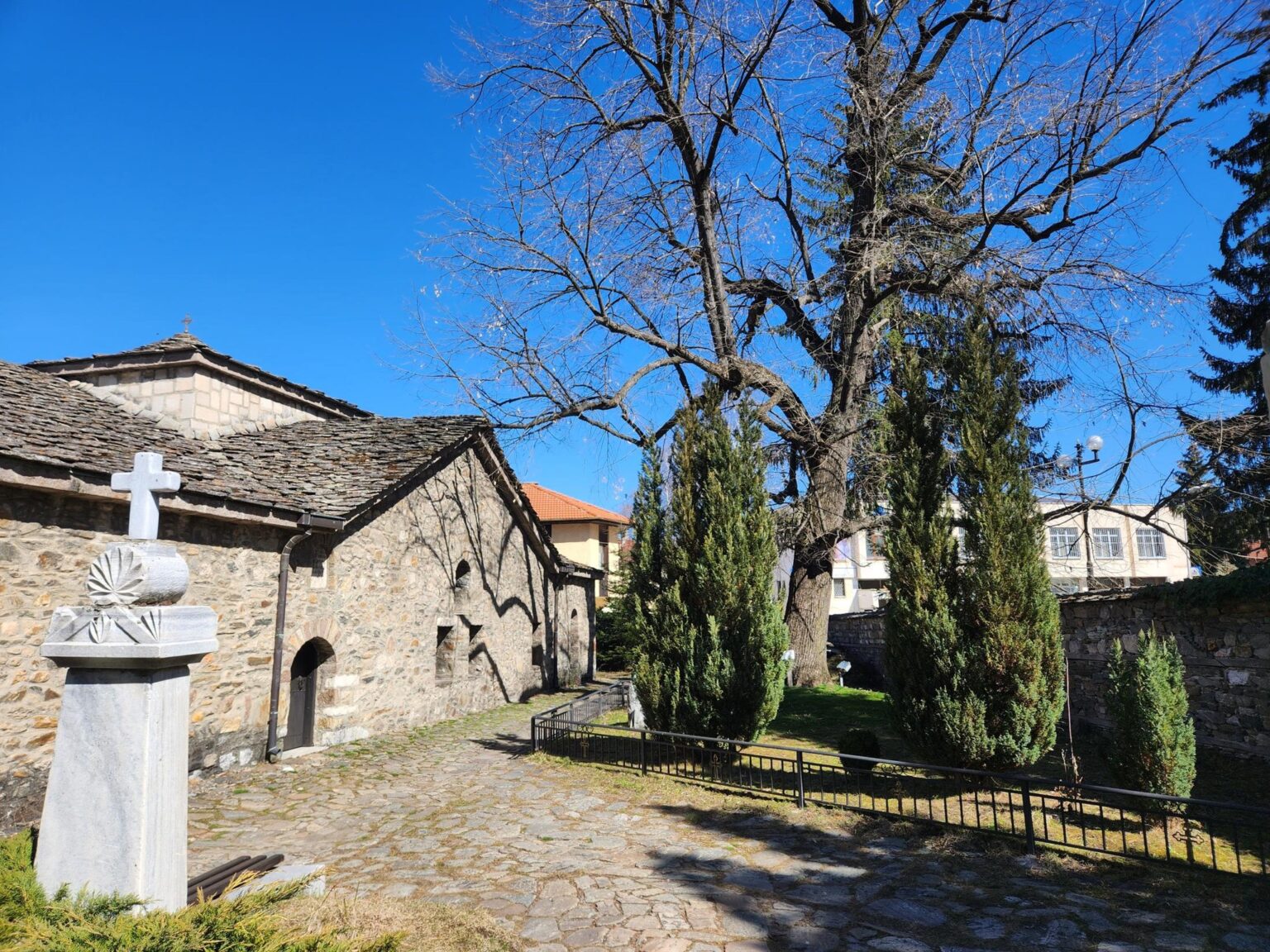
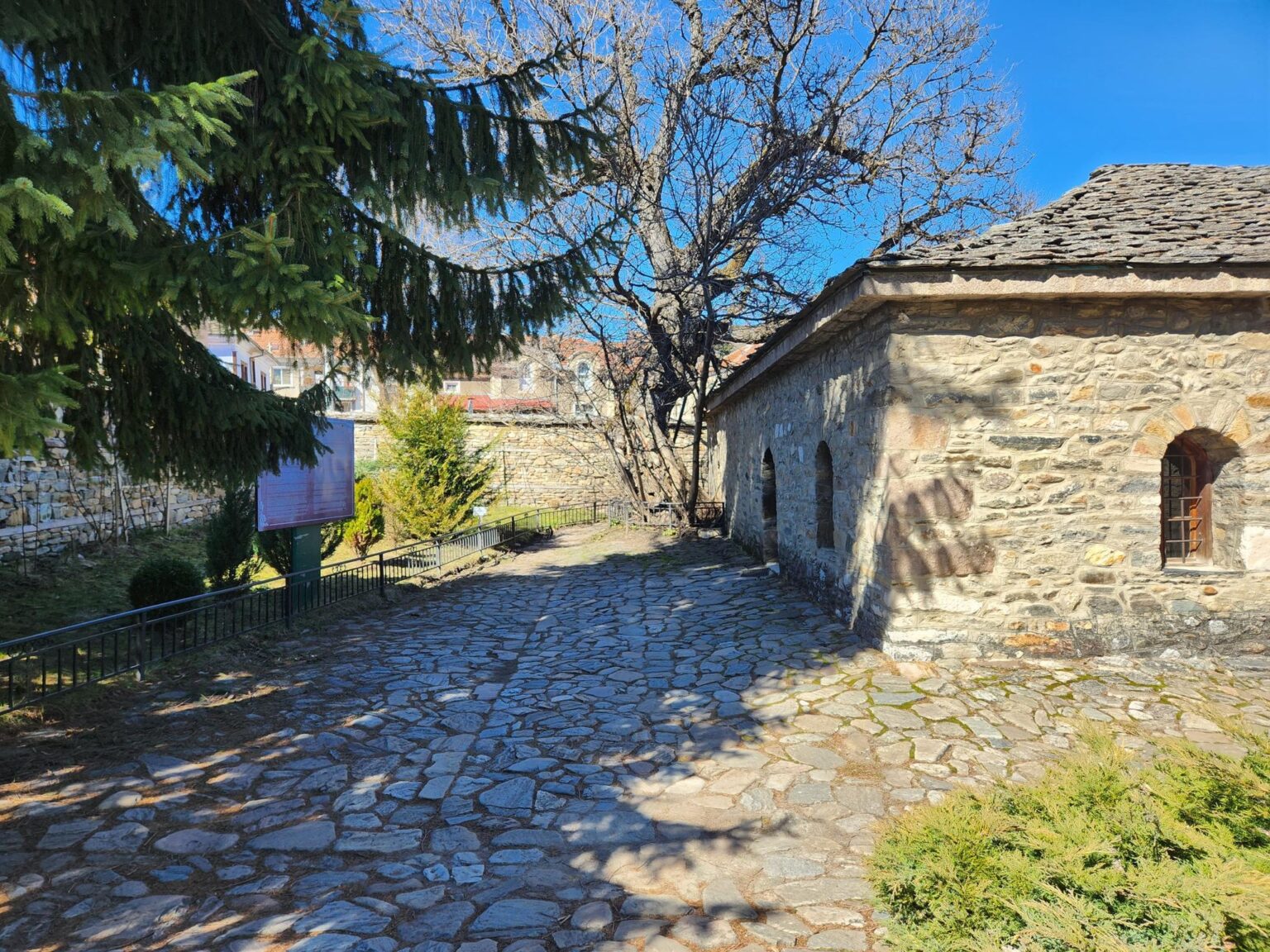
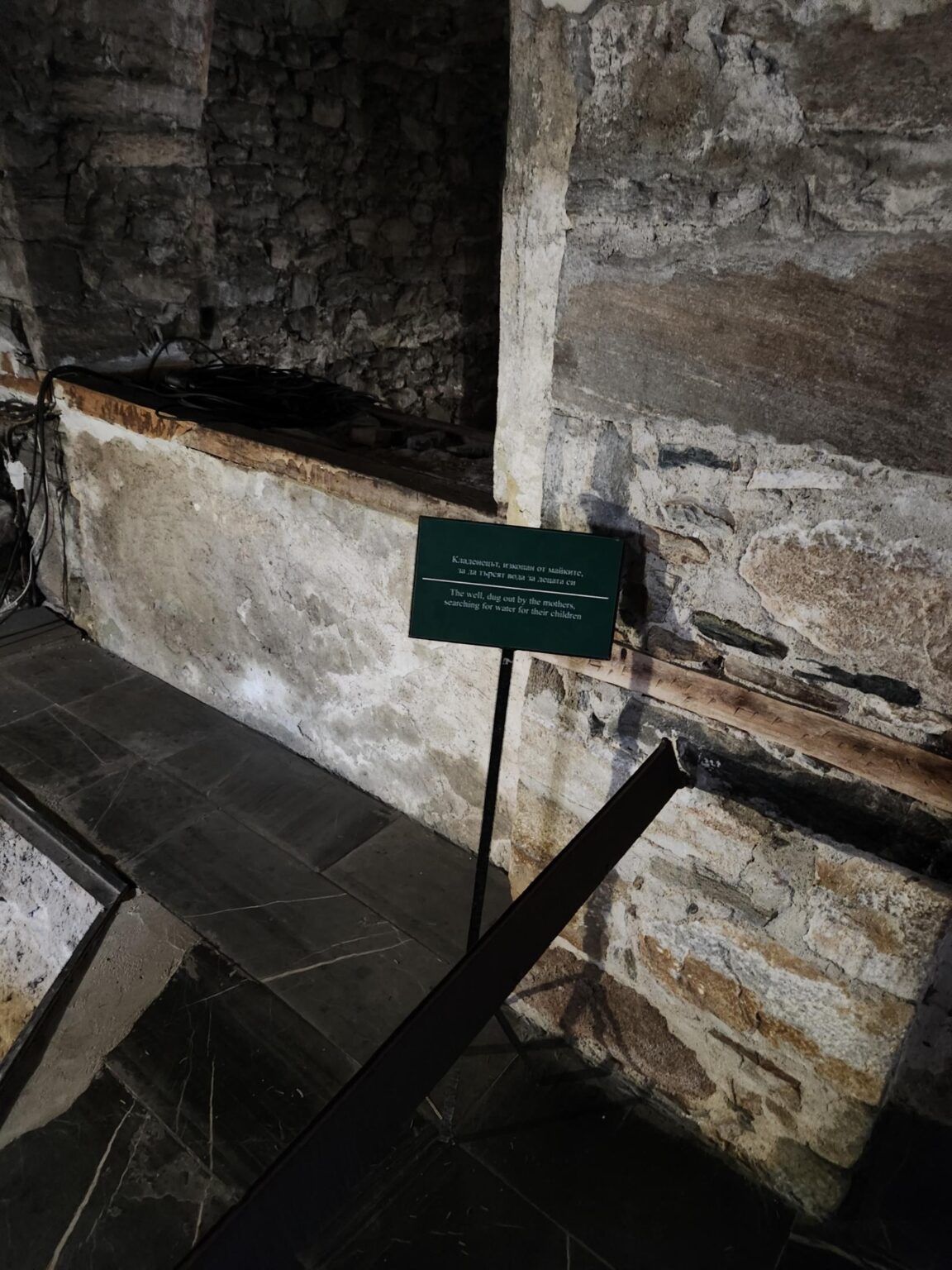
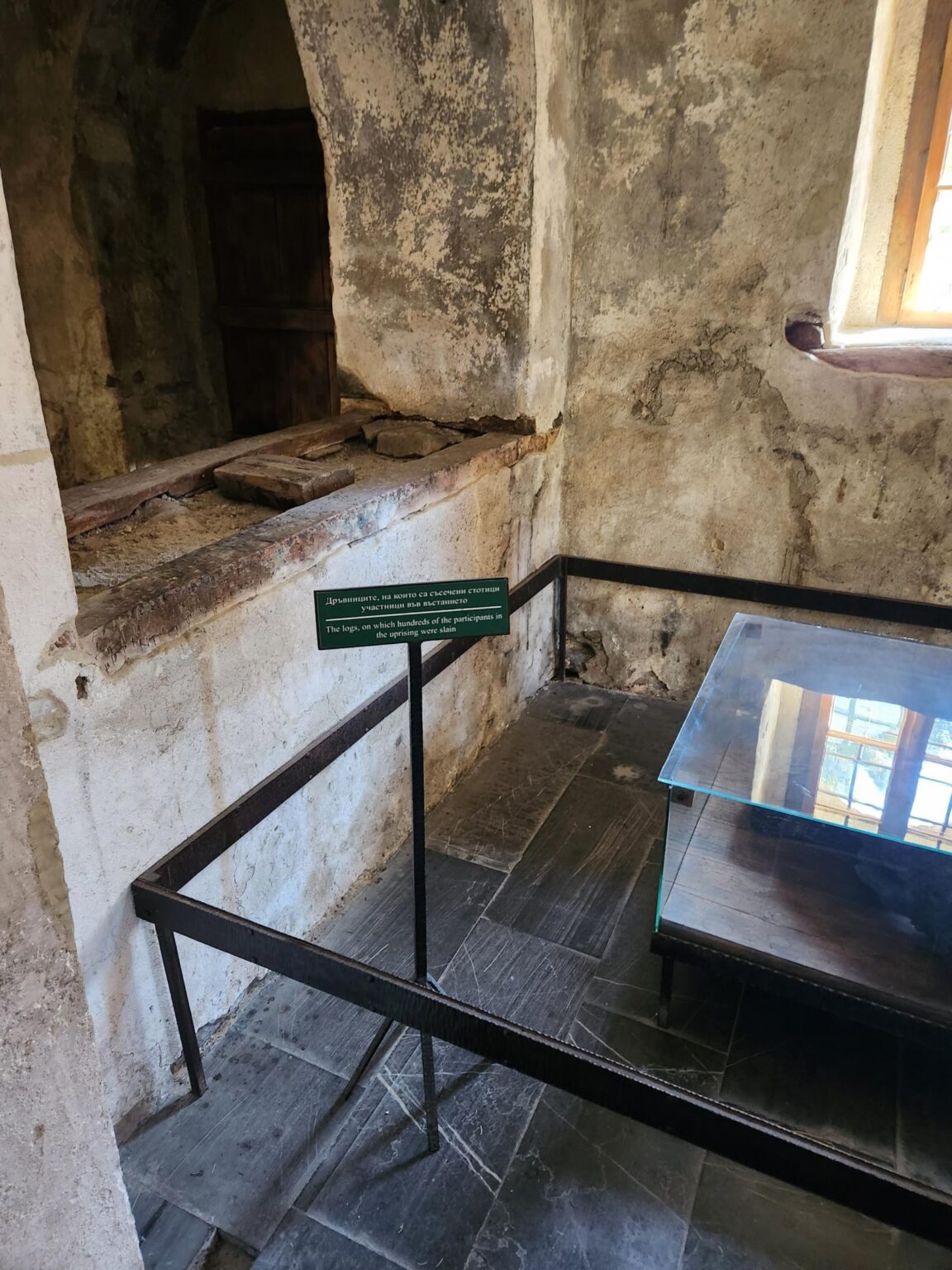
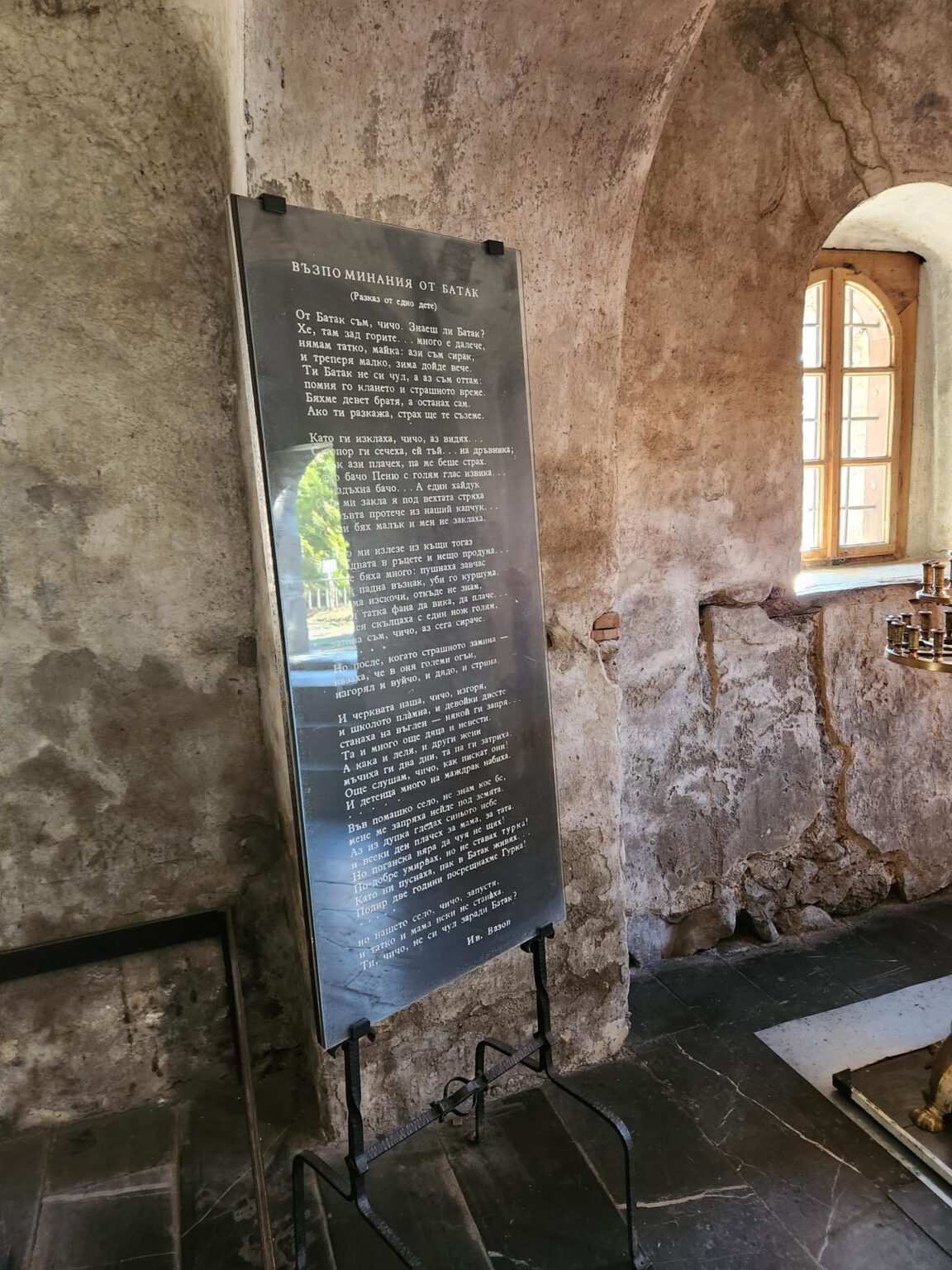
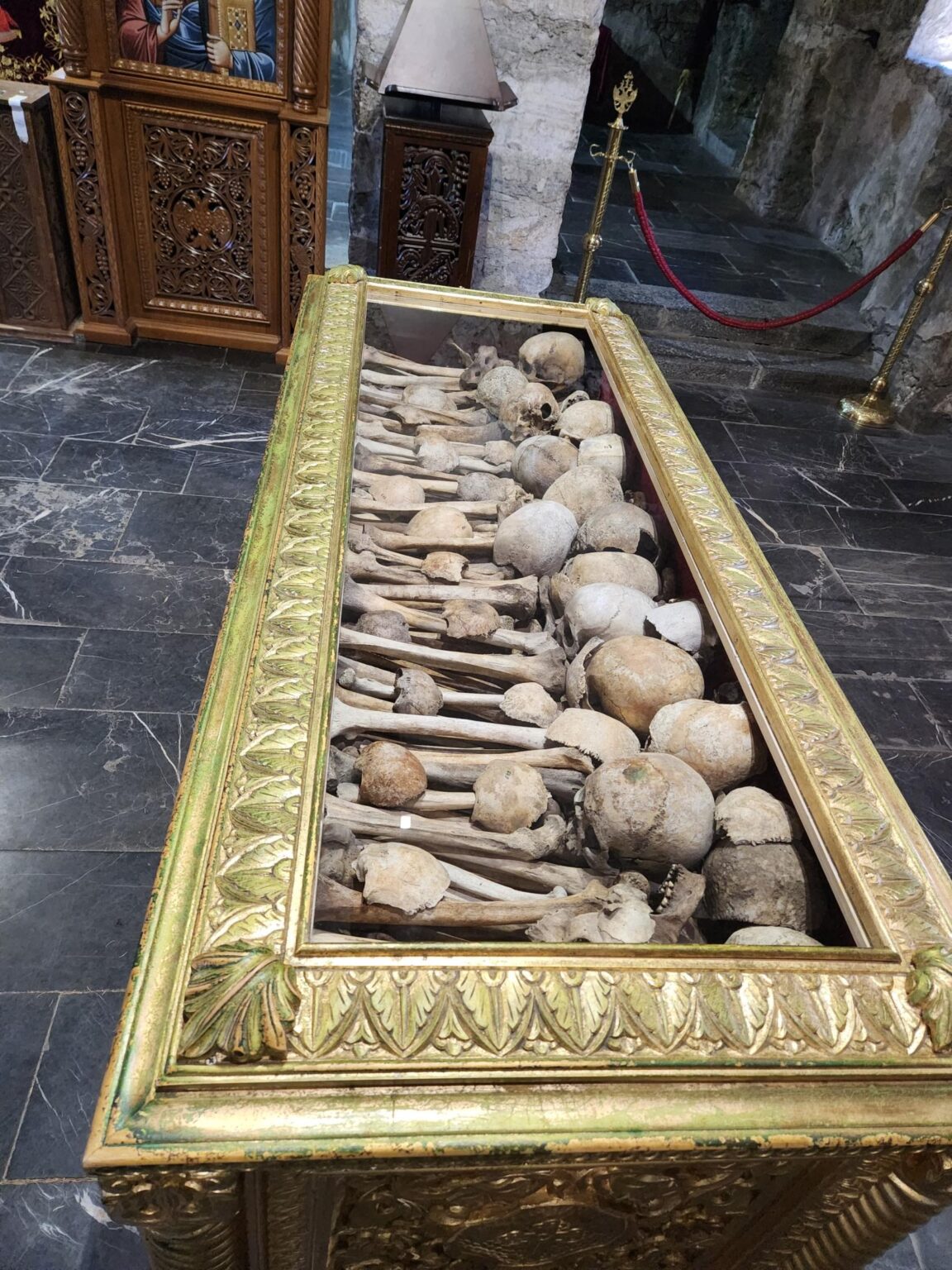
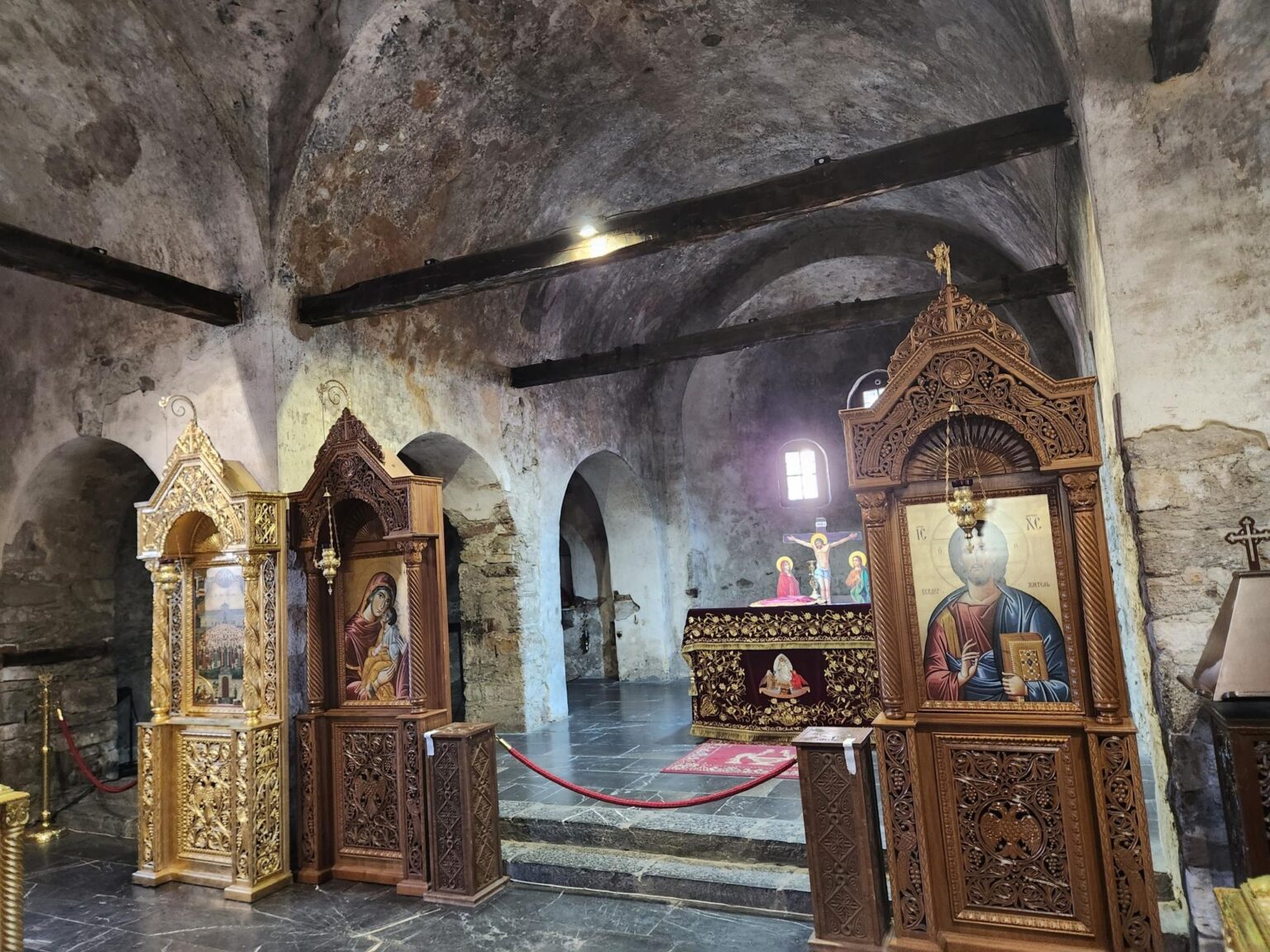
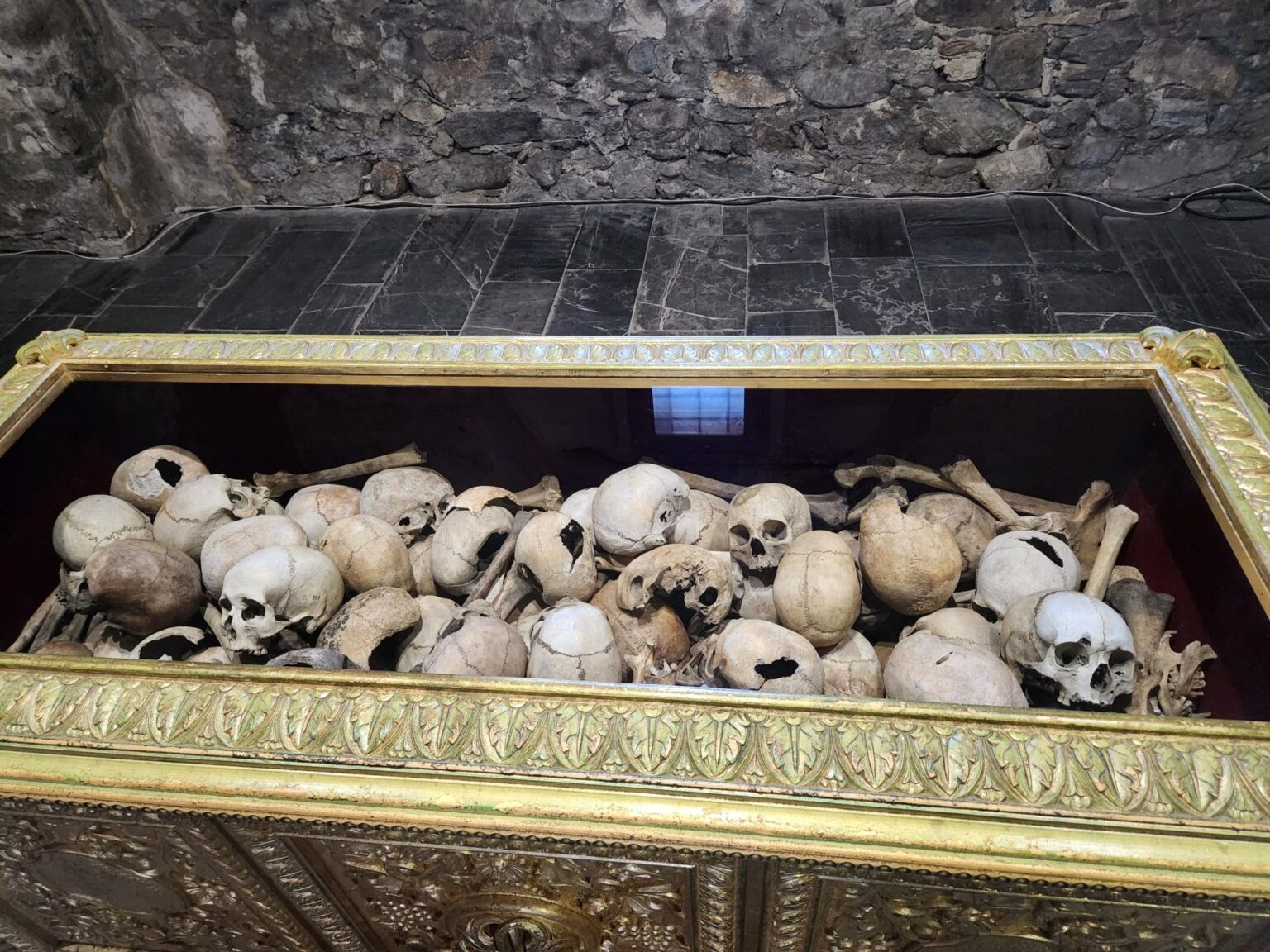
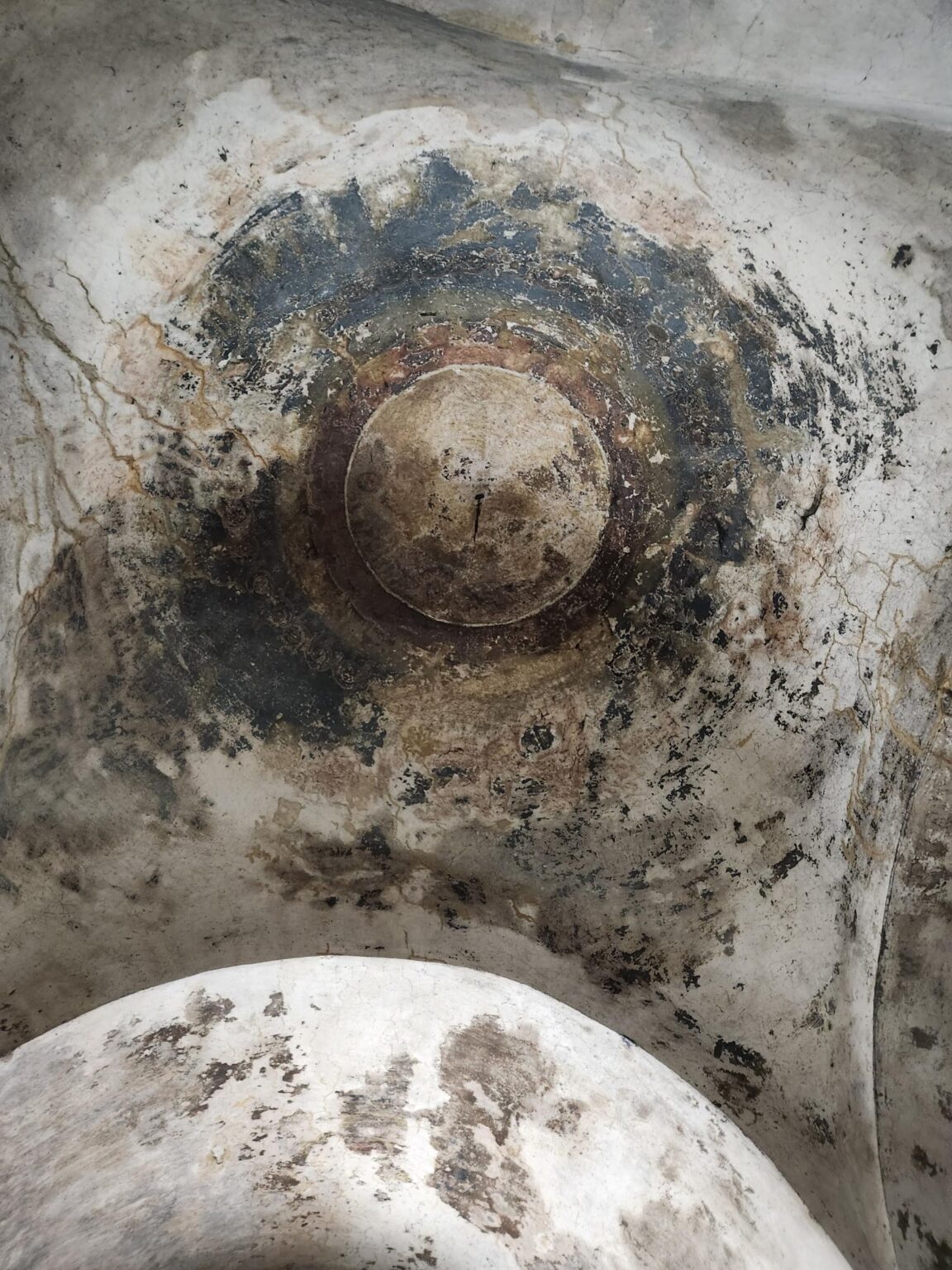
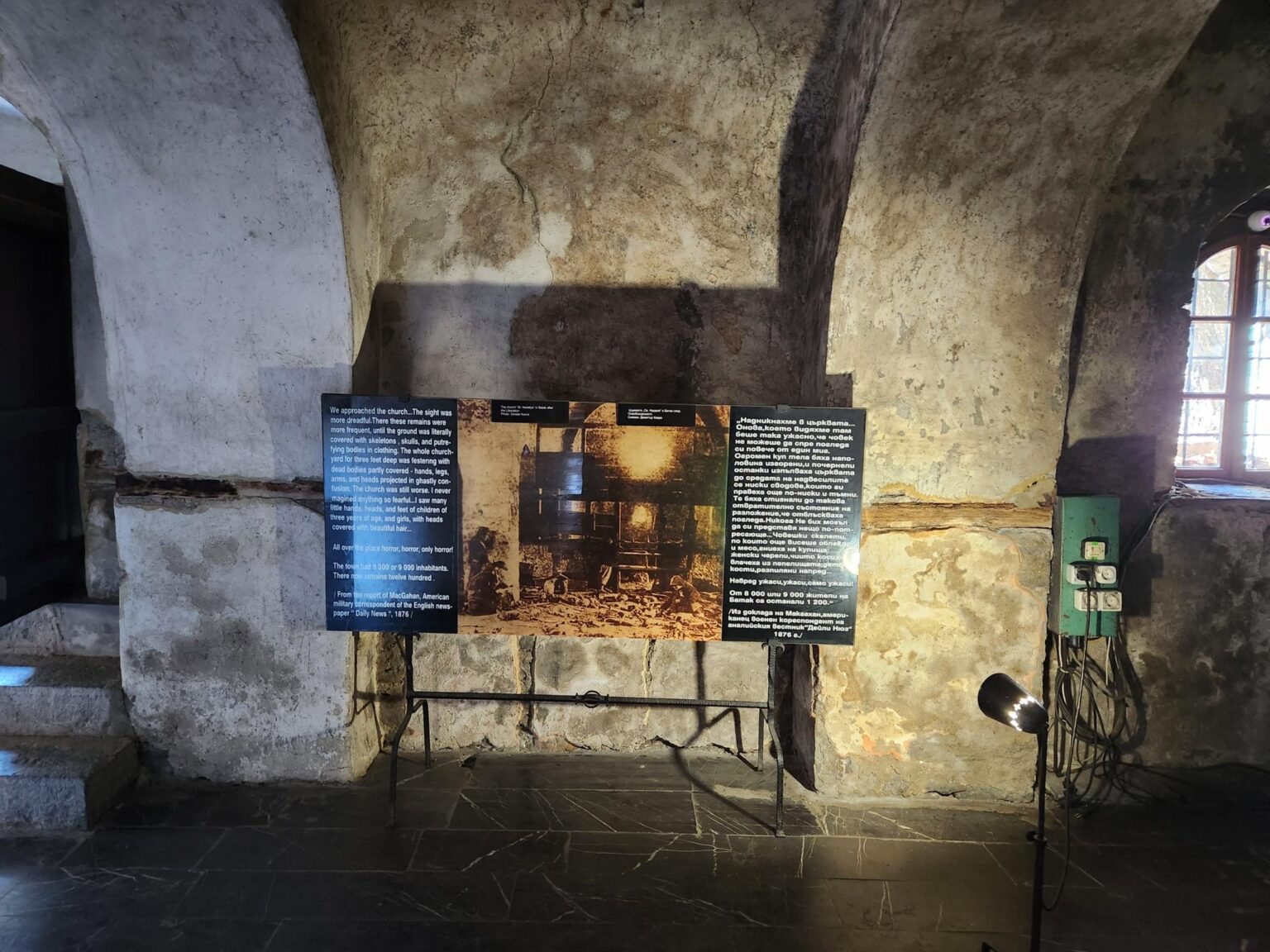
Next to the Balinova House there is a church that at first glance promises no more than any other. To our surprise, inside there is a museum section, and it is genuinely interesting. There are bullet marks, skeletons and information boards. This is where the people of Batak sheltered in 1876, and the building has been left to say so on its own.
Peshtera
Fifty minutes later we reach the town of Peshtera. The stamps here are 37 — the Snezhanka cave, 37a — the medieval Peristera fortress, and 37b — the Fotinovo waterfall. All three are in the area, but all three are slower and more complicated, and they will be the subject of another article. Snezhanka is fairly hard to reach in a normal car — you want something with clearance, unless you use the private transfer from the main road — and after that there is close to an hour of moderately unpleasant climbing. The Fotinovo waterfalls are further into the mountain and are better done with an overnight stay in Fotinovo. Peristera is ideal to visit in Peshtera itself, close to the centre, and needs about an hour — also a story for another time.
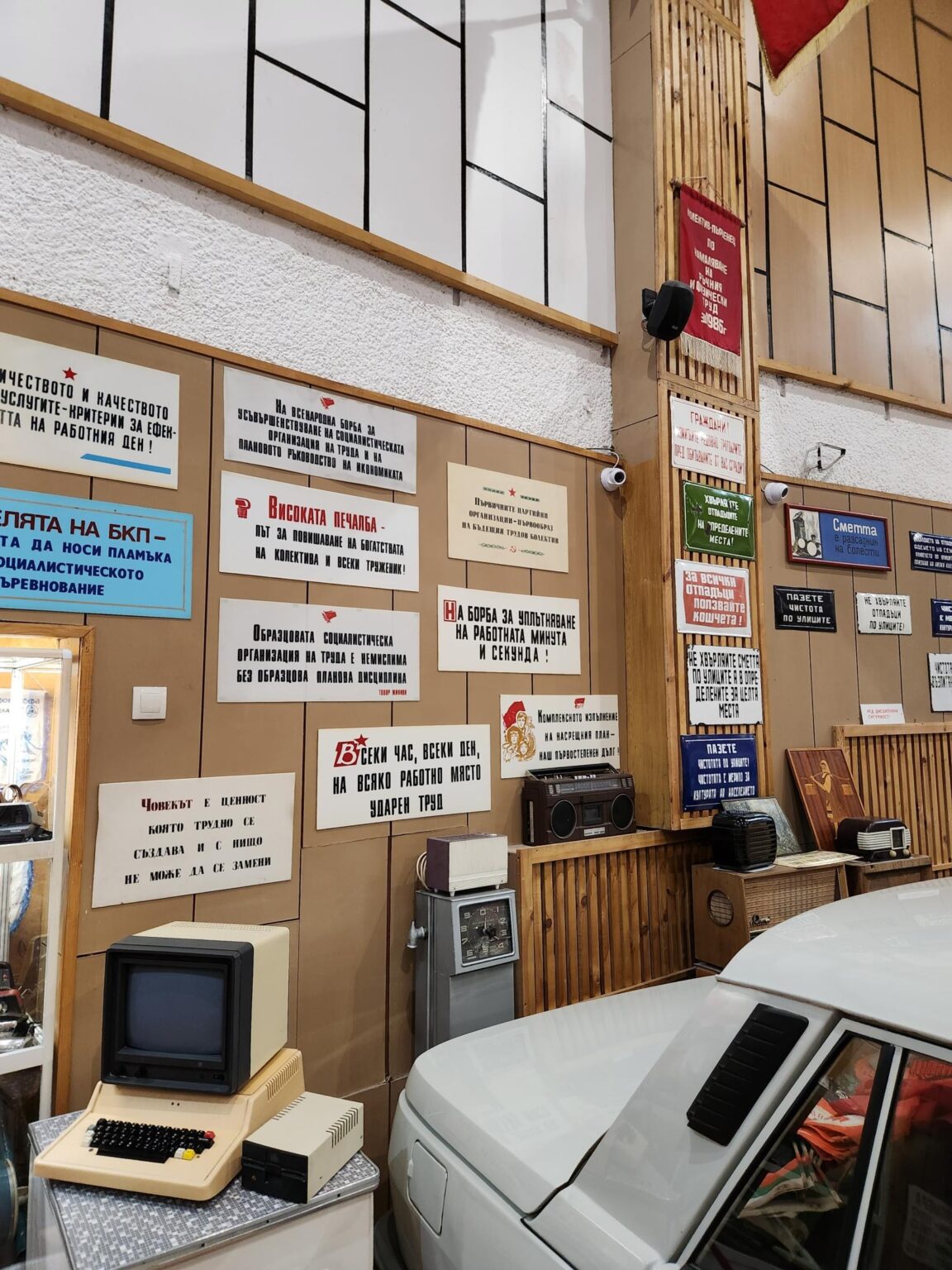
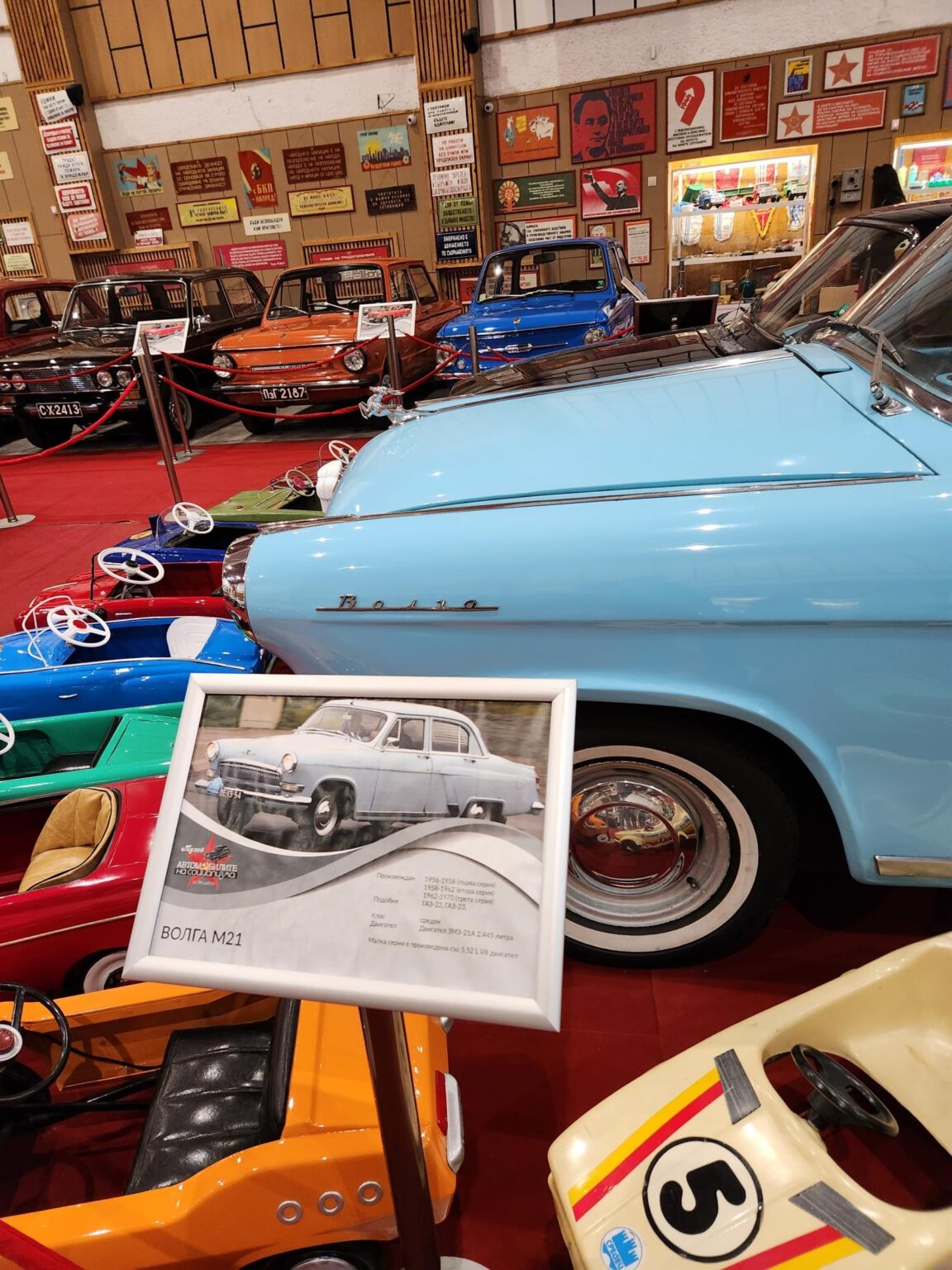
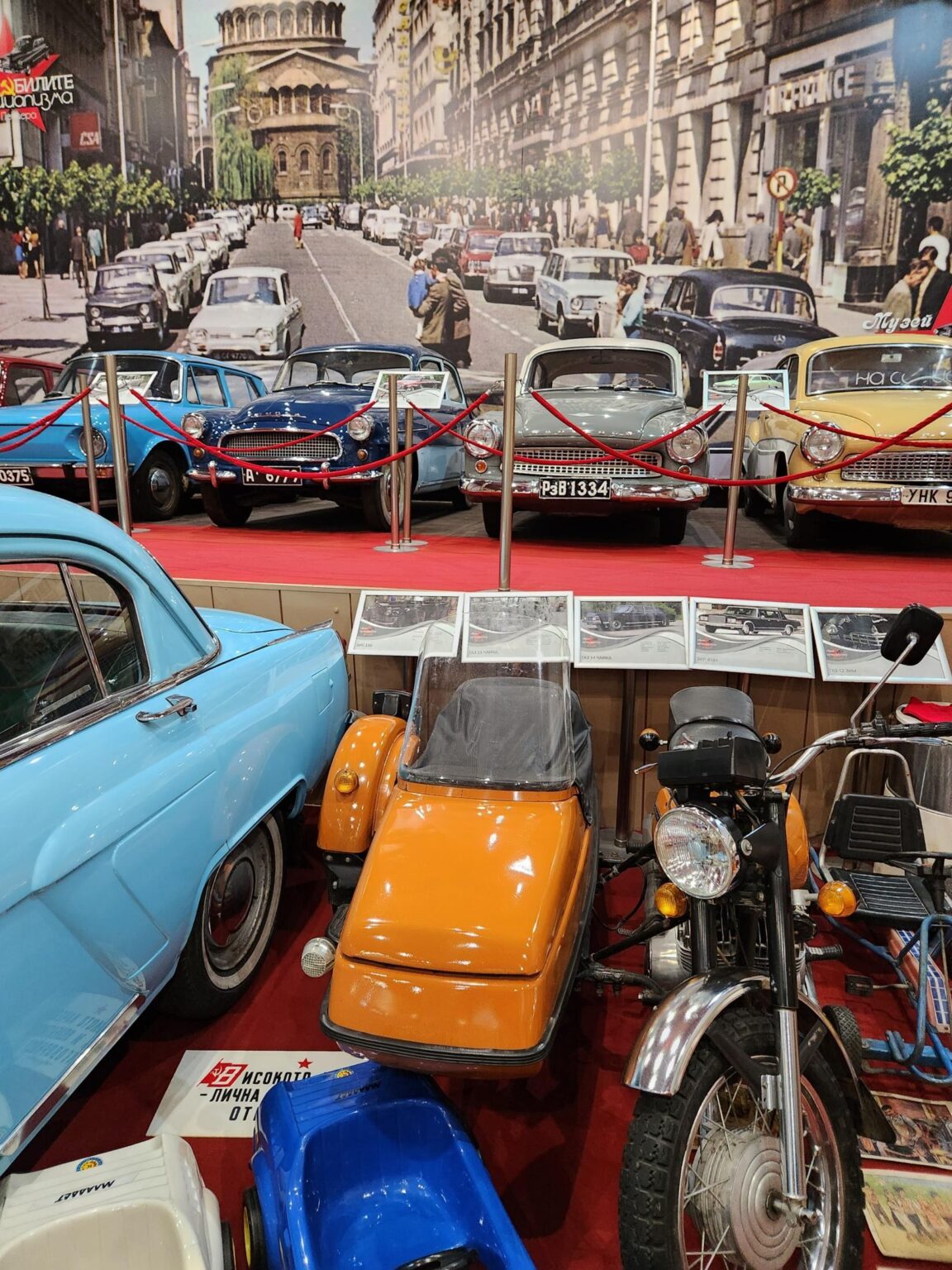
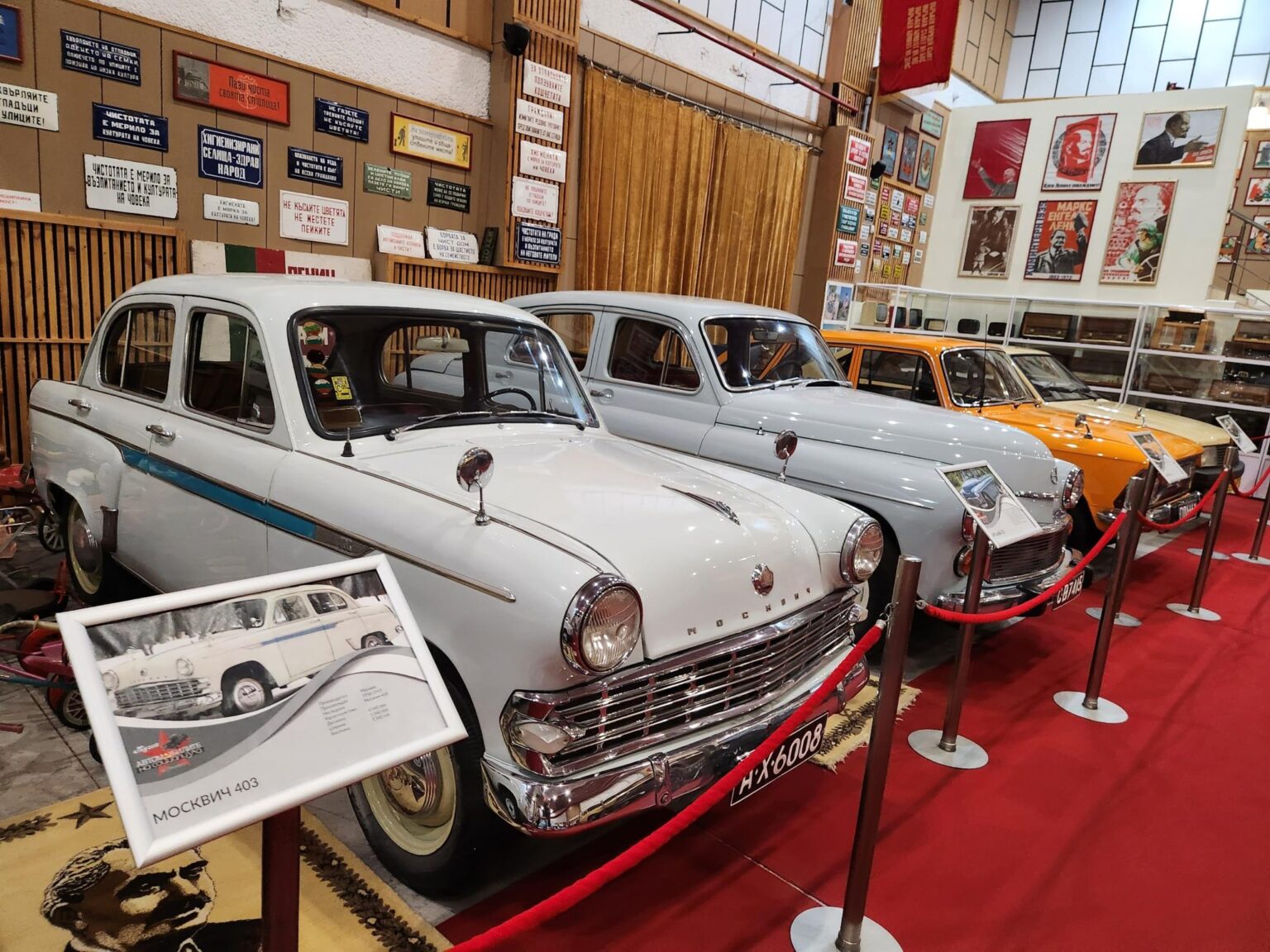
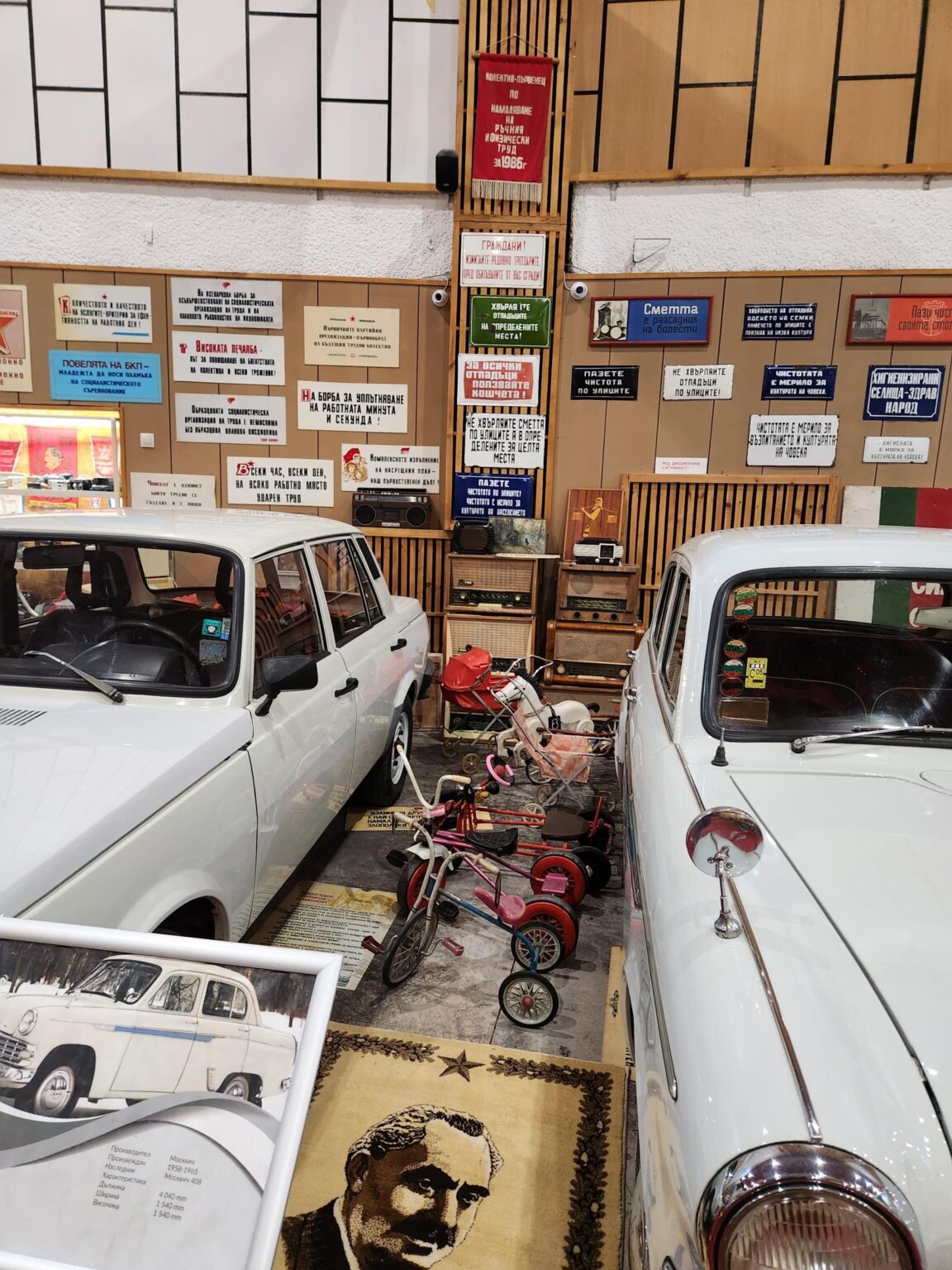
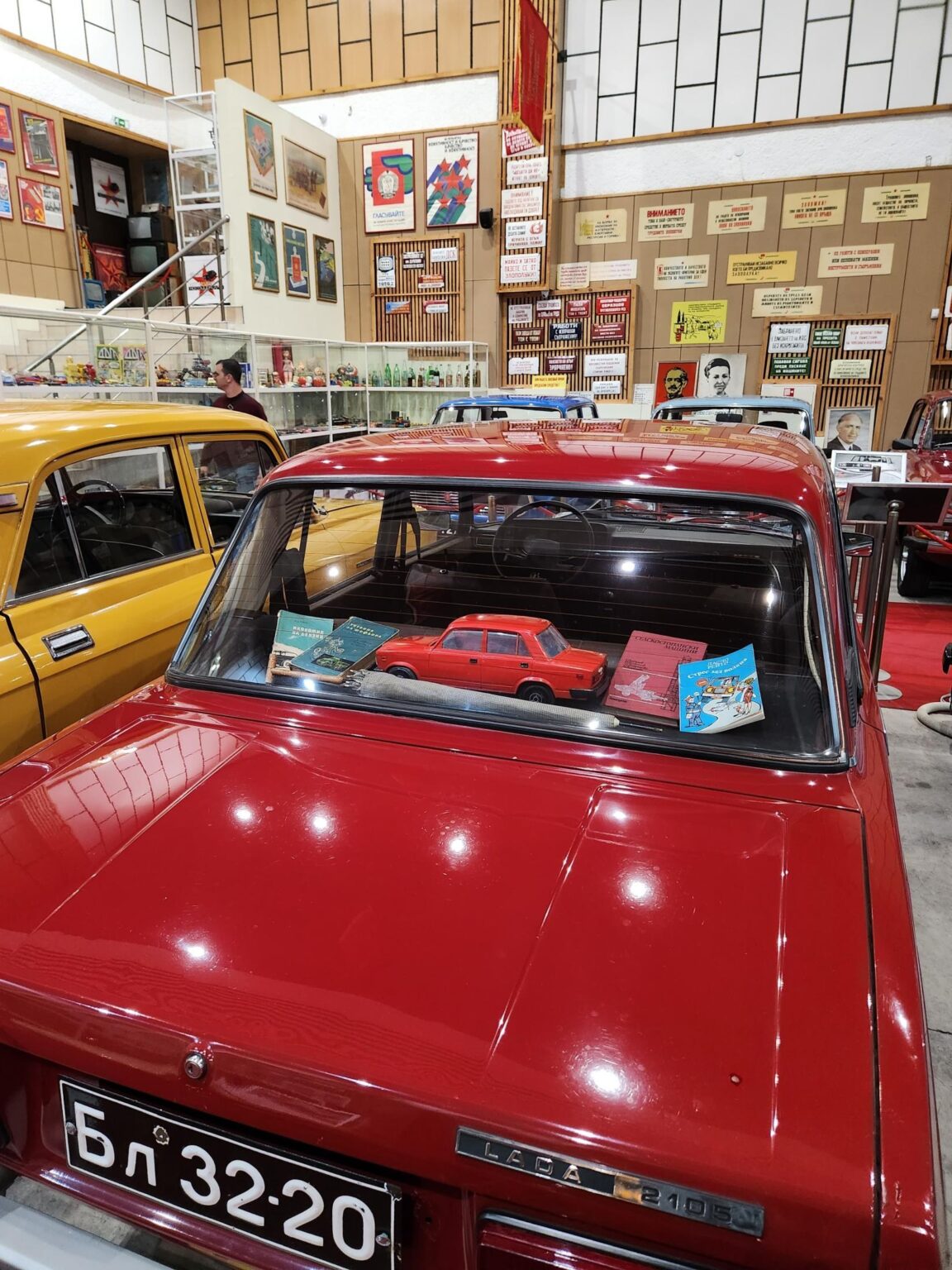
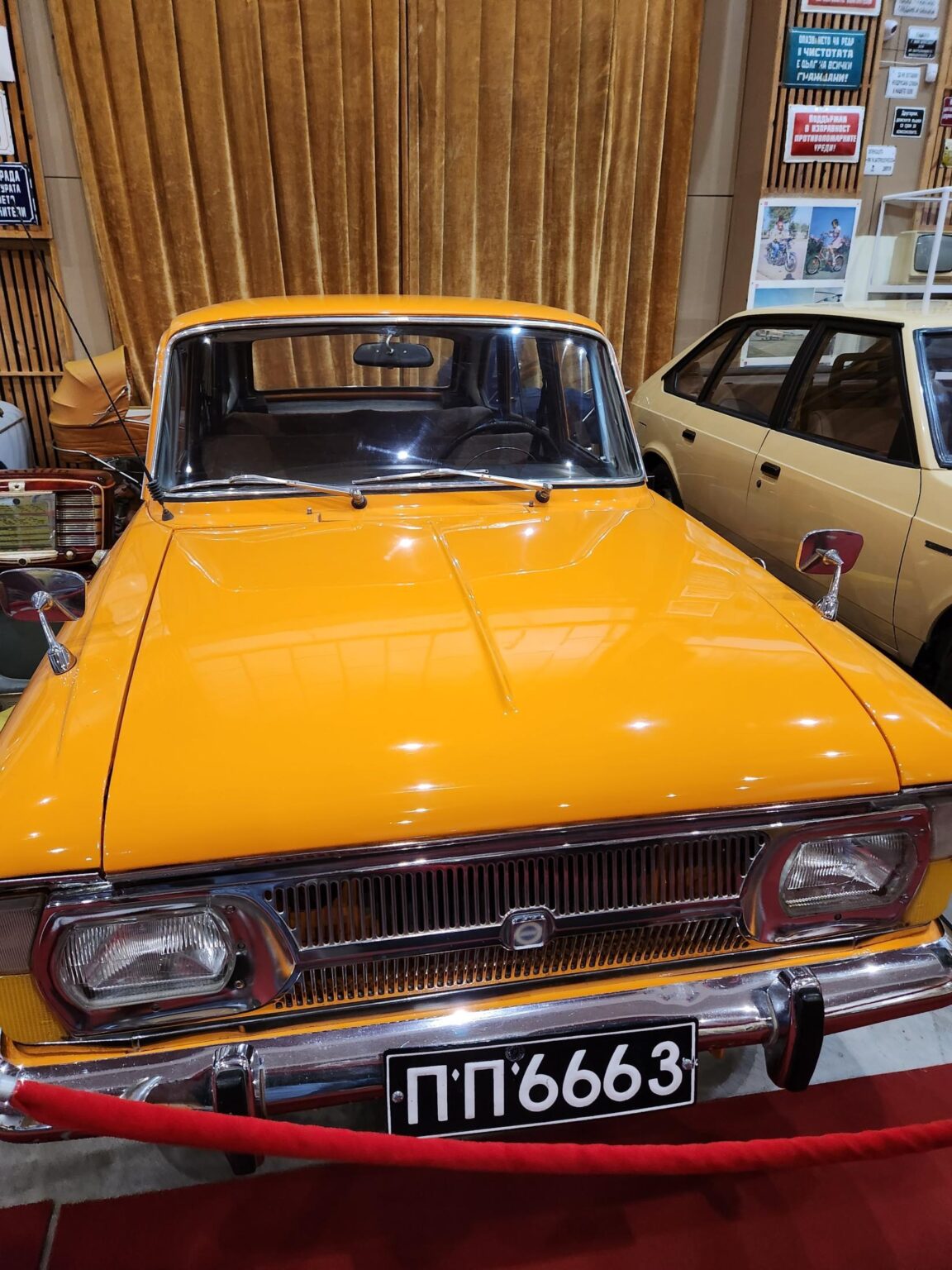
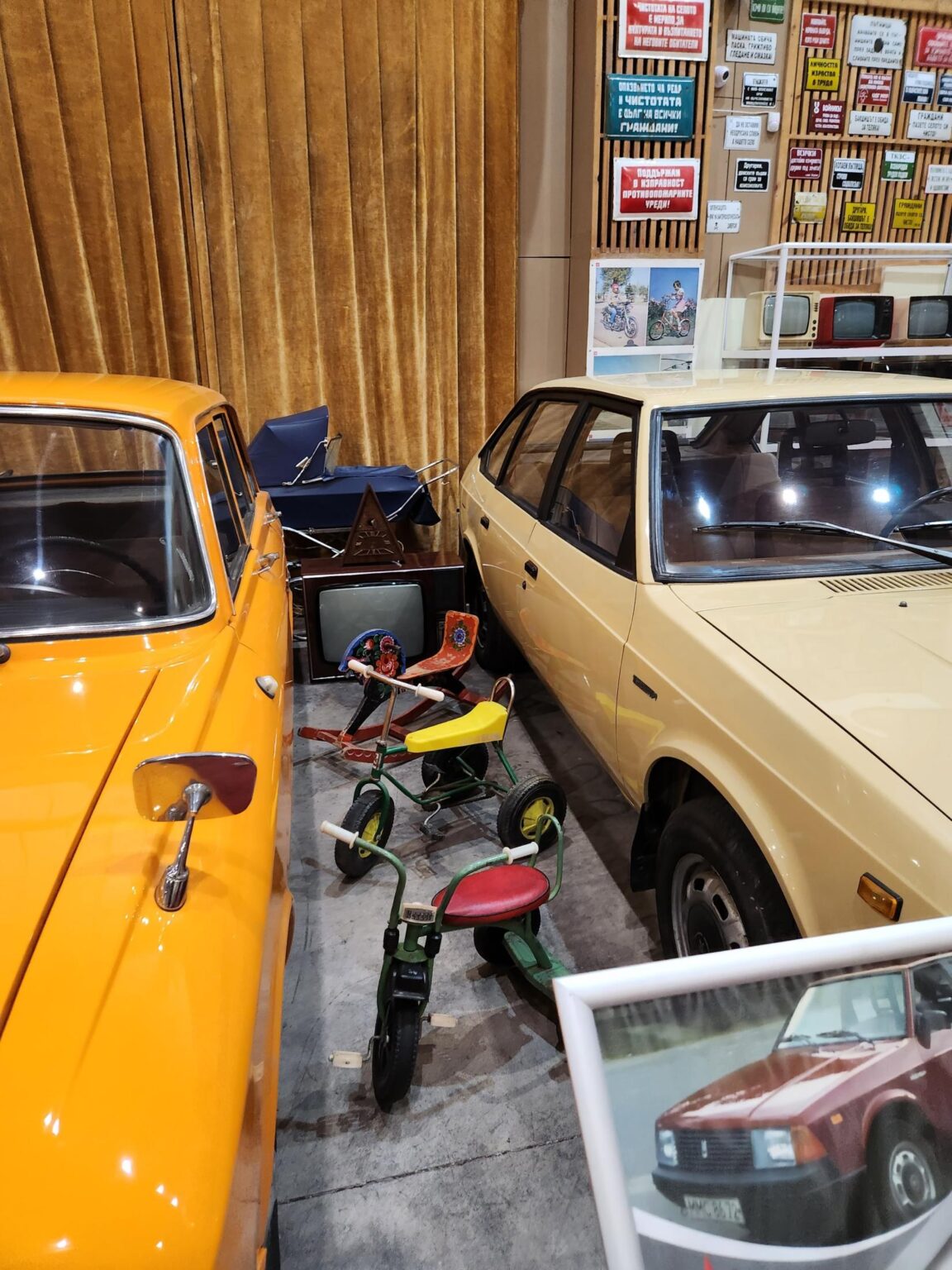
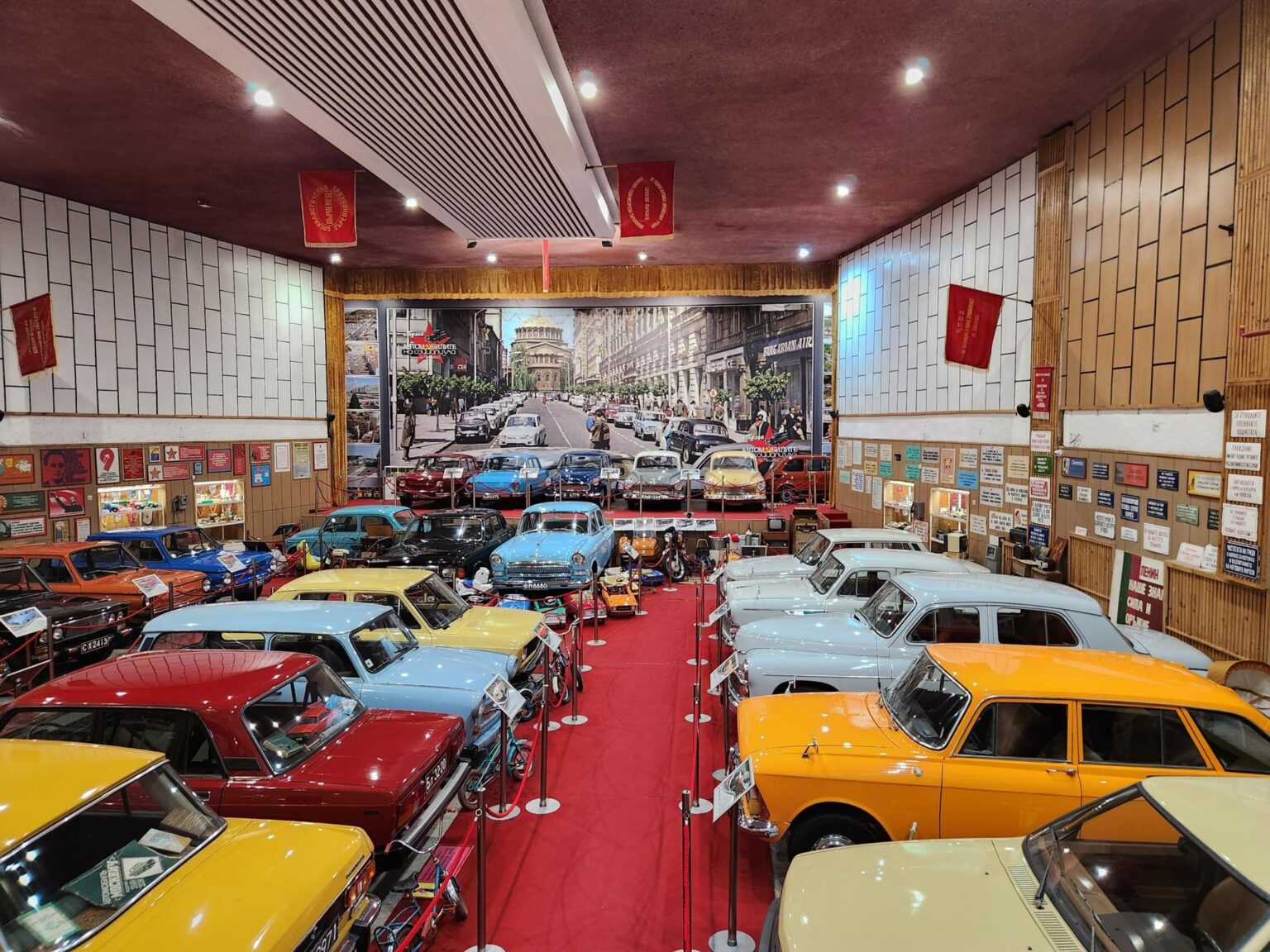
So what do we do in Peshtera, you ask? Besides the good coffee and the Caesar salad, there is a museum here that has its own stamp without being part of the 100 sites. It has been gaining popularity for a while now and I am a massive fan. Time for the blog to cover it 😀 With good reason. I am talking, of course, about:
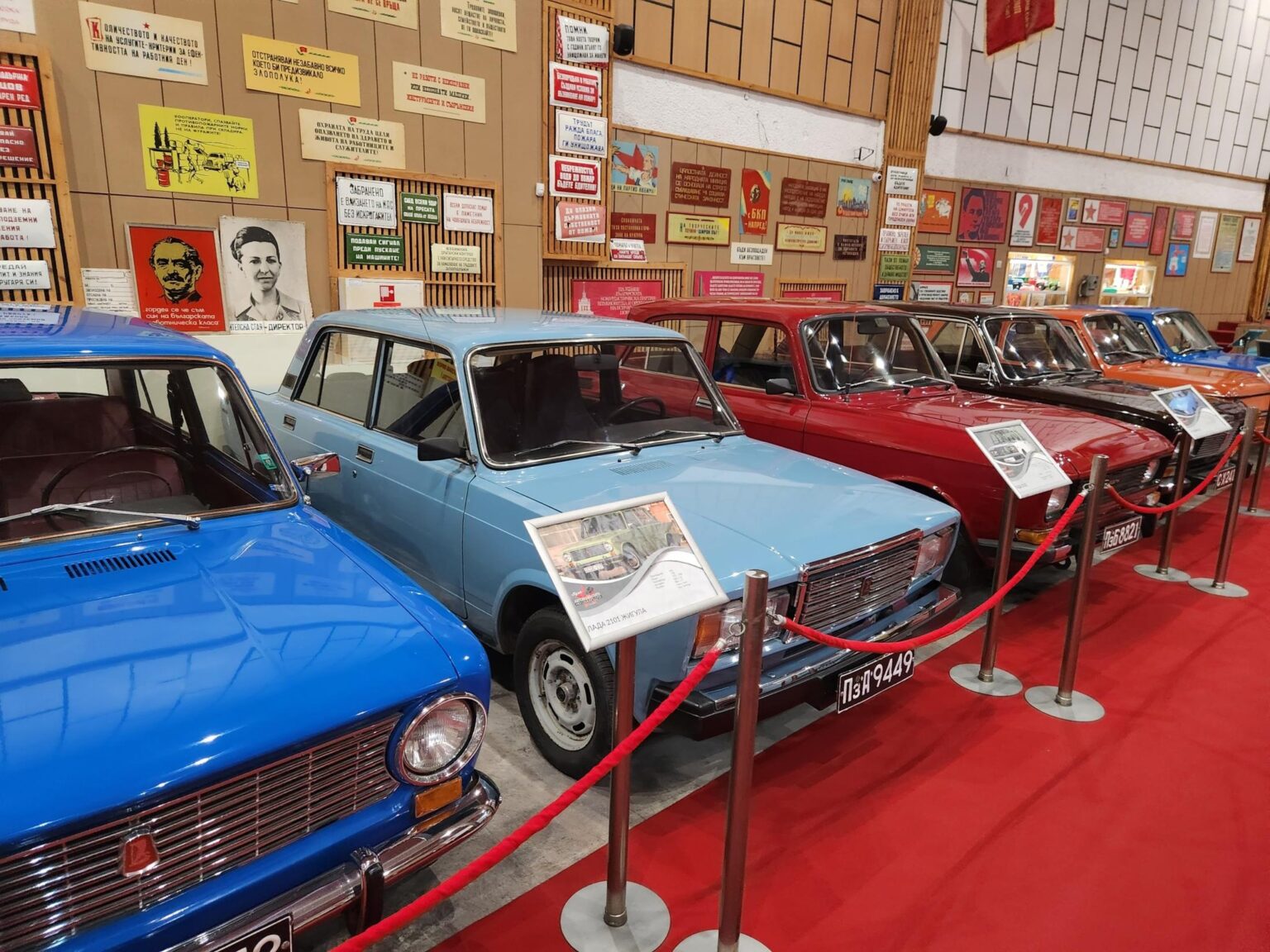
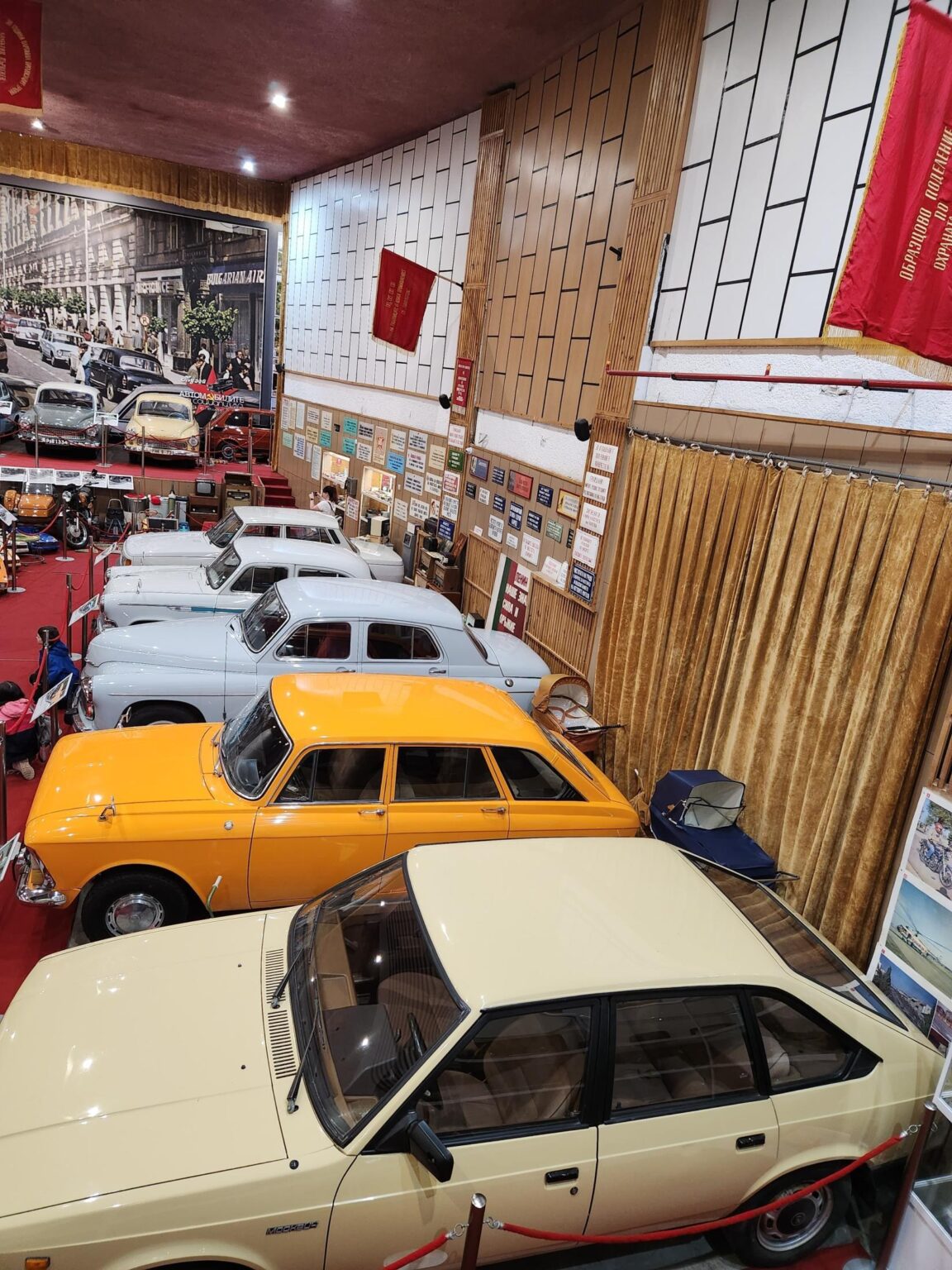
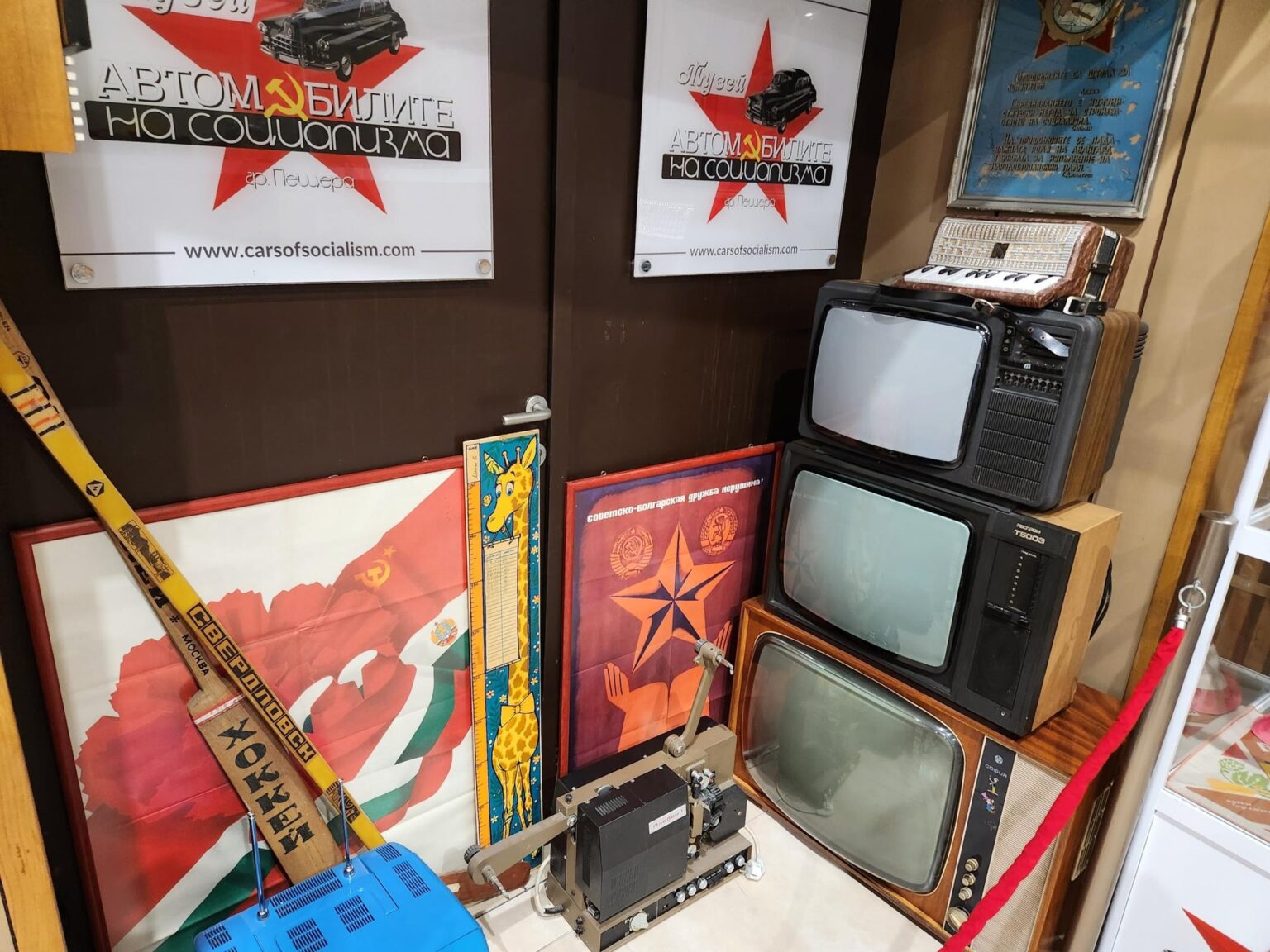
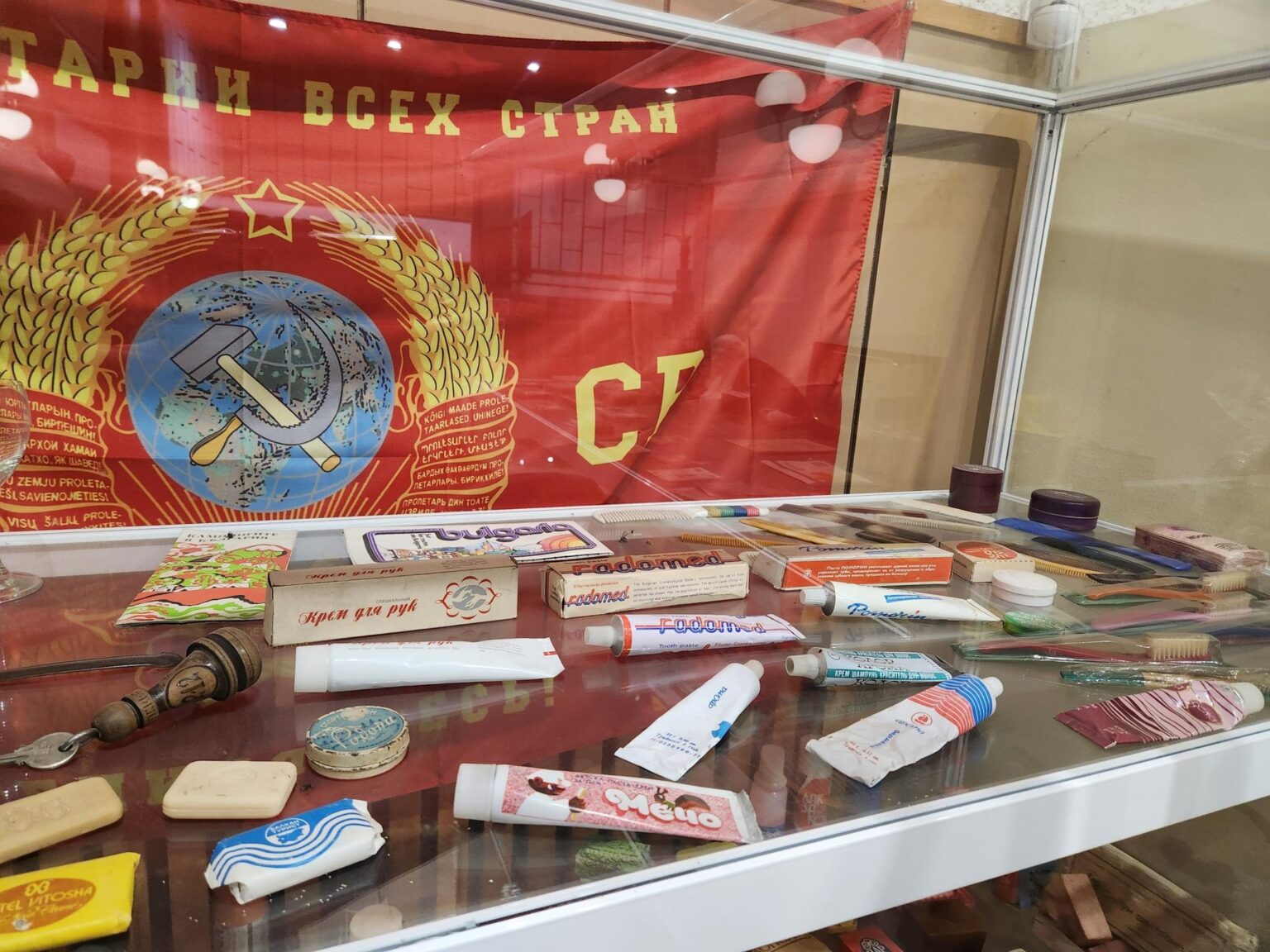
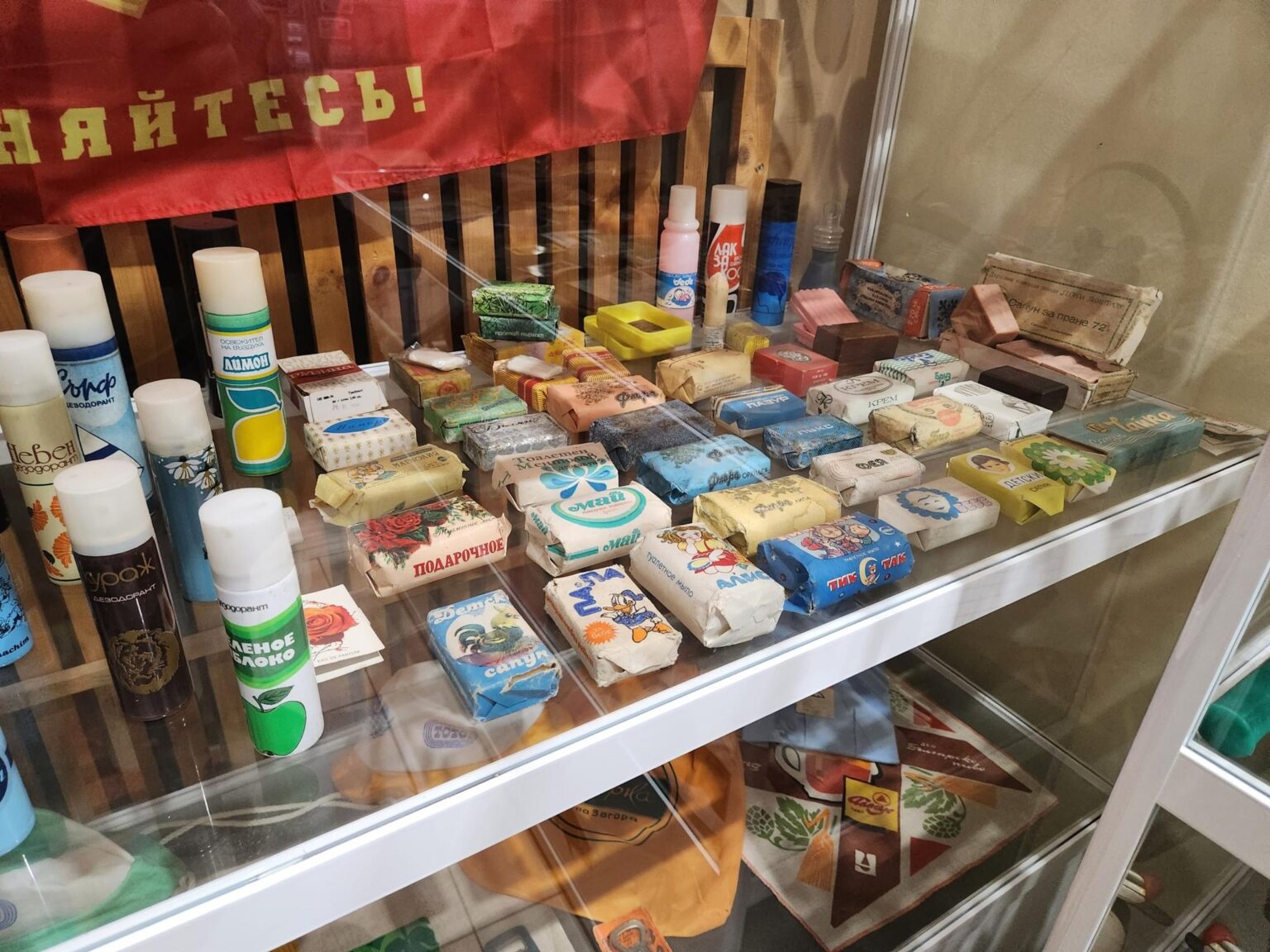
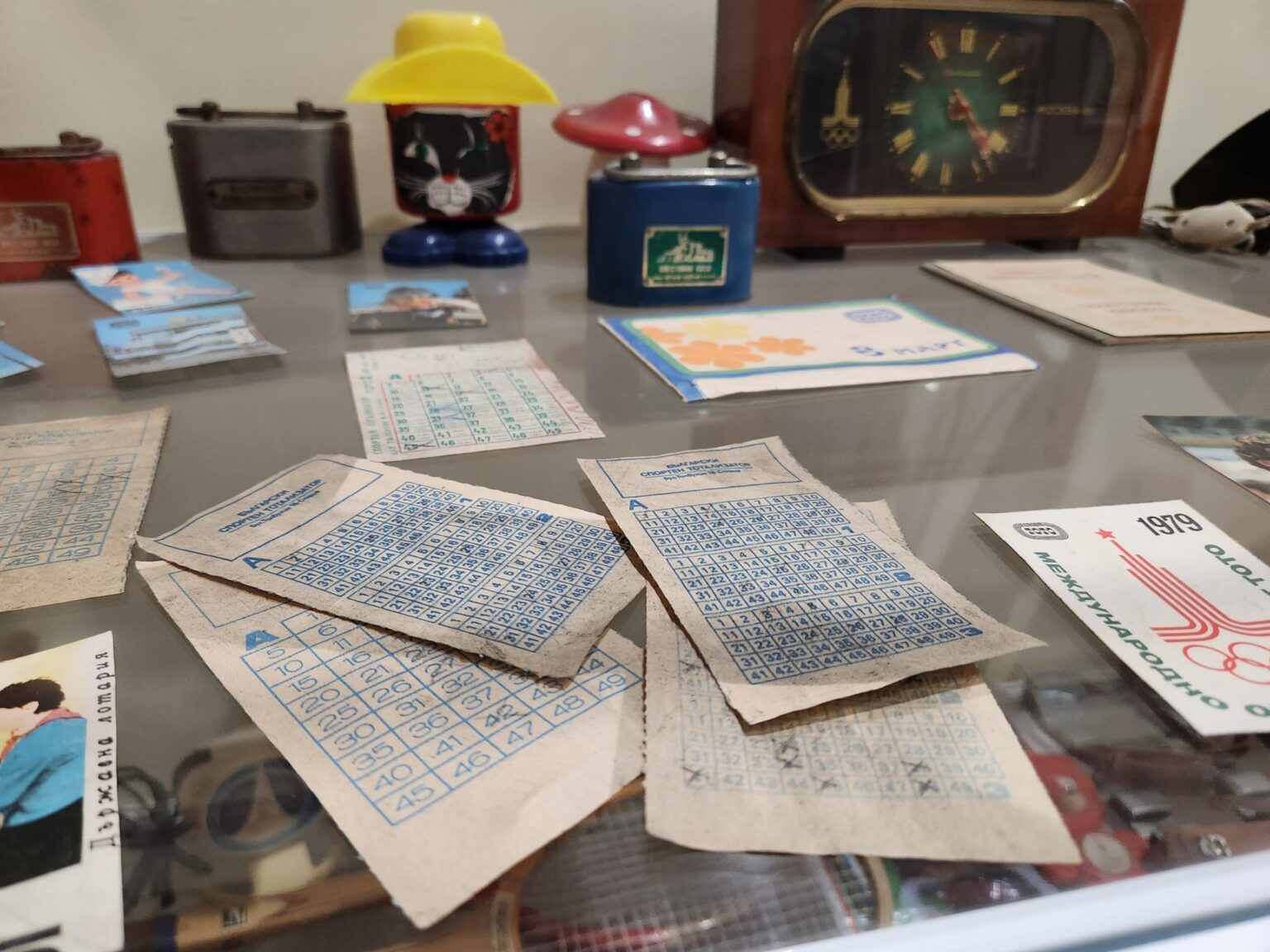
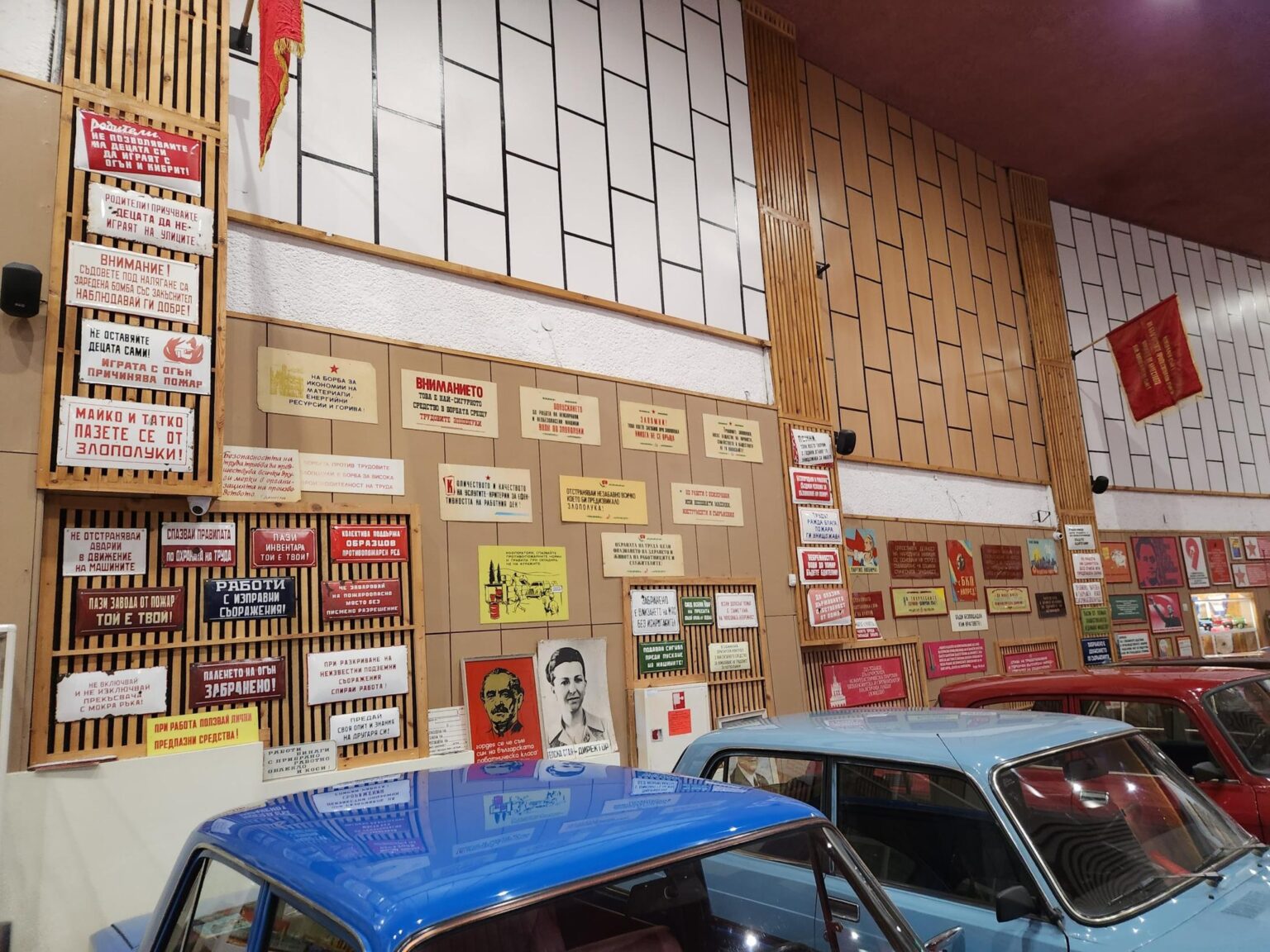
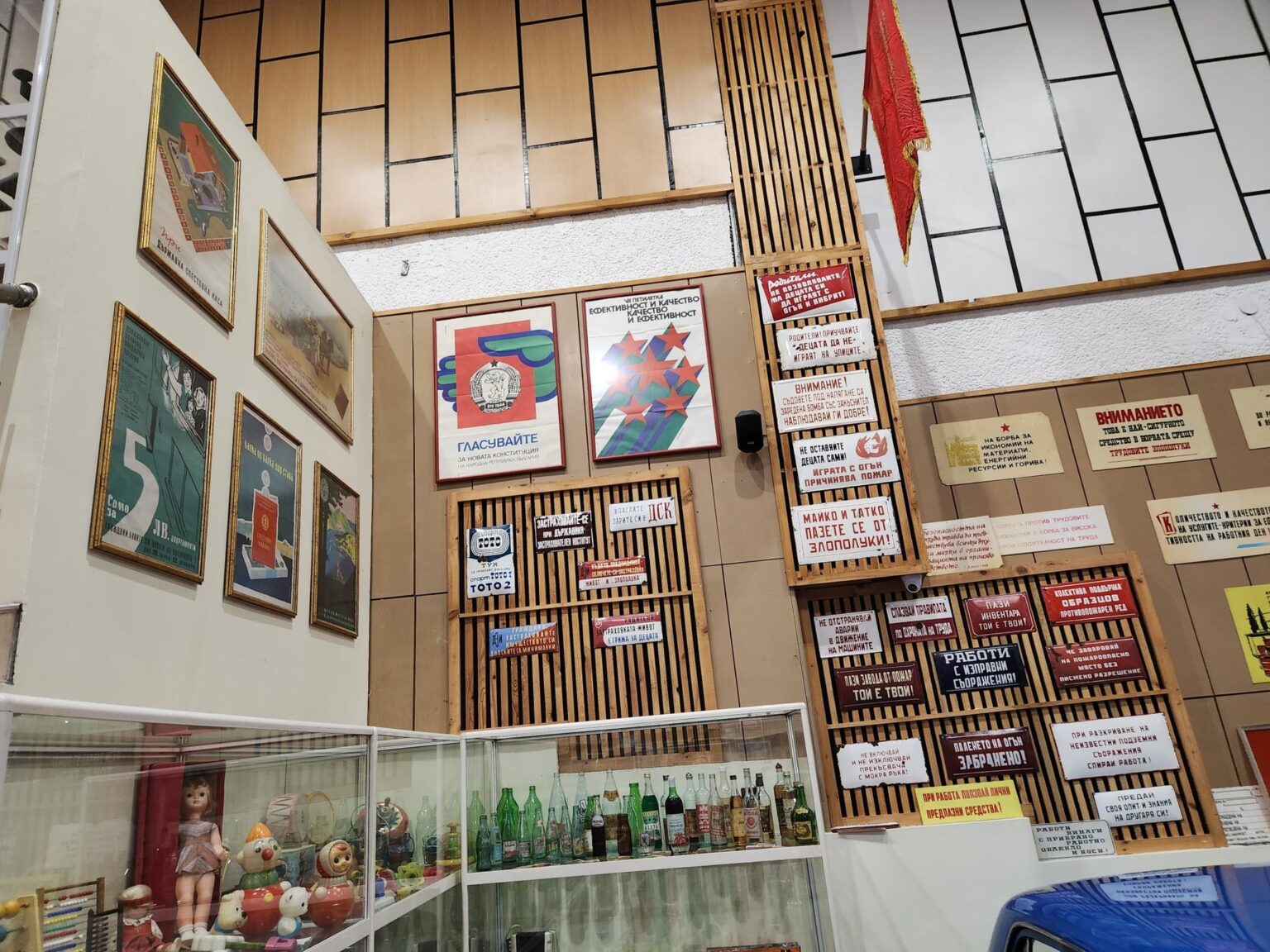
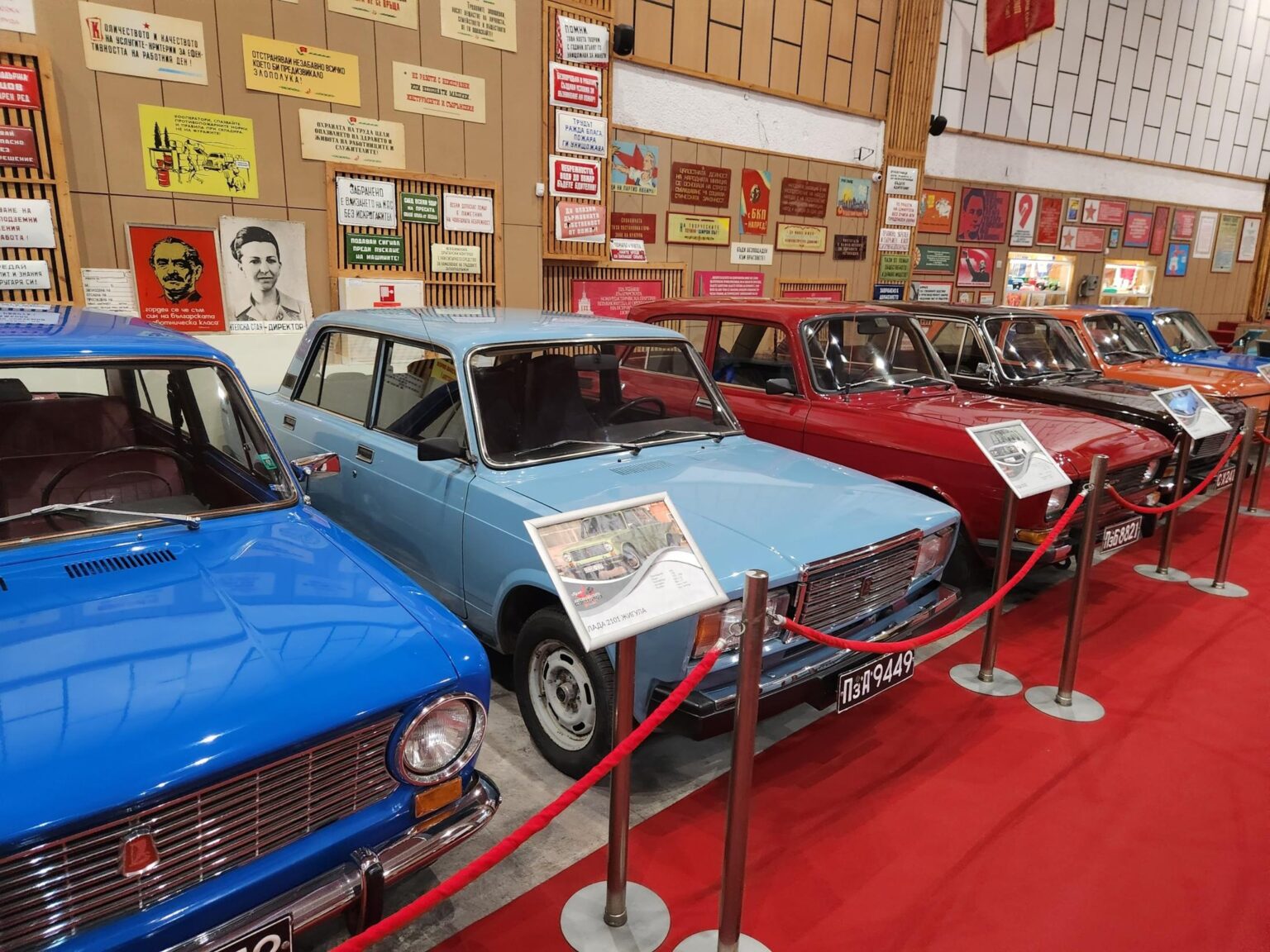
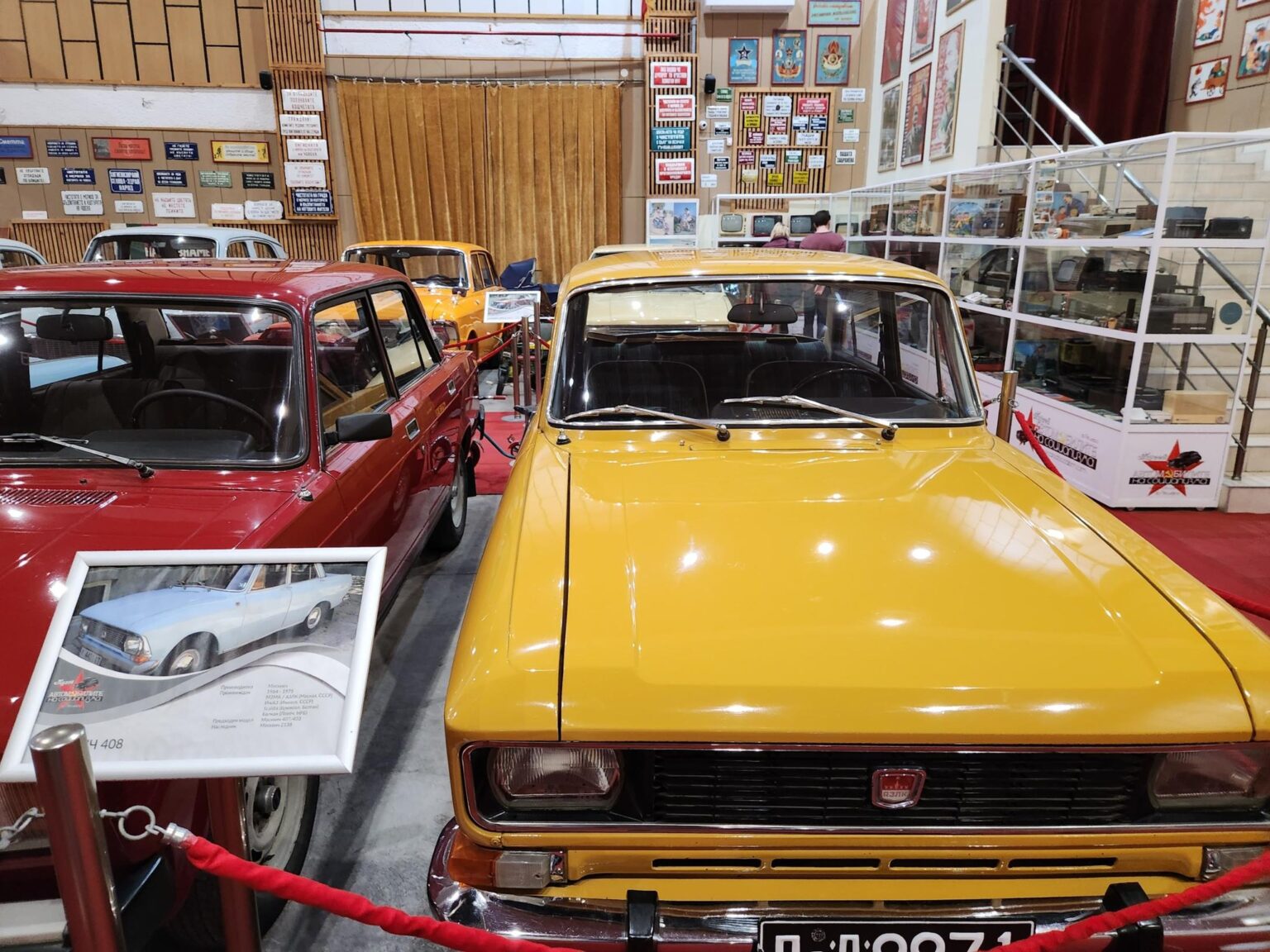
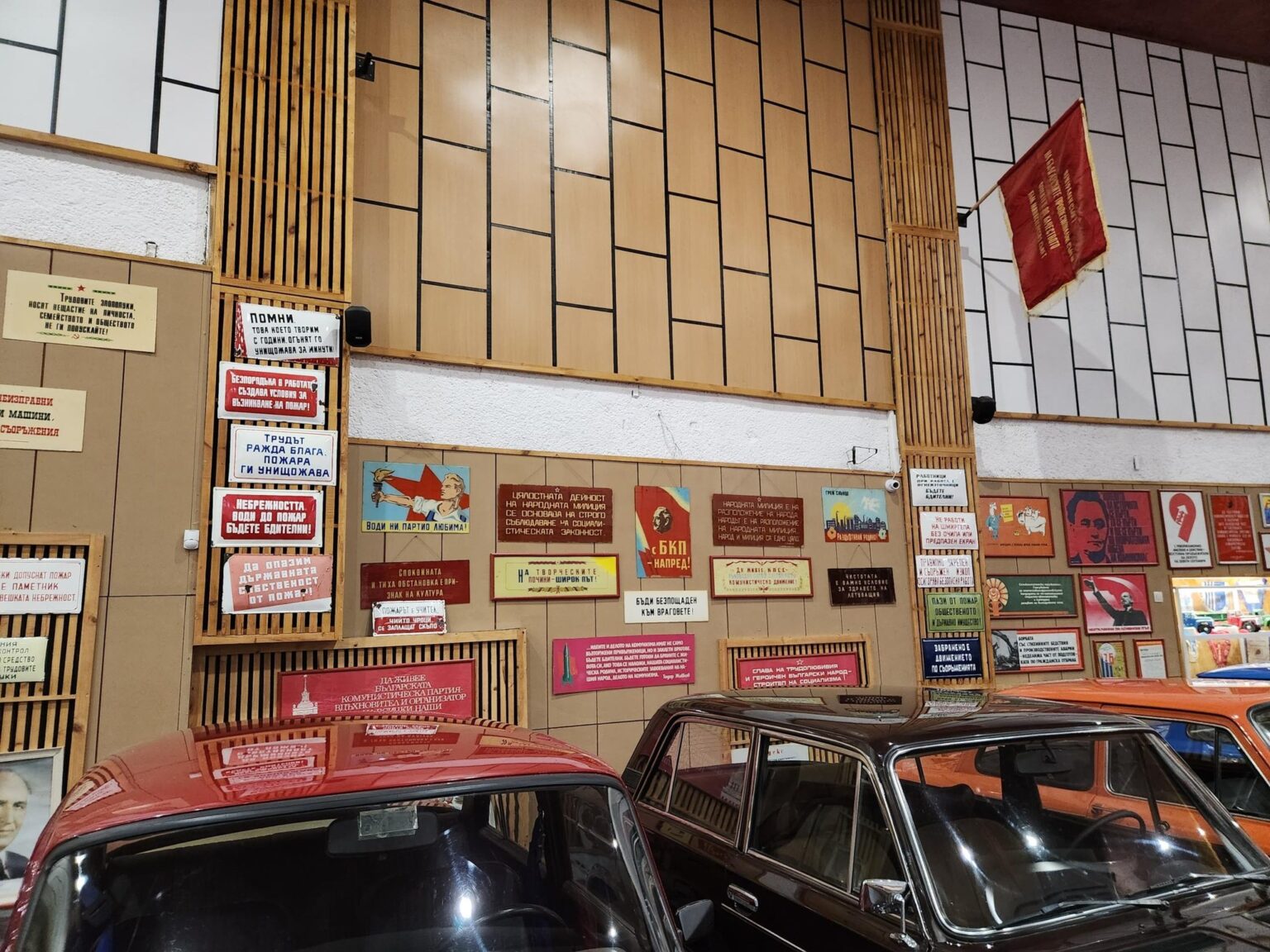
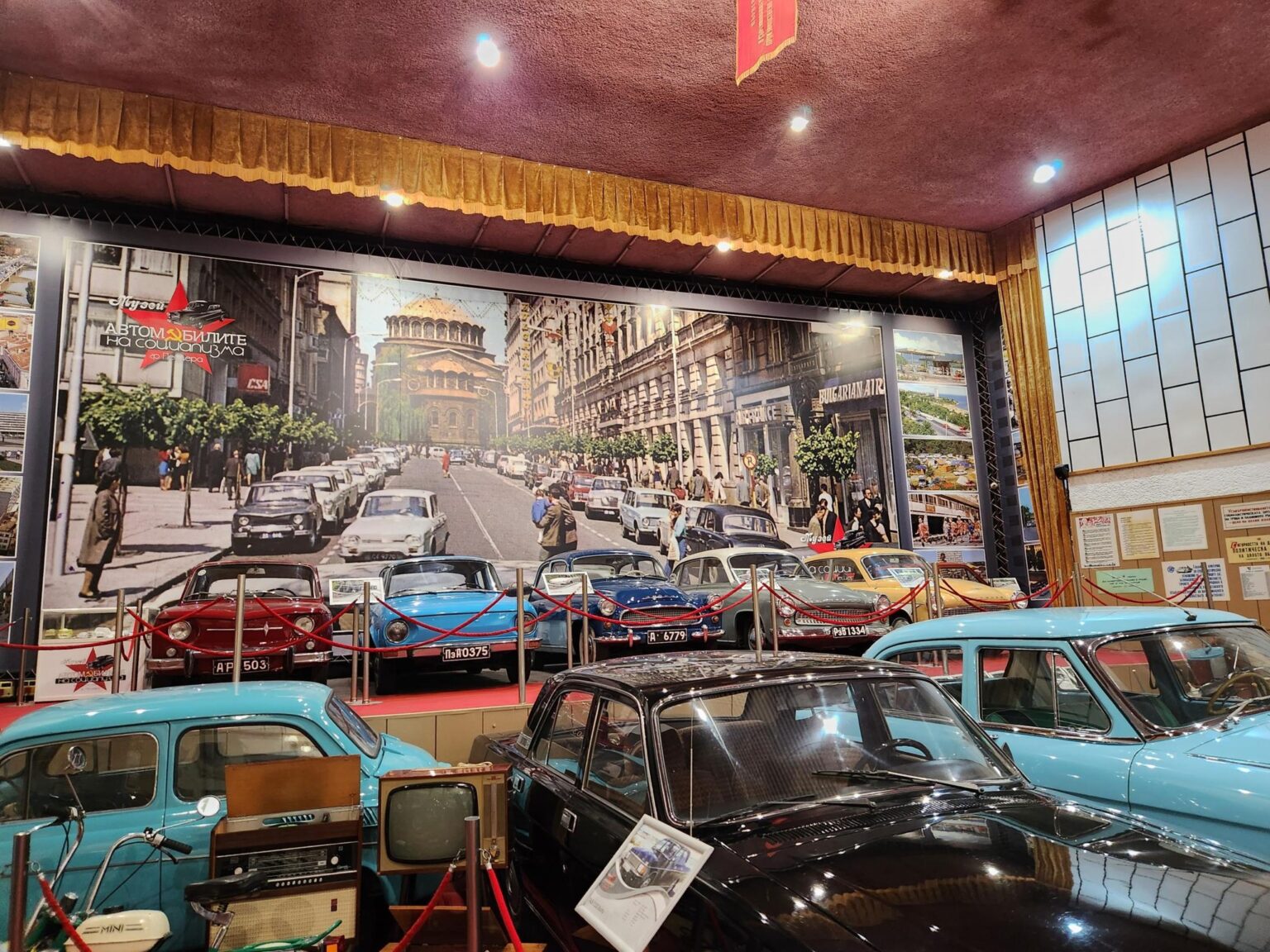
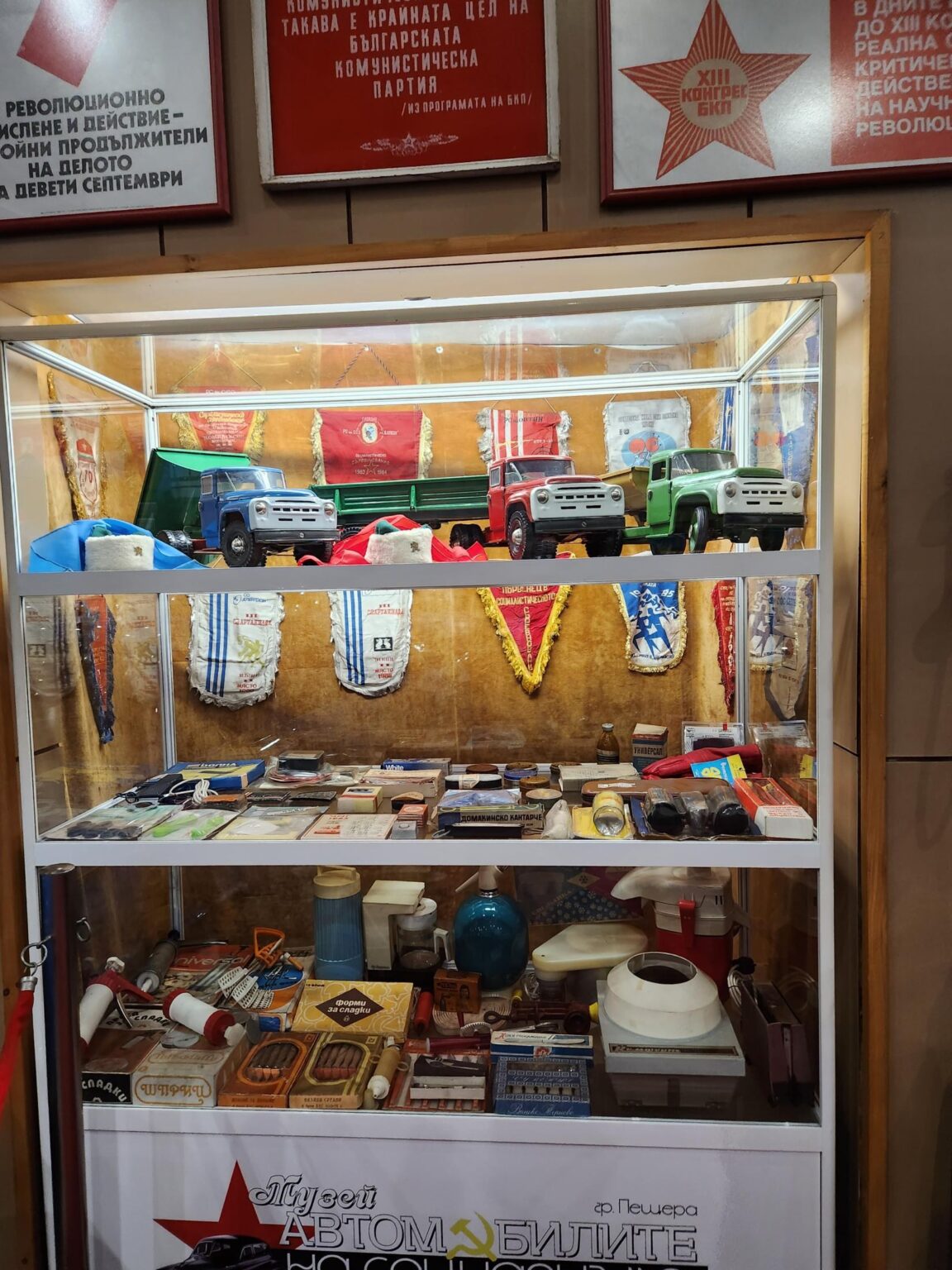
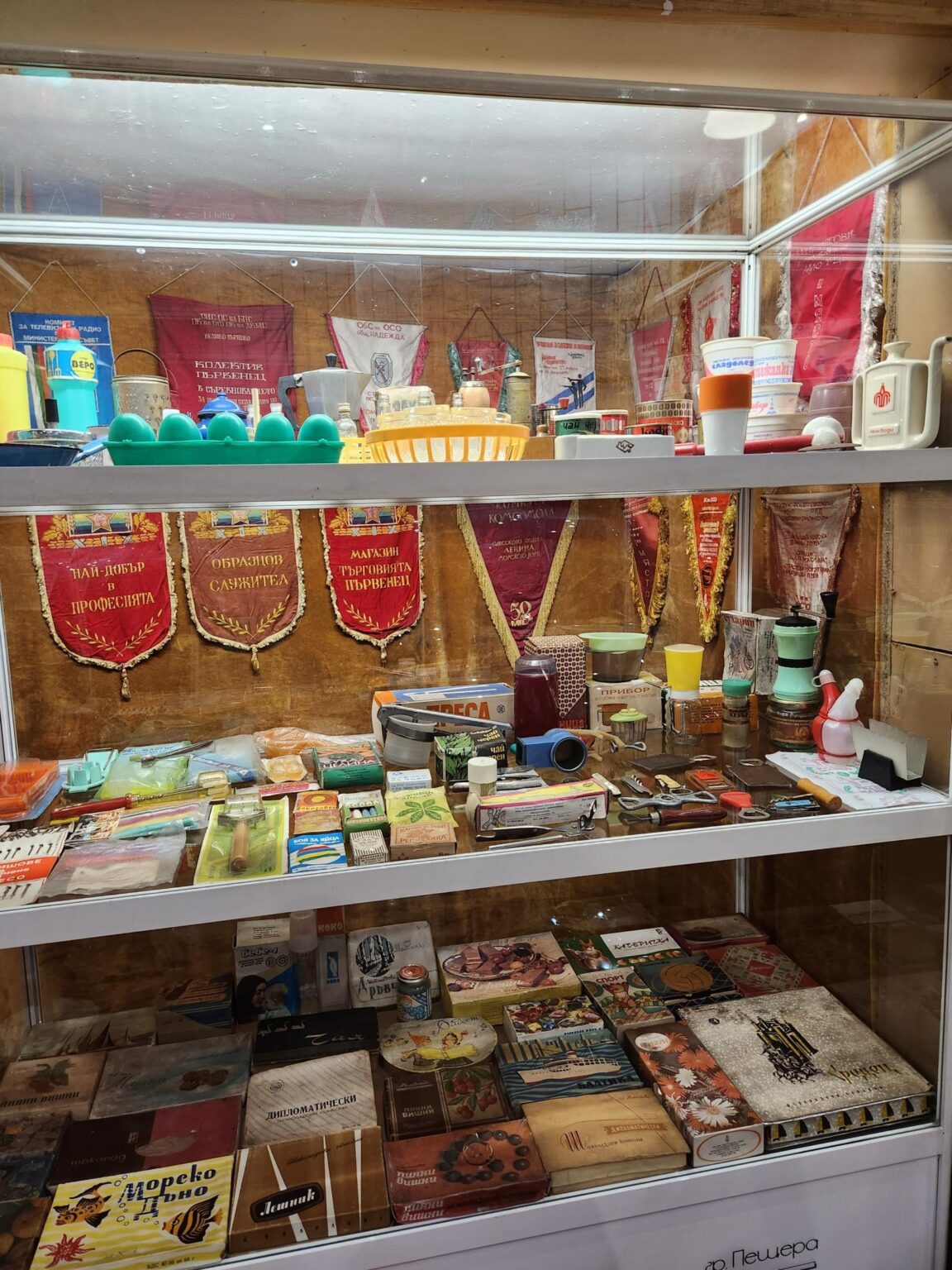
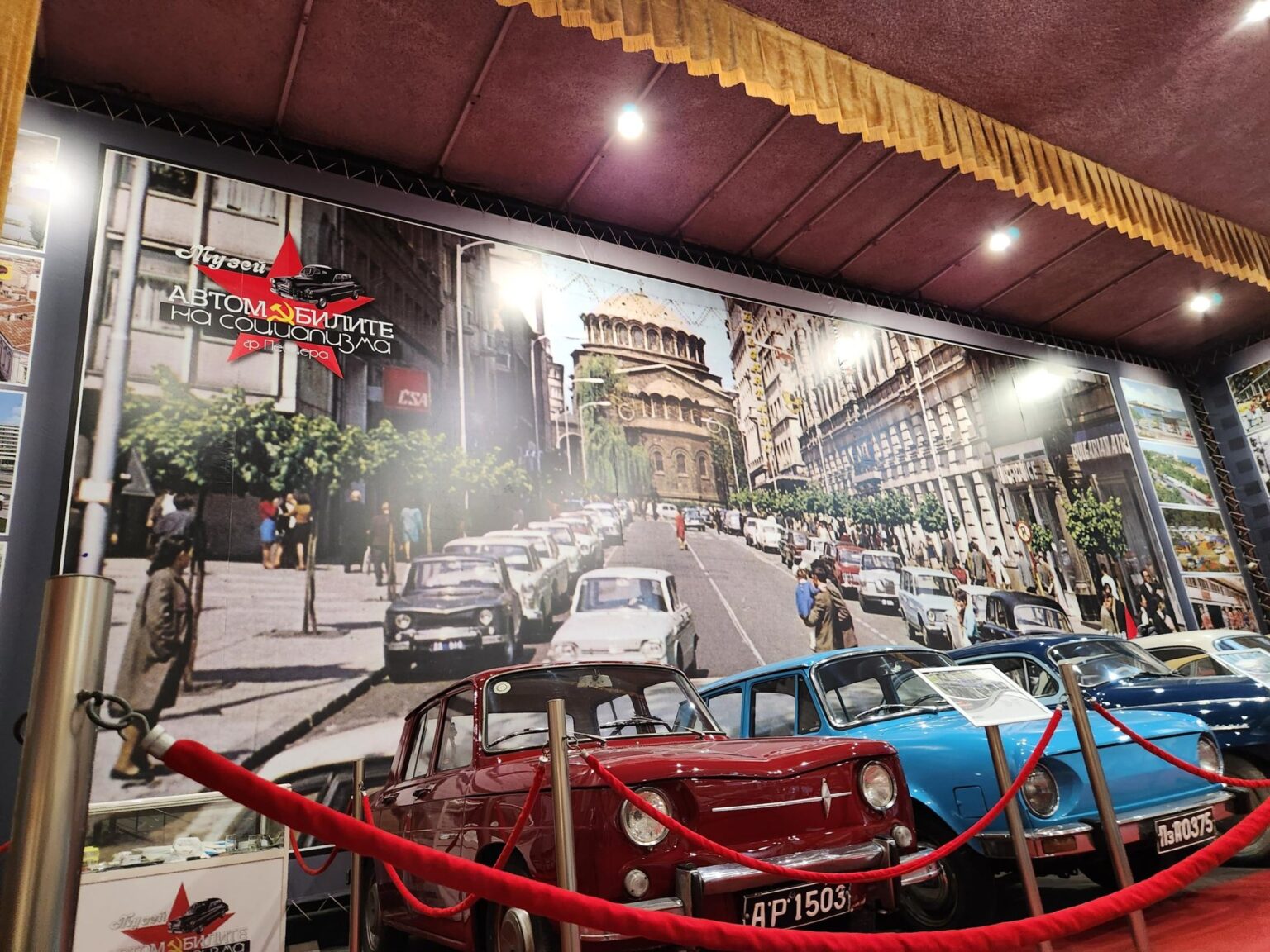
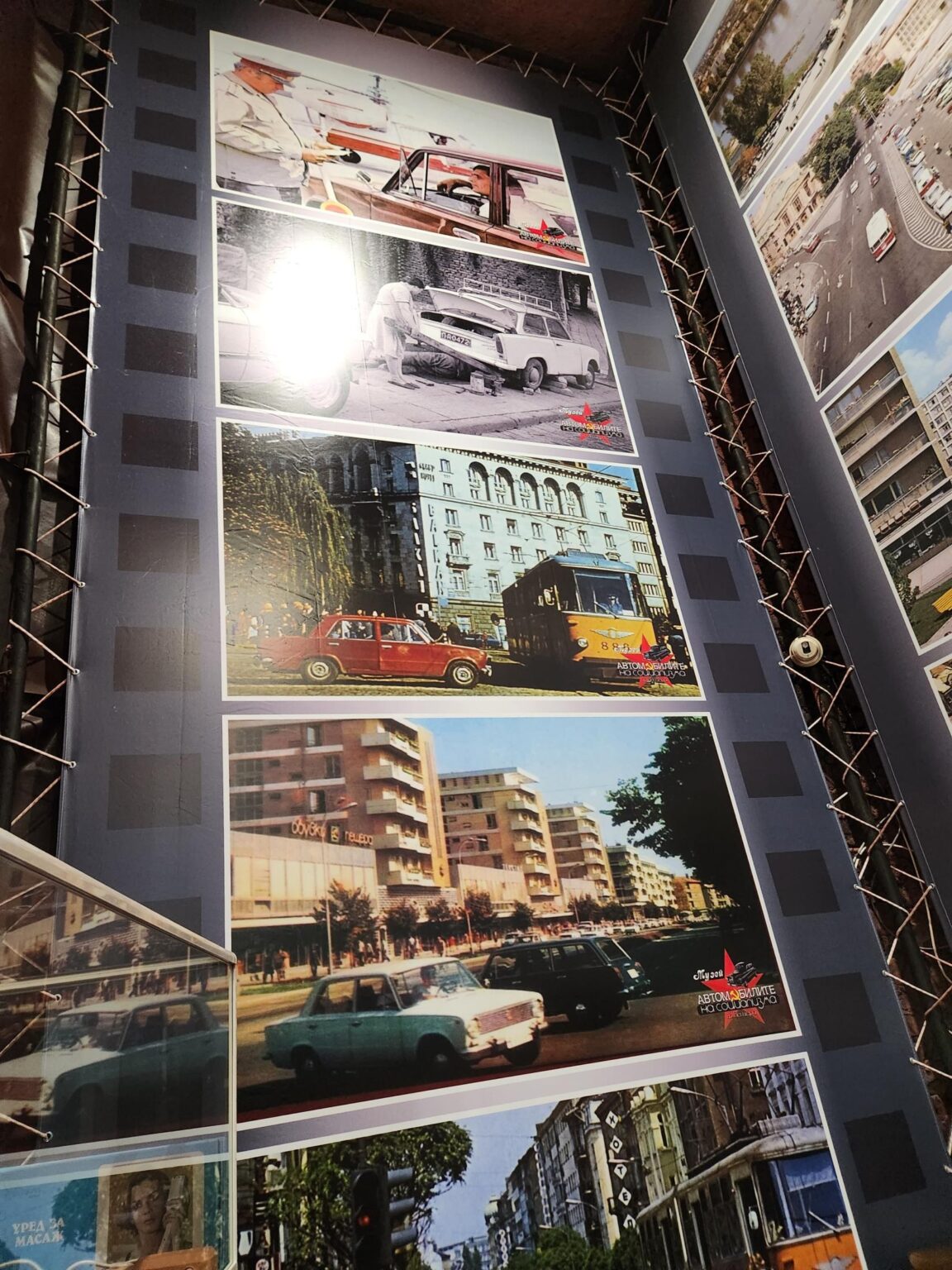
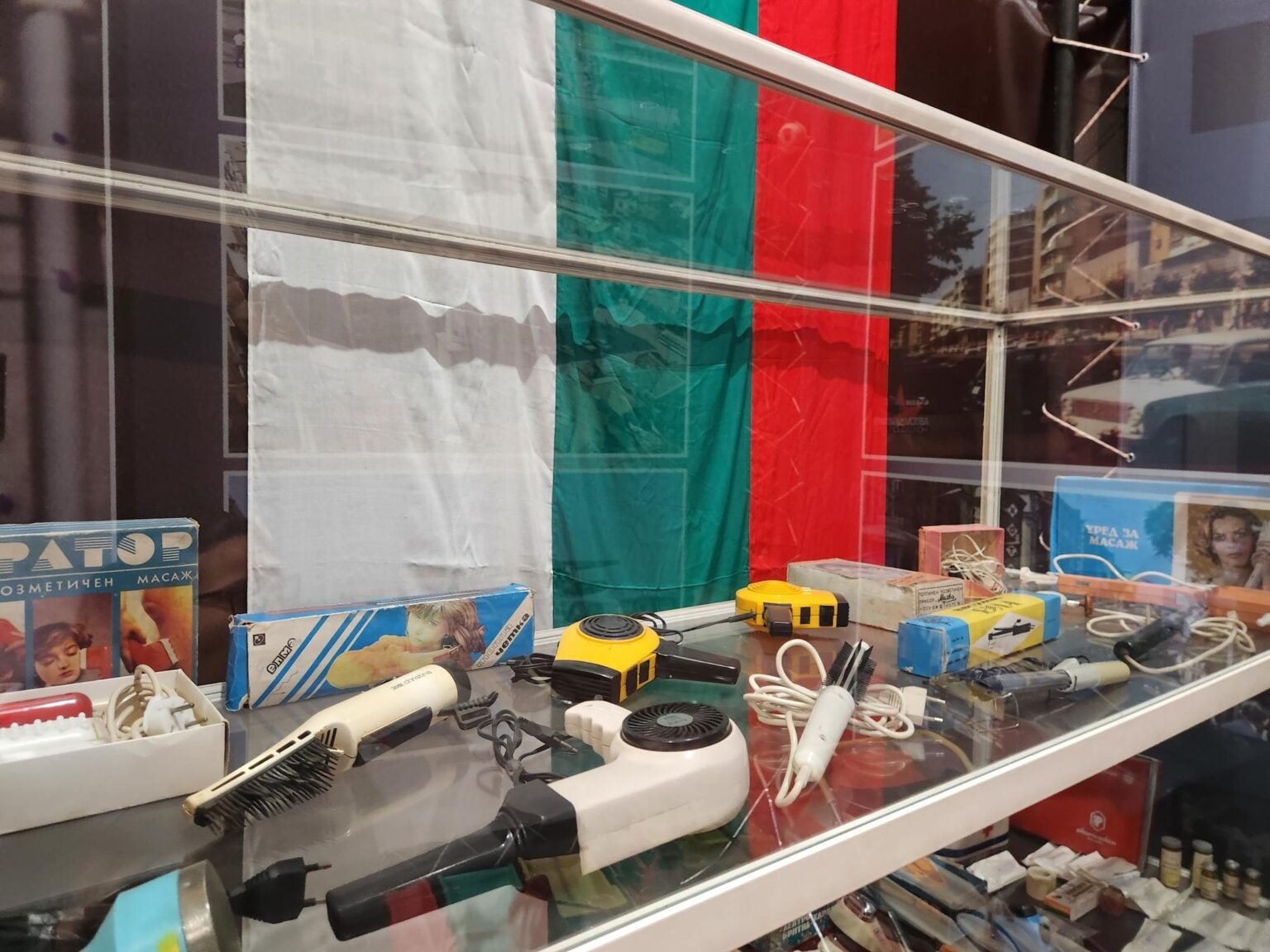
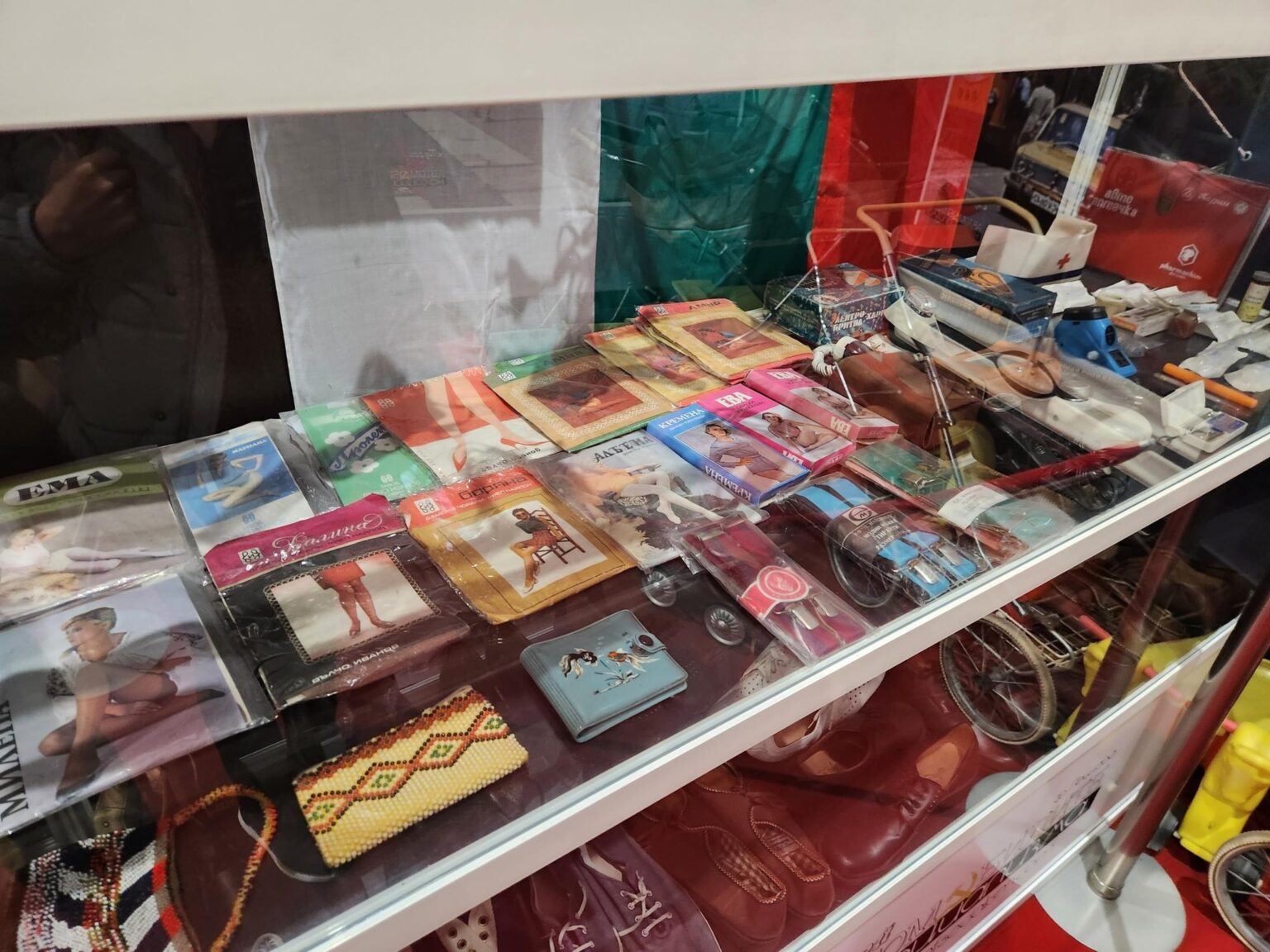
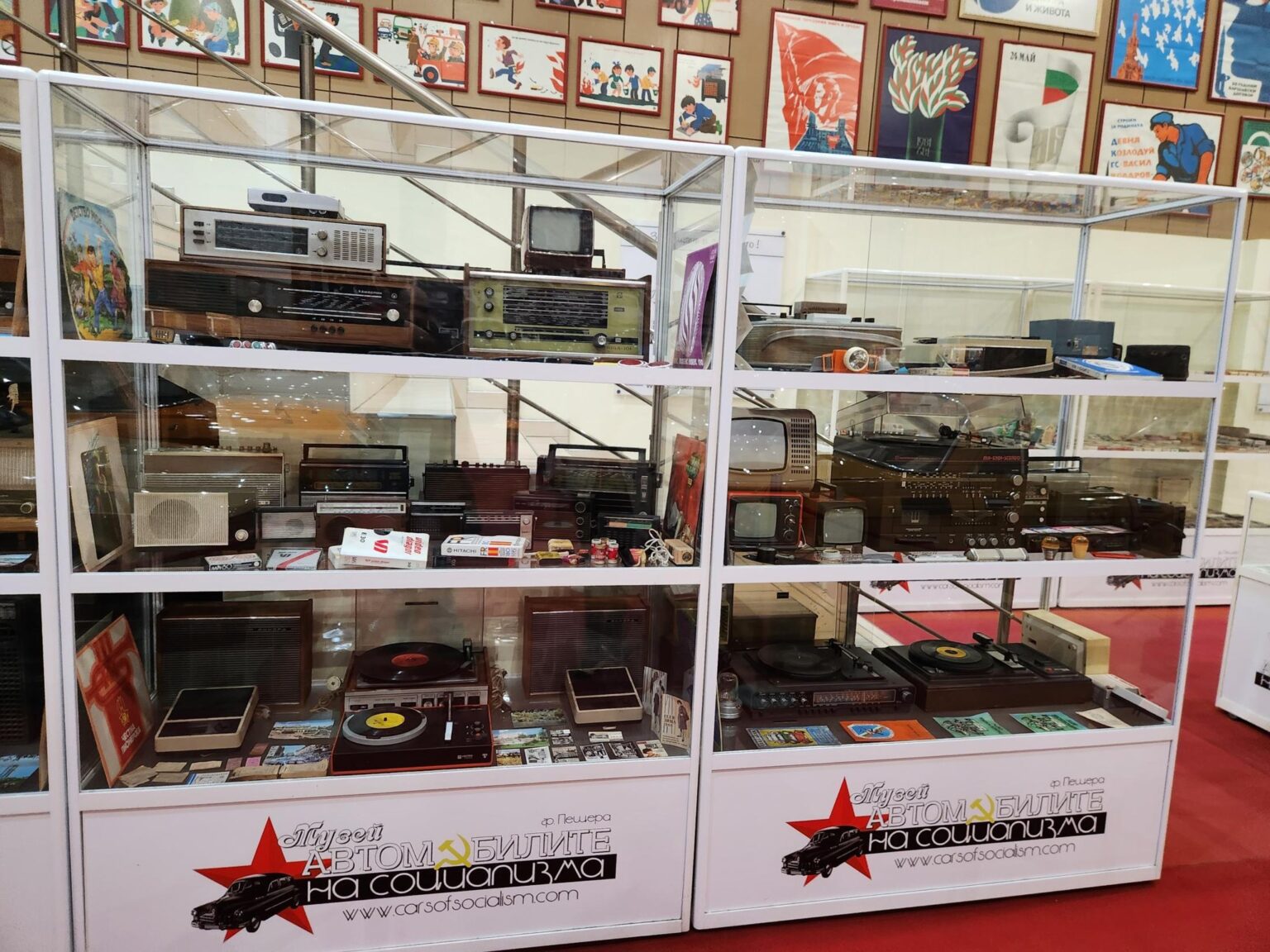
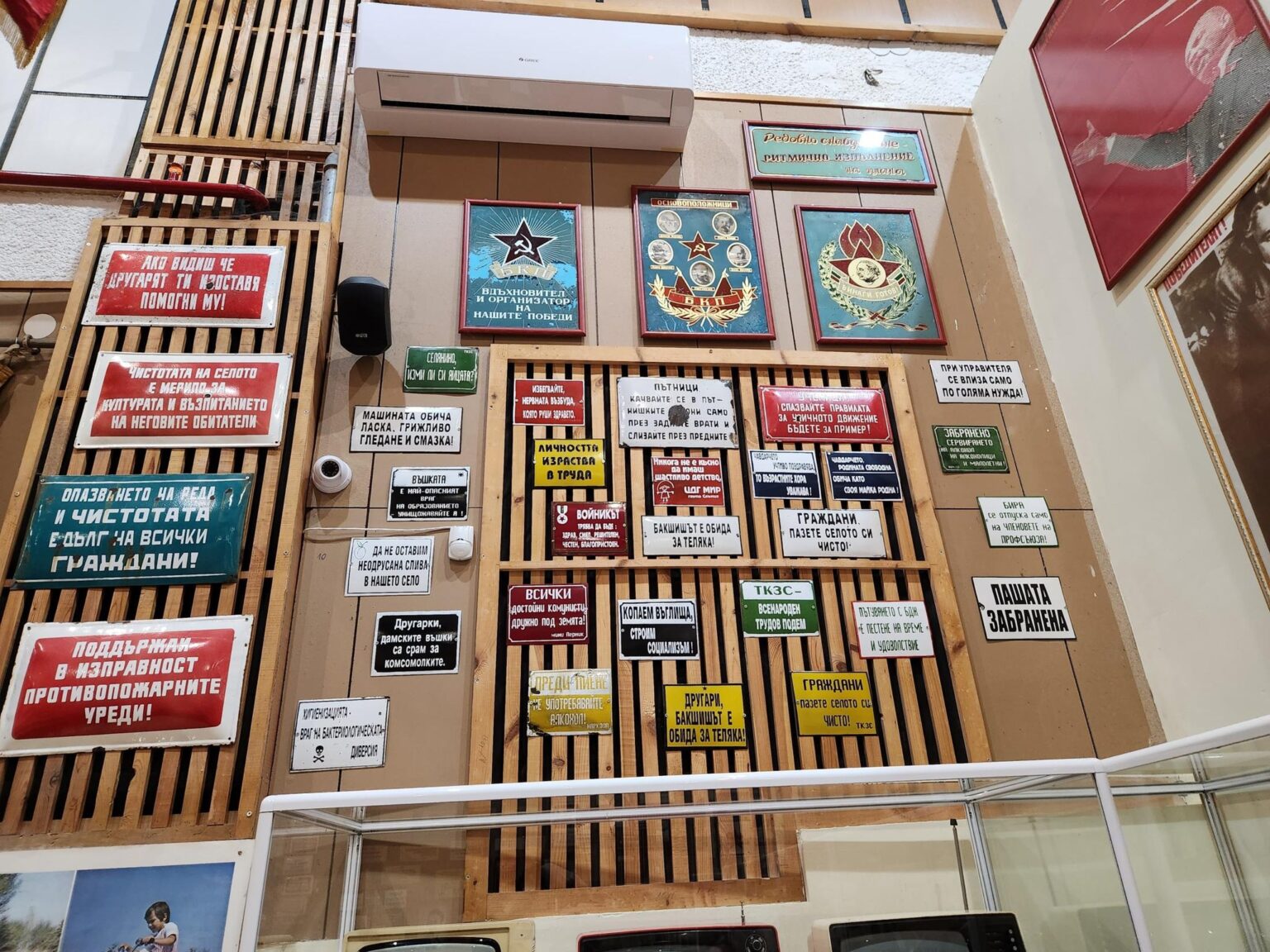
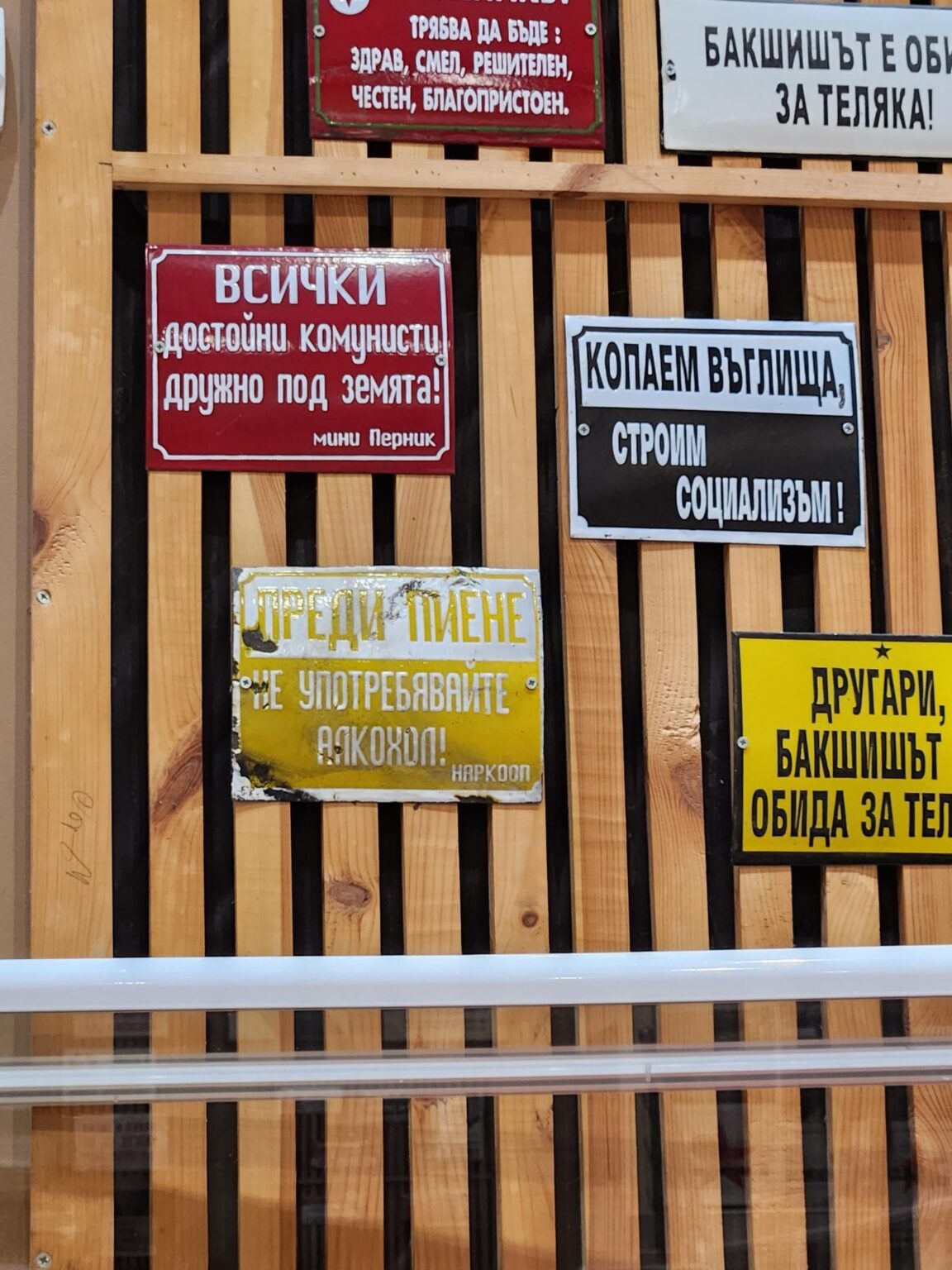
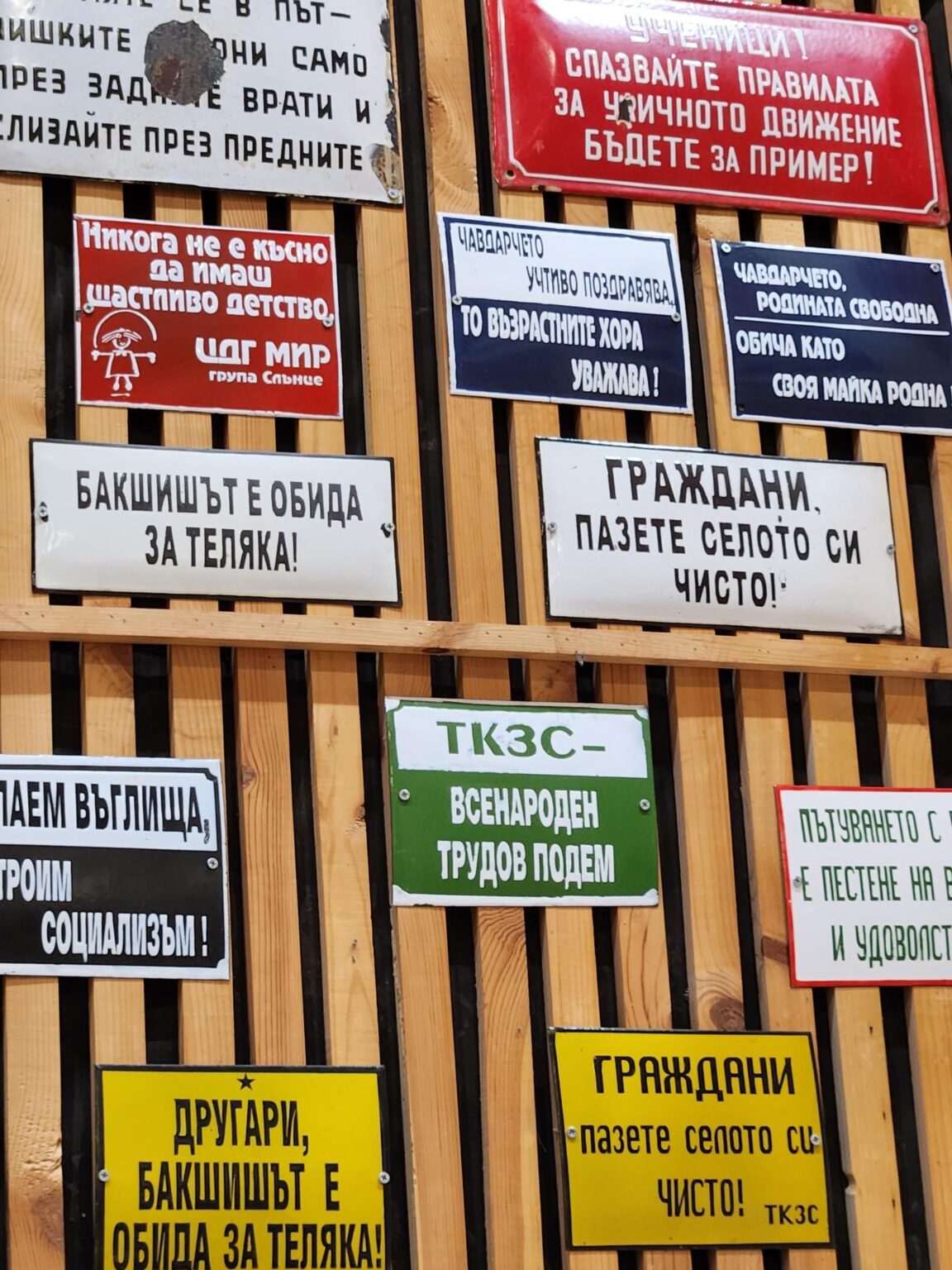
The Museum of the Cars of Socialism
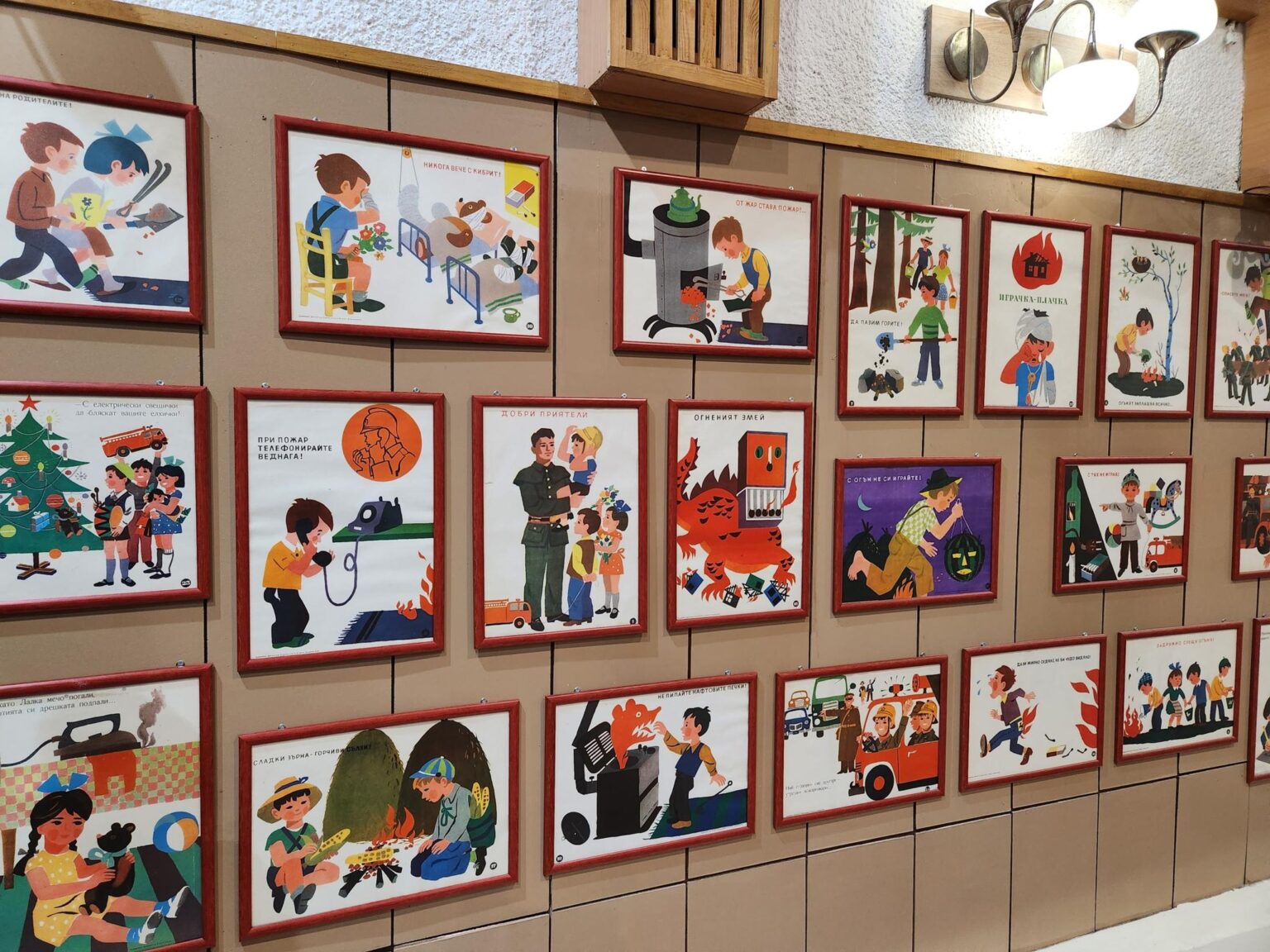
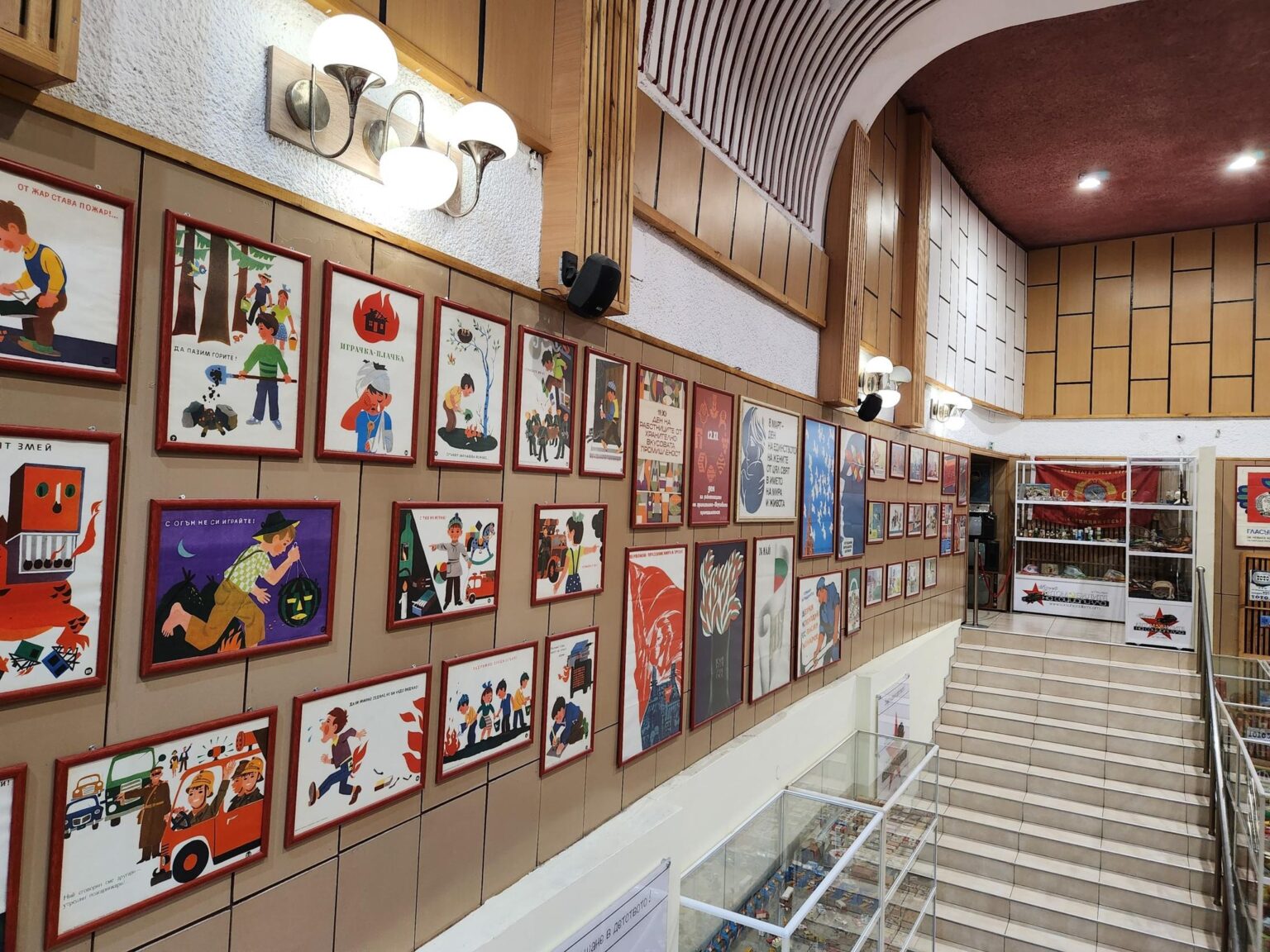
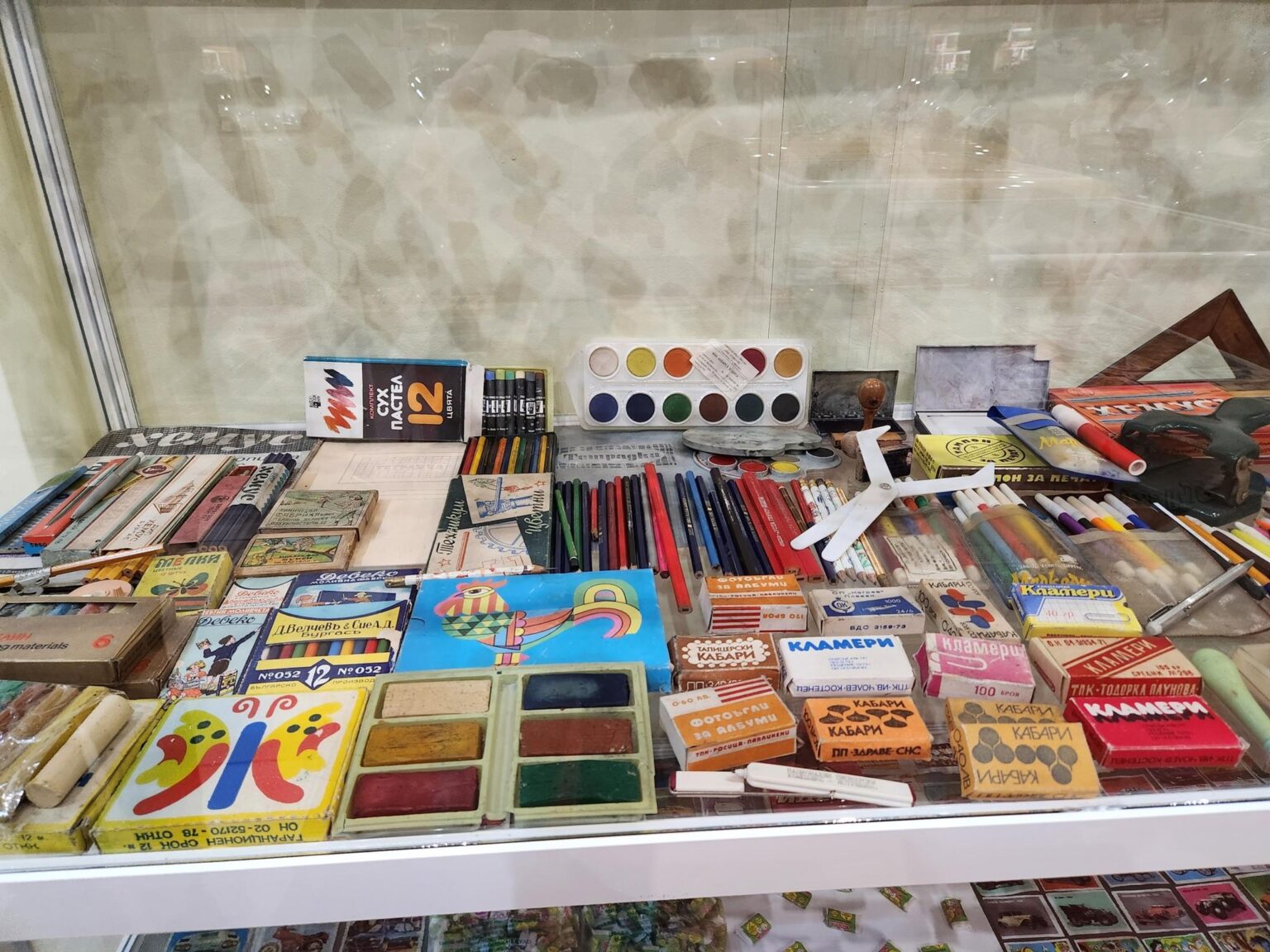
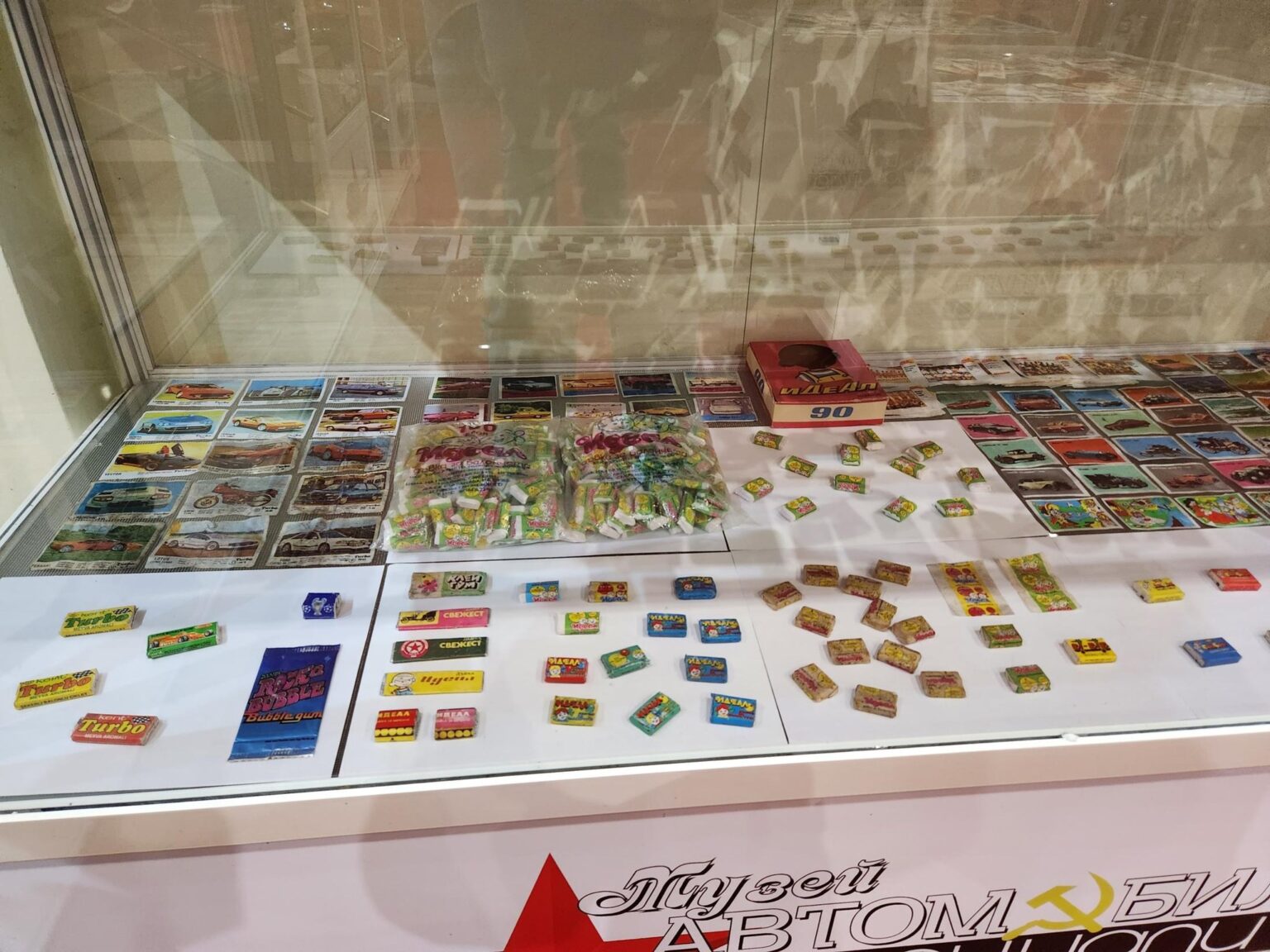
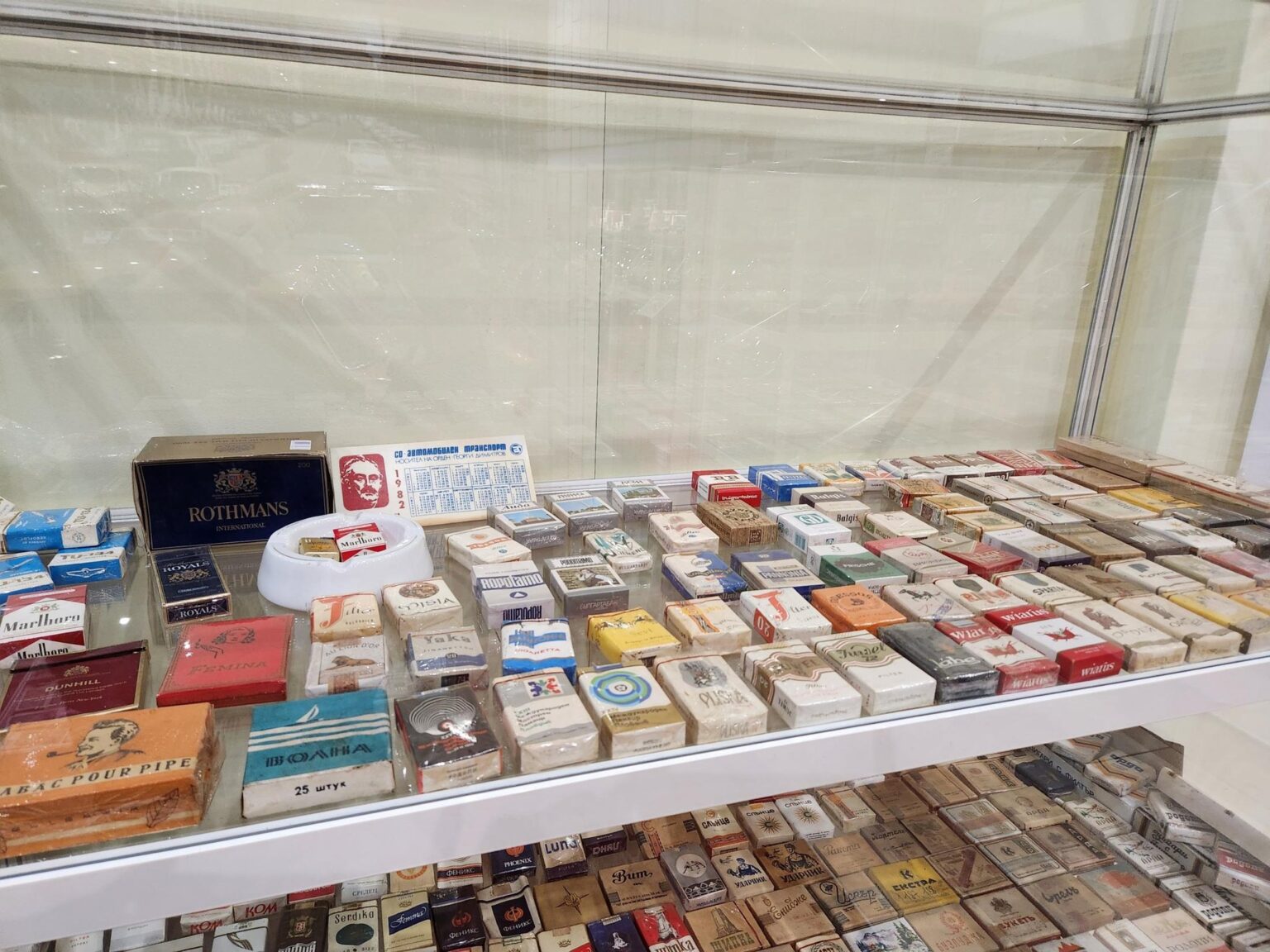
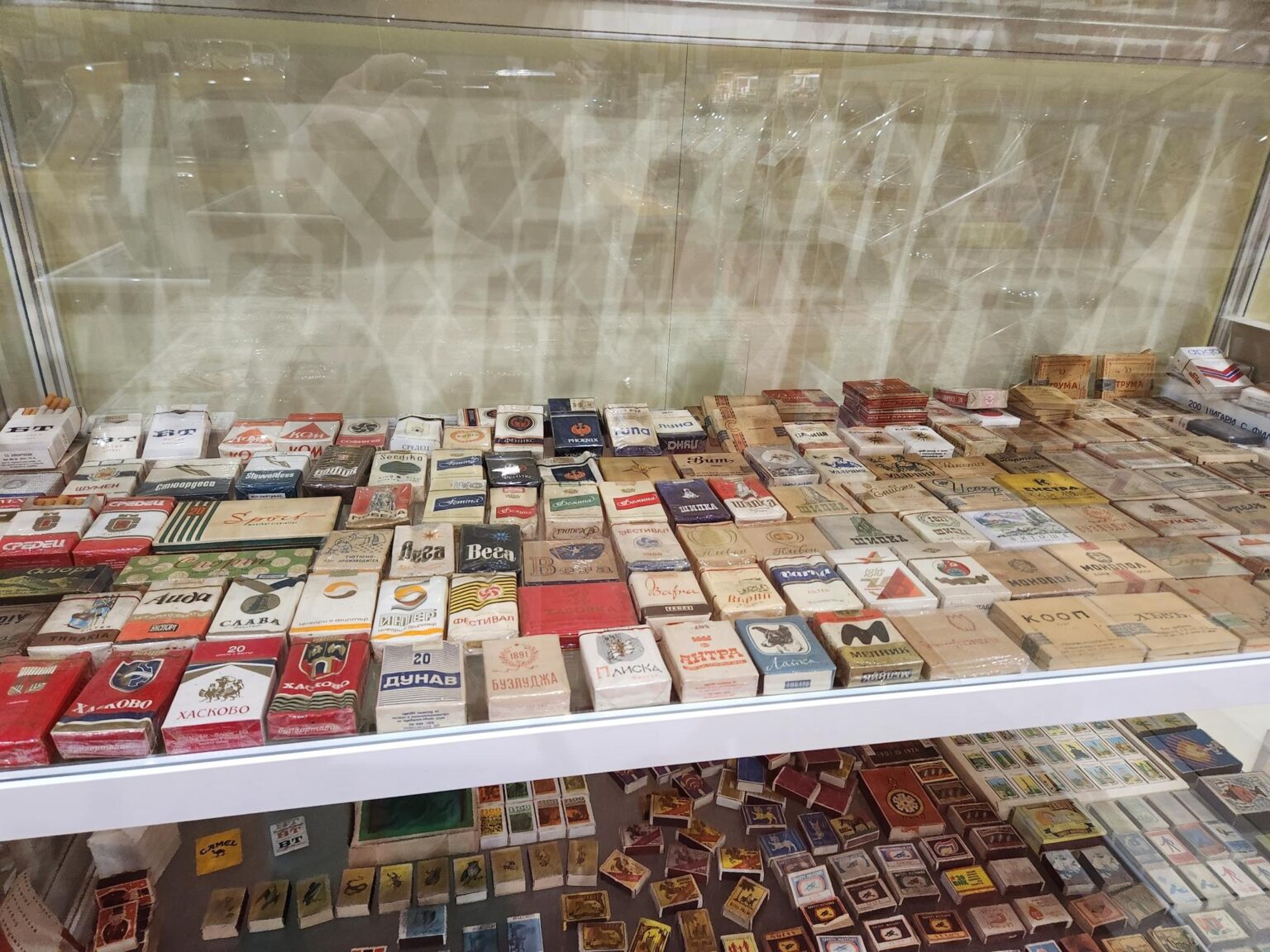
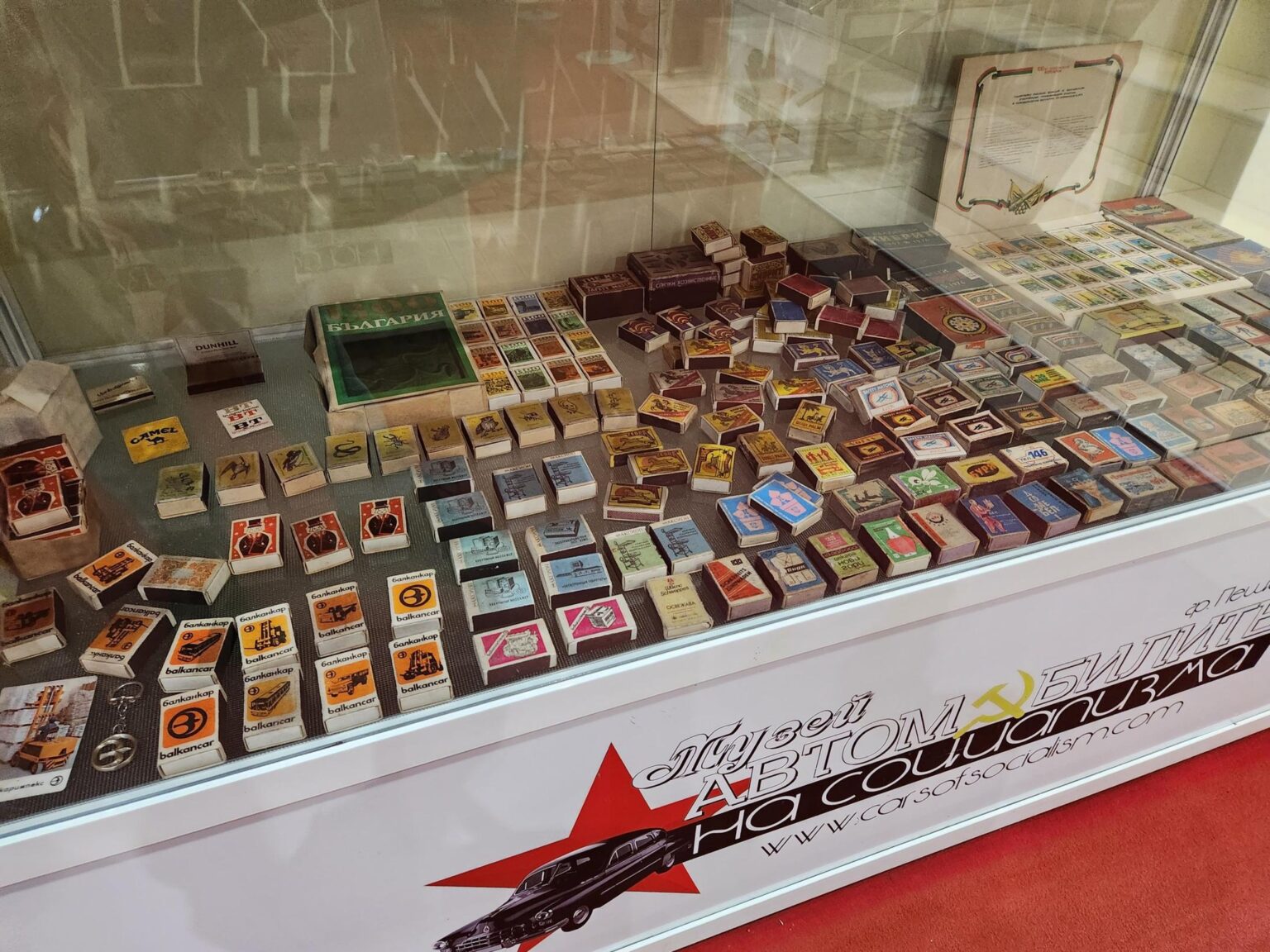
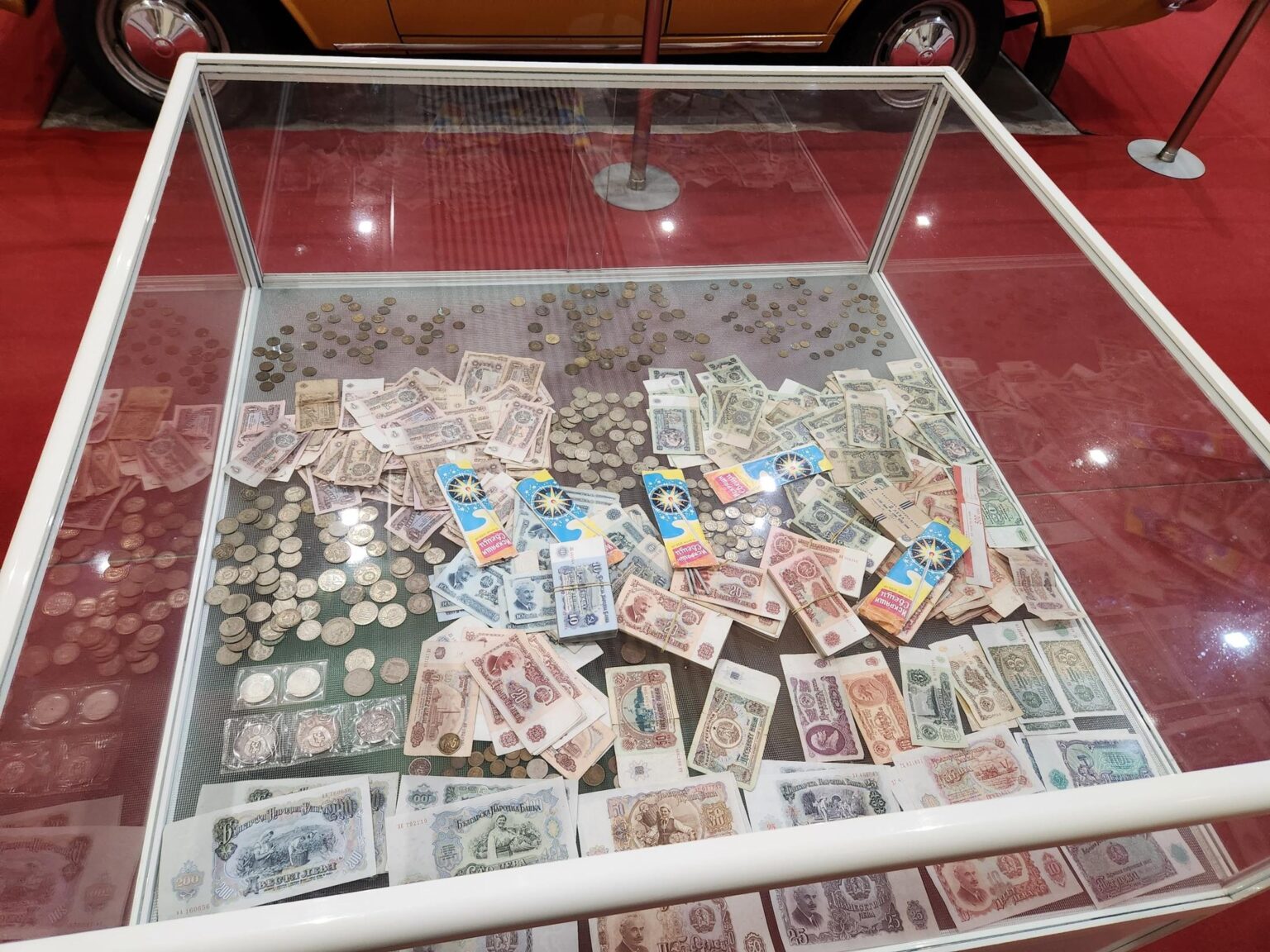
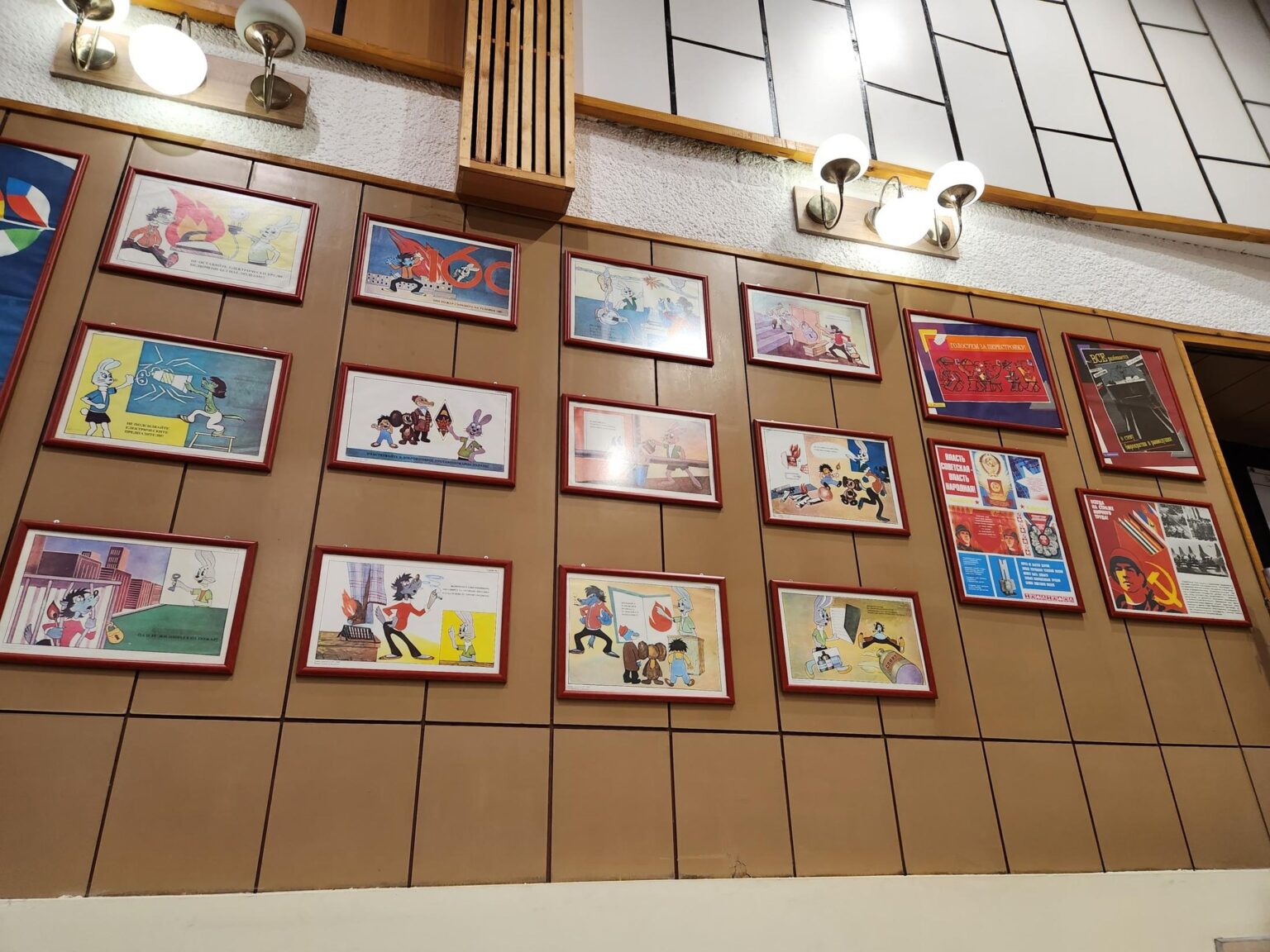
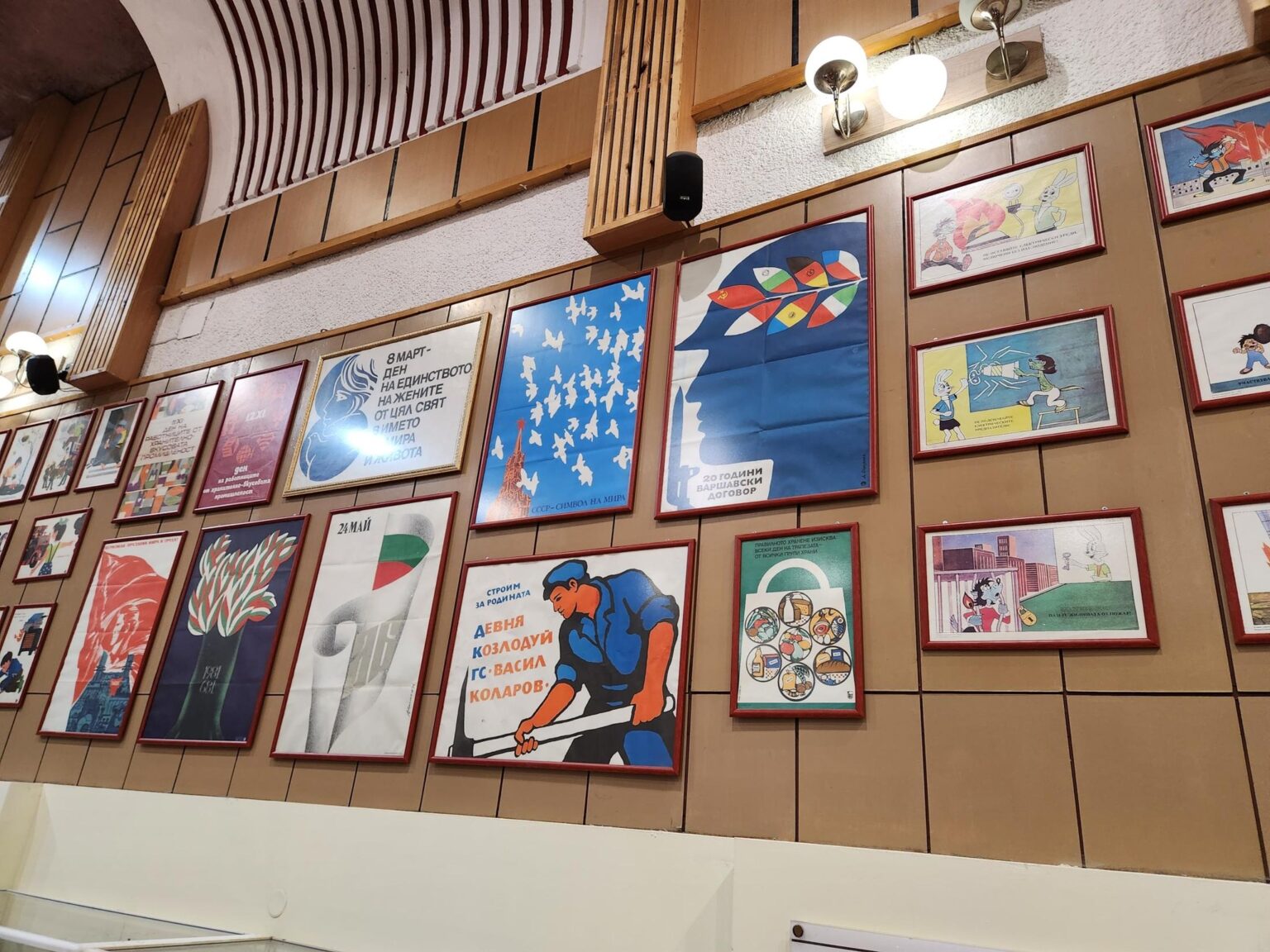
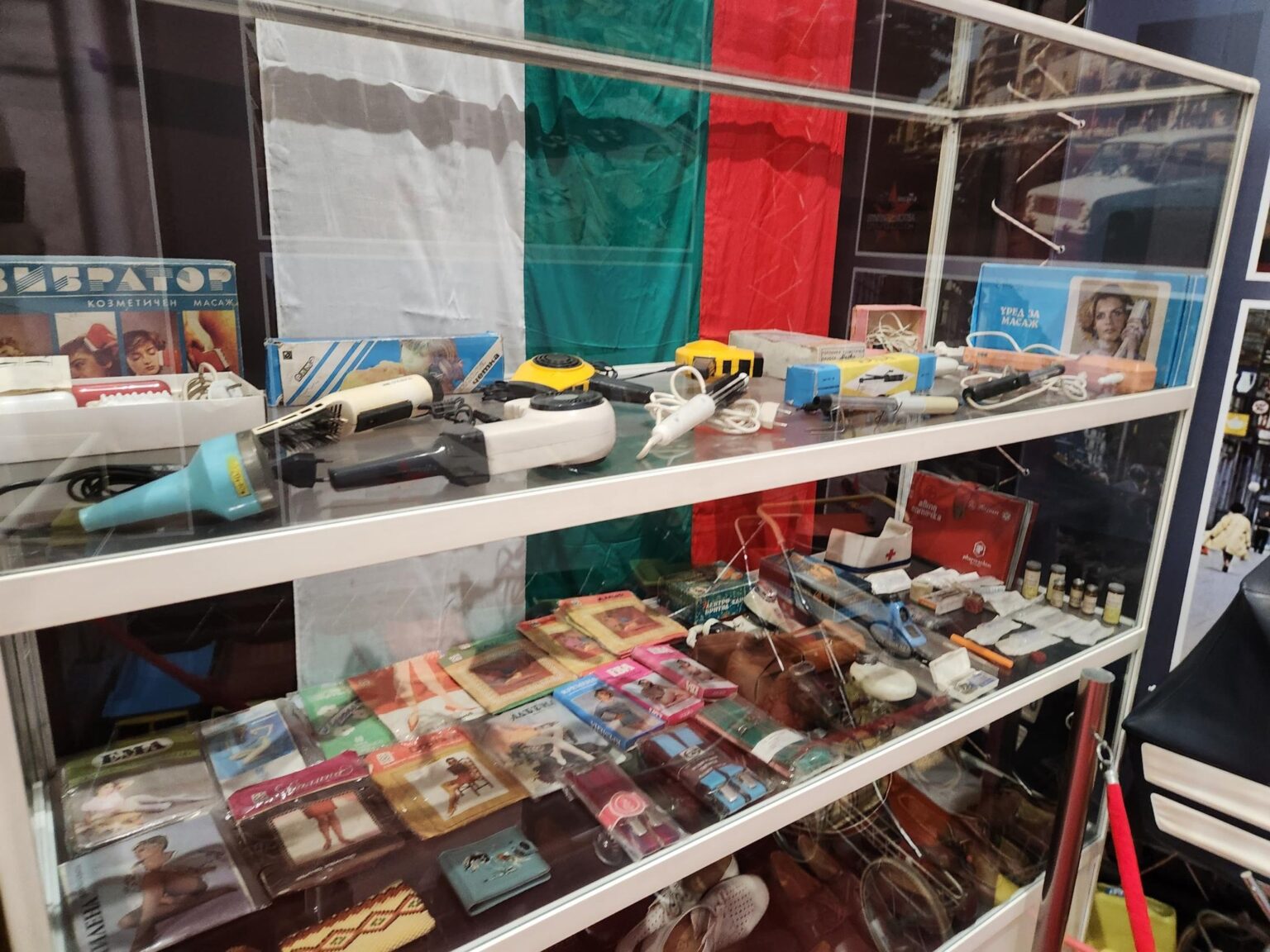
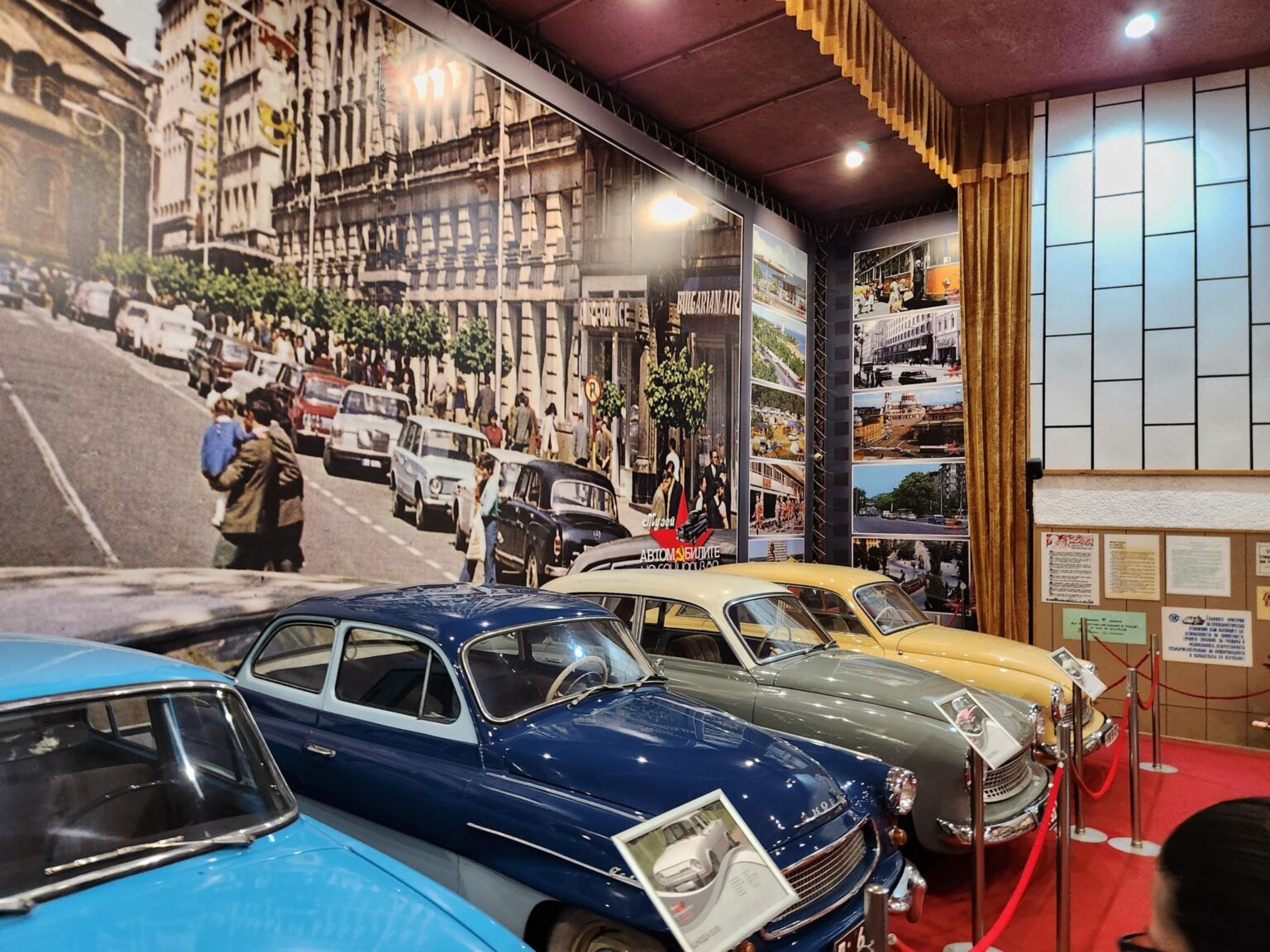
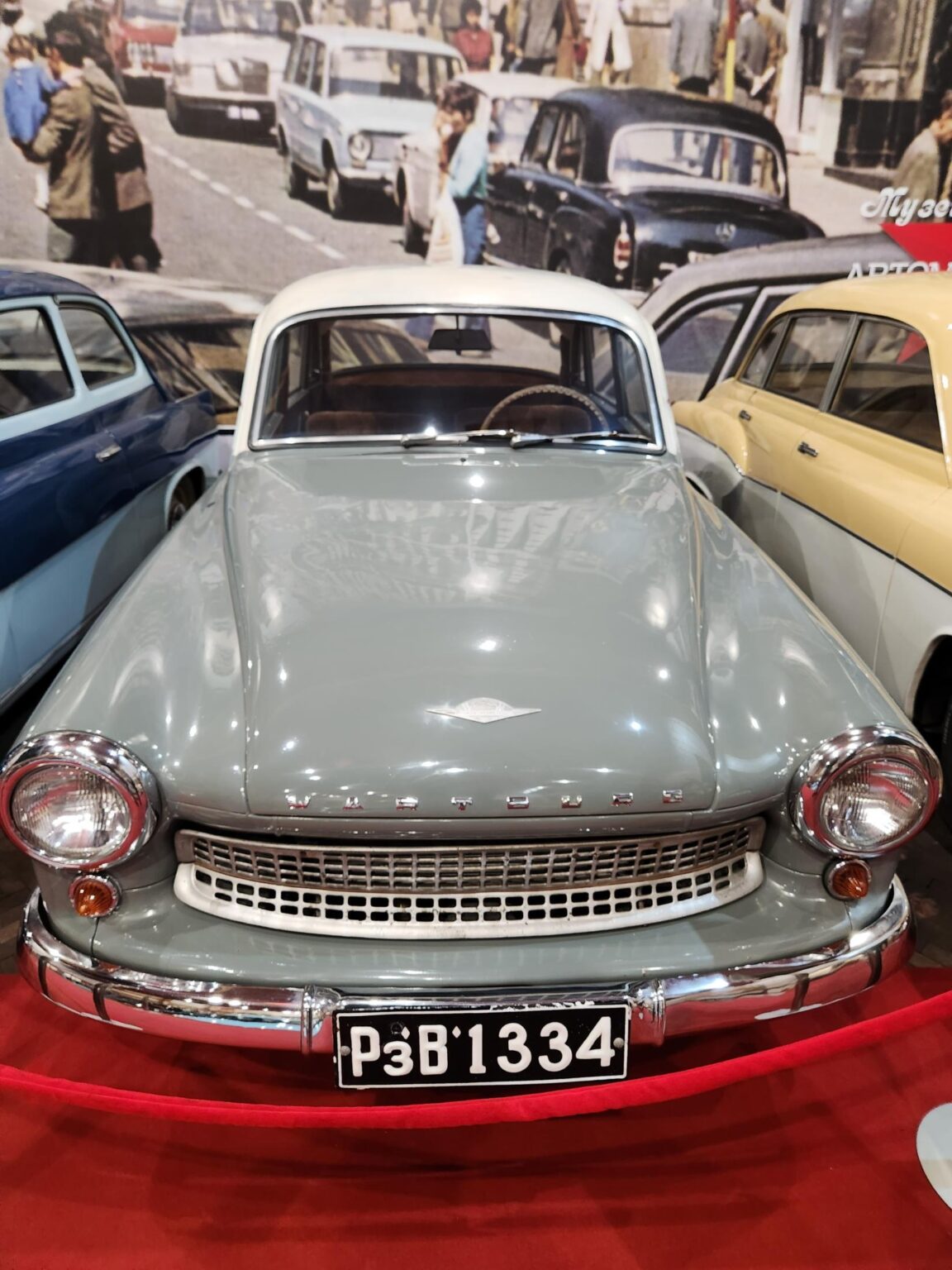
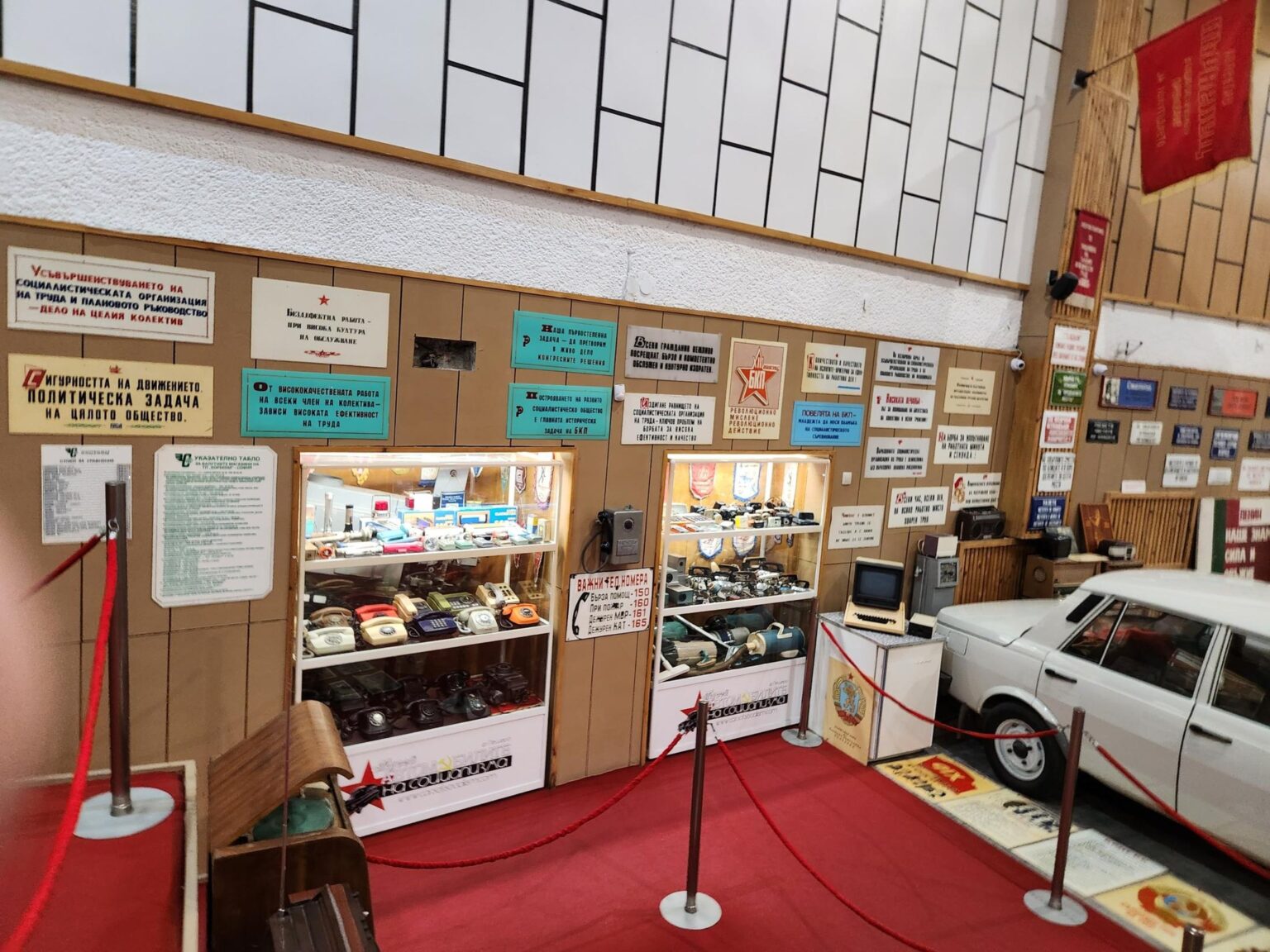
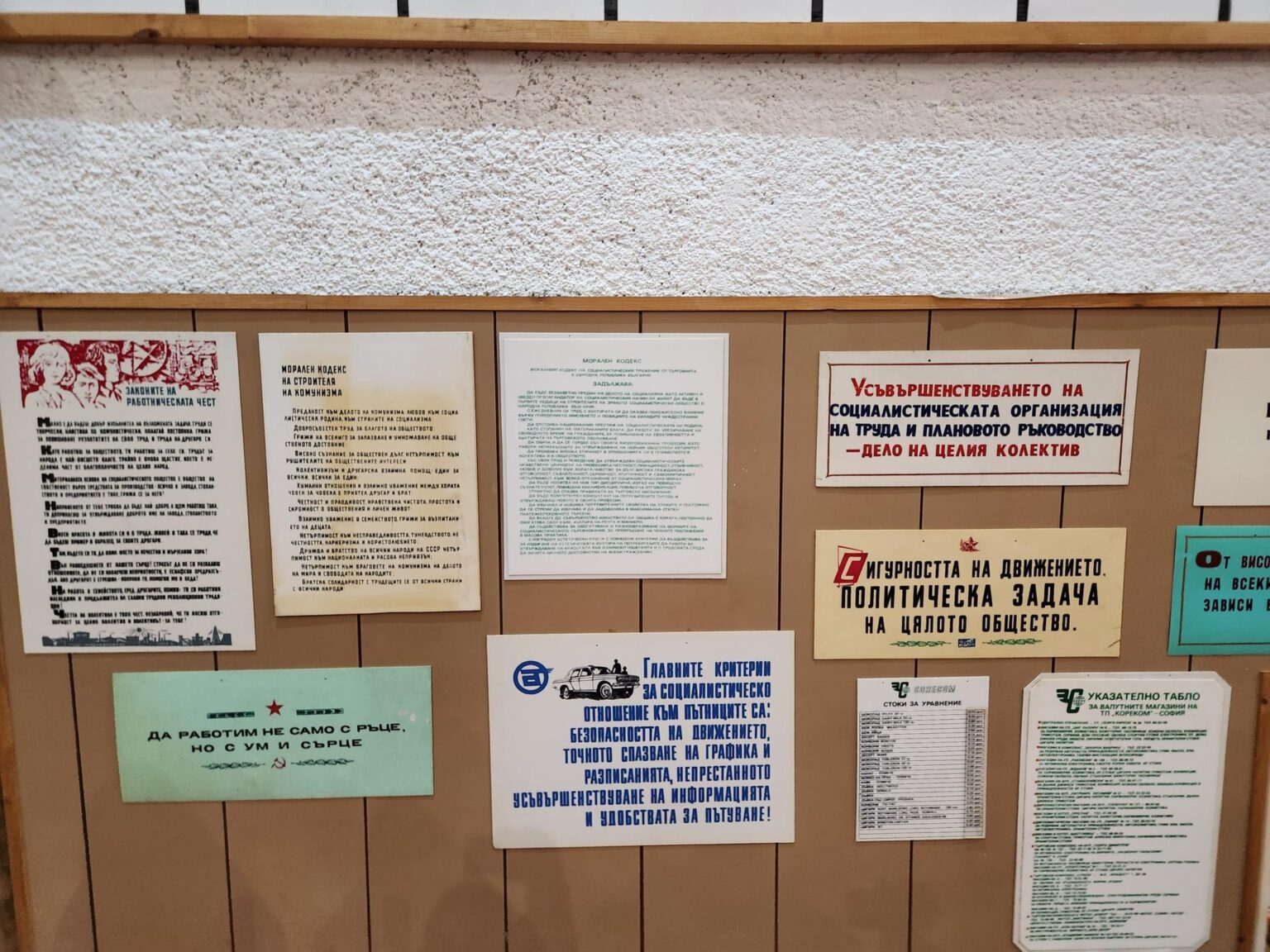
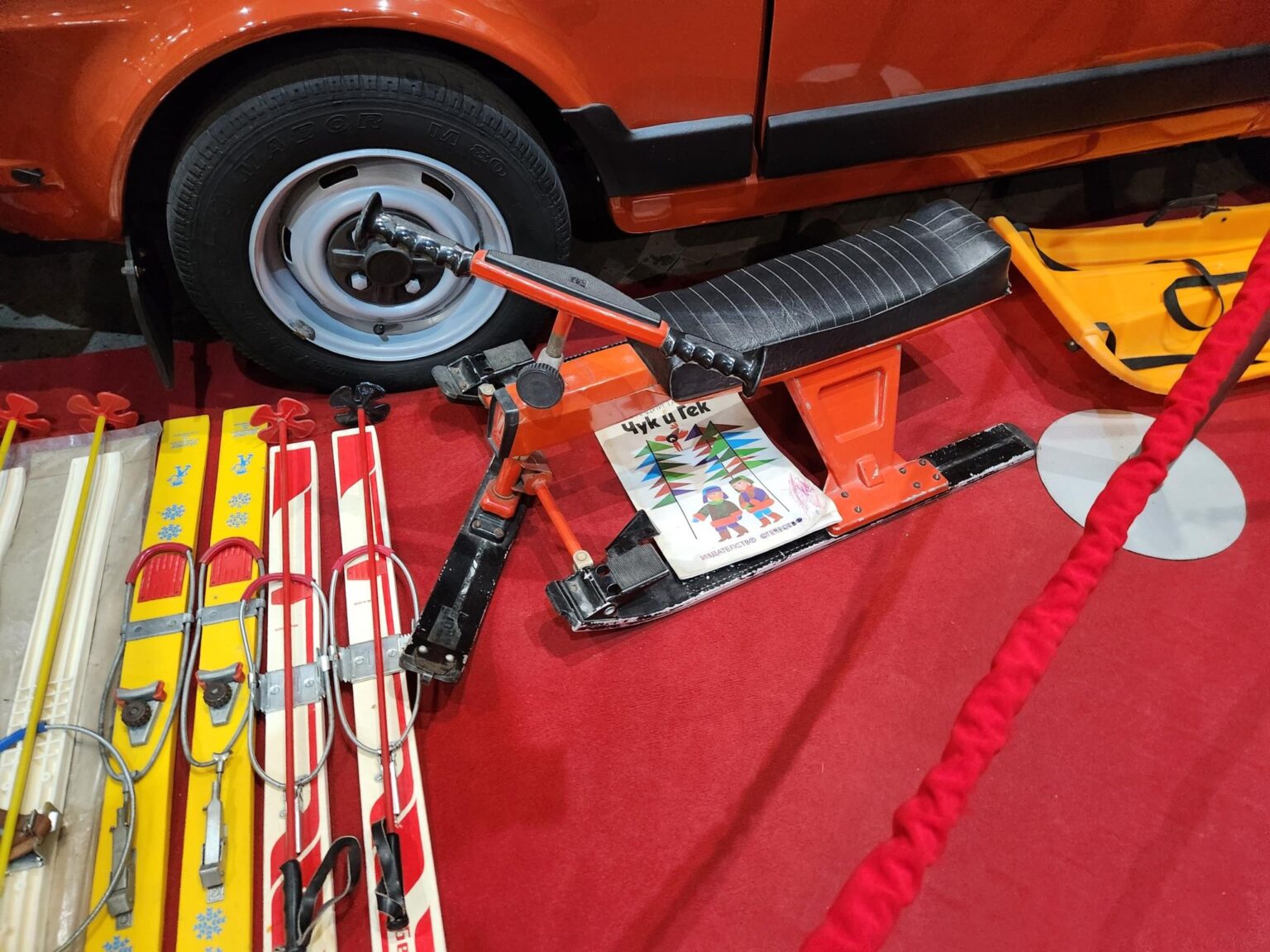
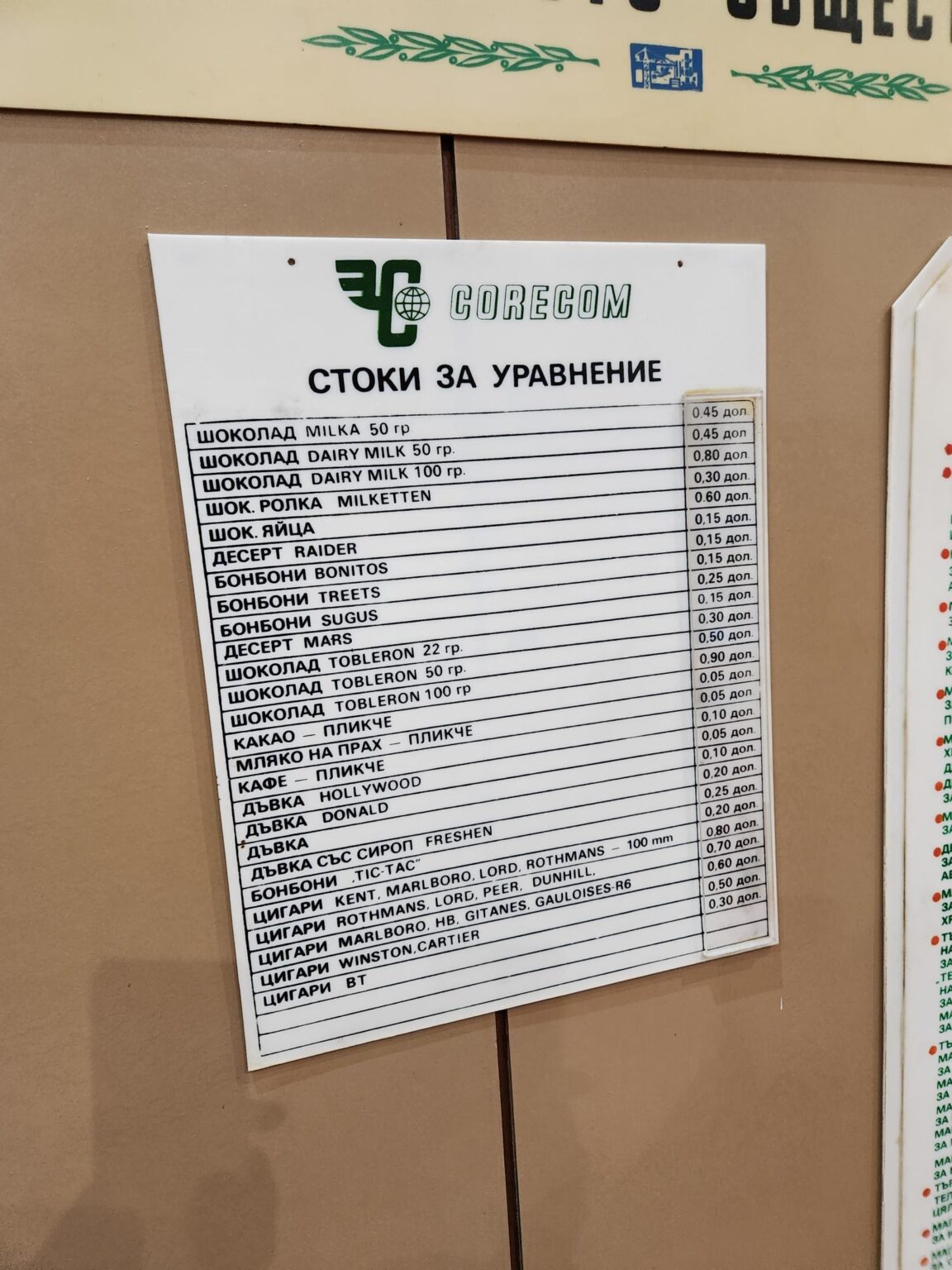
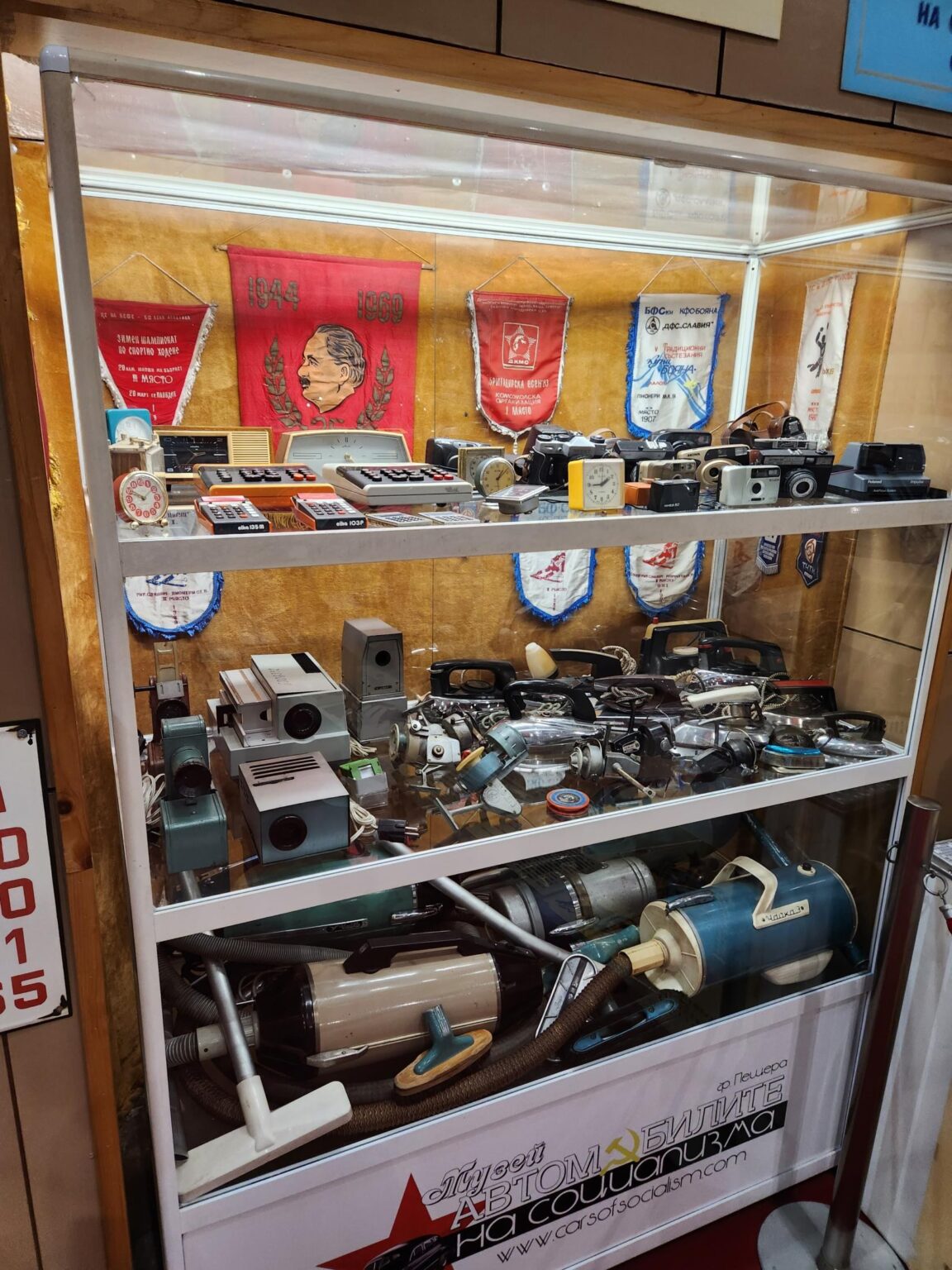
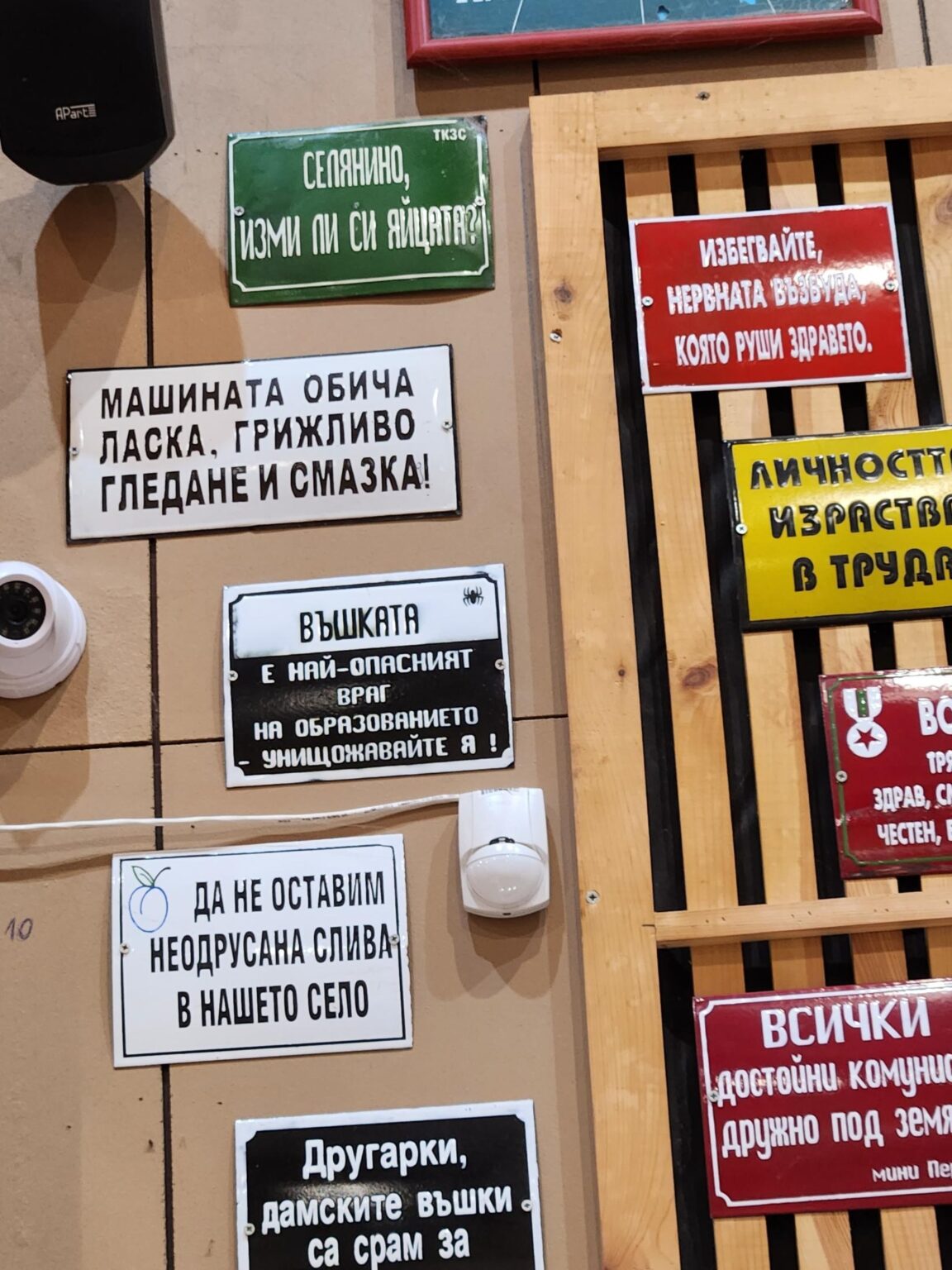
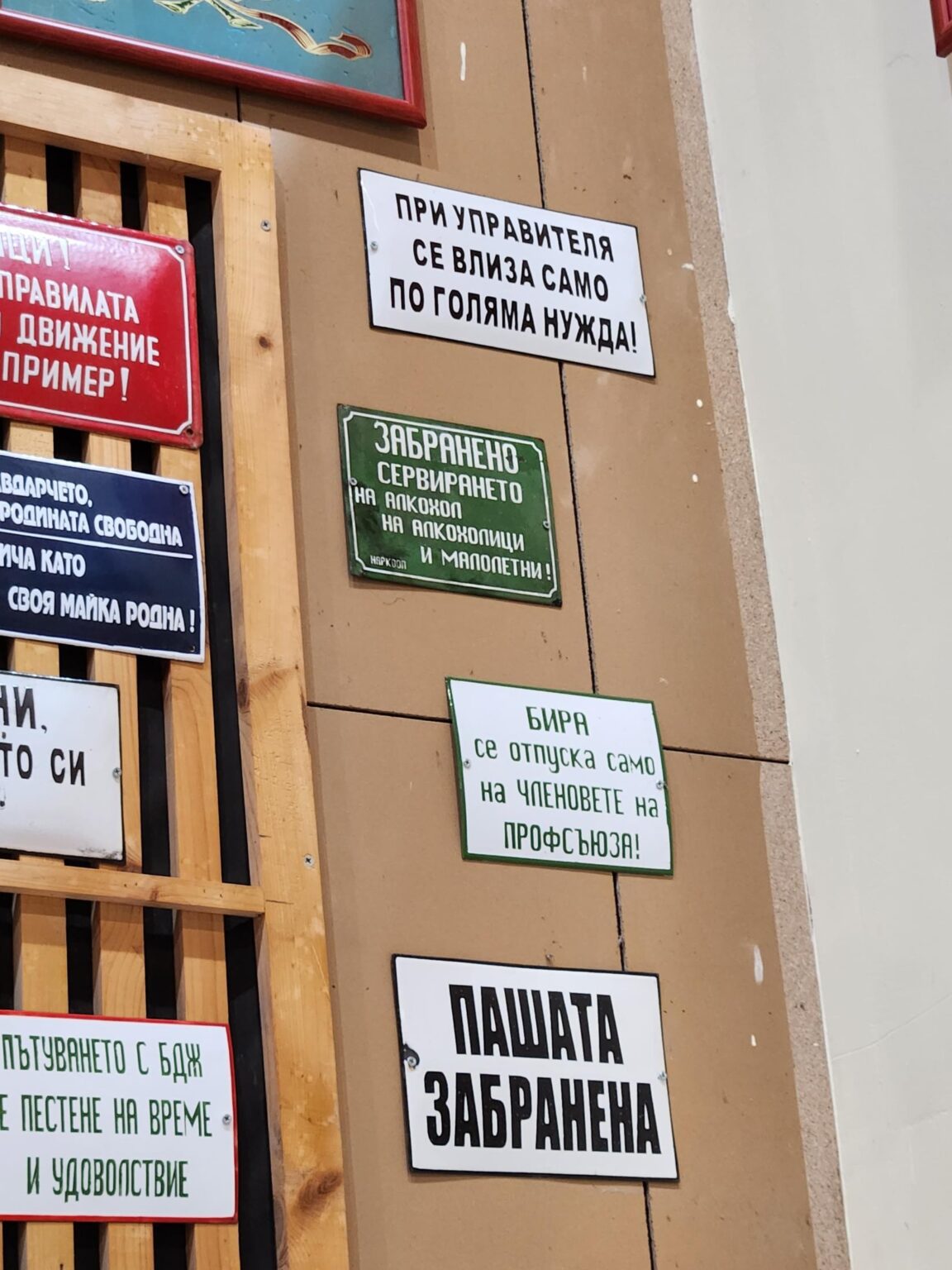
Housed in a hotel complex we are also not going to advertise, this museum is a nostalgic look back. Every time I visit I enjoy it. As a child of the nineties I find far too many memories in there and start sounding, in my own head, like the old boys with their "ah, things were better back then" 😀 But no, really. Have a look at the gallery. The atmosphere comes with it; there is no avoiding it. Ah, things were better back then! We paid 7 leva per adult back in 2023; the museum does not publish a price list online, so check at the door — carsofsocialism.com.







Around Peshtera
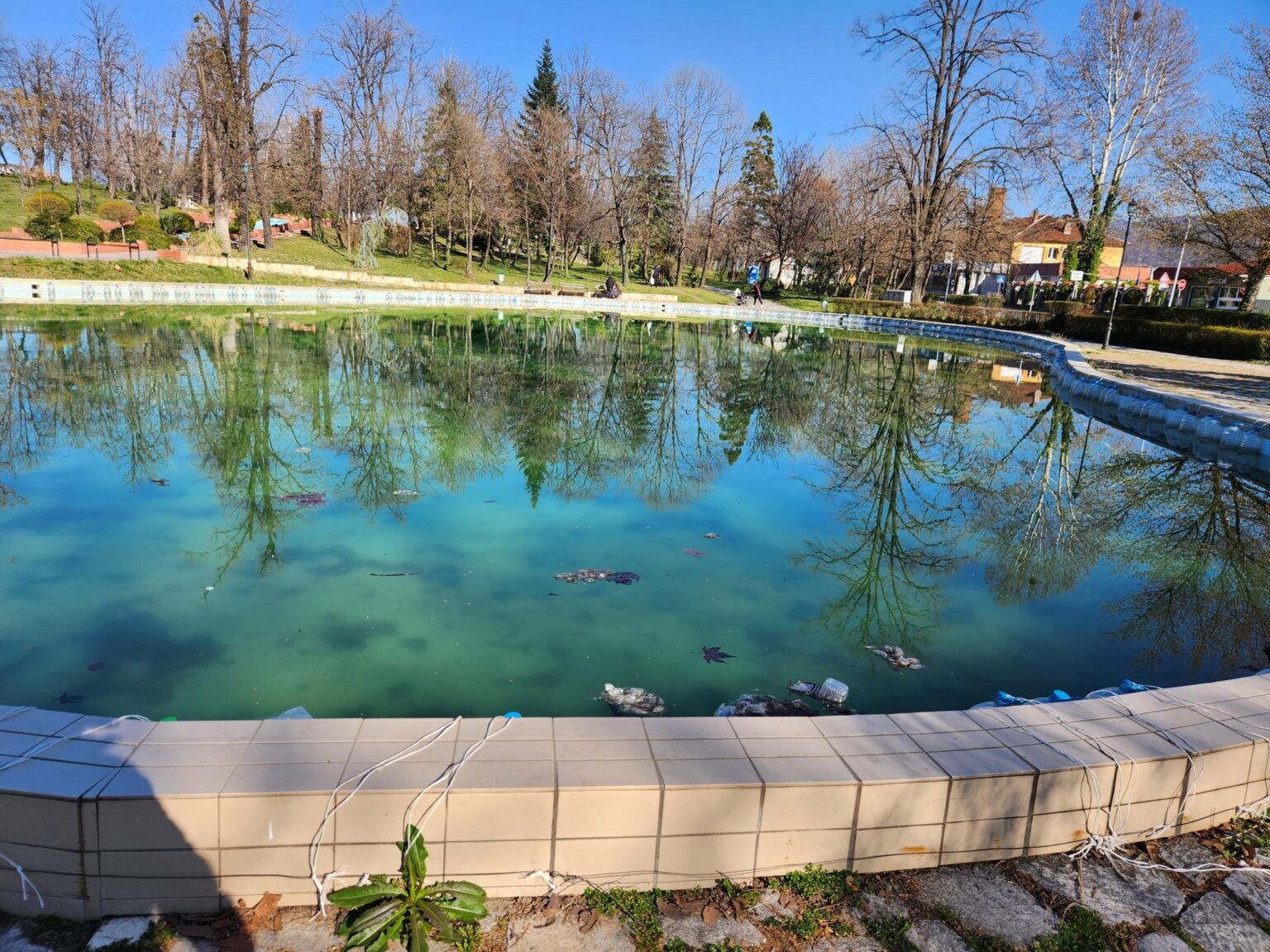
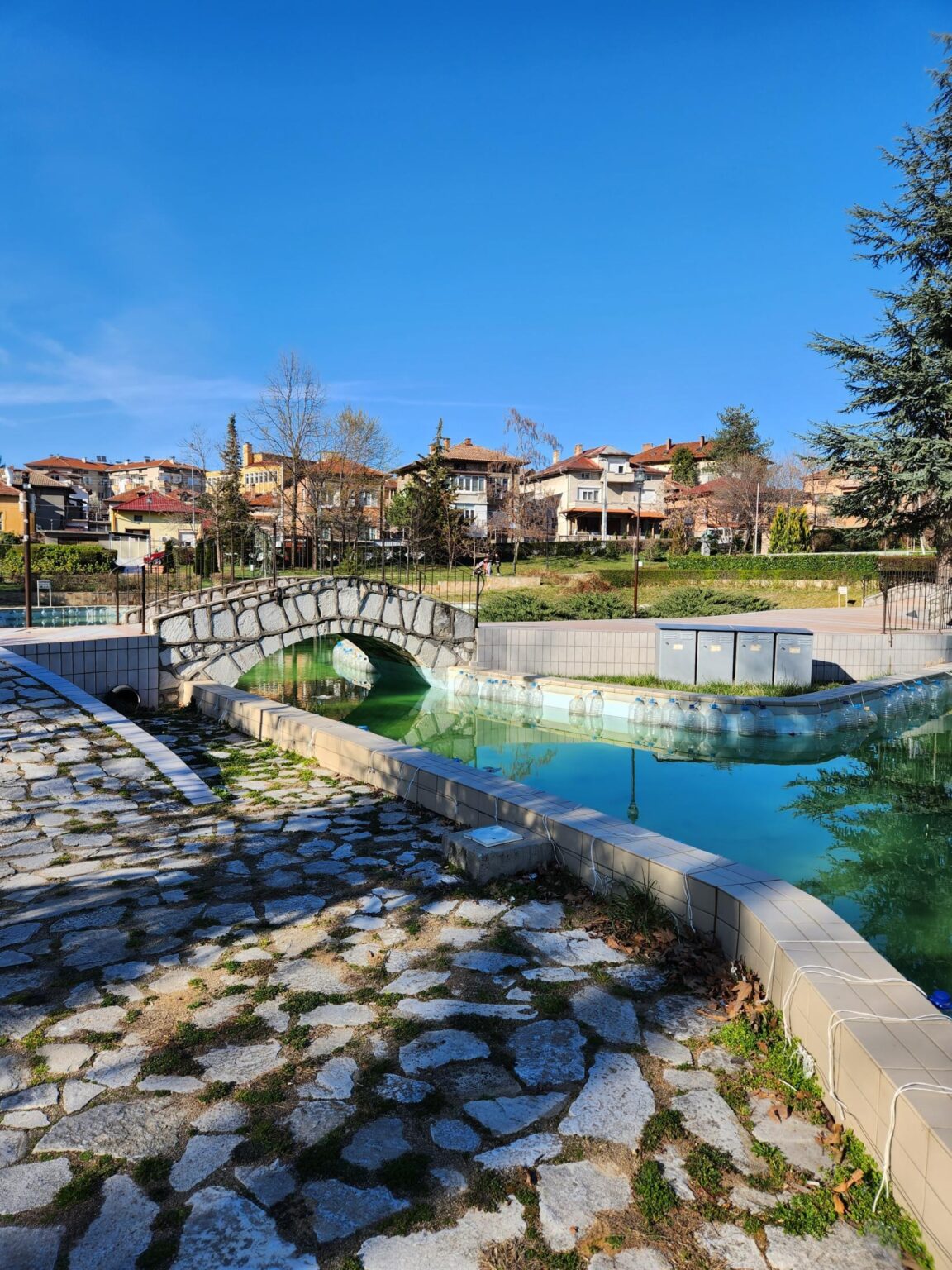
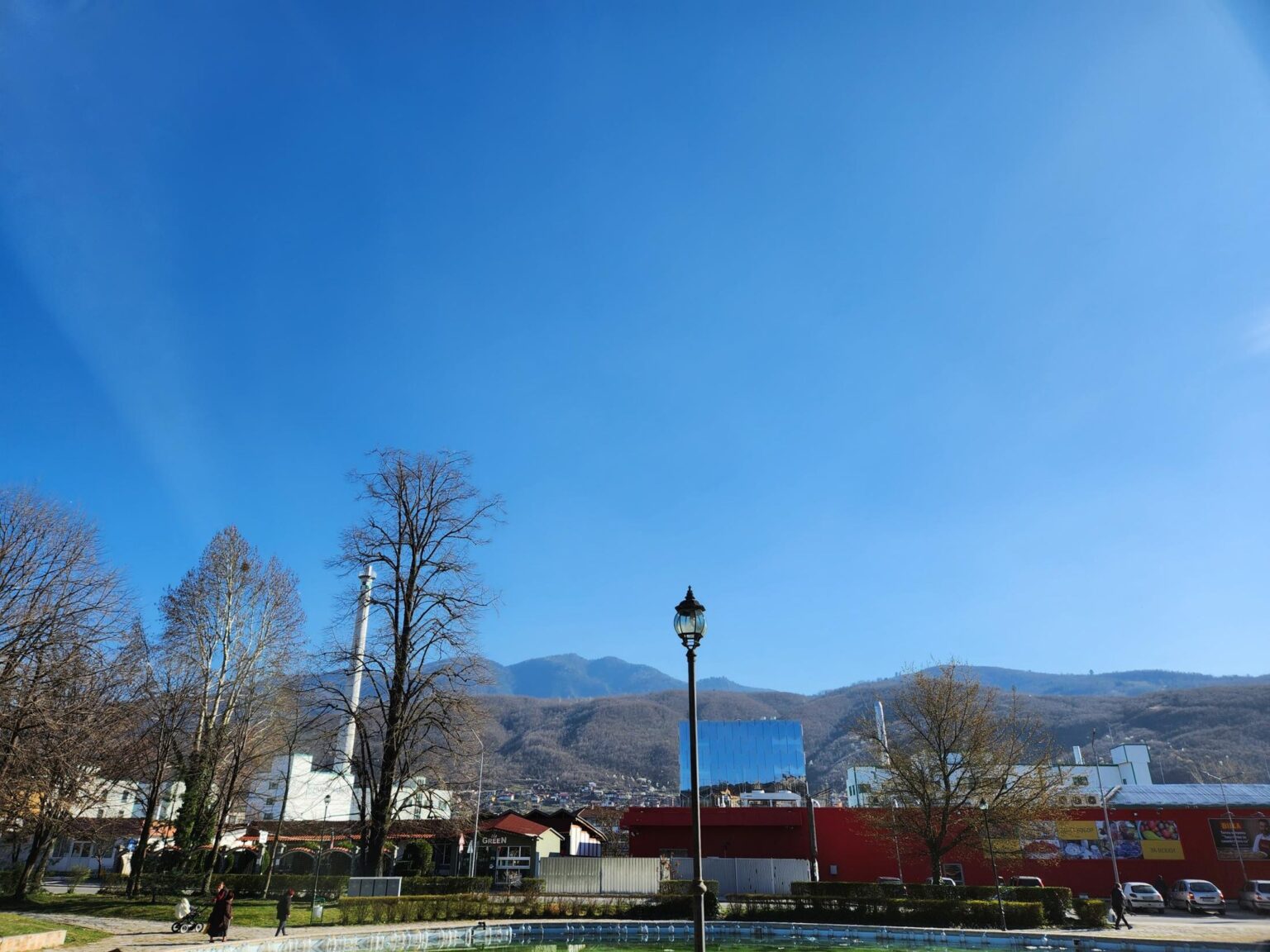
Alongside all that, the town of Peshtera itself has a very neat and tidy centre, decent cafés and a park. An hour of wandering is enough to see the central part.
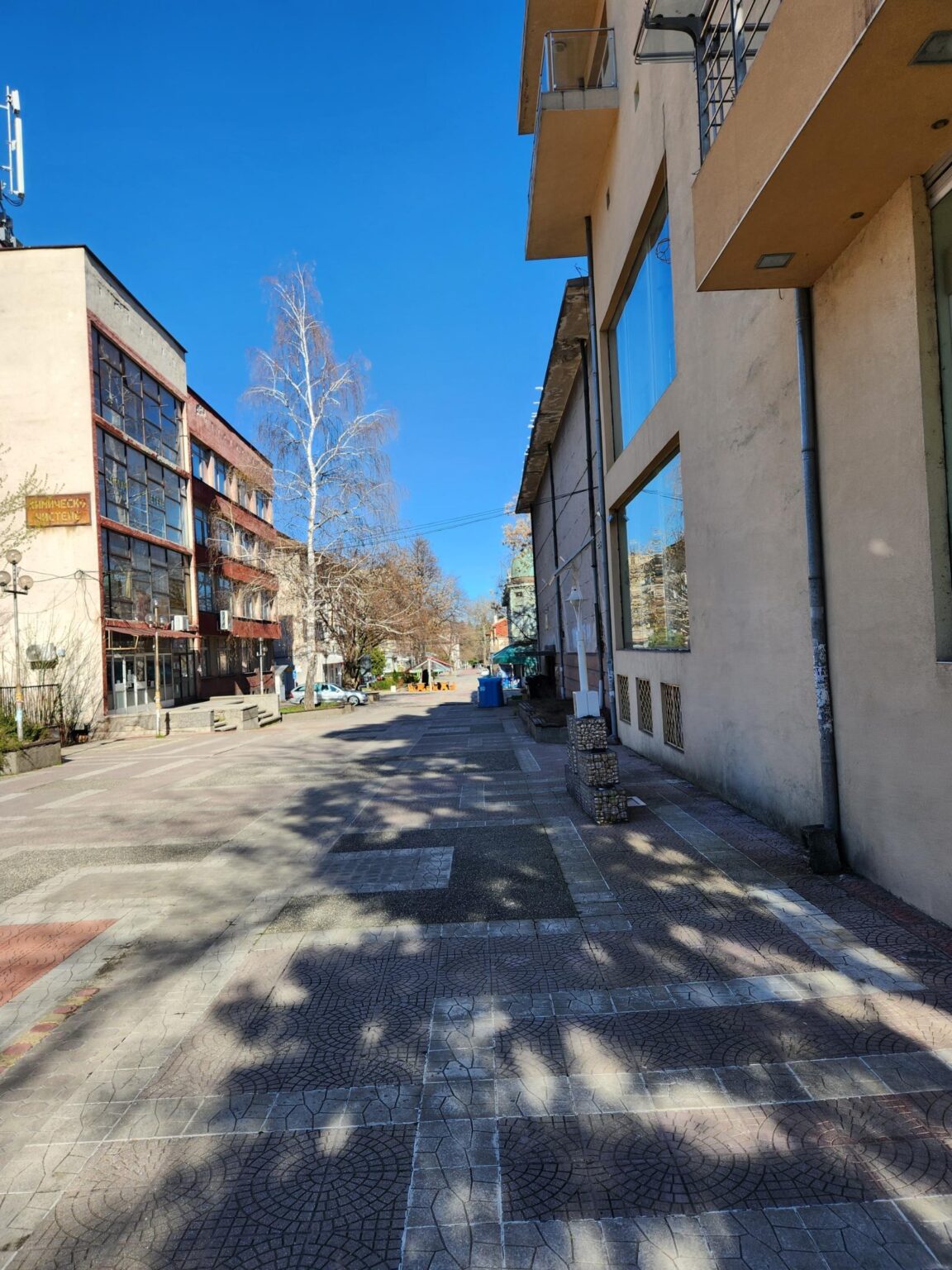
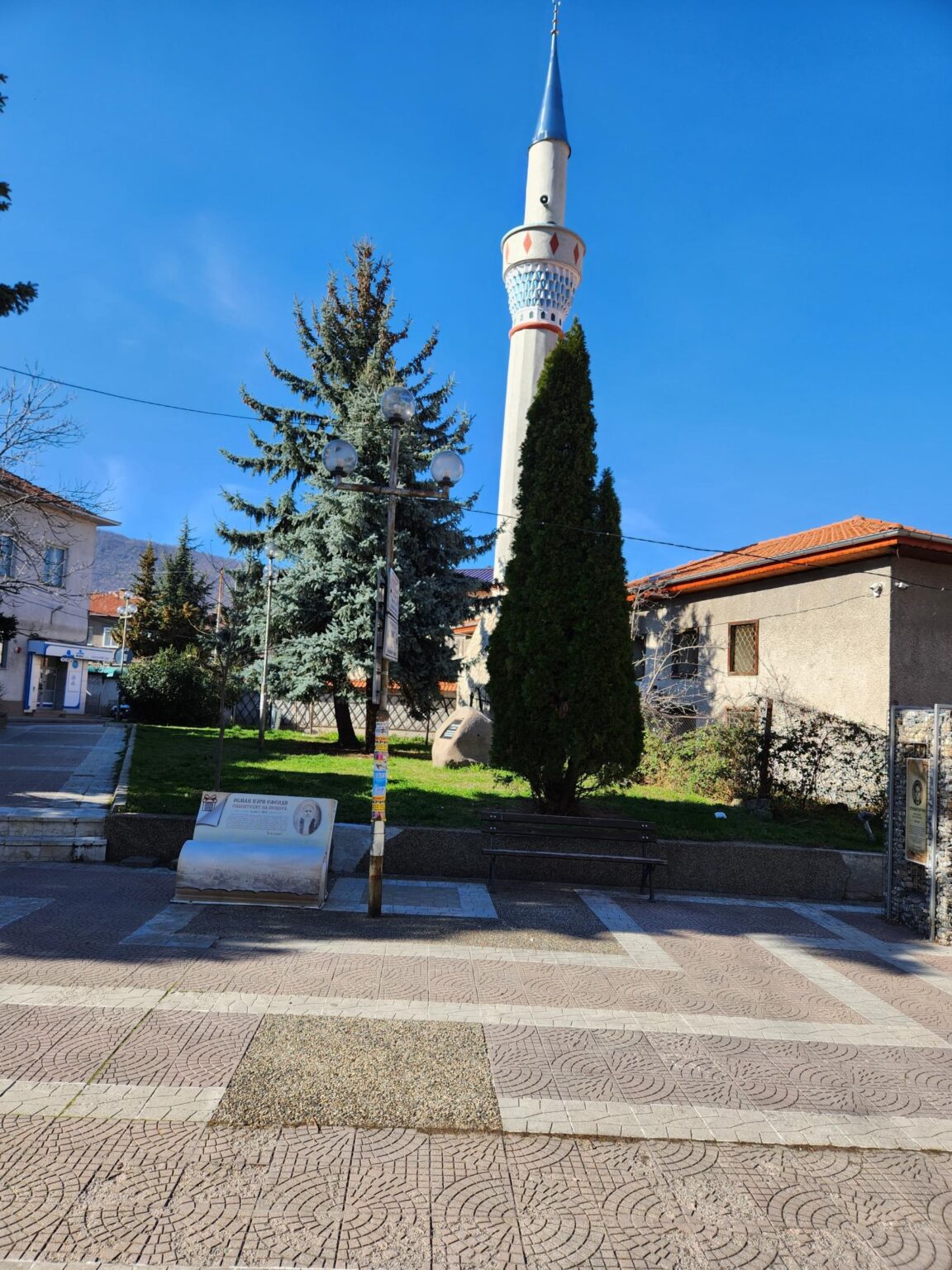
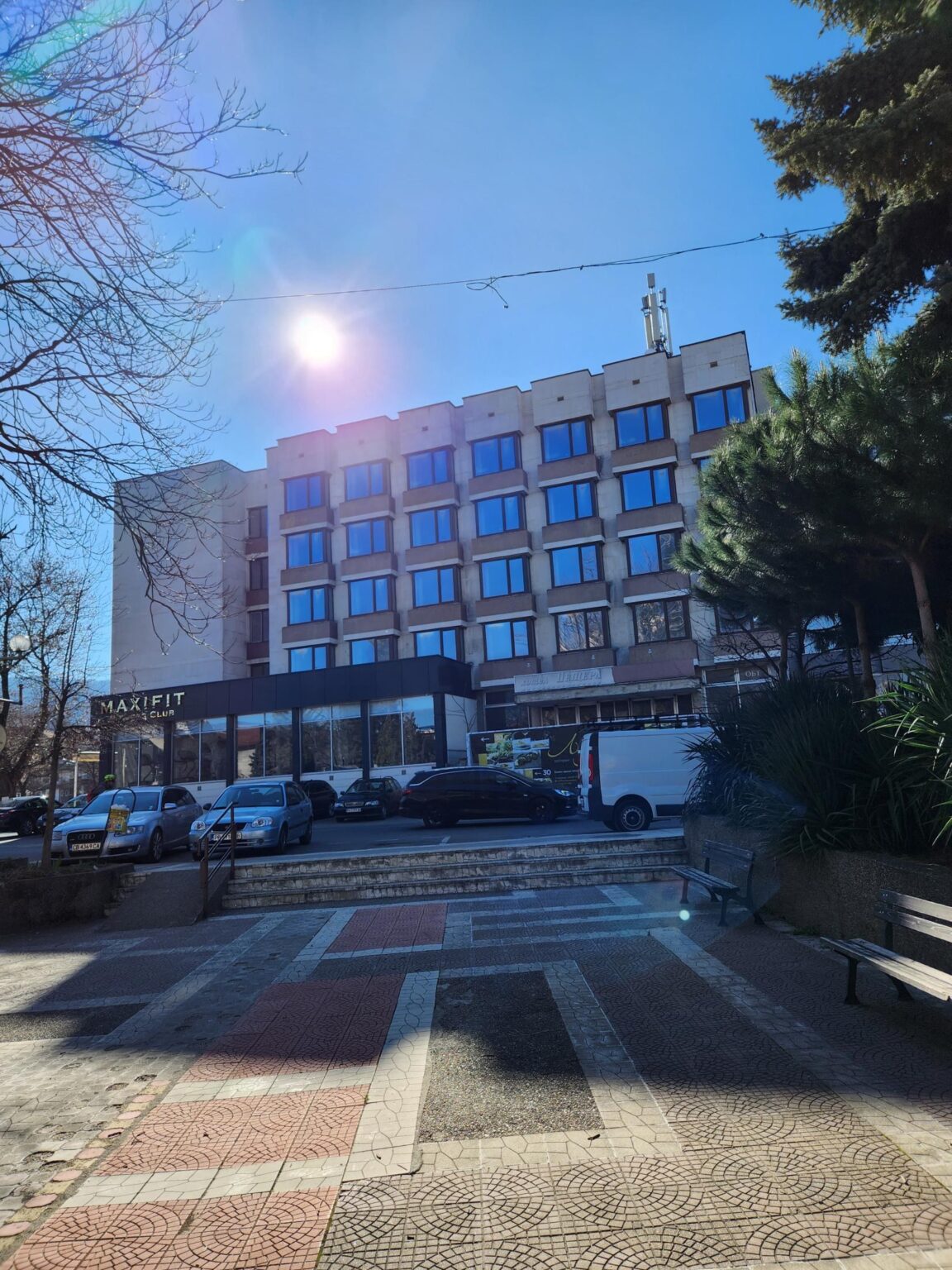
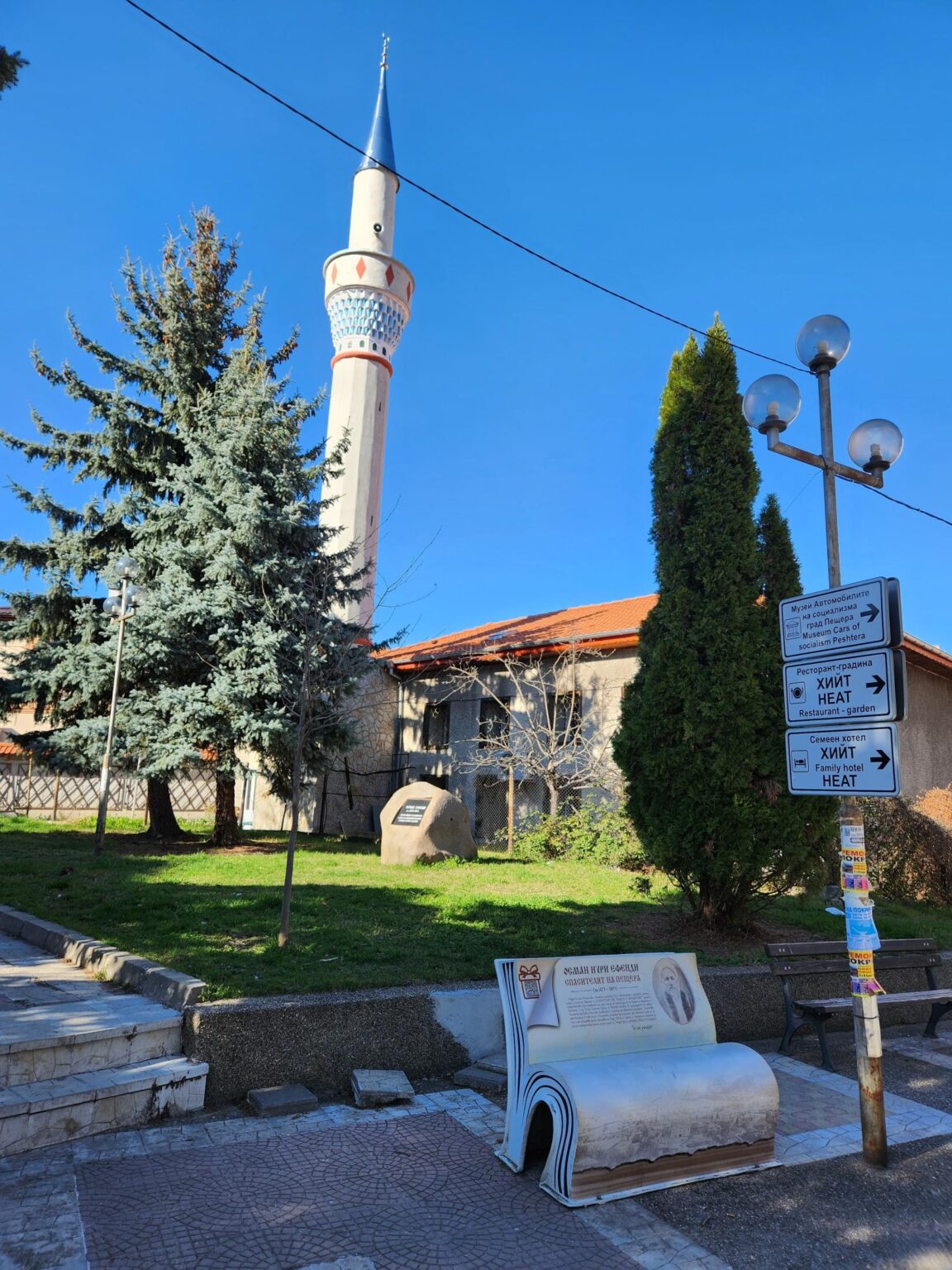
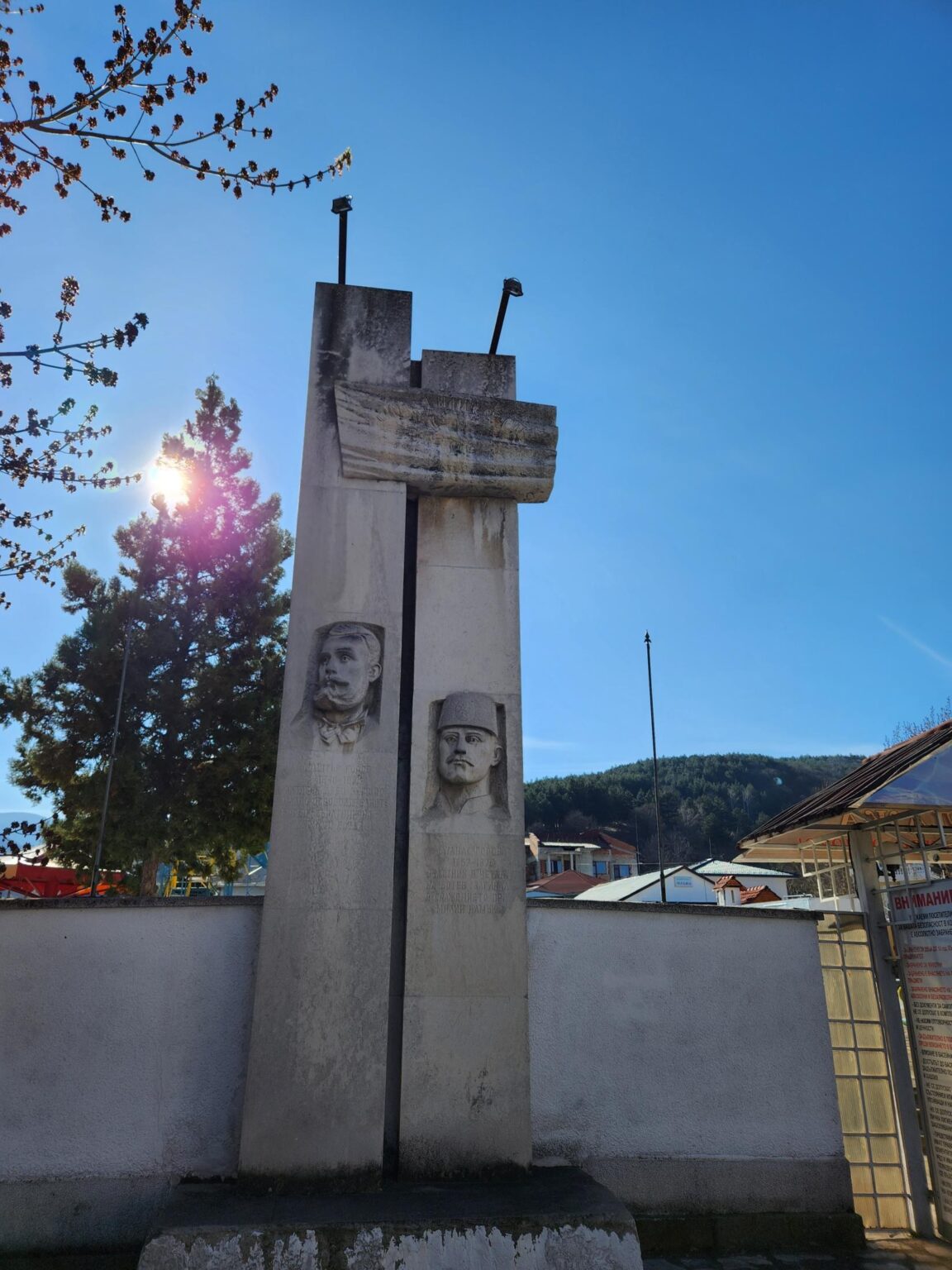
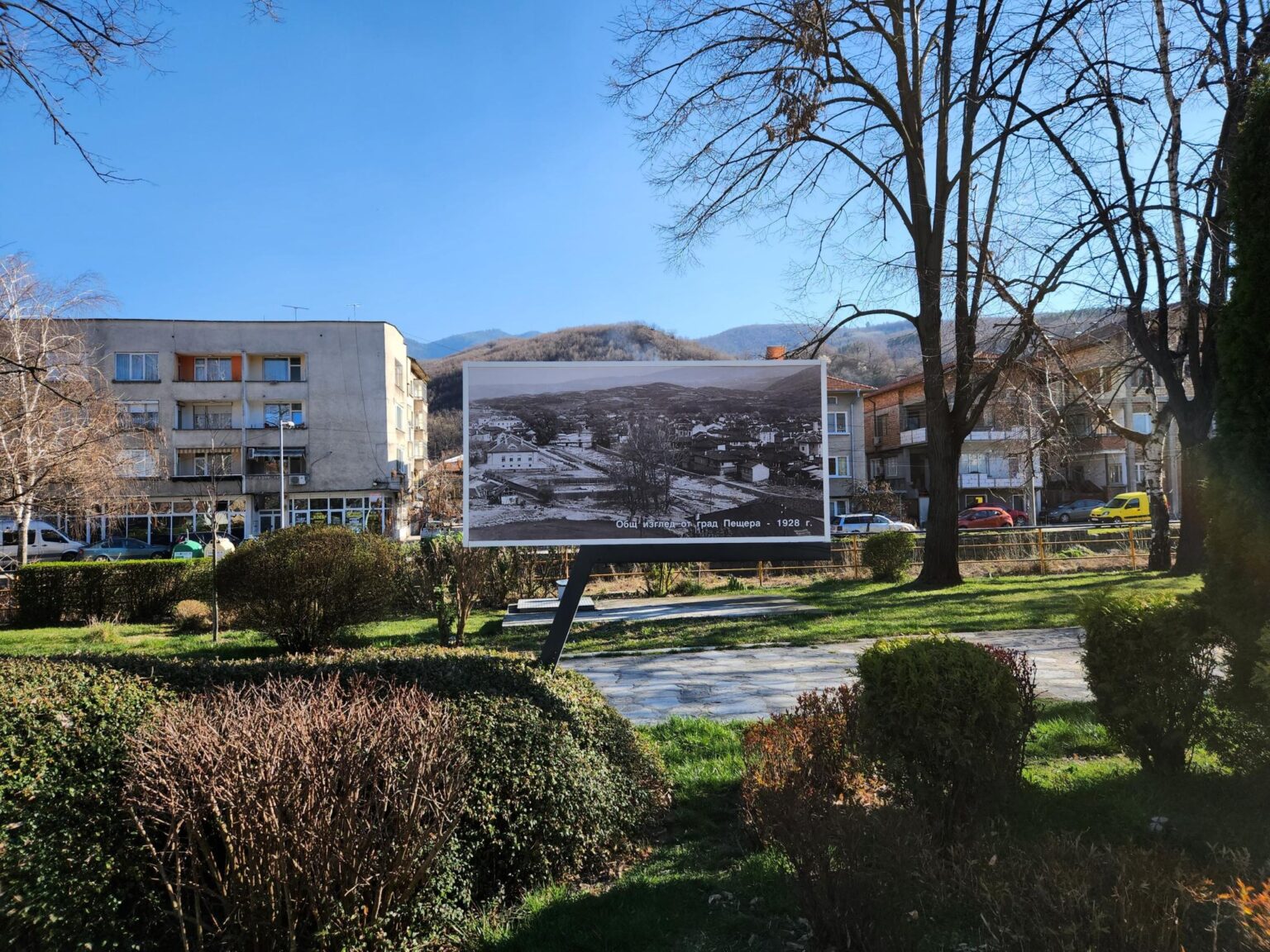
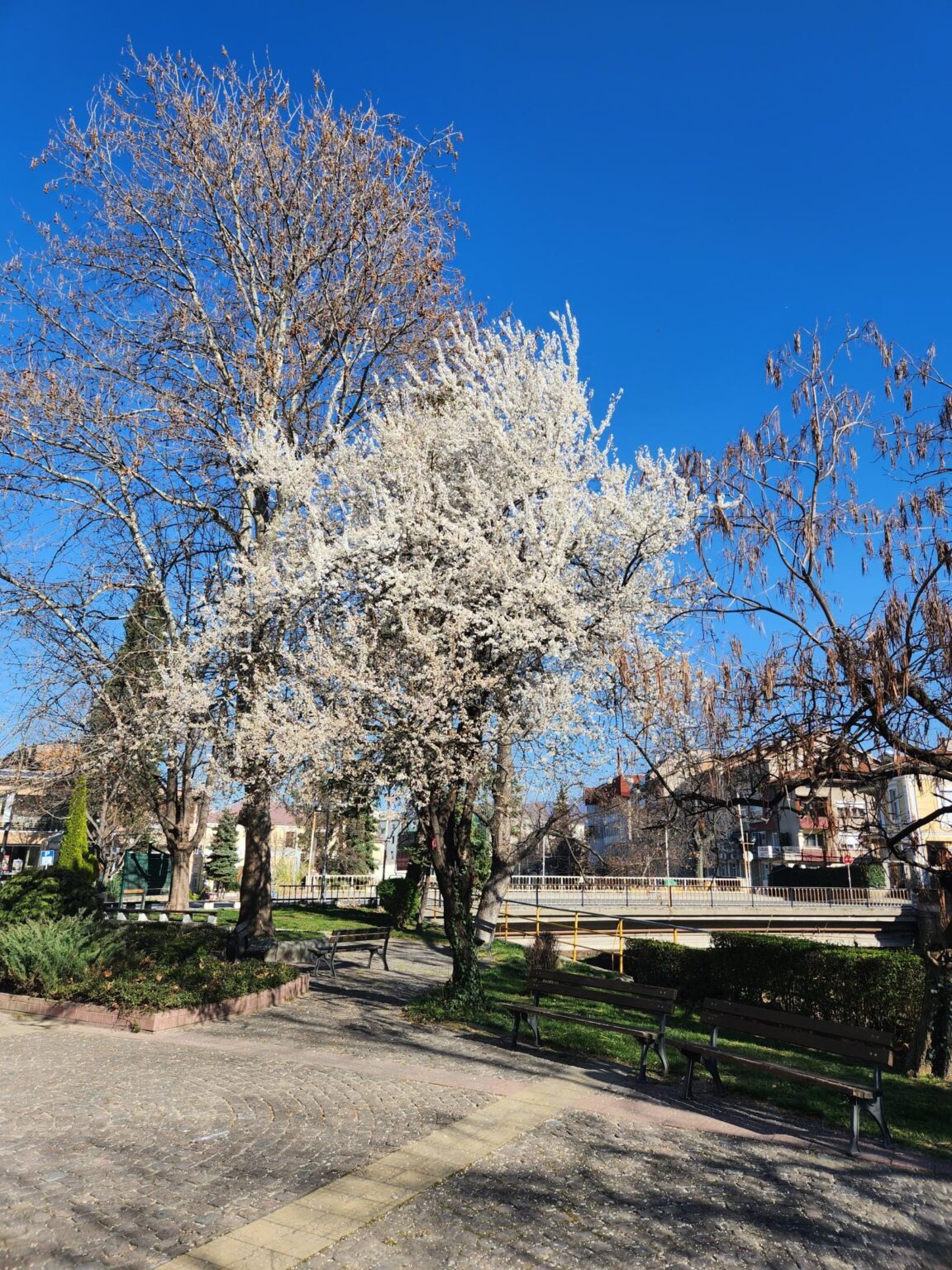
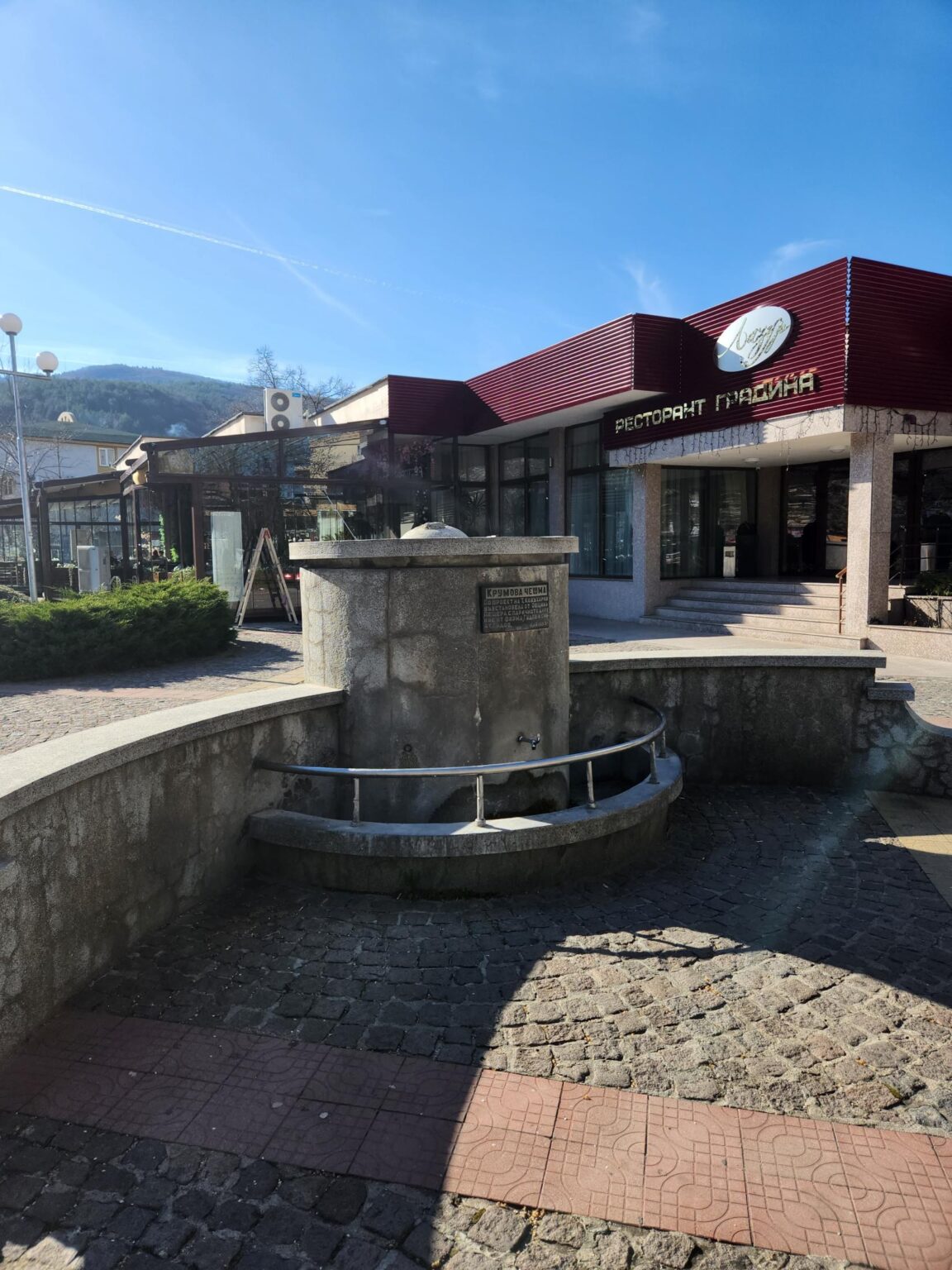
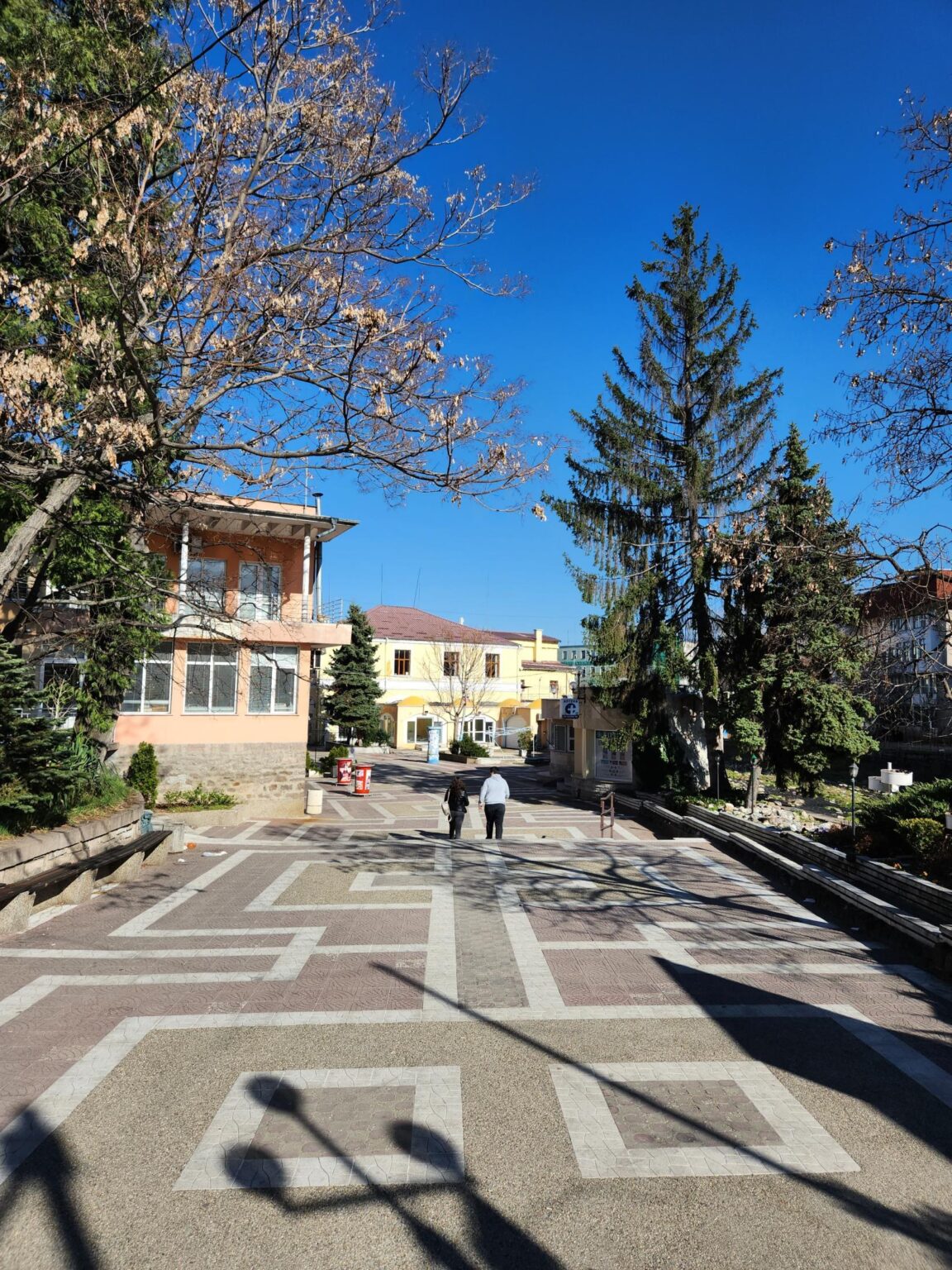
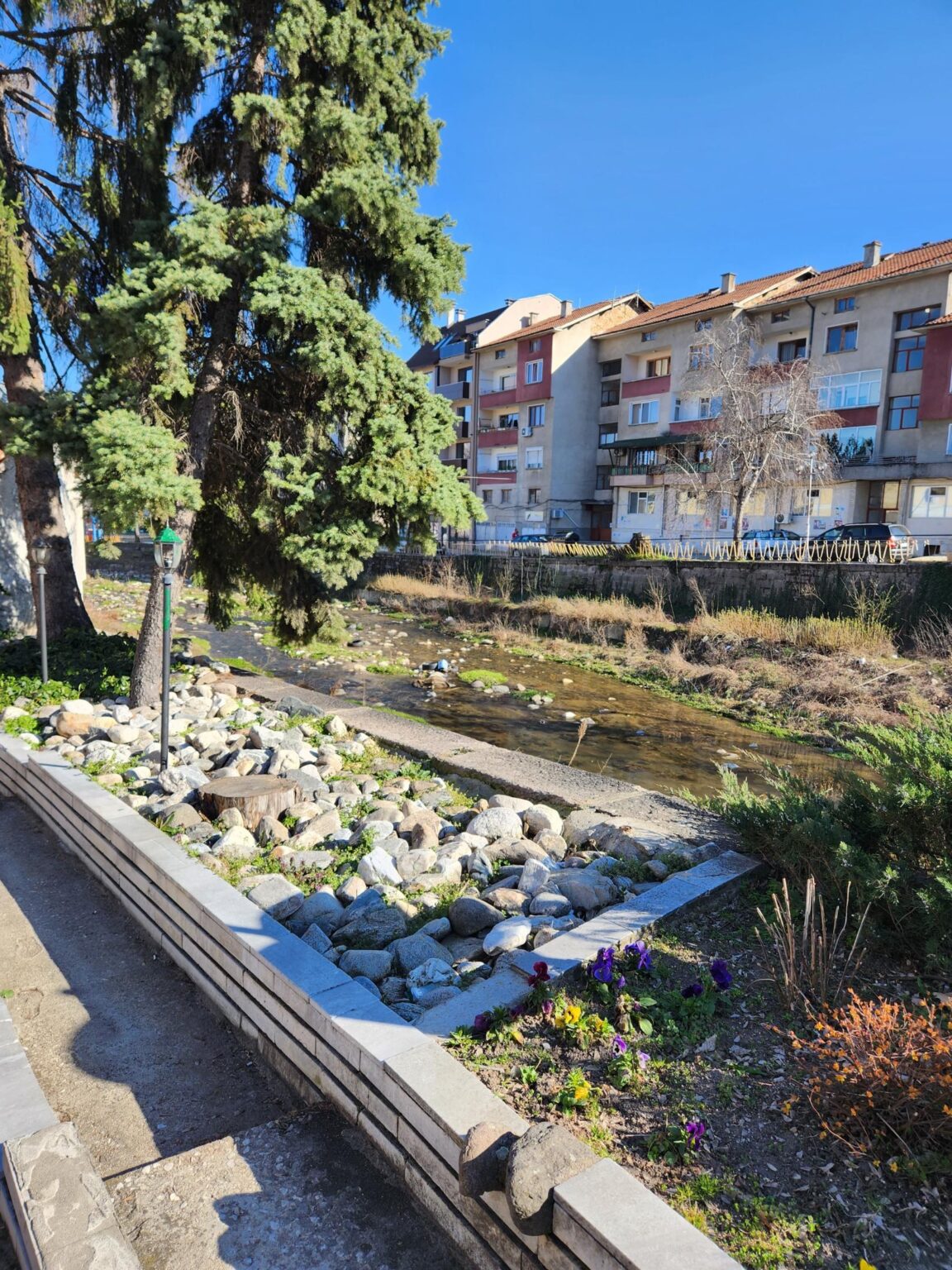
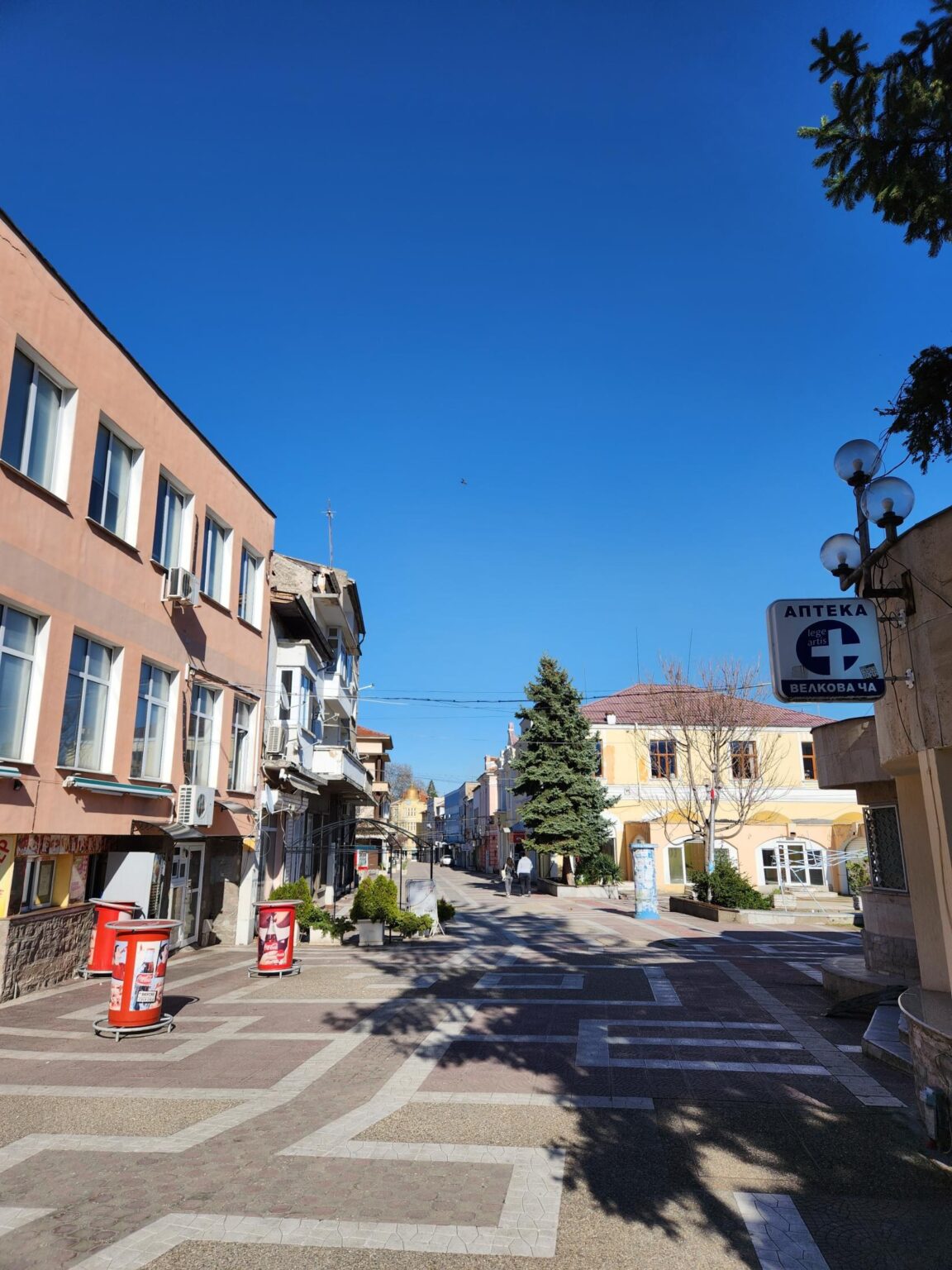
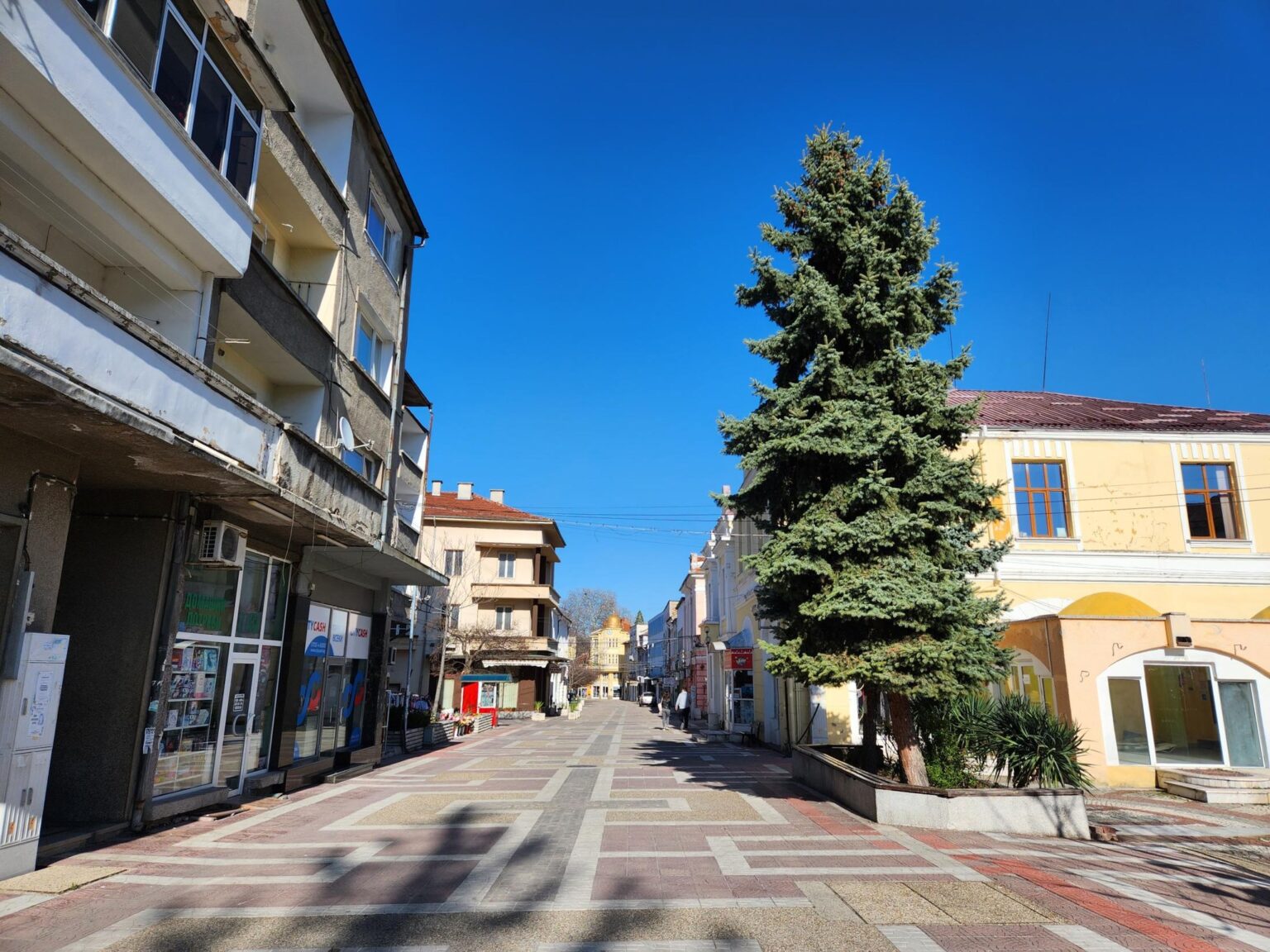
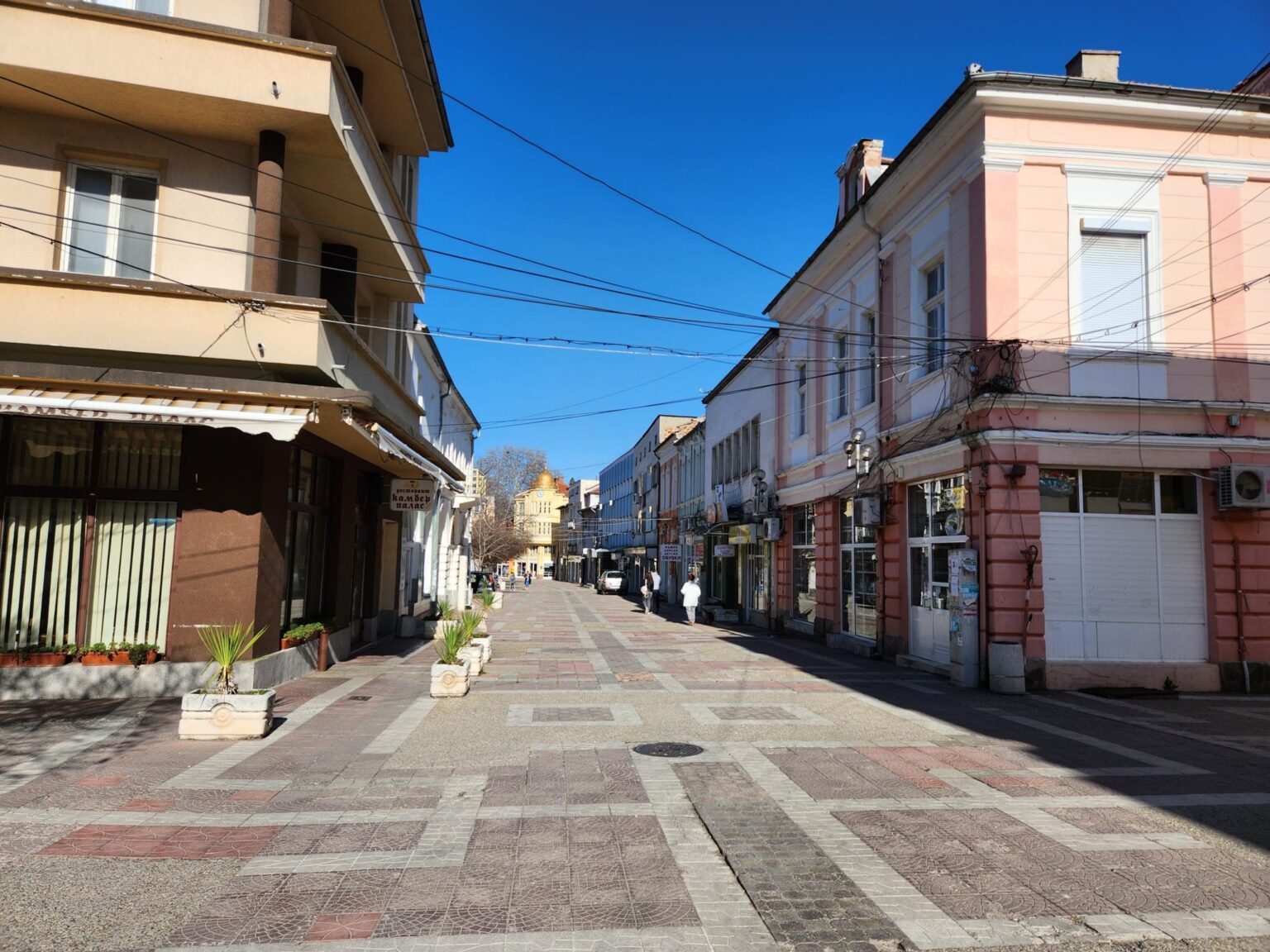
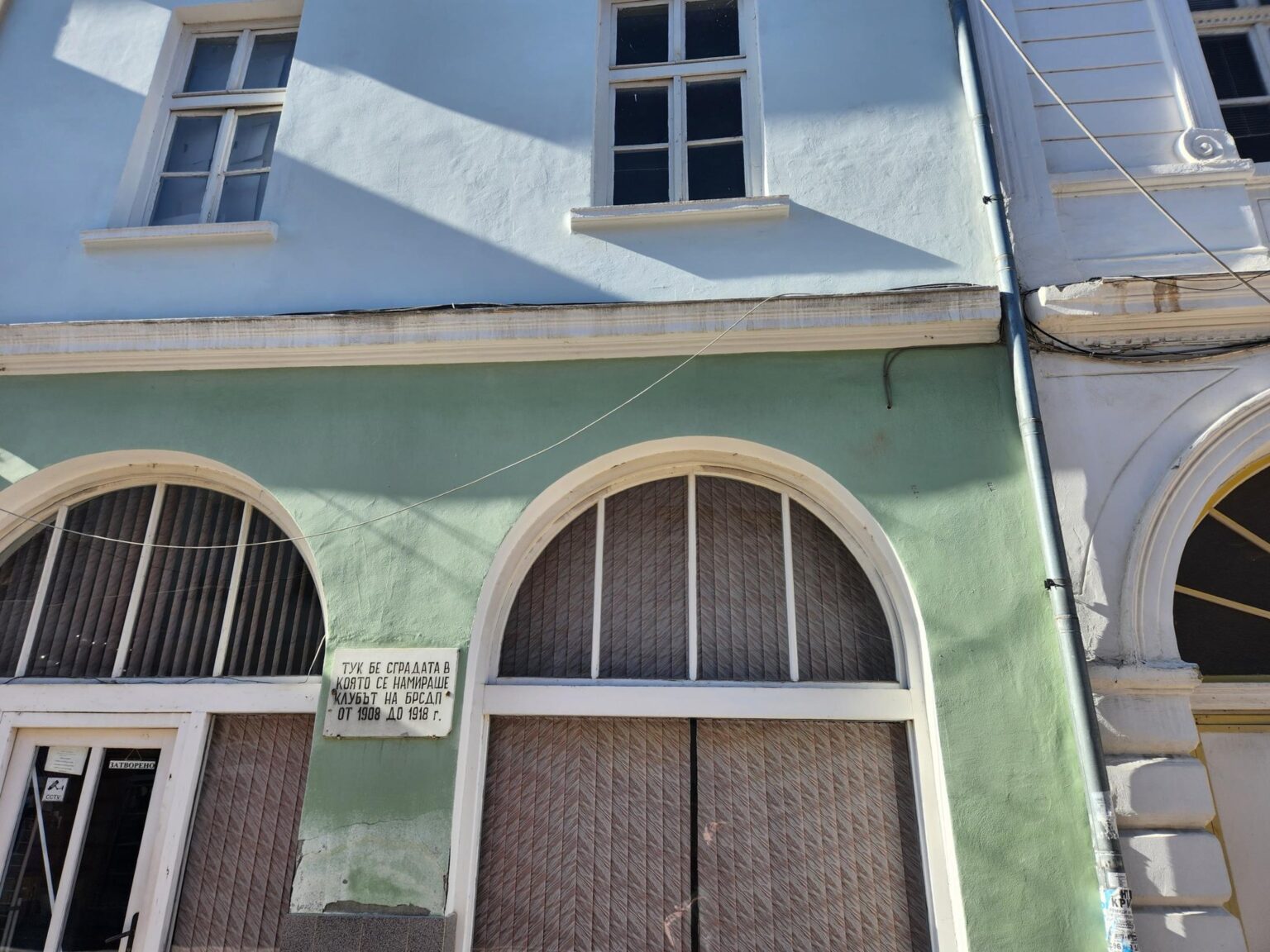
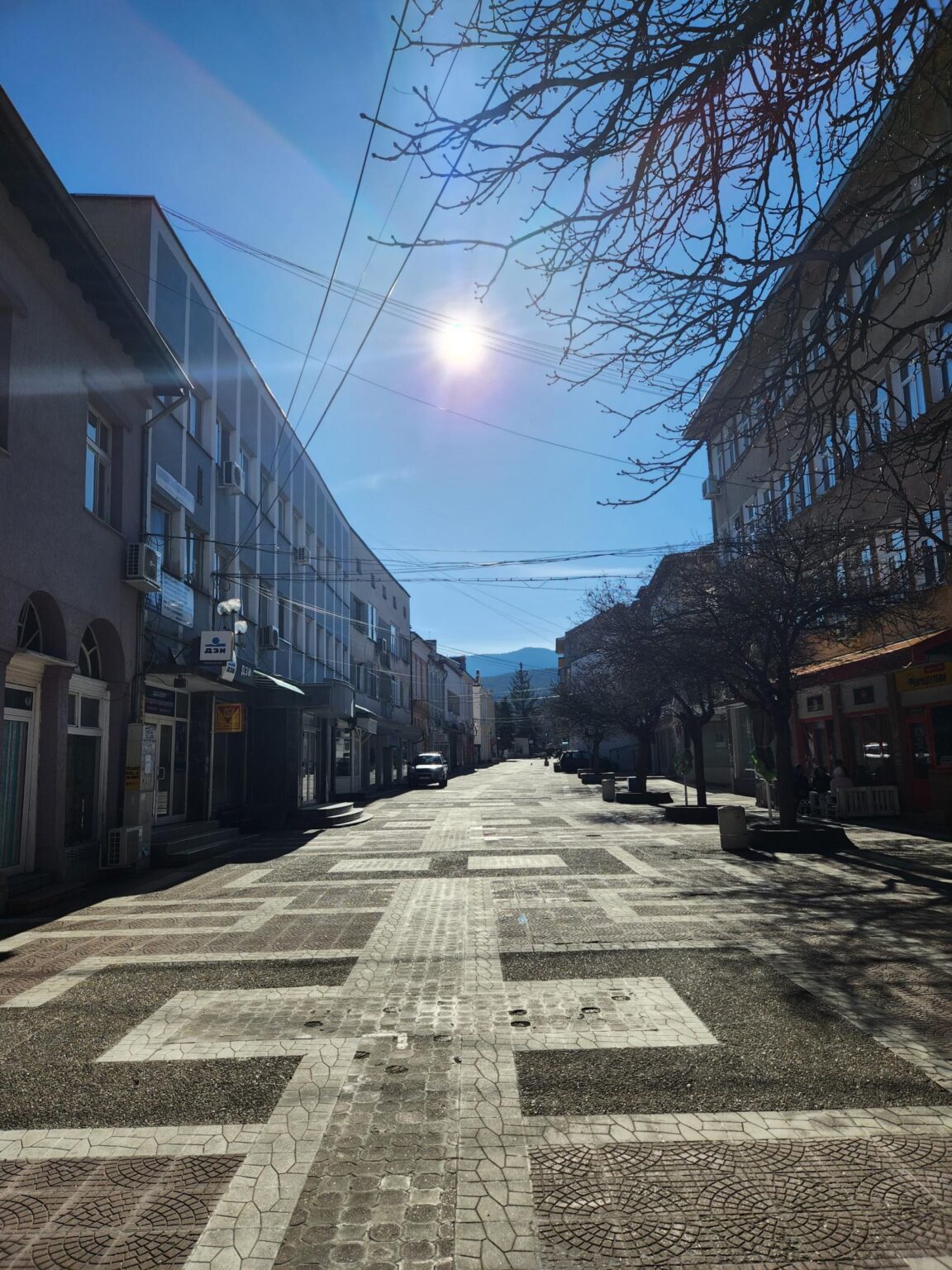
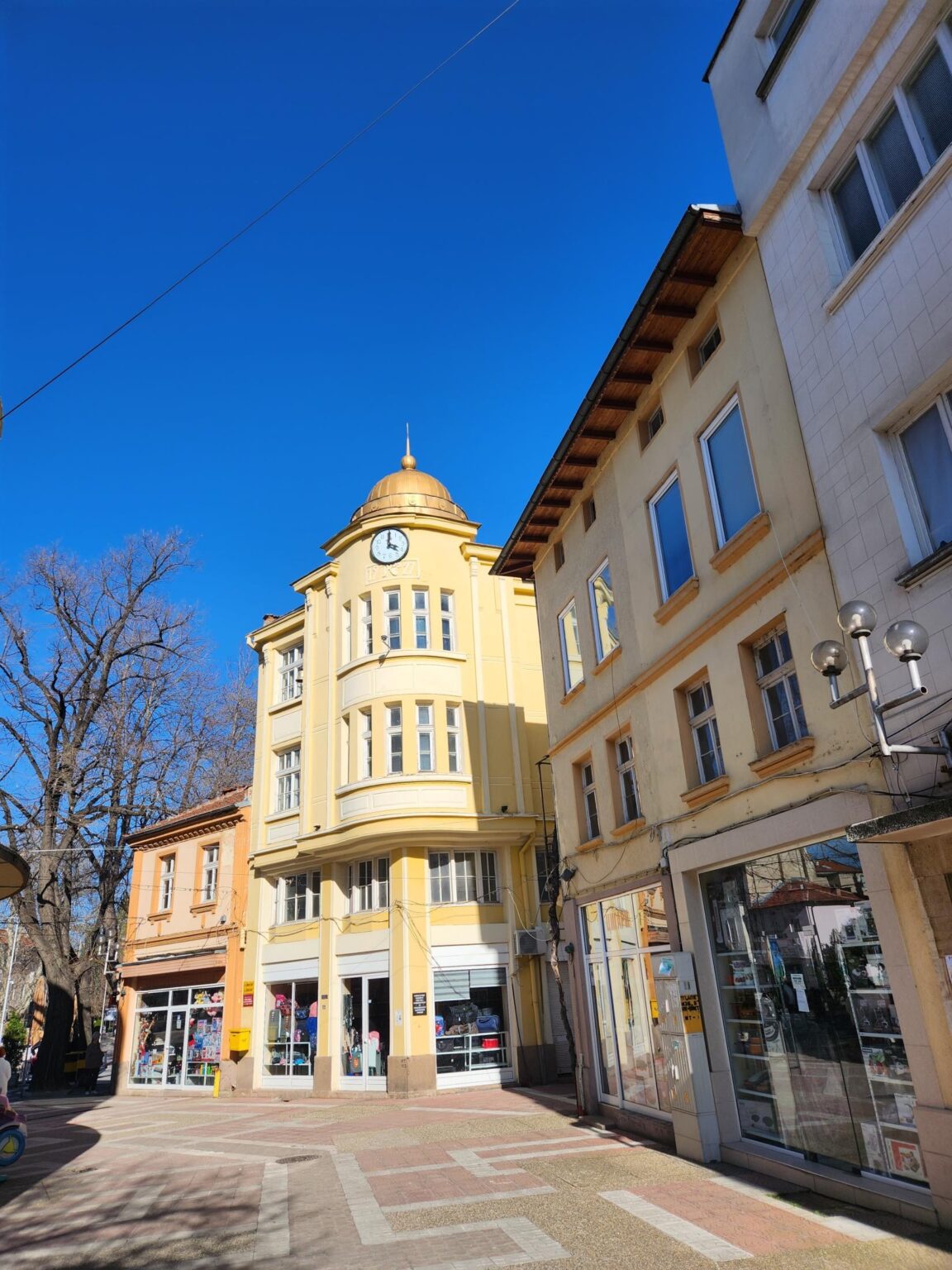
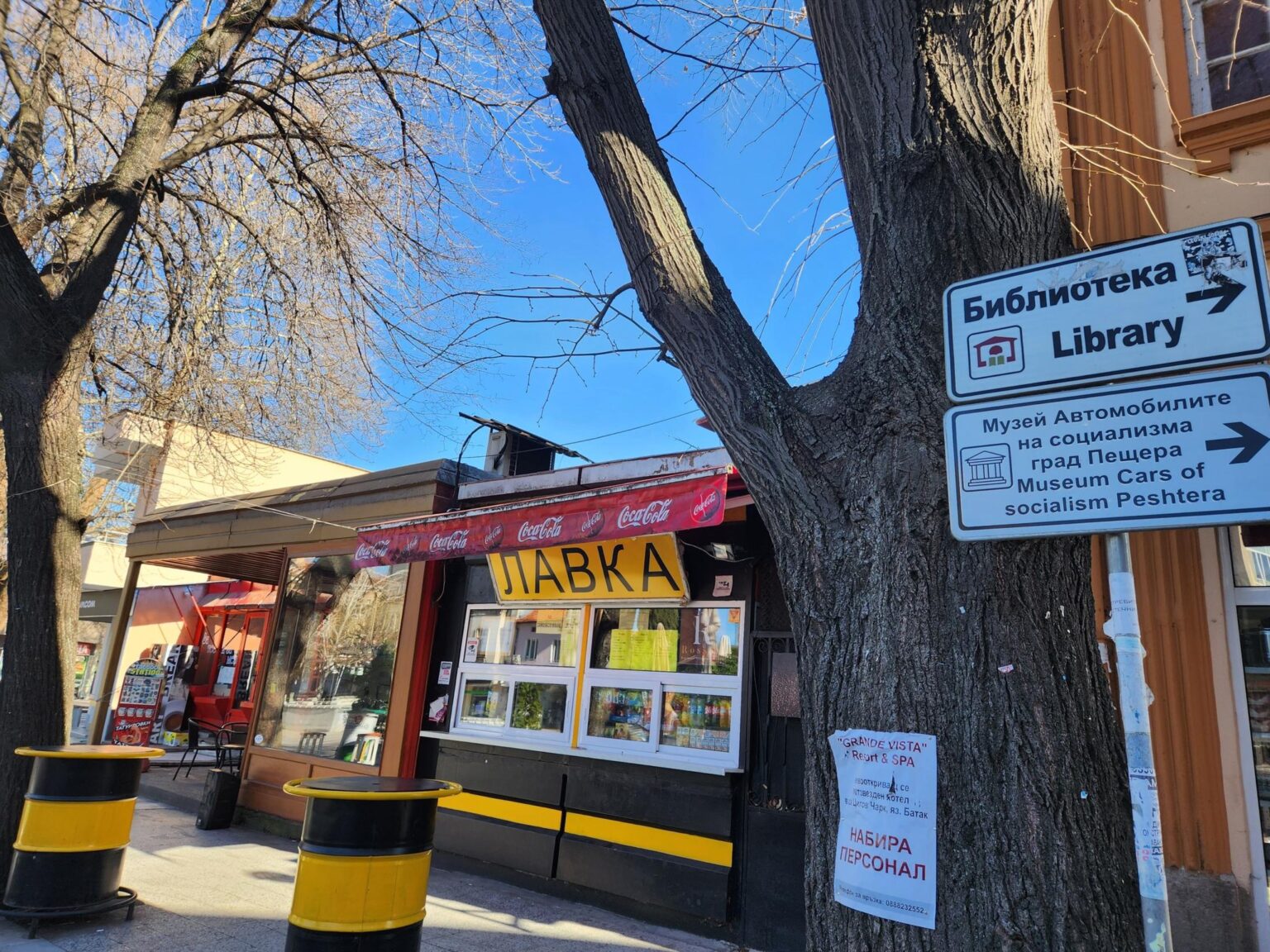
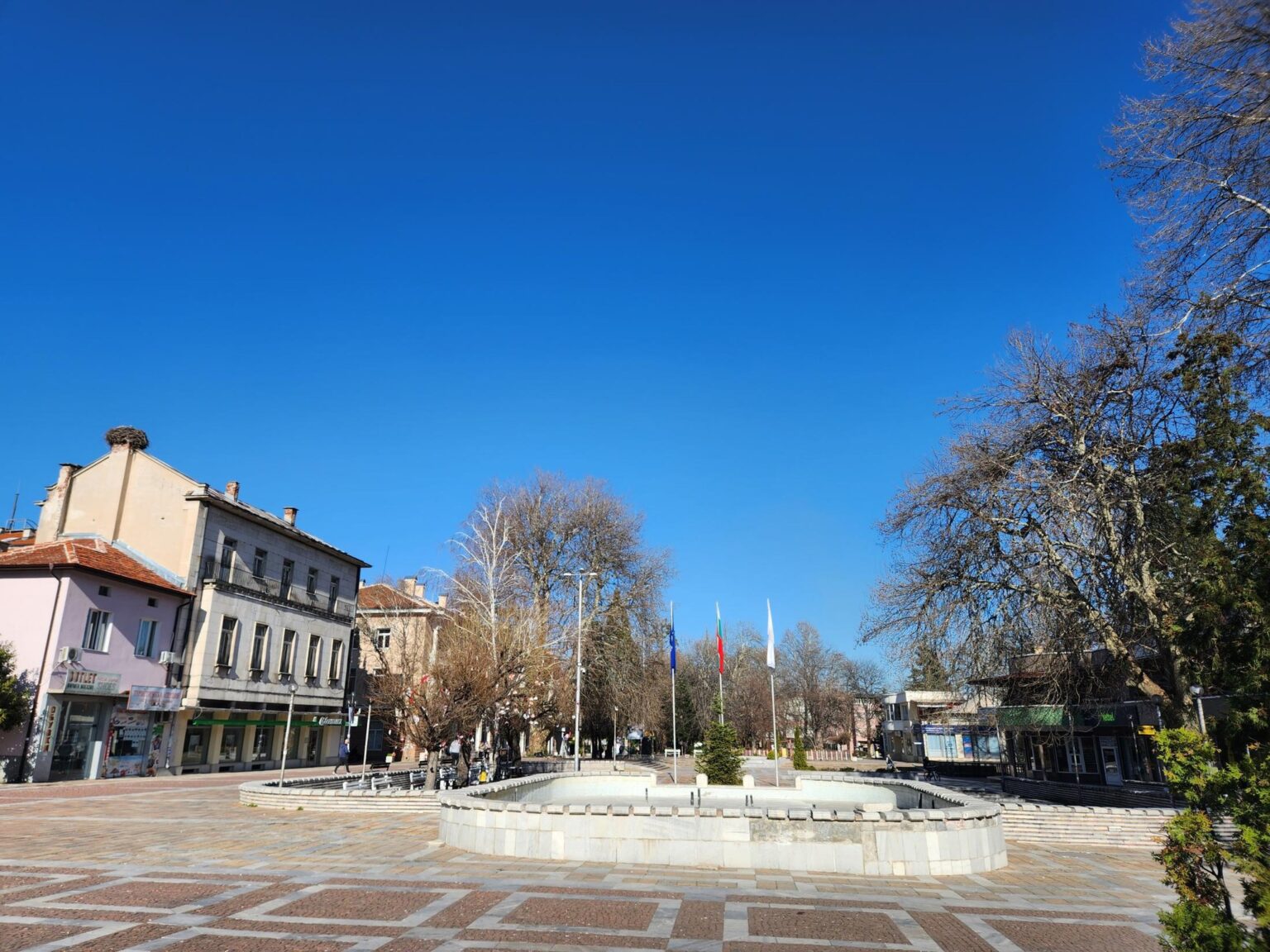
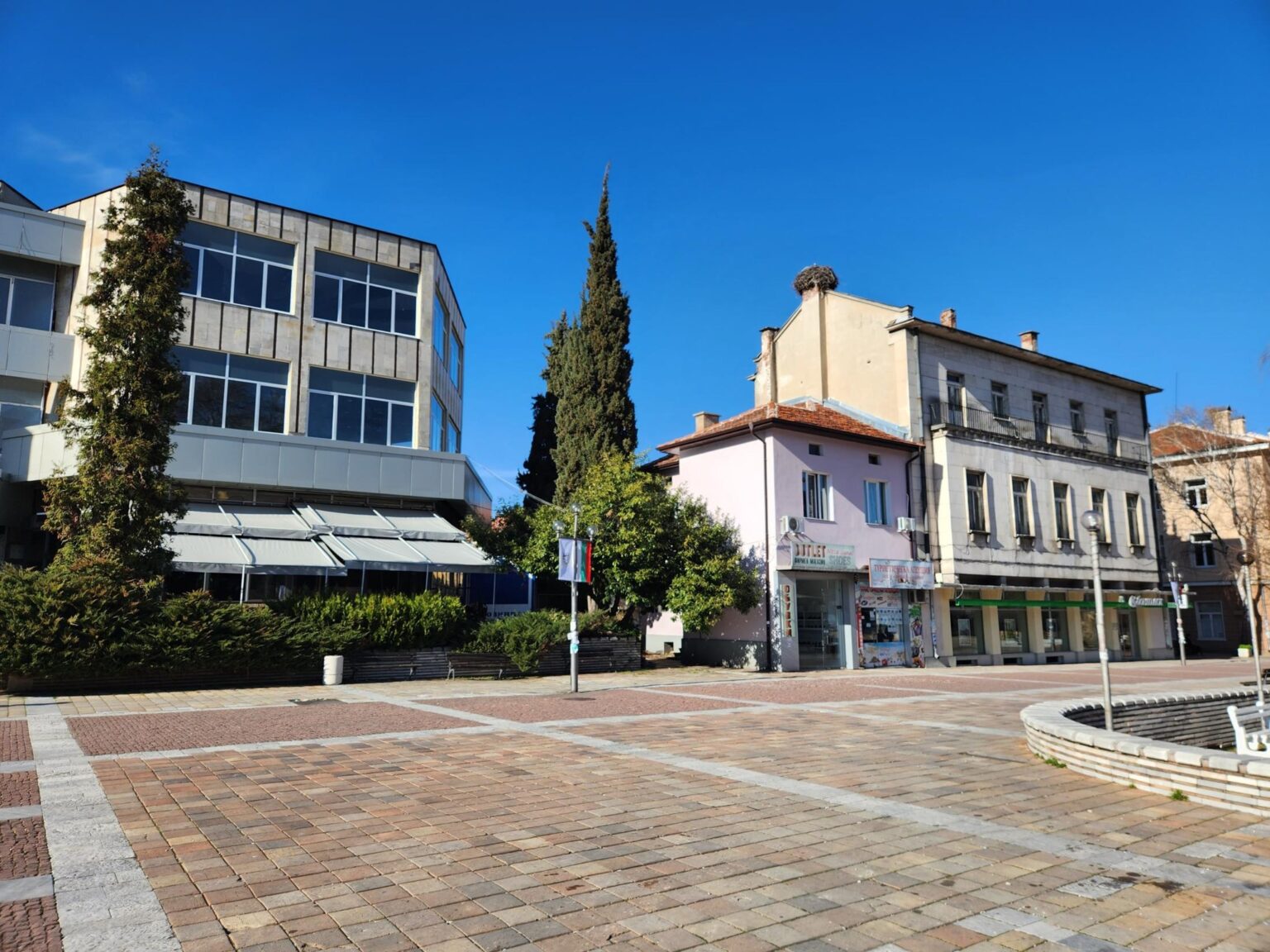
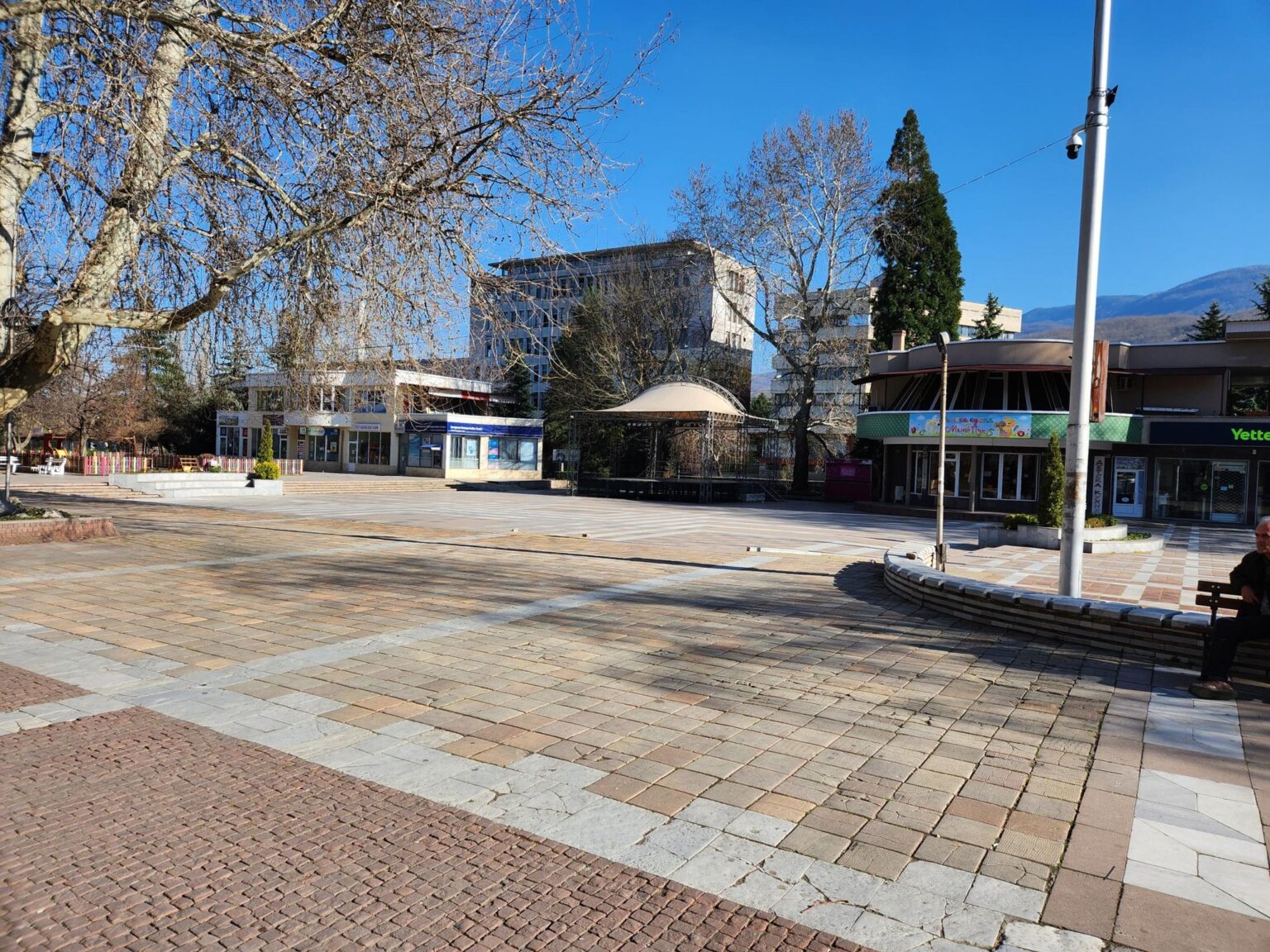
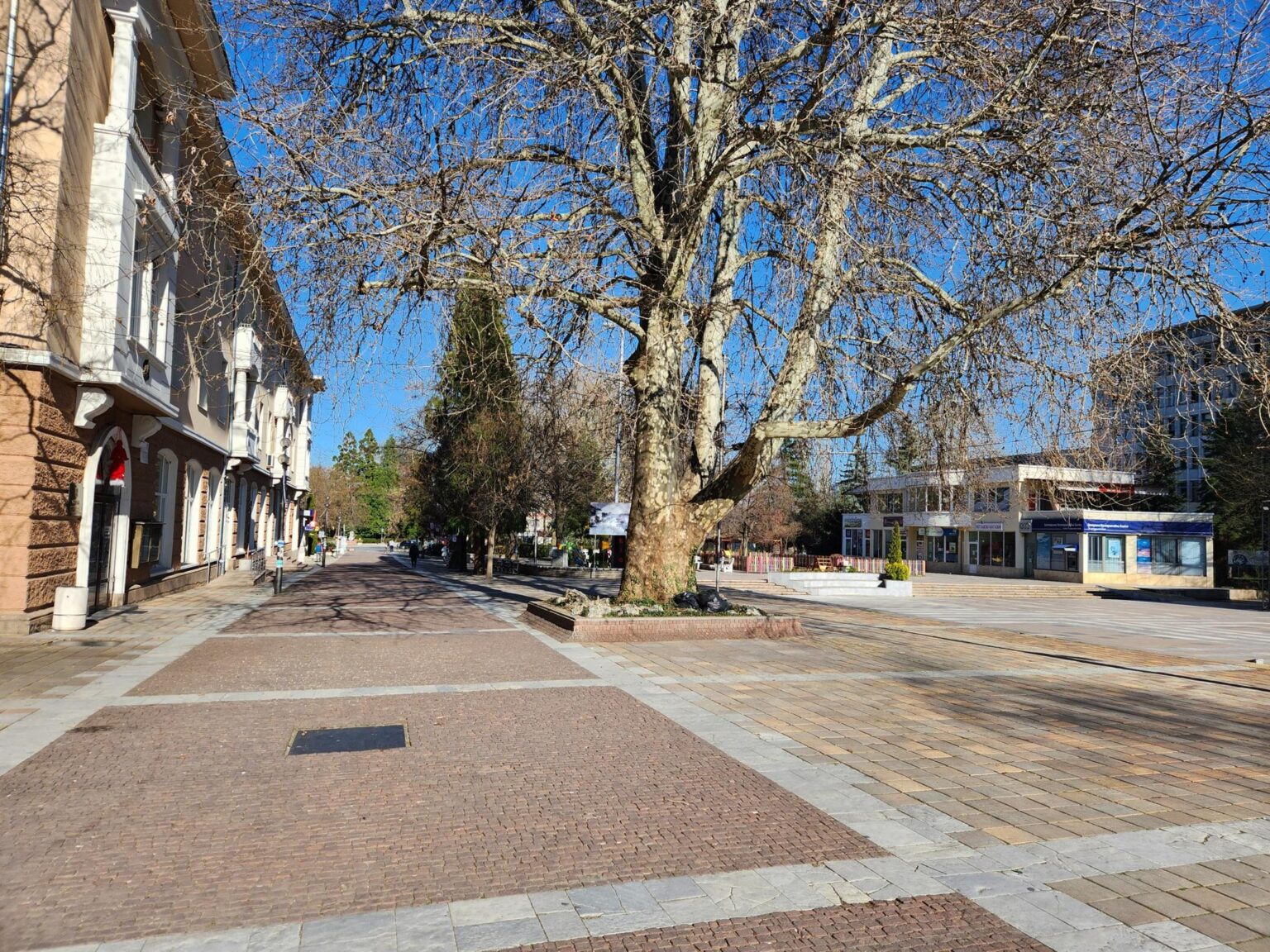
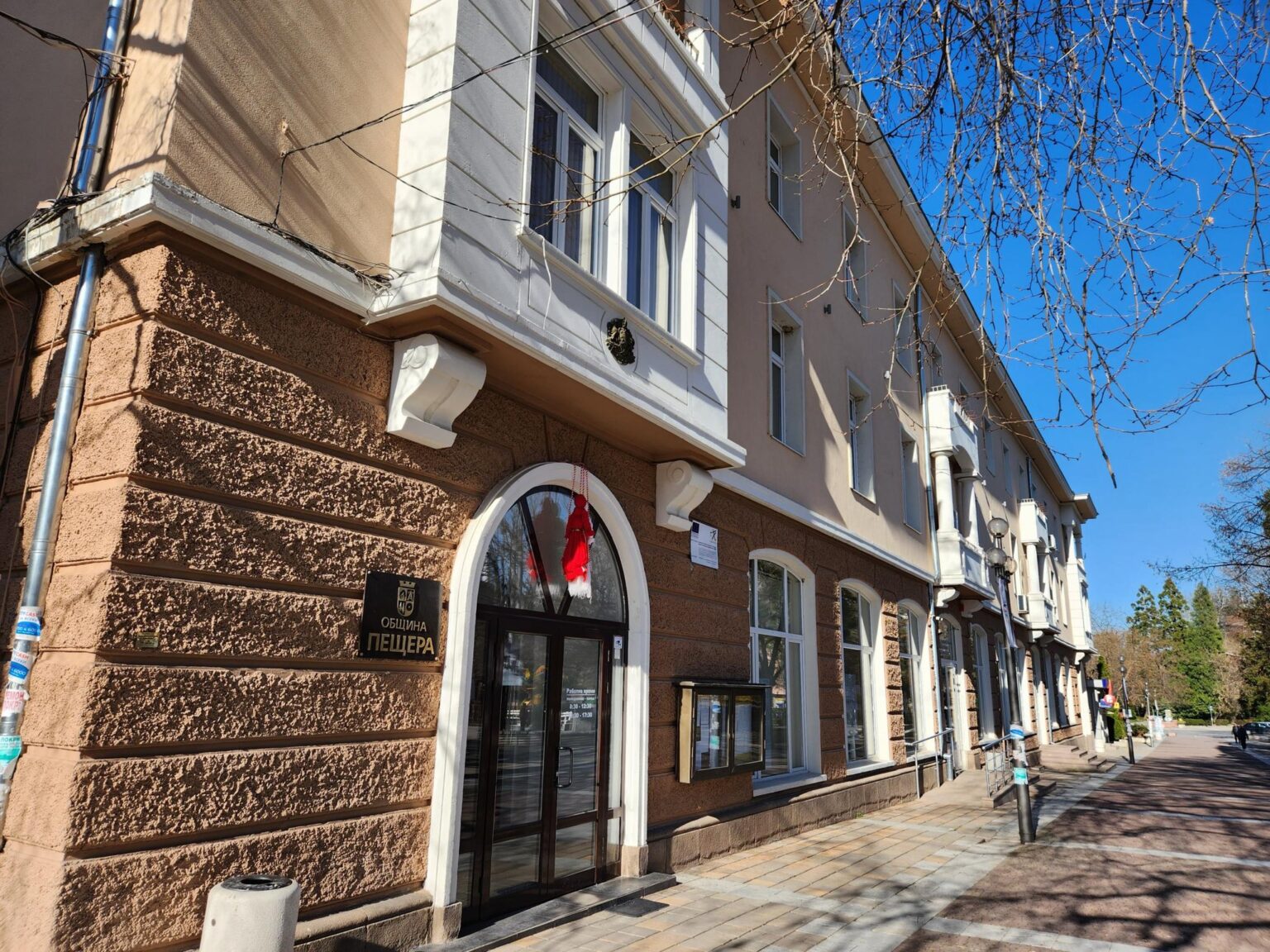
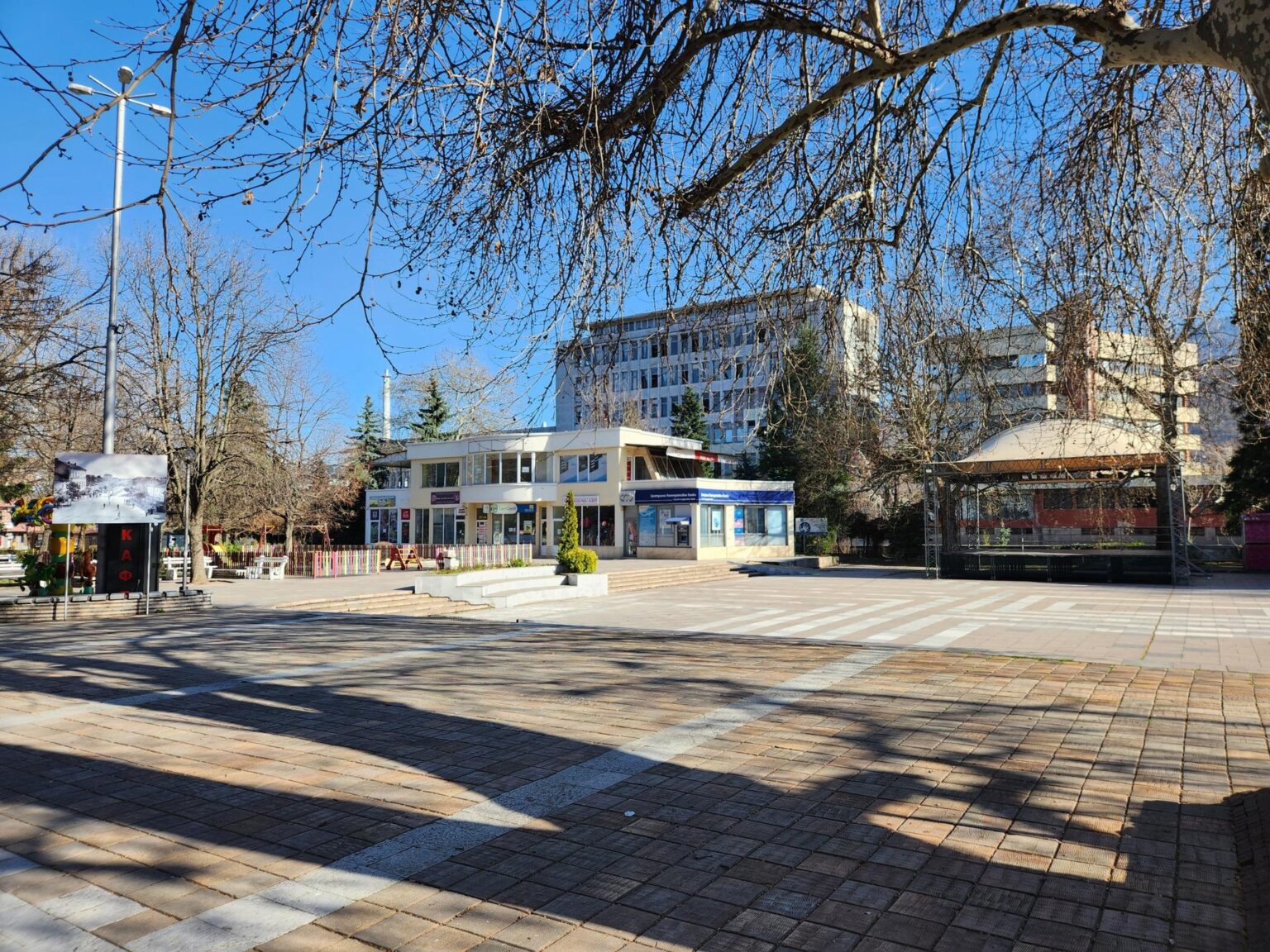
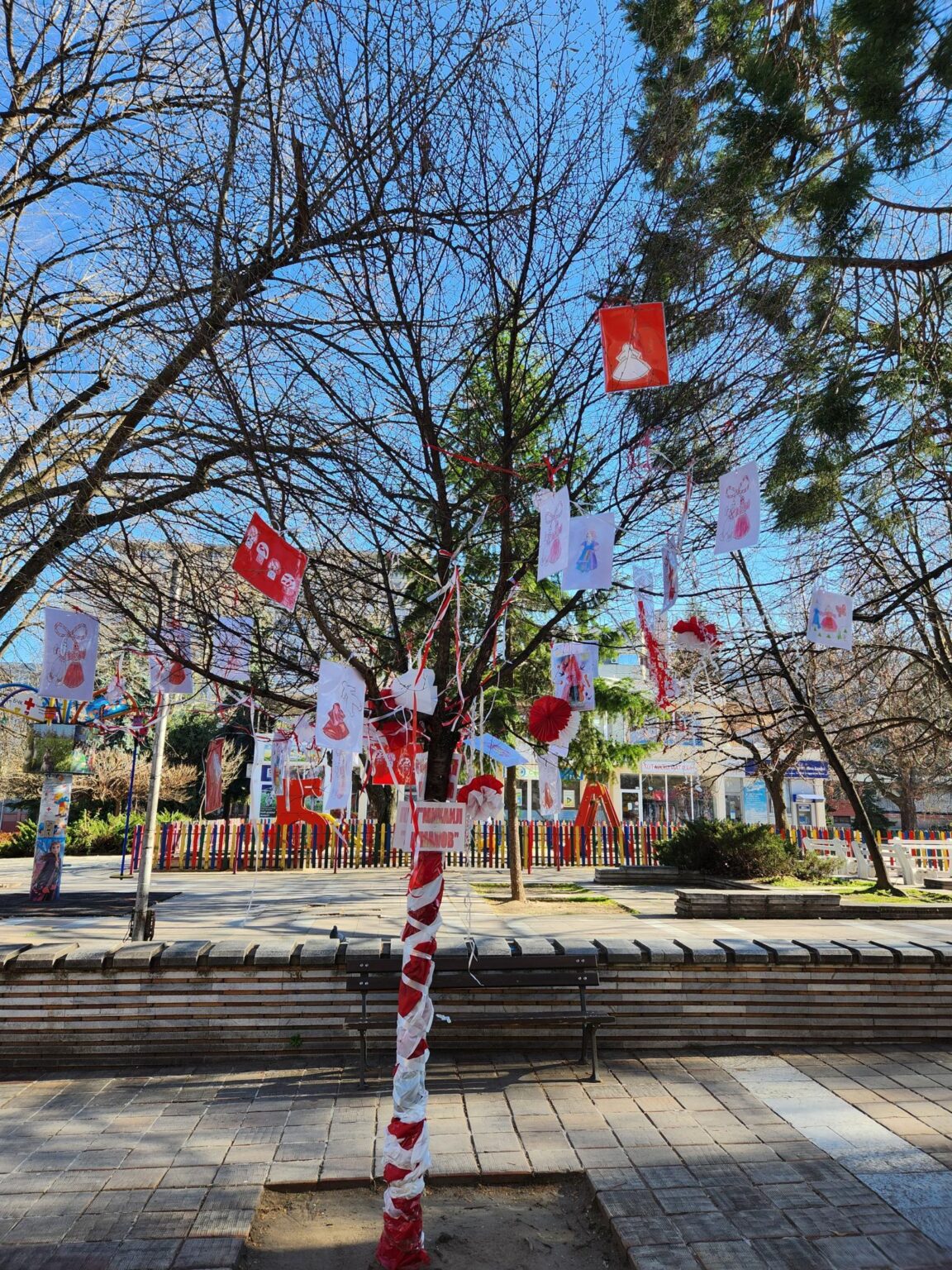
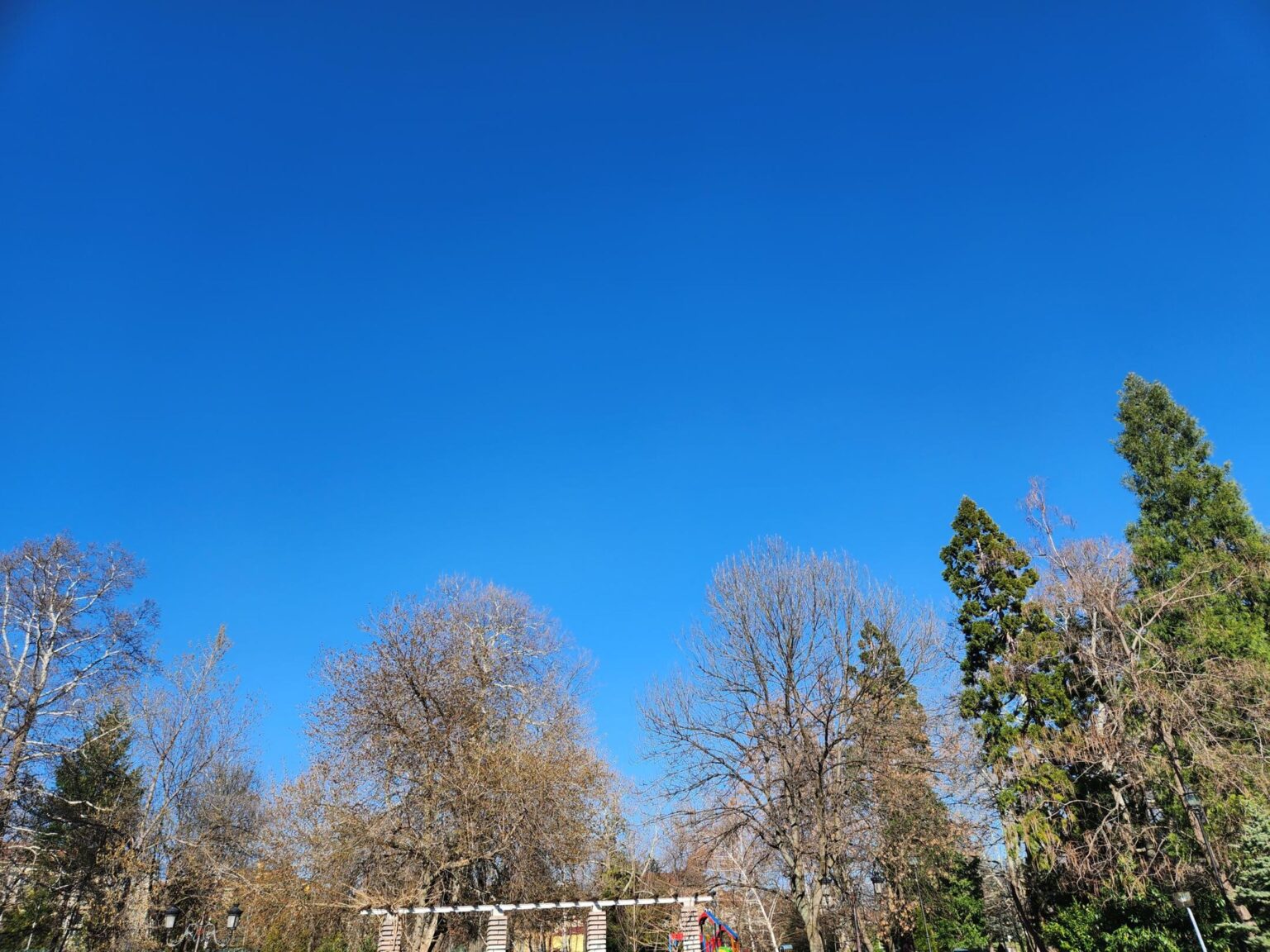
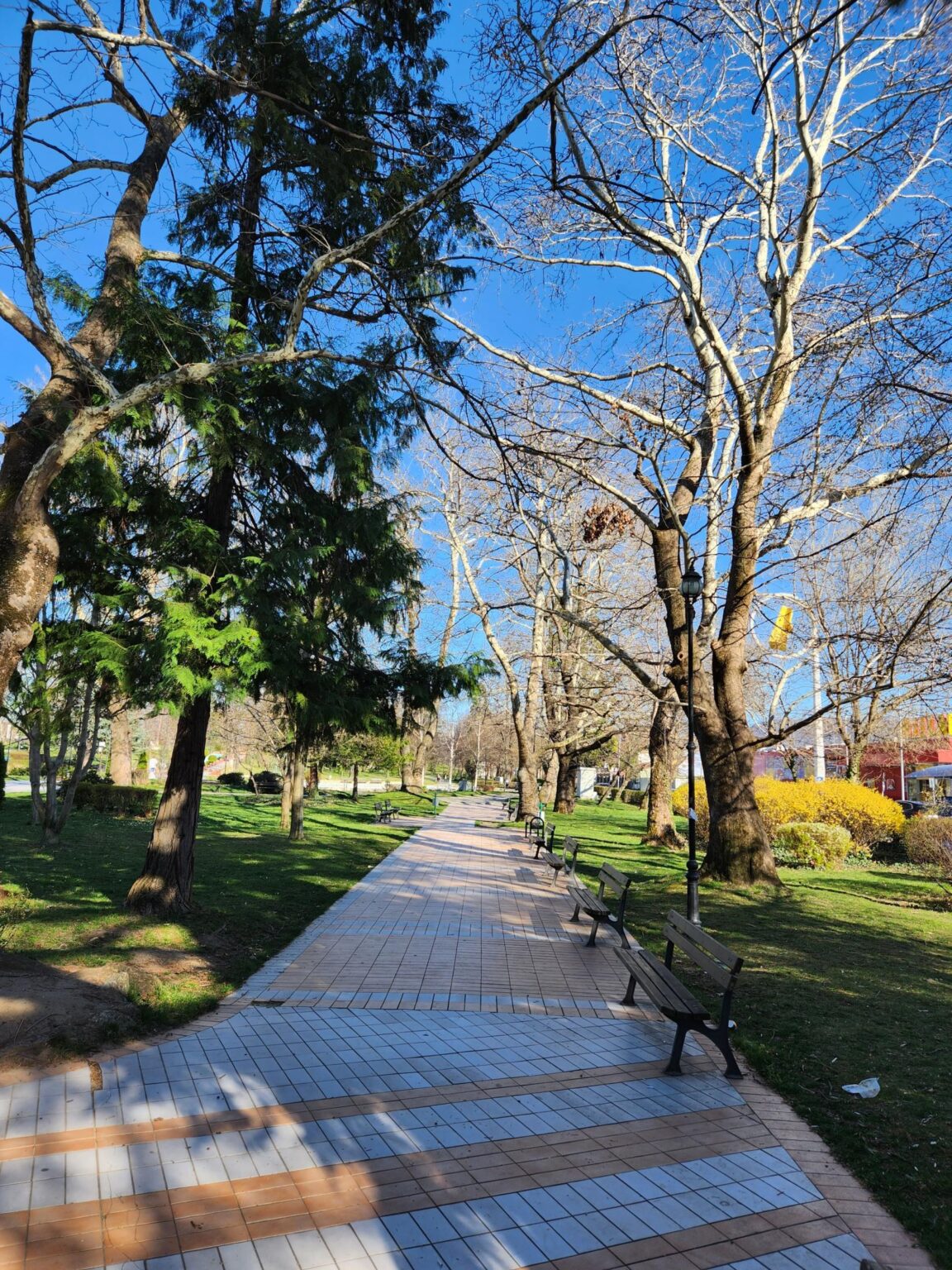
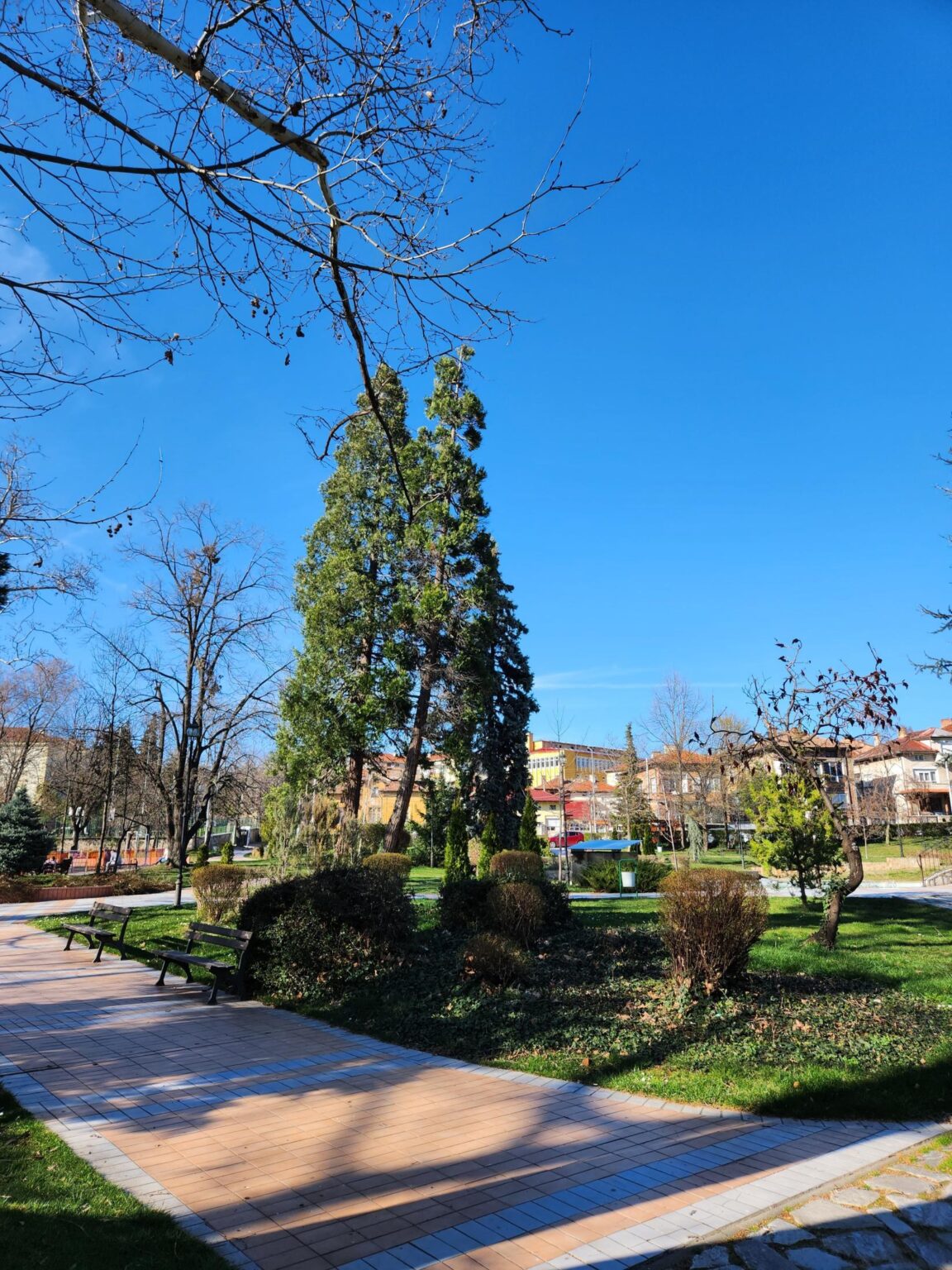
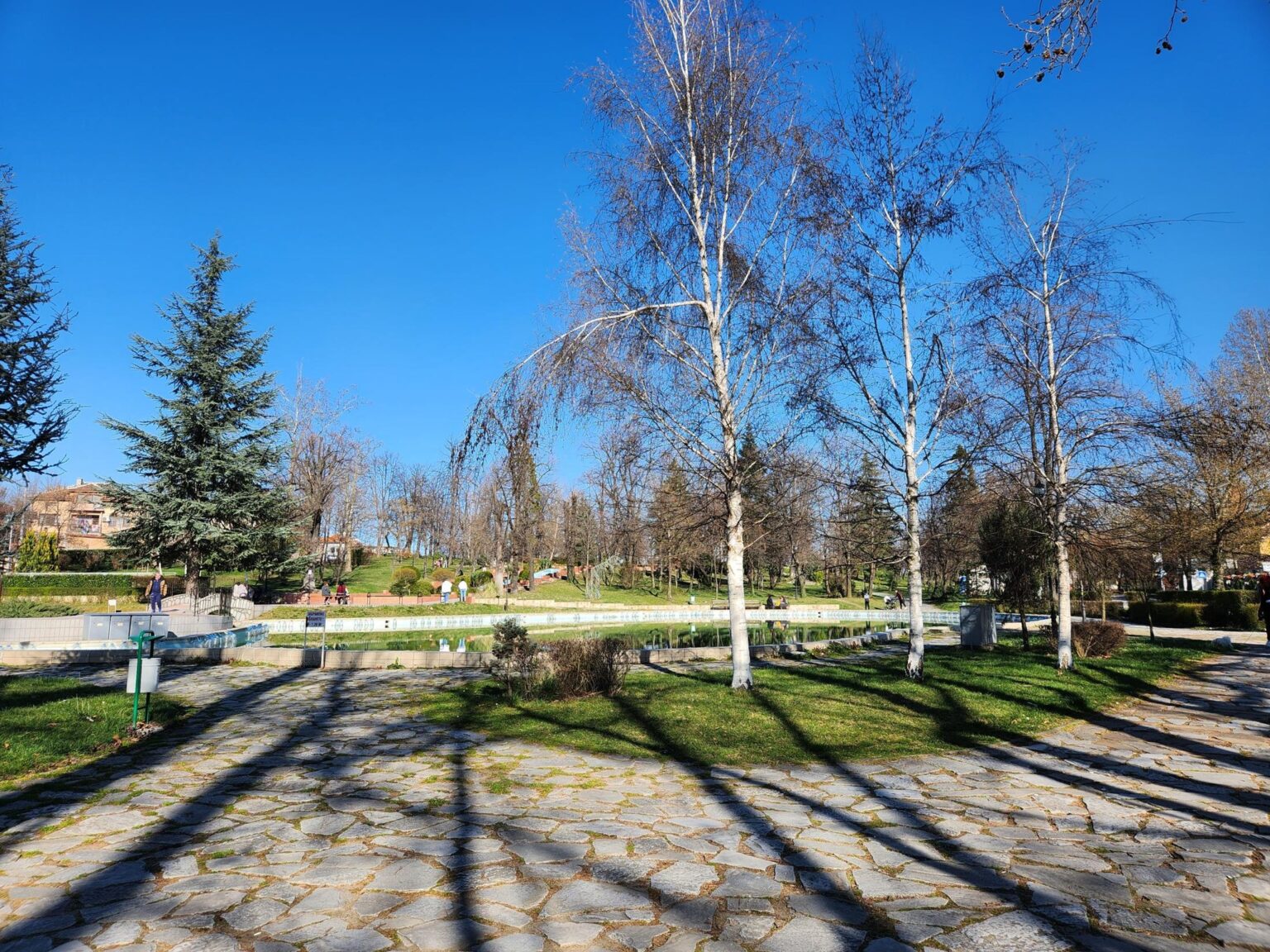
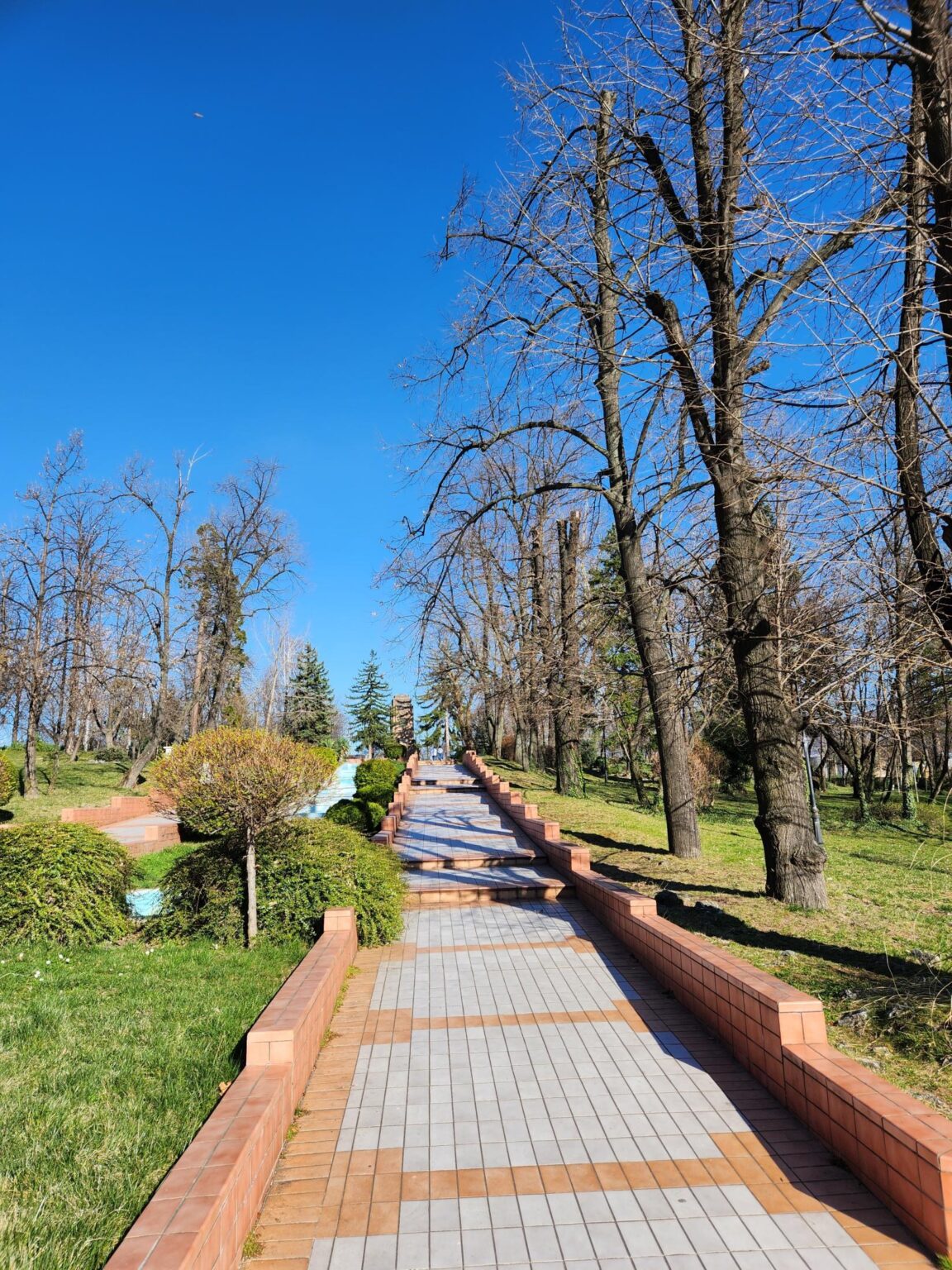
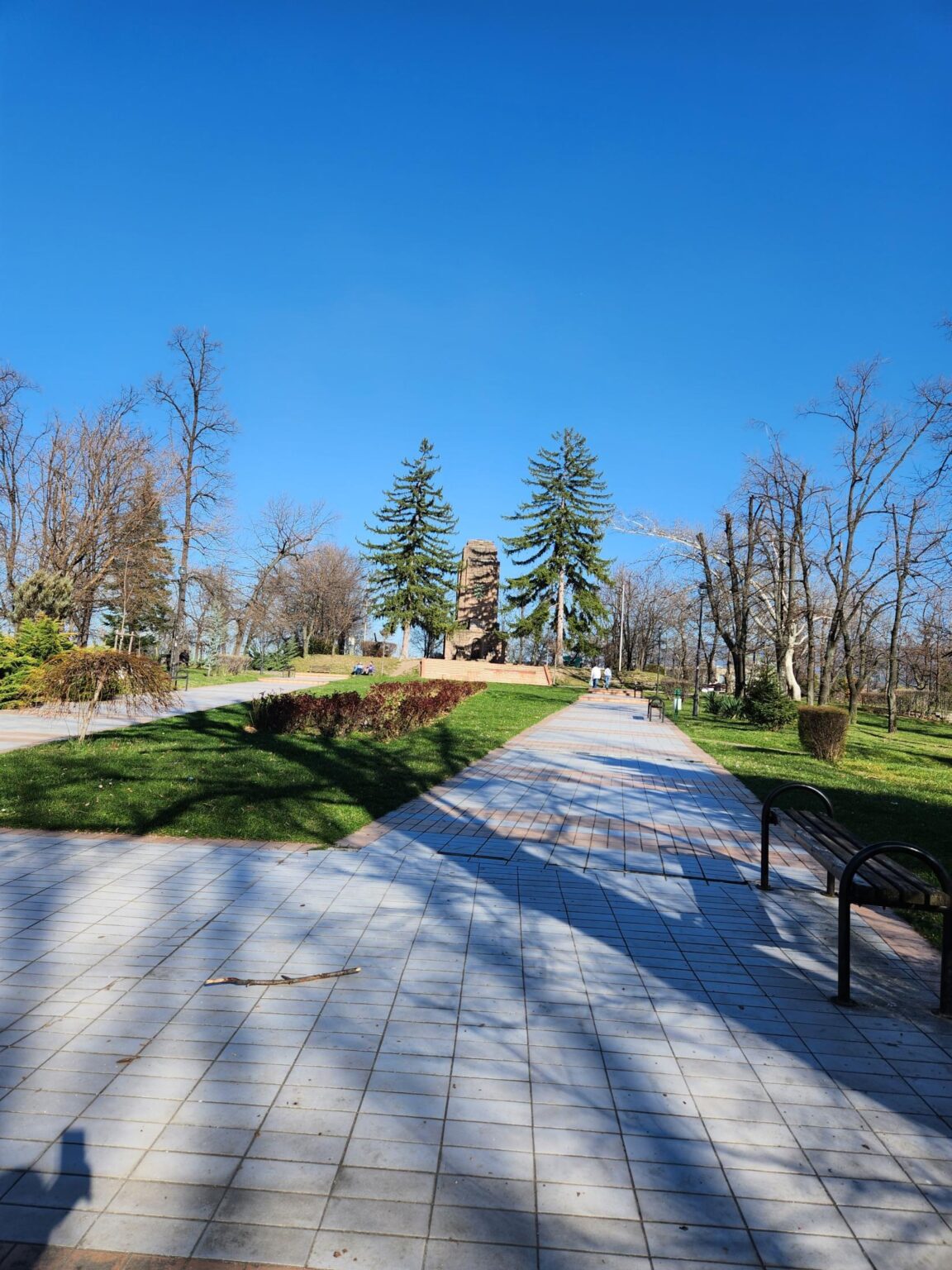
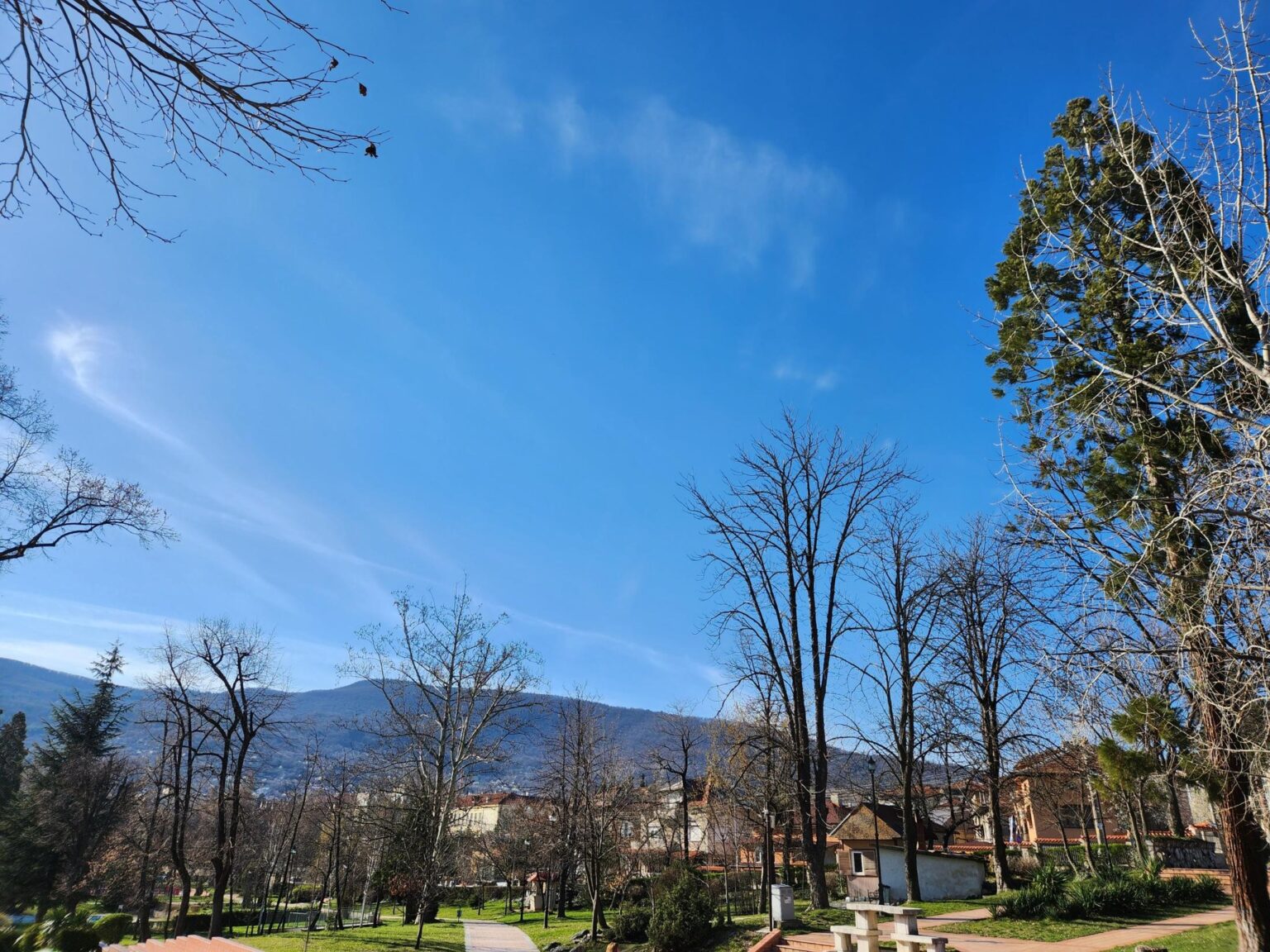
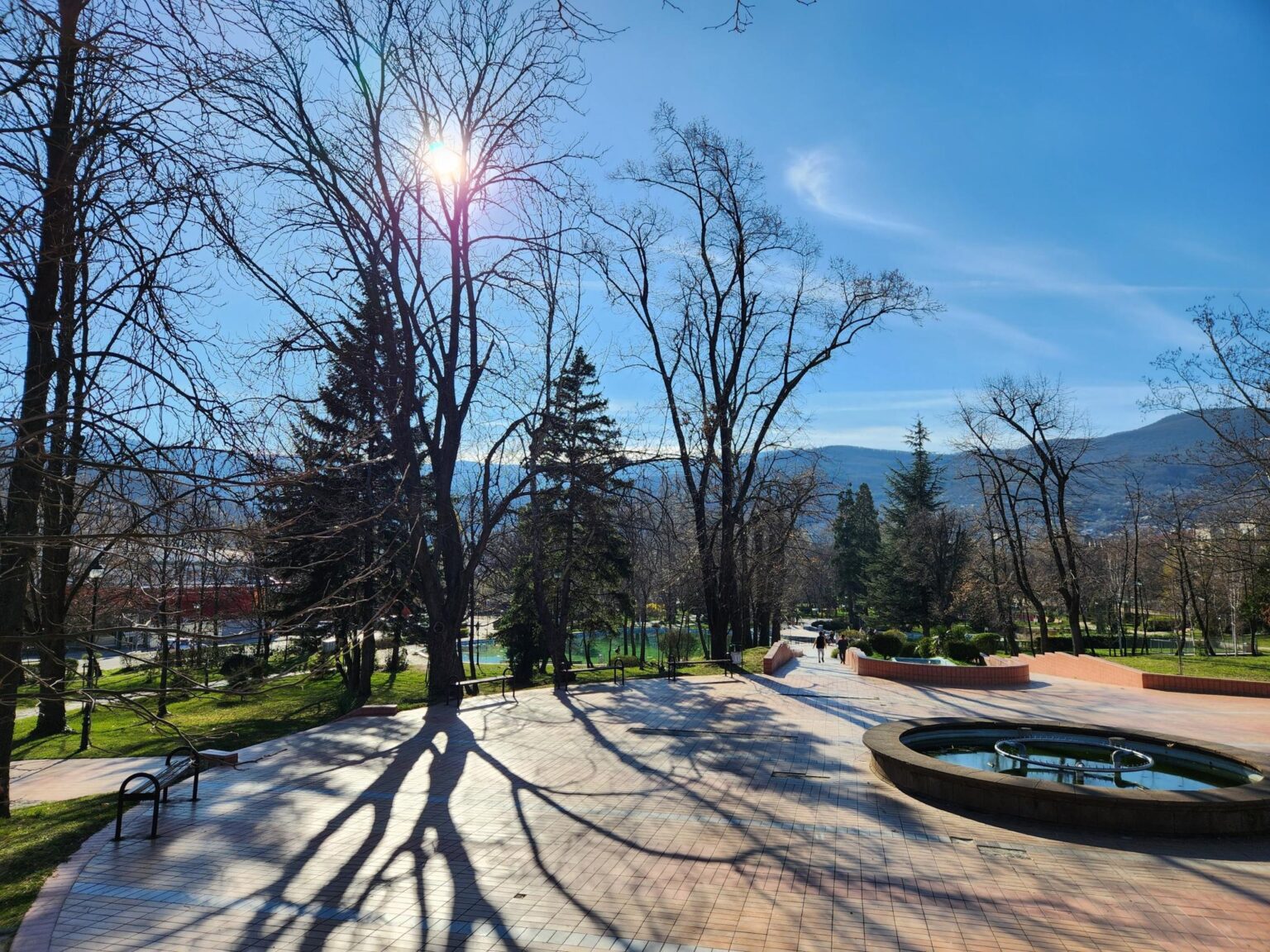
Time is getting on. Let us grab one more less obvious location, namely:
Slavovitsa
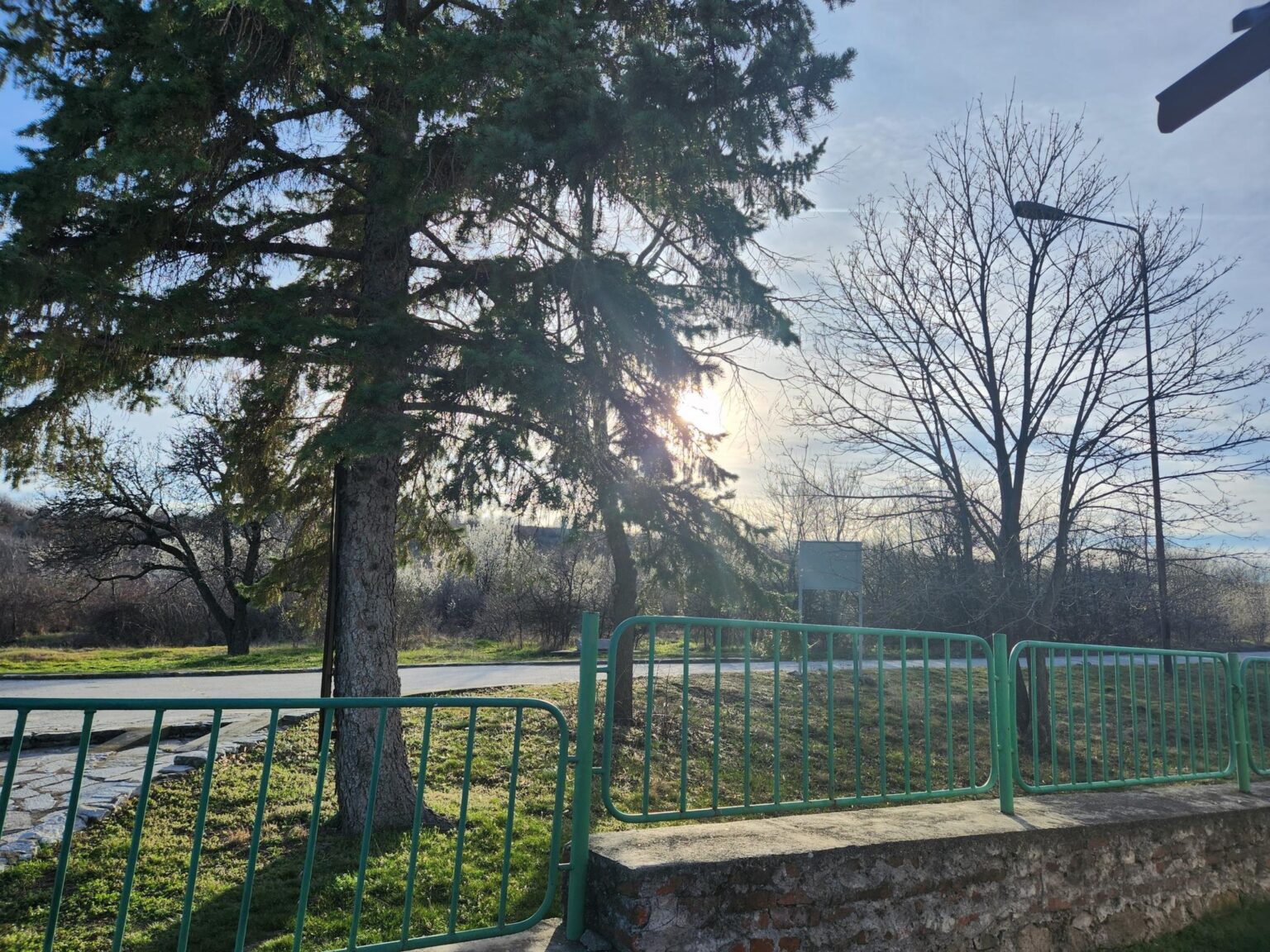
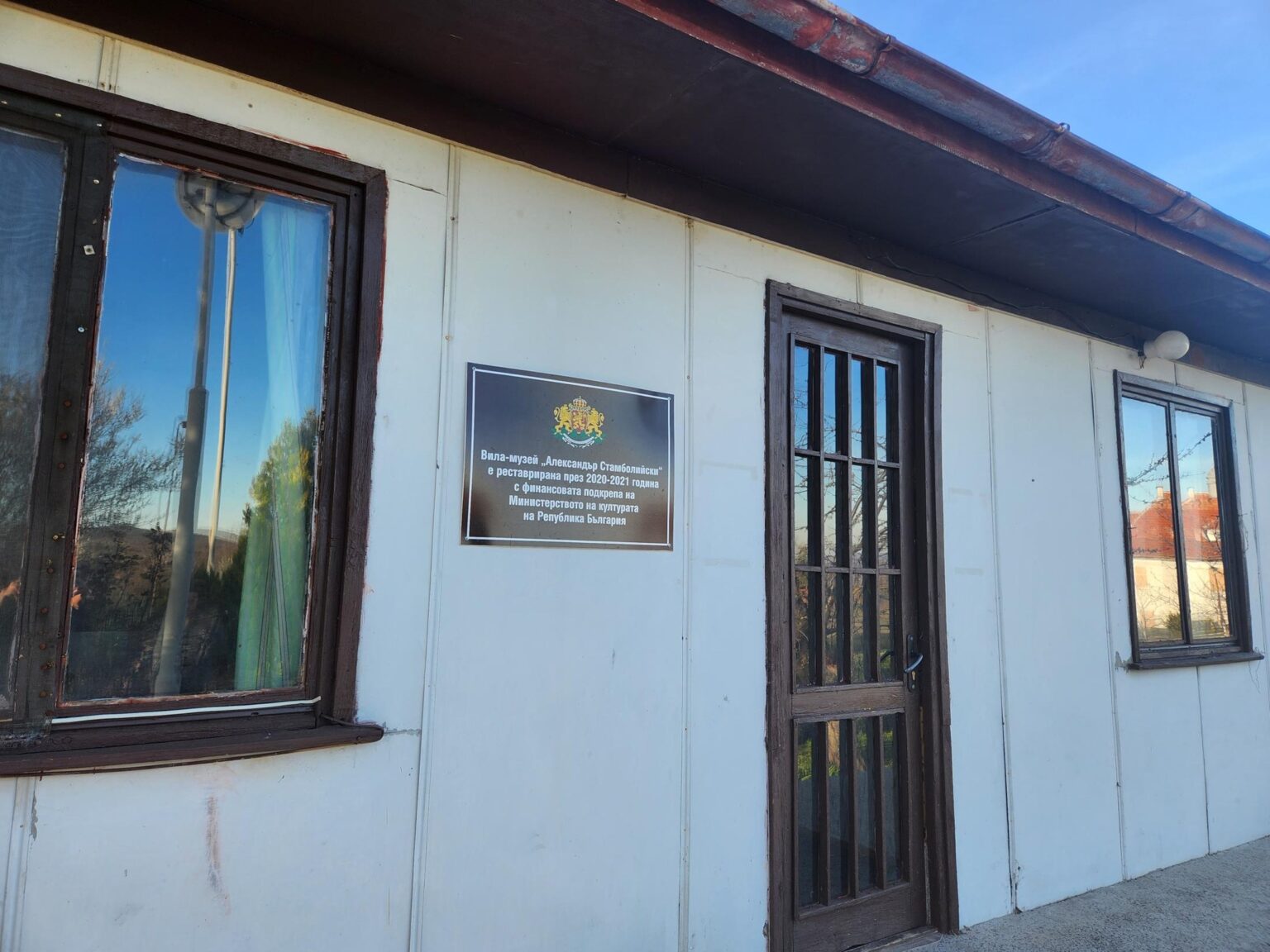
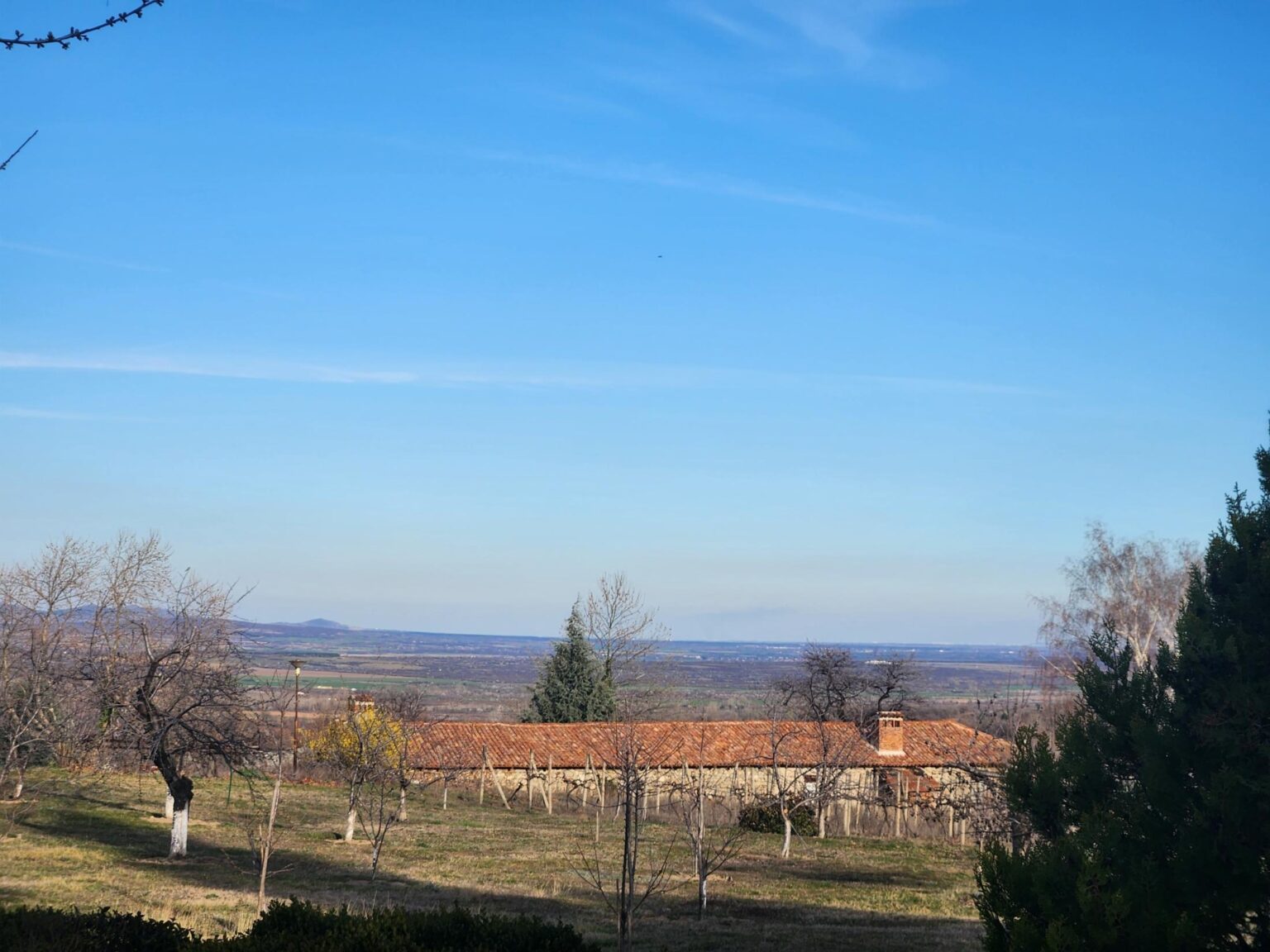
As mentioned above — the Aleksandar Stamboliyski villa museum, stamp 35a. It sits just before the village of Slavovitsa, and the detour off the motorway is a short one, about five kilometres. Google Maps can mislead you slightly here, so here is the exact location. The house has a history of its own: it burned, it was restored, and the restoration continues. Entry was 2 leva when we went and the visit takes 15 to 20 minutes.
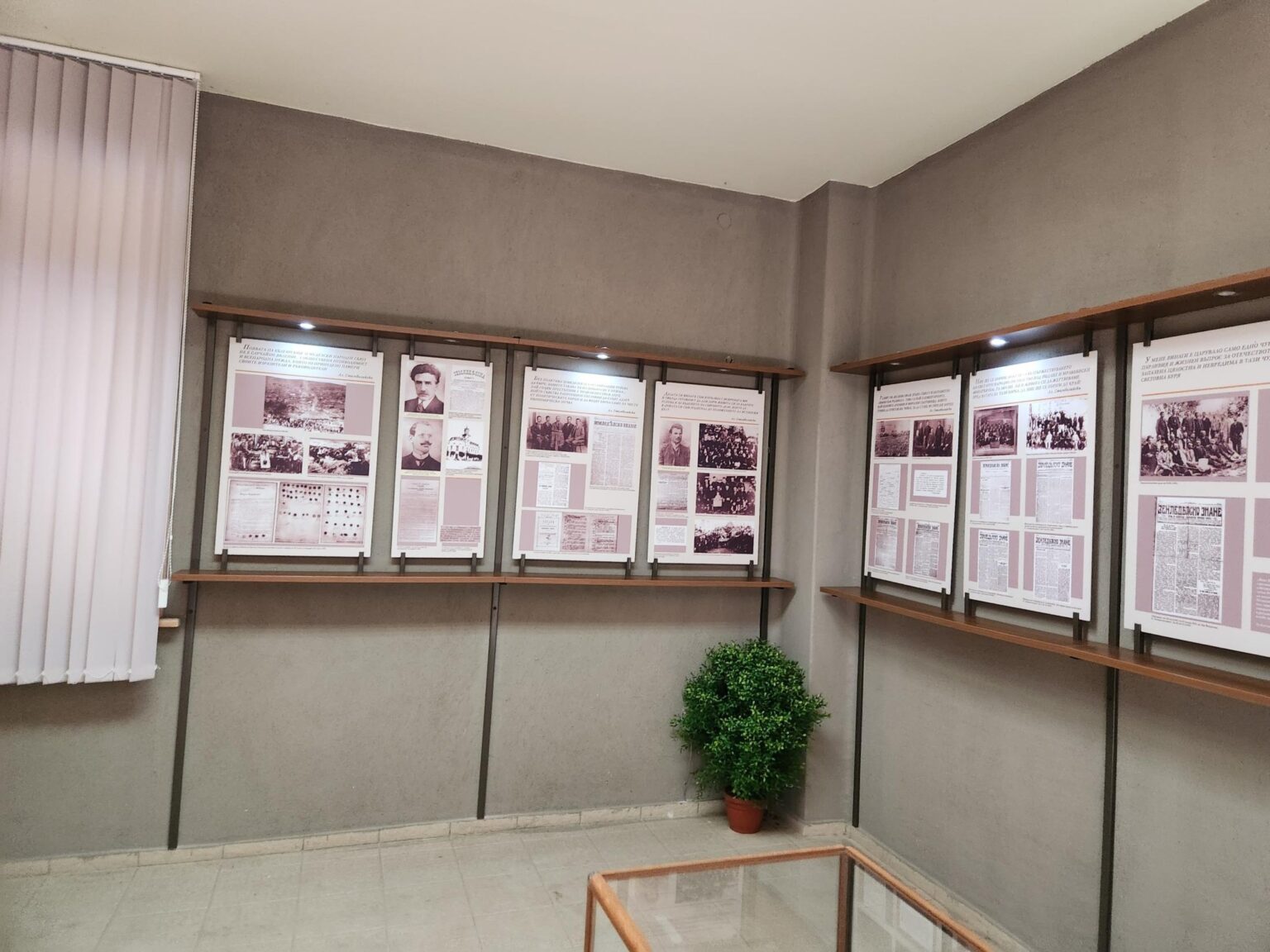
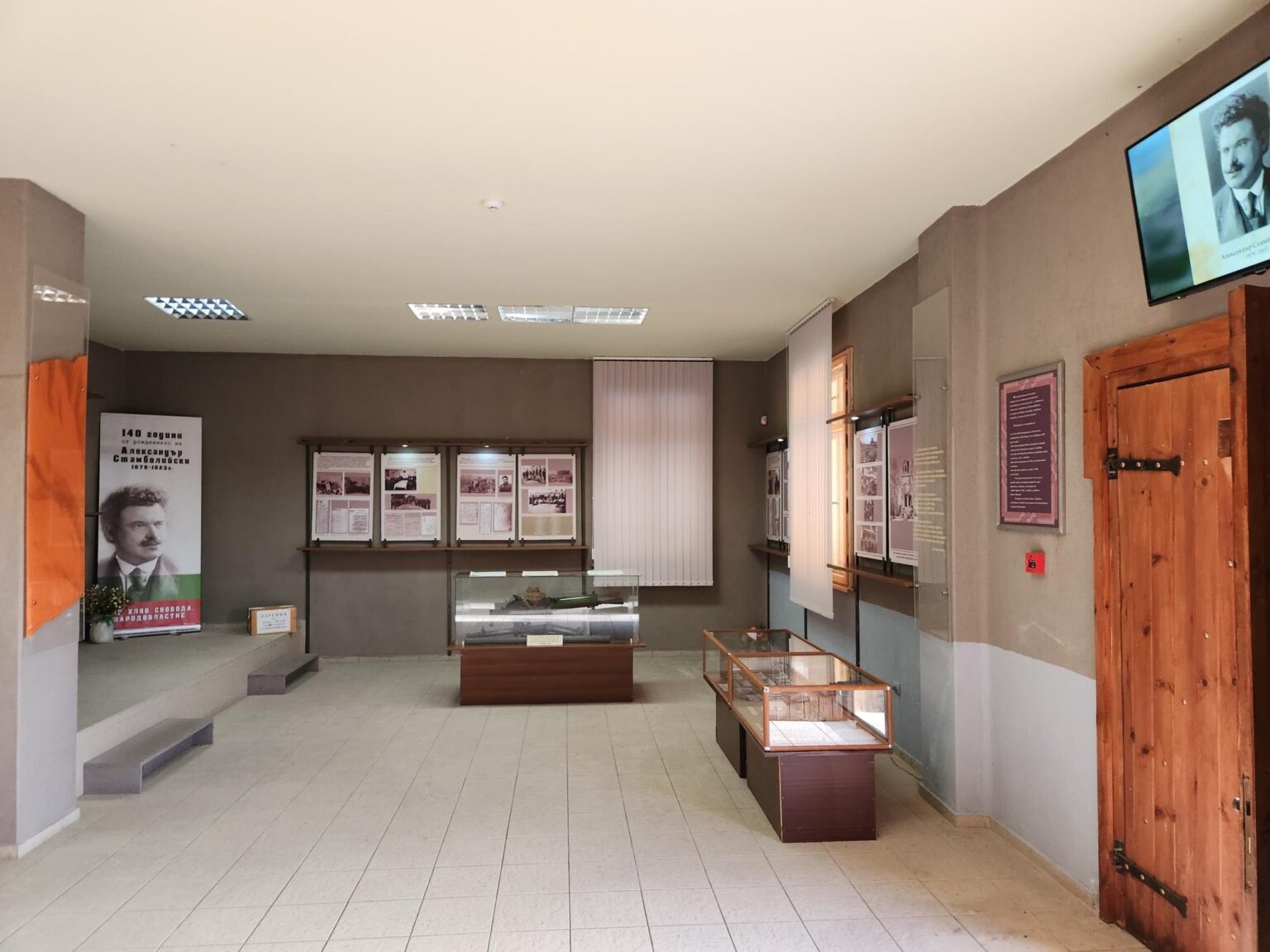
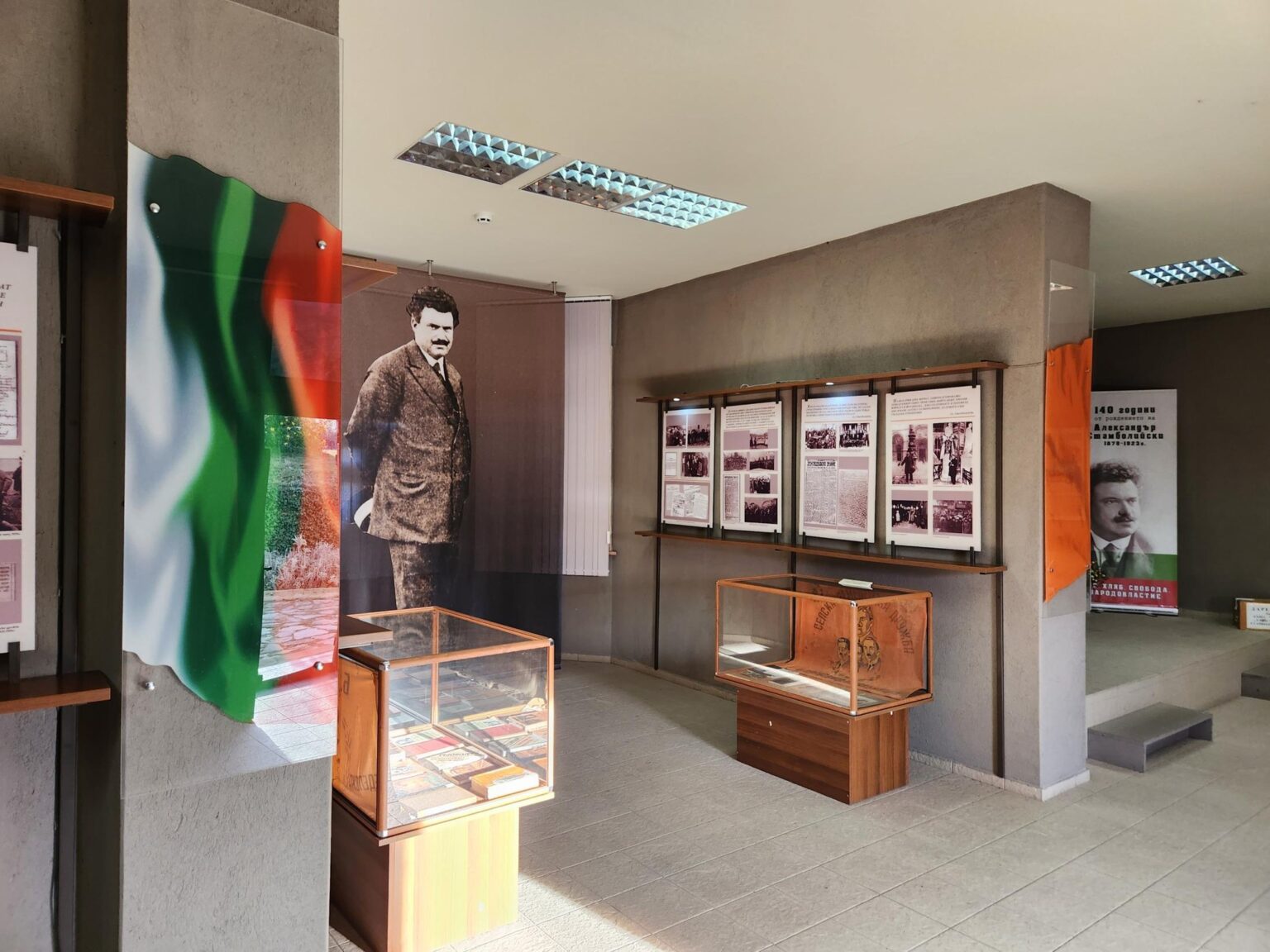
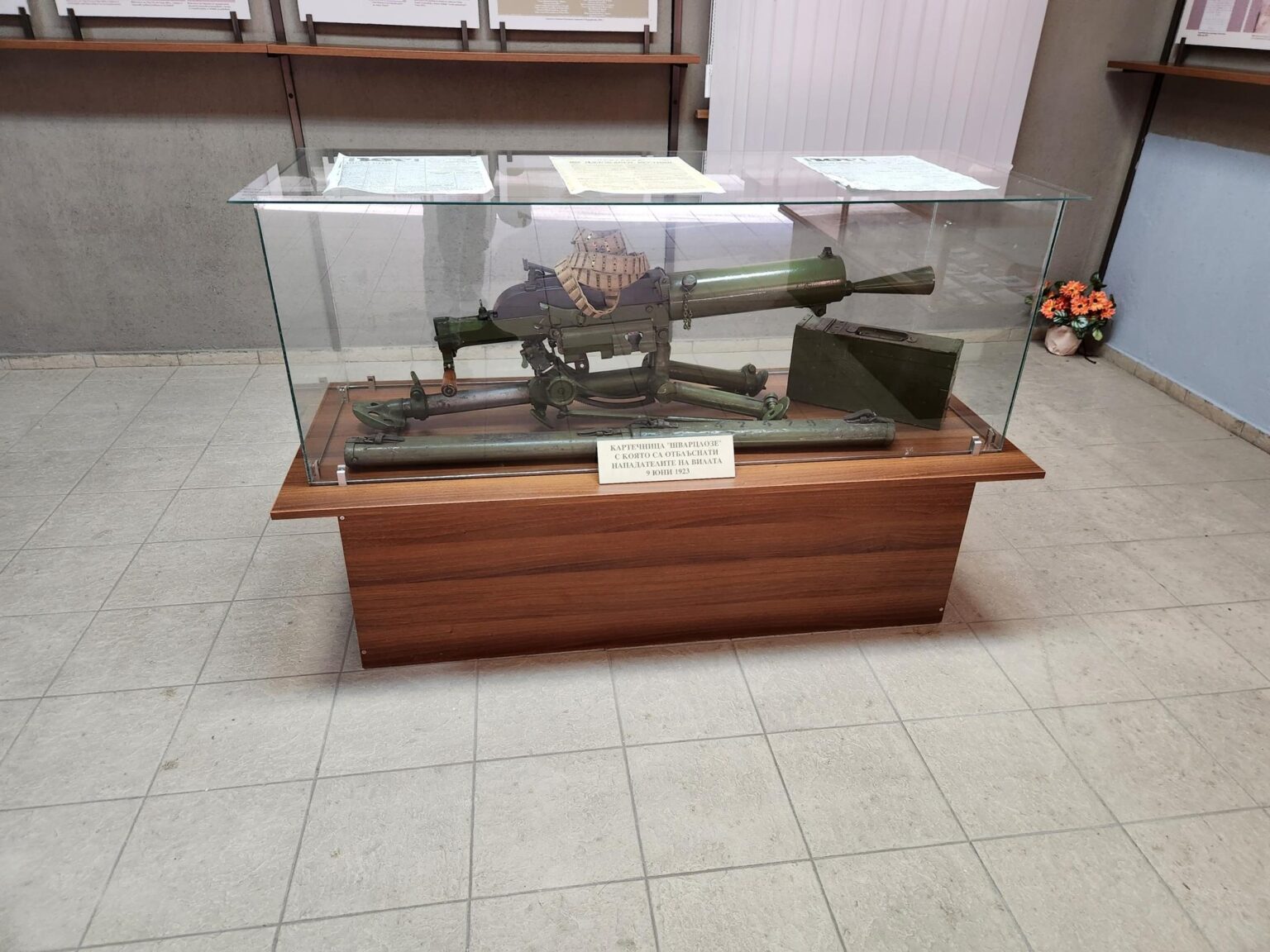
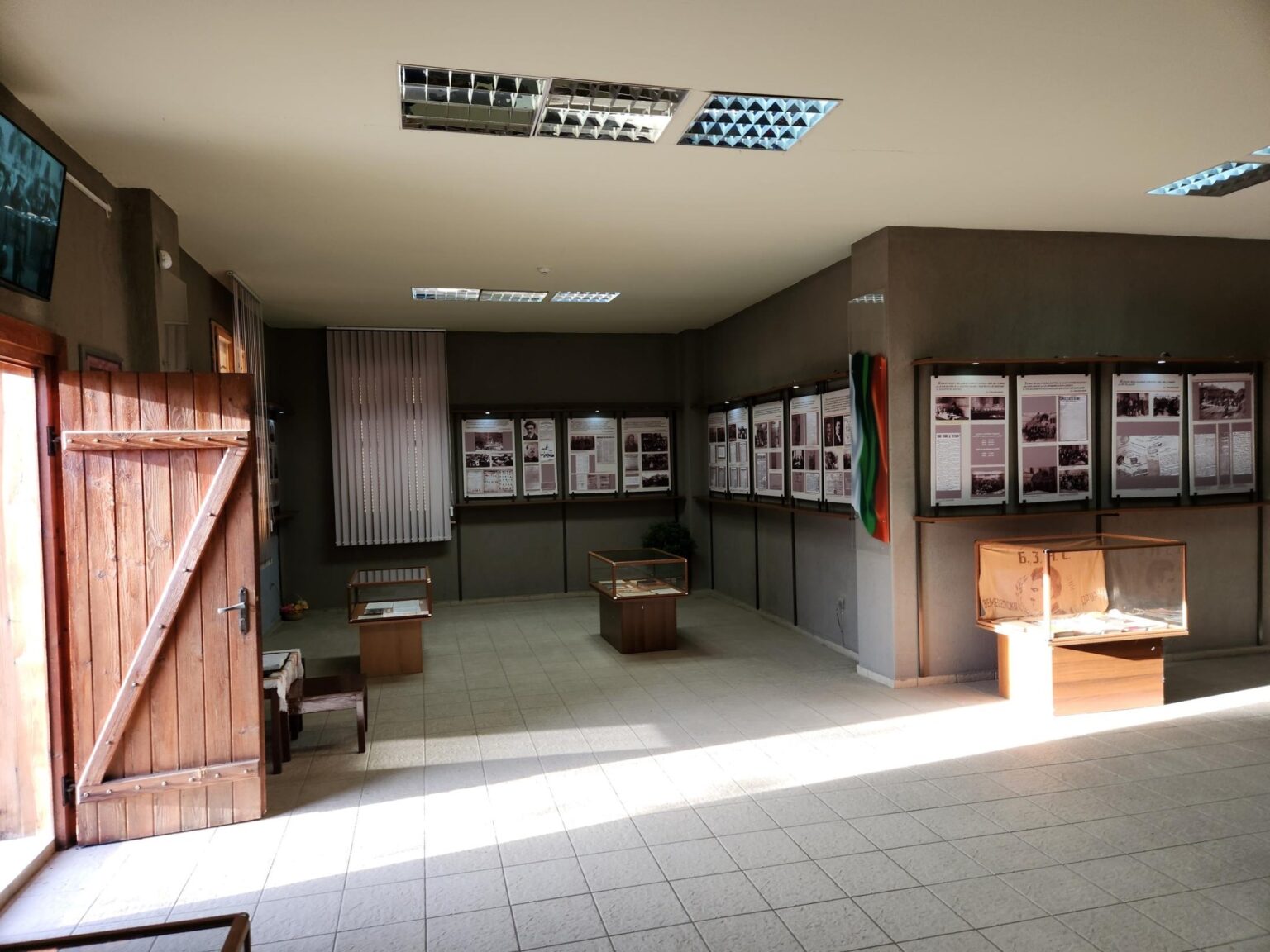
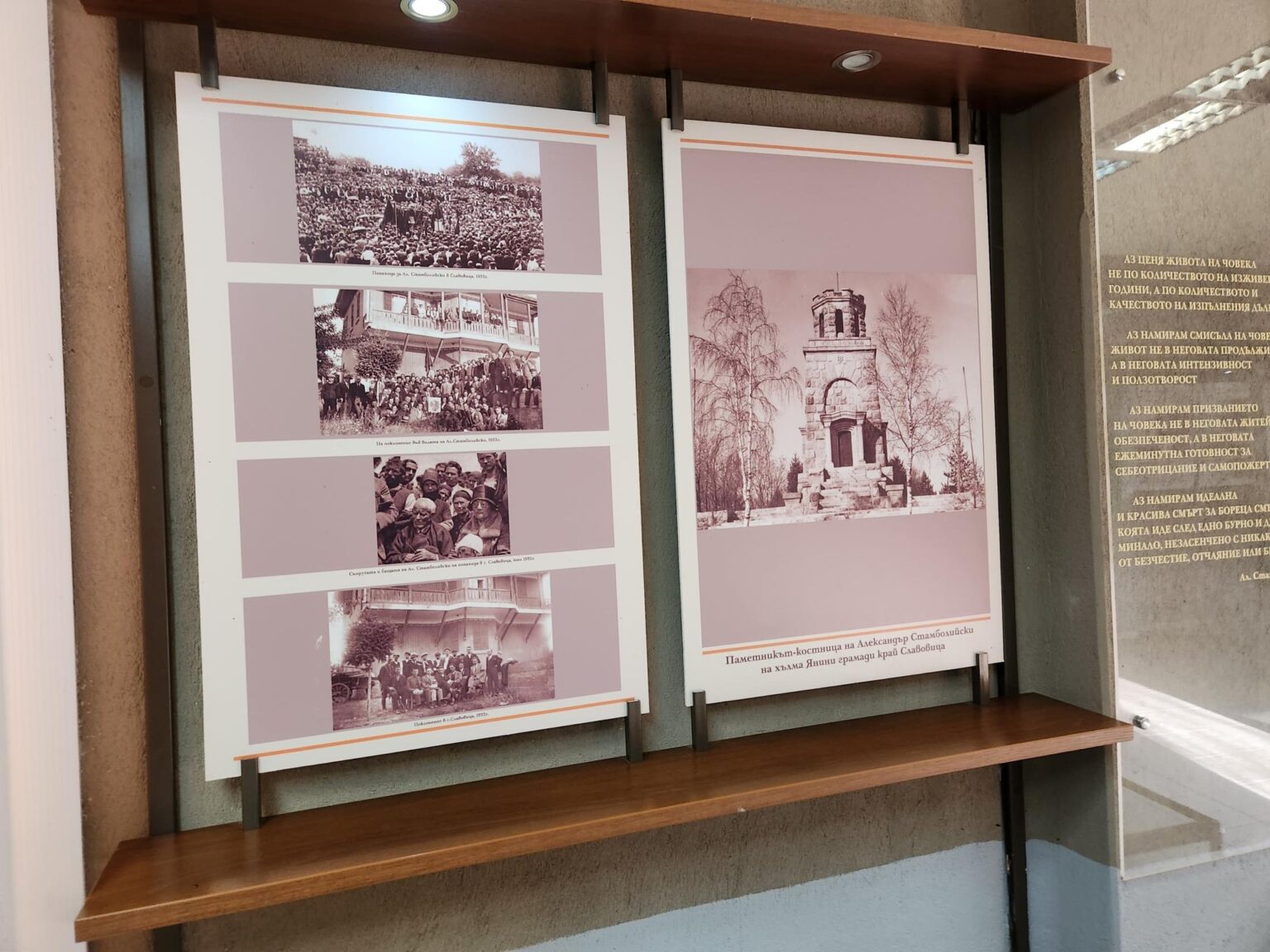
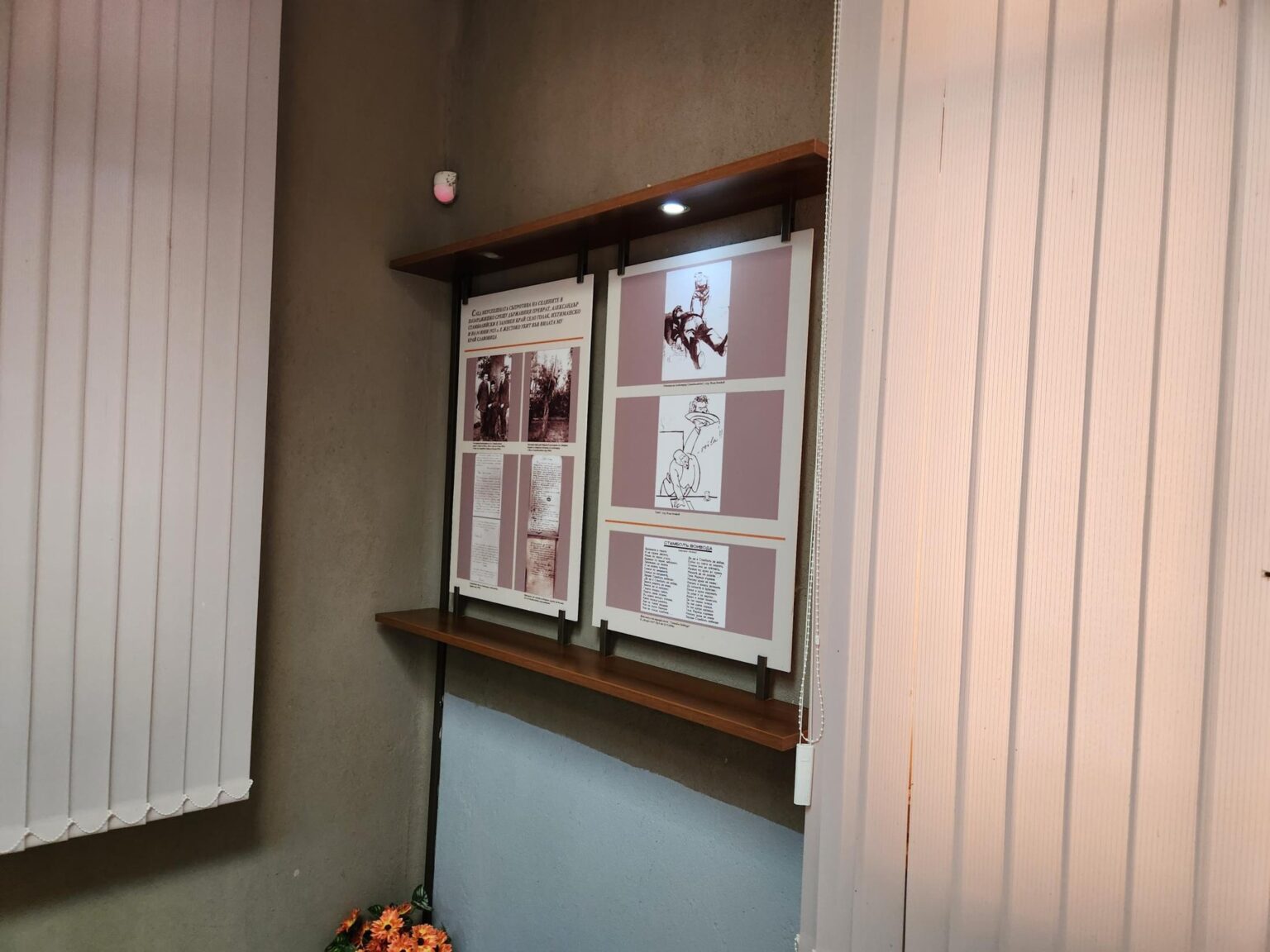
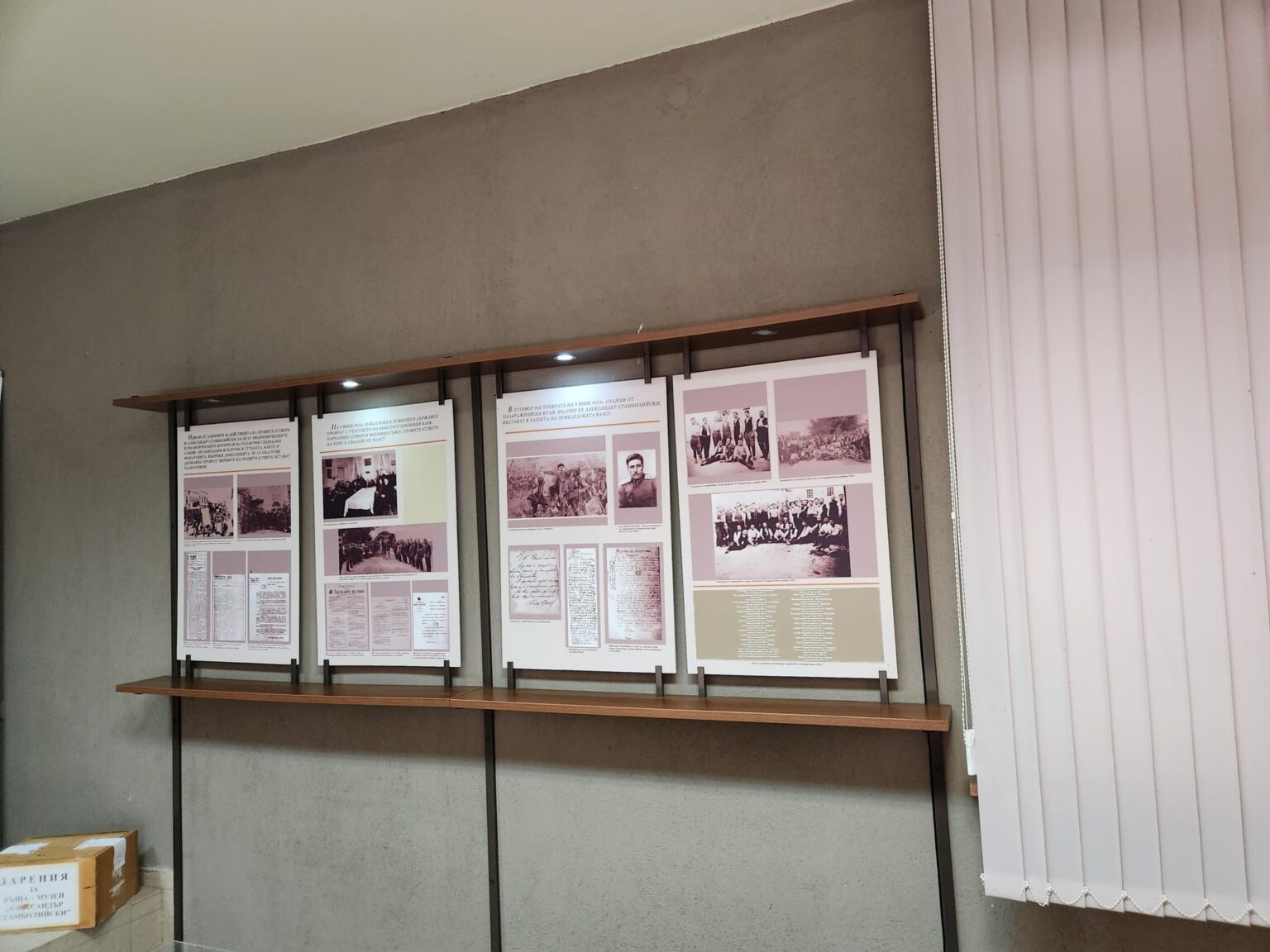
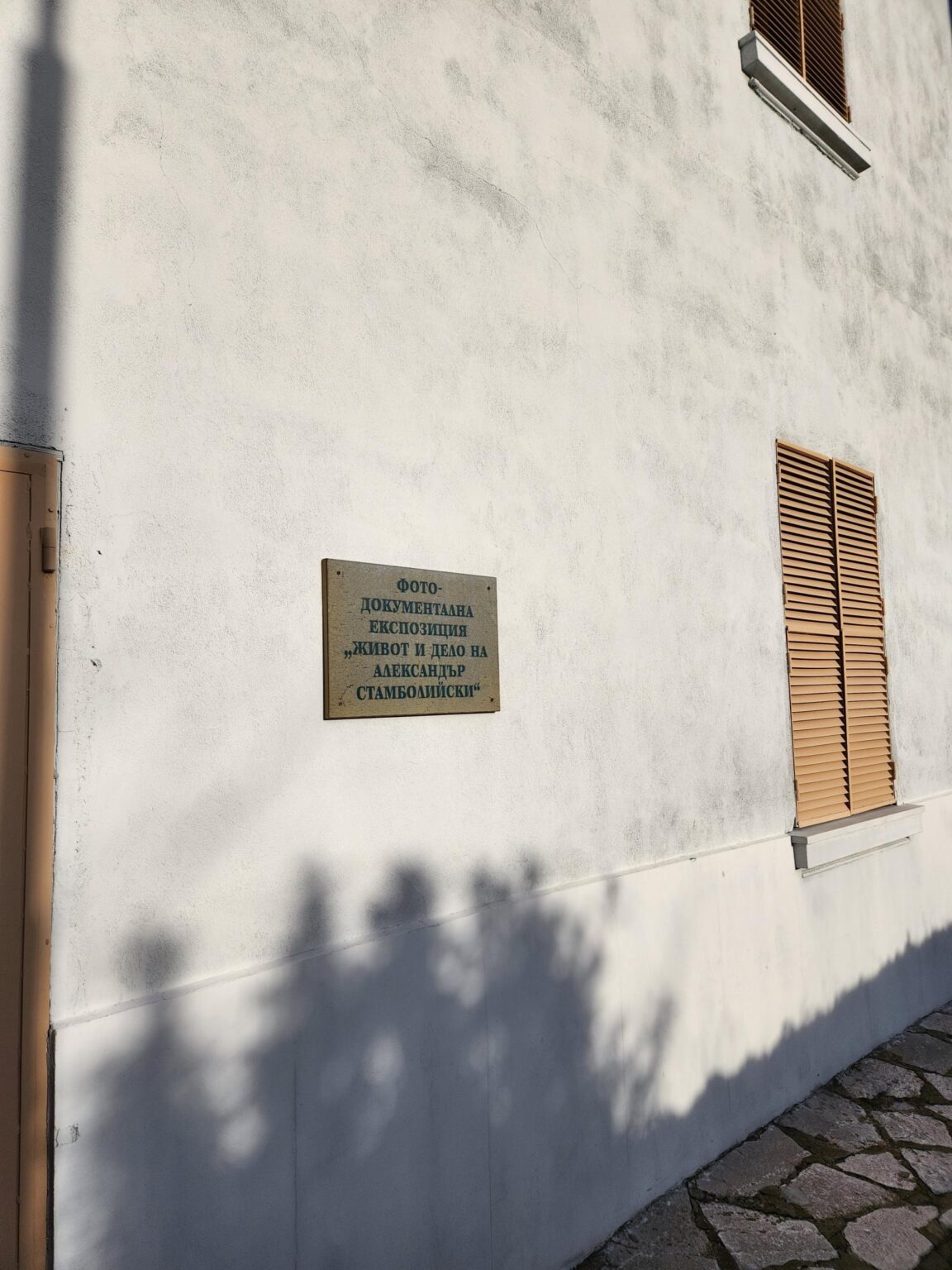
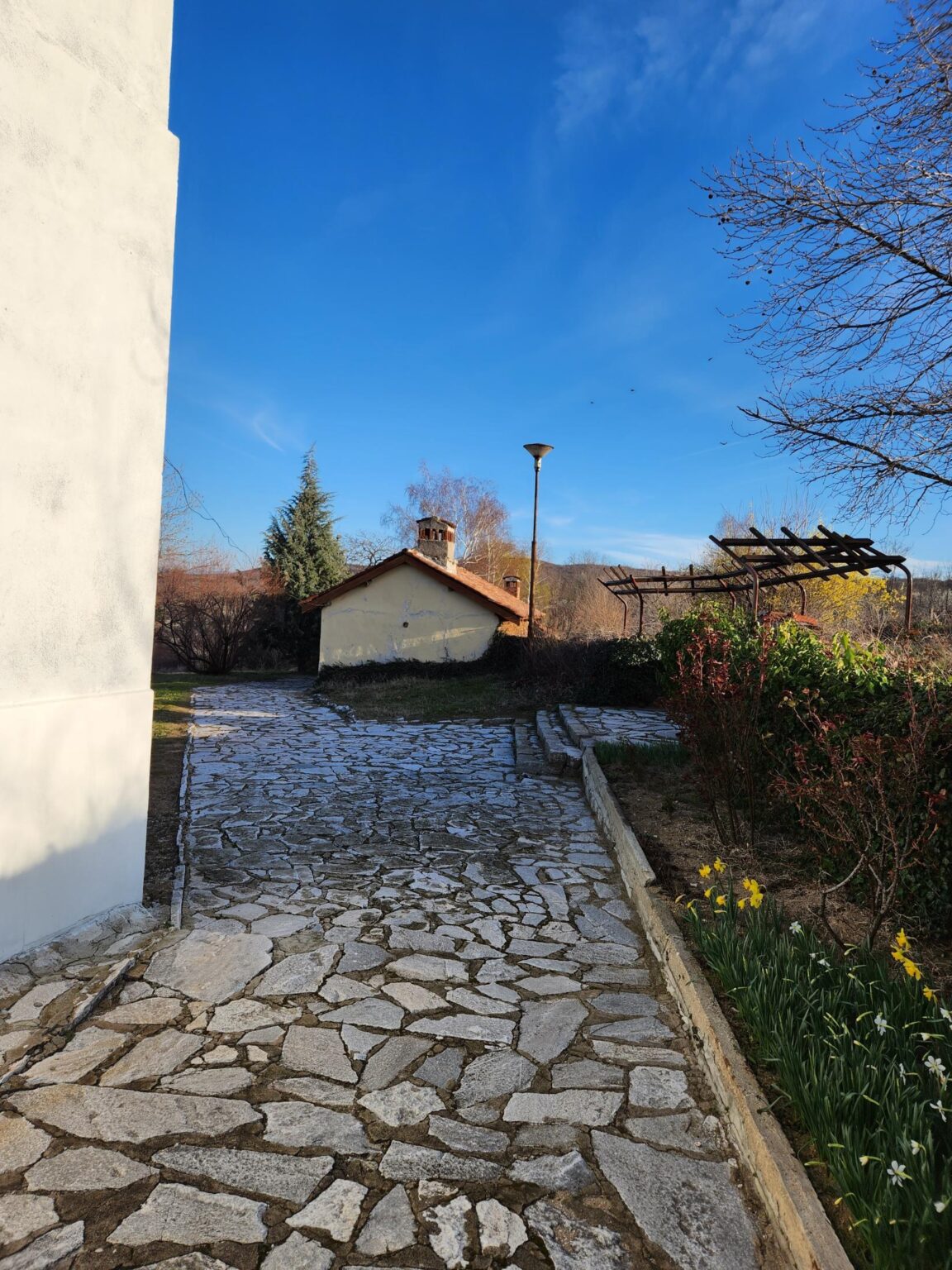
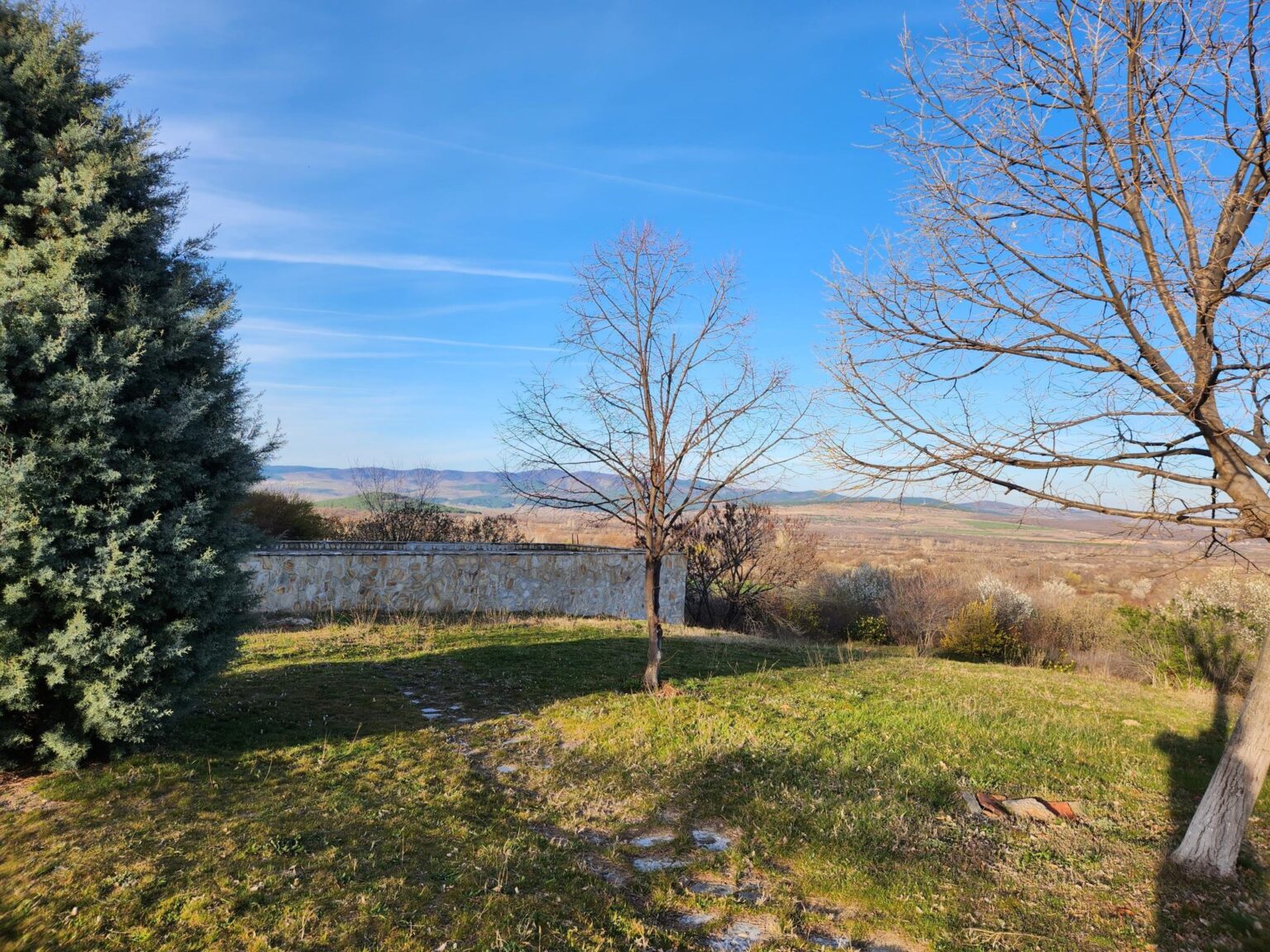
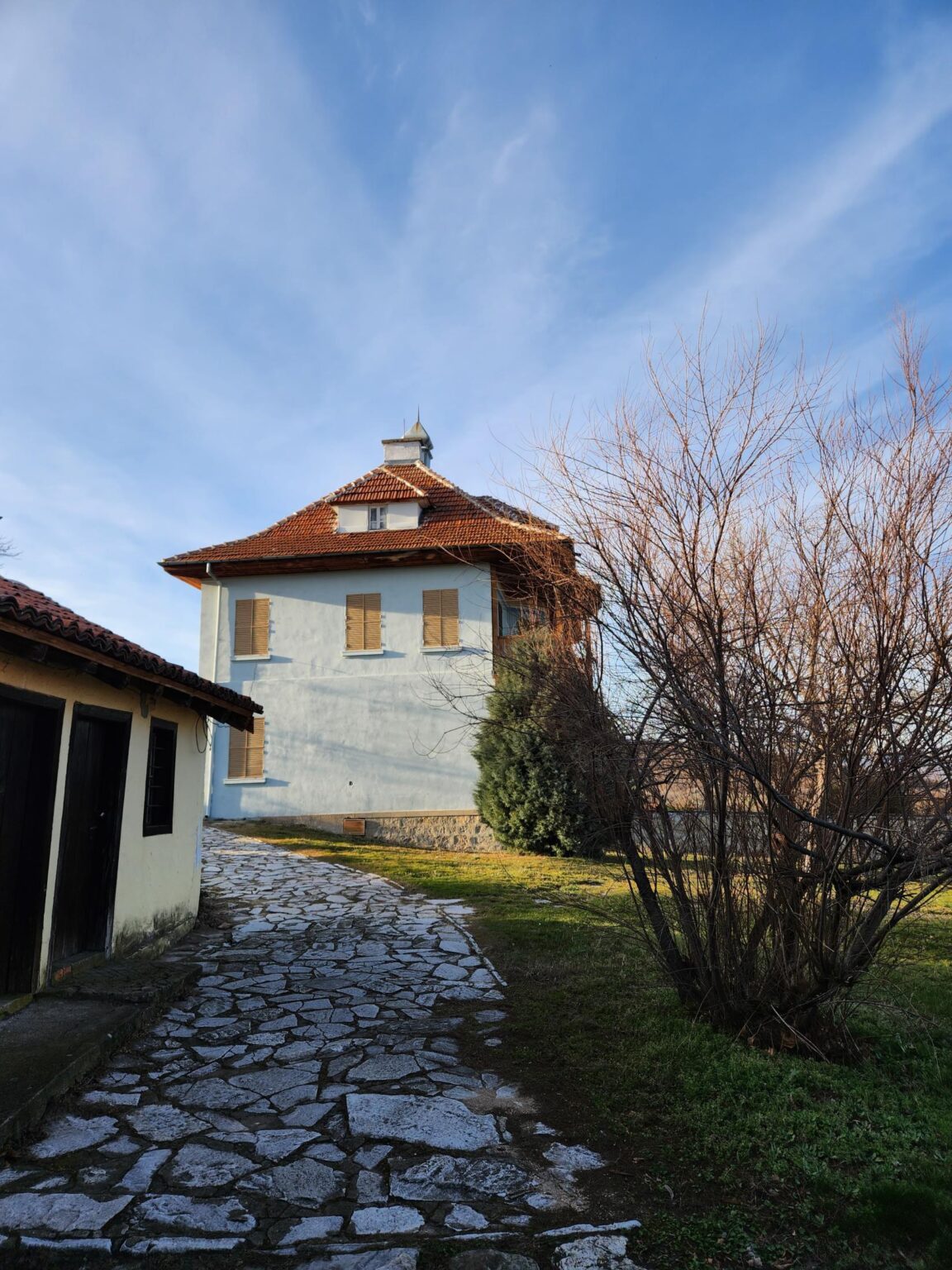
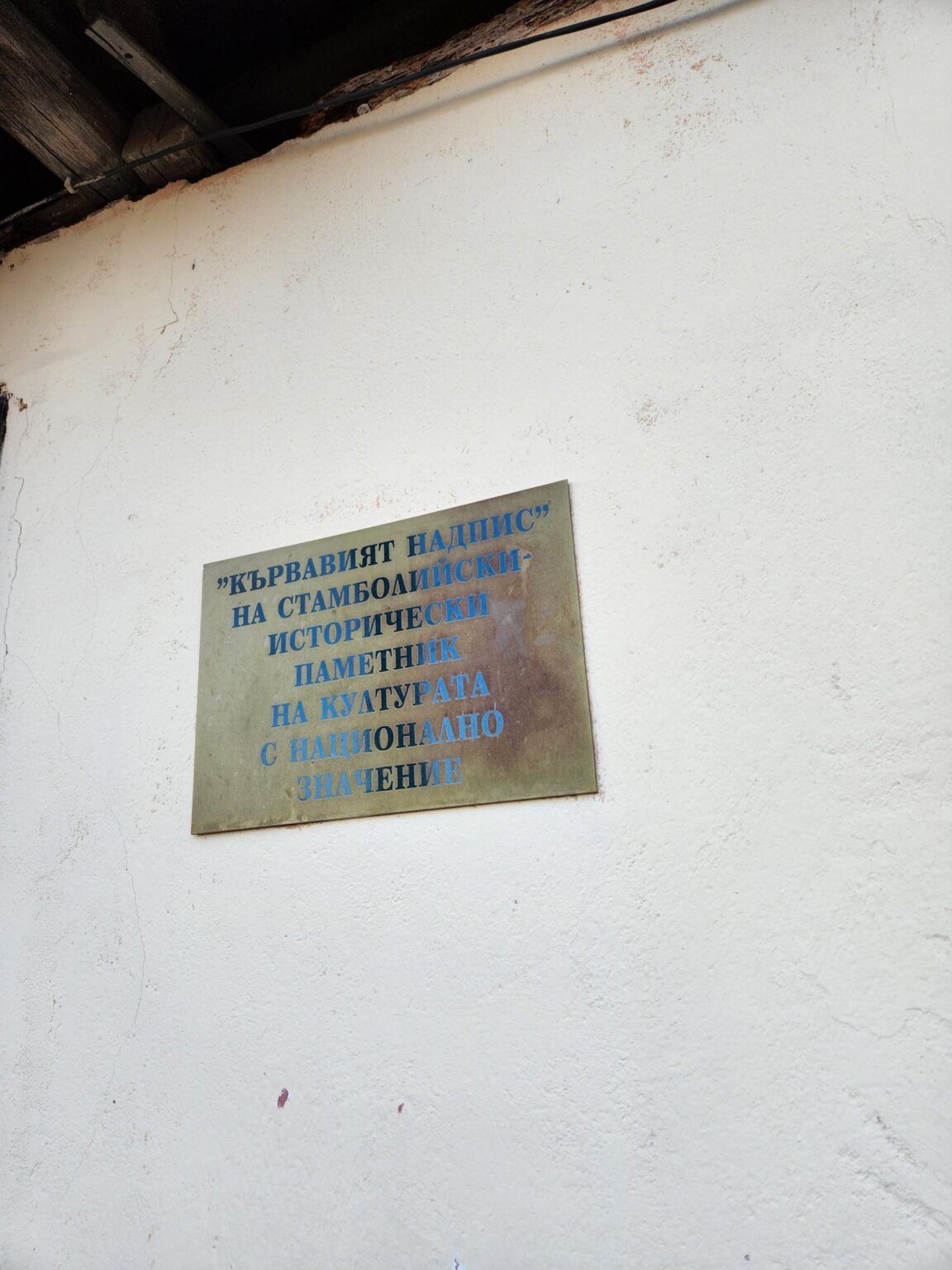
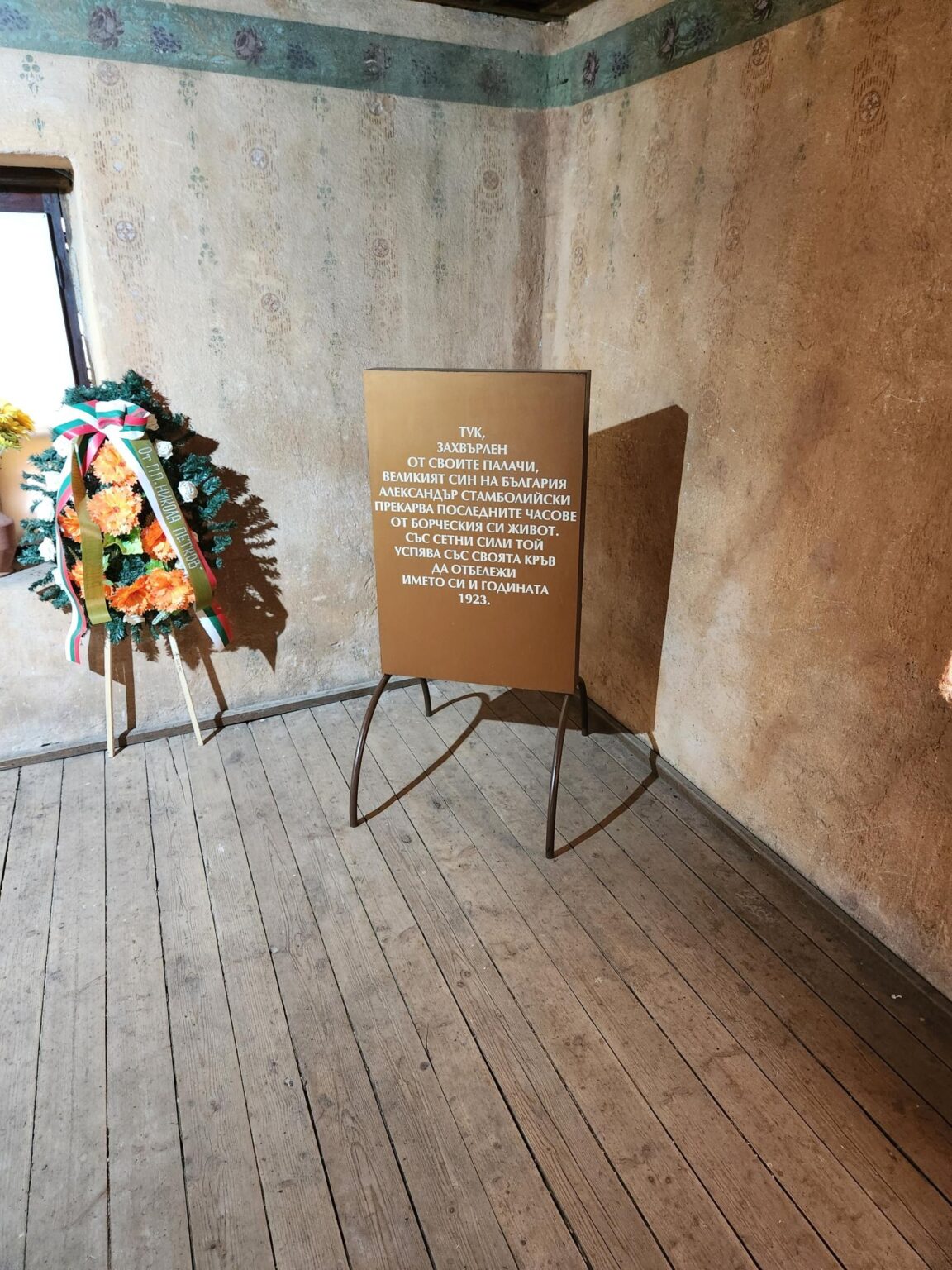
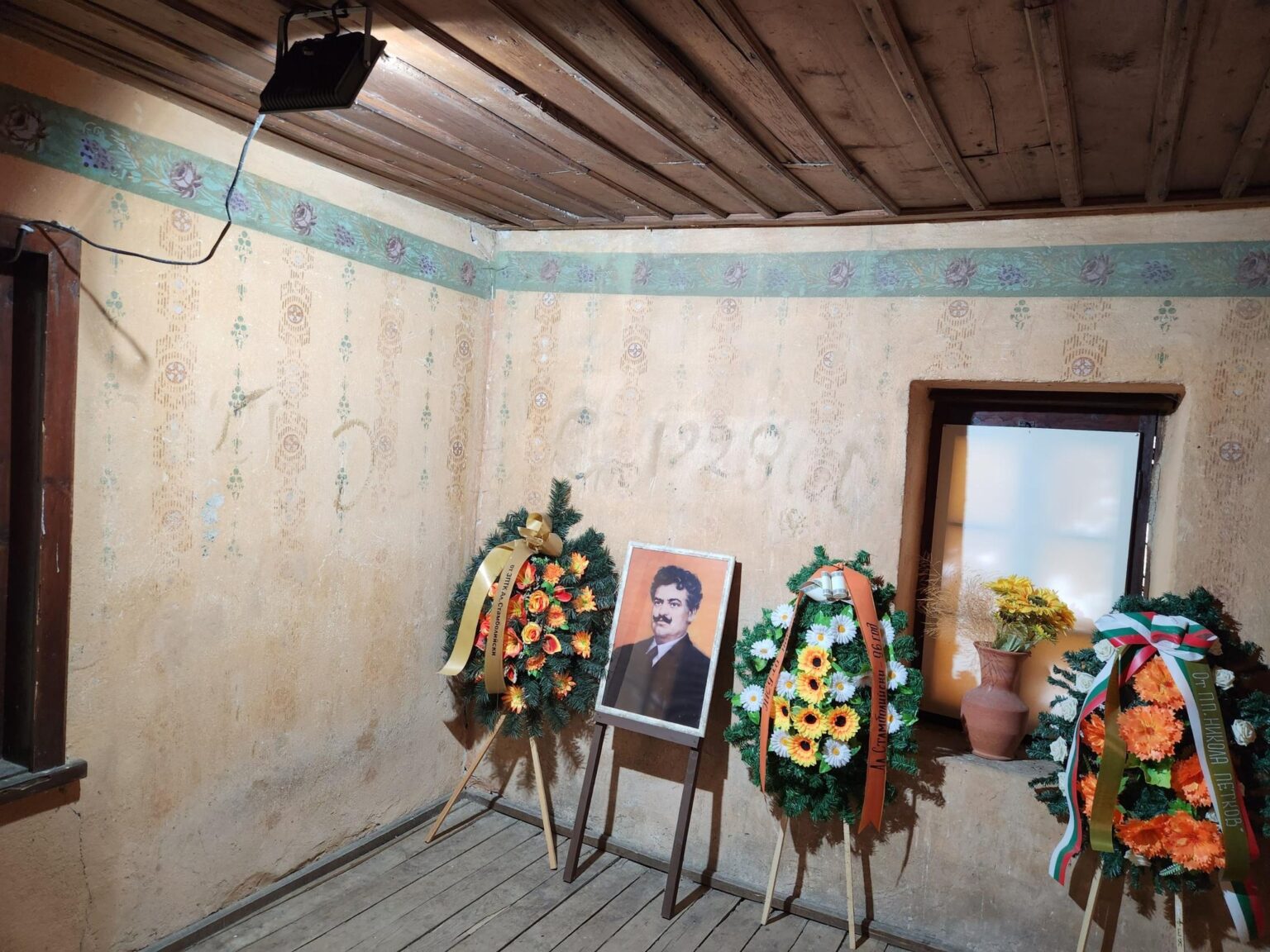
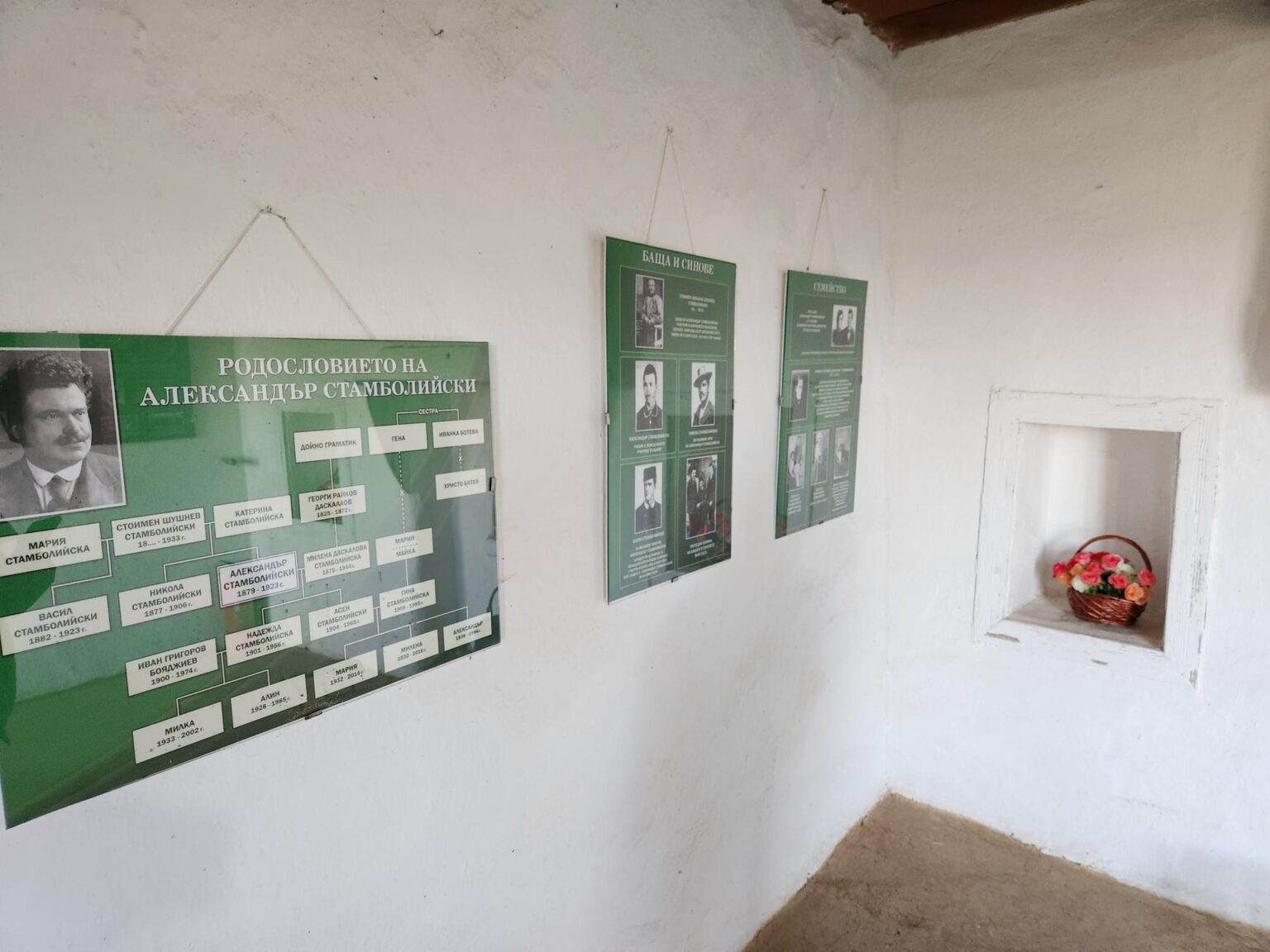
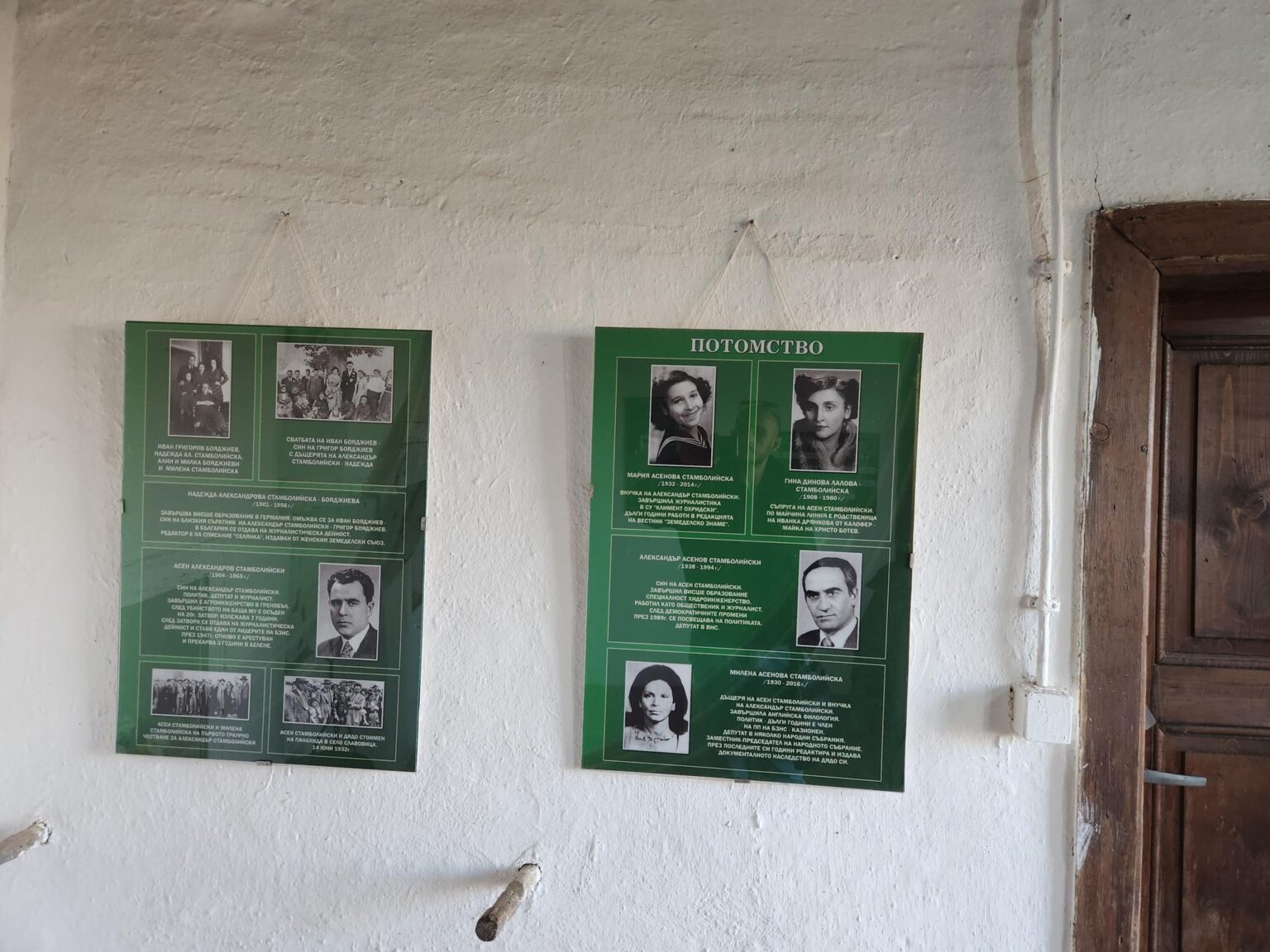
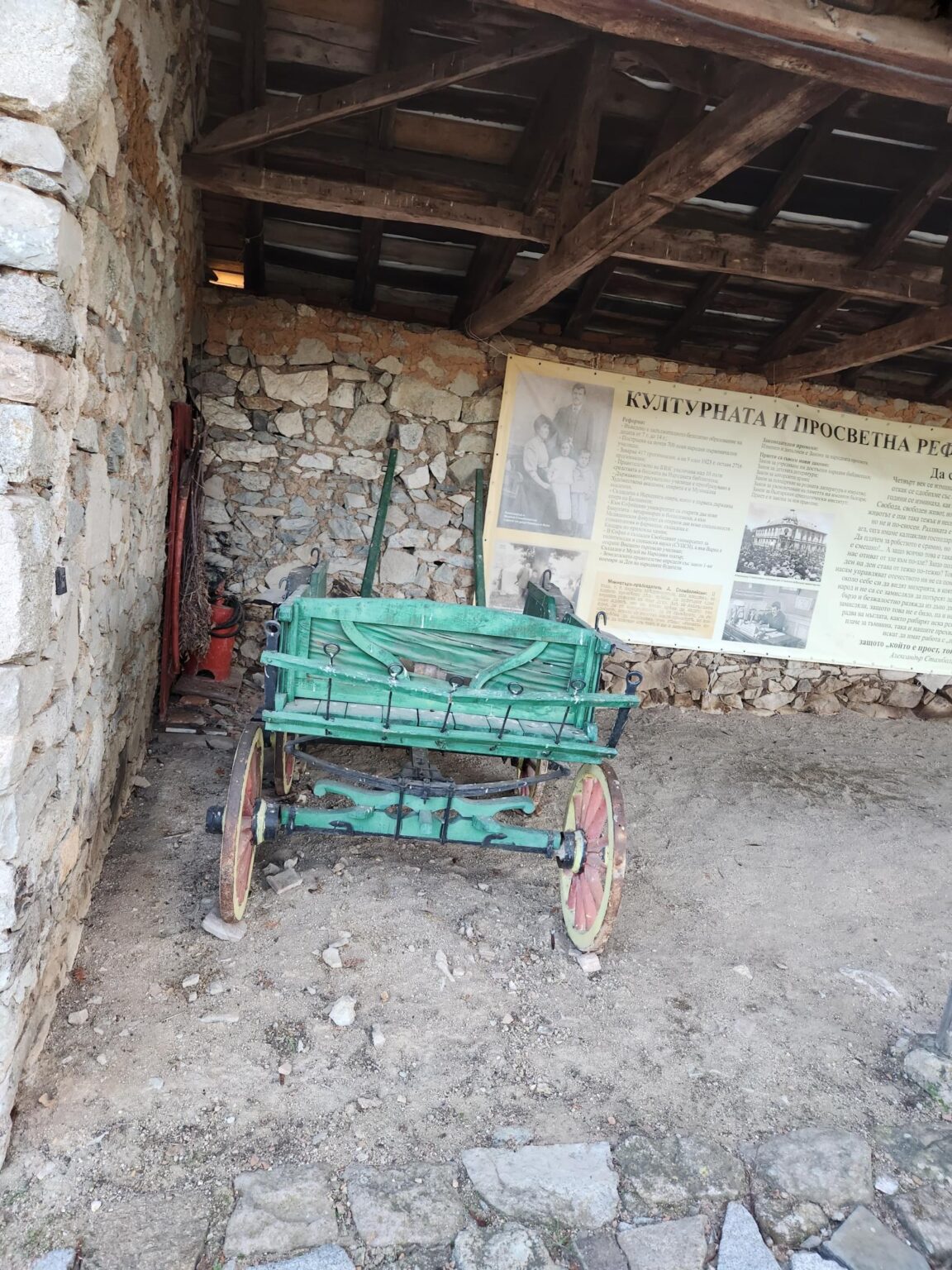
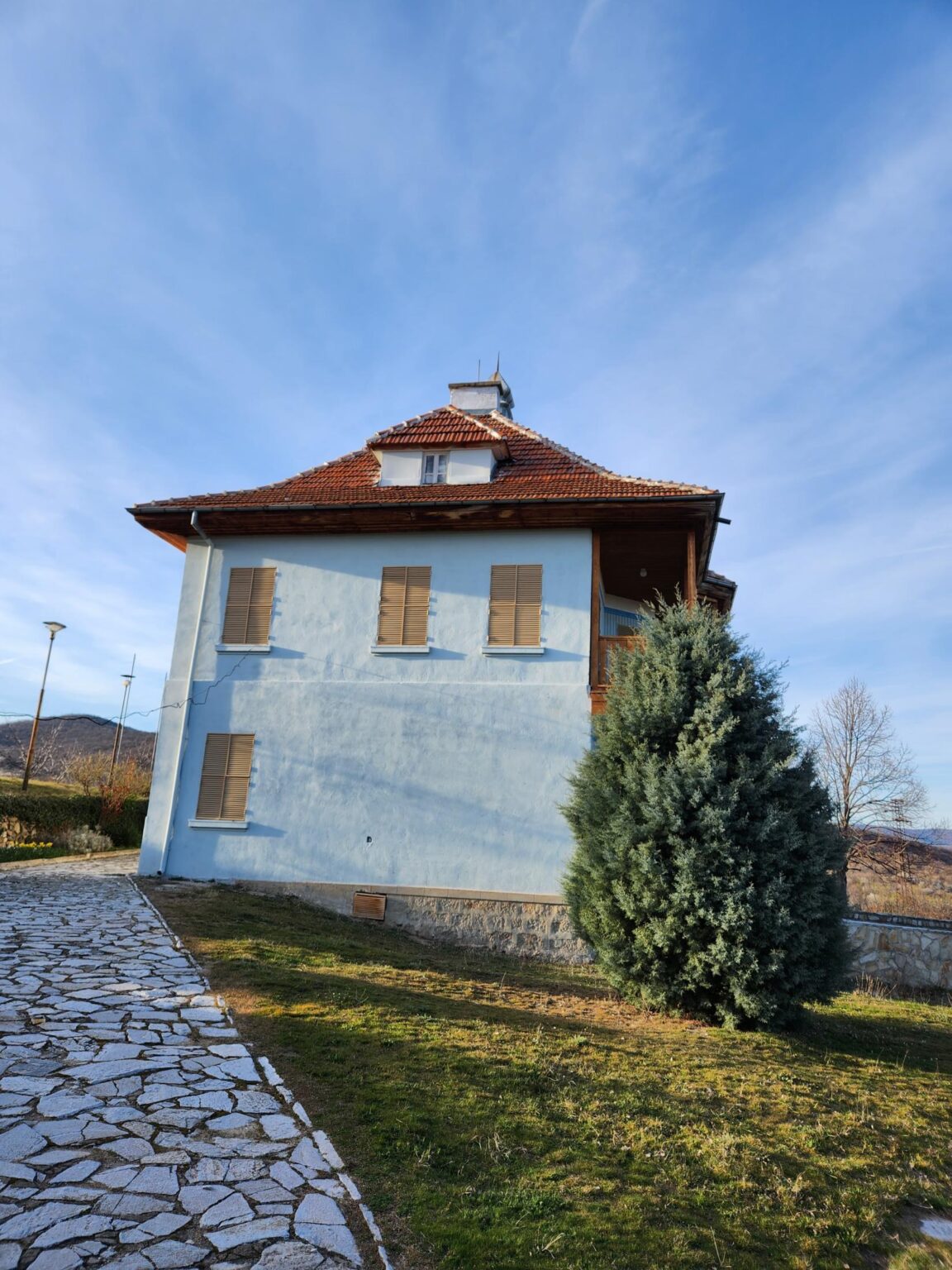
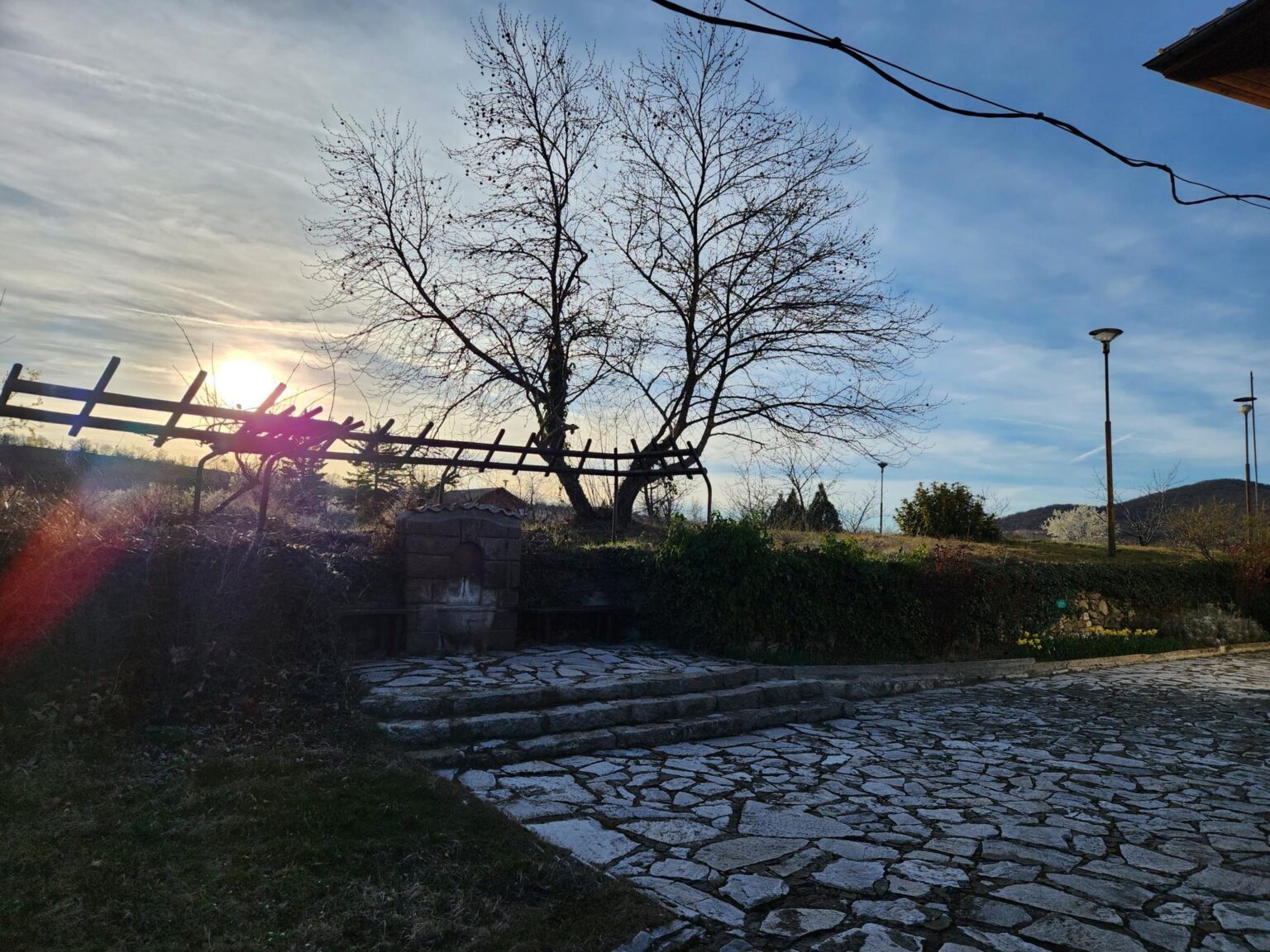
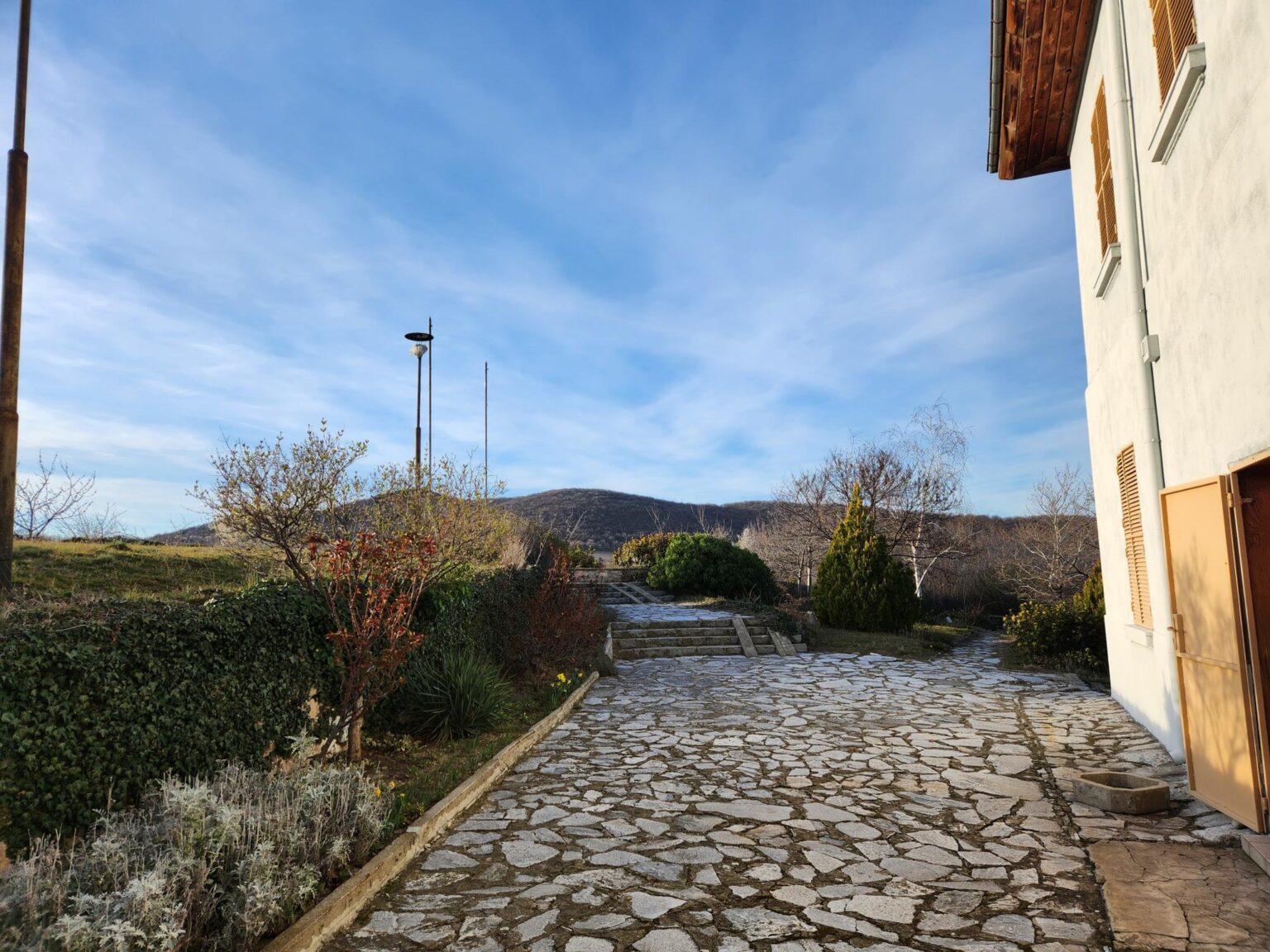
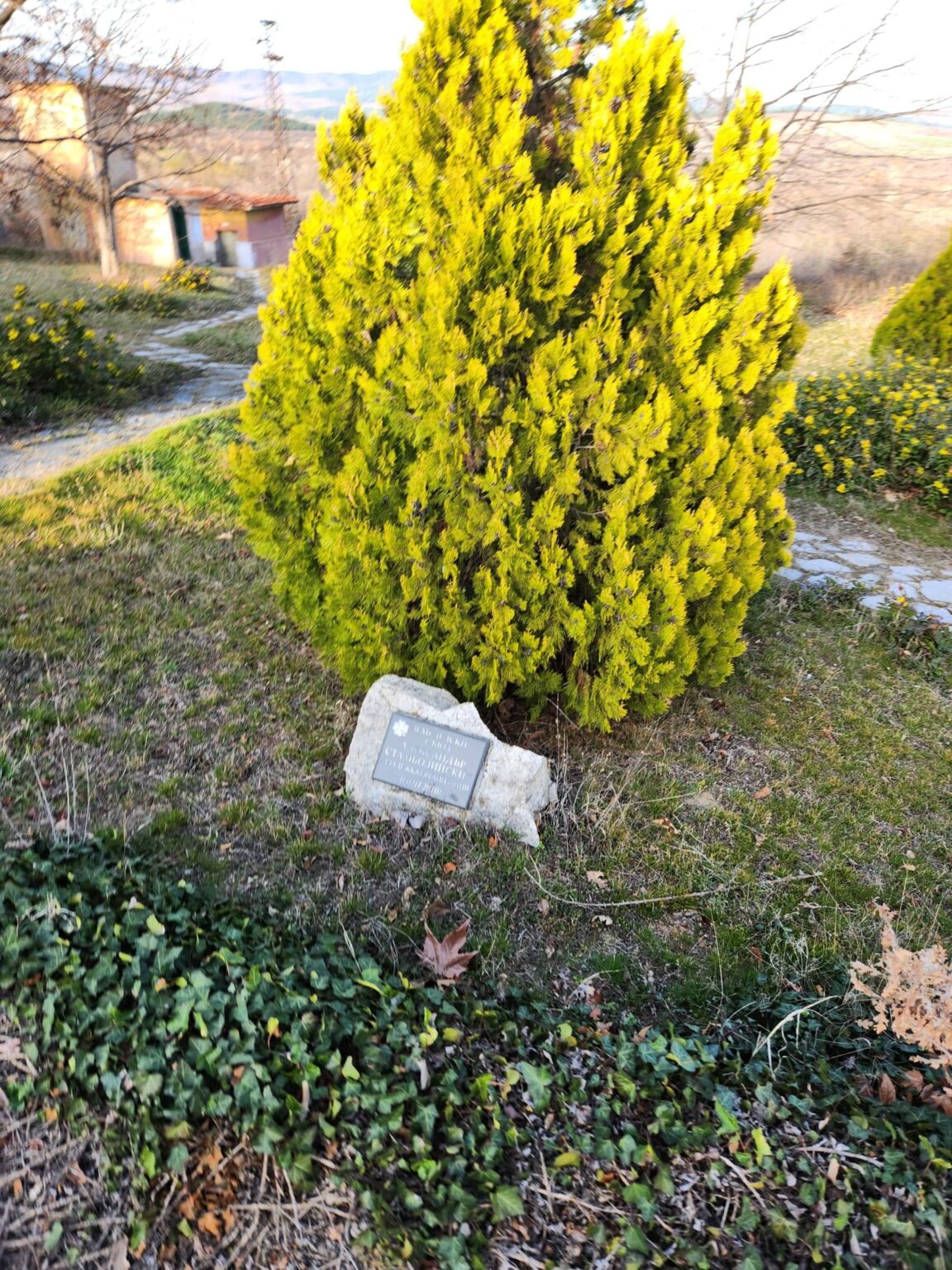
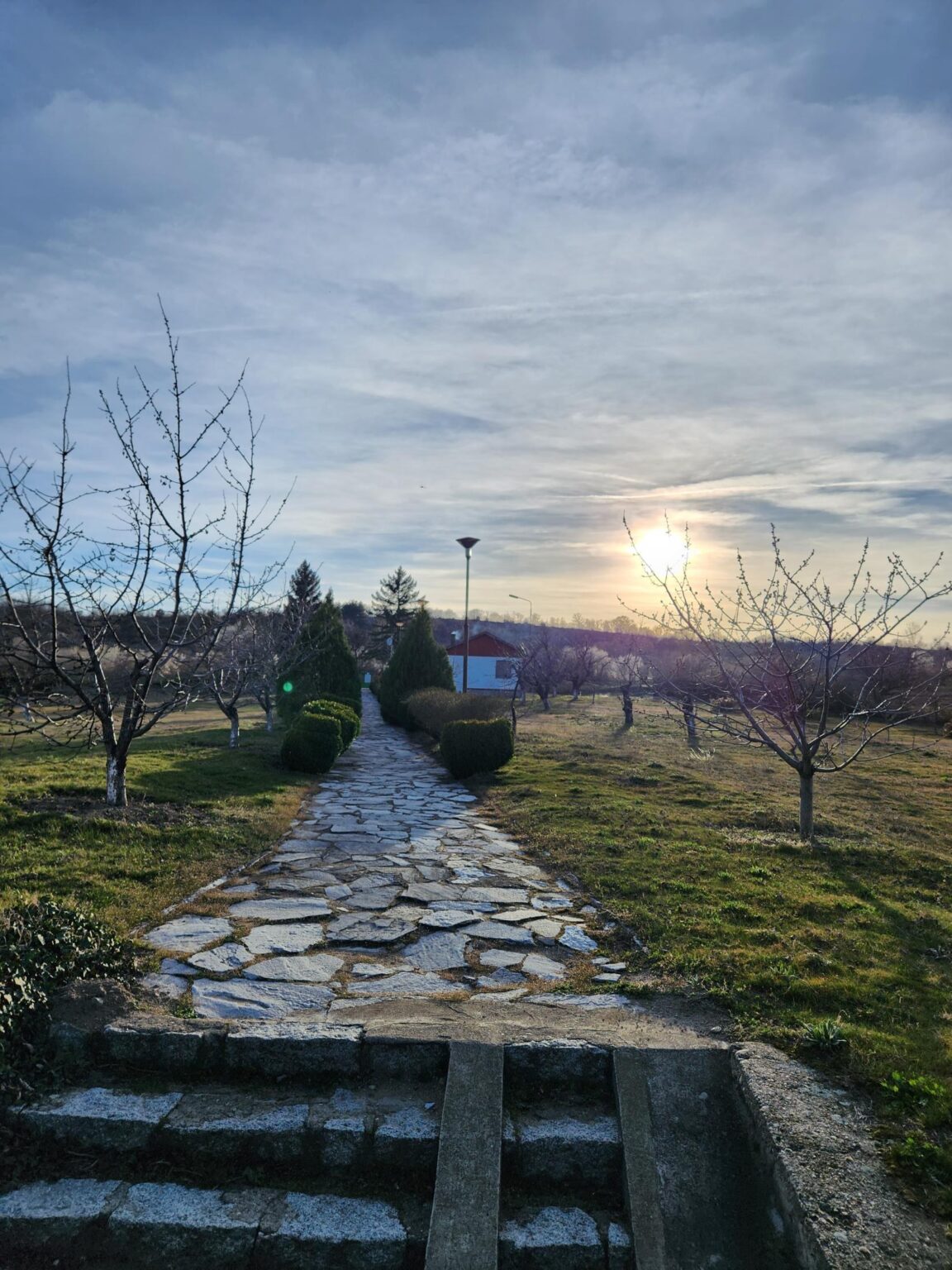
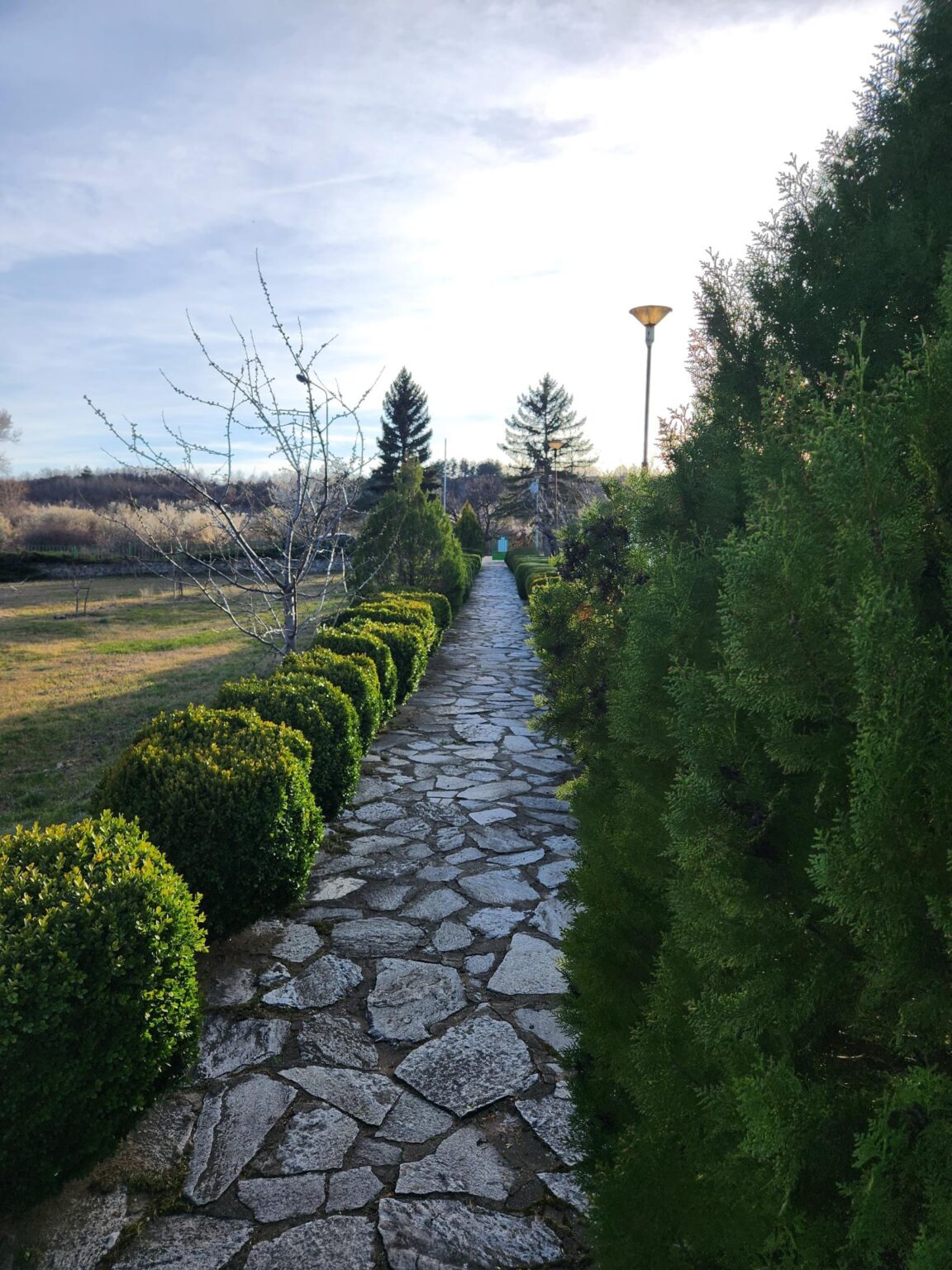
It is starting to get dark. That is enough. The Sunday is full.
How hard is it
Exactly as hard as you make it. There are plenty of sites in the area along the Tsigov Chark — Peshtera — Sofia route. You can drift through the centres of the towns at a leisurely pace, one coffee and one salad each, and go home. Or you can push it and take in several sites in a day. Not to mention that the area is full of eco trails and walking routes if you want the legs to do some work.
The budget
Low, and it was even lower in 2023. The museum entries today look like this:
- Batak — €5.00 for the combined ticket to all three sites, €2.50 for students and pensioners (official price list)
- Peshtera, the retro museum — 7 leva in 2023, no price published online since
- Slavovitsa, the villa — 2 leva in 2023
That is 2 stamps from the 100 National Tourist Sites, plus one extra on the last page of the booklet, for about the price of two coffees 😀
Verdict
Can you actually rest and still see something over a single weekend? You can. Guaranteed. The area just south of Pazardzhik — Peshtera and Batak — offers more than enough to look at, and Velingrad and Tsigov Chark add all the places to rest you could want. At this pace you will need at least three or four weekends to see it all, so start the engines and go.
Related reading: if you want the legs to do more of the work next time, see Top 10 ideas for hiking in Bulgaria; and for more of the spa-and-reservoir side of this trip, Top 10 resorts with natural hot springs in Bulgaria.