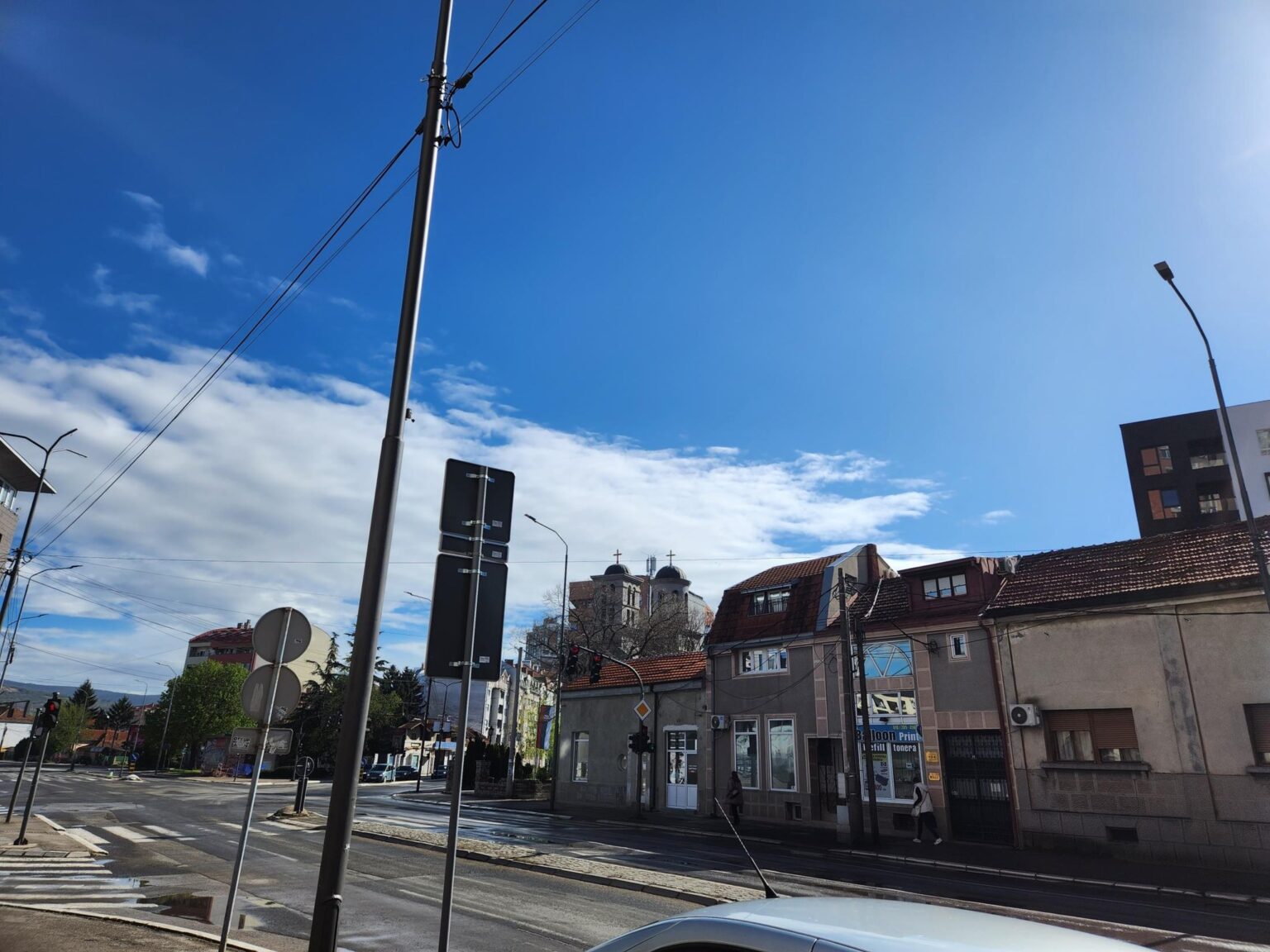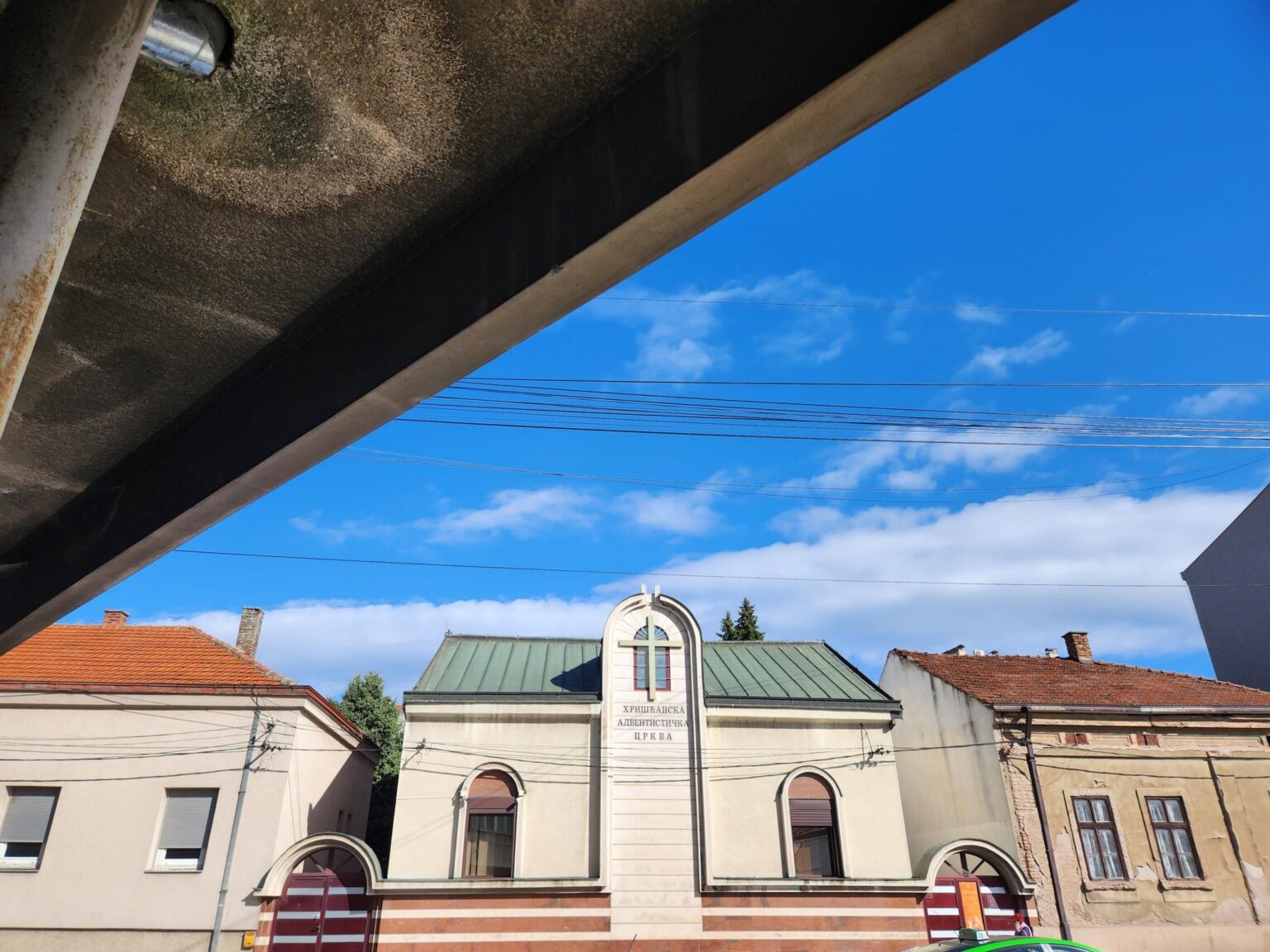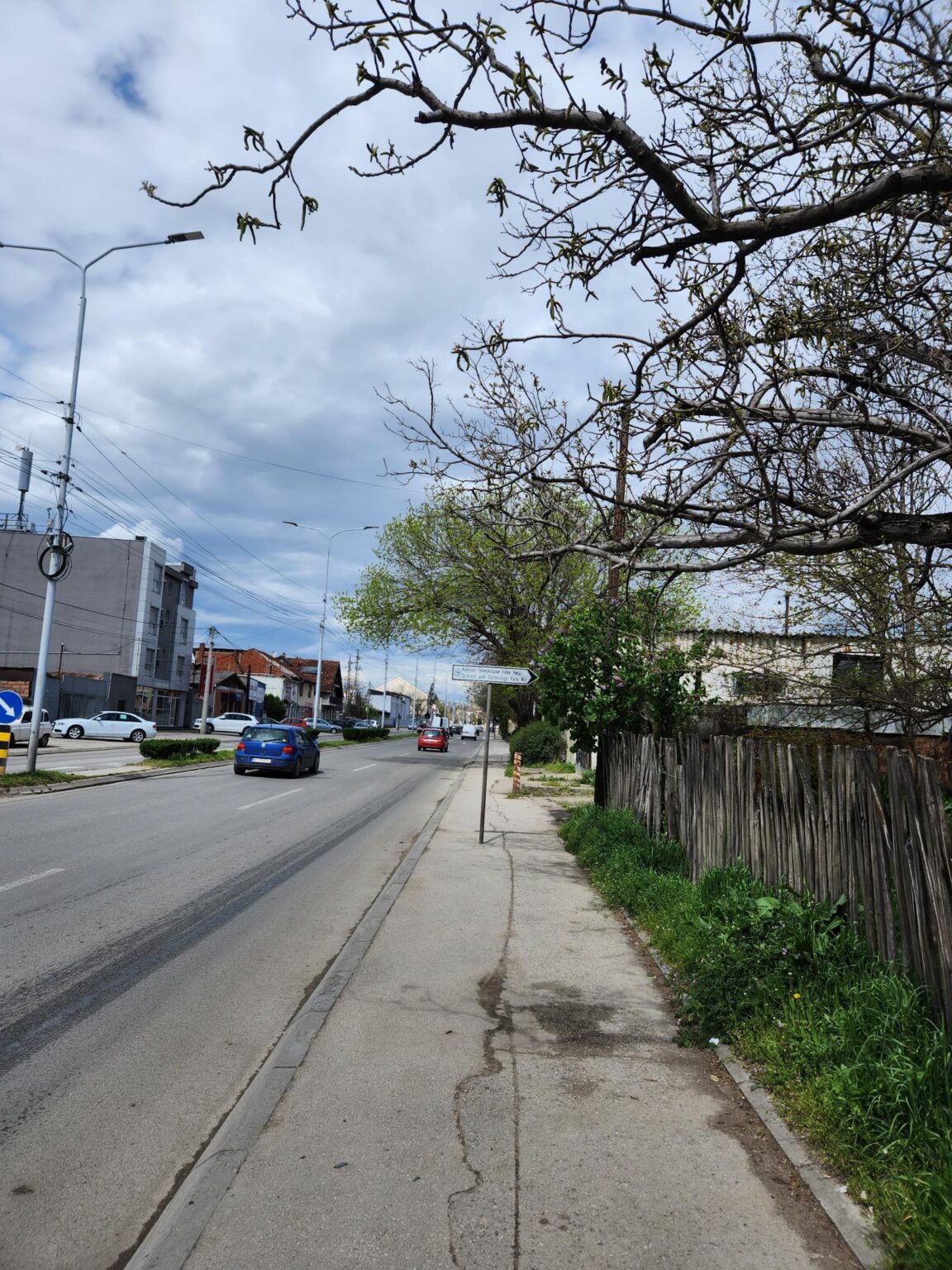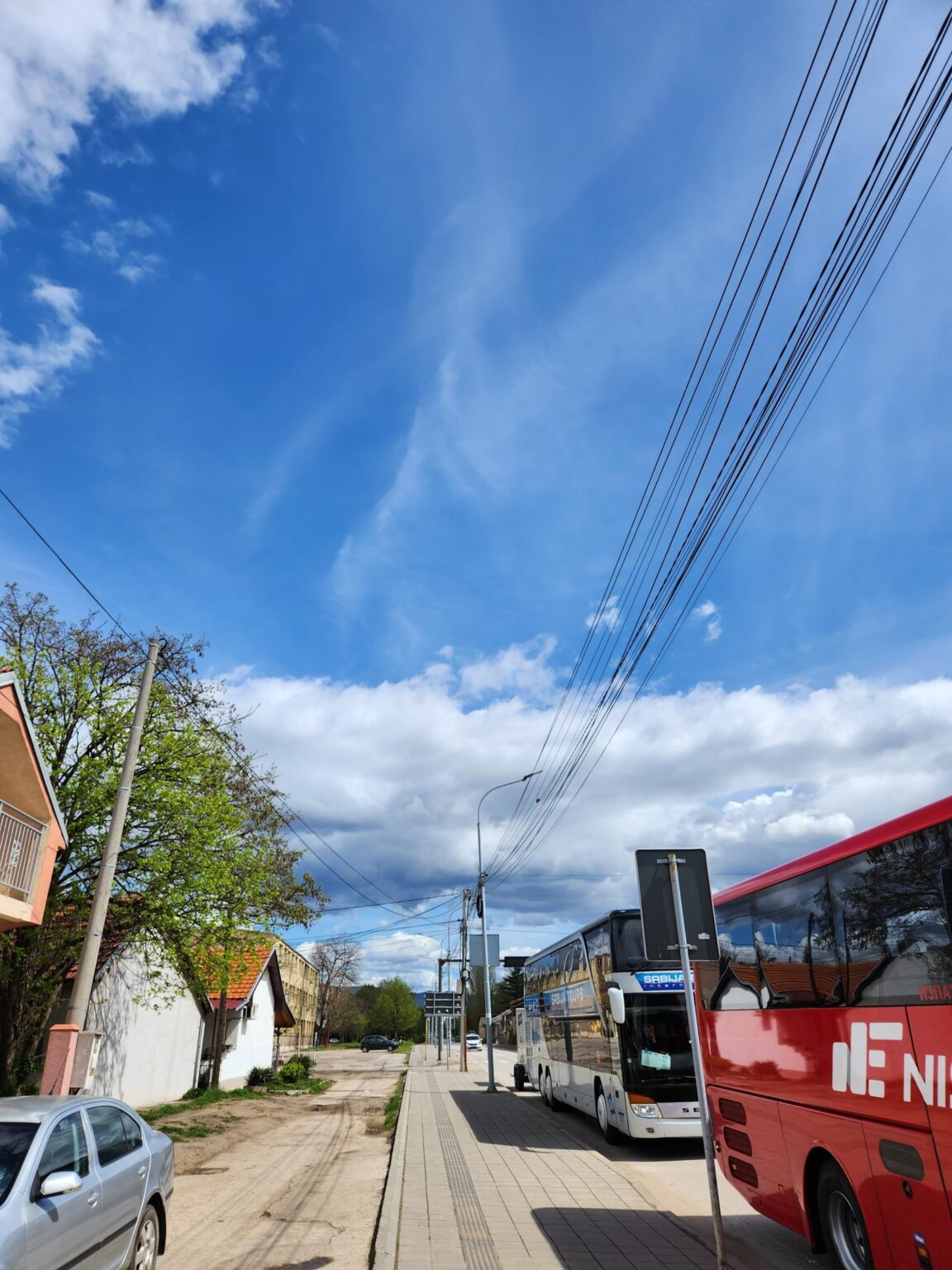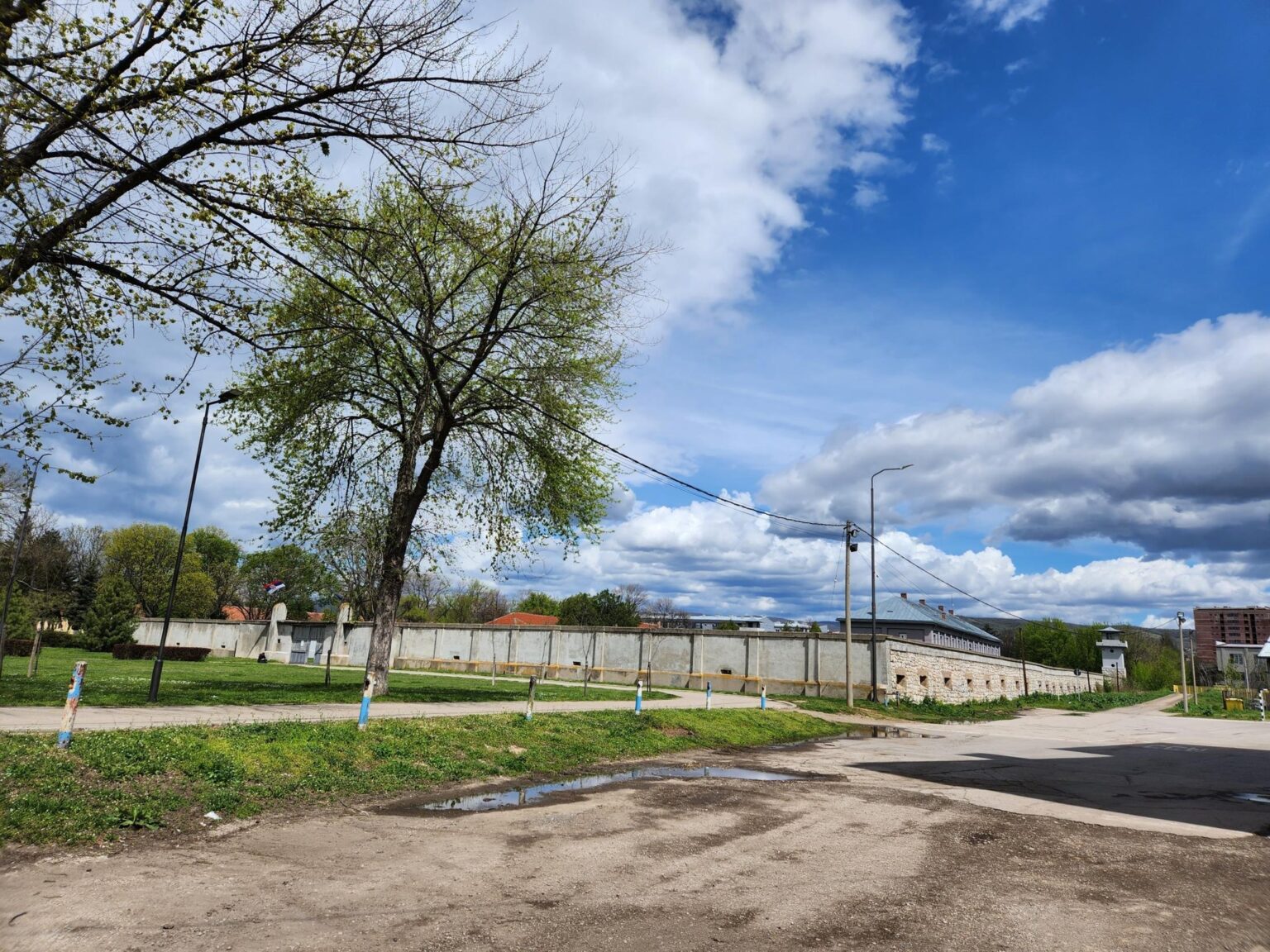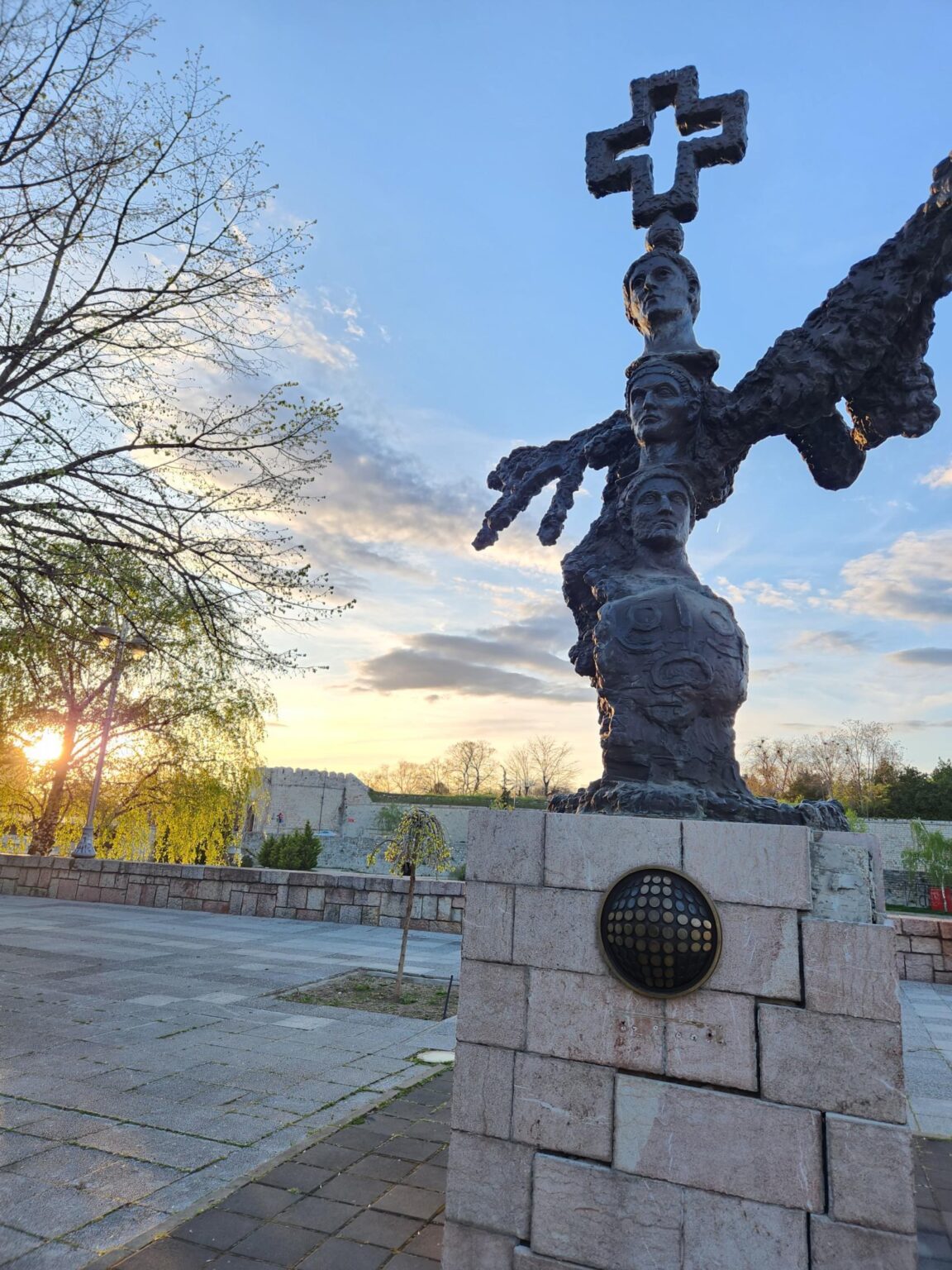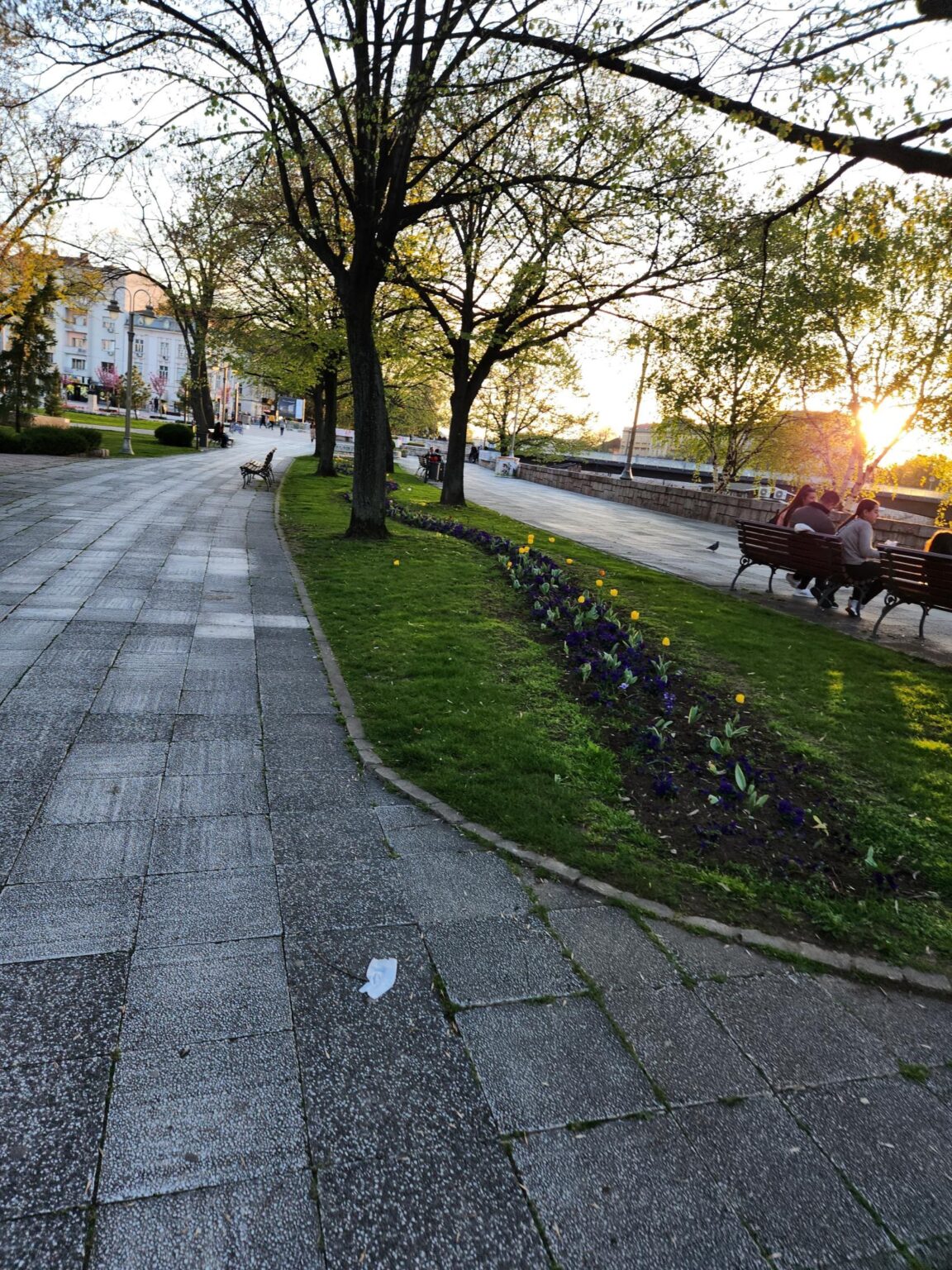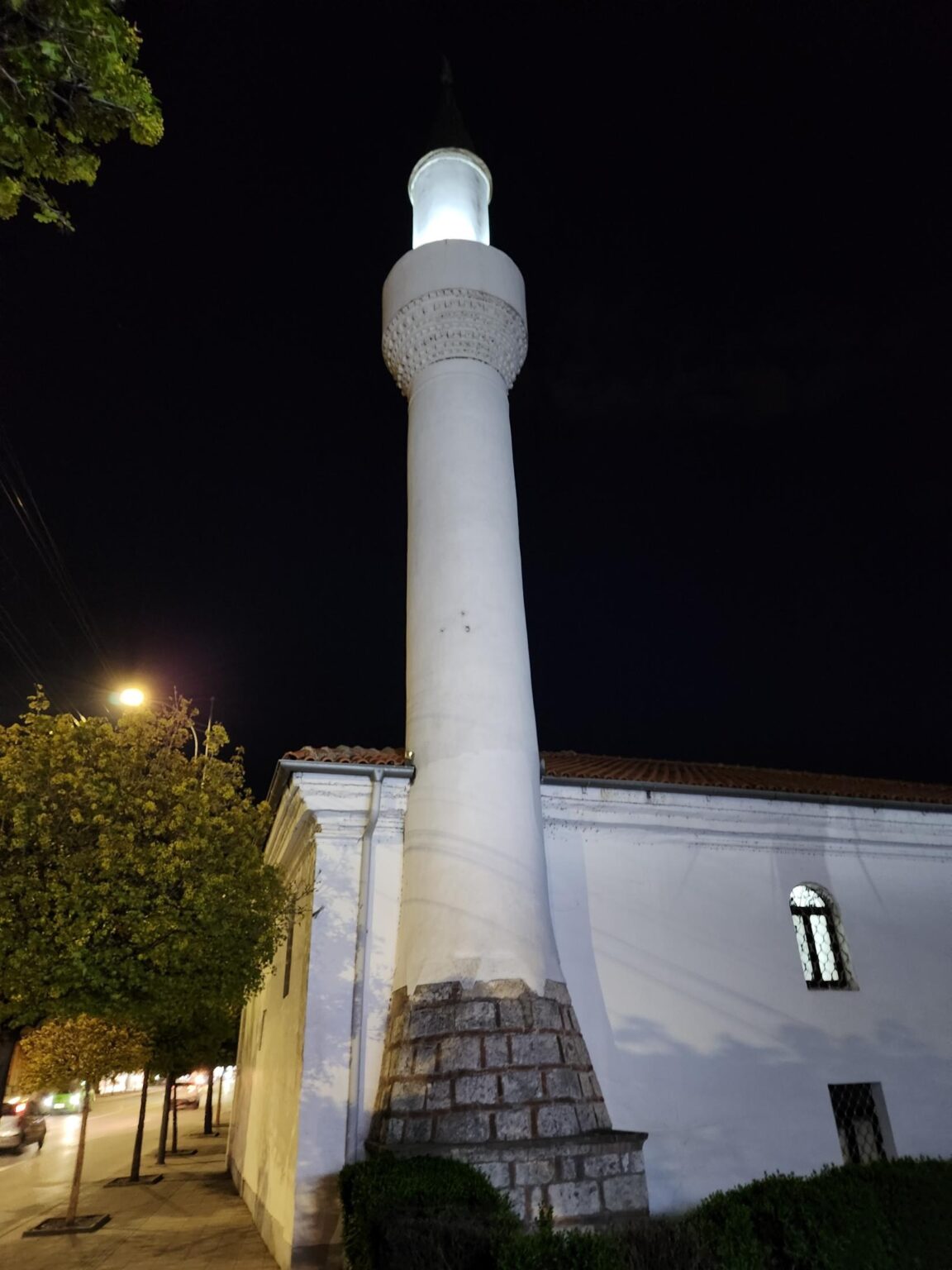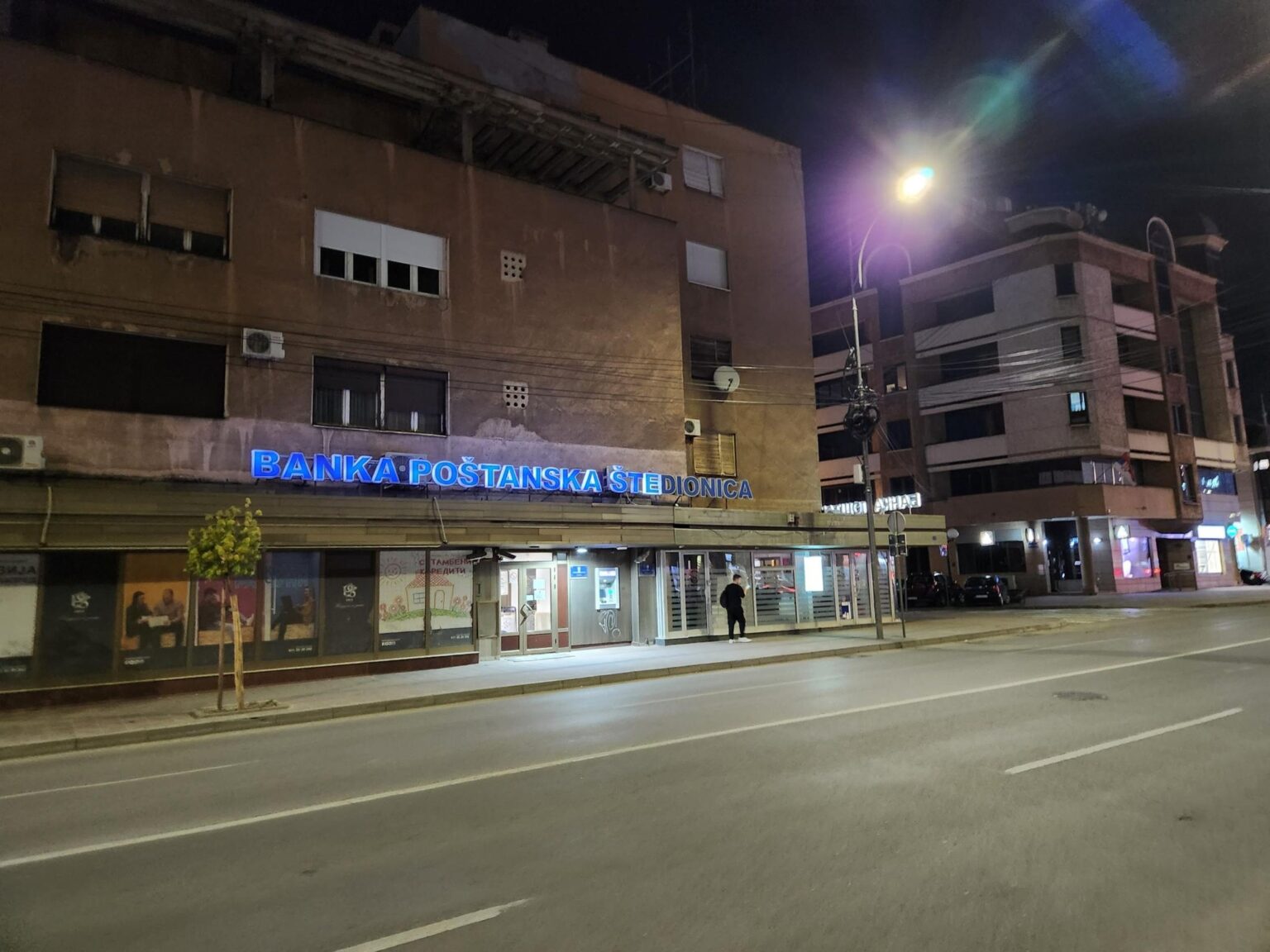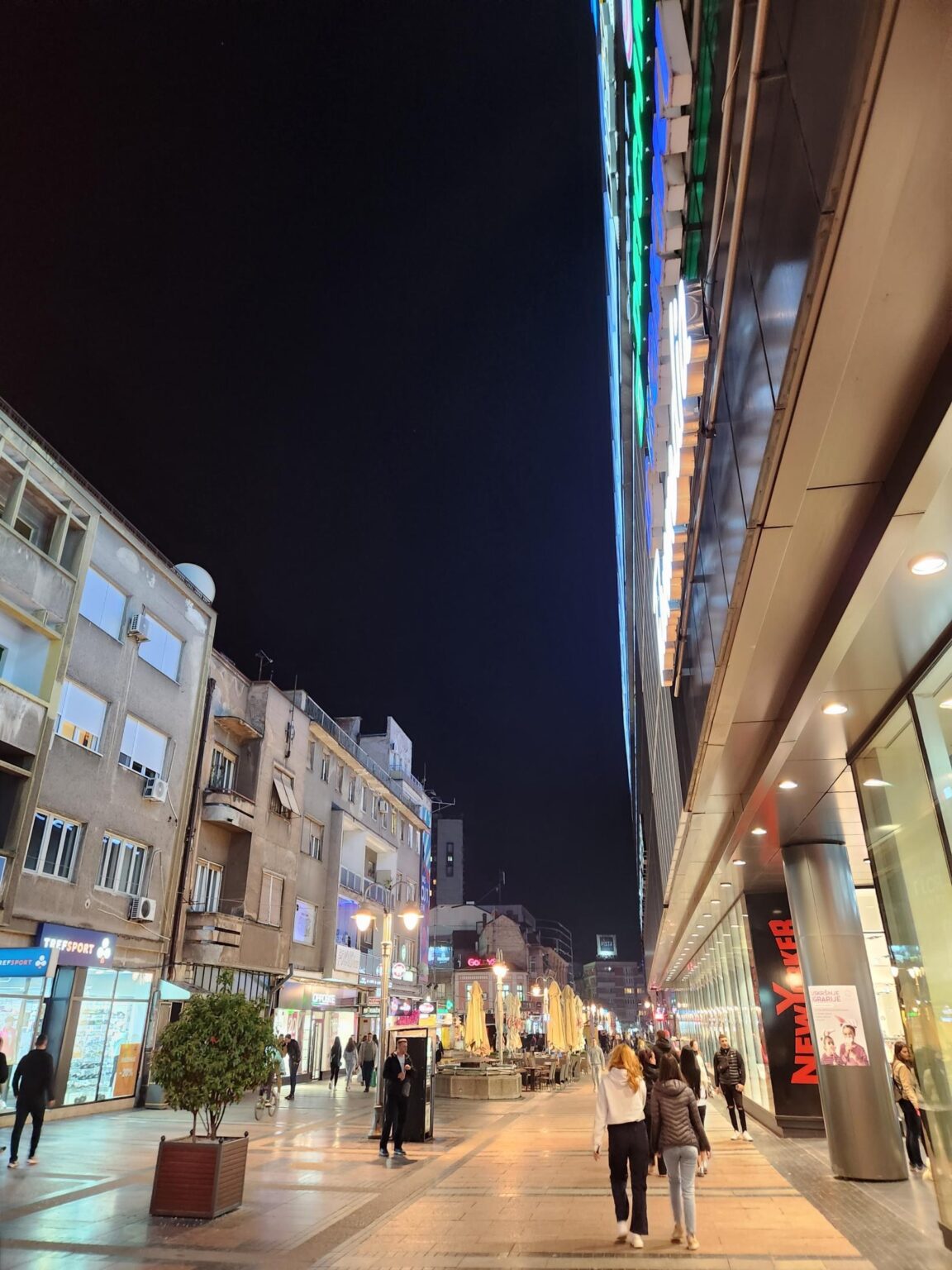
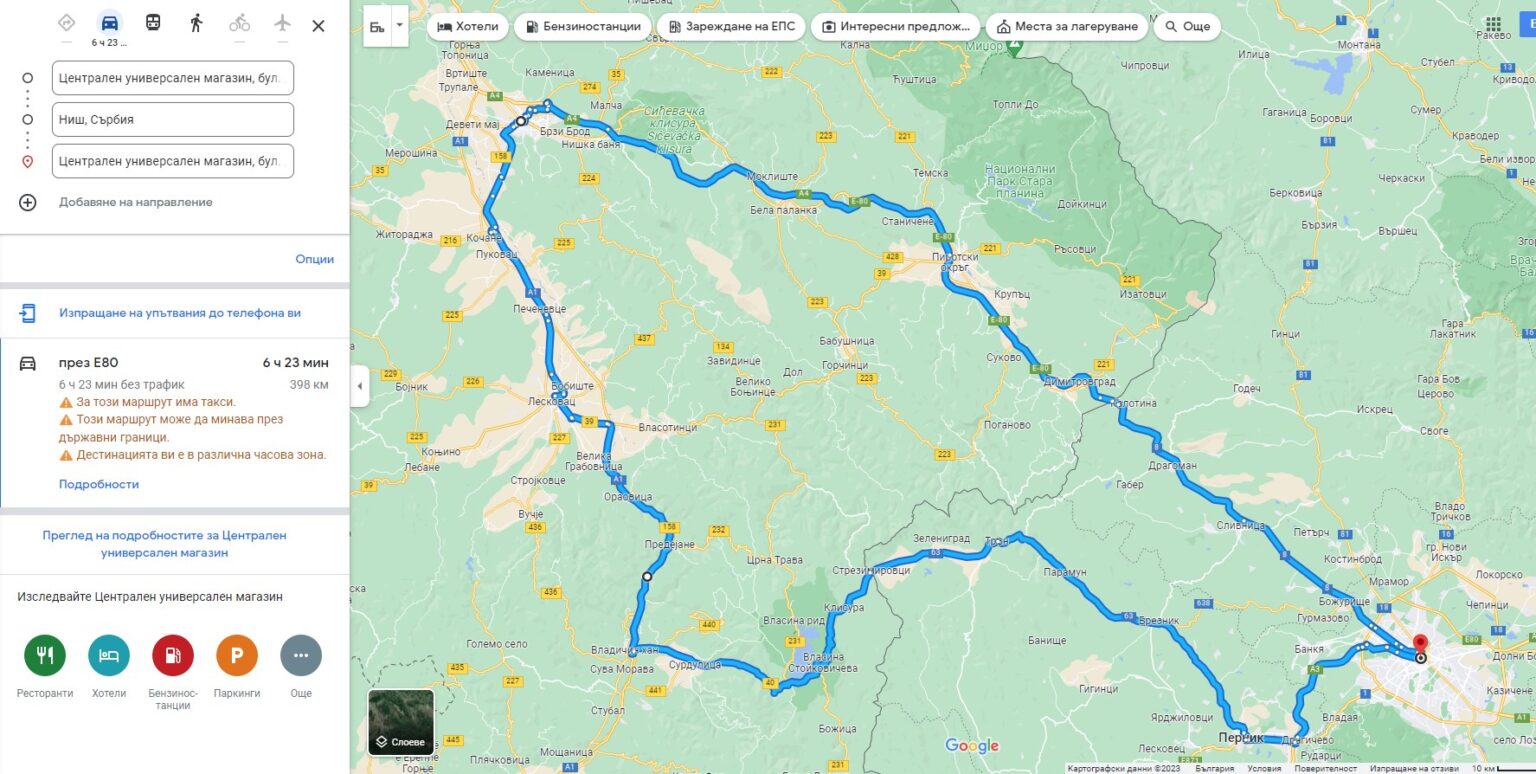
| Where it is | Southern Serbia, just across the border from western Bulgaria — Vlasina Lake and Surdulica, then Leskovac and Niš; Google Maps |
| Getting there | by car from Sofia through the Strezimirovci border crossing on the way in, and home along the Niš–Dimitrovgrad motorway — about 160 km from Niš to Sofia, and under 500 km for the whole loop |
| How long | we did it in two days and regretted it; plan three at the very least, ideally four or five |
| Best for | Roman and WWII history, grilled meat, big markets and cheap clothes |
| What it costs | a combined ticket for four museum sites in Niš is 1,200 dinars (about €10.20); everything else is refreshingly cheap |
Easter 2023 fell kindly on the calendar. It took the Friday and the Monday along with it, which is a treat. On the other hand, the day that really matters for family get-togethers is Sunday. Never mind — two free days are two free days, and nobody hands those out for nothing 😀 Off to Serbia we go!
Let me complain for a moment: I really did not feel like writing this one. Why, you ask? Wasn’t it interesting? Quite the opposite. I am writing it through gritted teeth because I had not realised how hopelessly short the time would be. Over the years I have been to Serbia a few times, but never with the eye and the creative angle I have started using recently. Back then the plan was always "let’s go for pljeskavica, and if we happen to see something, that’s a bonus". Now it is "let’s go sightseeing, and if there happens to be pljeskavica, that’s a bonus" 😀 Dig around a little and it turns out that nearby Serbia — the Leskovac–Niš area in particular — can swallow several days of immersion in our neighbours’ cultural heritage. At the very minimum.
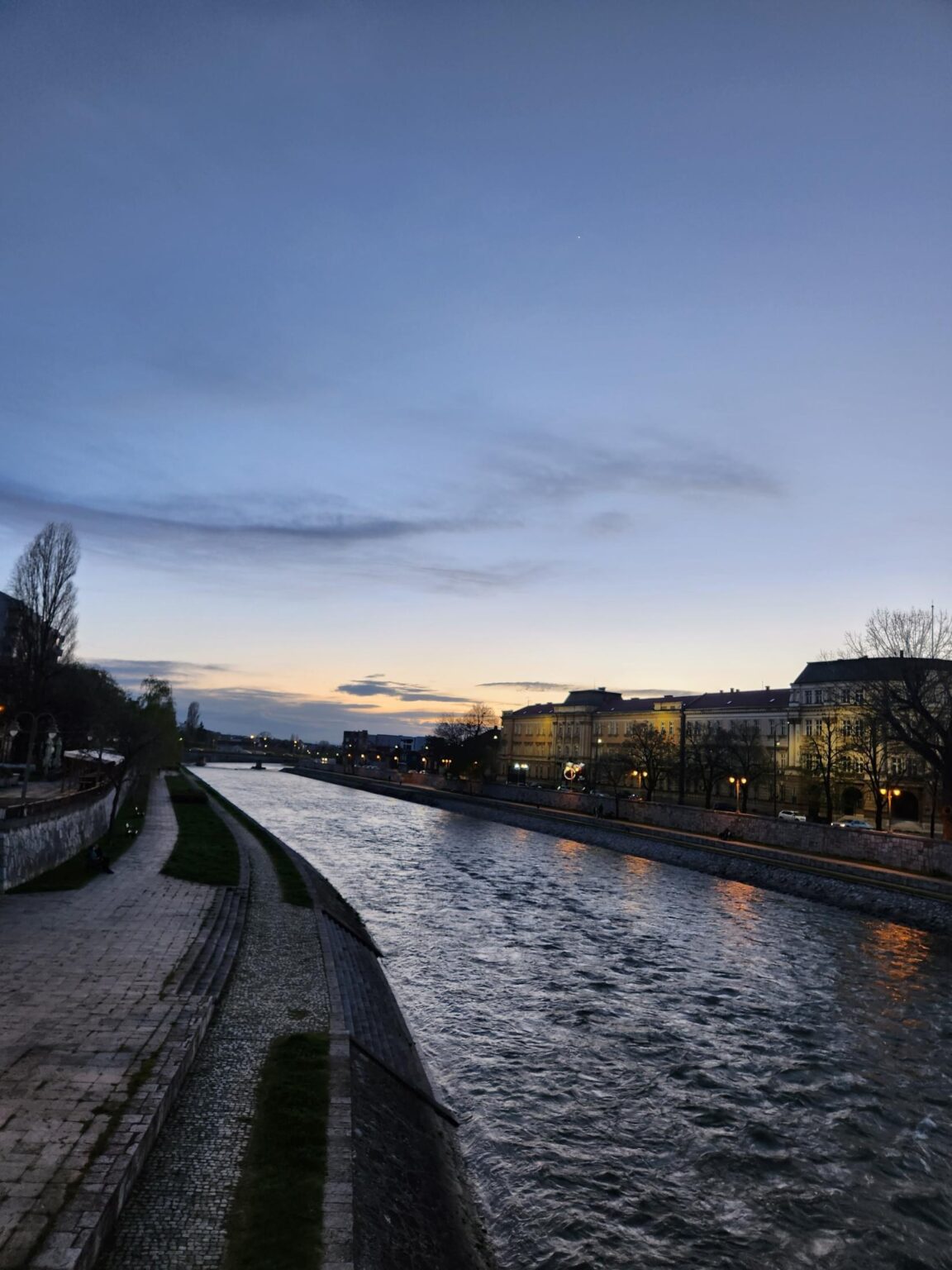
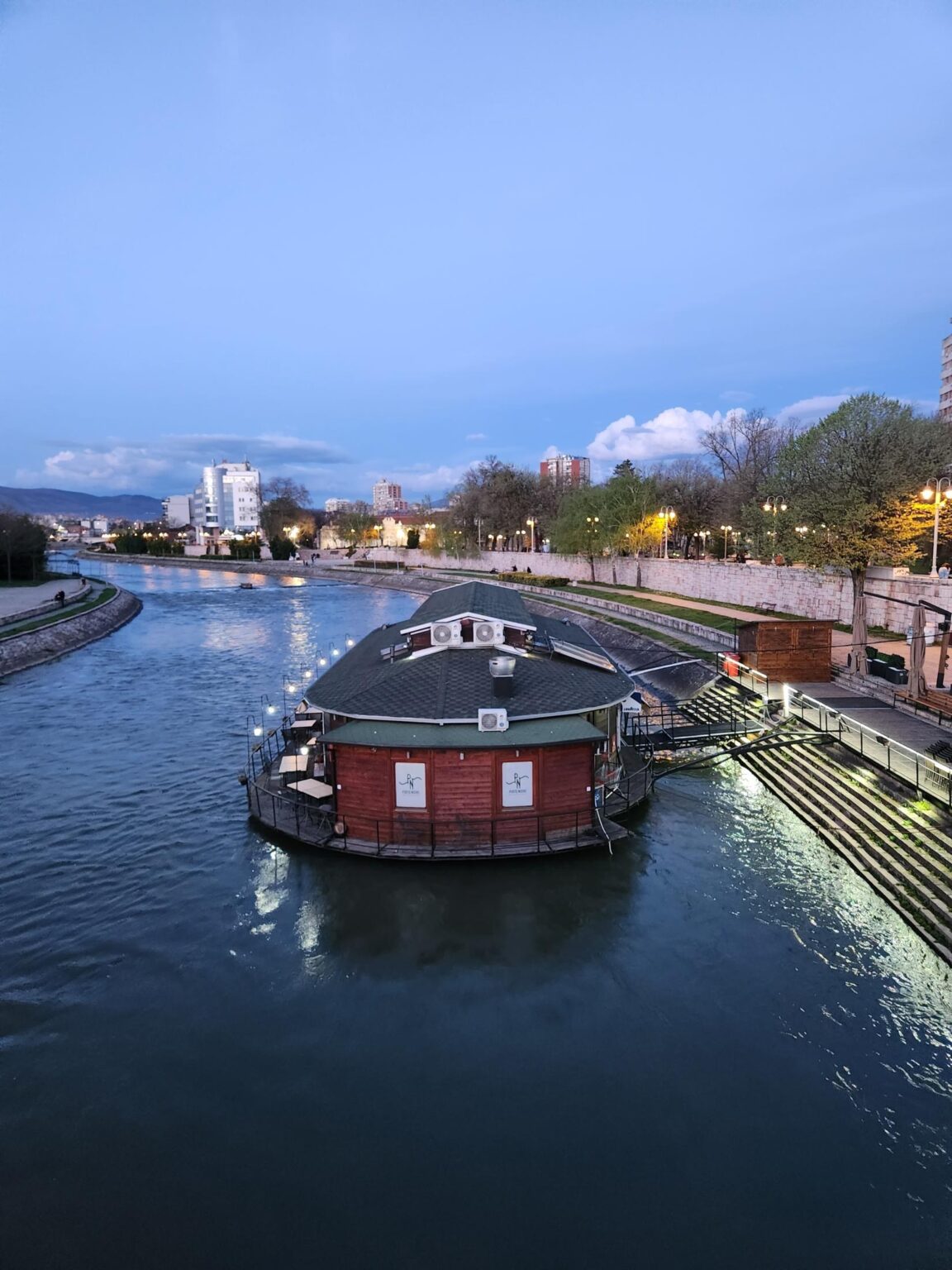
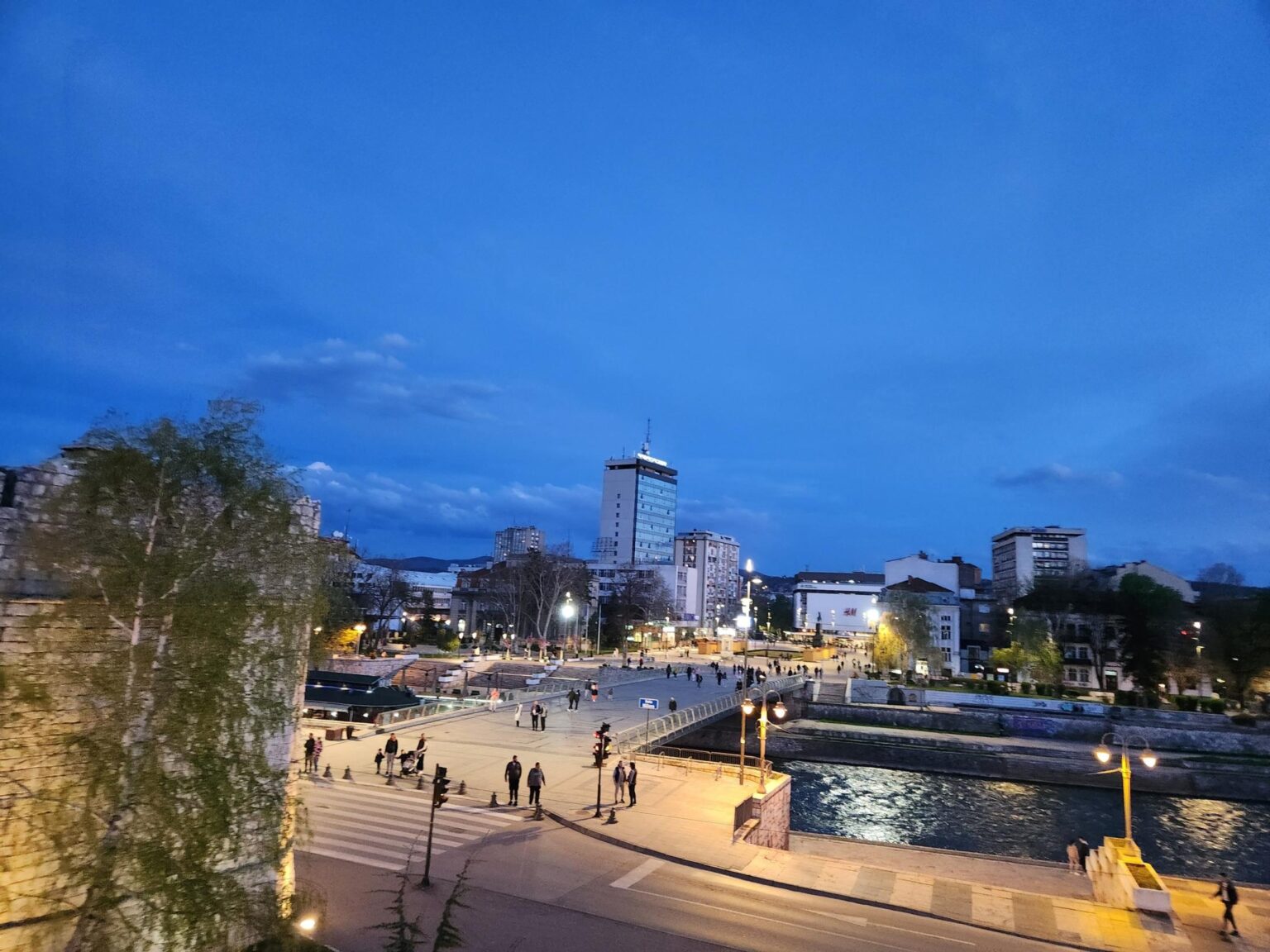
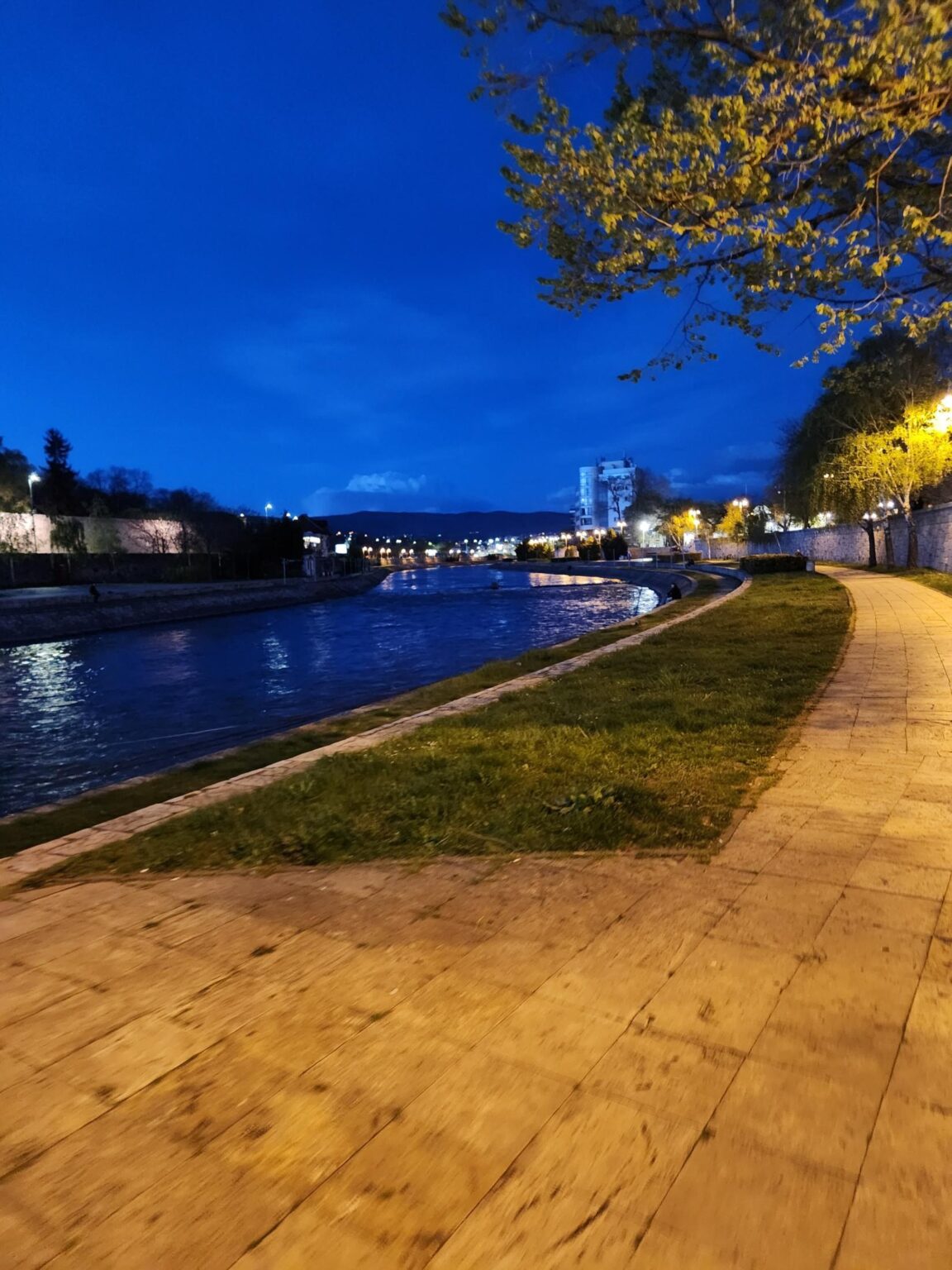
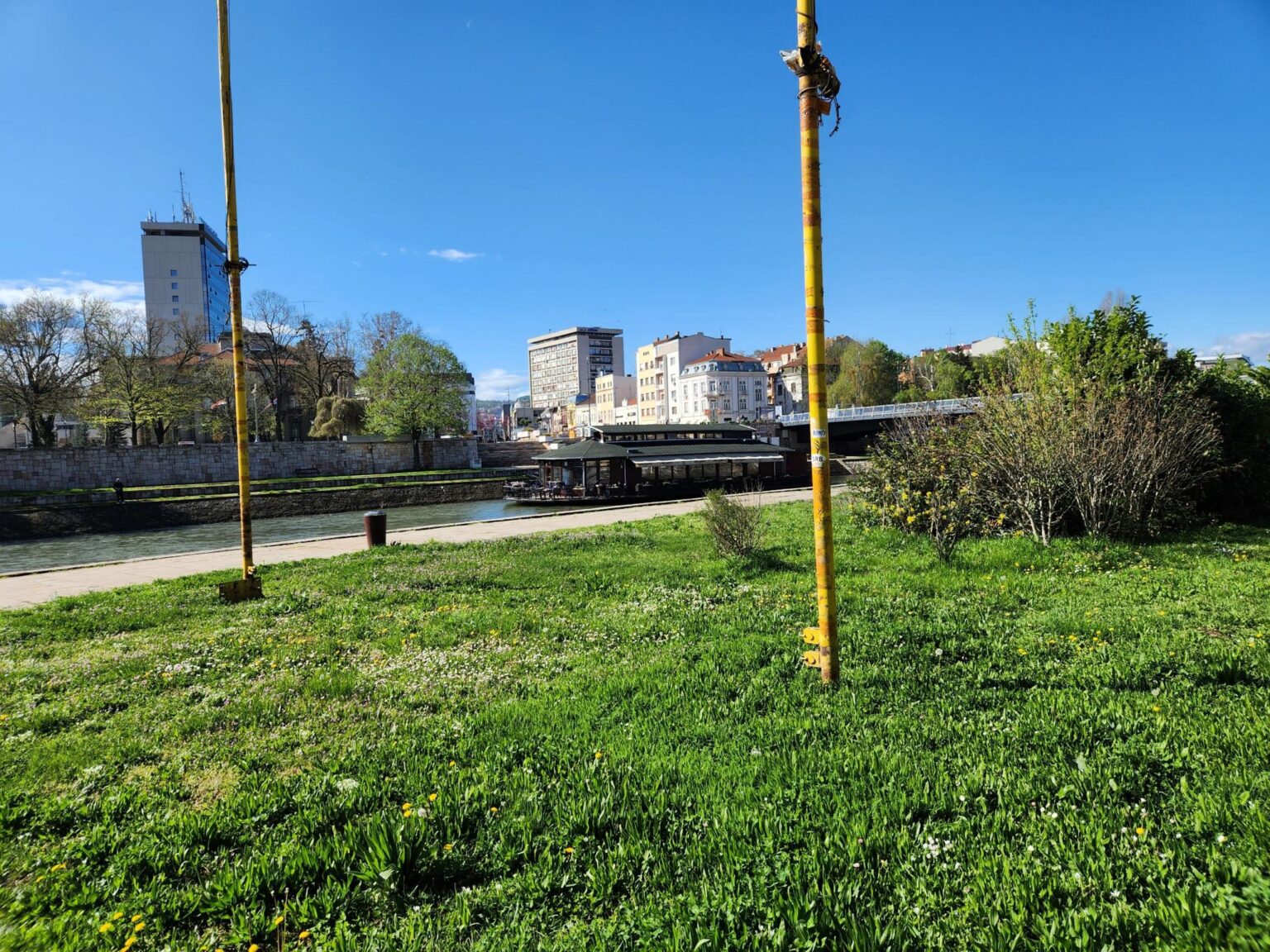
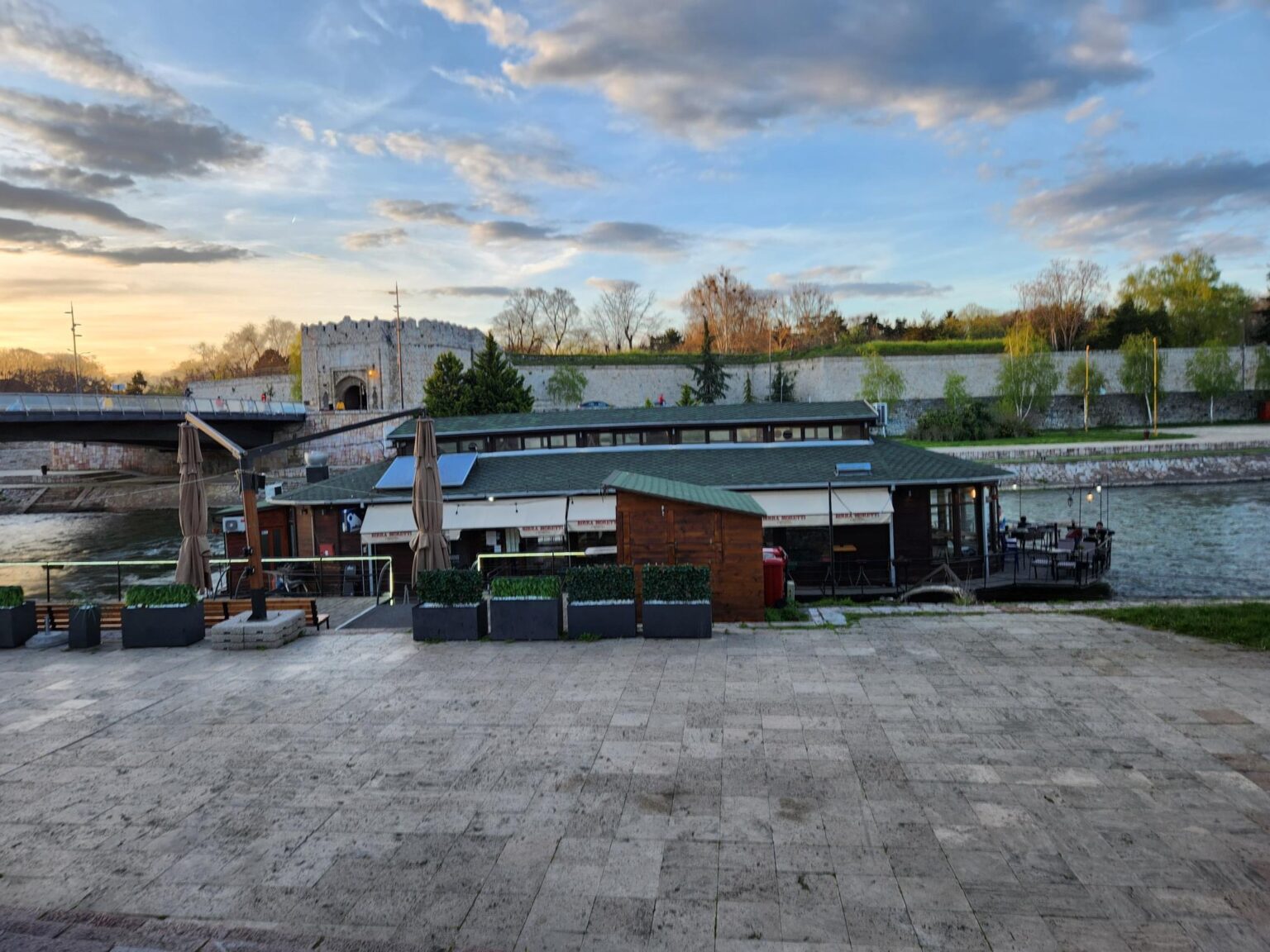
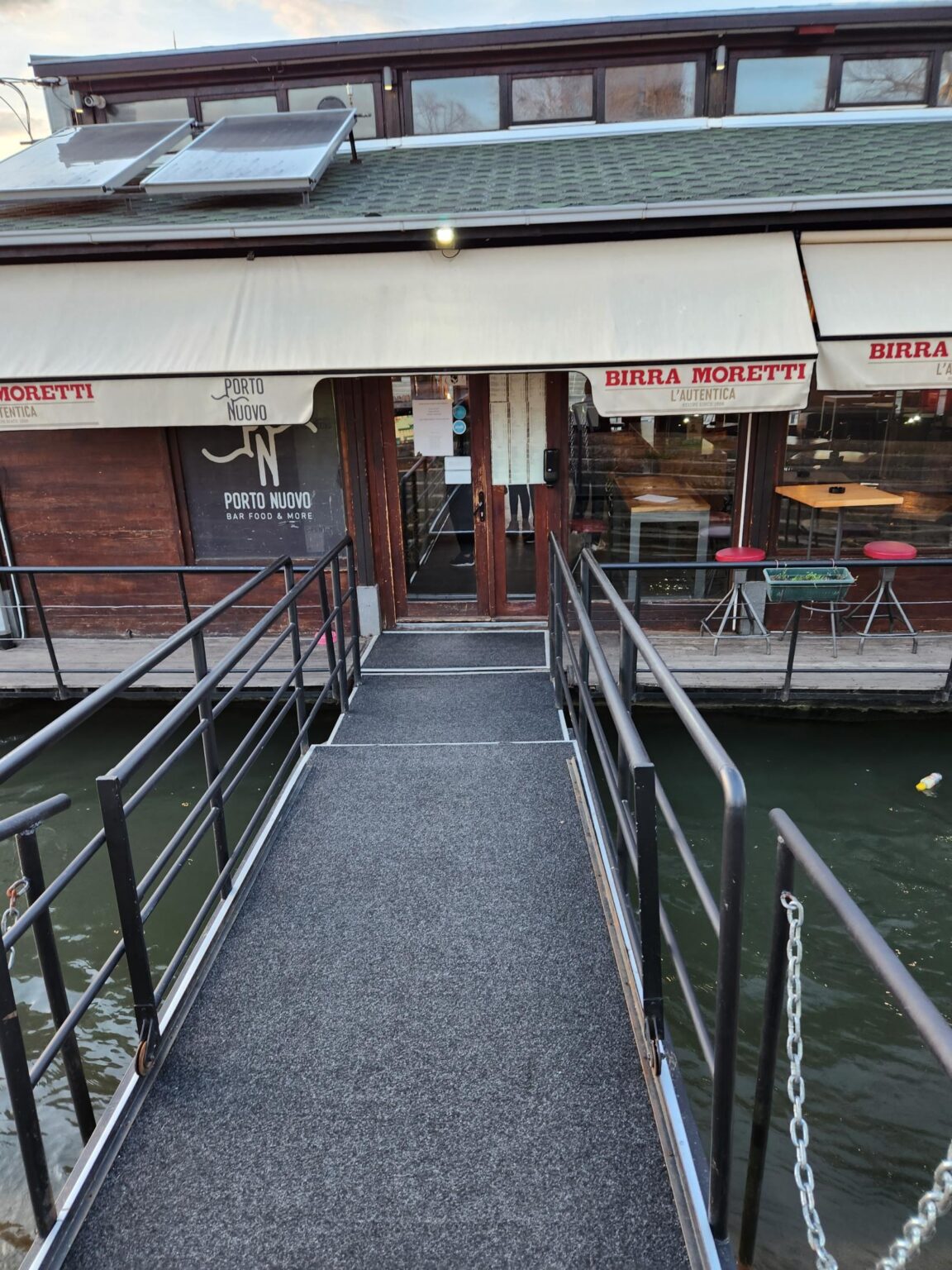
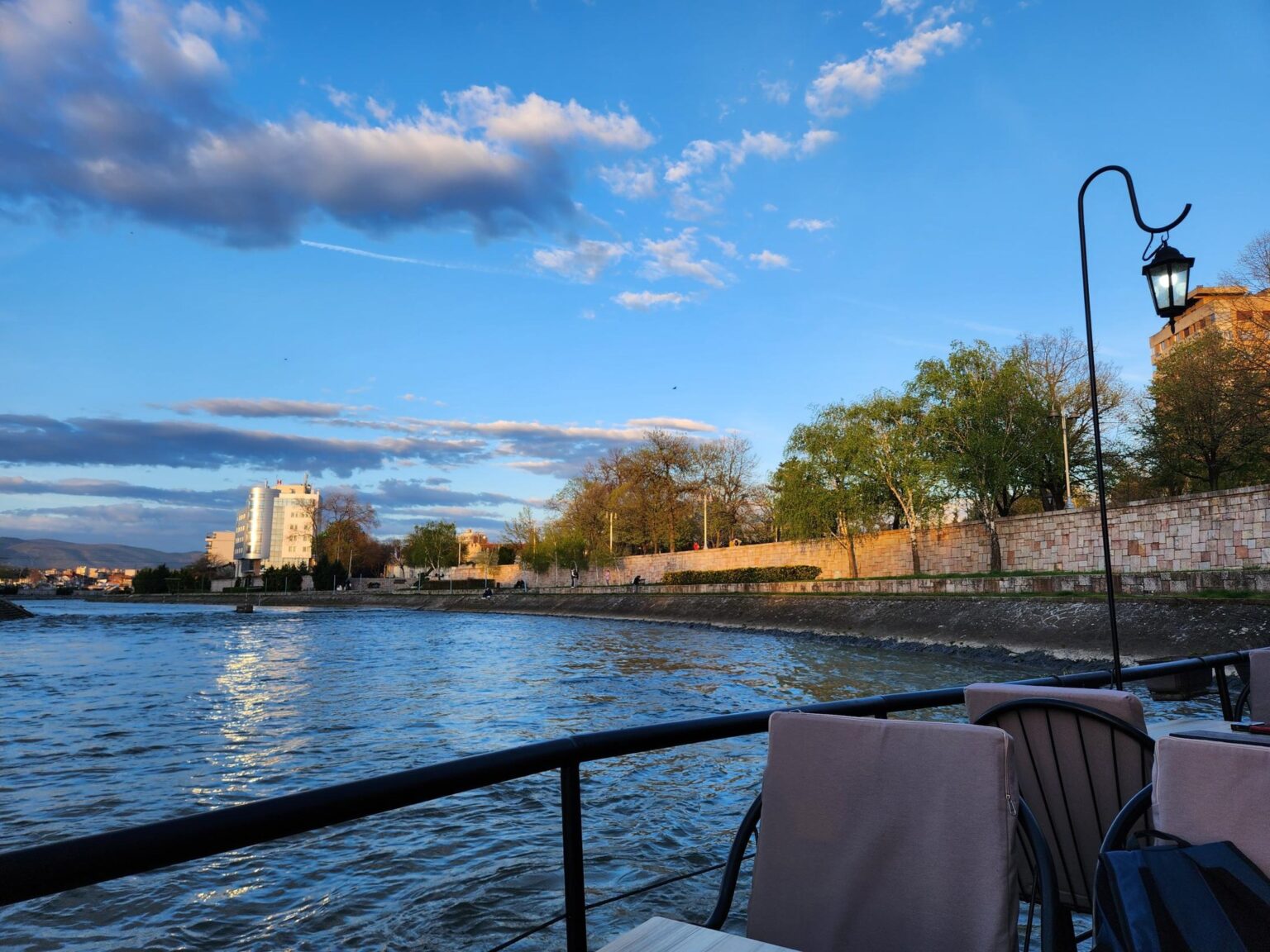
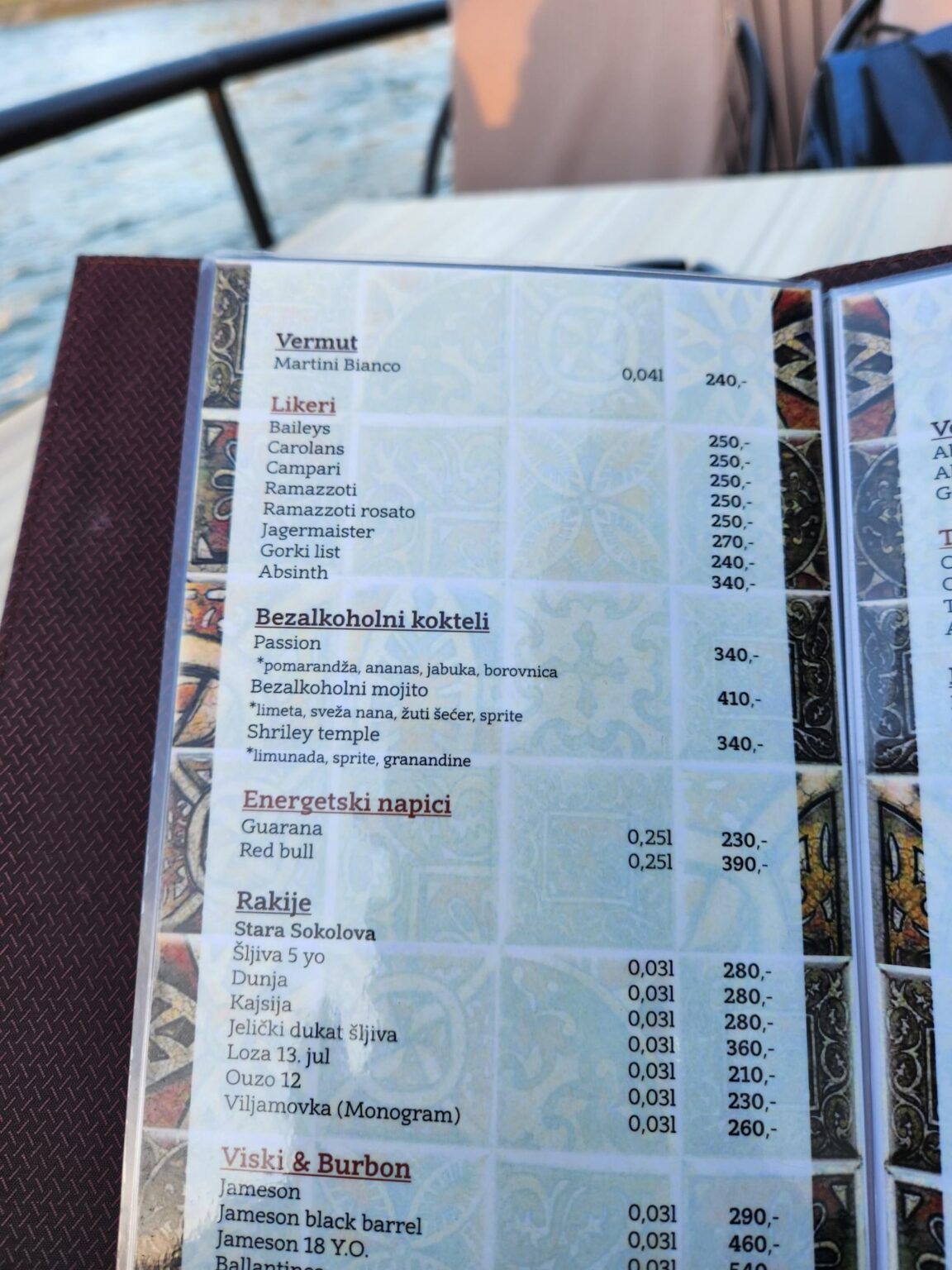
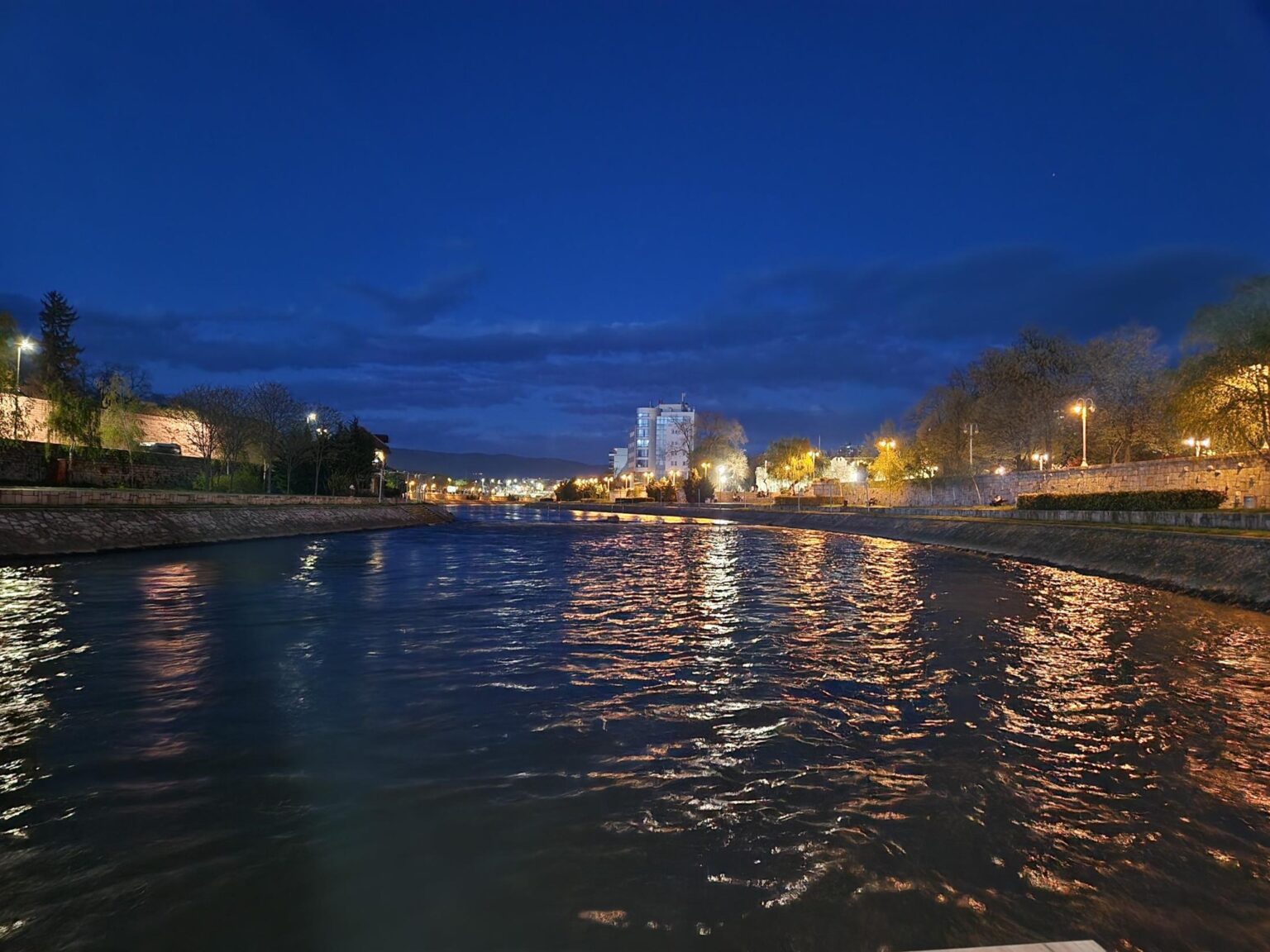
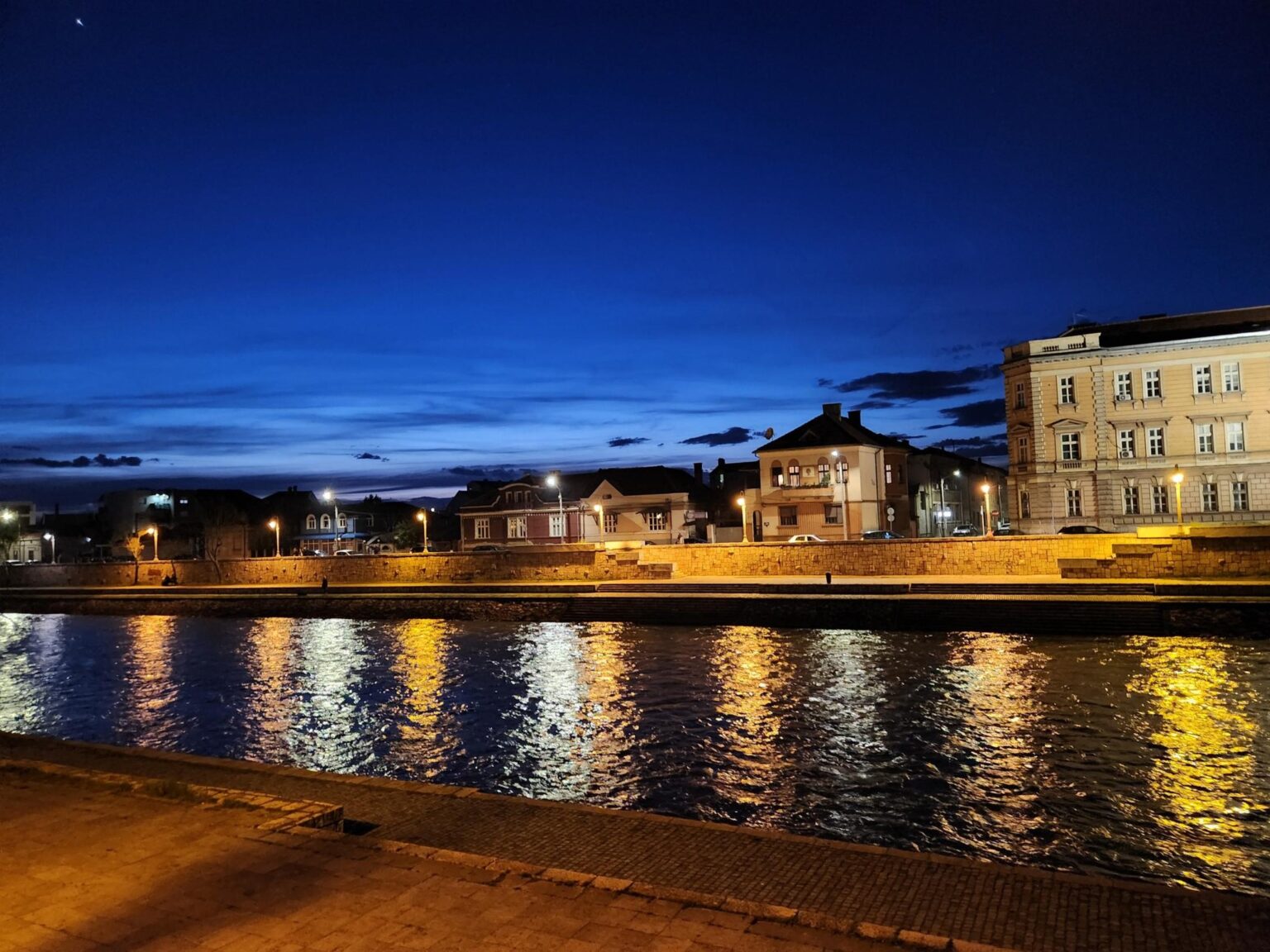
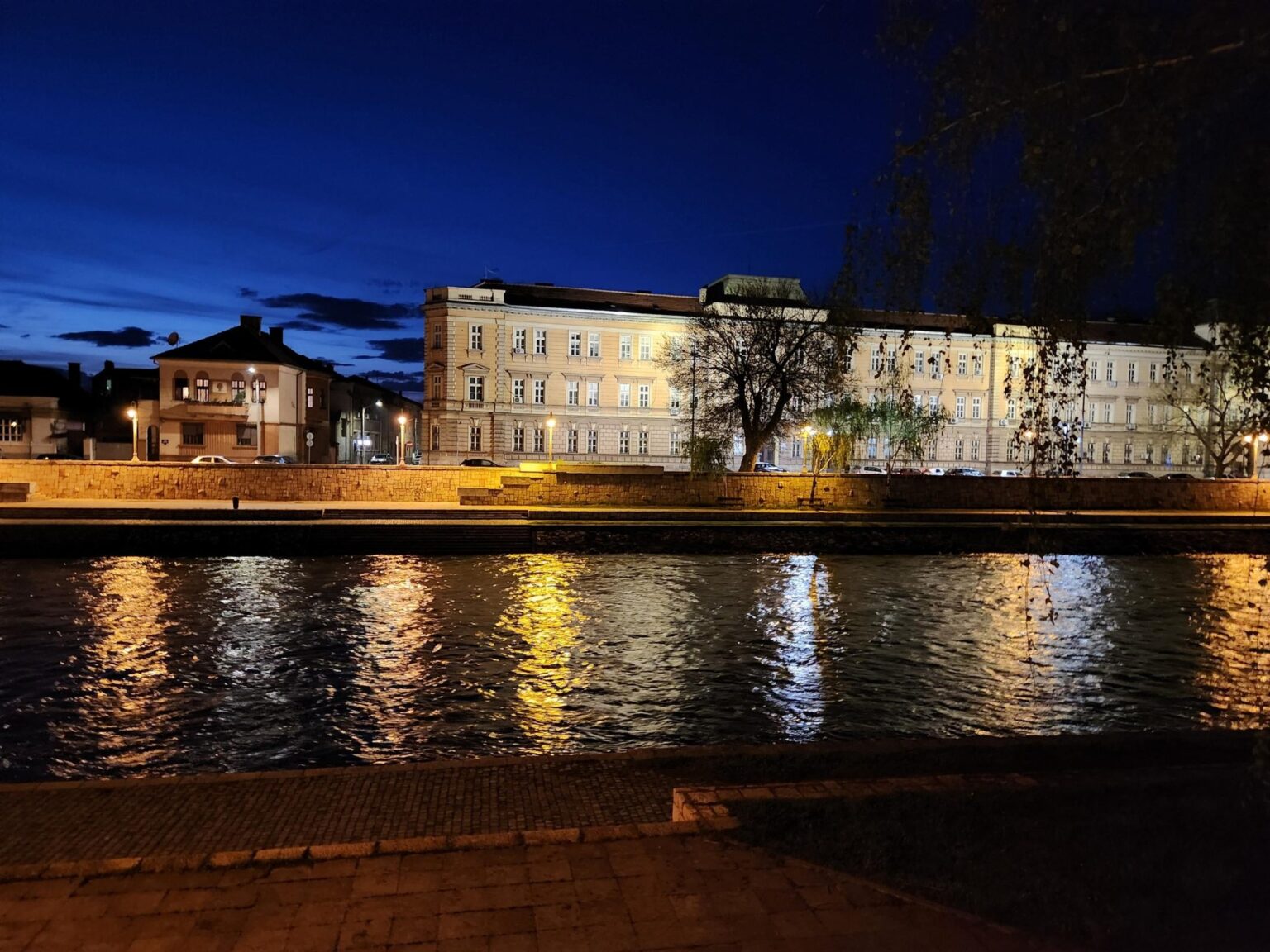
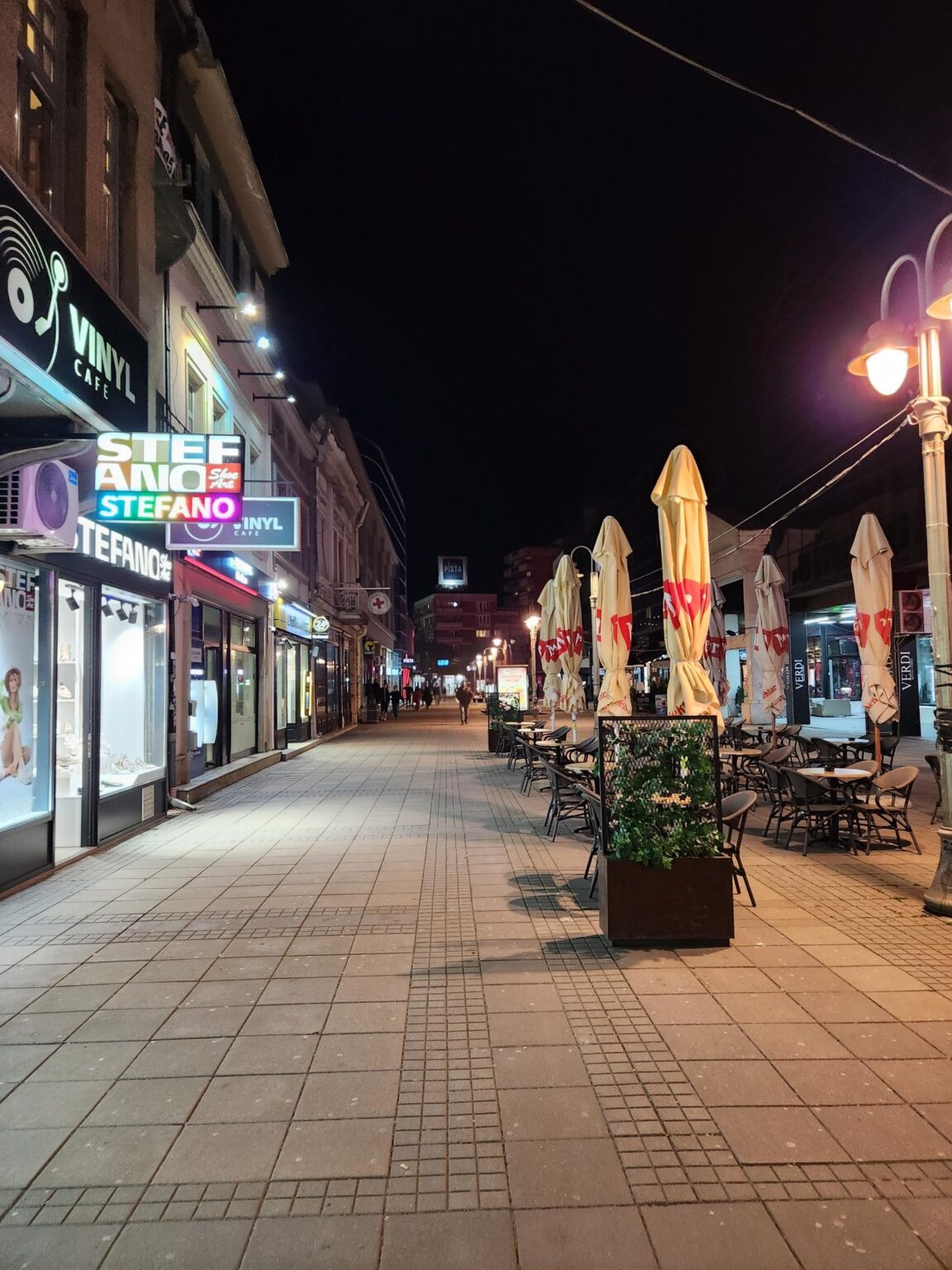
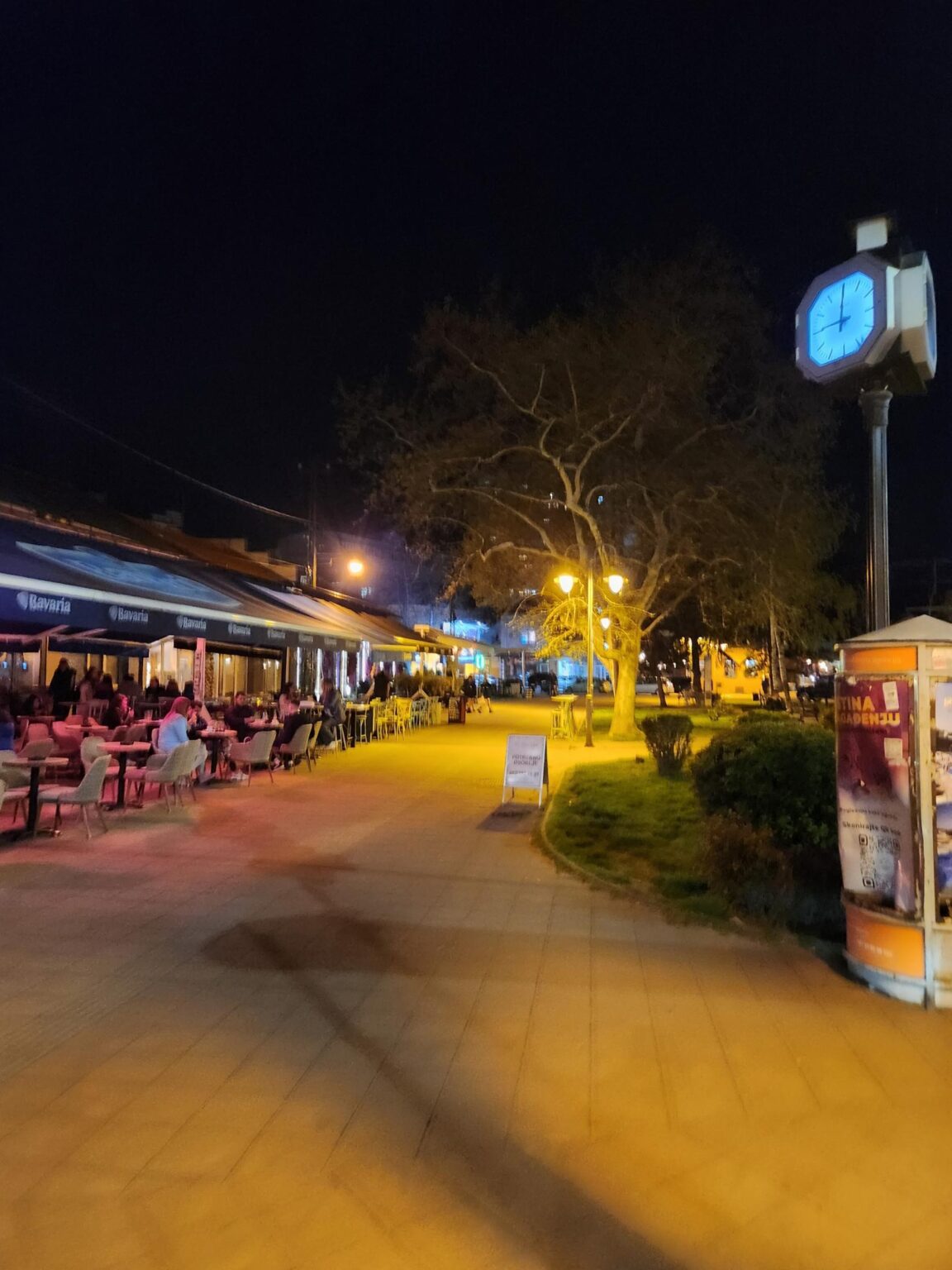
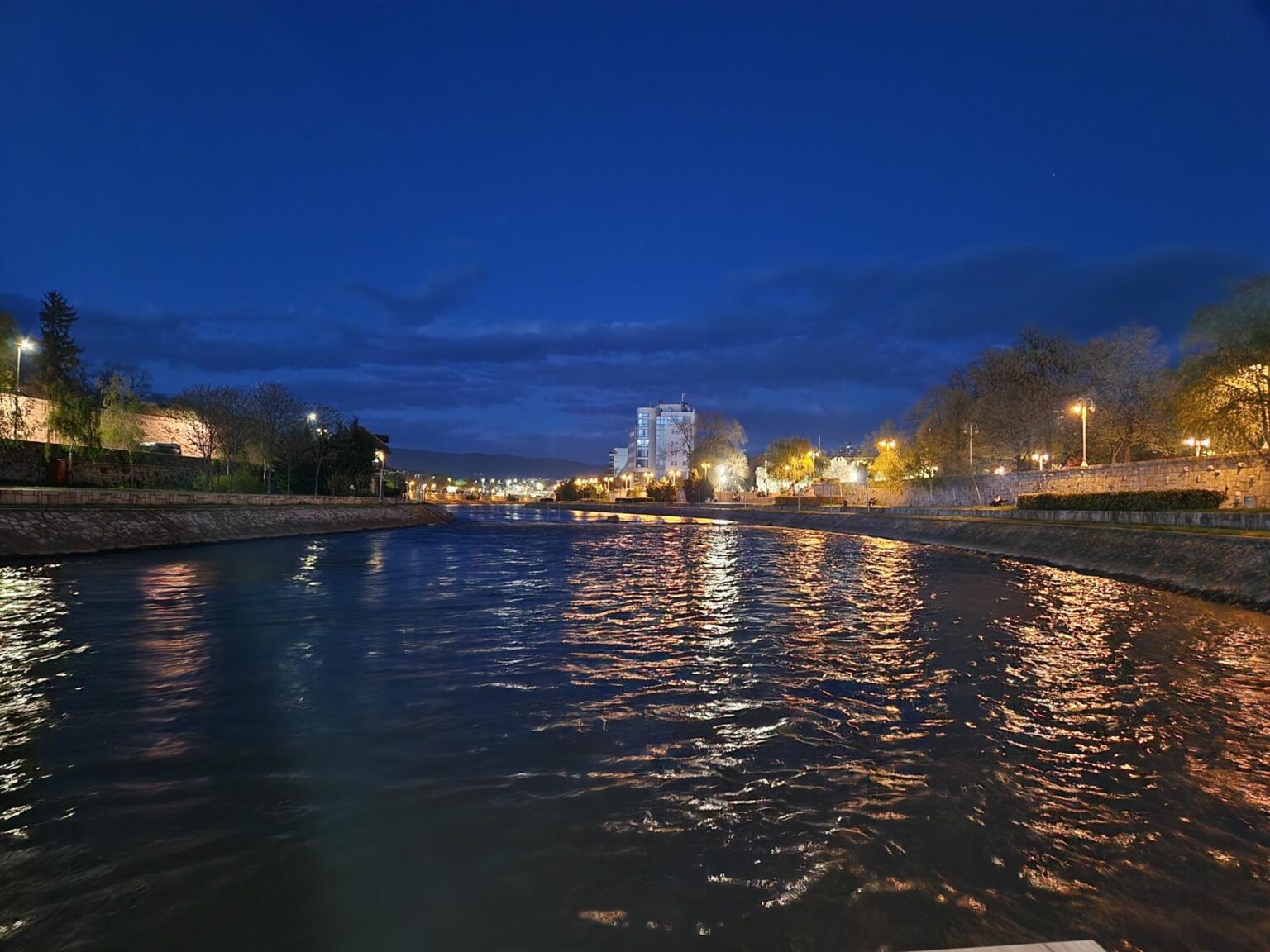
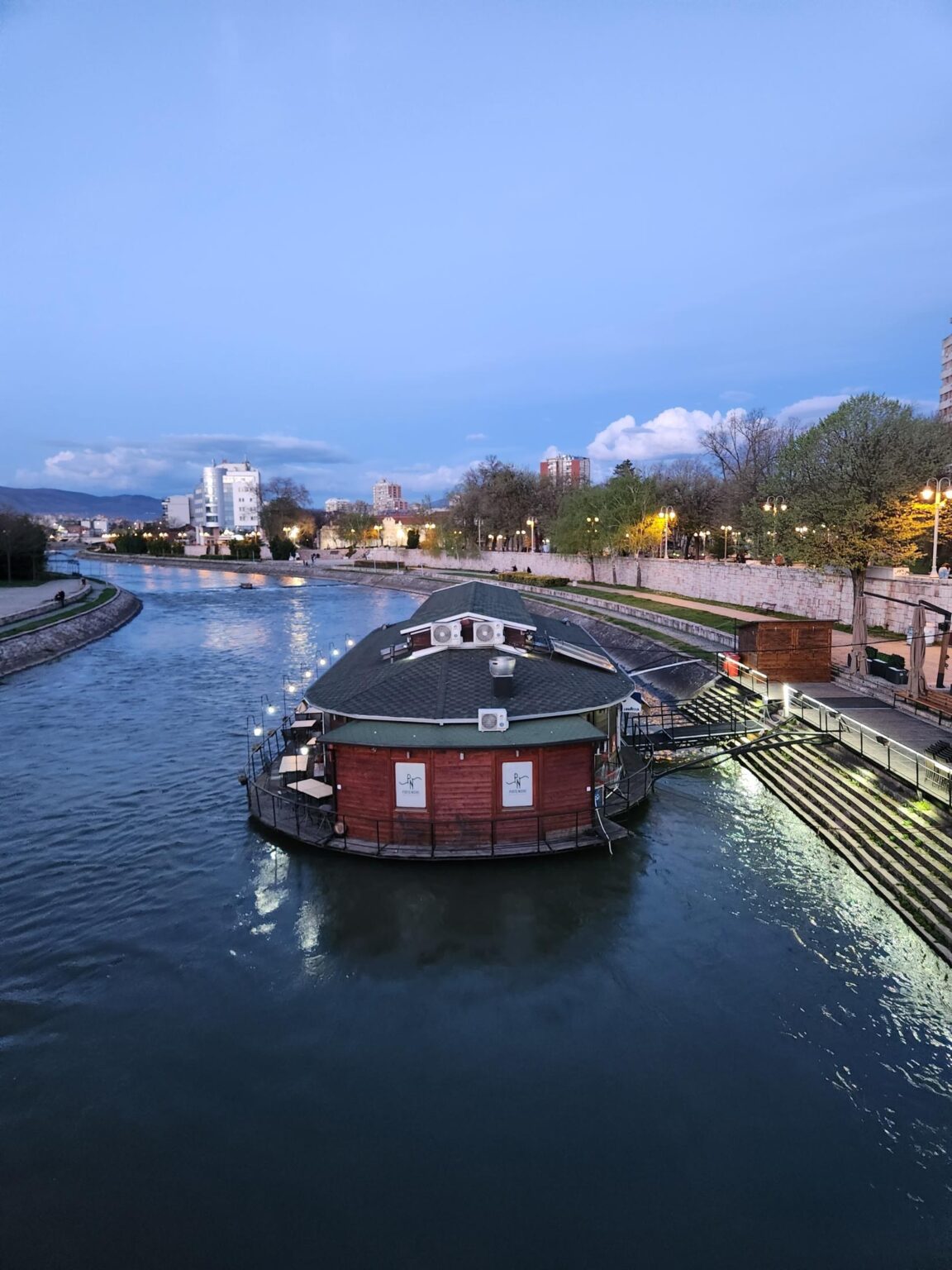
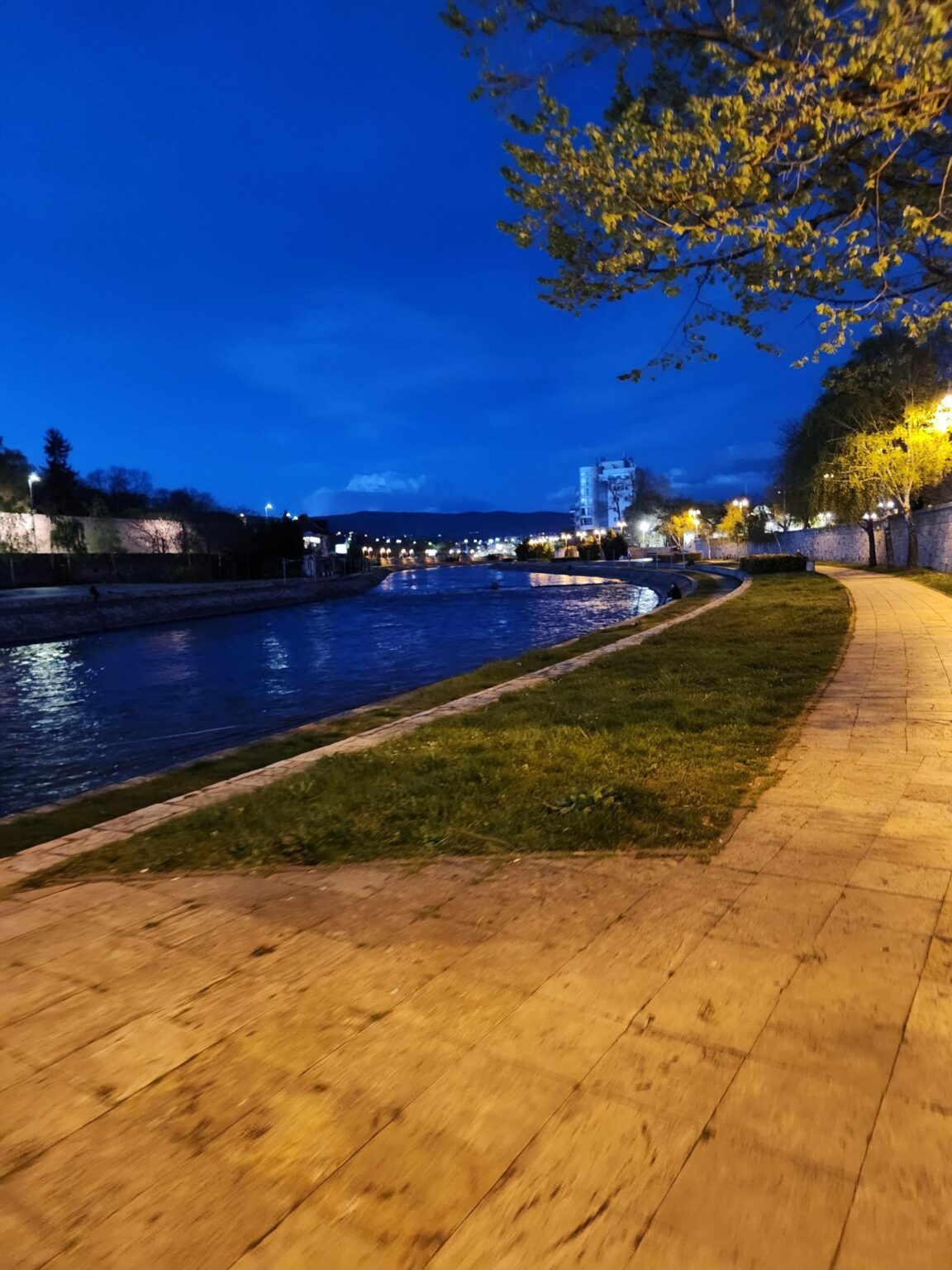
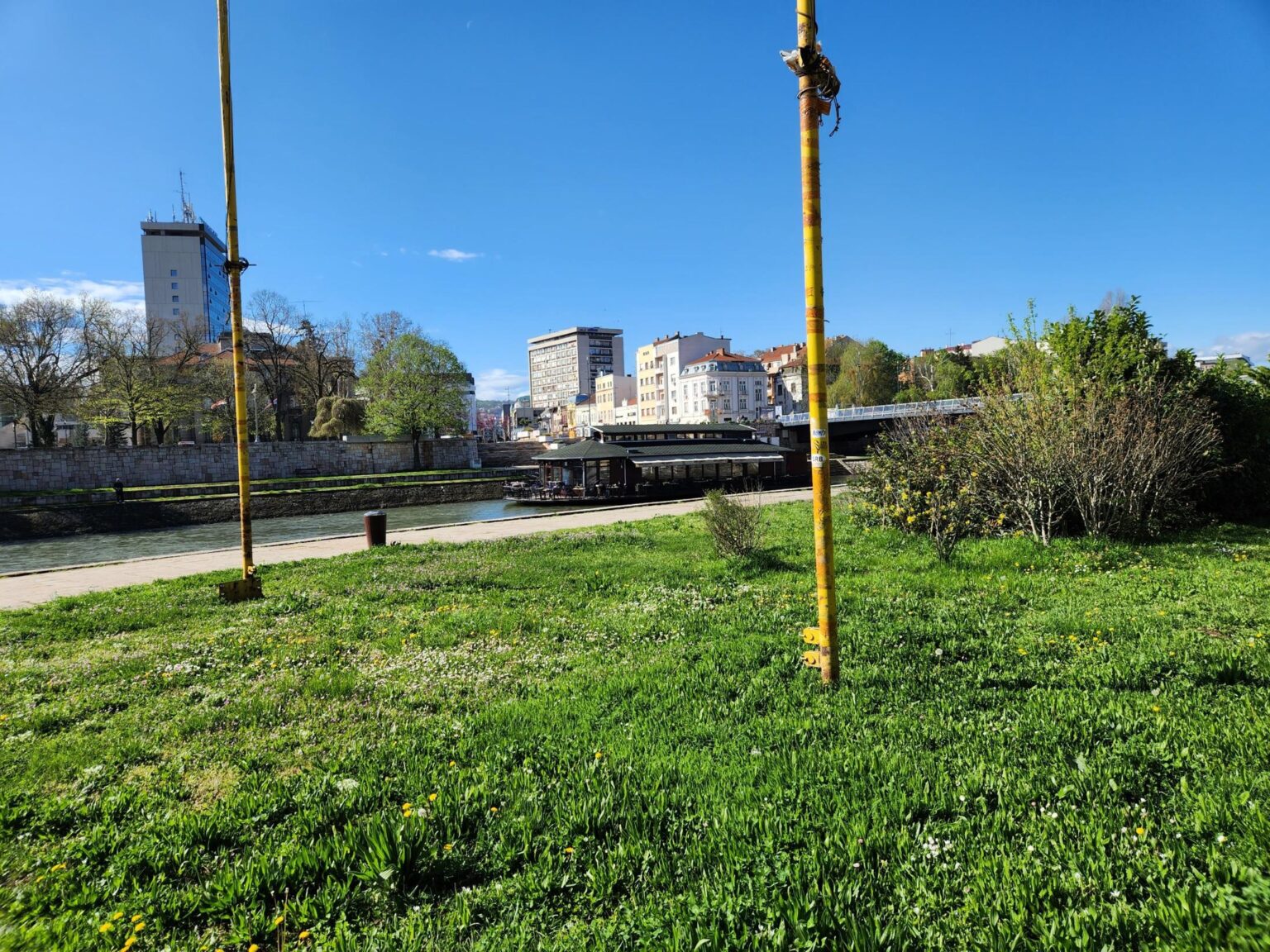
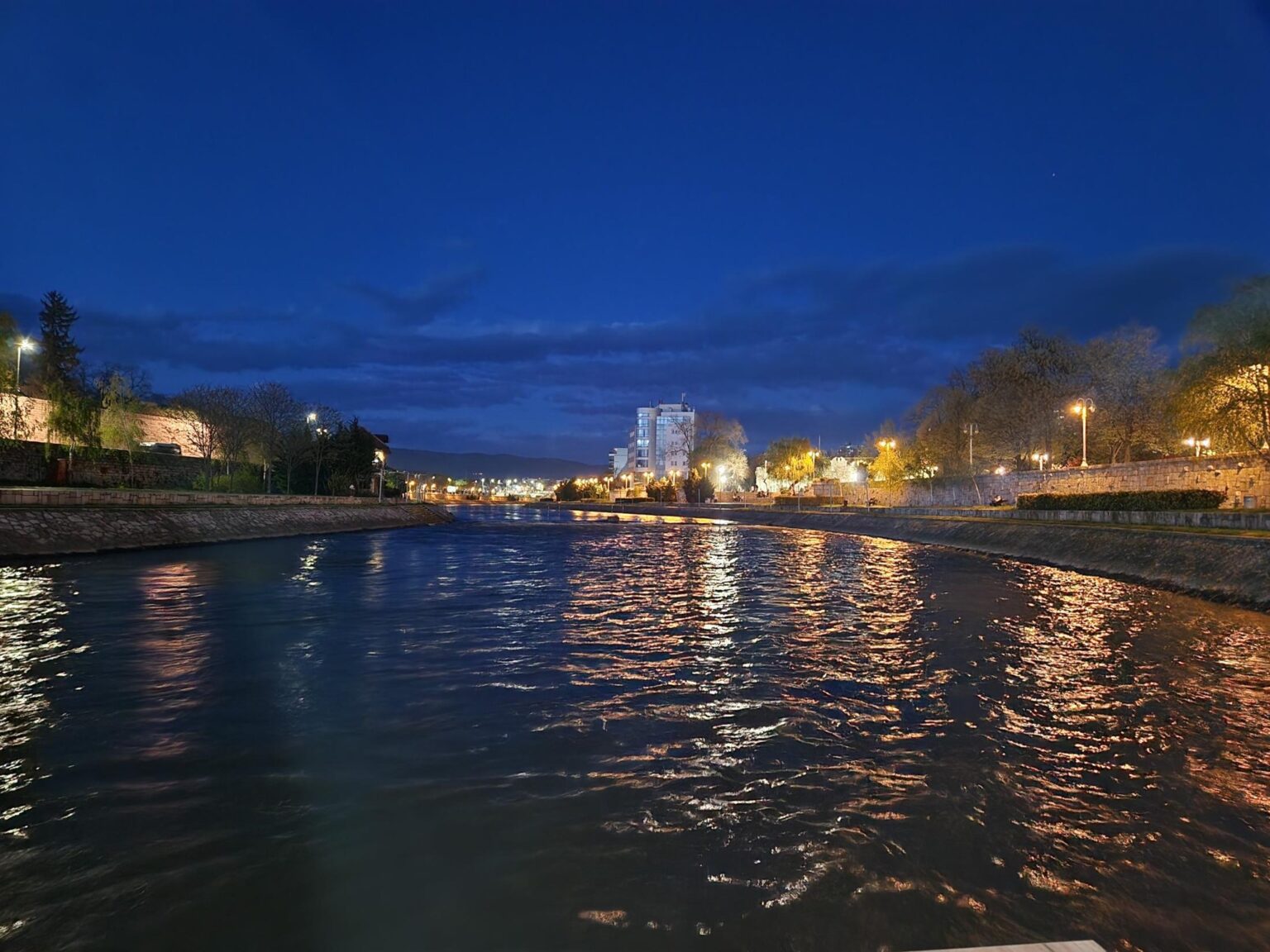
So we crammed it all into two days of hurried loops, and I am honestly annoyed as I write. On one hand, look how much I managed to see in a rush; on the other, look how much I missed. Oh well, it is what it is. We are going back, that much is clear — and next time for four or five days at least. To show you what I mean, this is Niš in the evening, serving cocktails on a boat moored in the river.
Day 1: Surdulica, Leskovac and Bubanj Memorial Park
After some rough research beforehand, I settled on this route: the Vlasina highlands, Leskovac, Devil’s Town, Niš and Pirot. All in all, under 500 kilometres and about 7 hours behind the wheel.
We had also done our homework on money: you need Serbian dinars. In spring 2023 one dinar was worth about 0.0174 leva, so 100 dinars came to 1.75 leva. My shortcut for small sums was simple — drop two zeros, multiply by two, and there will still be a little change left over 😀 Bulgaria has since moved to the euro, and in September 2026 one euro buys roughly 117 dinars. That makes the lazy maths even lazier: drop two zeros and knock off about 15%. A 500-dinar museum ticket comes to a little over €4, and something always stays in your pocket.
A note on prices: the everyday figures in this story — bakeries, coffee, markets, restaurants — are what we paid at Easter 2023, given in dinars. Where an official price list exists (museums, motorway tolls, SIM cards), we have checked it, updated it to 2026 and linked to it.
The border
We set off between 8 and 9 in the morning and reach the Strezimirovci border crossing without a hitch. I remember from years back that the Serbian border feels somehow less pleasant than the Greek one. It still does — there is a certain tension in the air. On both the Bulgarian and the Serbian side of this tiny checkpoint the questions come: where are you going, where are you staying, what are you going to do, for how many days? Then a search of the car and the luggage. Honestly, some people will give up on Serbia just because of the border. Anyway, you get through the 10–15 minutes of explanations and carry on. Bulgaria is now fully in Schengen, which makes this an external Schengen border, so do not expect the questions to go away.
My advice is to have your answers ready, because it makes everything much easier. Where are you going? Niš — Mediana, Skull Tower. How long for? Two, three, five days, whatever it is. Where are you staying? Hotel so-and-so. In my experience, concrete answers make the crossing a lot smoother.
Mobile internet
Since we will be hopping between sights, the first important job is to sort out internet with a Serbian prepaid SIM. Our research turned up Yettel, MTS and A1. Prices were comparable, so I will not bore you with a comparison table. In 2023 it boiled down to roughly 7 leva for three days or 15 leva for a week, and either way you got plenty of gigabytes for navigation, Facebook, calls over messaging apps and so on. Put the SIM in one device, switch on the hotspot, and everyone else connects over Wi-Fi.
Today, Yettel’s prepaid Tourist plan costs 1,399 dinars (about €12) for 50 GB valid for 30 days. You register the prepaid number first, then activate the package by texting START to 9000 (official offer). Keep in mind that Serbia is not in the EU, so EU roaming rules stop at the border — check your own plan’s rates before you rely on it.
Vlasina Lake
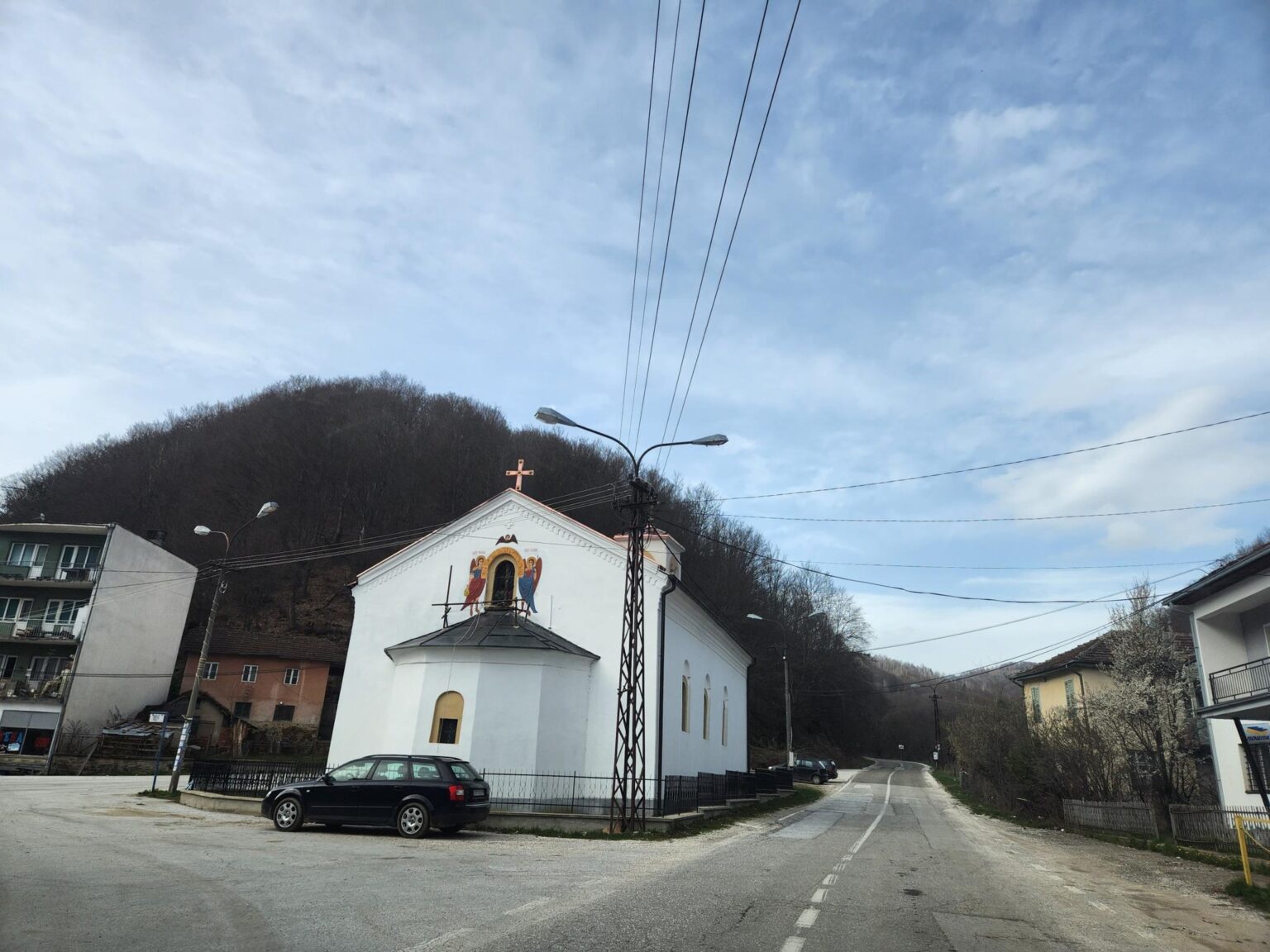
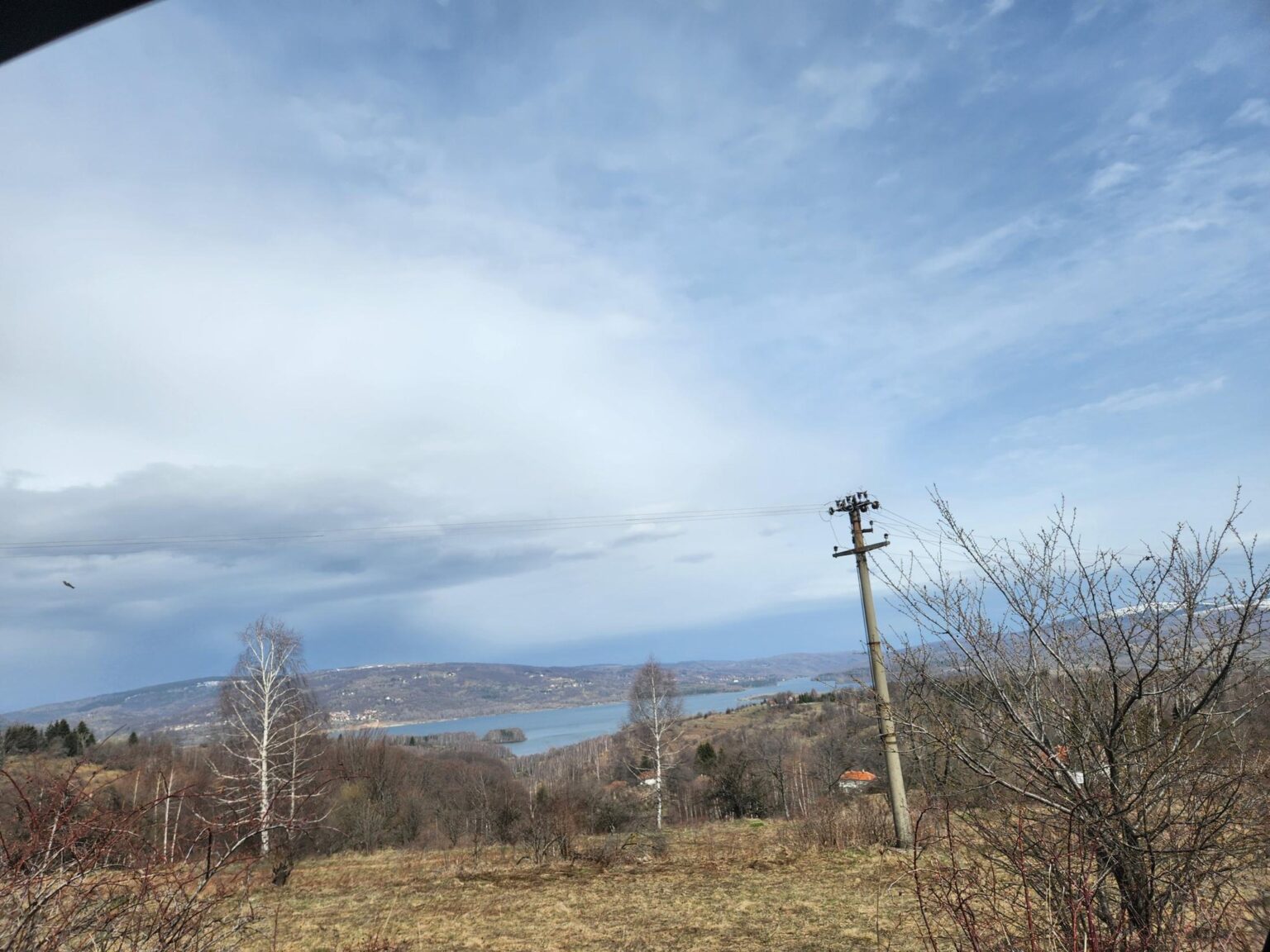
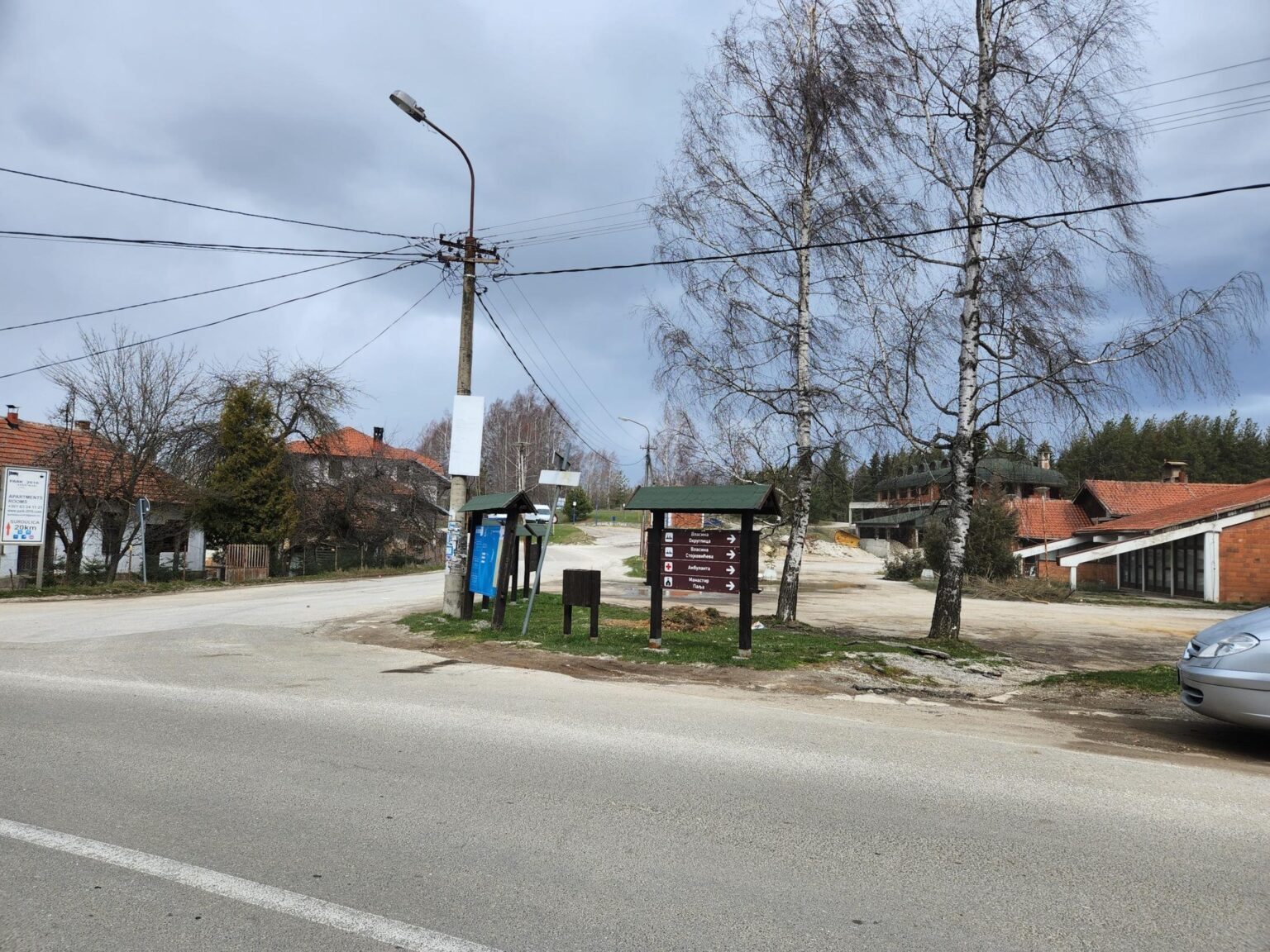
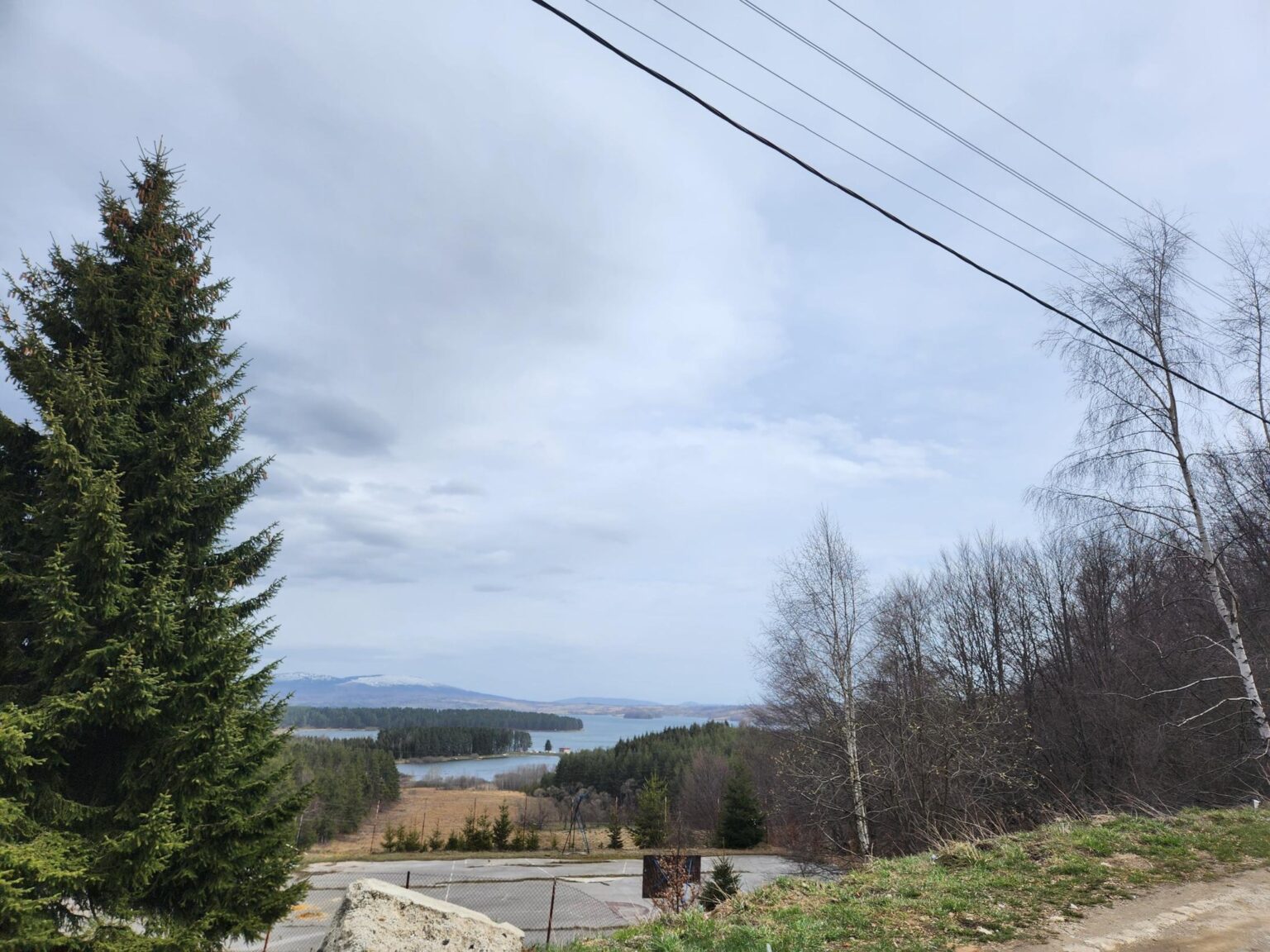
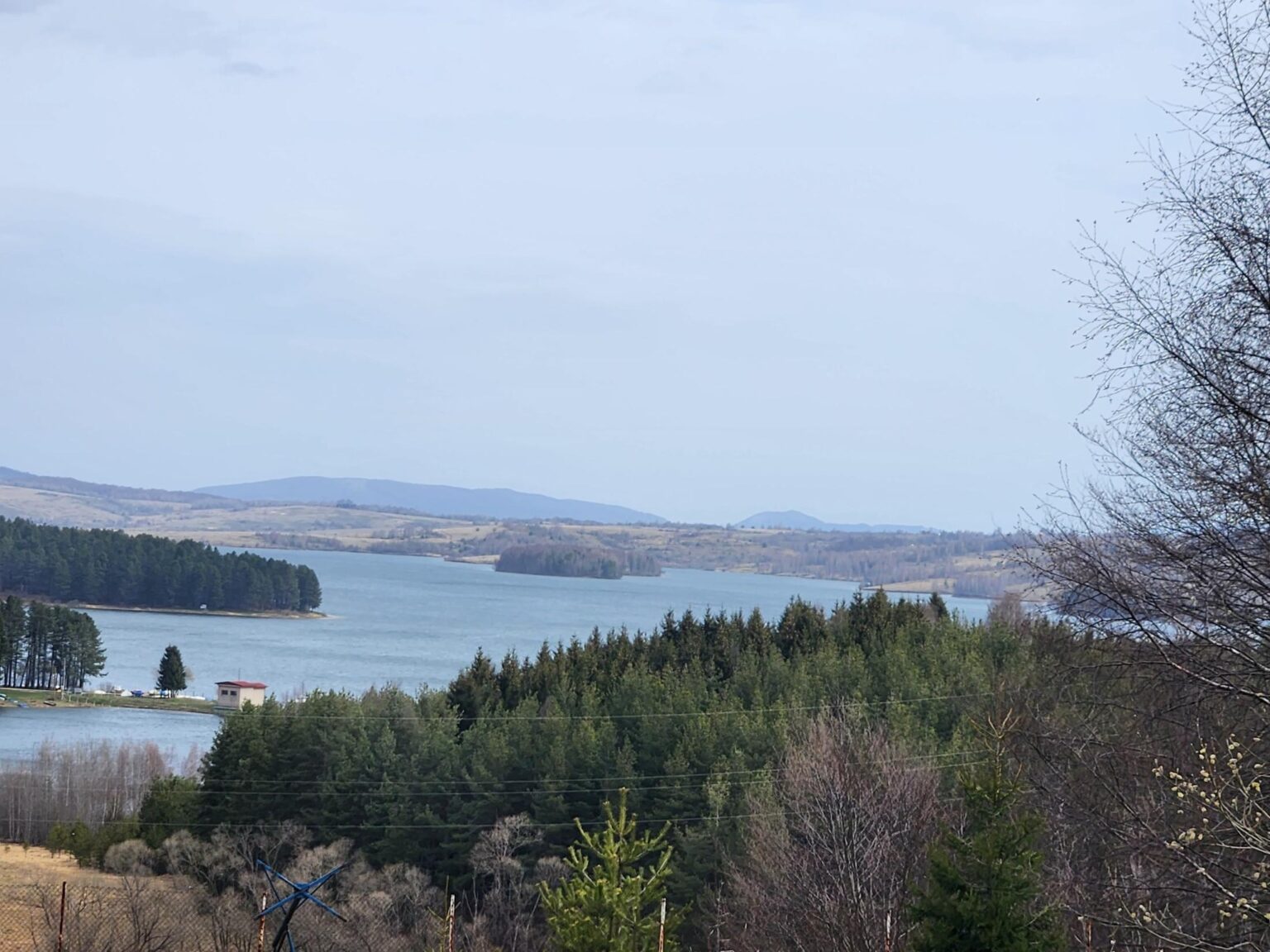
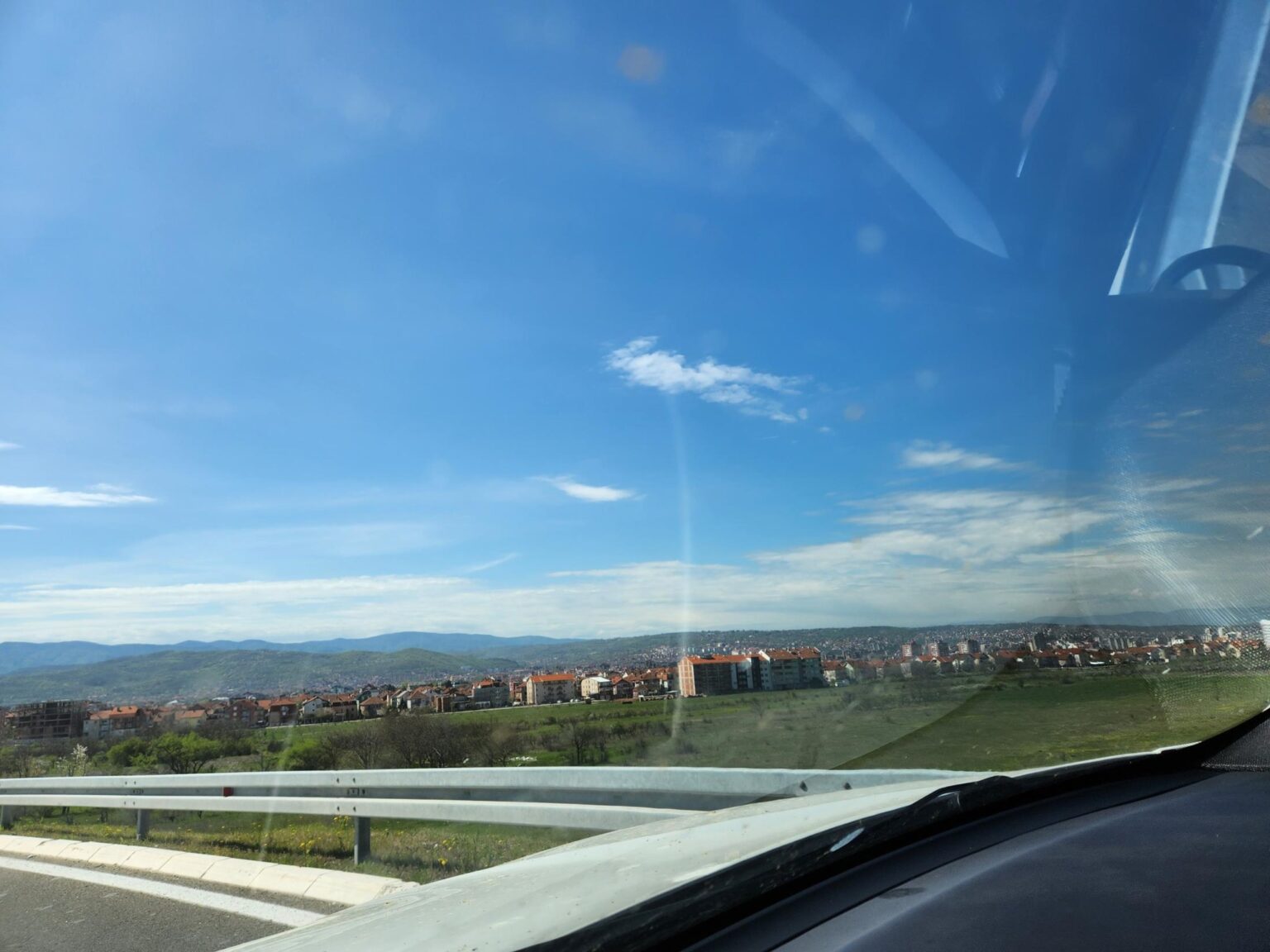
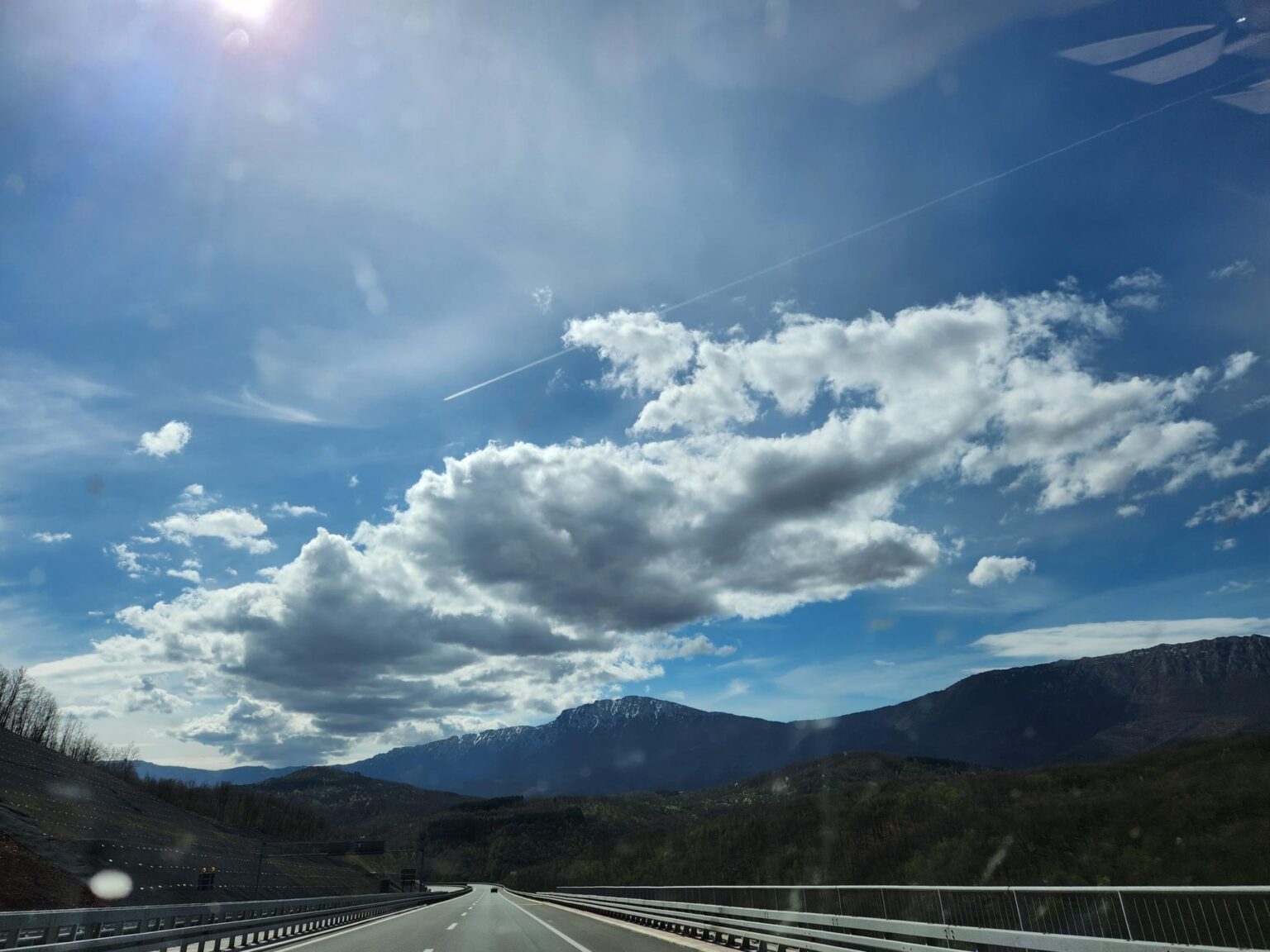
Right after the border comes Vlasina Lake. The feel of the place and the views remind me of Tsigov Chark, back home in the Rhodopes. Maybe that is because I had been there not long before, as you can see from that story. There is definitely something to it, isn’t there?
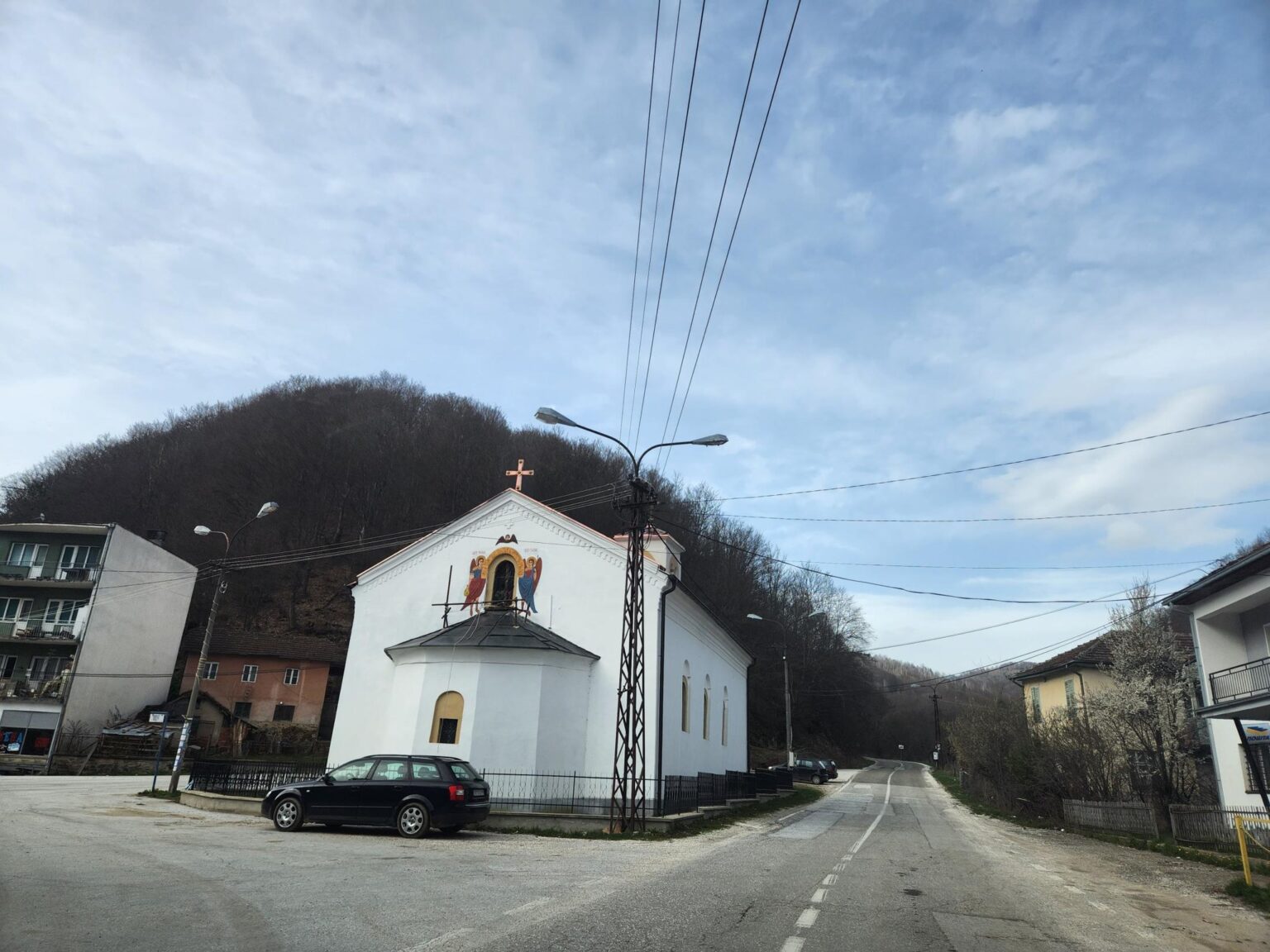
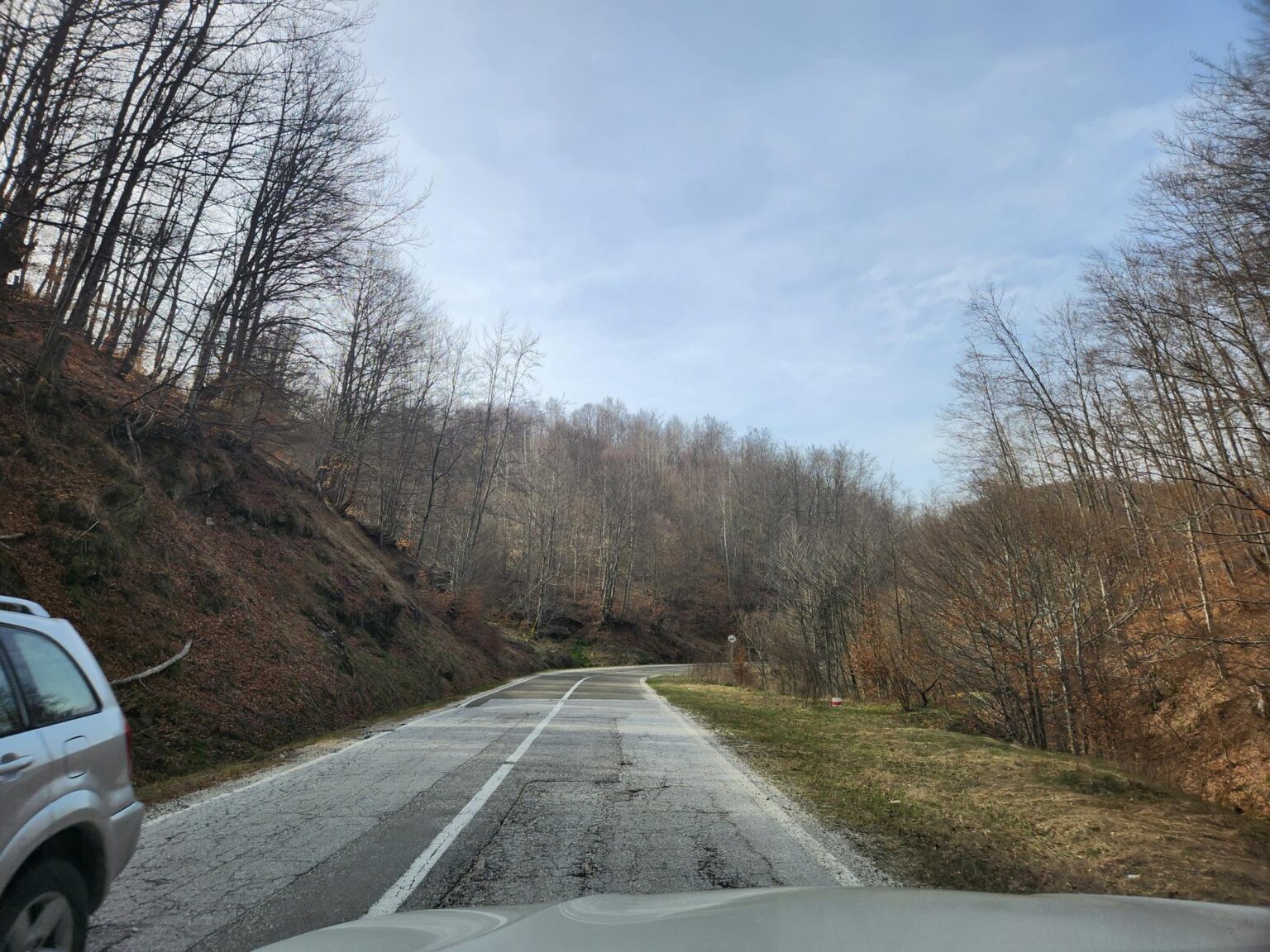
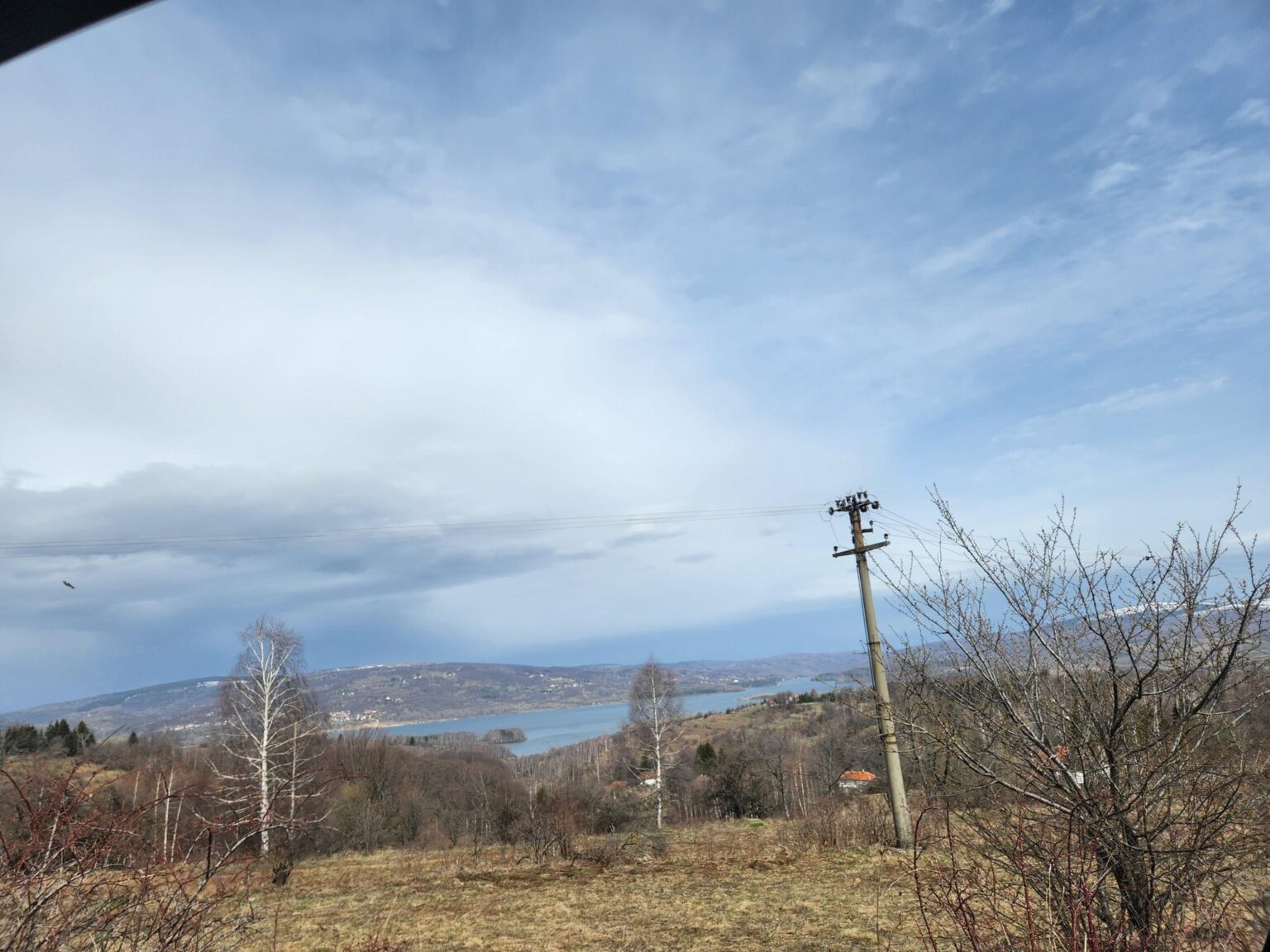
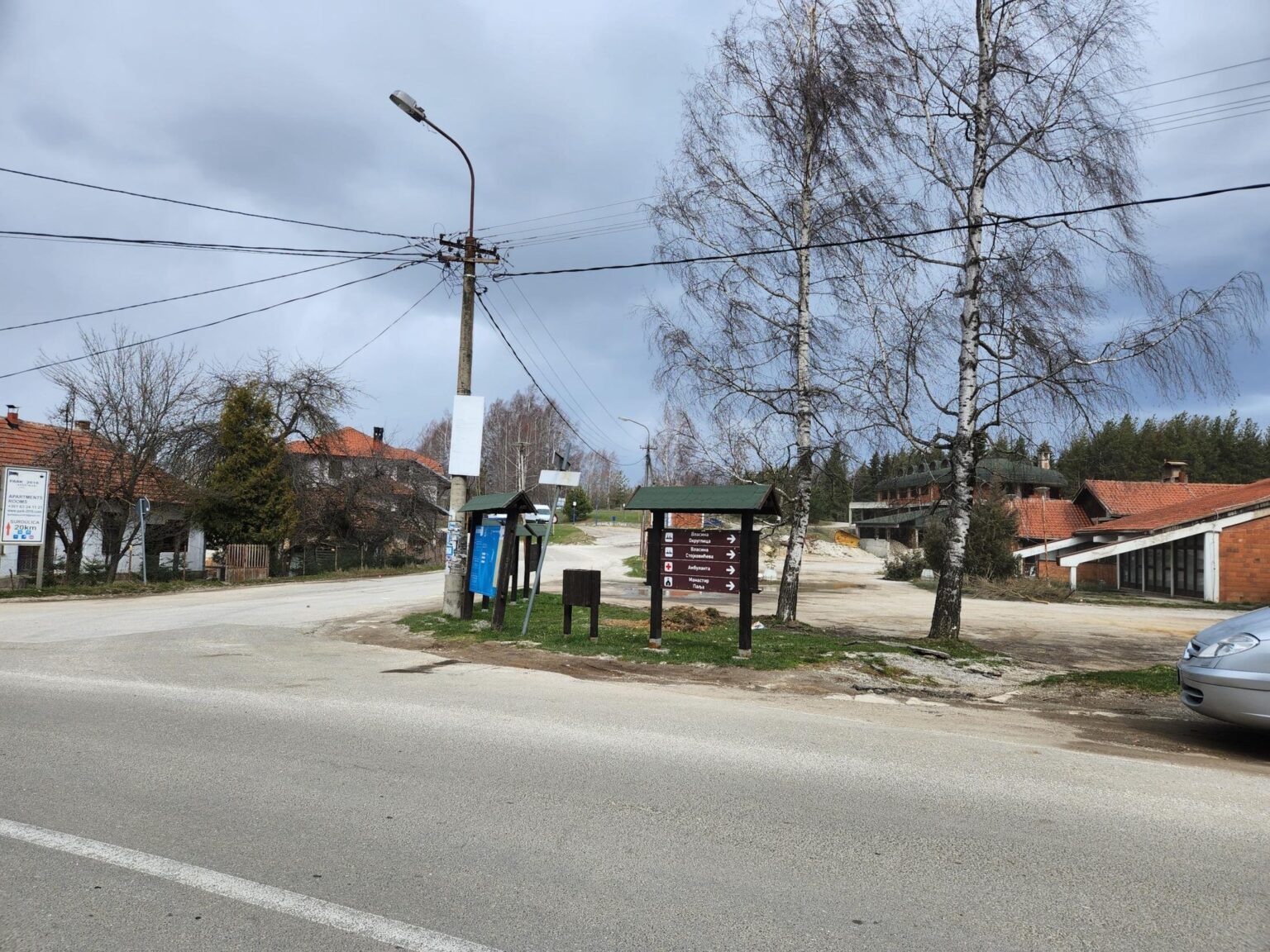
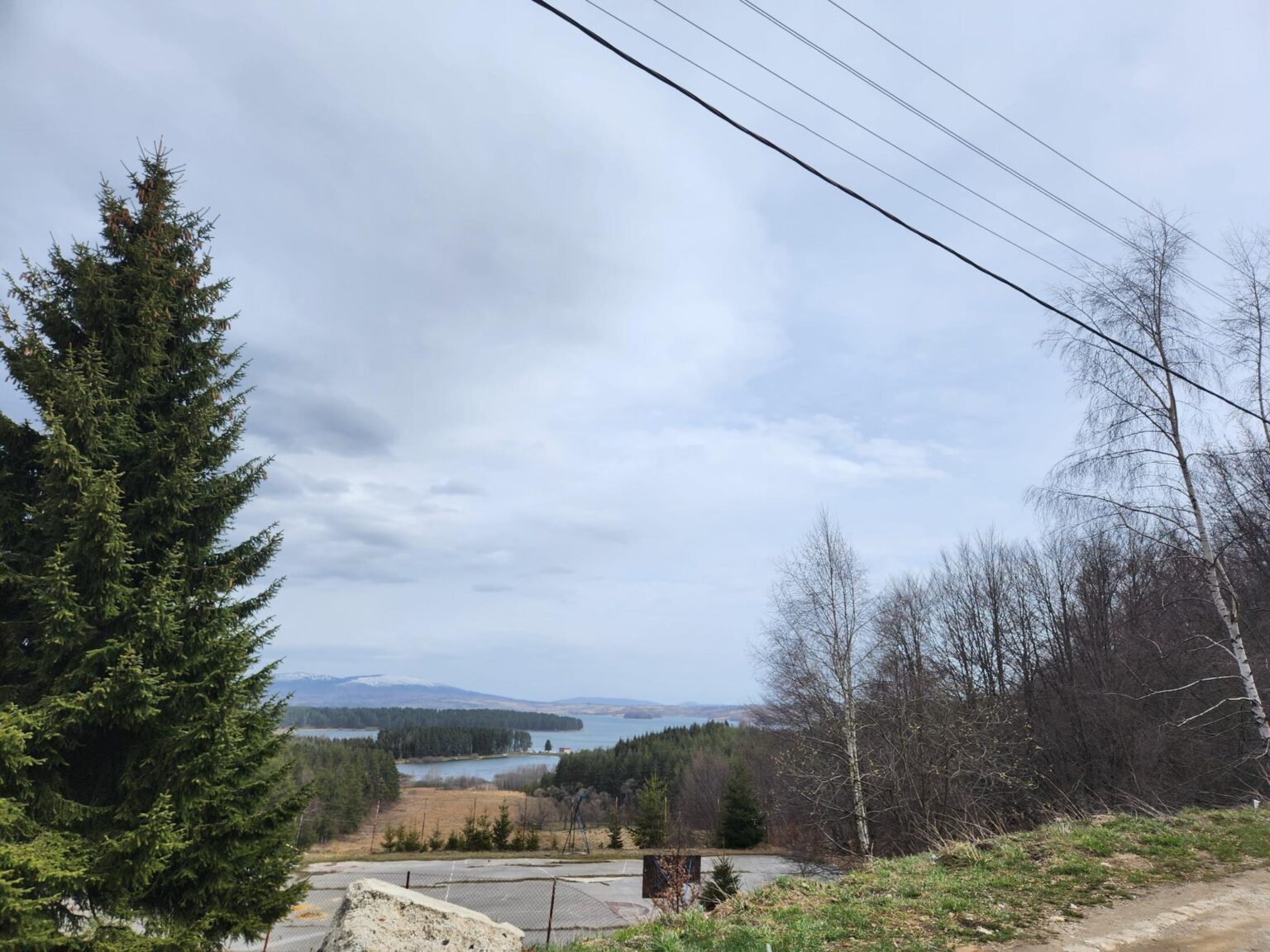
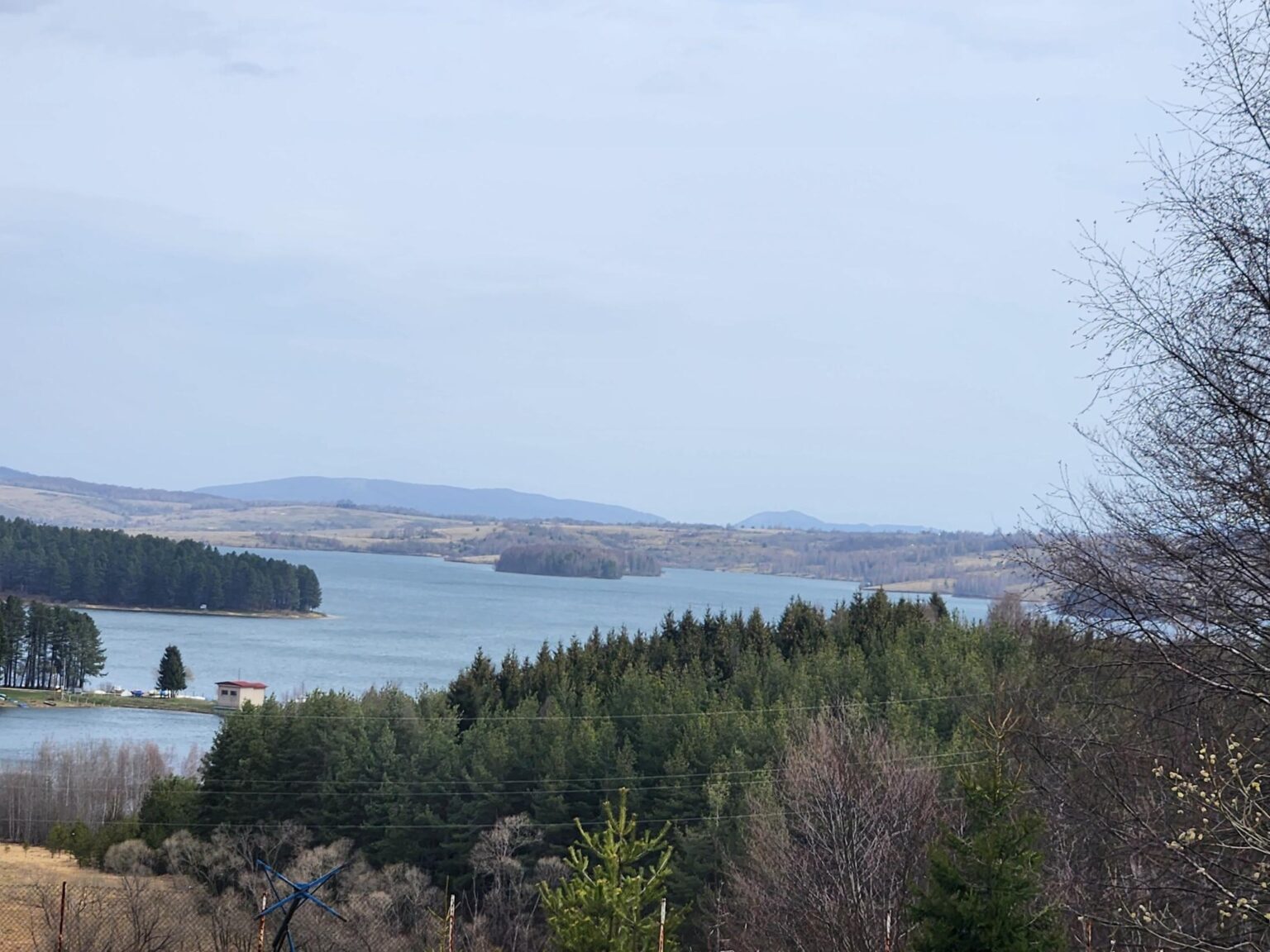
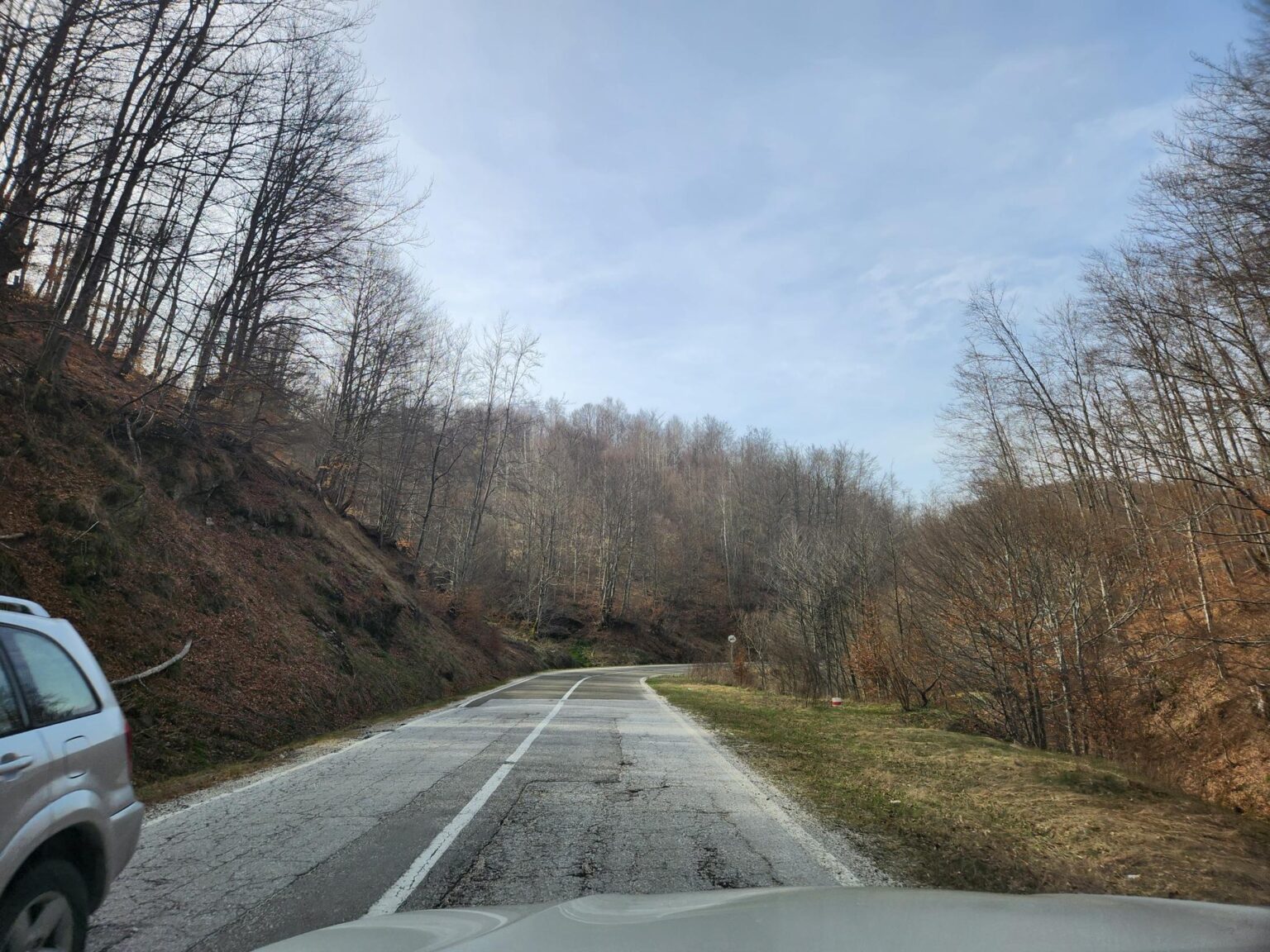
Unfortunately, the villages around the lake have no shops or mobile operator offices, so we press on towards Leskovac. But barely half an hour of hairpin bends later, a noticeably bigger town appears, namely:
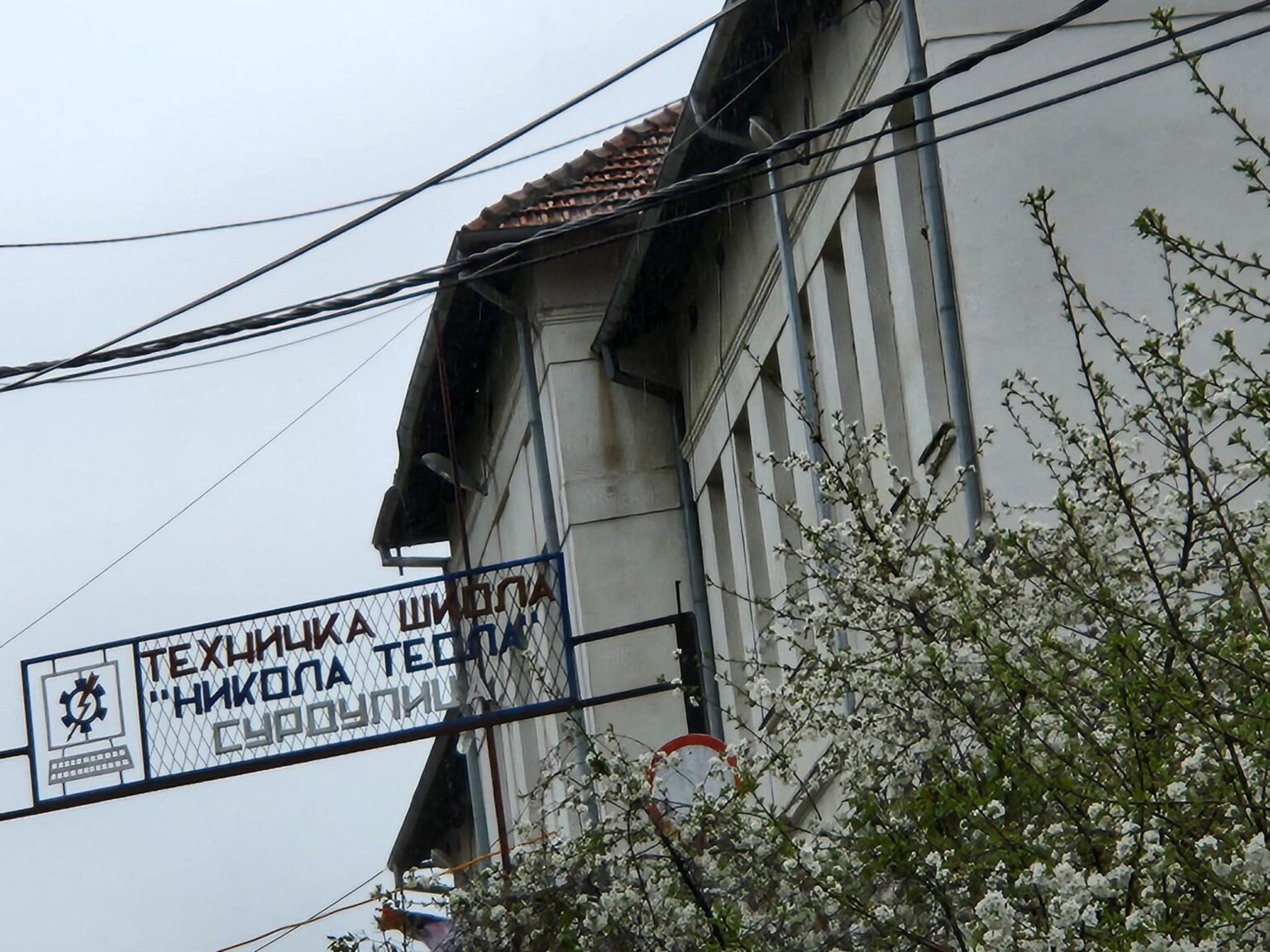
Surdulica
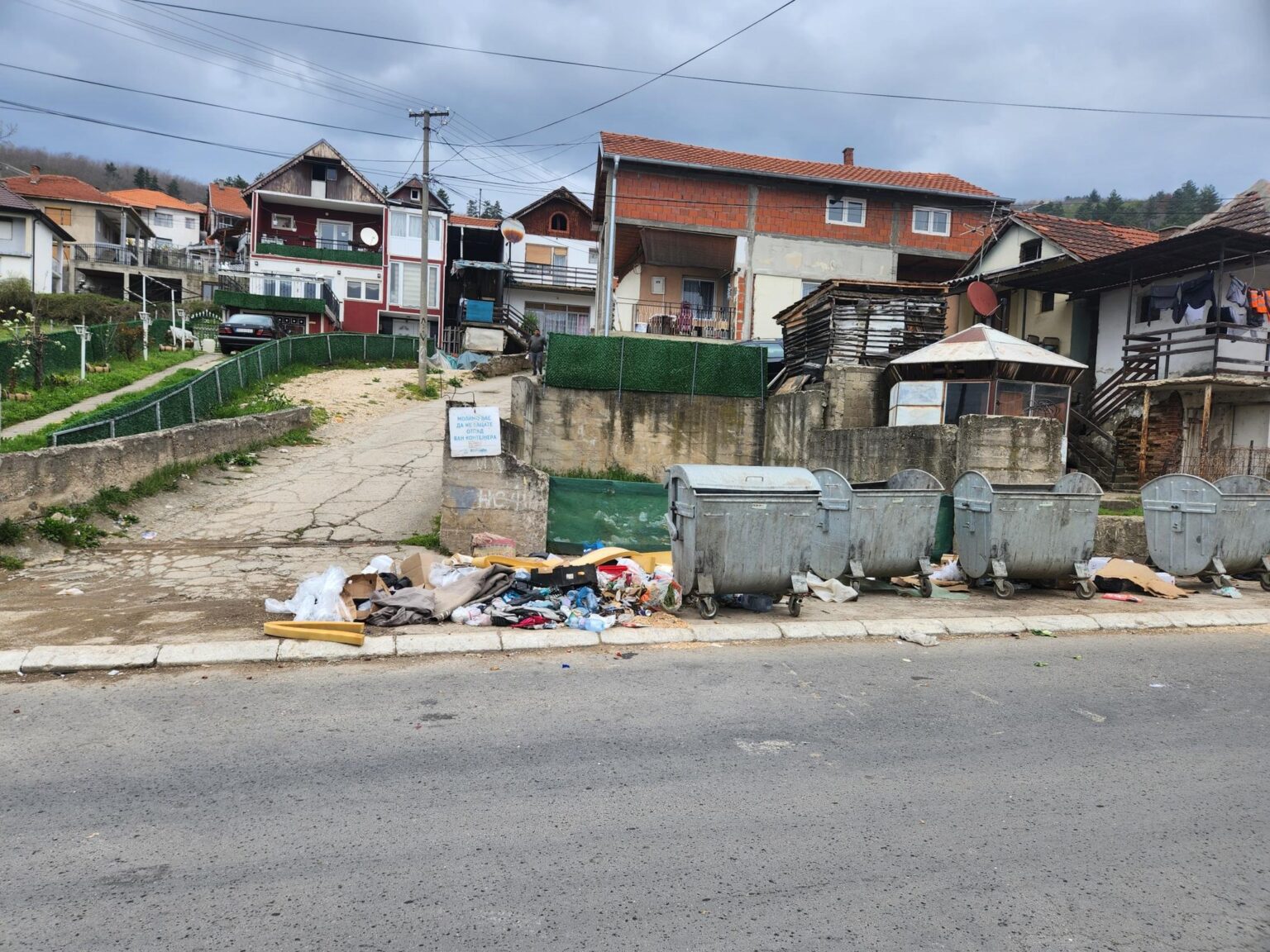
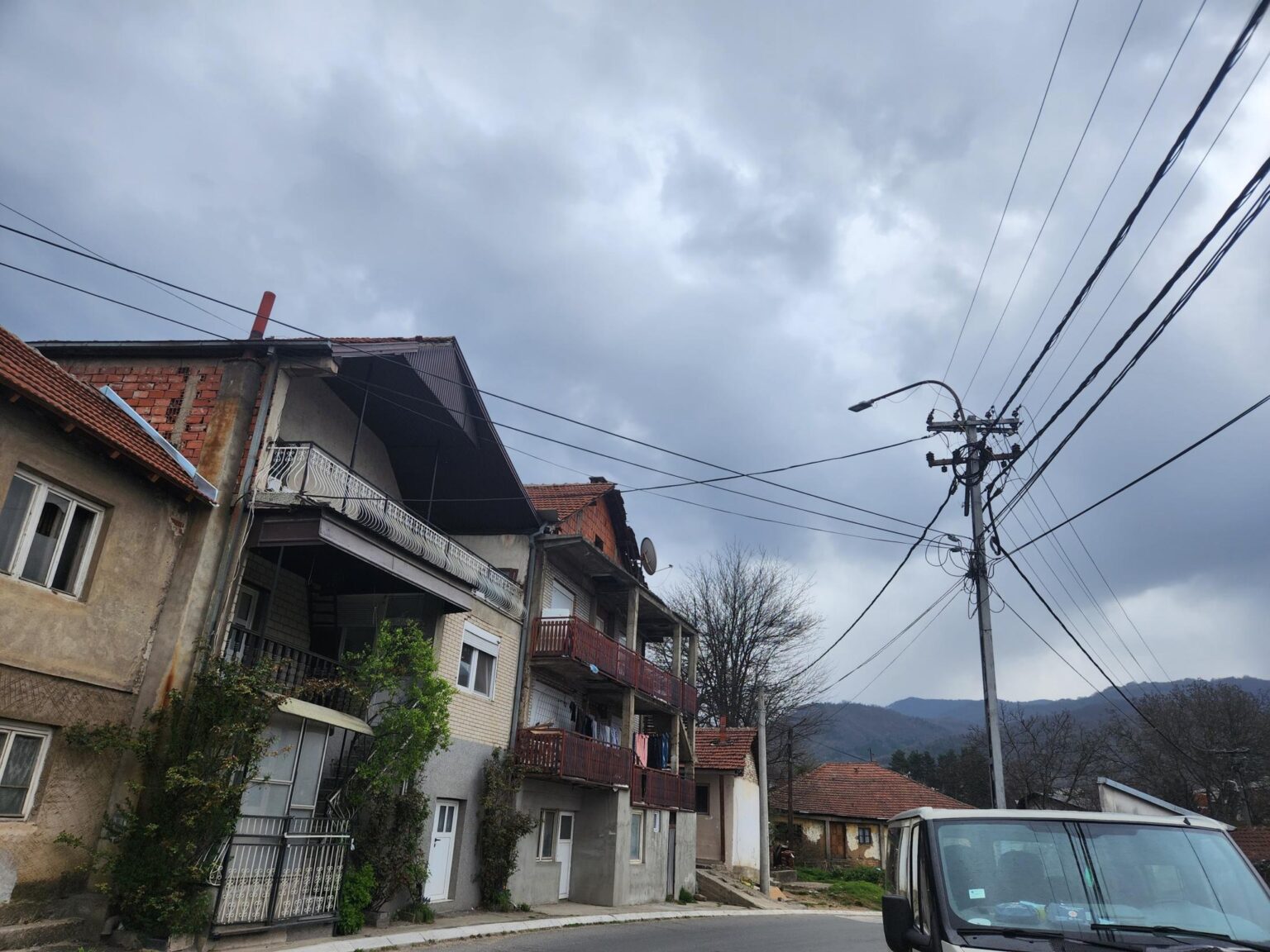
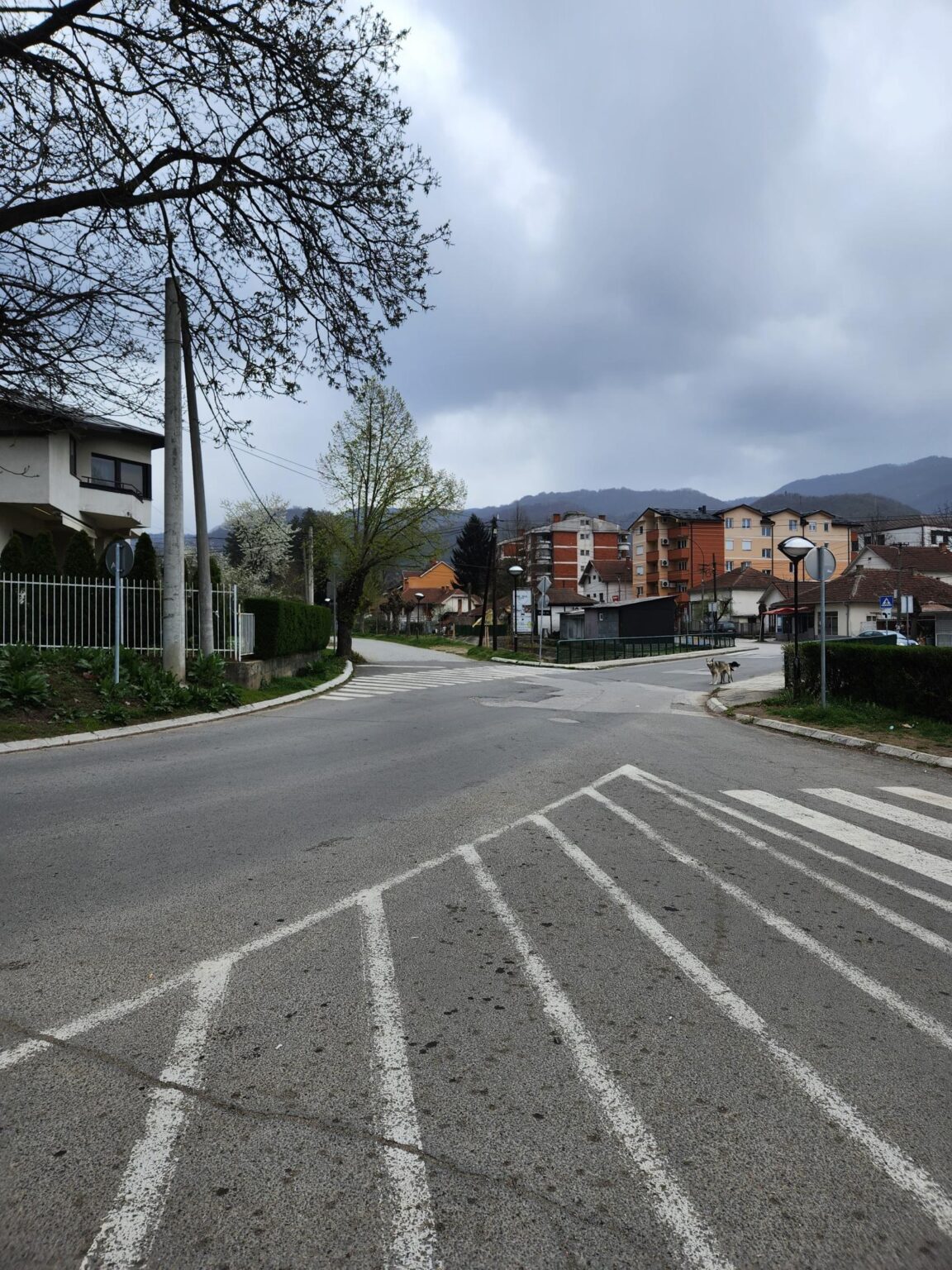
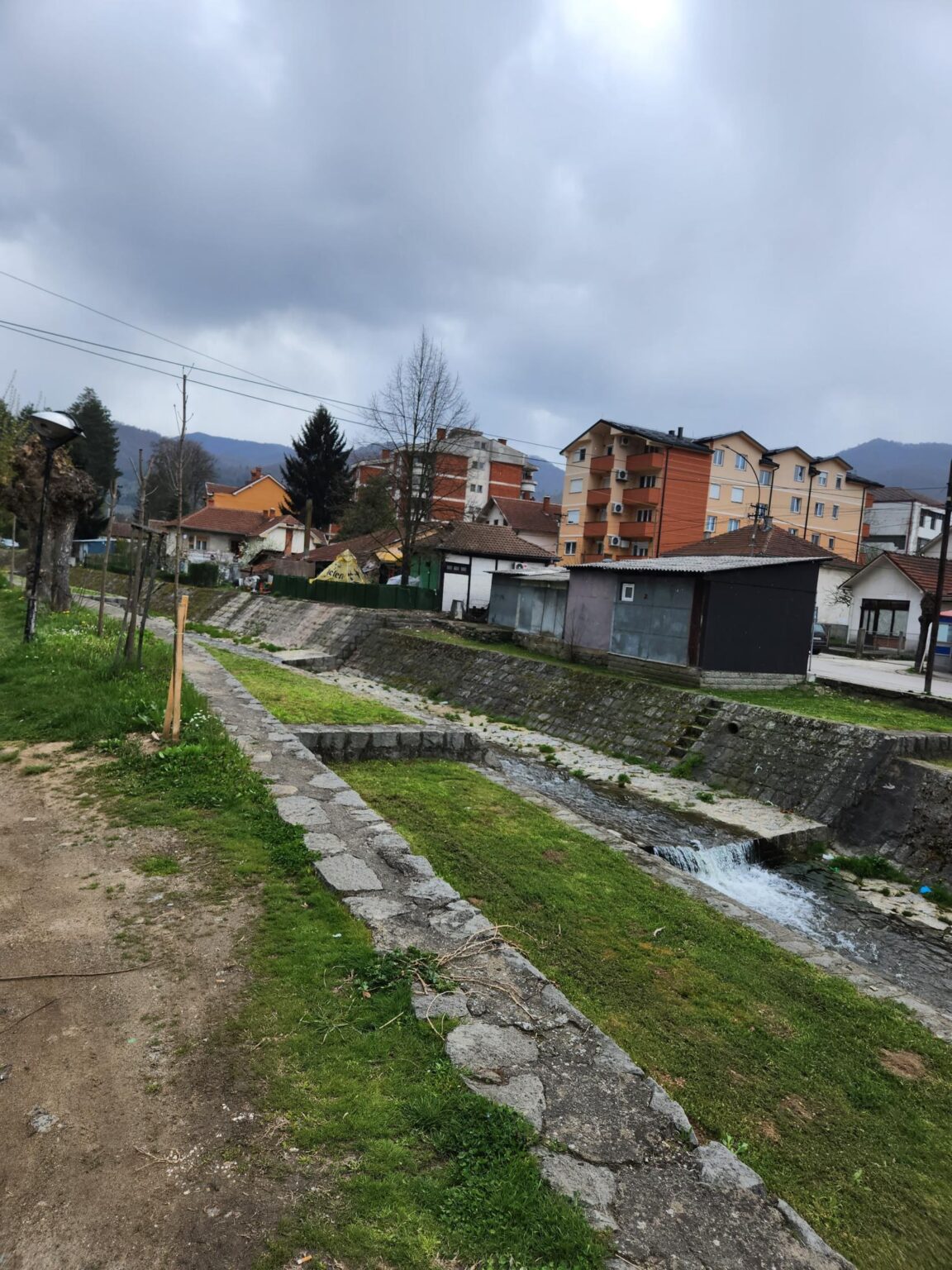
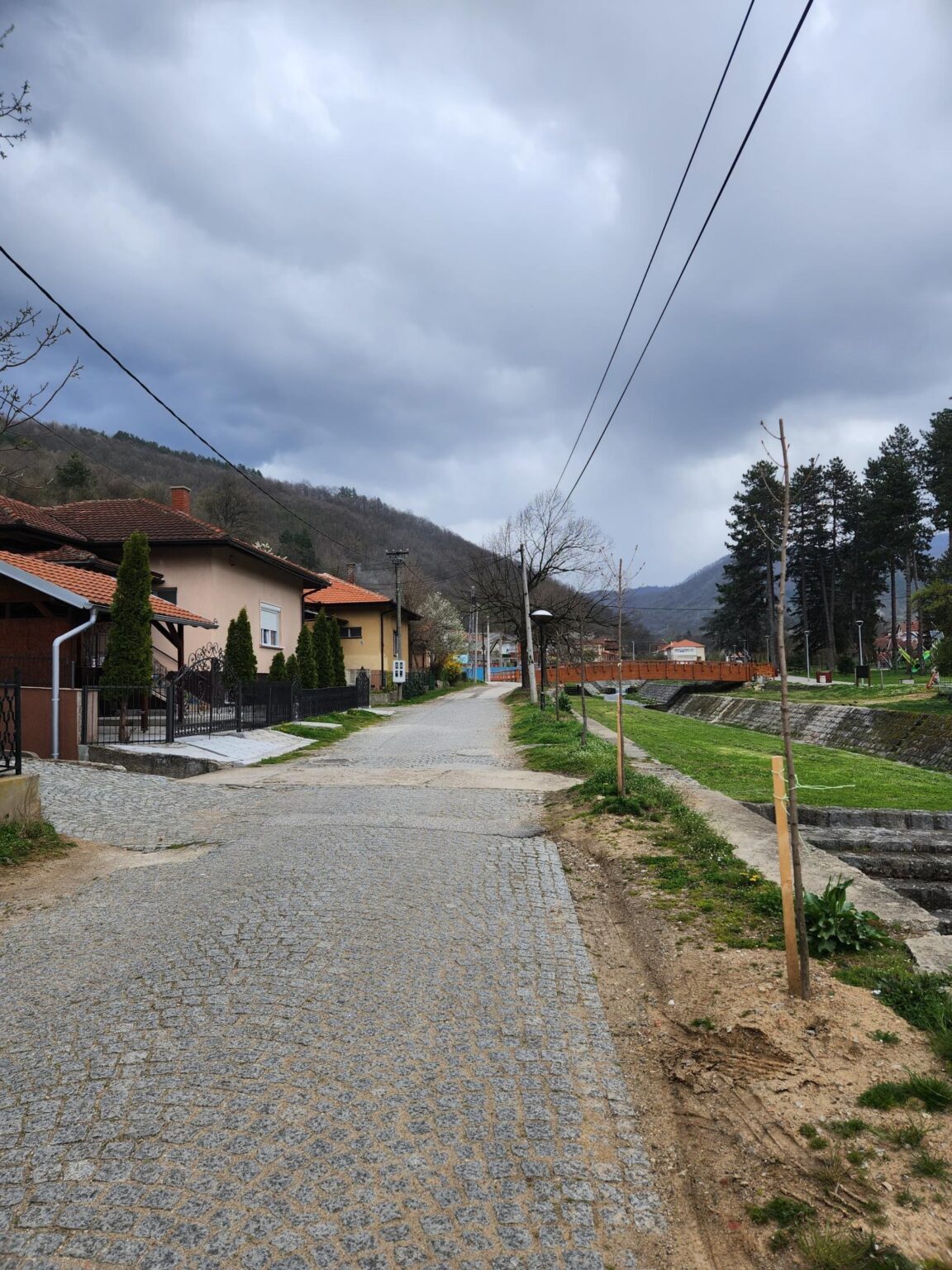
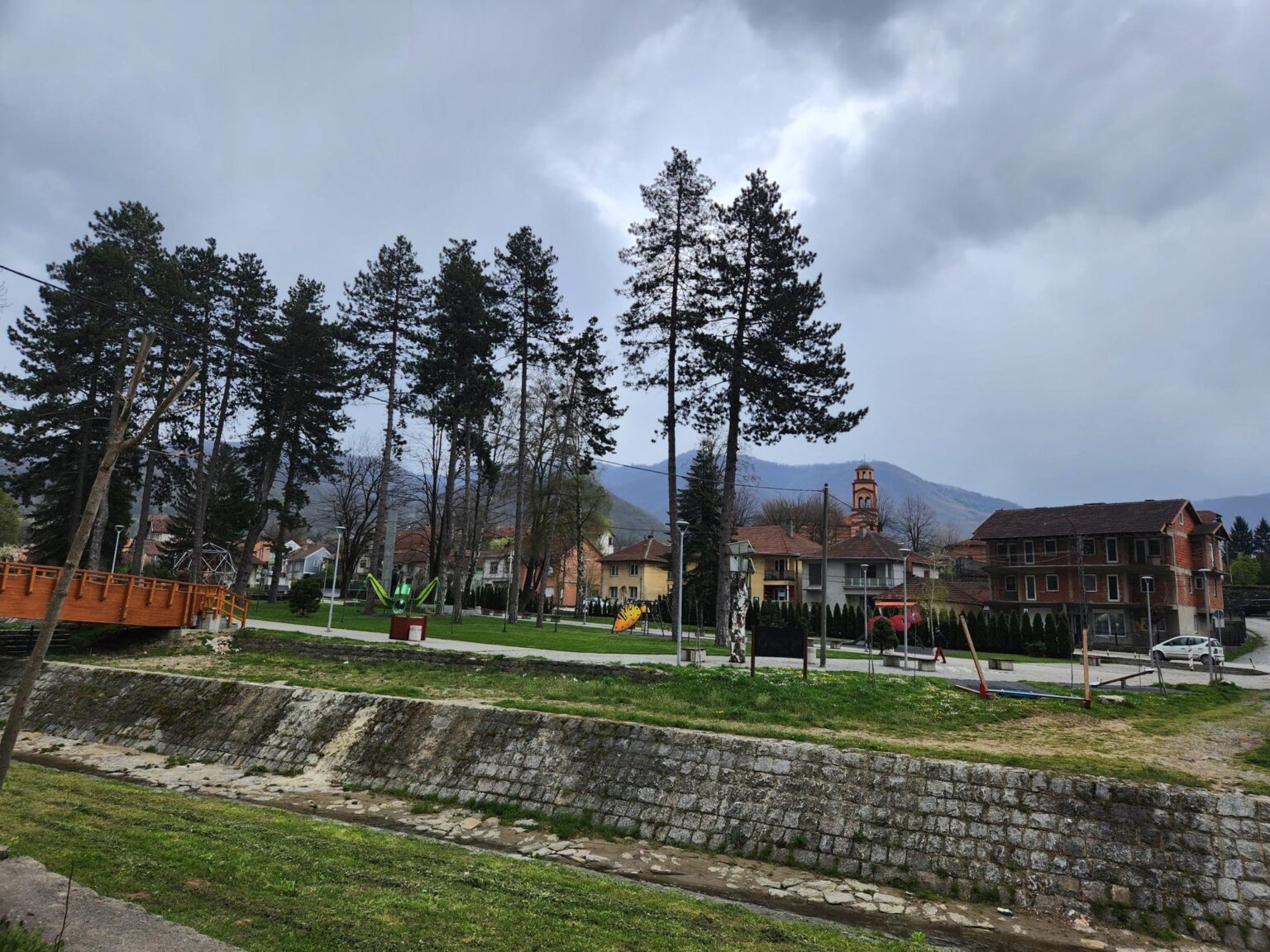
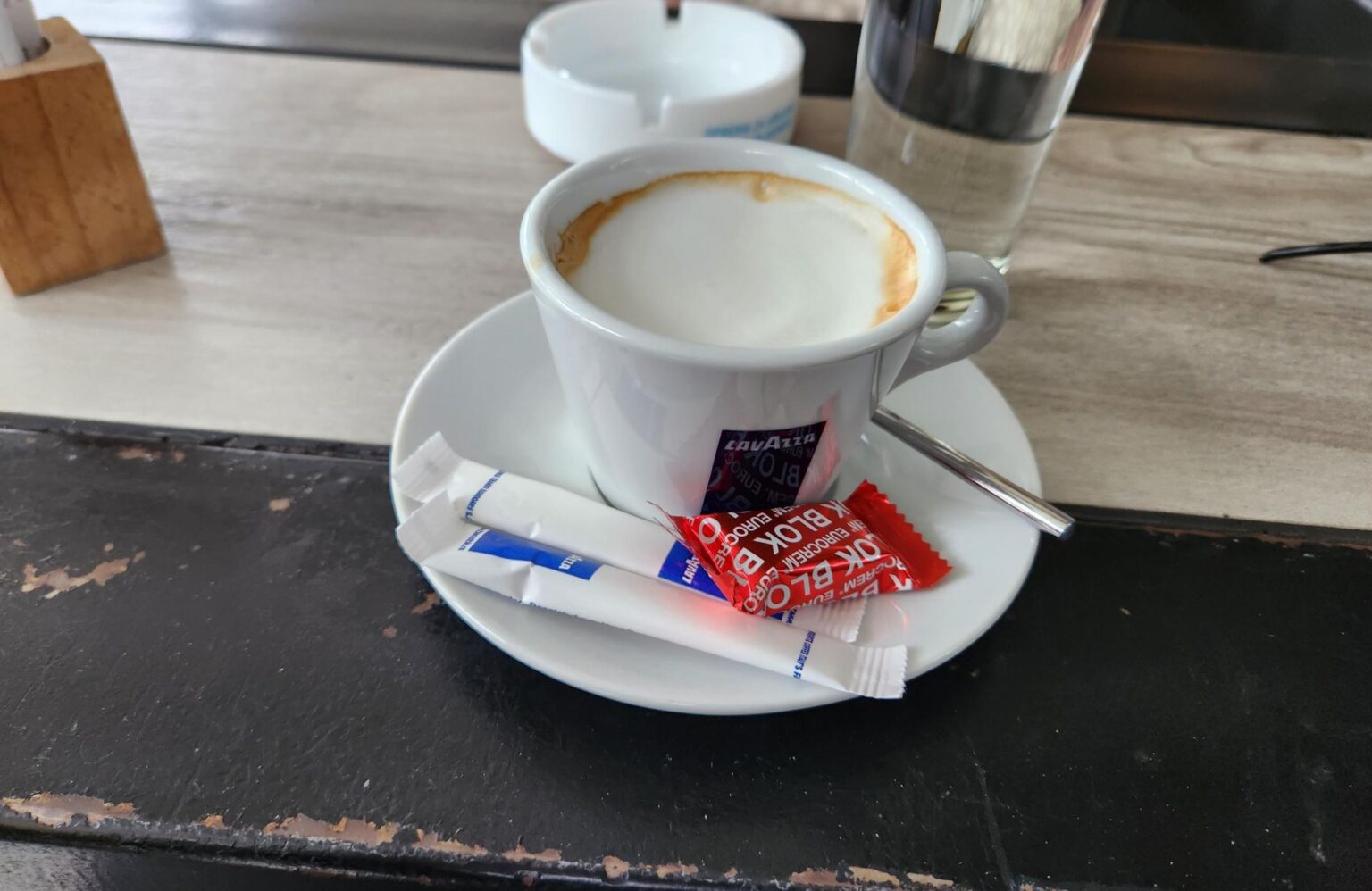
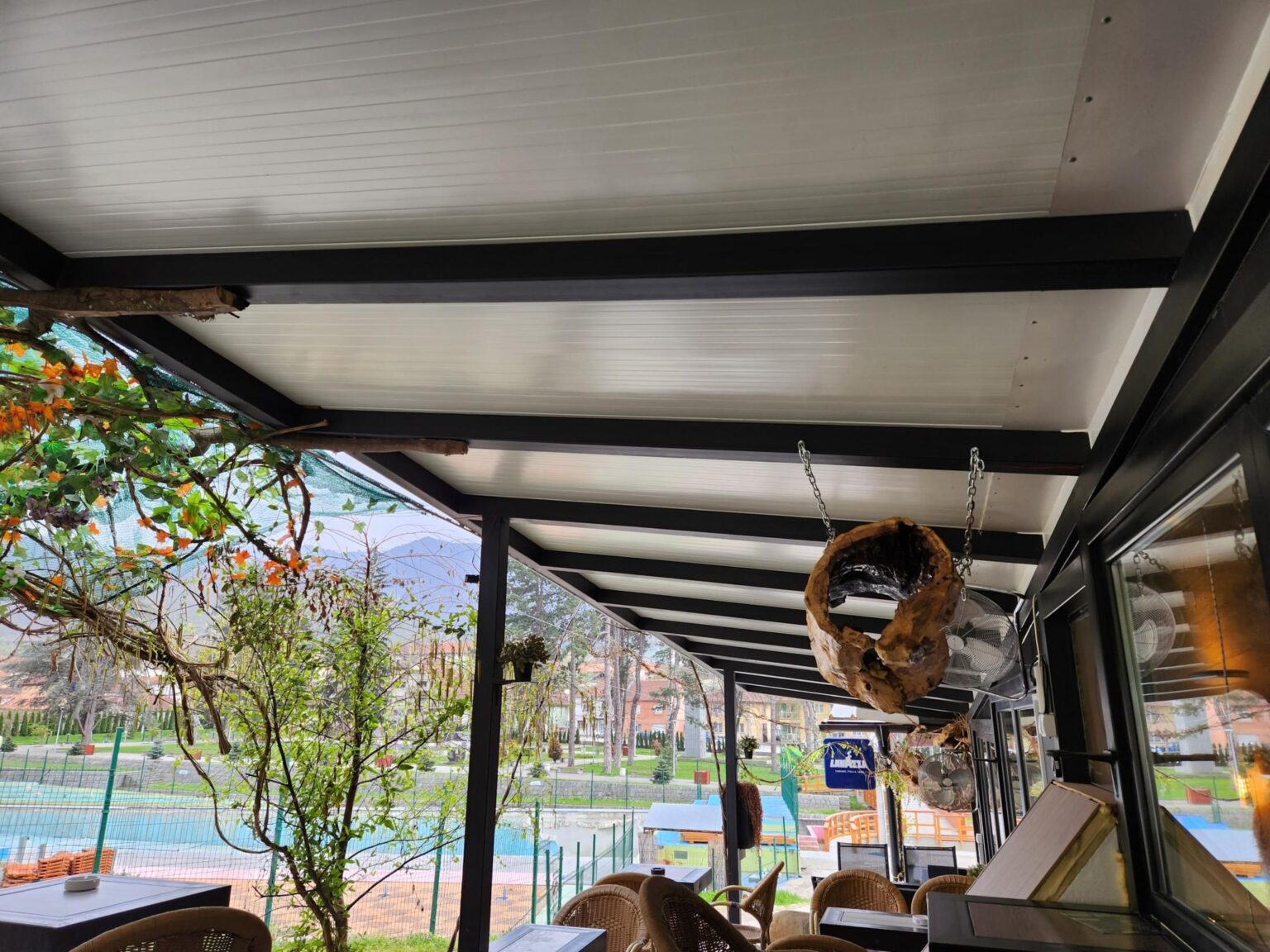
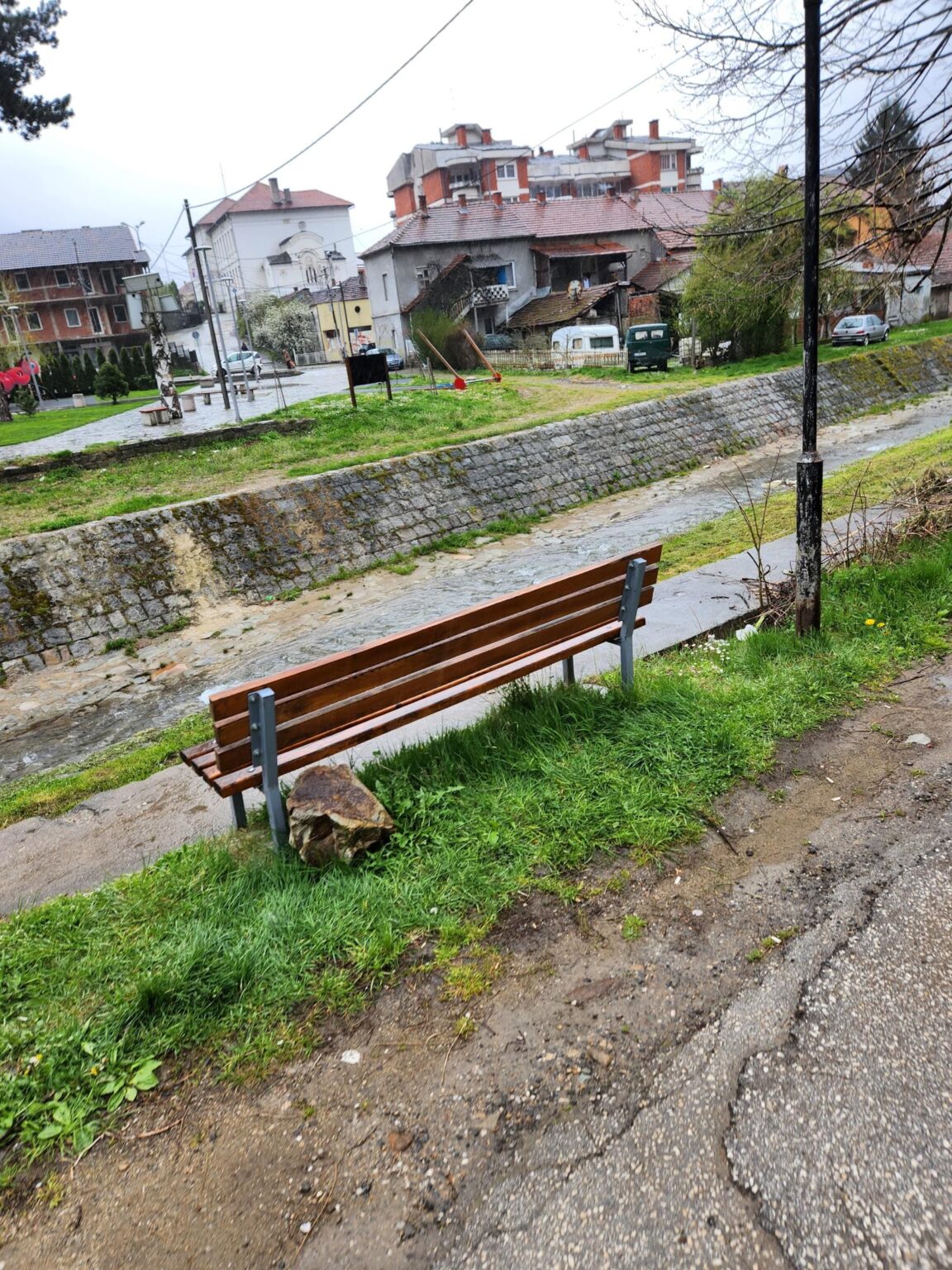
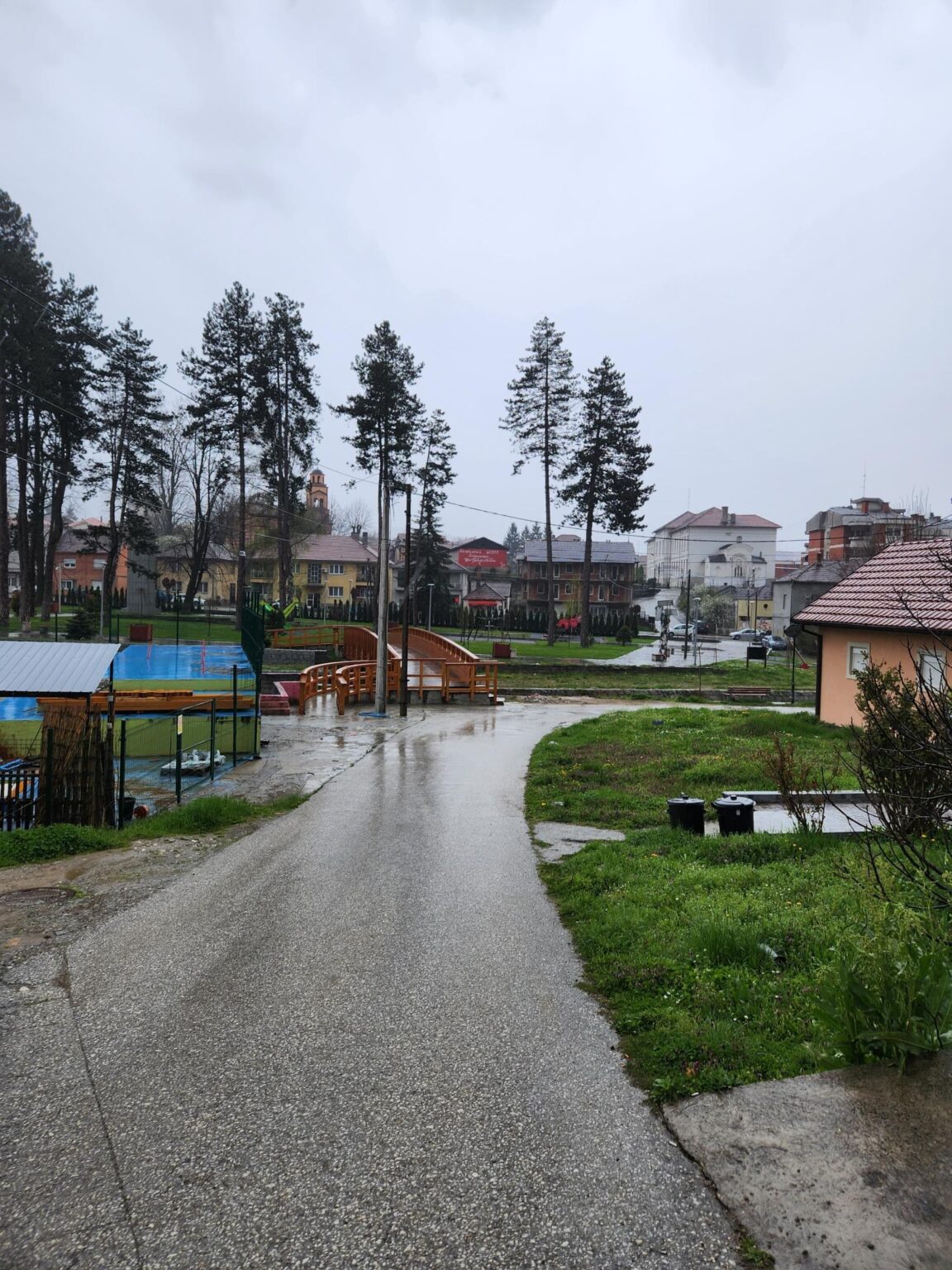
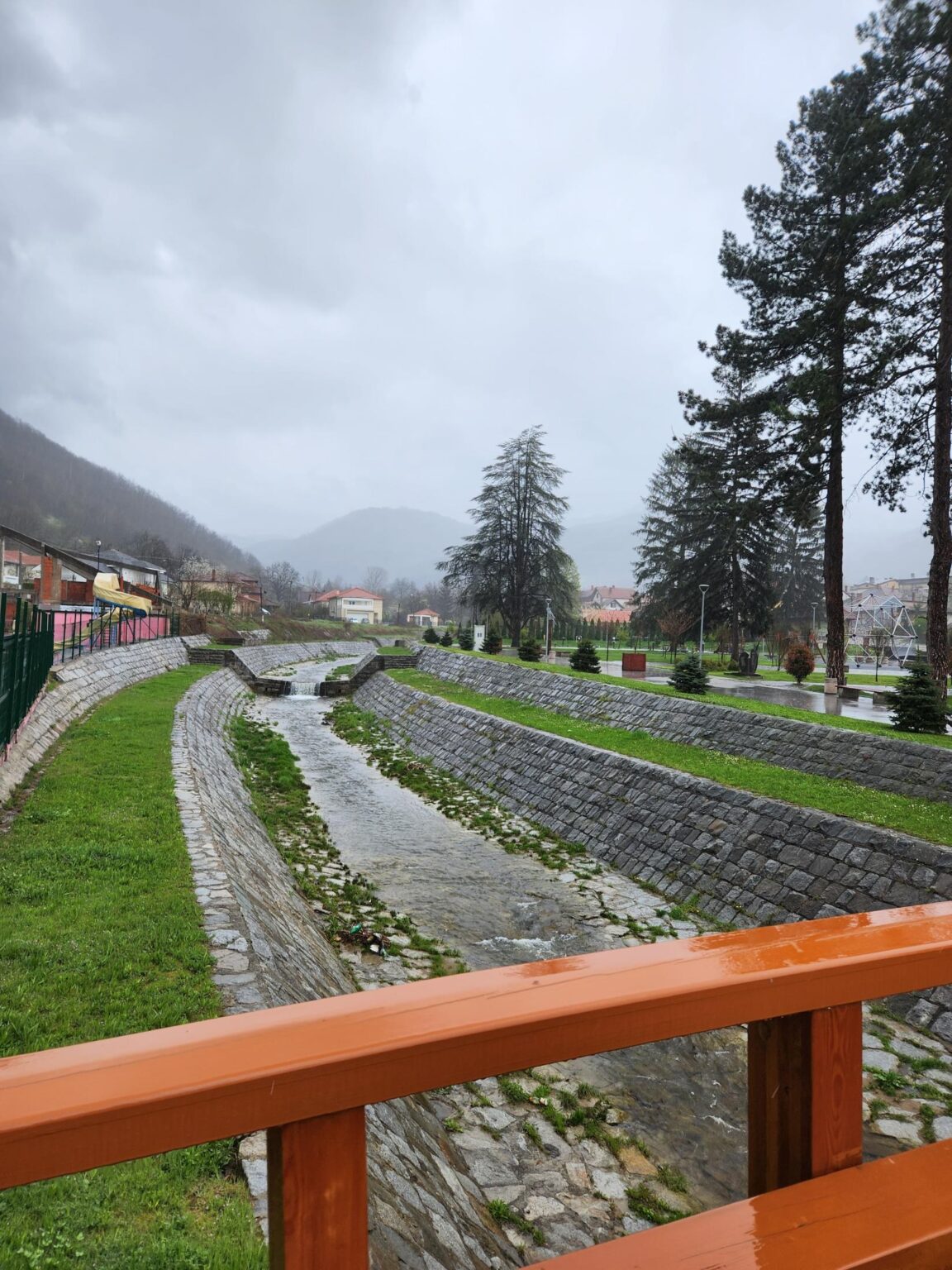
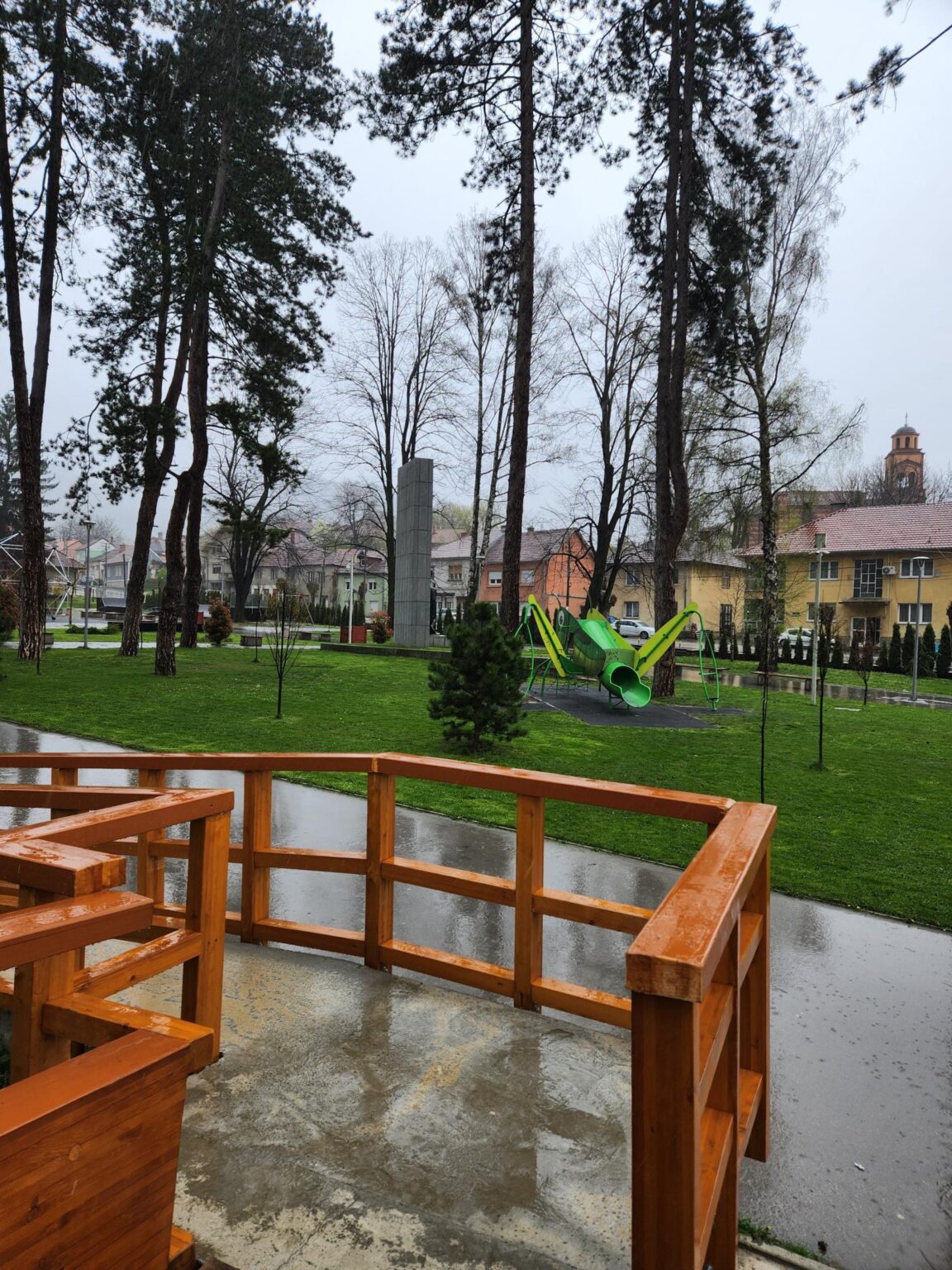
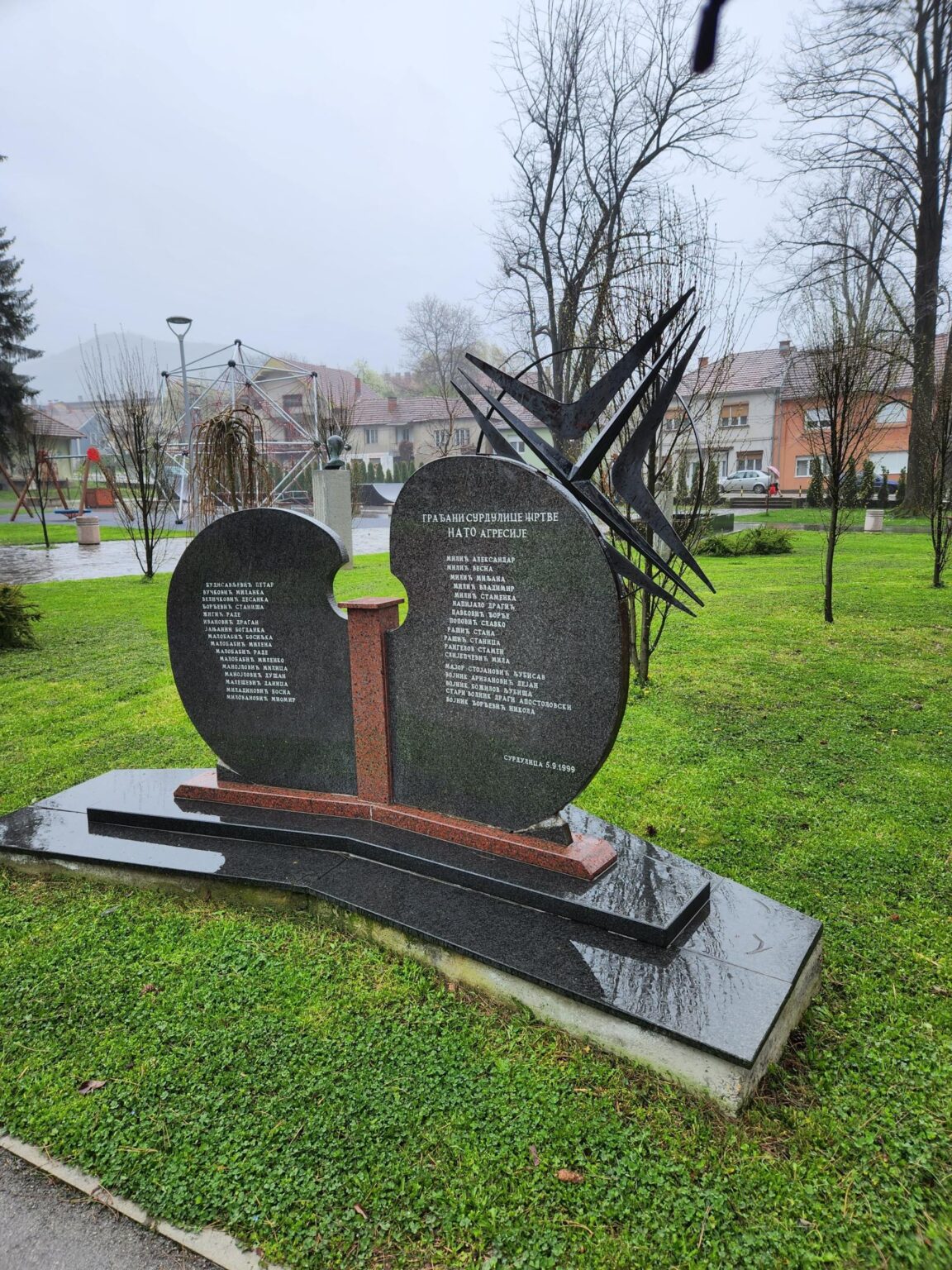
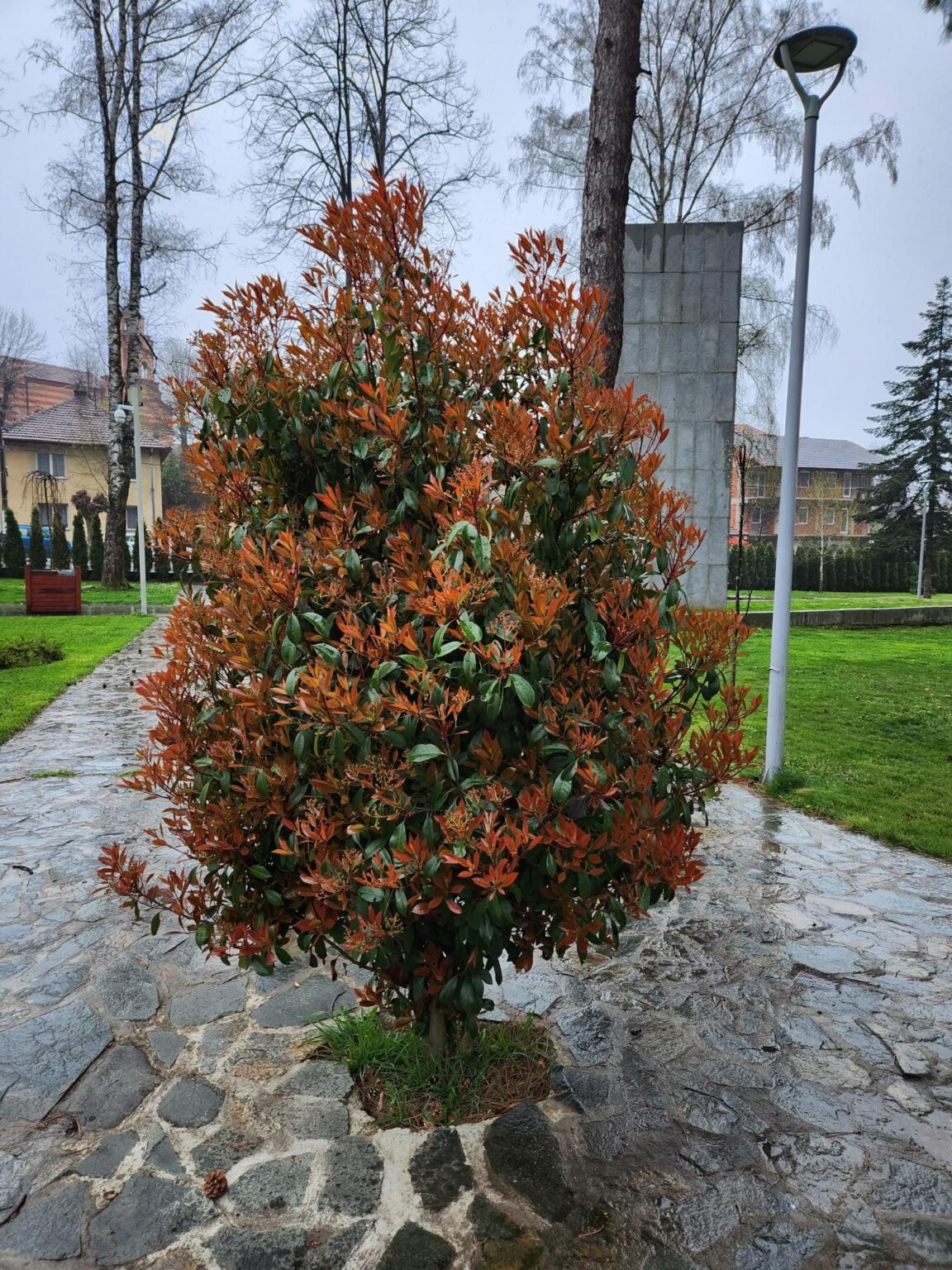
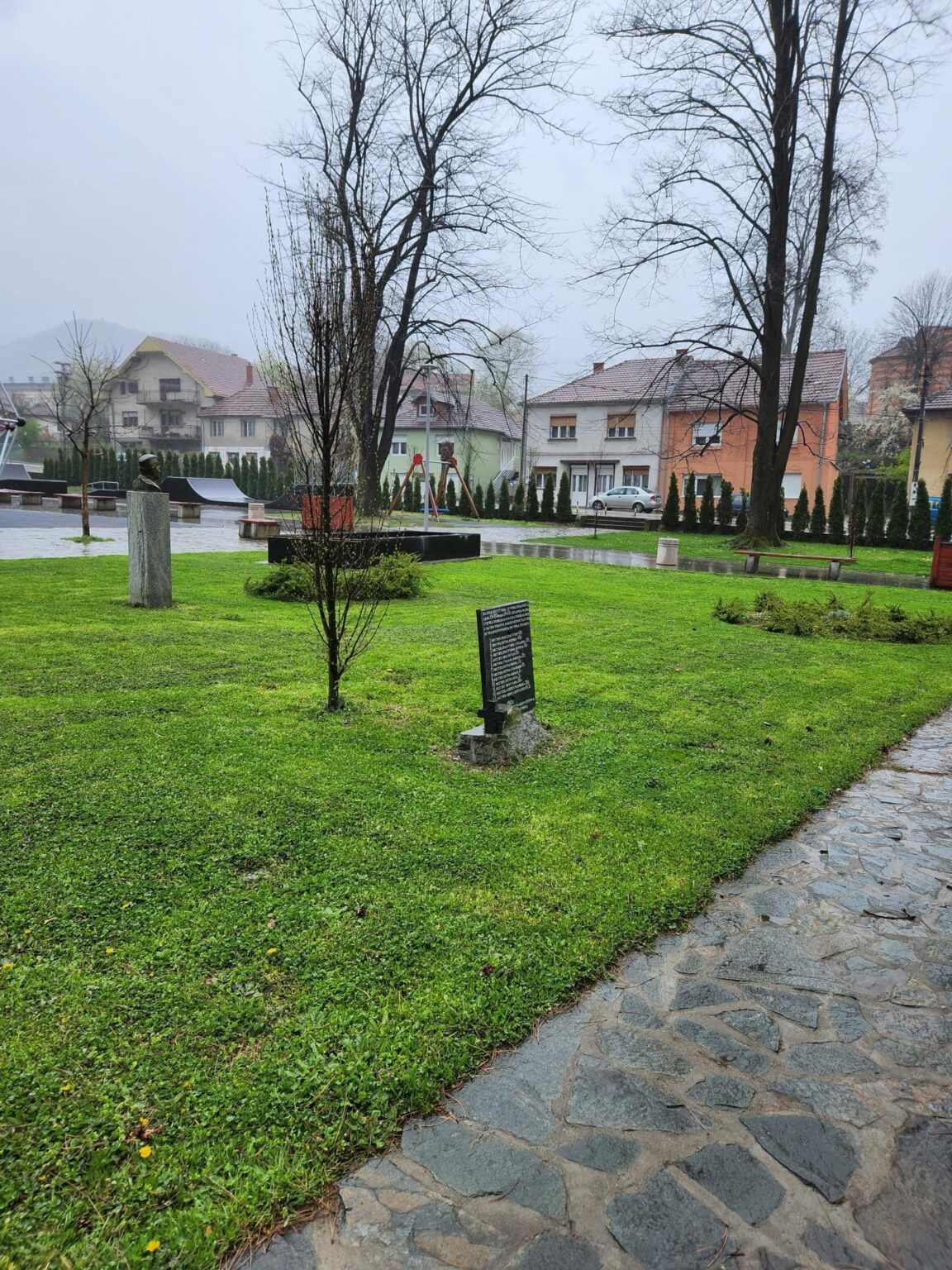
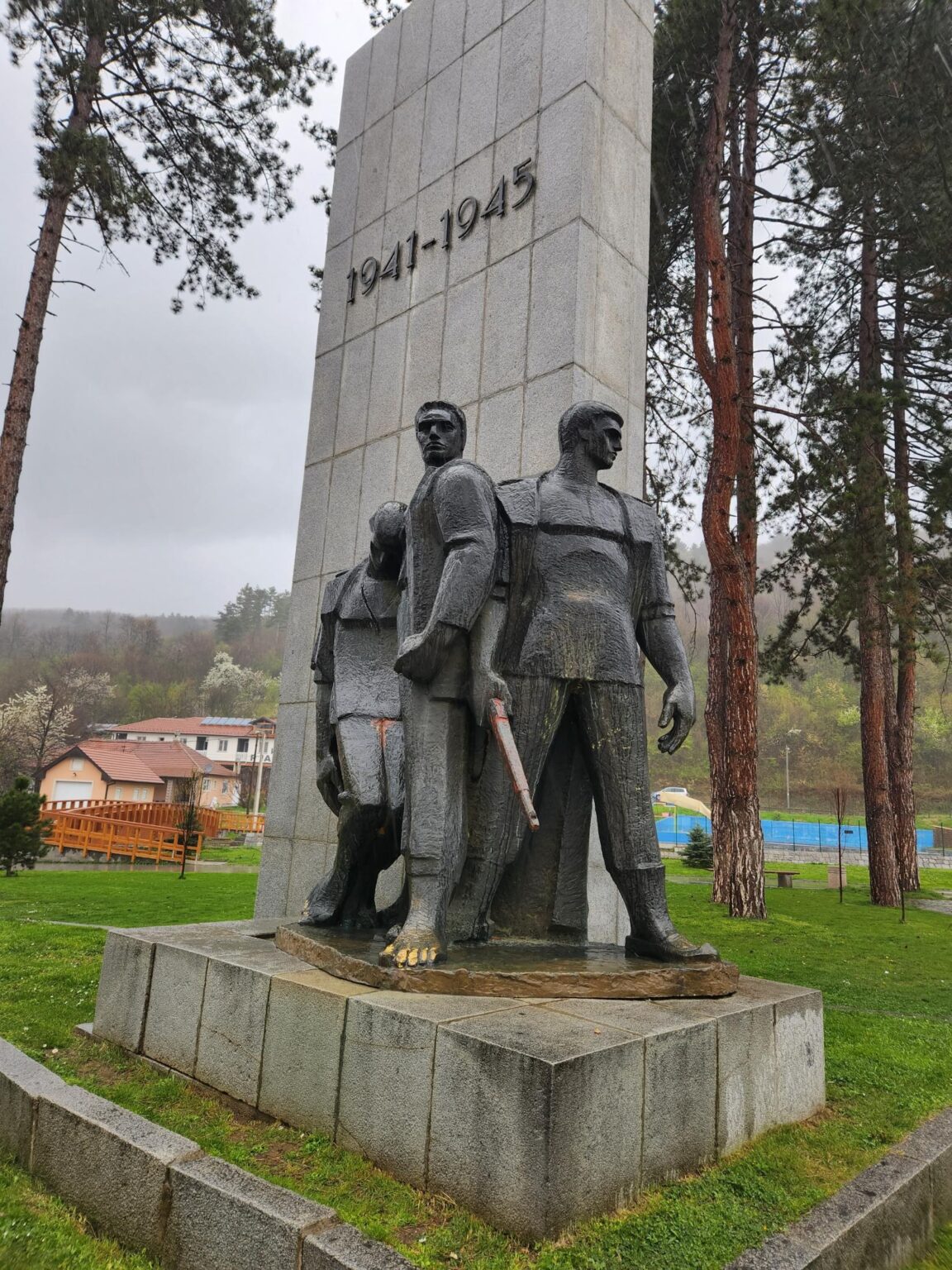
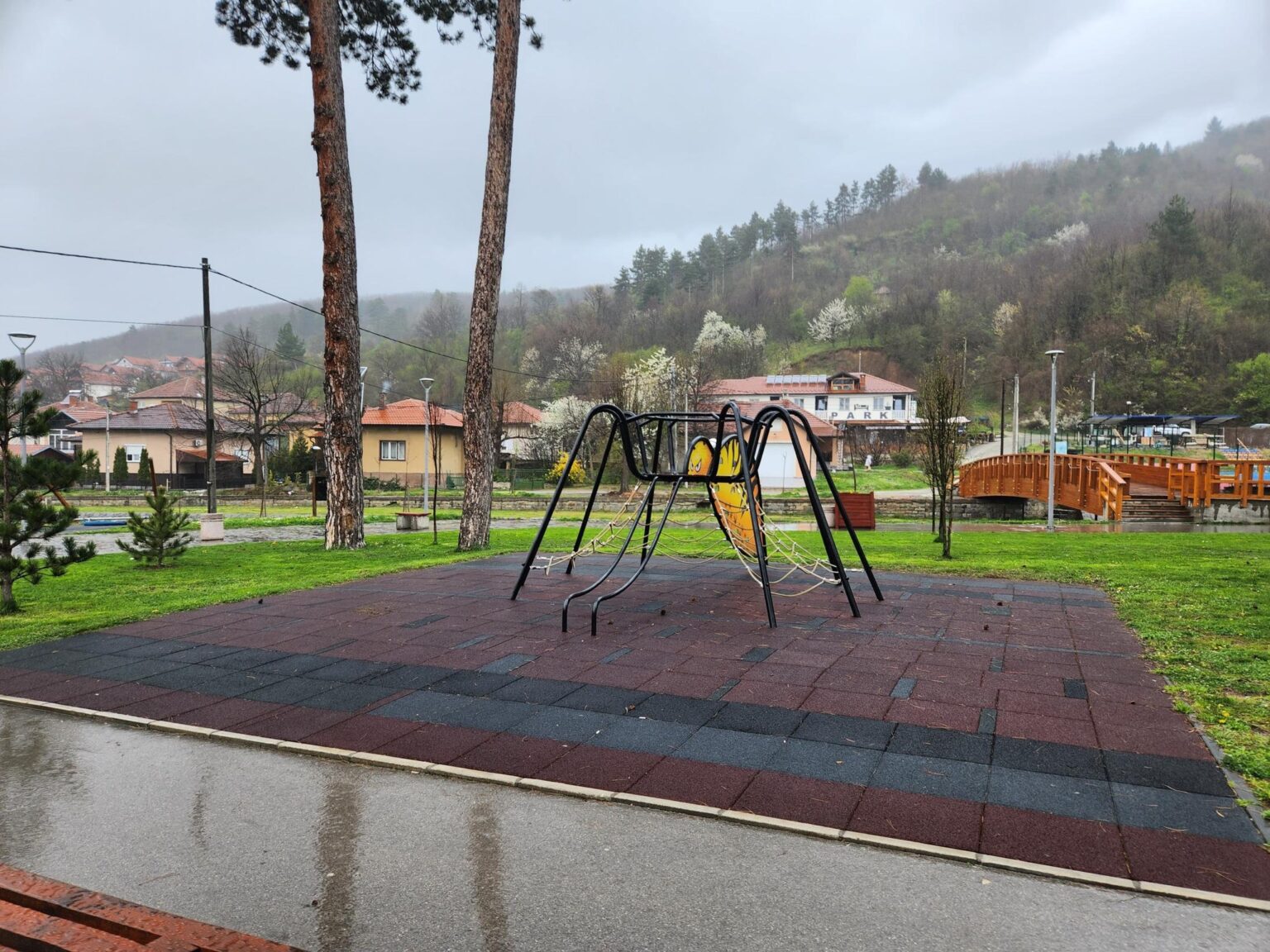
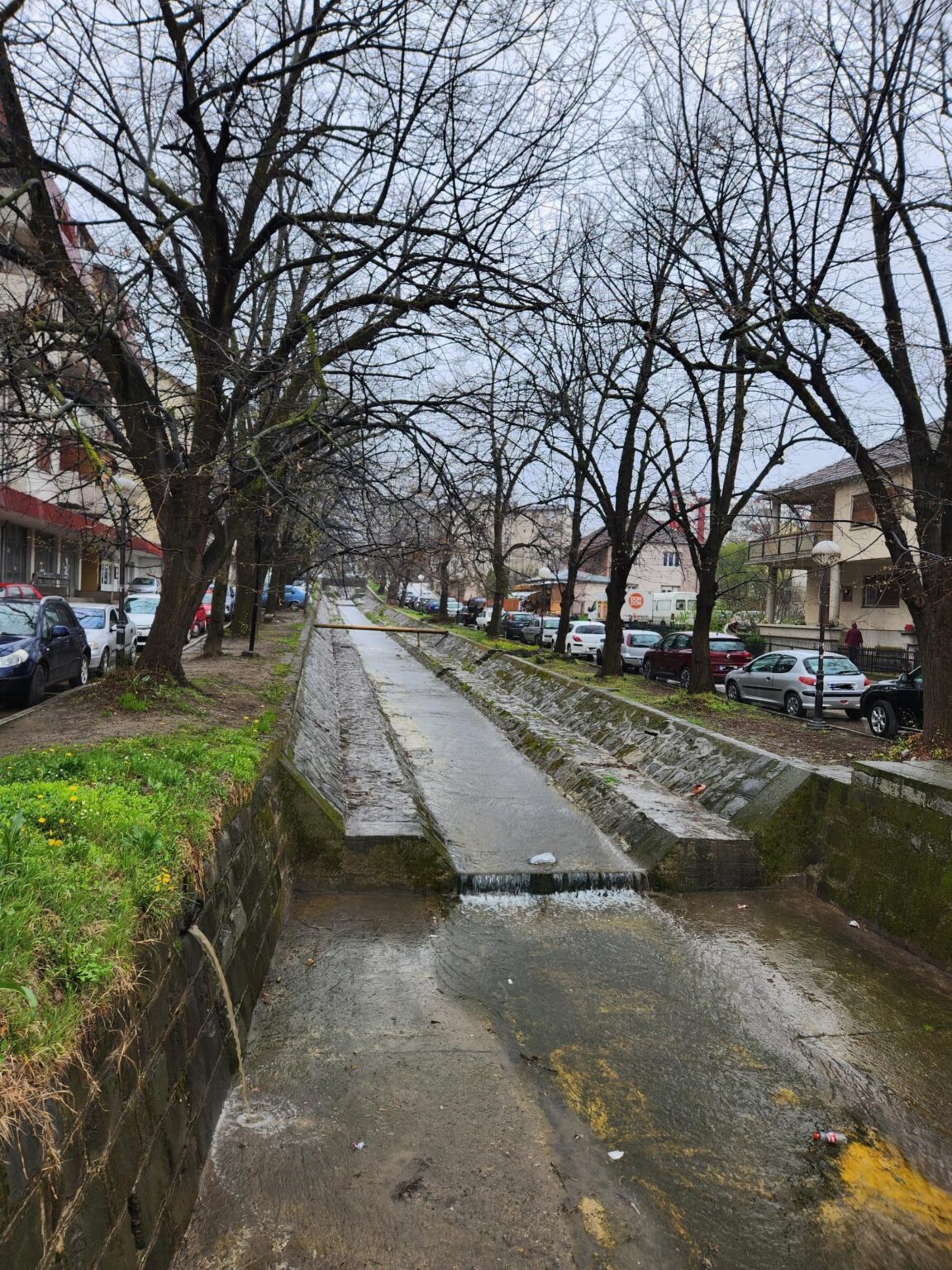
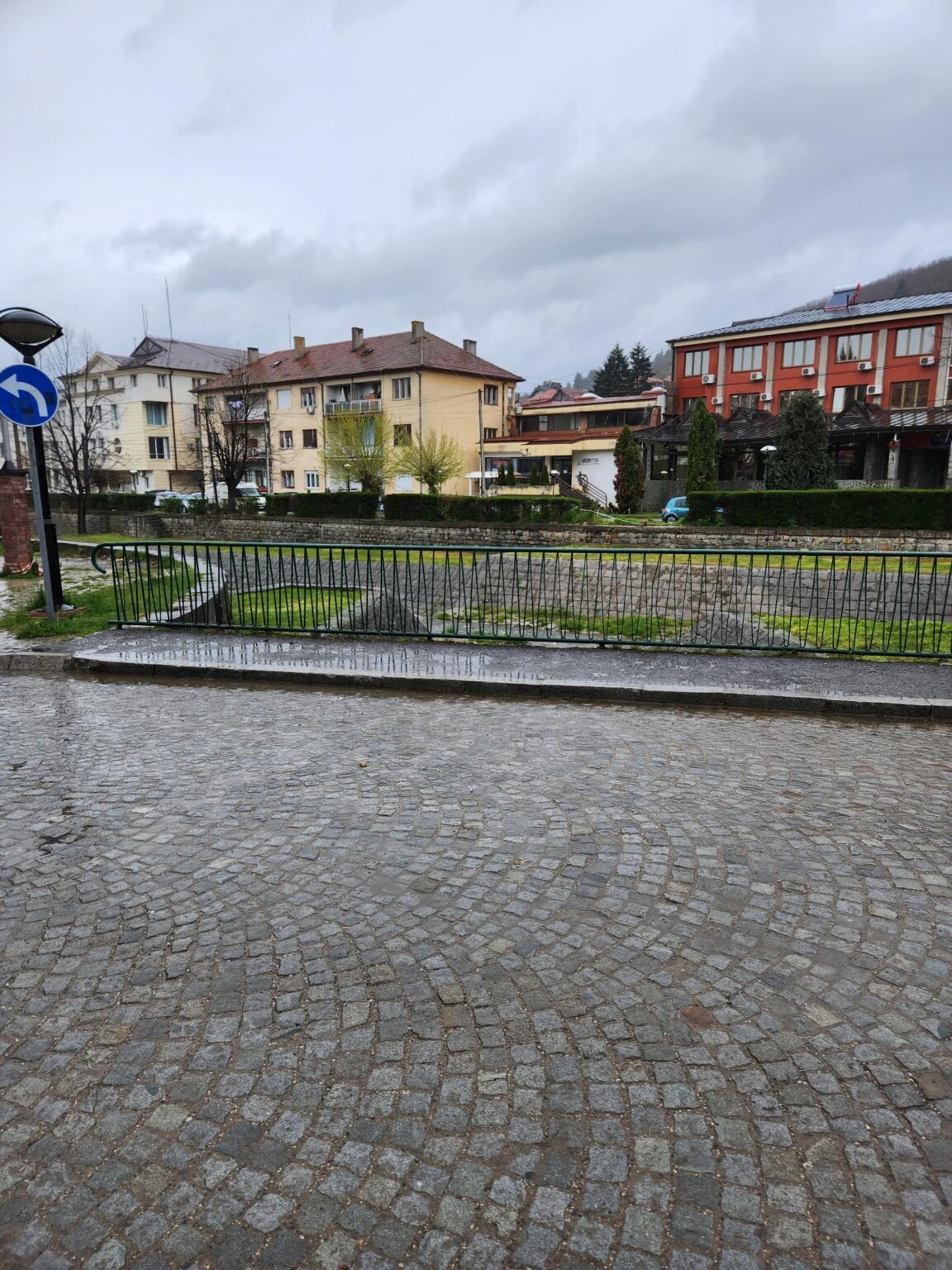
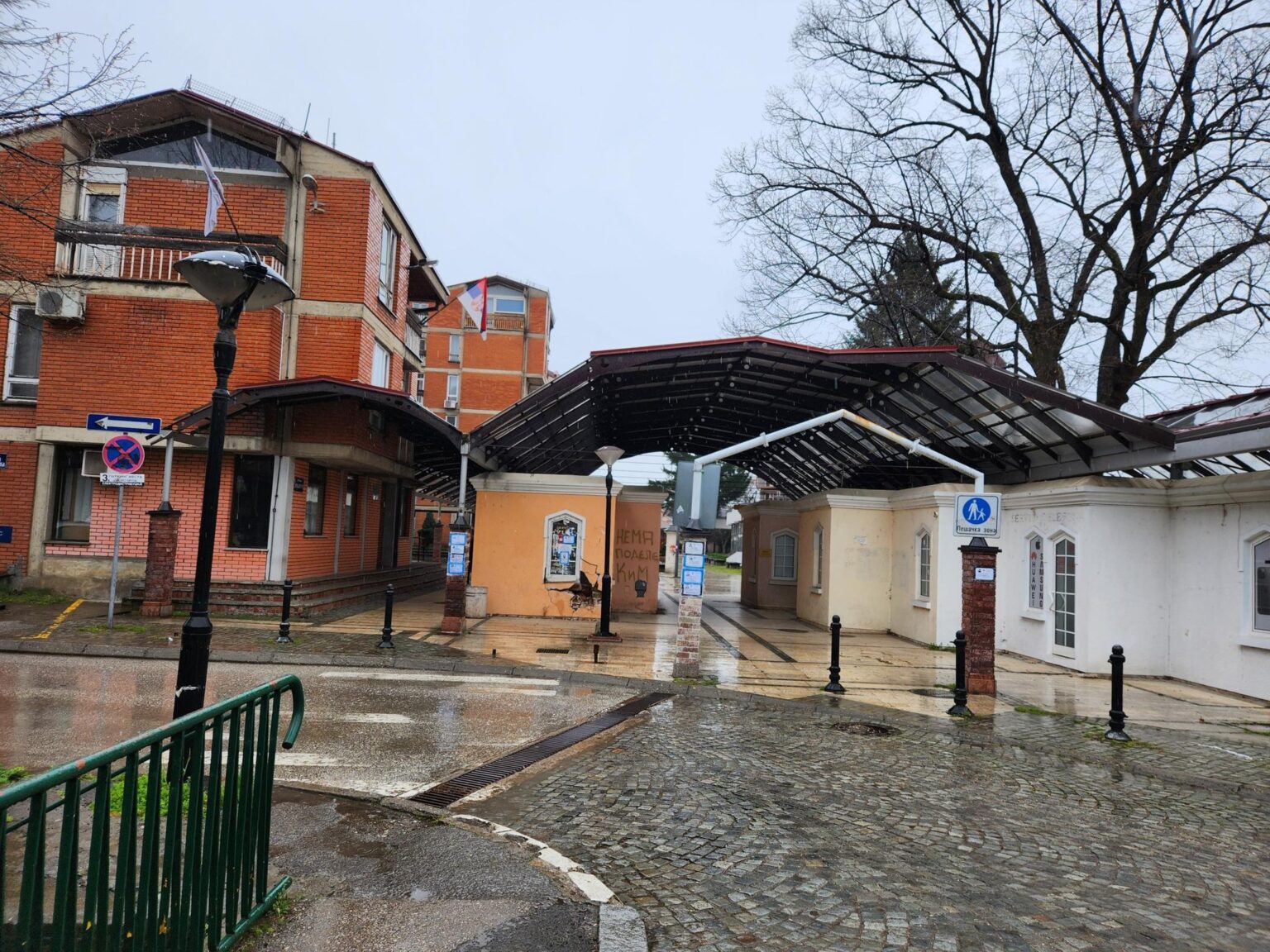
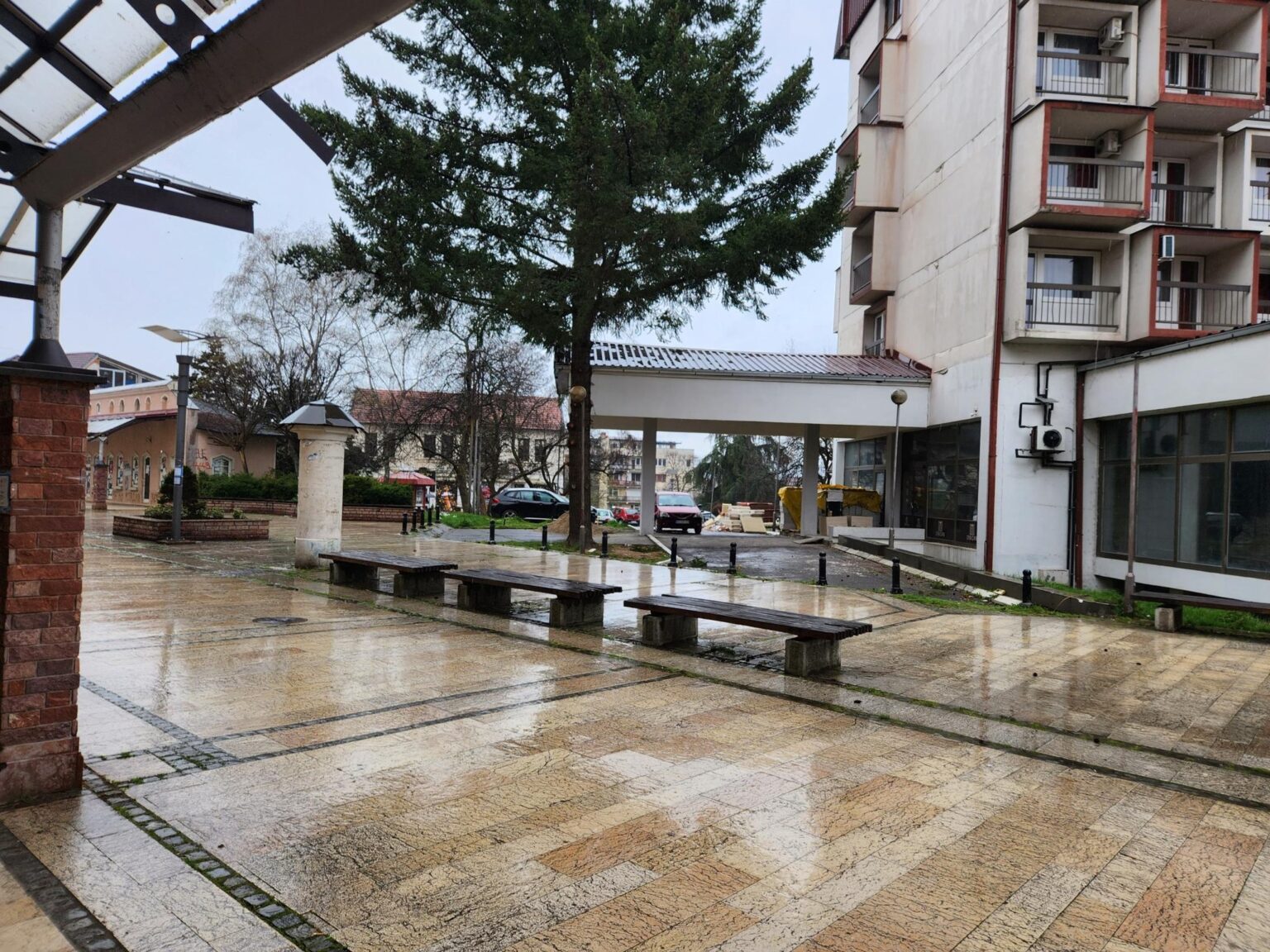
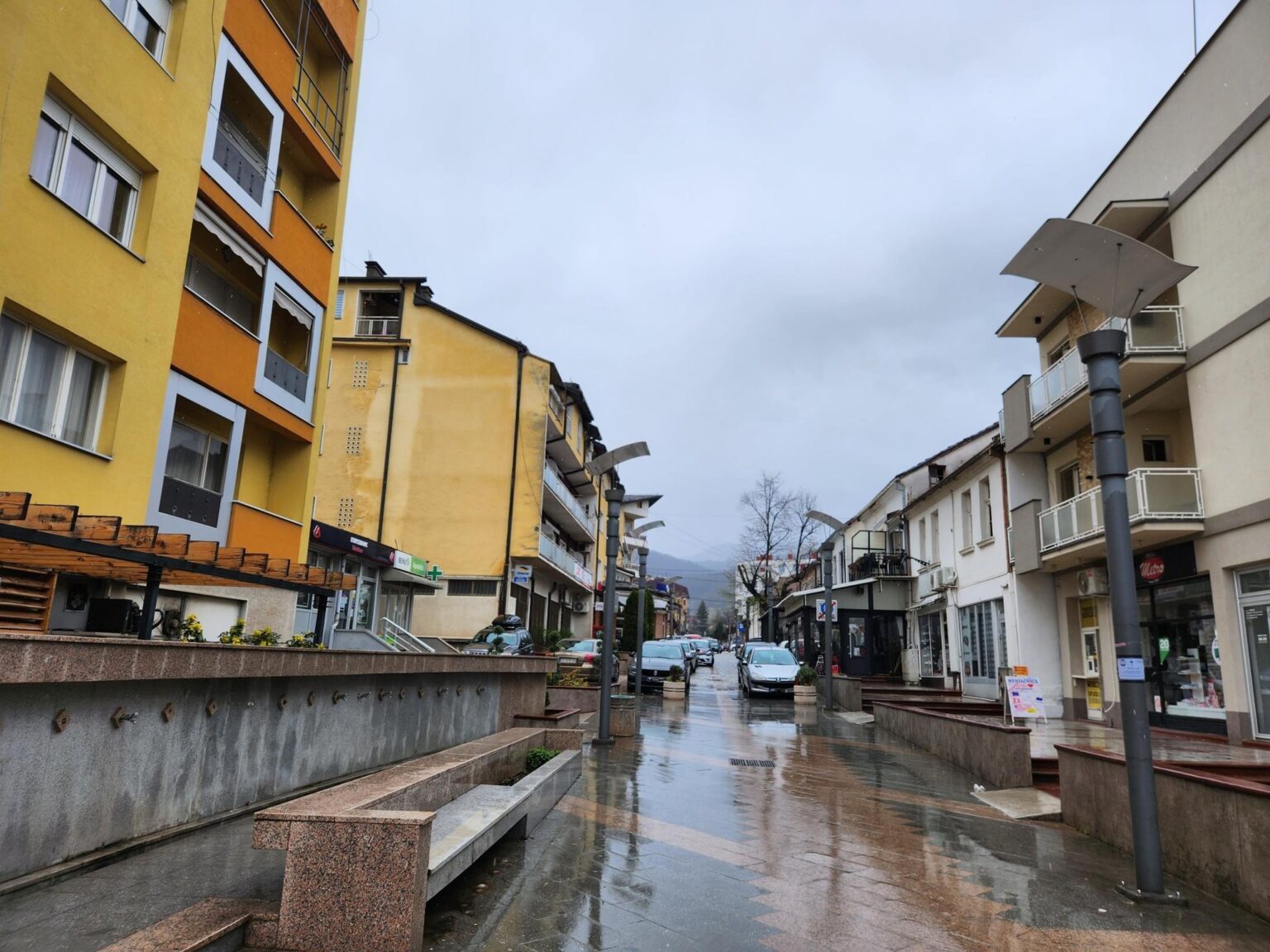
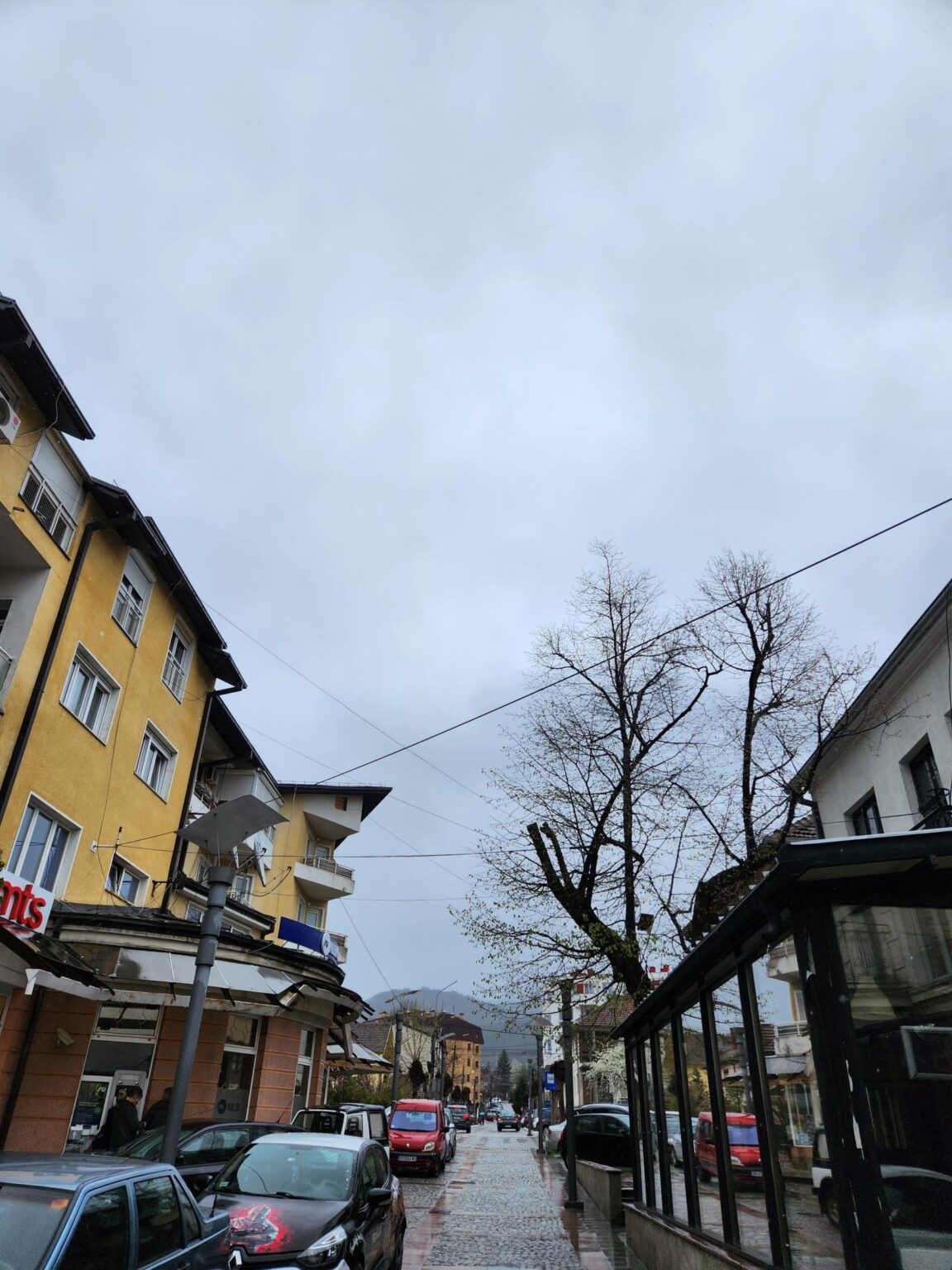
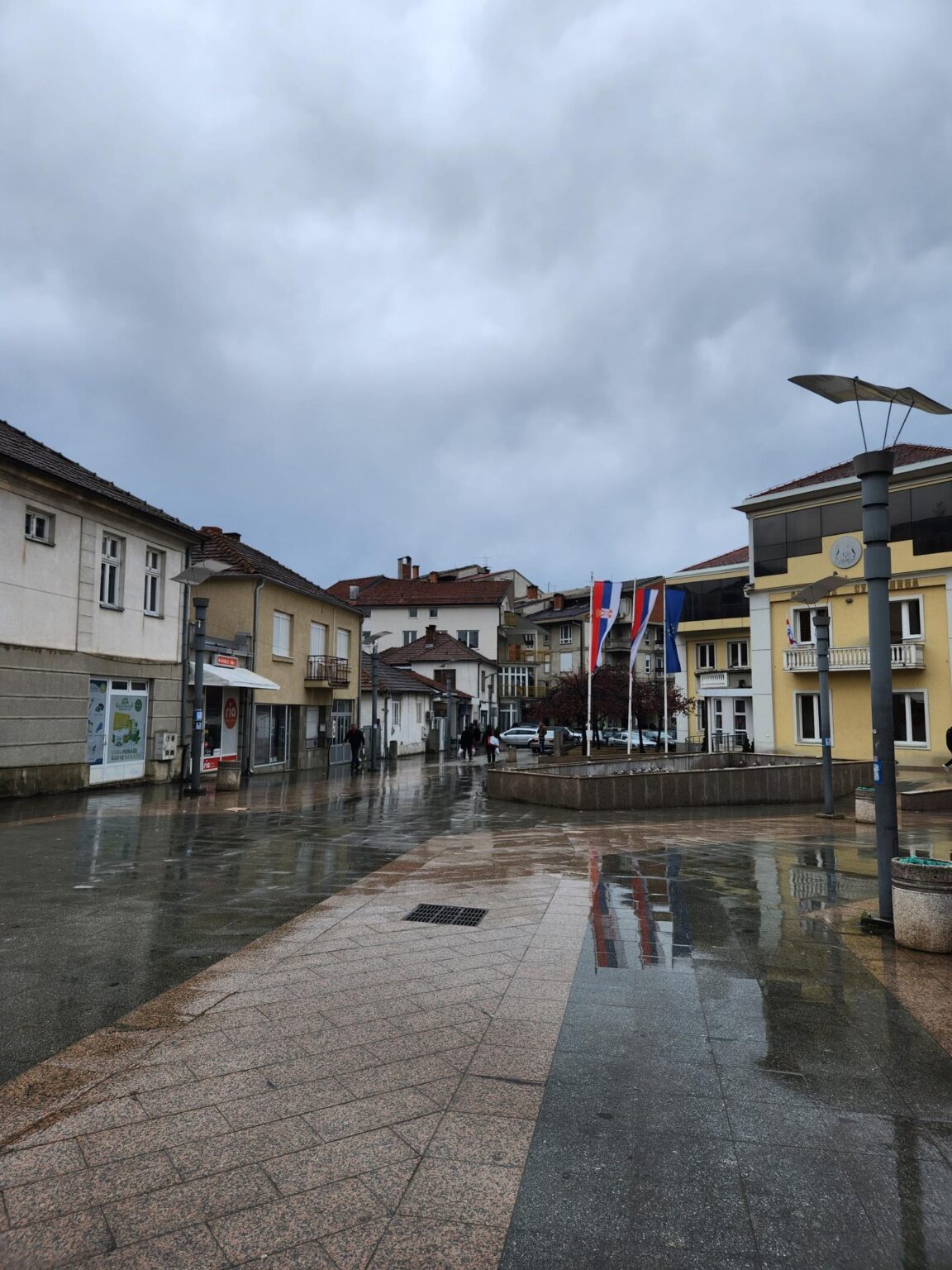
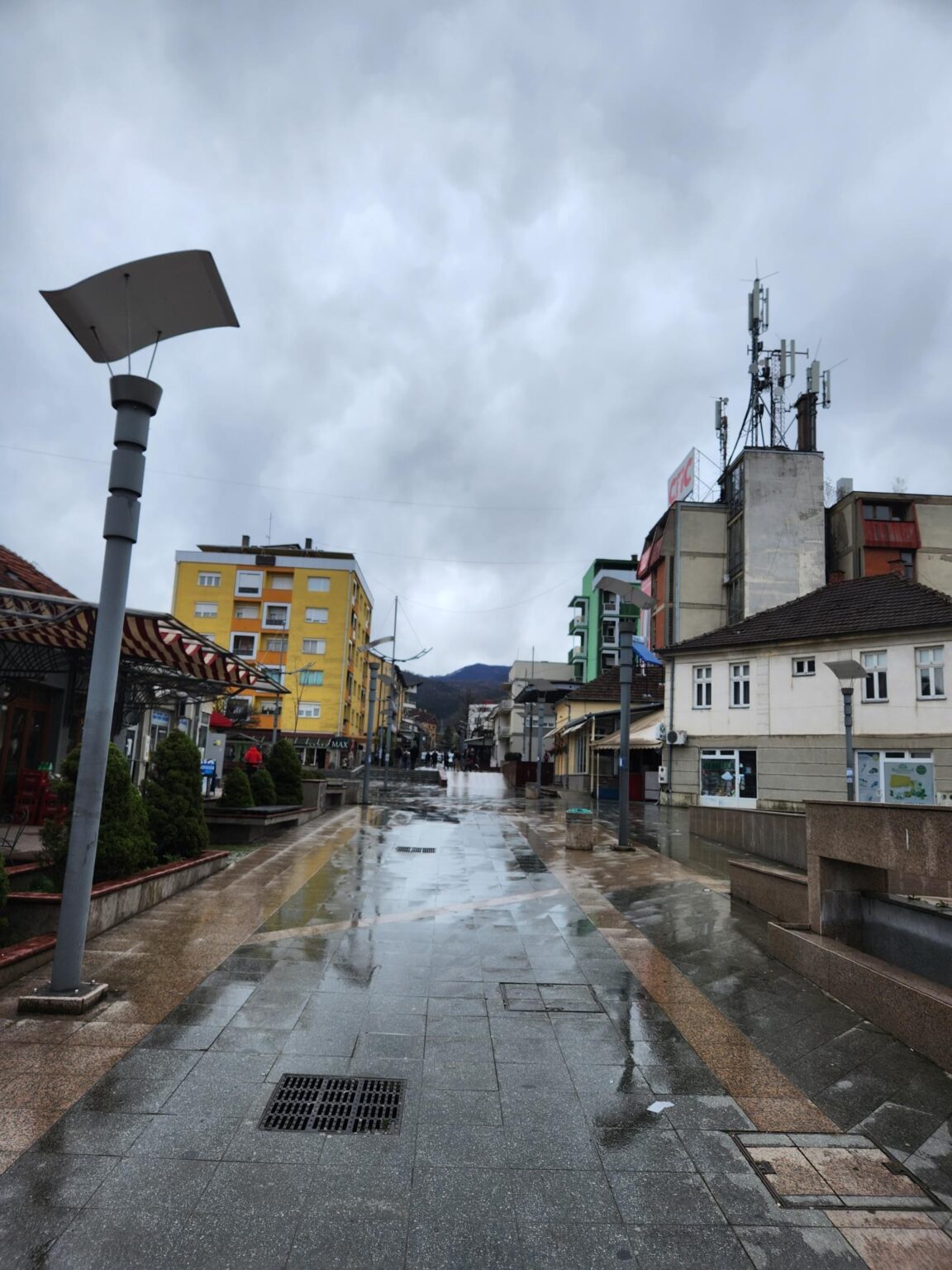
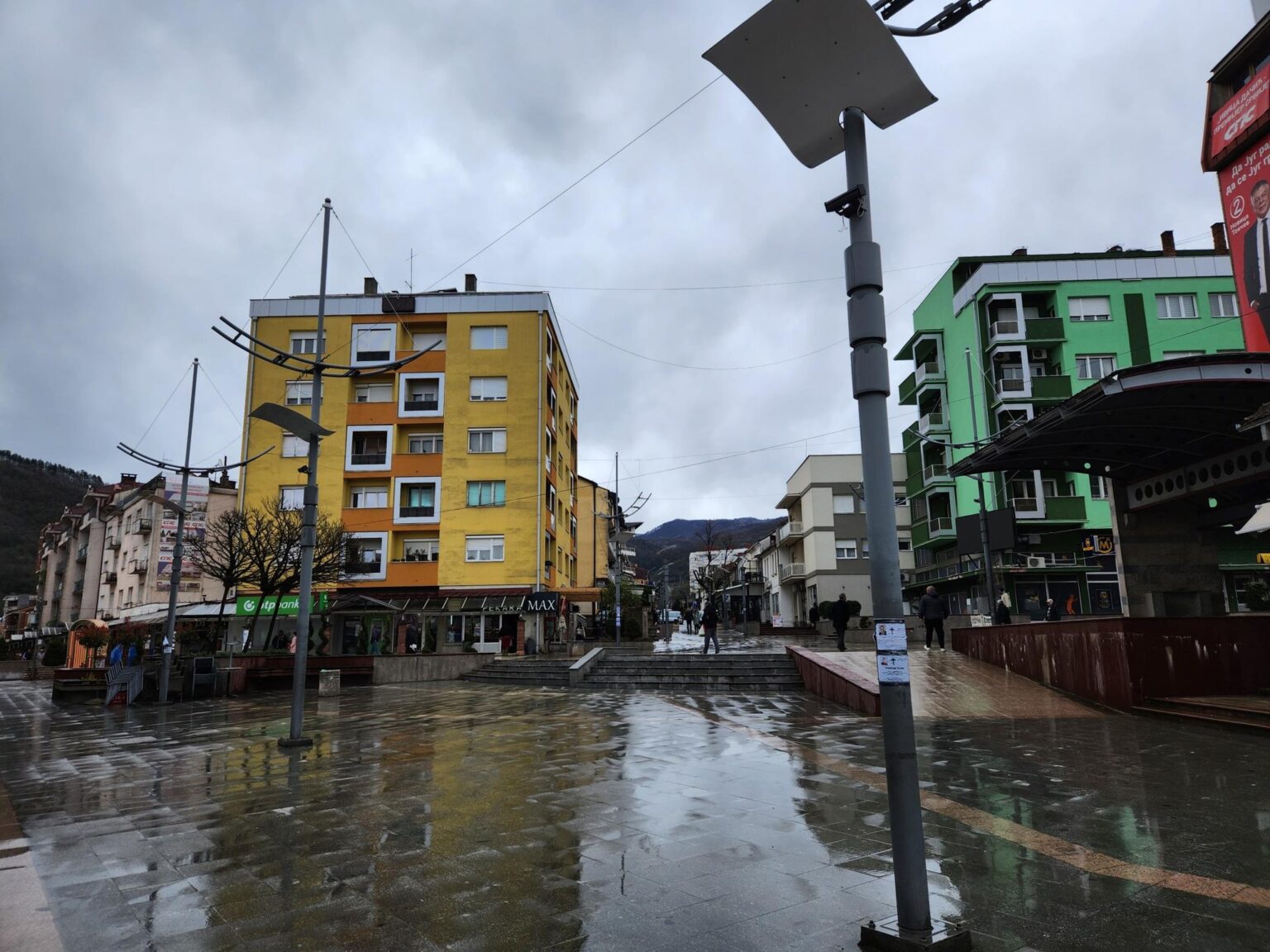
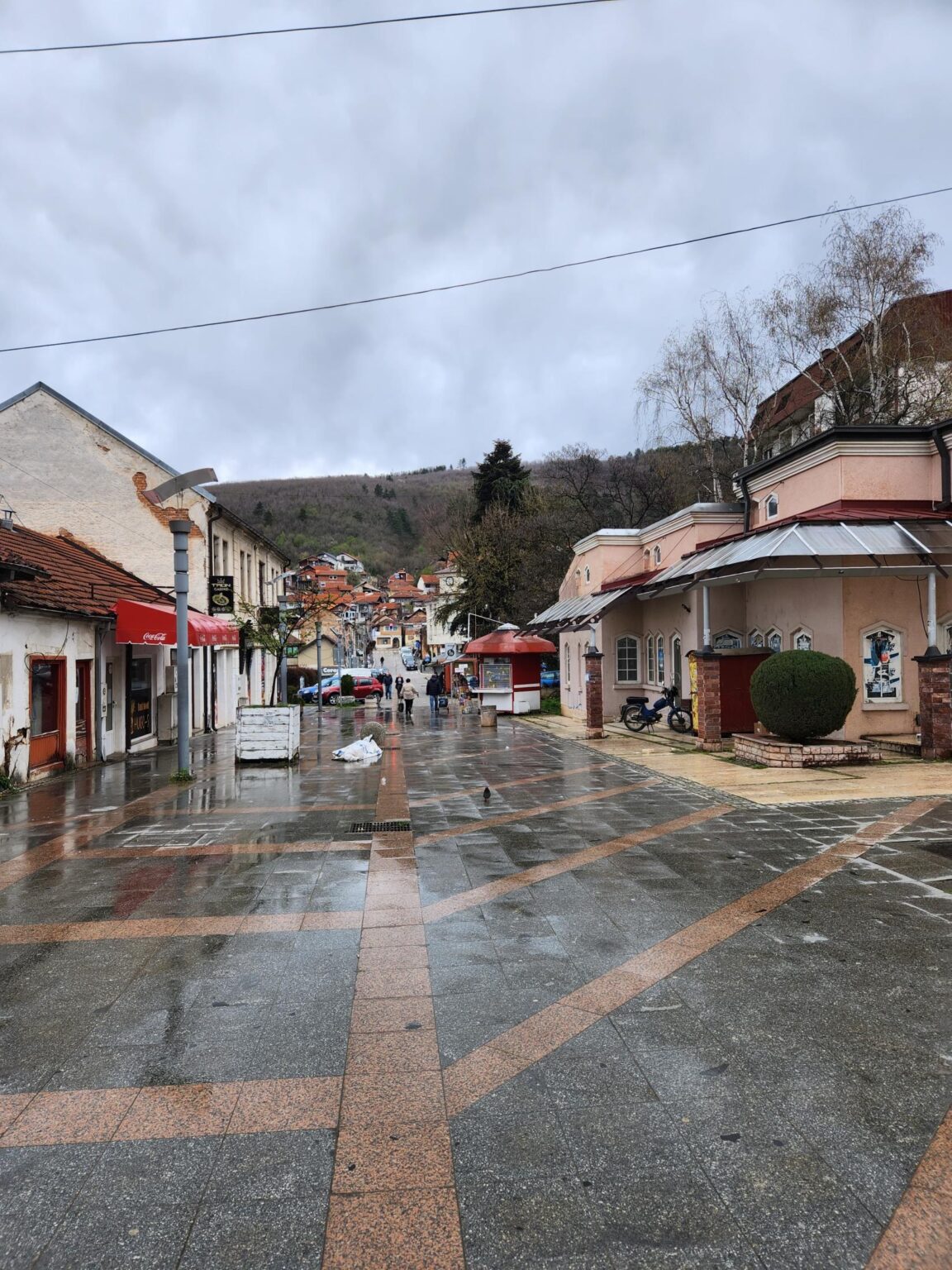
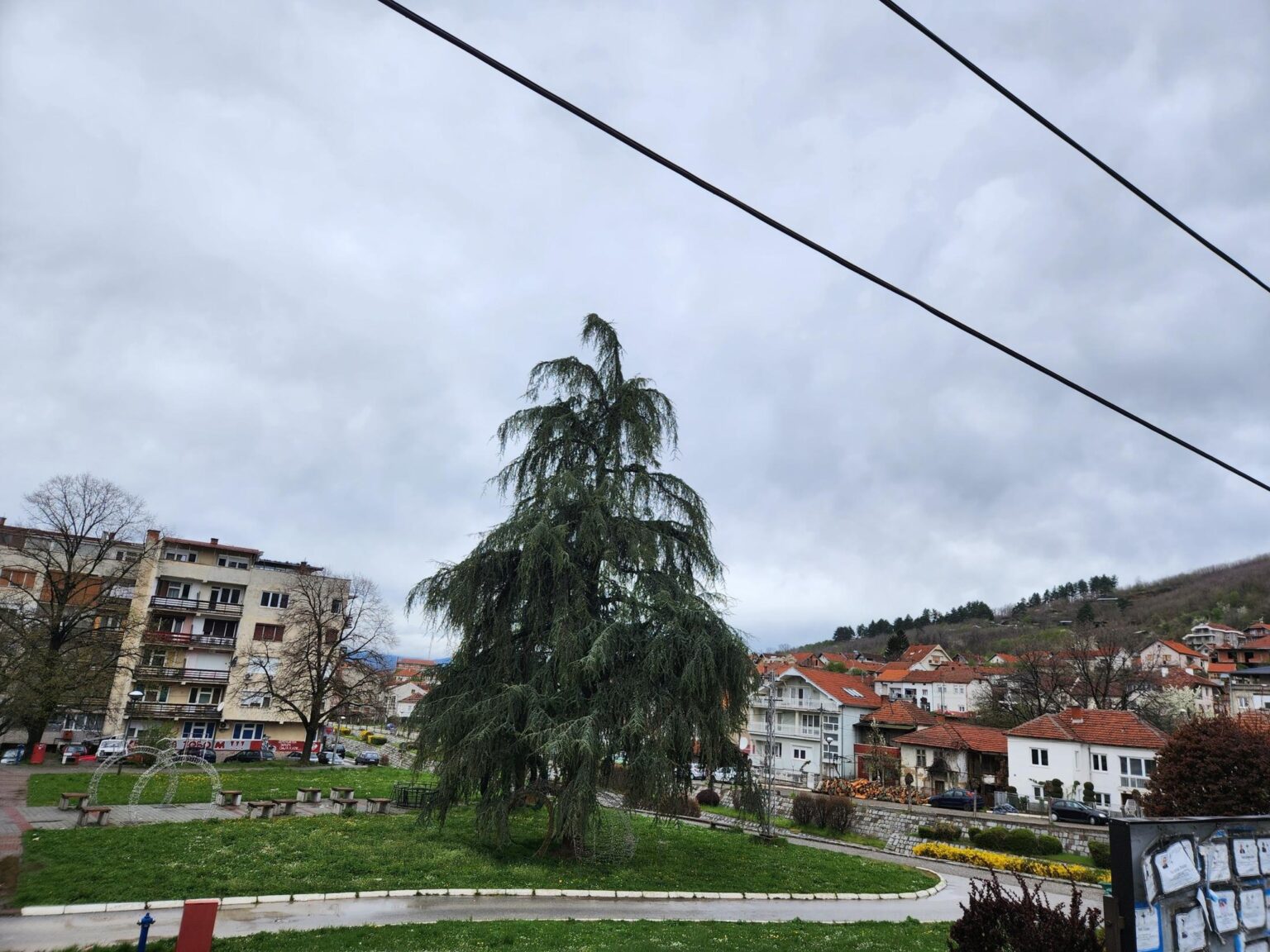
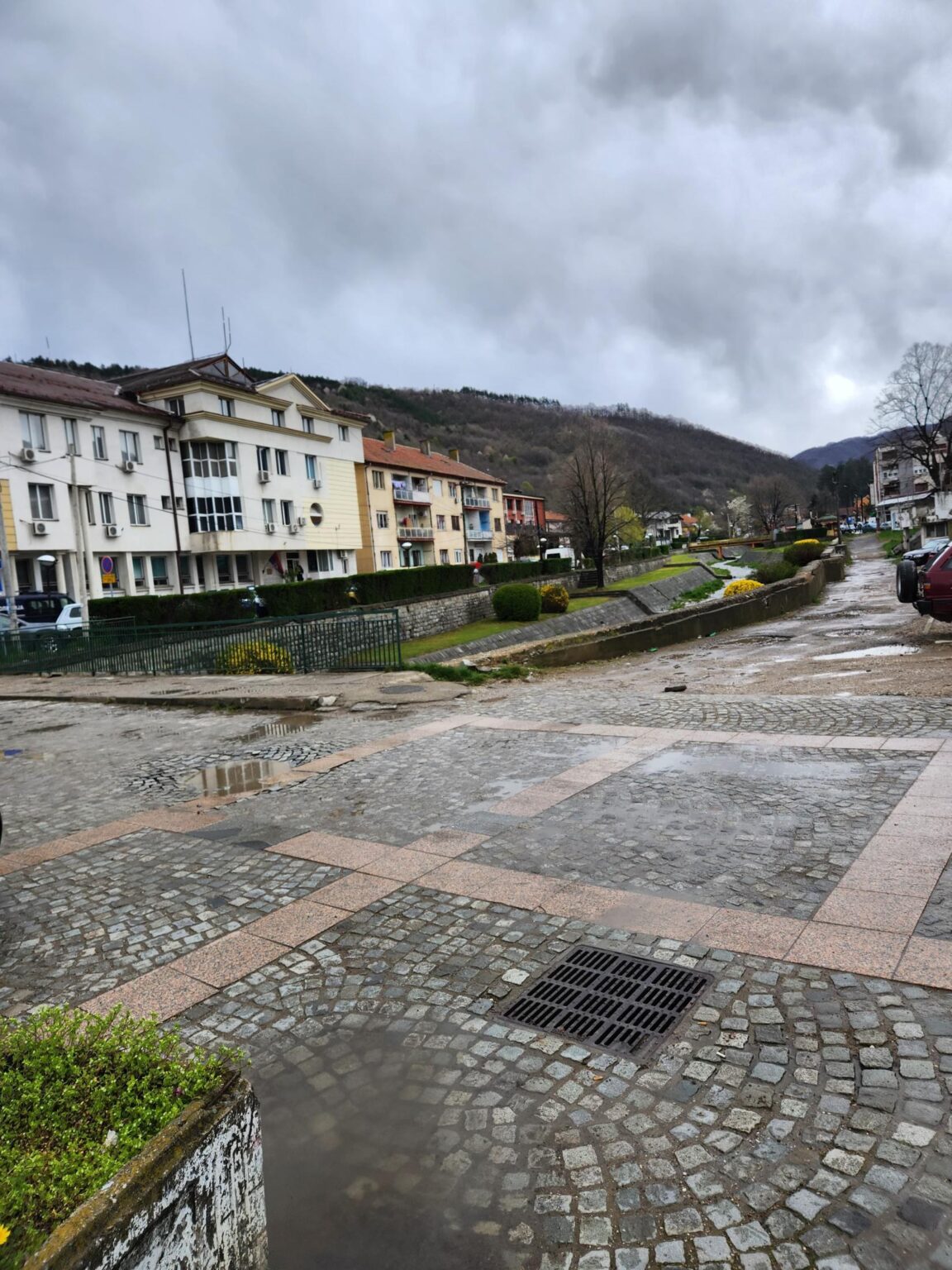
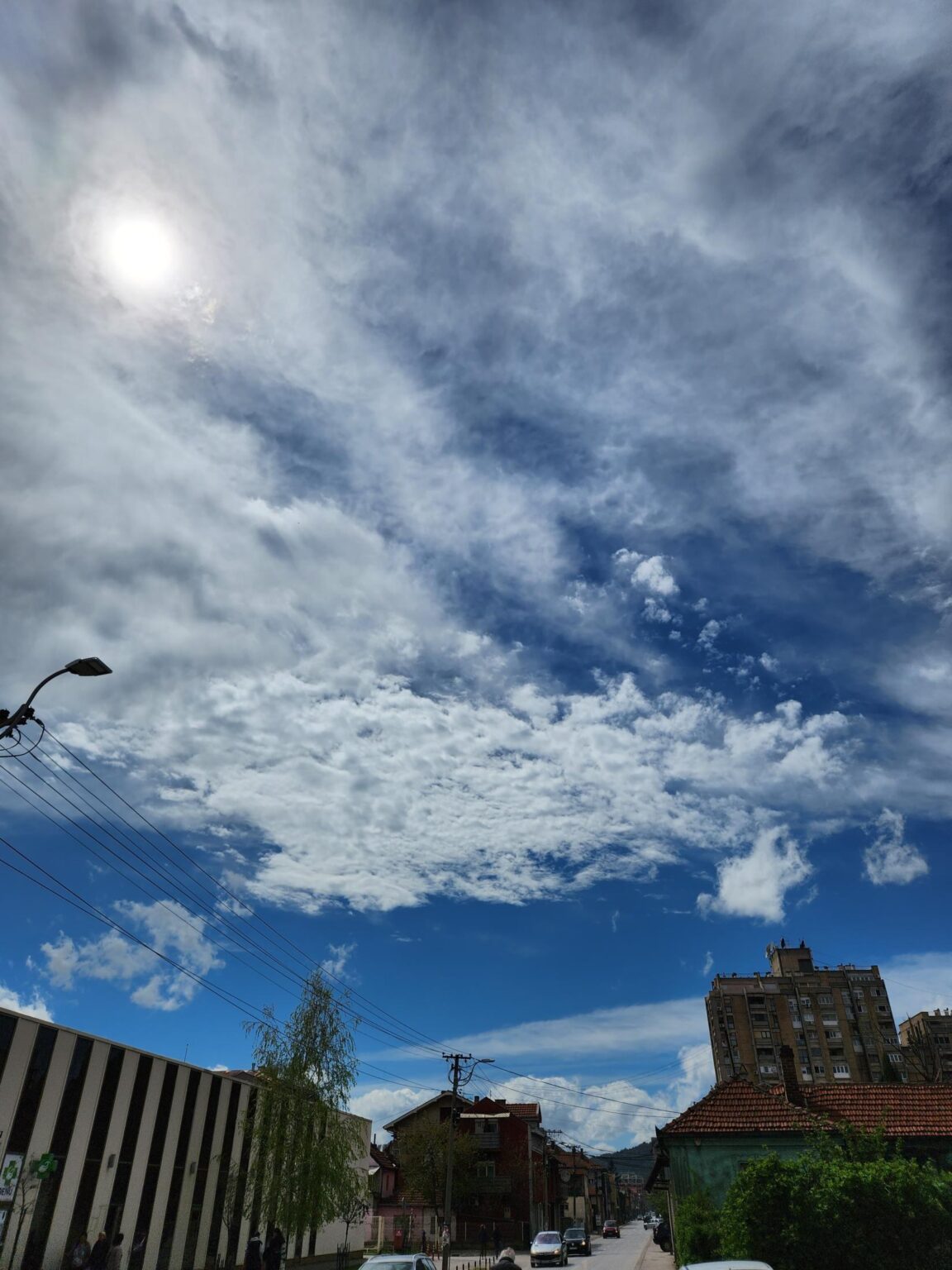
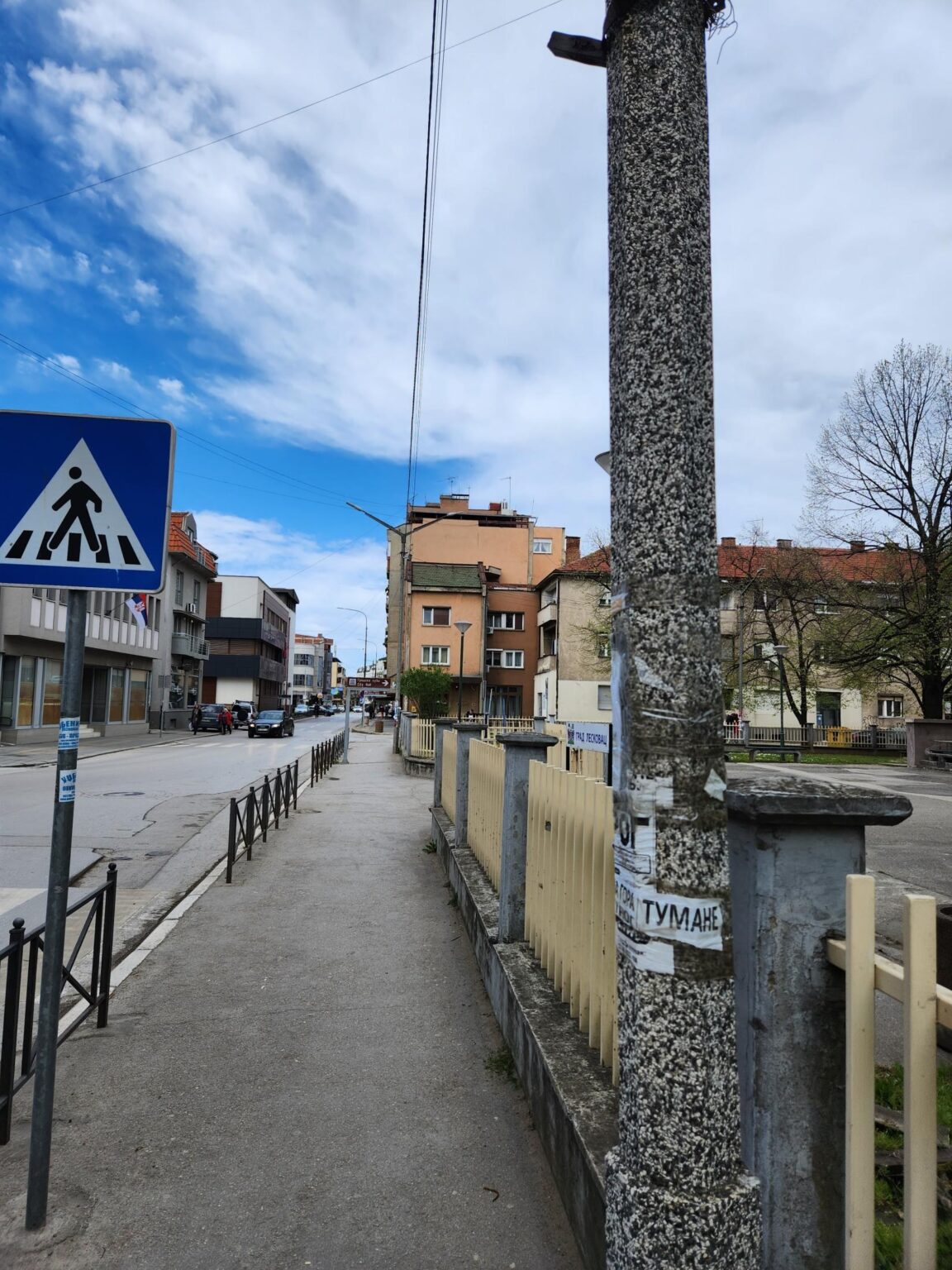
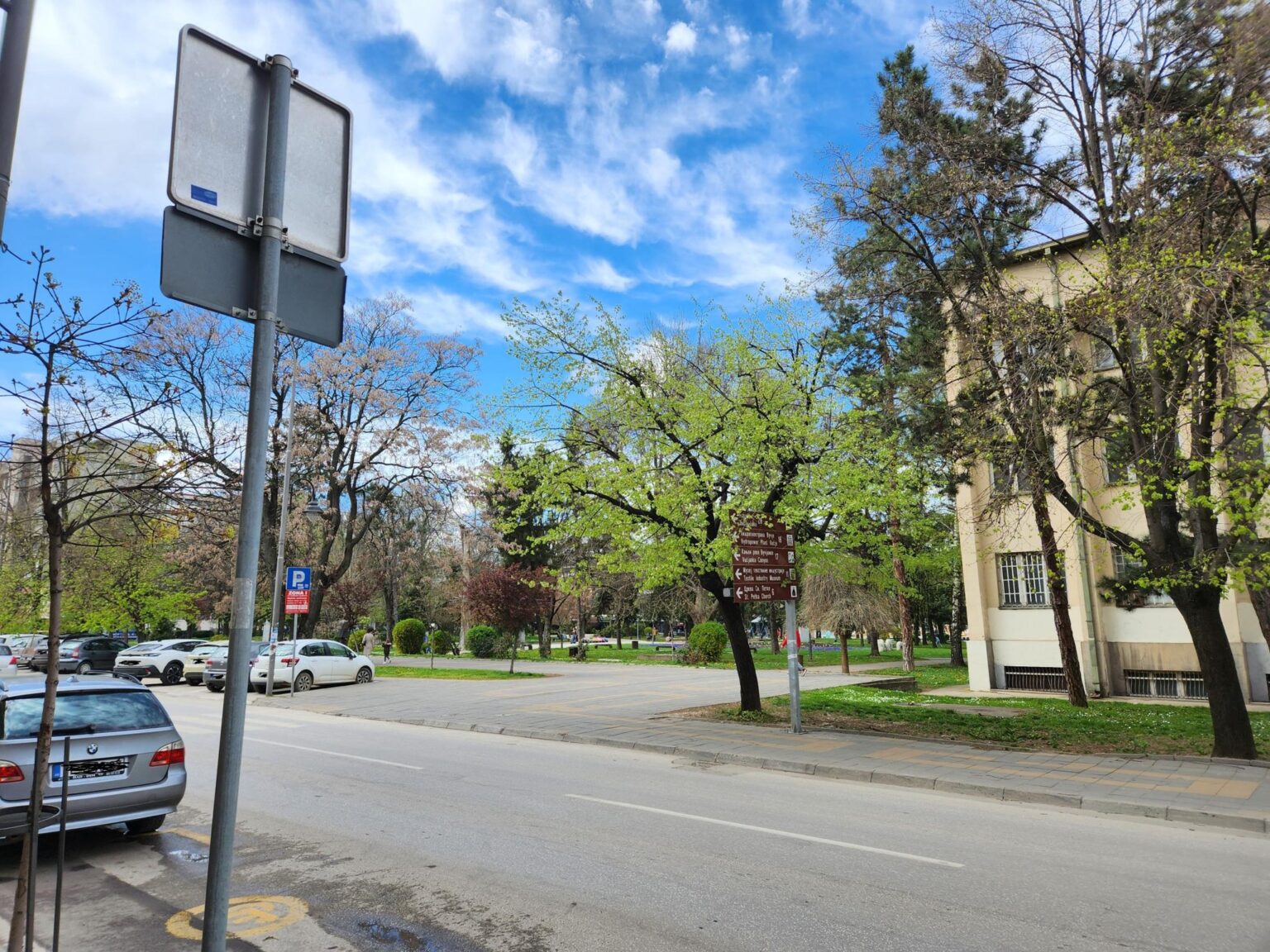
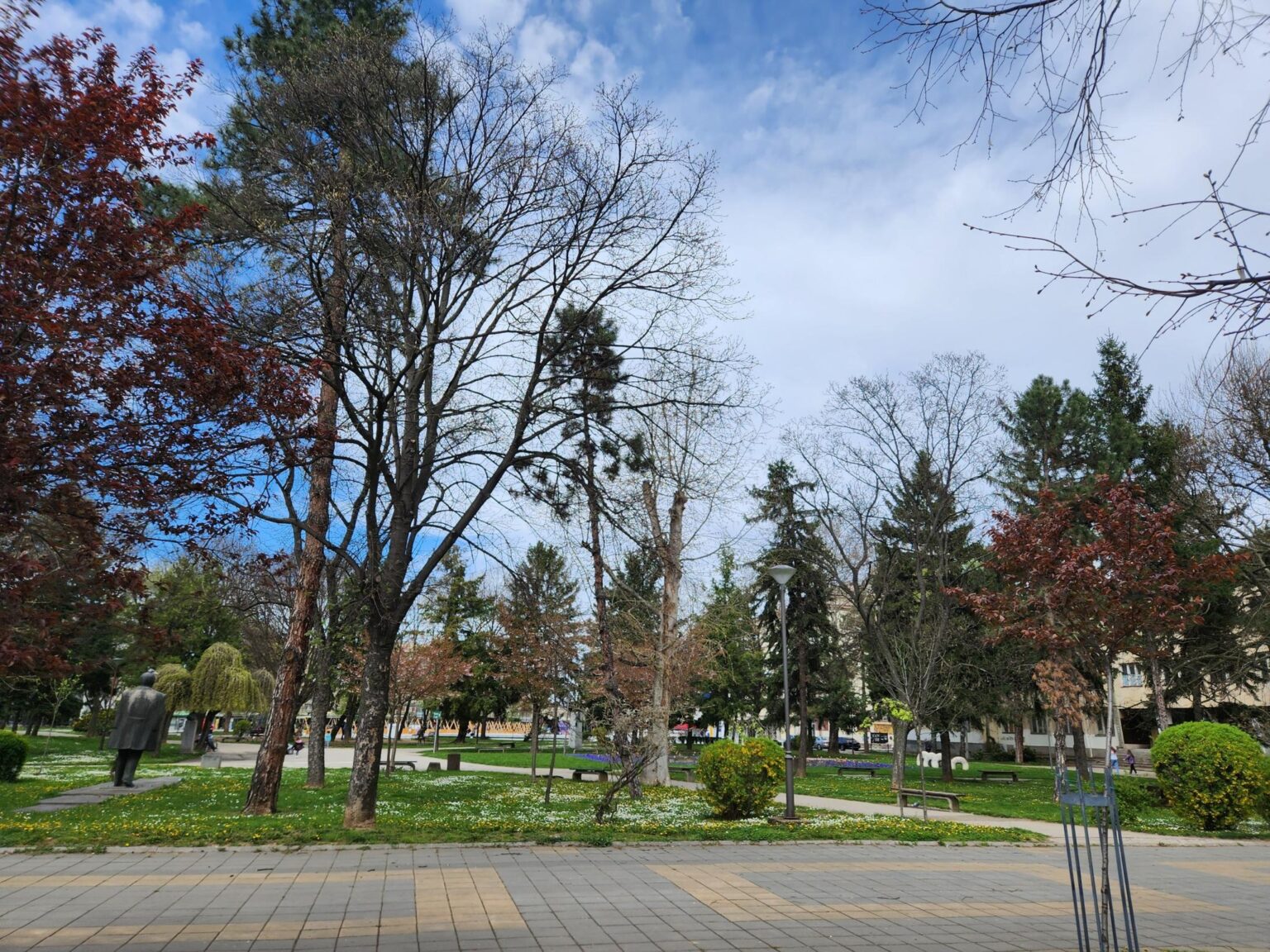
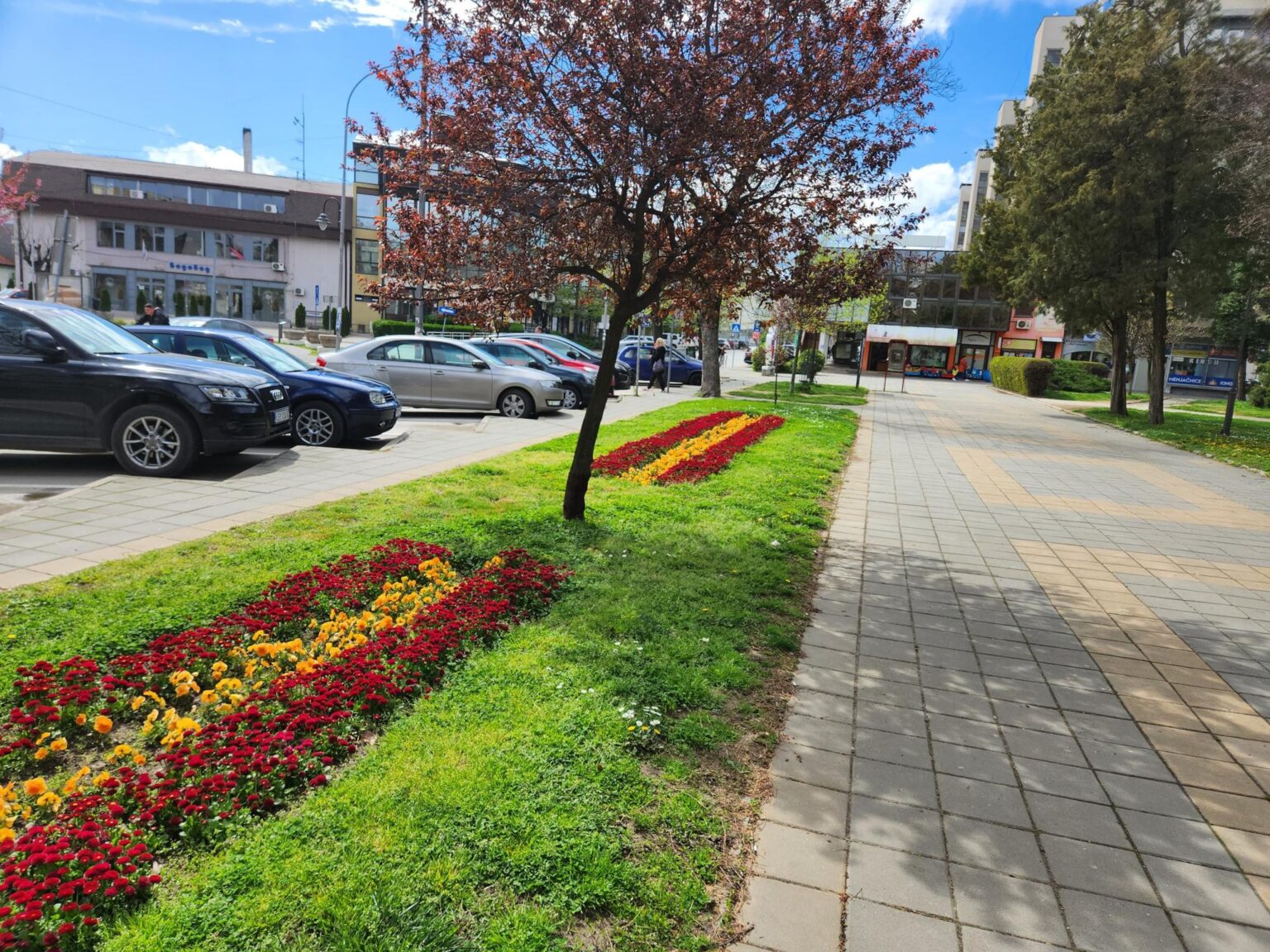
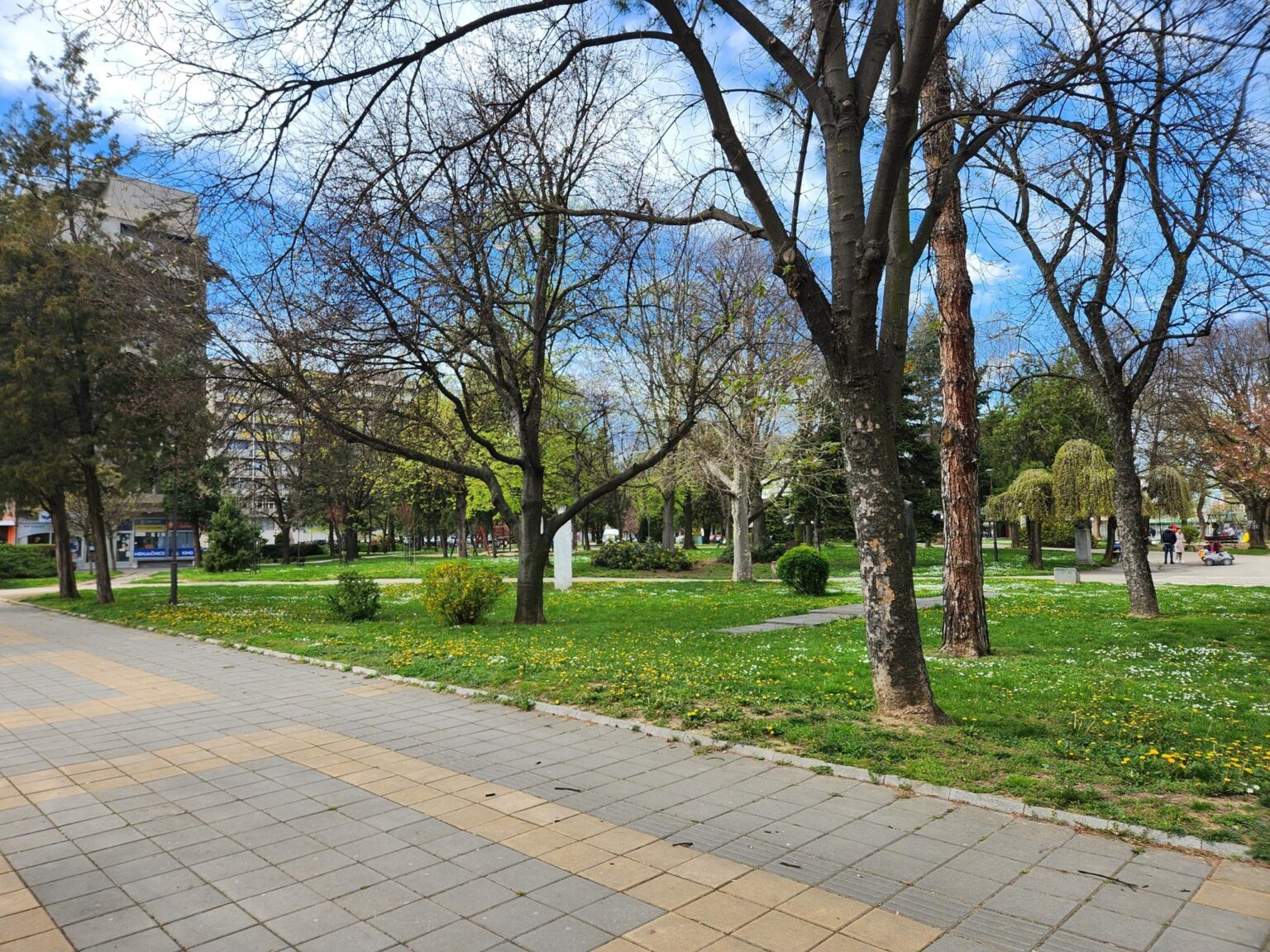
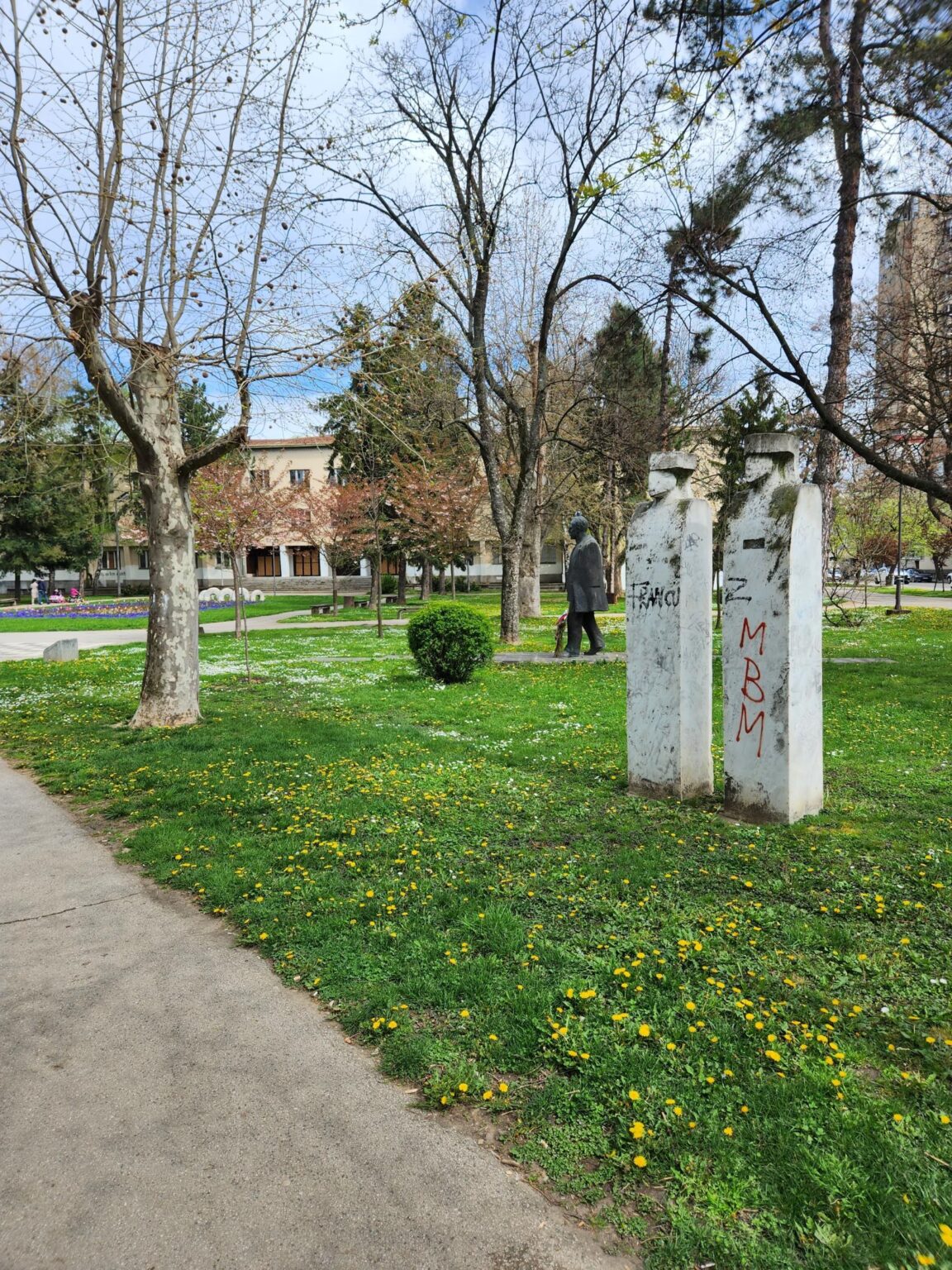
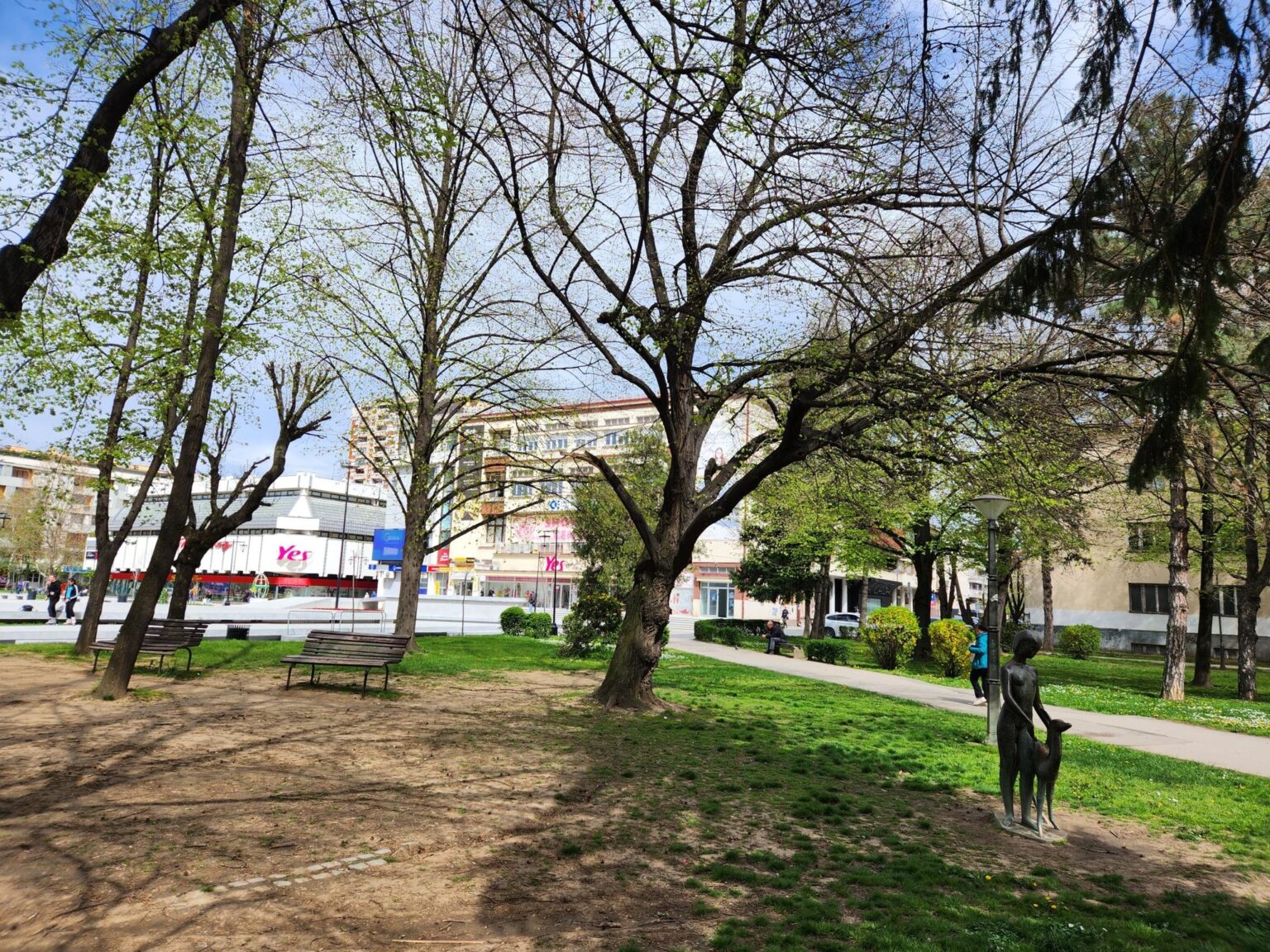
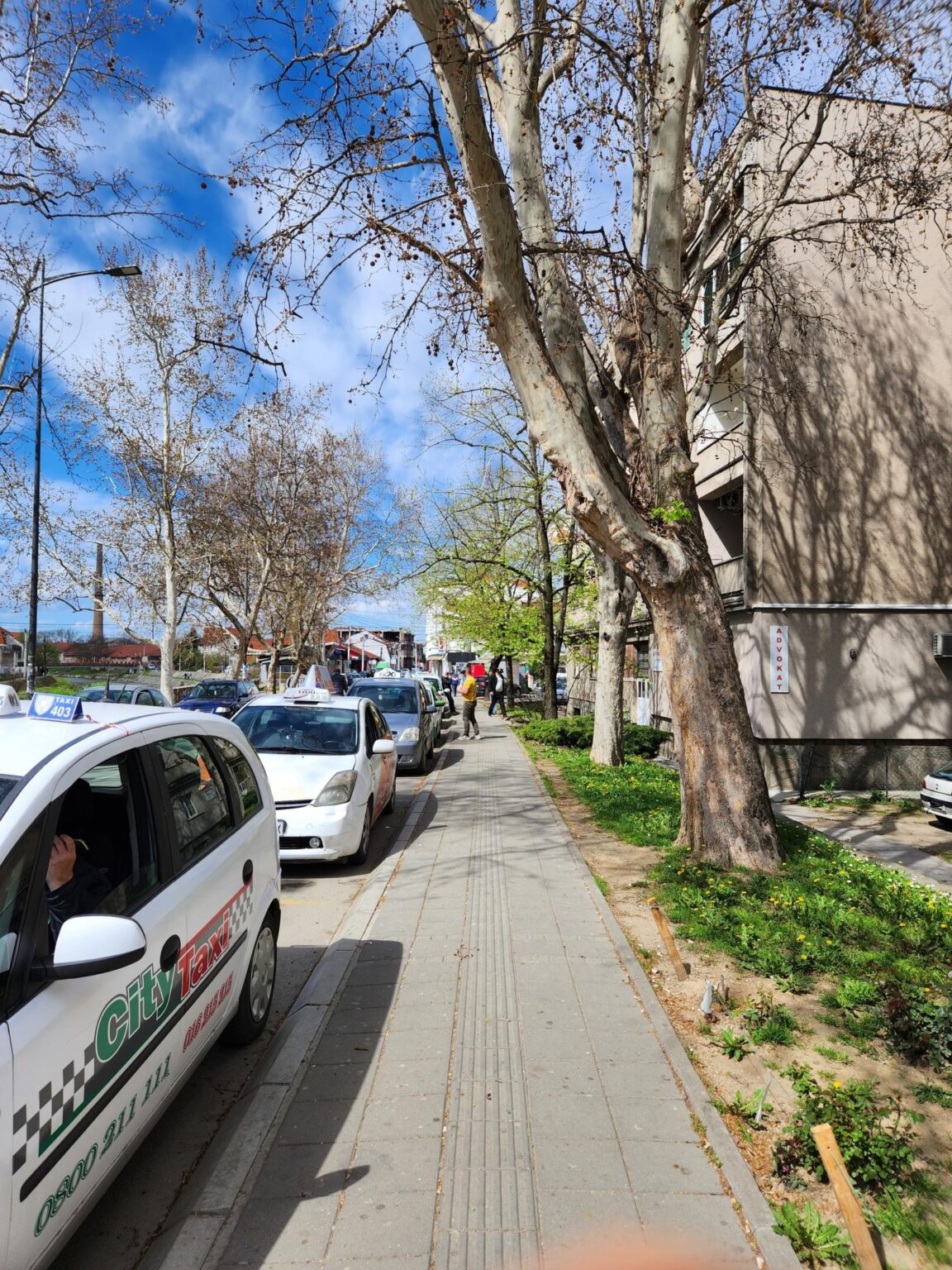
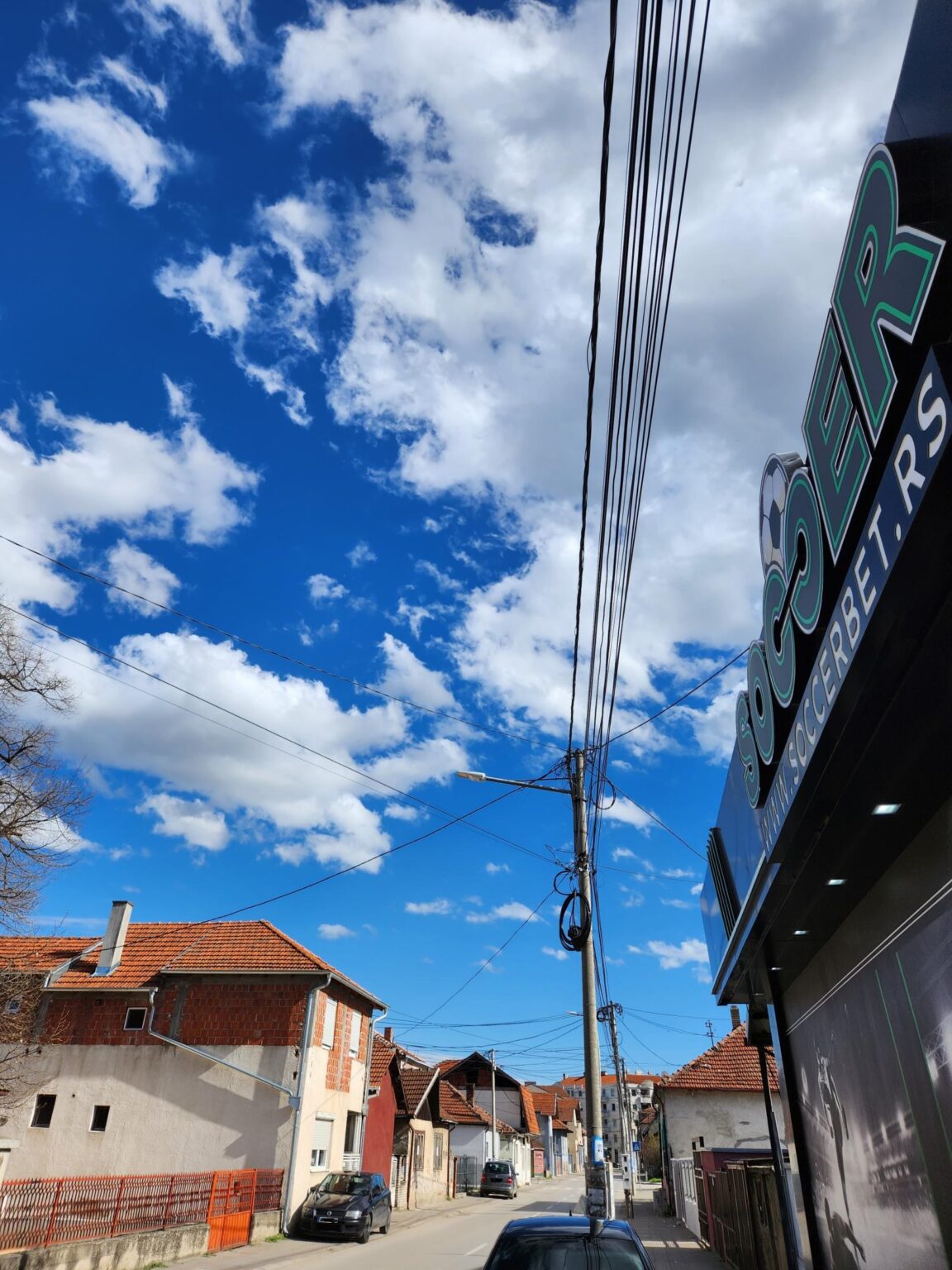
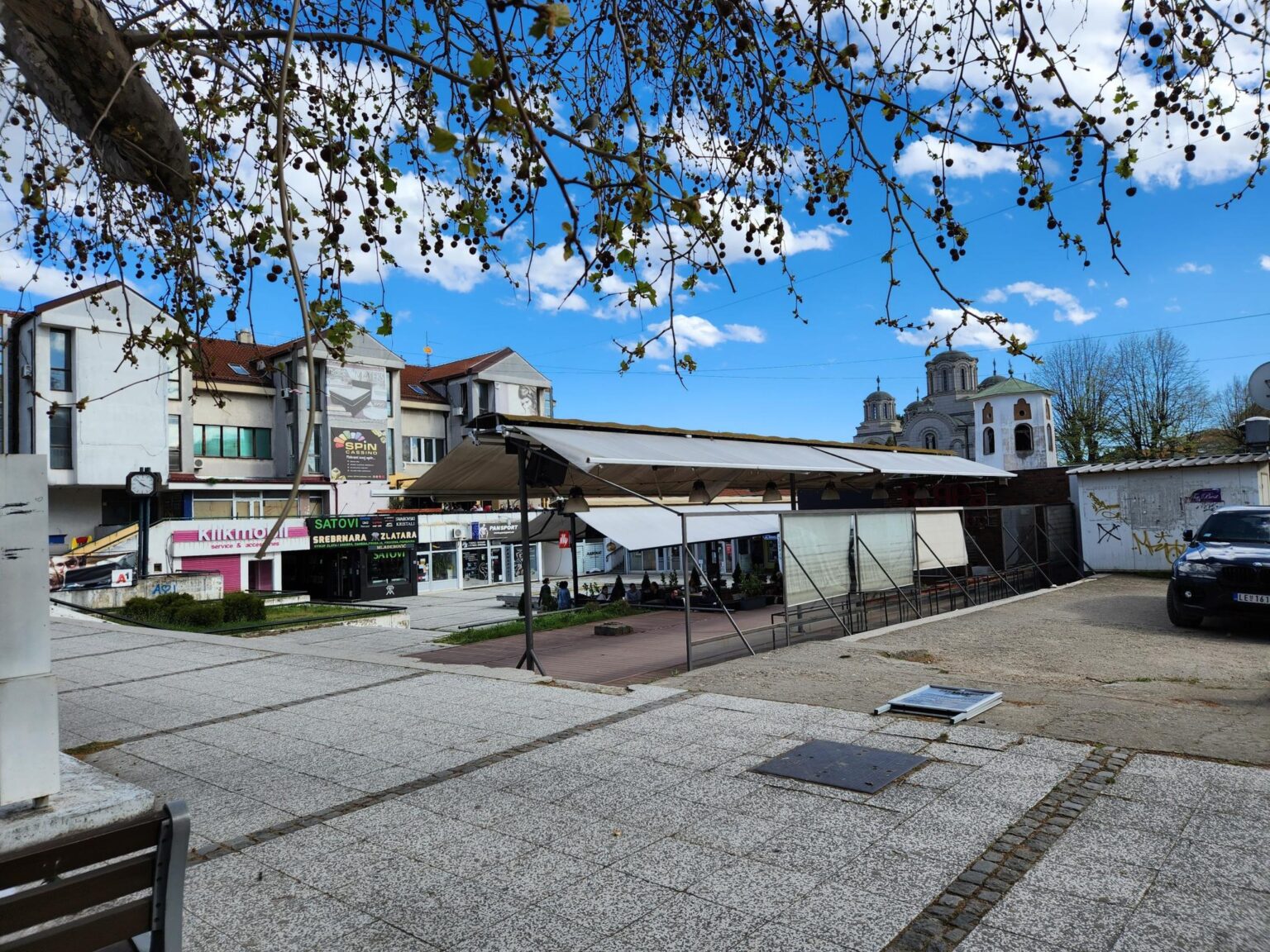
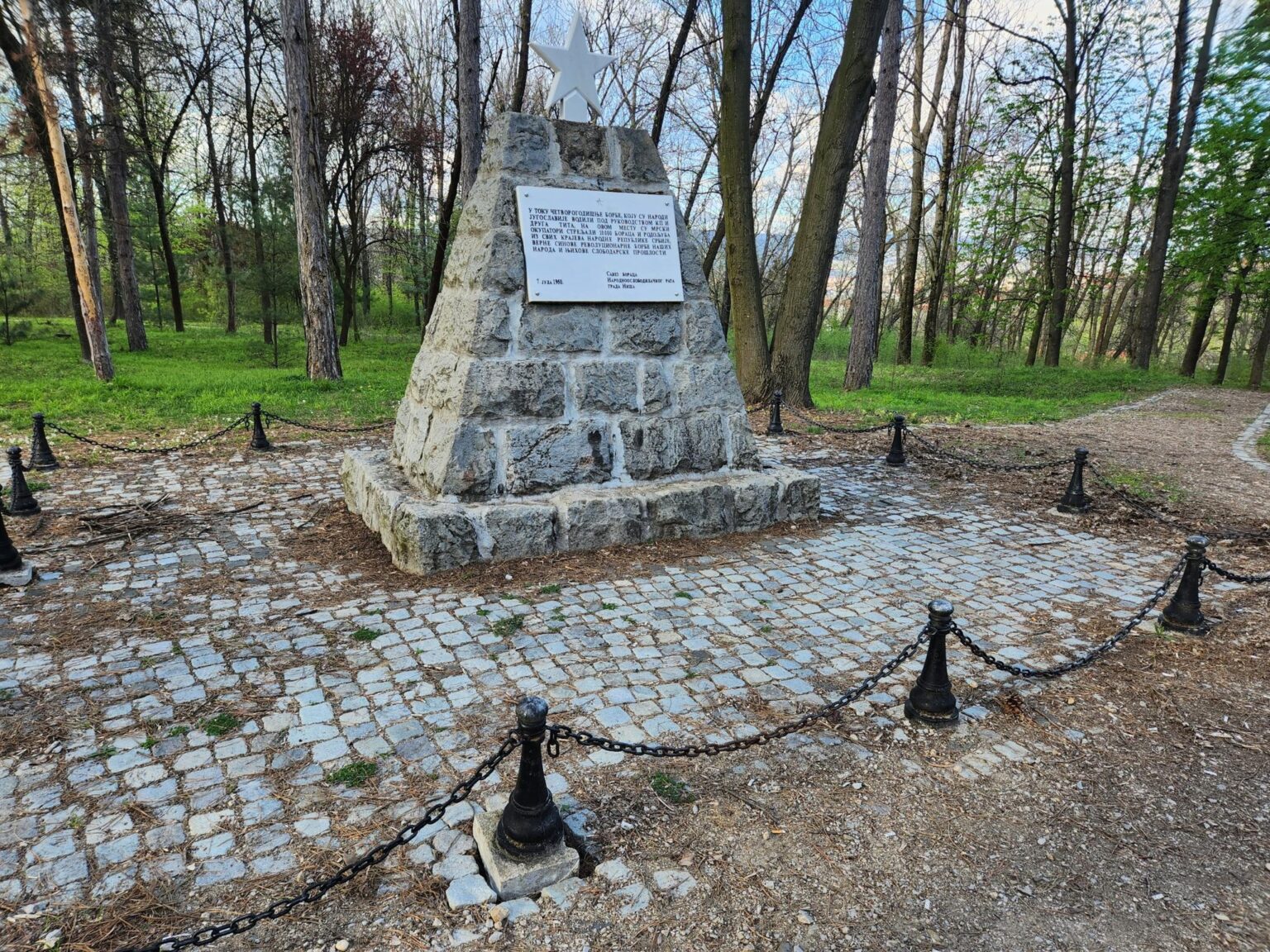
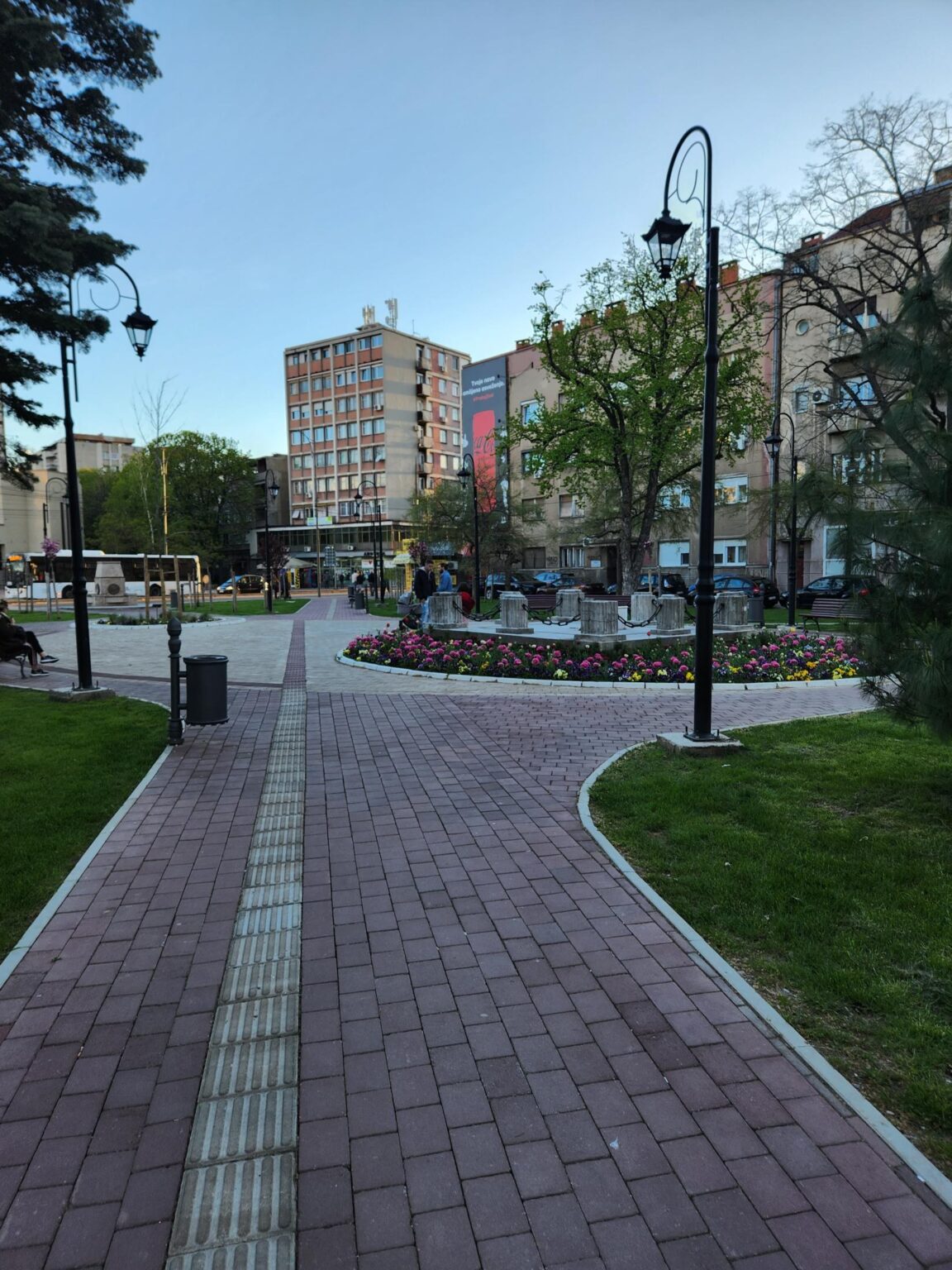
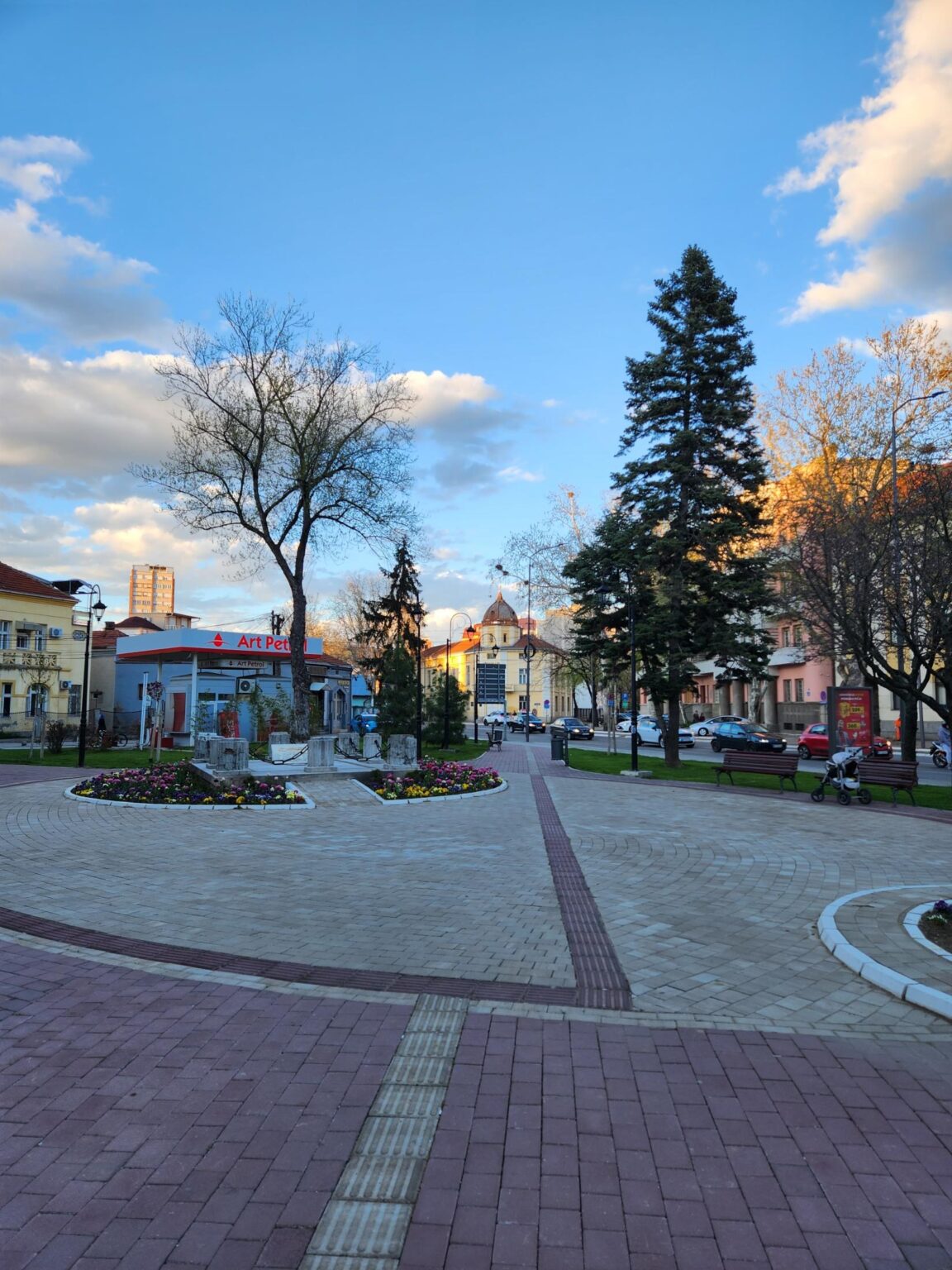
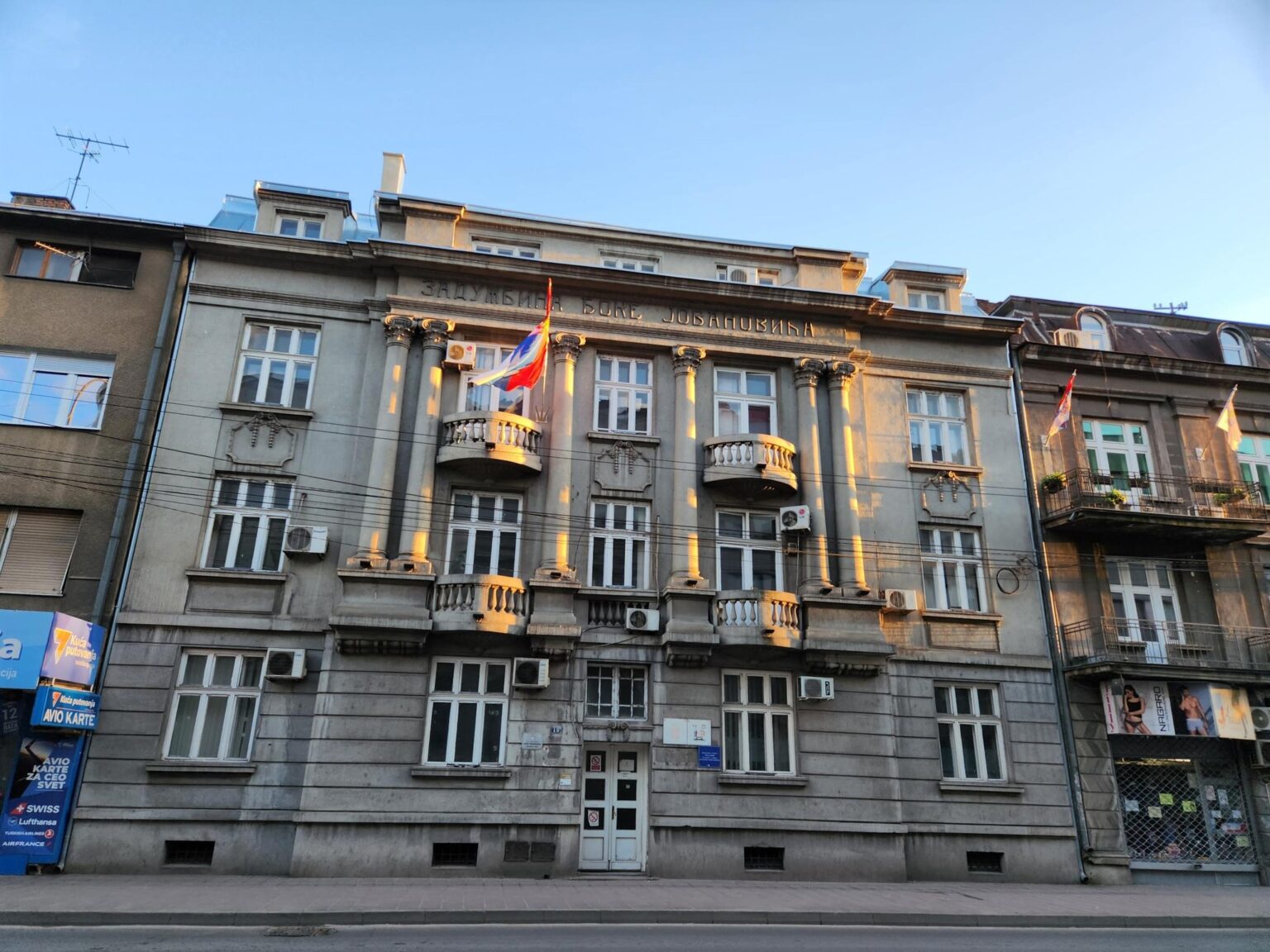
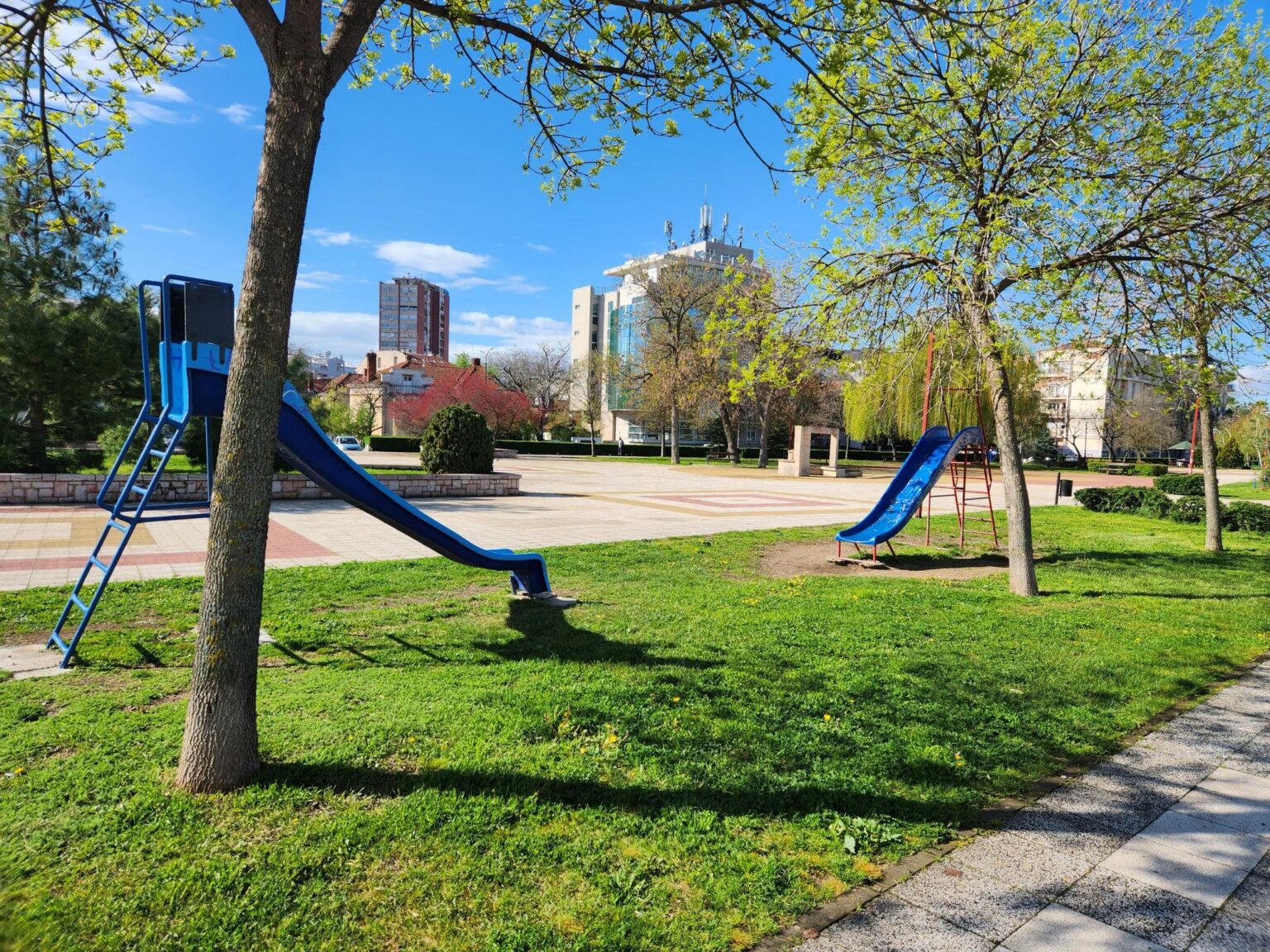
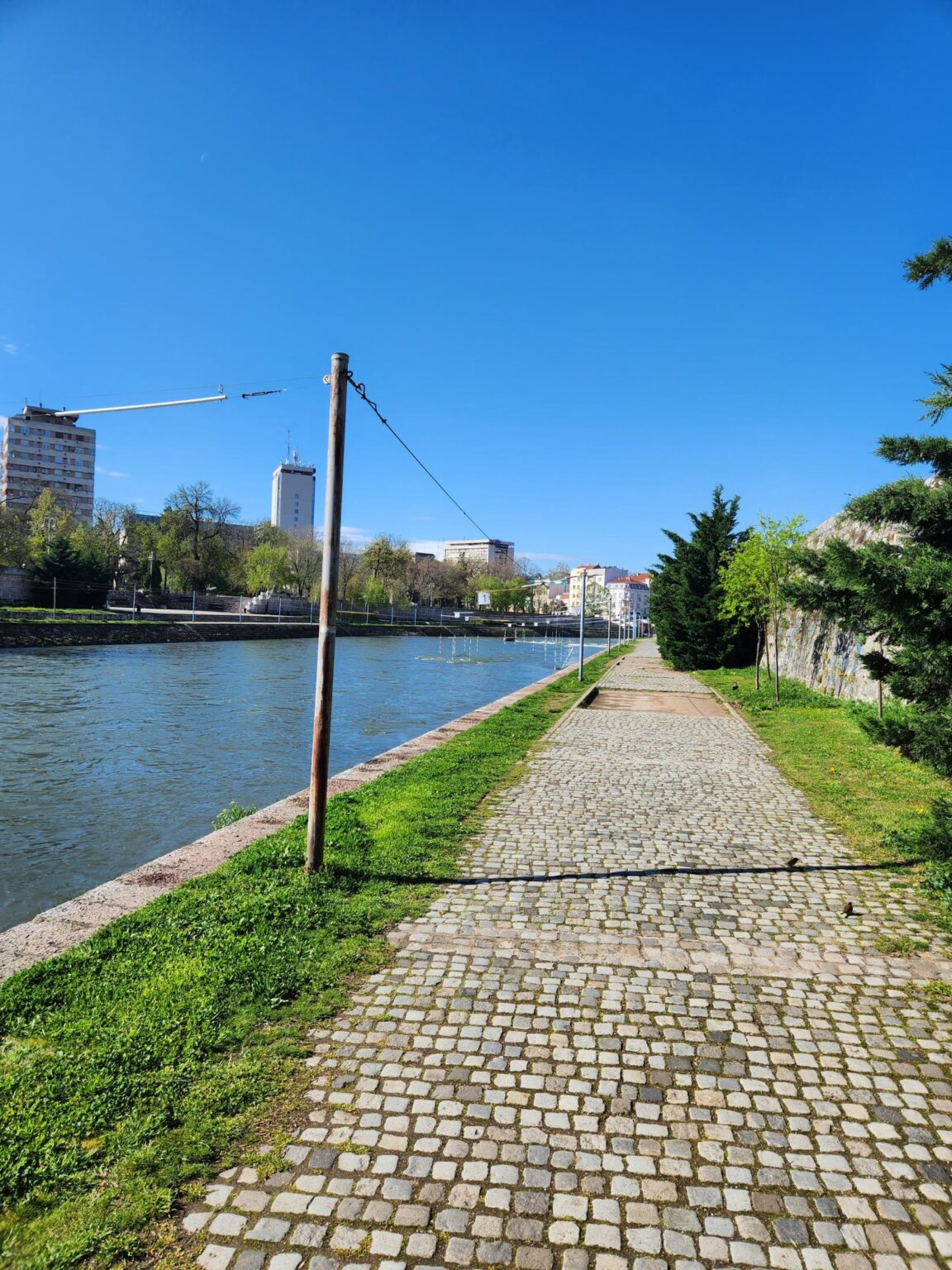
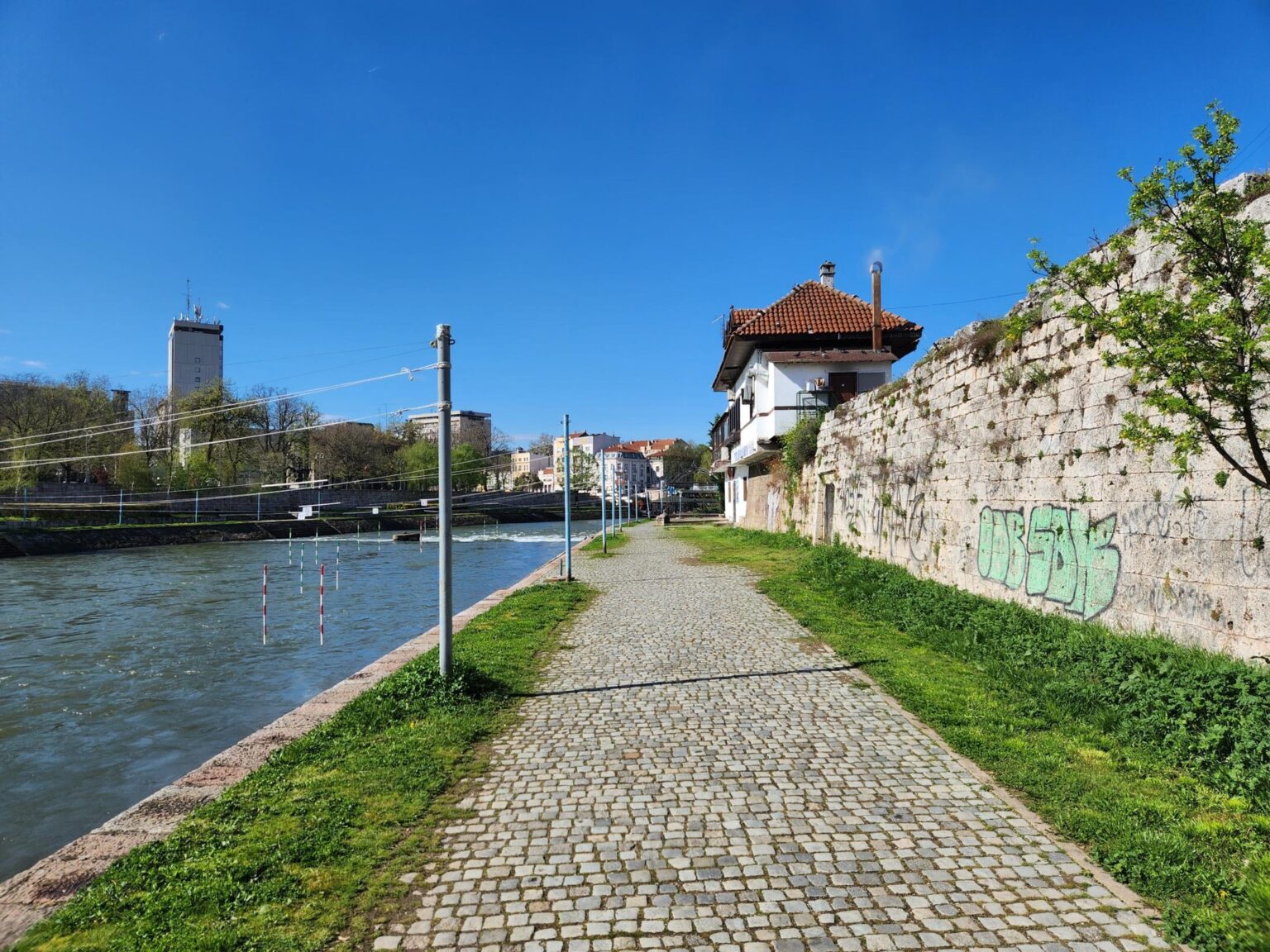
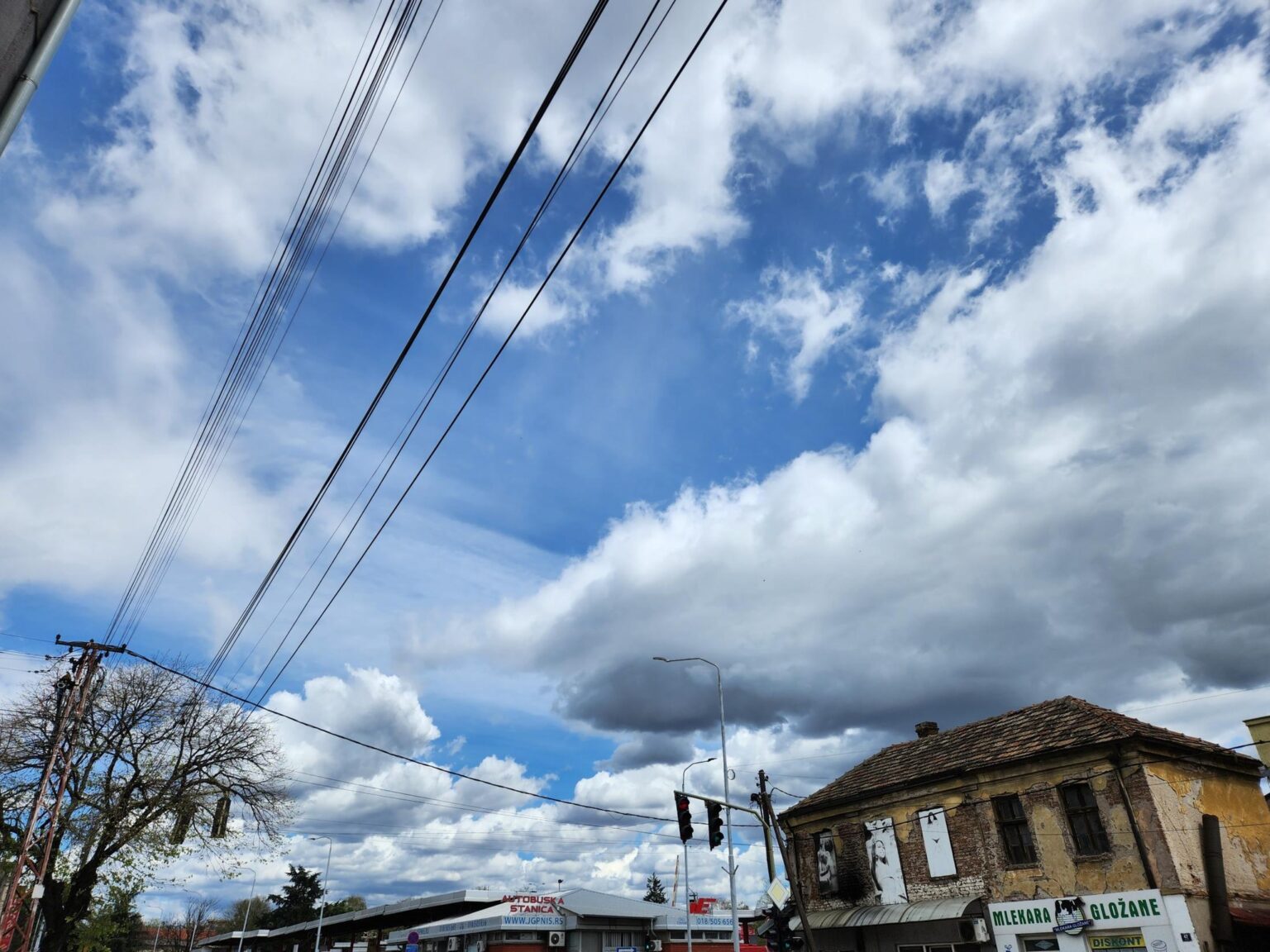
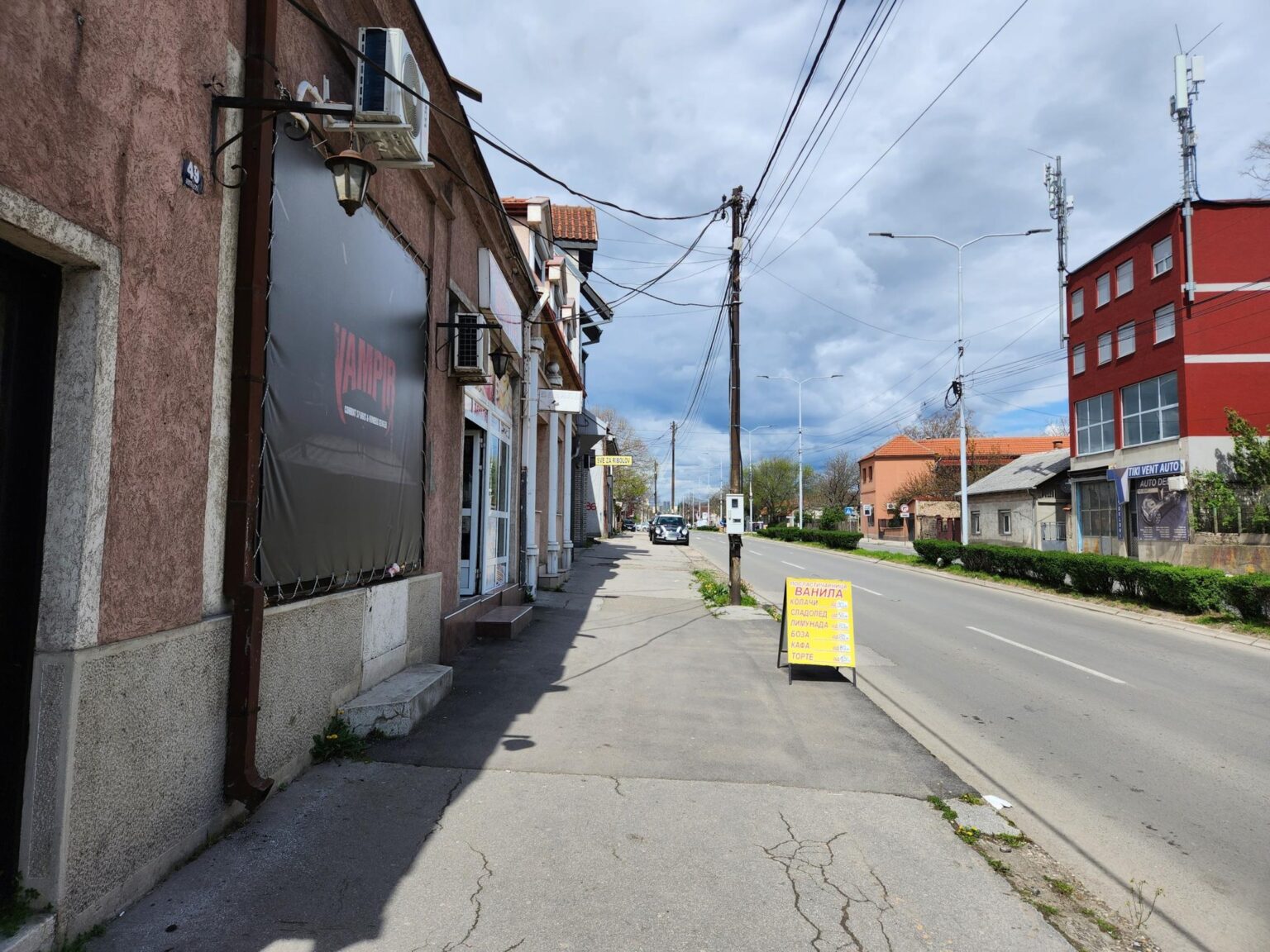
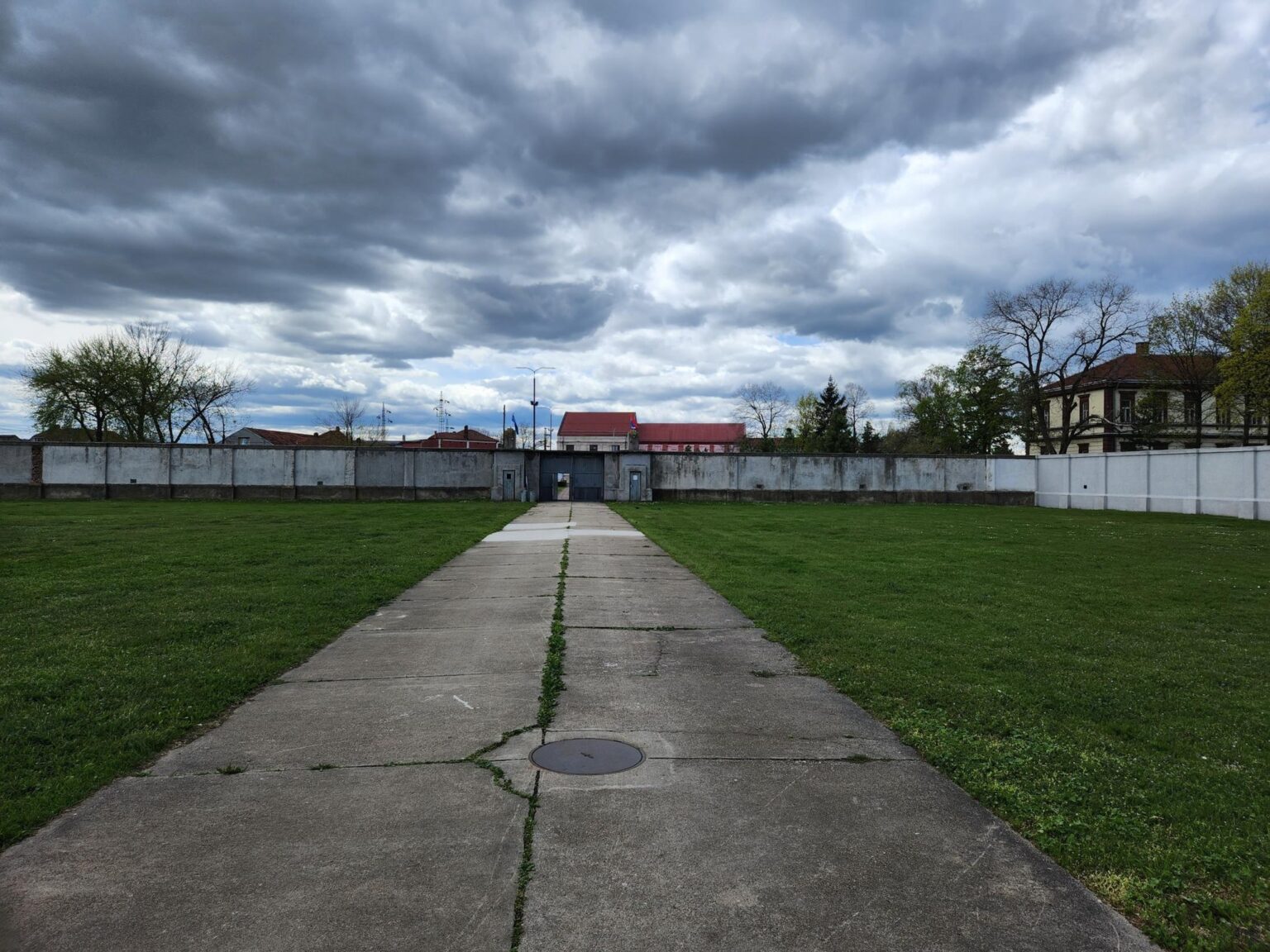
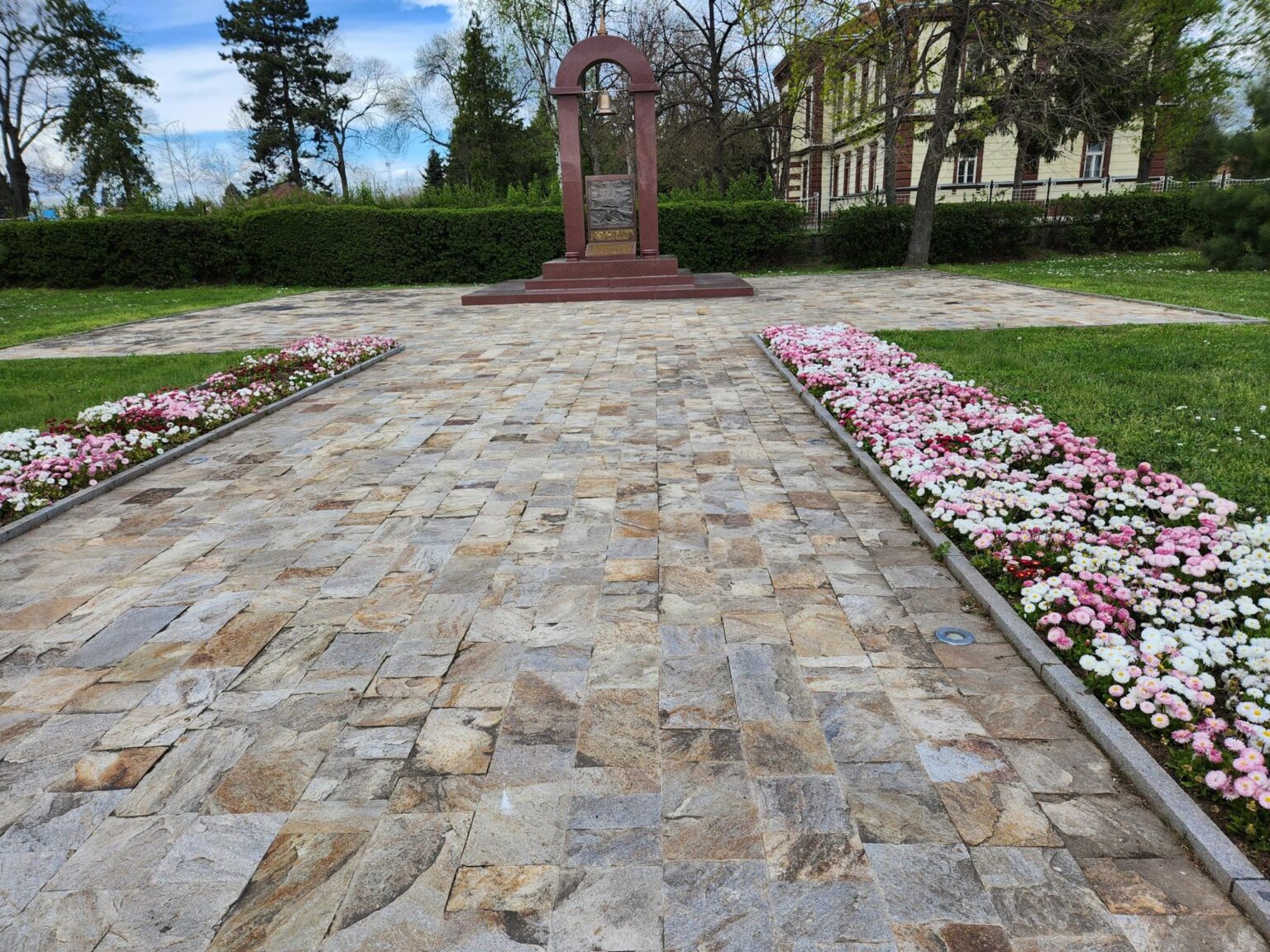
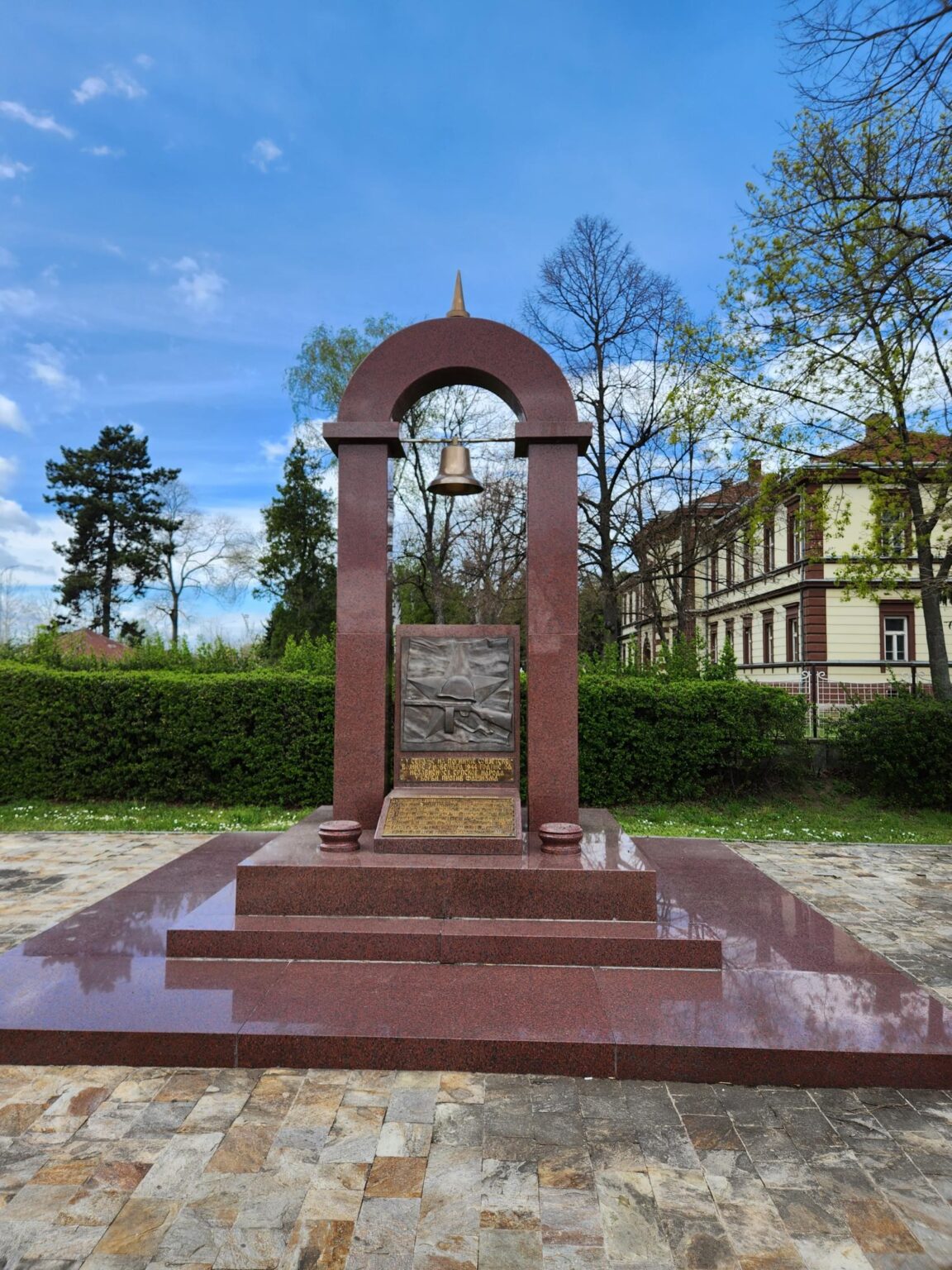
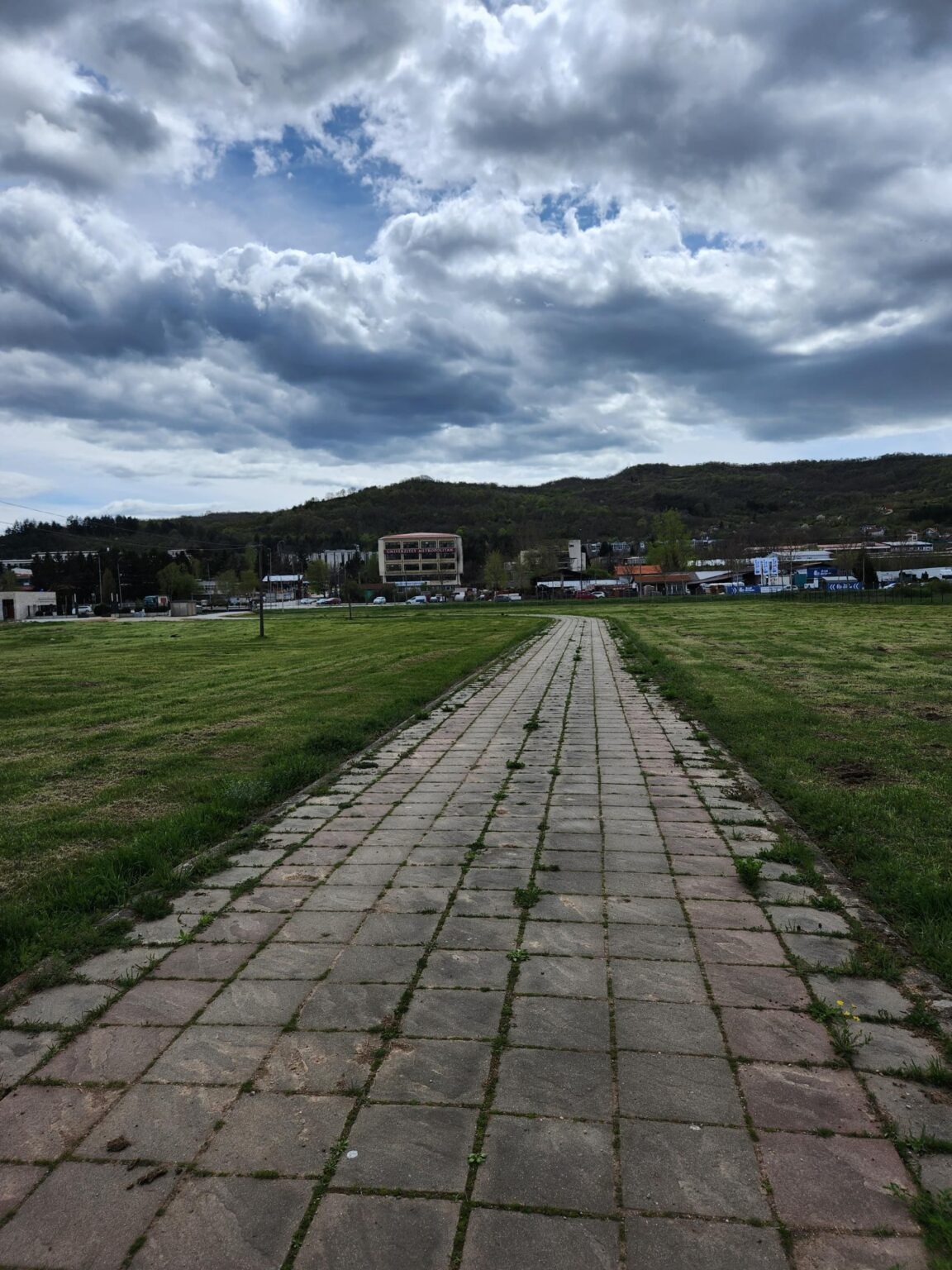
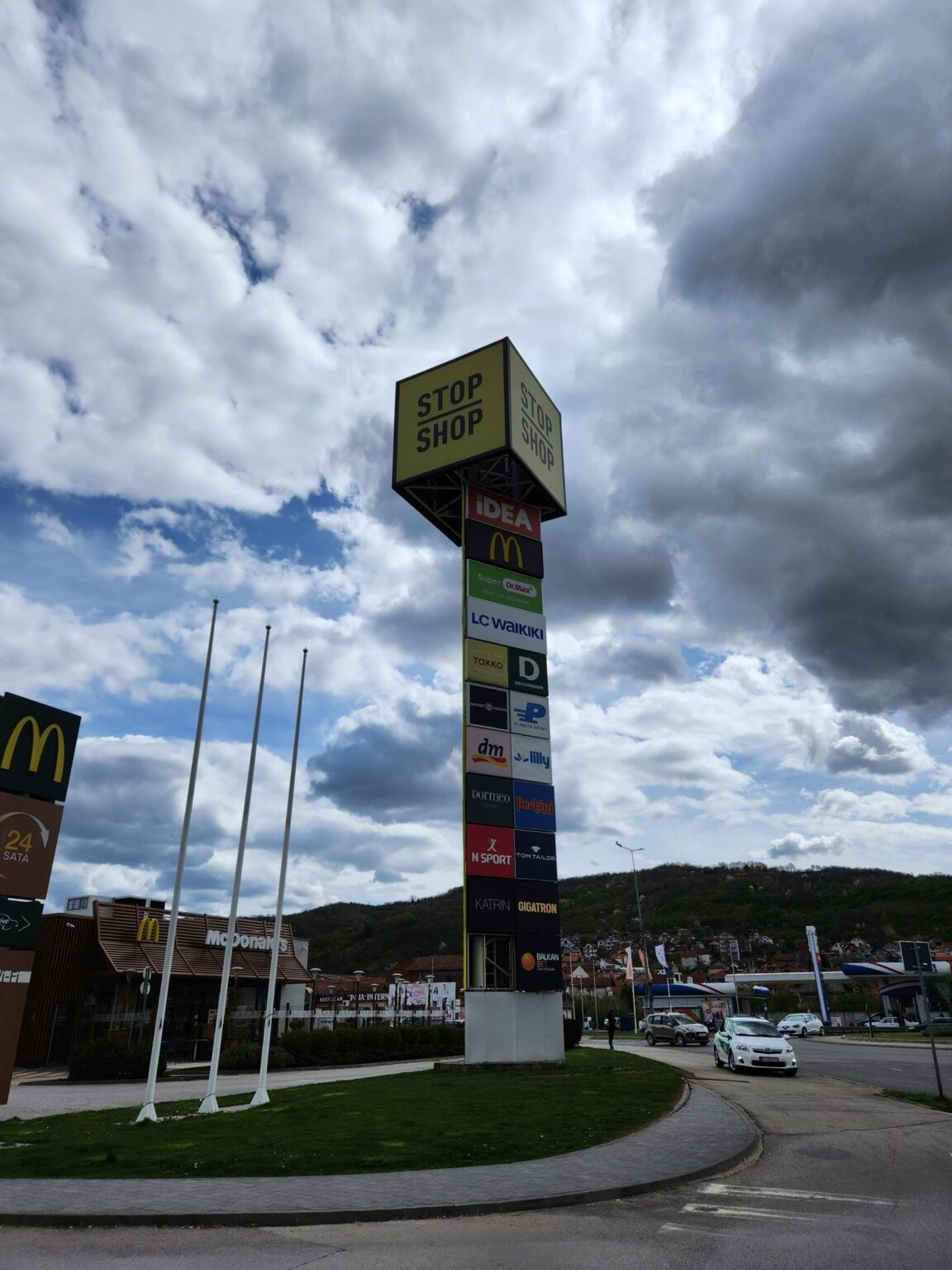
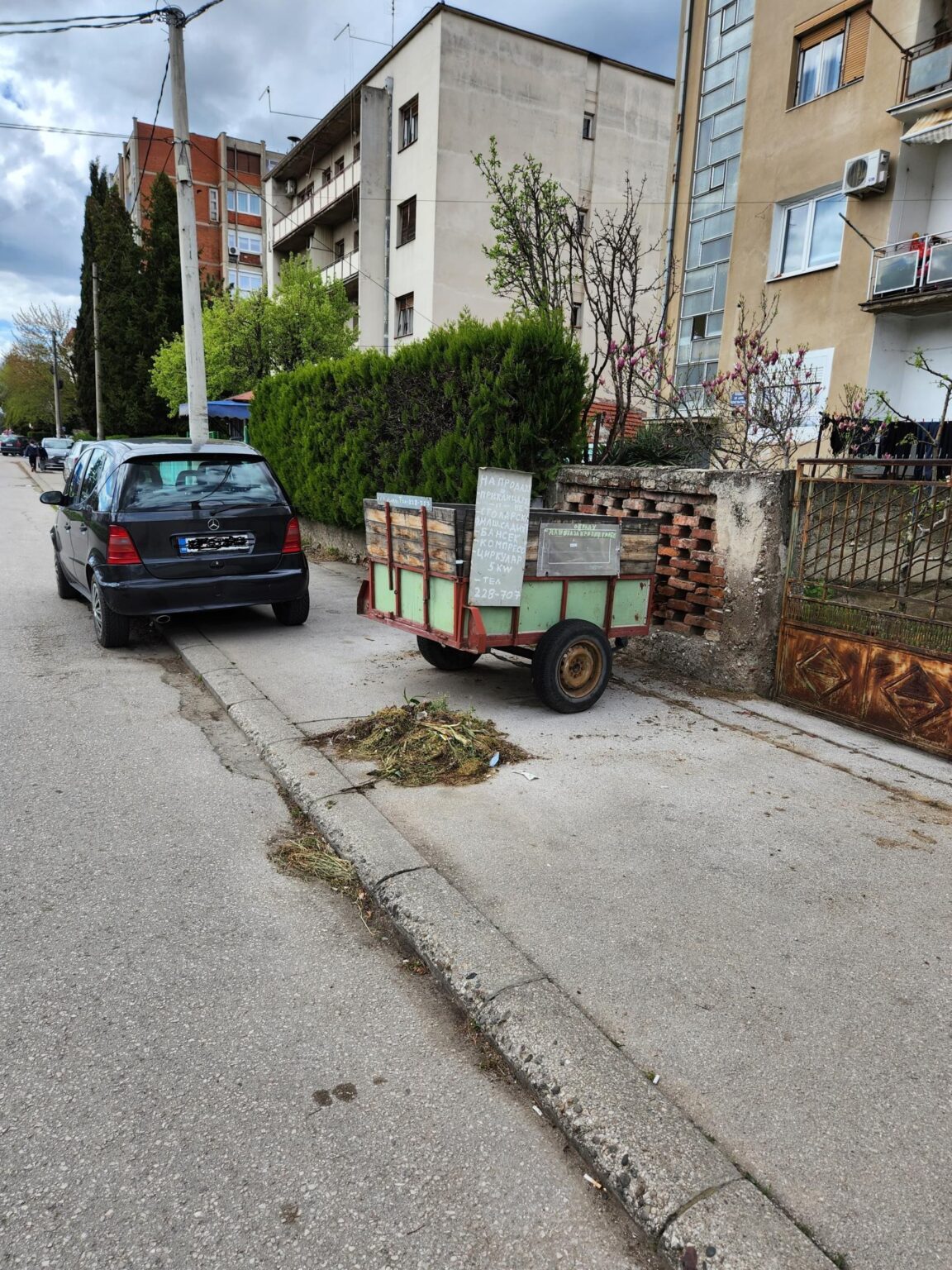
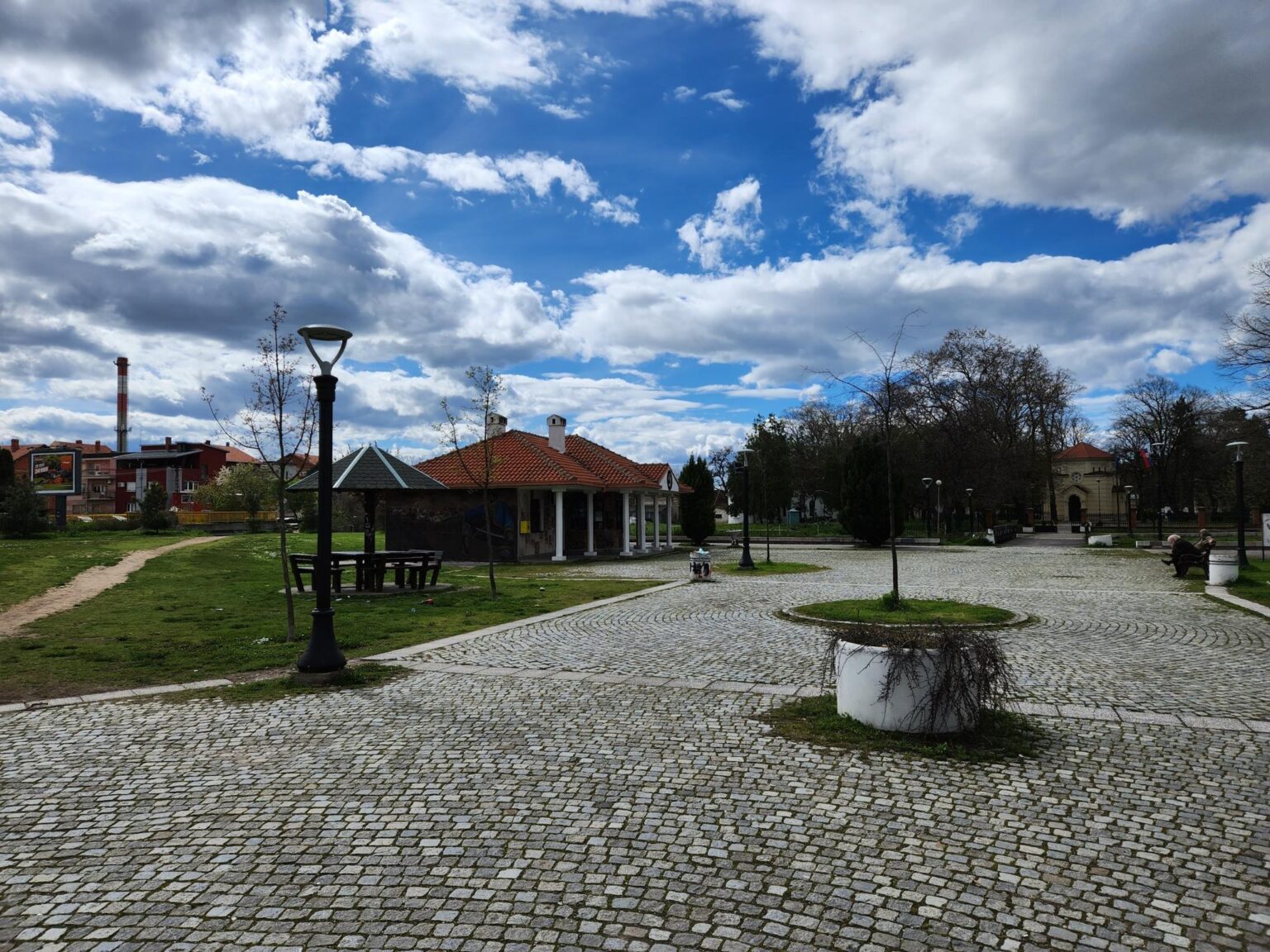
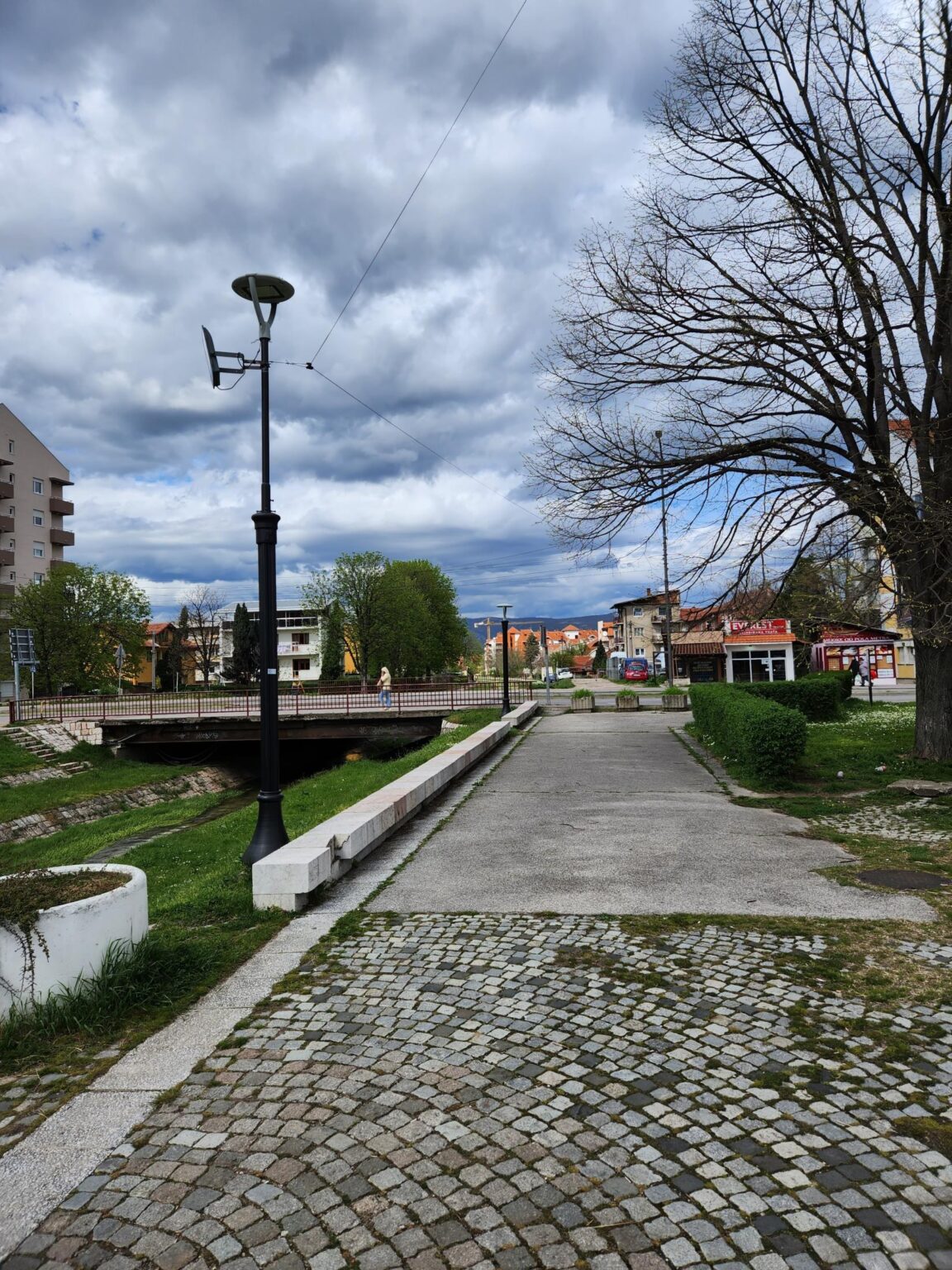
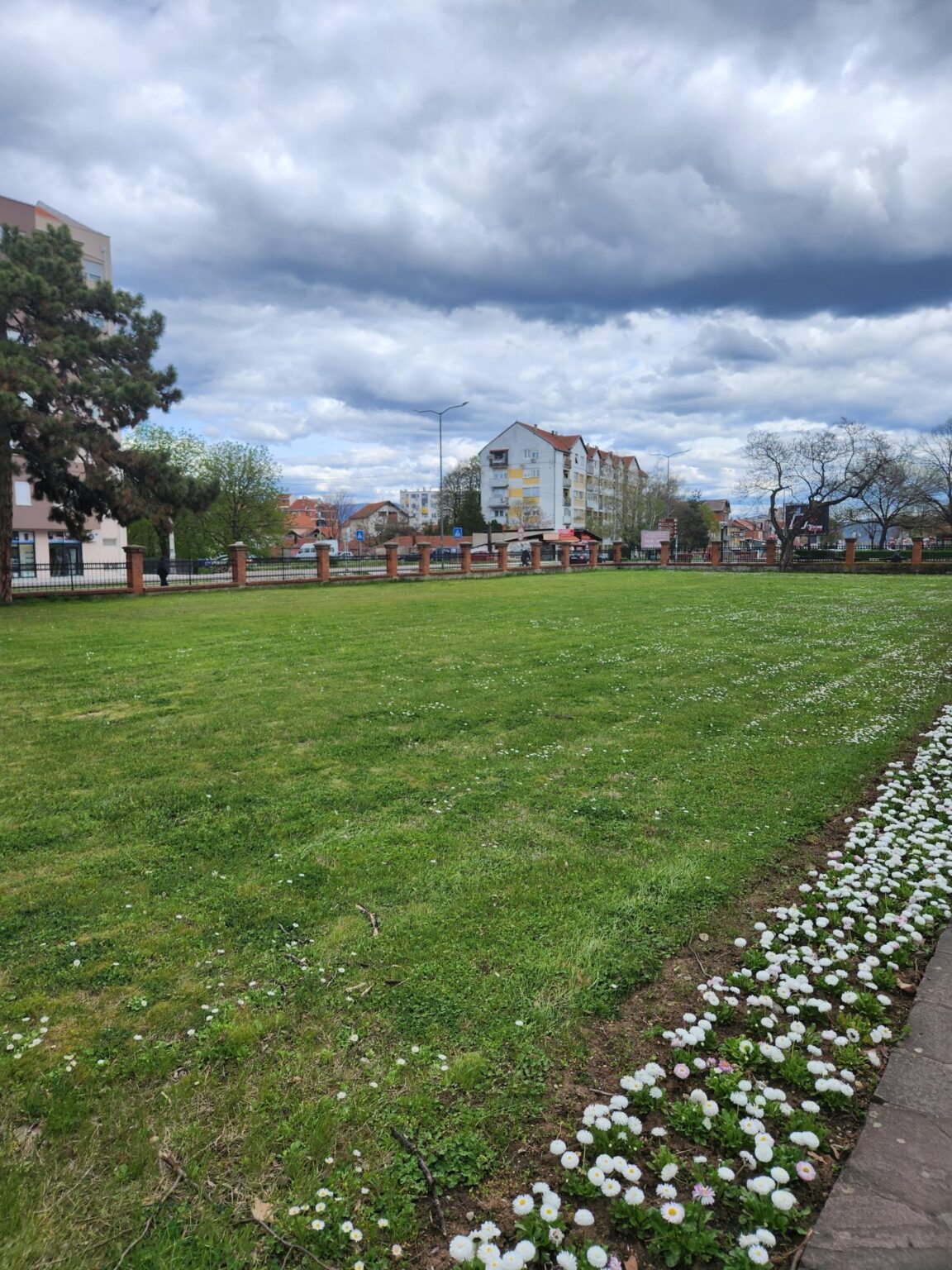
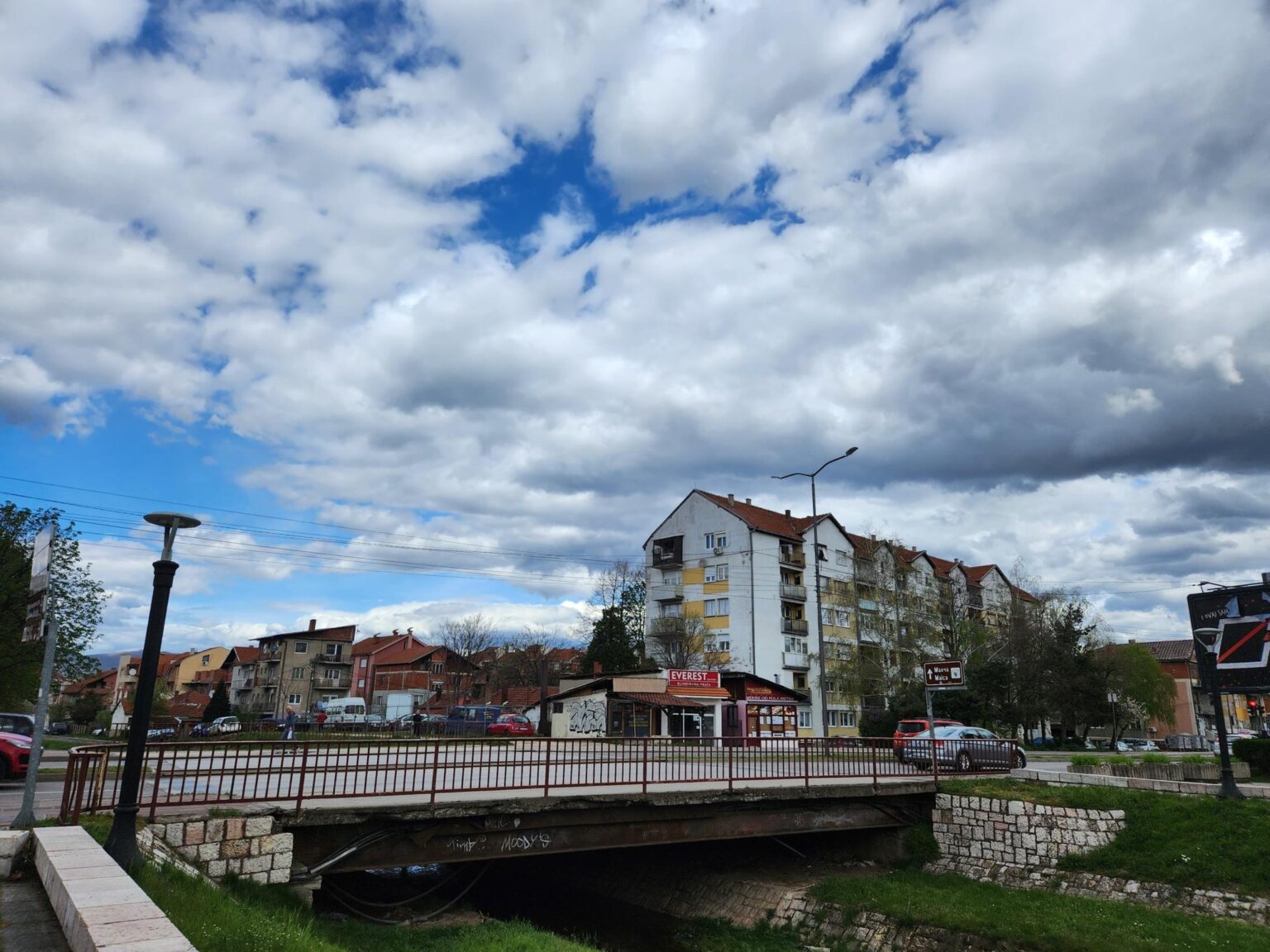
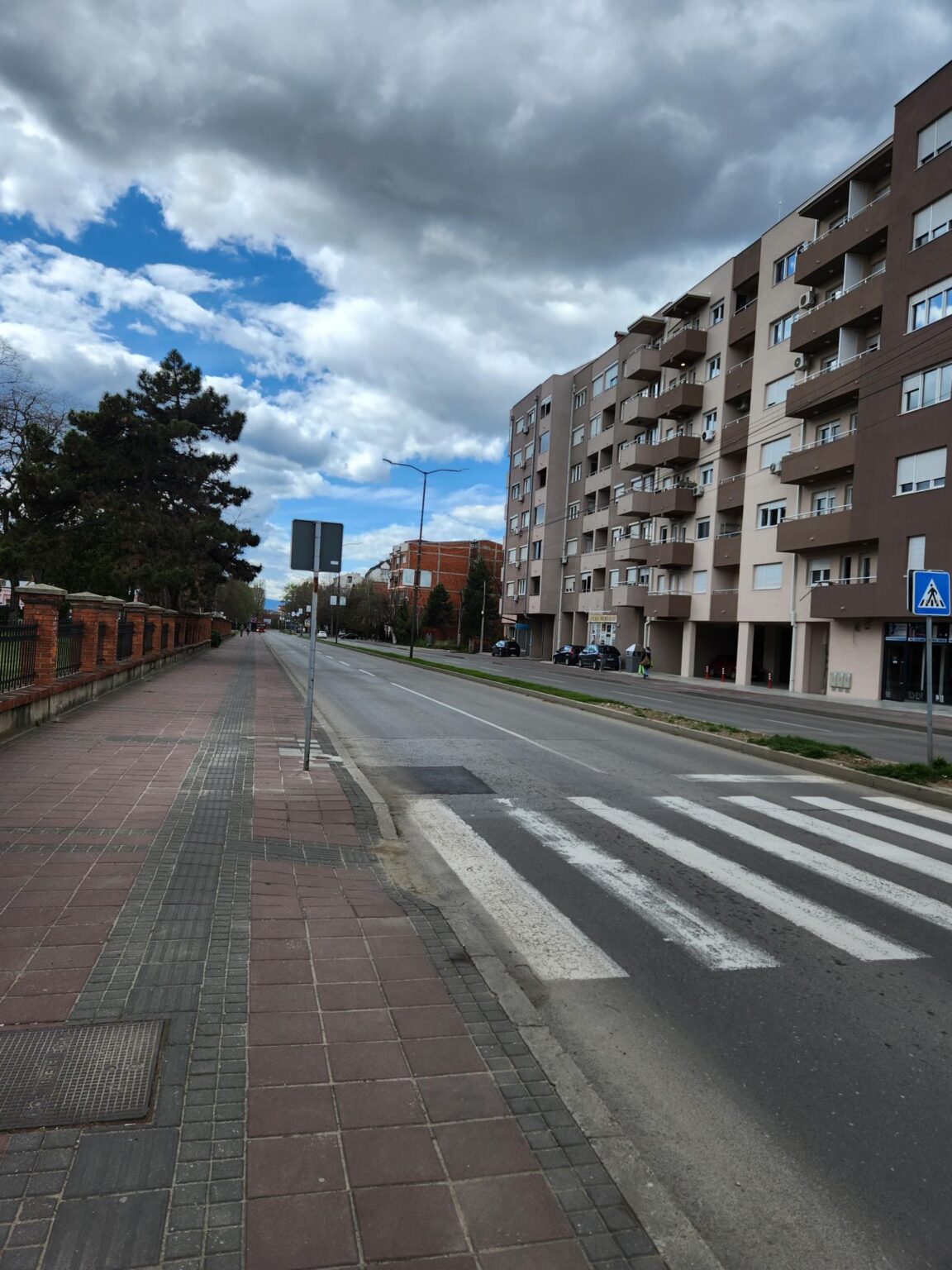
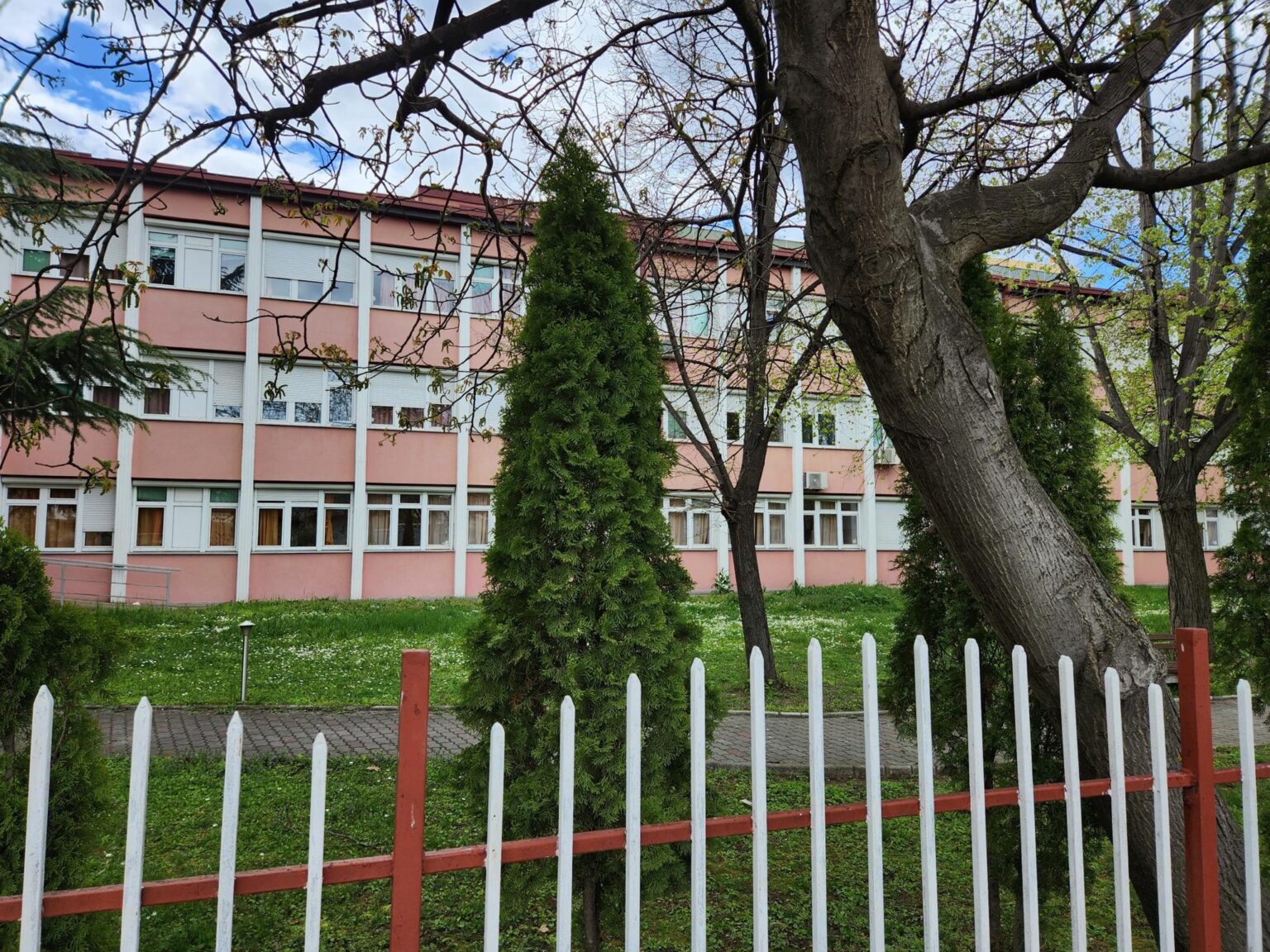
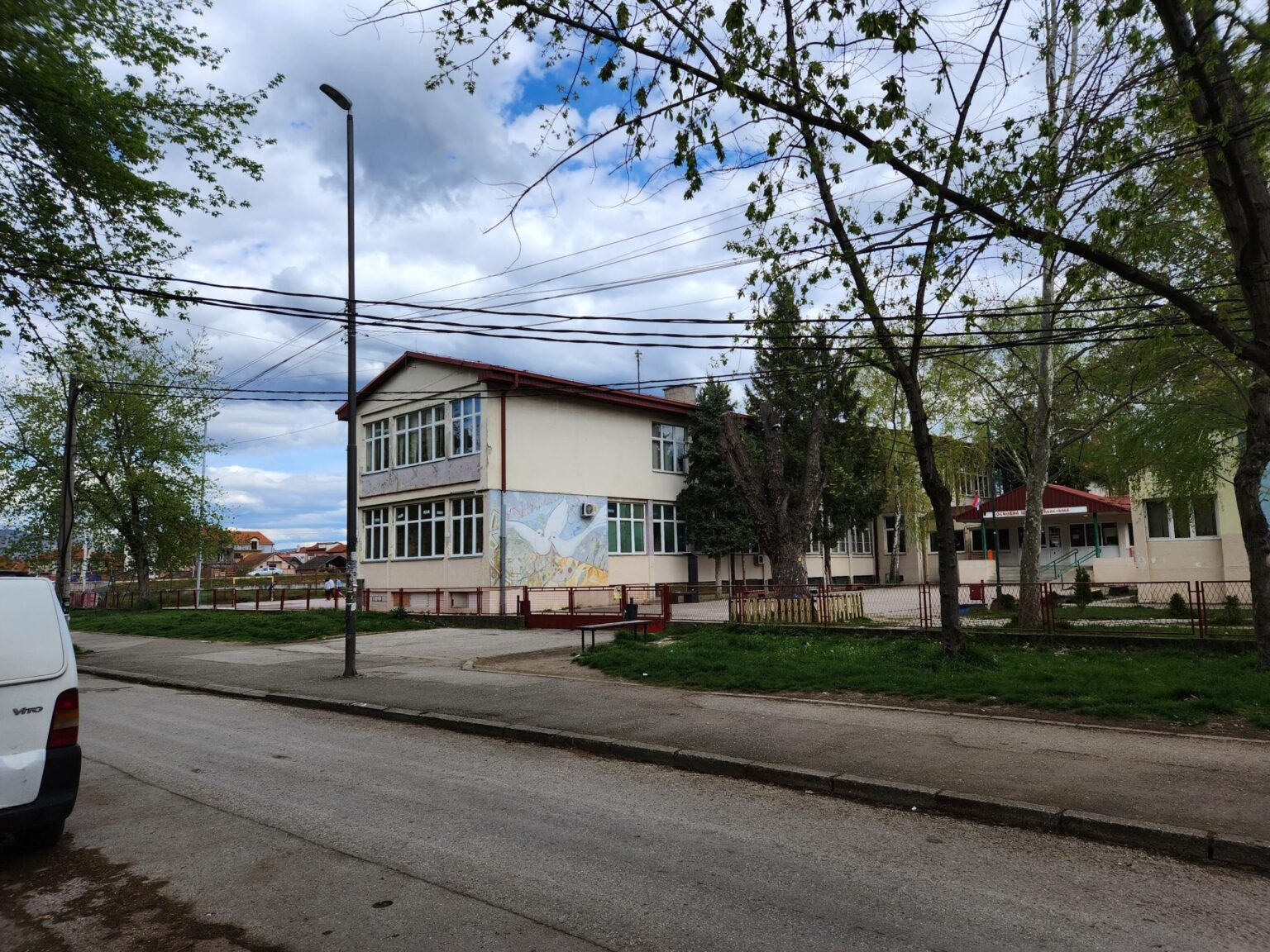
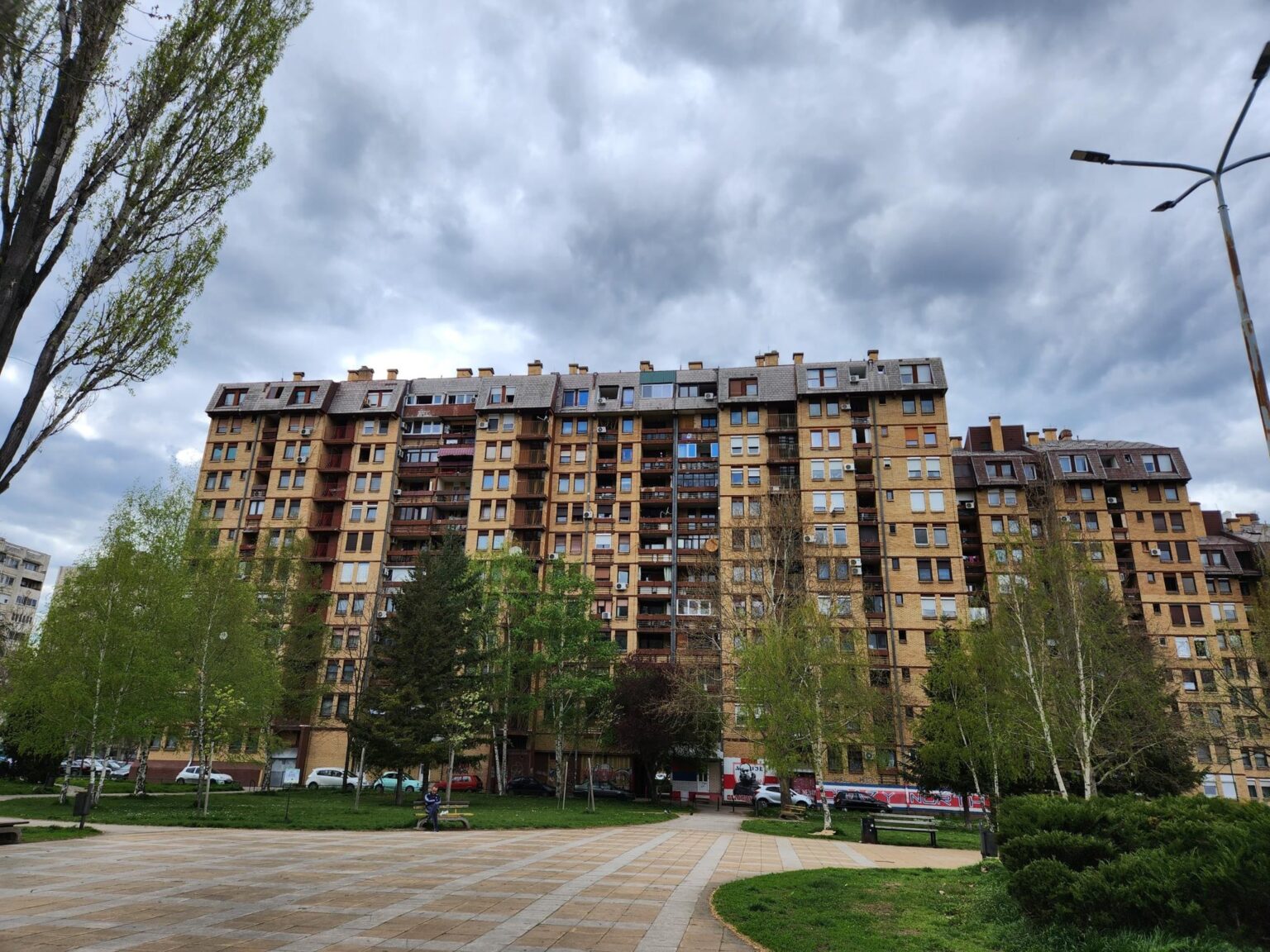
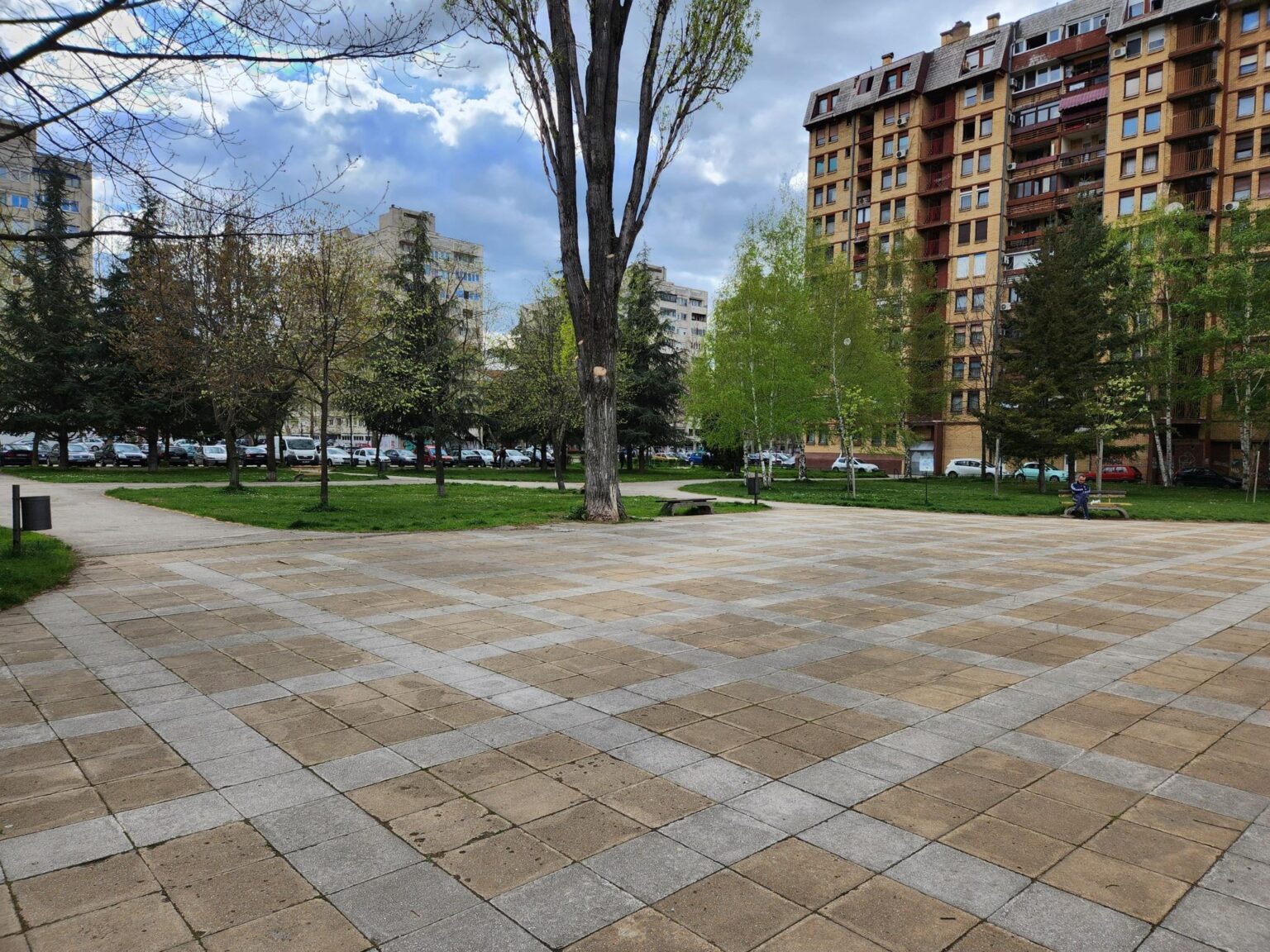
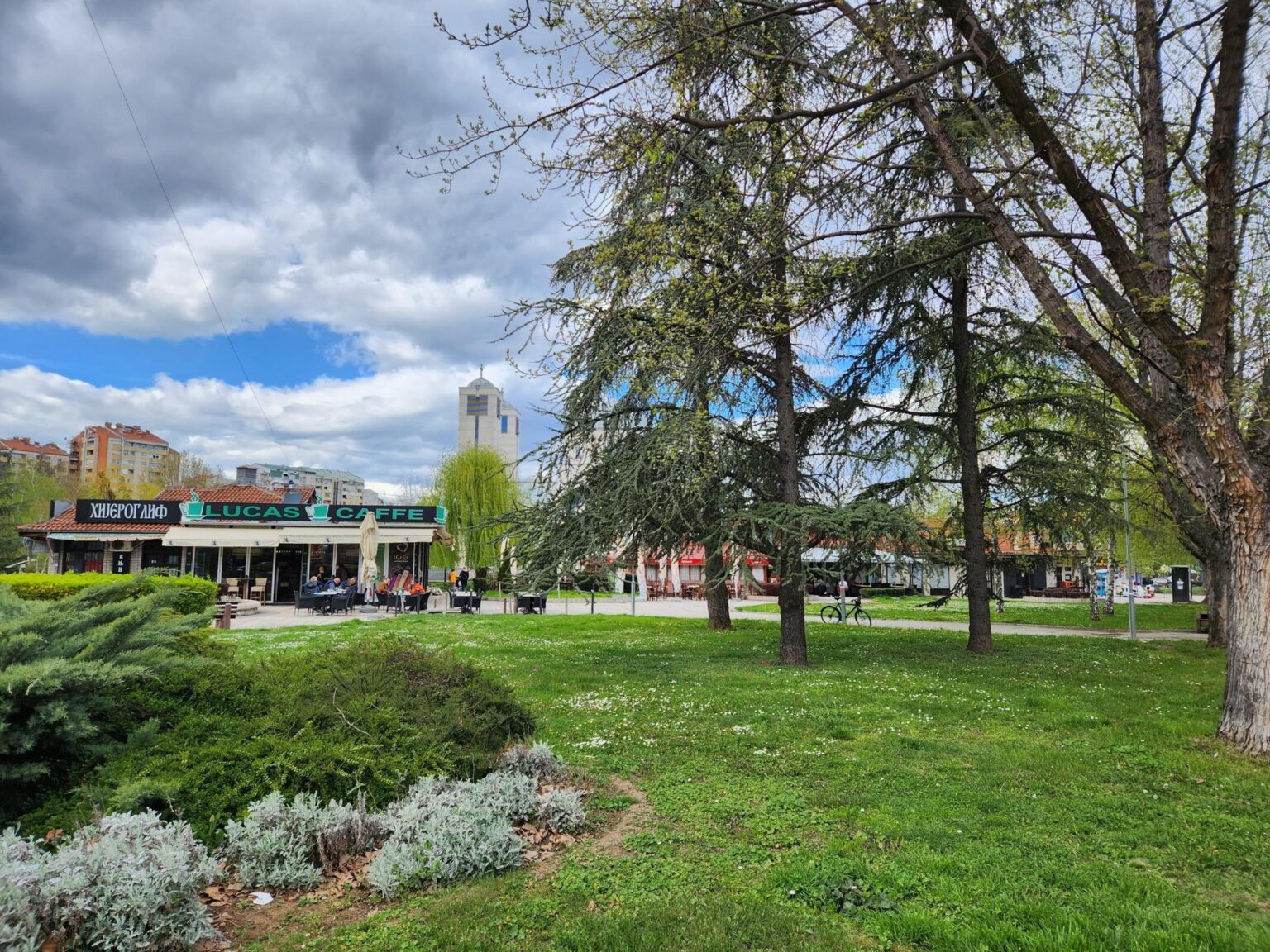
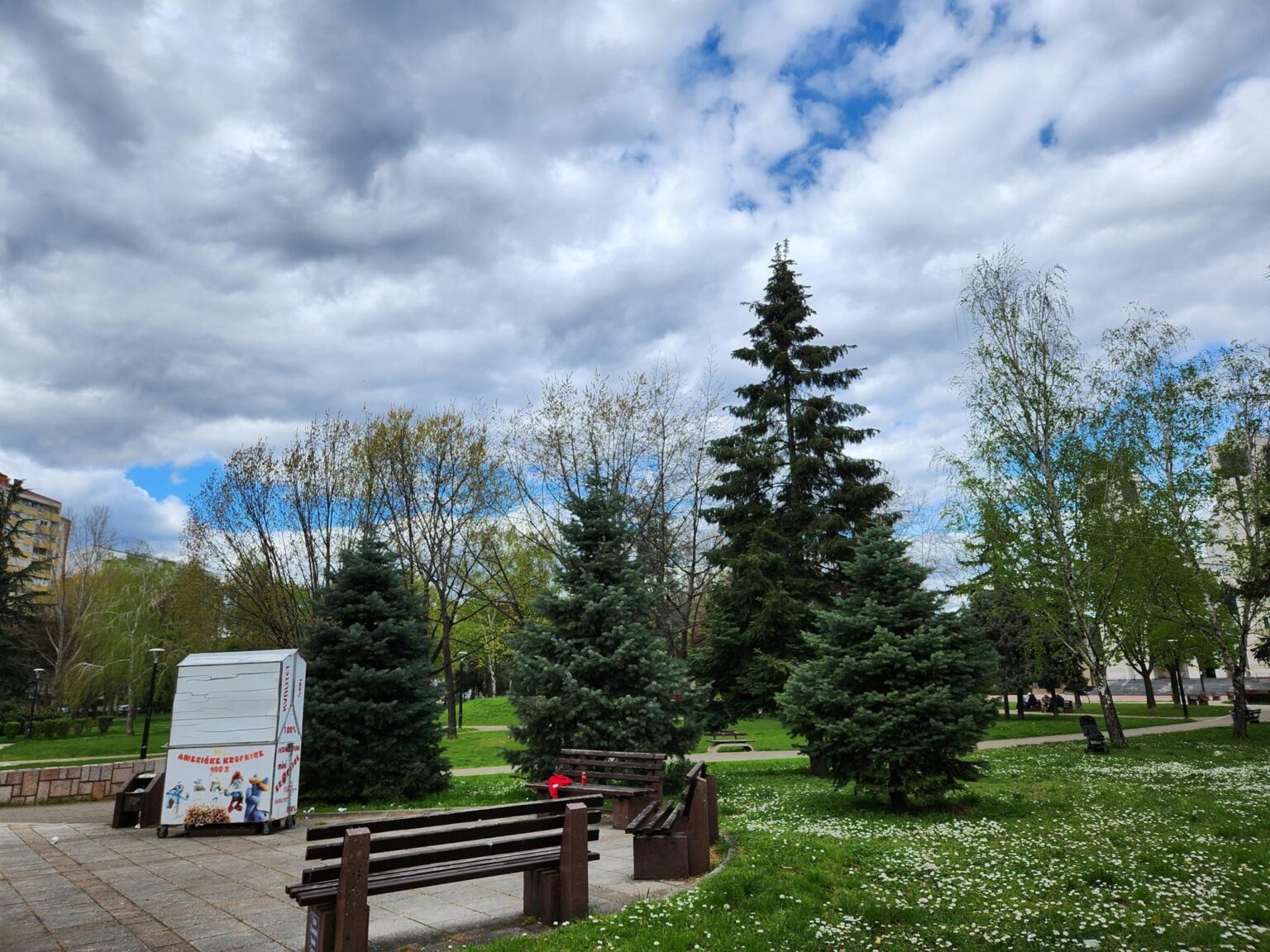
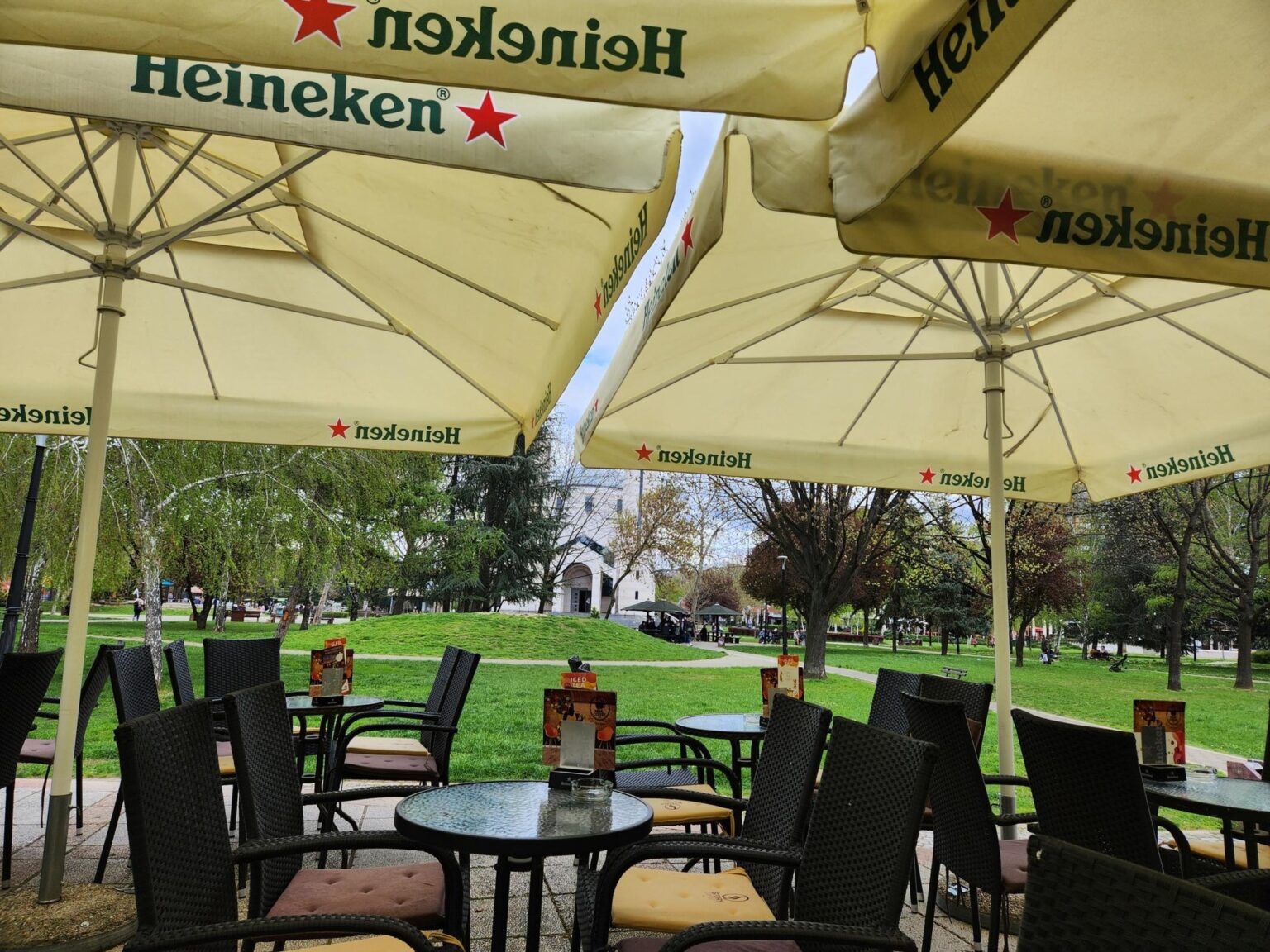
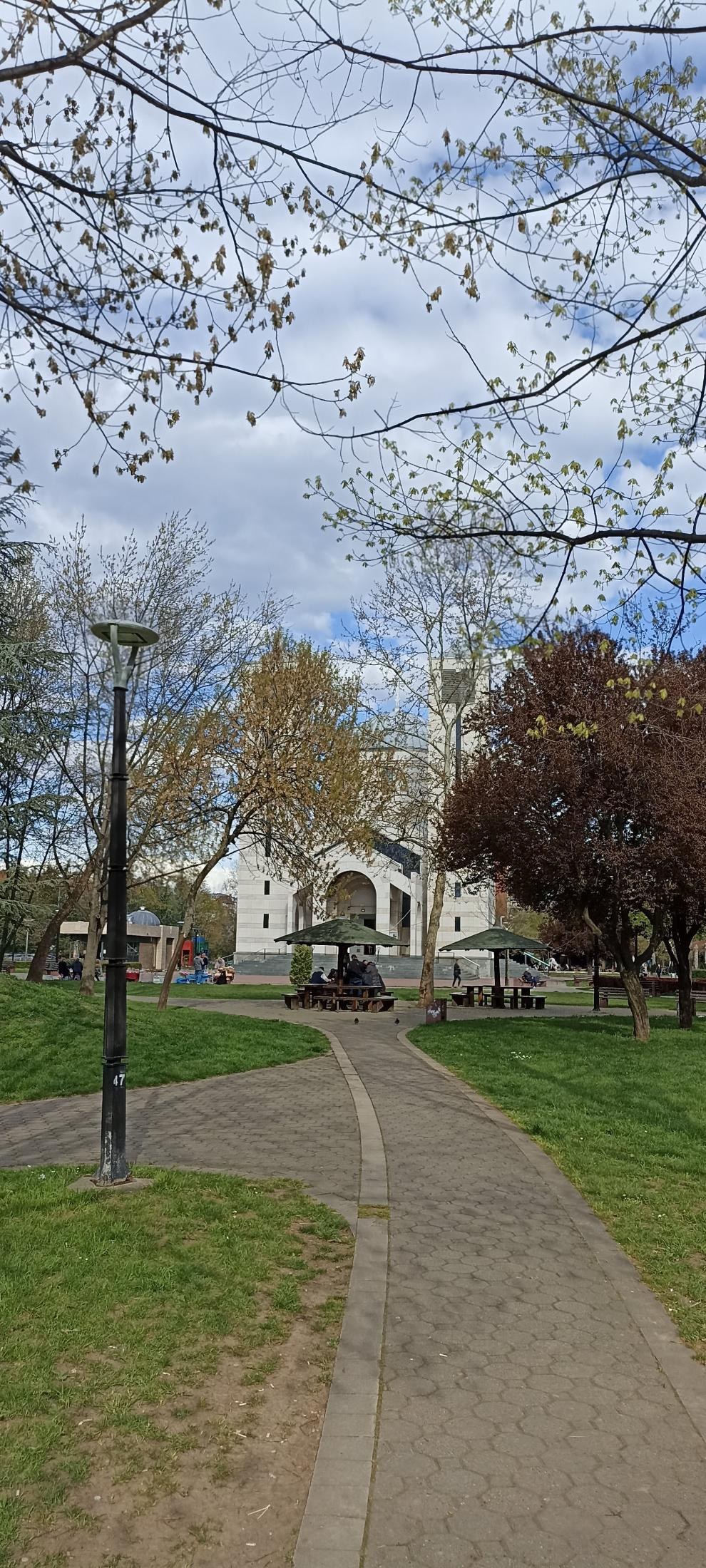
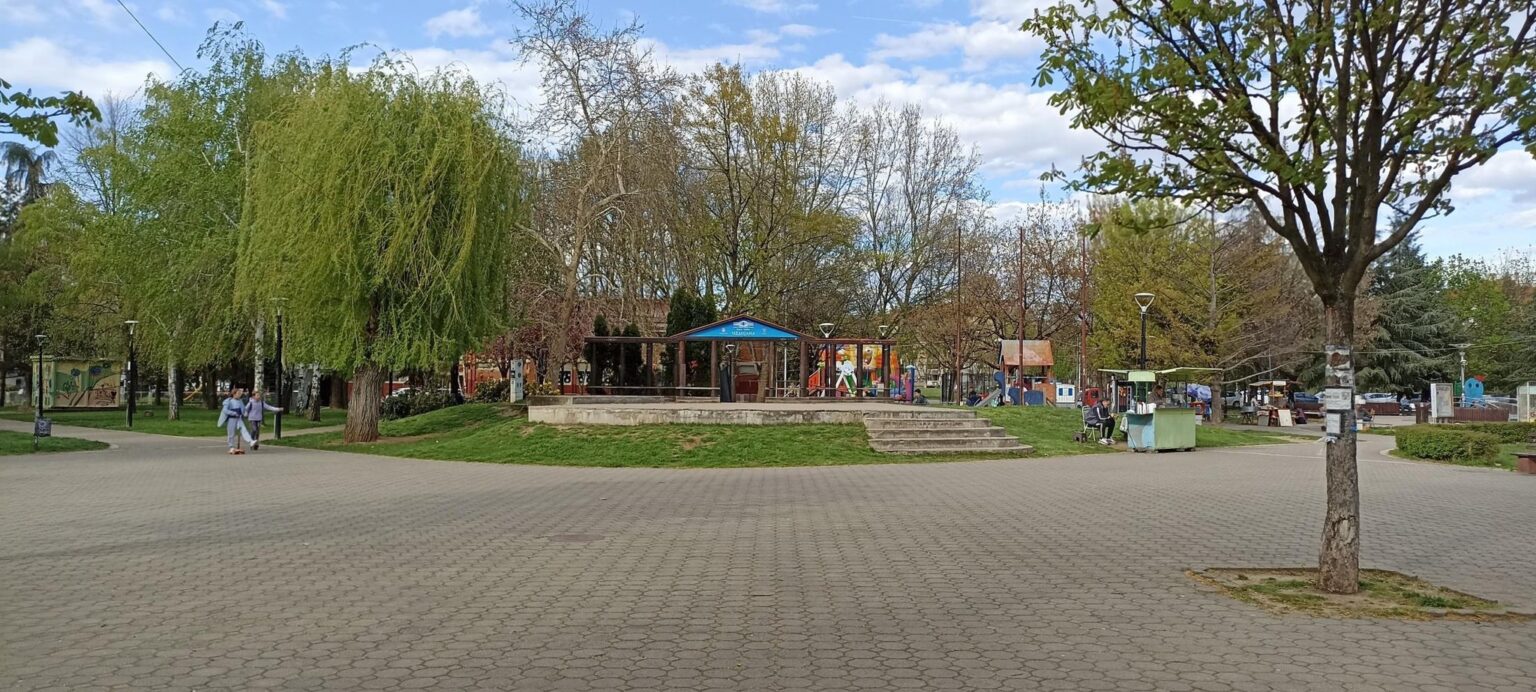
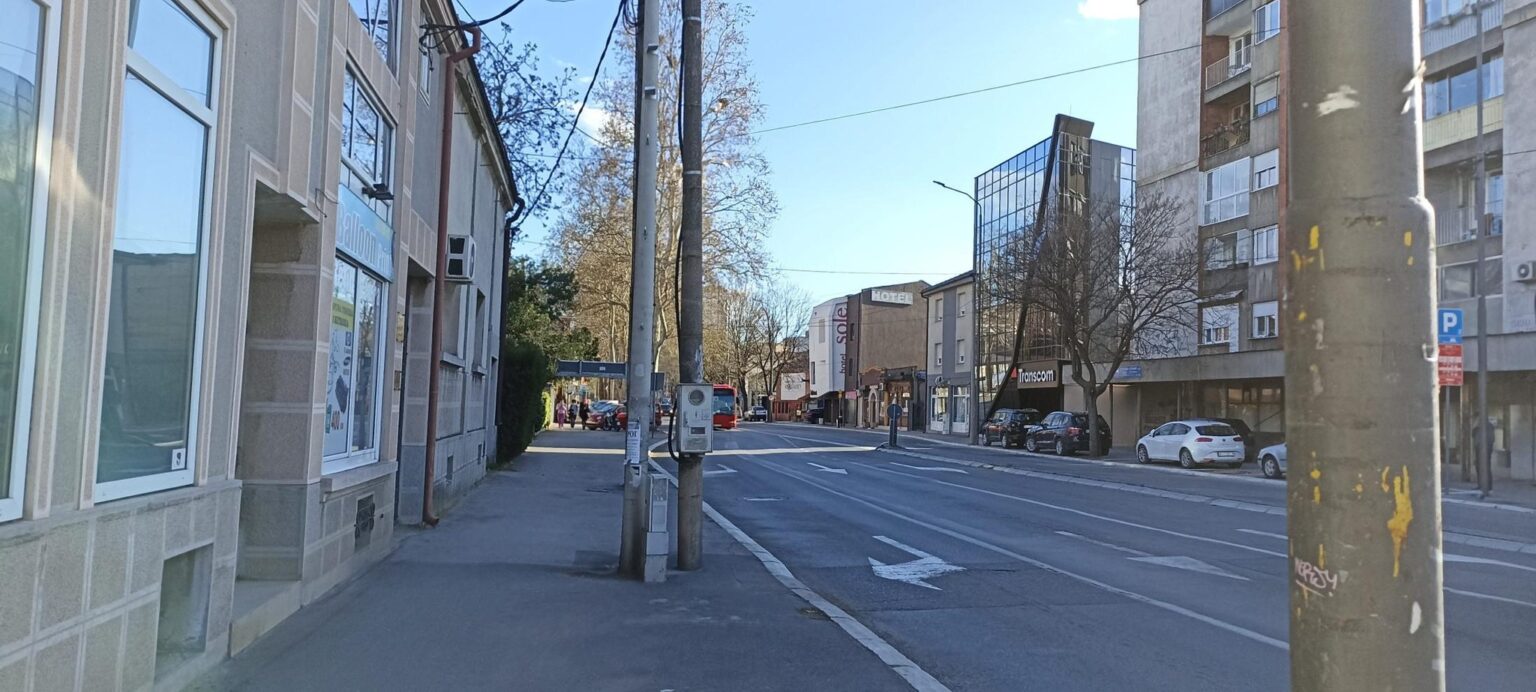
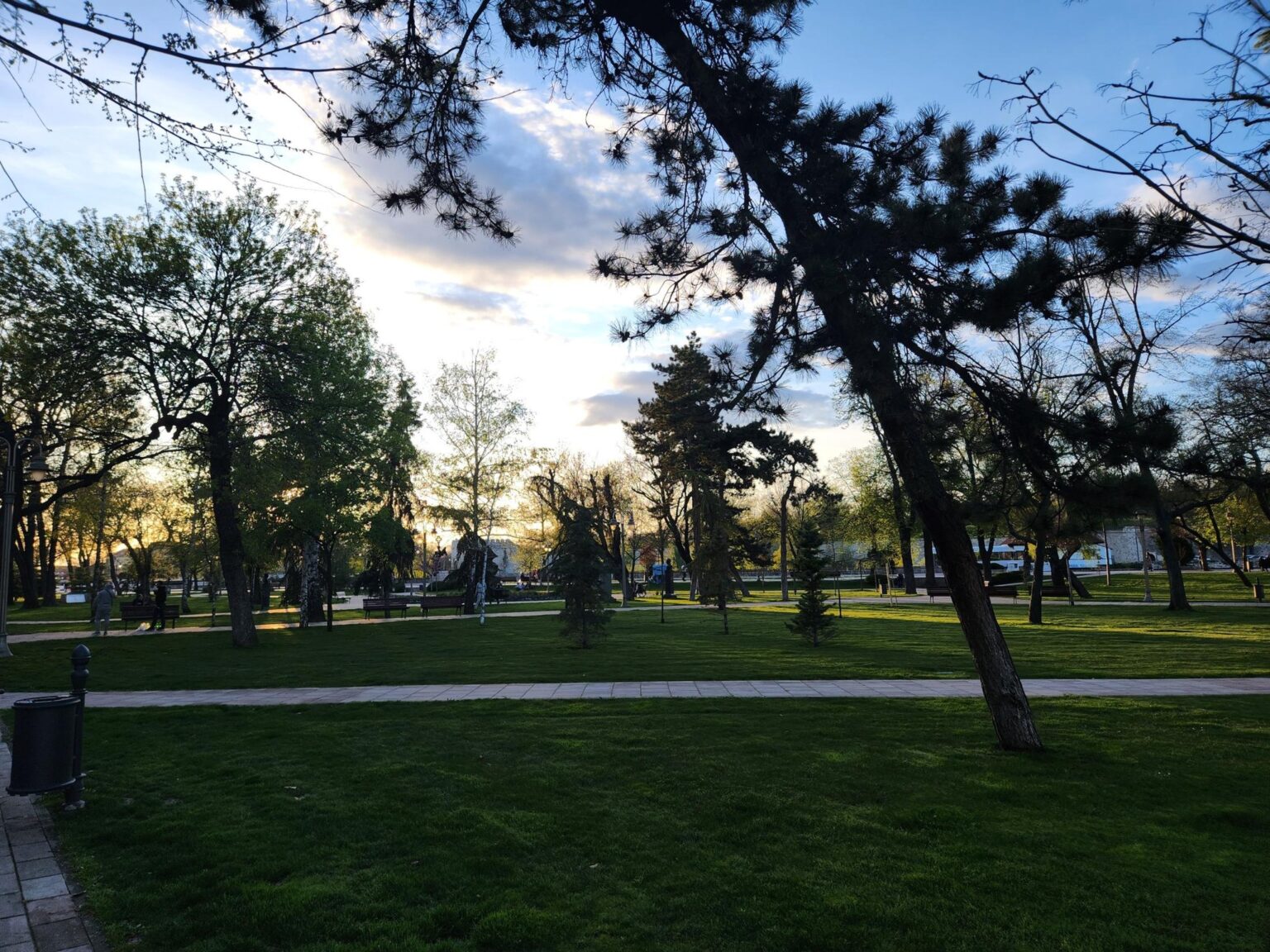
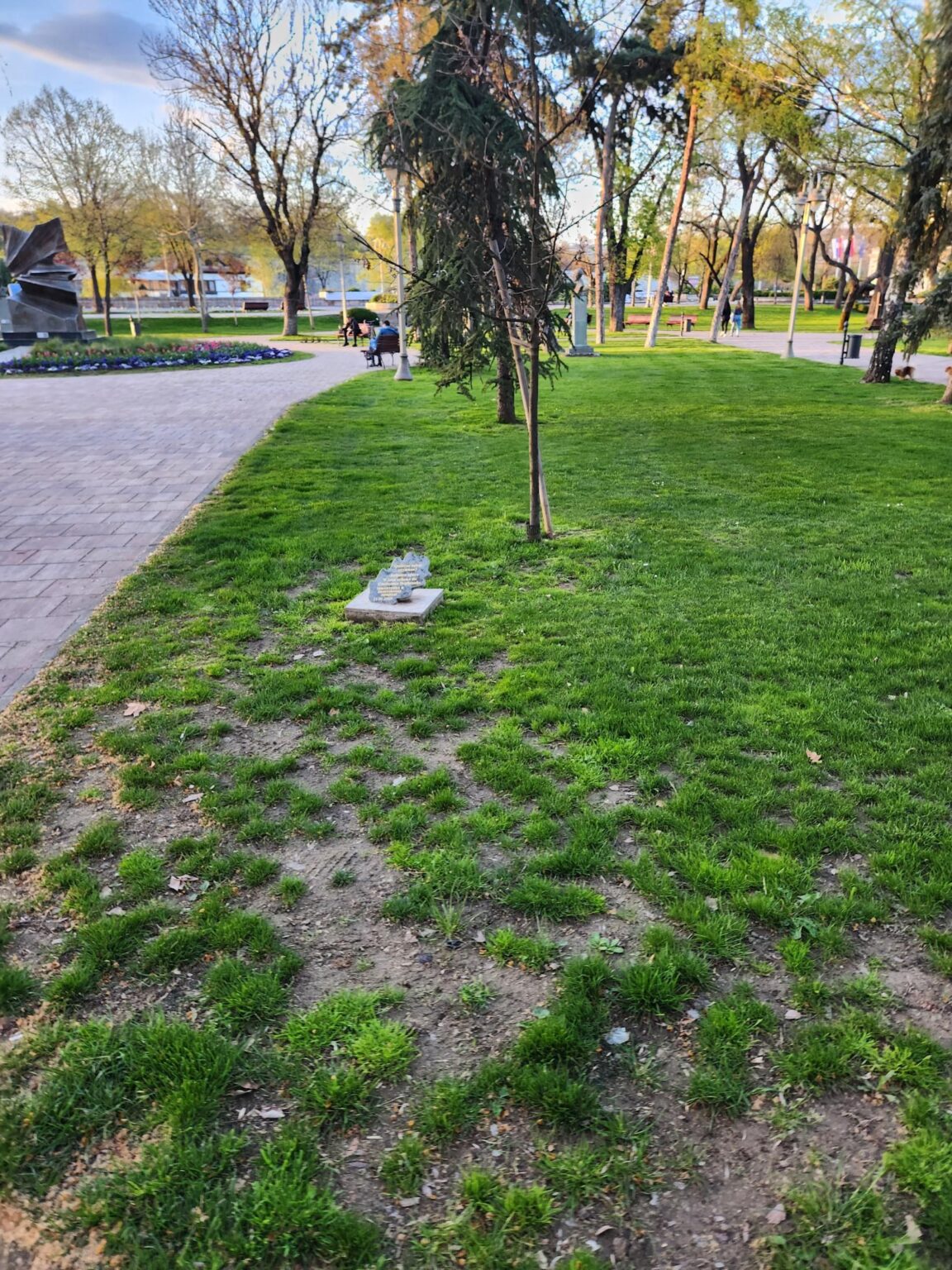
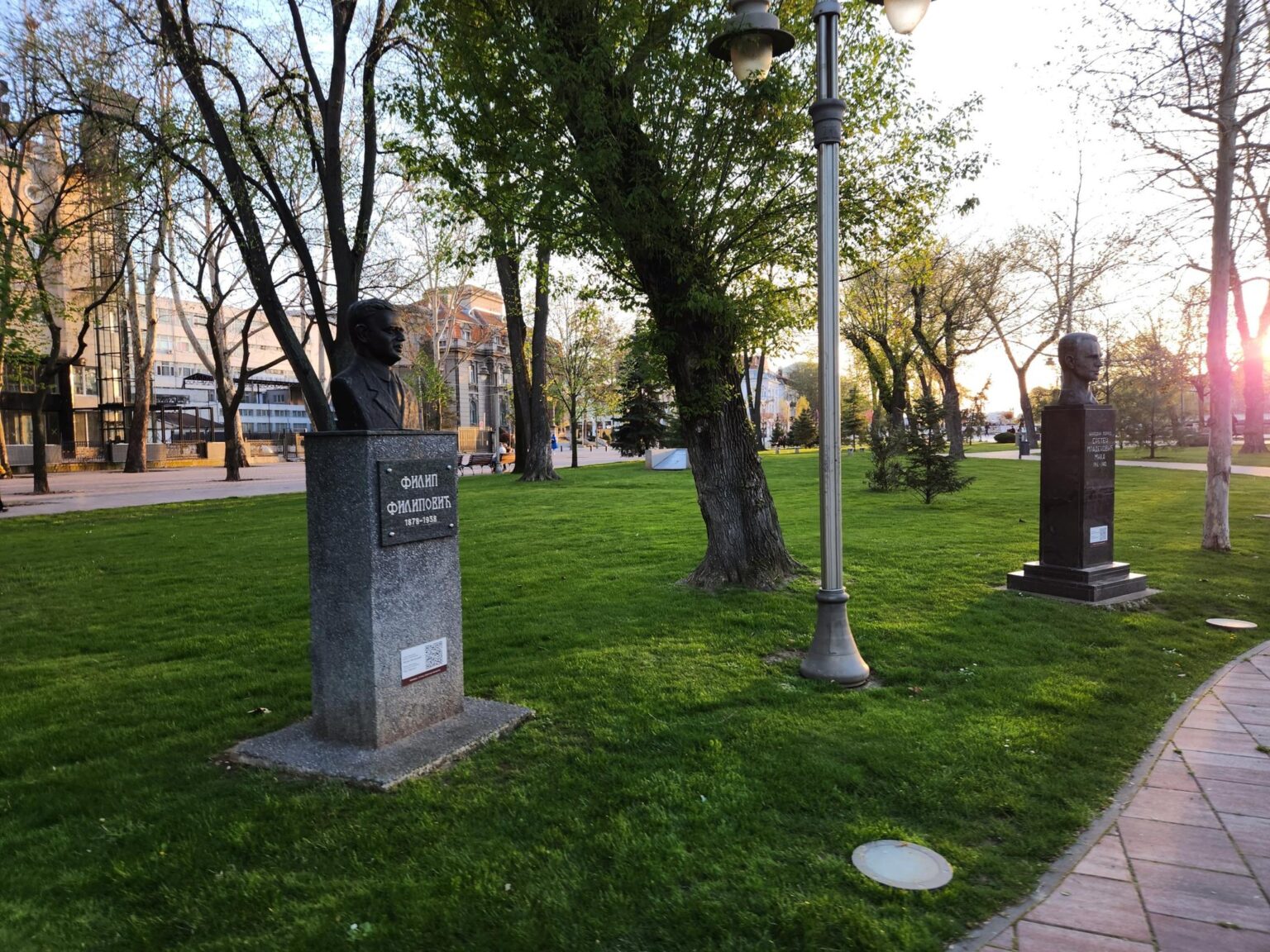
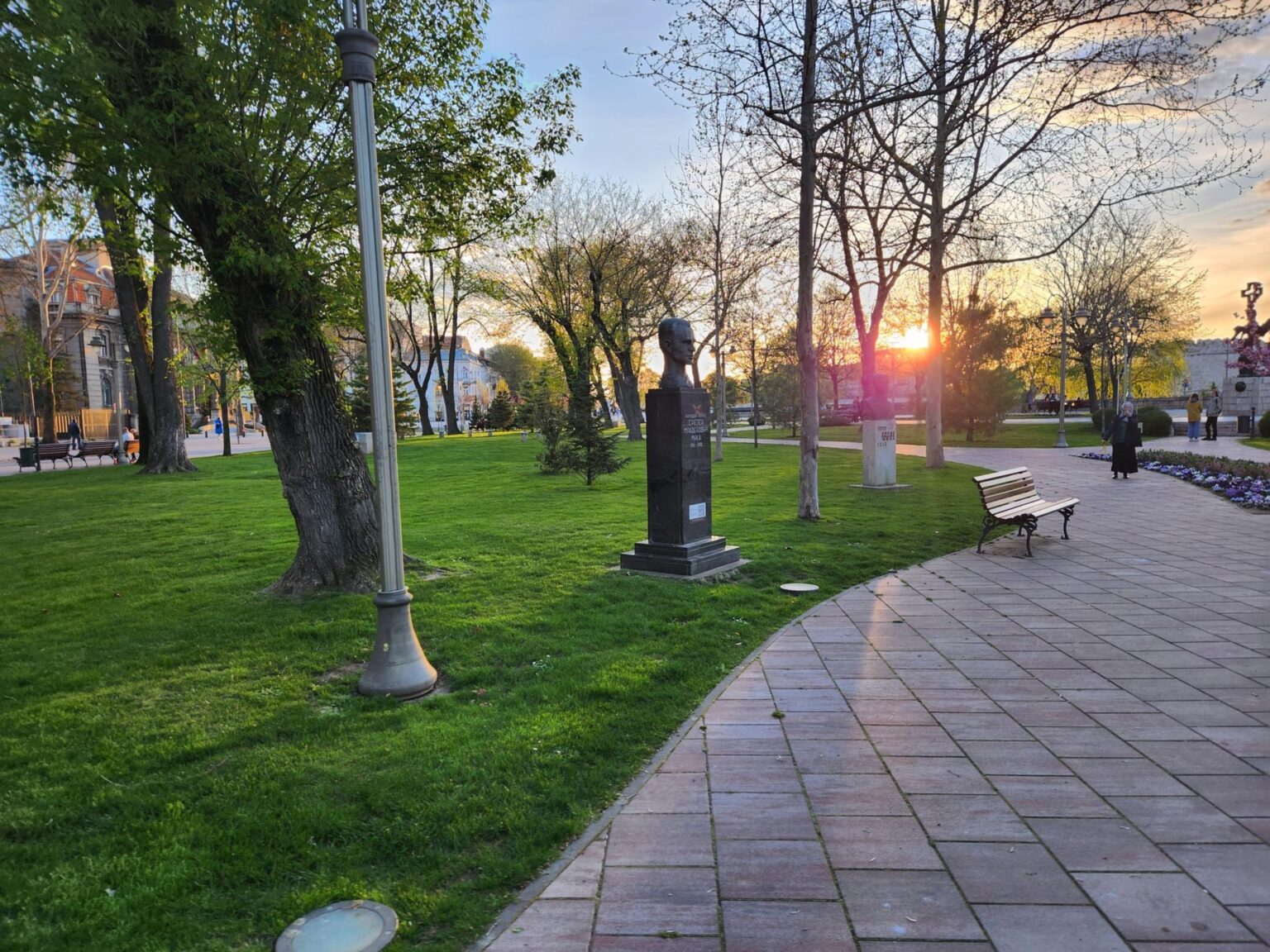
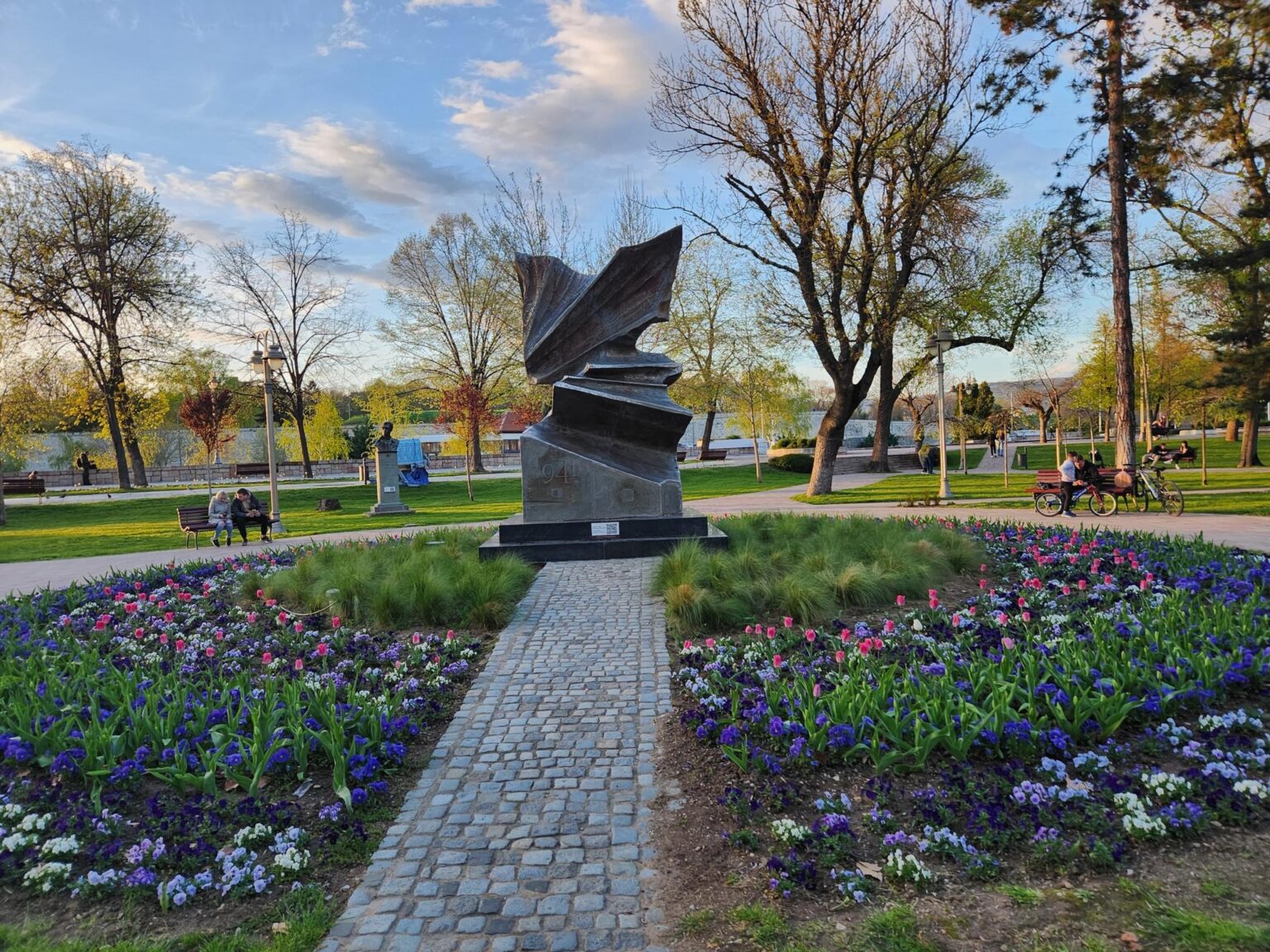
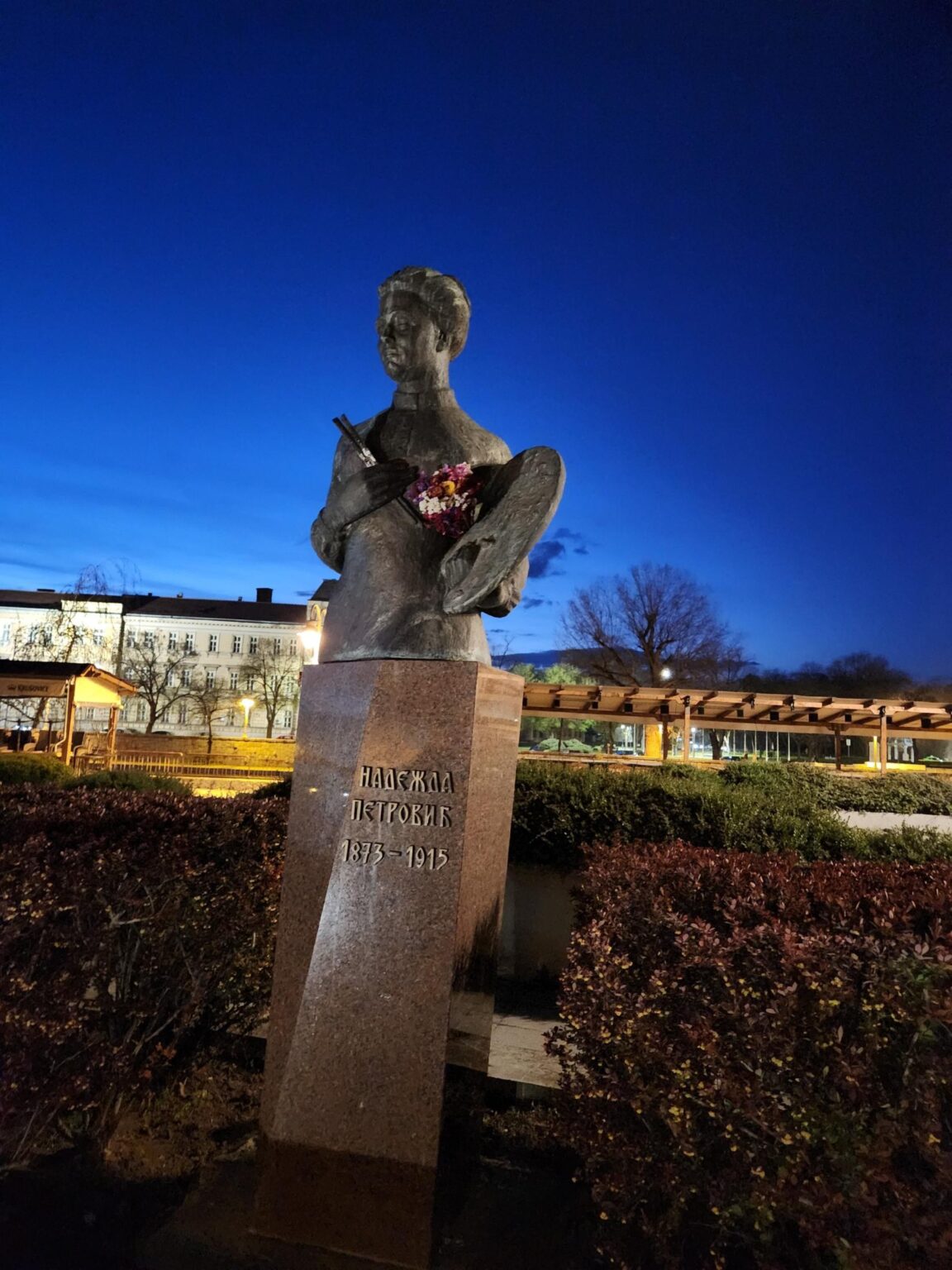
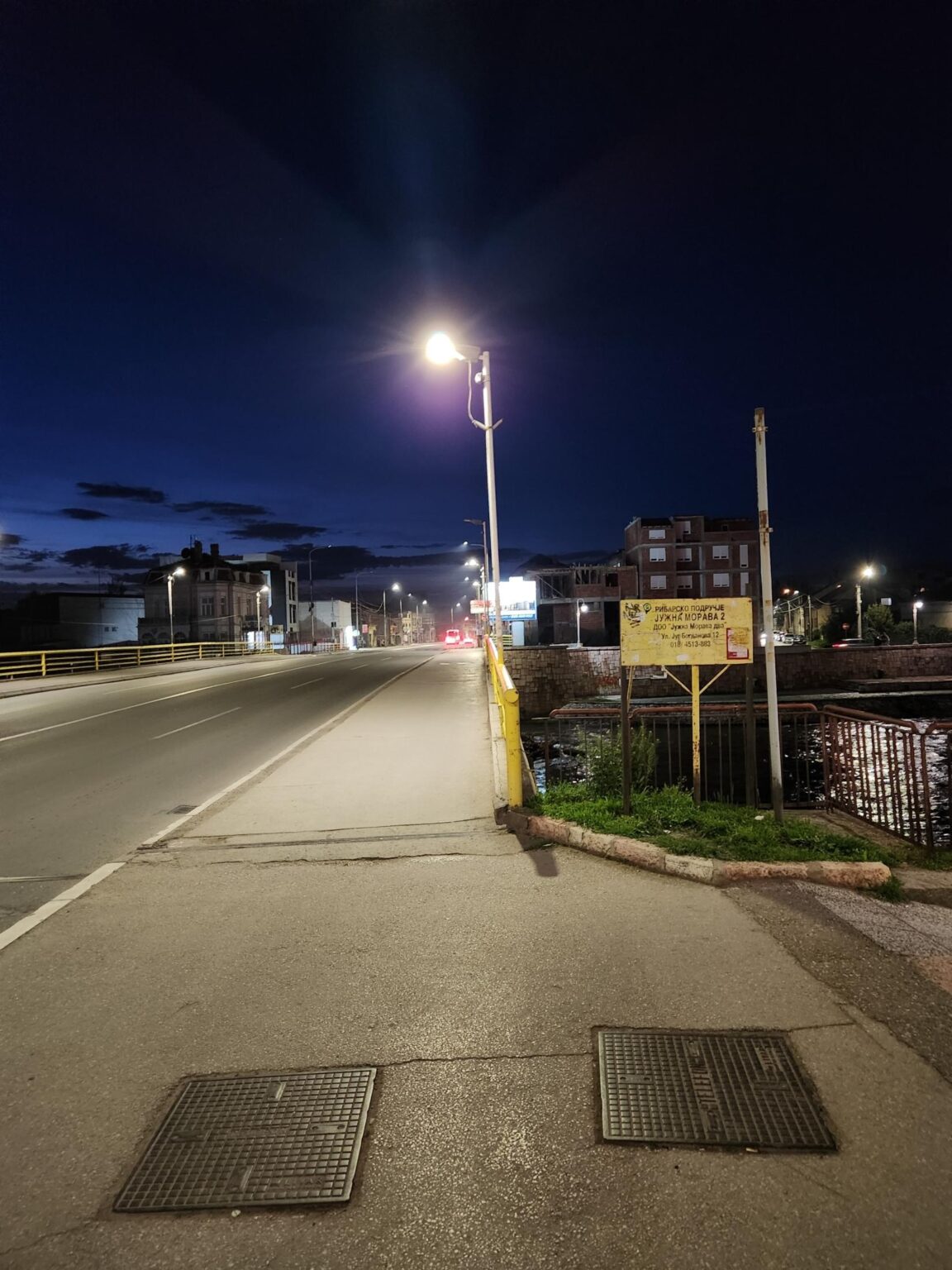
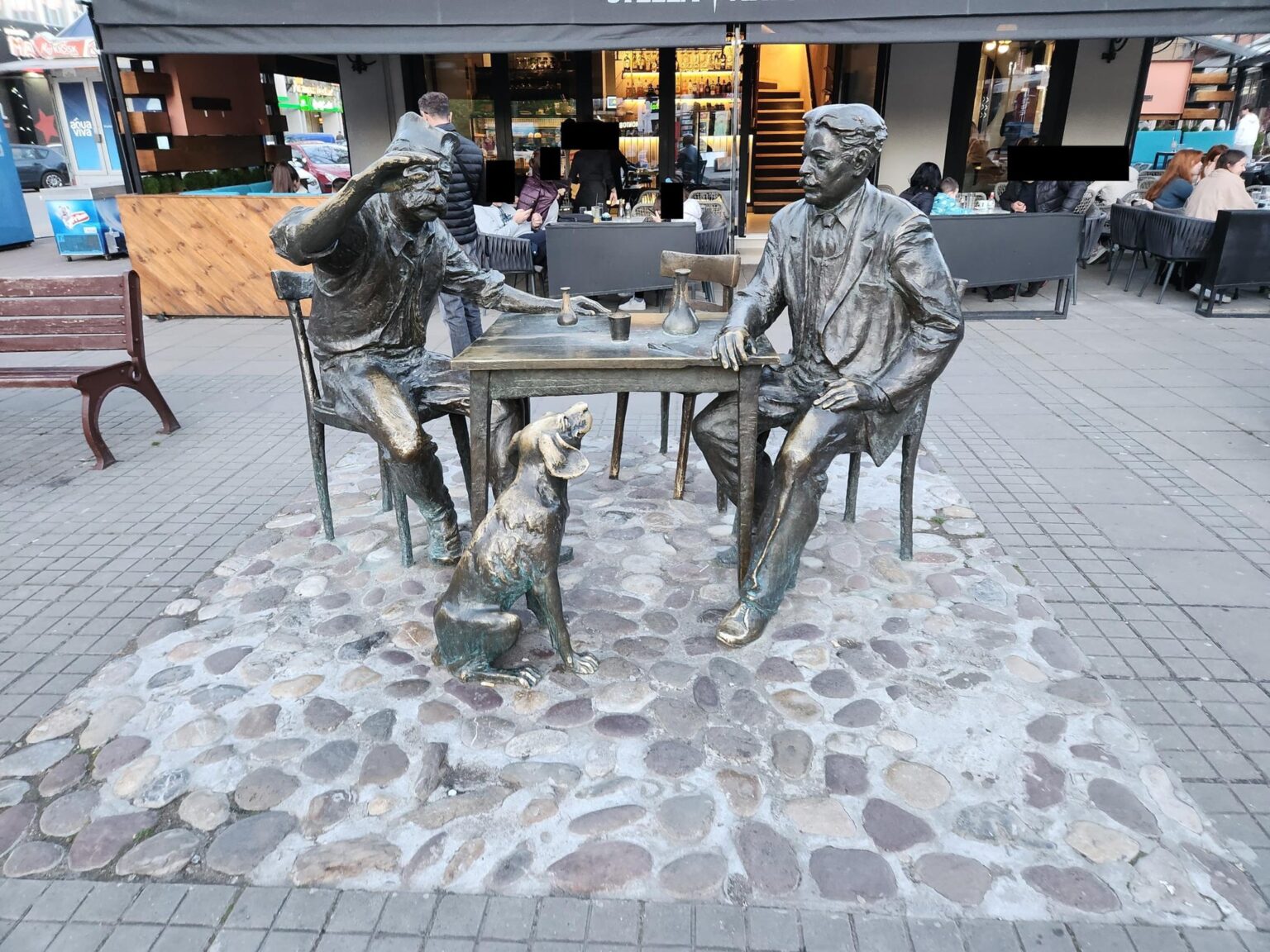
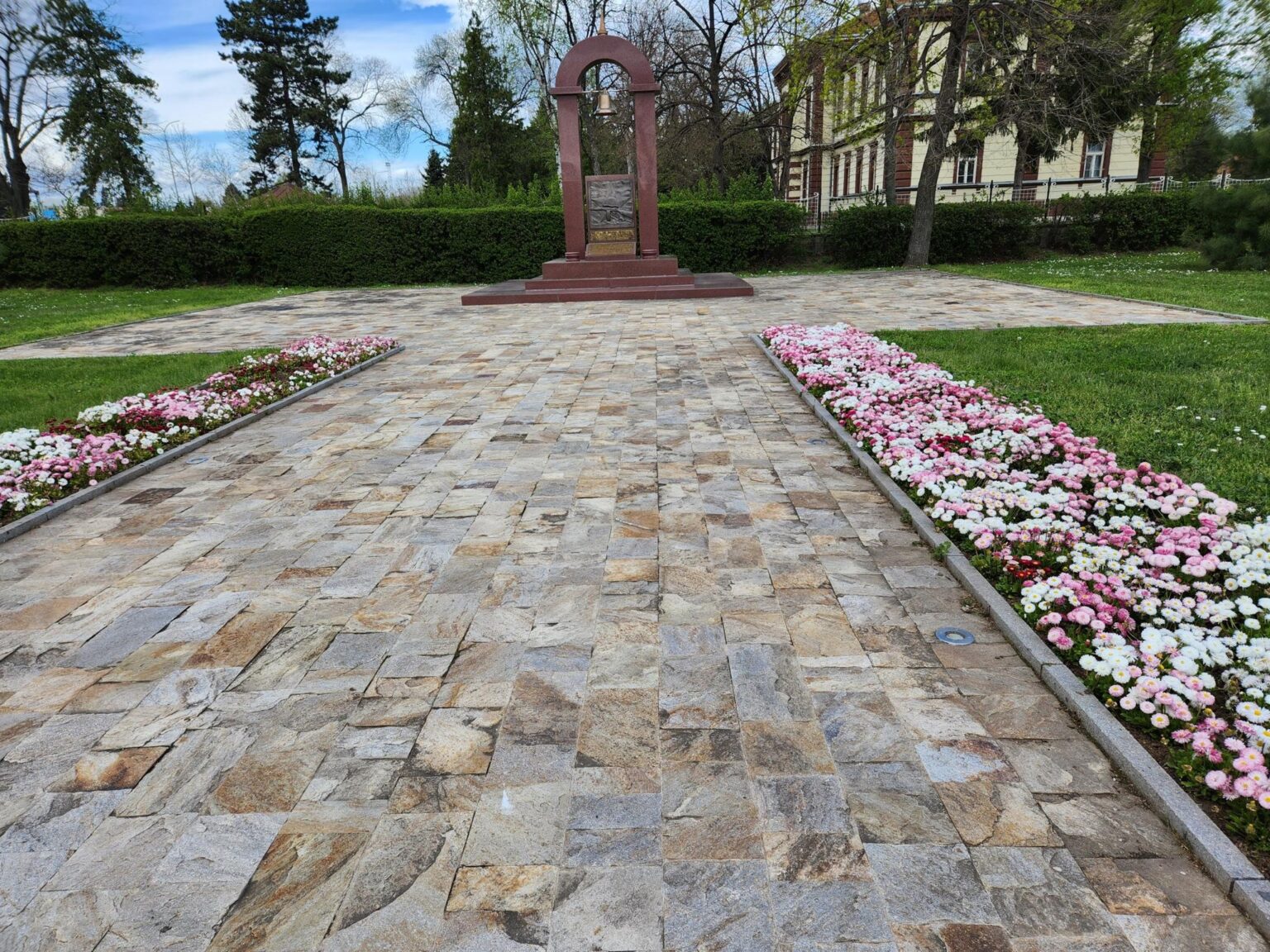
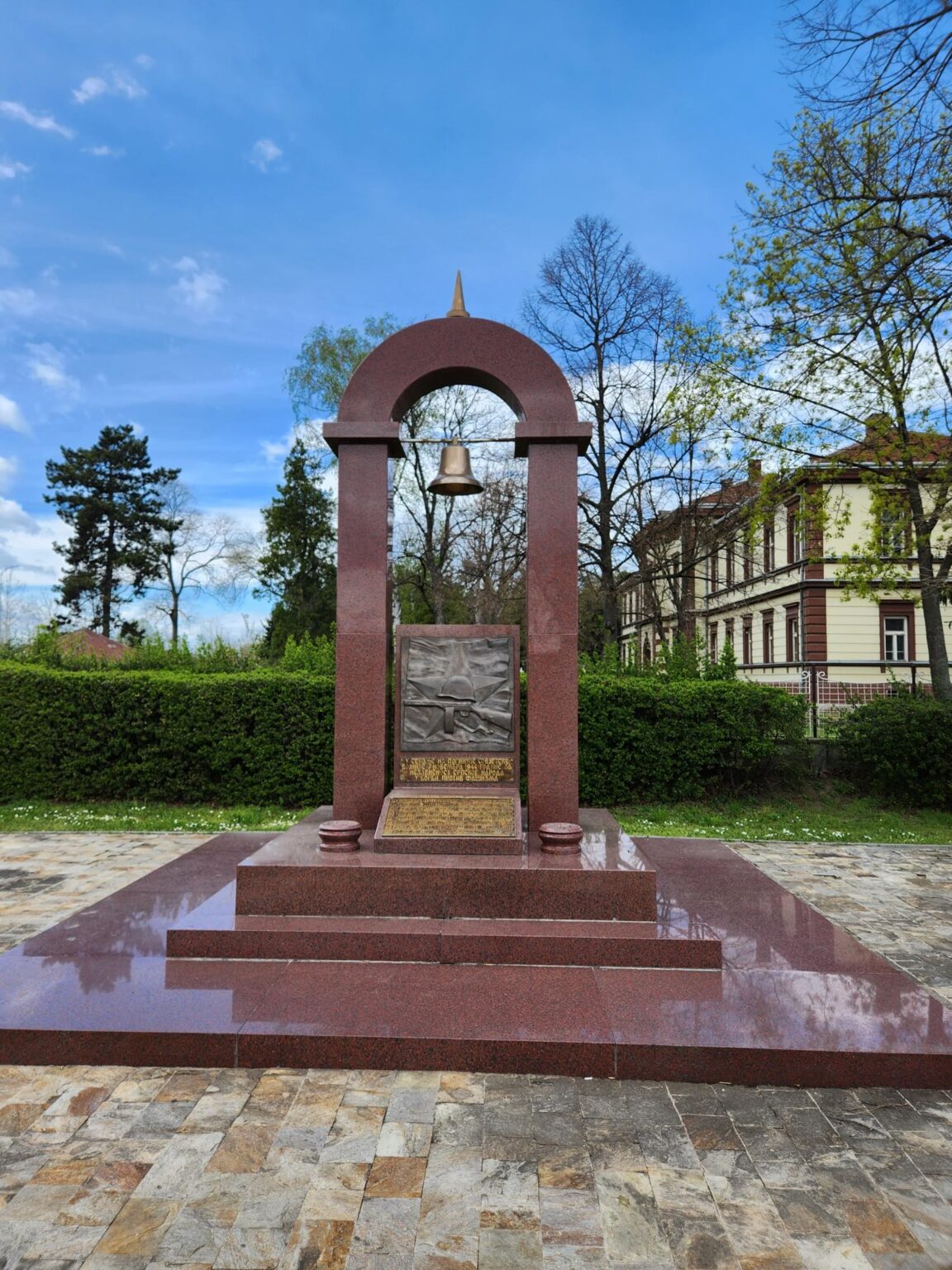
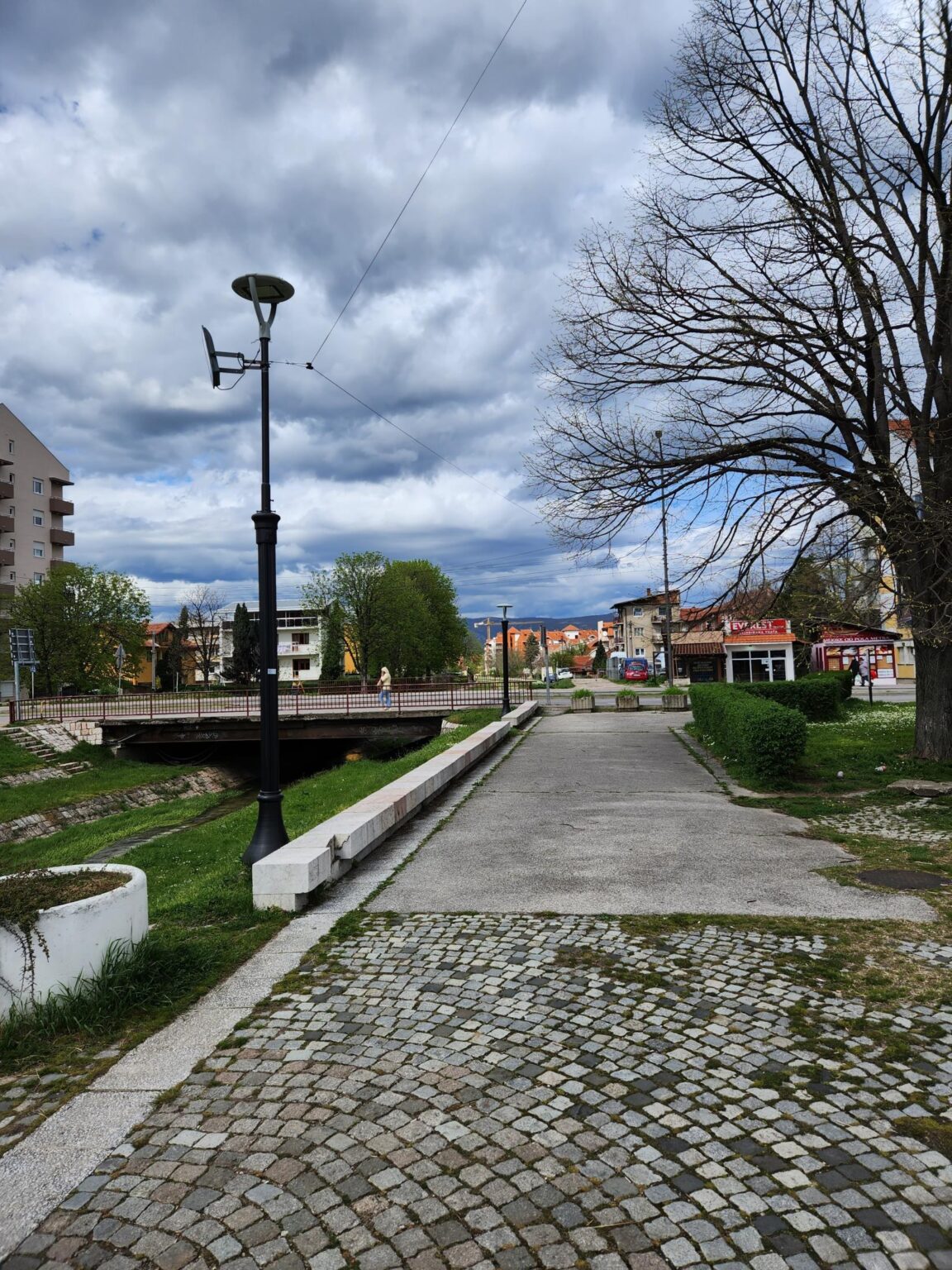
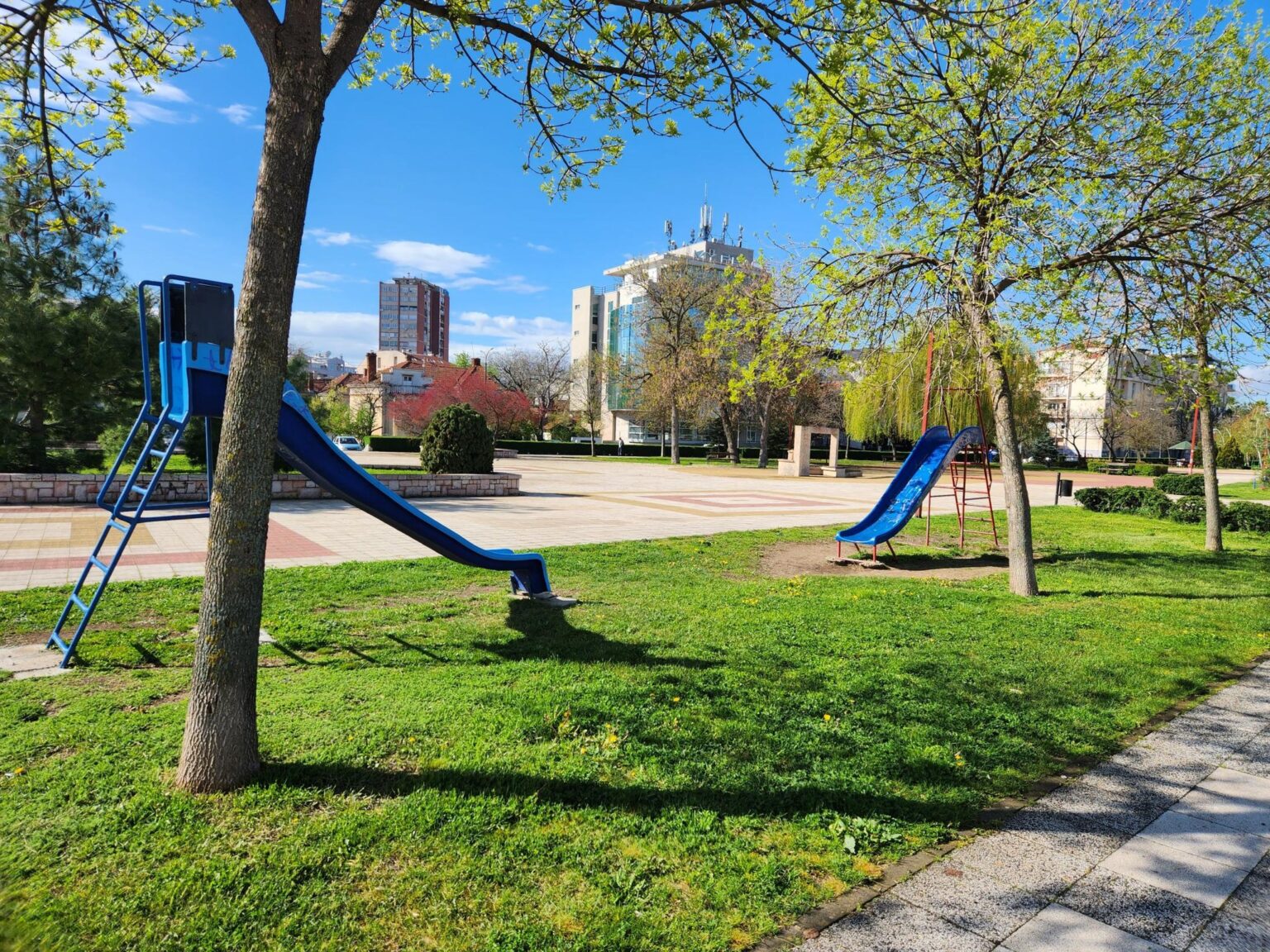
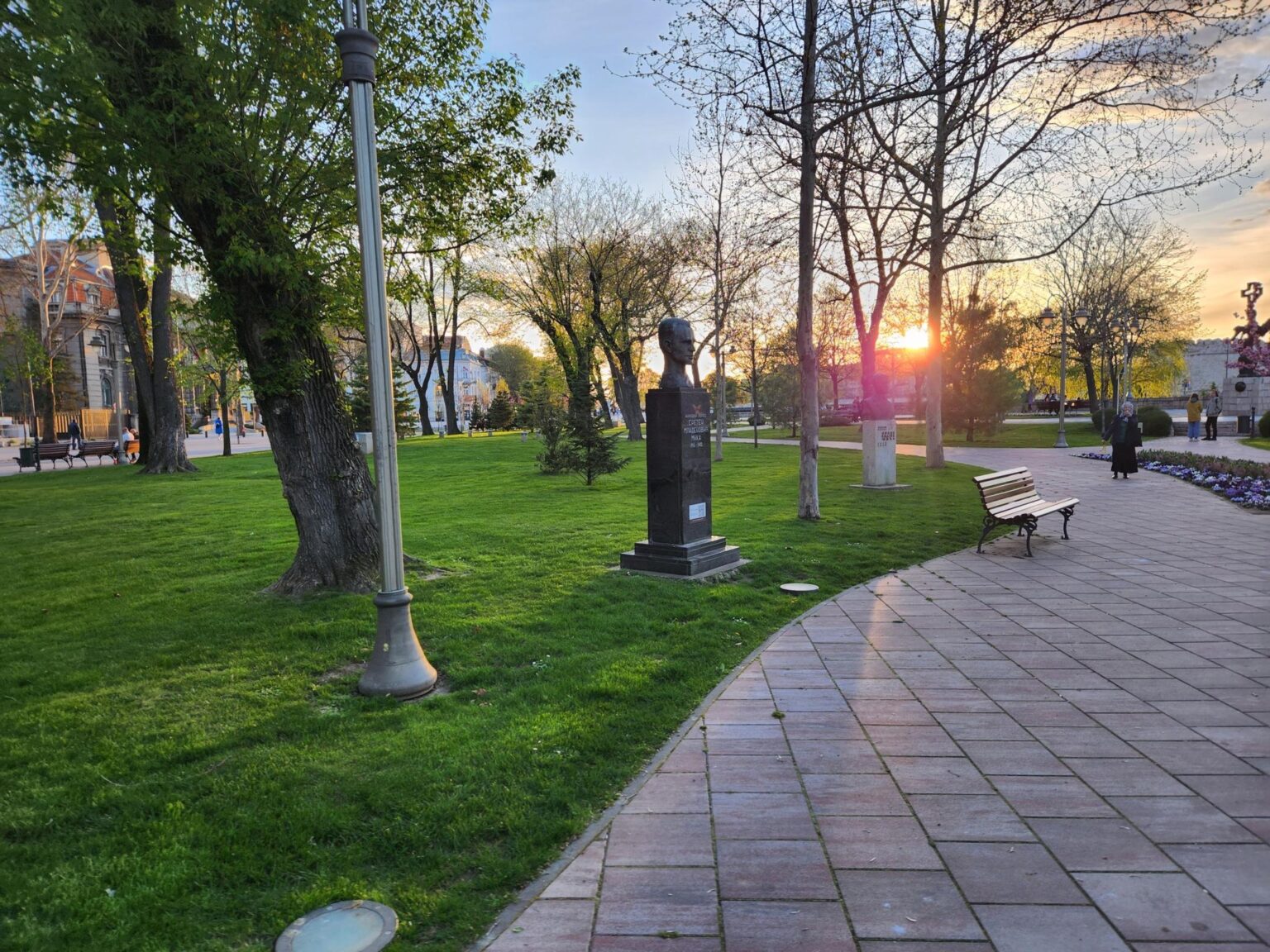
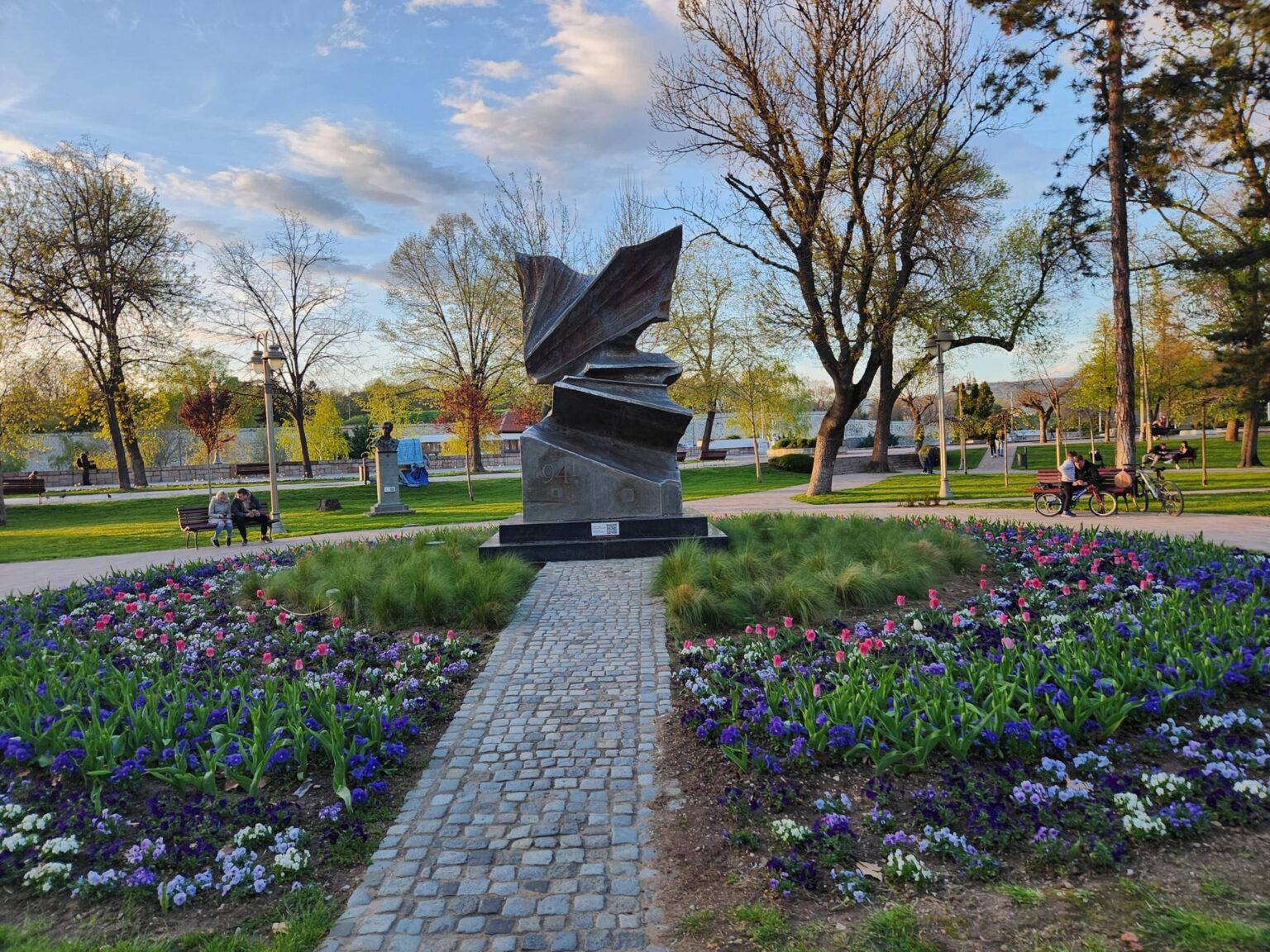
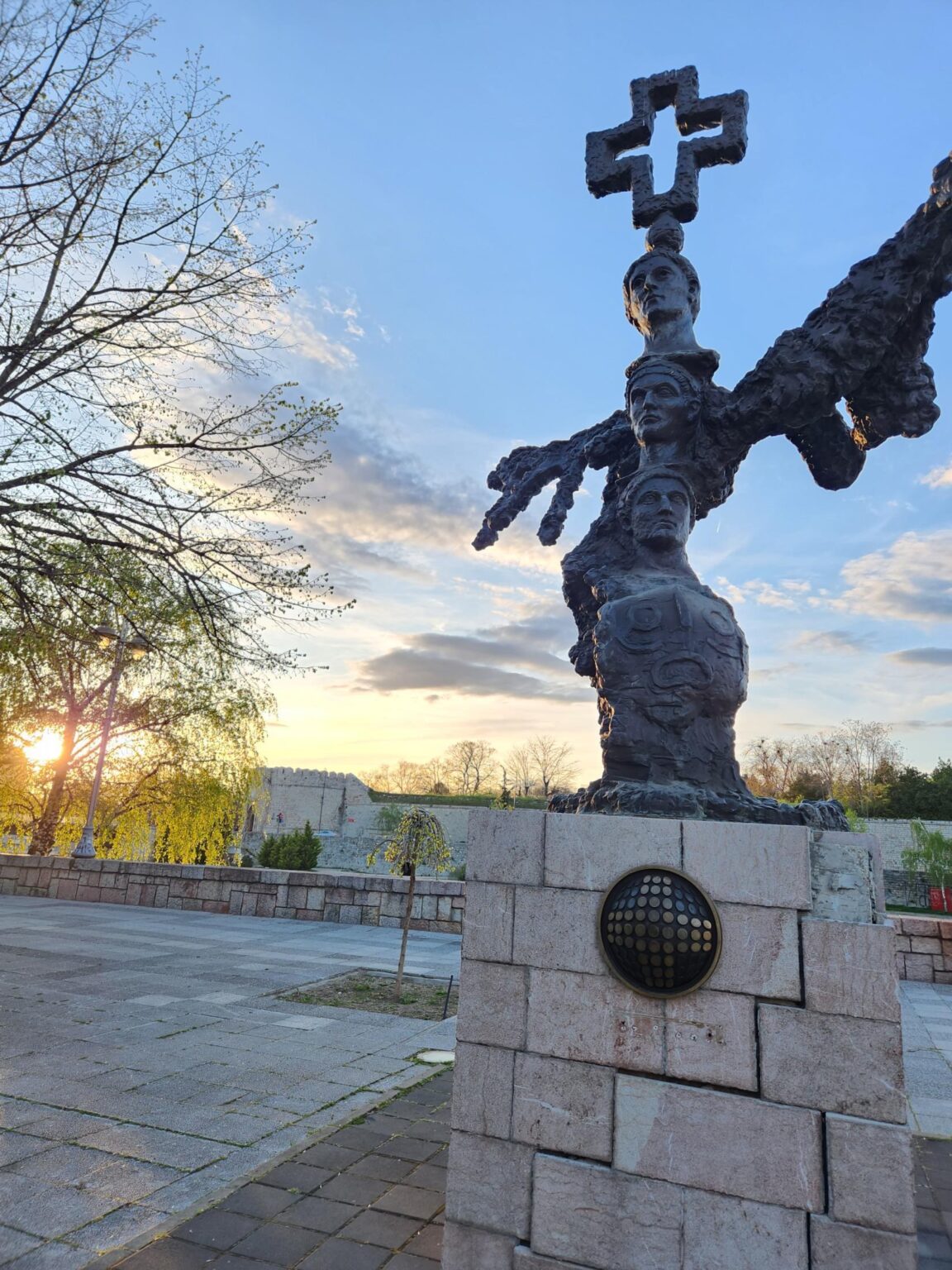
Time for a break, a coffee and the hunt for a SIM card. Oh, what a nice little park. Oh, look at that main street, running right along the river. Right: break, coffee and a stroll. Oh — a dodgy-looking neighbourhood with rubbish everywhere except in the bins. Uh-oh. Was stopping here a mistake? It wasn’t. A hundred metres further down, everything falls into place. Clean, orderly, landscaped: benches, a park, a bridge, signposts, footpaths, a WWII monument, a playground, sculptures — in a word, lovely. A shiny café overlooking the park and the river. Perfect.
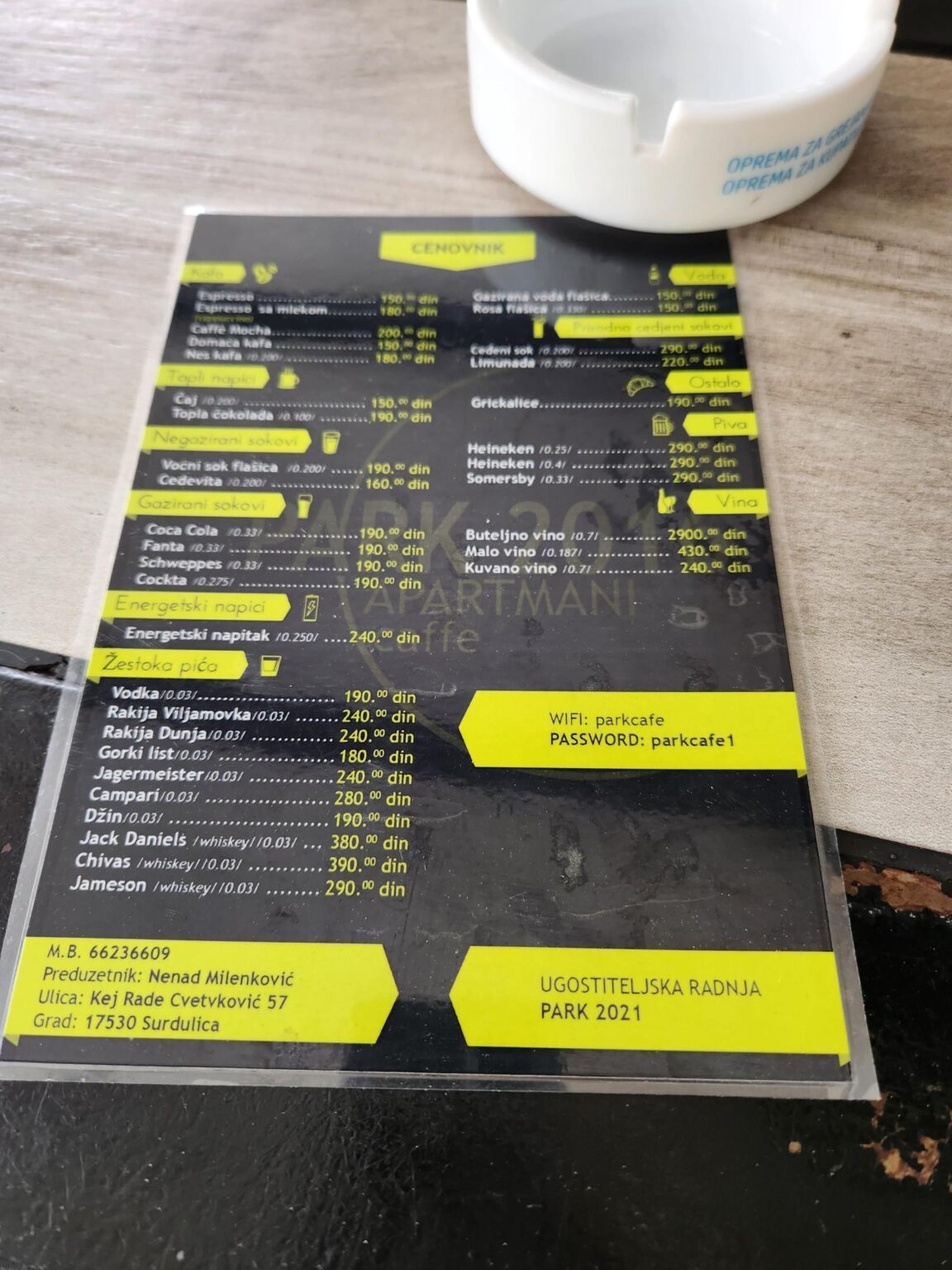
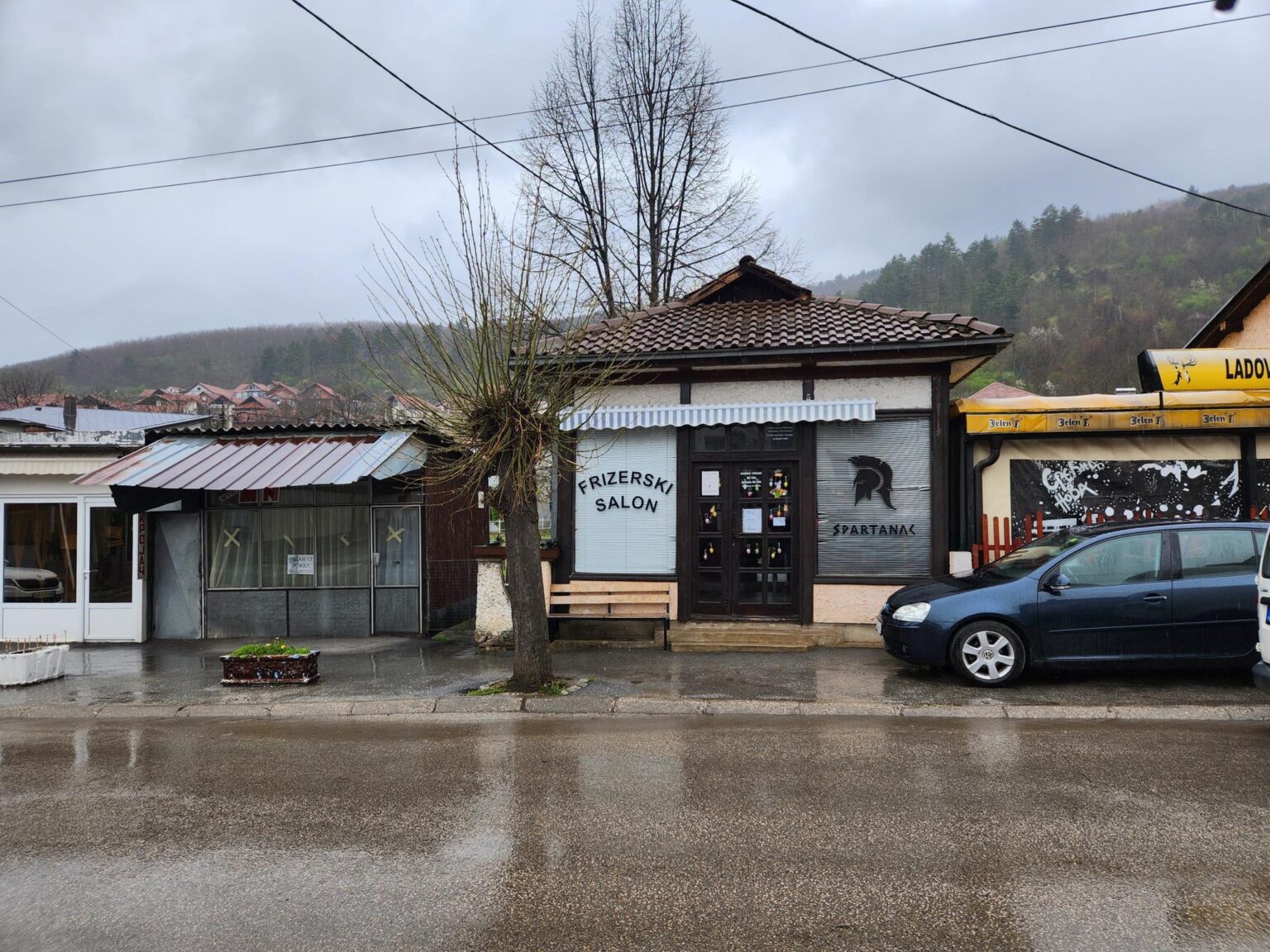
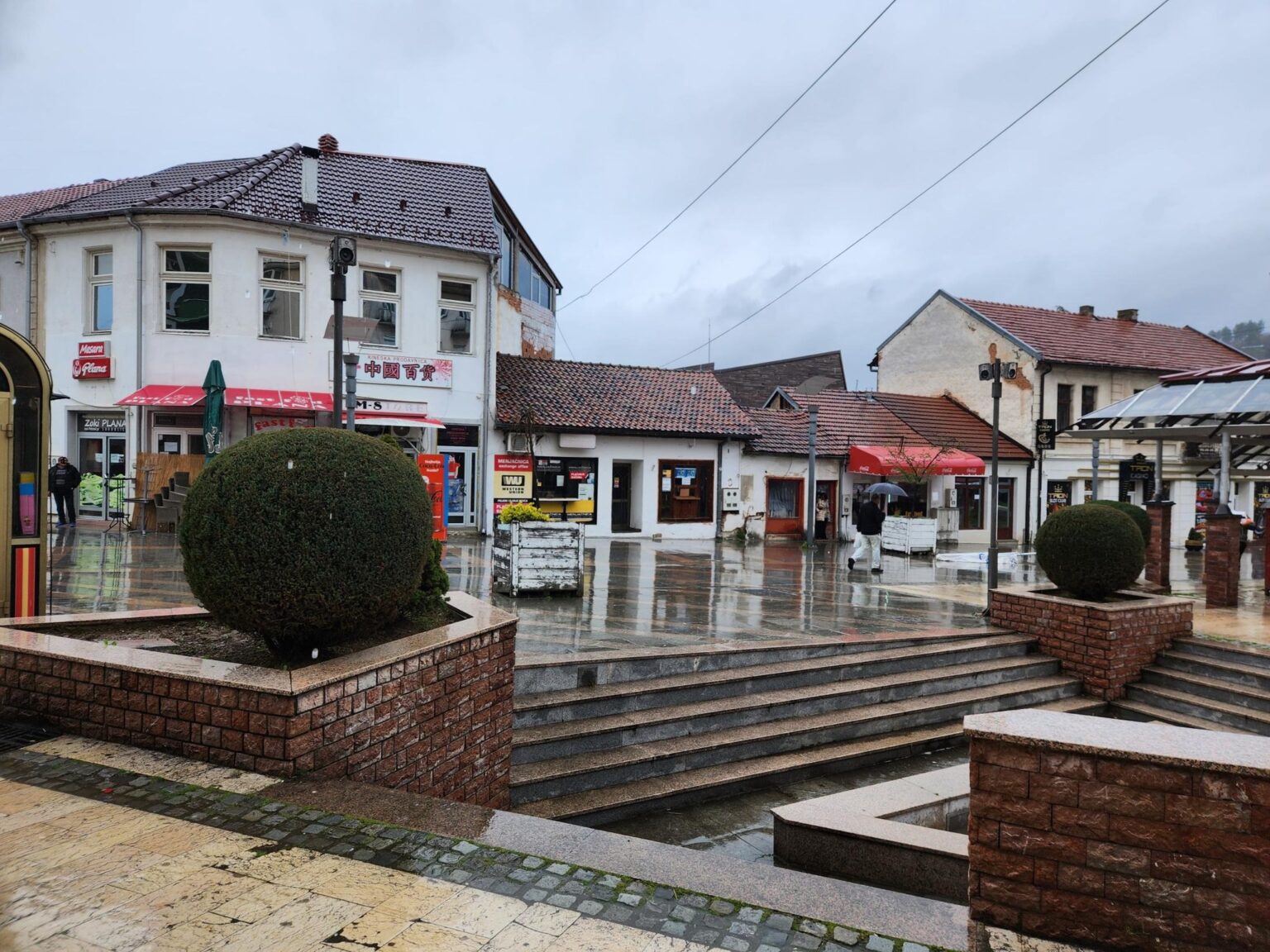
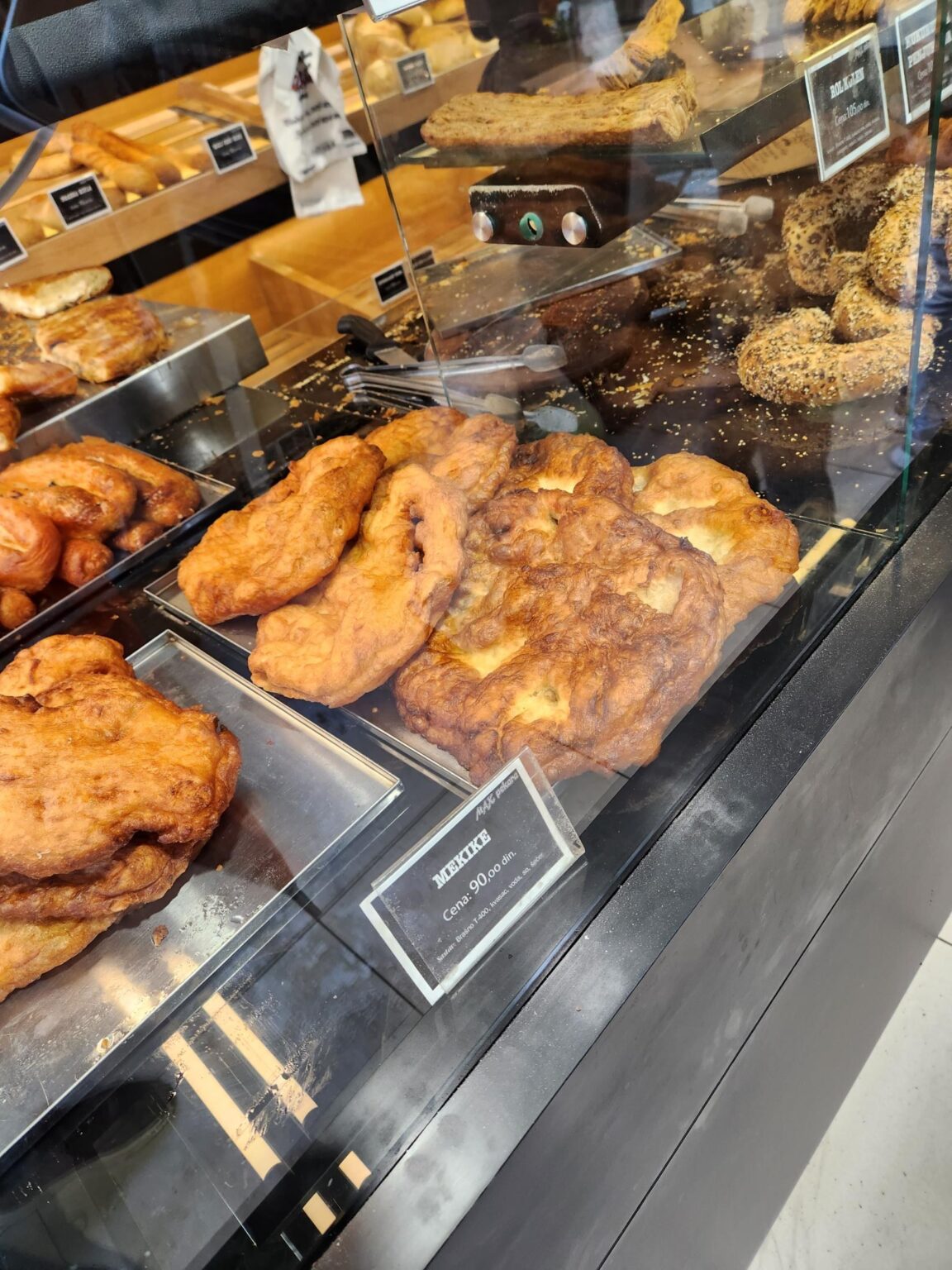
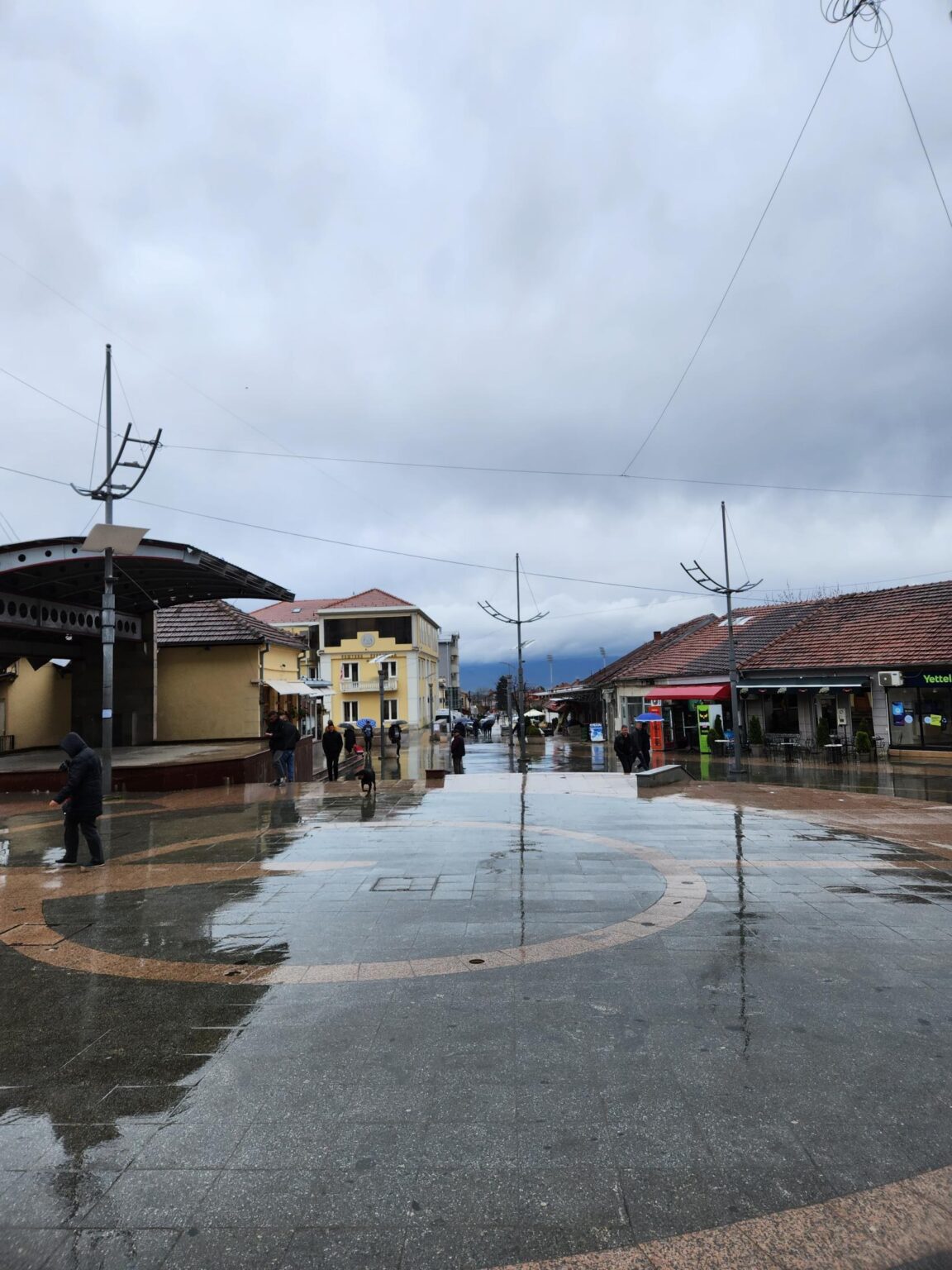
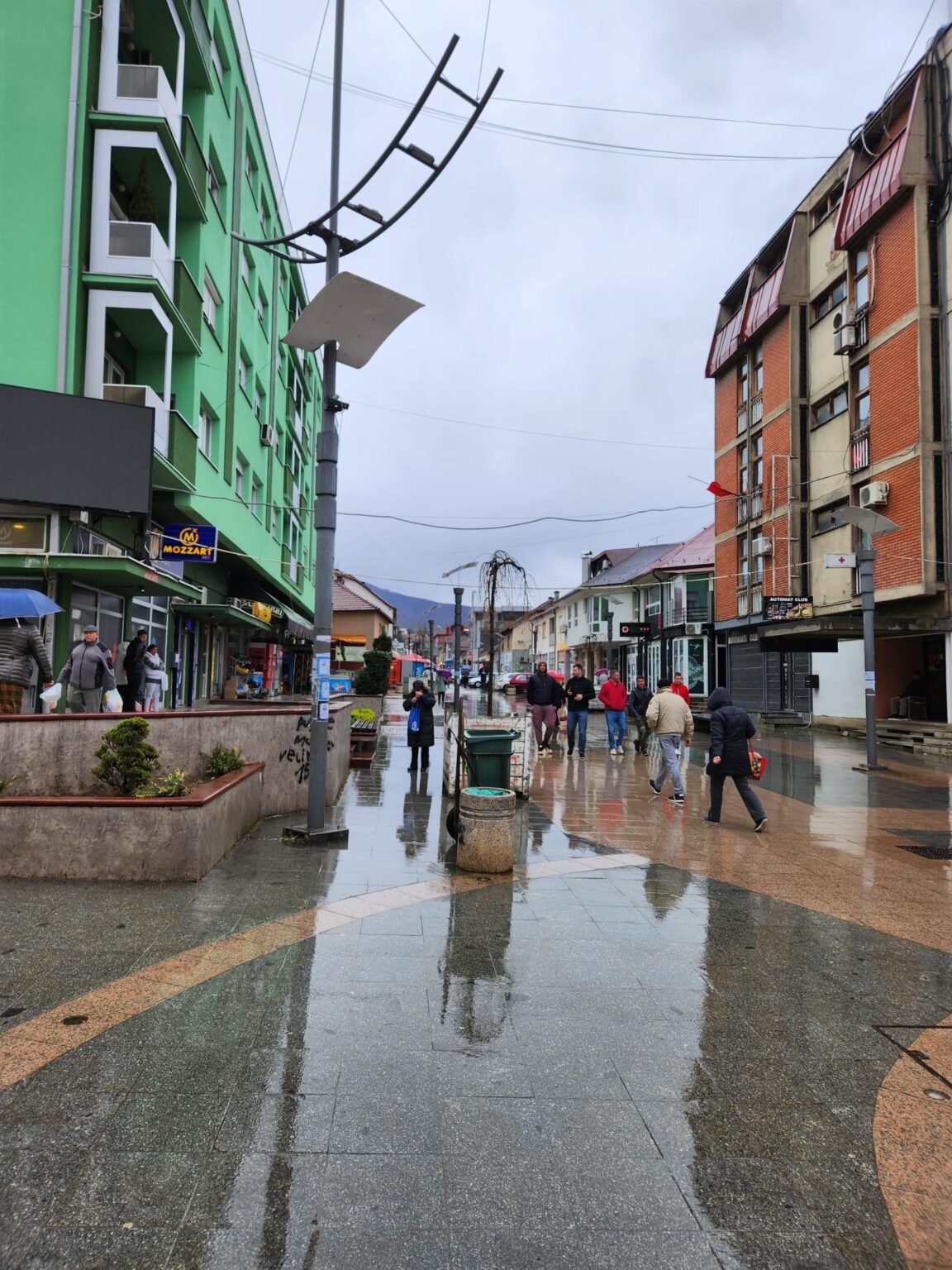
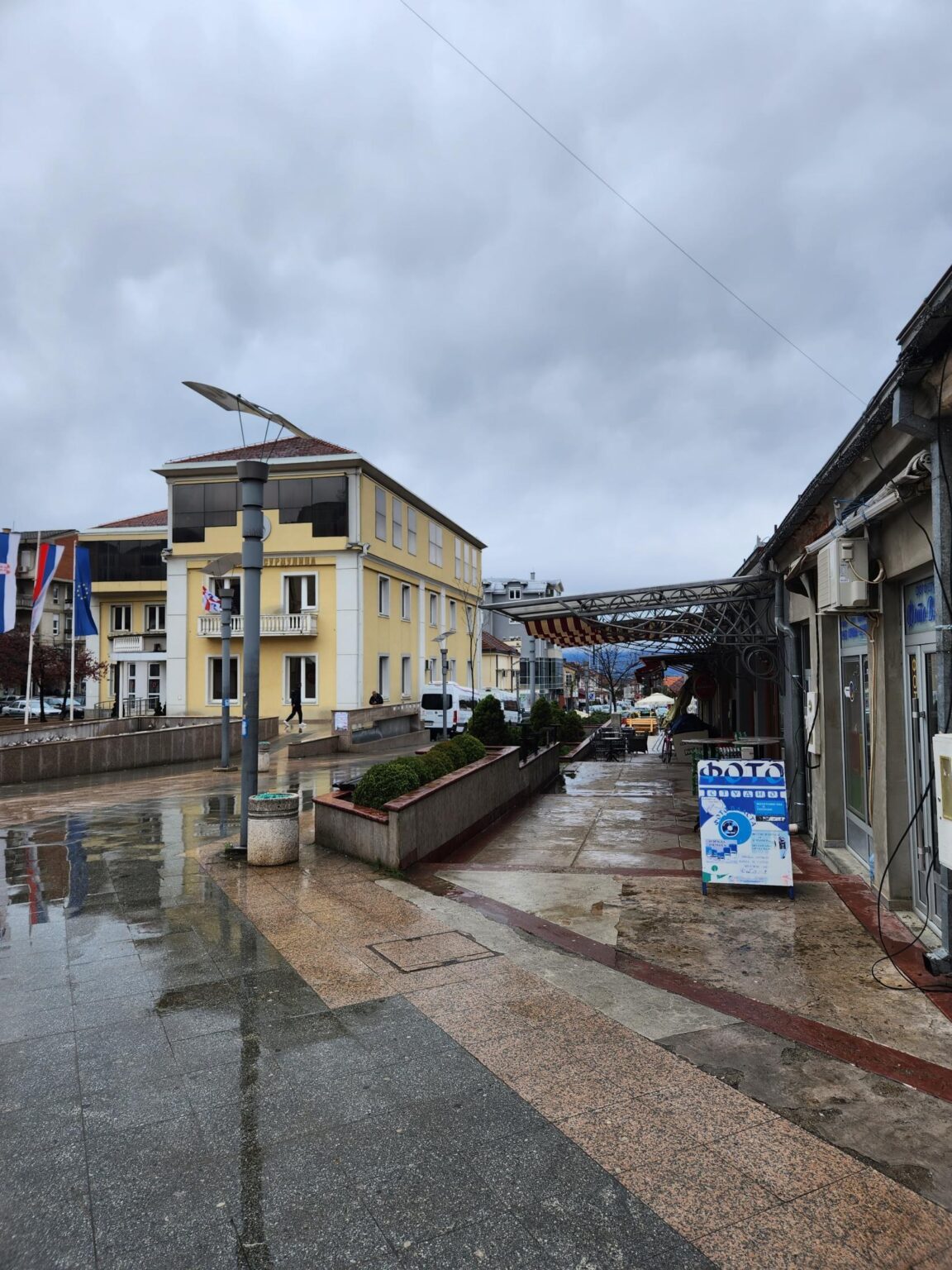
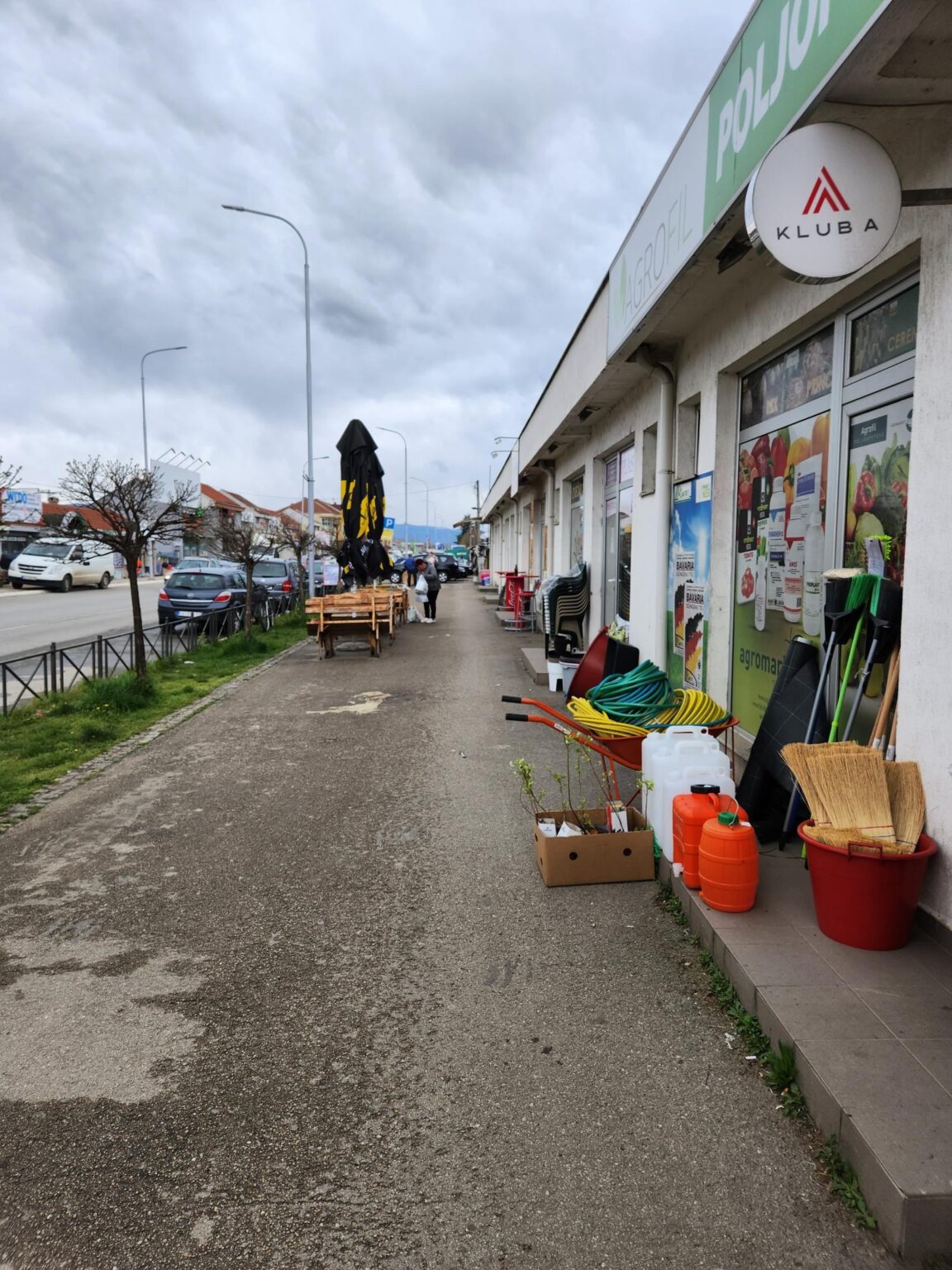
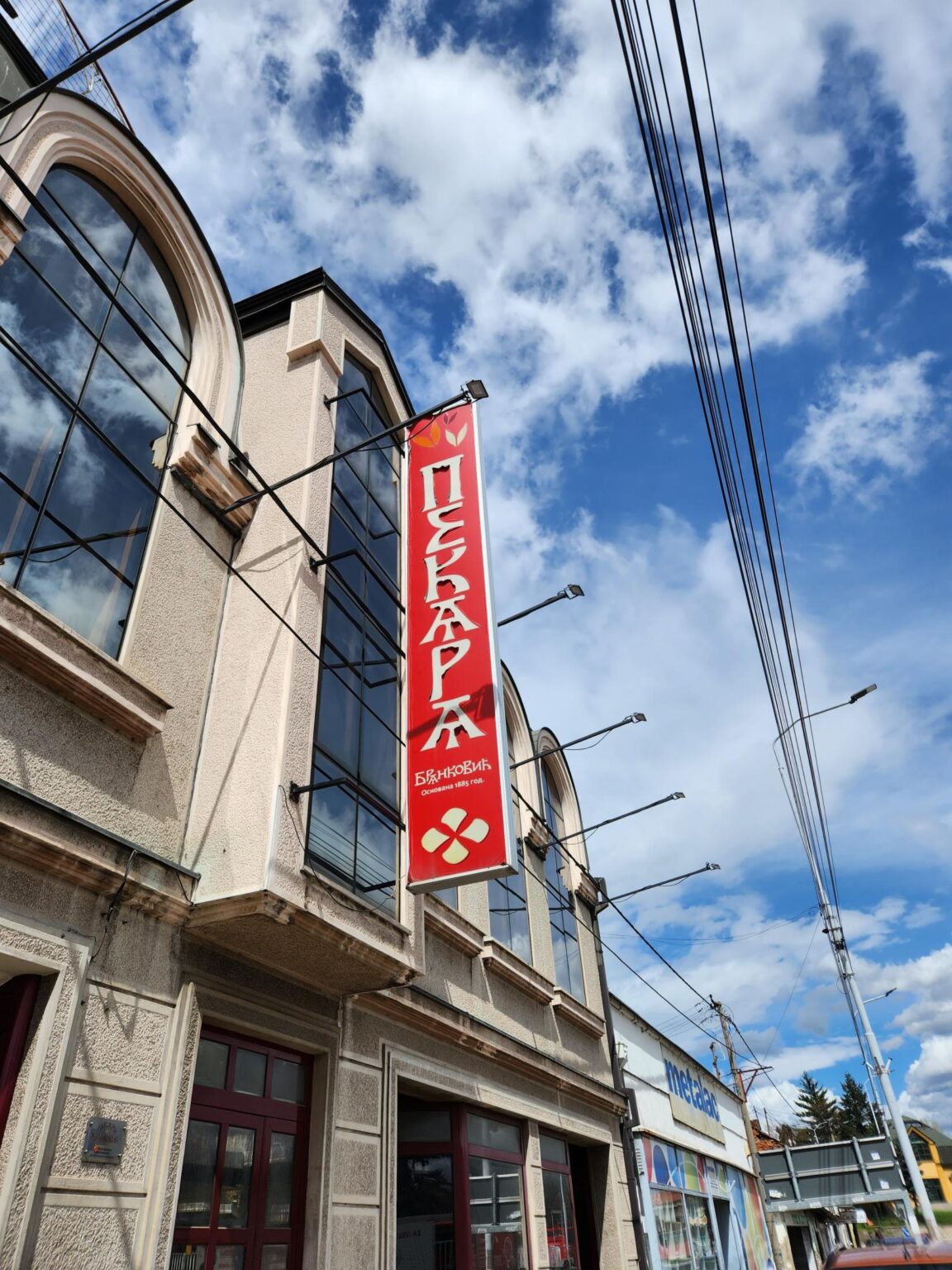
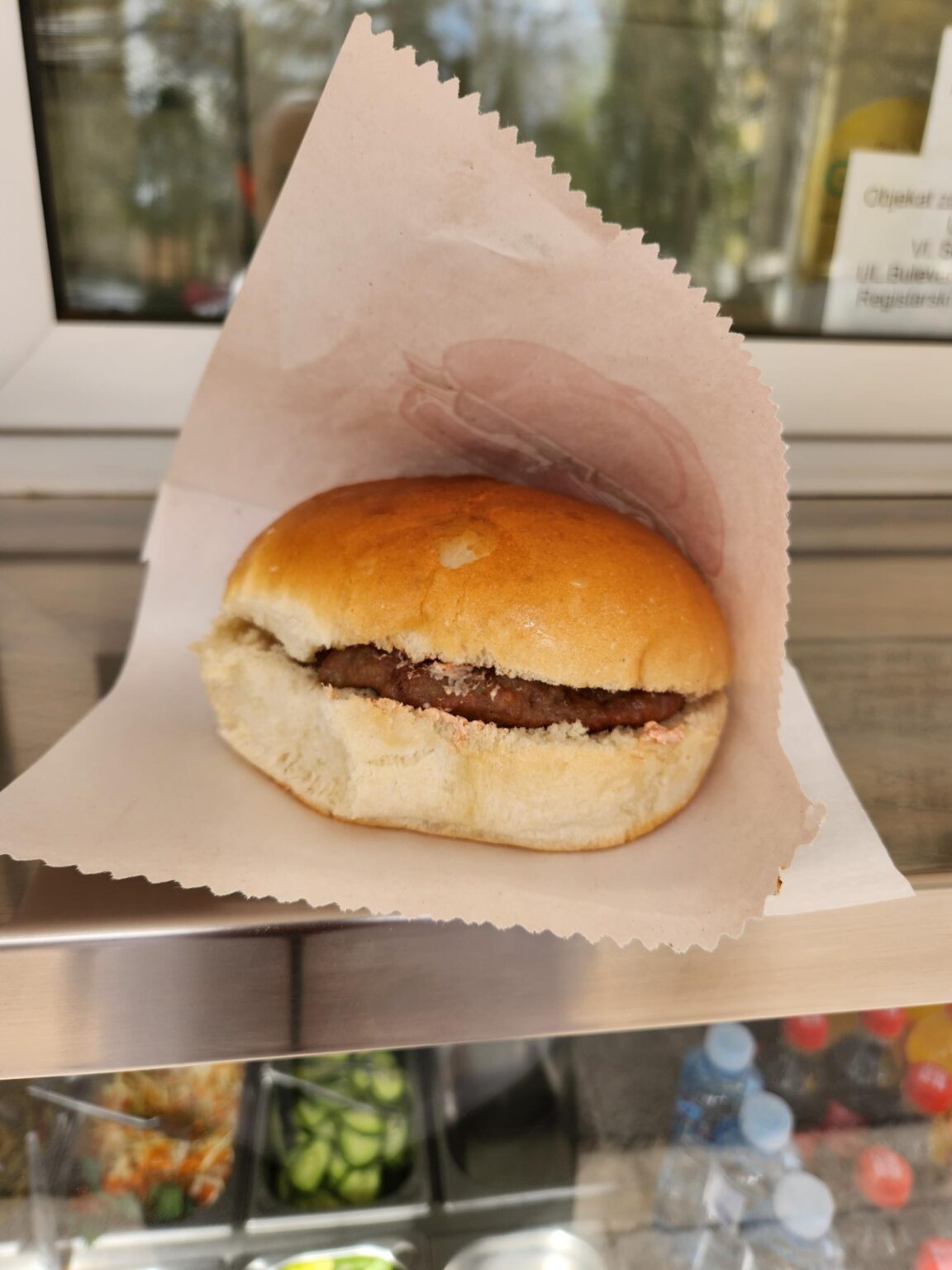
Beyond it lies the central square, with all kinds of shops and places open, even though it is an official public holiday. A little later, 400 dinars lighter at the Yettel shop, we have internet — 5 GB for 72 hours, the 2023 deal. At first glance there is nothing particularly special about Surdulica itself, apart from the memorial park and the square. What you notice straight away, though, is how the centre is dominated by bakeries (pekara) and grills (roštilj) — and how prices are lower than in Bulgaria. A huge mekika, the Balkan fried-dough pastry, costs 90 dinars (about €0.75), and one mekika is one lunch 😀 Sandwiches with various kinds of pljeskavica and salad mostly run 200 to 350 dinars (€1.70–3), and one of those is a solid lunch. Hot drinks in the centre — coffee, tea, cappuccino — are mostly 100–150 dinars (€0.85–1.30).
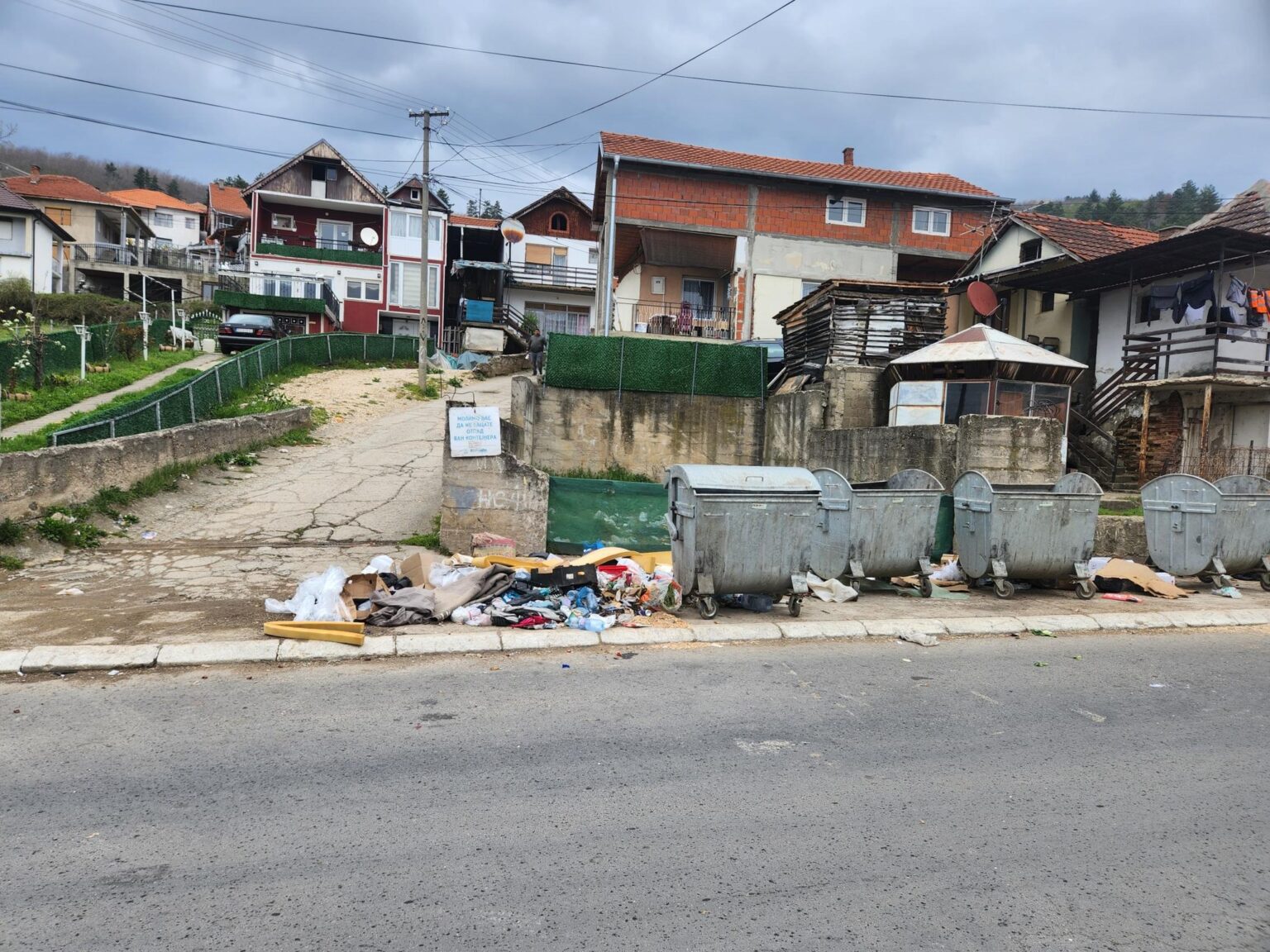
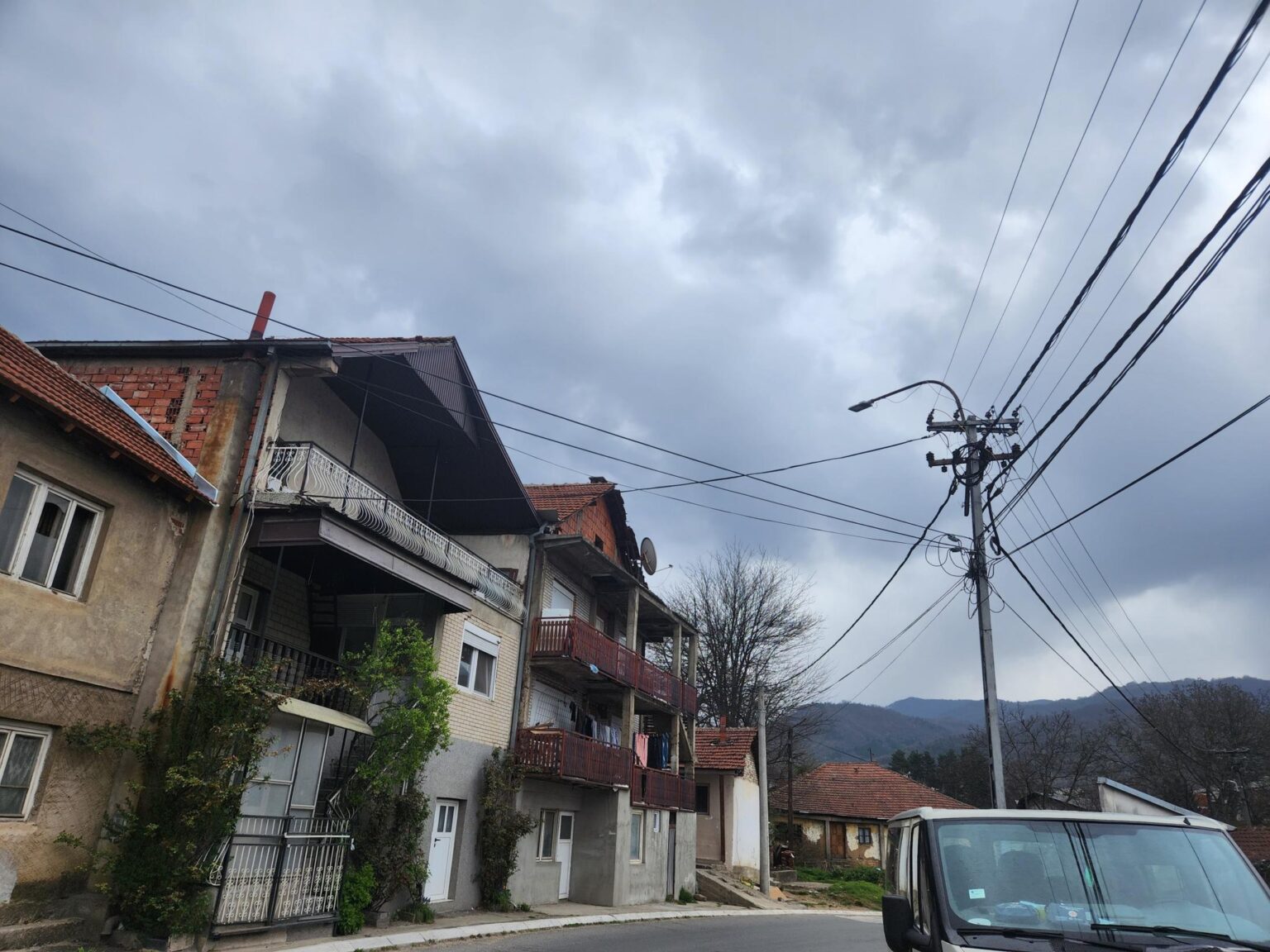
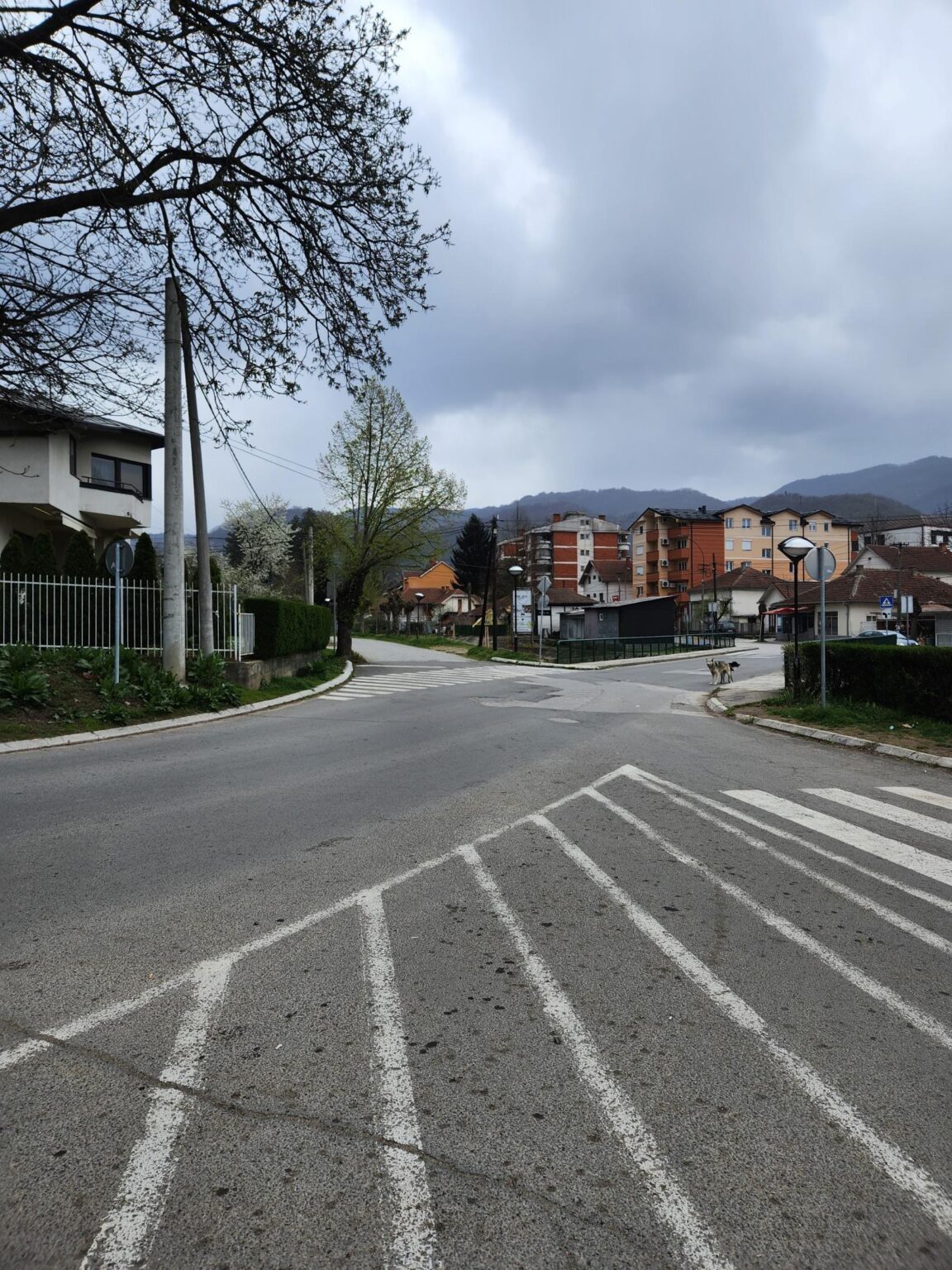
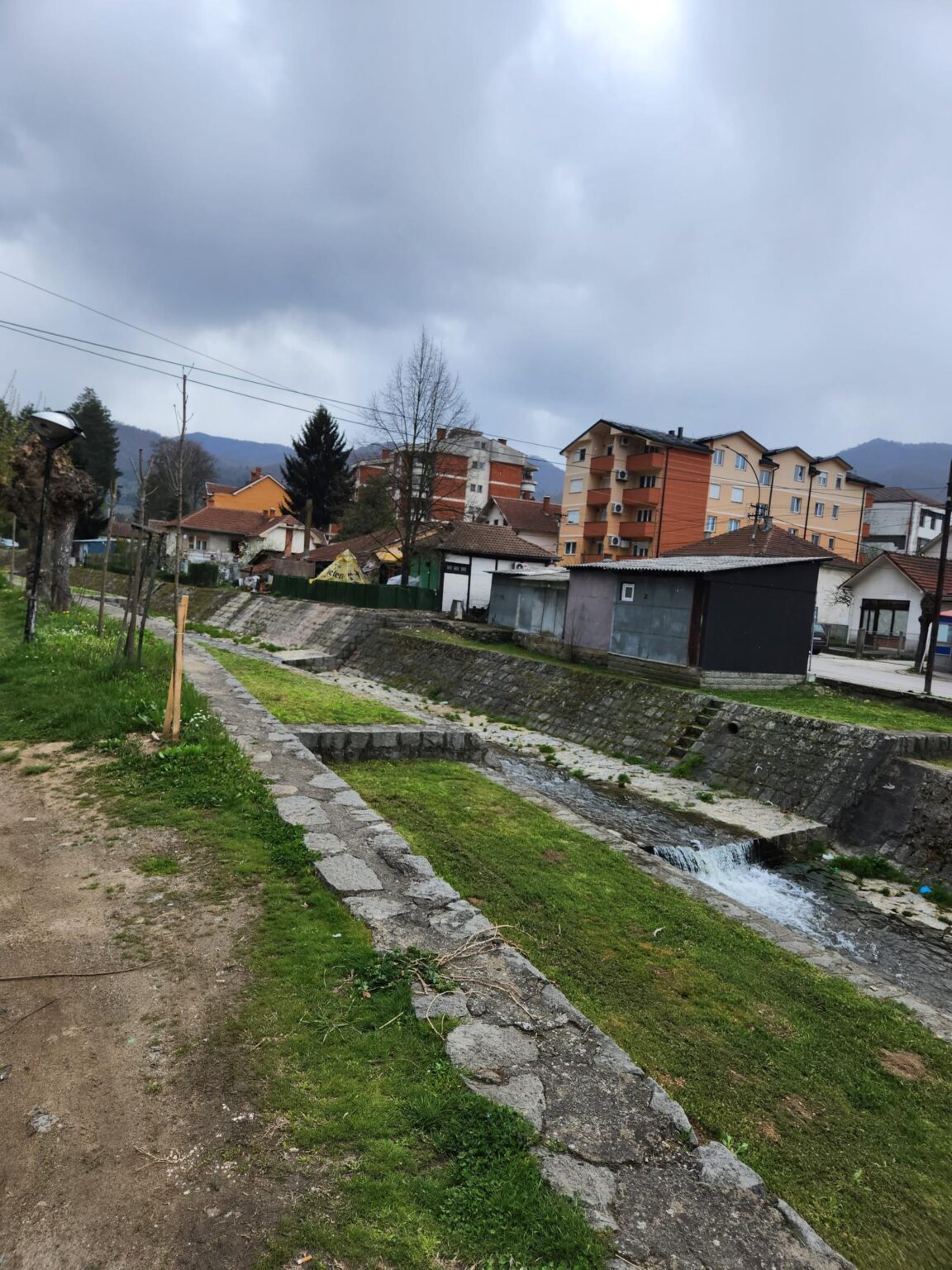
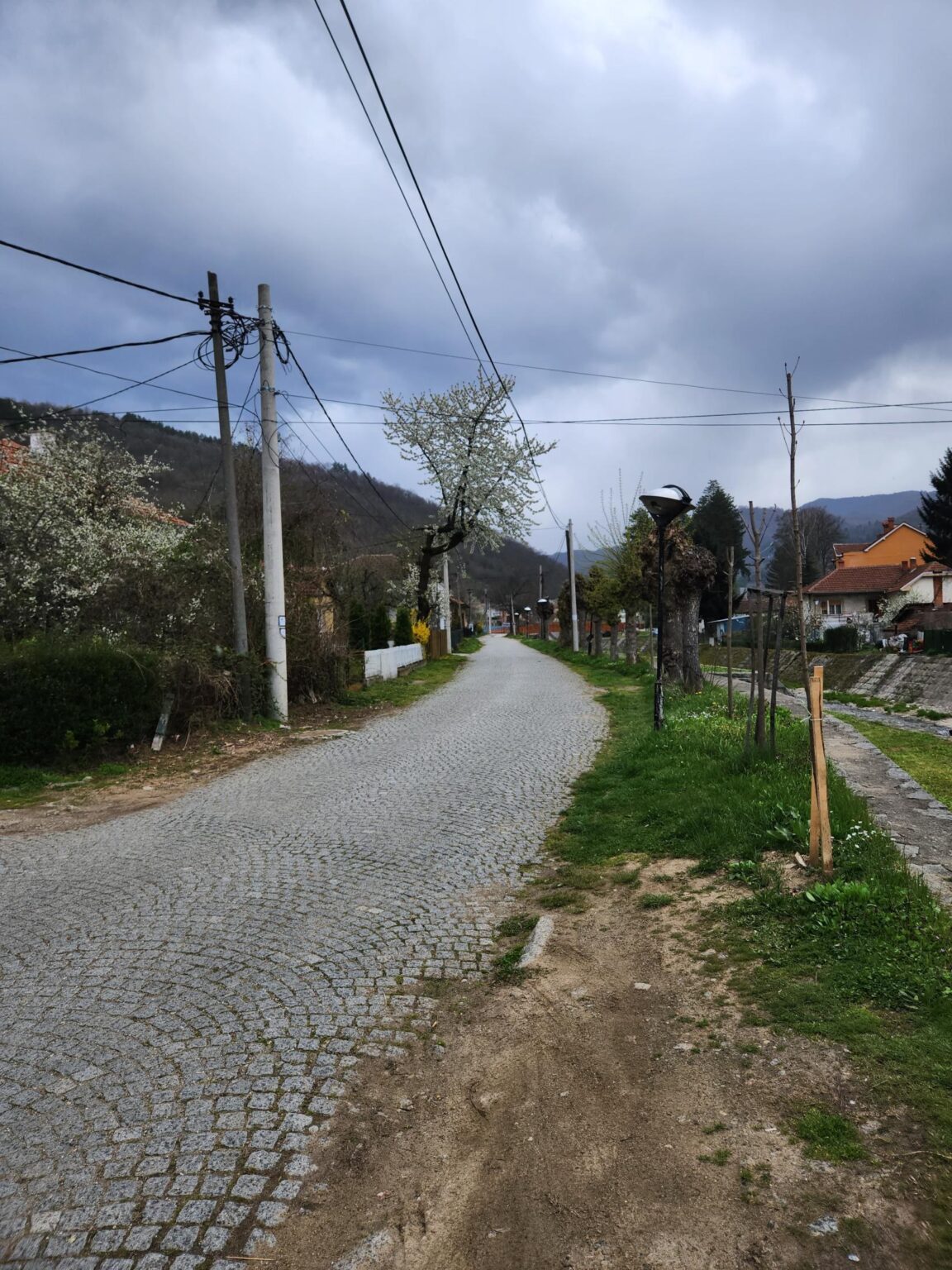
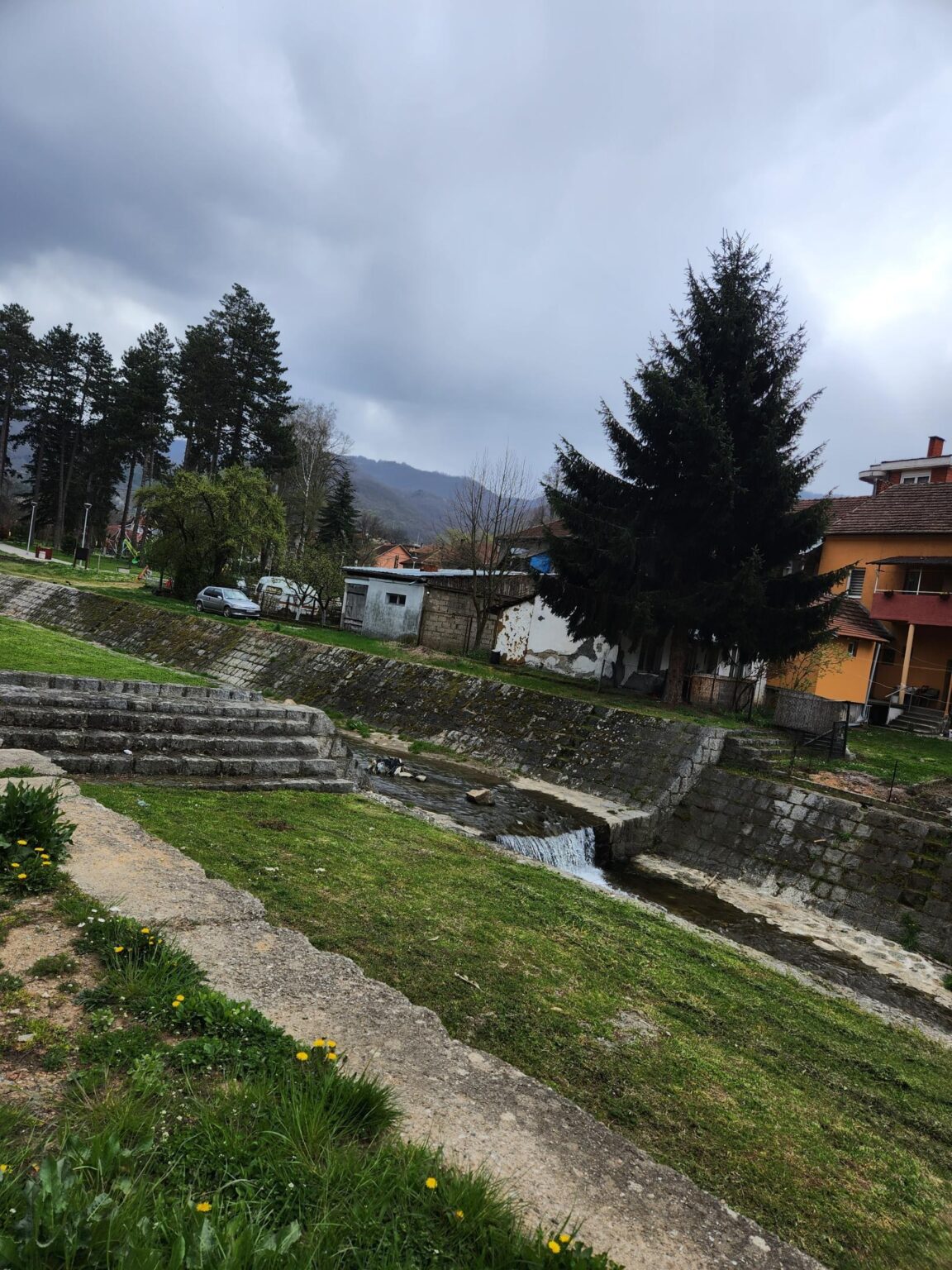
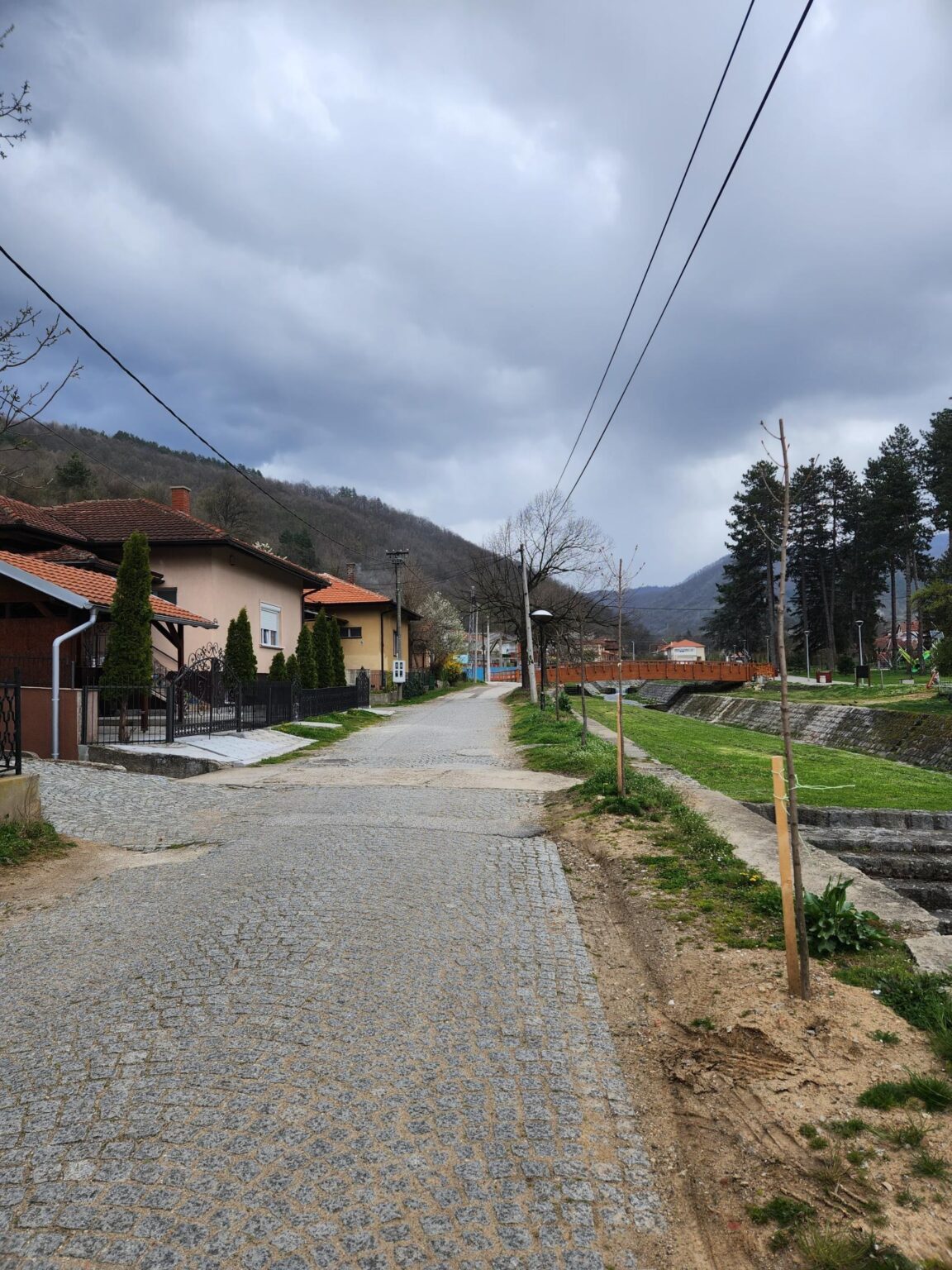
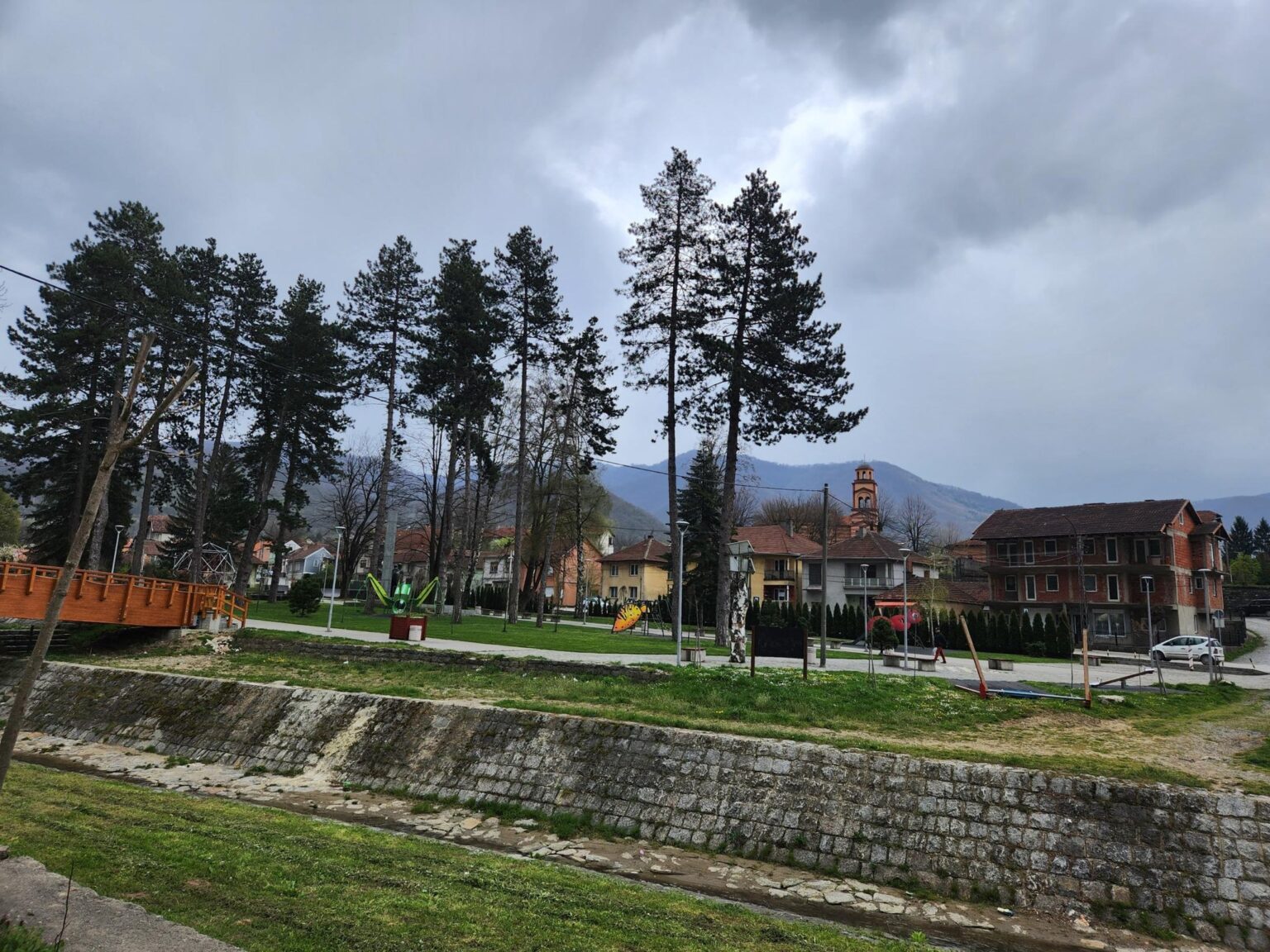
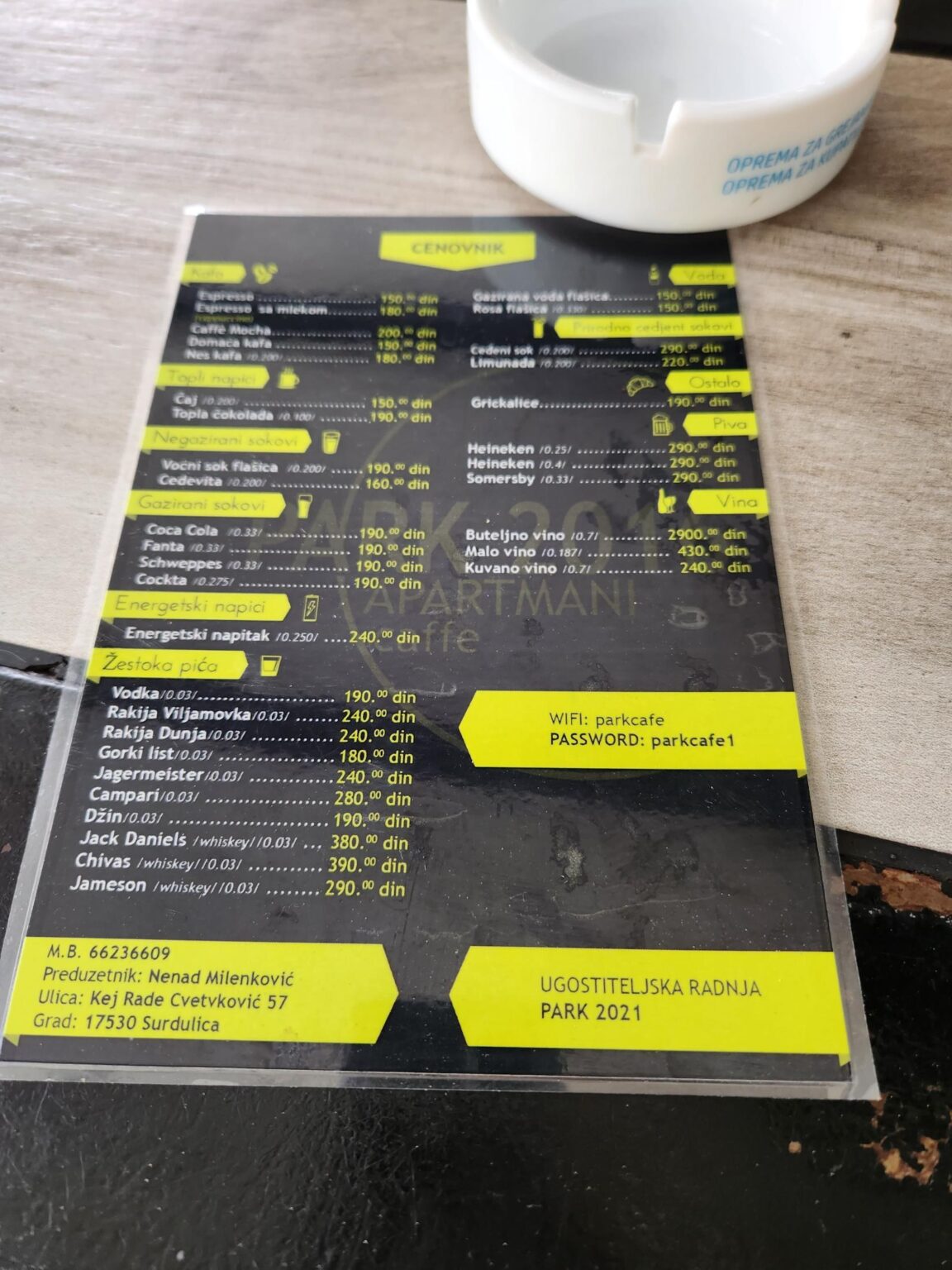
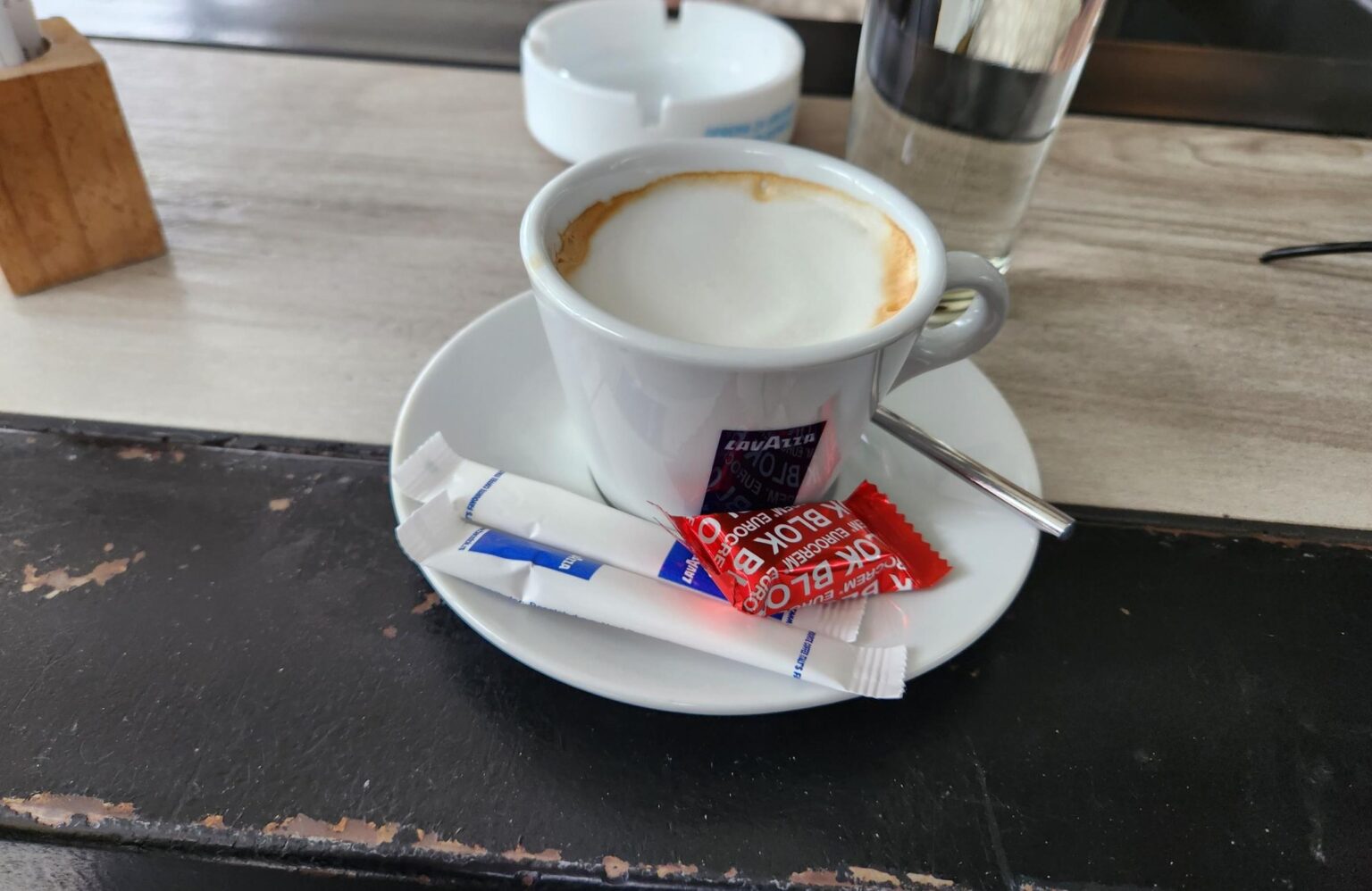
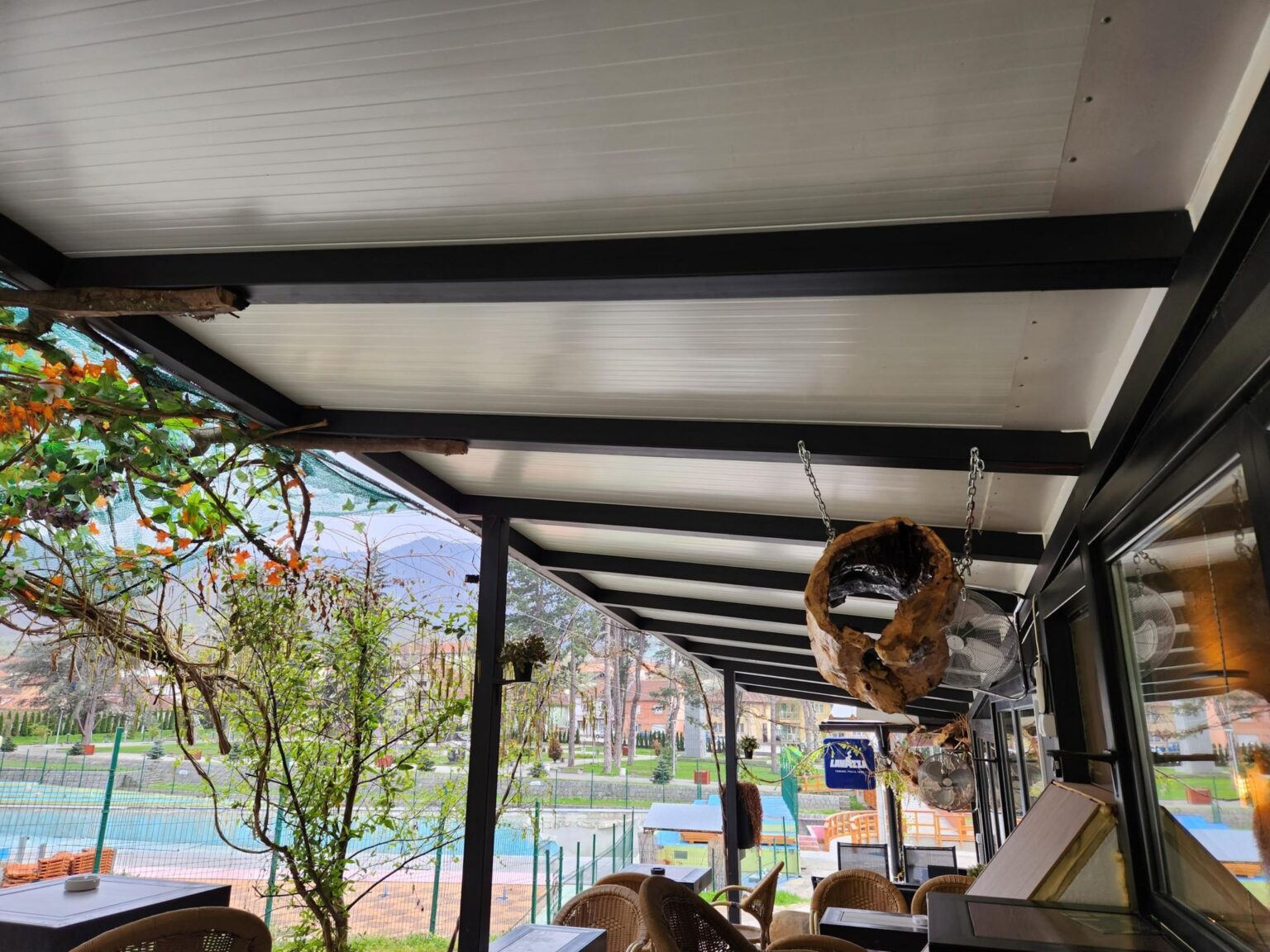
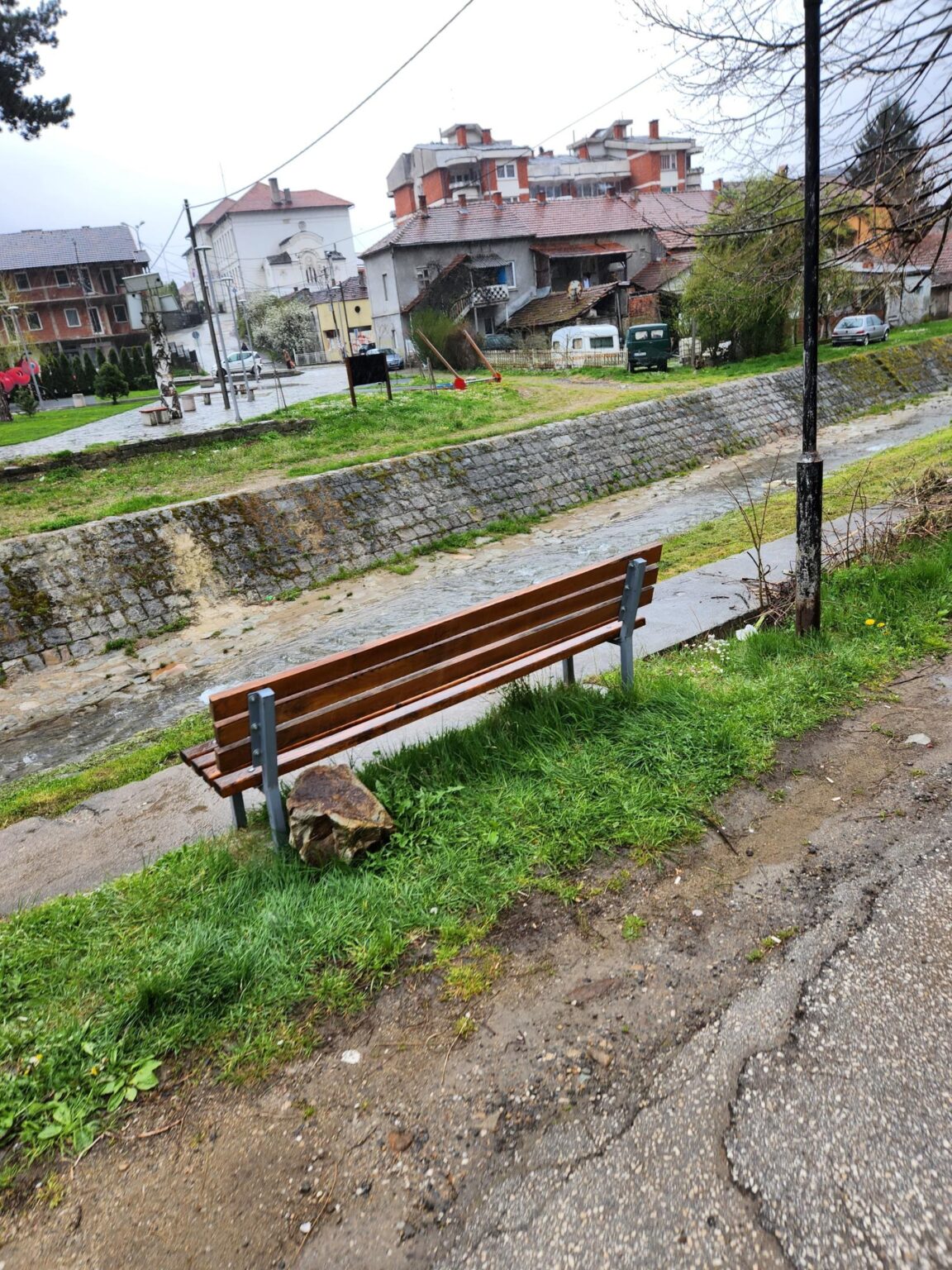
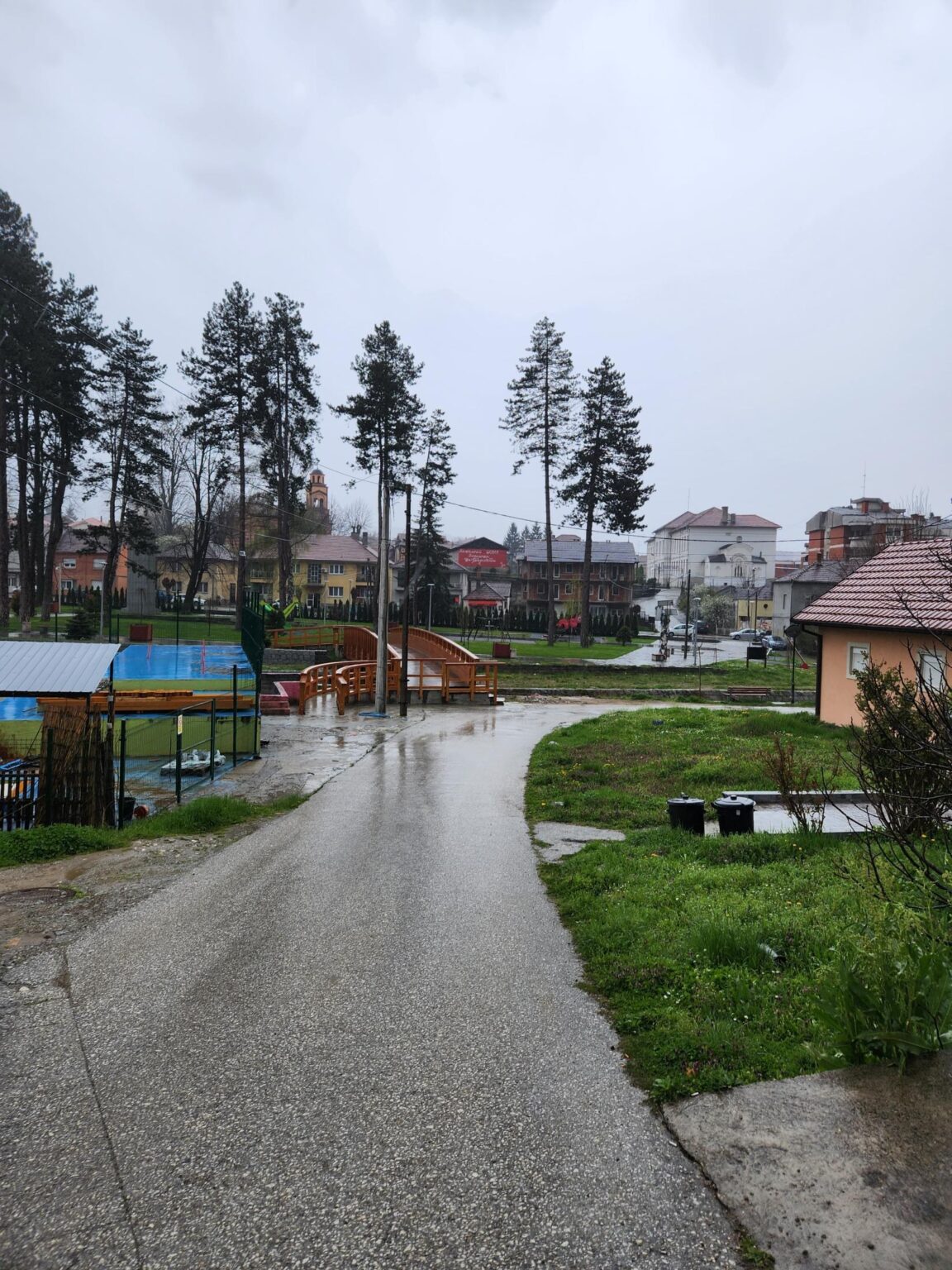
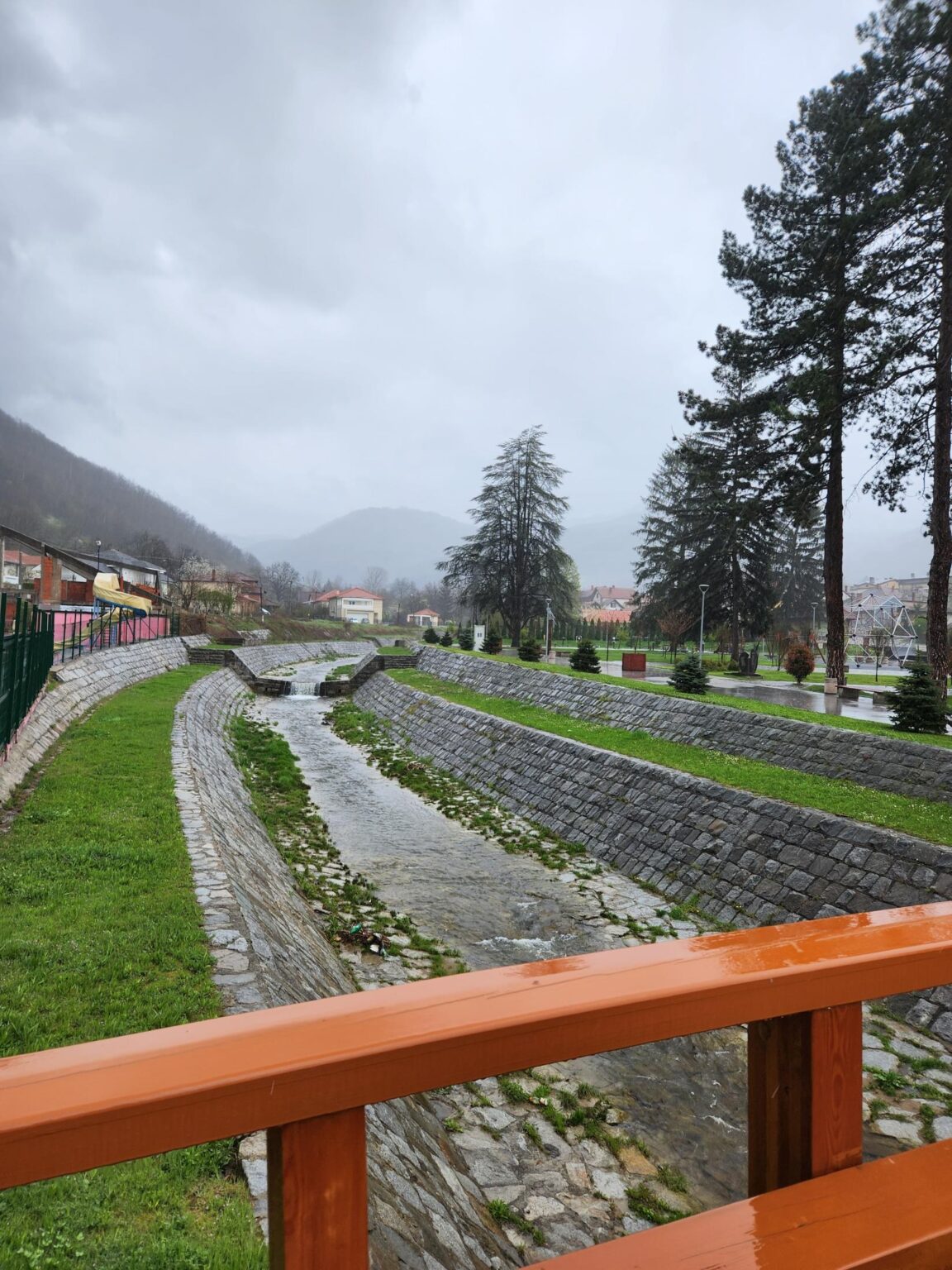
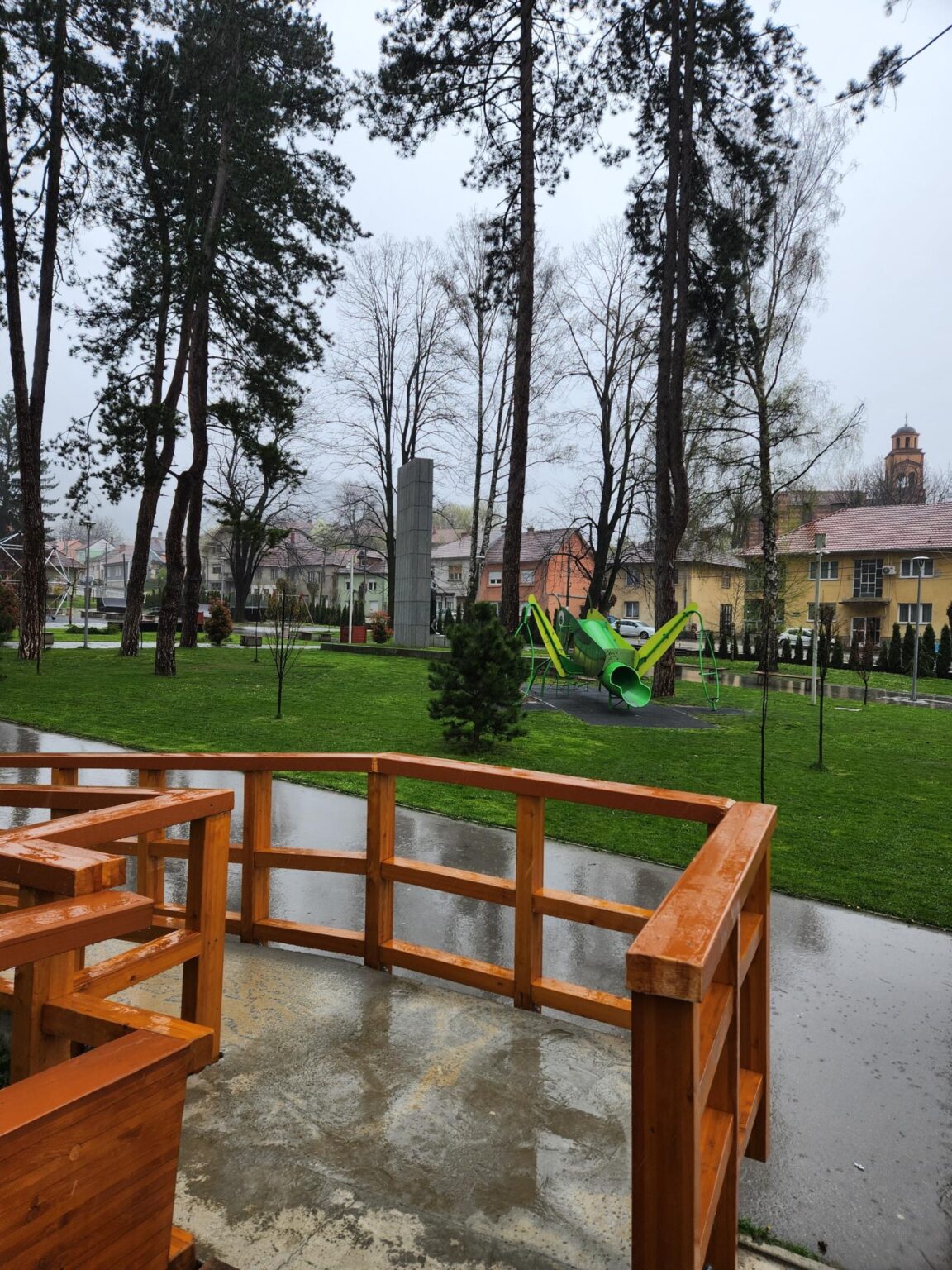
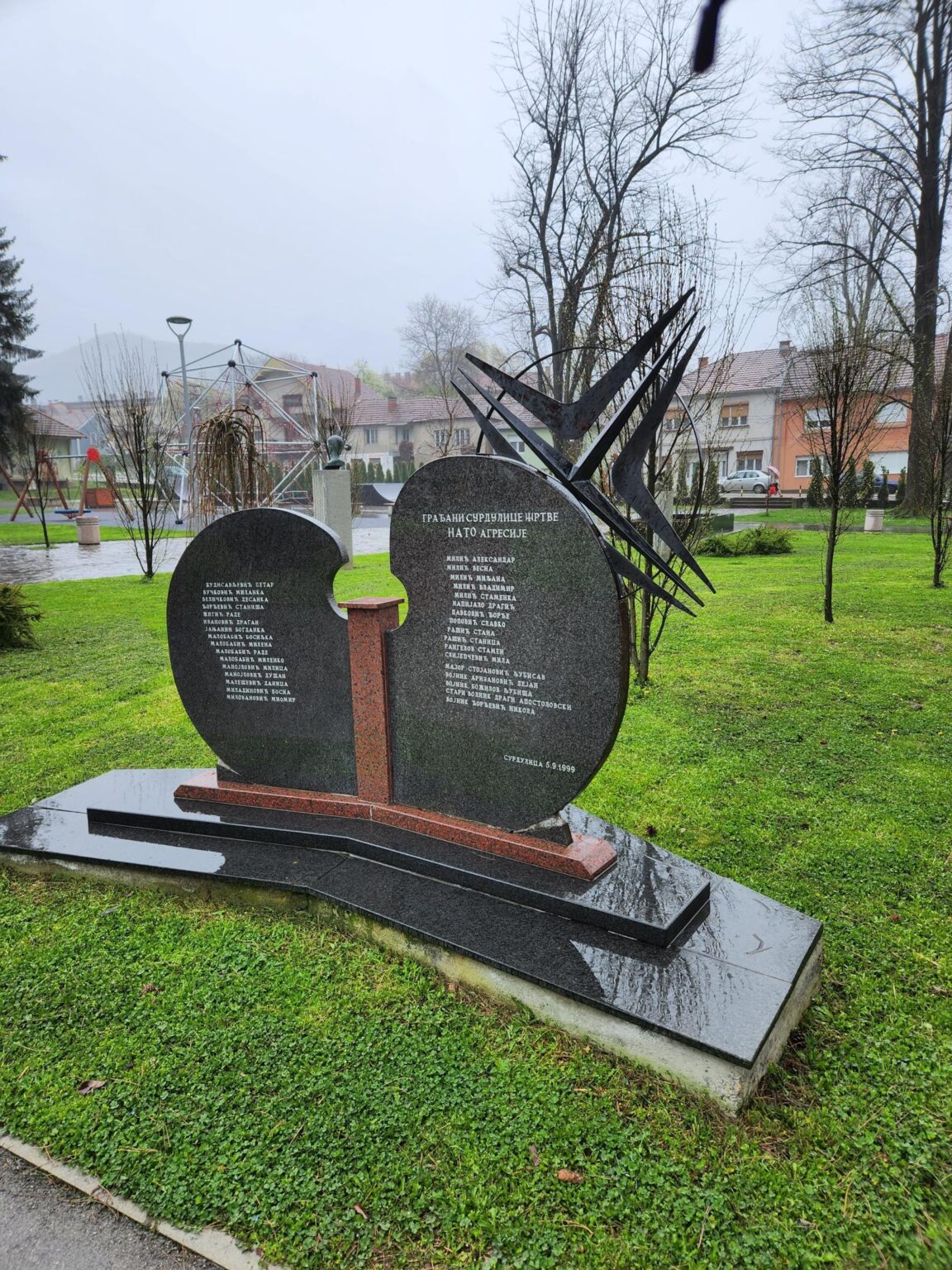
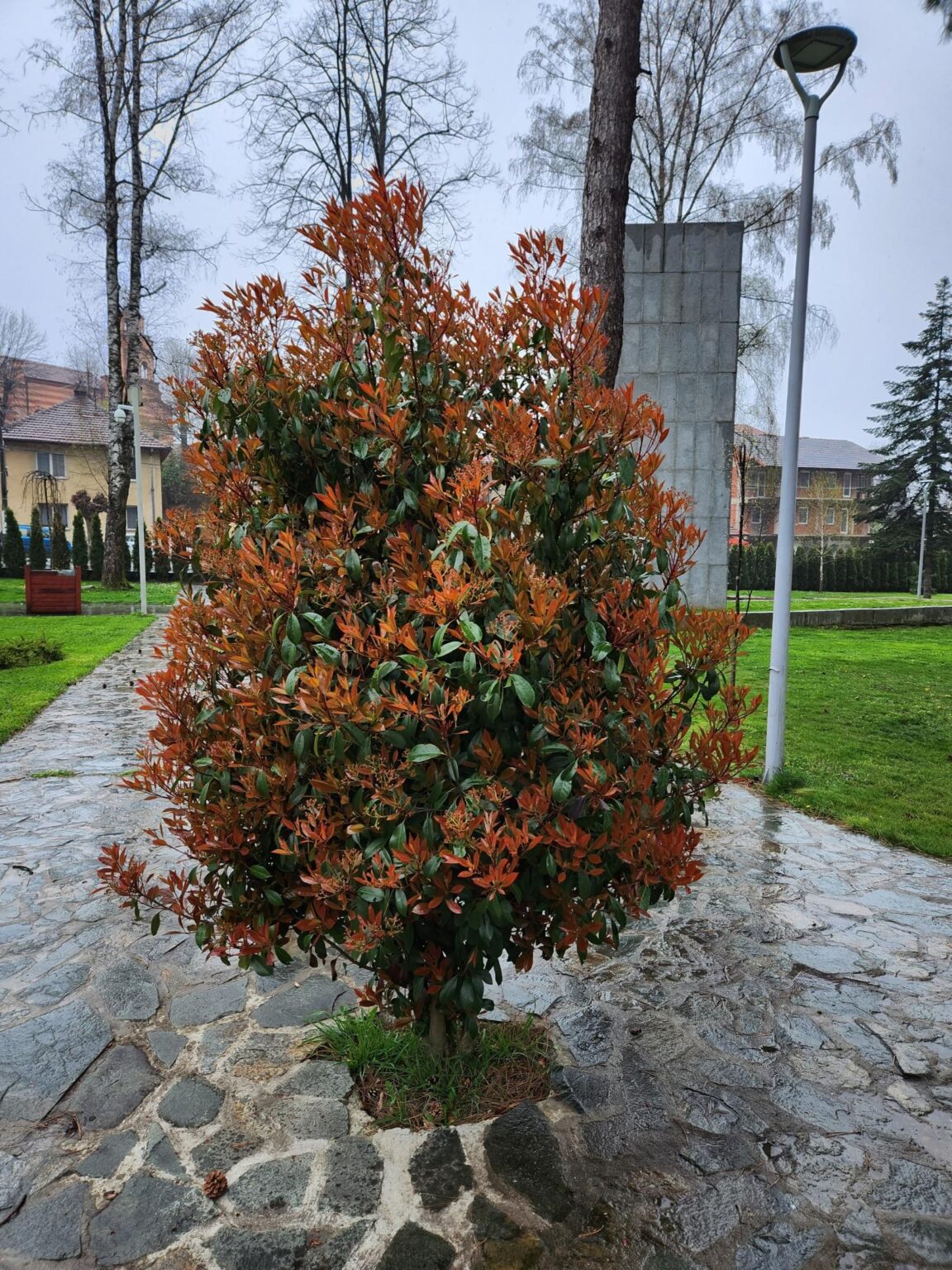
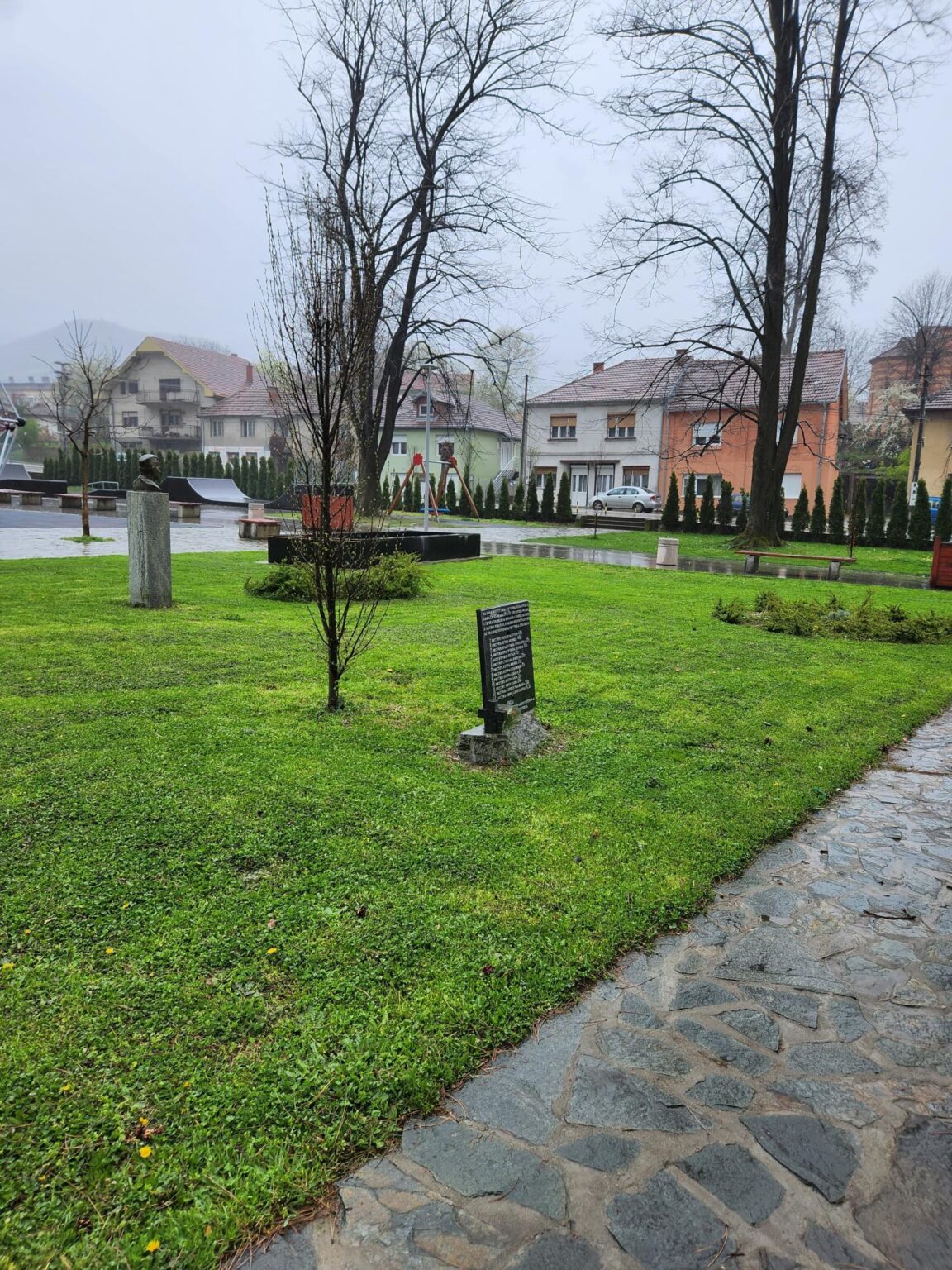
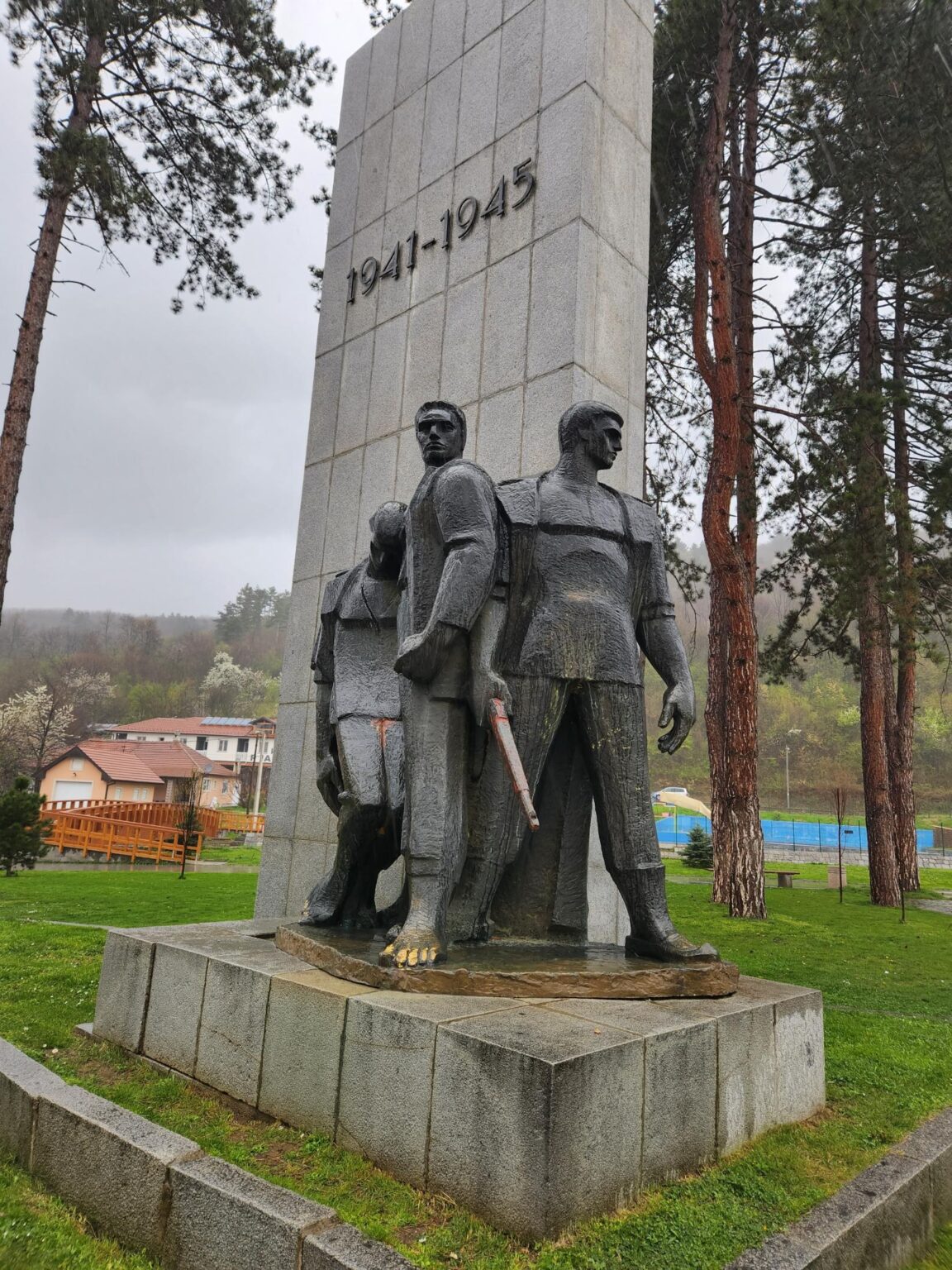
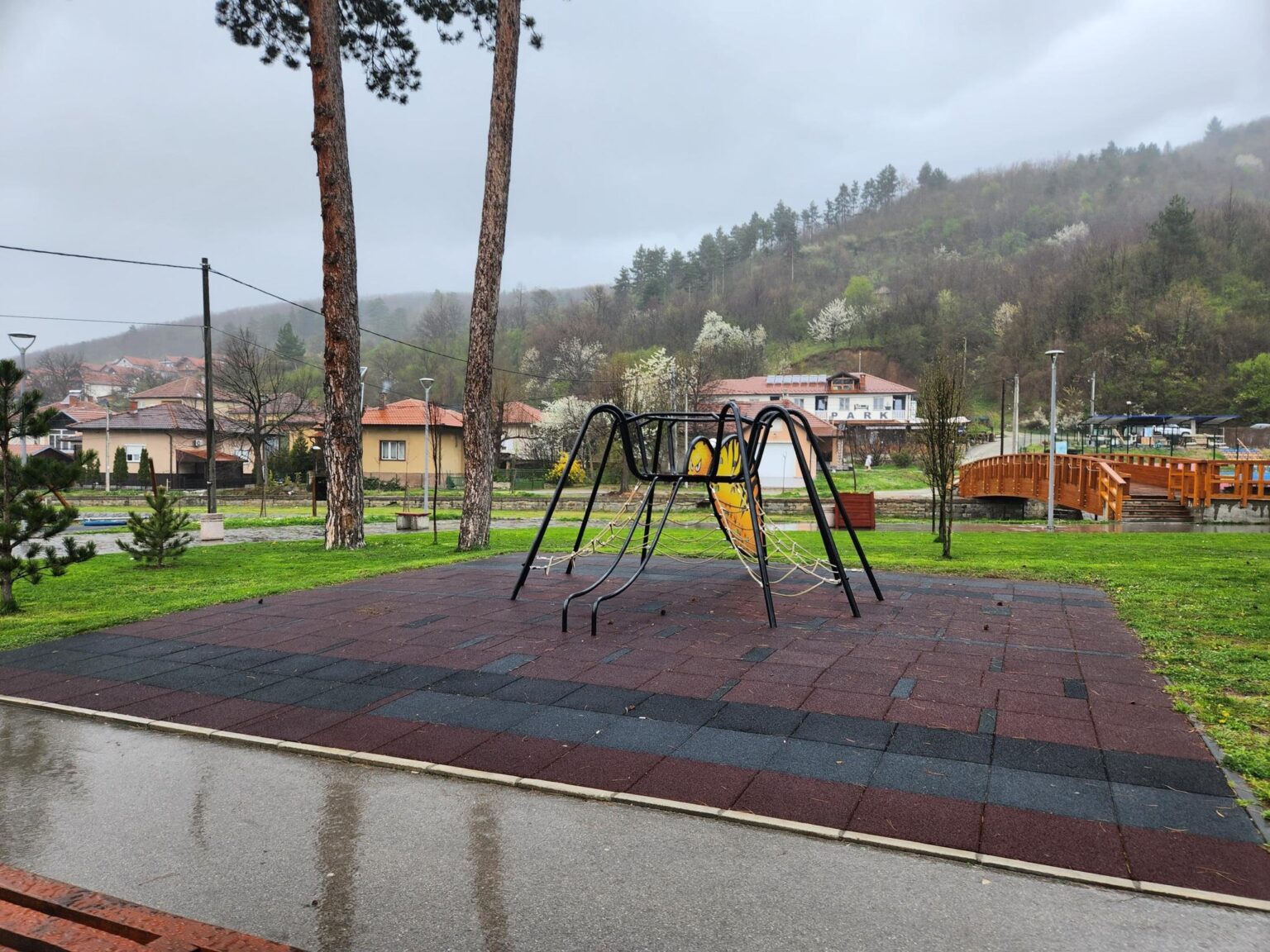
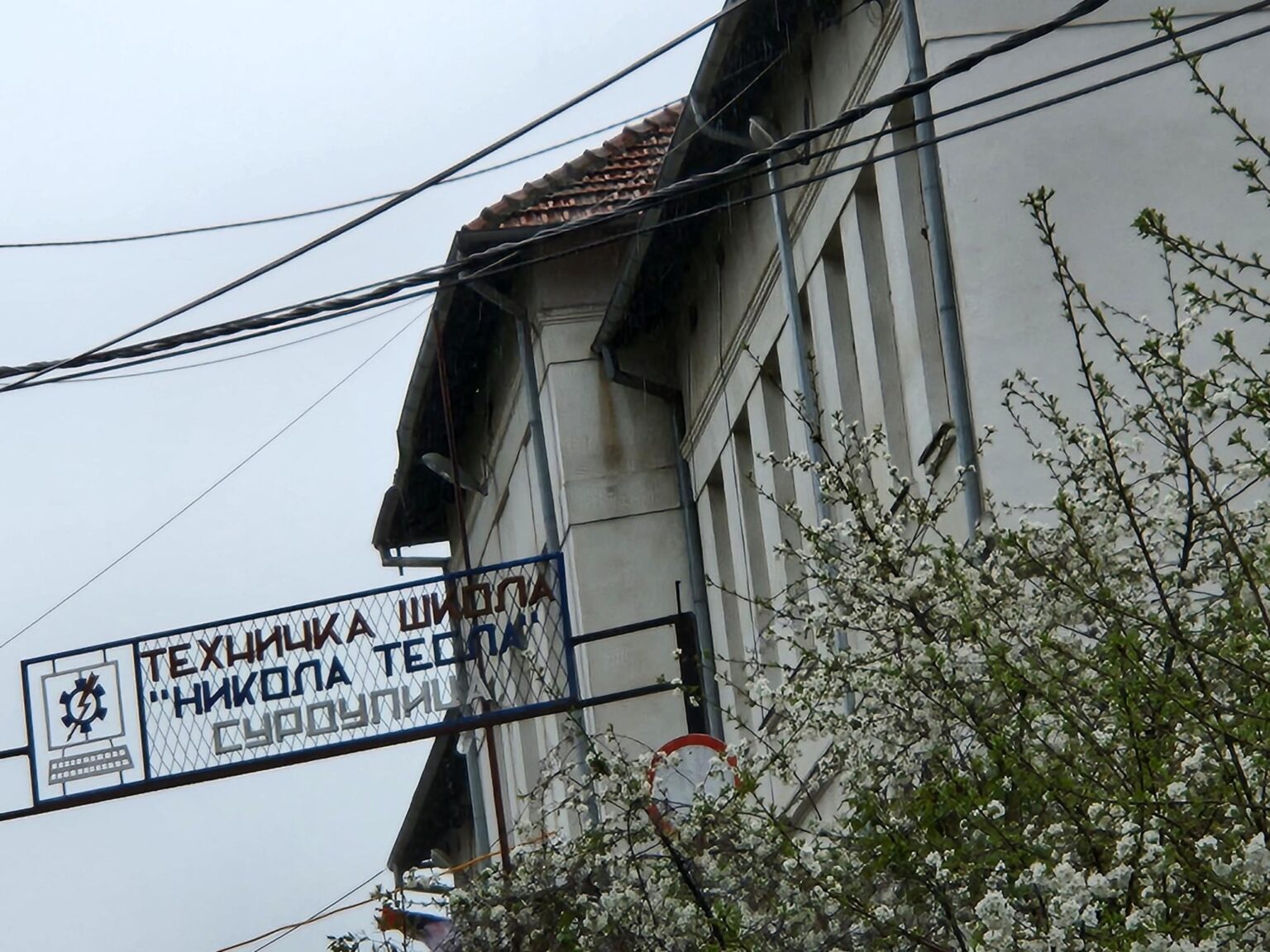
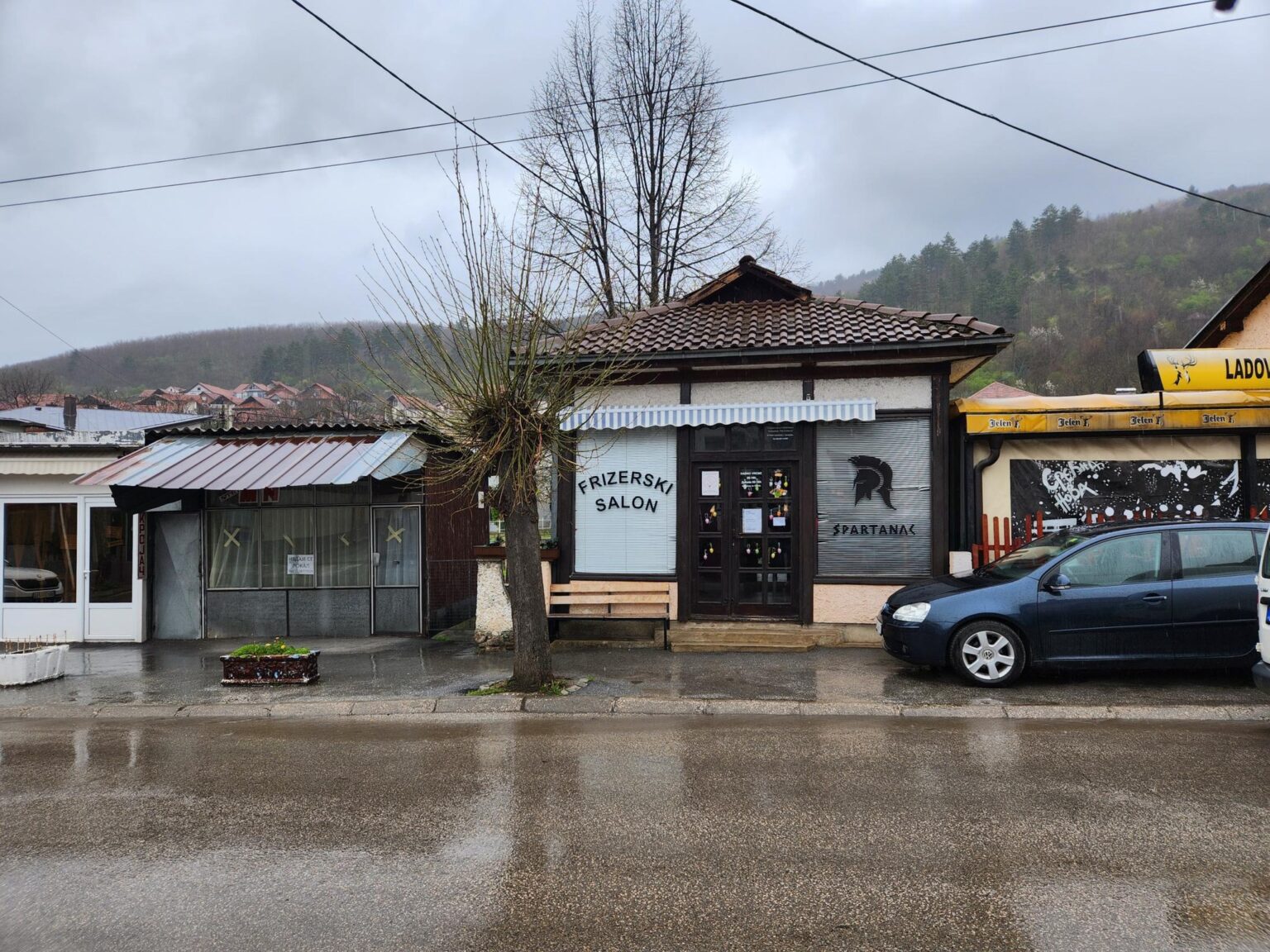
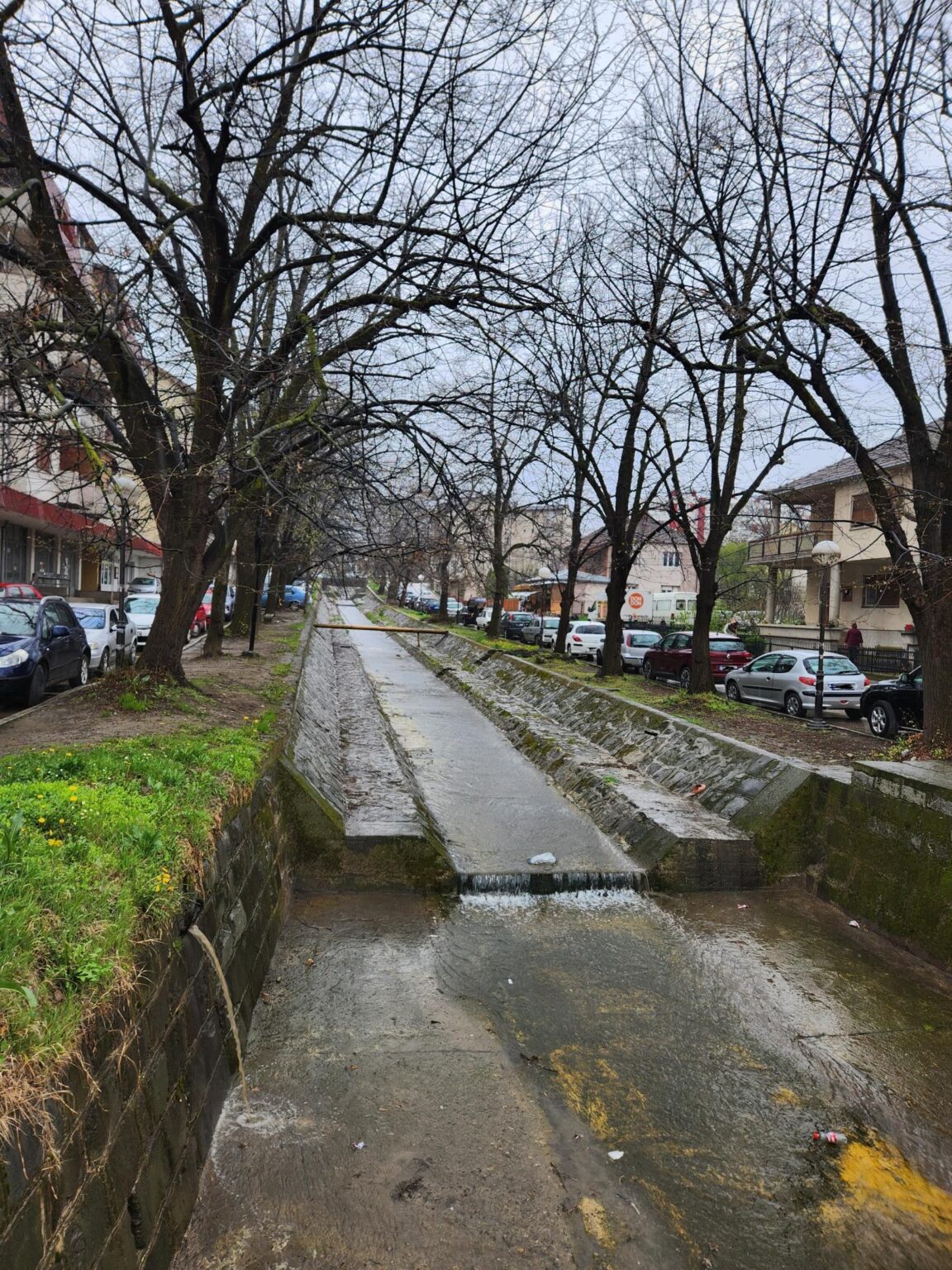
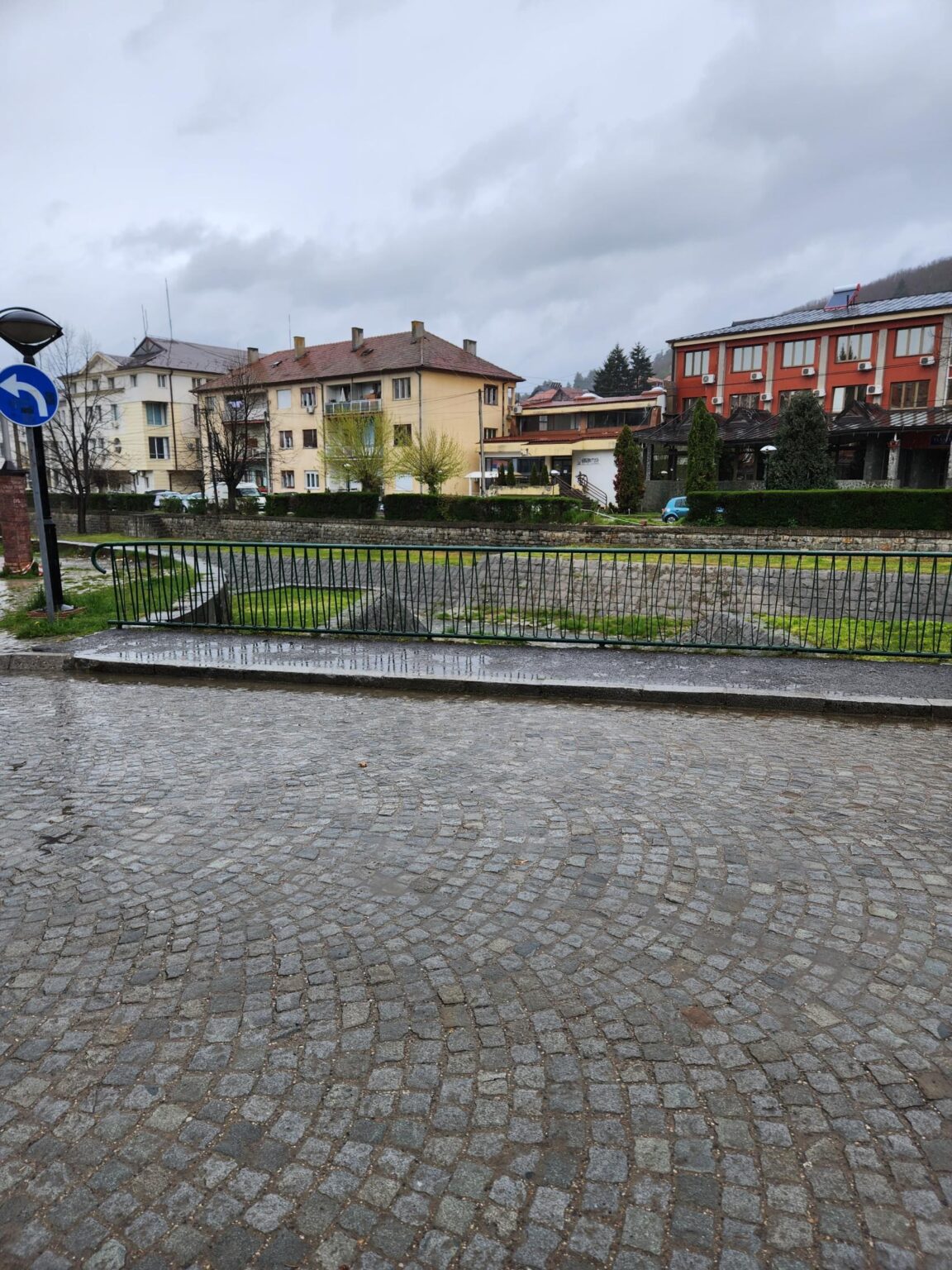
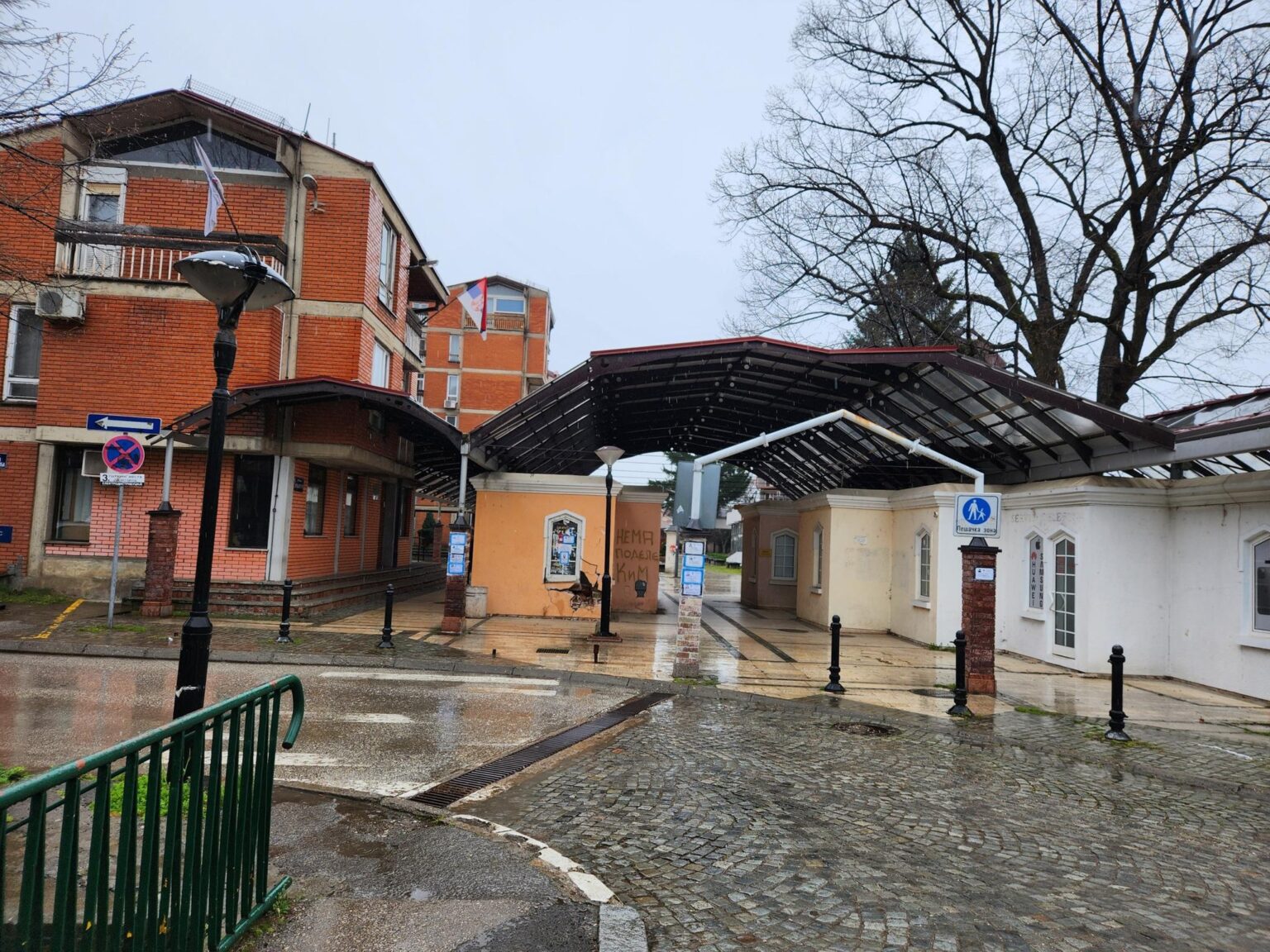
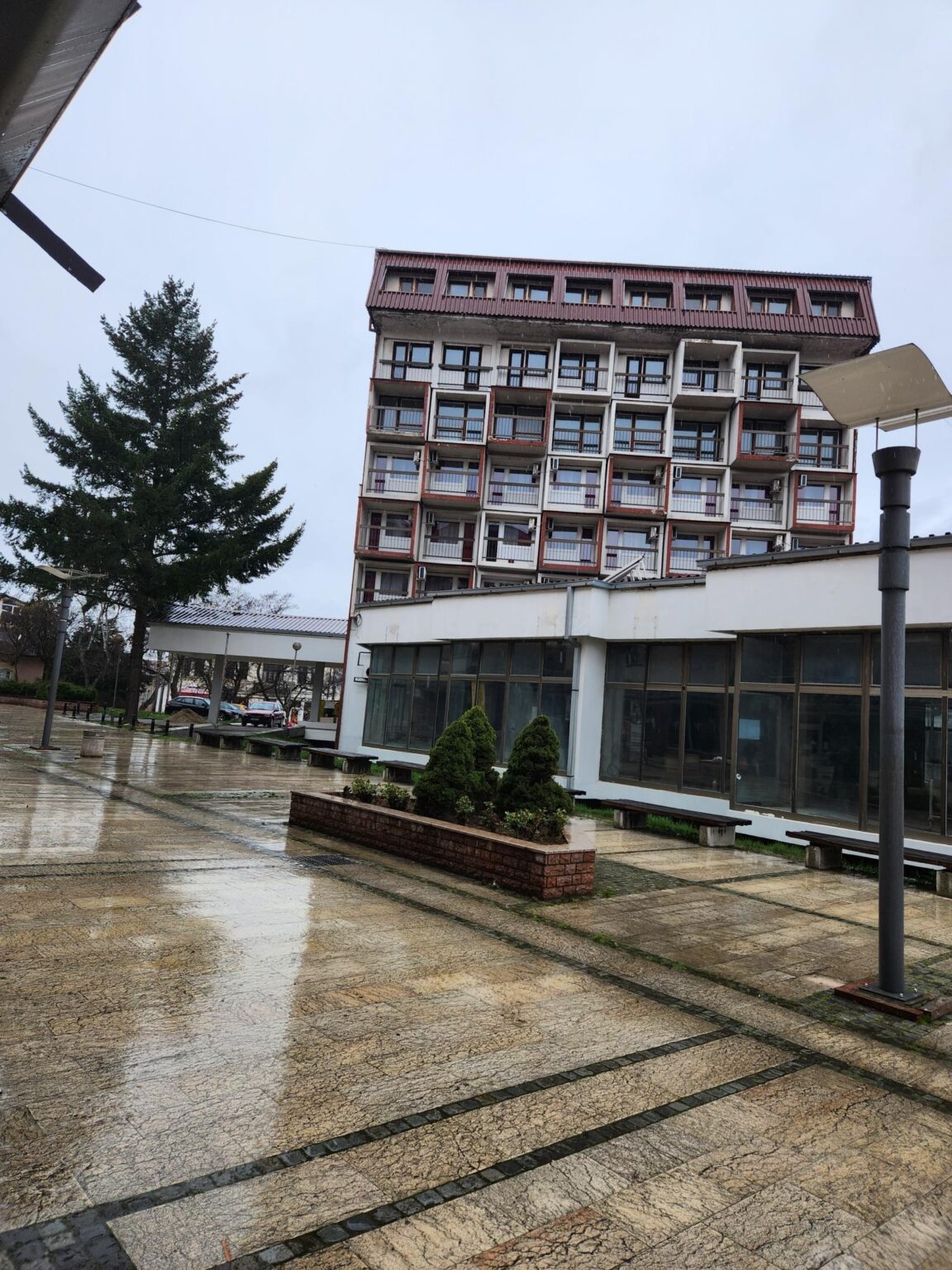
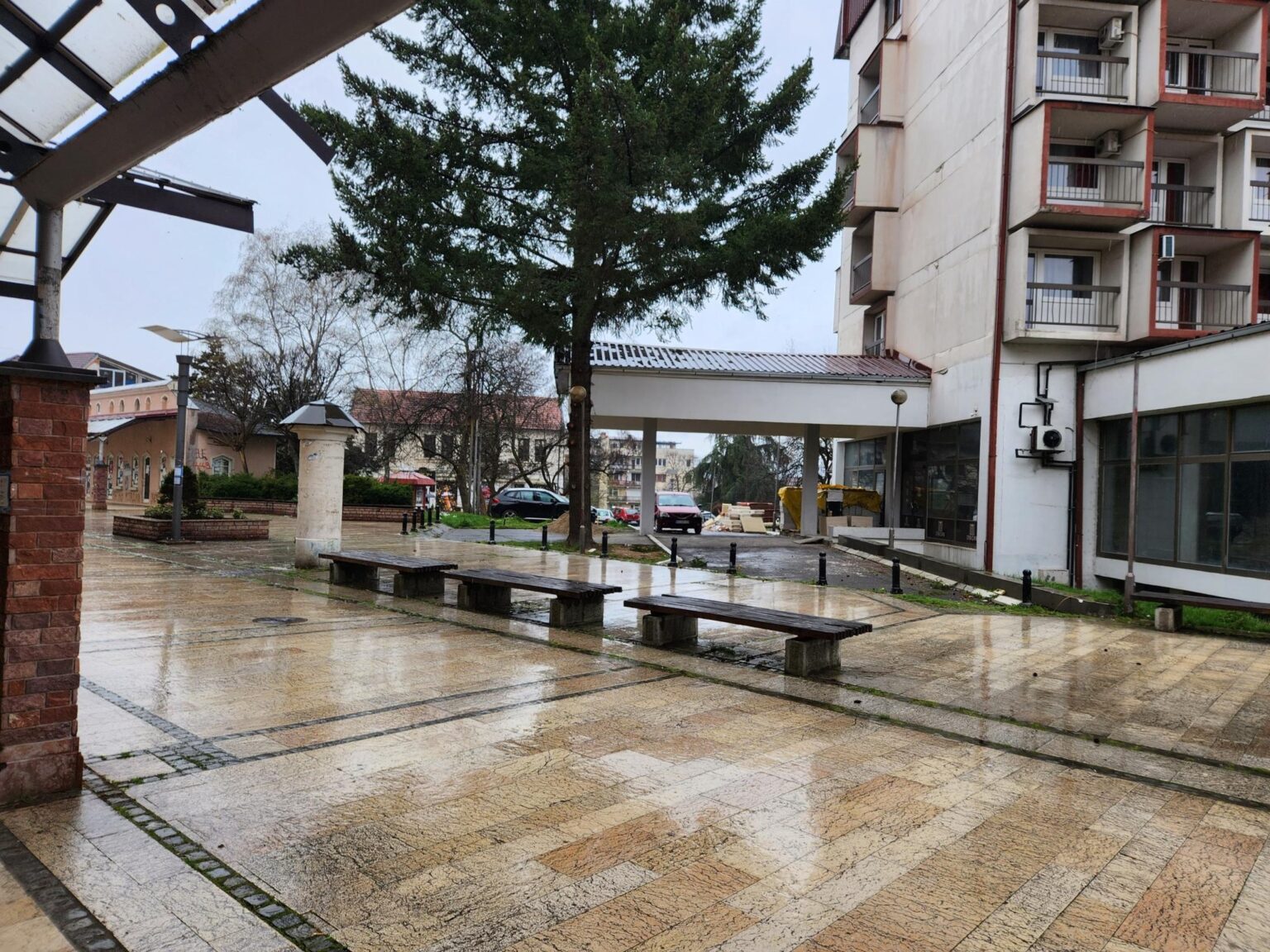
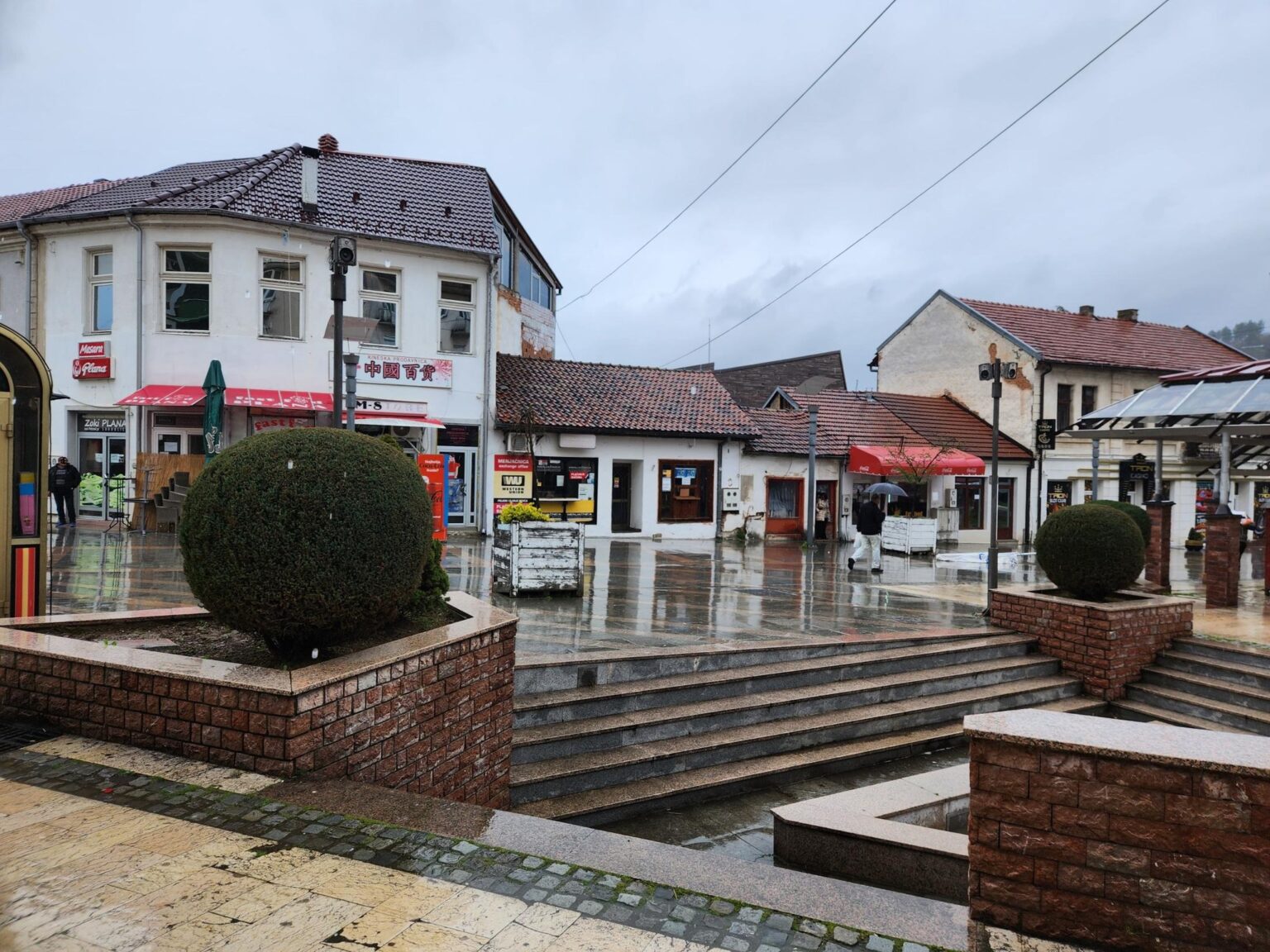
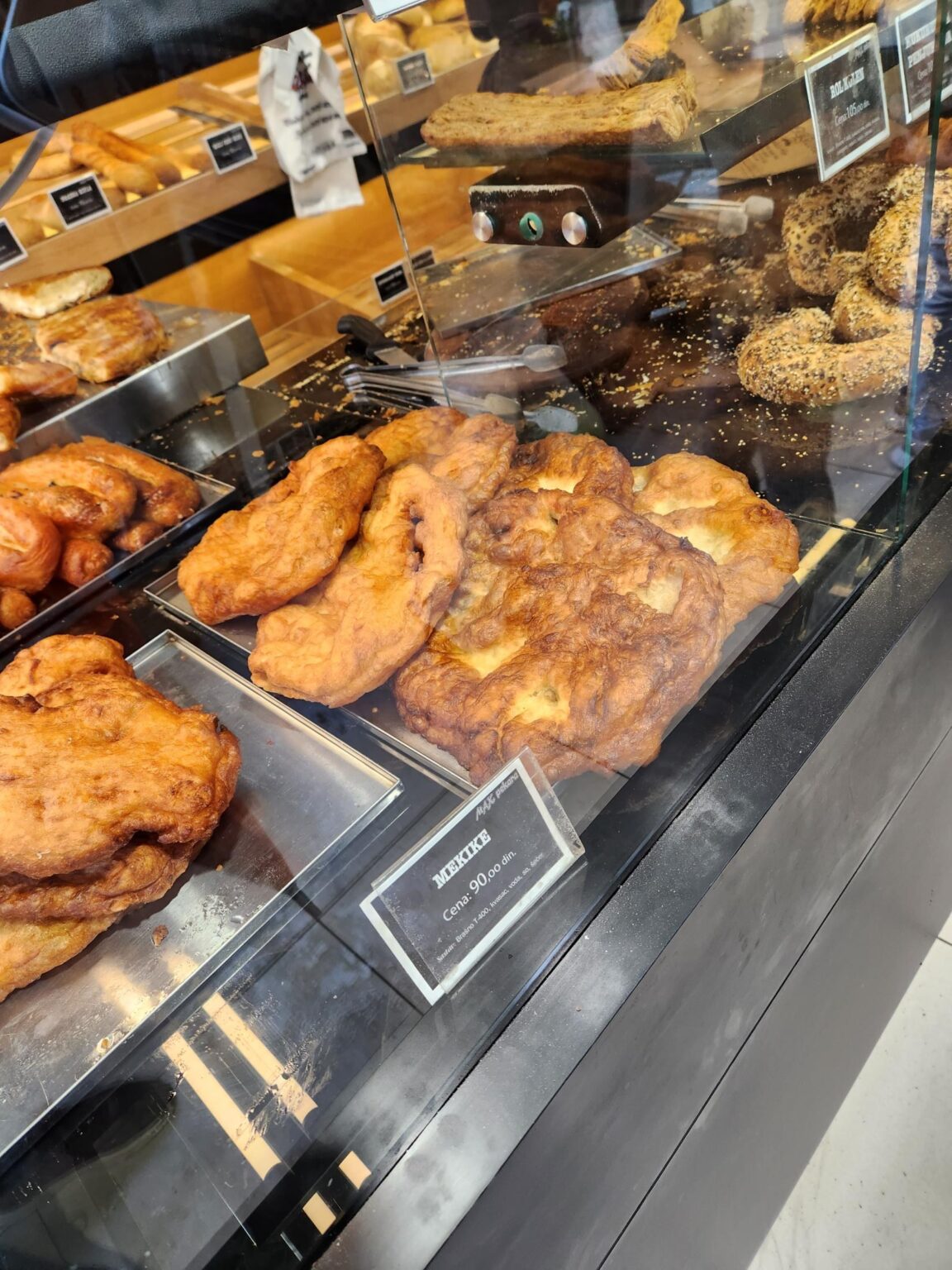
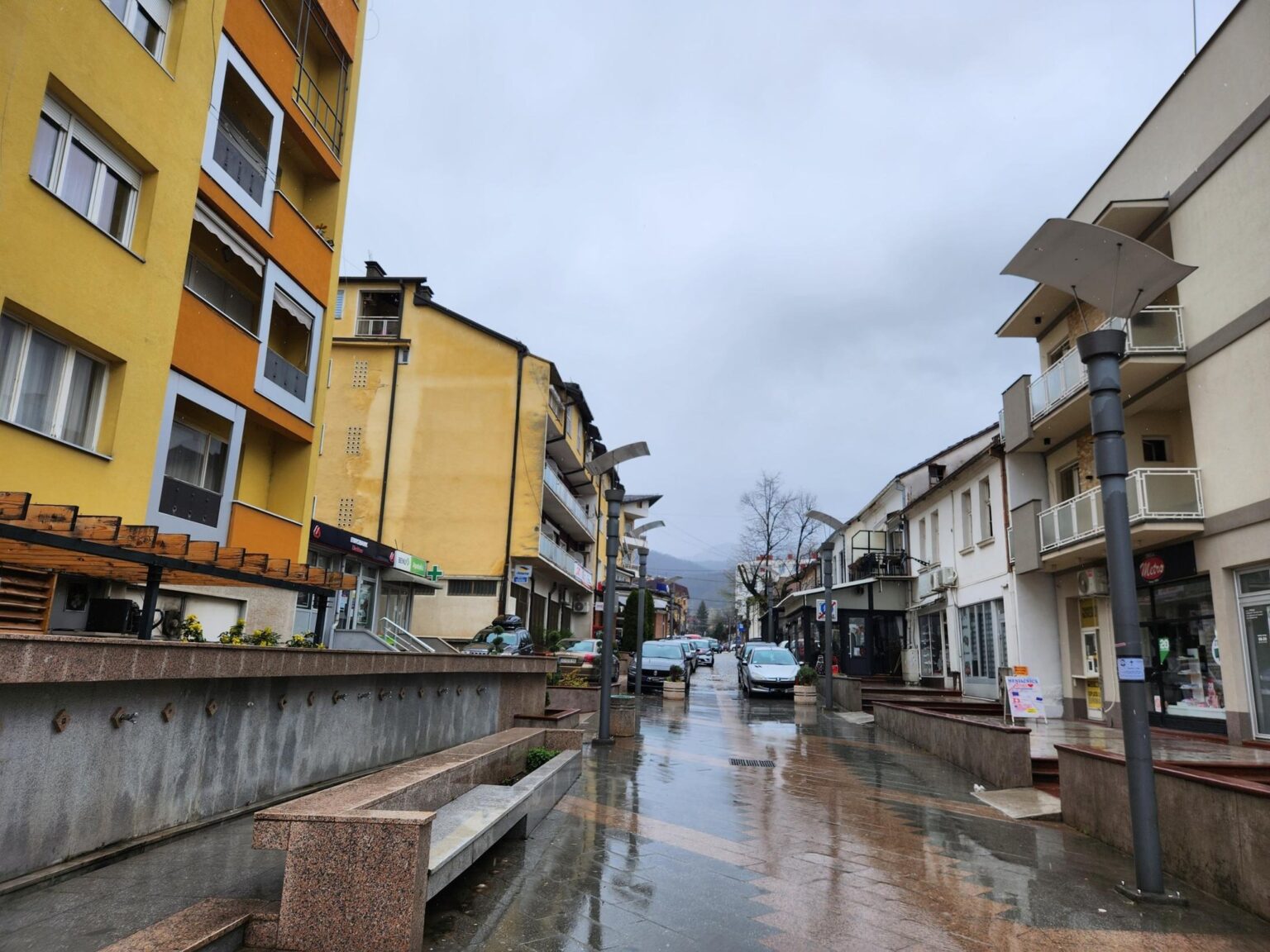
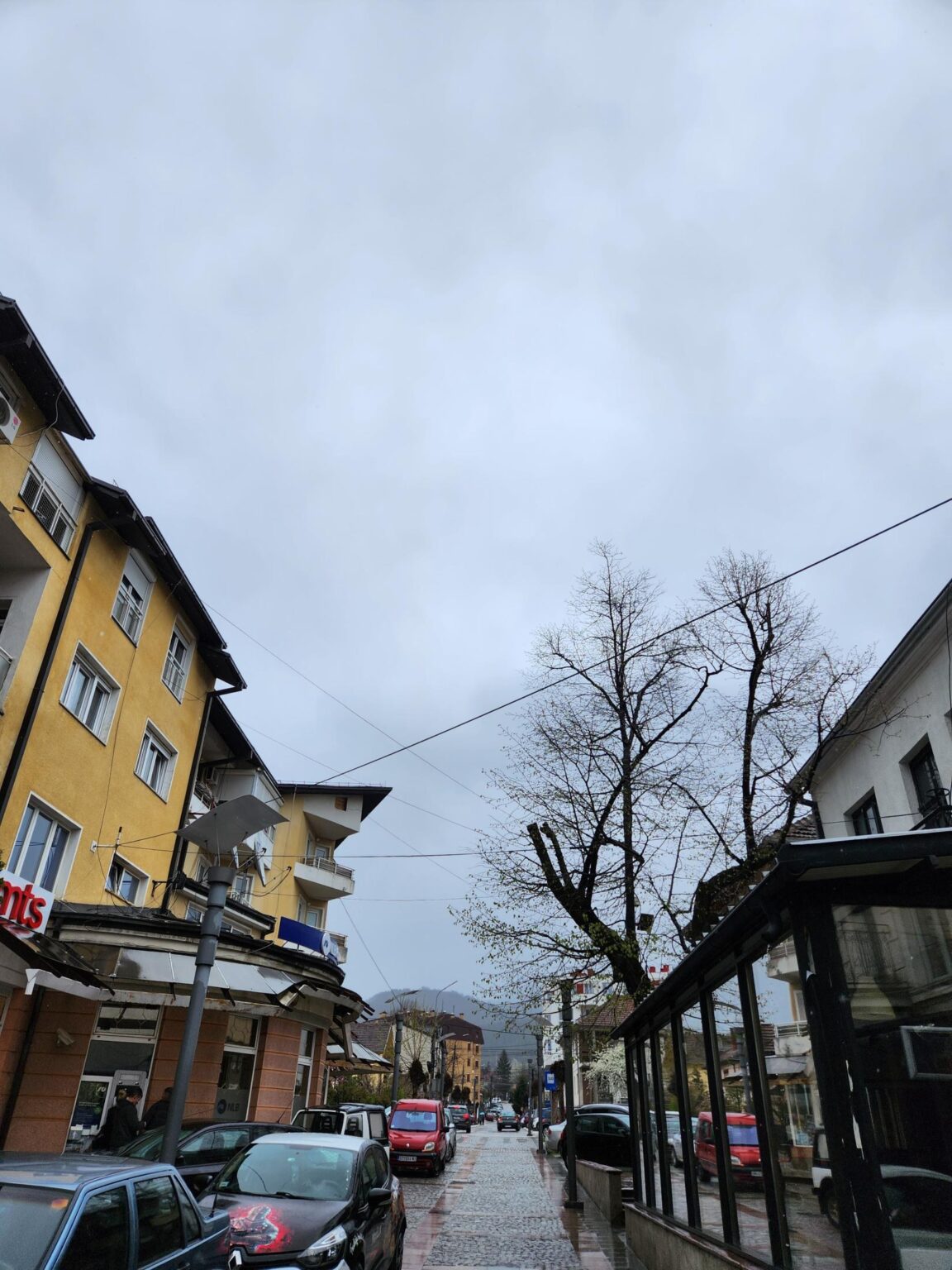
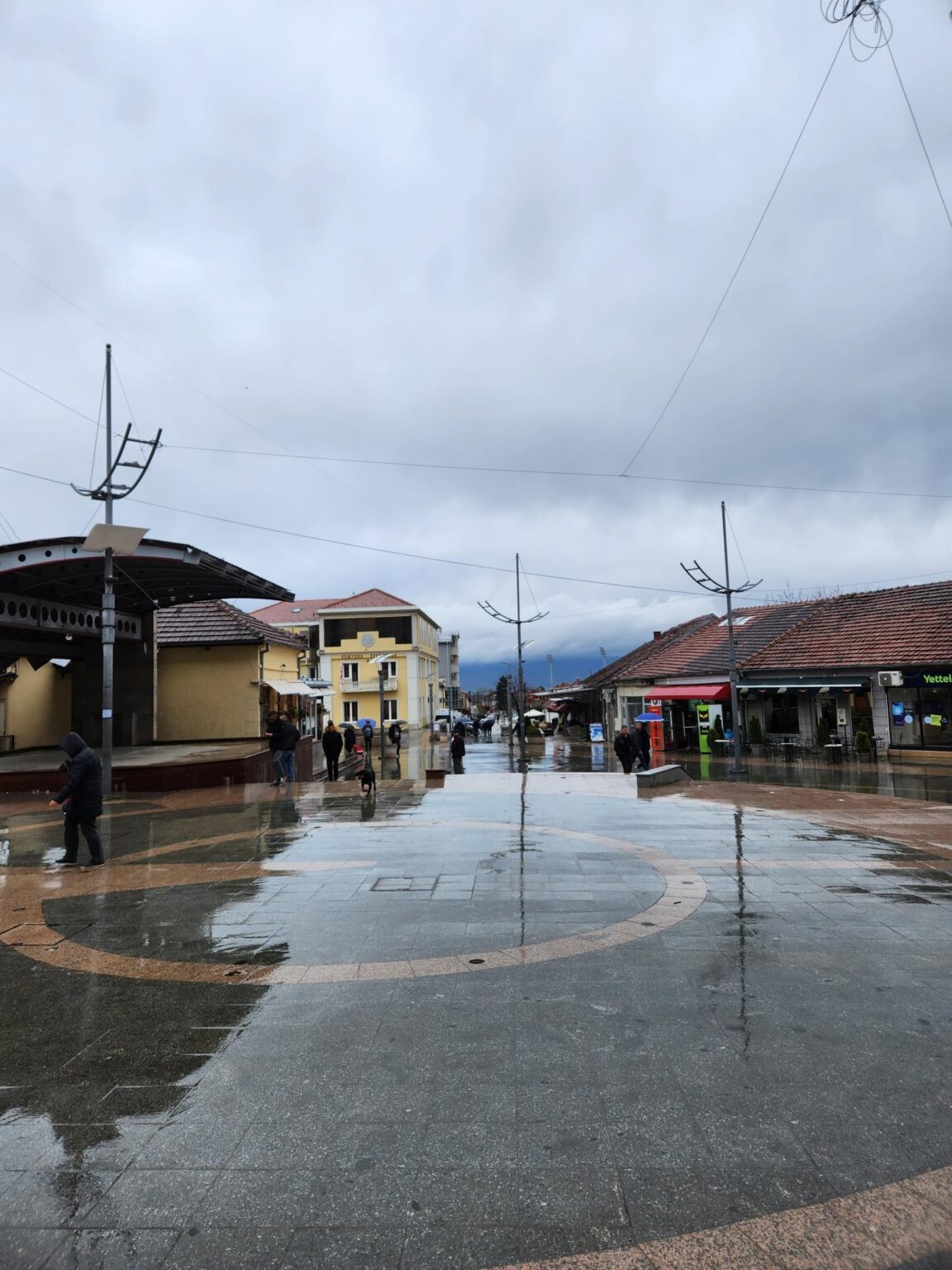
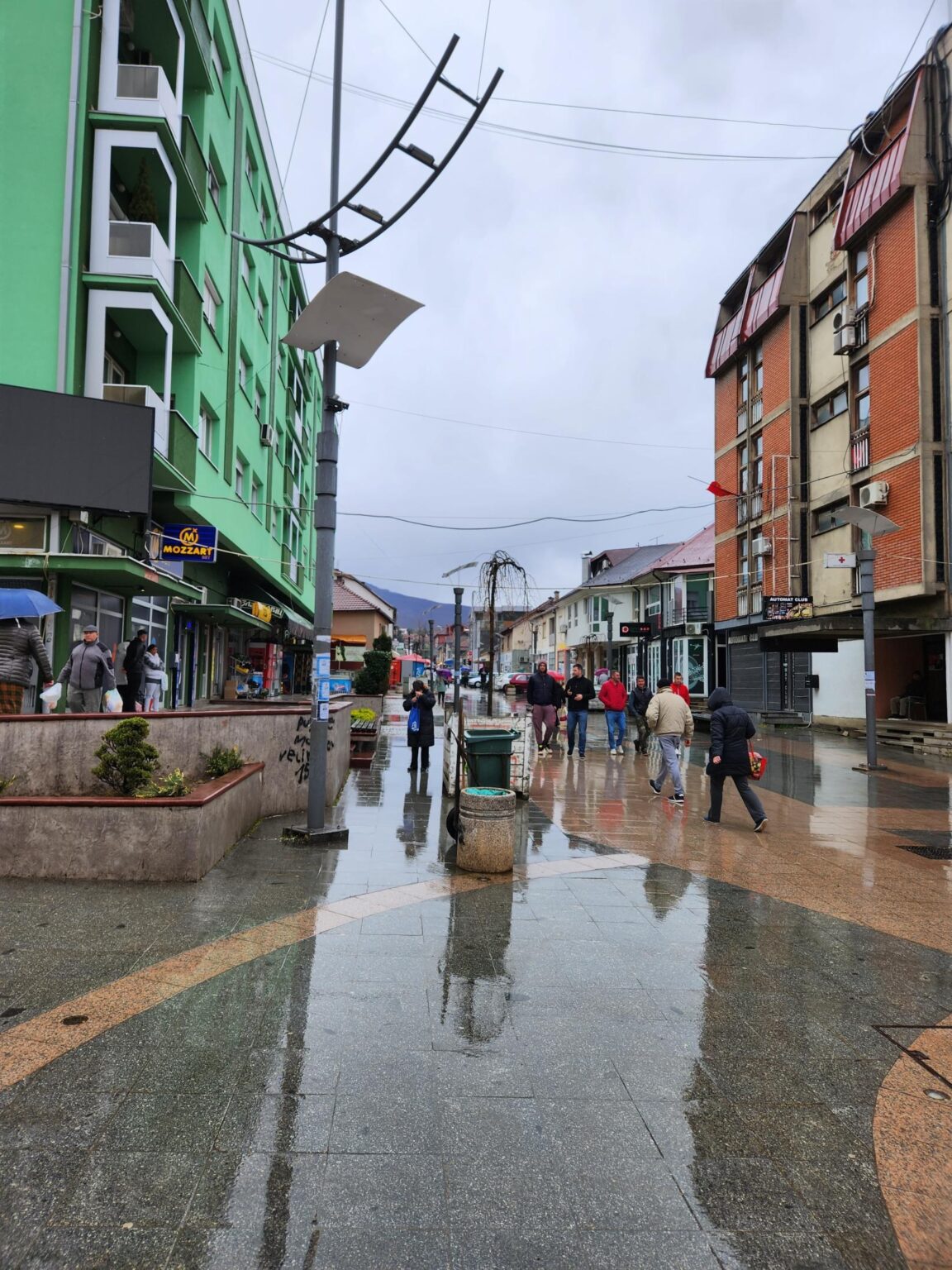
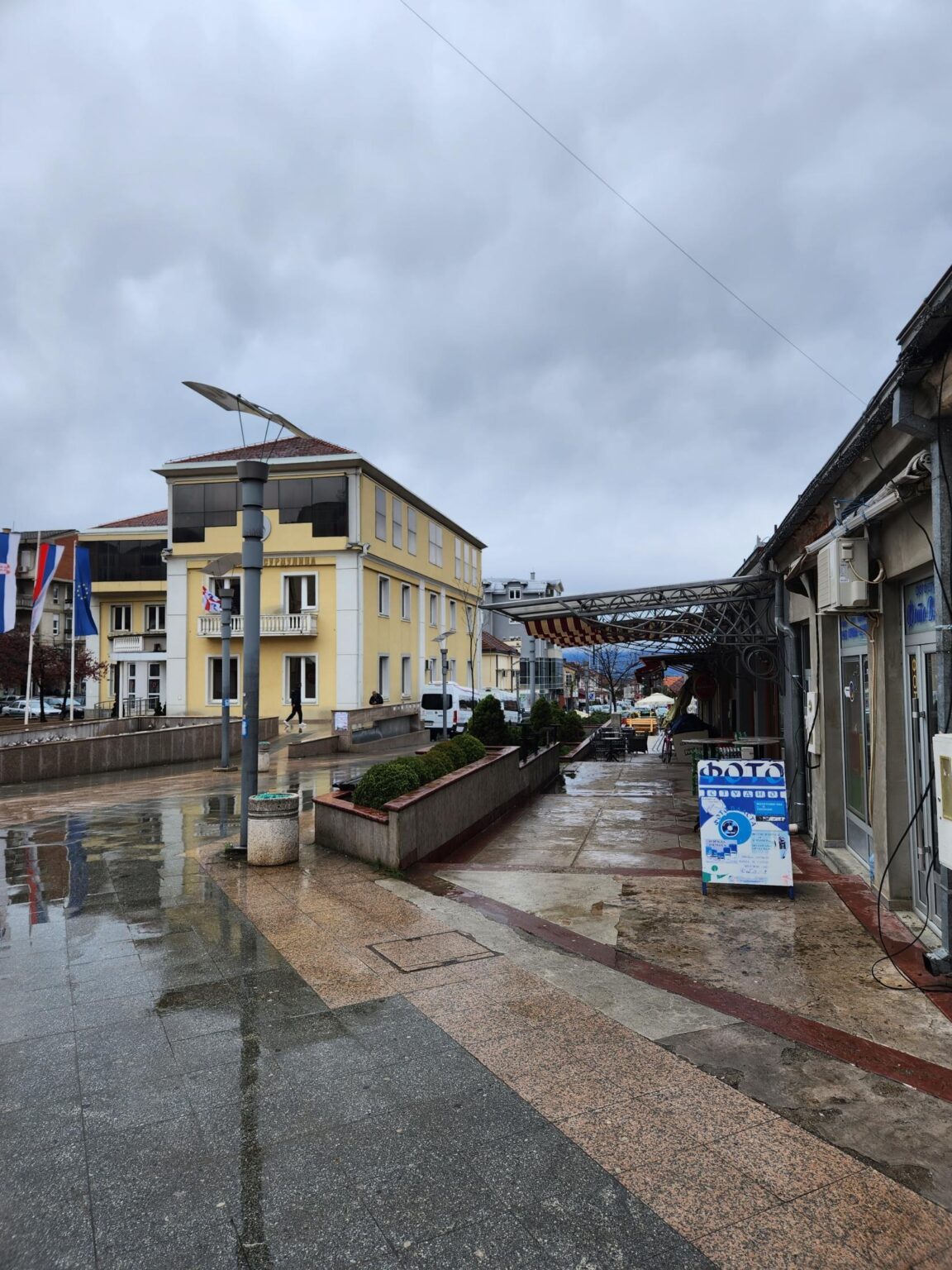
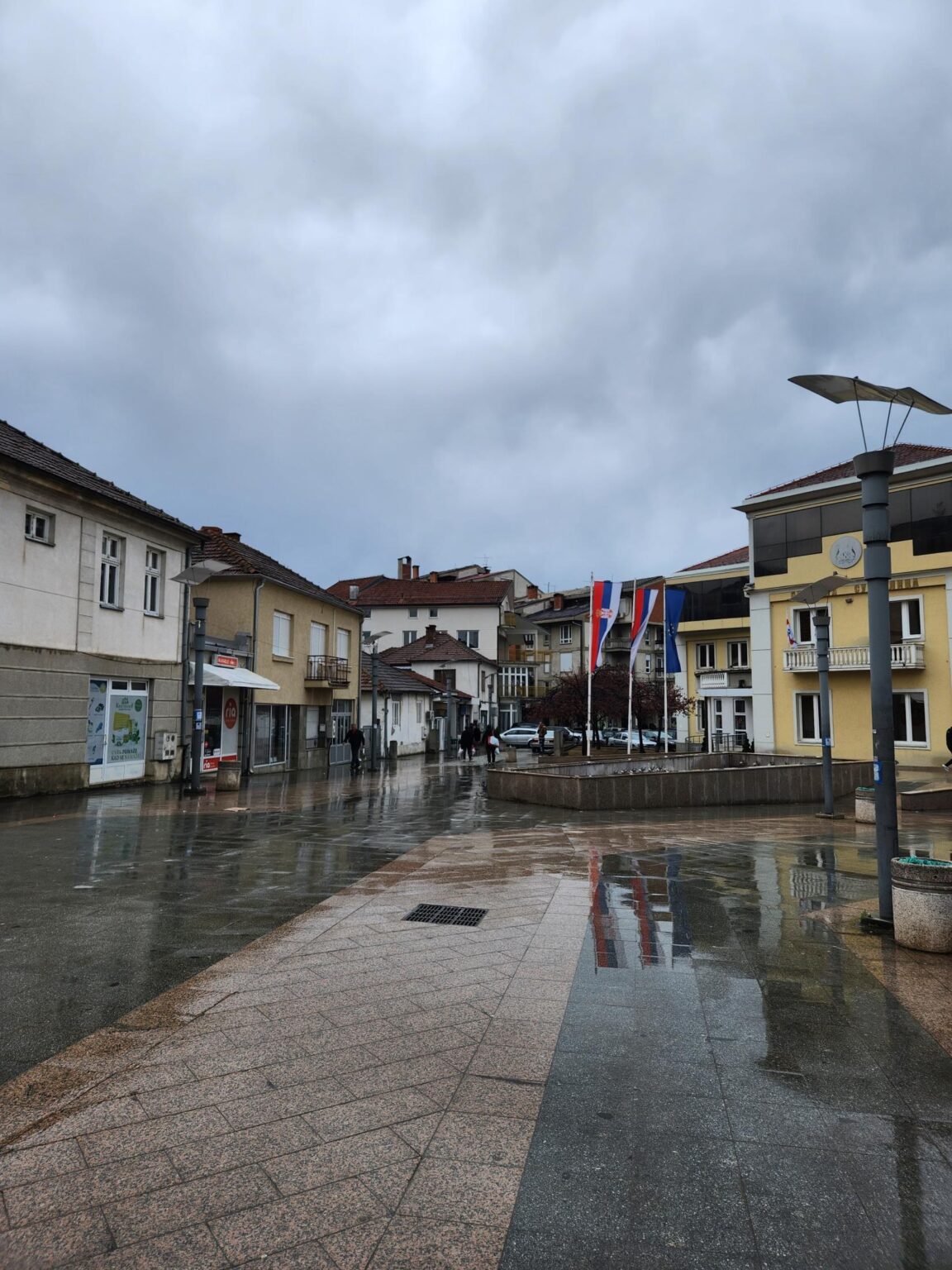
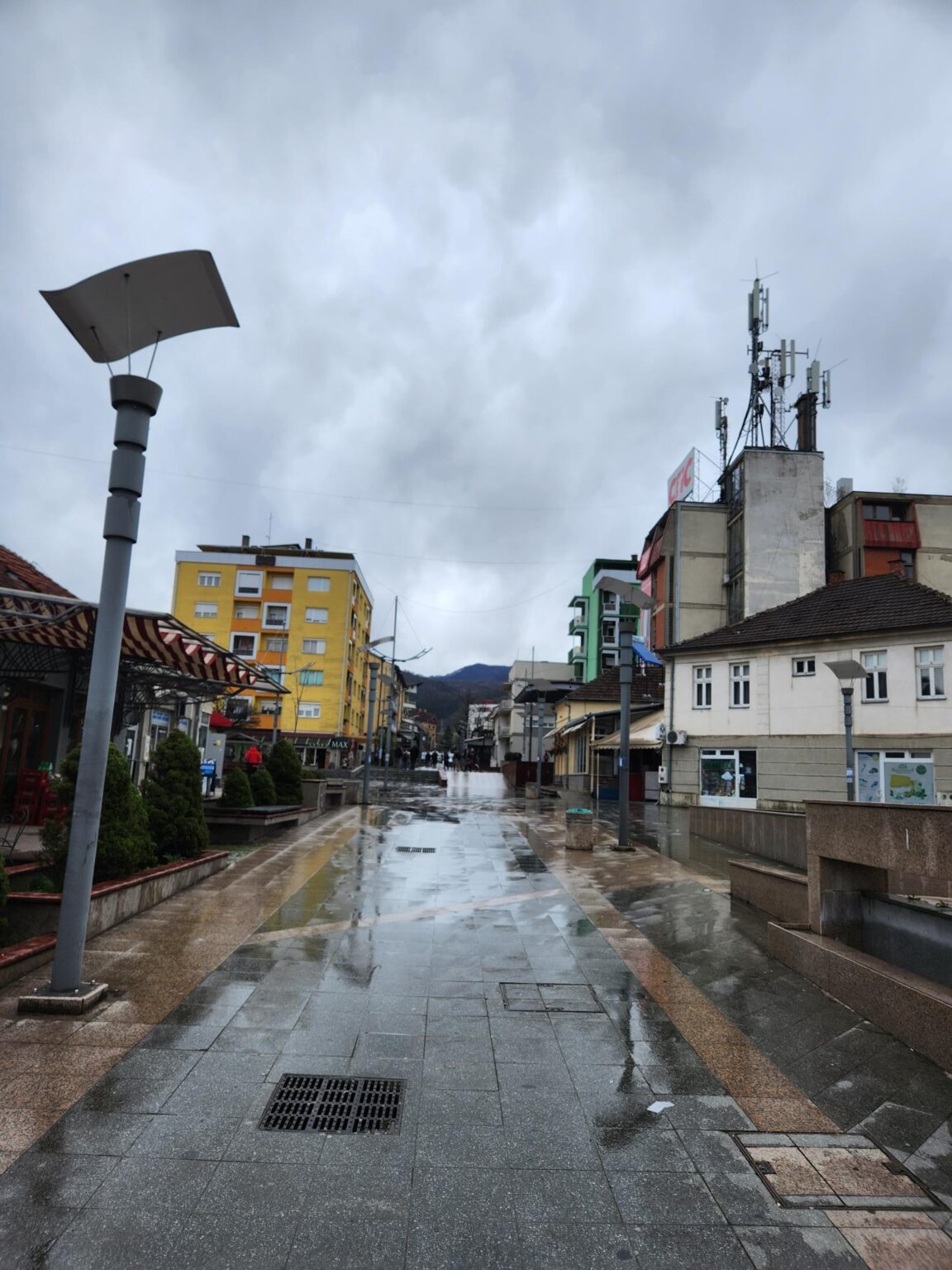
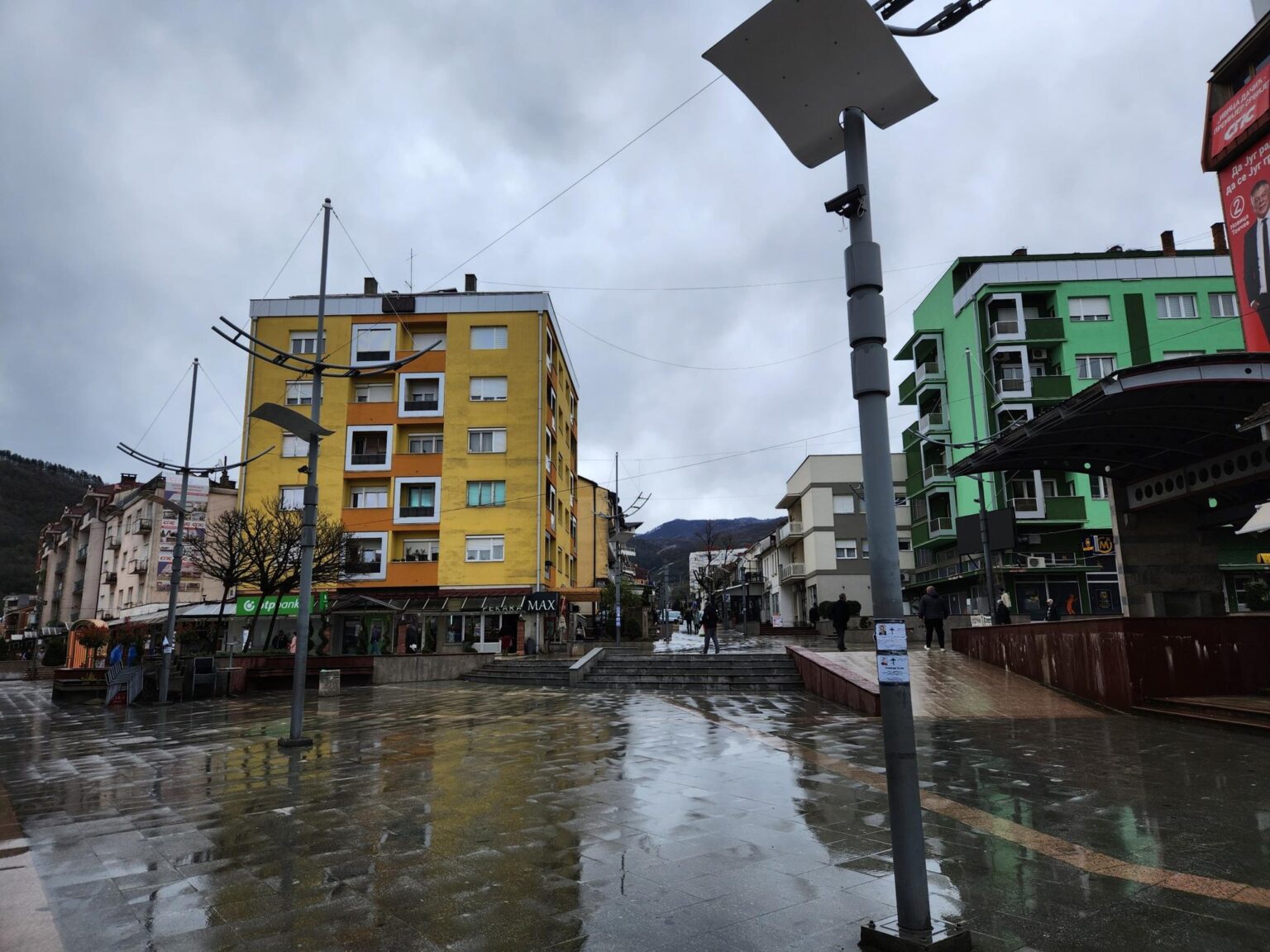
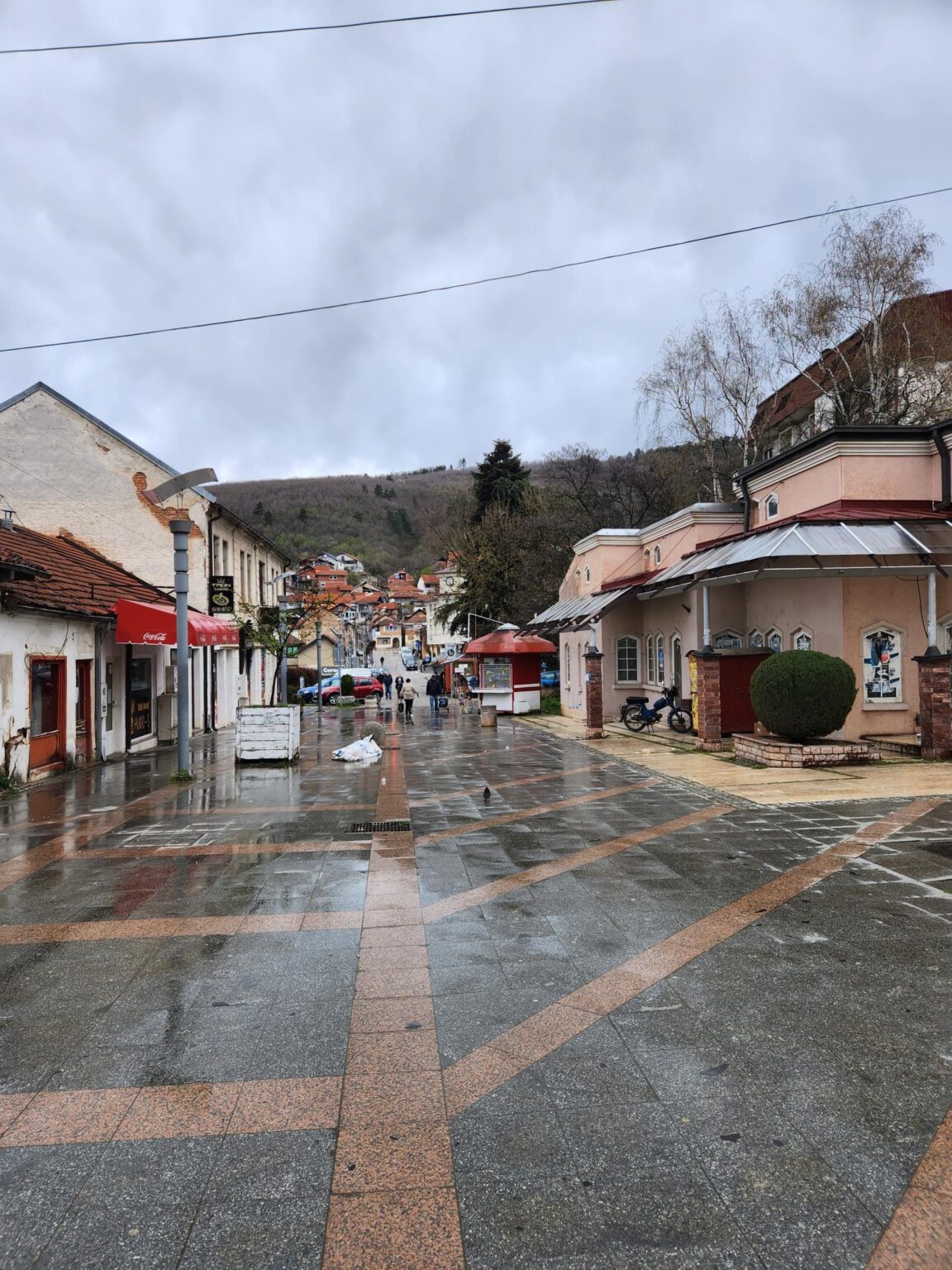
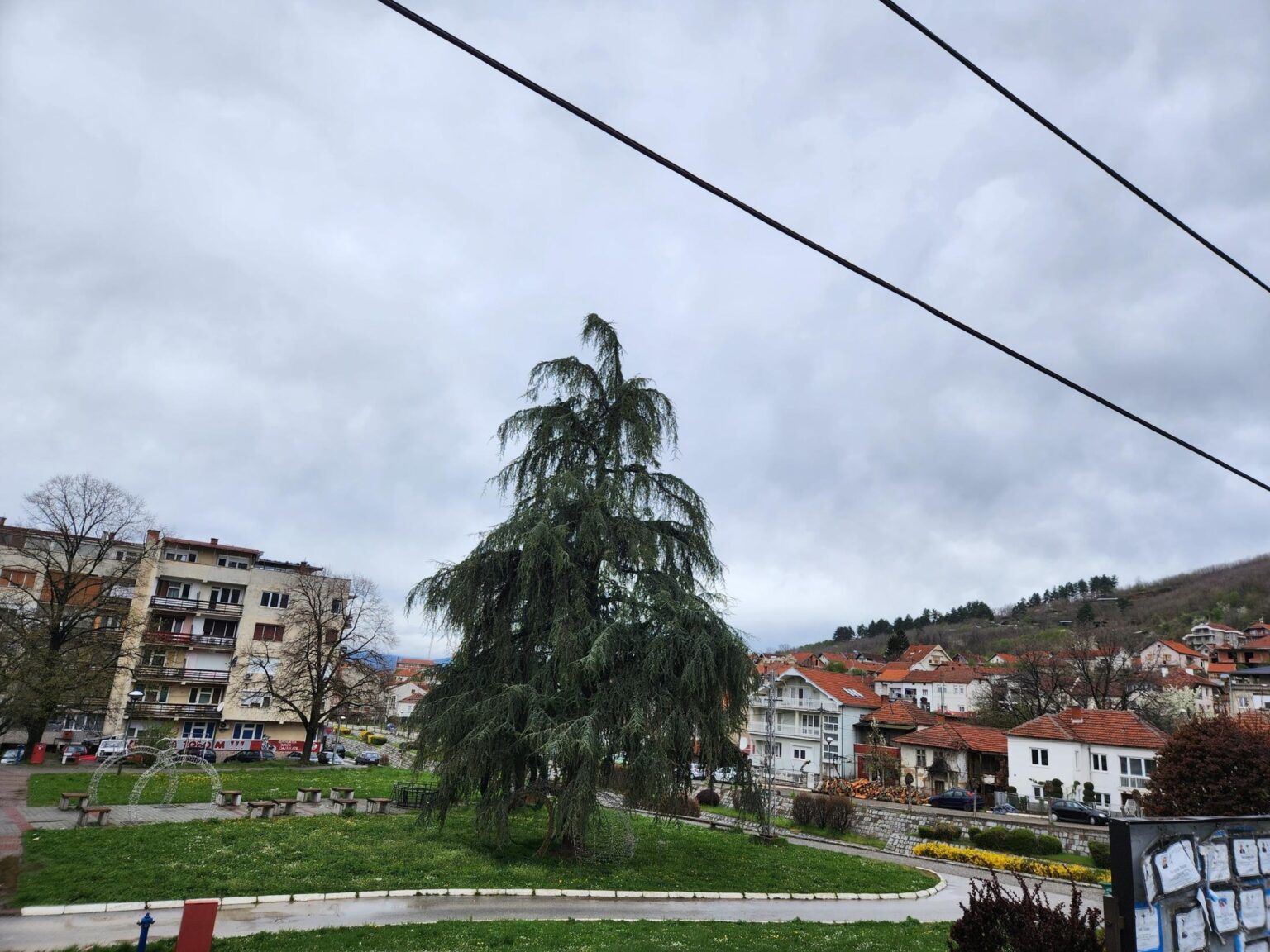
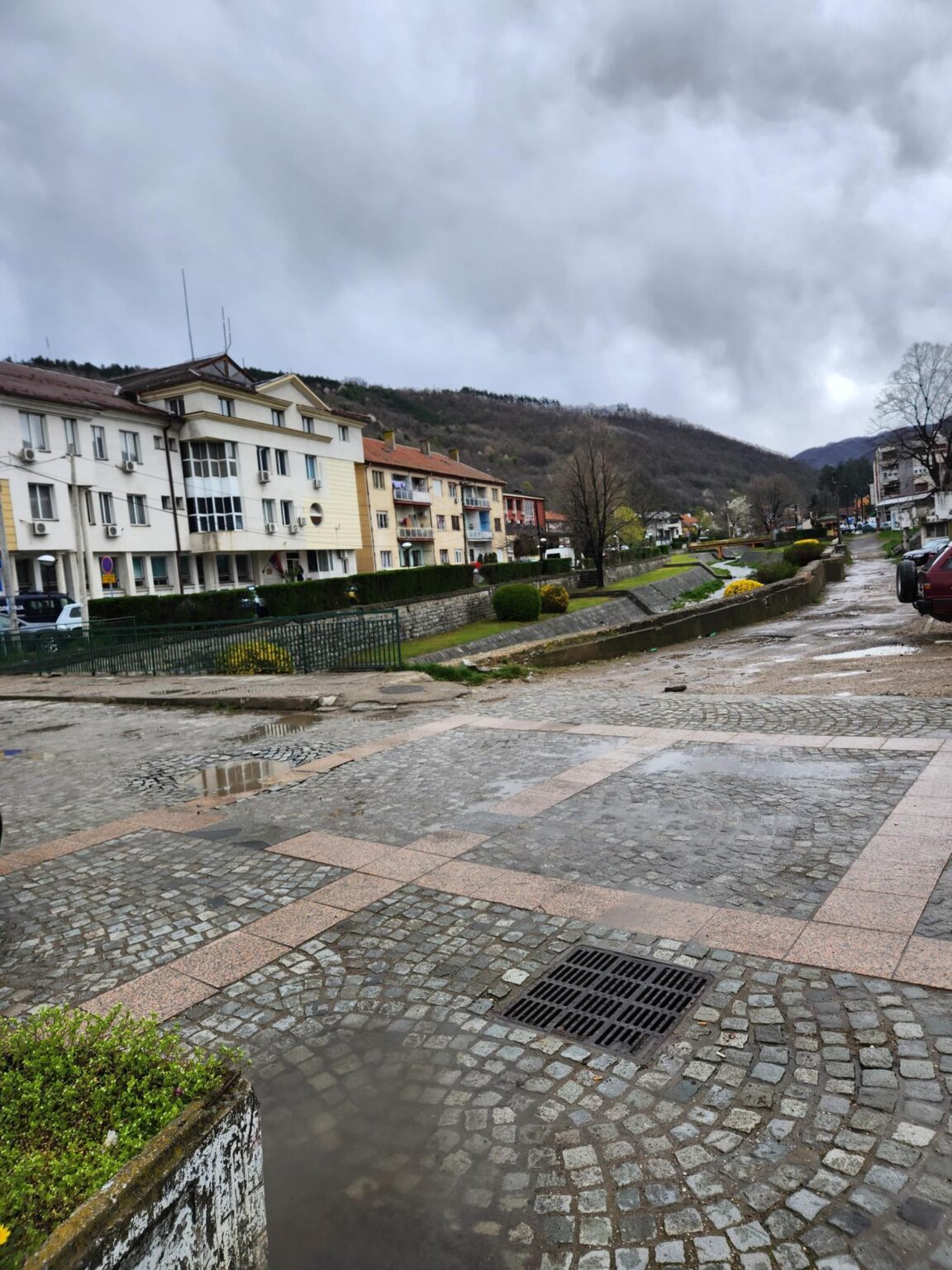
An hour to an hour and a half is enough for the park and the centre of Surdulica, and then we carry on to Leskovac.
Nota bene! Shopping in Serbia
A quick aside on shopping in Serbia, since we are about to get to it. Food is the risky one. Serbia is outside the EU, and EU rules do not allow meat and dairy products from outside the Union in personal luggage, so your cheese and sausages can be confiscated at the border at any moment. In practice it comes down to luck and it does not happen often, but they are within their rights. Clothes, detergents and cigarettes depend on how far you go. Bulgaria applies a duty-free allowance of €300 per traveller for goods brought in over a land border, and tobacco has its own tight cap of 40 cigarettes (Bulgarian Customs Agency). Buy twenty bottles of washing detergent (they cost around 70% of the Bulgarian price) and customs may well decide to make you declare them and pay VAT. In my view, clothes are the safest bet — again, without overdoing it. Fill the boot with fifty tracksuits and you will obviously be declaring them, but two or three dresses, pairs of jeans, bags or sports sets mixed in with your own clothes are, as far as I understand, safe as long as you stay within the allowance*.
*This is neither advice nor a guarantee! Whatever you decide to do is entirely your own responsibility.
Leskovac
Most of us have probably heard of this one already. It is famous above all for its grilled meat, and every year it hosts a festival, the Leskovac Roštiljijada. Grill is grill, and we will certainly try it, but first things first. It is a public holiday, and the SMS-paid parking zone is switched off for the day. On a normal day you would have to wait for someone in a hi-vis vest and buy paid-parking tickets from them, much like Sofia’s blue and green zones. There is a clearly marked red zone, which in 2023 cost 27 dinars an hour — about a quarter of a euro.
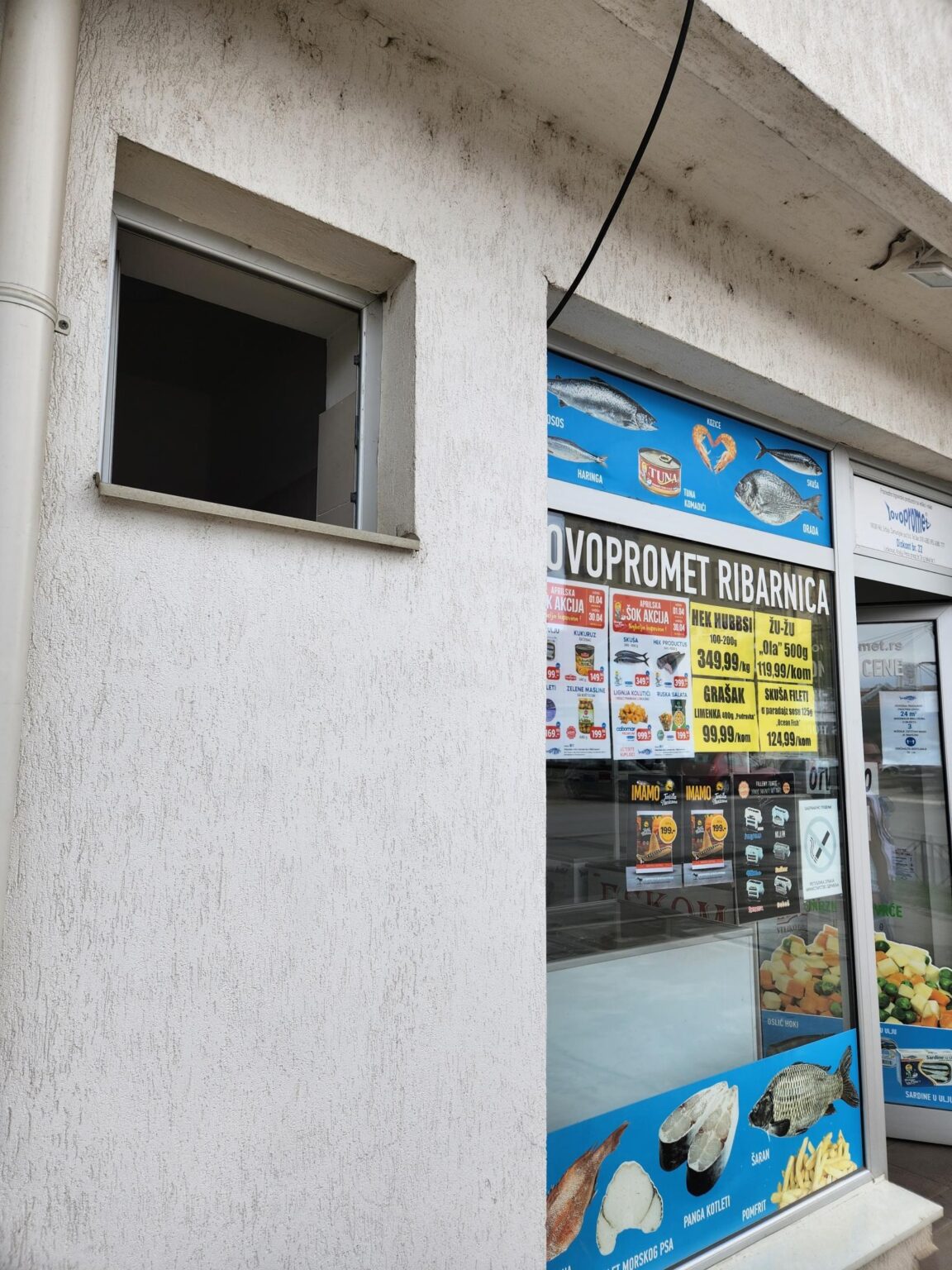
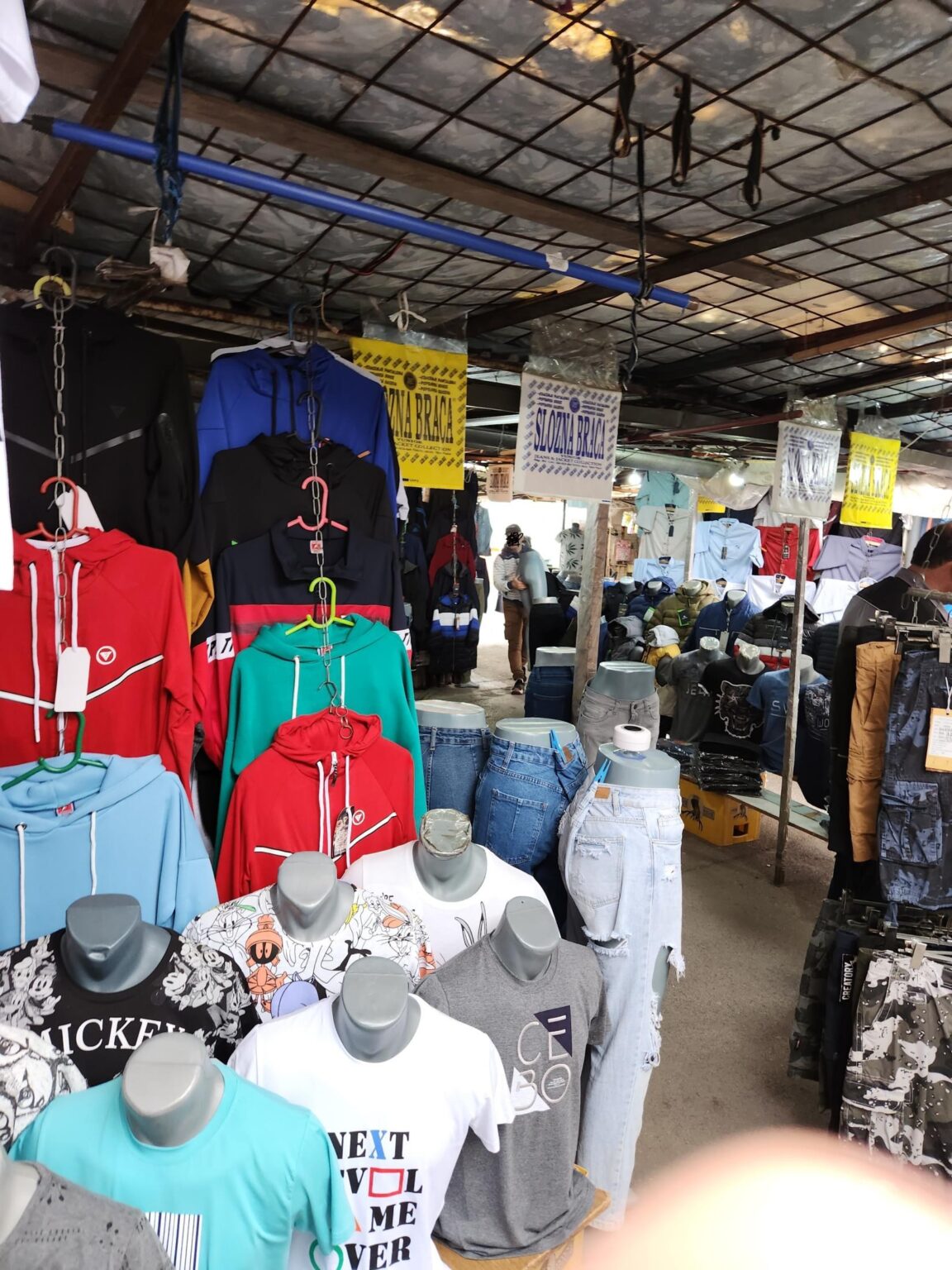
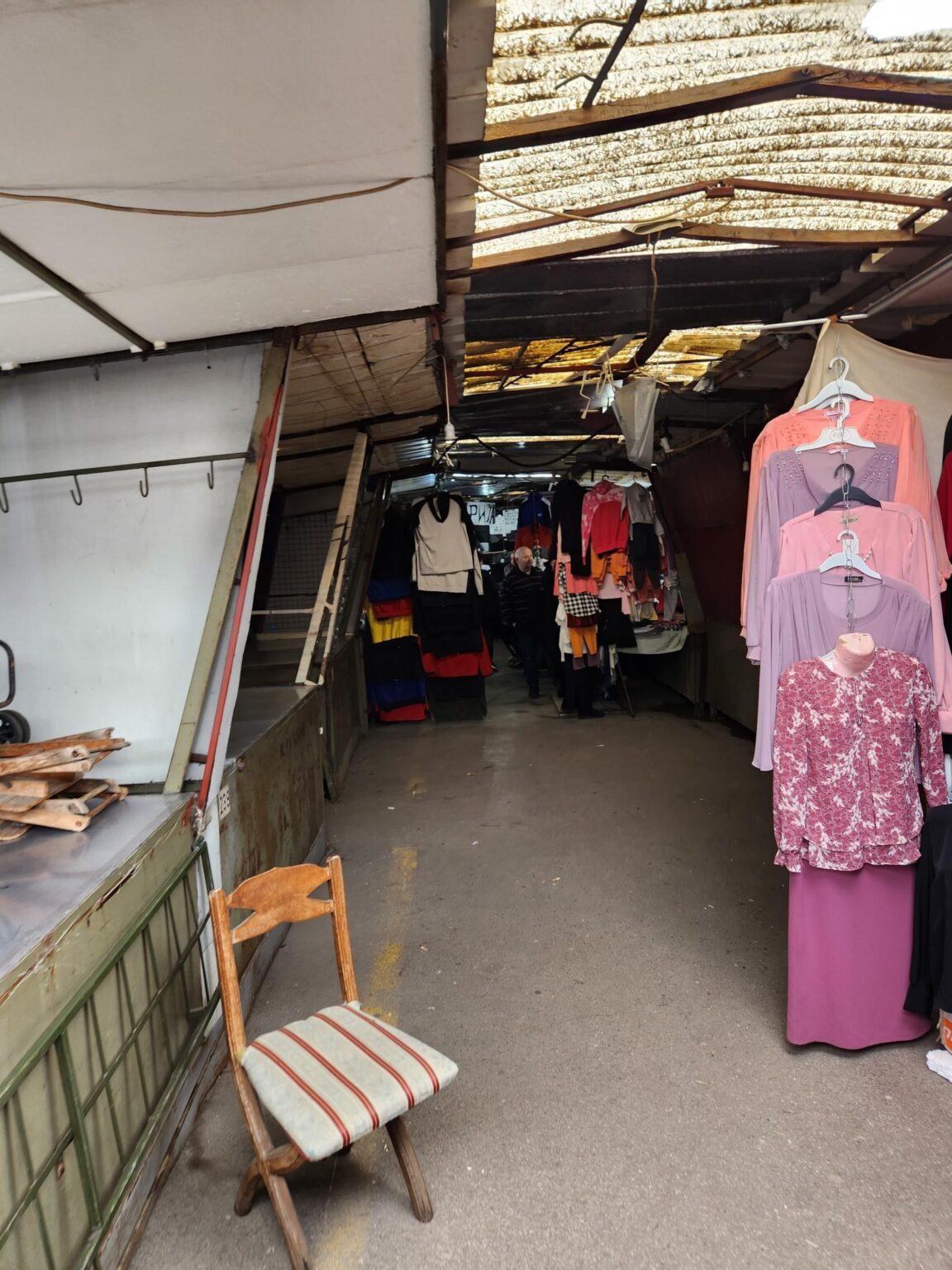
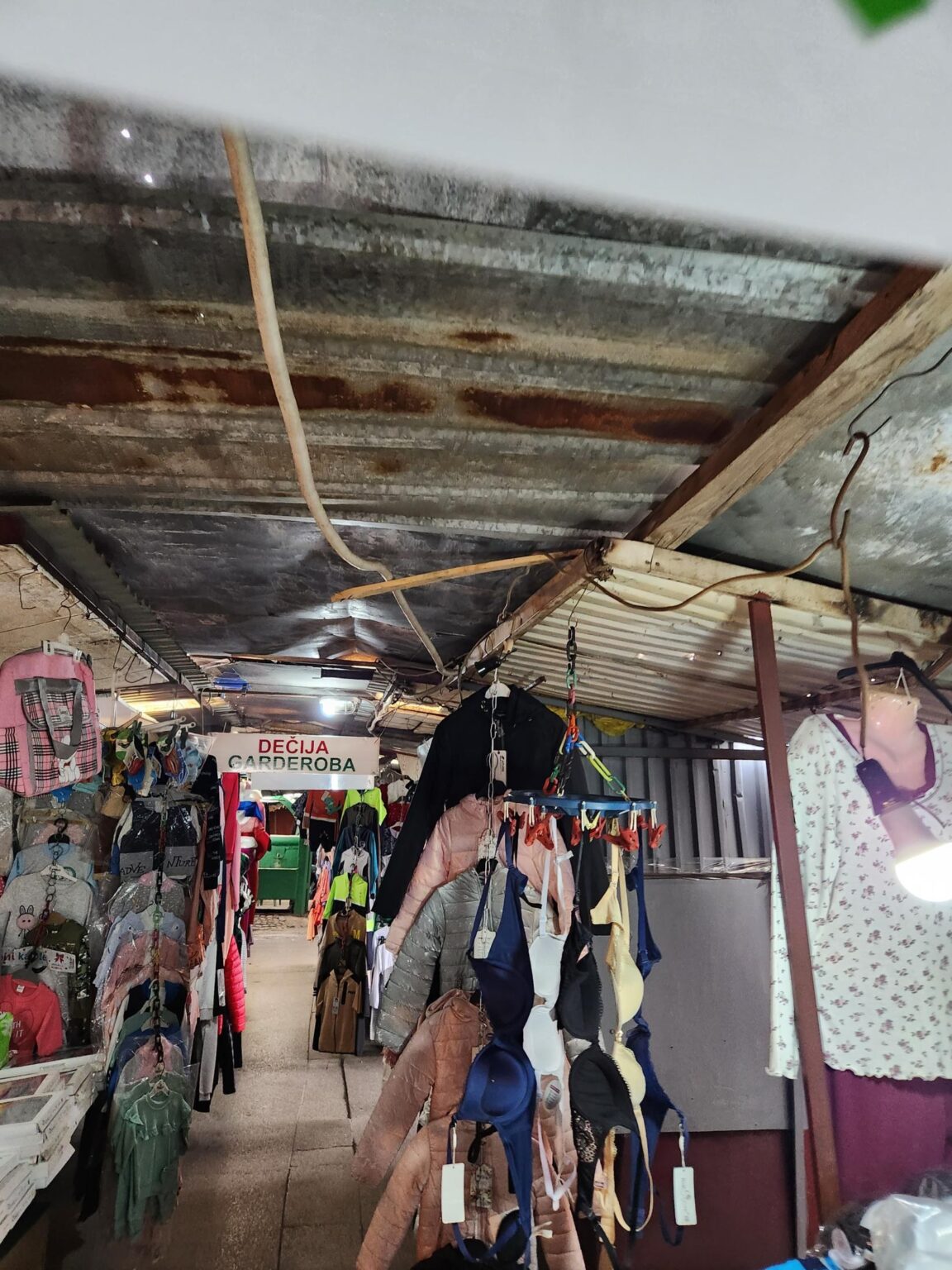
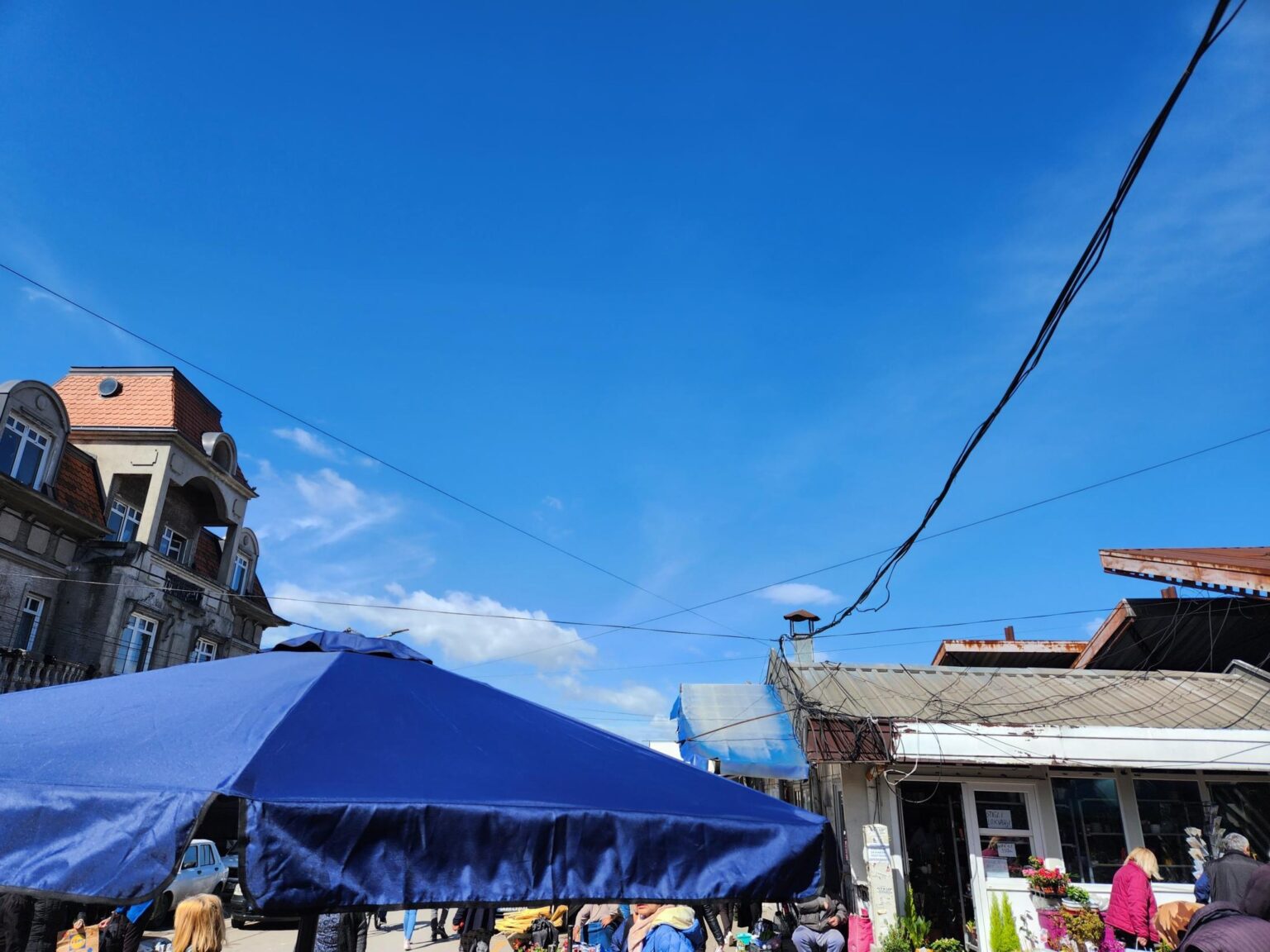
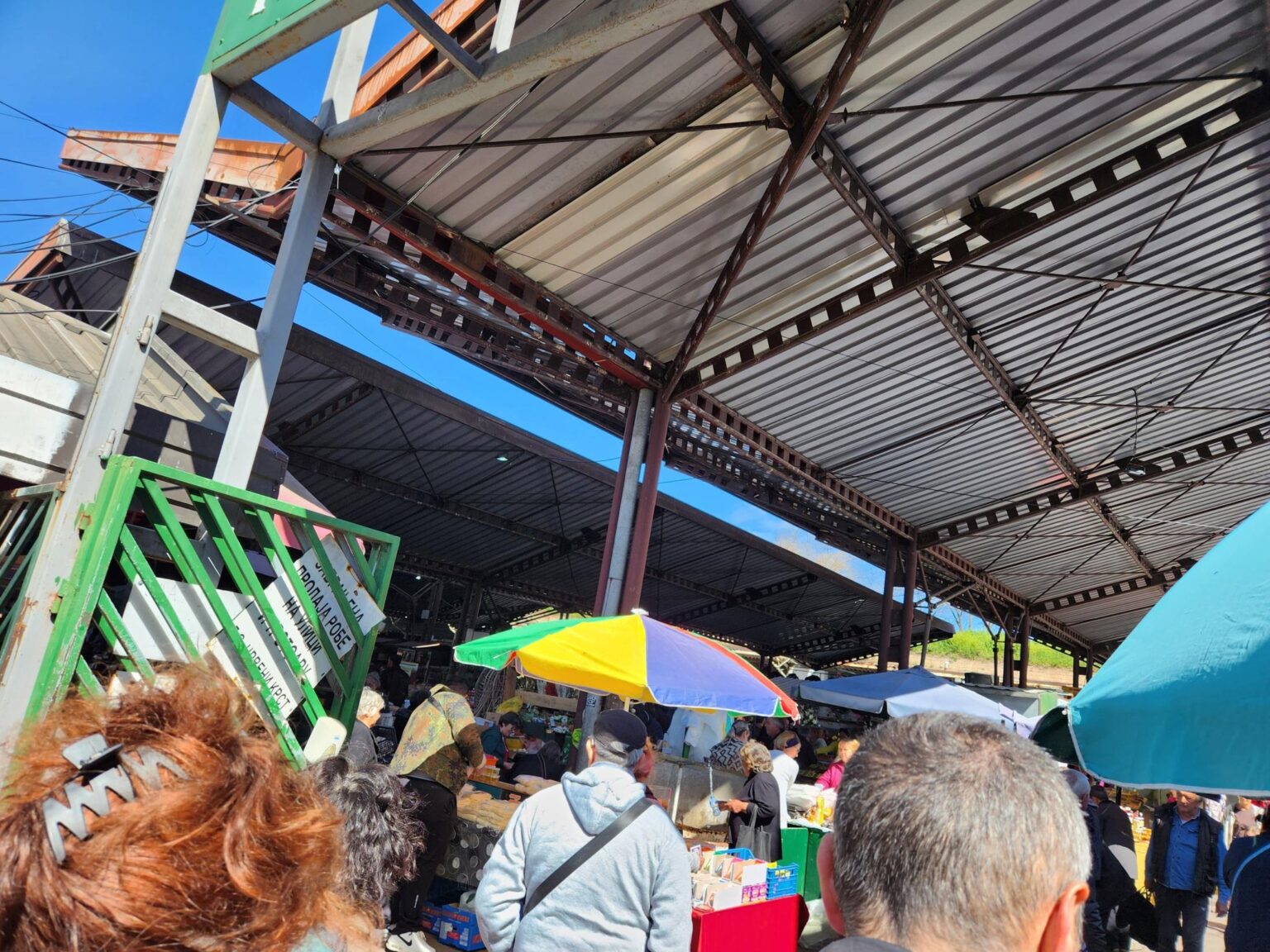
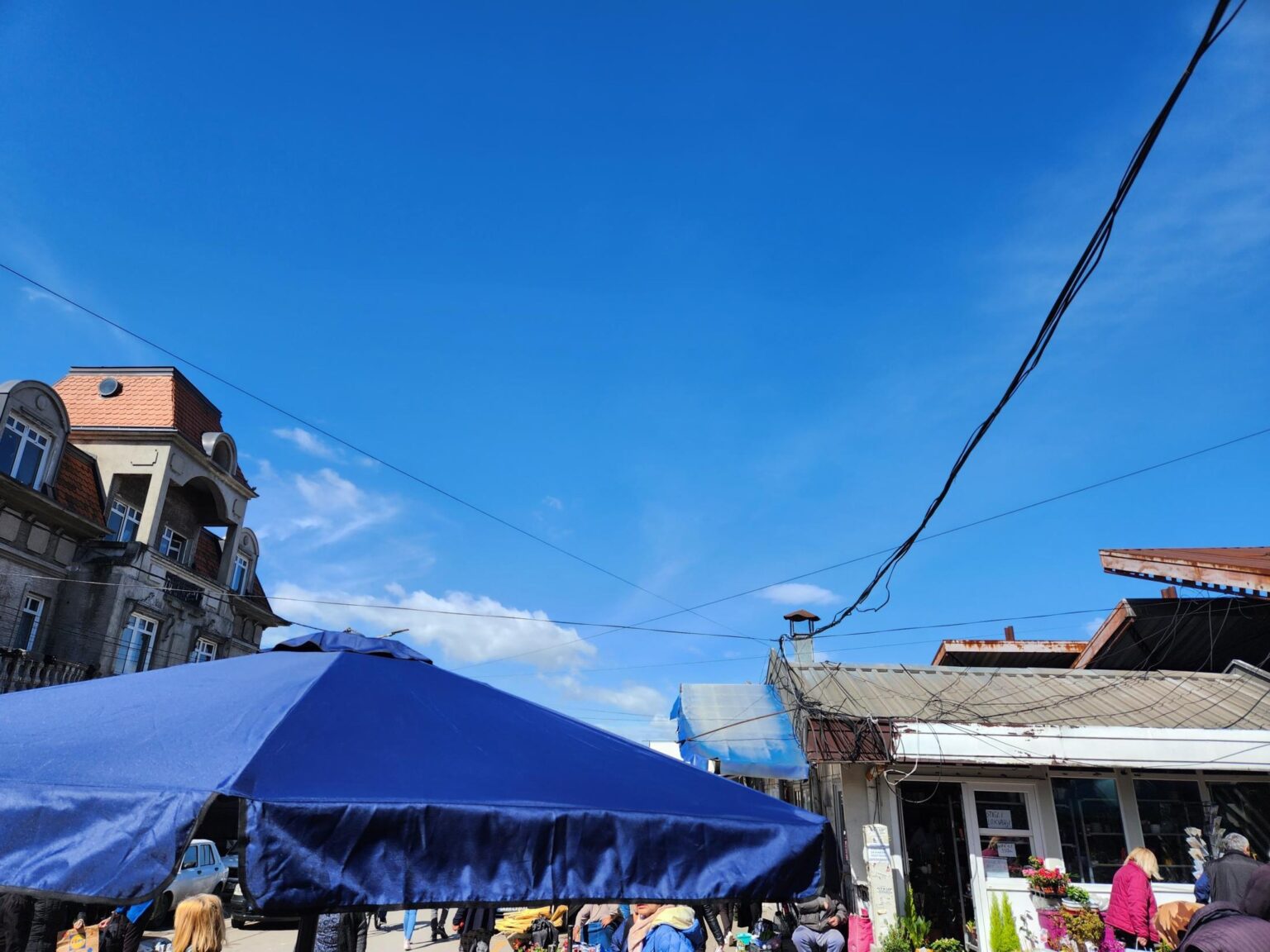
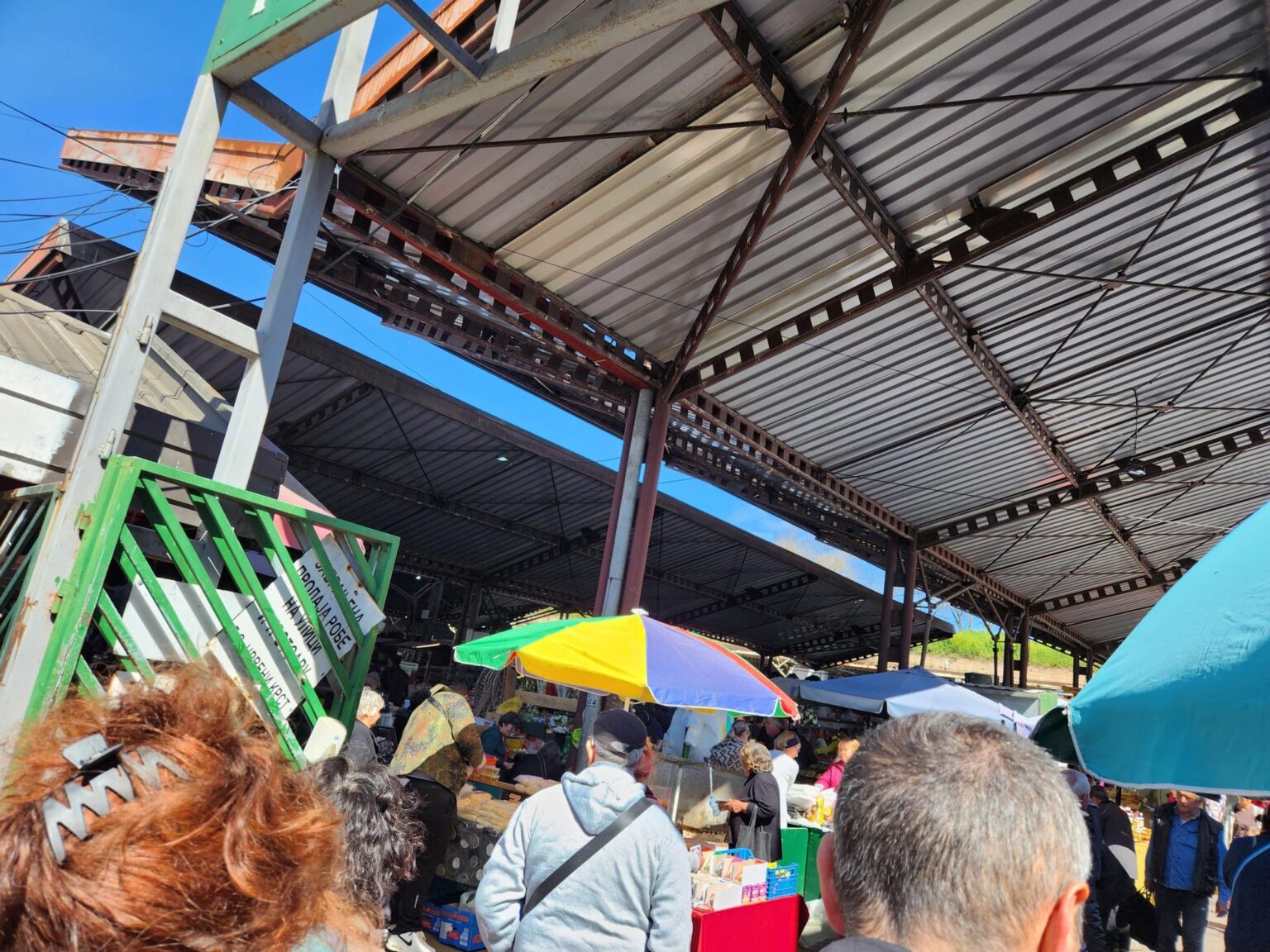
Just past the entrance to town there is a huge crush of cars hunting for a parking spot, and life is in full swing. Oh, a big market. We will squeeze in for a look 😀 The market is large and the prices are exceptionally good. Some rough 2023 examples: t-shirts €1.50–2.50, socks €0.25–0.40, underwear €0.75–1, jeans and trousers €4–7.50. It is exactly the same Turkish and Chinese stuff you find on Bulgarian markets, but noticeably cheaper — close to half the price.
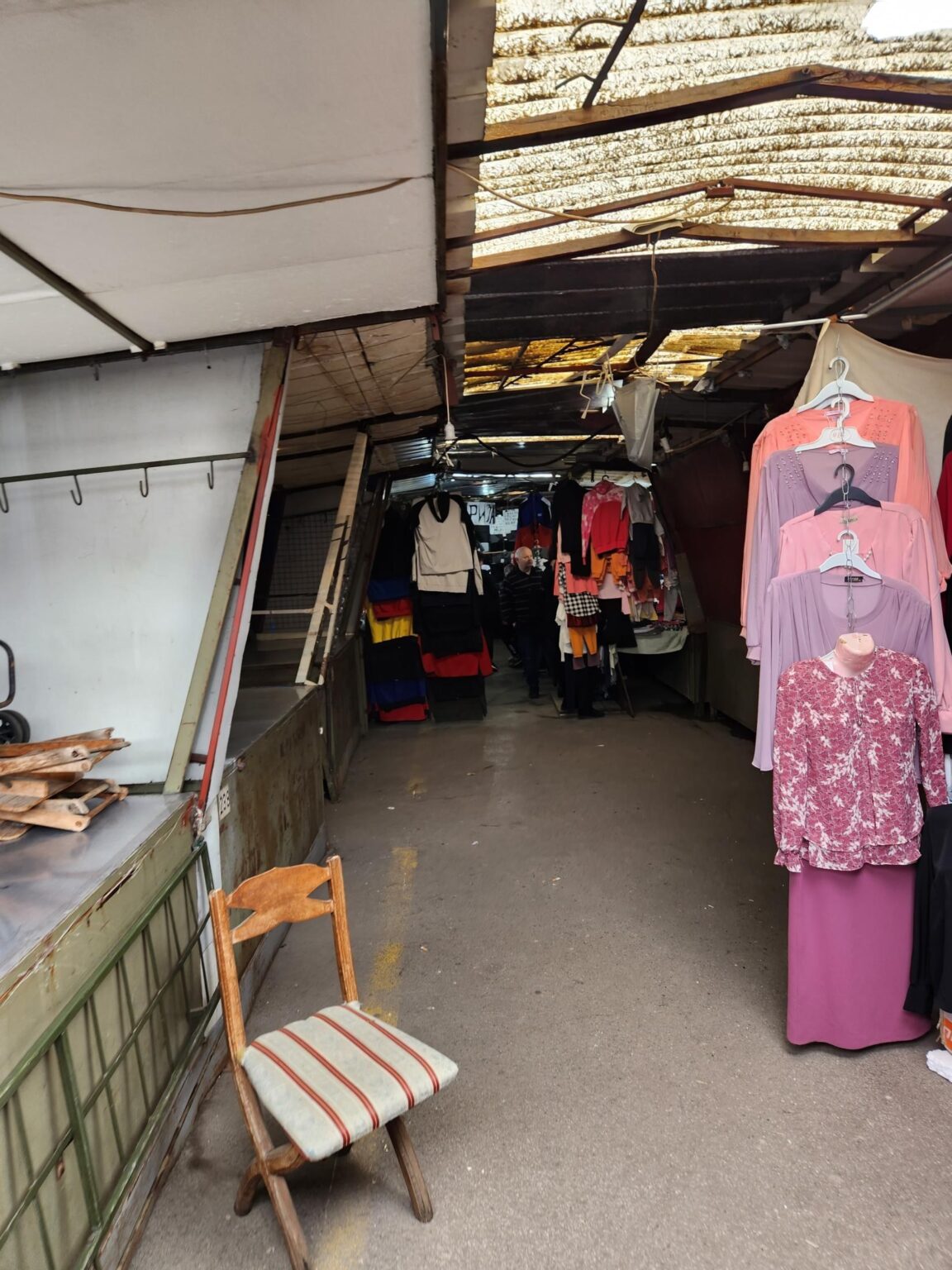
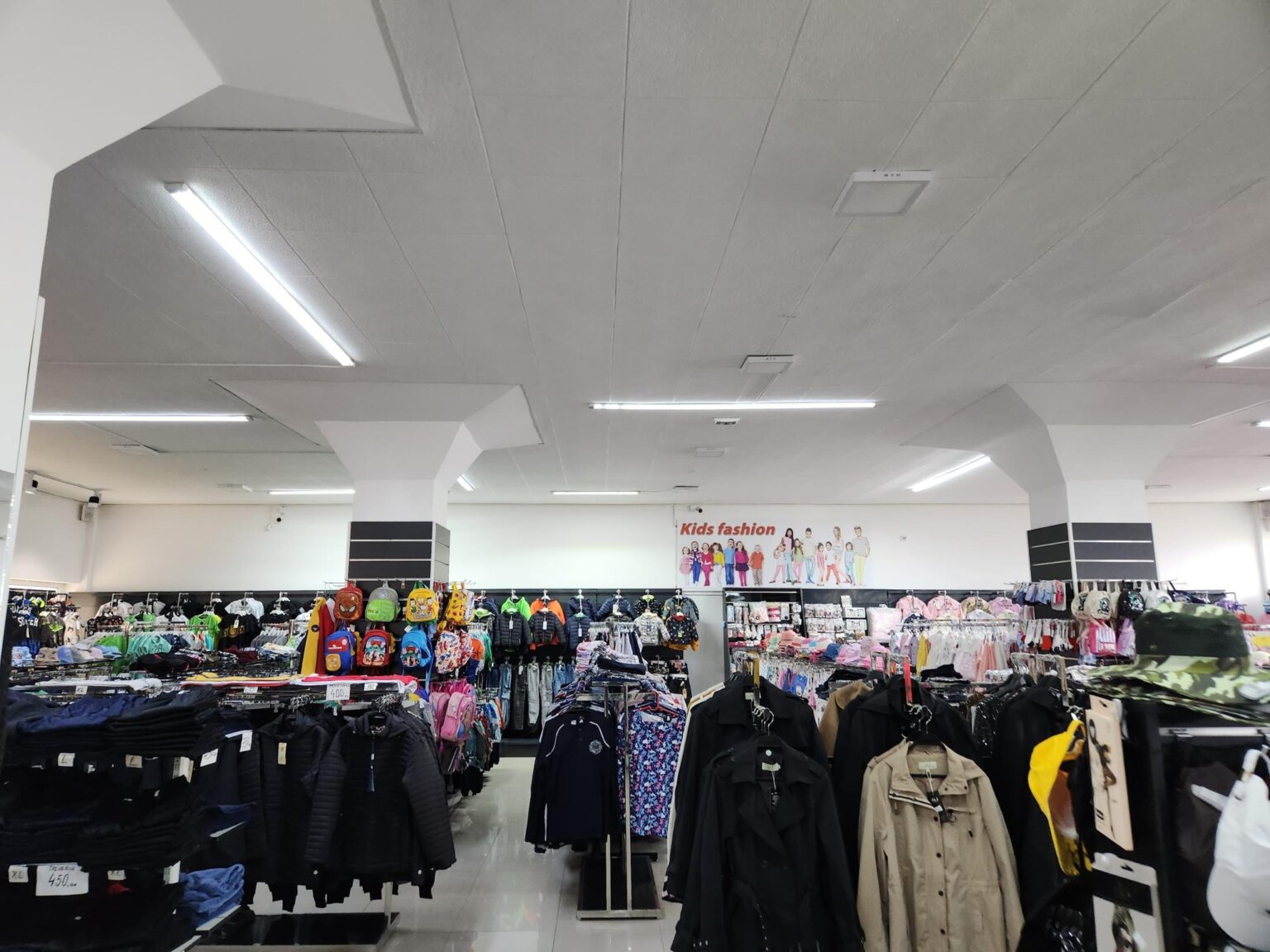
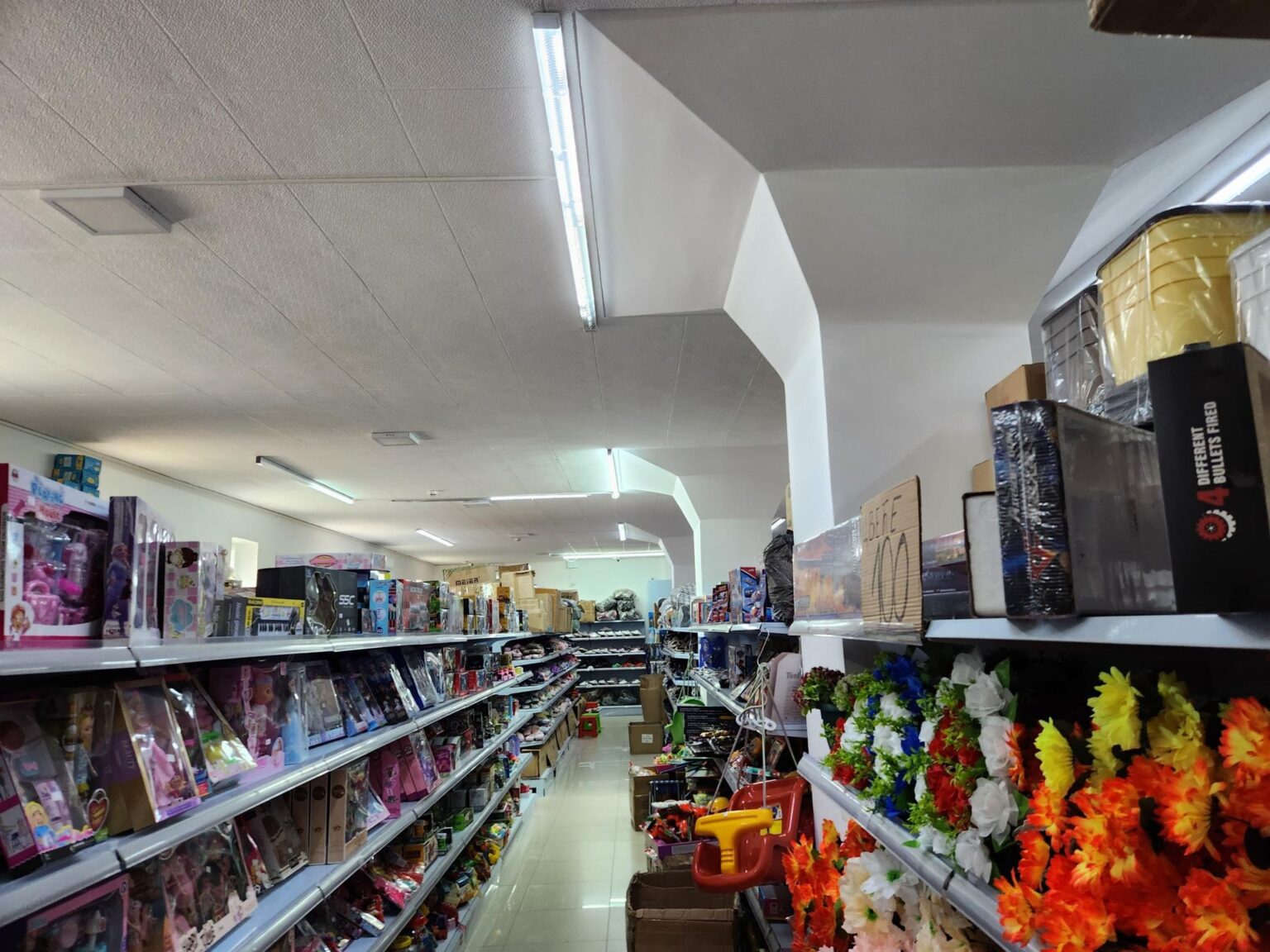
Right opposite the market stands a Chinese store, MYSHOP – Kineska robna kuća. No, not just a Chinese store — the Chinese store of Chinese stores. It is enormous, it has everything, and the prices are… extremely well suited to stocking up on household goods, clothes and home bits, especially children’s toys and puzzles (come on, we all have to buy those little plastic presents now and then 😀). An example: a large cabin suitcase goes for €10–15, and gym bags and backpacks for €2.50–5.
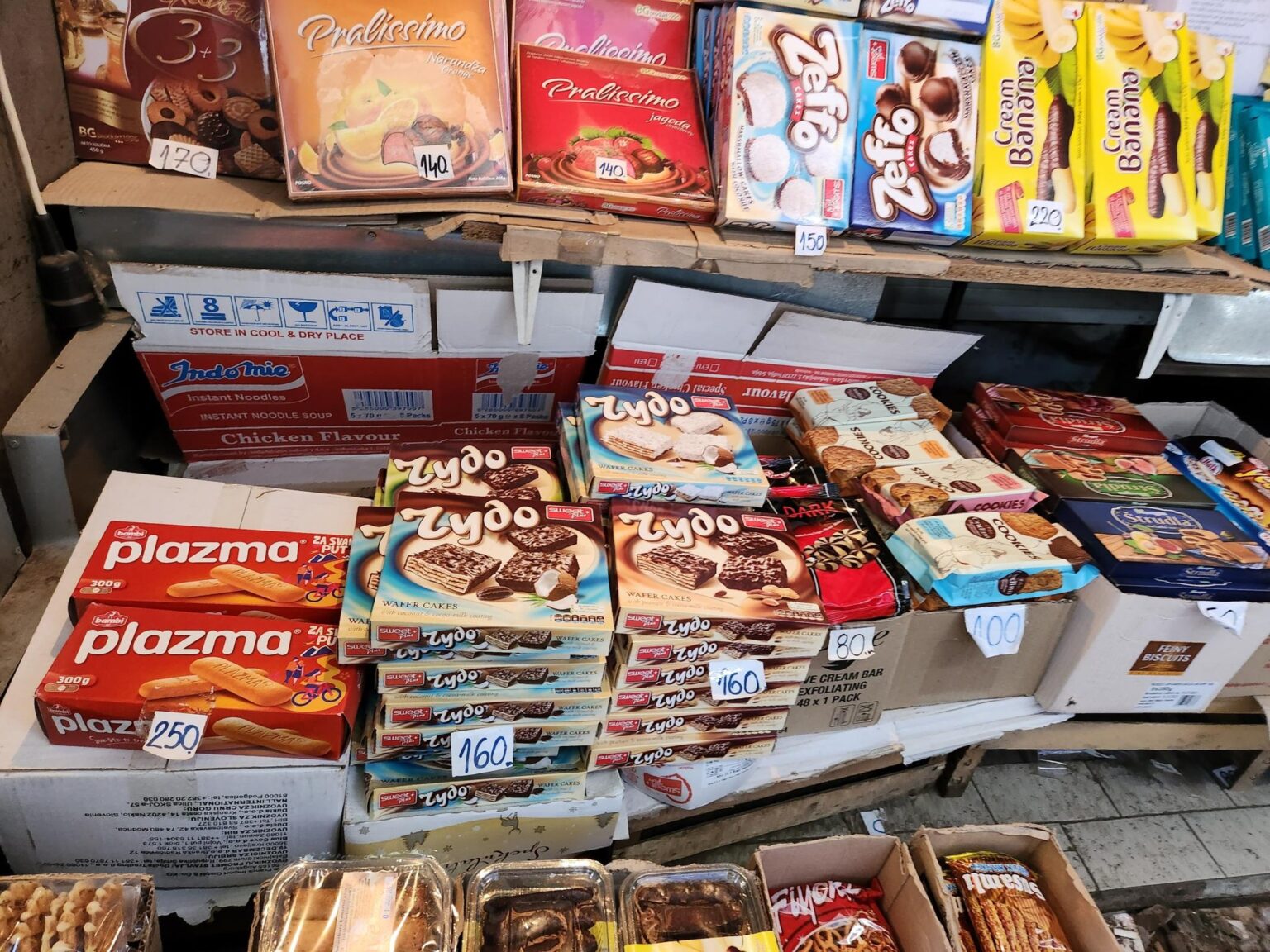
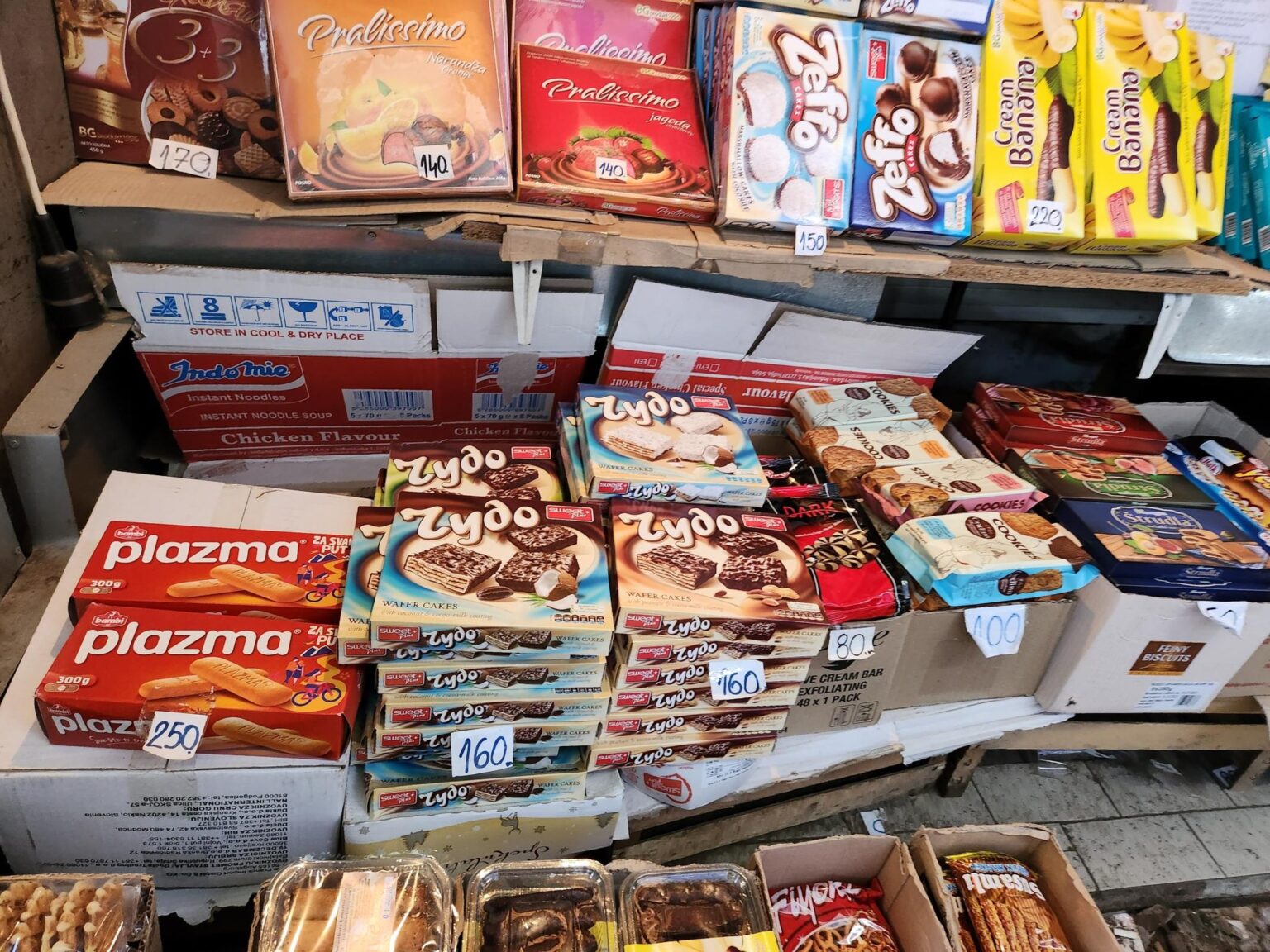
The market and the Chinese store were a pleasant surprise, unlike Lidl and Roda (a supermarket about the size of an average Bulgarian one), which we all know far too well. Still, I should mention that these chains stock some salty sticks filled with peanut cream — very calorific, but with a really interesting taste. I strongly recommend trying them; they cost 50–100 dinars. If you look closely, as I did, you will also find all sorts of biscuits, crackers, juices and fizzy drinks from local Serbian brands, and they are worth testing. The packaging is nothing to write home about, but I have to say that, overall, the meat, the dairy (yellow cheese, white cheese, milk), the jam and honey, and the vegetables all seem noticeably better than the mass-market products I am used to in Bulgaria.
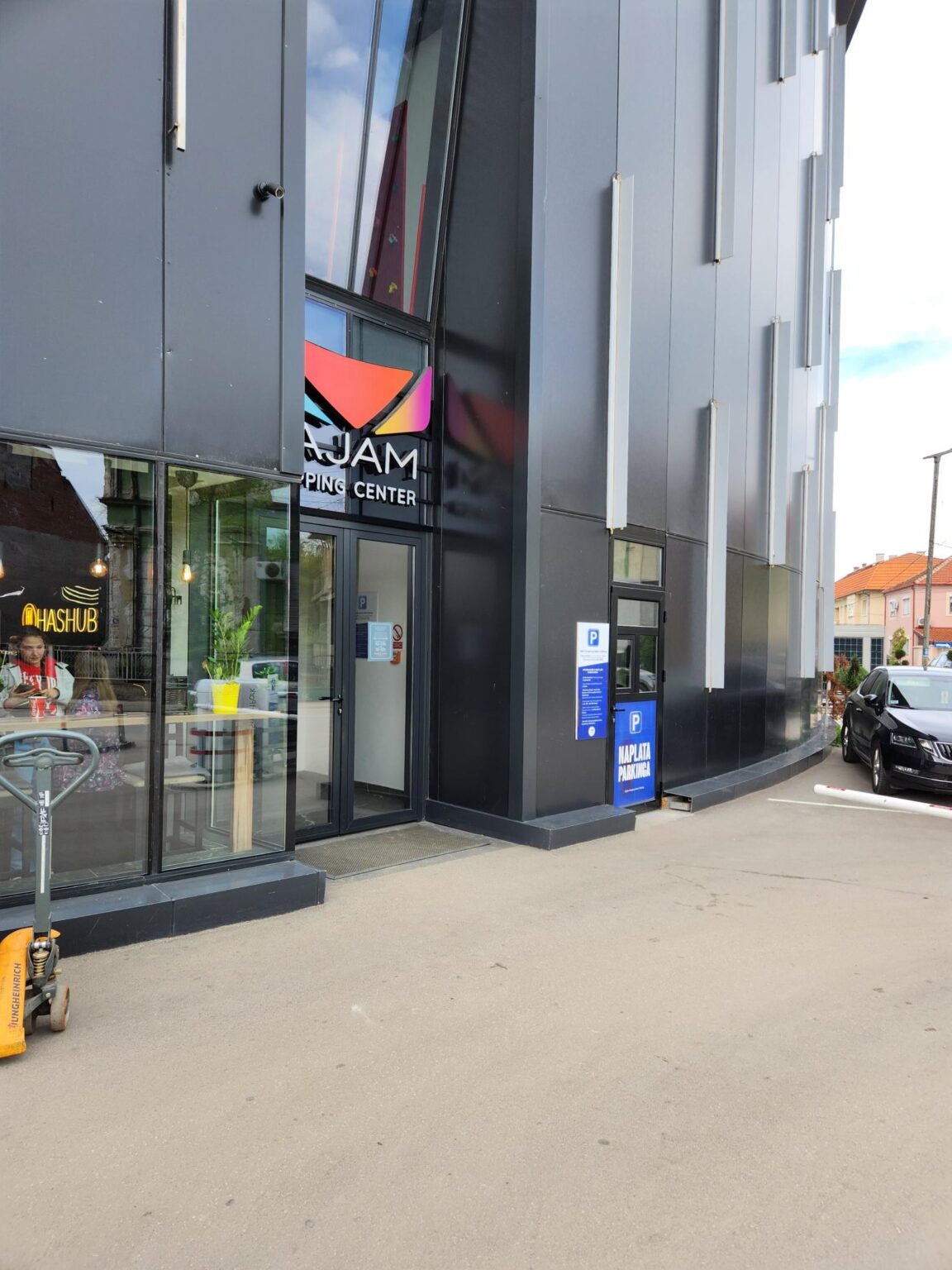
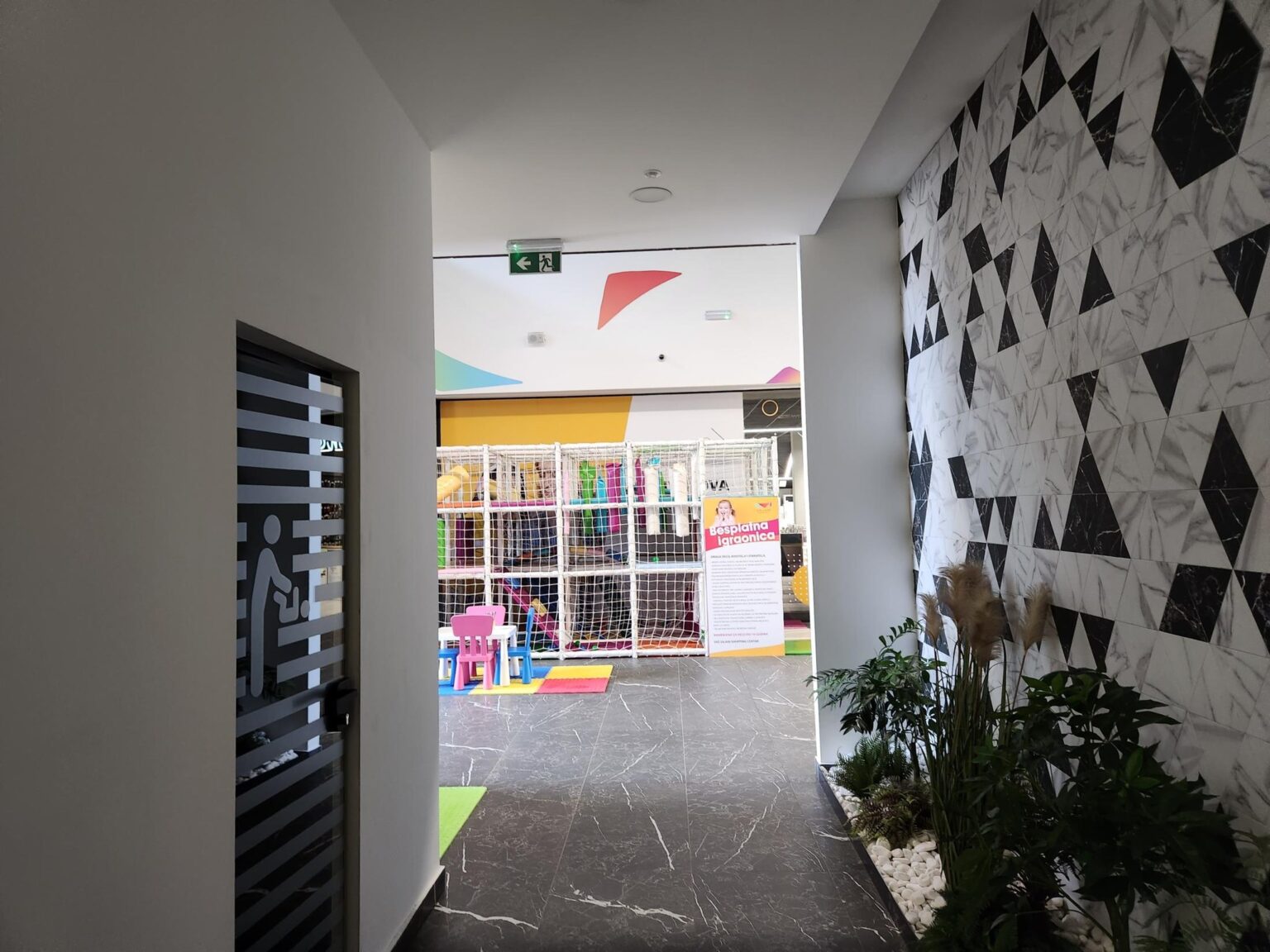
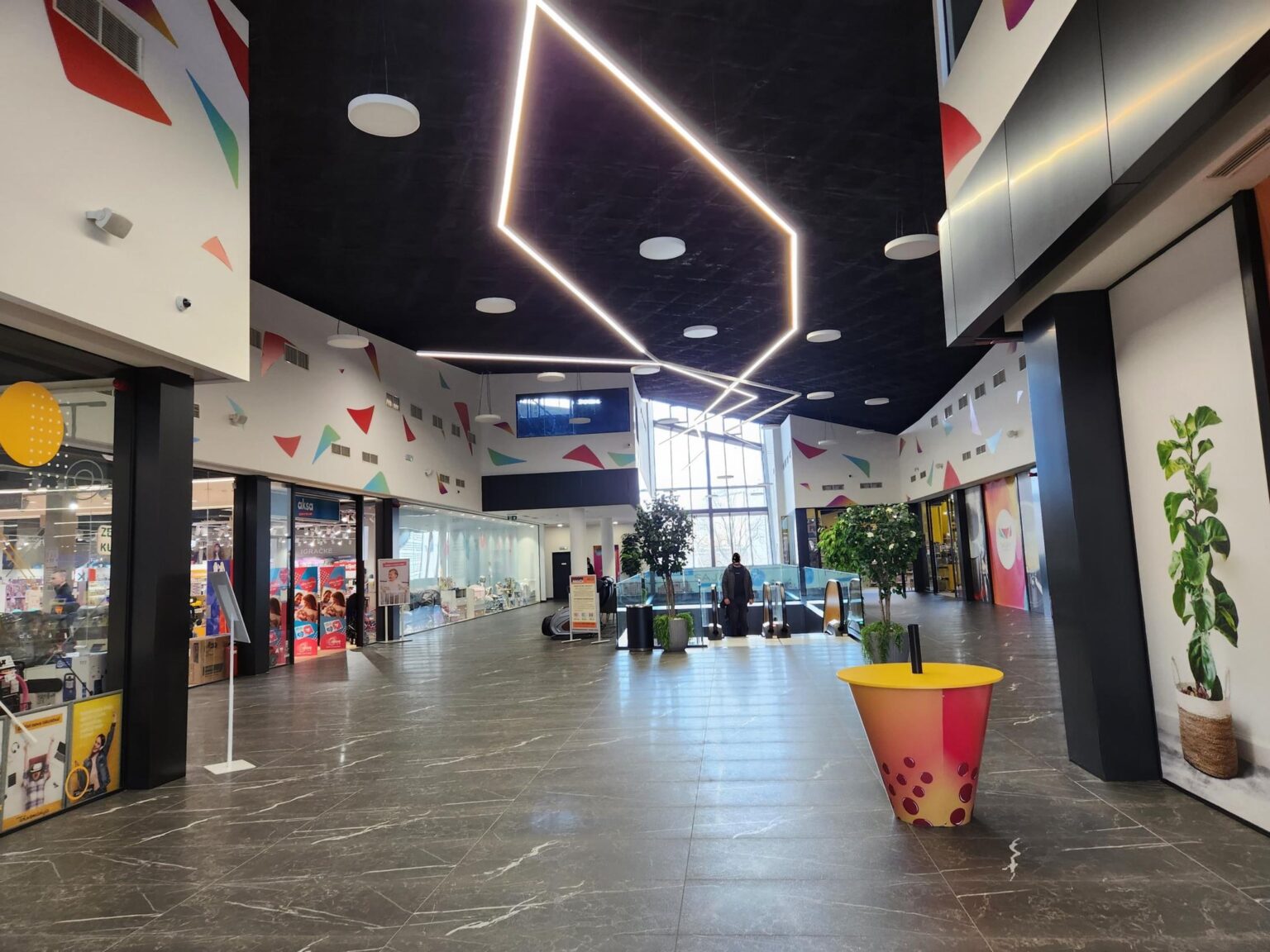
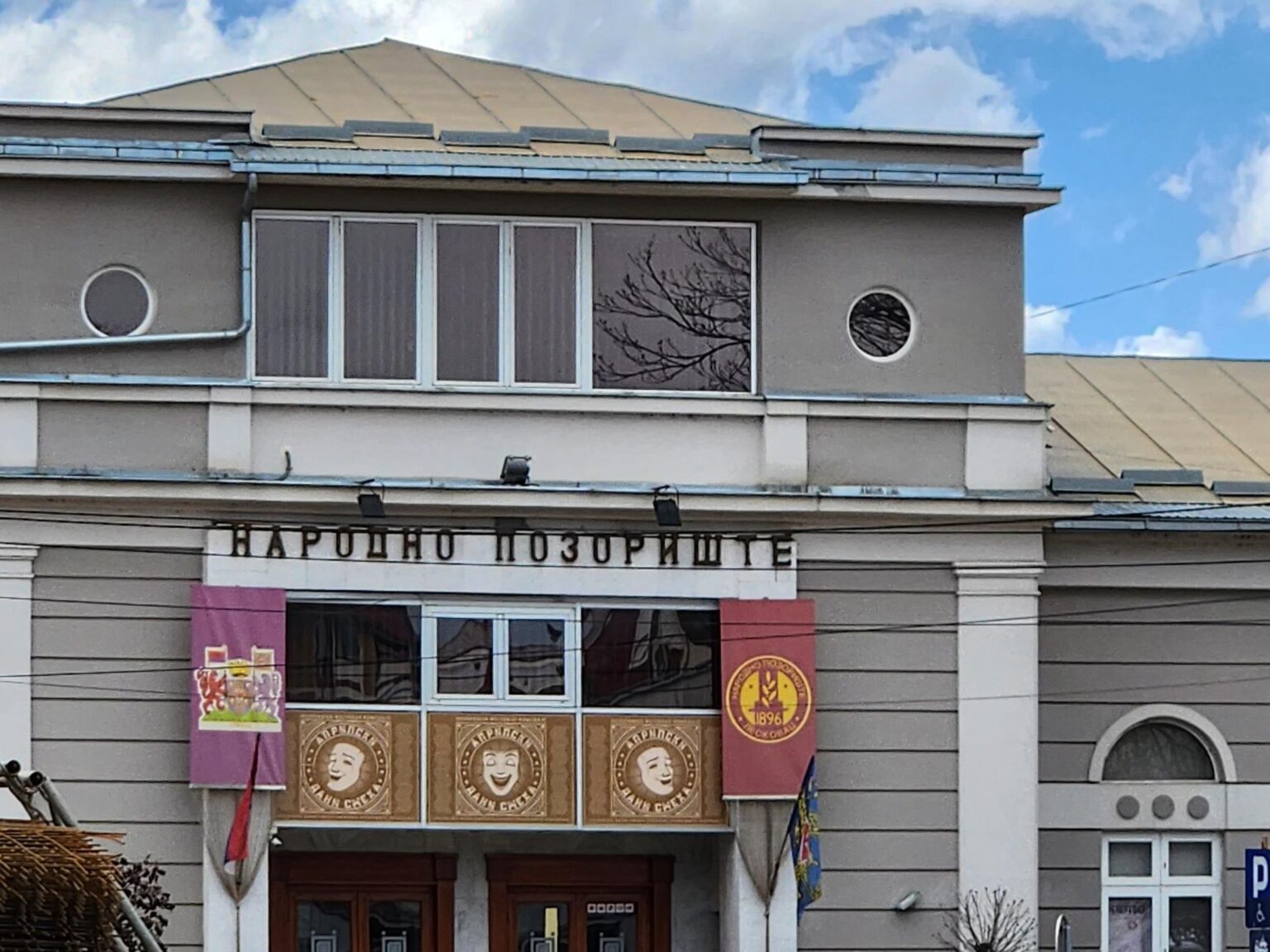
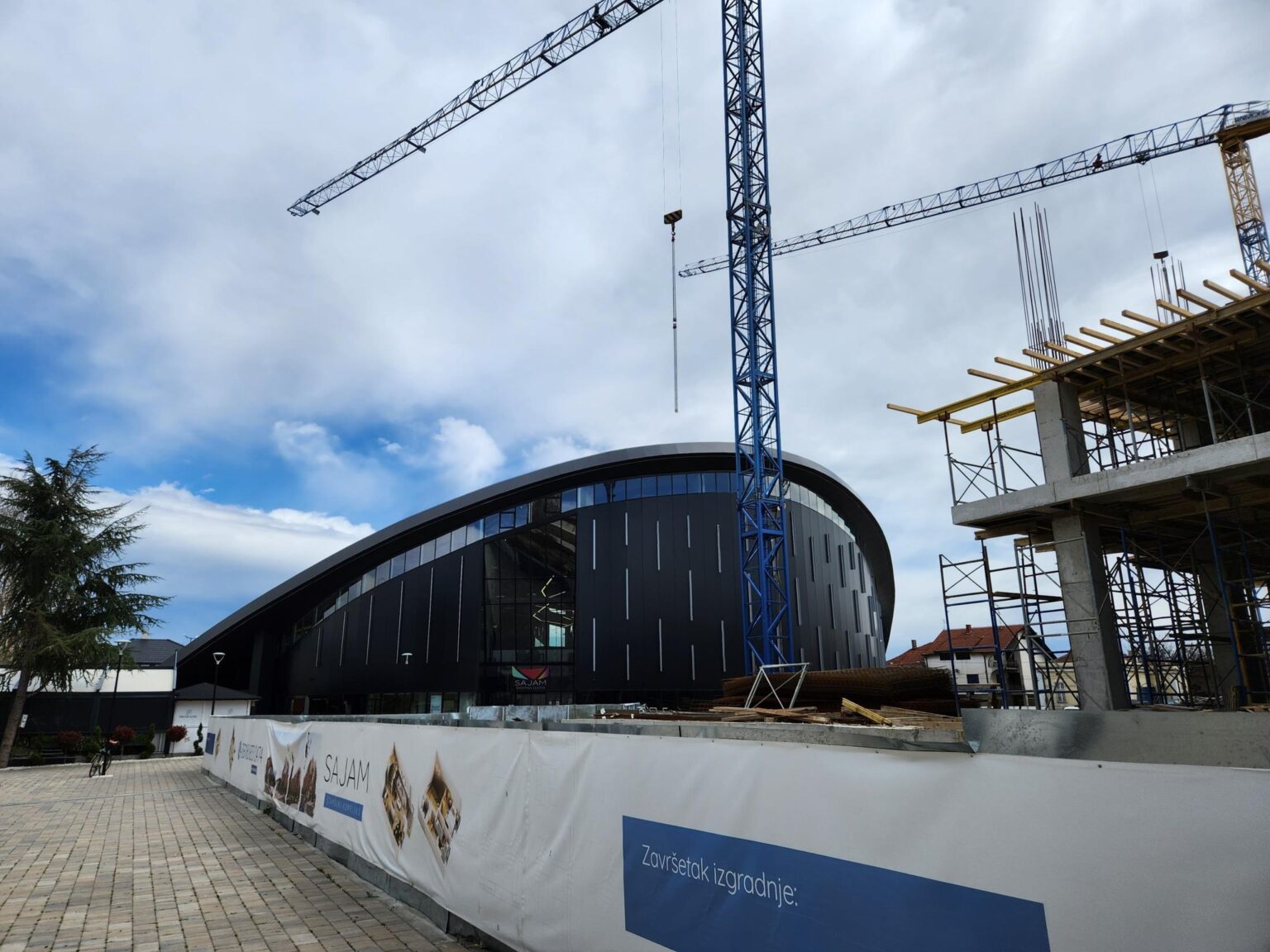
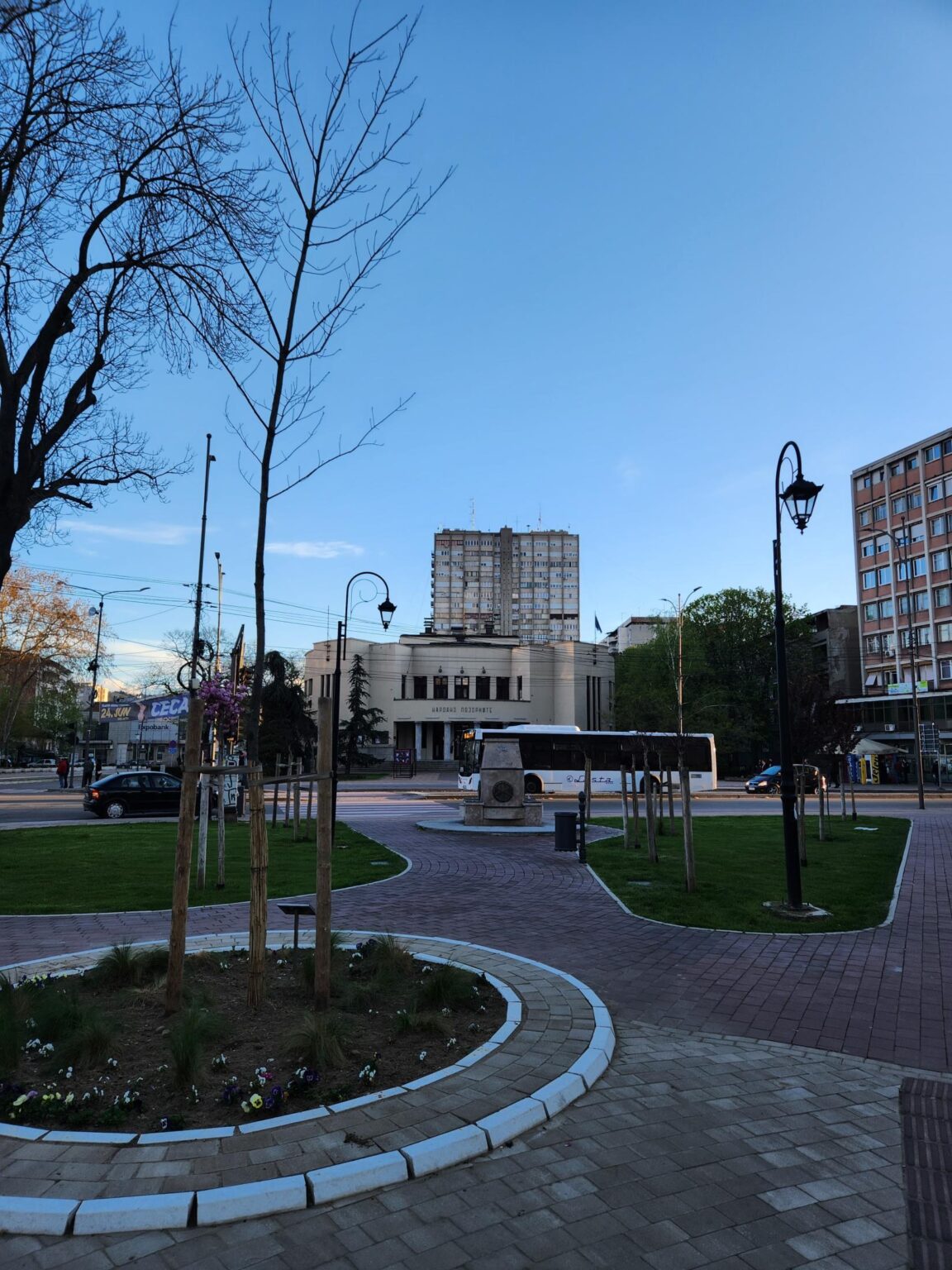
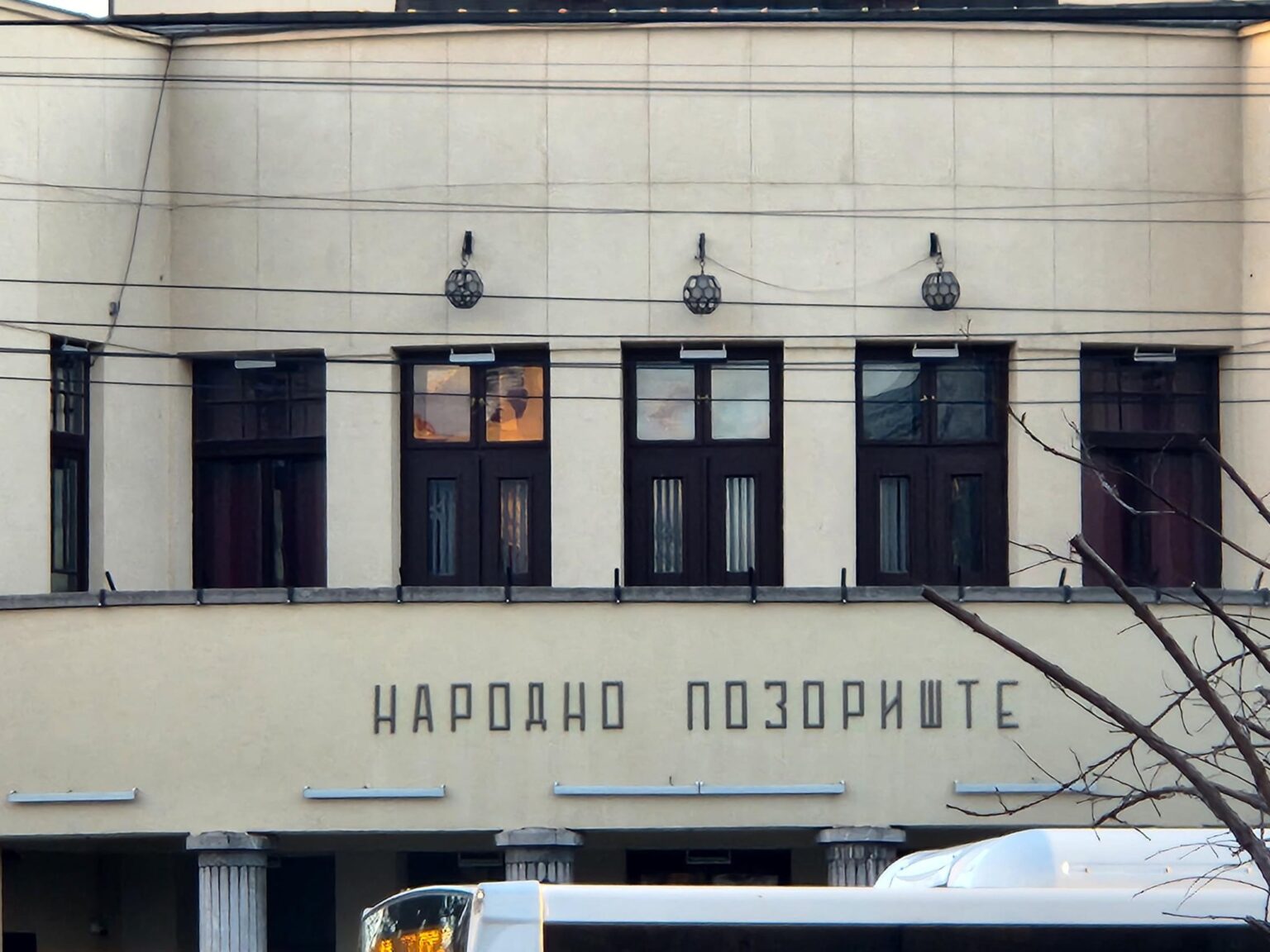
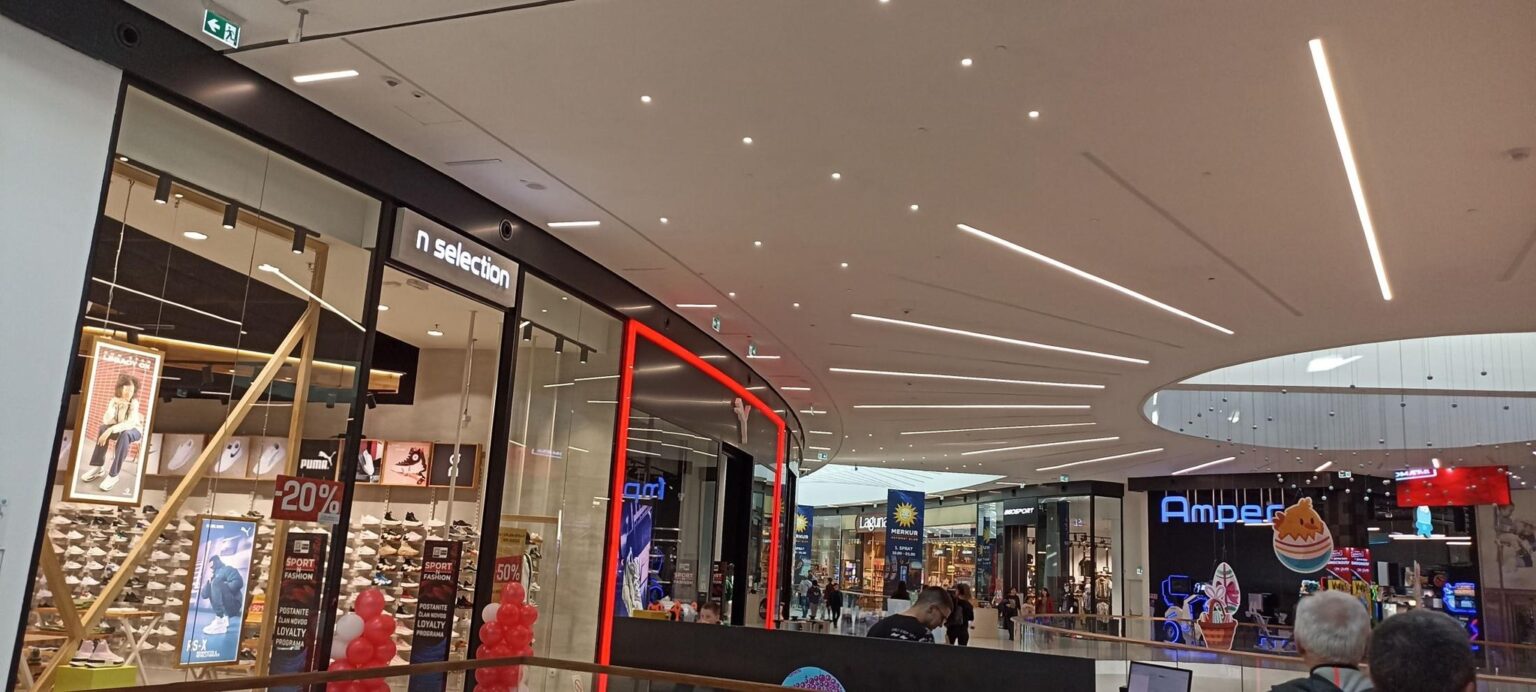
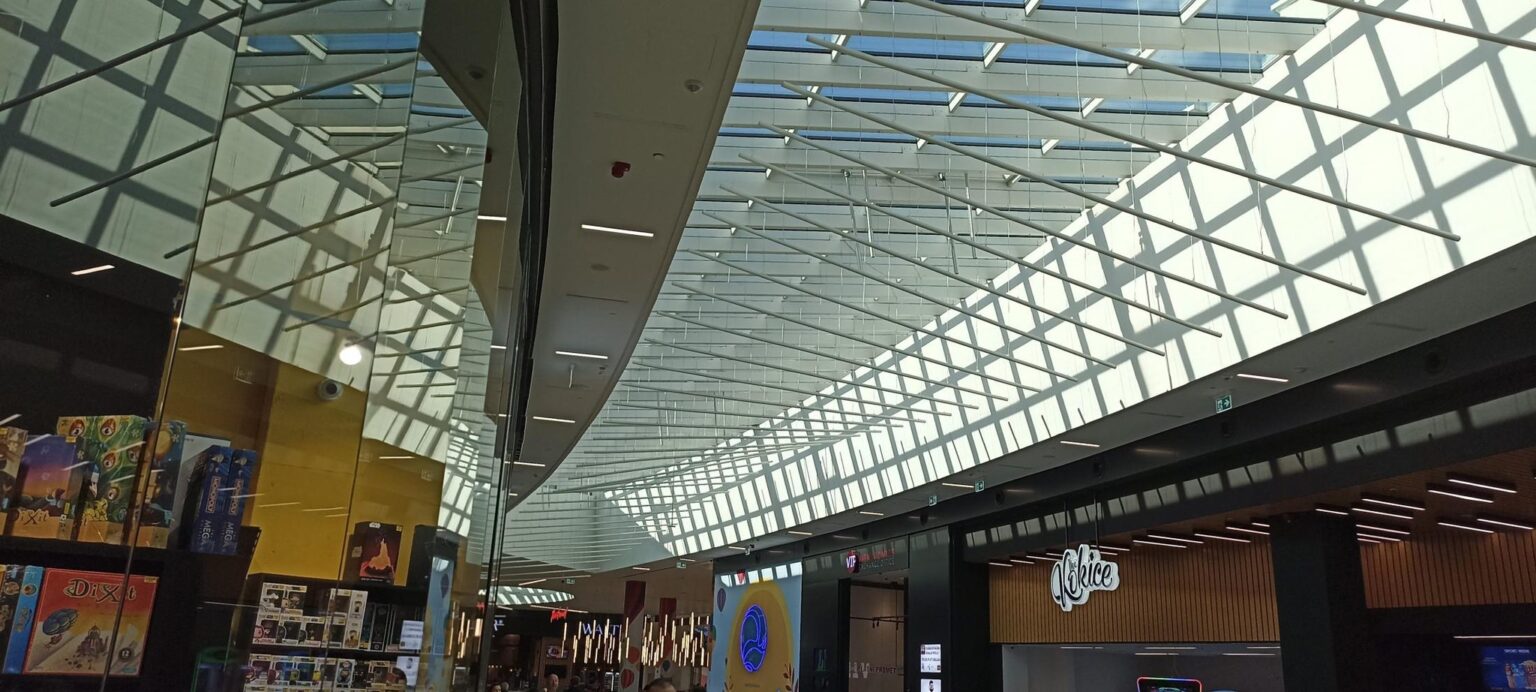
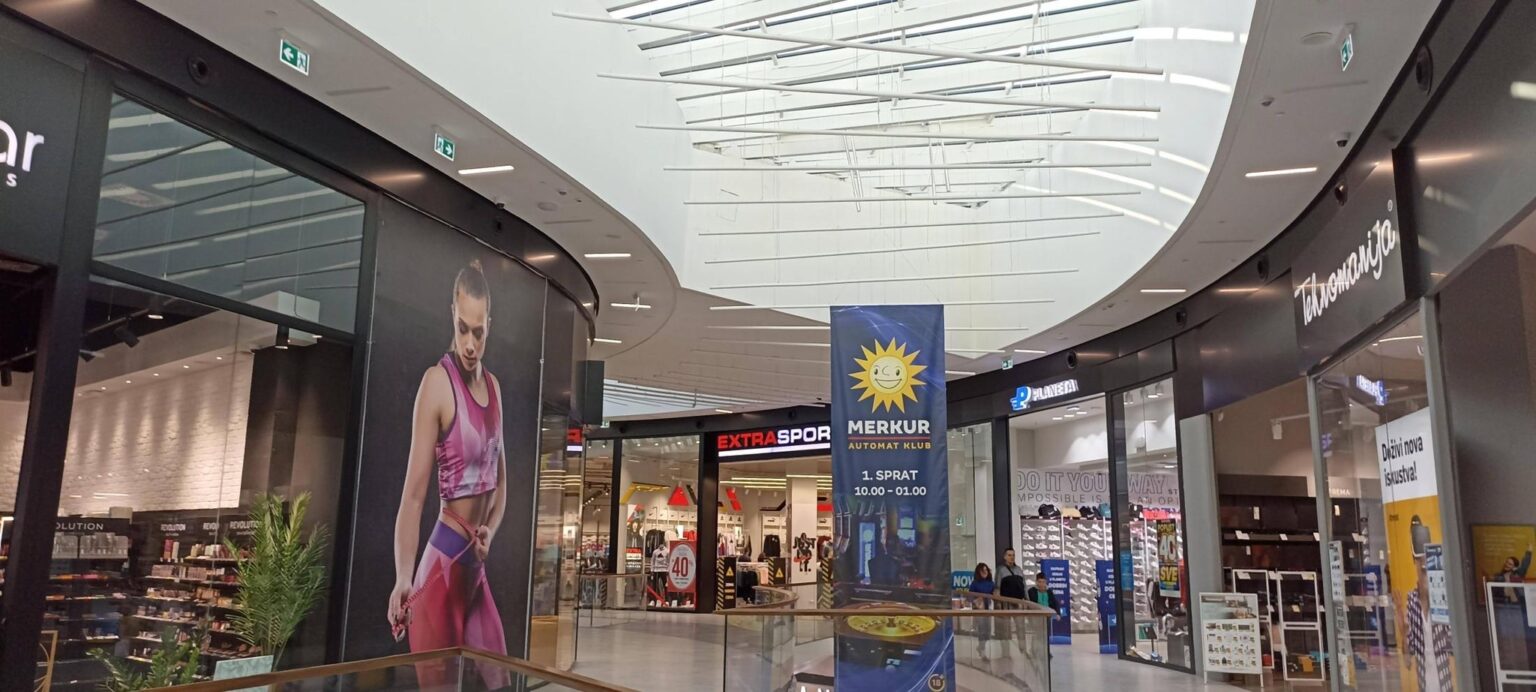
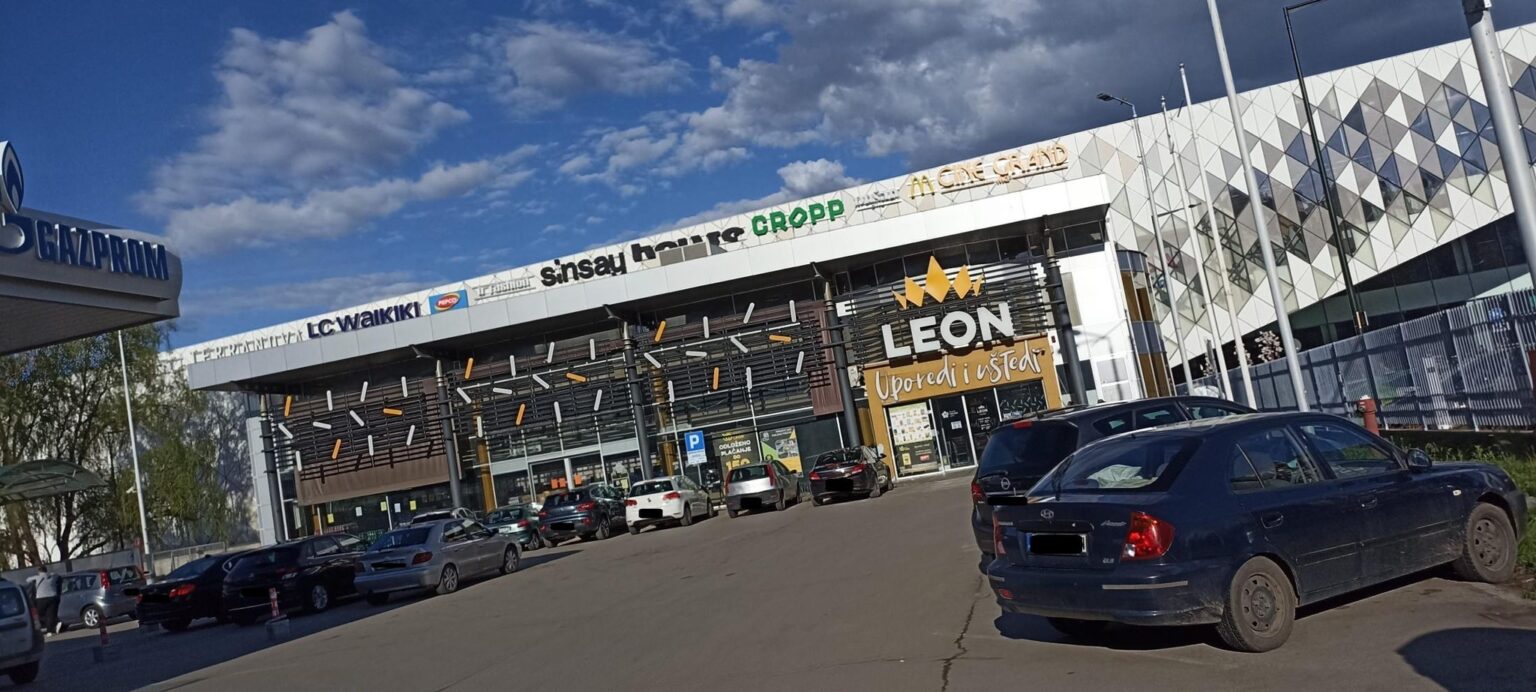
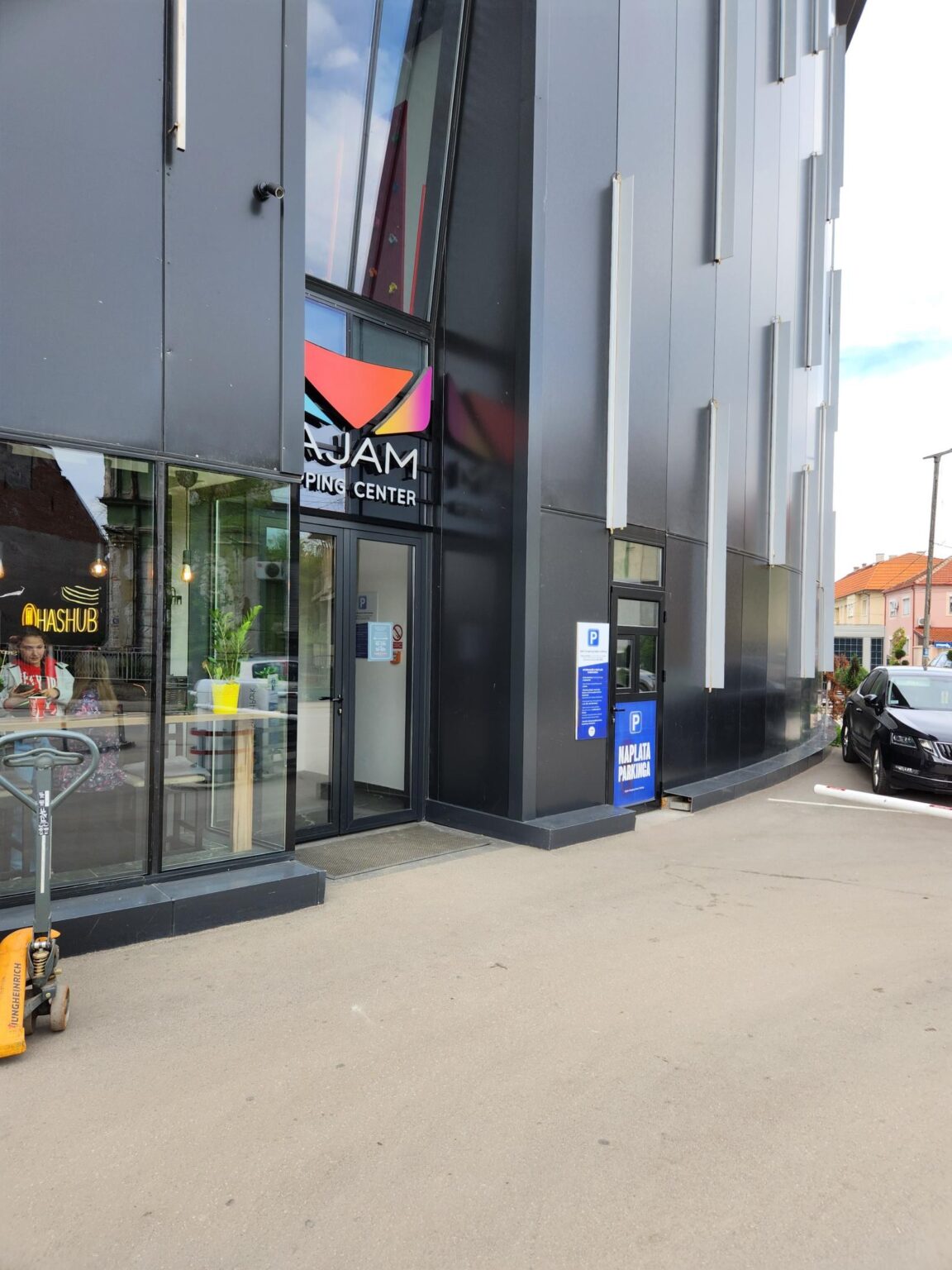
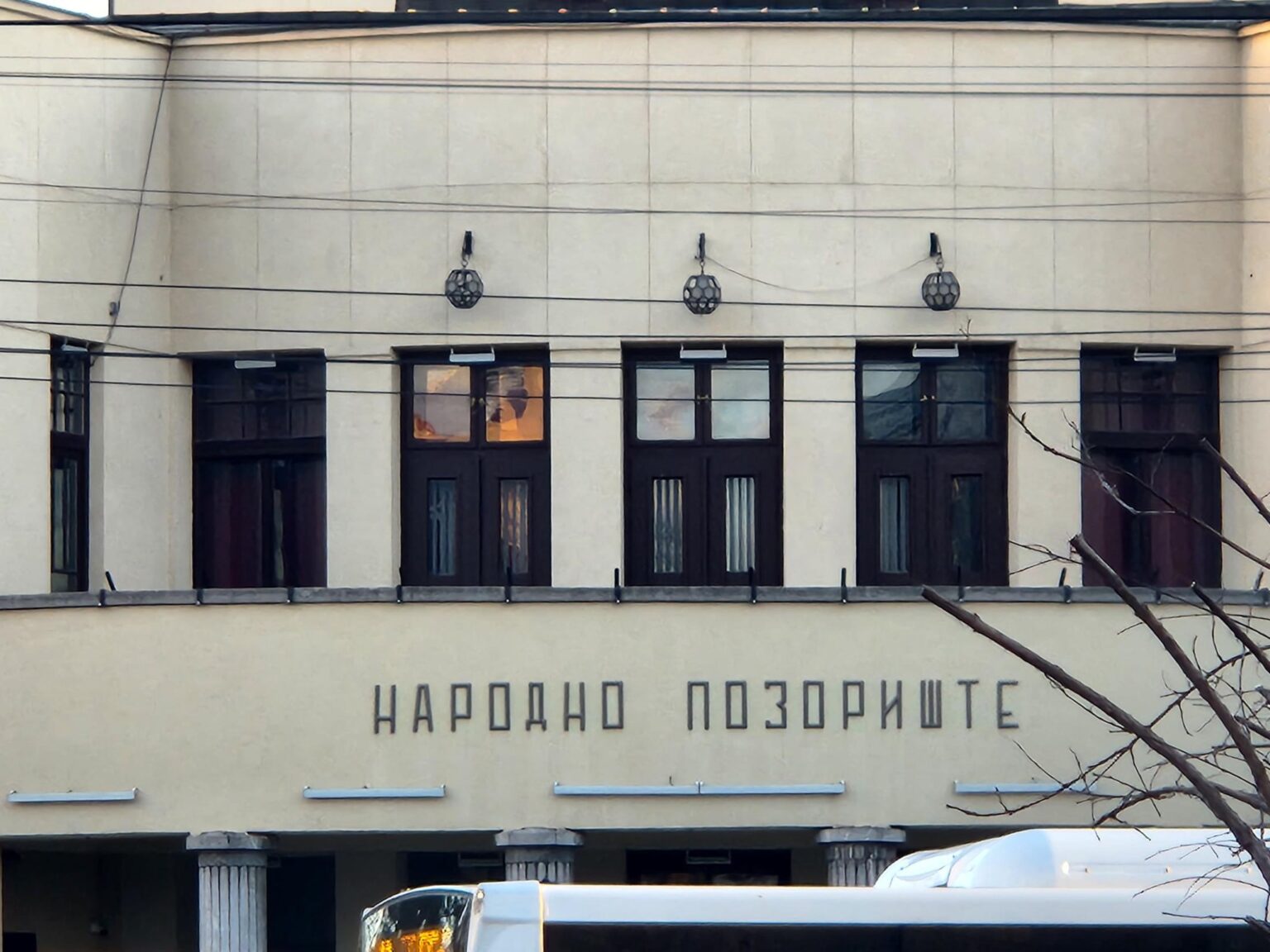
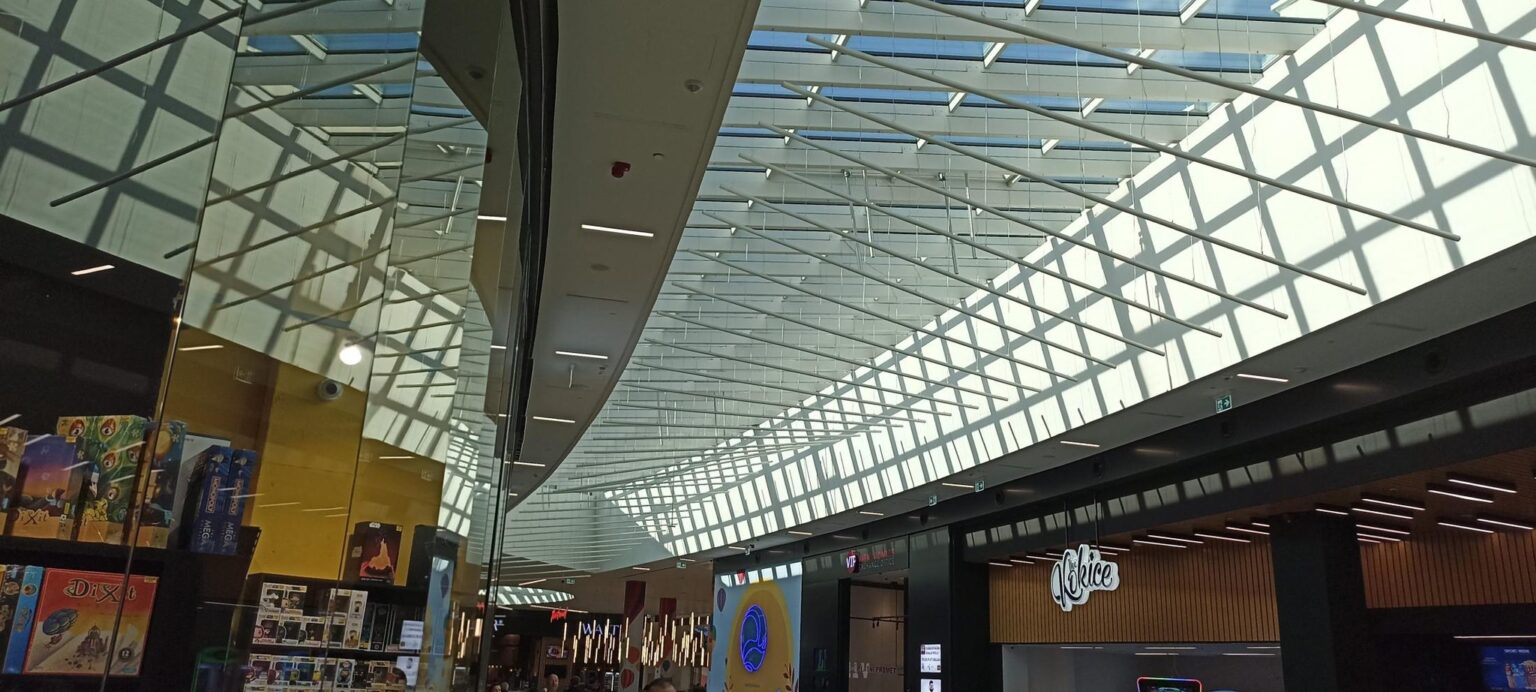
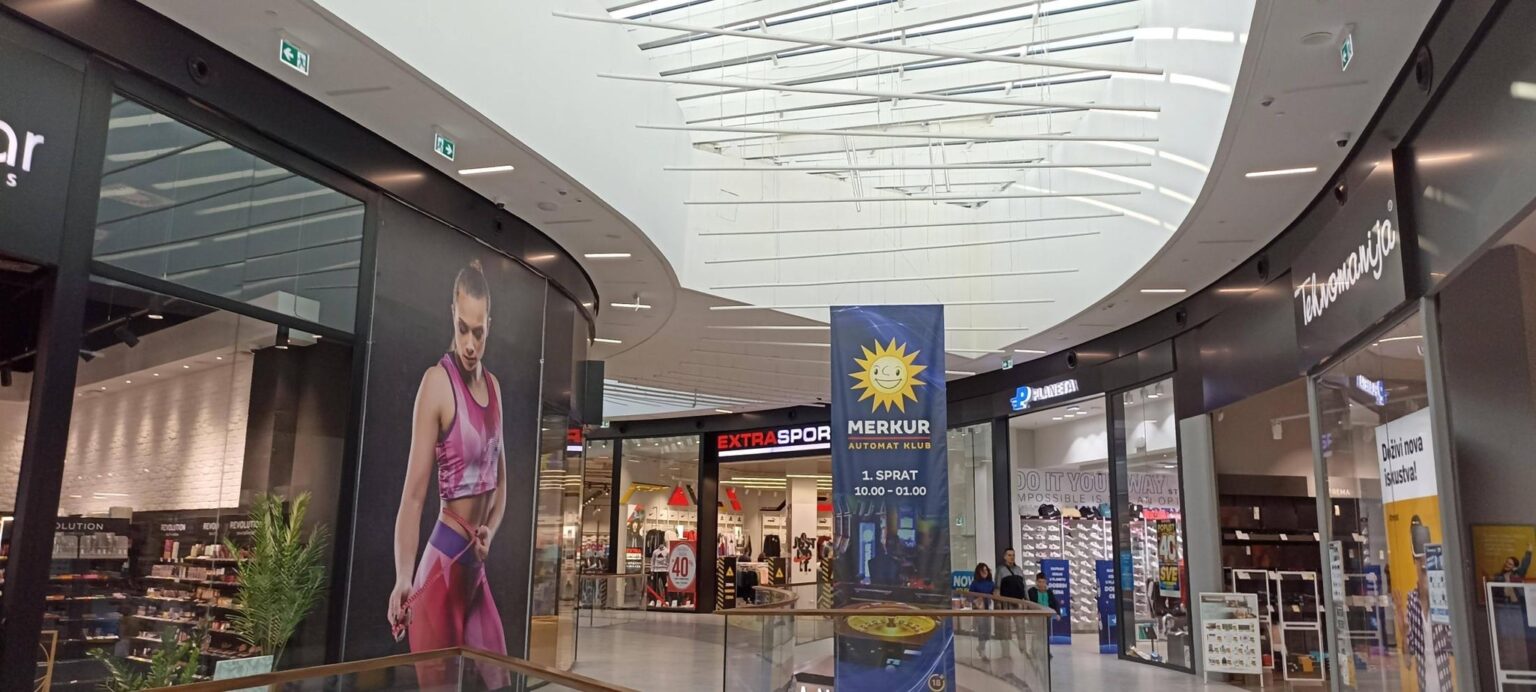
Next, a brand-new shopping centre, evidently opened very recently: cables still stick out of the walls and in places there are no switches or sockets fitted 😀 The building has impressive, modern architecture, and the interior is thoroughly contemporary. Then there is the Narodno pozorište. To a Bulgarian ear, pozorište sounds like "public disgrace", and I had it down as some kind of court until Google Translate put me right: it is the National Theatre 😀
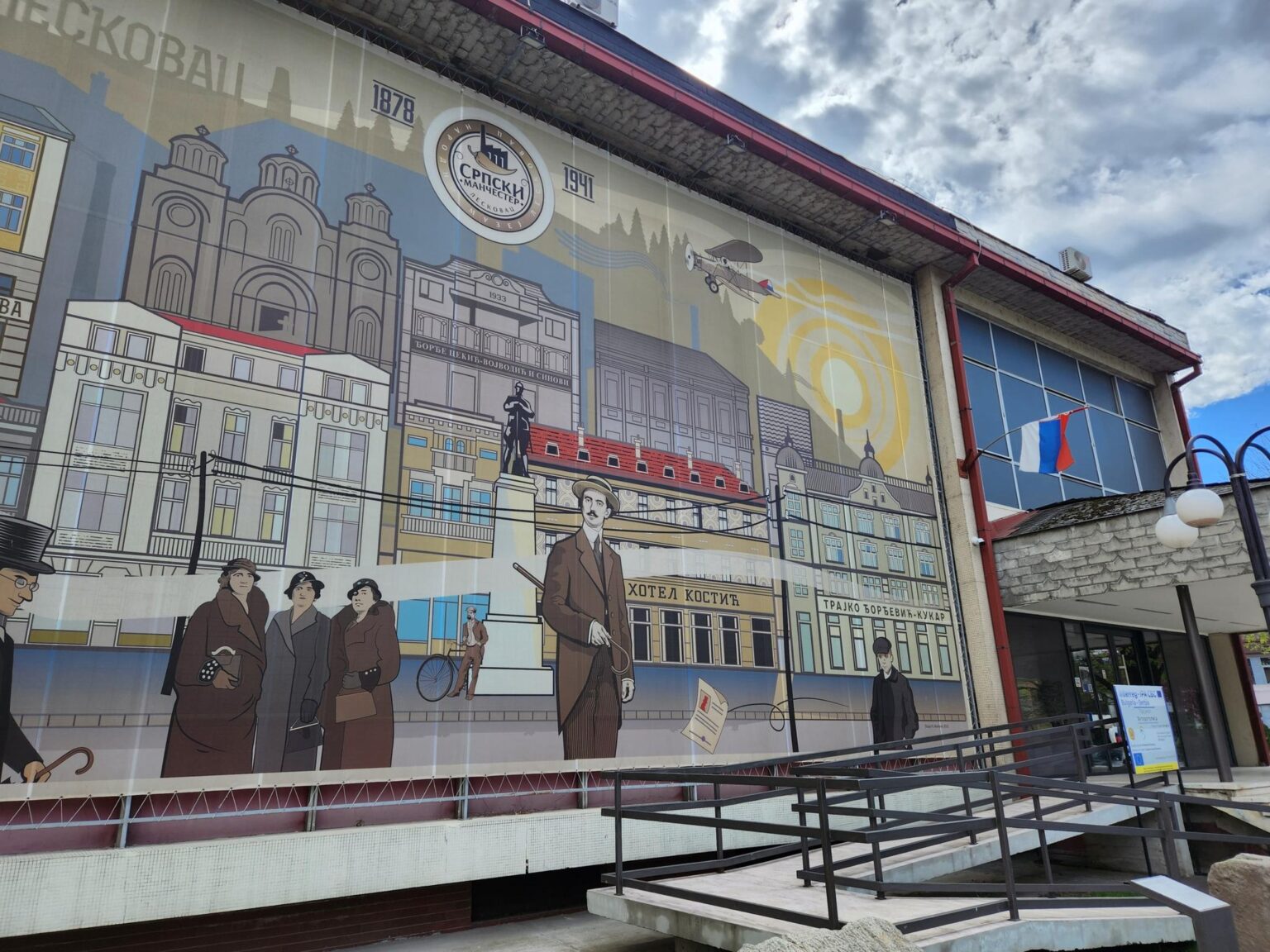
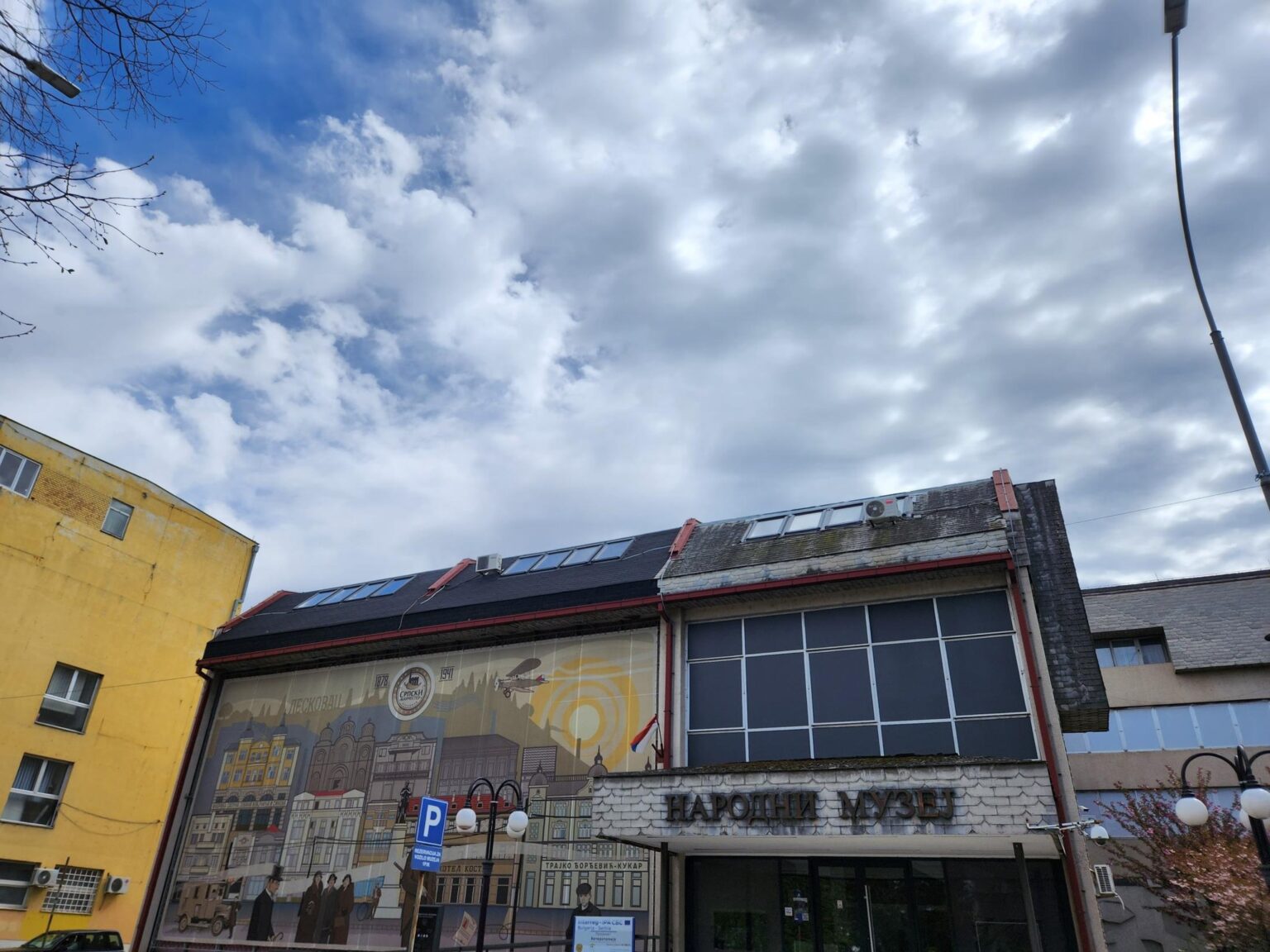
So far we have a market and a mall. There is also a museum, the National Museum Leskovac (muzejleskovac.rs). In 2023 an adult ticket was 150 dinars; today it is 250 dinars (about €2.10), and the main building is open Tuesday to Saturday, 12:00–20:00 (official price list). Unfortunately, the holiday Friday has its say, and the museum is closed.
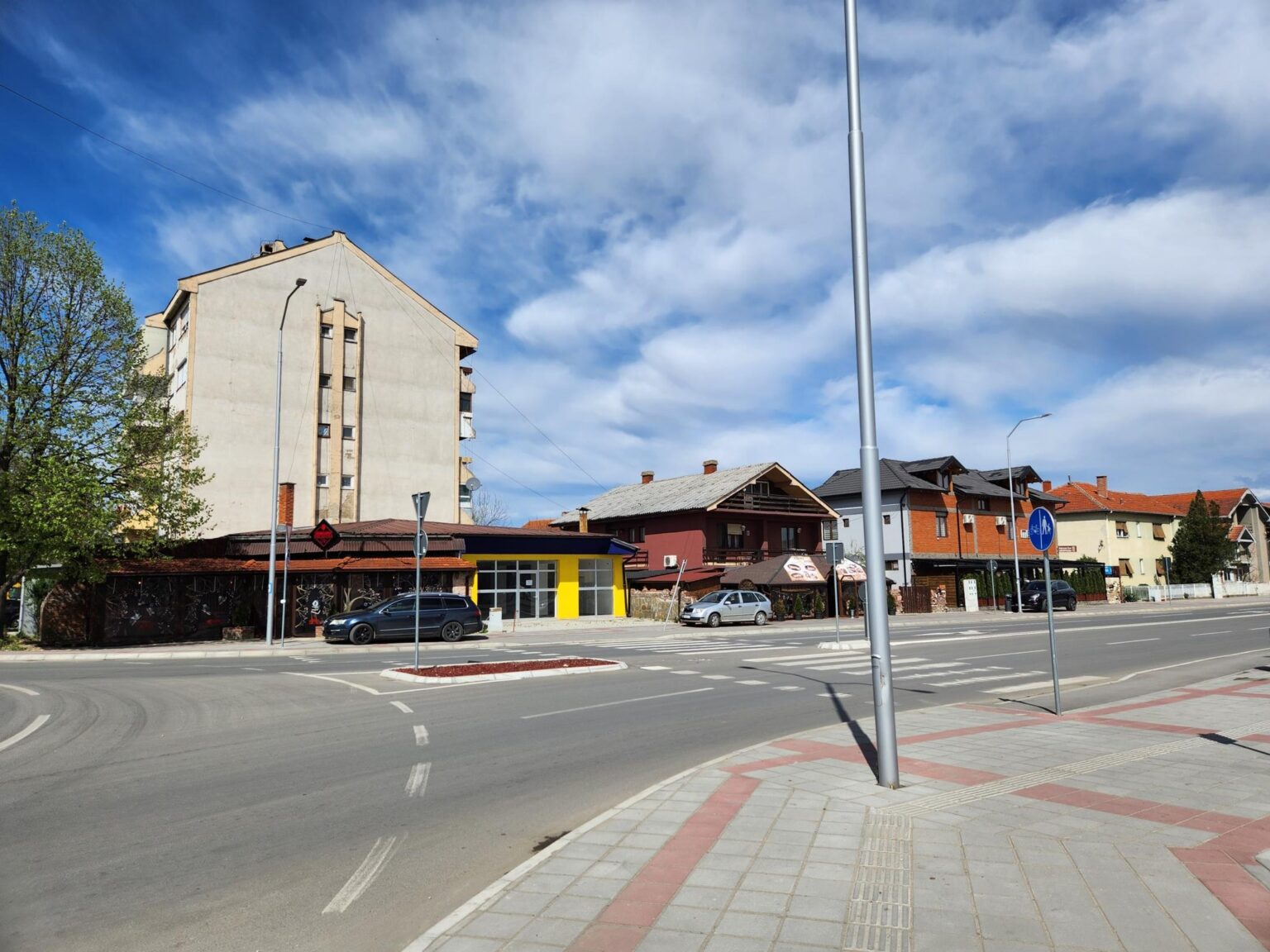
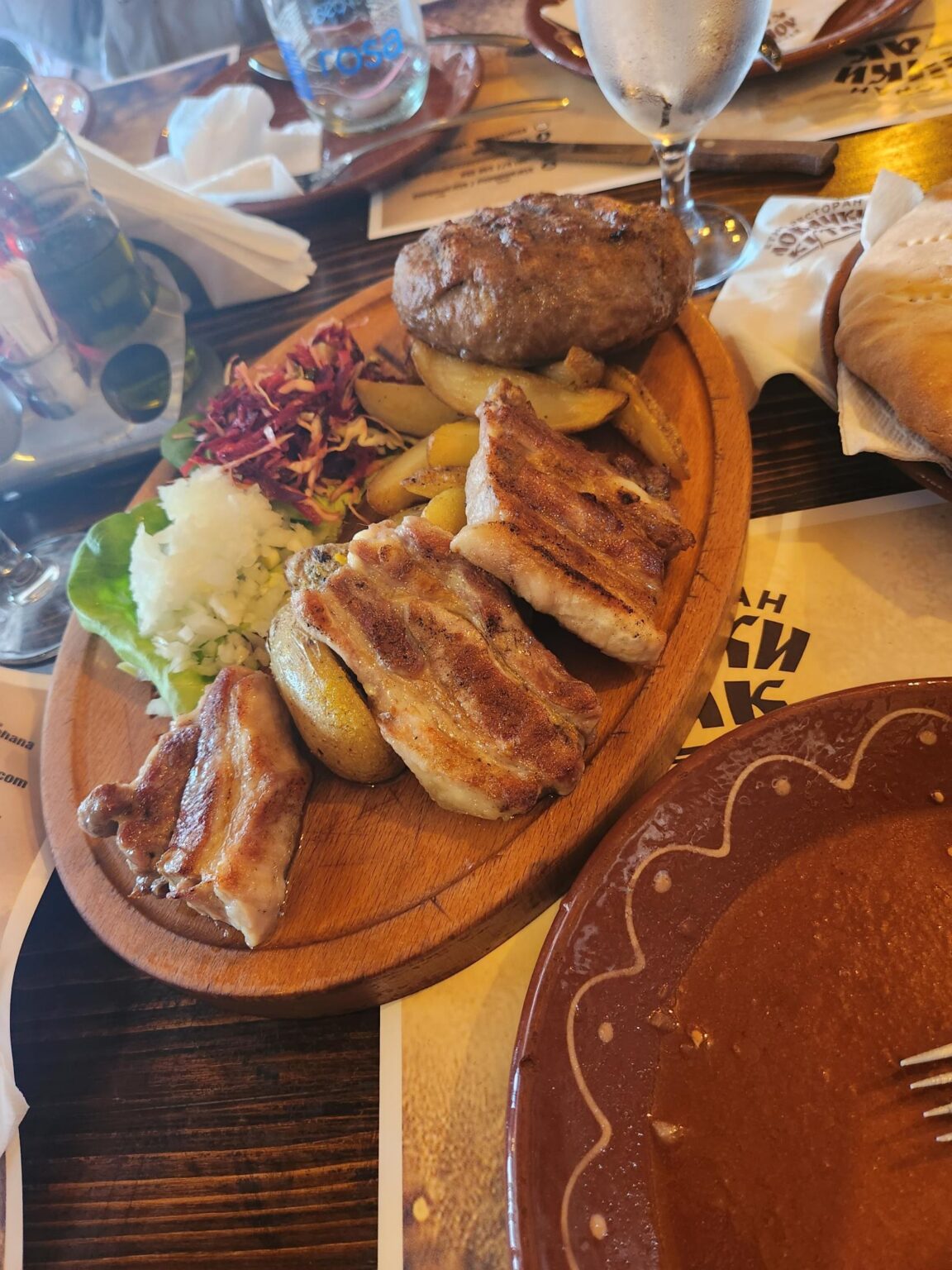
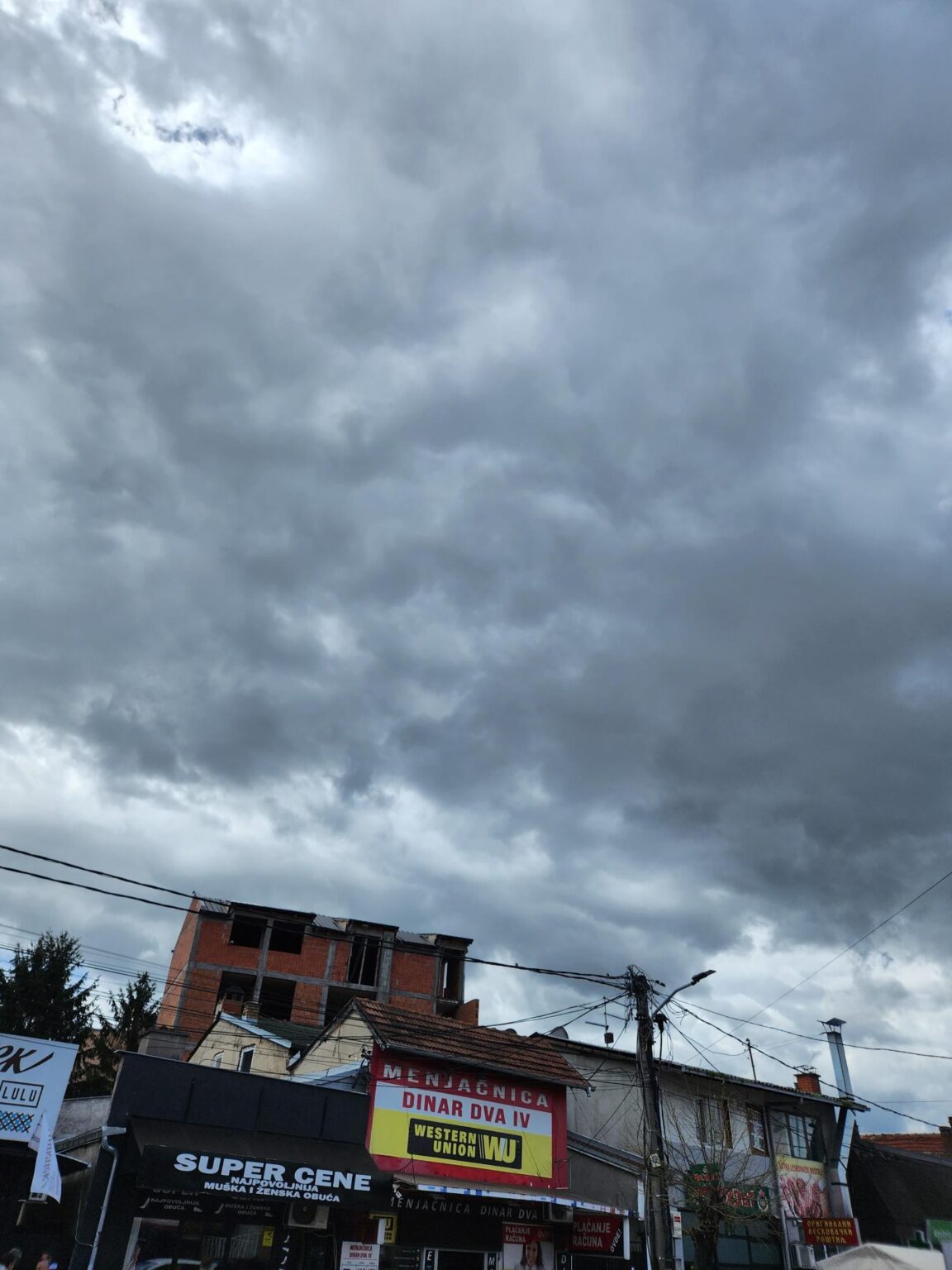
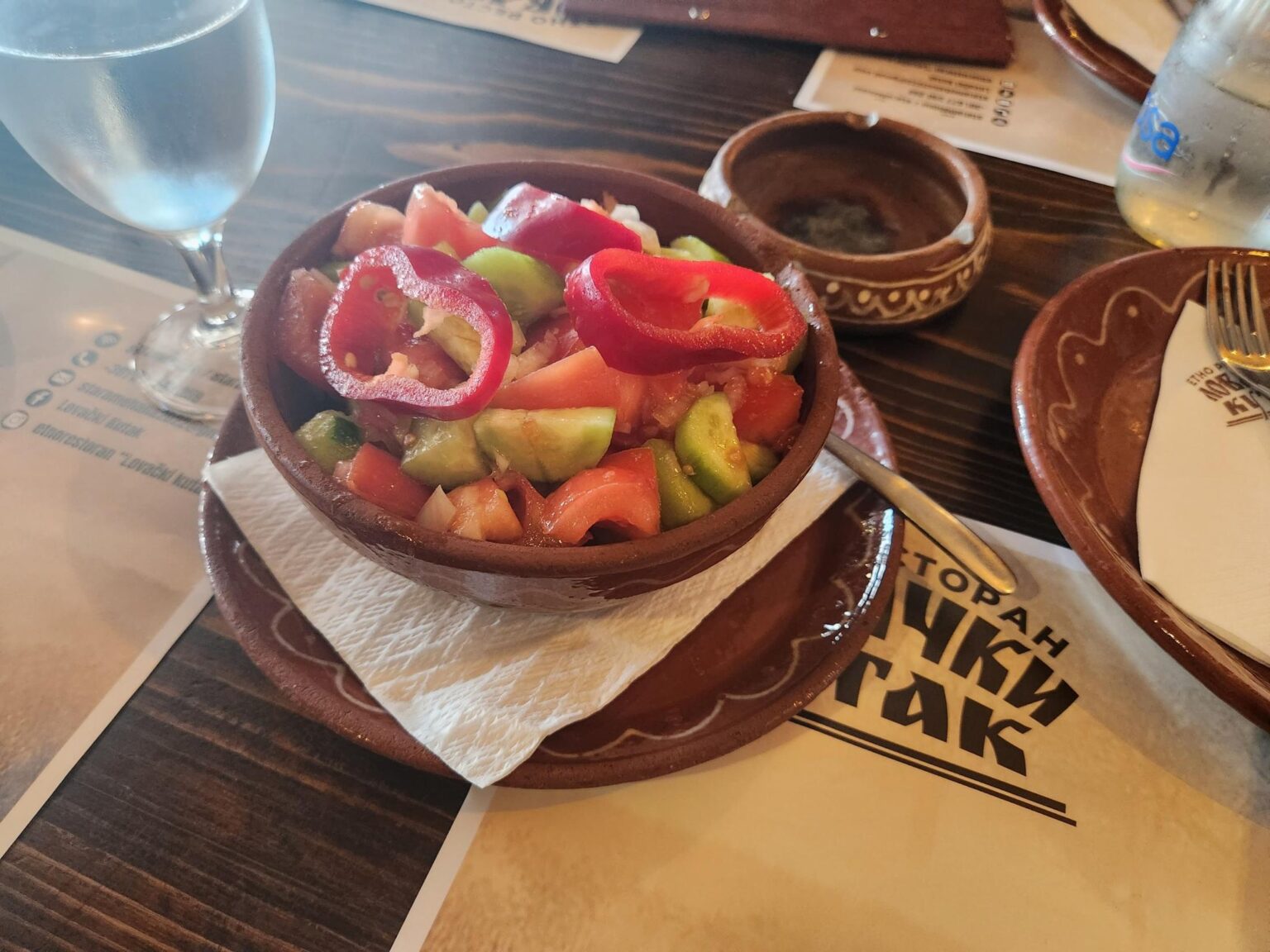
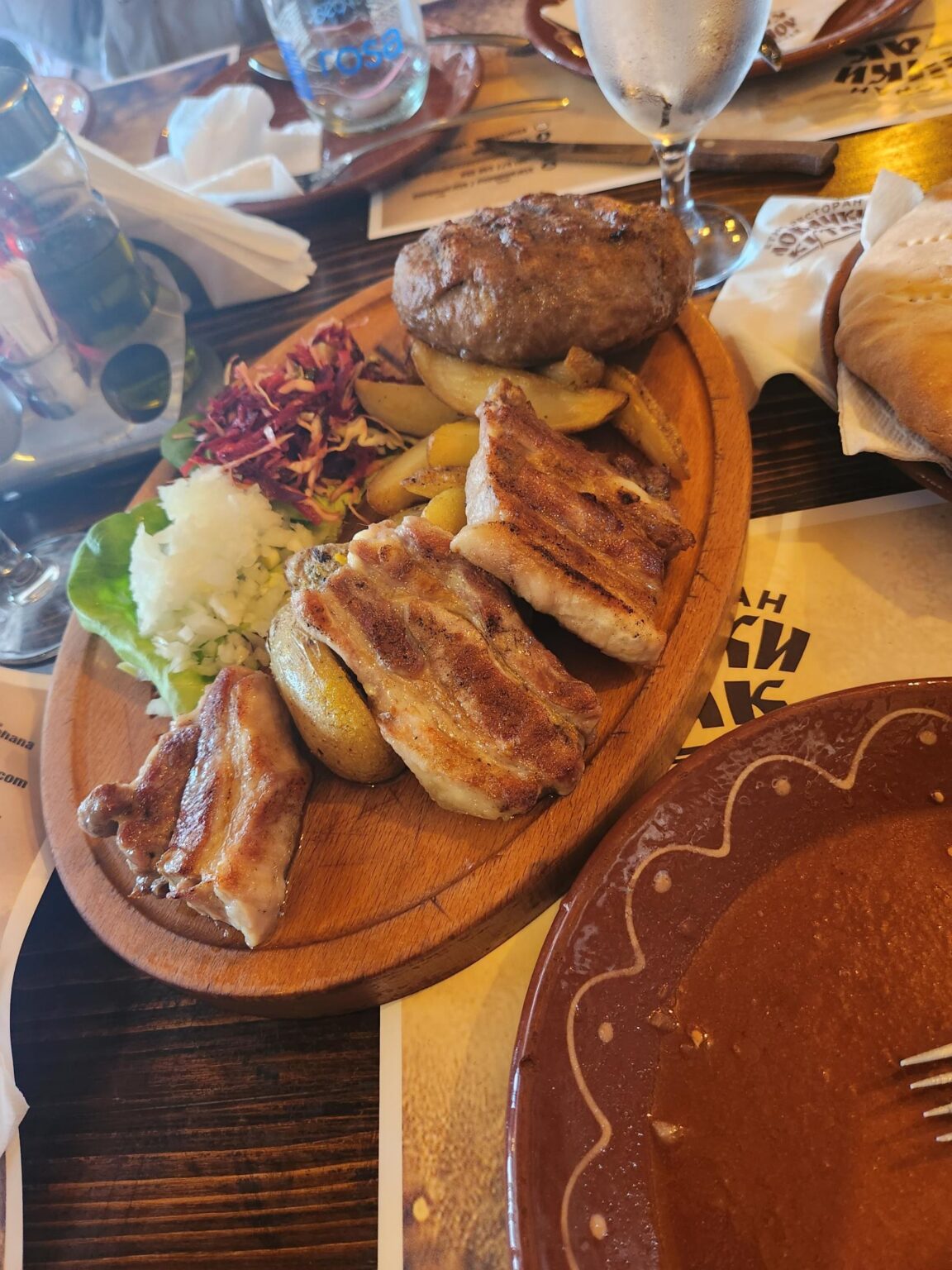
Something else that stands out: casinos at every turn, each with a menjačnica (exchange office) next door. Literally ten casinos on one street. They do not interest us. Oh, a park — and it is time for the famous grill. Rightly famous, I would add 😀 Open the map and you will see several restaurants with lots of reviews: one right in the centre and a few a little further out. My advice is to walk a bit. We are not here to advertise or bash anyone, but in the centre the prices are, without exaggeration, nearly three times higher. For example, at the central restaurant a salad or a pljeskavica costs around 800–1,000 dinars (€6.80–8.50) per dish. A kilometre away, salads and grilled meat run around 300–400 dinars (€2.50–3.40). The central place feels more European, while the others are ethno restaurants. Of course, you have to test everything yourself, but I recommend the ethno option — it is as authentic as it gets.
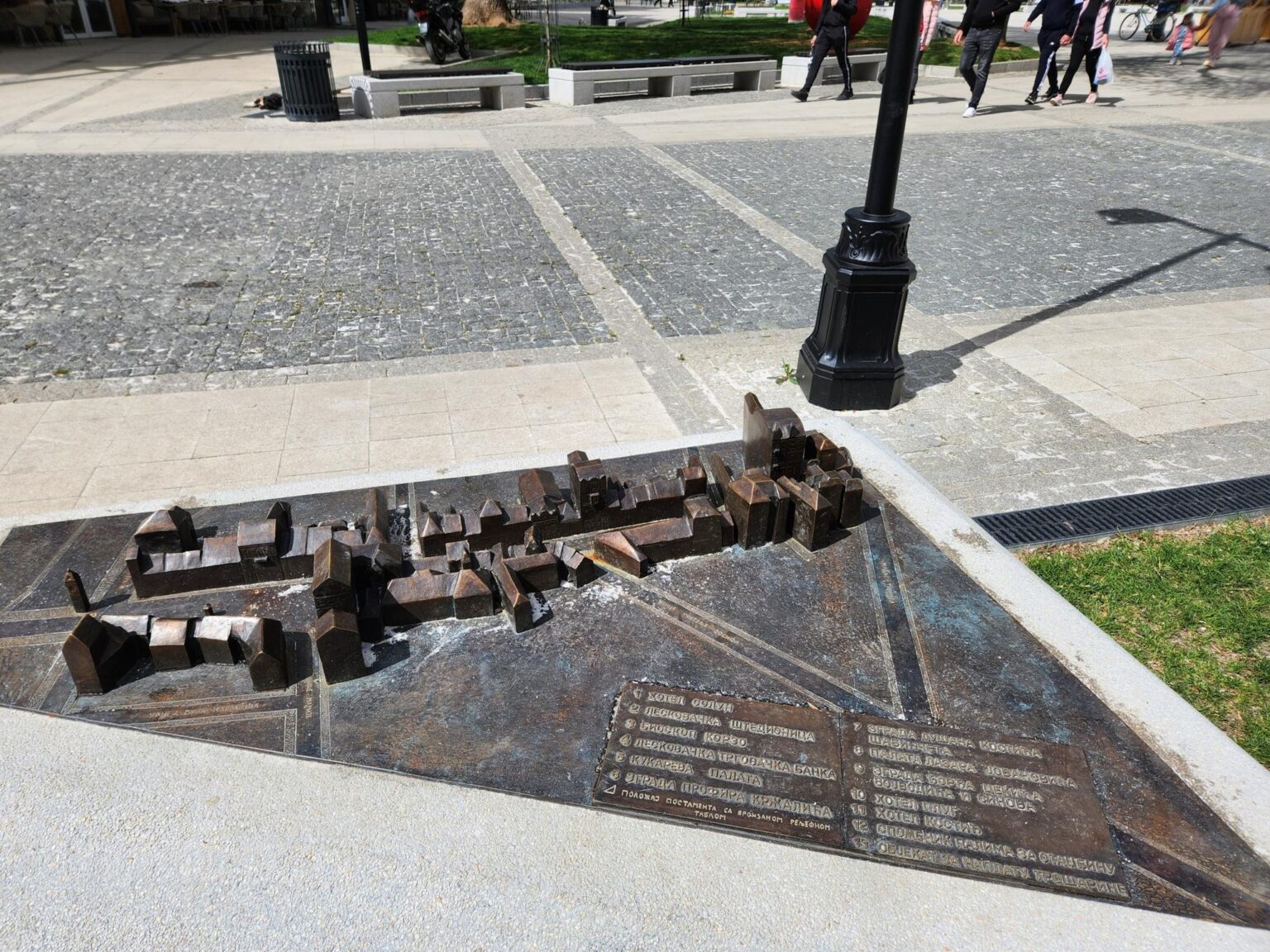
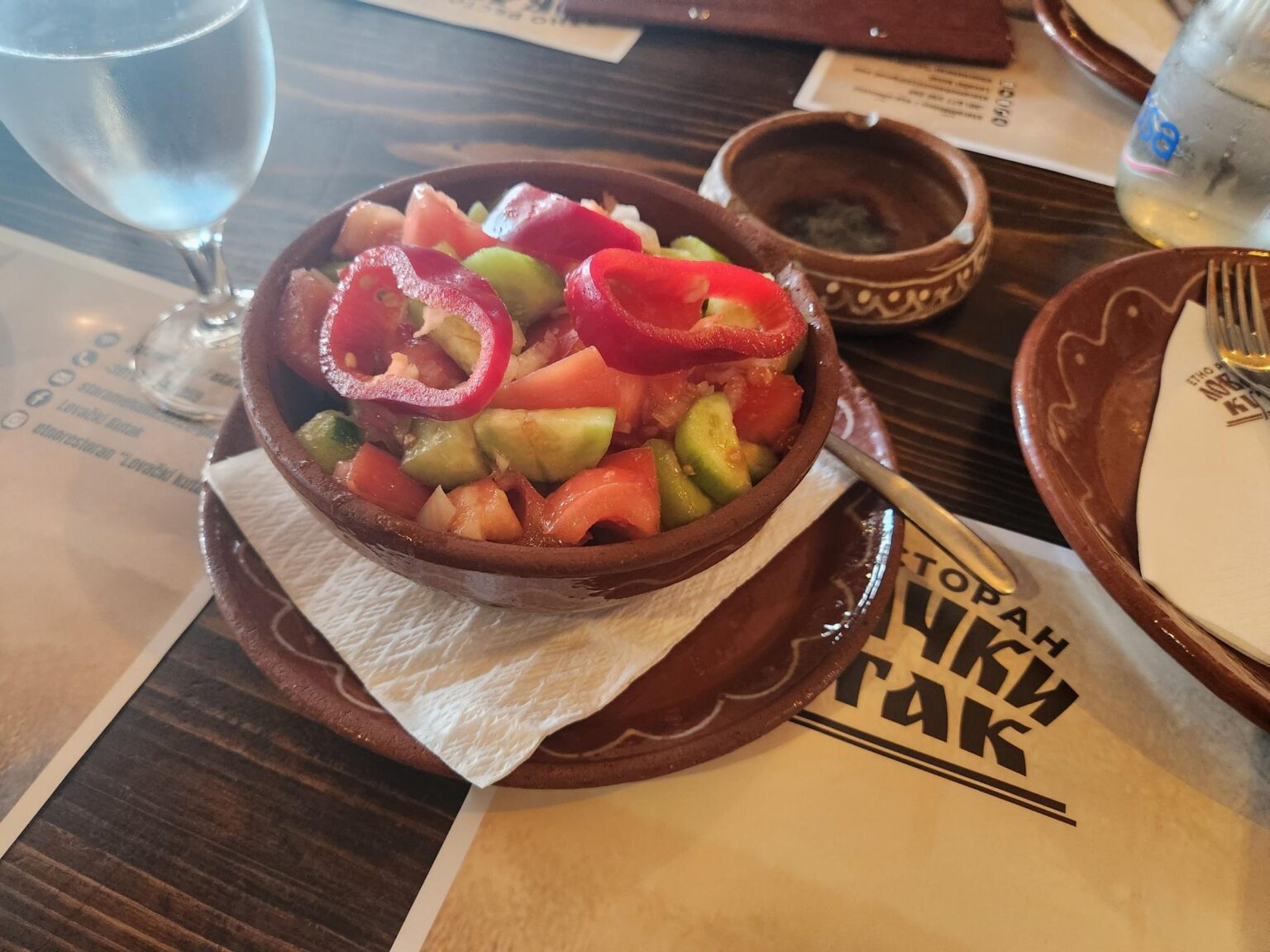
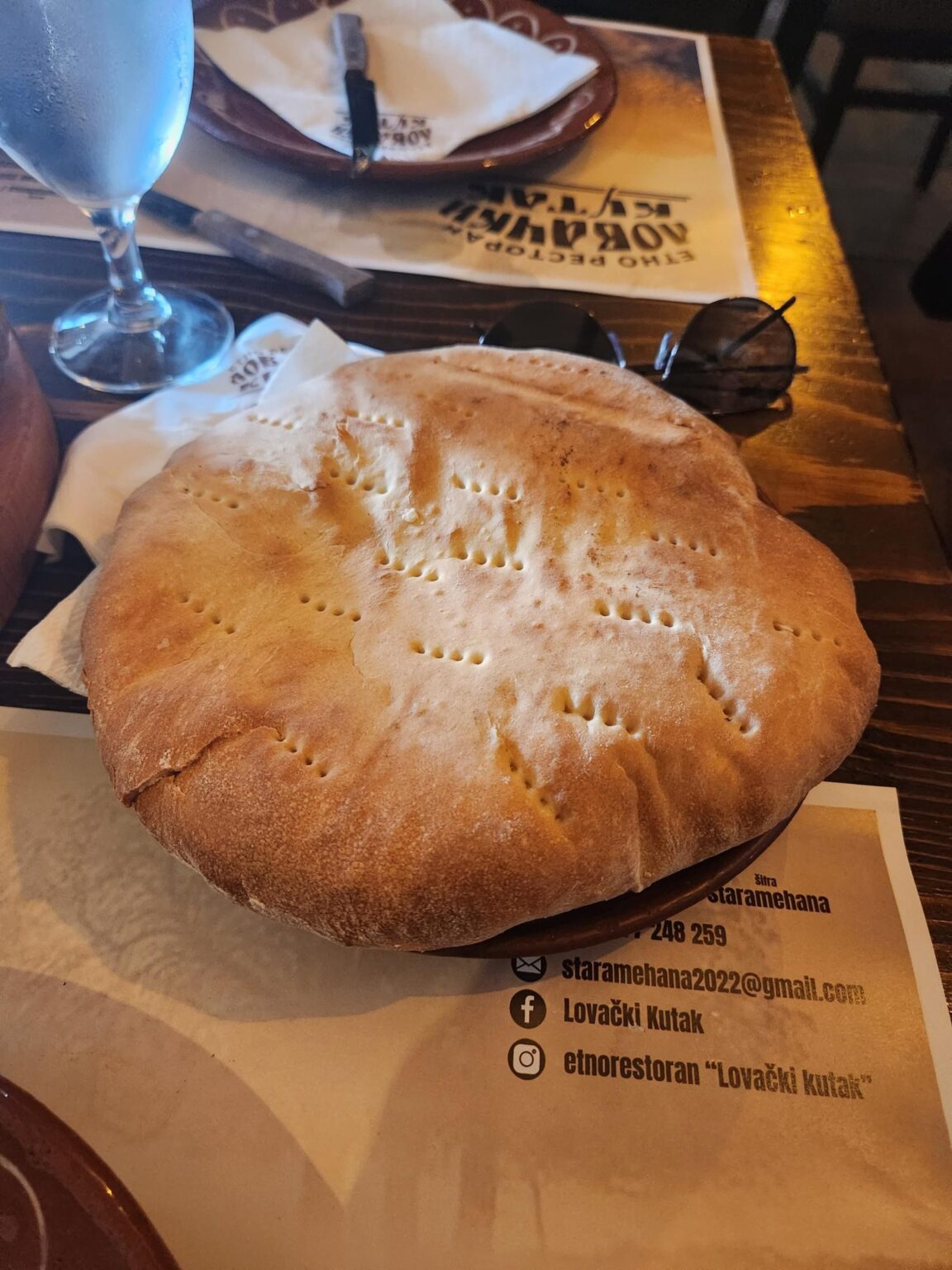
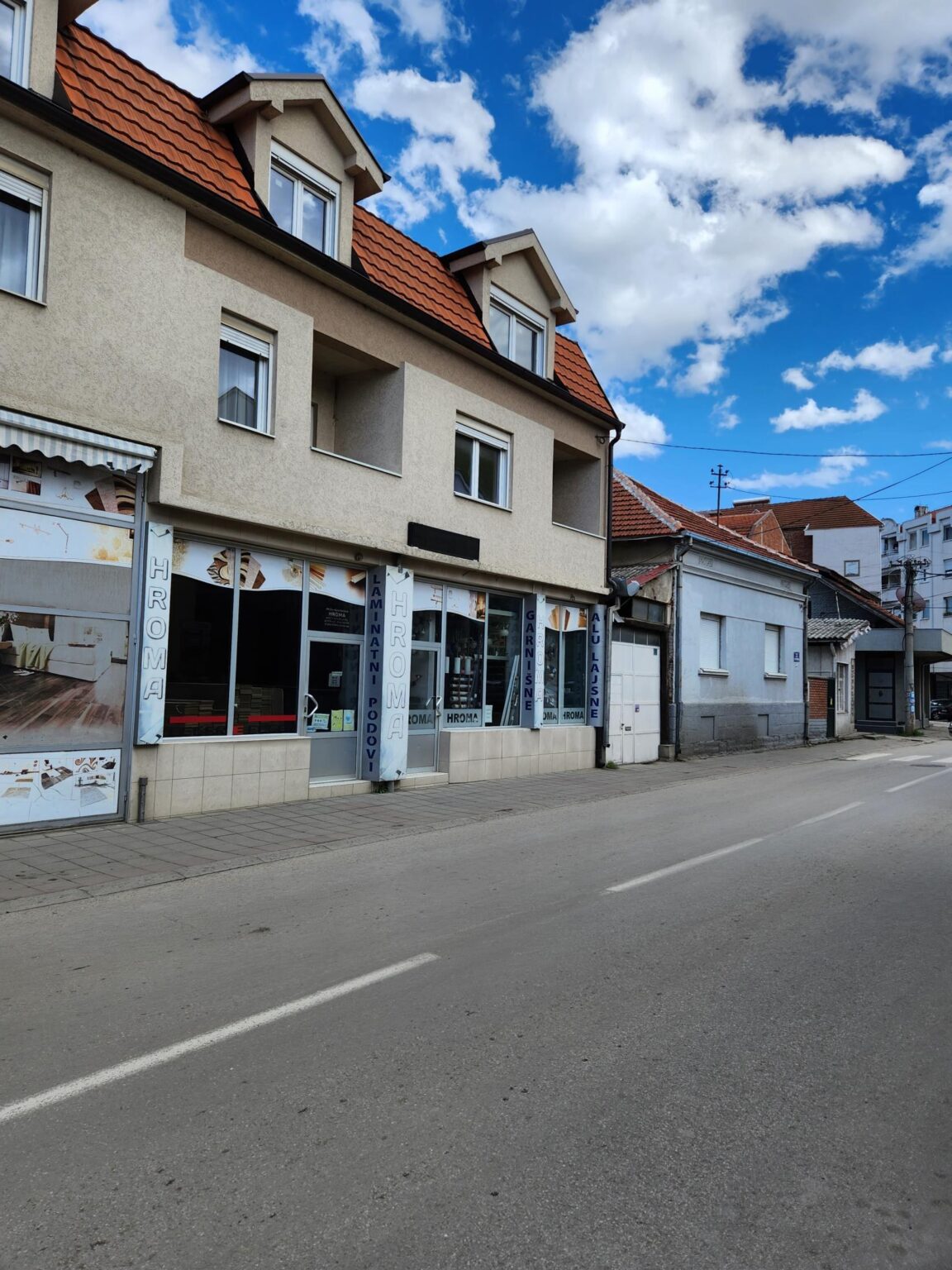
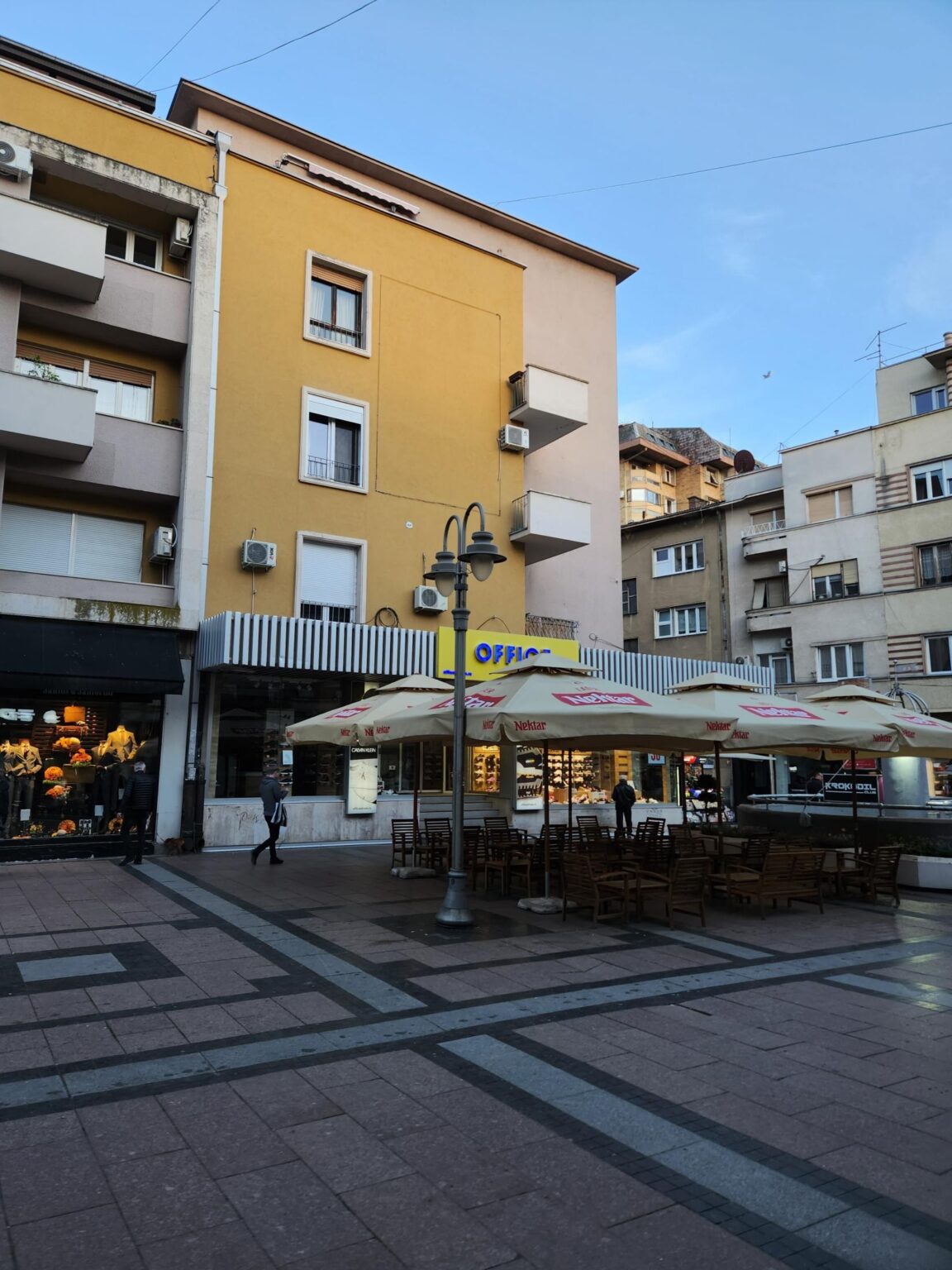
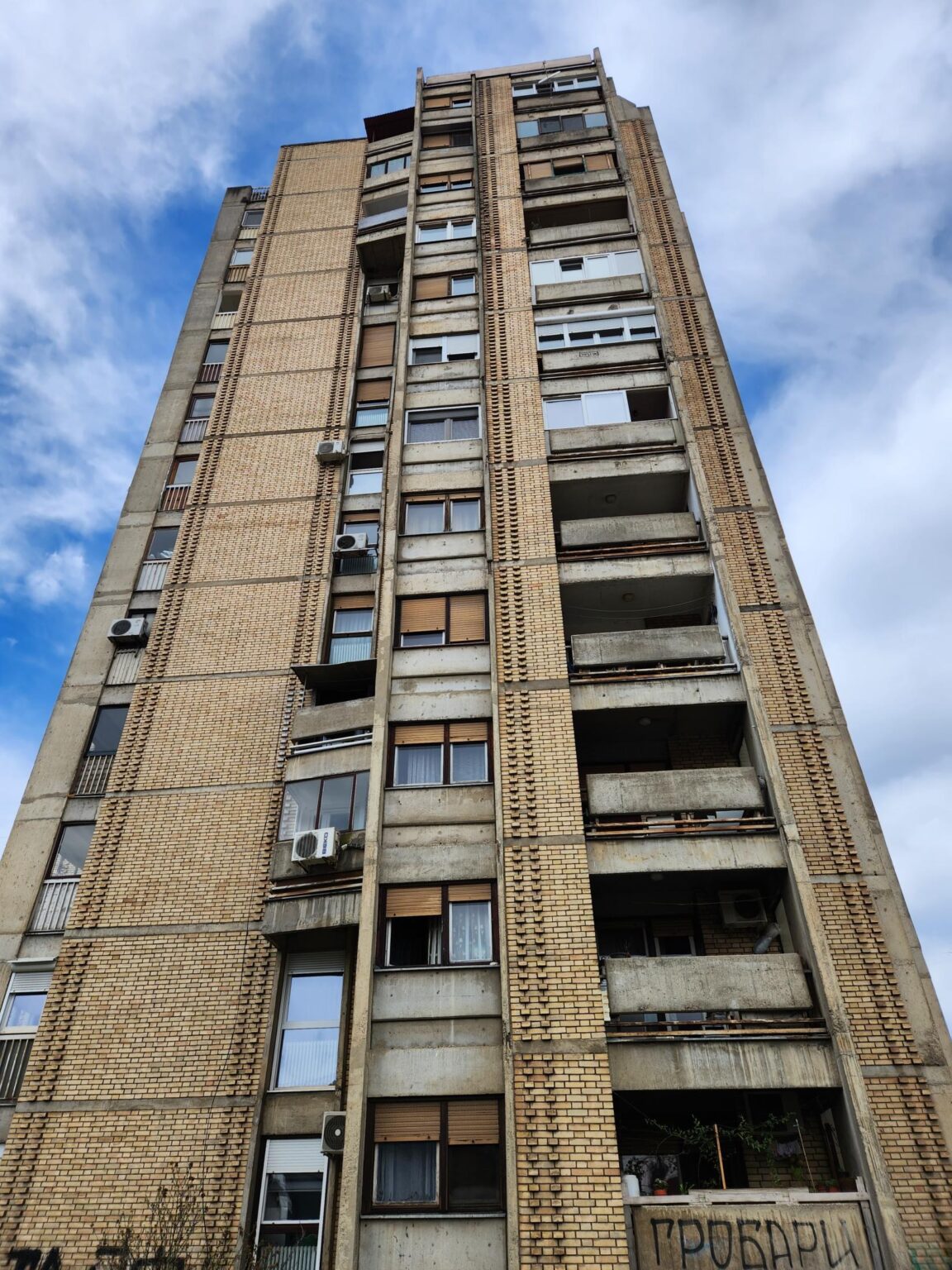
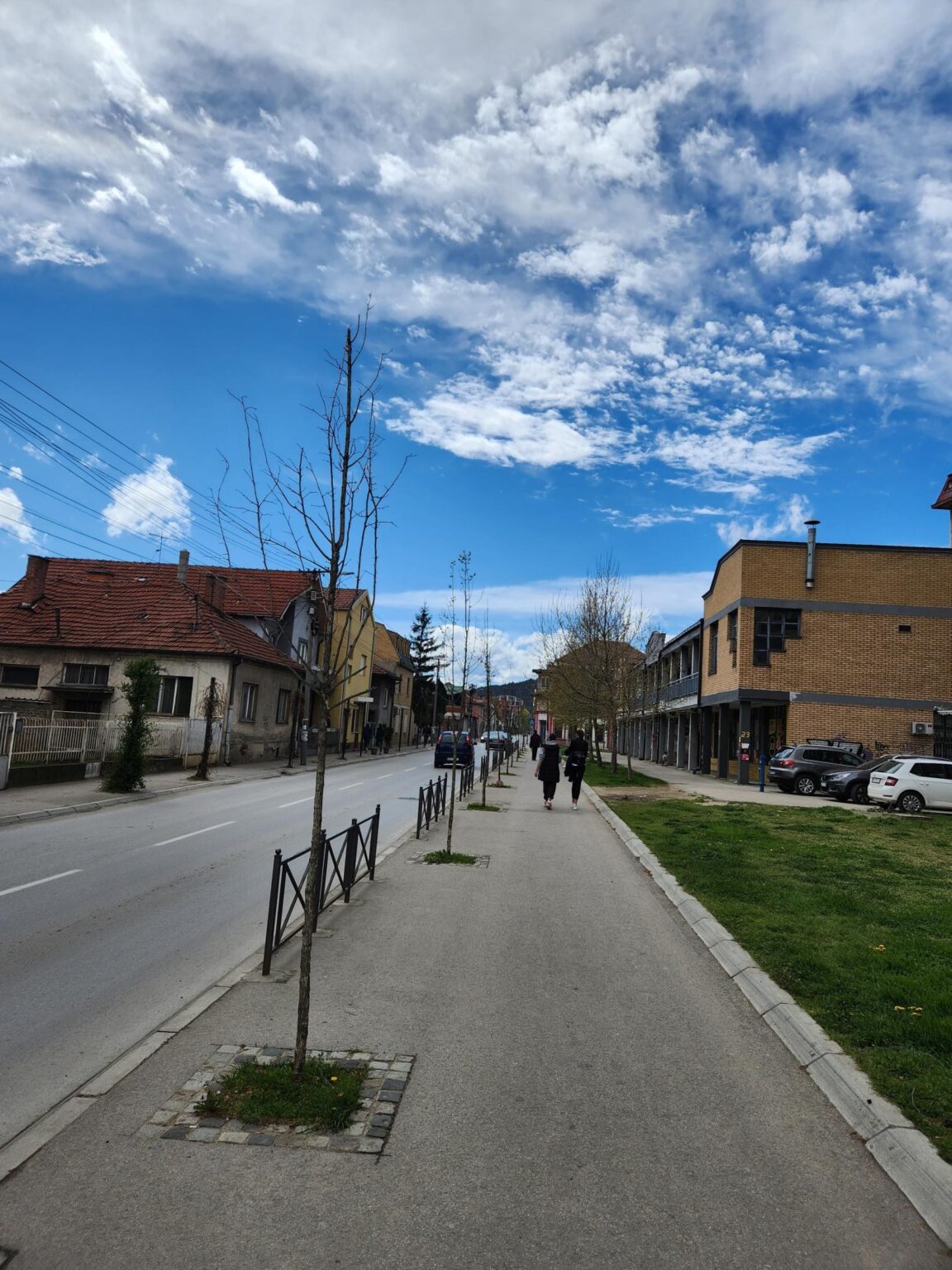
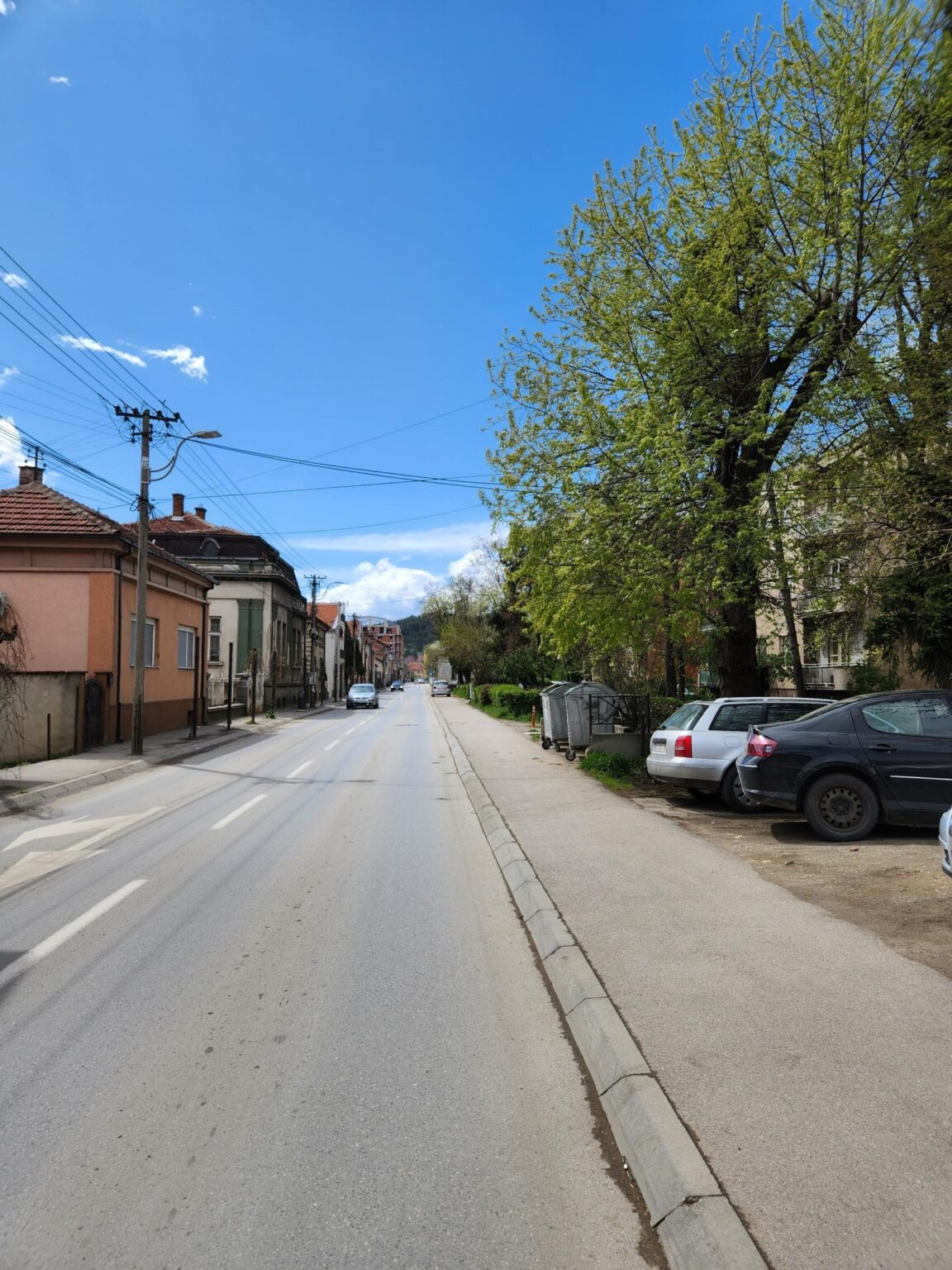
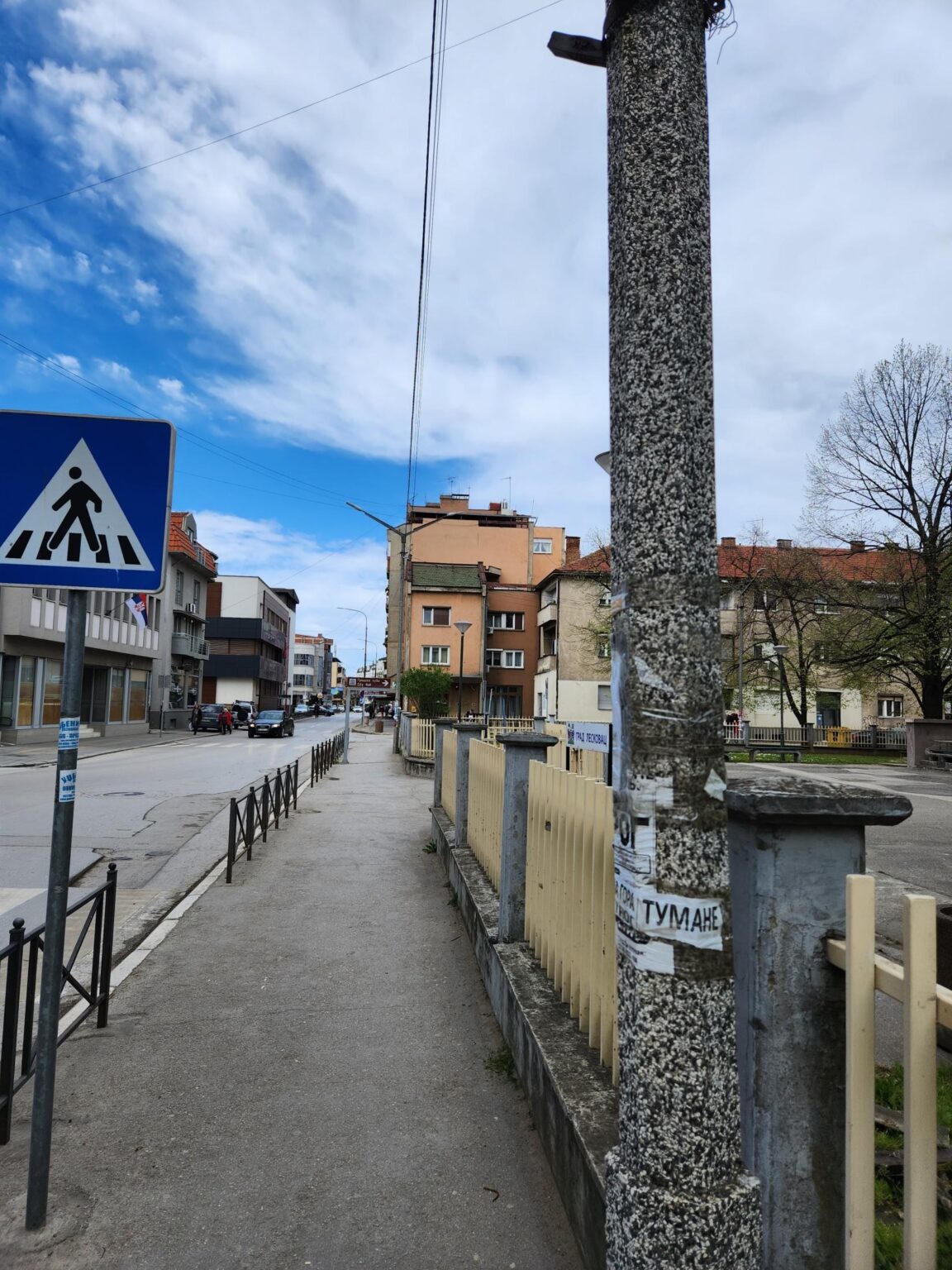
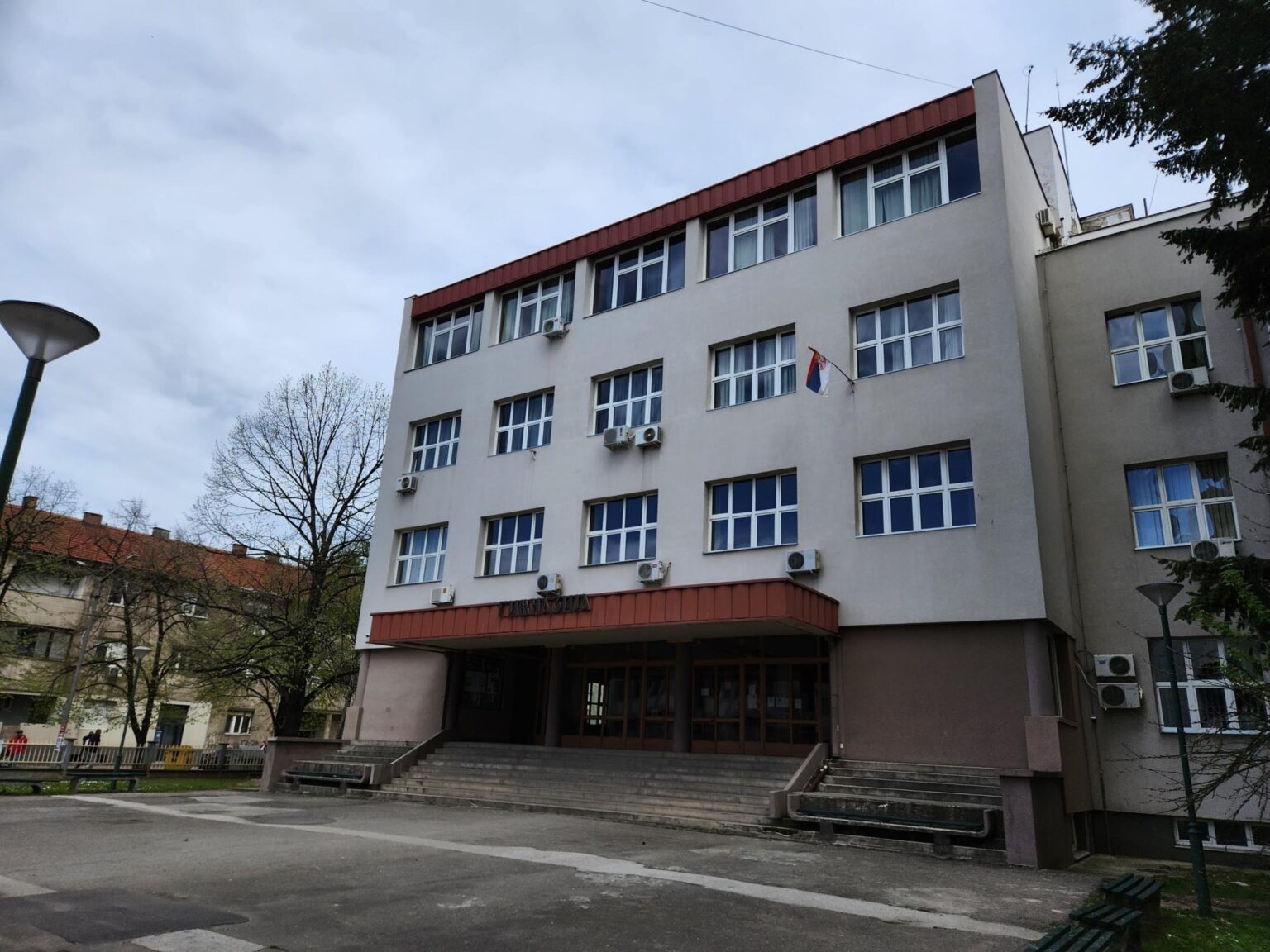
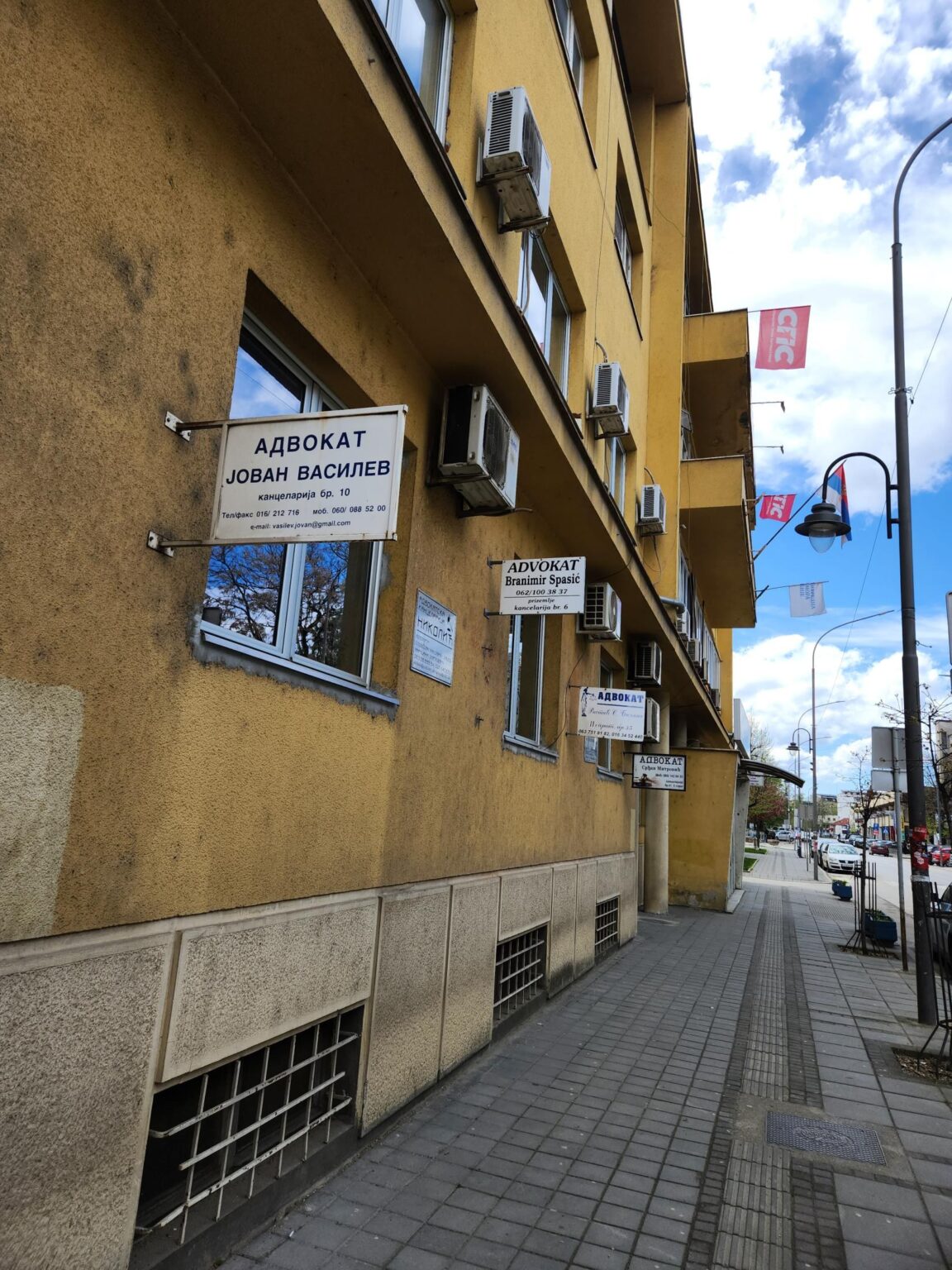
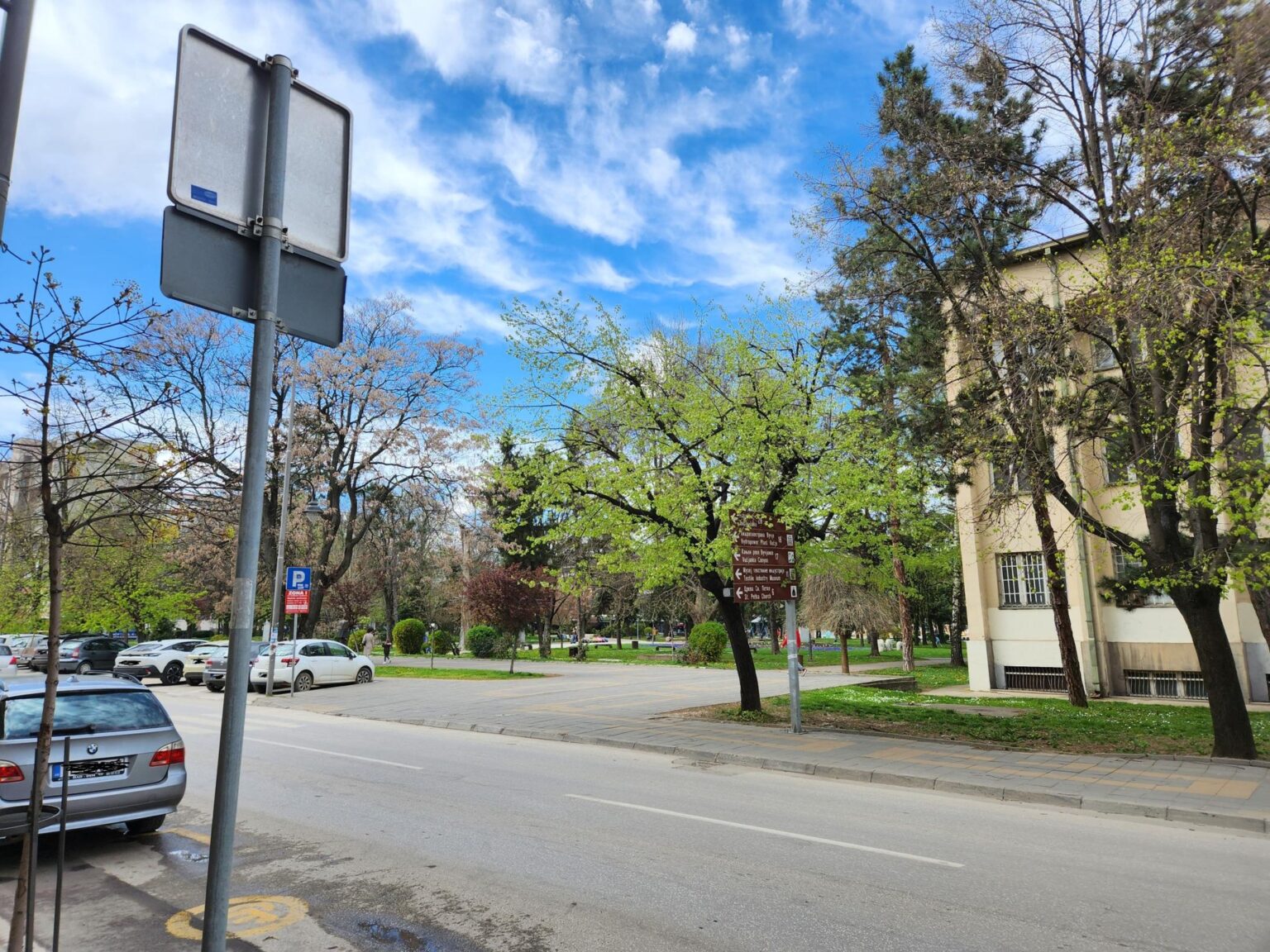
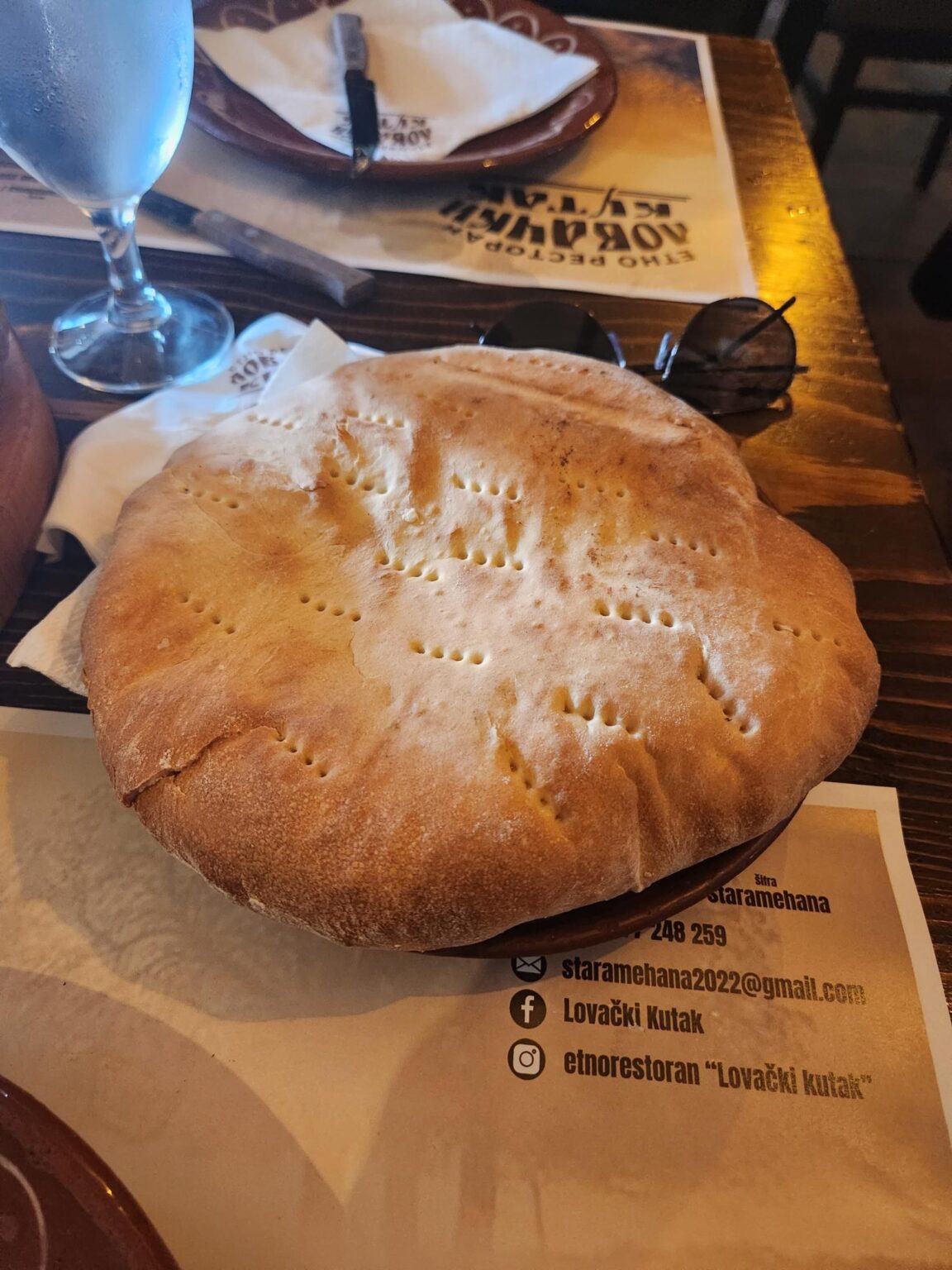
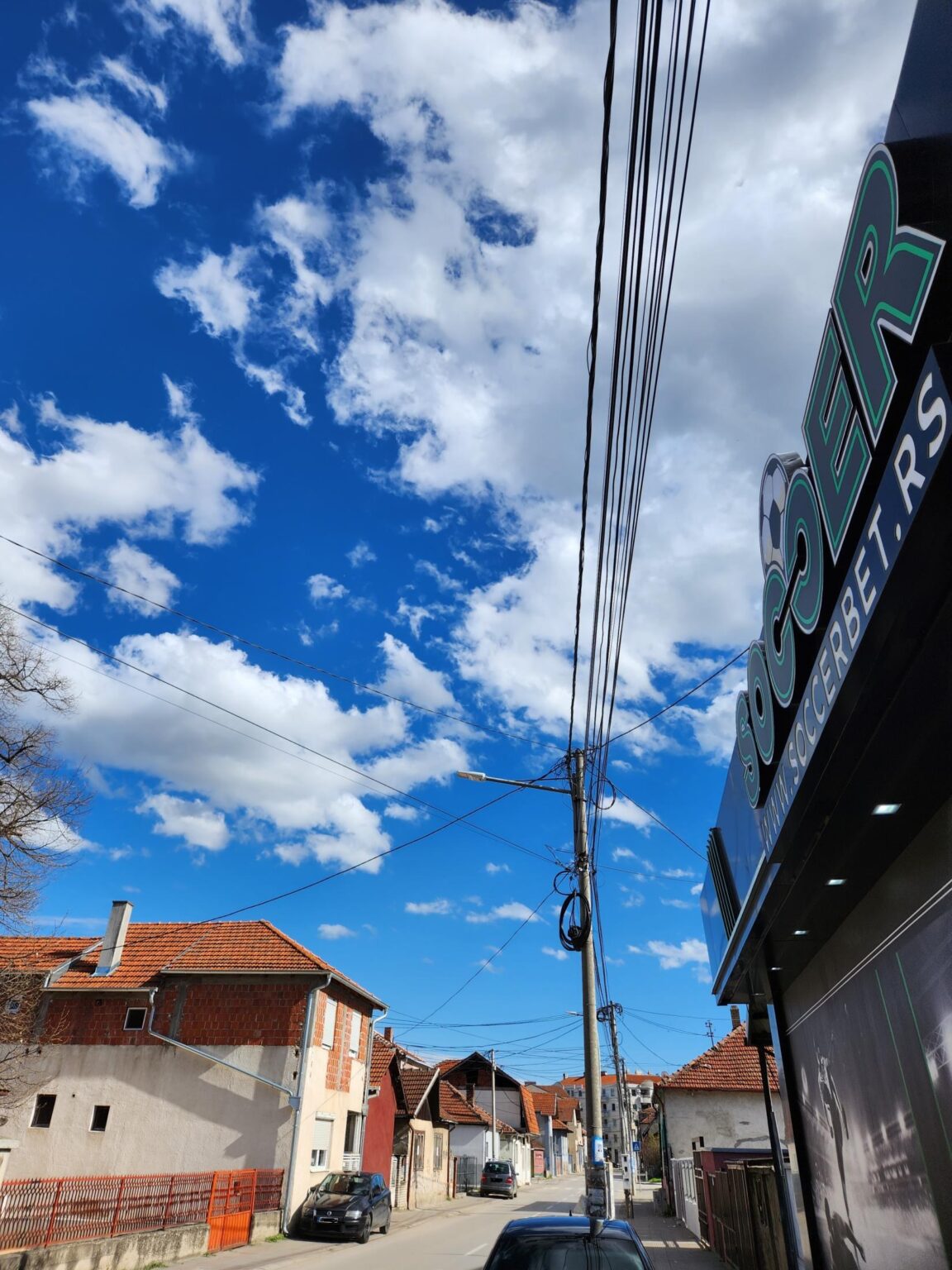
We have not mentioned it yet, but Serbian and Bulgarian are quite close. Speak slowly, listen carefully, and you can get by with almost everyone. On top of that, I think people in the Leskovac–Niš area are used to Bulgarian tourists, so it is genuinely easy. If broken Bulgarian-Serbian really does not work with someone, try English. So: for the equivalent of €5–7.50 per person in 2023, you will eat so well you will not believe it. Lots of food, tasty and cheap. The Bulgarian parlenka flatbread is replaced by pogača, which is slightly firmer but has a charm of its own and goes perfectly with a Serbian salad and grilled meat. A hurried walk around Leskovac looks like this:
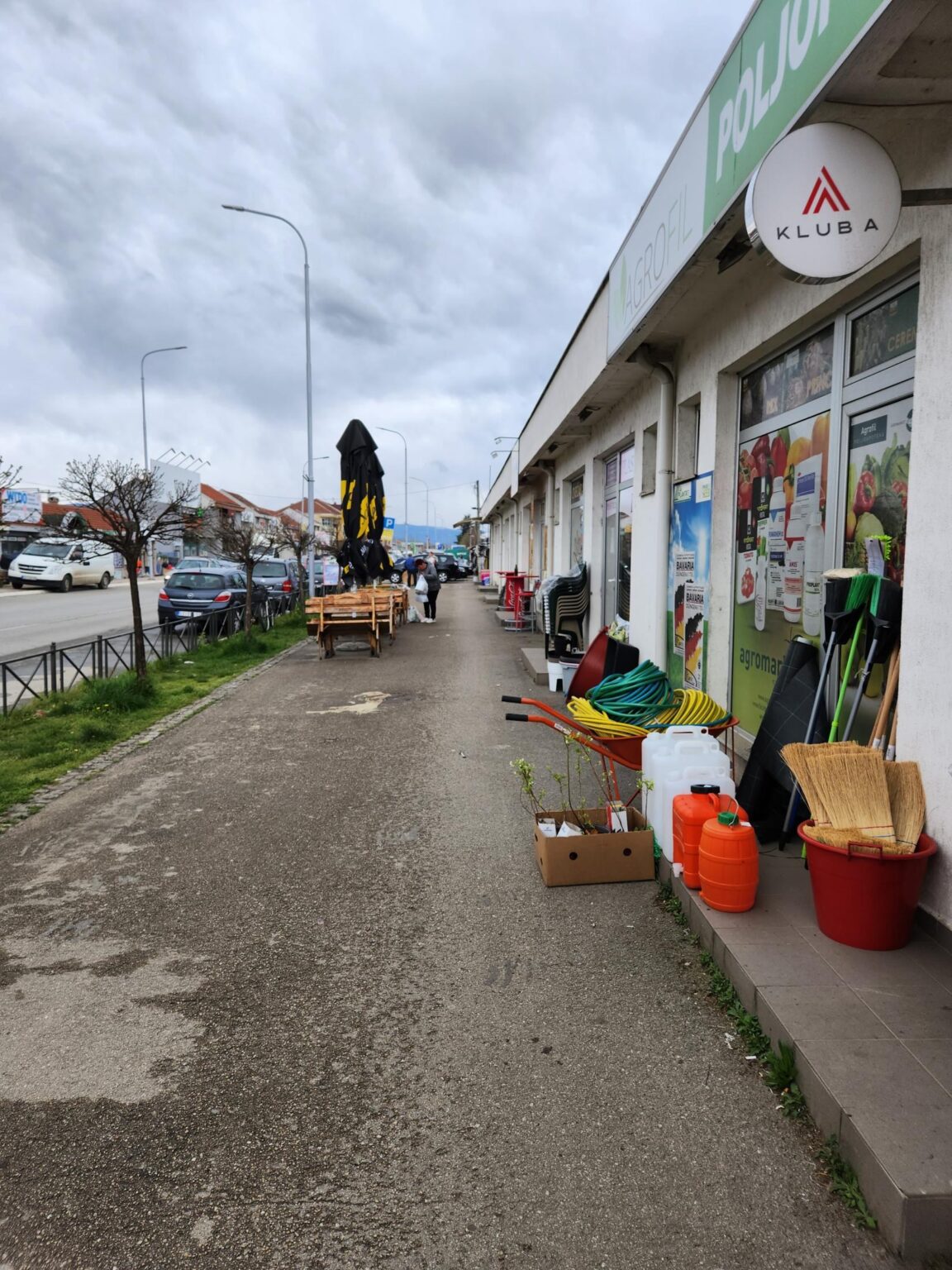
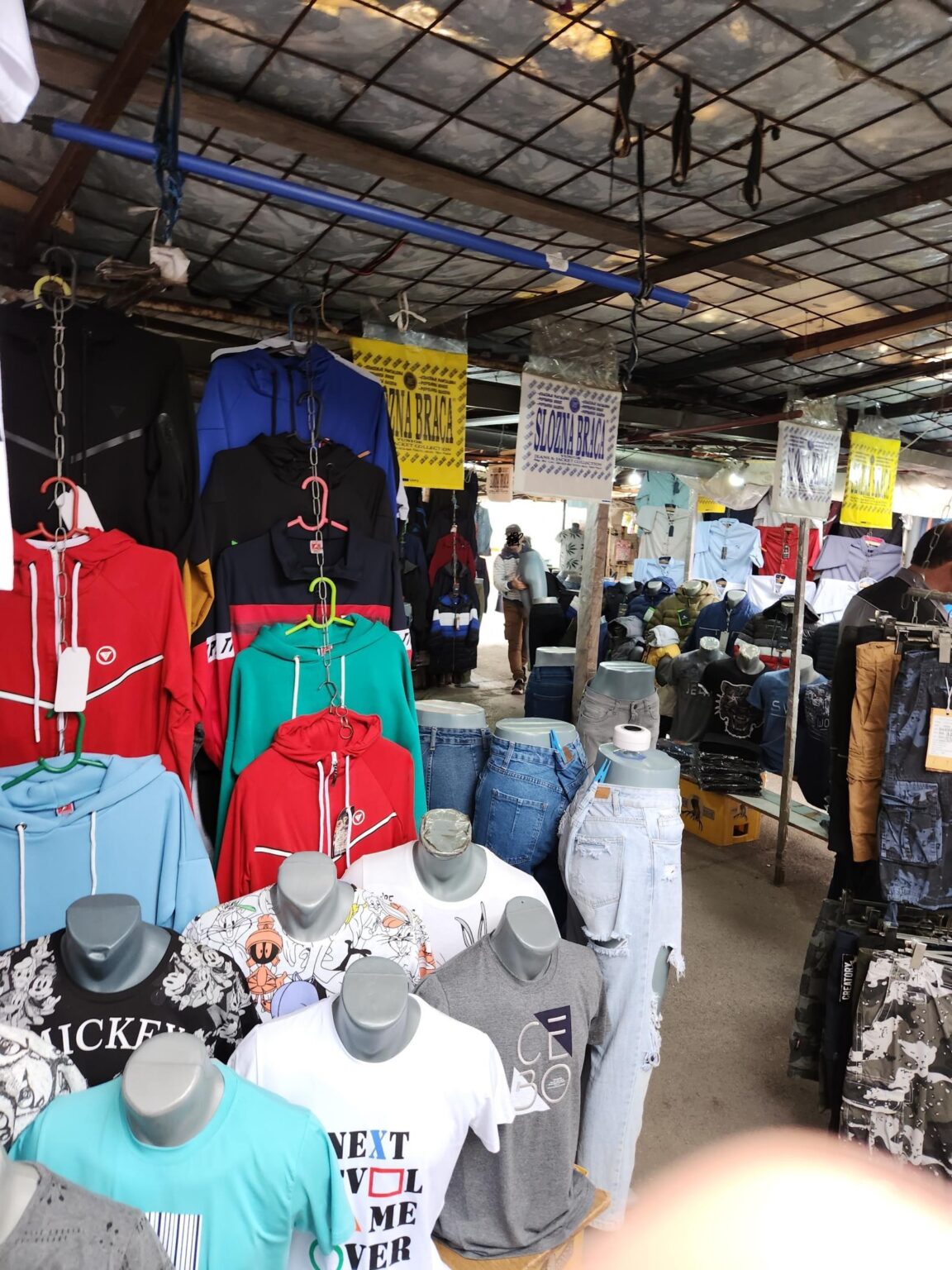
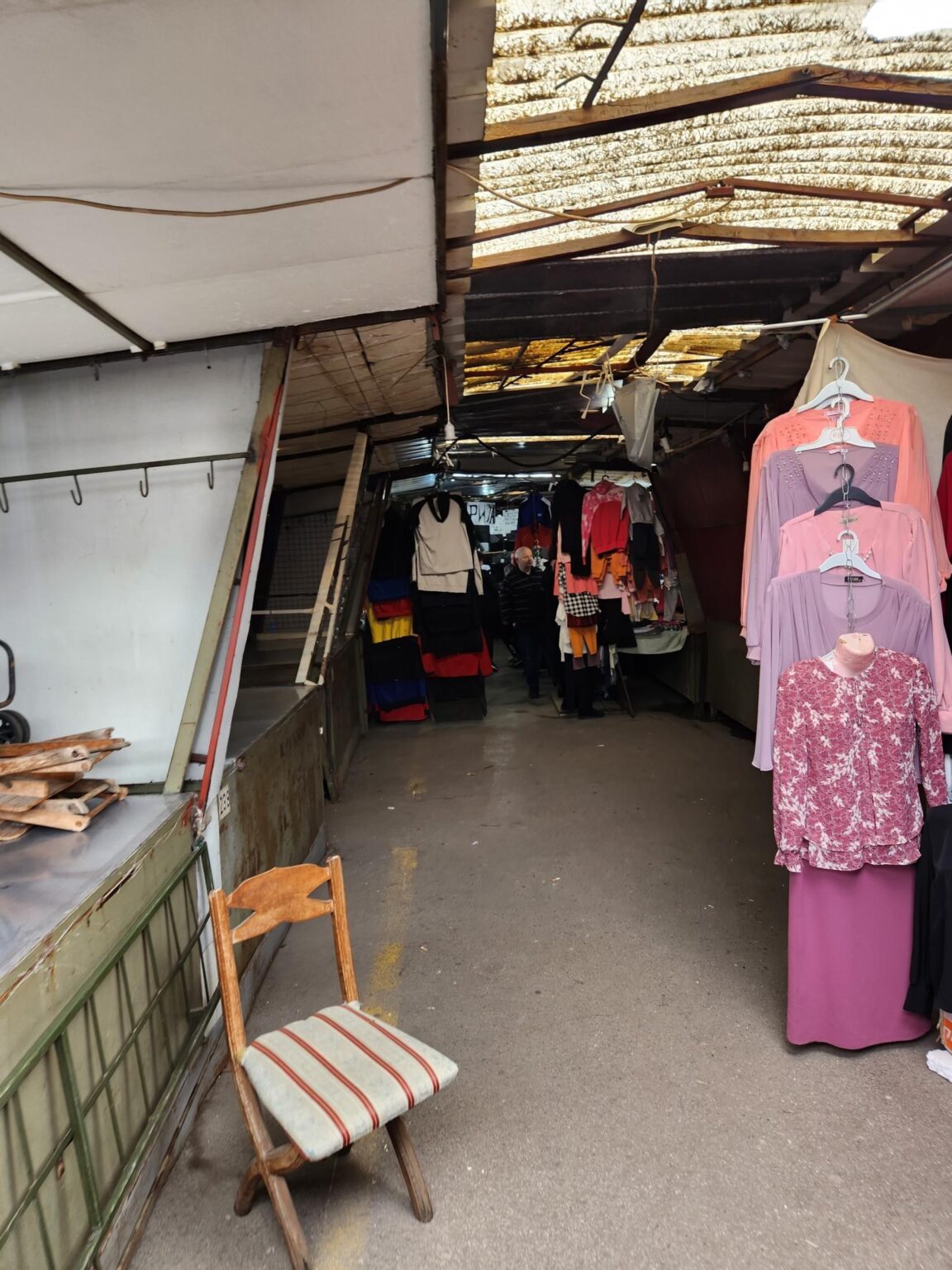
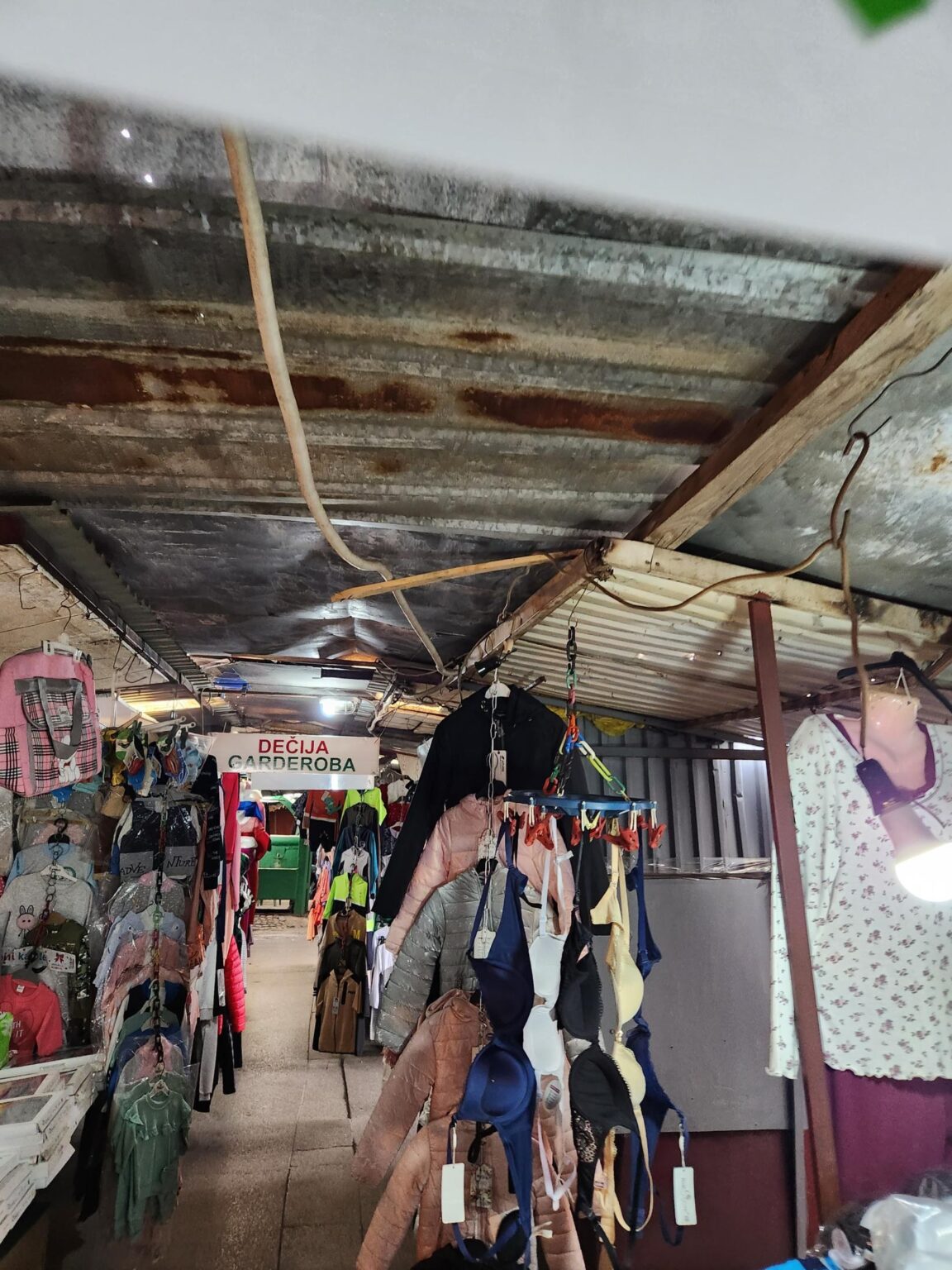
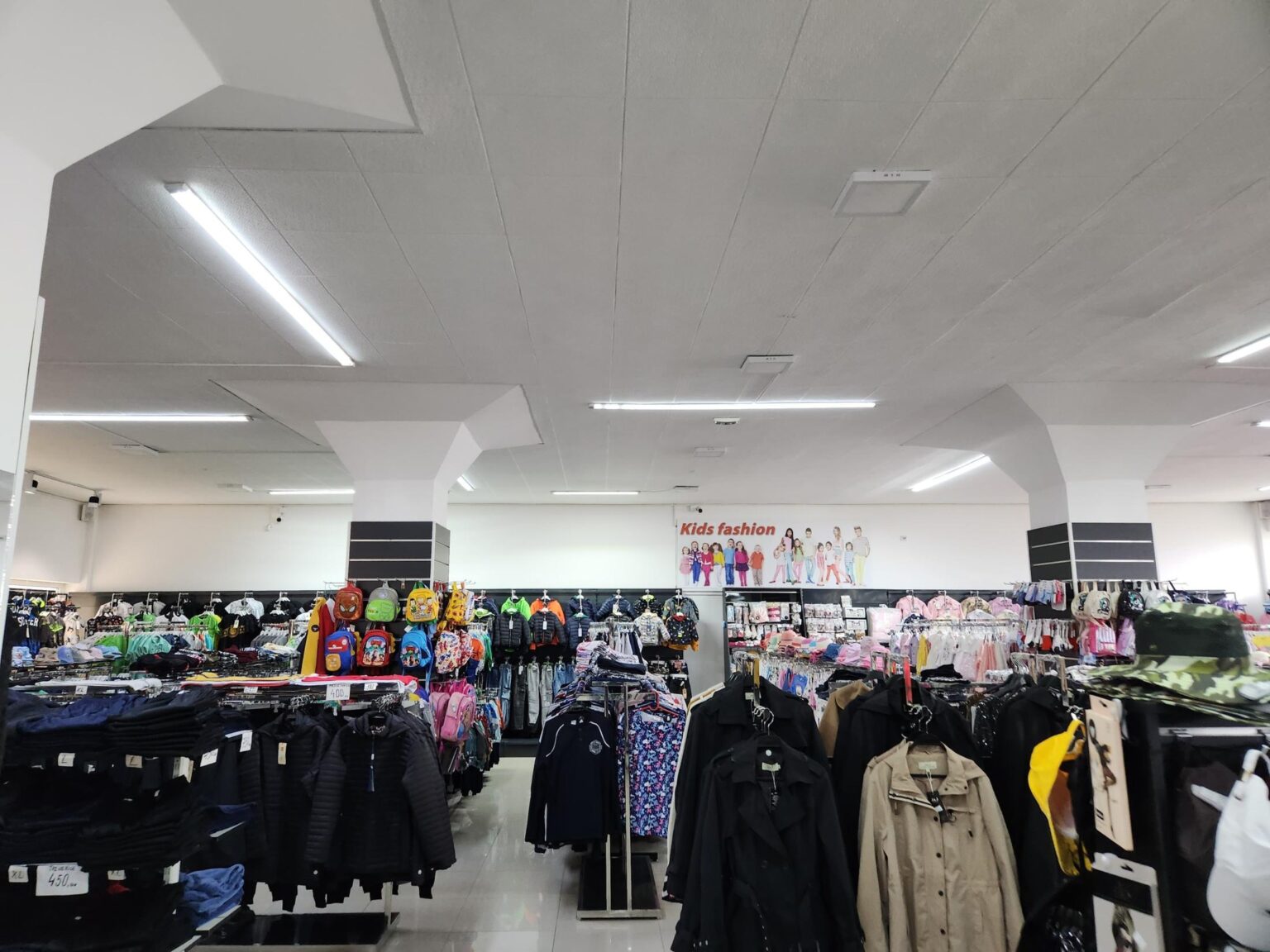
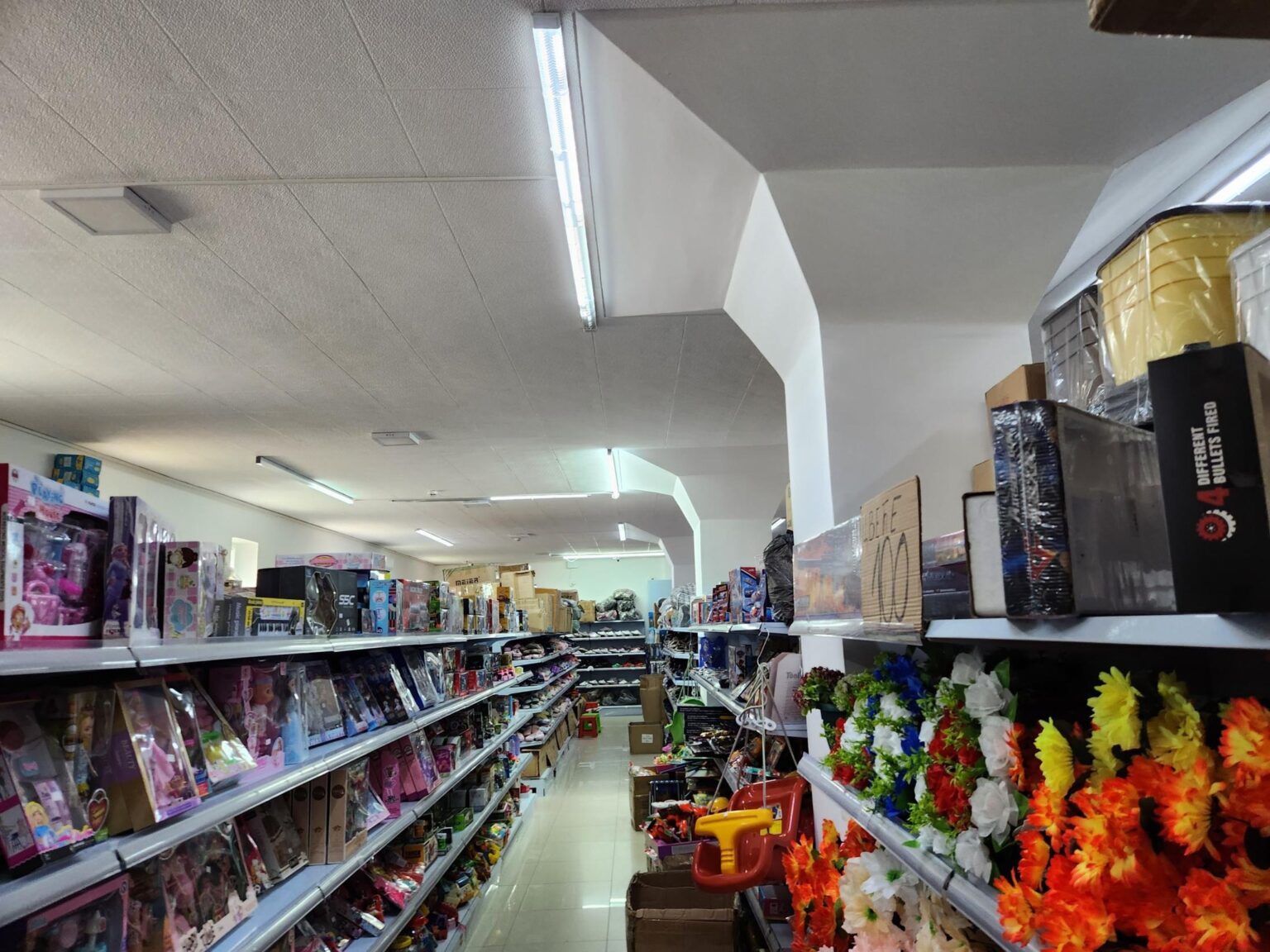
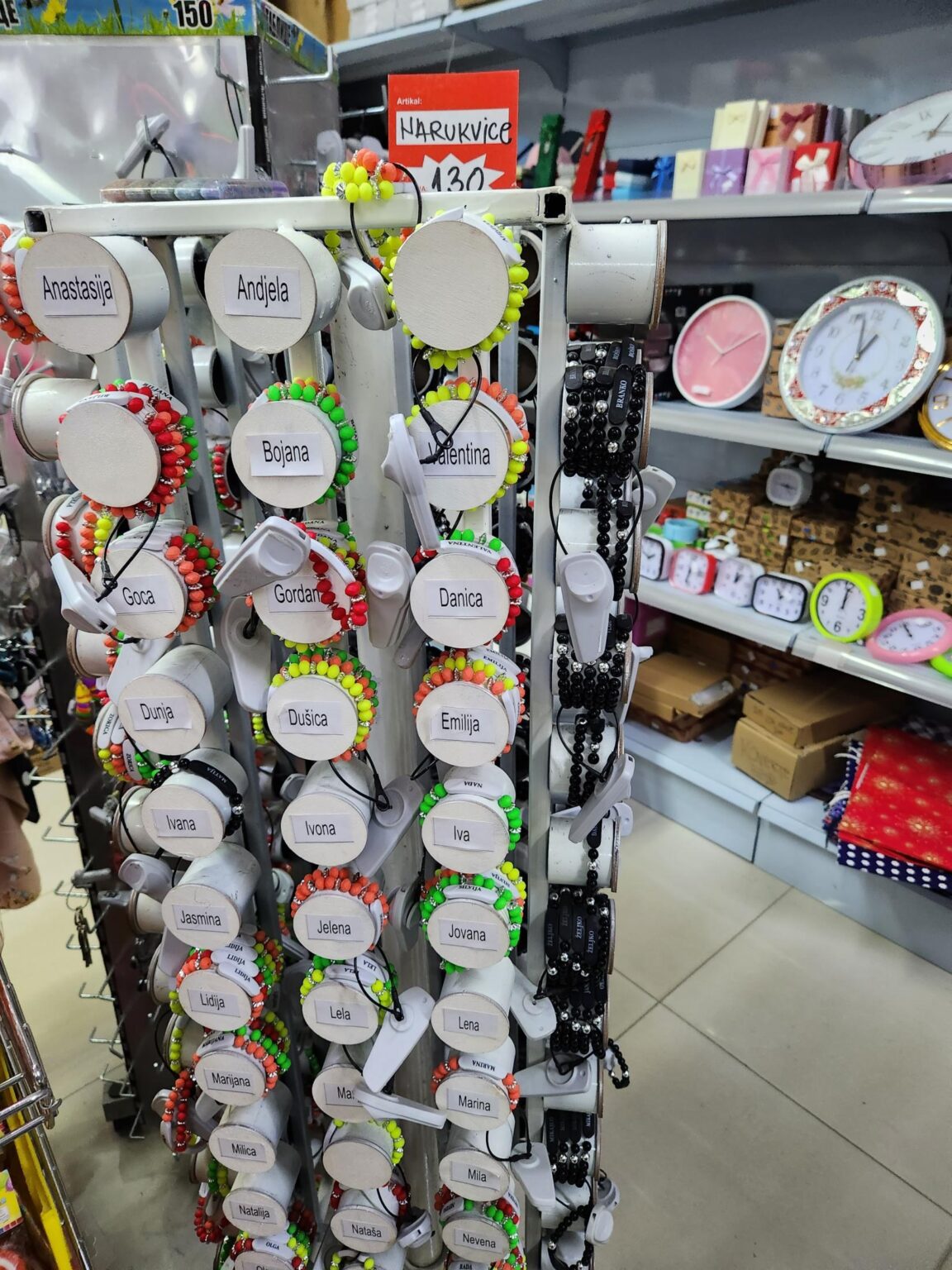
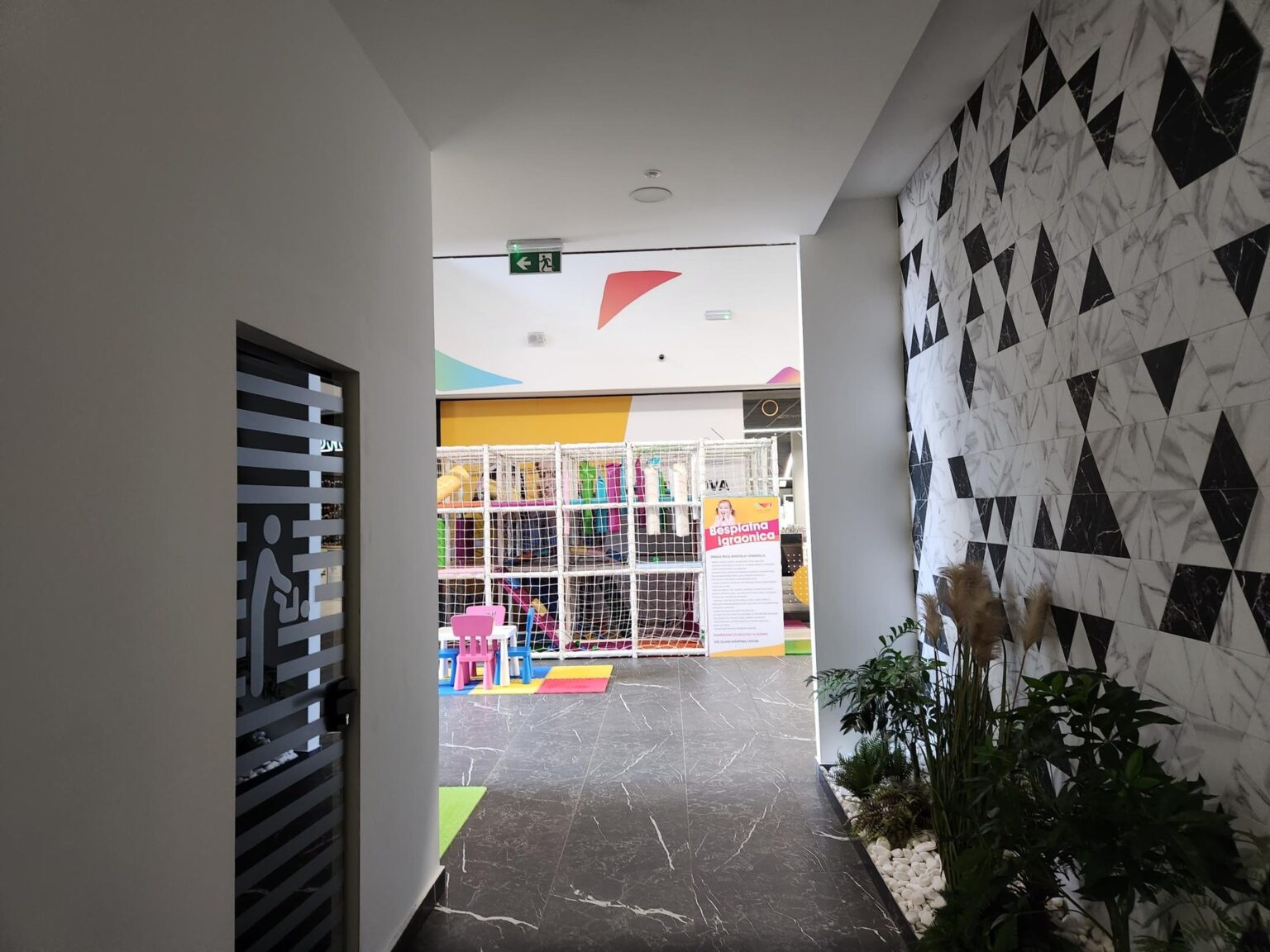
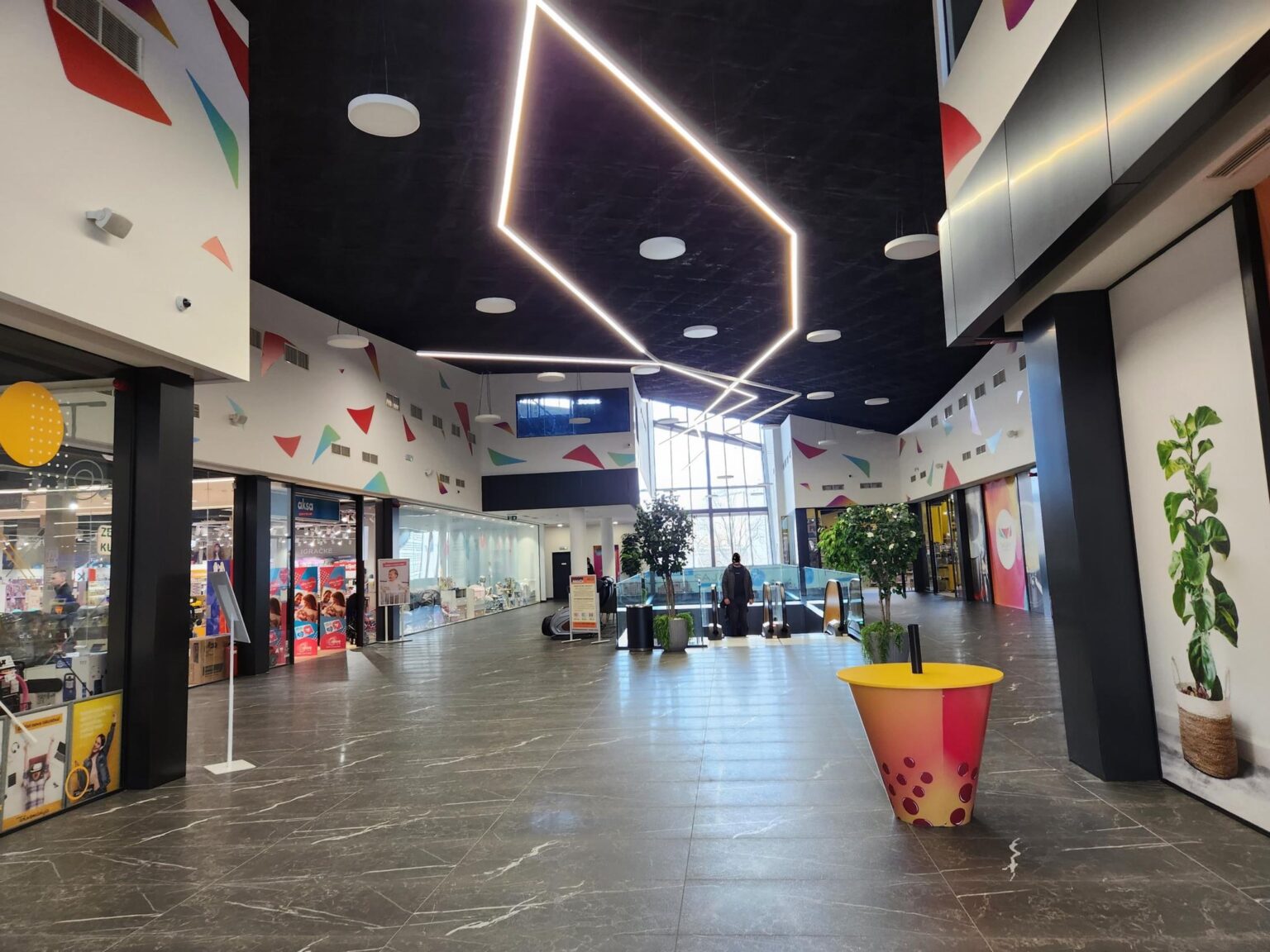
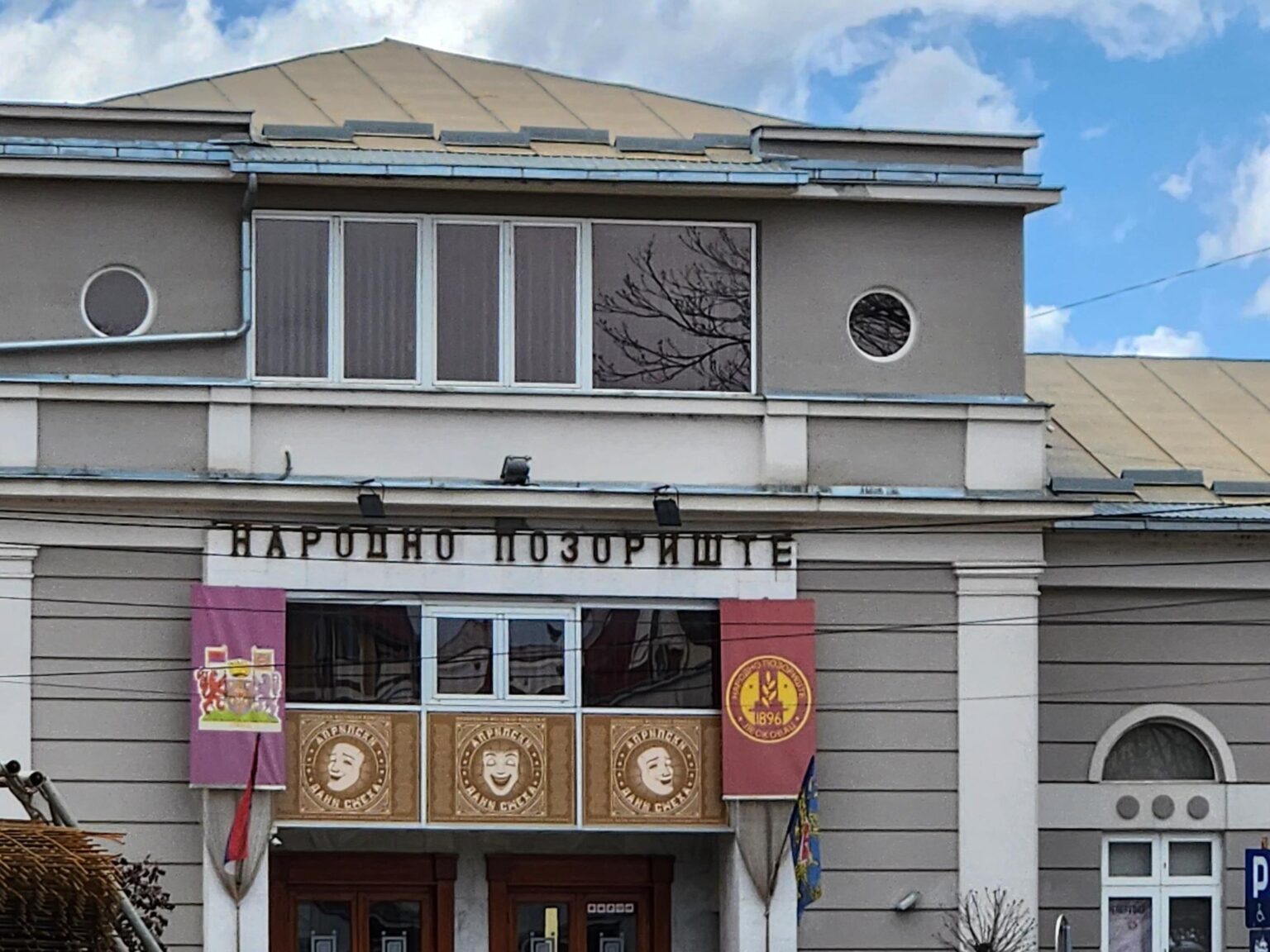
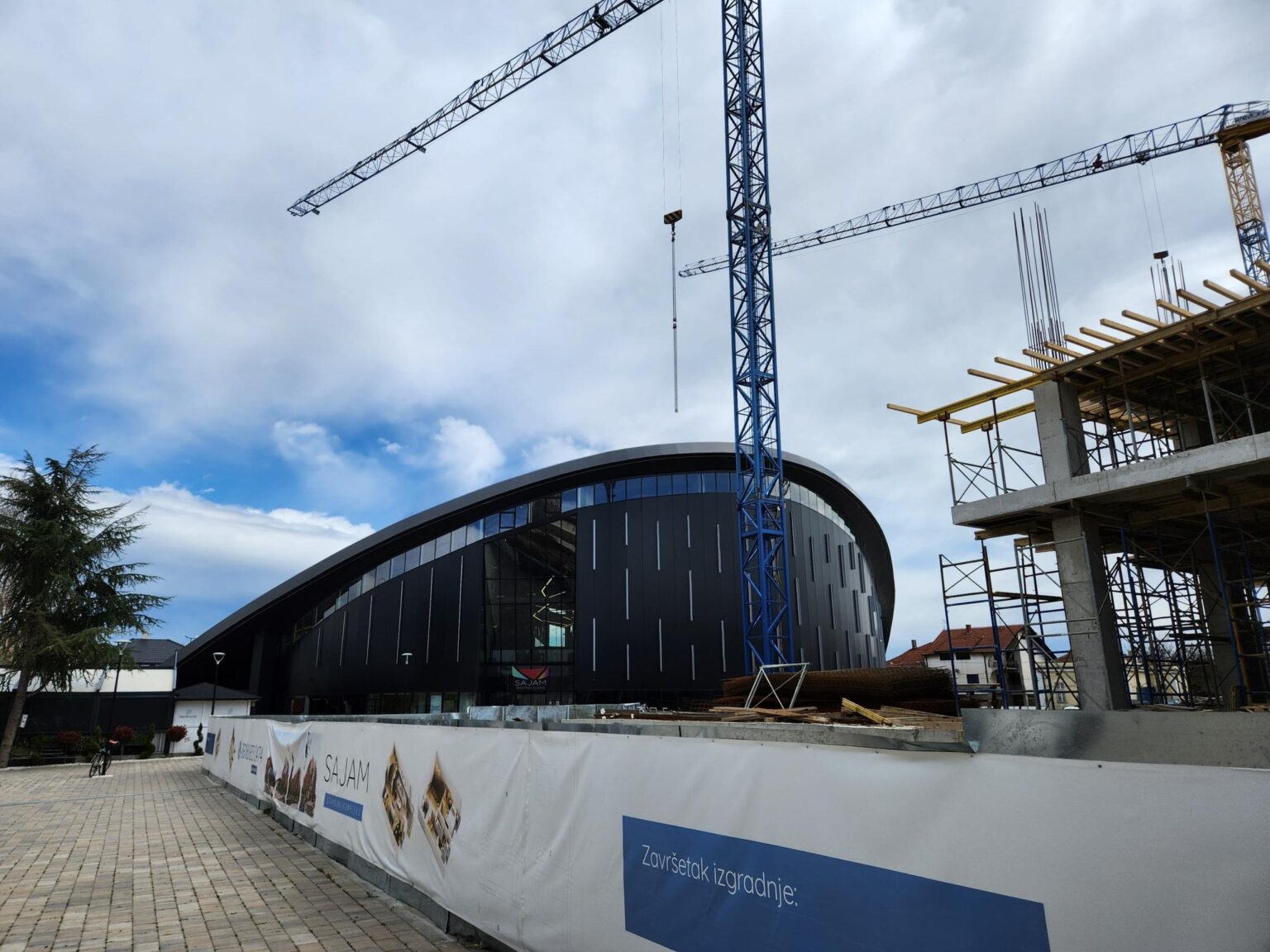
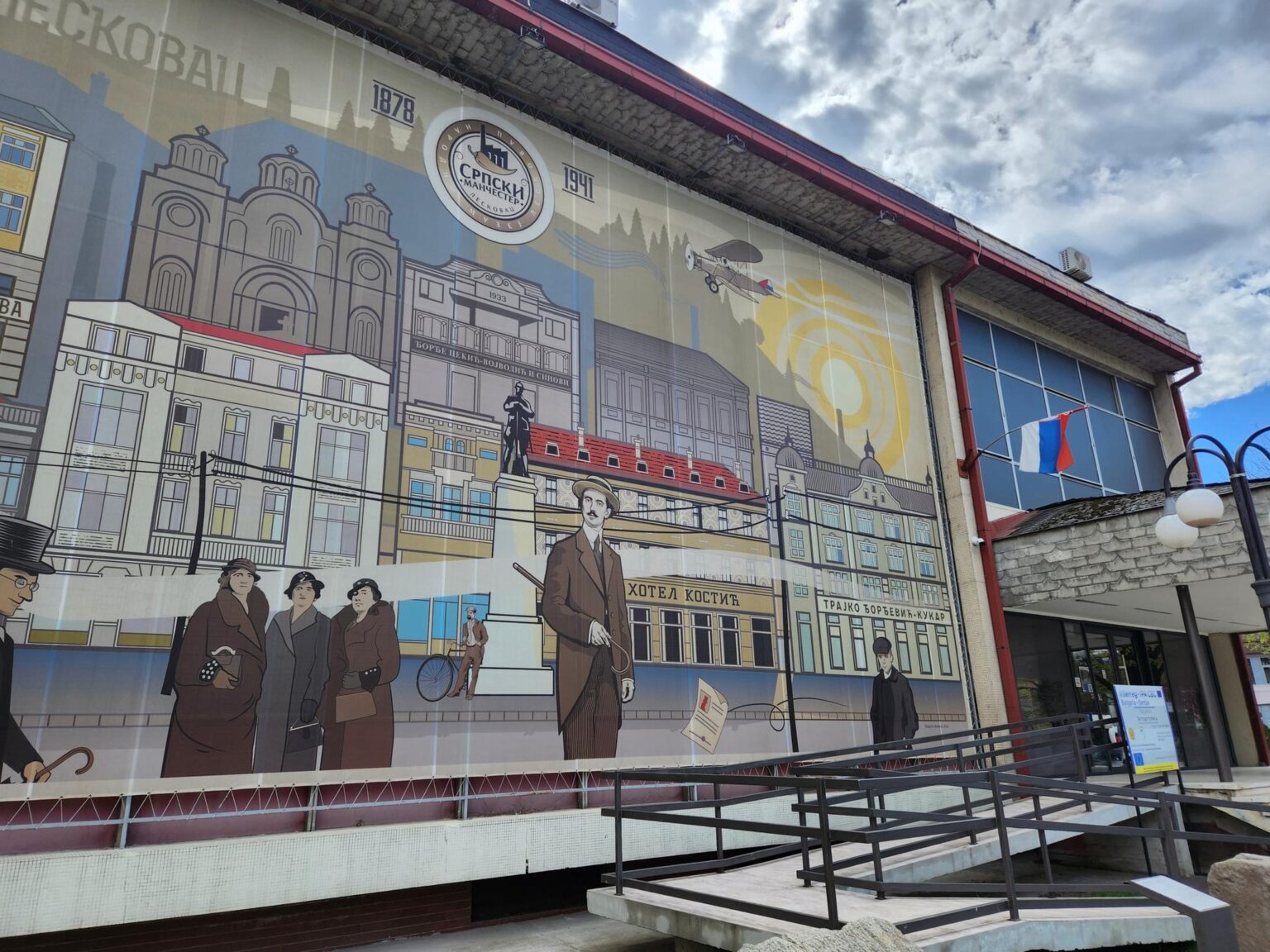
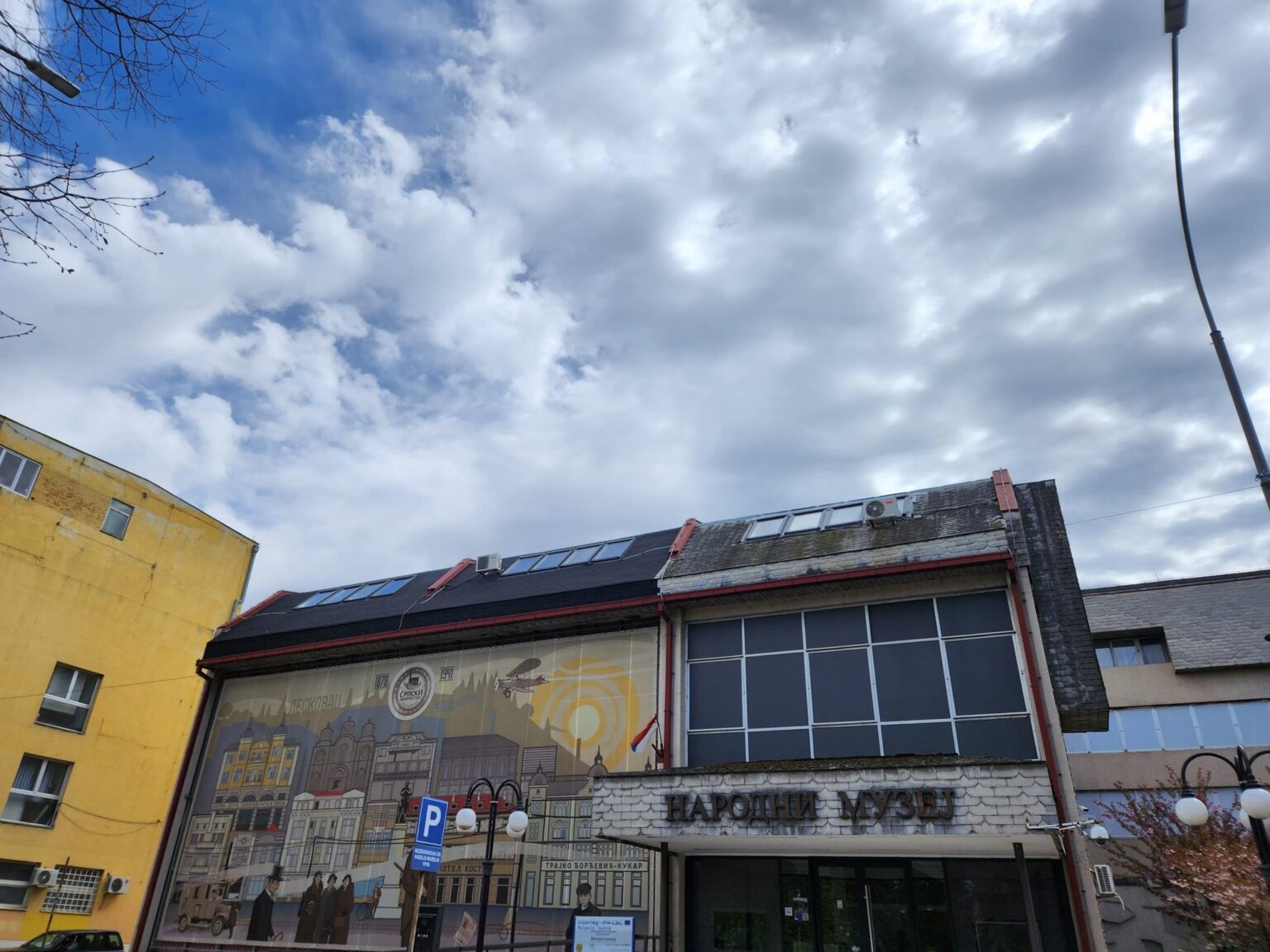
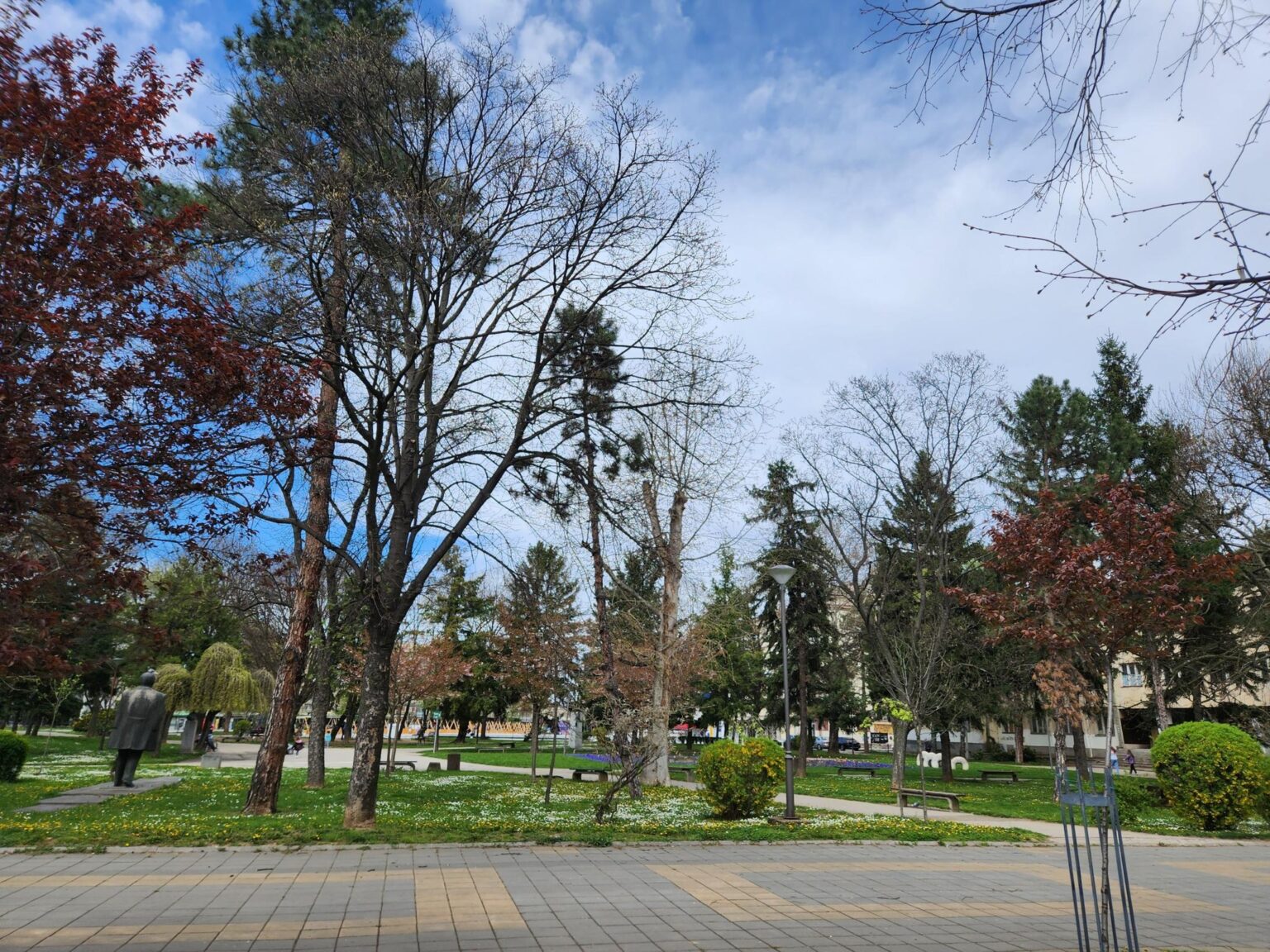
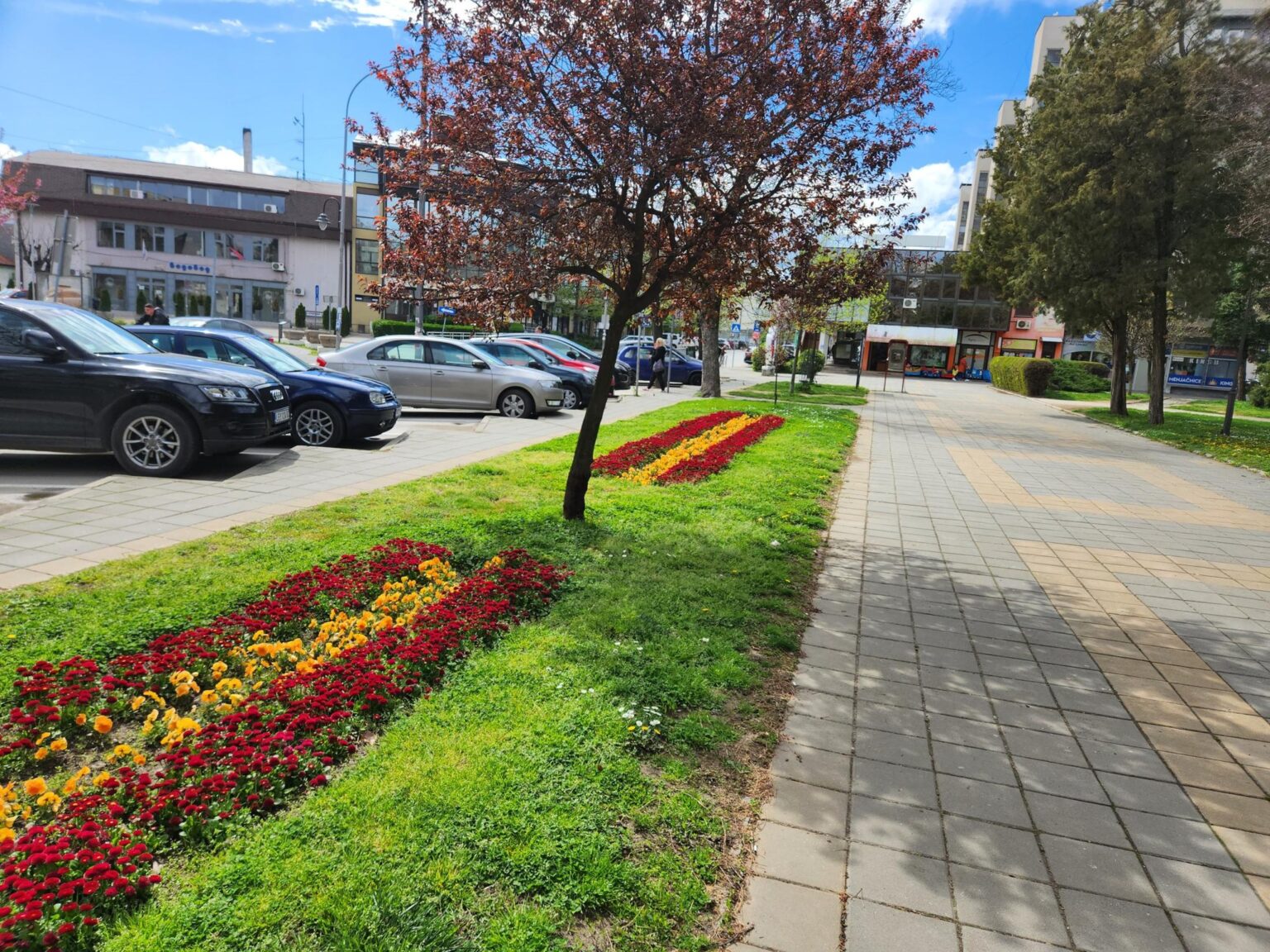
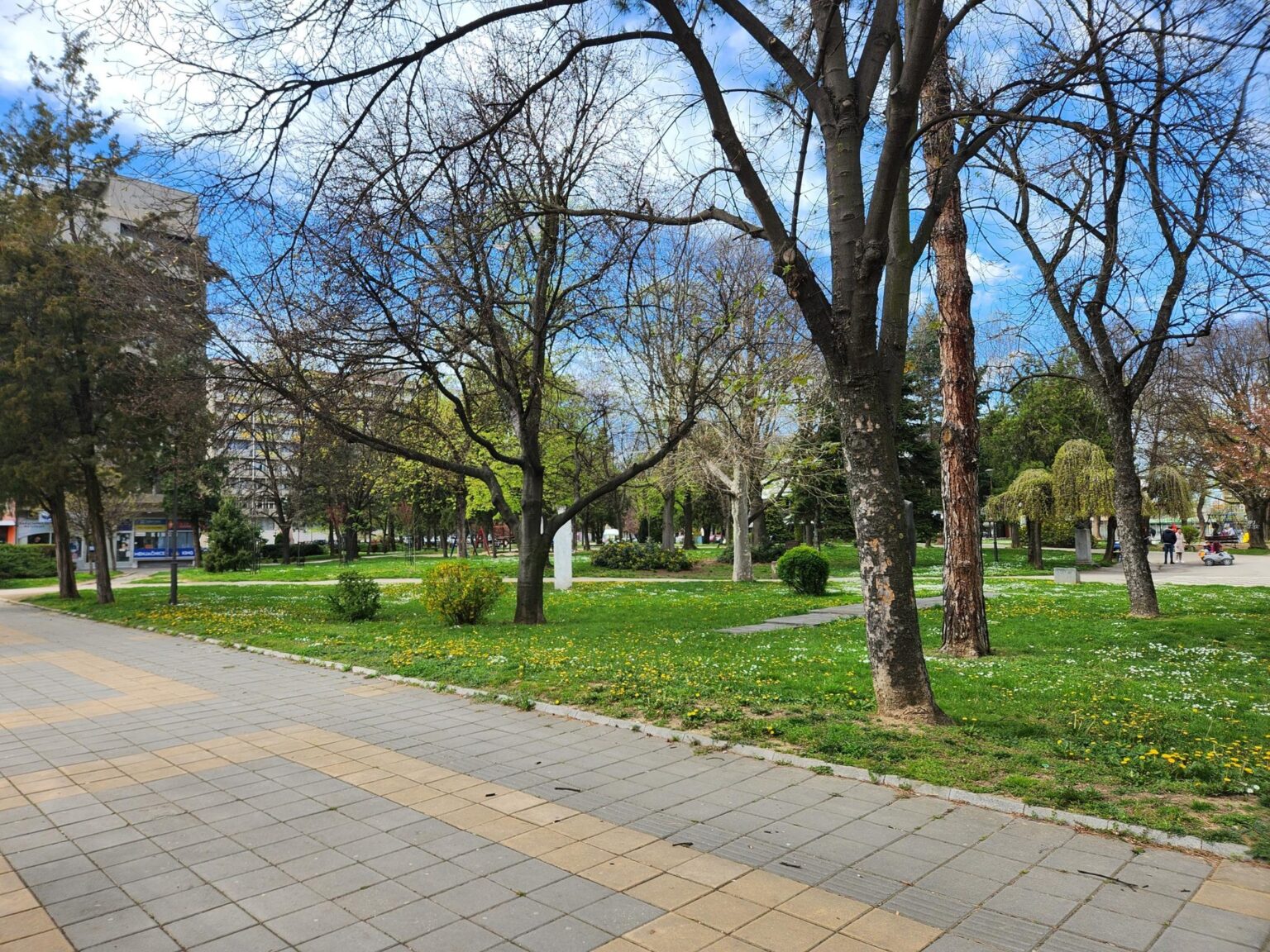
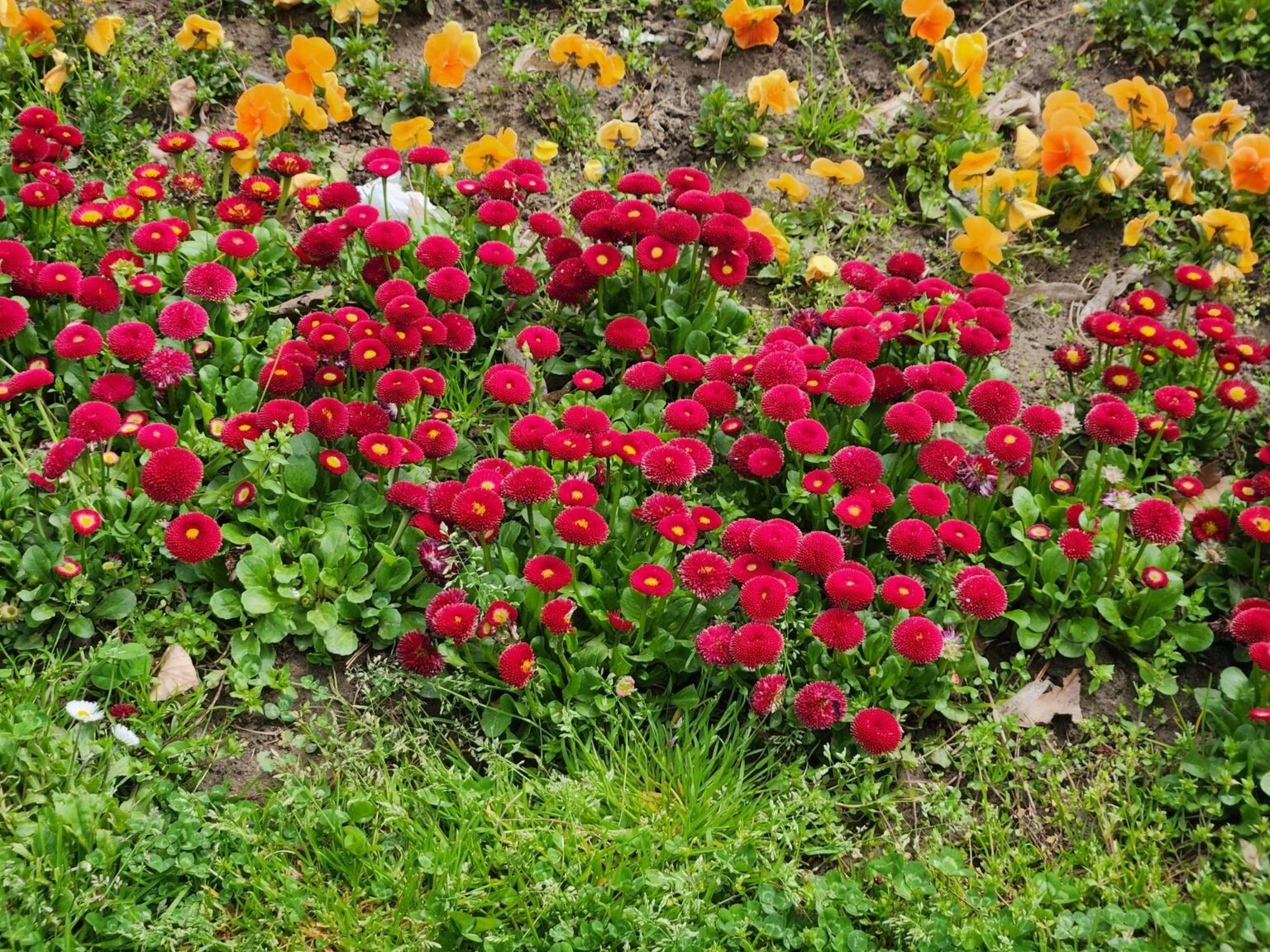
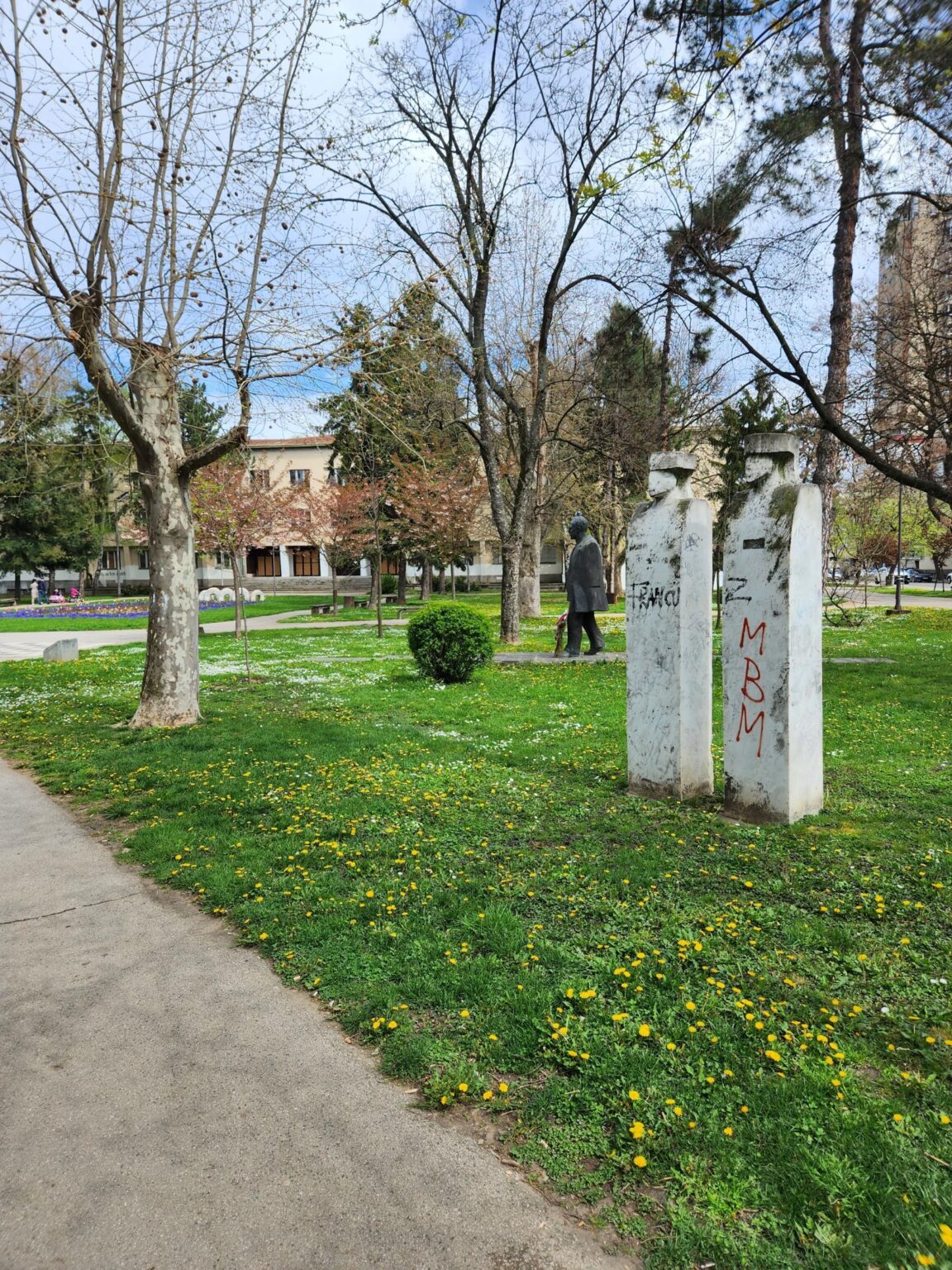
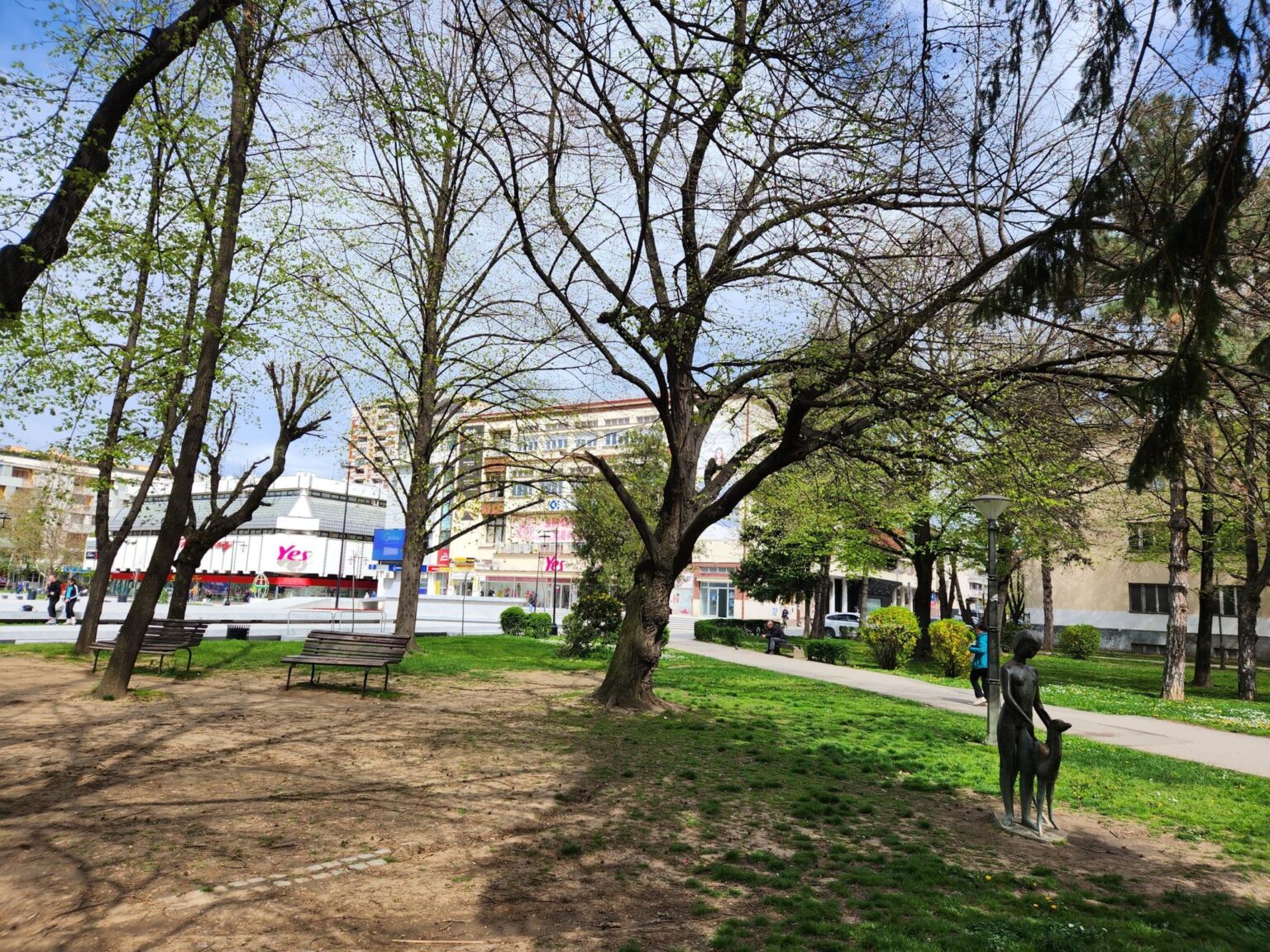
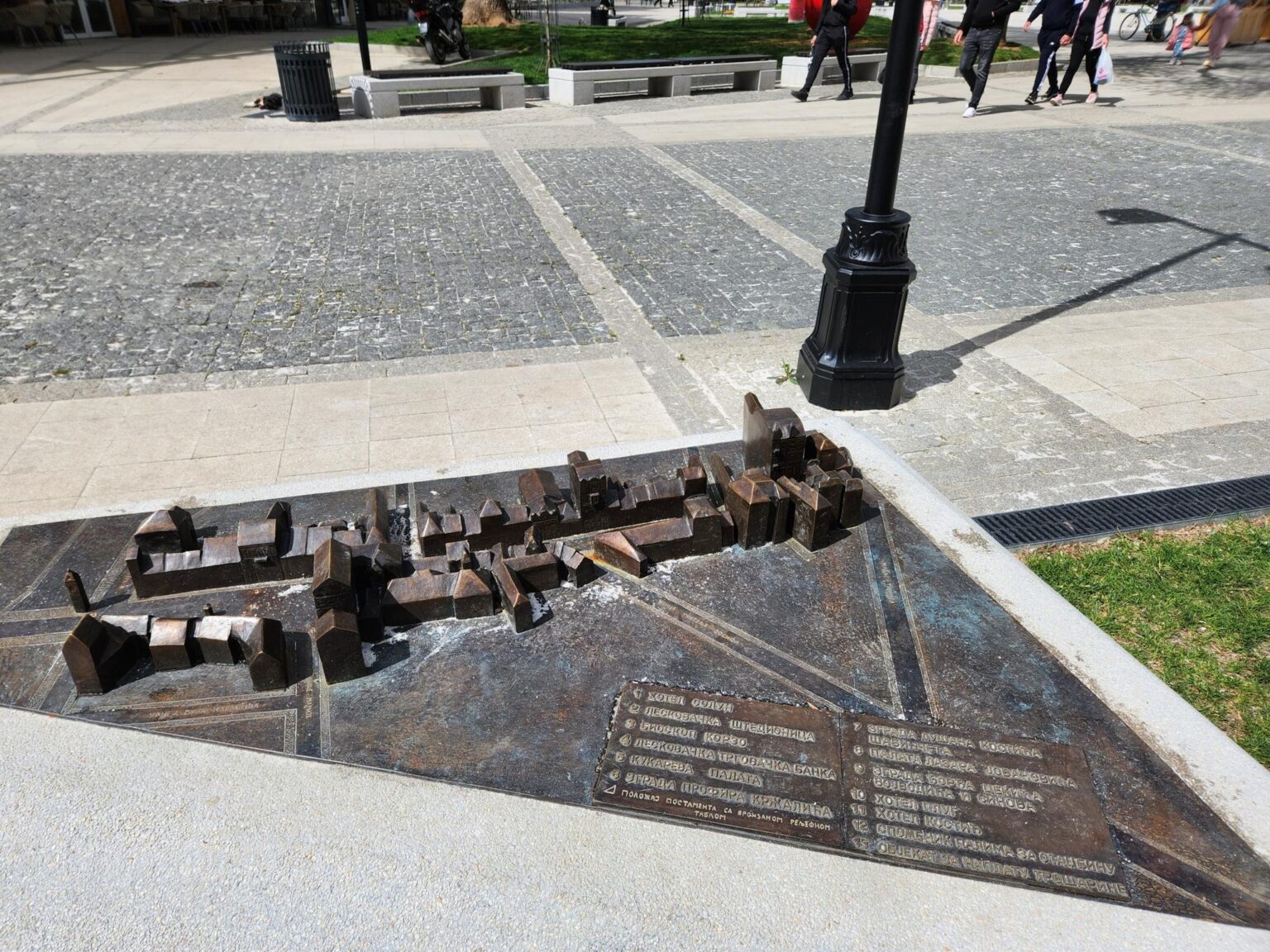
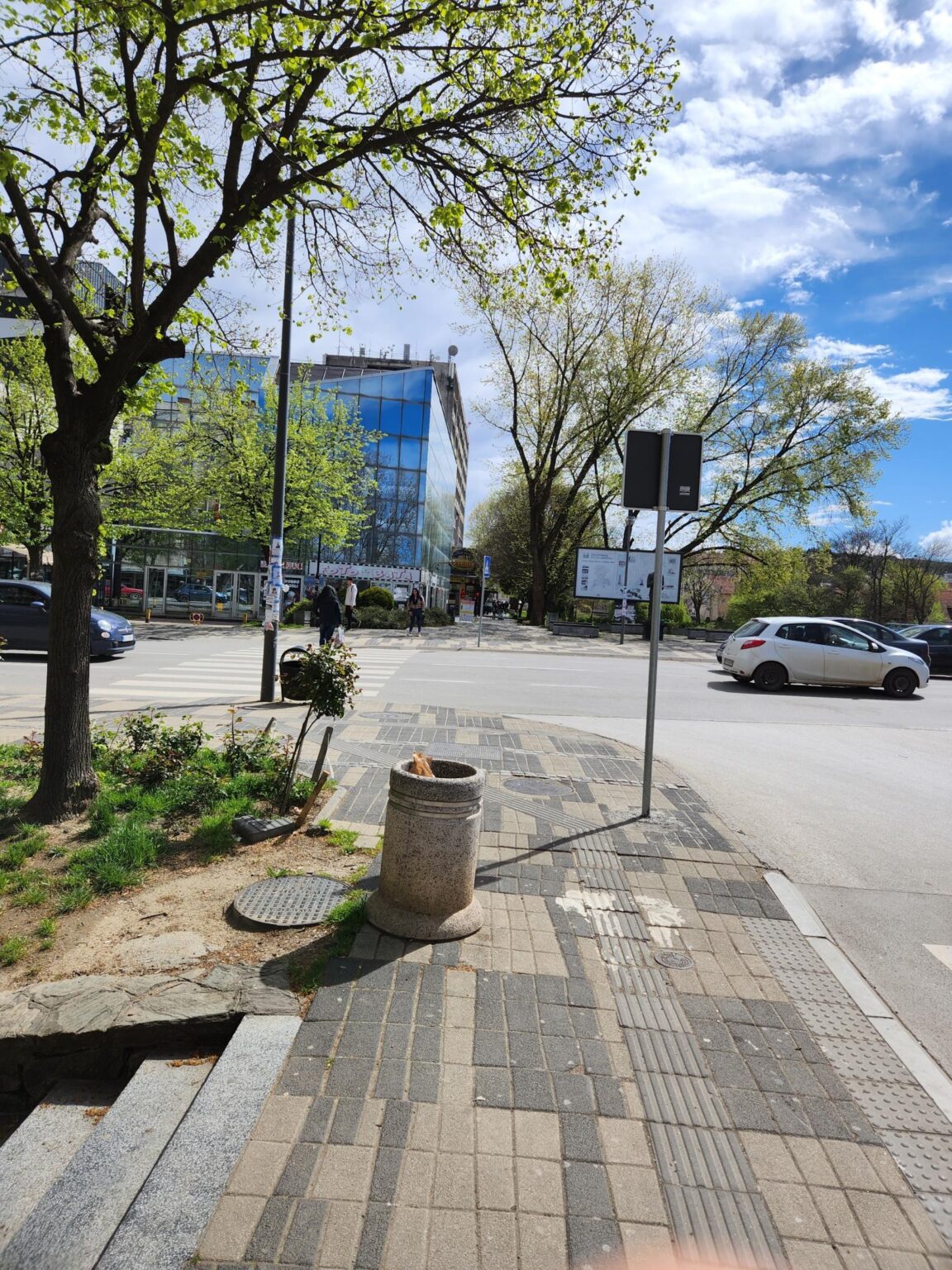
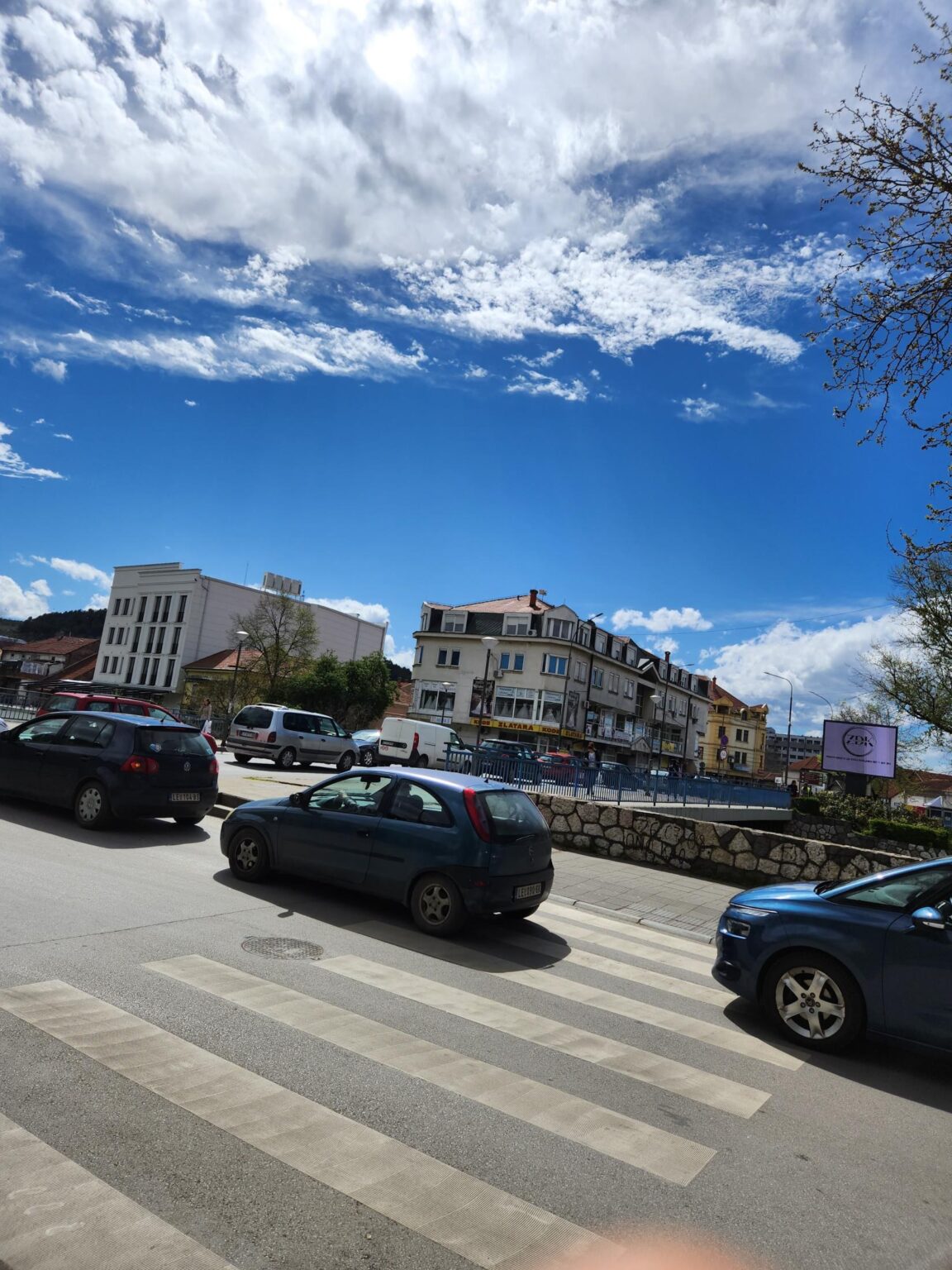
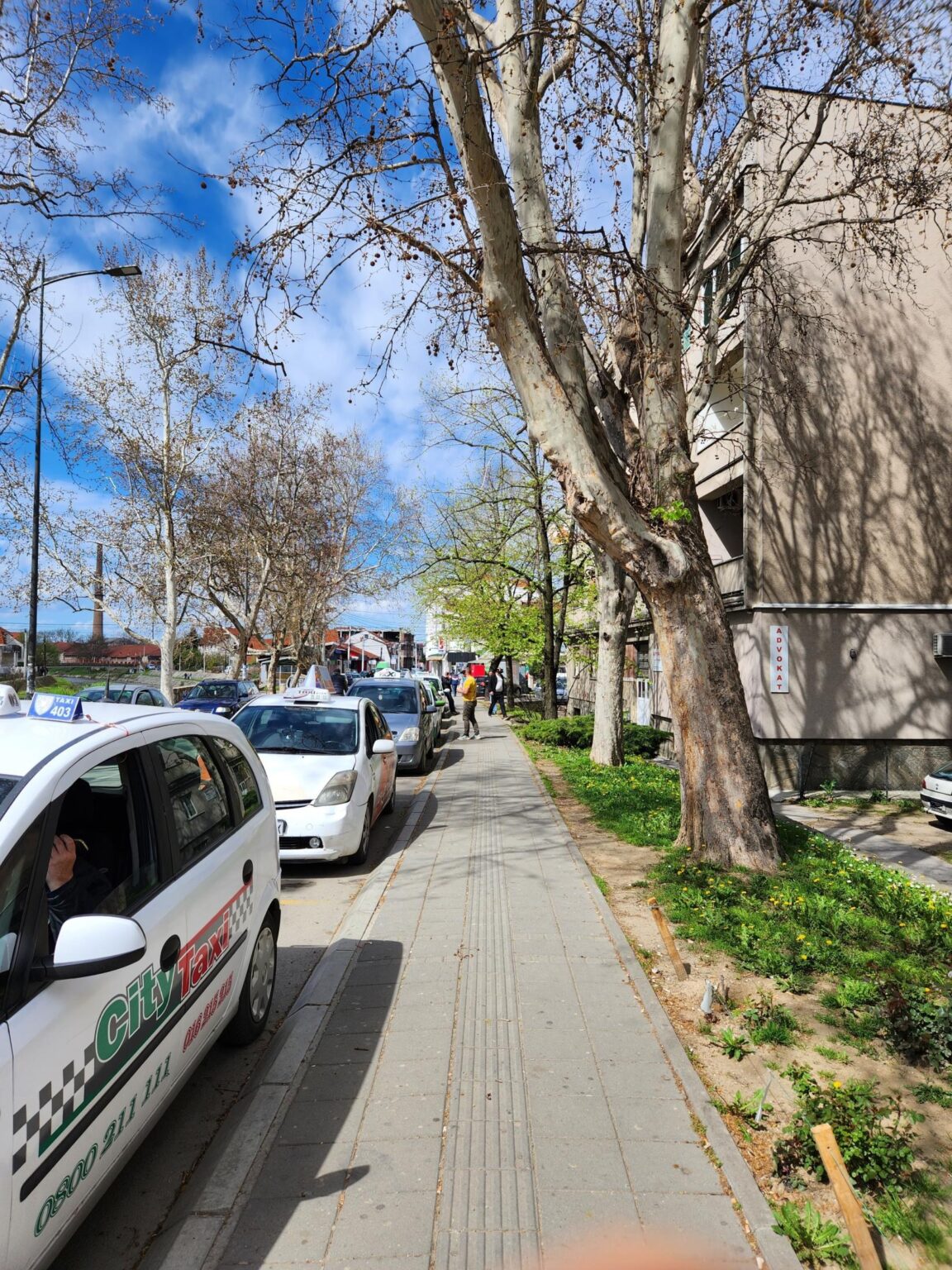
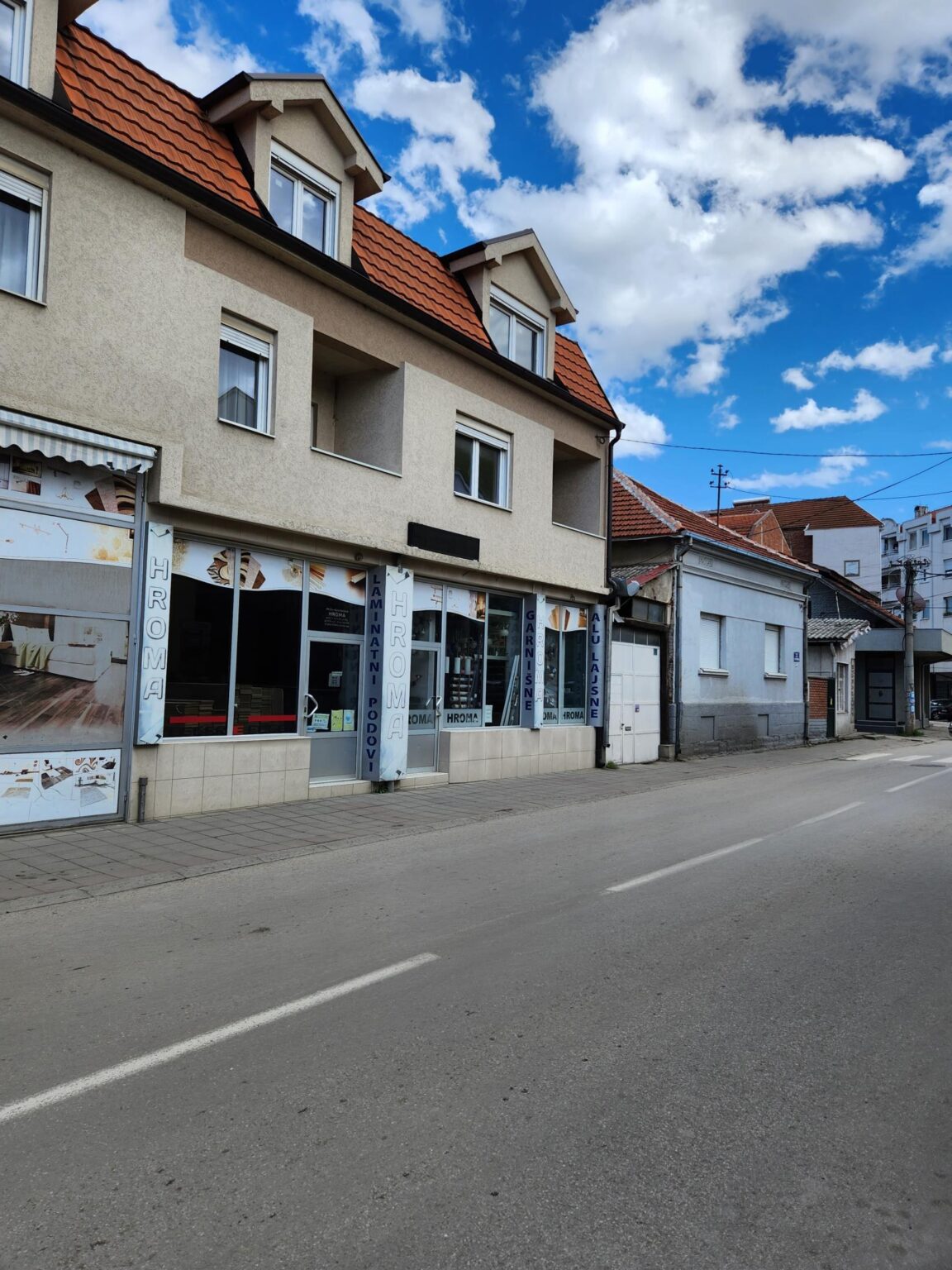
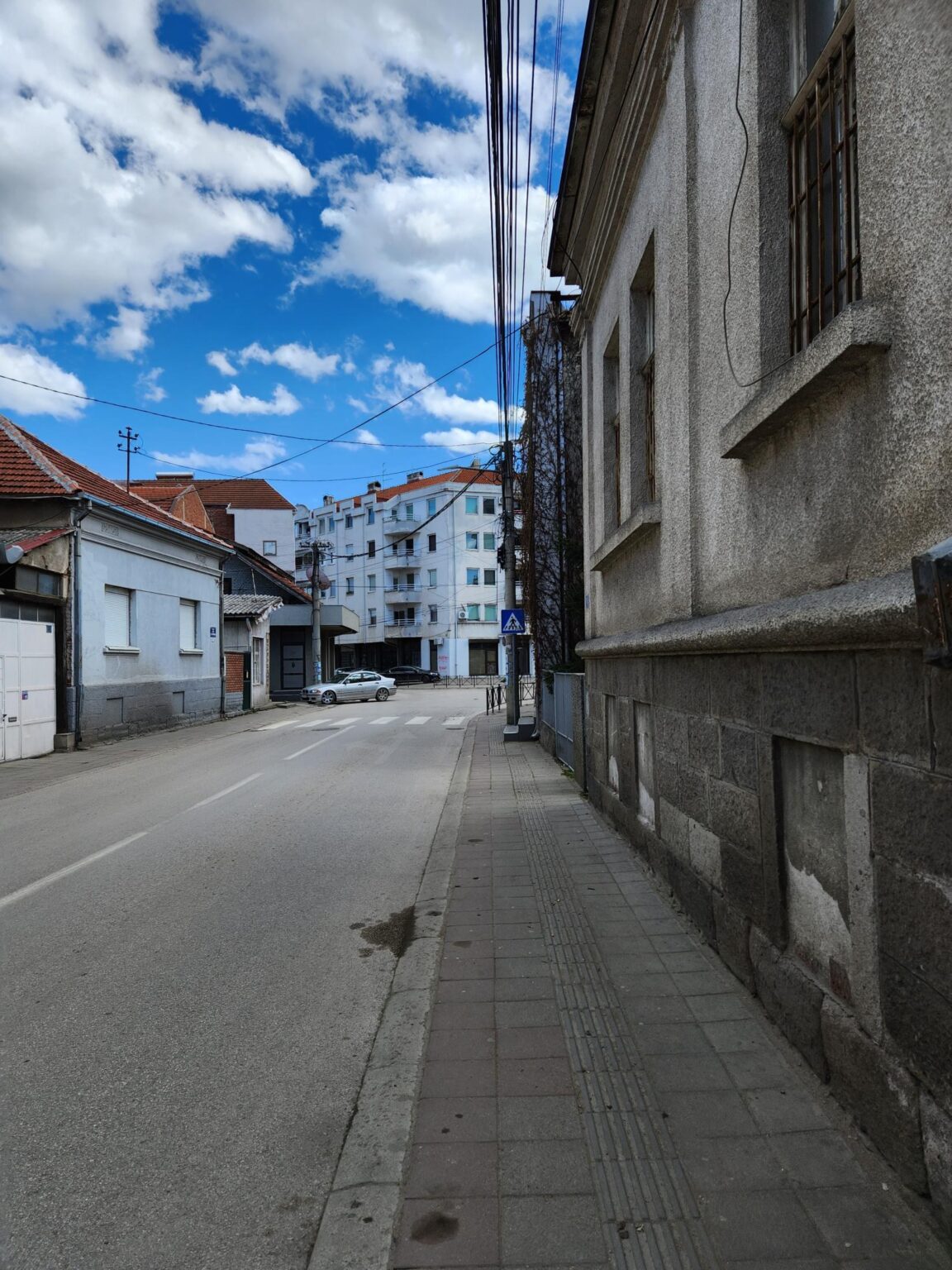
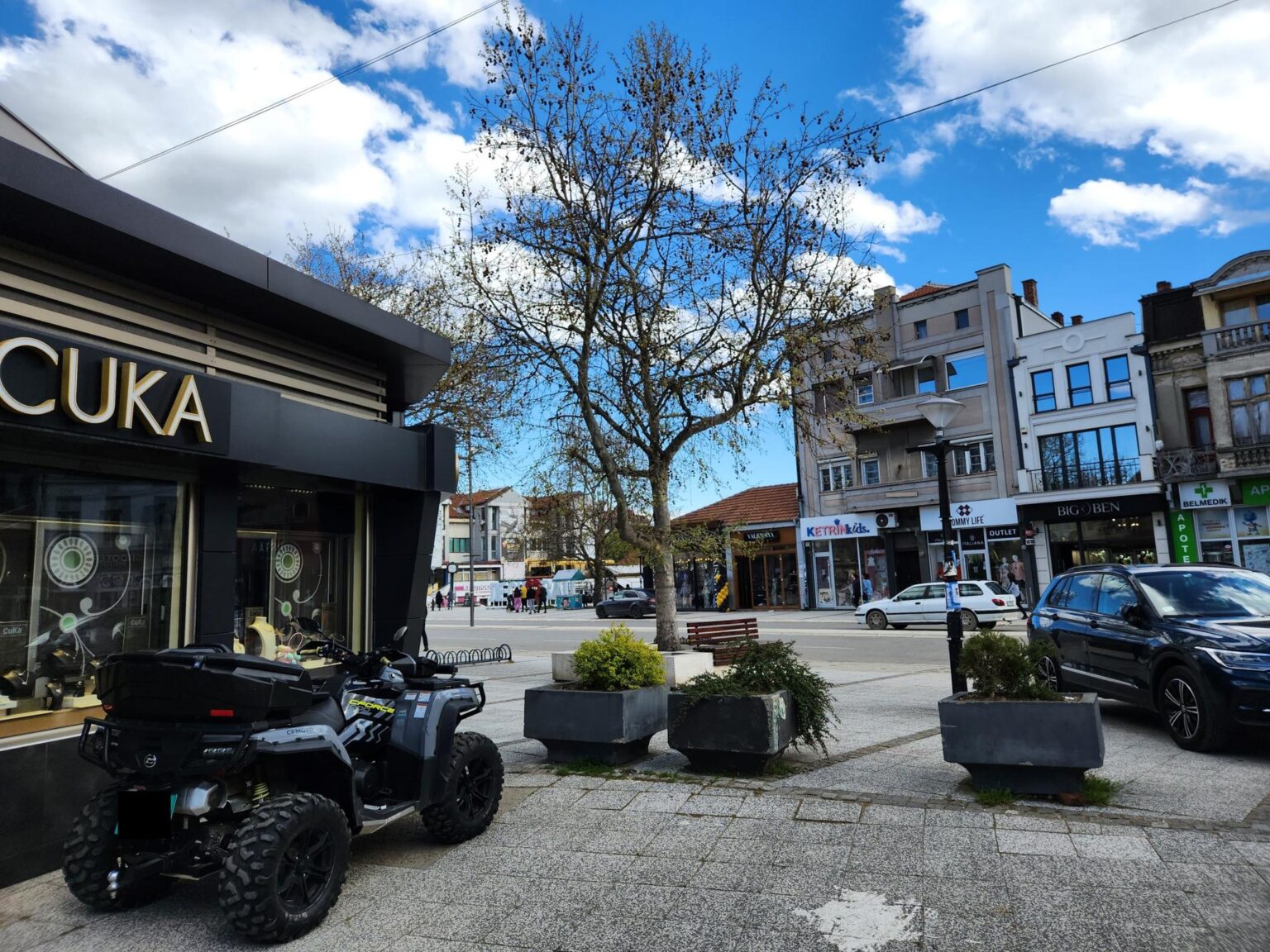
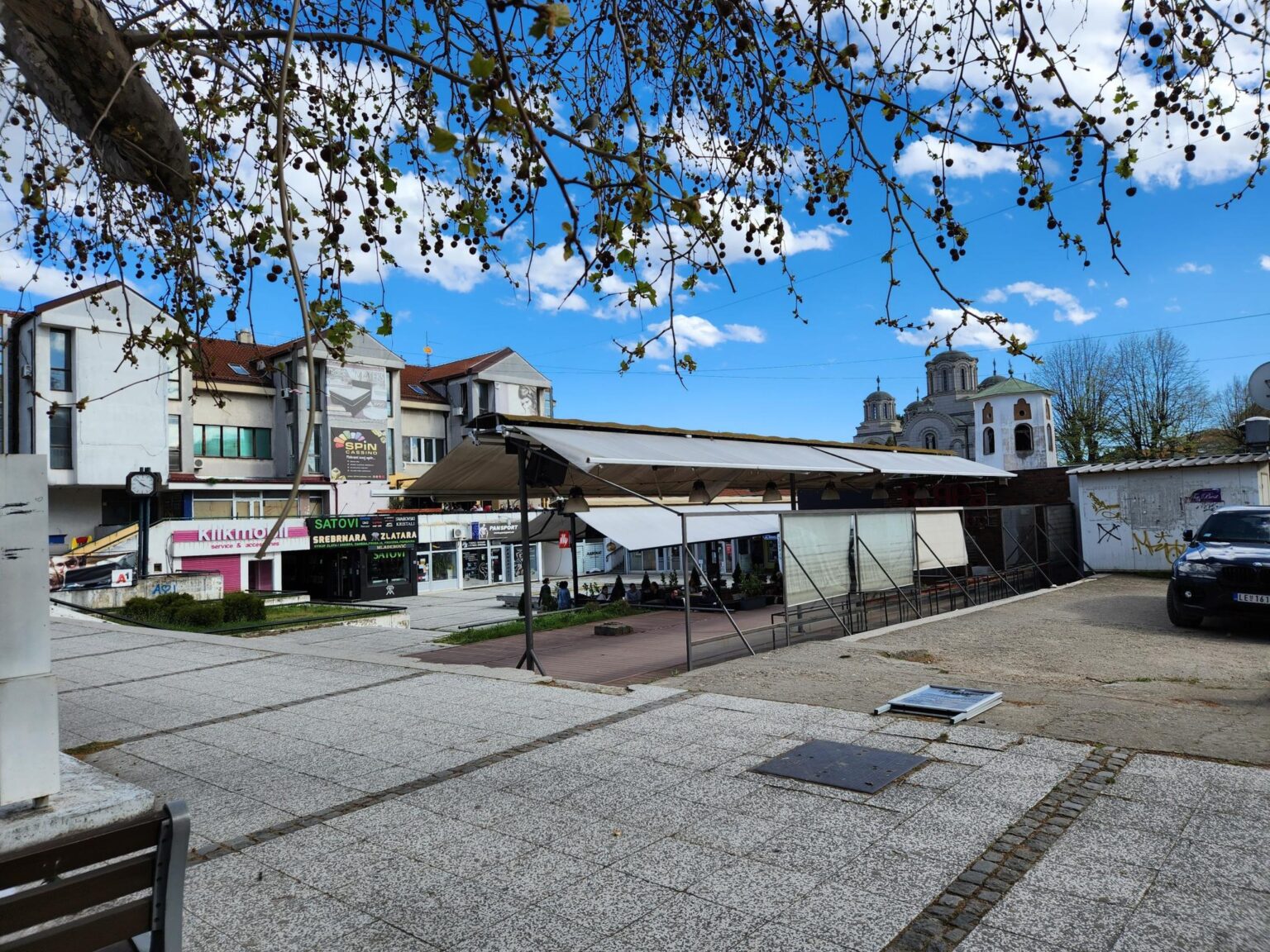
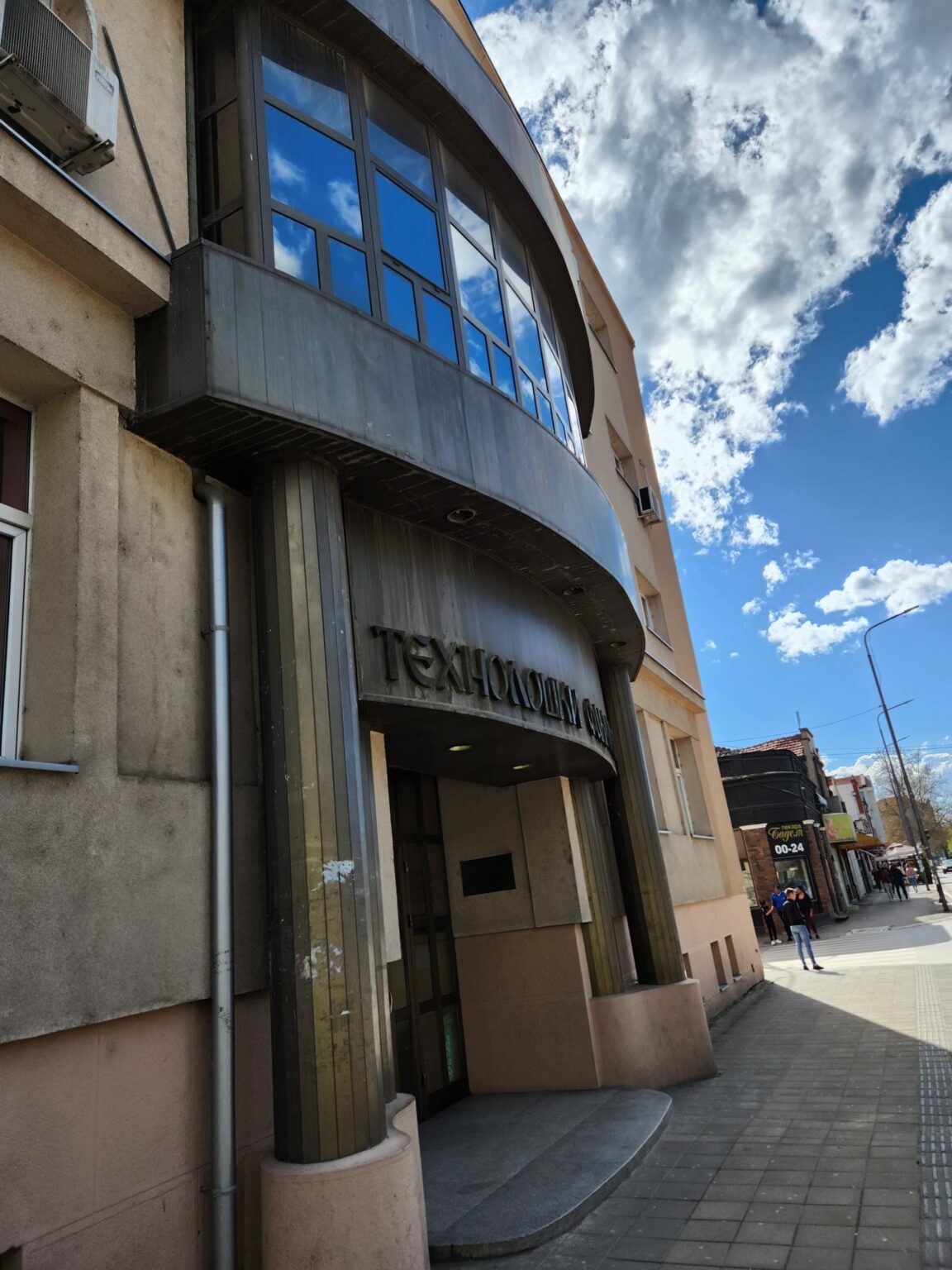
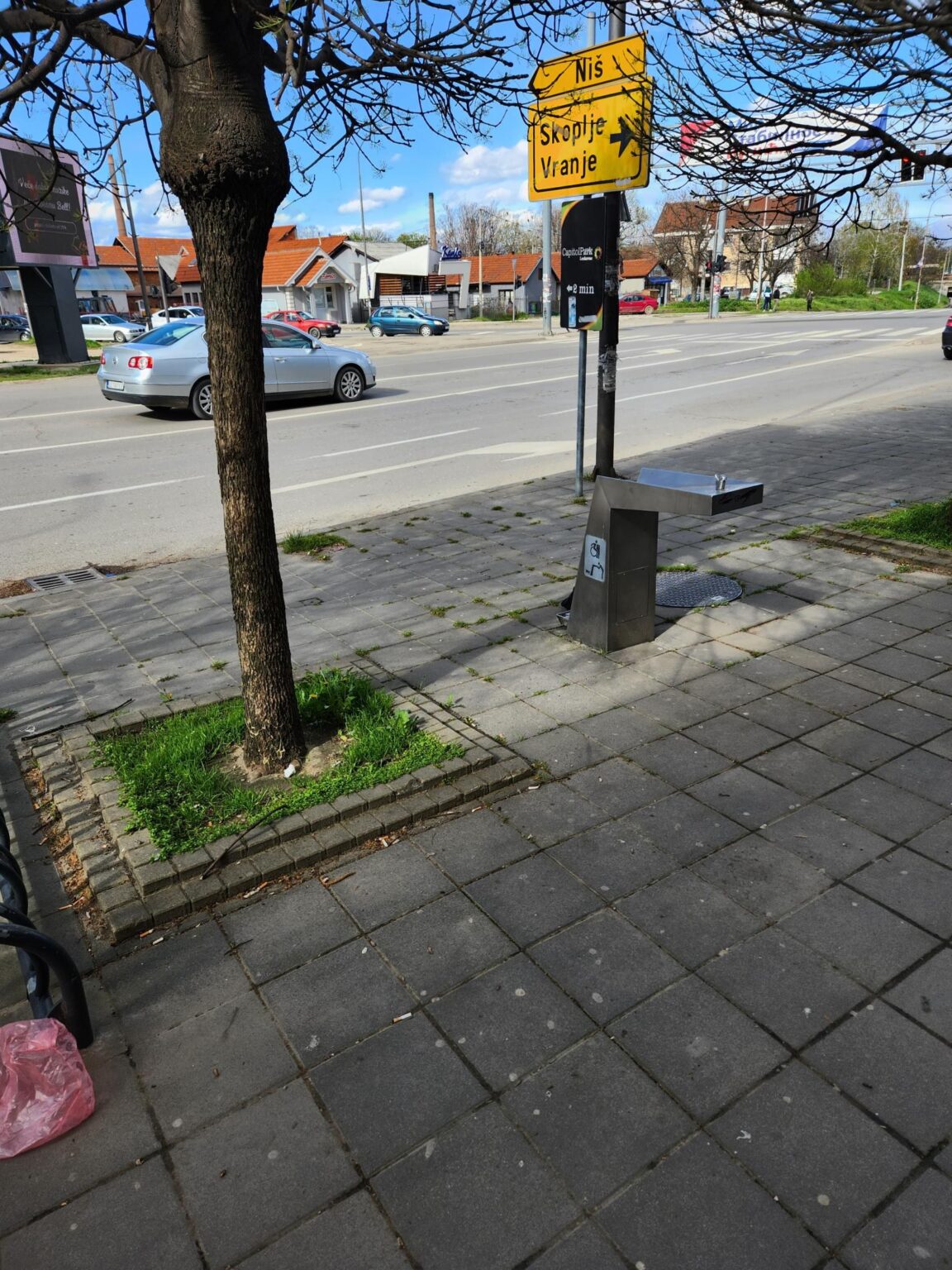
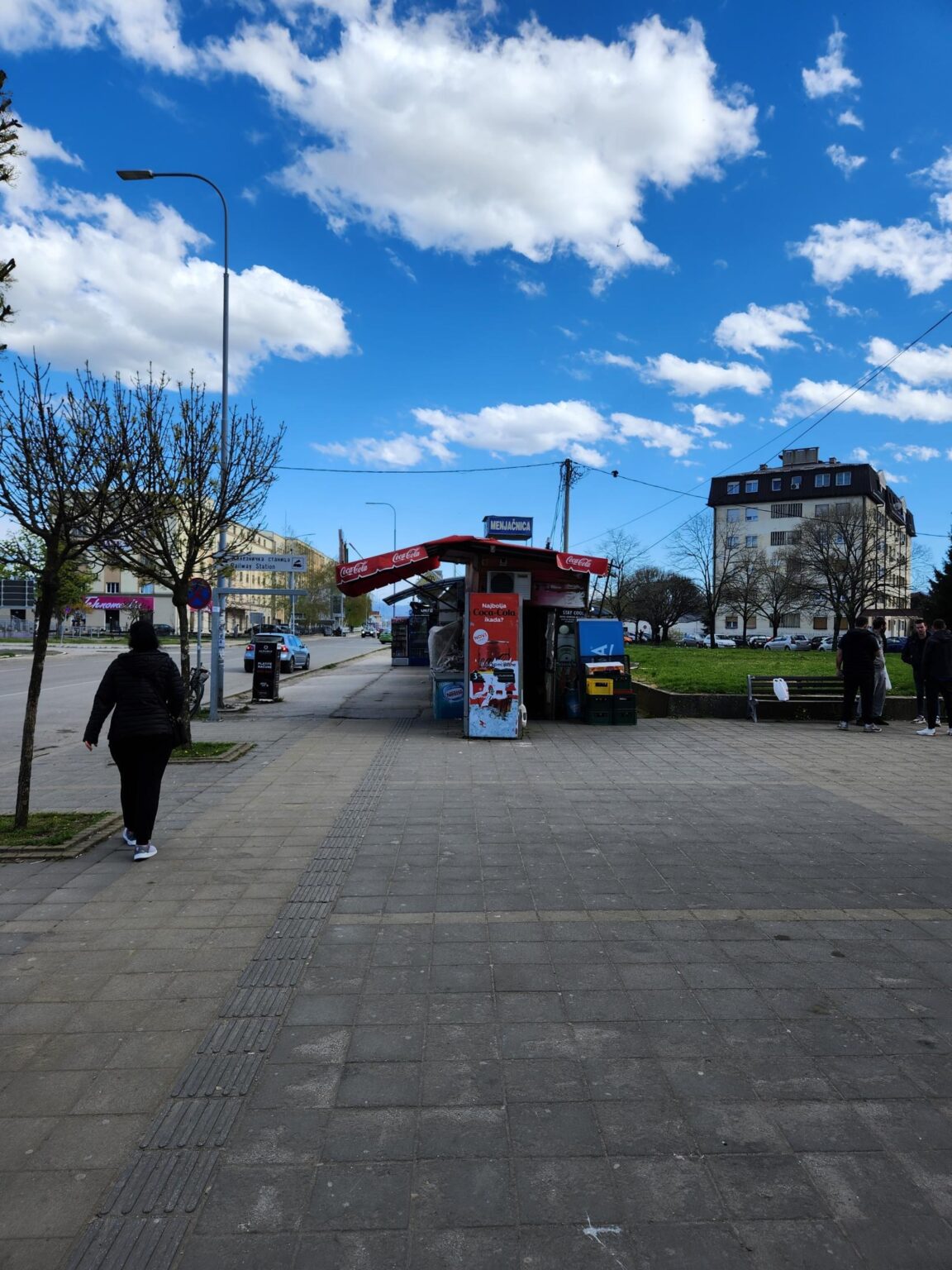
Time flies and there is no stopping it. Leskovac will have to be explored properly another time.
Motorway tolls (putarina)
Getting to Leskovac was easy road-wise. Serbia works the same way as Greece when it comes to road charges: there is no vignette, only the motorways are paid, and all other roads are free. By now you probably have internet, which makes life easy. Choose "avoid tolls" in your navigation app and you can drive through the pretty villages instead. The roads in the Niš–Leskovac area are good. Still, you will not always be able to dodge the motorway.
Here is how it works. When you join the motorway, you reach a row of booths that clearly ought to have people in them, but don’t. Drive slowly — a camera photographs your number plate from a distance. Pull up at the booth and look a little lower for the ticket. Take it, and the barrier lifts. When you leave the motorway, you pass through booths again, this time staffed. You hand over your ticket, and they tell you how many dinars or euros you owe, depending on how far you have driven. You can pay in cash in dinars or euros (change comes back in dinars), by card, or with an electronic toll tag.
In 2023 we paid about 190 dinars for Leskovac–Niš (around 50 km) and 450 dinars for Niš–Dimitrovgrad, right up to the Bulgarian border (around 100 km). Under the price list valid from 1 July 2026, the same stretches cost 160–280 dinars (about €1.40–2.40) for Leskovac–Niš, depending on which junctions you use, and 590–630 dinars for Niš–Dimitrovgrad, or €5.50 if you pay in euros (official toll table, Putevi Srbije).
Bubanj Memorial Park
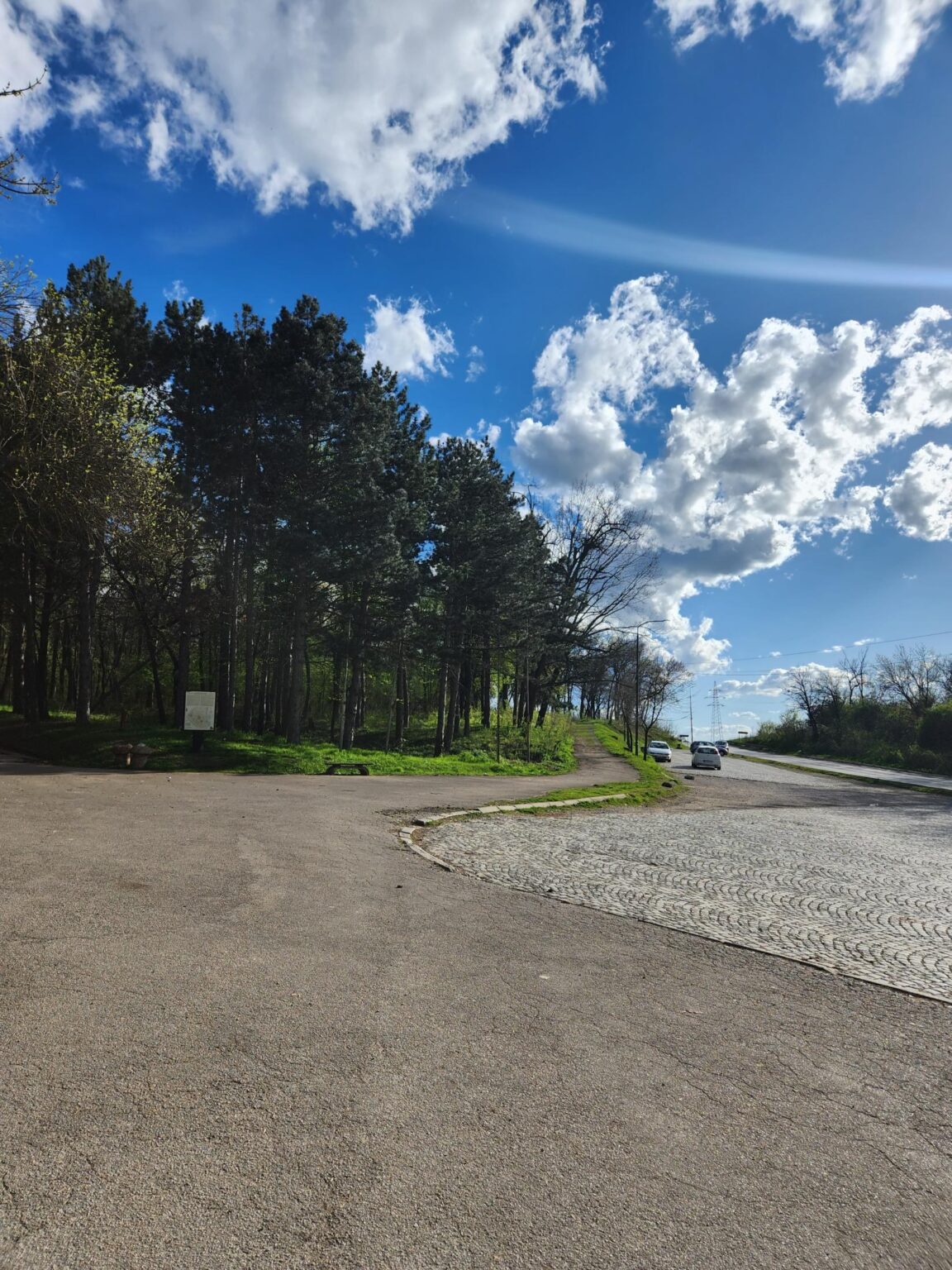
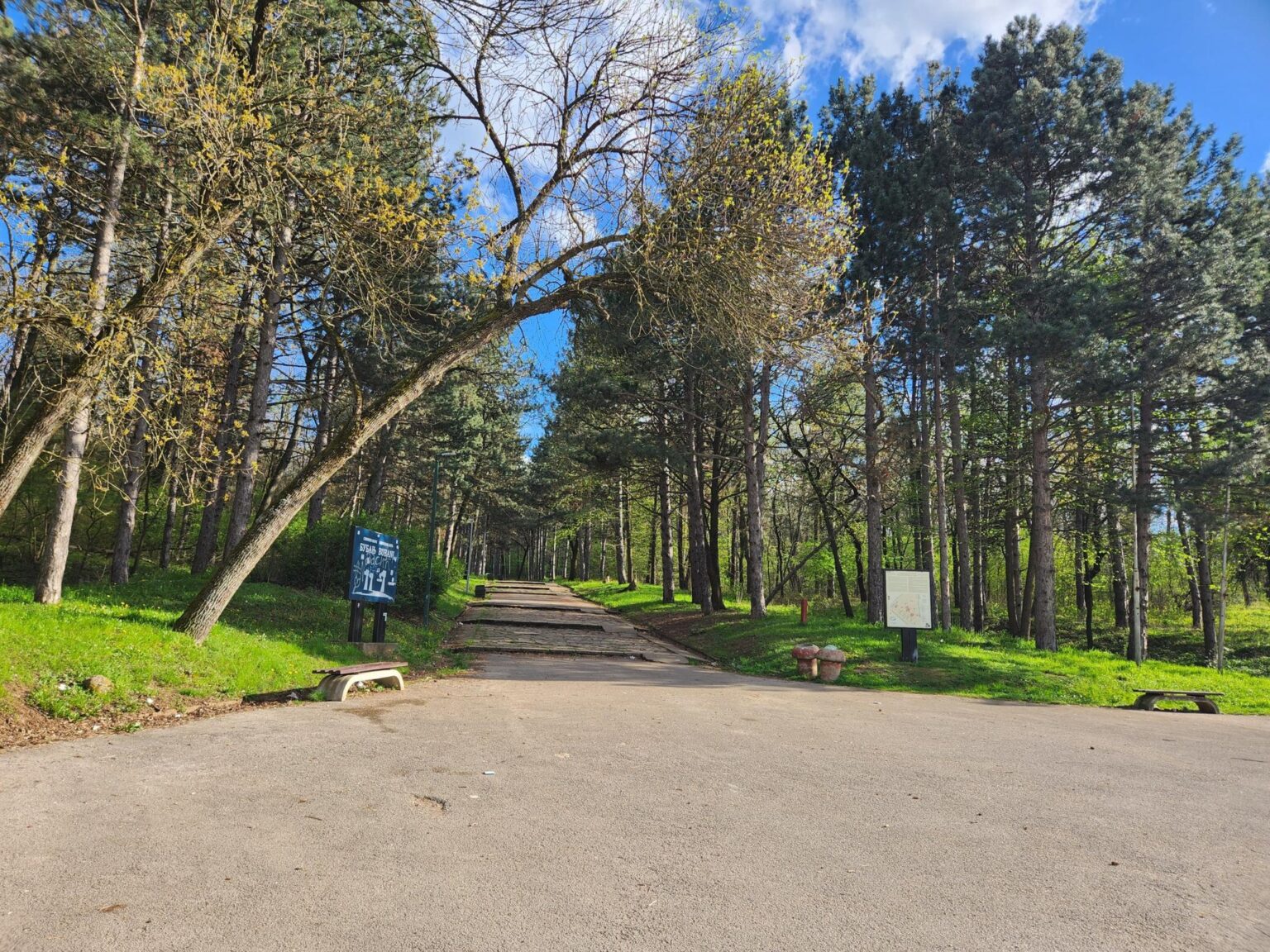
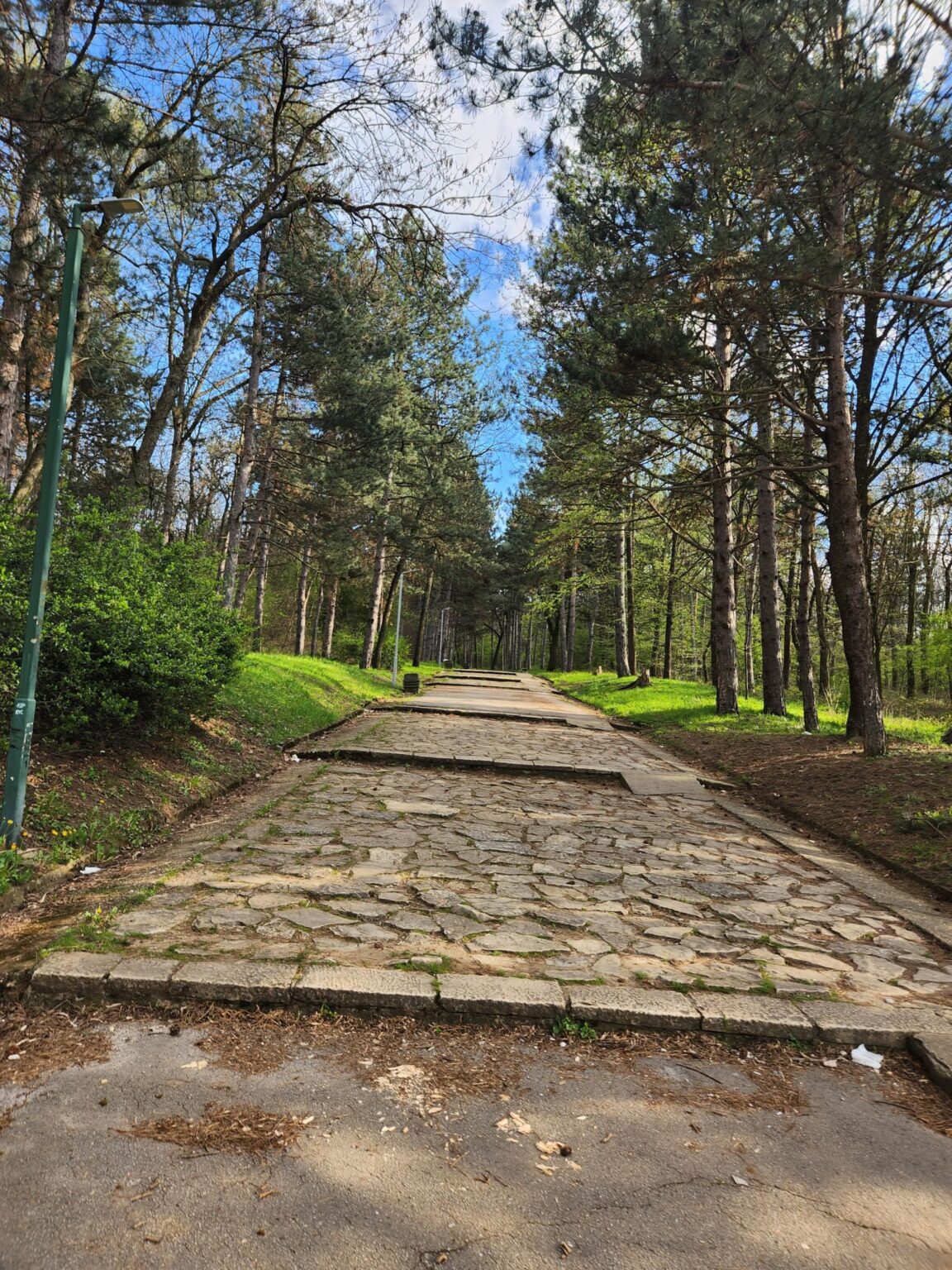
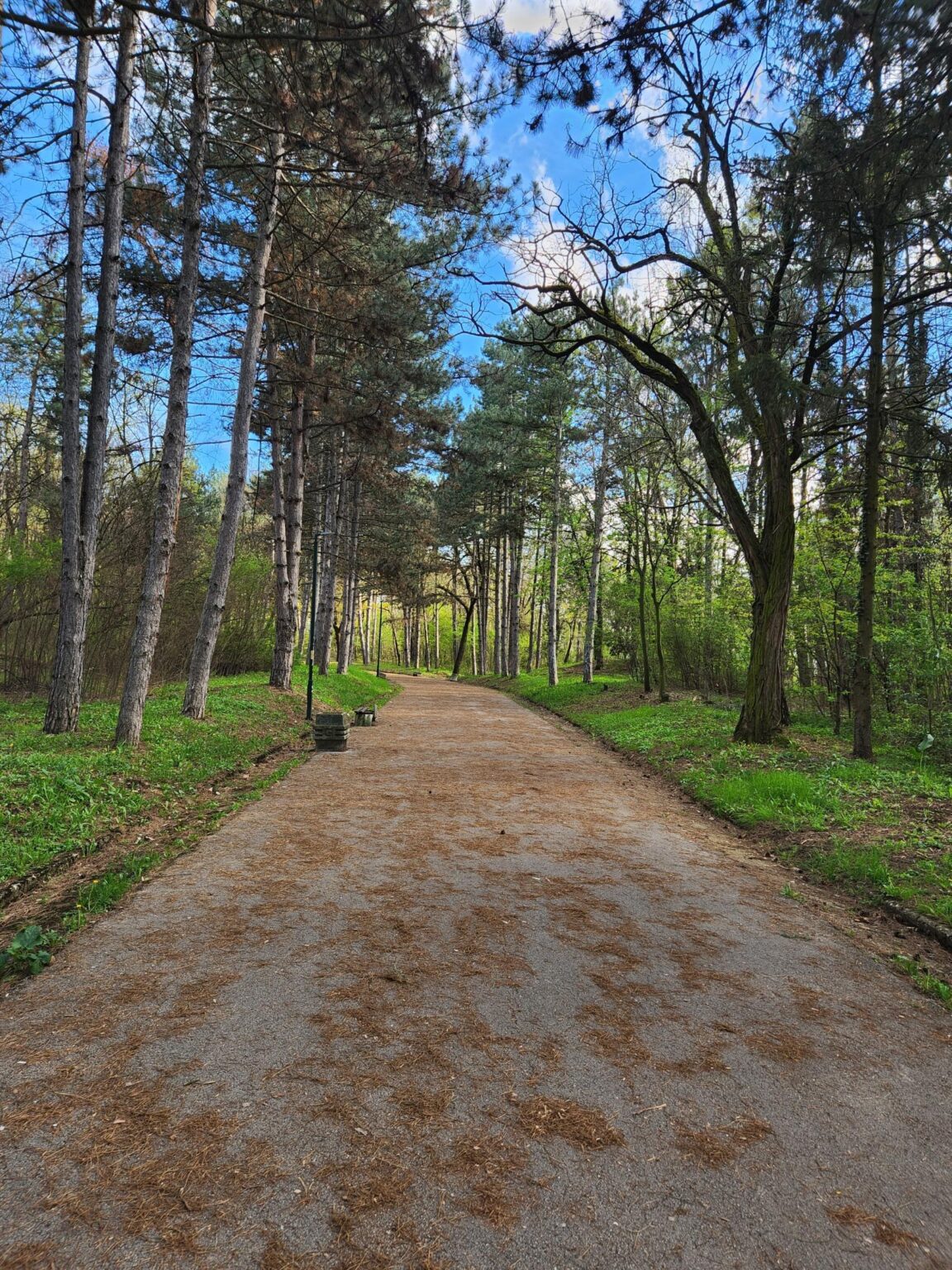
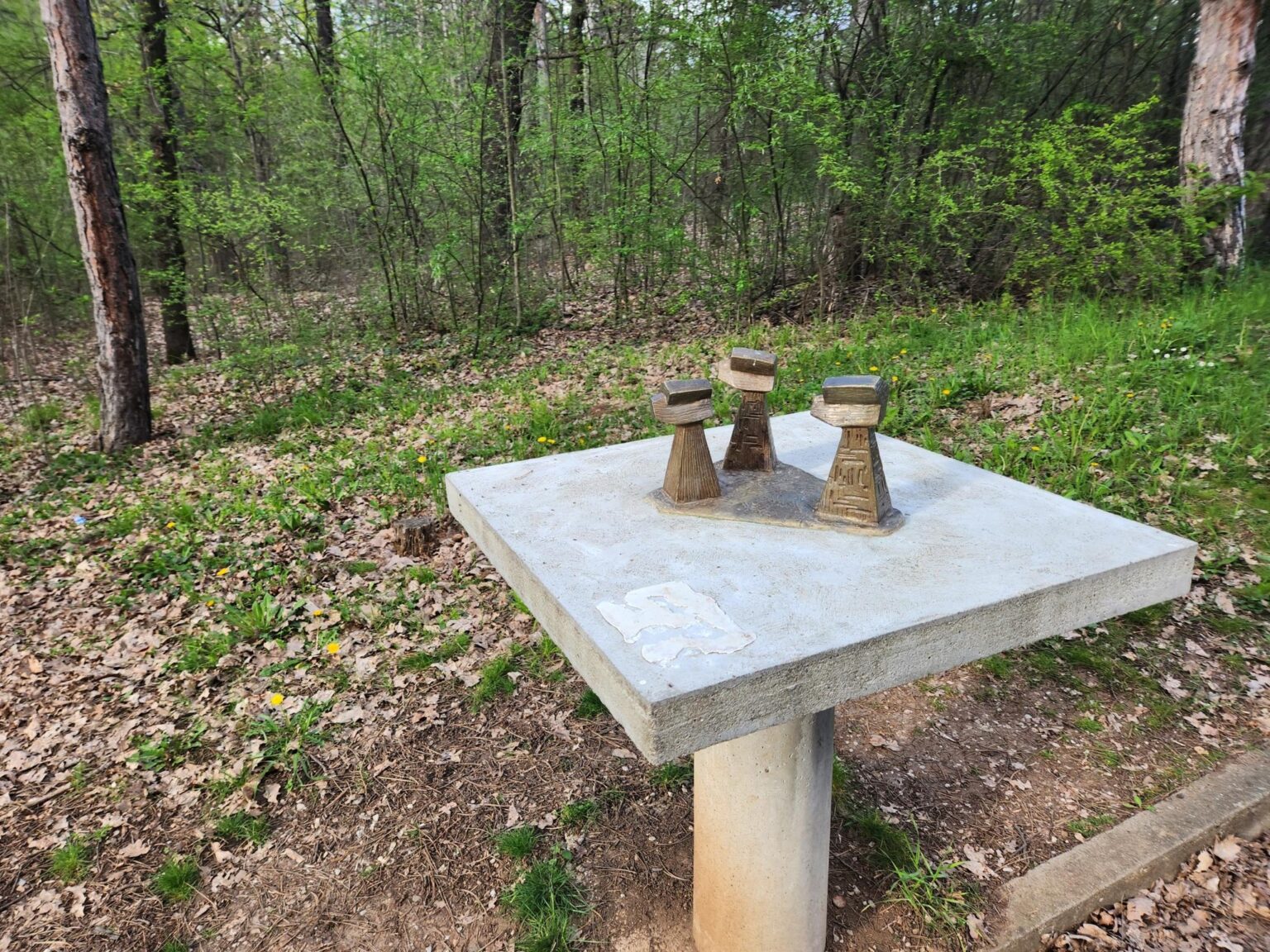
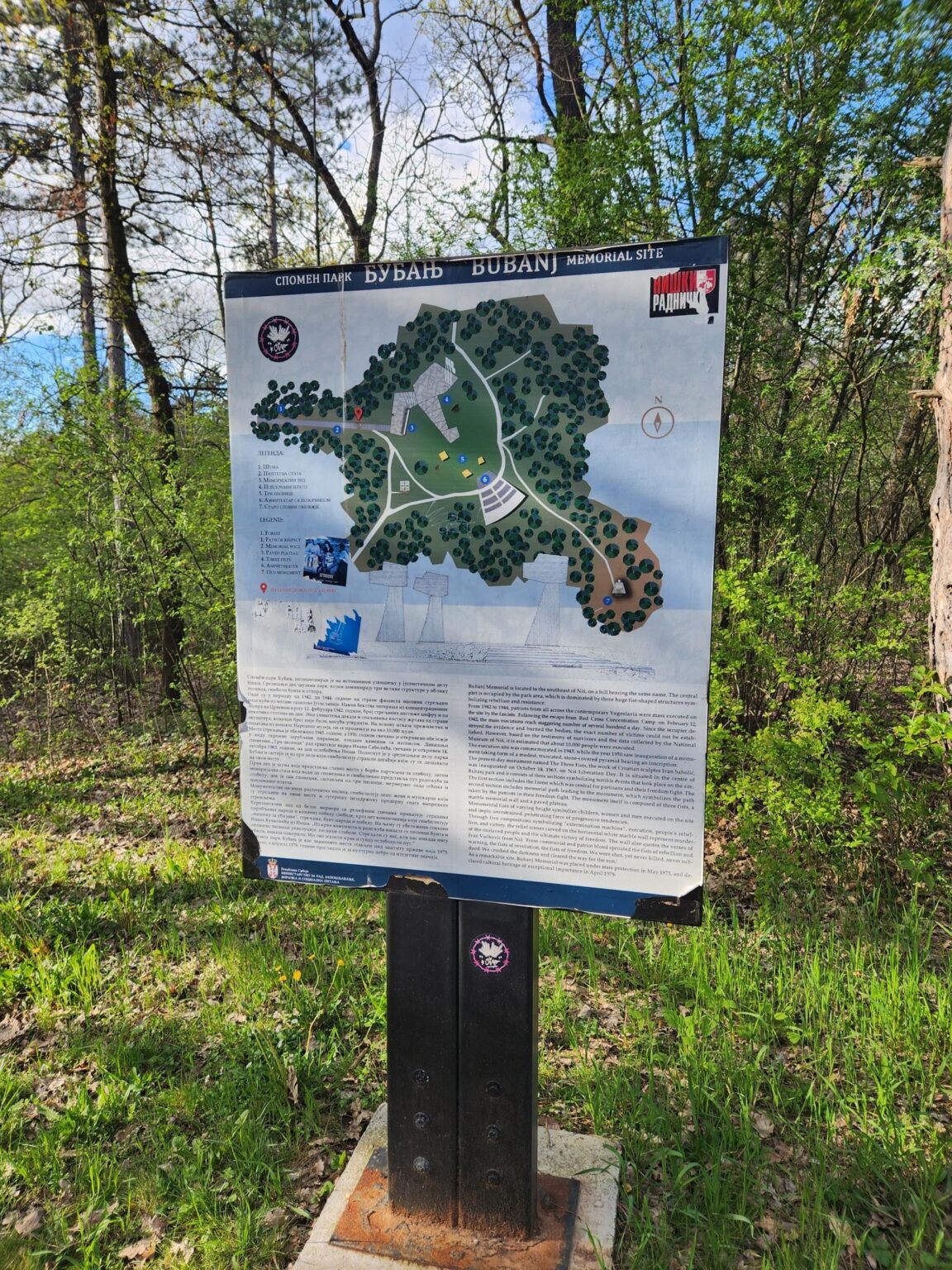
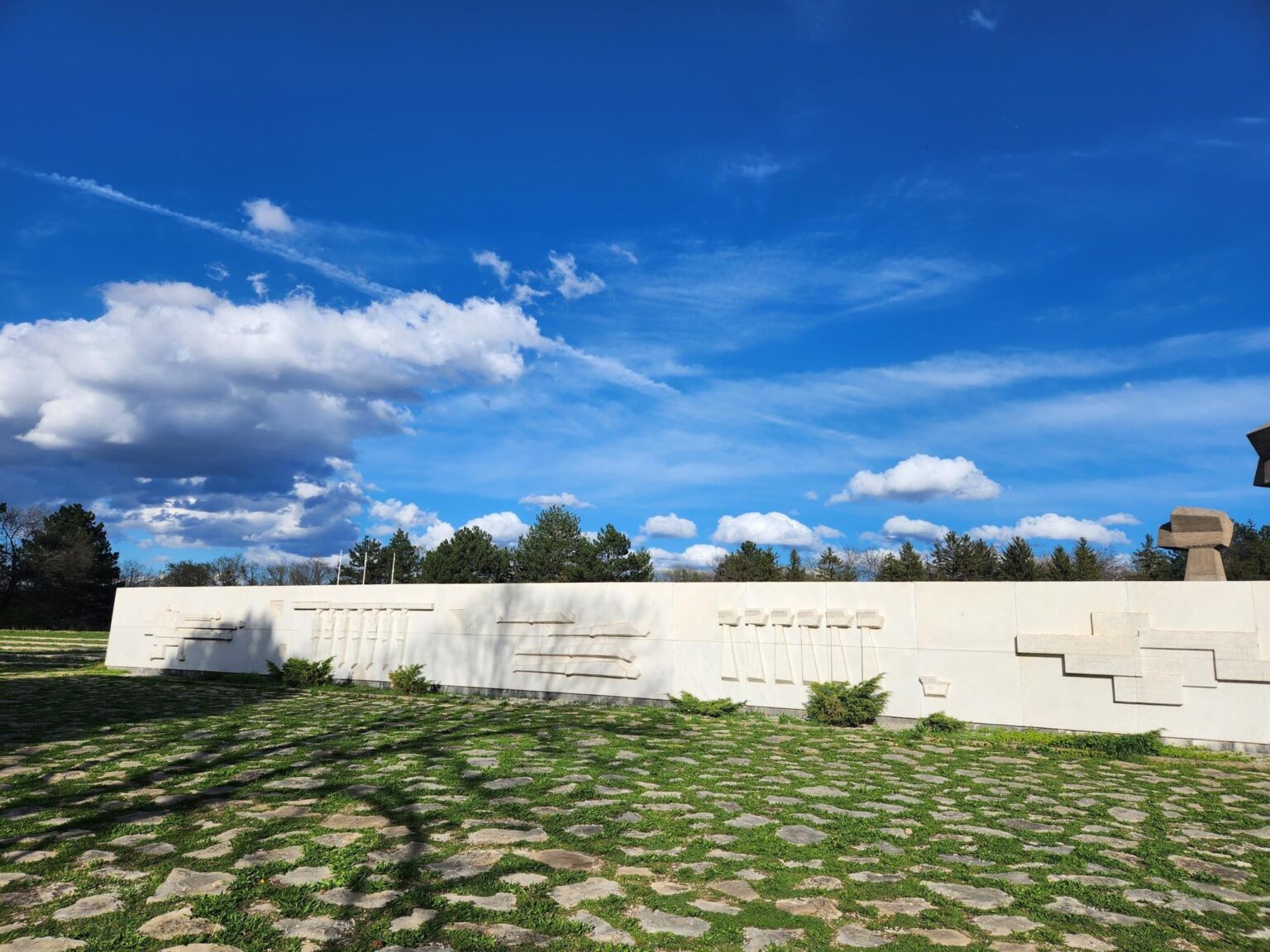
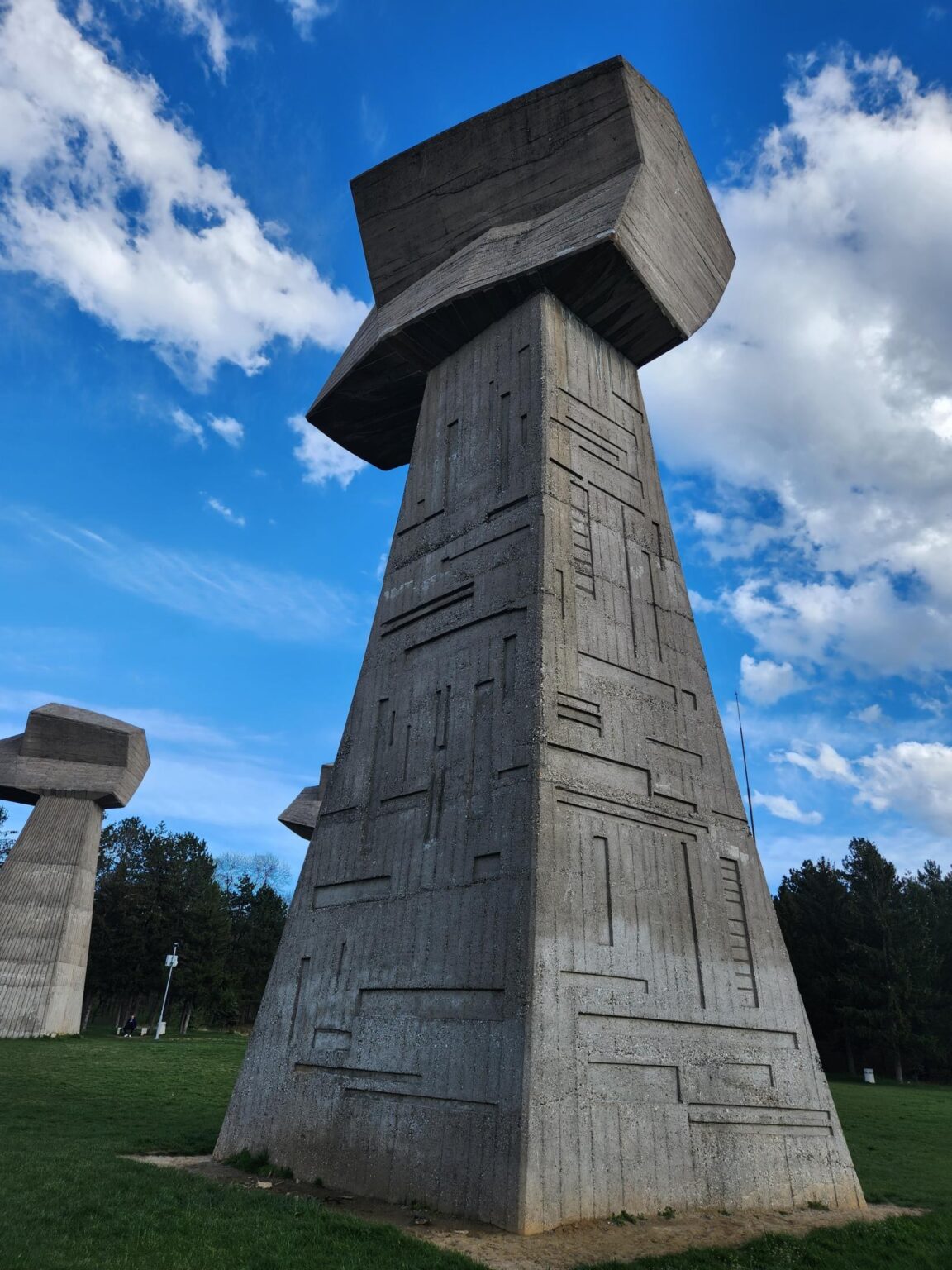
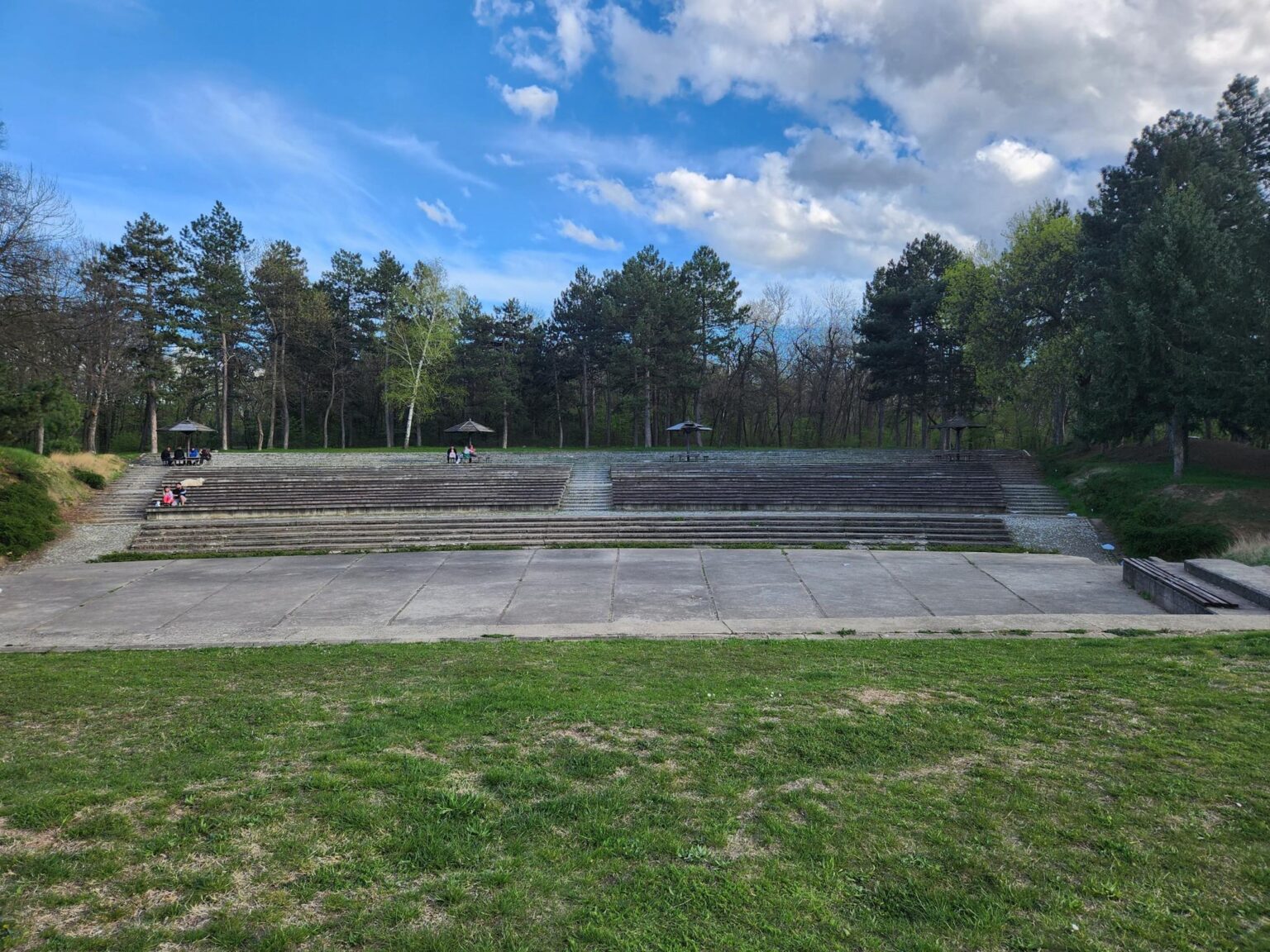
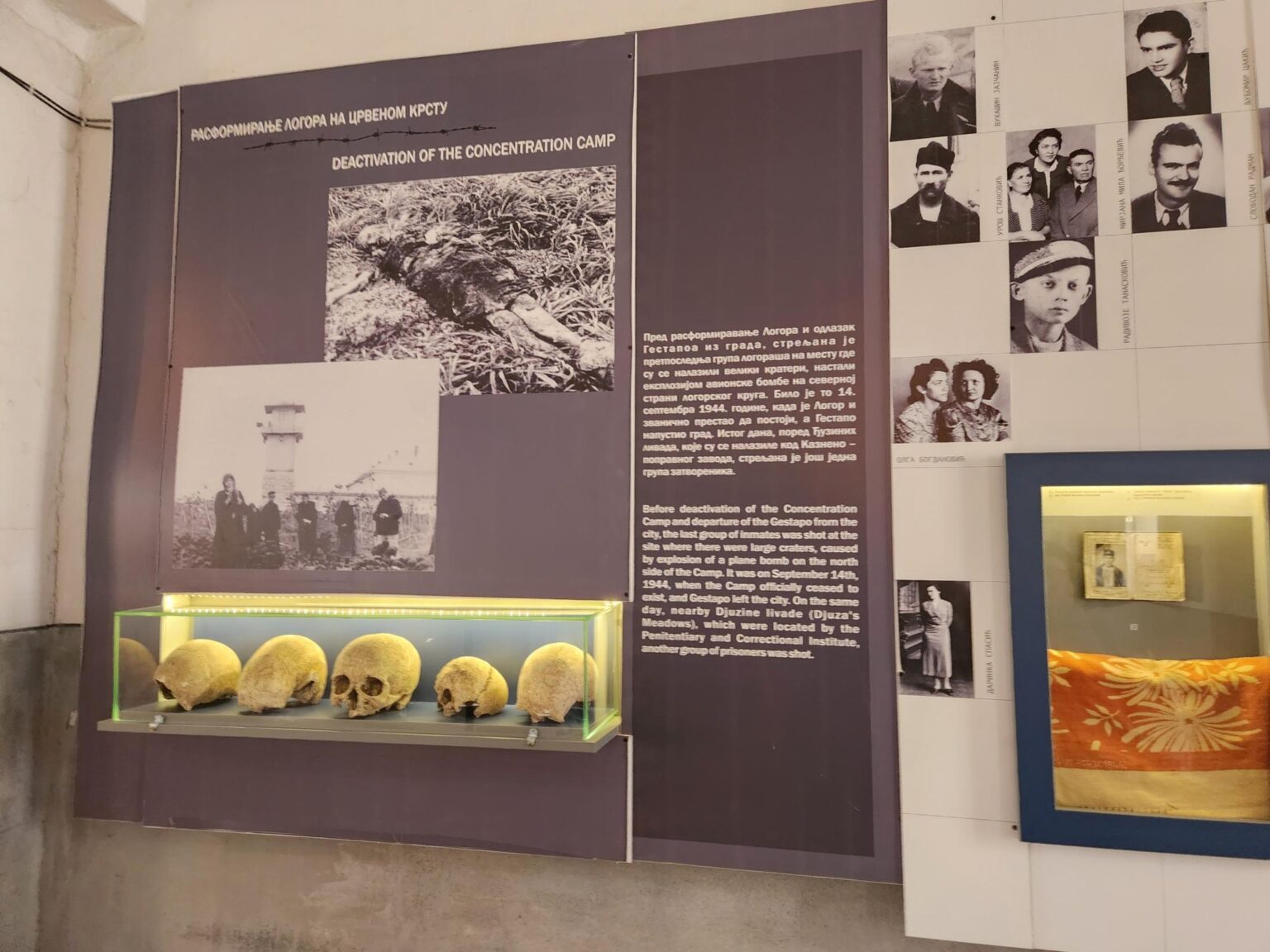
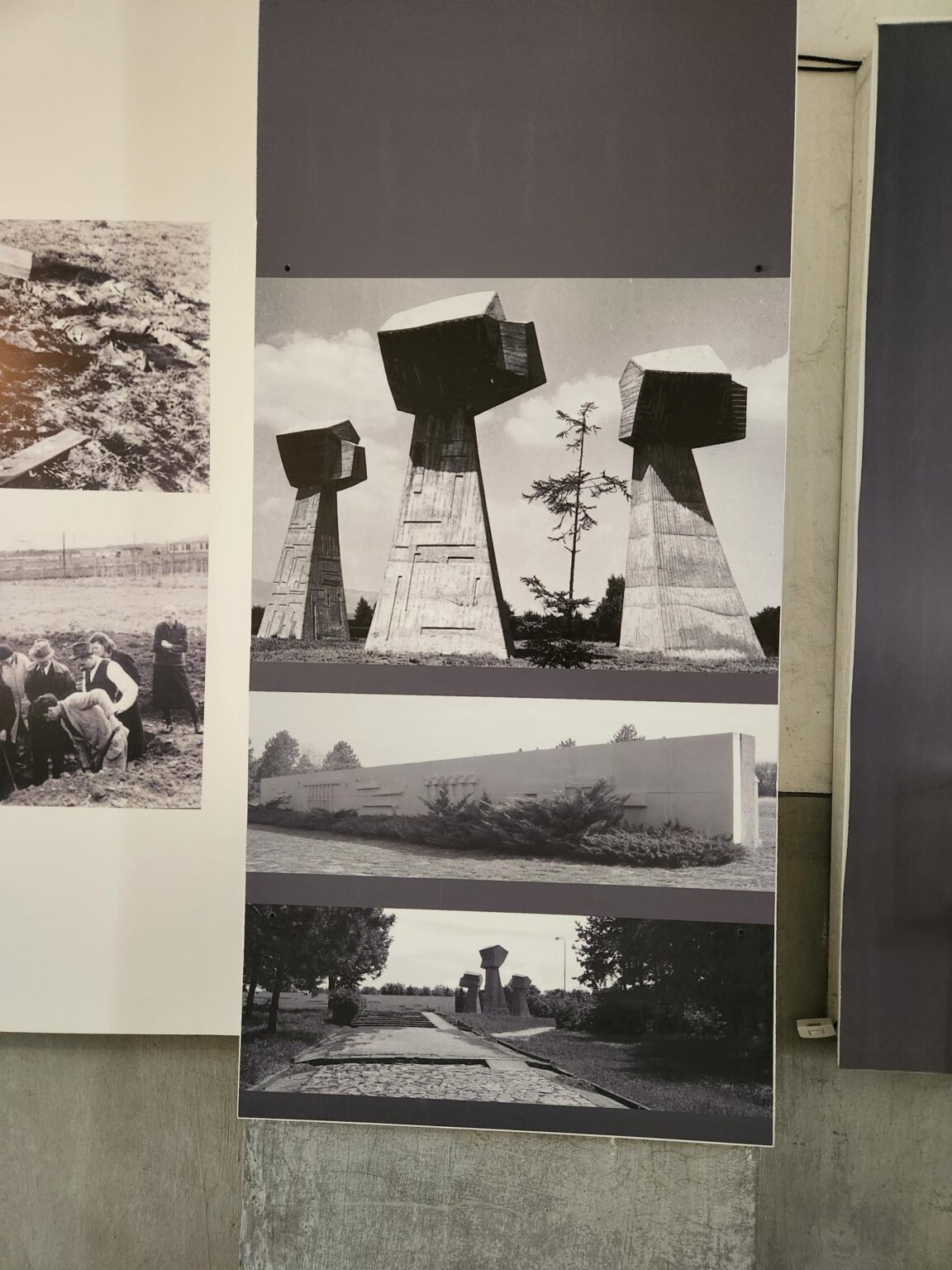
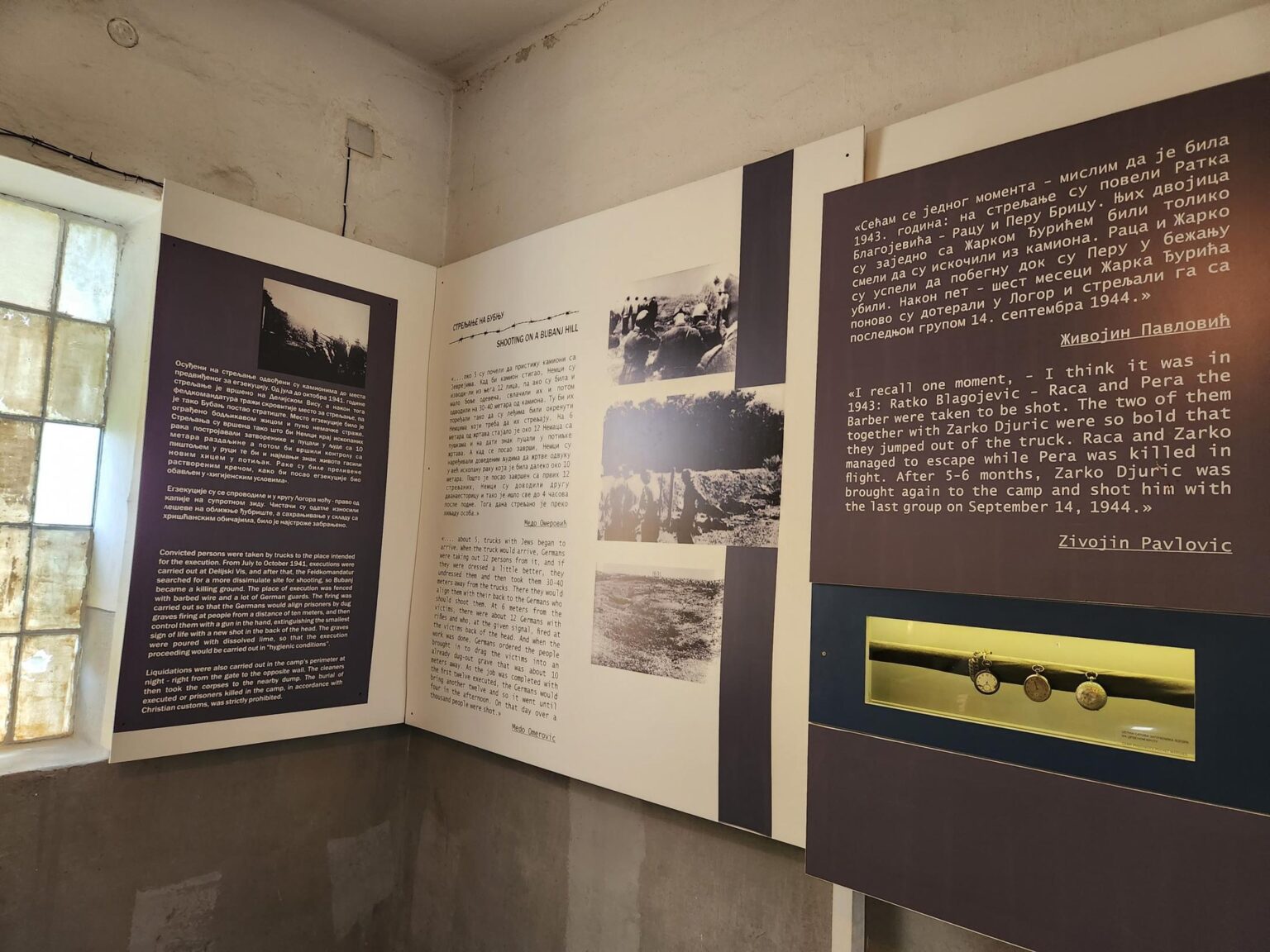
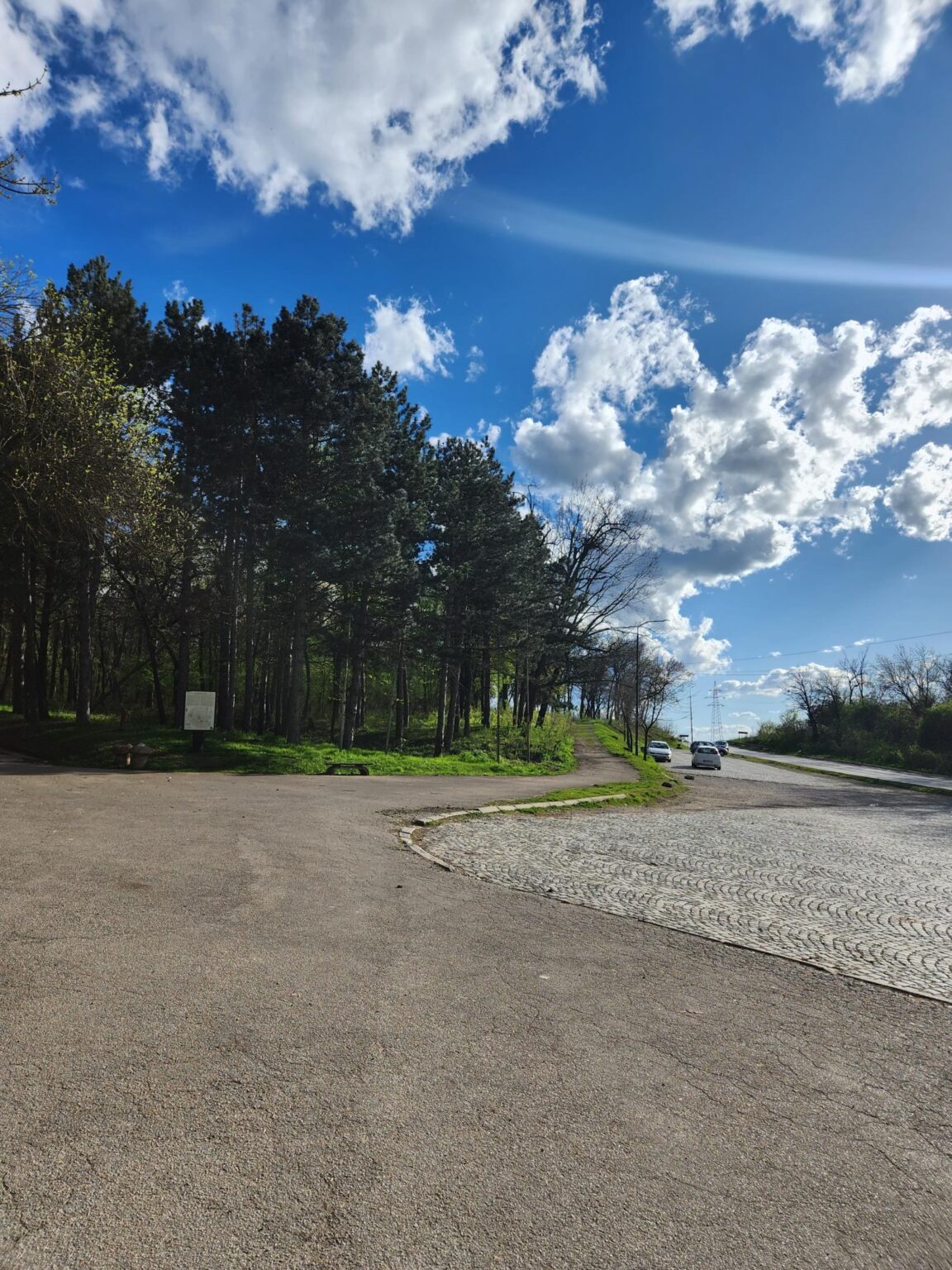
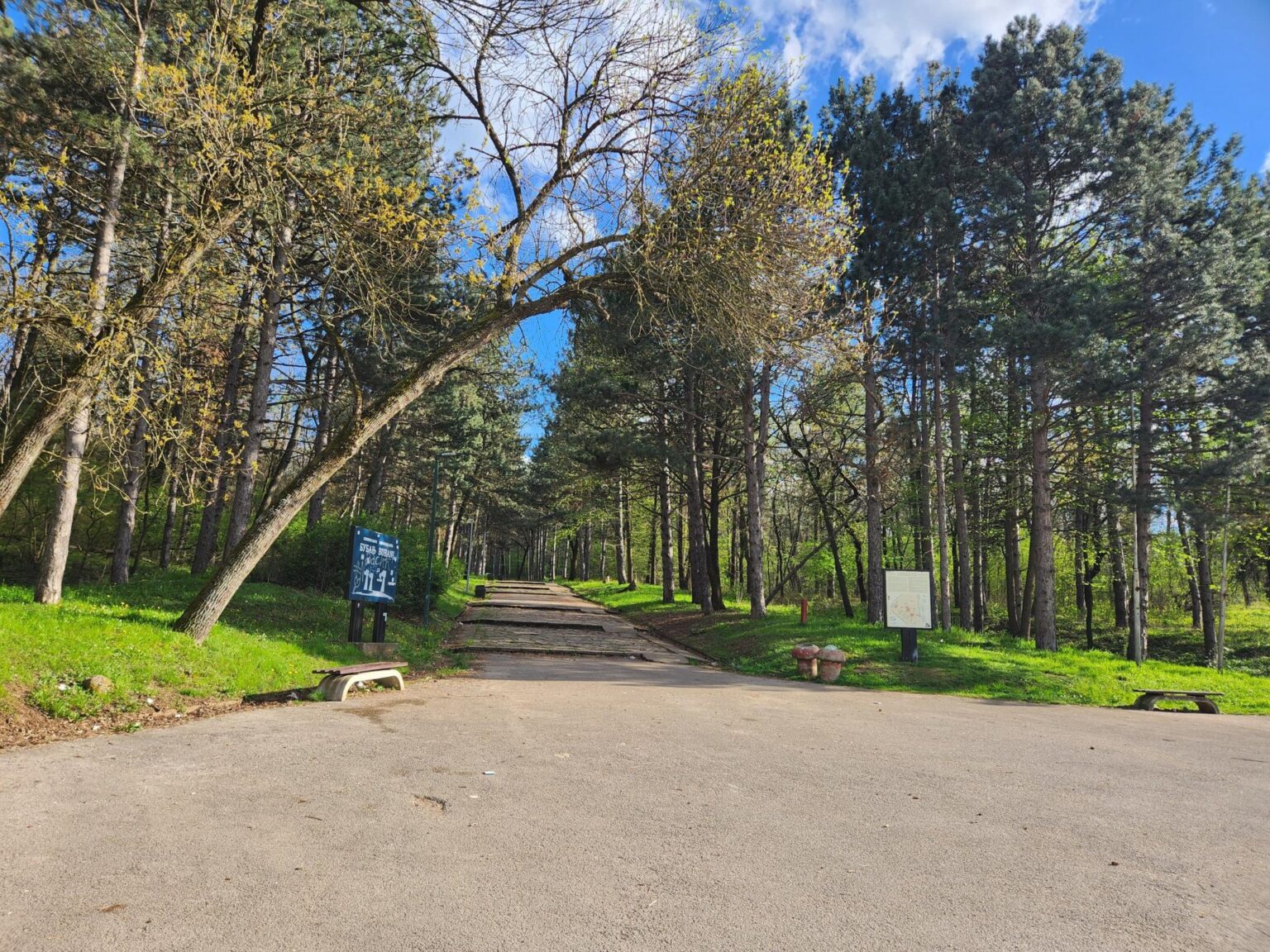
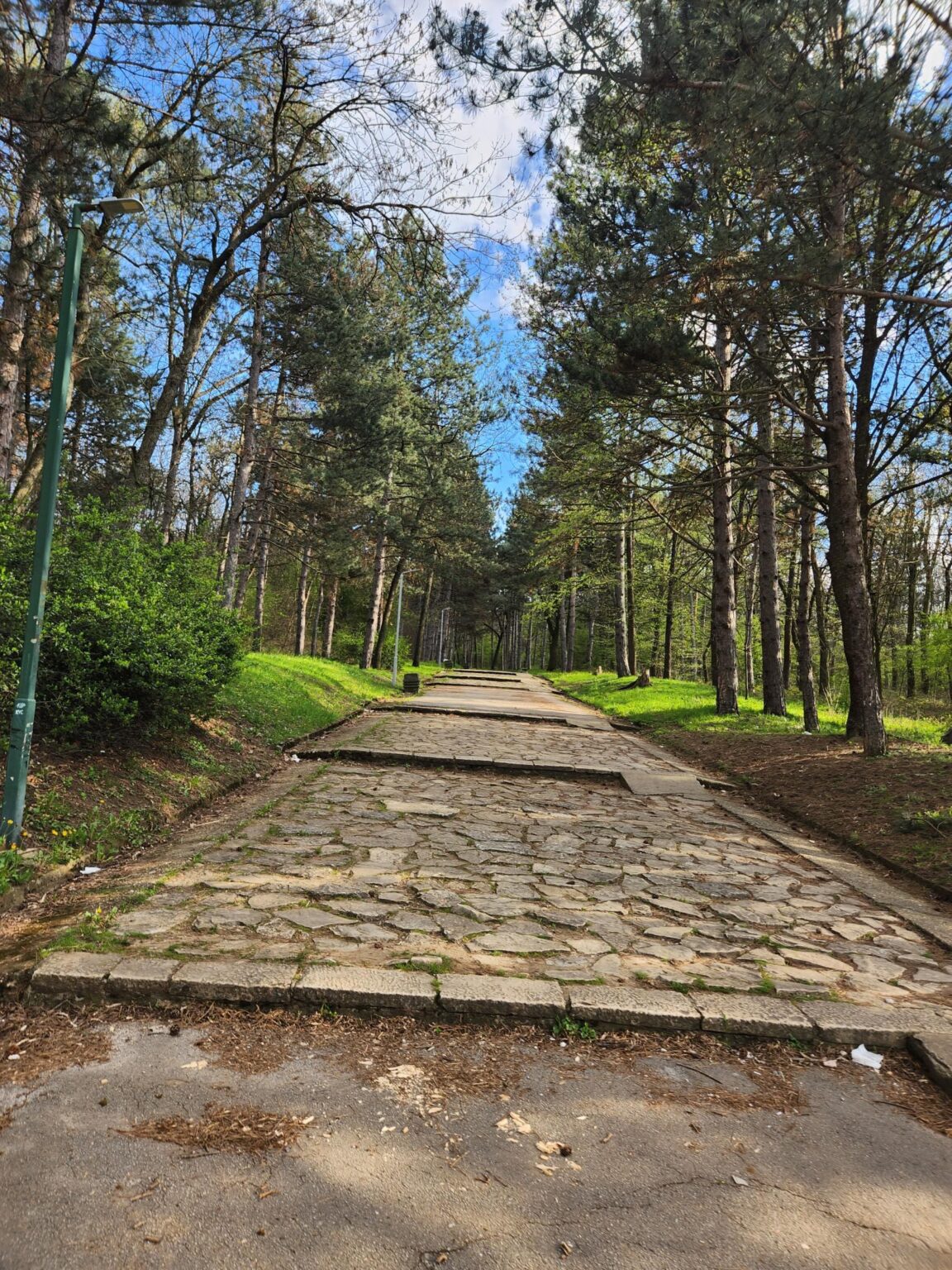
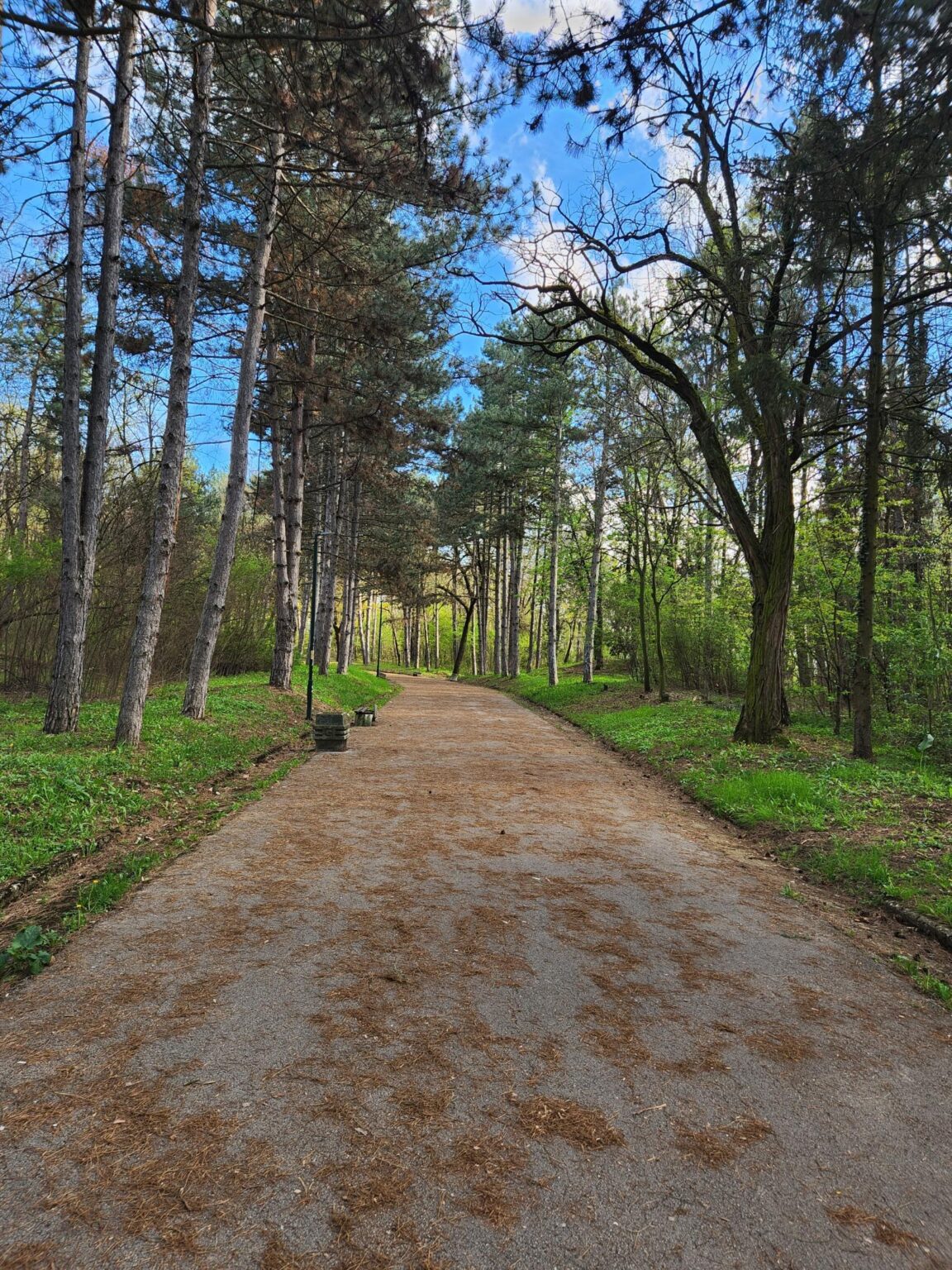
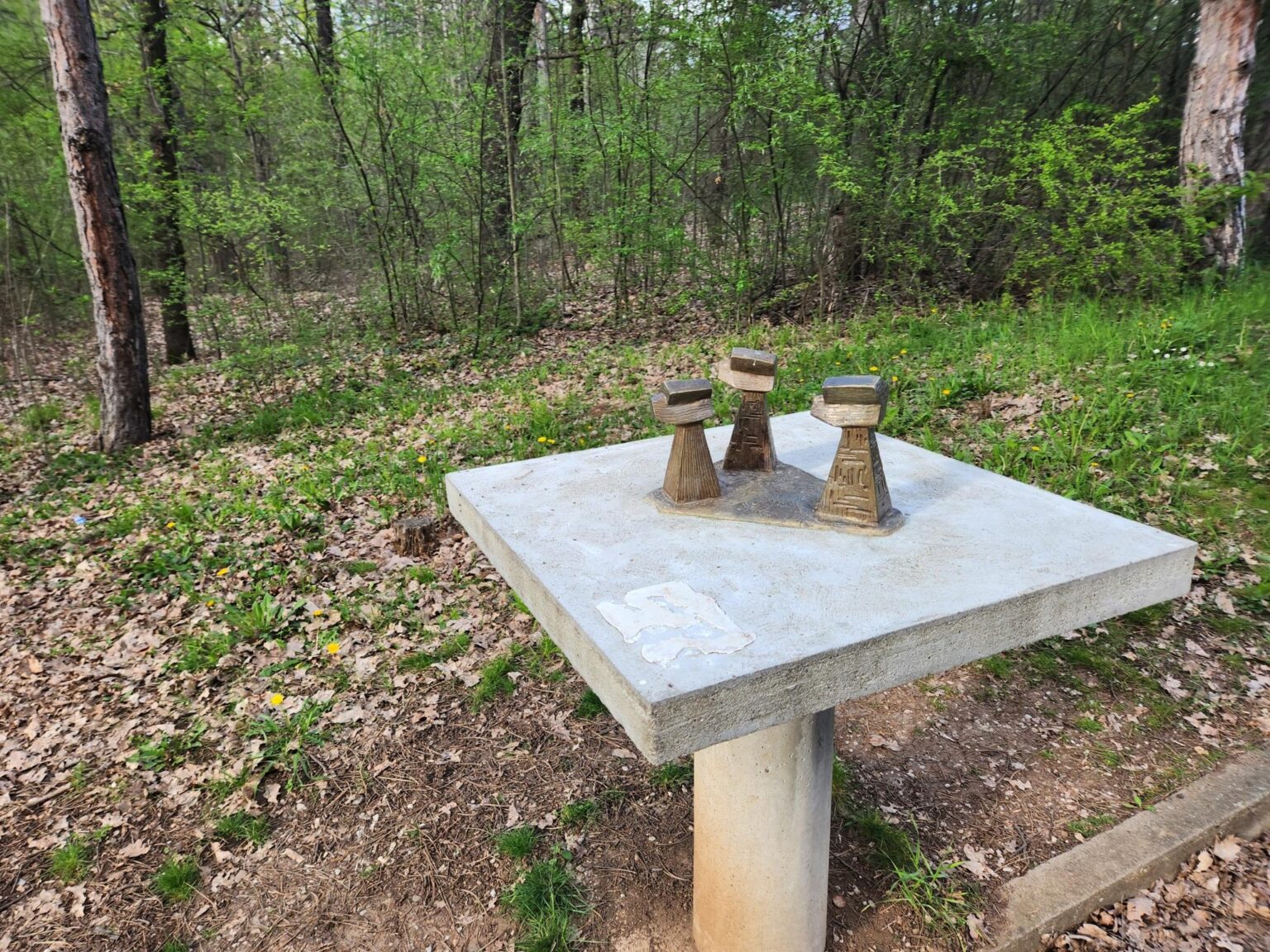
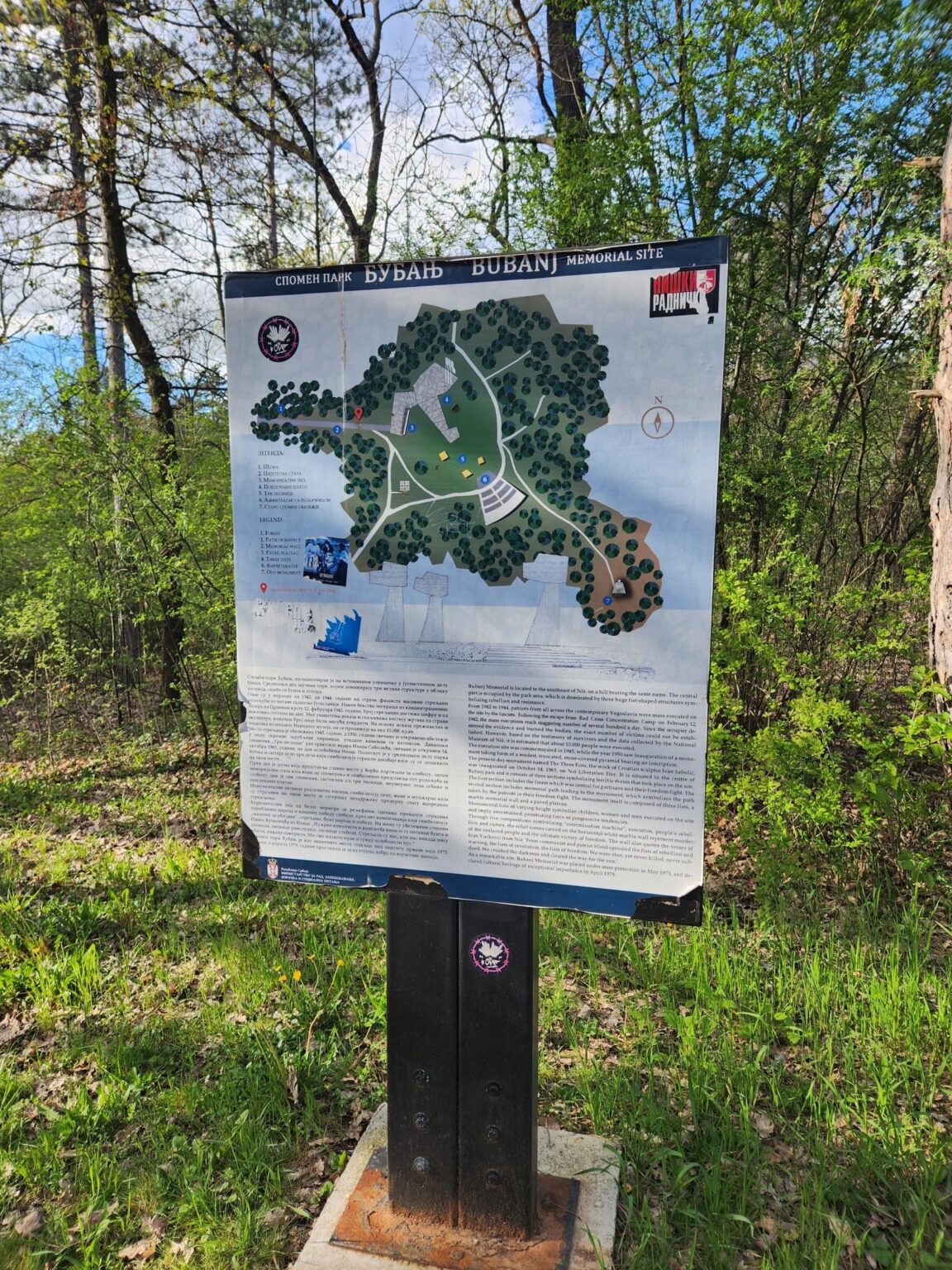
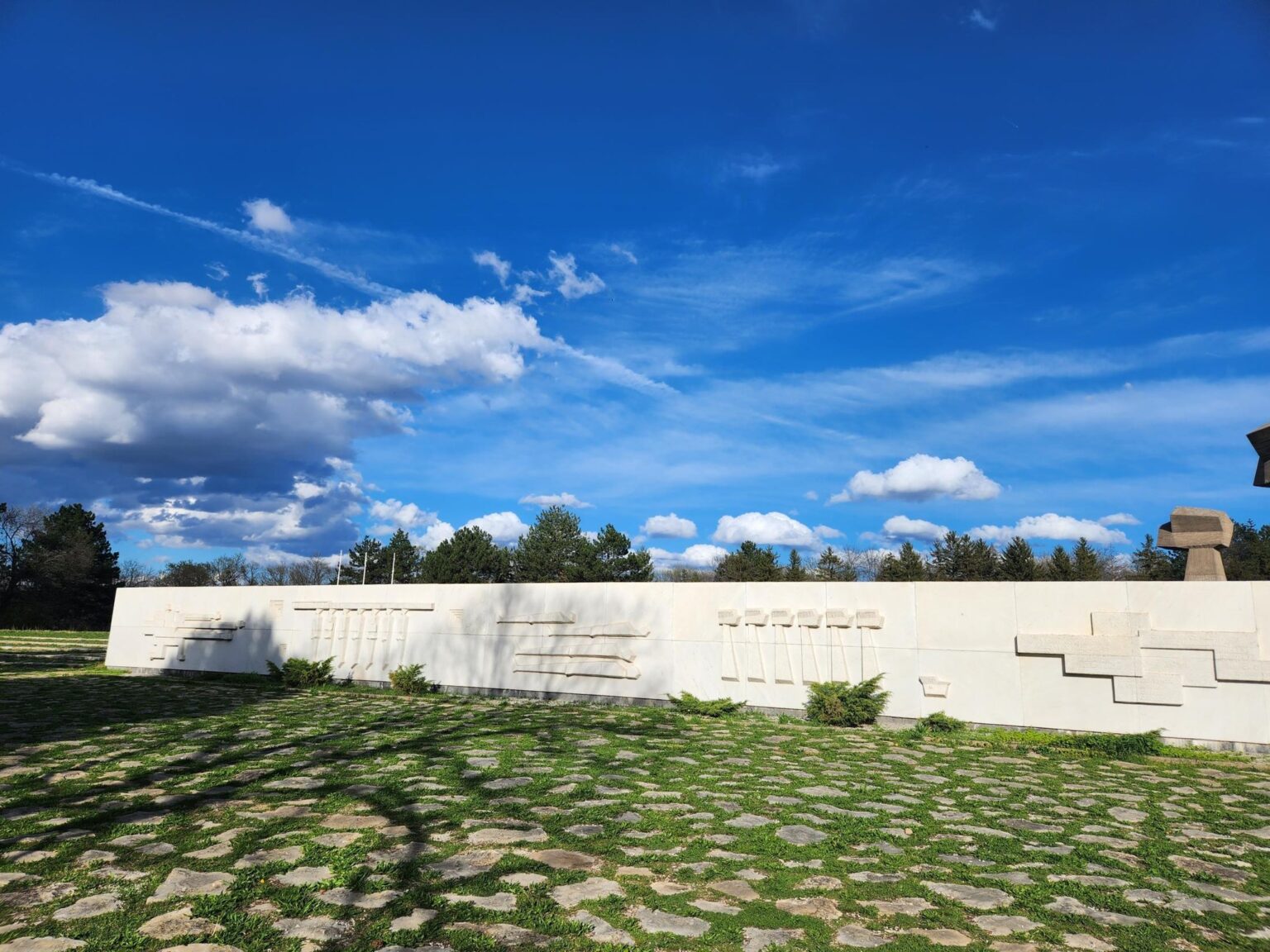
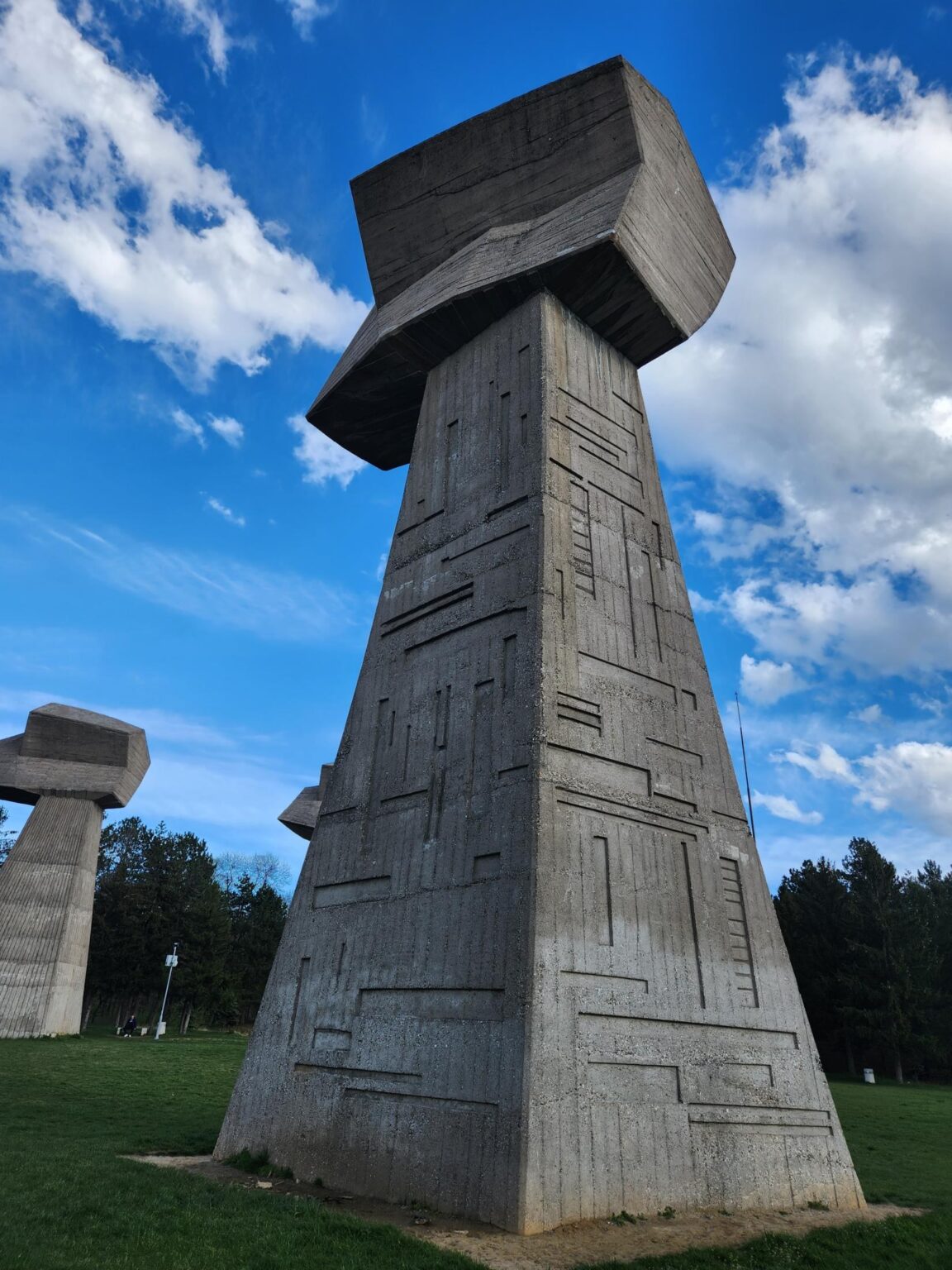
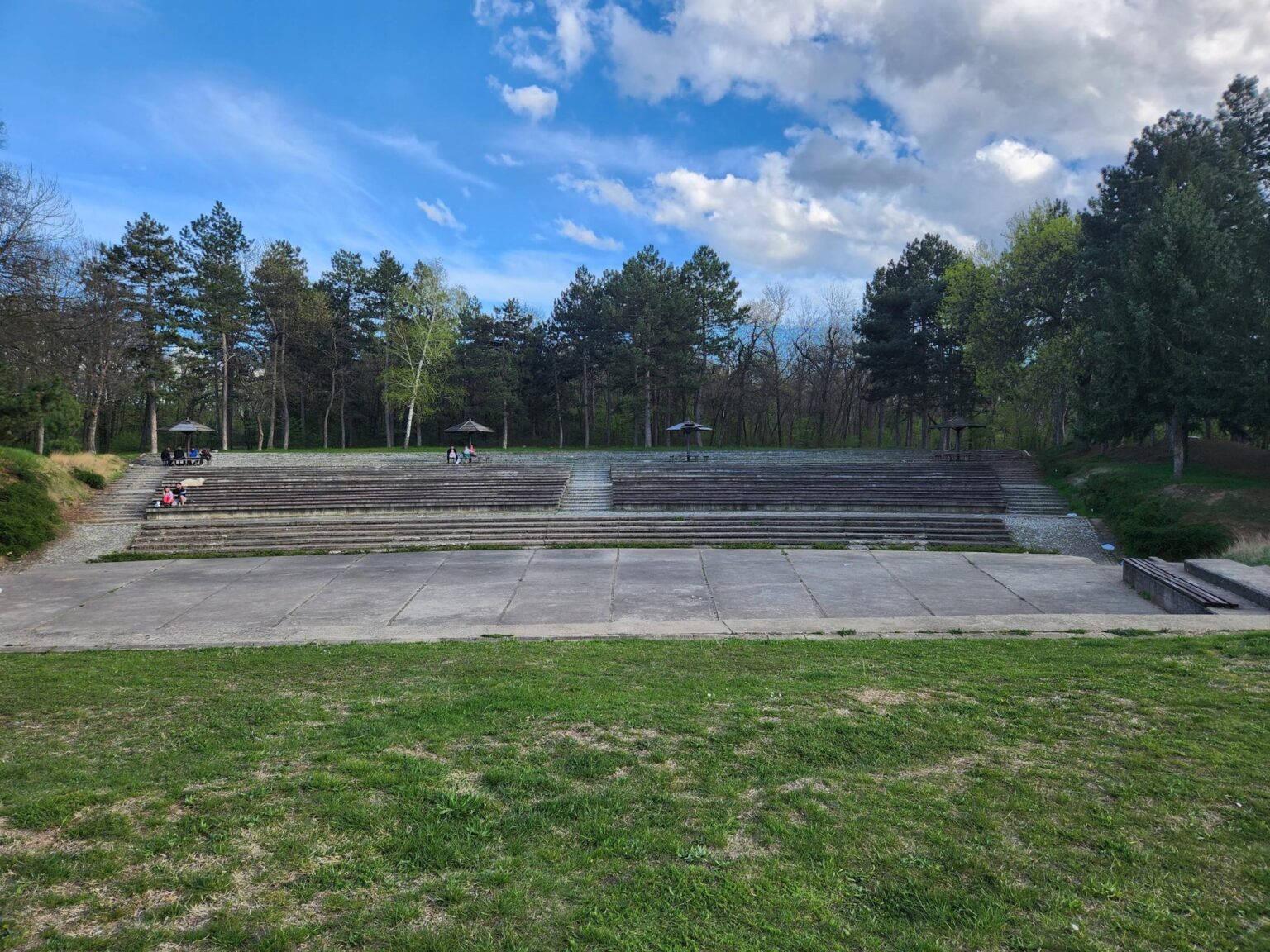
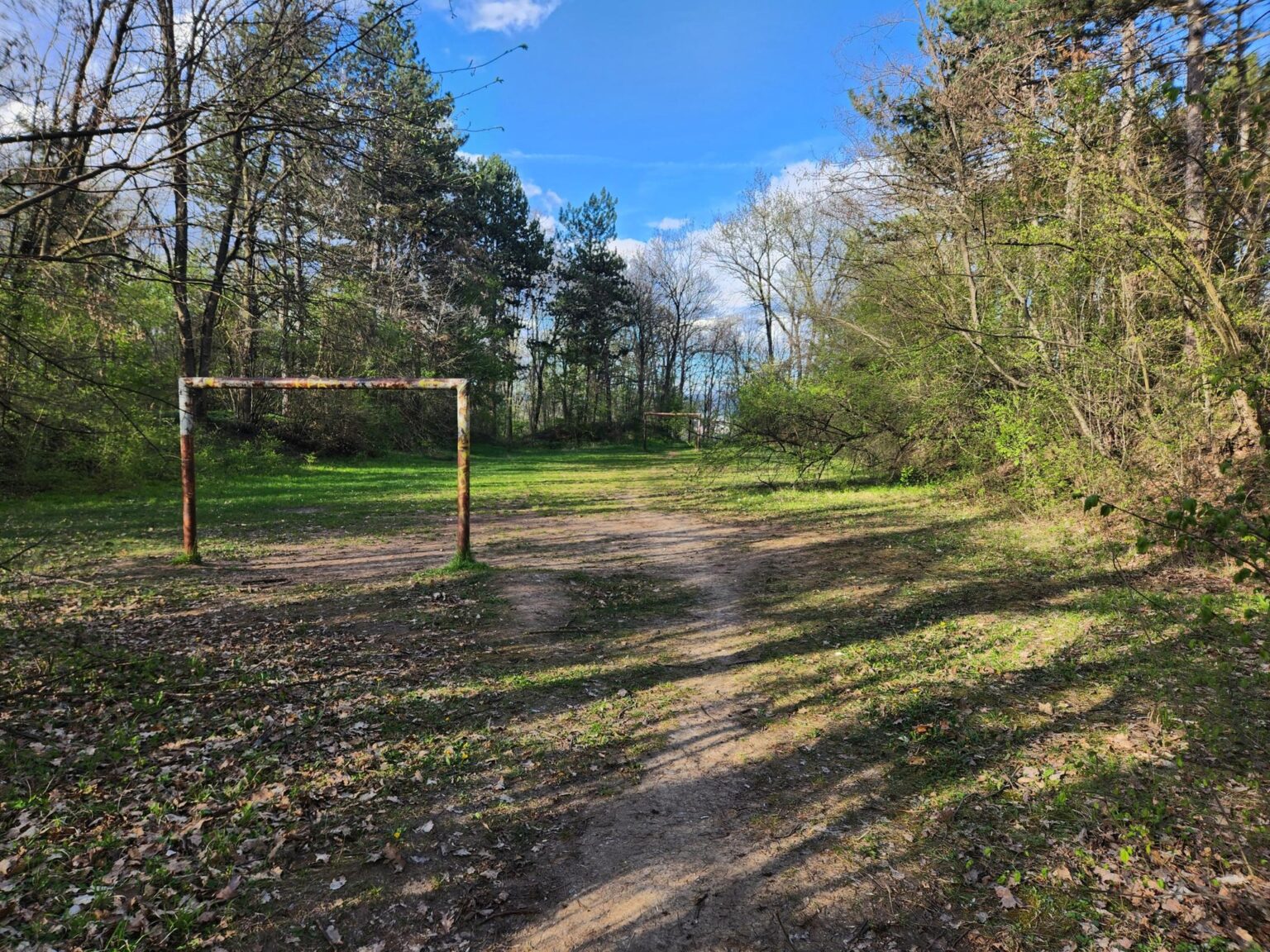
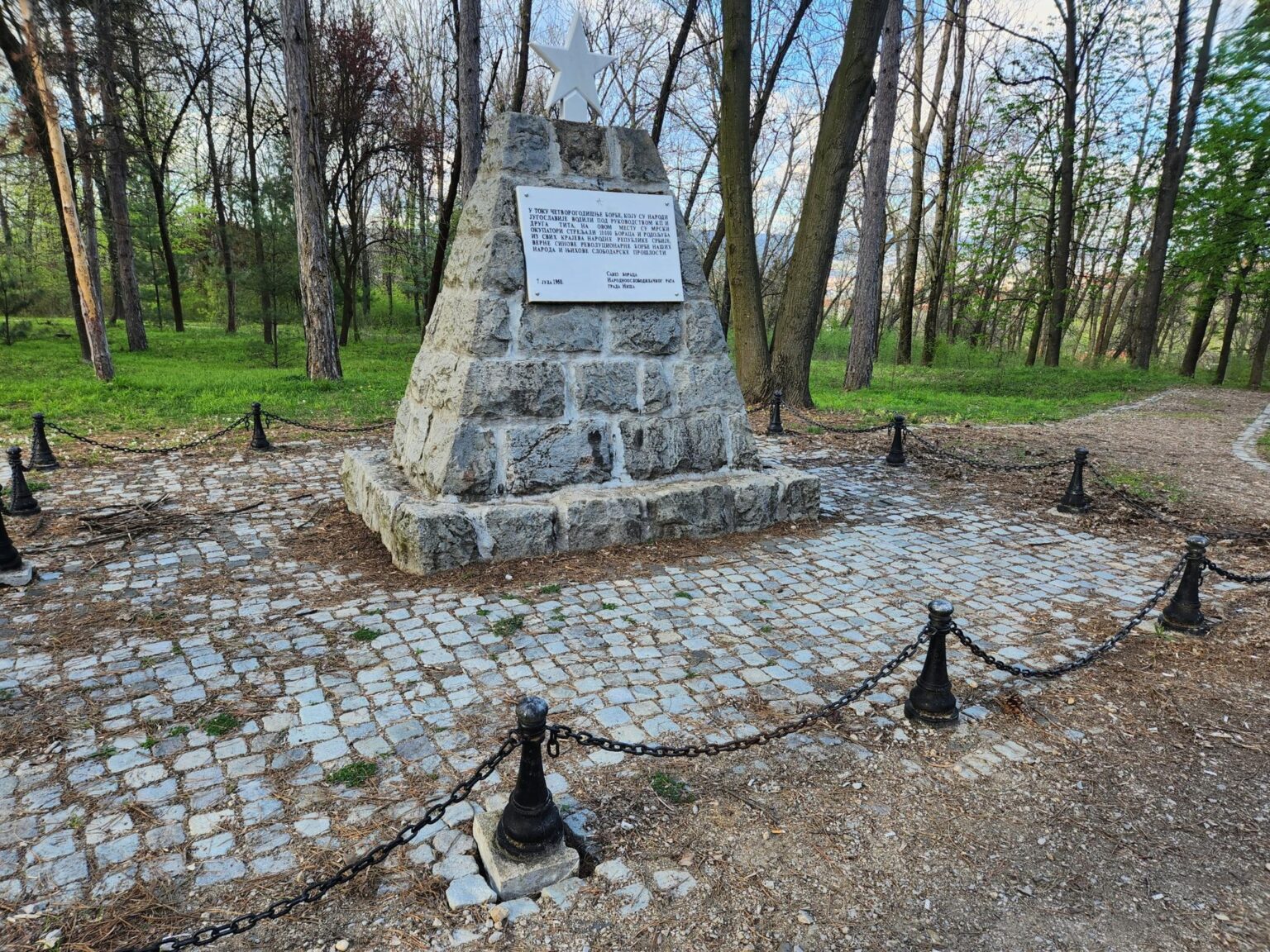
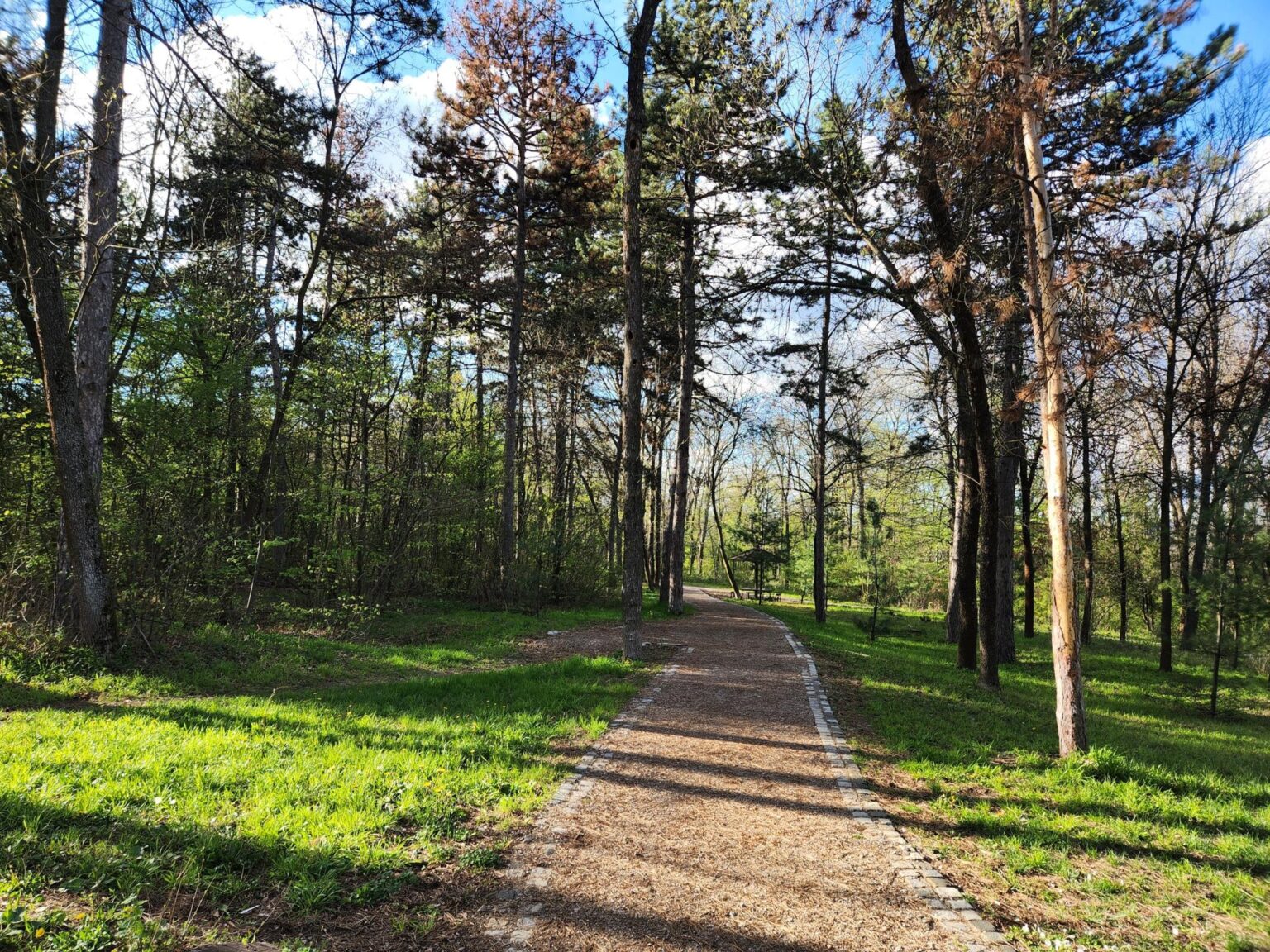
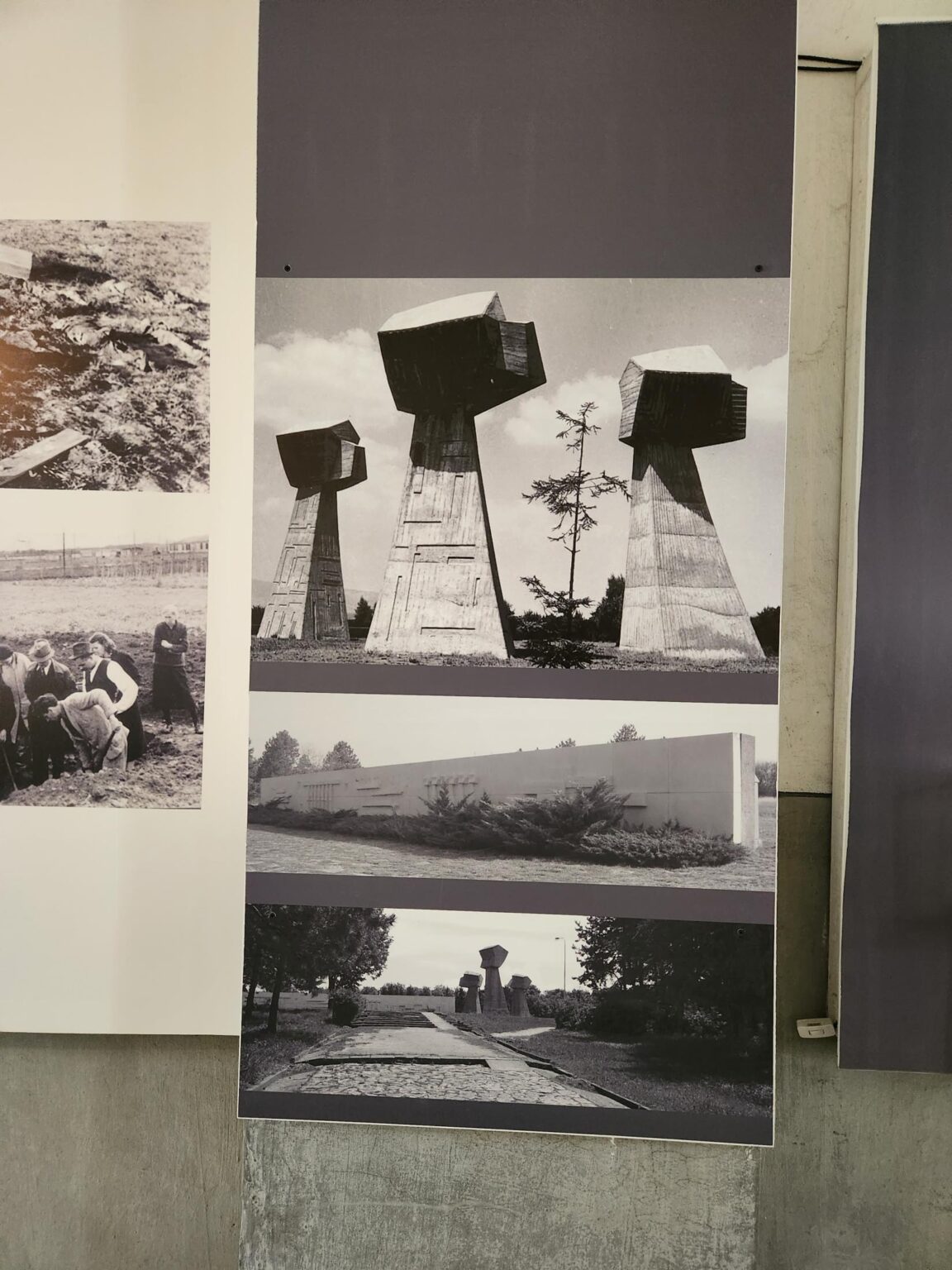
Straight off the motorway, right at the entrance to Niš, a large car park stands out, along with an obvious park: Bubanj. Shame or no shame, at the time I could not work out how to pronounce it. My theories were Buban, Bubana, Bubanzh and Bubanch, and I could not find a single Serbian video of anyone saying it. For the record, it is roughly BOO-bahny, with the "nj" sounding like the "ny" in "canyon". This park is particularly "dark", so to speak: this is where the Nazis shot people, as we will see later at the Crveni Krst concentration camp. There are three giant sculptures of raised fists, a gesture of defiance against the enemy, in three sizes — a man’s, a woman’s and a child’s. Setting aside the grim reason the park exists, it sits on a high hill and opens up wonderful views over Niš. Right now, children are playing, people are walking their dogs, and families are having picnics. You can walk around it in about half an hour.
Niš by night
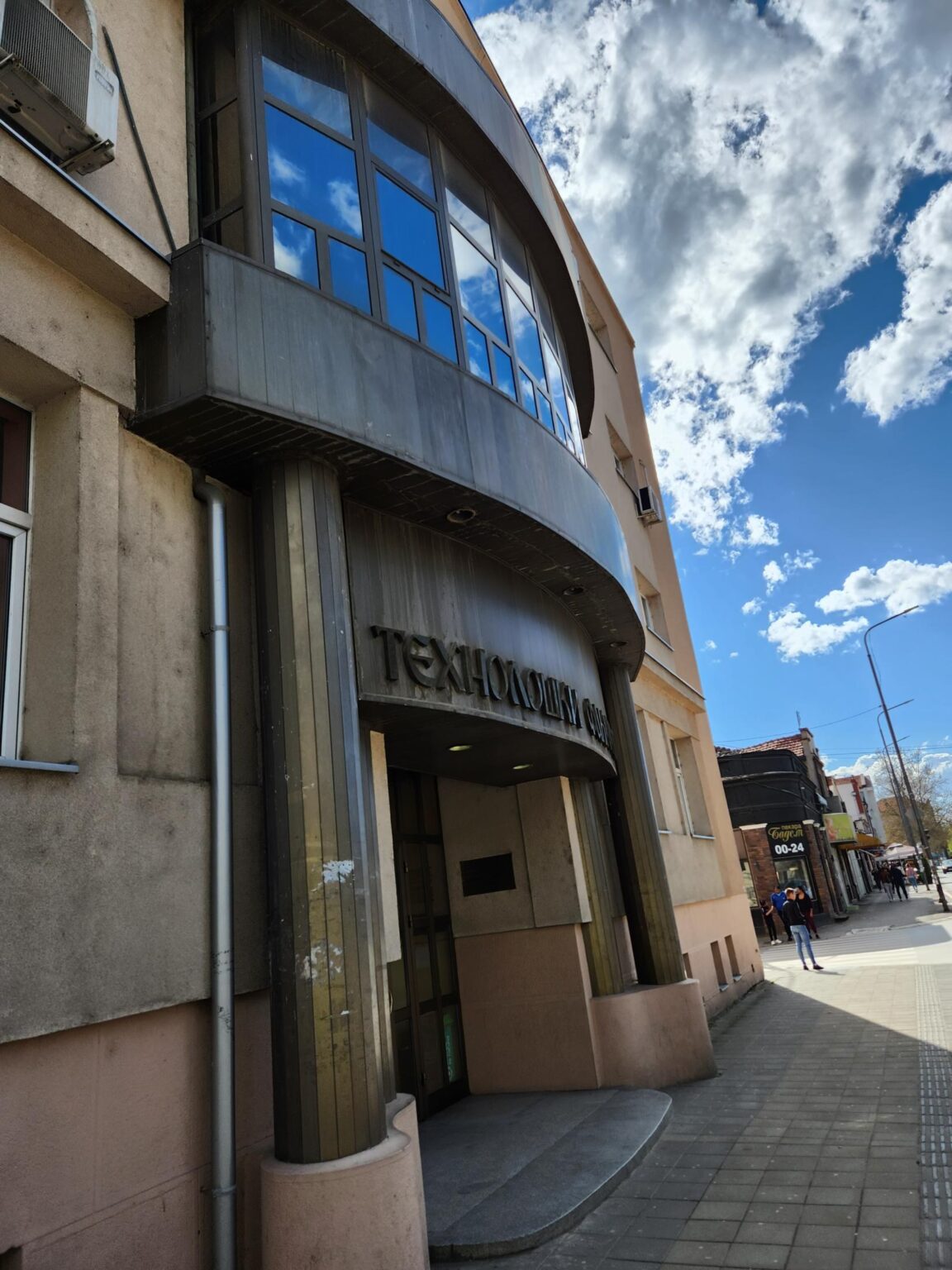
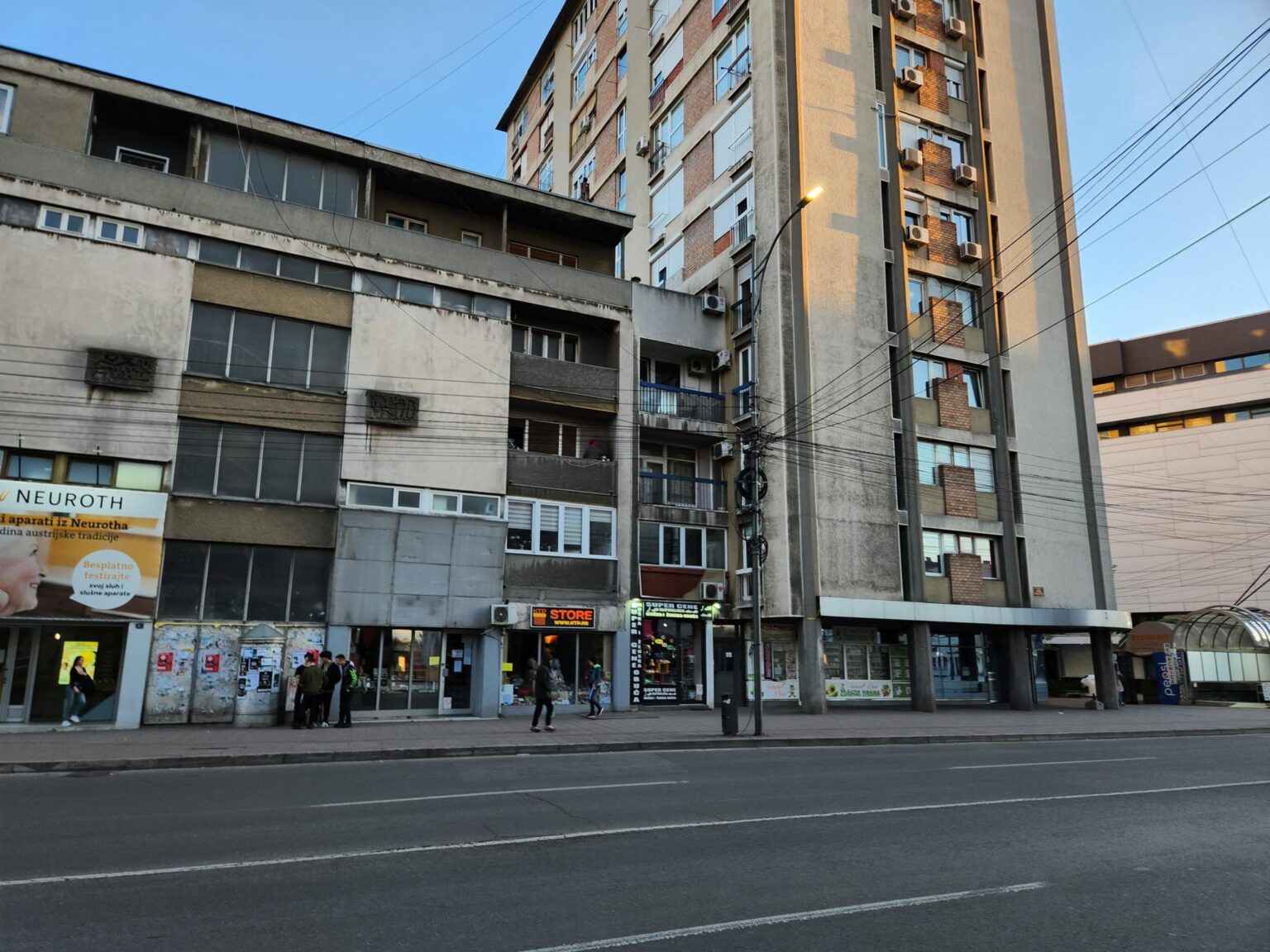
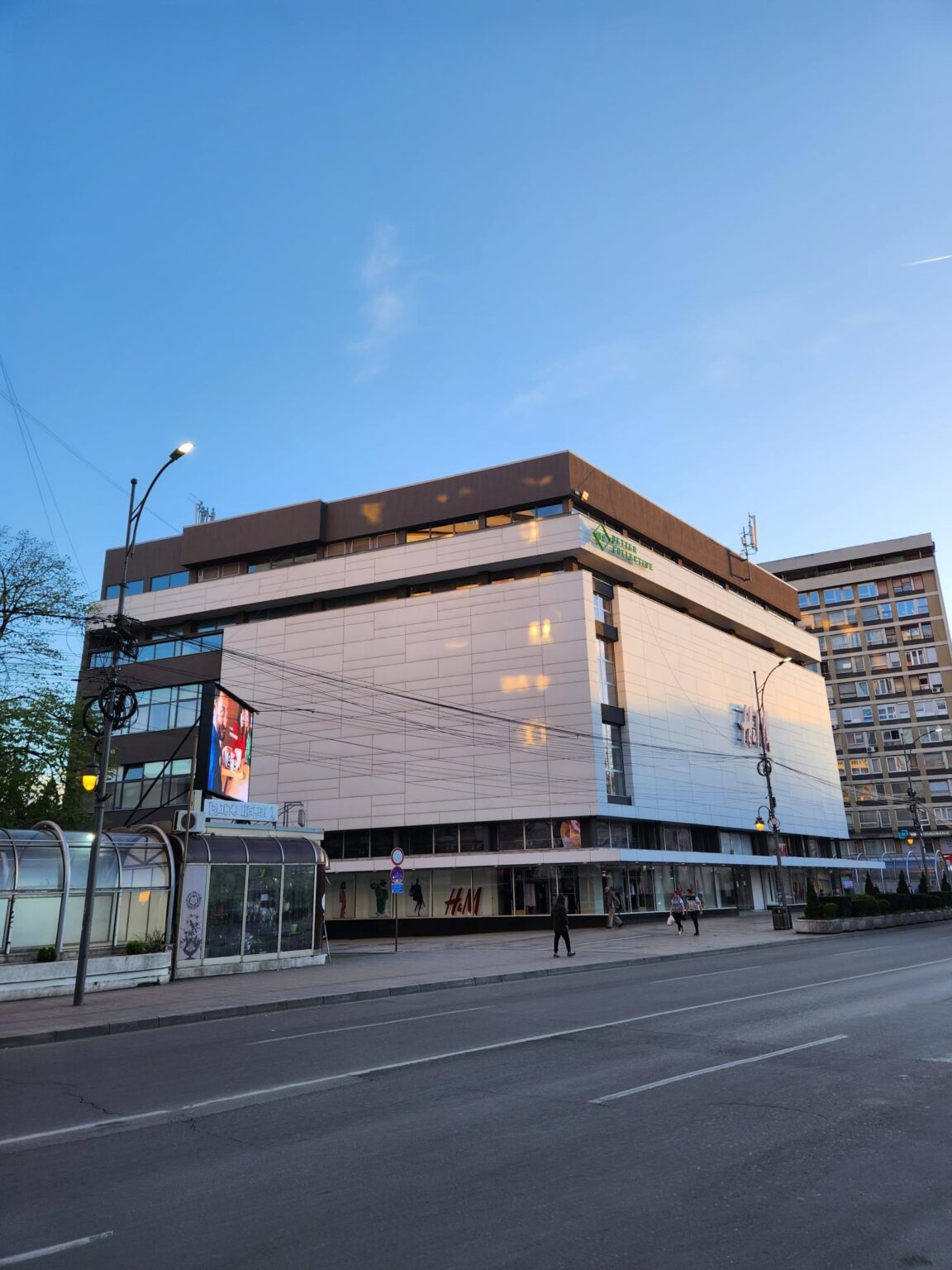
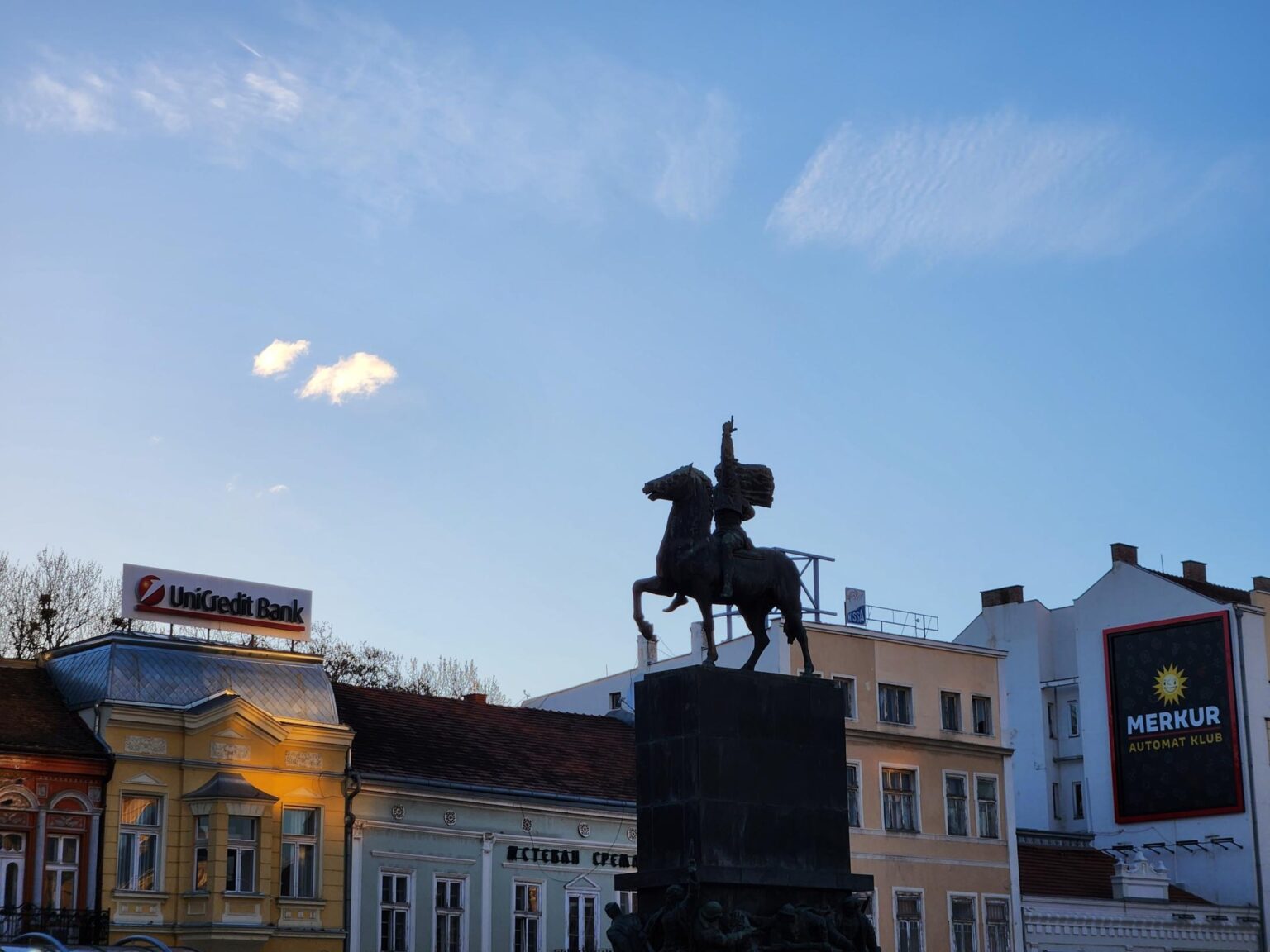
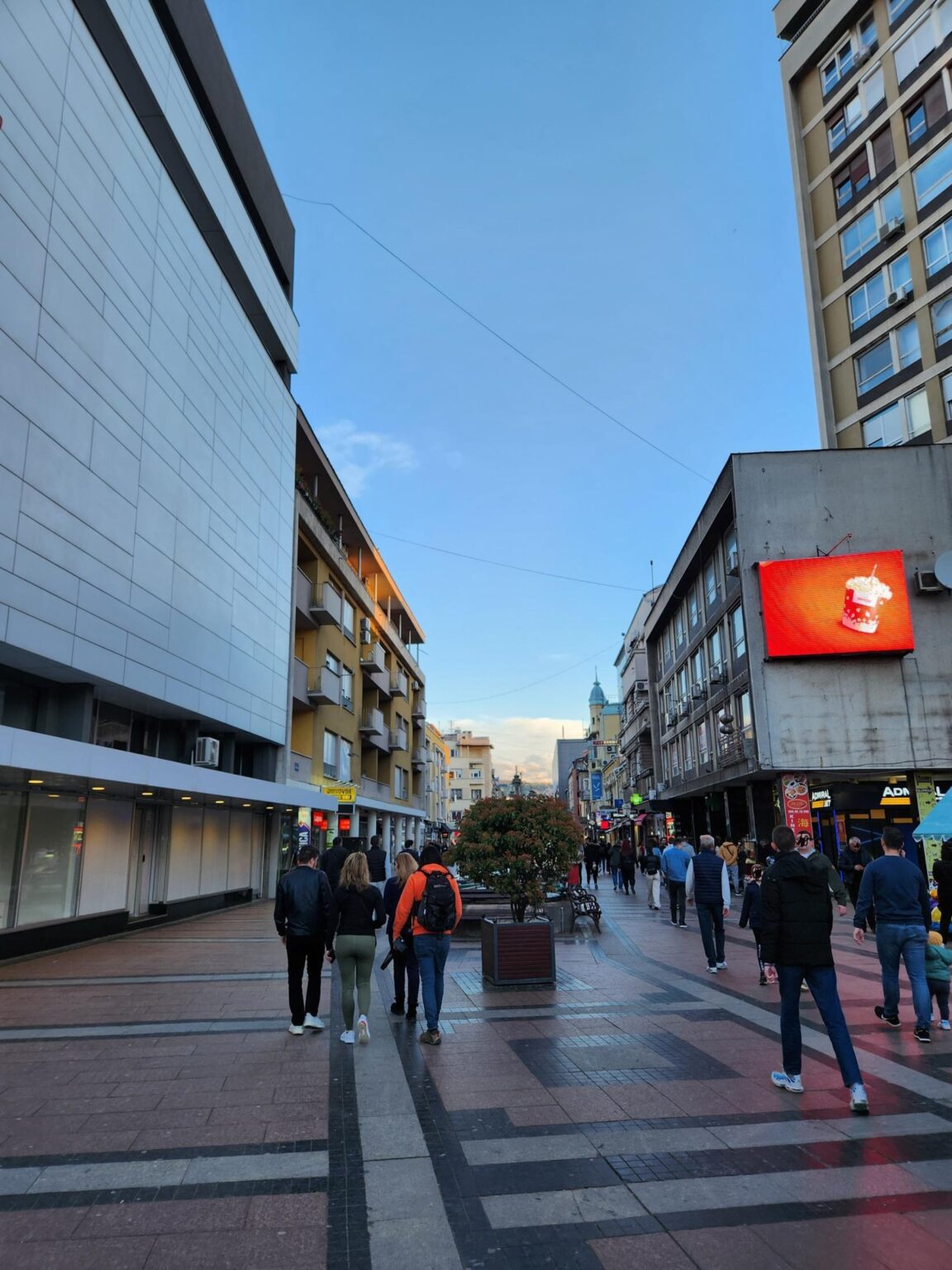
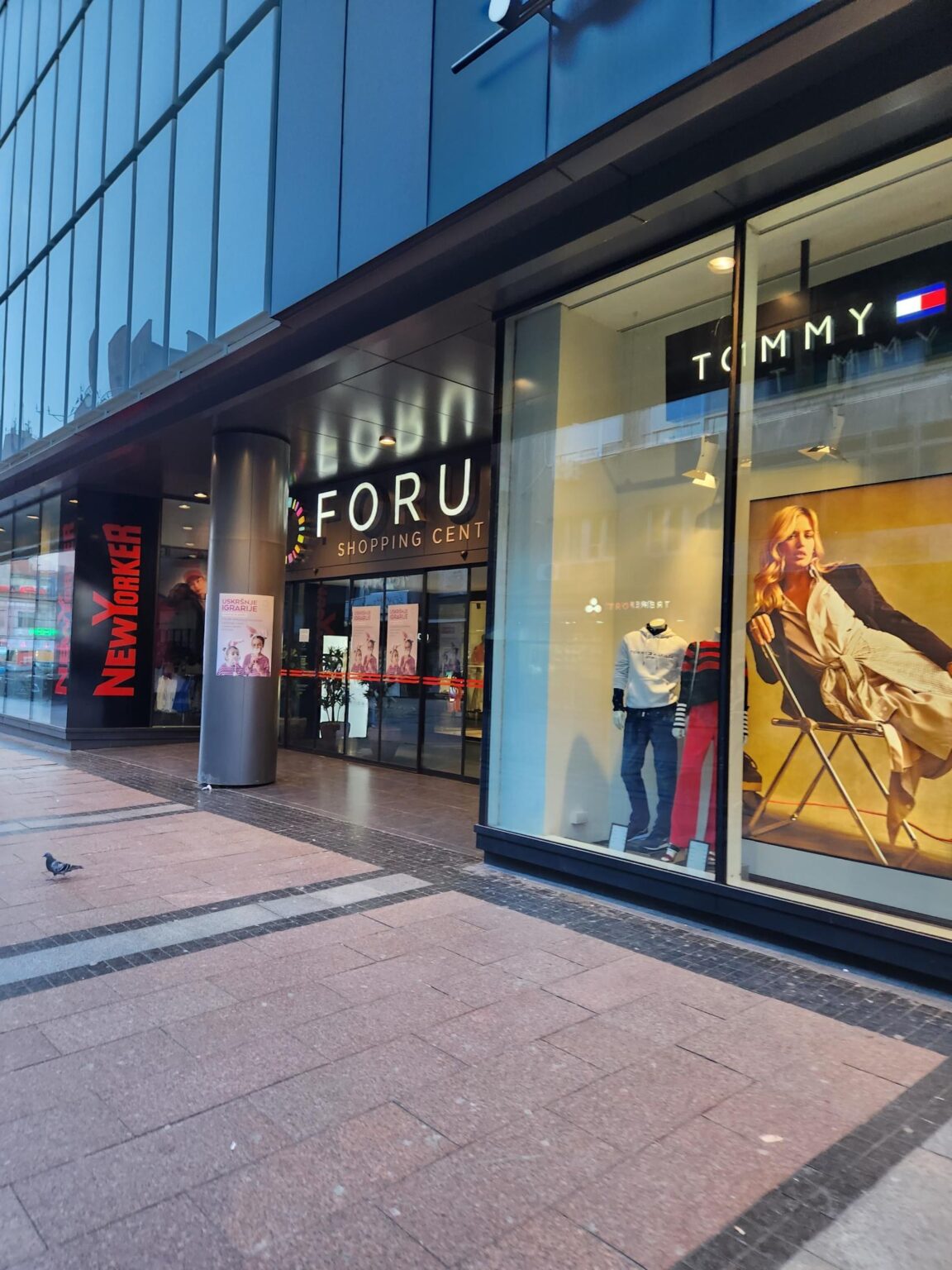
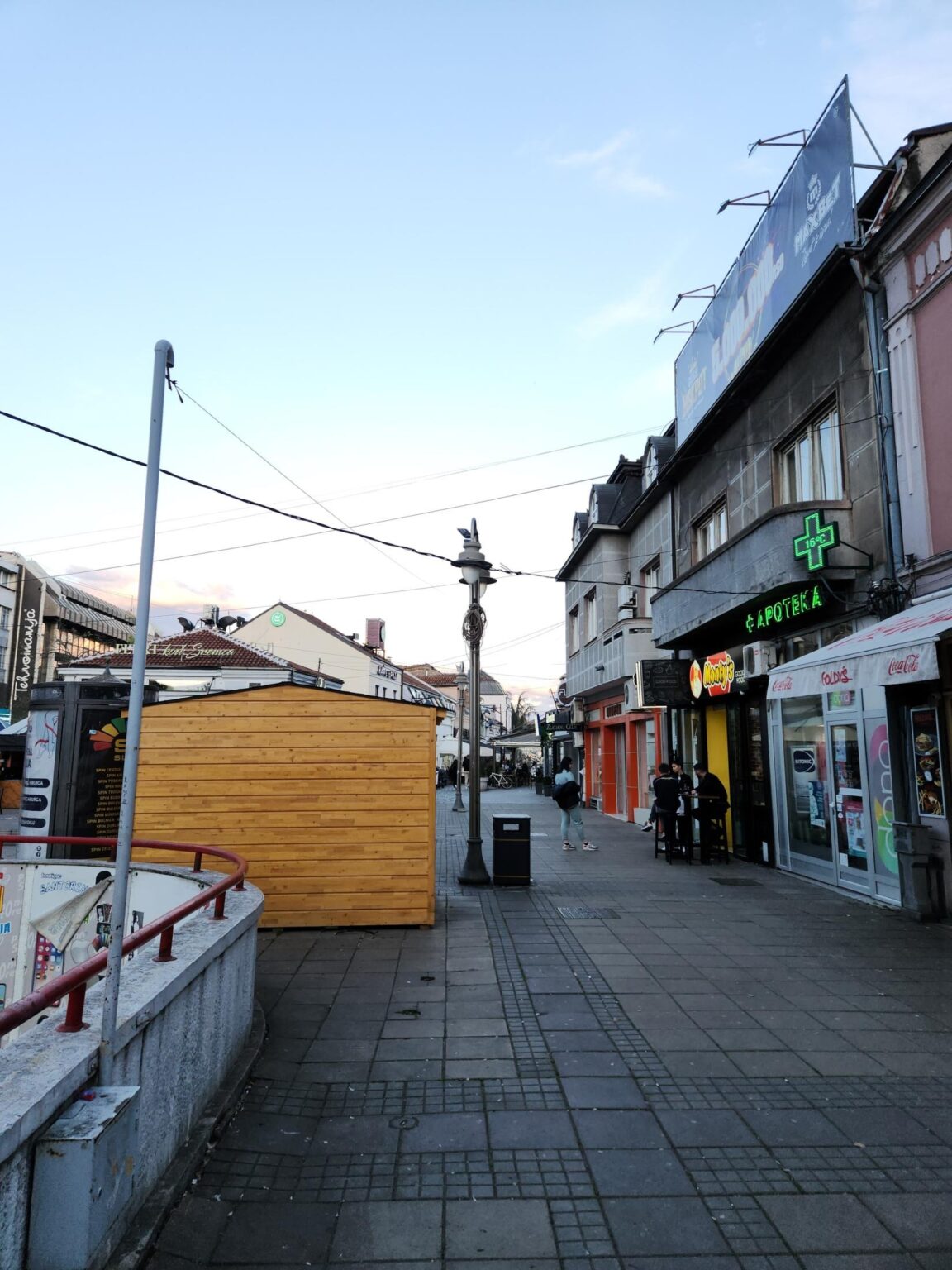
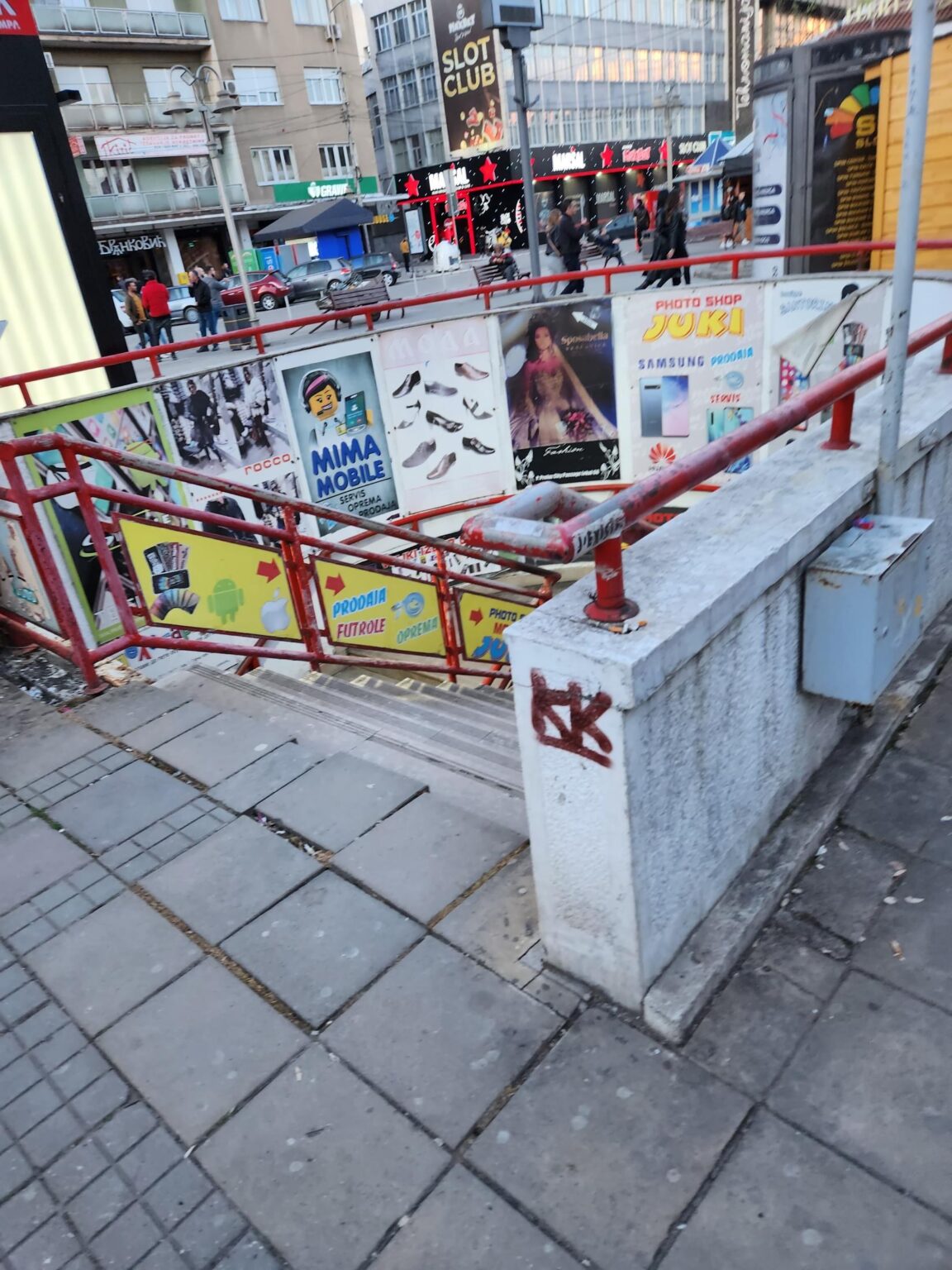
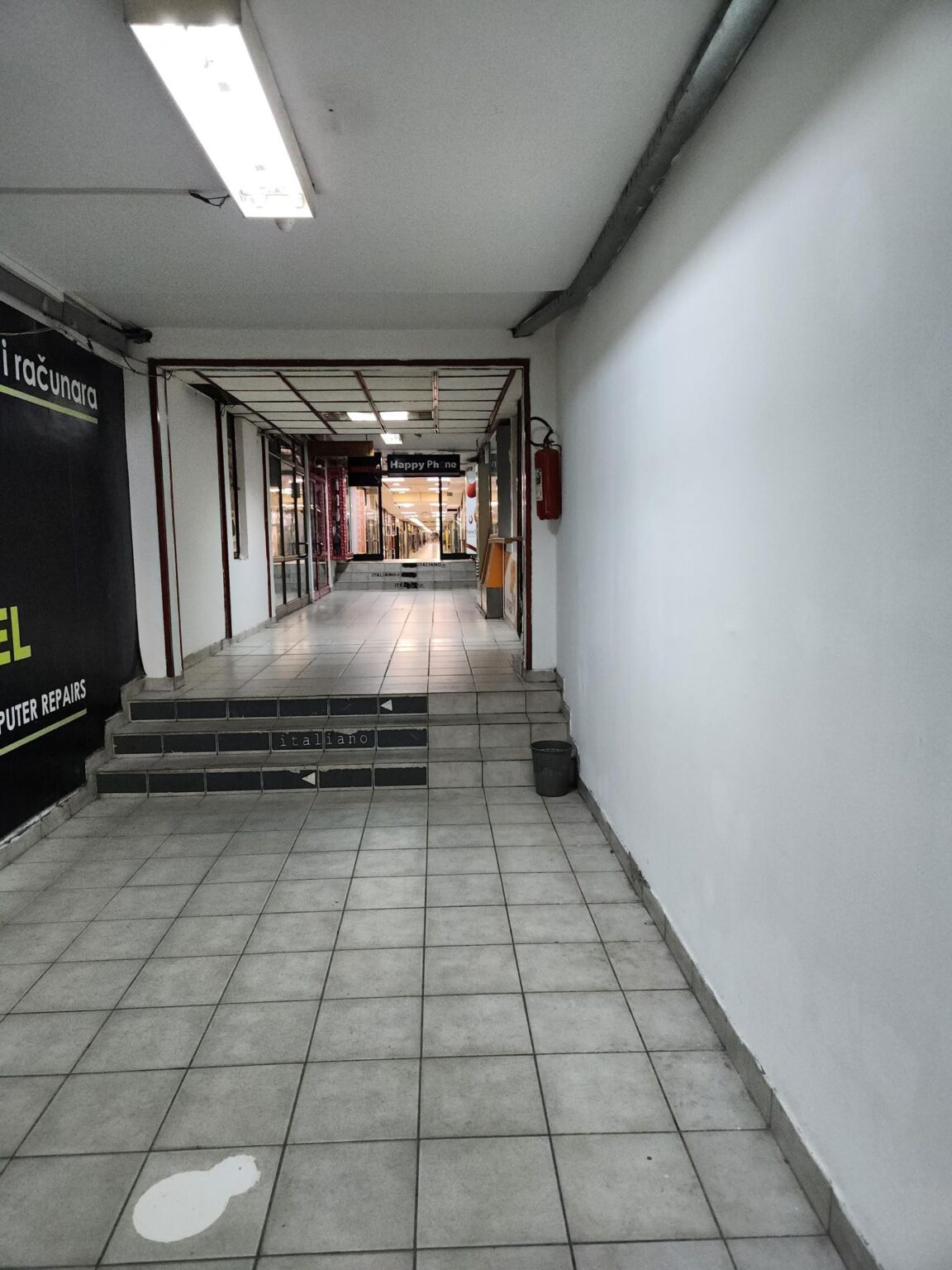
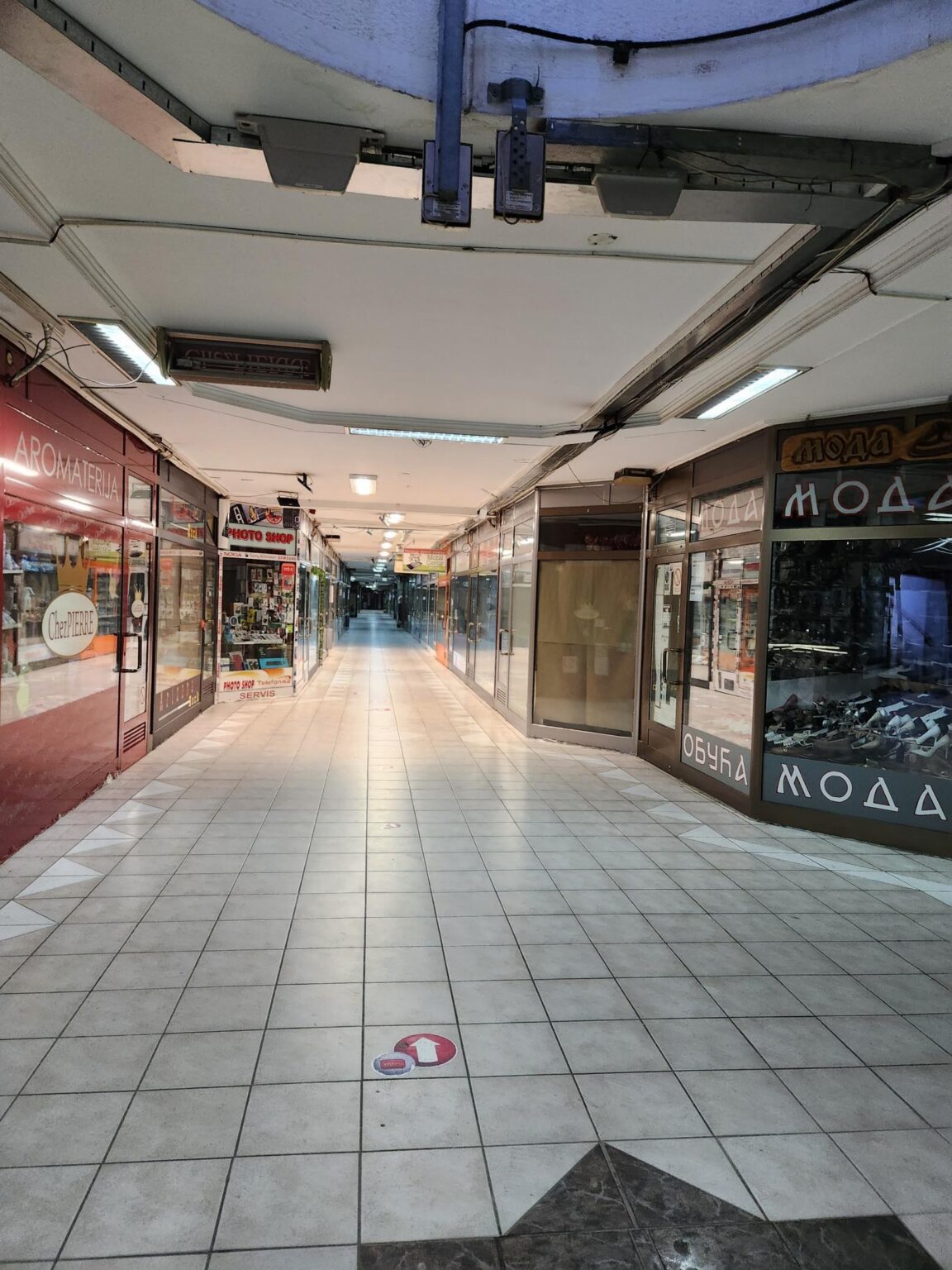
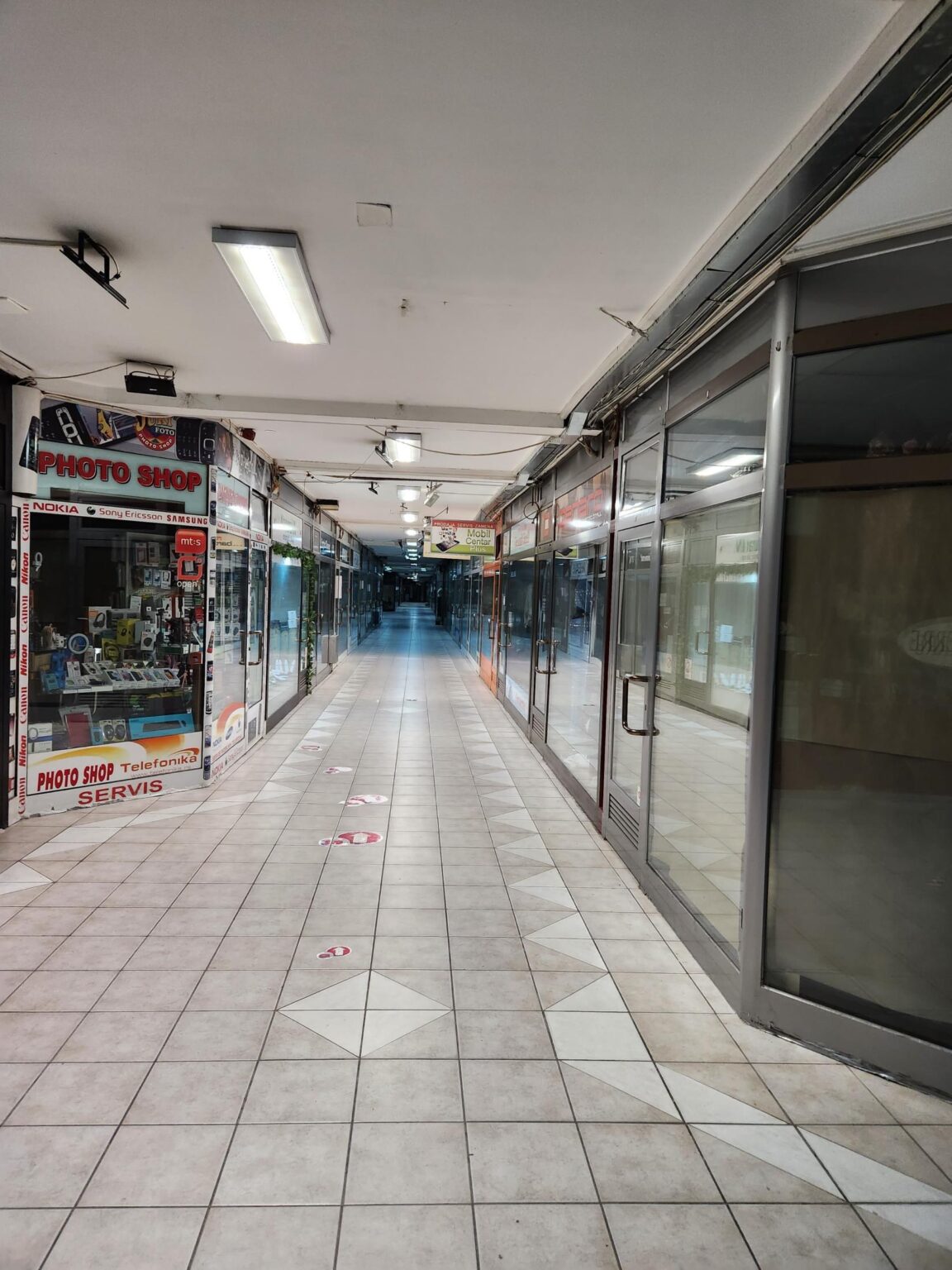
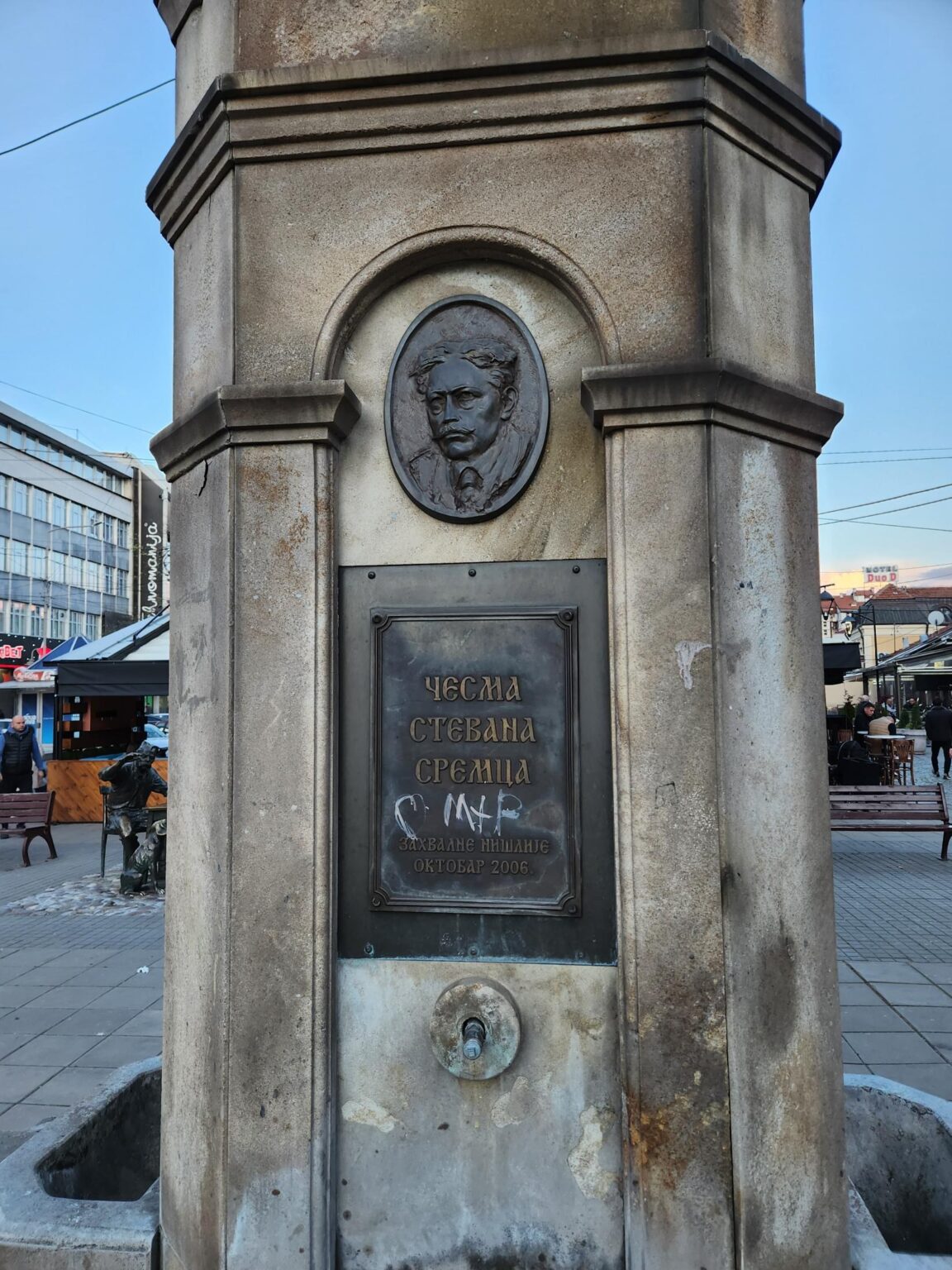
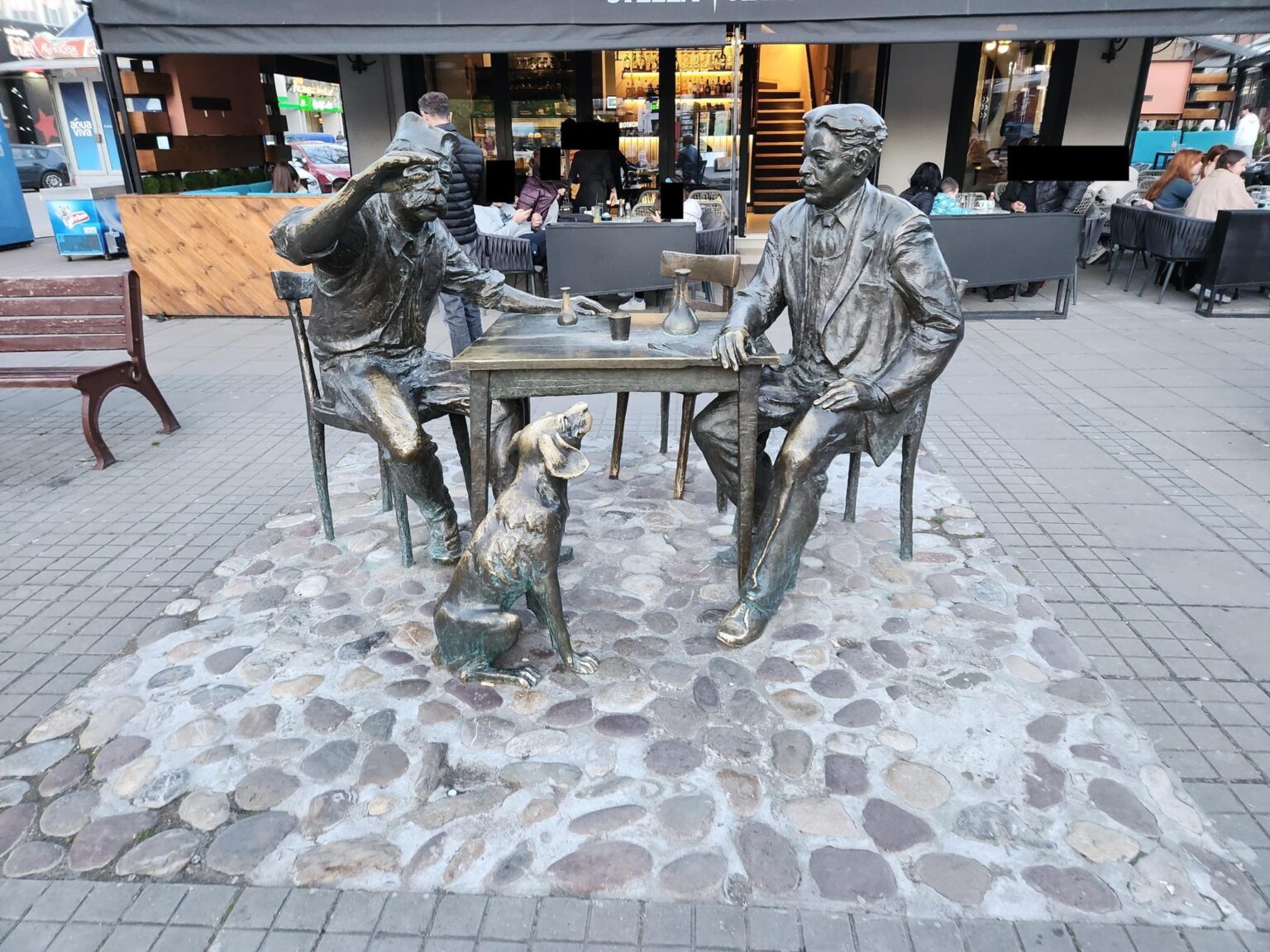
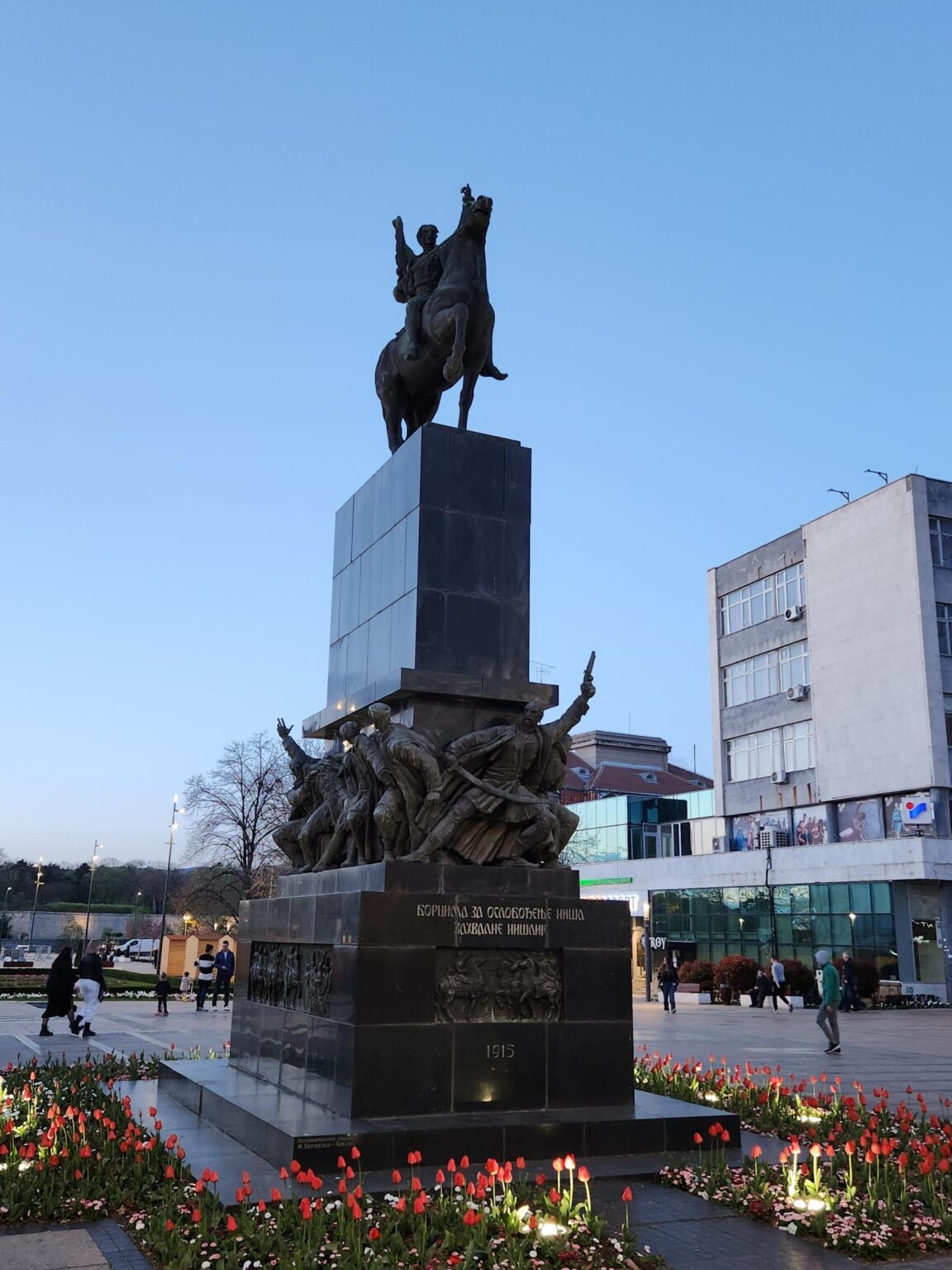
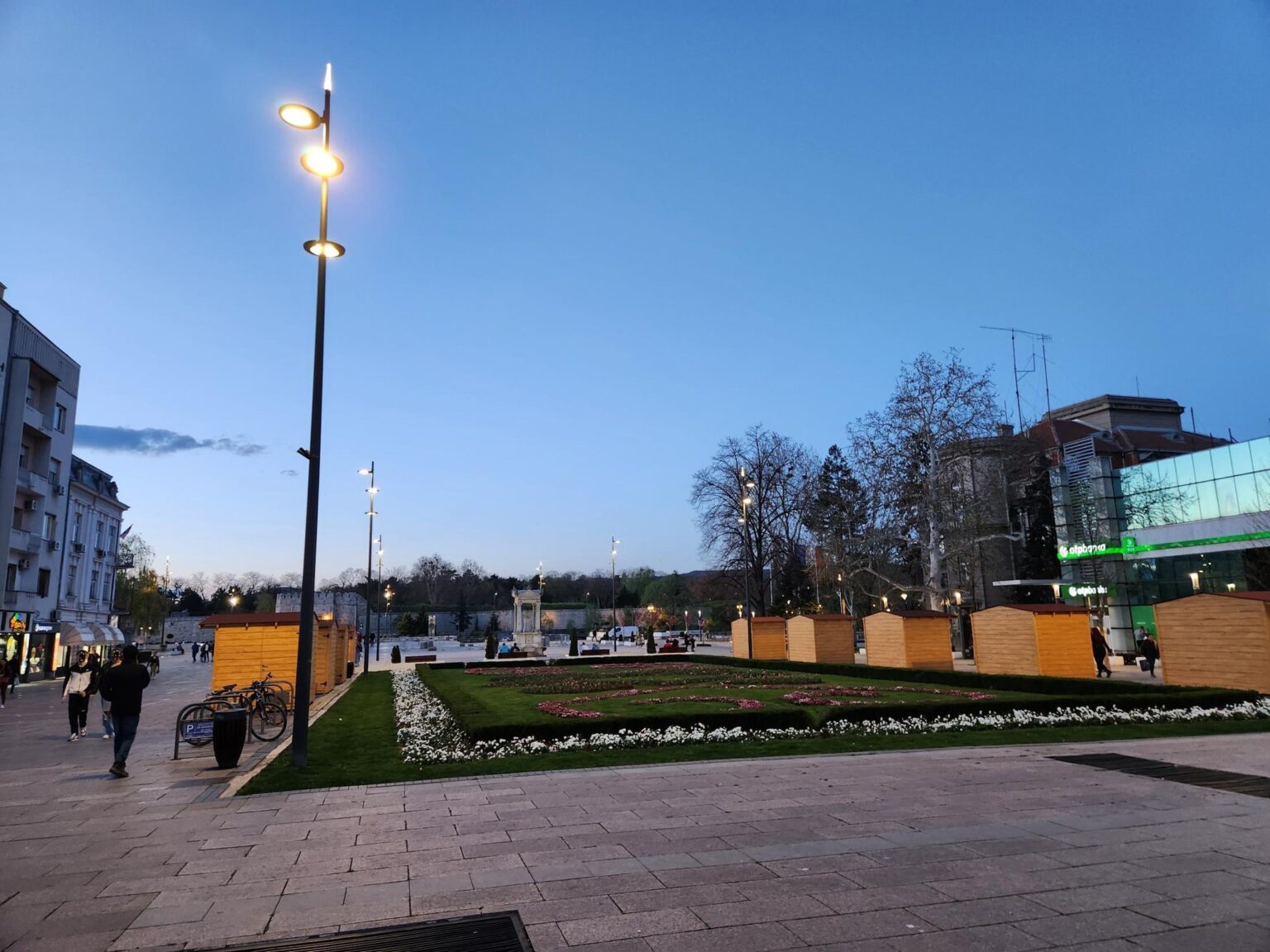
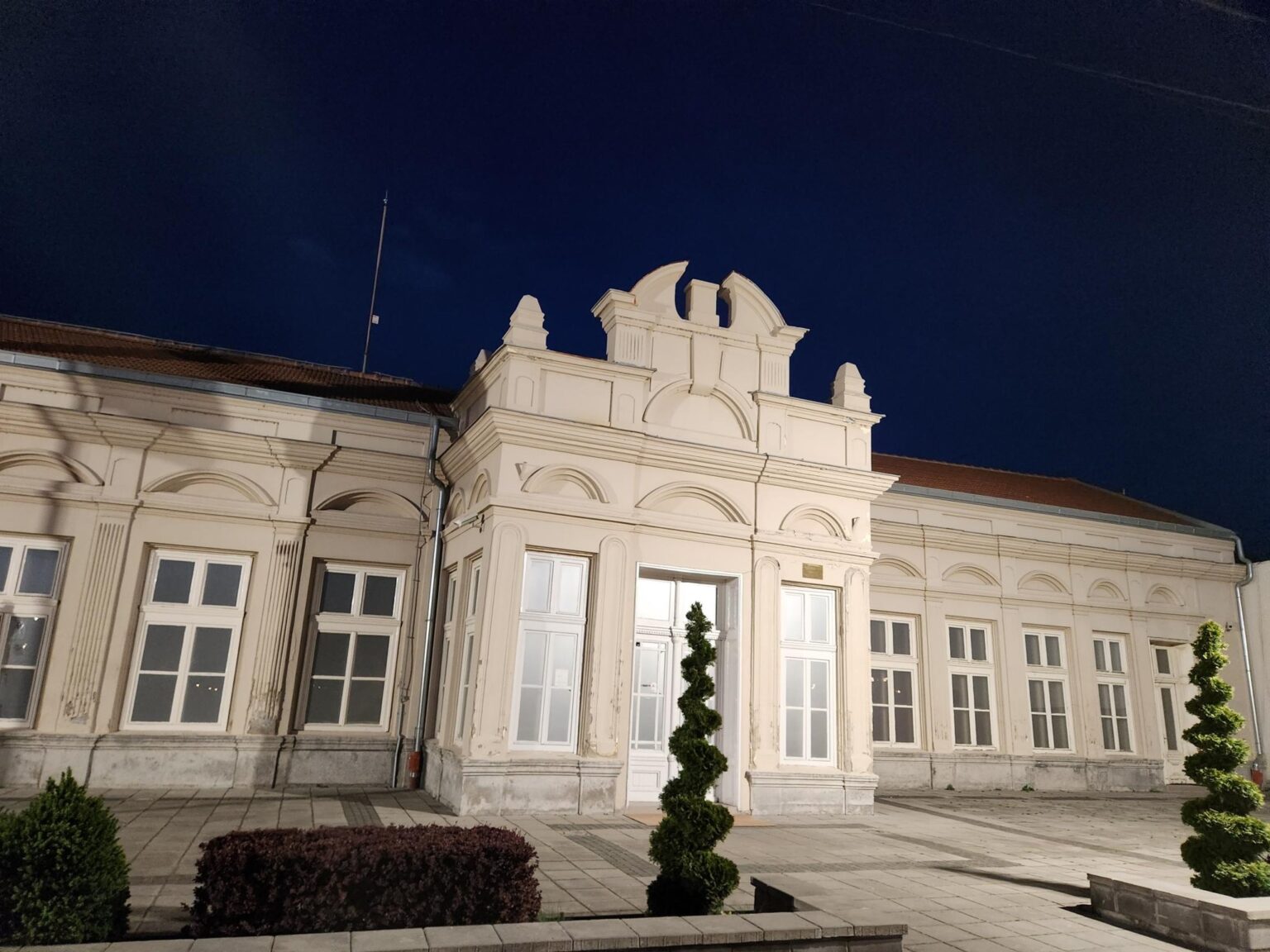
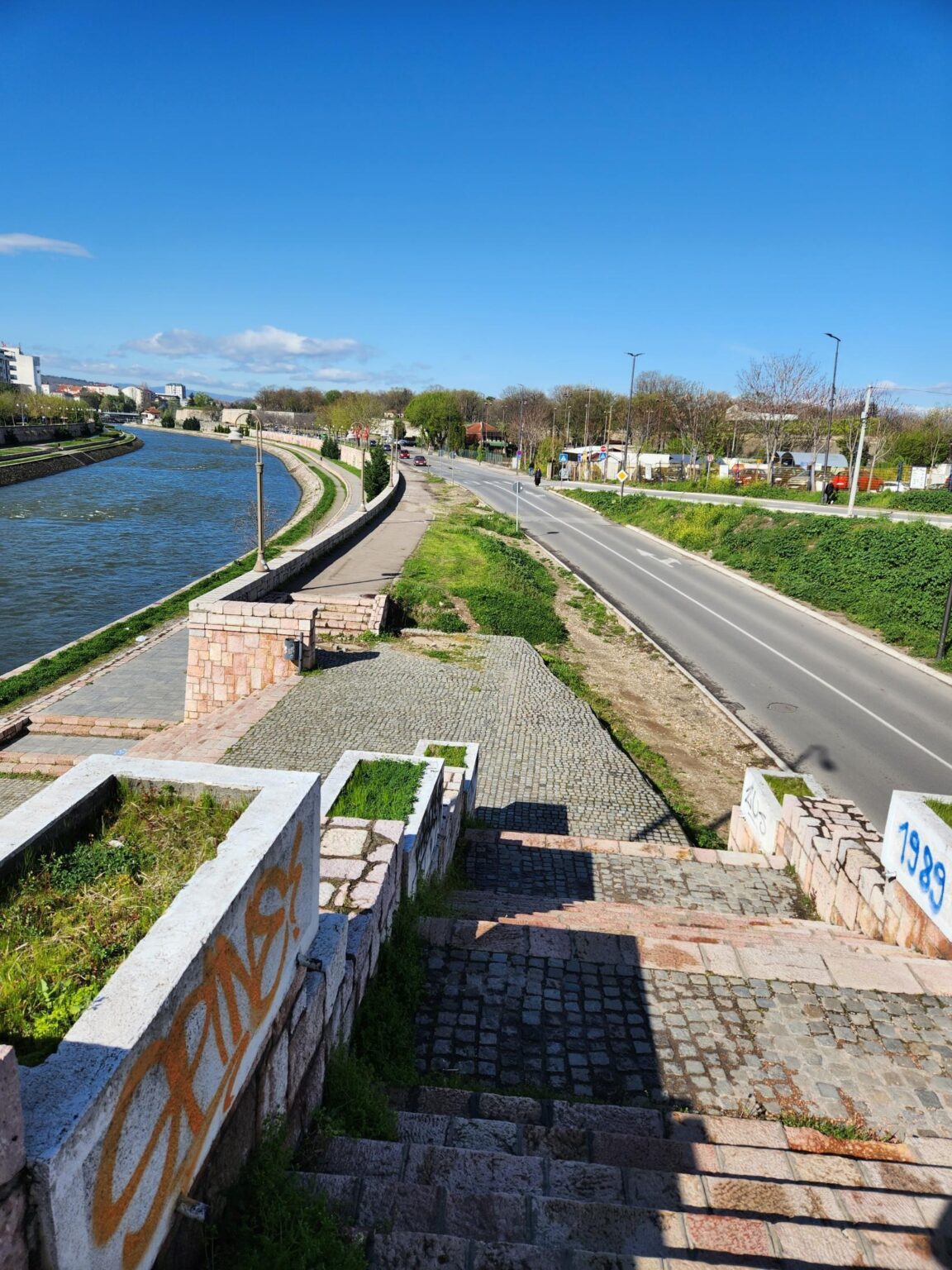
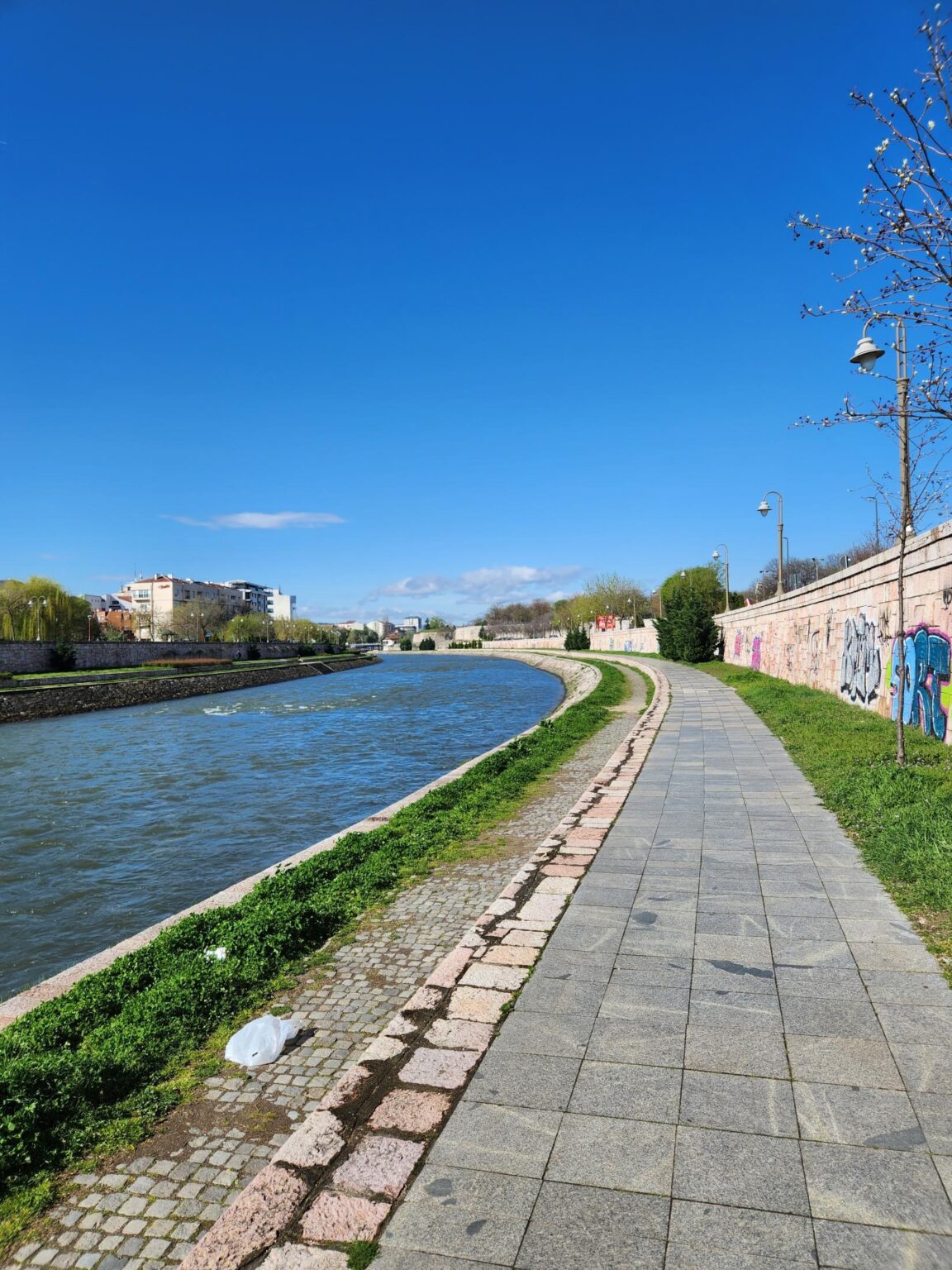
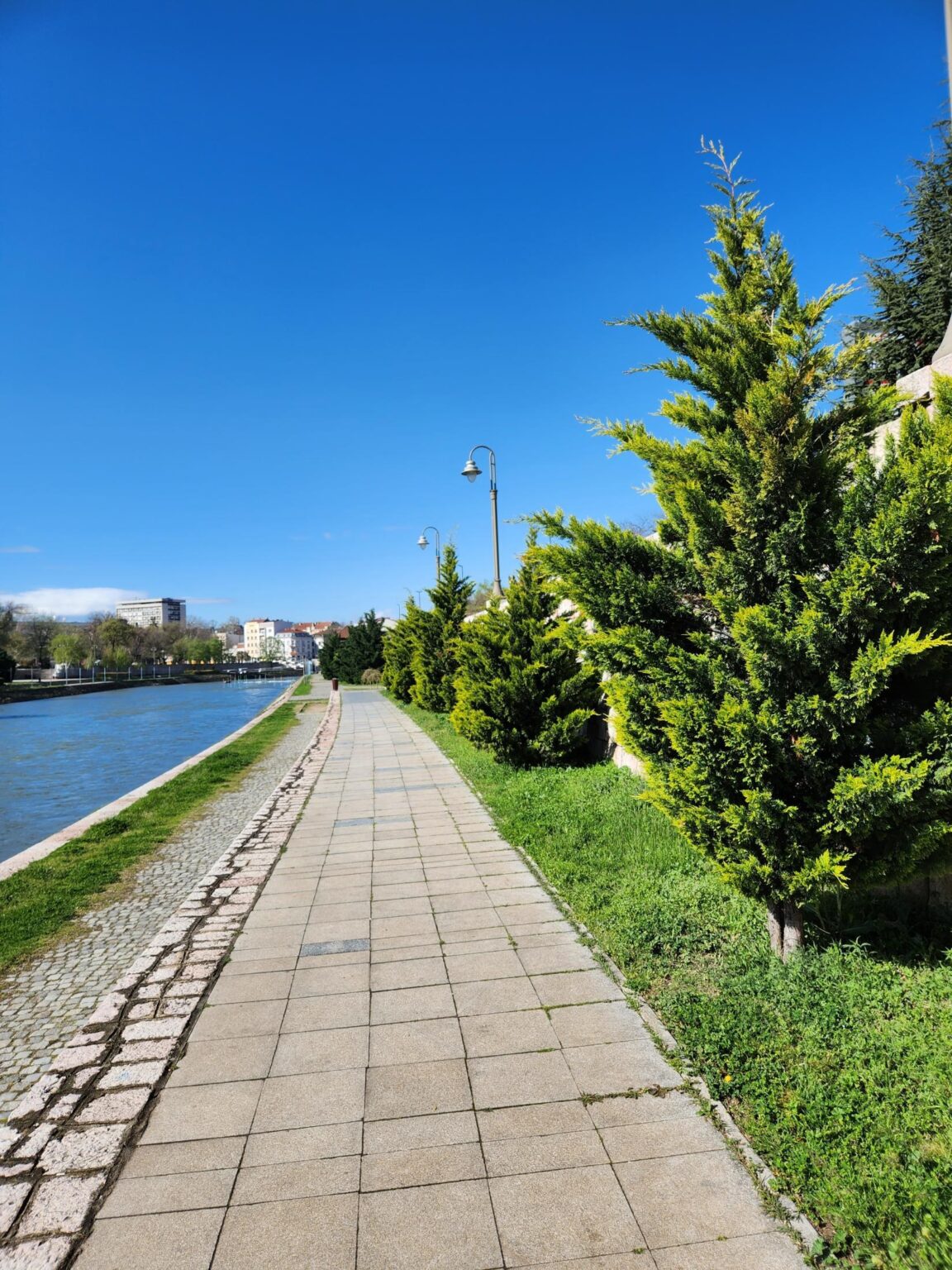
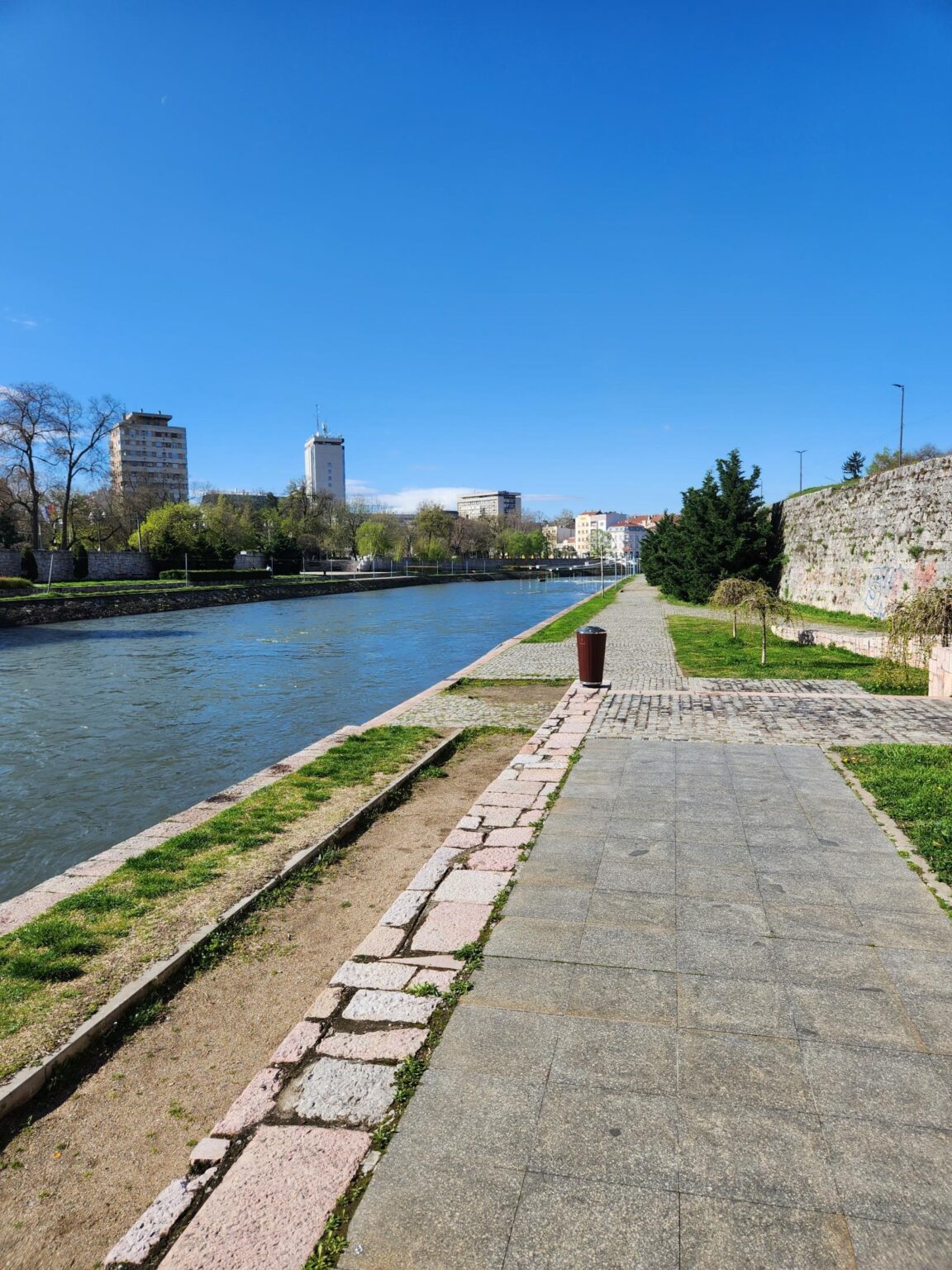
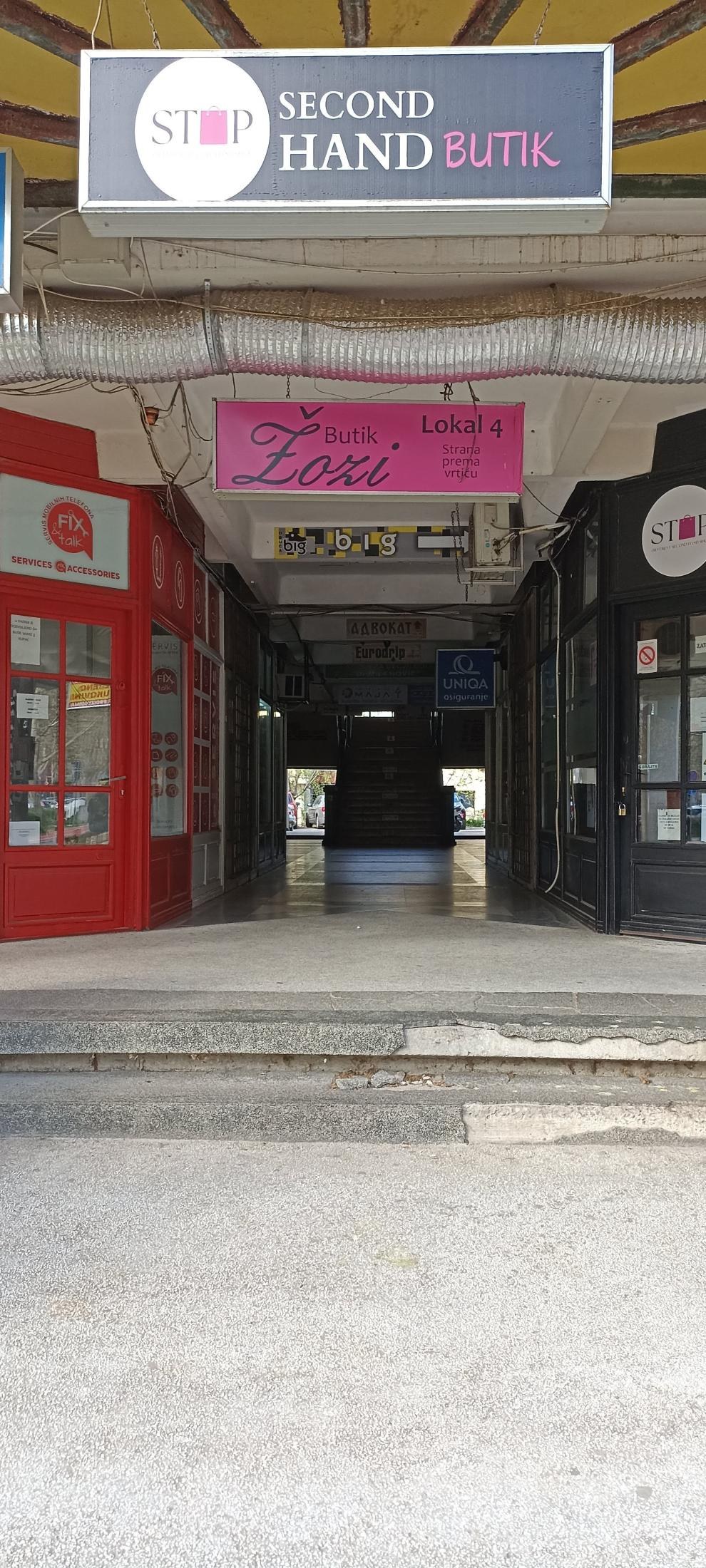
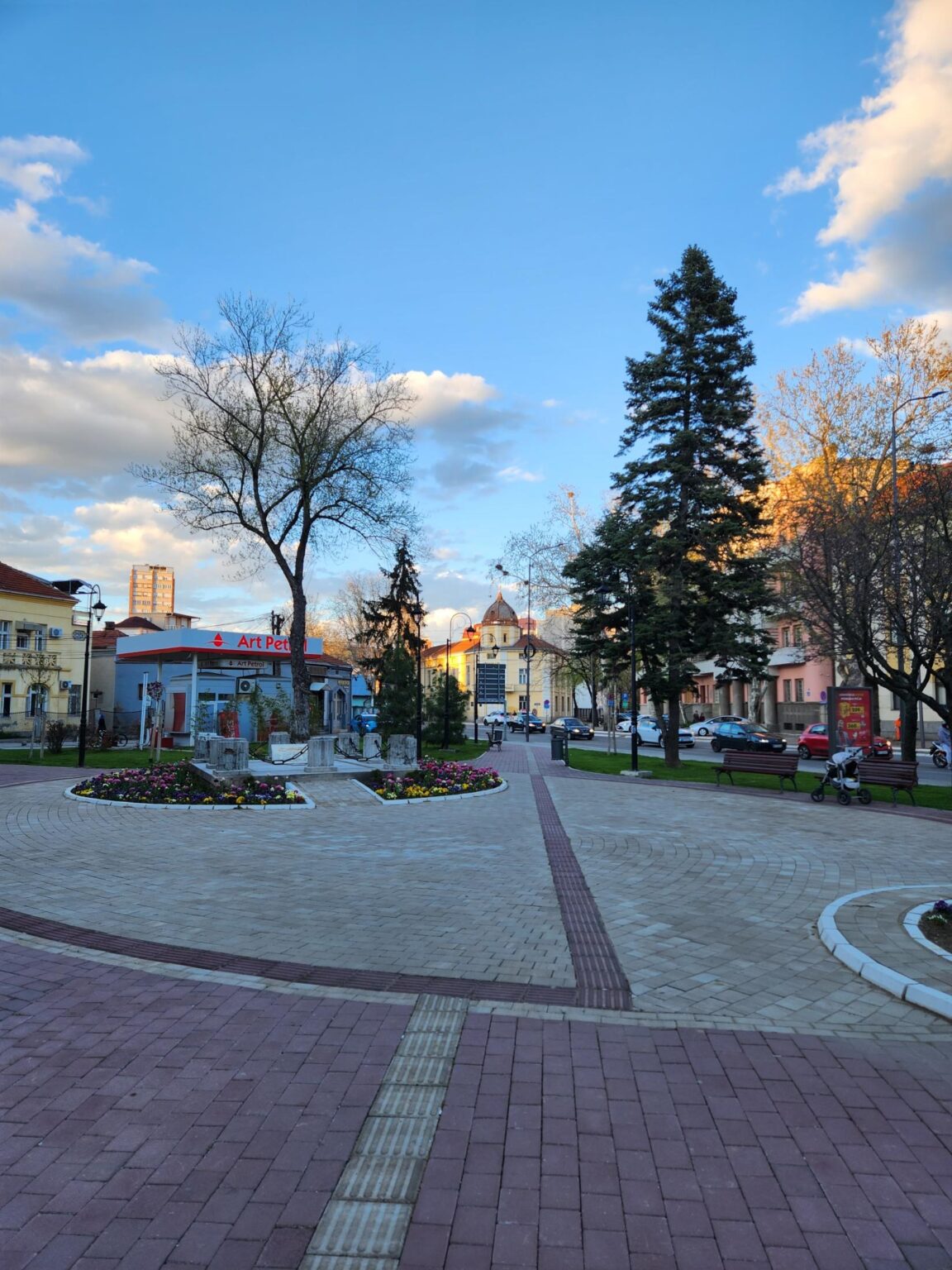
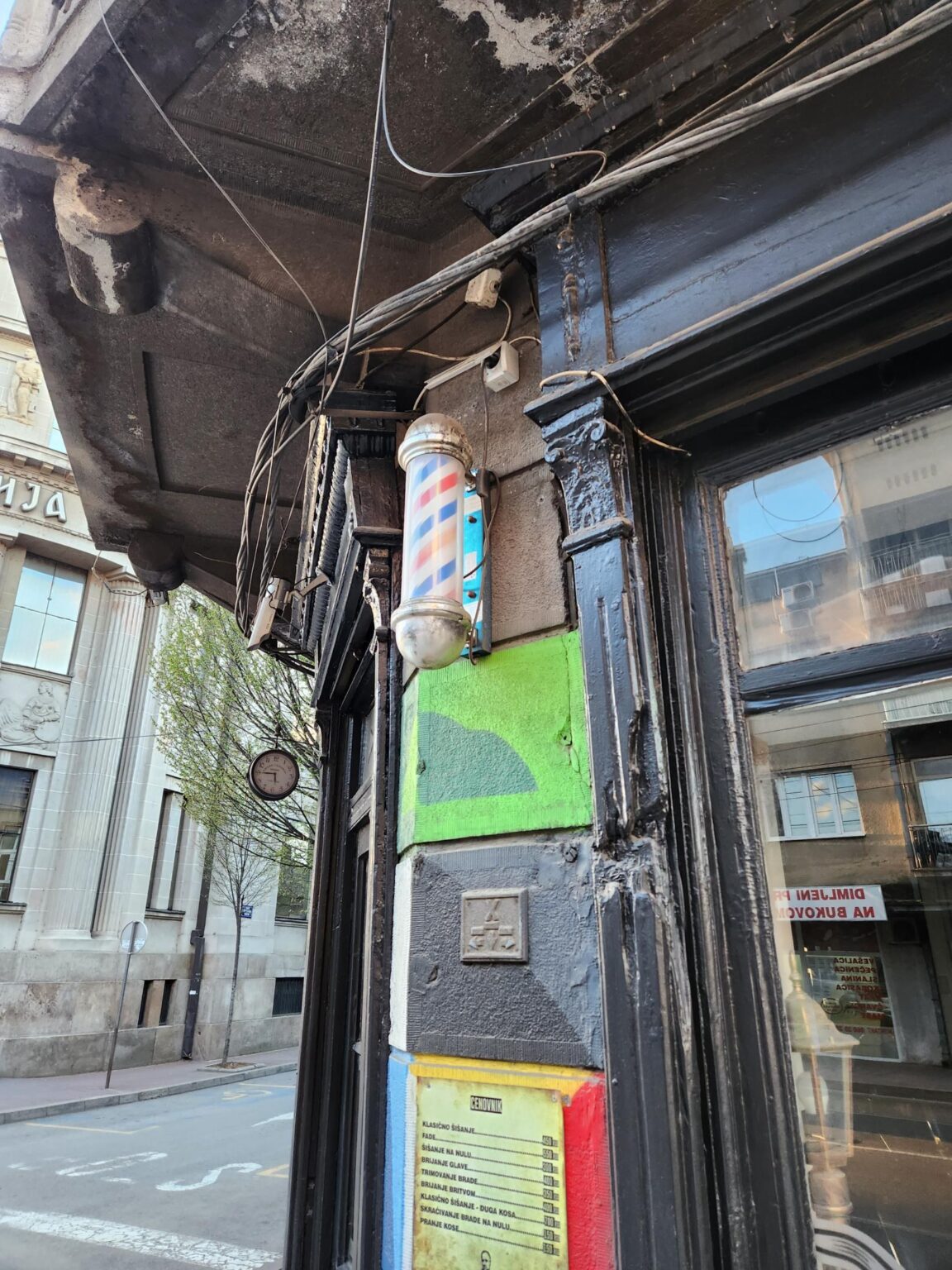
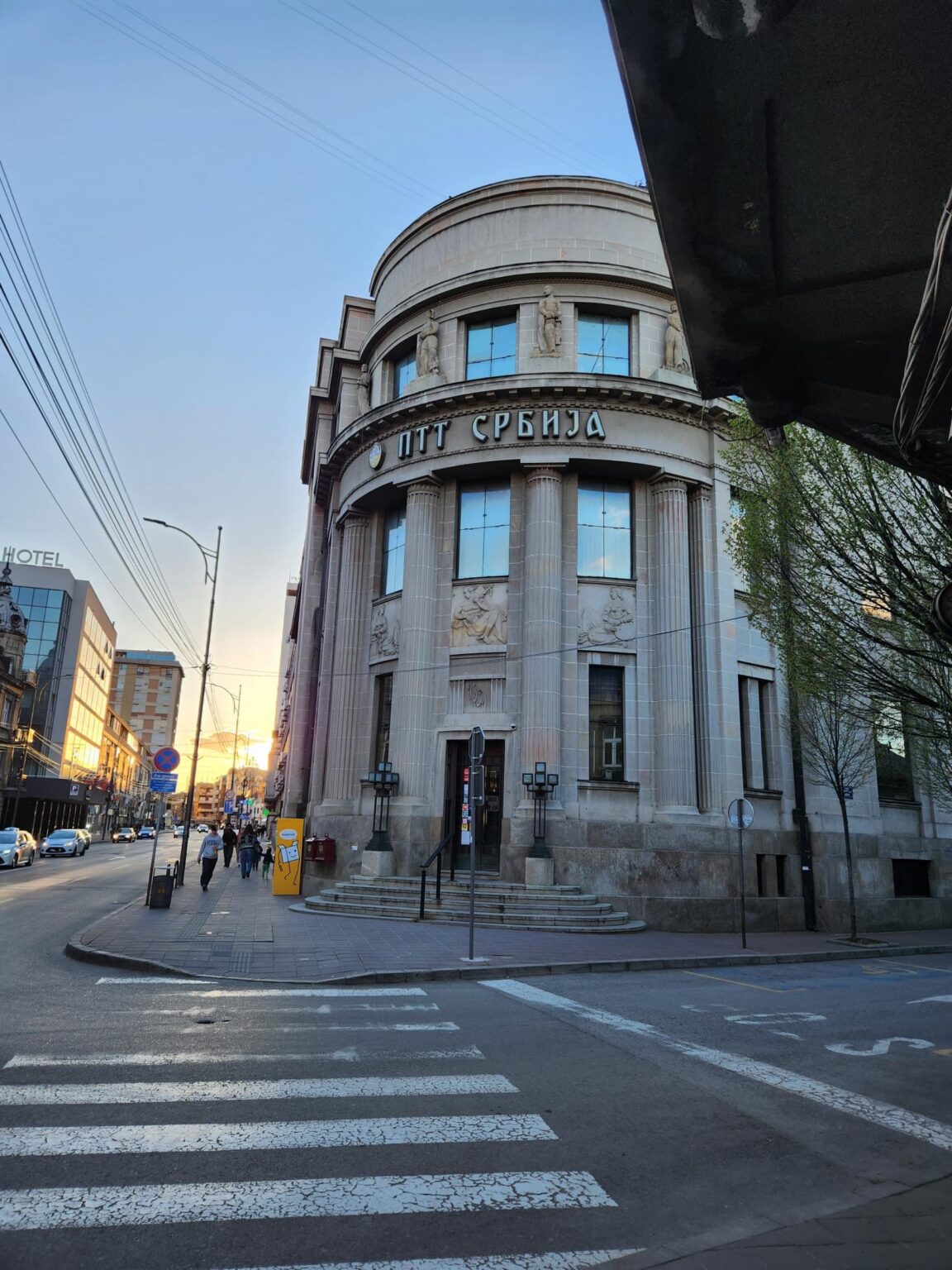
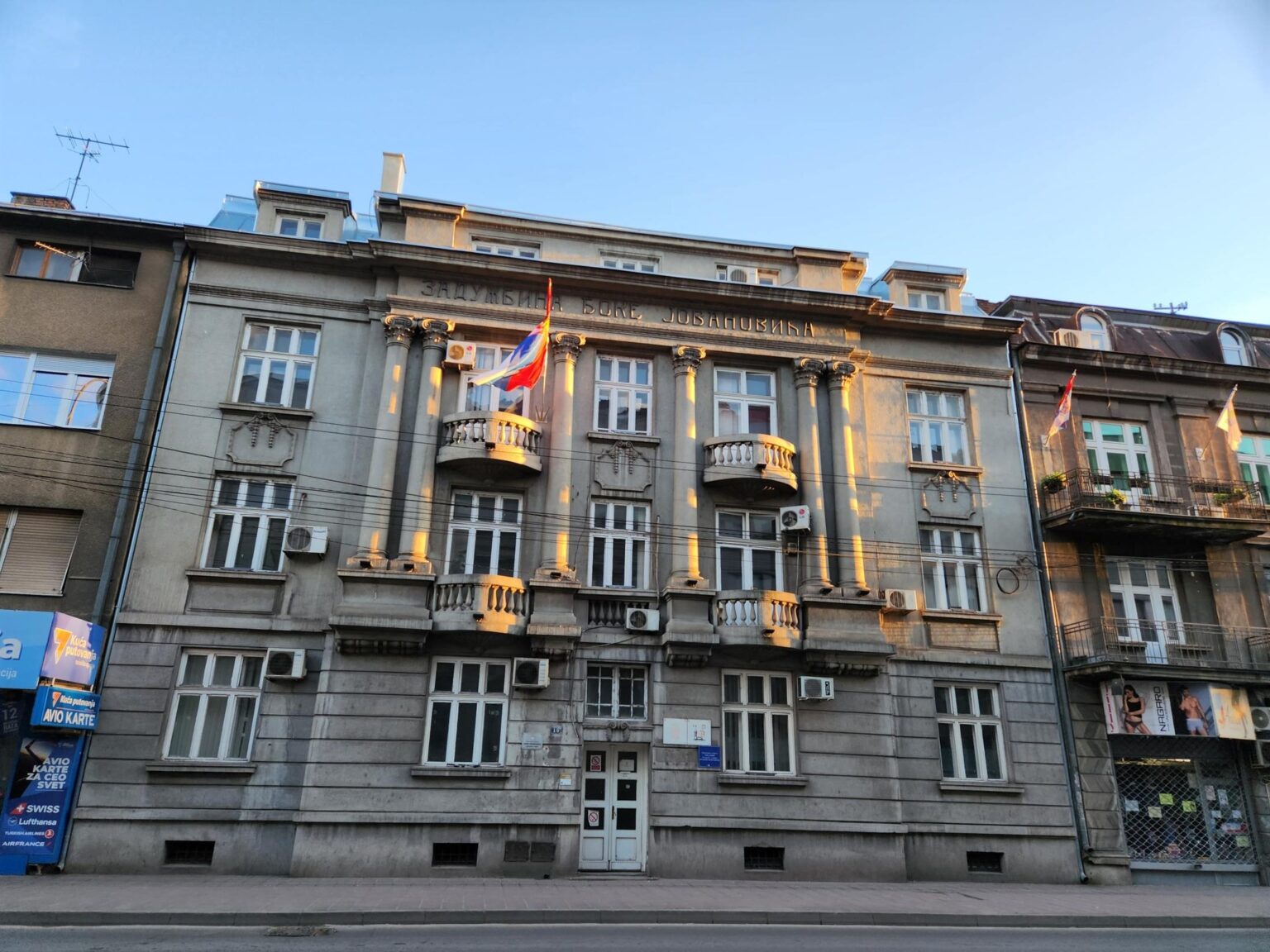
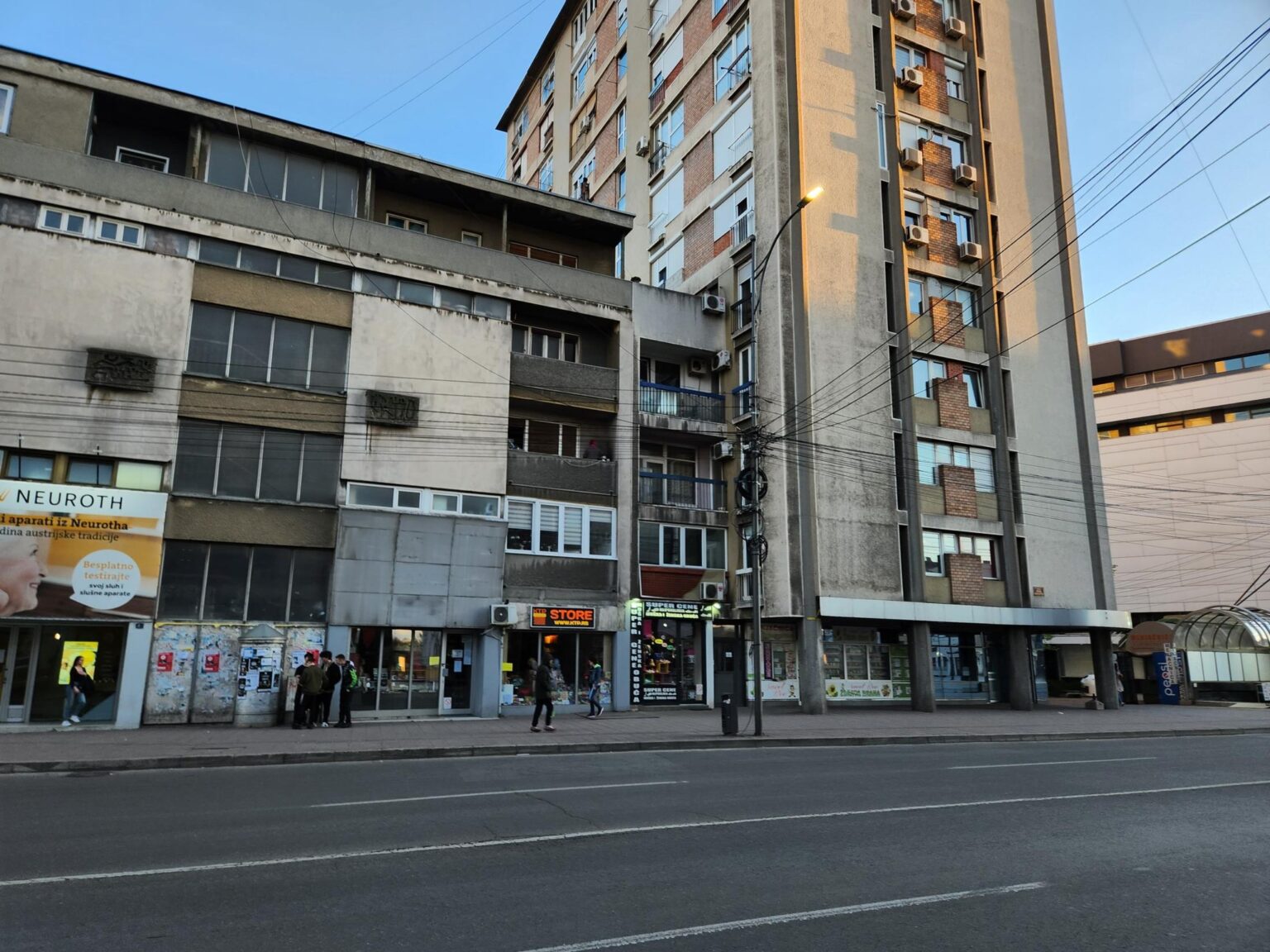
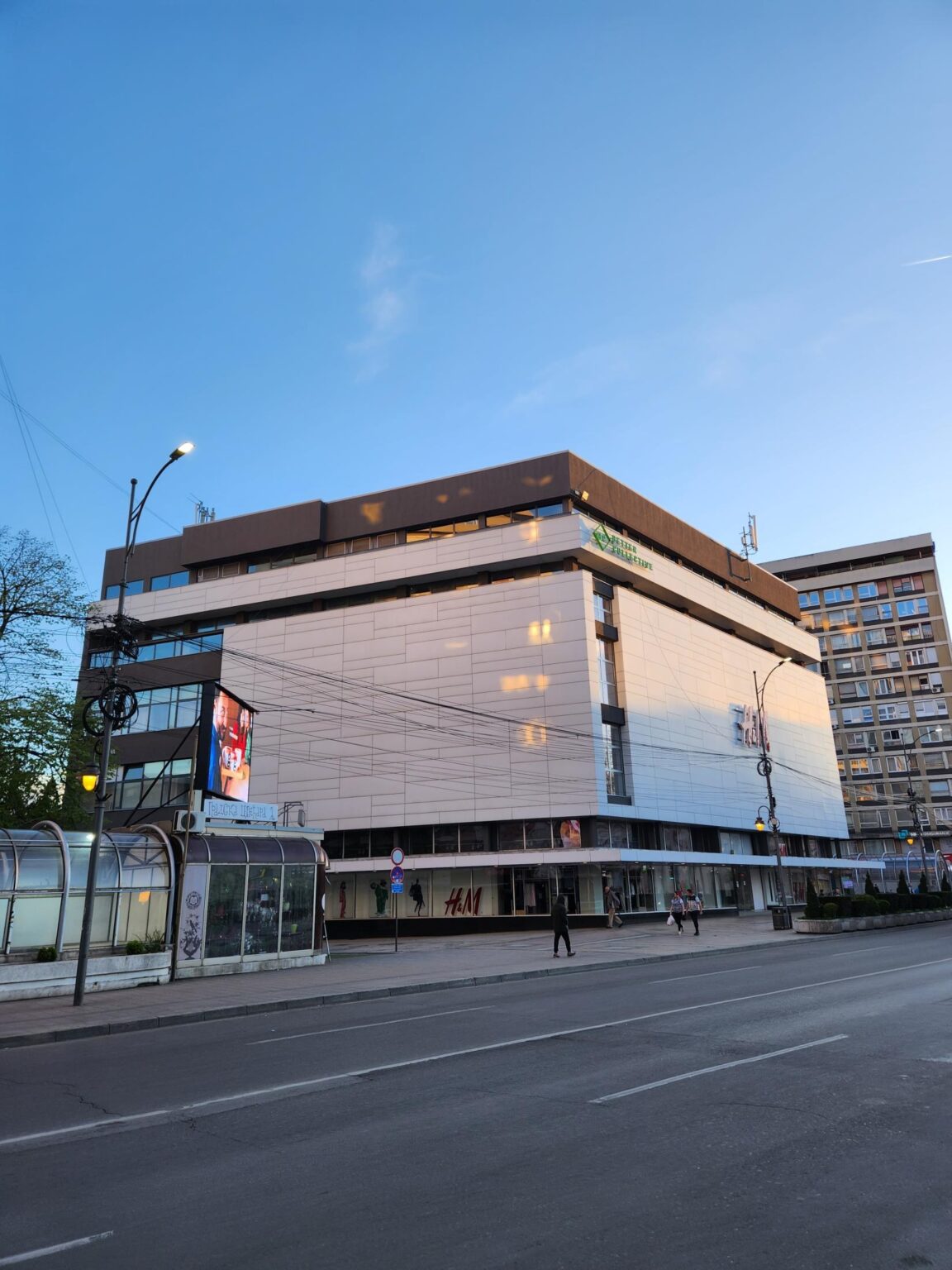
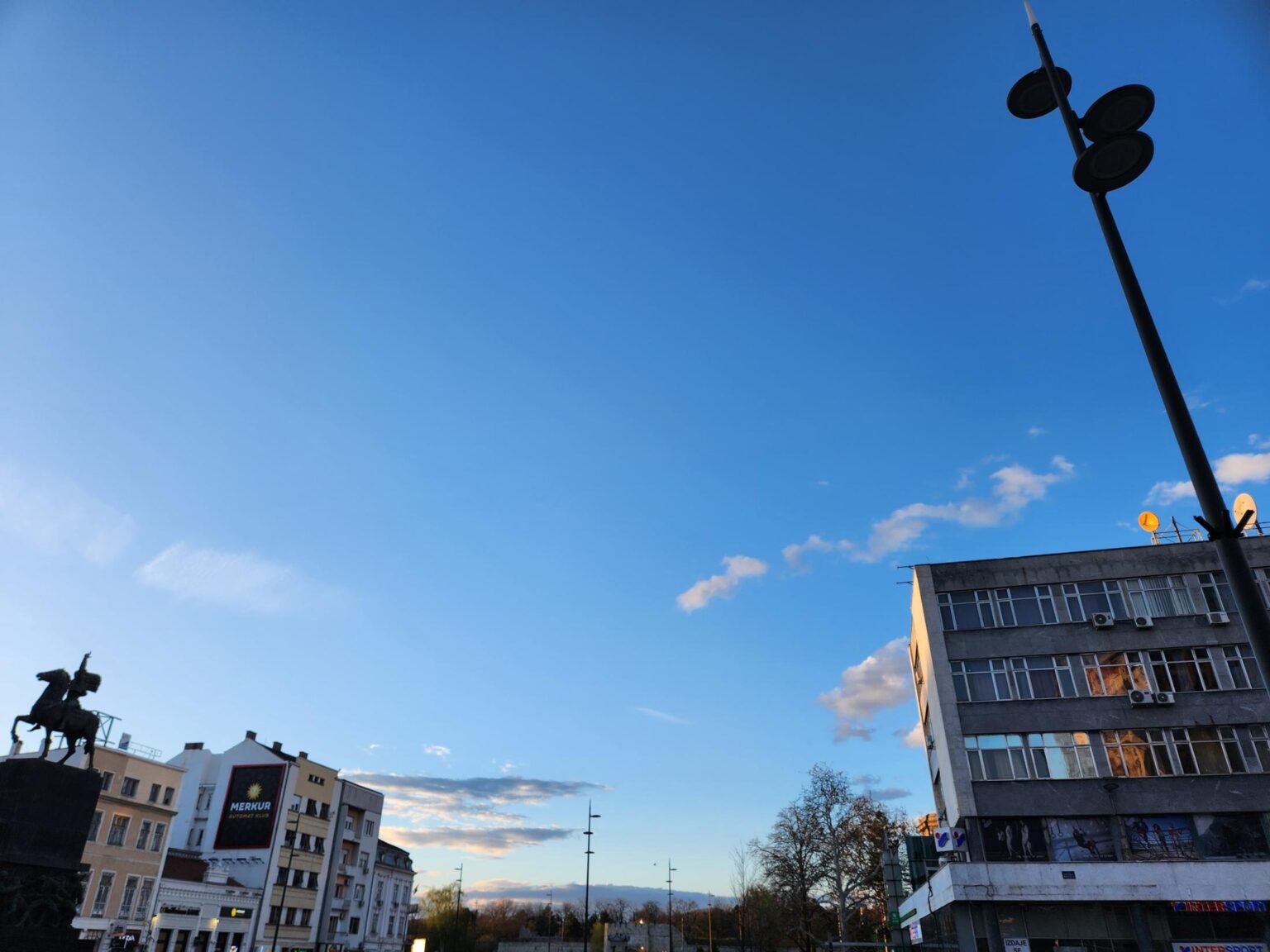
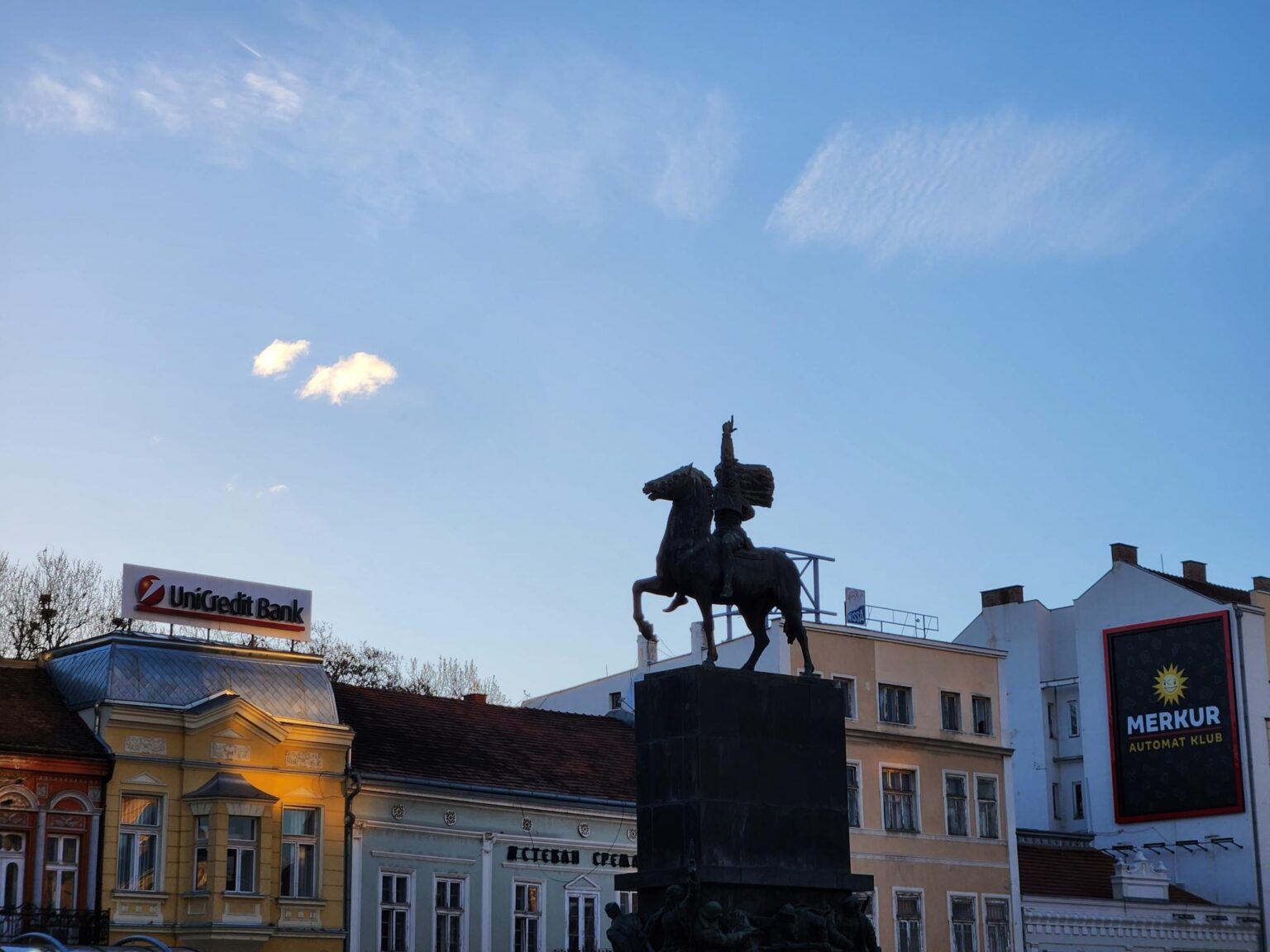
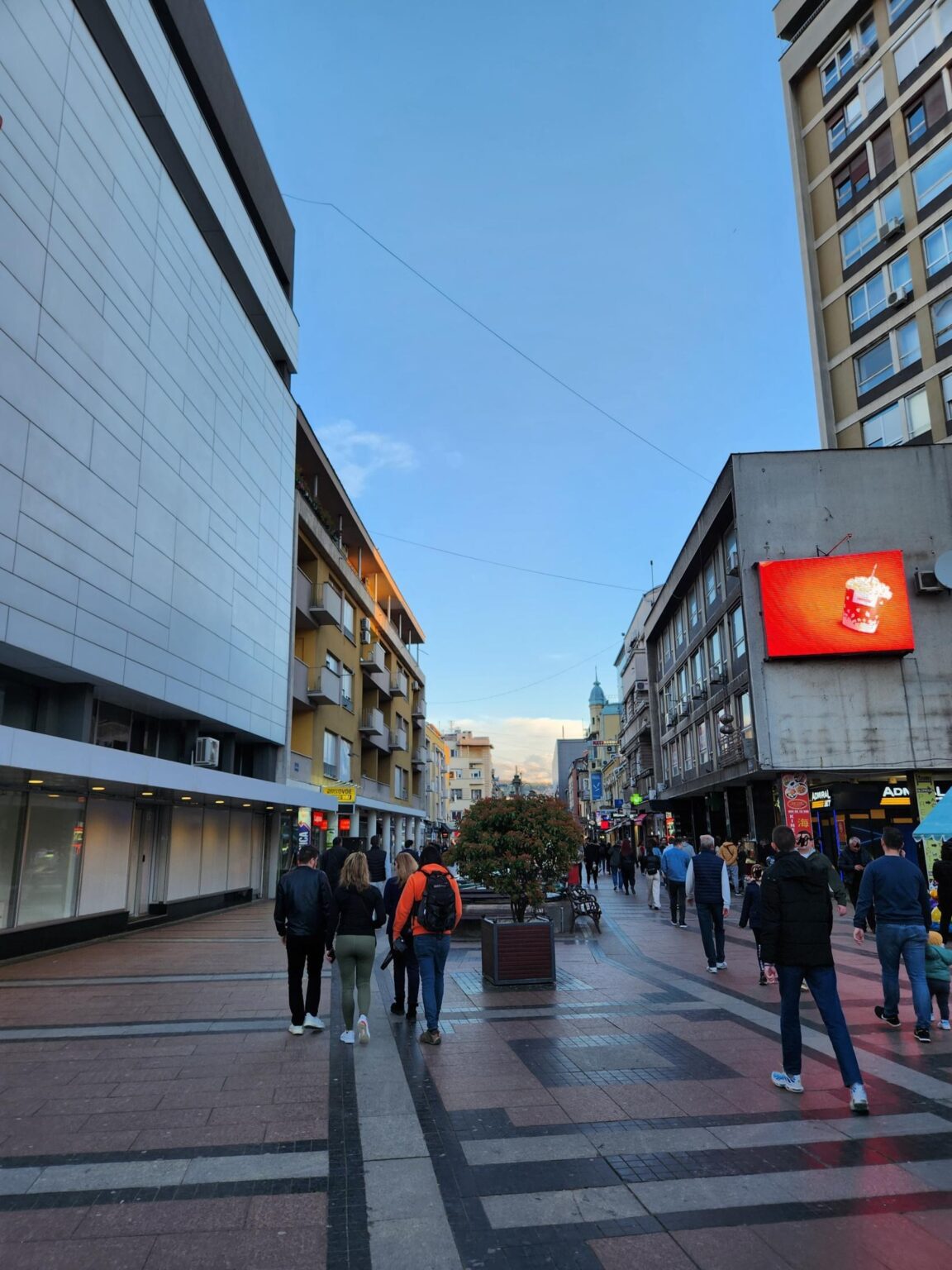
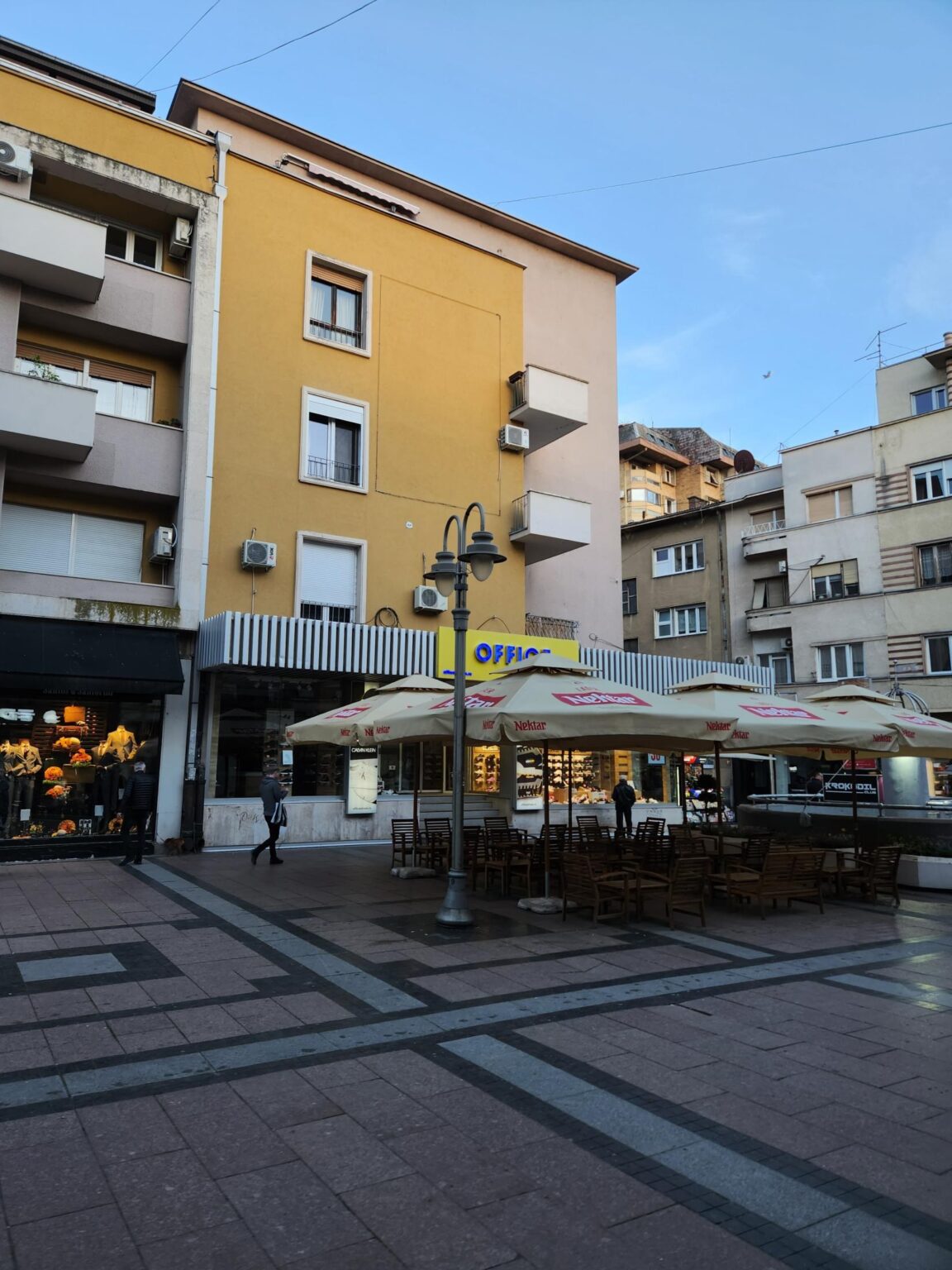
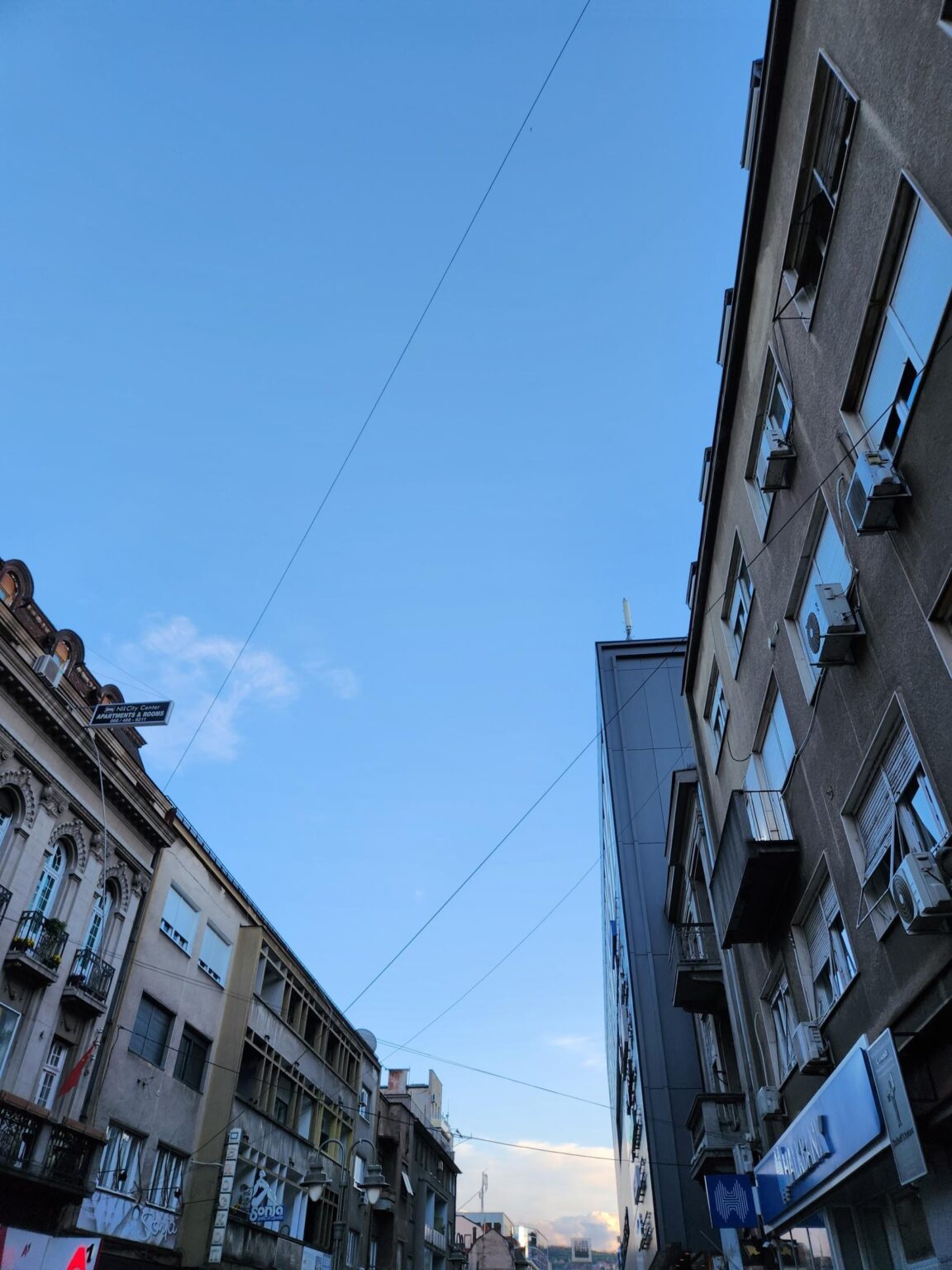
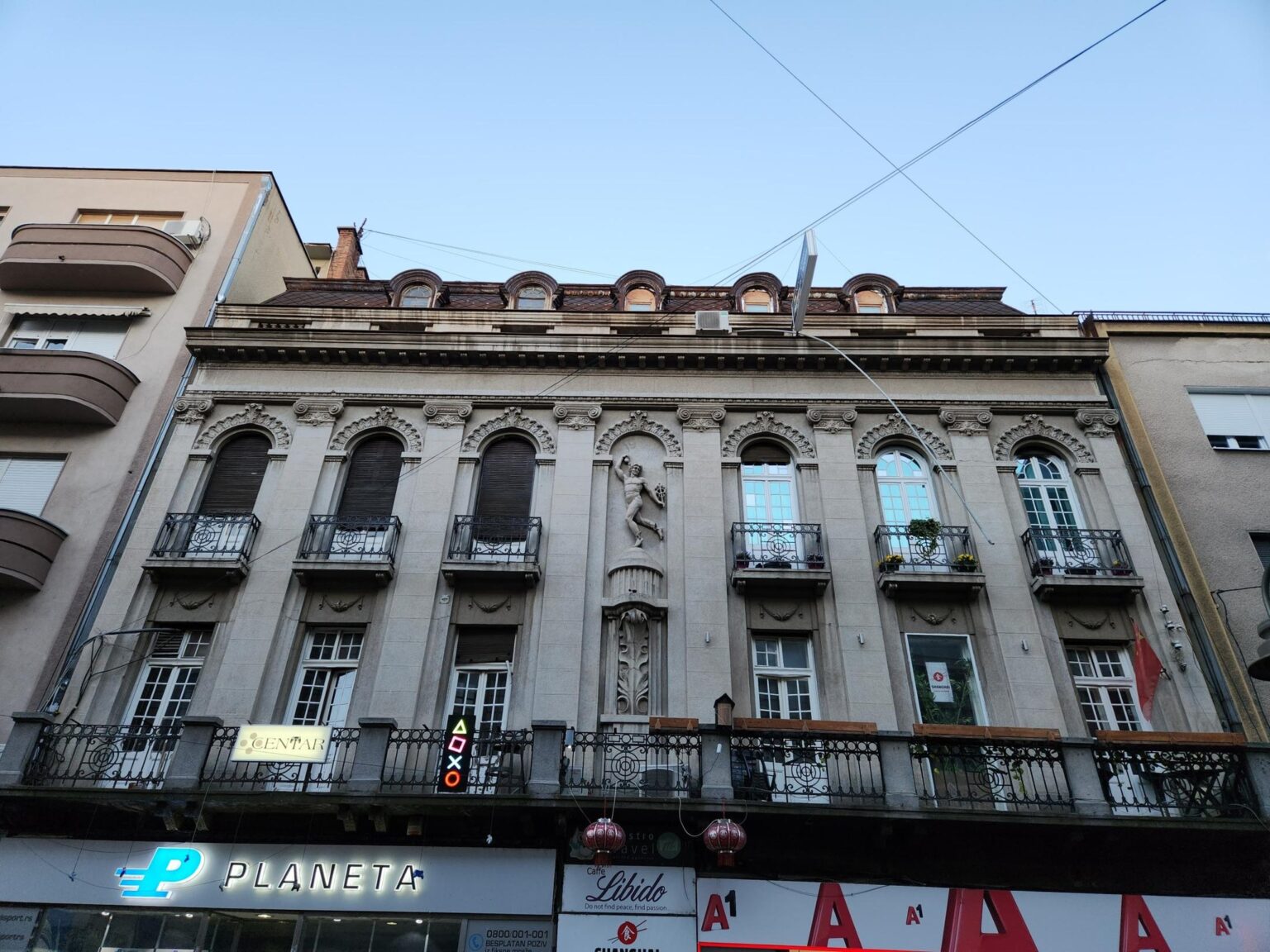
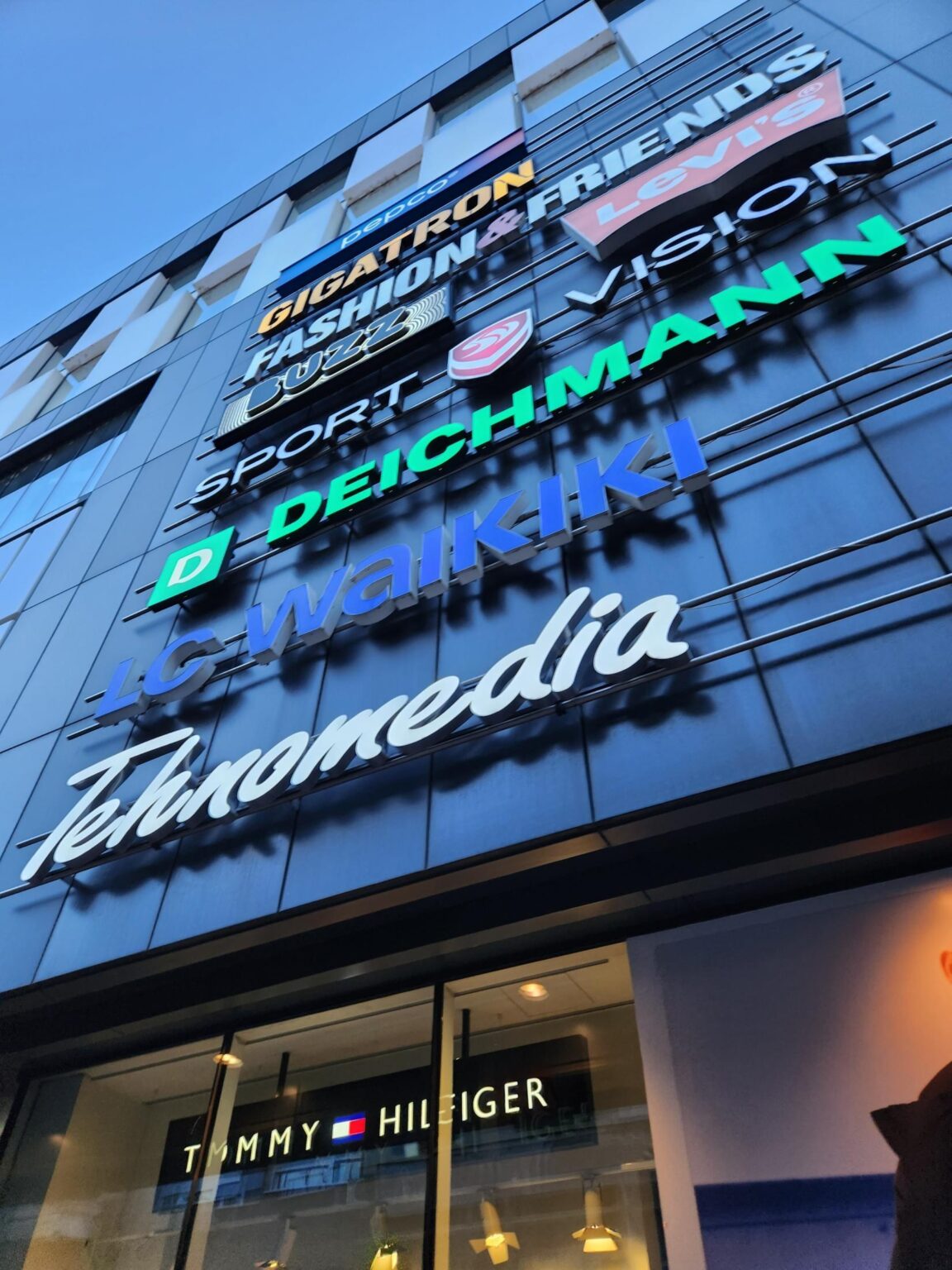
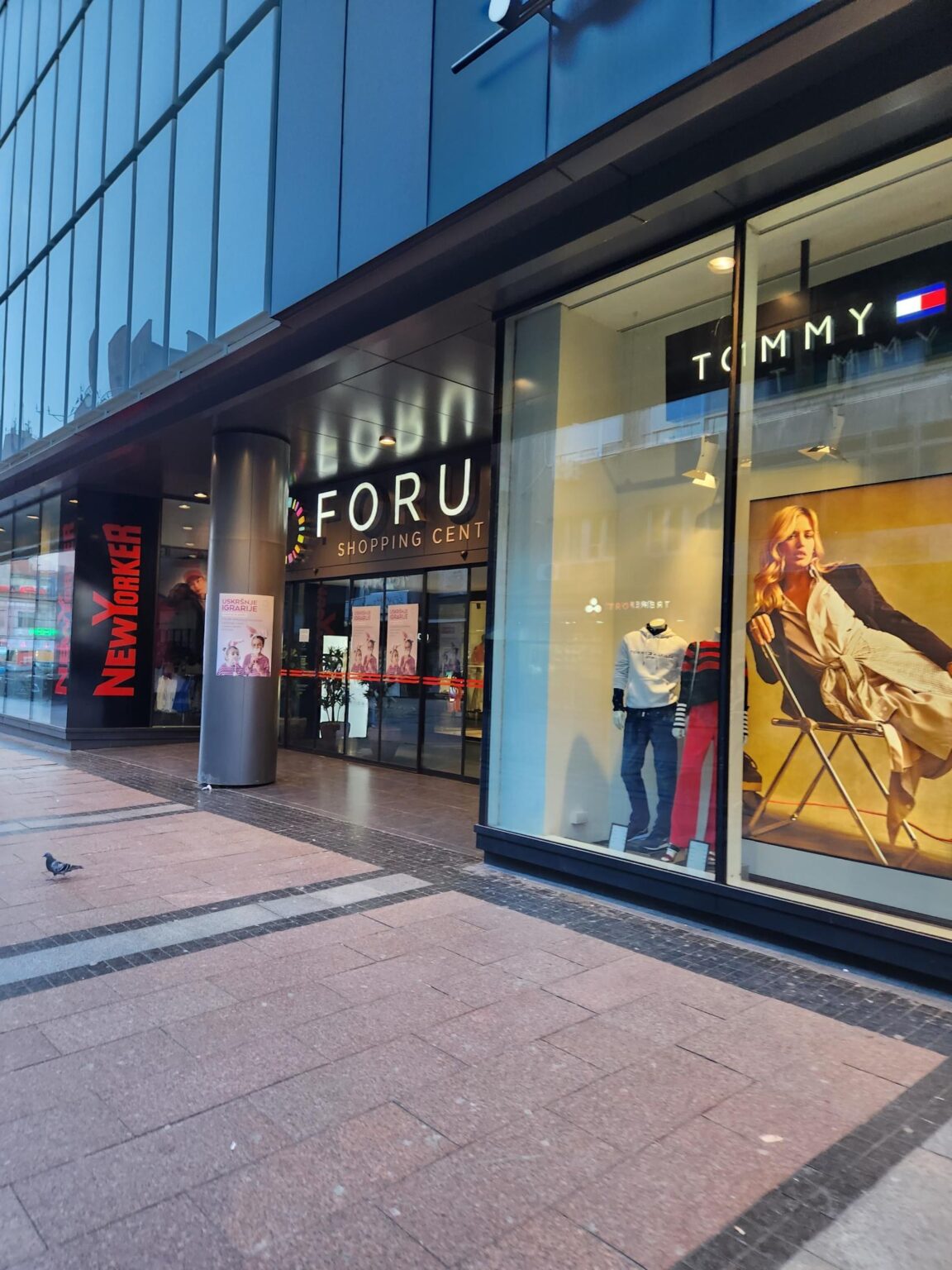
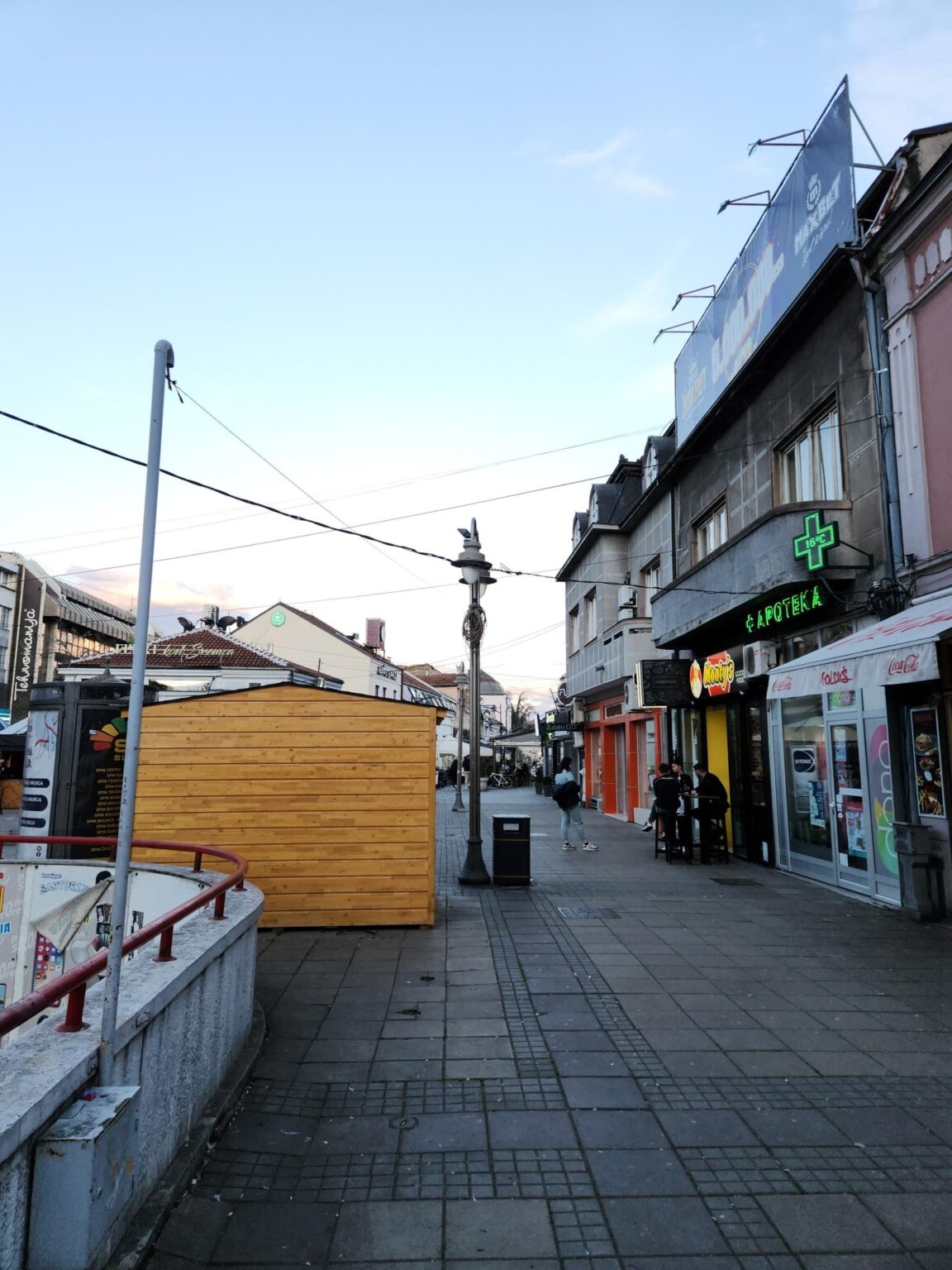
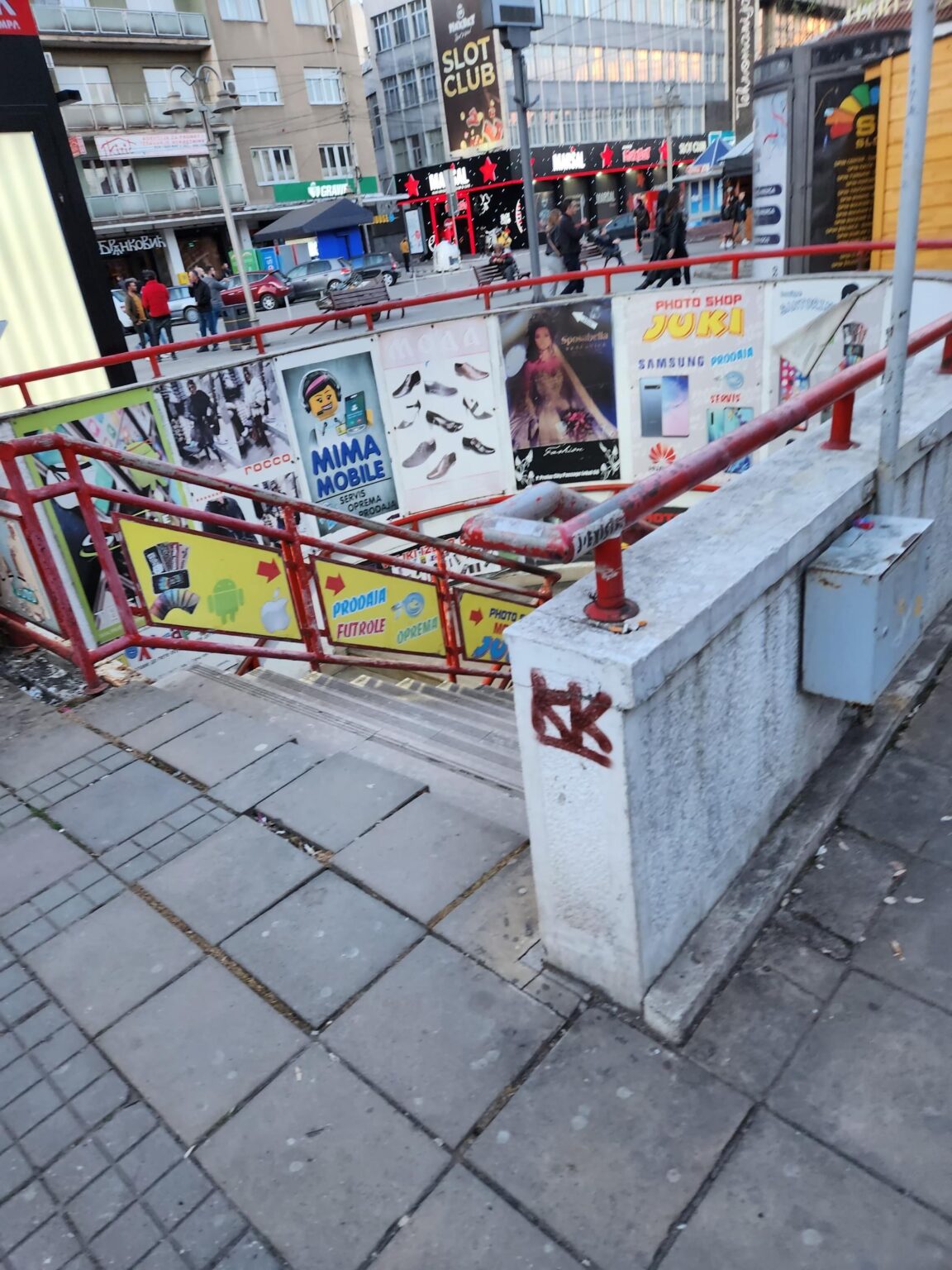
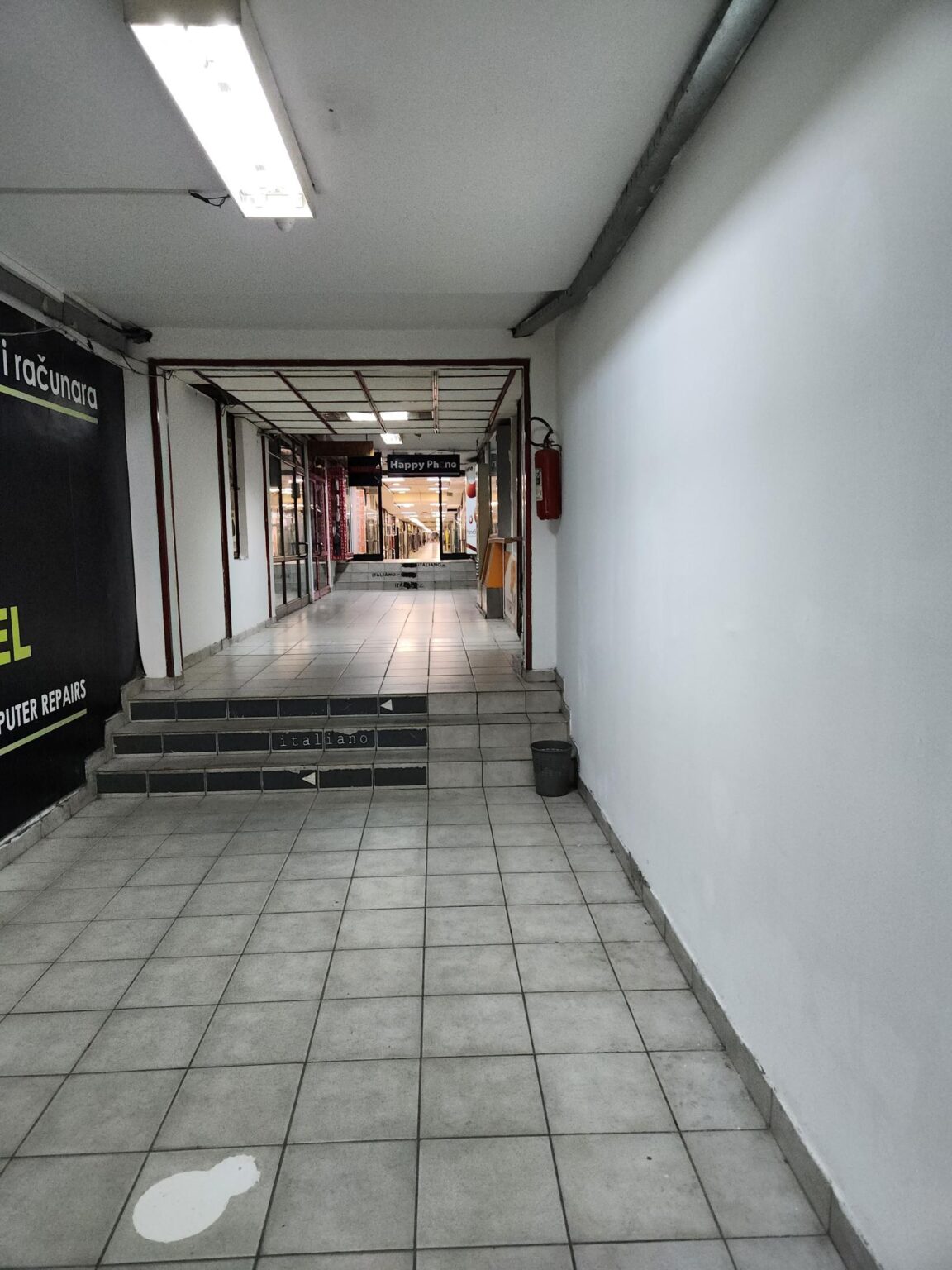
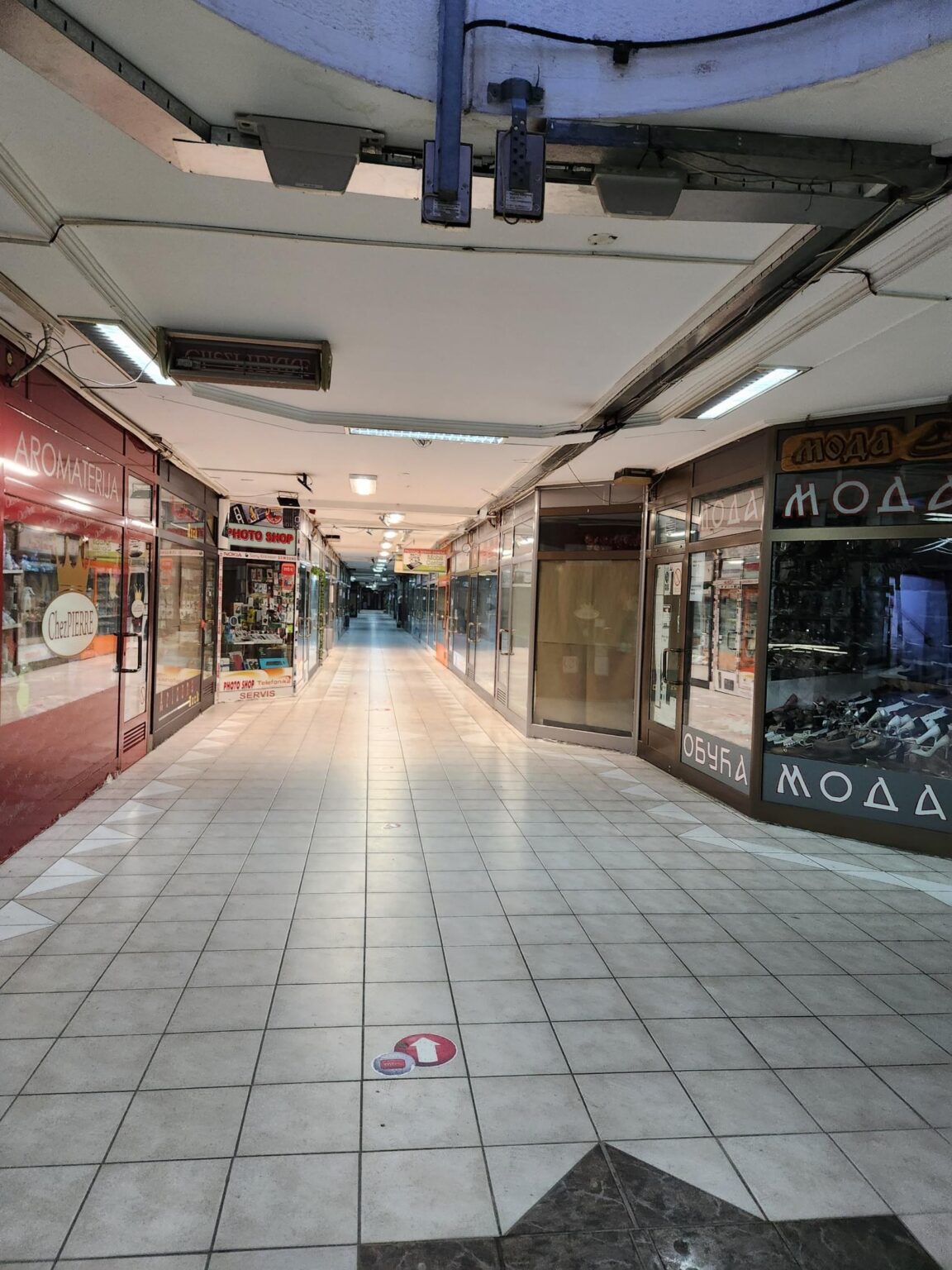
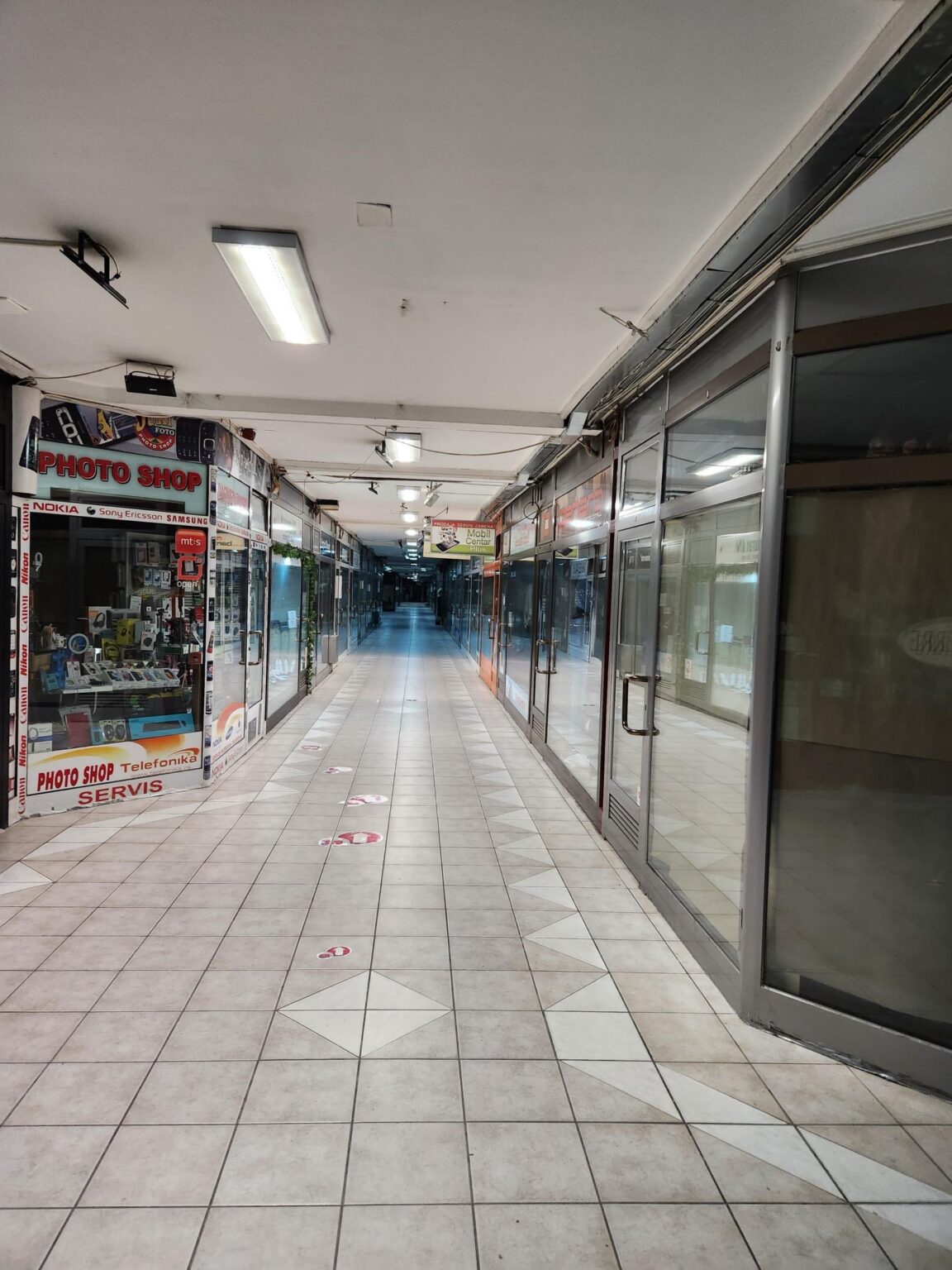
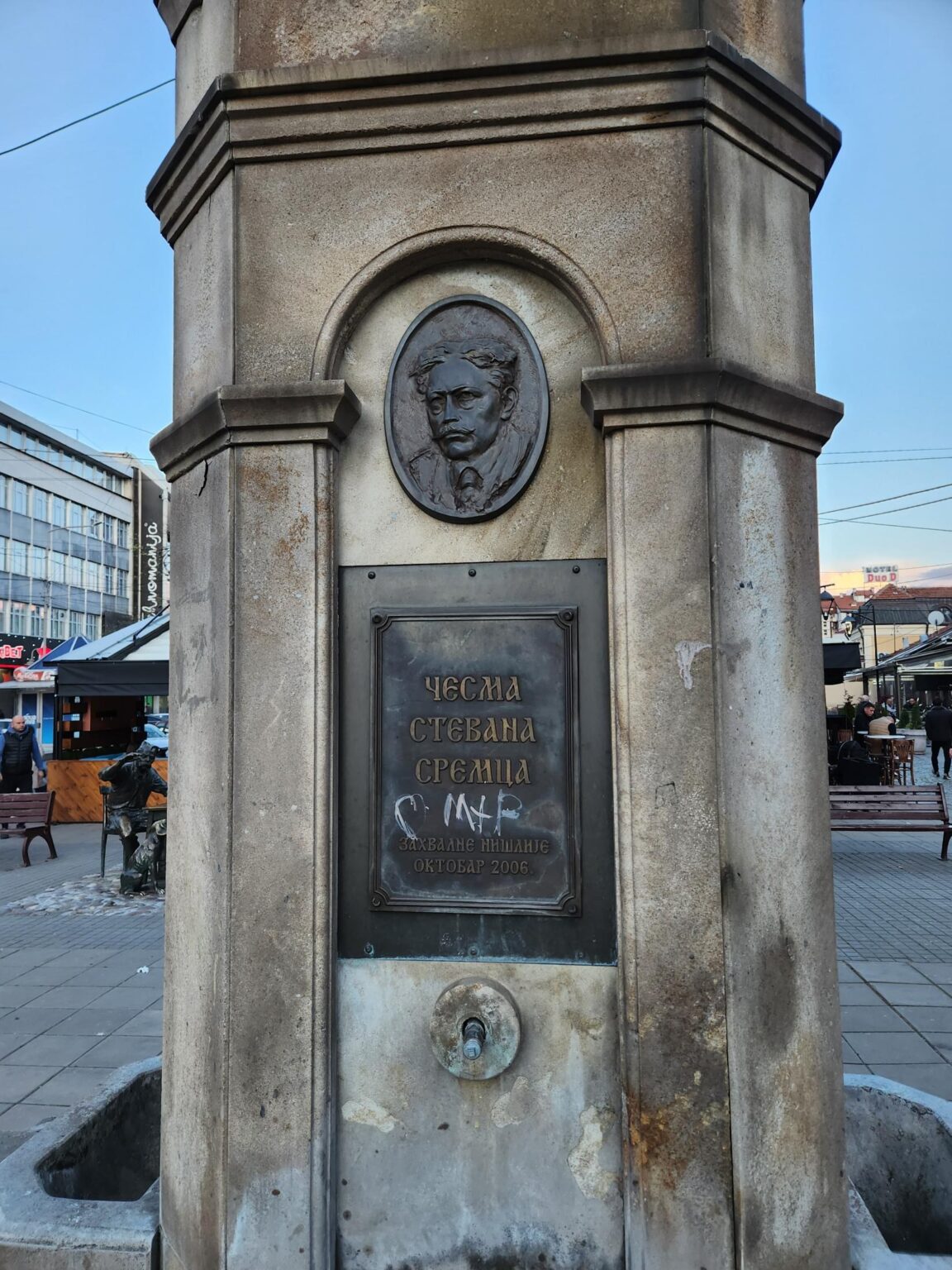
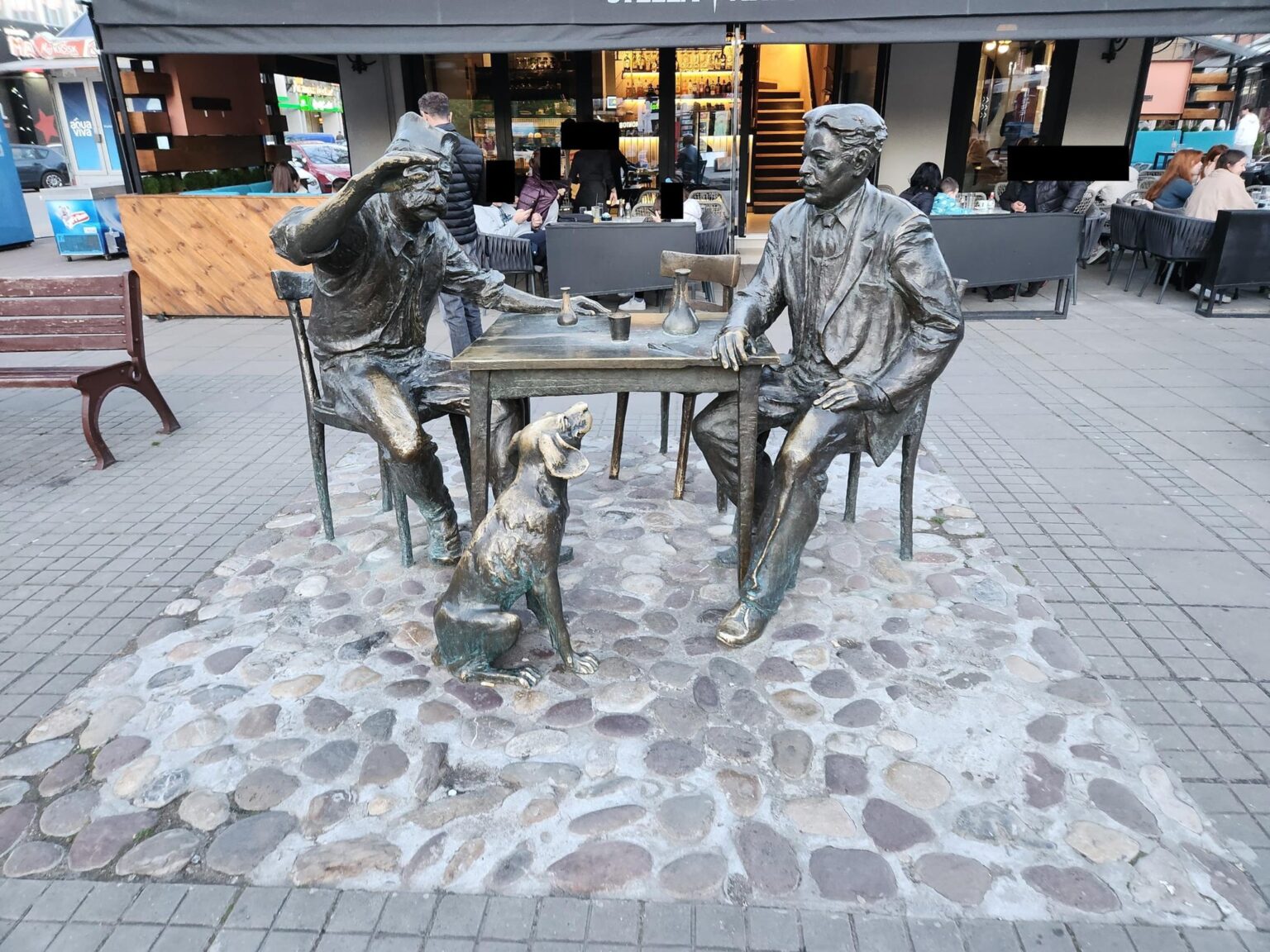
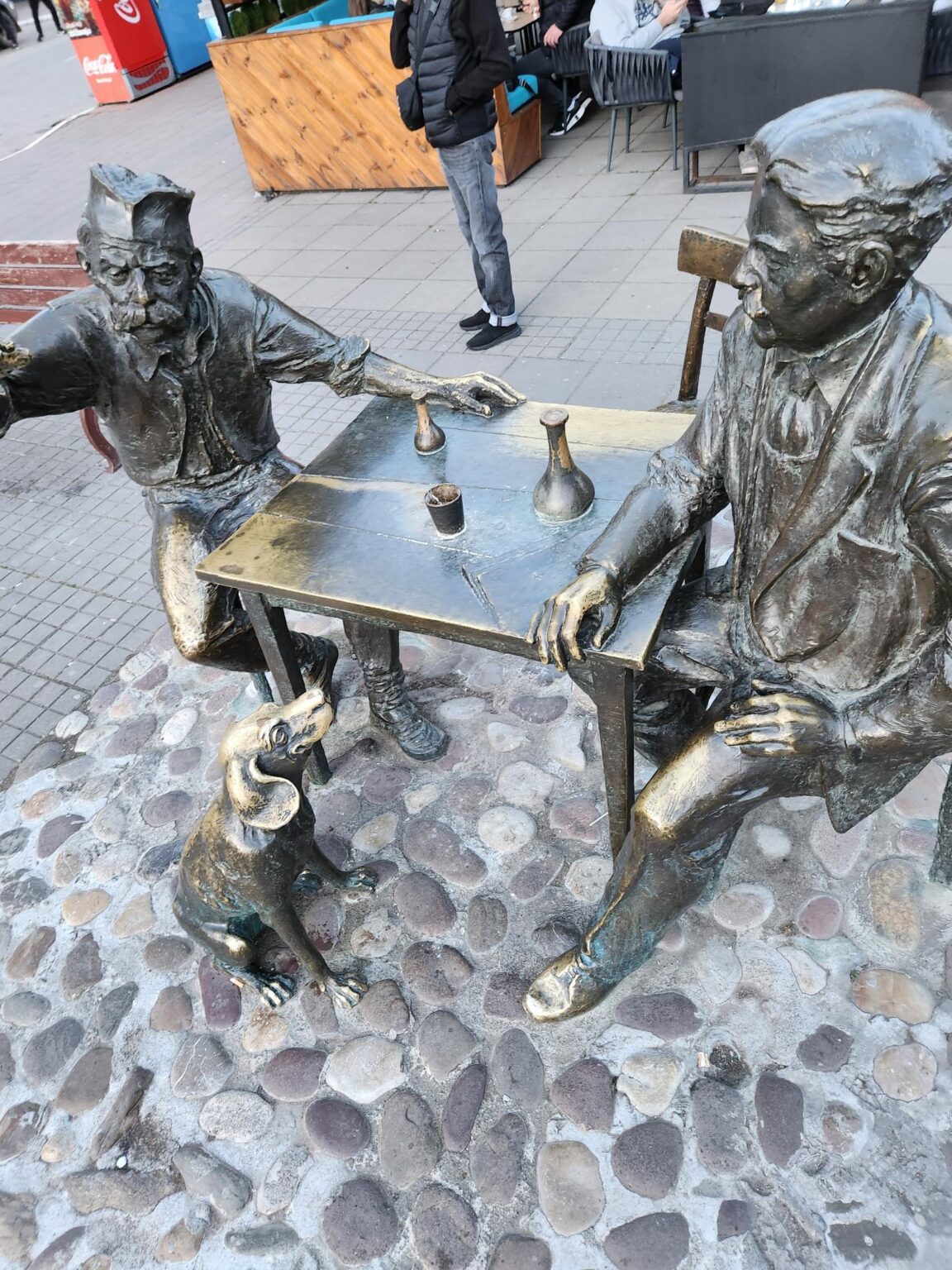
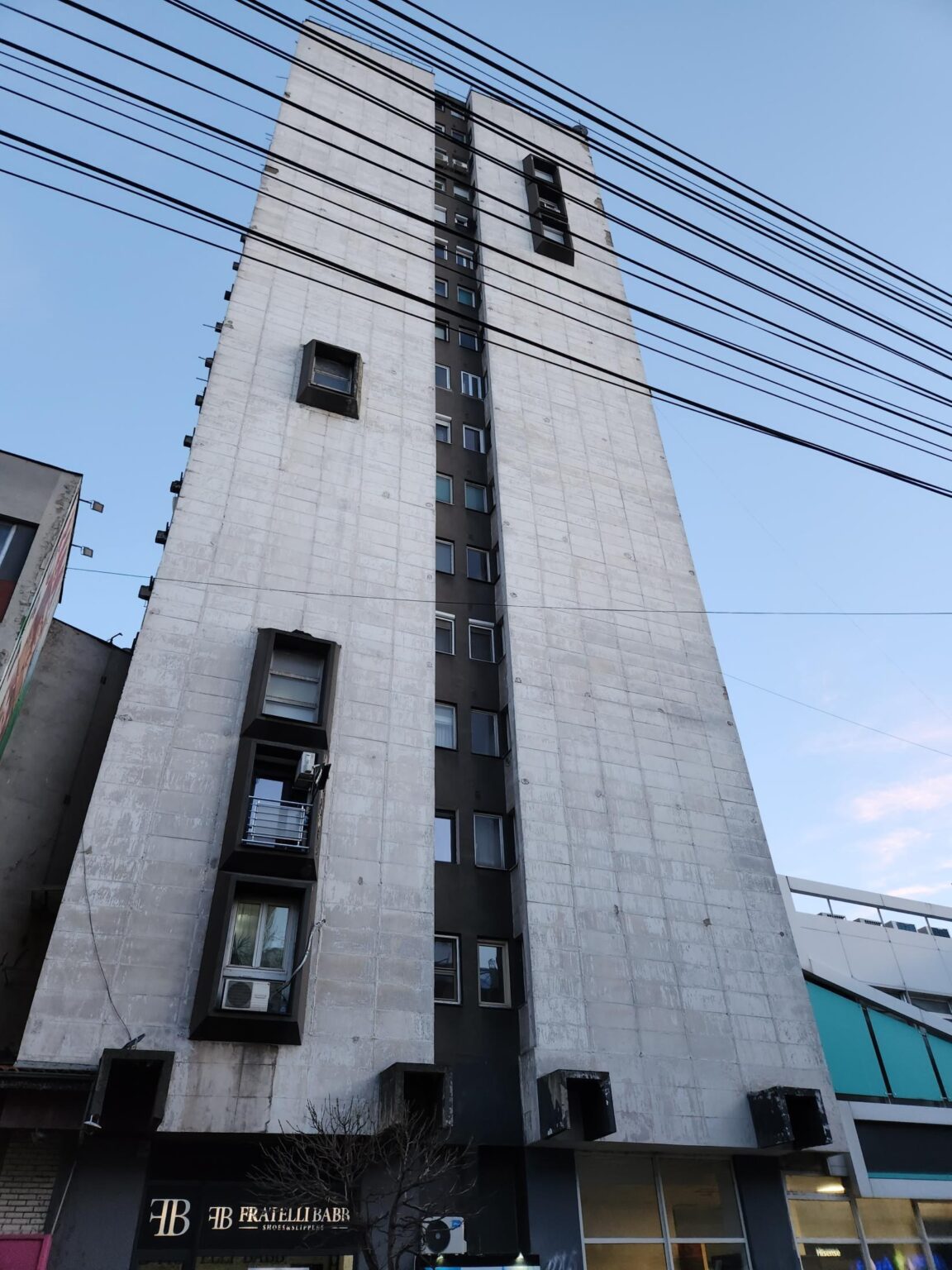
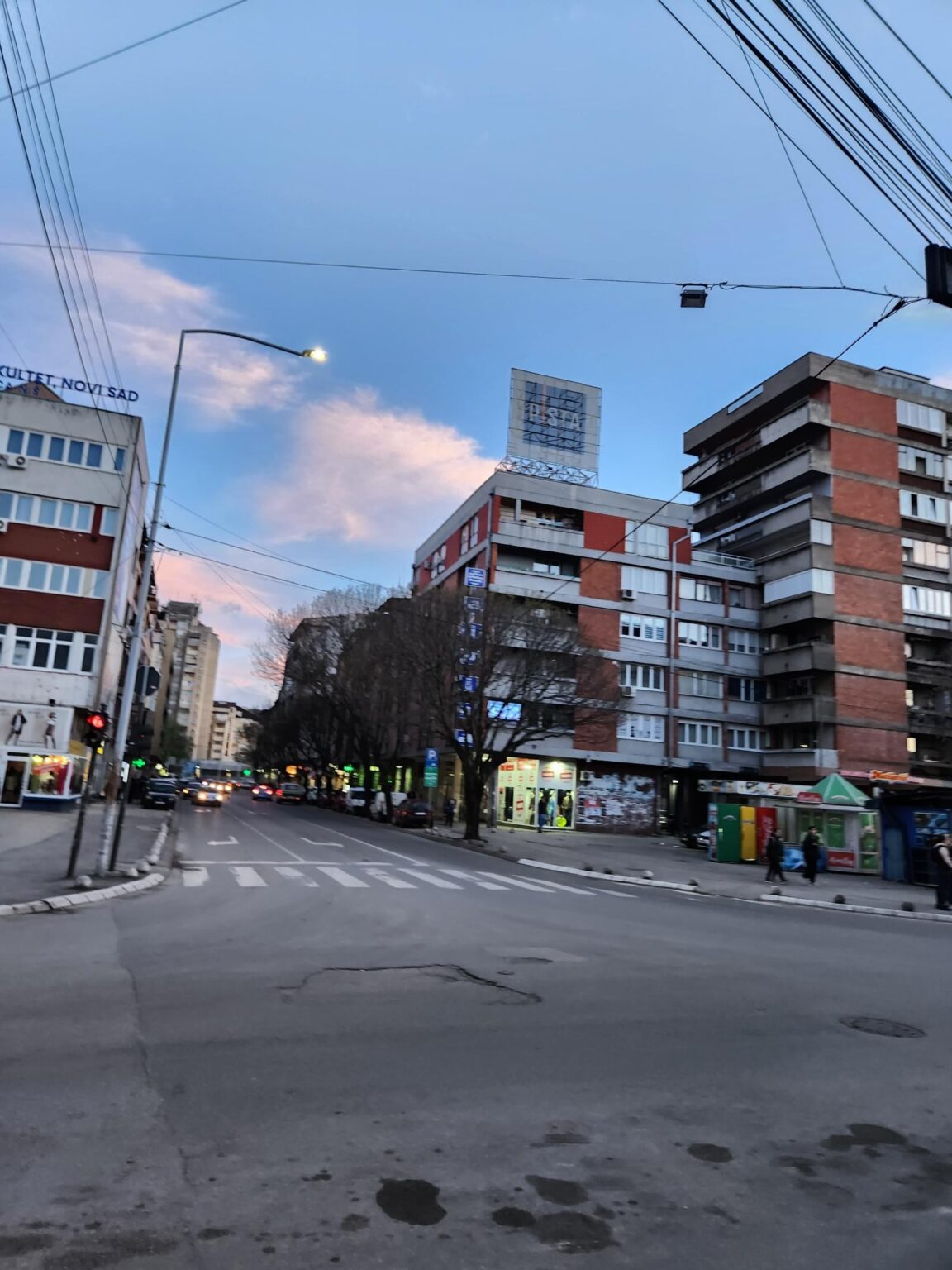
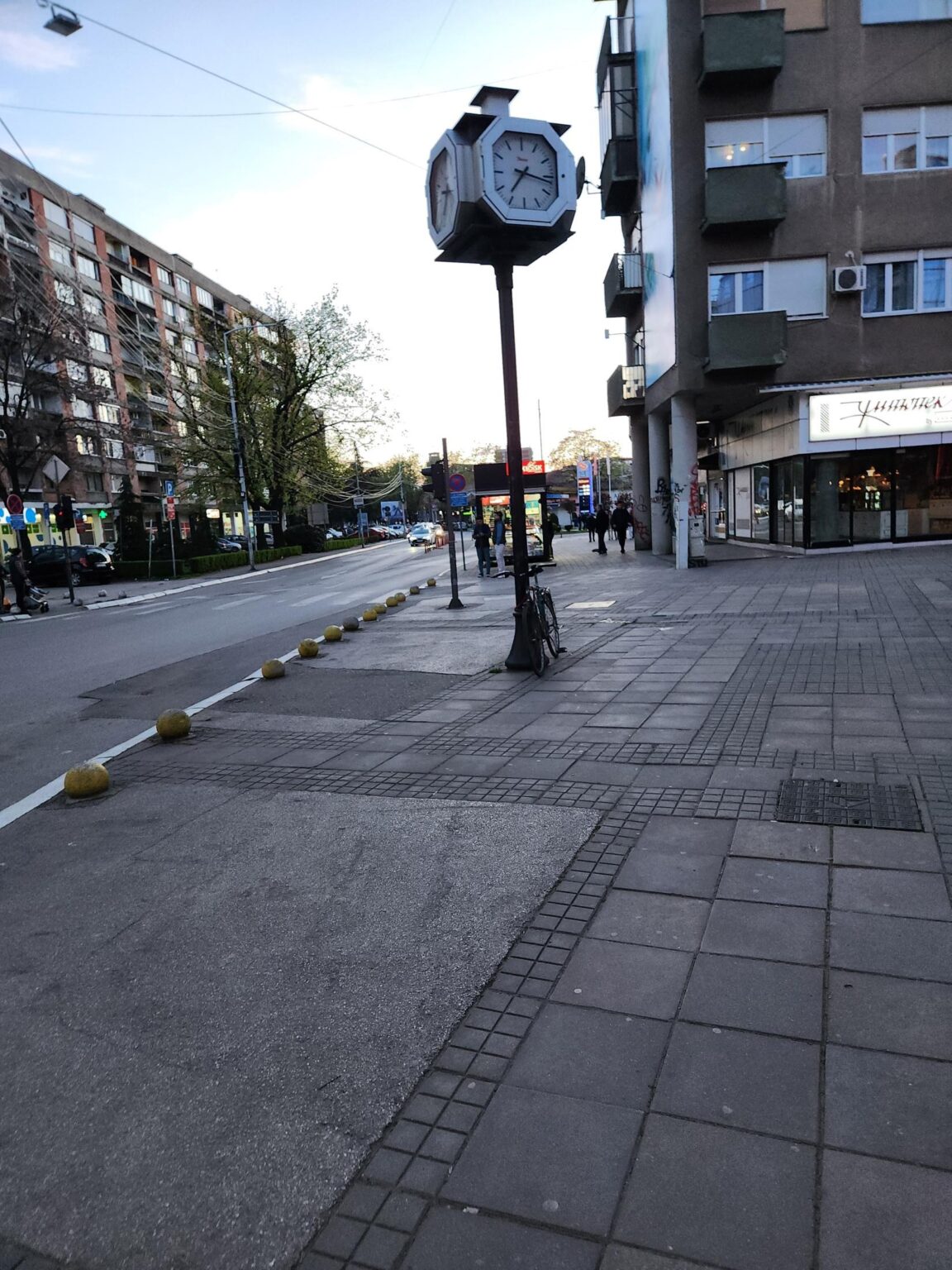
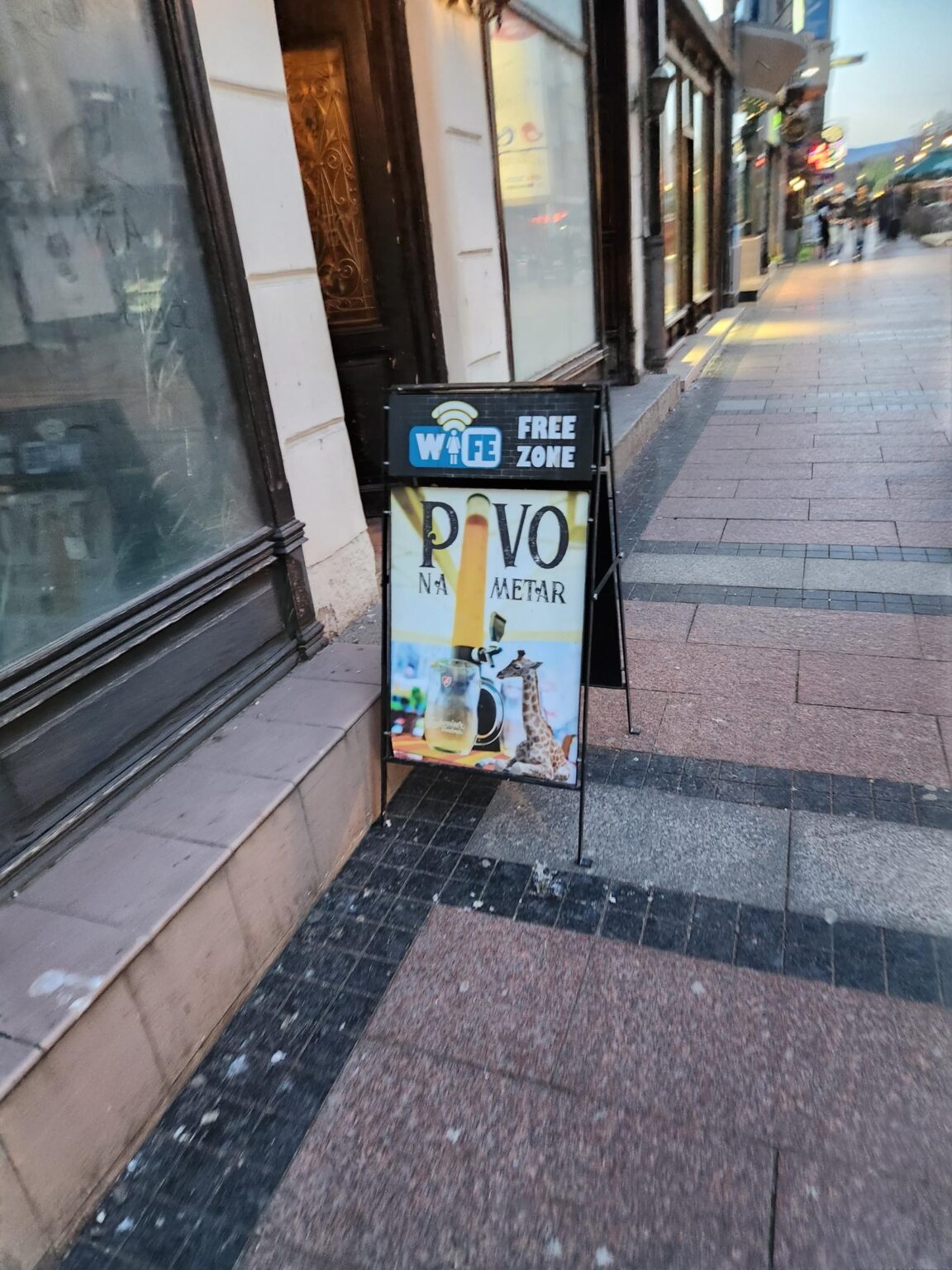
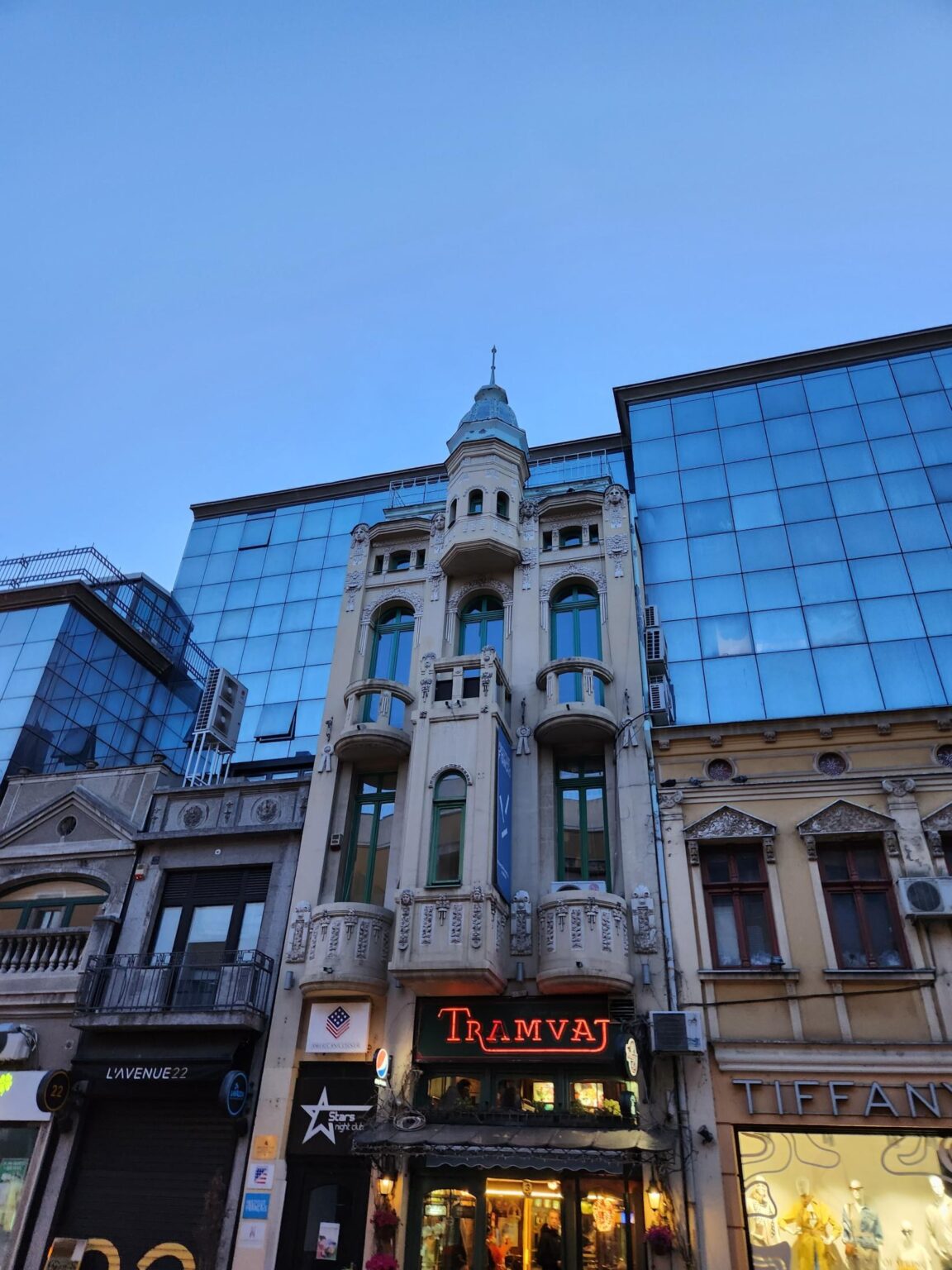
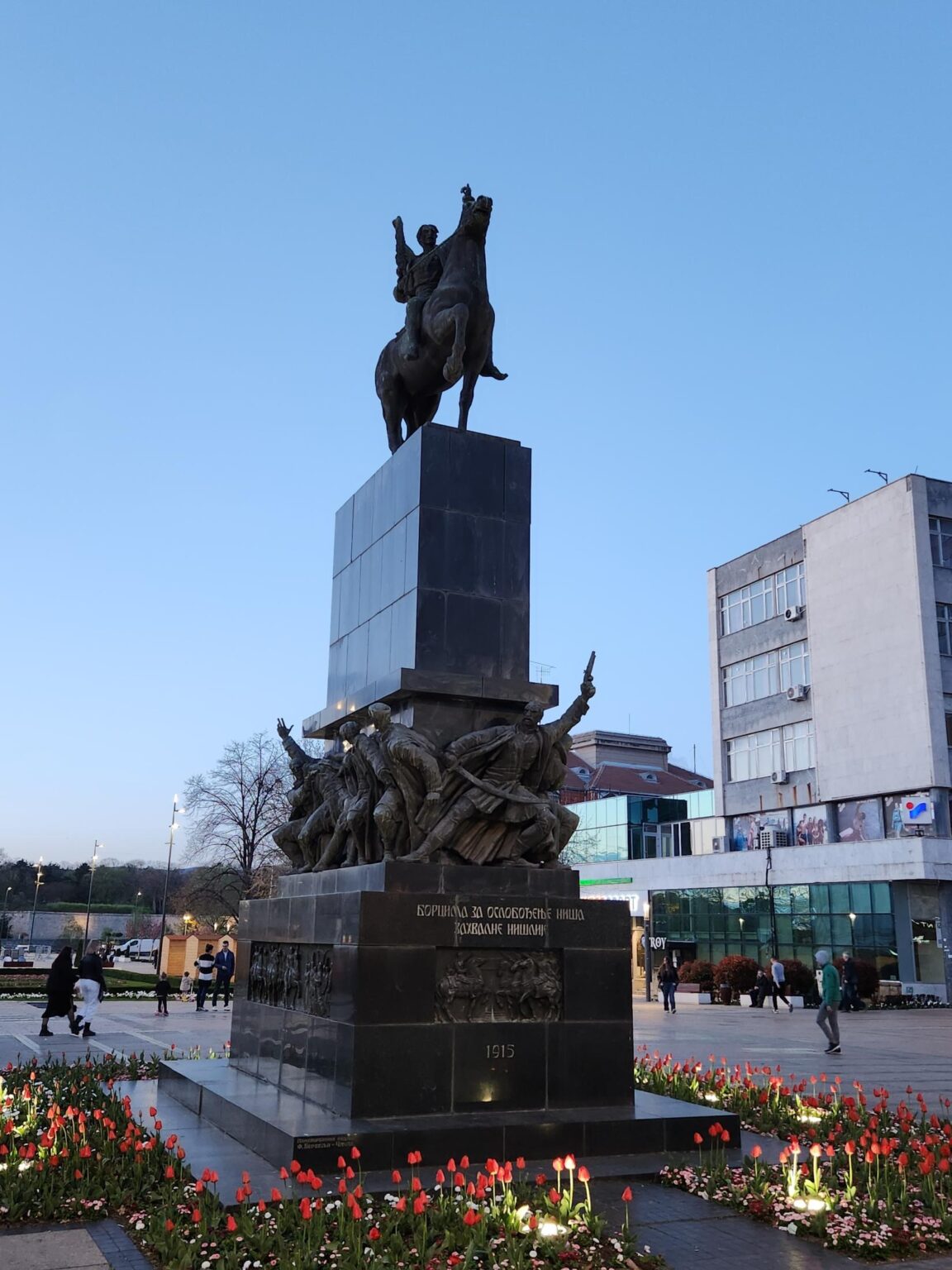
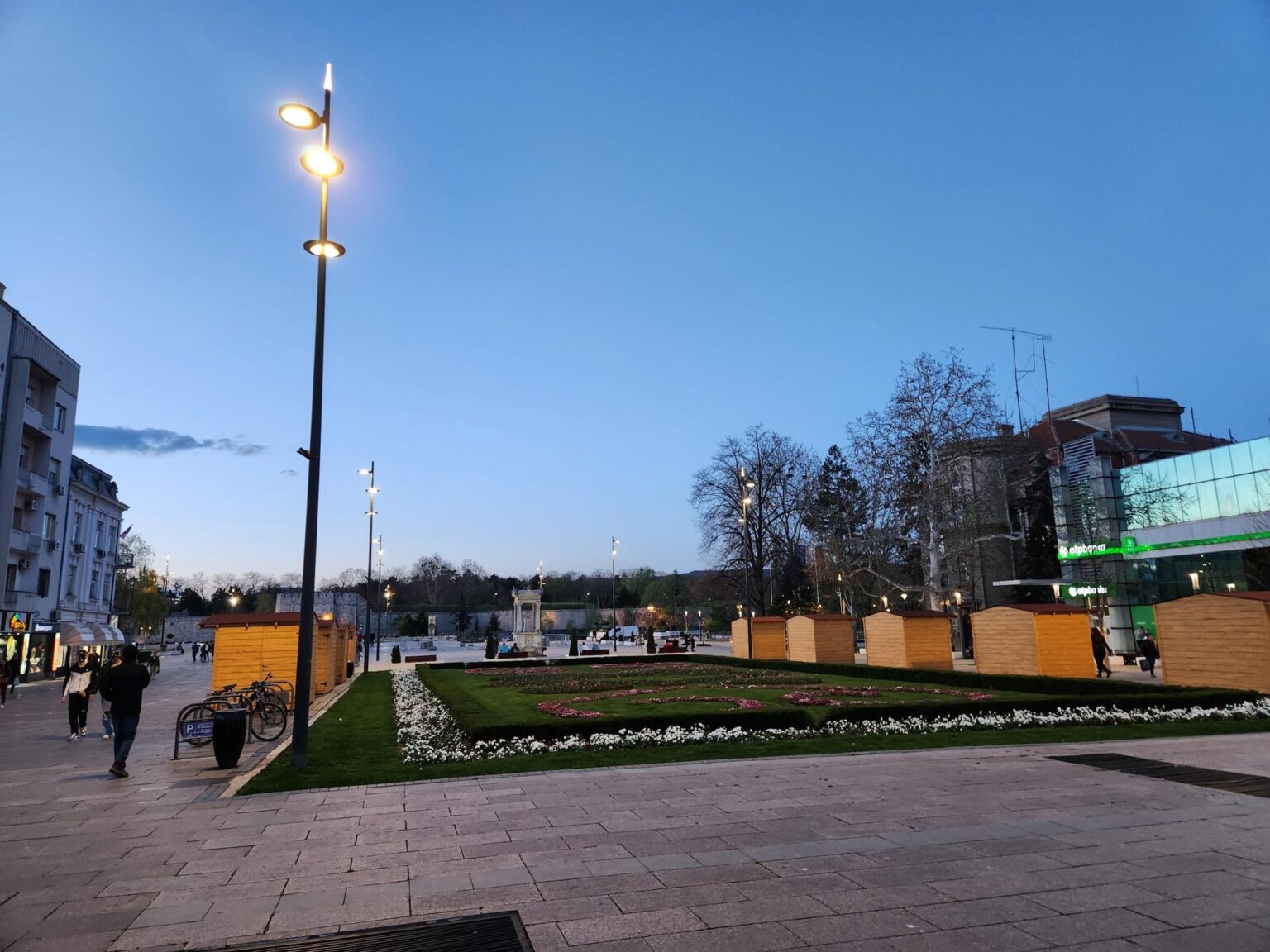
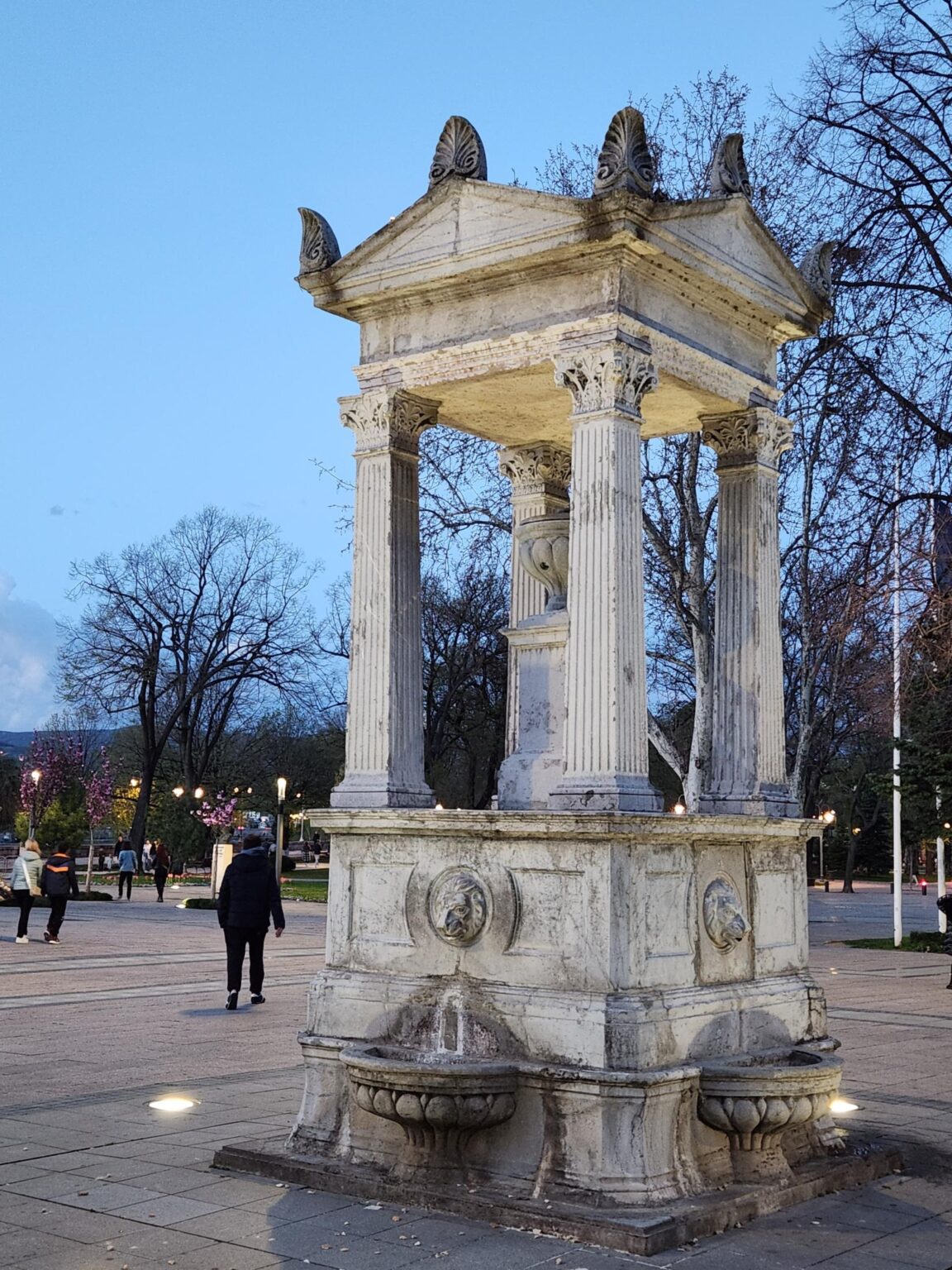
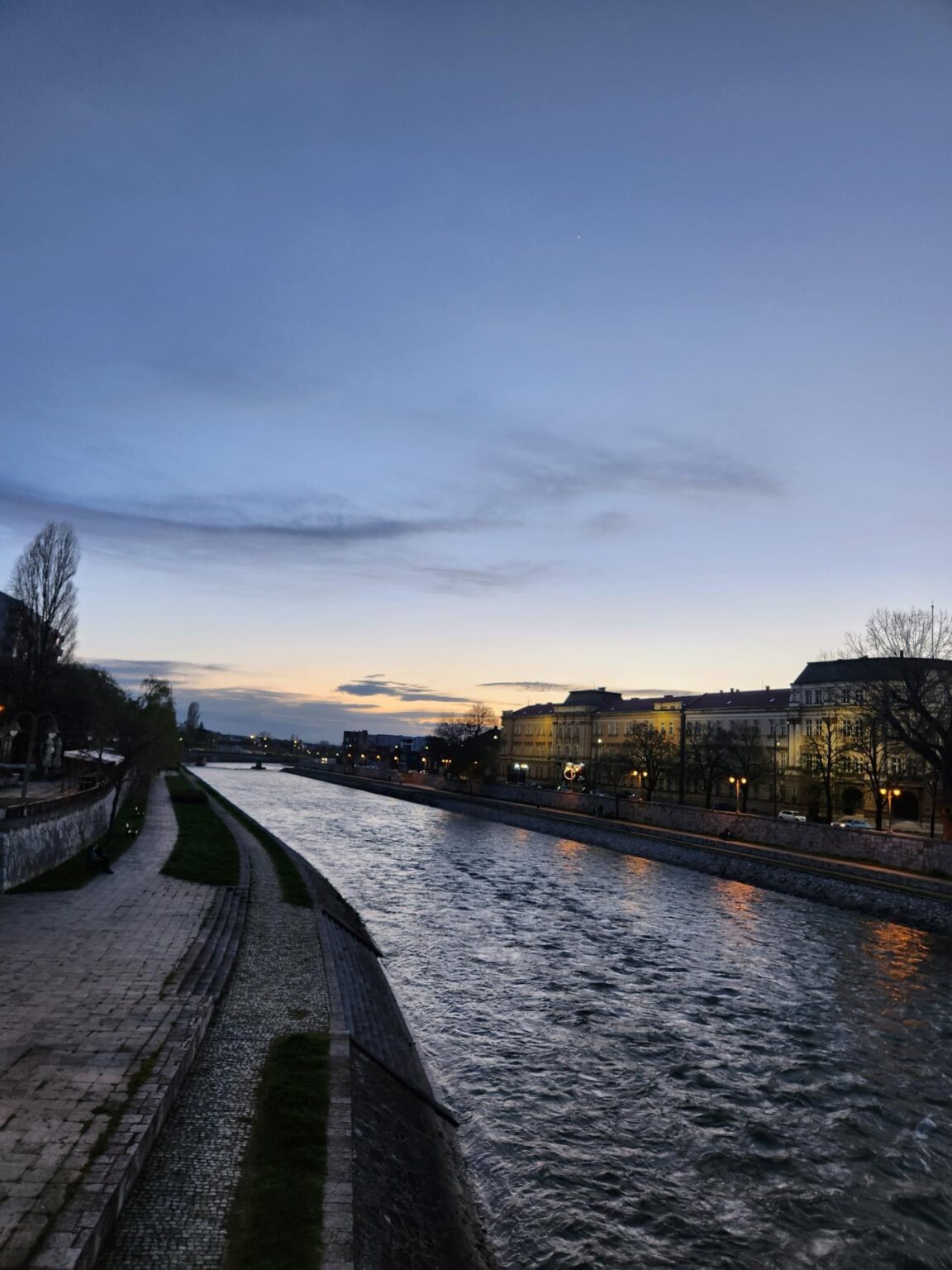
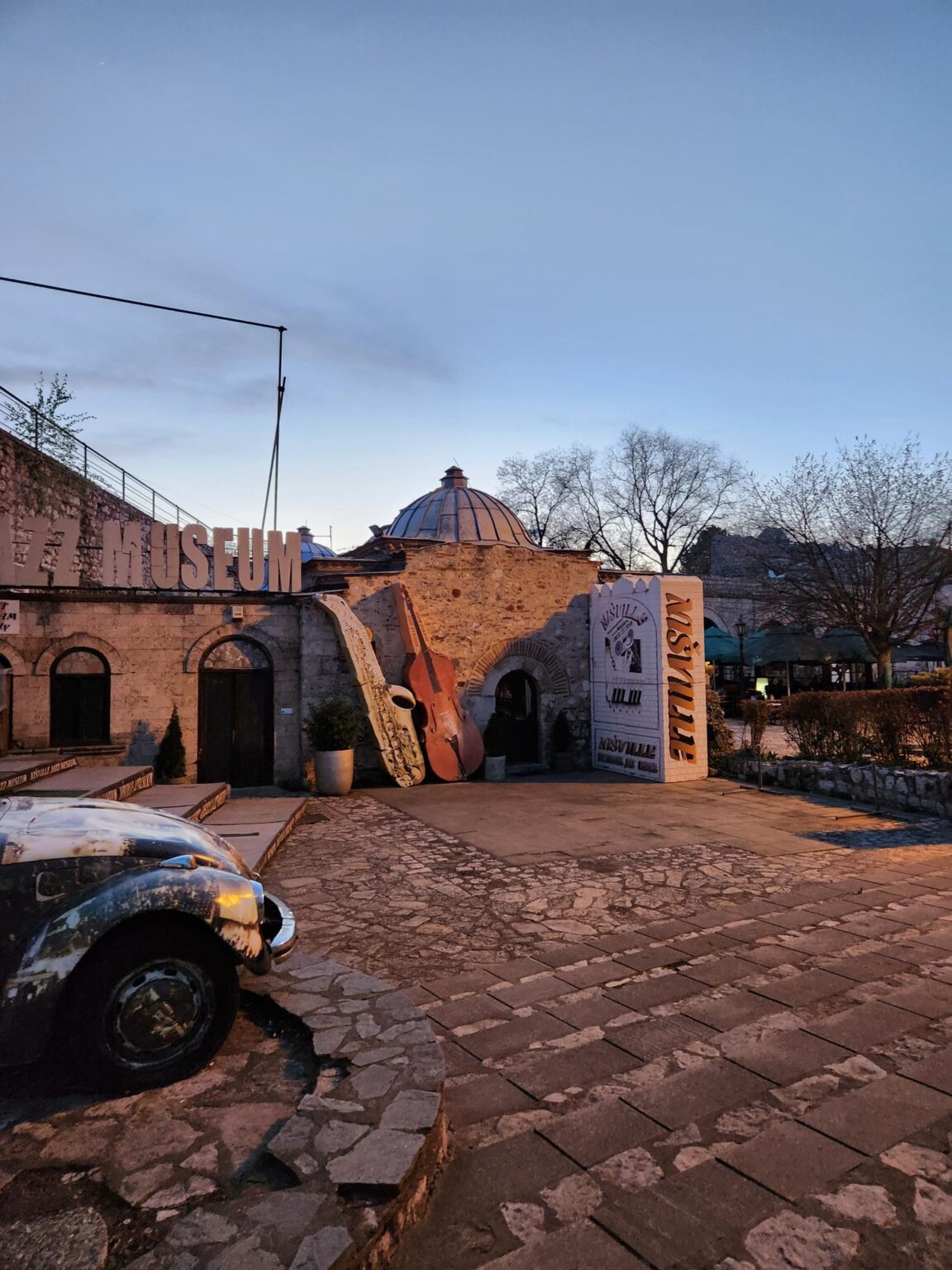
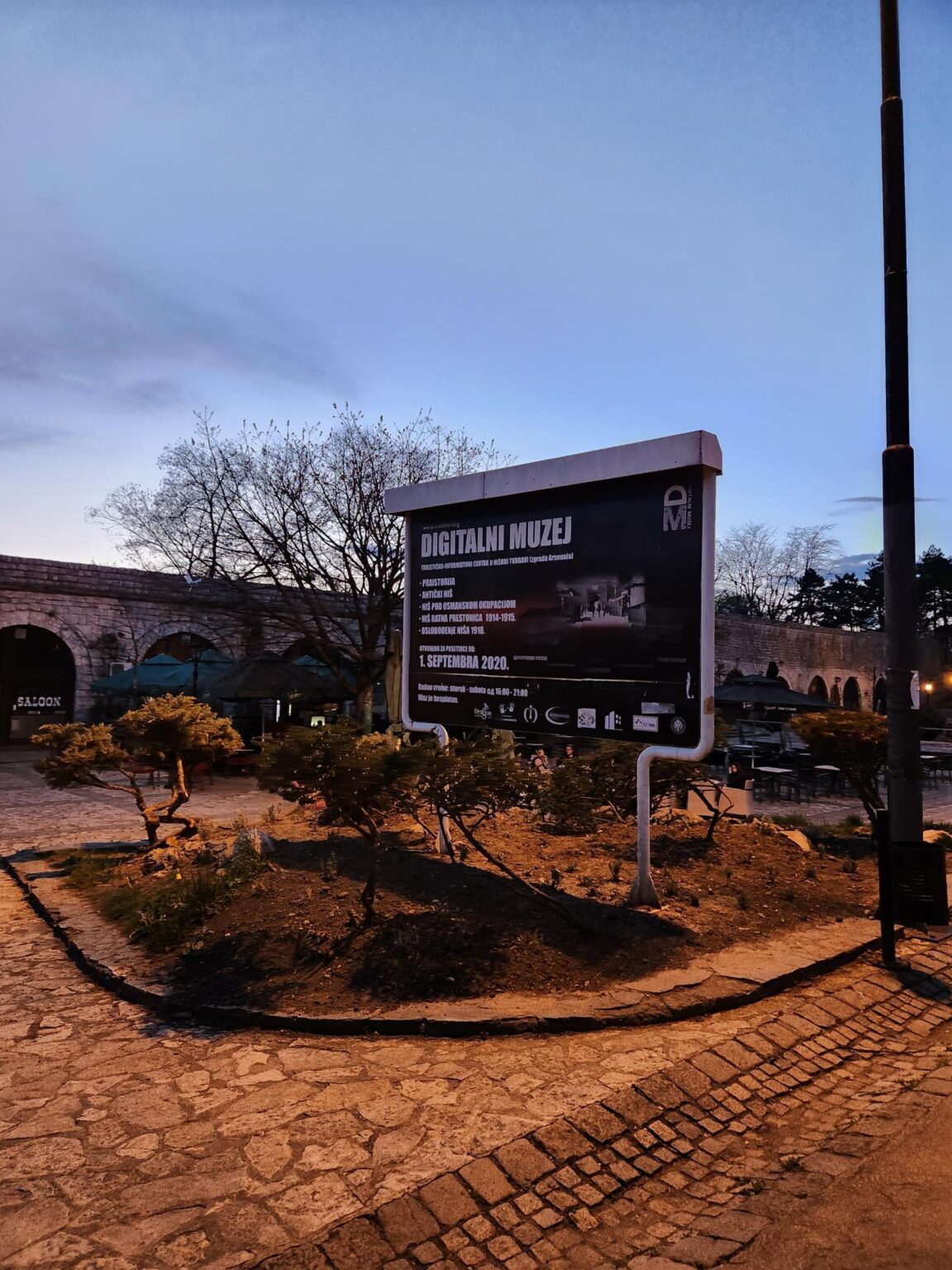
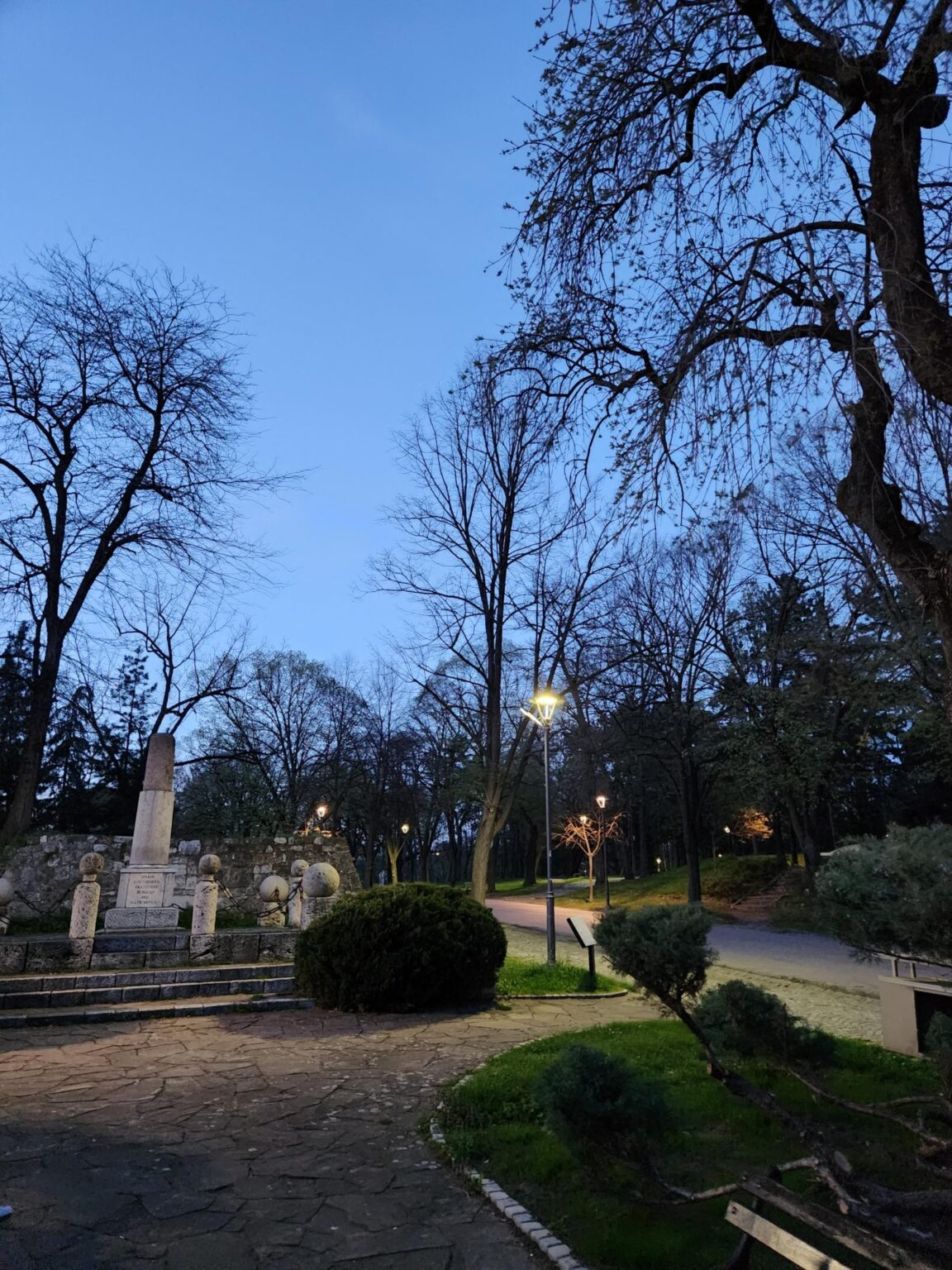
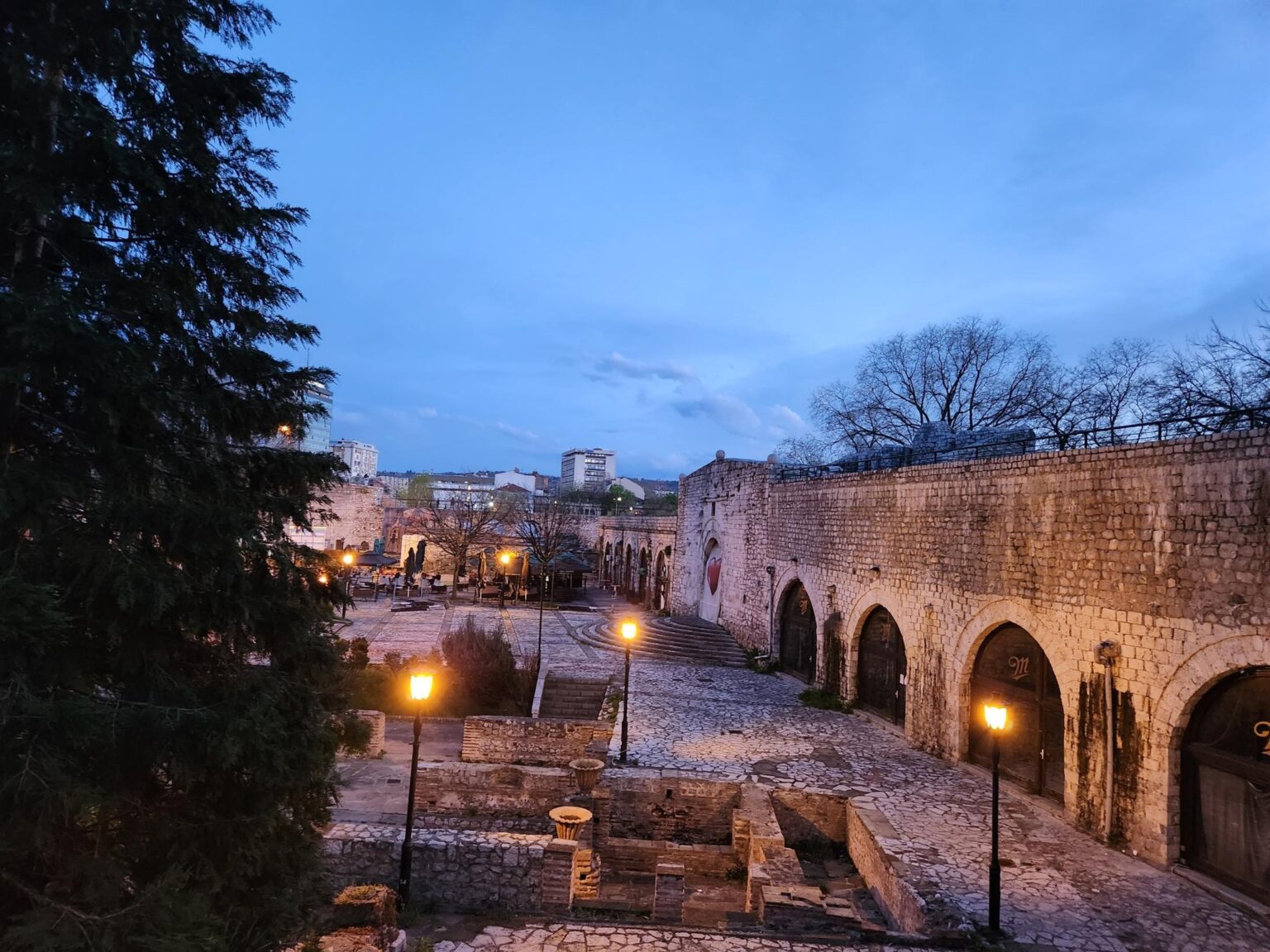
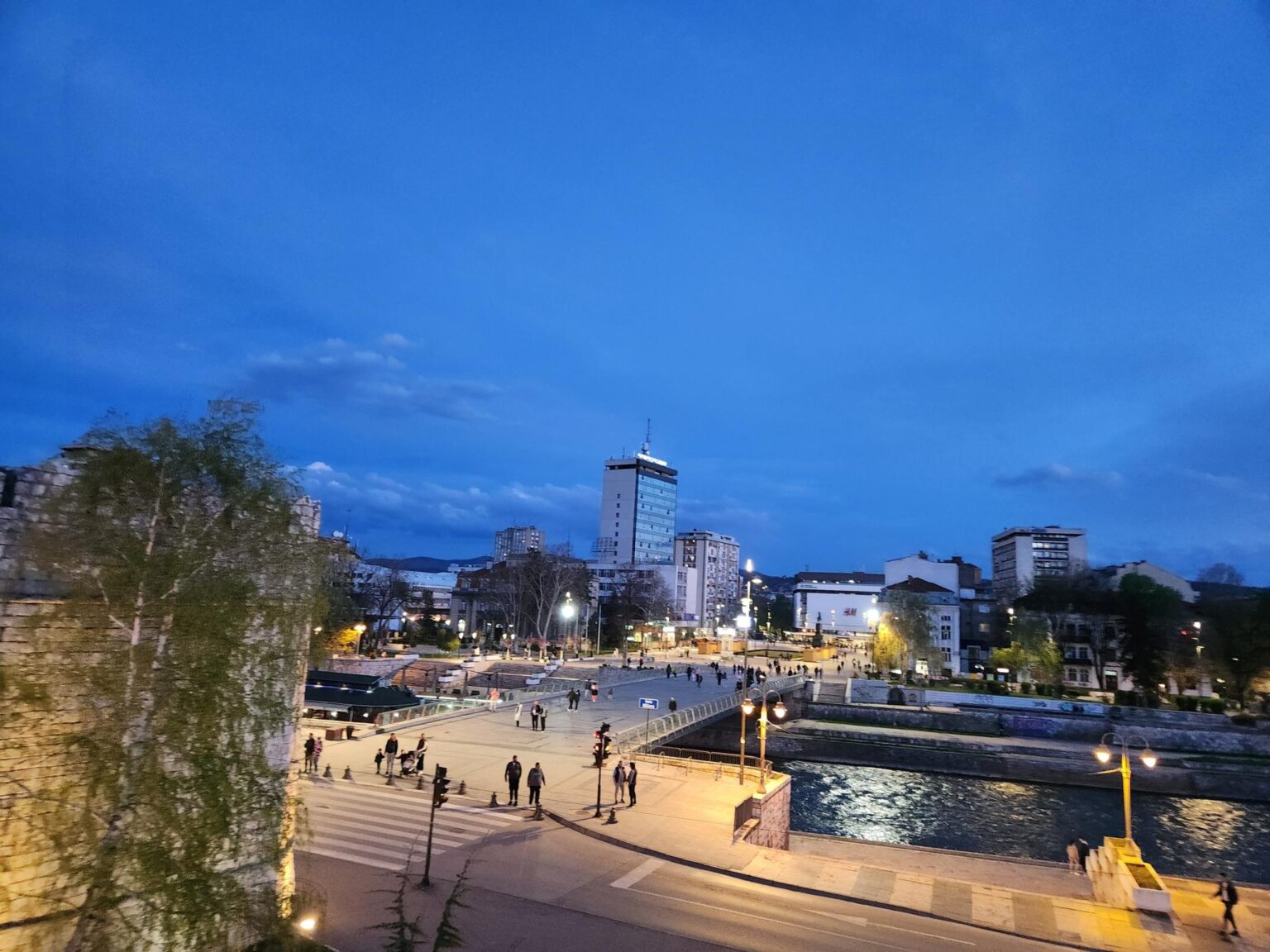
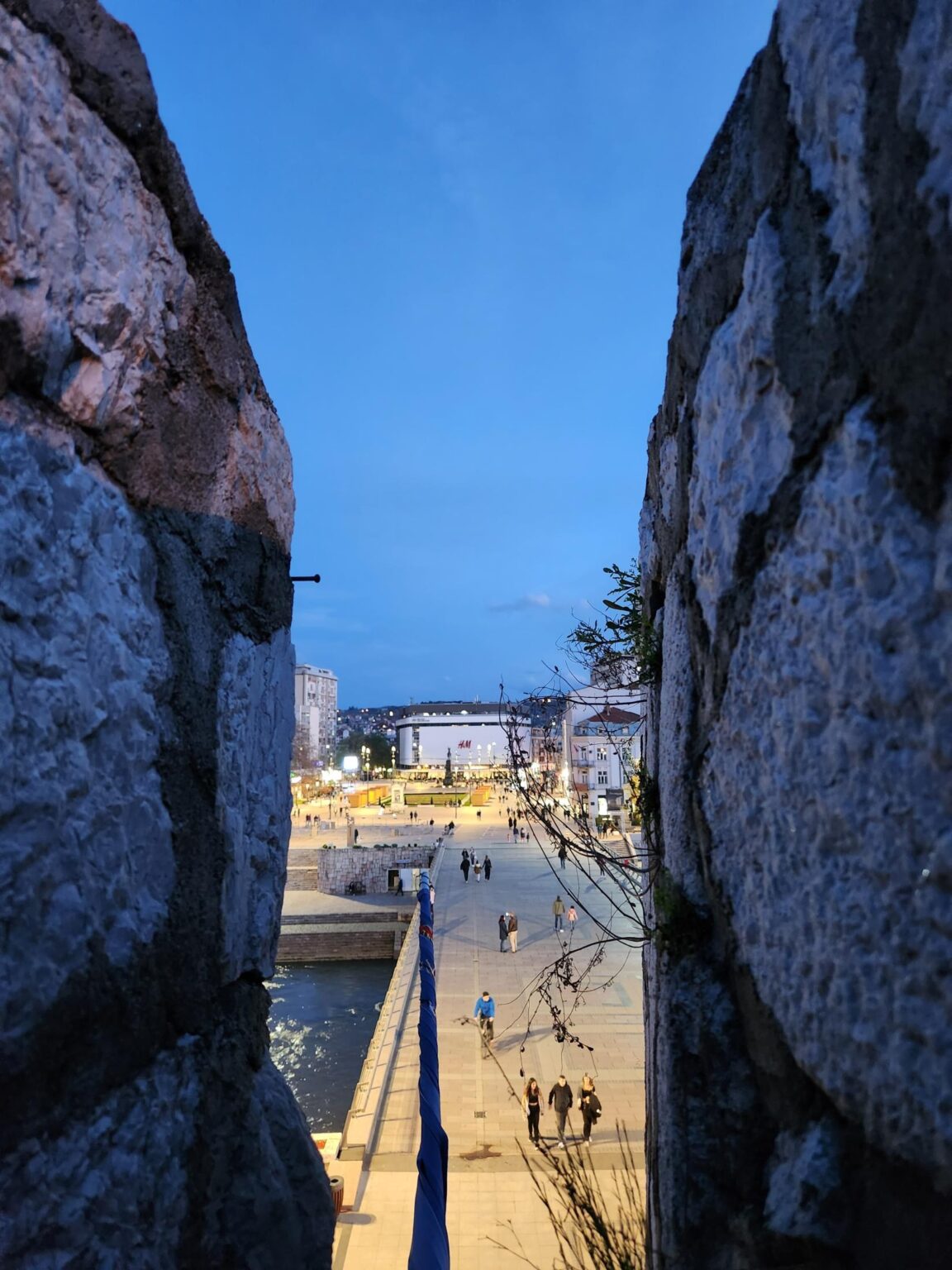
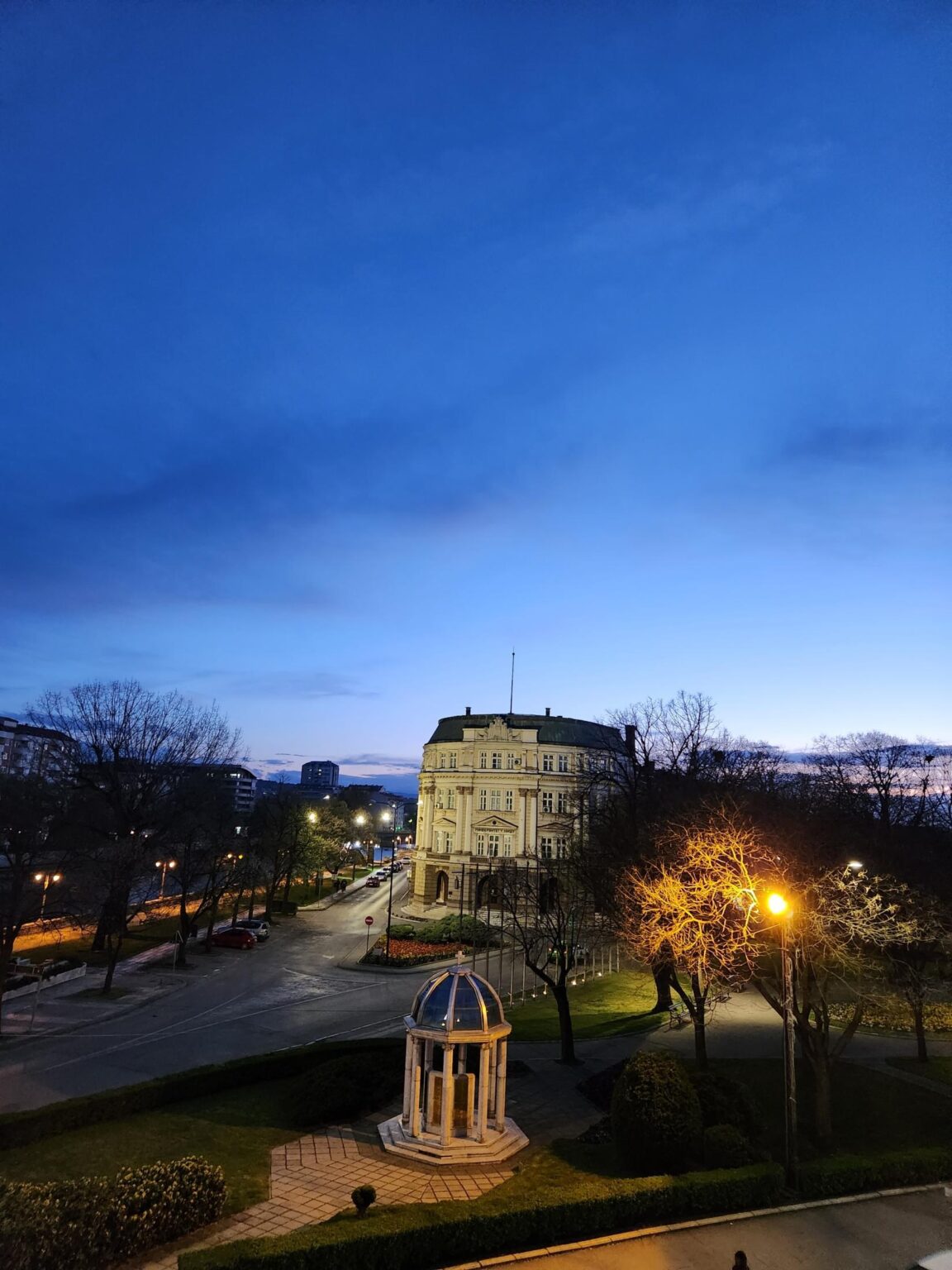
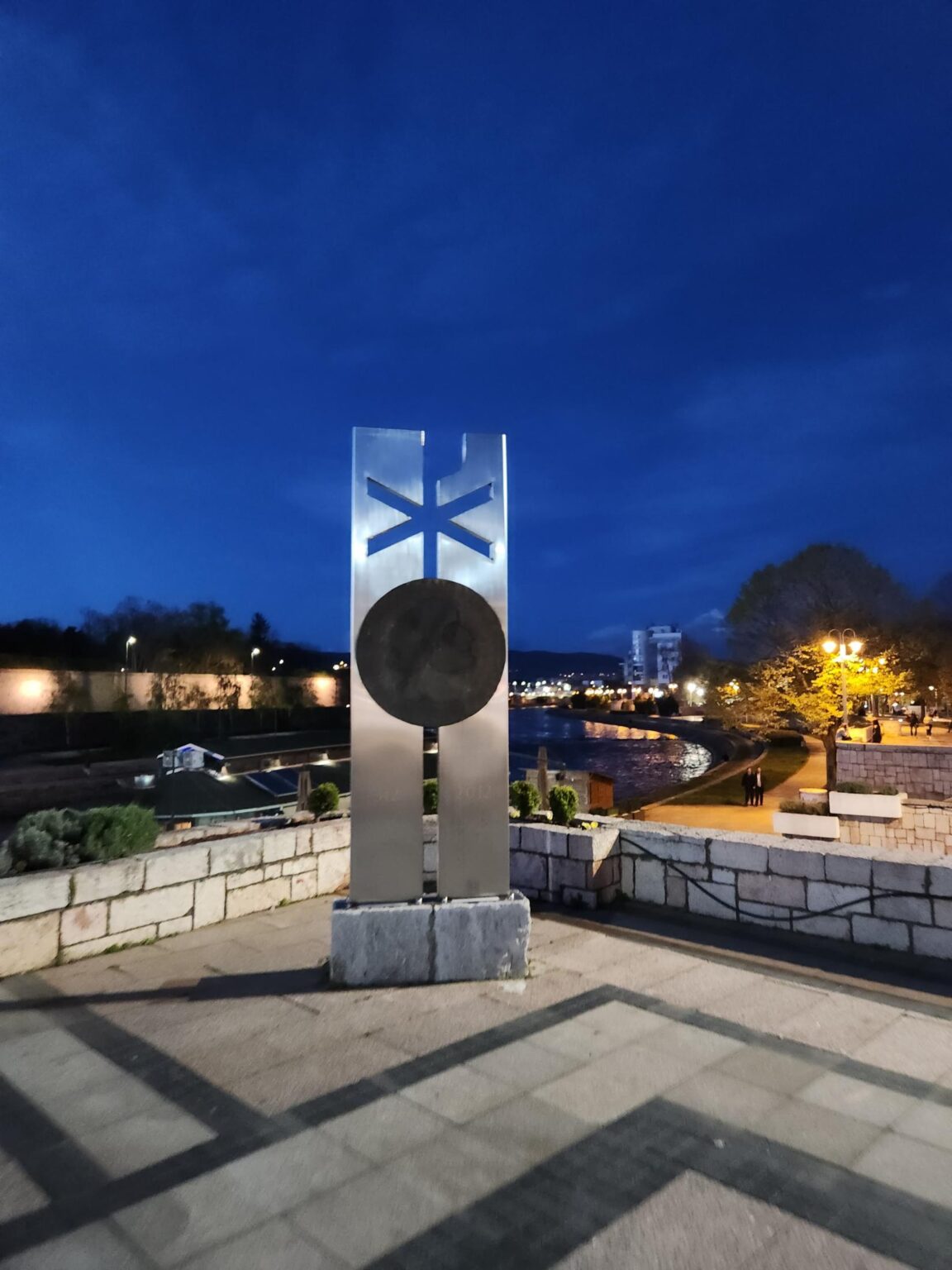
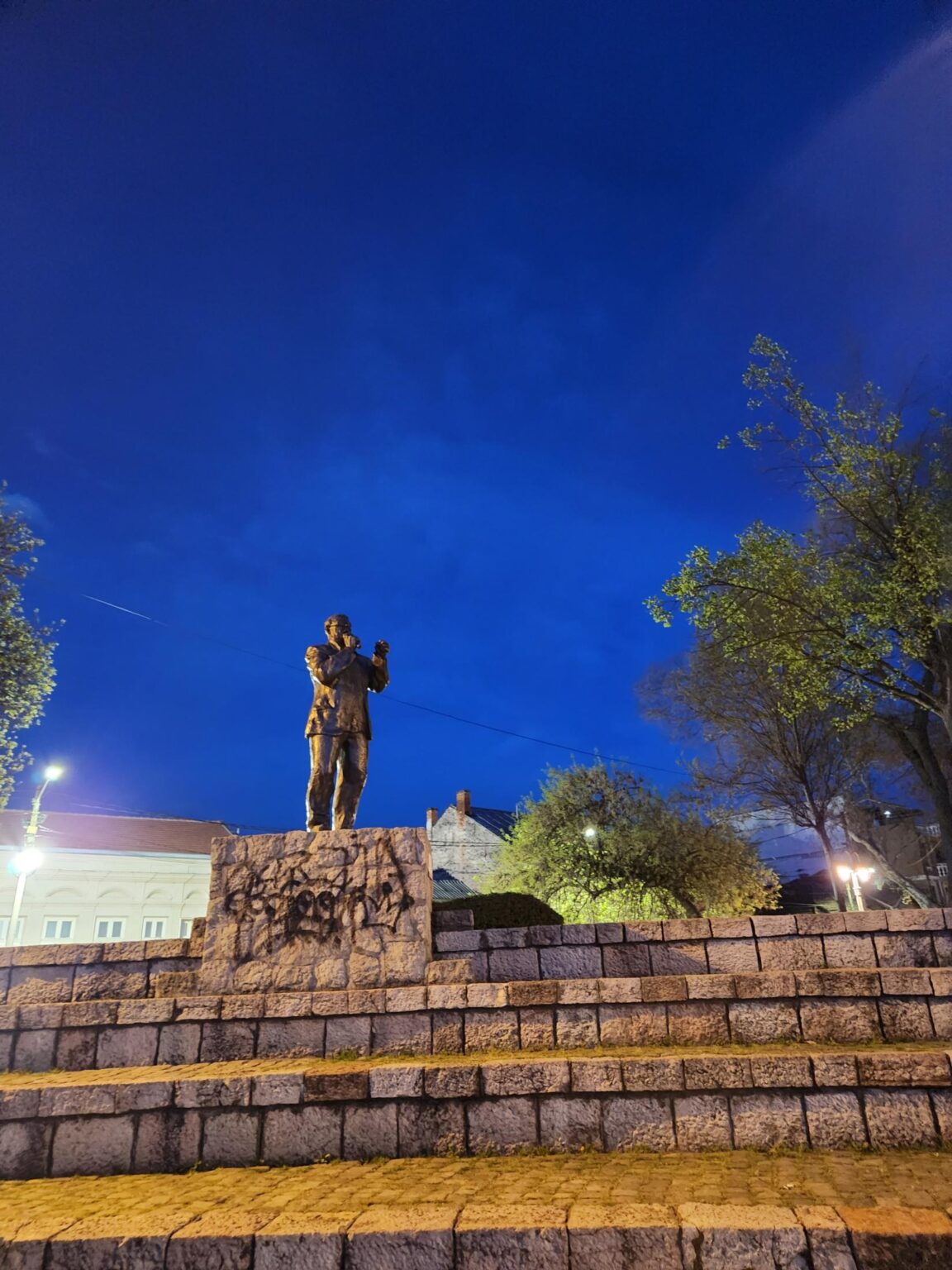
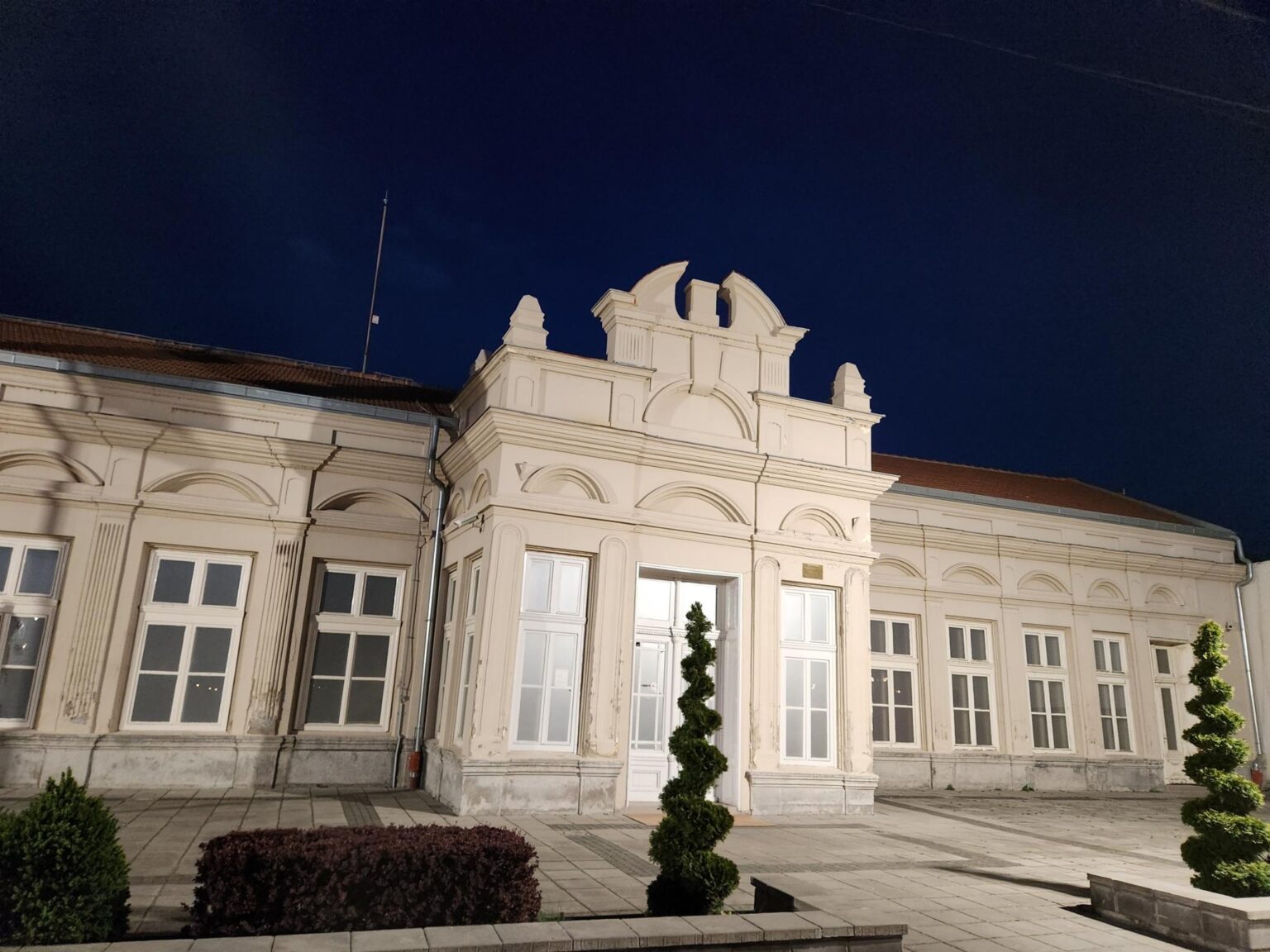
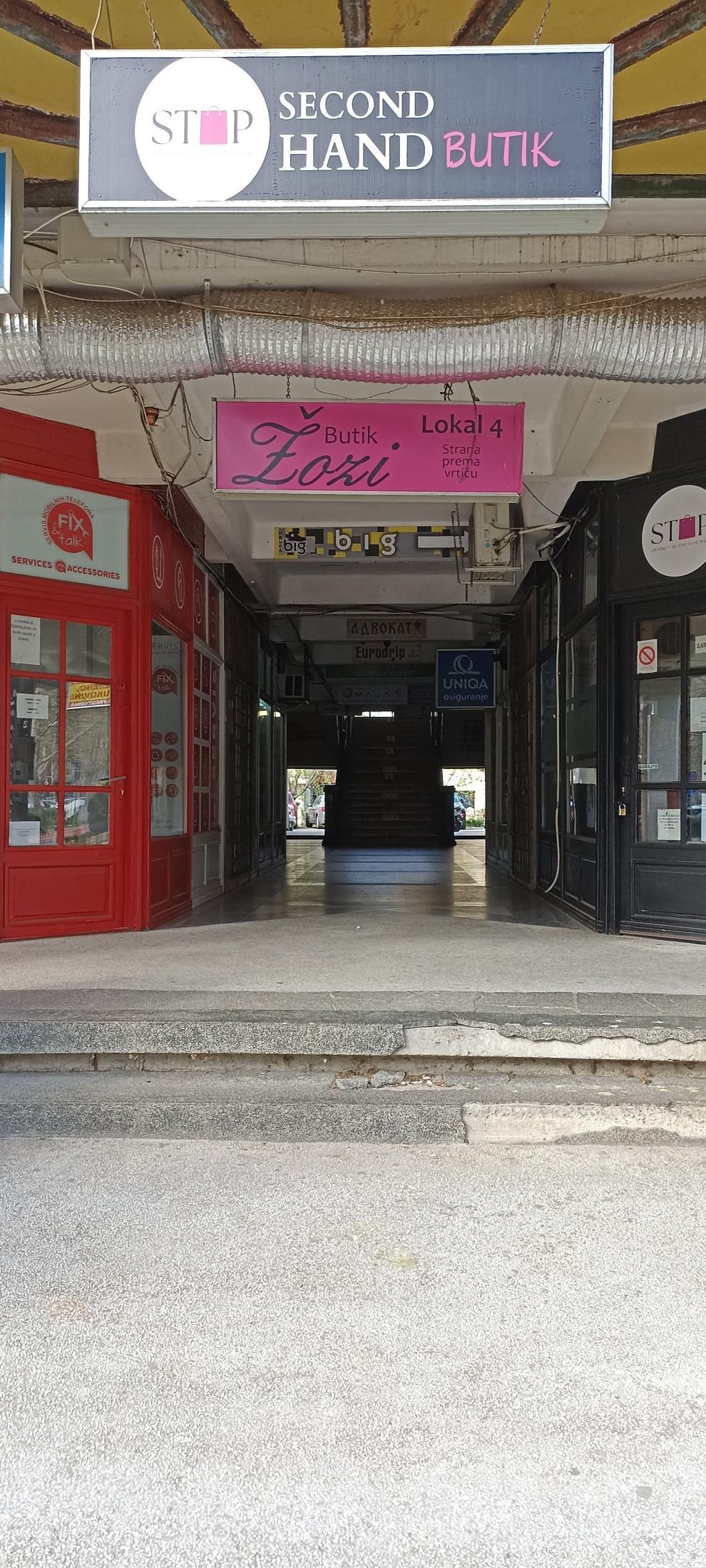
It is barely 20 minutes to the centre of Niš, so let us take a quick look at what is there and mark a few things for tomorrow. Well, in short… there is plenty. There are enough sights clustered around the centre to keep you walking for at least one full day. Online you will find the usual suspects: the fortress, the Stevan Sremac statue, the National Museum and more. I will add something more interesting. As you walk along the main street between H&M and the Forum shopping centre, you will notice some spiral staircases leading down. They had not caught my eye until I decided it was time to see what the fuss was about. I thought there would be a little shop at the bottom. Nope… Down there is a whole, very long underground street lined with lots of small shops. Surprise! P.S. Searching for it online afterwards, it turns out the surprise was mine alone 😀 Ah, Niš, what wonders you have been hiding.
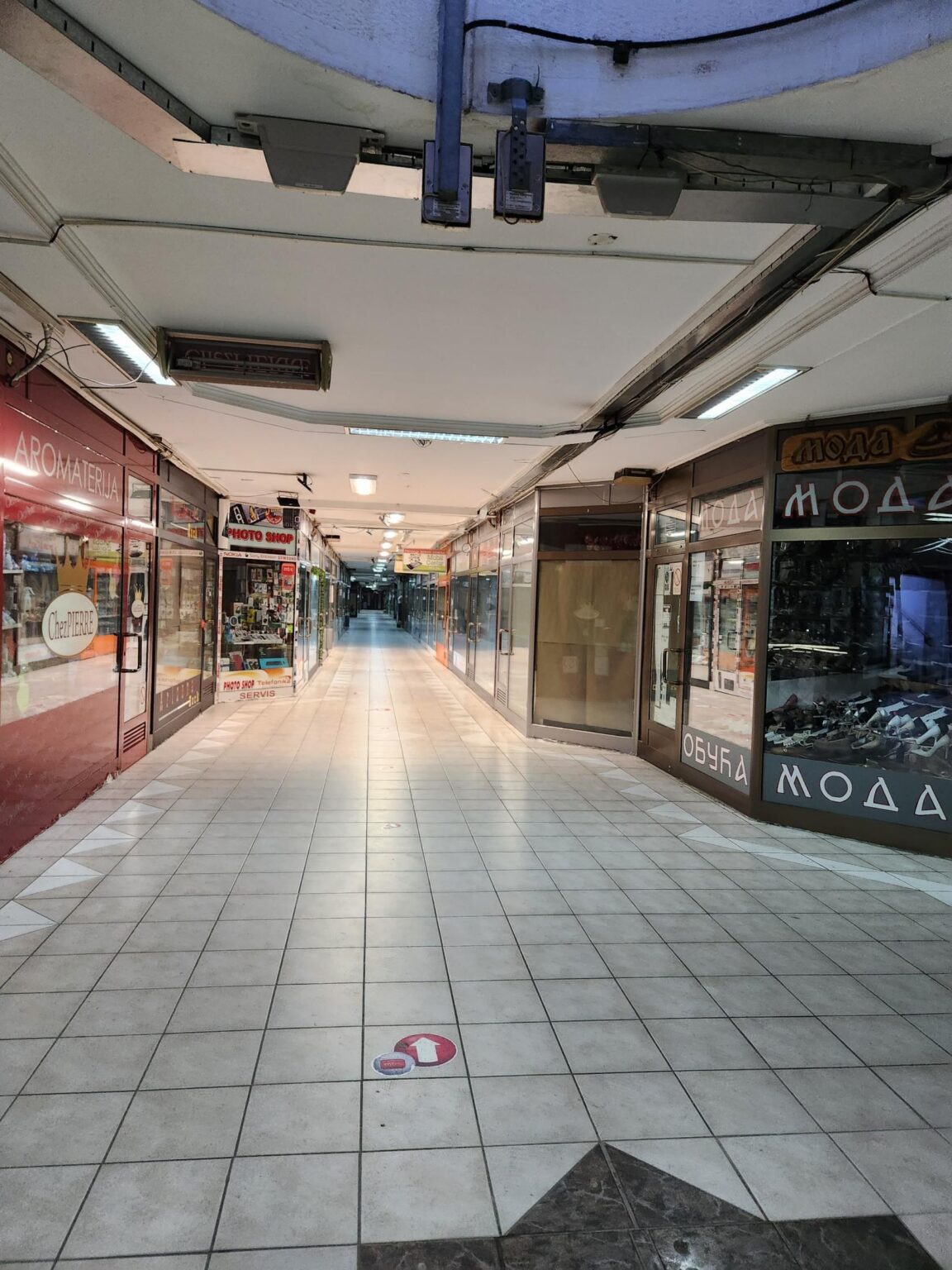
So, Niš has a lot going on. The list is made, and we carry on tomorrow.
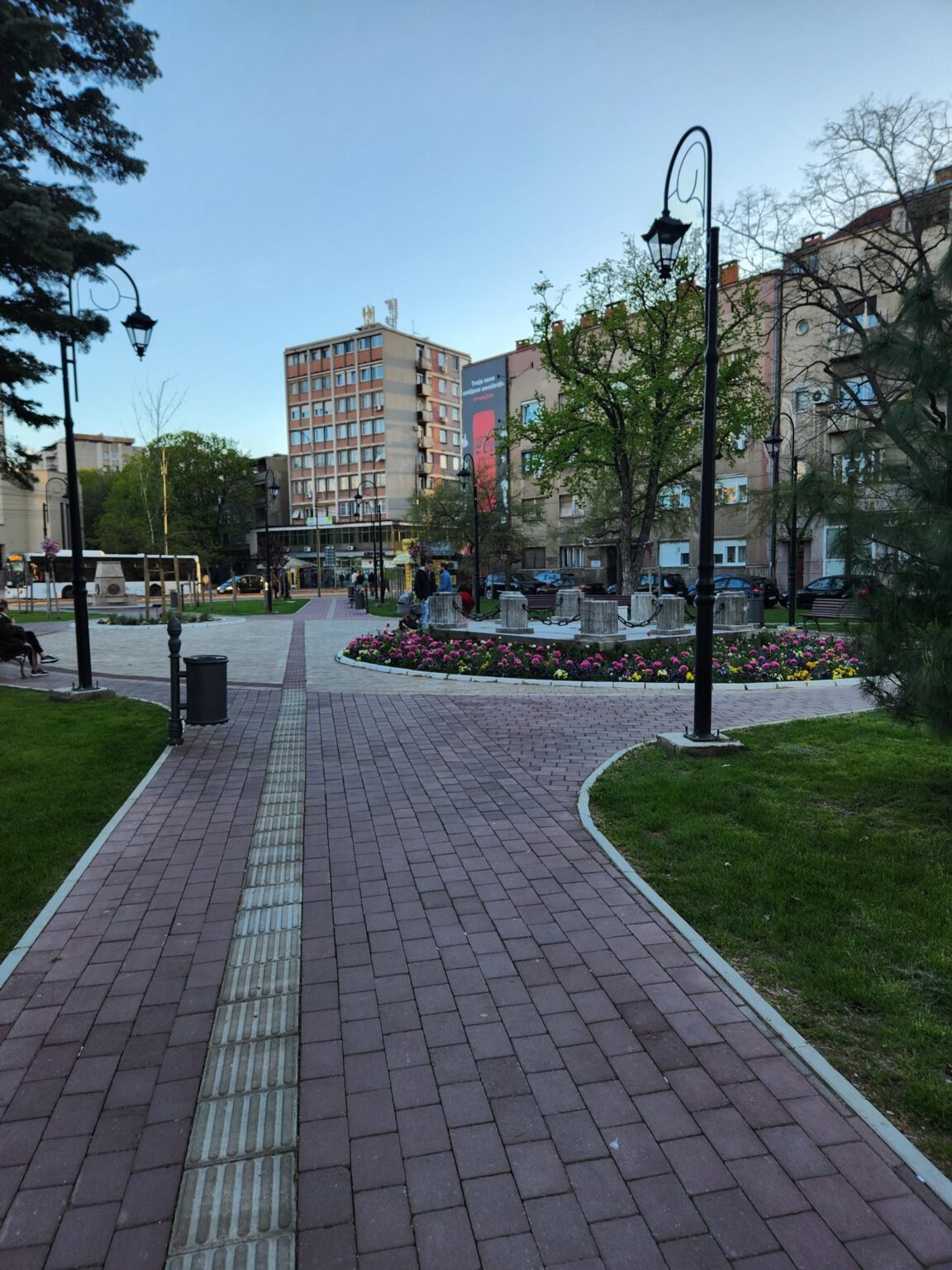
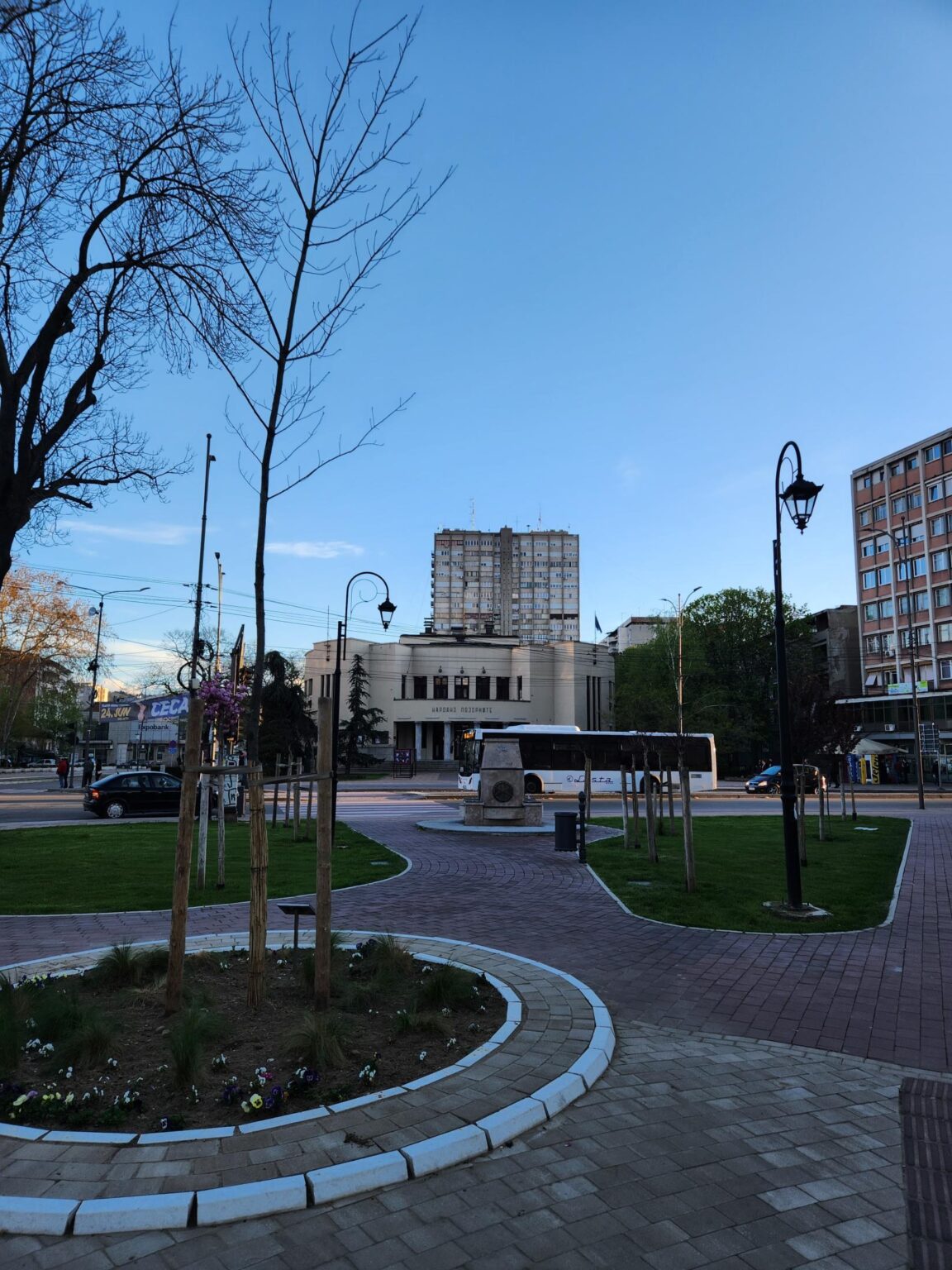
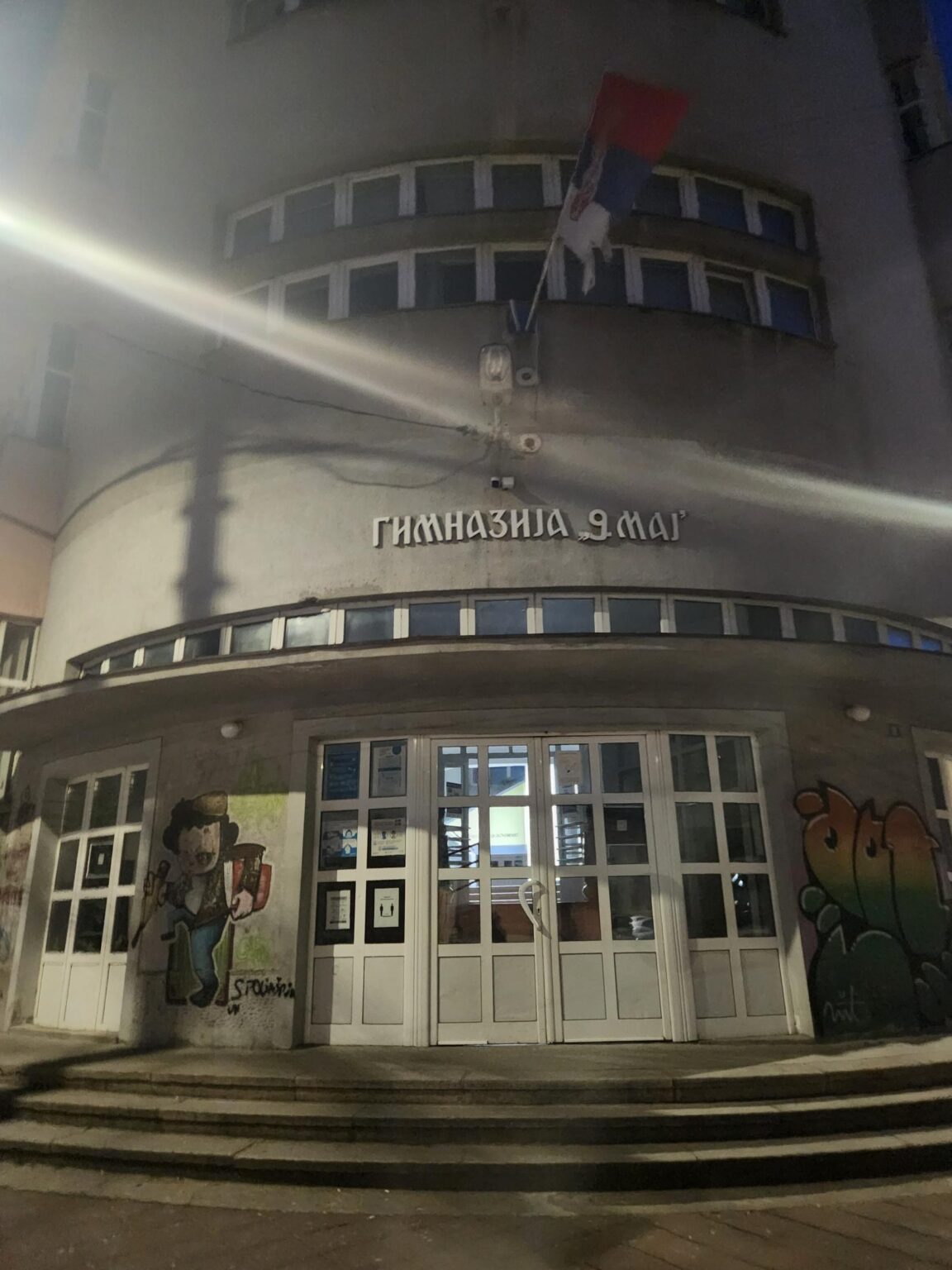
Day 2: Niš – fortress, concentration camp, Mediana, parks, malls and streets
A serious recharge and a proper night’s sleep. The hotel breakfast buffet is excellent, every bit of it. So far there has not been a single weak meal in Serbia. Hotels in Niš are competitively priced, Booking has plenty of choice, and many include parking. My advice is to find a place in the centre with parking and explore on foot. In 2023, a normal hotel with breakfast and guaranteed parking was mostly around €20–30 per person per night. There are, of course, noticeably pricier and more luxurious options too. With the details sorted, off we march.
Niš Fortress
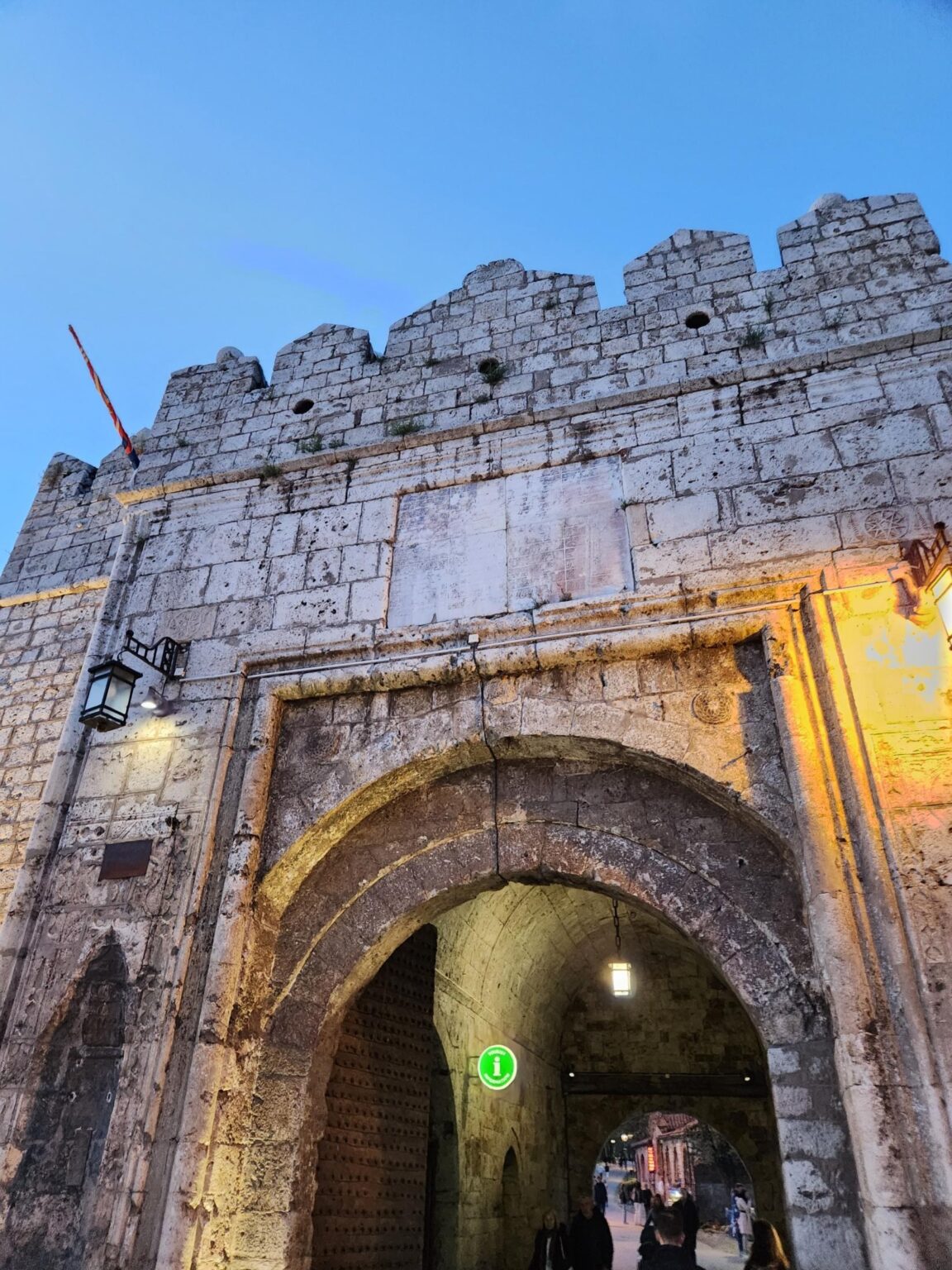
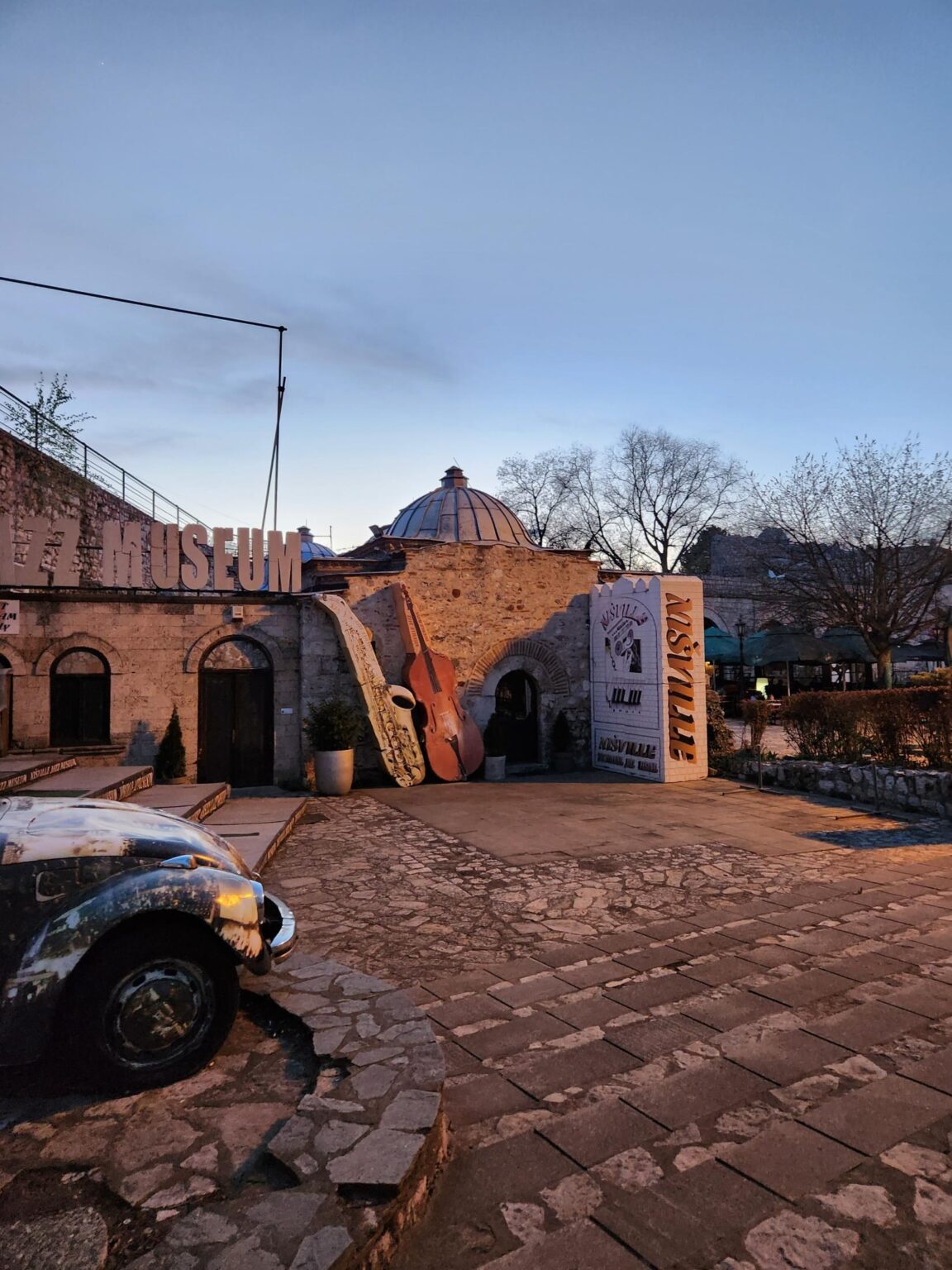
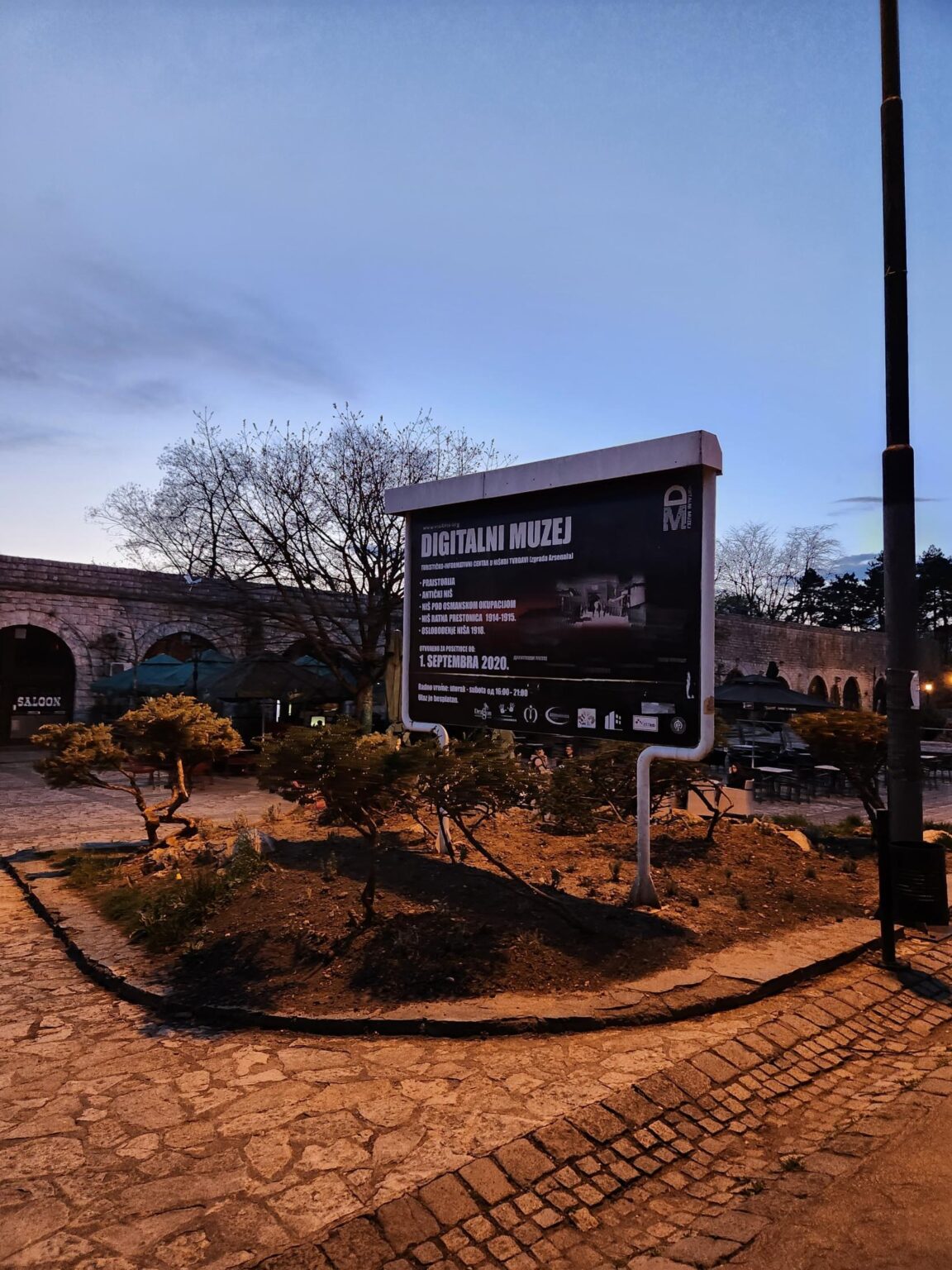
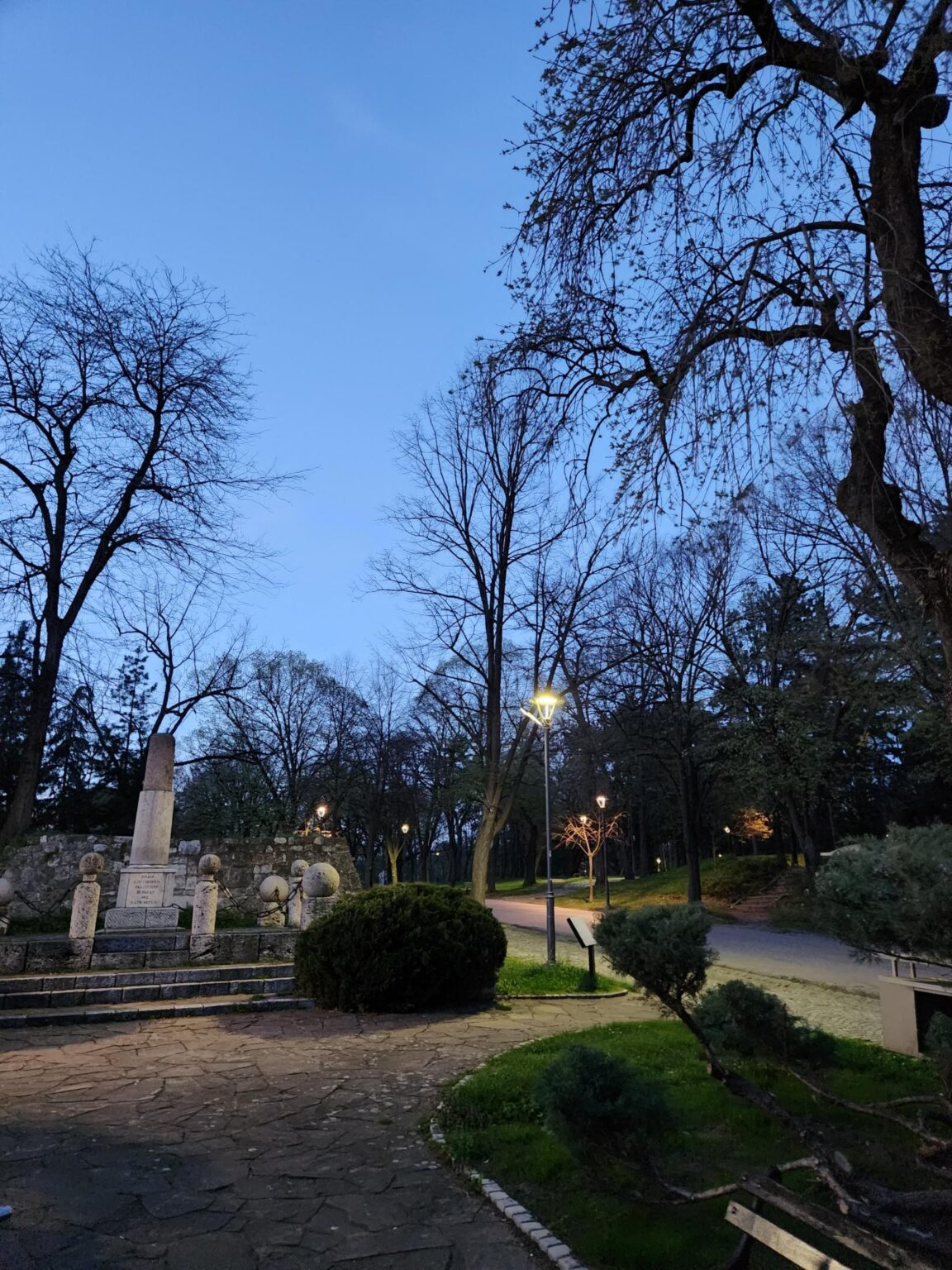
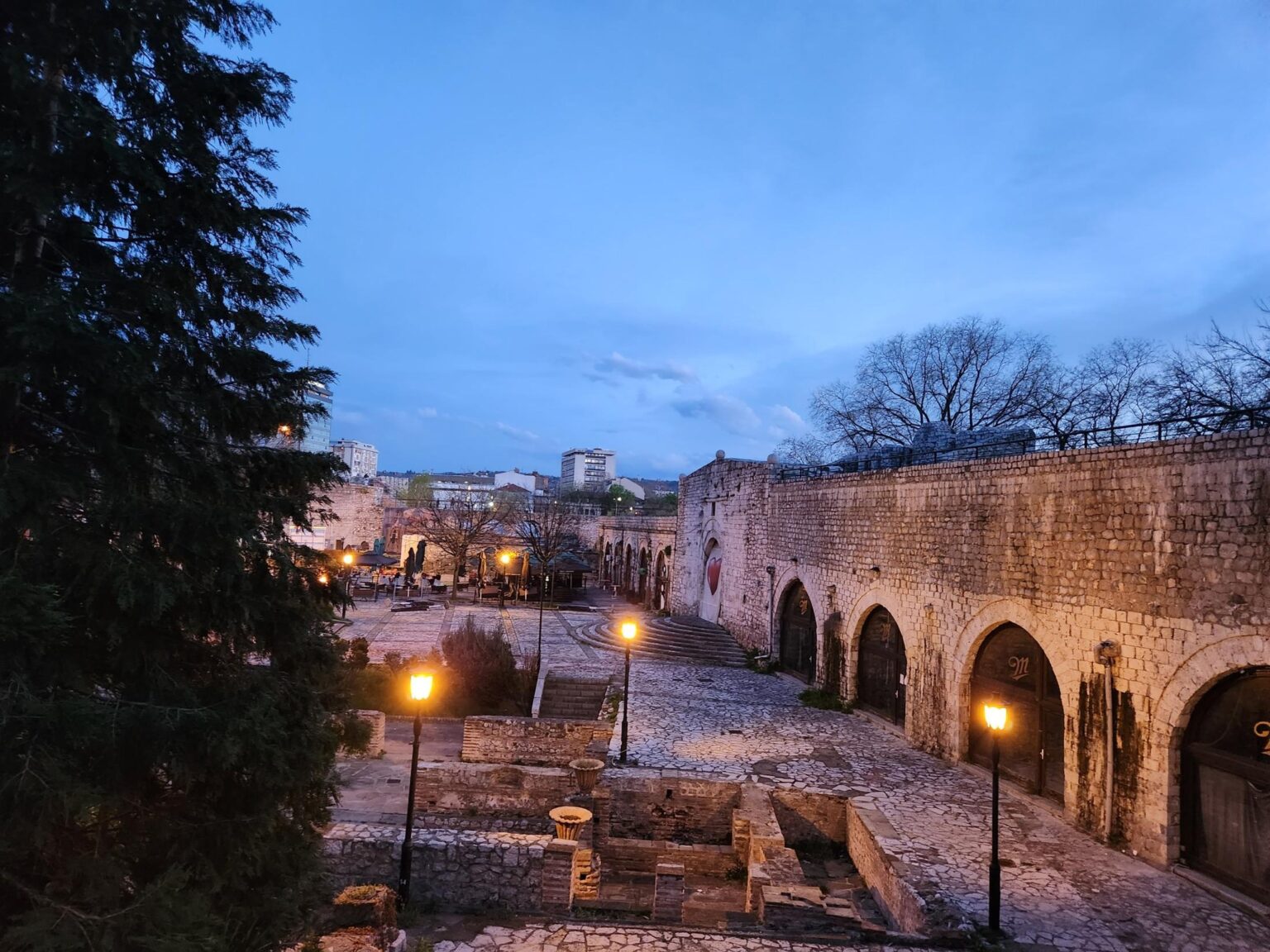
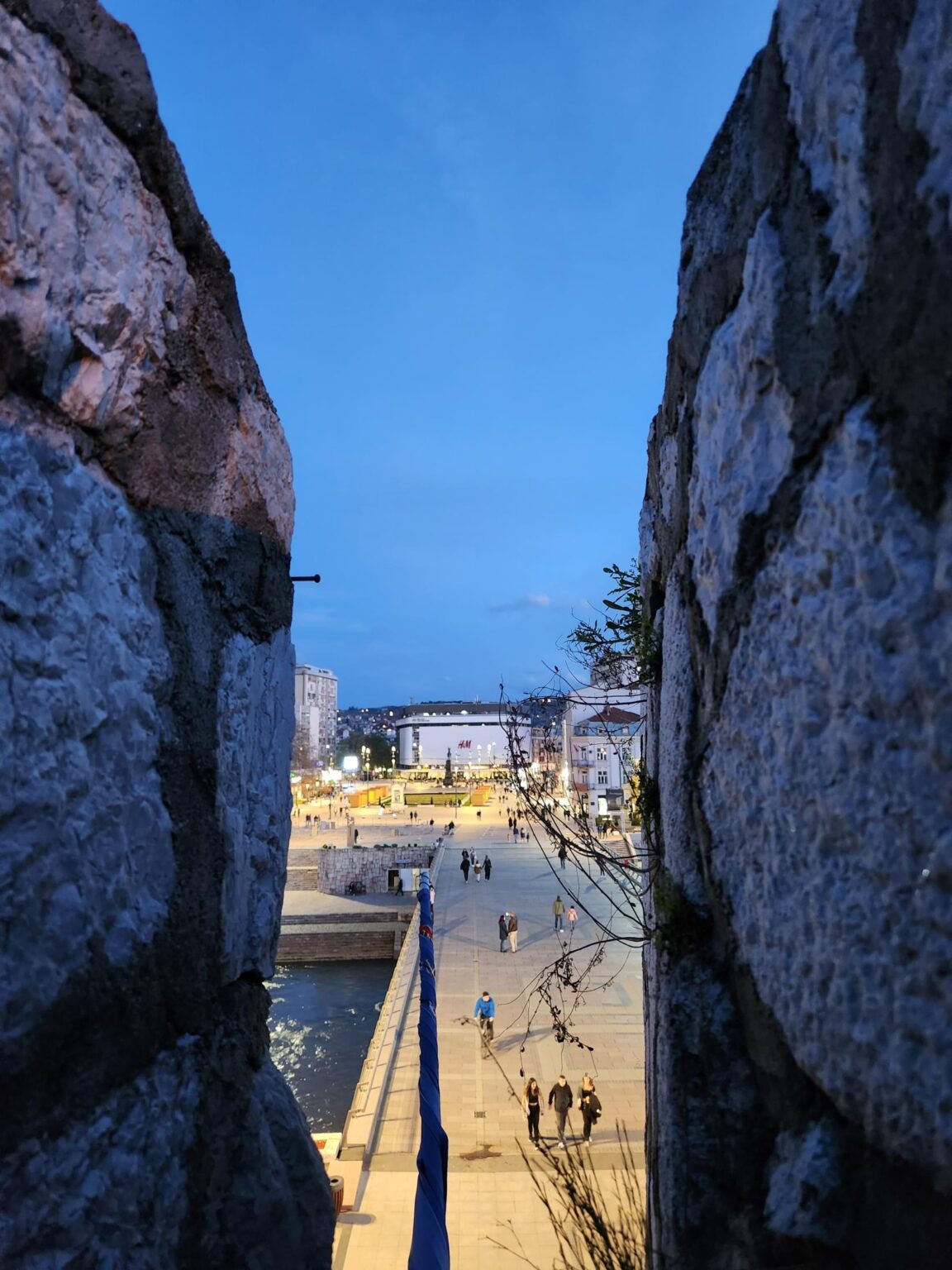
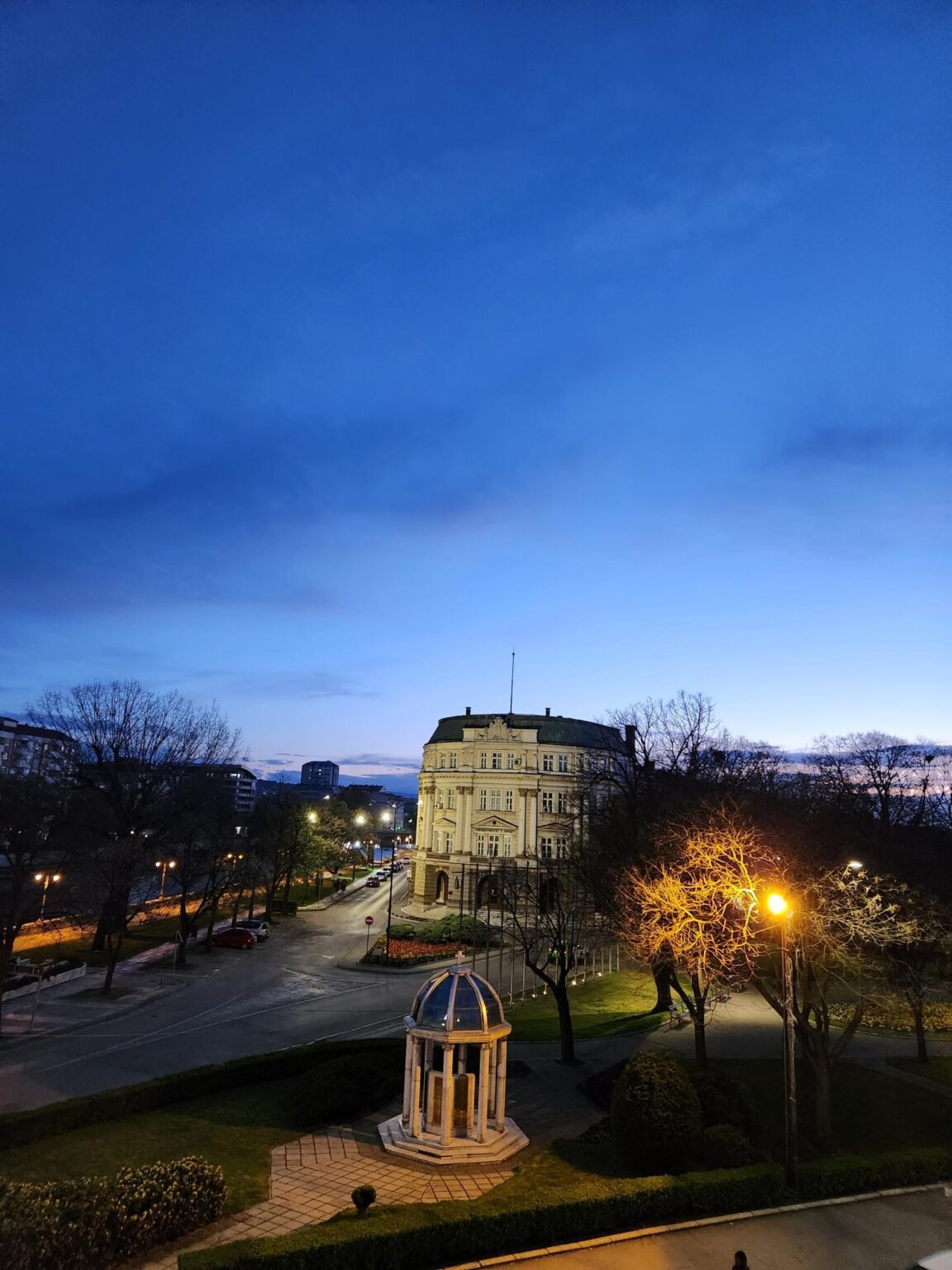
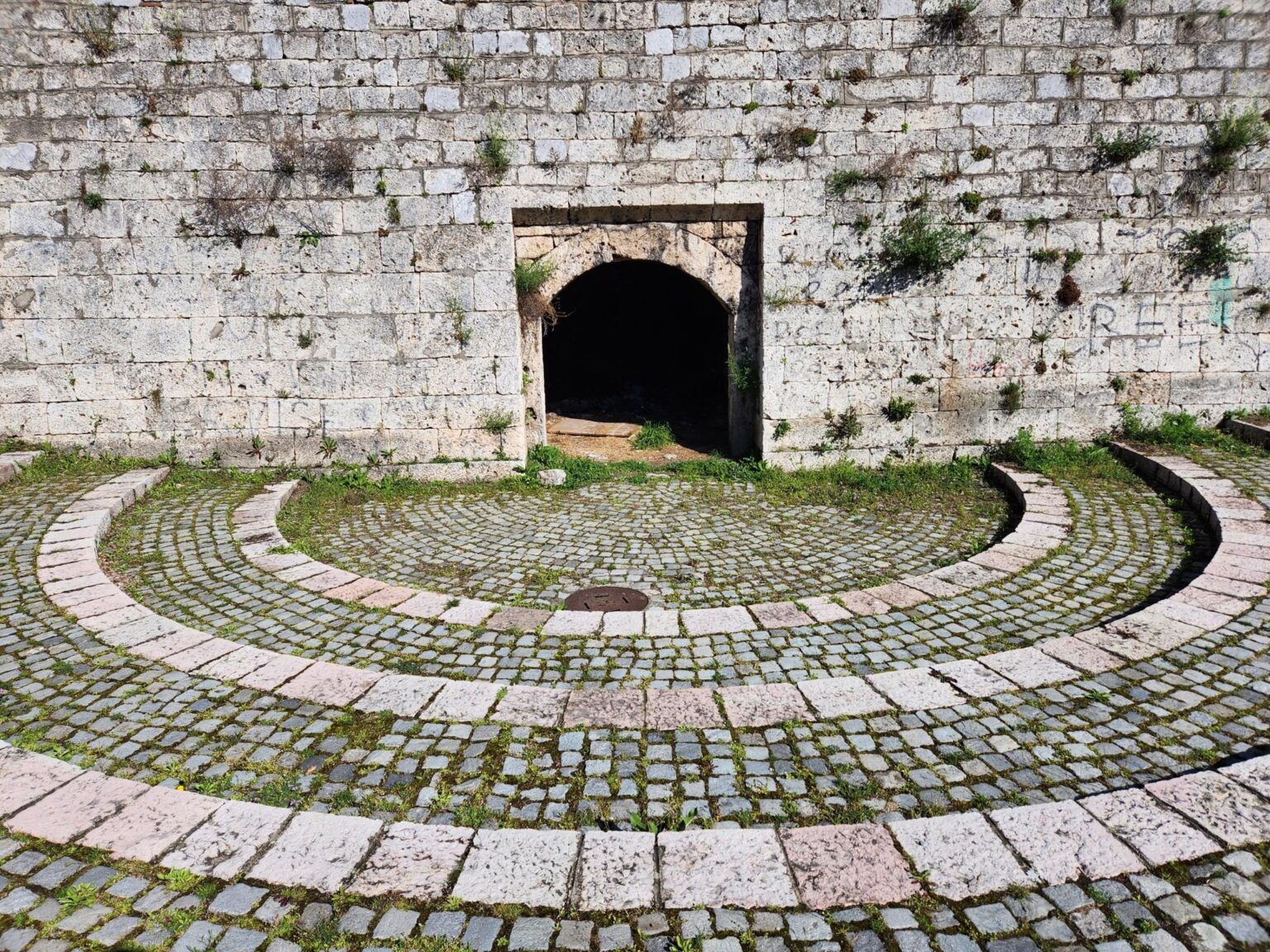
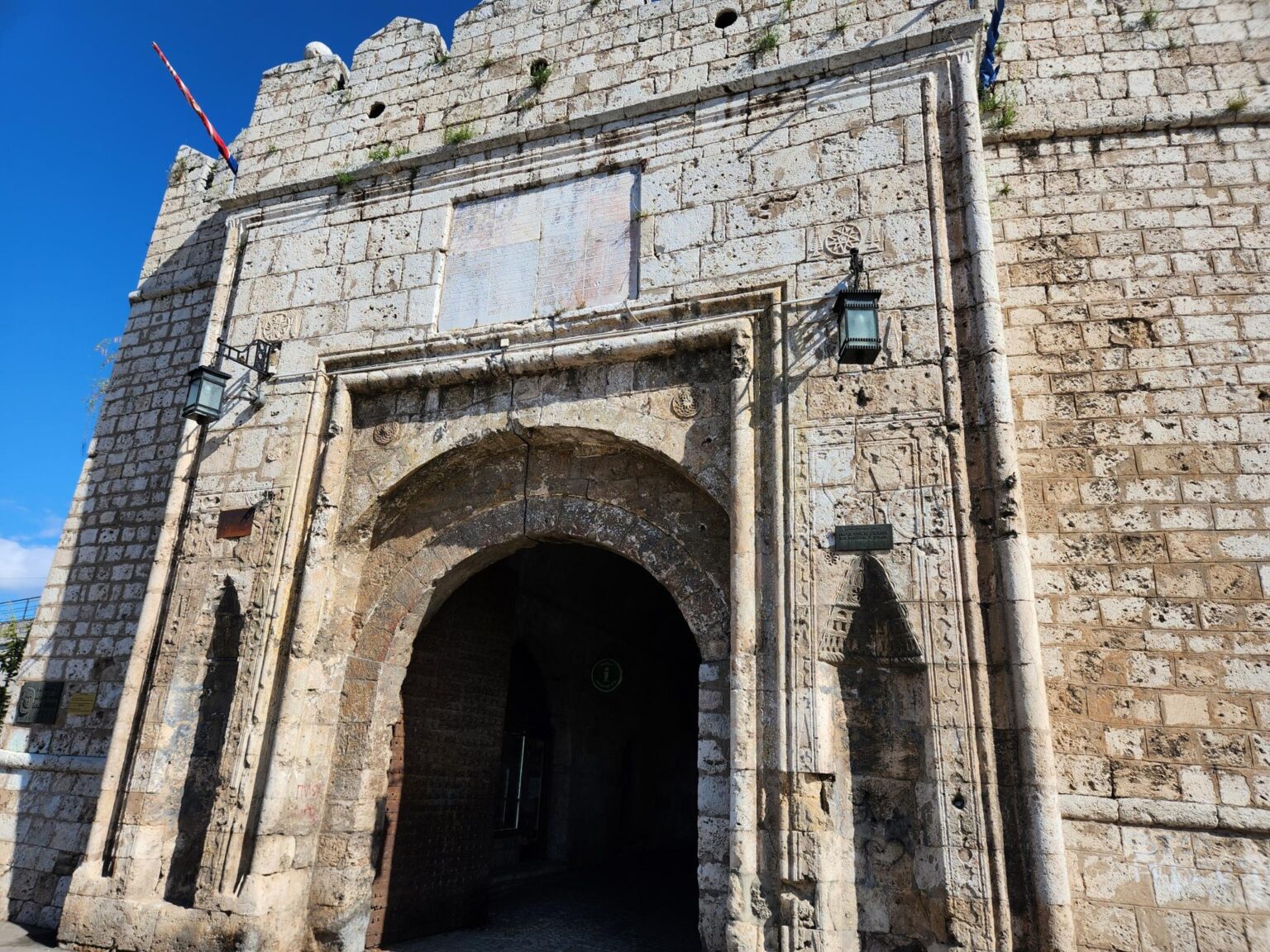
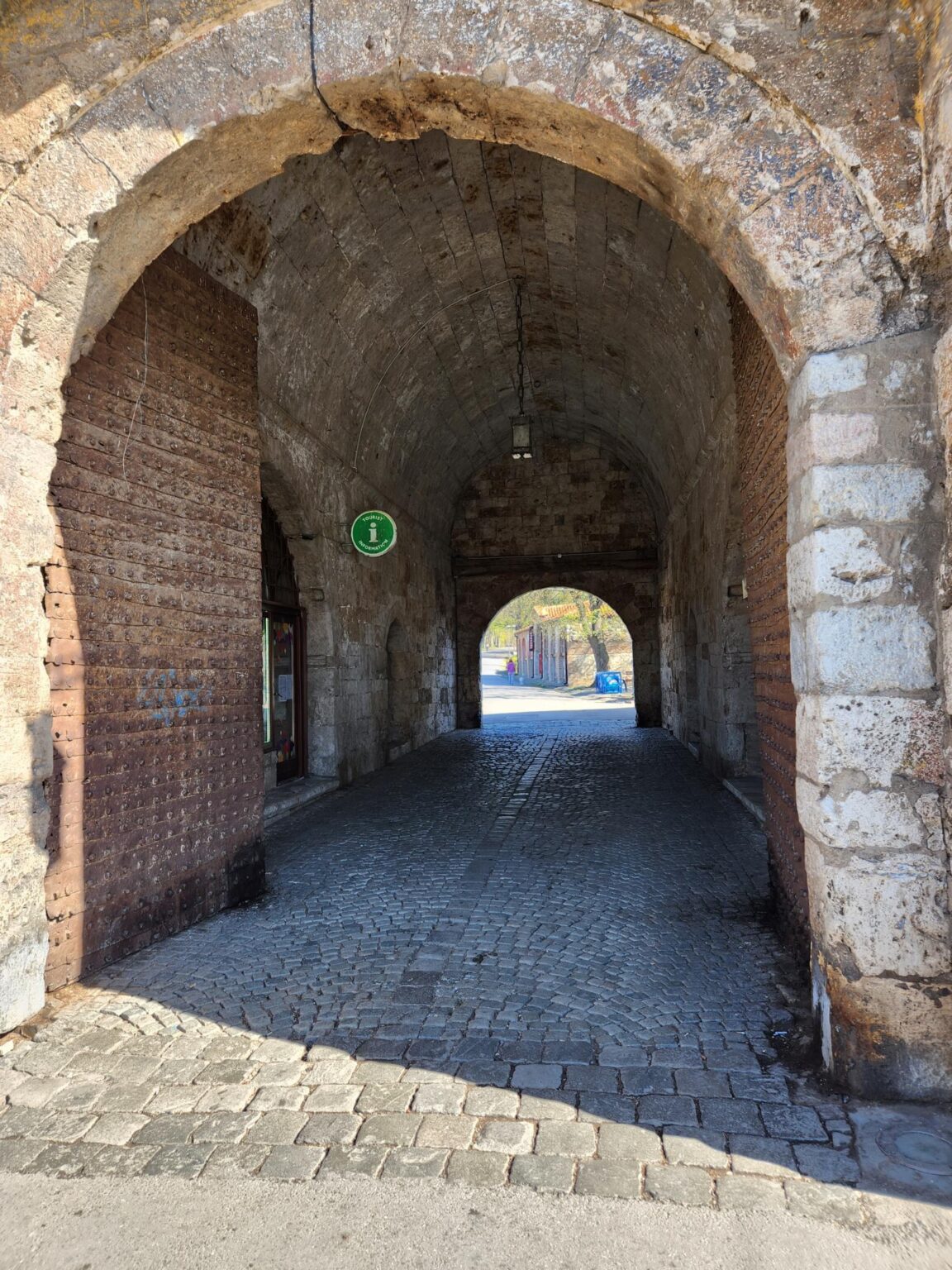
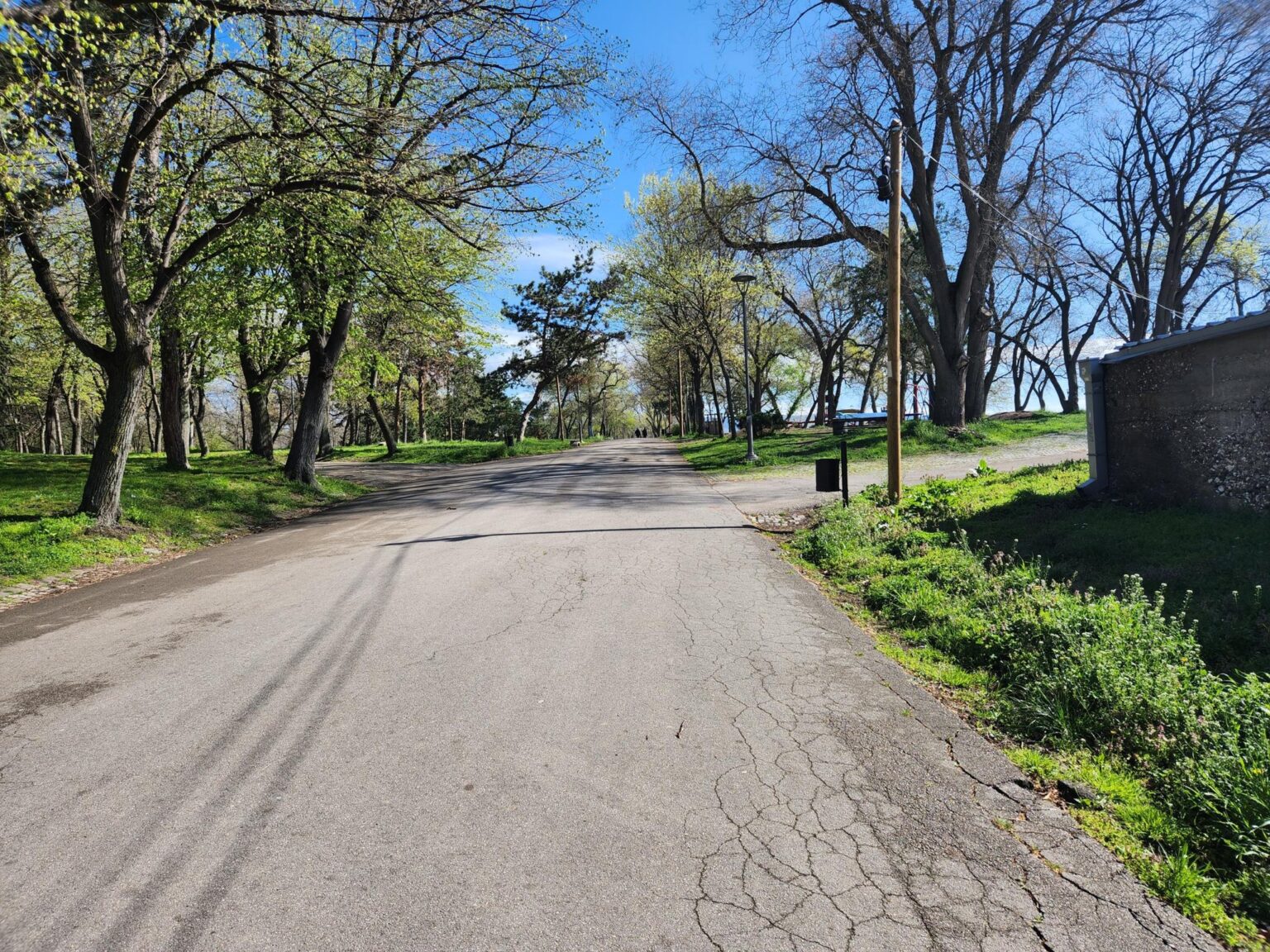
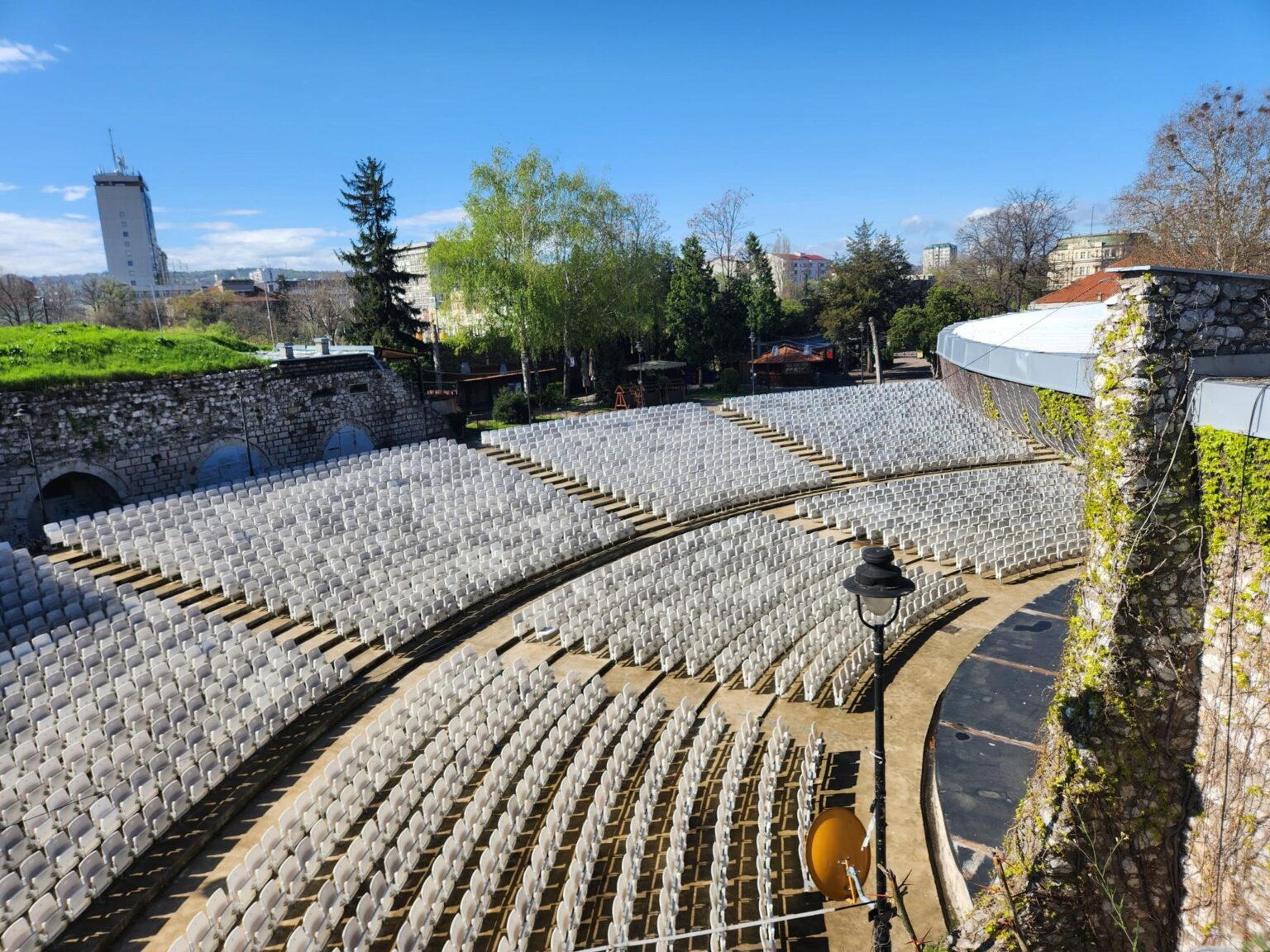
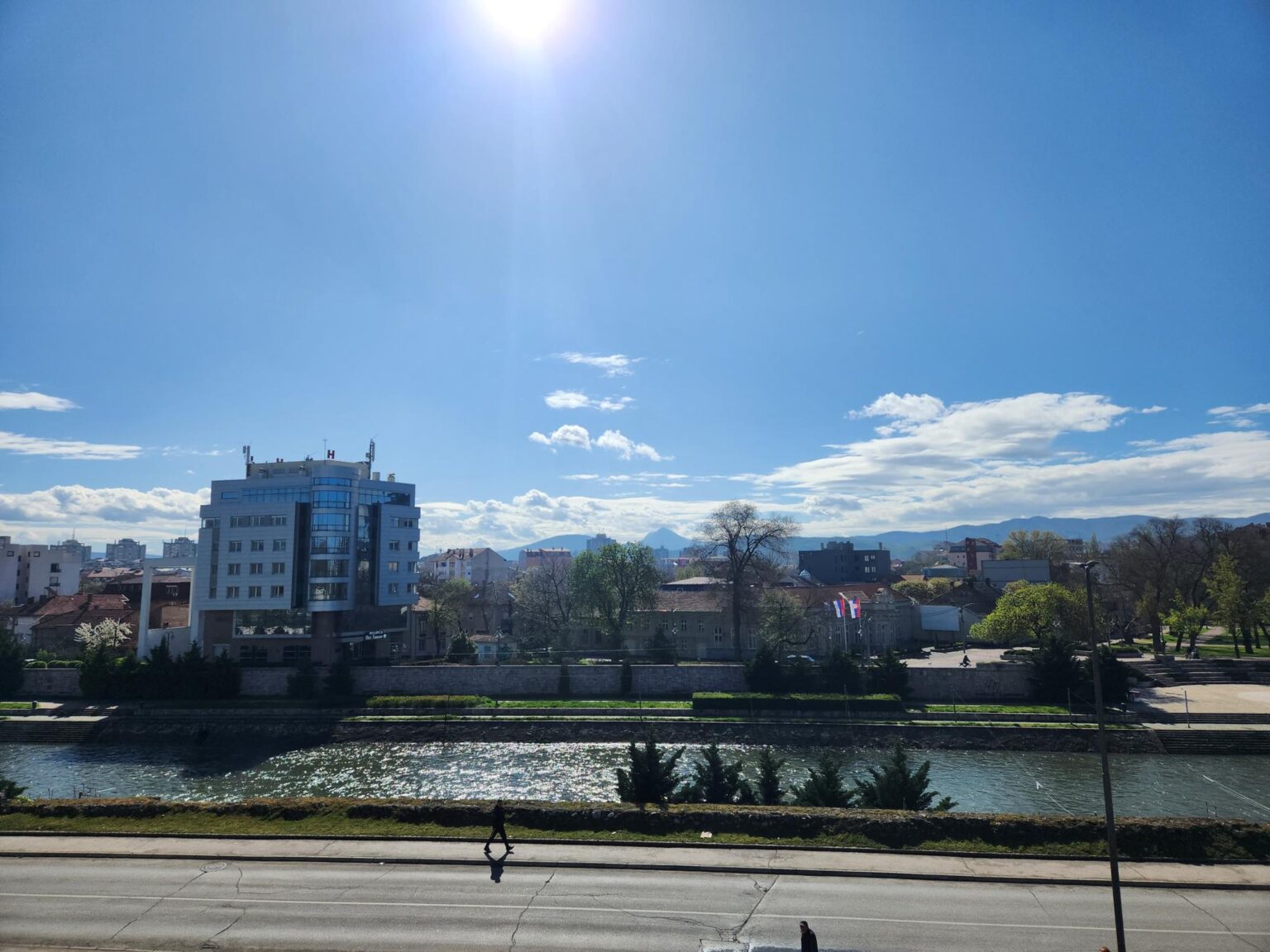
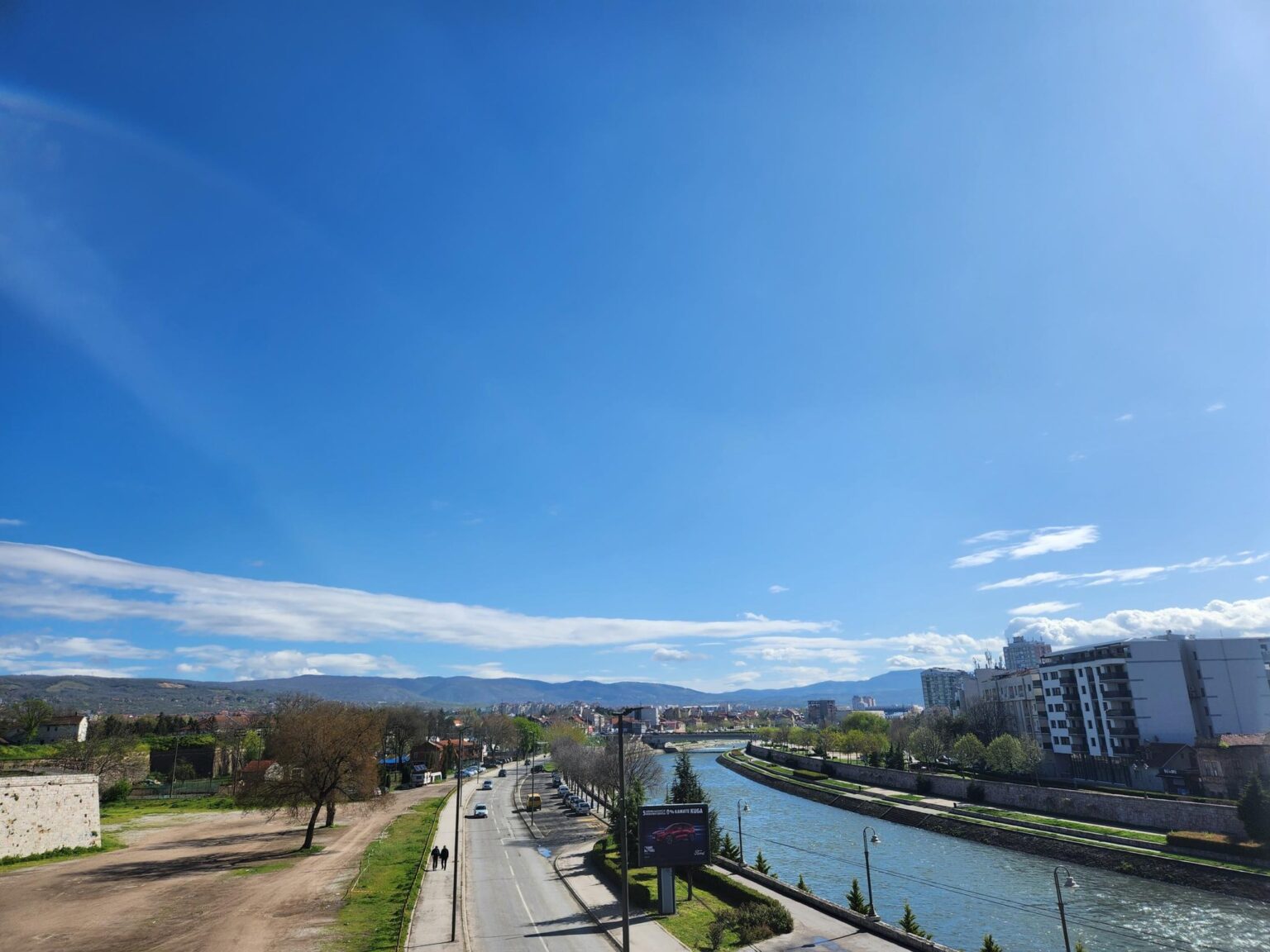
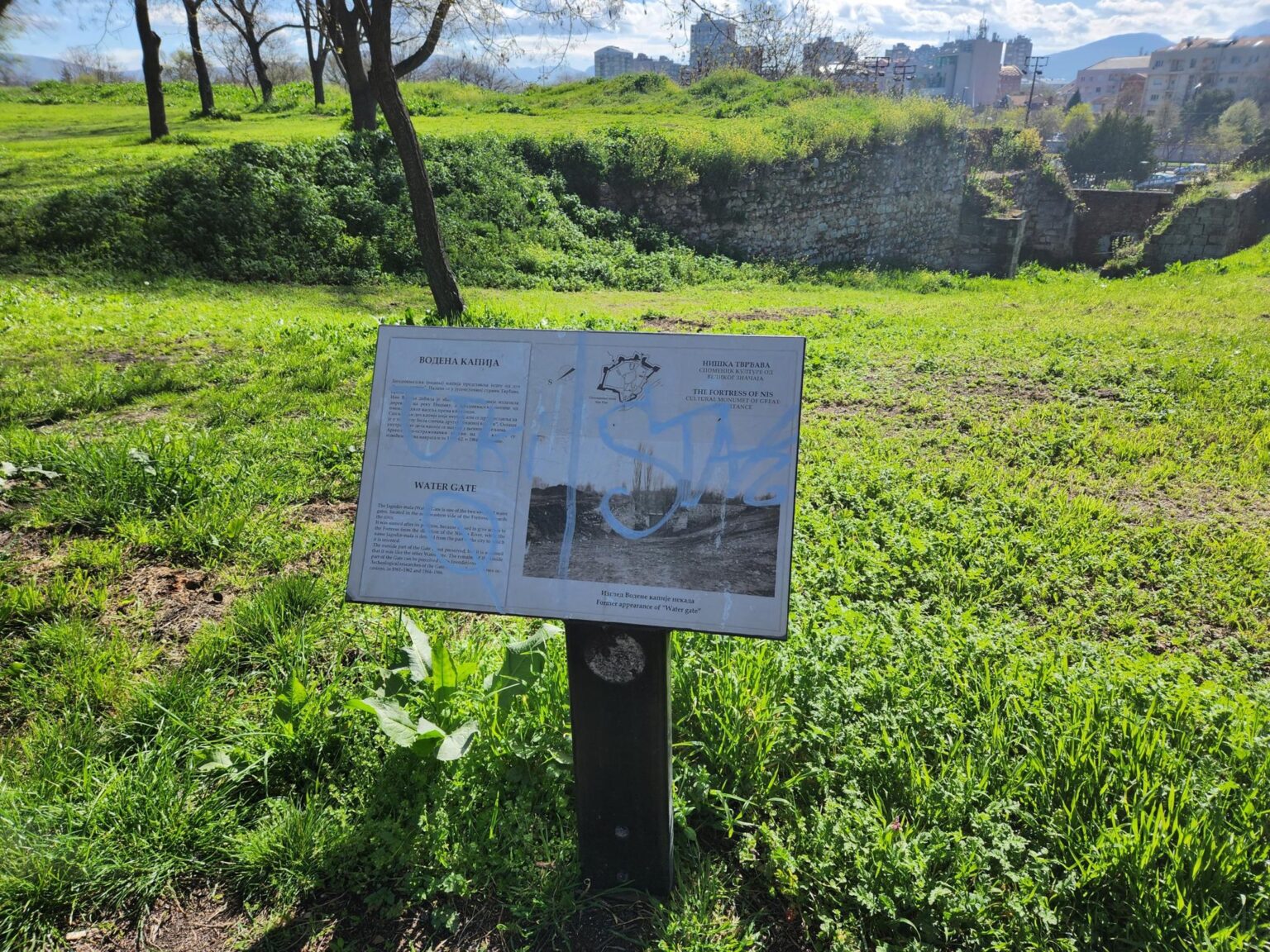
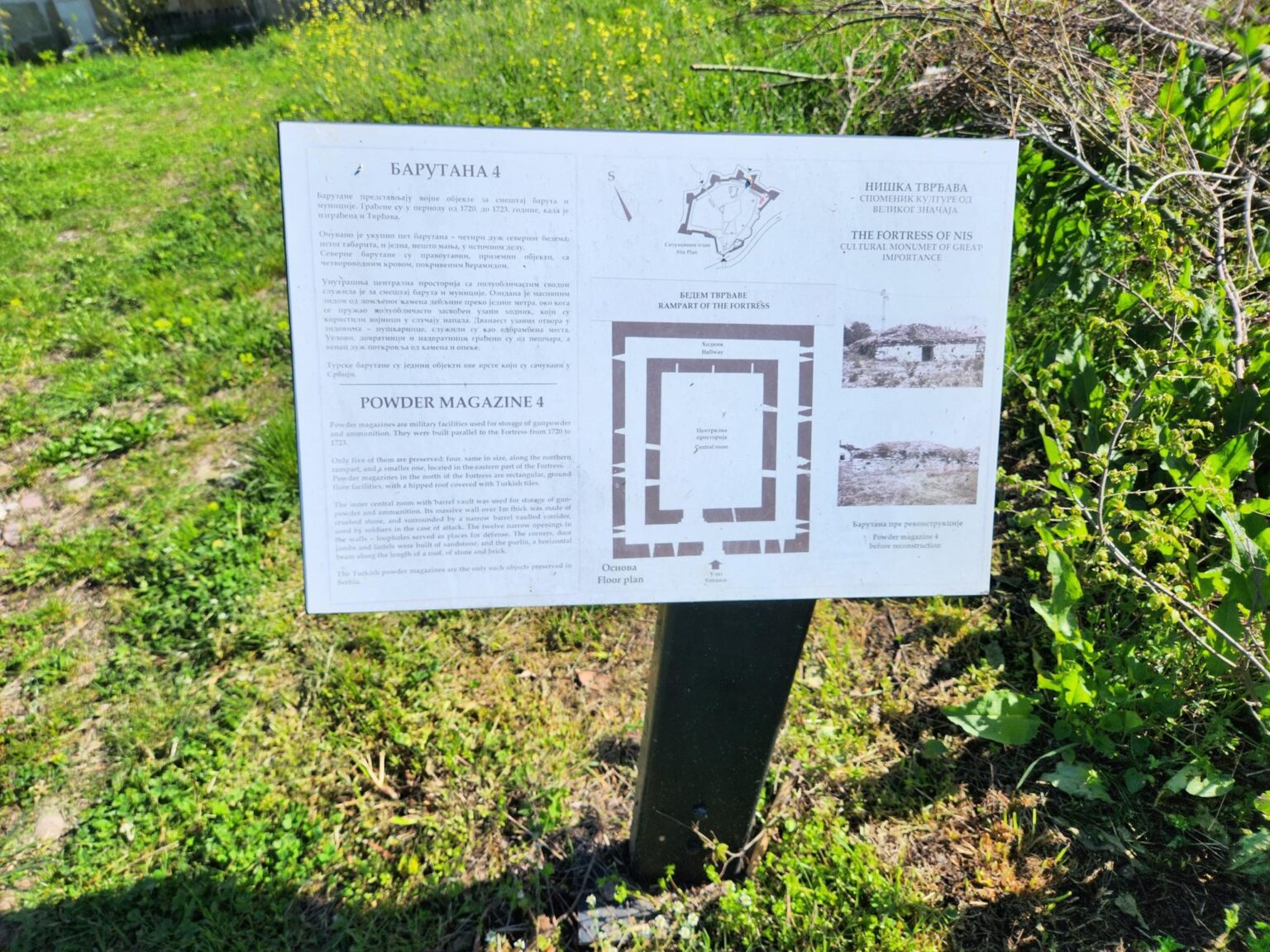
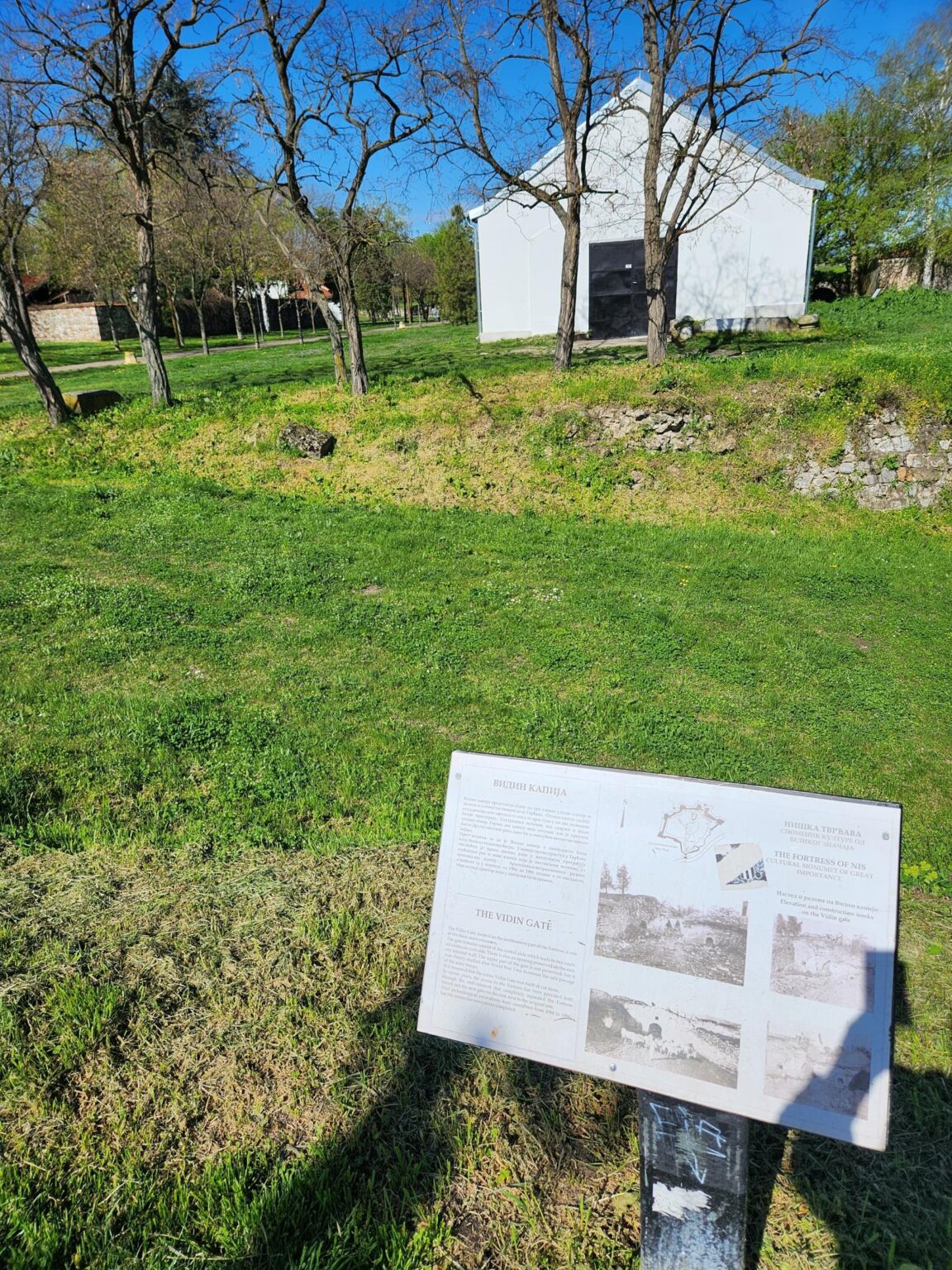
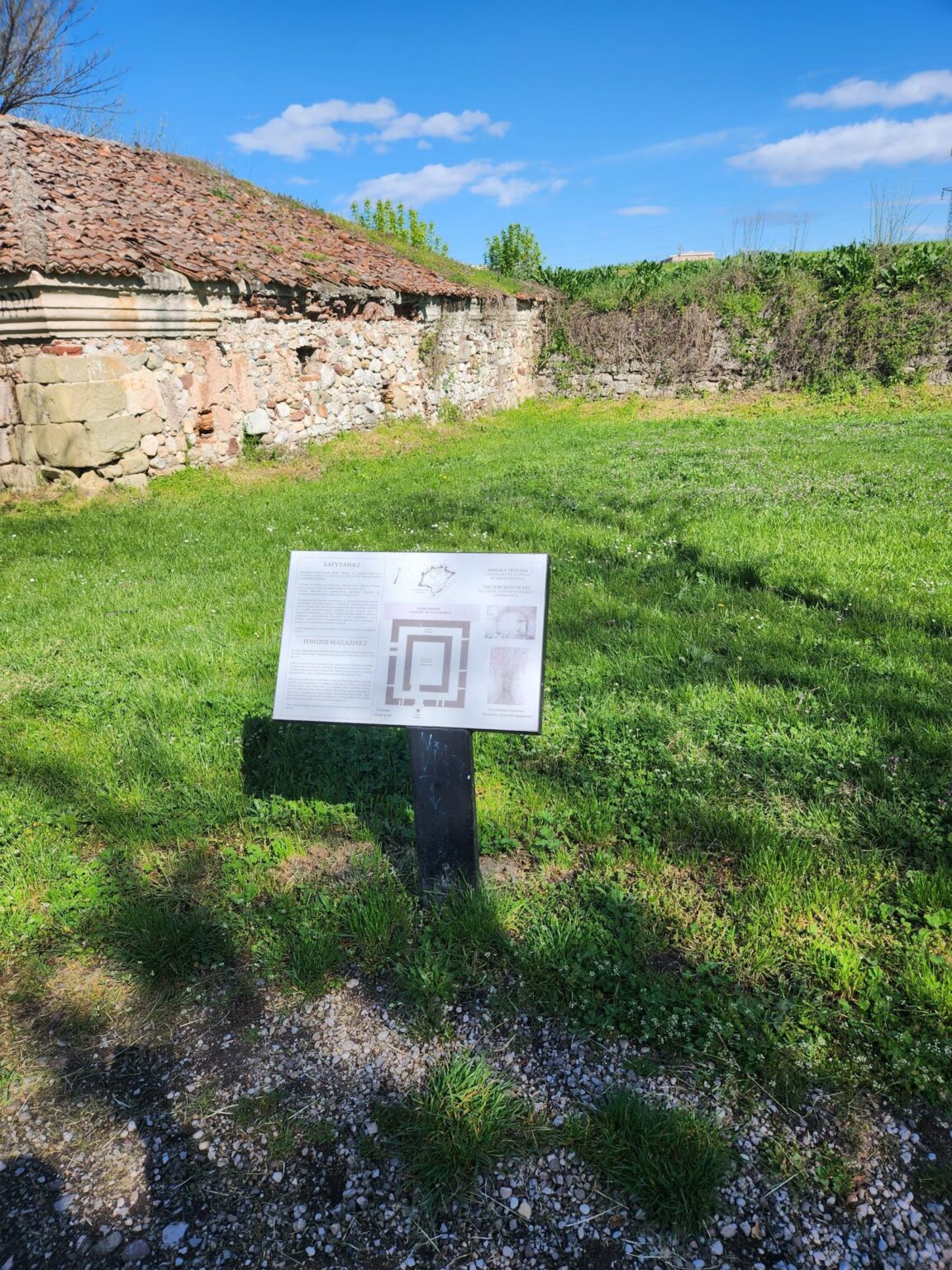
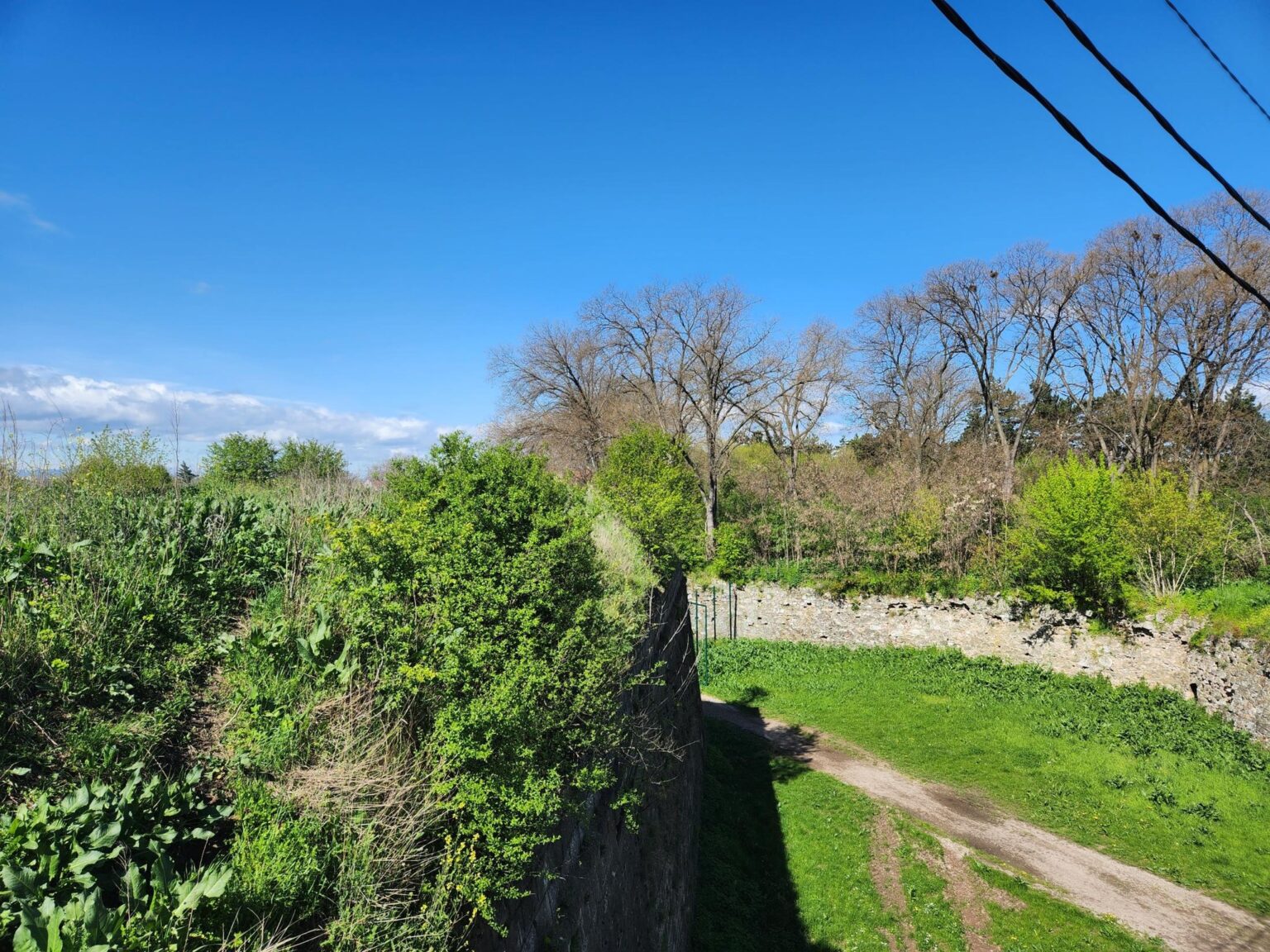
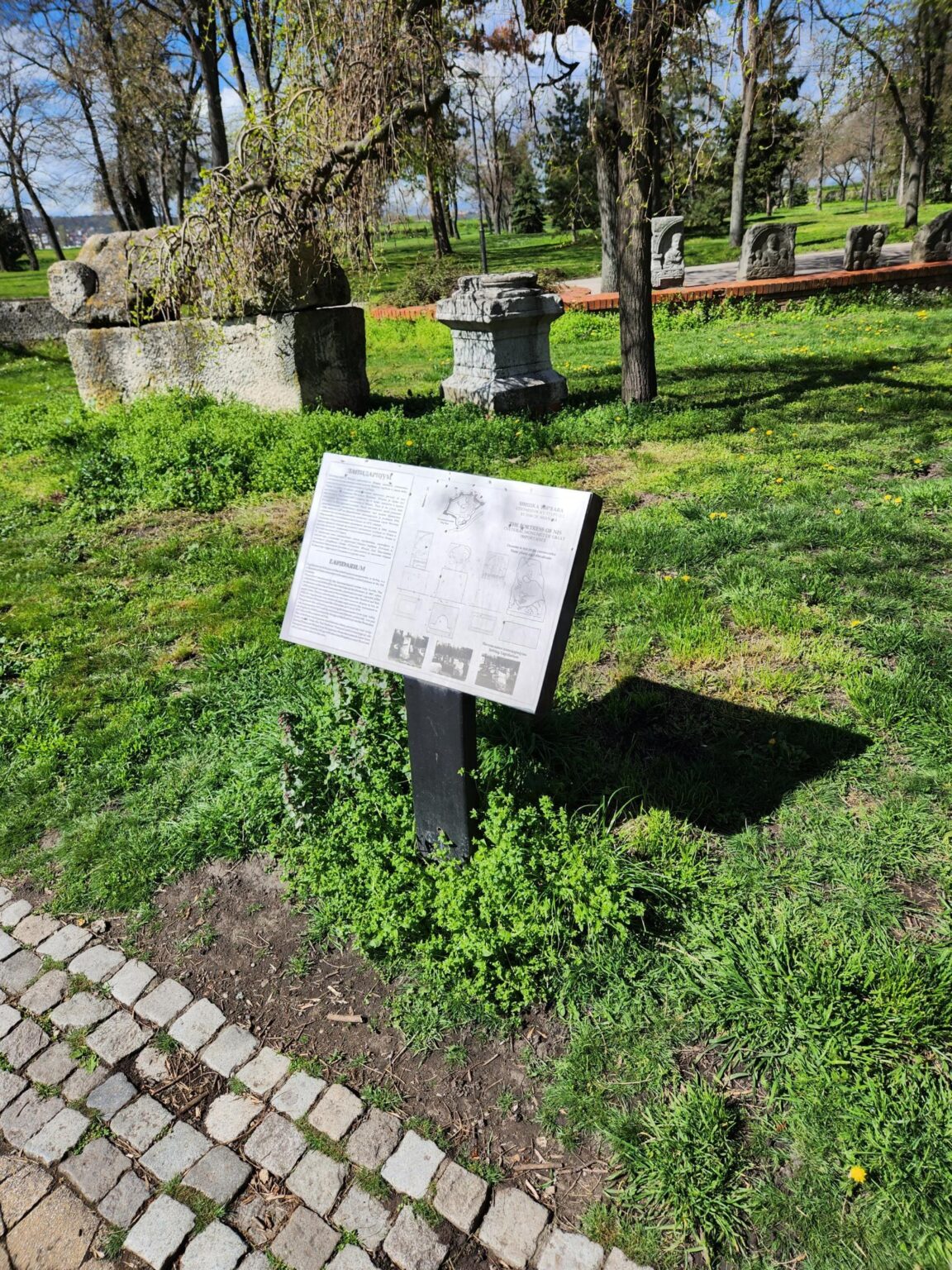
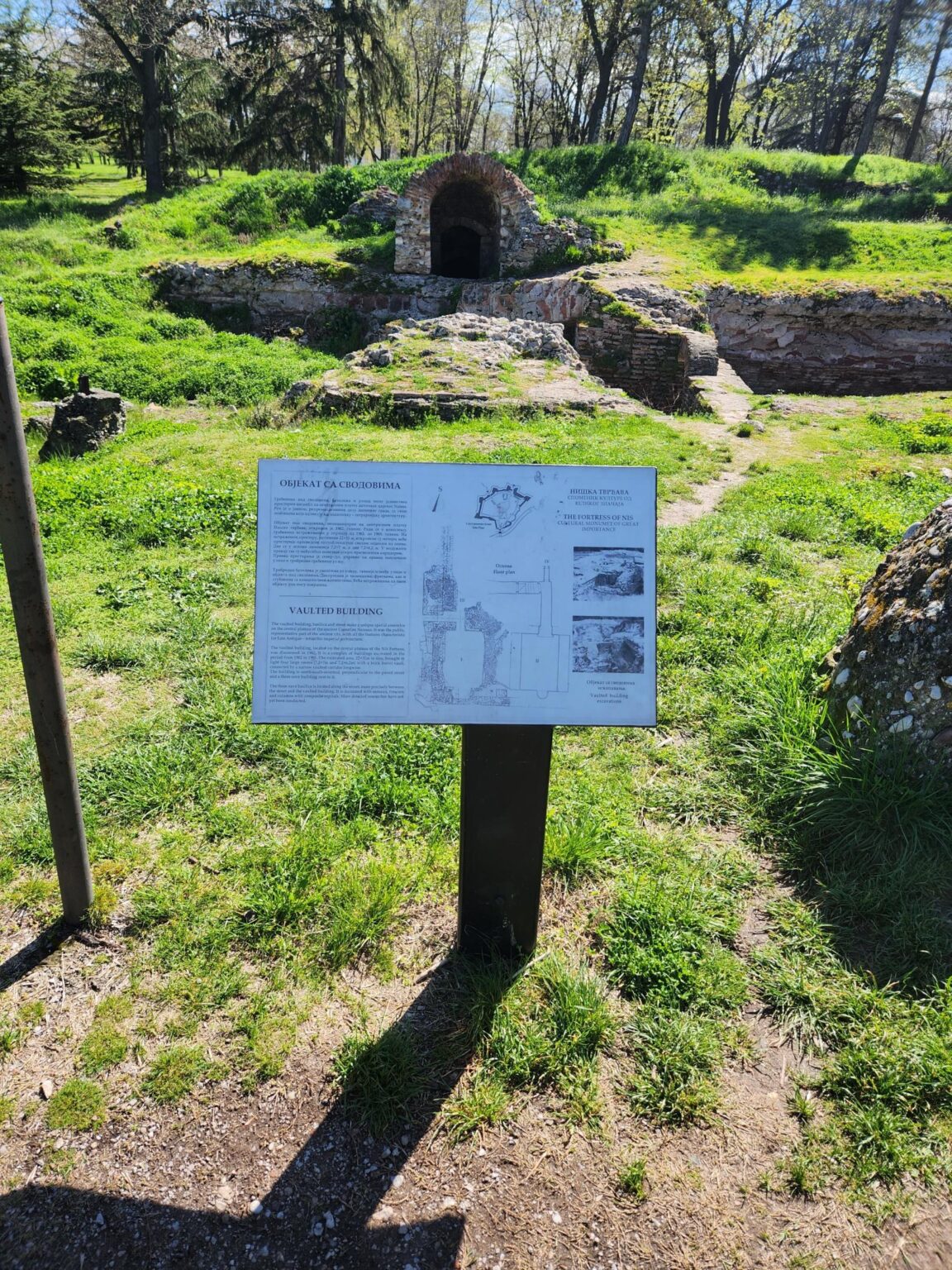
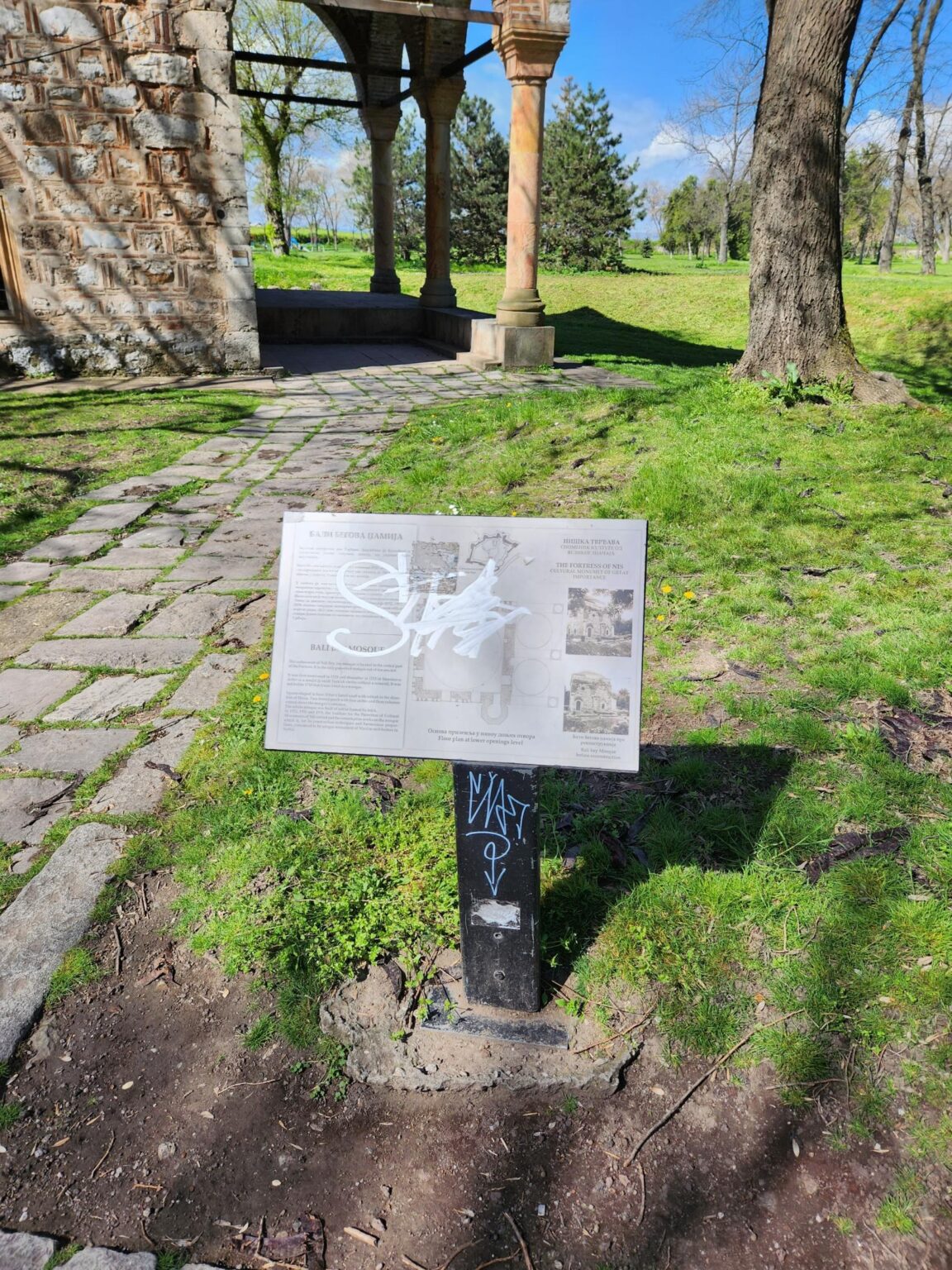
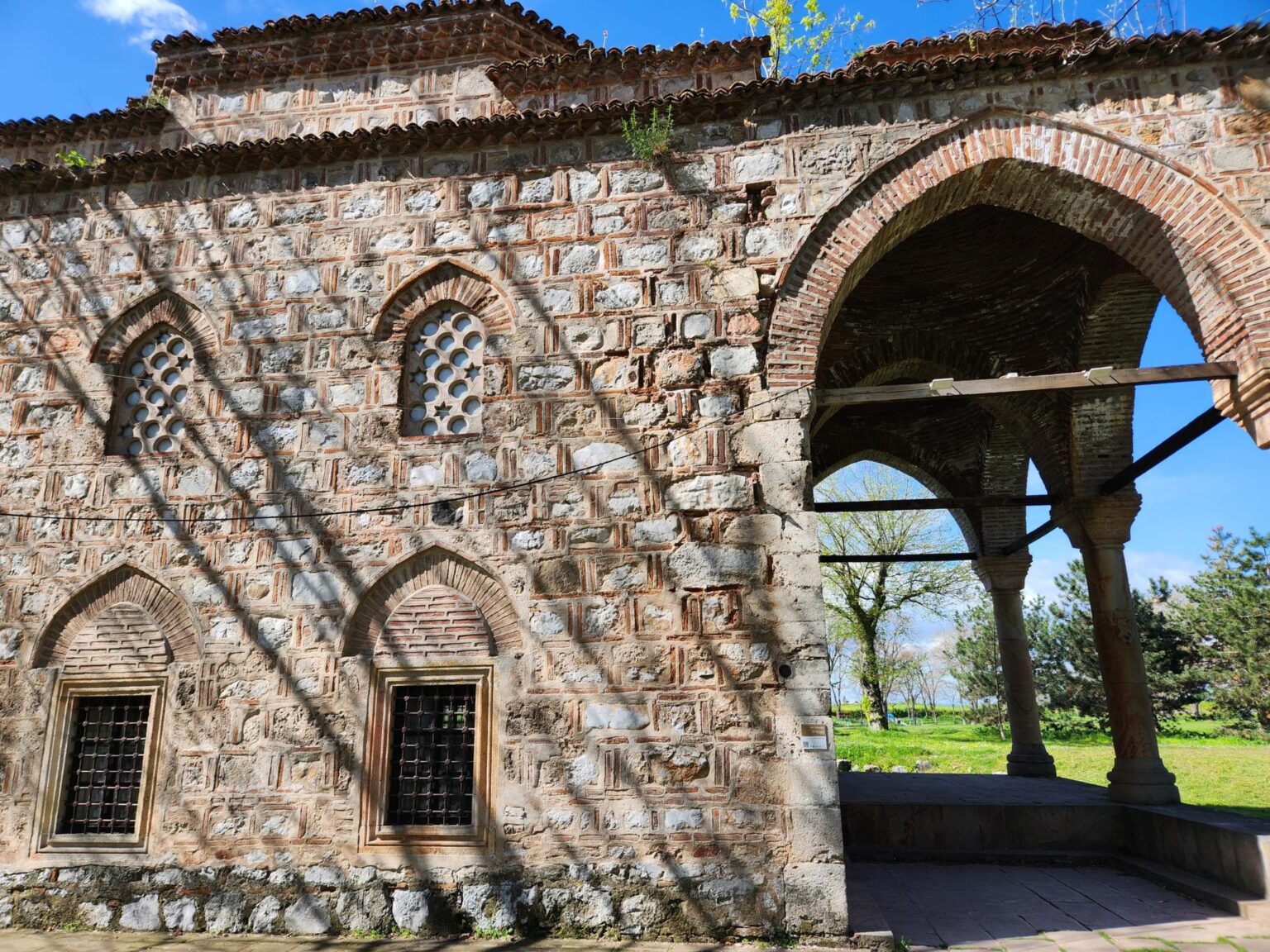
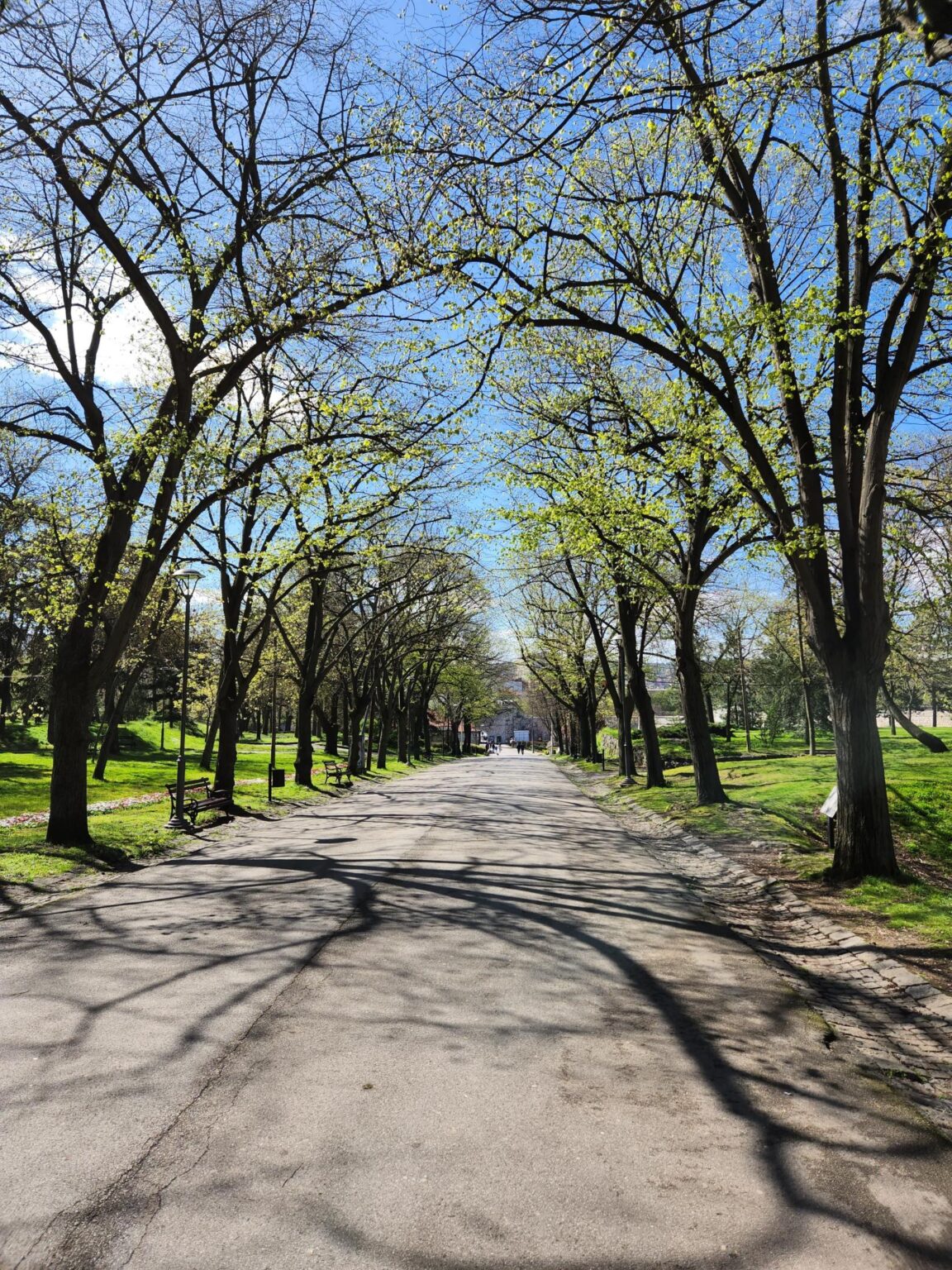
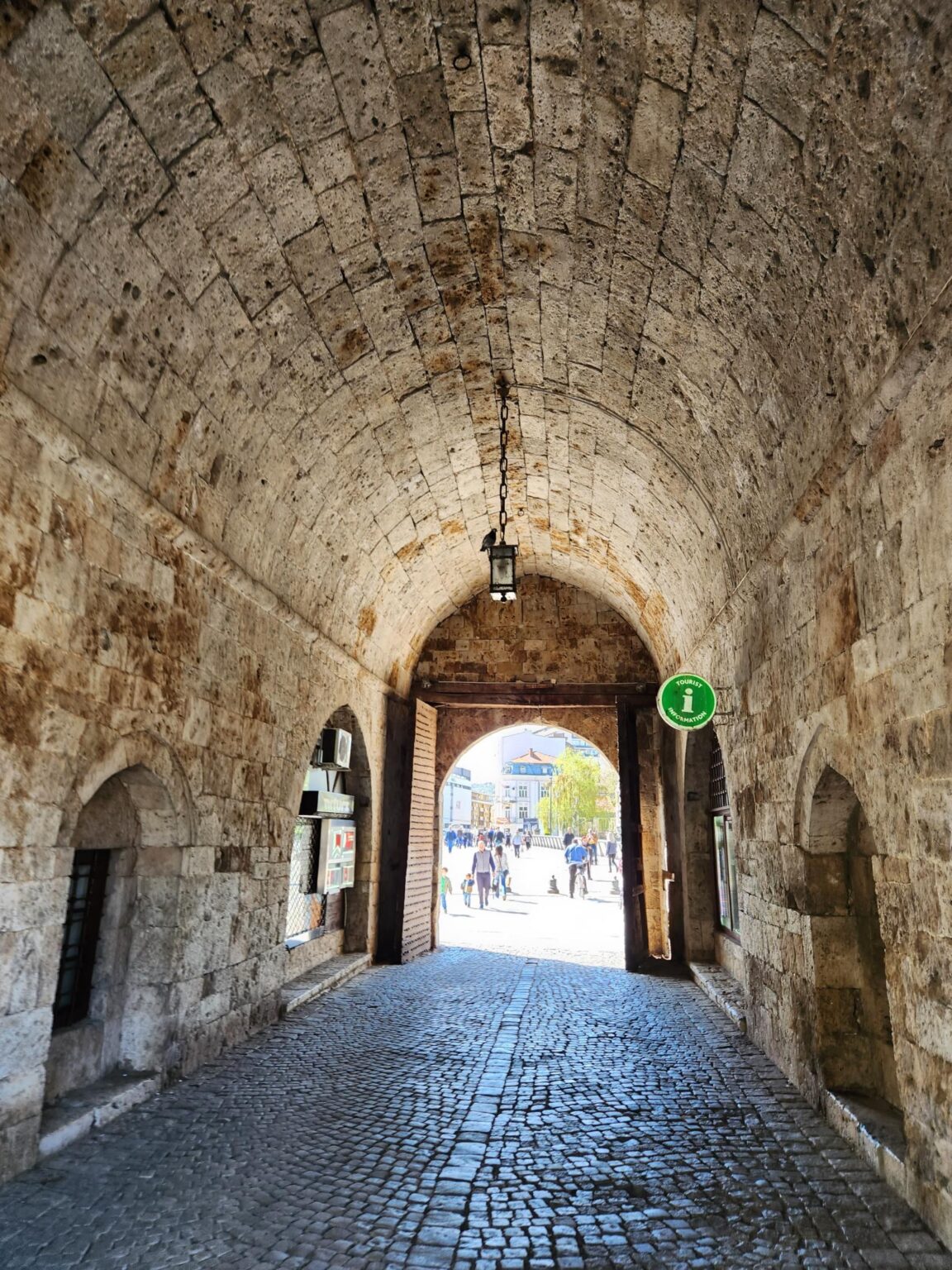
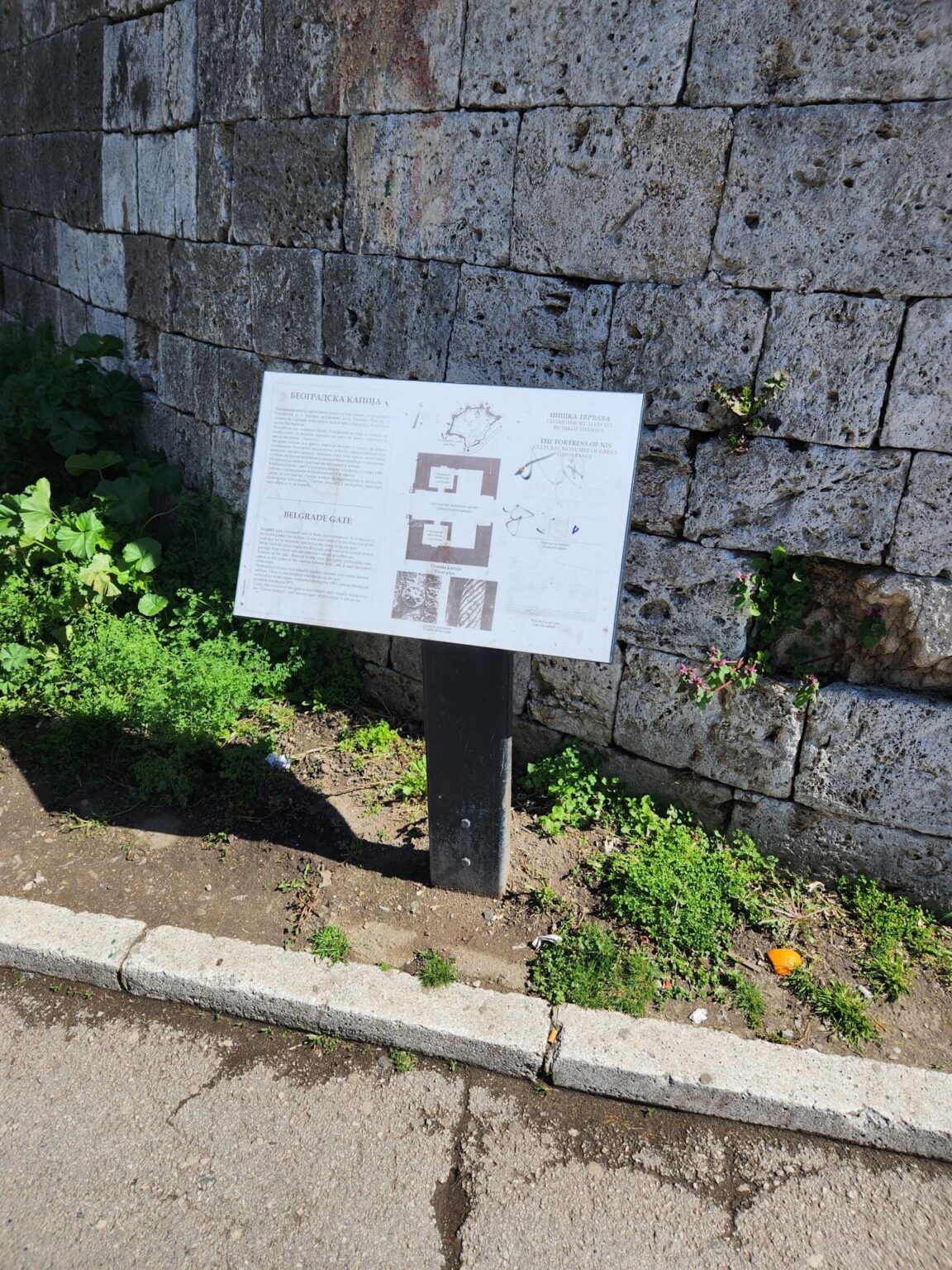
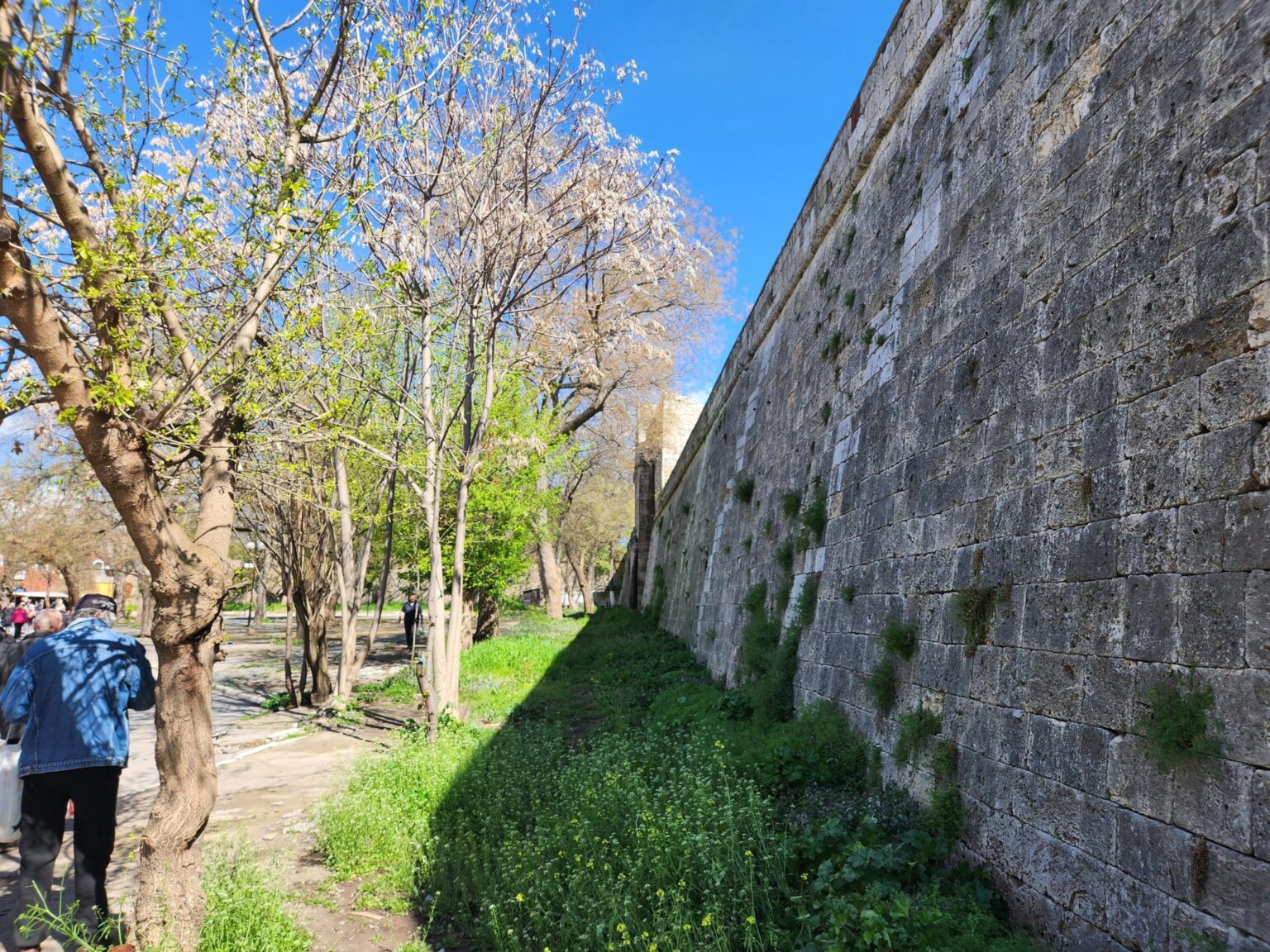
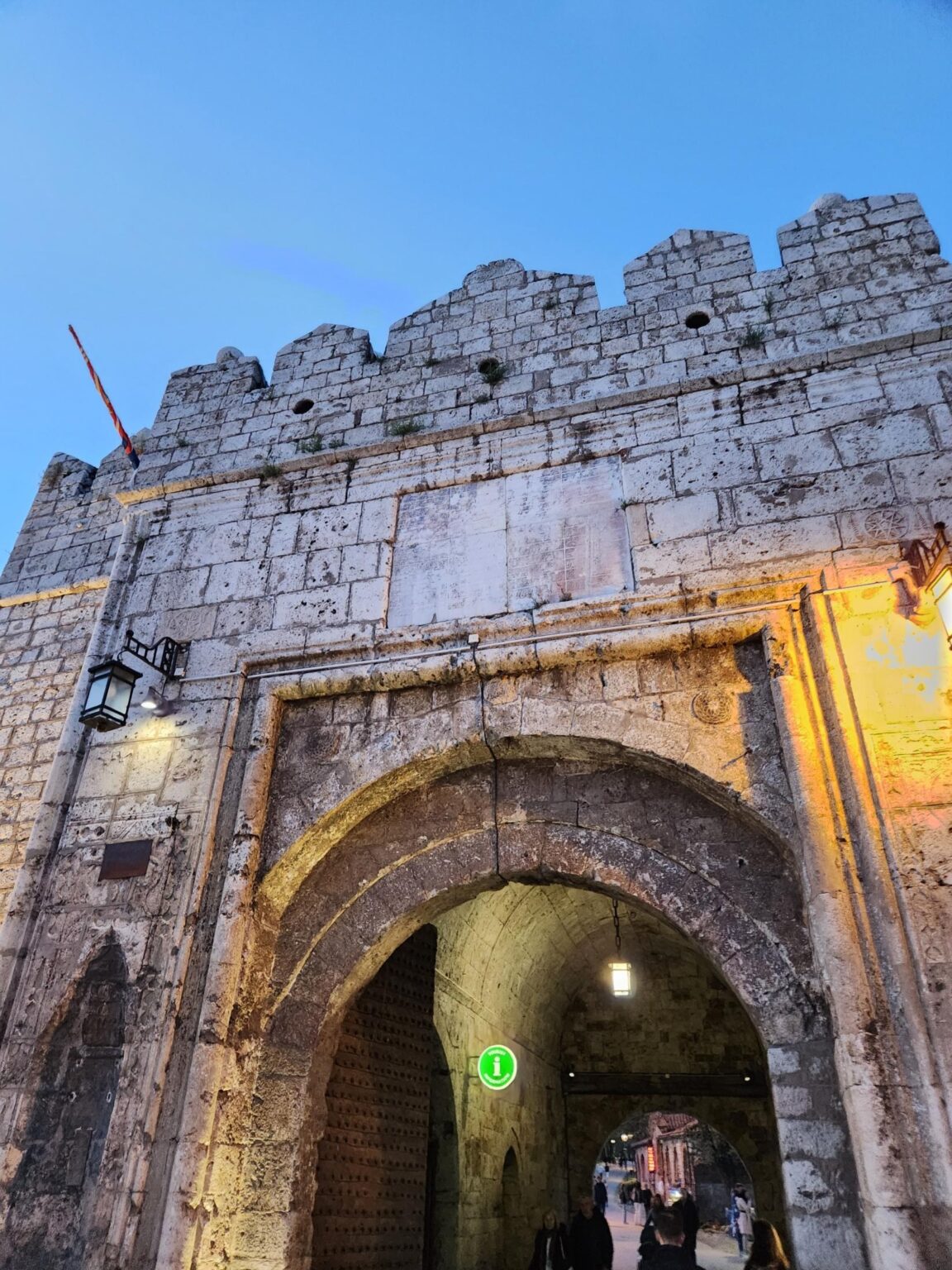
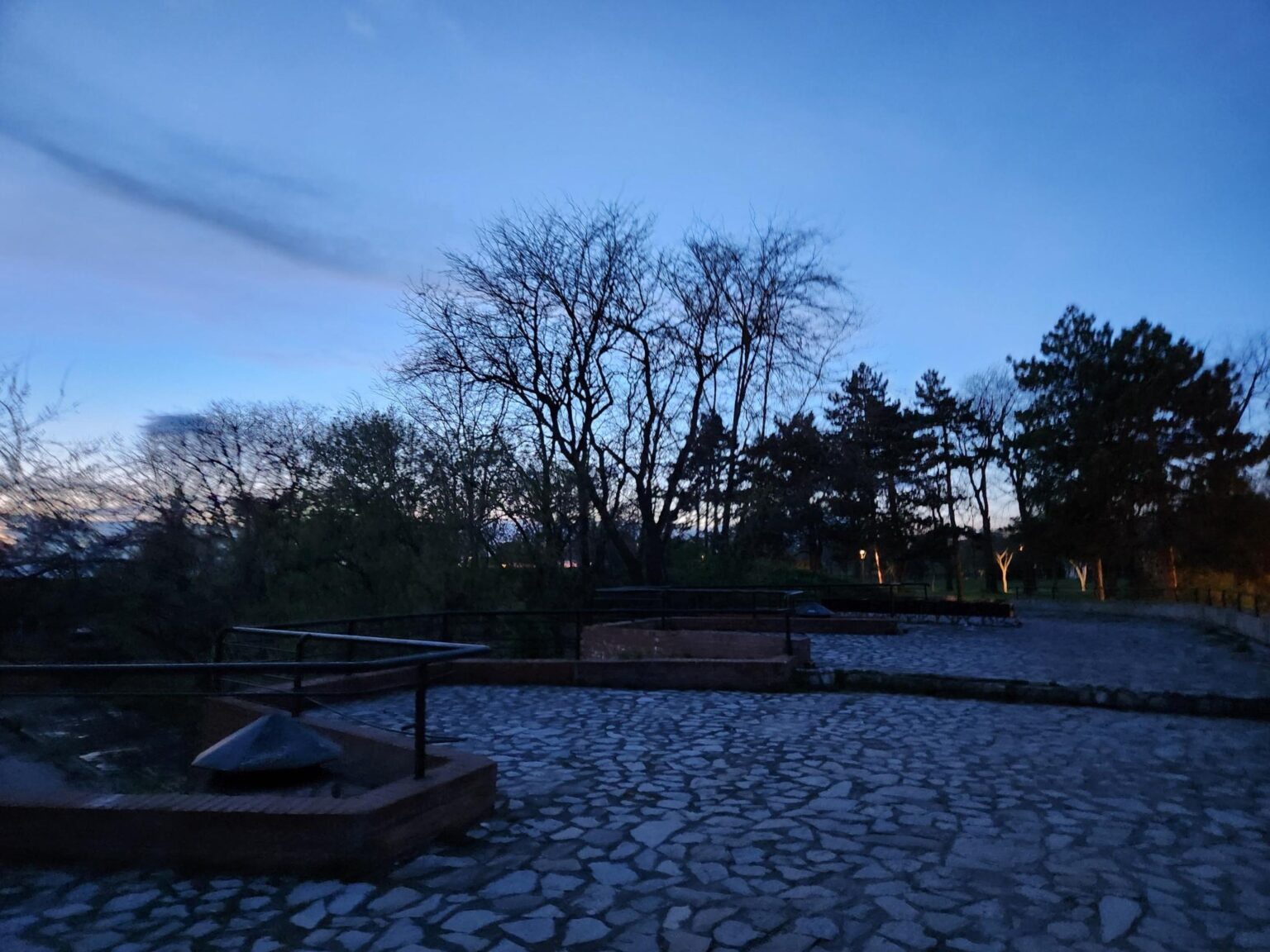
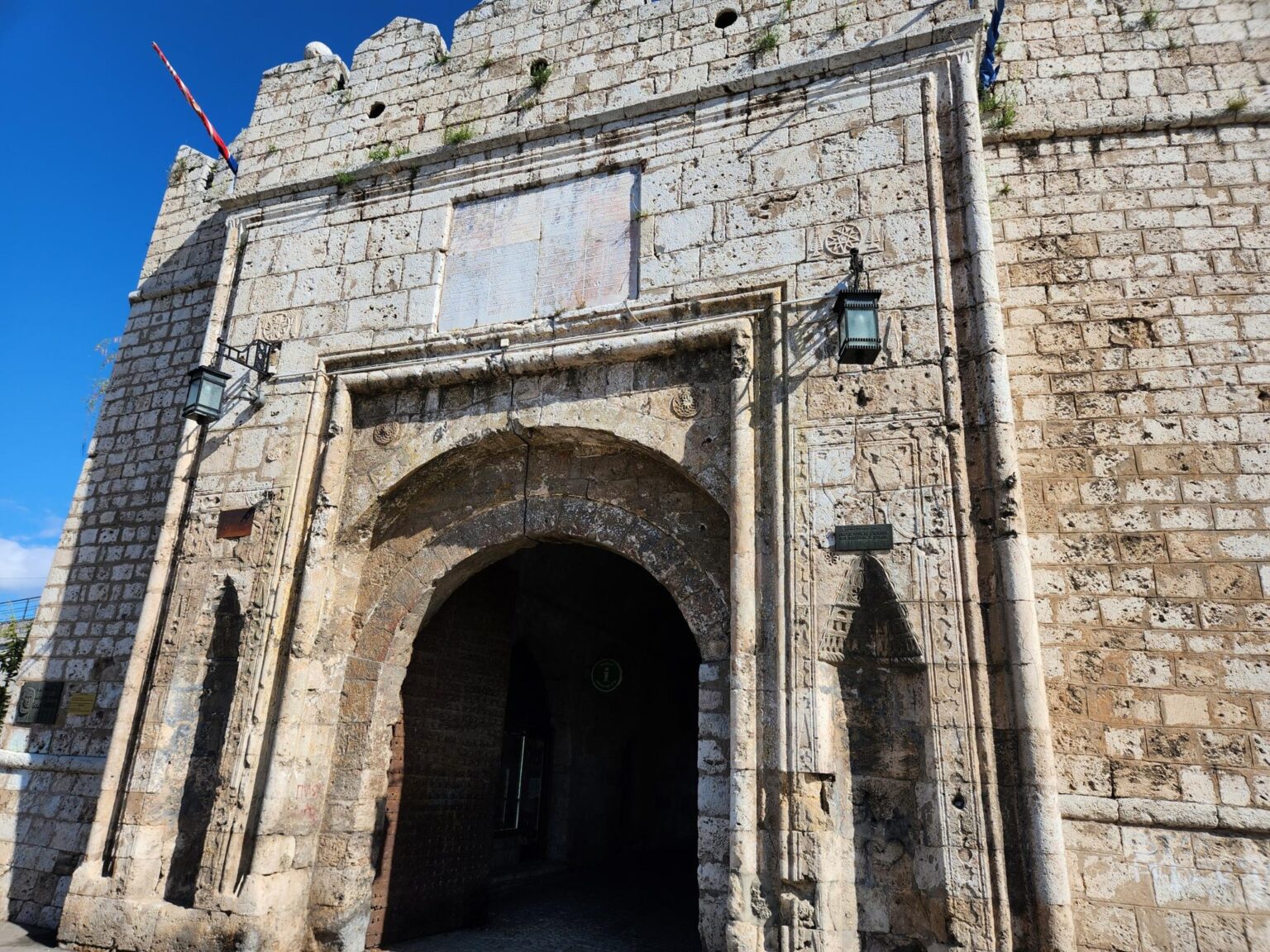
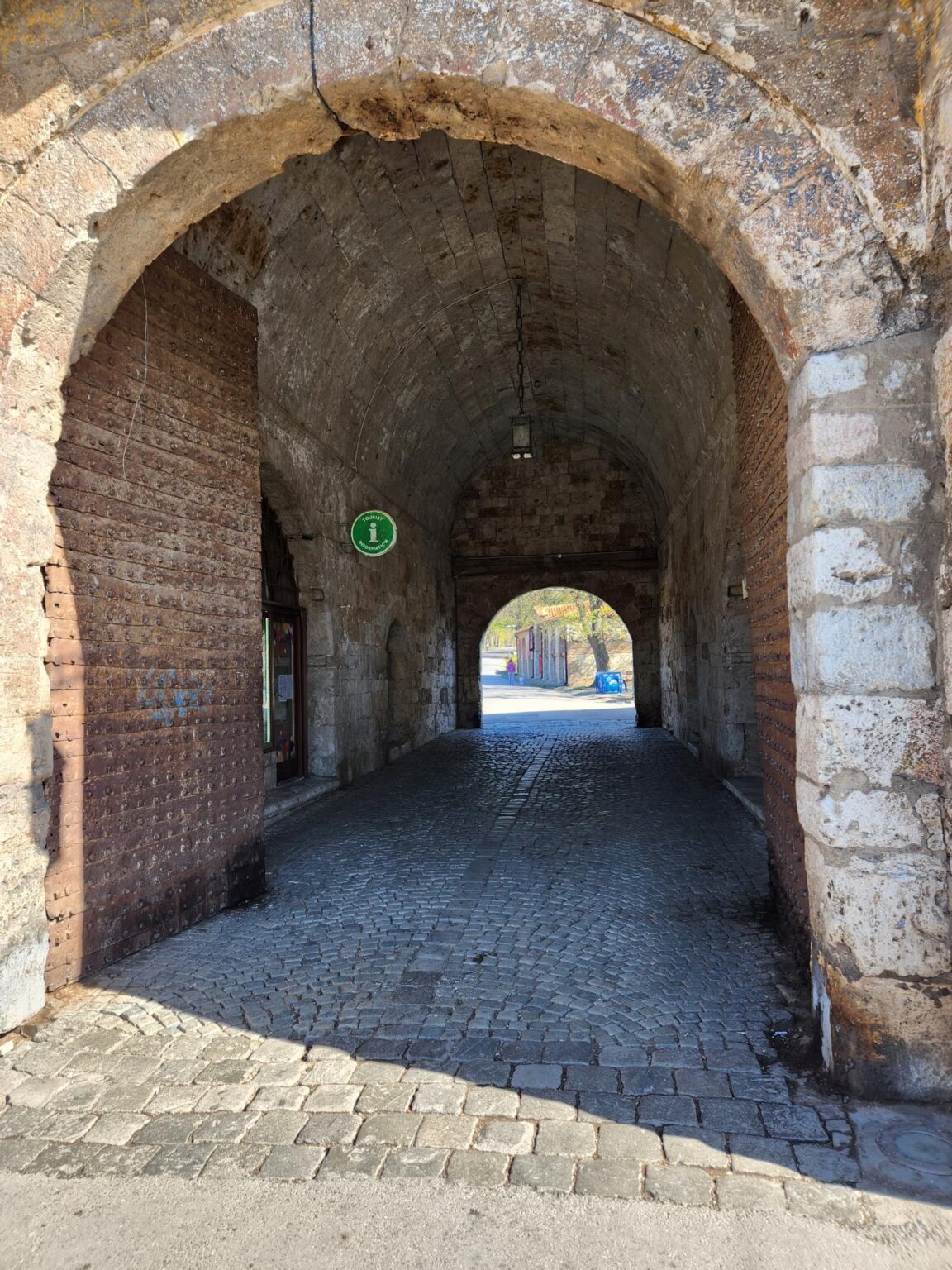
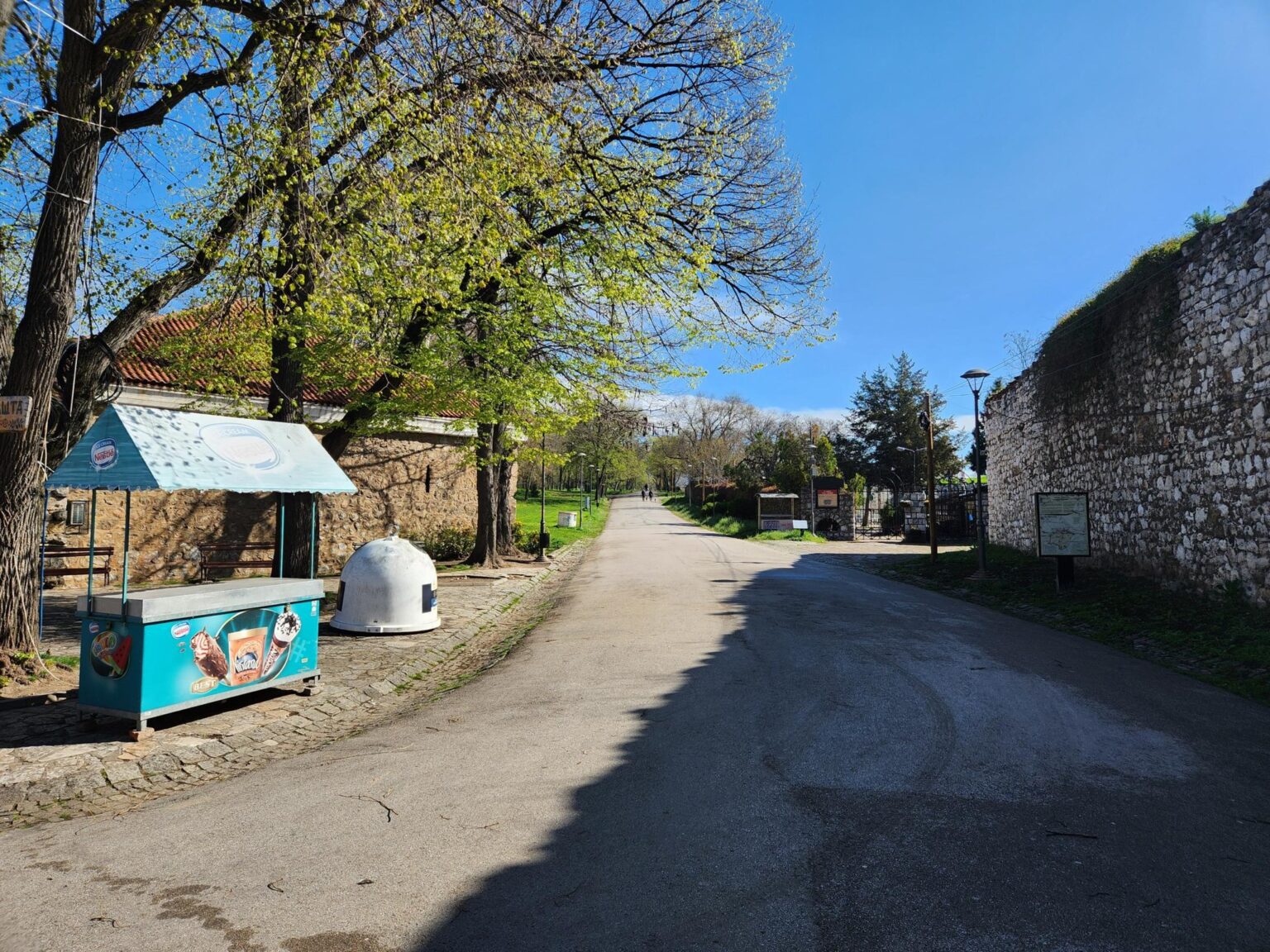
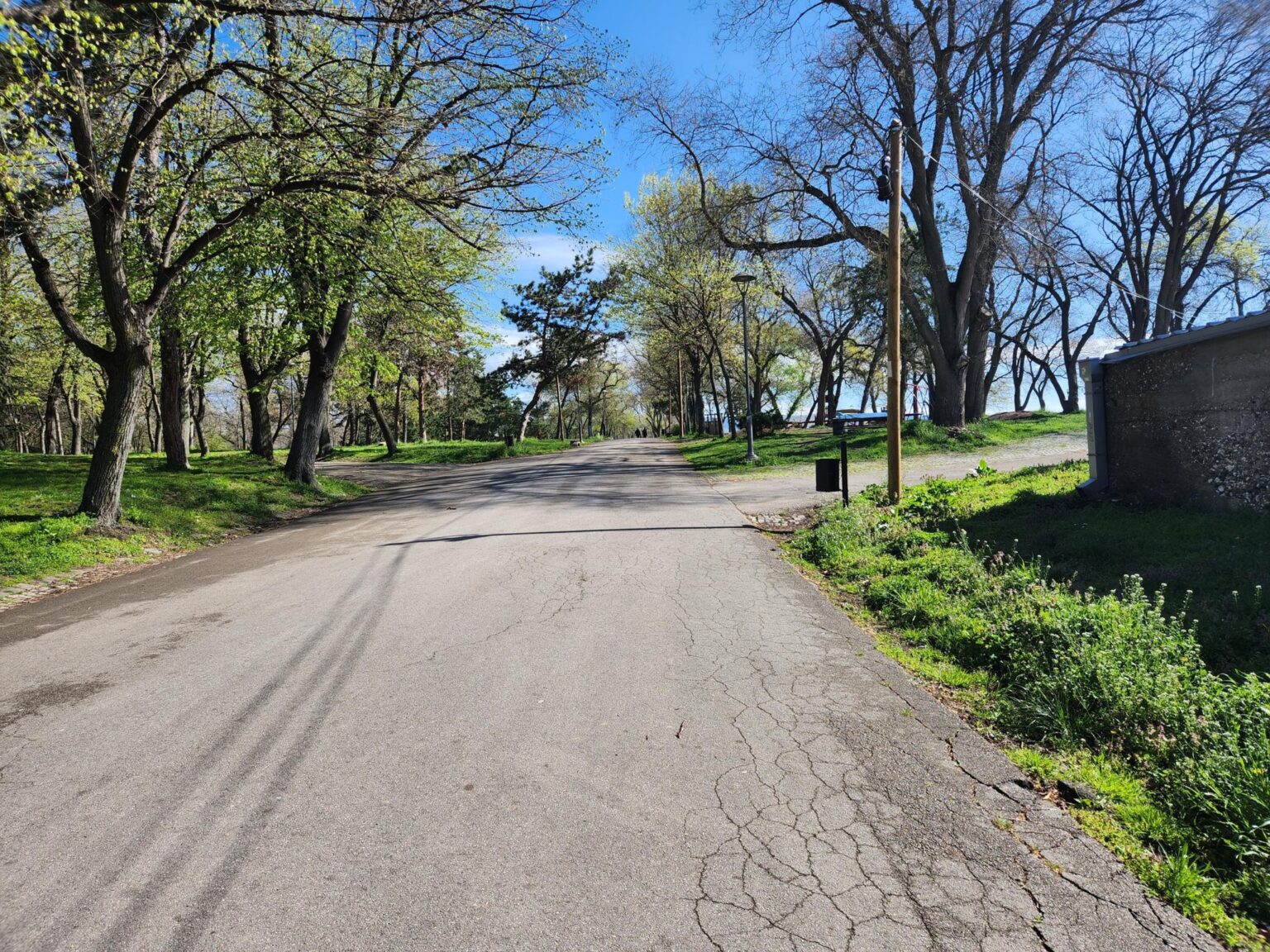
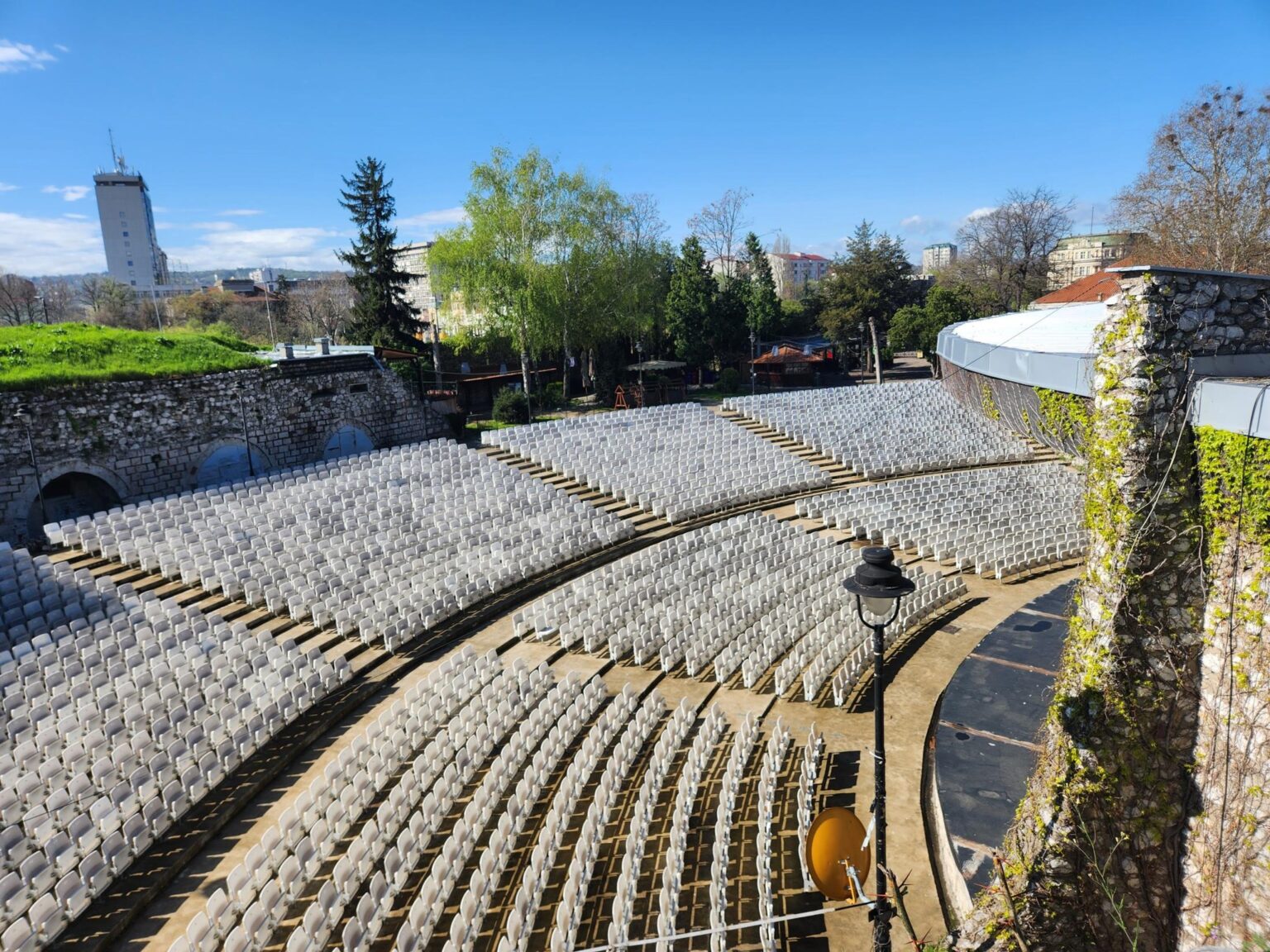
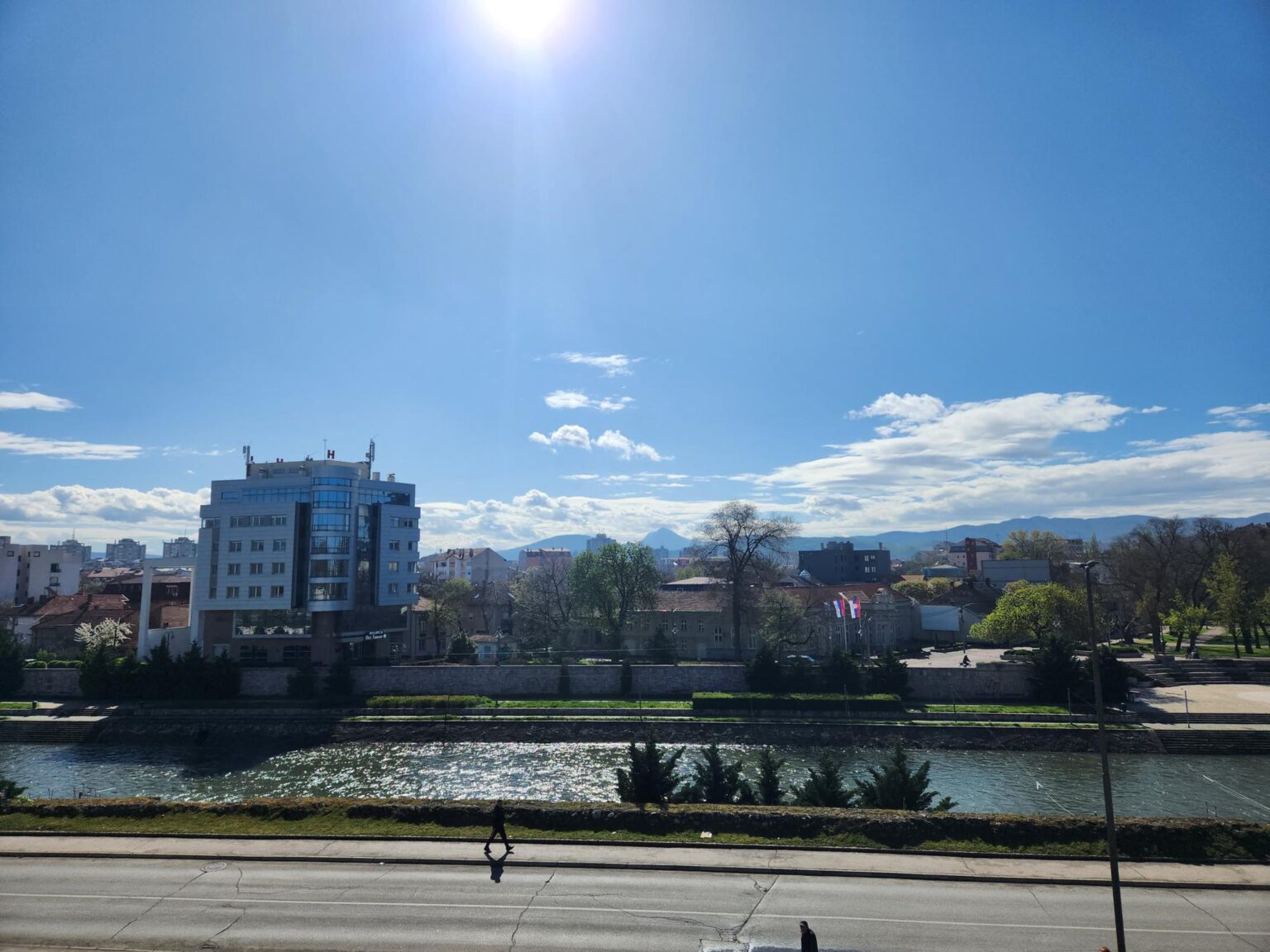
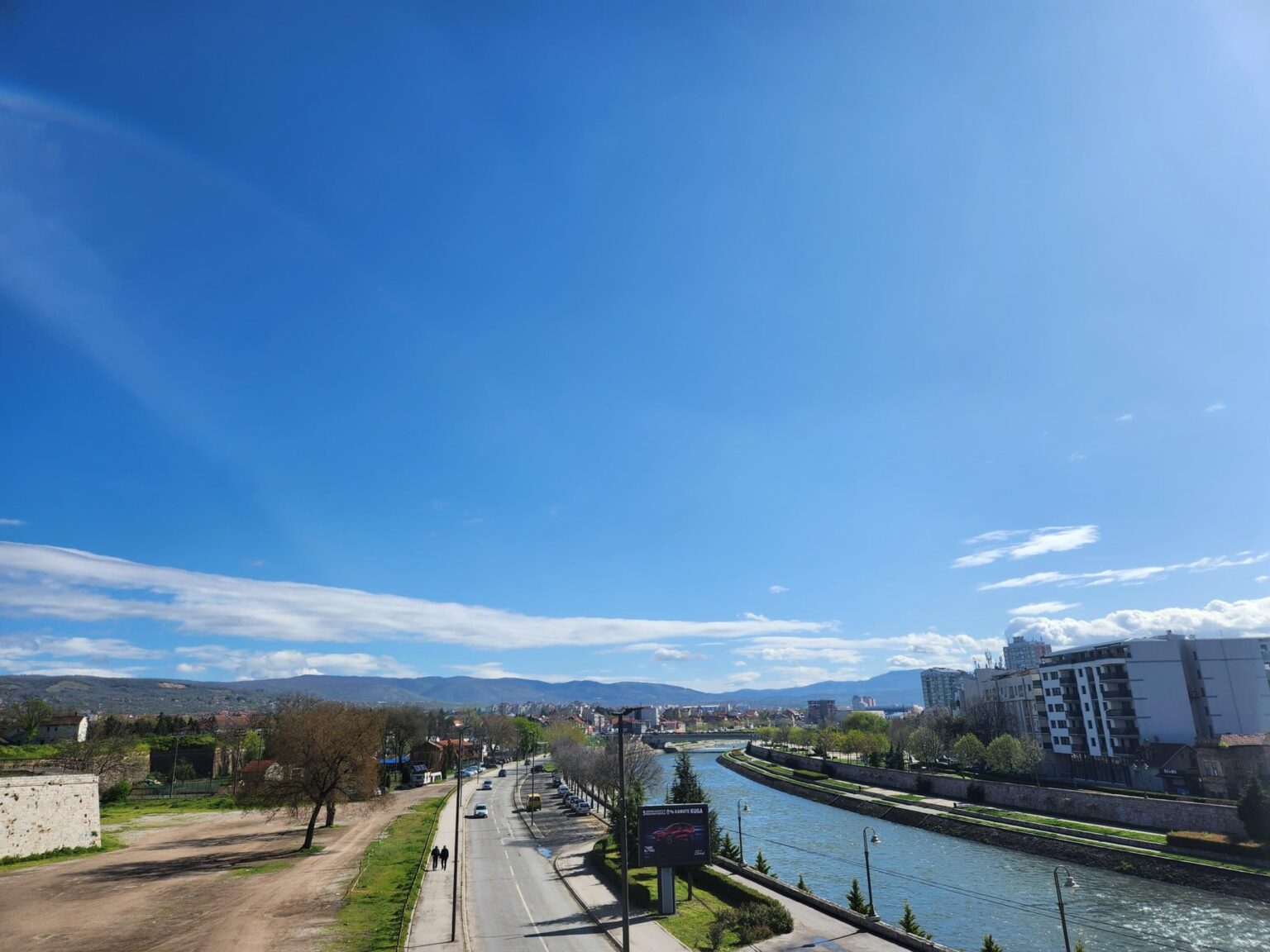
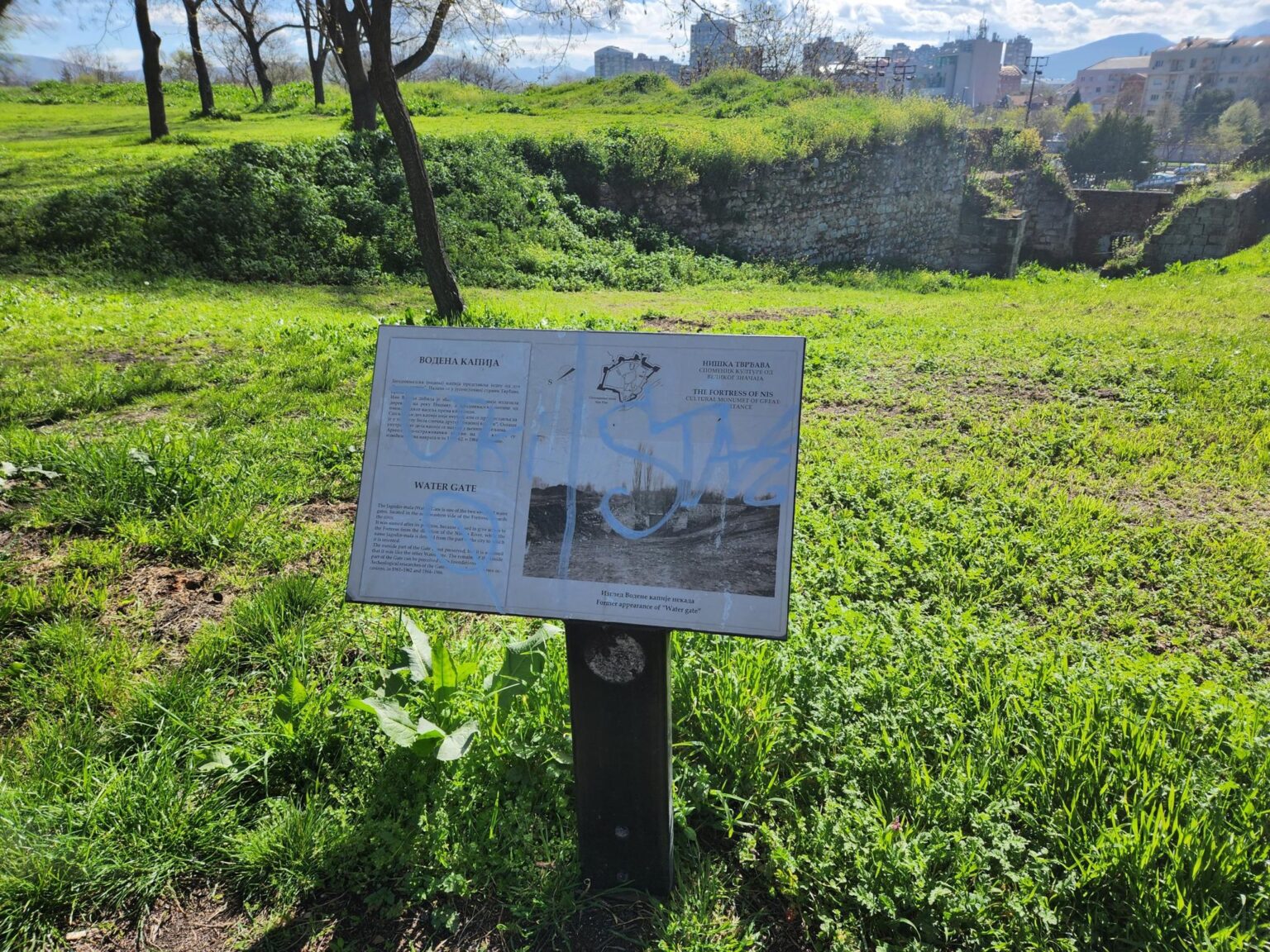
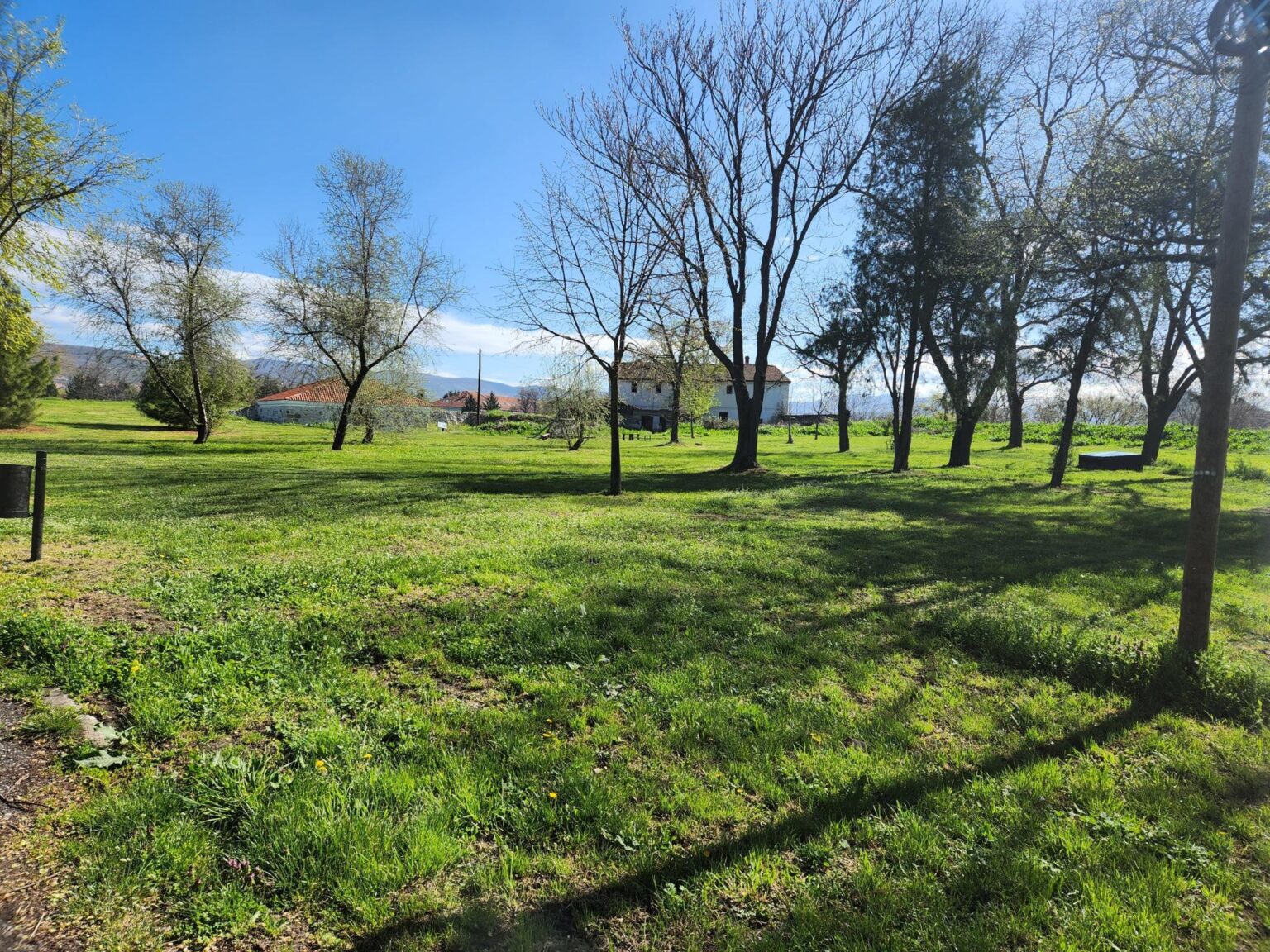
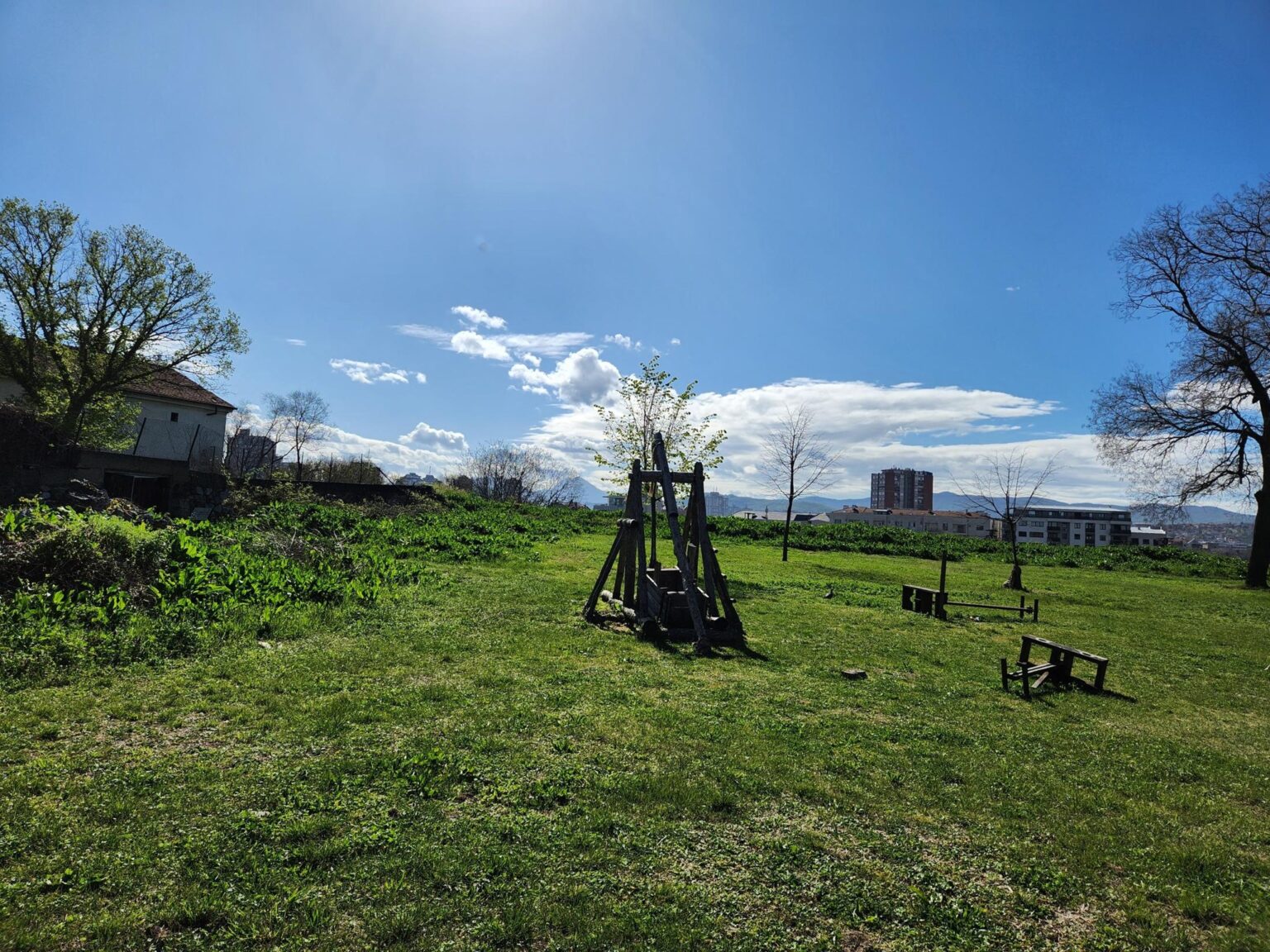
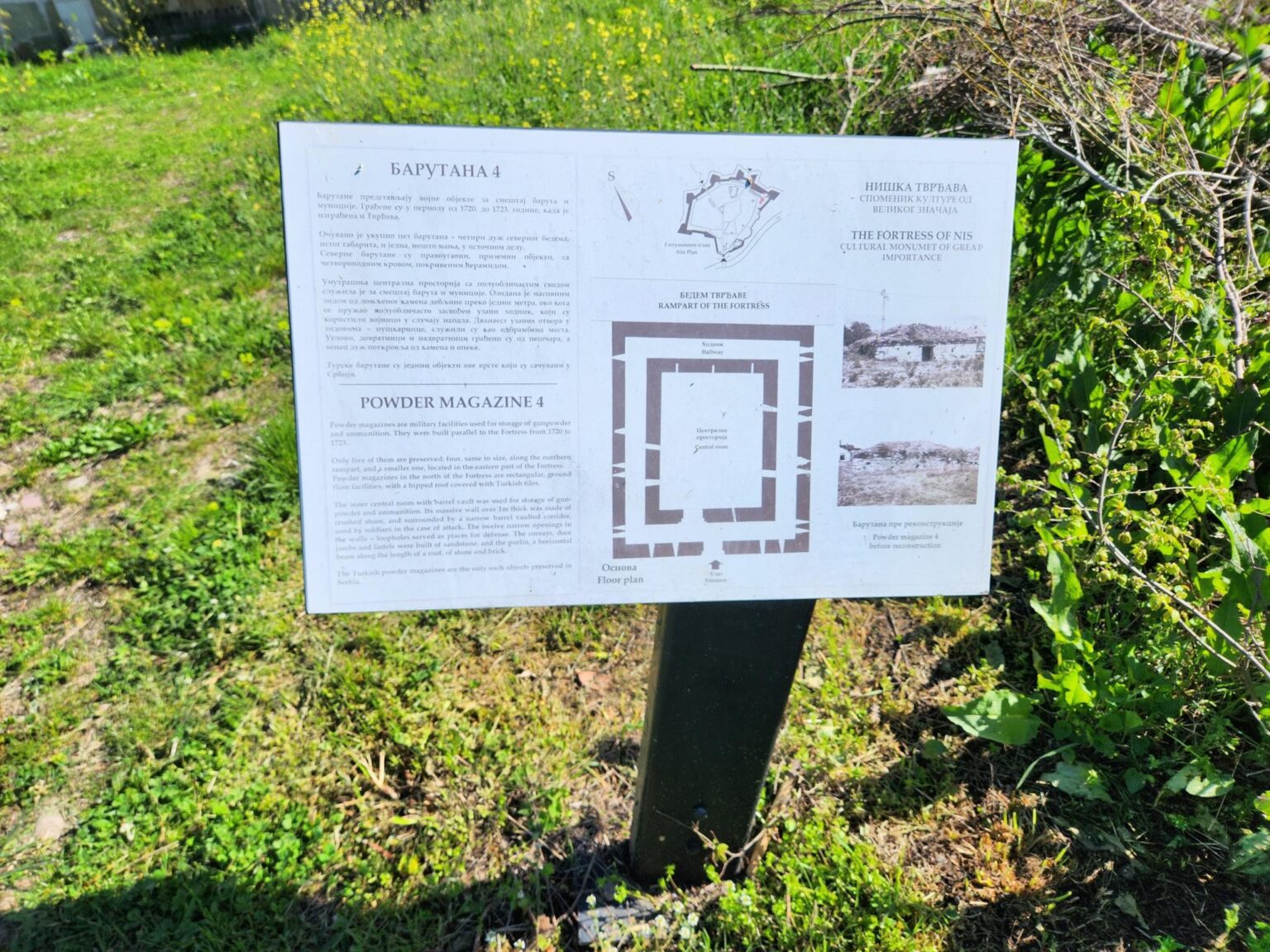
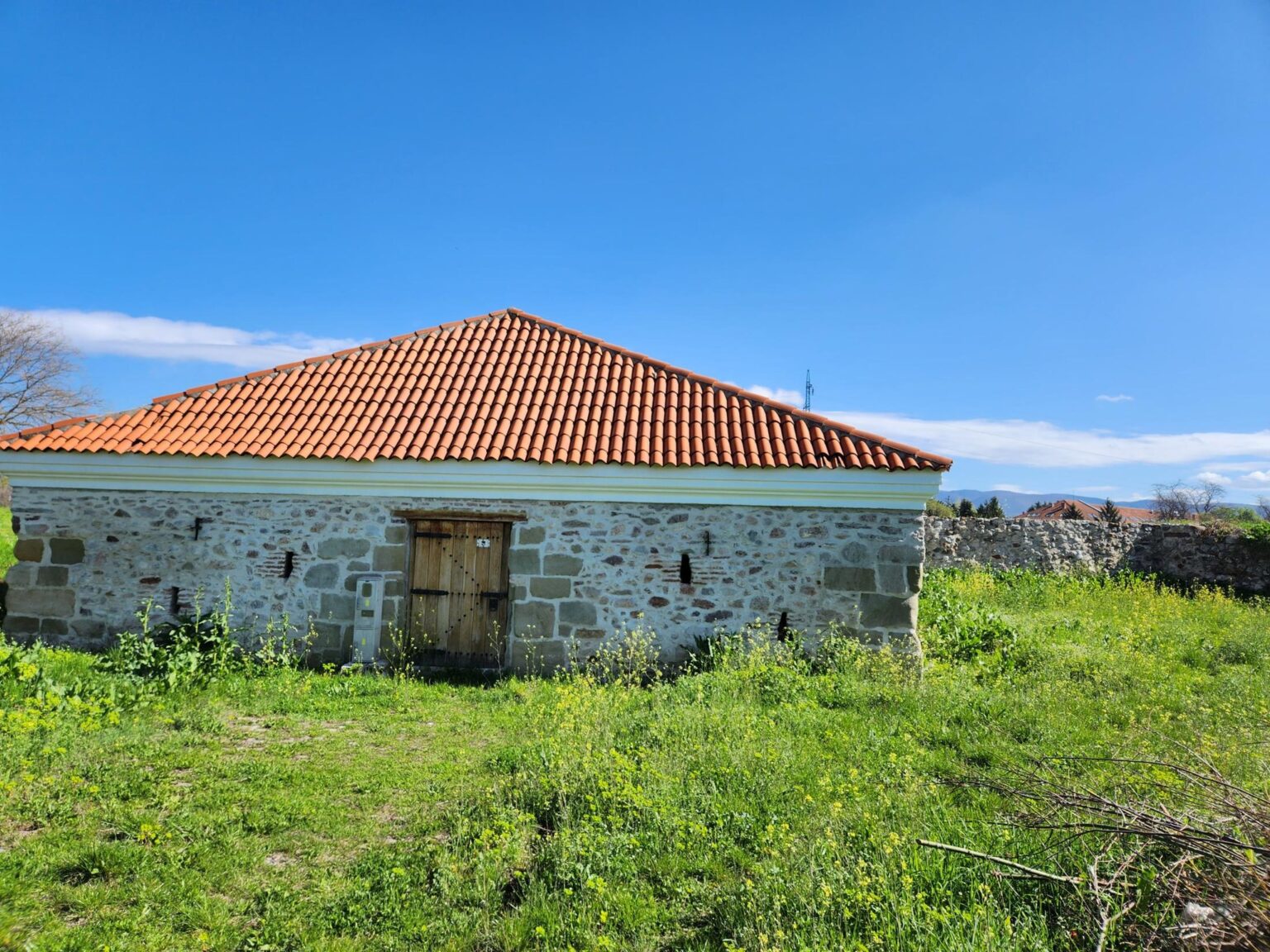
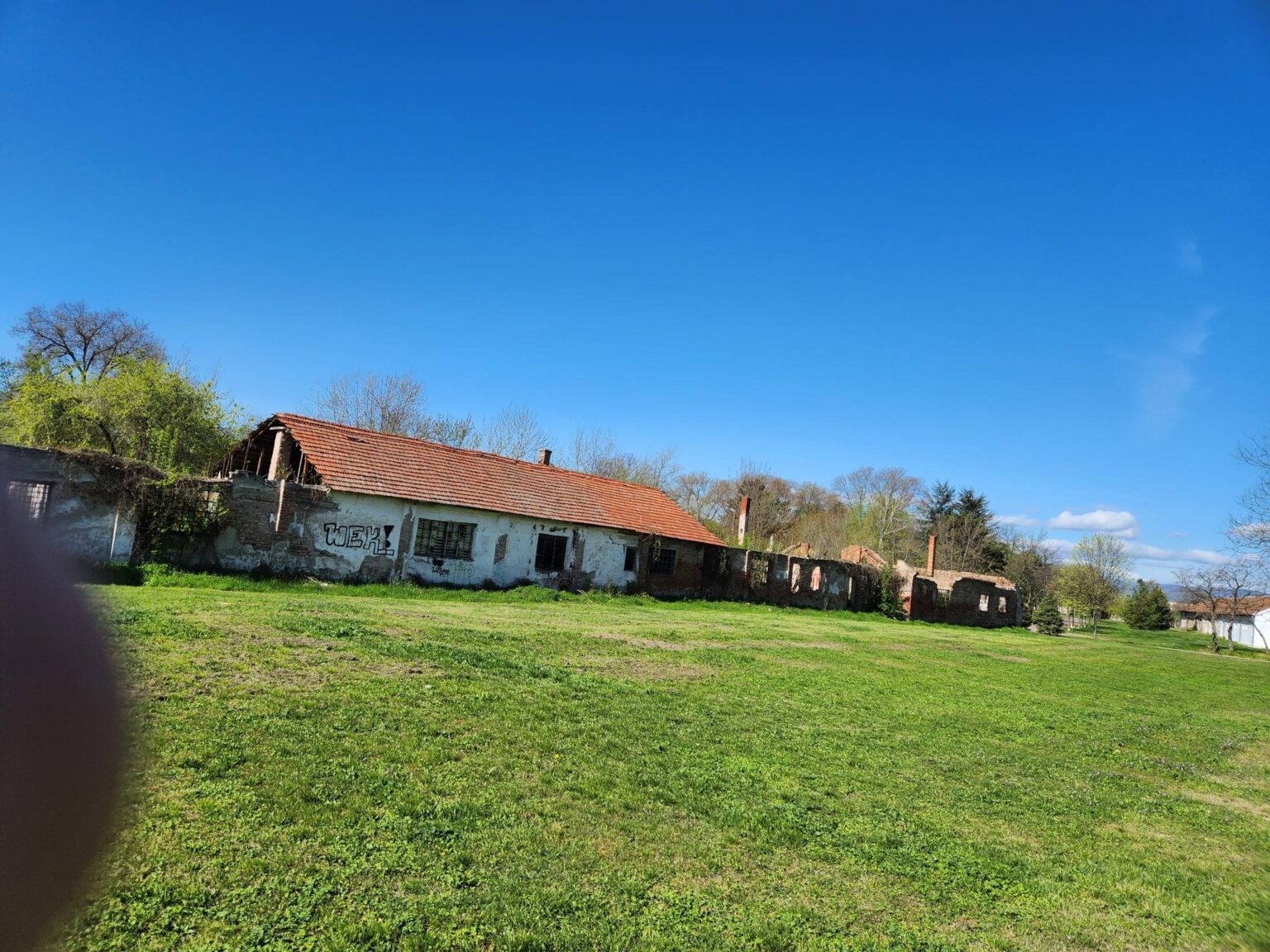
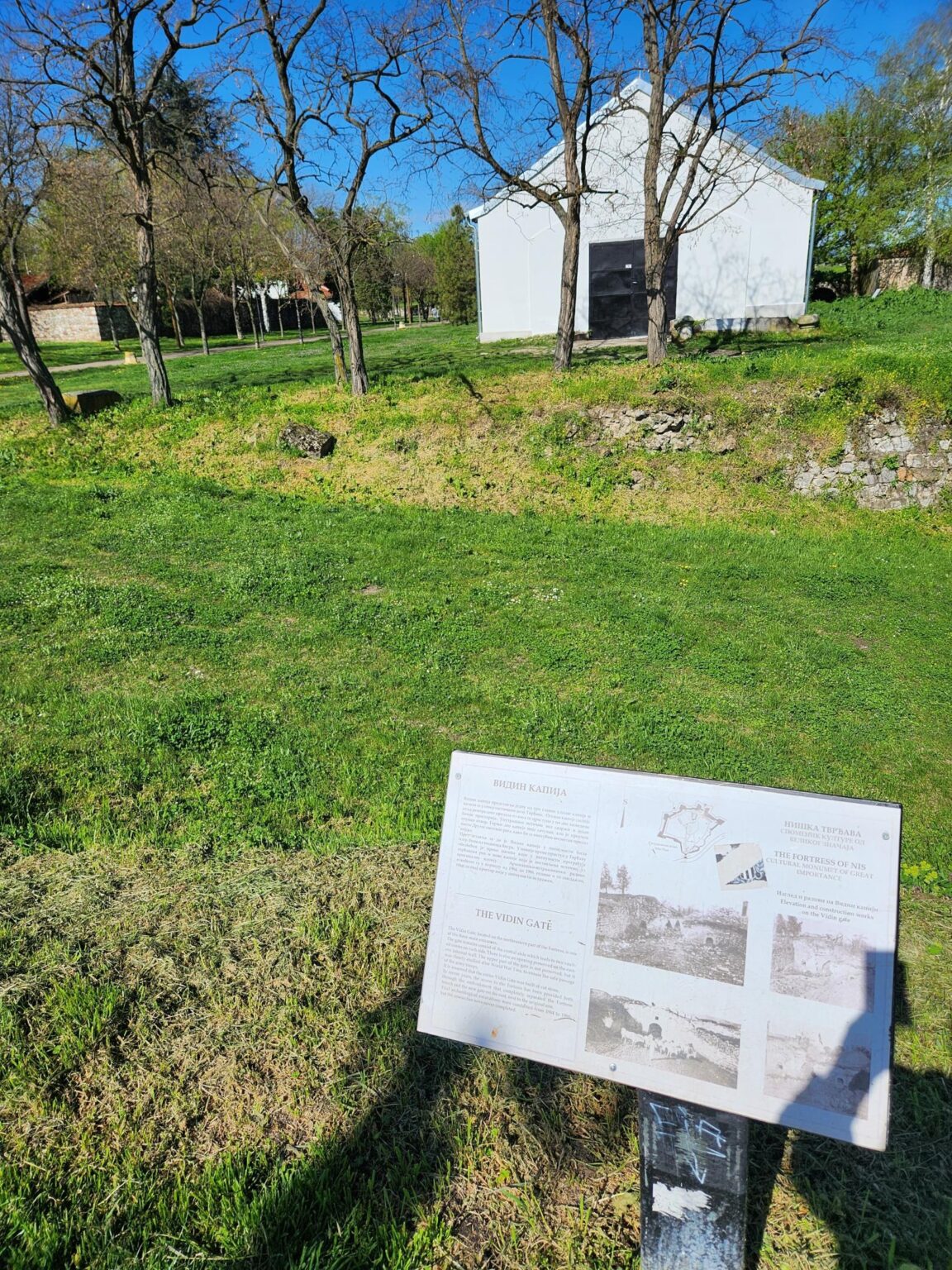
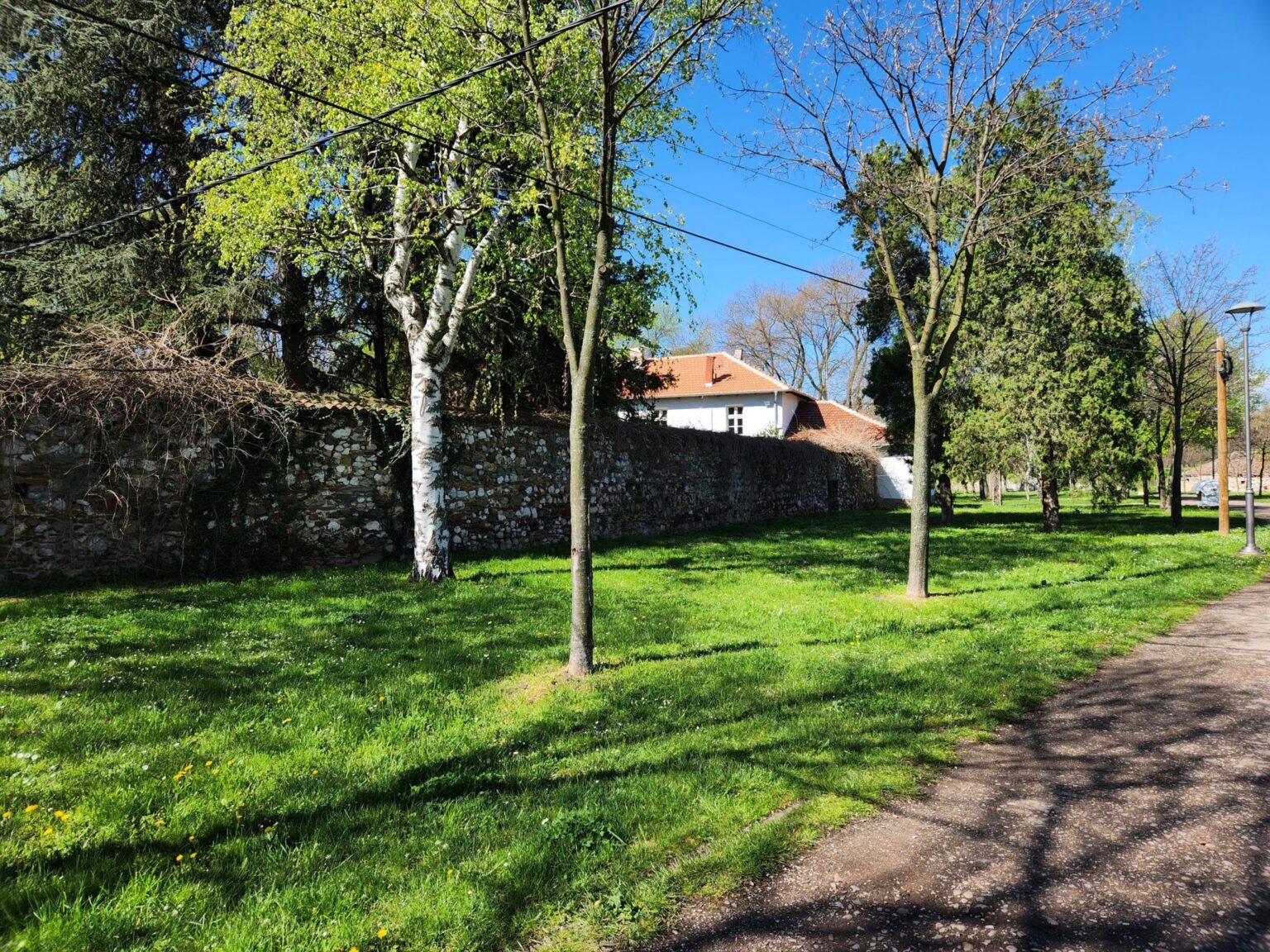
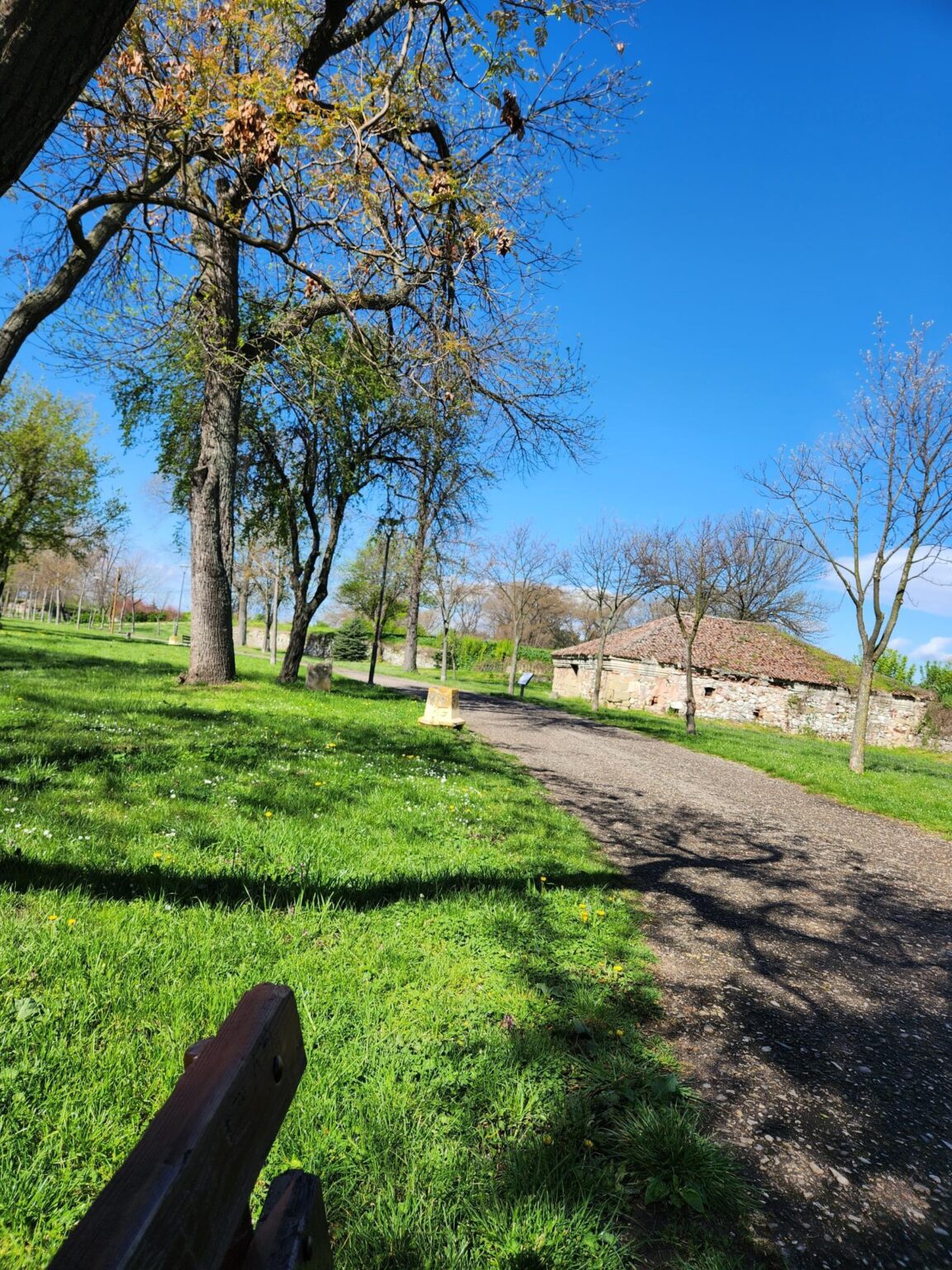
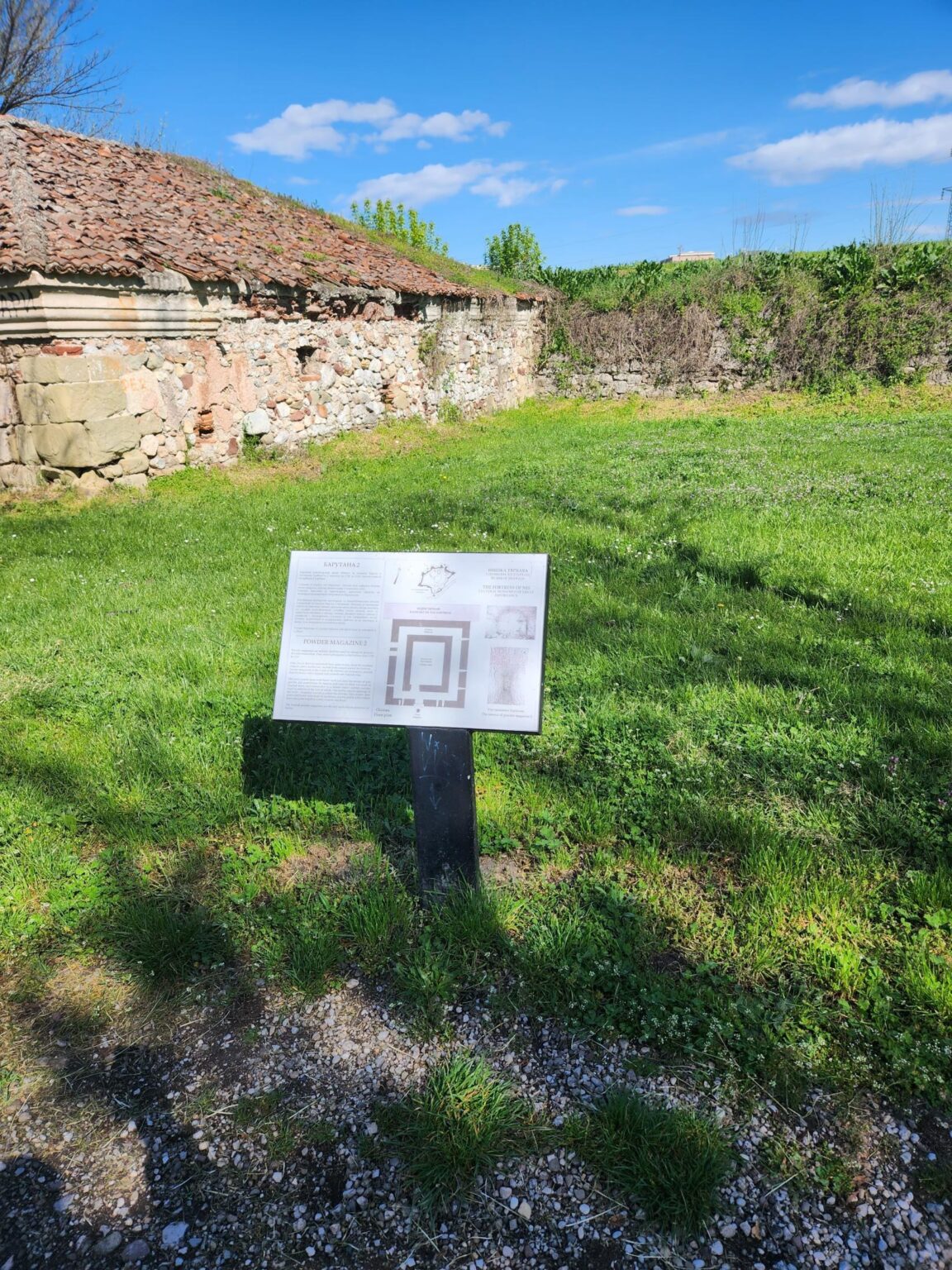
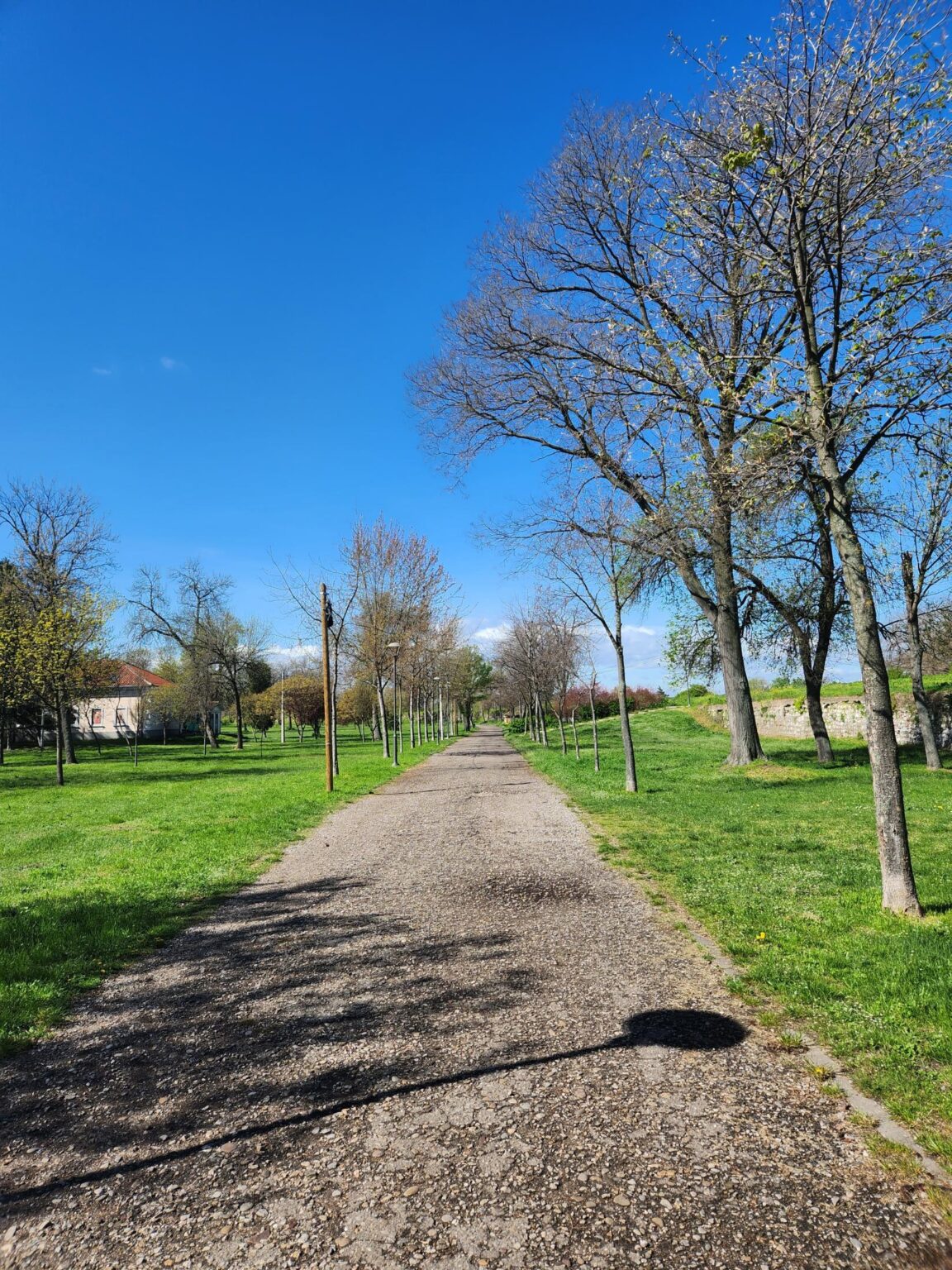
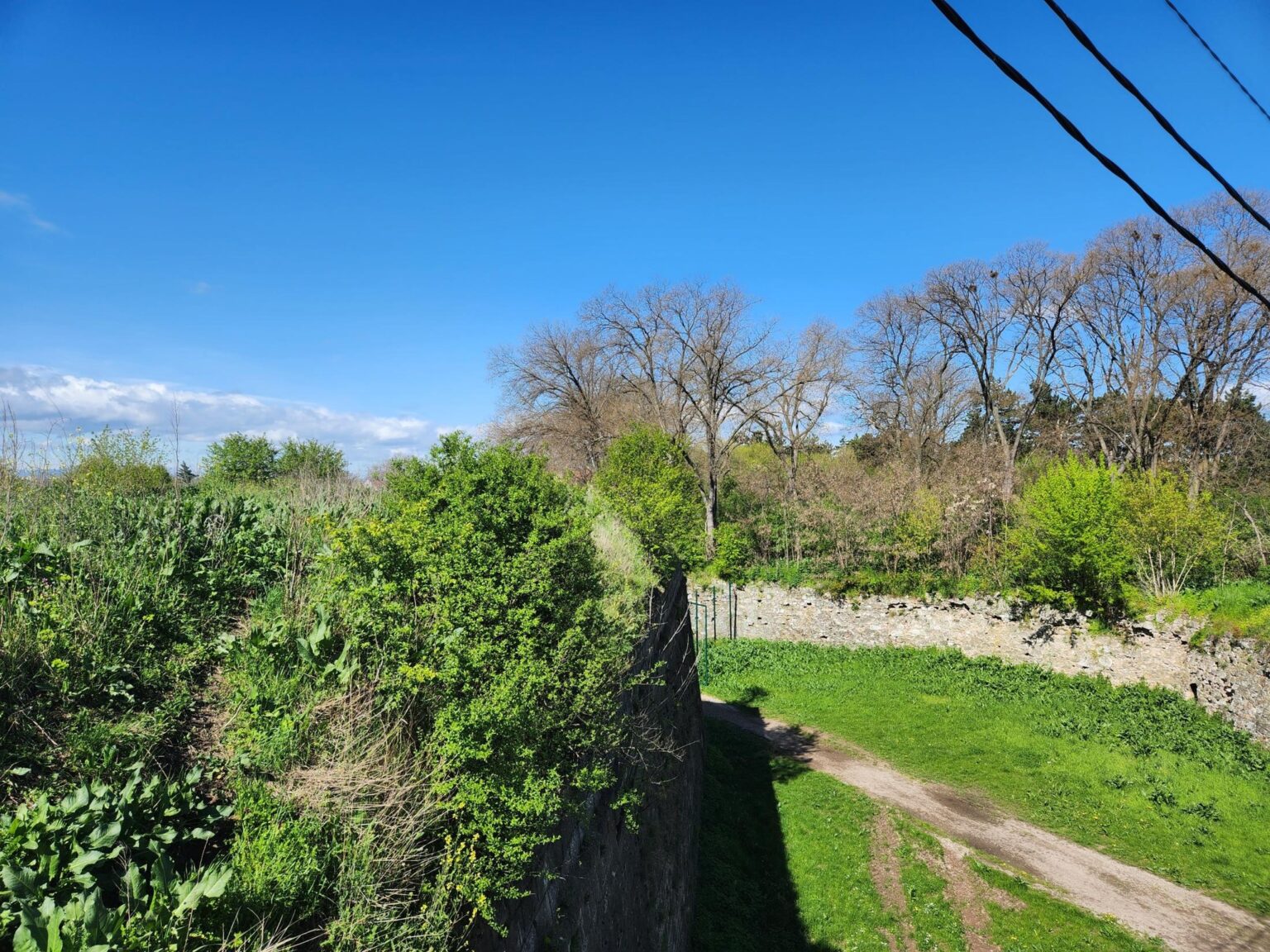
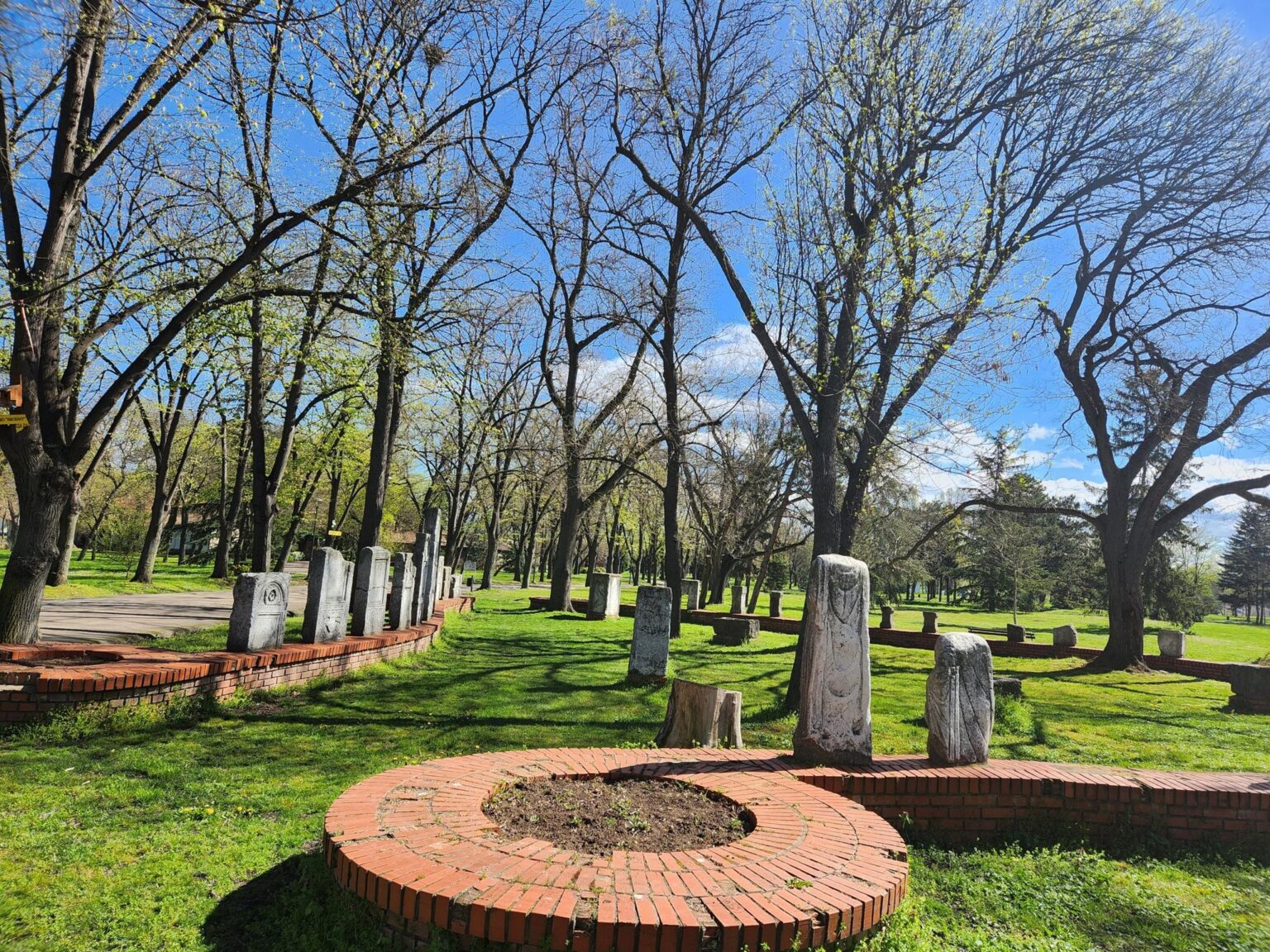
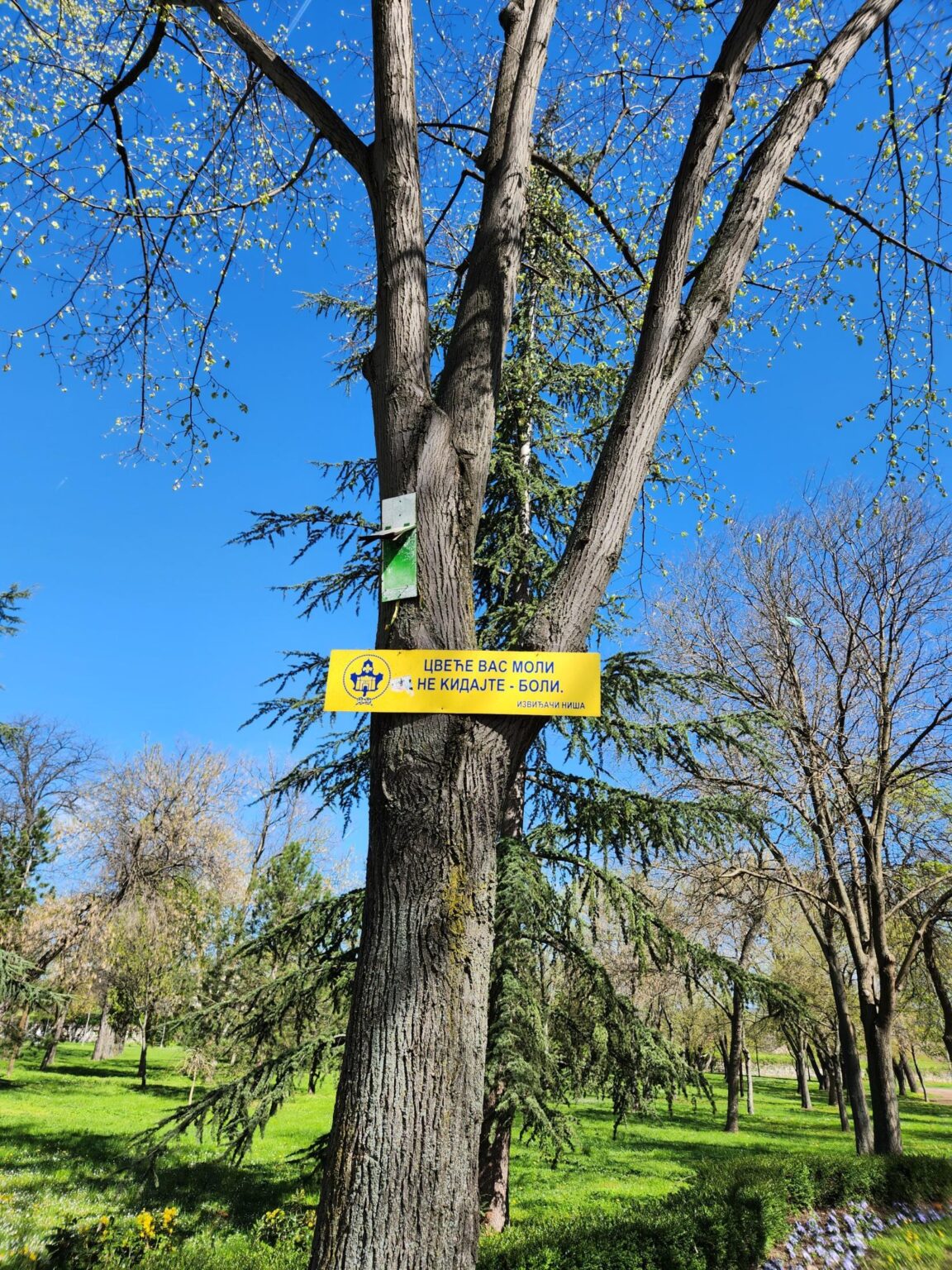
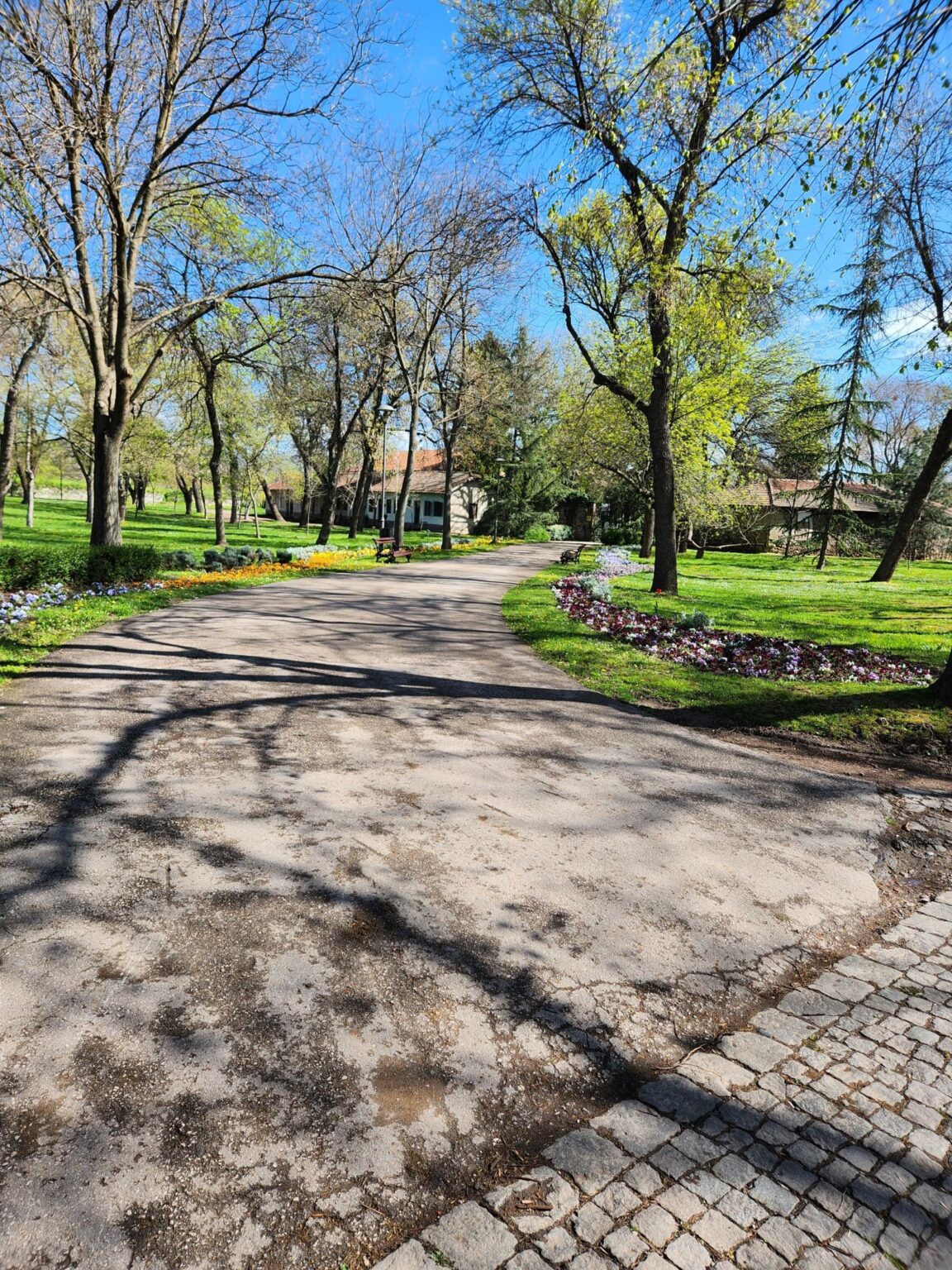
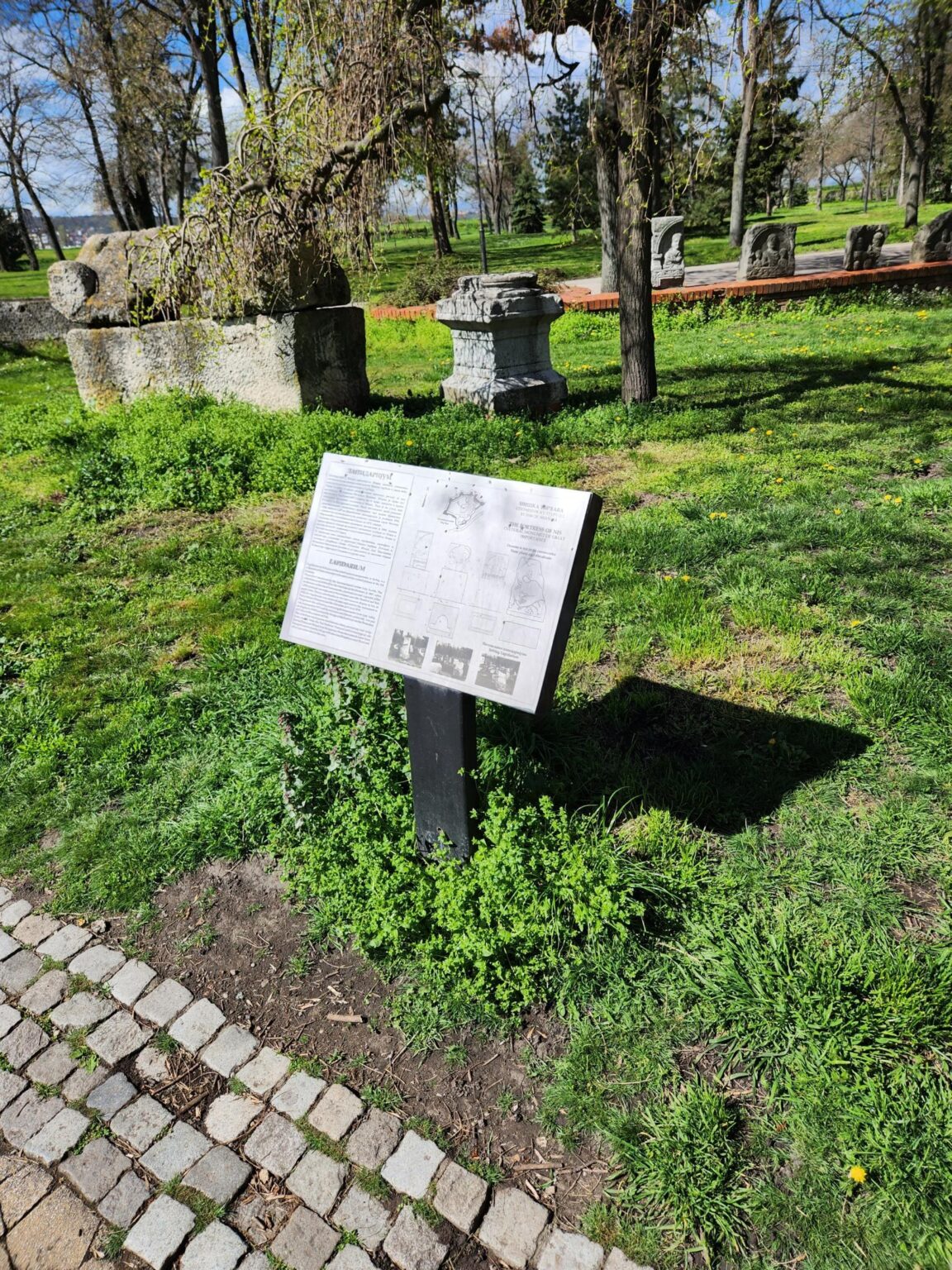
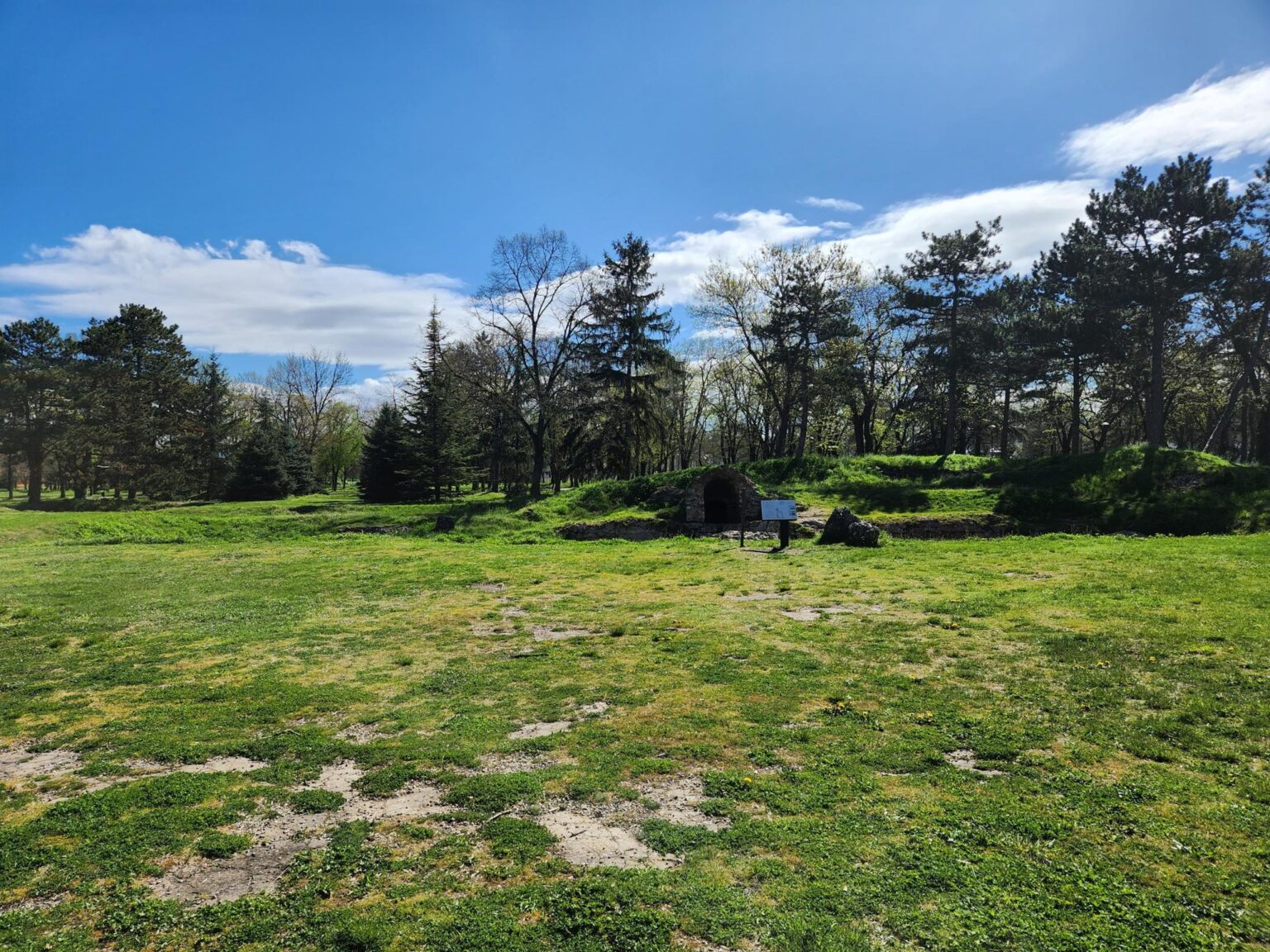
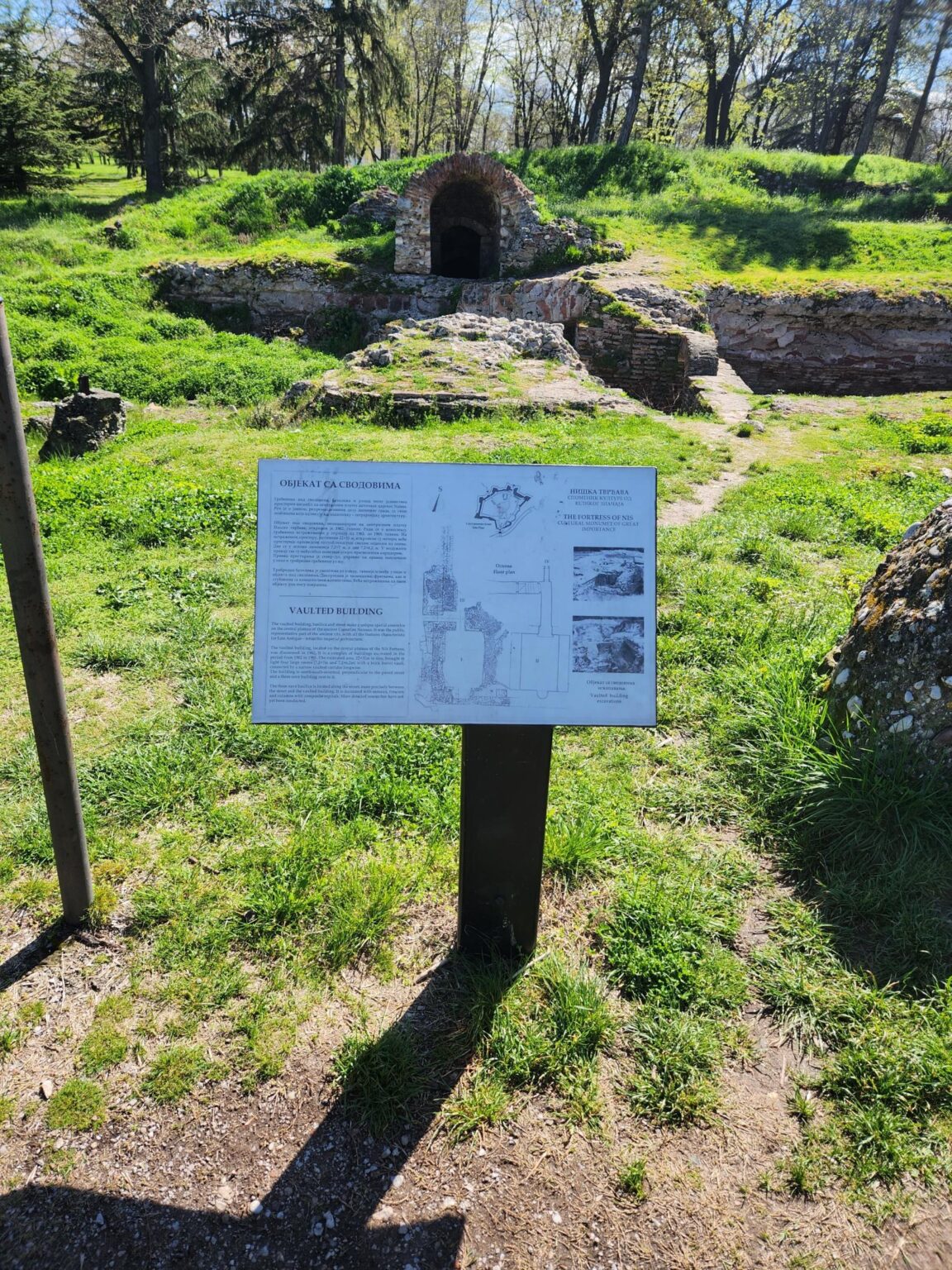
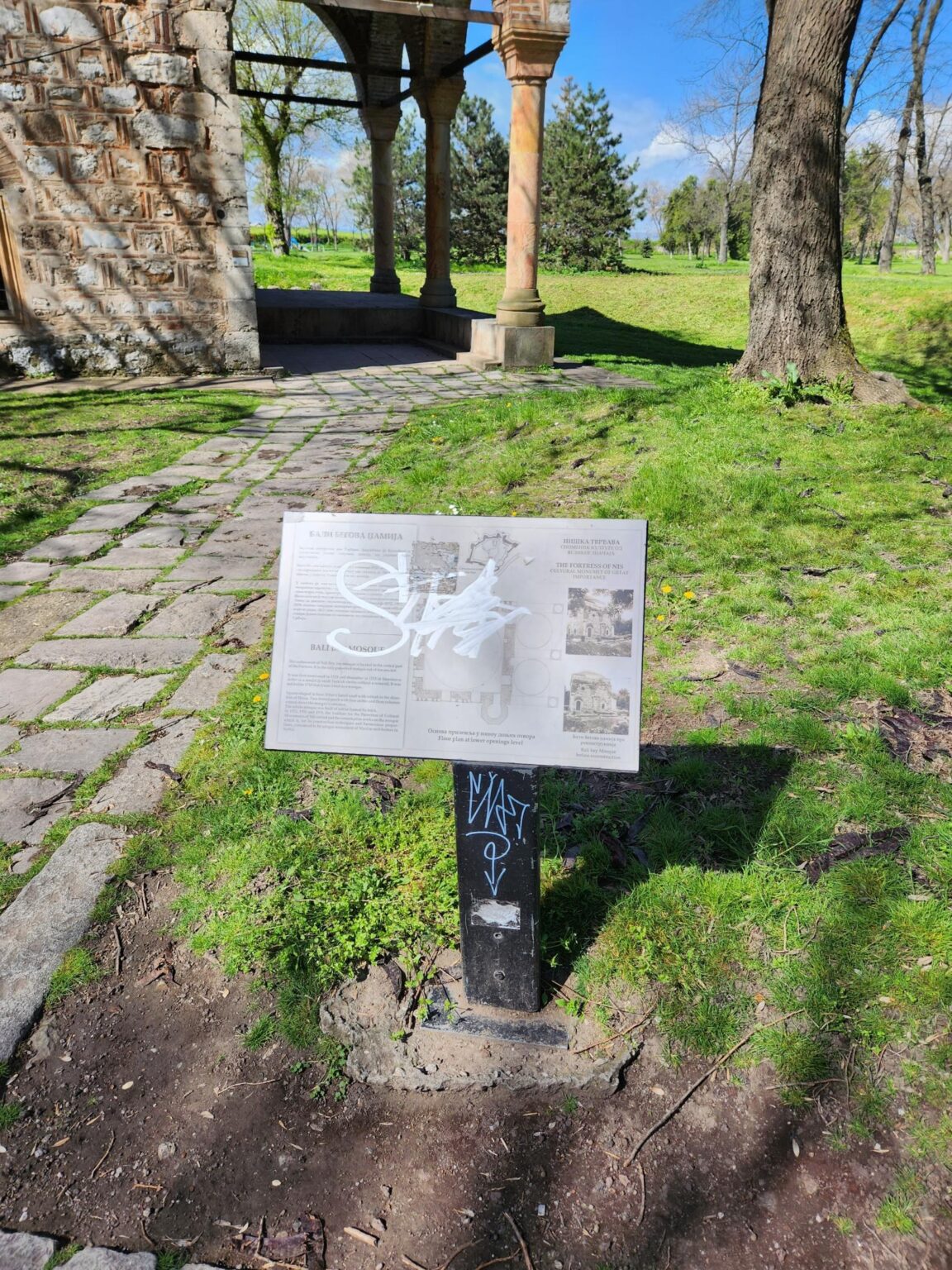
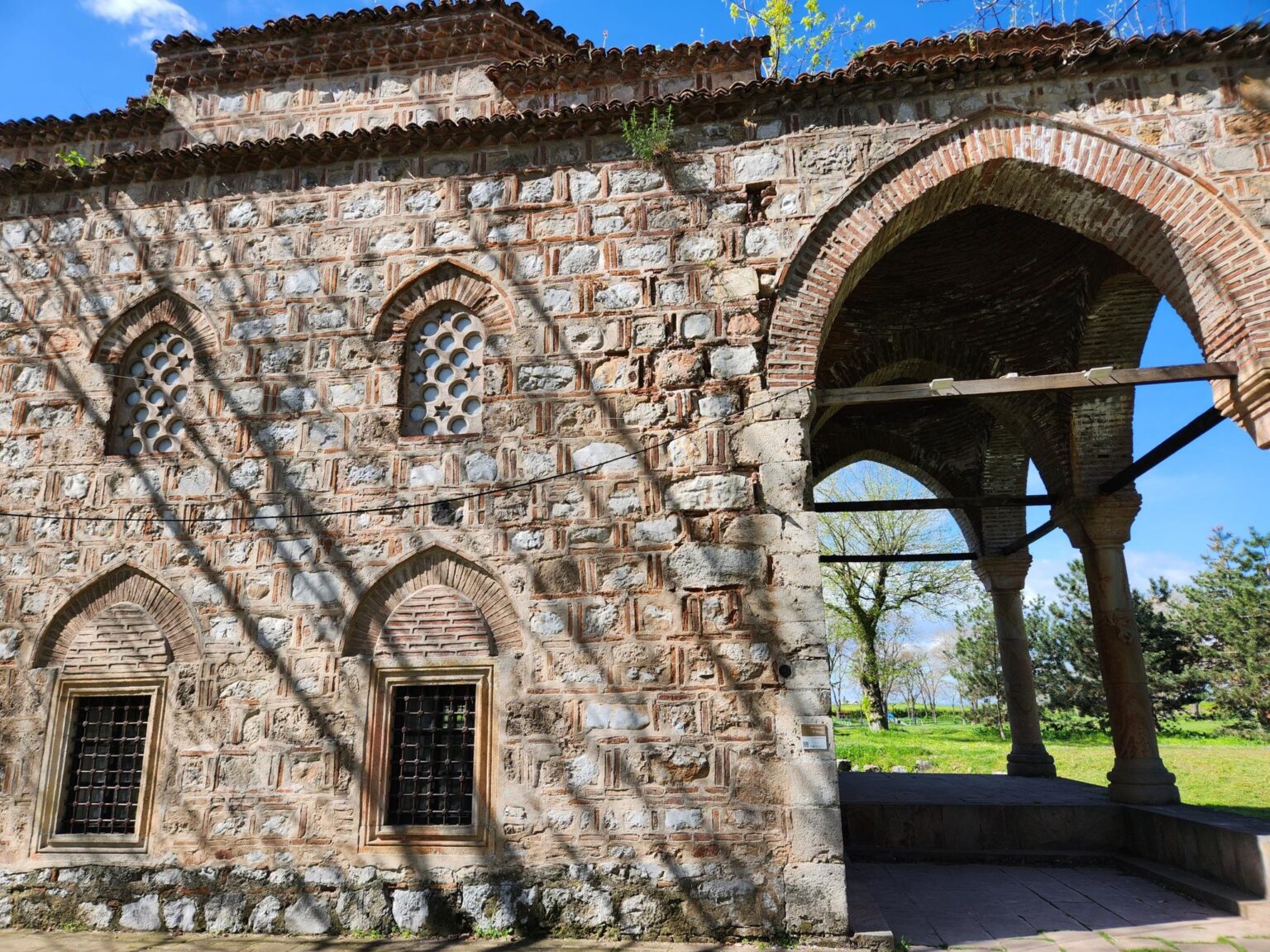
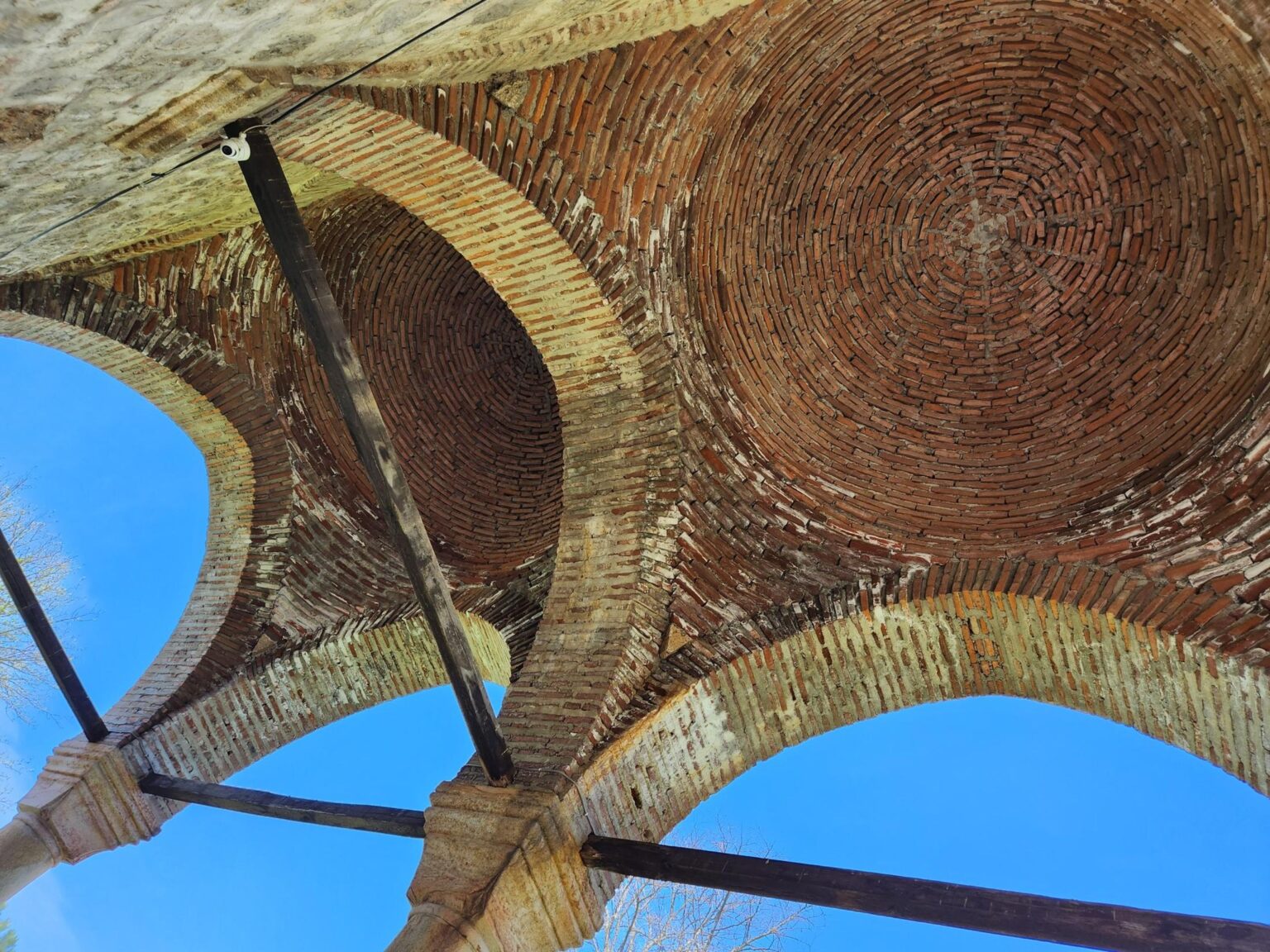
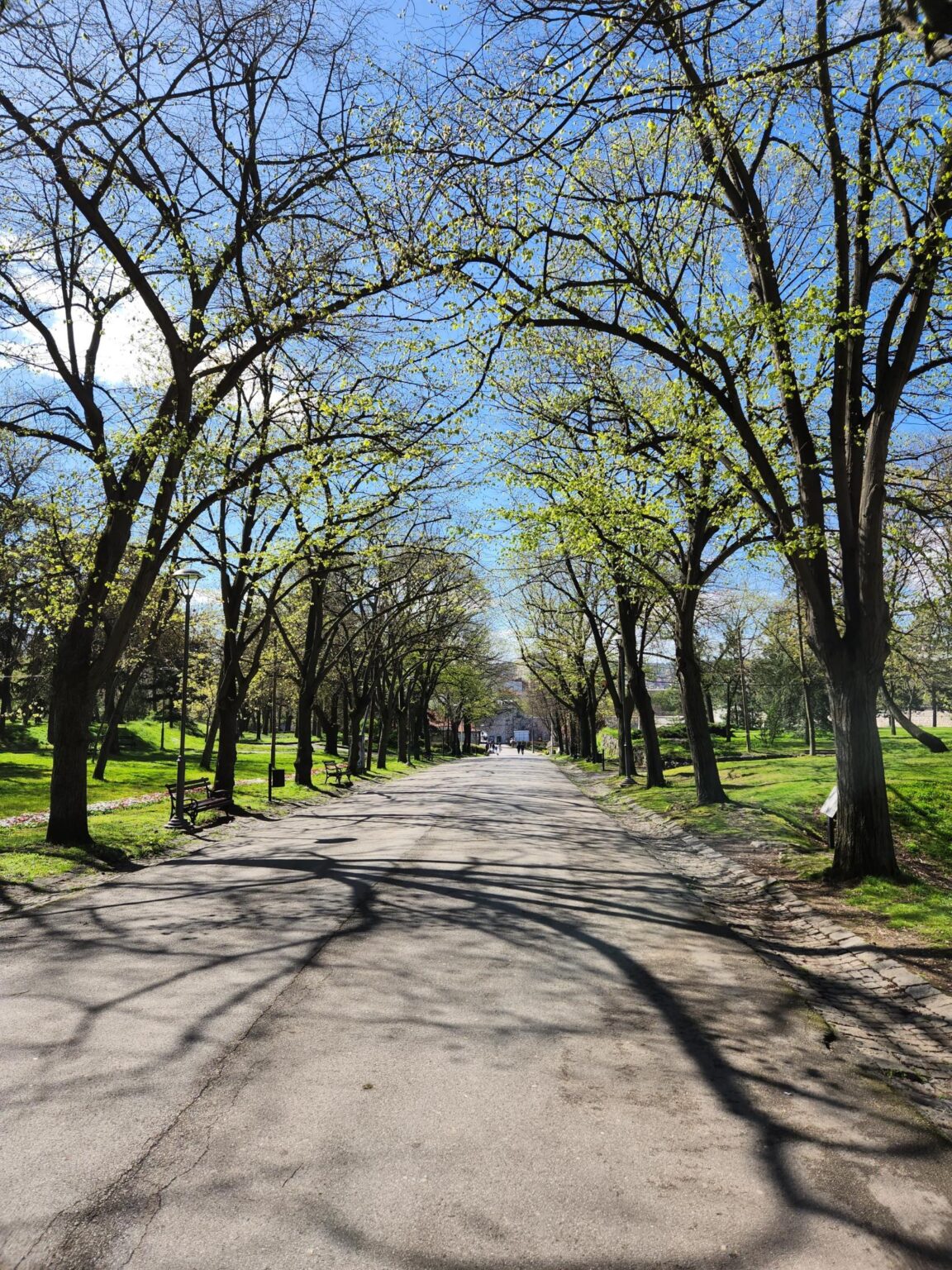
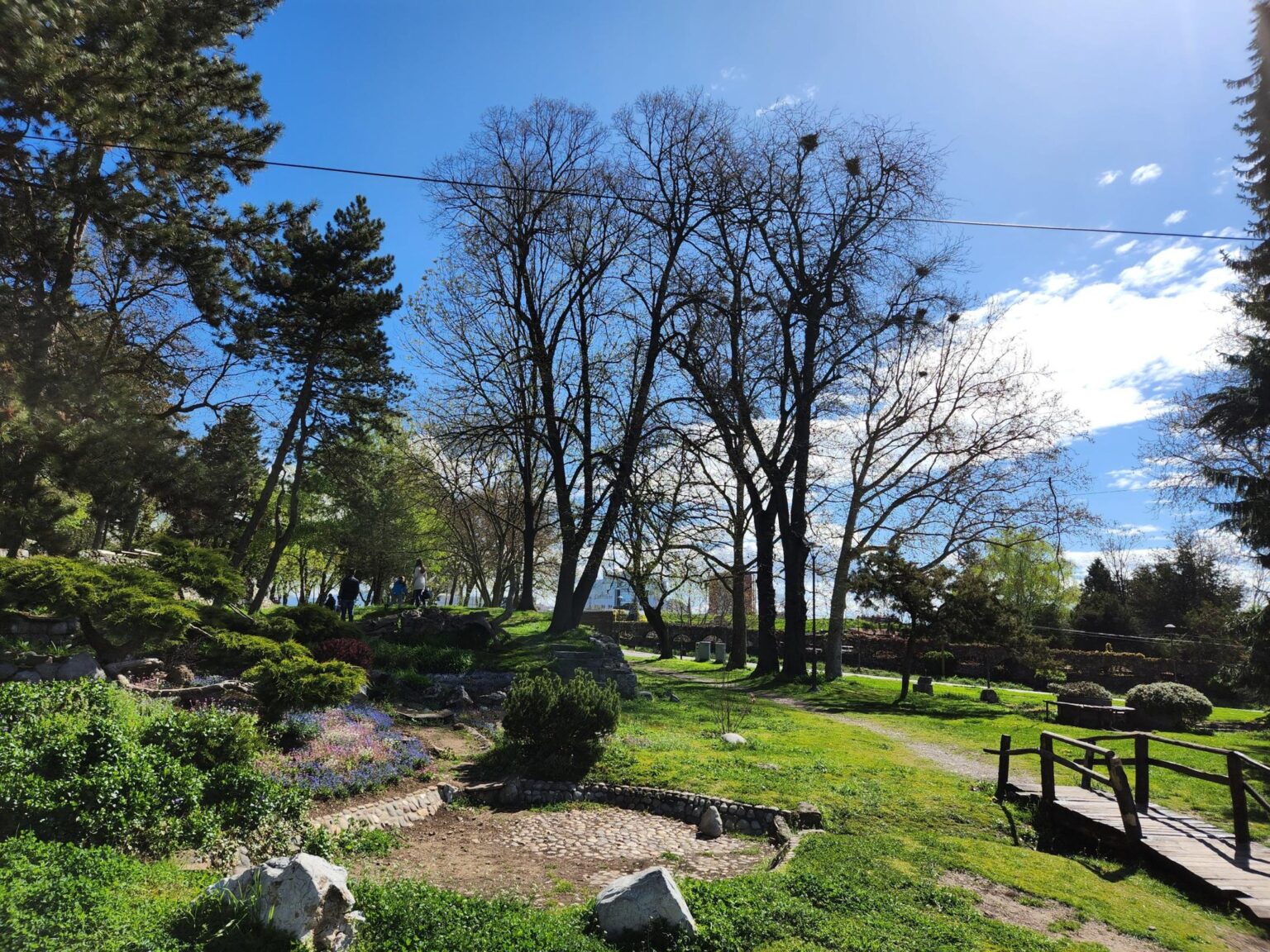
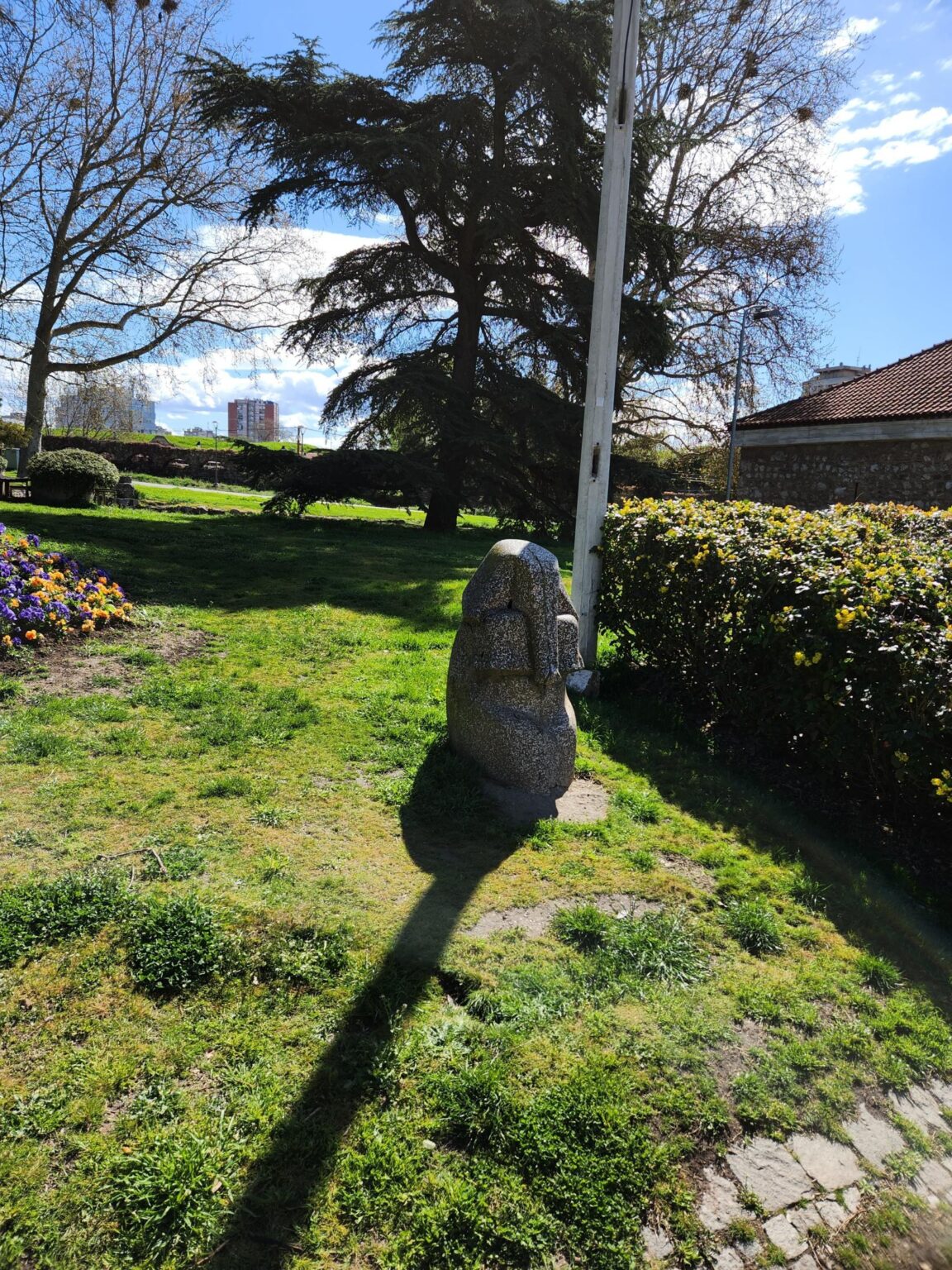
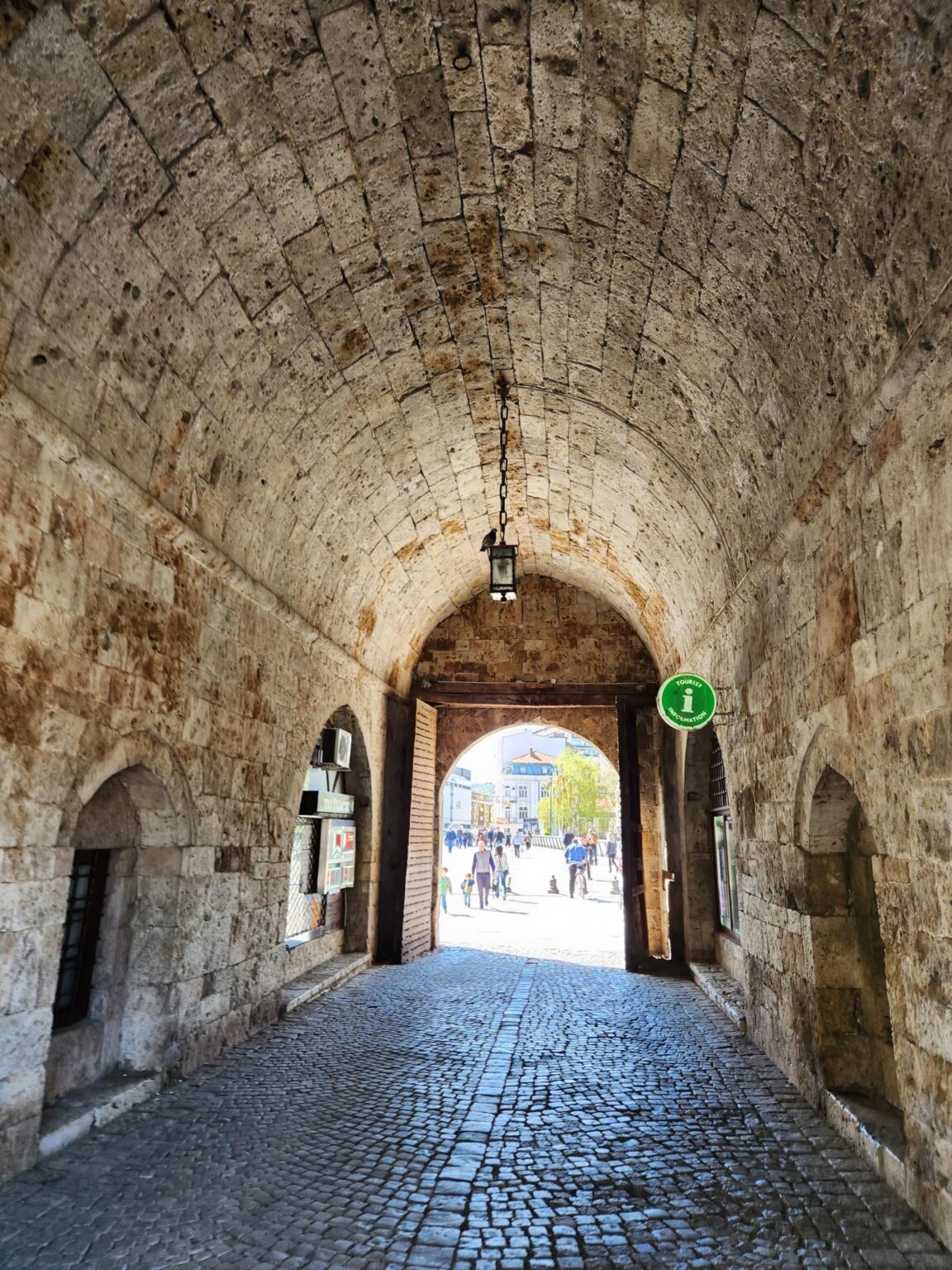
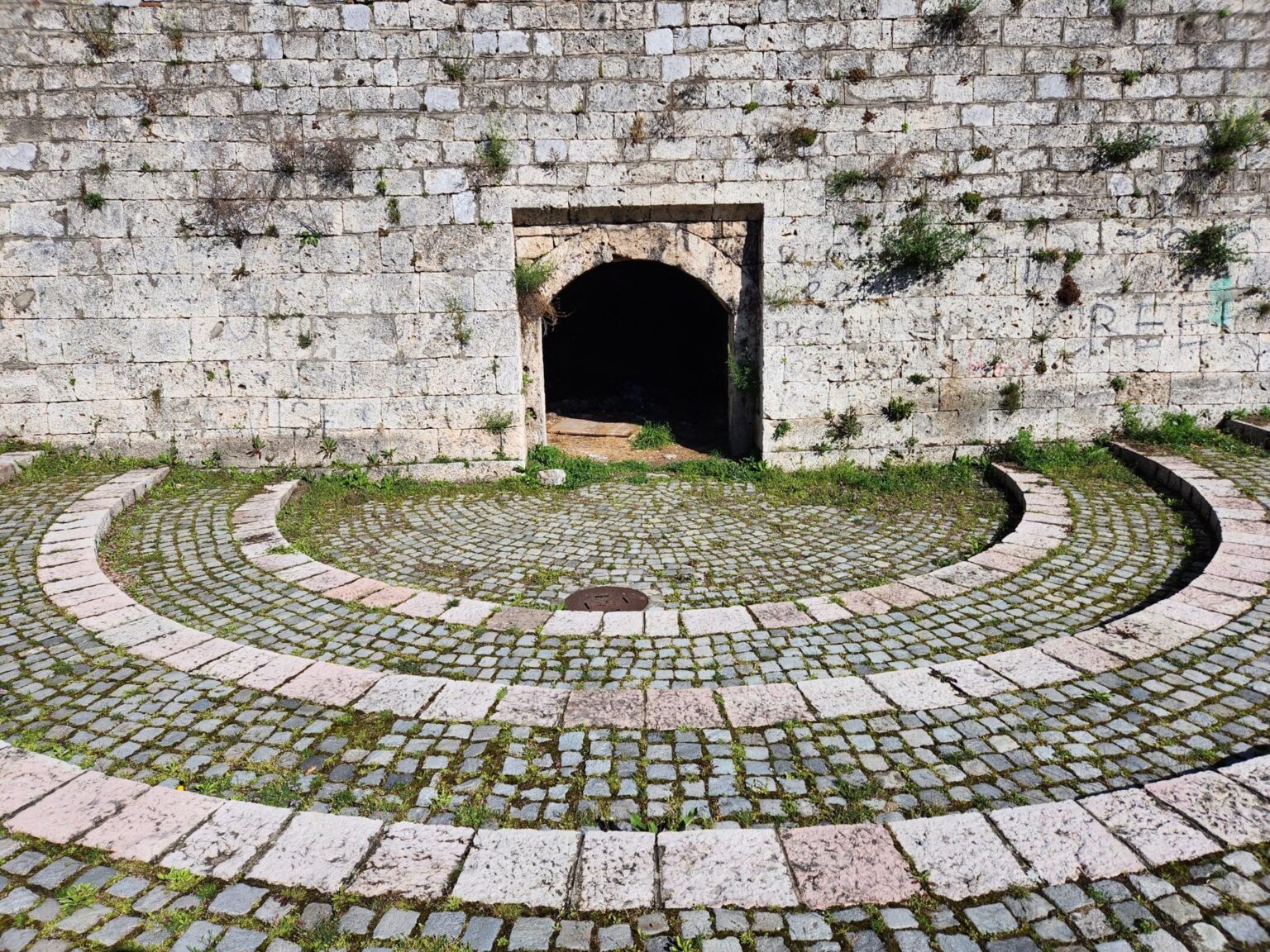
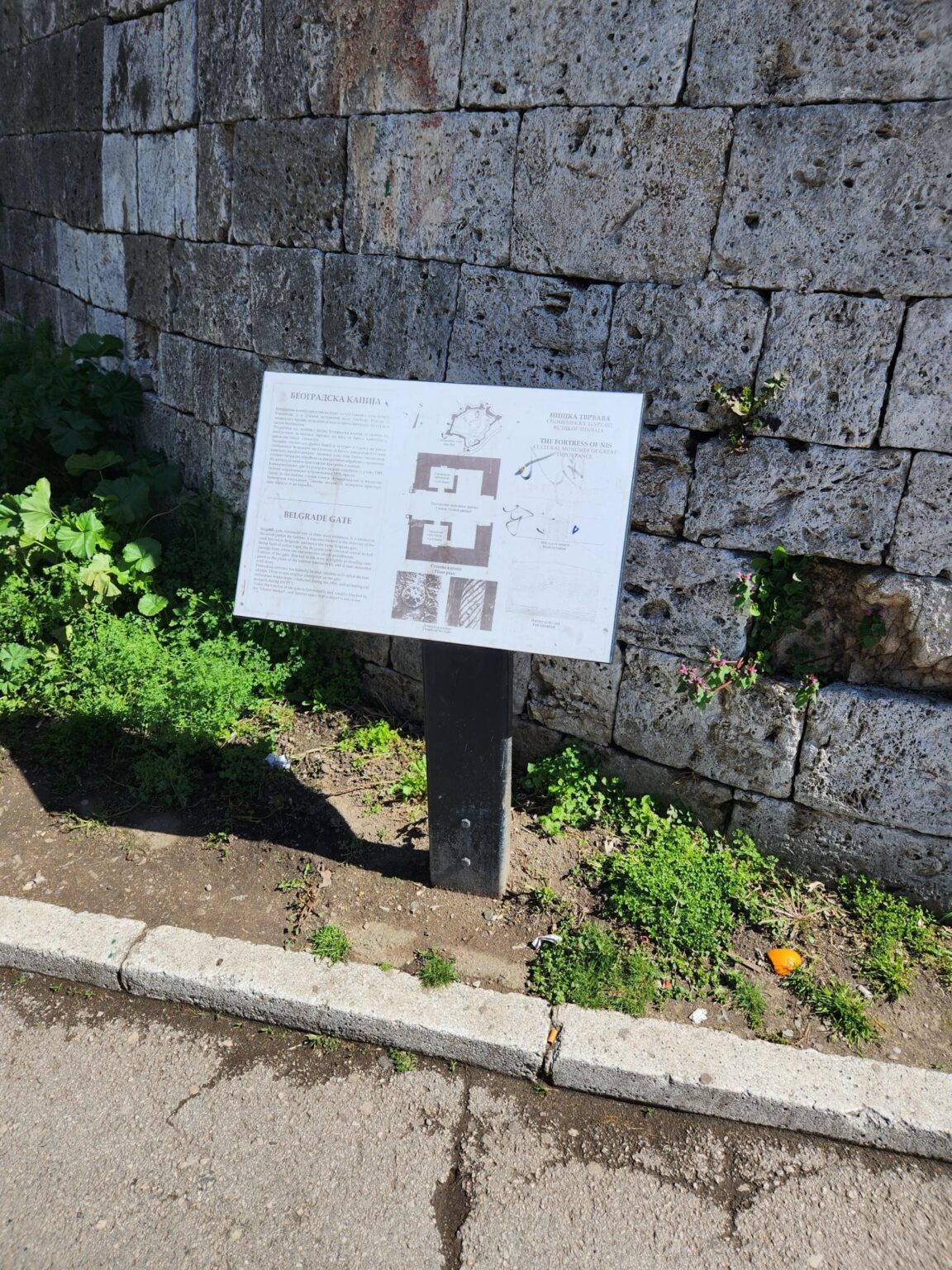
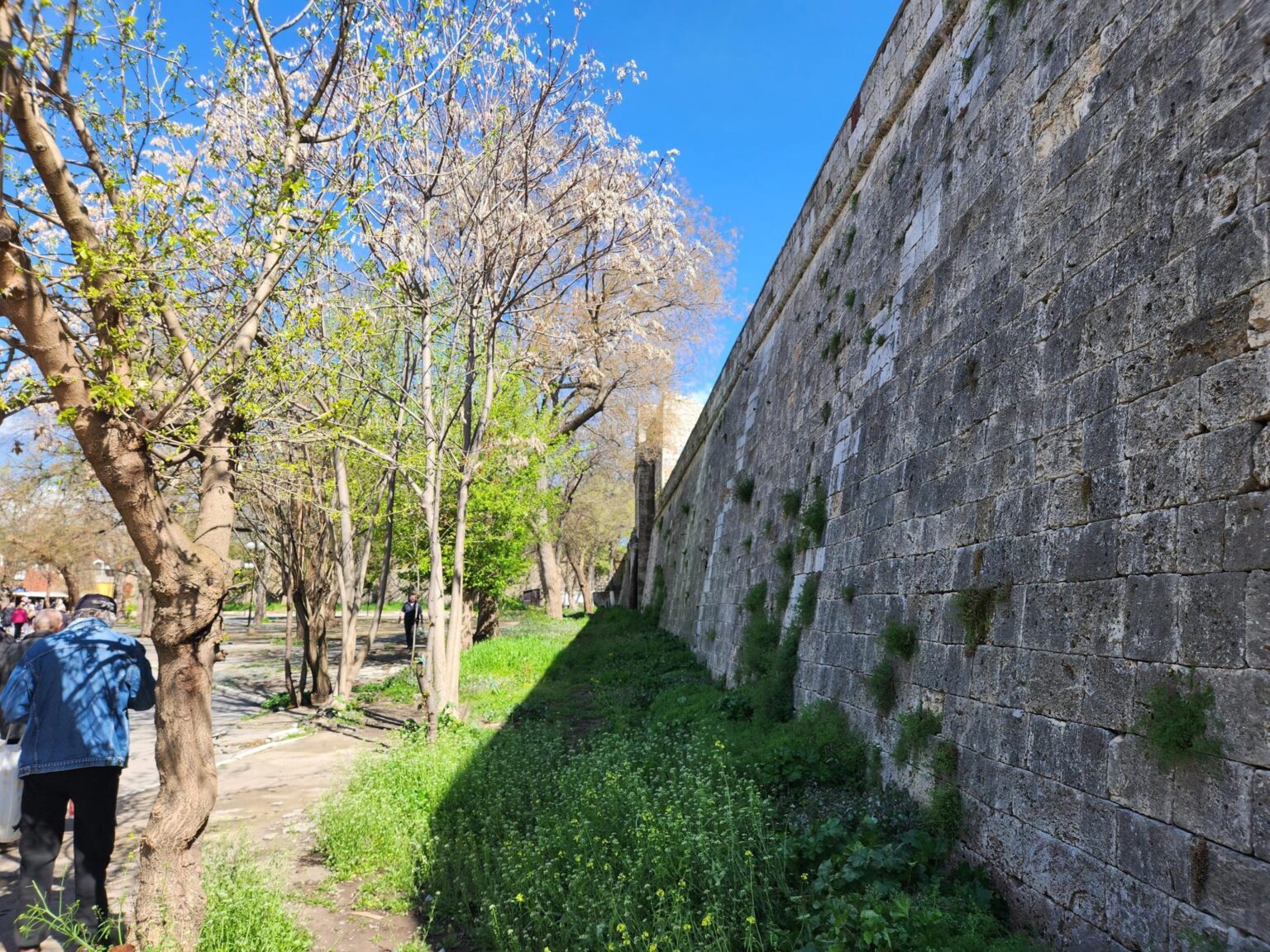
I think this is the best-known sight in Niš: Niš Fortress (history). It is a large park with three entrances, plenty of information boards and lots to look at. There is no entry fee and it is never locked. You can go in at night too — the area around the entrance is lit, but further in it gets less pleasant. On the plus side, the evening view from above the main gate over the central square and street is very nice indeed.
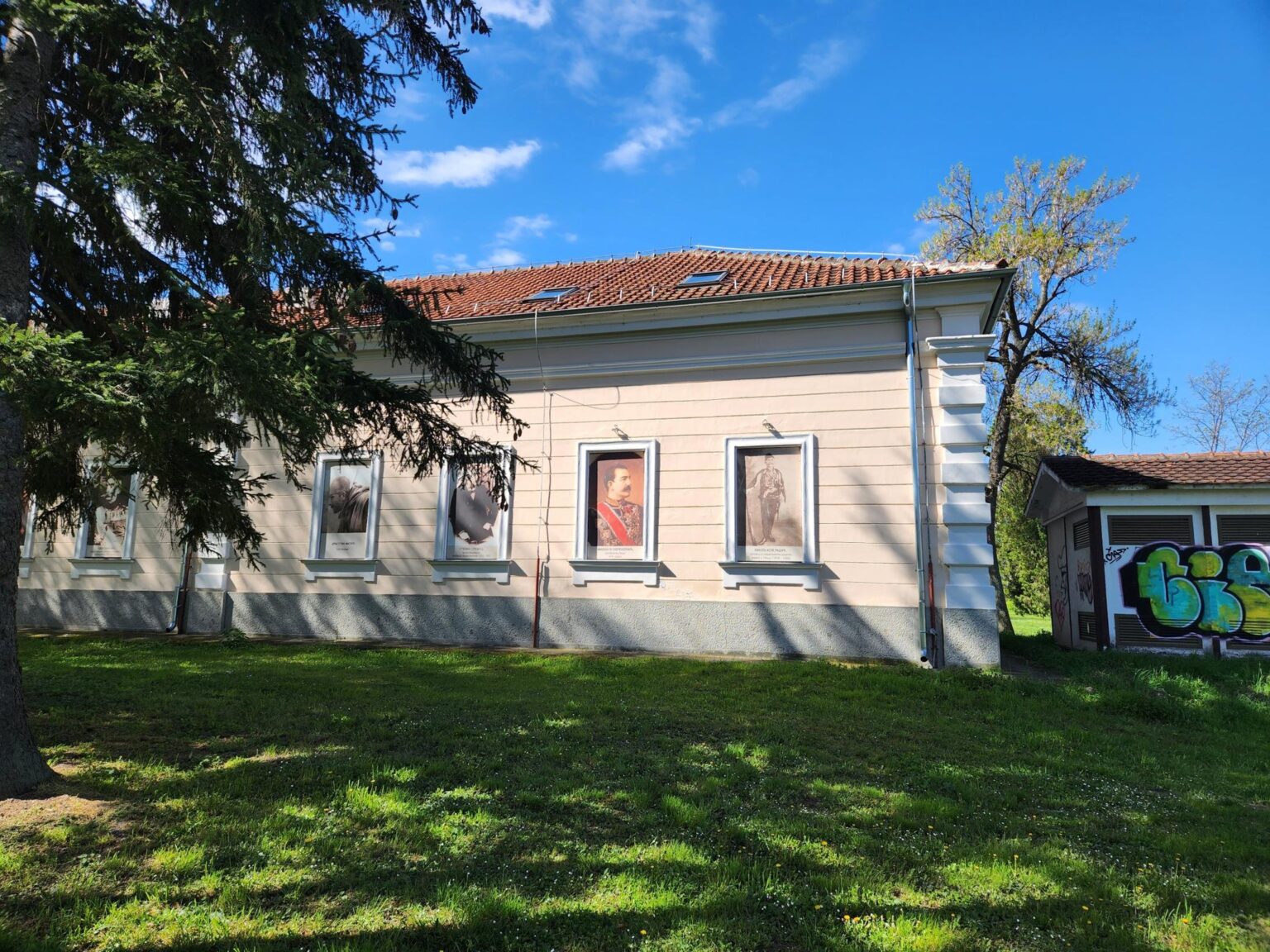
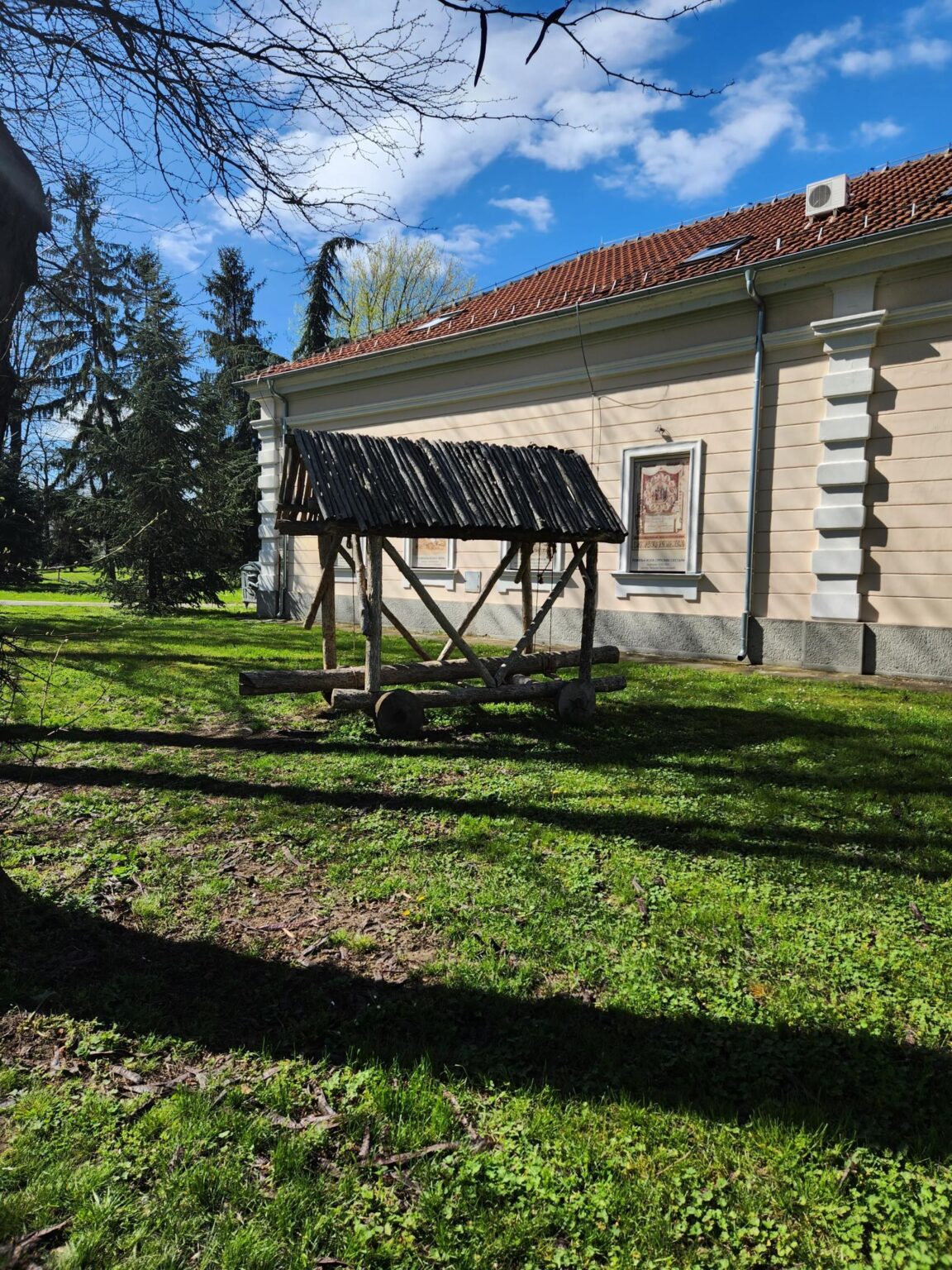
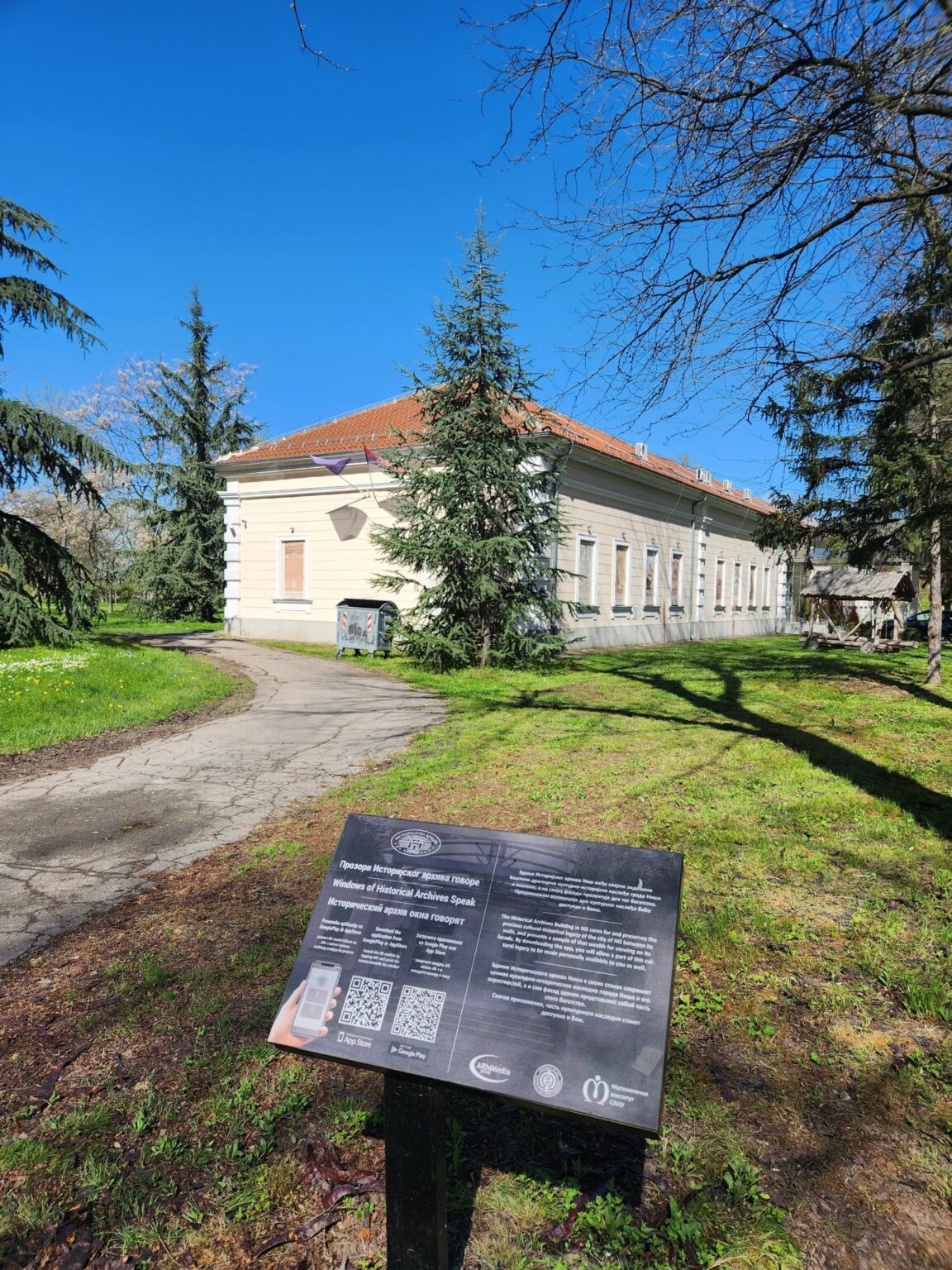
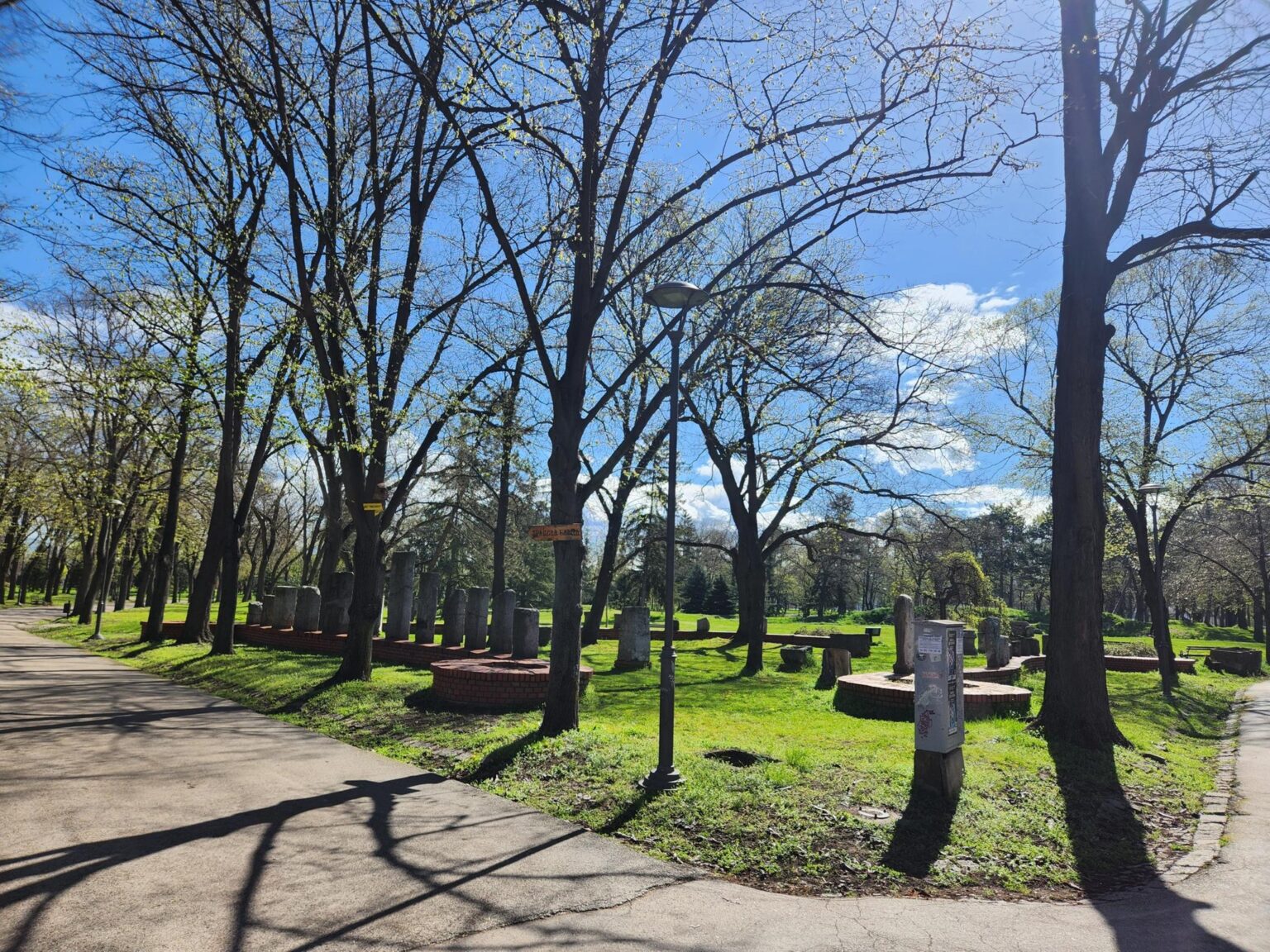
The City Garden
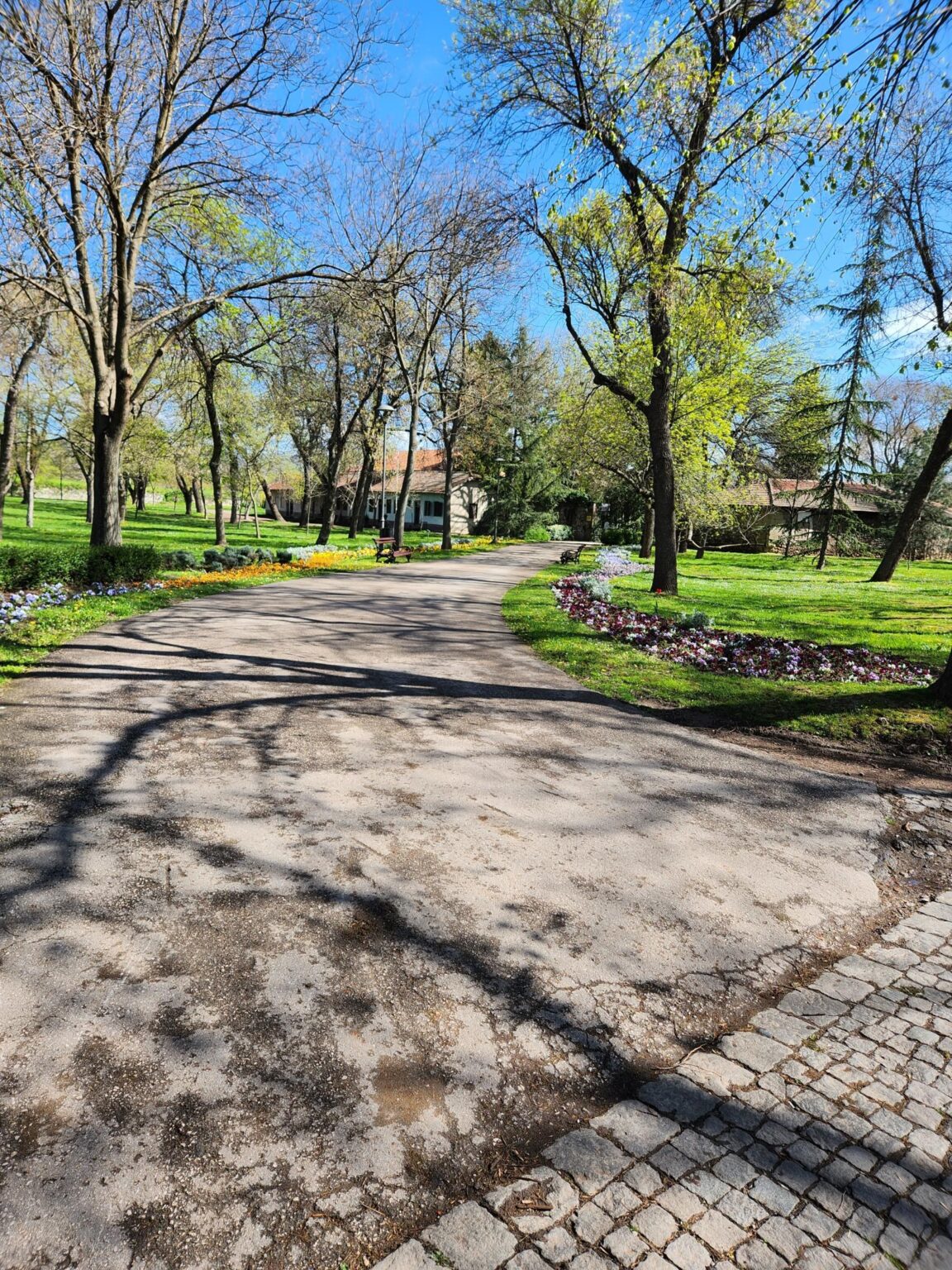
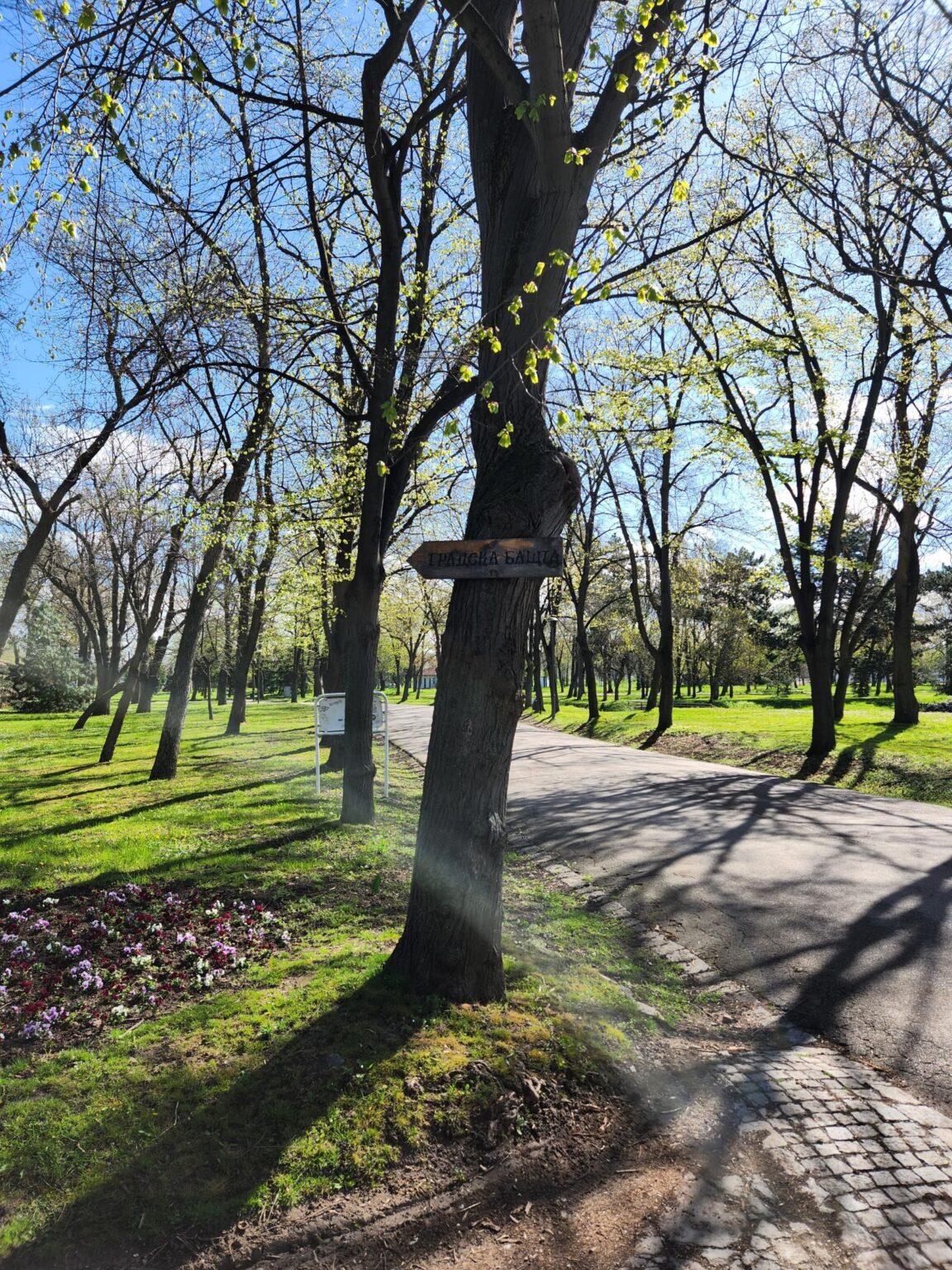
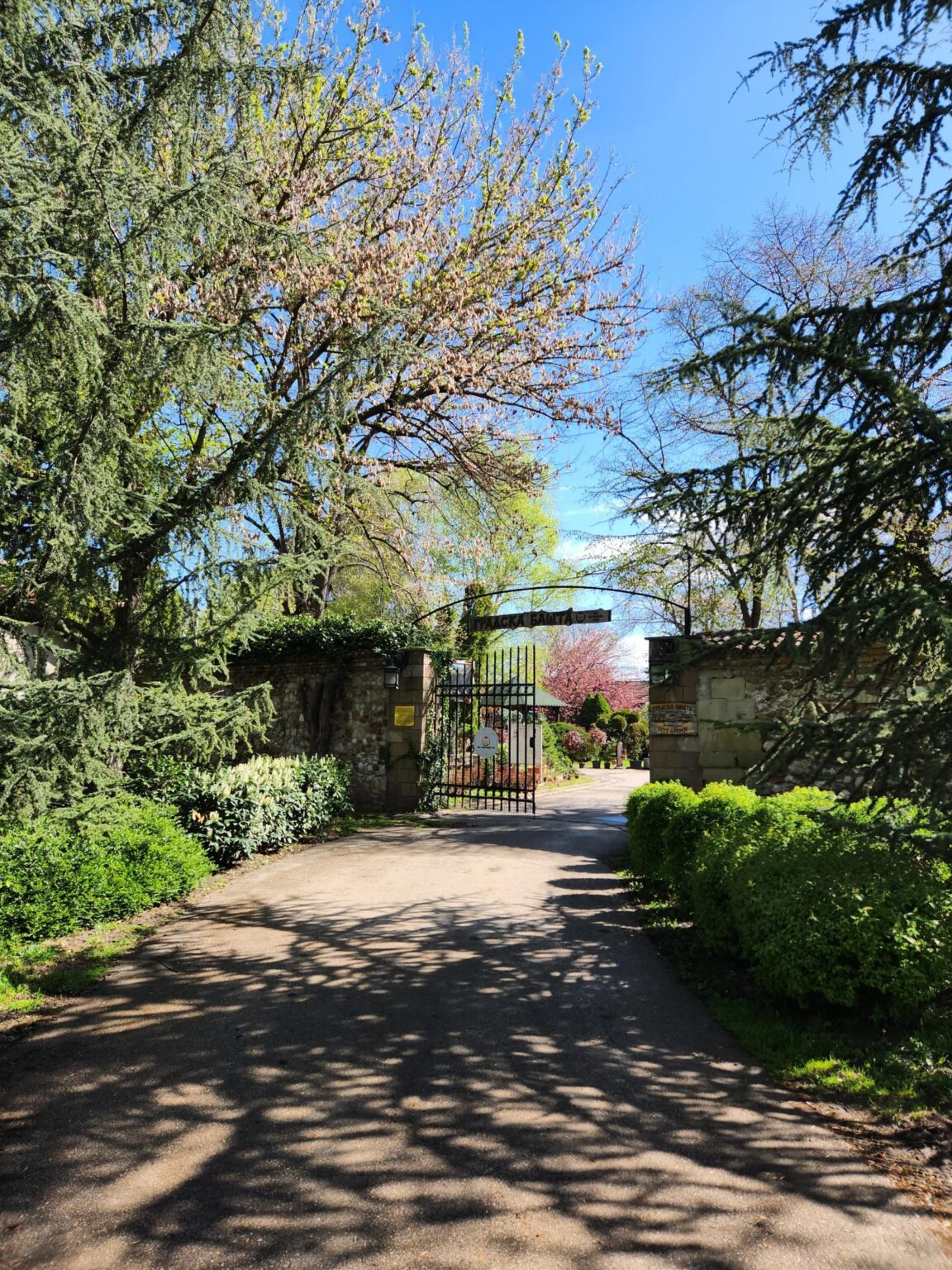
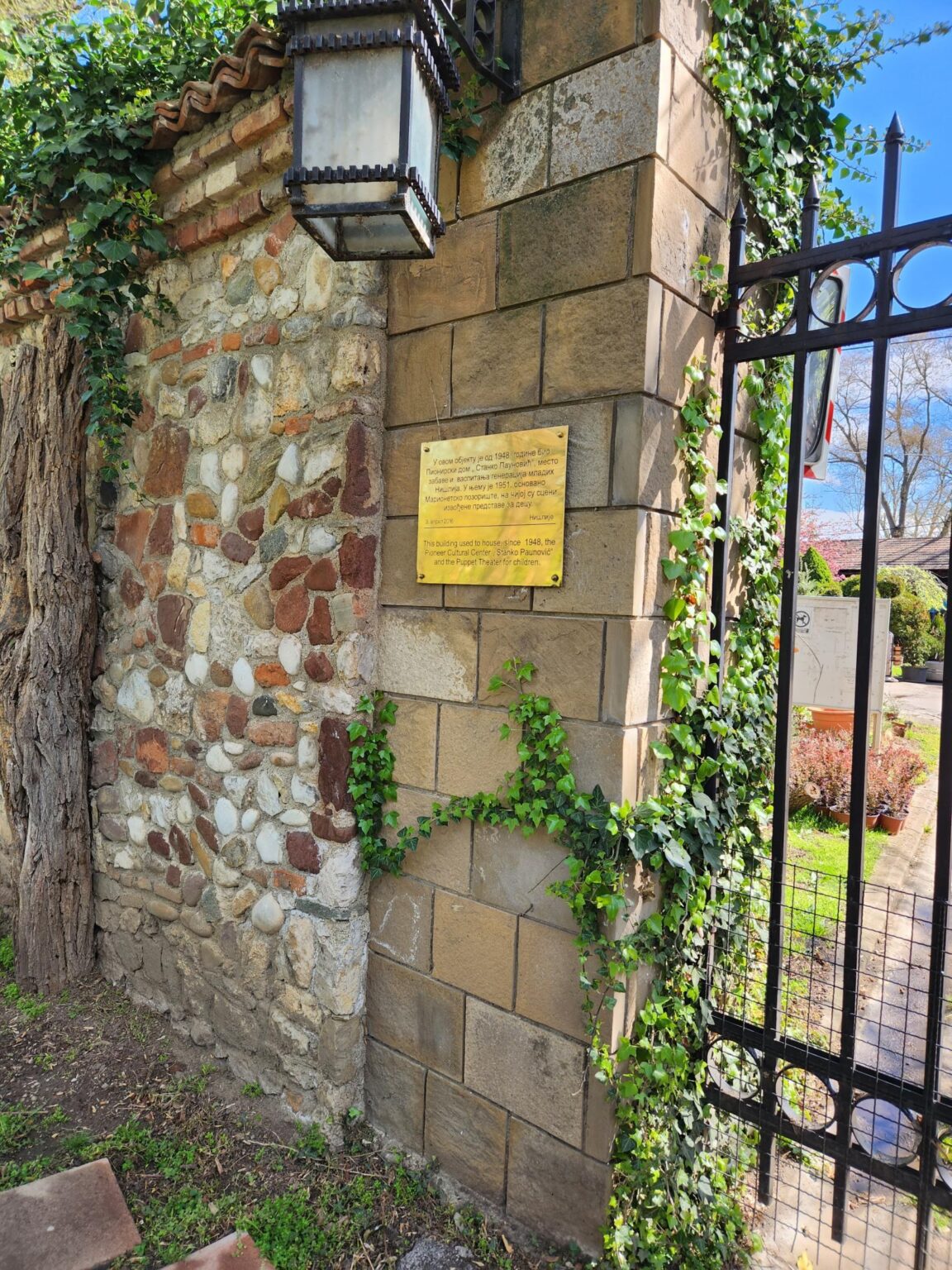
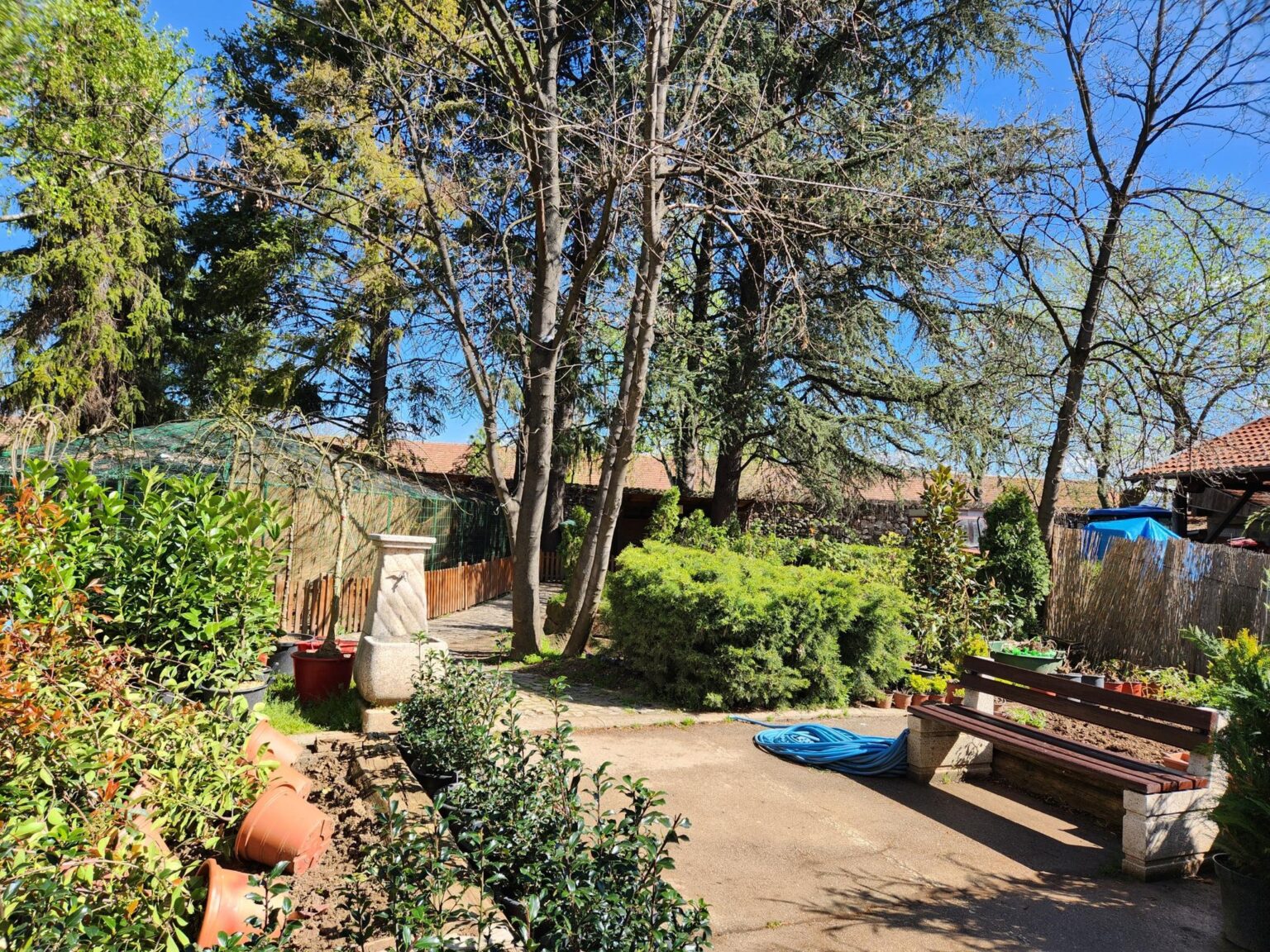
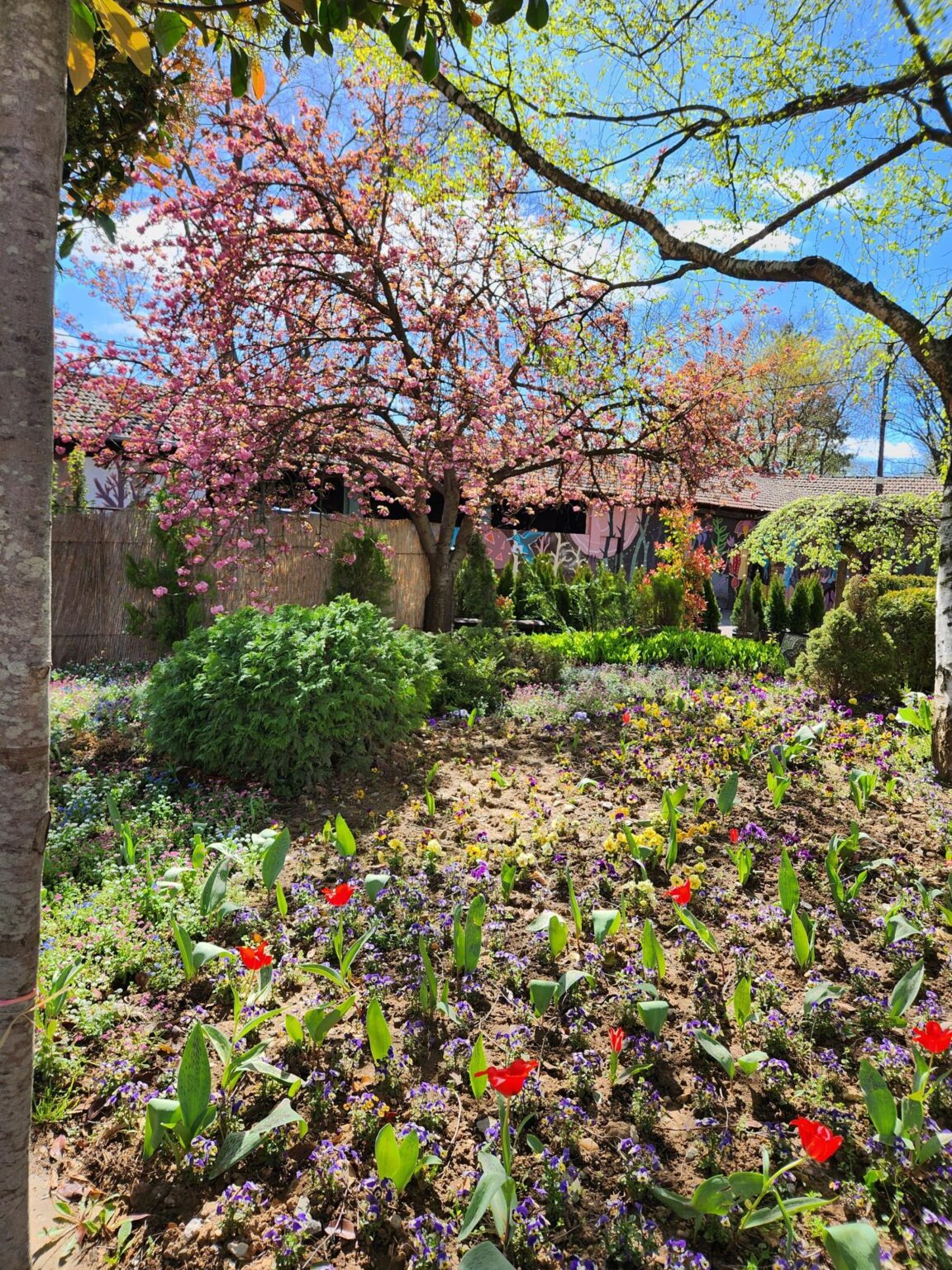
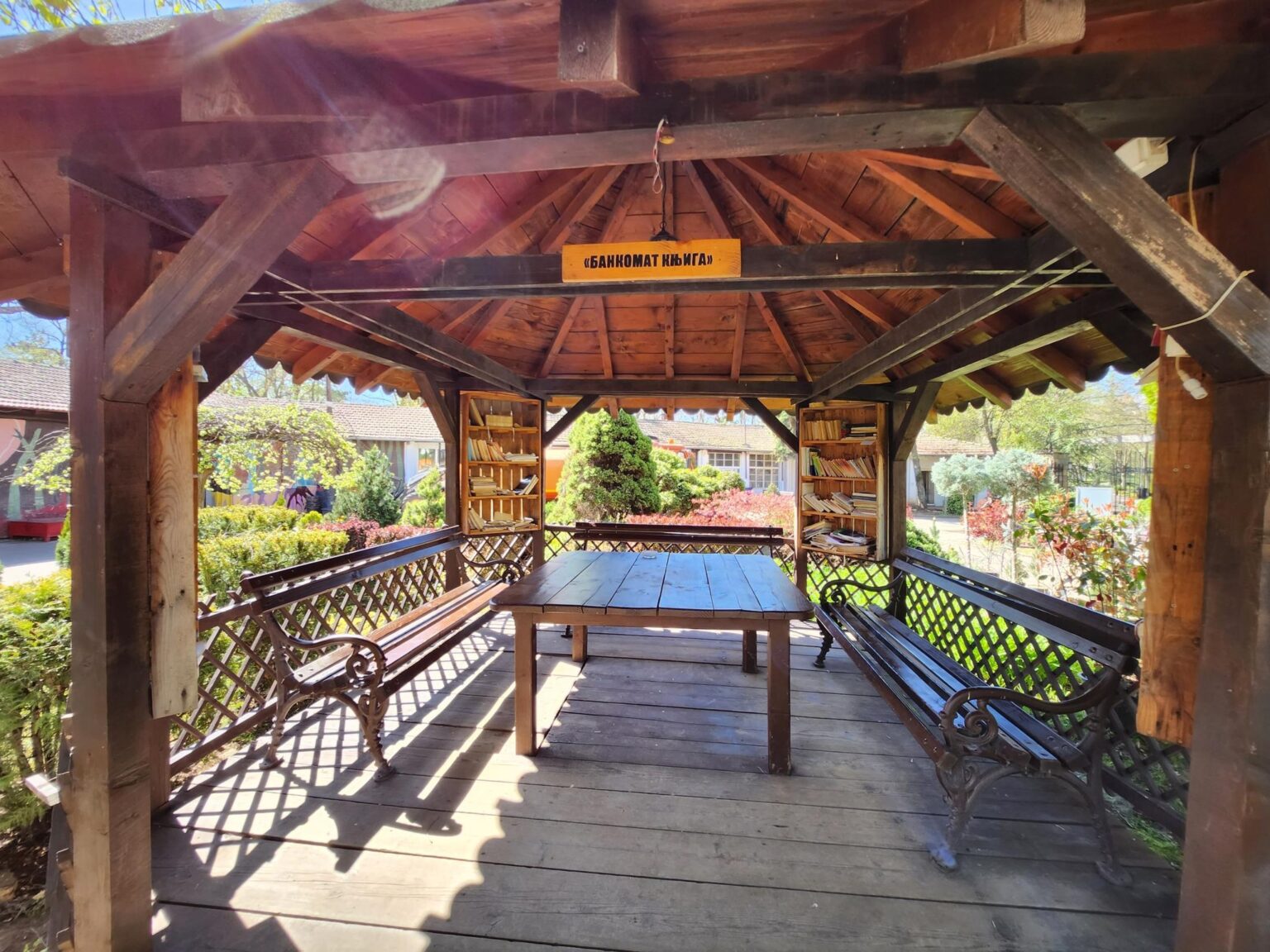
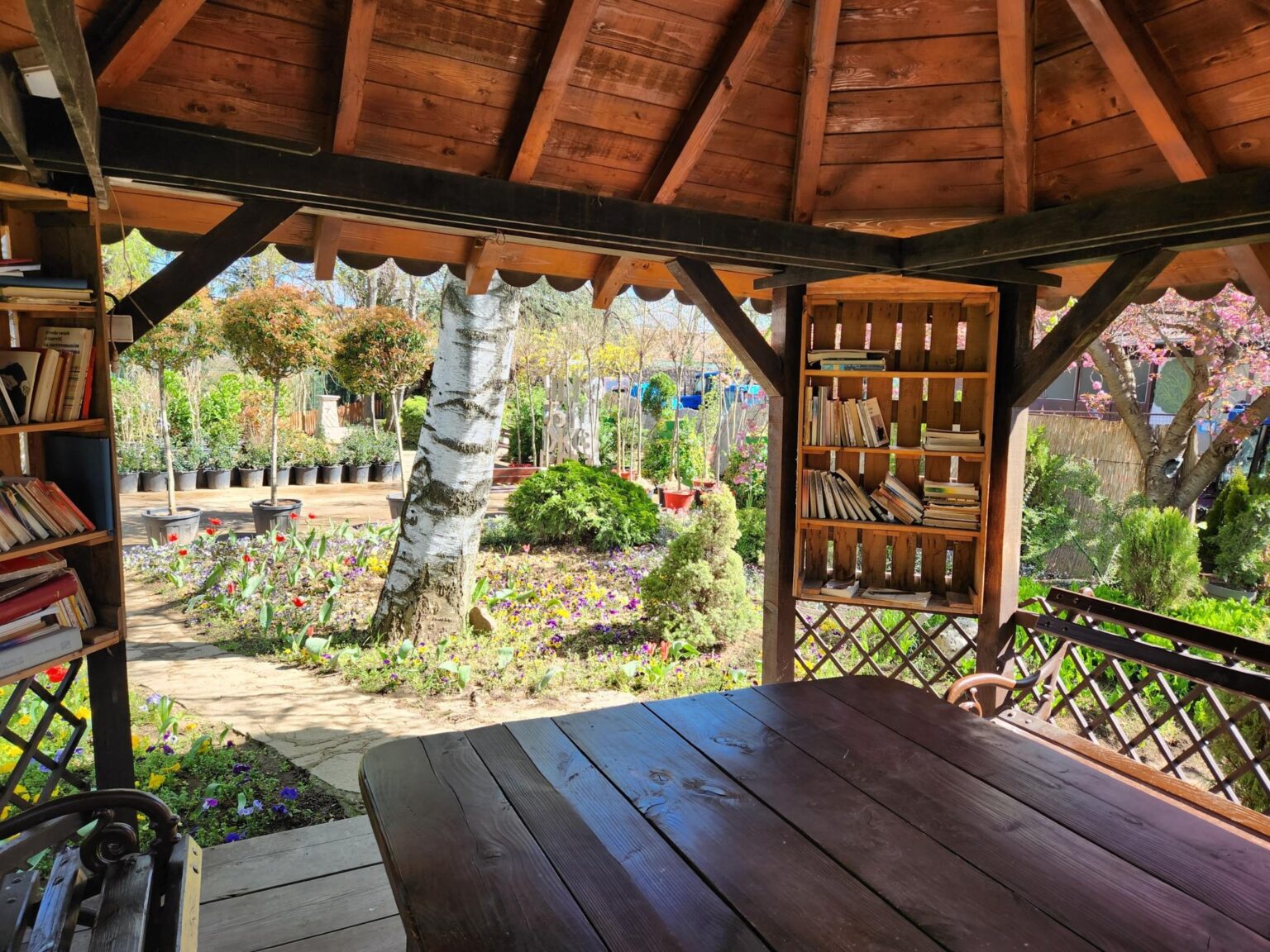
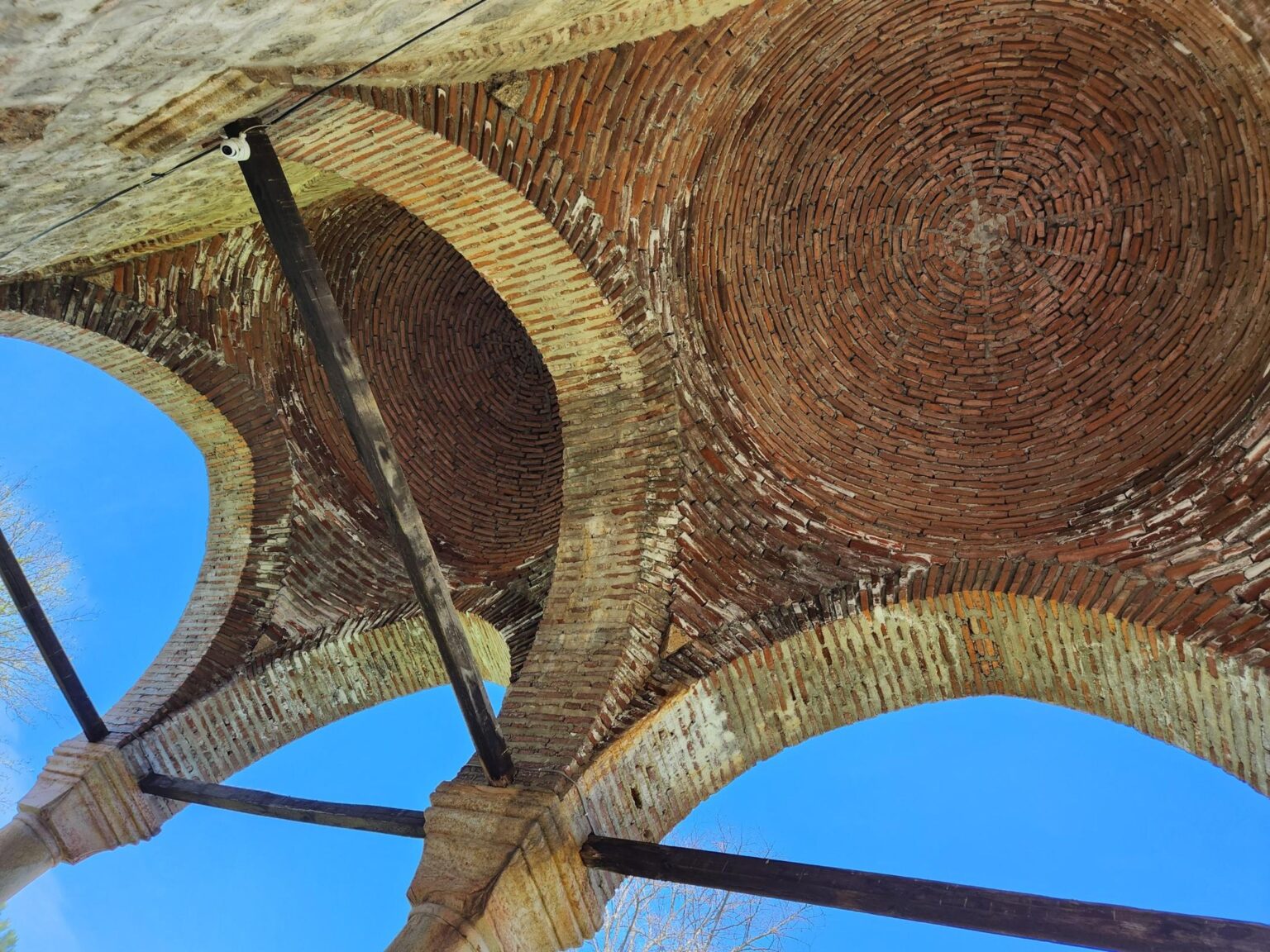
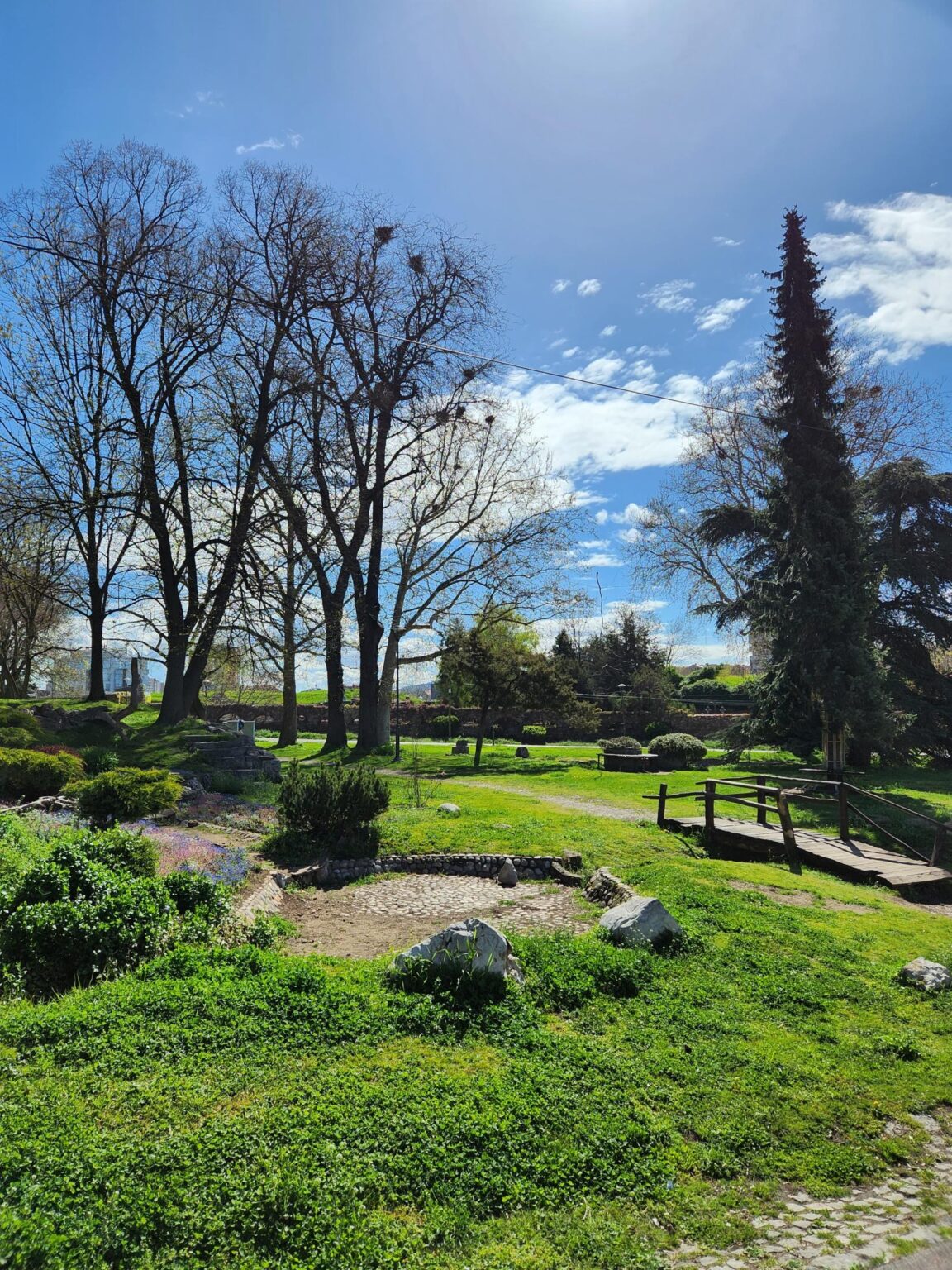
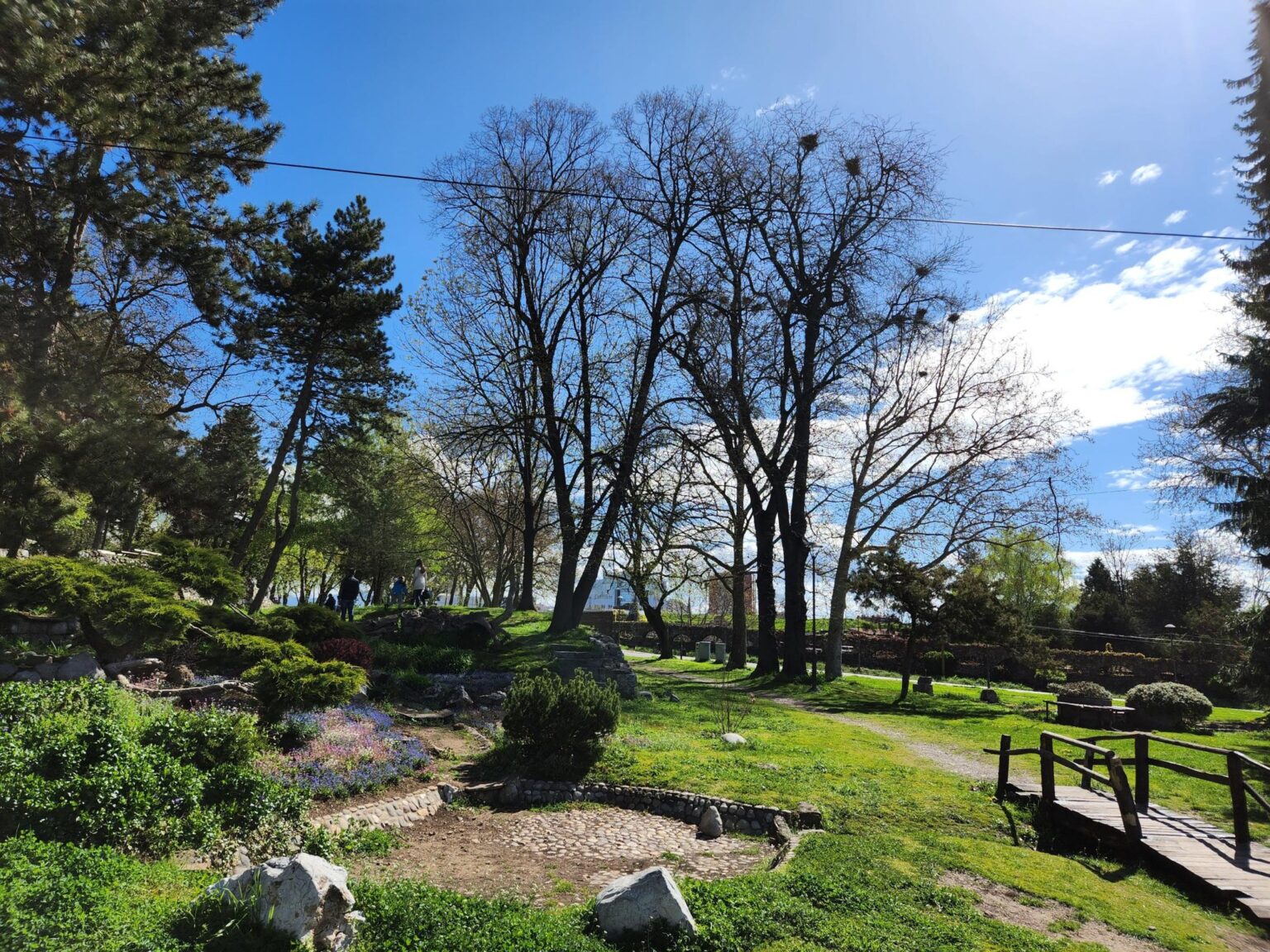
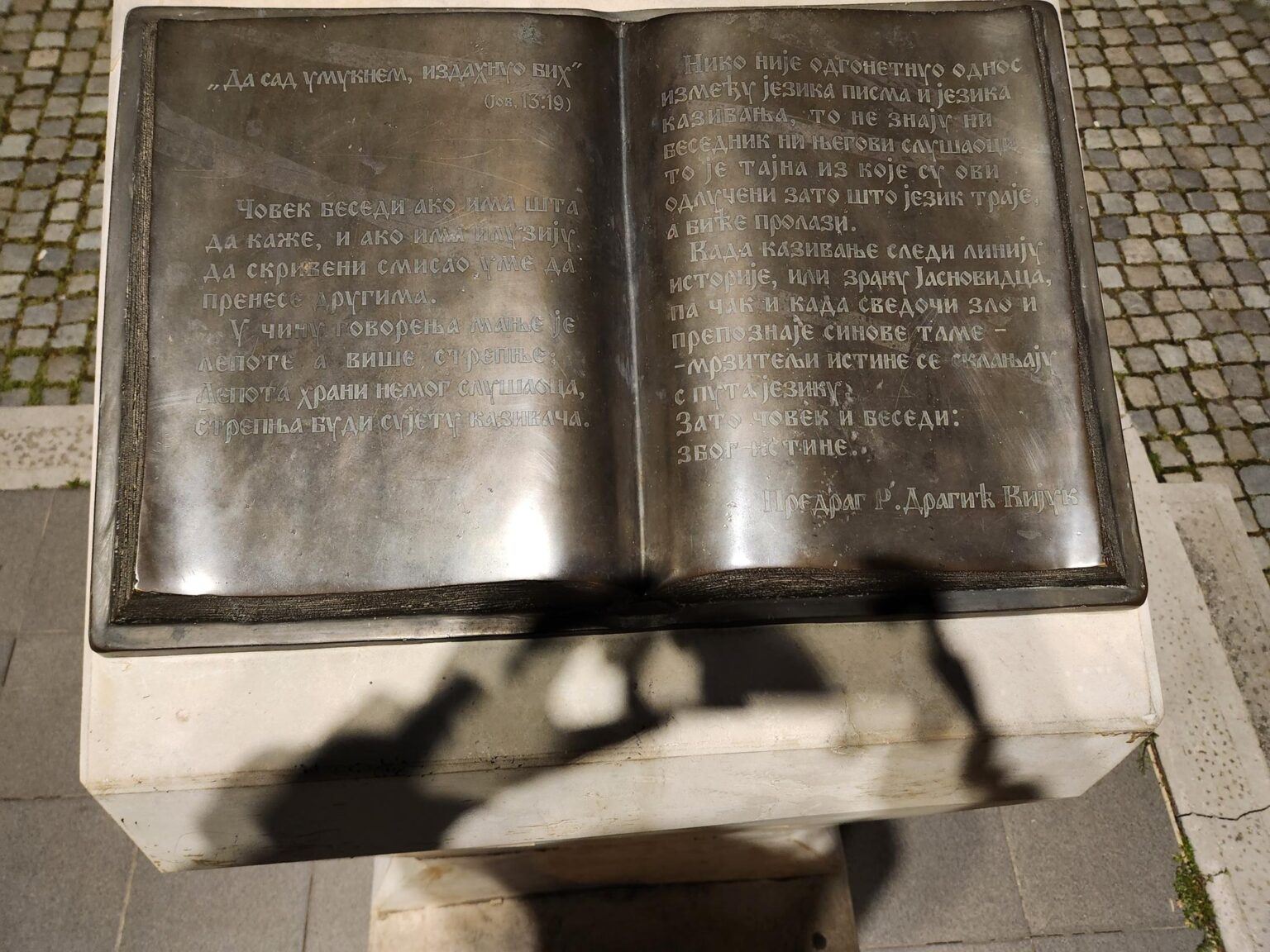
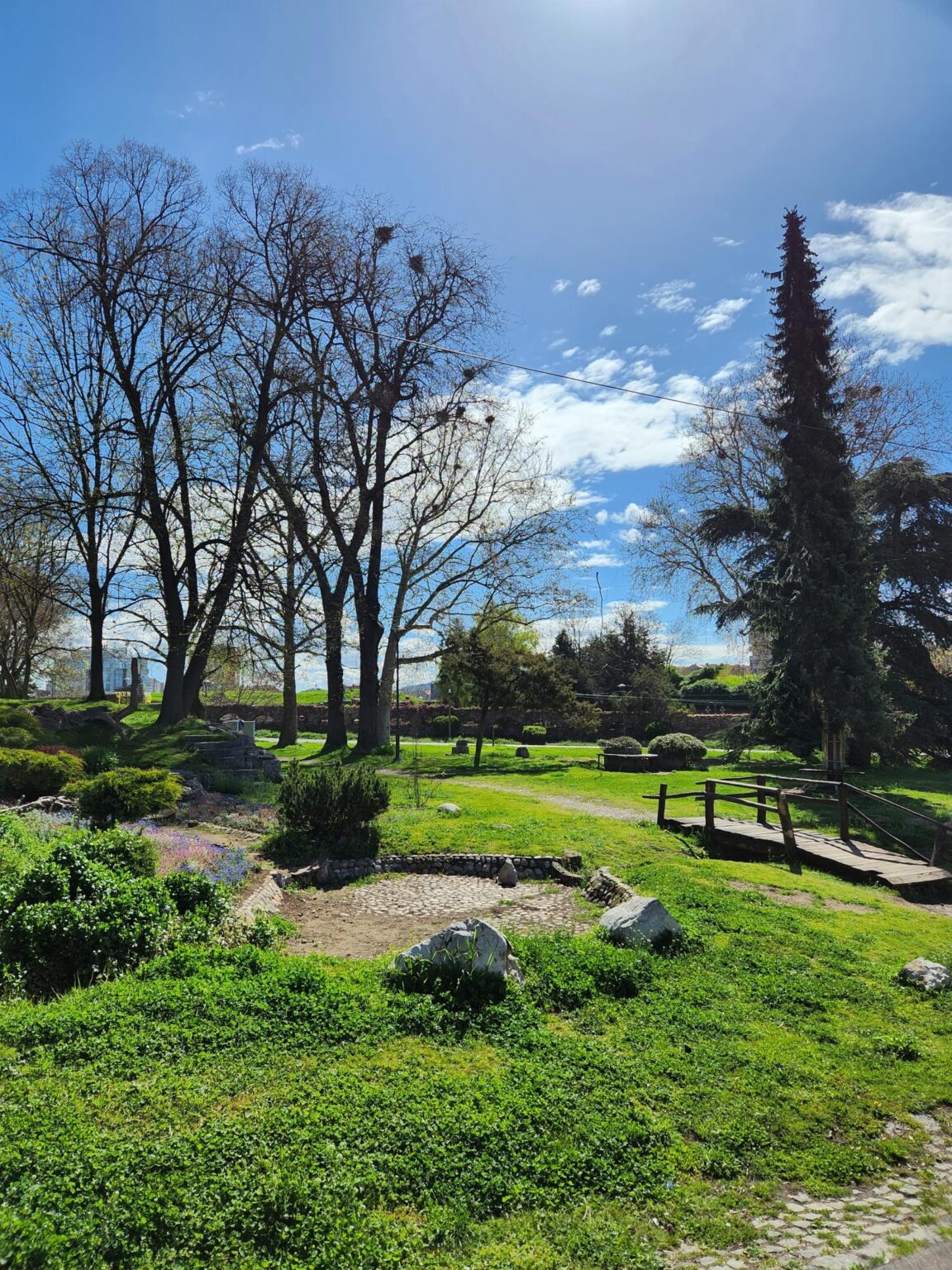
A lot has been written online about the fortress and its park, but noticeably less about the garden inside it: the Gradska bašta, or City Garden, again with free entry. There is no information about it online, but a sign on site gives the opening hours as 08:00–20:00. What really impressed me was a very cool gazebo labelled Book ATM (Bankomat za knjige). Look at the photos and you will see why. It is very cosy, and unlike the other kind of ATM, this one hands you something without checking your balance first 😀 A brilliant idea.
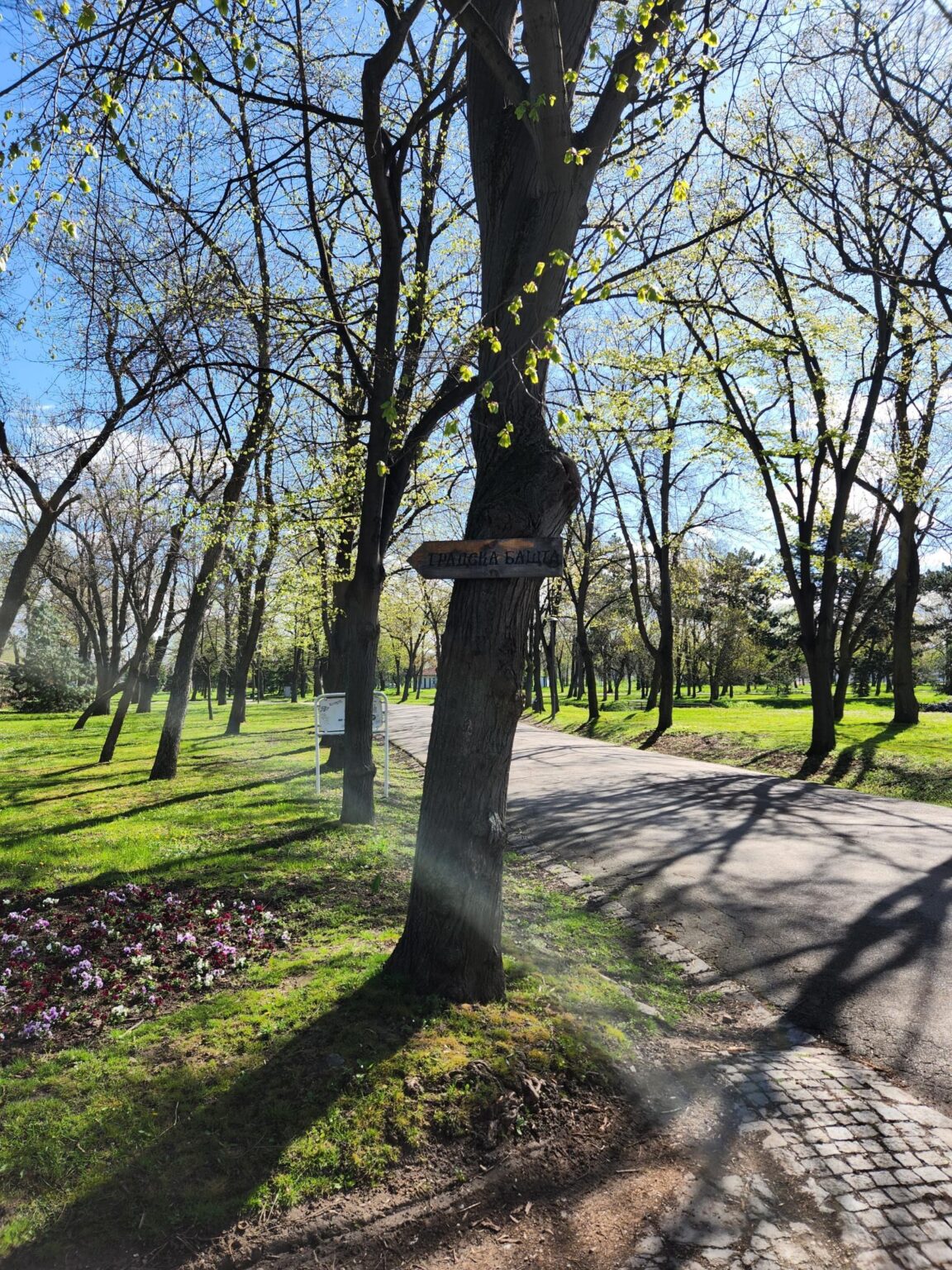
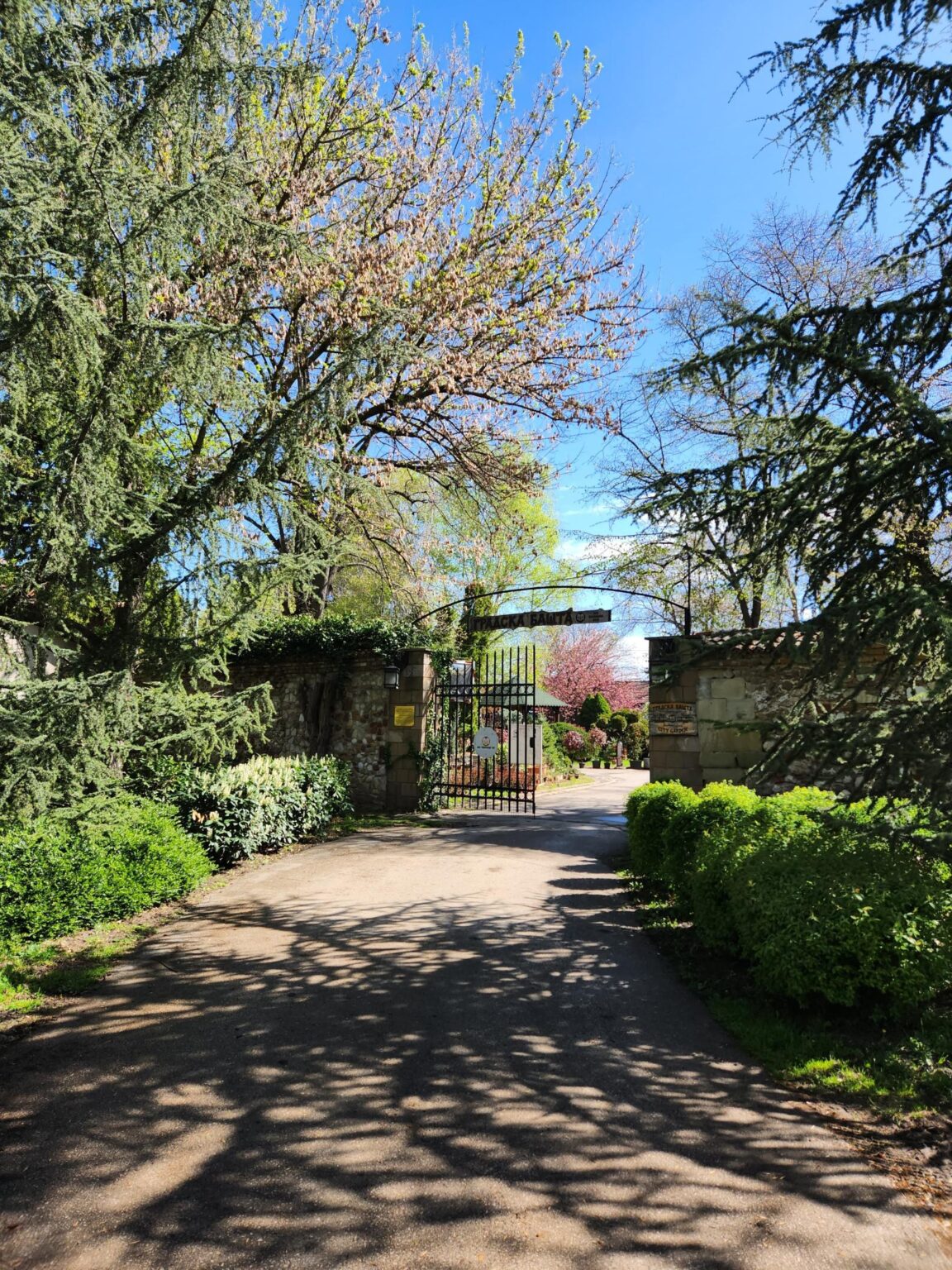
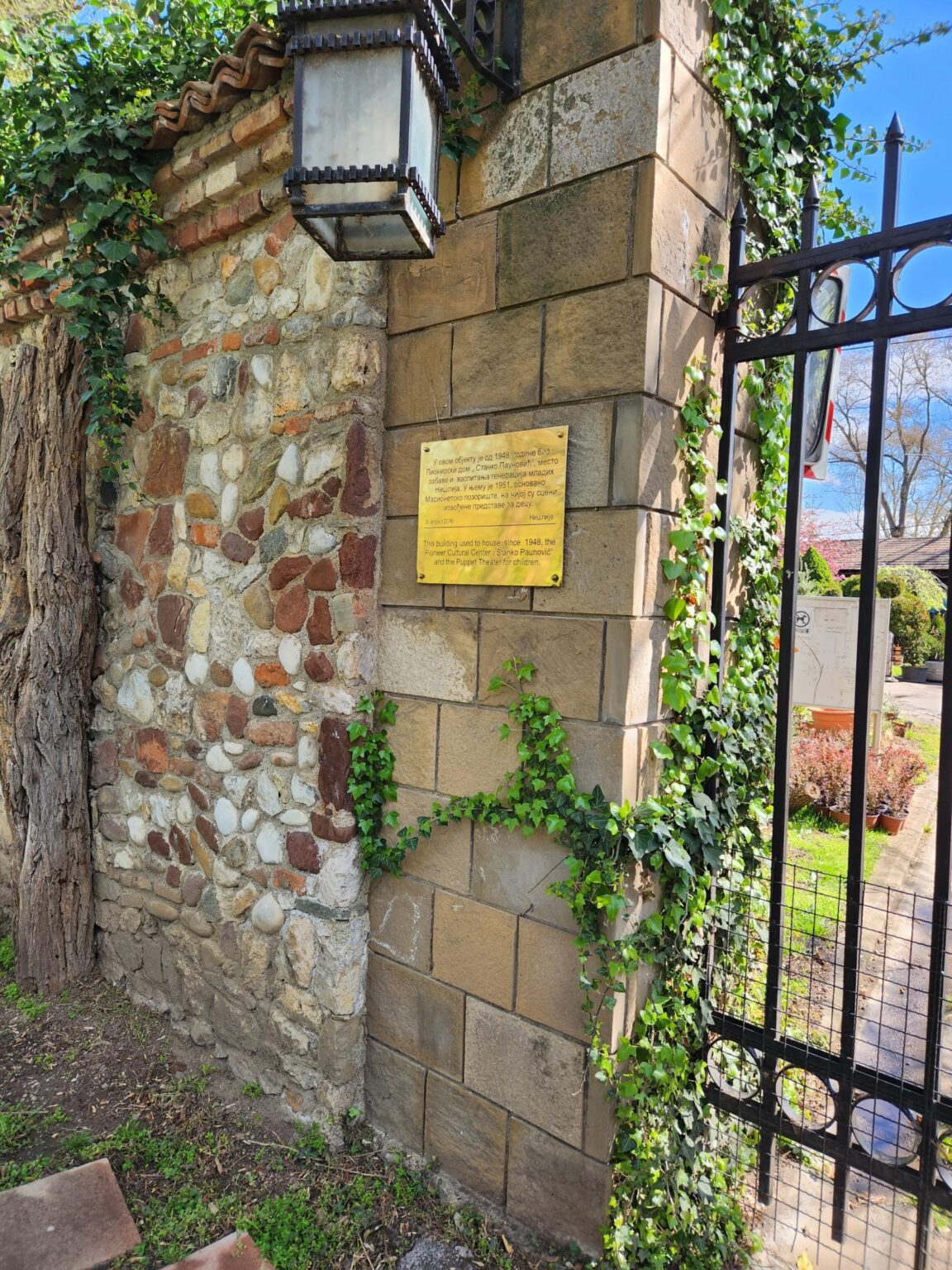
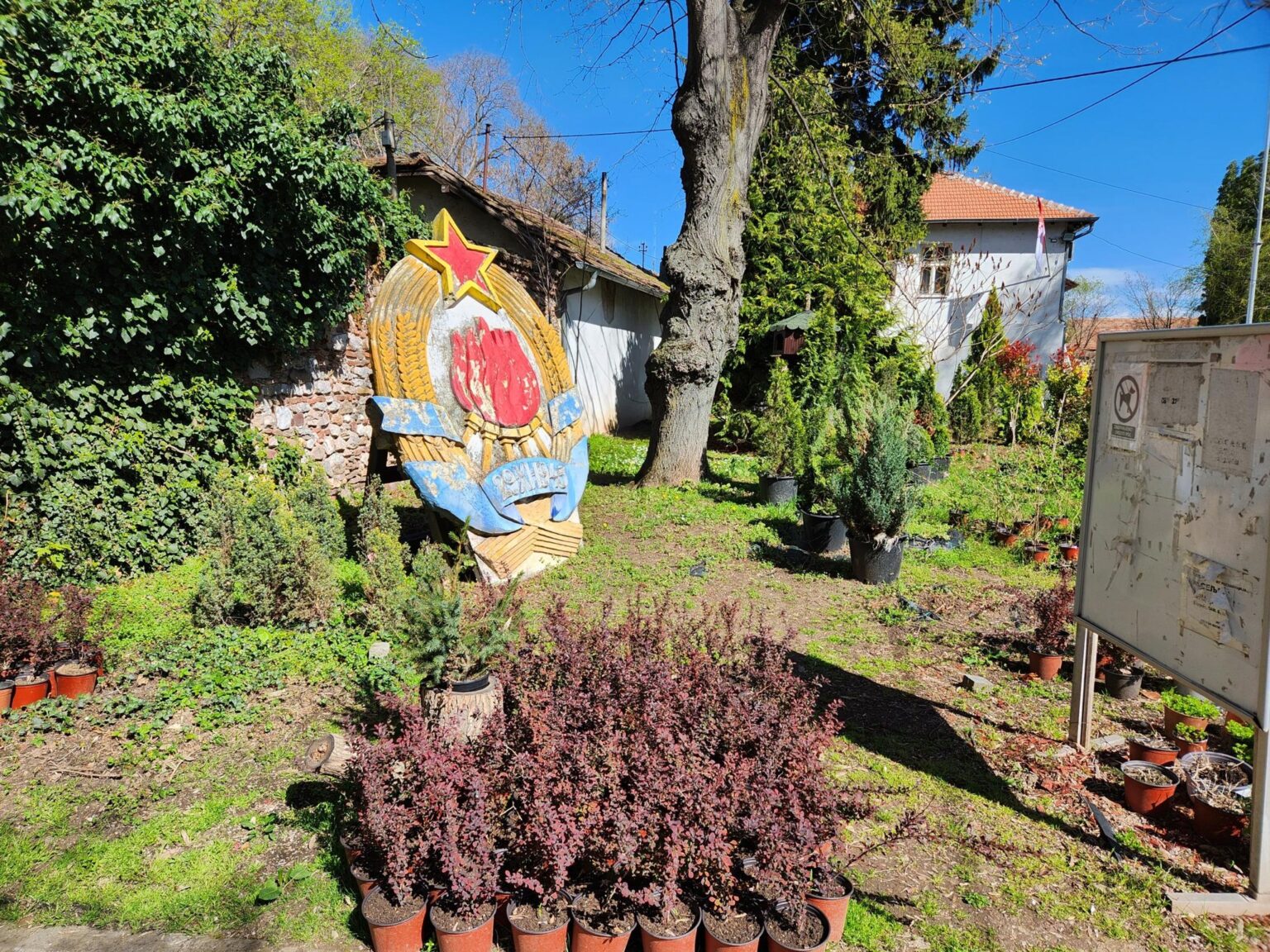
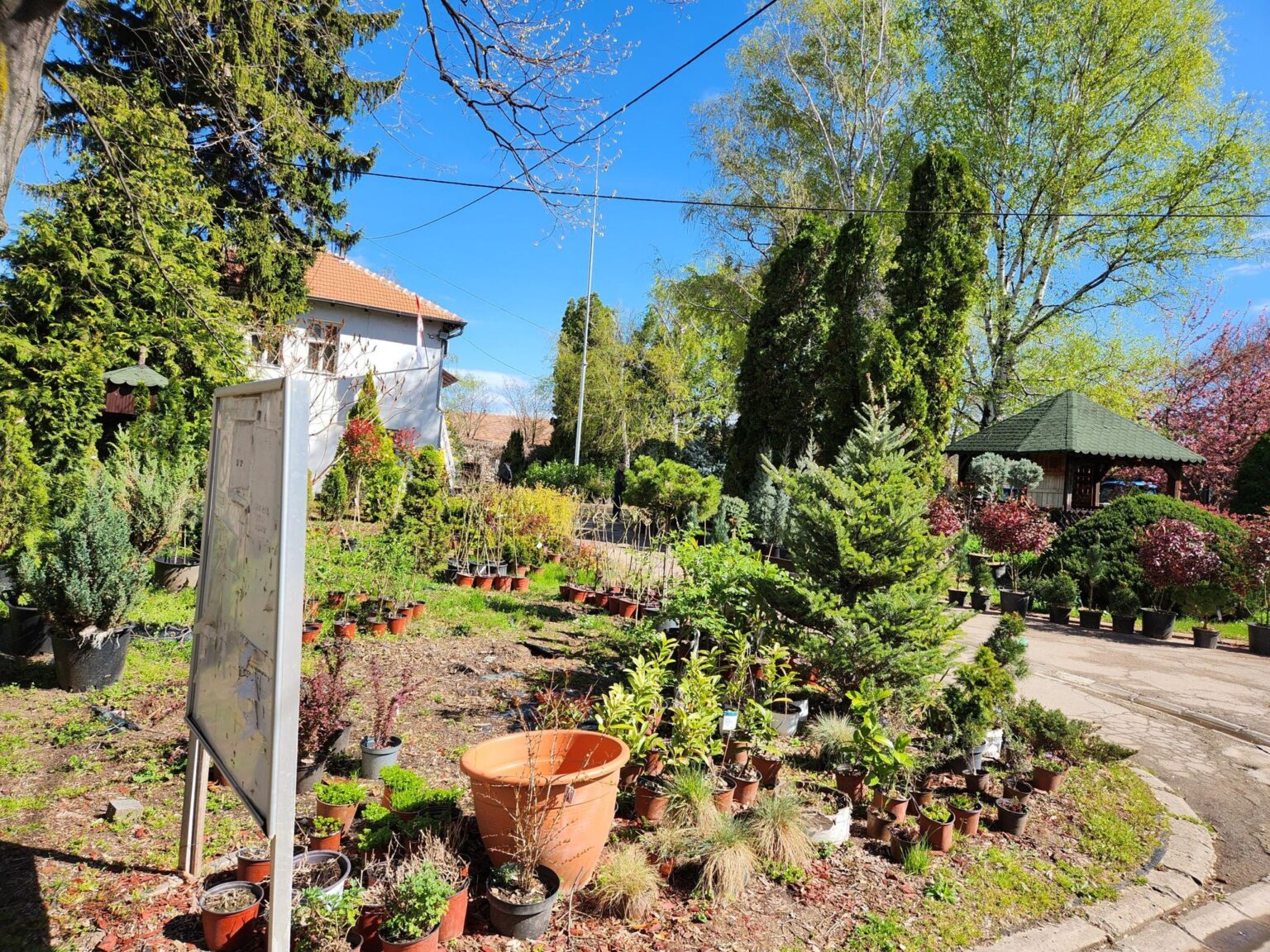
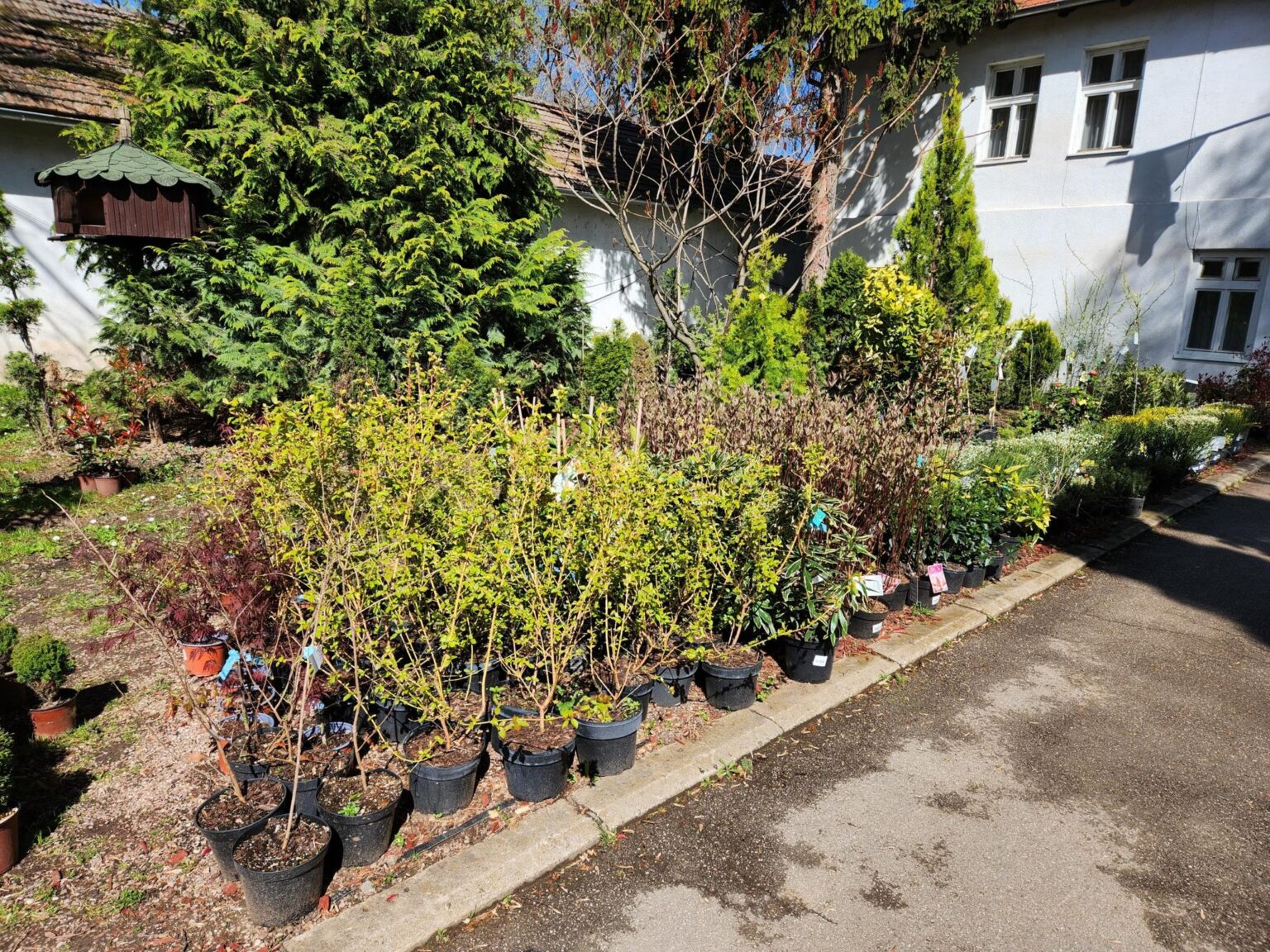
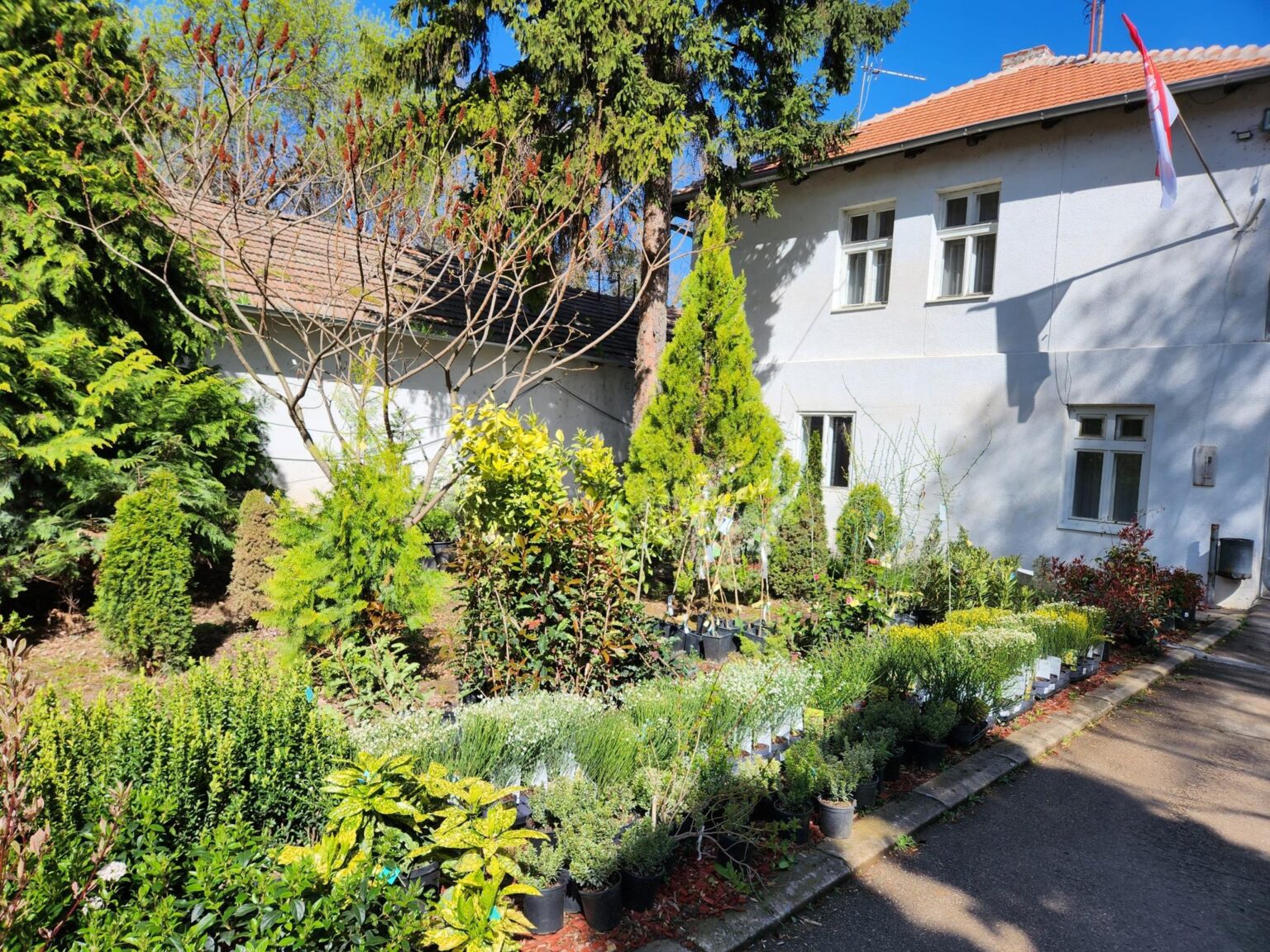
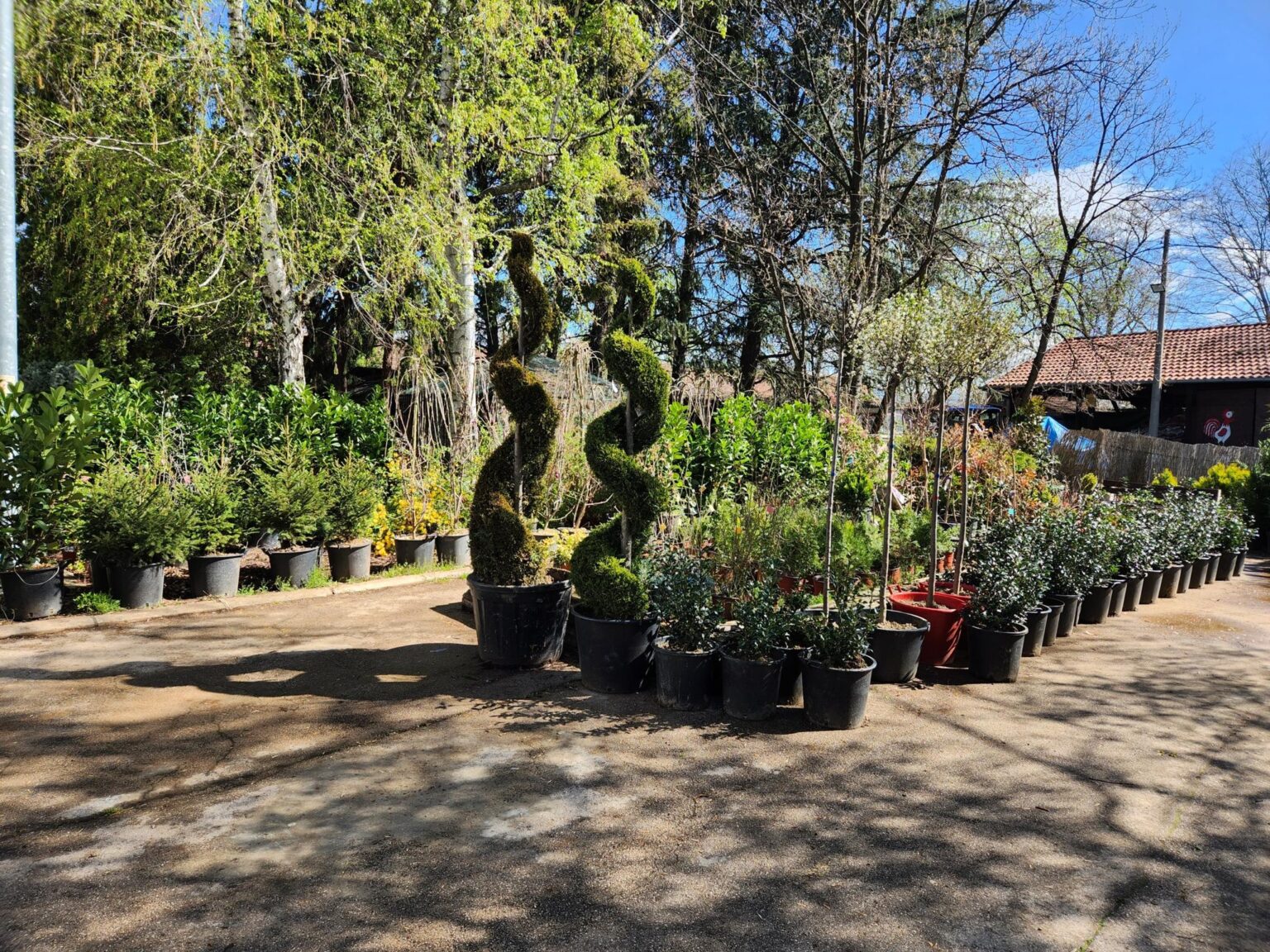
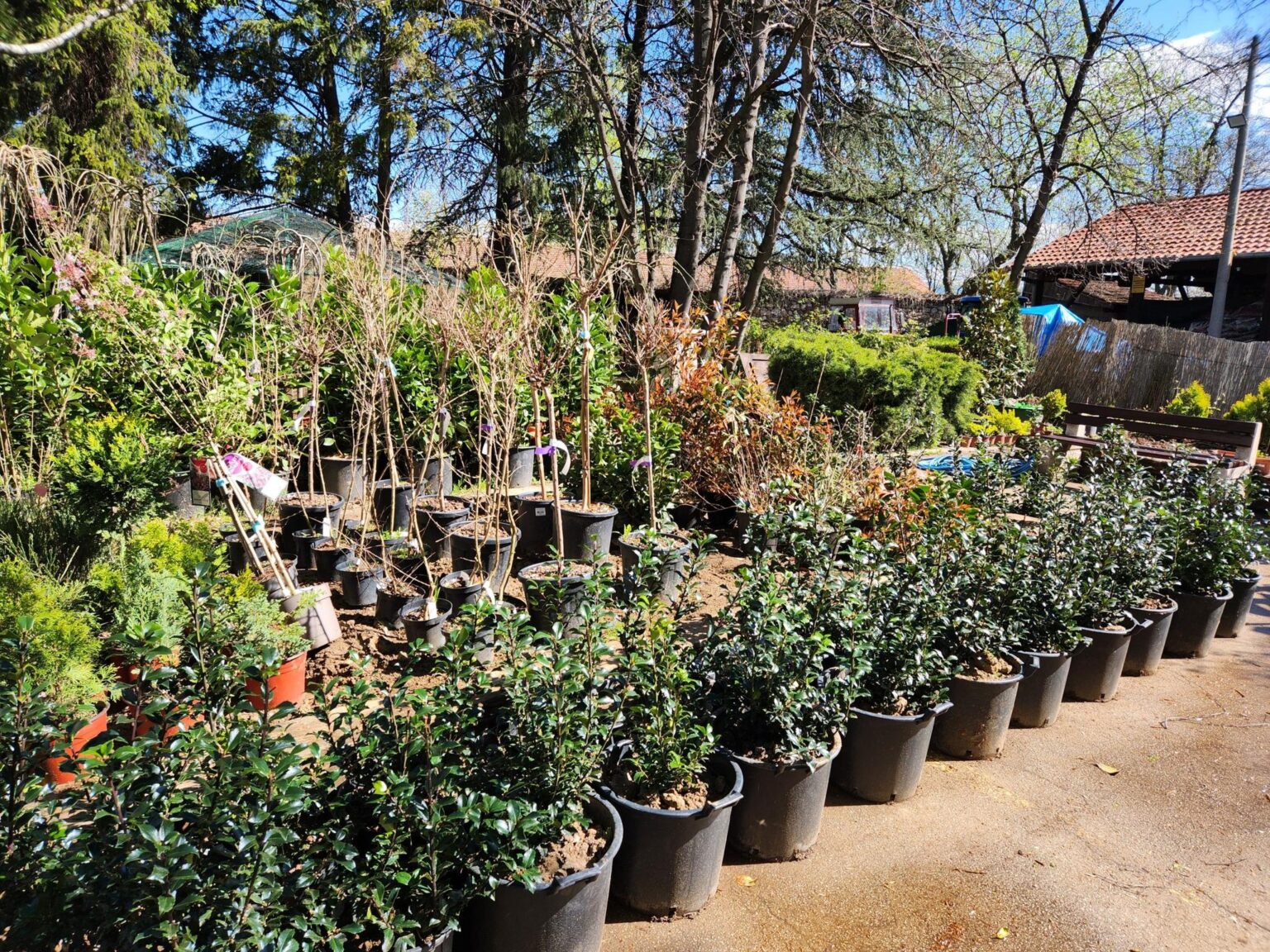
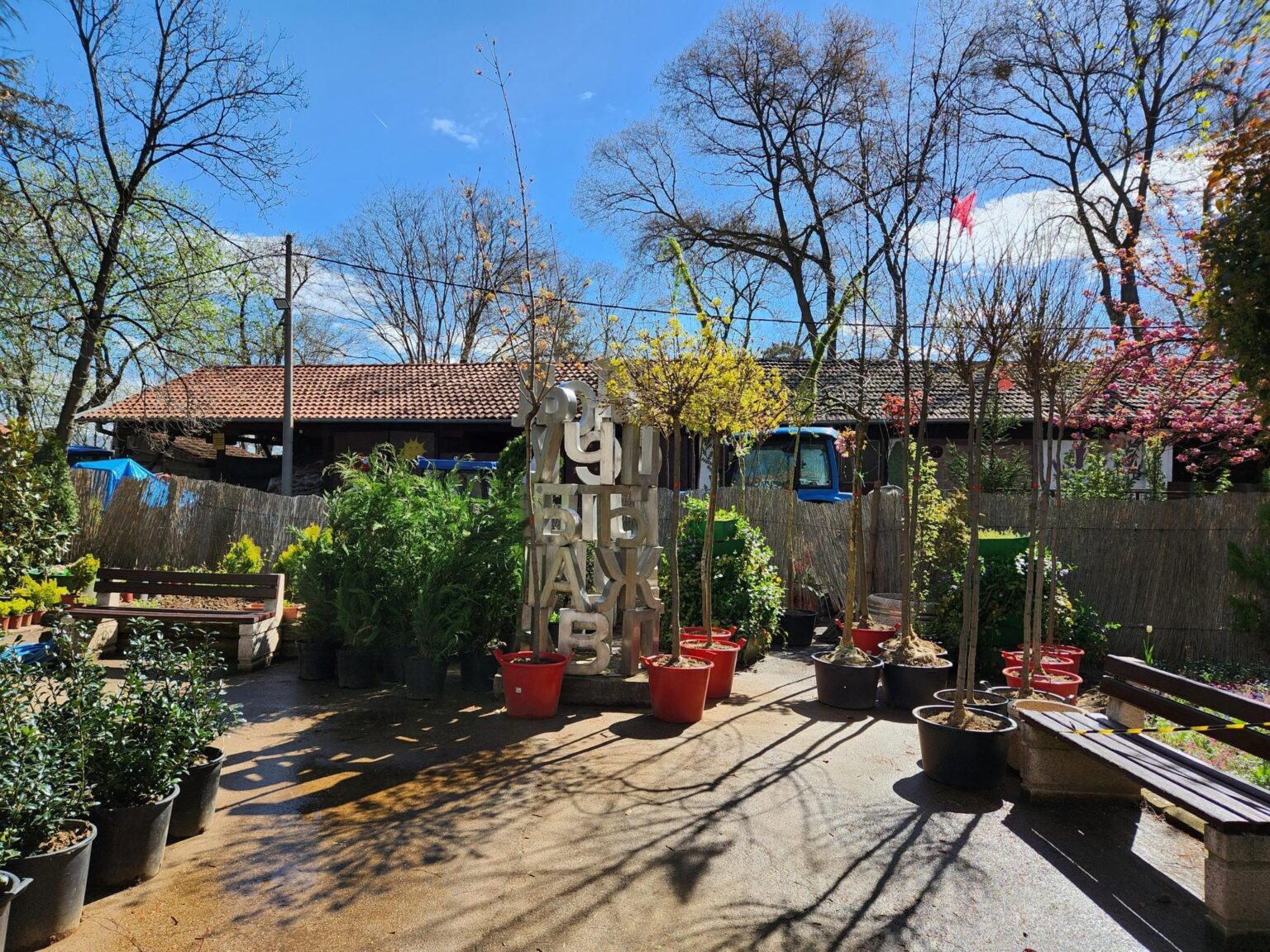
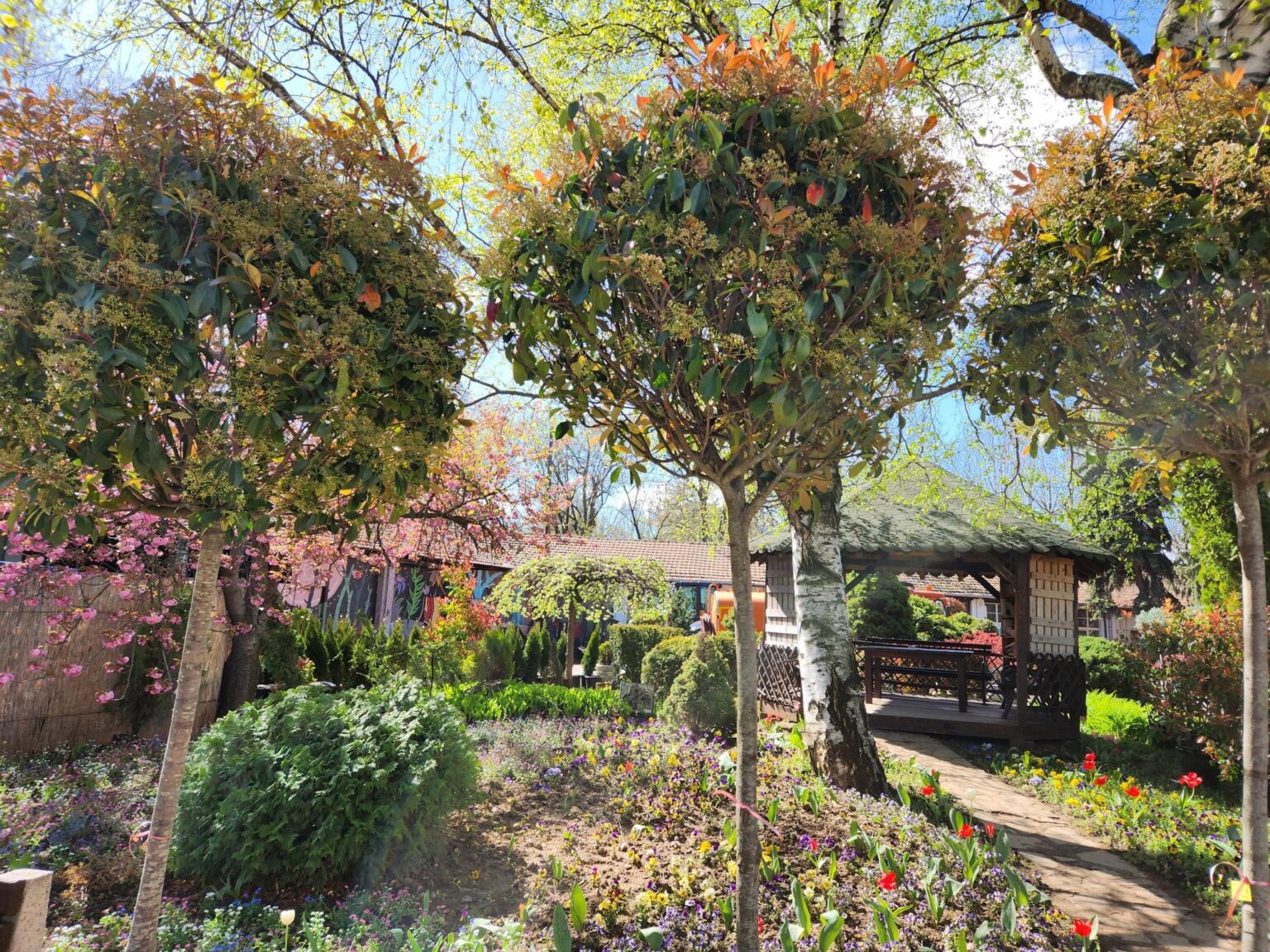
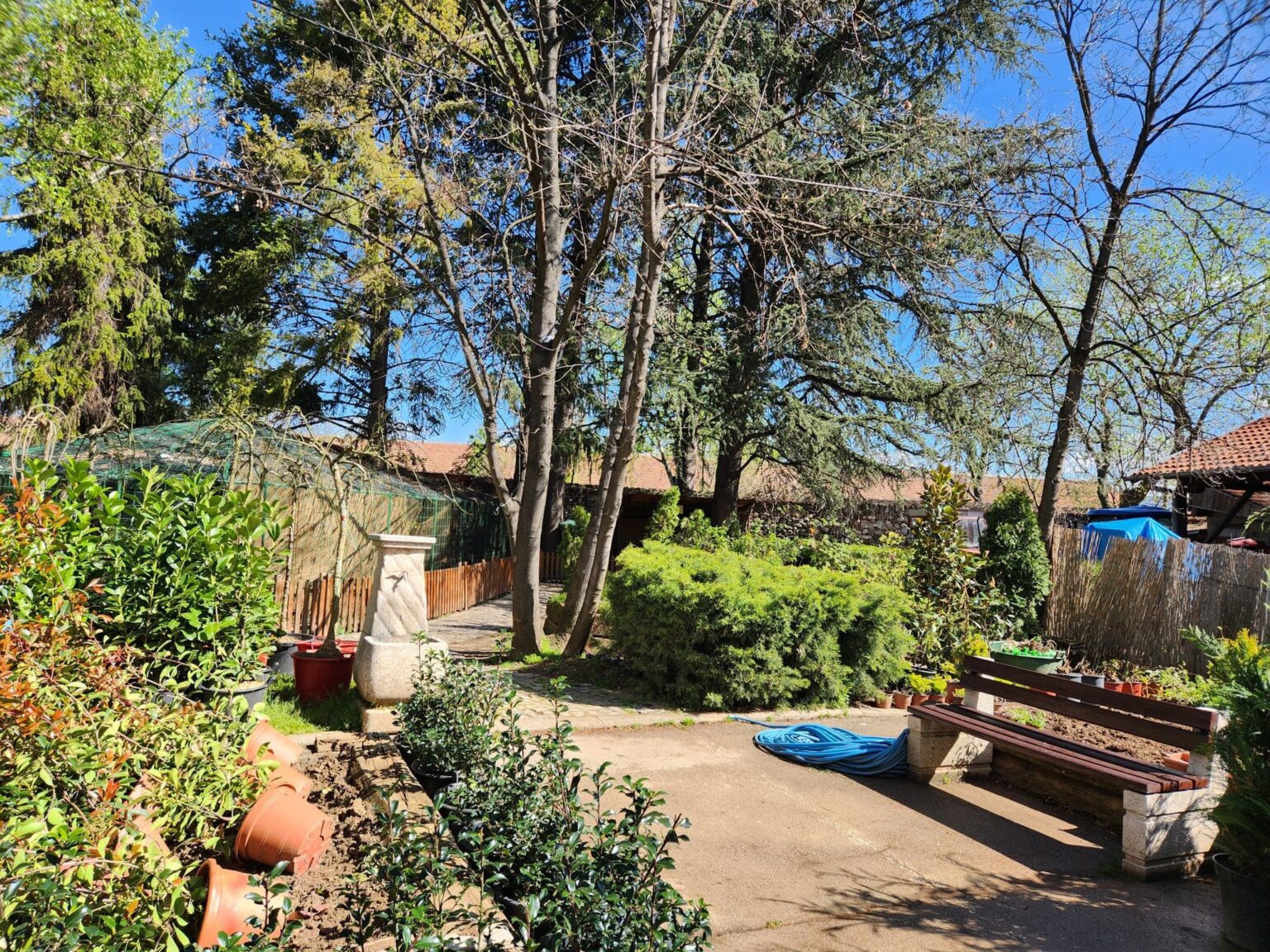
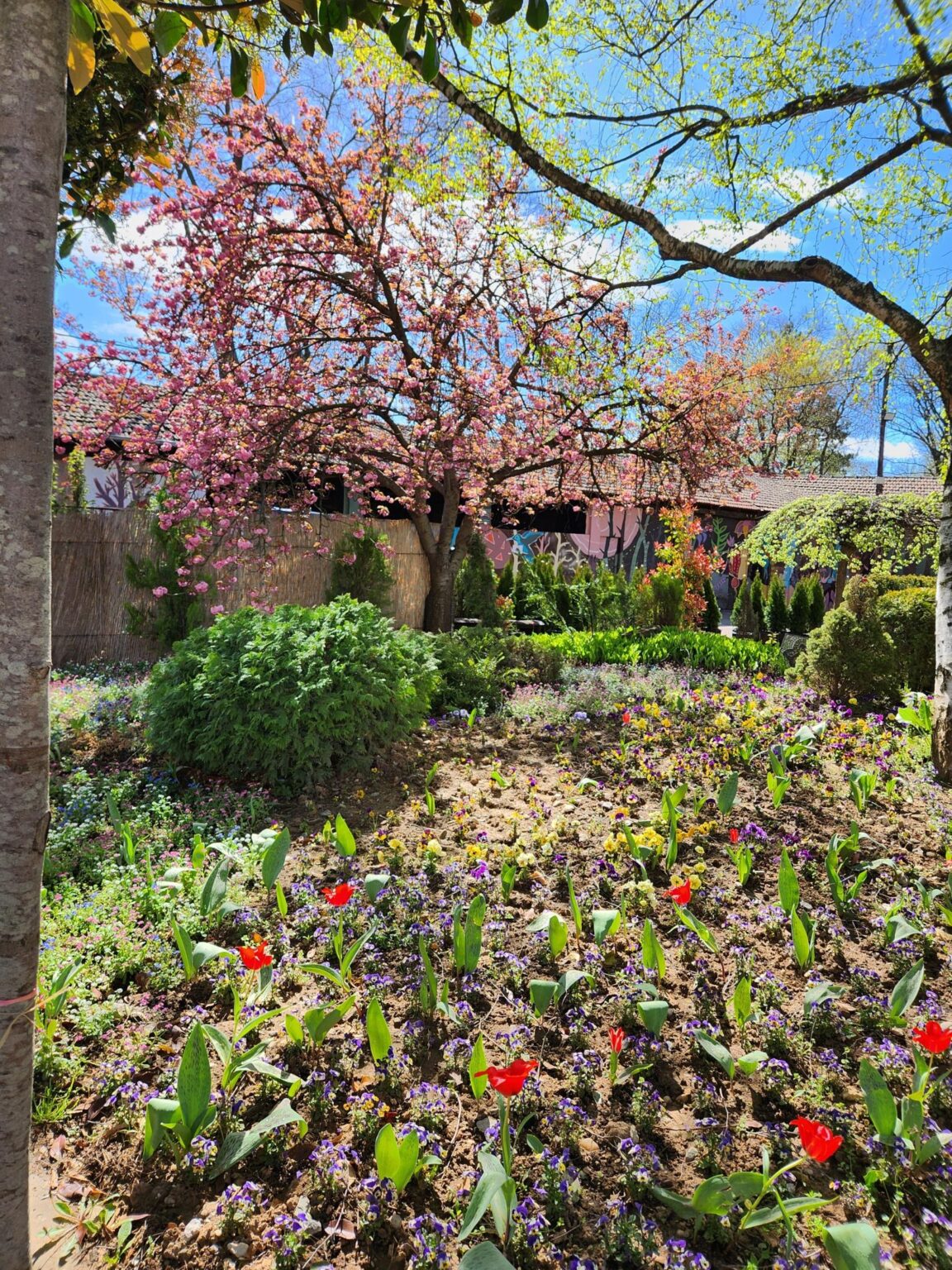
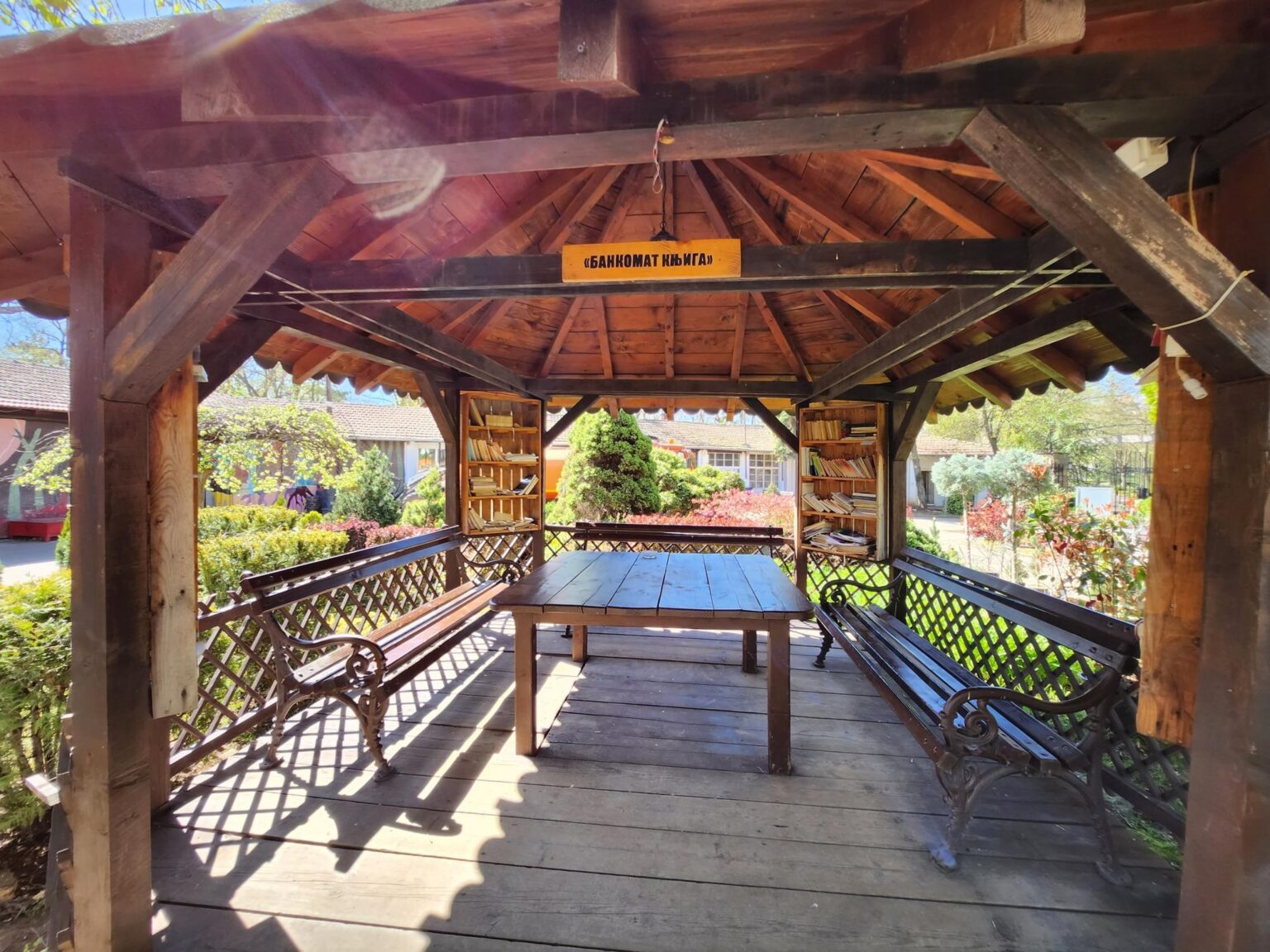
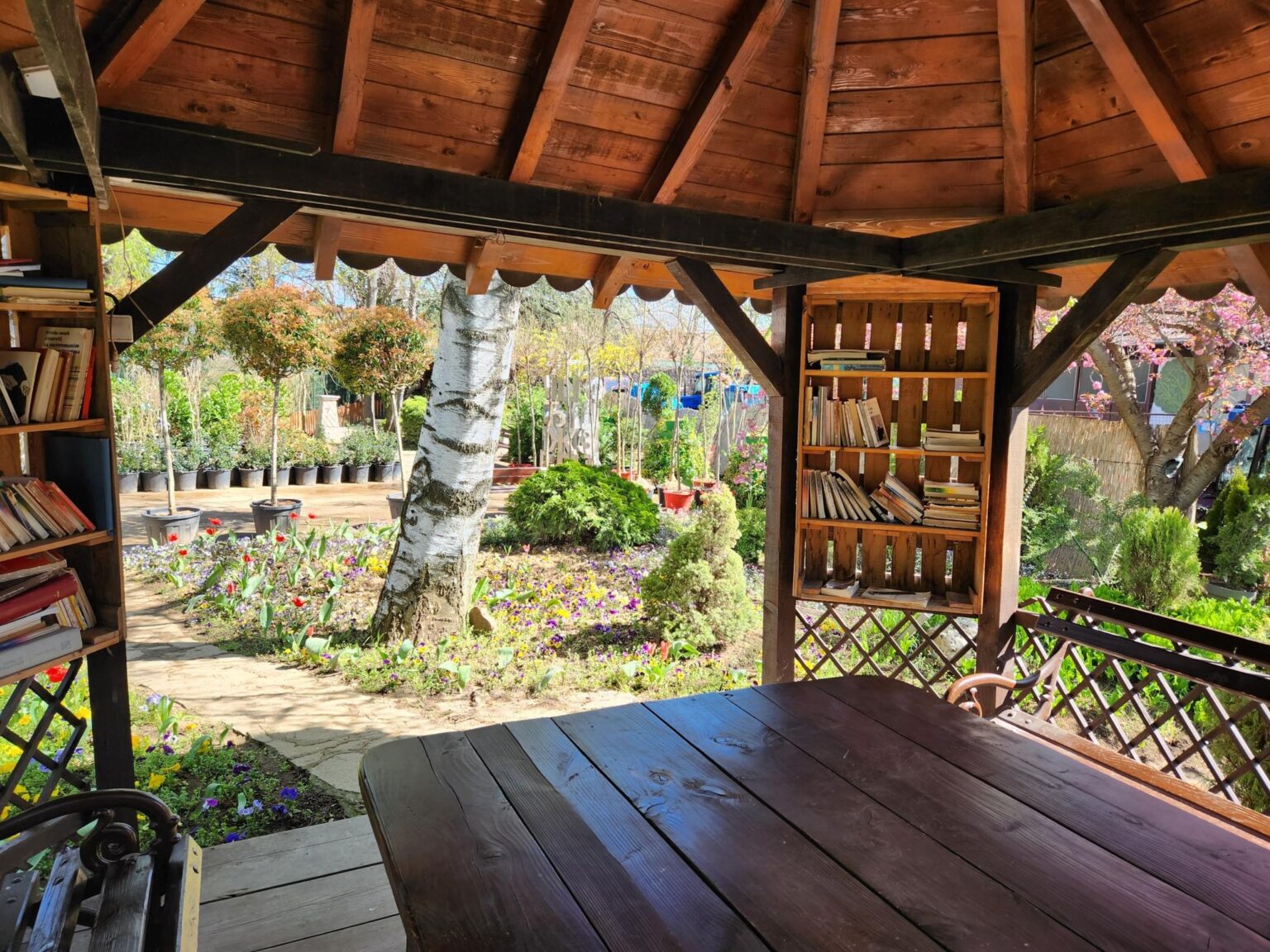
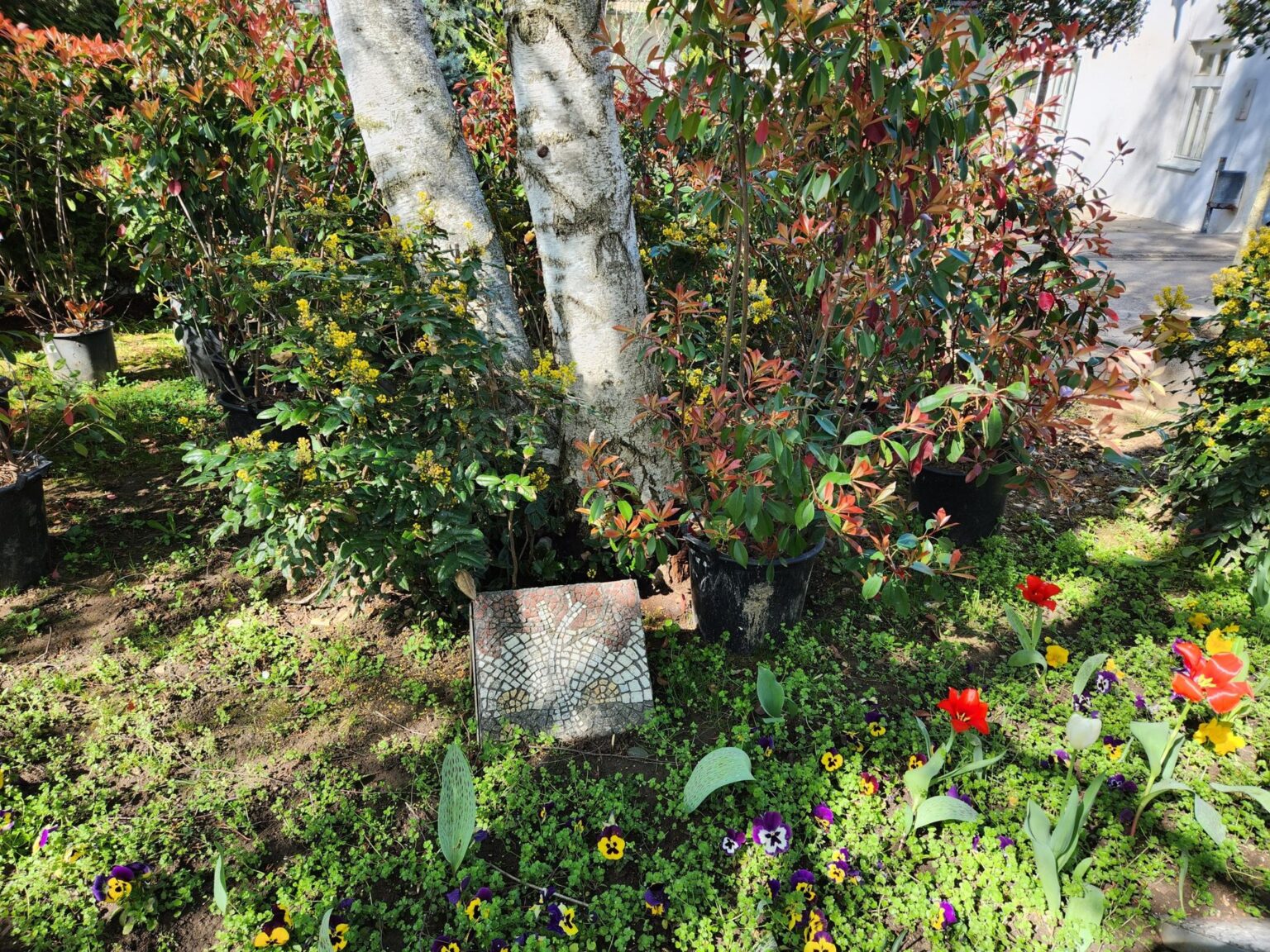
The fortress and its park are great and have their own charm for wandering. I would set aside at least an hour and a half, if not two, to walk around and see all of it.
The Niš market
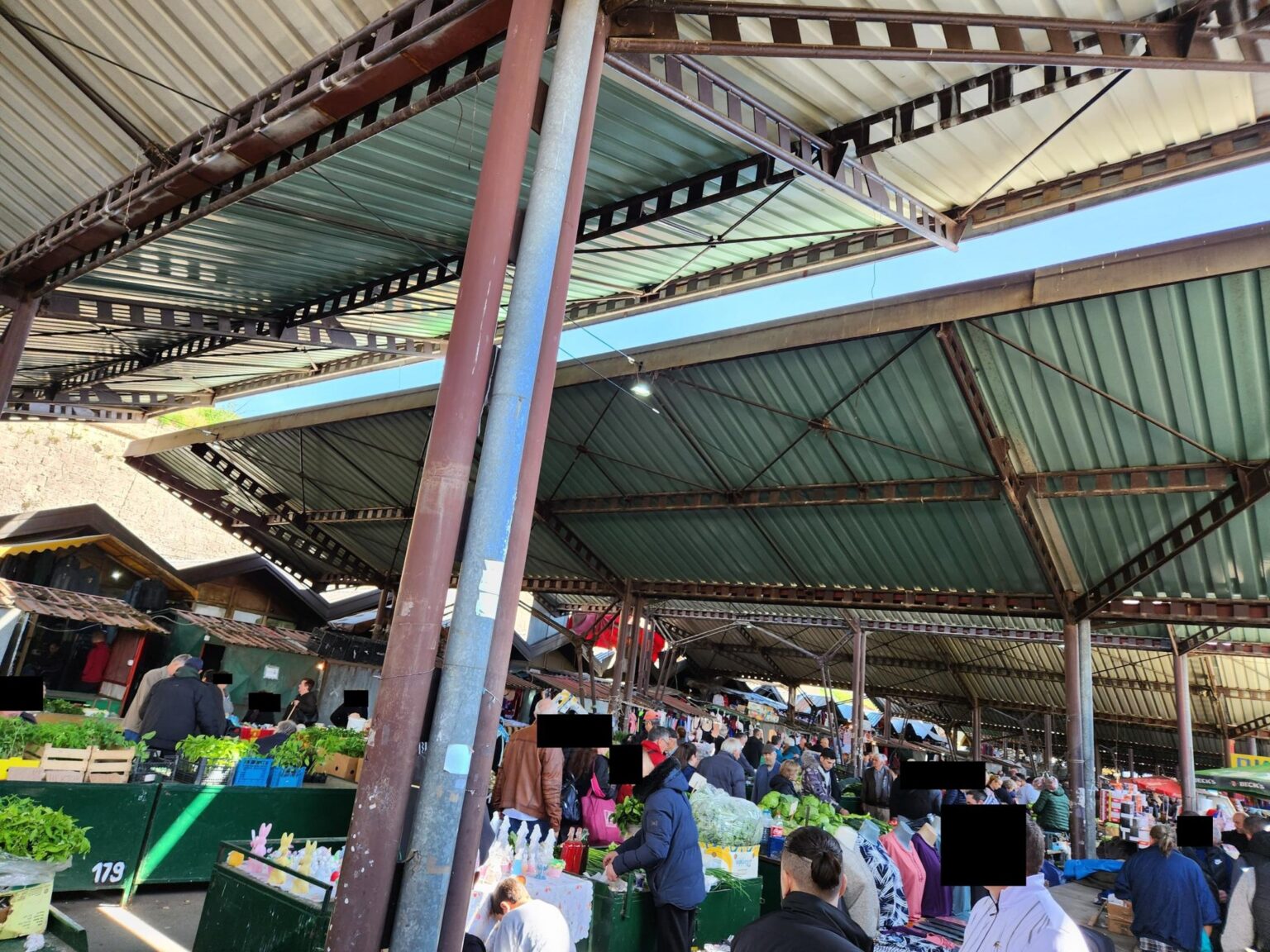
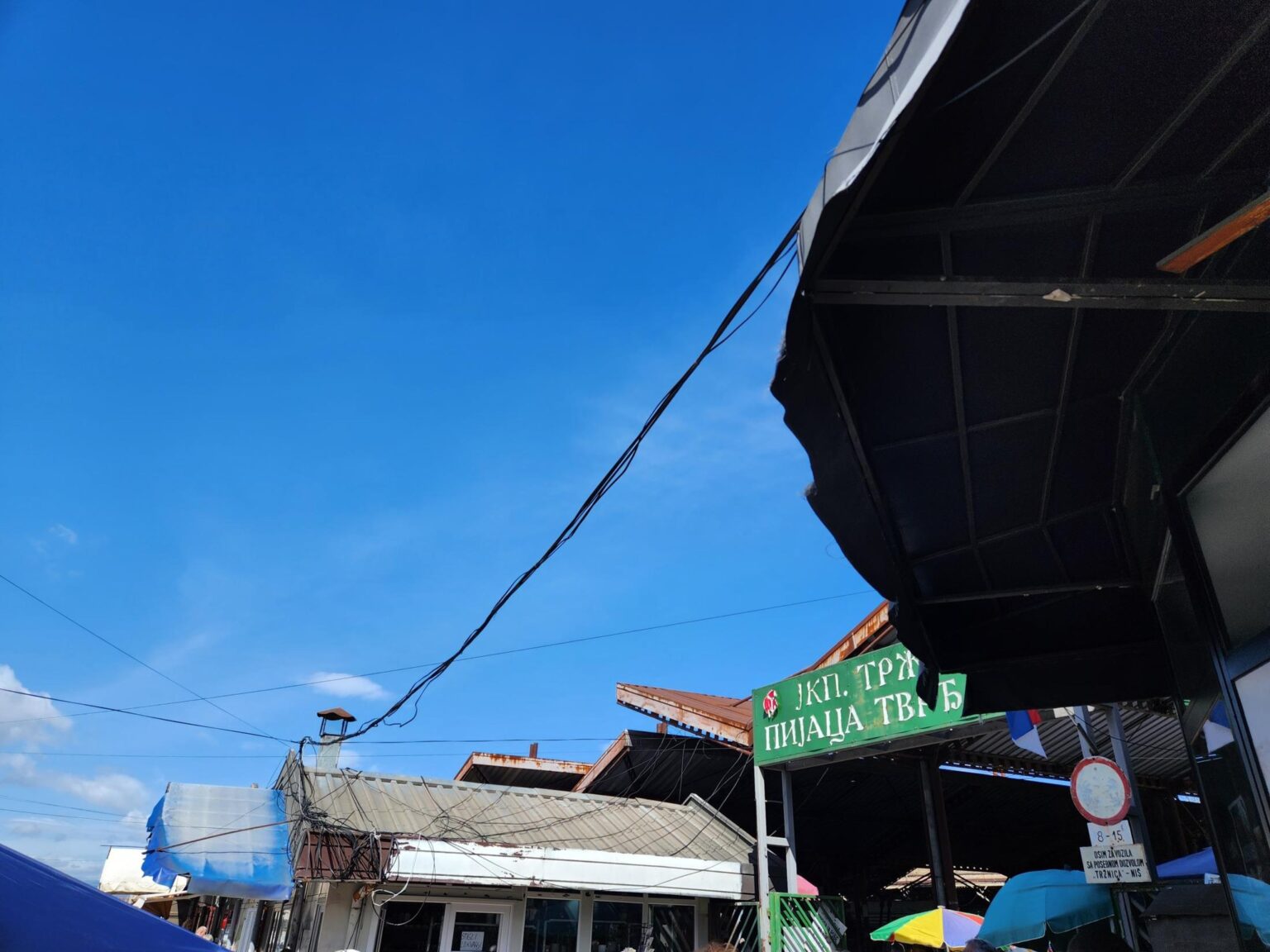
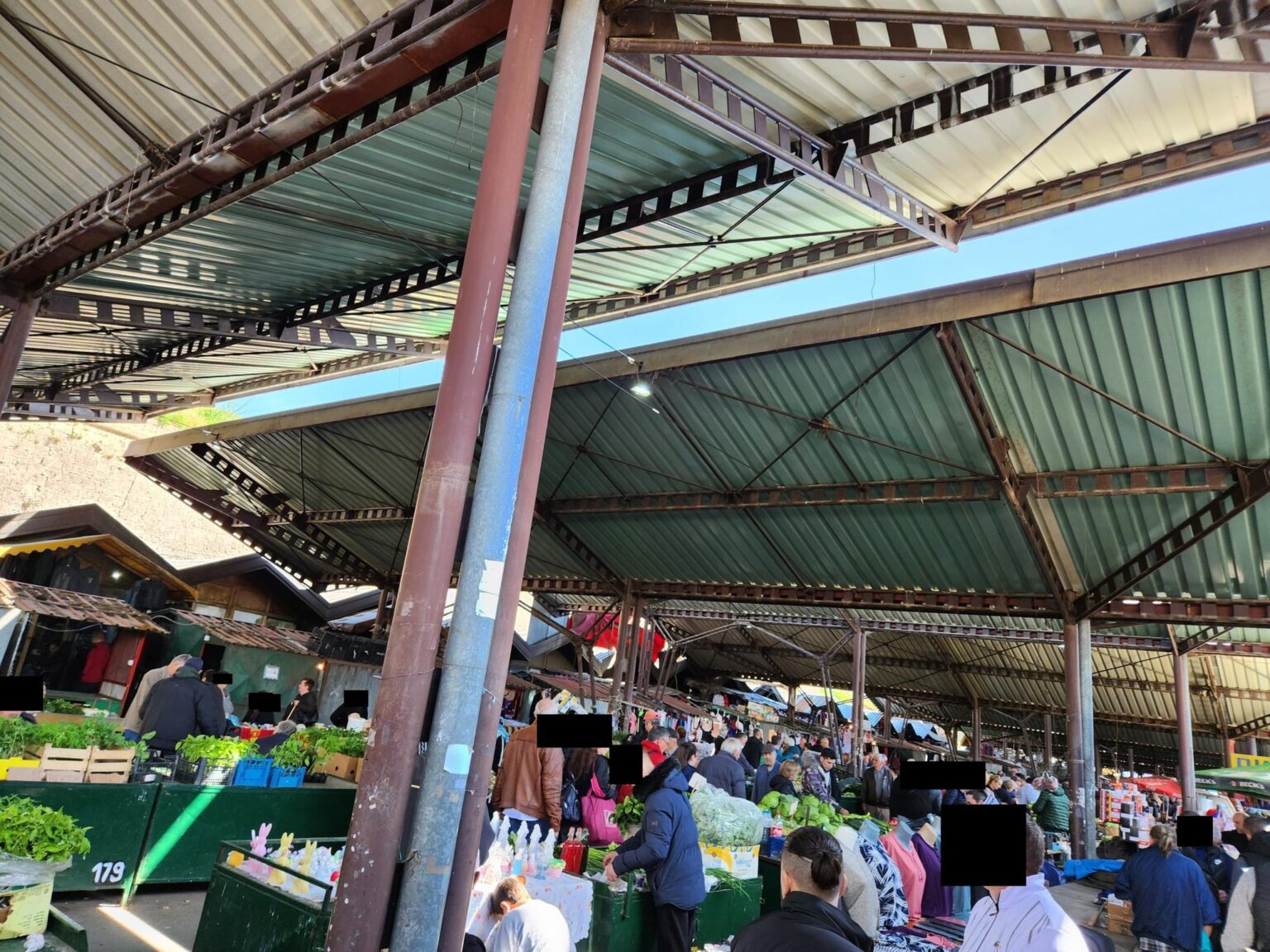
Right after the fortress, turn right towards the Crveni Krst concentration camp. I assume you have navigation, so finding your way will be easy. Less than 100 metres from the fortress you find yourself at a sizeable market. Google Maps calls it Zelena Pijaca, the "green" or vegetable market. In reality it is more of a general market that has everything: flowers, live animals, clothes, dairy, meat, household goods and more. If you can spare the time and the cash, there are very good deals on clothes.
Crveni Krst concentration camp
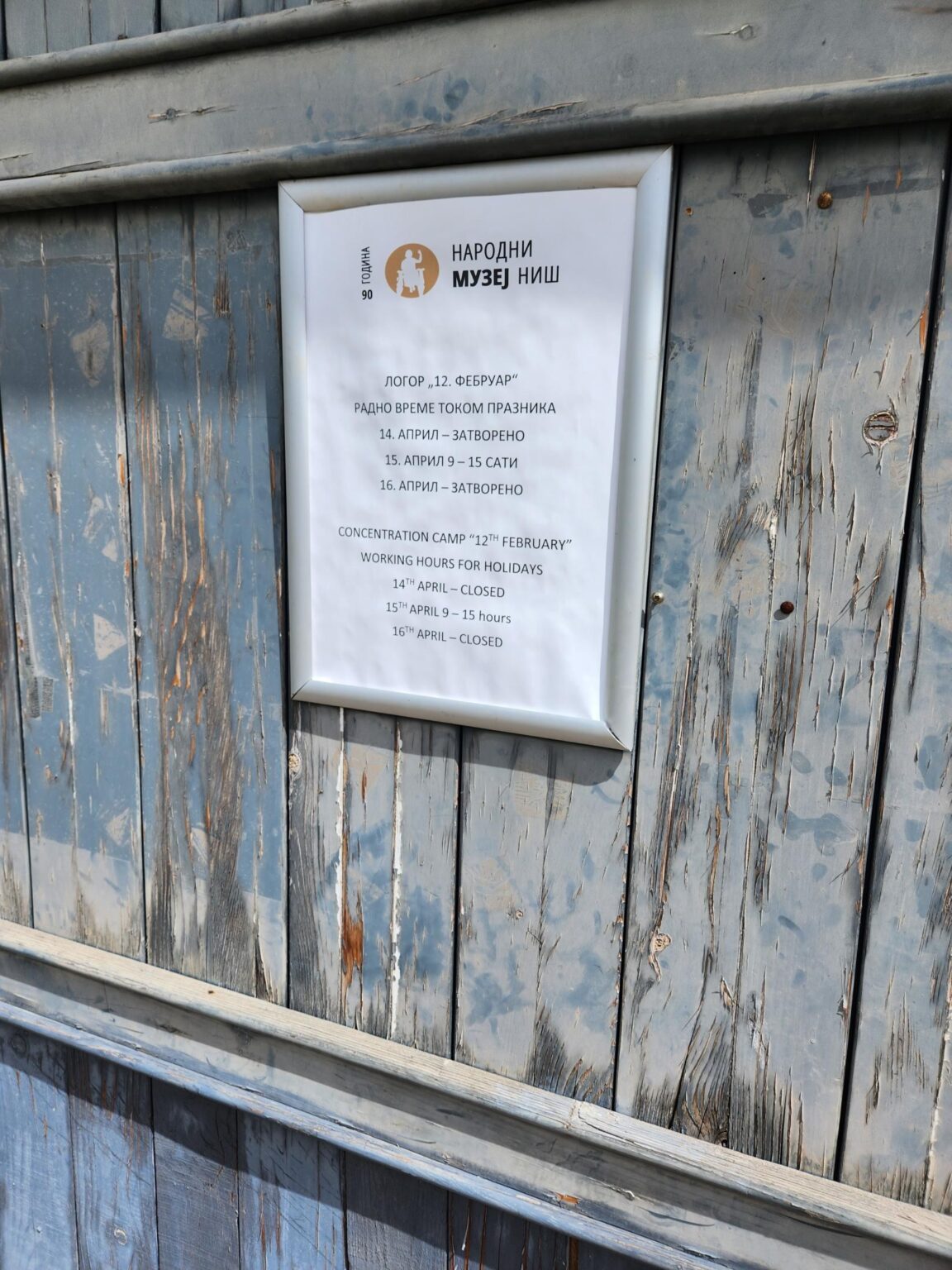
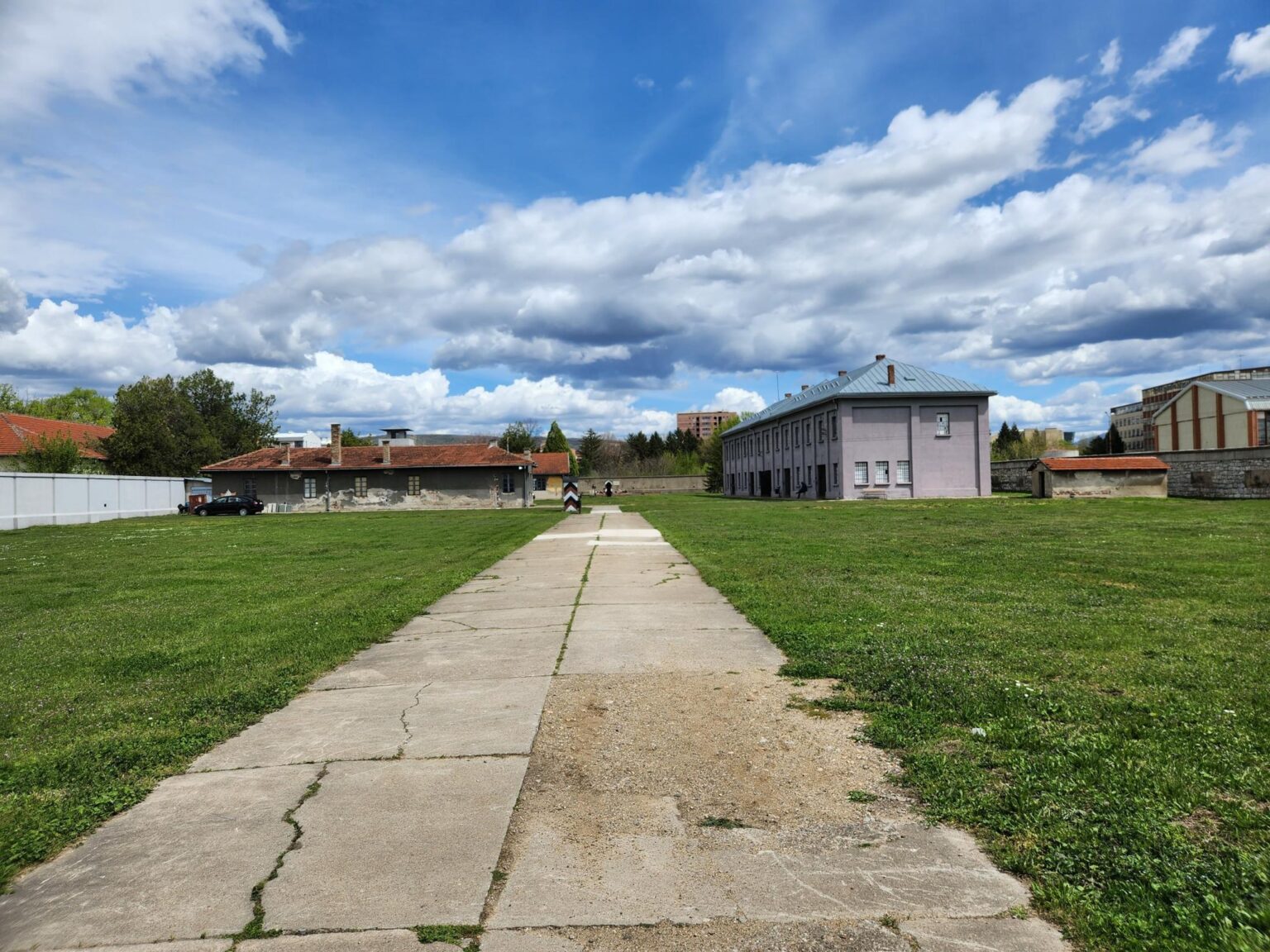
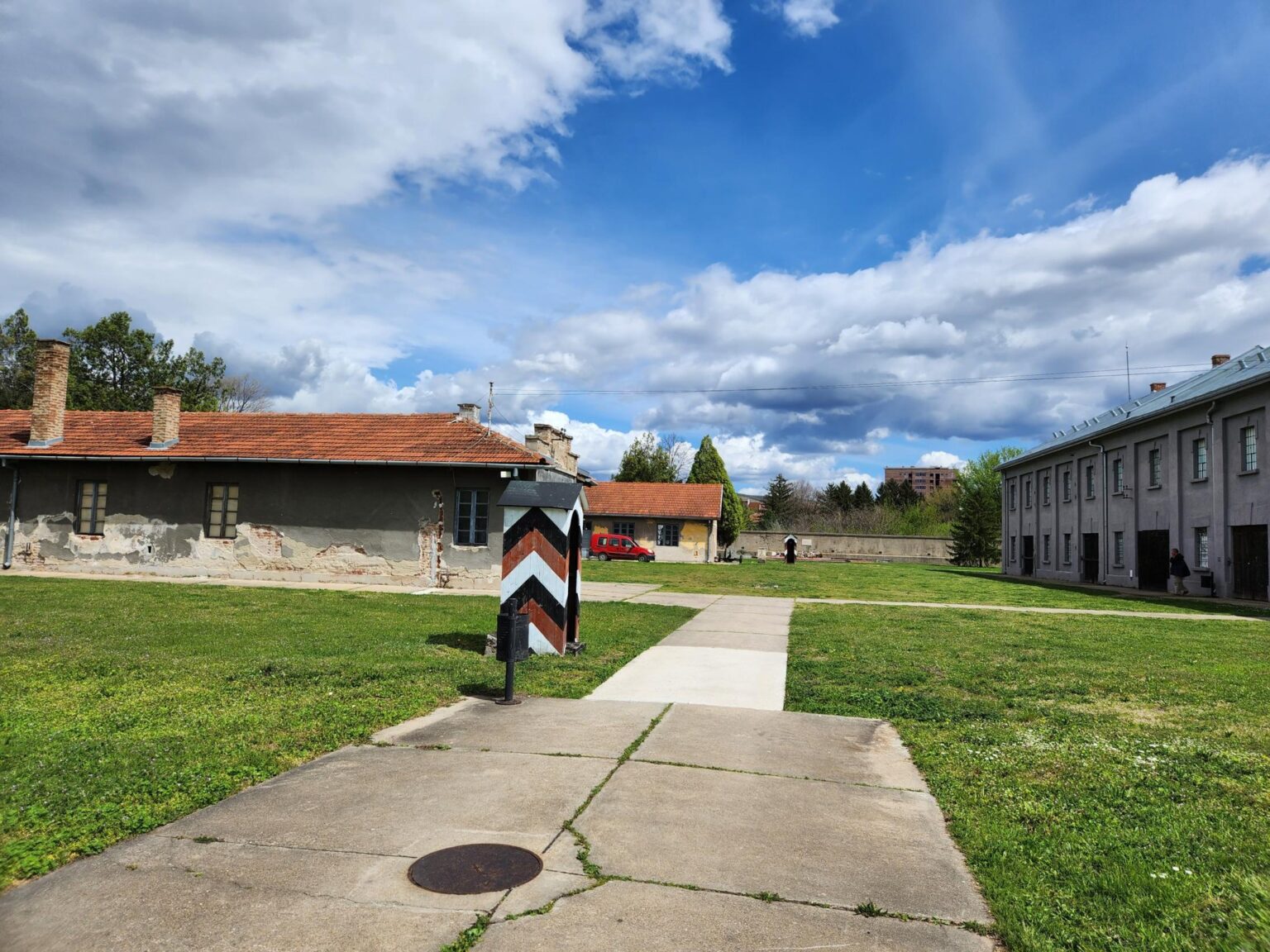
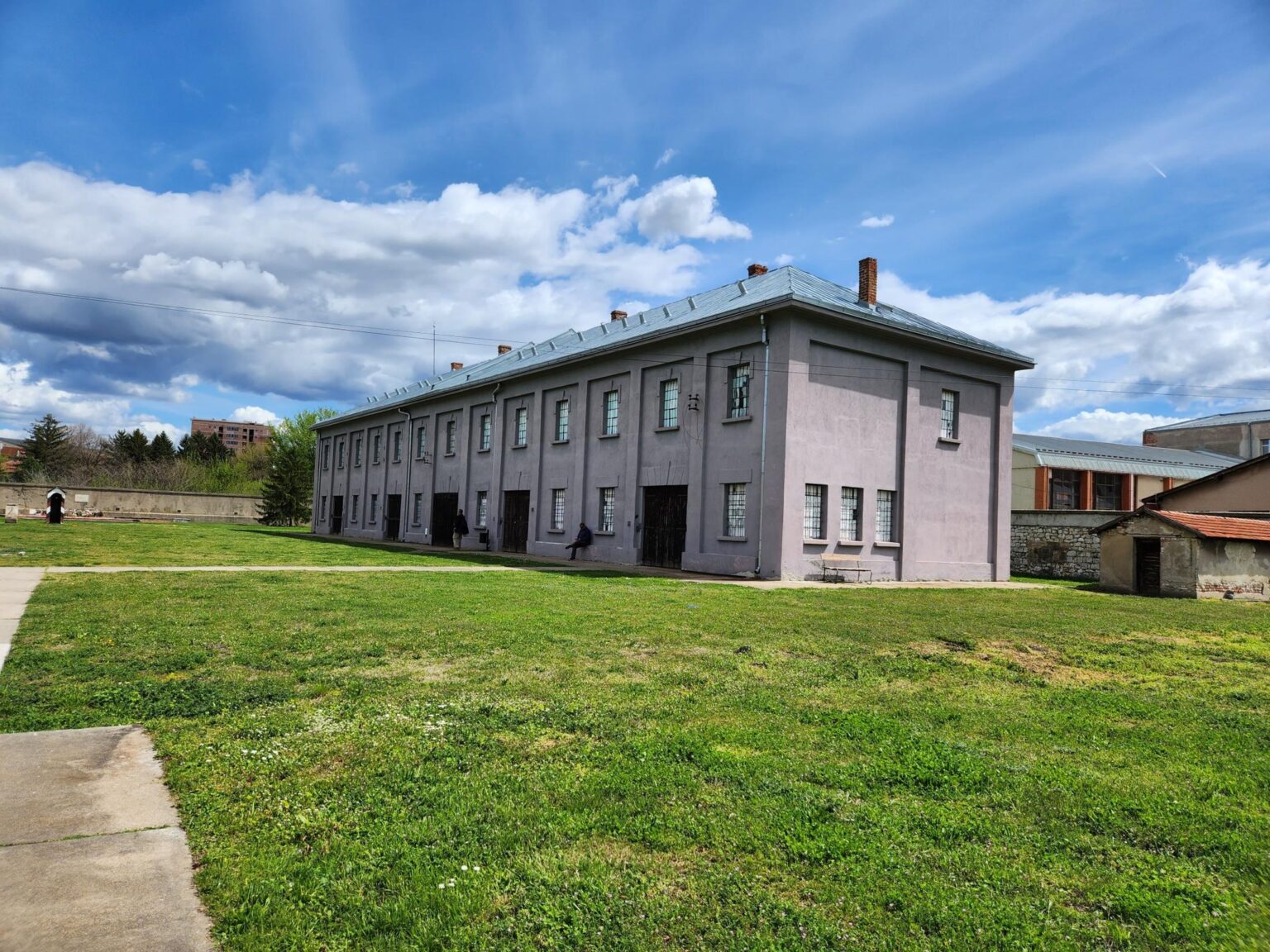
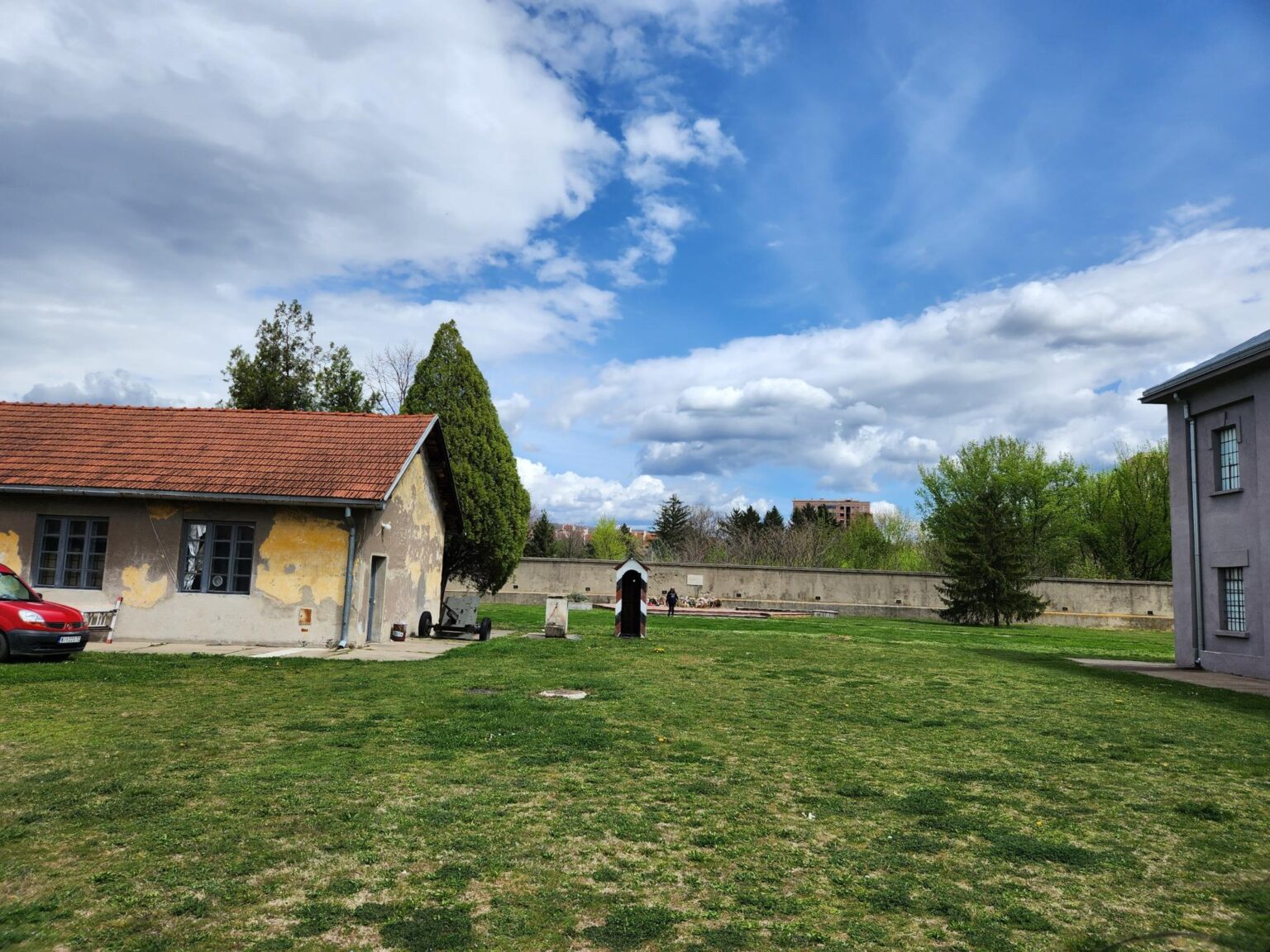
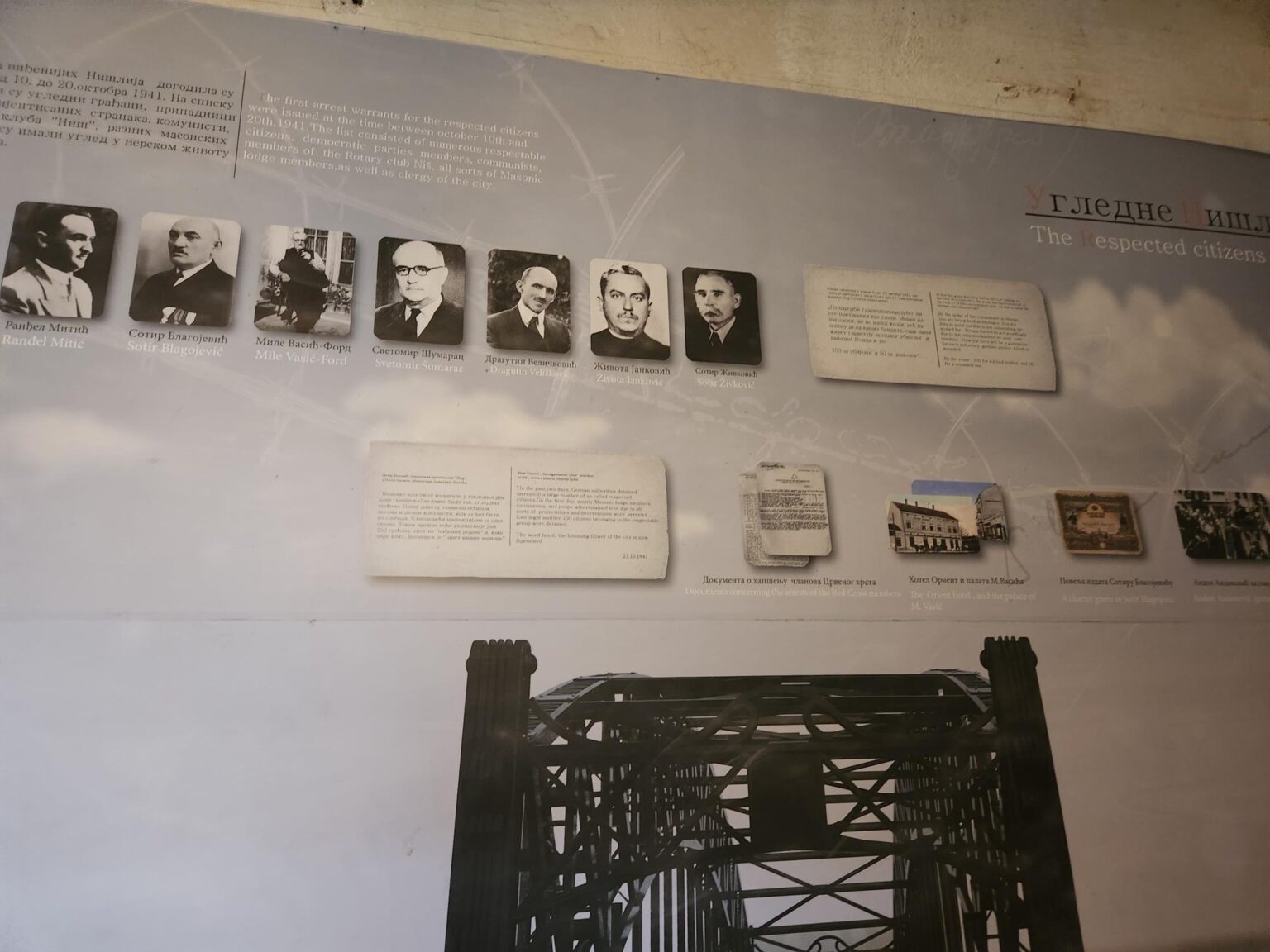
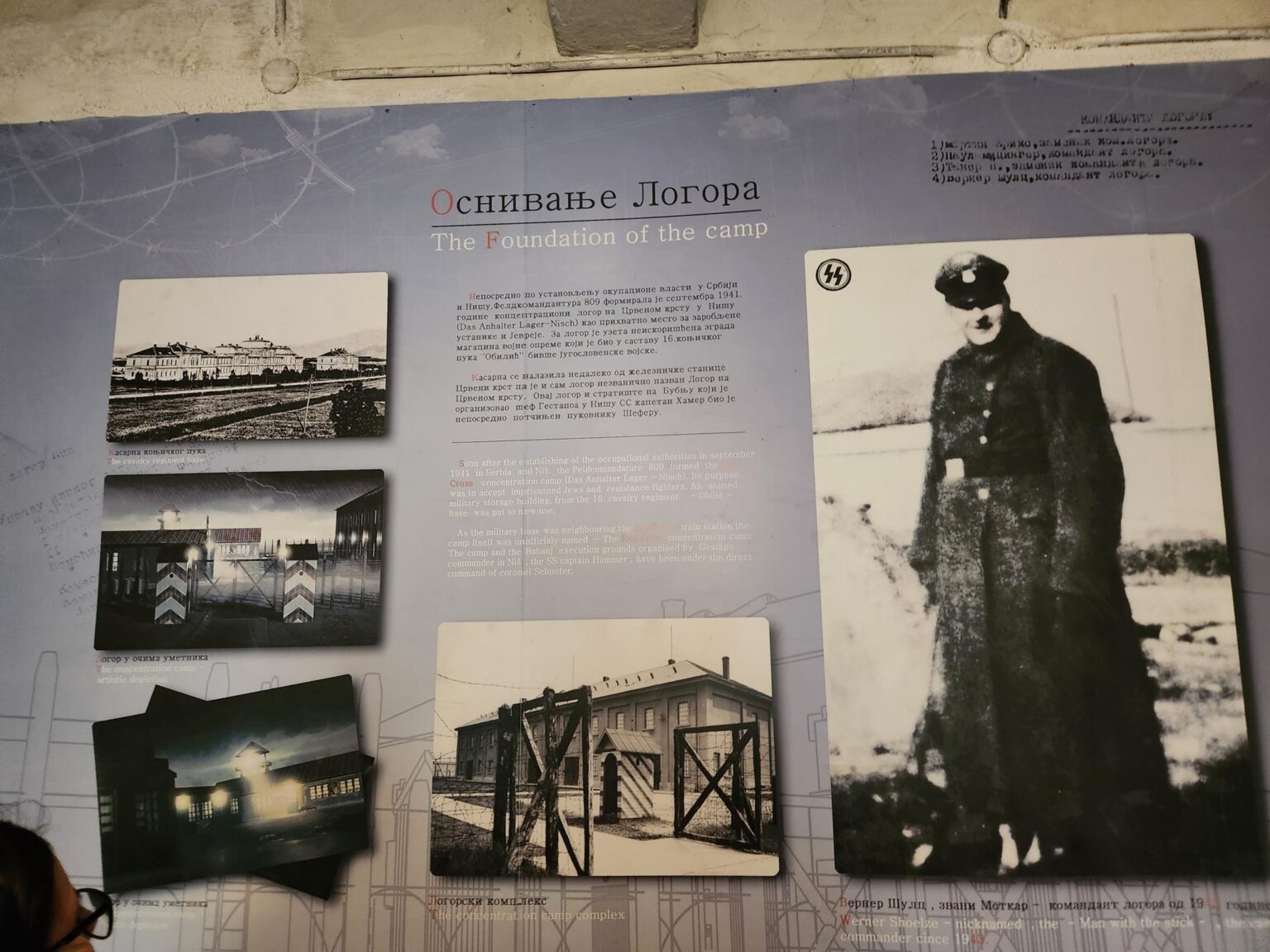
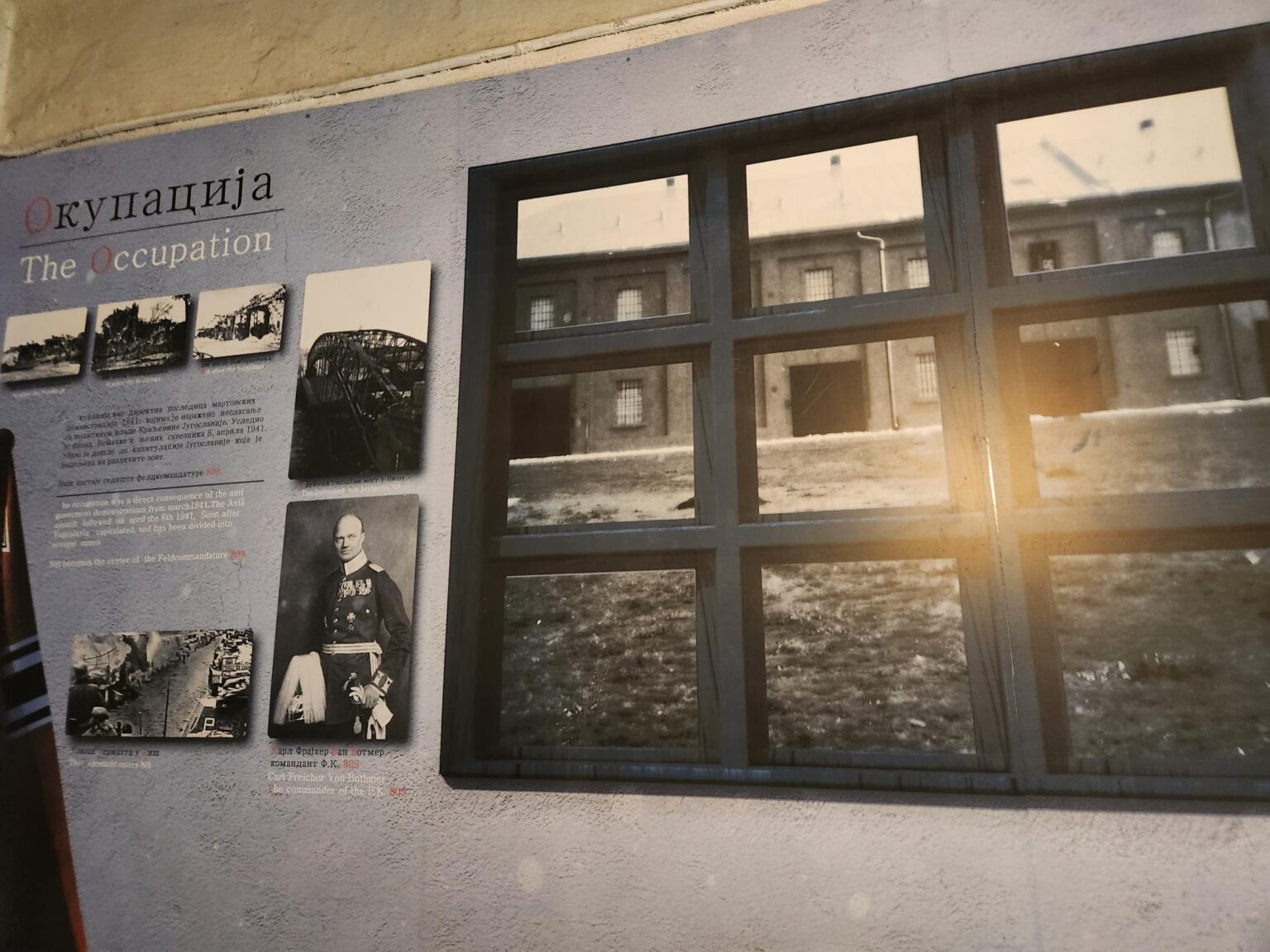
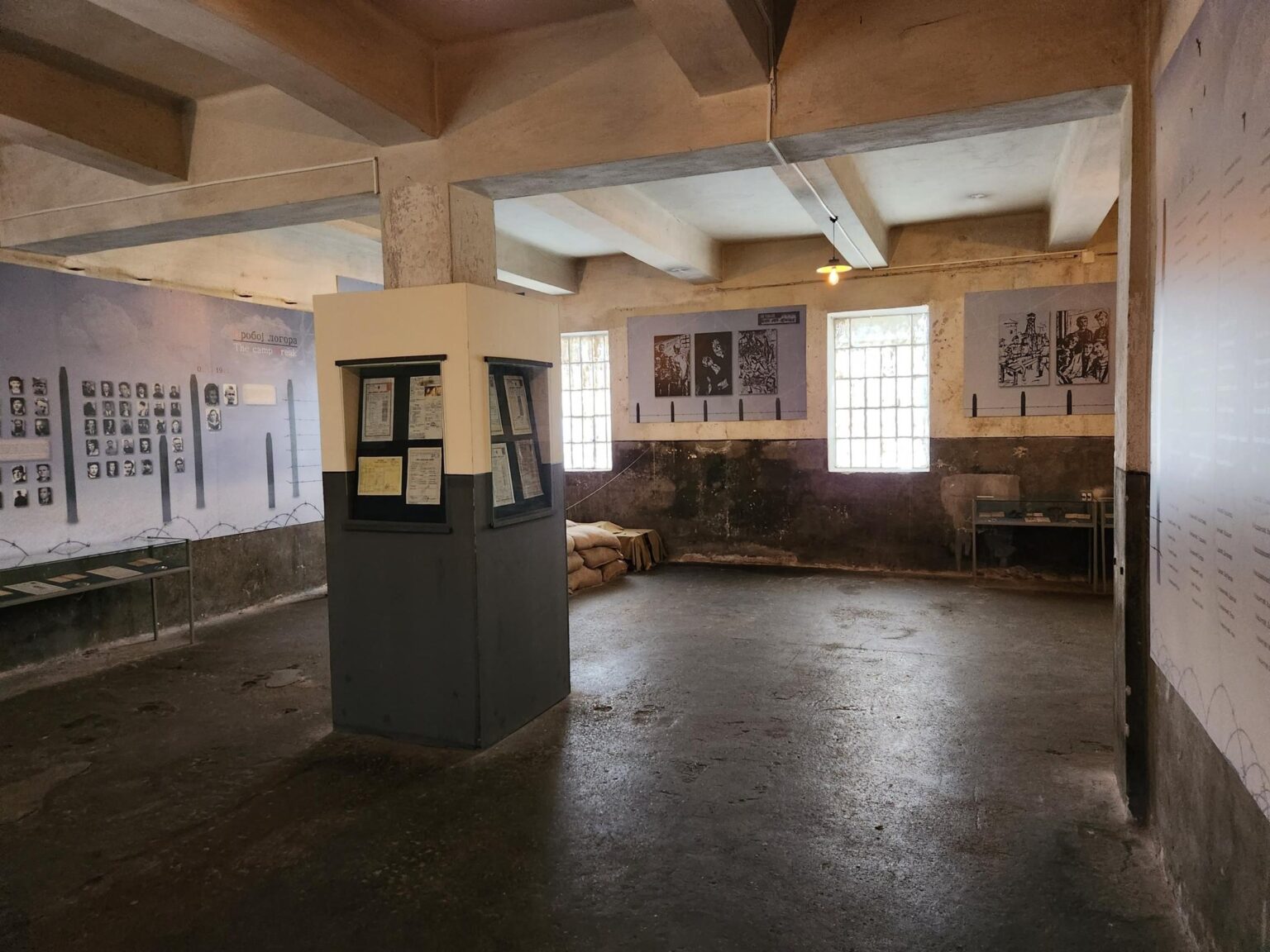
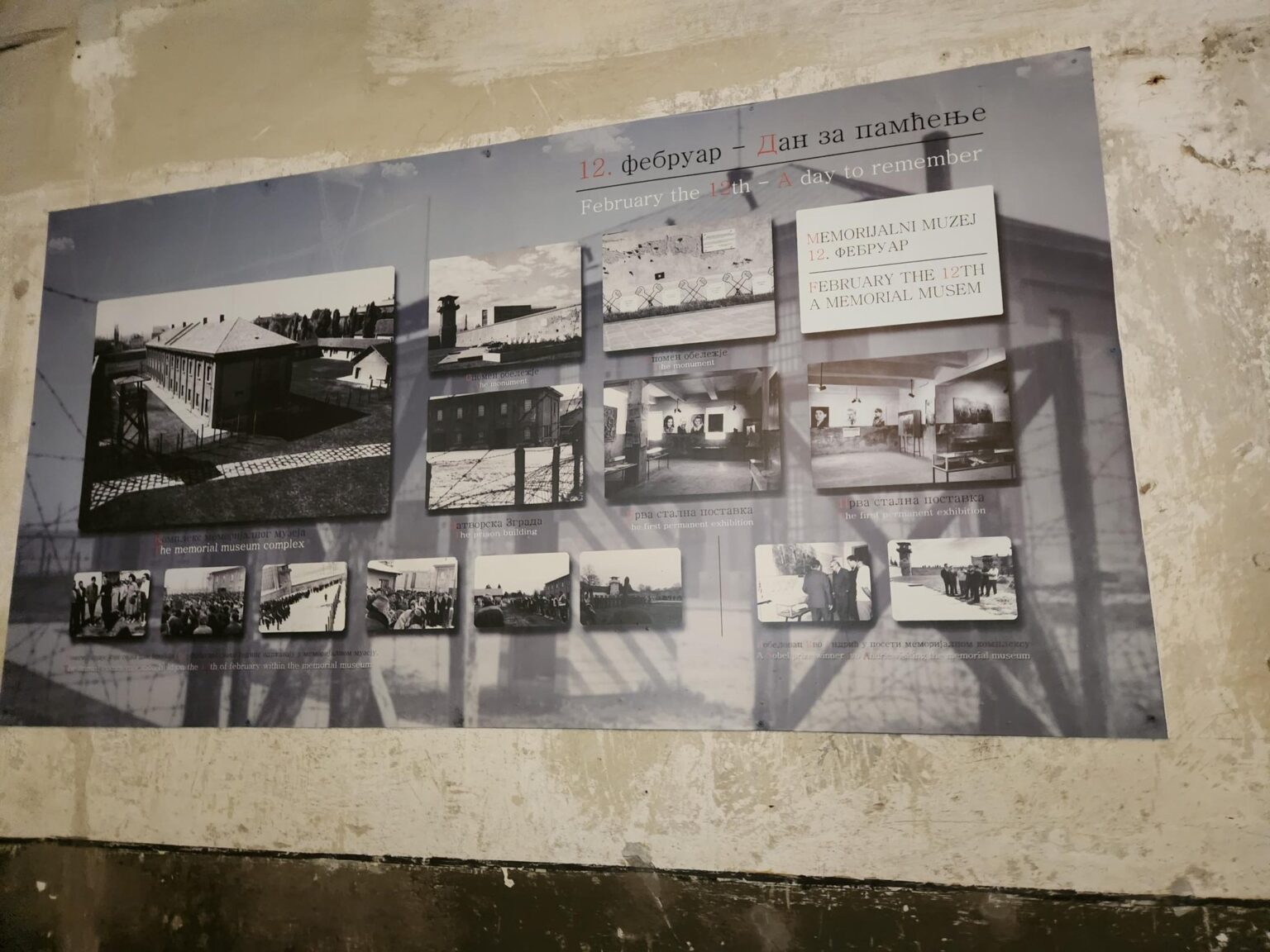
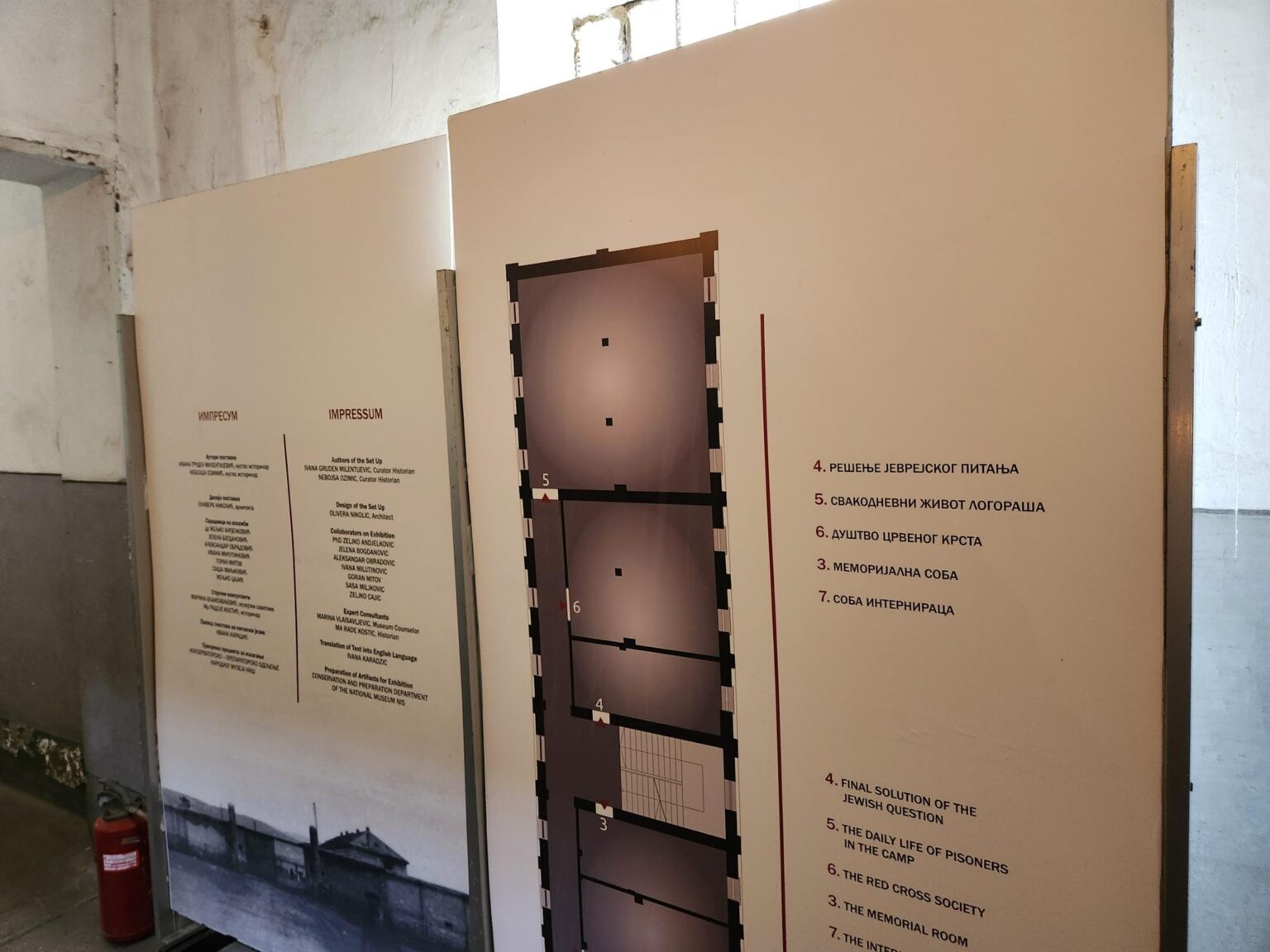
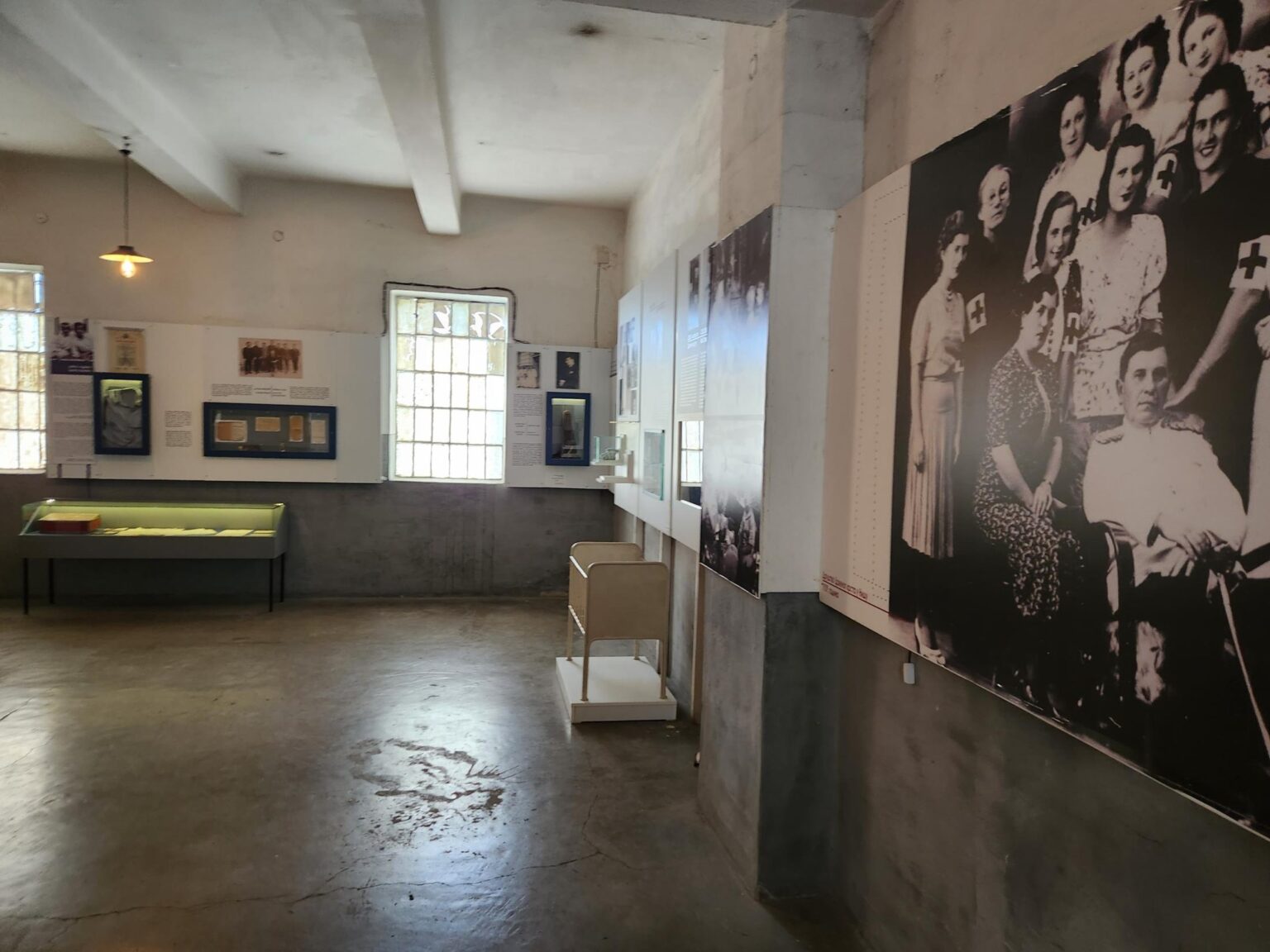
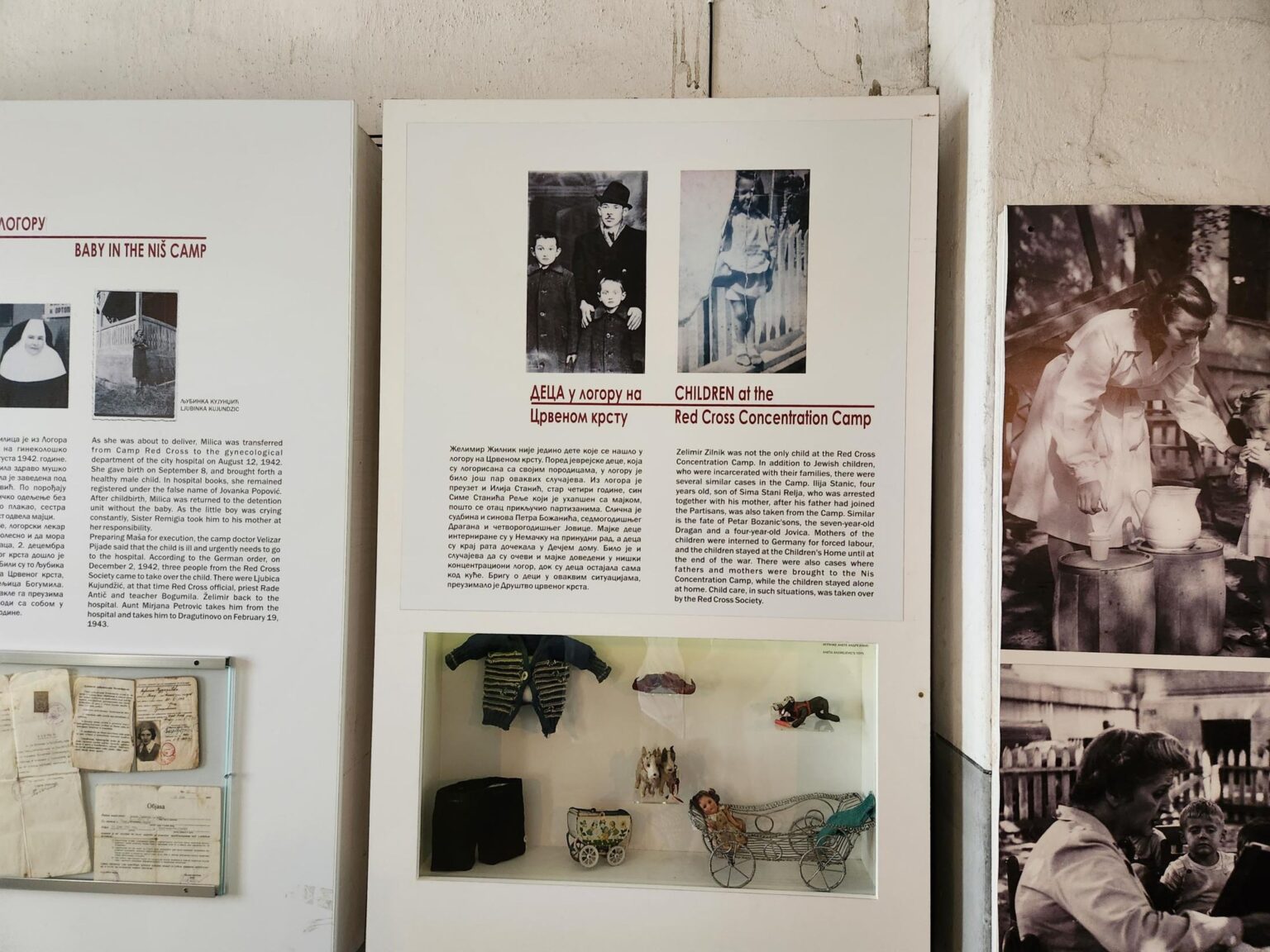
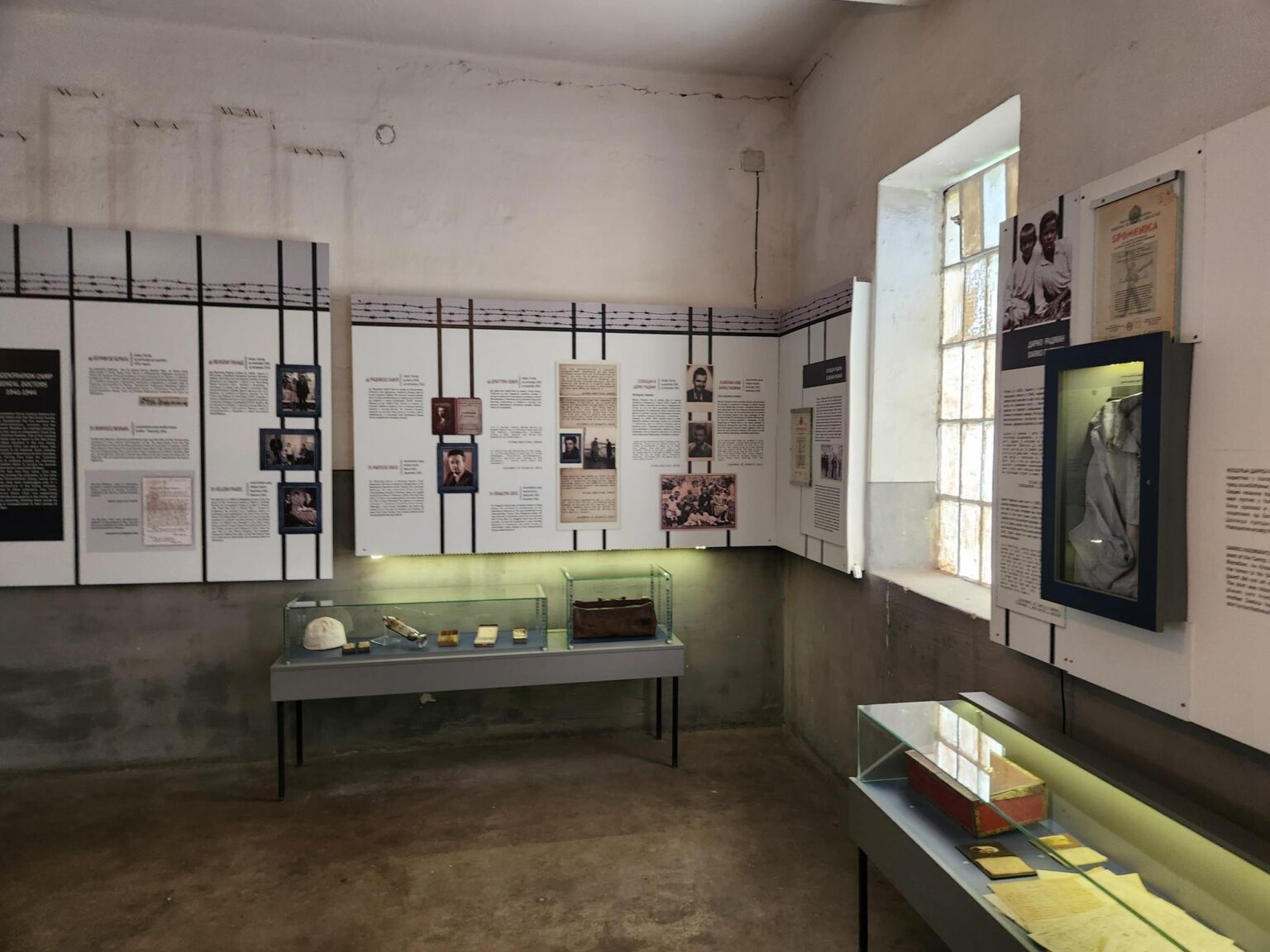
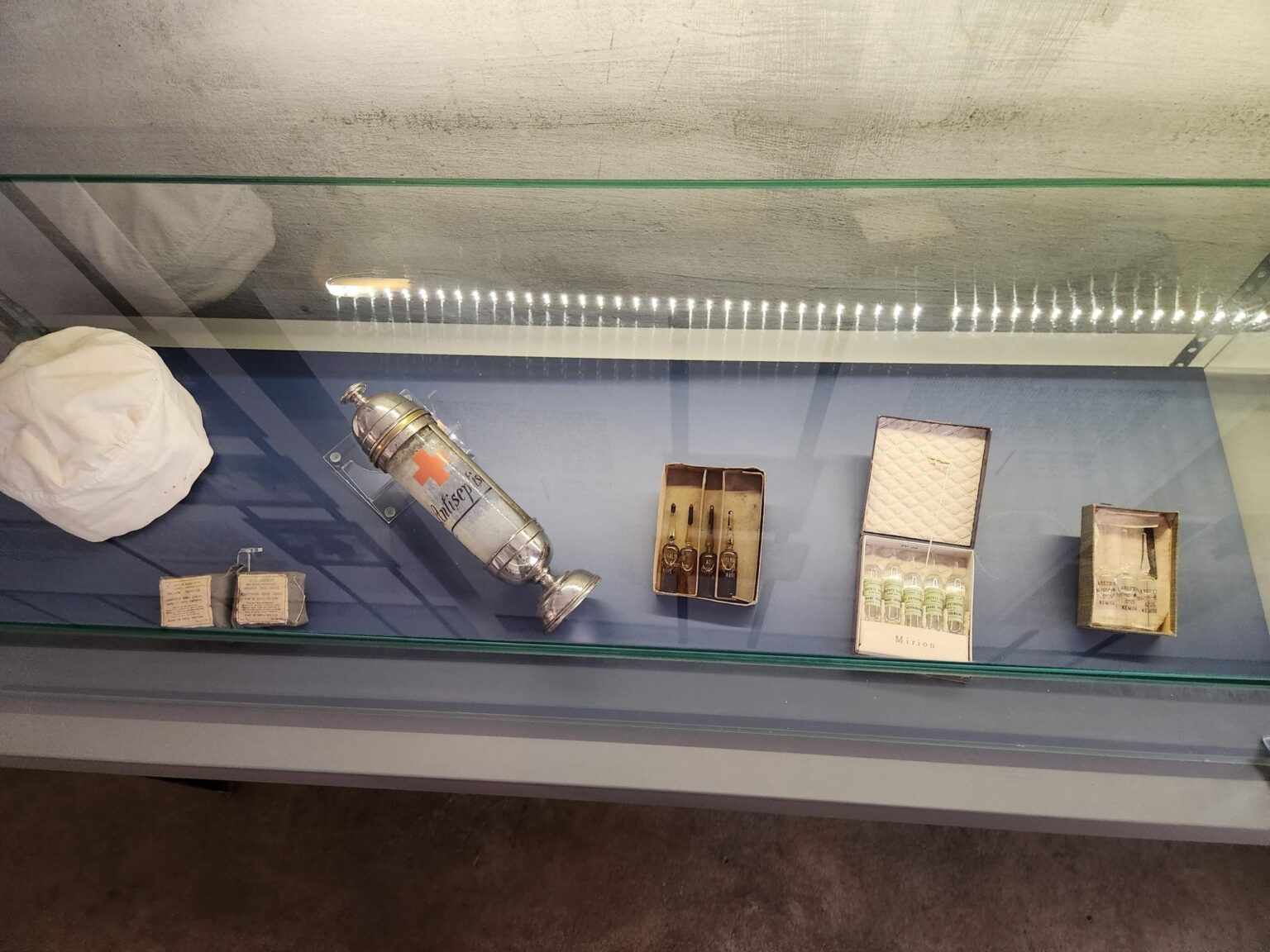
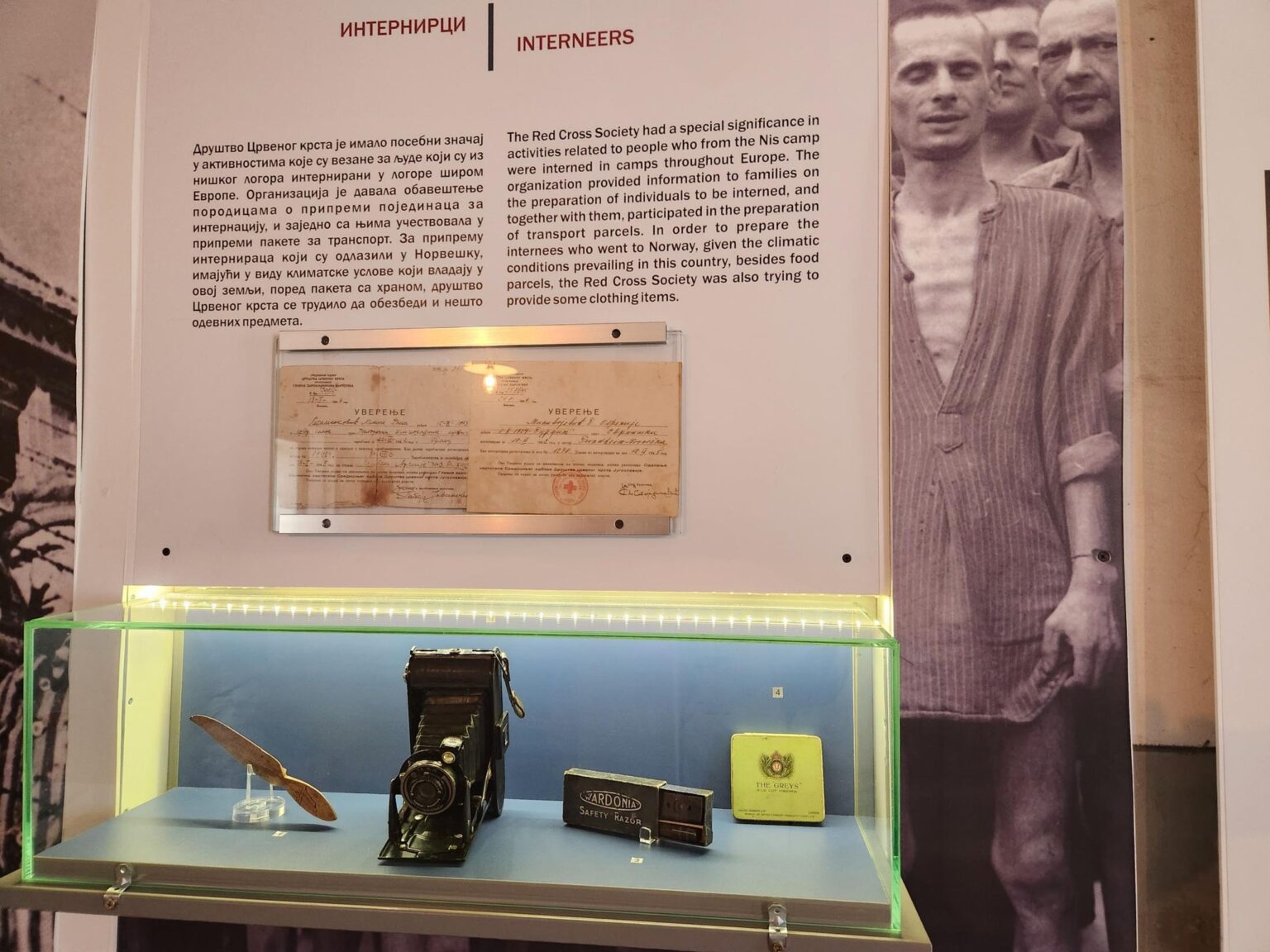
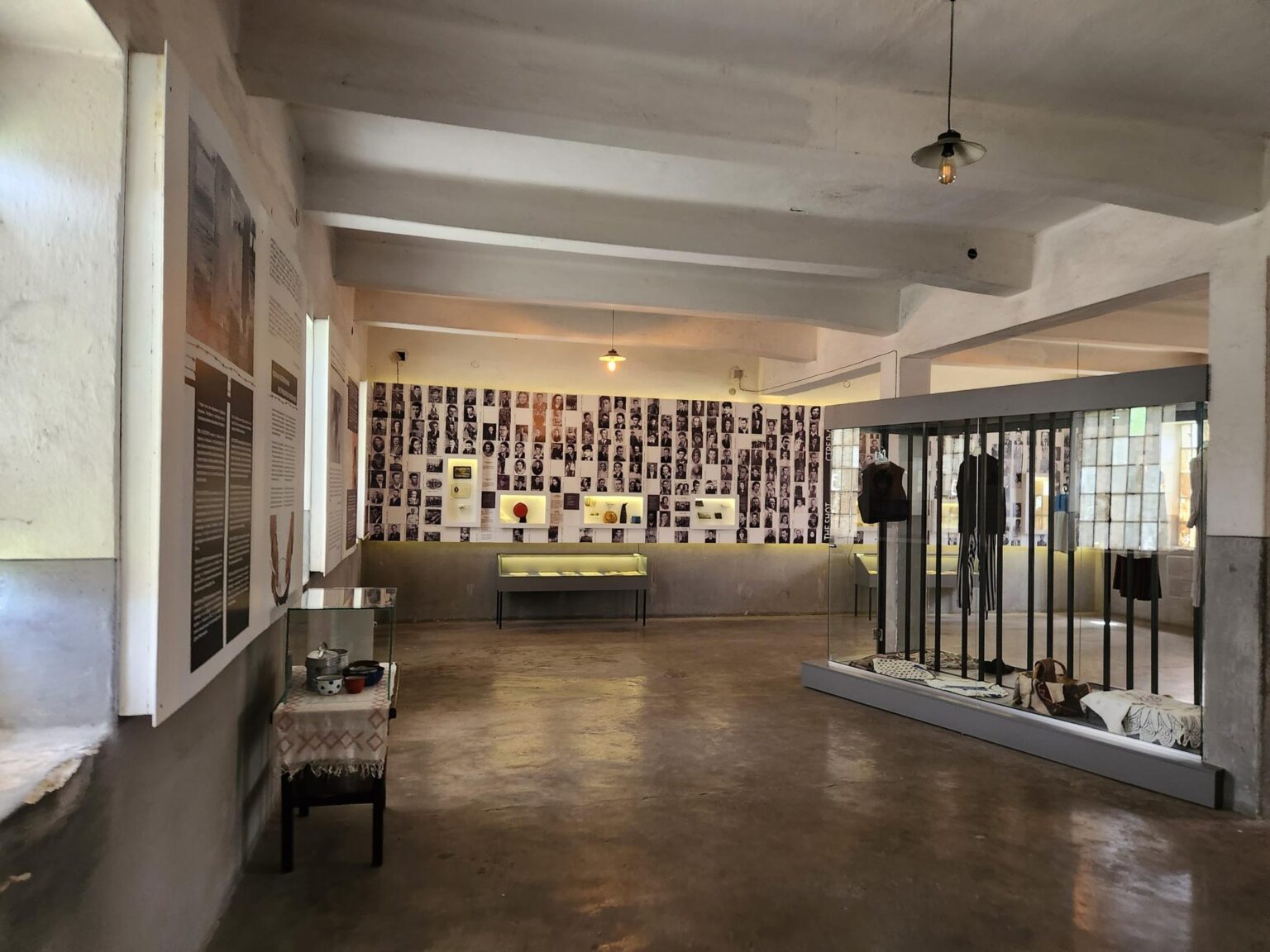
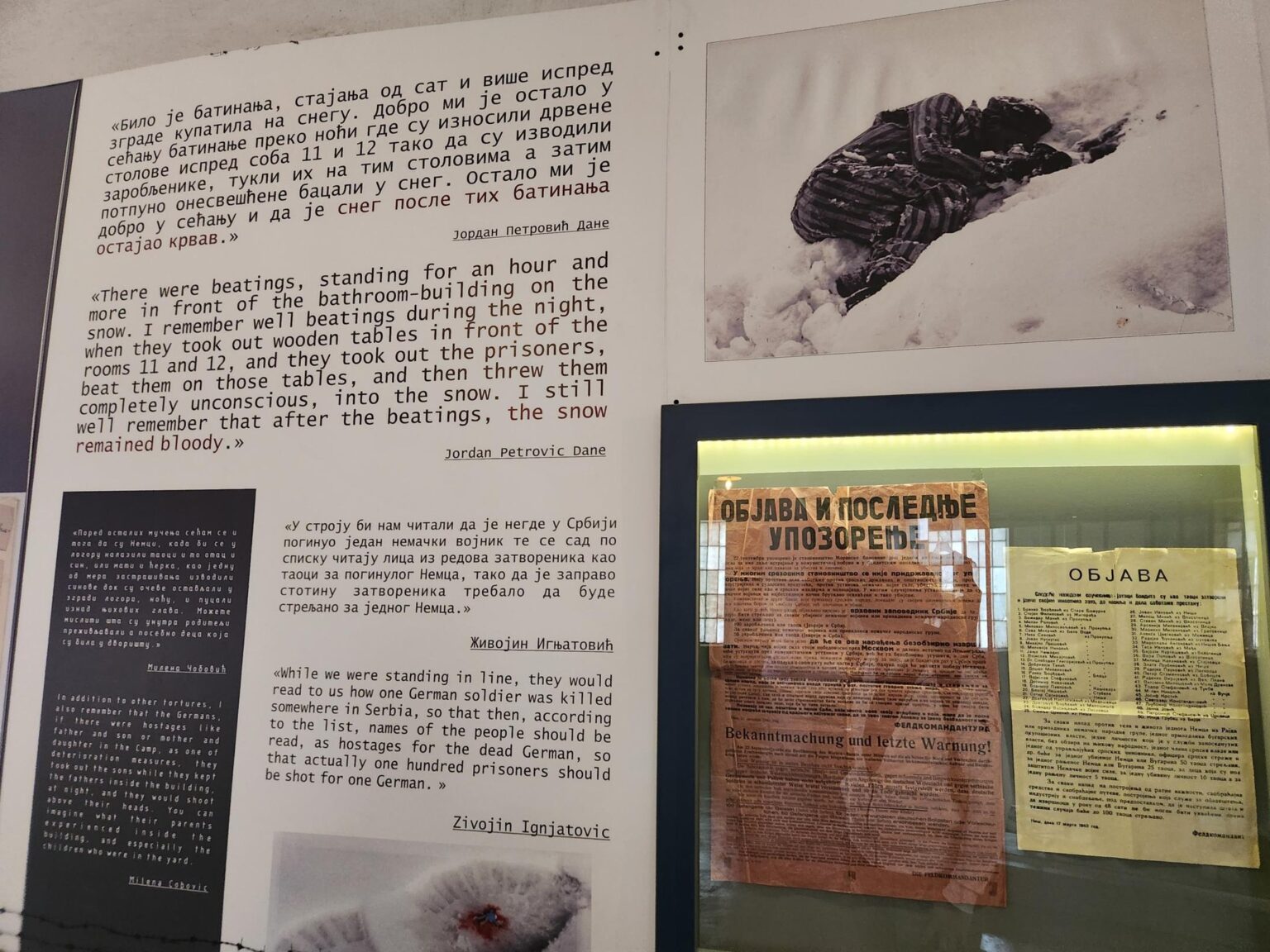
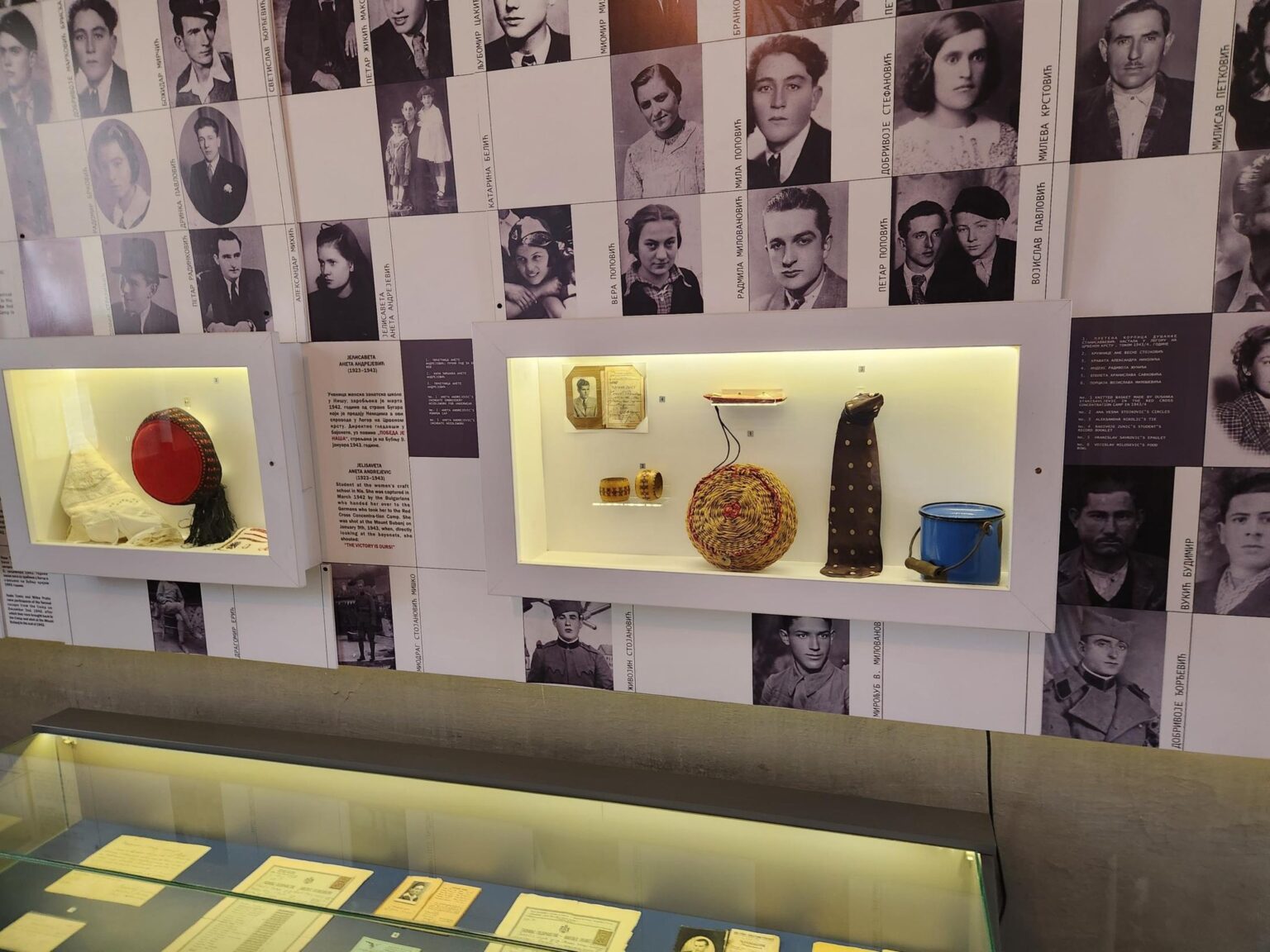
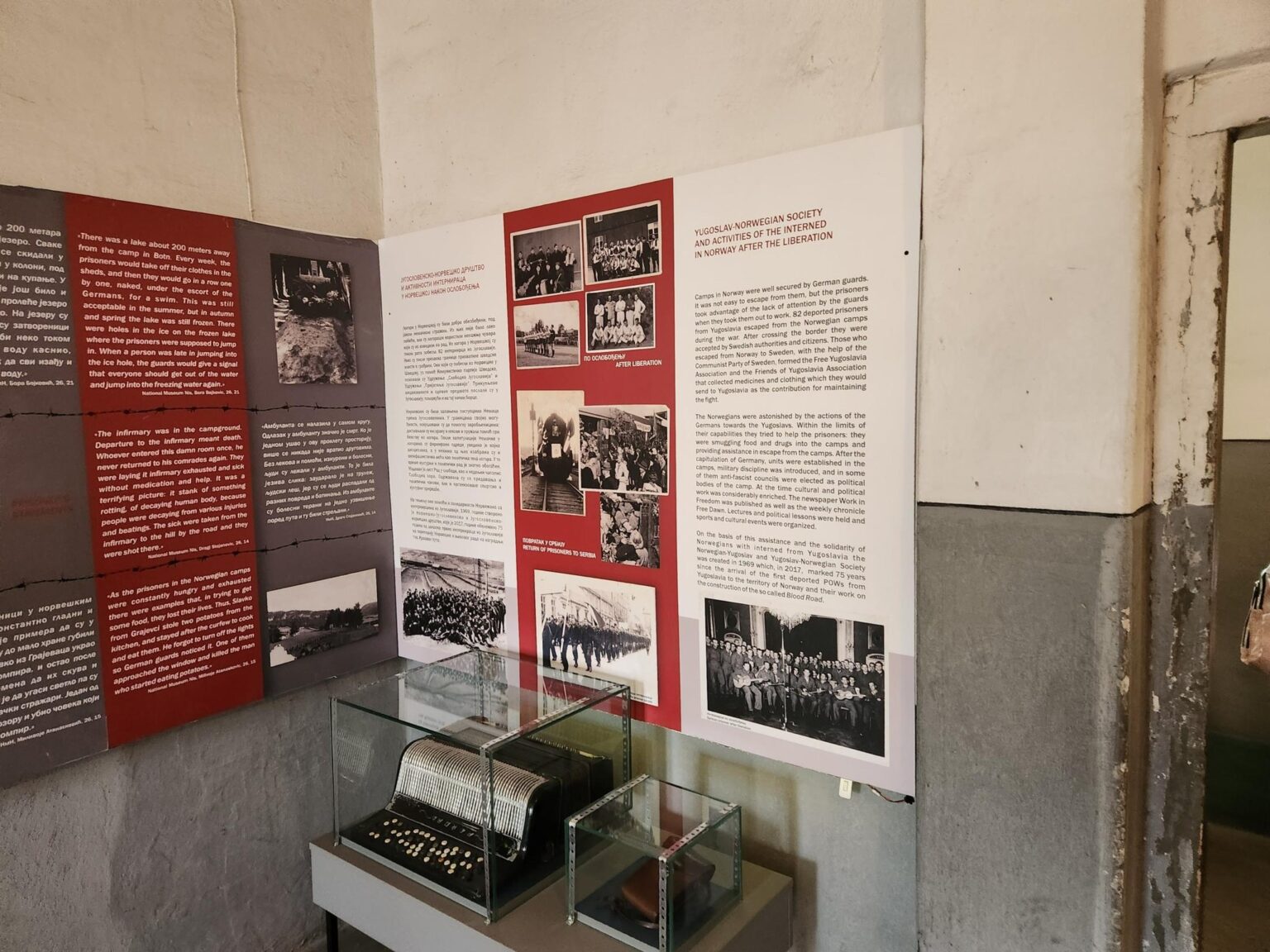
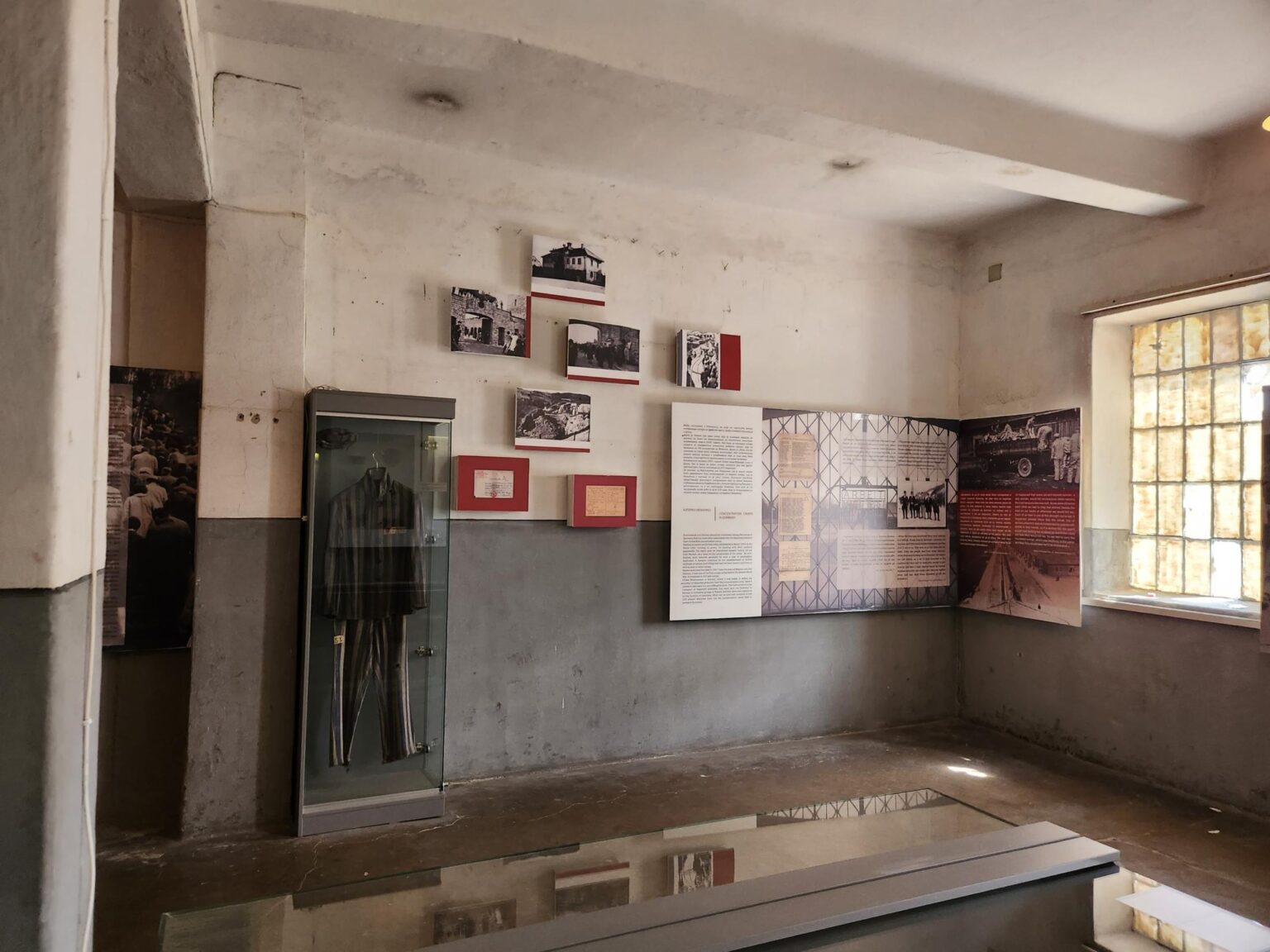
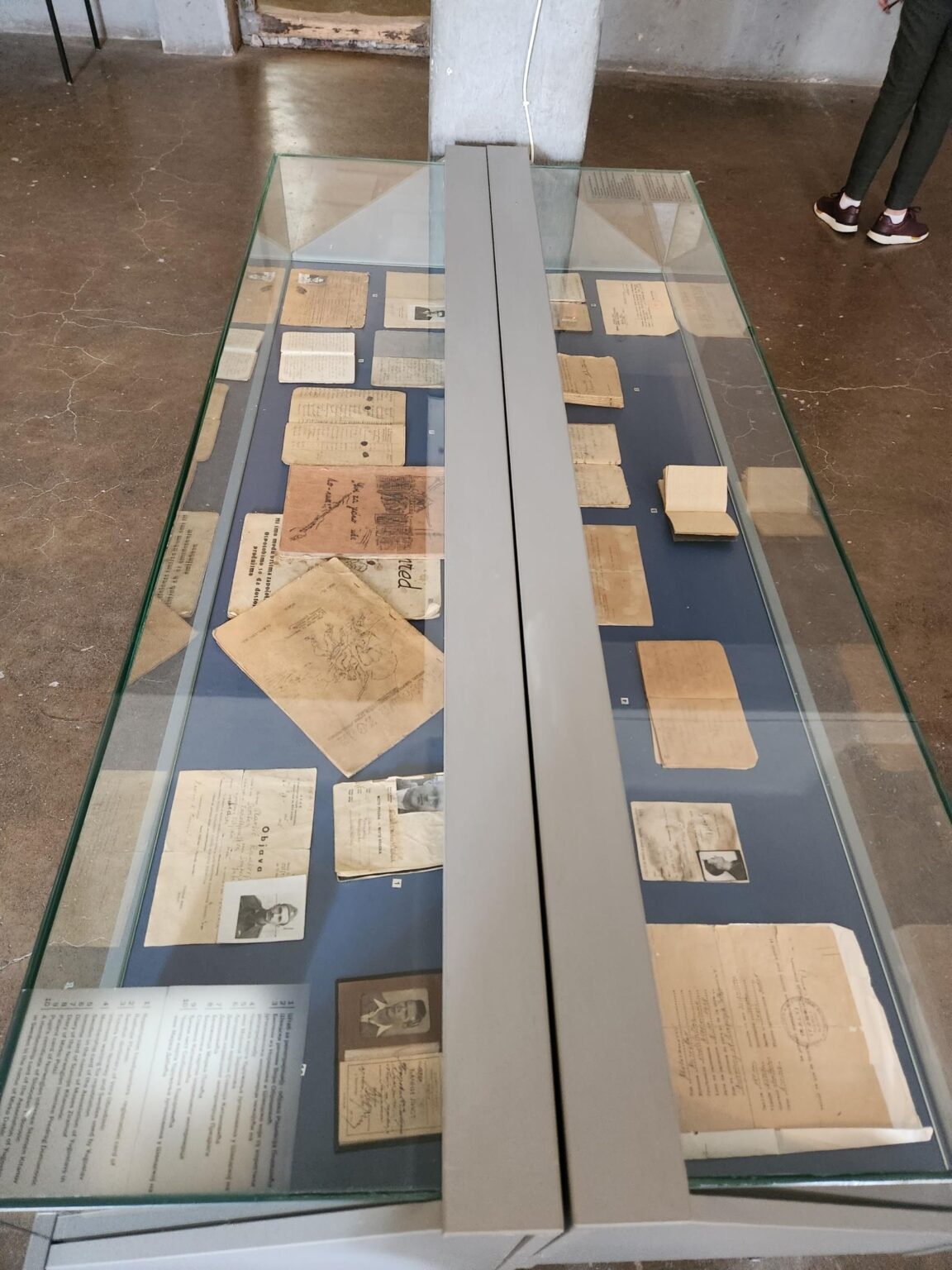
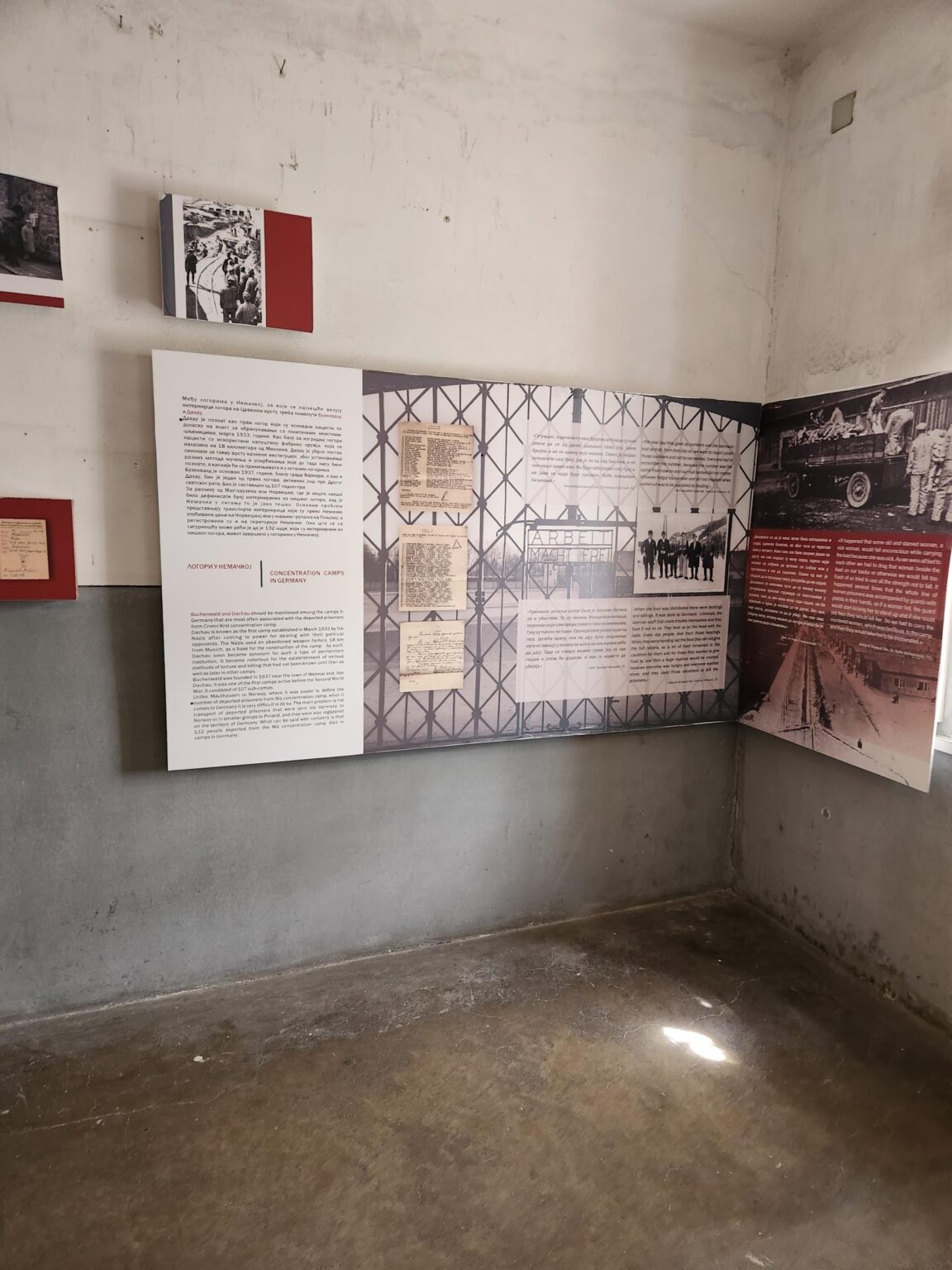
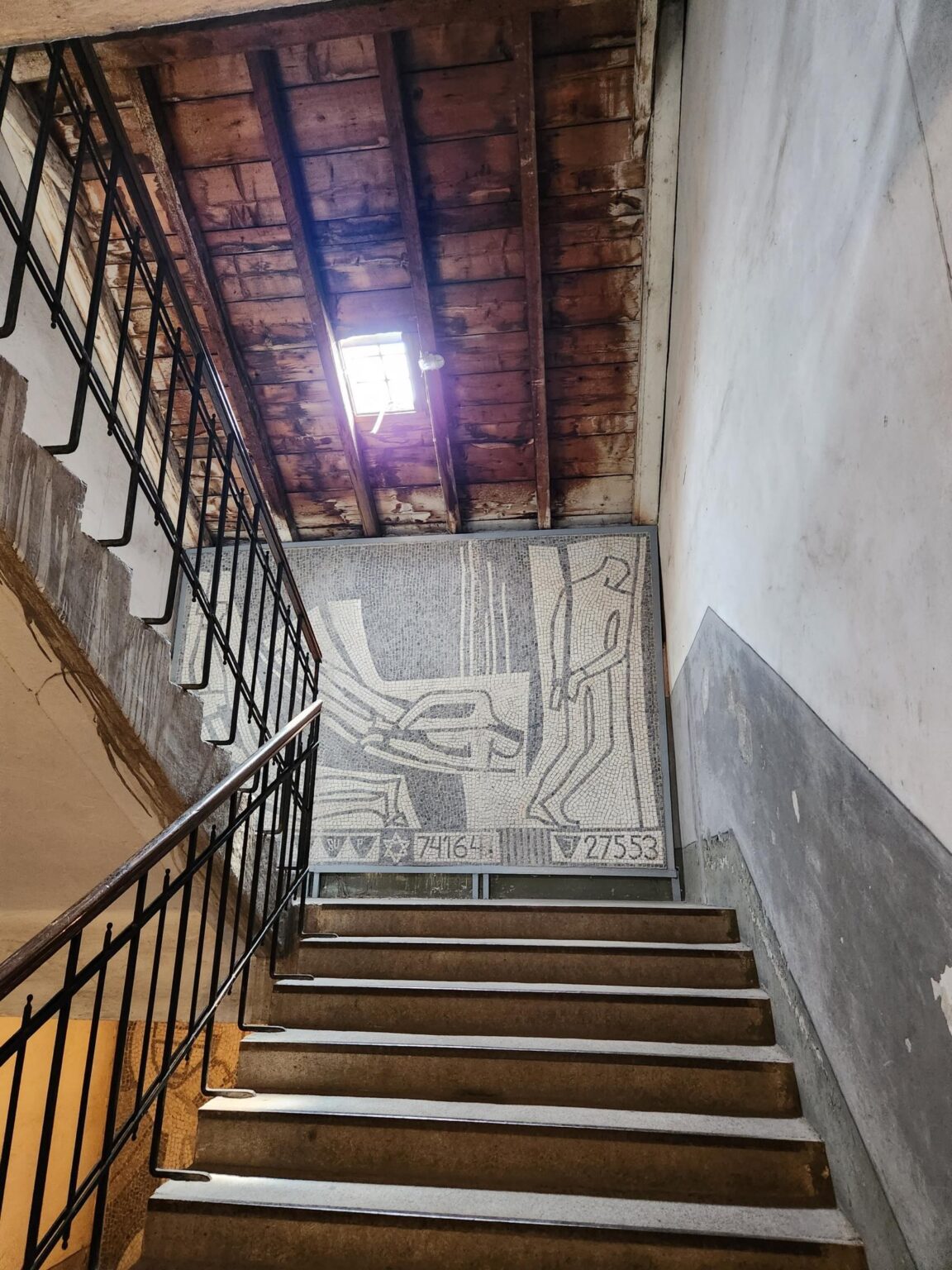
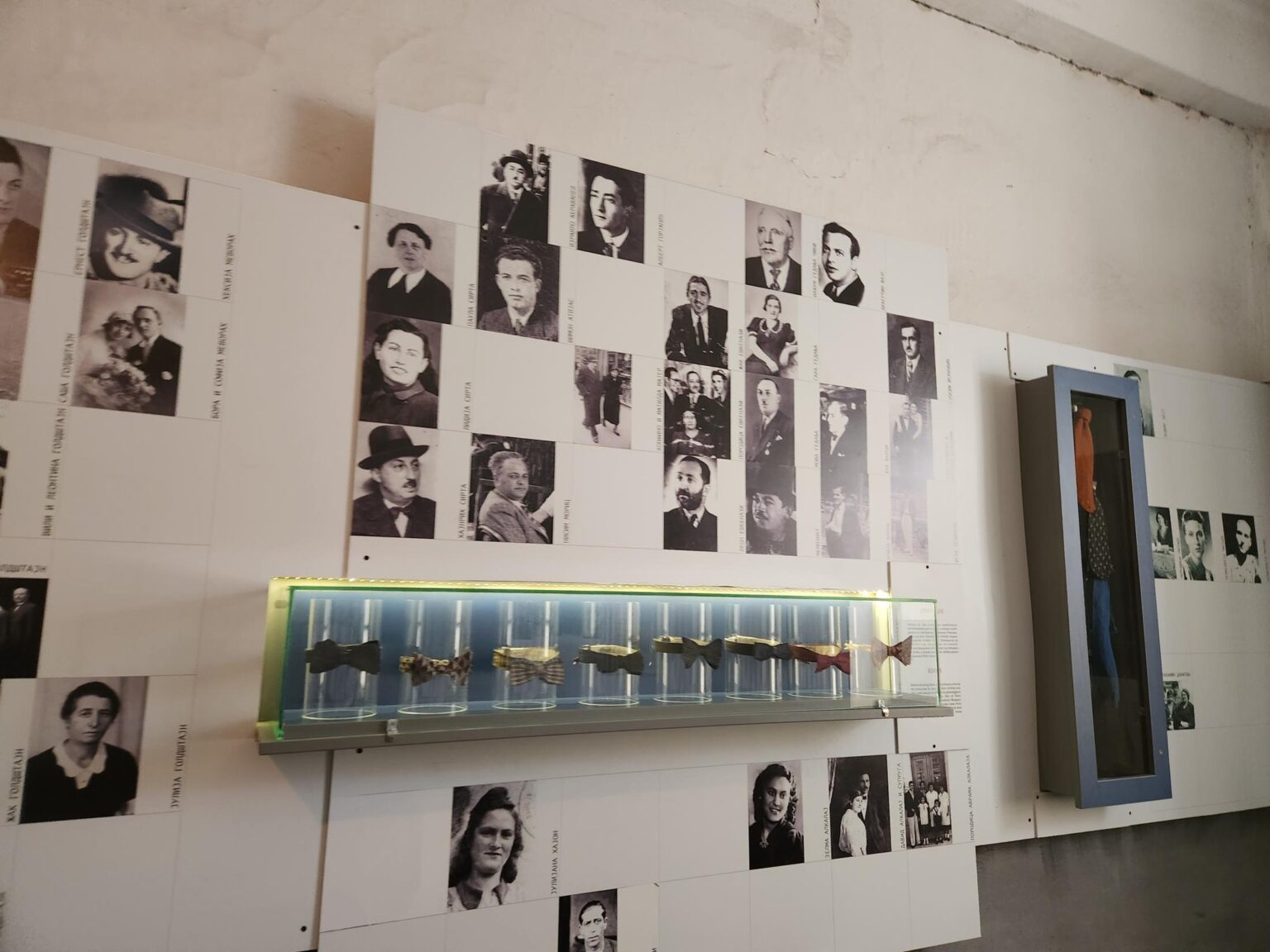
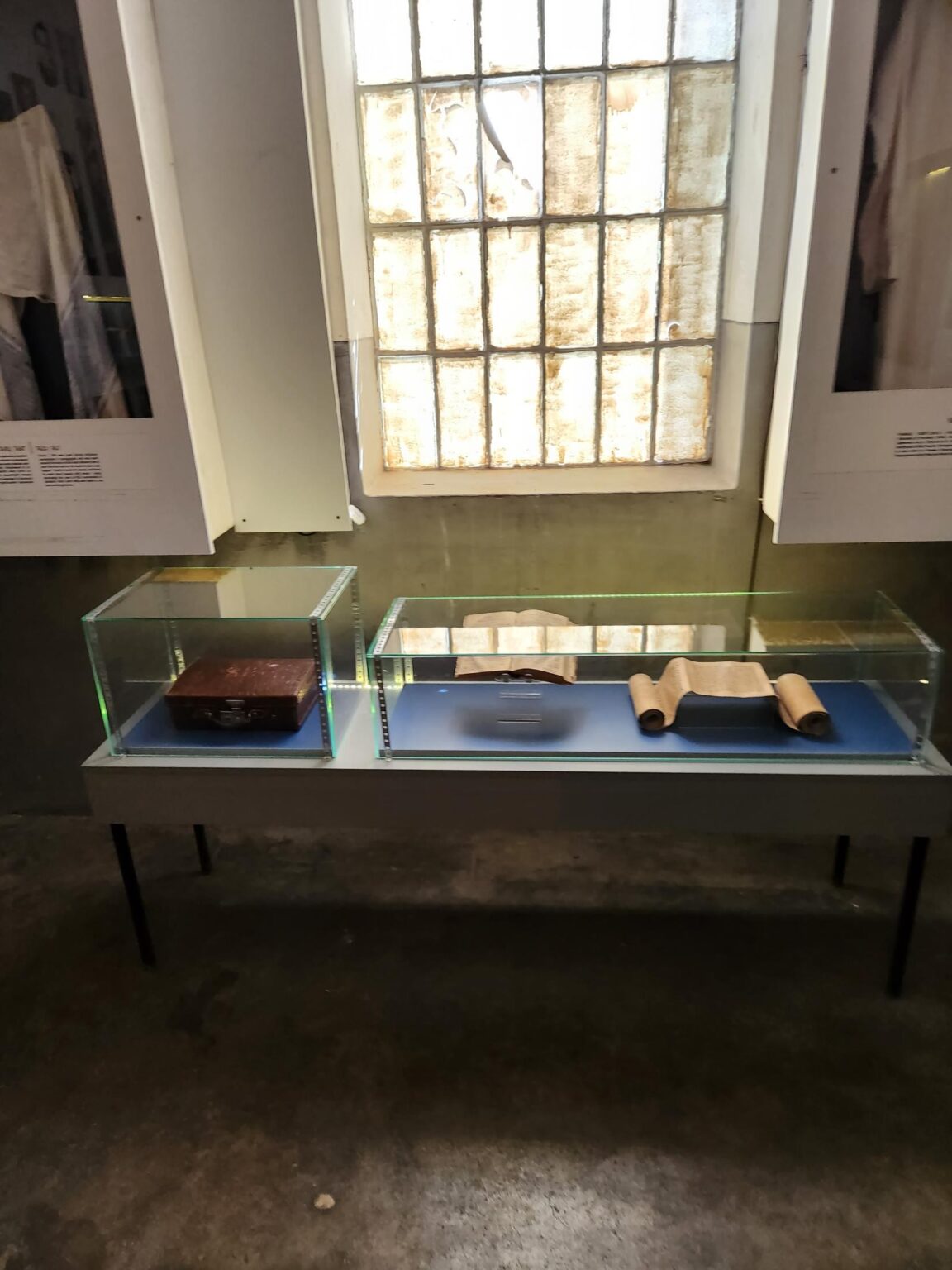
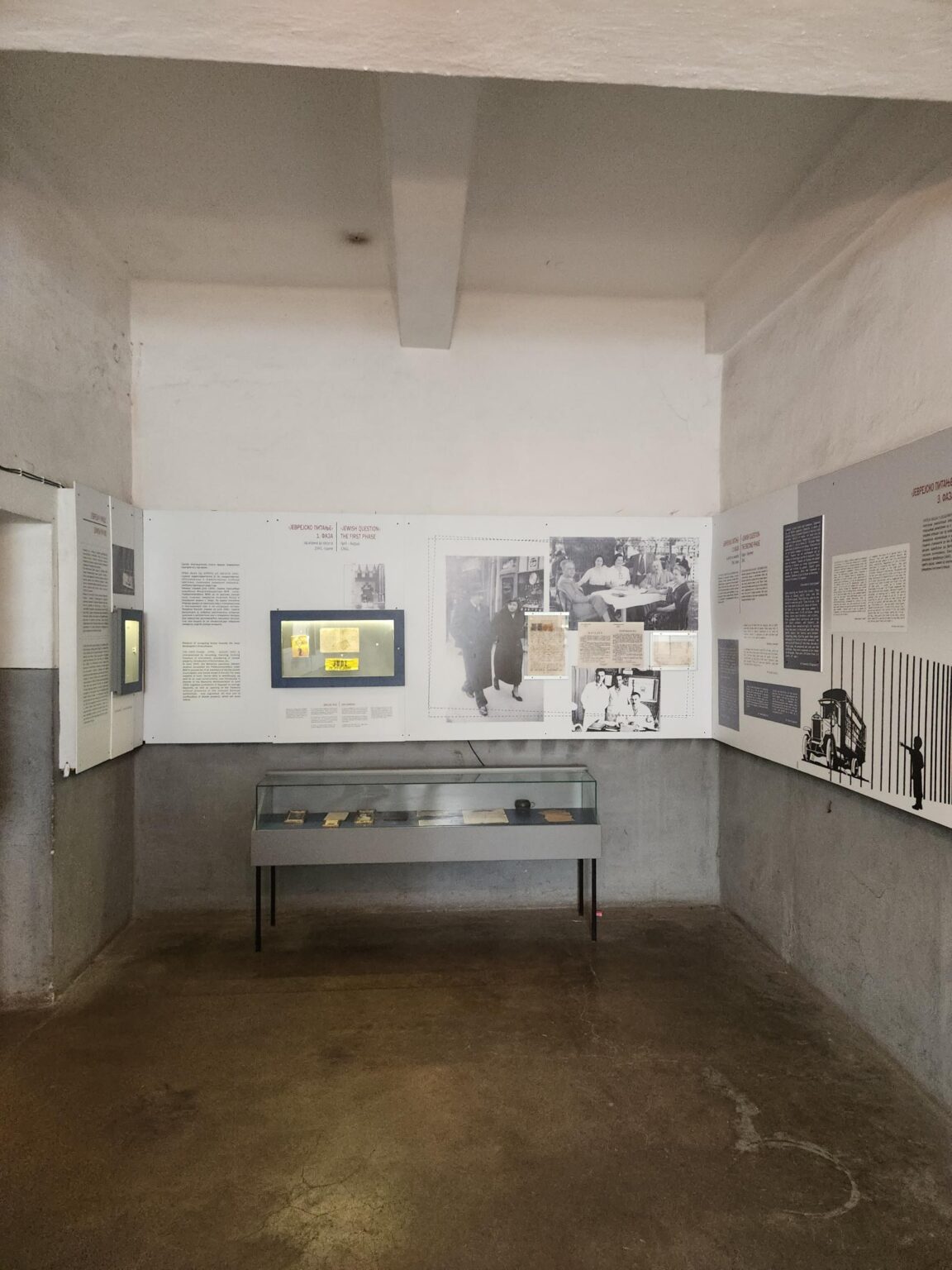
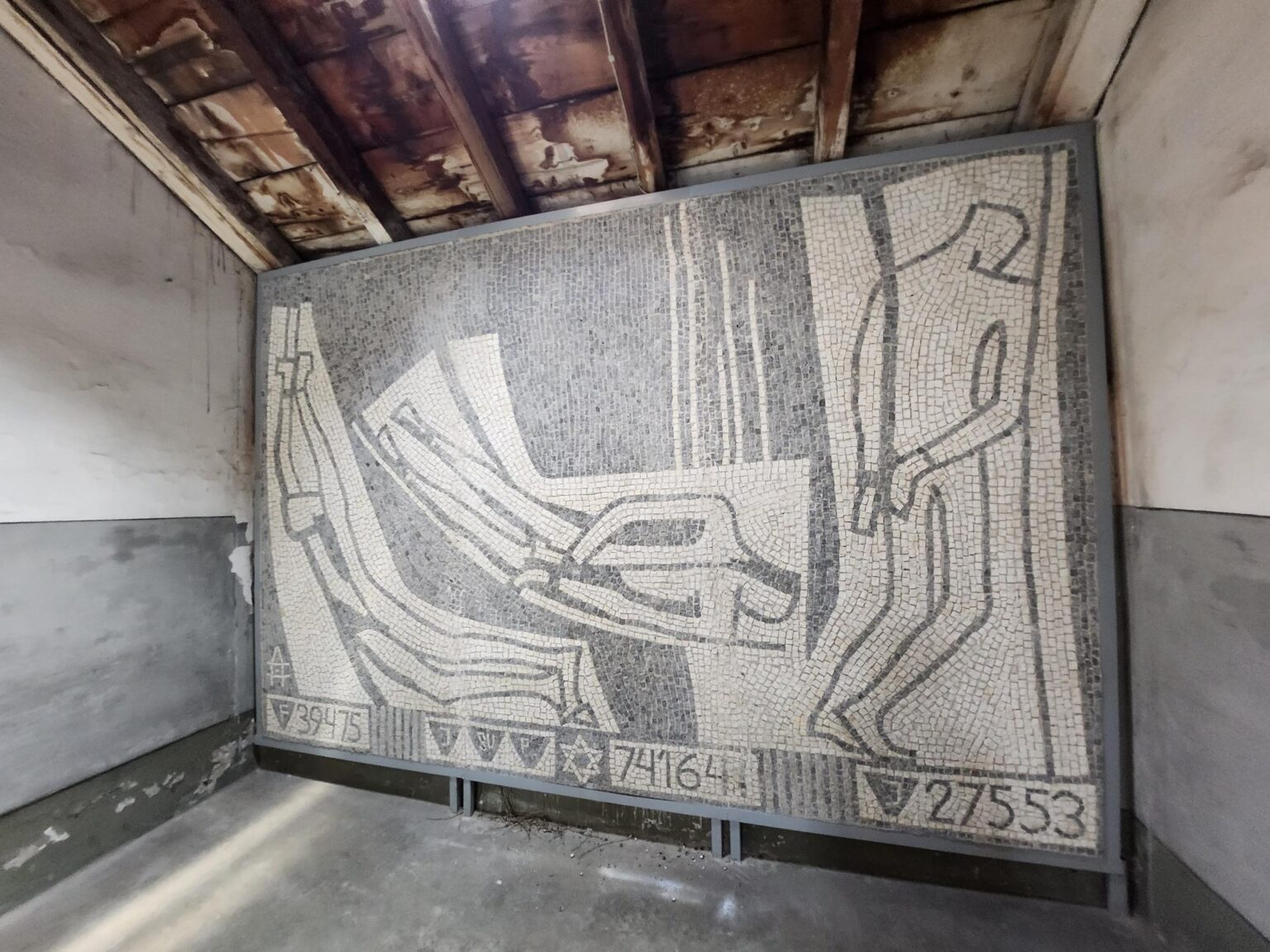
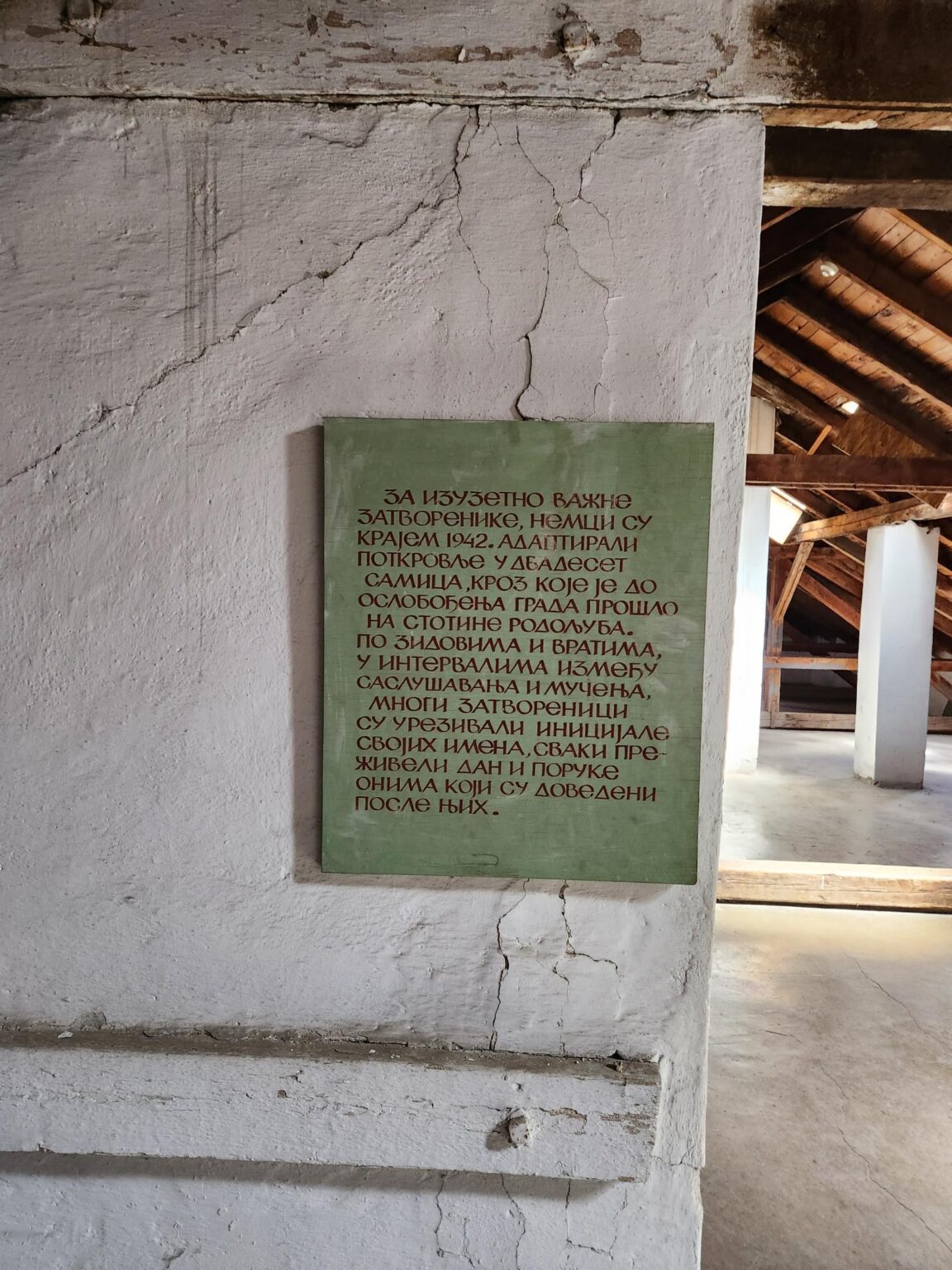
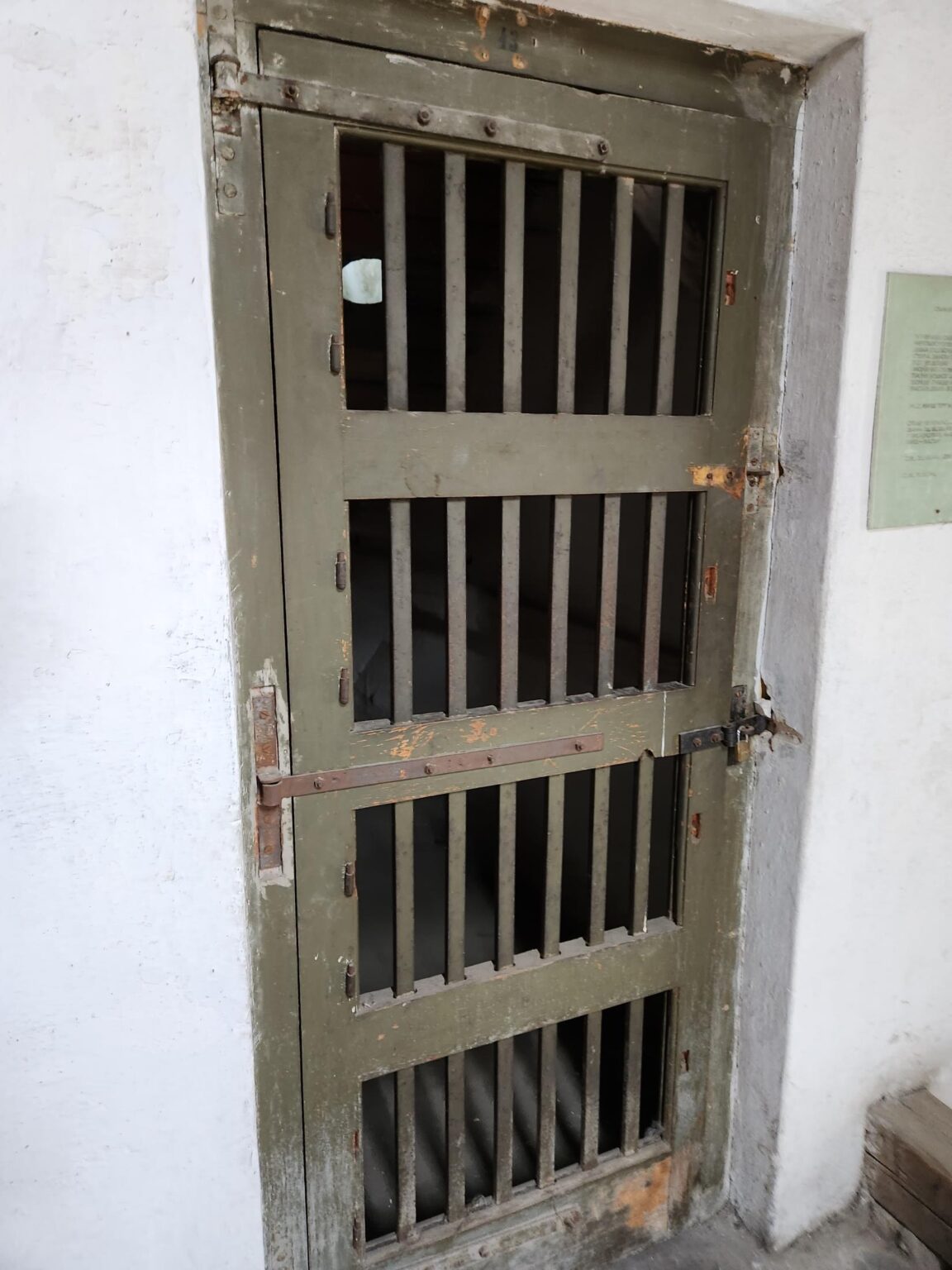
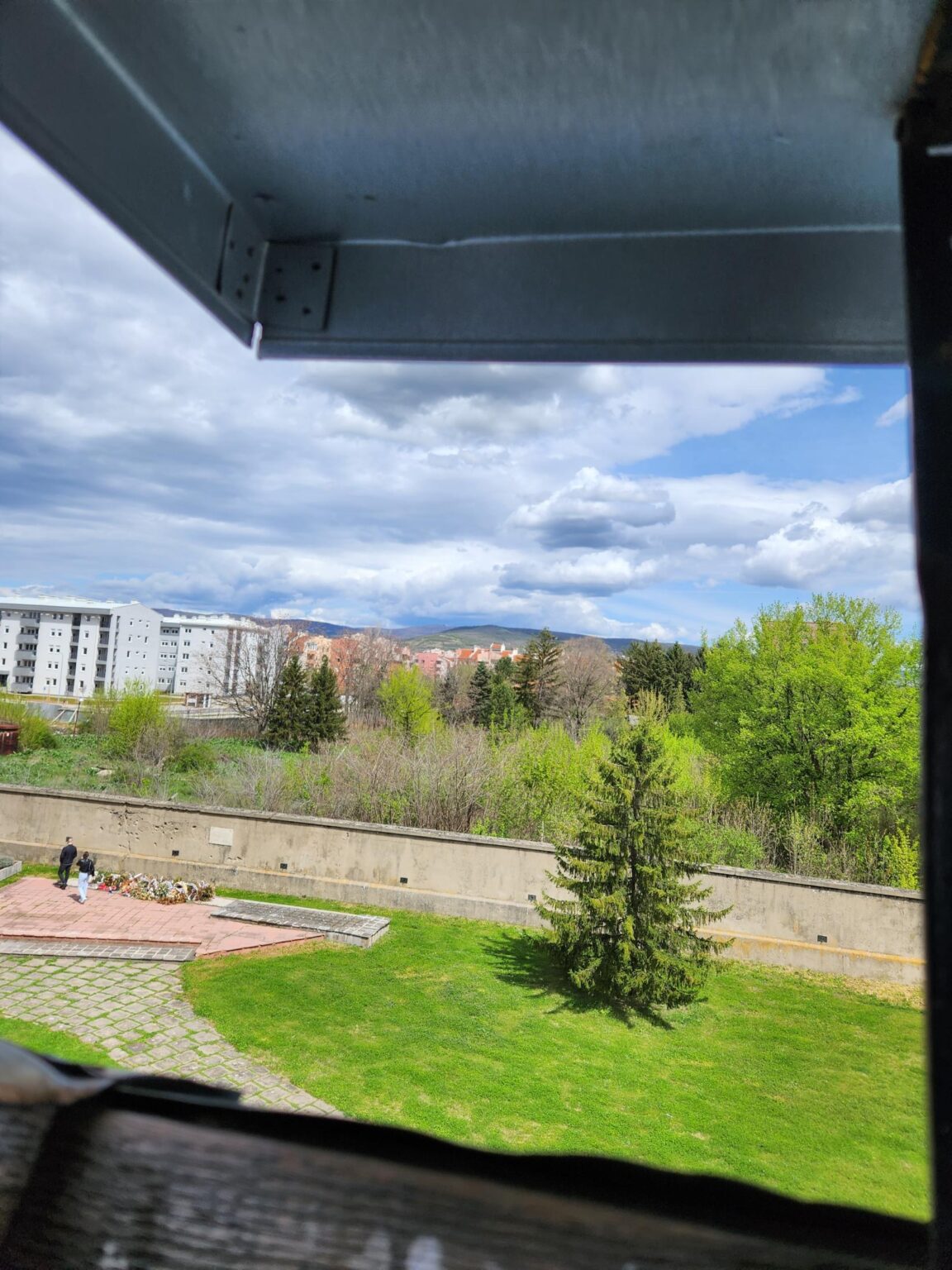
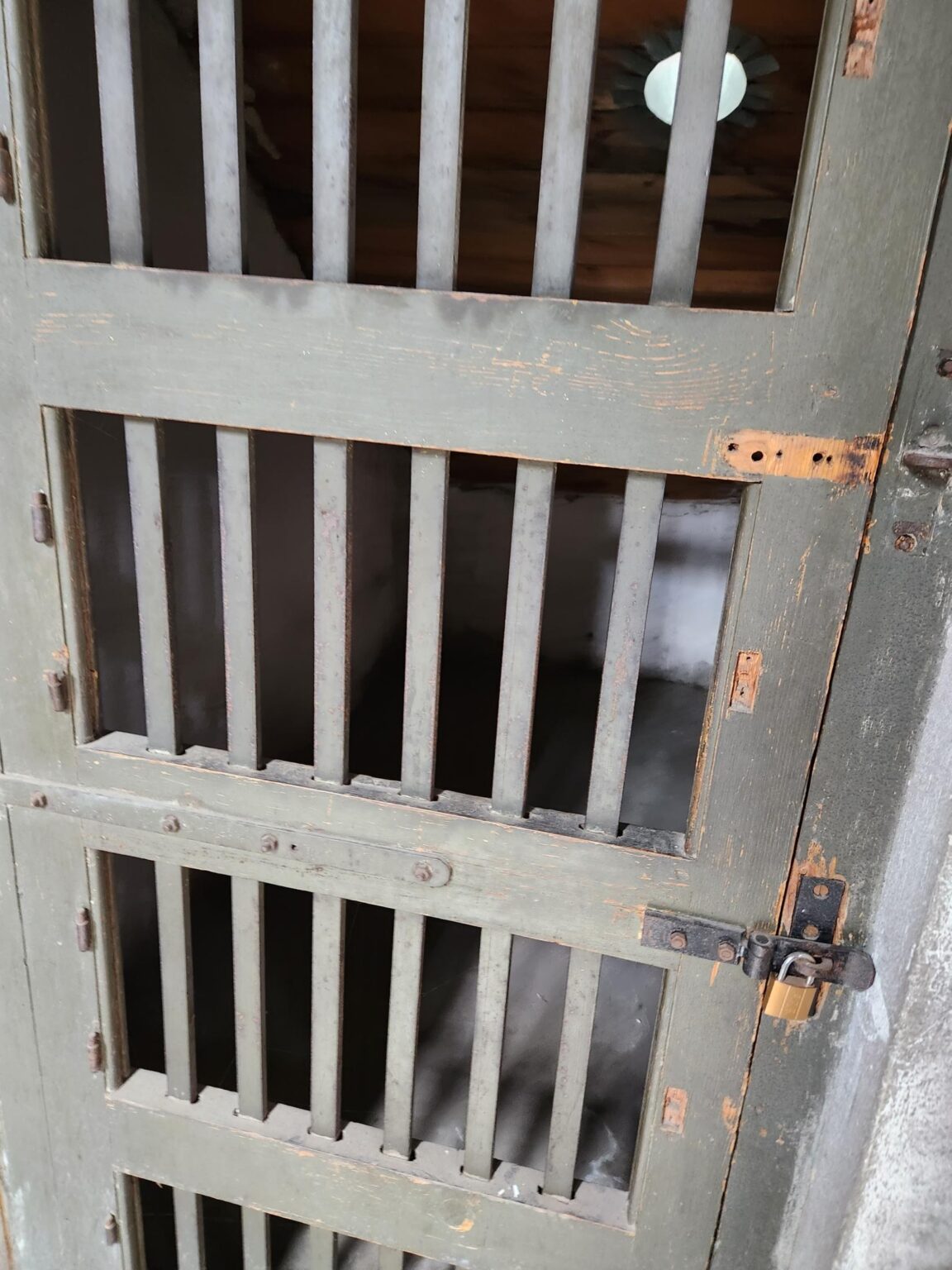
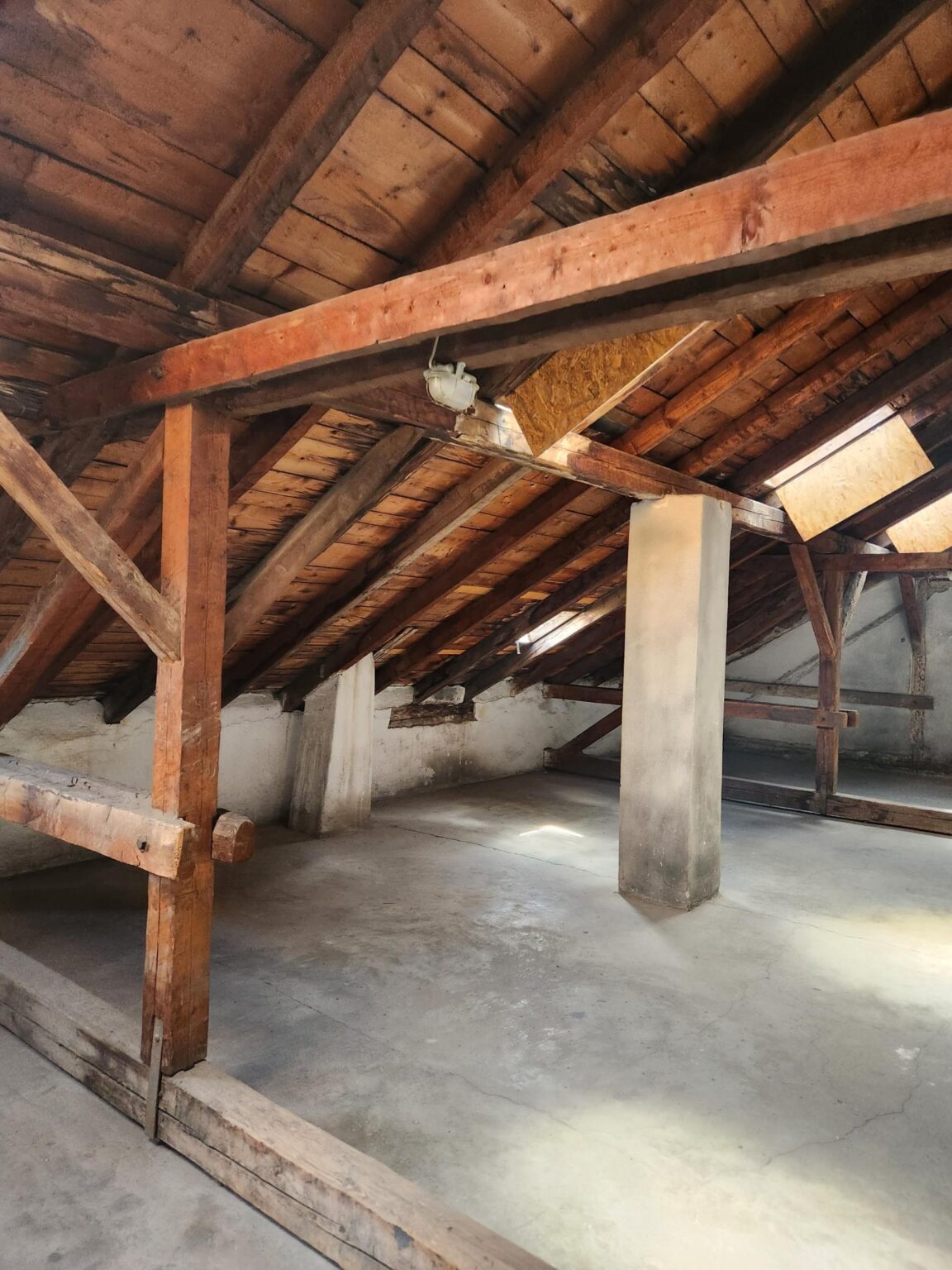
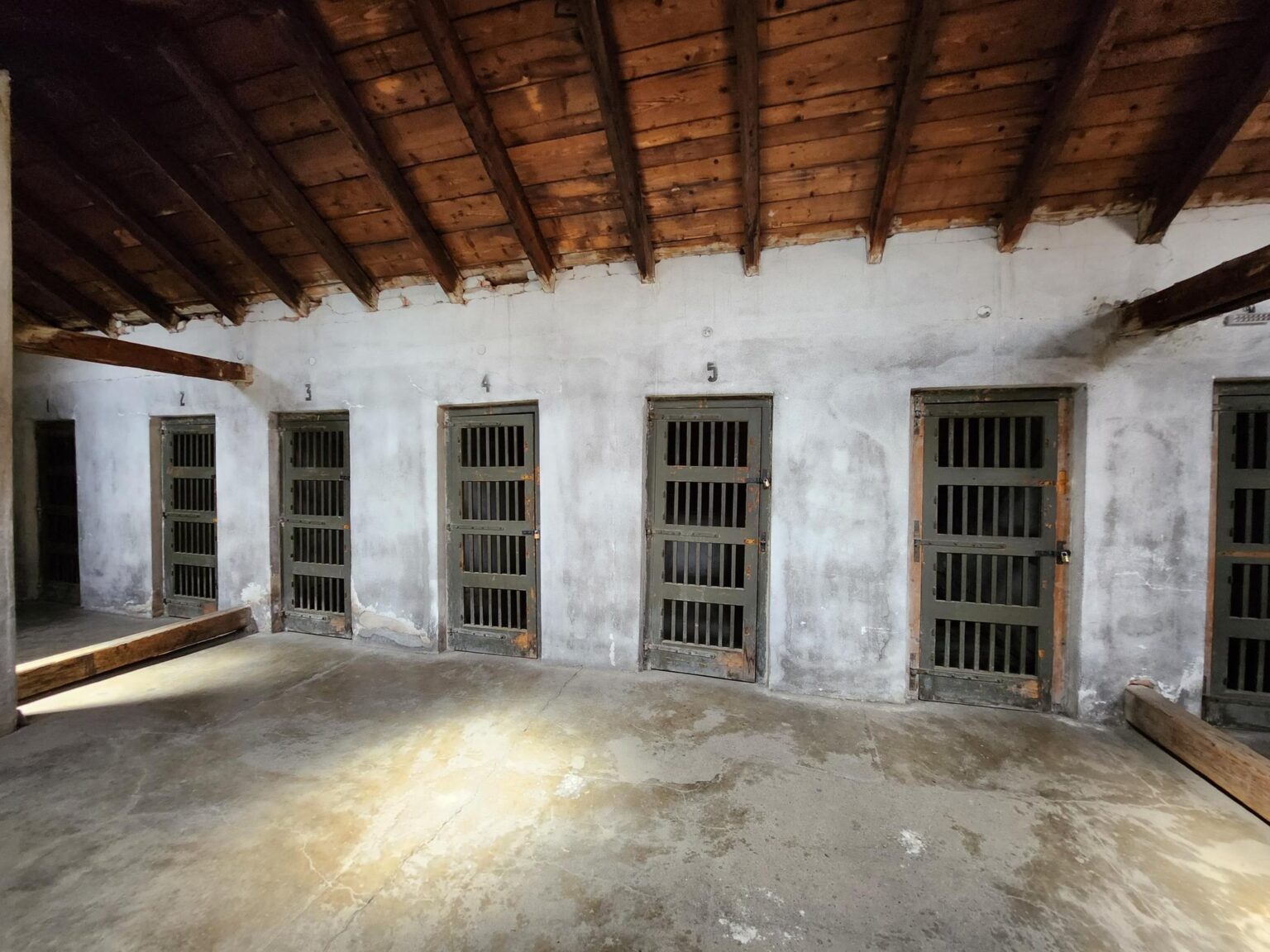
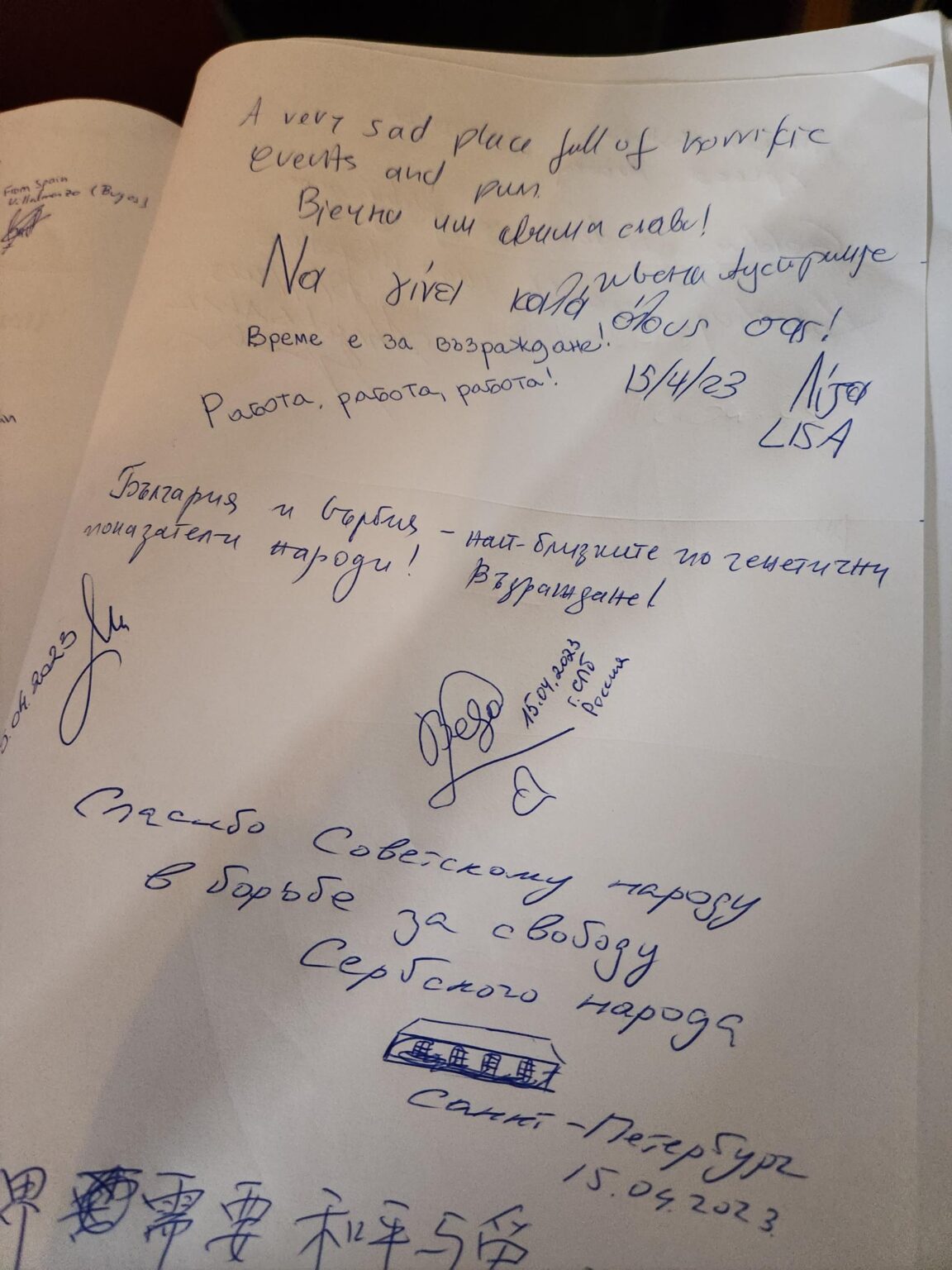
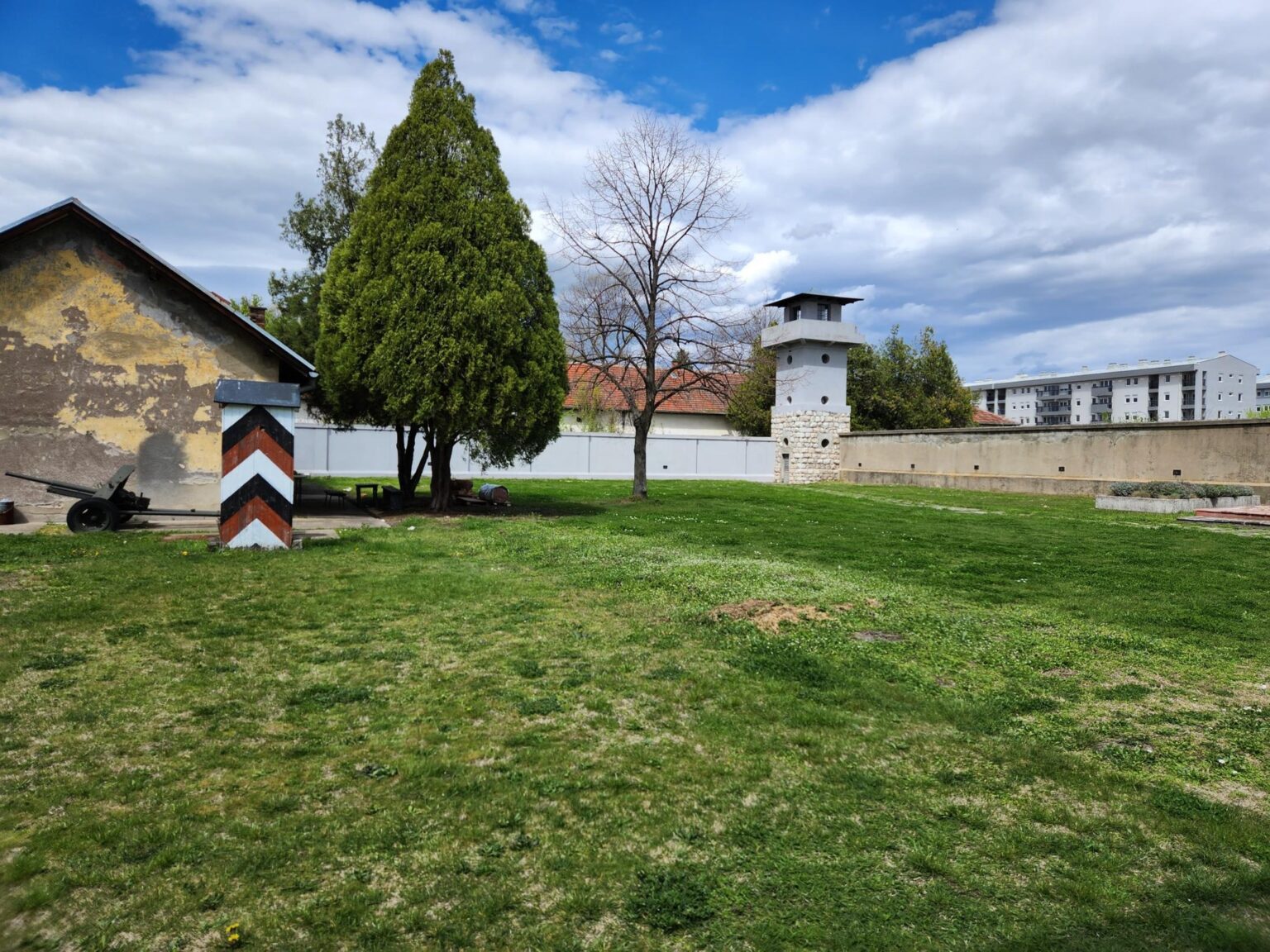
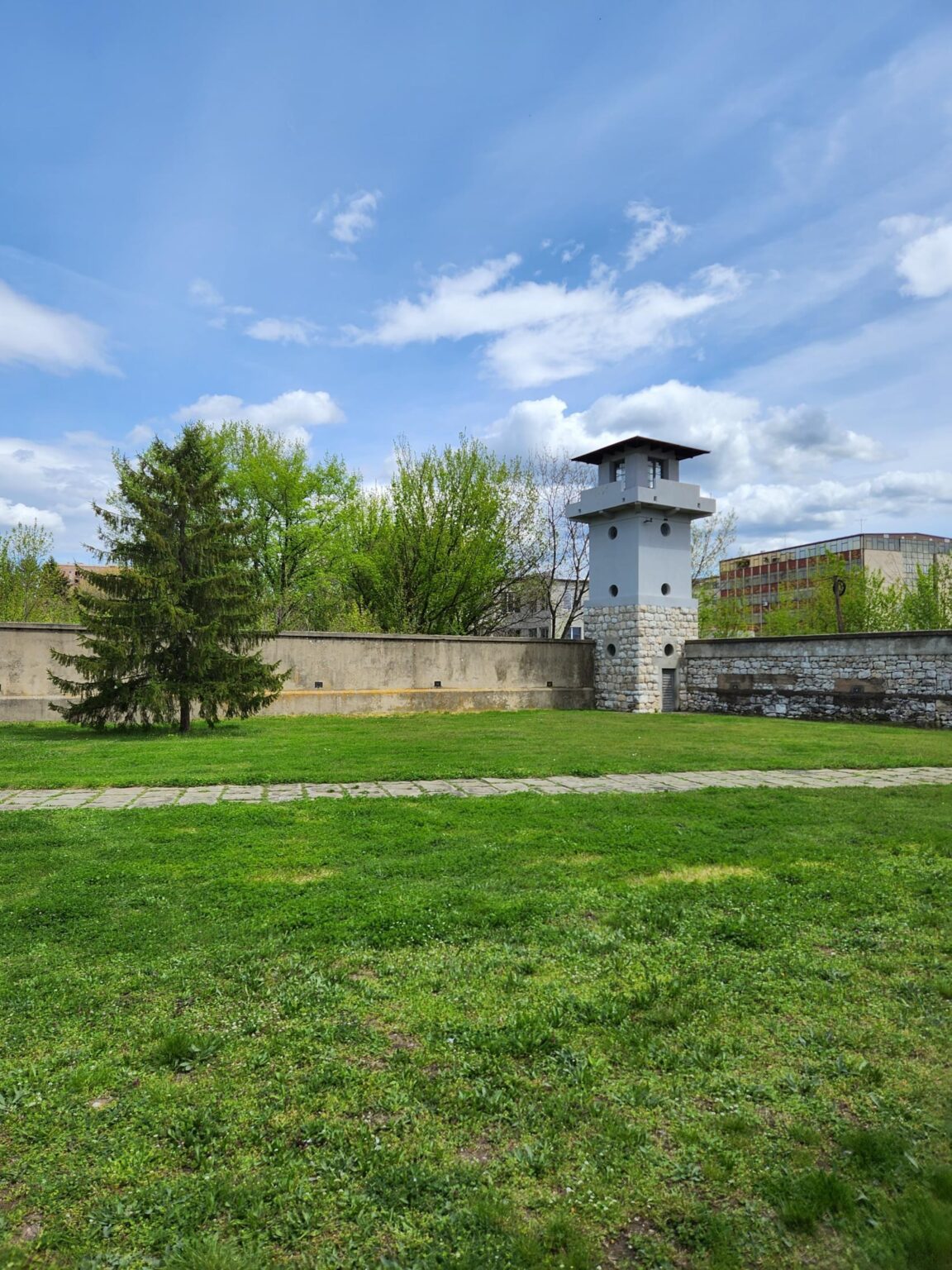
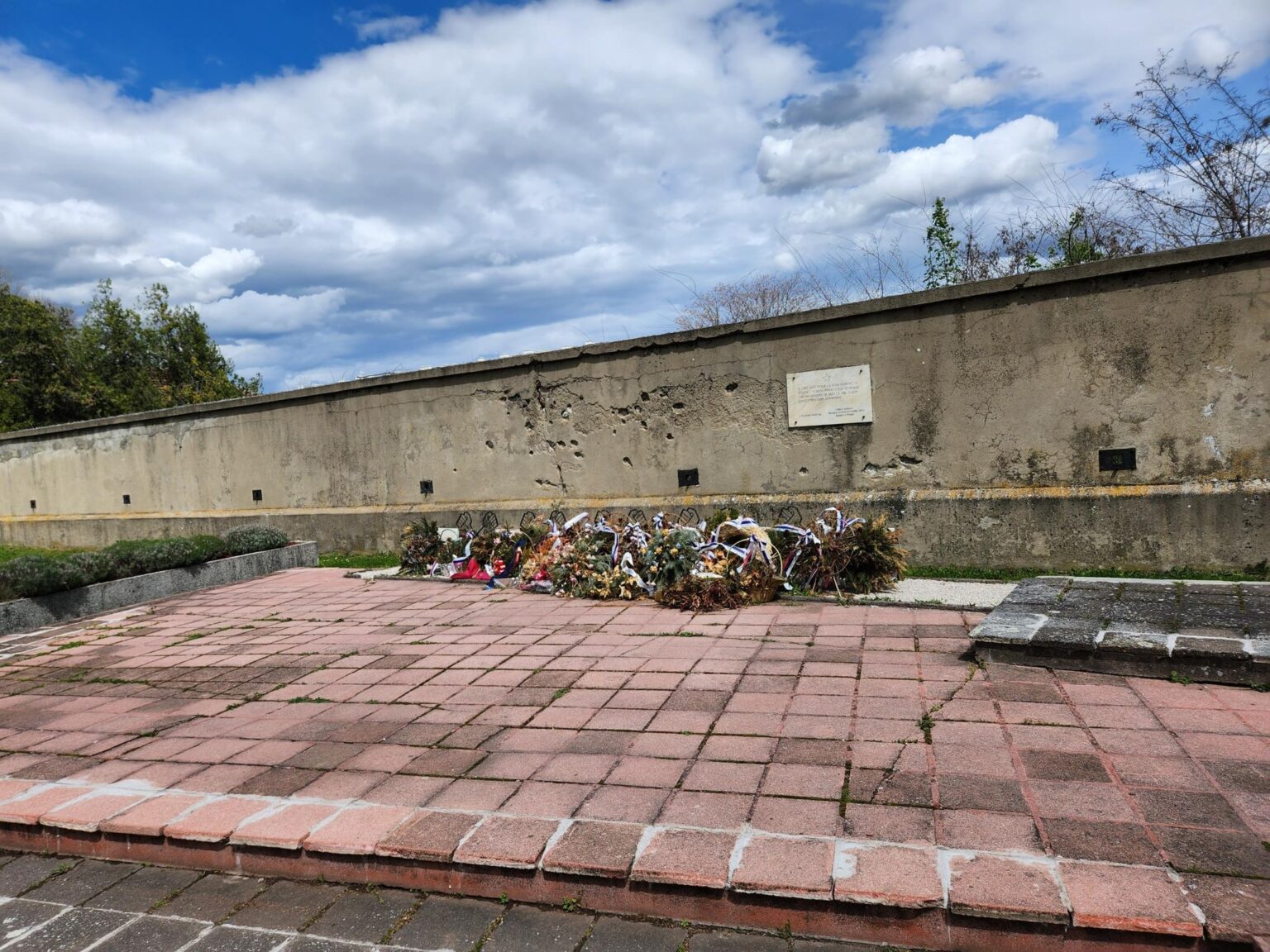
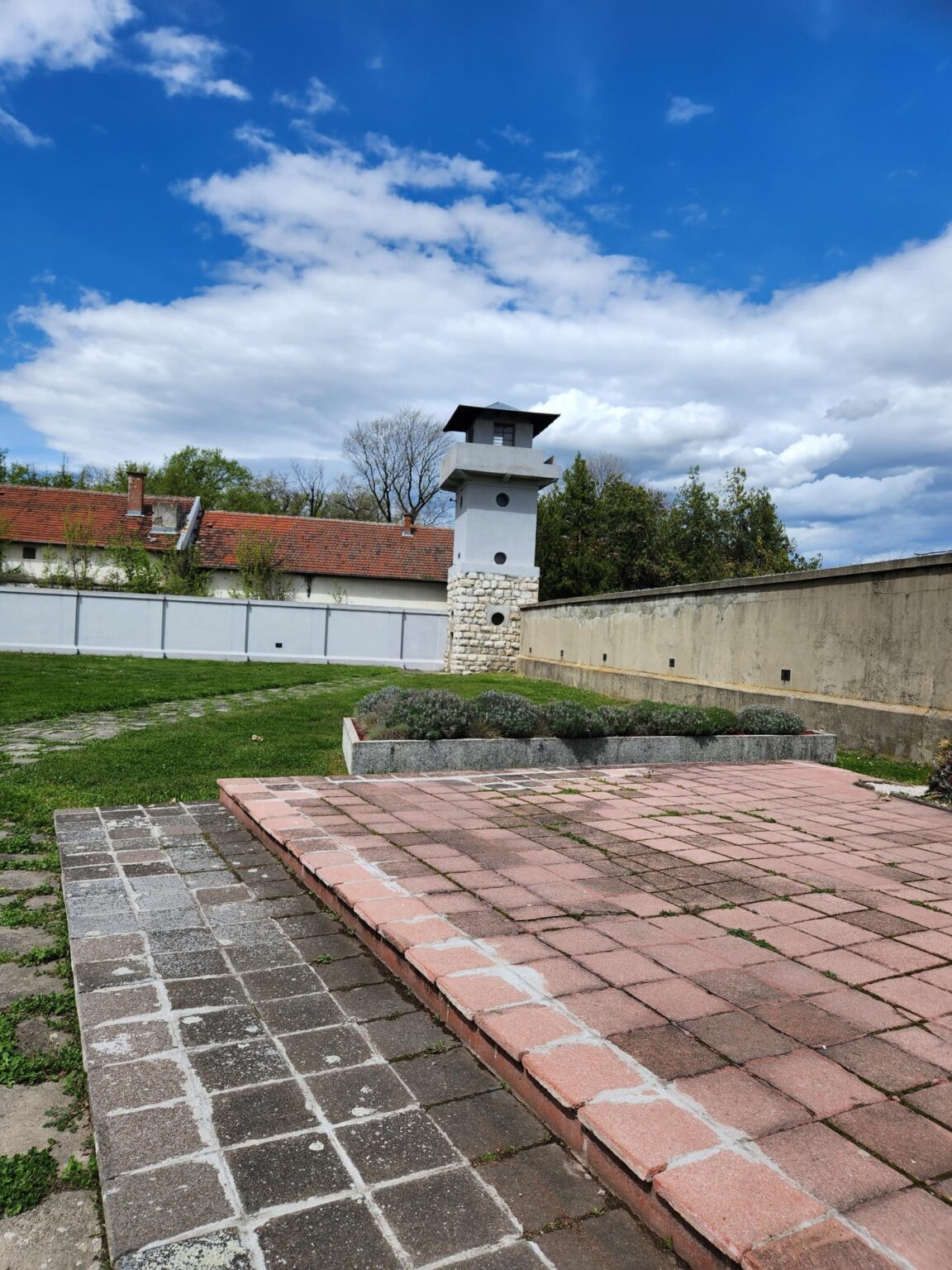
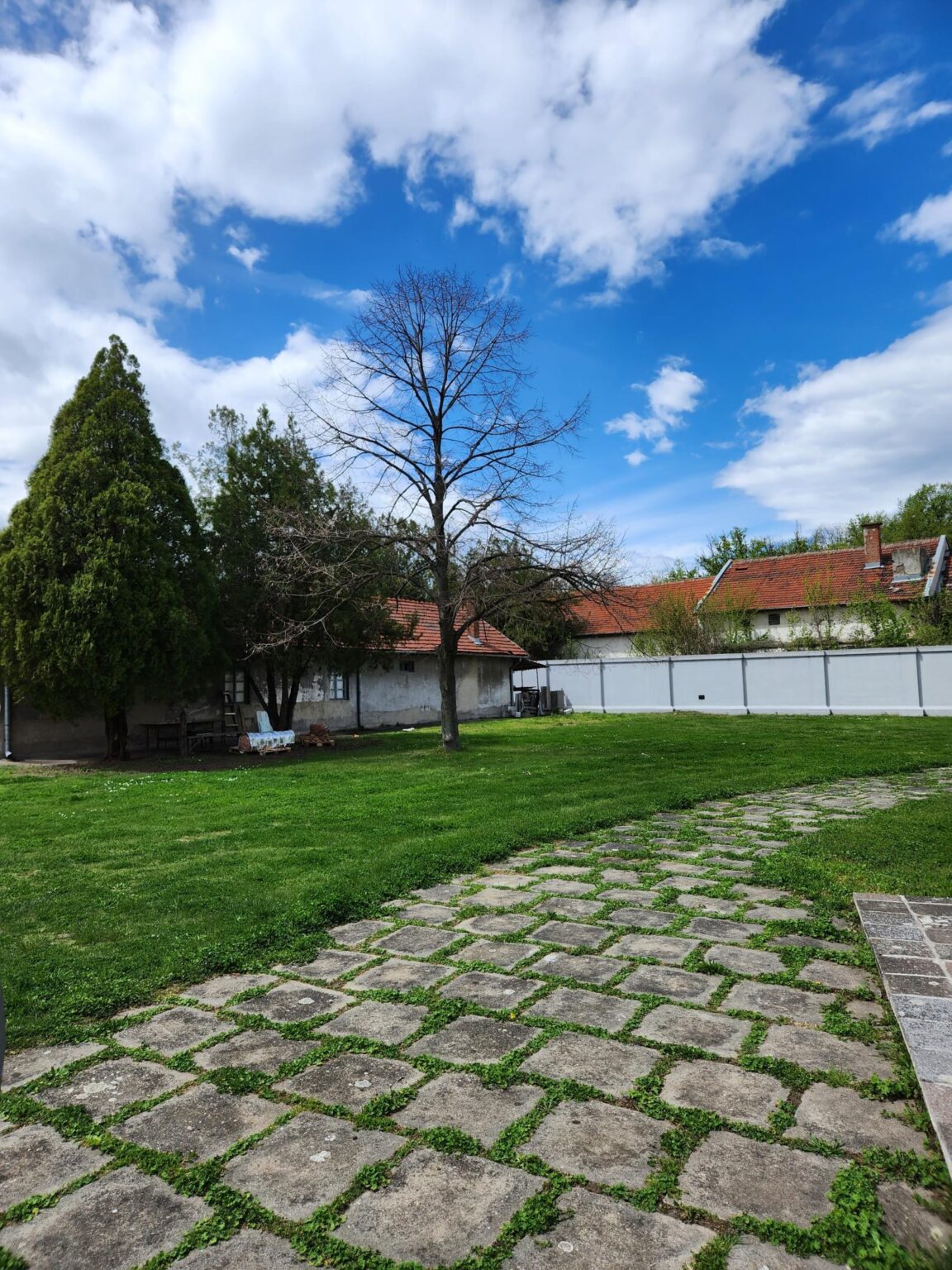
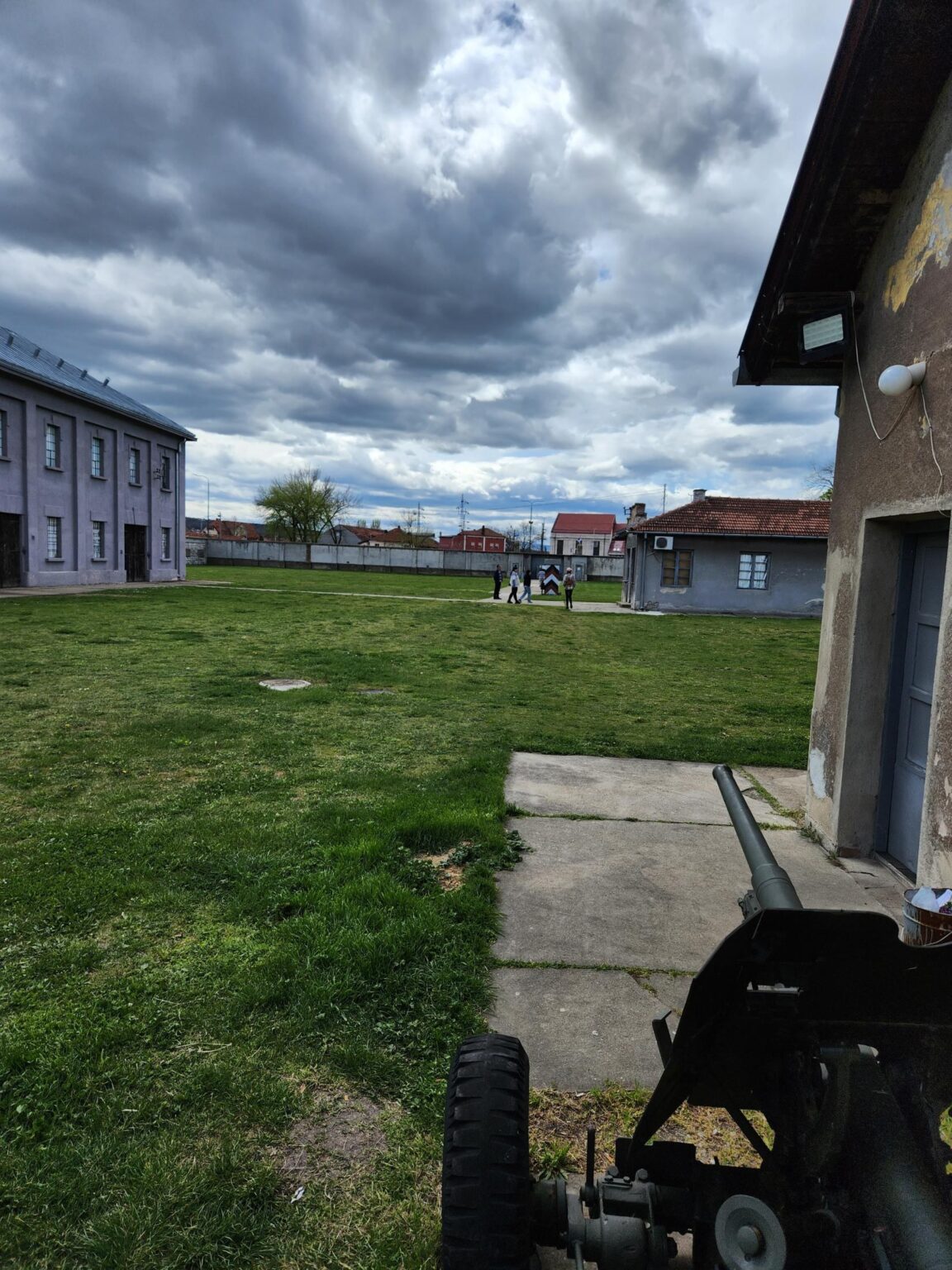
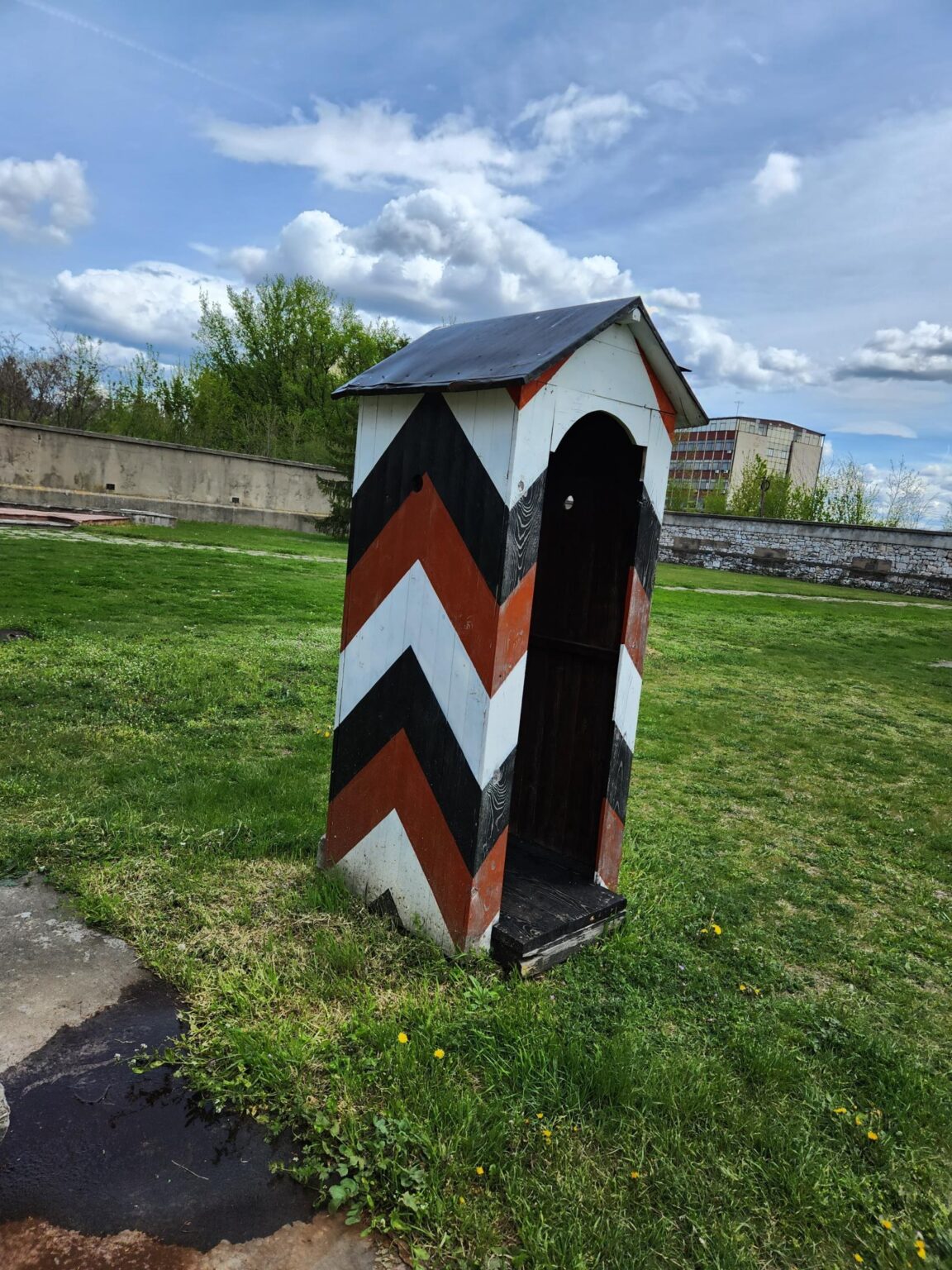
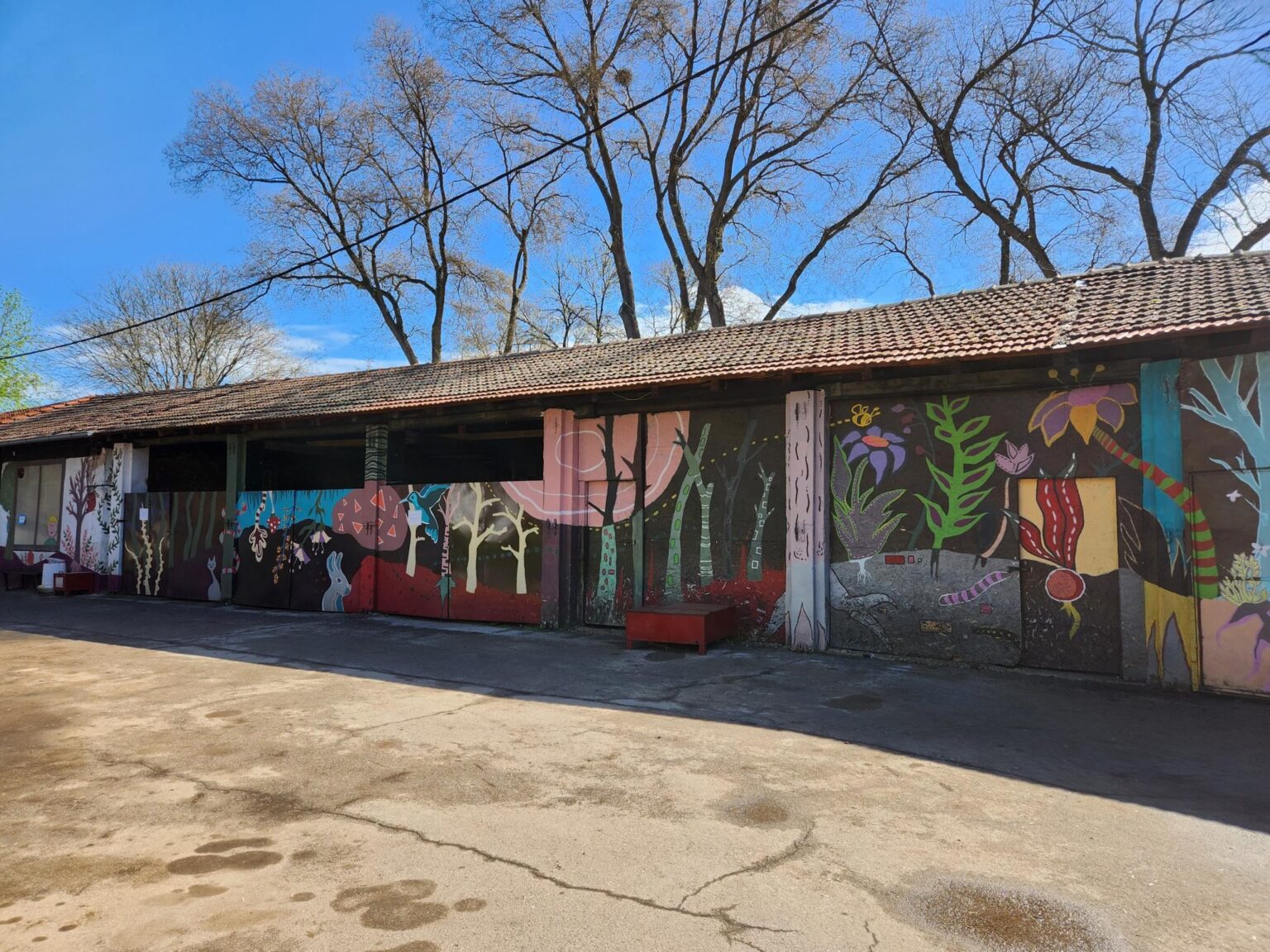
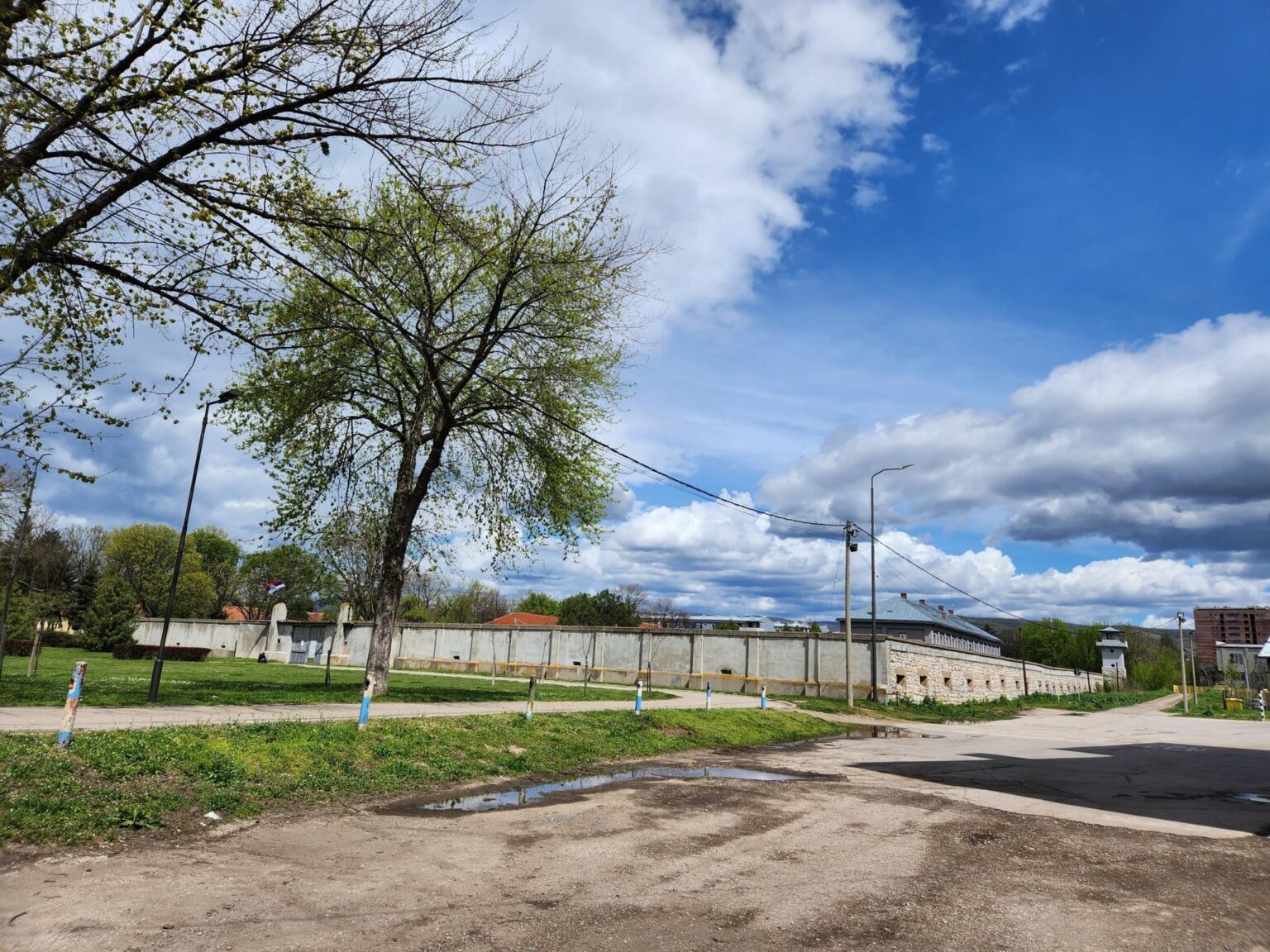
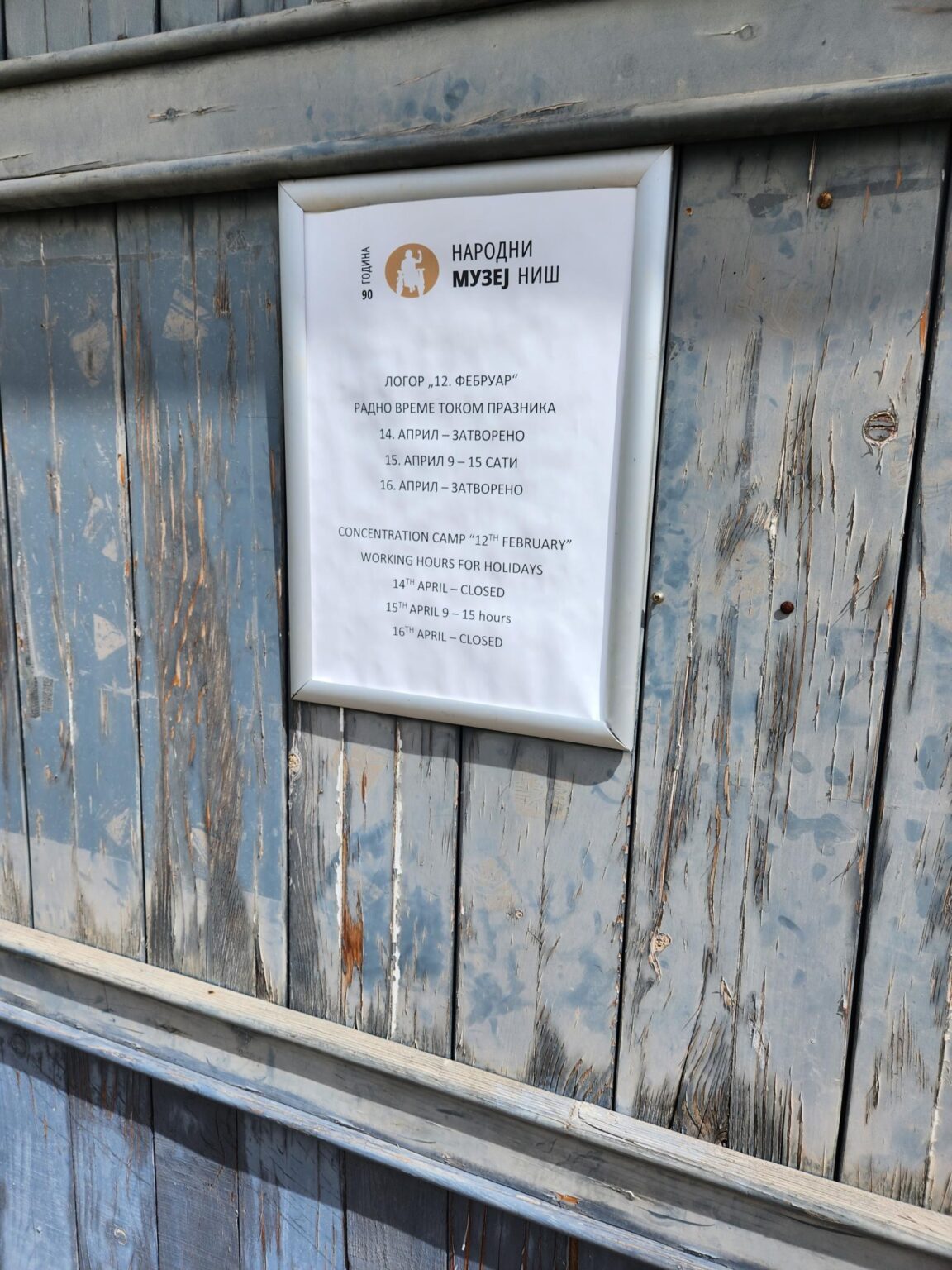
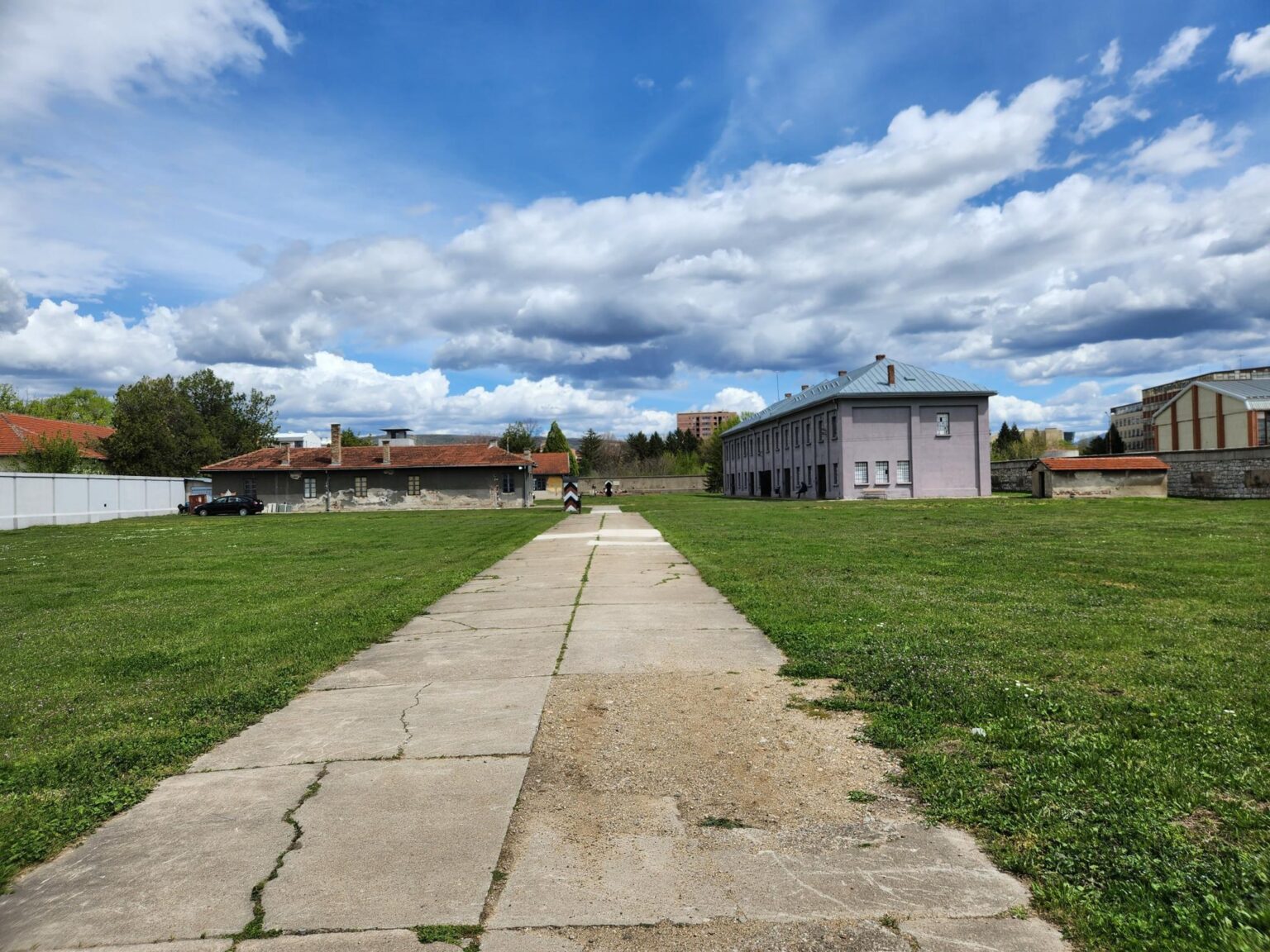
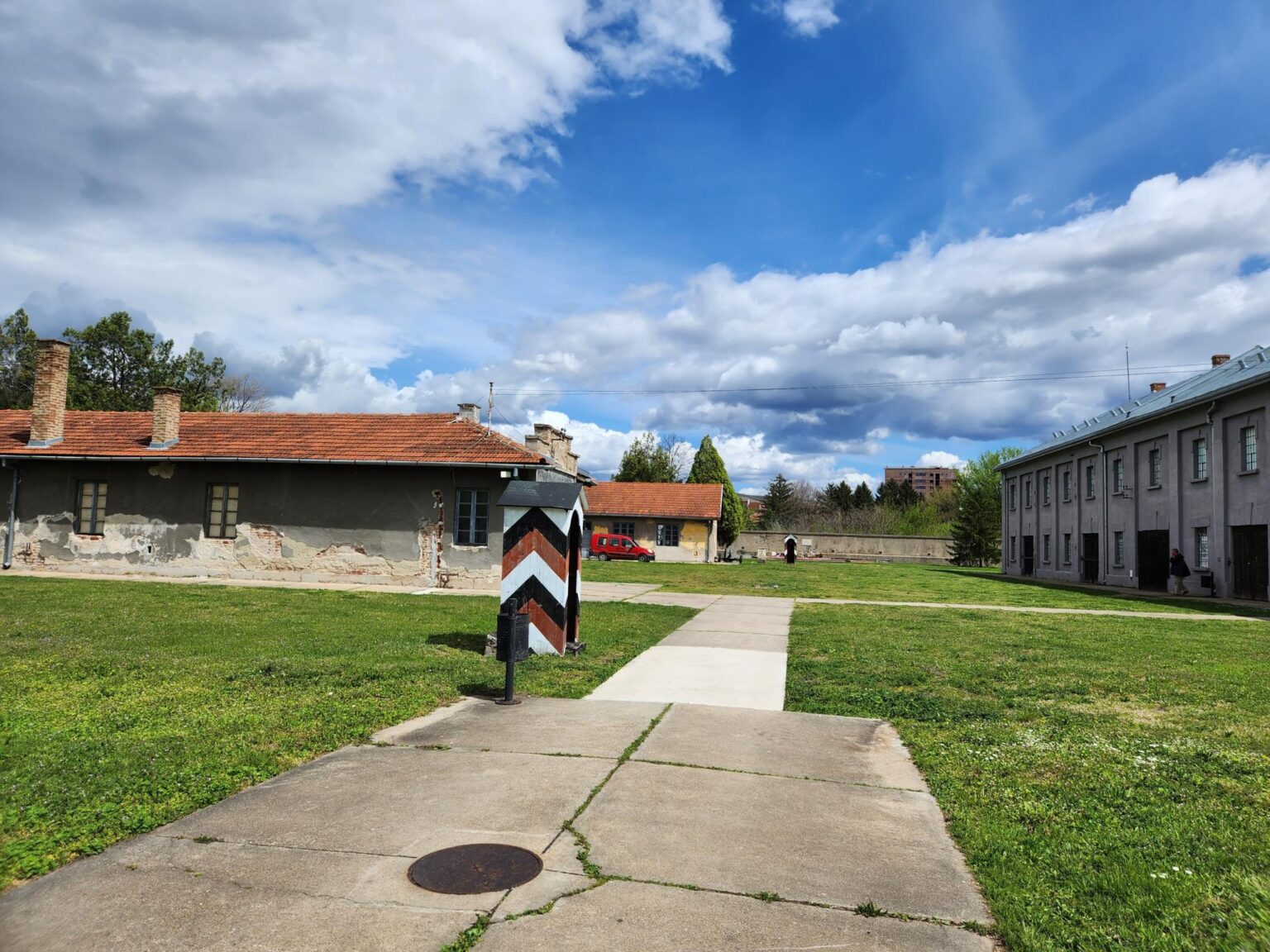
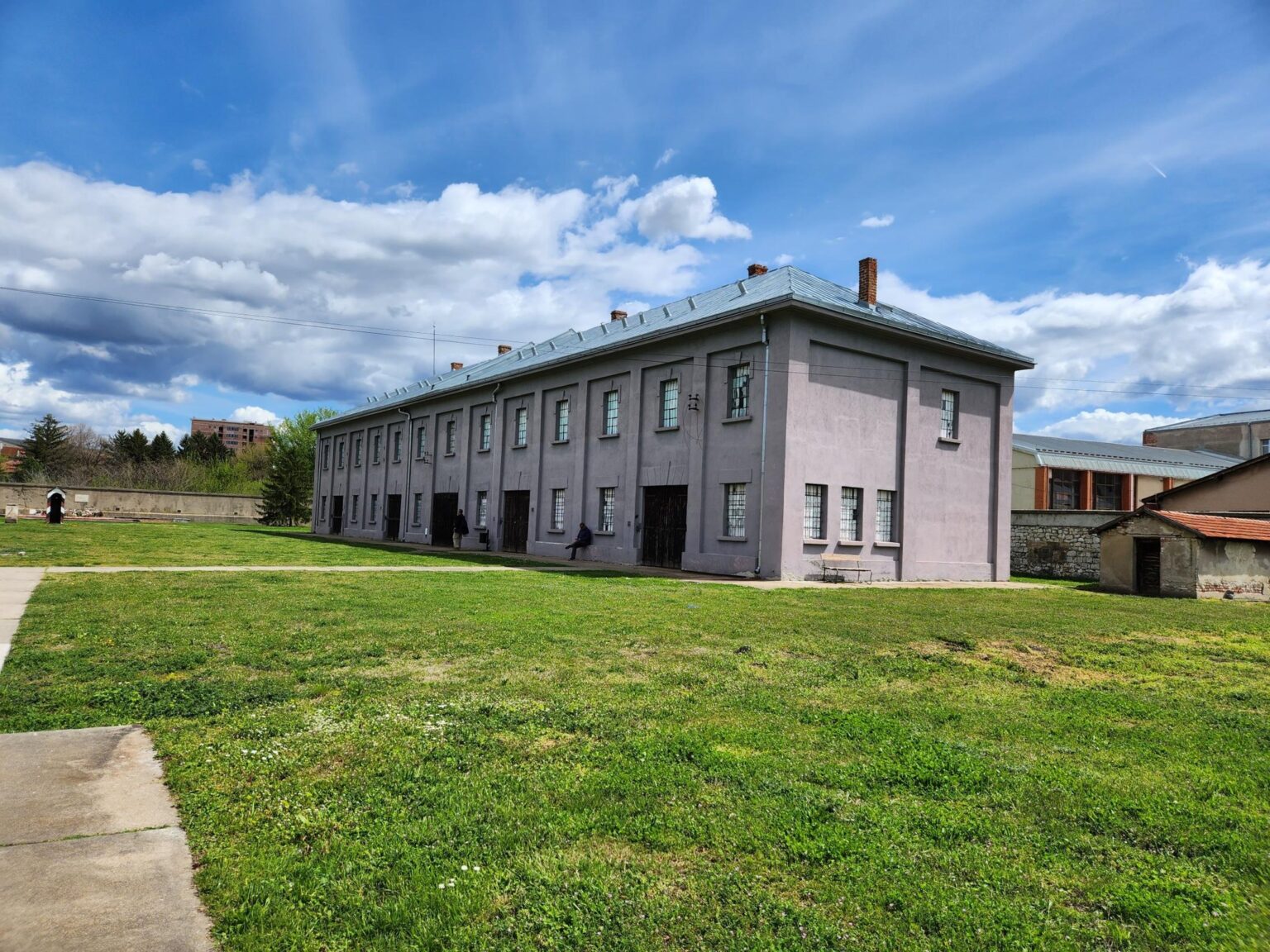
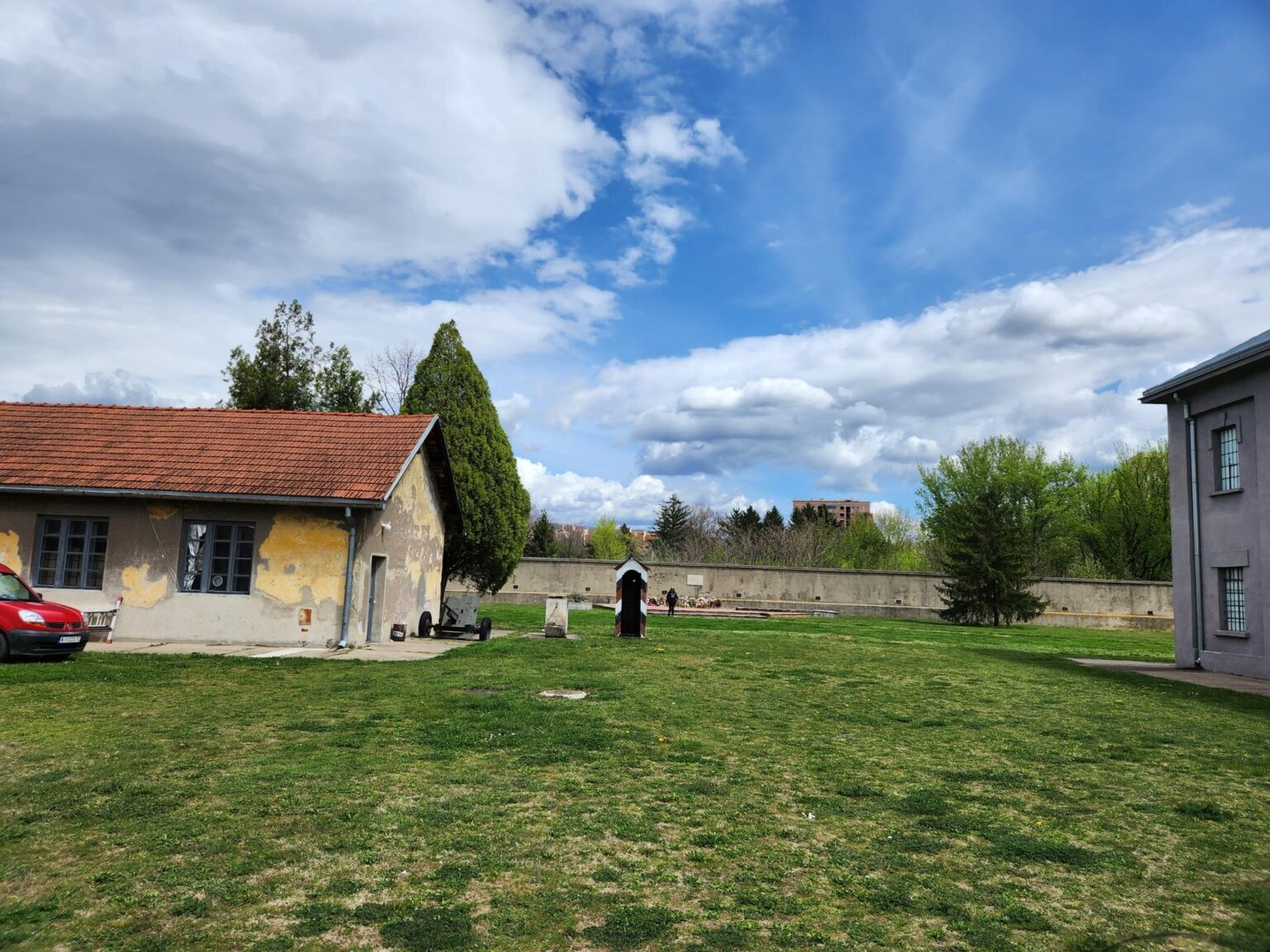
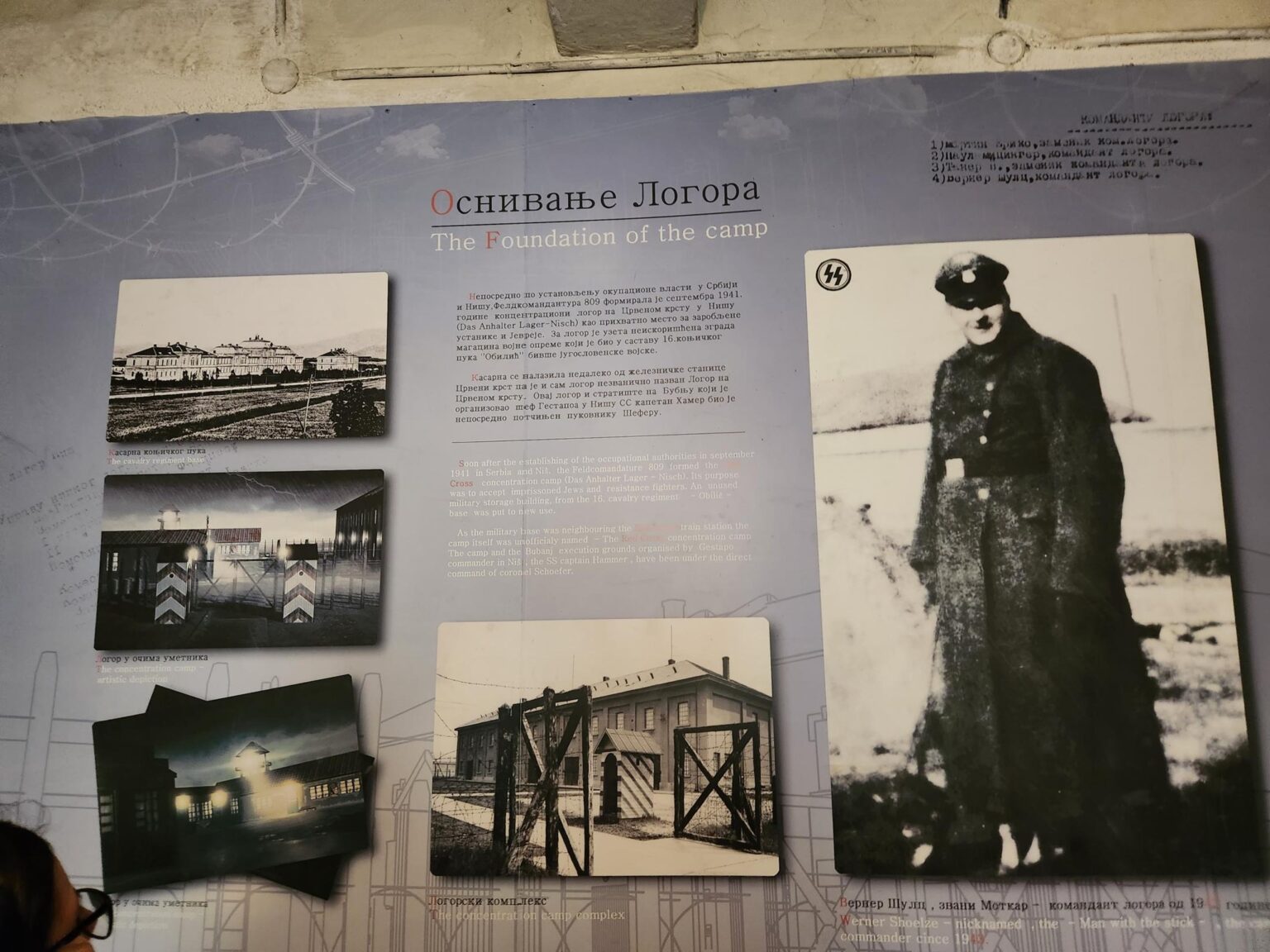
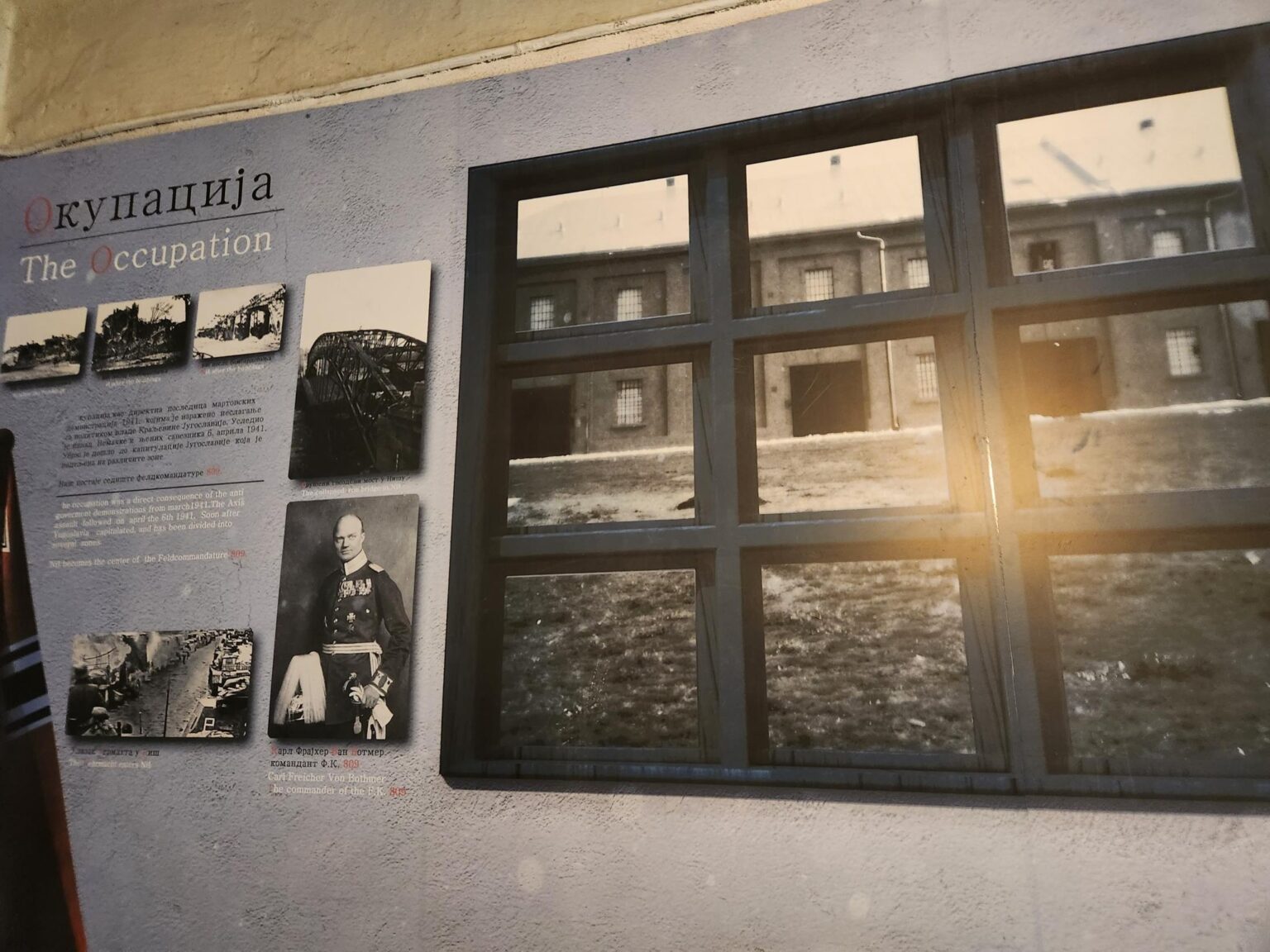
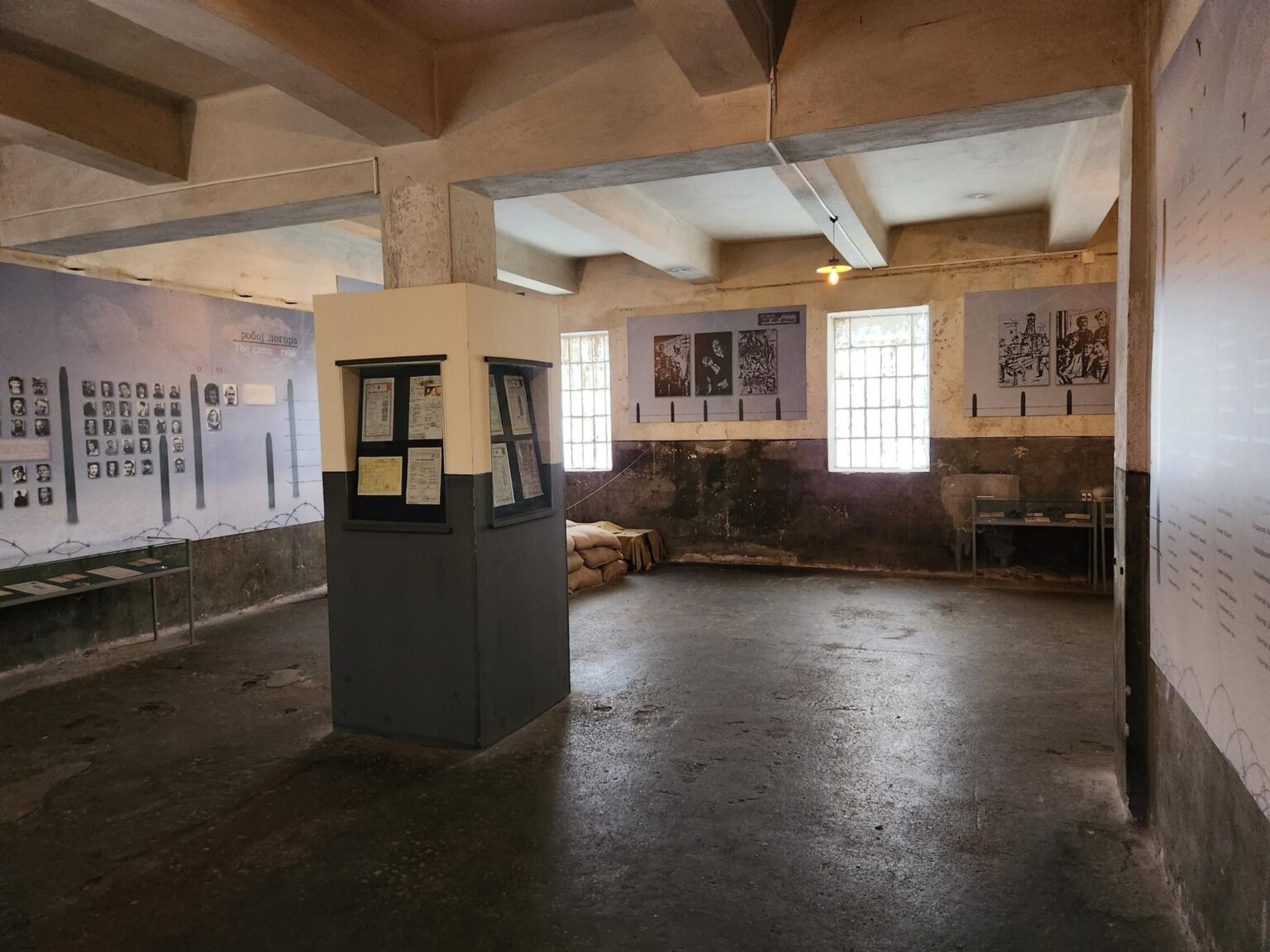
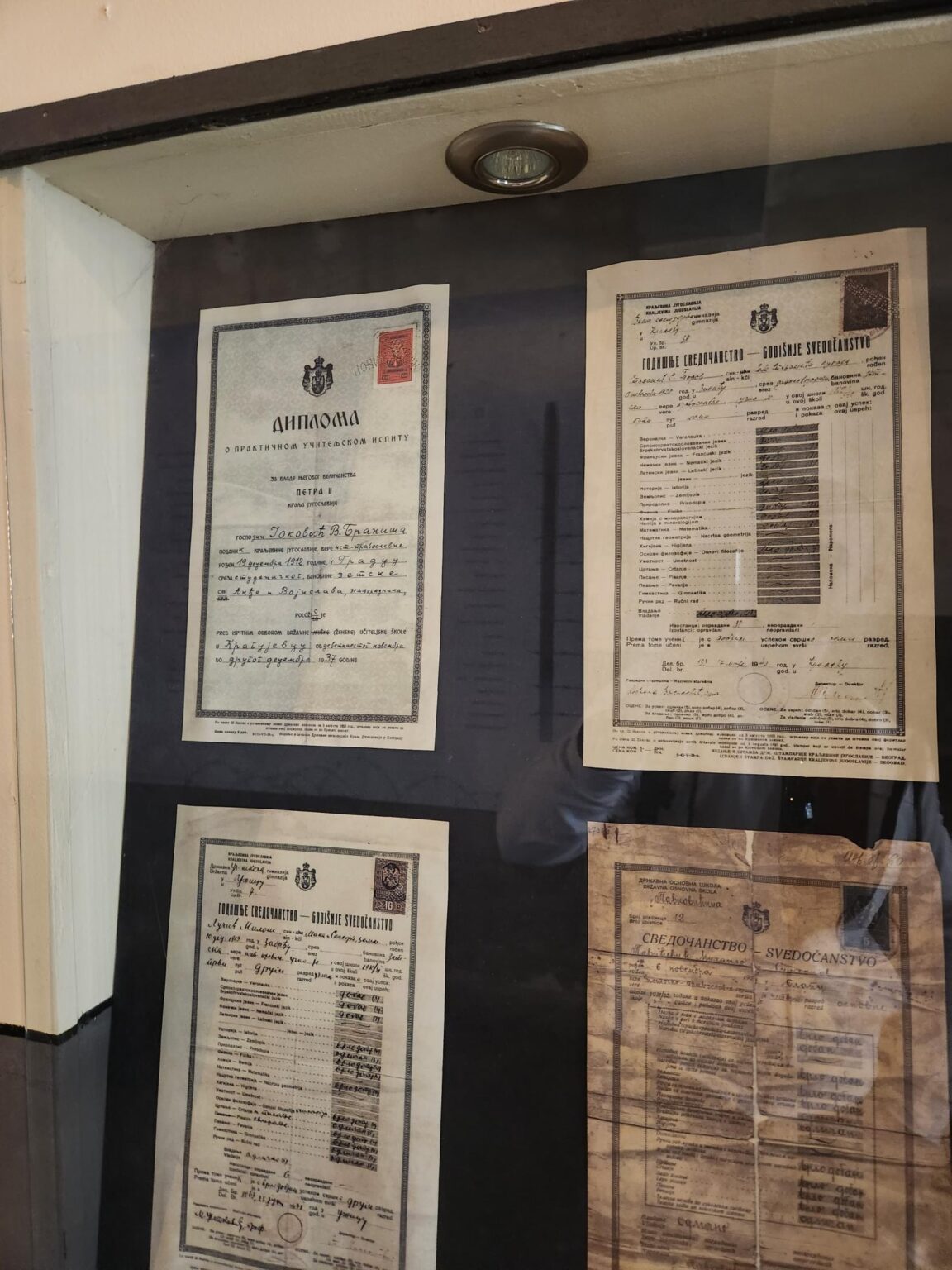
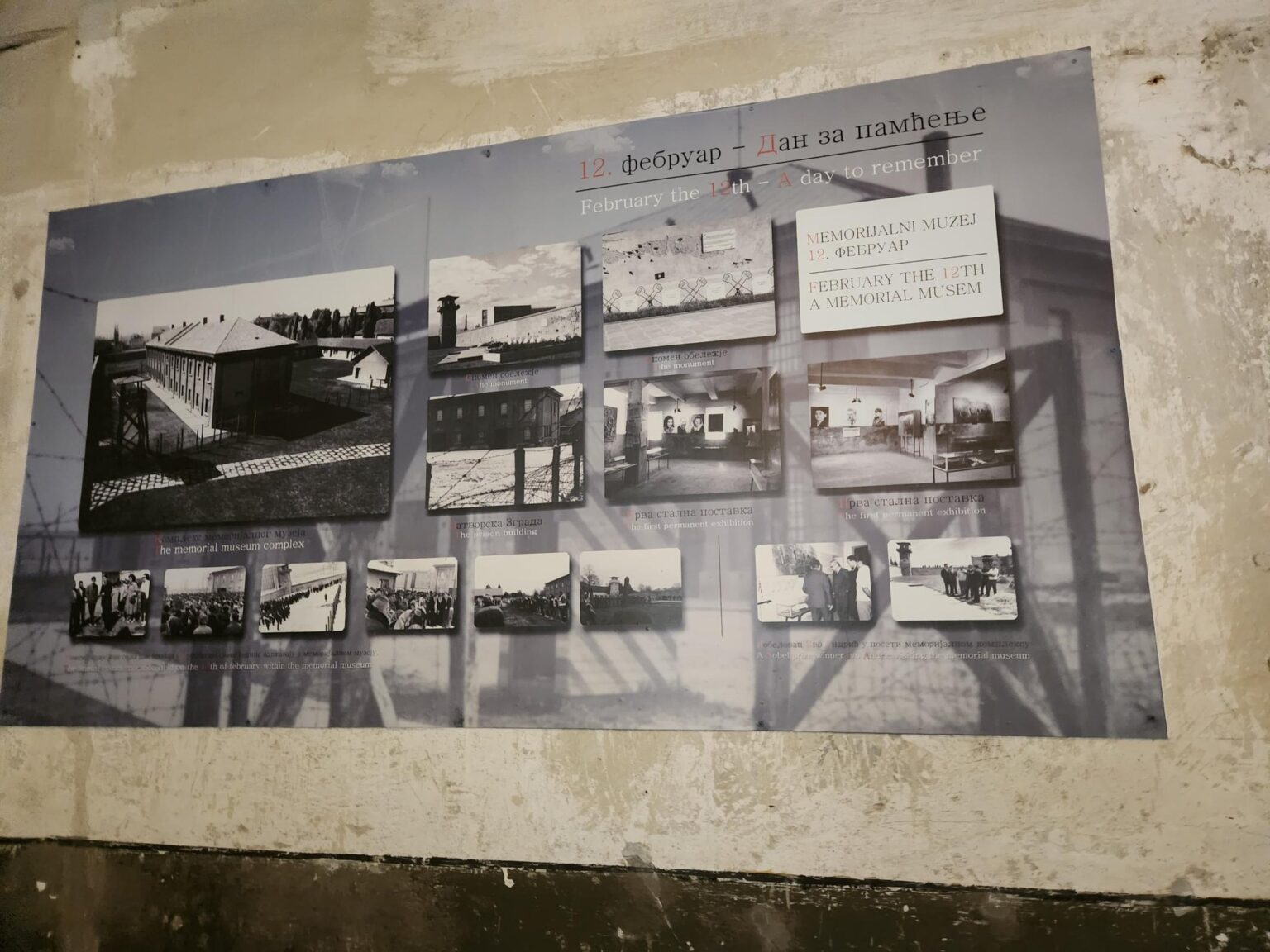
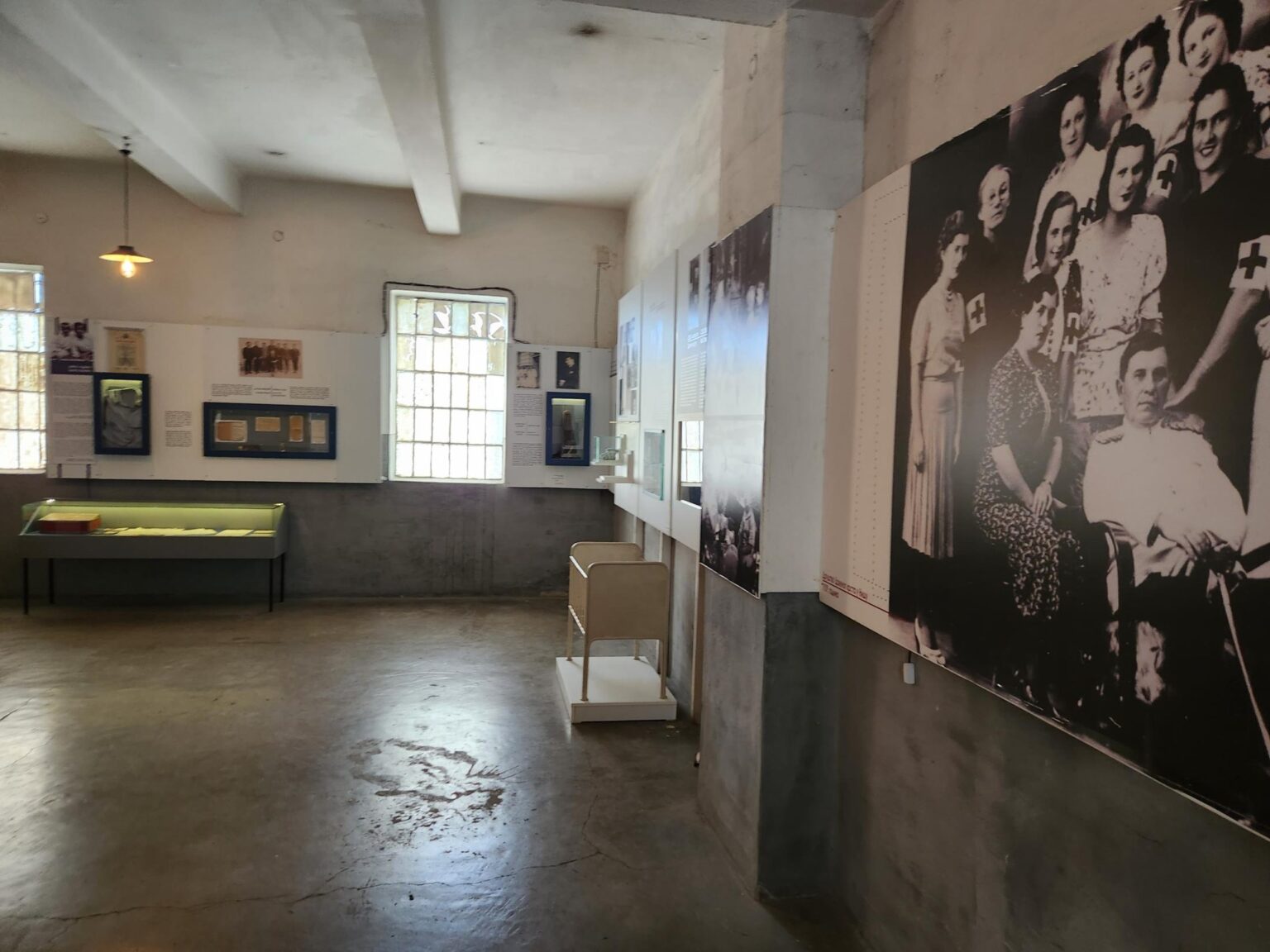
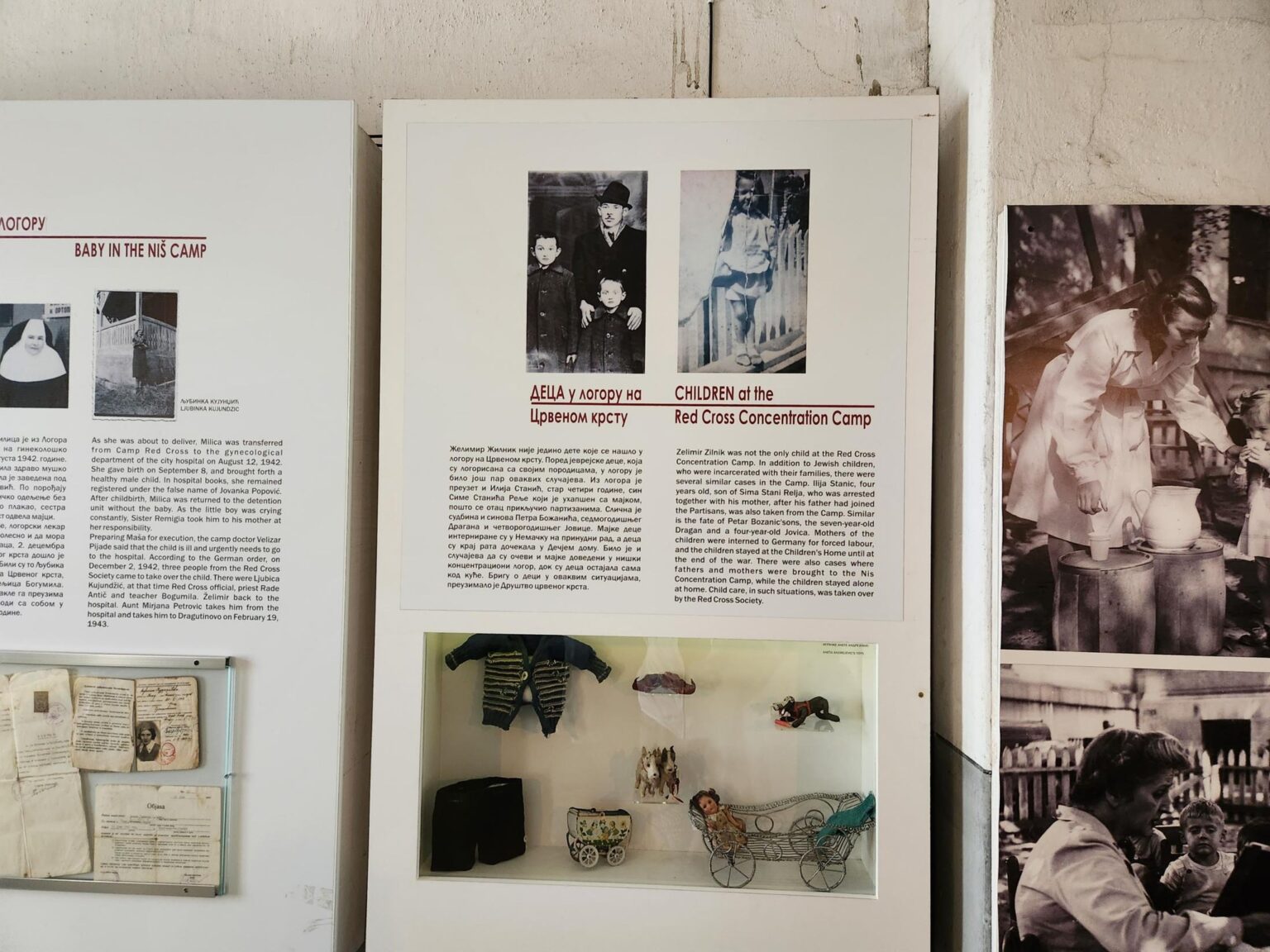
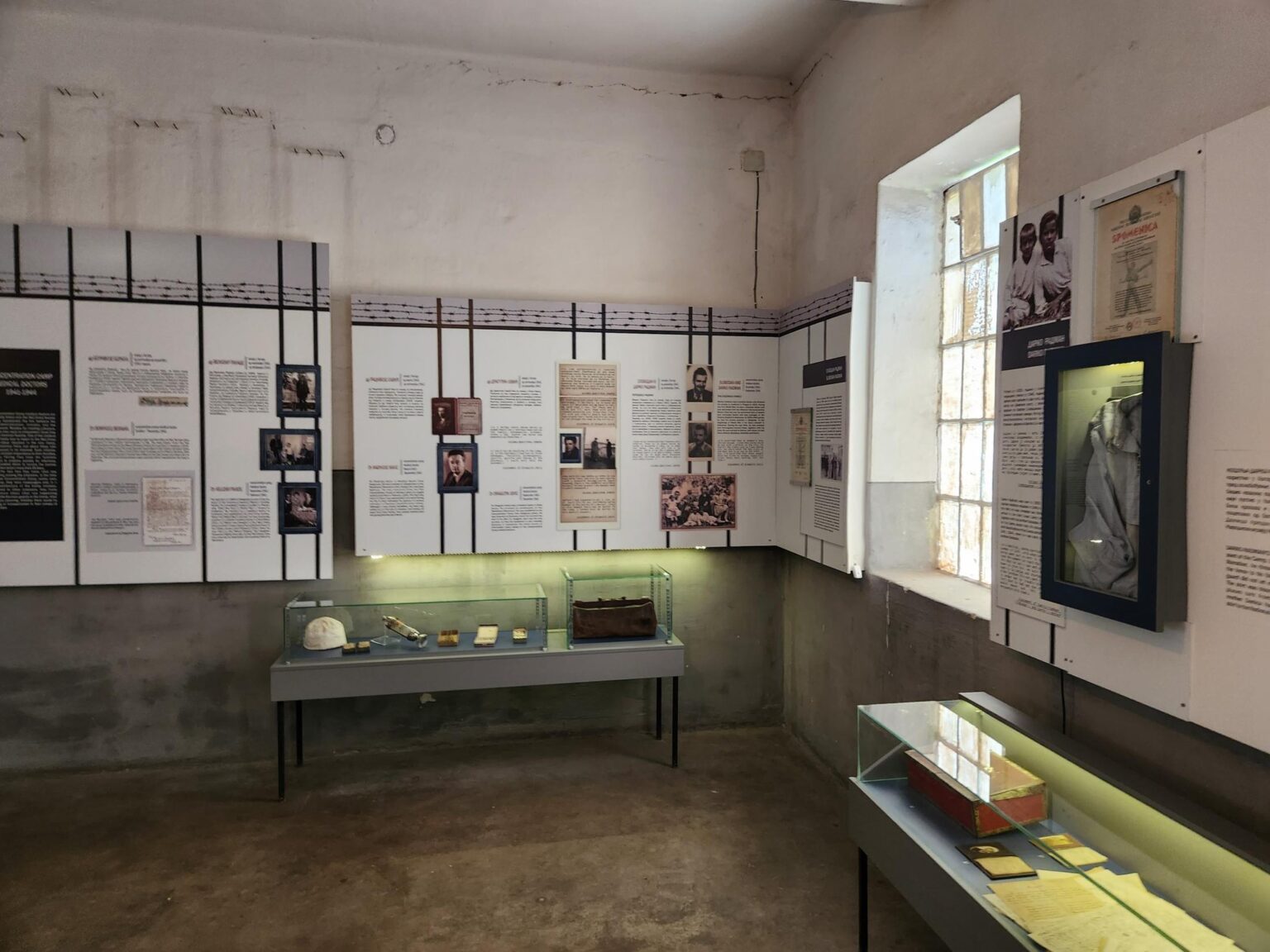
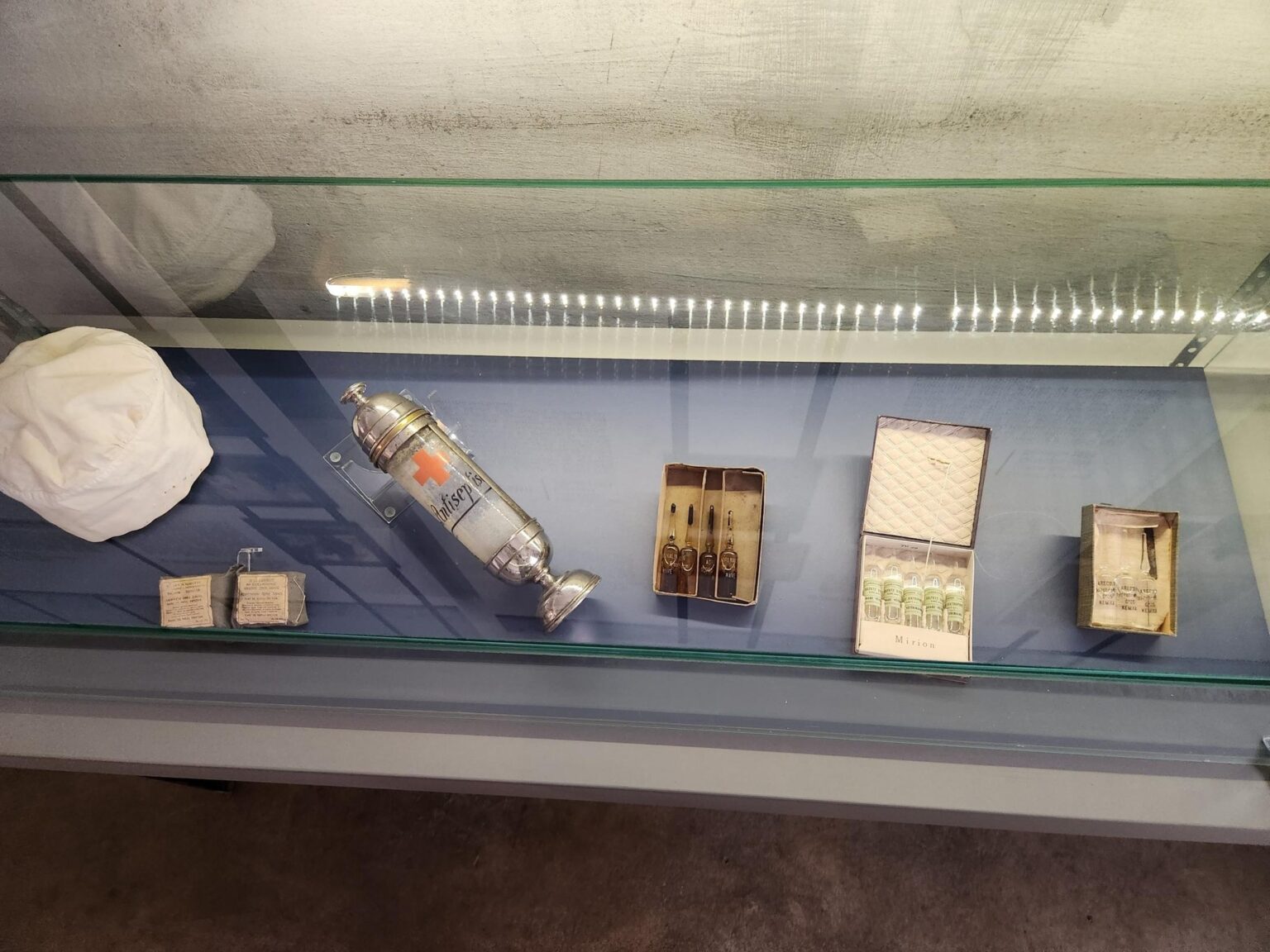
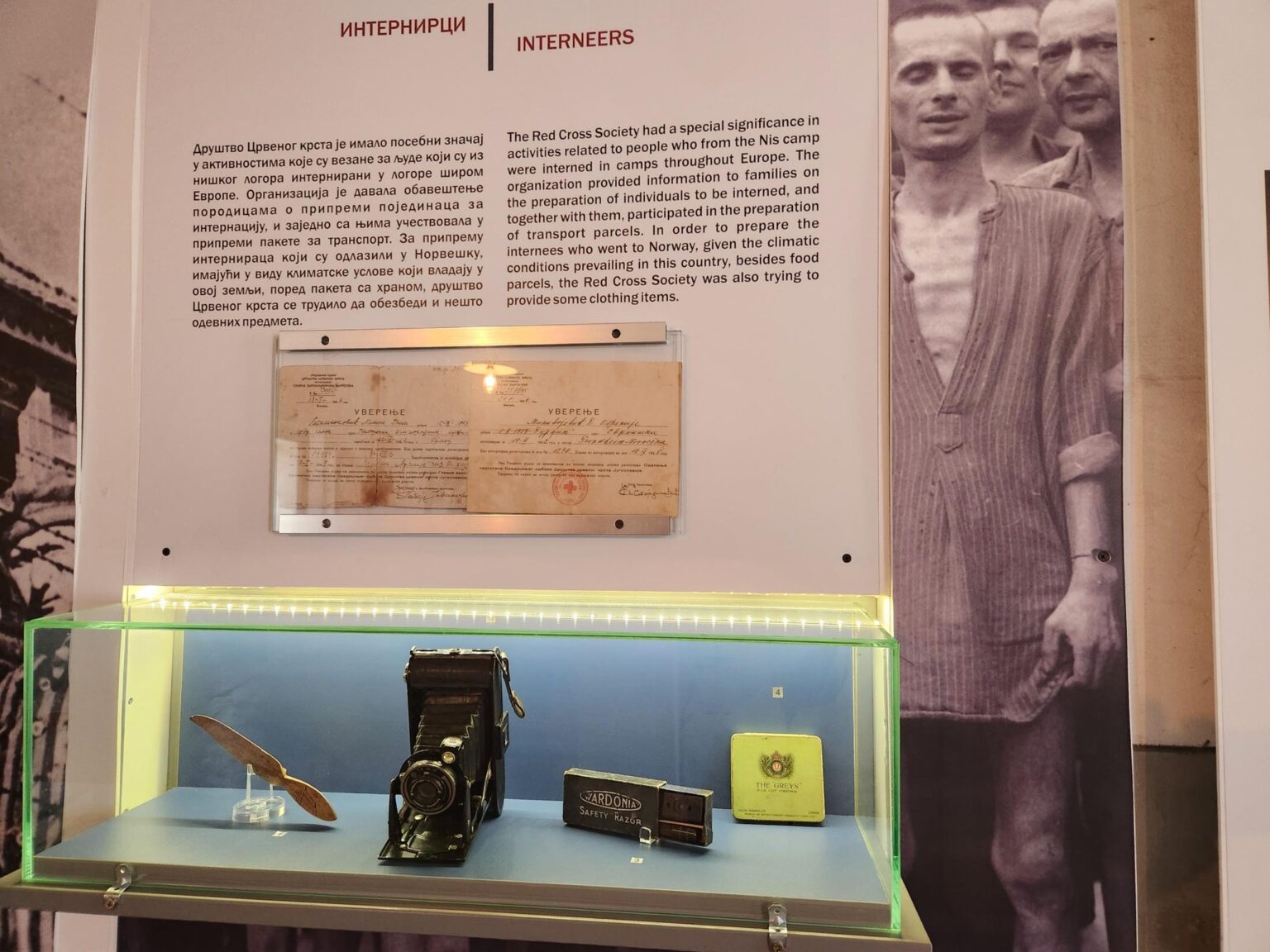
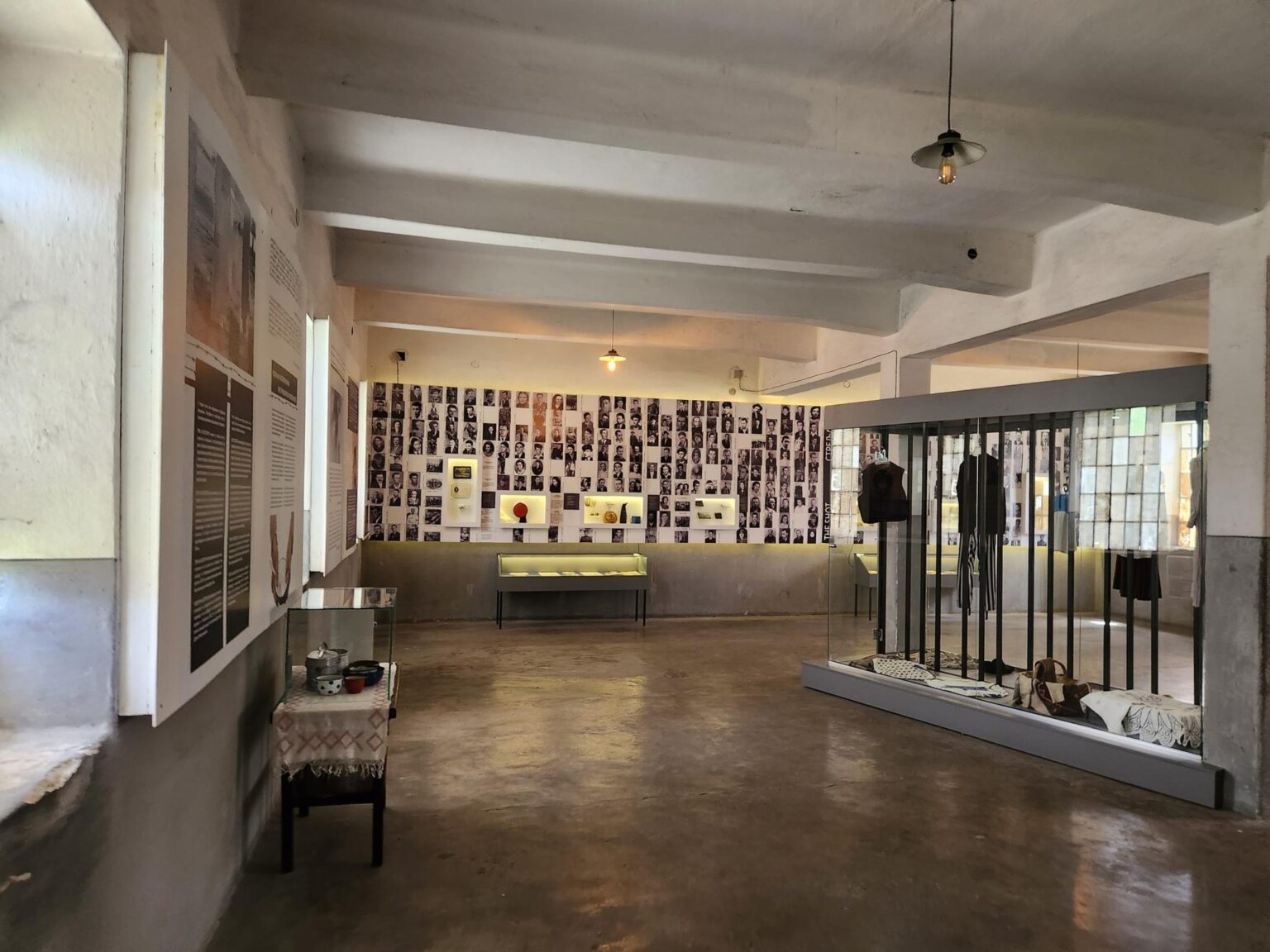
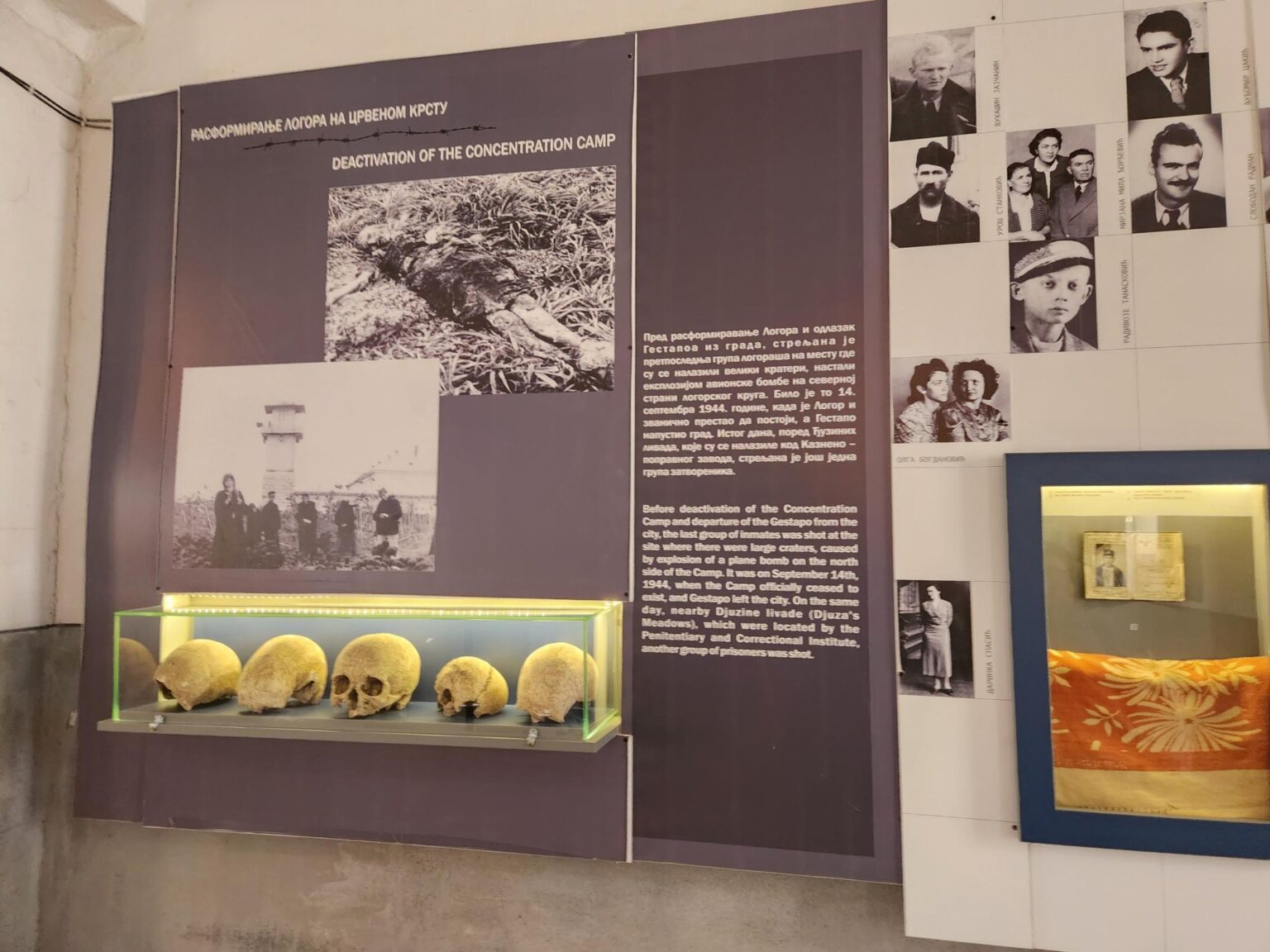
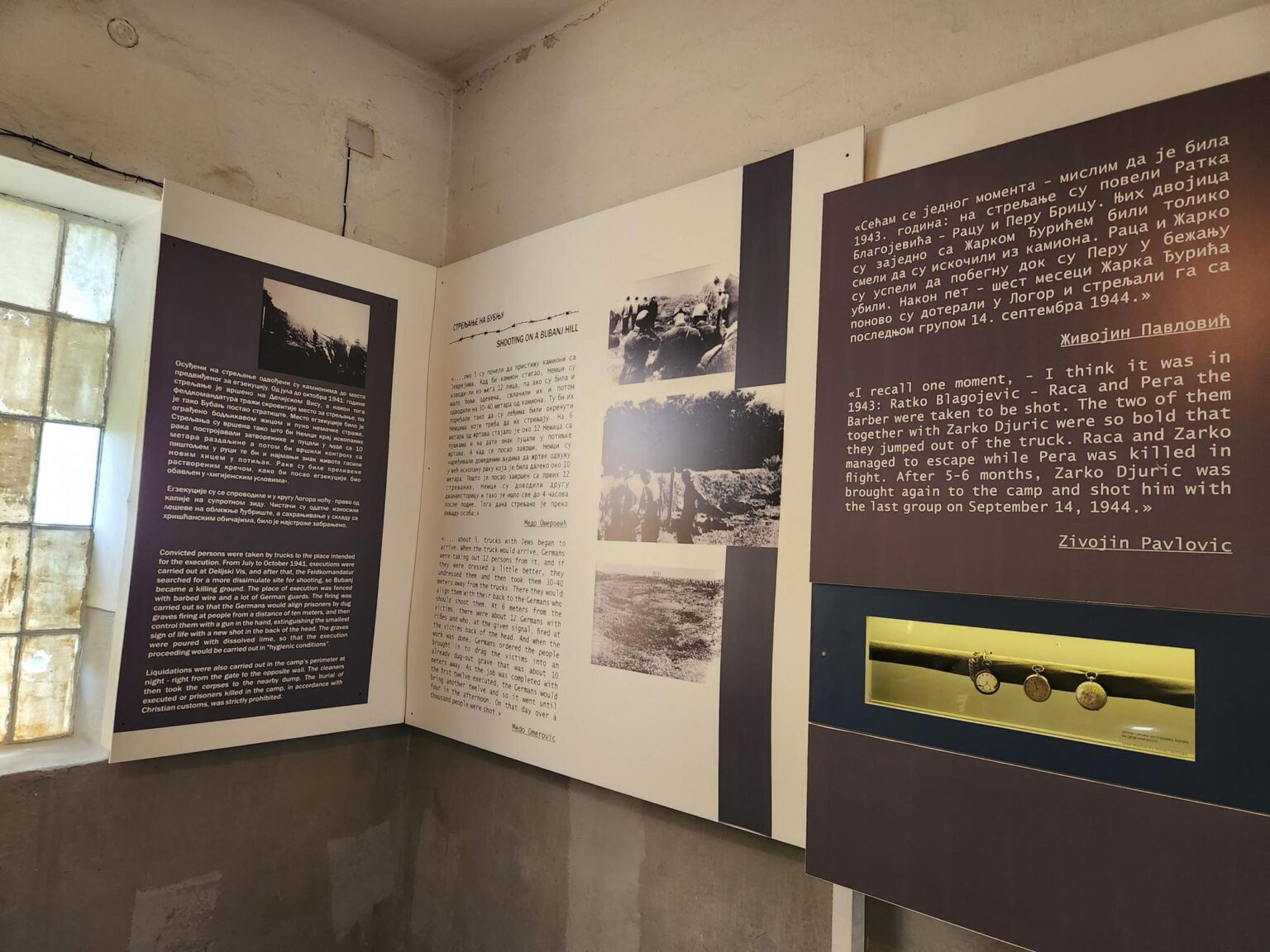
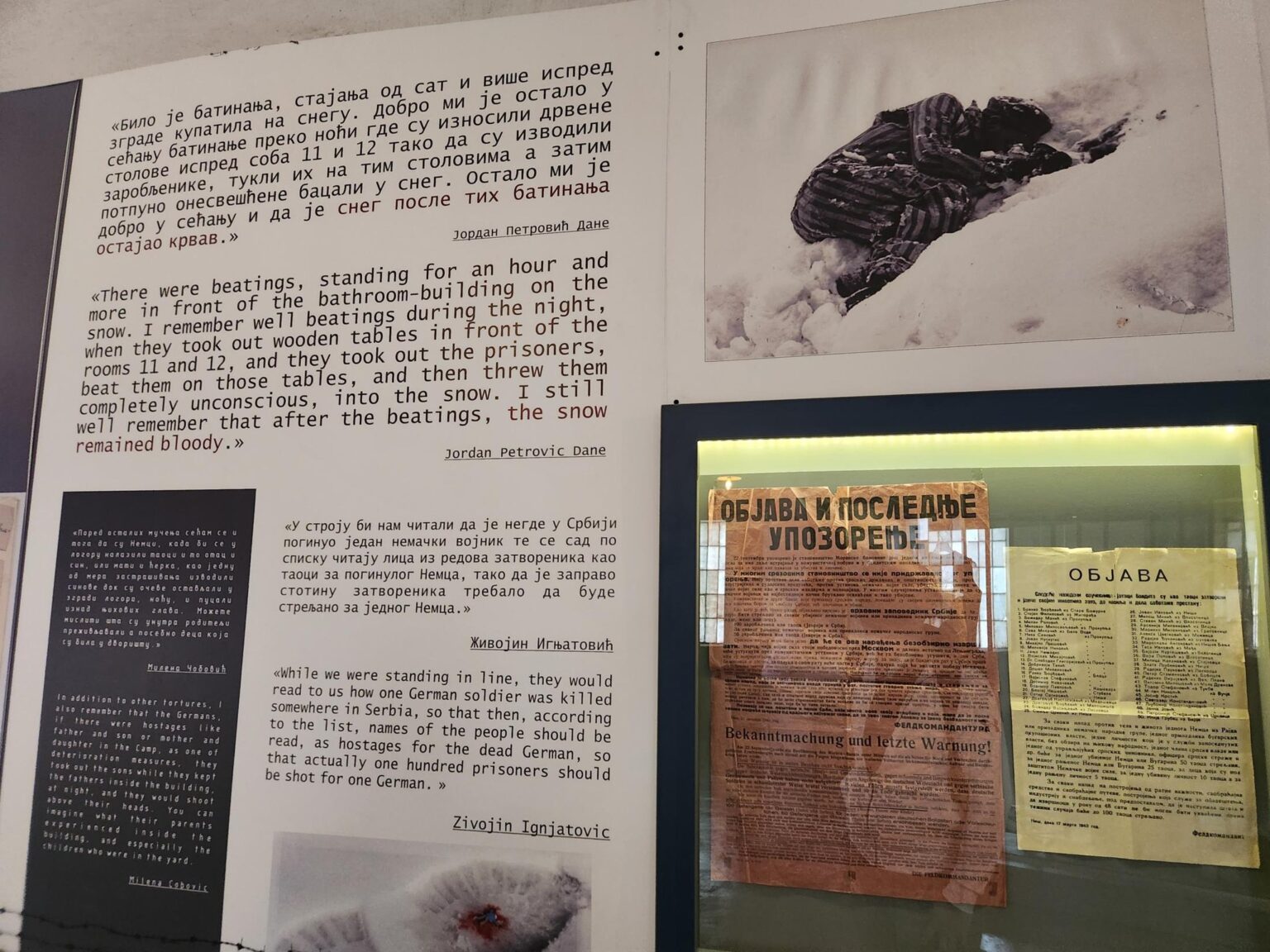
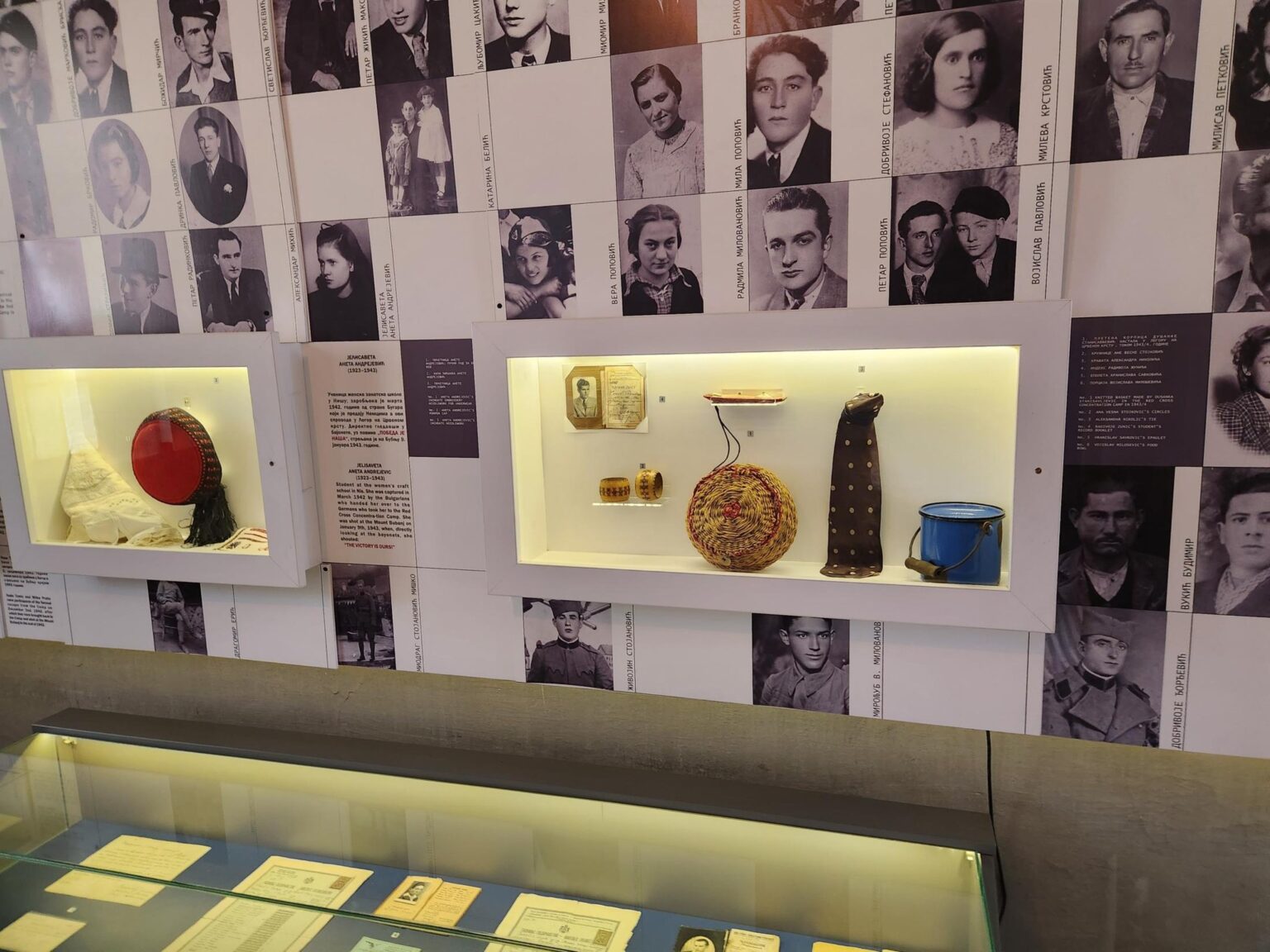
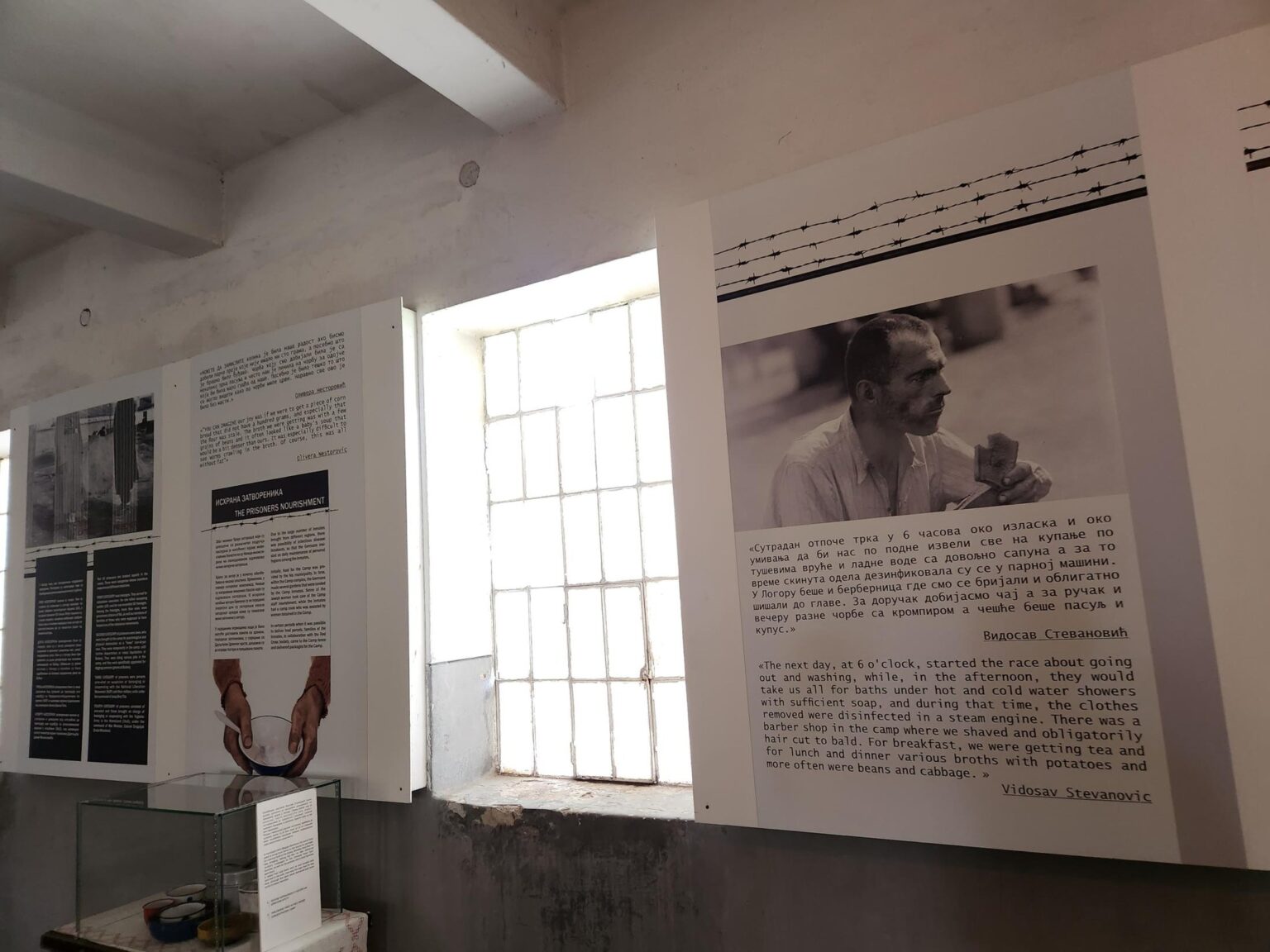
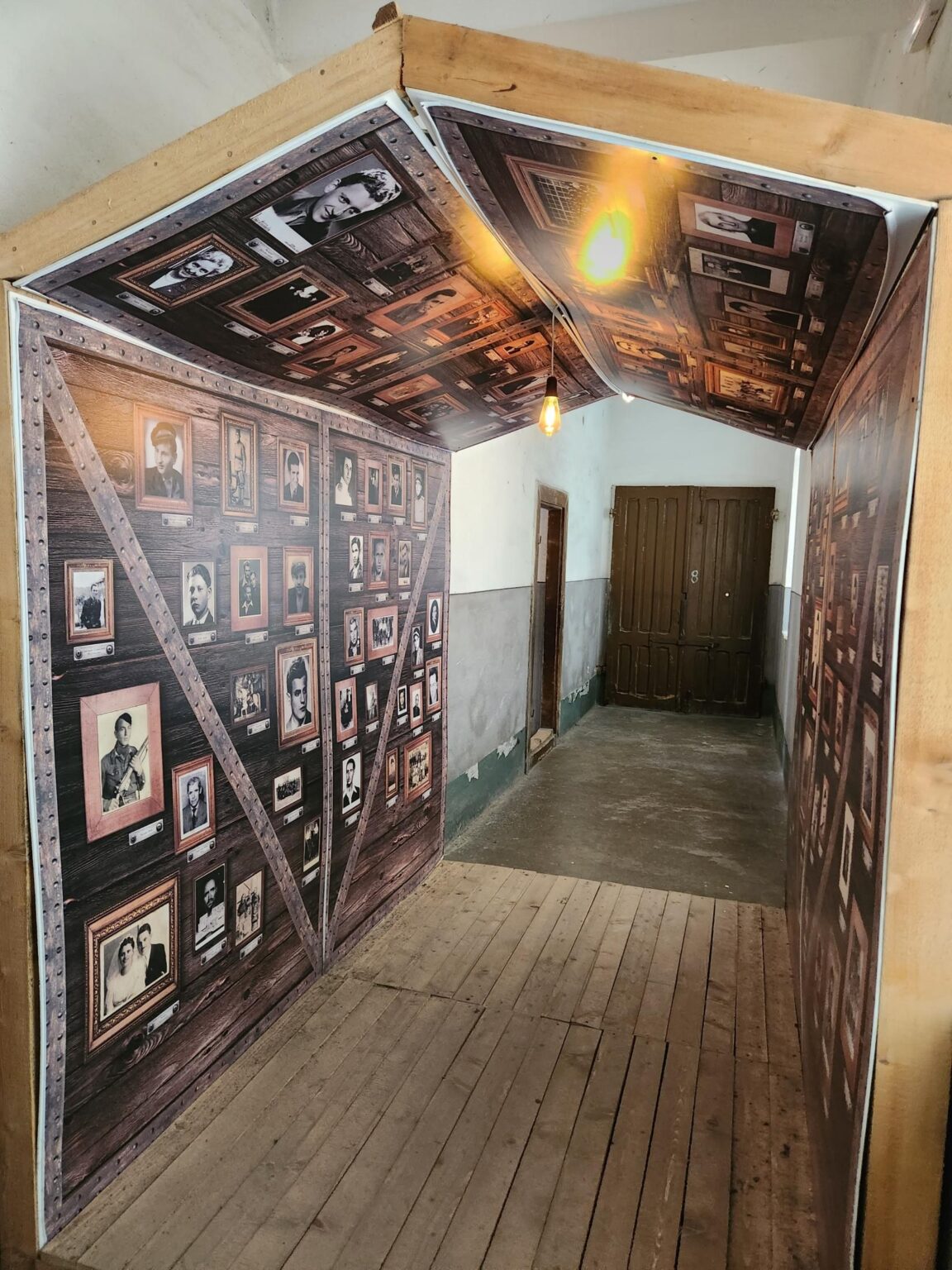
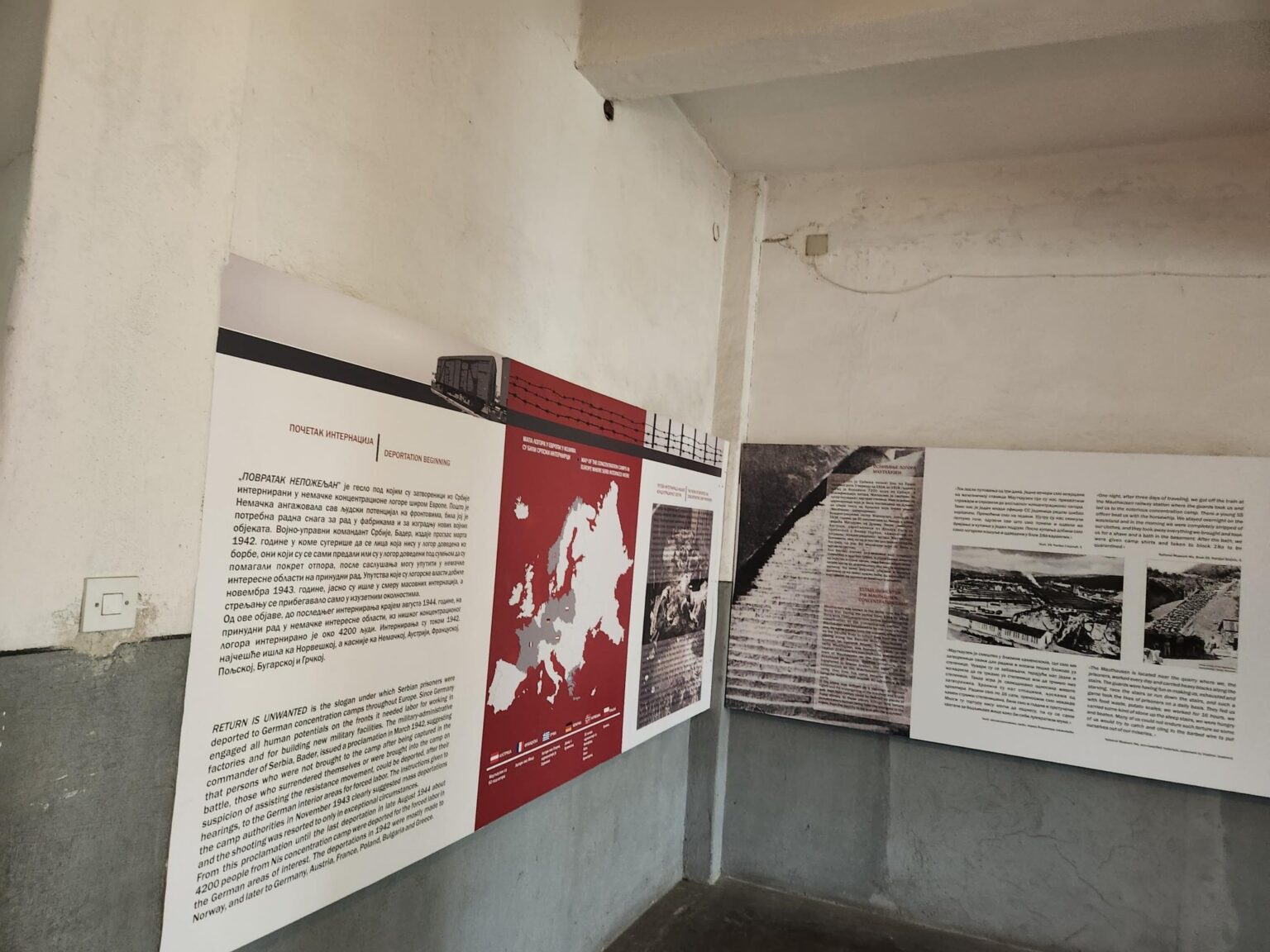
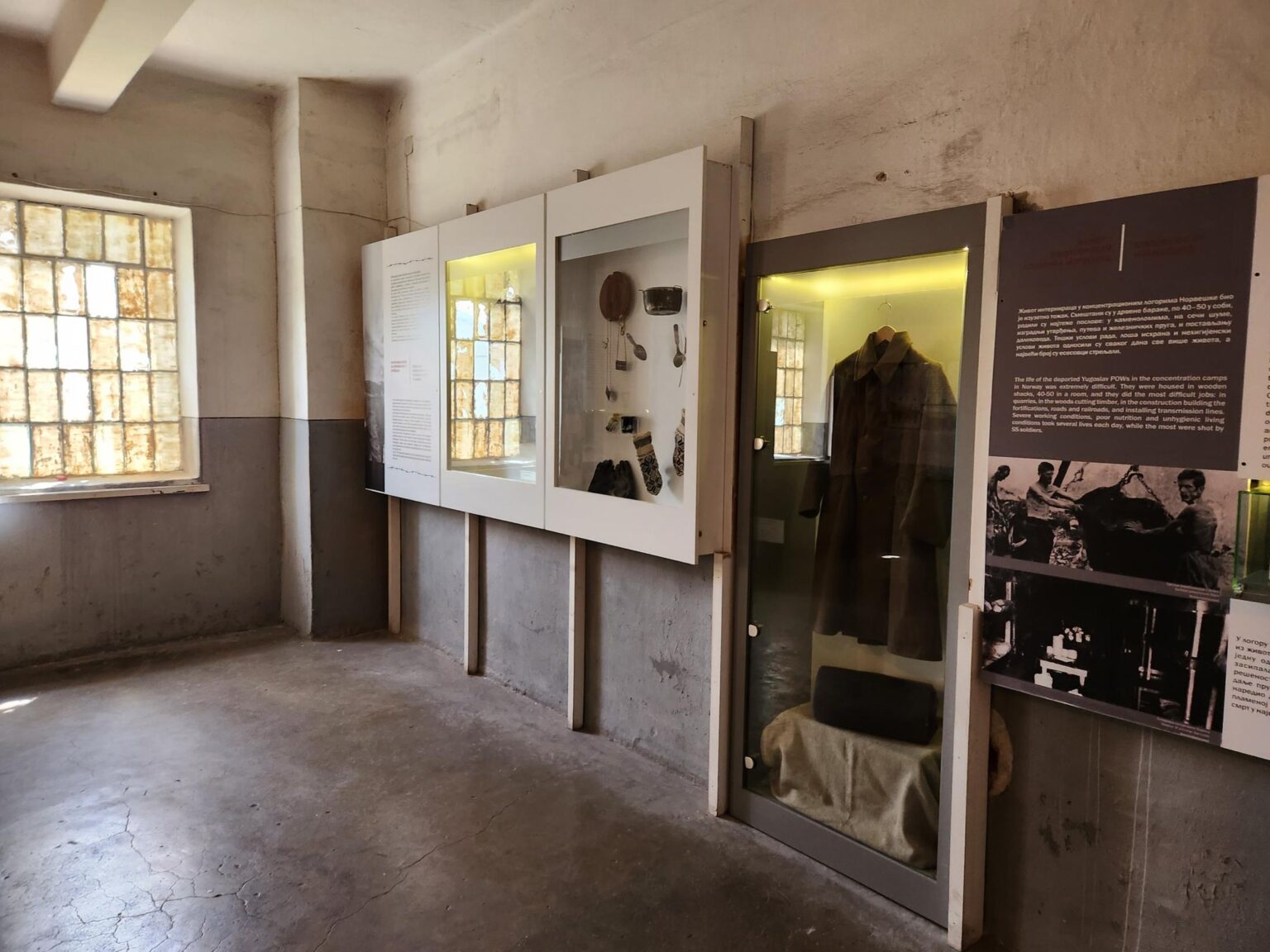
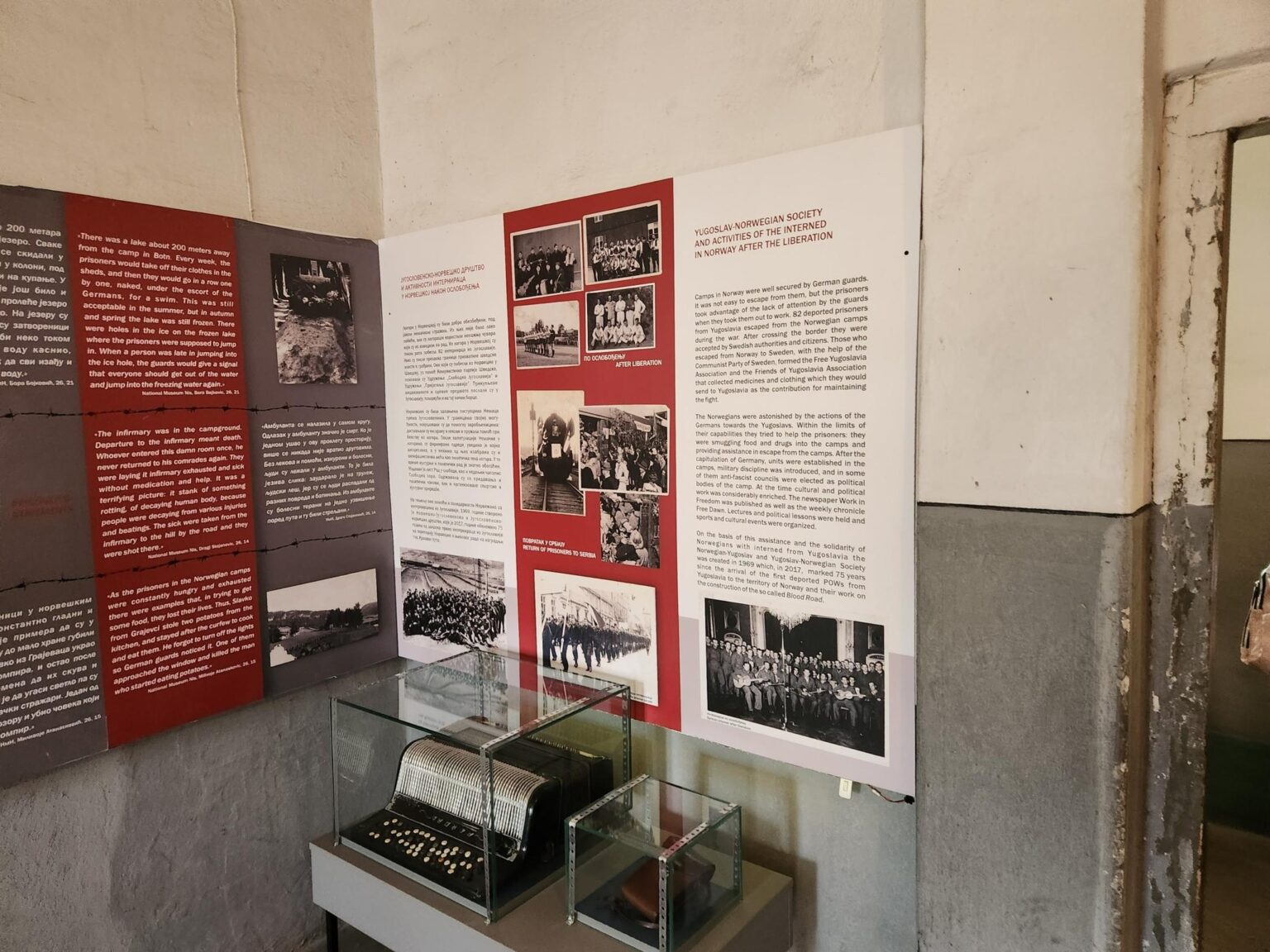
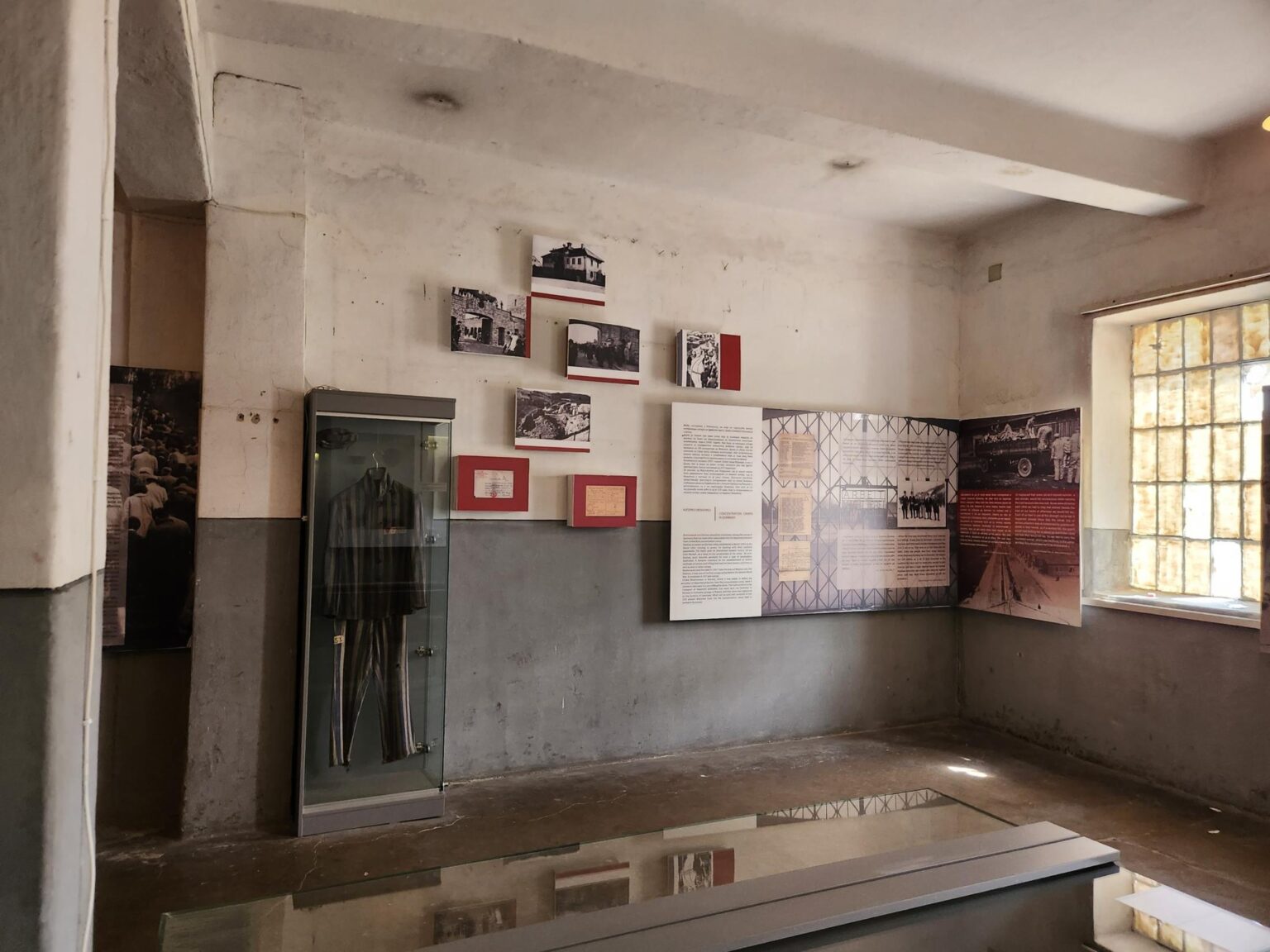
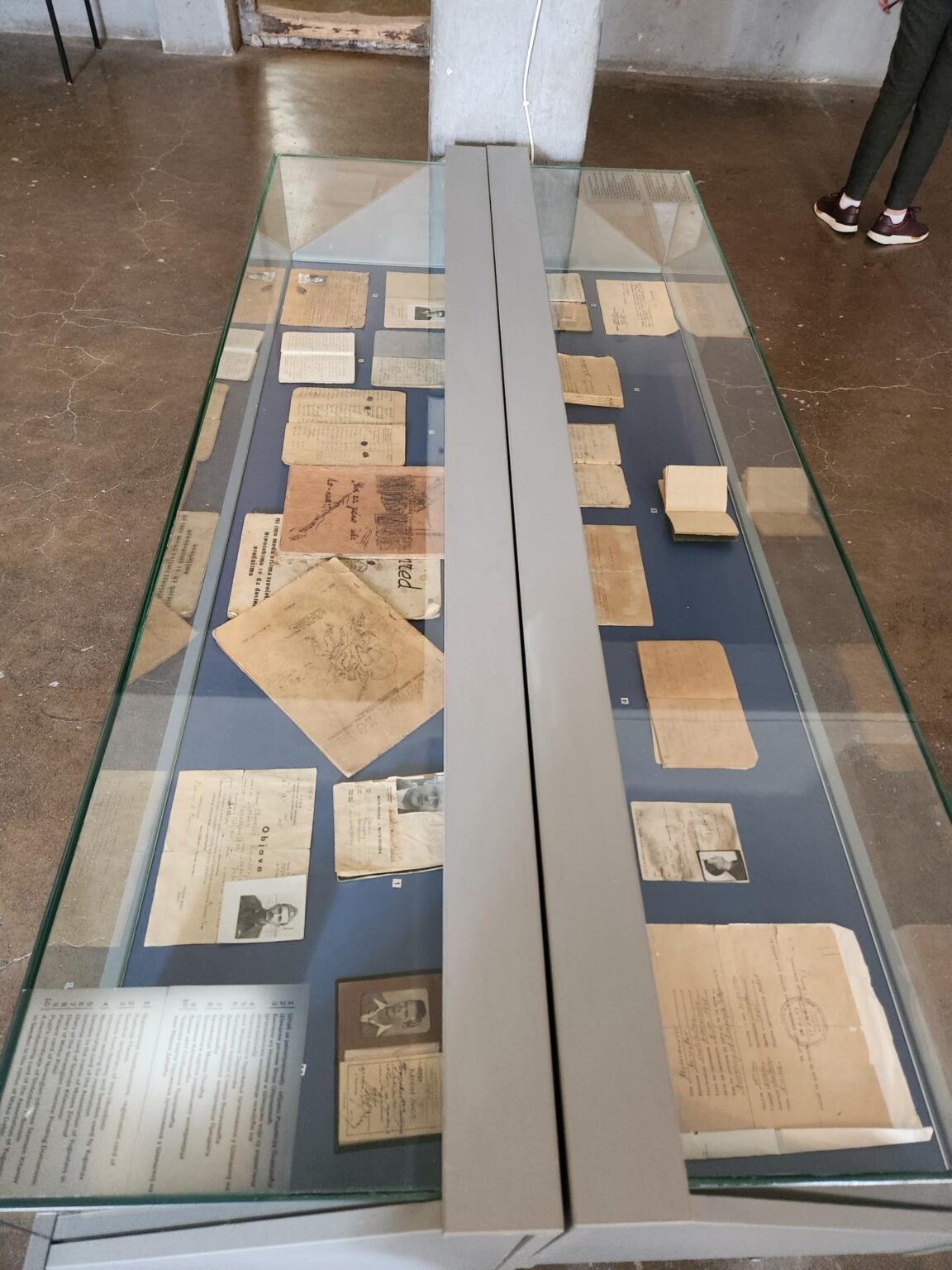
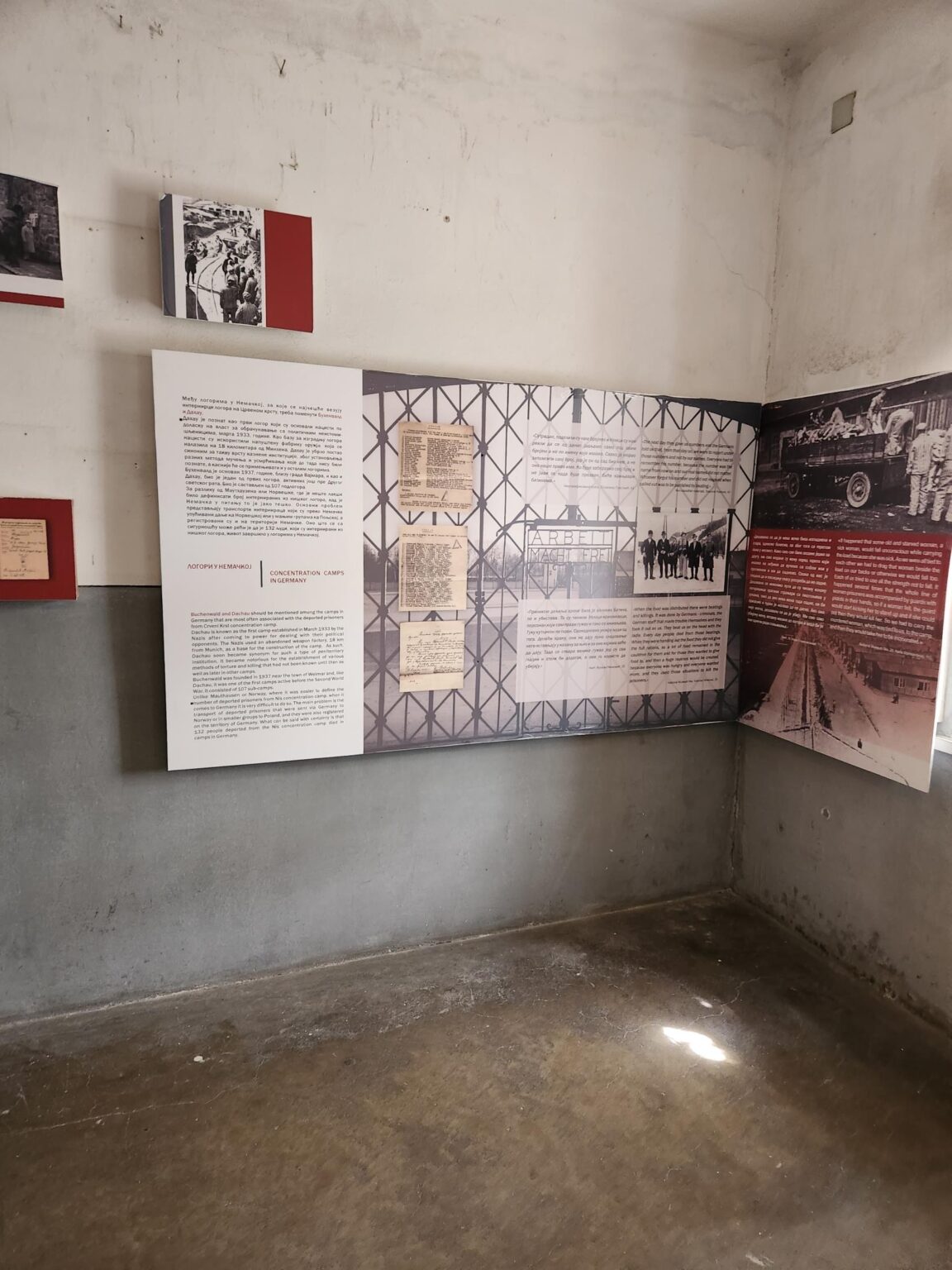
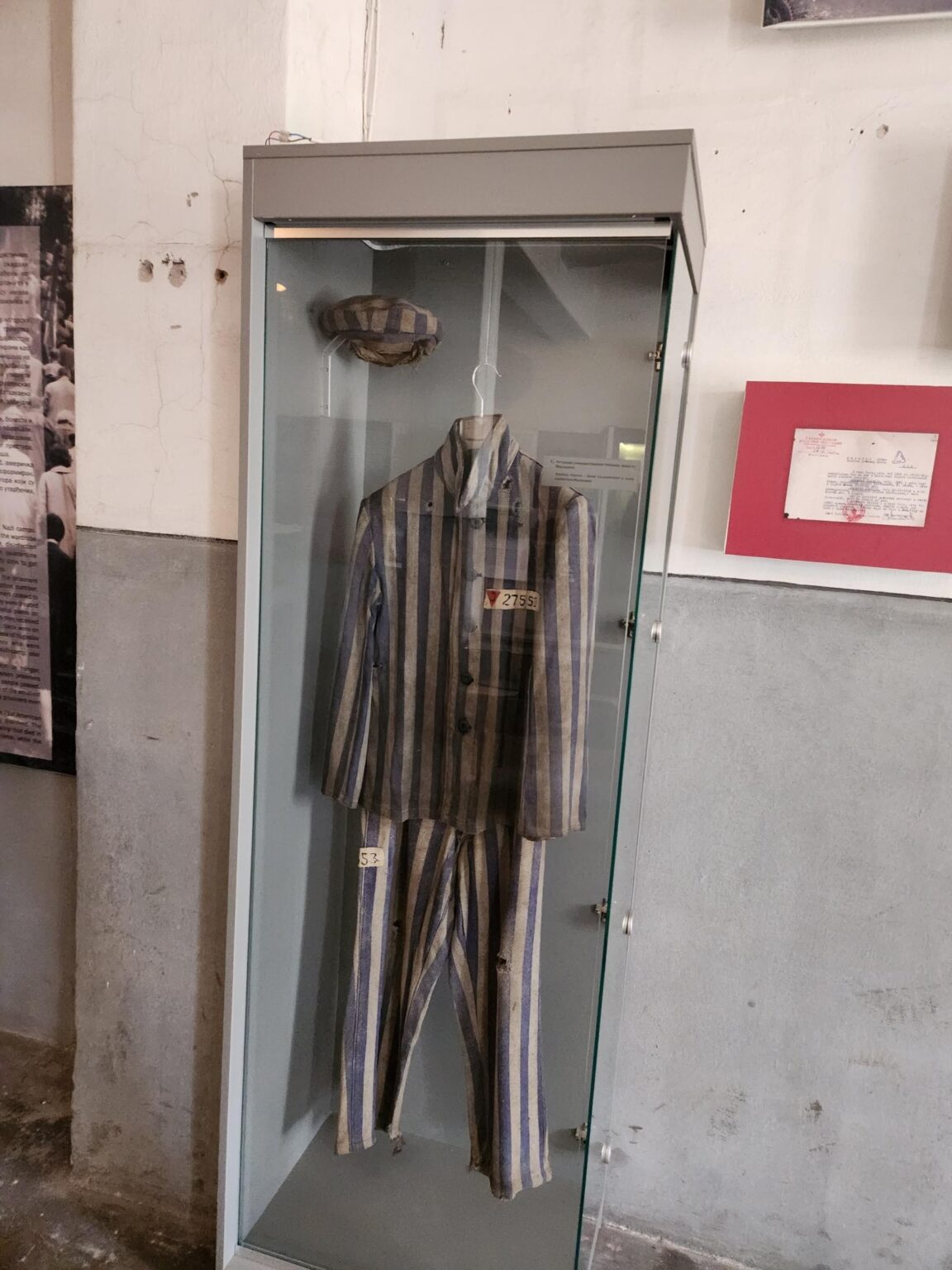
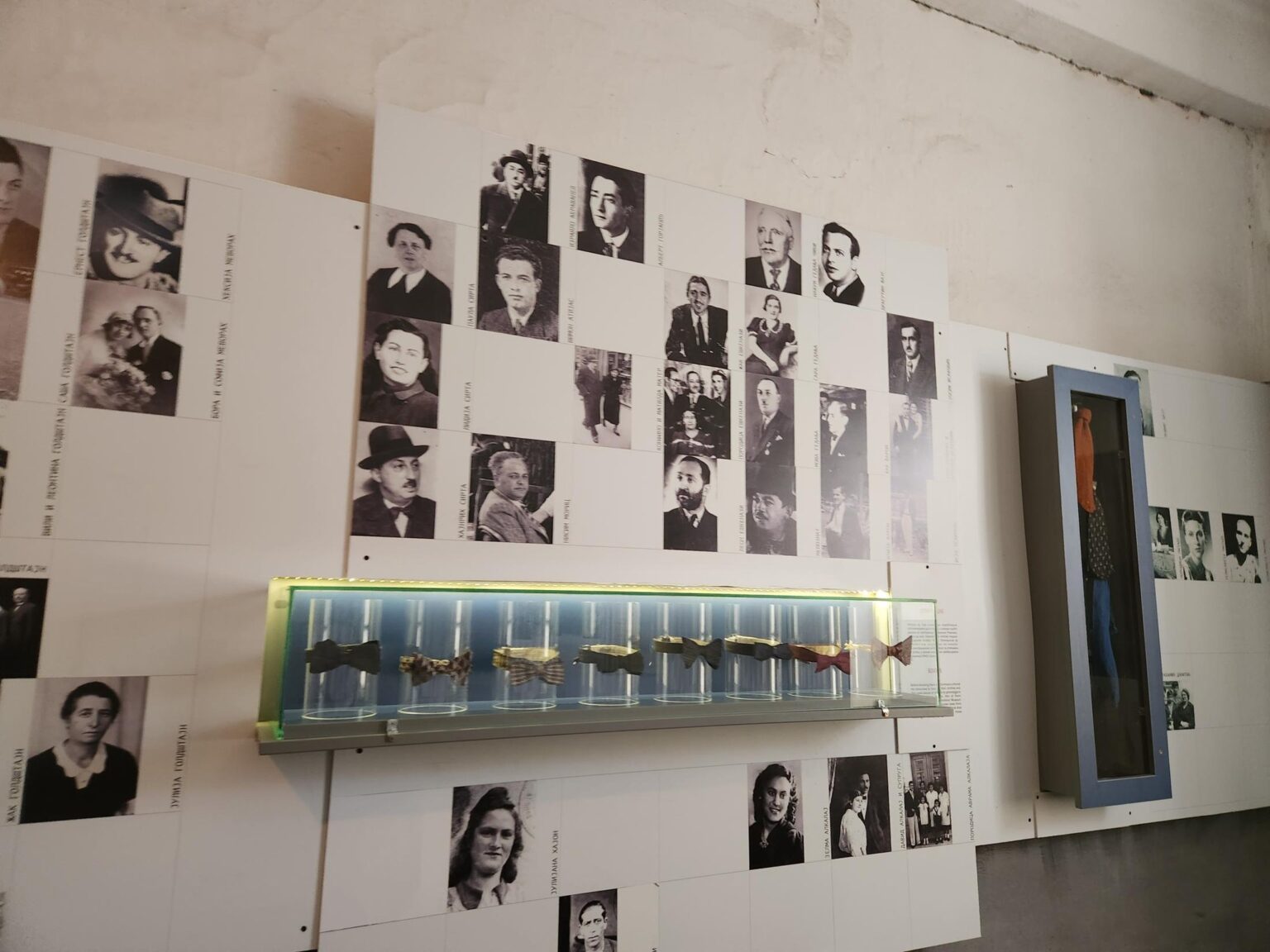
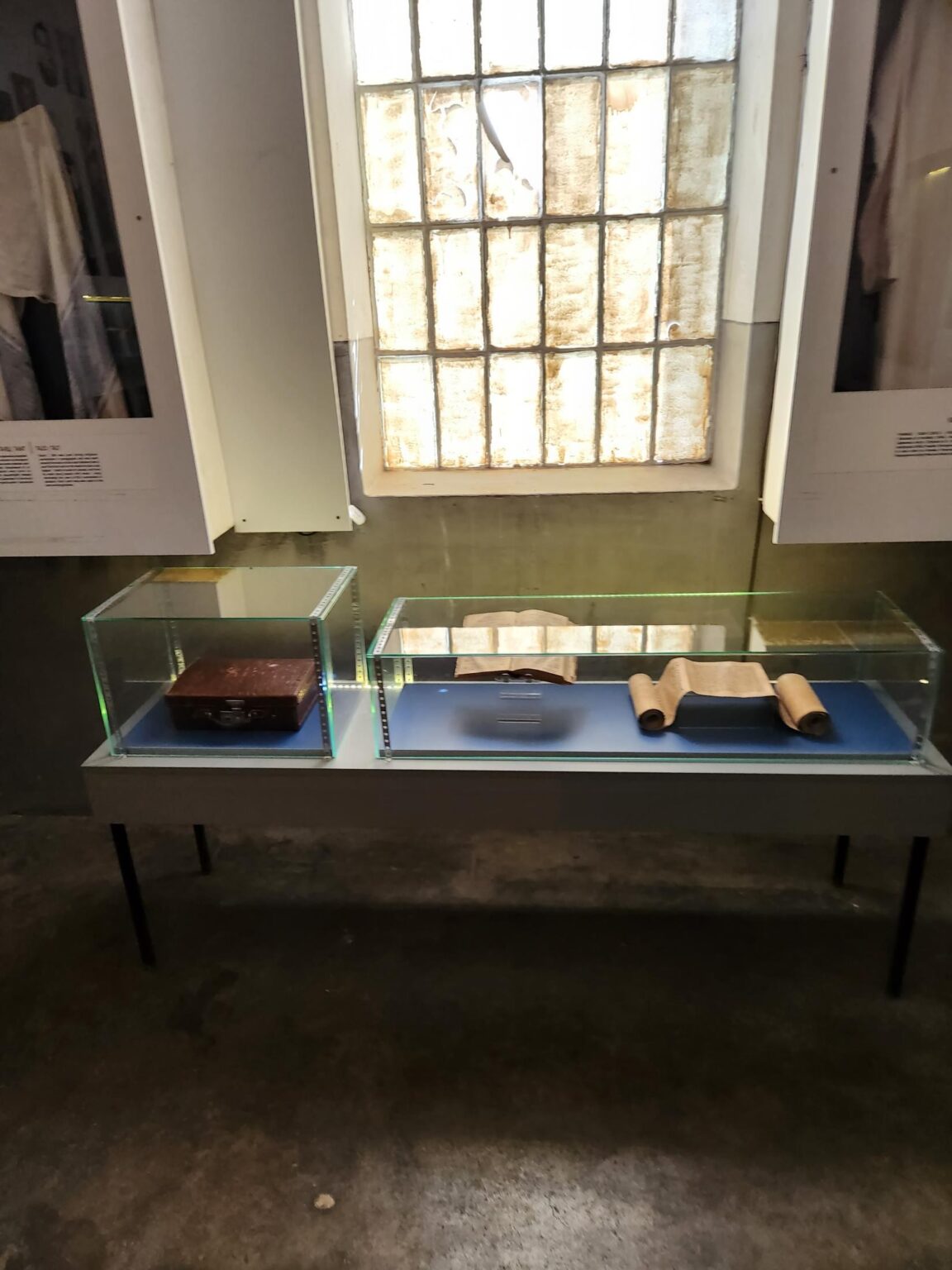
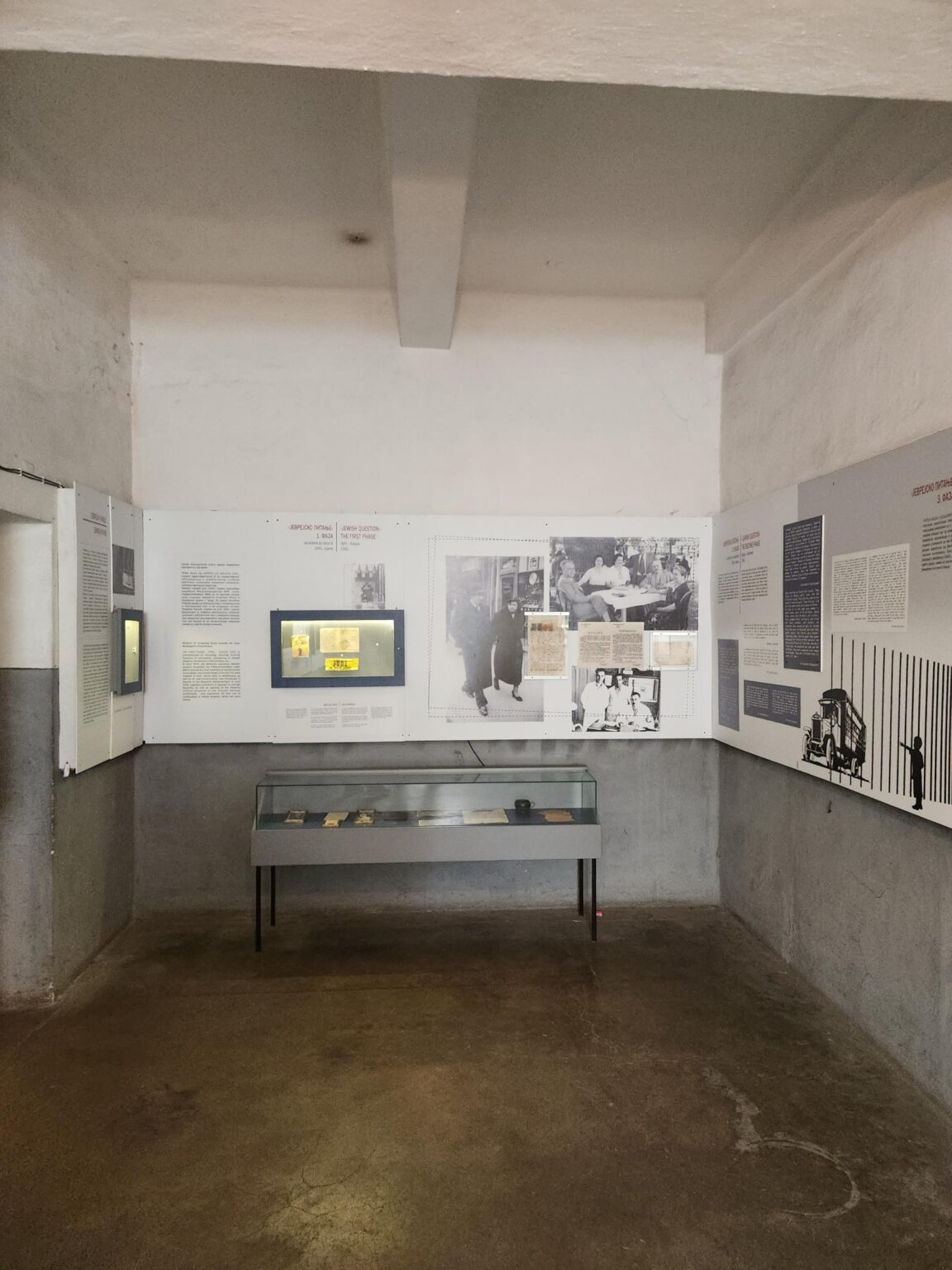
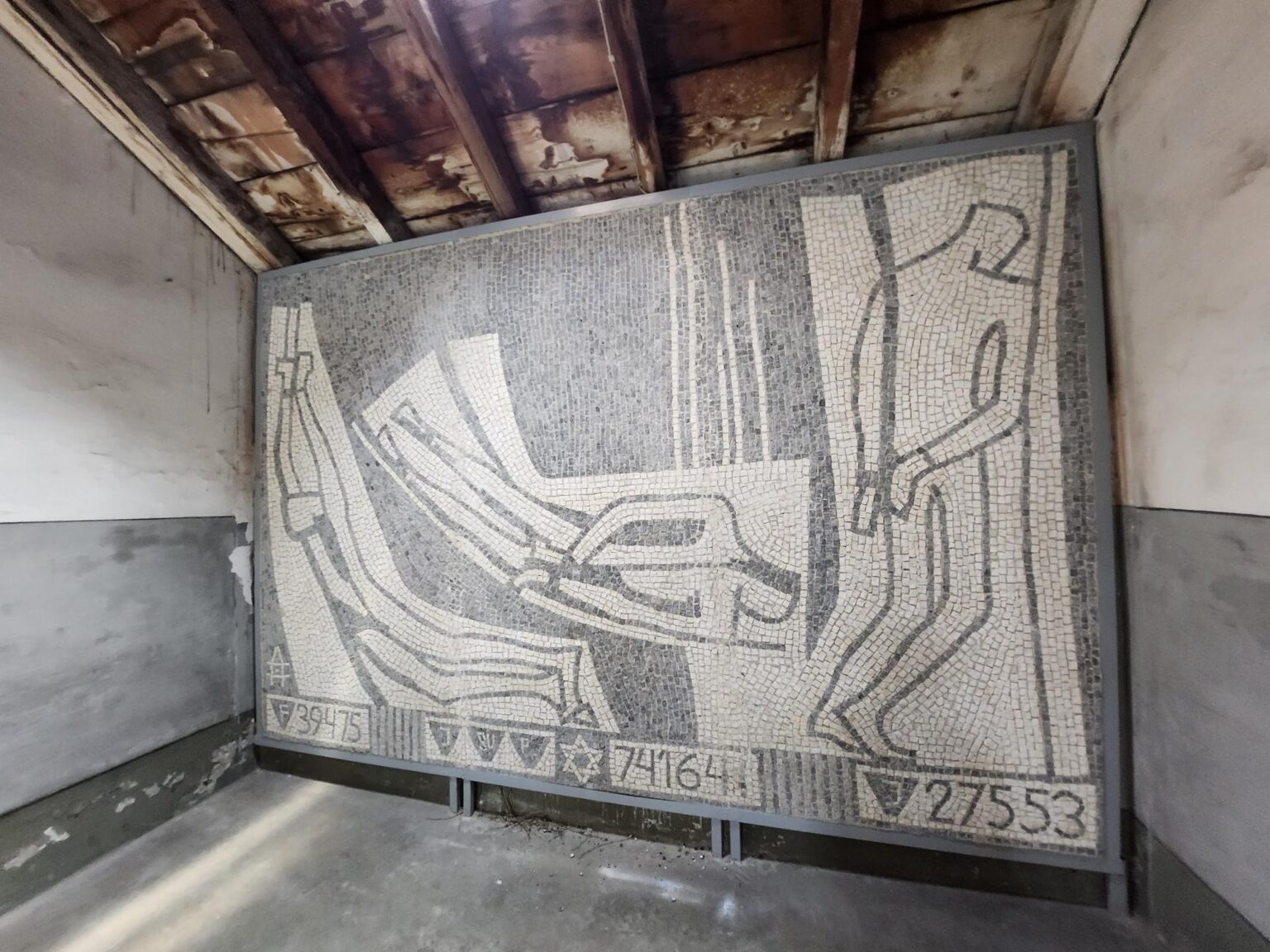
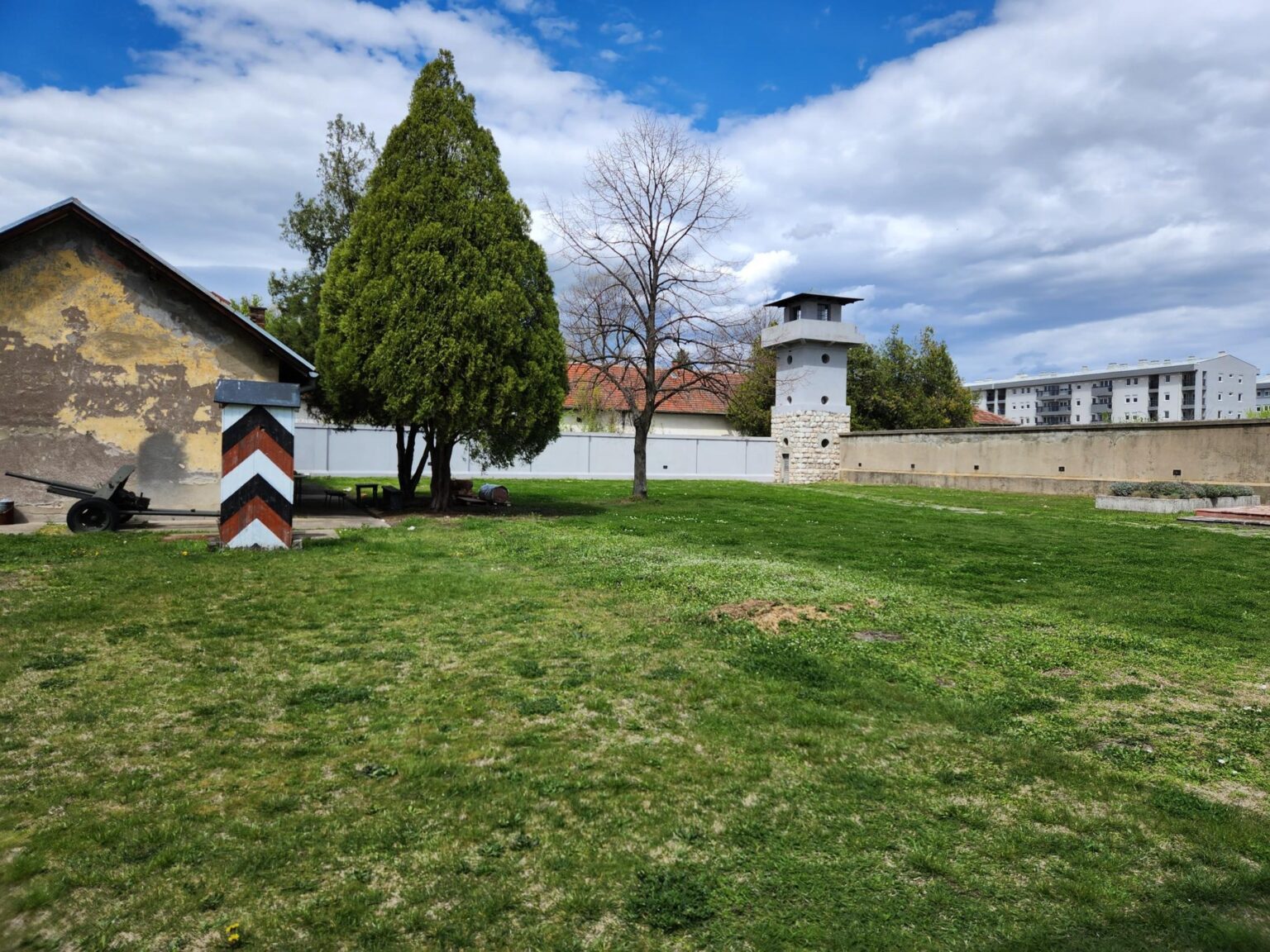
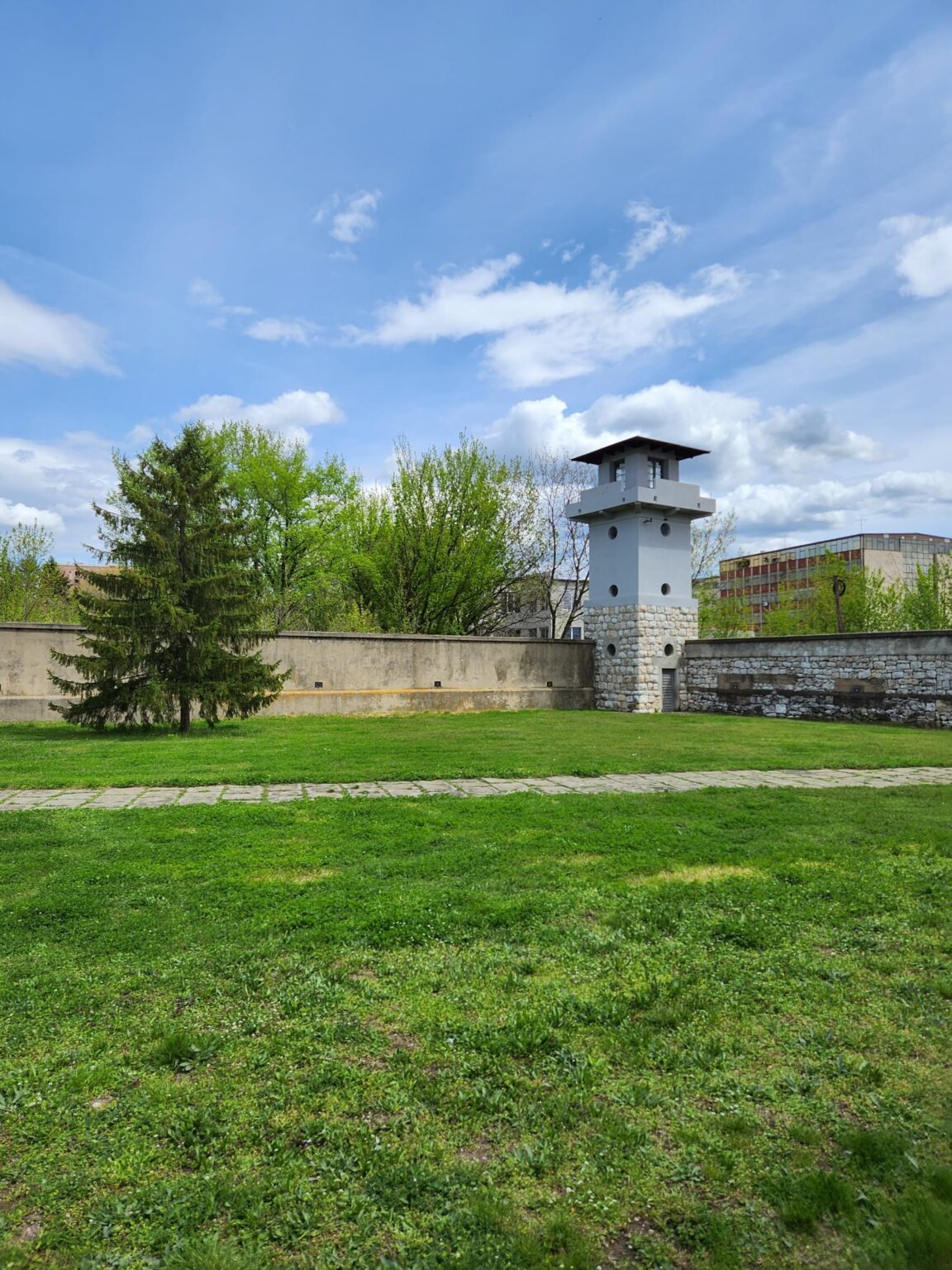
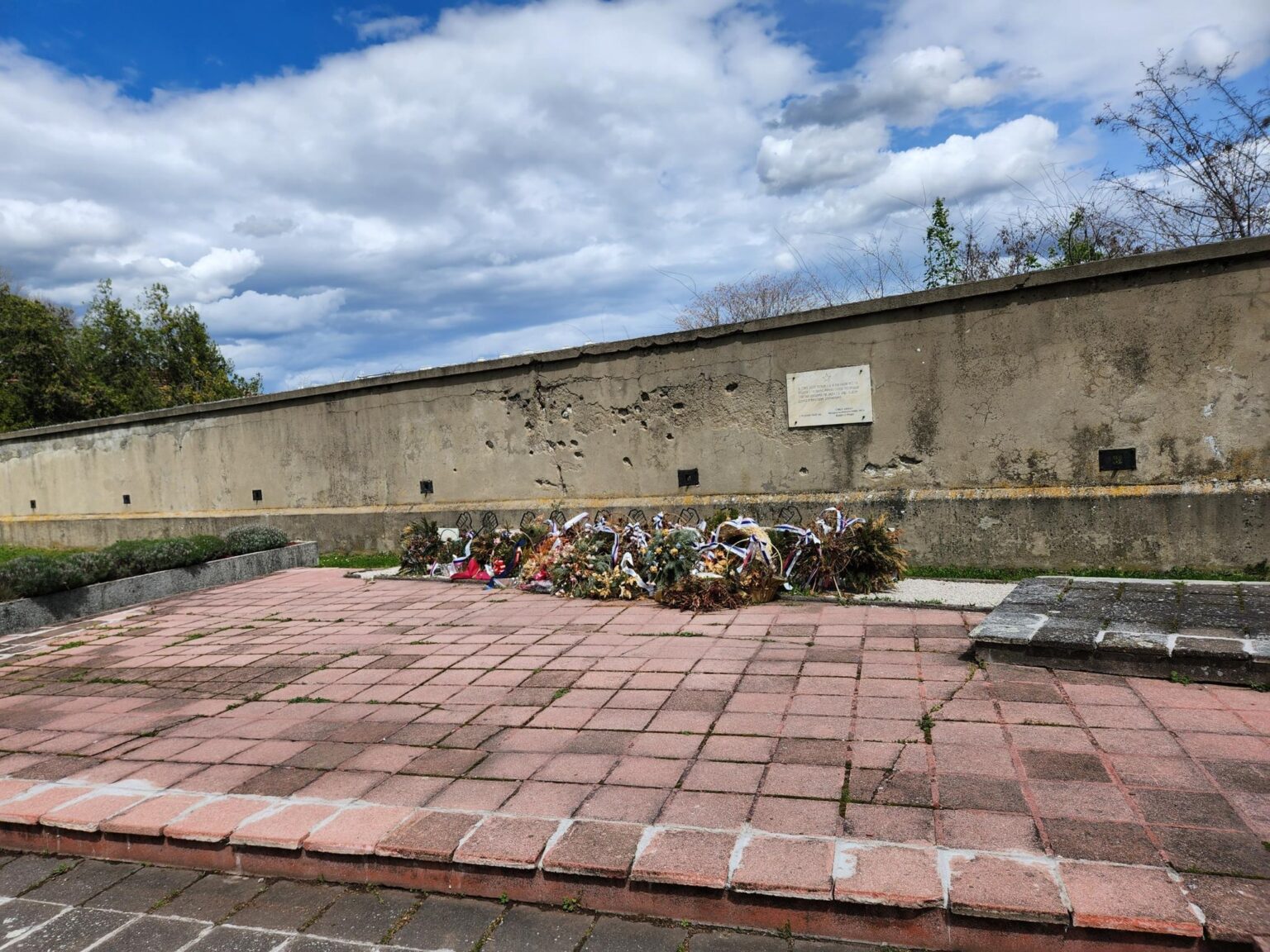
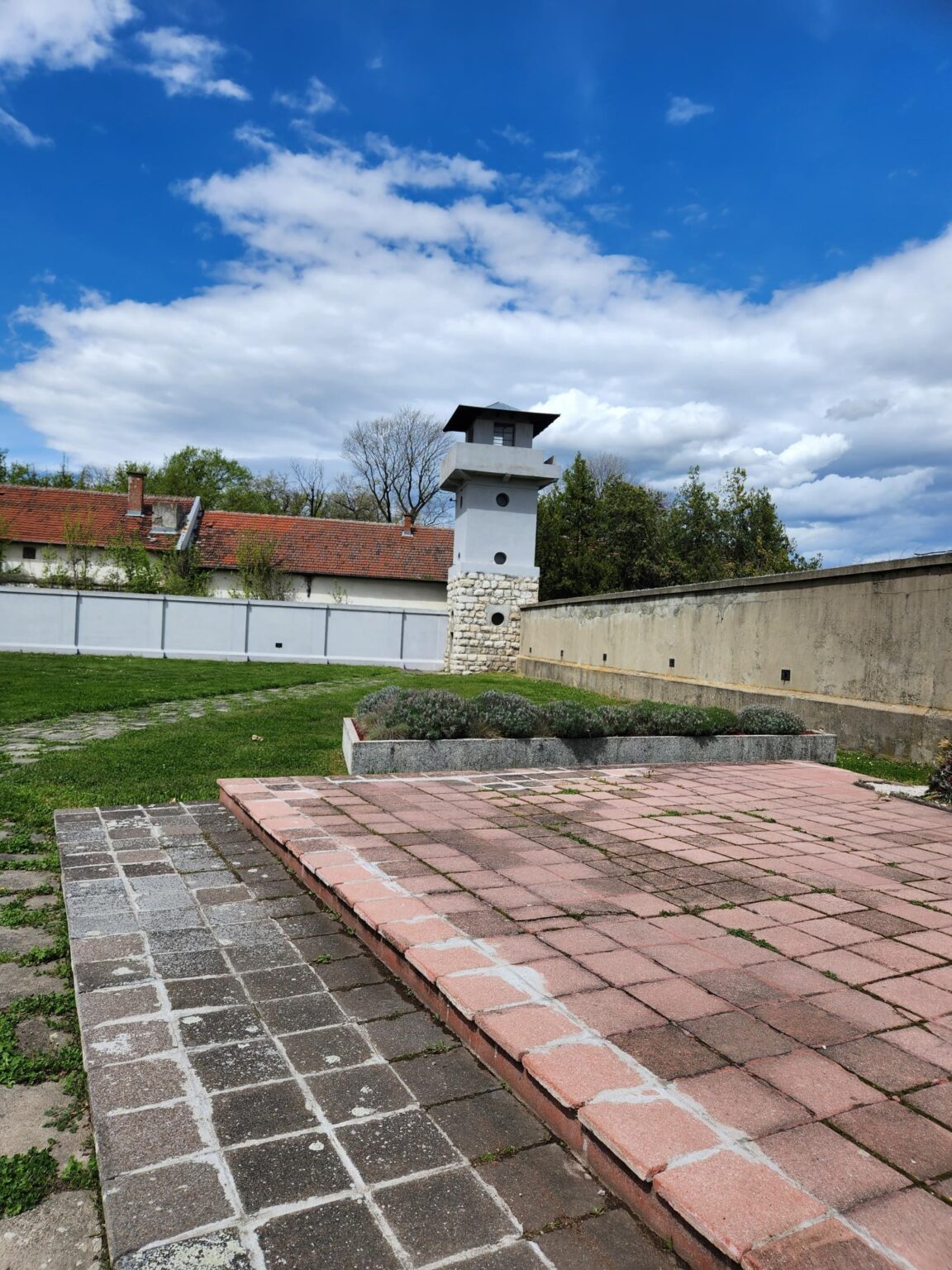
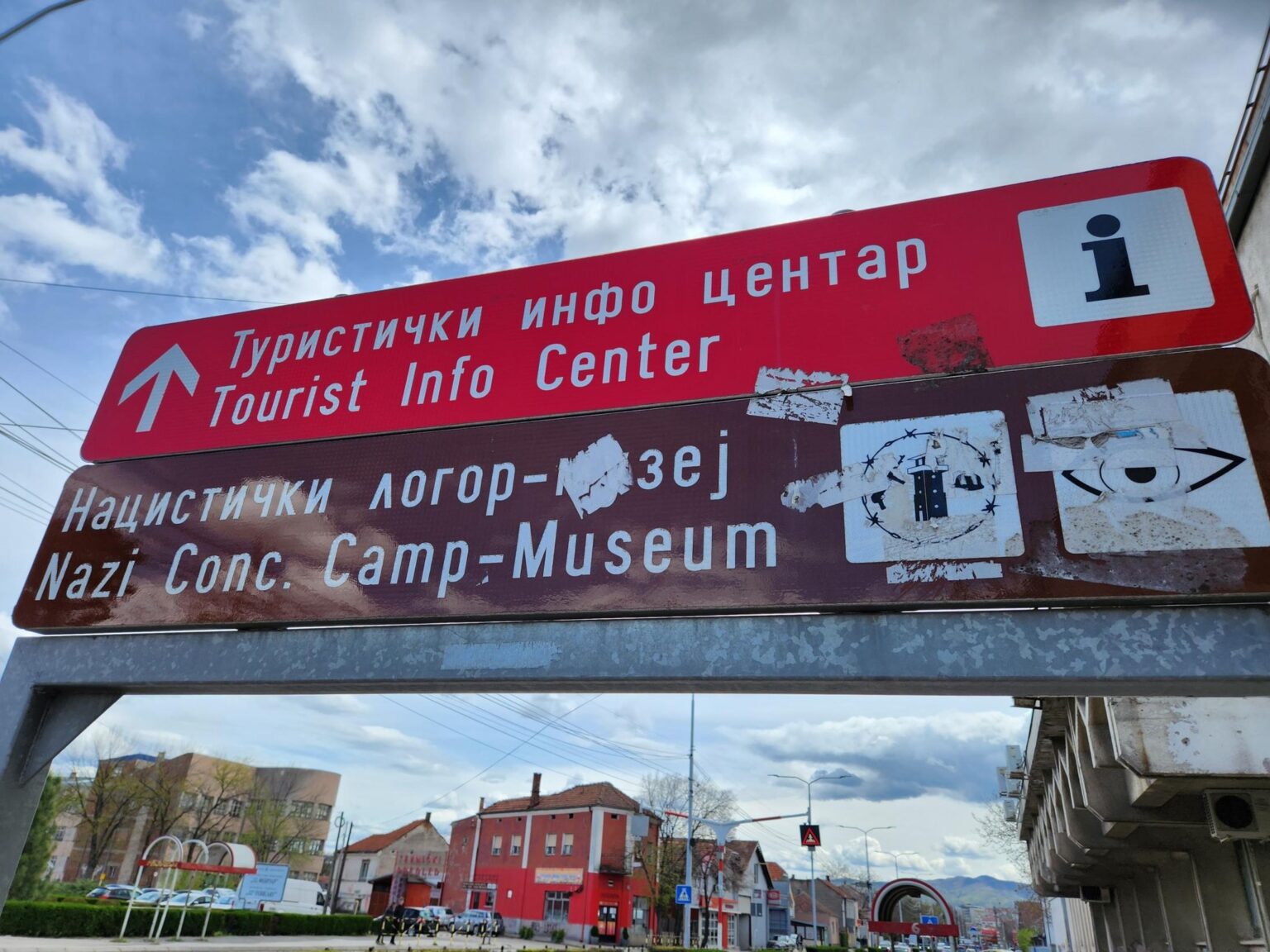
Ten minutes’ walk from the market and the fortress — in other words, under a kilometre — lies the Nazi concentration camp Crveni Krst, or "Red Cross", known as a visitor site by its official name, the Memorial Complex "12 February". It adds to what we learned yesterday at Bubanj Memorial Park. There is plenty of historical information online, so we will stick to the practical side.
There is a combined ticket covering four sites run by the National Museum Niš: the camp (the "12 February" memorial complex), Mediana (Constantine the Great’s villa), the Skull Tower and the Archaeological Hall (in the centre, a natural companion to Mediana). The official price list has not changed since our 2023 visit: 500 dinars (about €4.30) for Mediana and 300 dinars (about €2.55) each for the other three, which makes 1,400 dinars in total. The combined ticket costs 1,200 dinars (about €10.20). Students and seniors pay 400, 250 and 1,000 dinars respectively, and children under 7 get in free. In short, entry to the camp alone is 300 dinars.
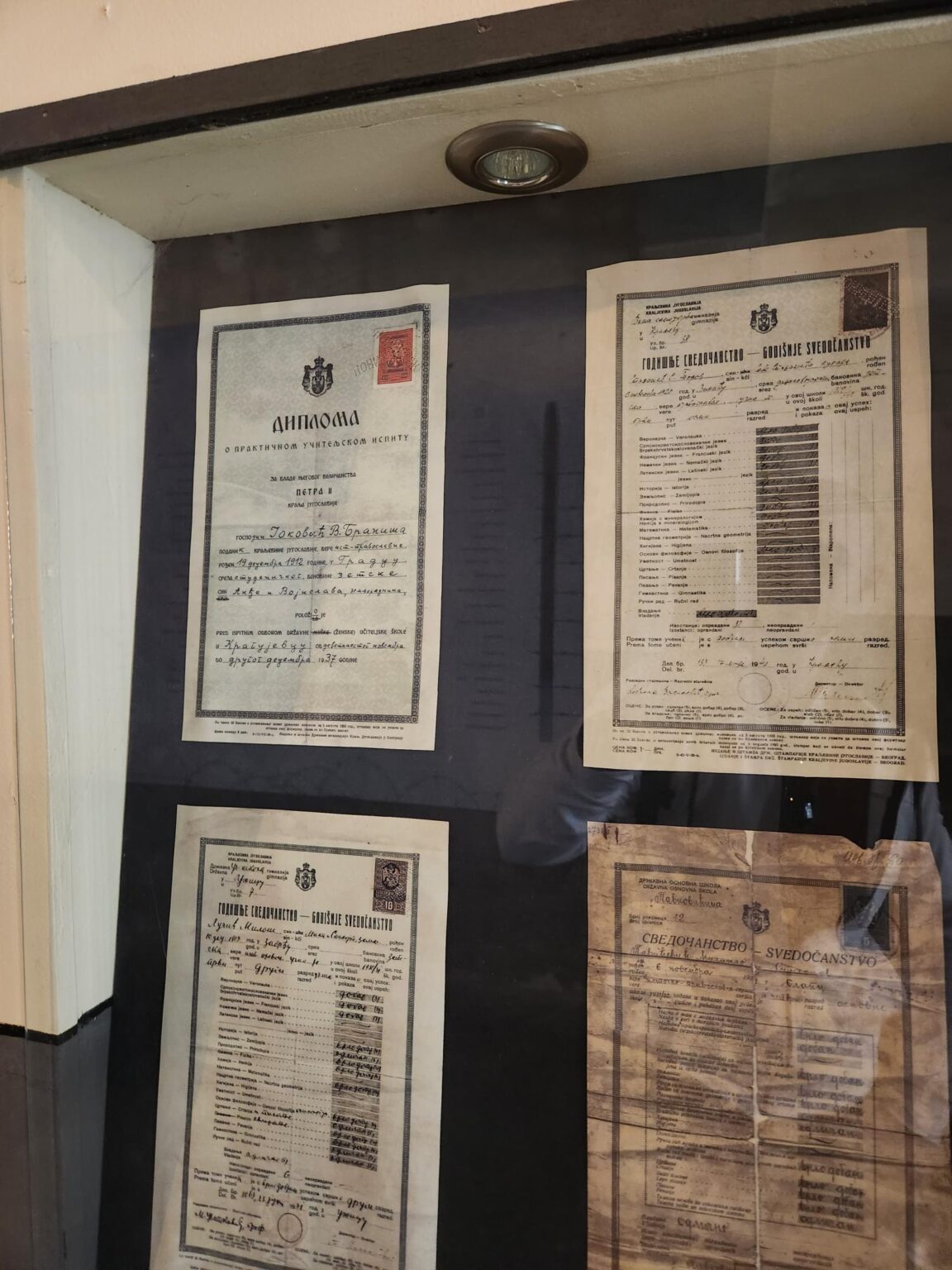
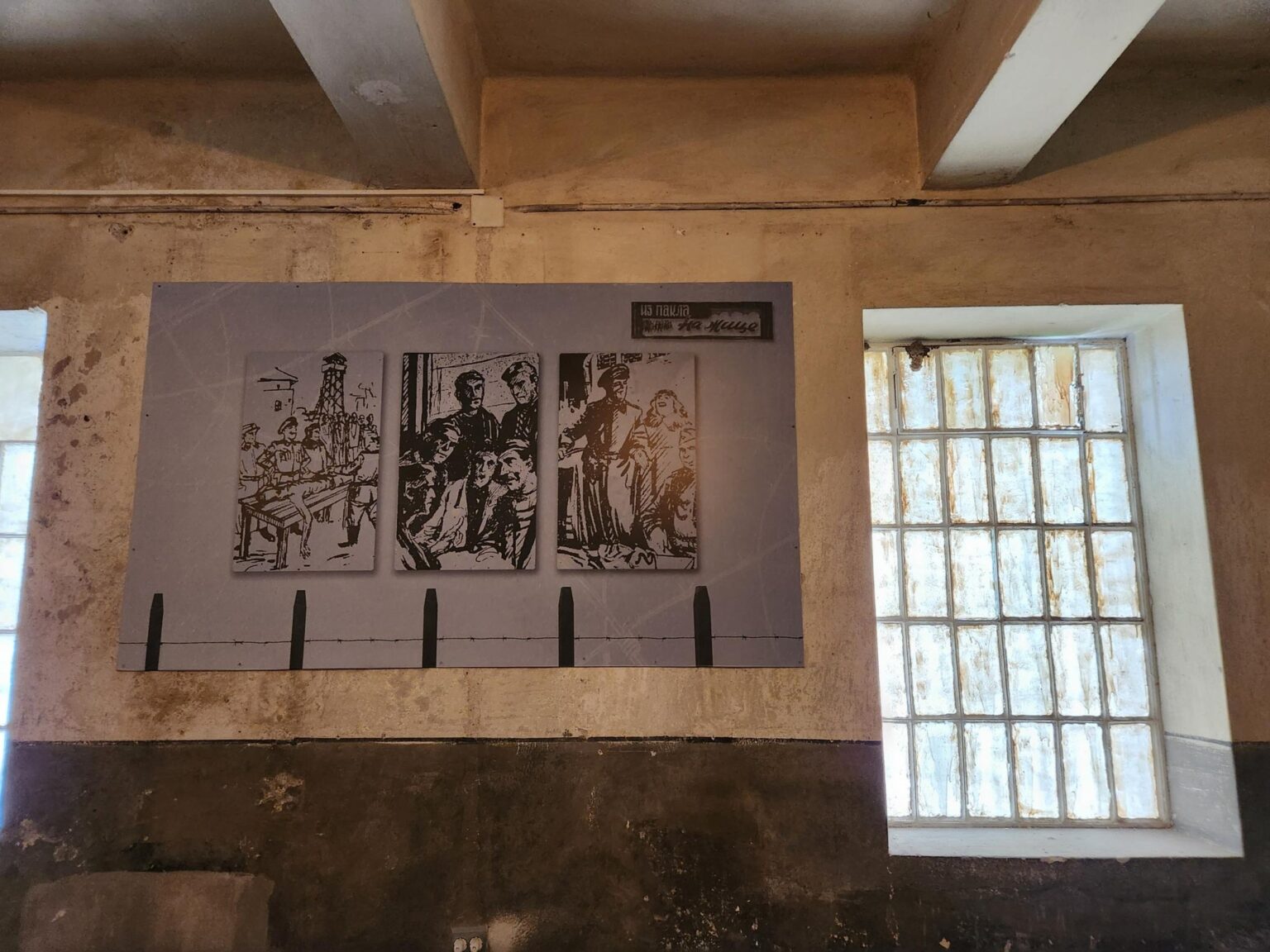
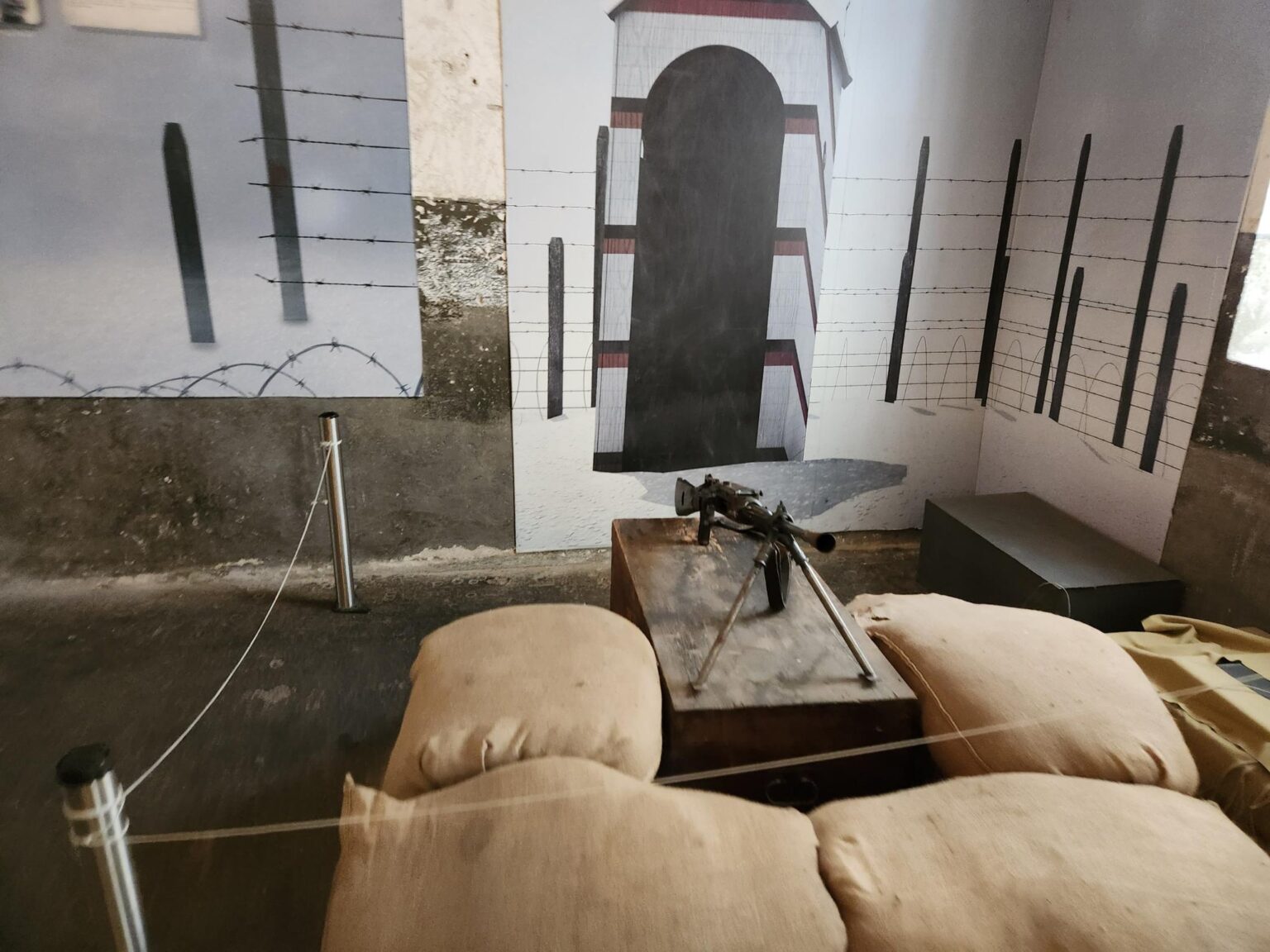
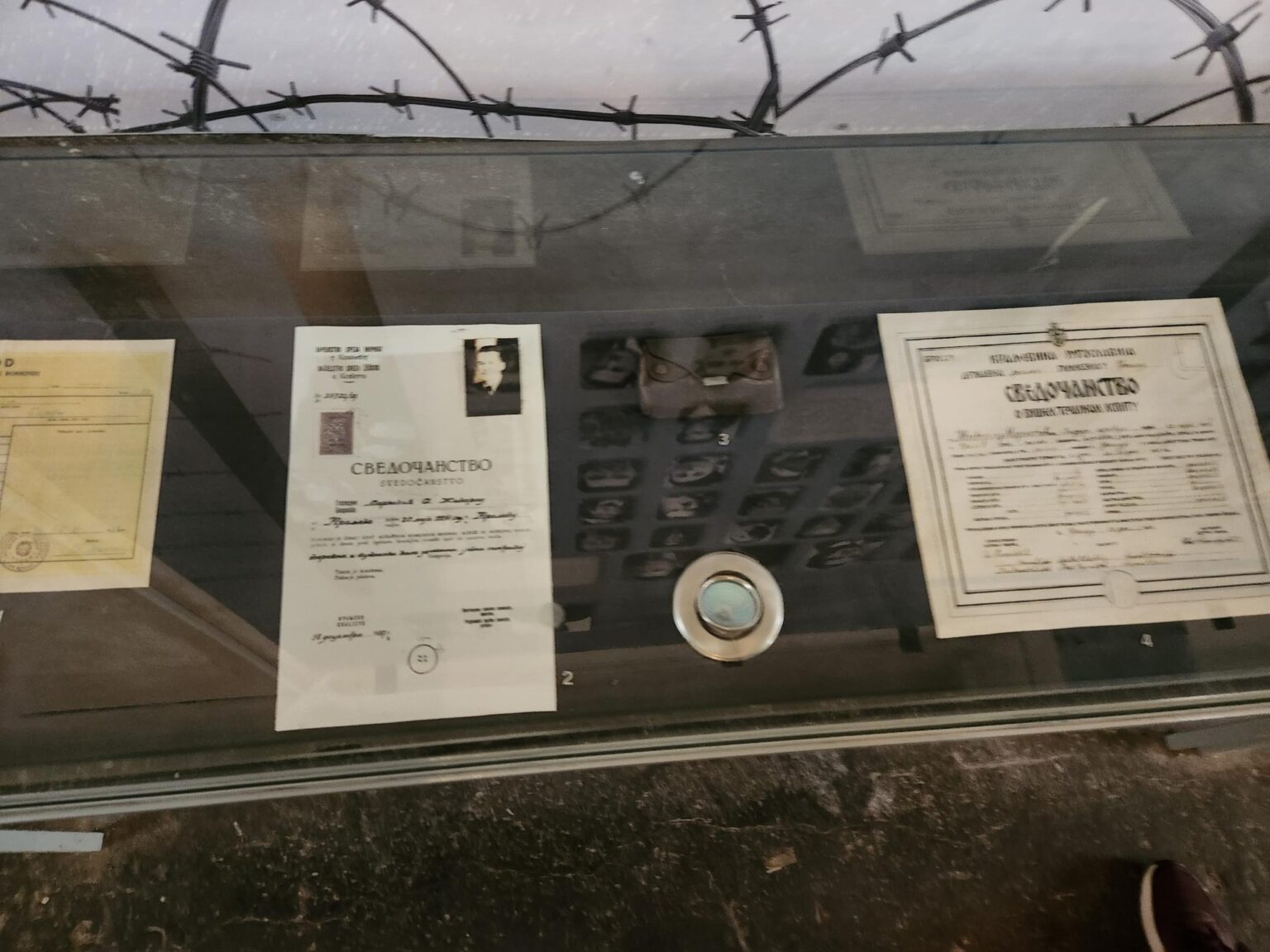
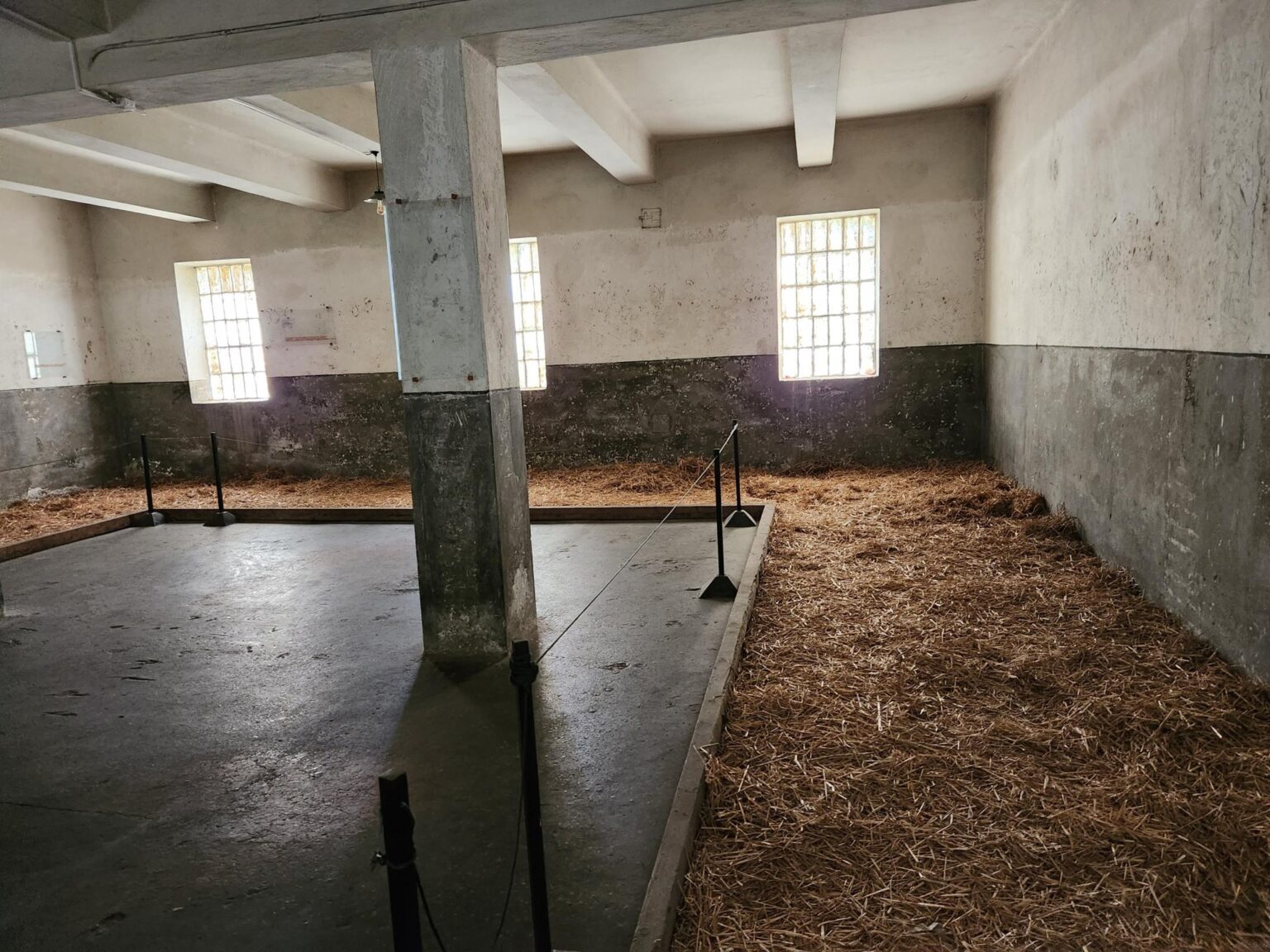
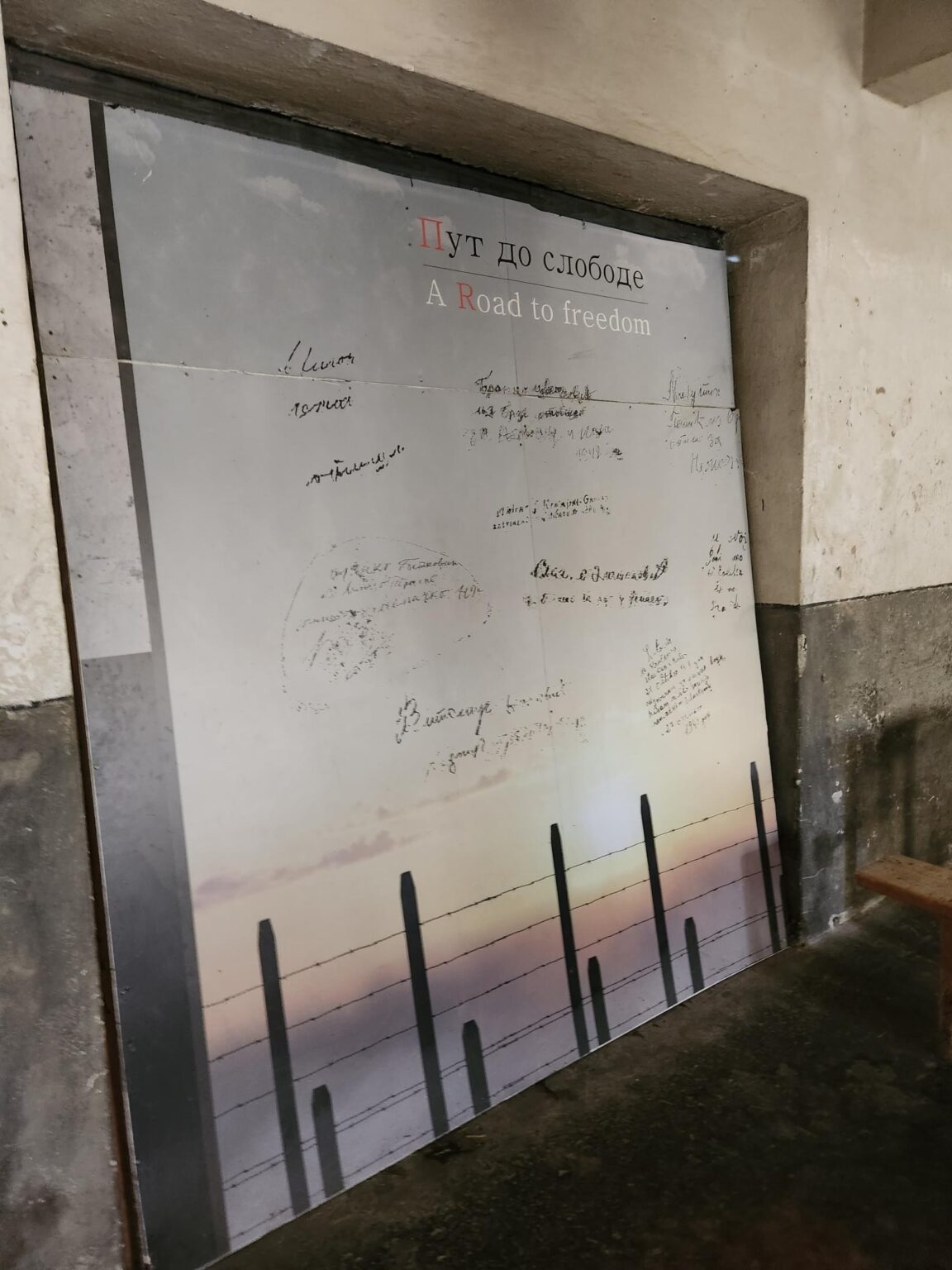
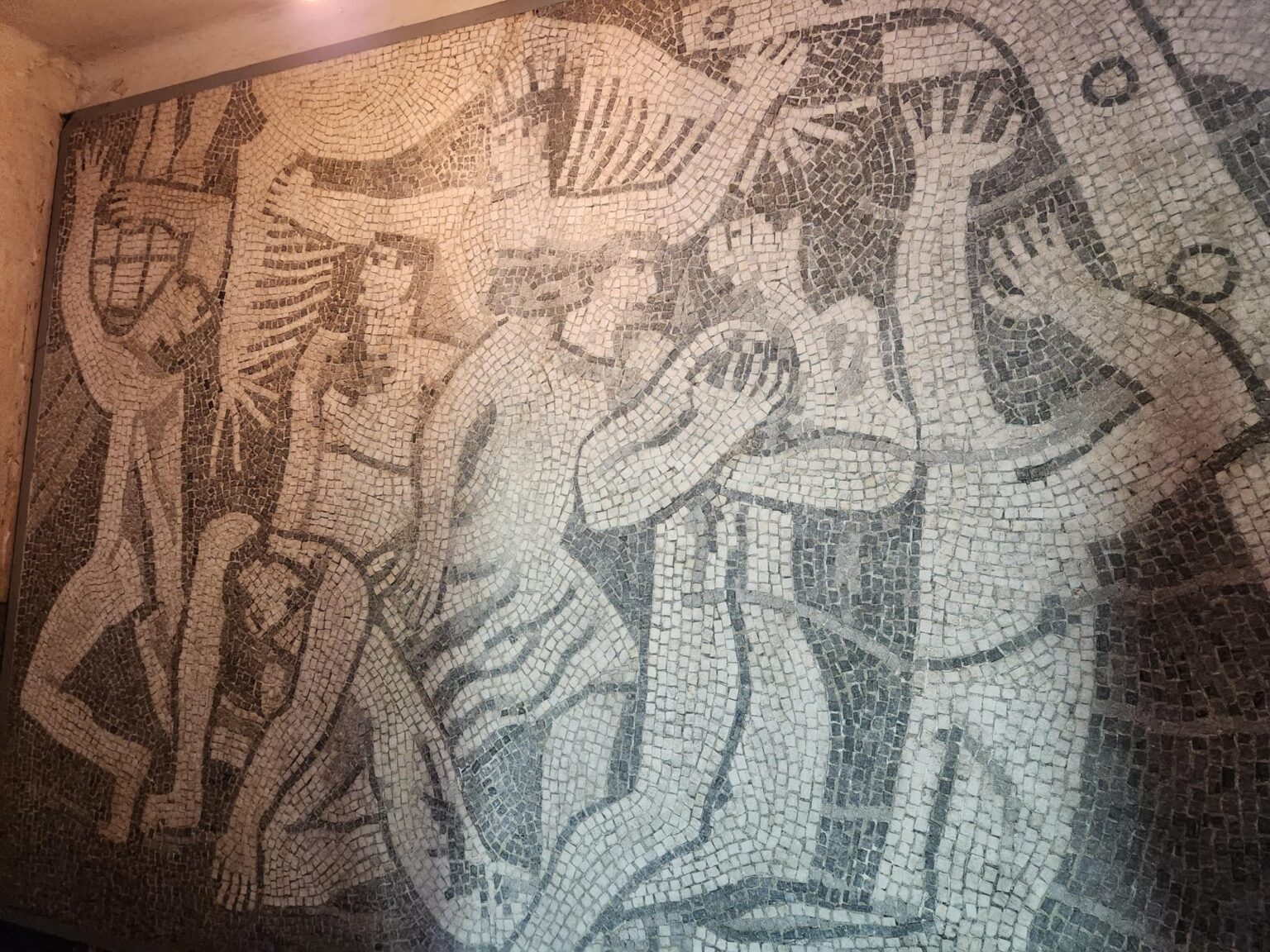
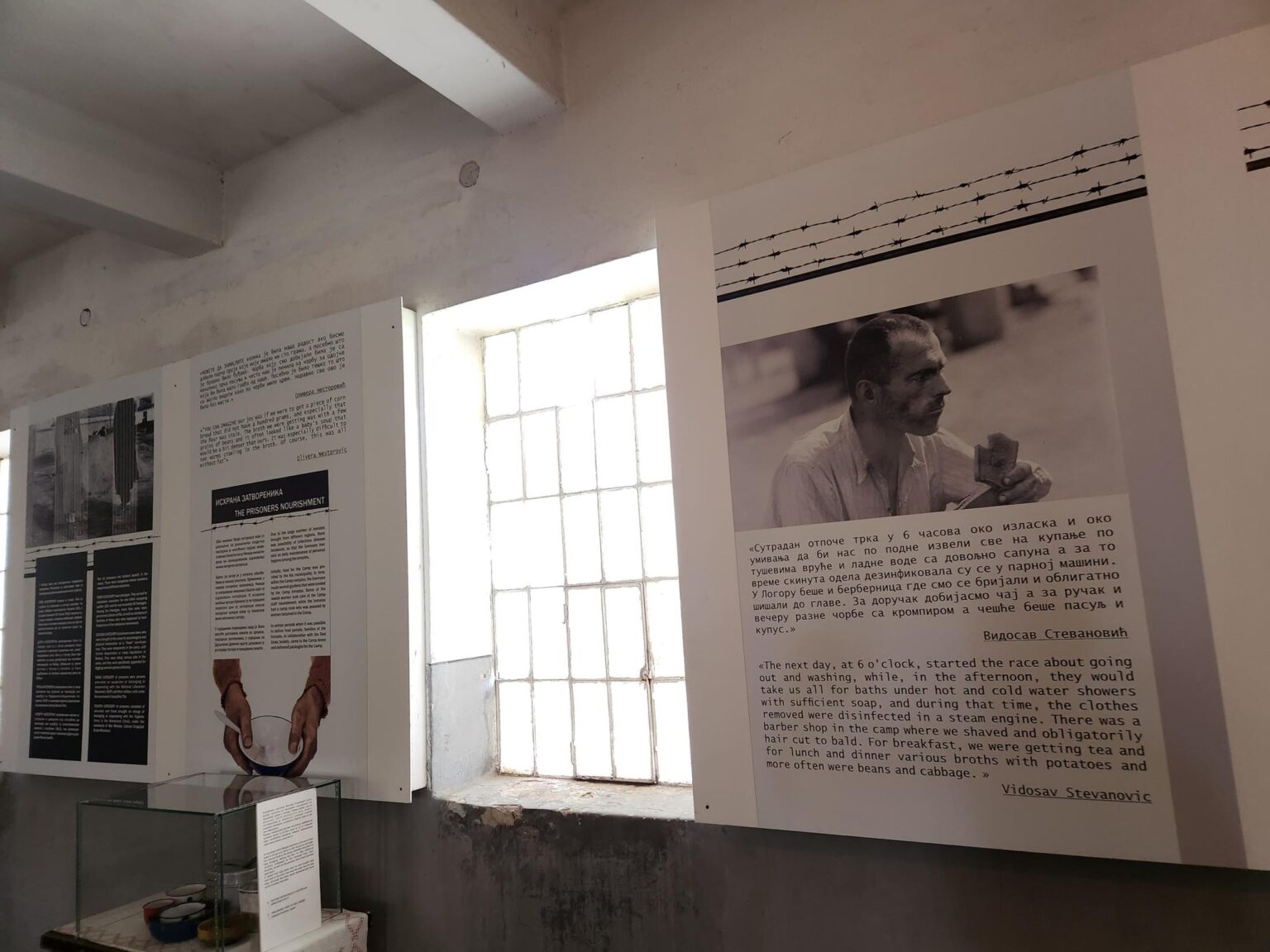
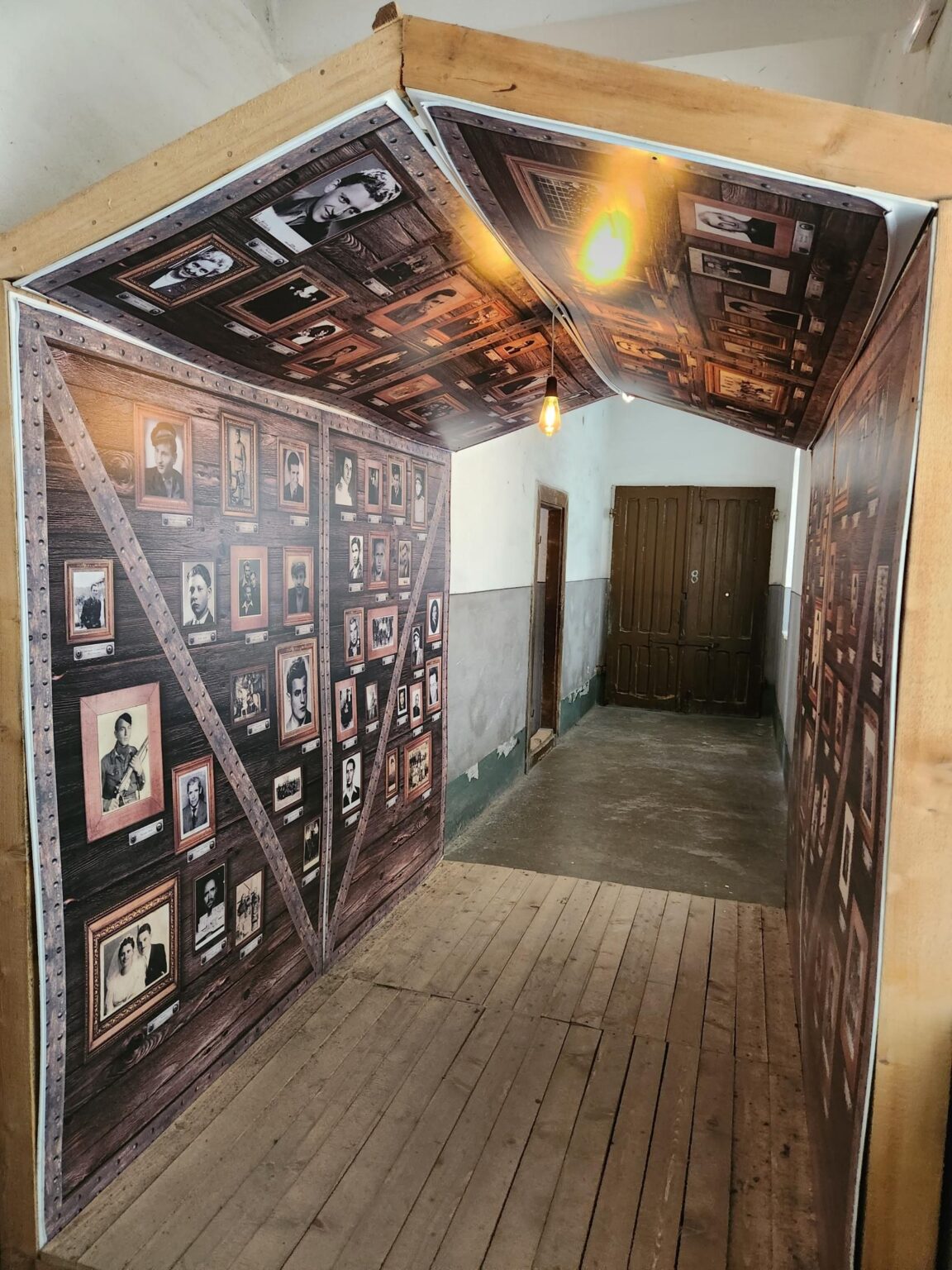
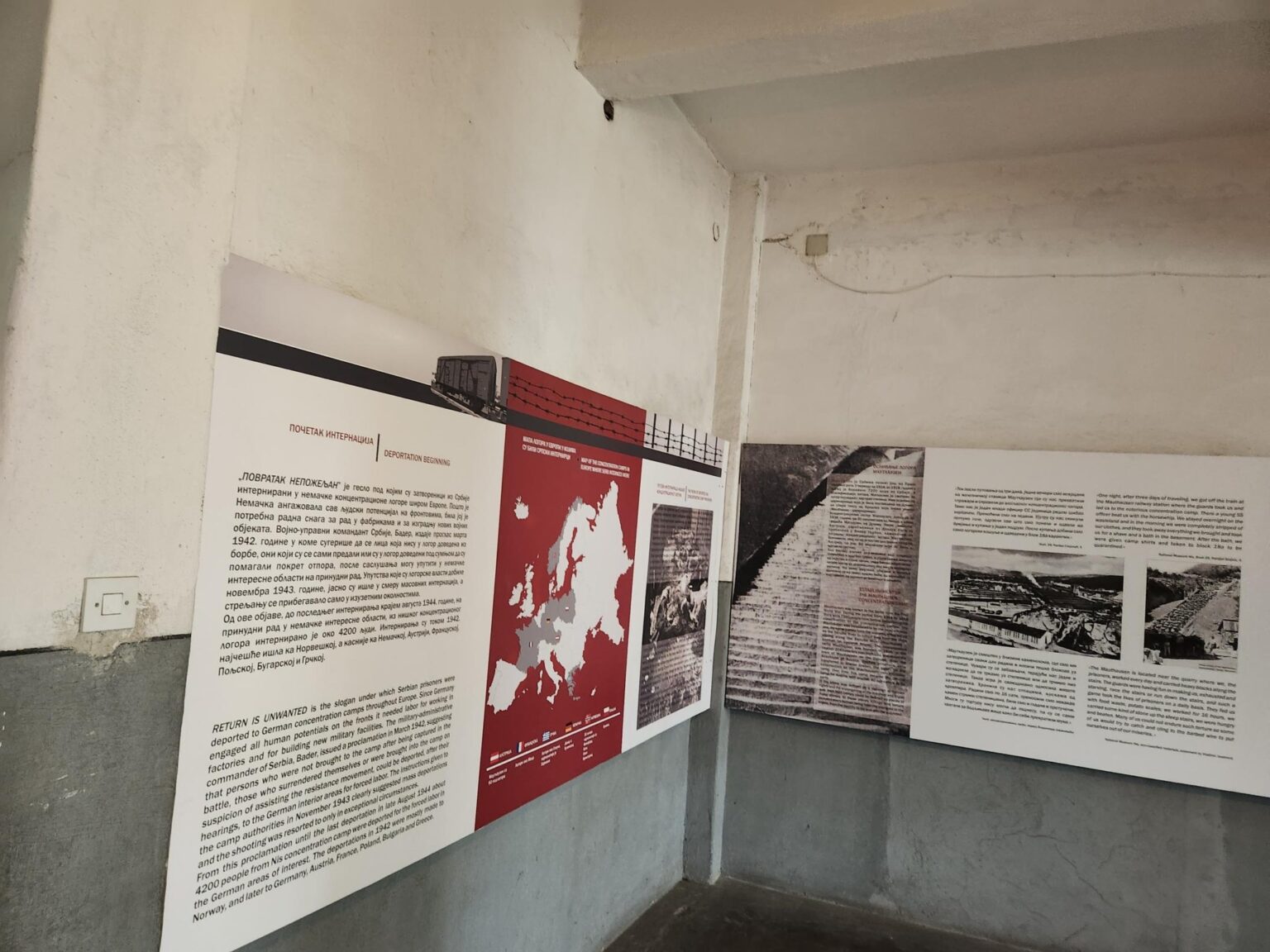
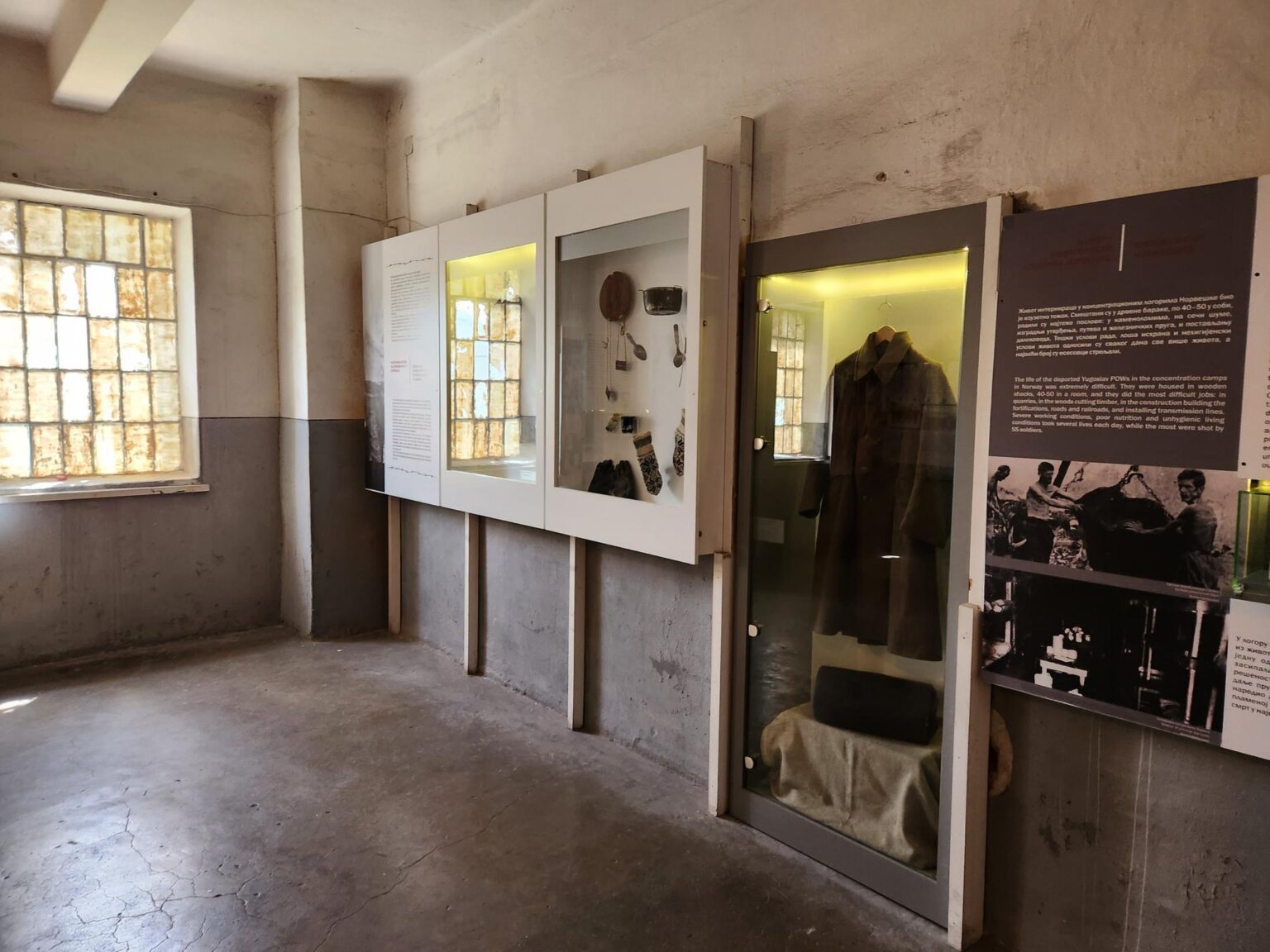
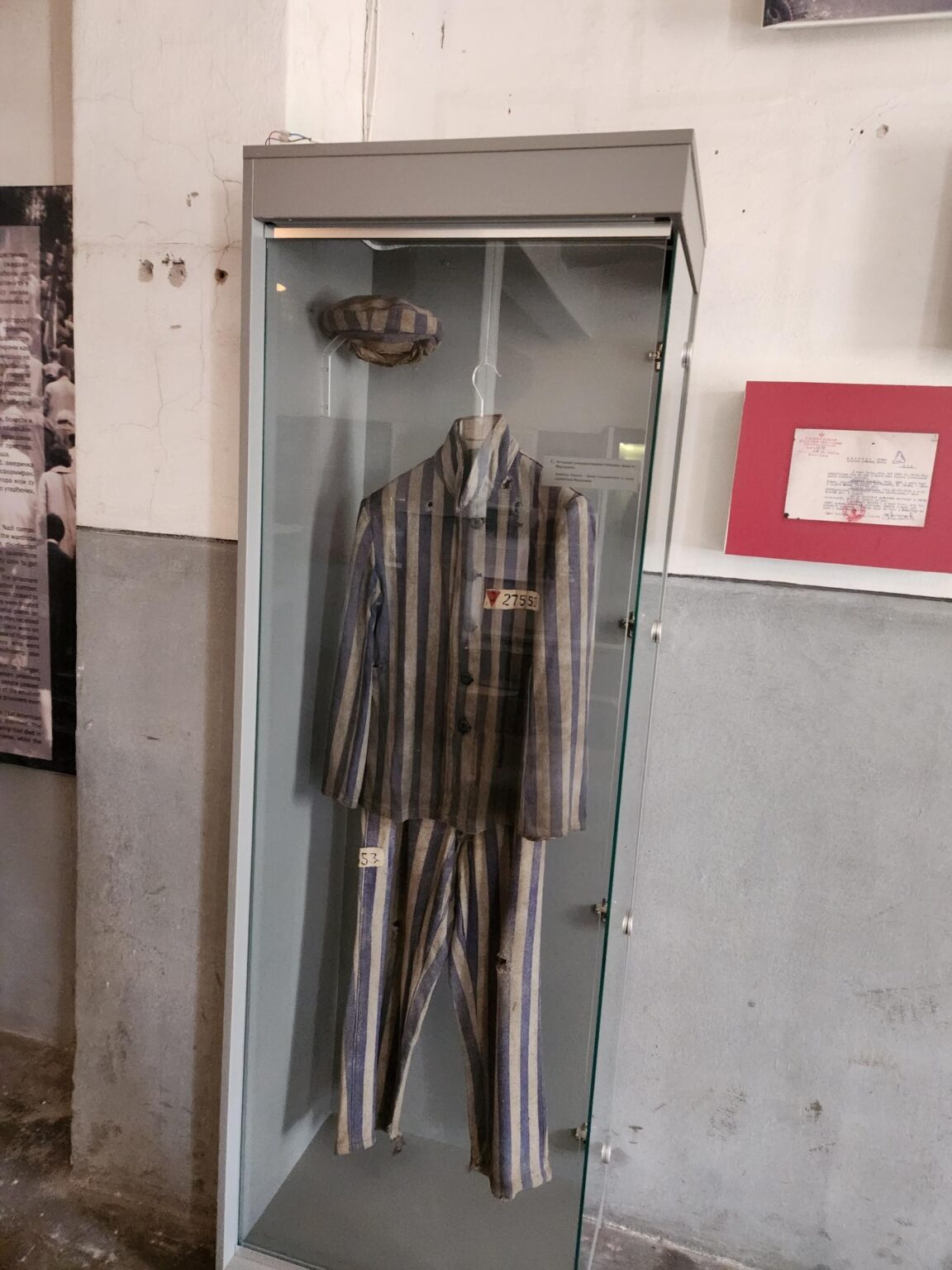
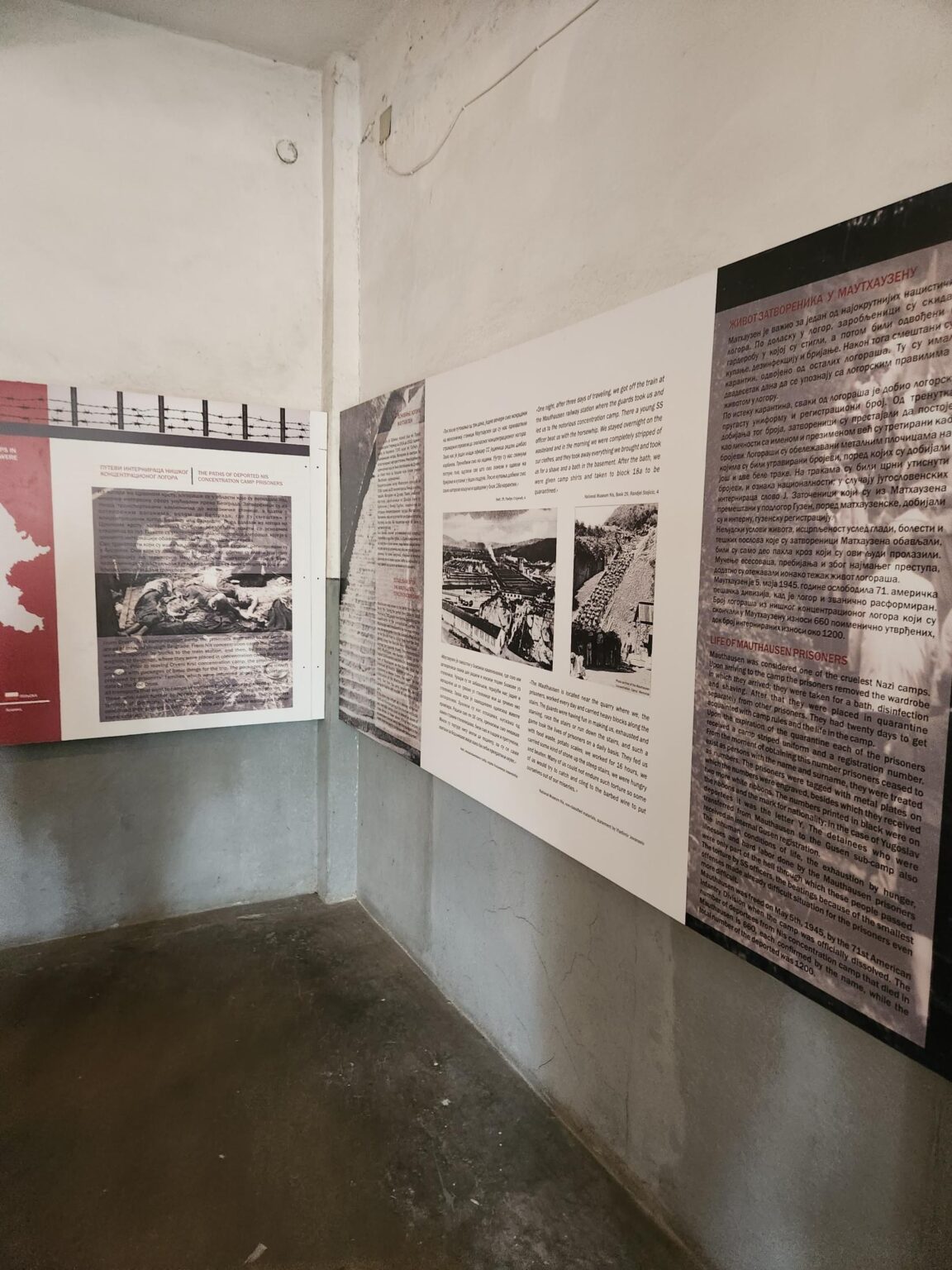
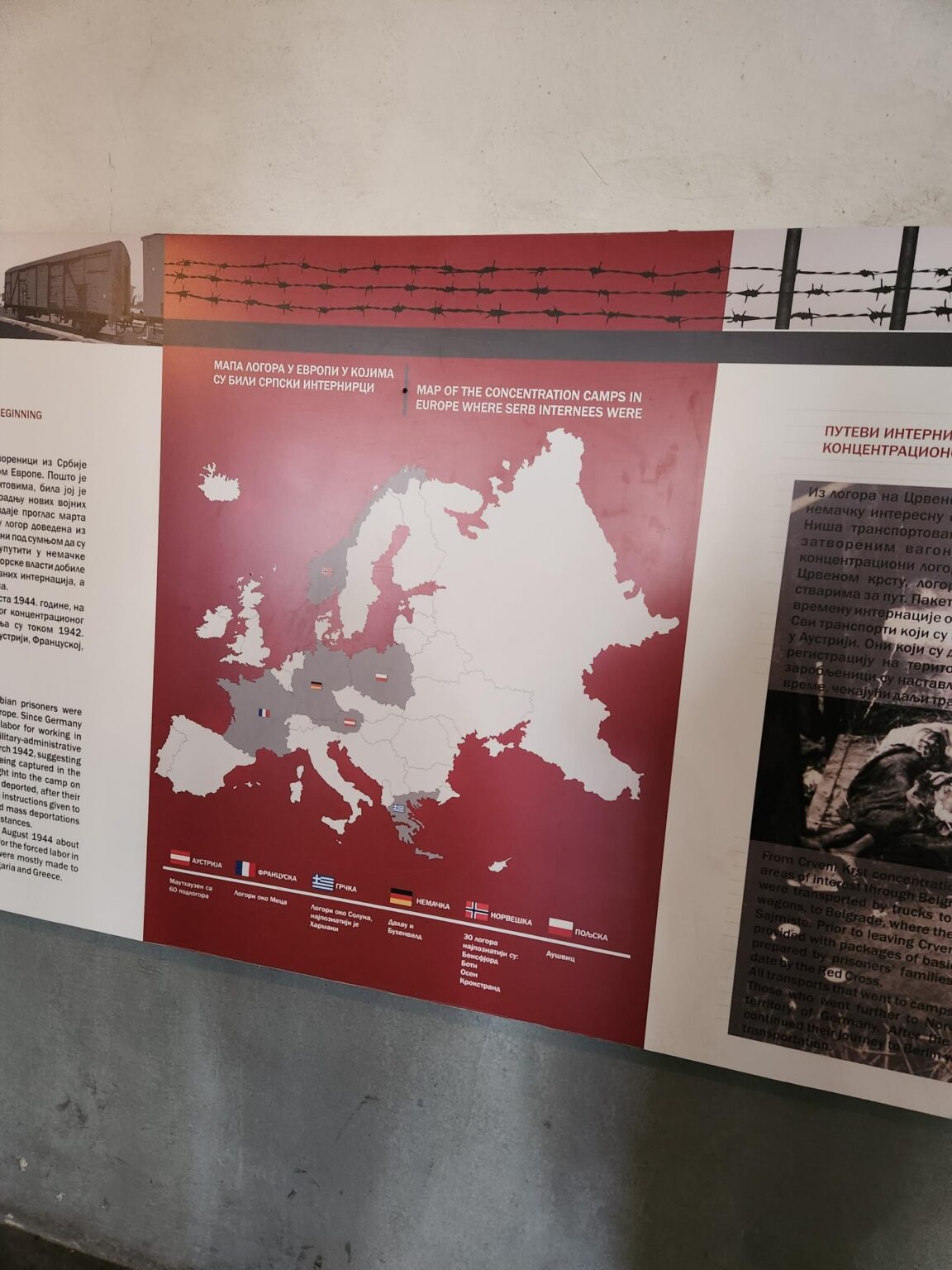
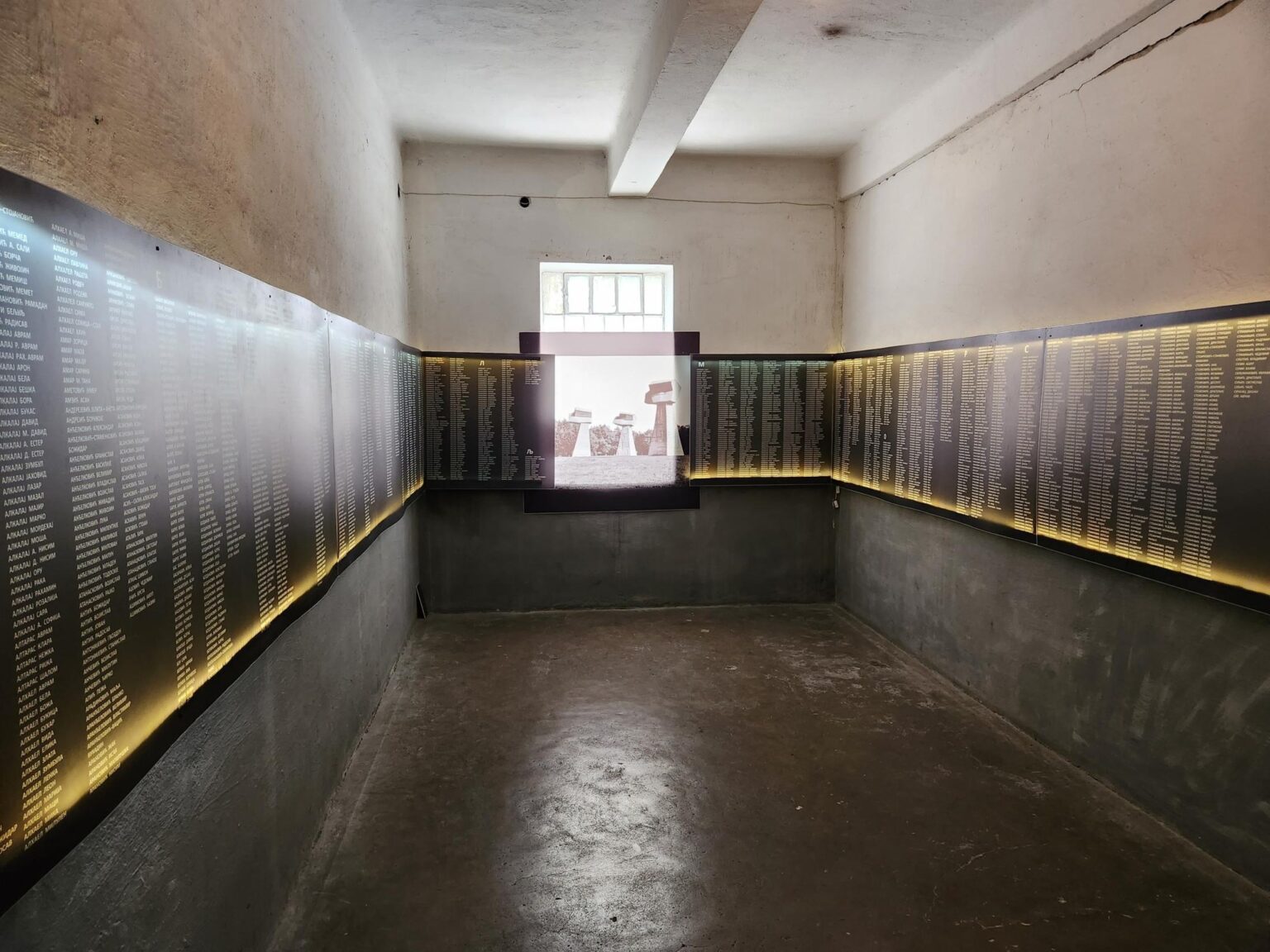
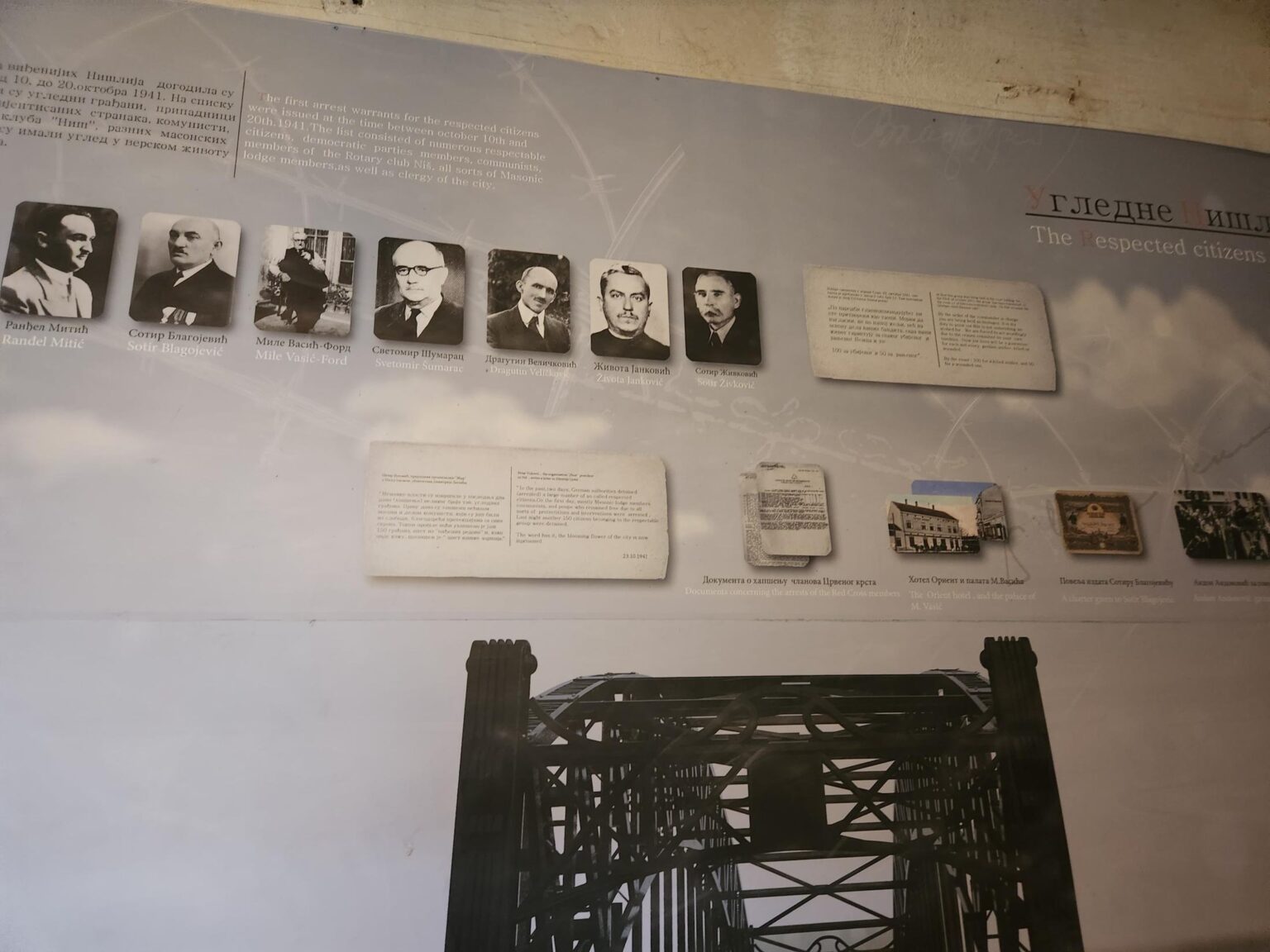
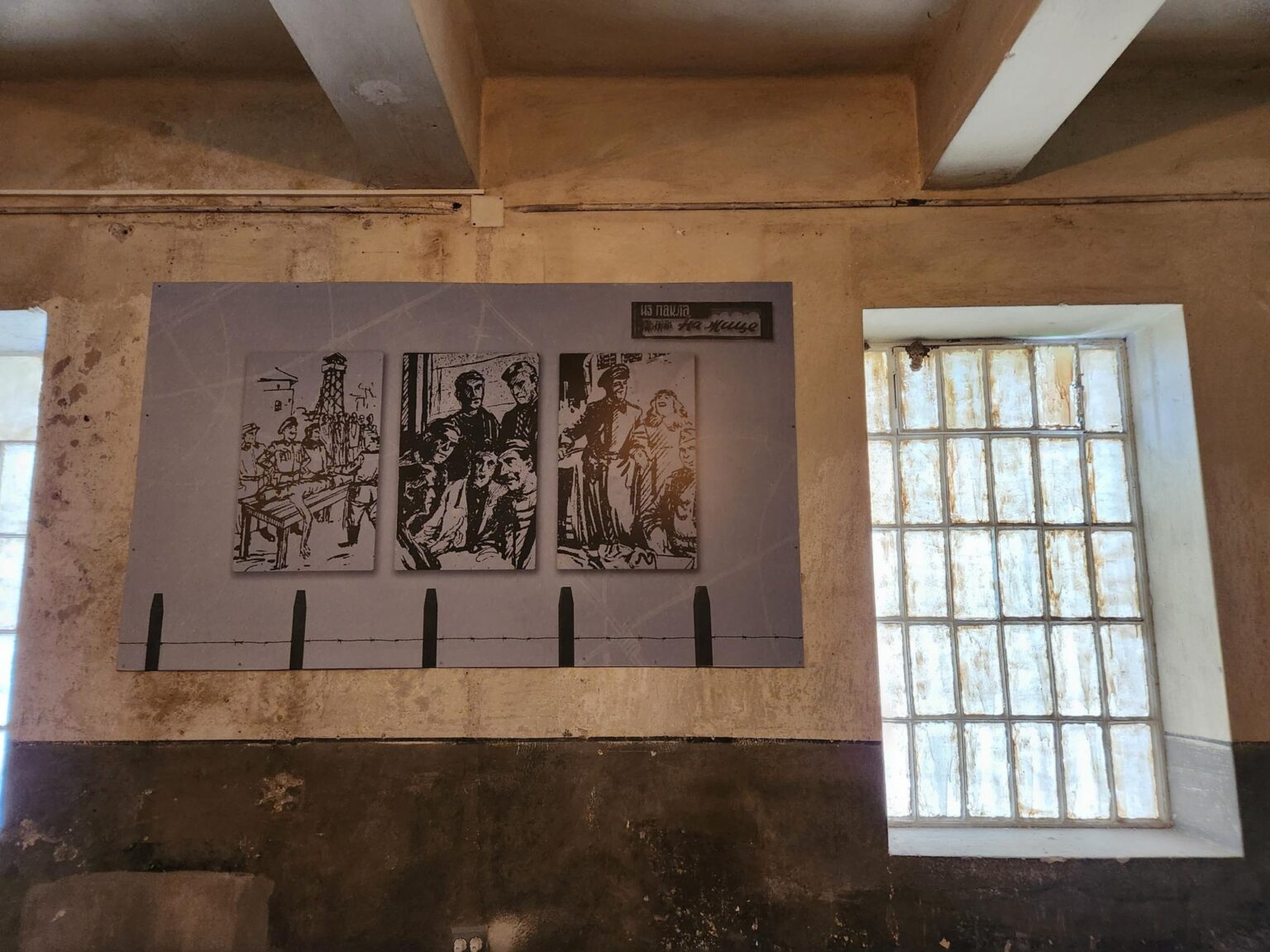
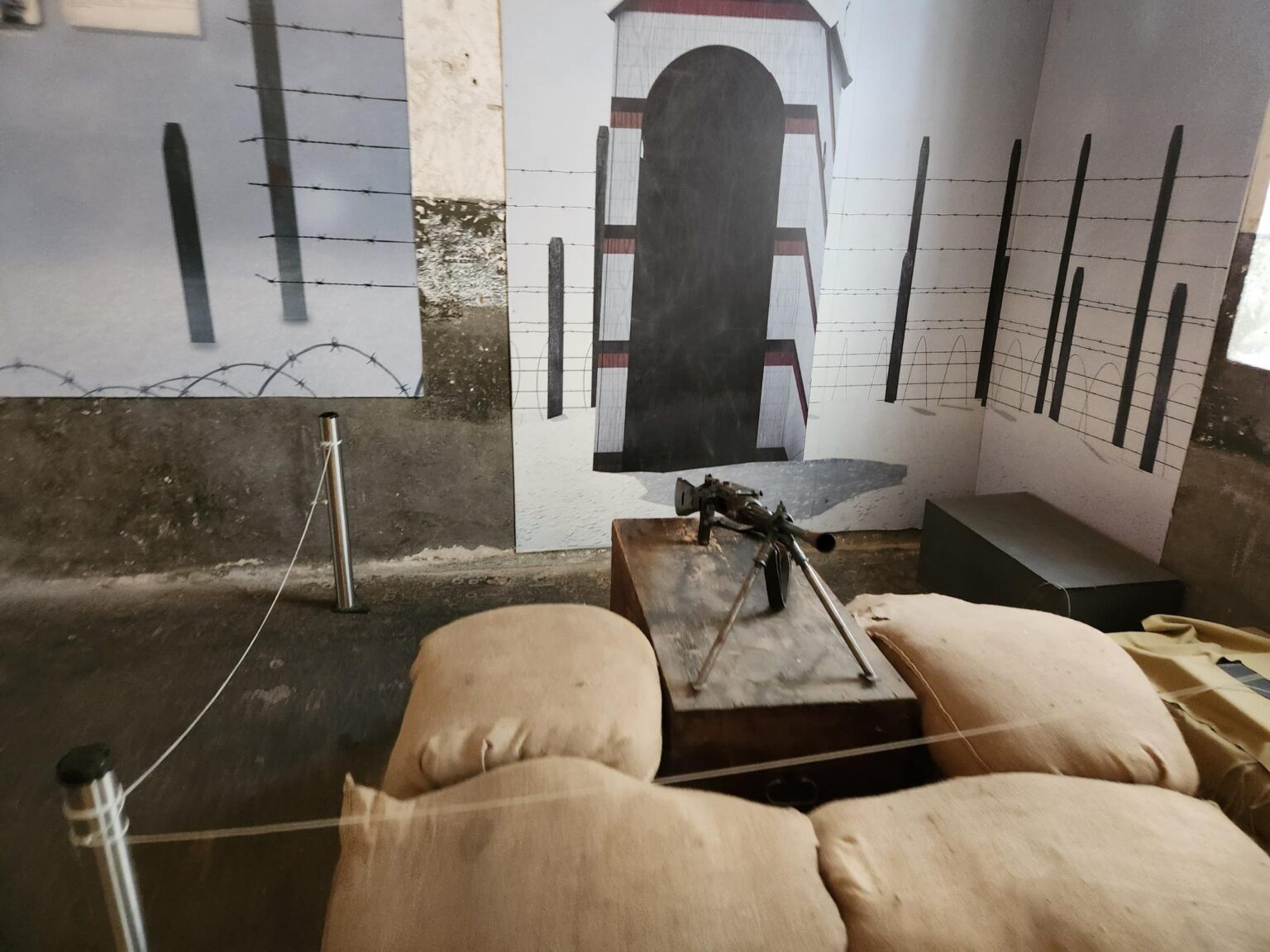
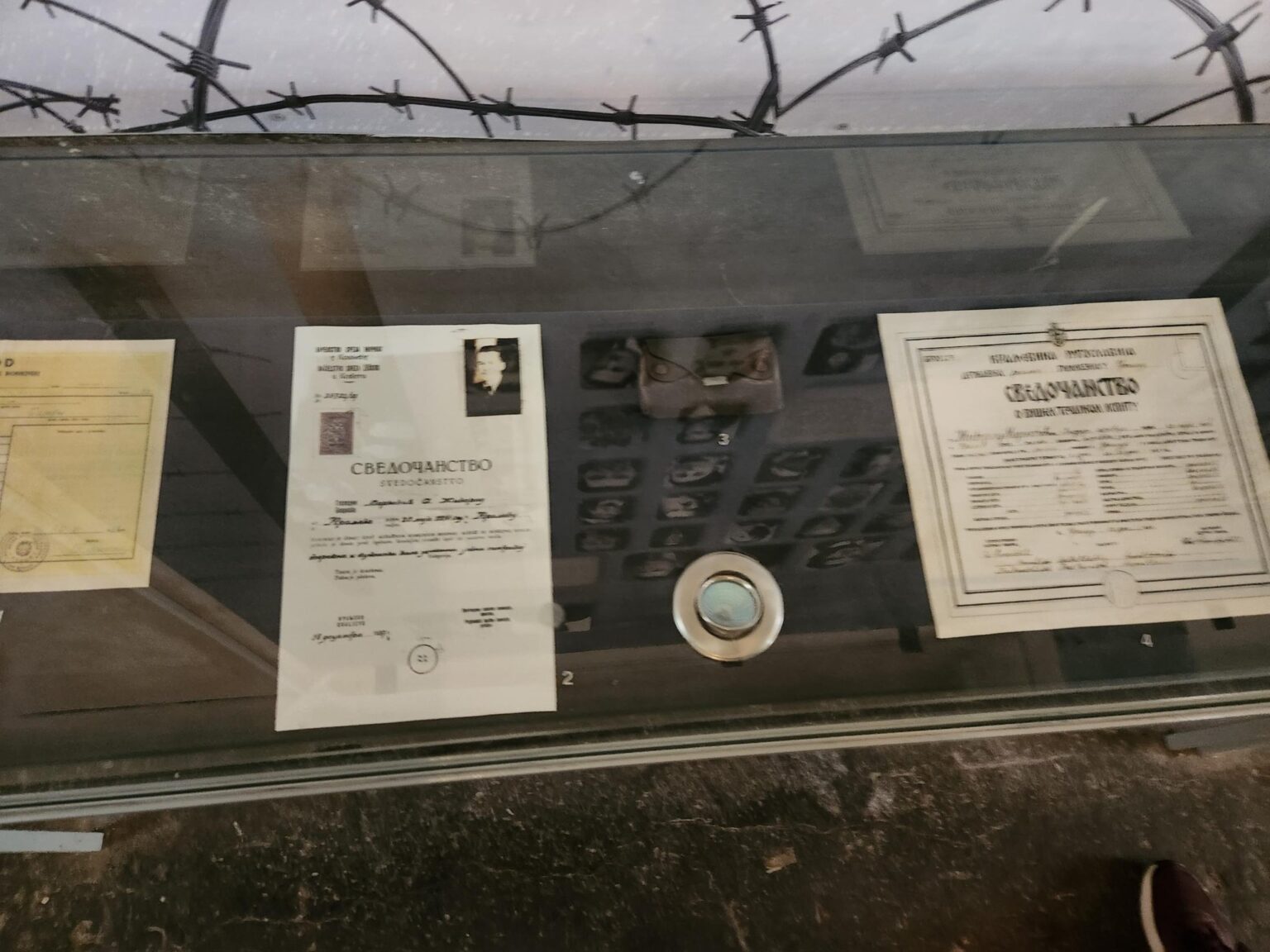
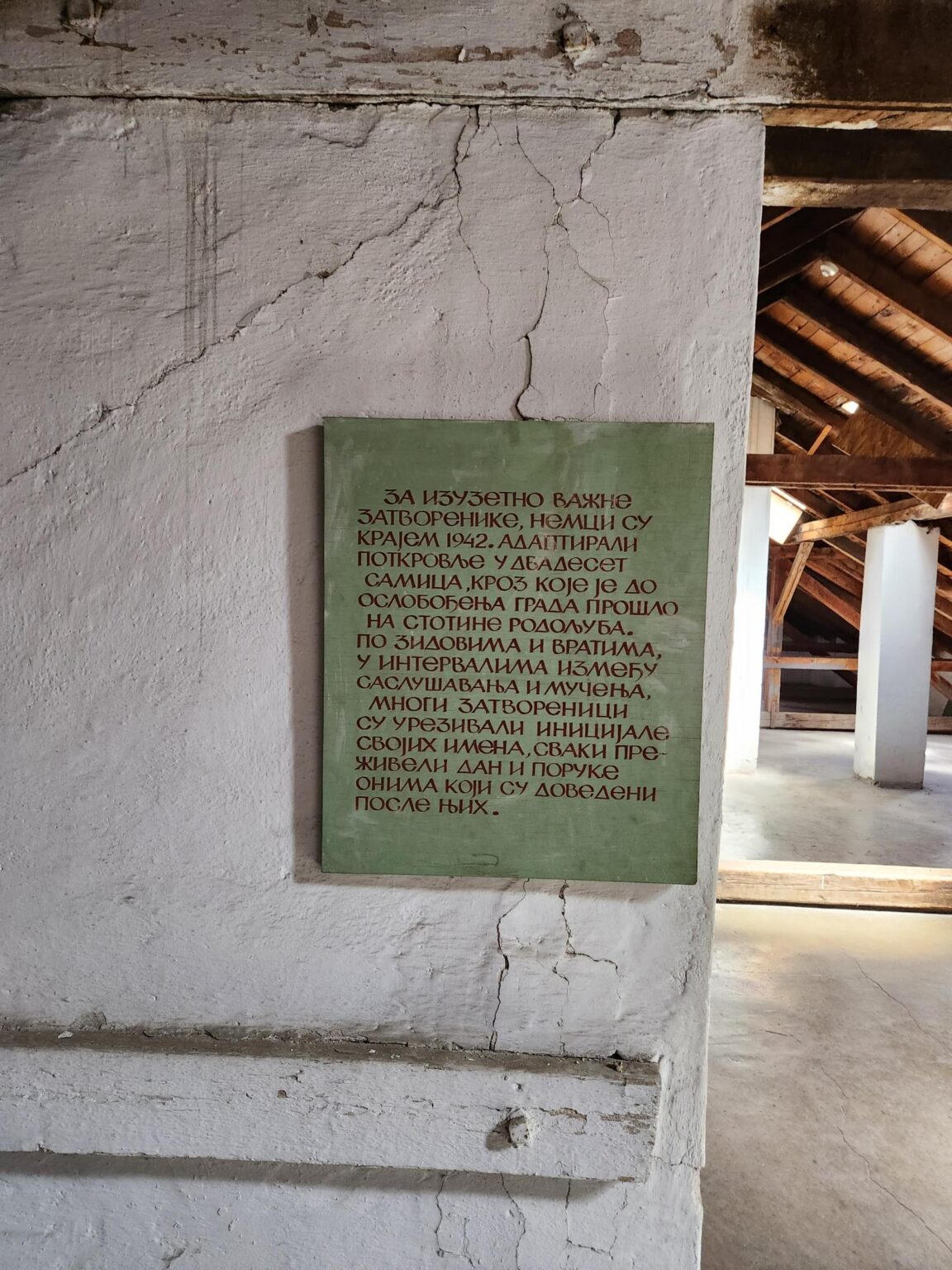
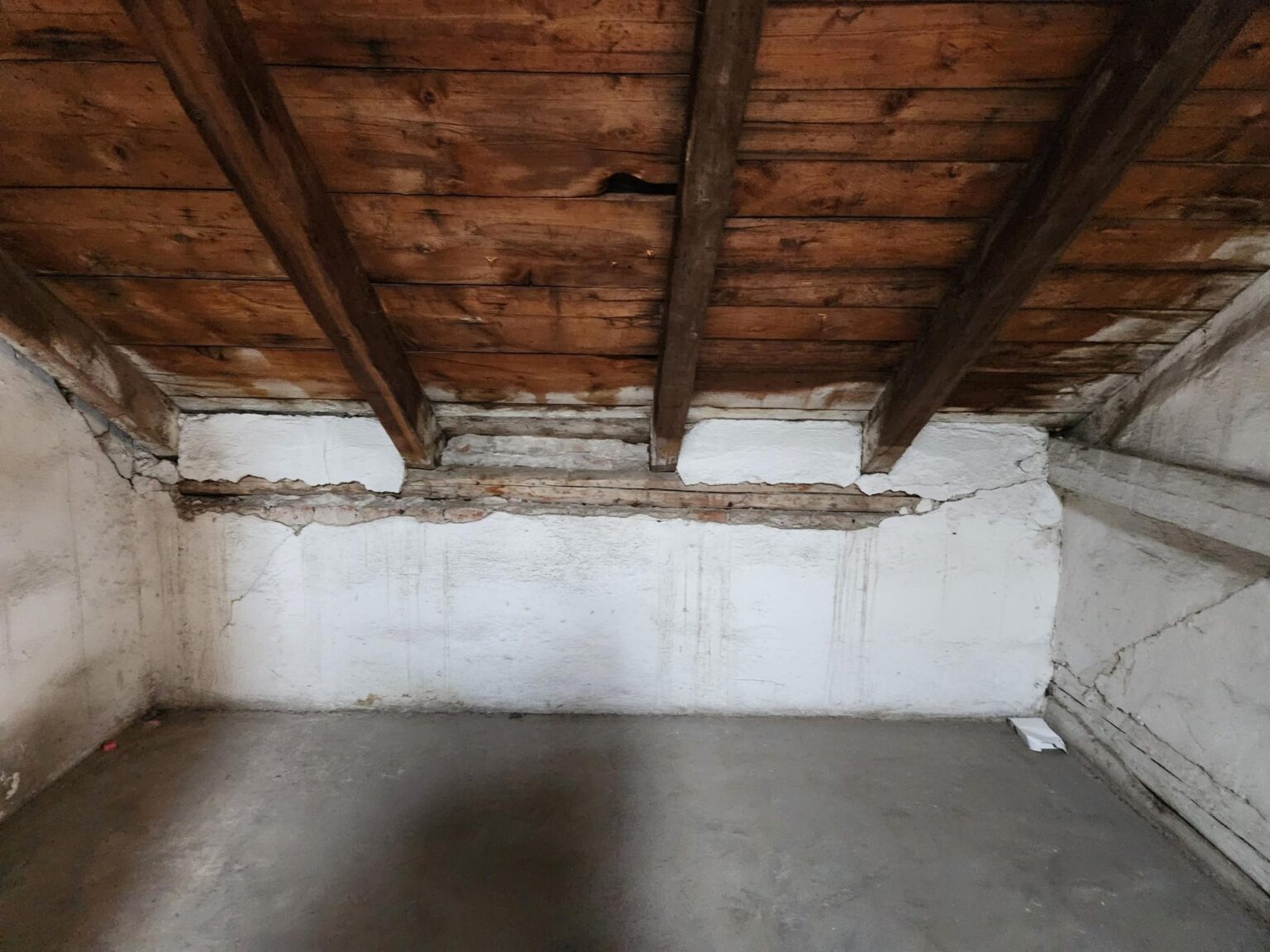
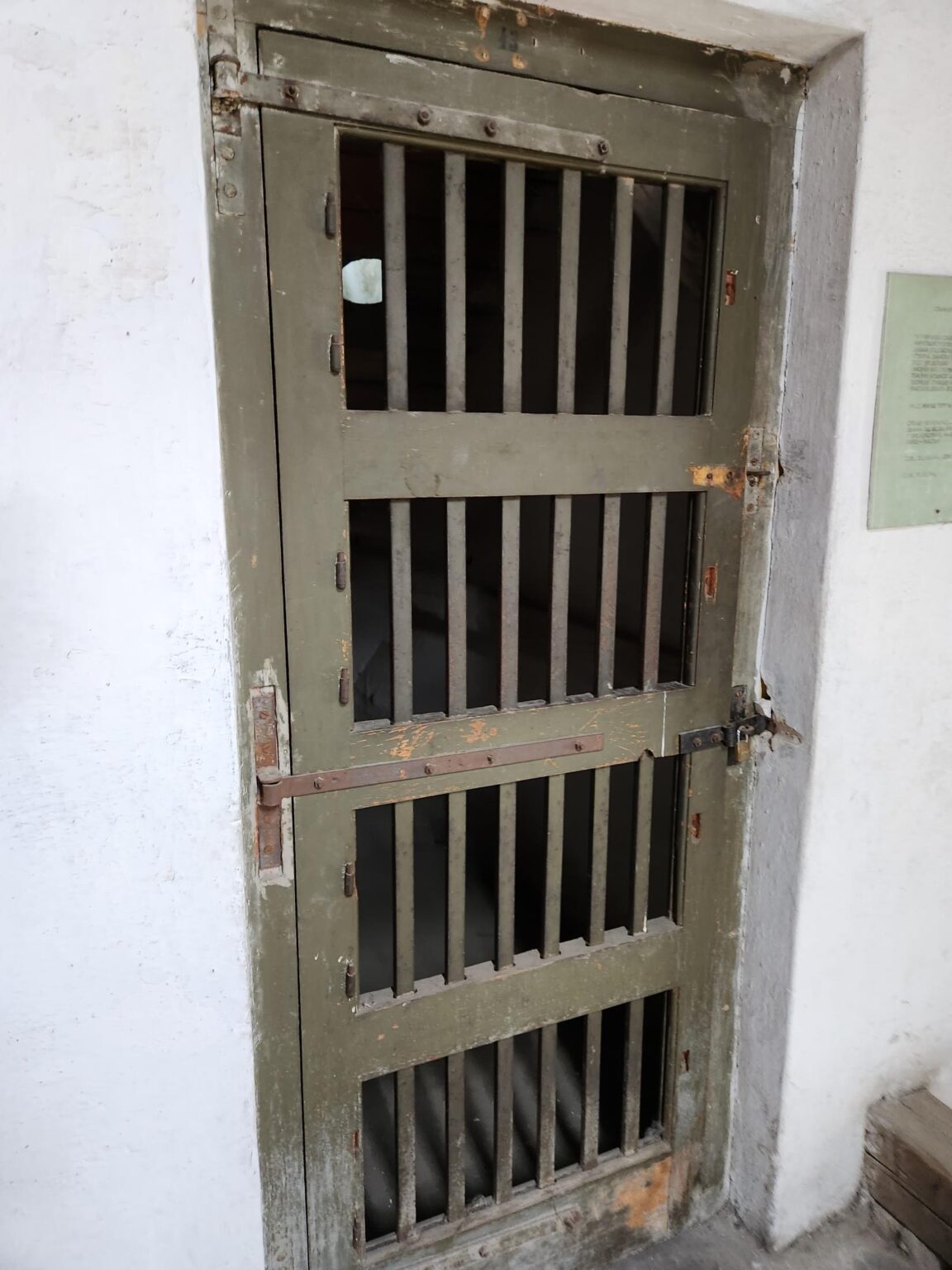
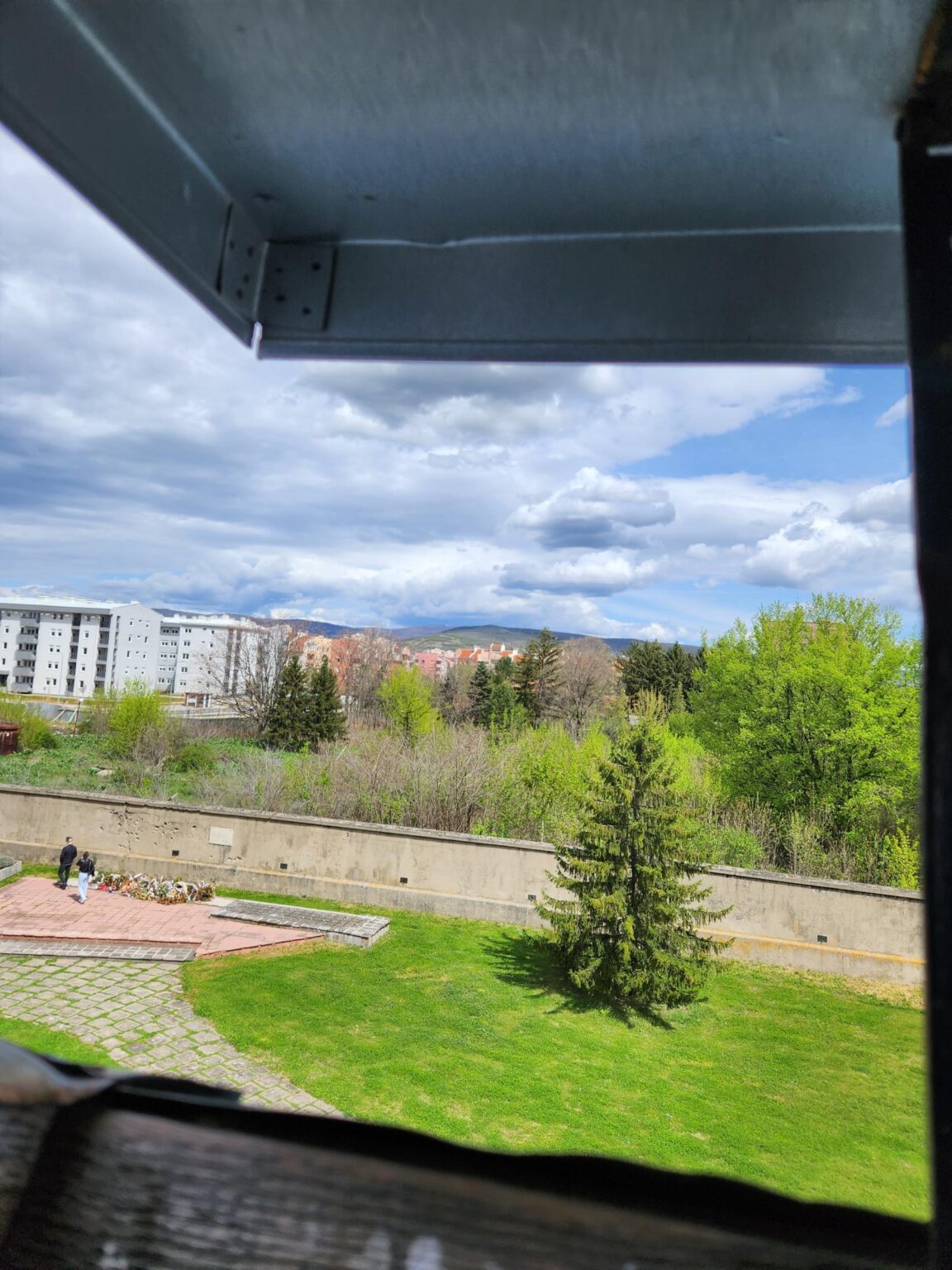
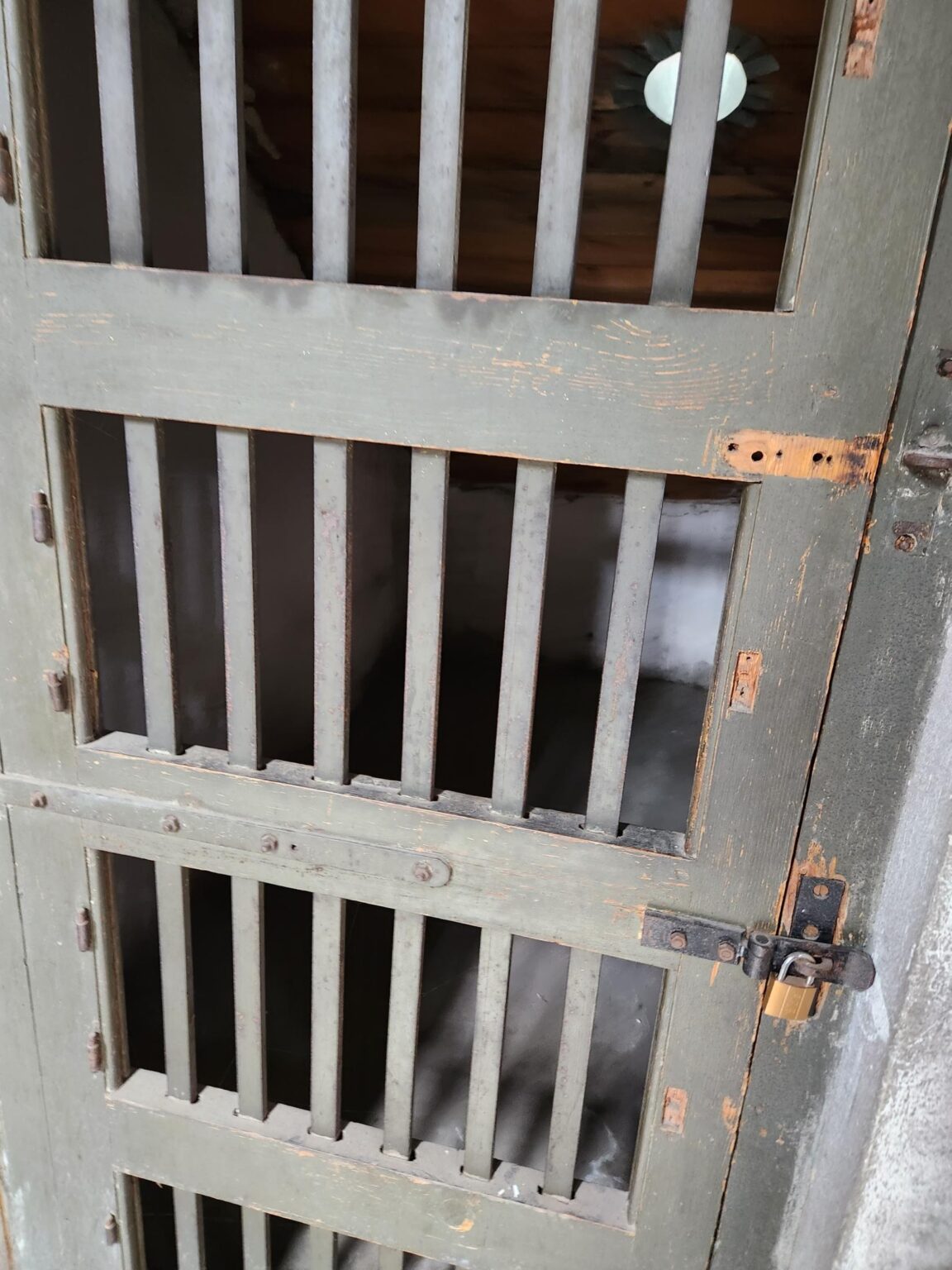
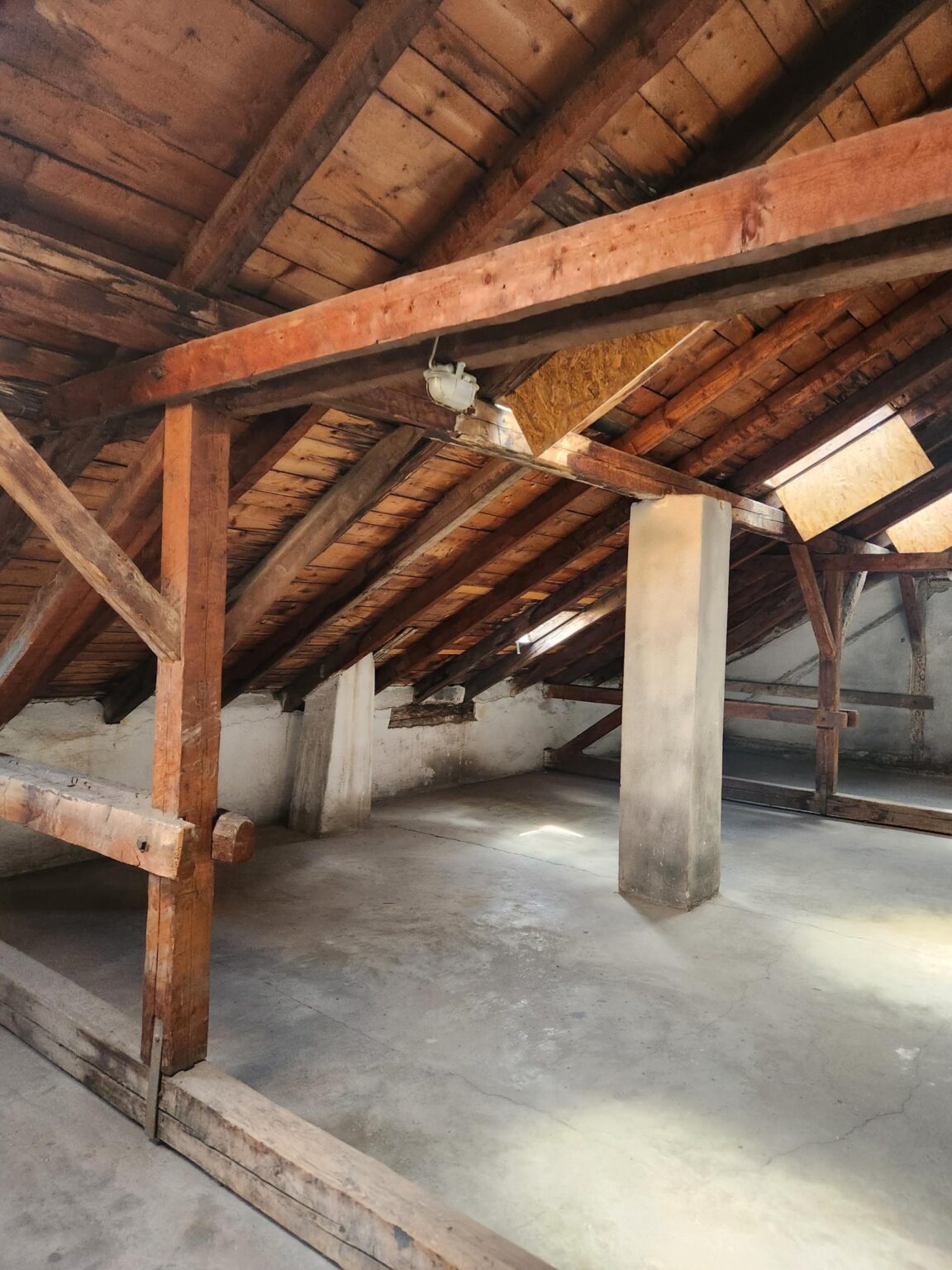
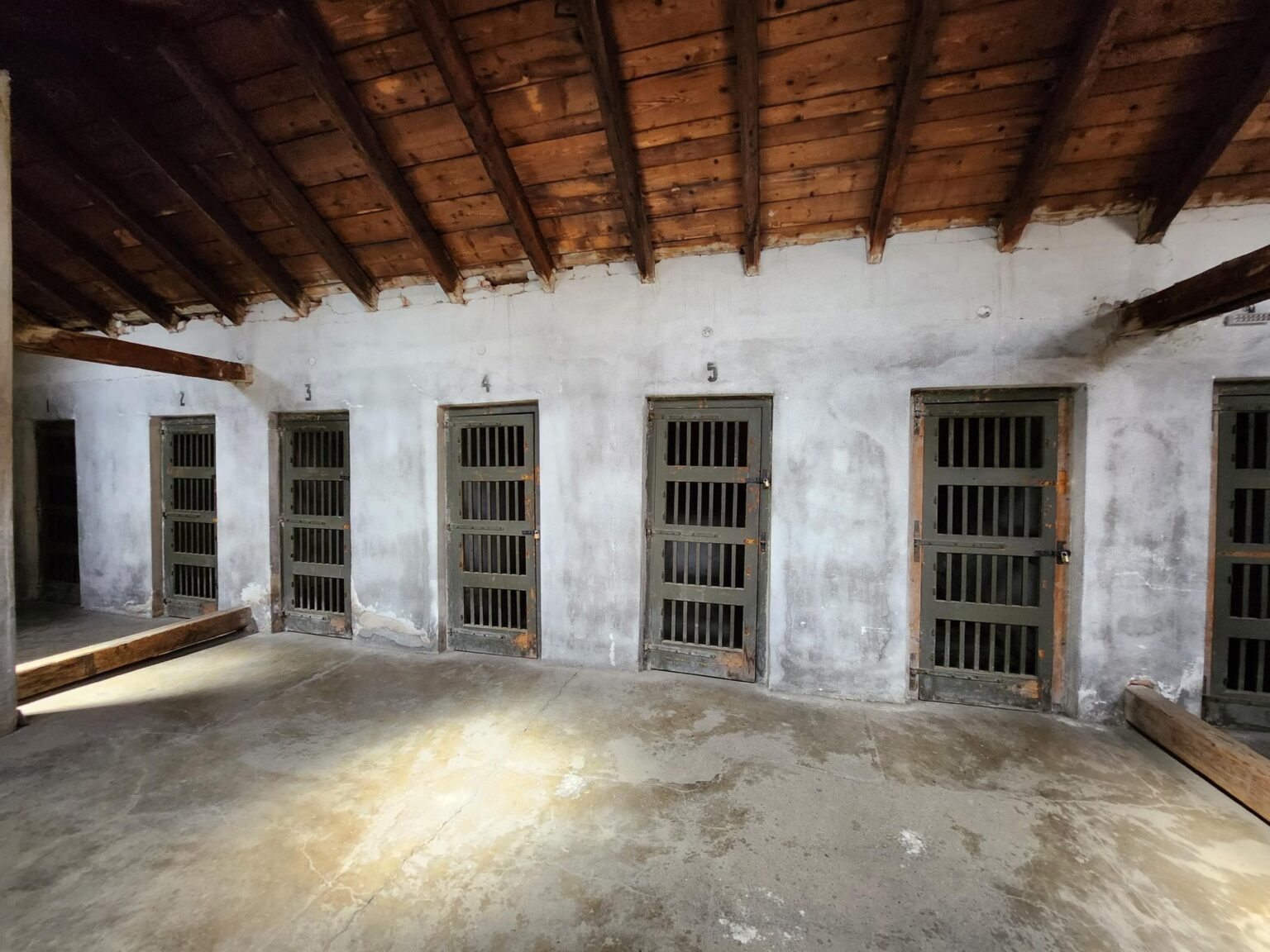
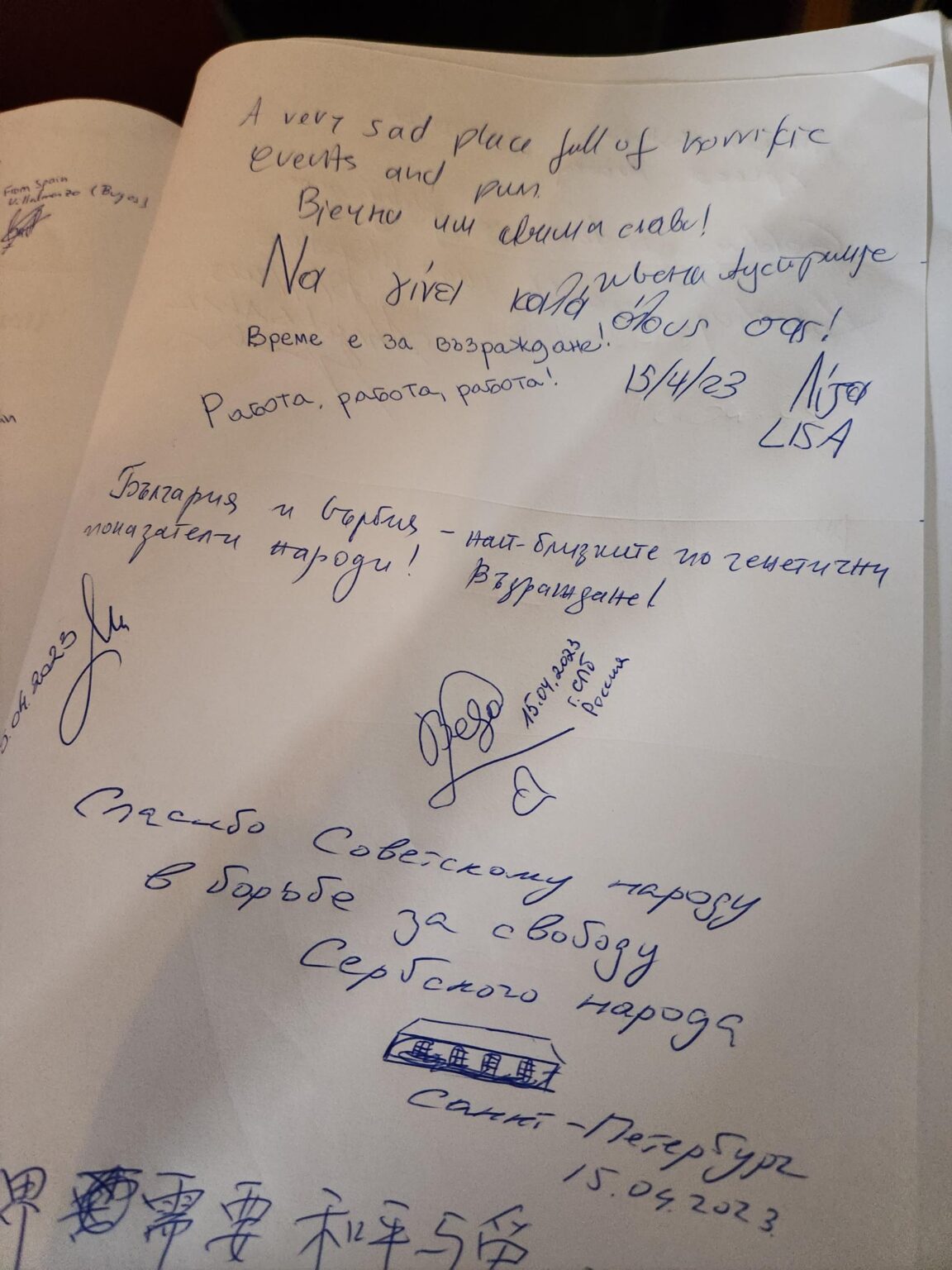
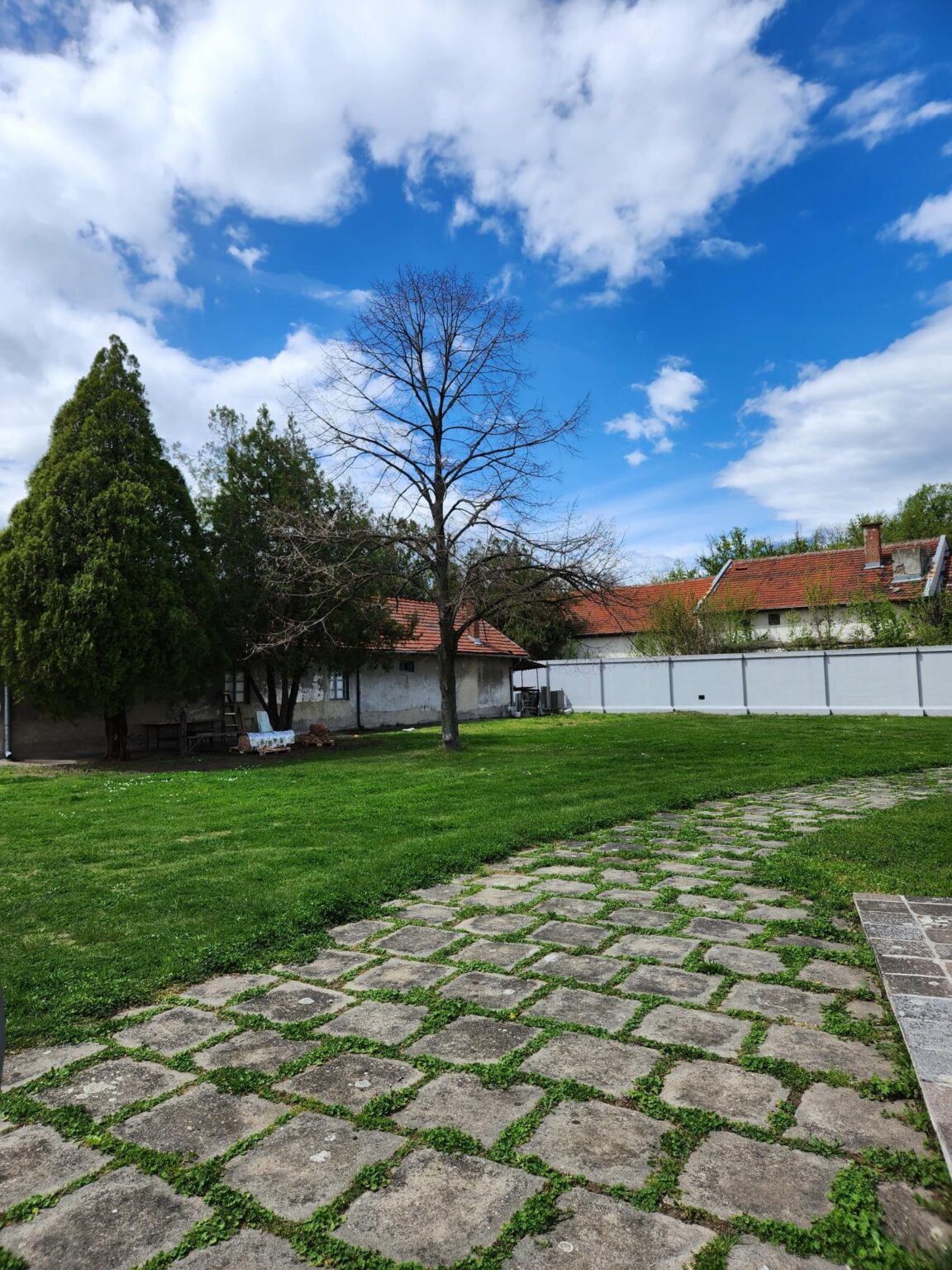
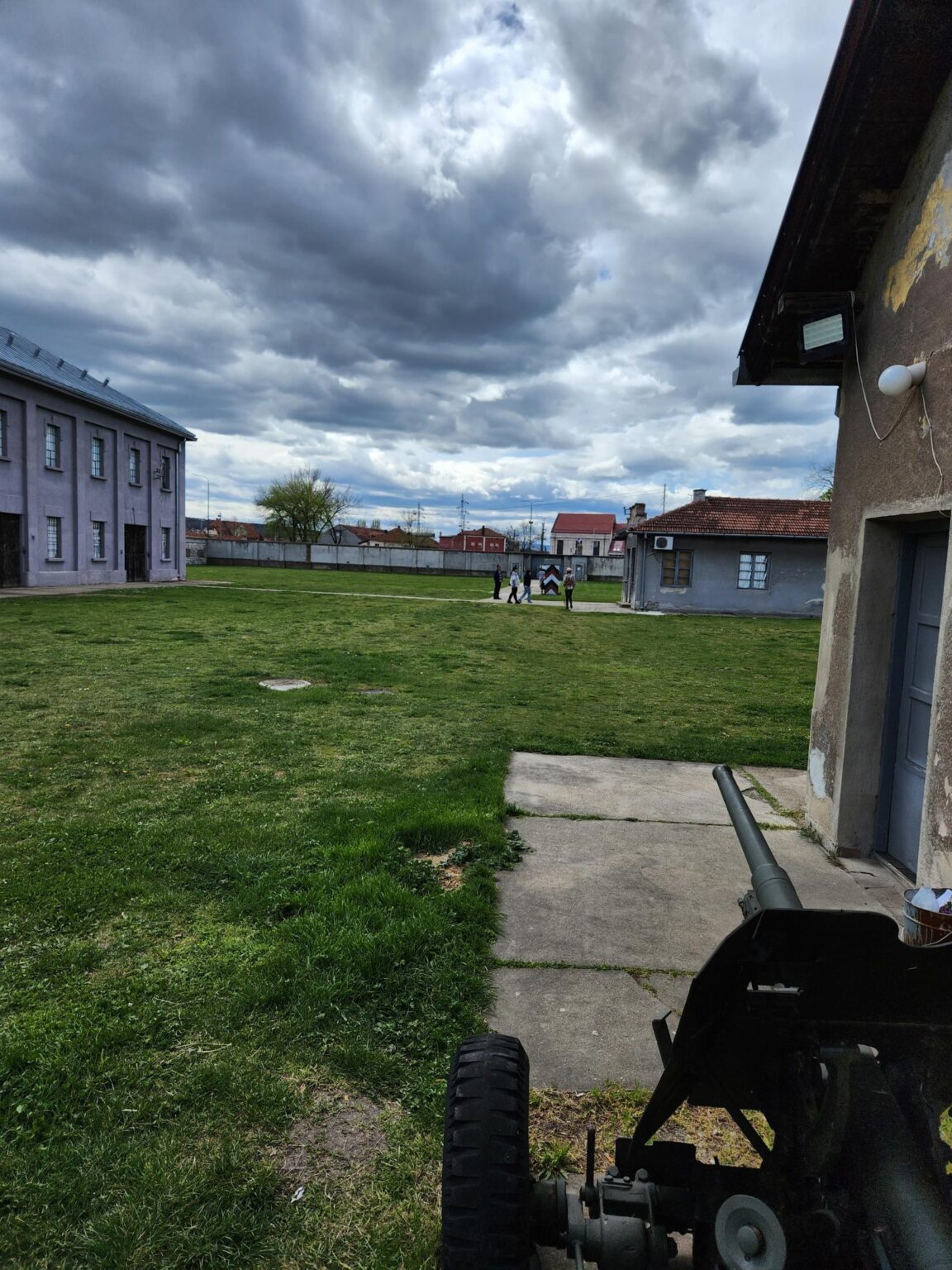
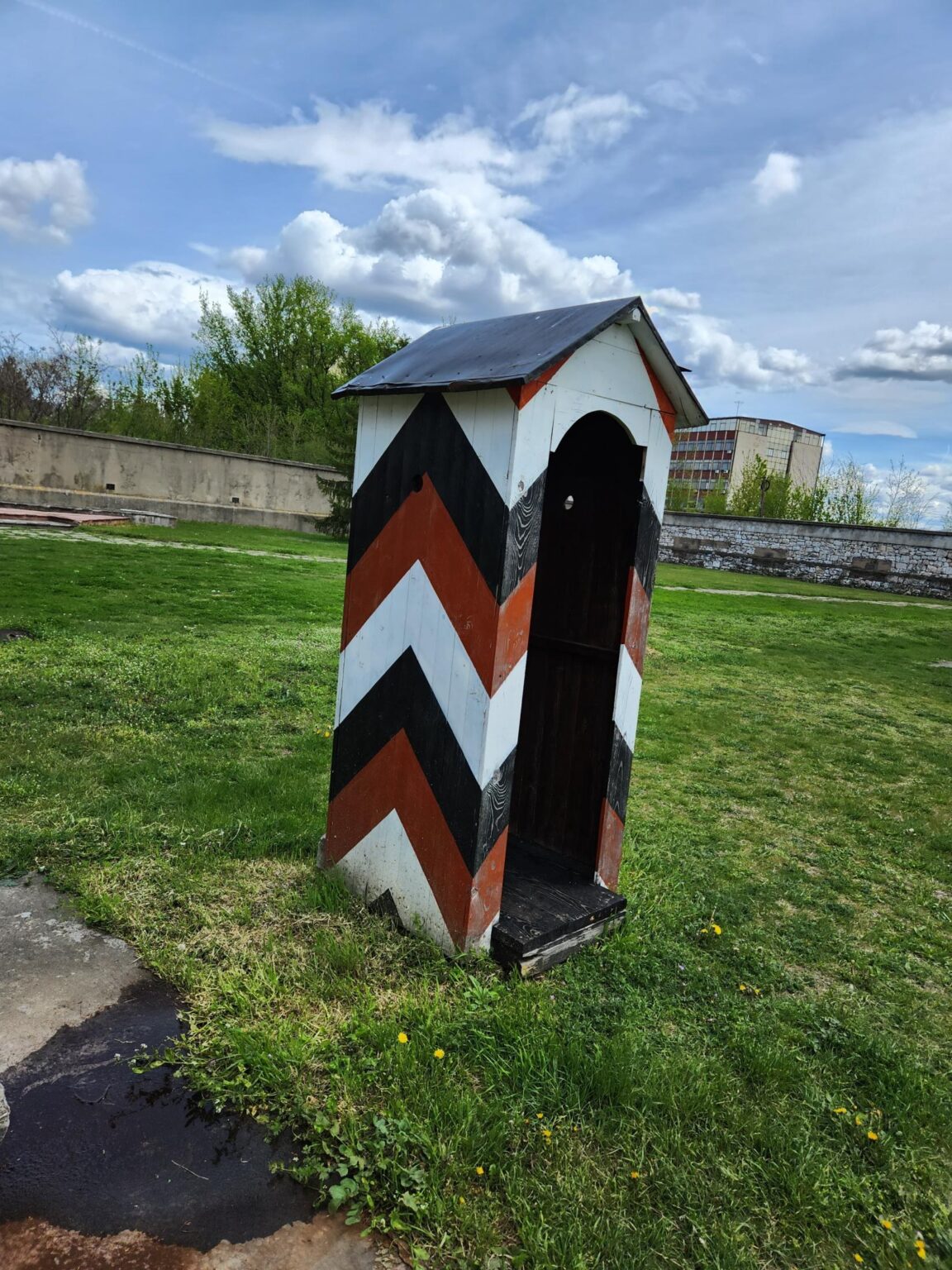
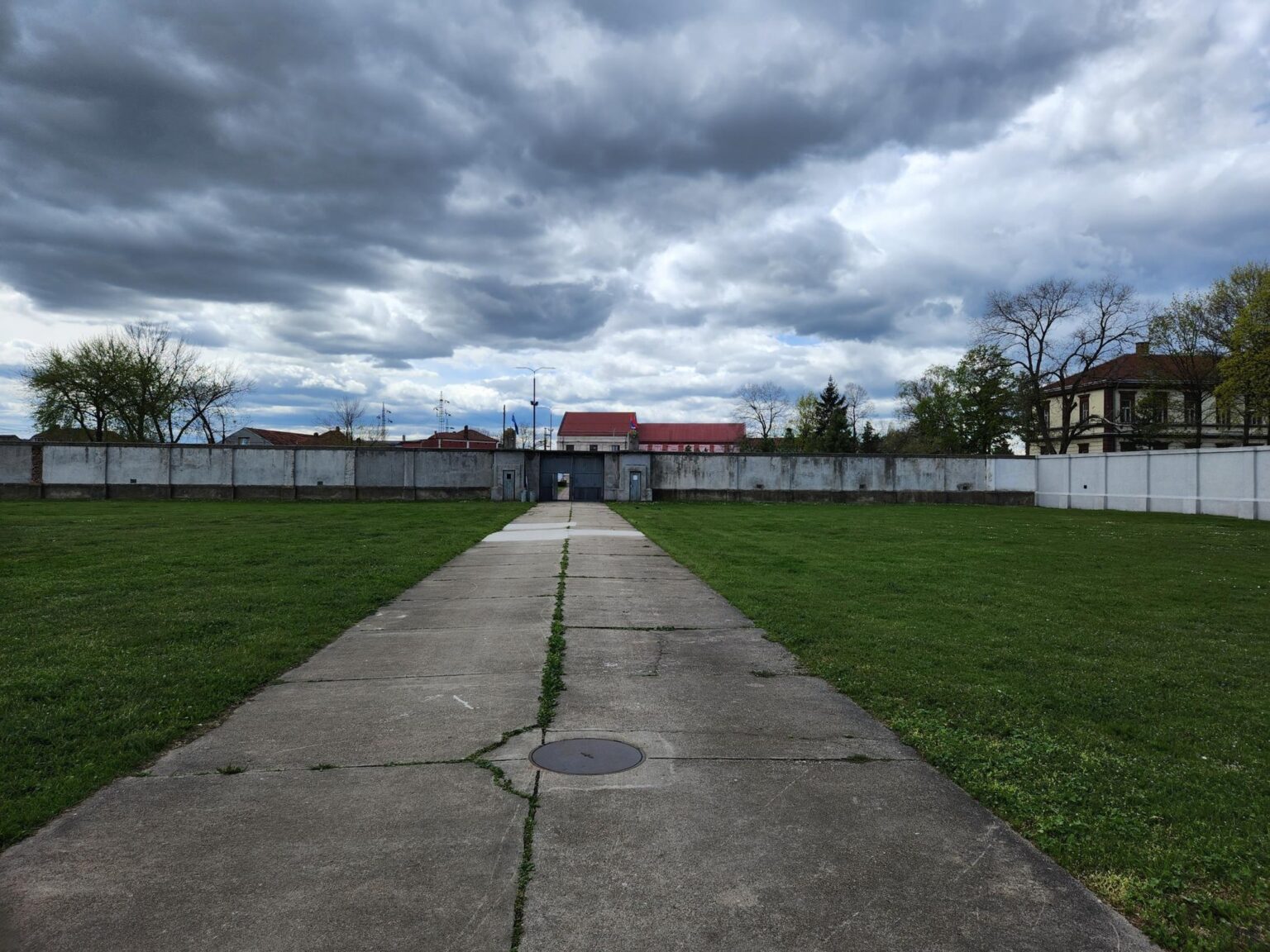
As for the camp itself, what can I say. There is not much to tell; it is sad. Everything is signposted in English. There are accounts from people who were held here: the horror of it, how they ate, how they dressed, how they were treated. On the practical side, allow about an hour for the yard and the building.
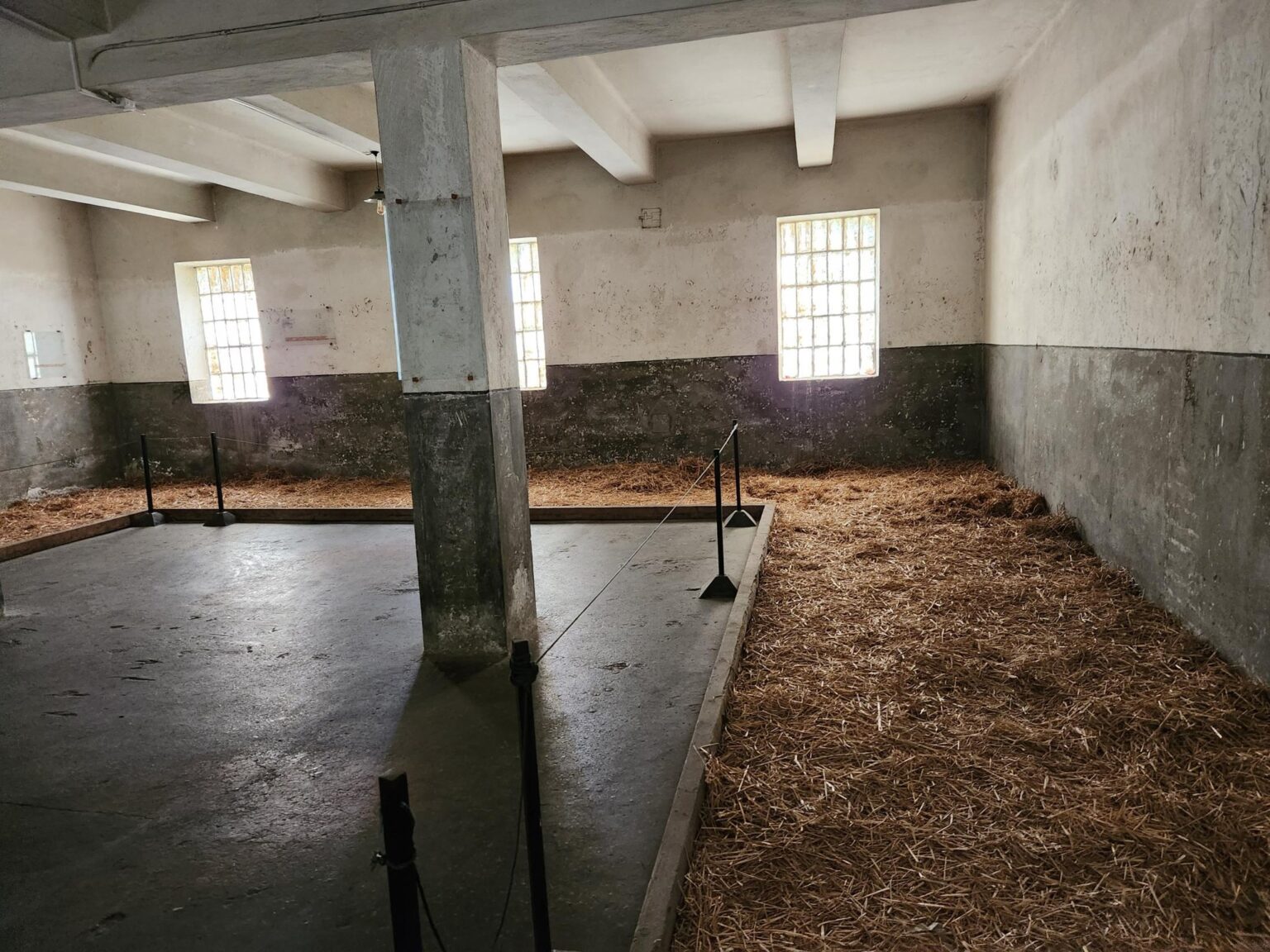
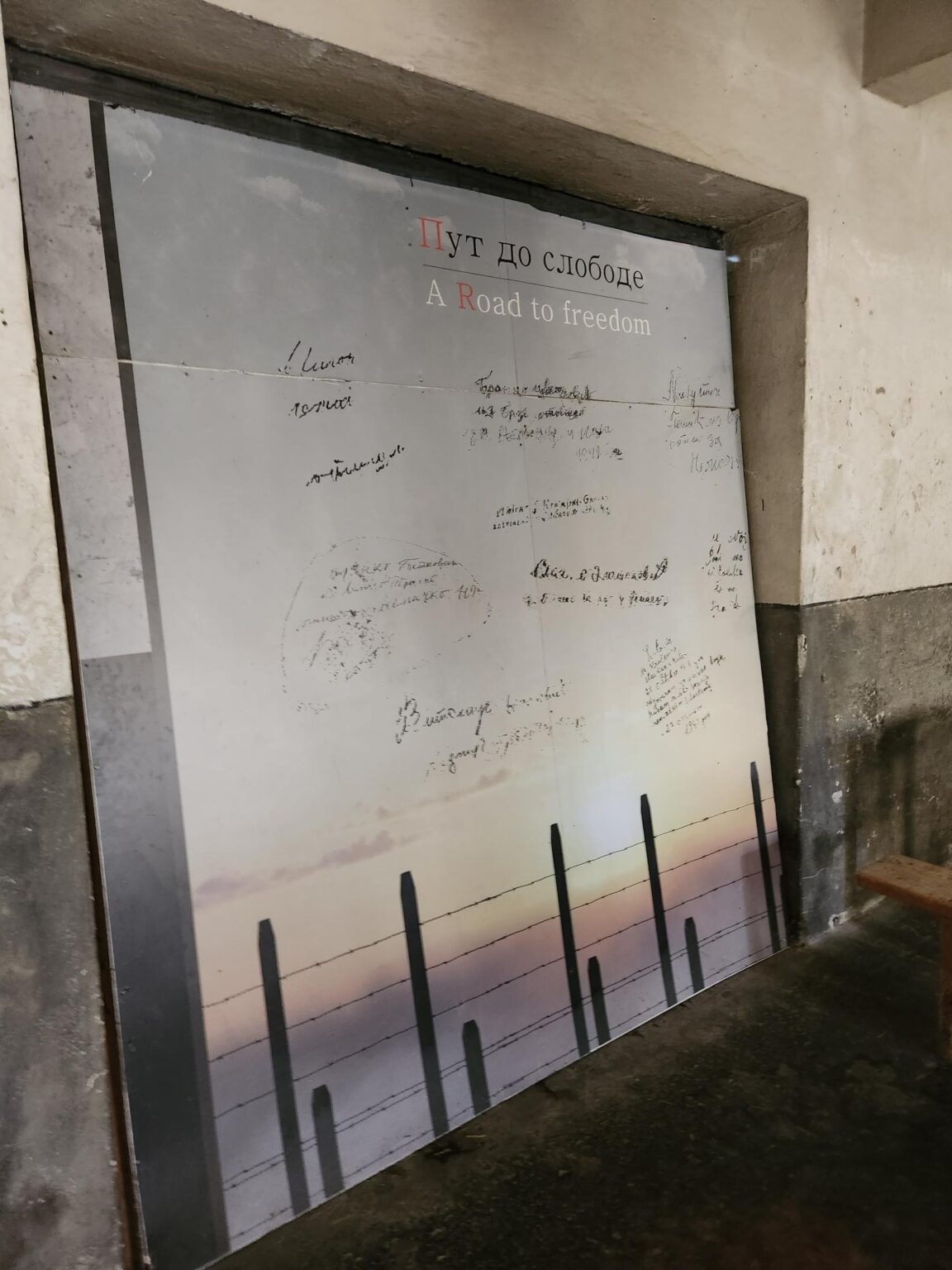
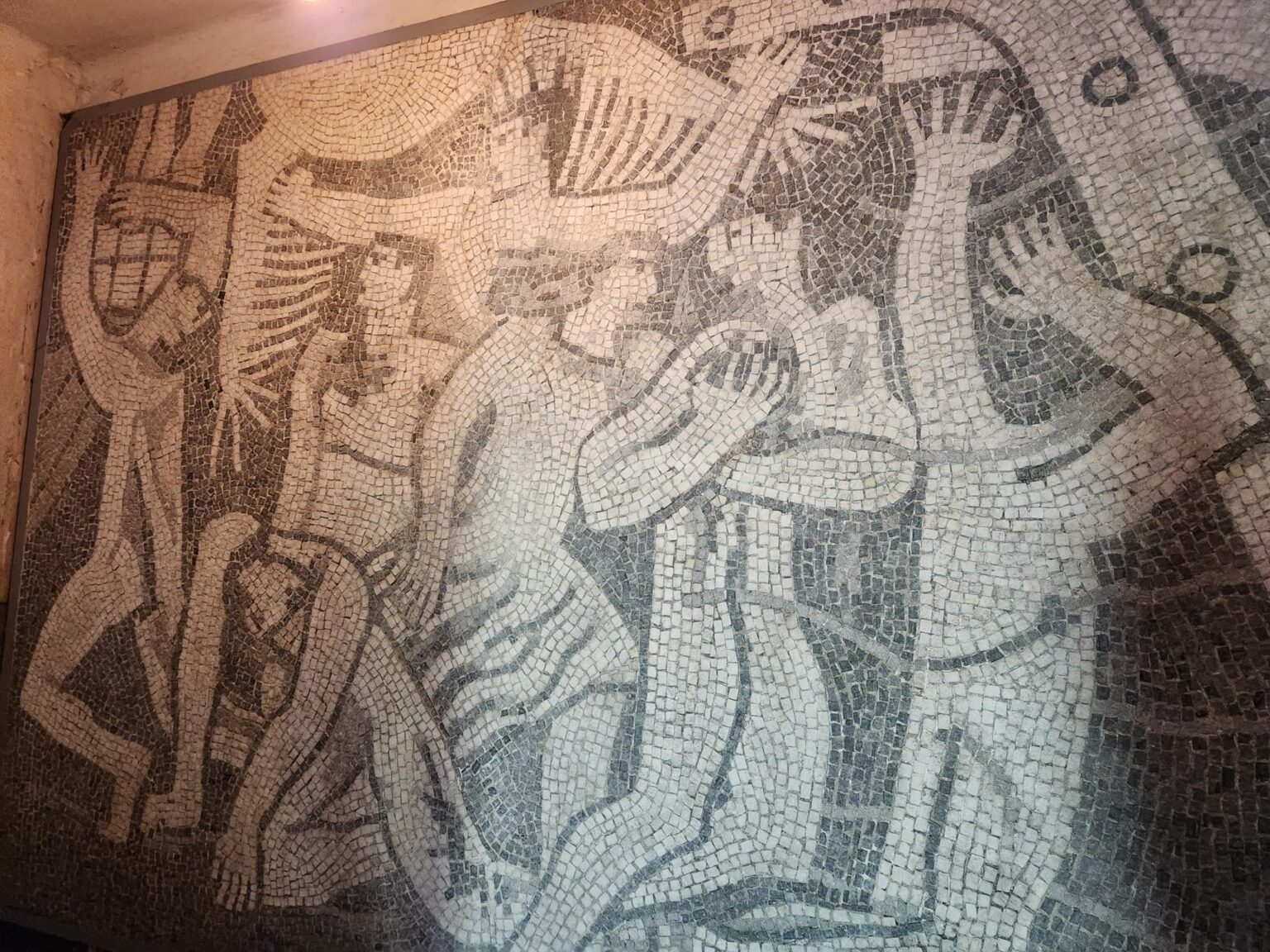
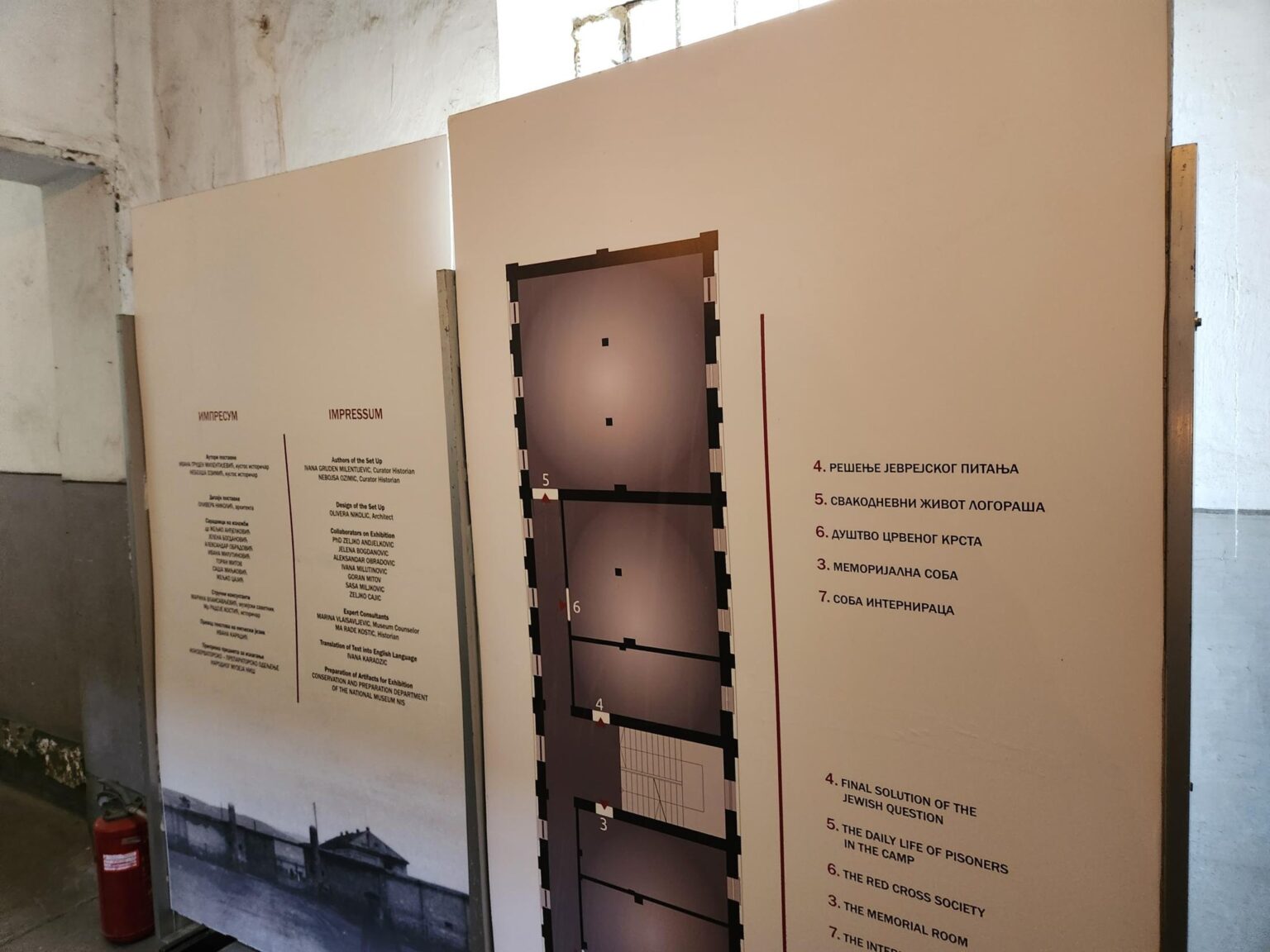
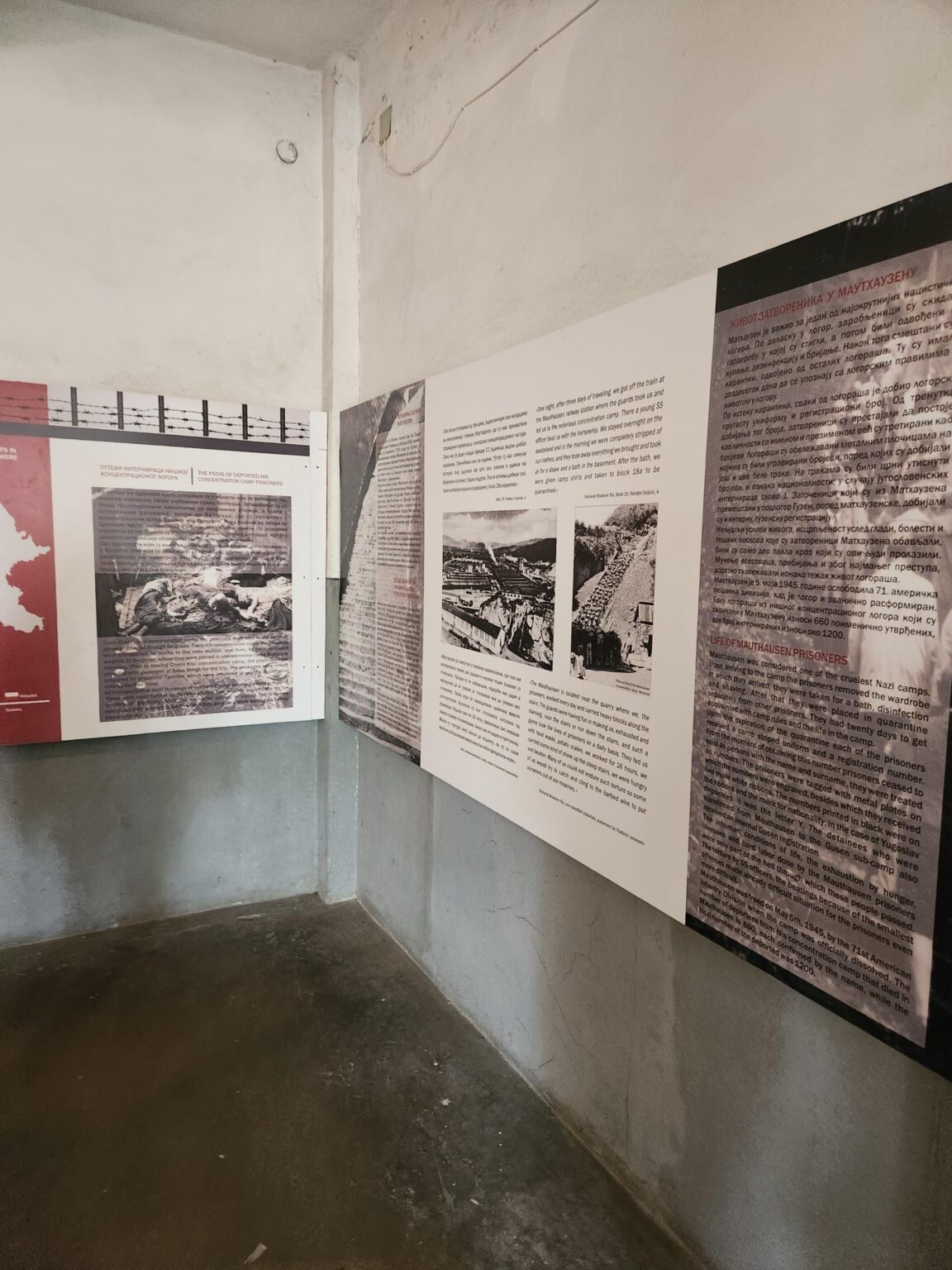
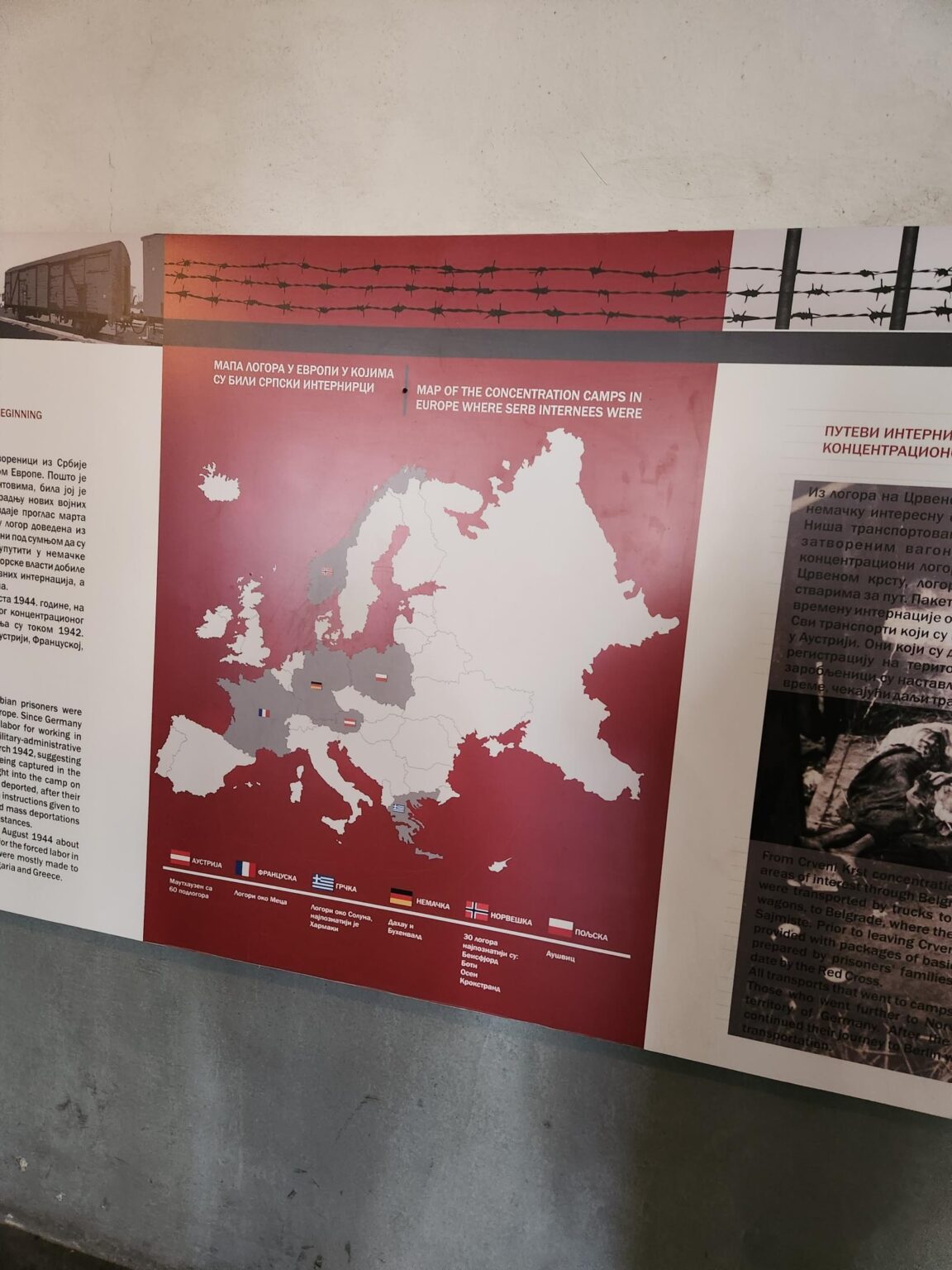
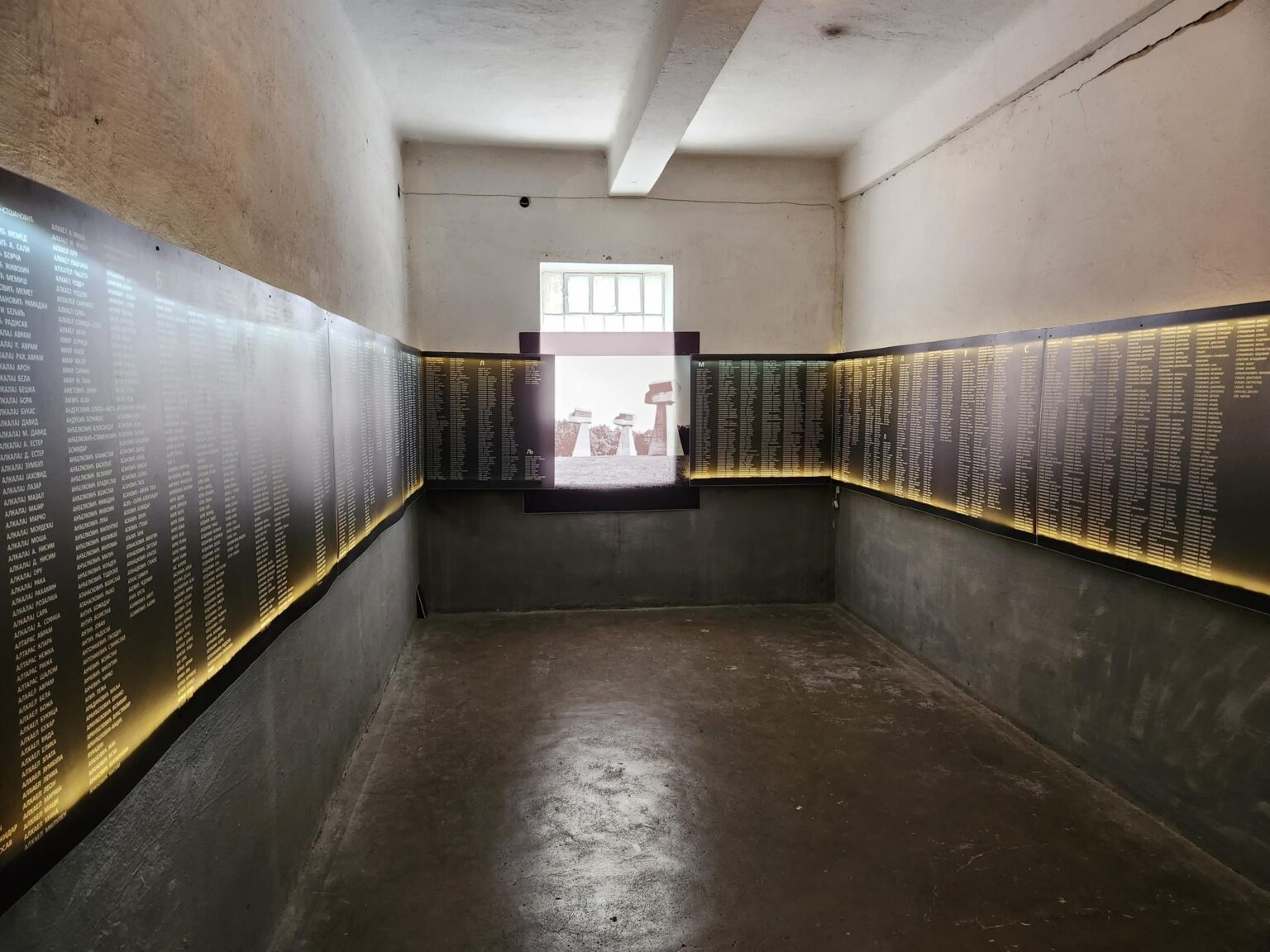
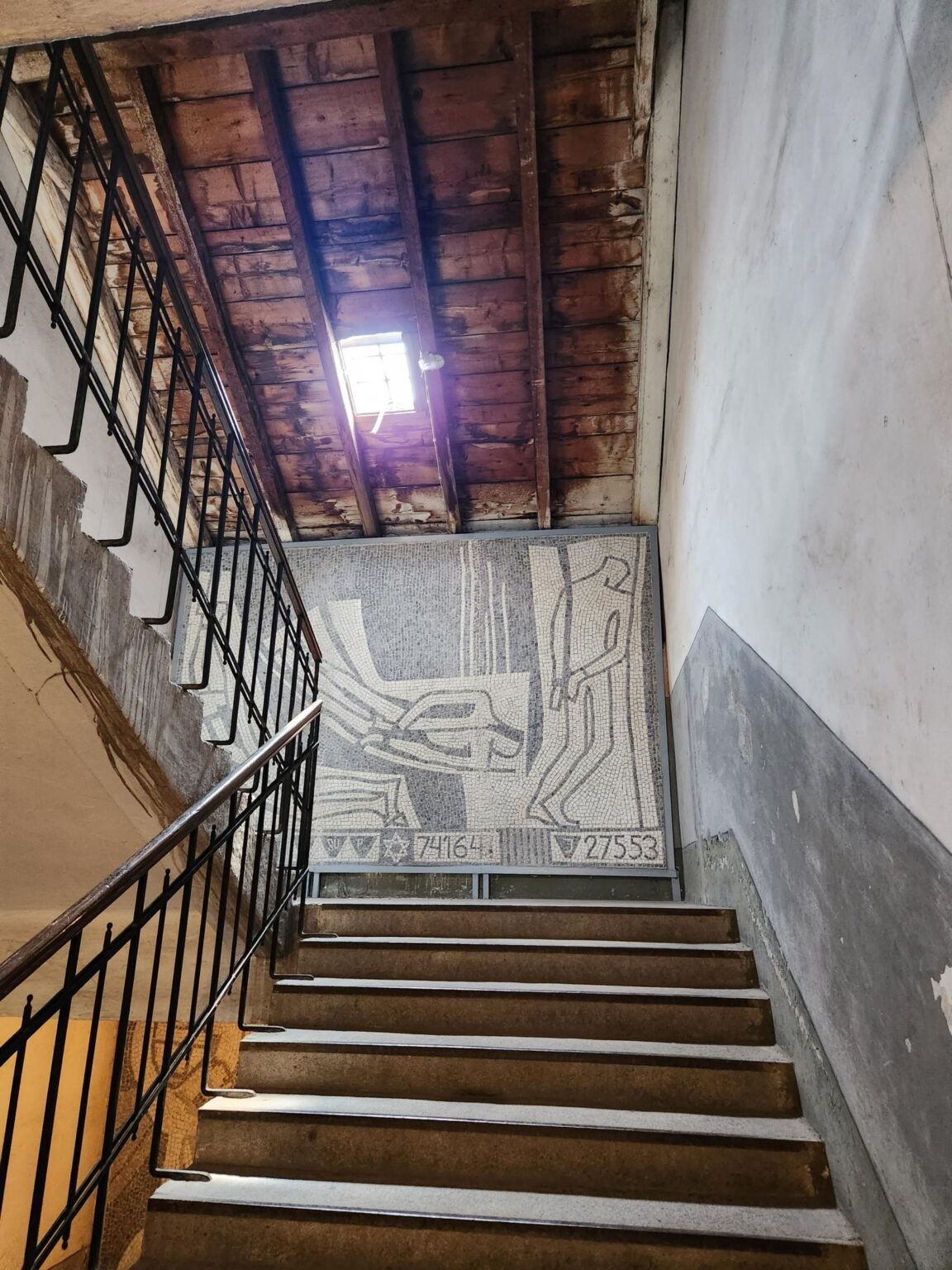
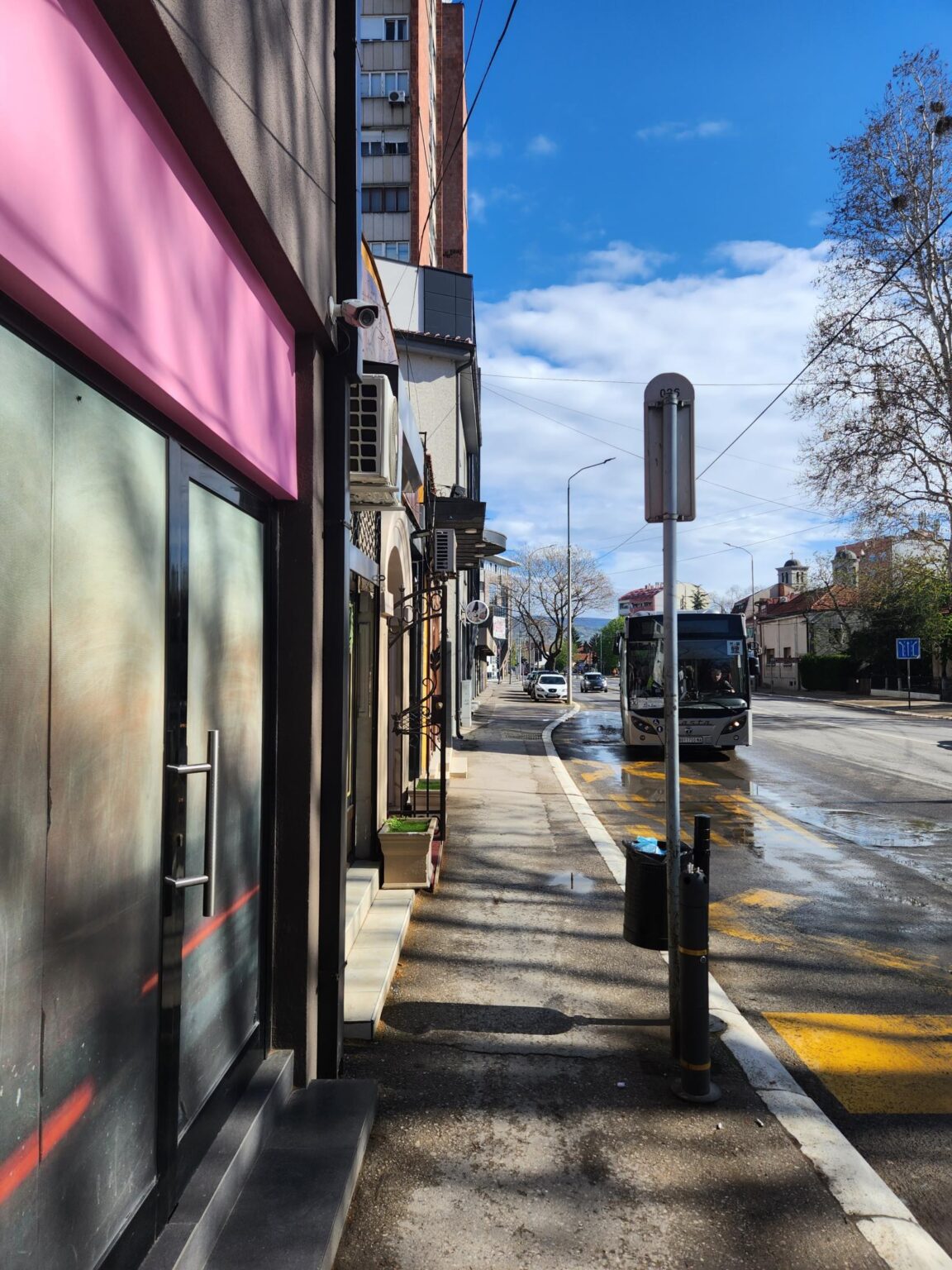
City transport
If you are following my plan and took my advice to leave the car at a hotel in the centre, the easiest way from the camp to Mediana is by city bus. Google Maps is very useful again, with timetables included. In 2023 there was always a conductor sitting at the front: you said where you were going, and they worked out the fare. Very civilised — crossing the city from one end to the other cost about 105 dinars. Even better news now: since 1 July 2025, city and suburban buses in Niš have been free for everyone, tourists included (Danas). You just get on. The city funds it from its budget year by year, so a quick check before your trip does no harm.
Mediana
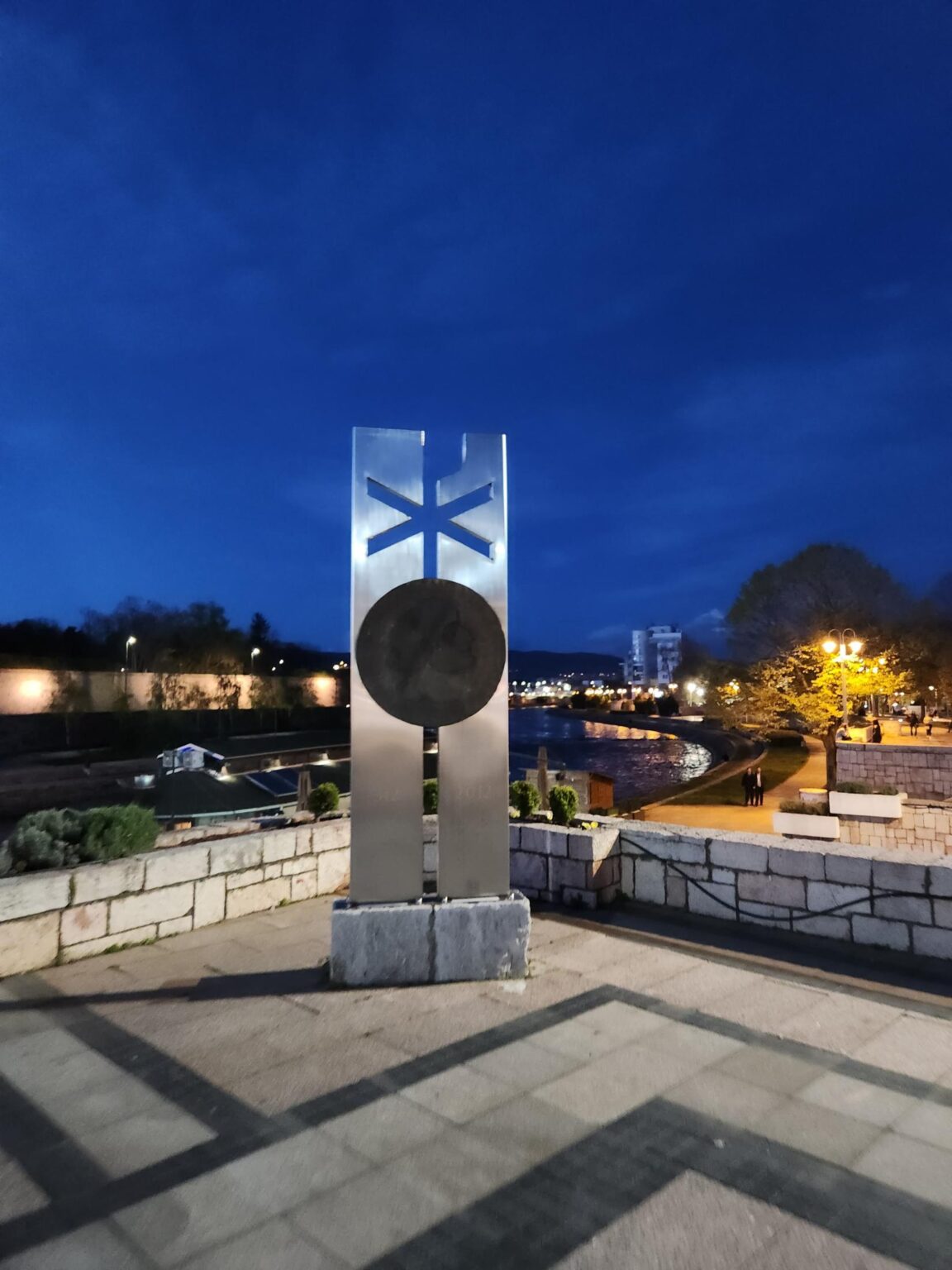
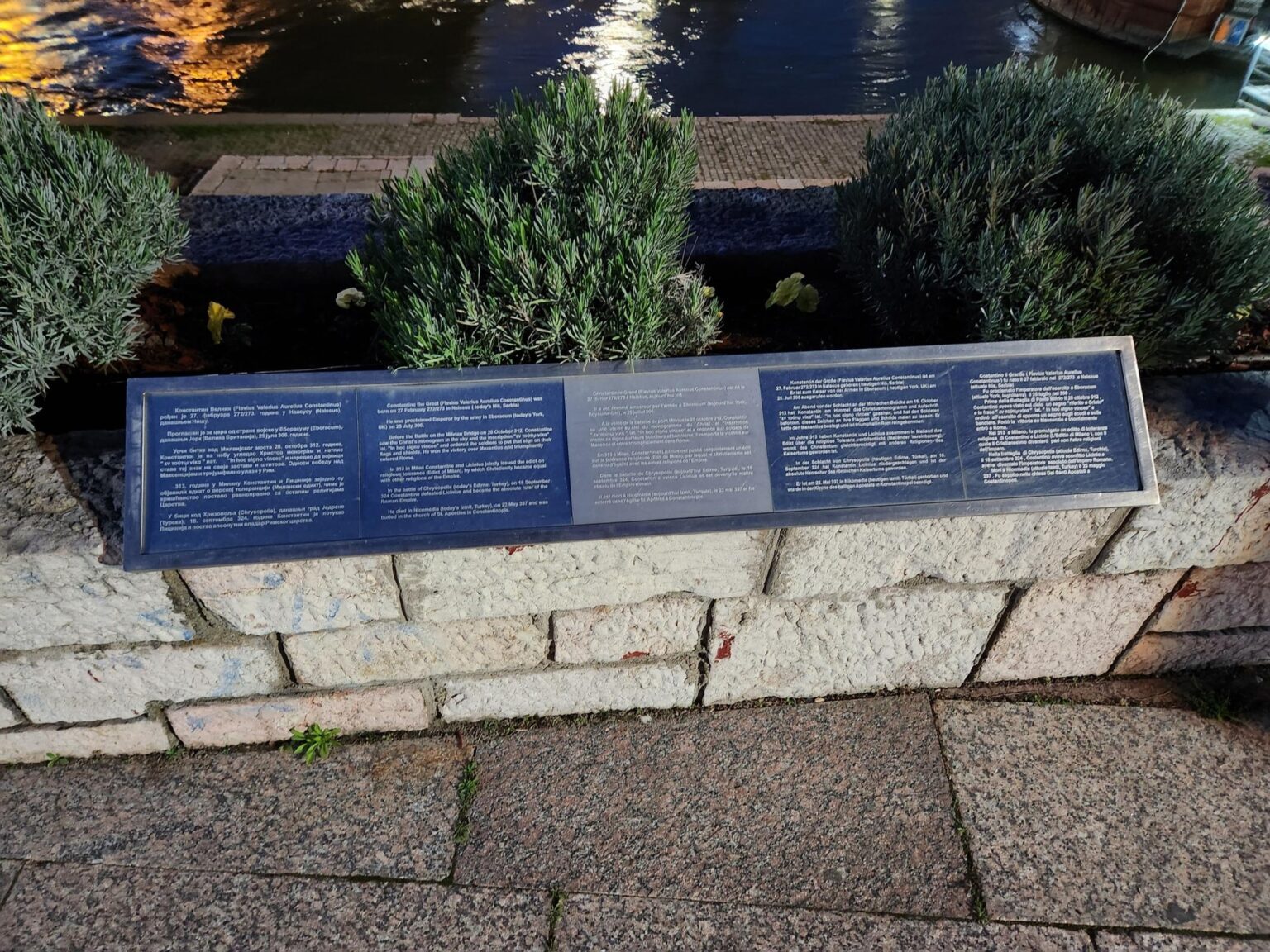
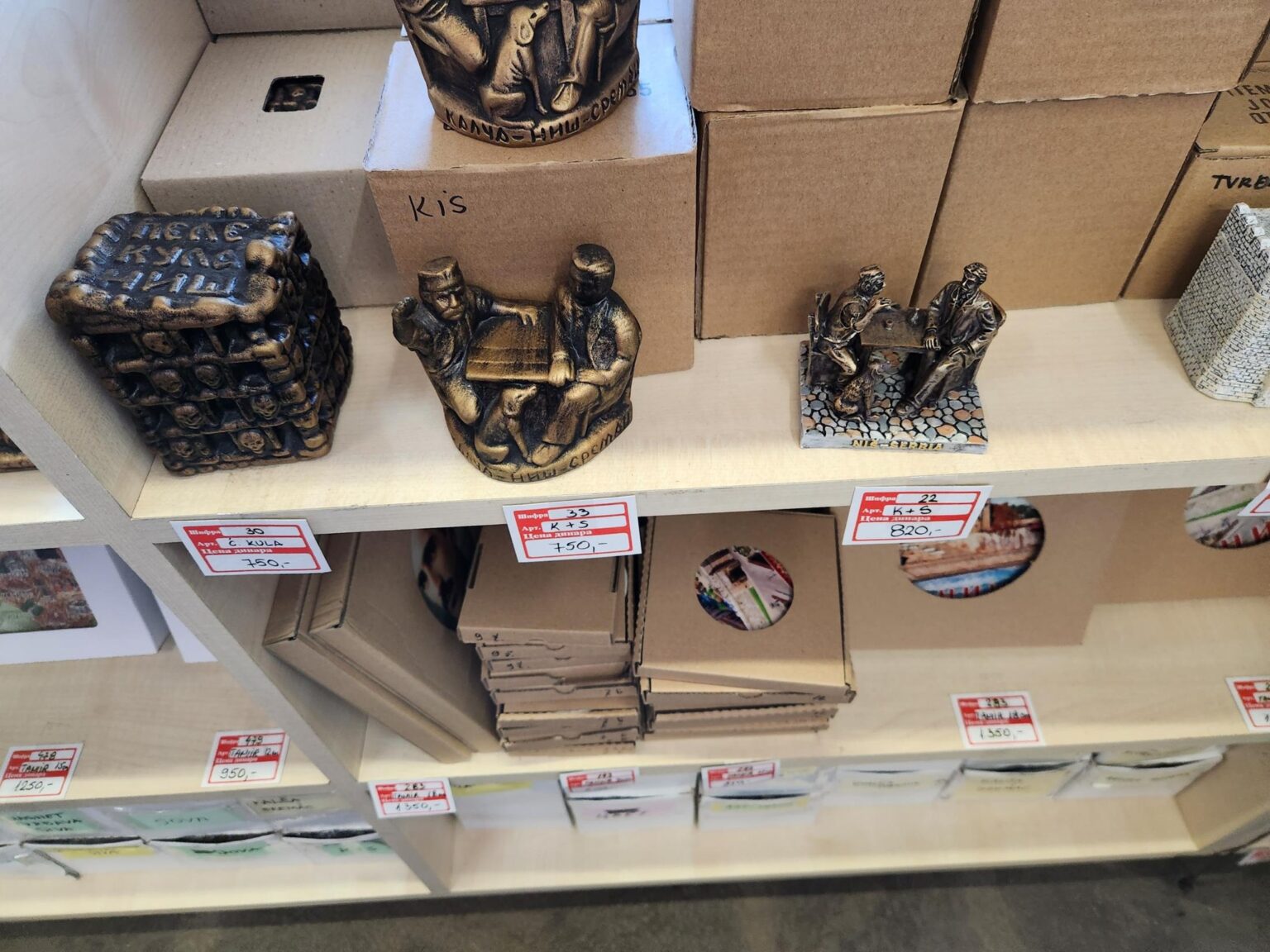
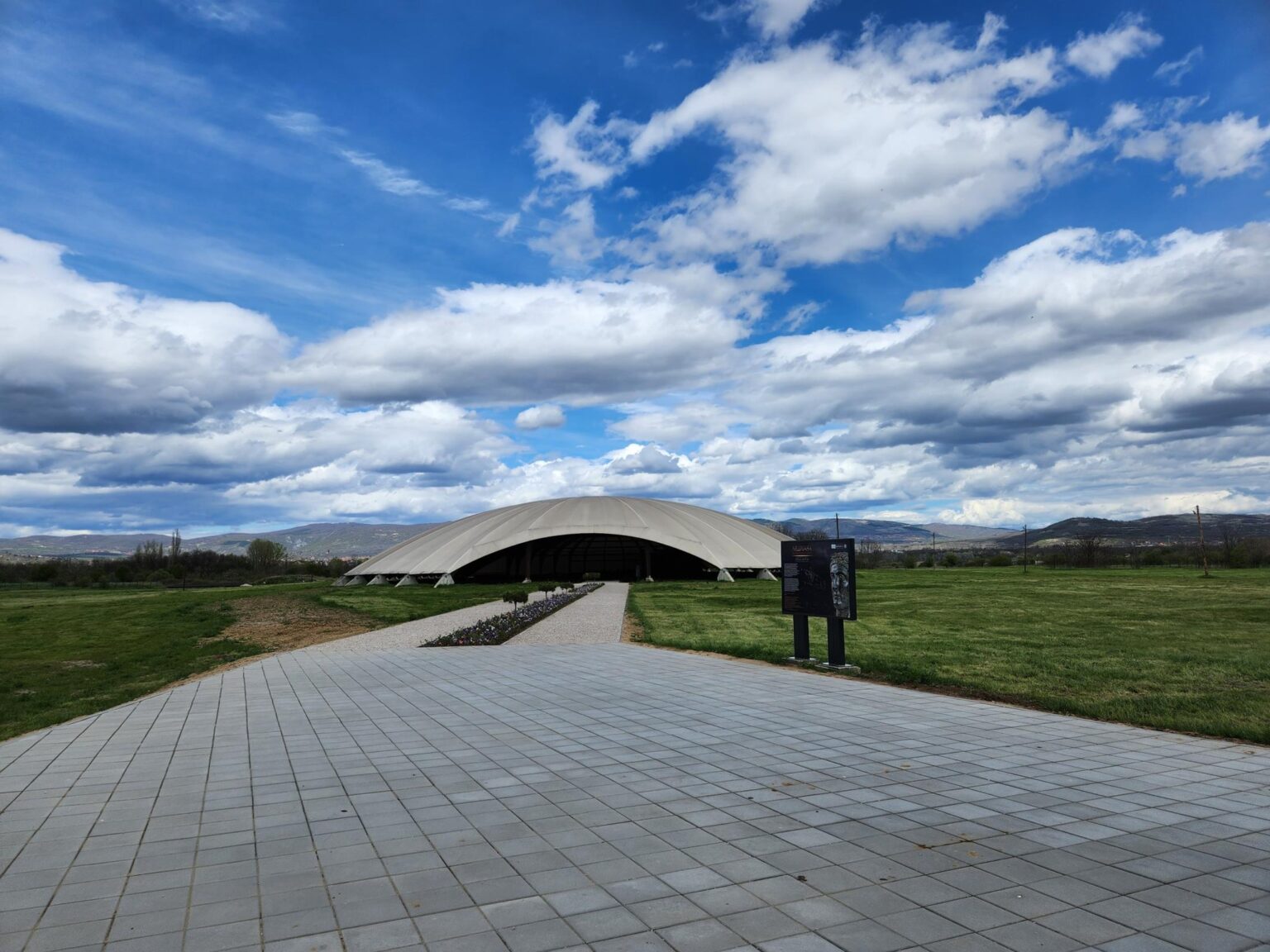
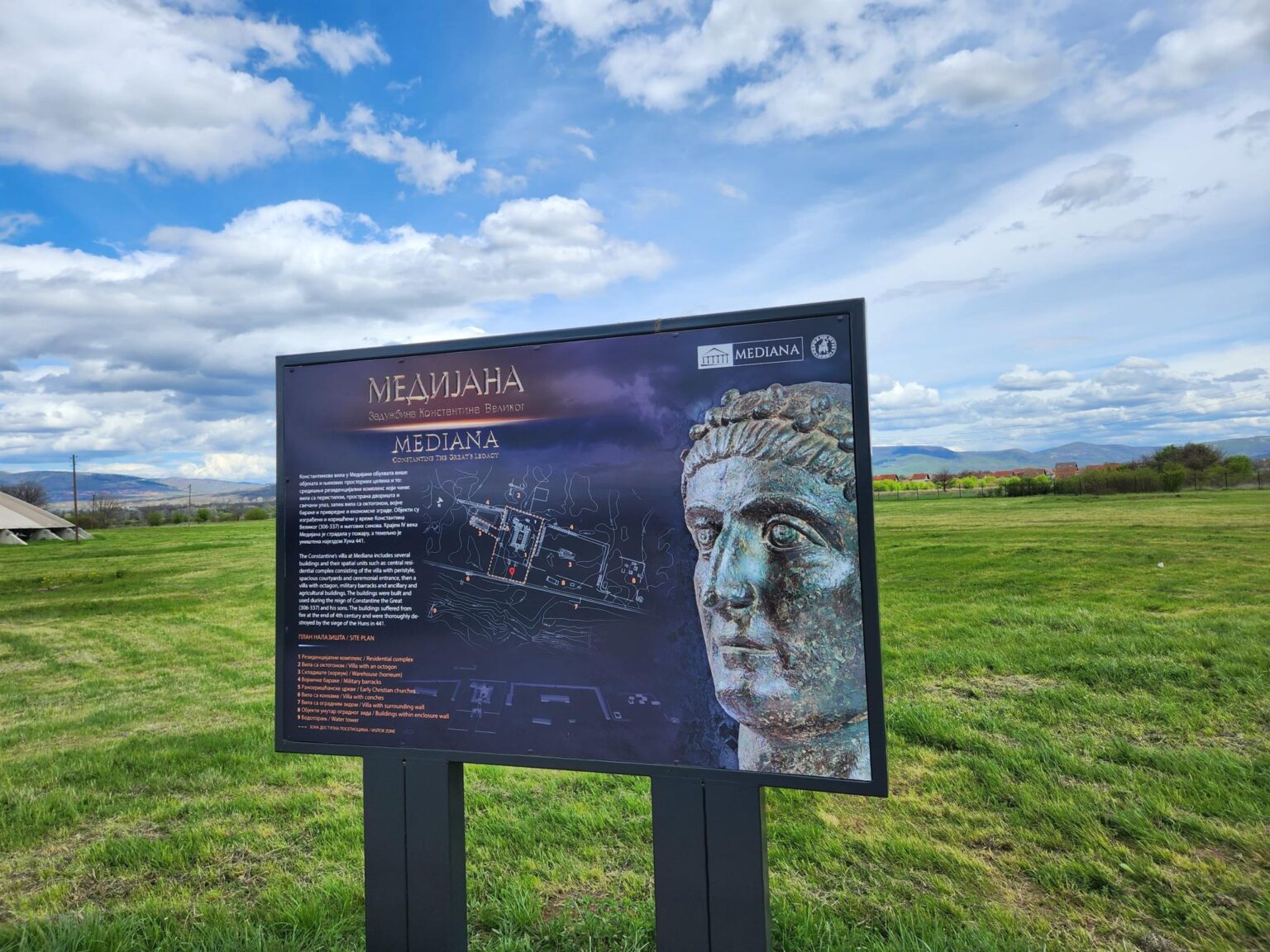
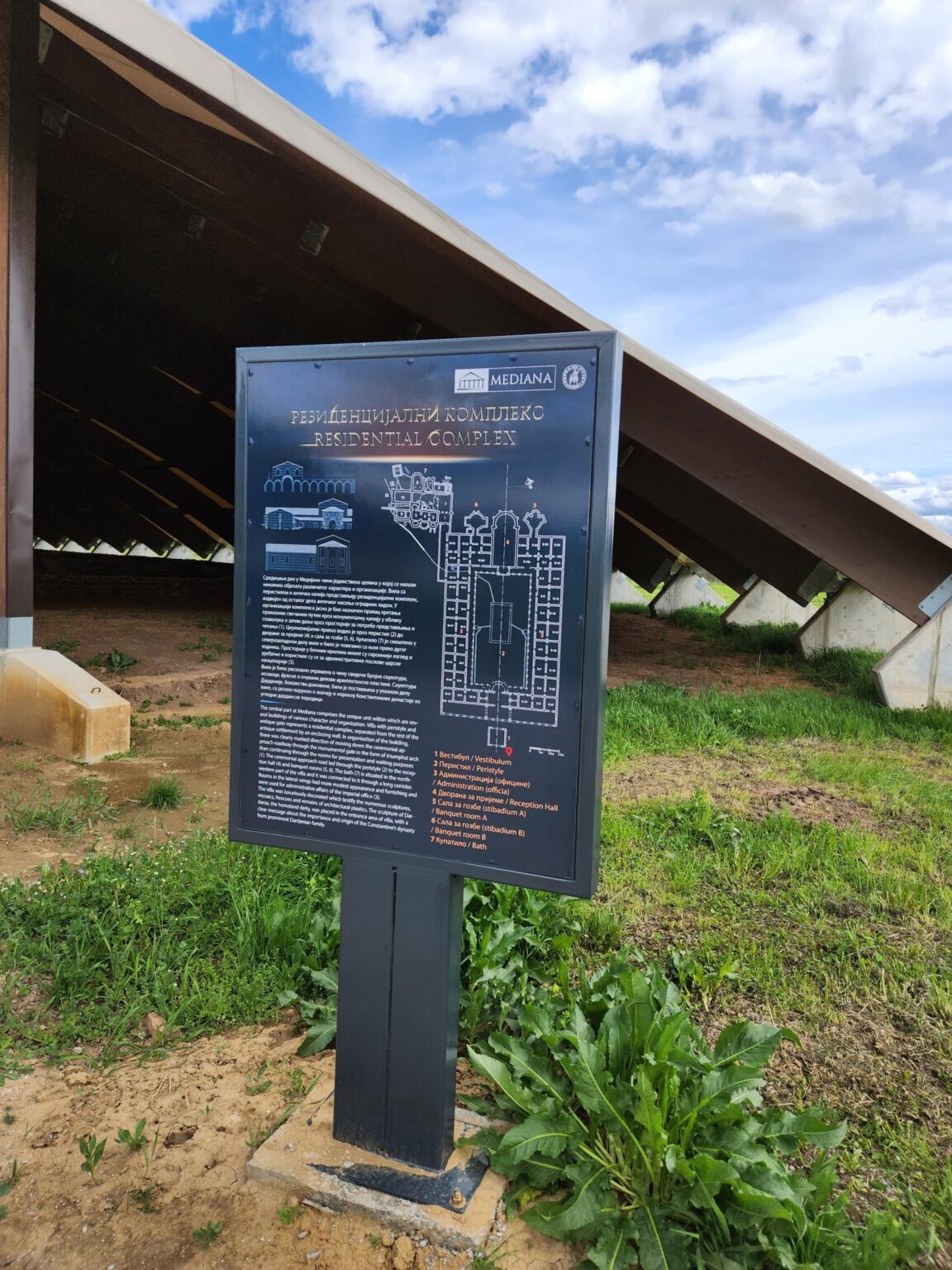
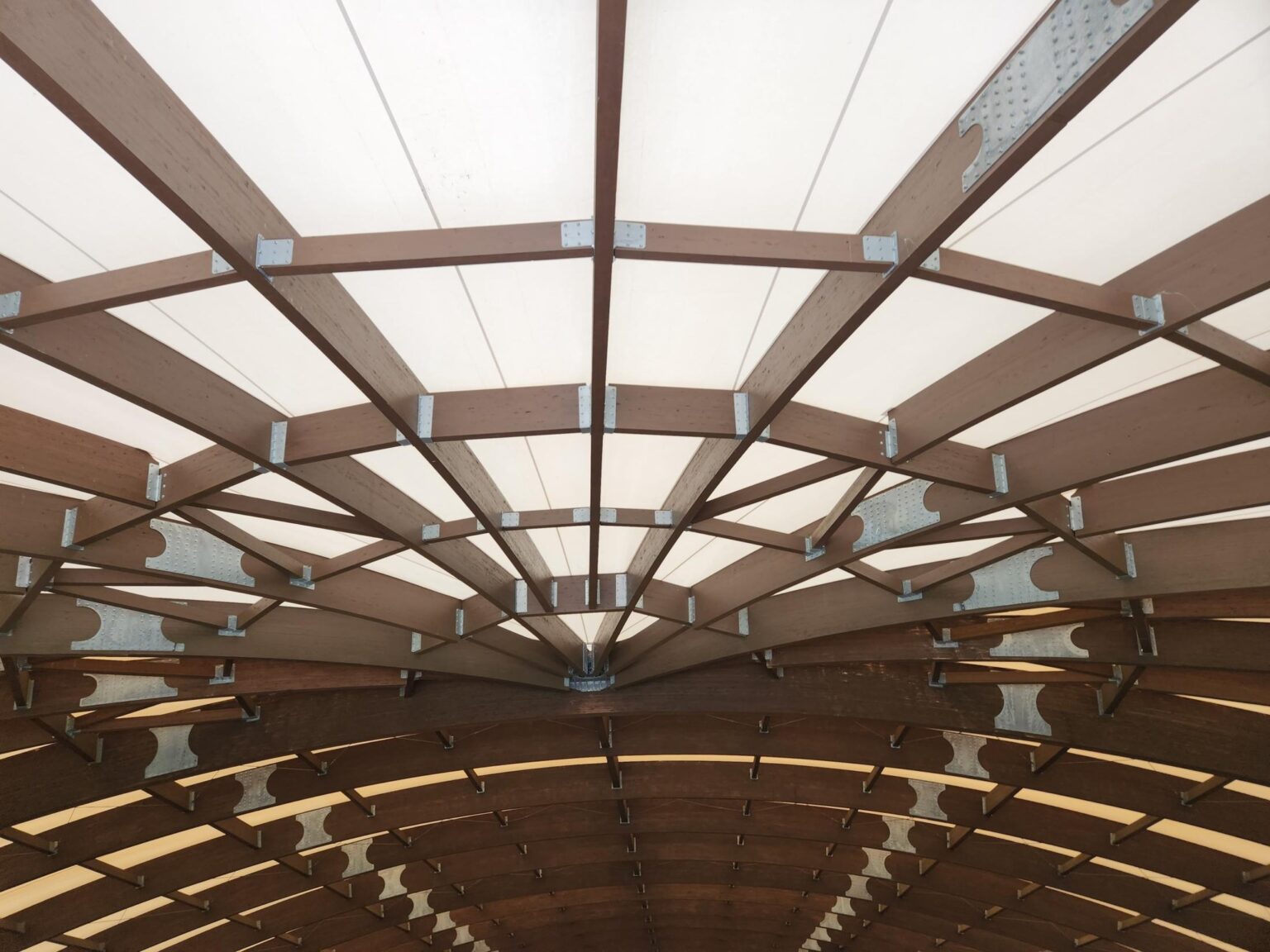
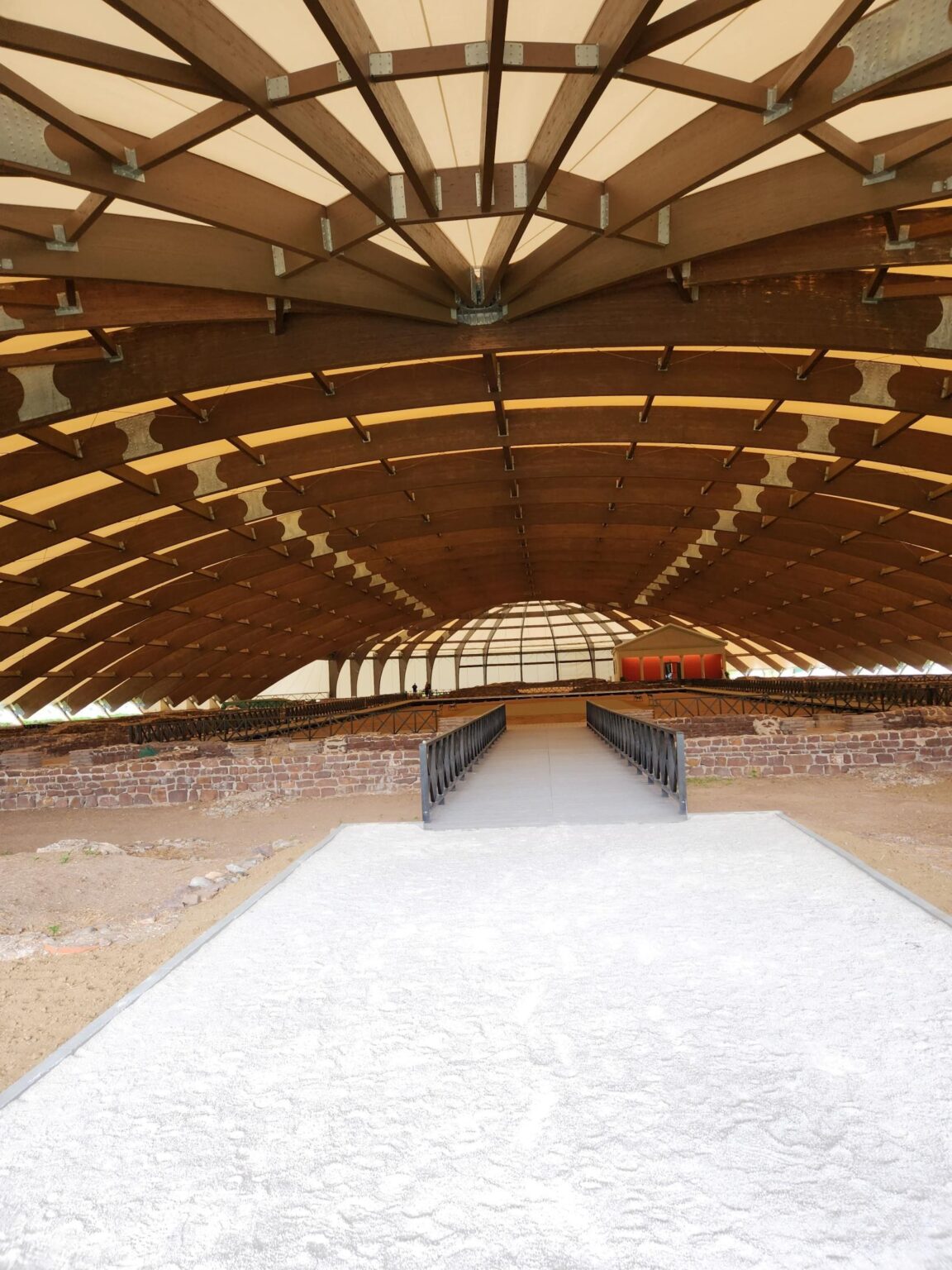
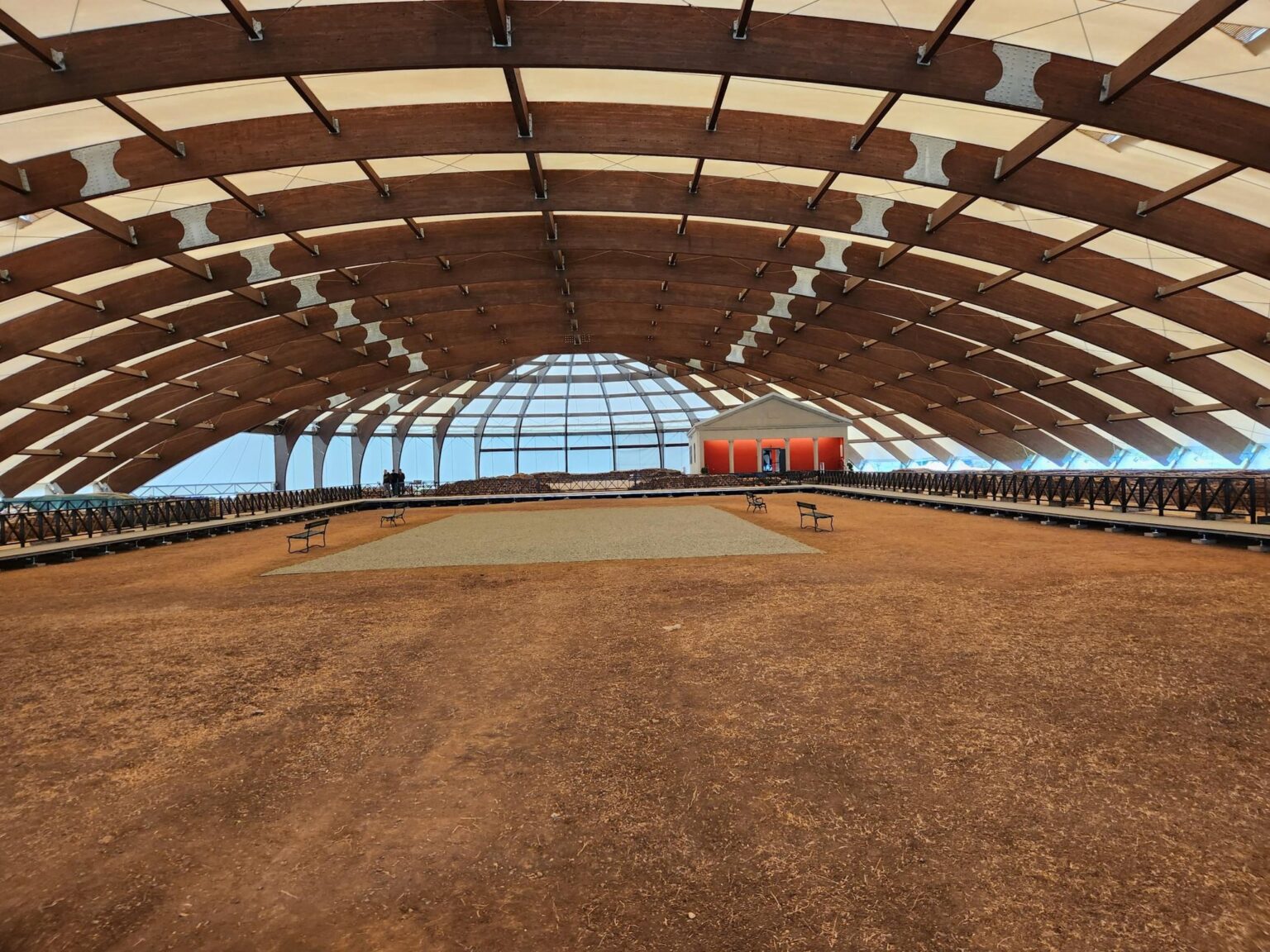
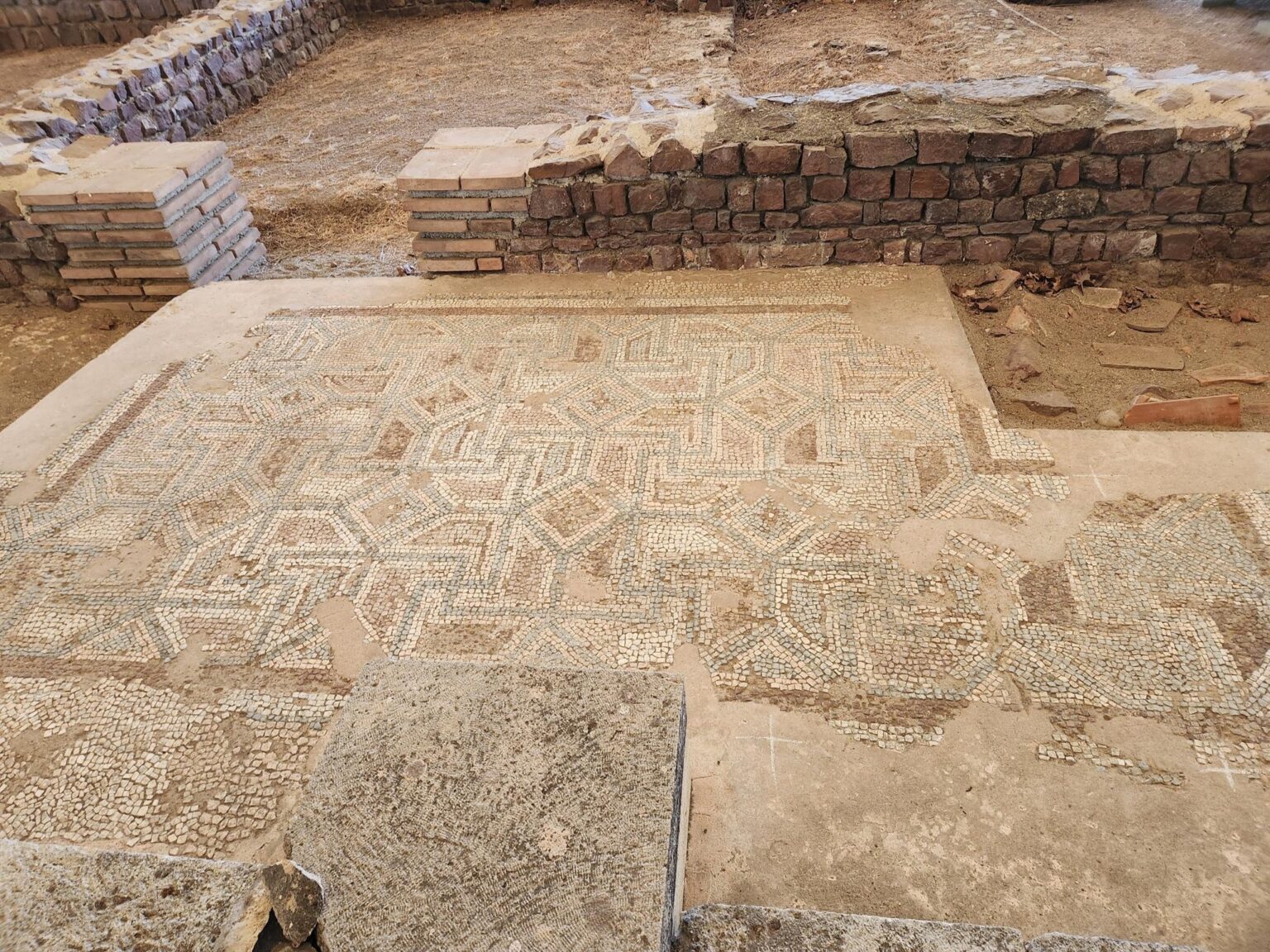
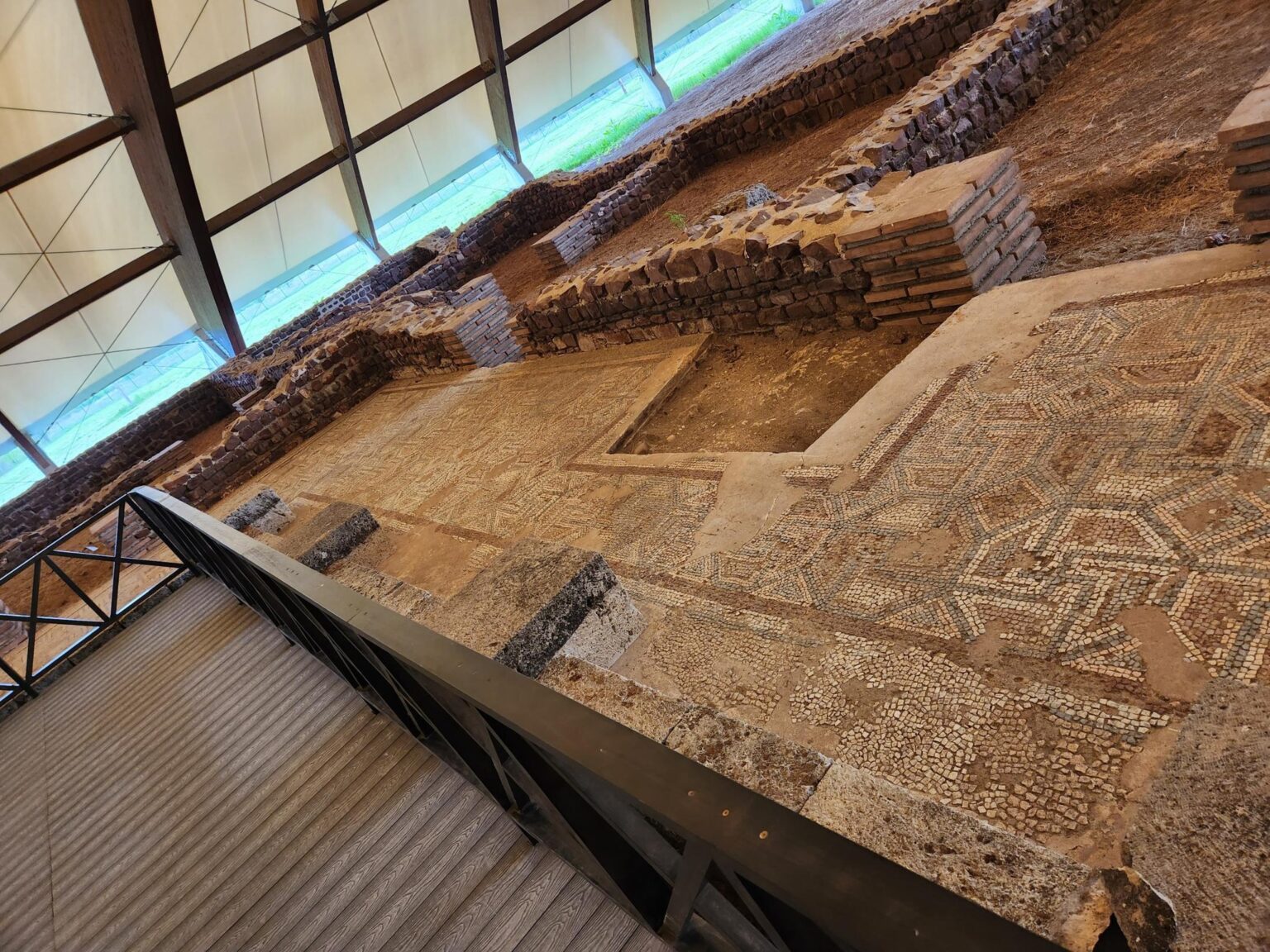
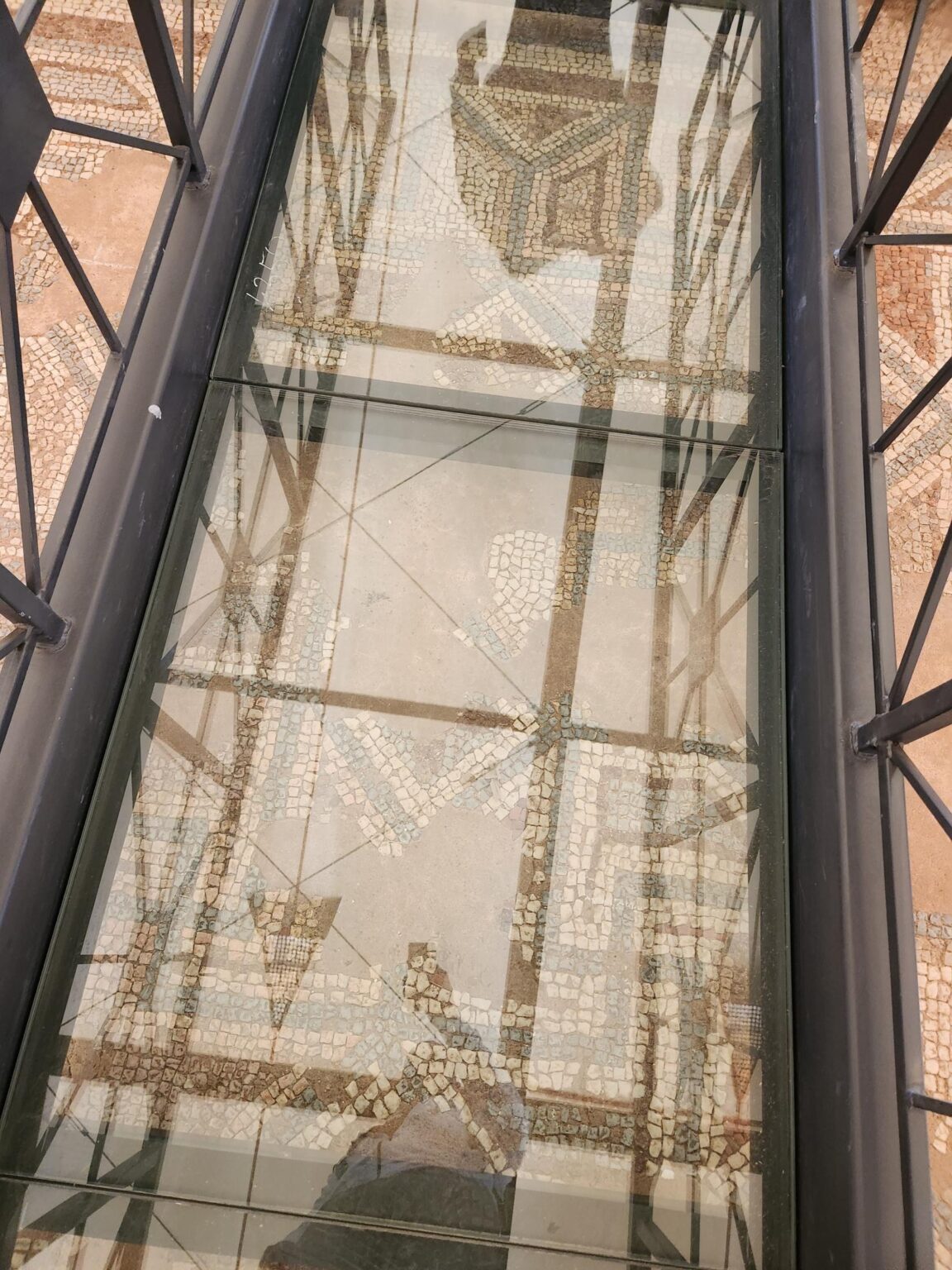
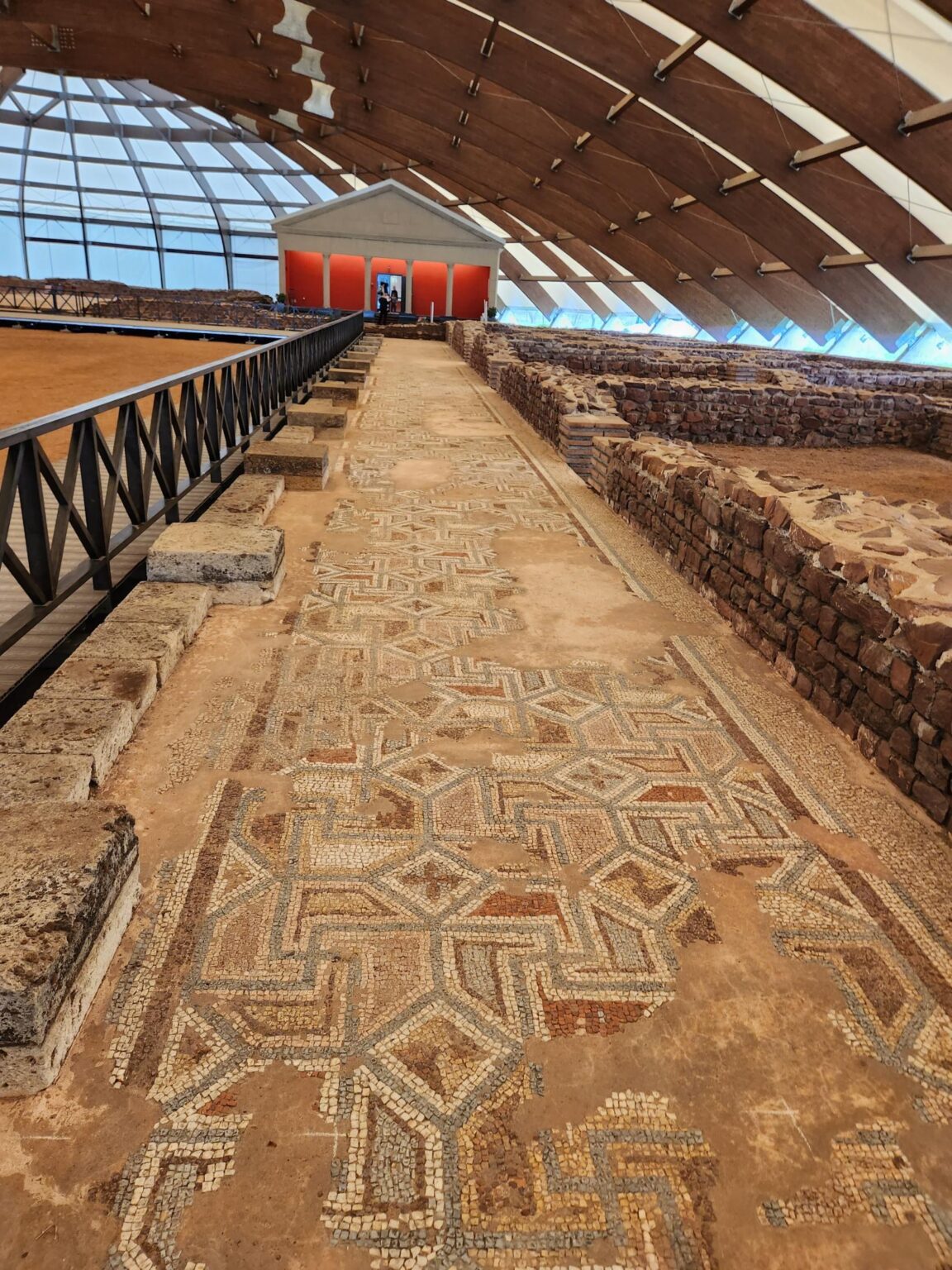
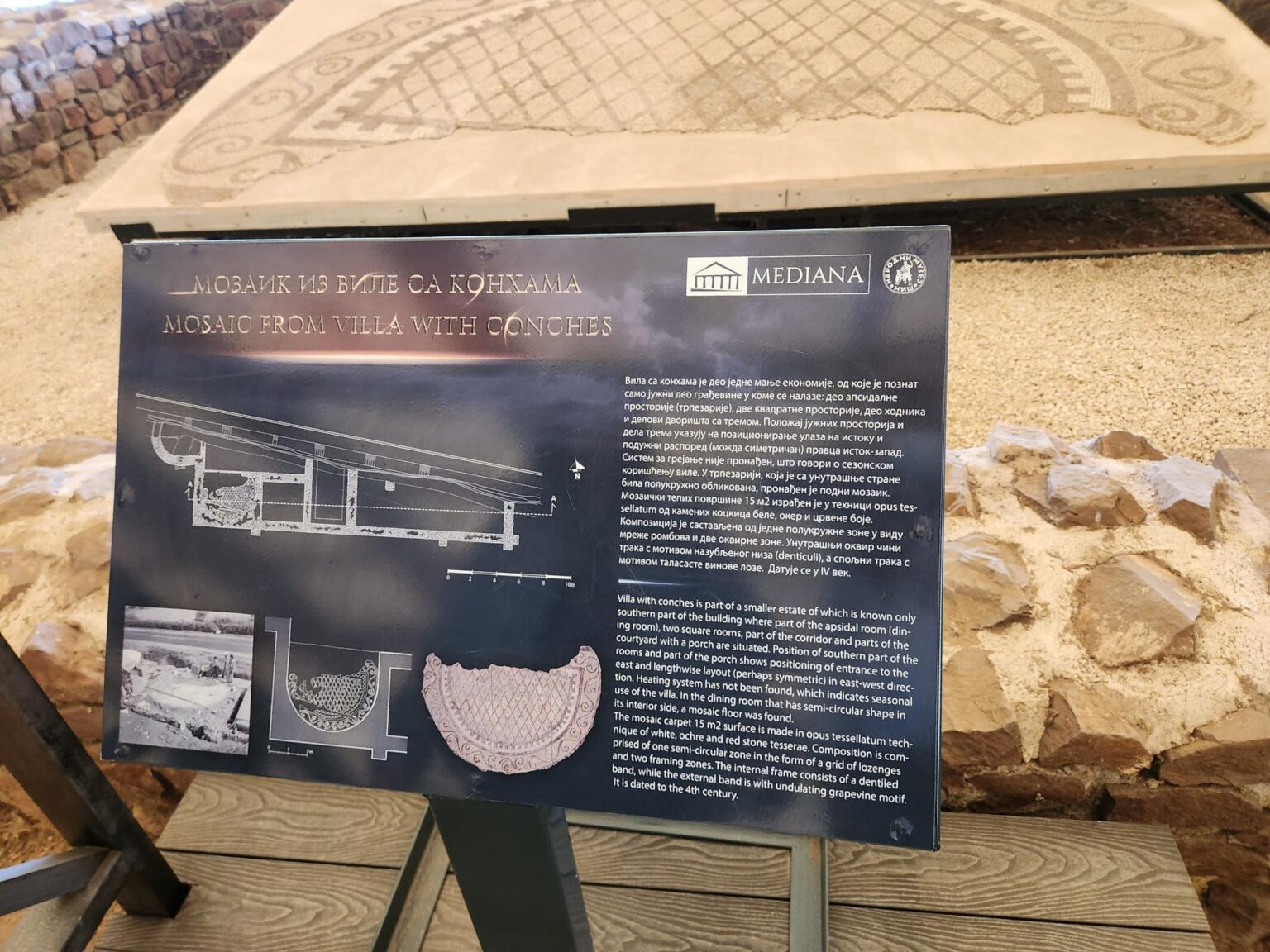
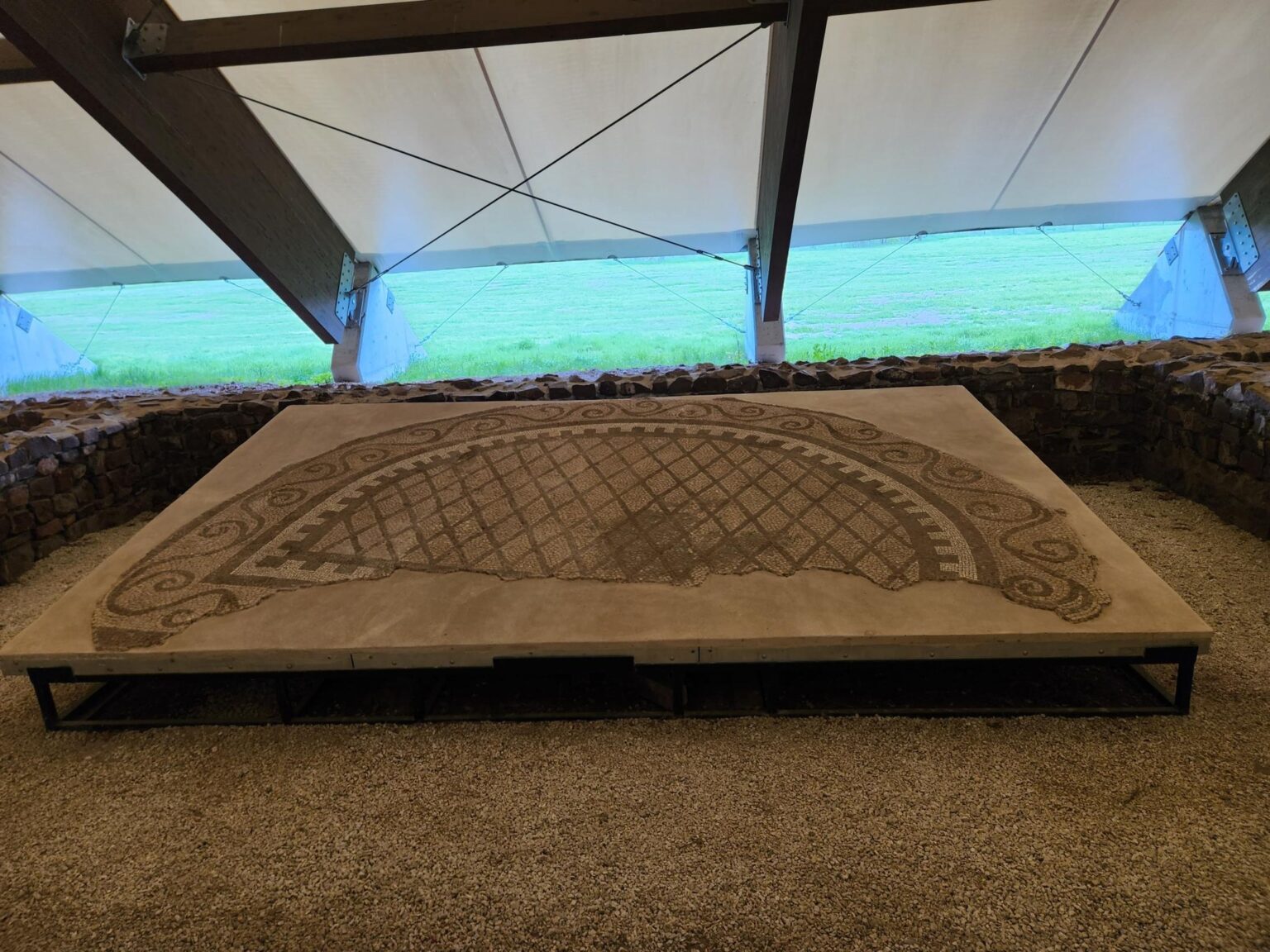
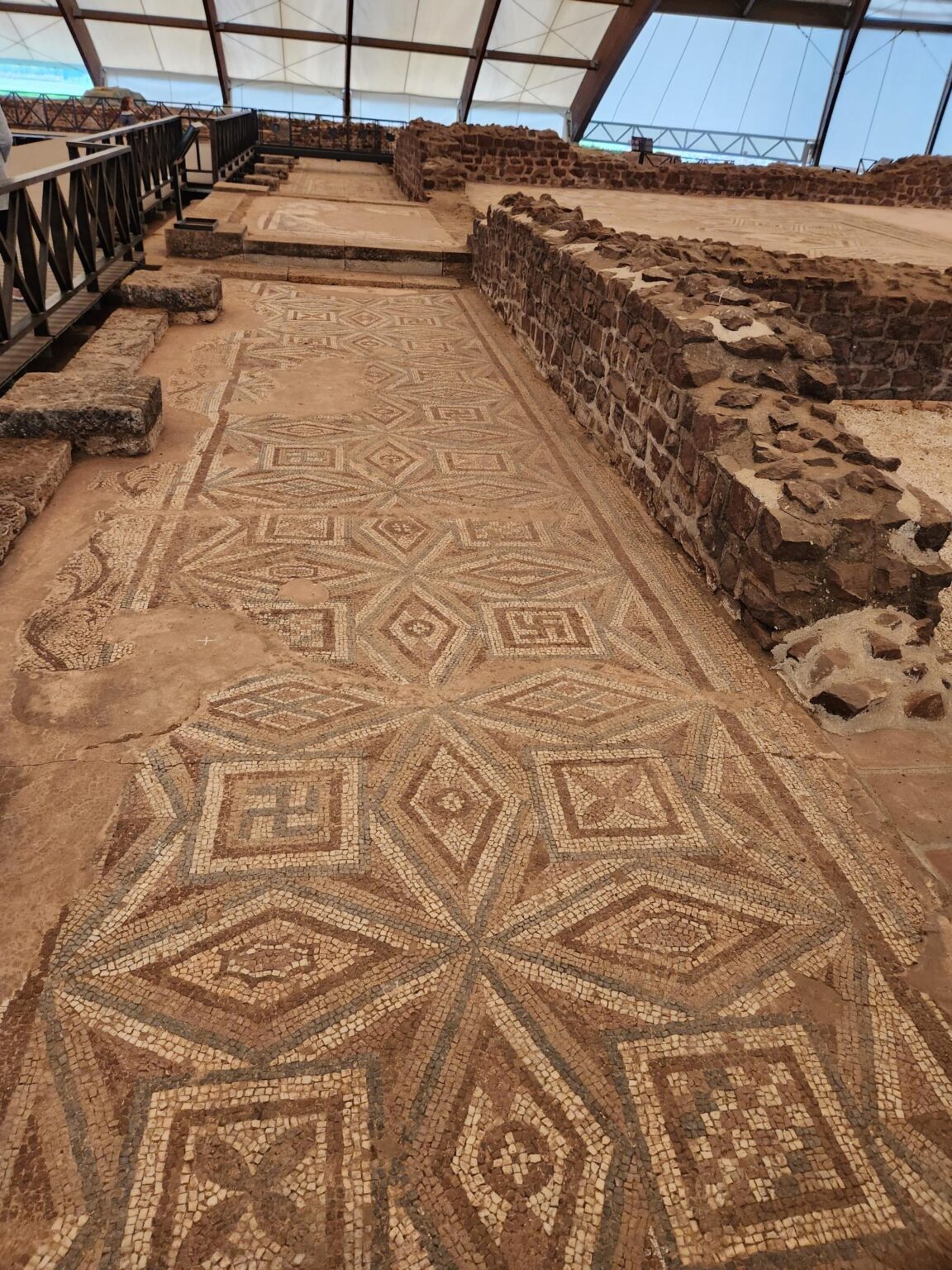
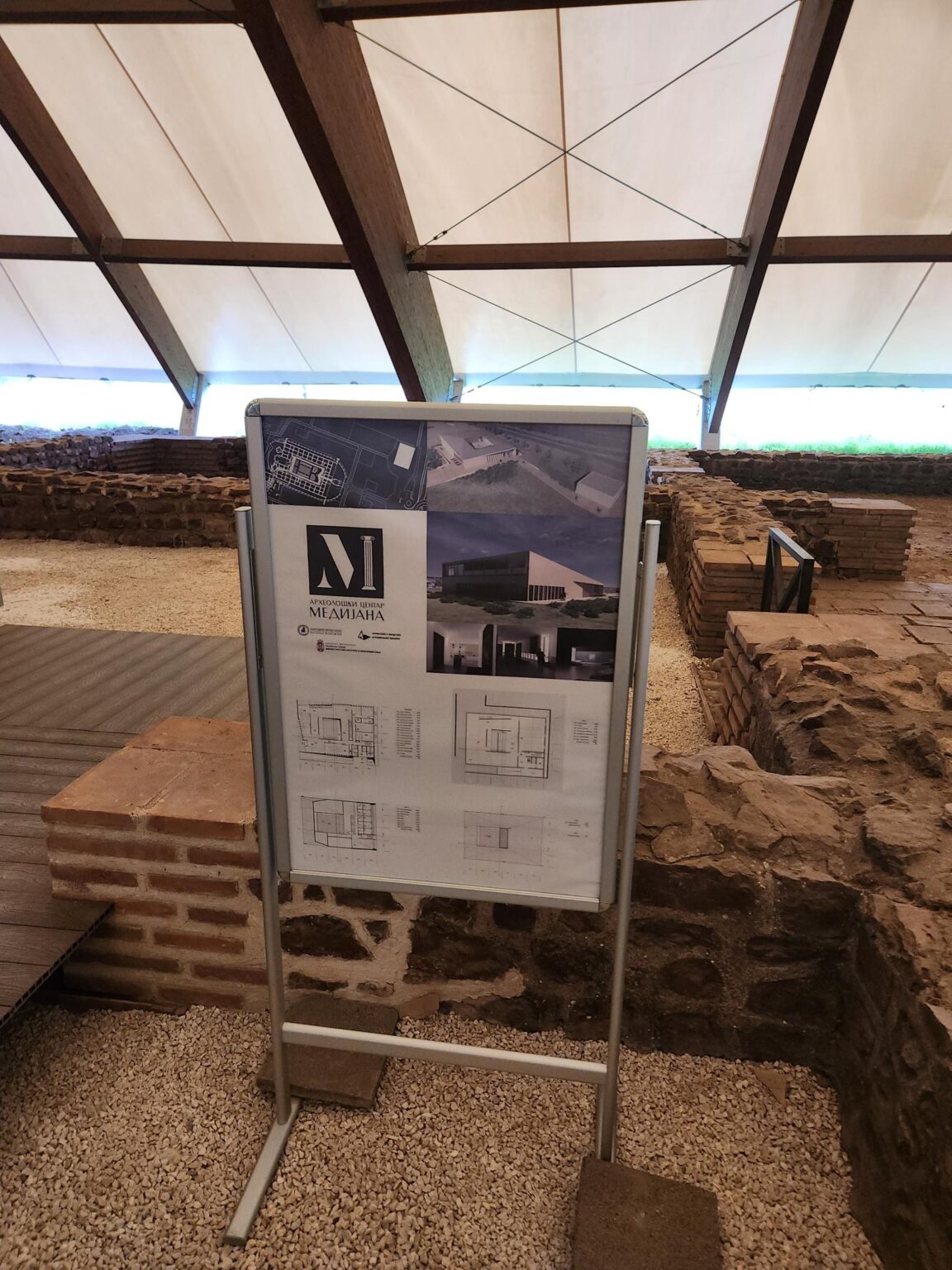
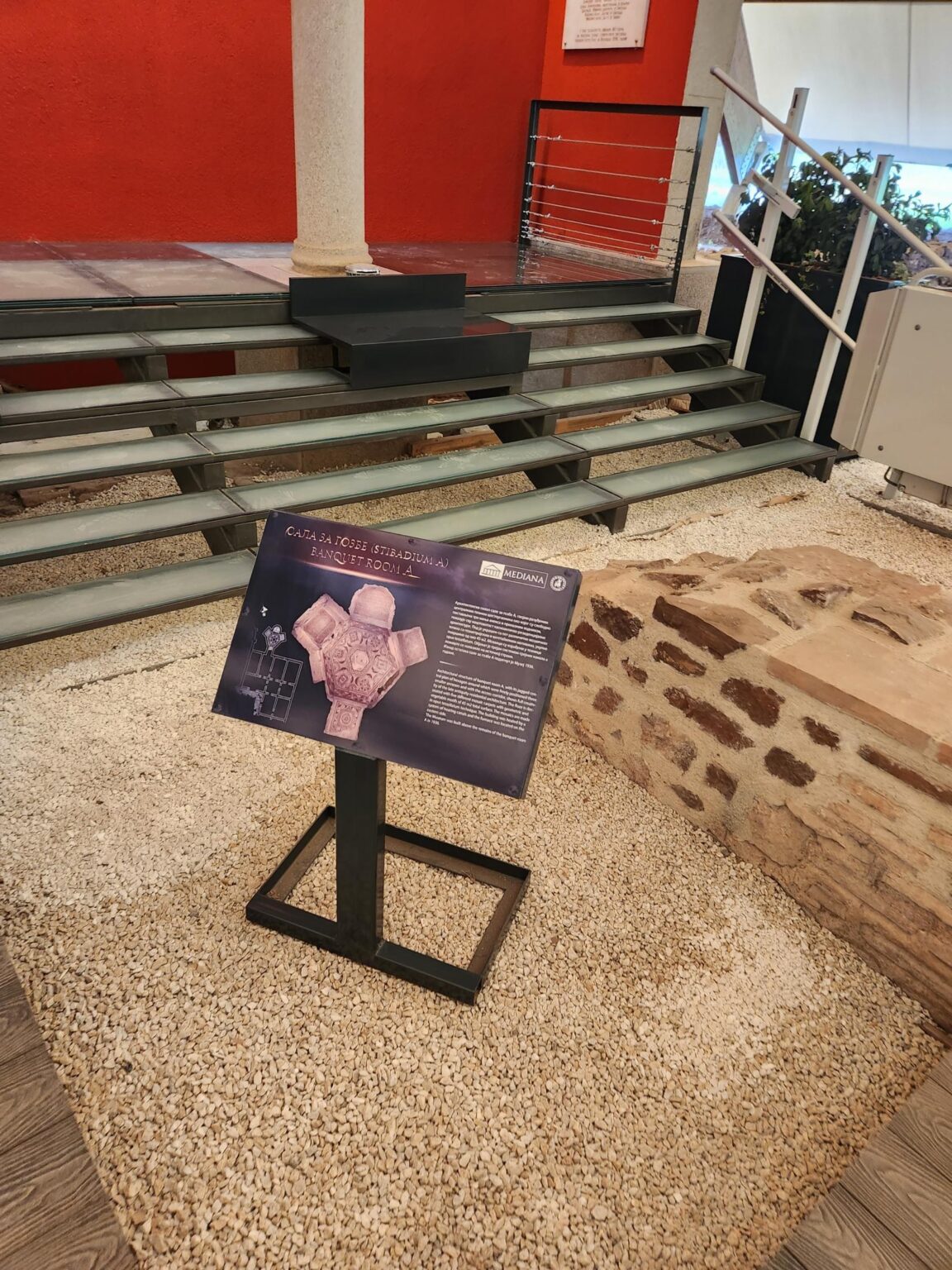
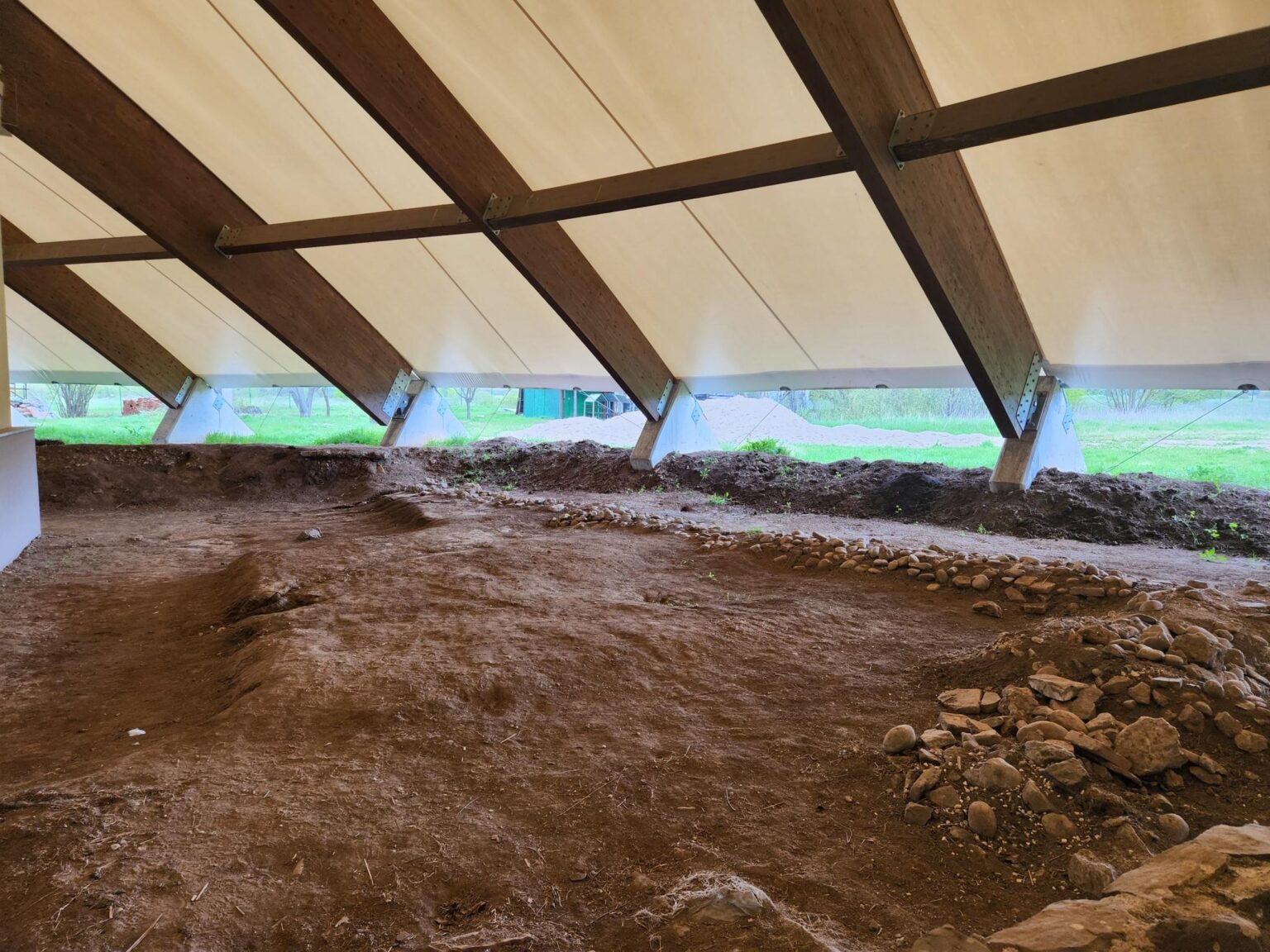
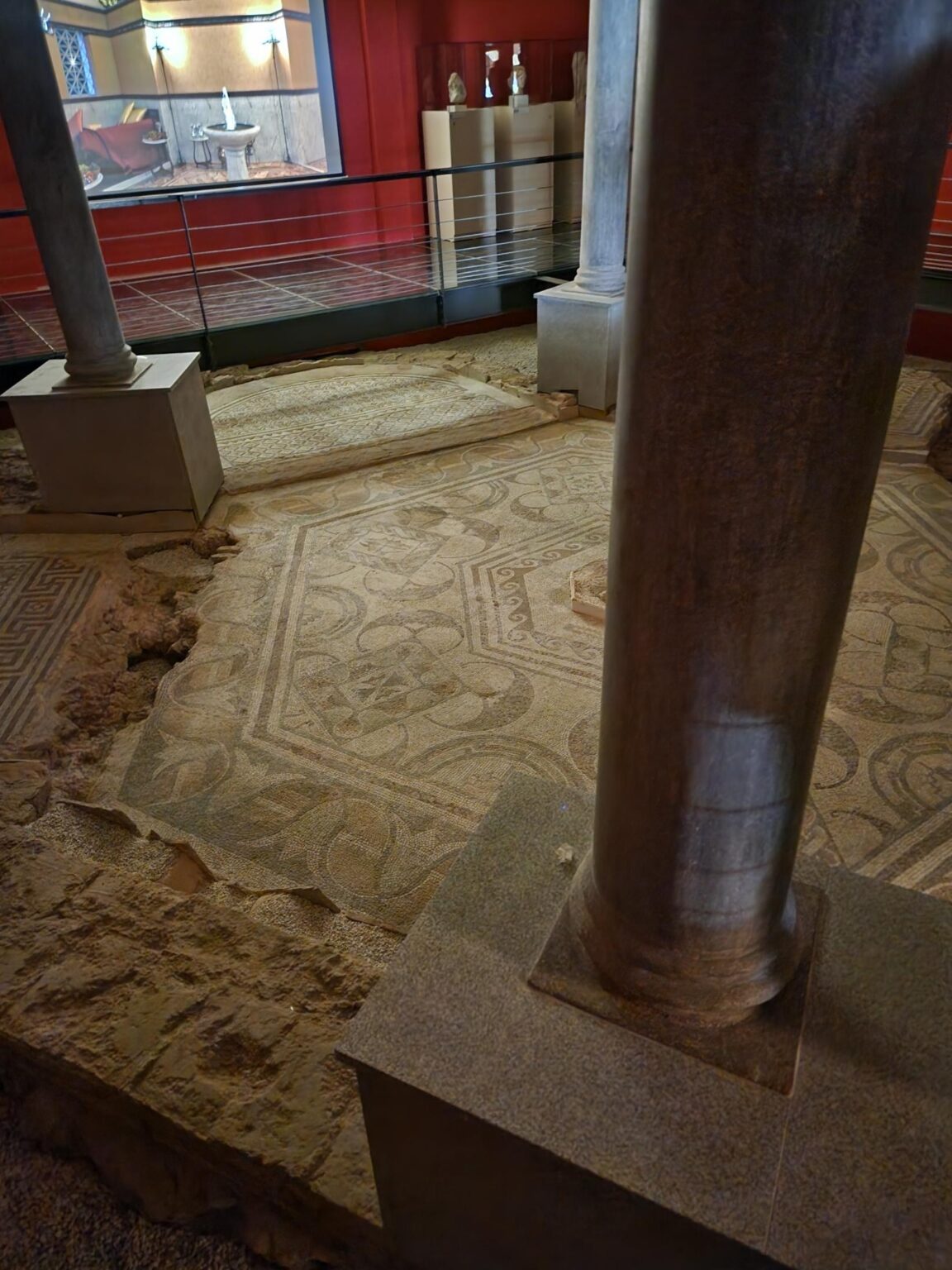
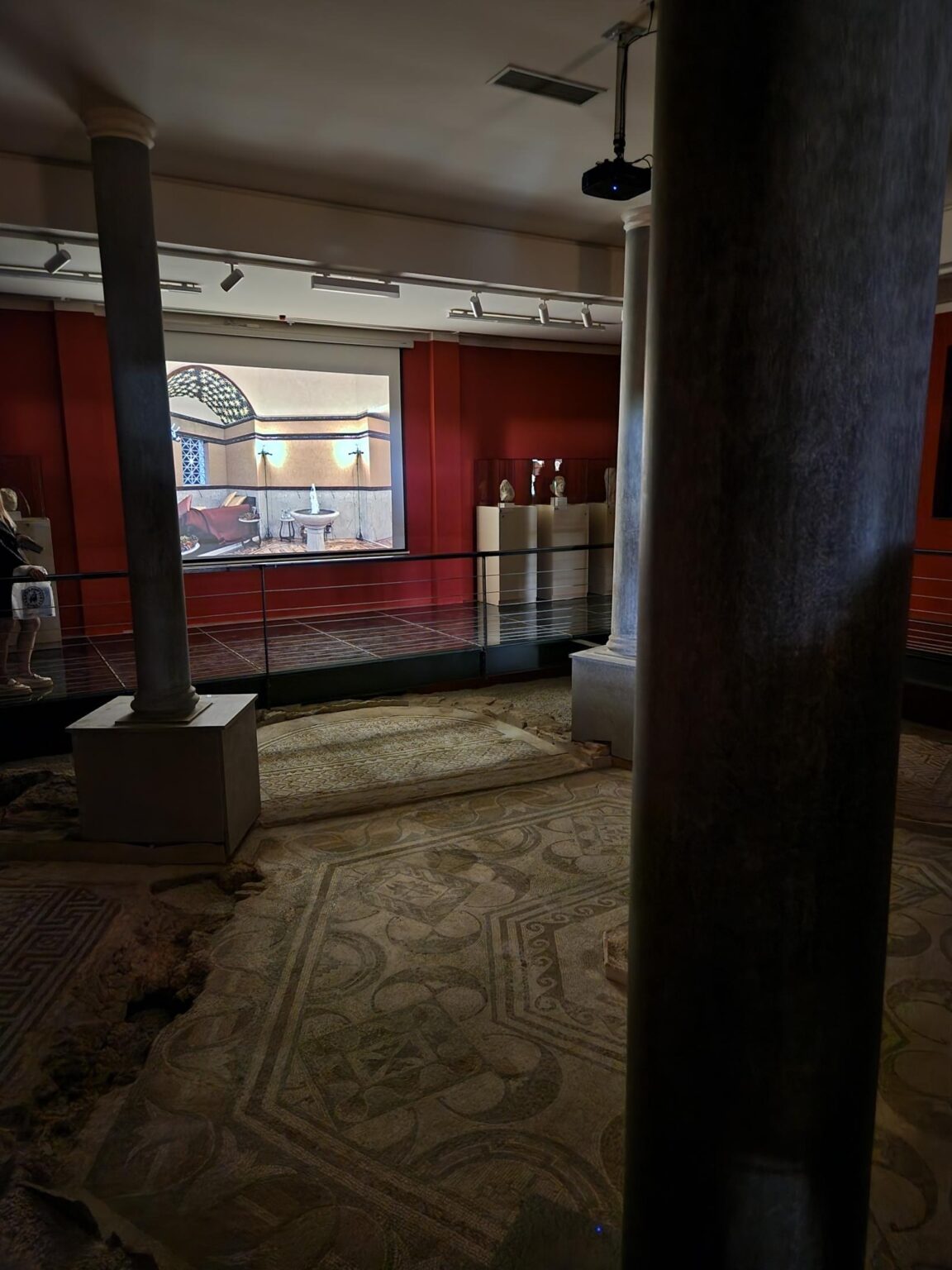
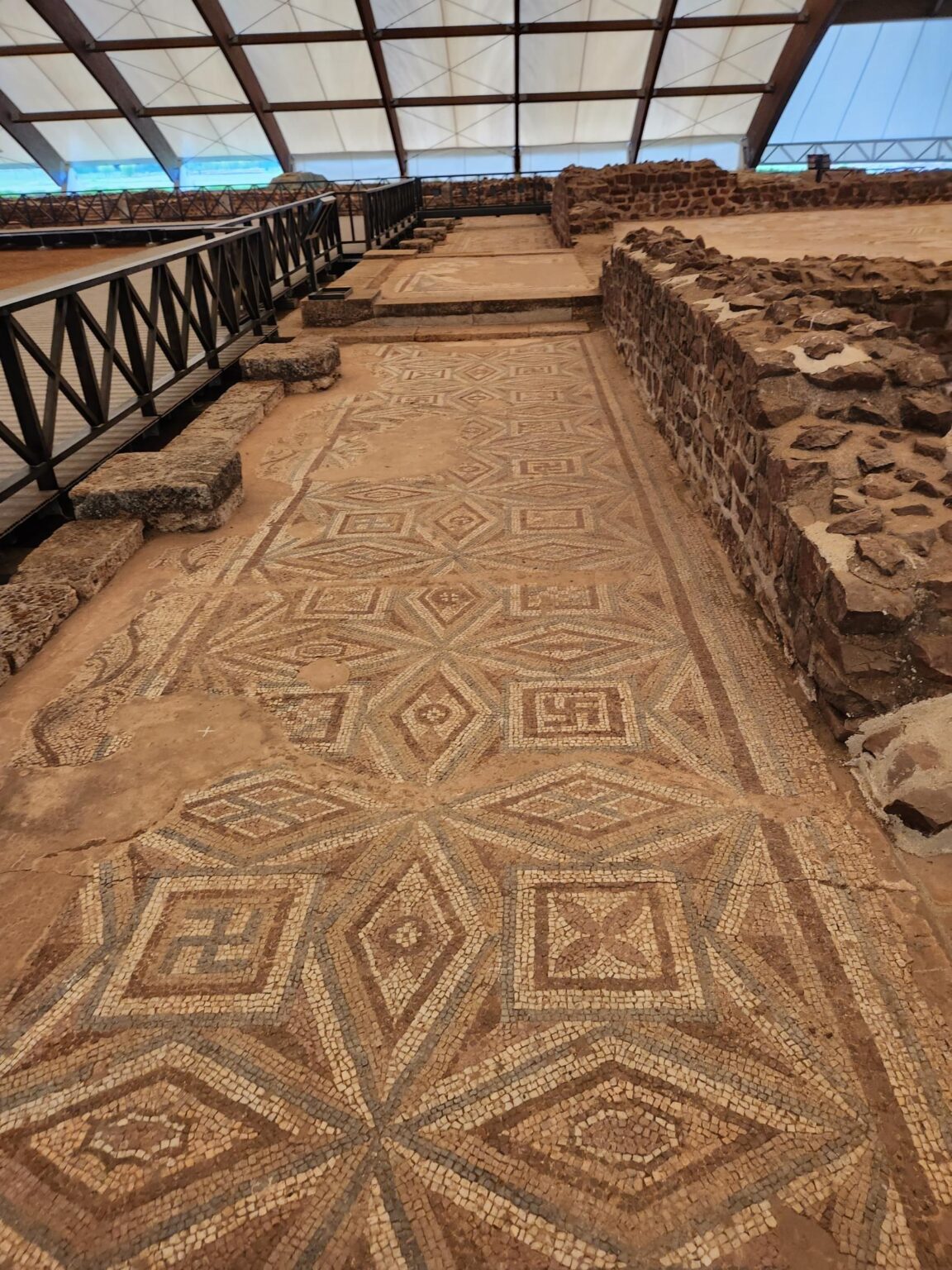
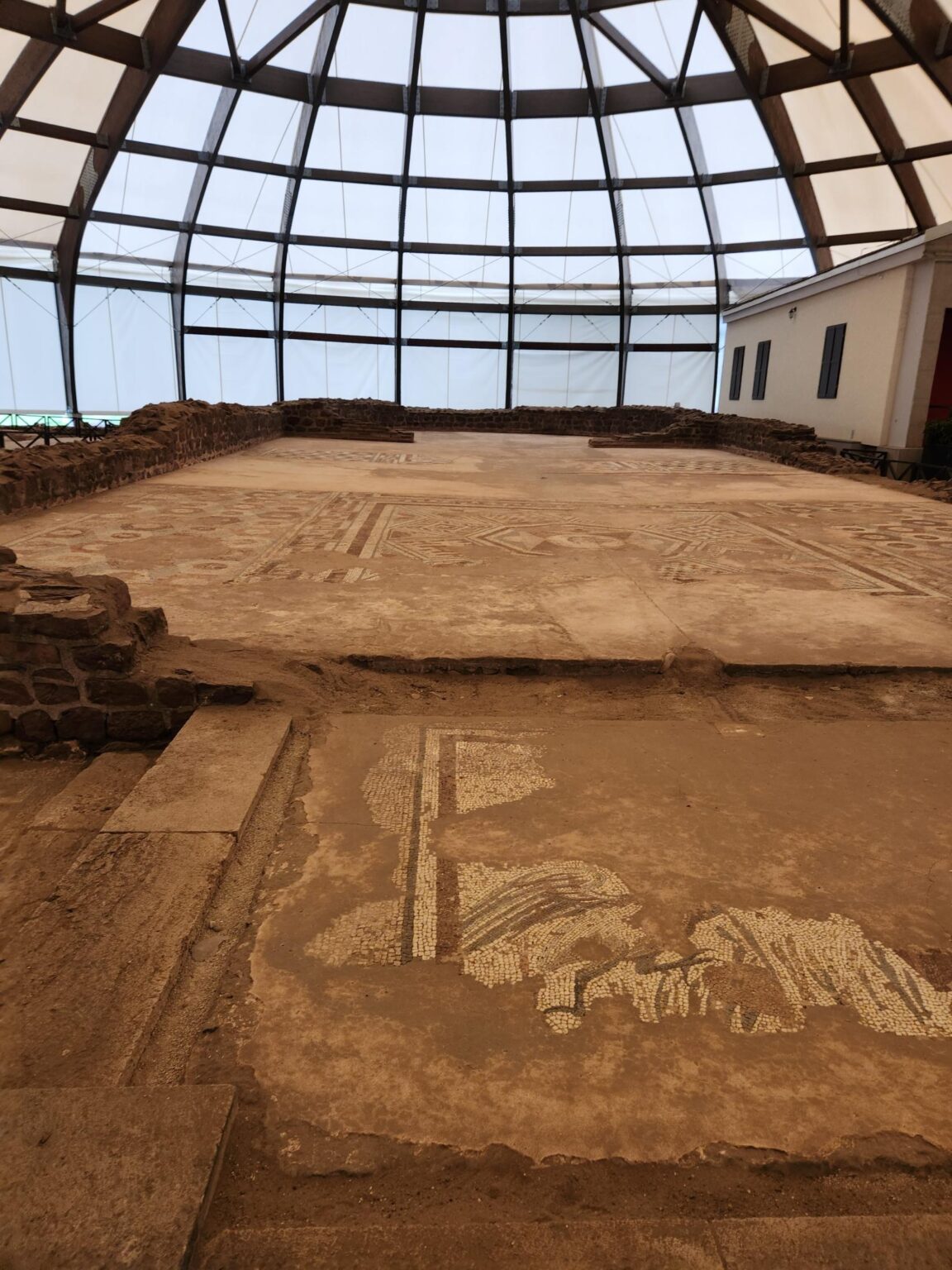
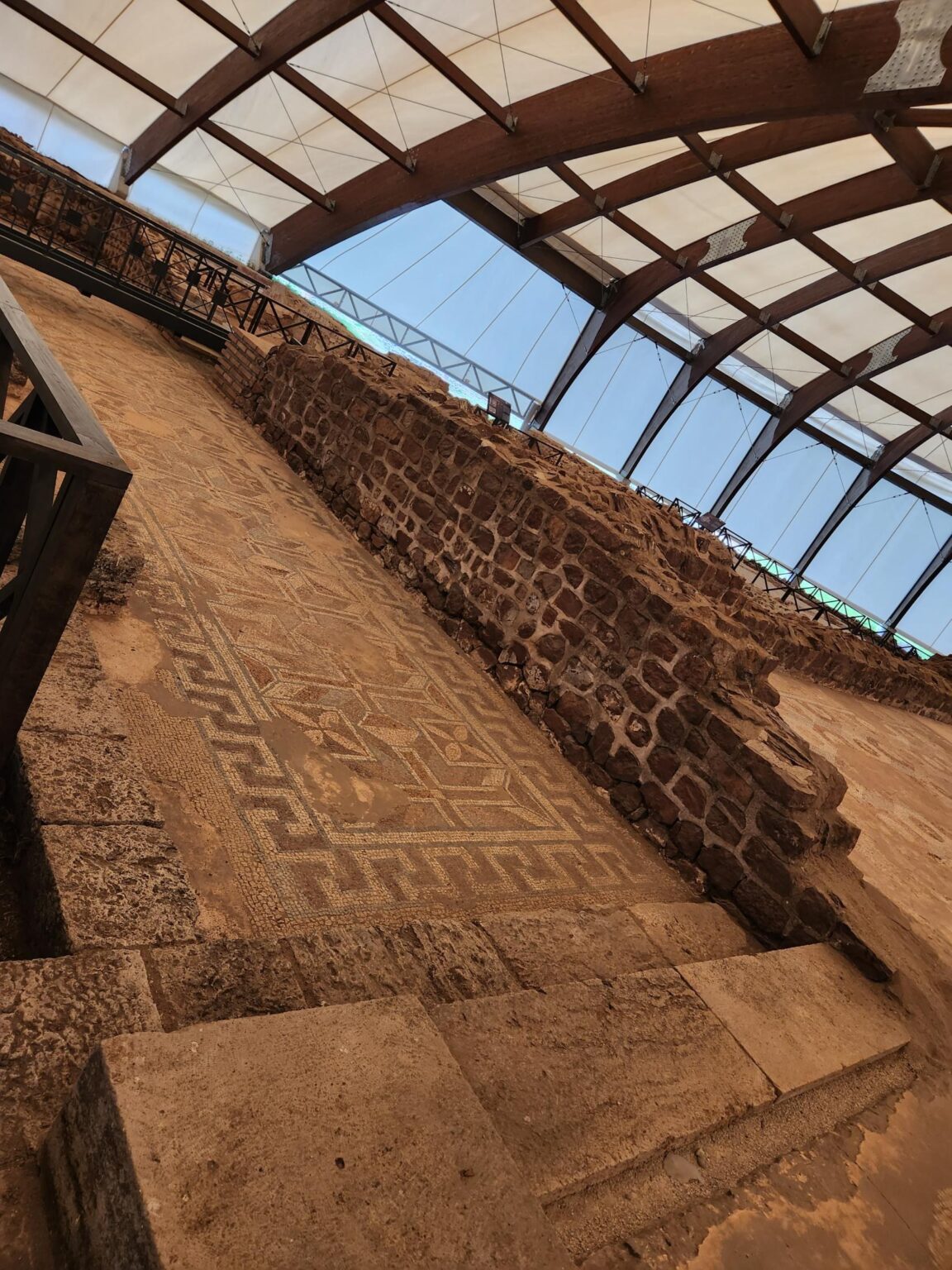
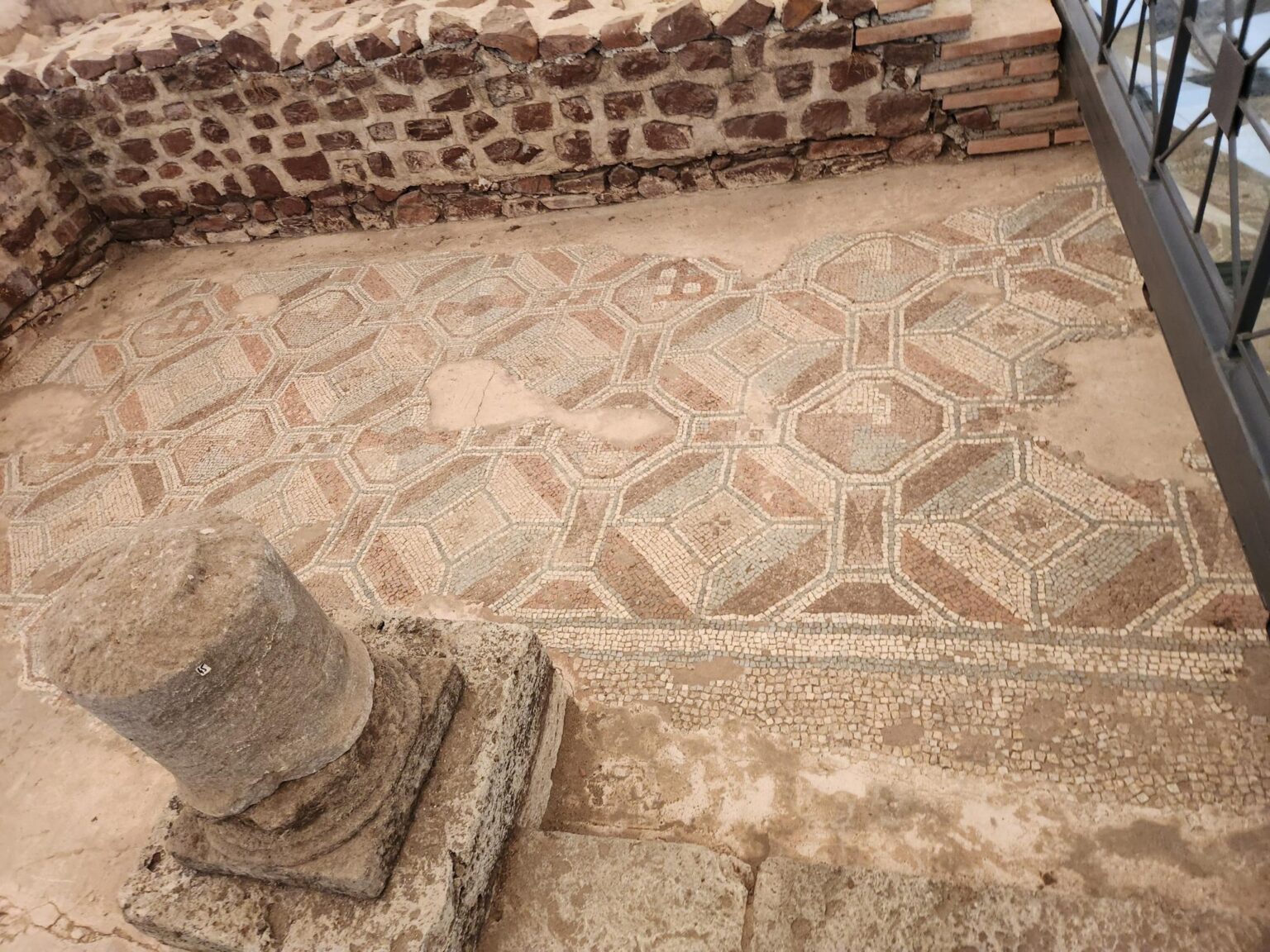
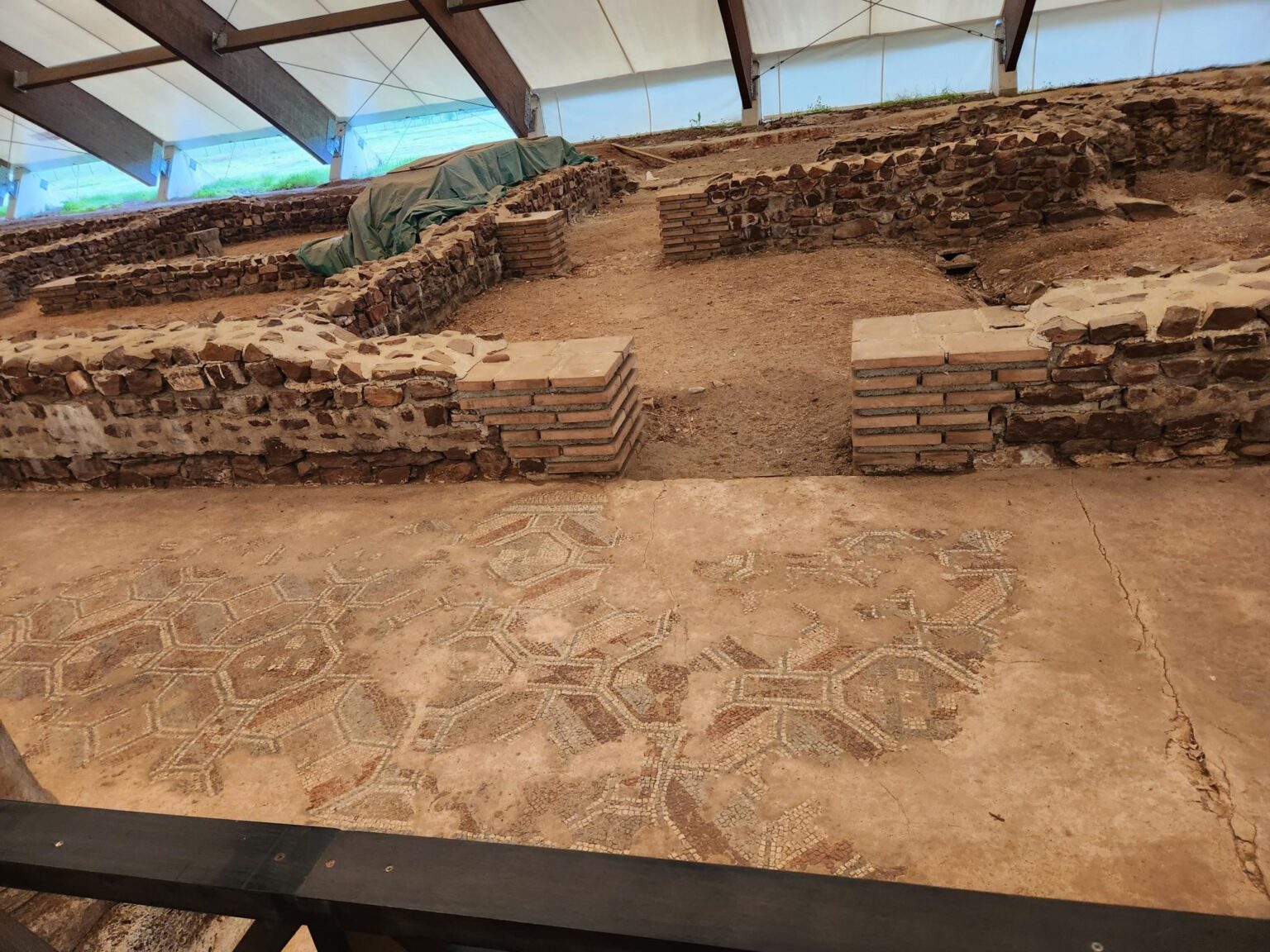
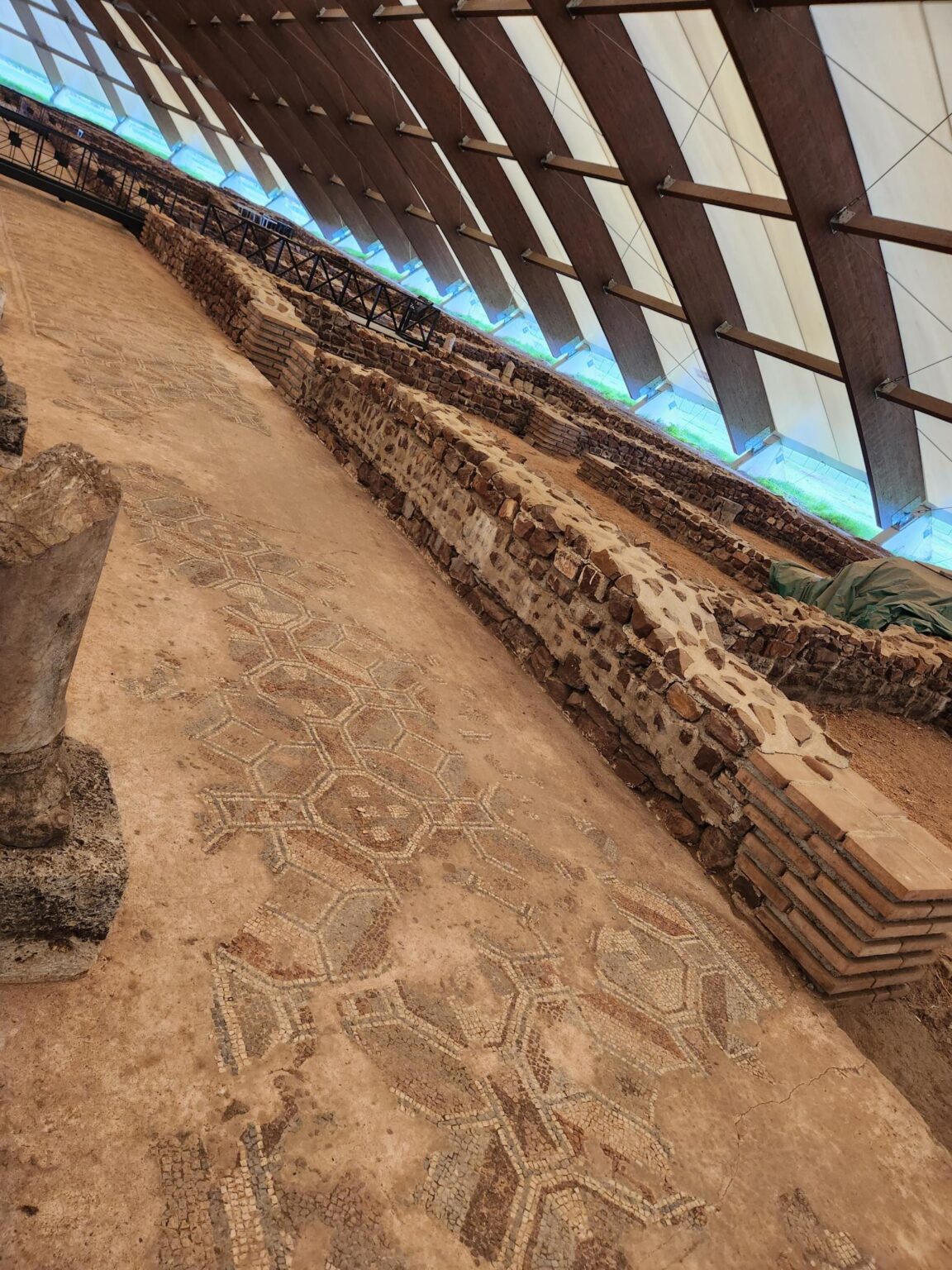
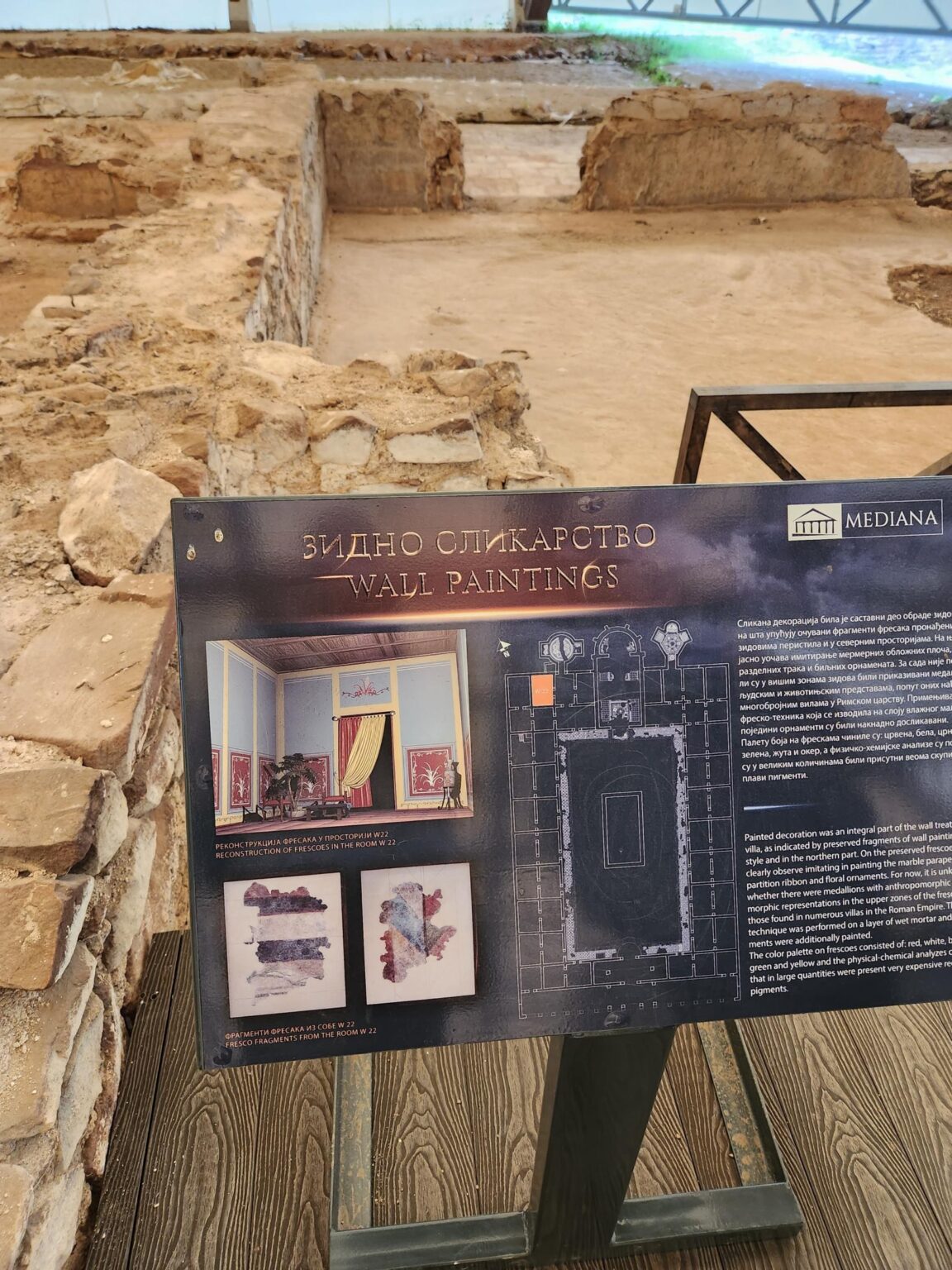
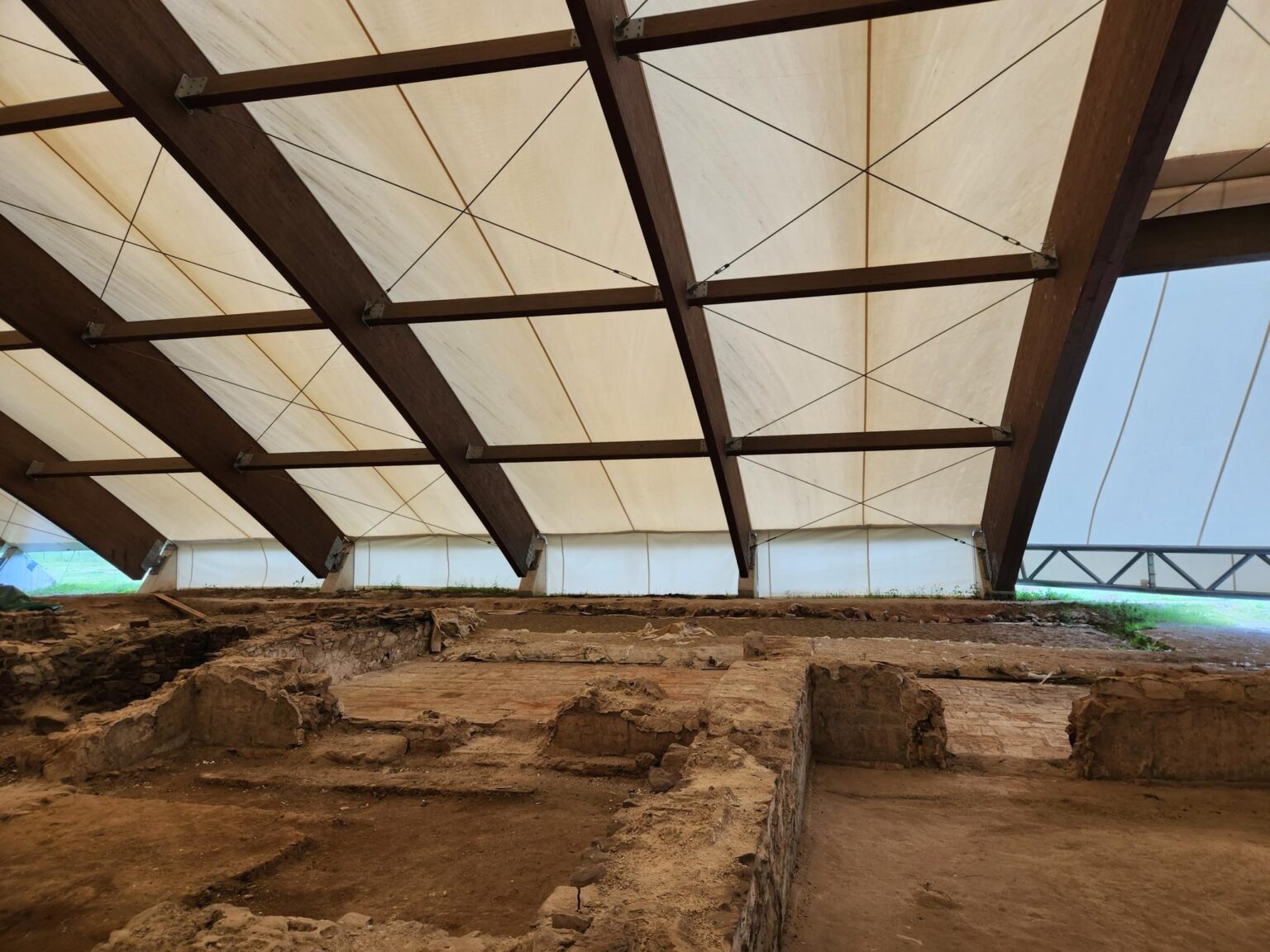
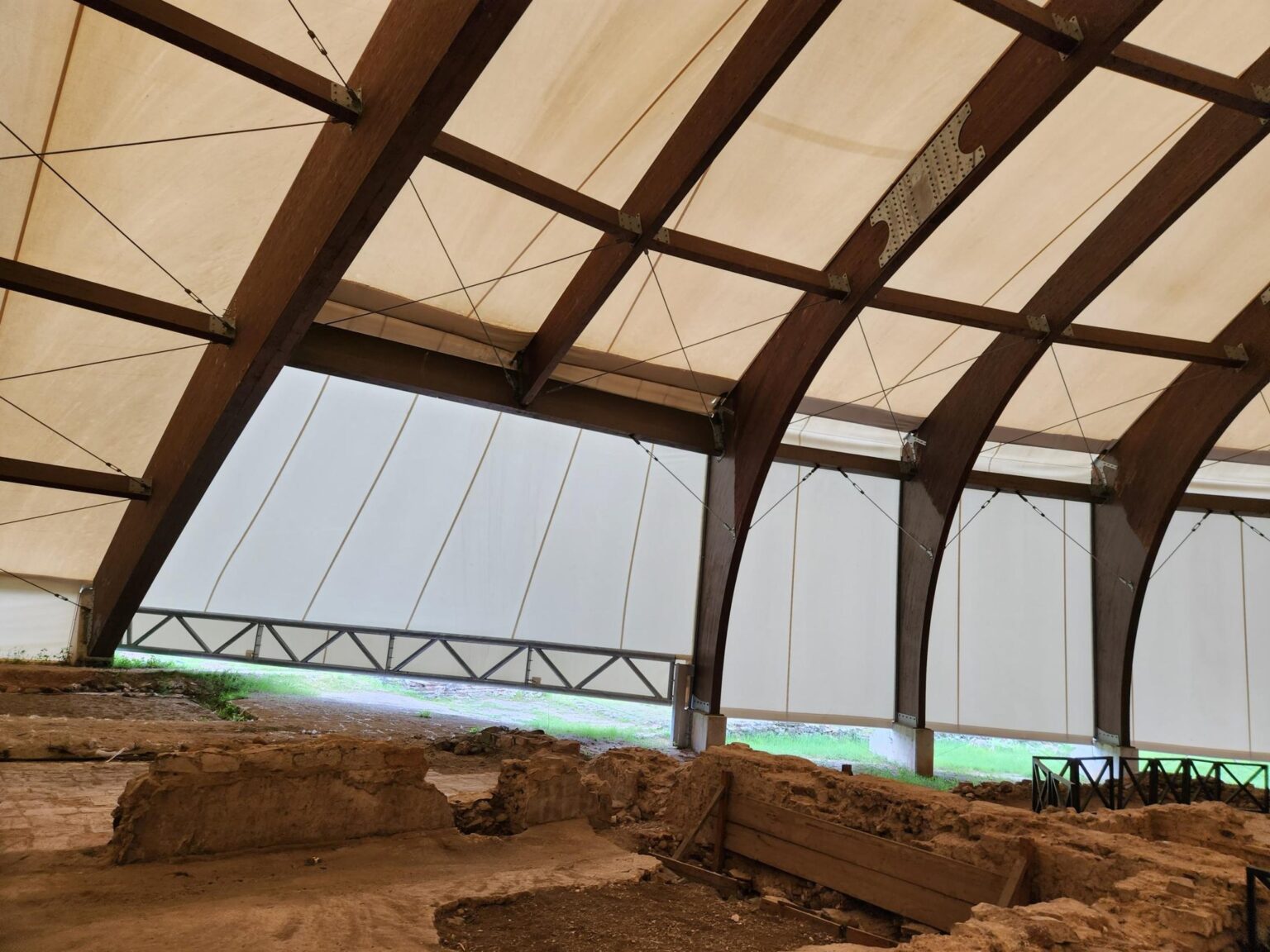
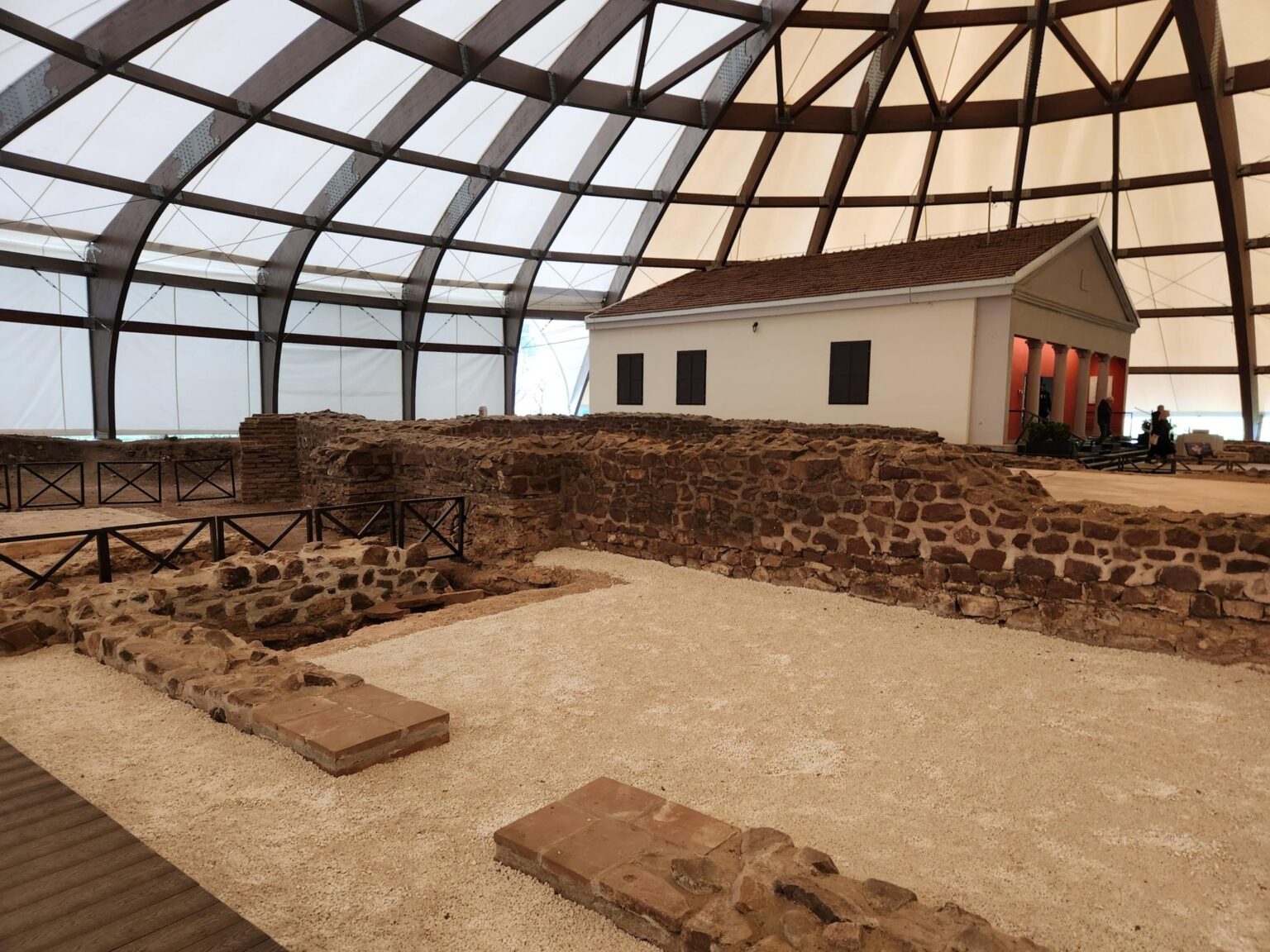
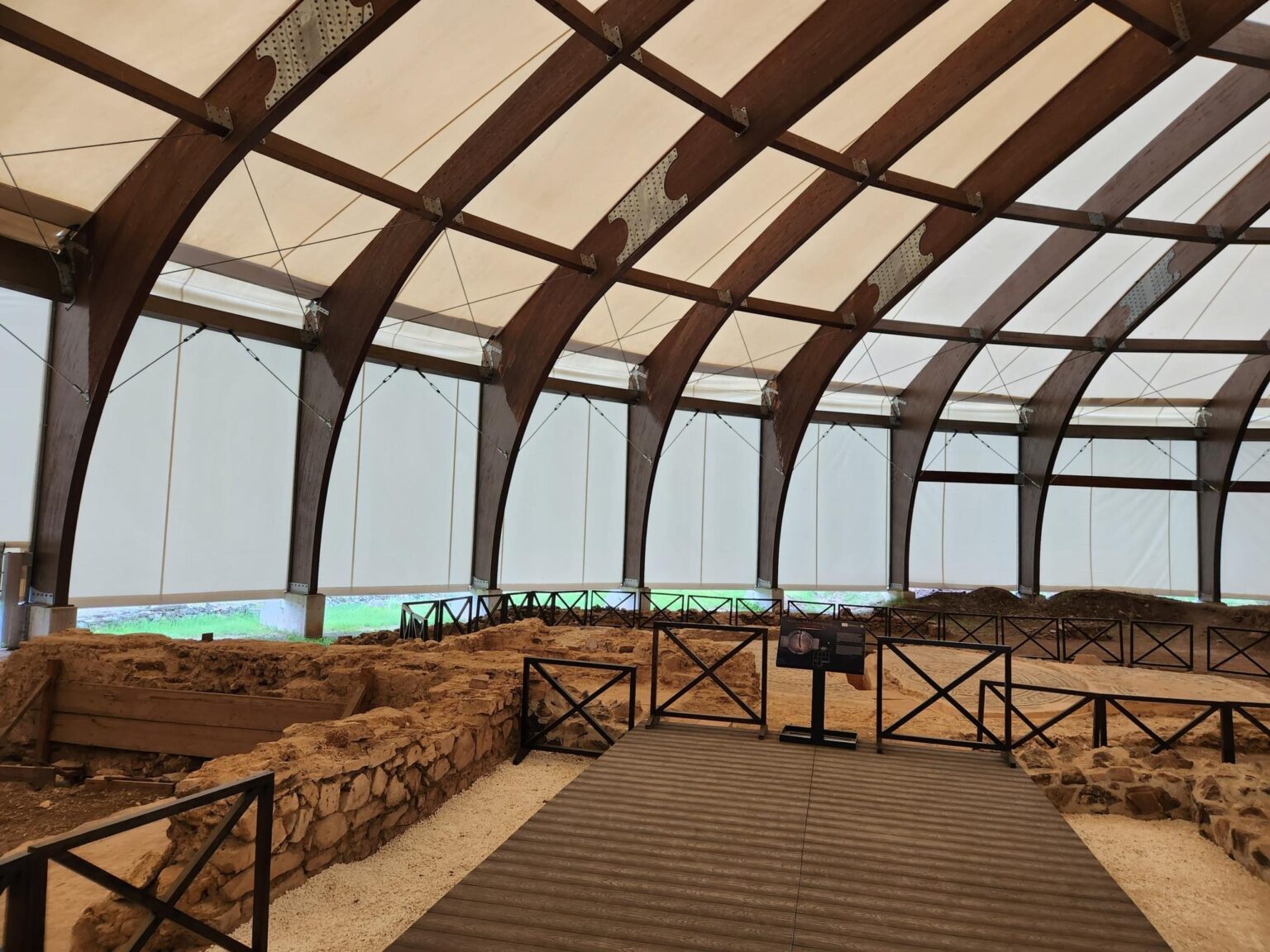
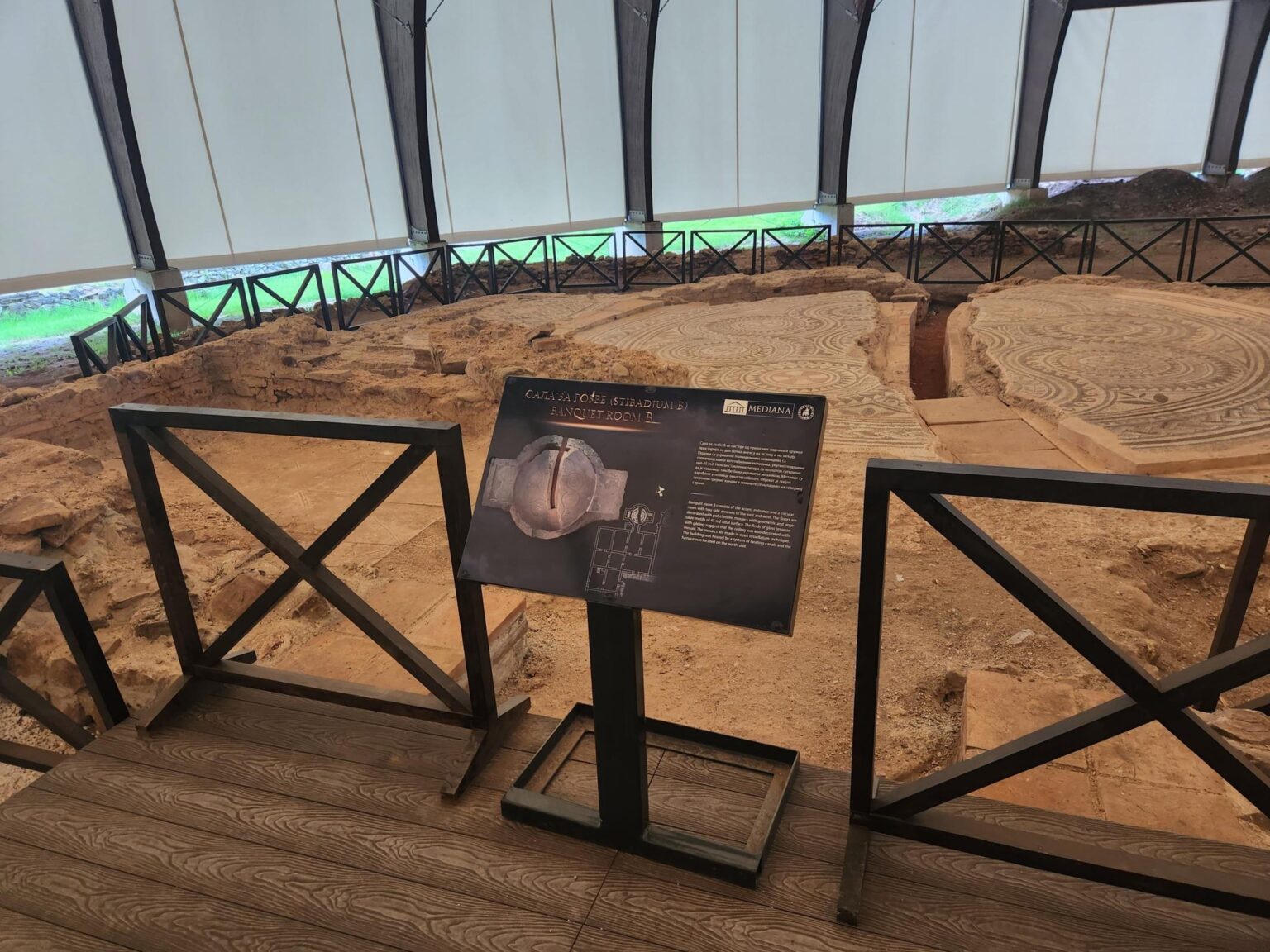
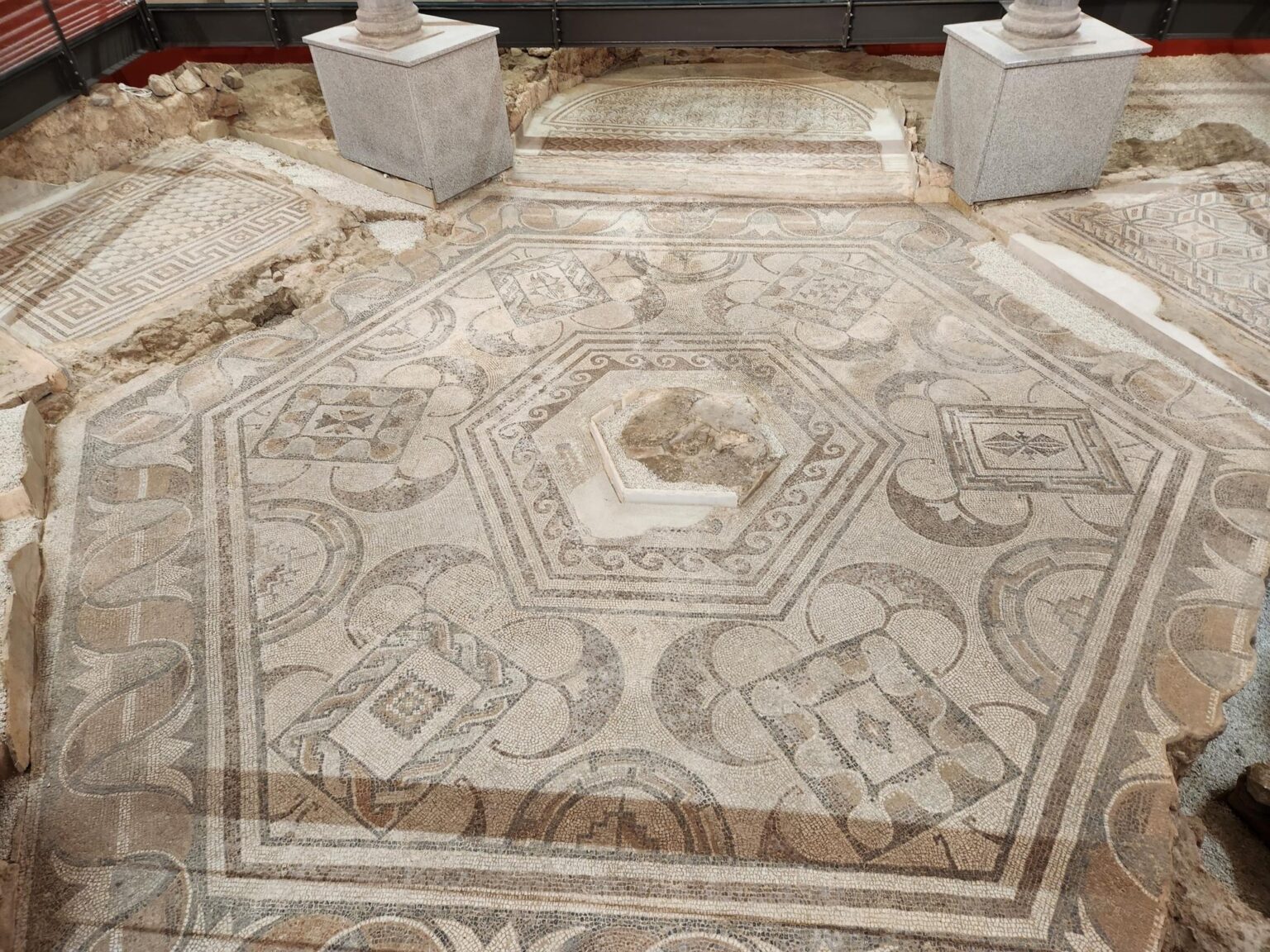
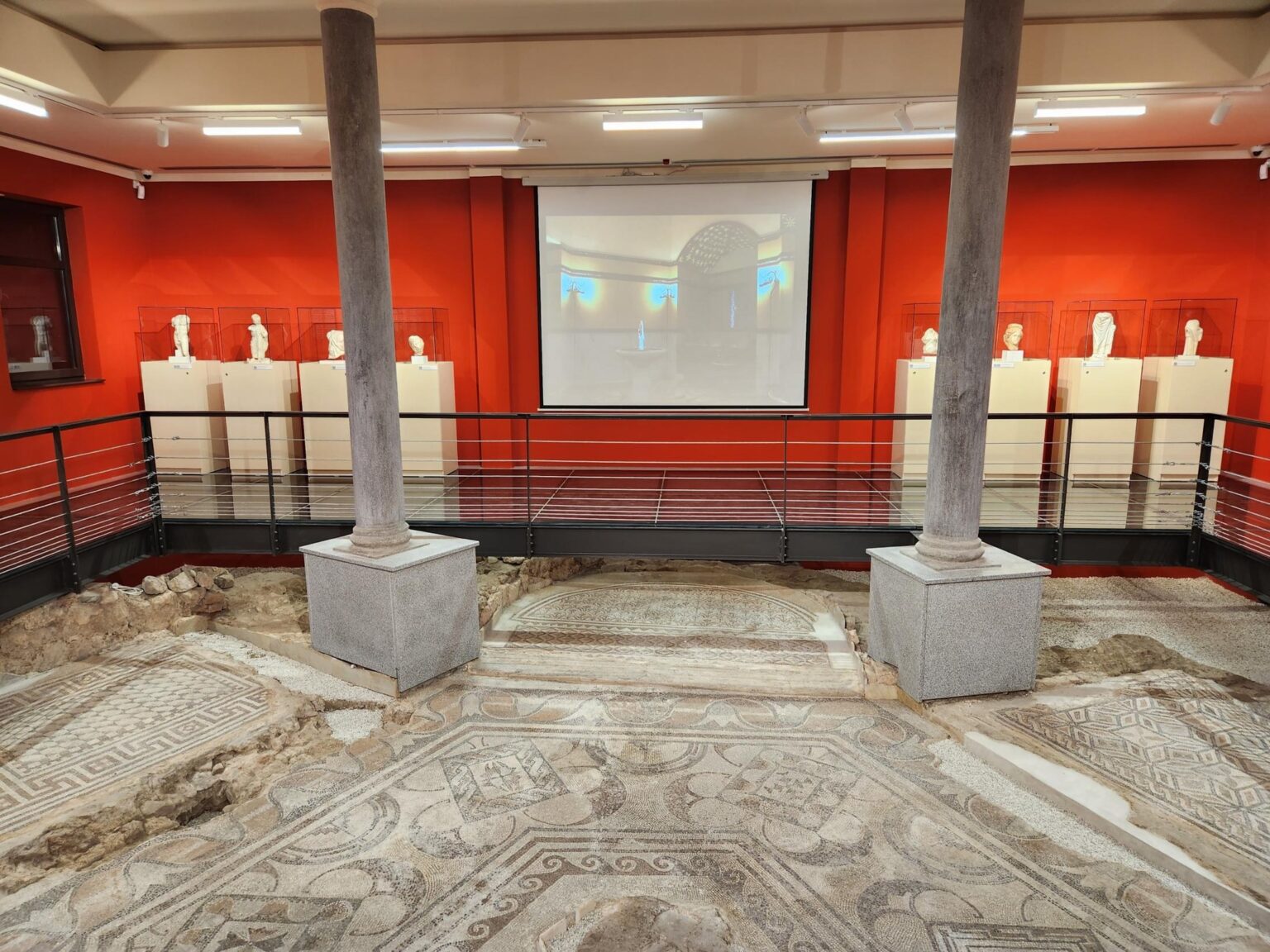
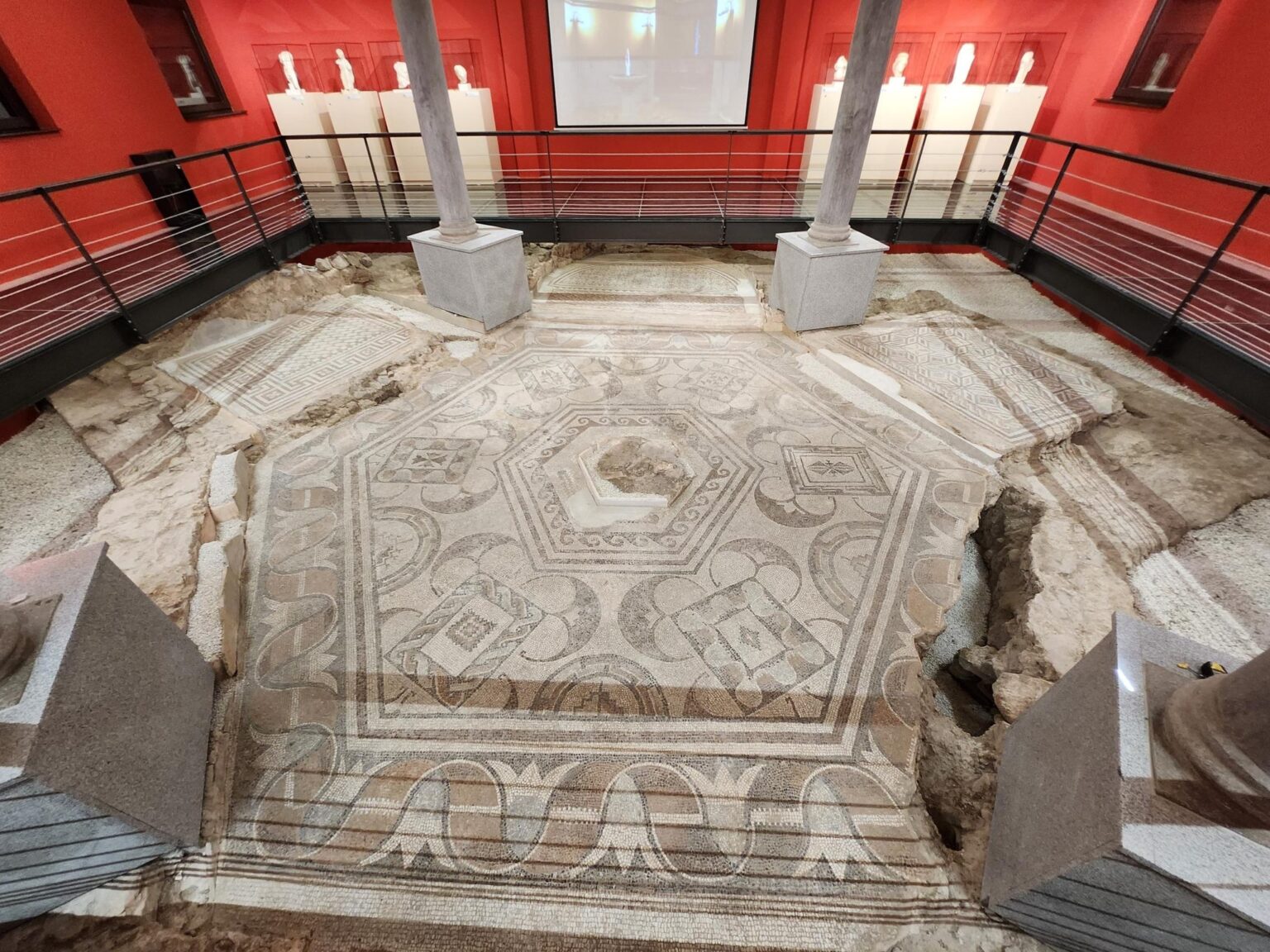
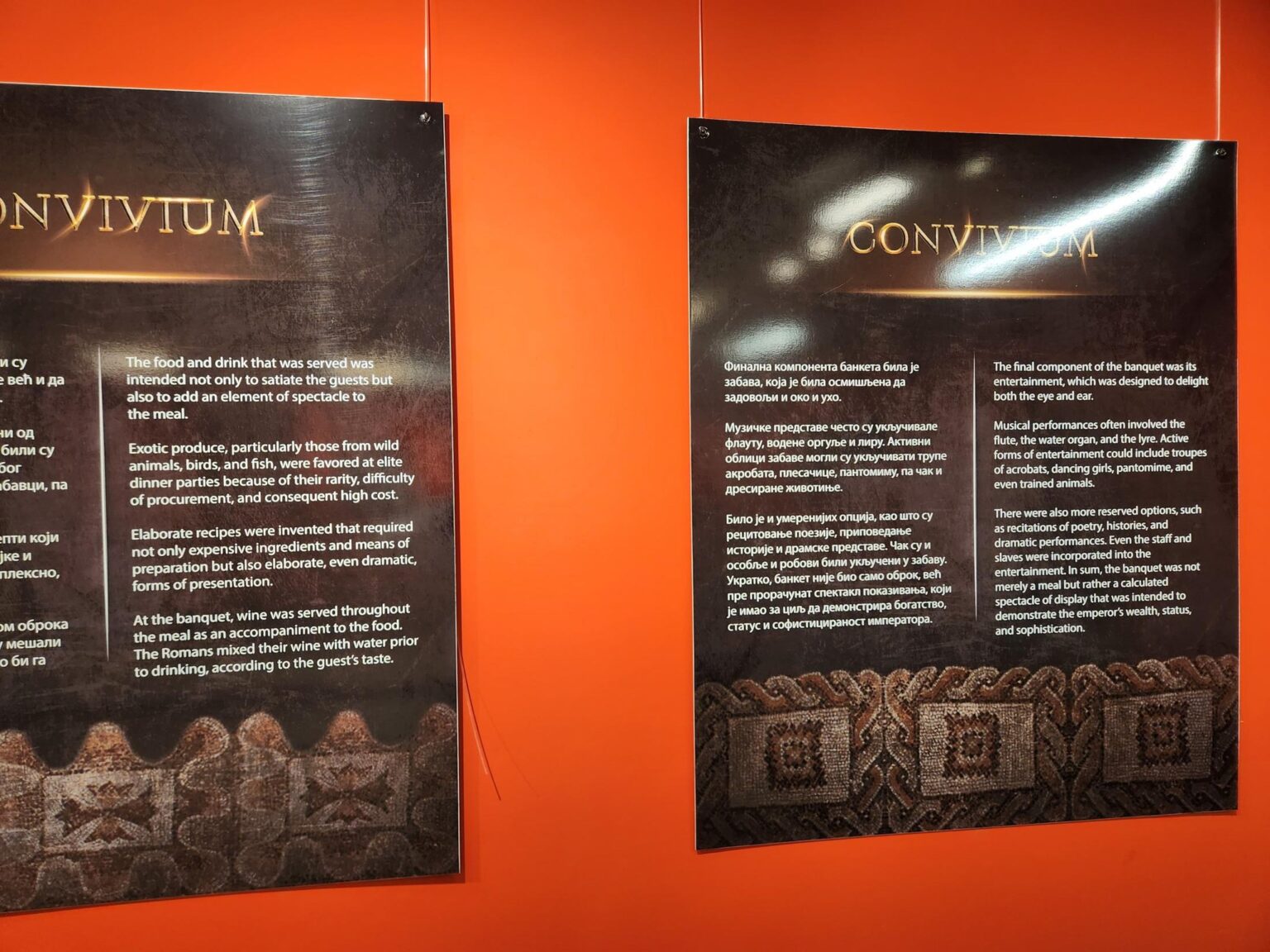
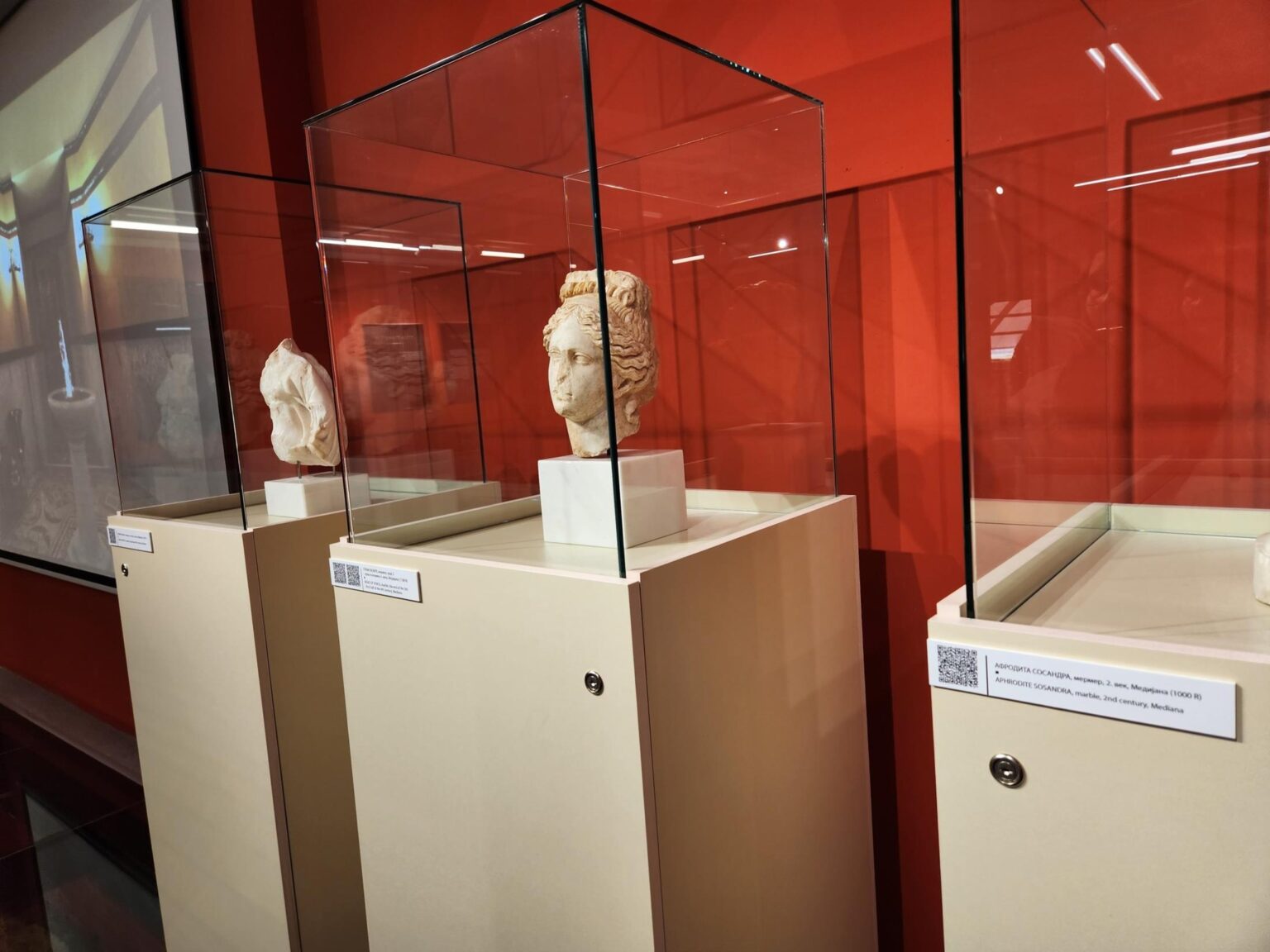
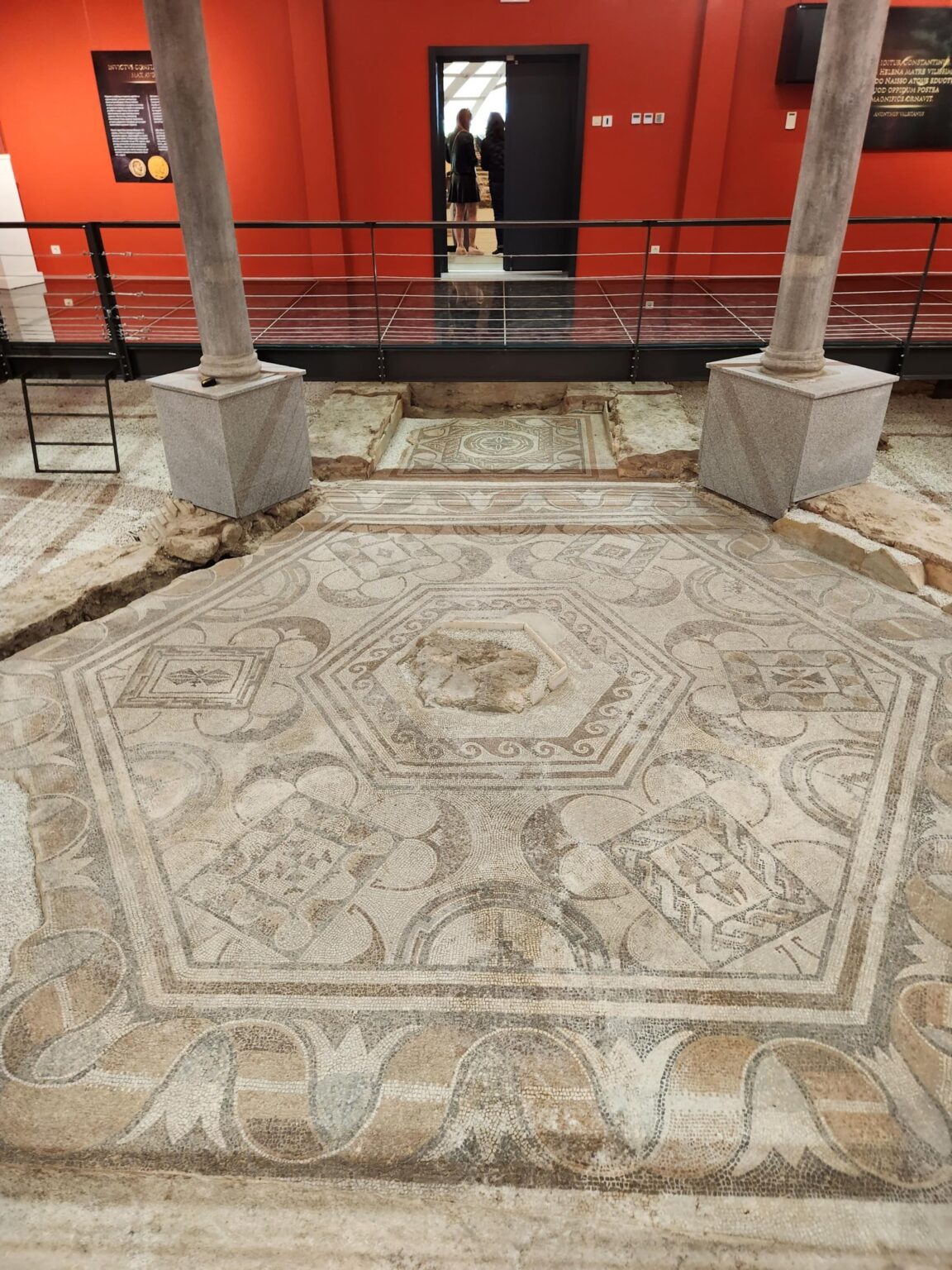
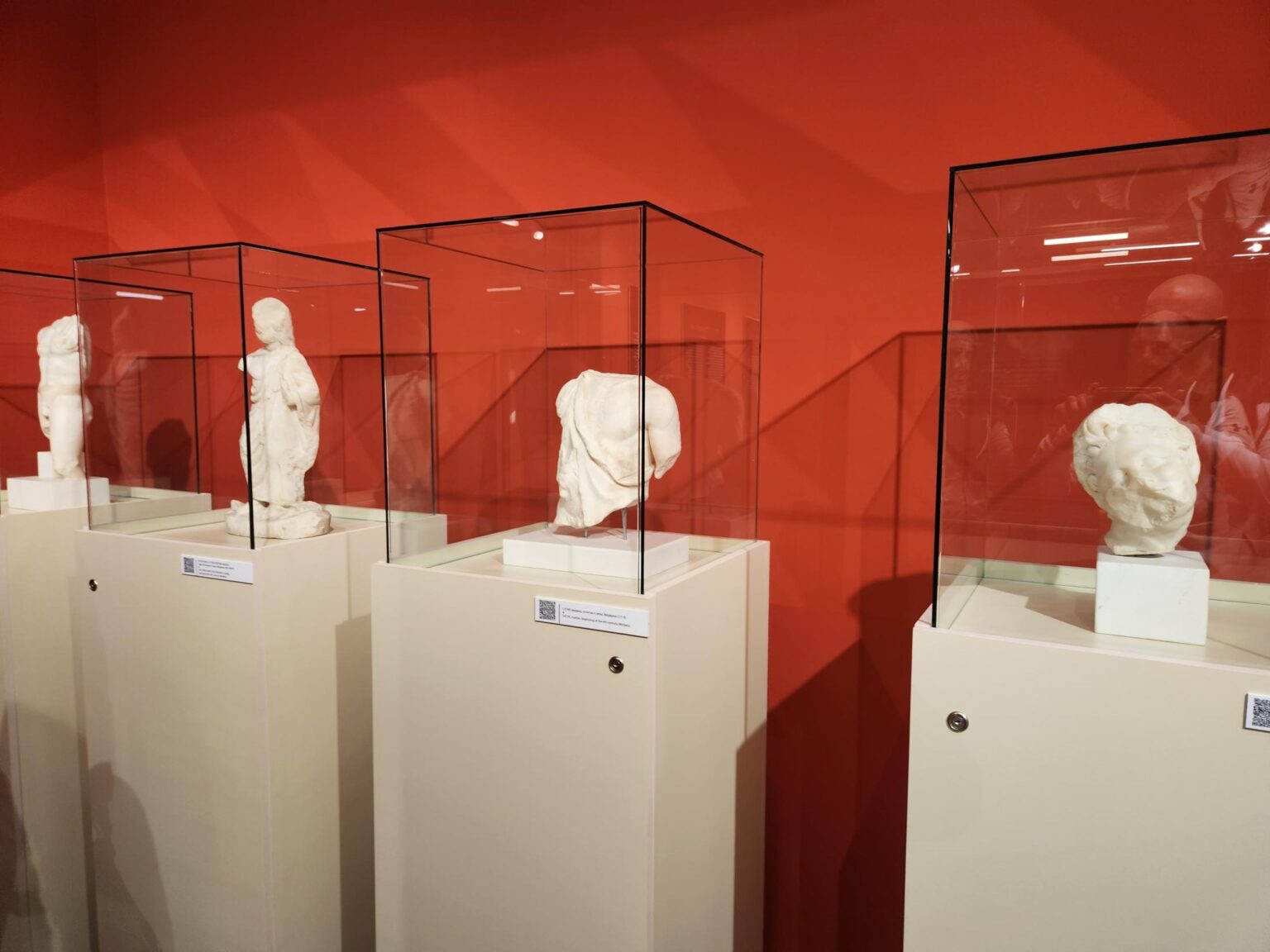
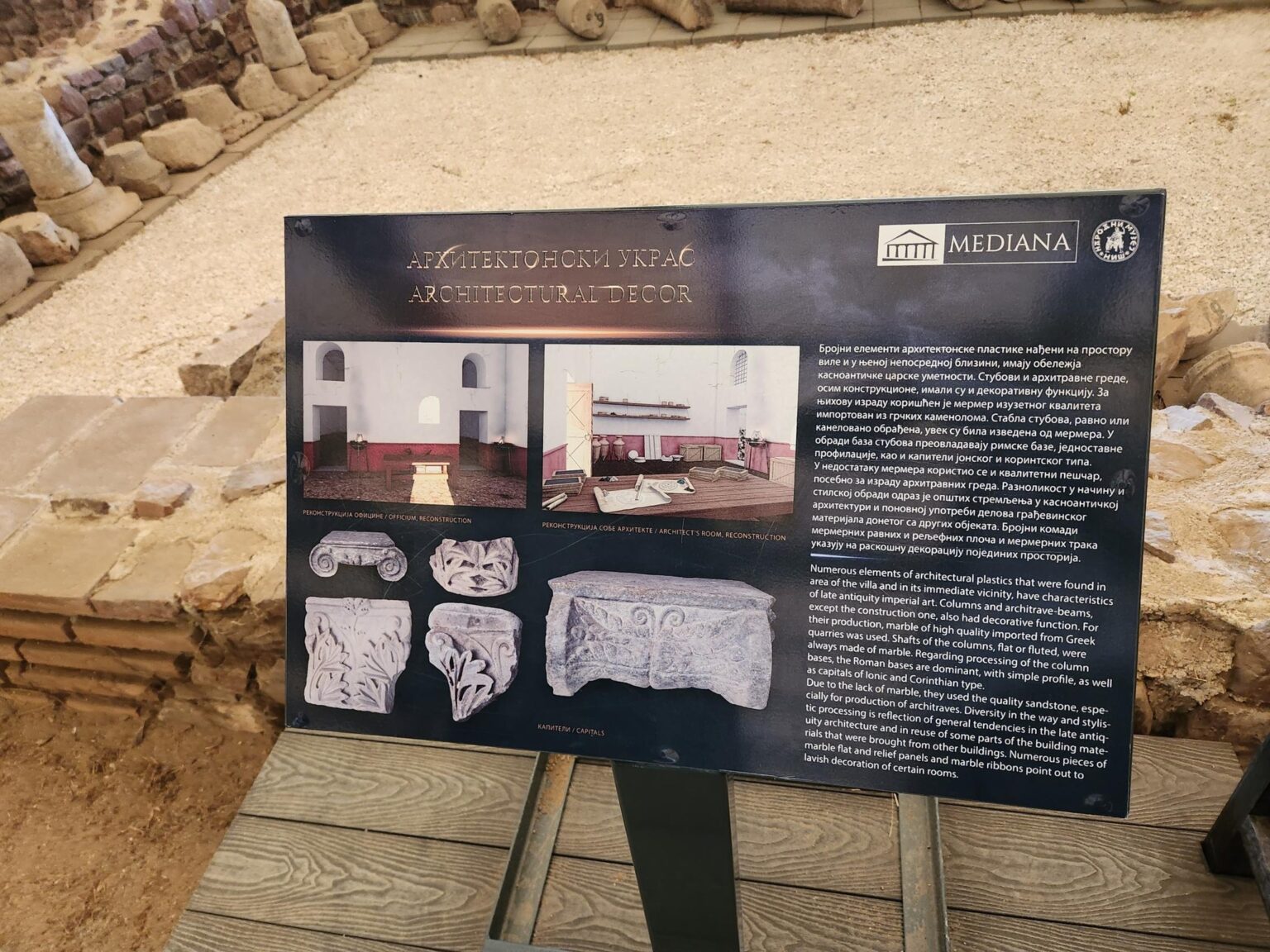
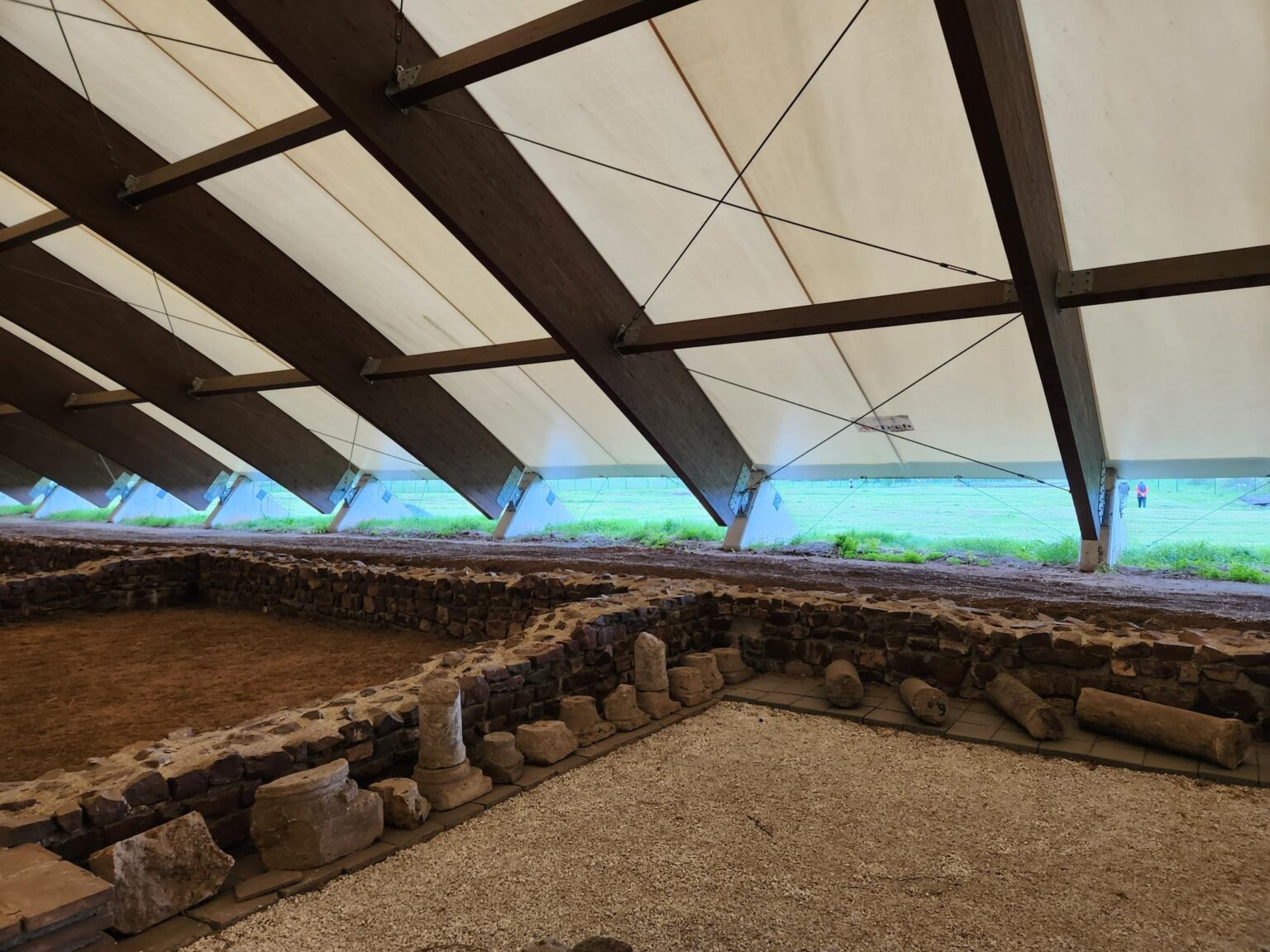
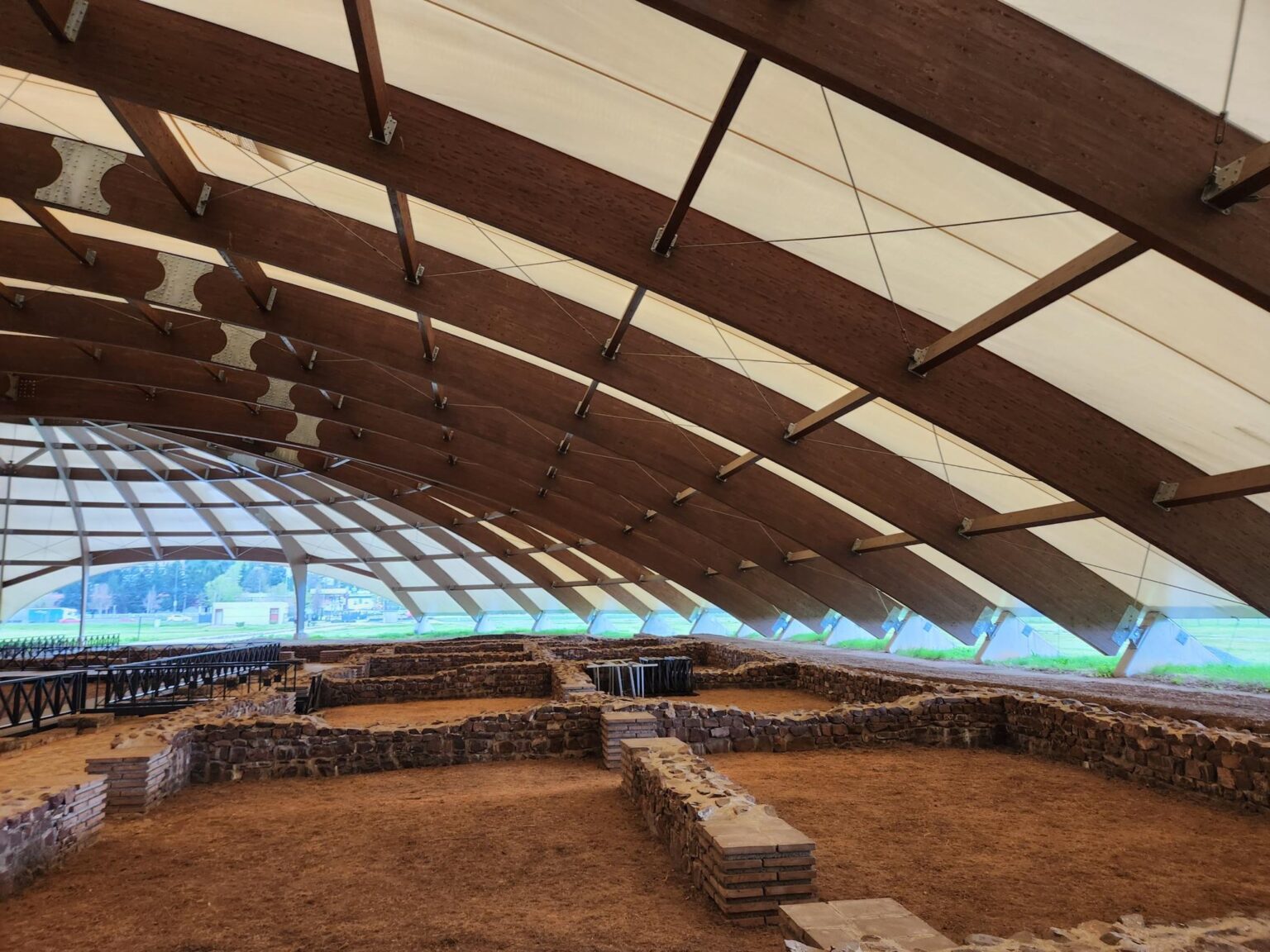
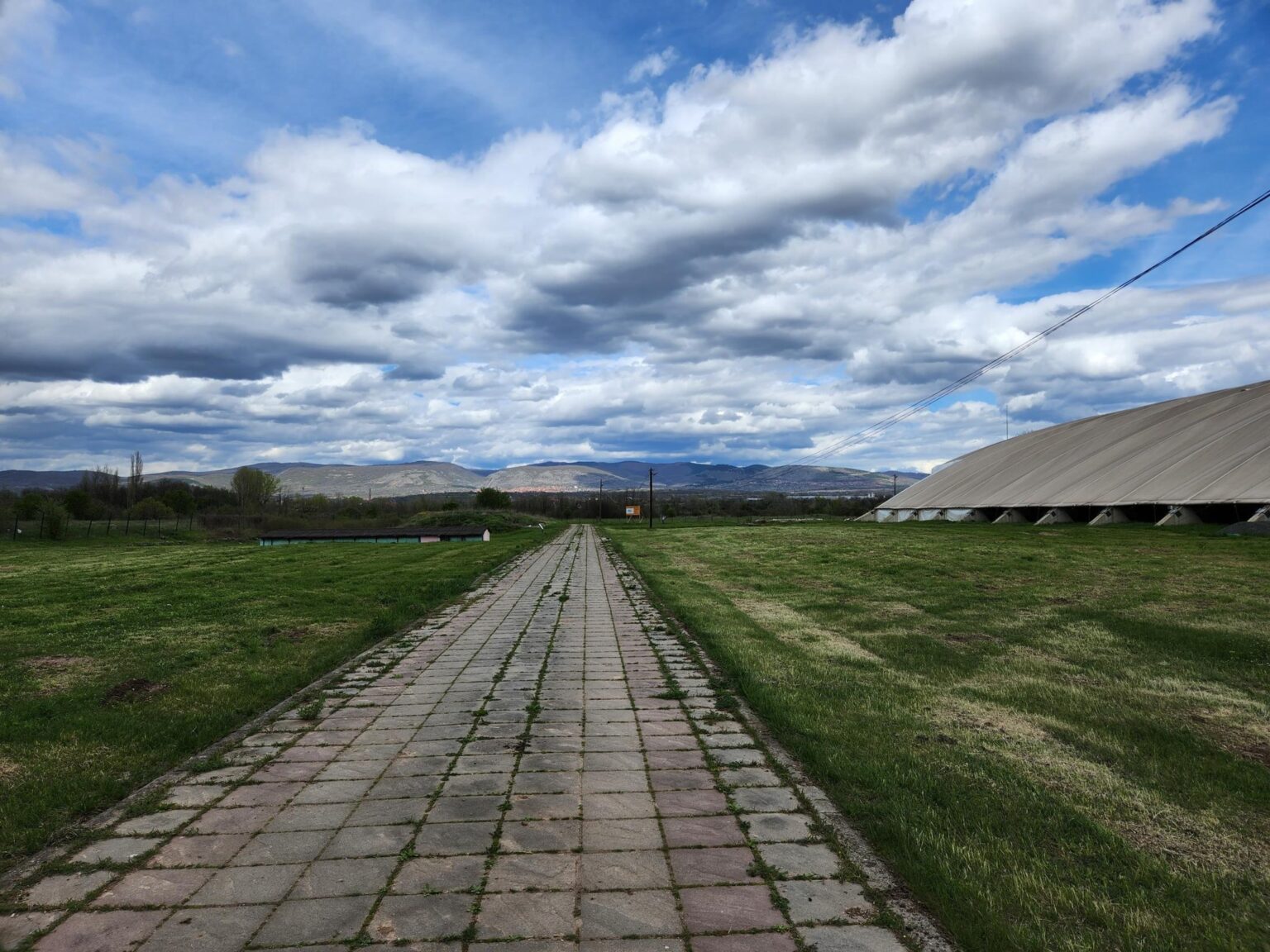
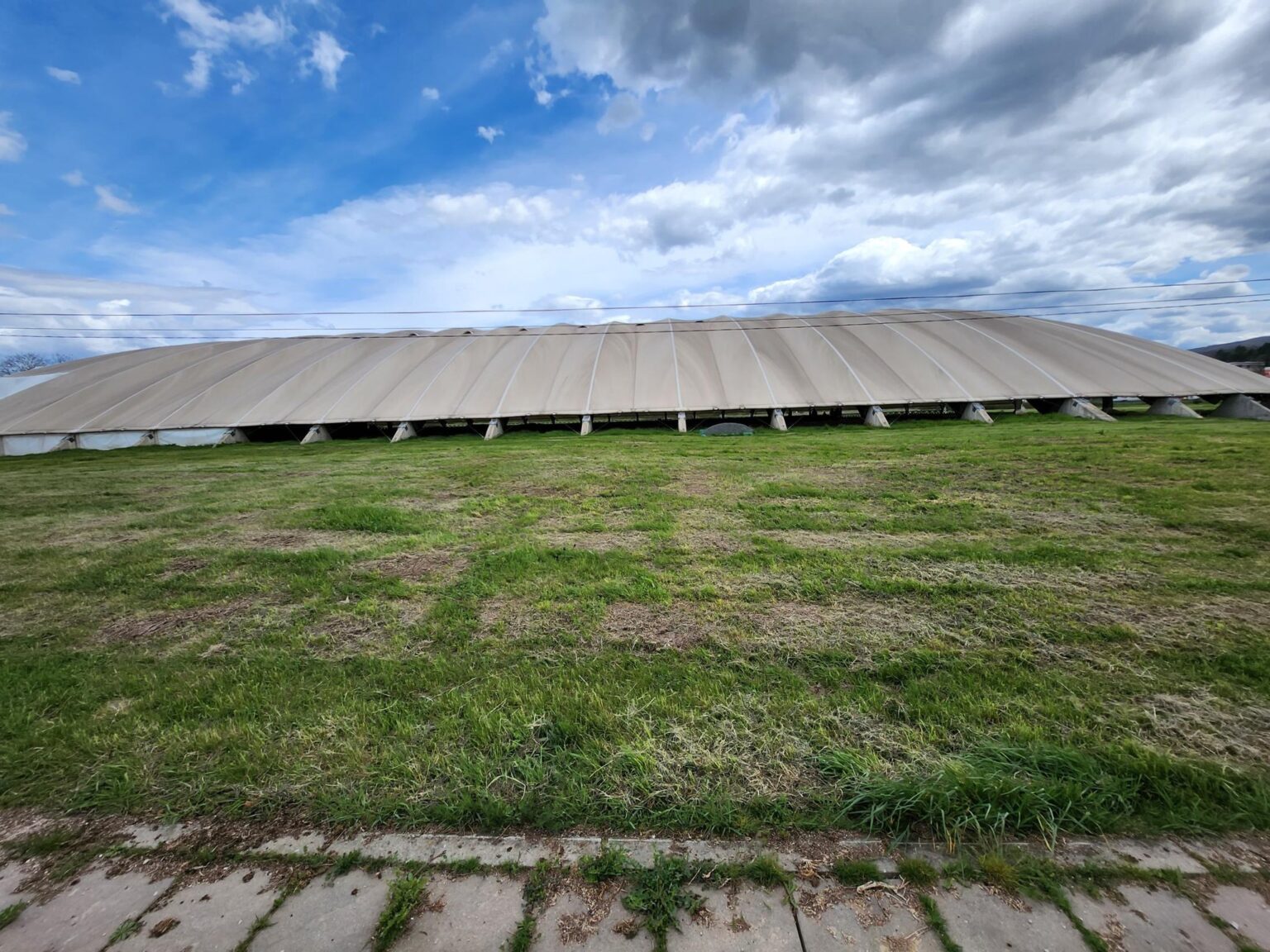
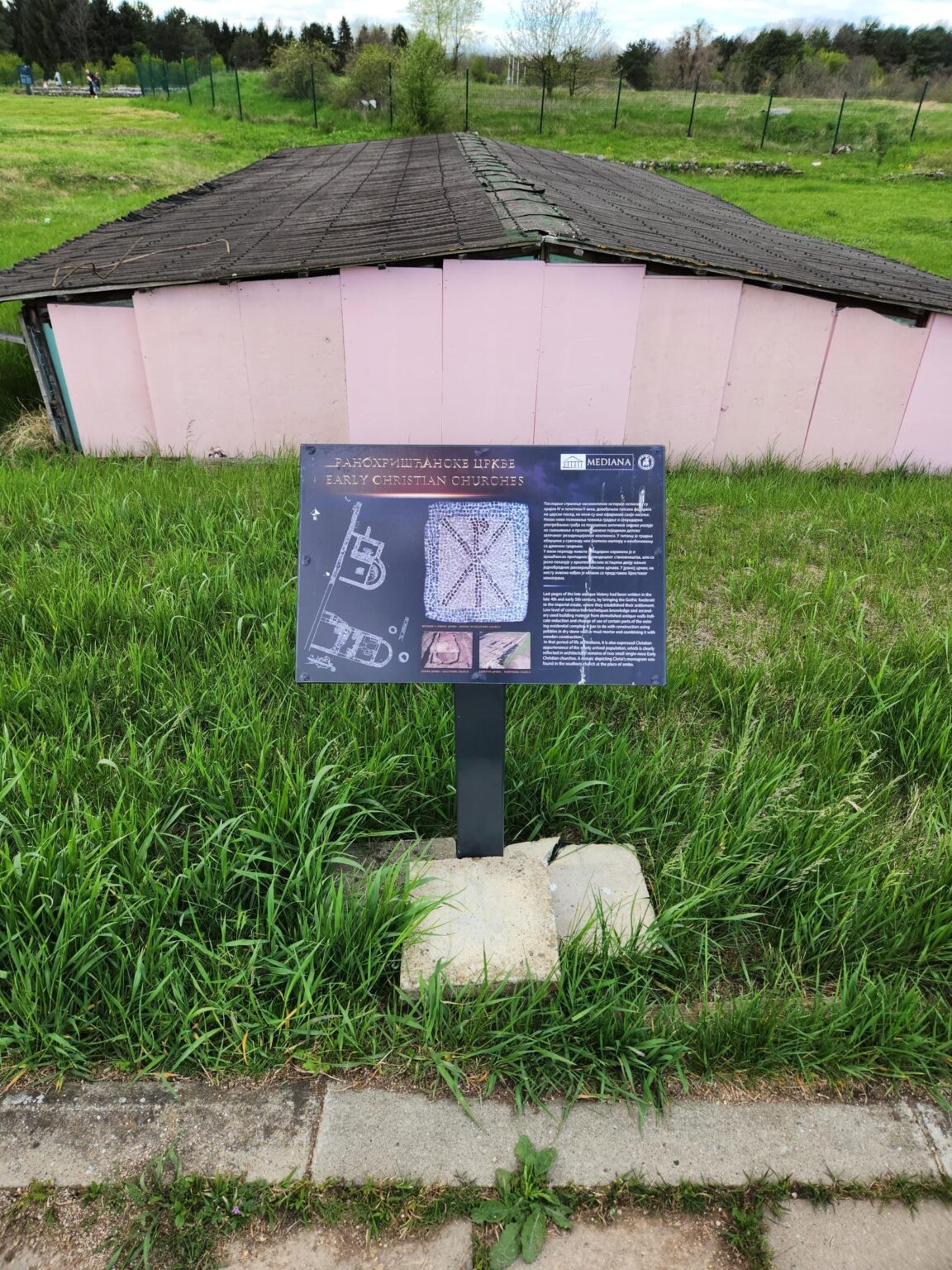
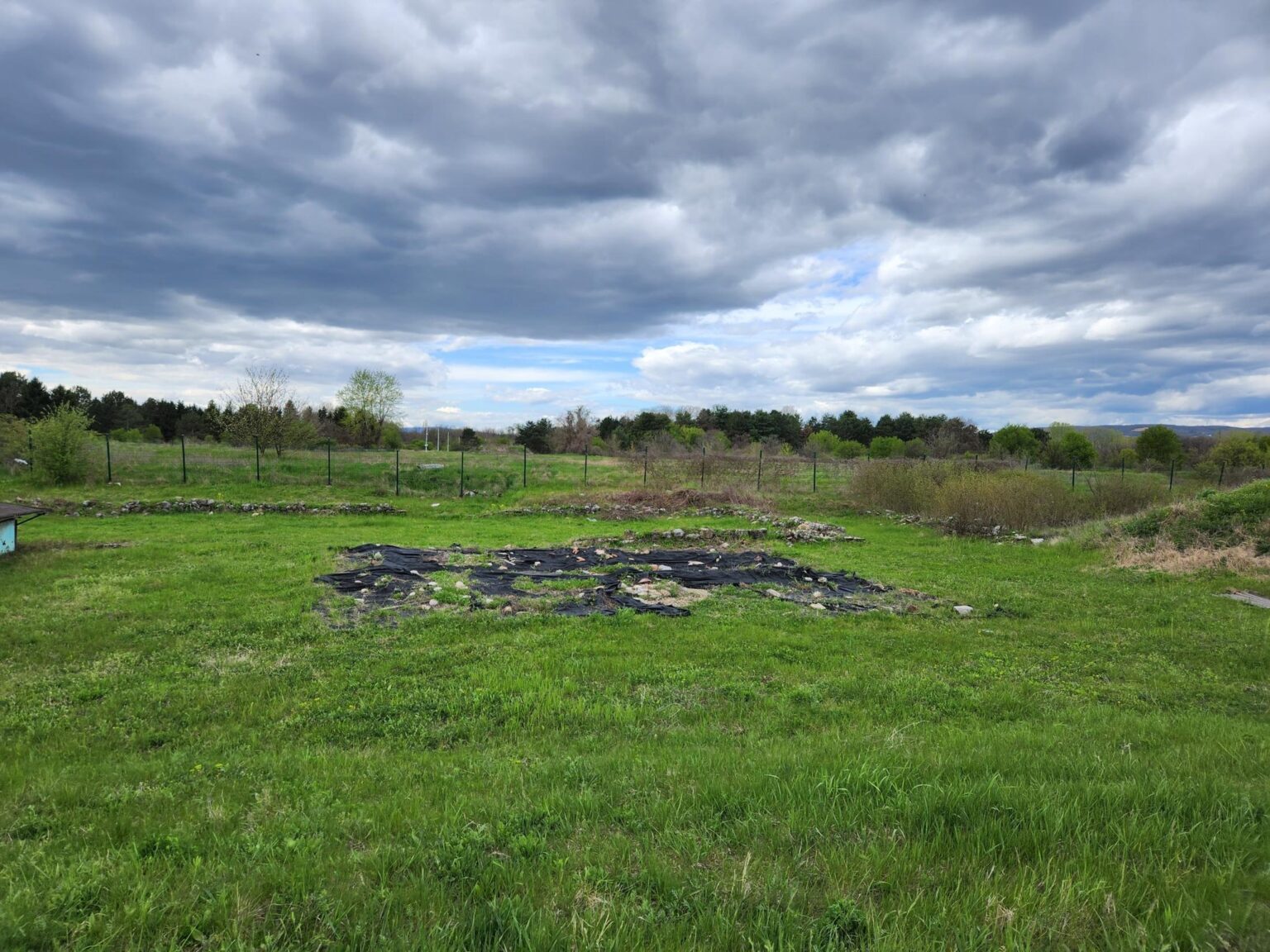
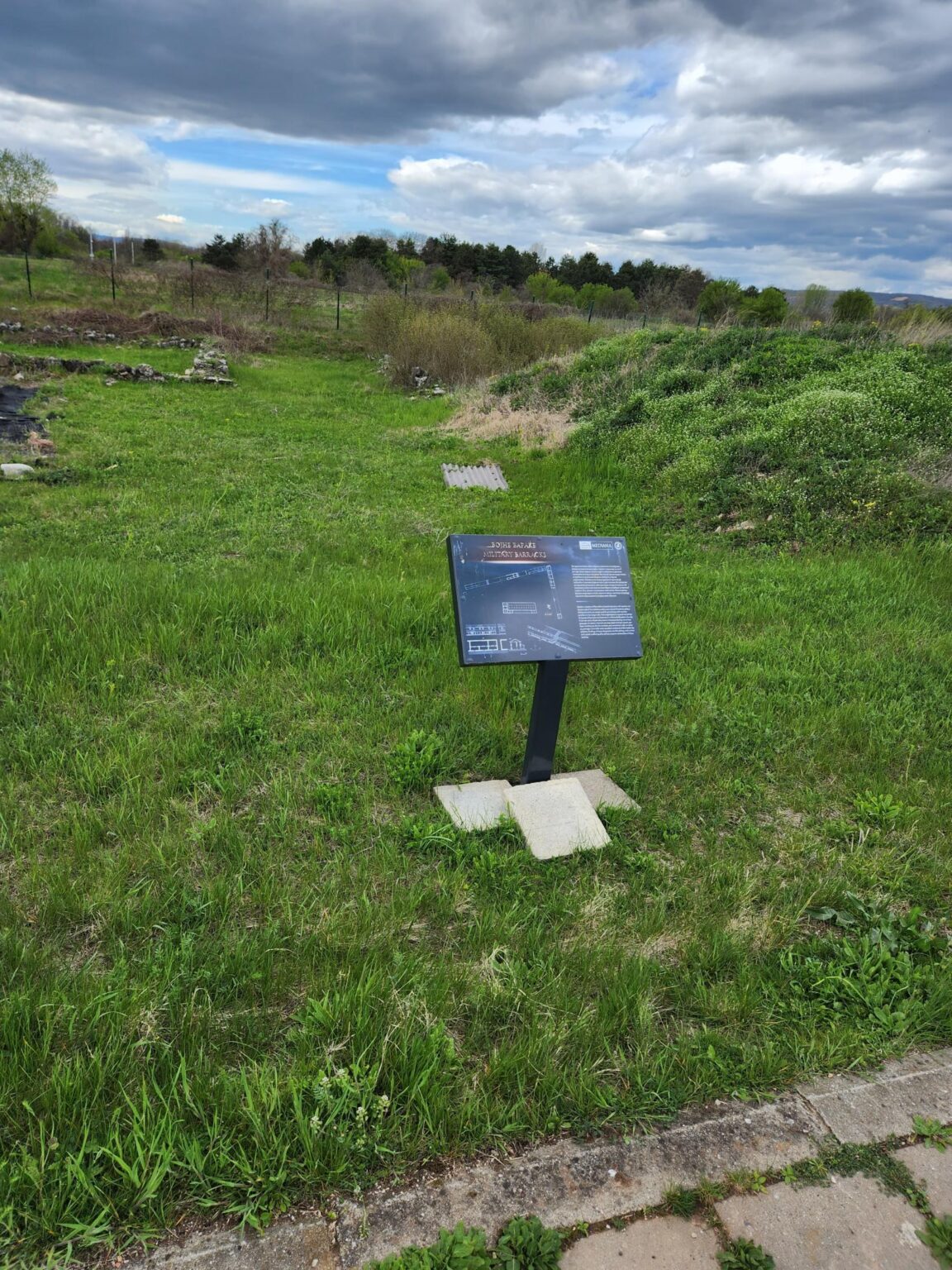
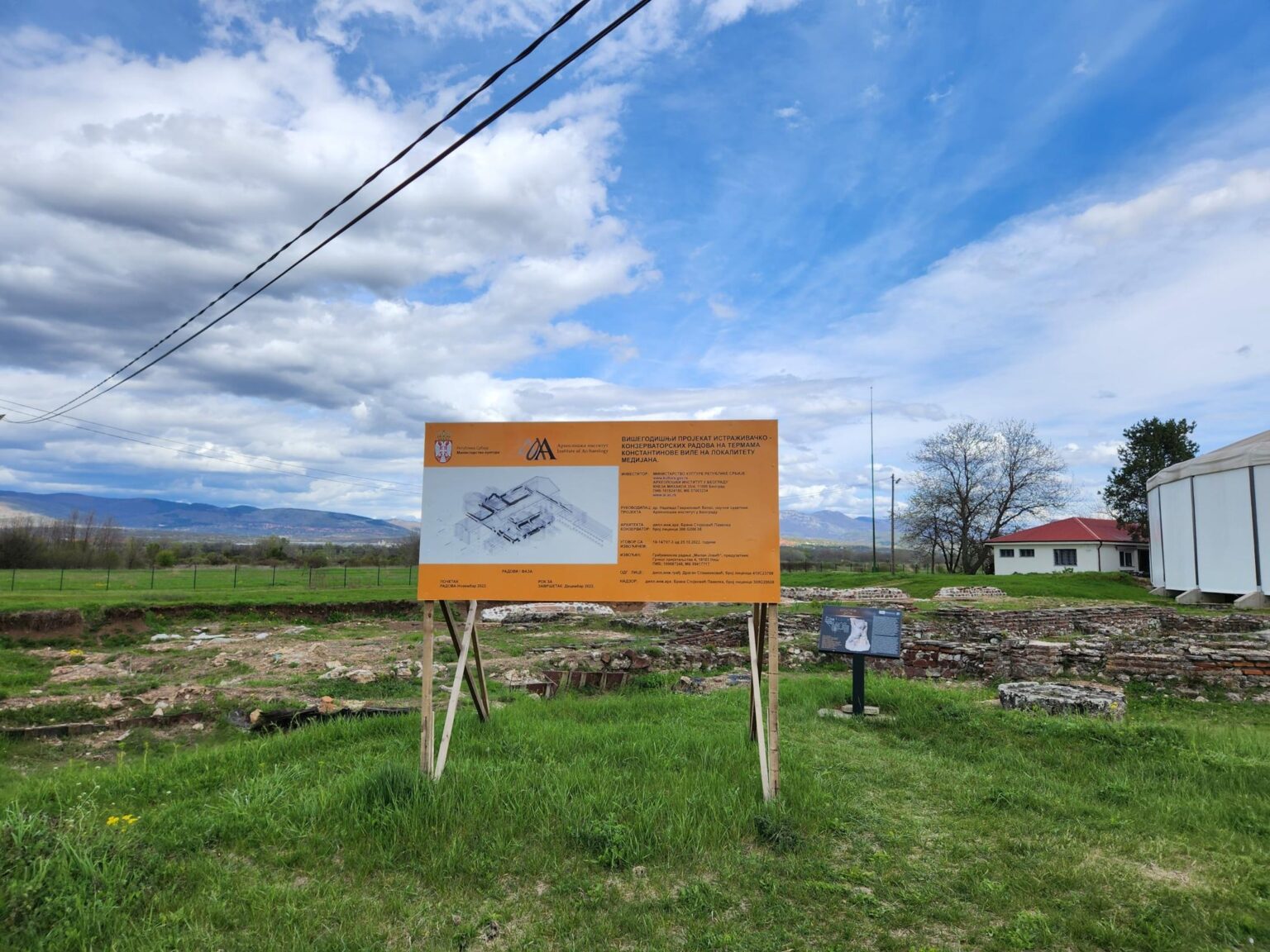
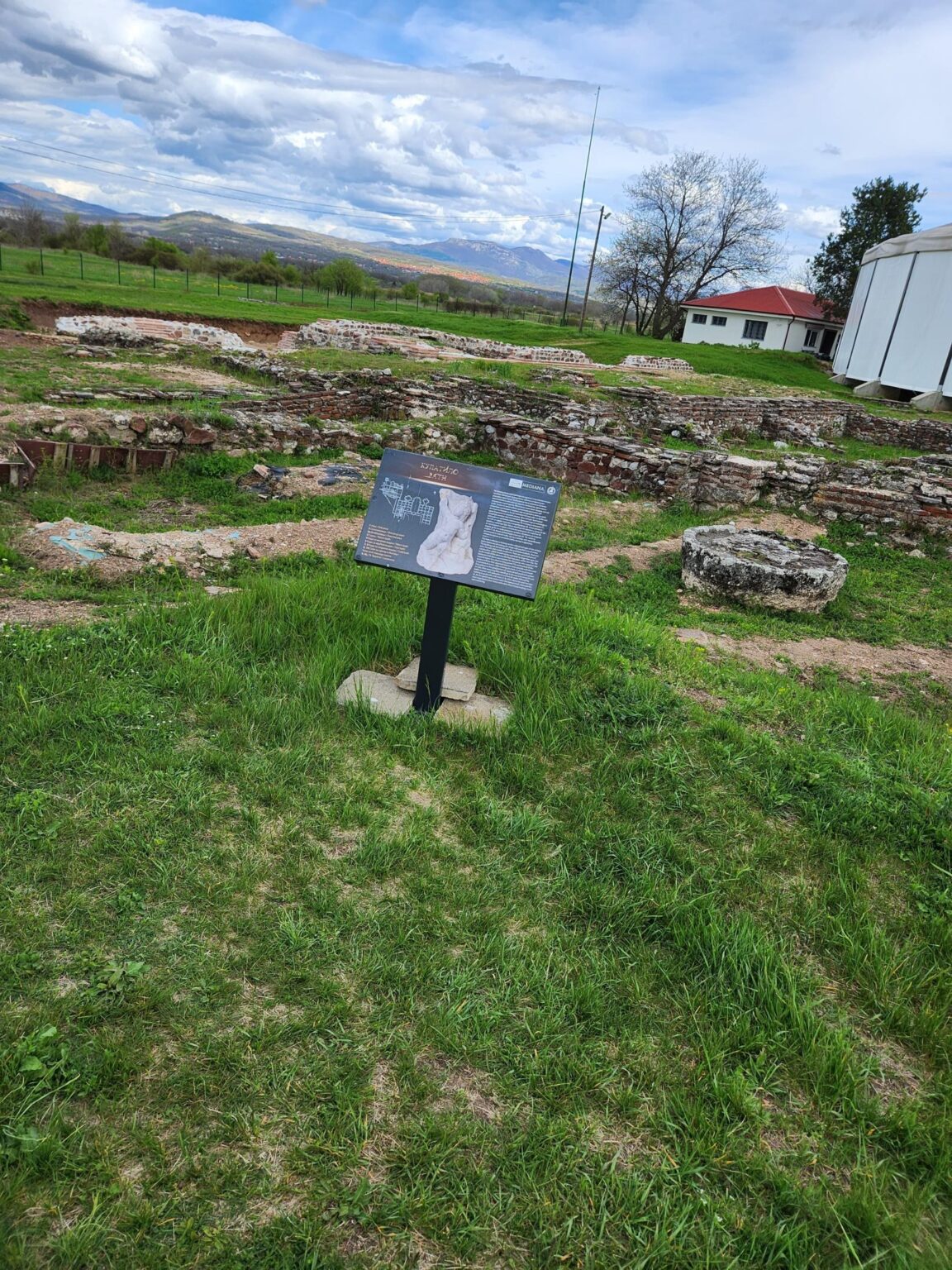
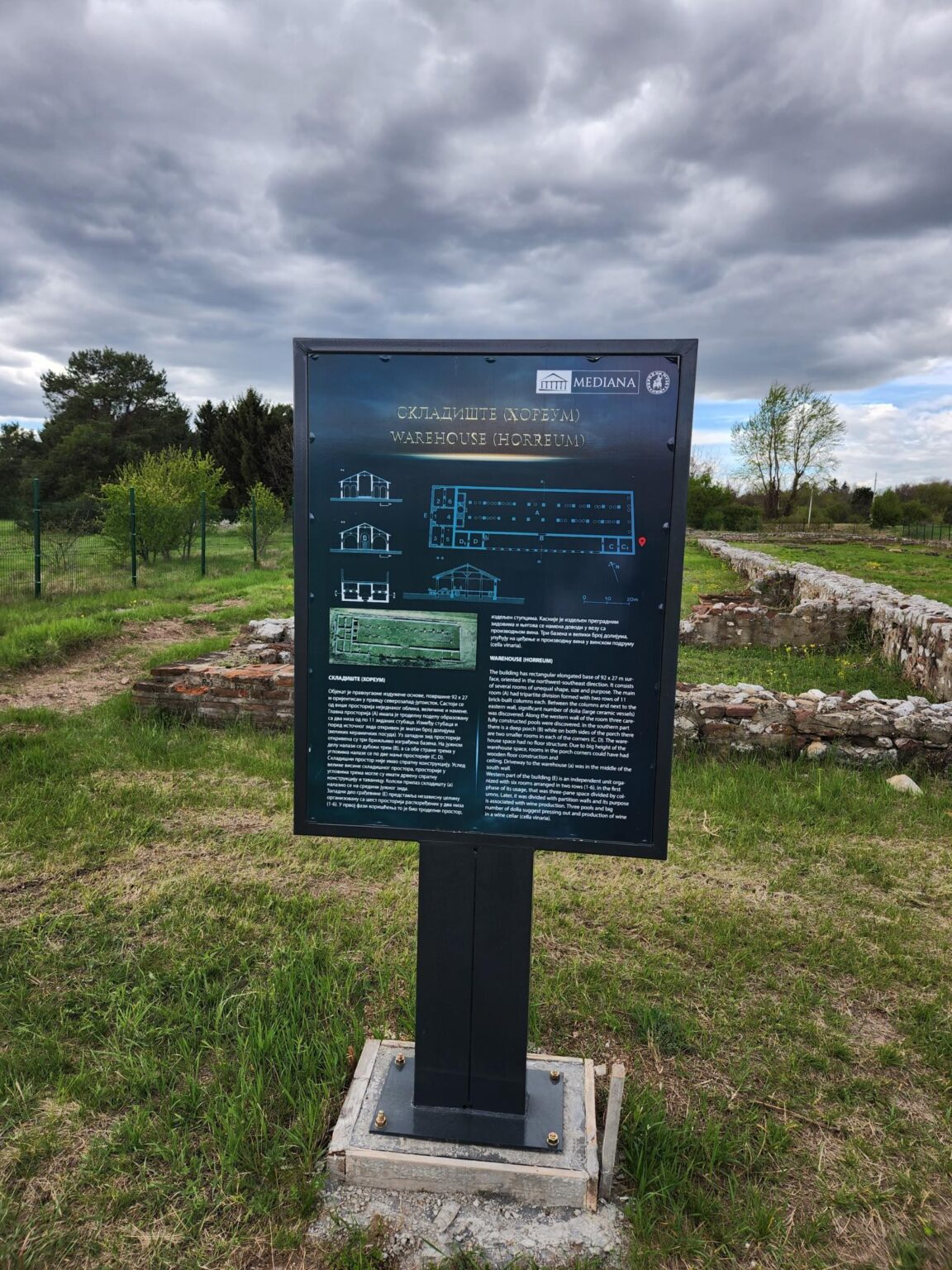
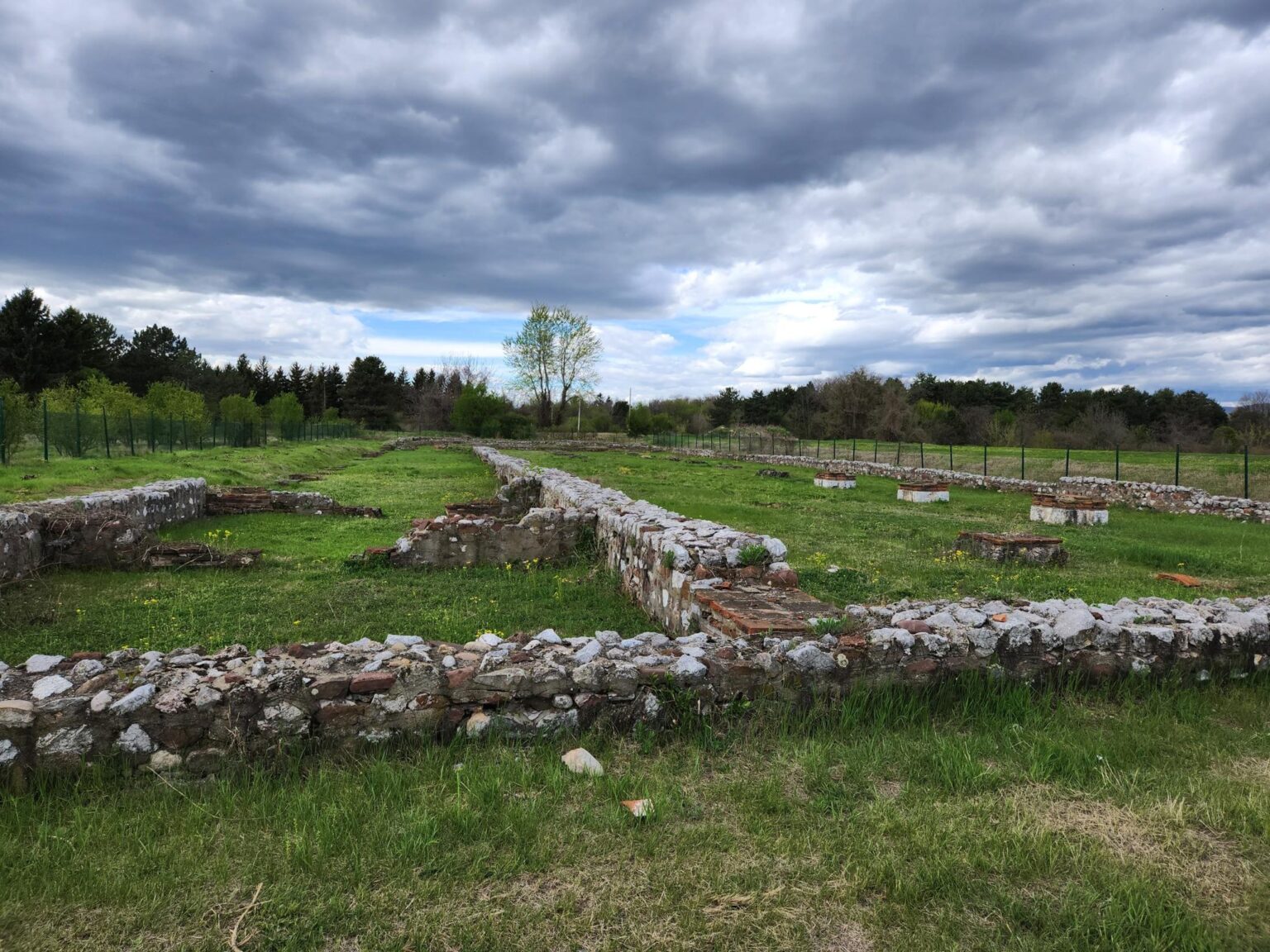
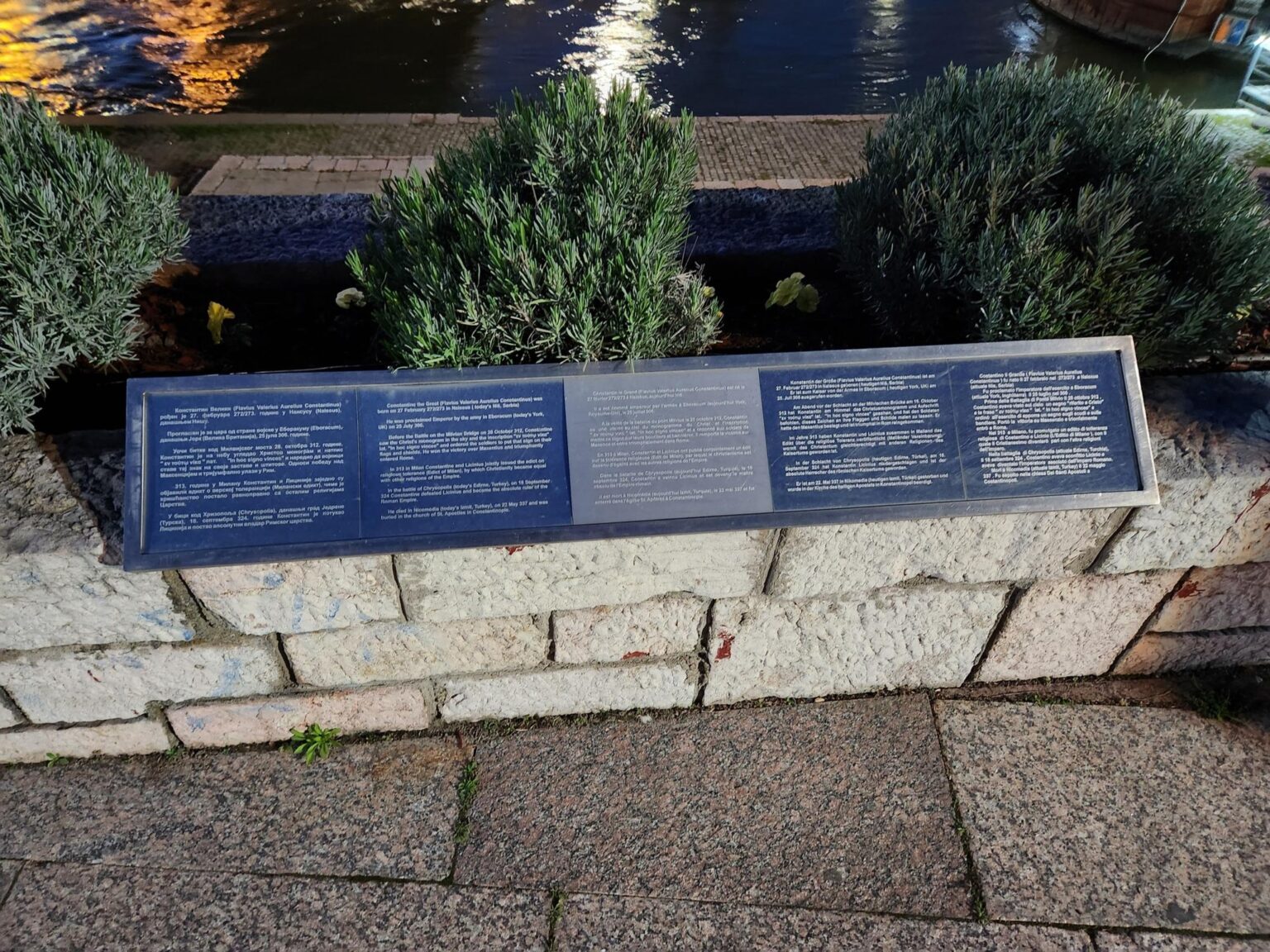
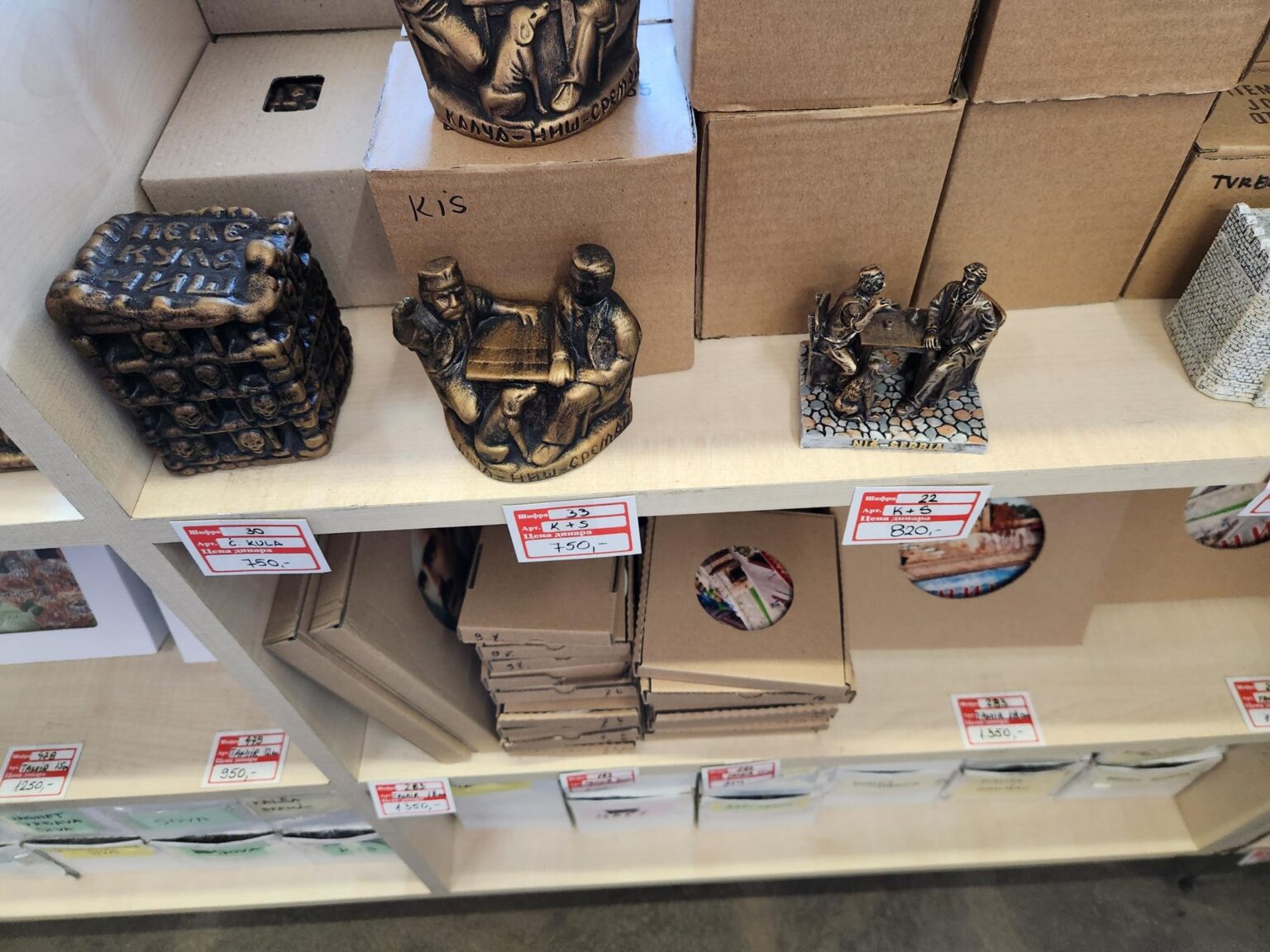
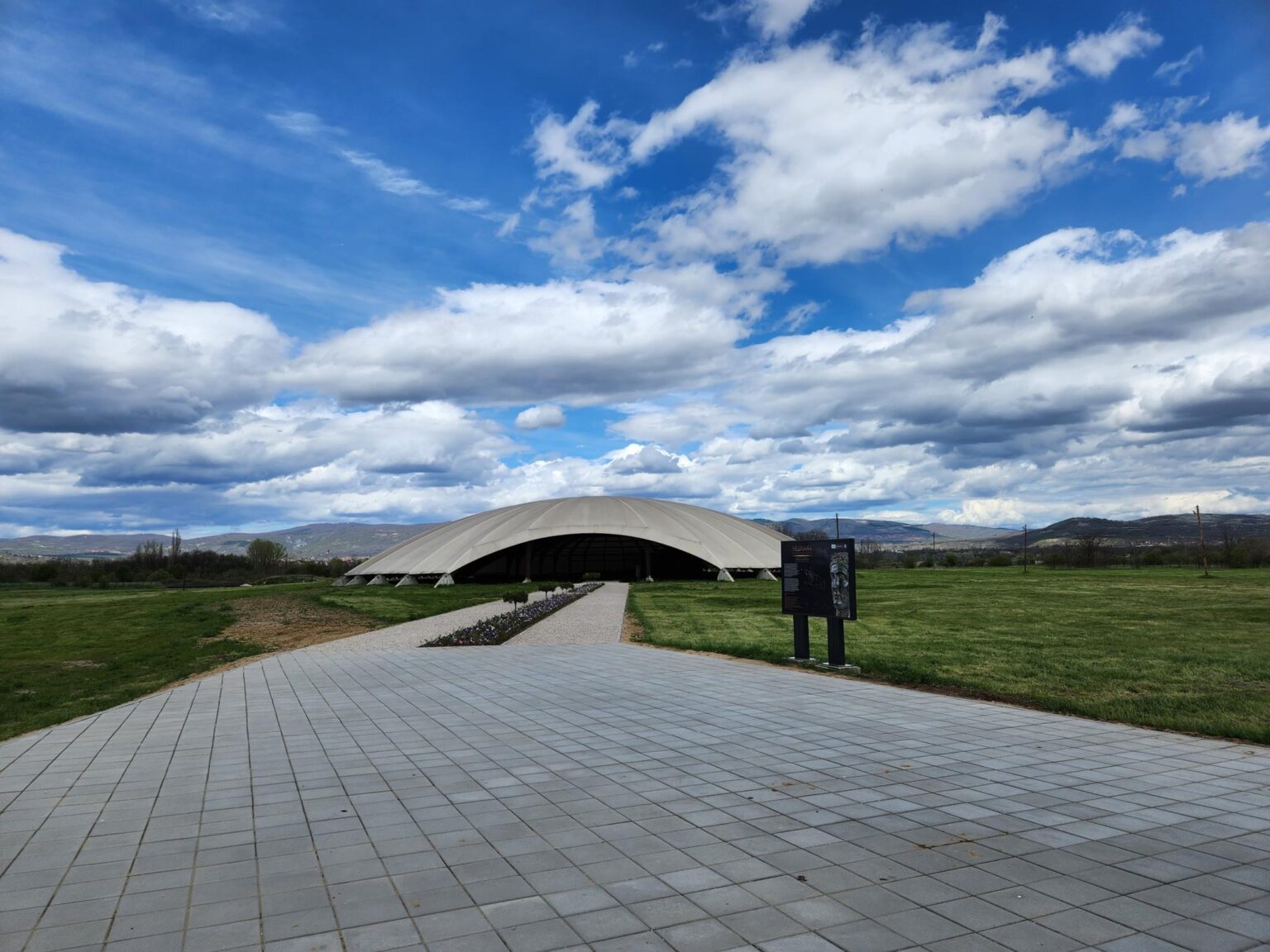
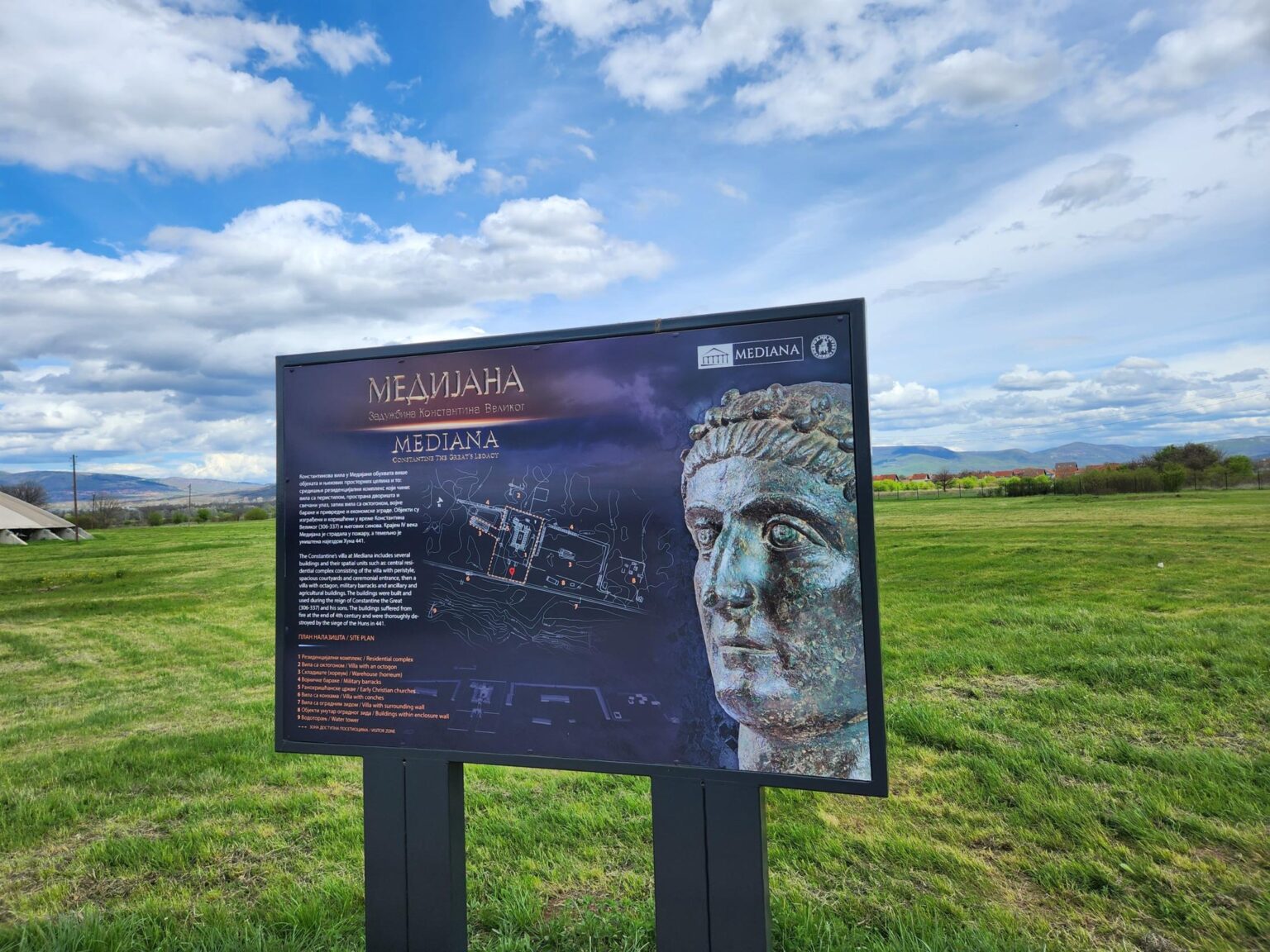
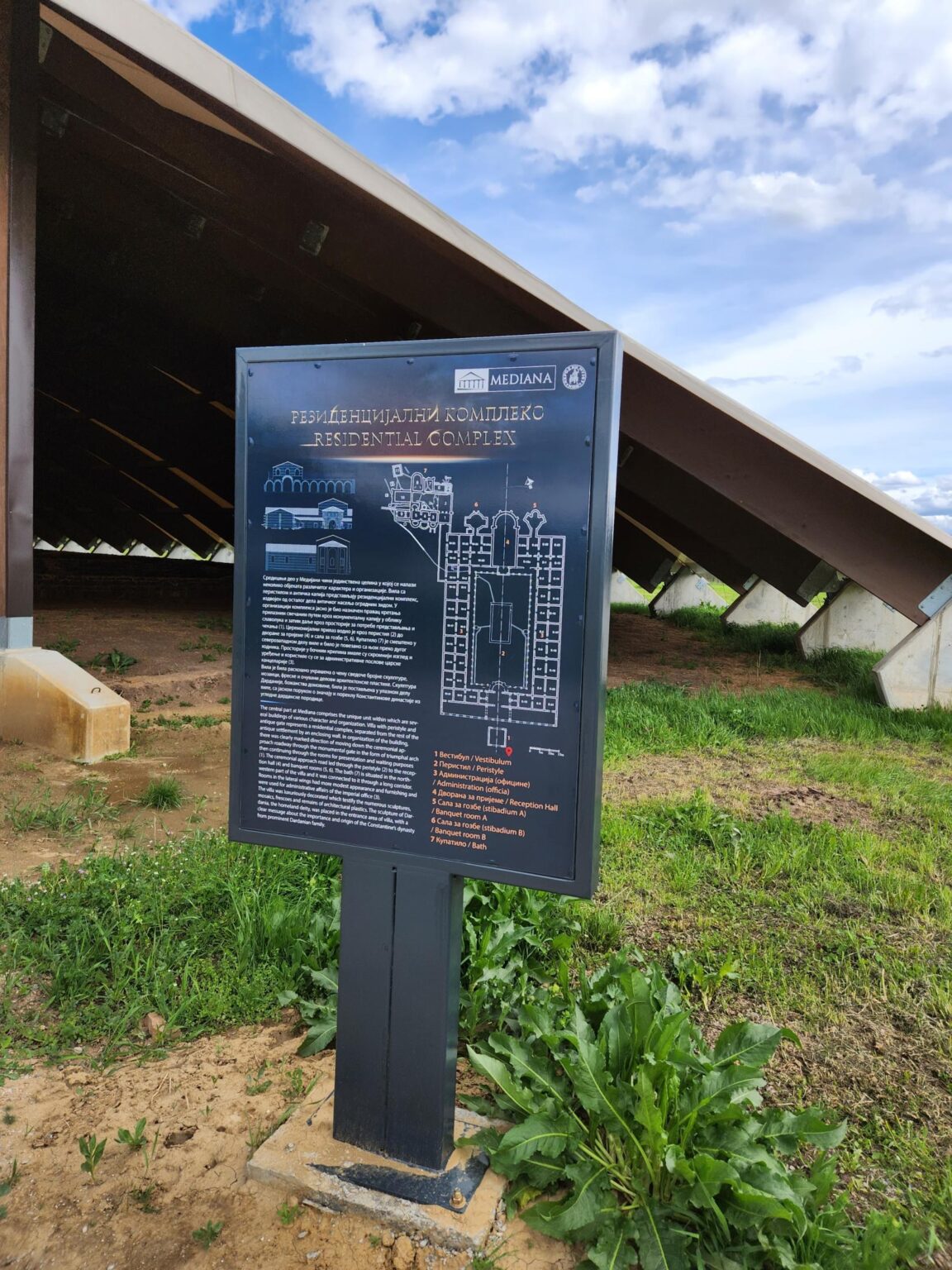
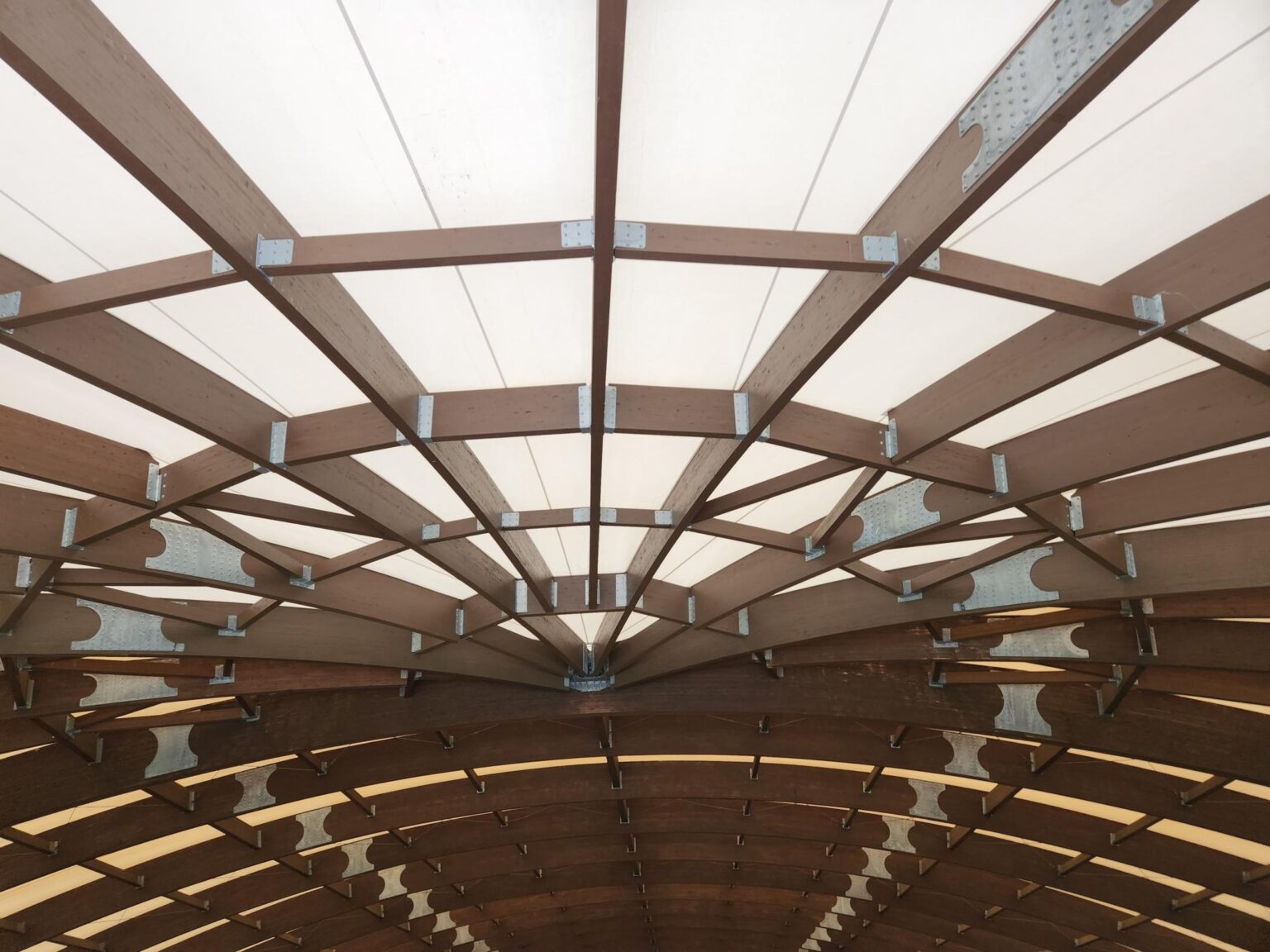
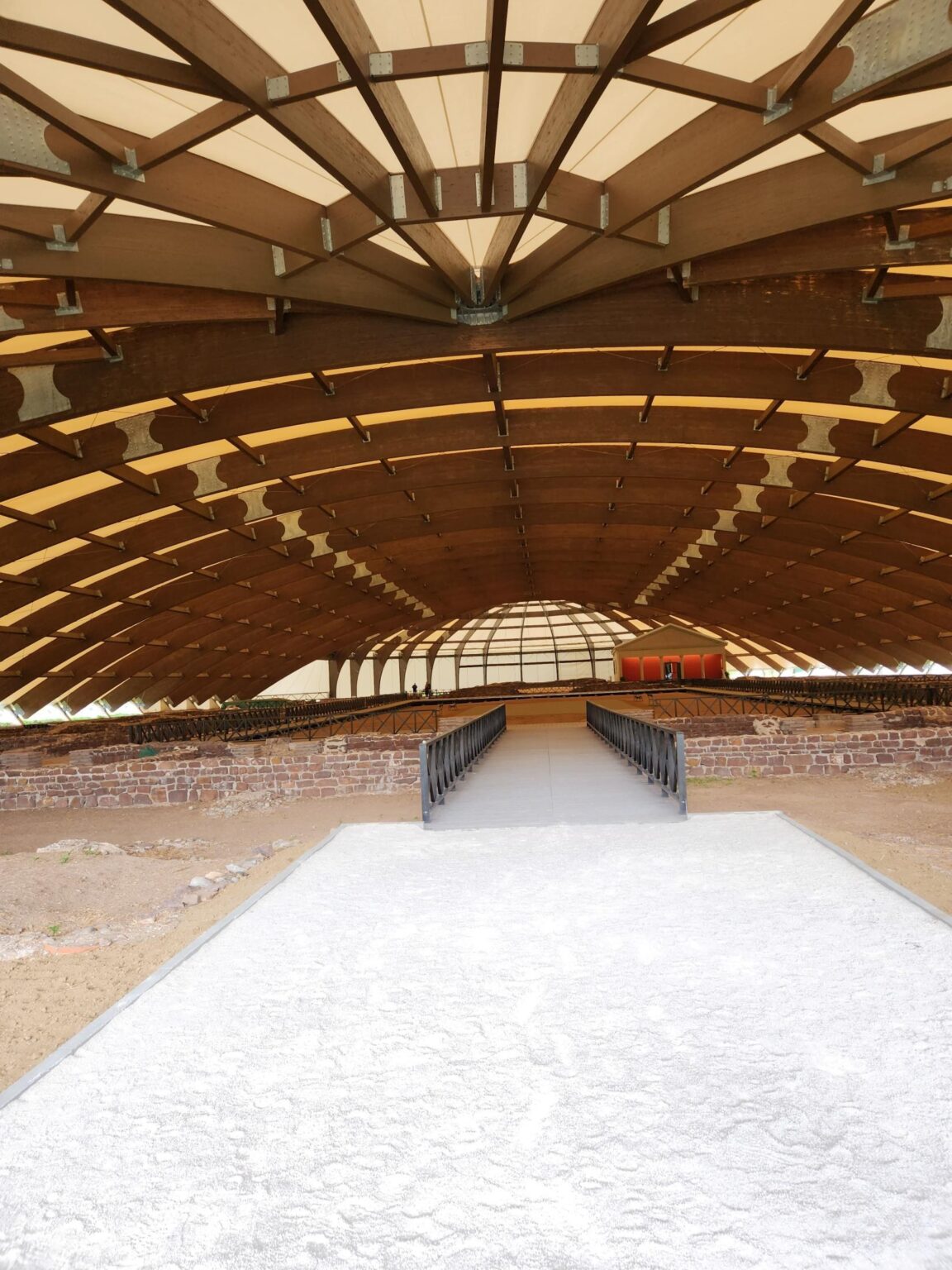
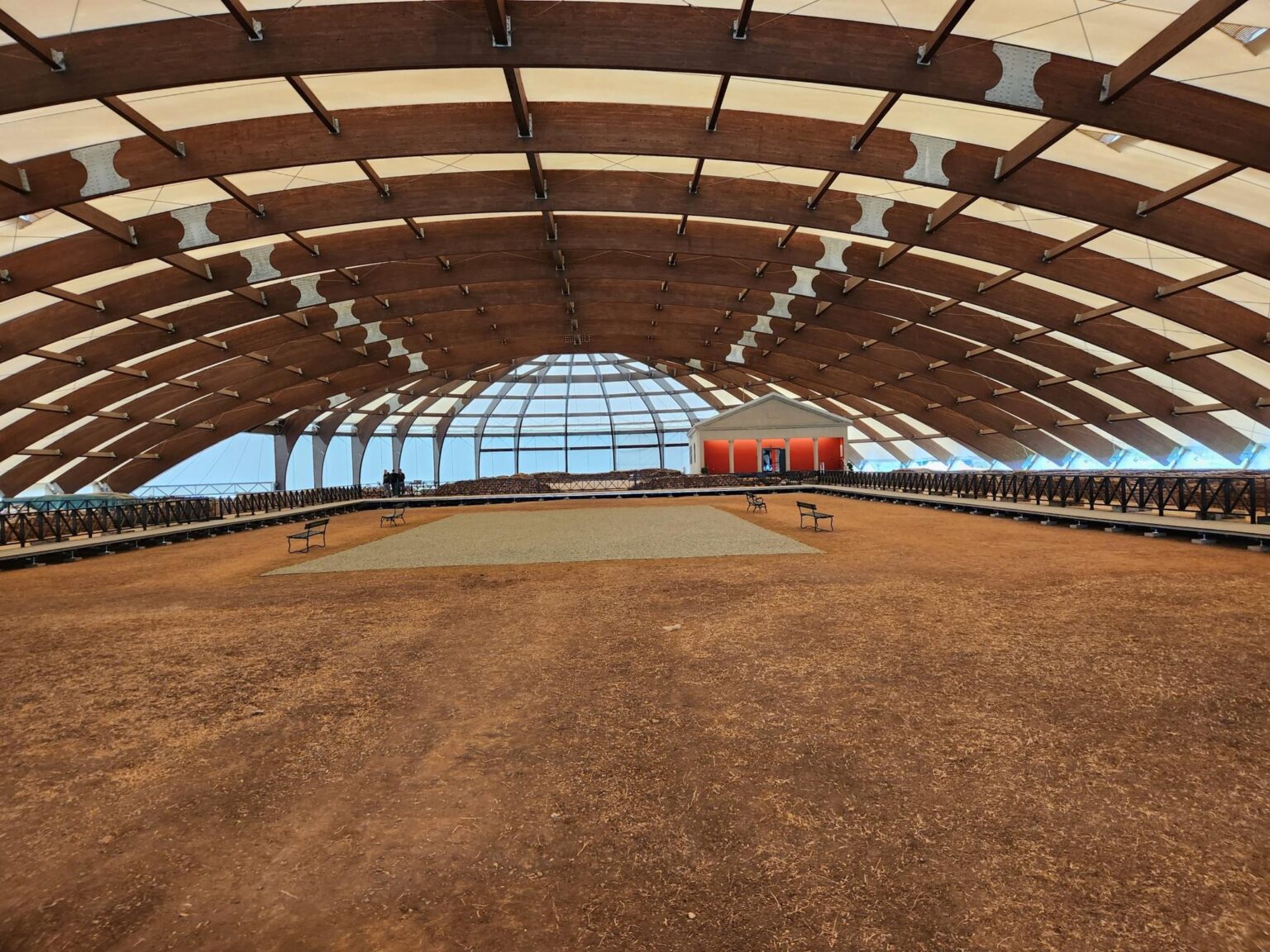
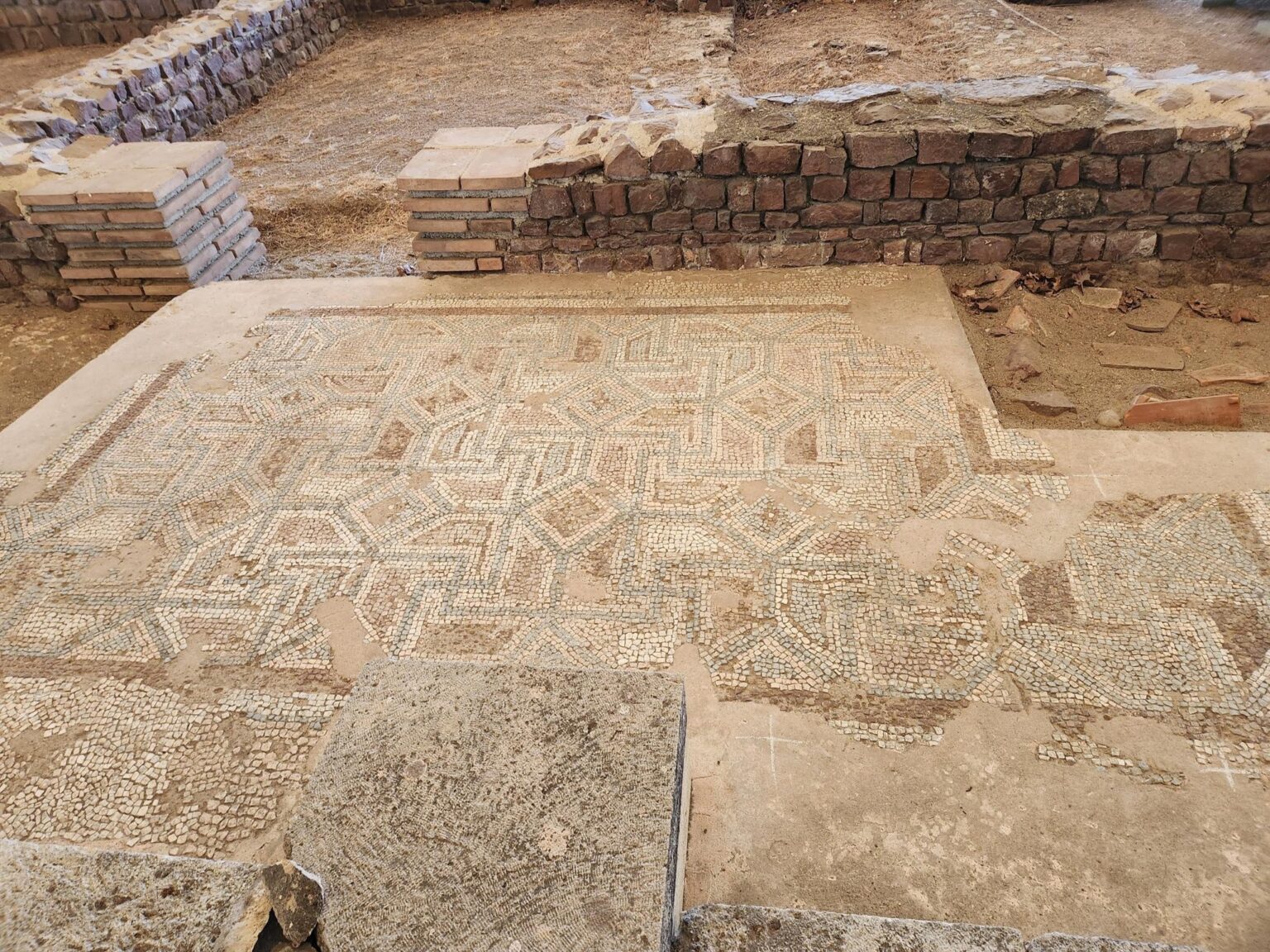
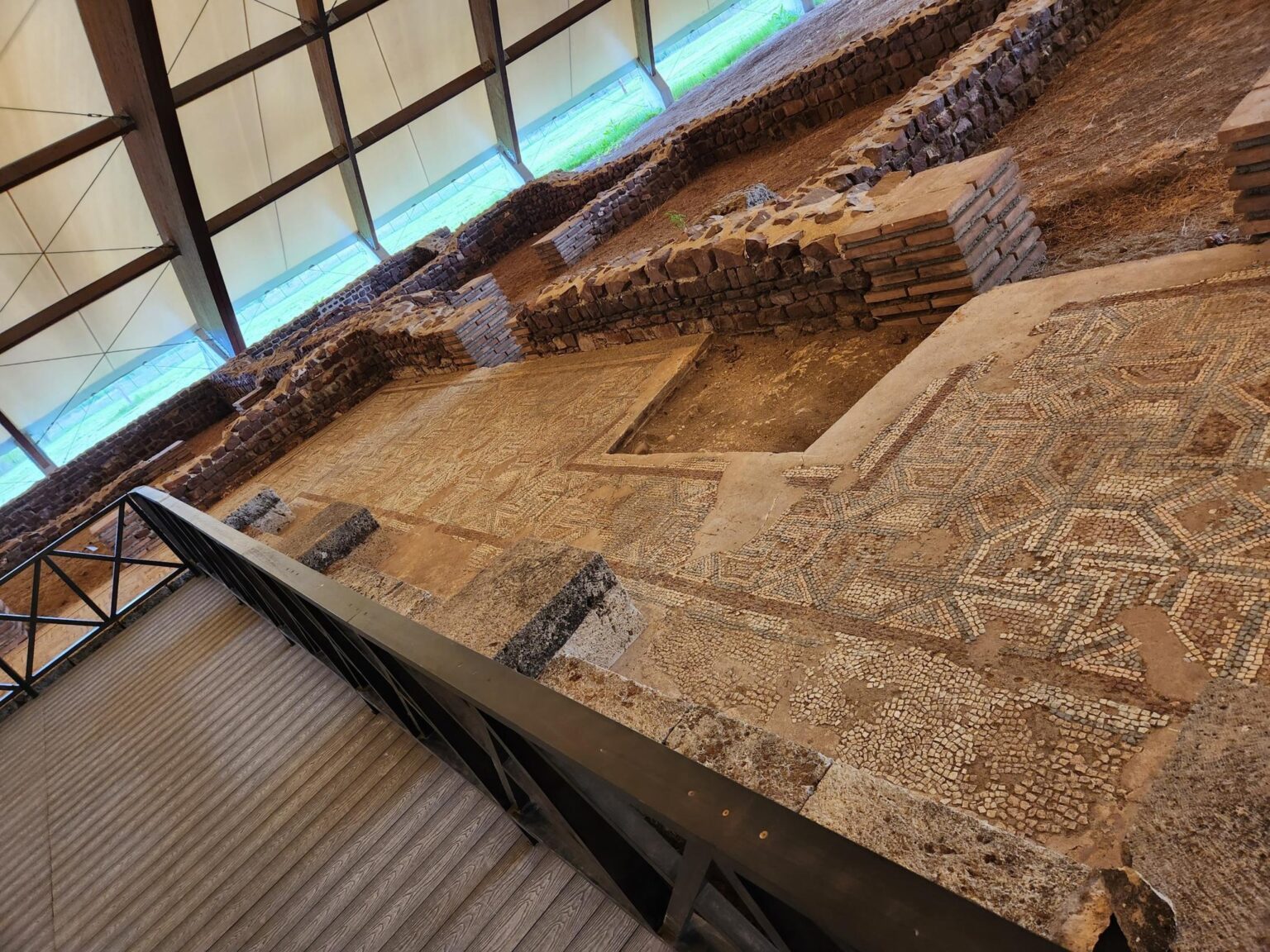
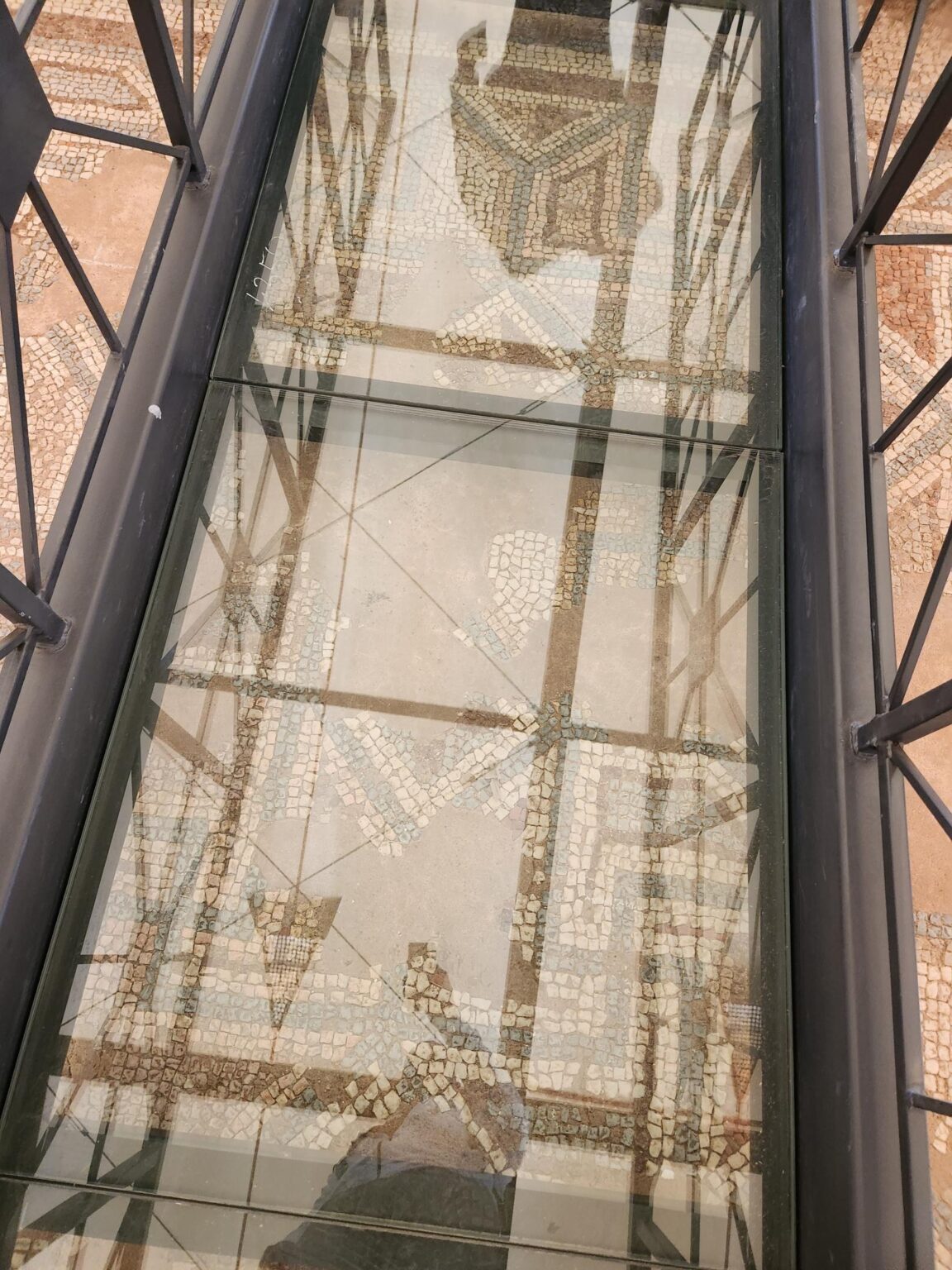
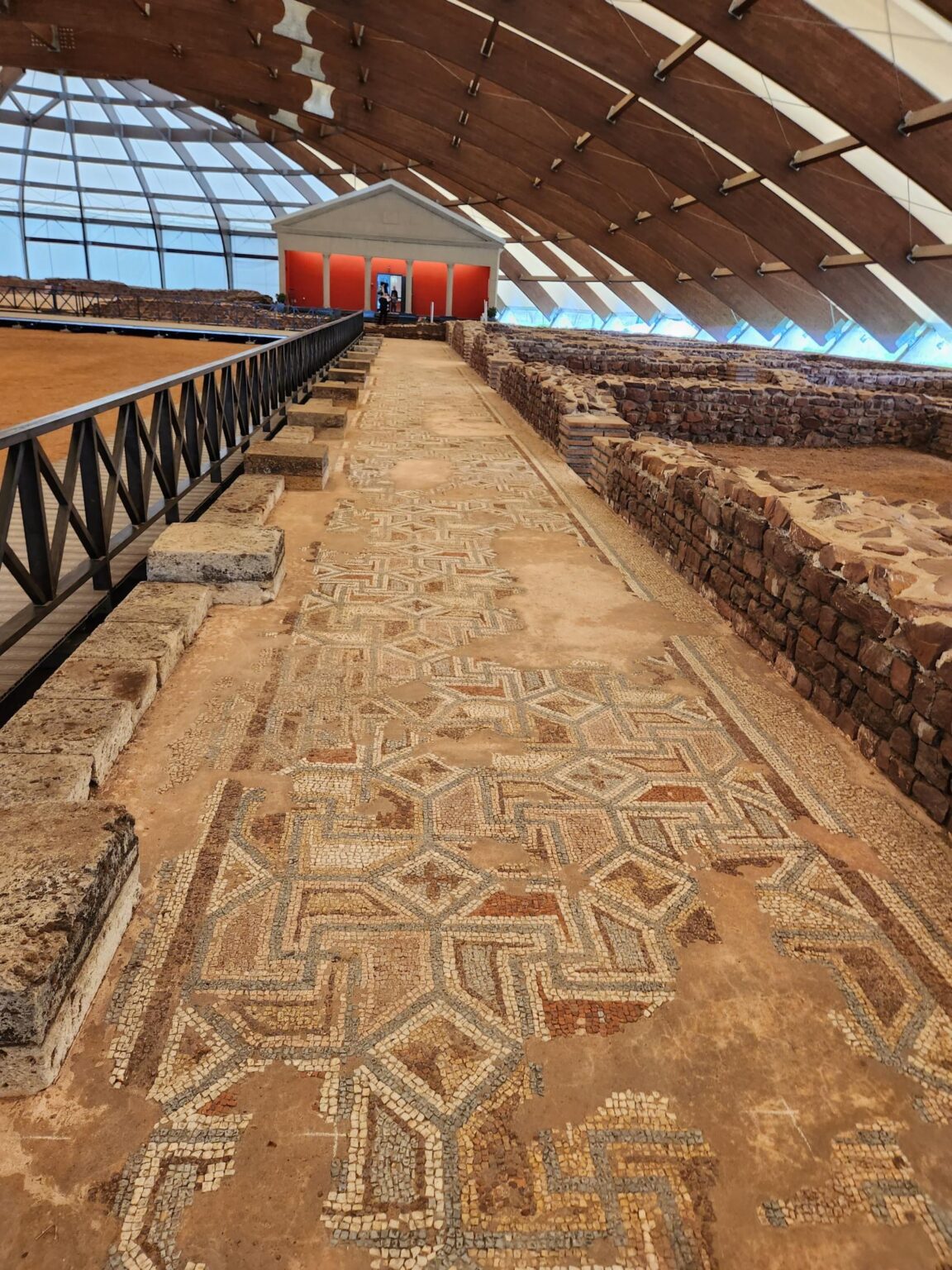
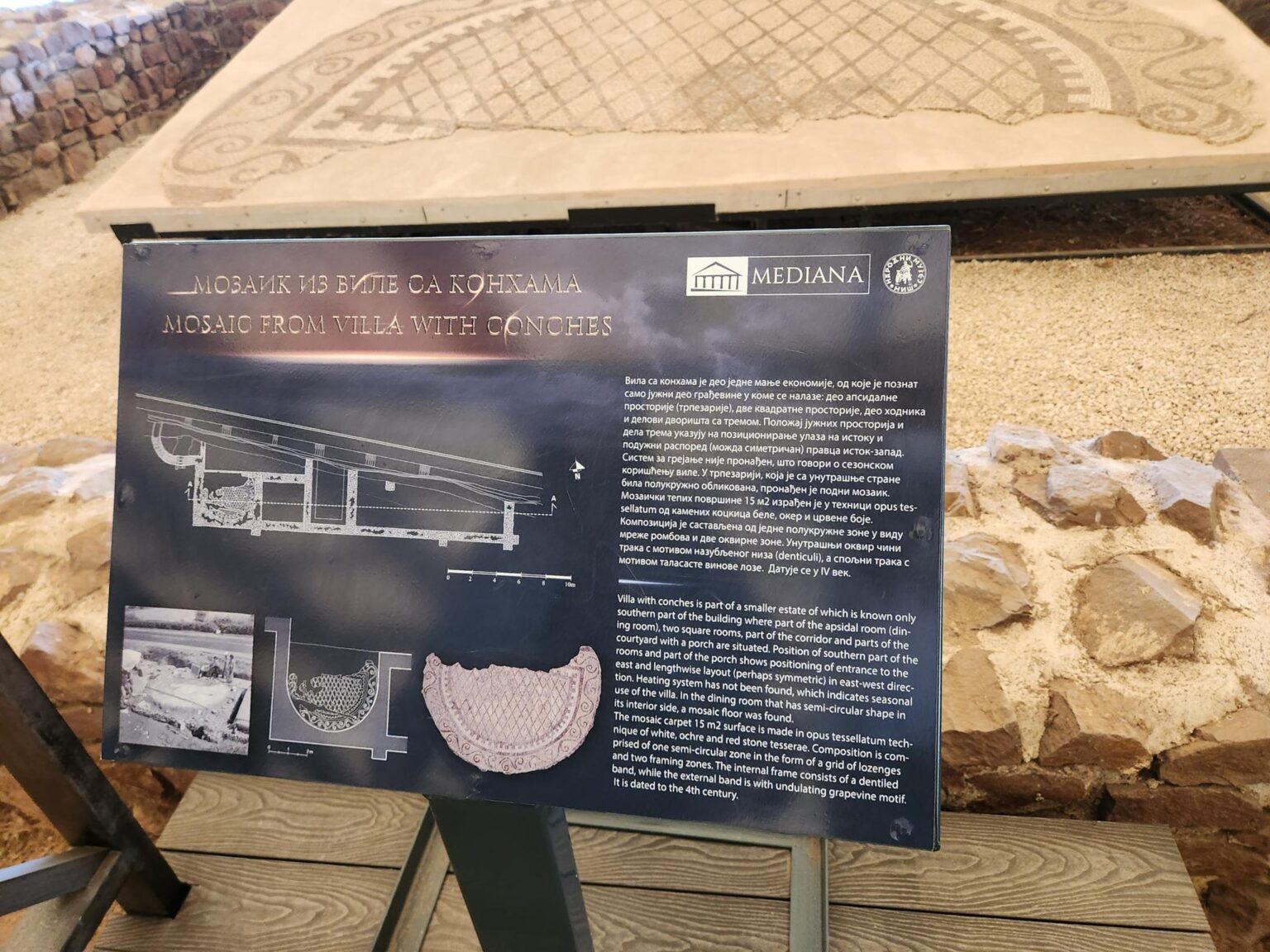
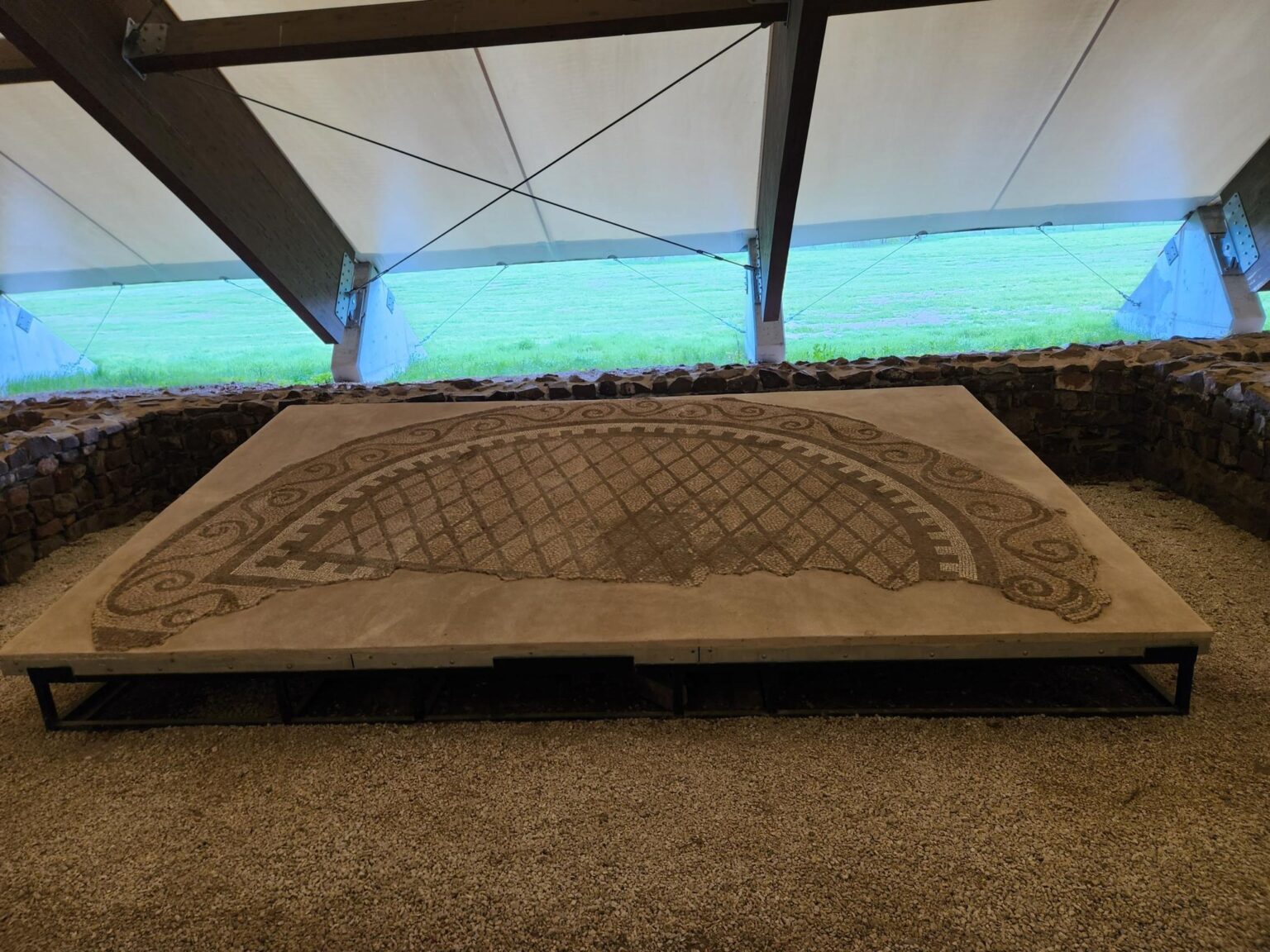
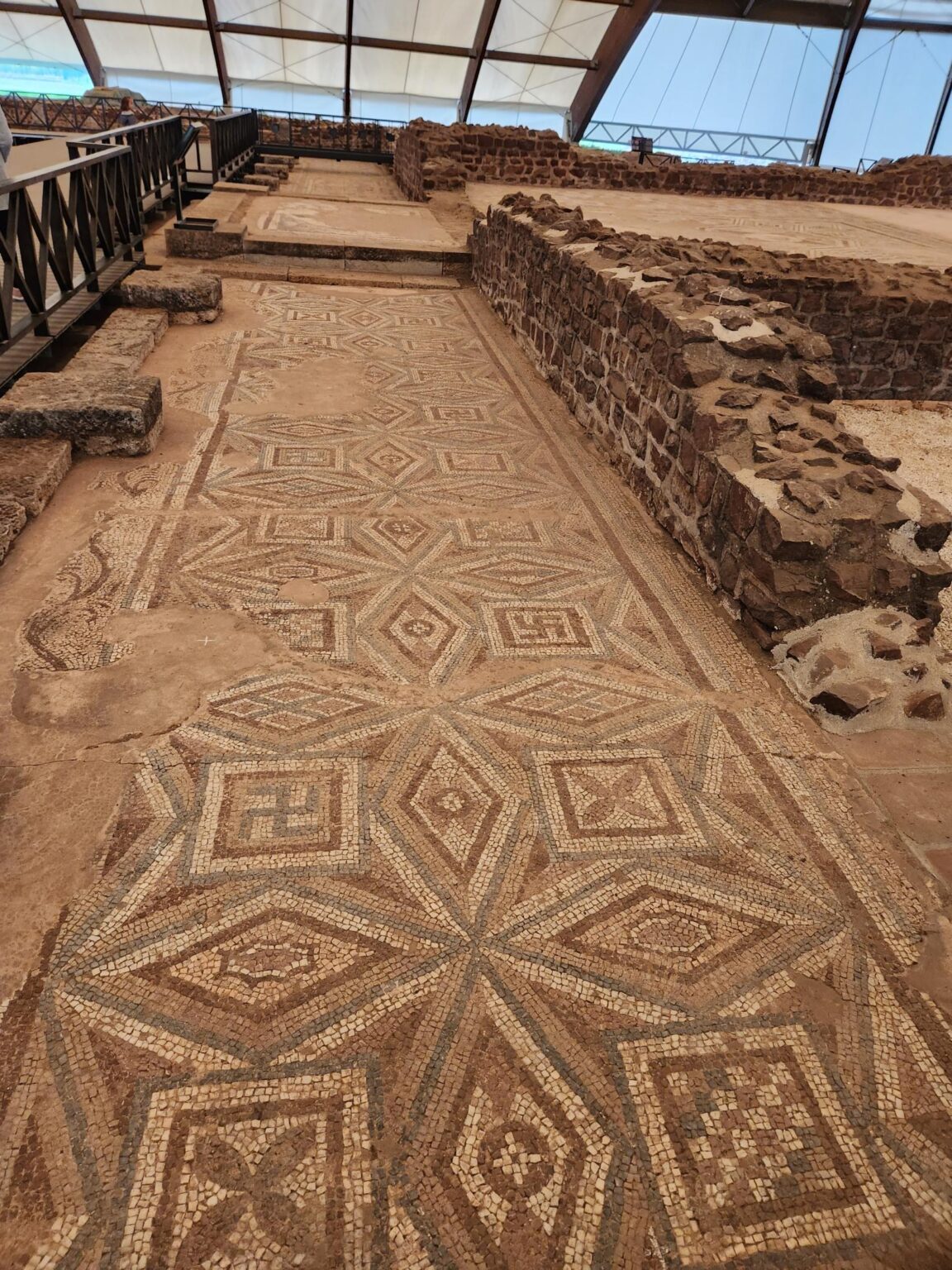
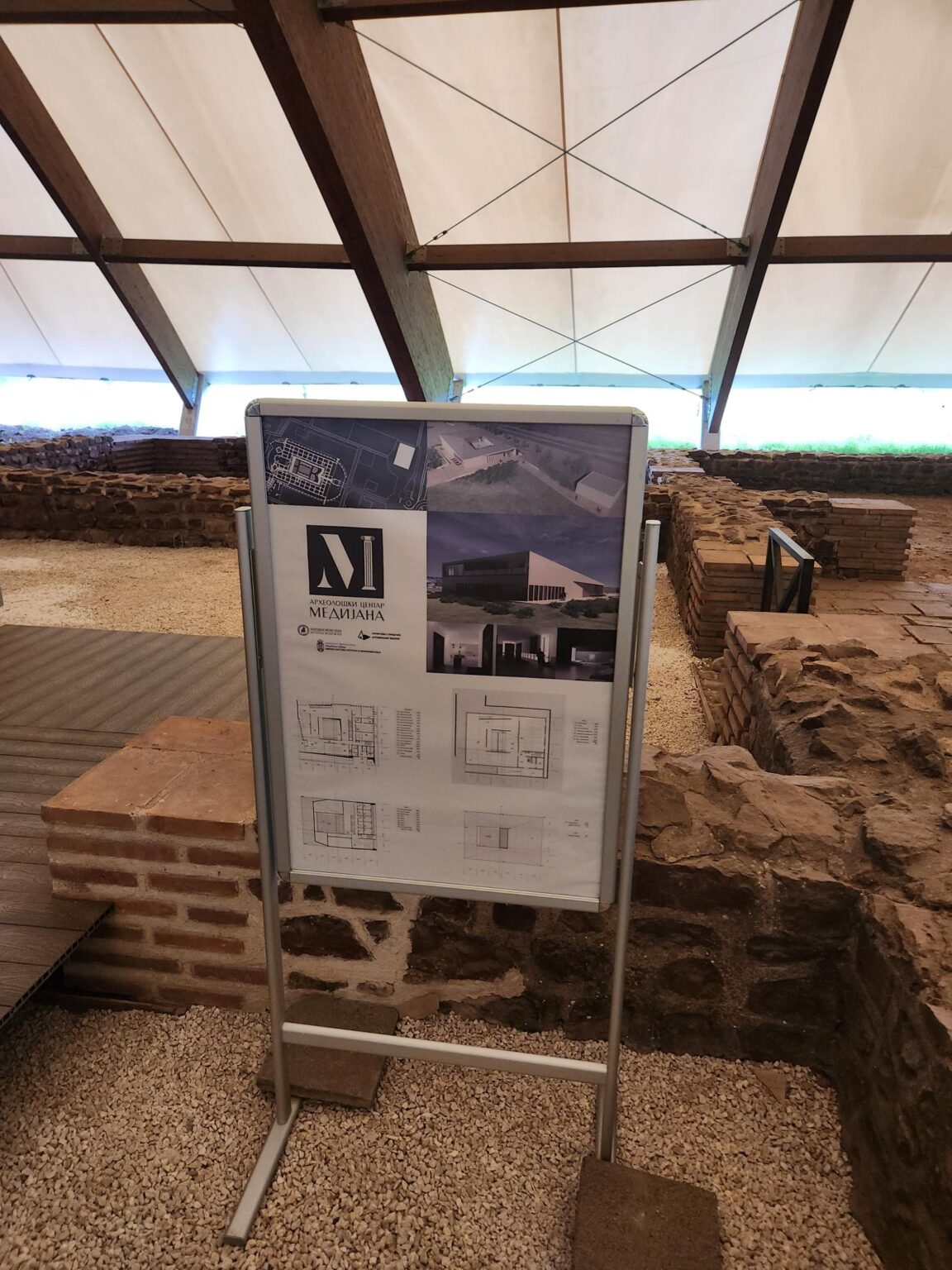
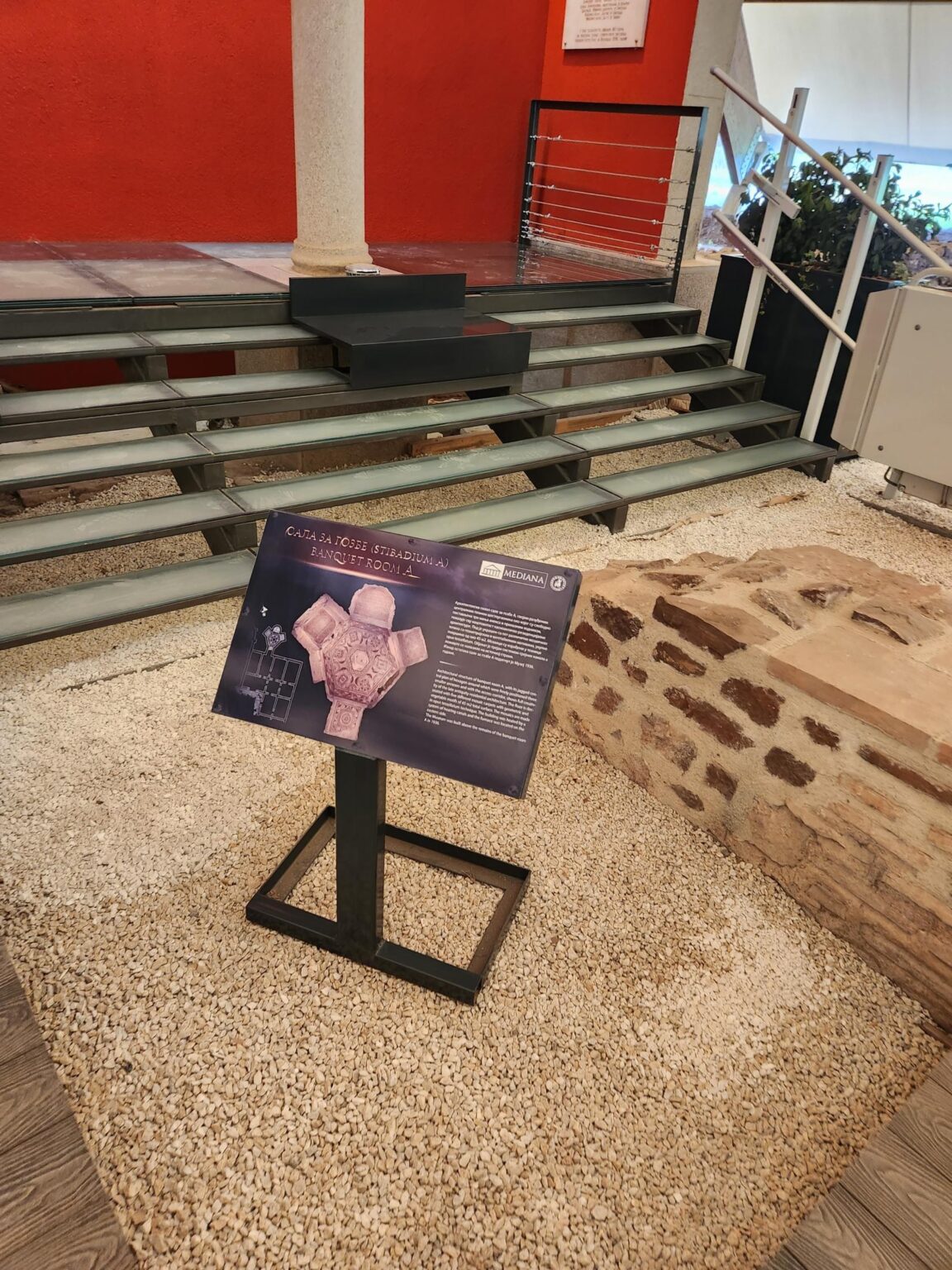
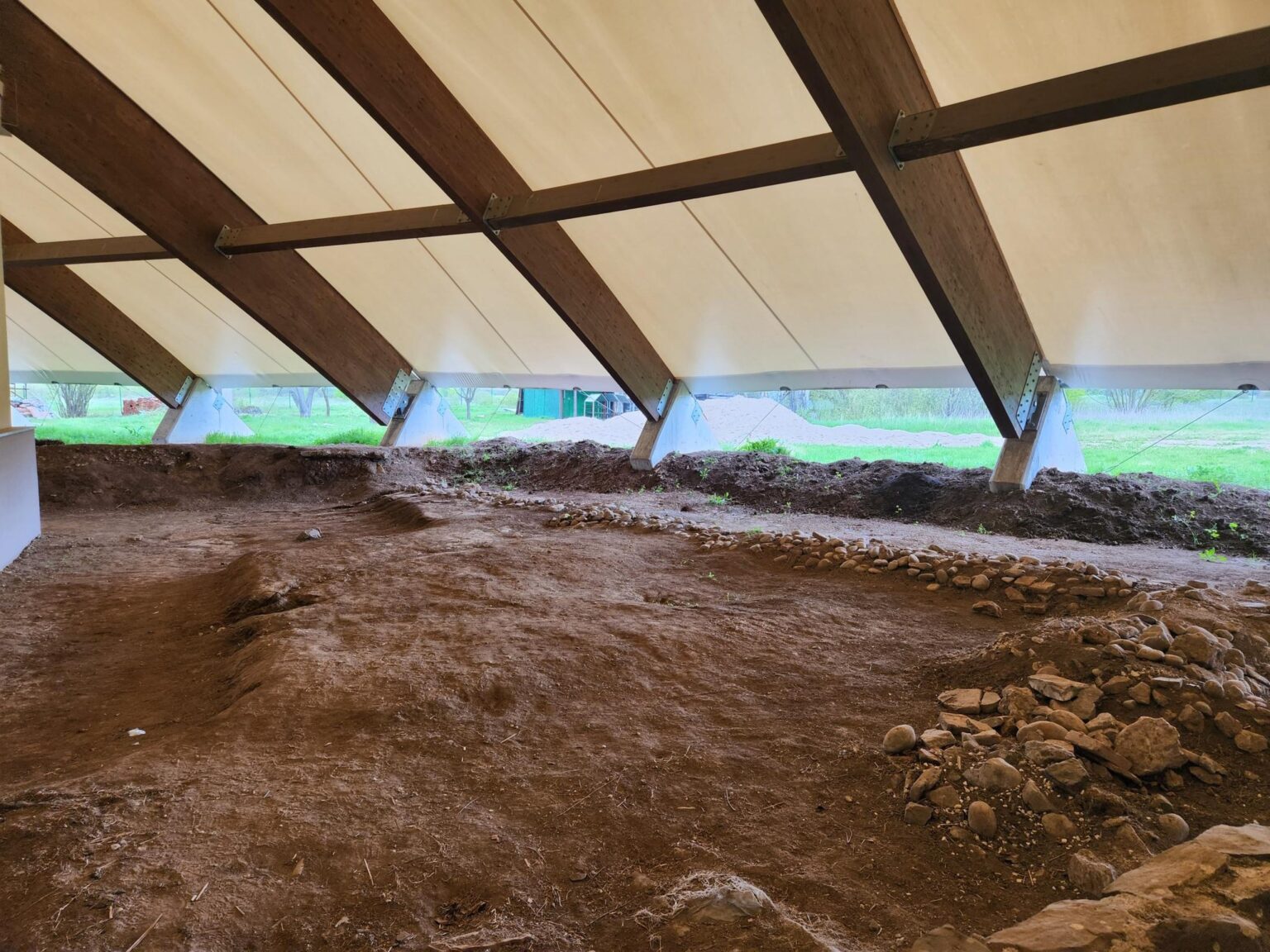
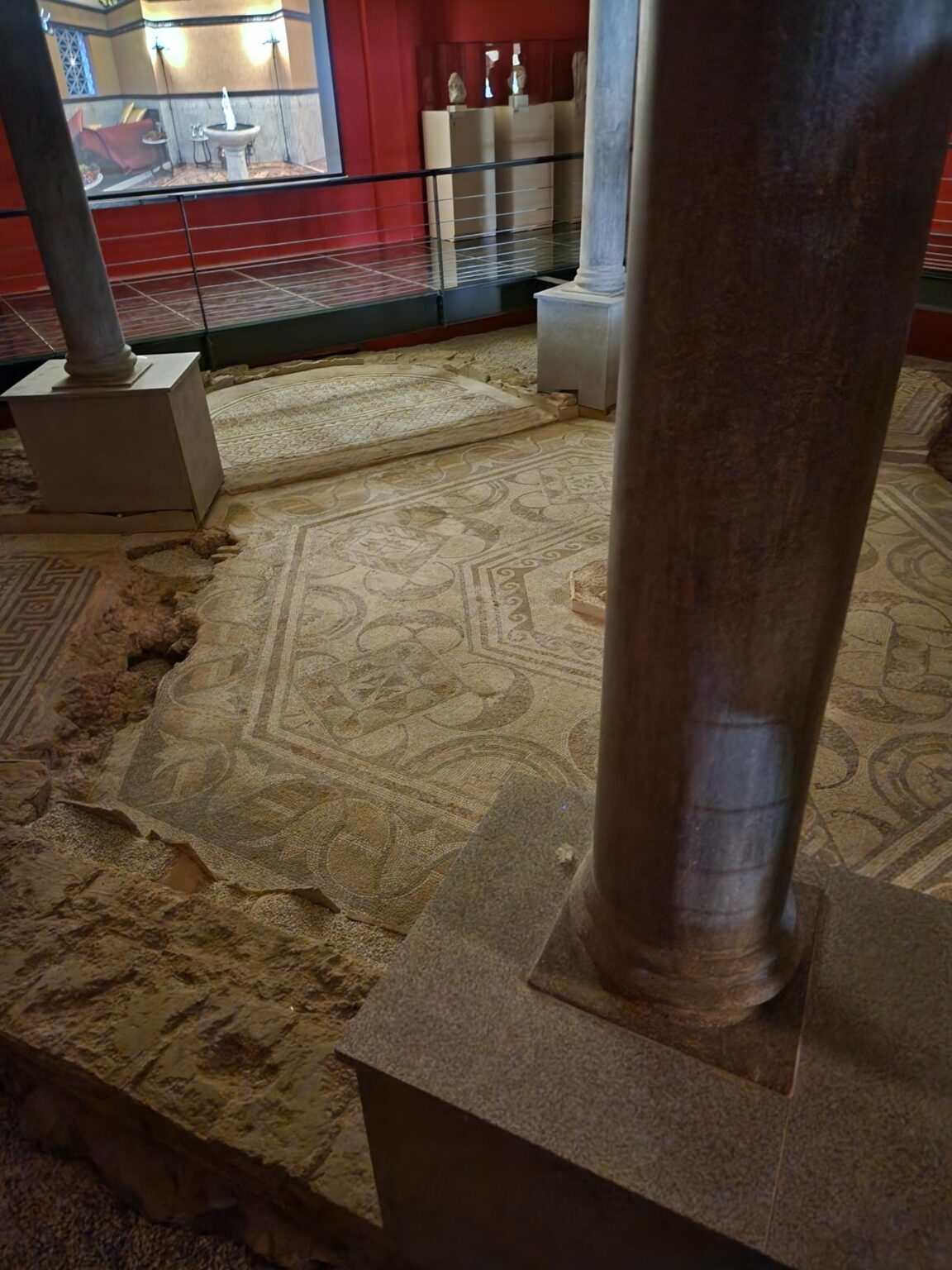
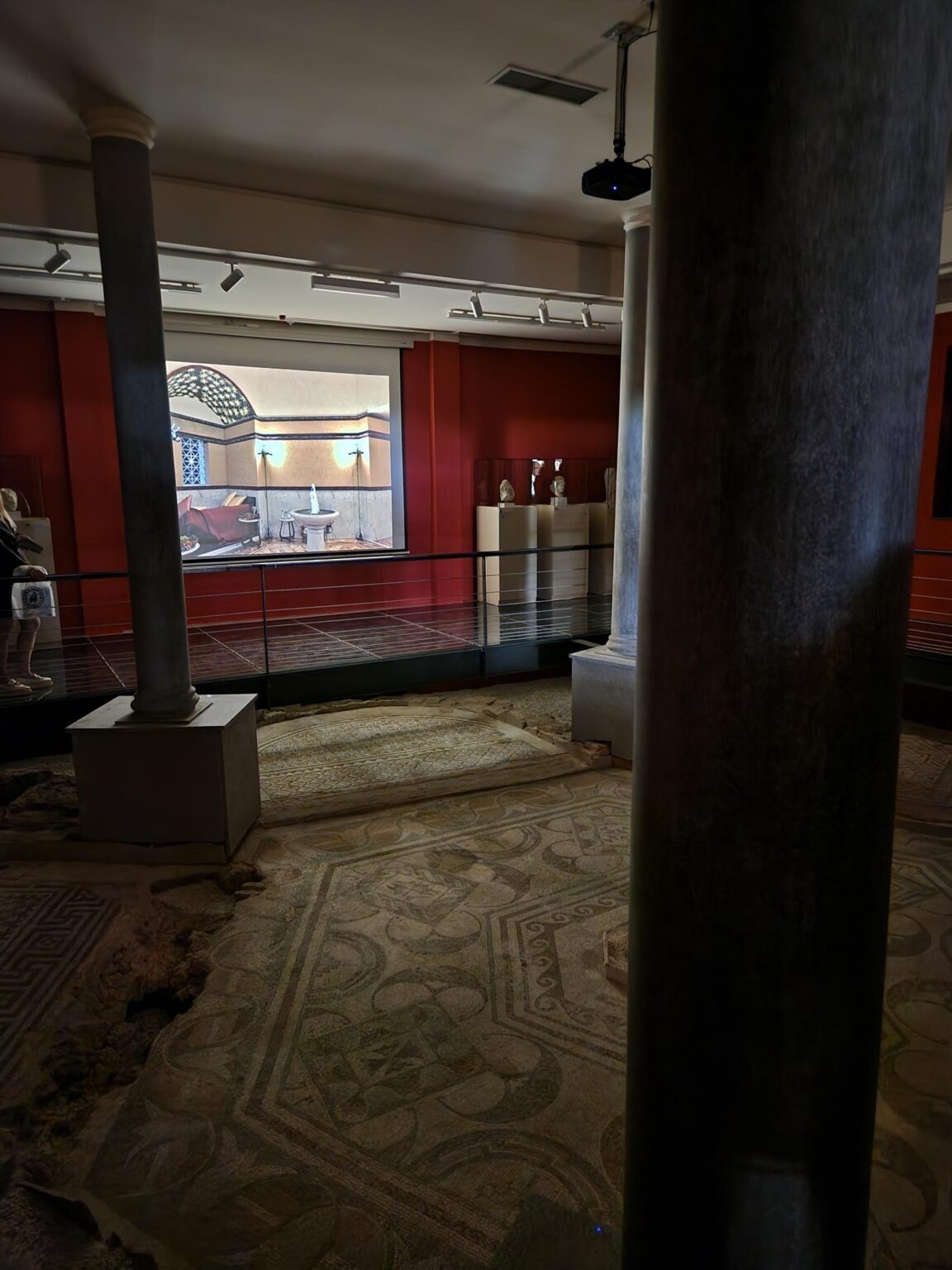
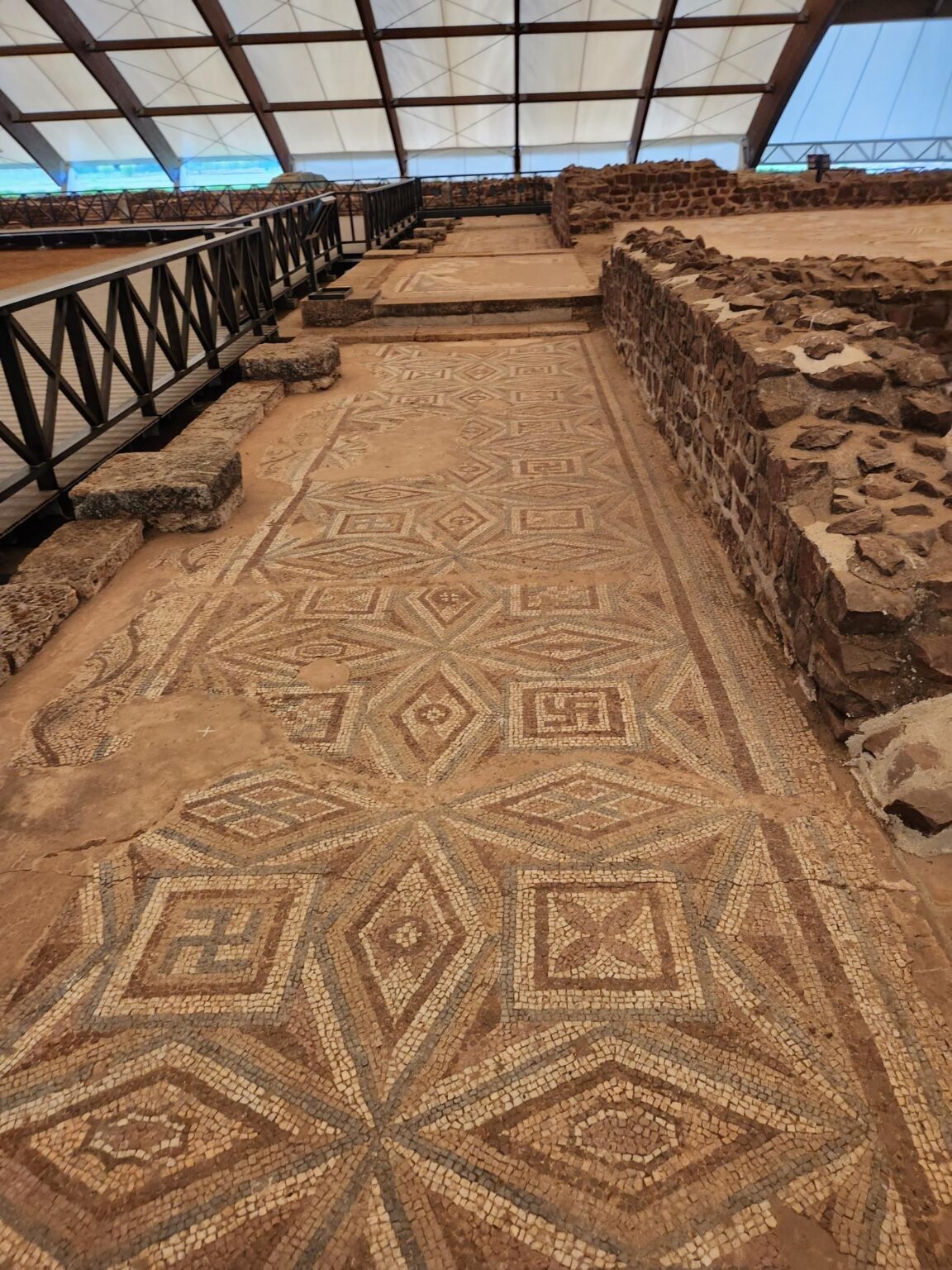
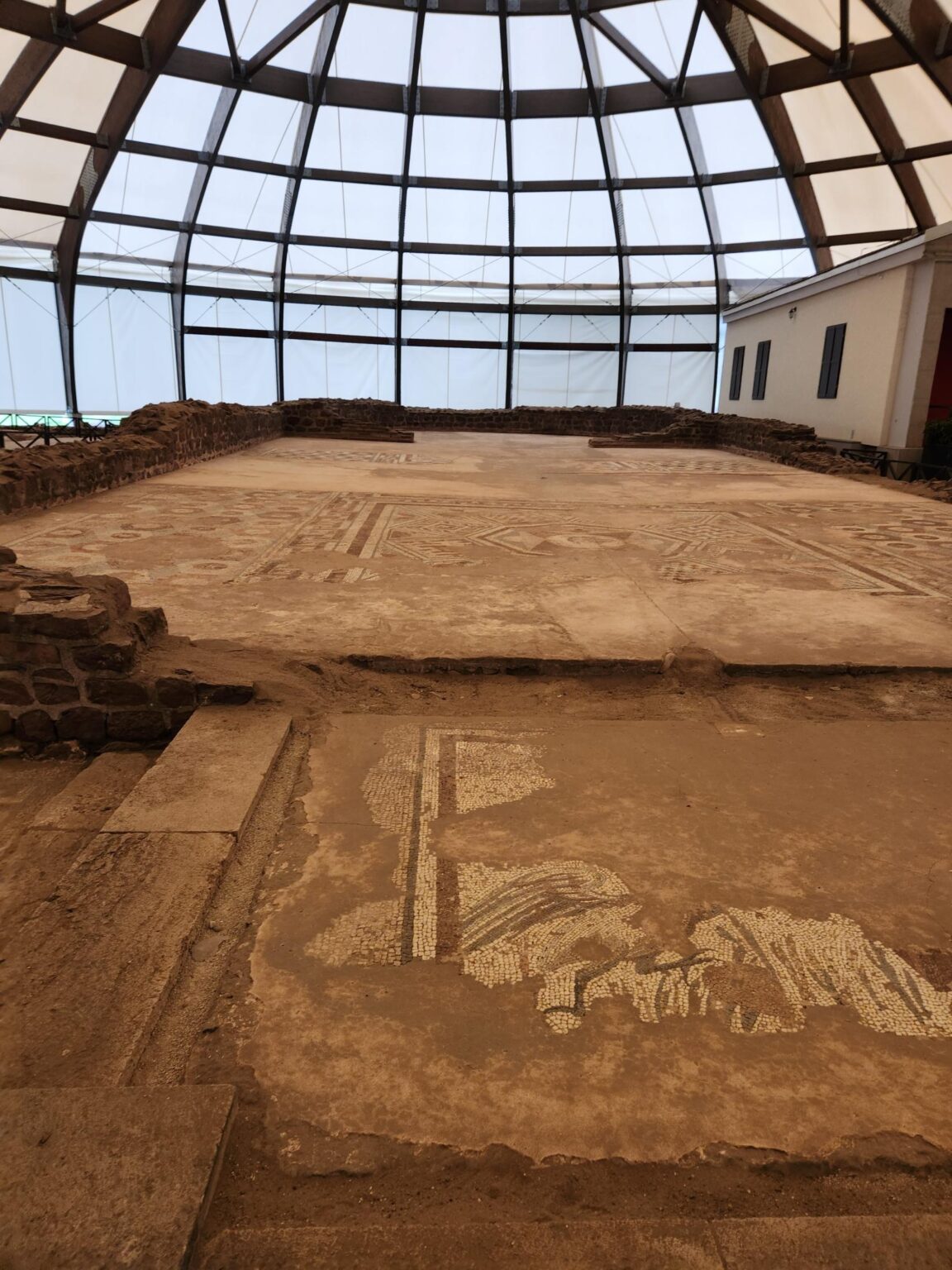
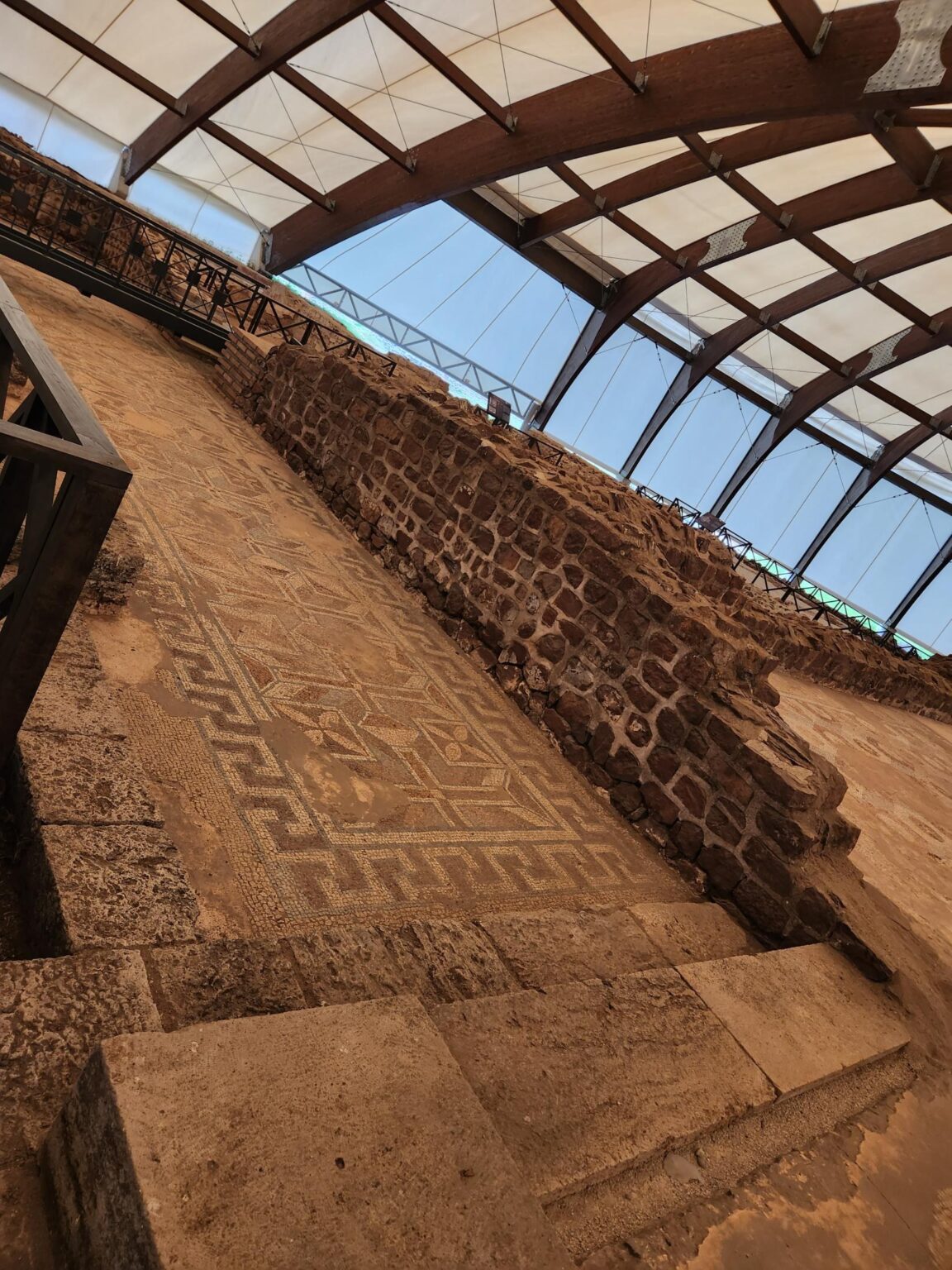
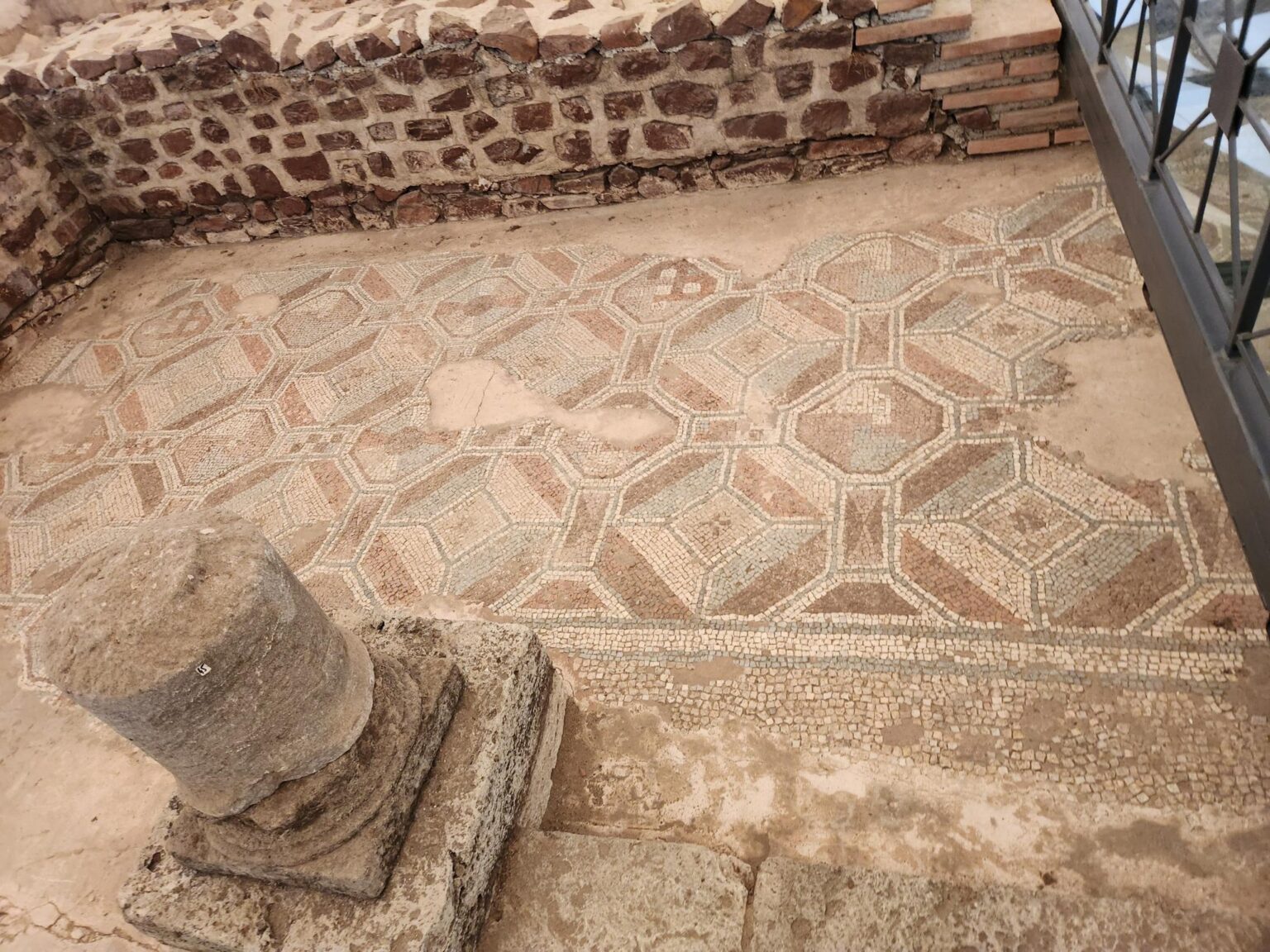
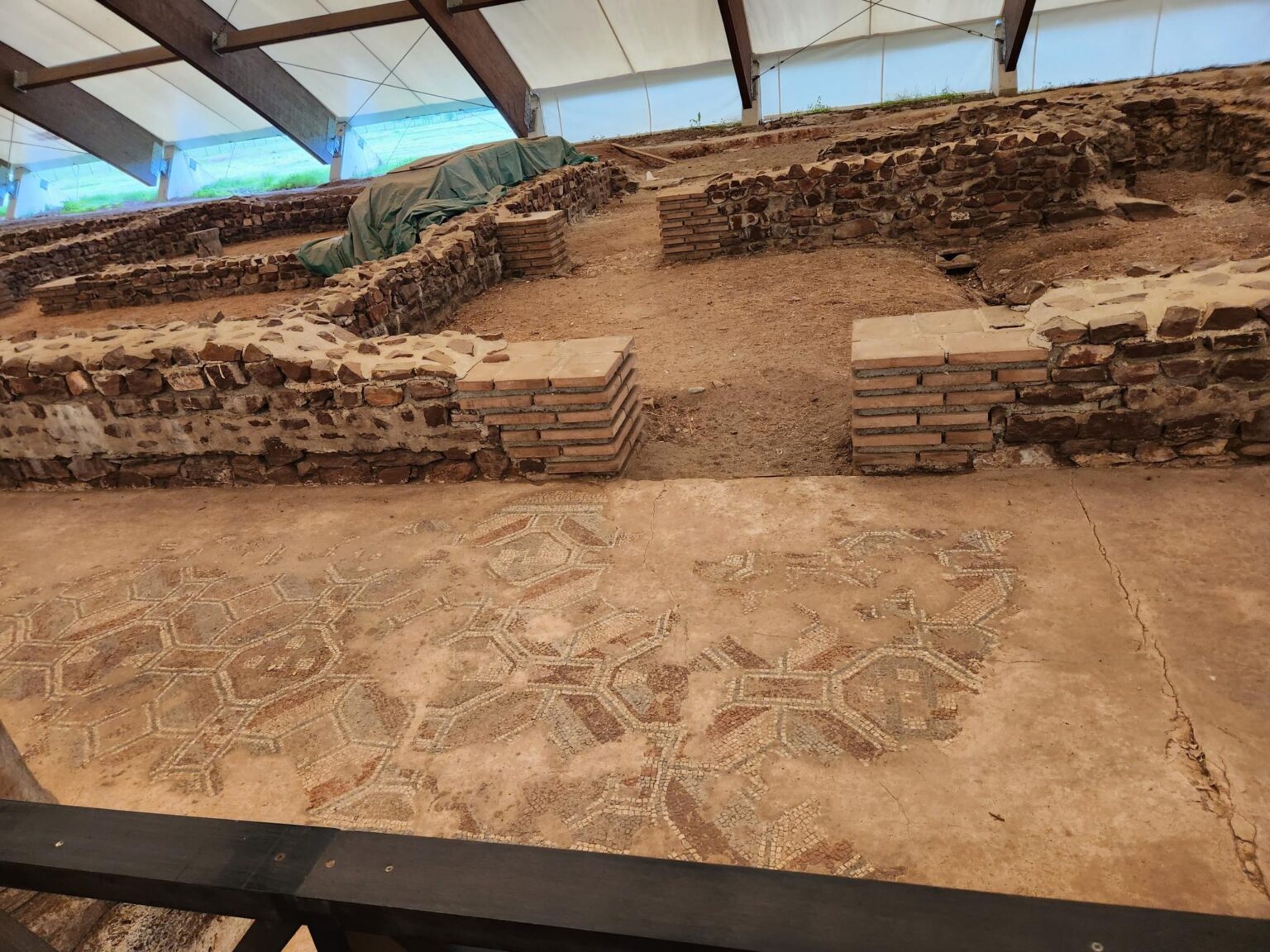
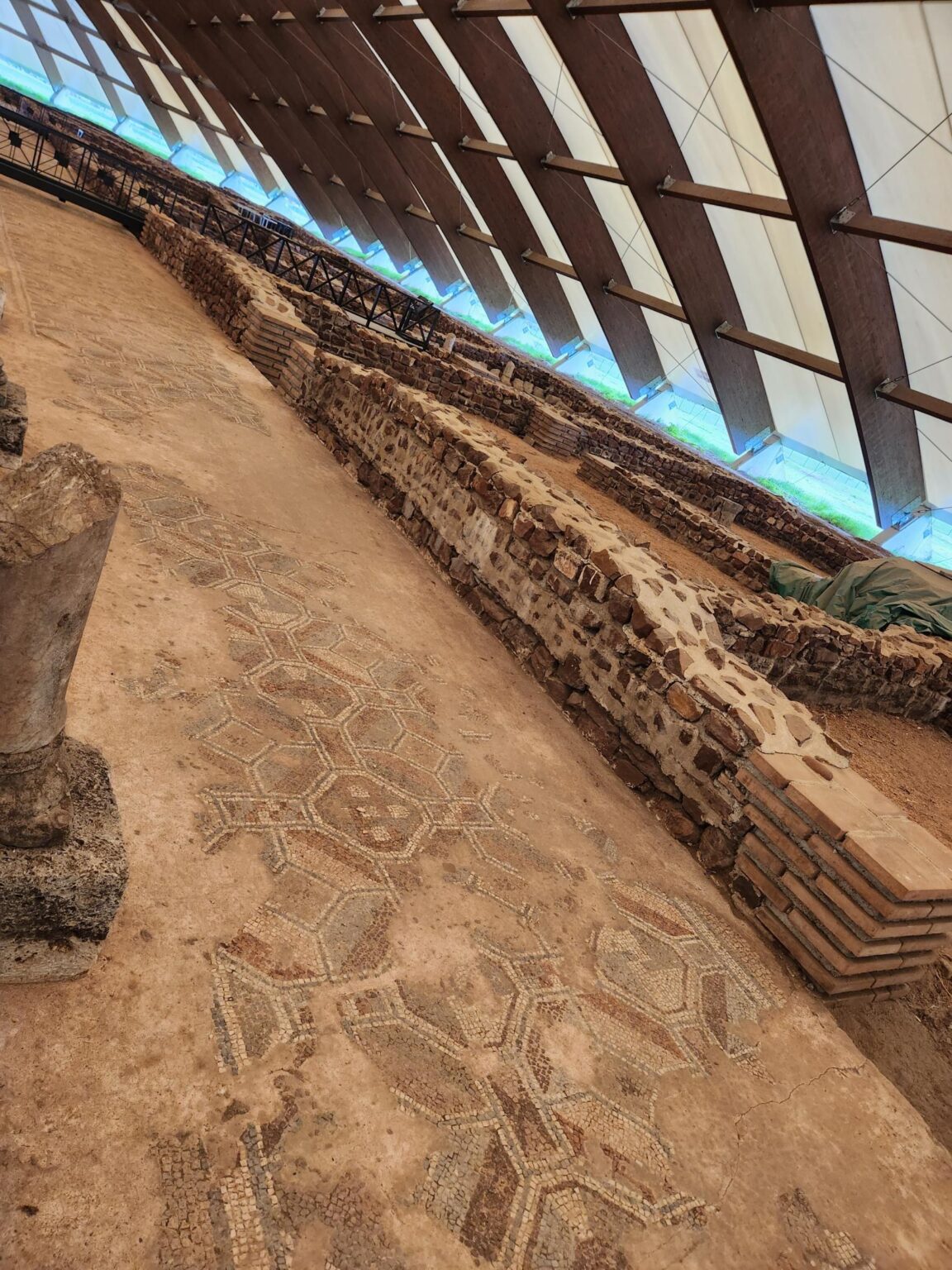
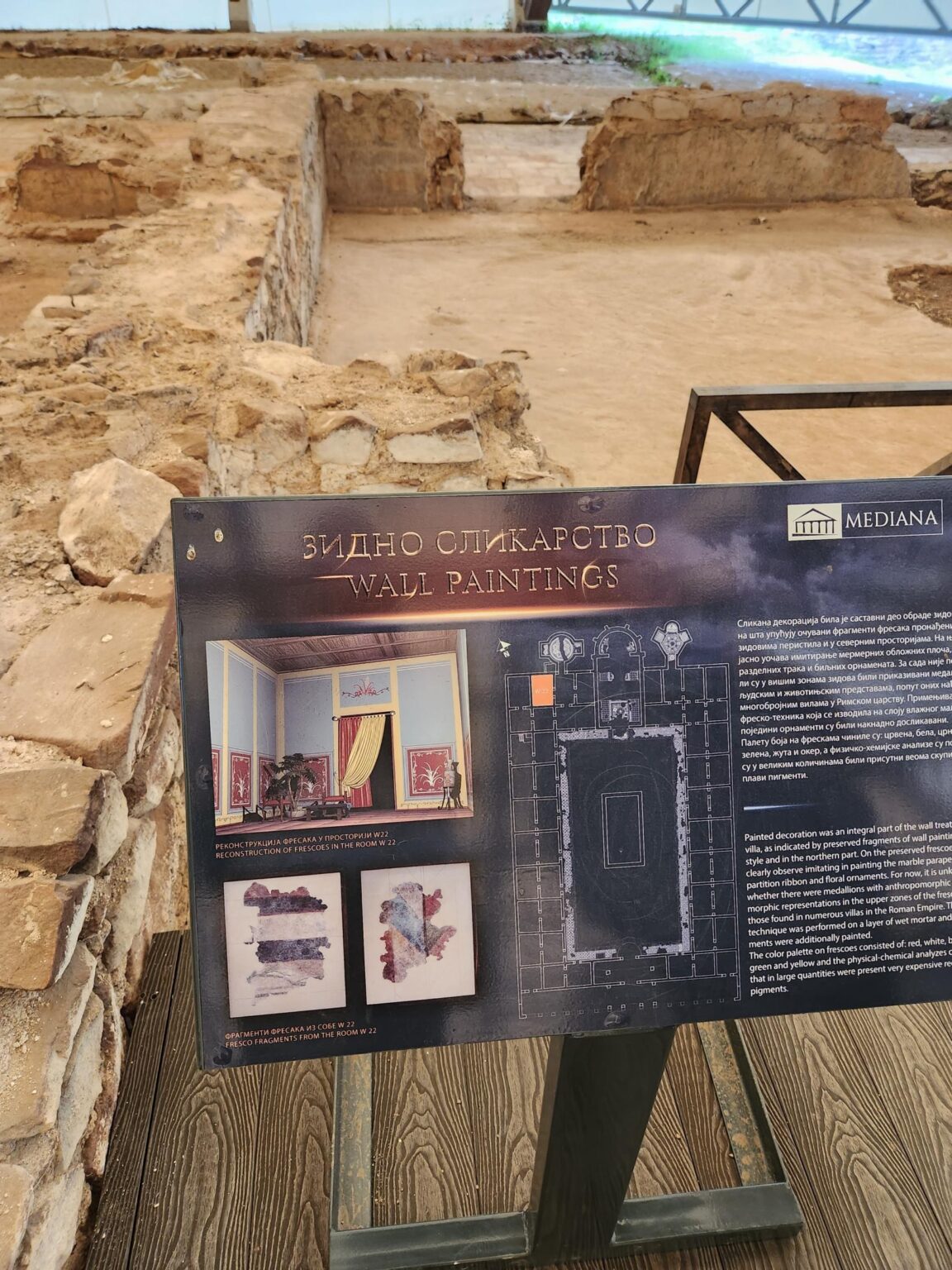
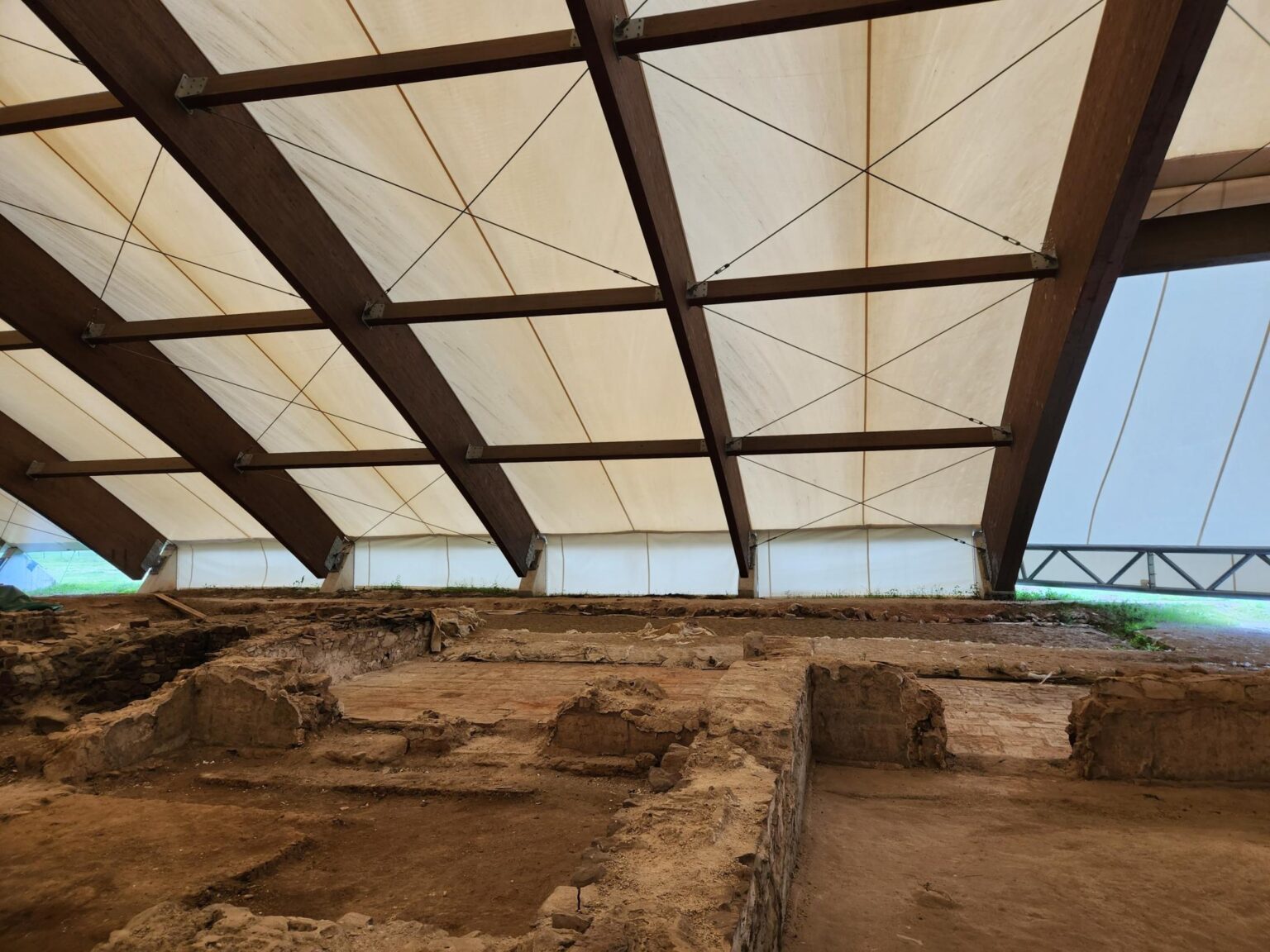
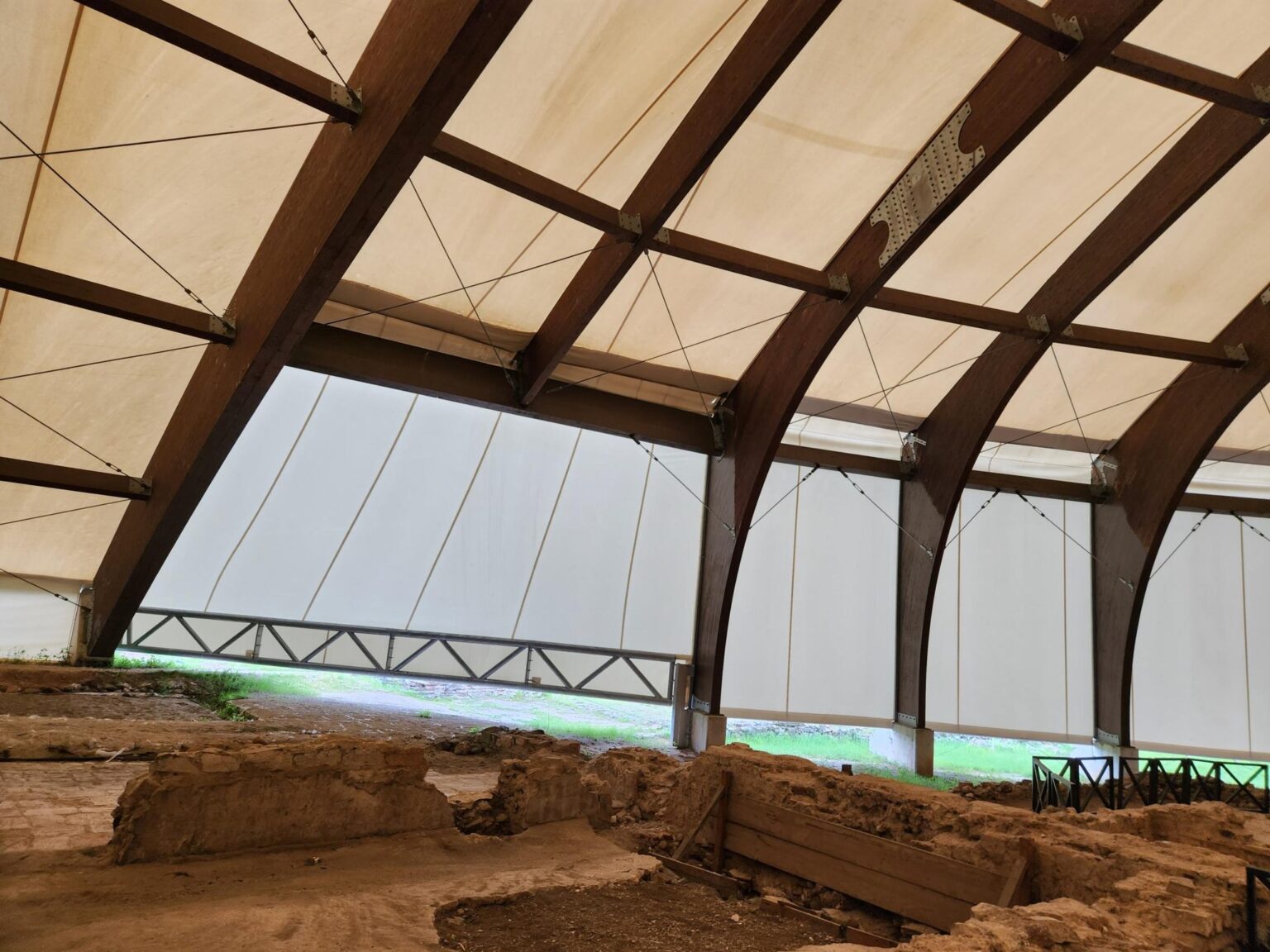
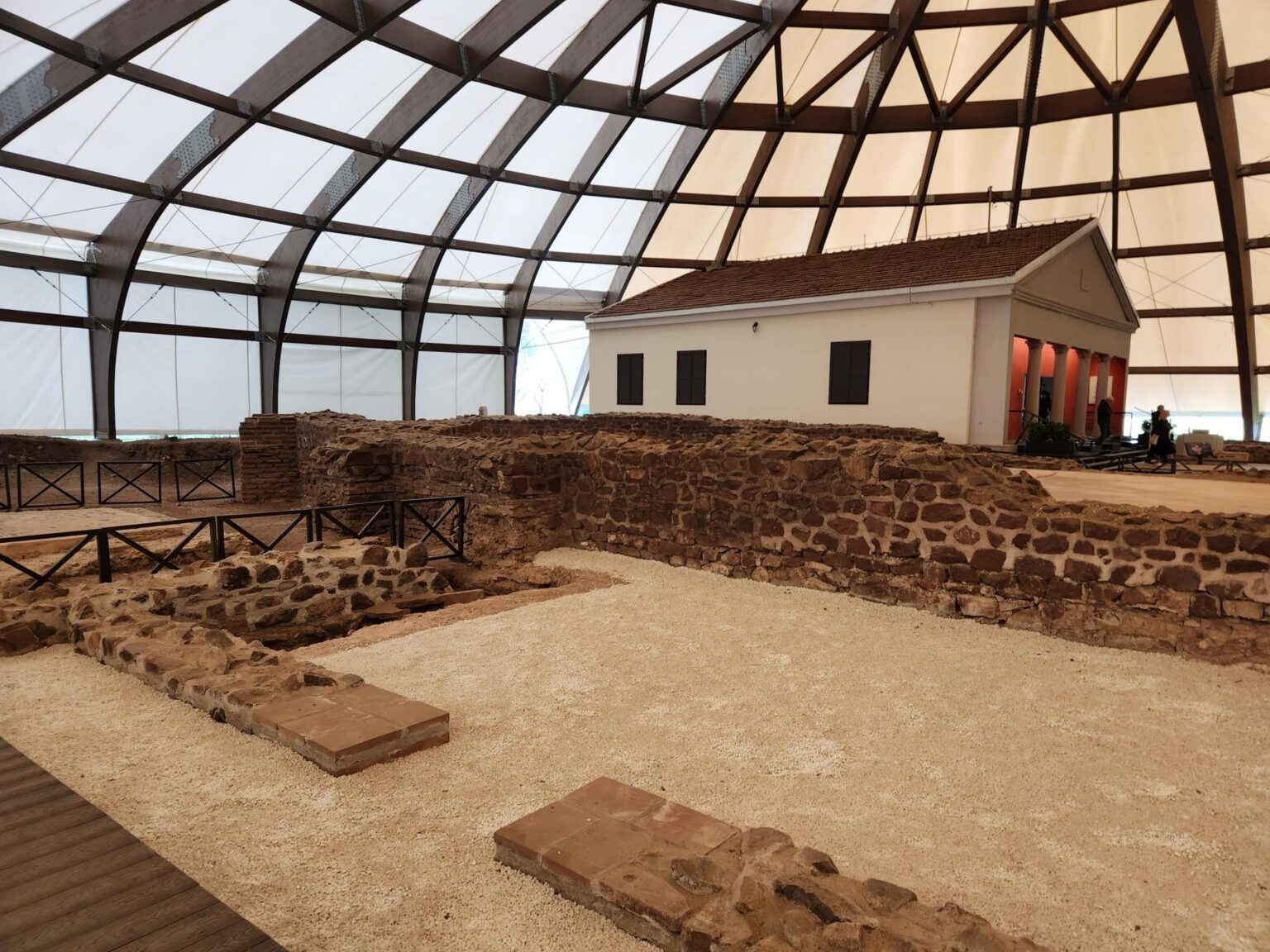
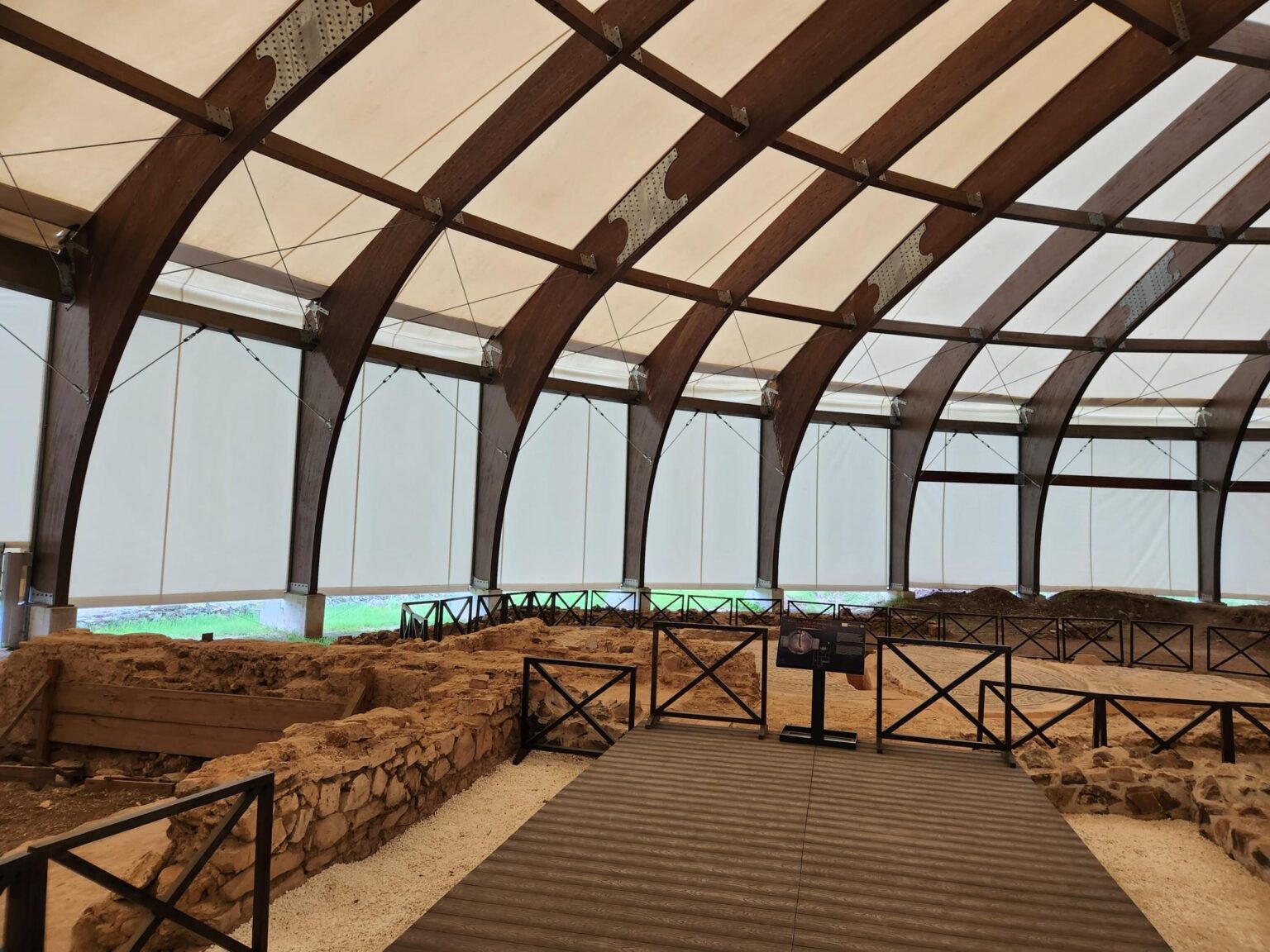
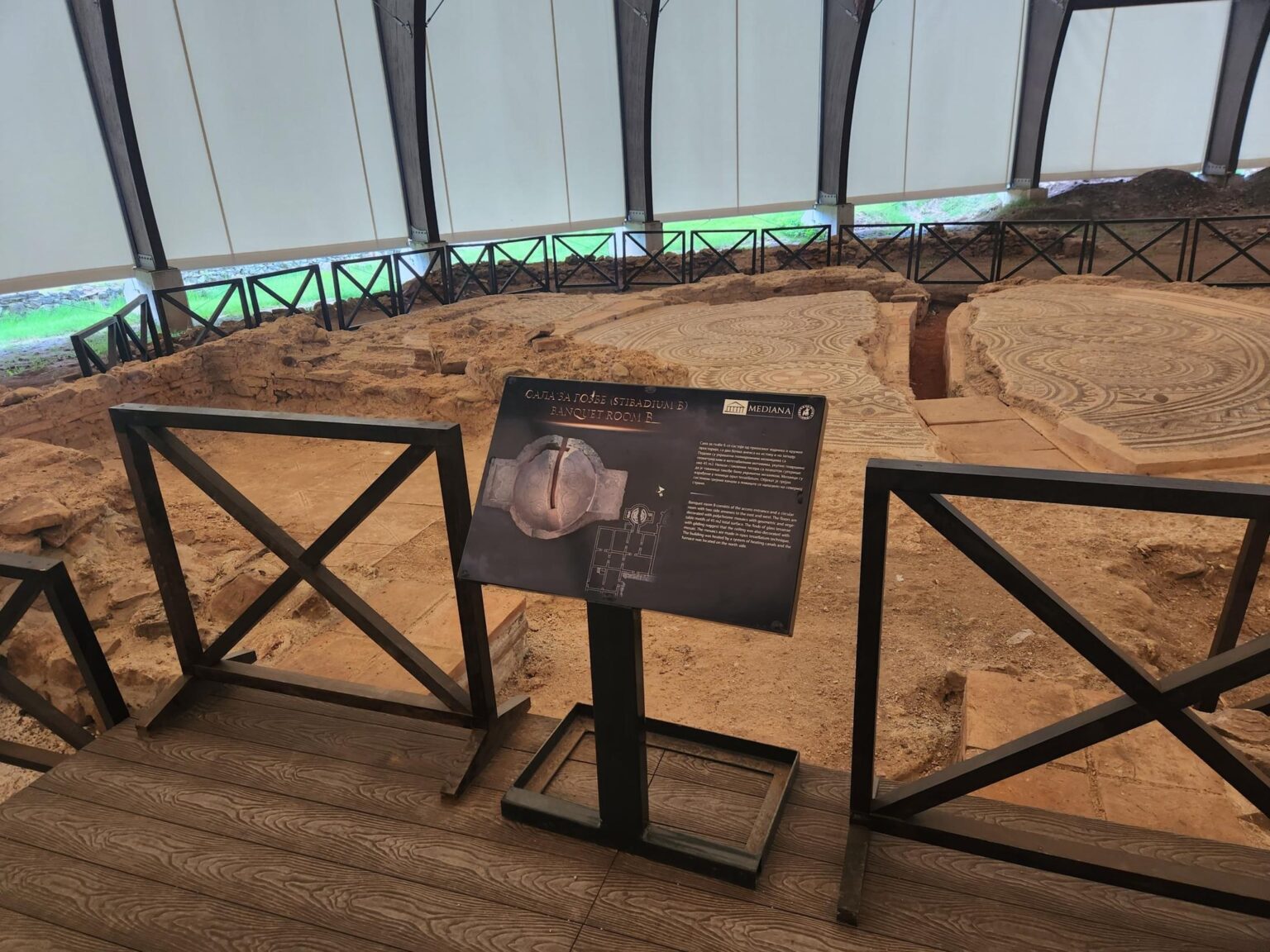
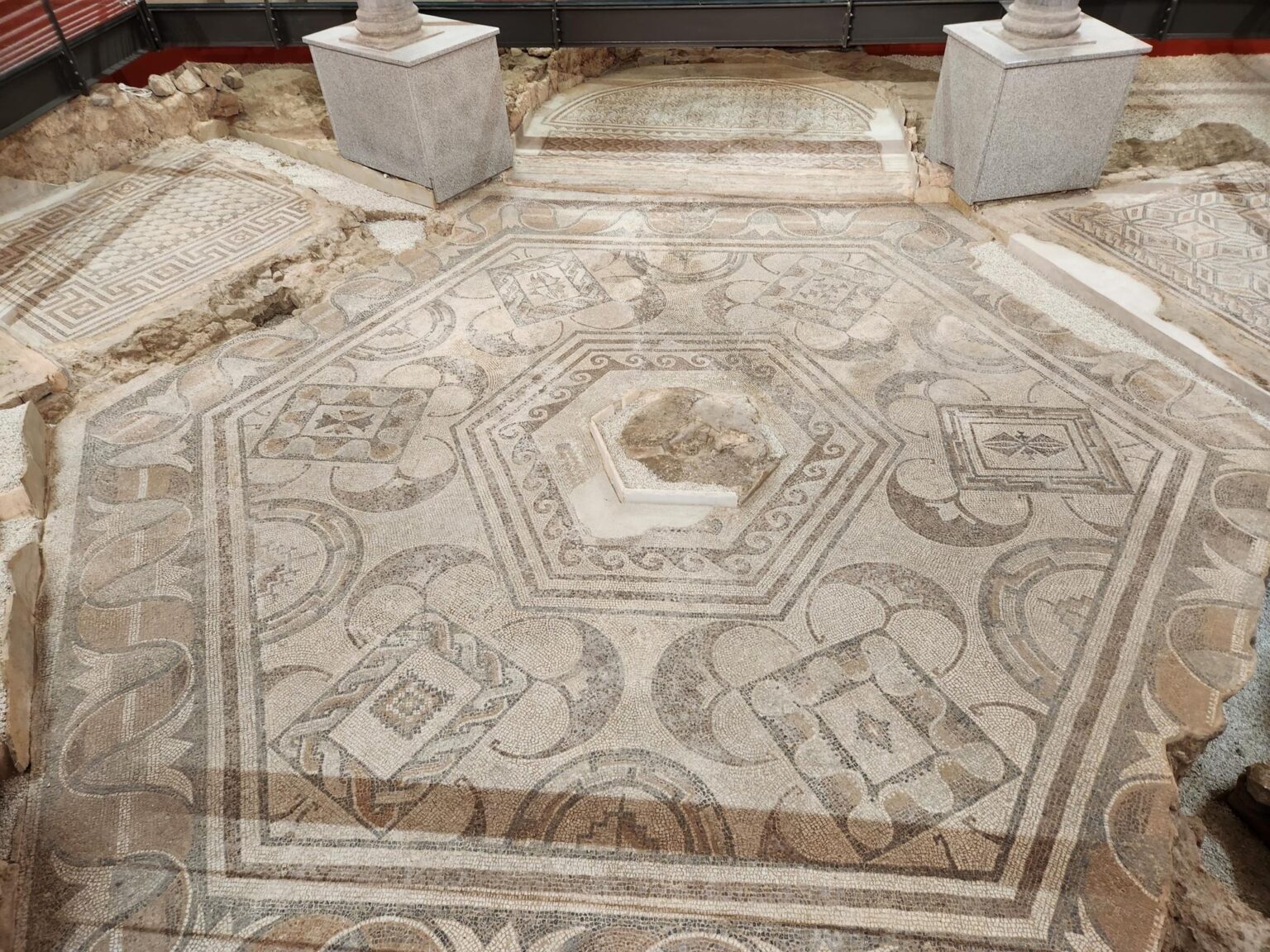
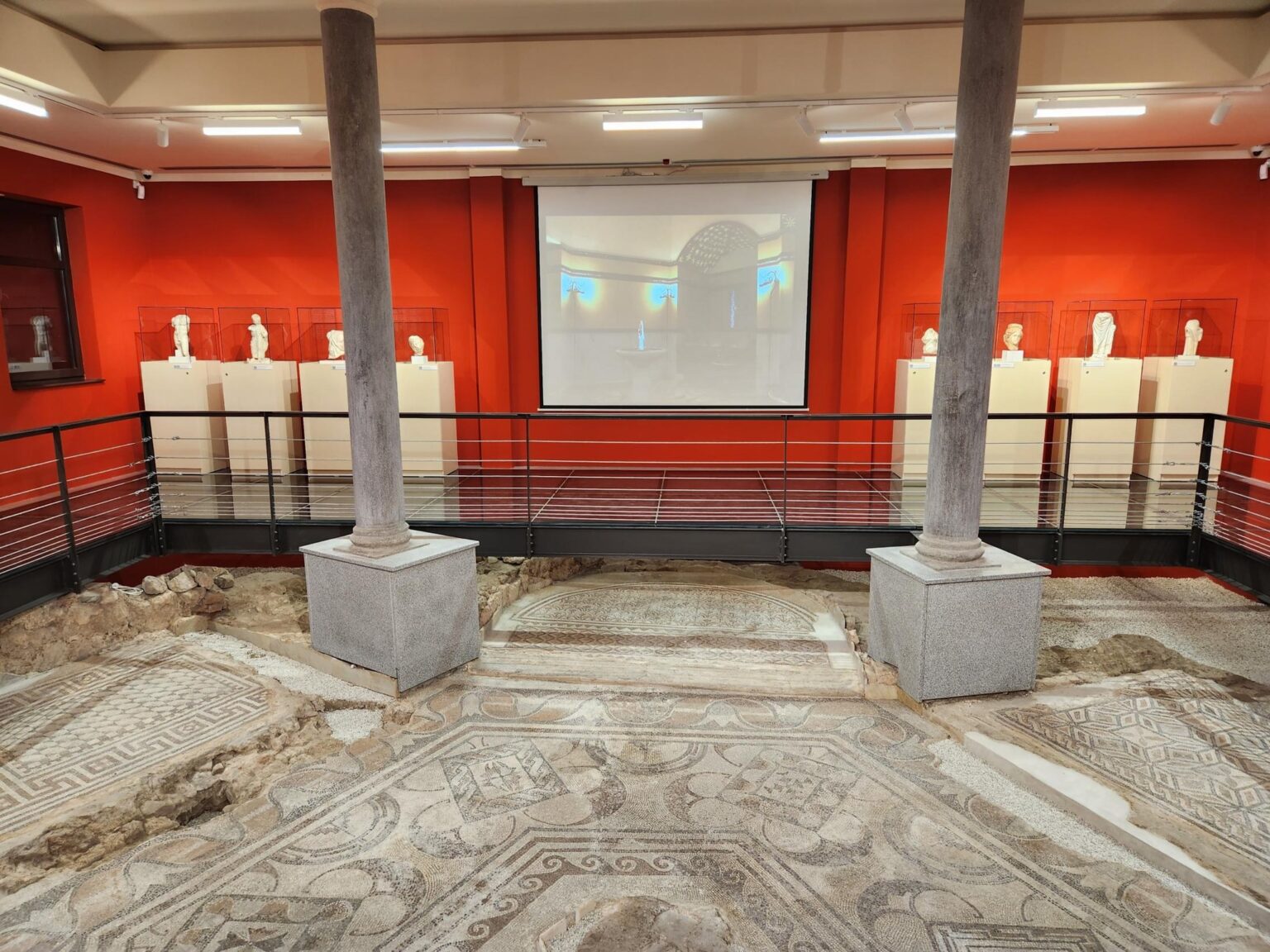
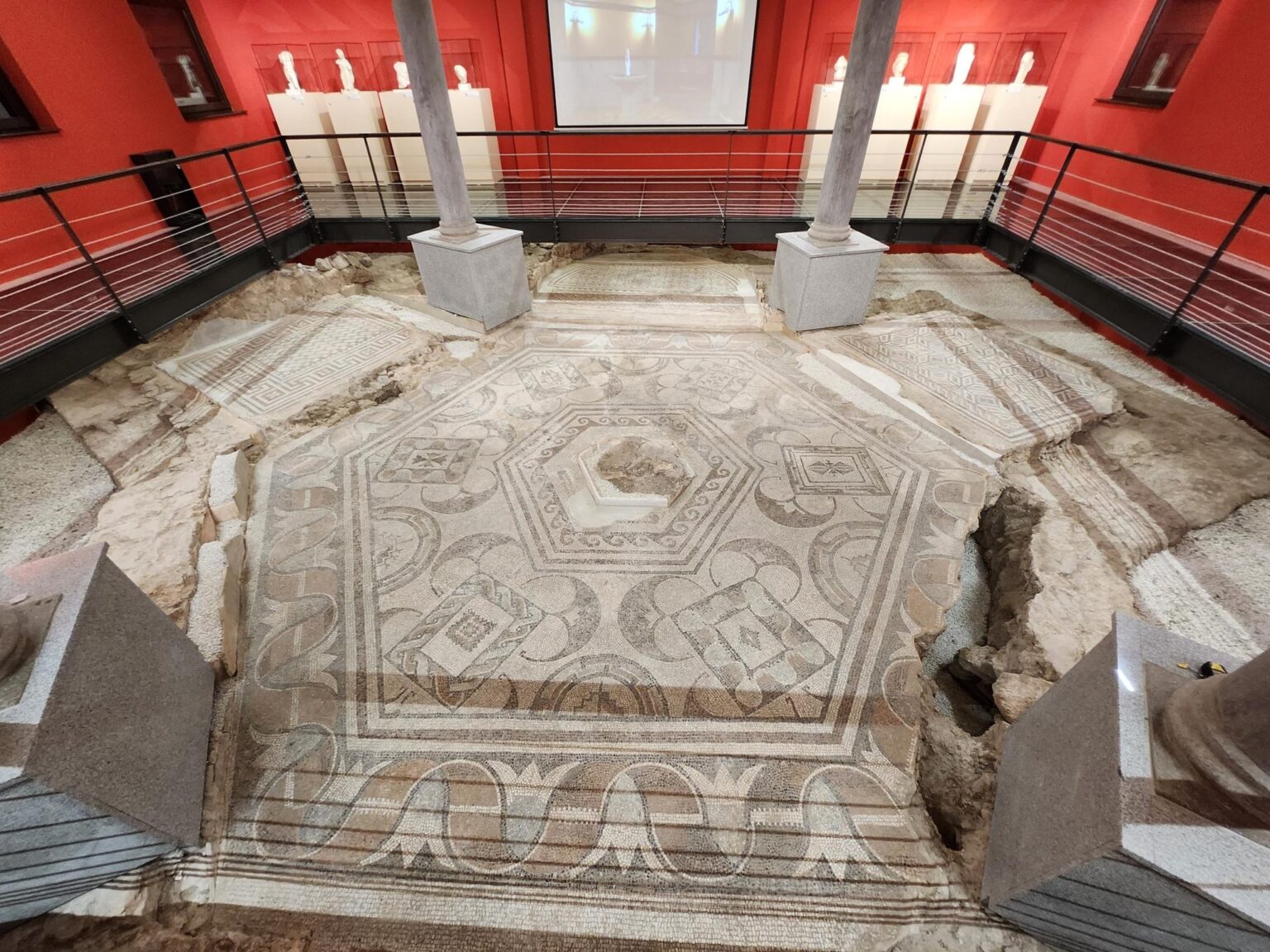
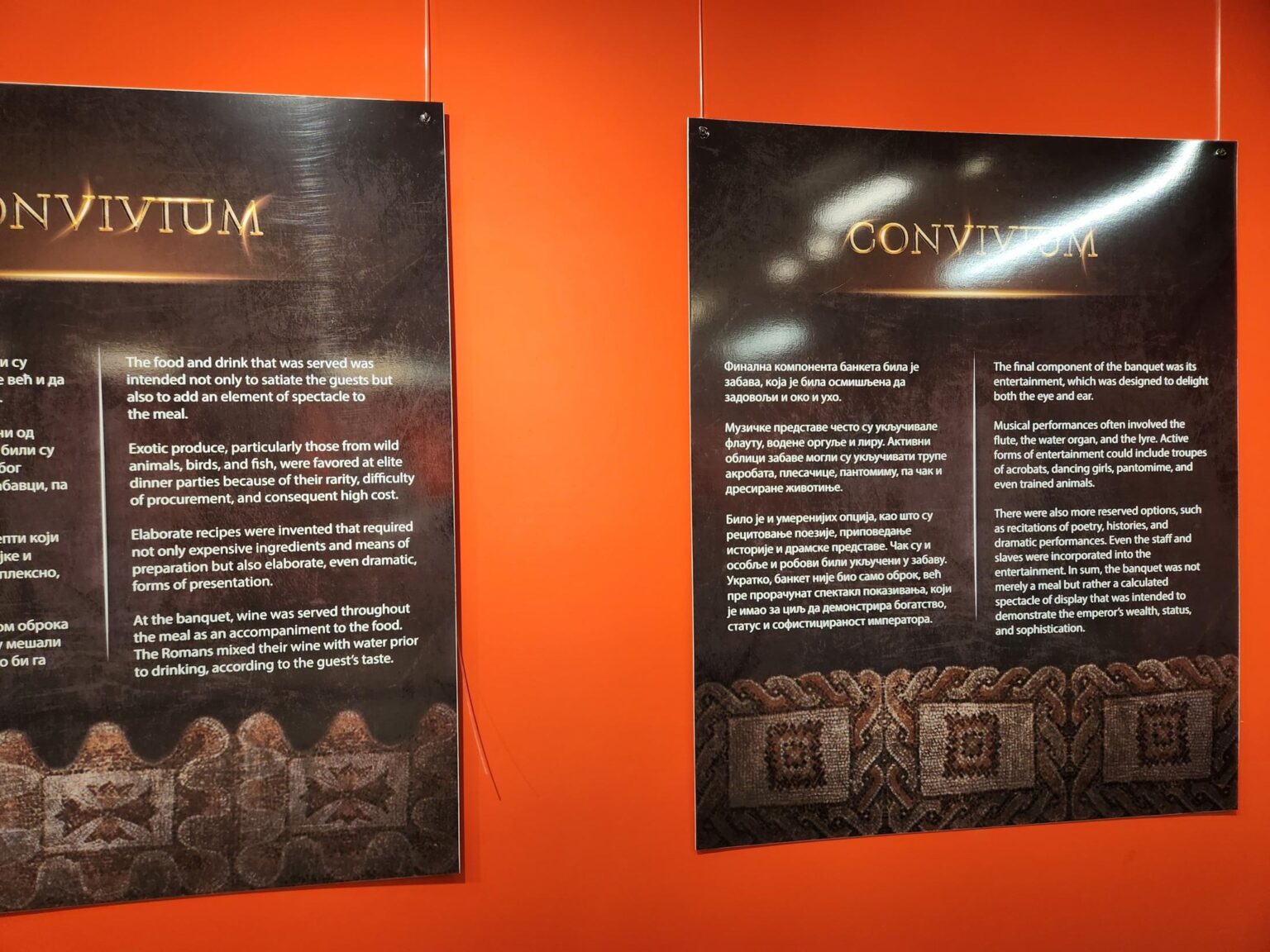
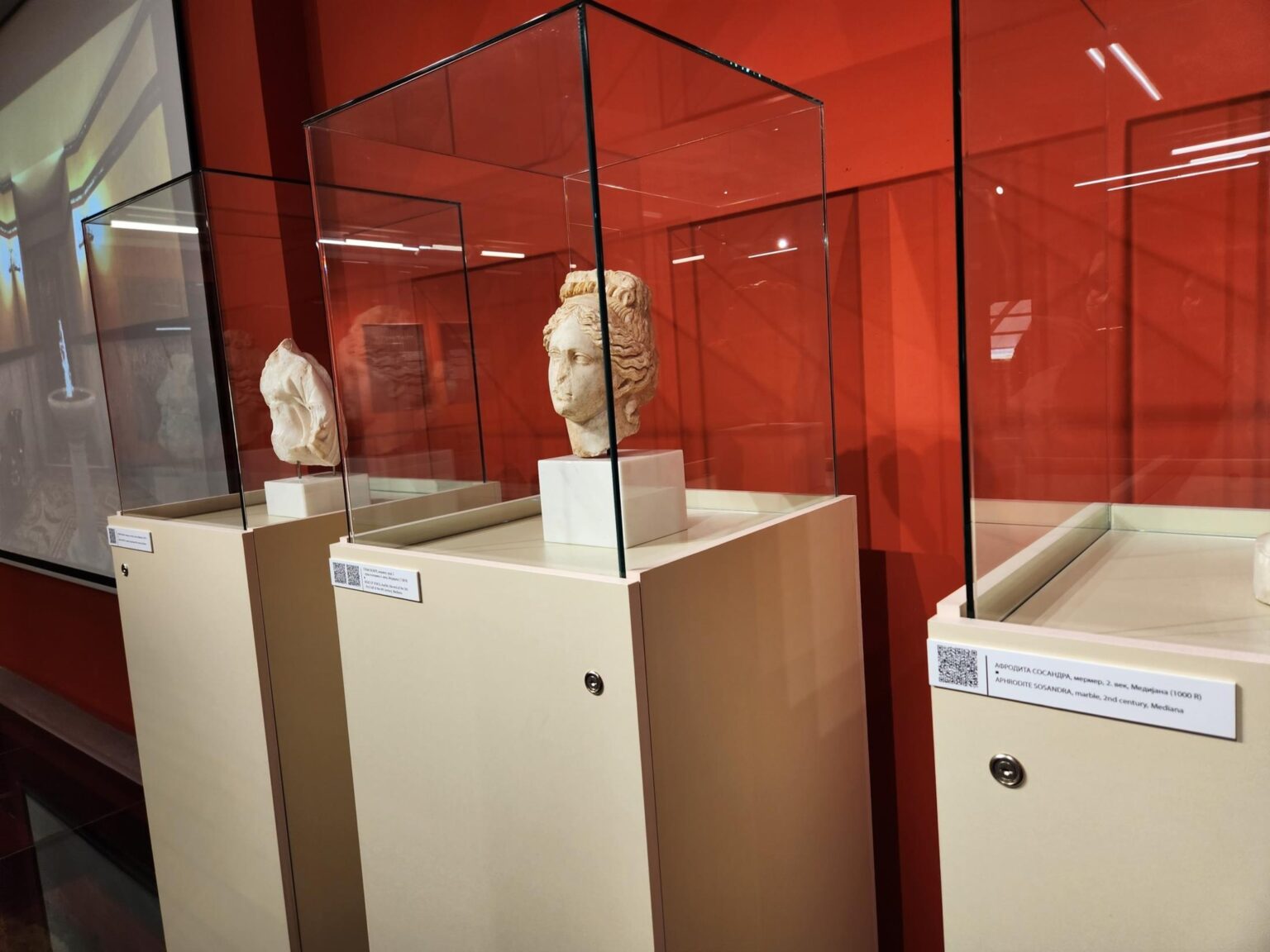
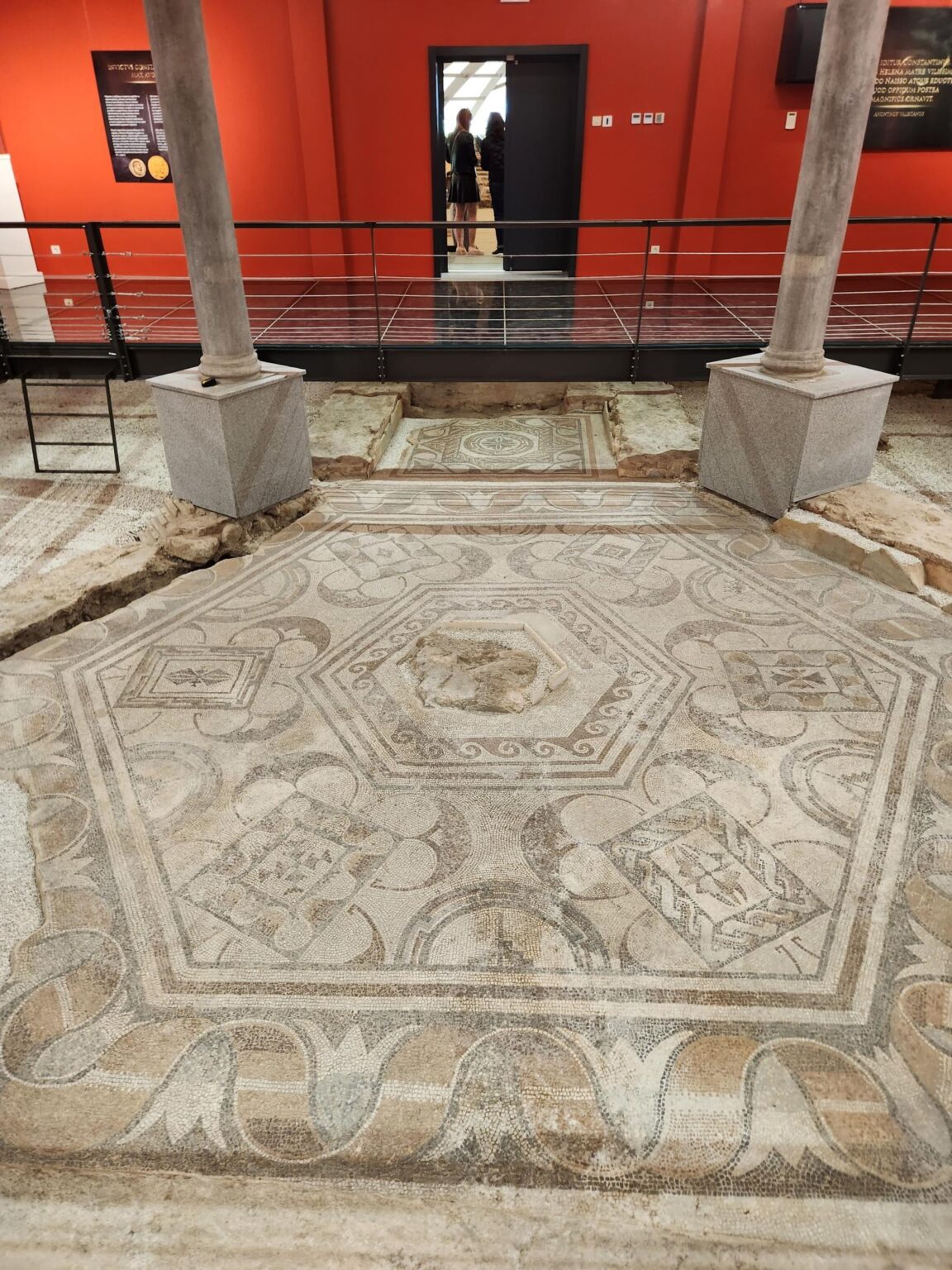
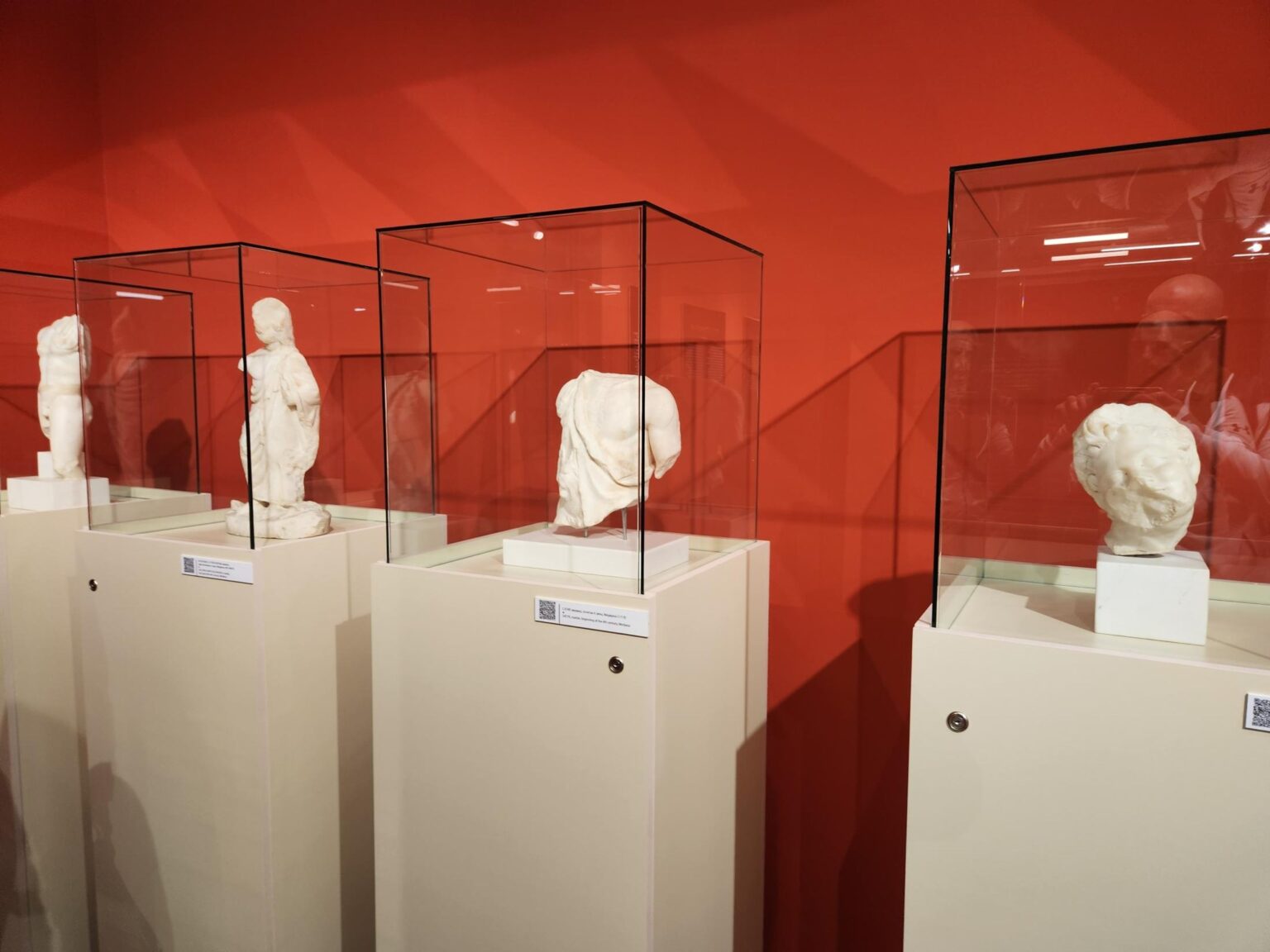
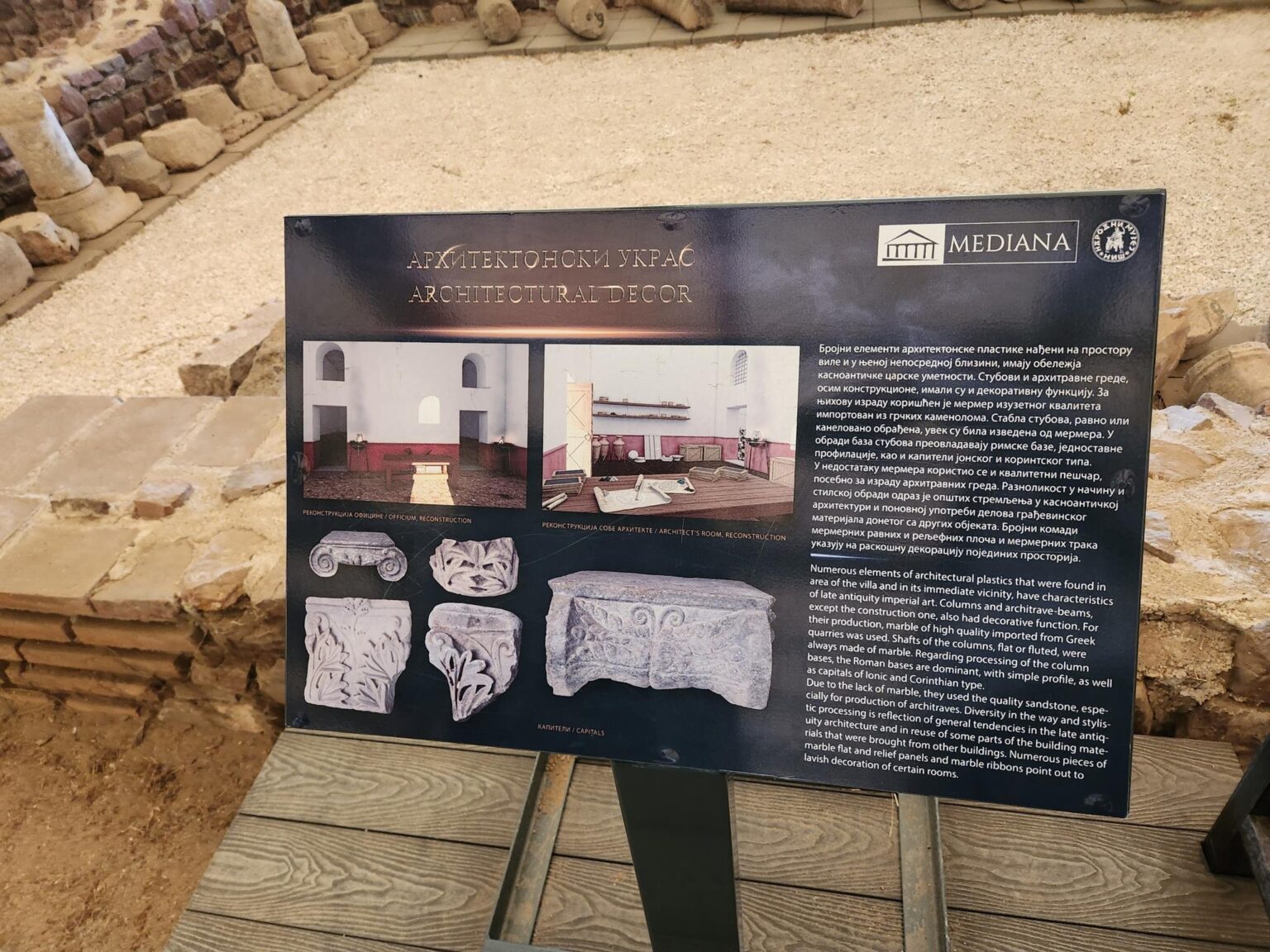
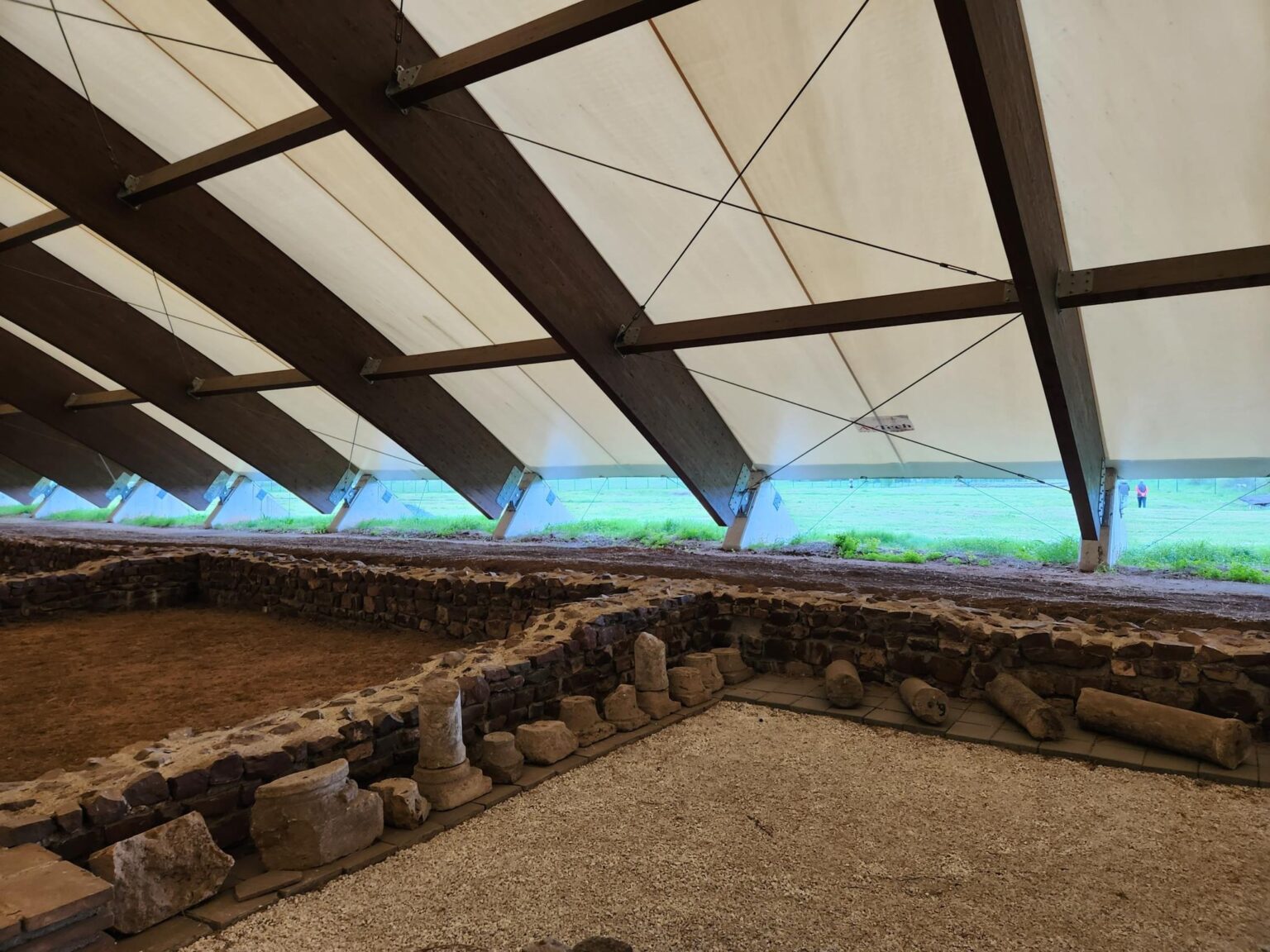
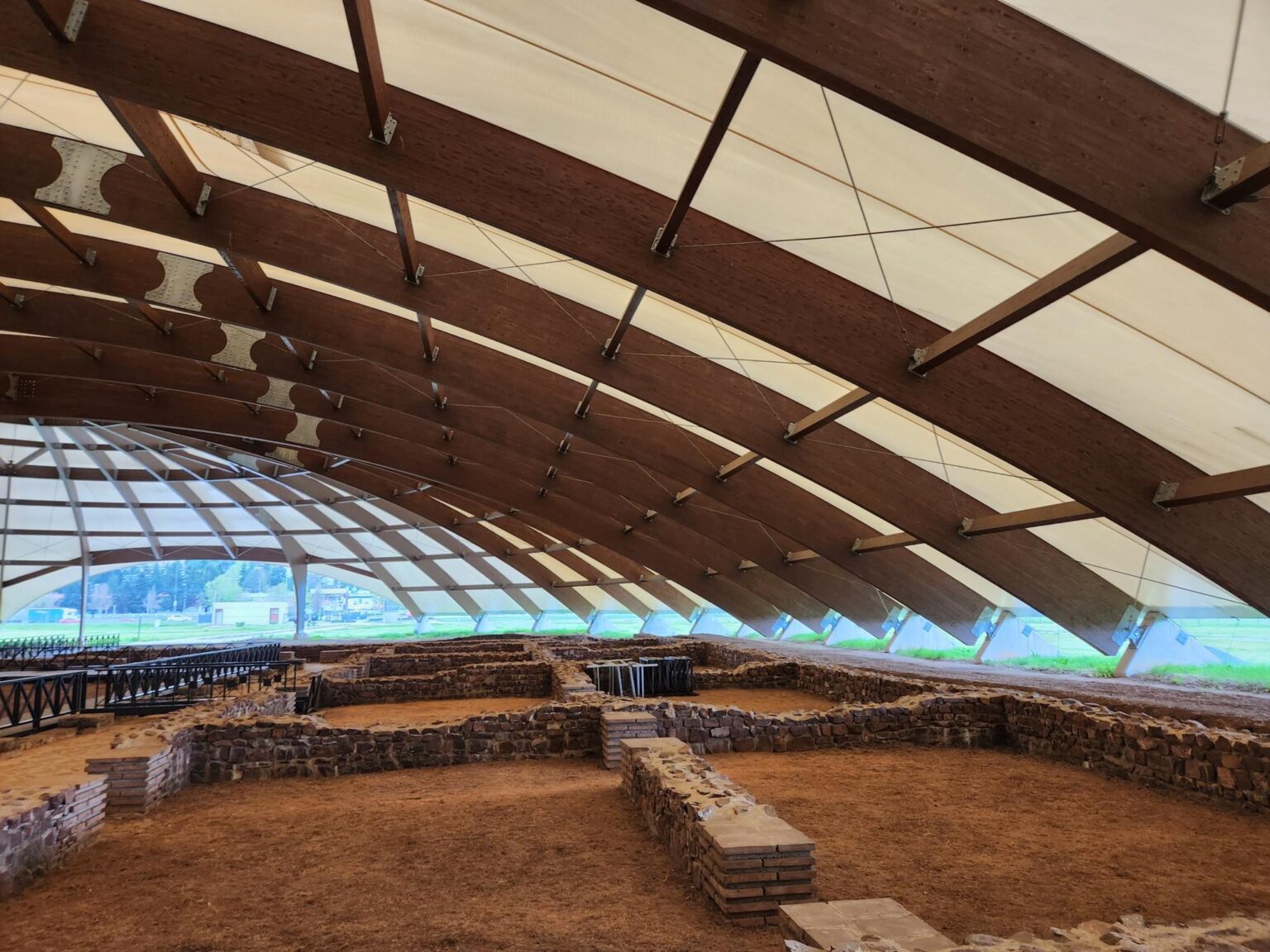
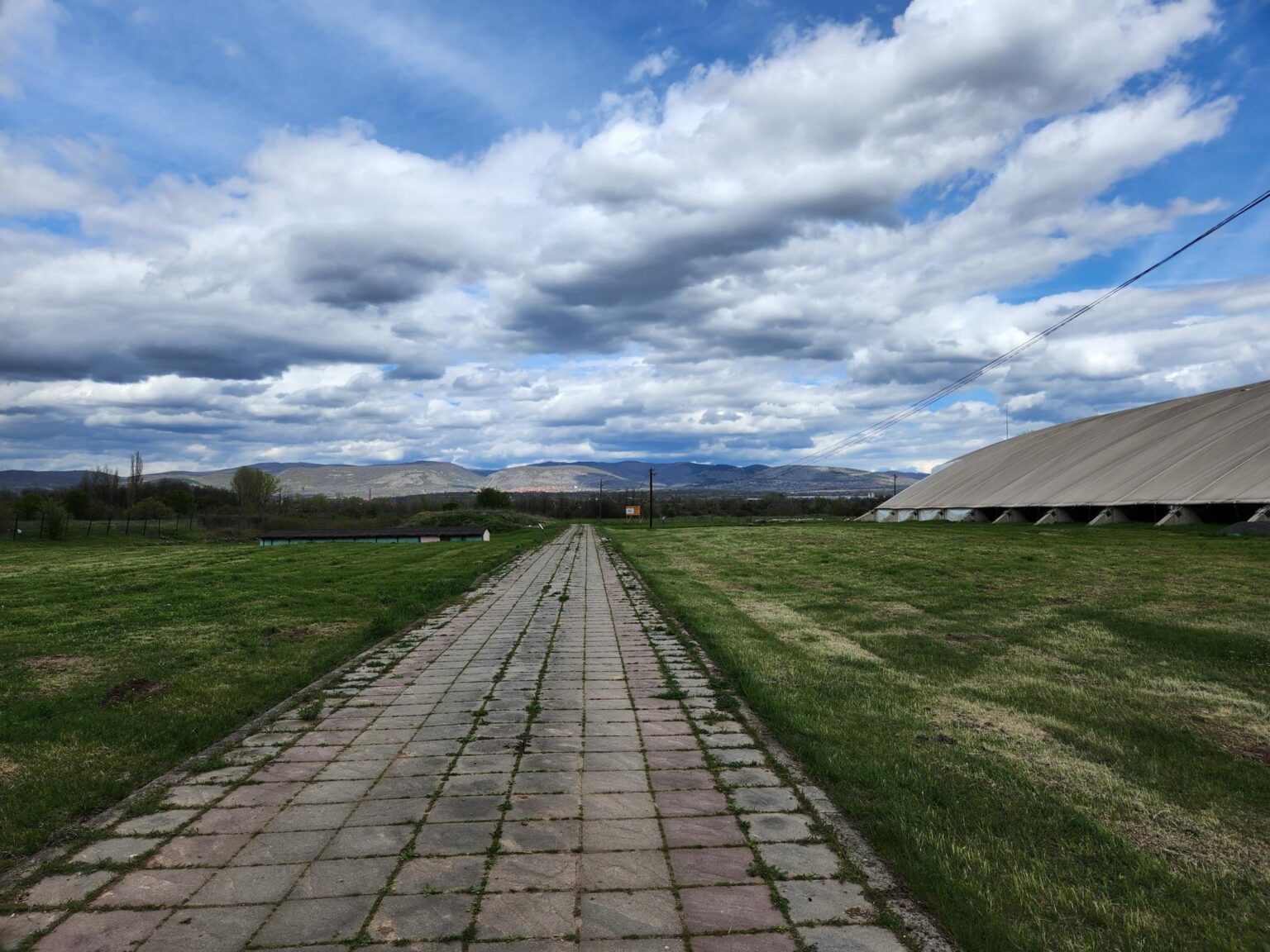
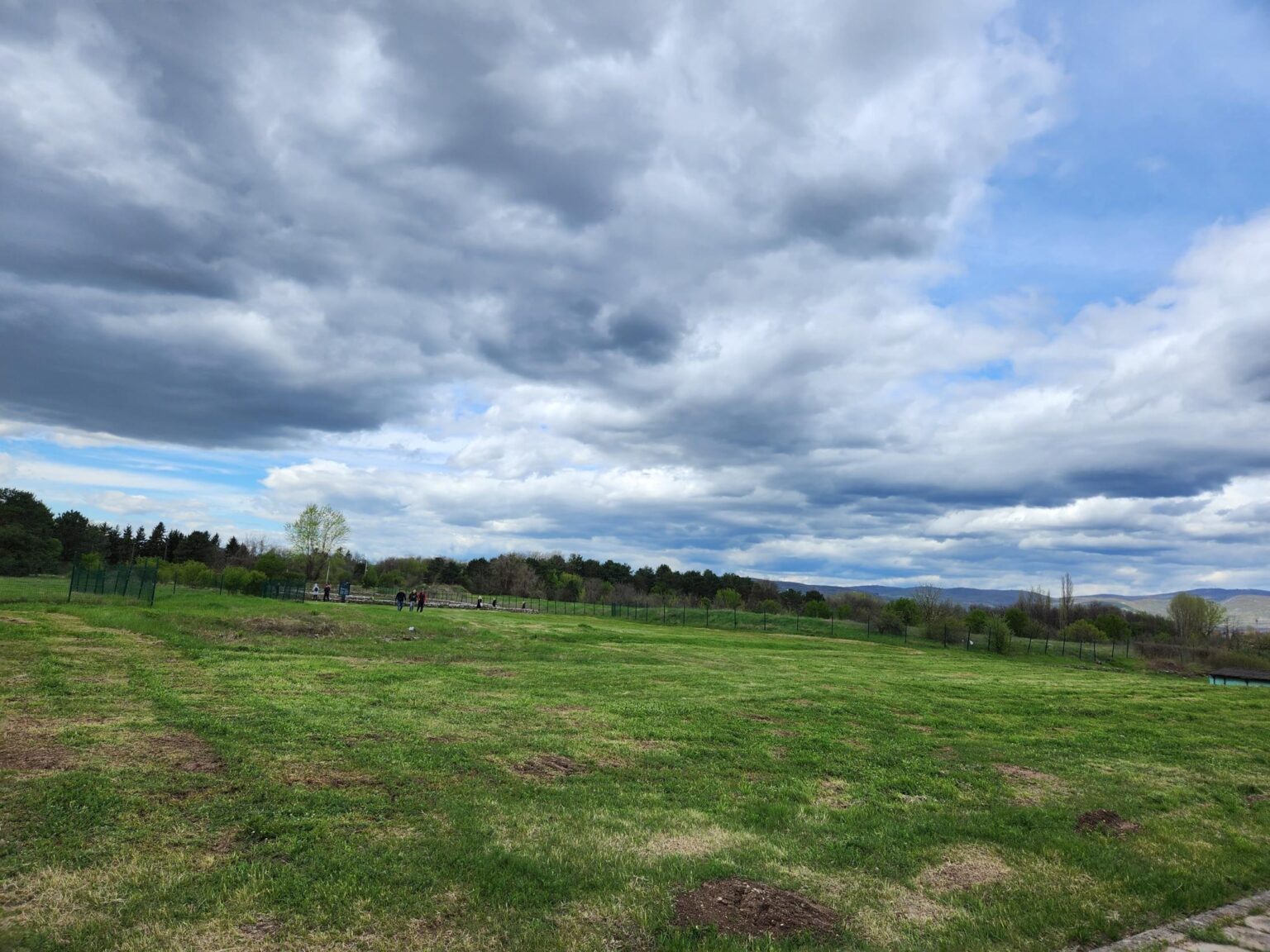
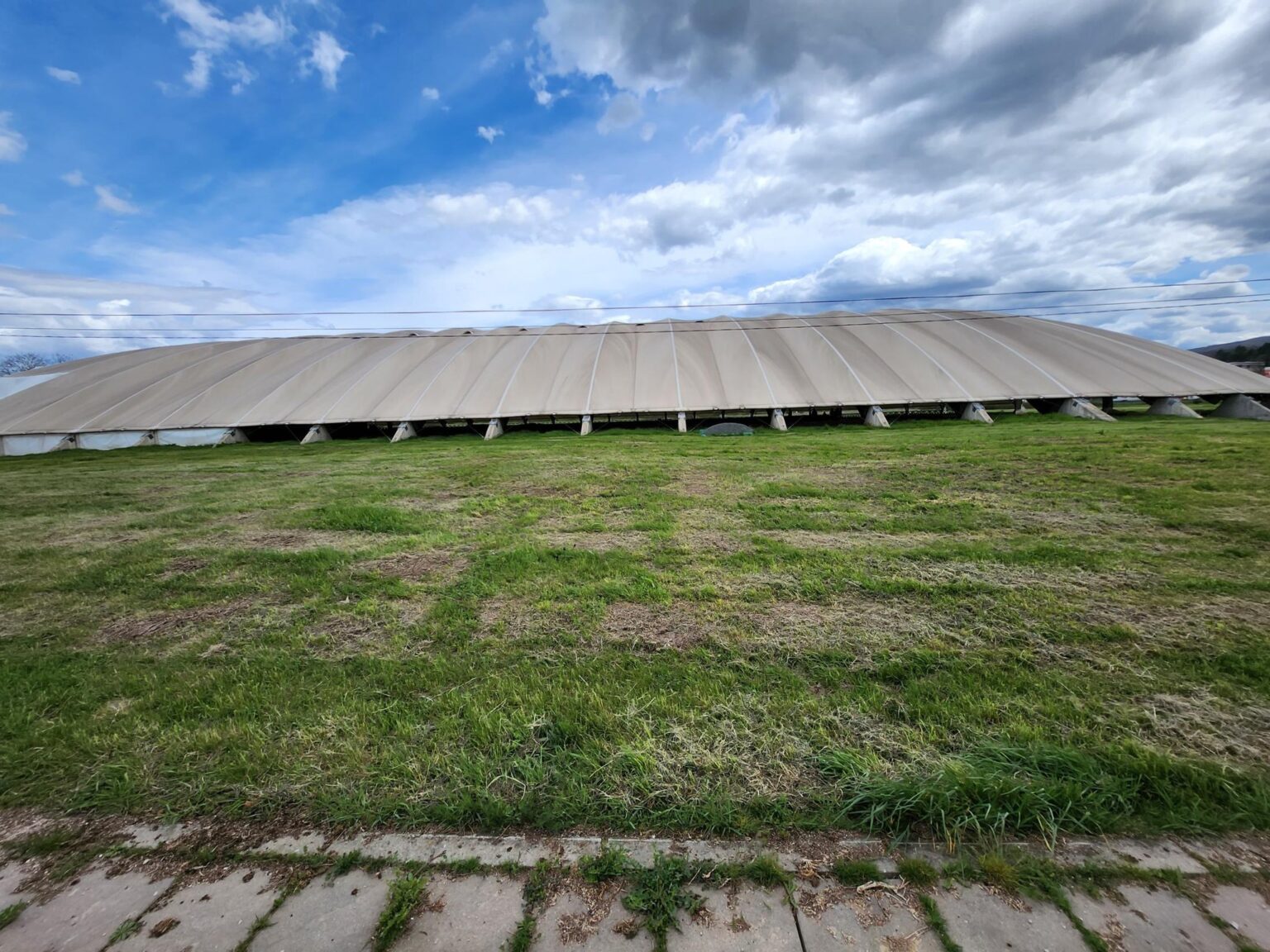
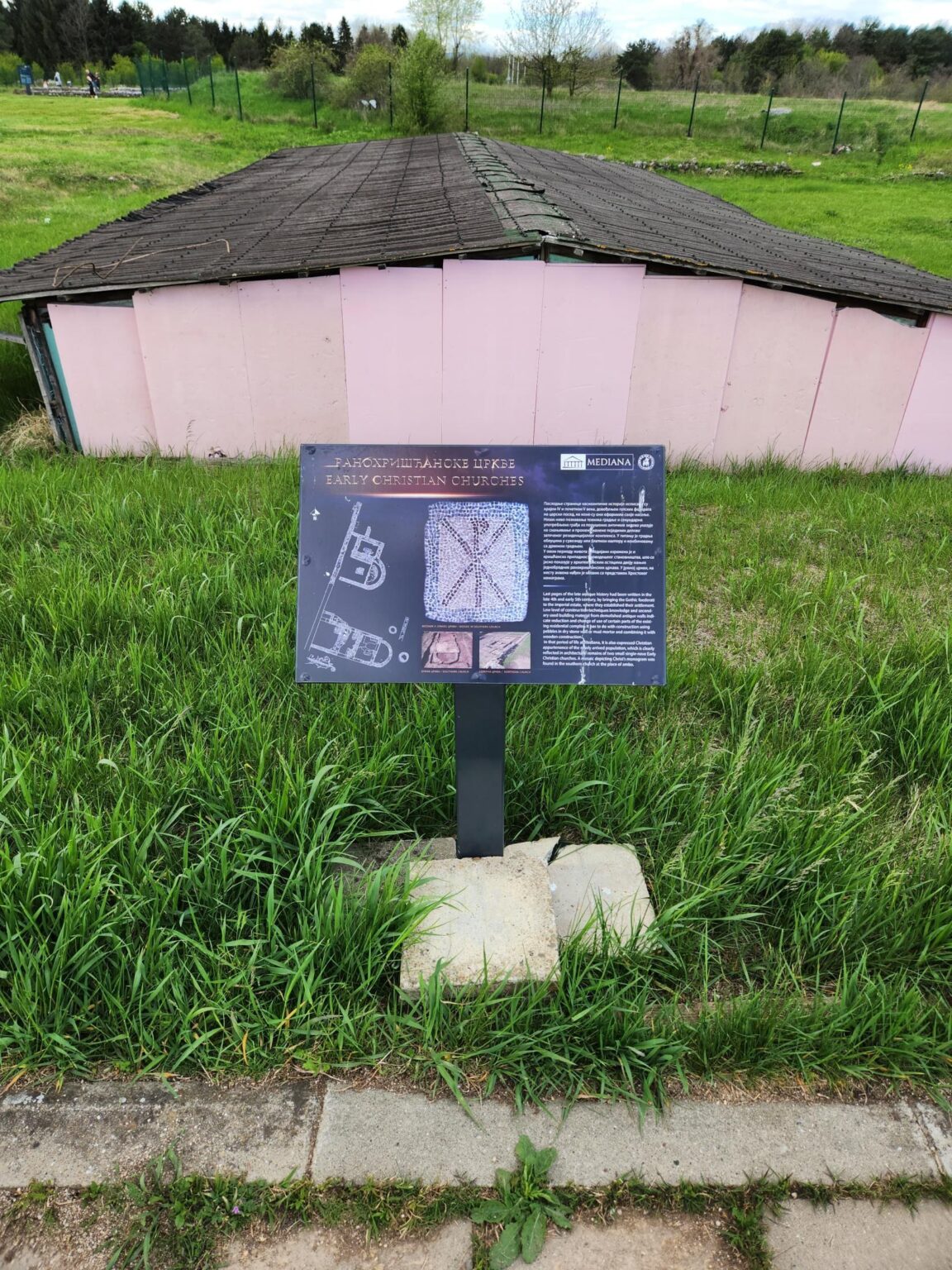
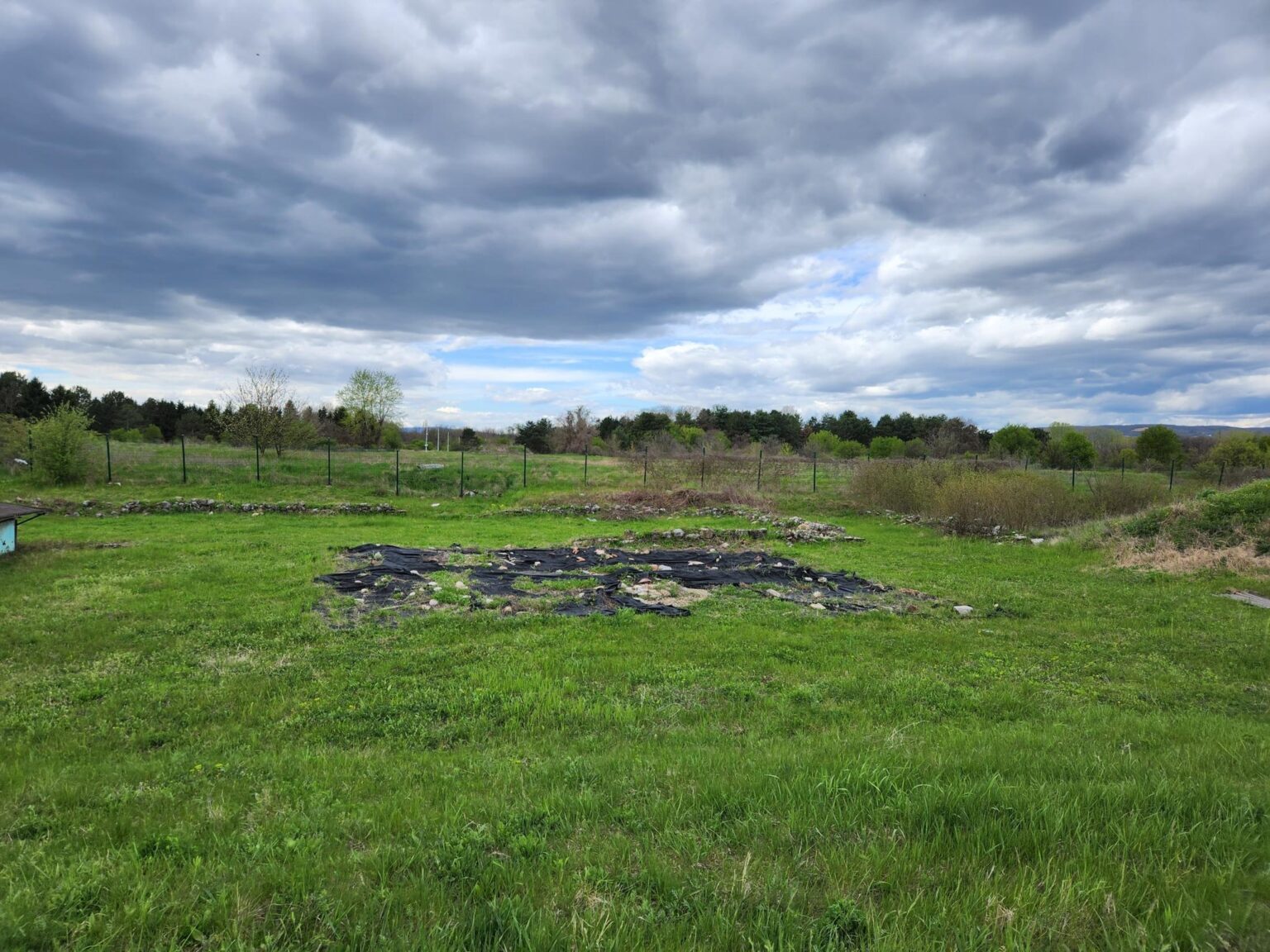
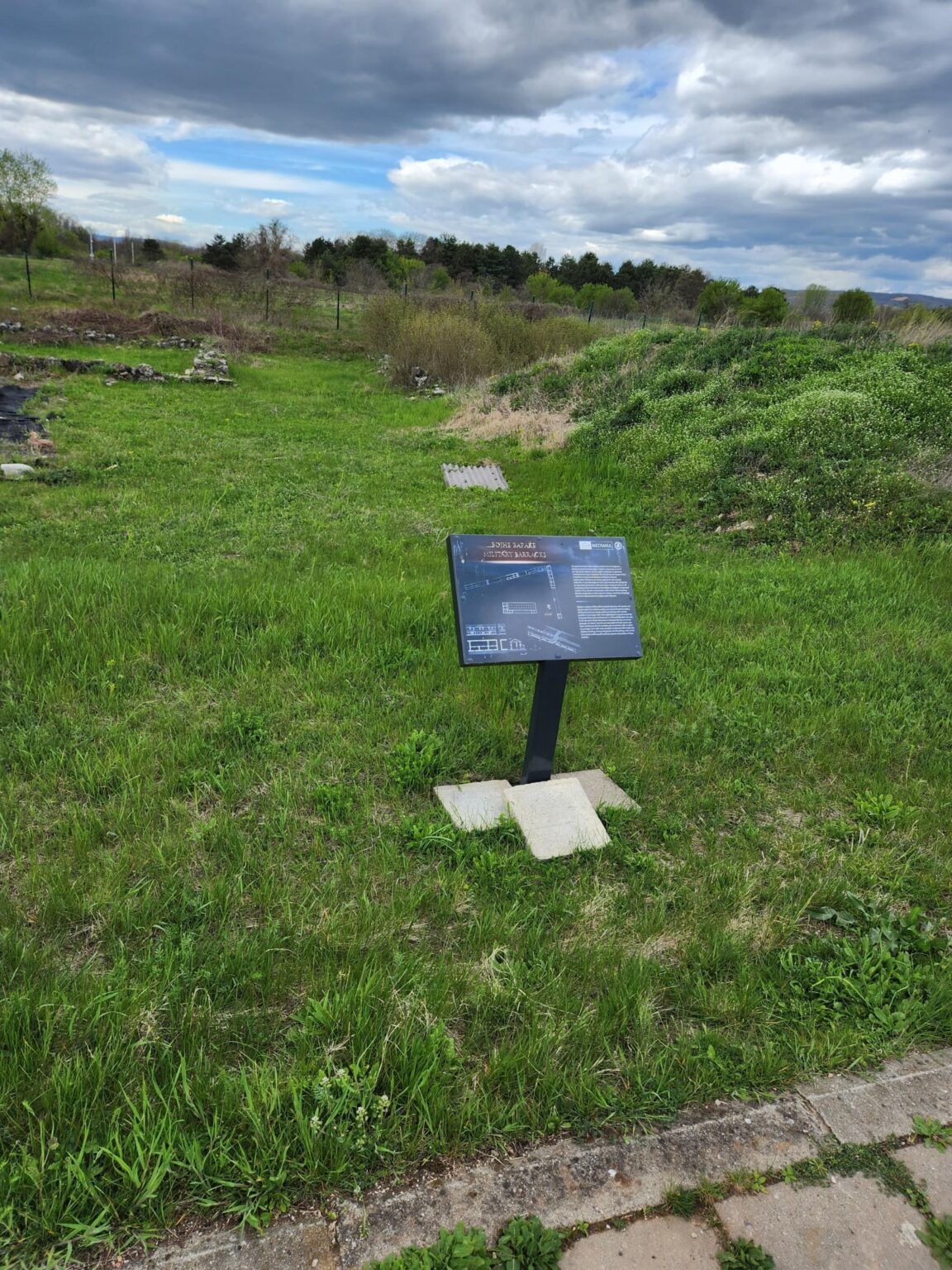
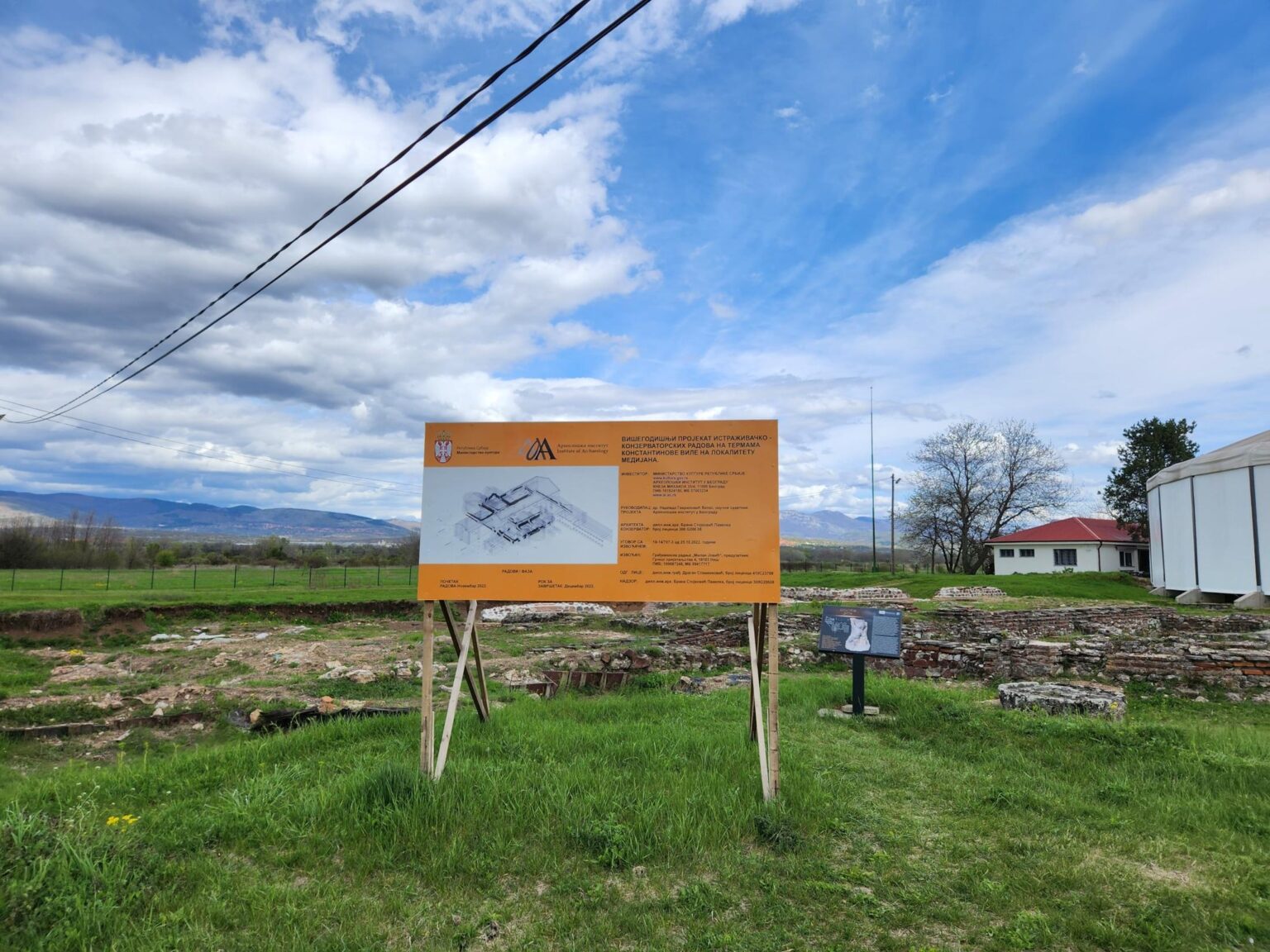
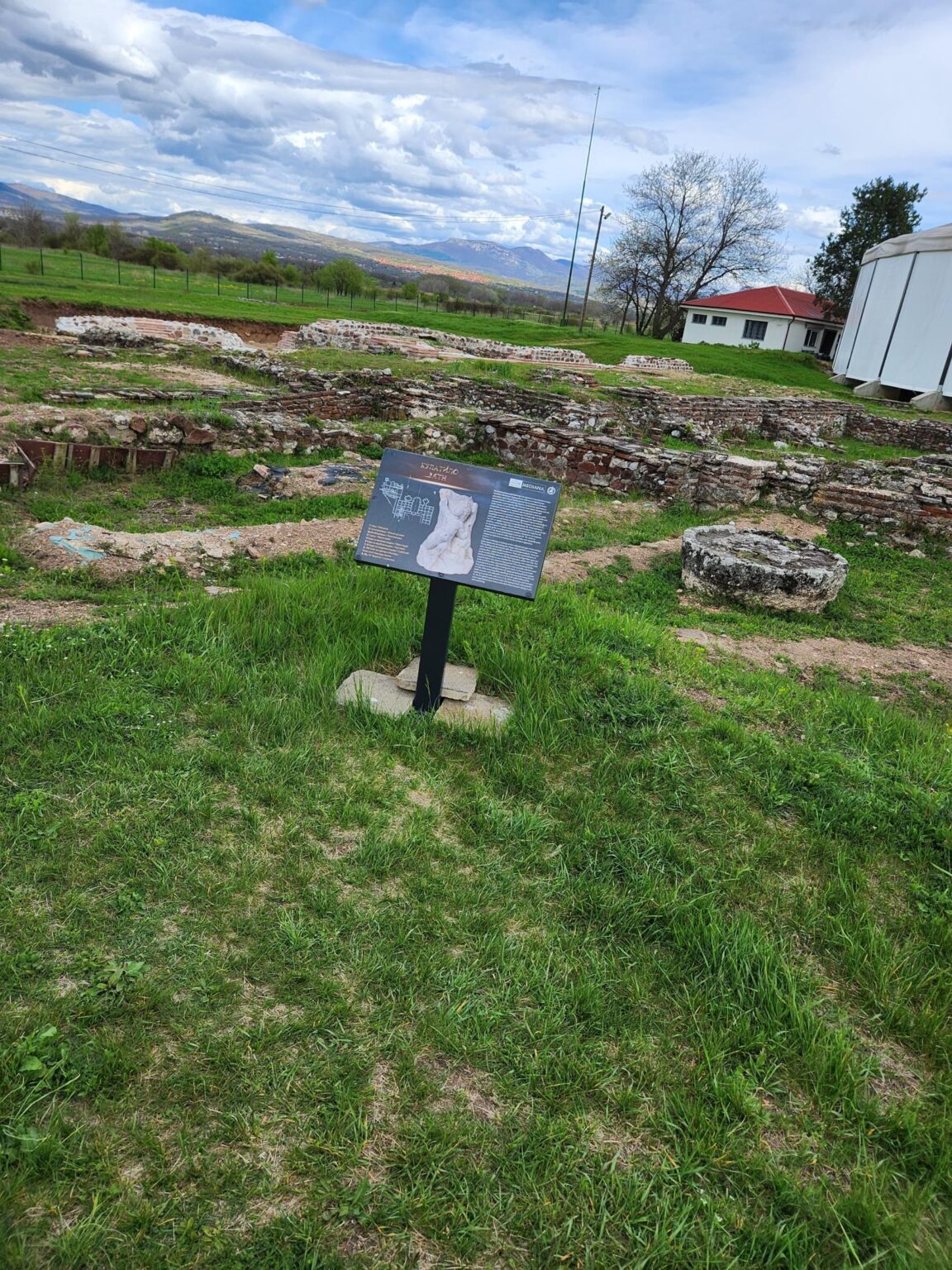
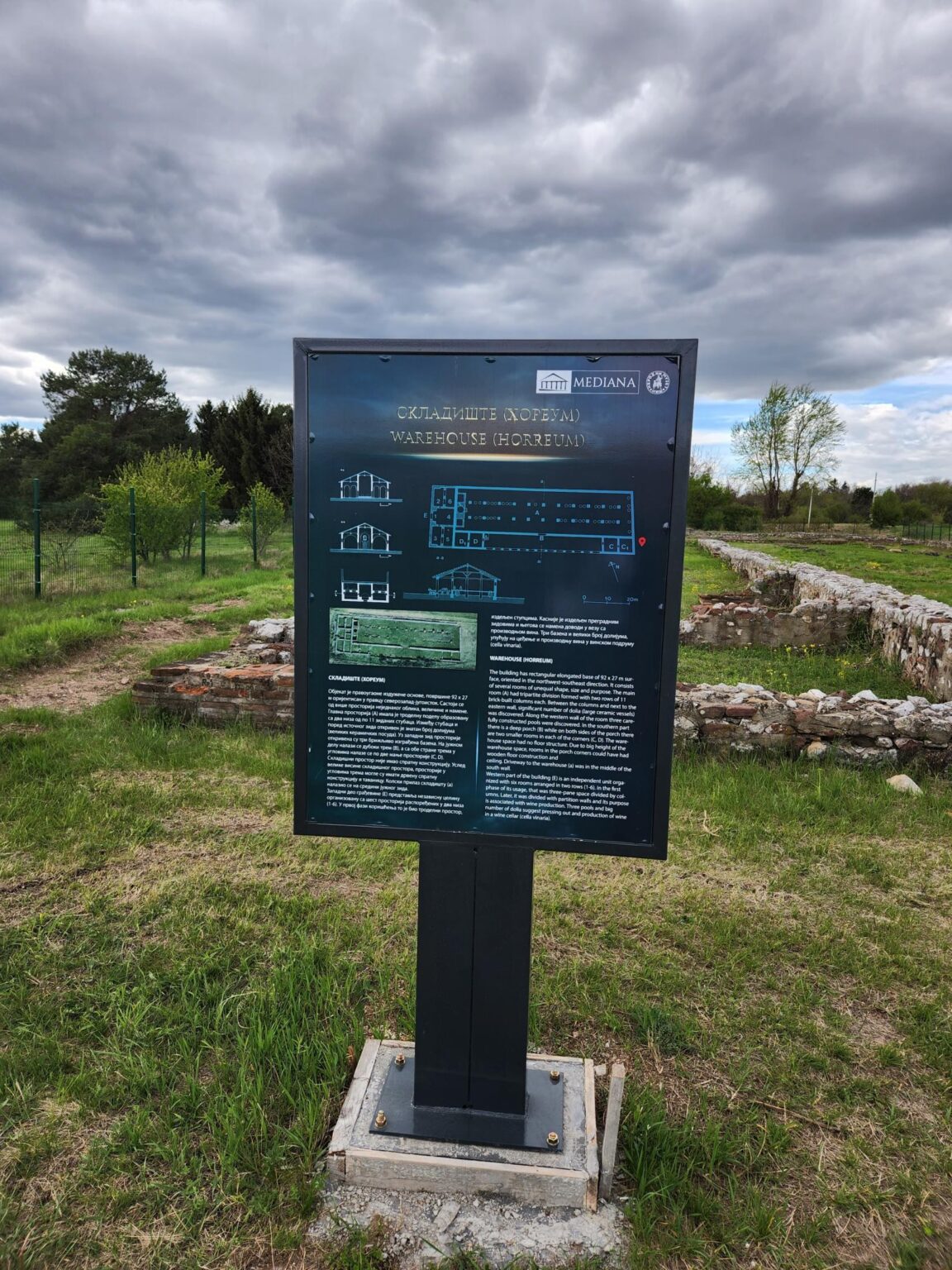
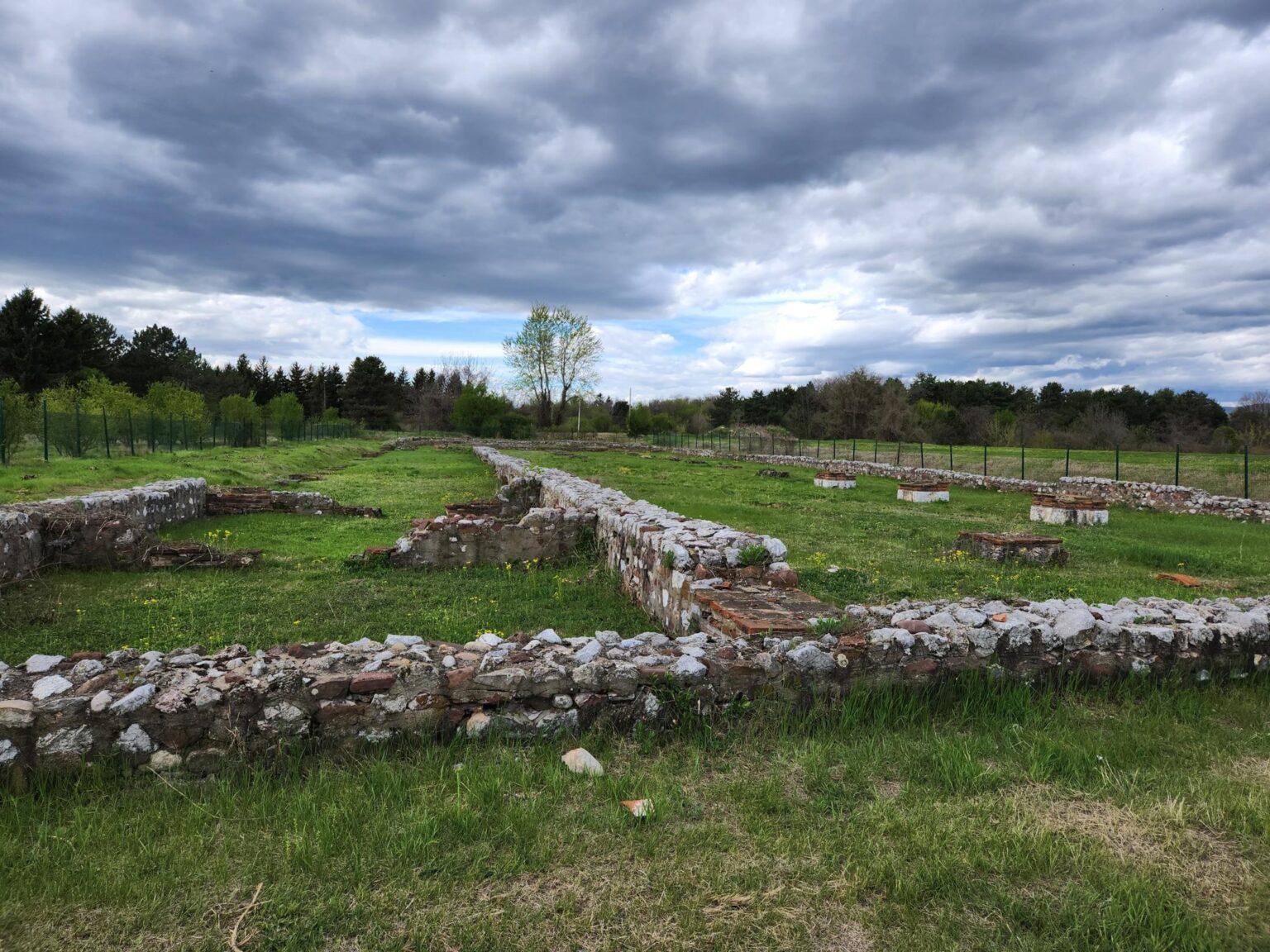
Barely half an hour later, we reach Mediana. As we know from a moment ago, entry is 500 dinars. Fridge magnets were 300 dinars in 2023. This is the villa of Emperor Constantine the Great, who was born in Naissus, today’s Niš, and its history goes back to around the 4th century. The photo on Wikipedia is old; the better official source is the National Museum Niš website. Today the site looks like some kind of megastructure: a hugely impressive canopy, visibly the size of a football pitch, sheltering the ancient mosaics. The small house with columns was, in fact, part of the villa, but it has been restored and now looks like a modern building. Inside, a presentation and photos play from a projector. Under an hour is enough to see it all.
Skull Tower (Ćele Kula)
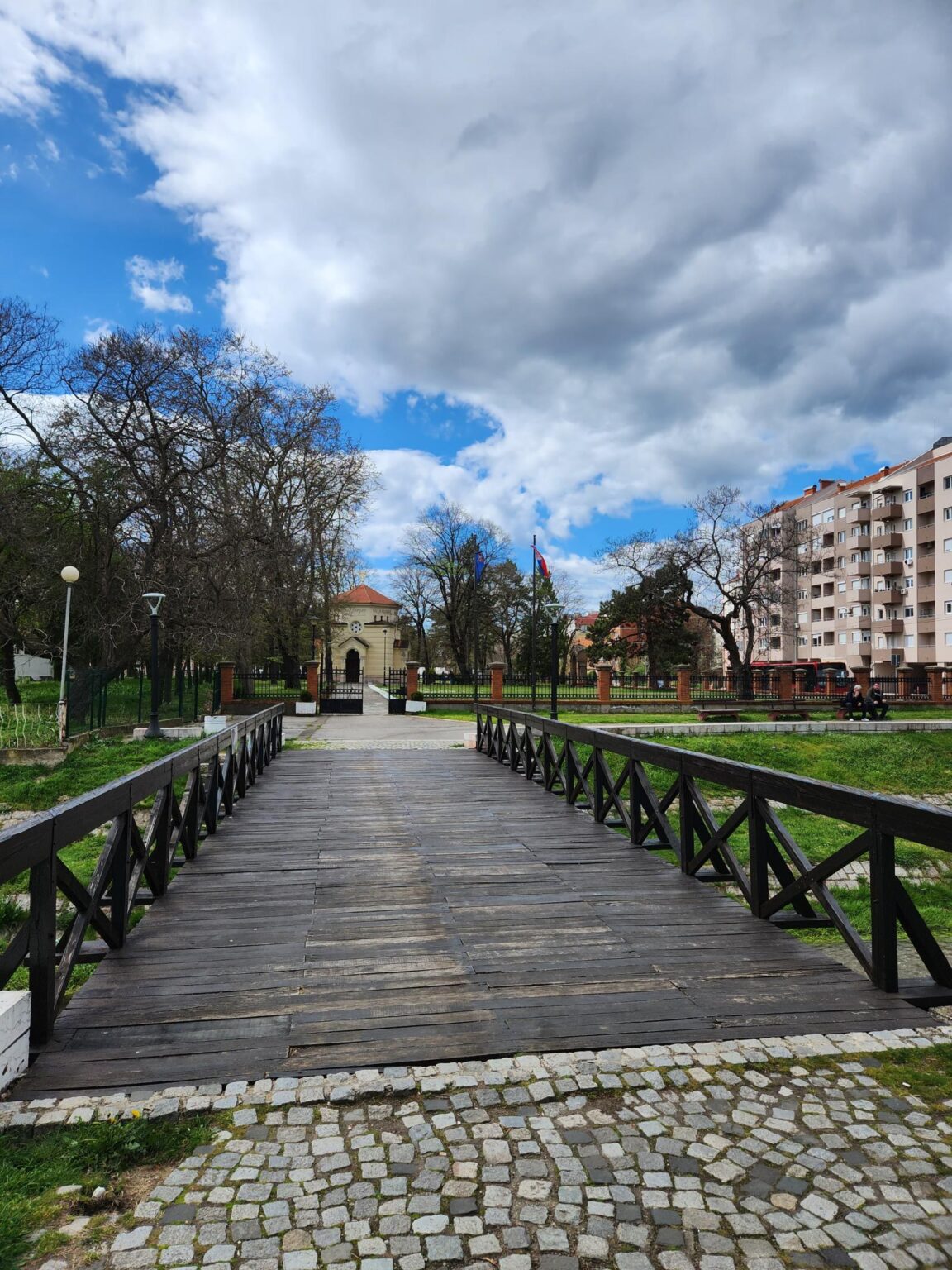
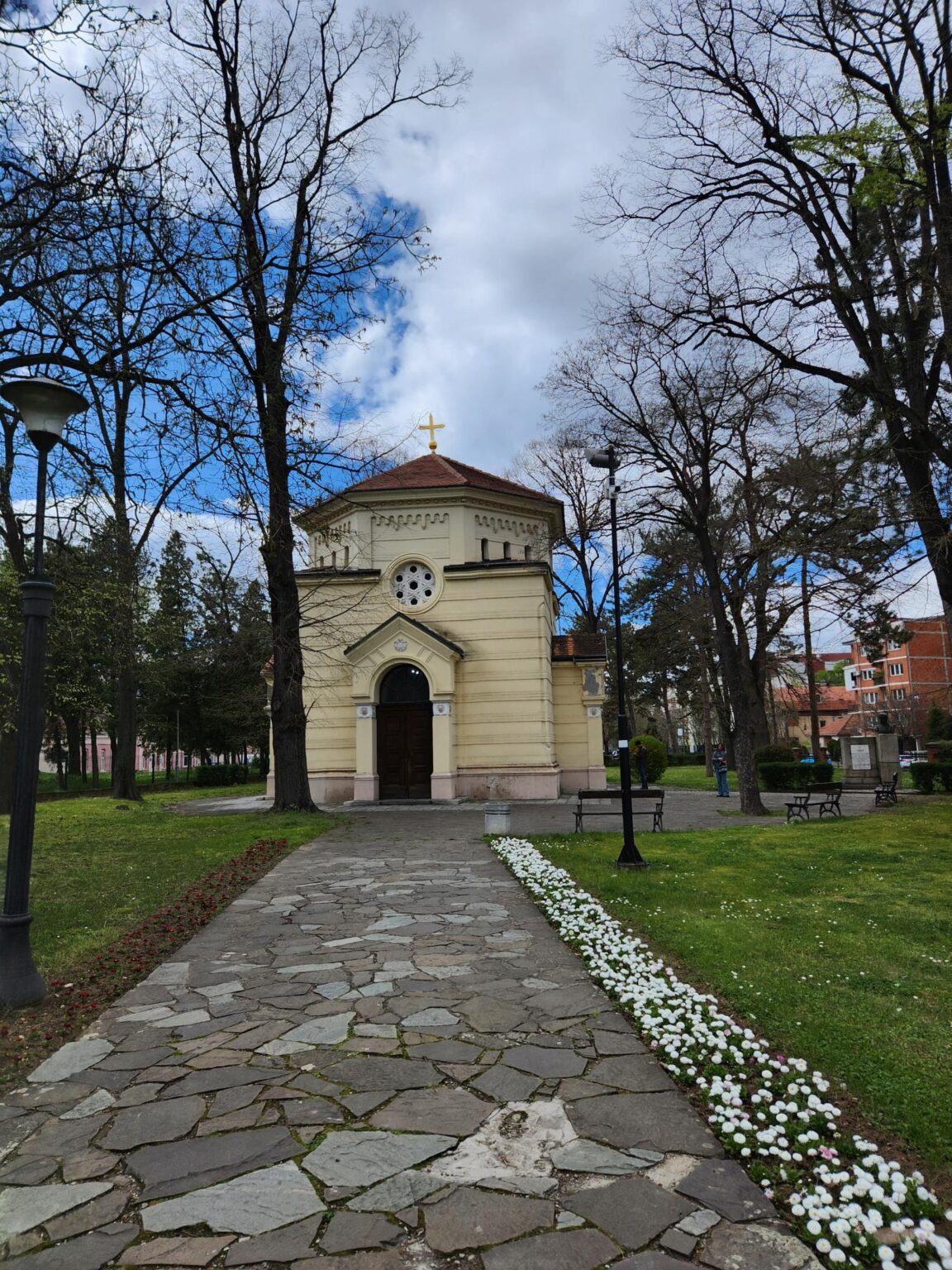
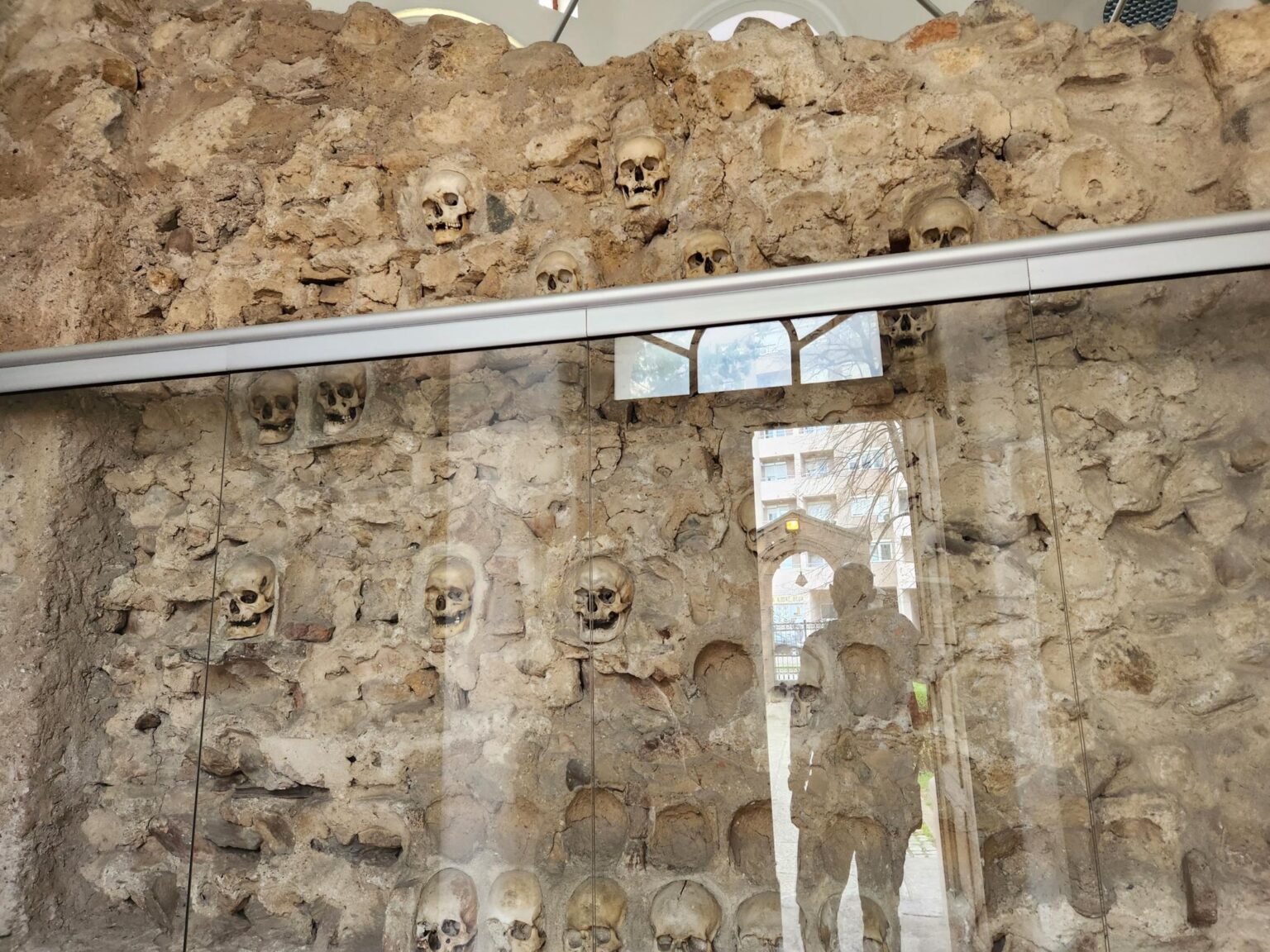
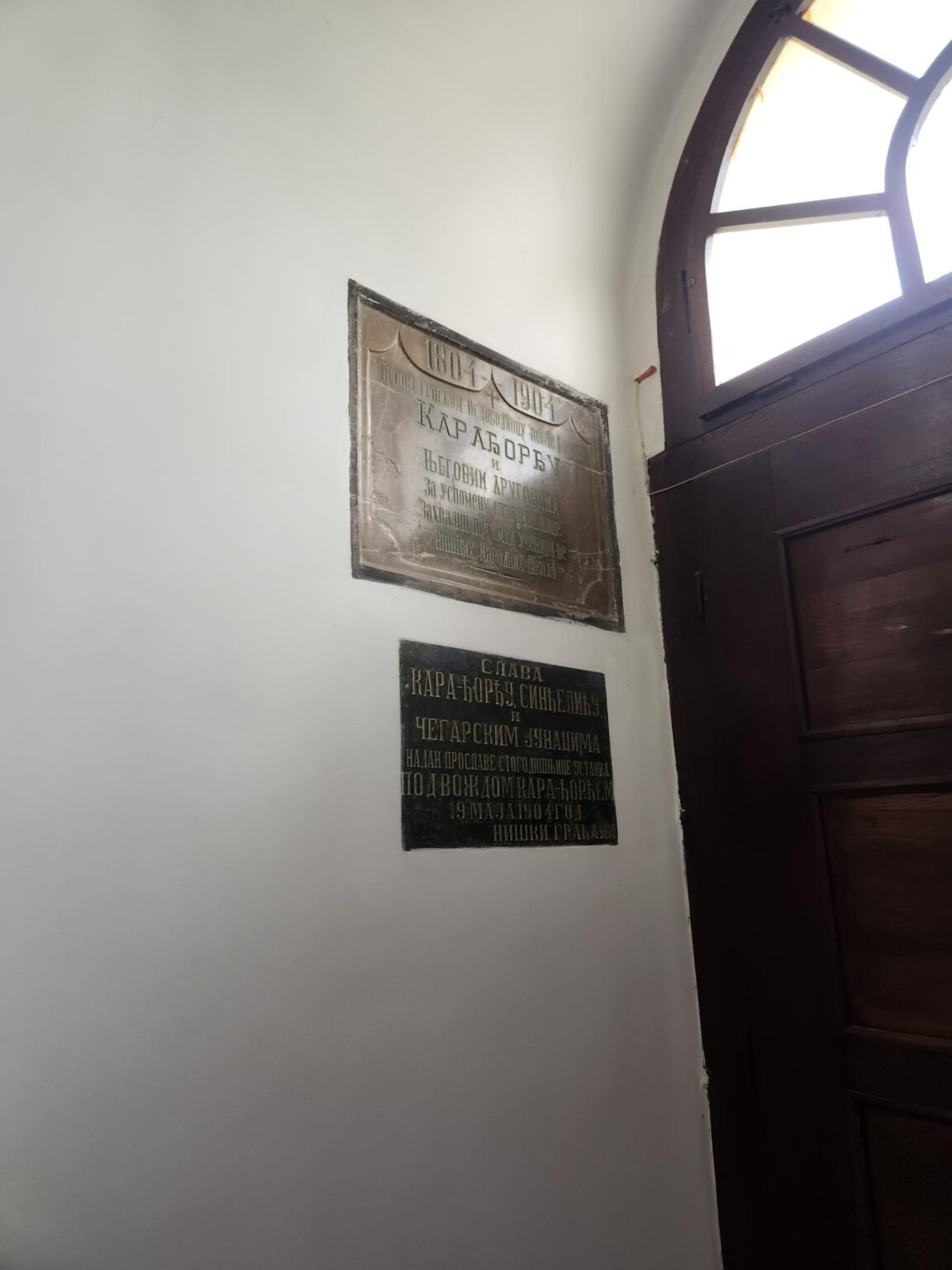
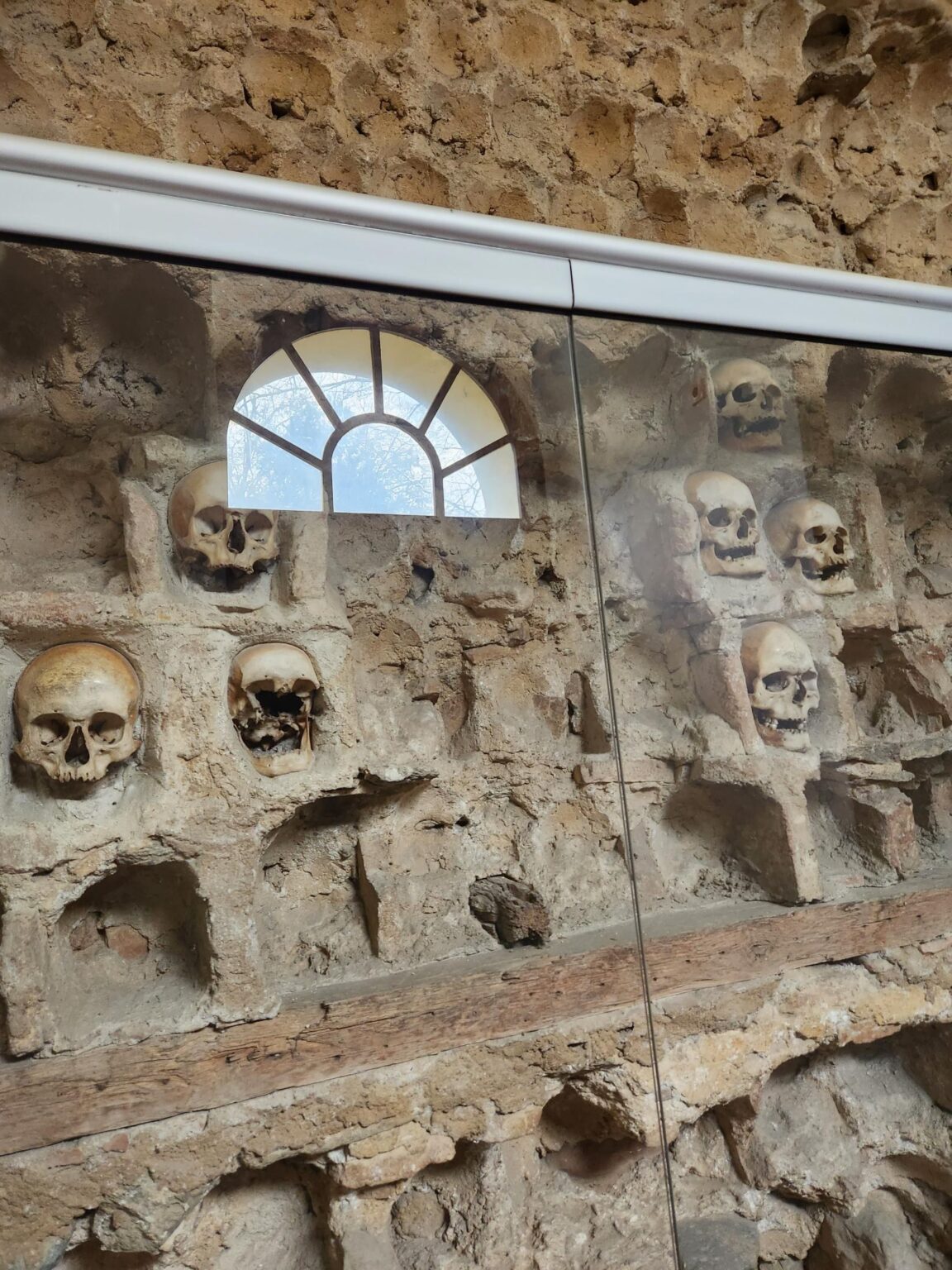
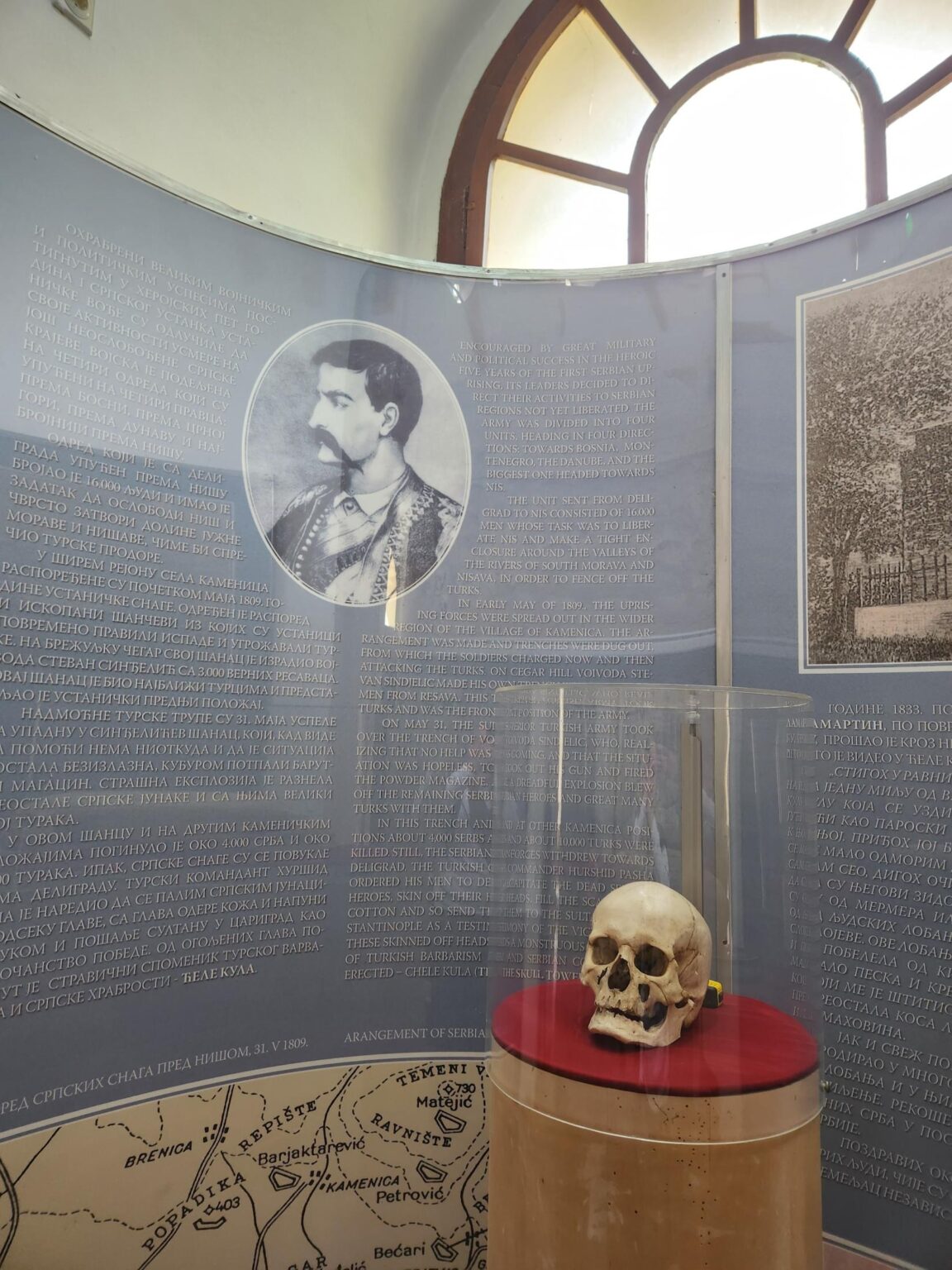
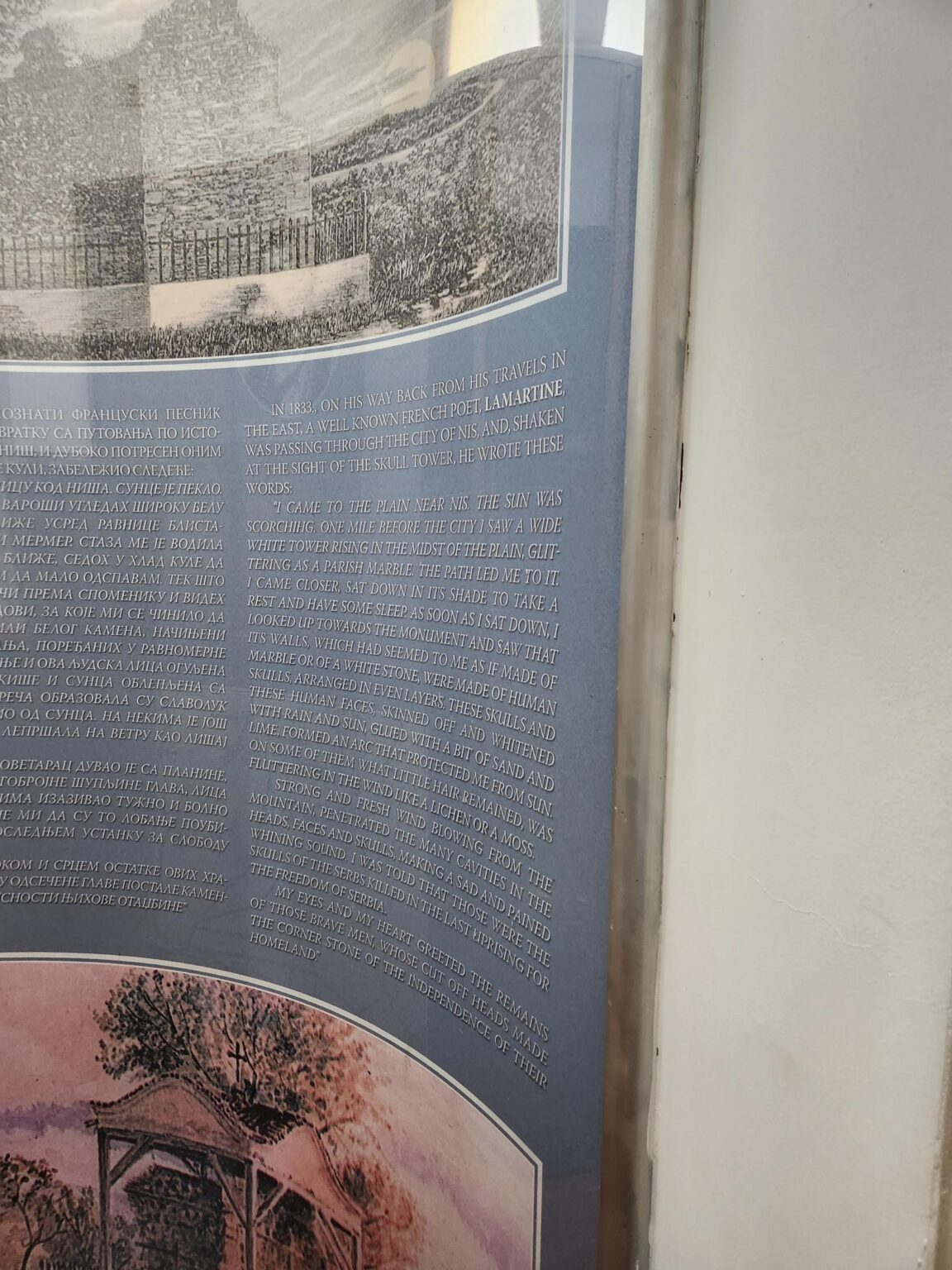
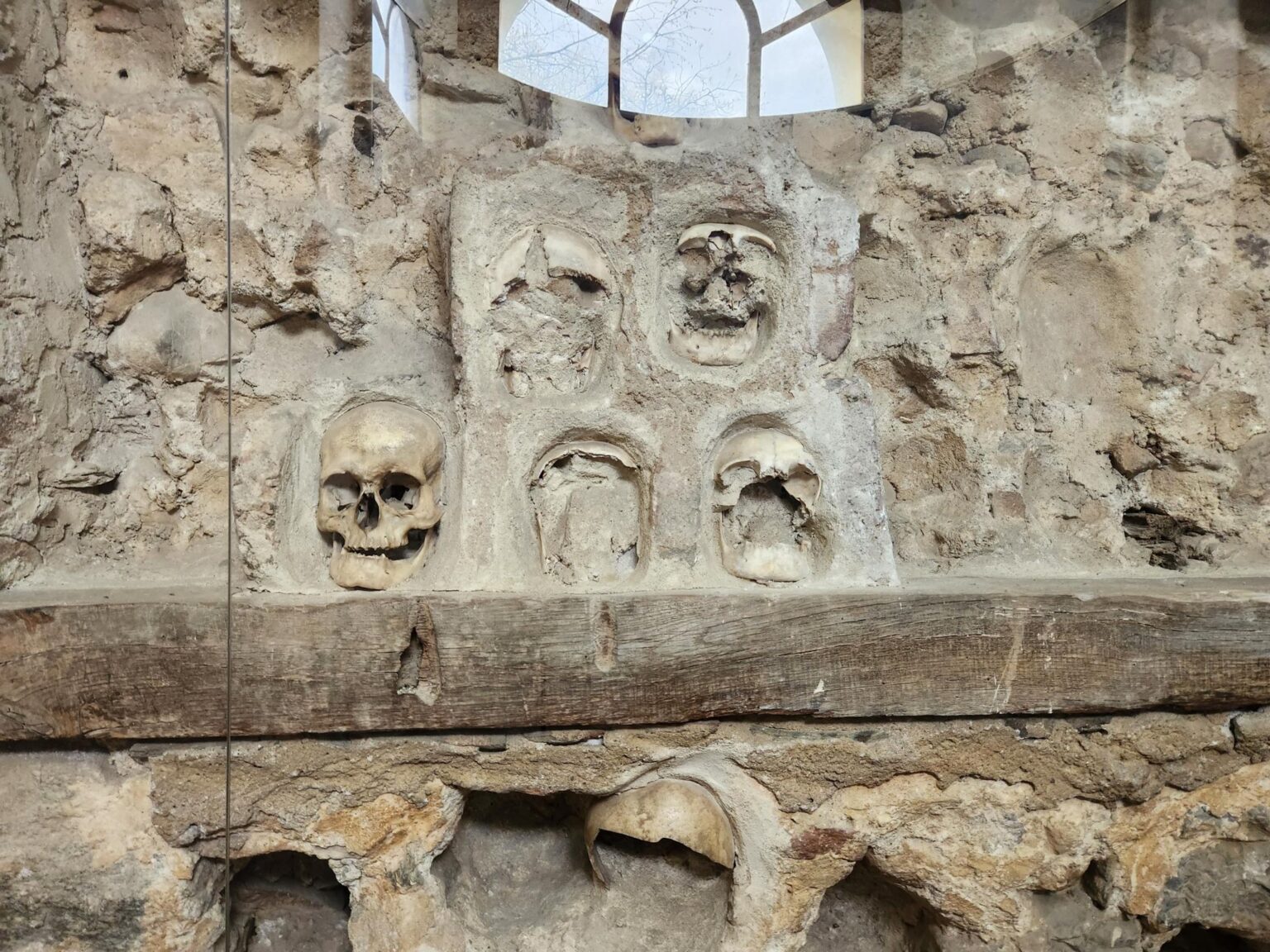
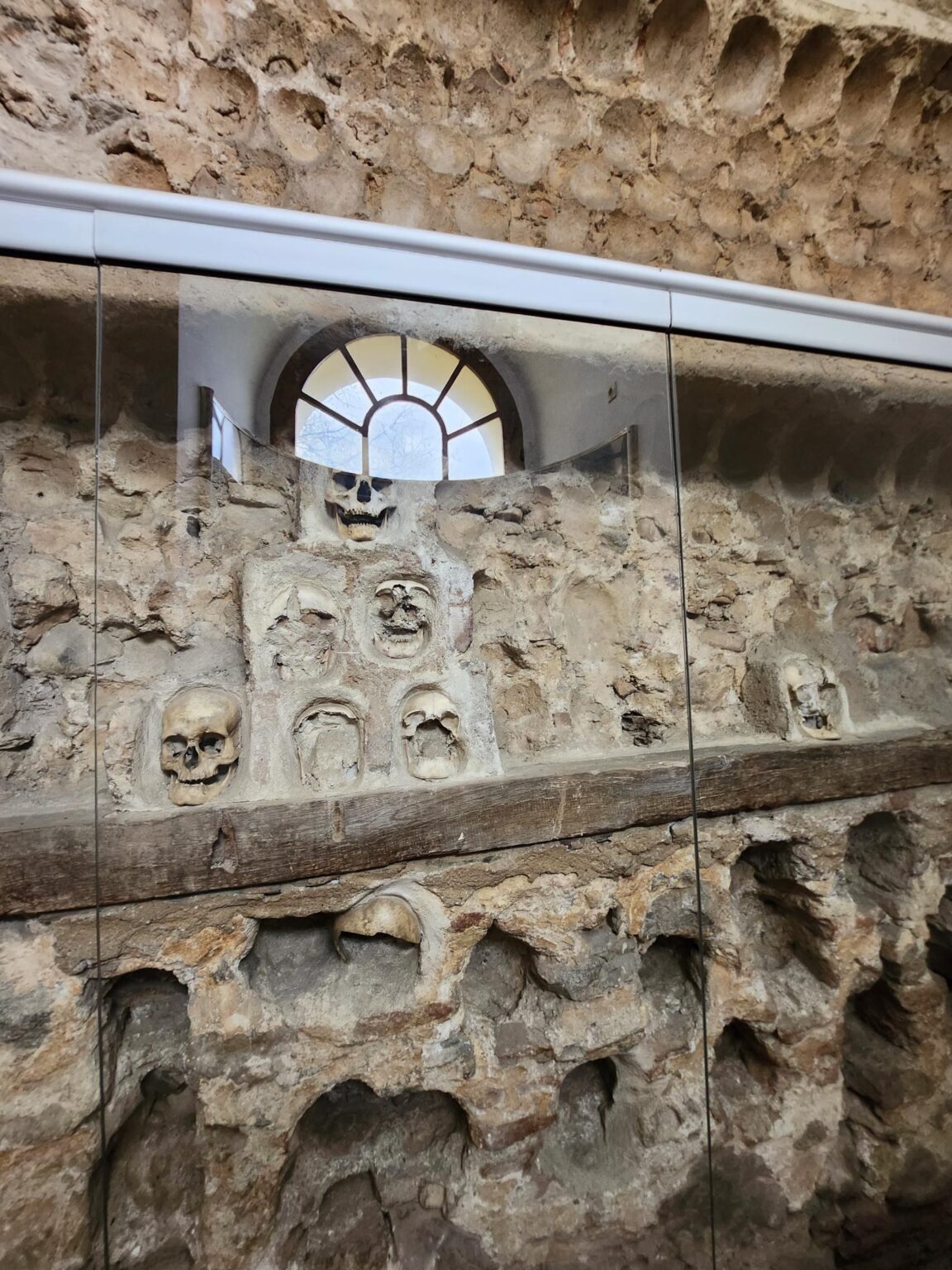
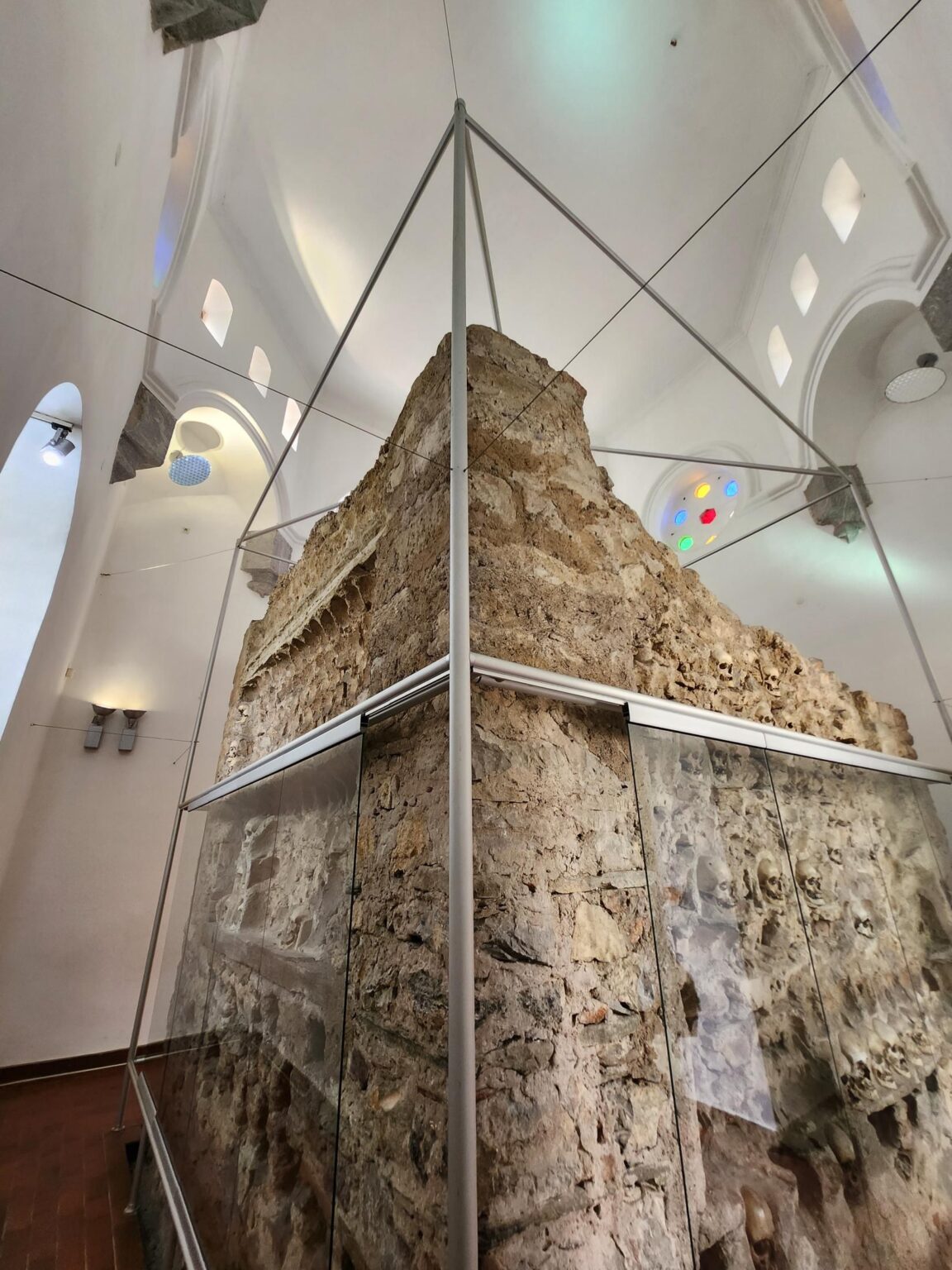
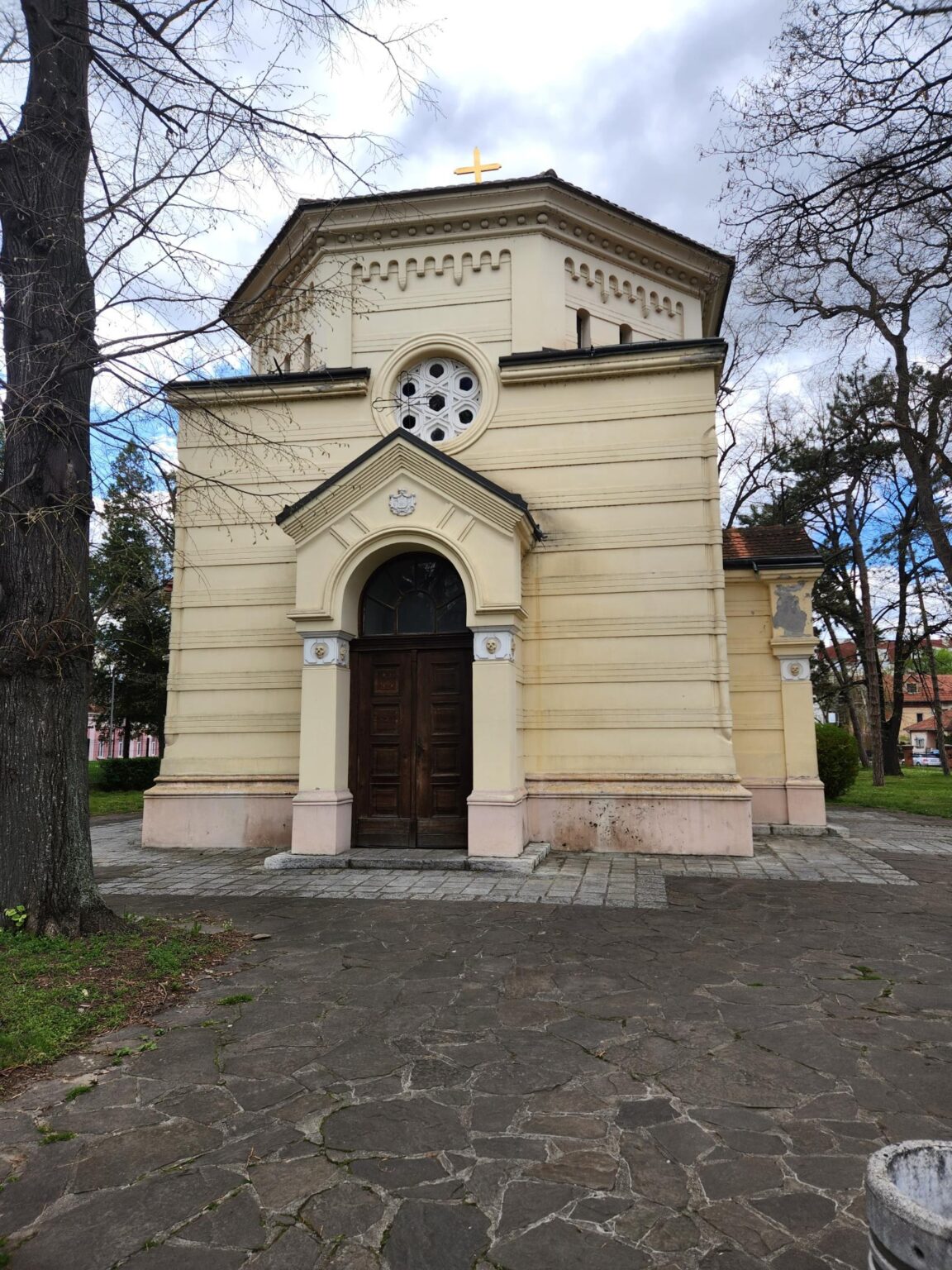
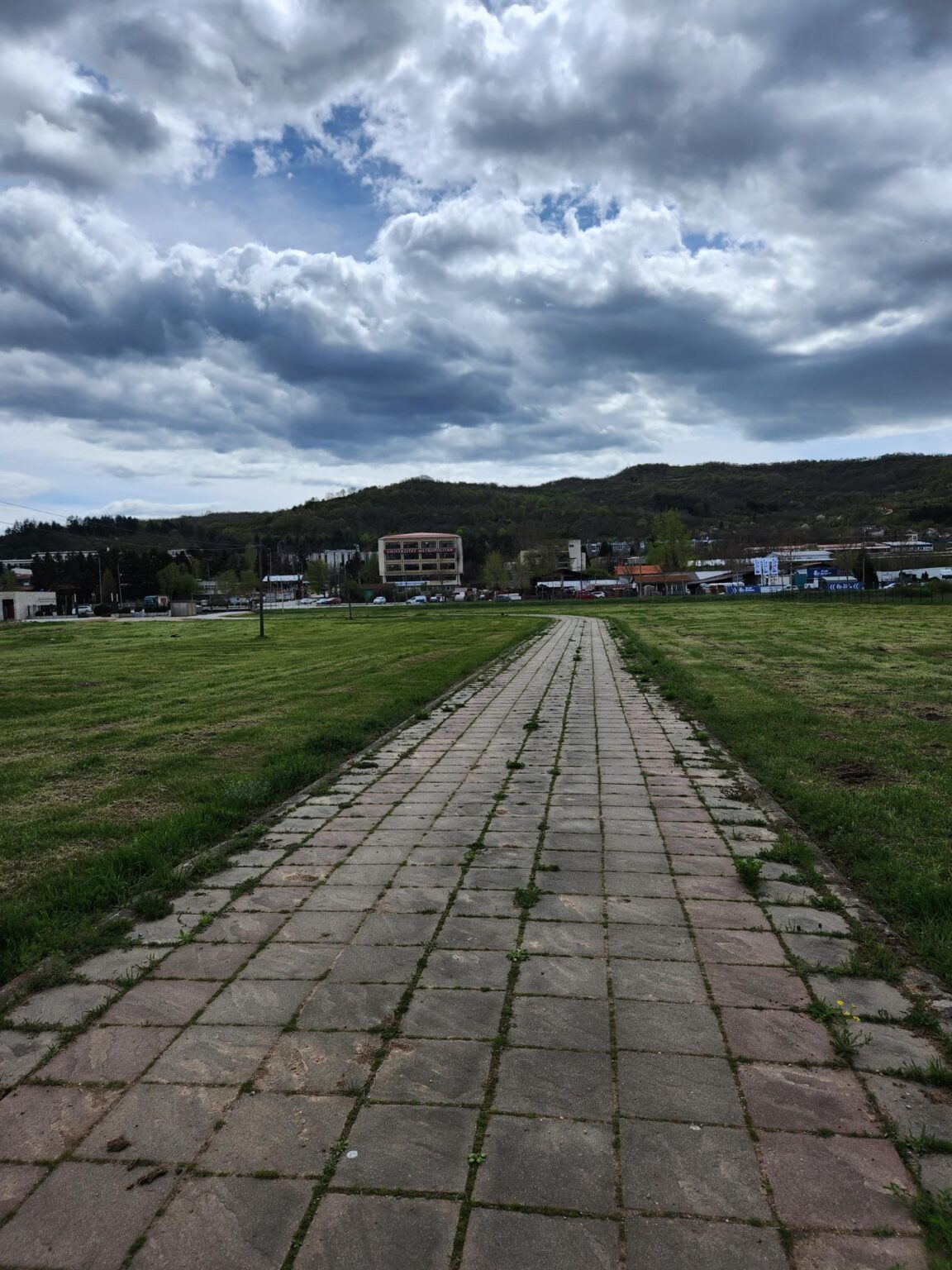
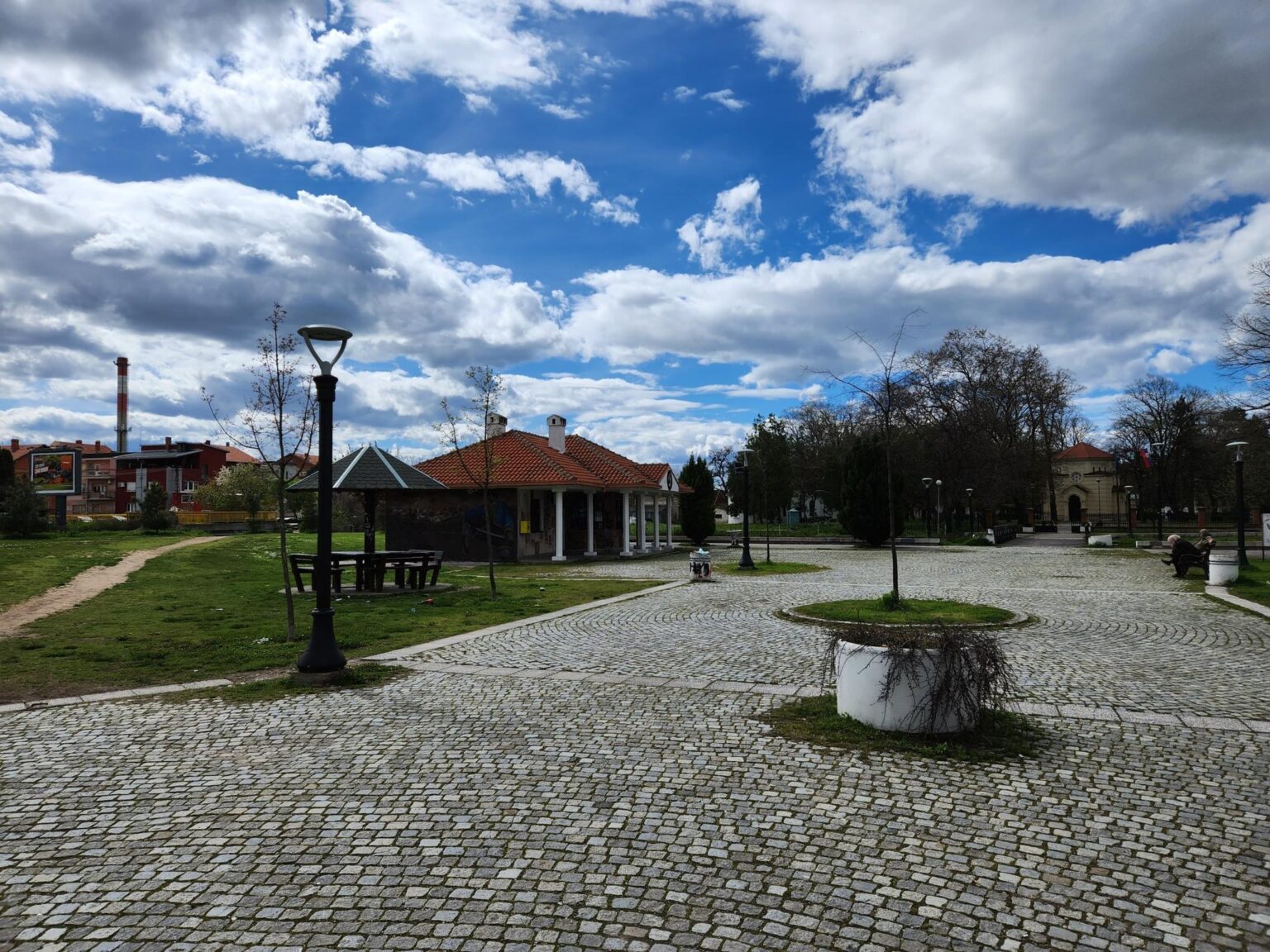
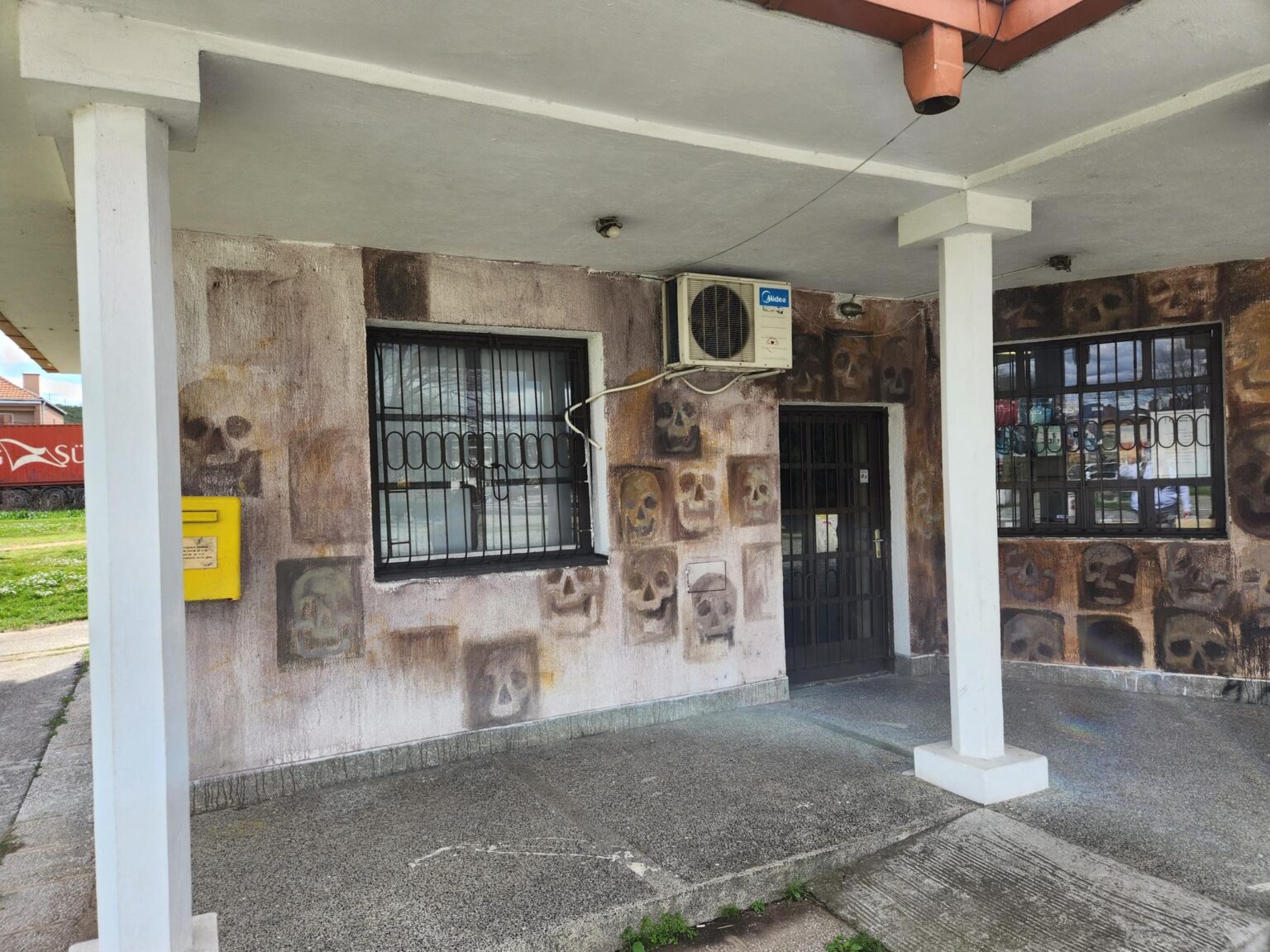
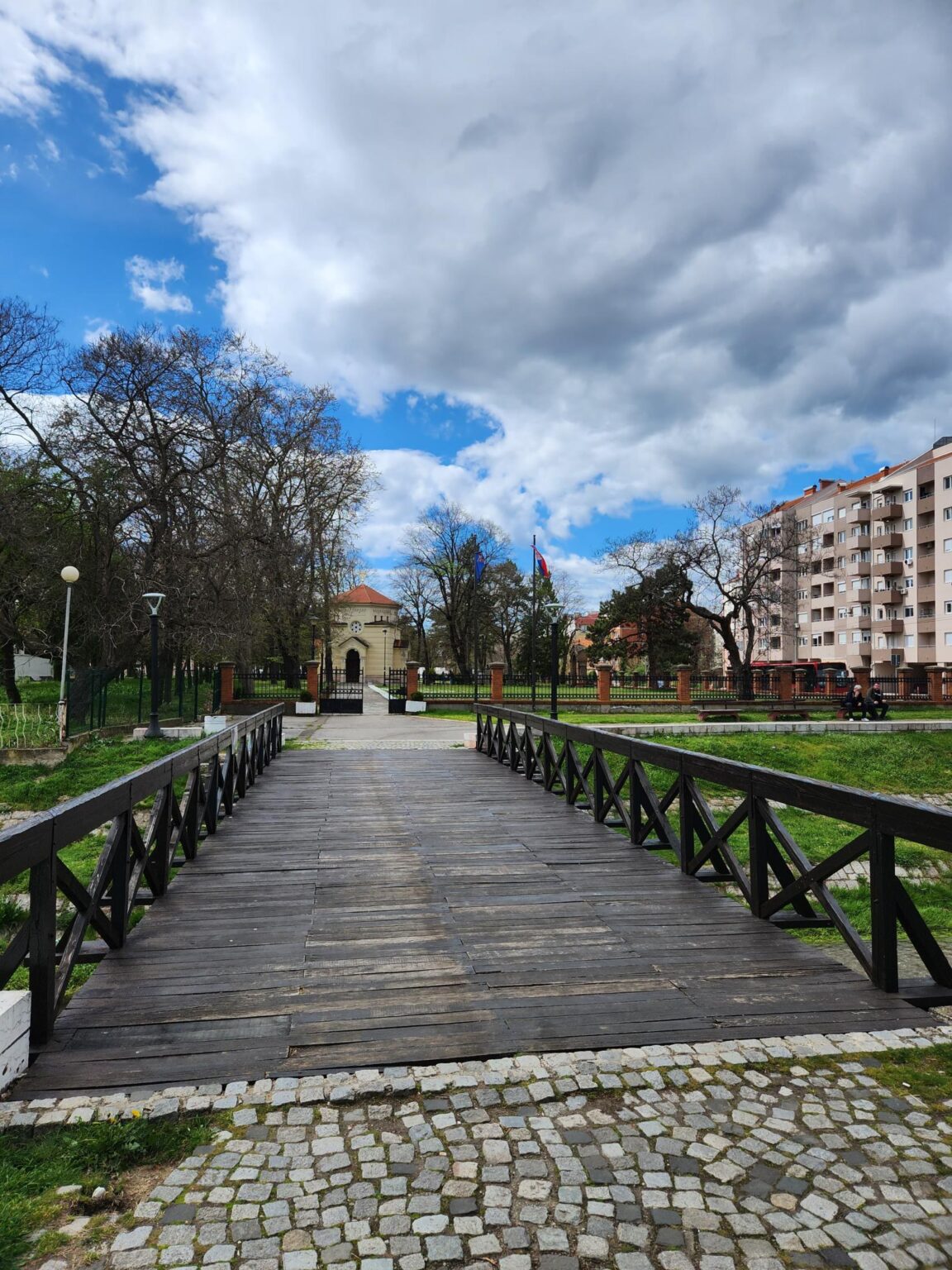
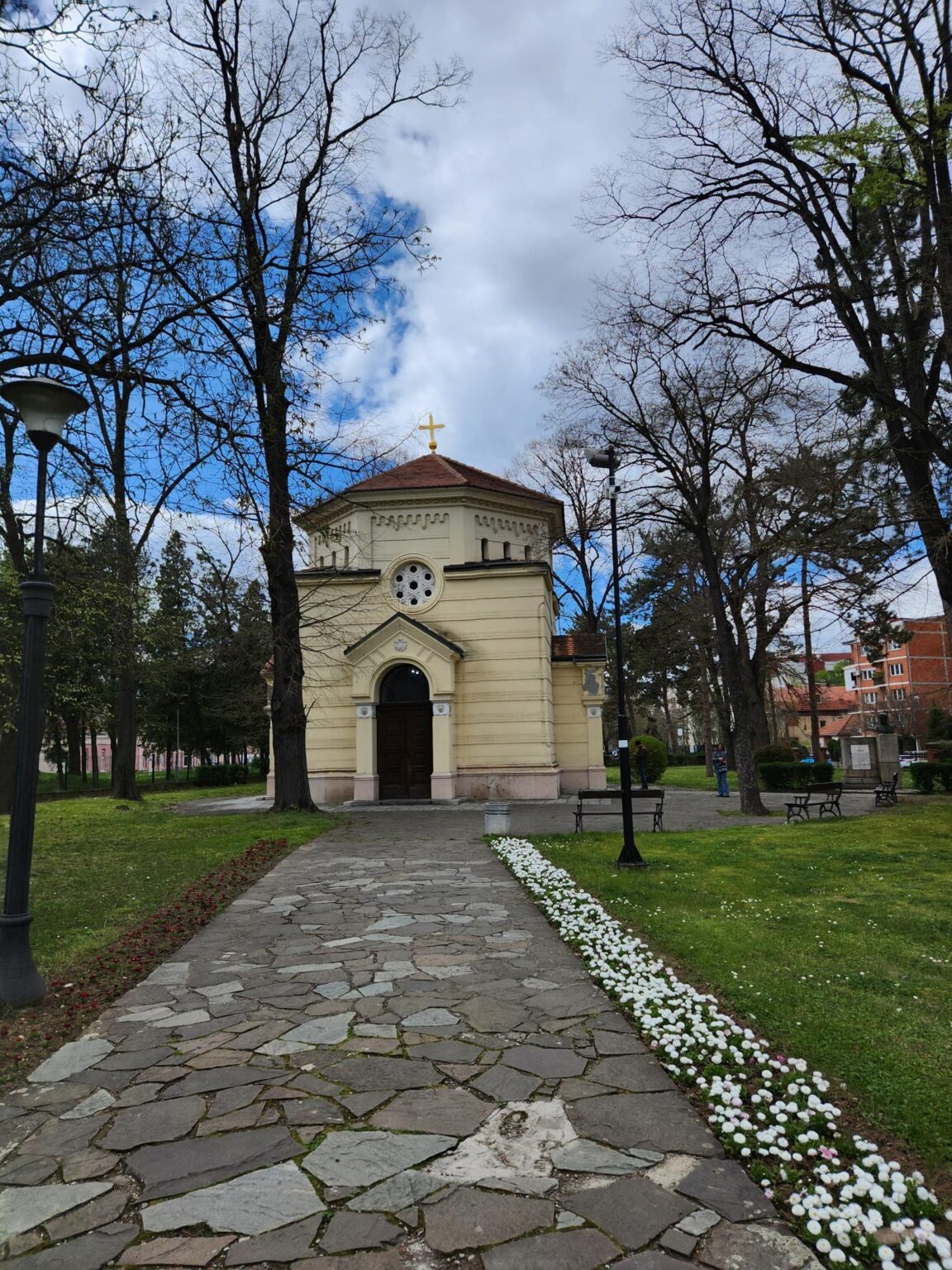
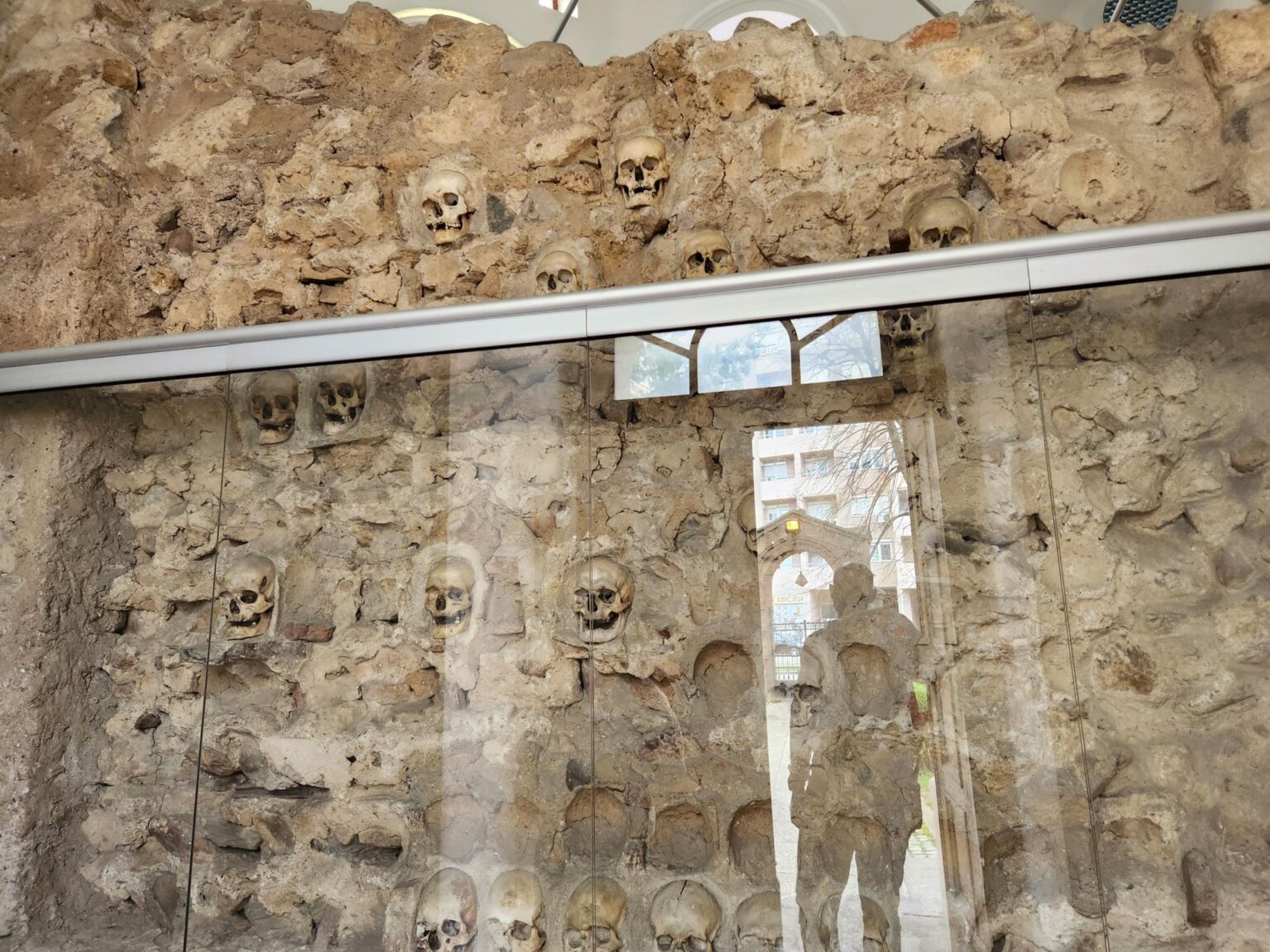
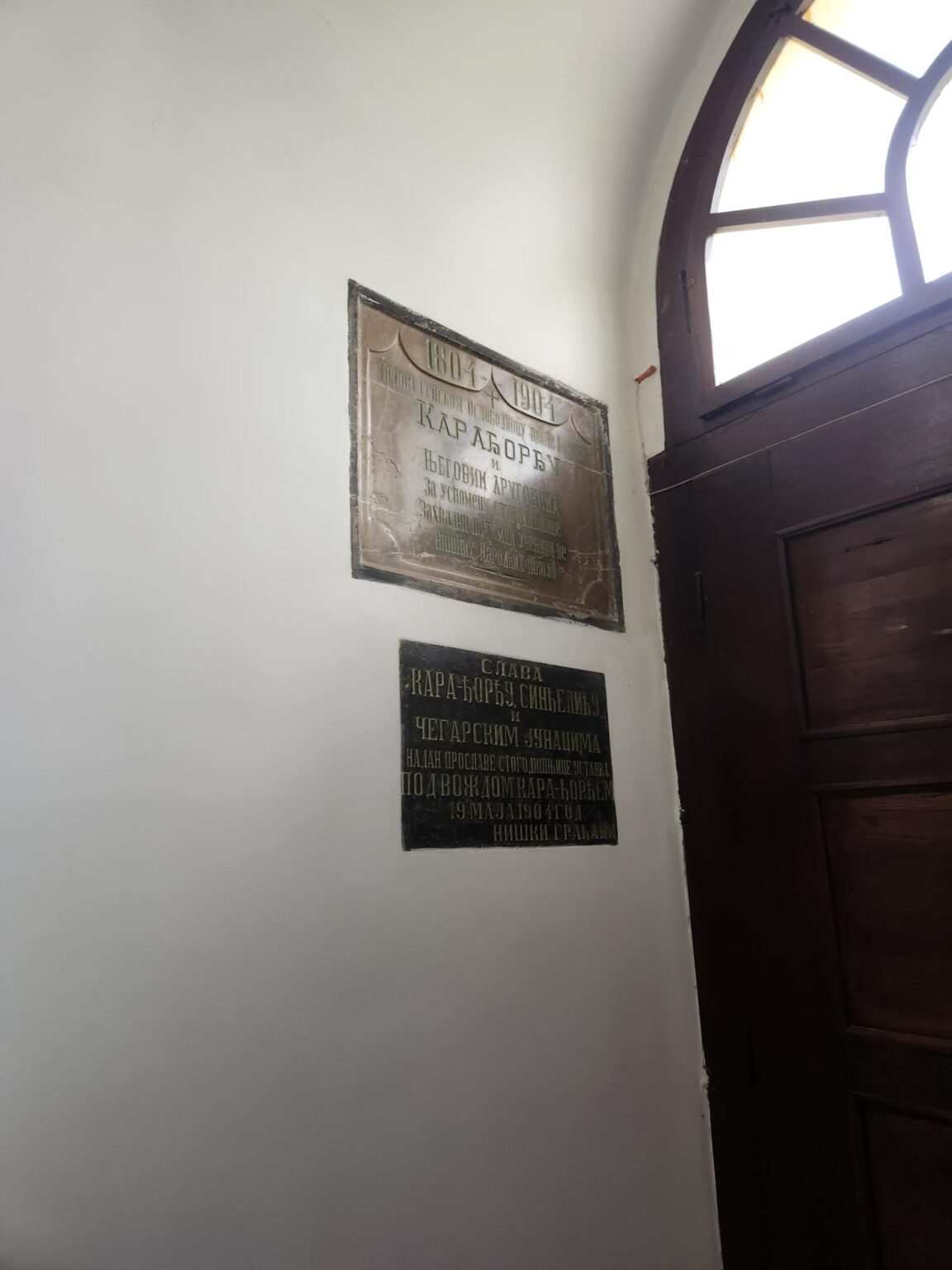
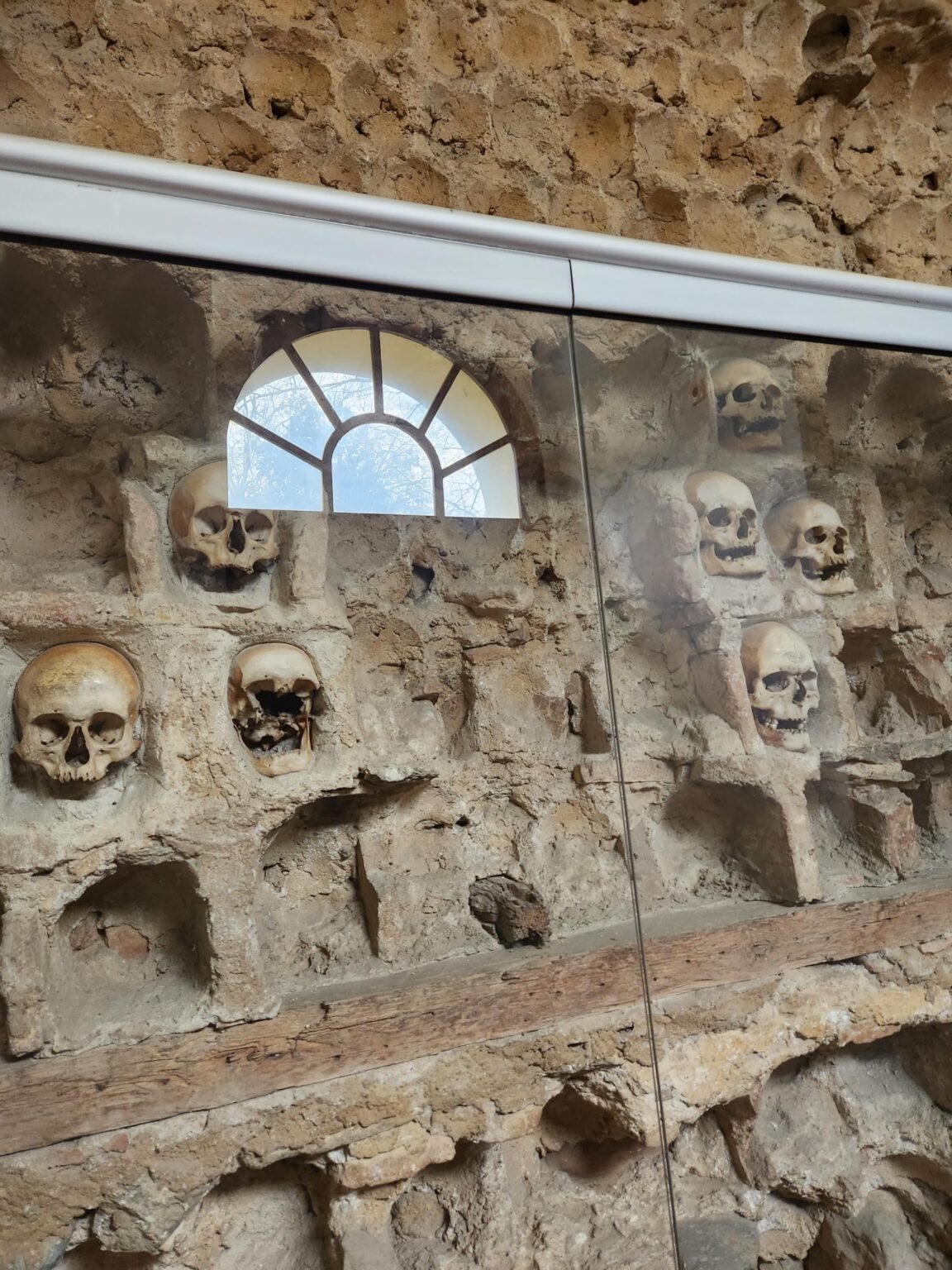
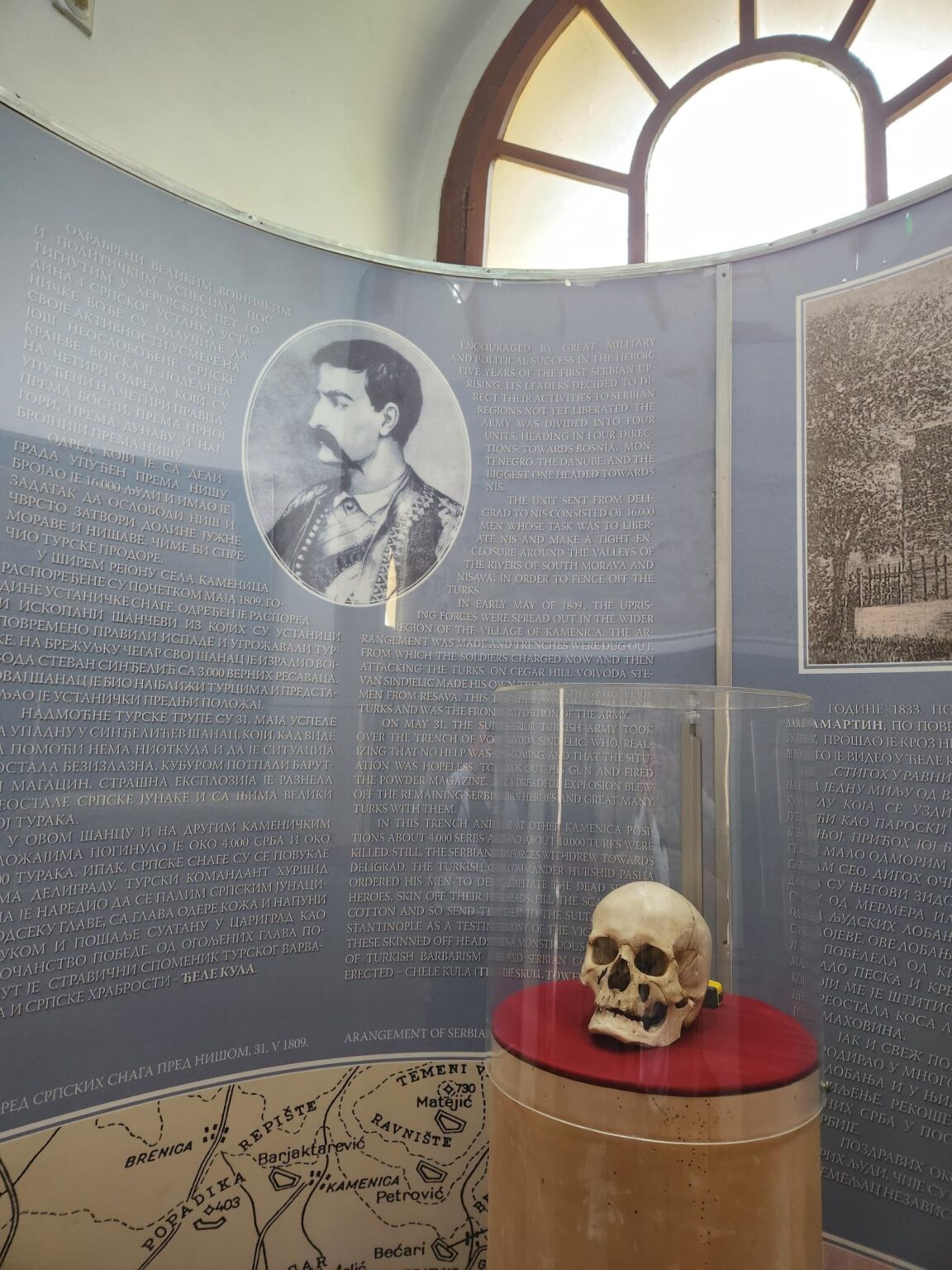
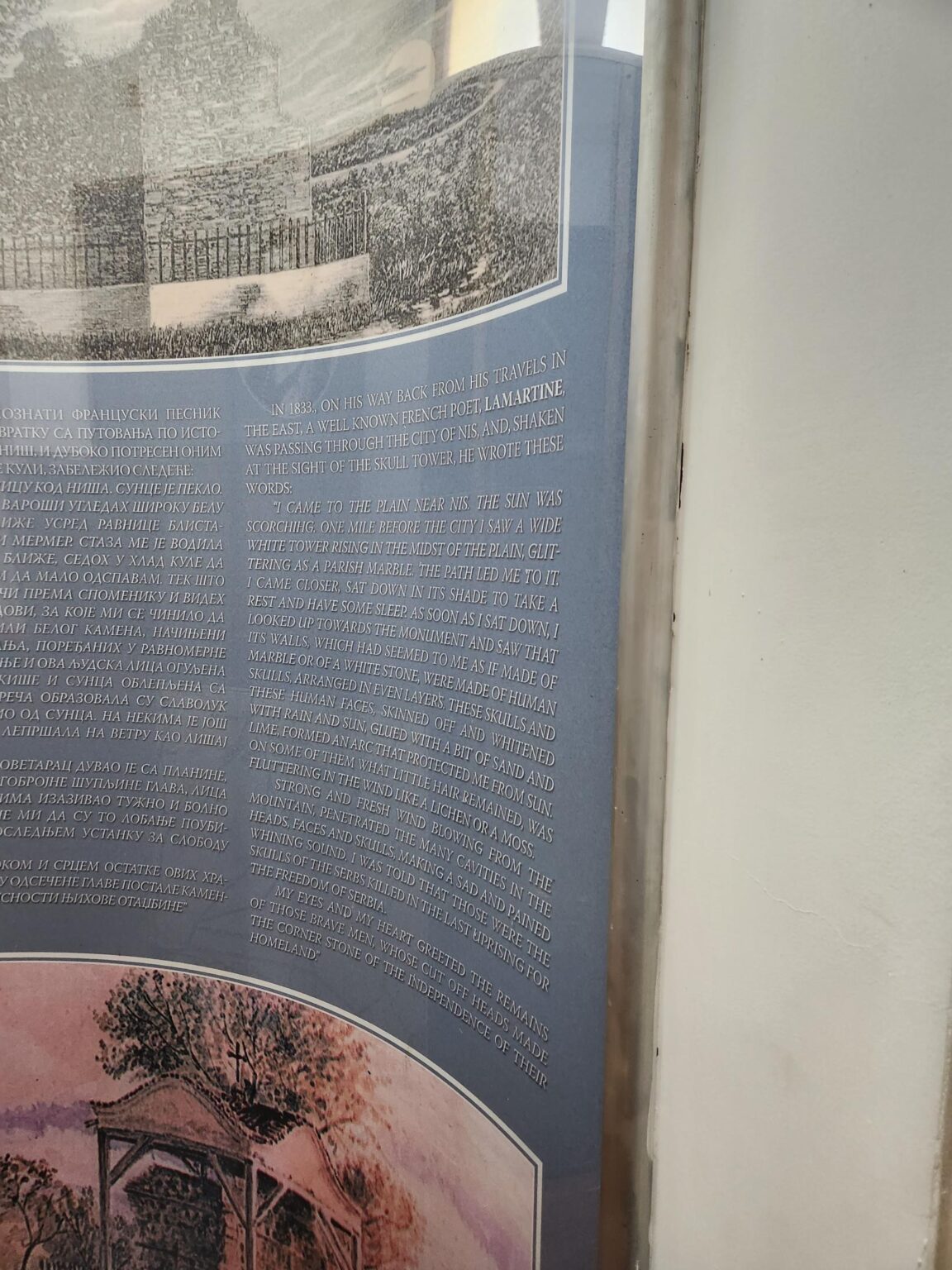
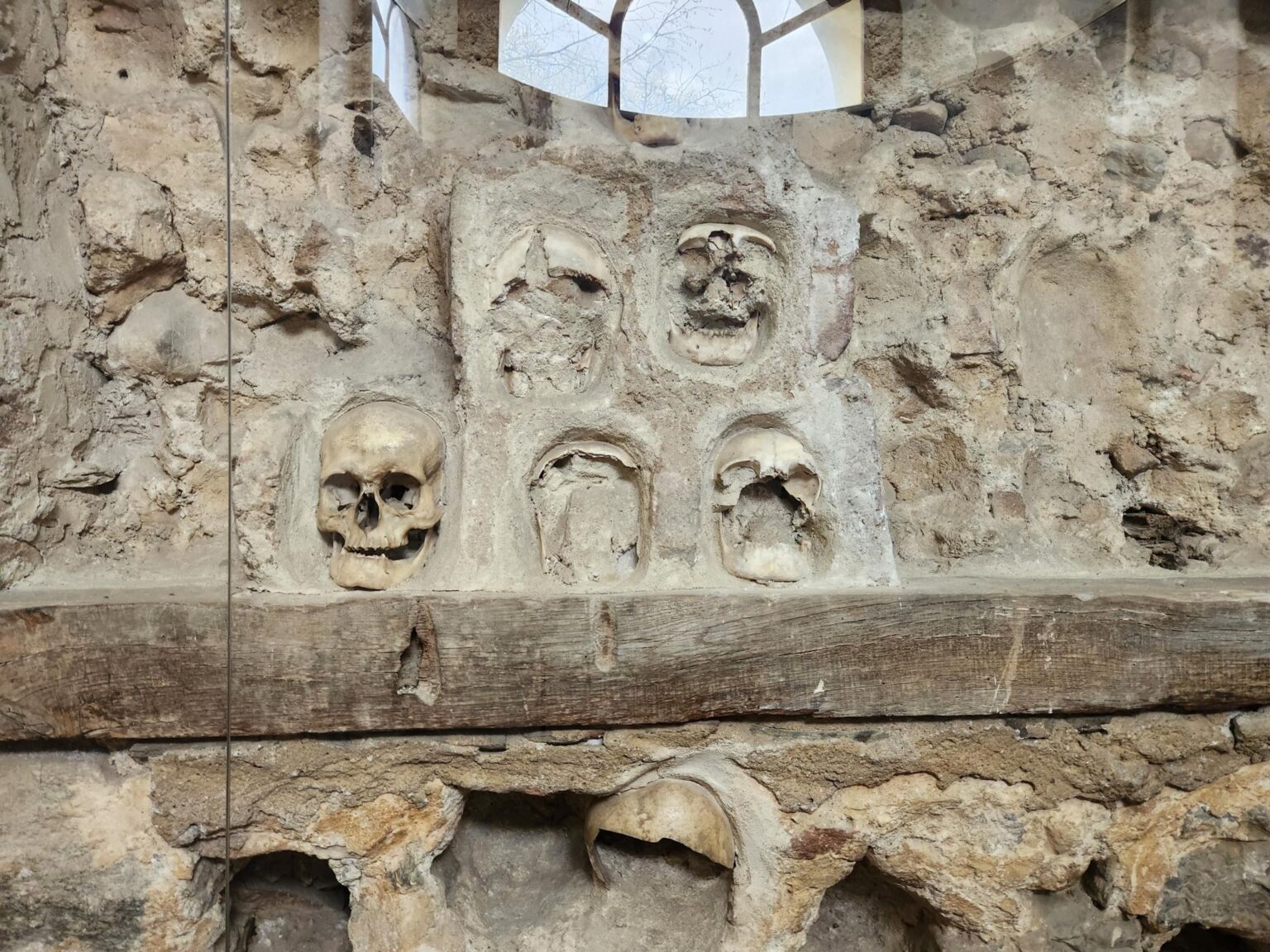
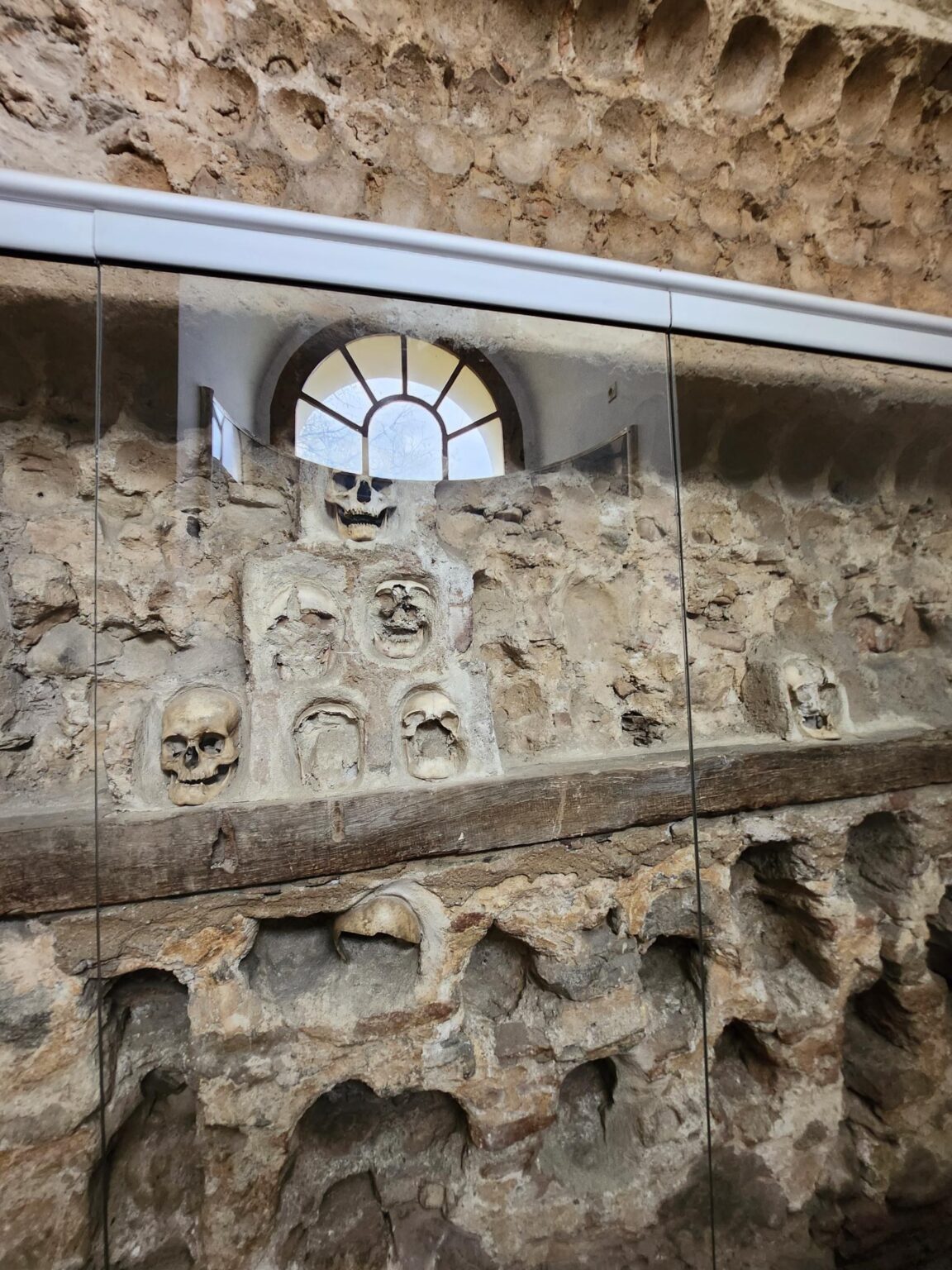
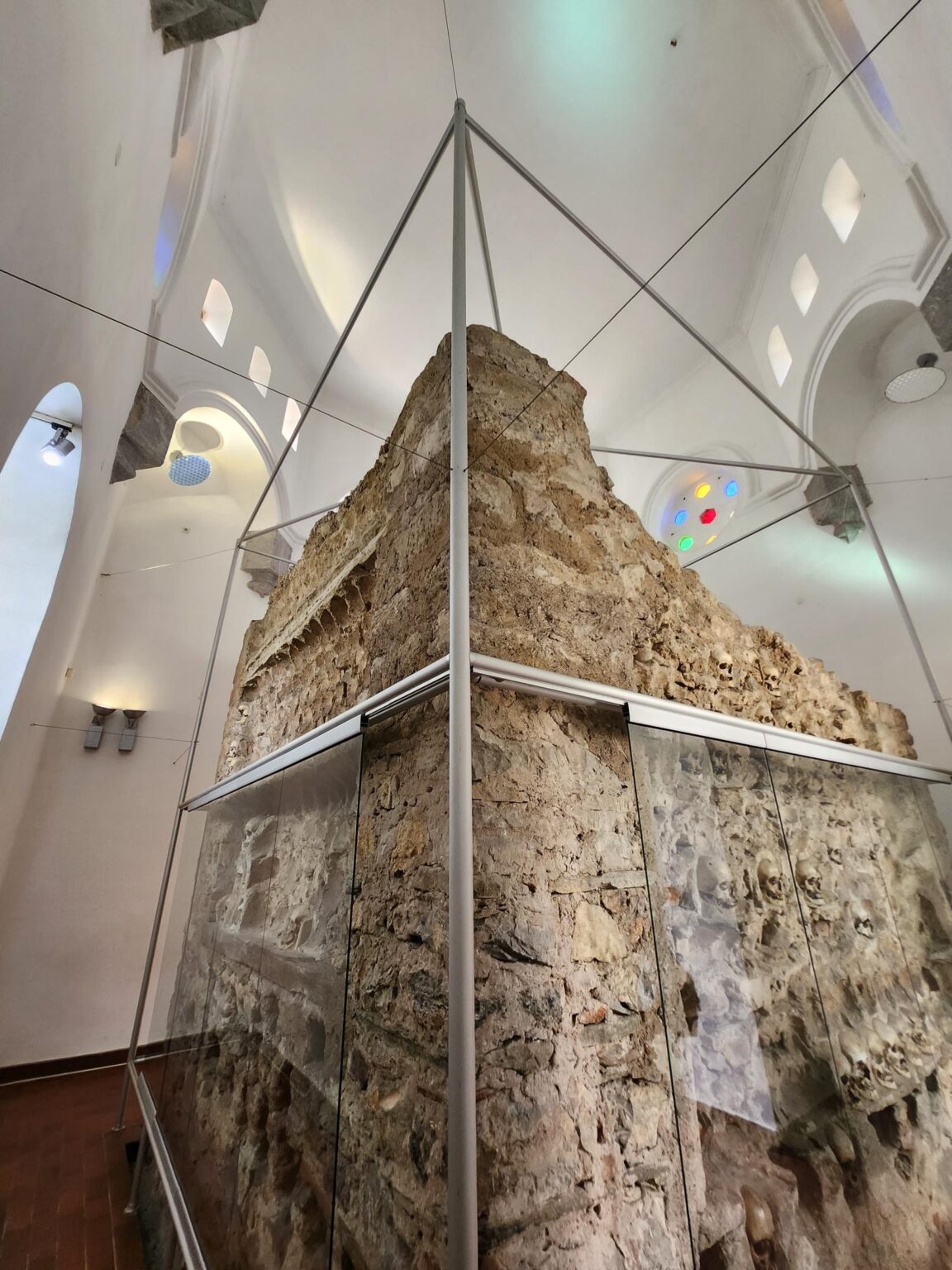
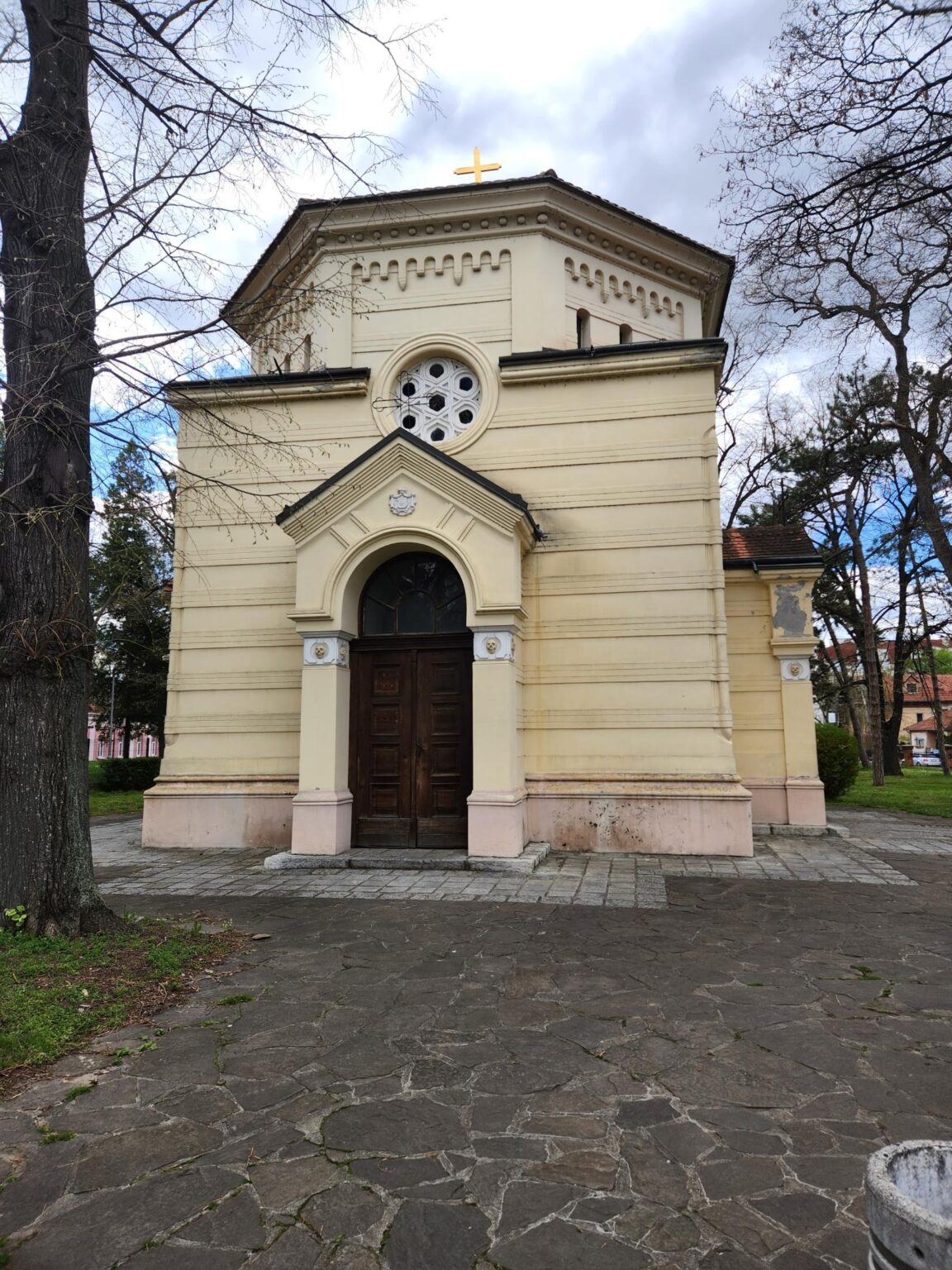
A 20-minute walk, through the Retail Park (yes, really — modern times have reached this corner too), brings you to Ćele Kula, the Skull Tower. As we know, entry is 300 dinars. The story here dates from the early 19th century: Serbian rebels, an uprising against the Ottomans, the Battle of Čegar in 1809 and an act of self-sacrifice. You do not need long here — well under half an hour. You enter a small building that looks like a chapel. Inside there is really just the tower, with a few remaining skulls, and an information board you can read in a minute or two.
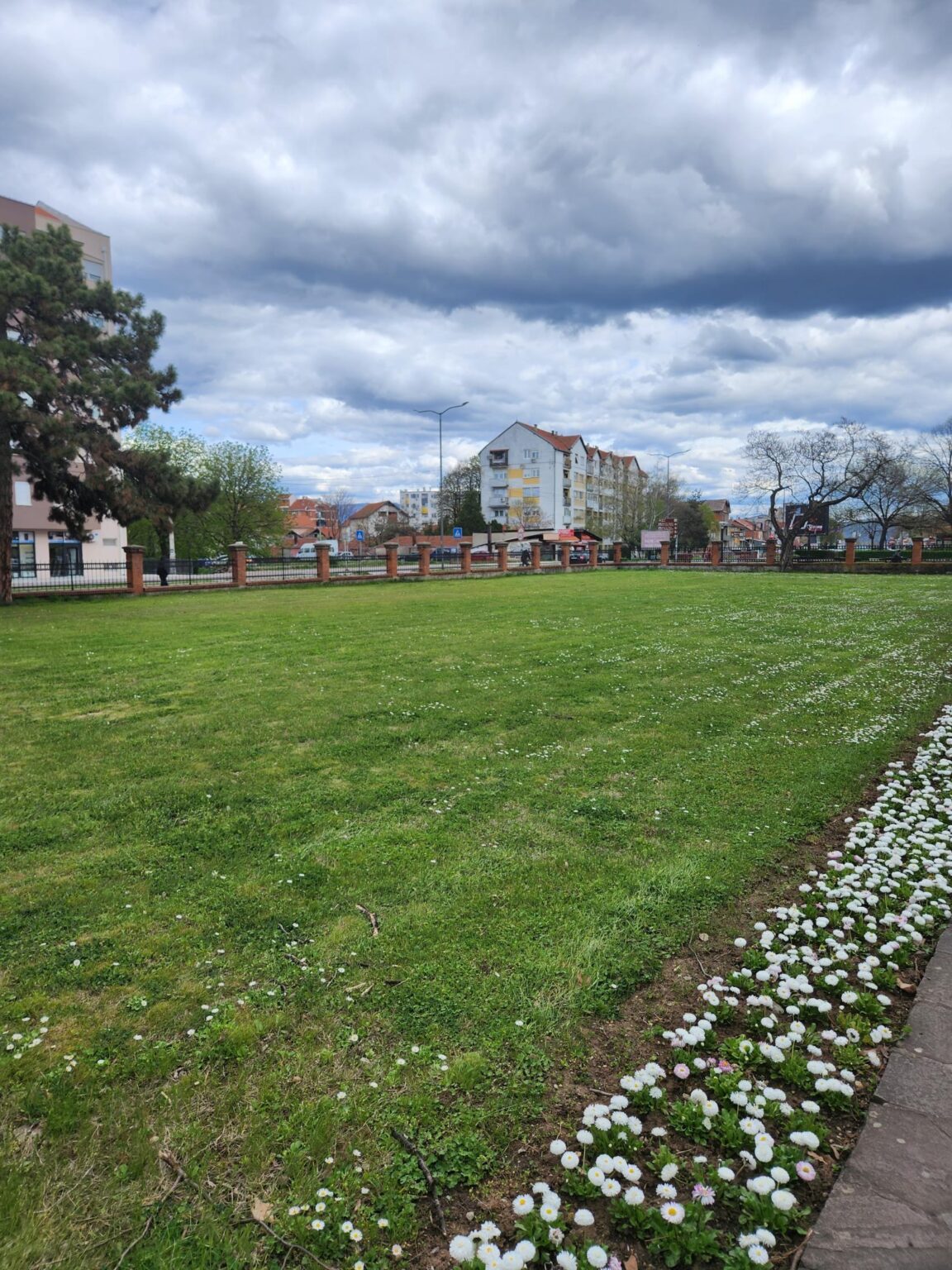
Around Niš: parks, malls and neighbourhood streets
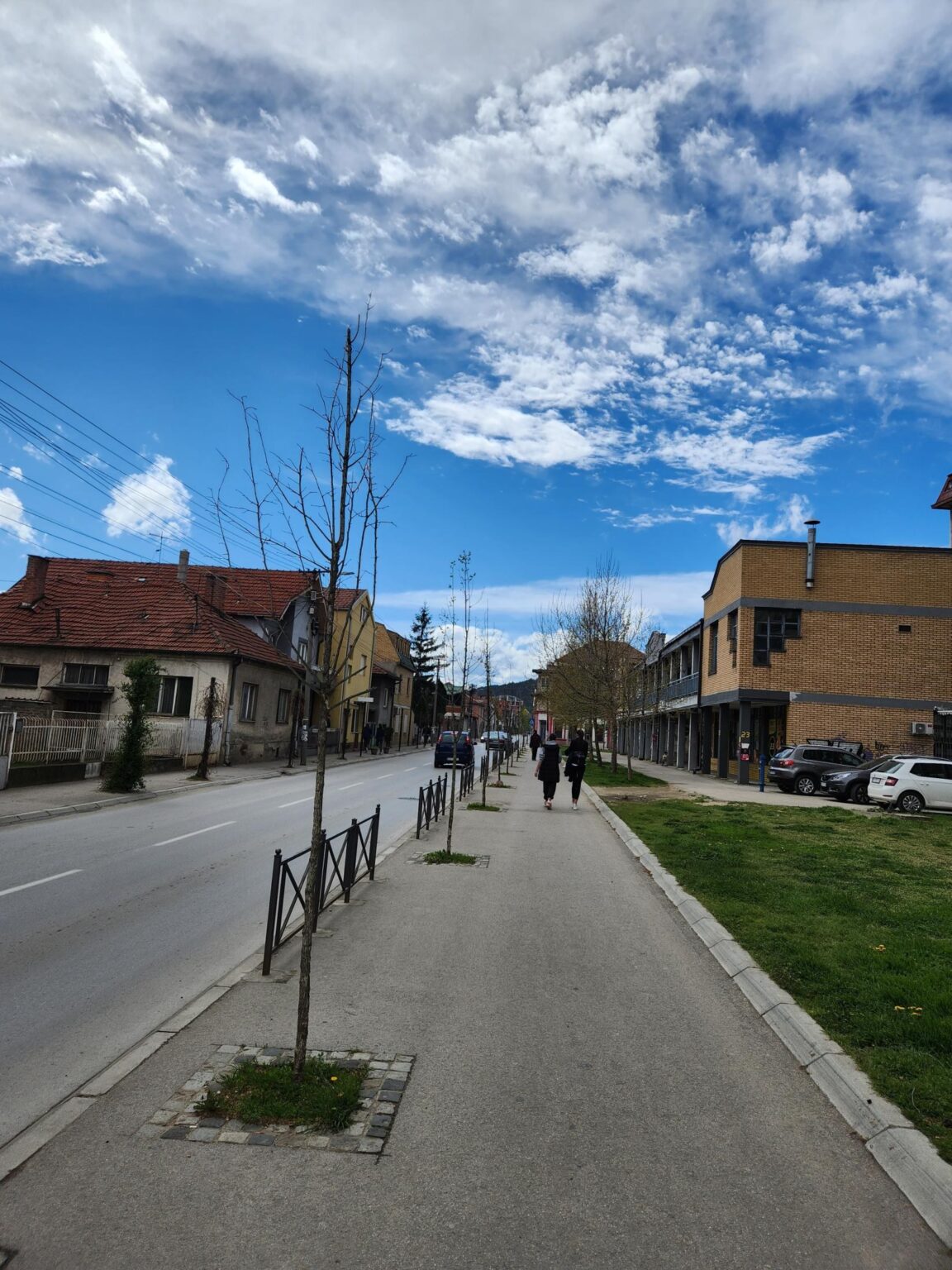
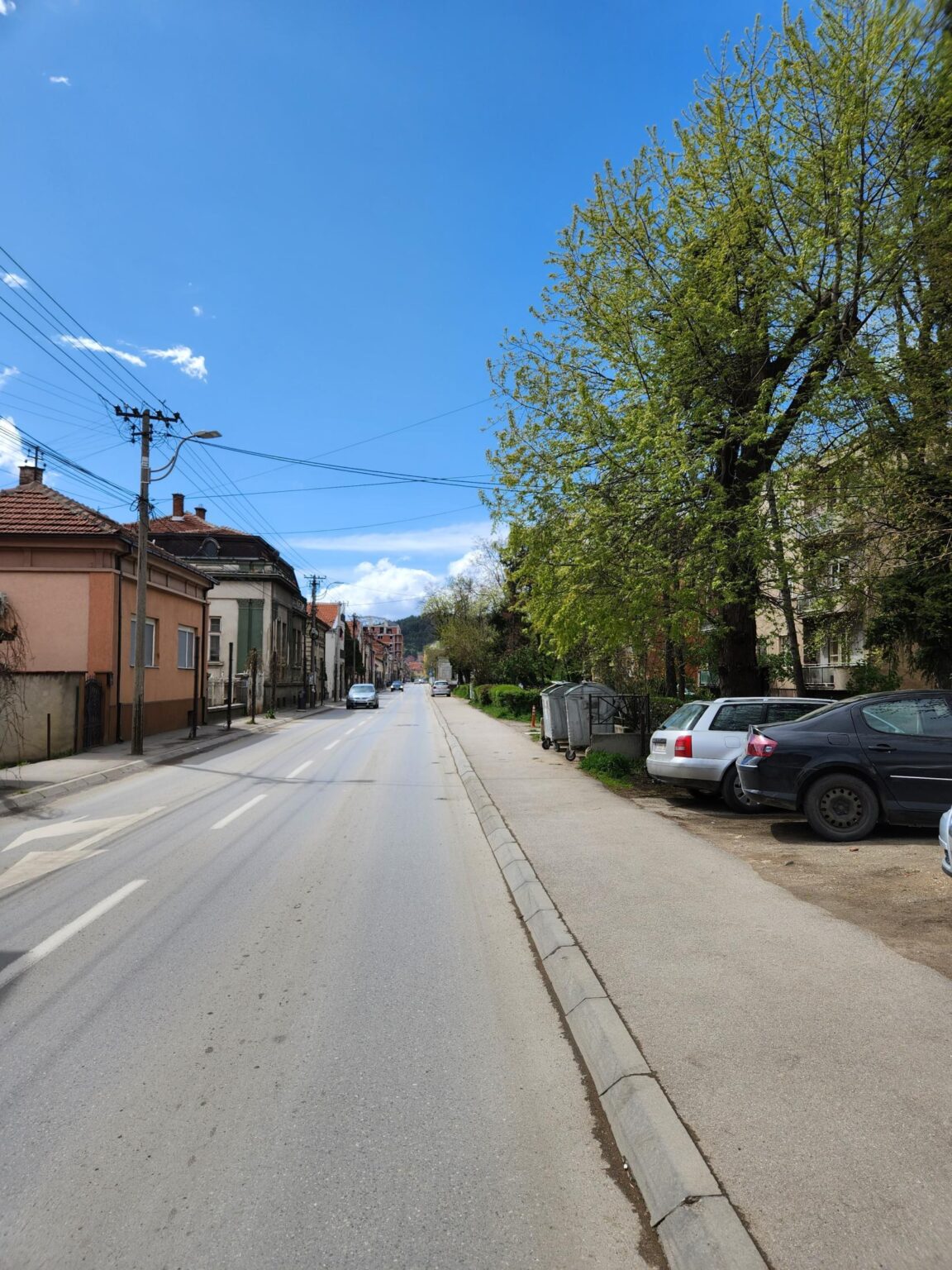
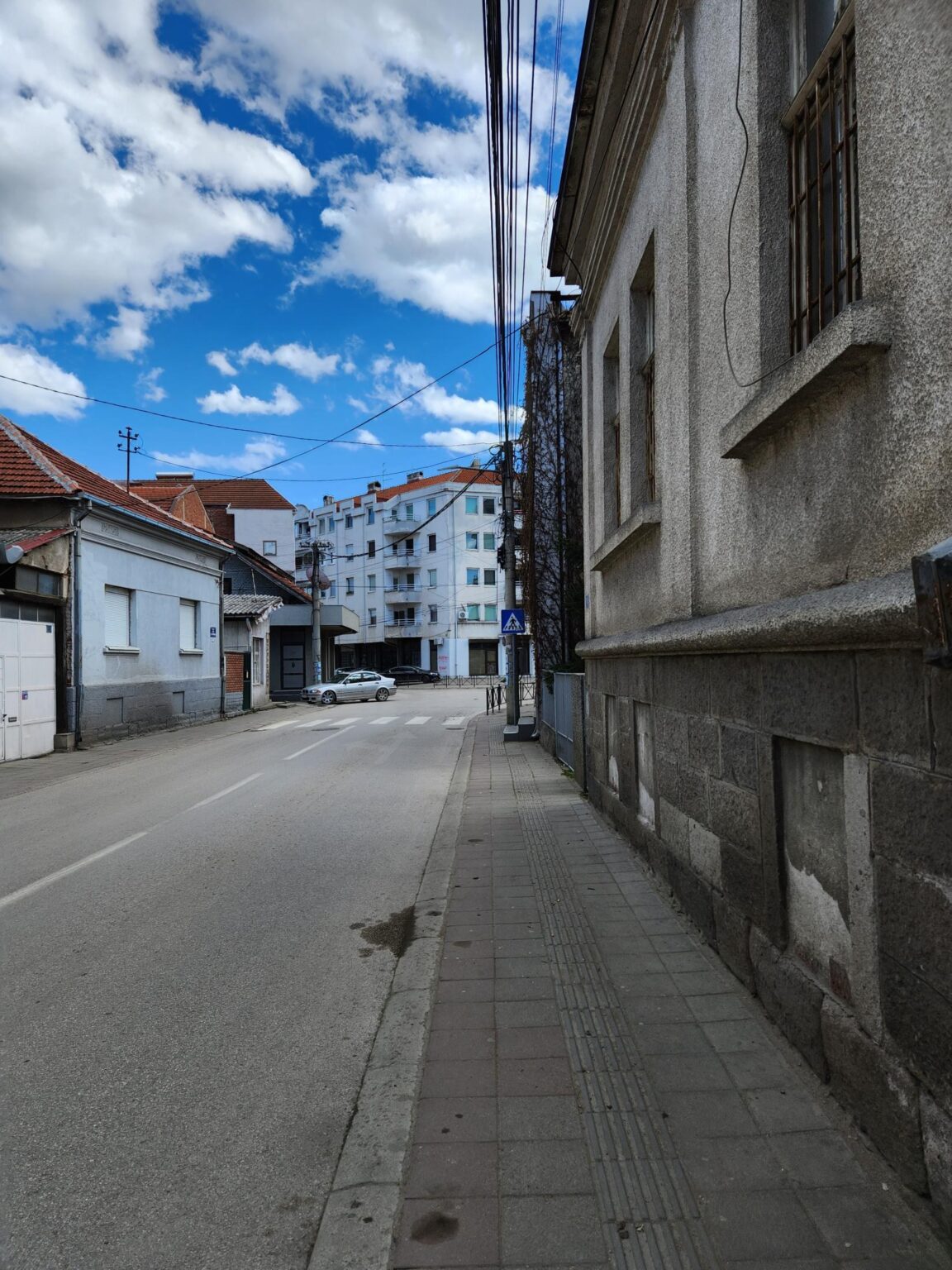
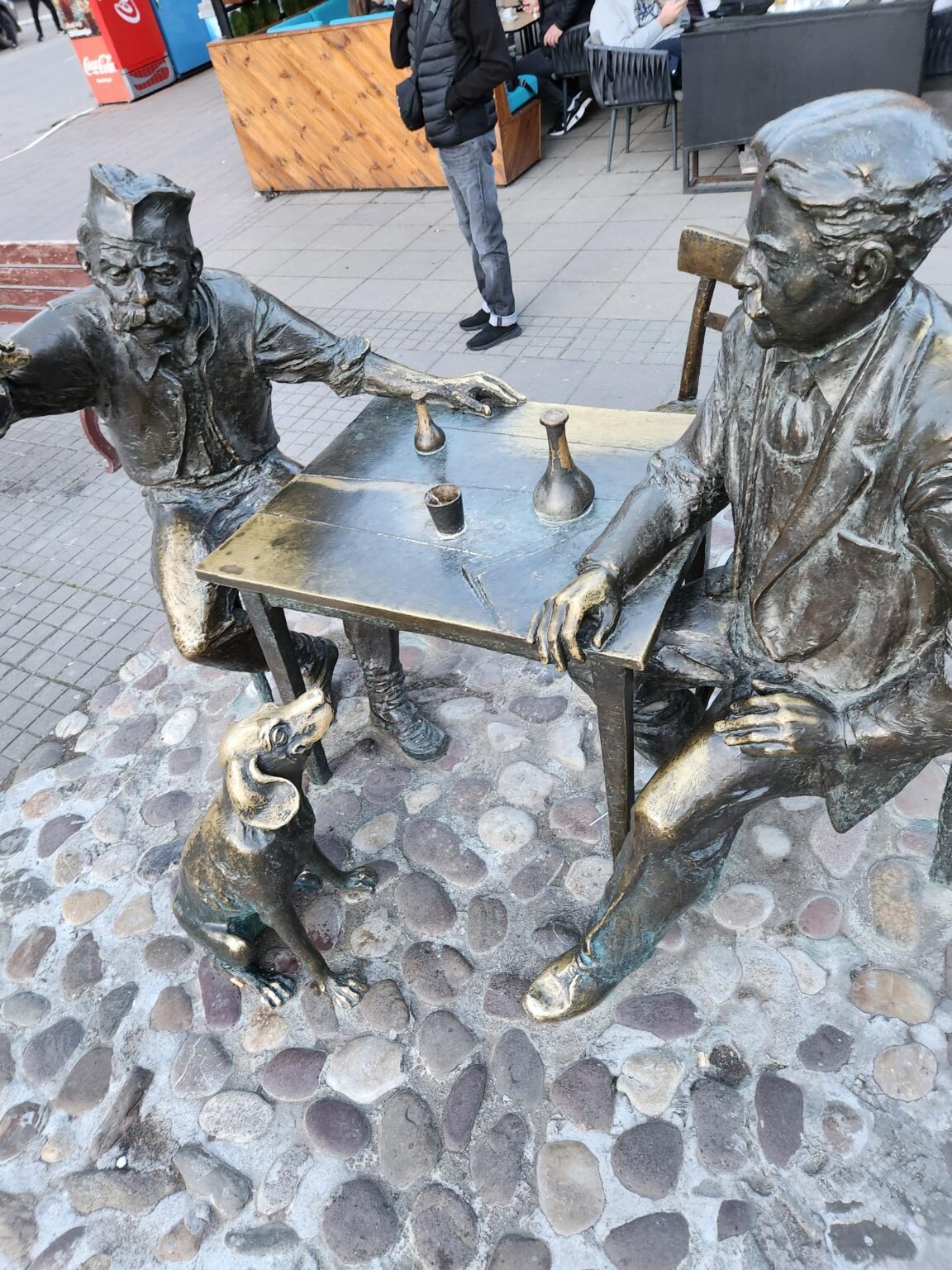
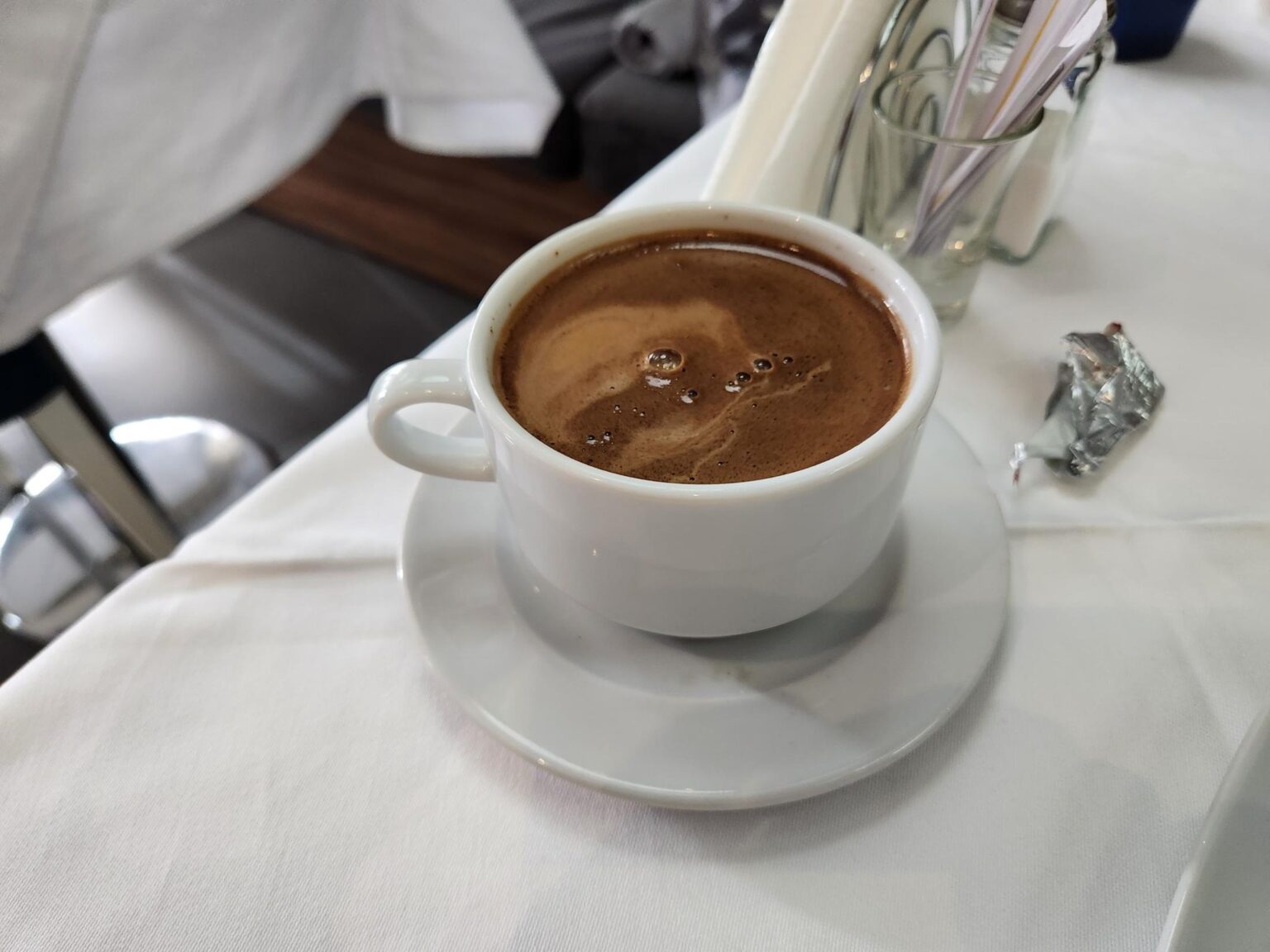
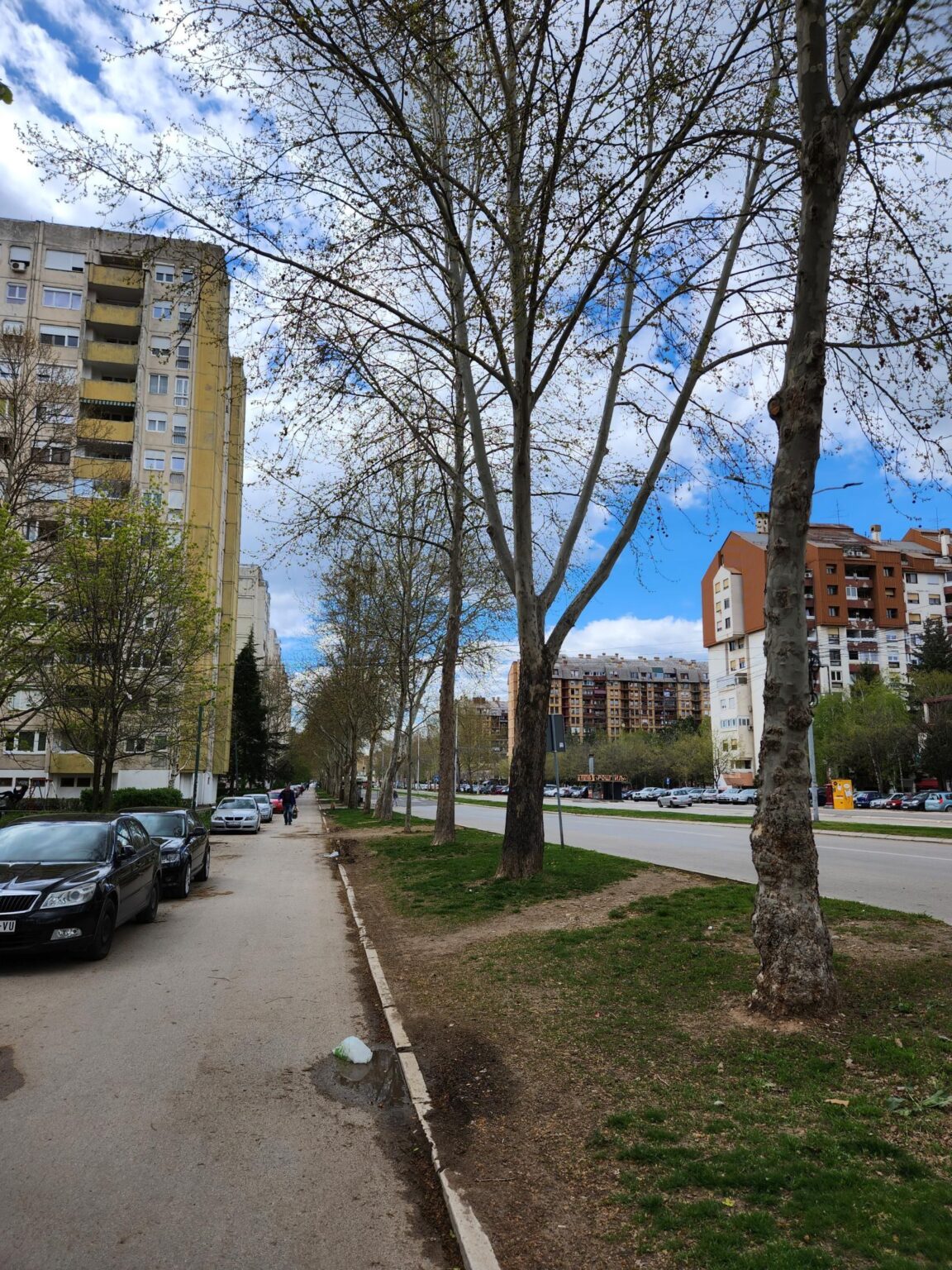
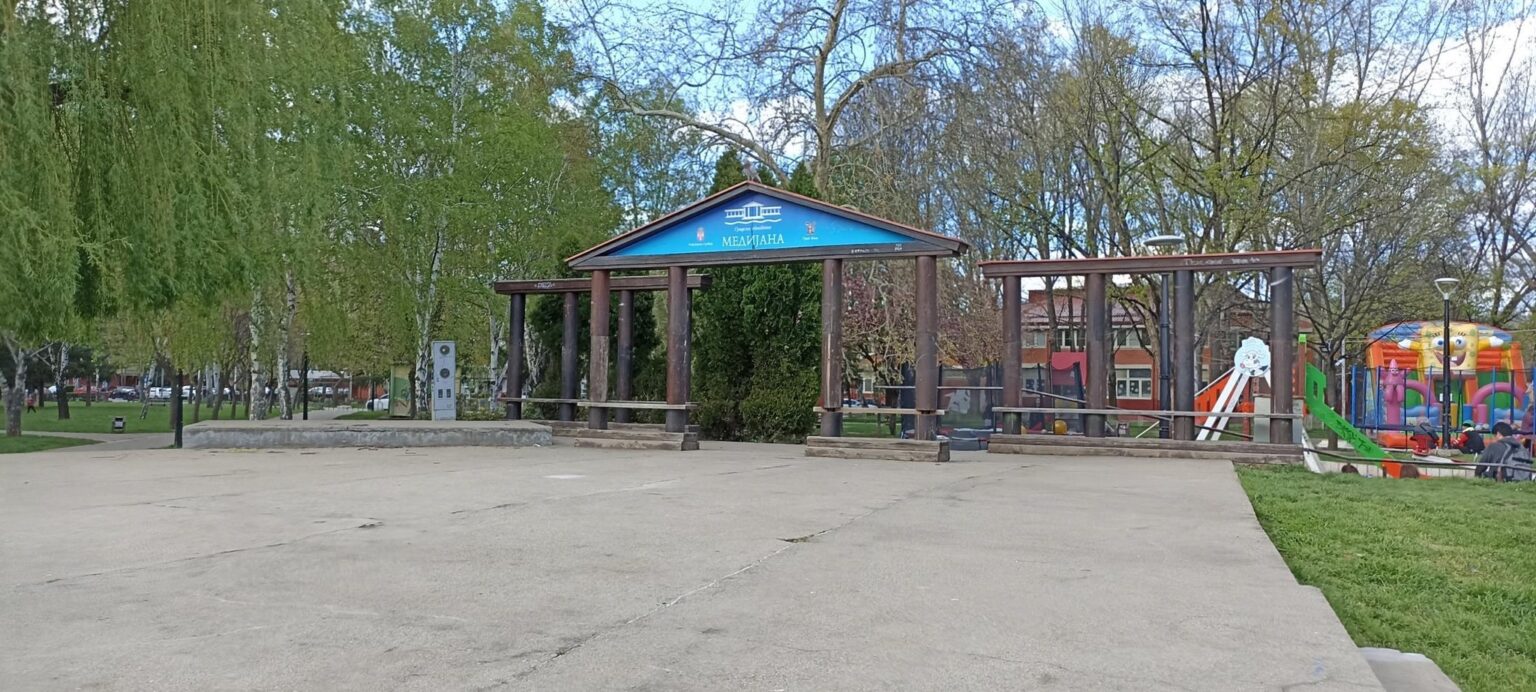
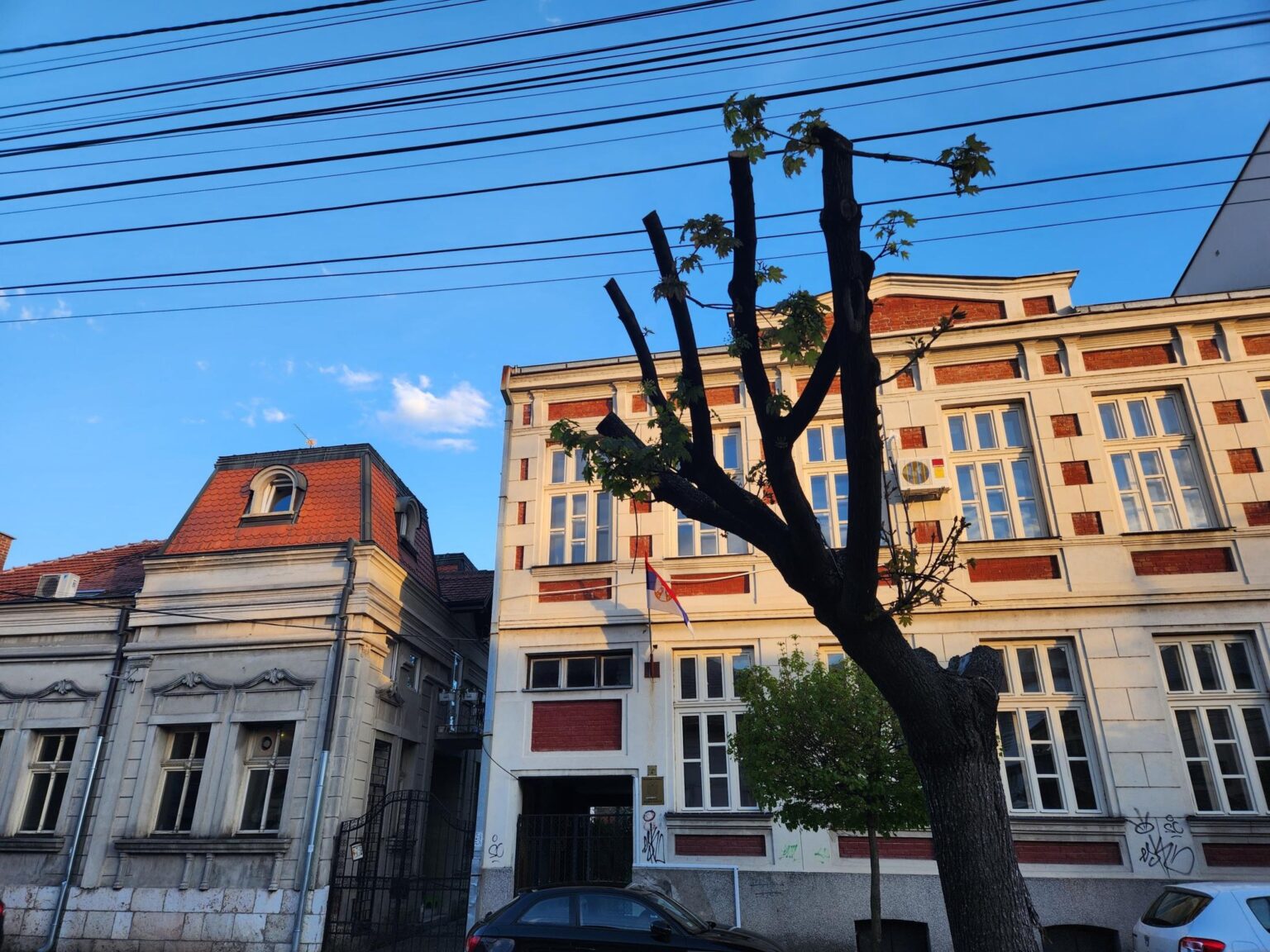
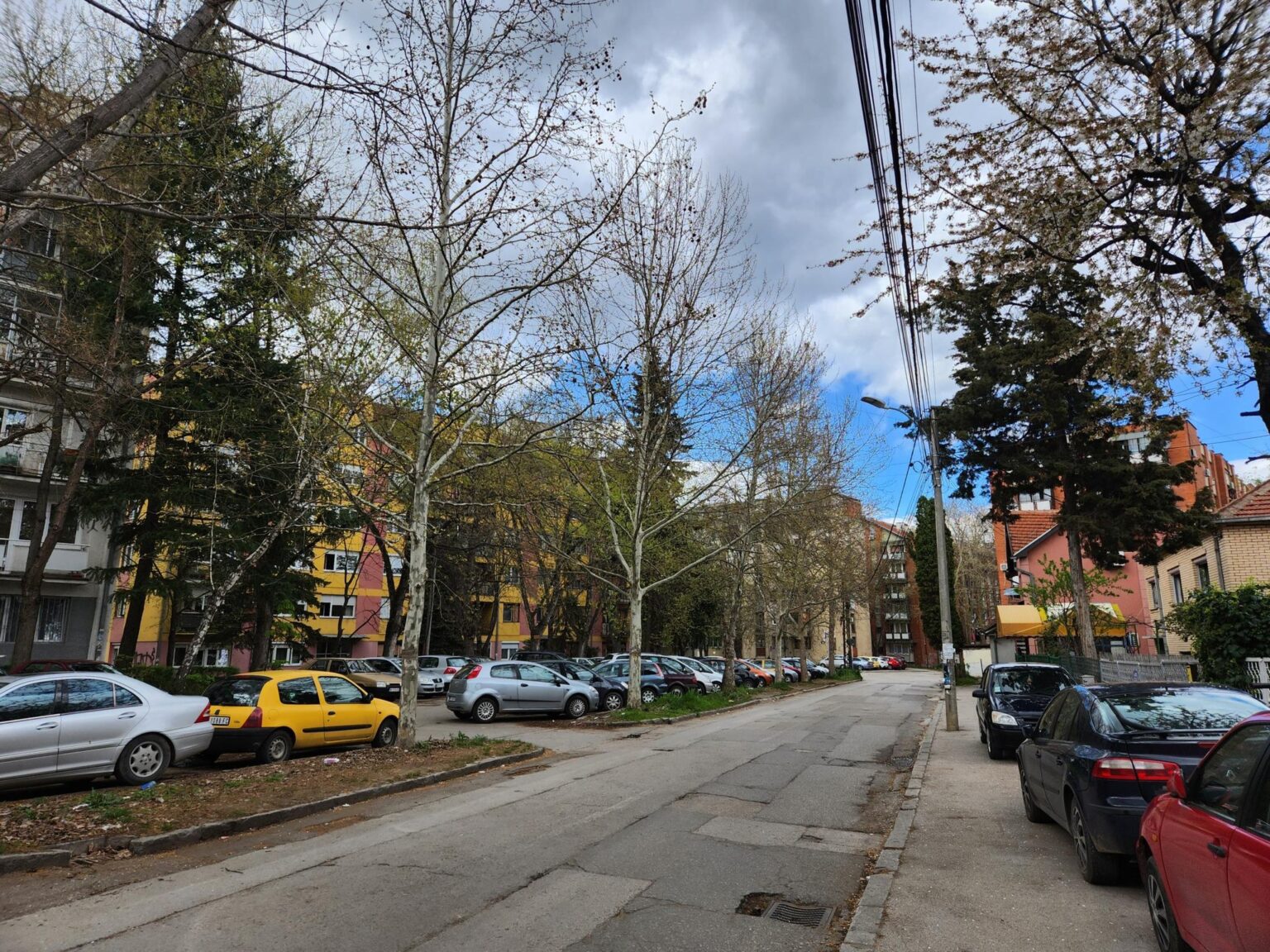
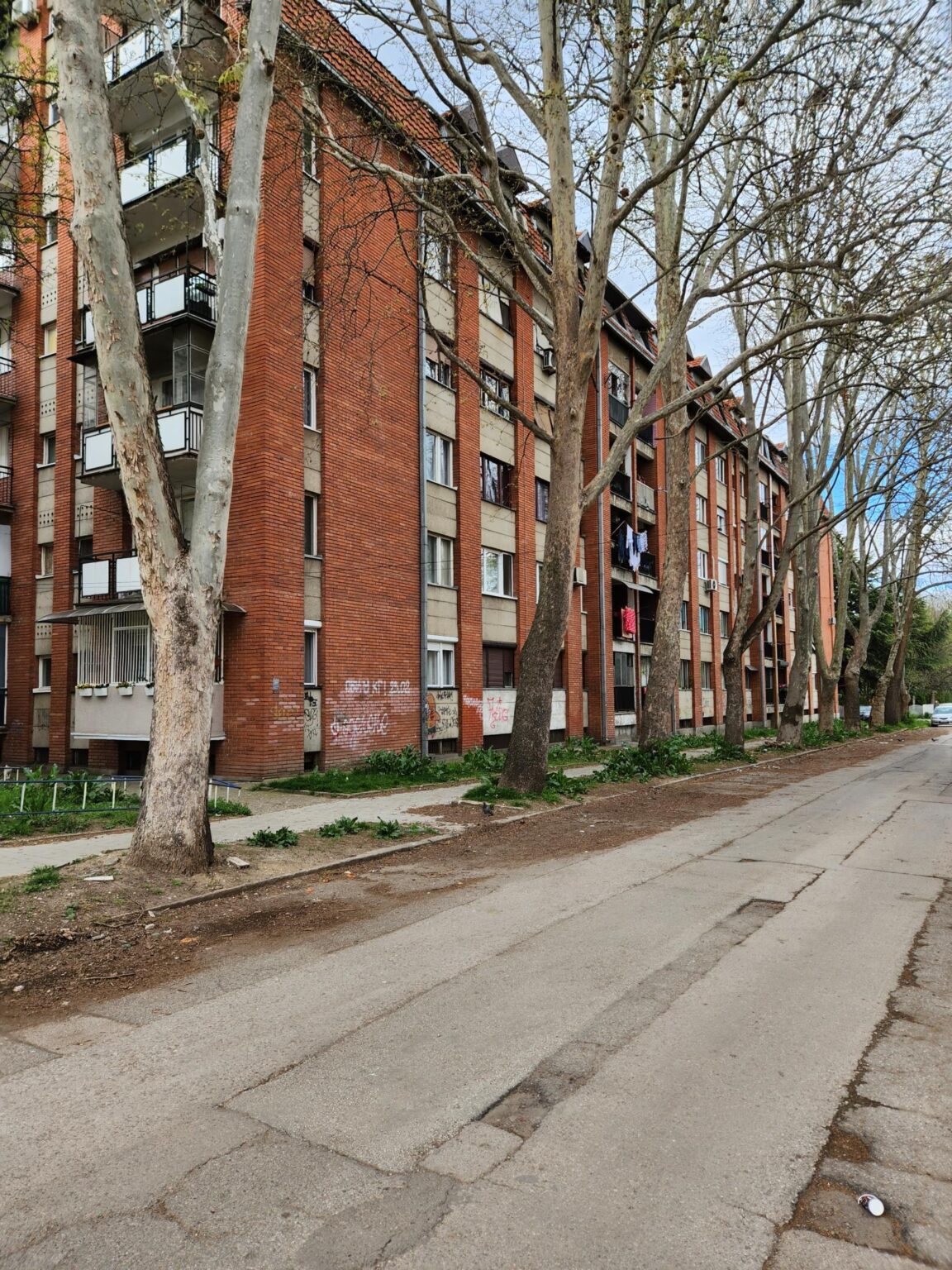
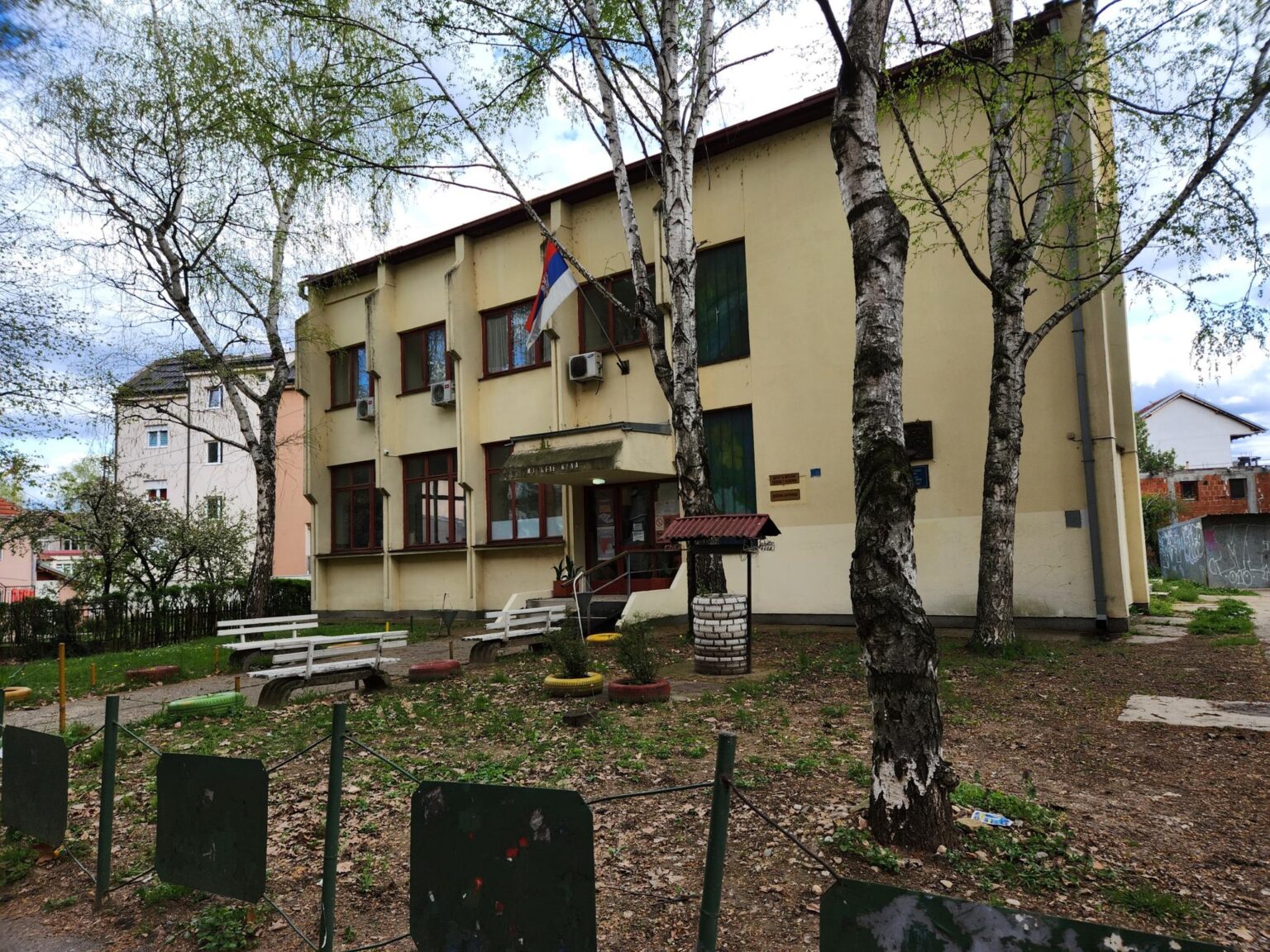
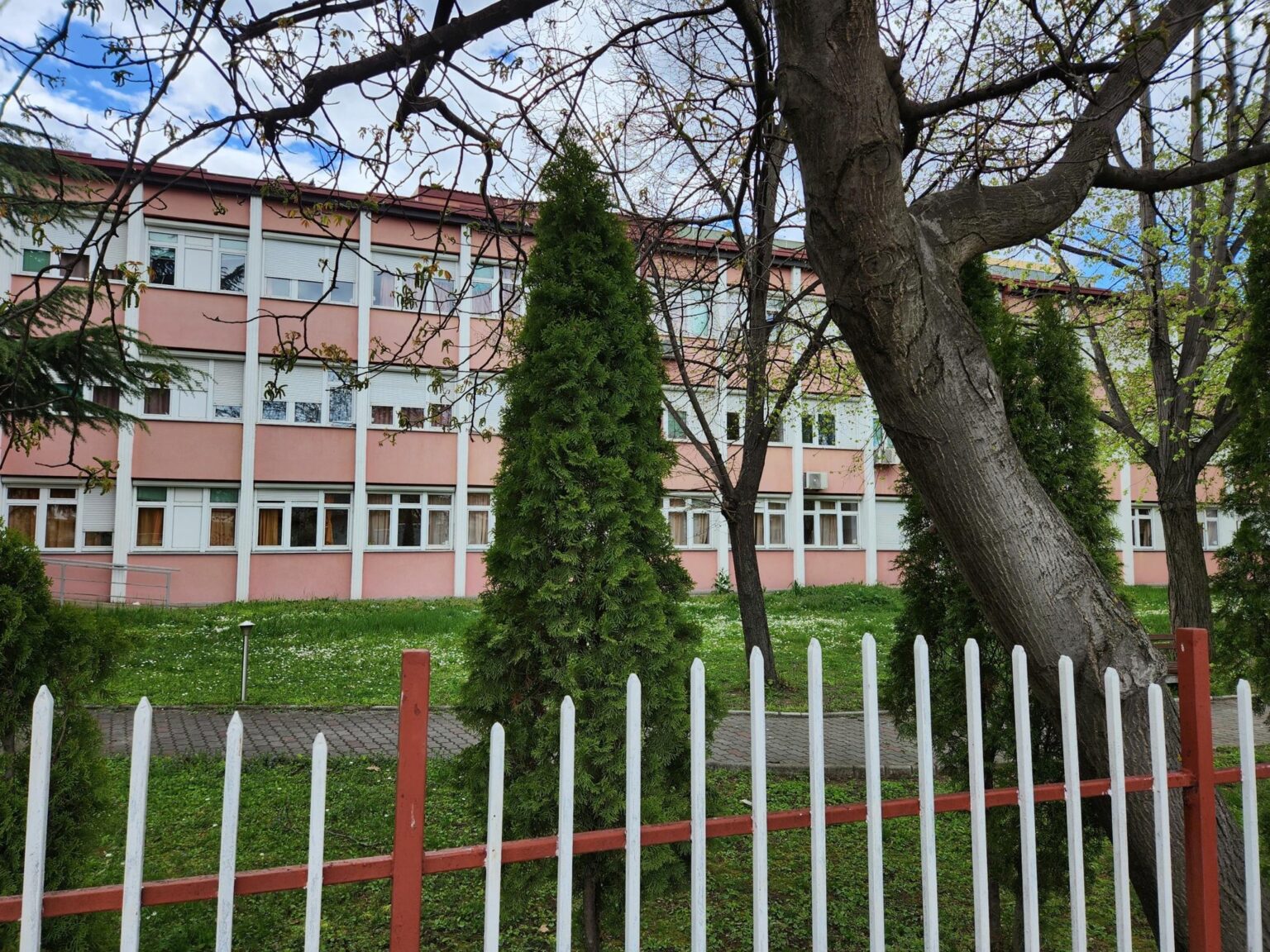
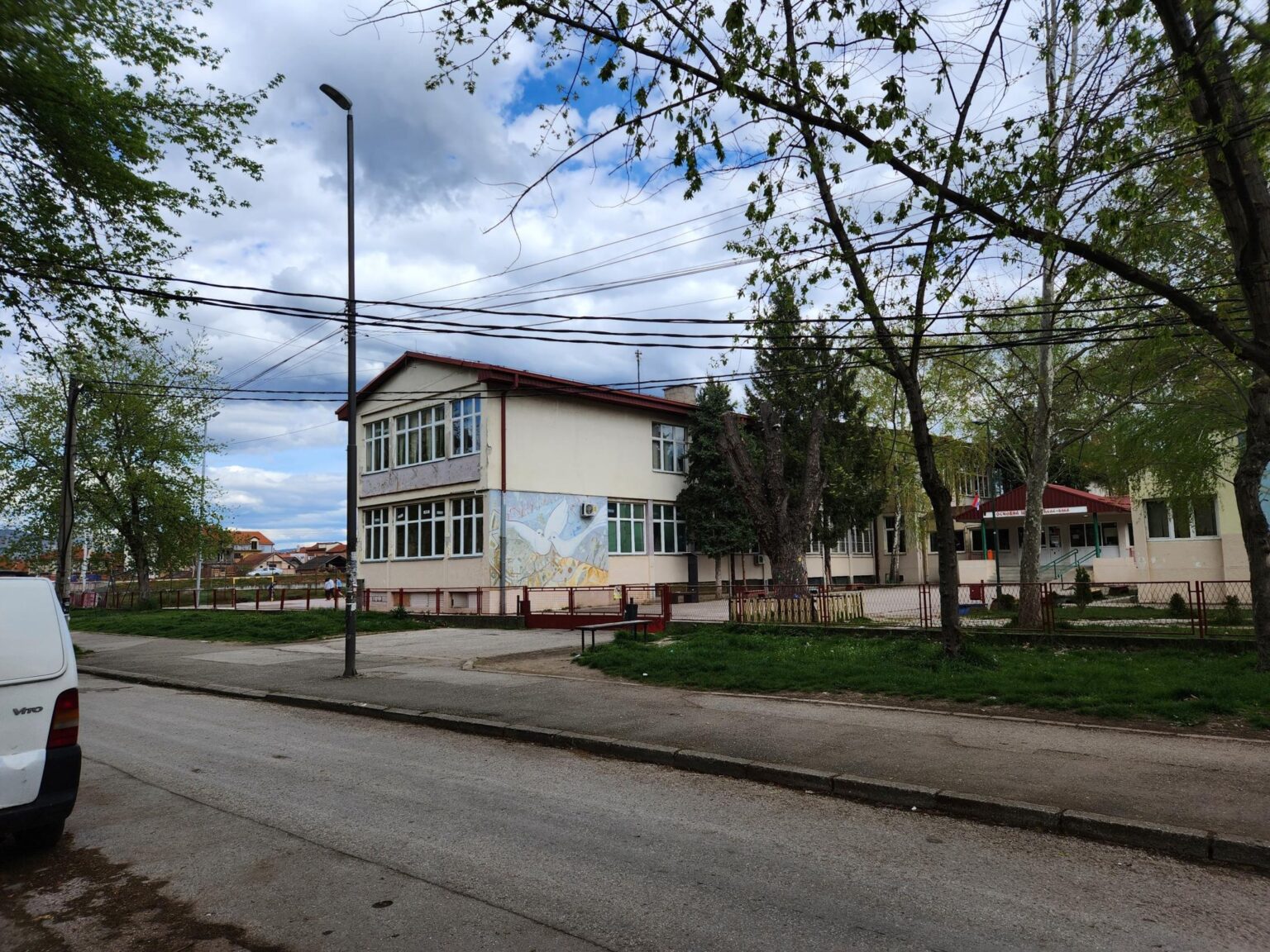
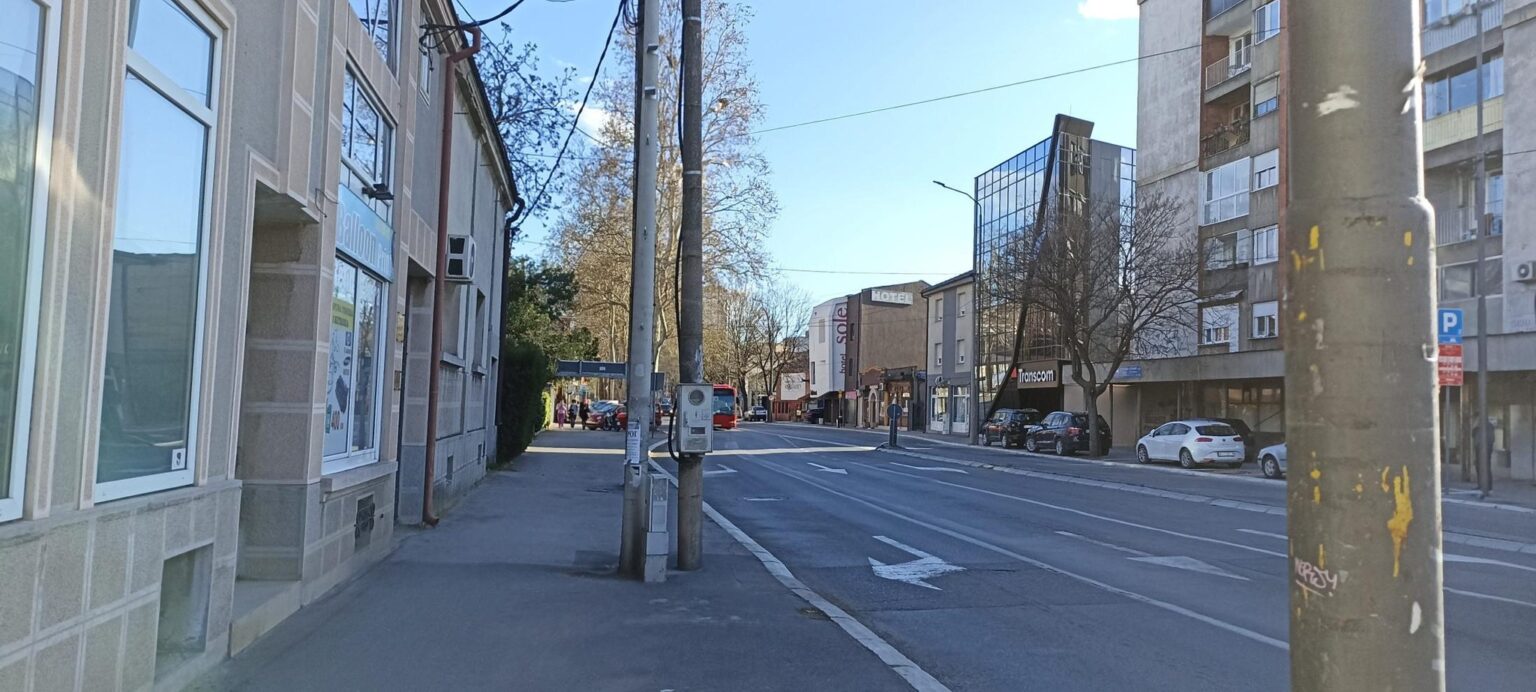
Half the day is gone. We head back towards the centre on foot, cutting through a quieter neighbourhood to see how the locals live. Well, they live nicely: clean and tidy, with kindergartens, bus stops, parks and benches. Parks, you say? Oh, St Sava Park. Good coffee. Ah, I haven’t told you about the coffee yet, and that is extremely important 😀 Unlike the Italians, Serbs drink a normal — LONG — coffee, obviously brewed in a džezva, the little long-handled pot. So you walk up and order a velika domaća kafa sa mlekom, a big home-style coffee with milk. You can’t go wrong 😀
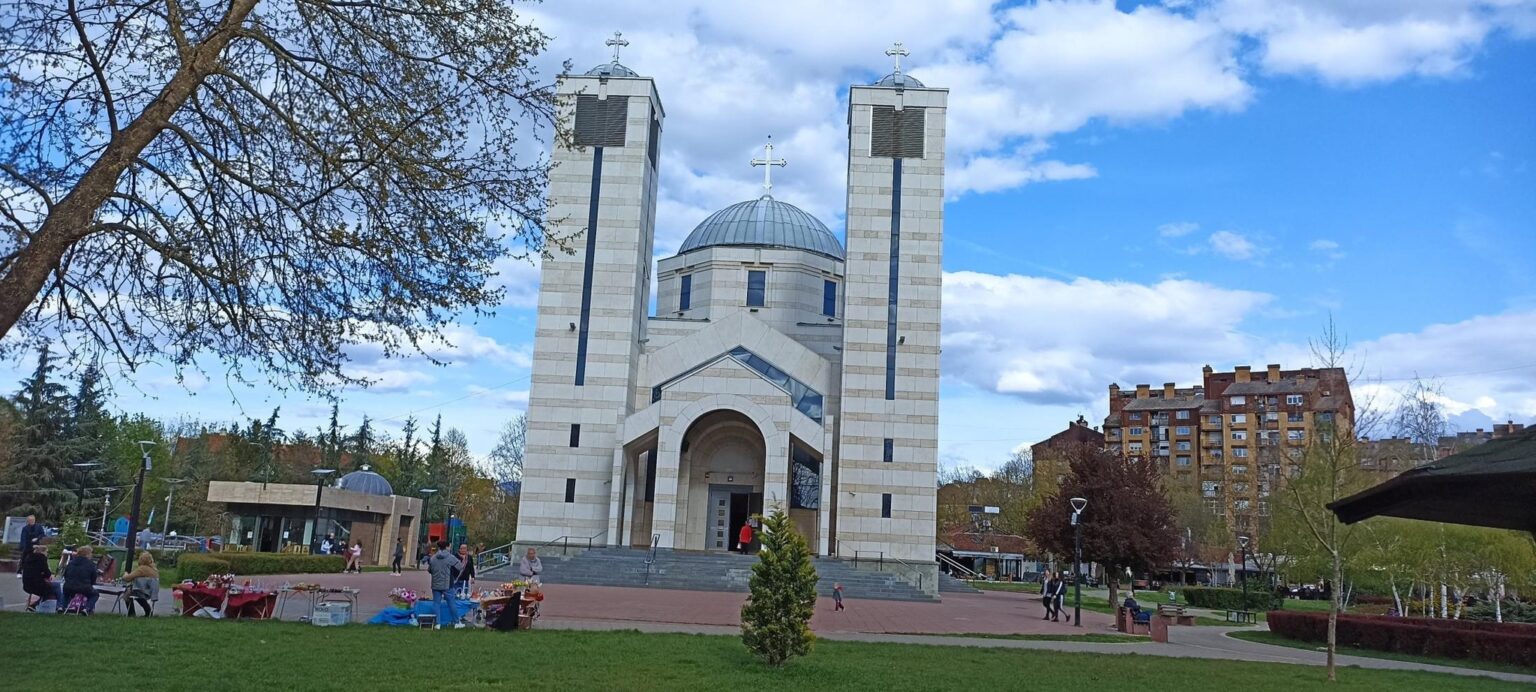
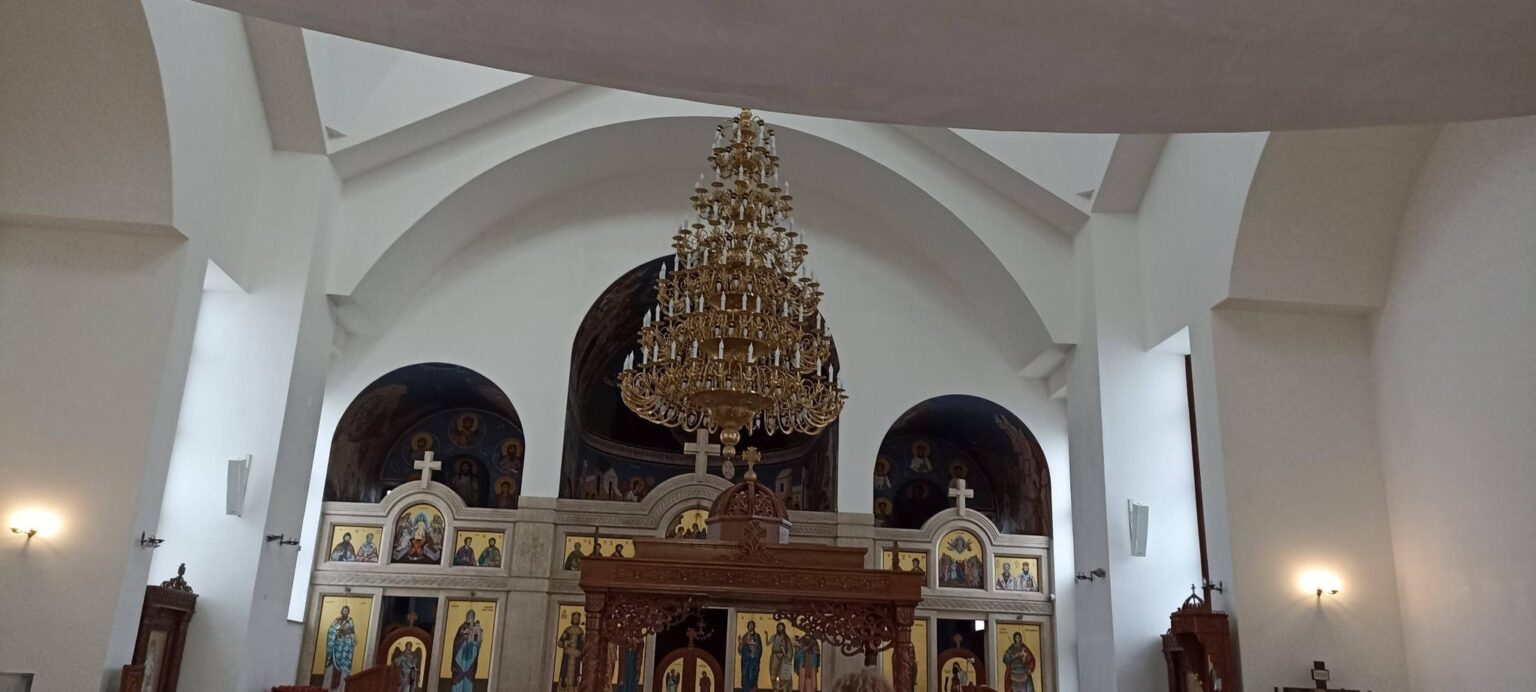
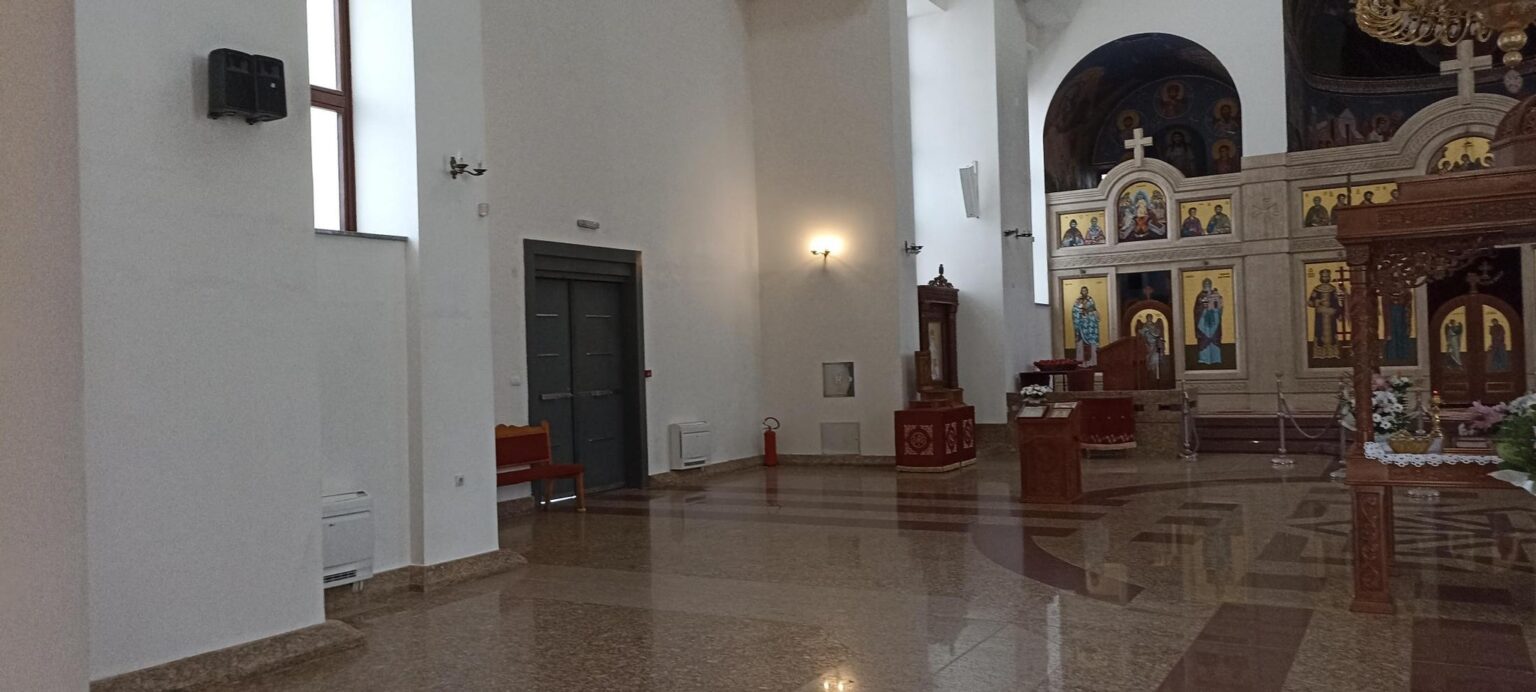
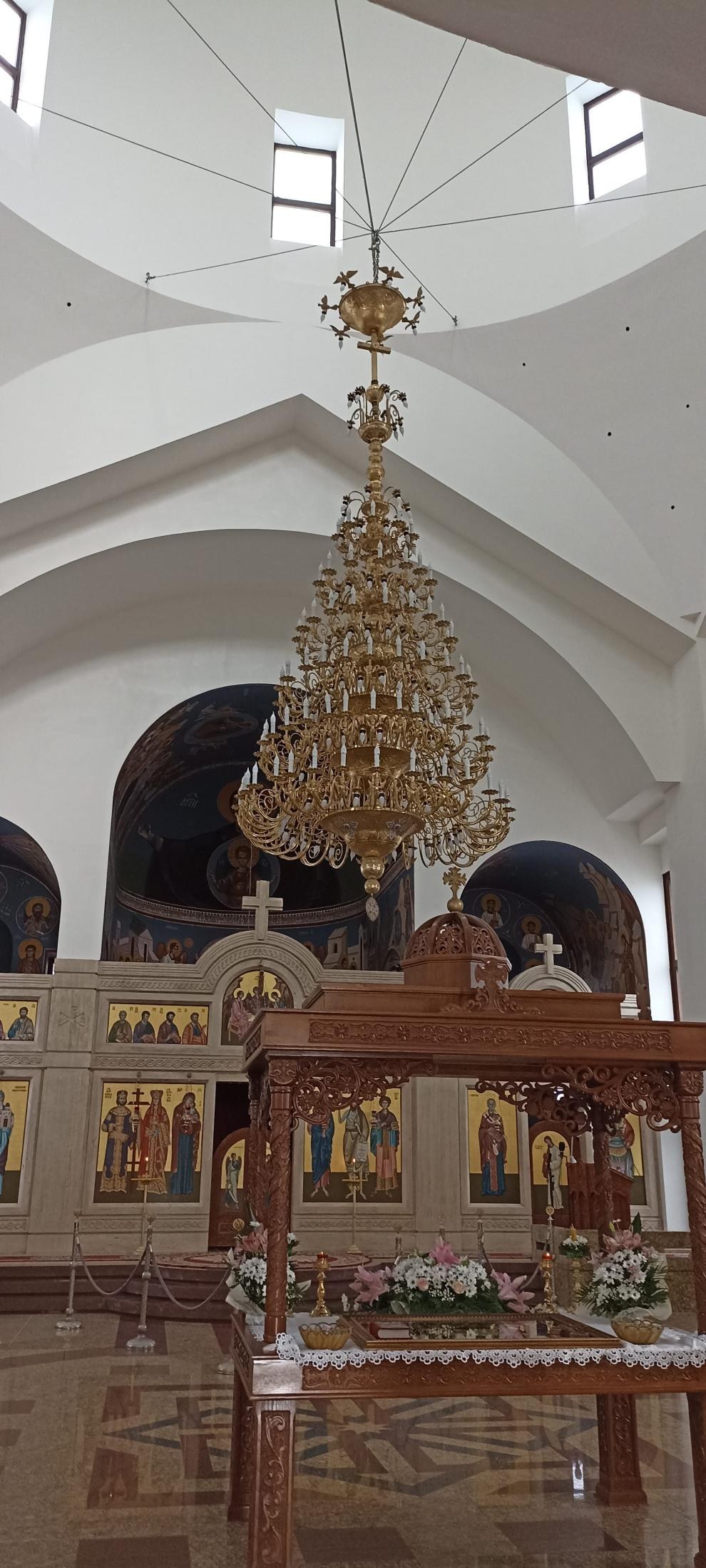
And look — the Serbian Orthodox Church of Saints Constantine and Helena.
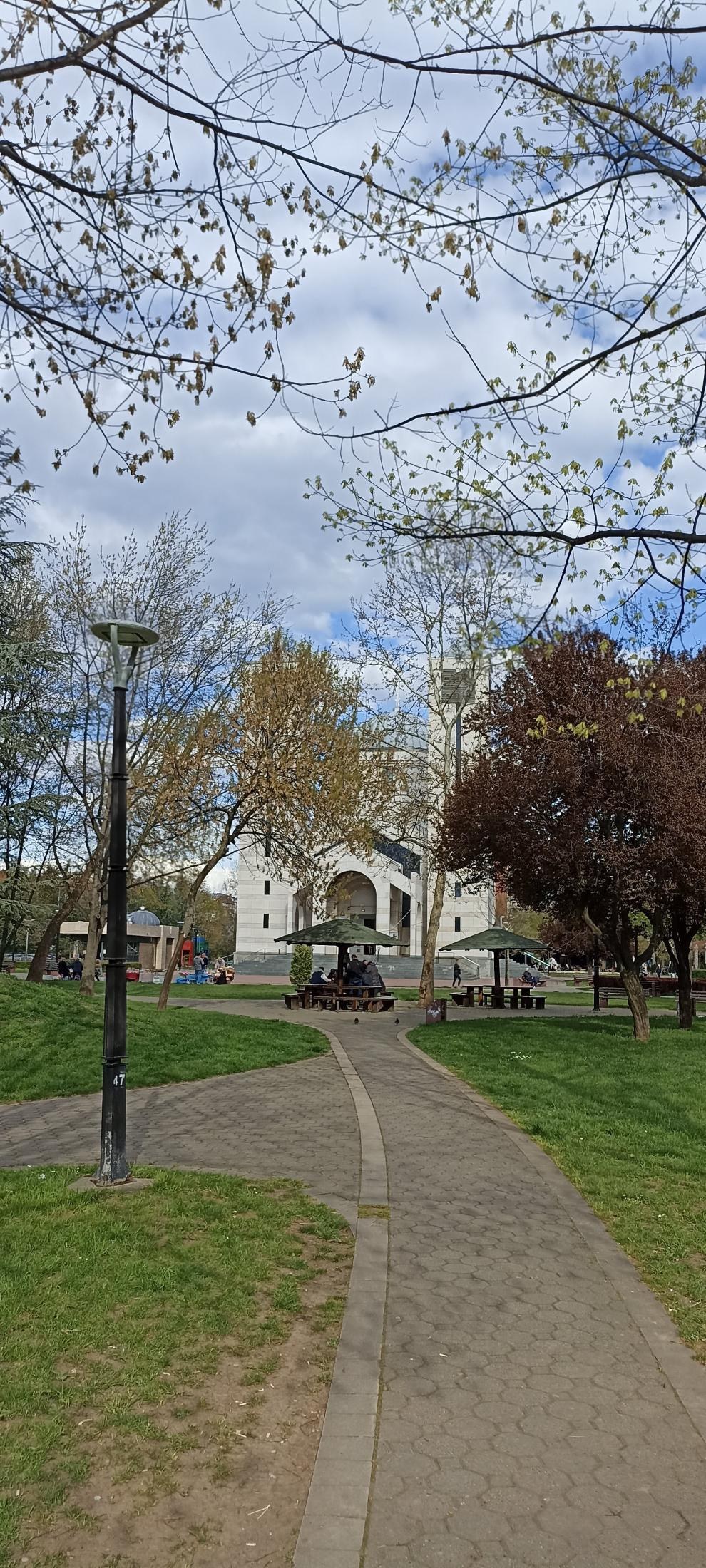
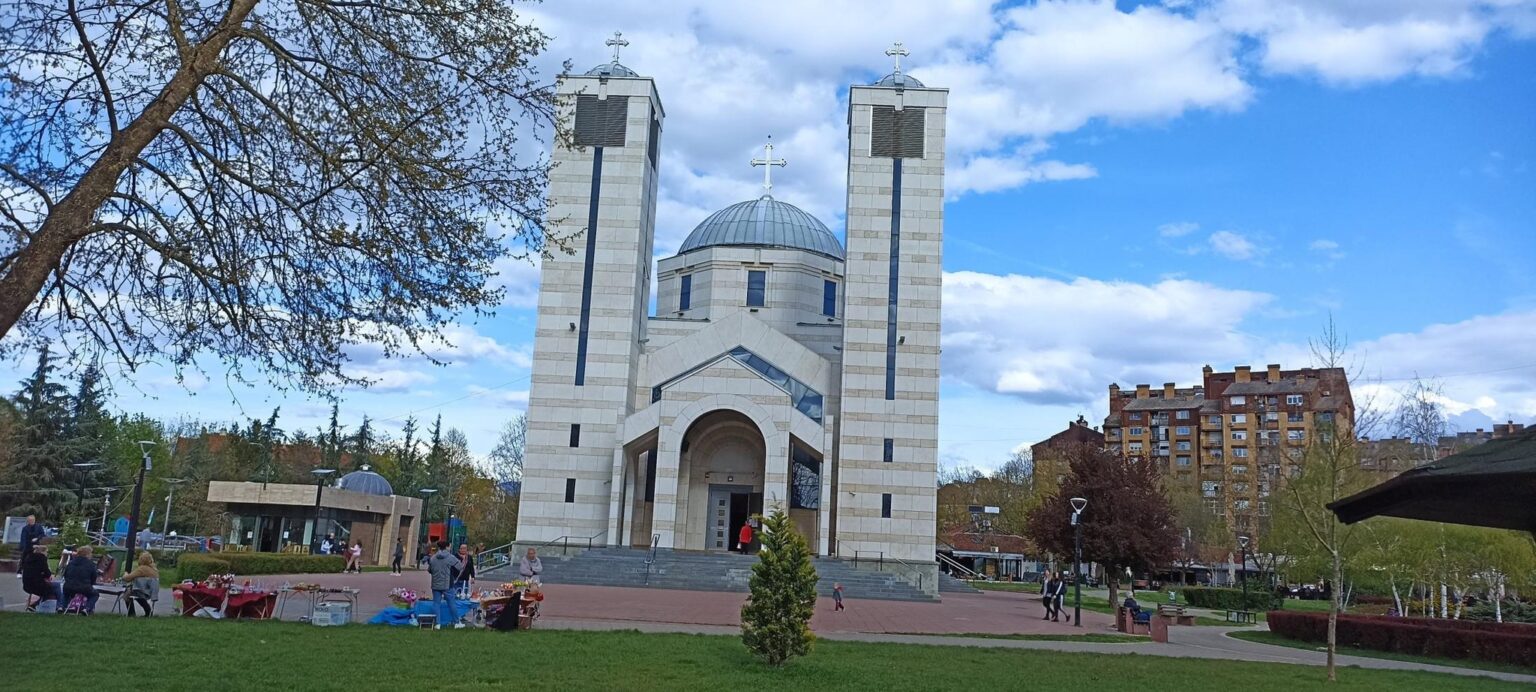
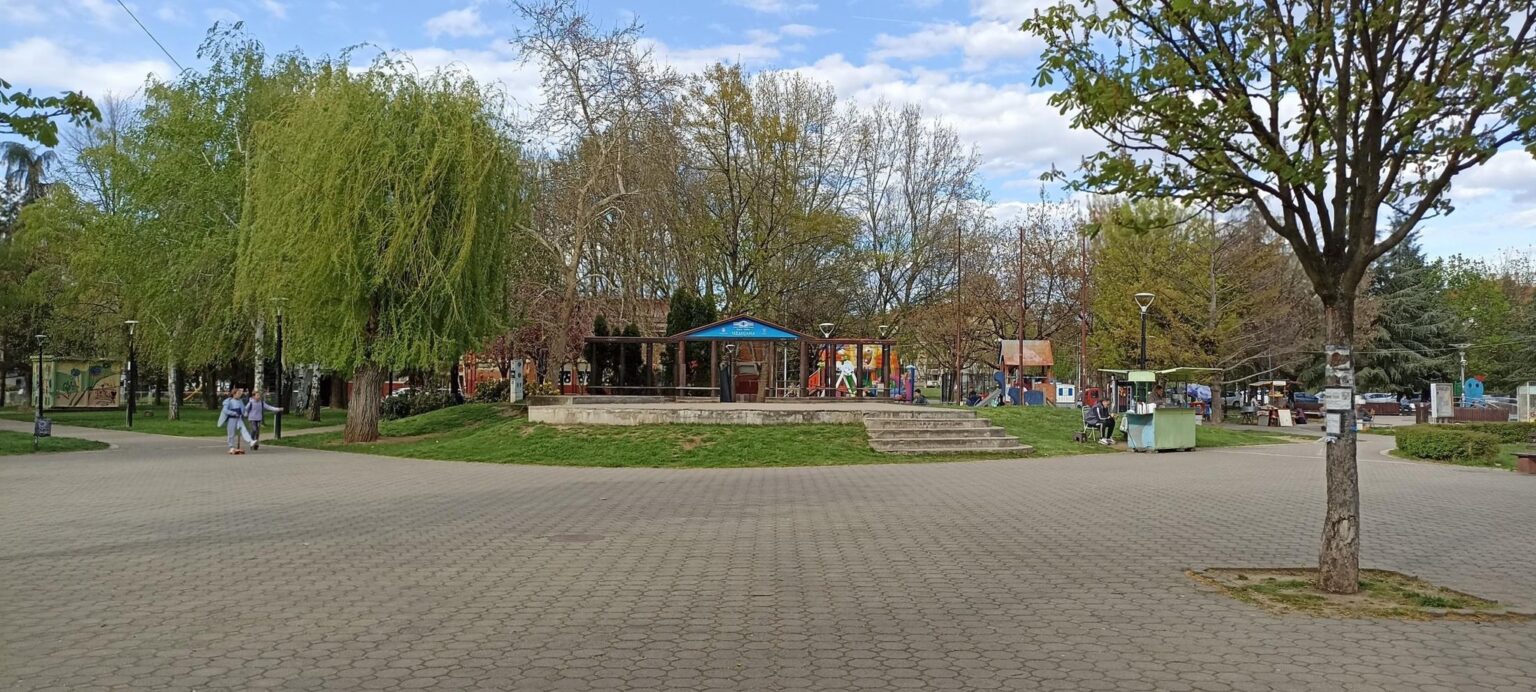
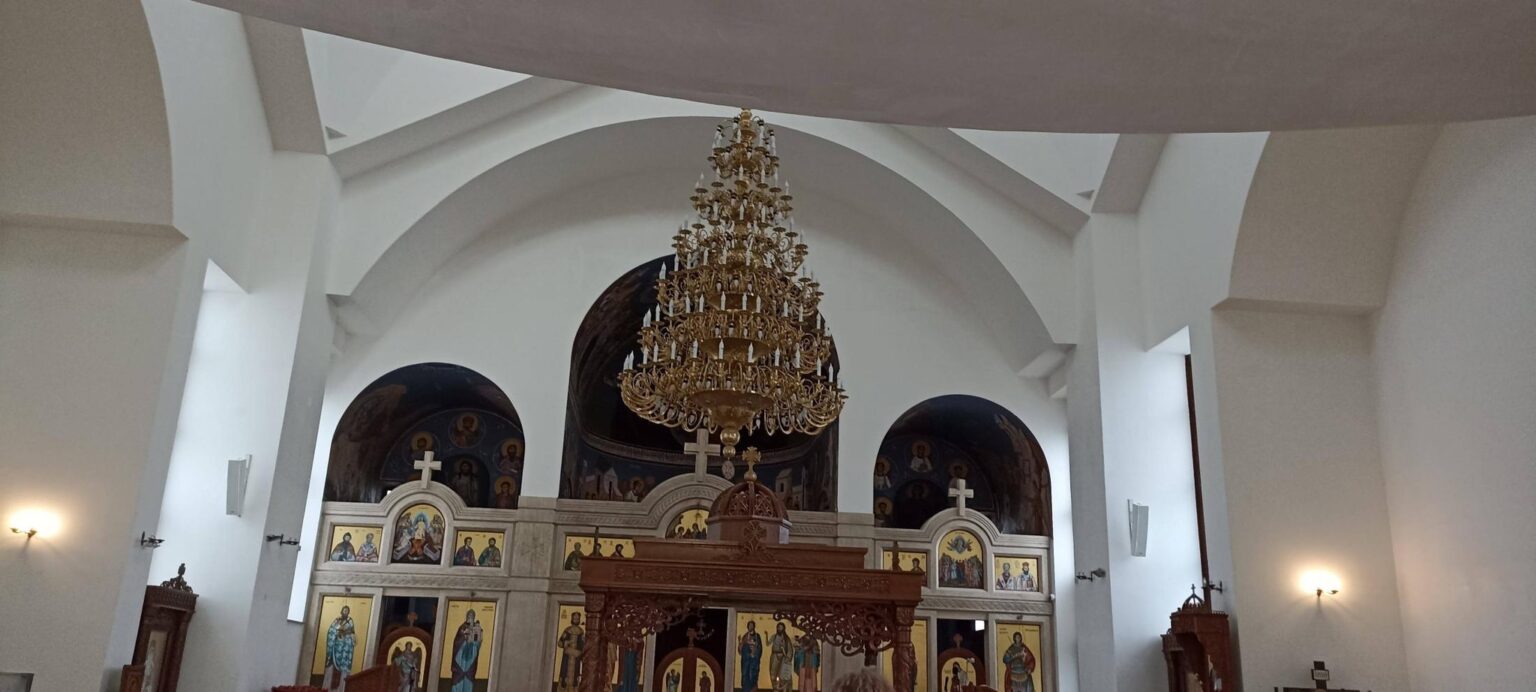
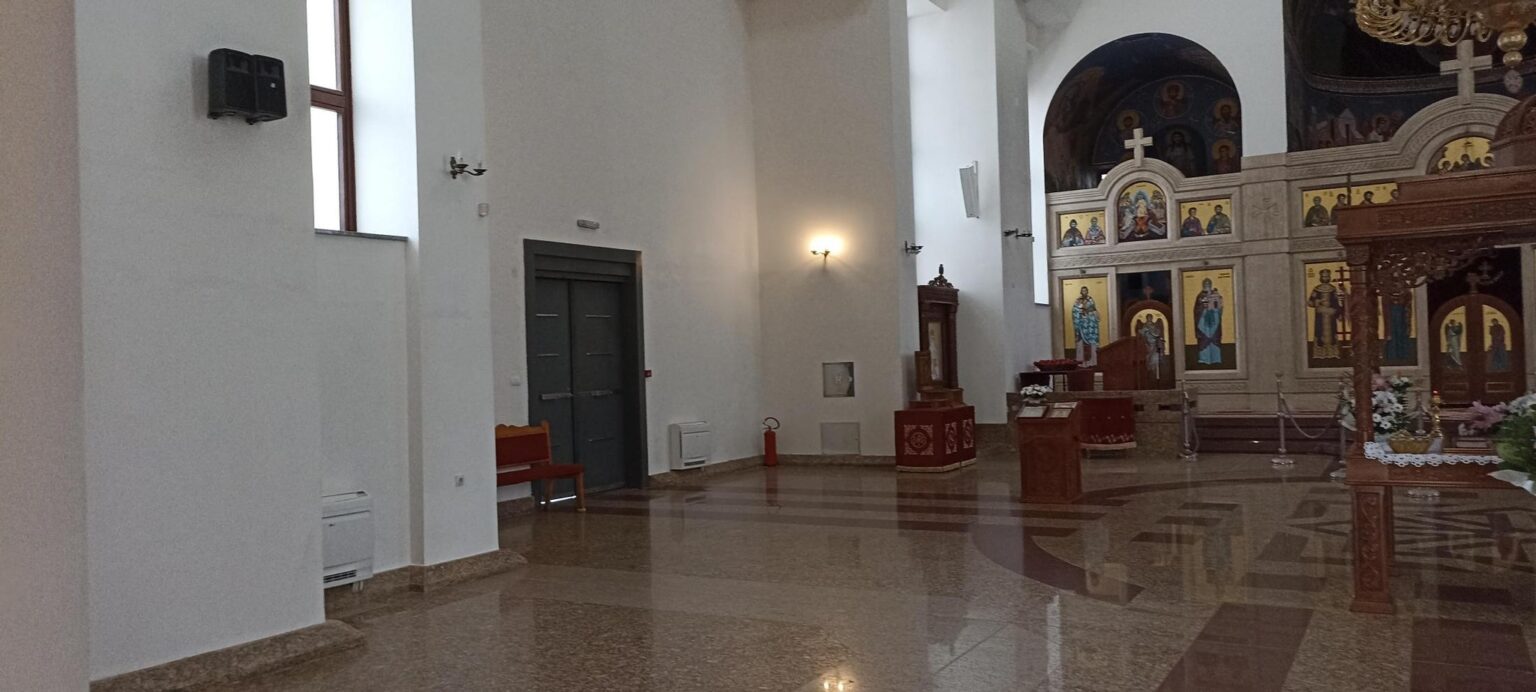
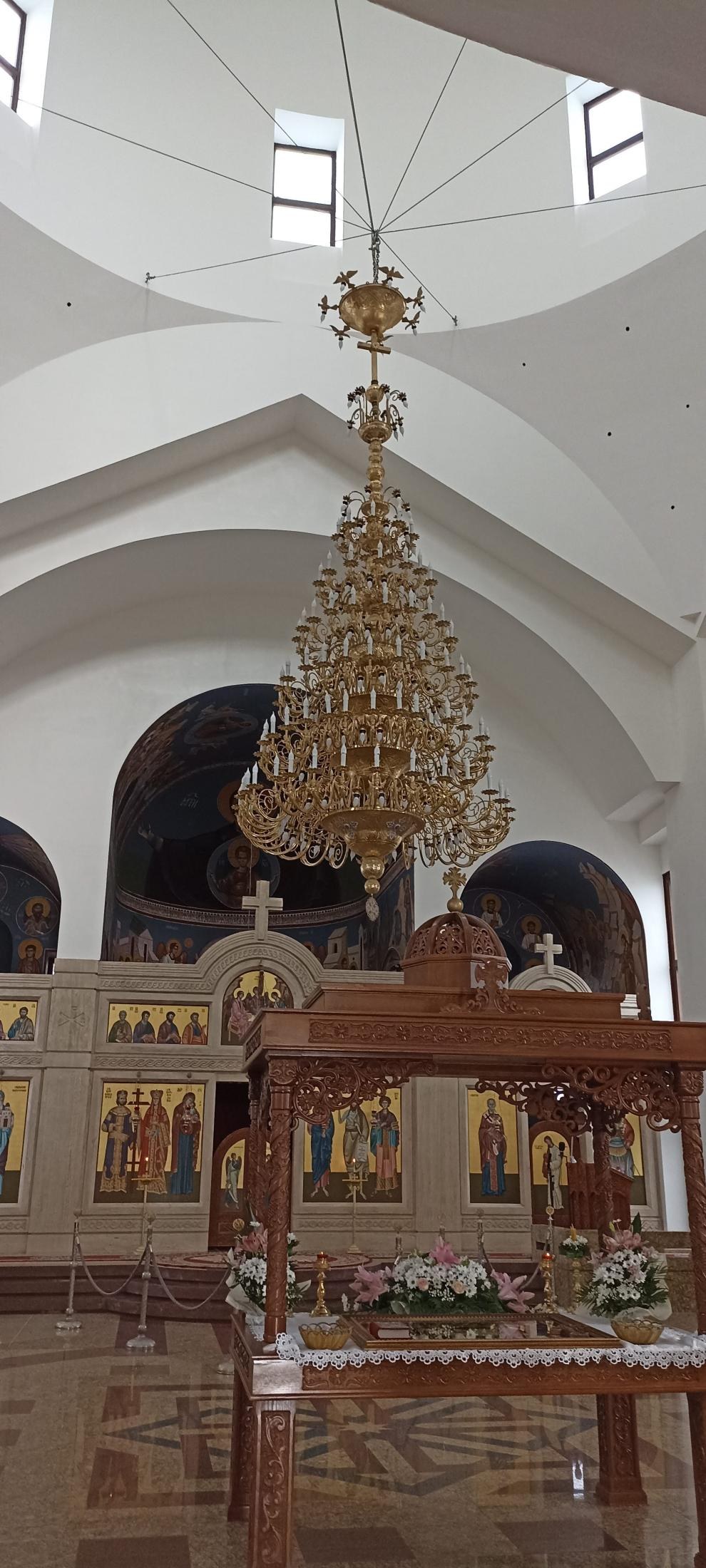
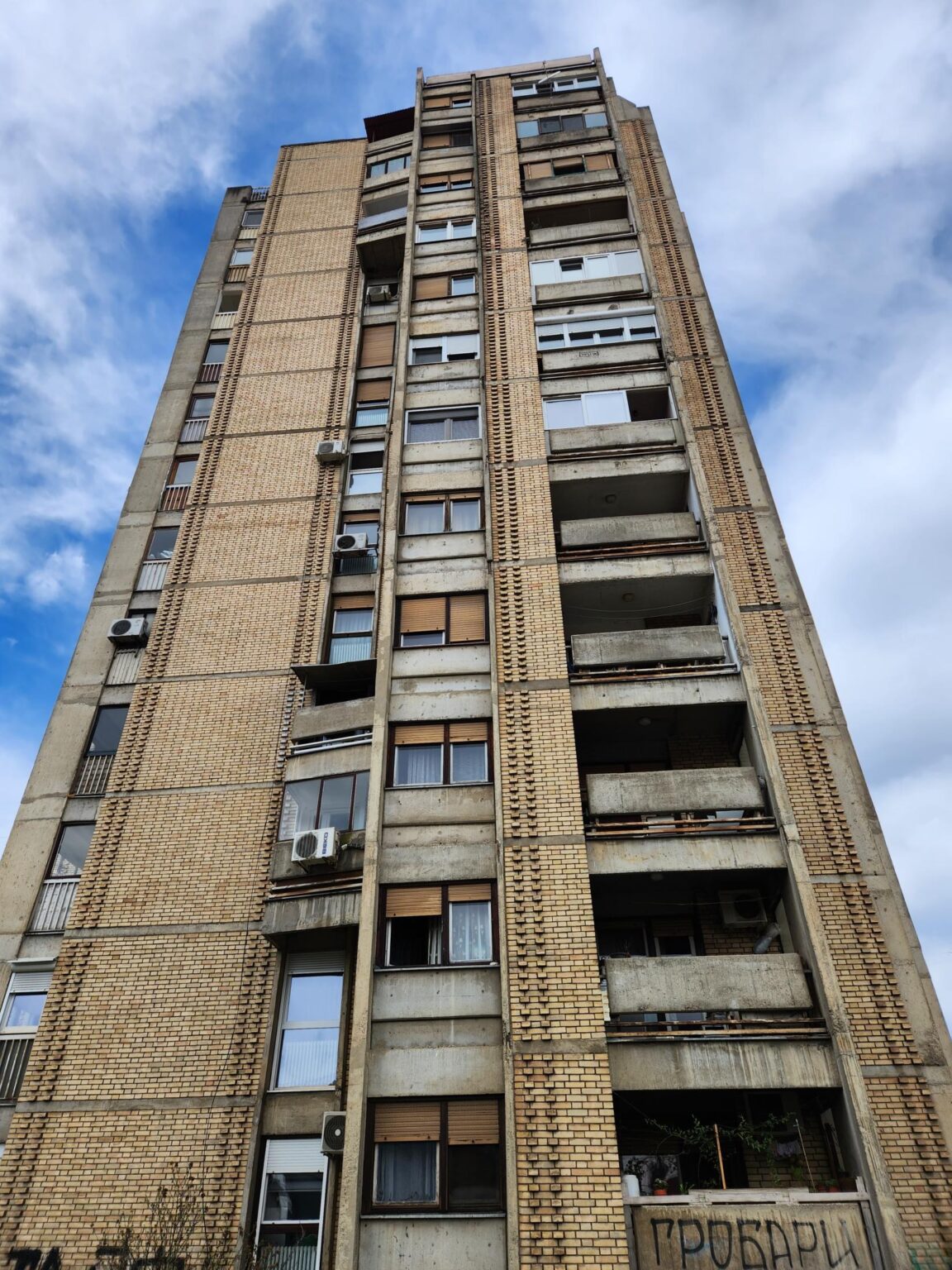
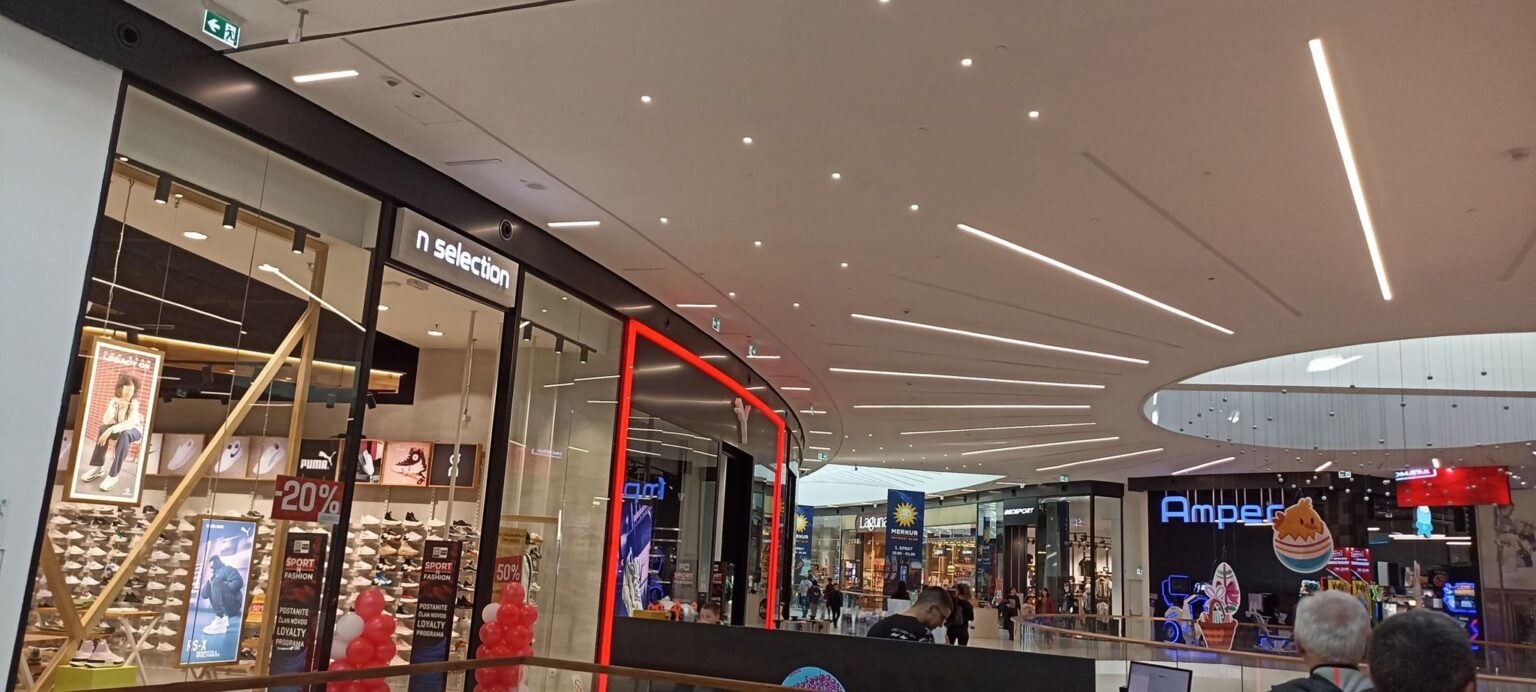
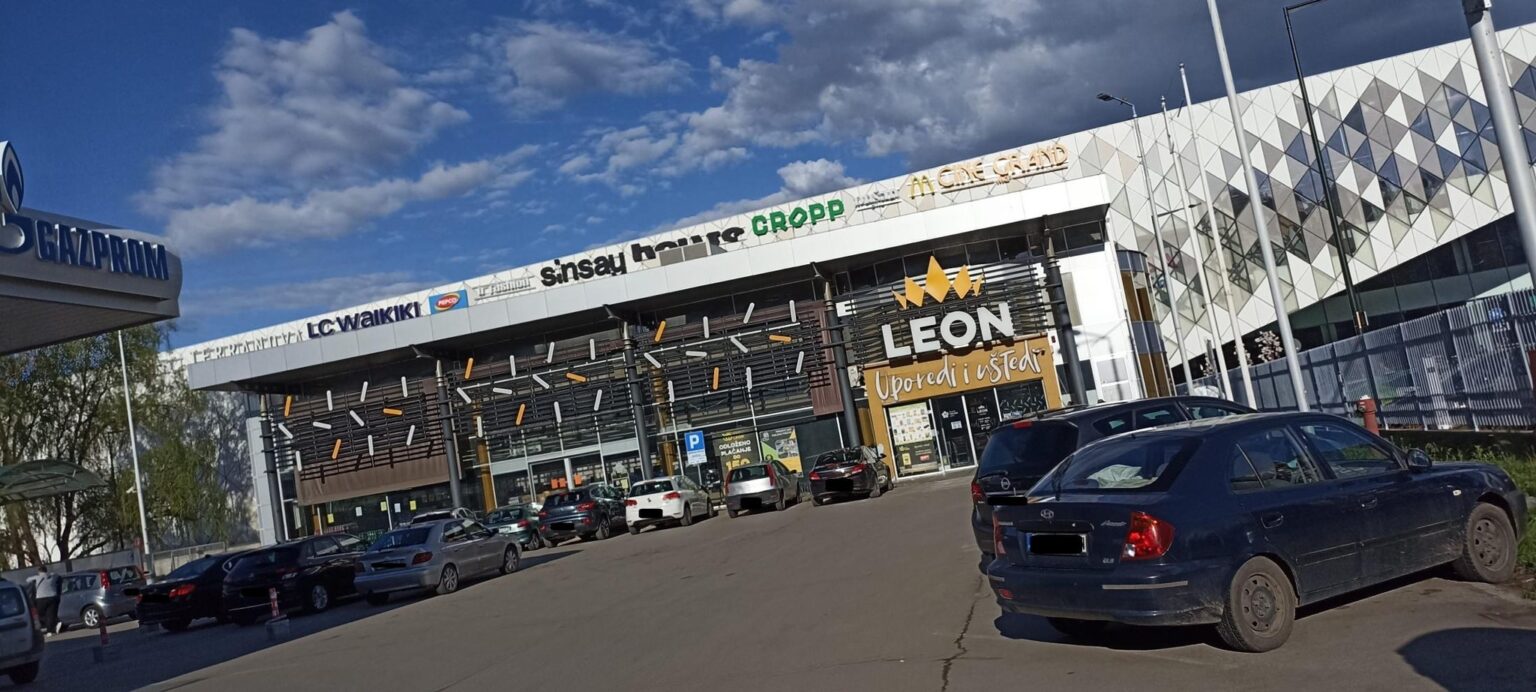
On the way to the centre there is another mall, Delta Planet. It is a bit older and more established than the one in Leskovac. Sadly, there is nothing interesting inside: the prices are the same as in Bulgarian malls, and the clothes, the products, everything is the same.
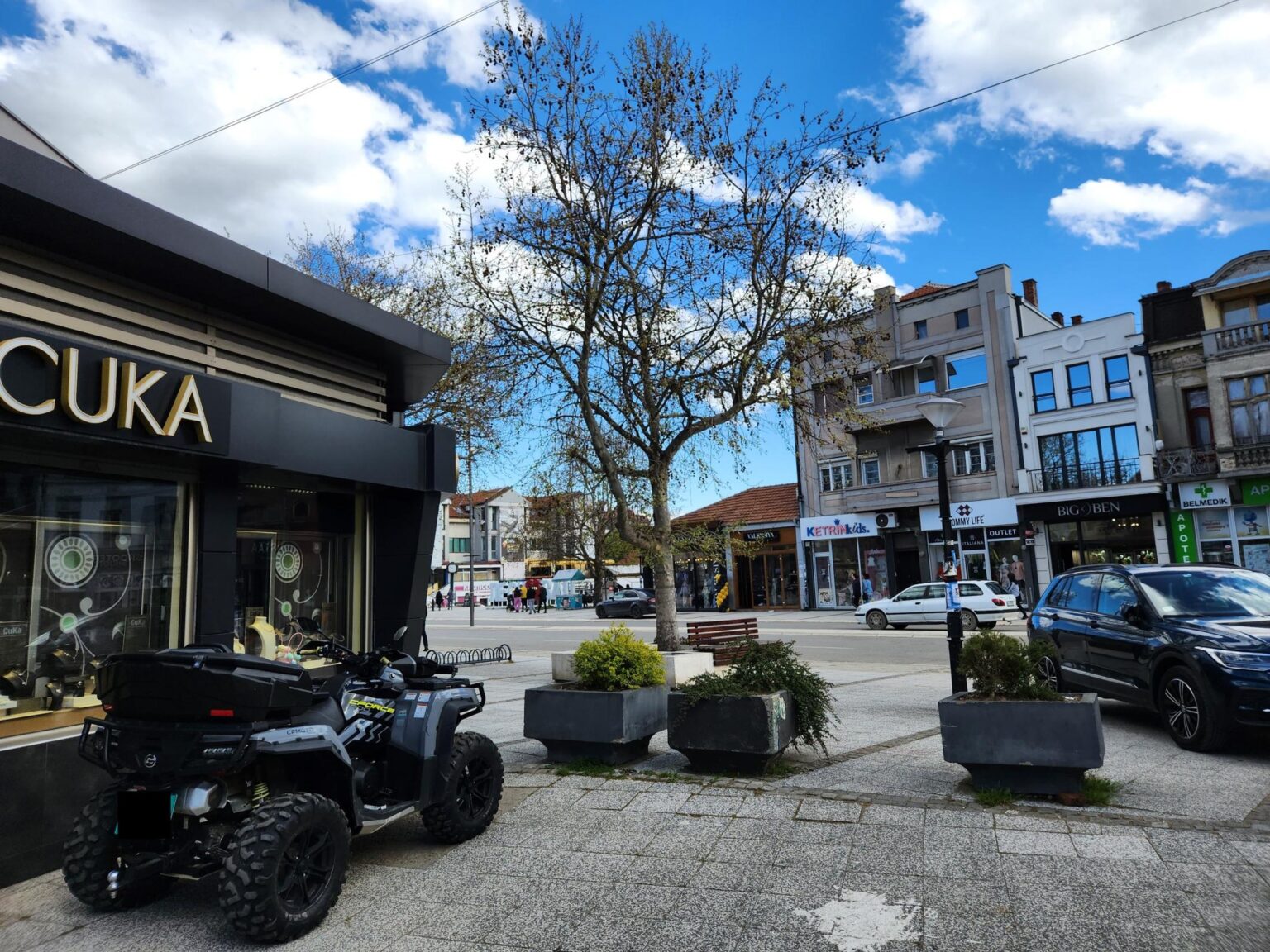
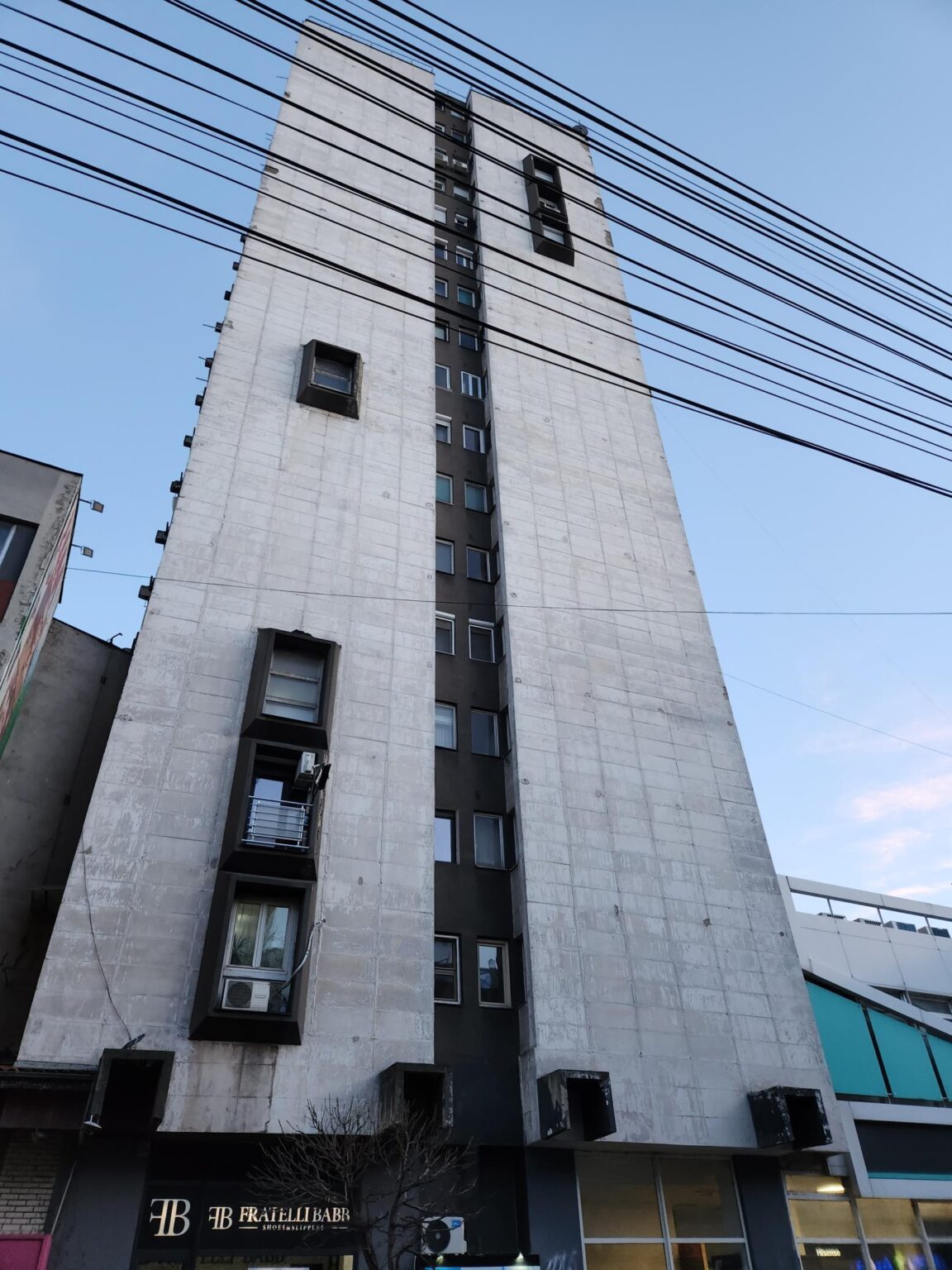
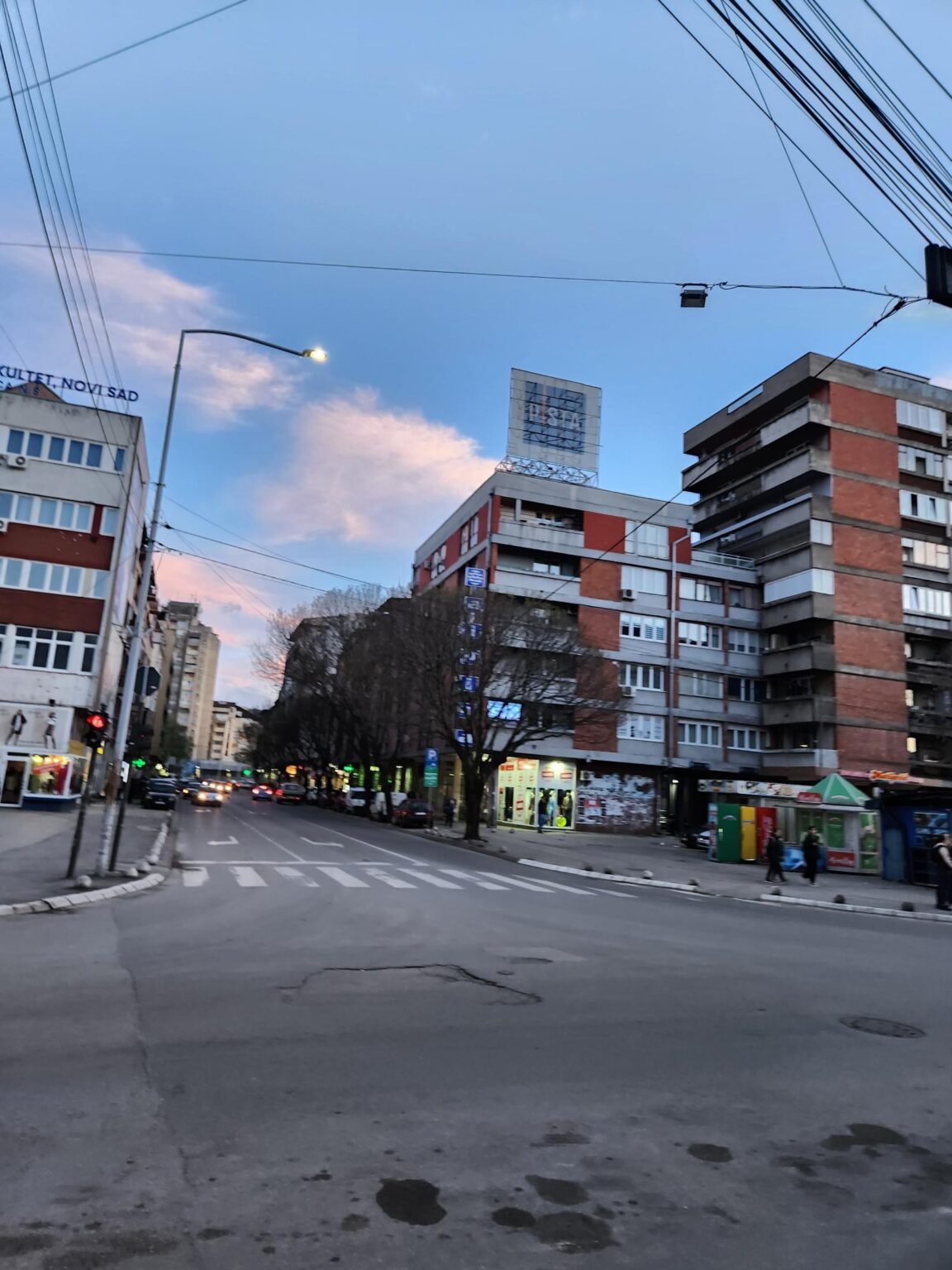
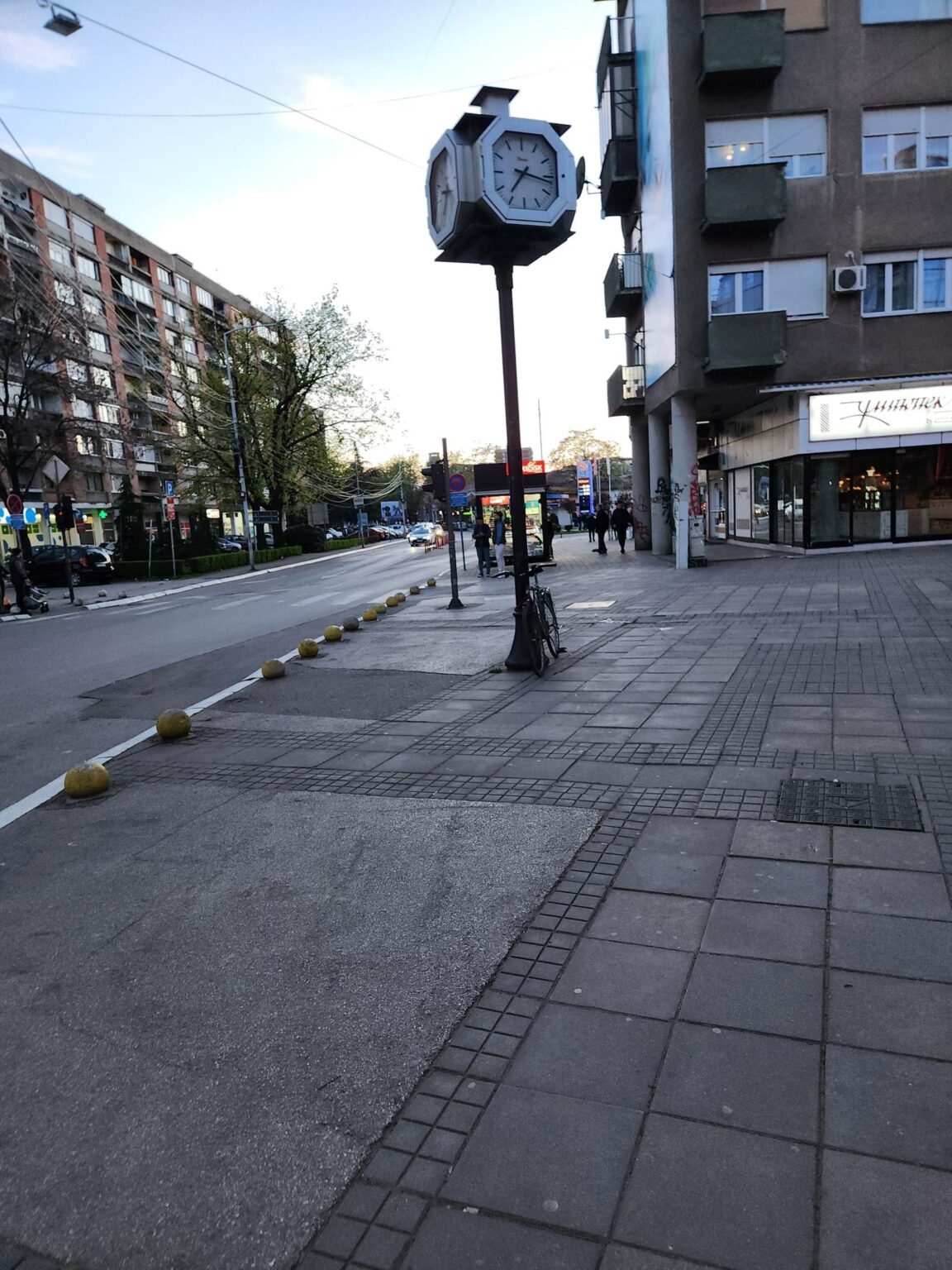
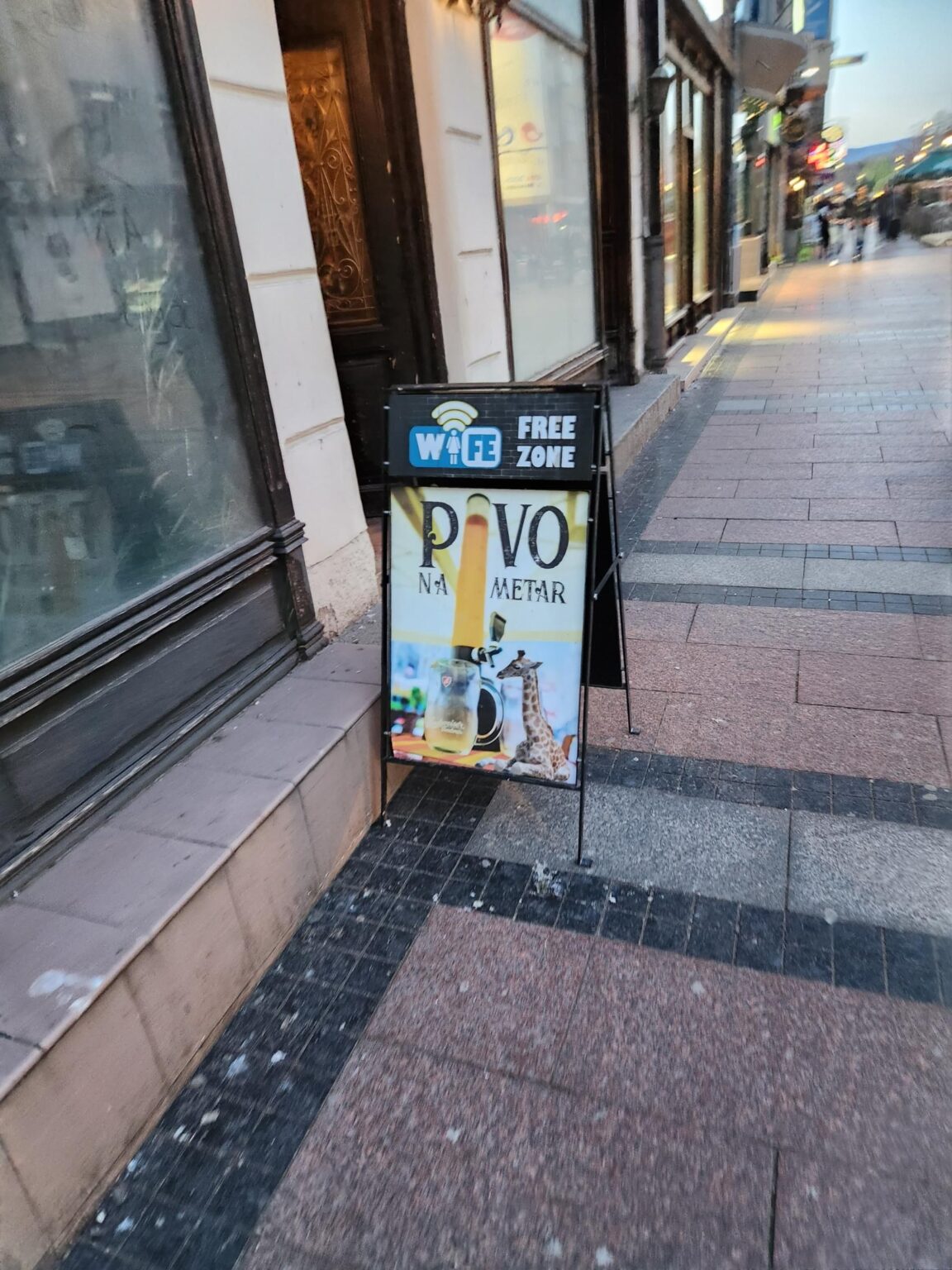
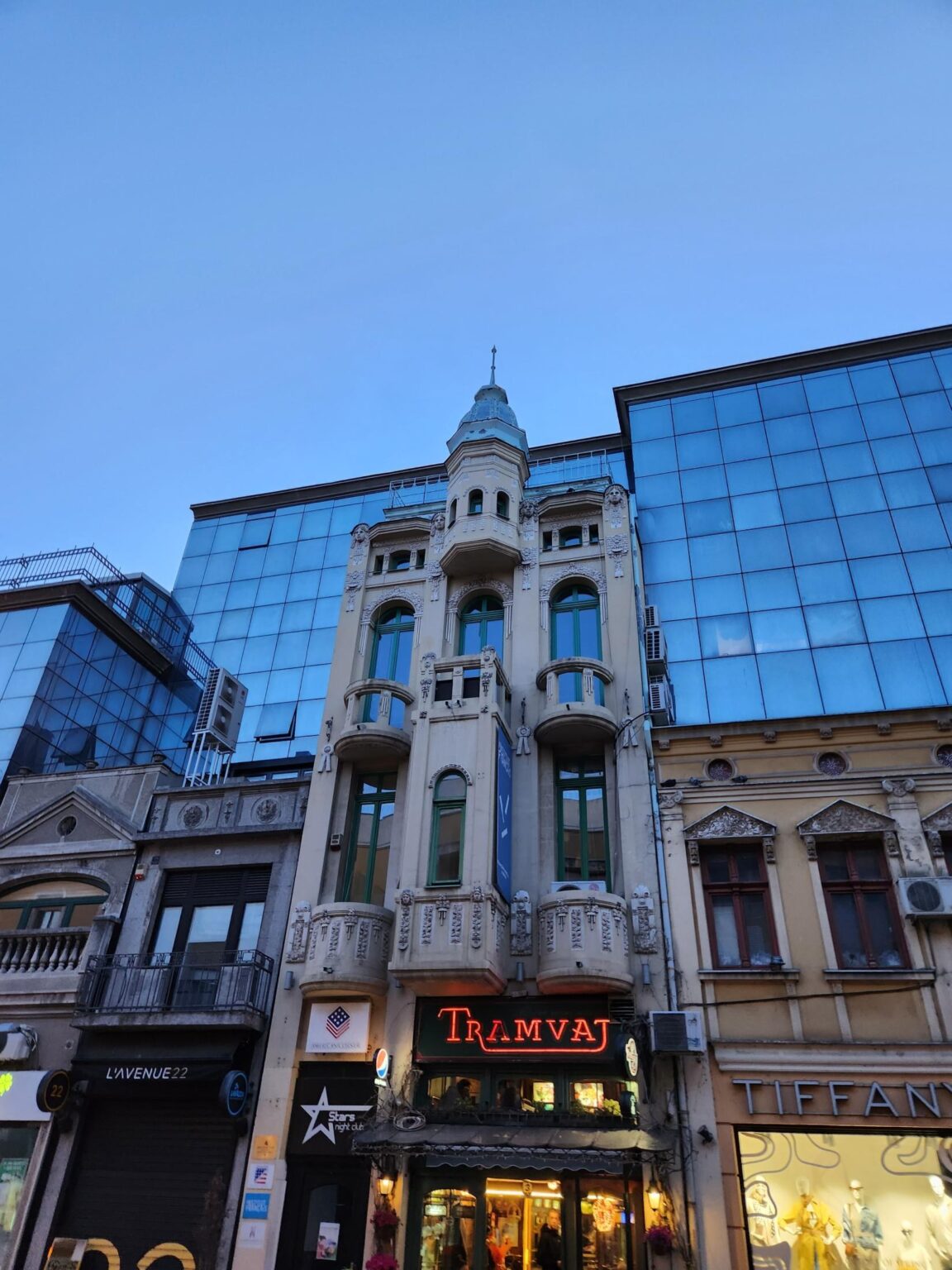
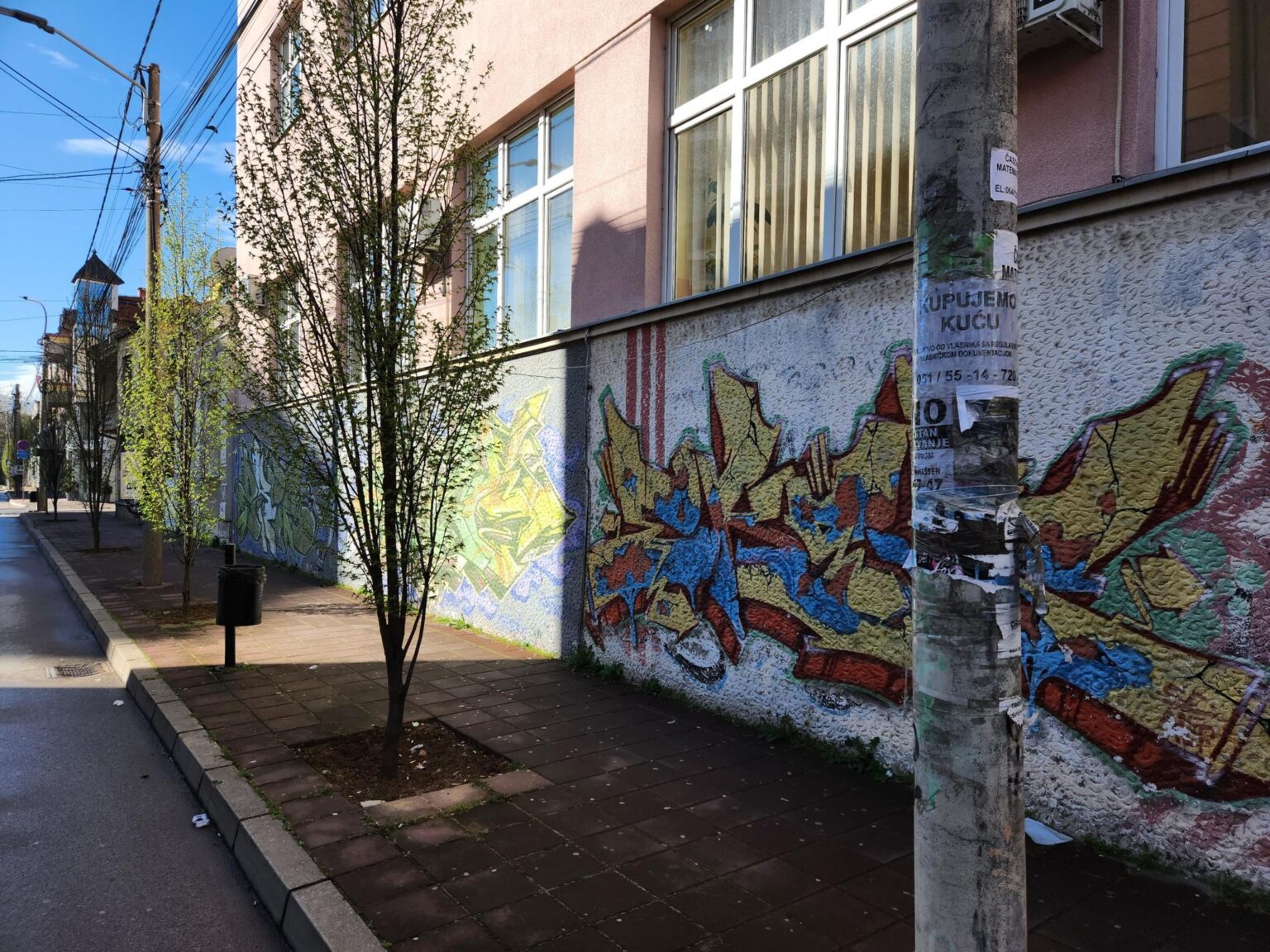
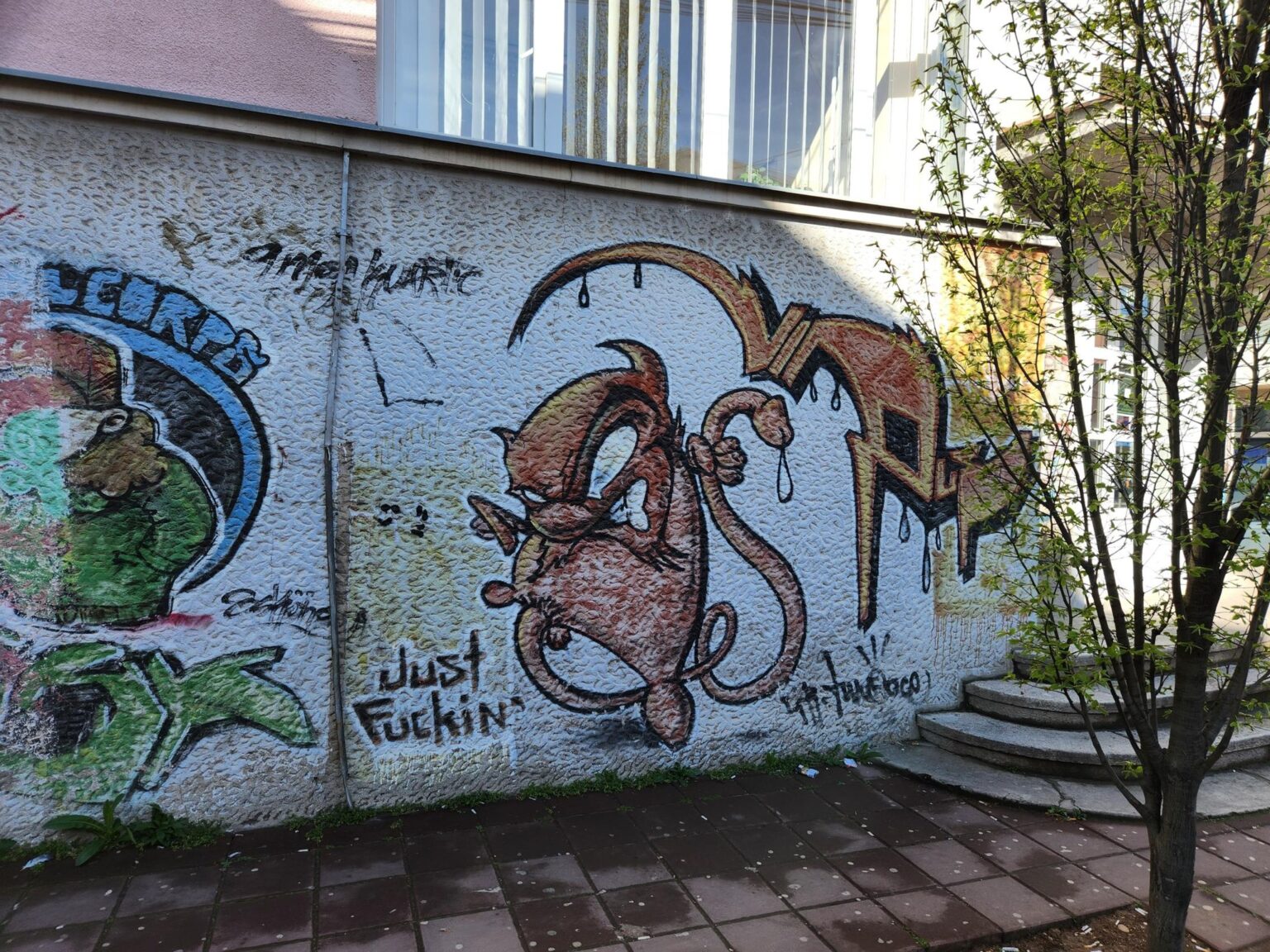
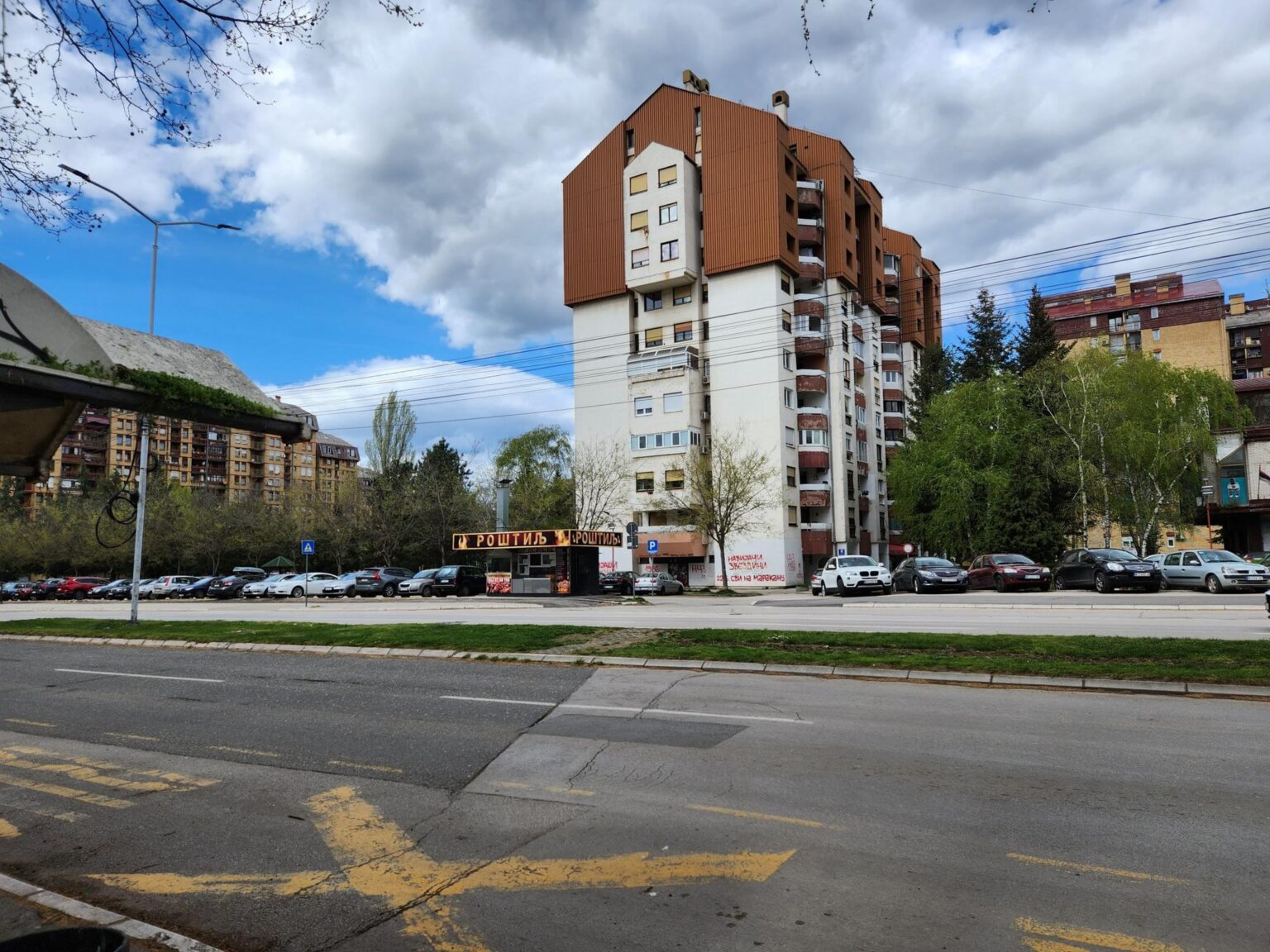
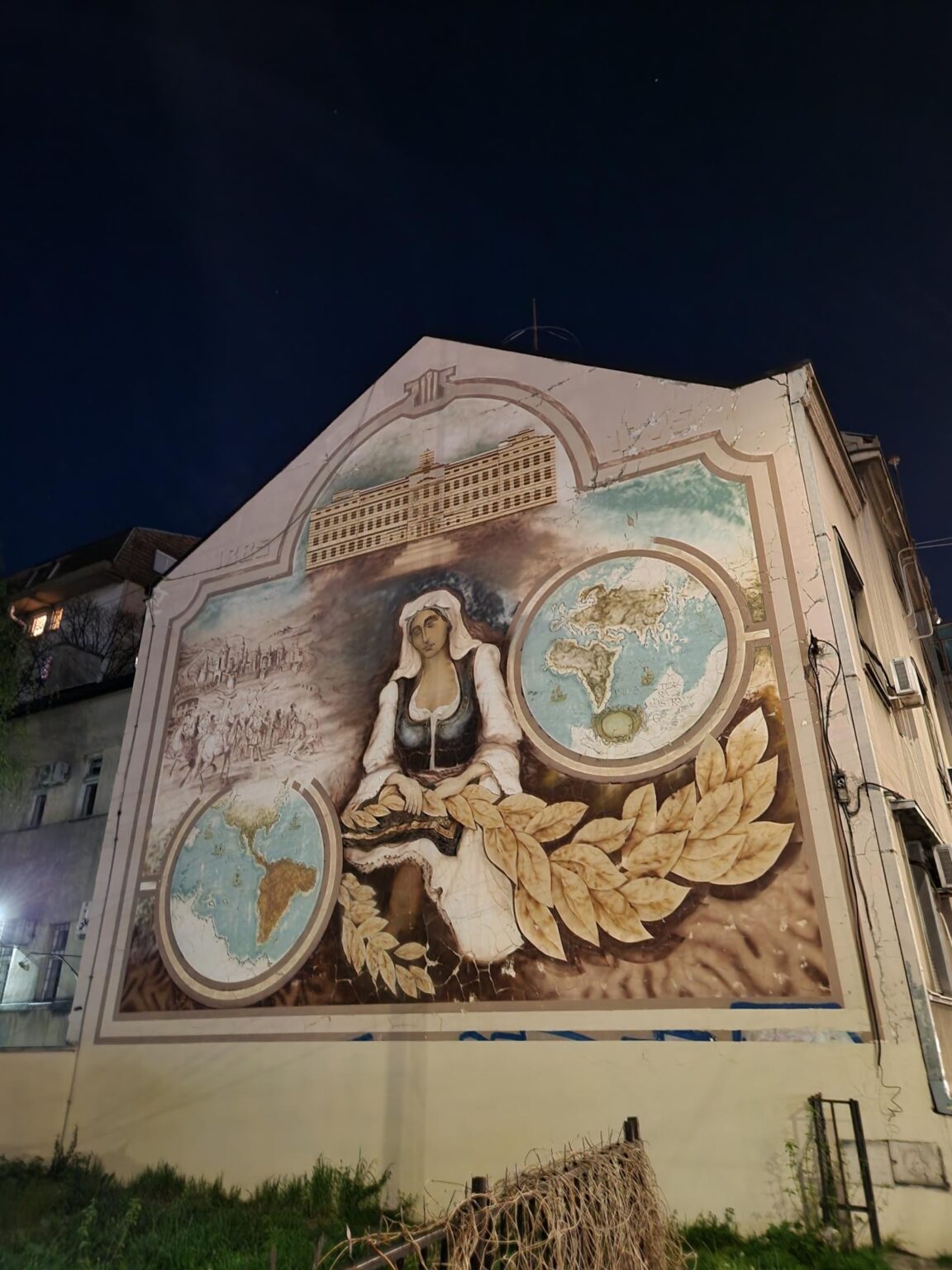
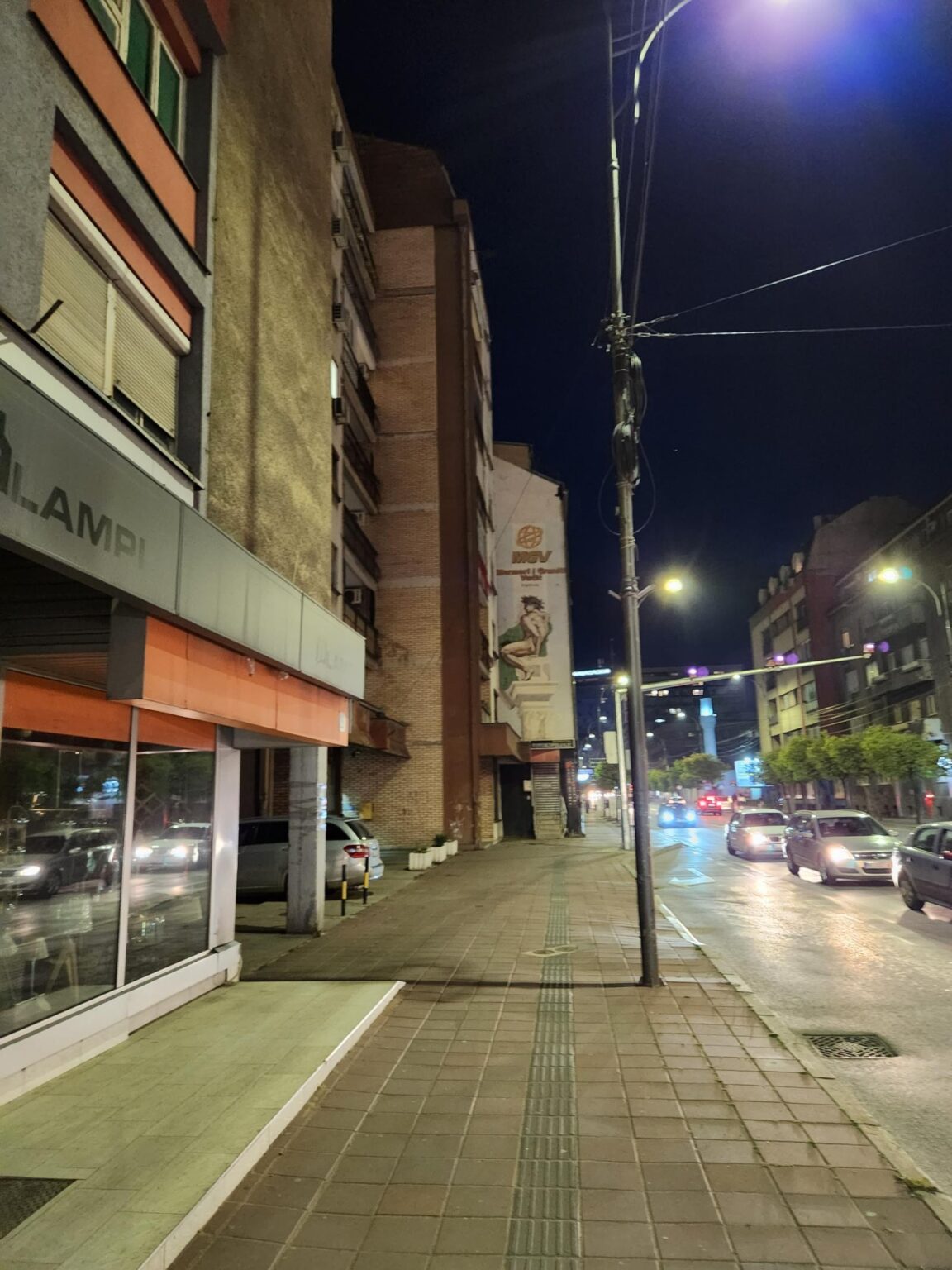
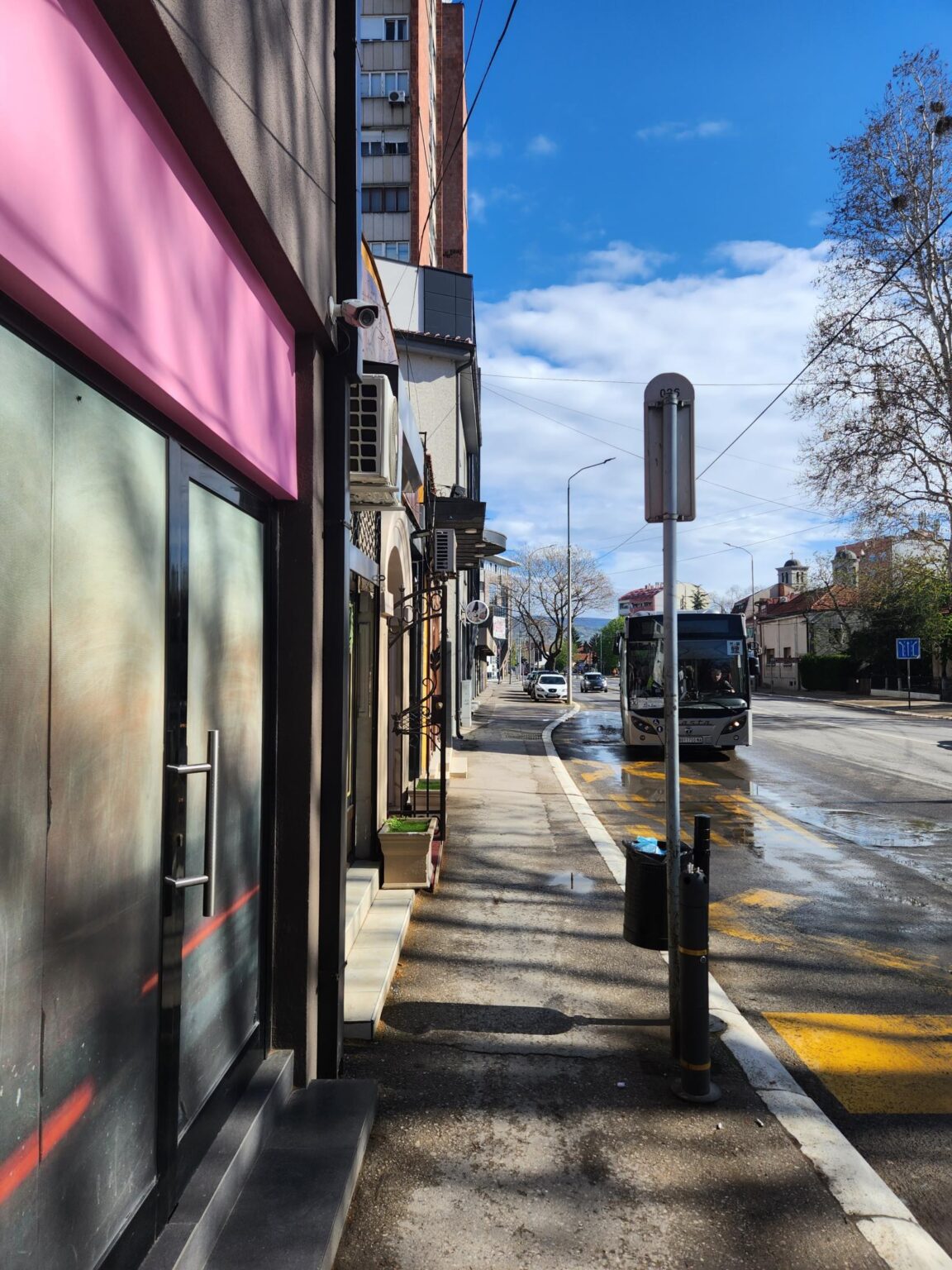
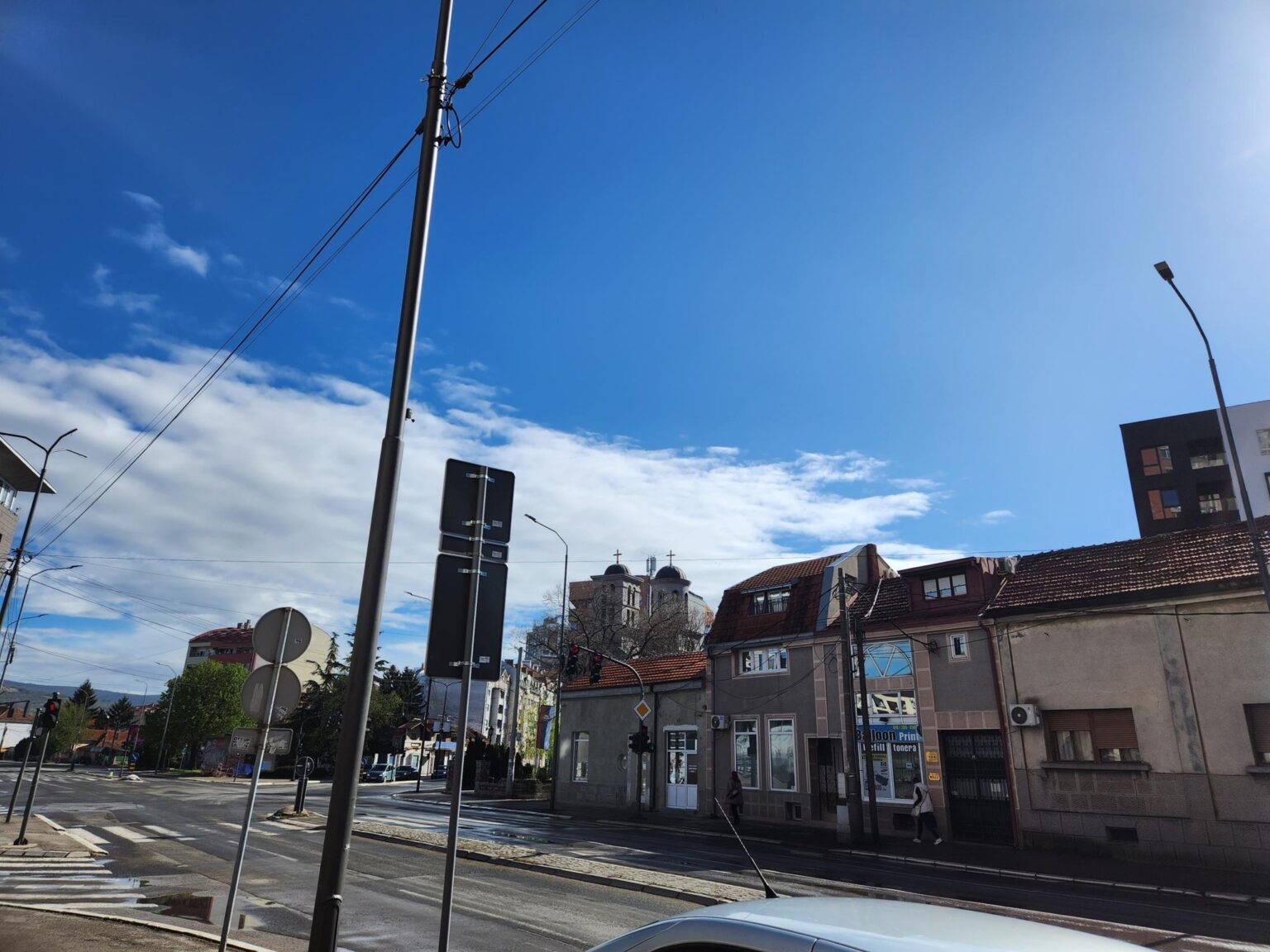
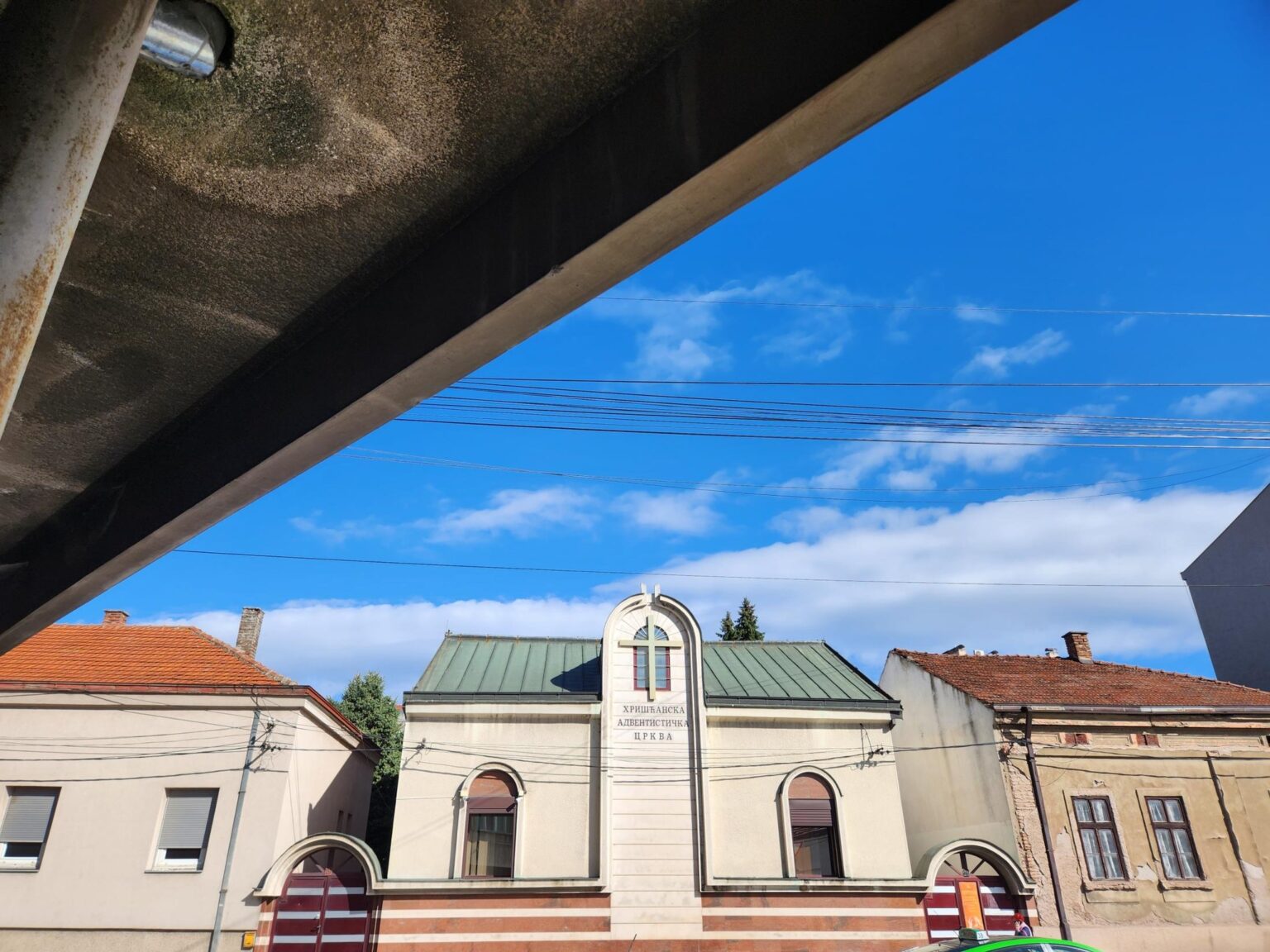
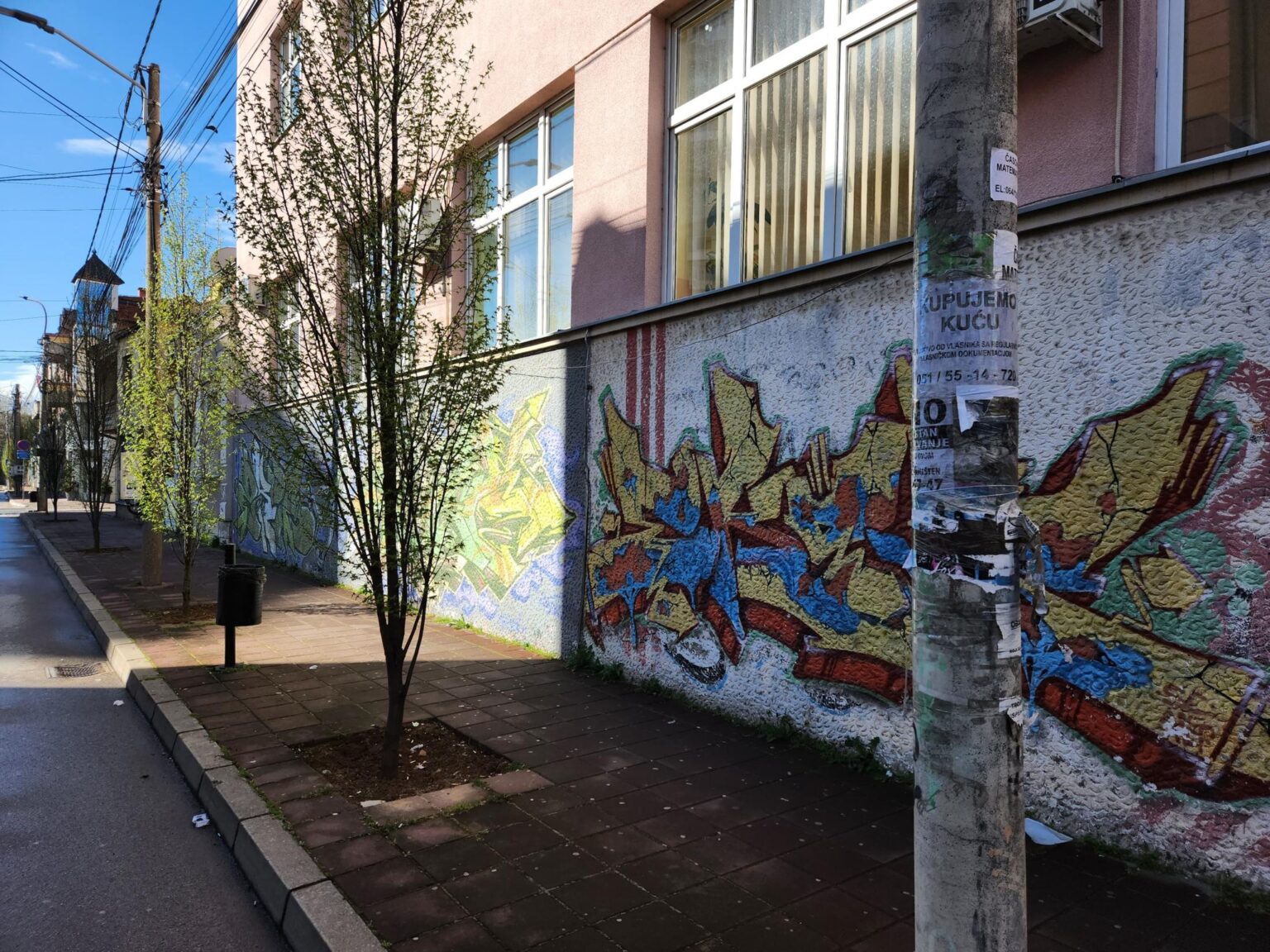
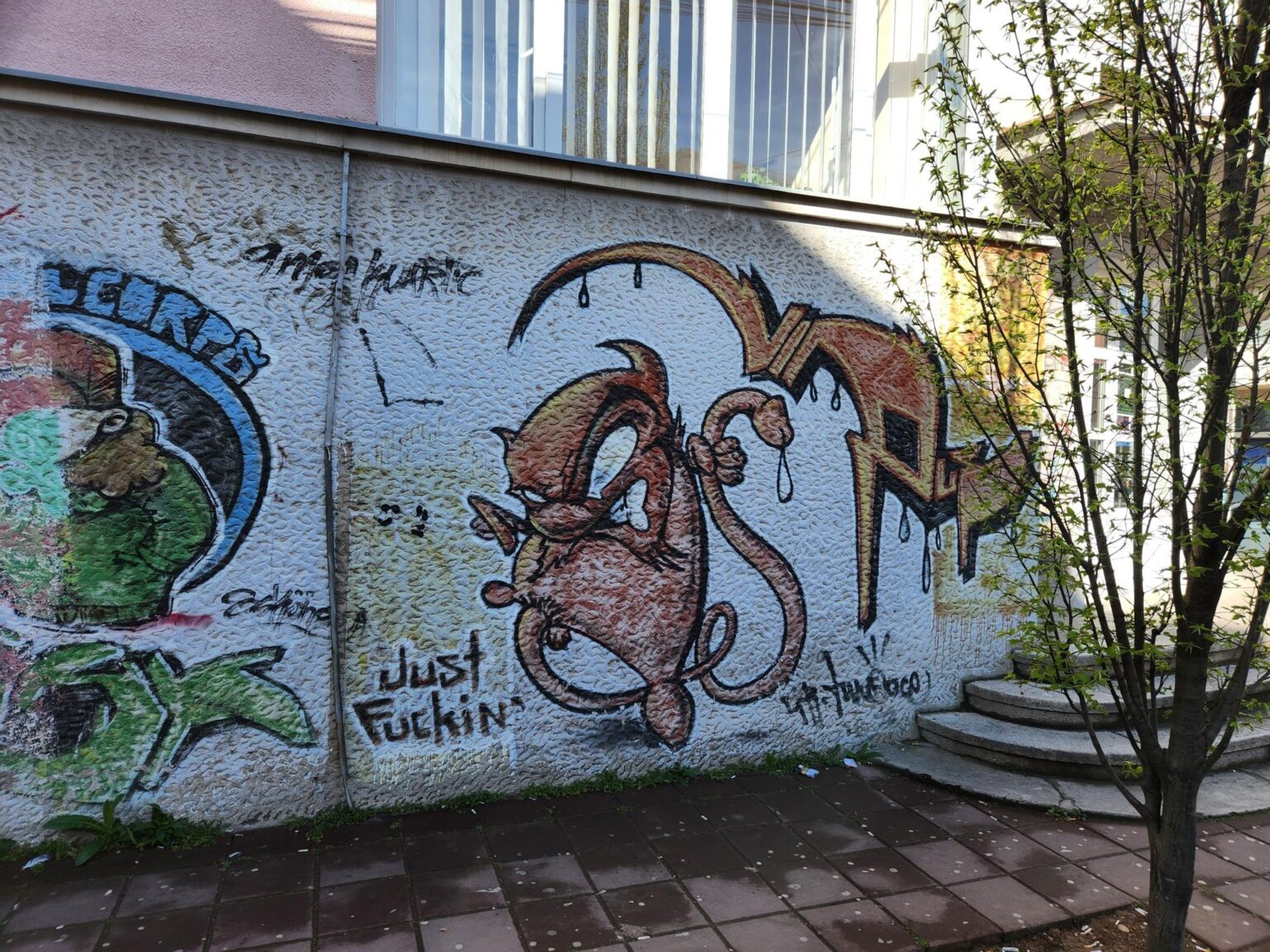
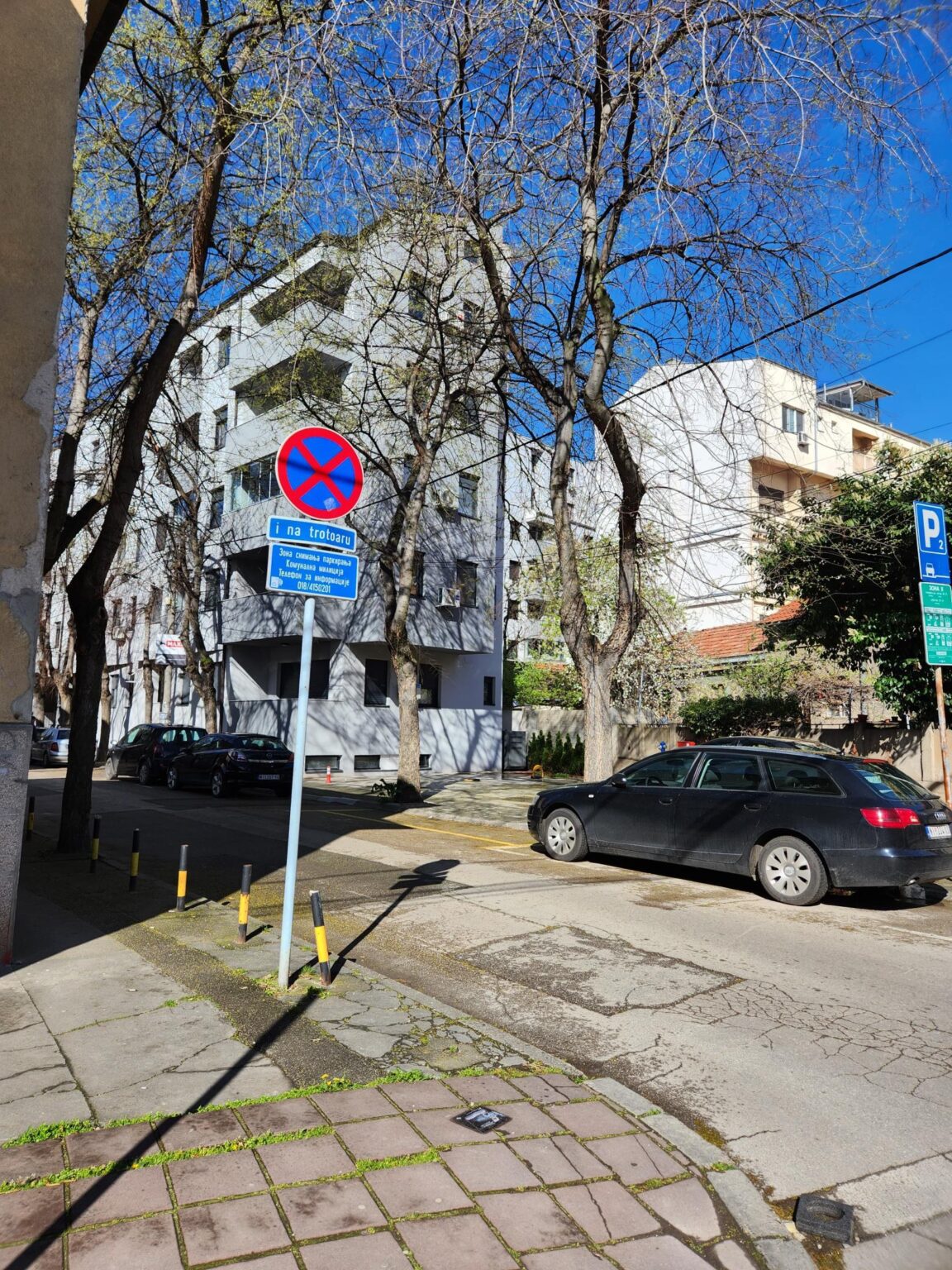
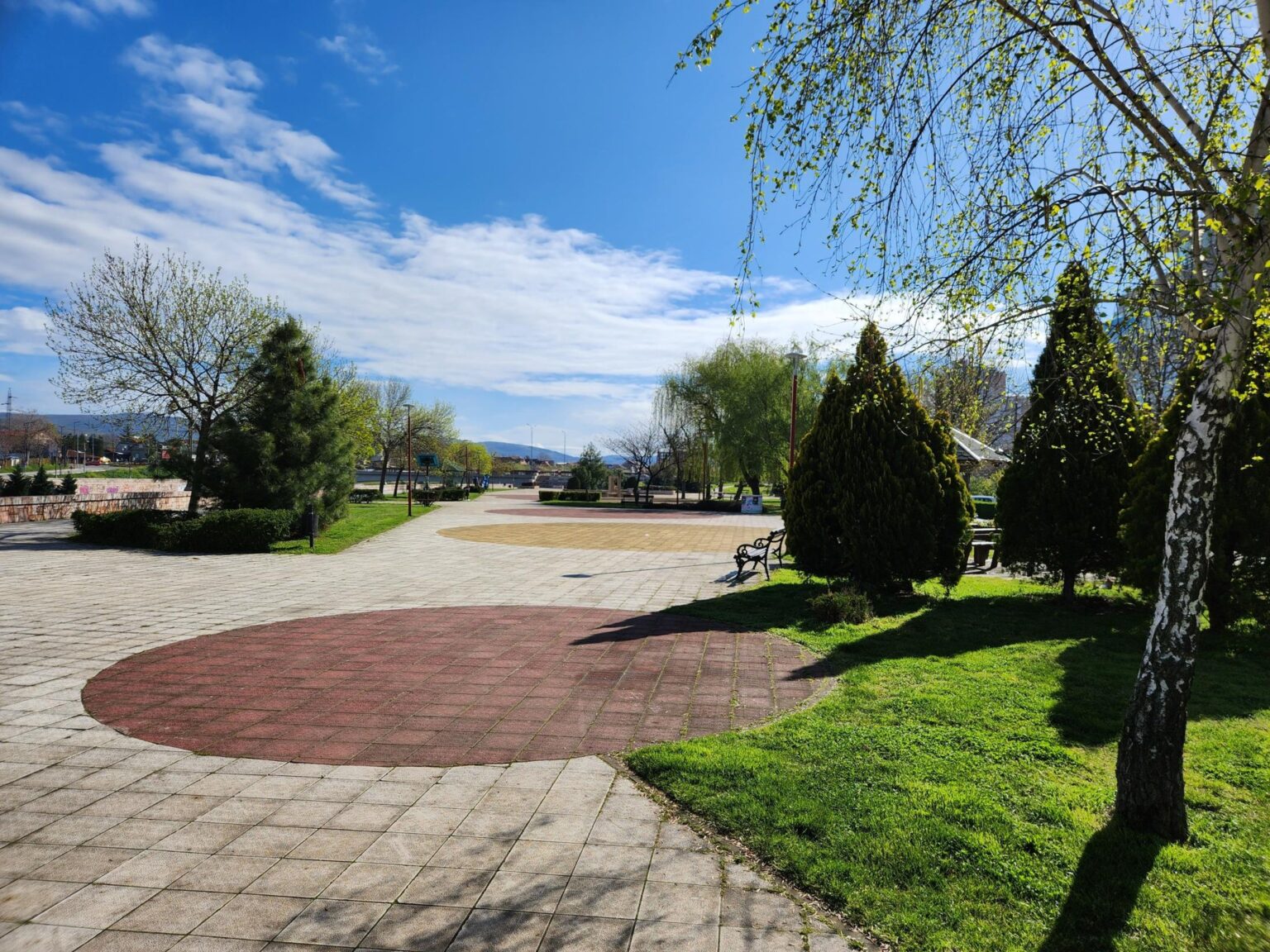
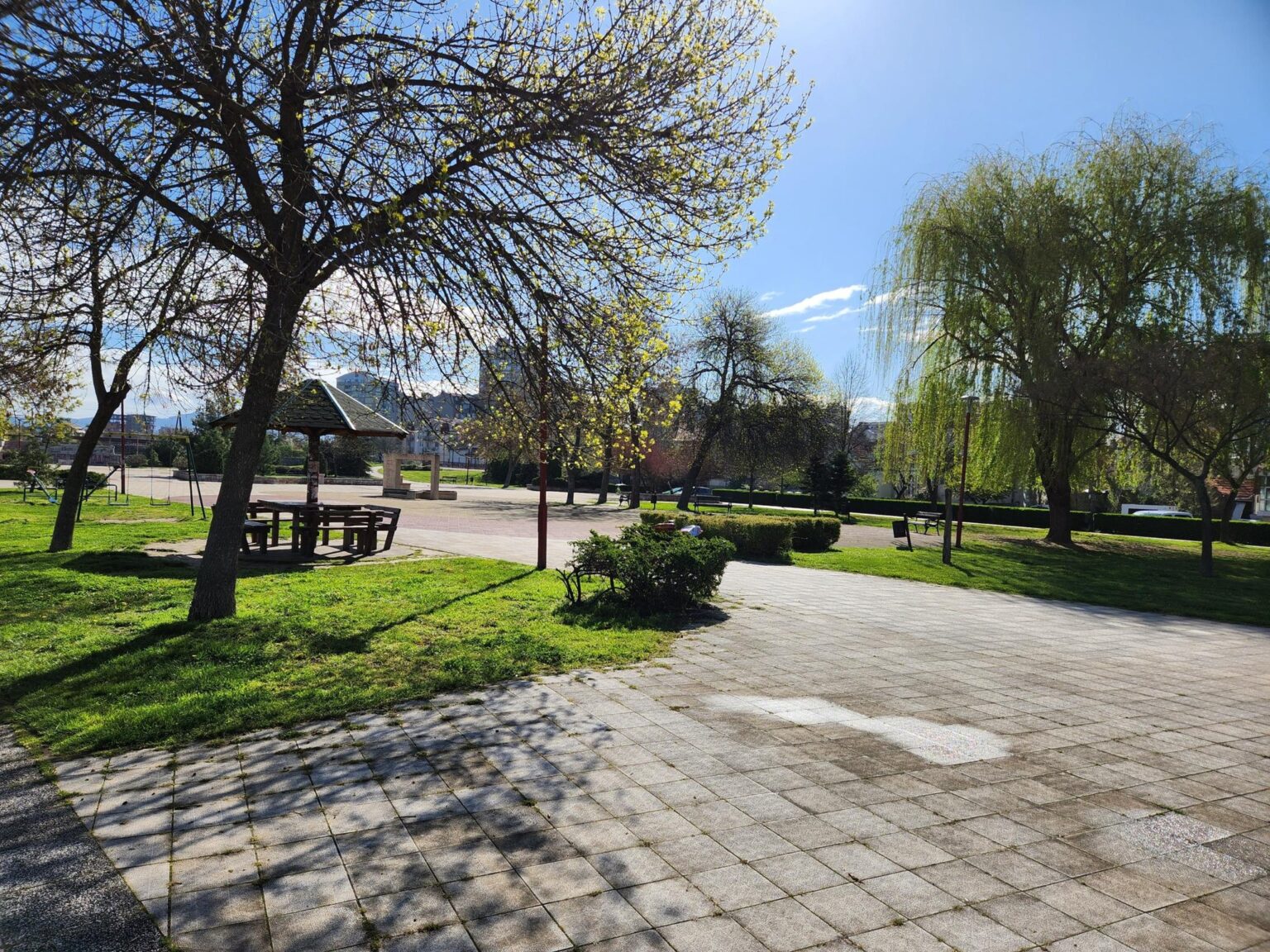
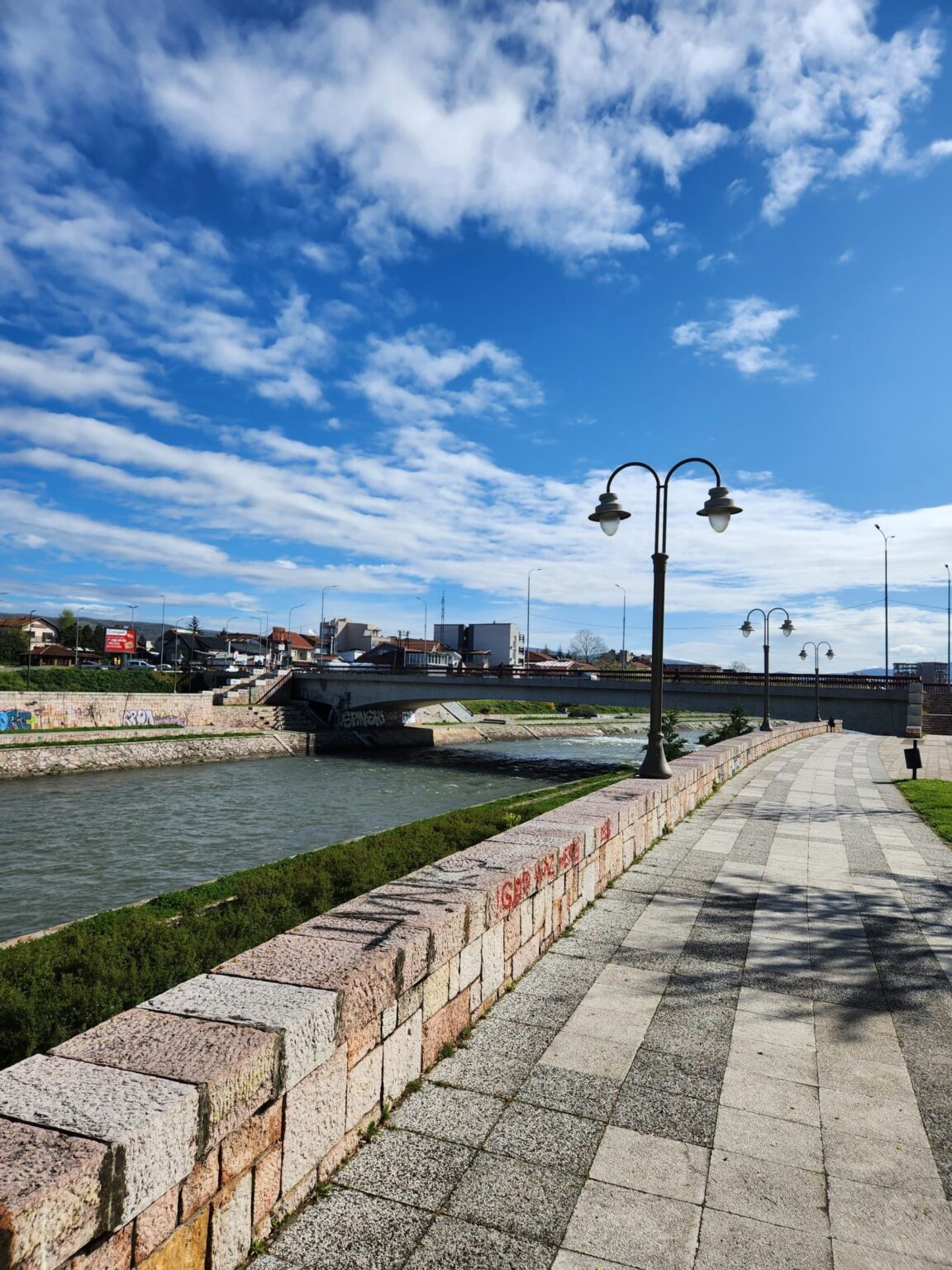
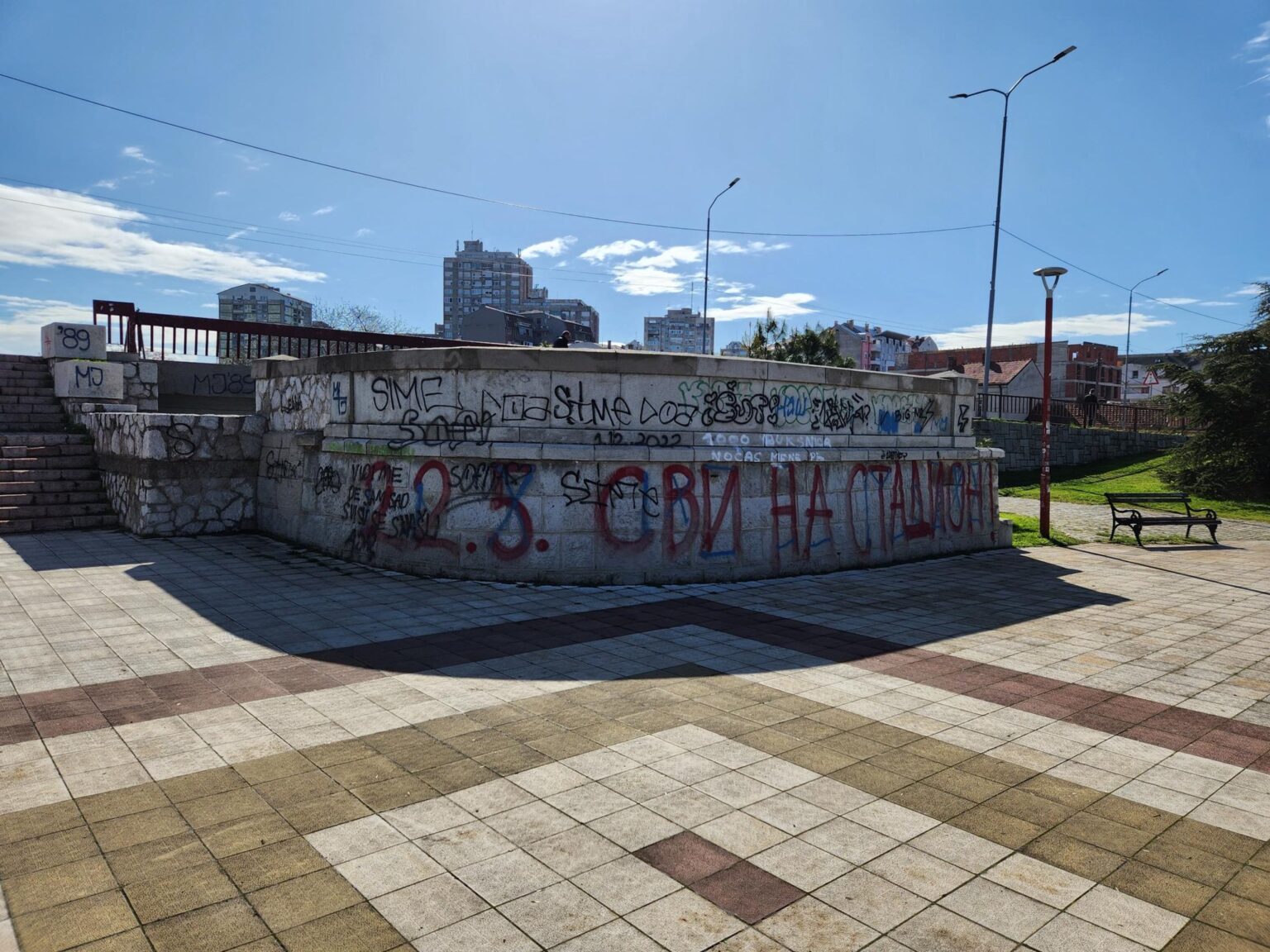
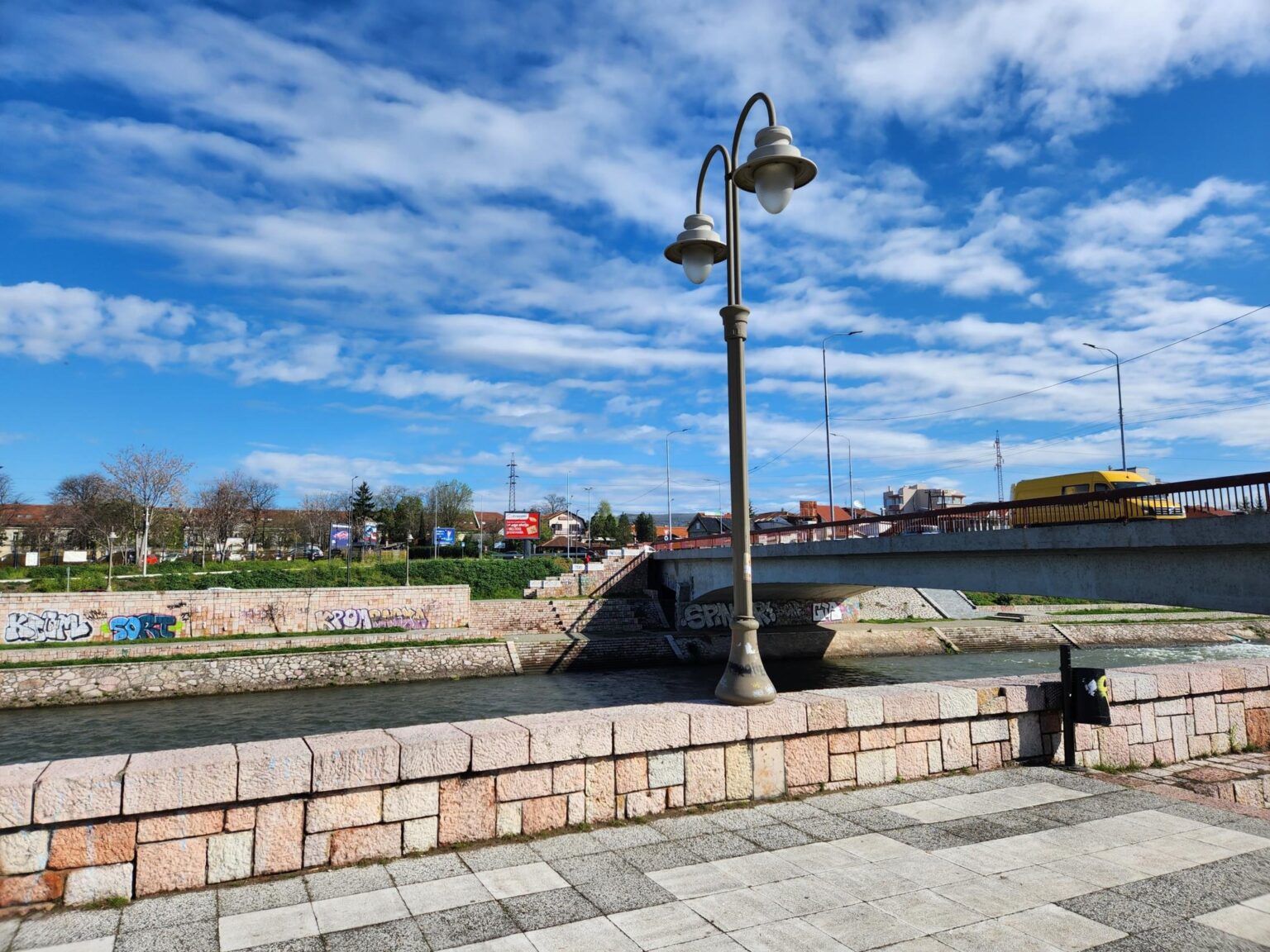
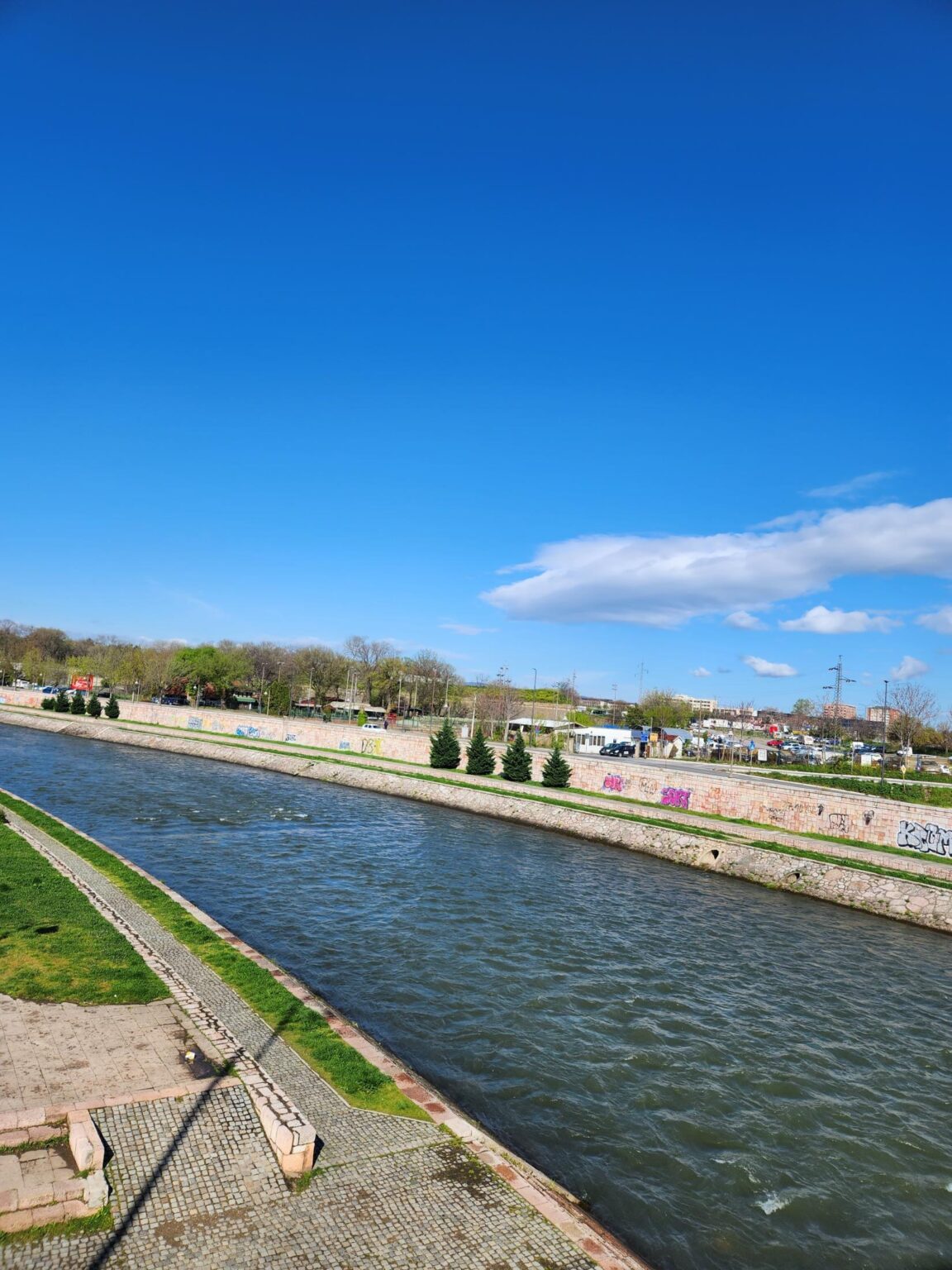
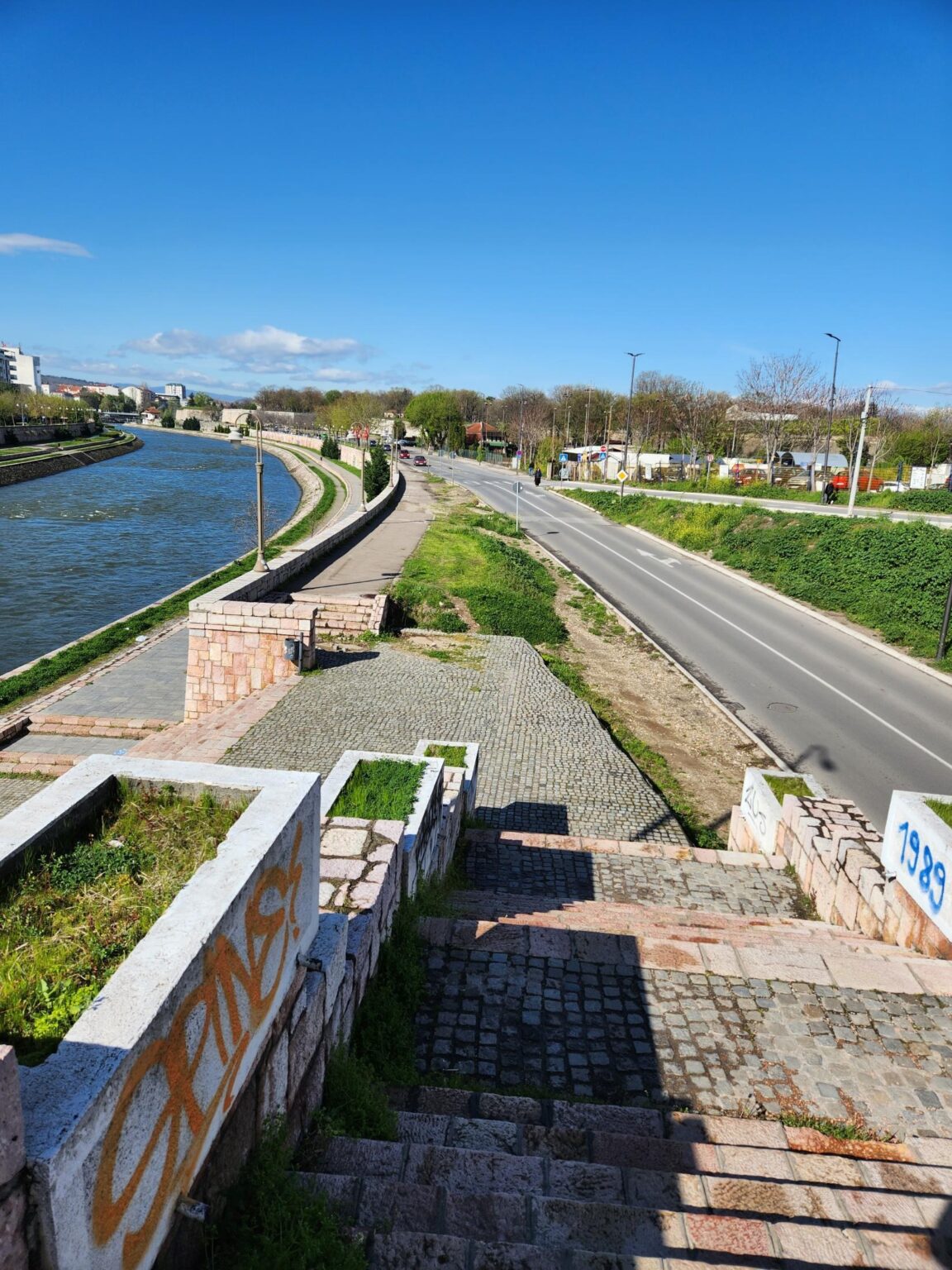
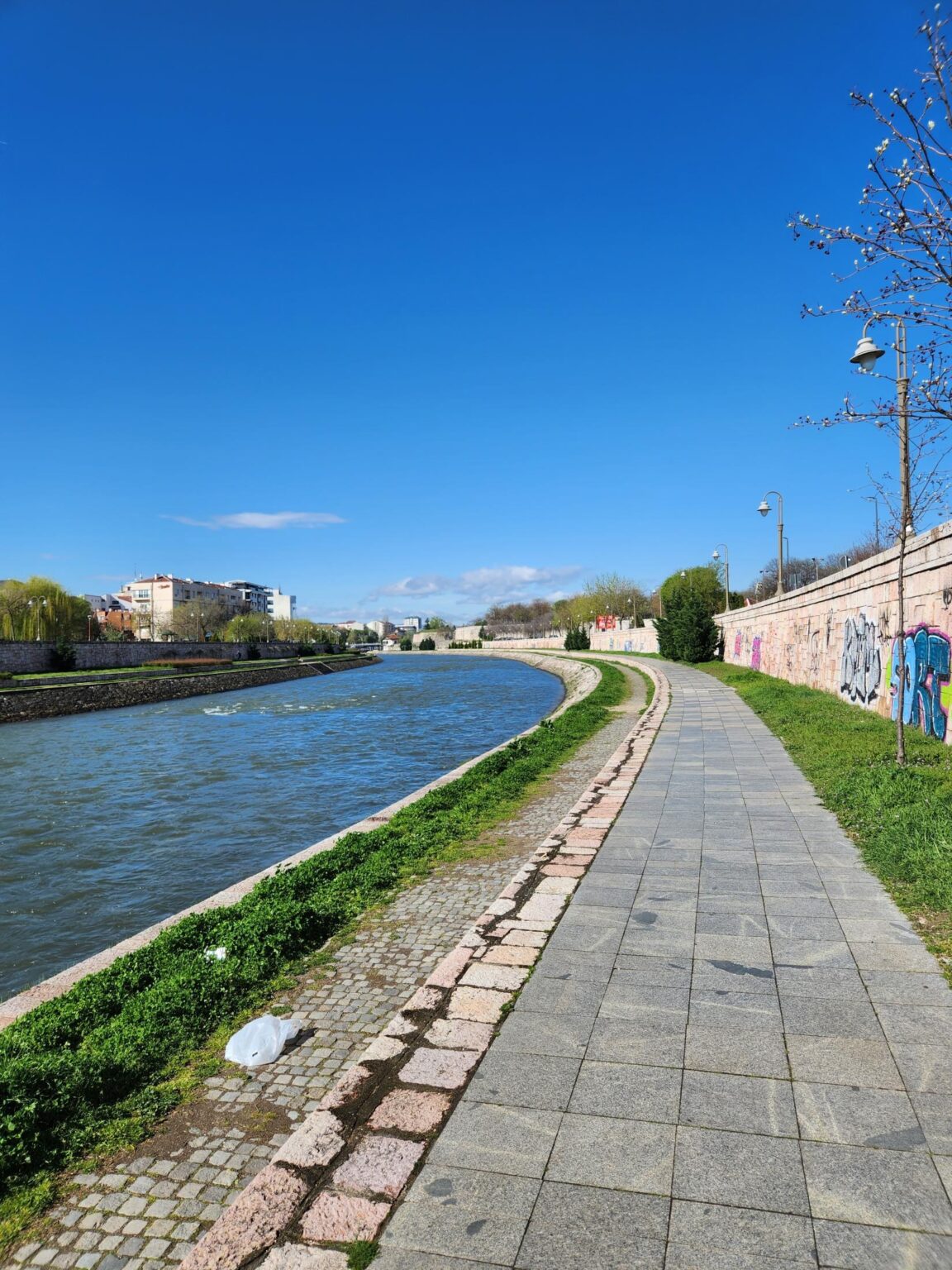
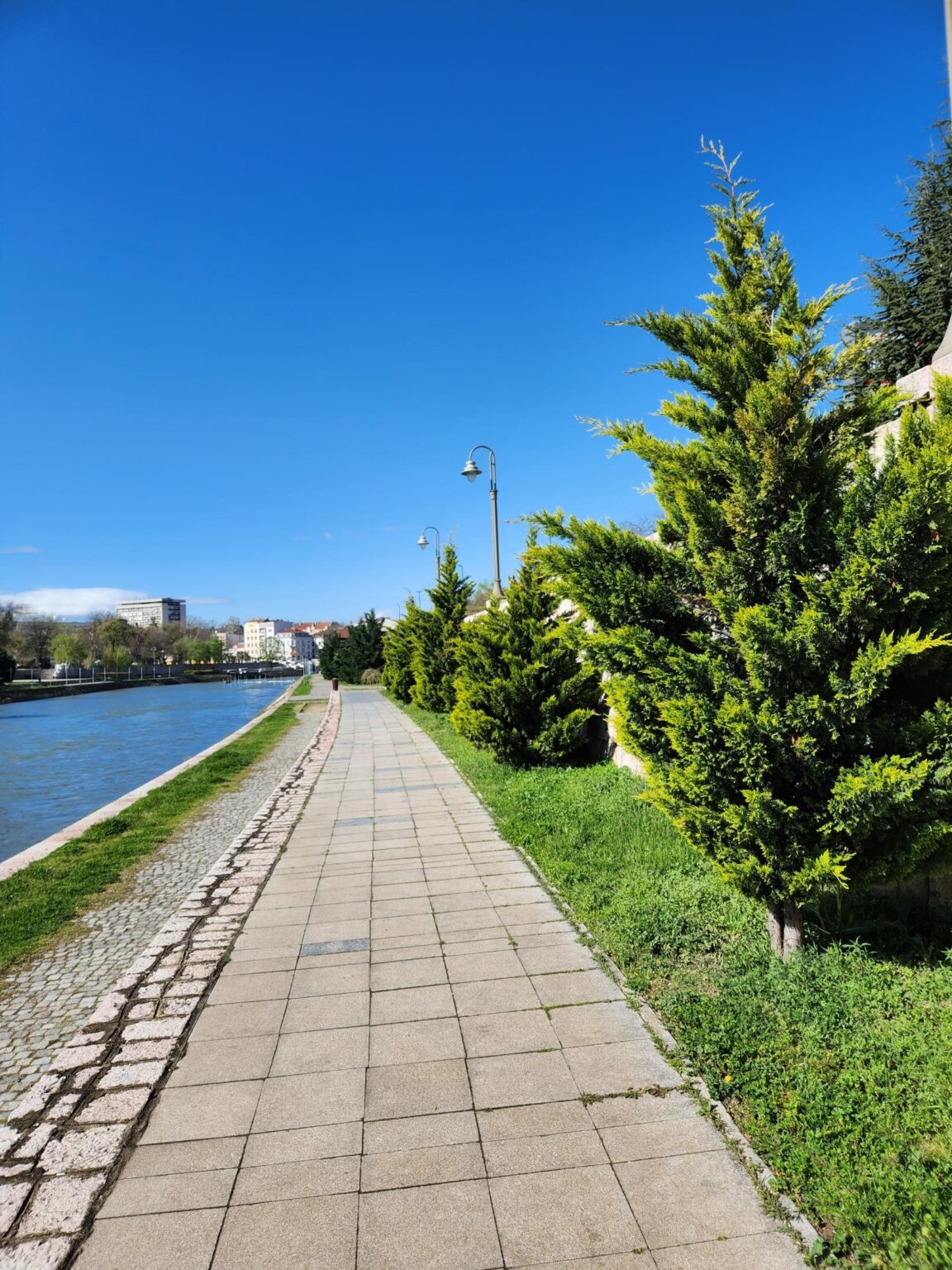
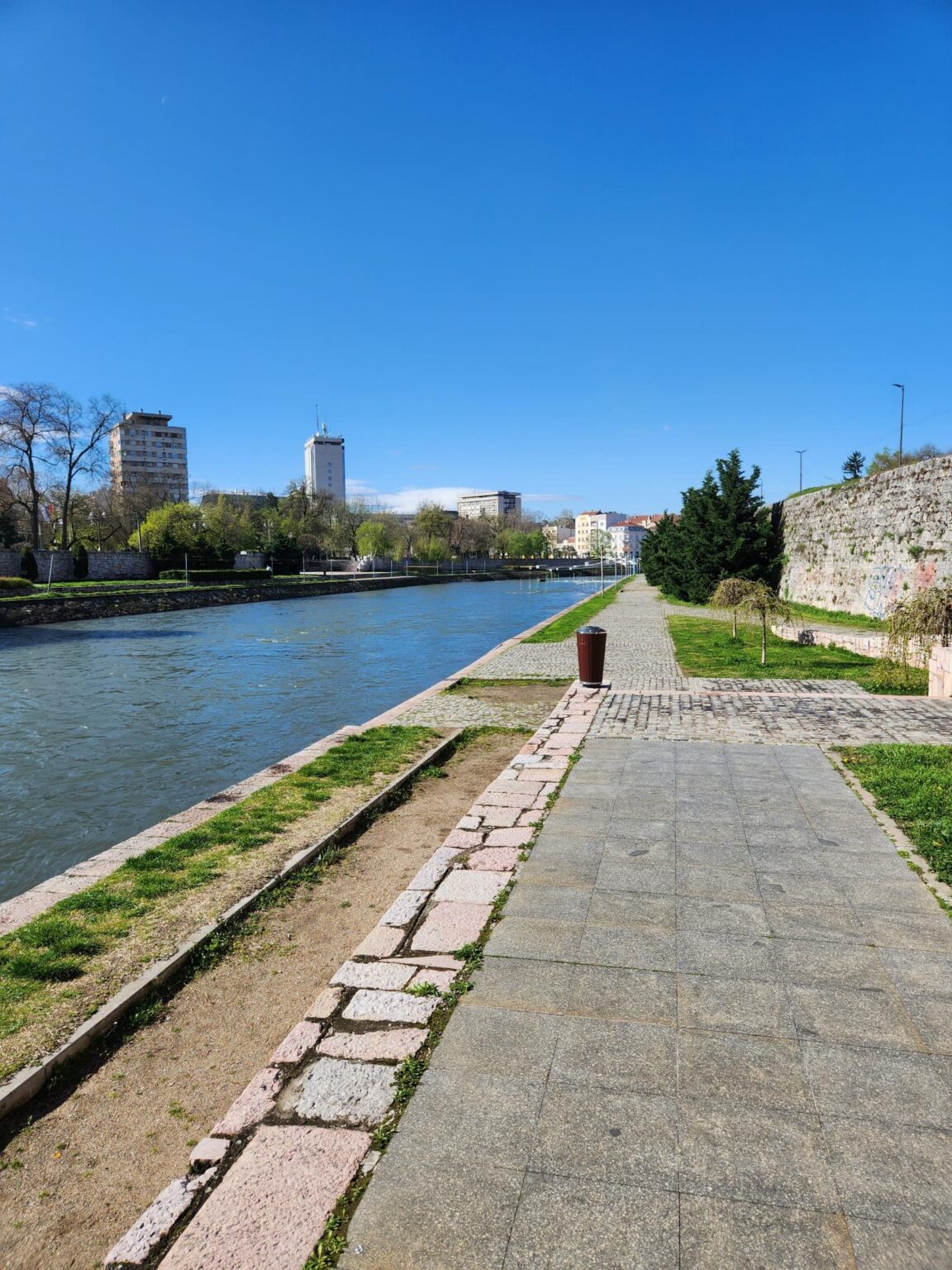
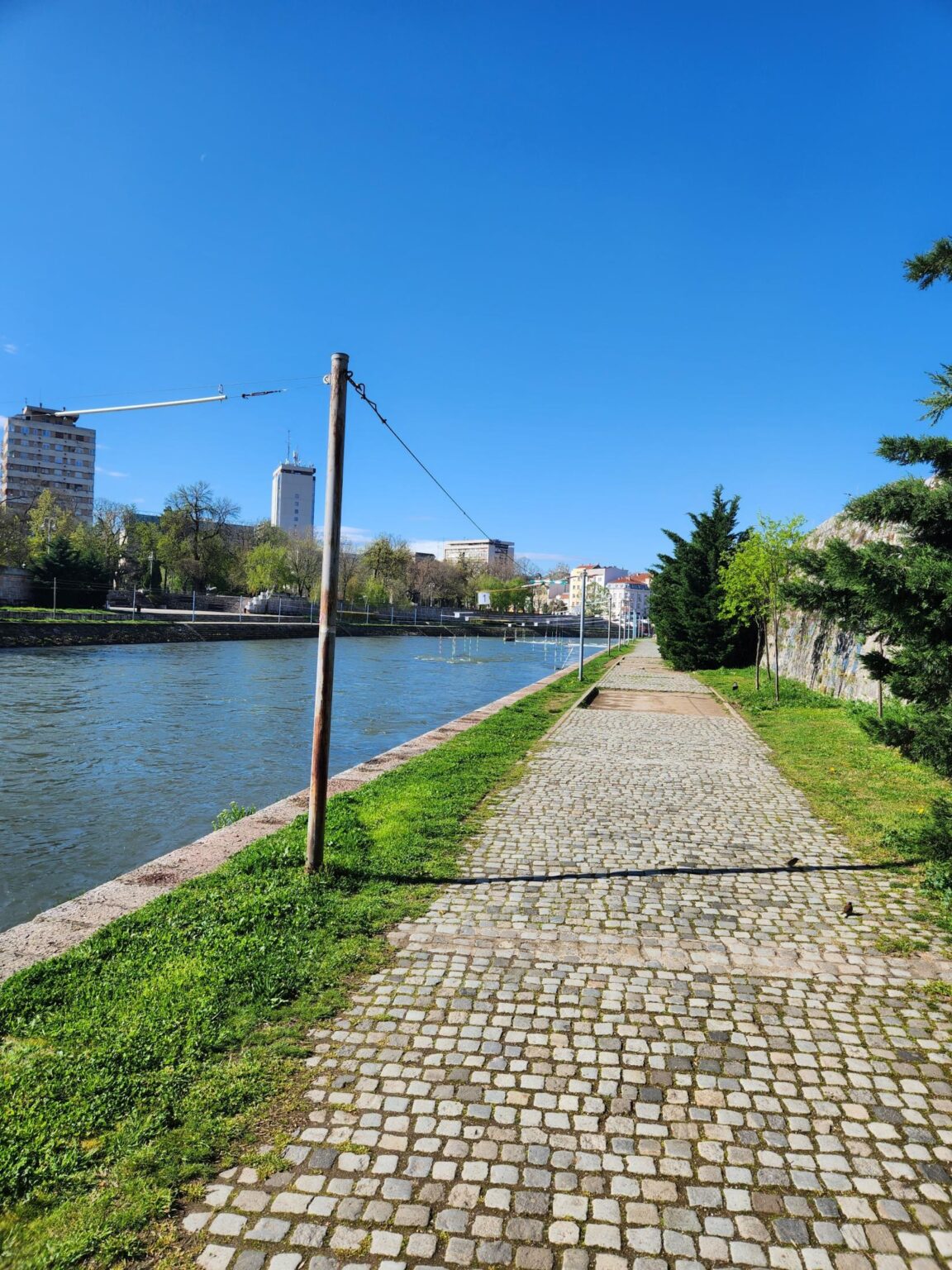
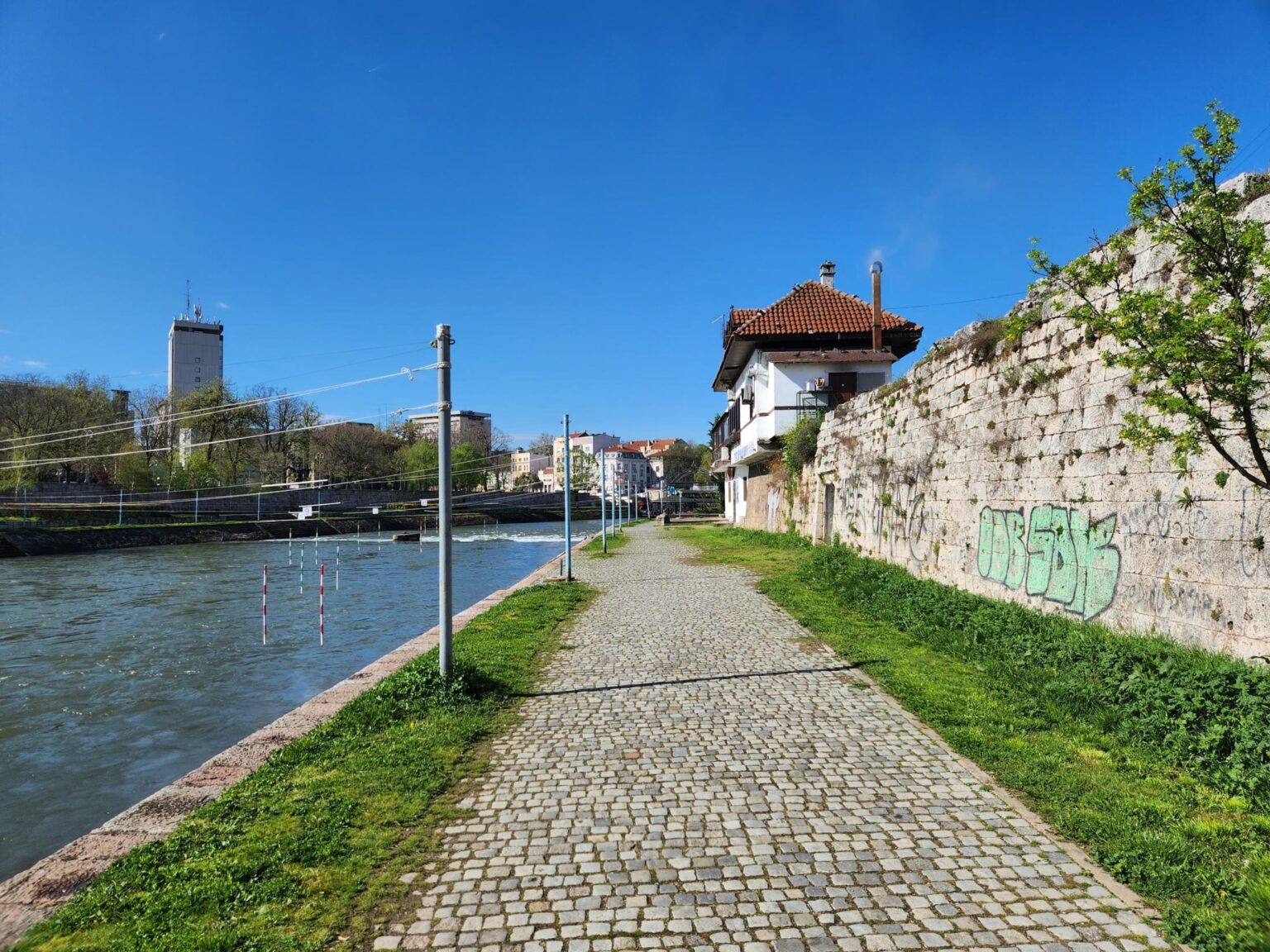
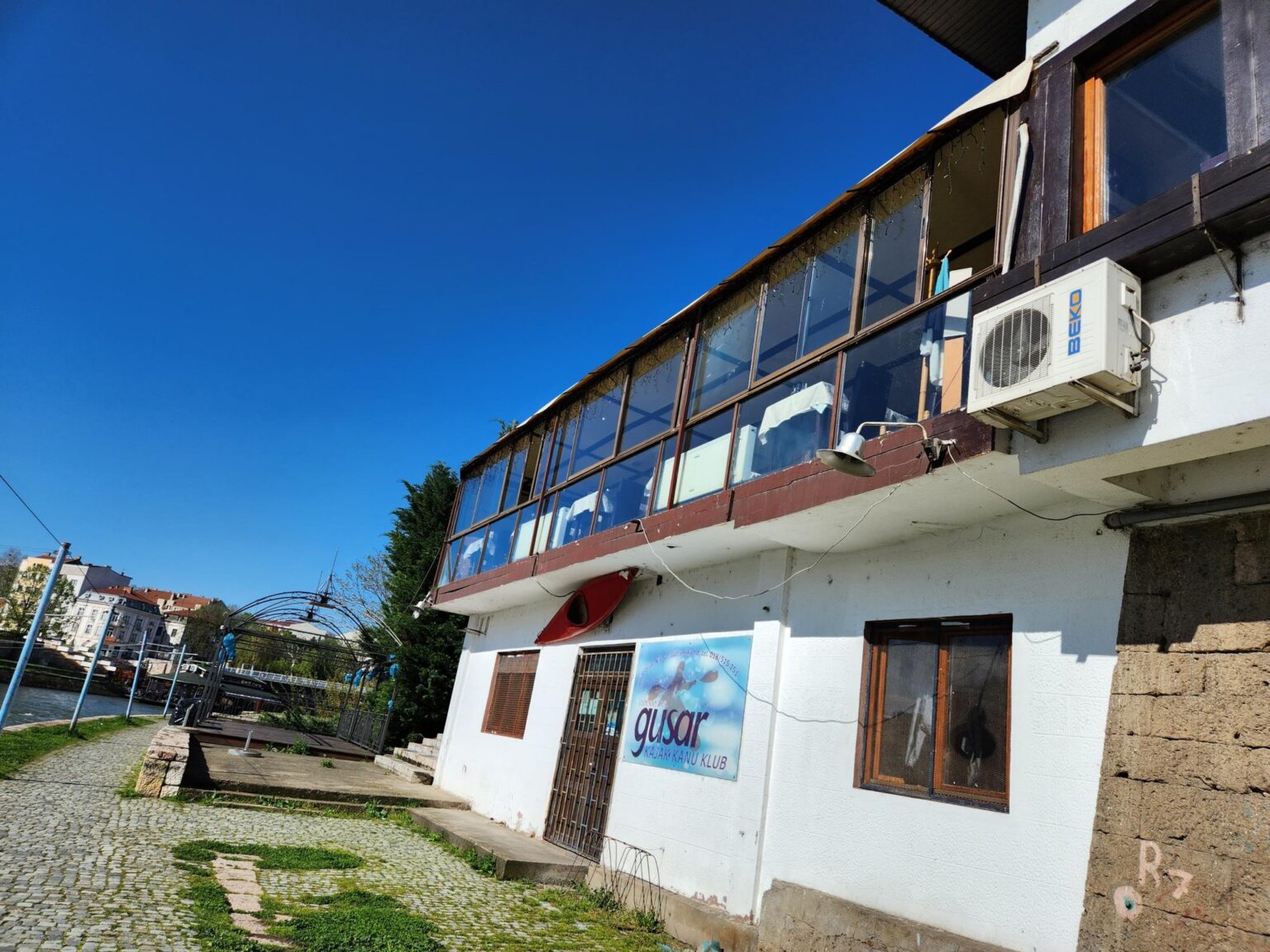
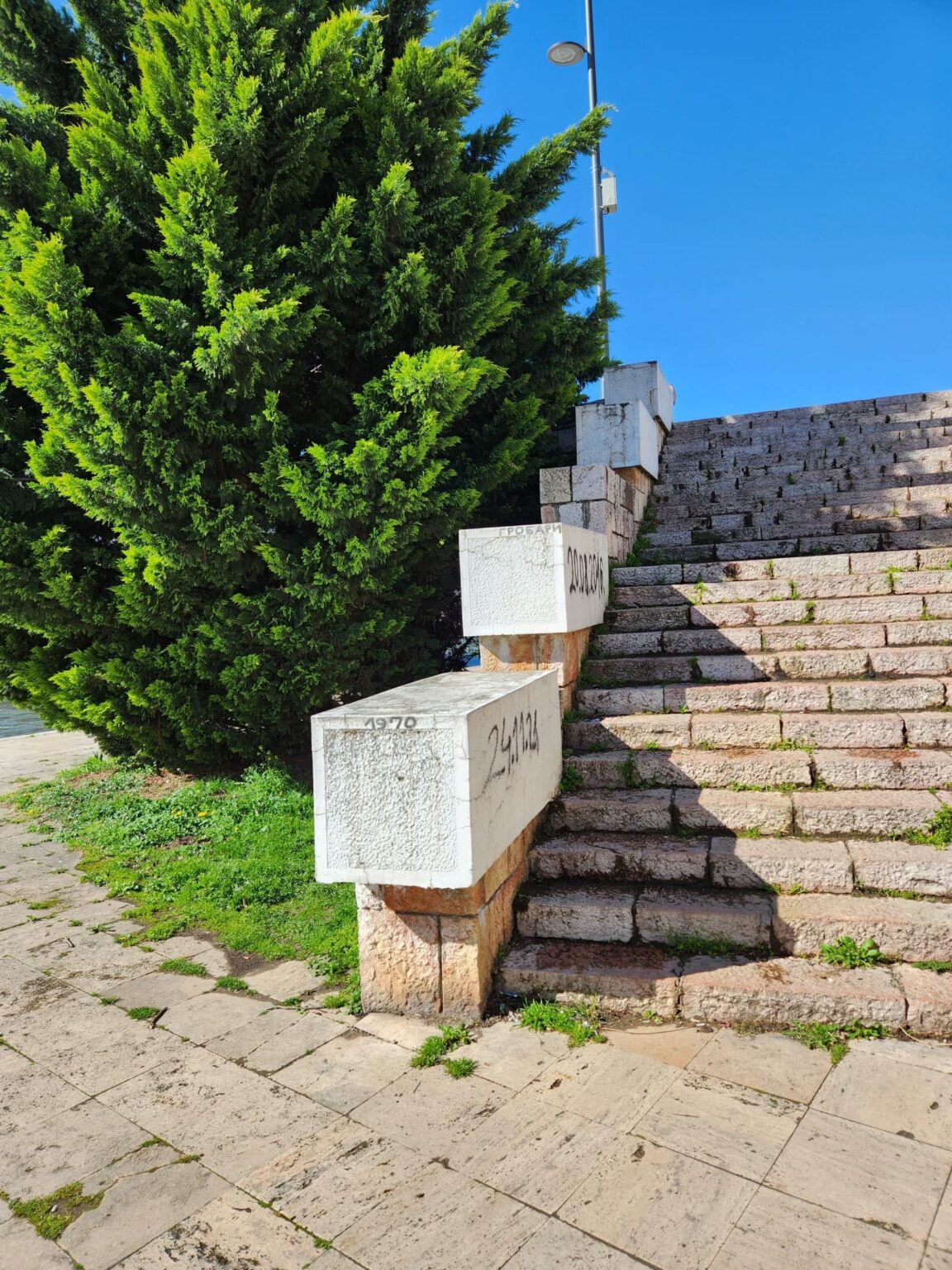
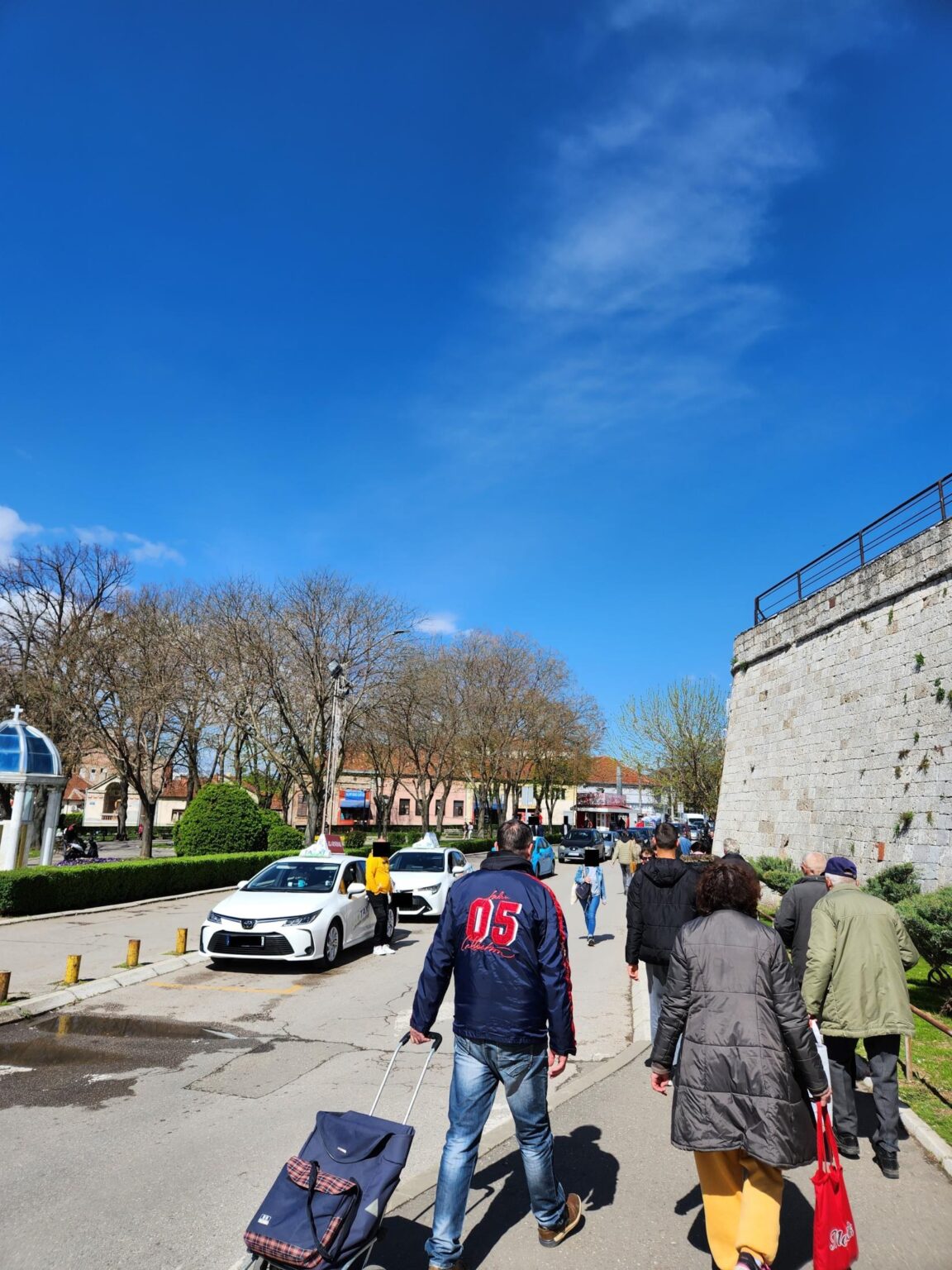
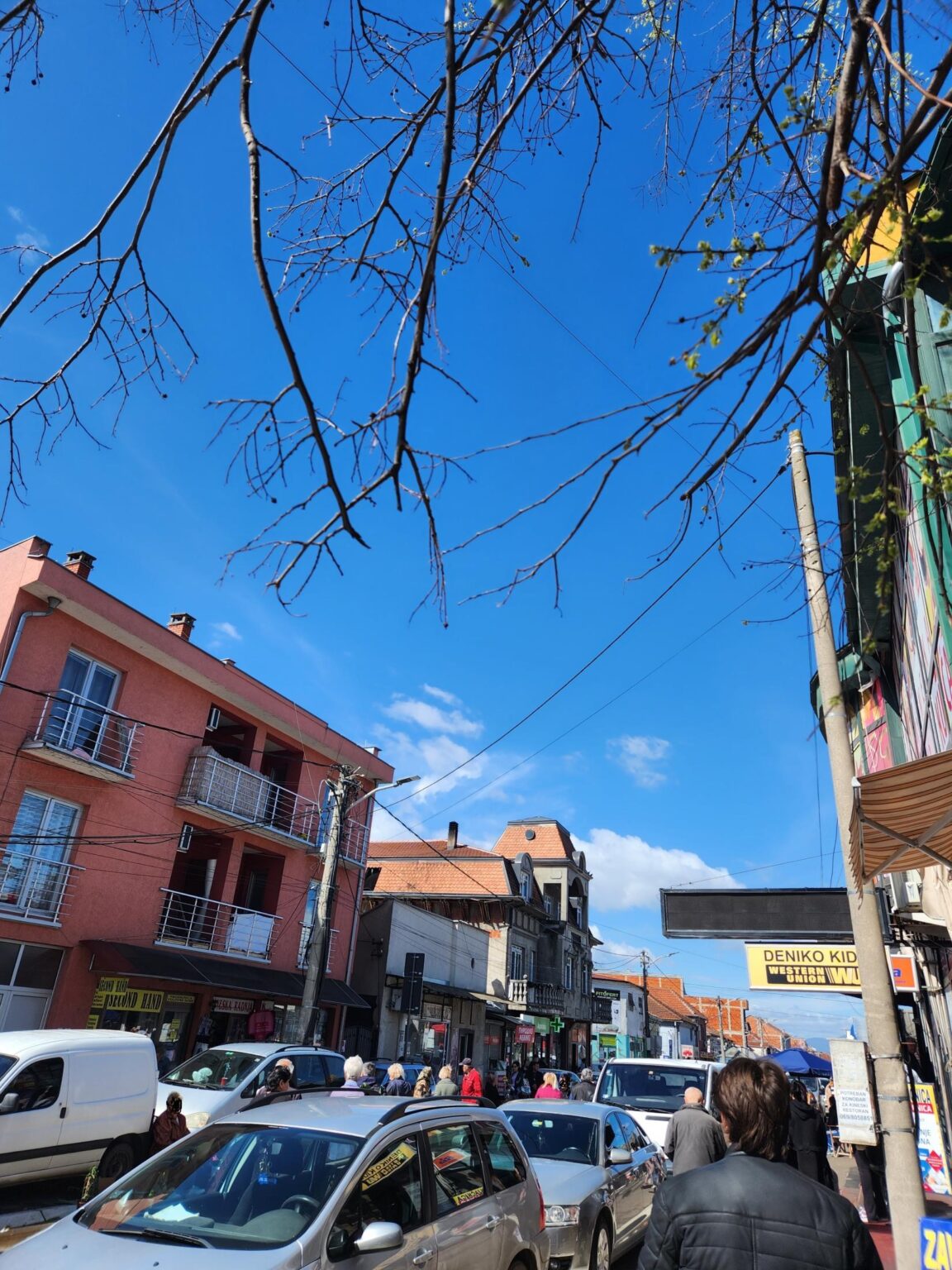
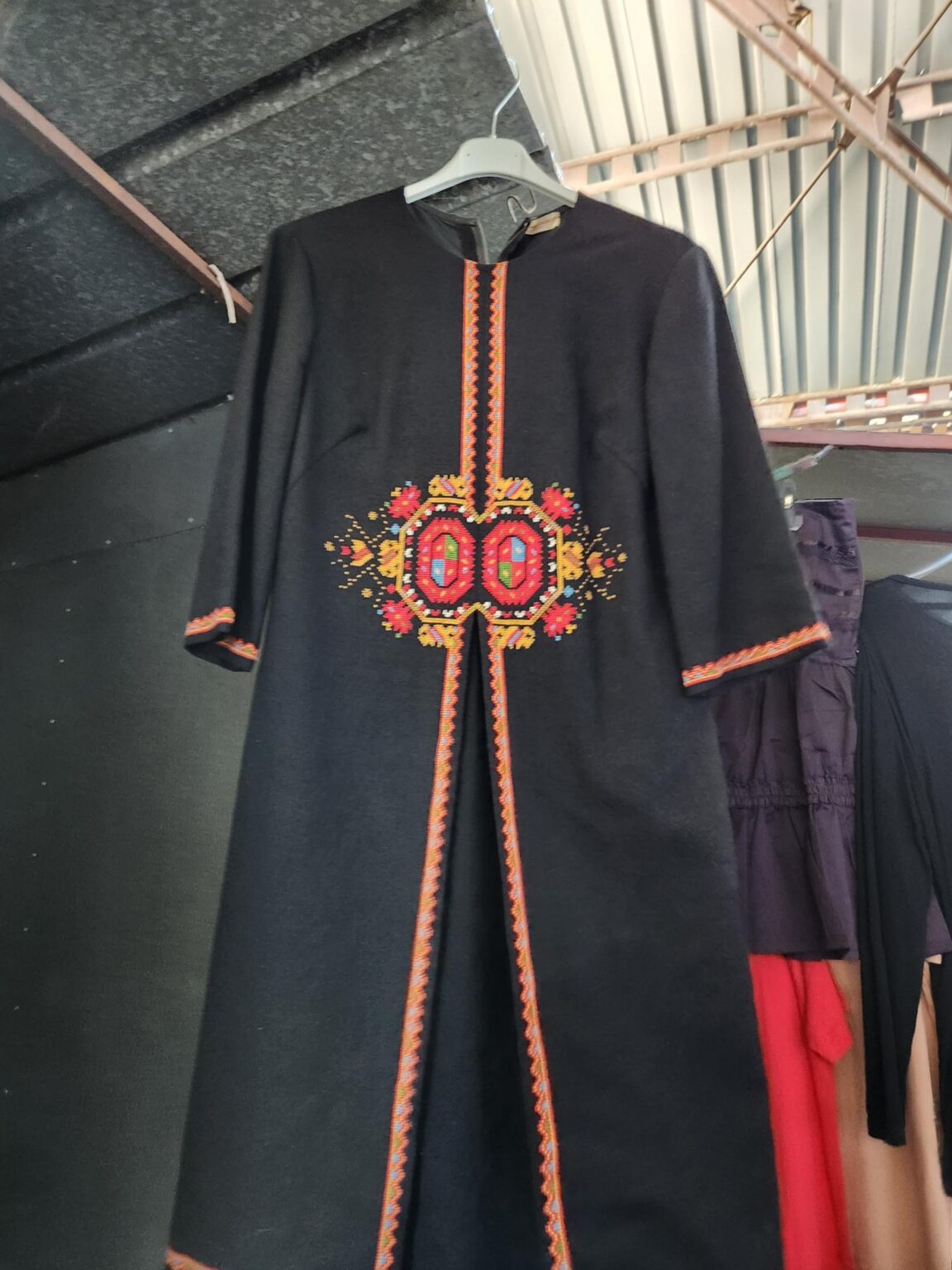
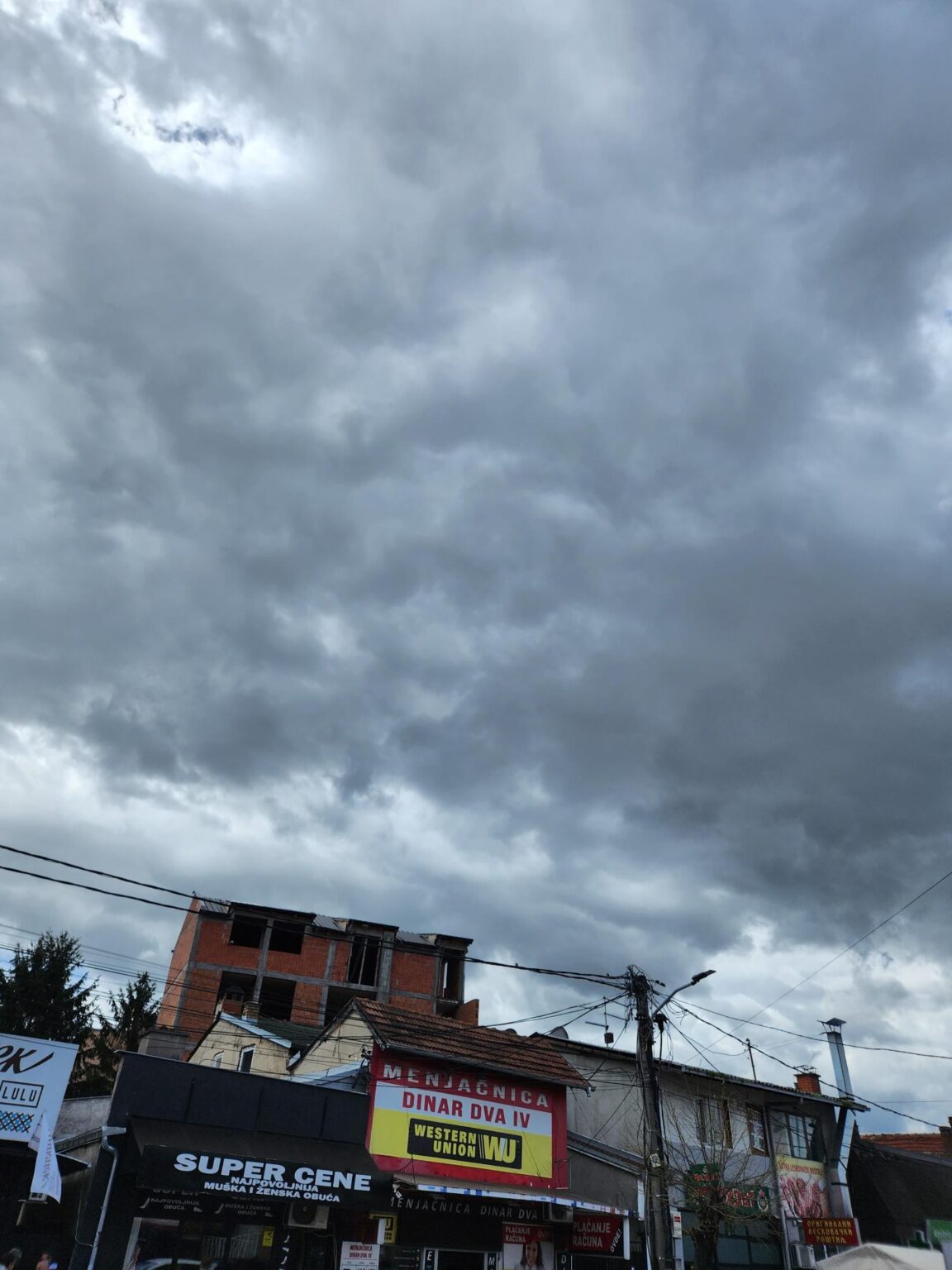
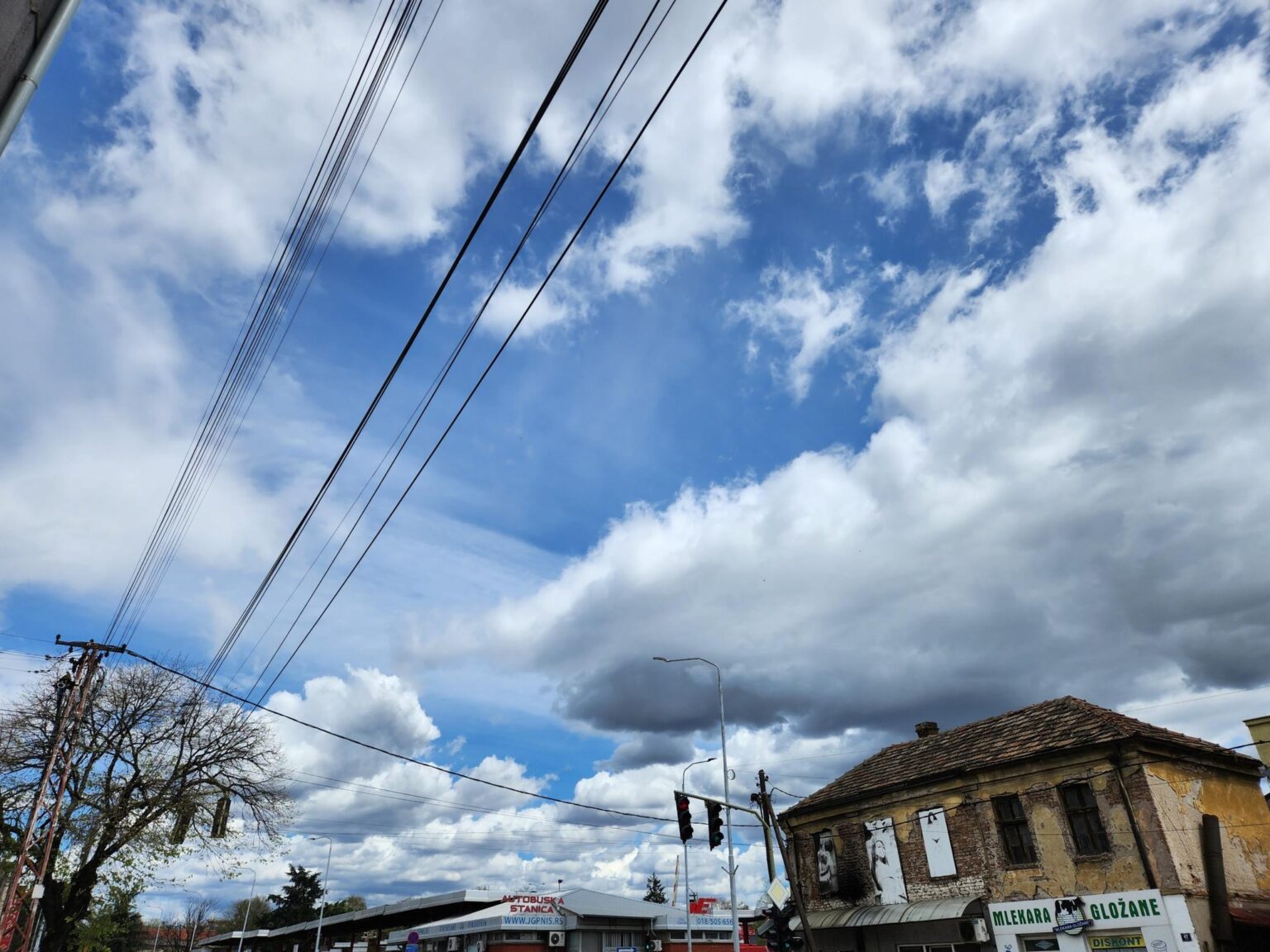
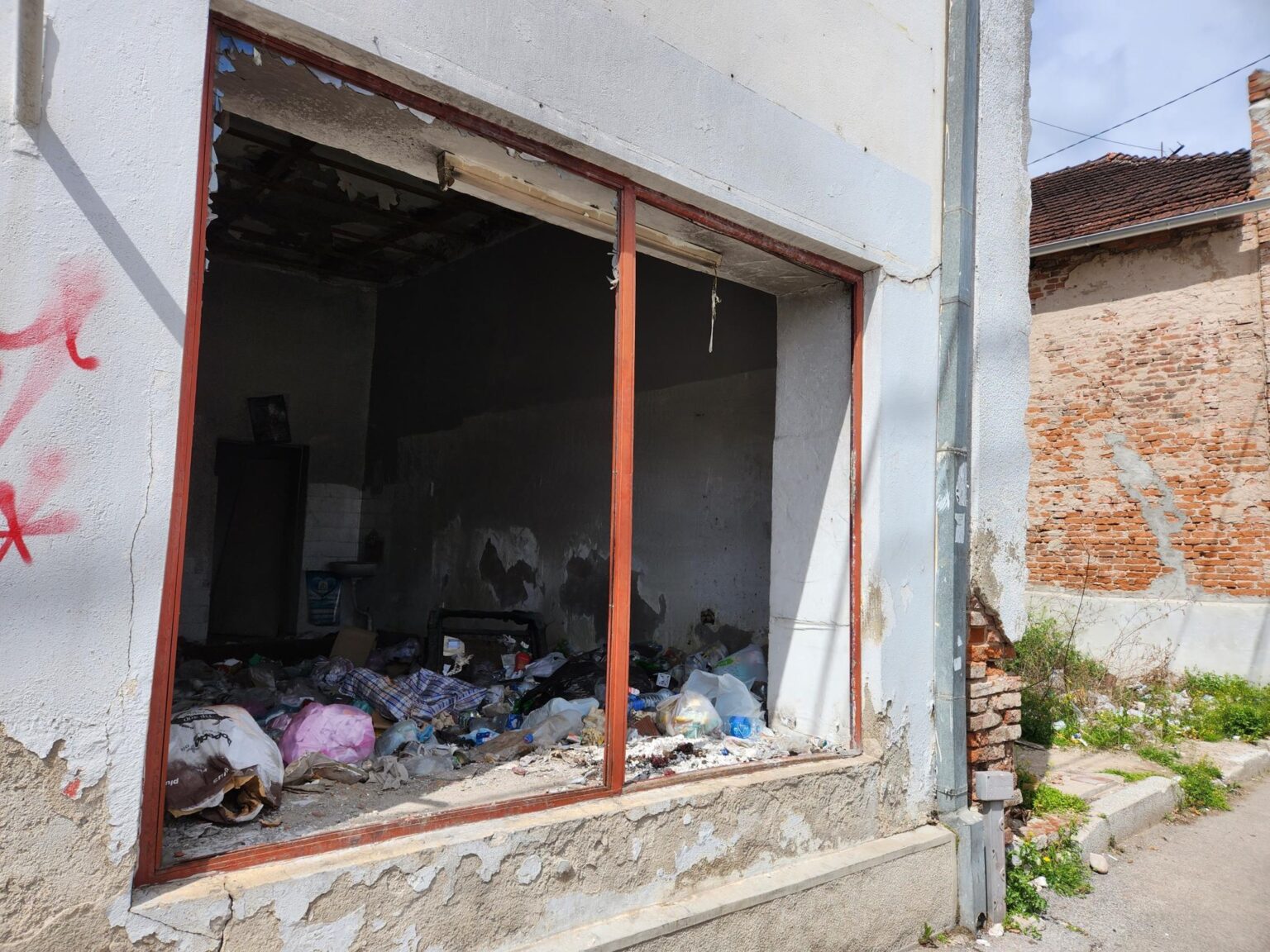
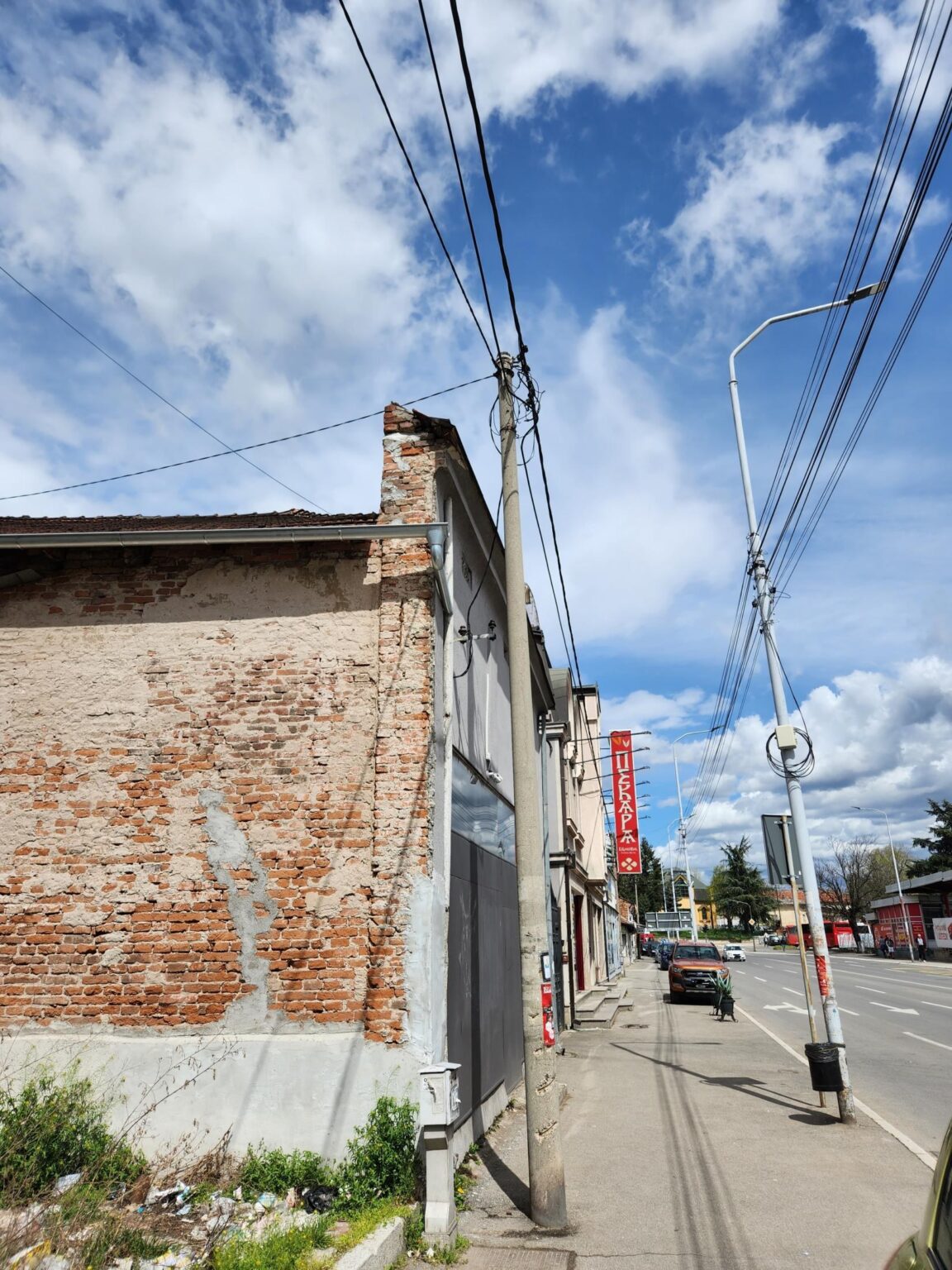
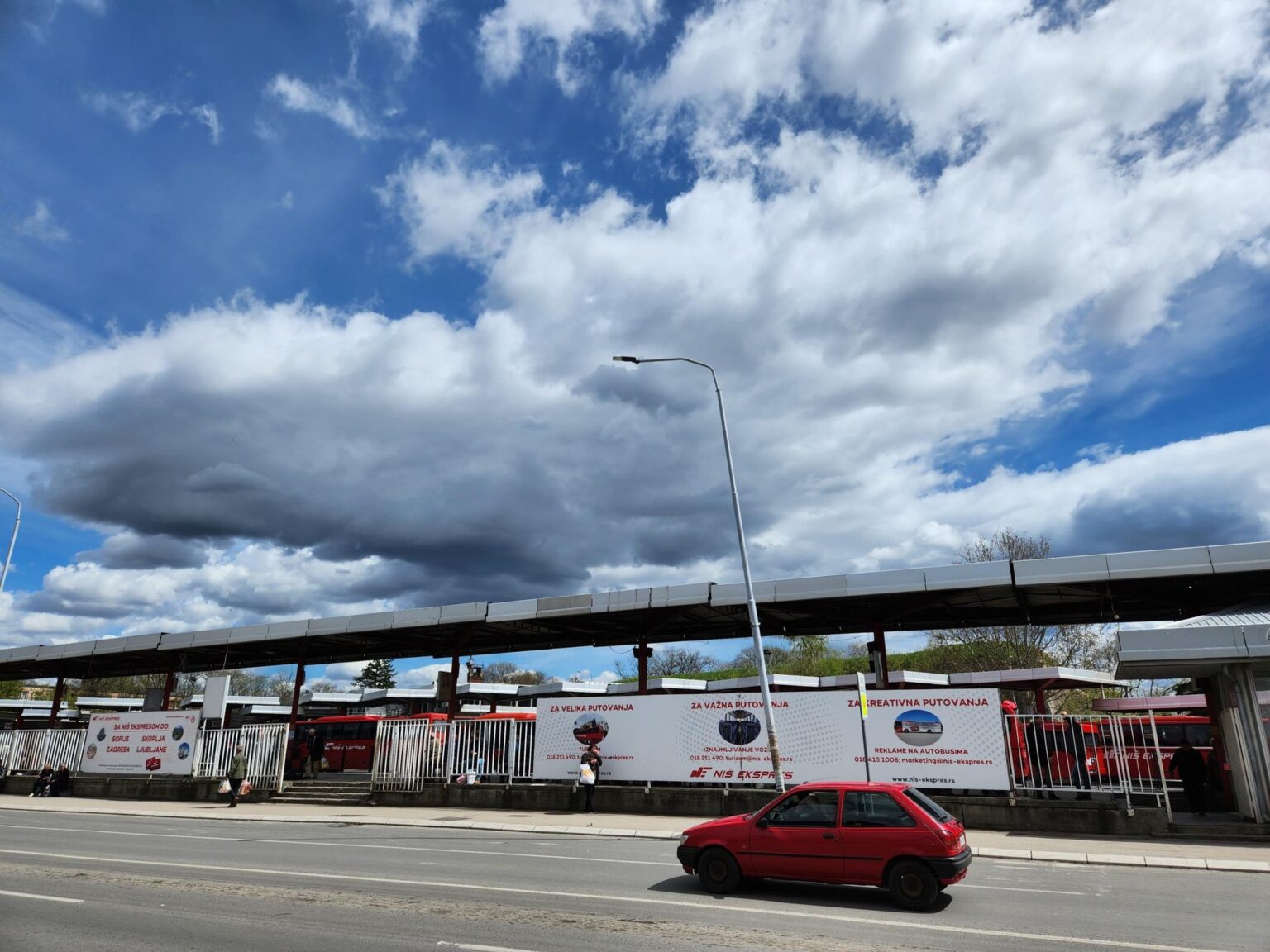
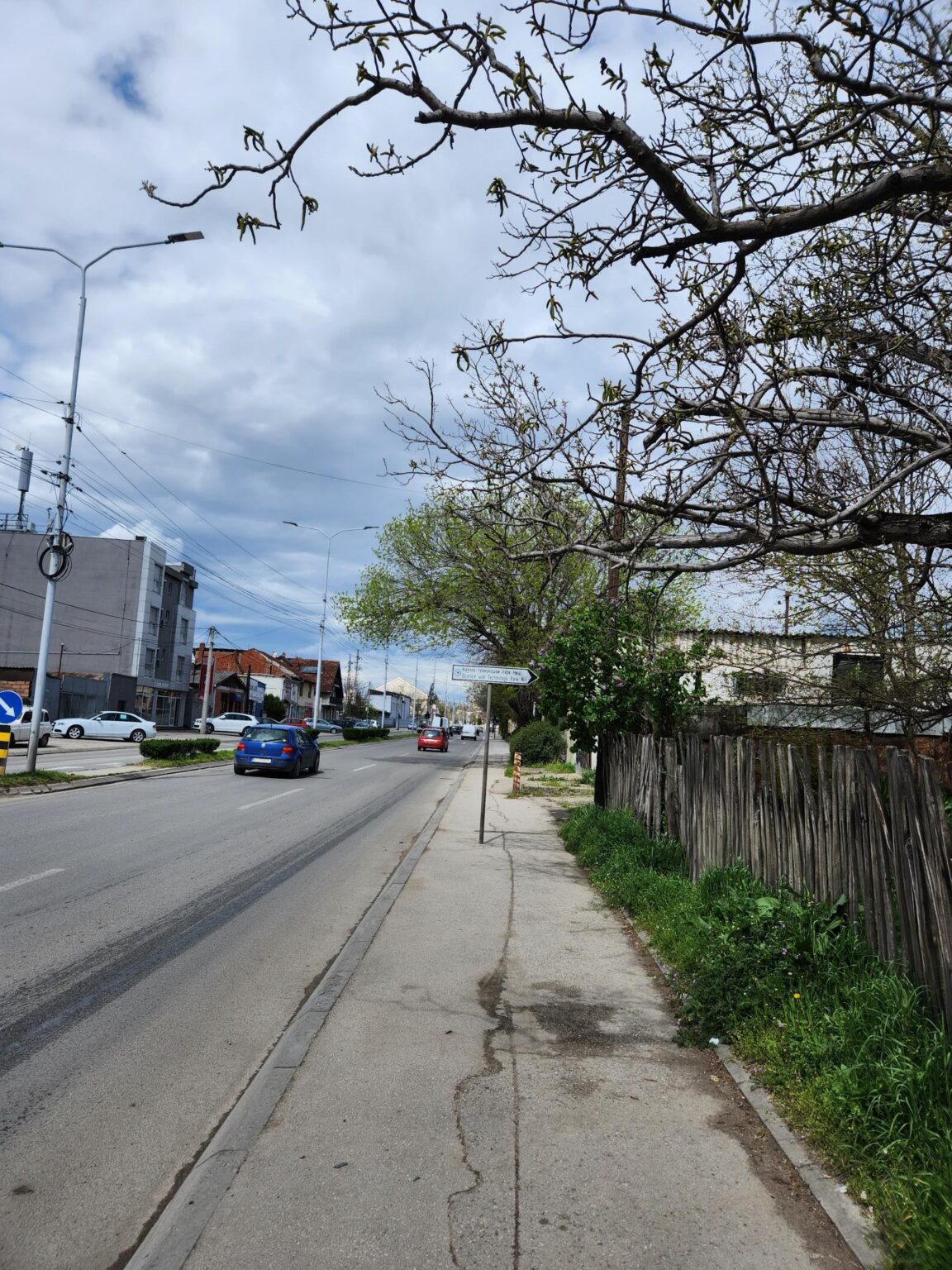
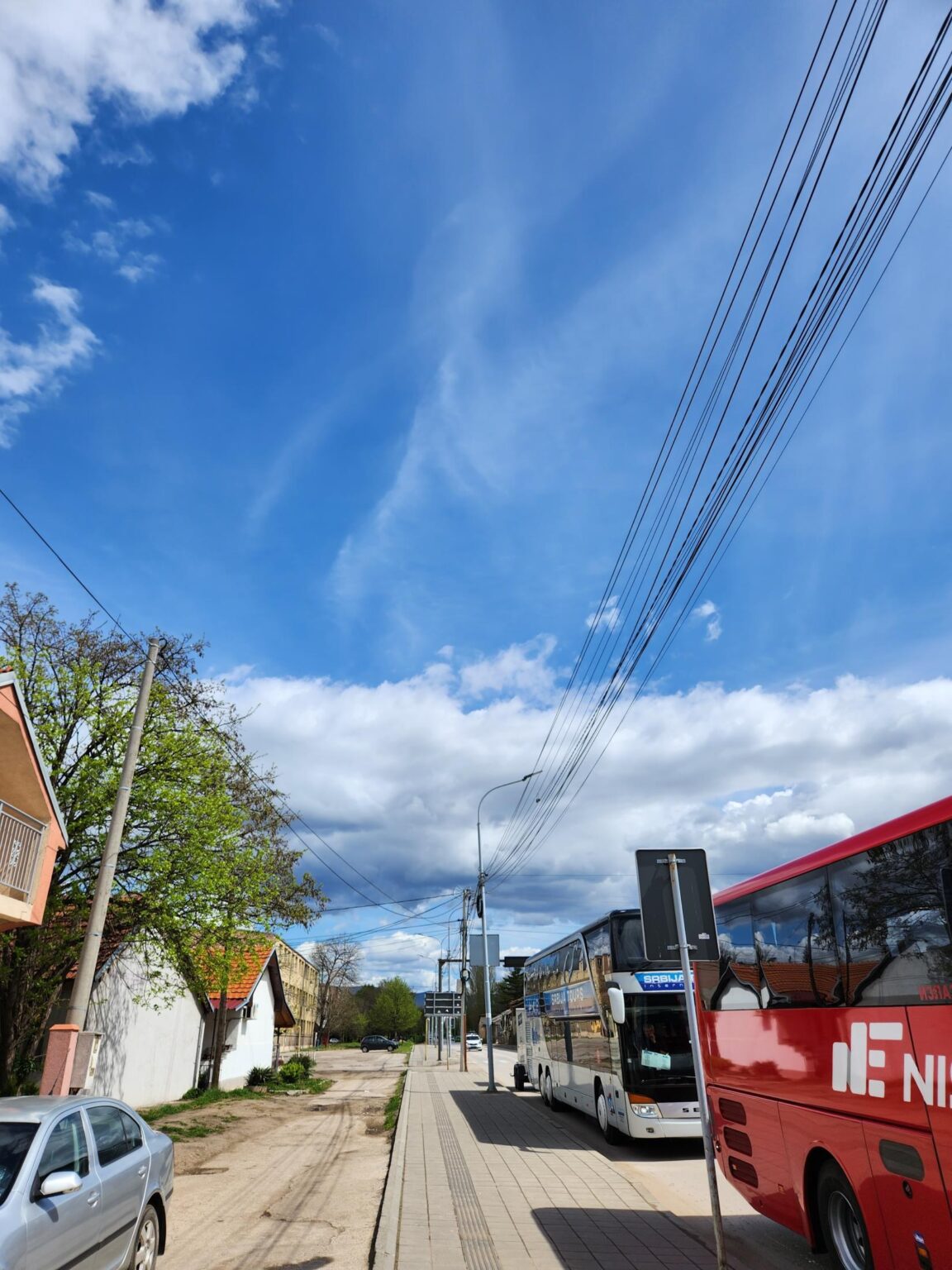
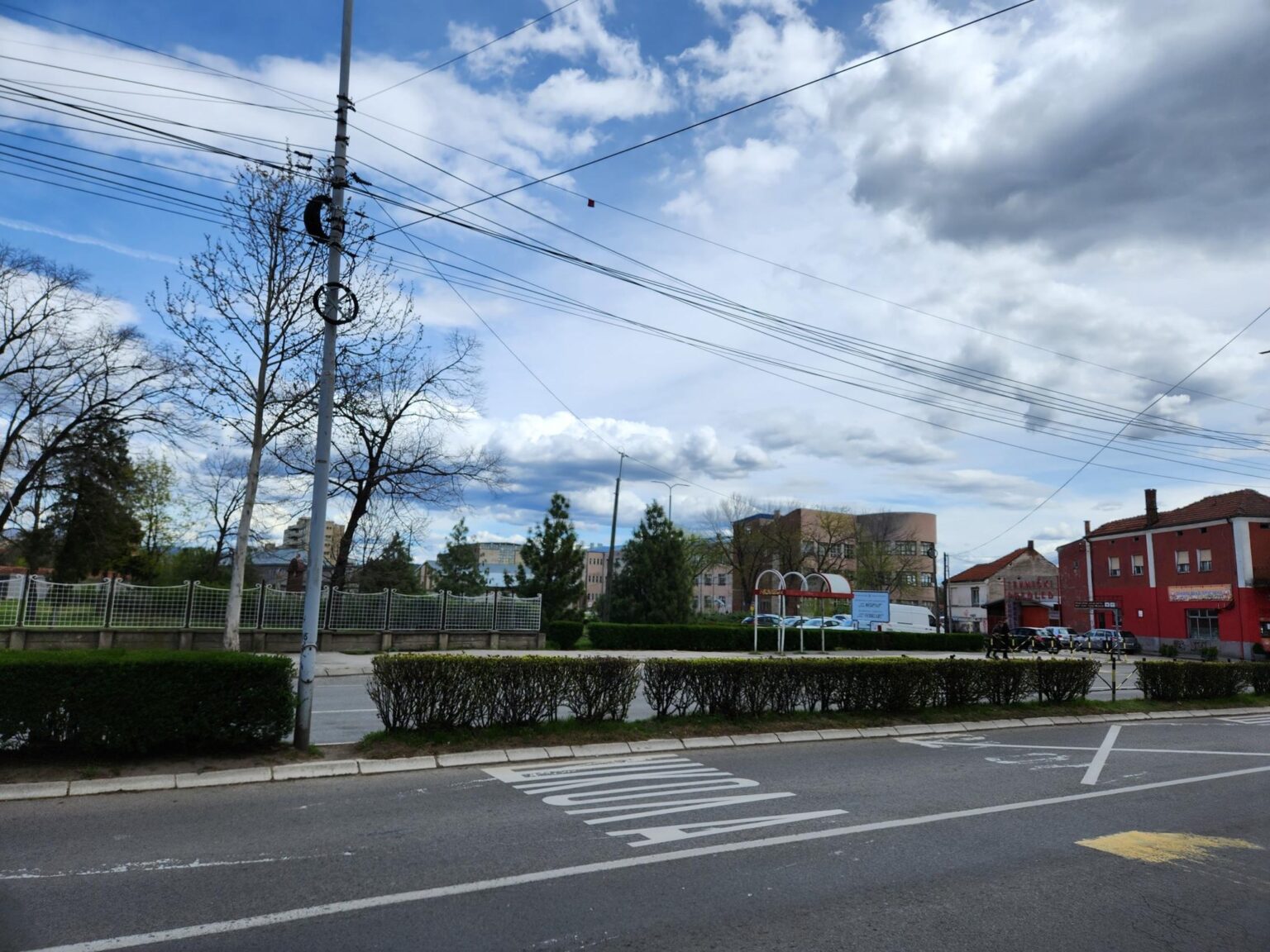
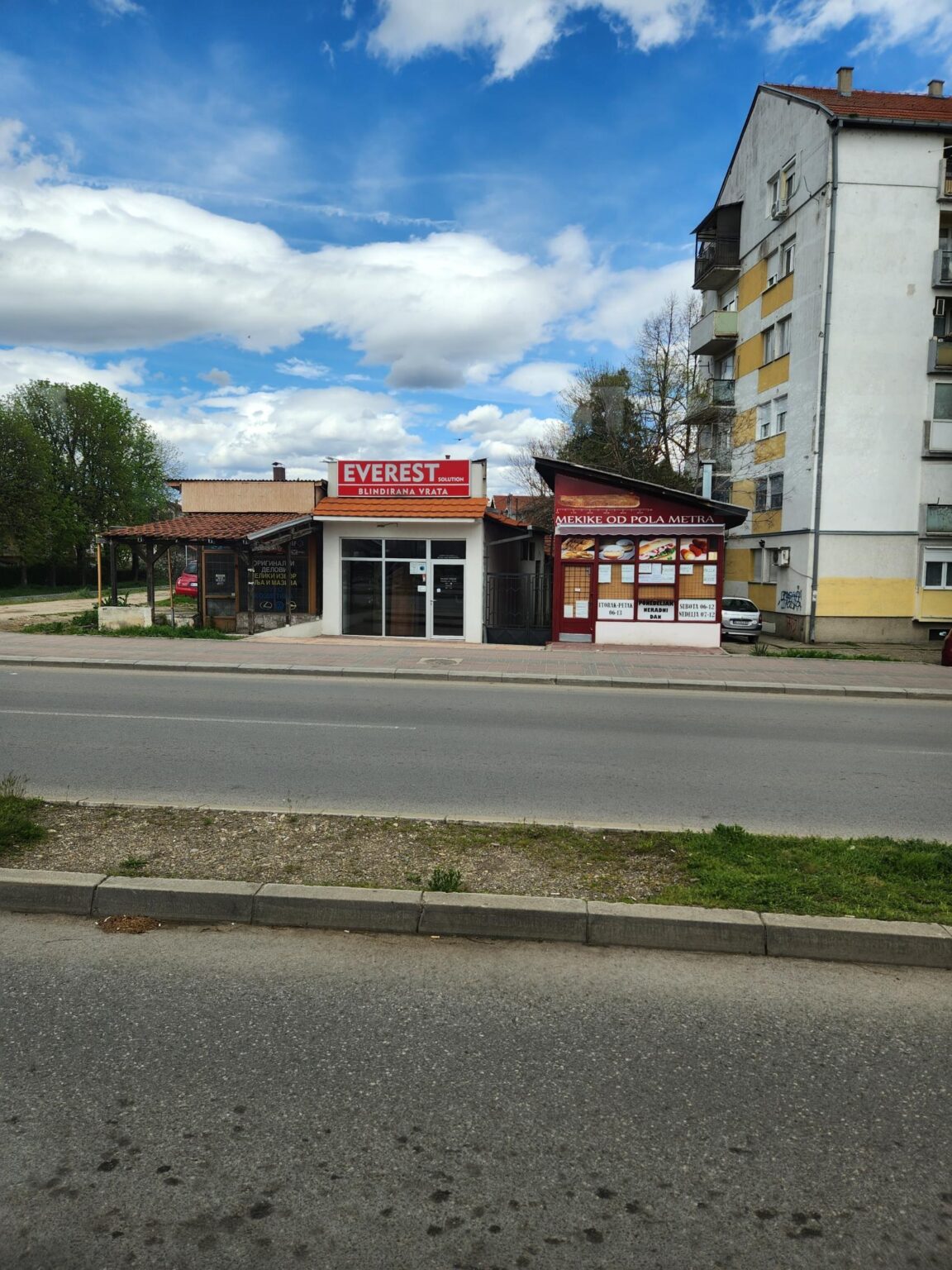
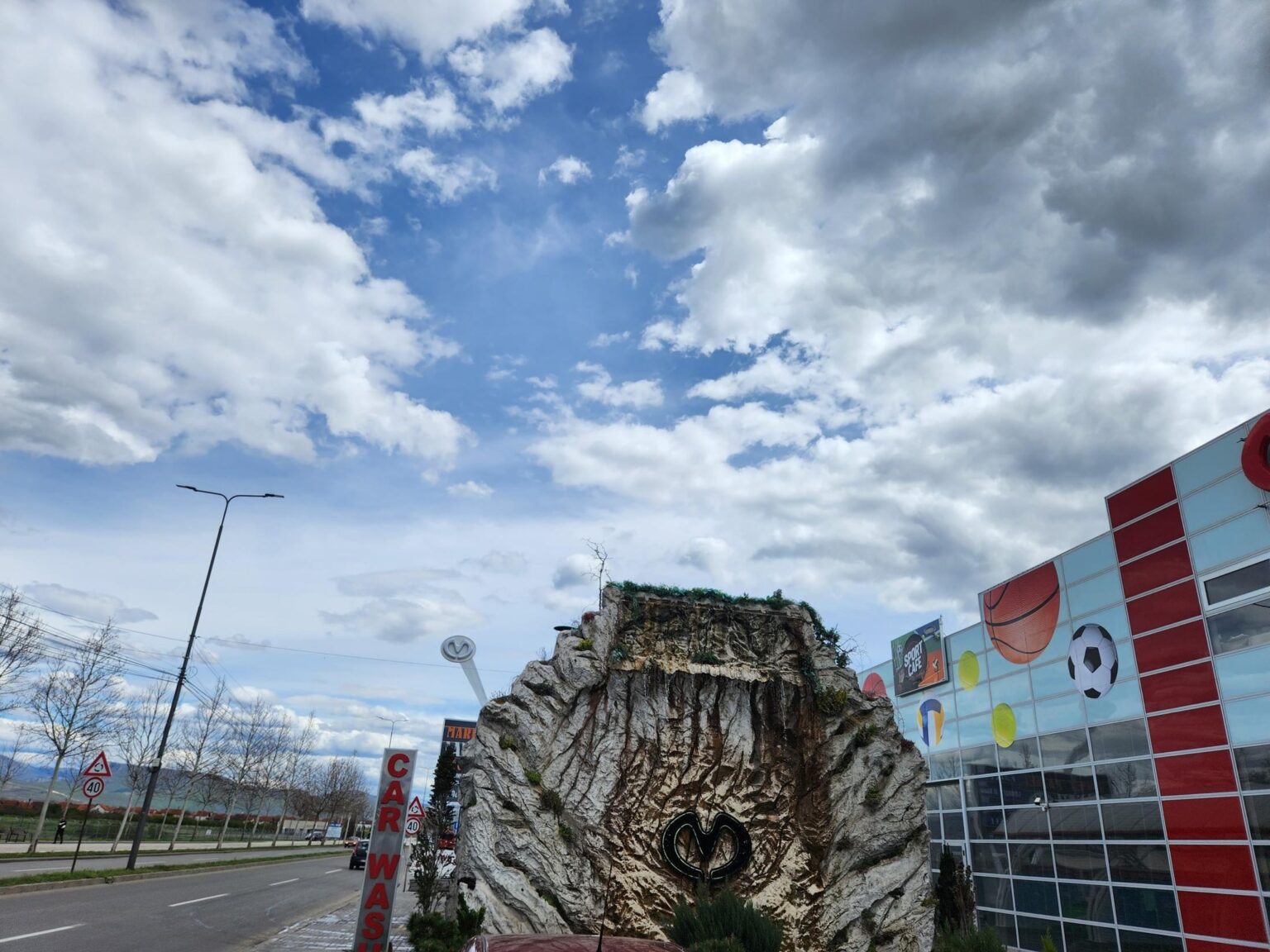
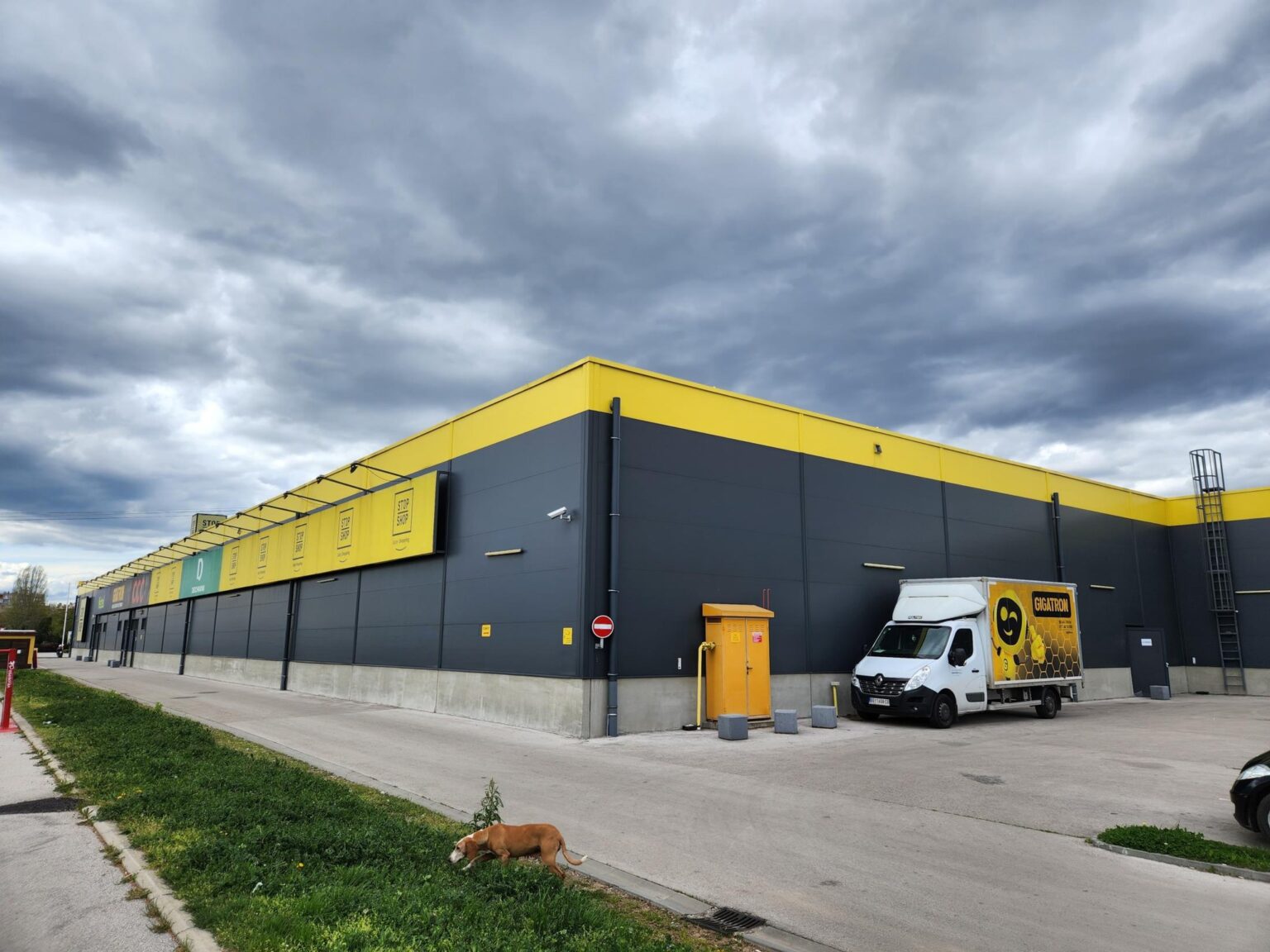
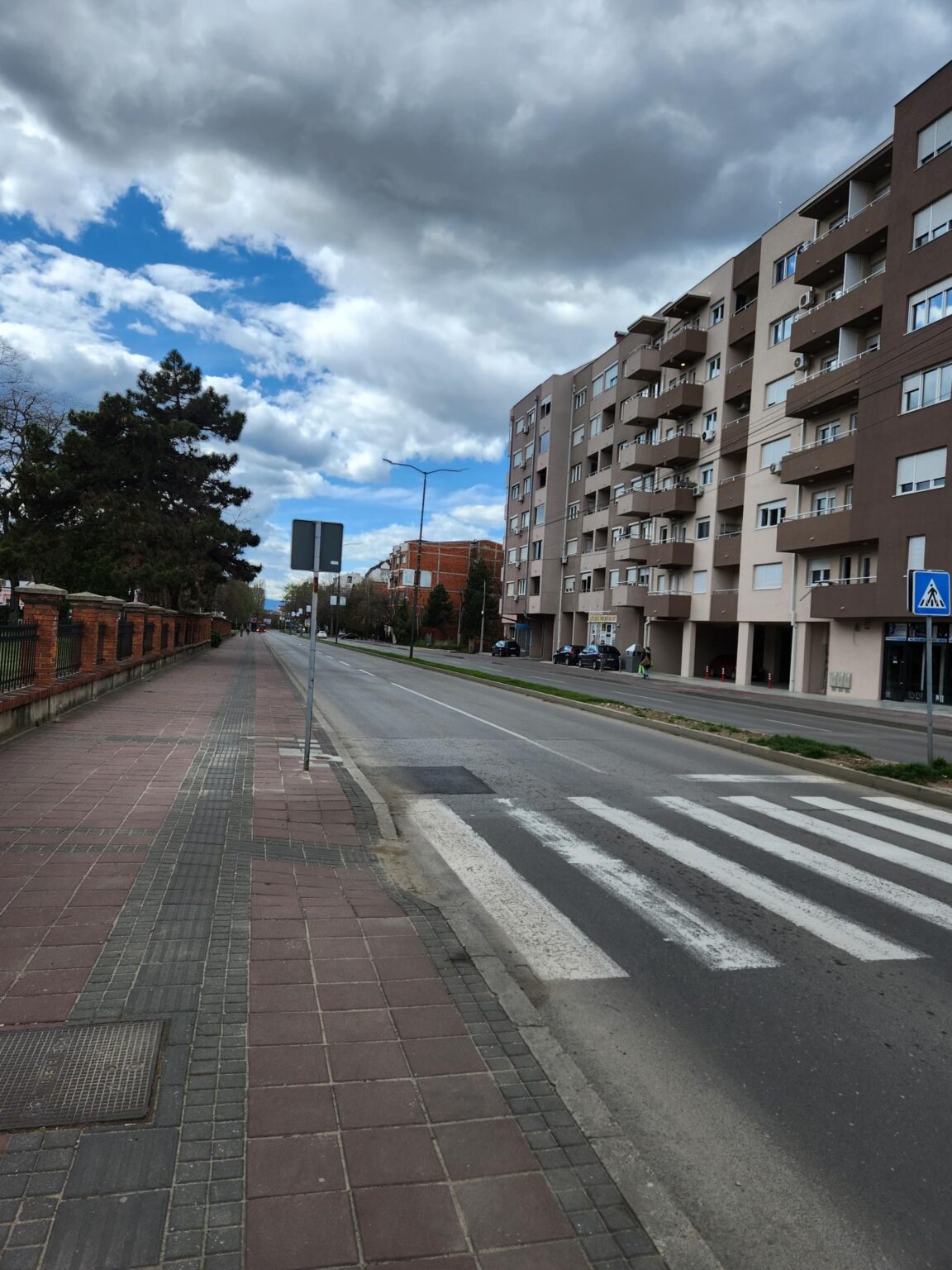
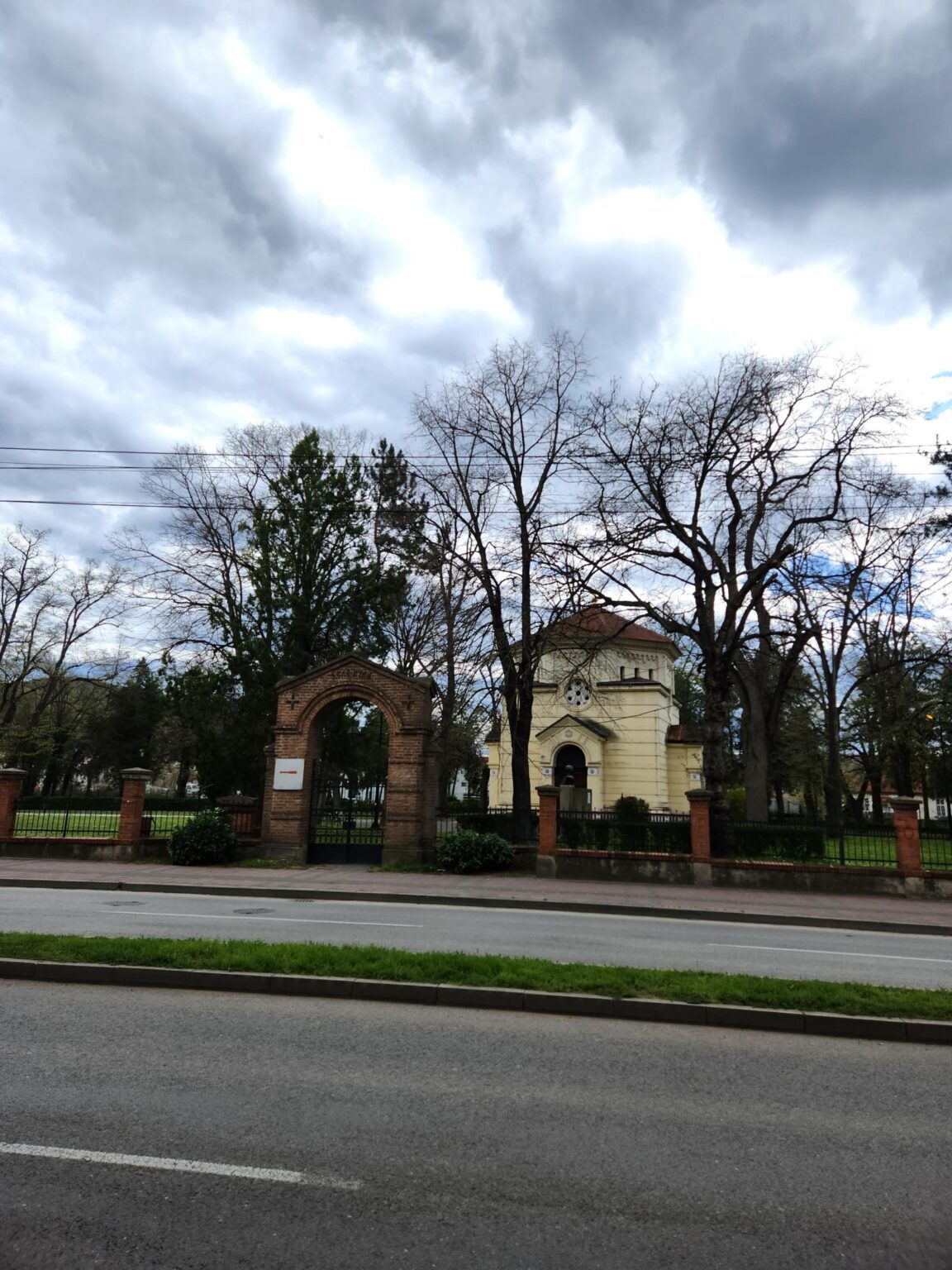
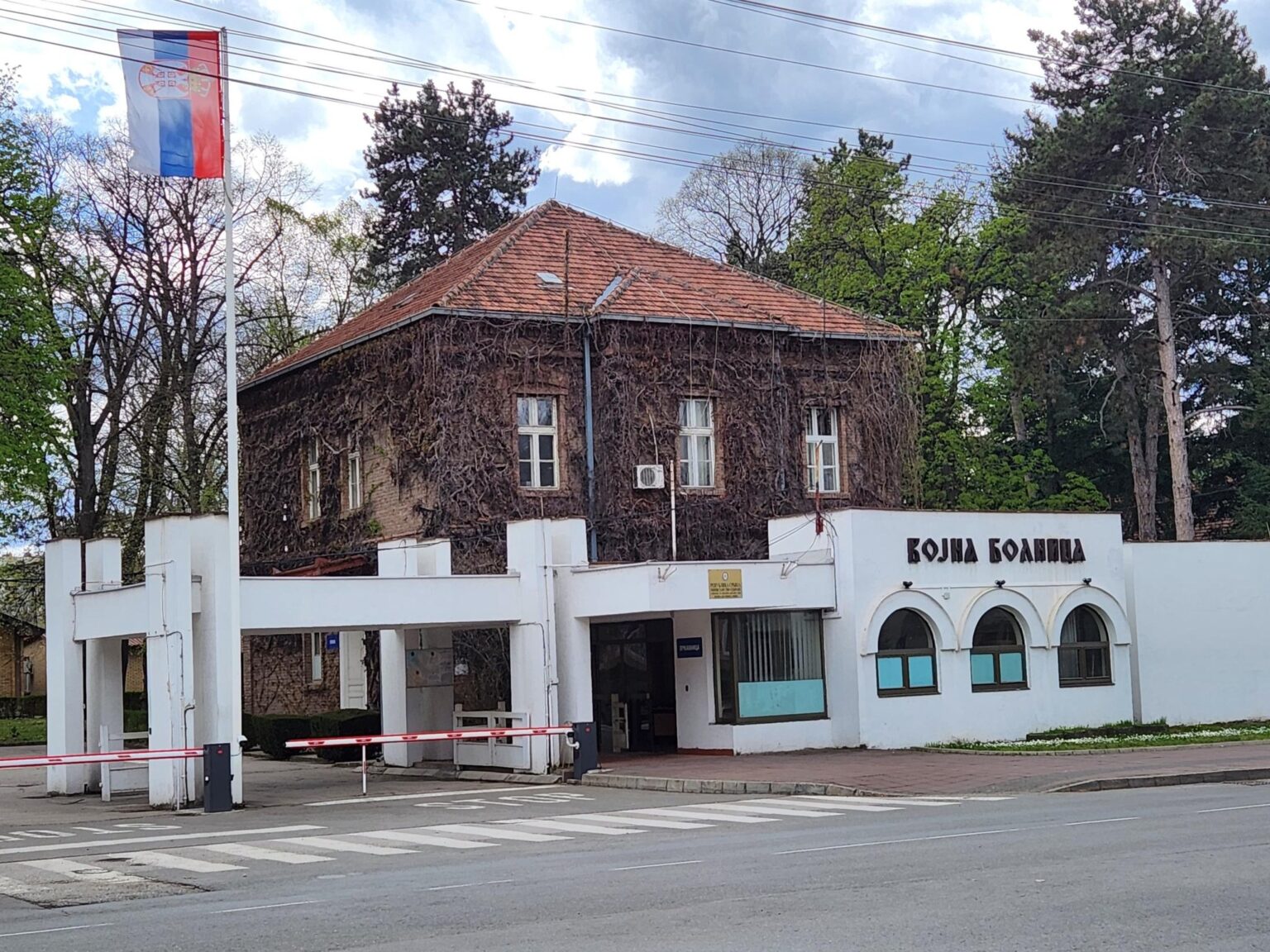
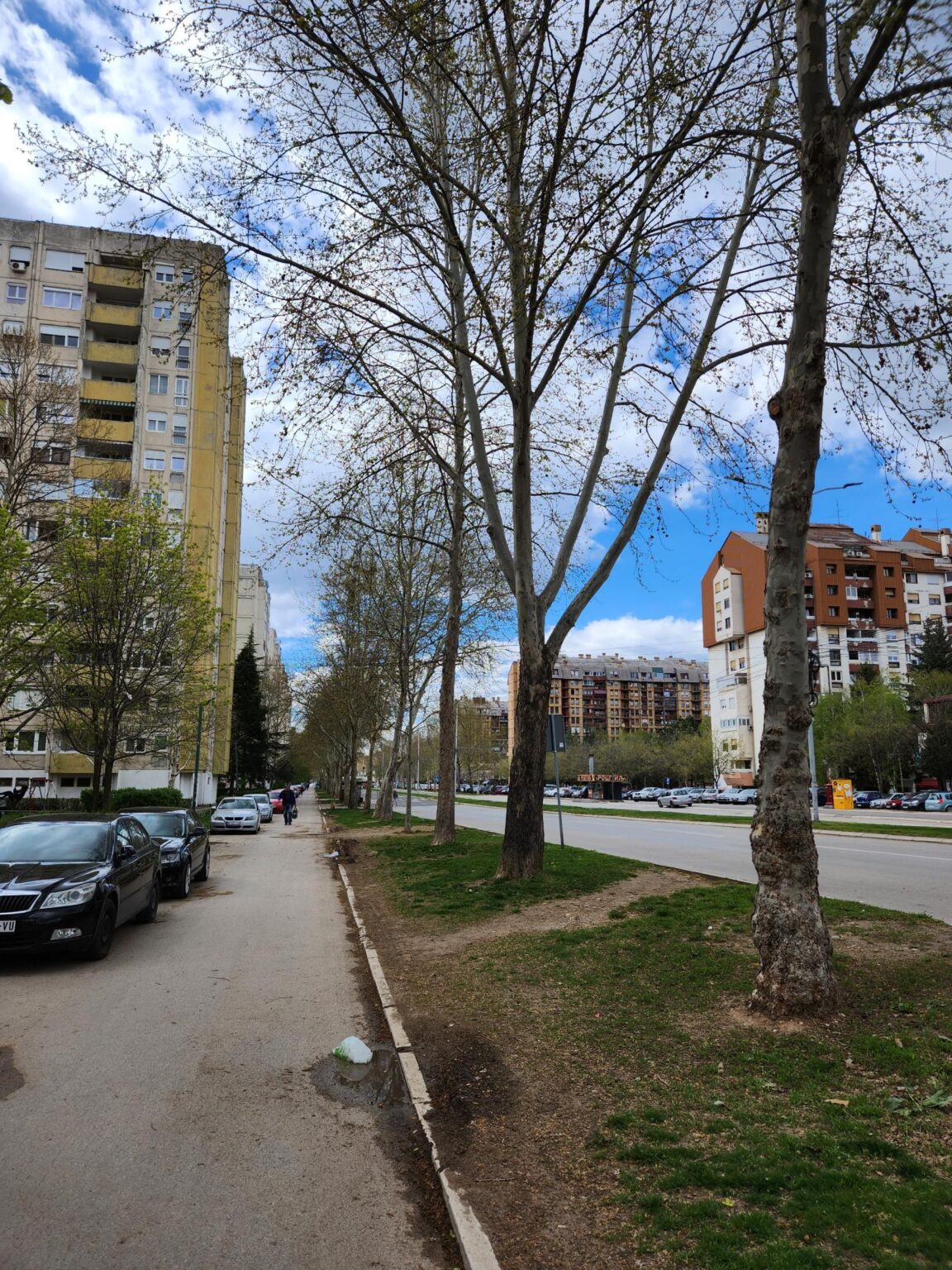
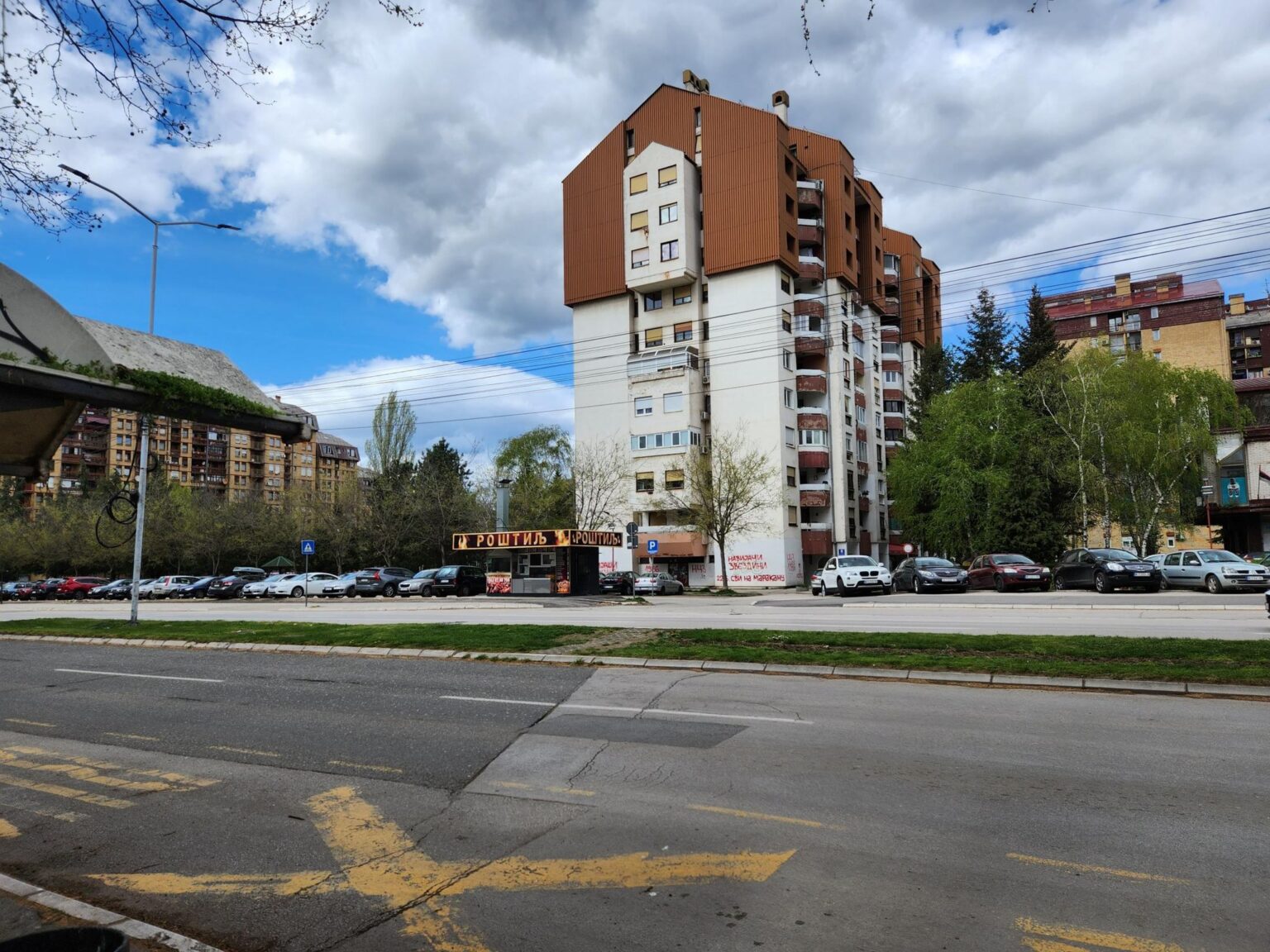
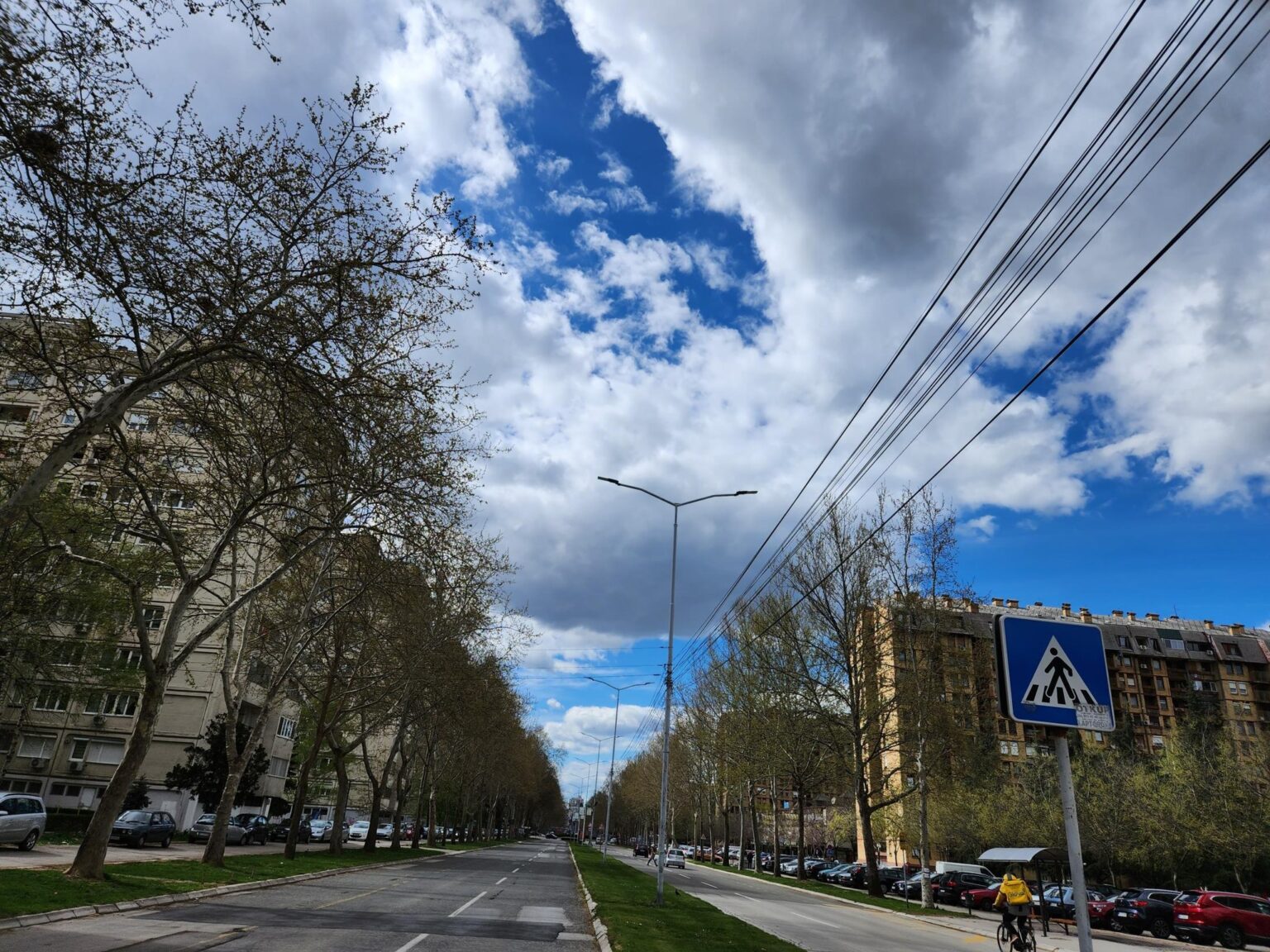
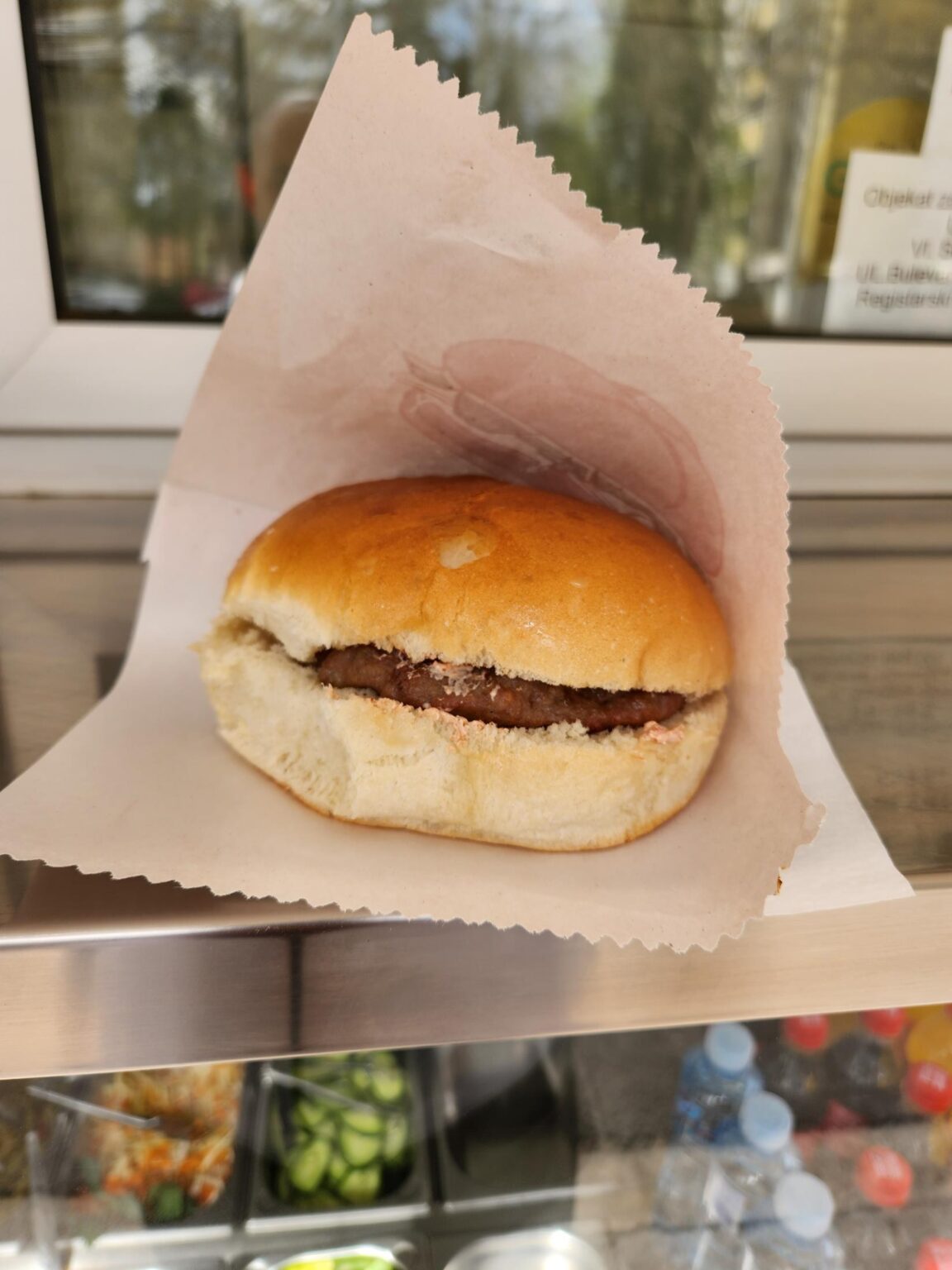
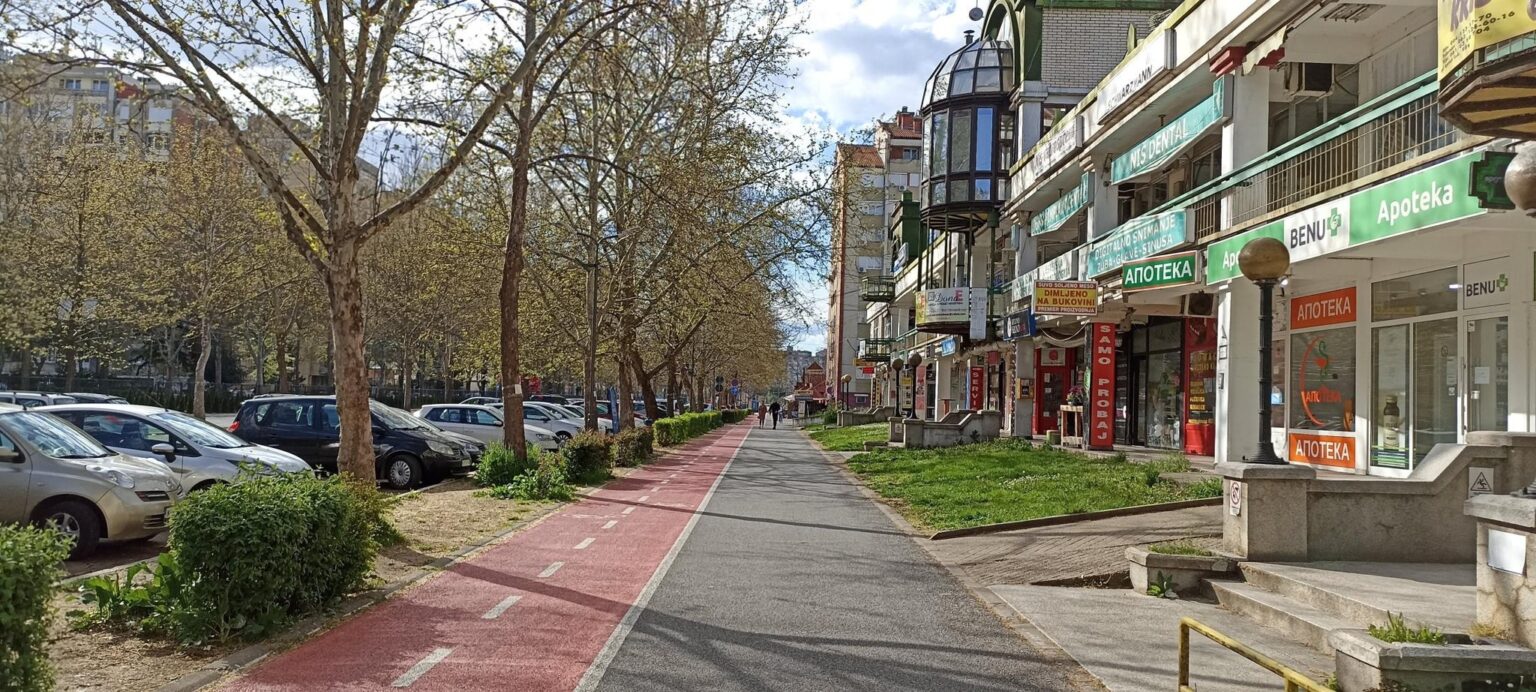
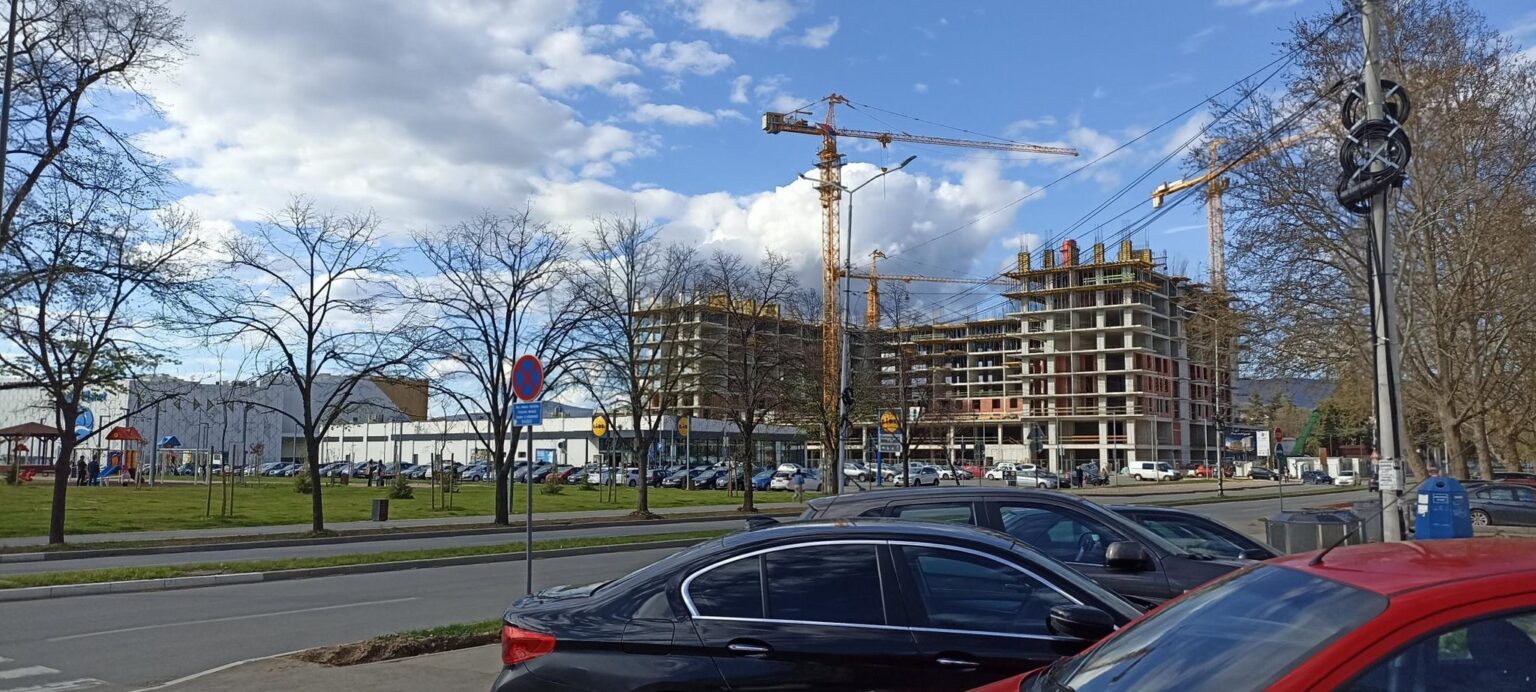
Here are assorted shots from the whole day: streets, neighbourhoods, a few gems of street art, more casinos and exchange offices, and more besides.
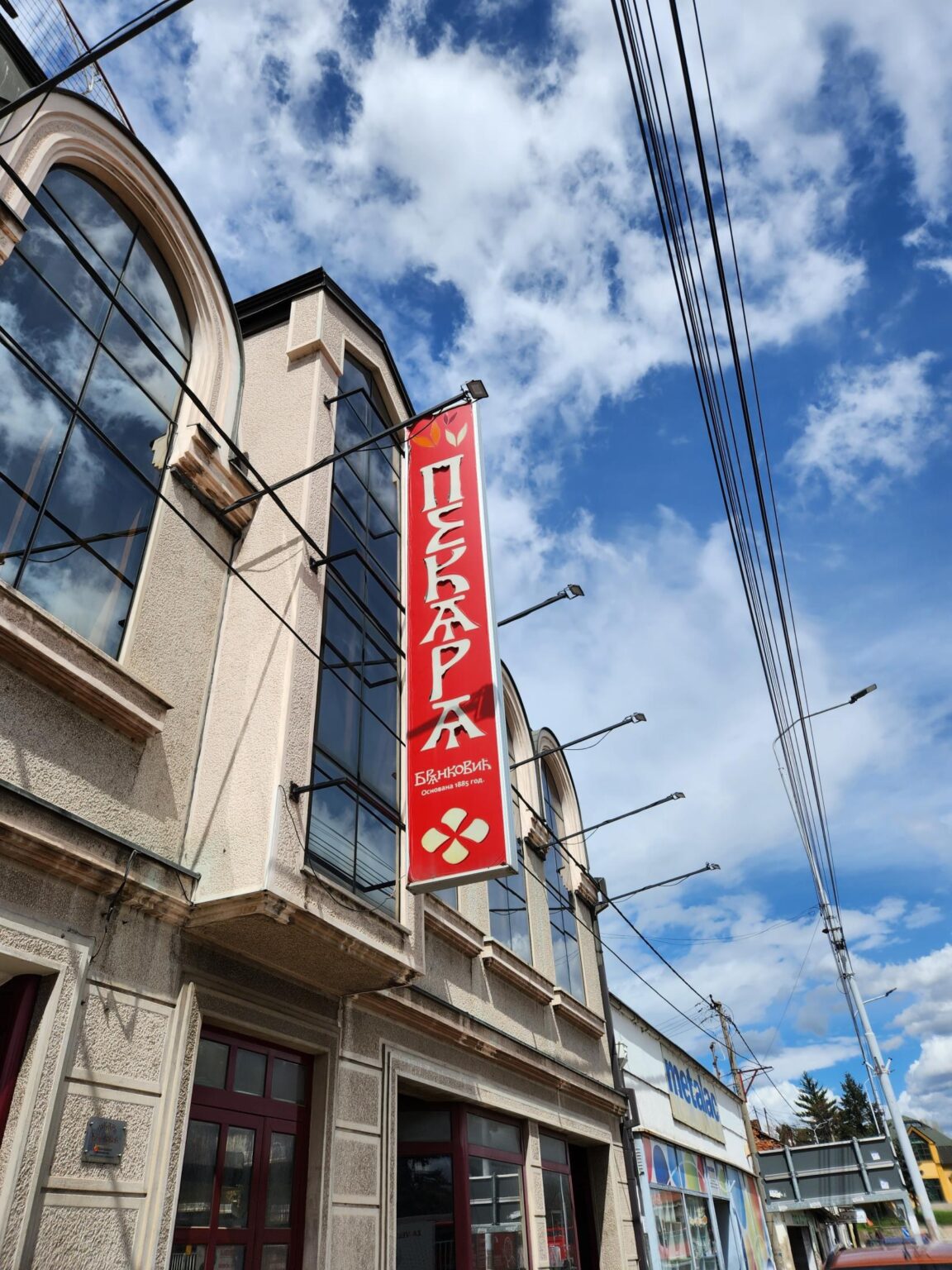
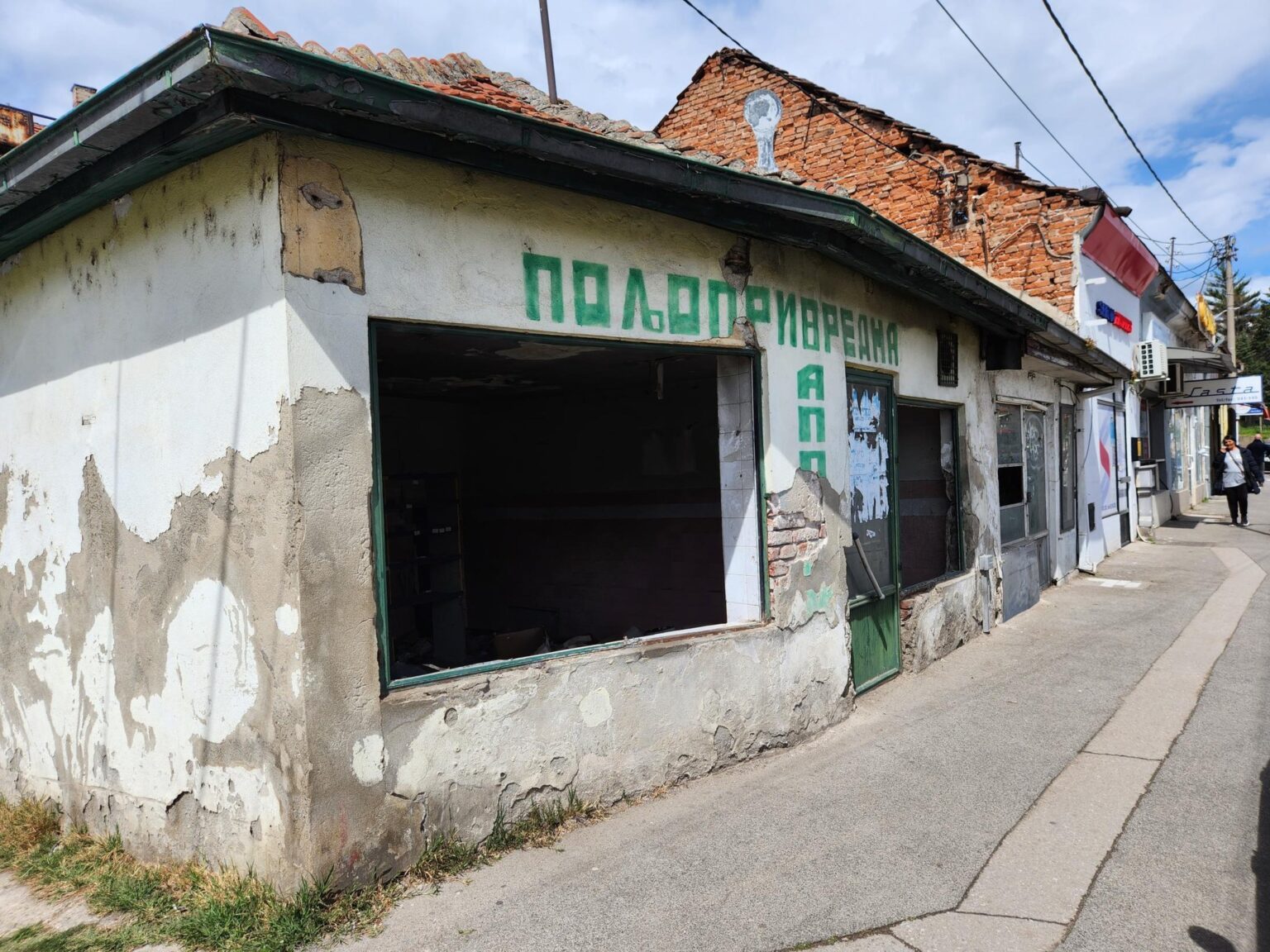
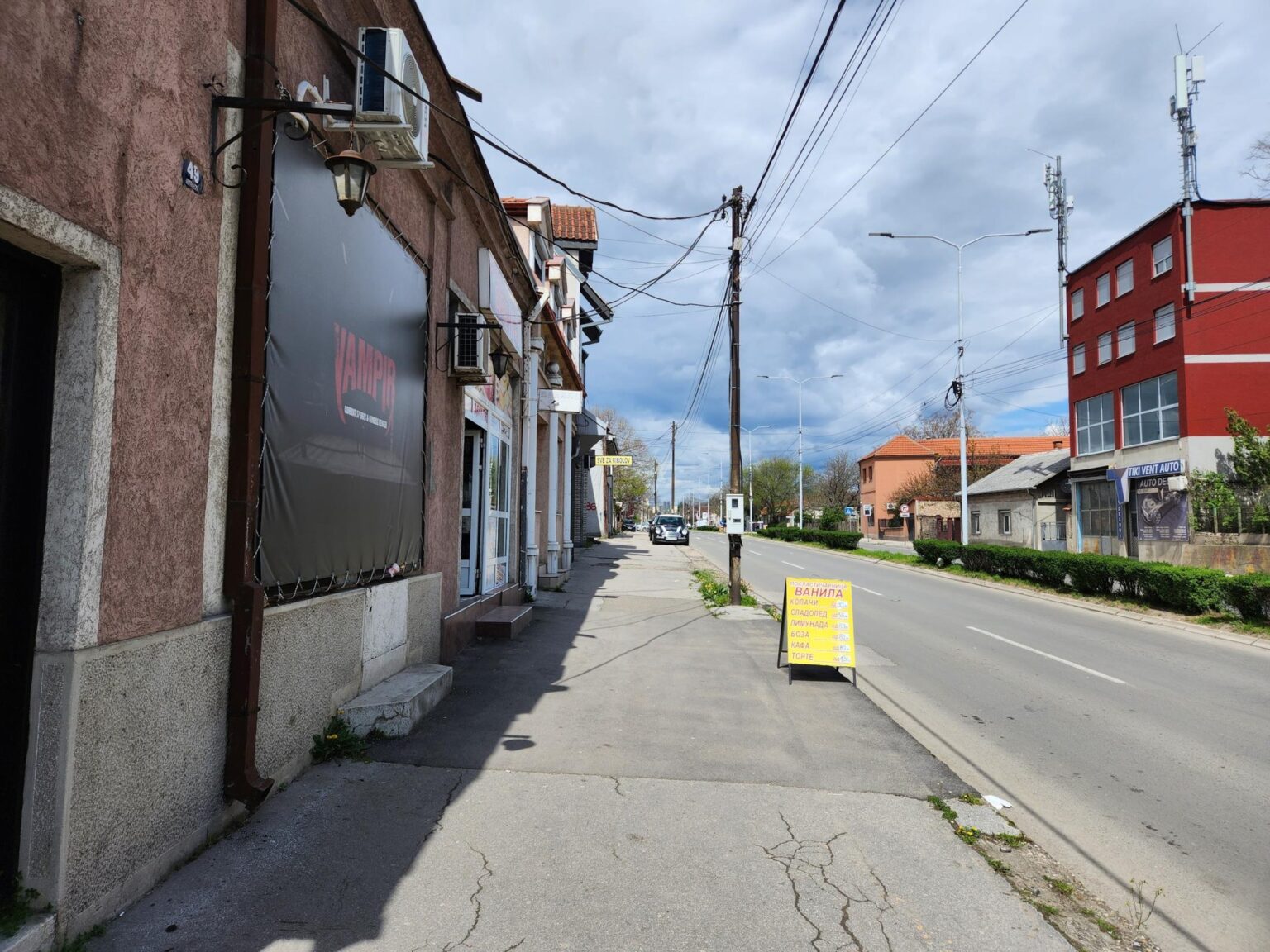
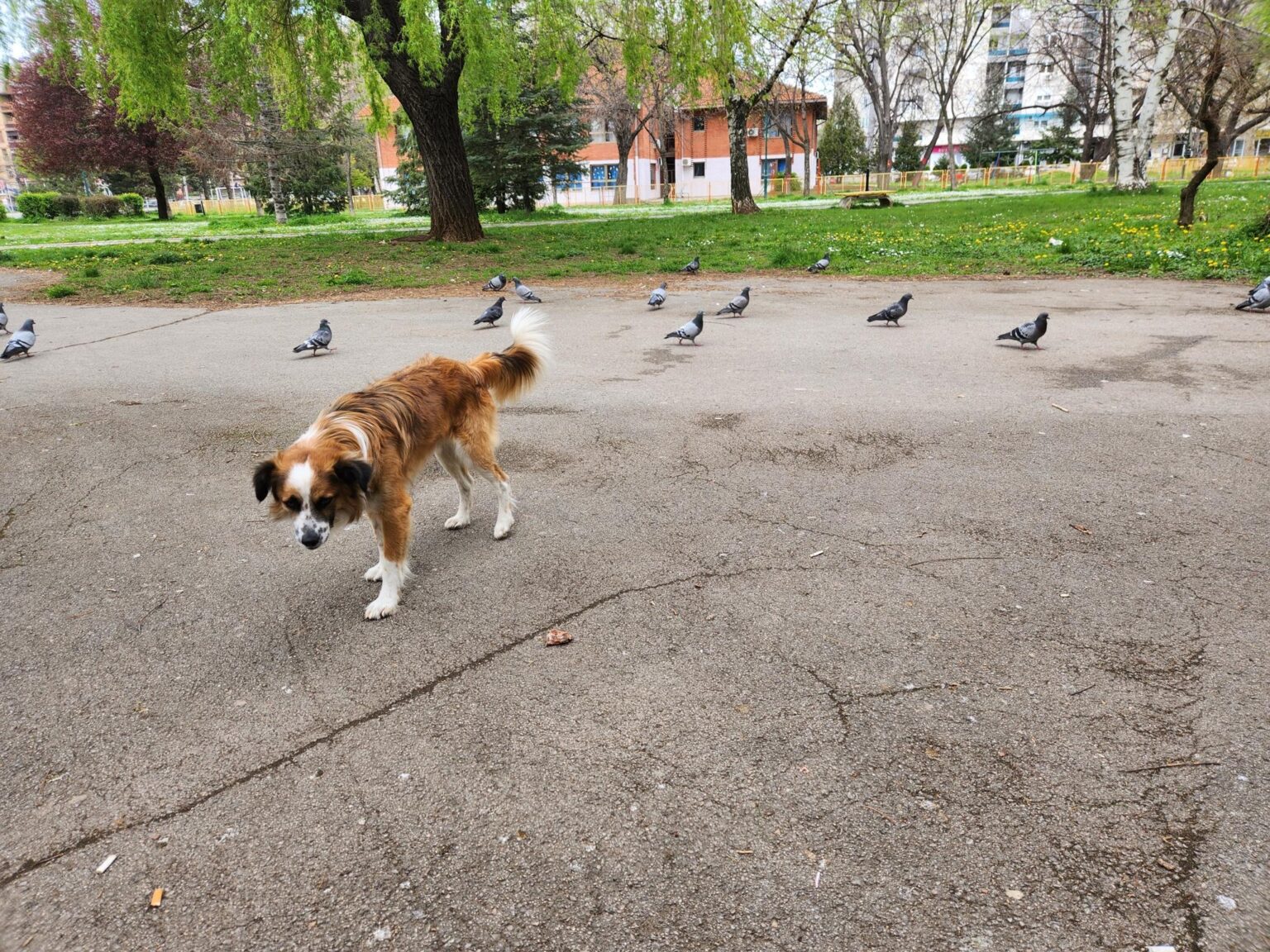
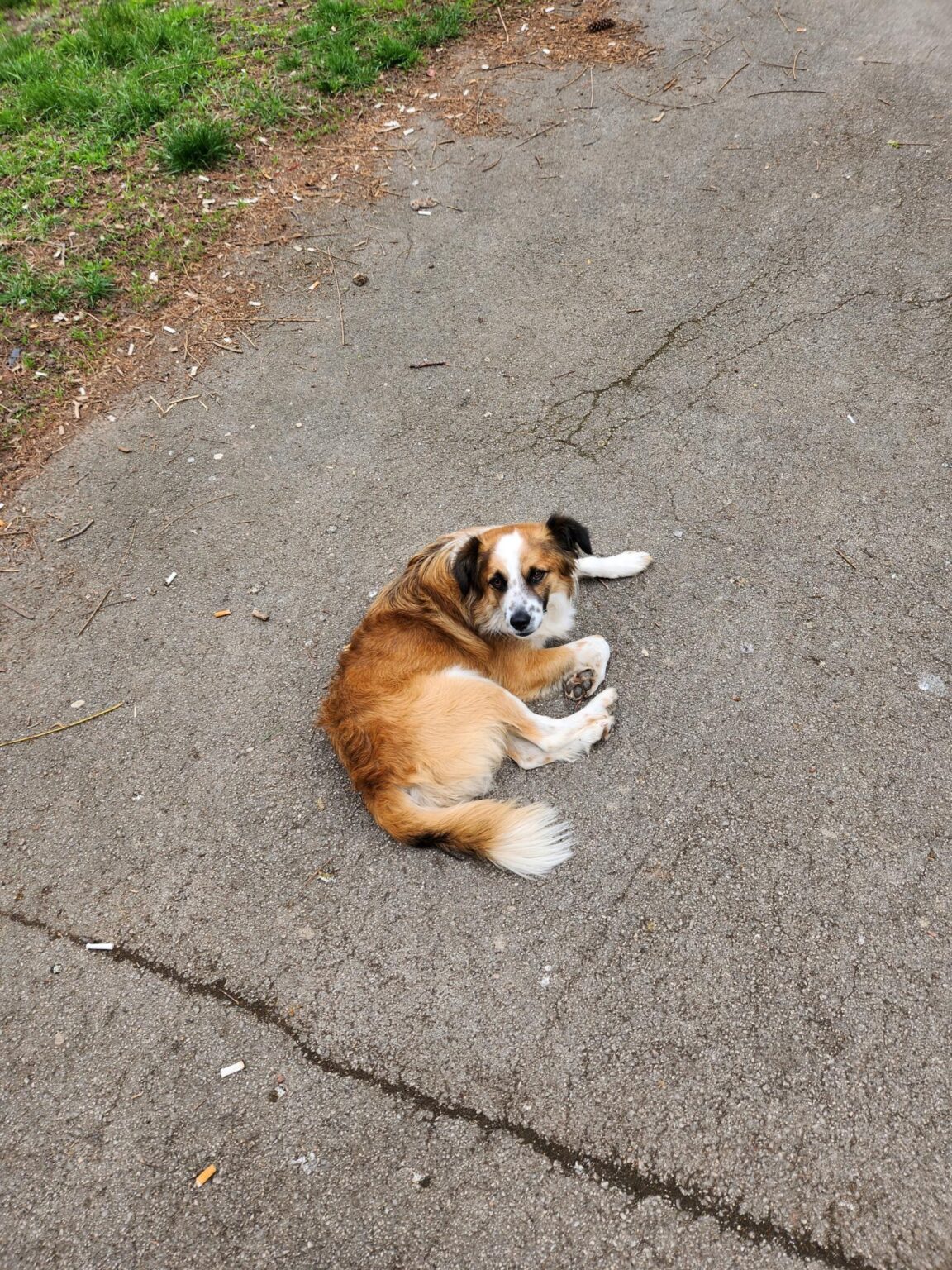
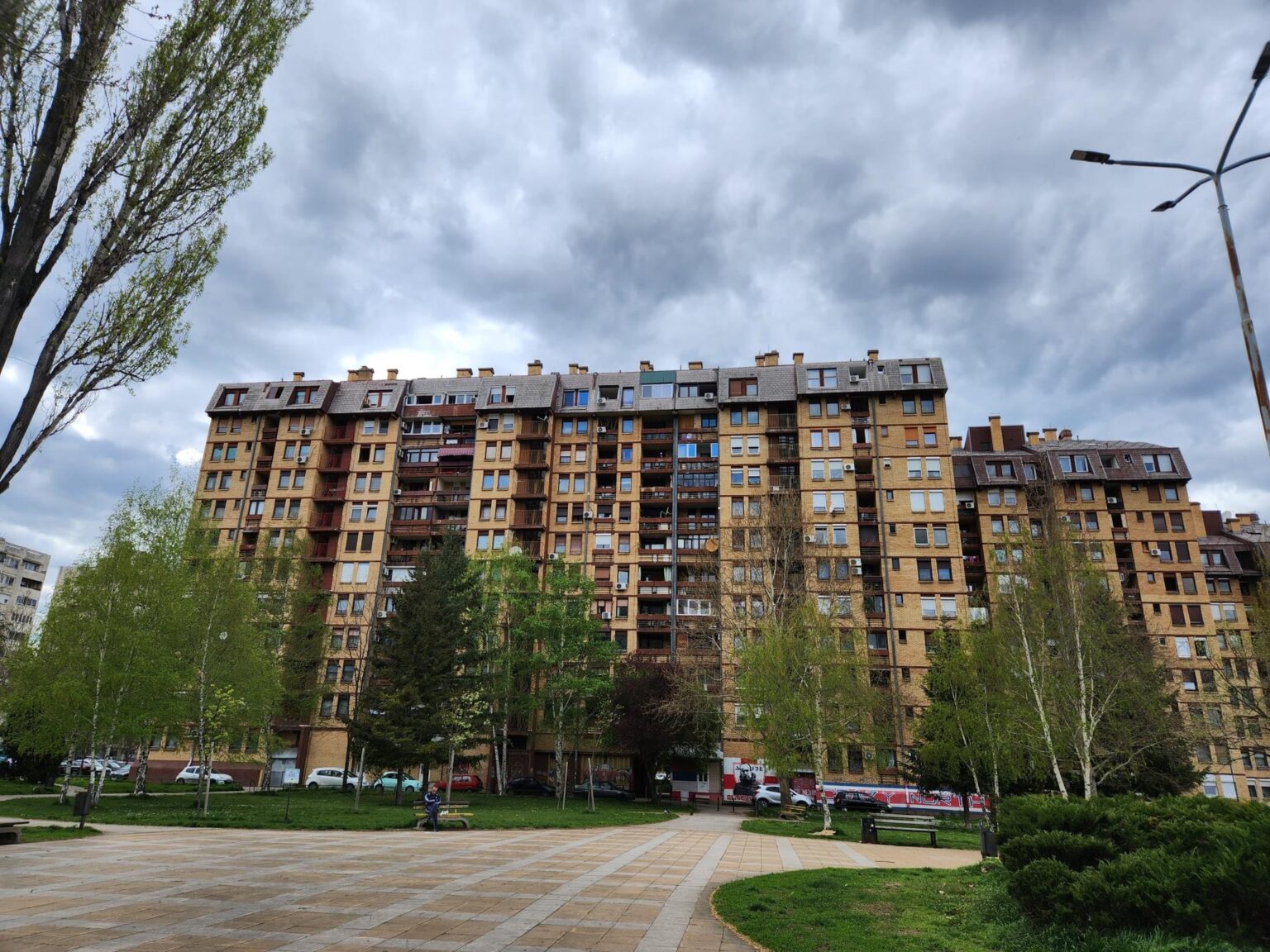
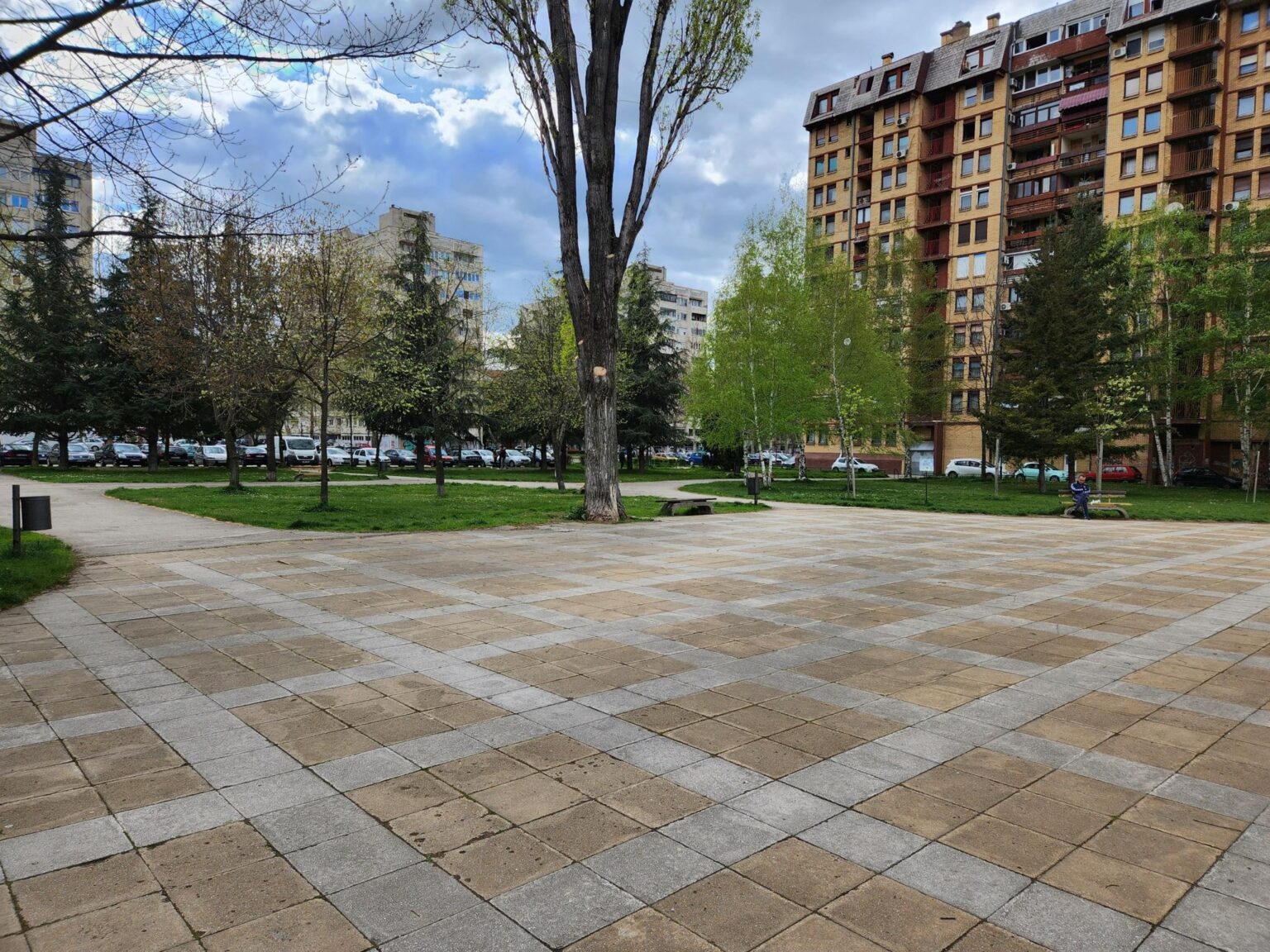
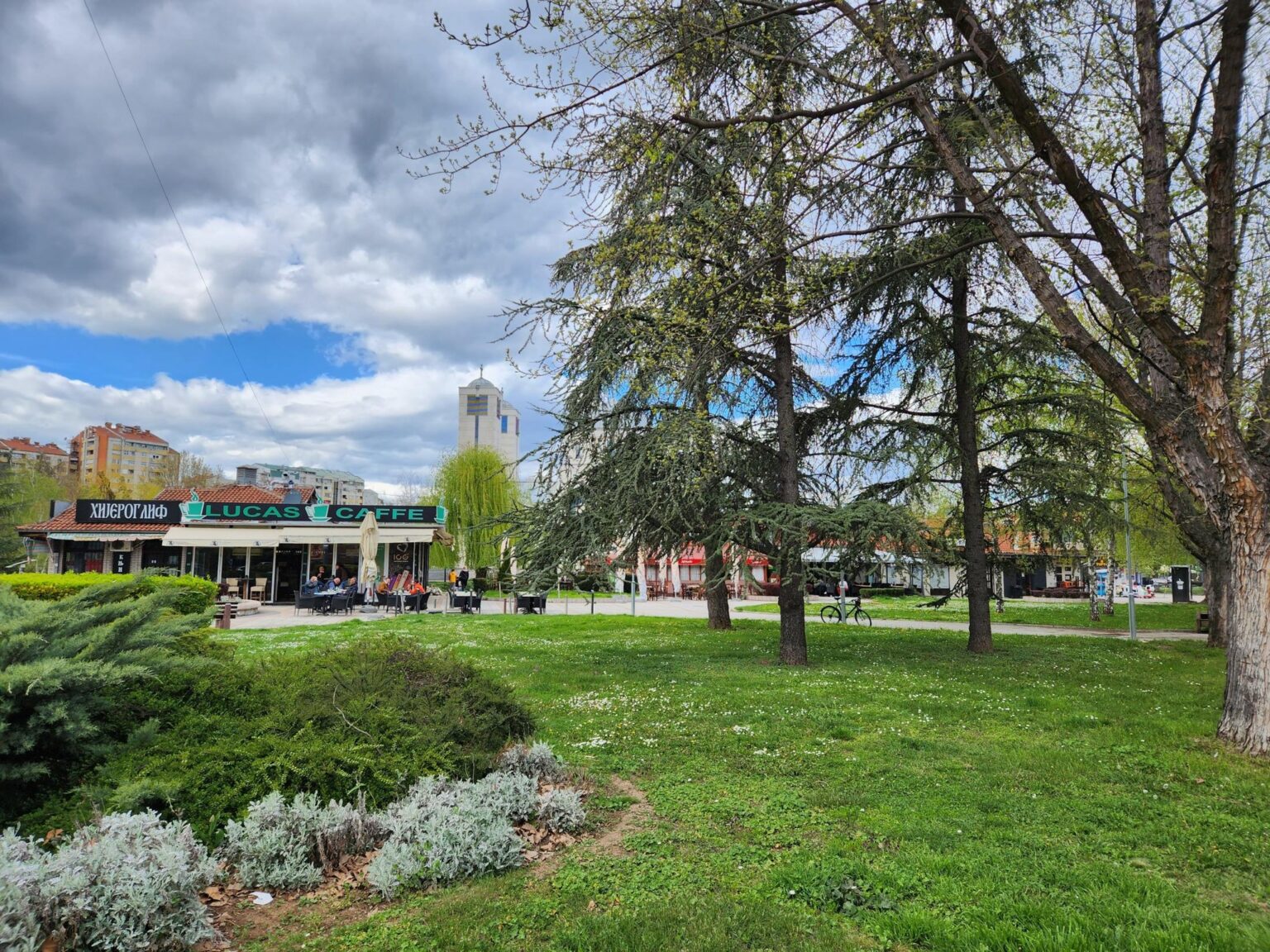
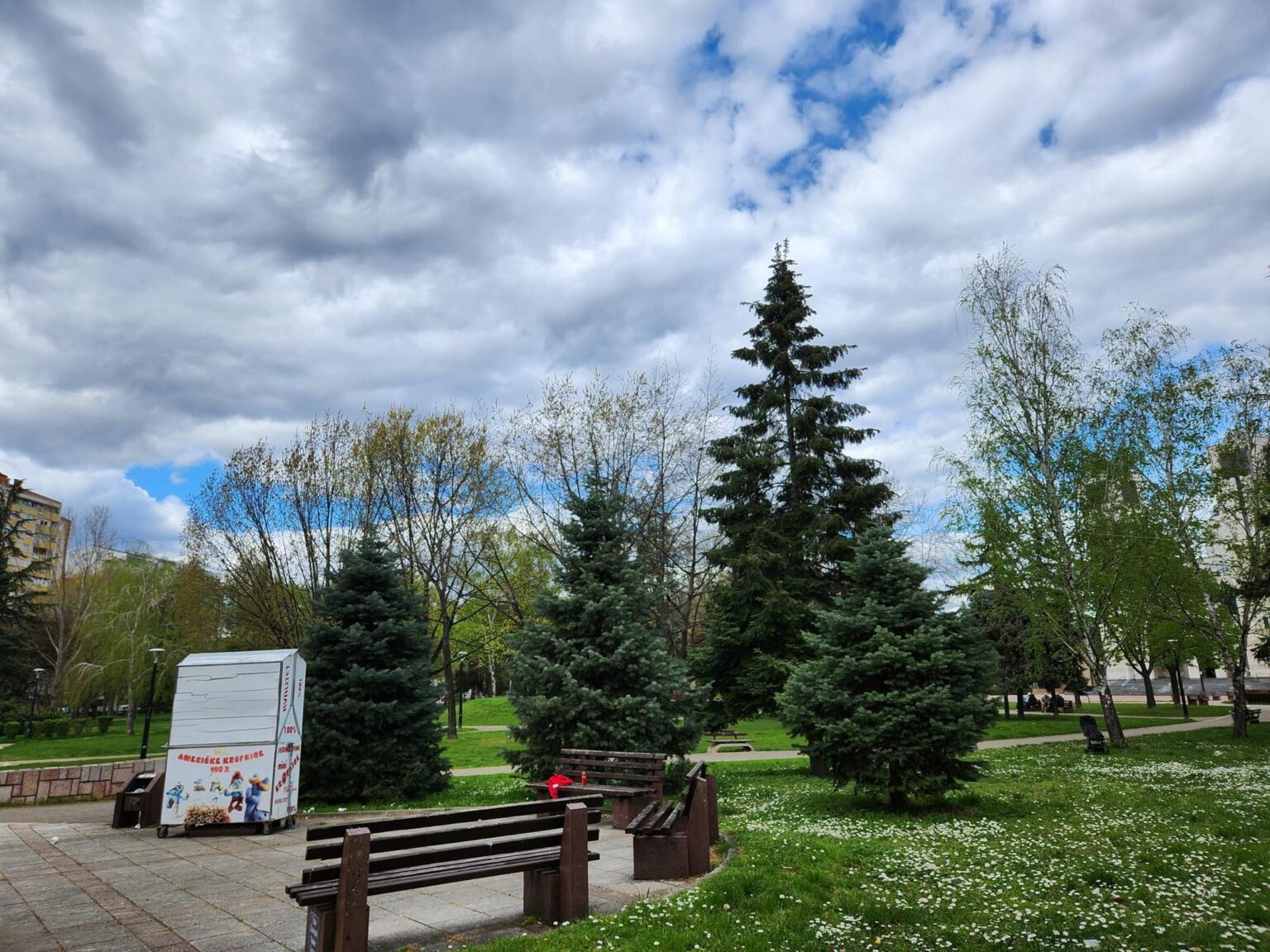
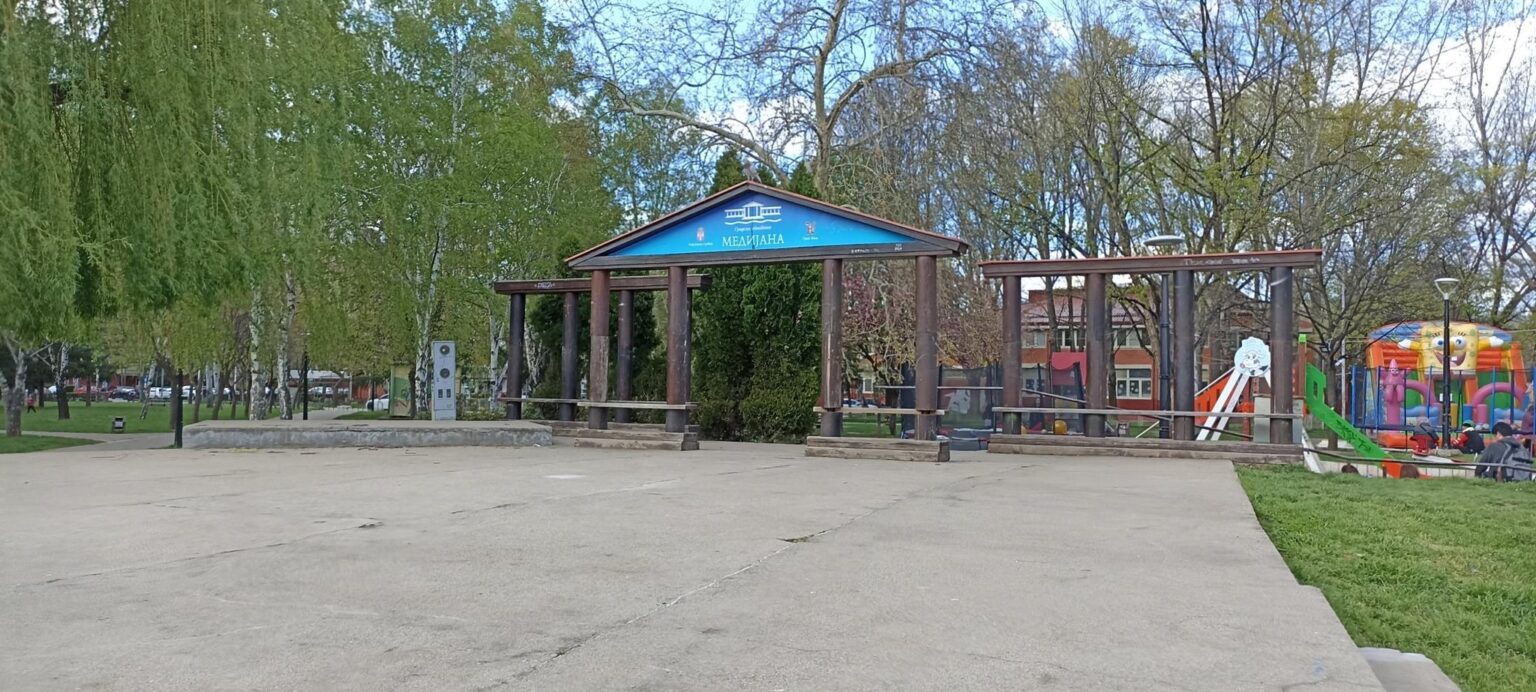
Niš by night, round two
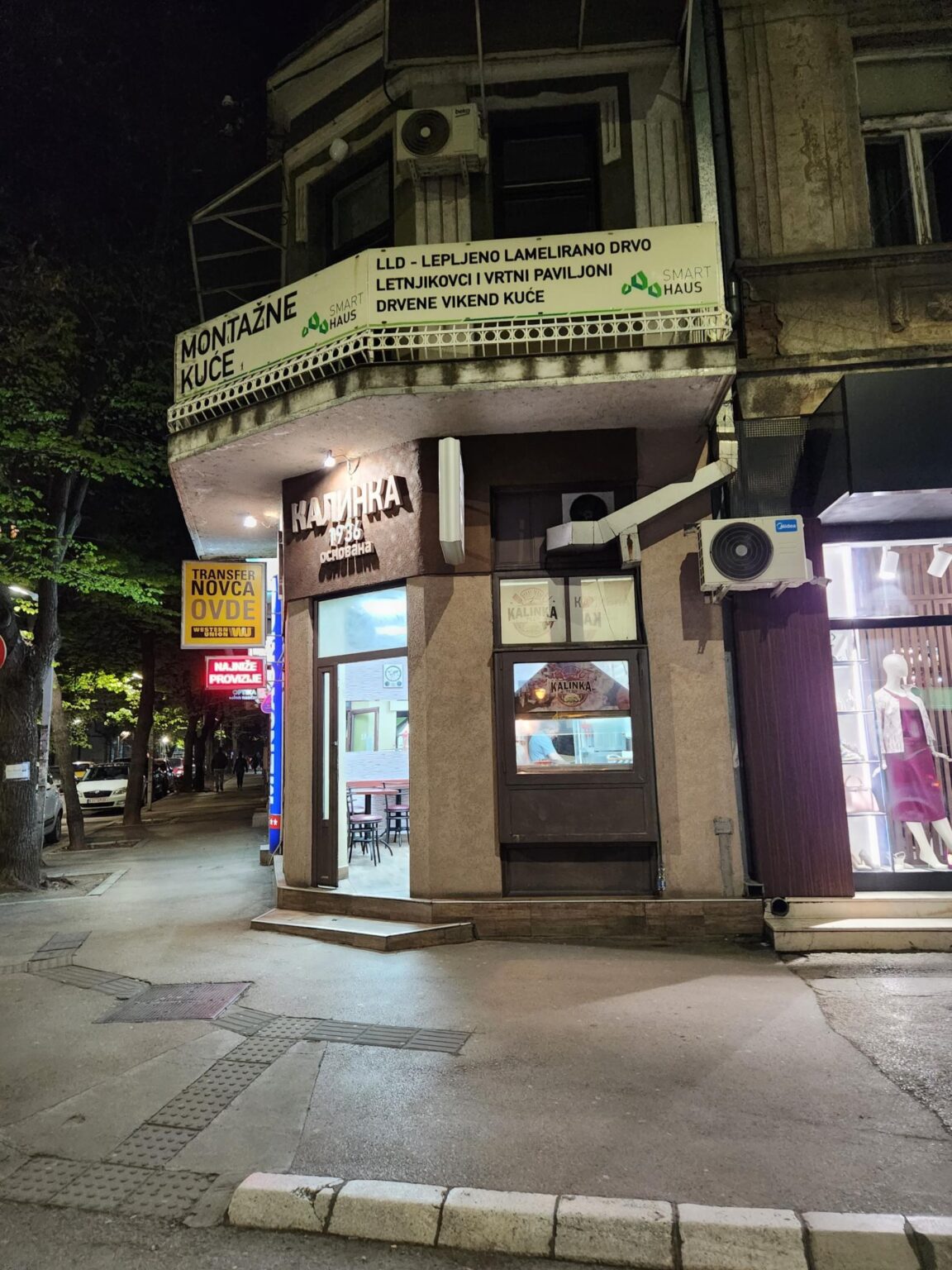
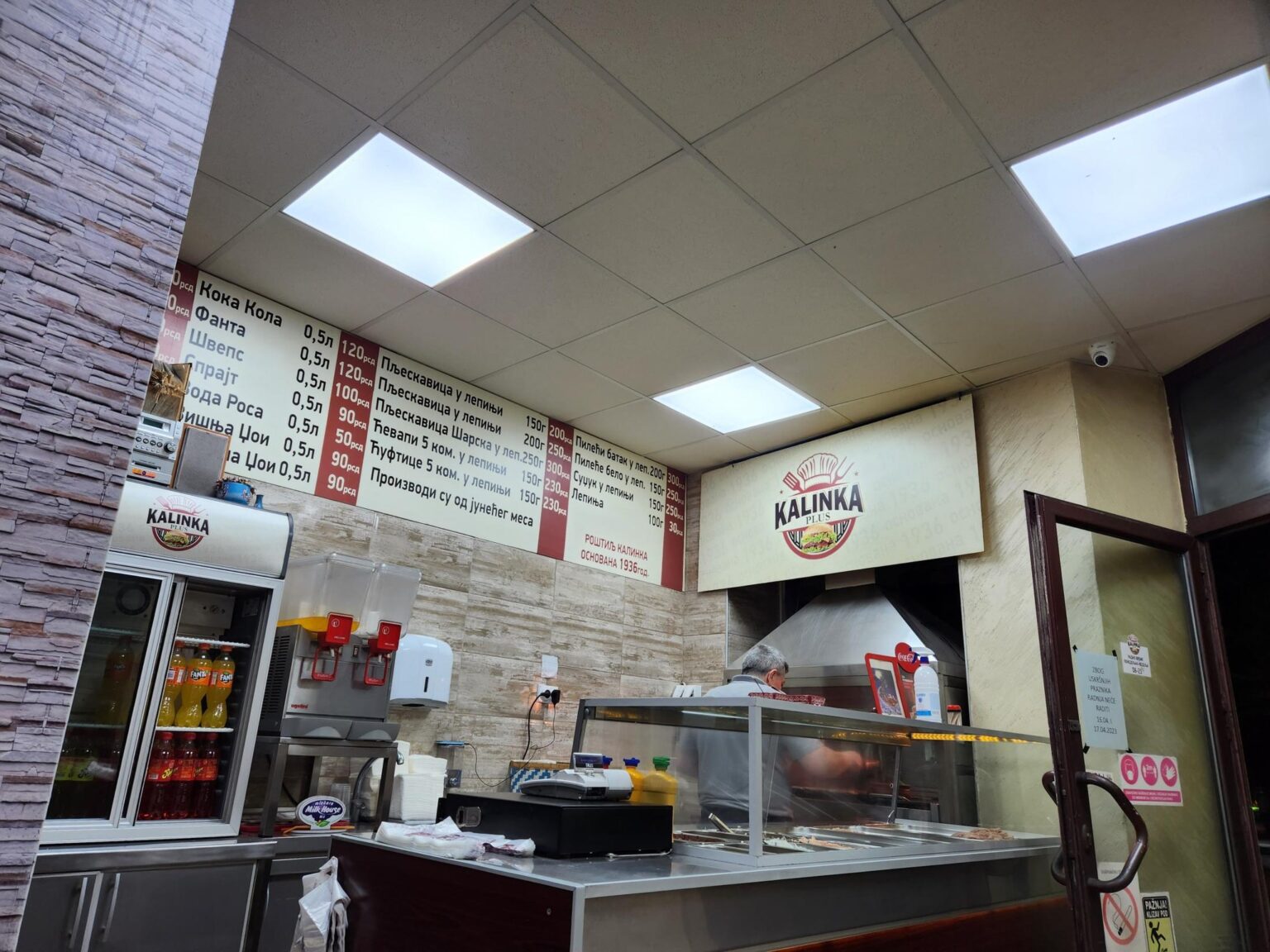
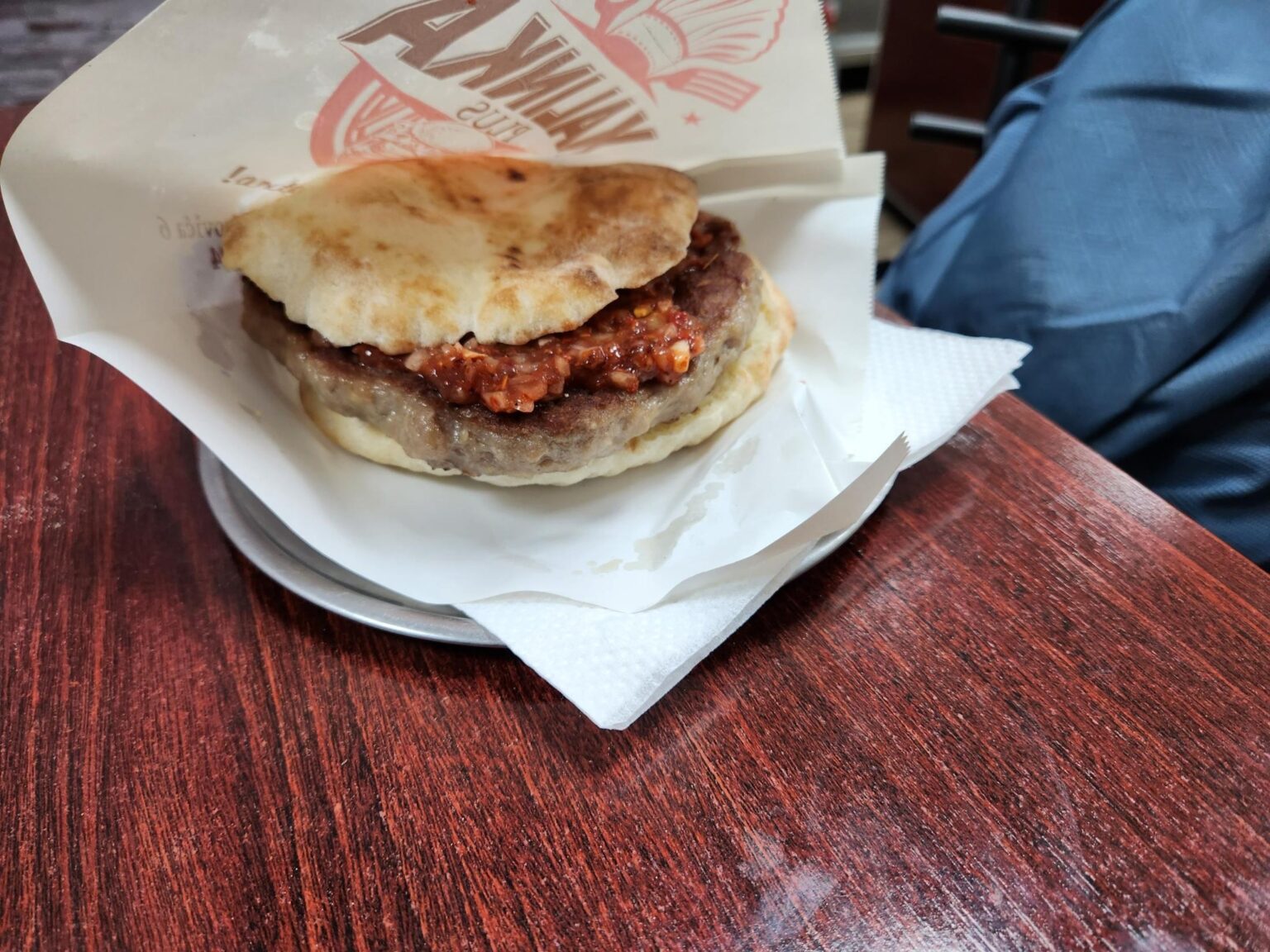
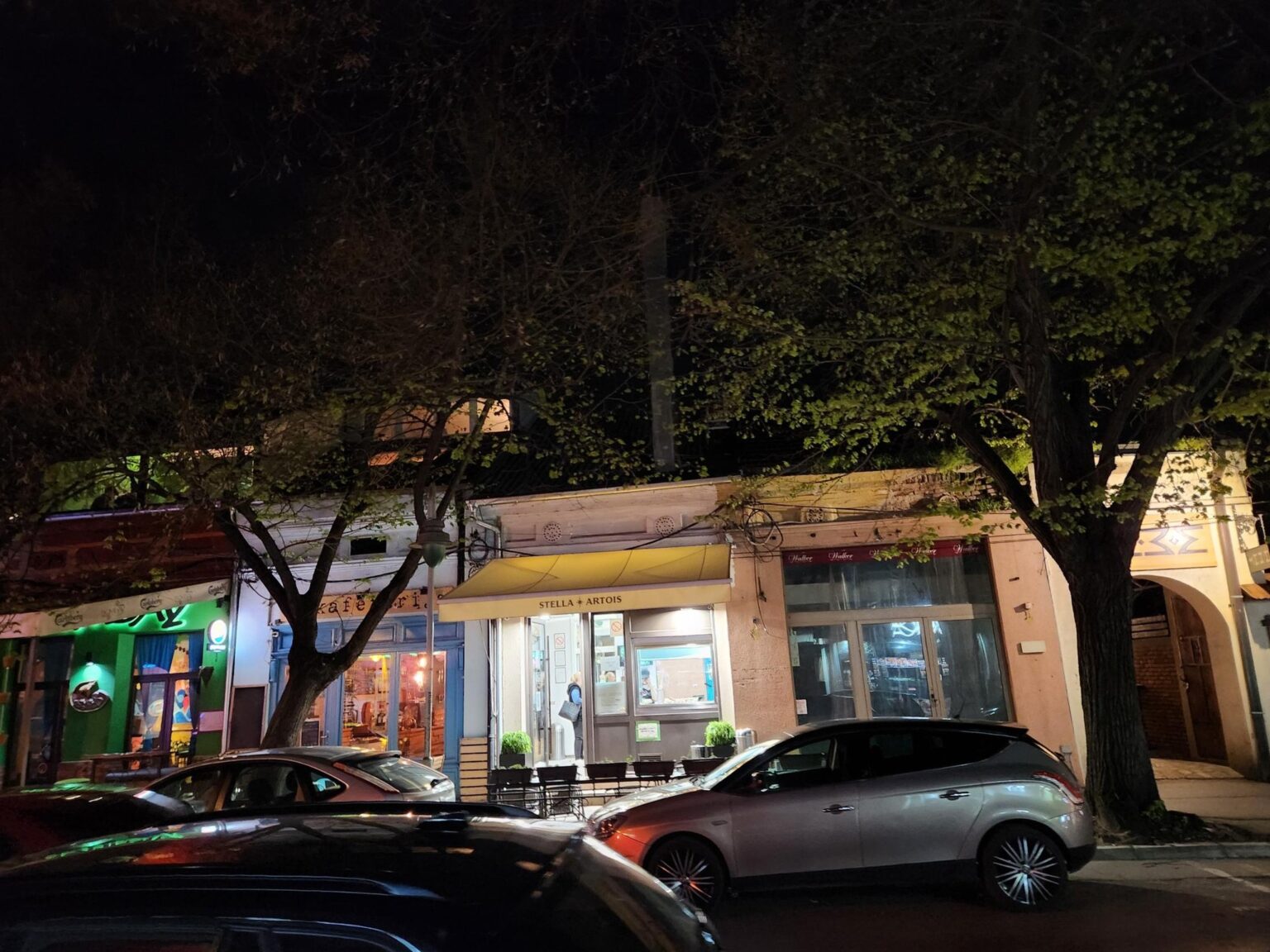
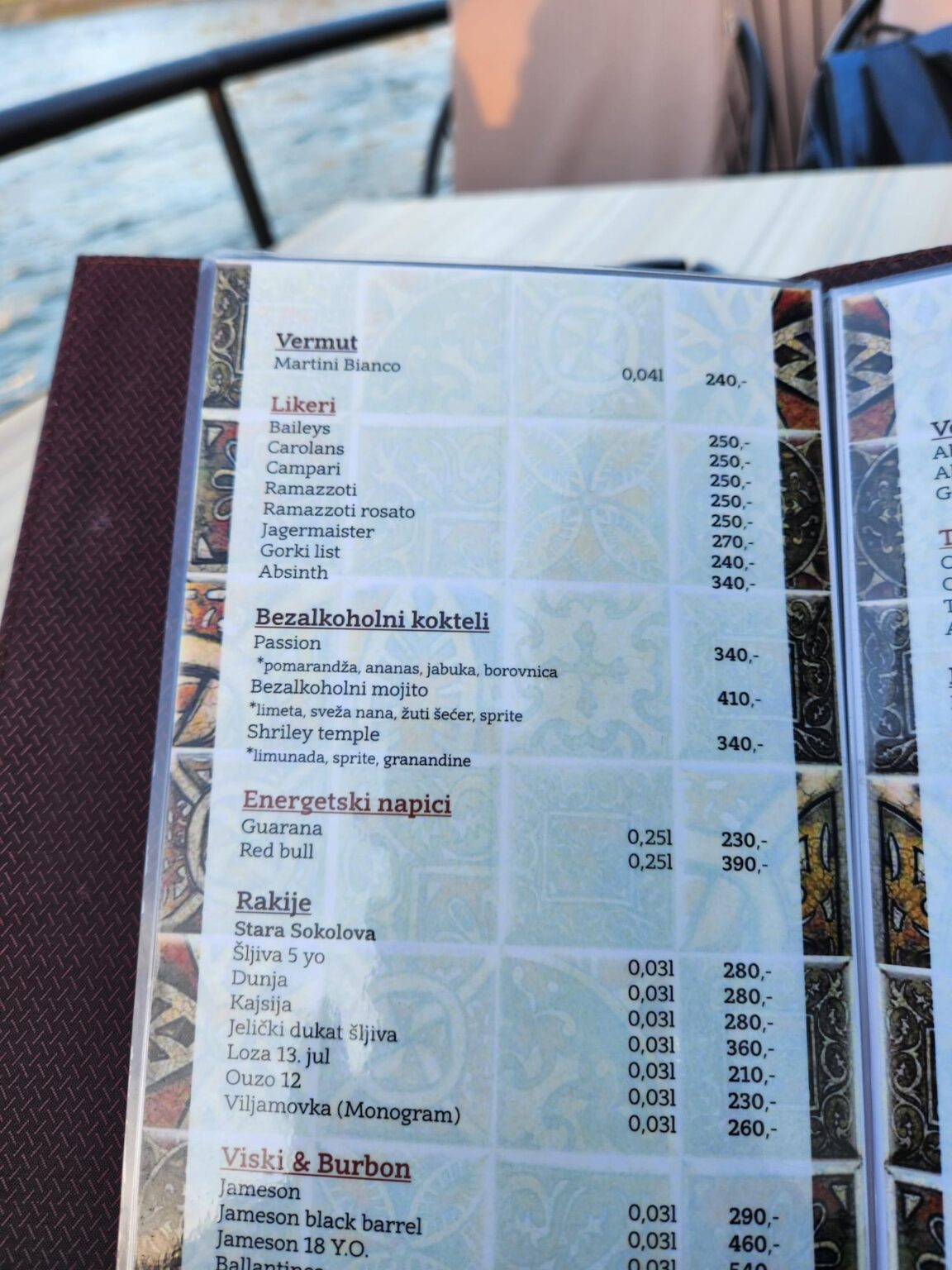
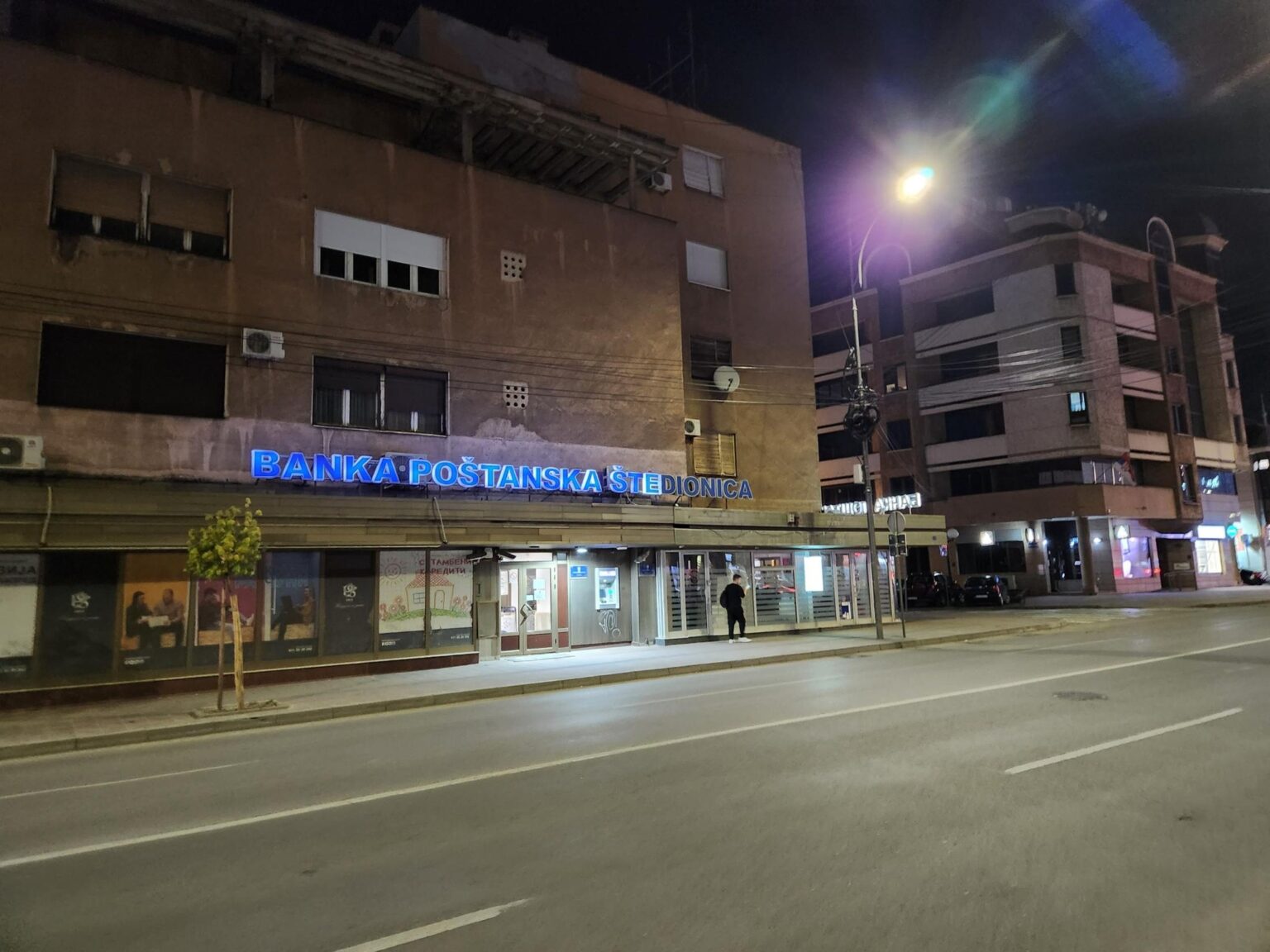
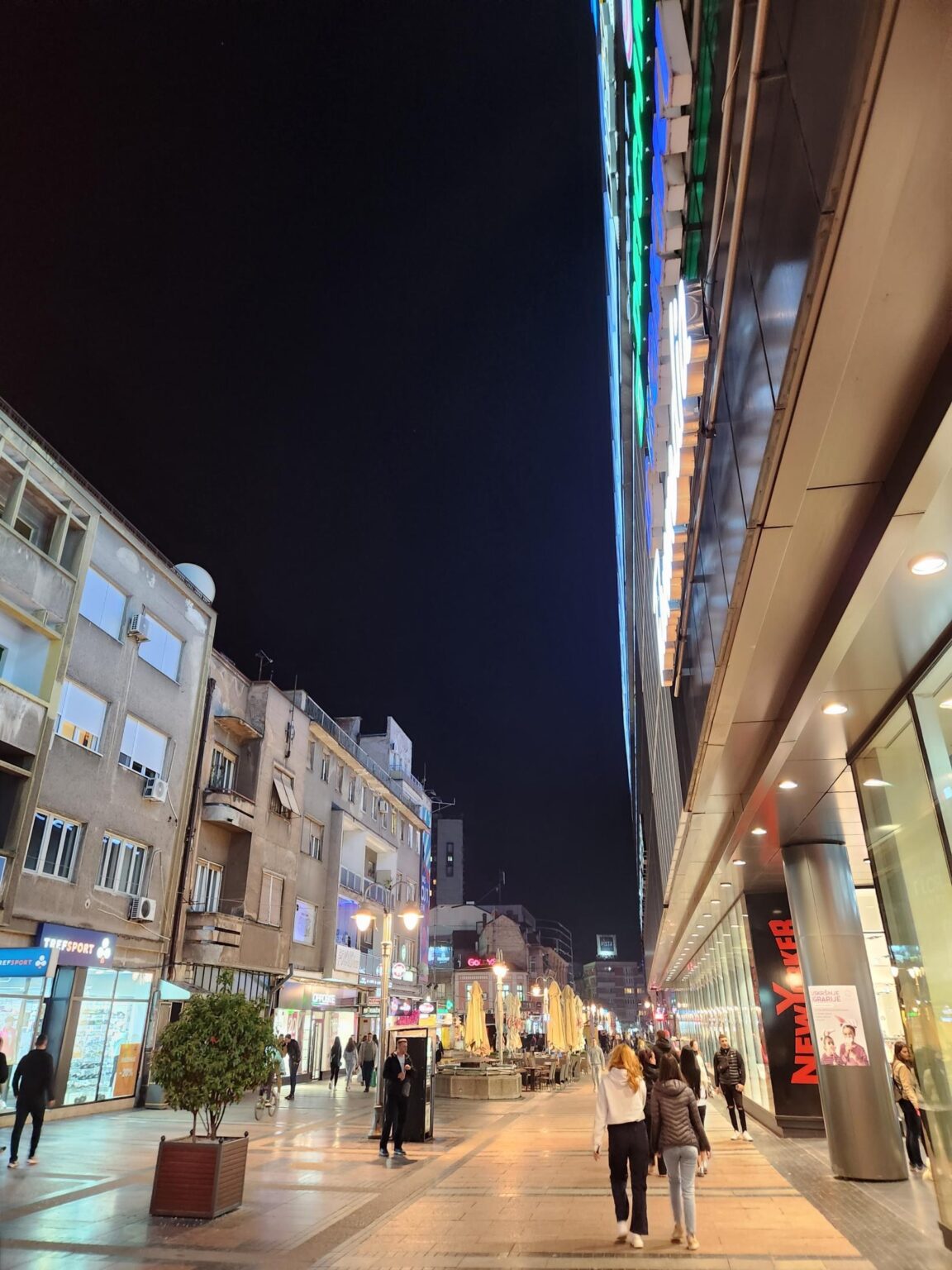
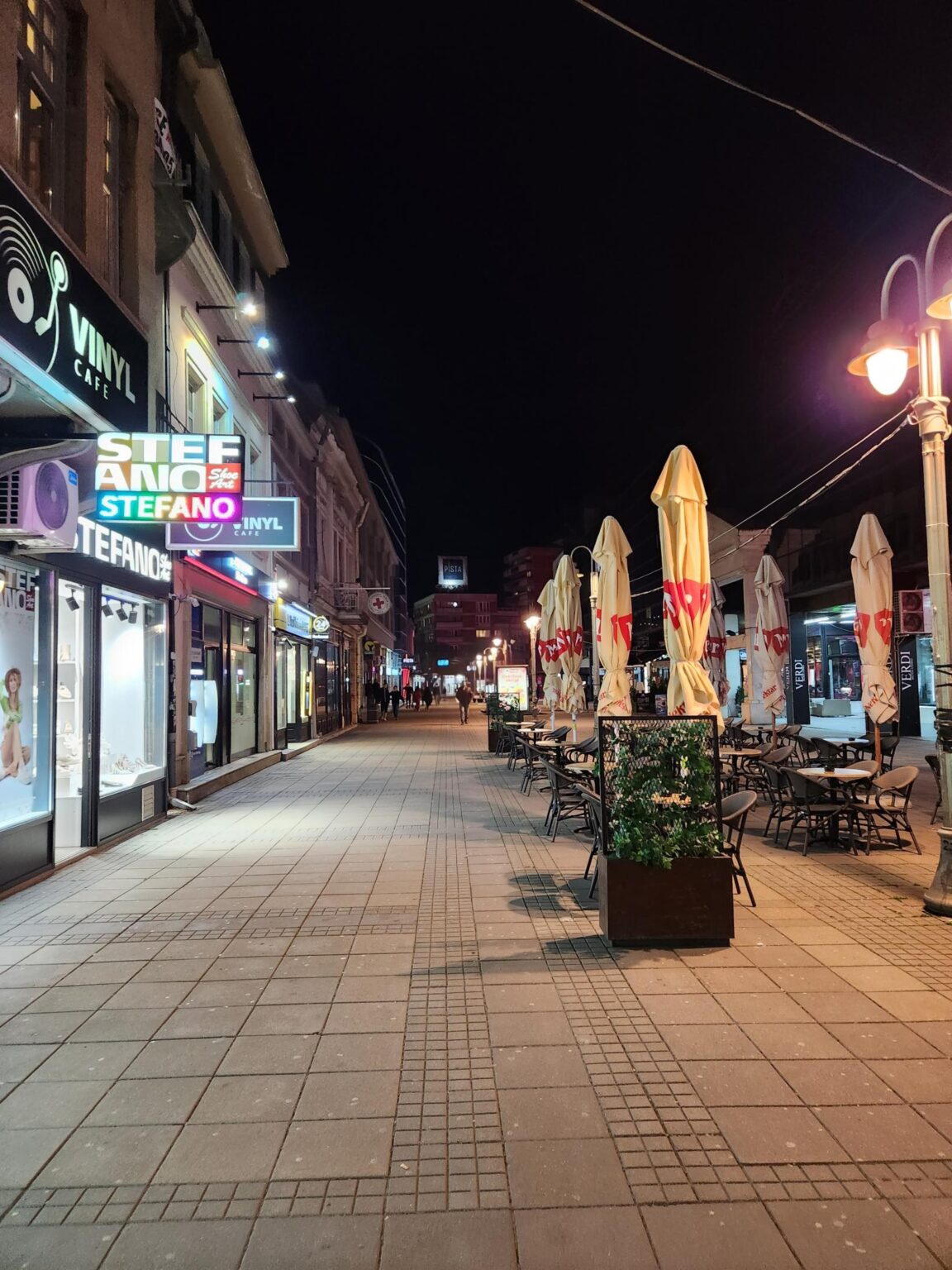
A full day, and we managed barely half of what we wanted to see, but there was no helping it: it is the holidays, and opening hours are shortened. Tired as we are, the boat in front of the fortress was on the list, and there is no way we skip a cocktail or two there. Then a little more wandering through the streets around the centre. We try not to advertise or rate restaurants, but this one I genuinely recommend: the Kalinka grill, "since 1936". Whether it has really been there since 1936, I cannot say, but the man inside is the same one as a few years ago, and the grill is superb. And for a late breakfast: all over Niš you will find bakery chains that stay open until about 12:00–13:00 and specialise in the half-metre mekika.
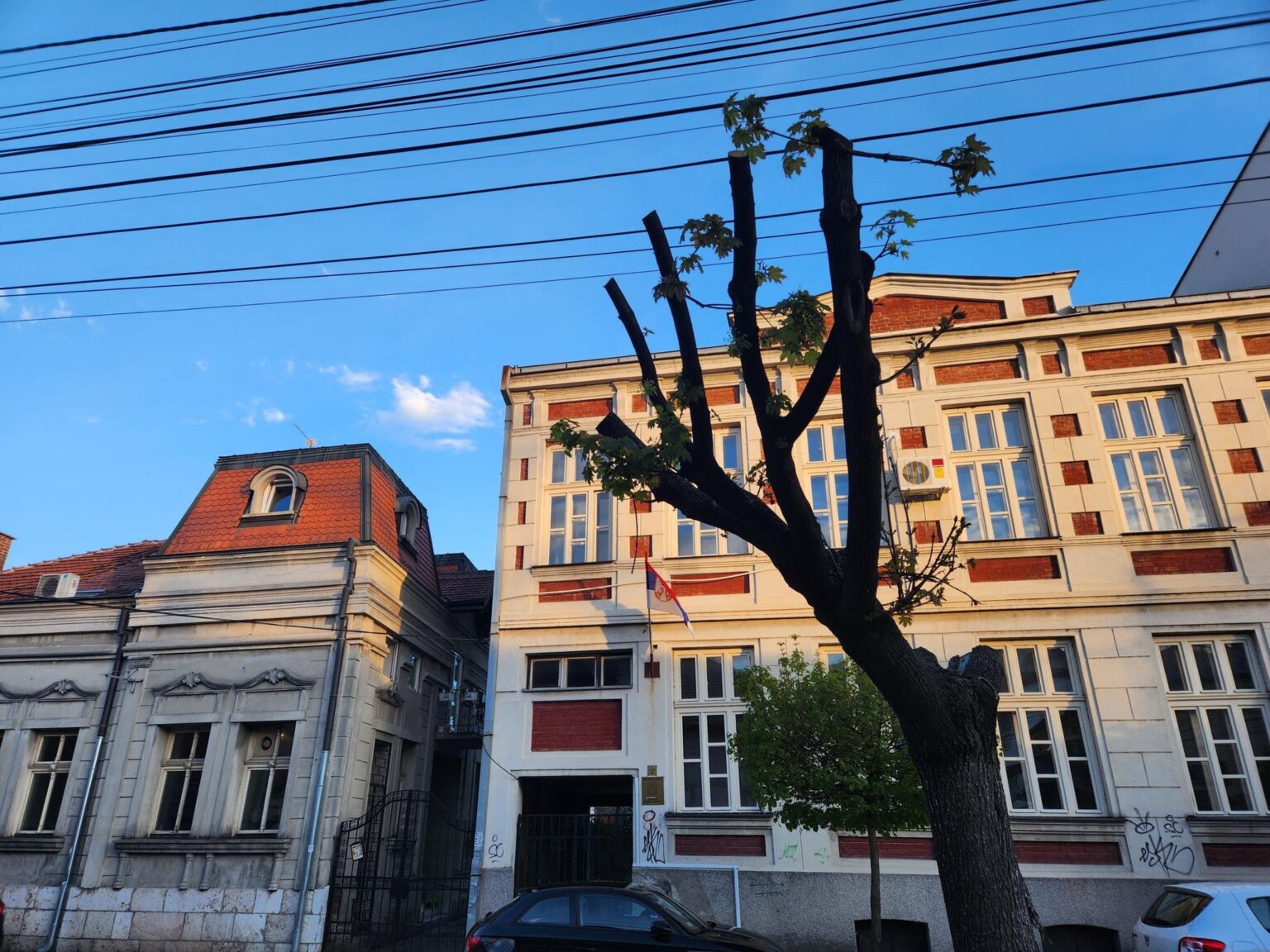
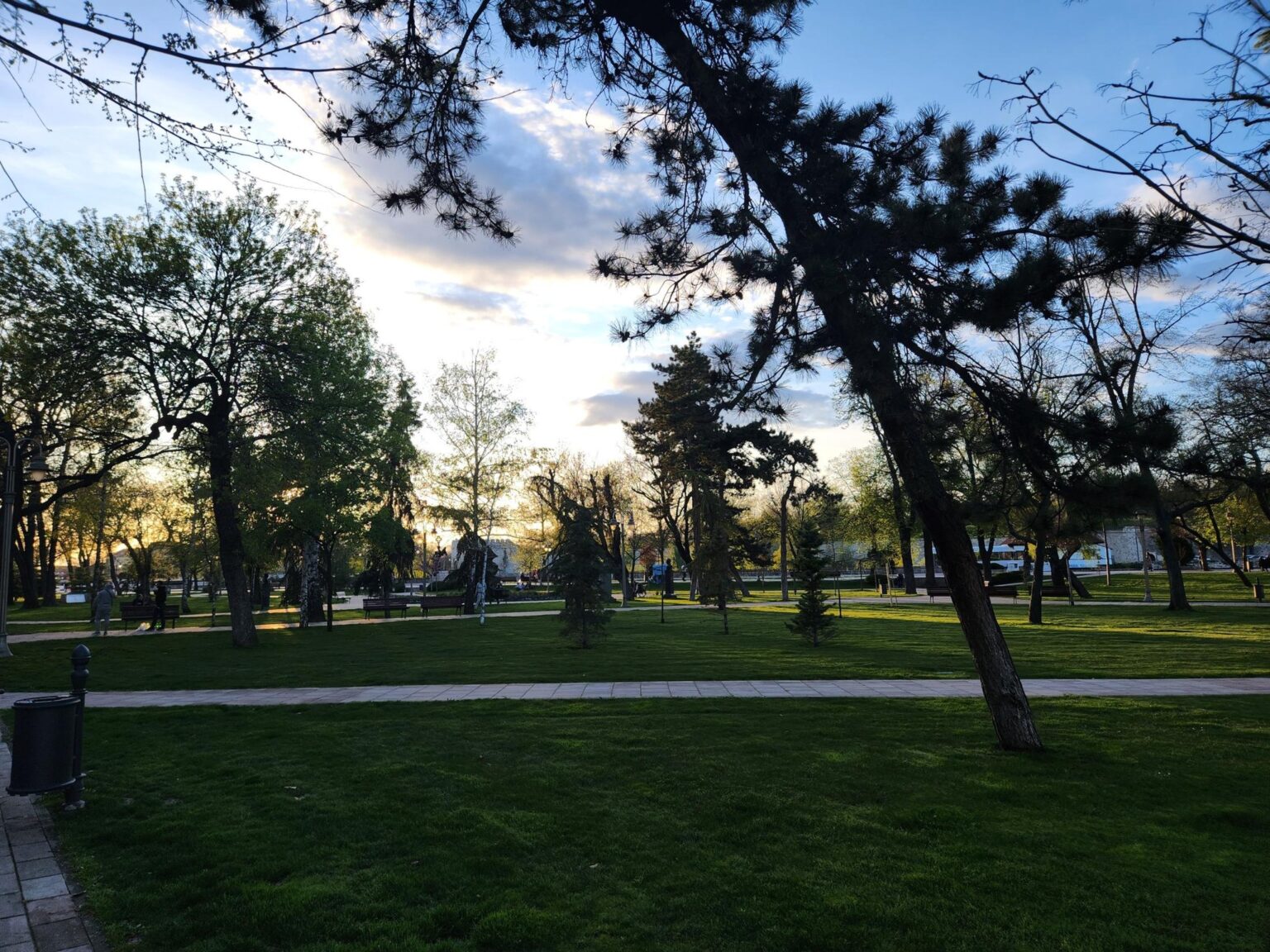
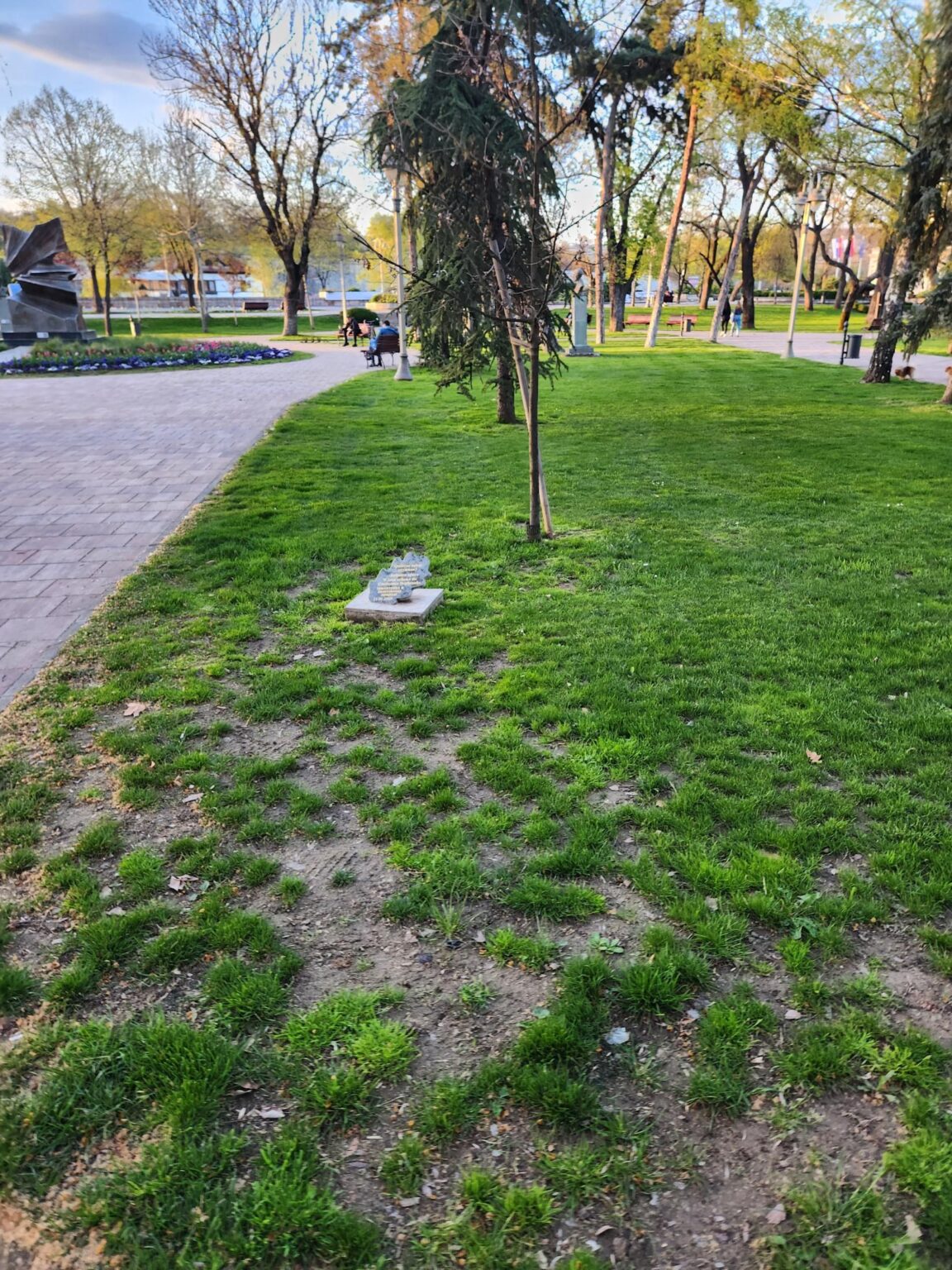
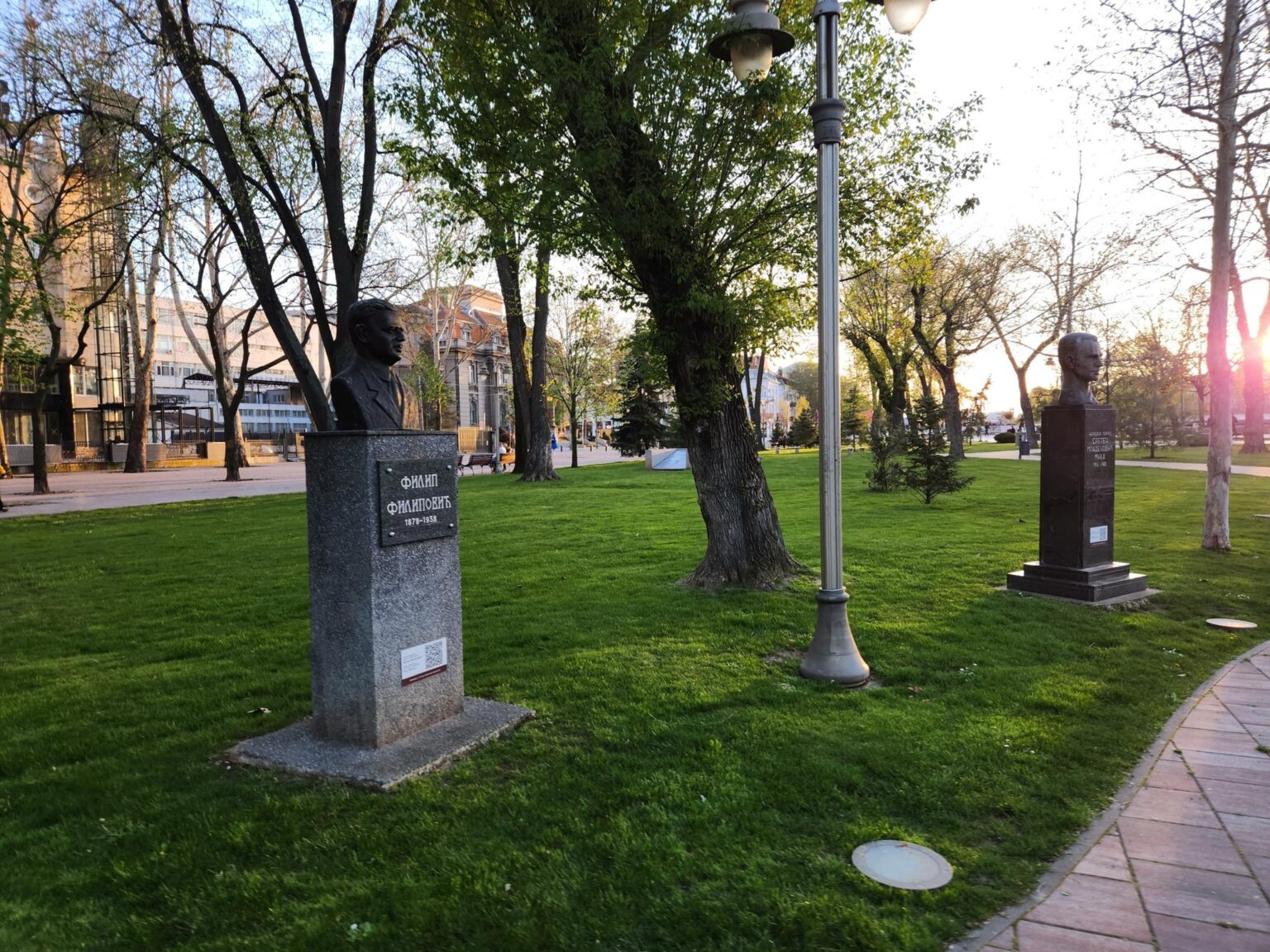
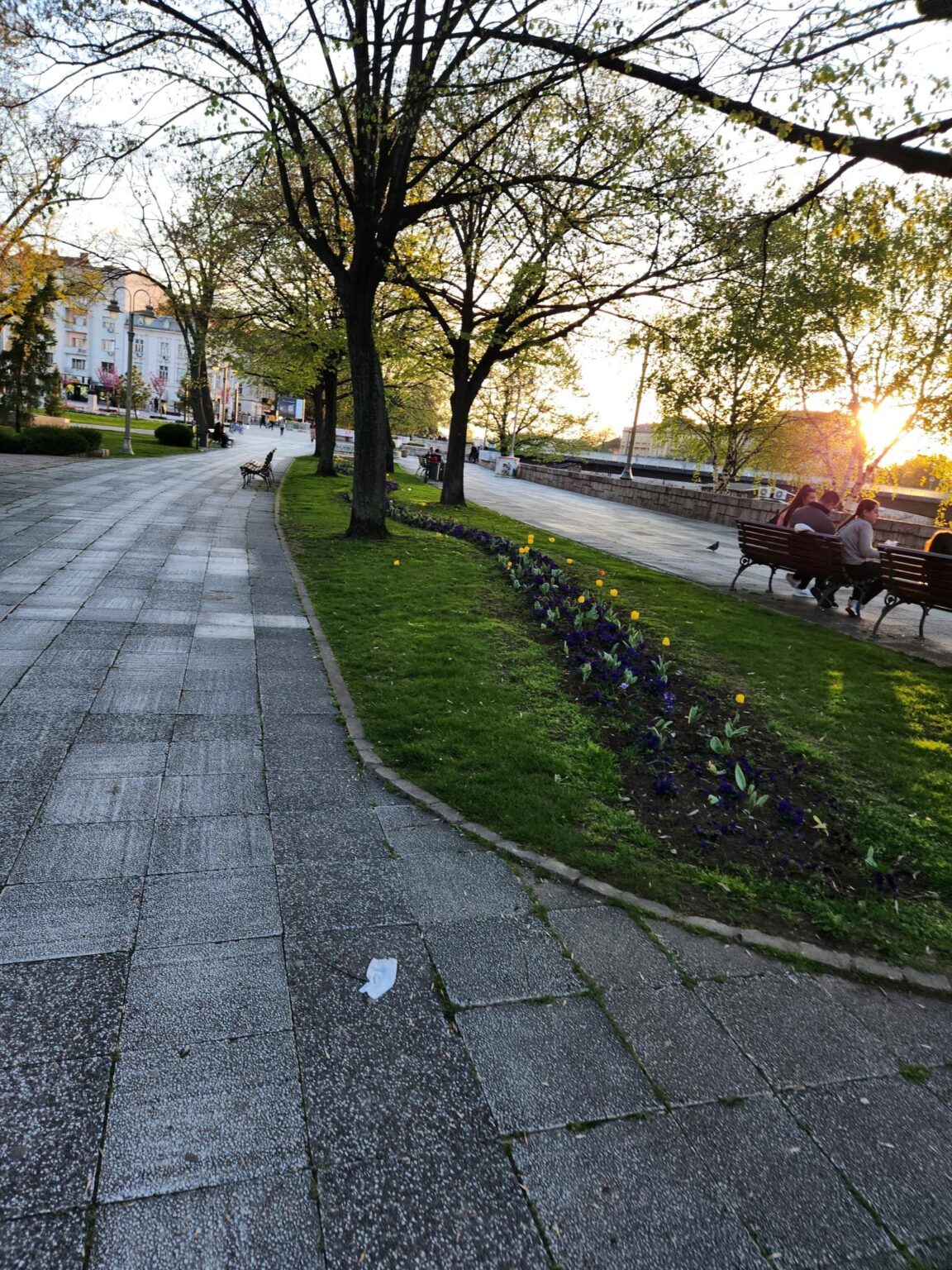
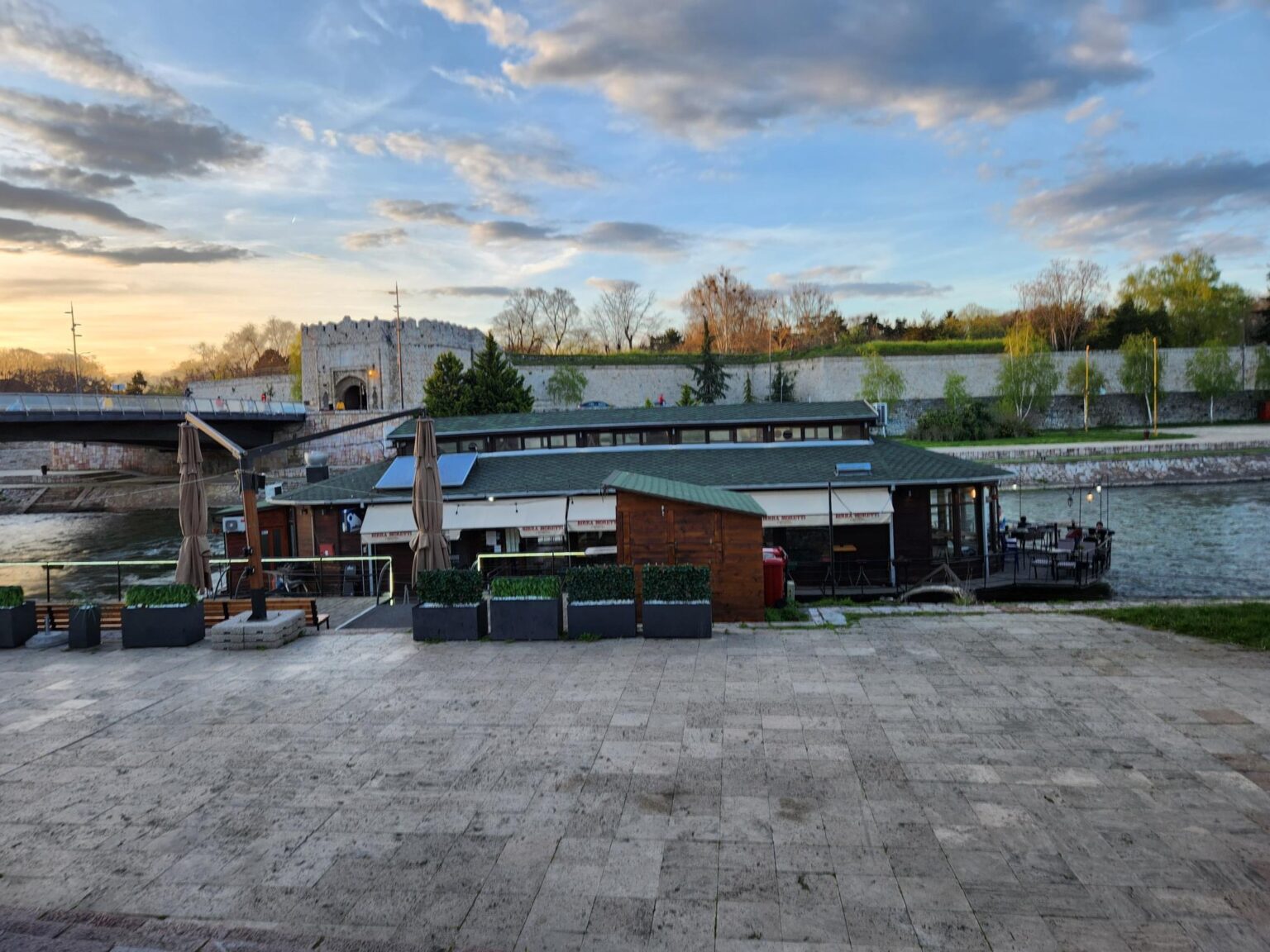
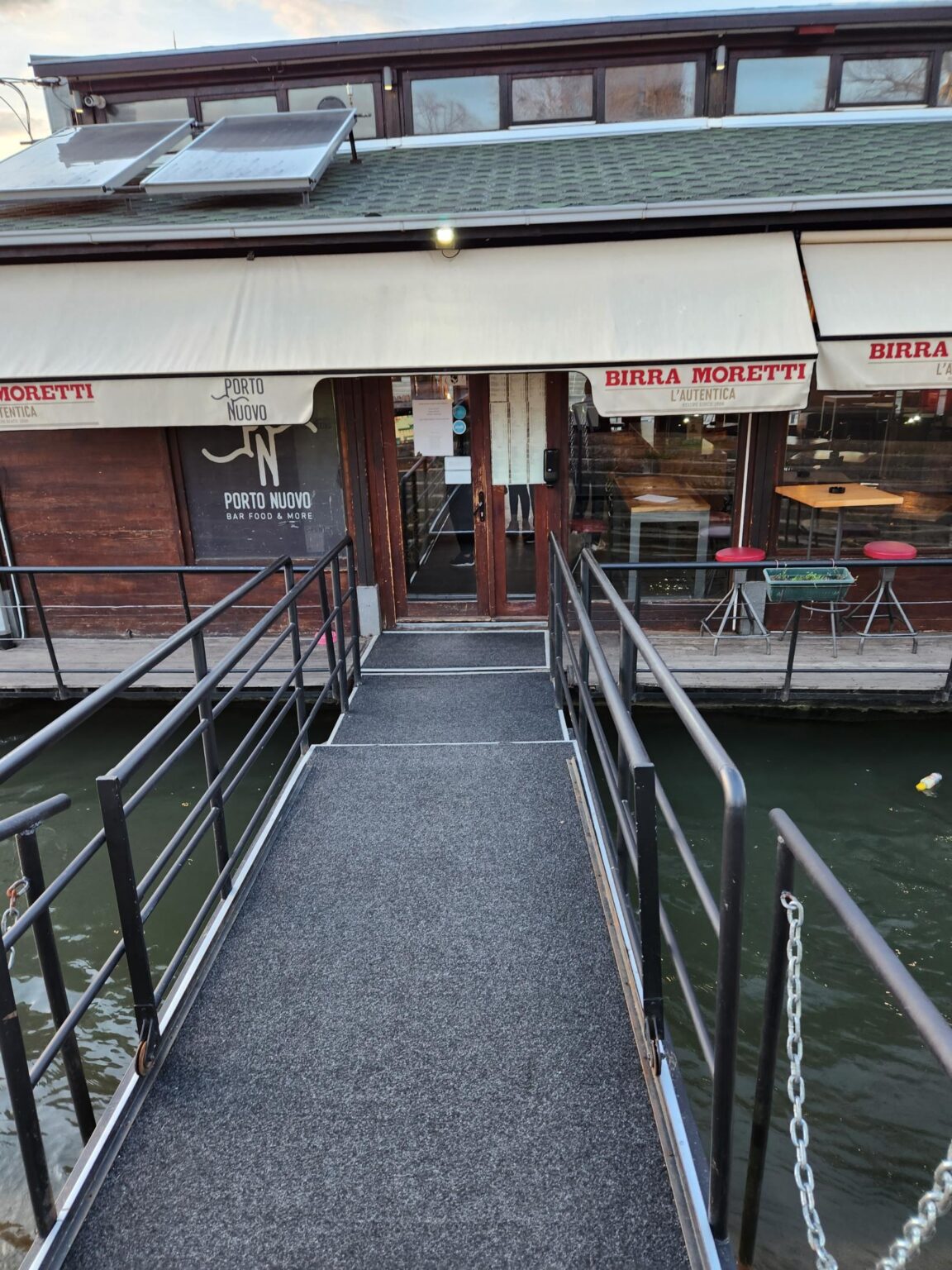
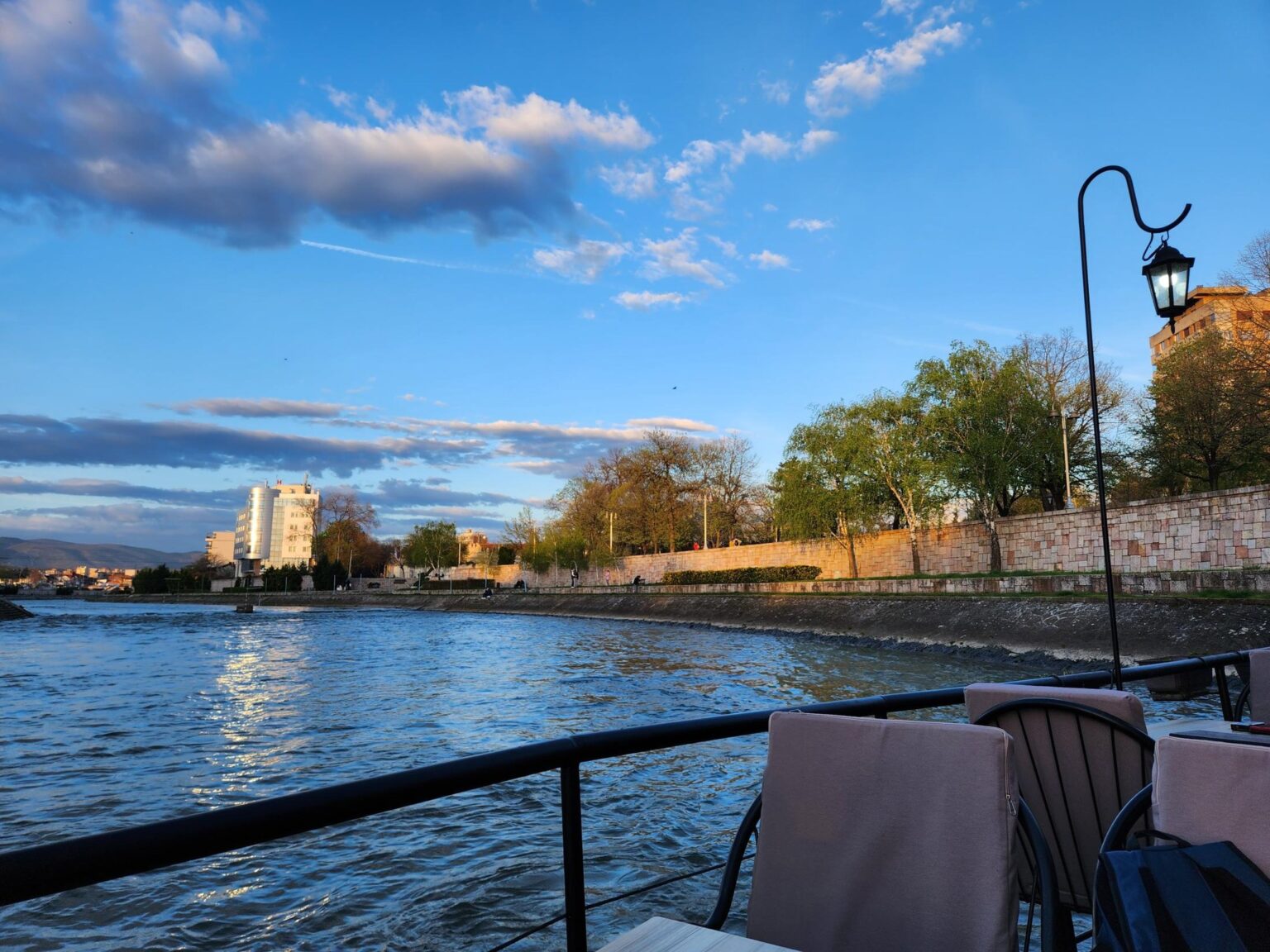
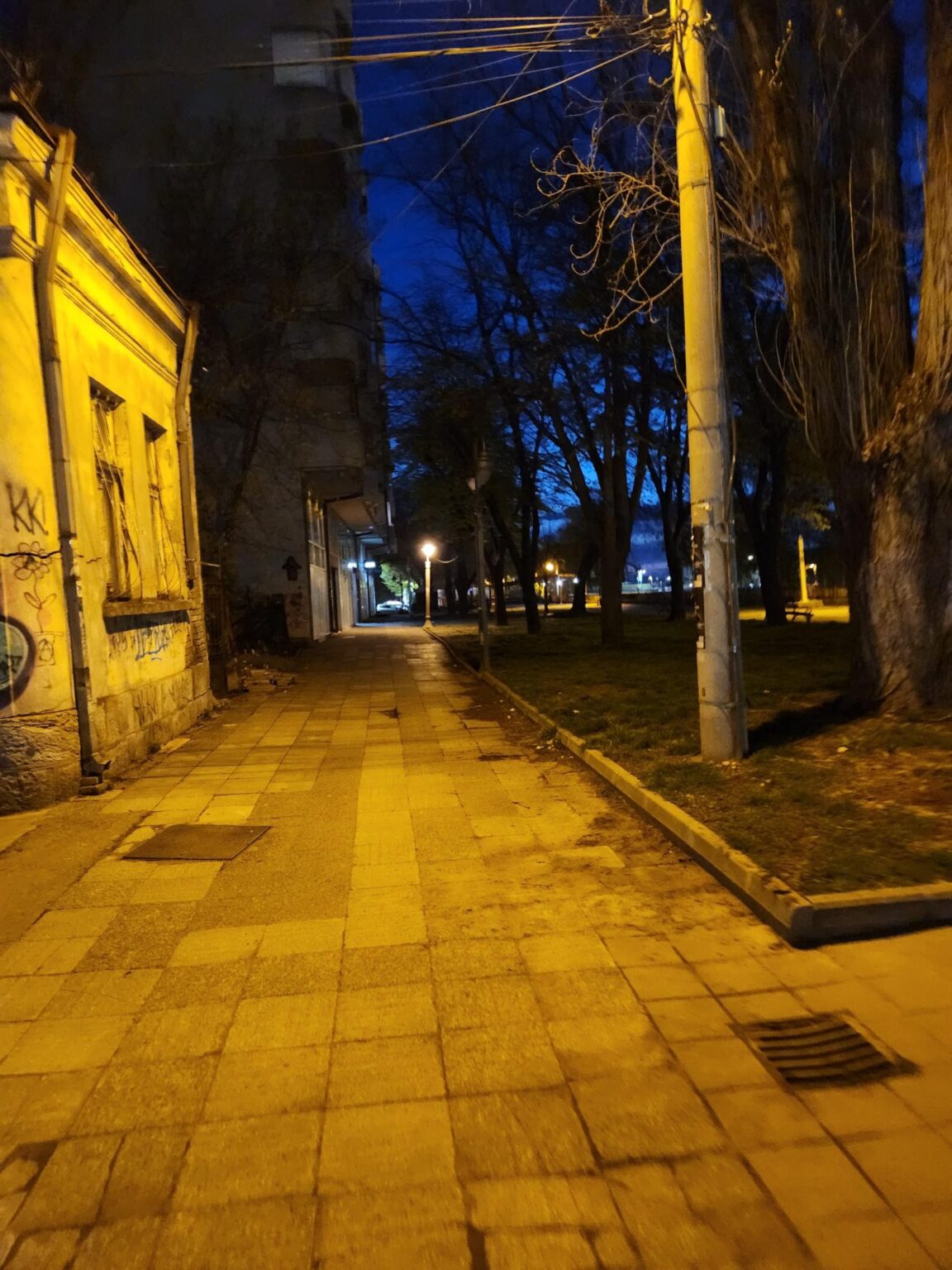
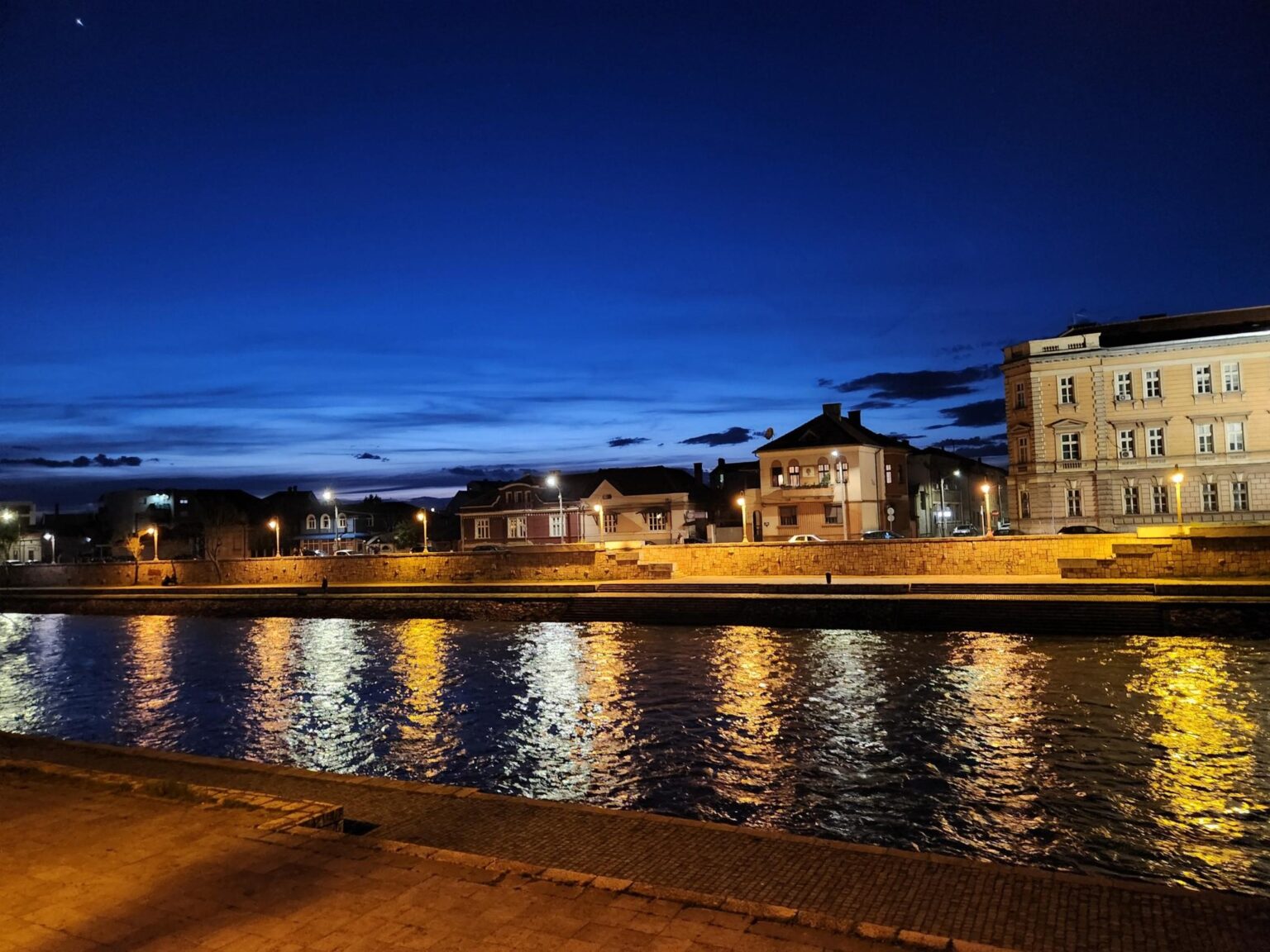
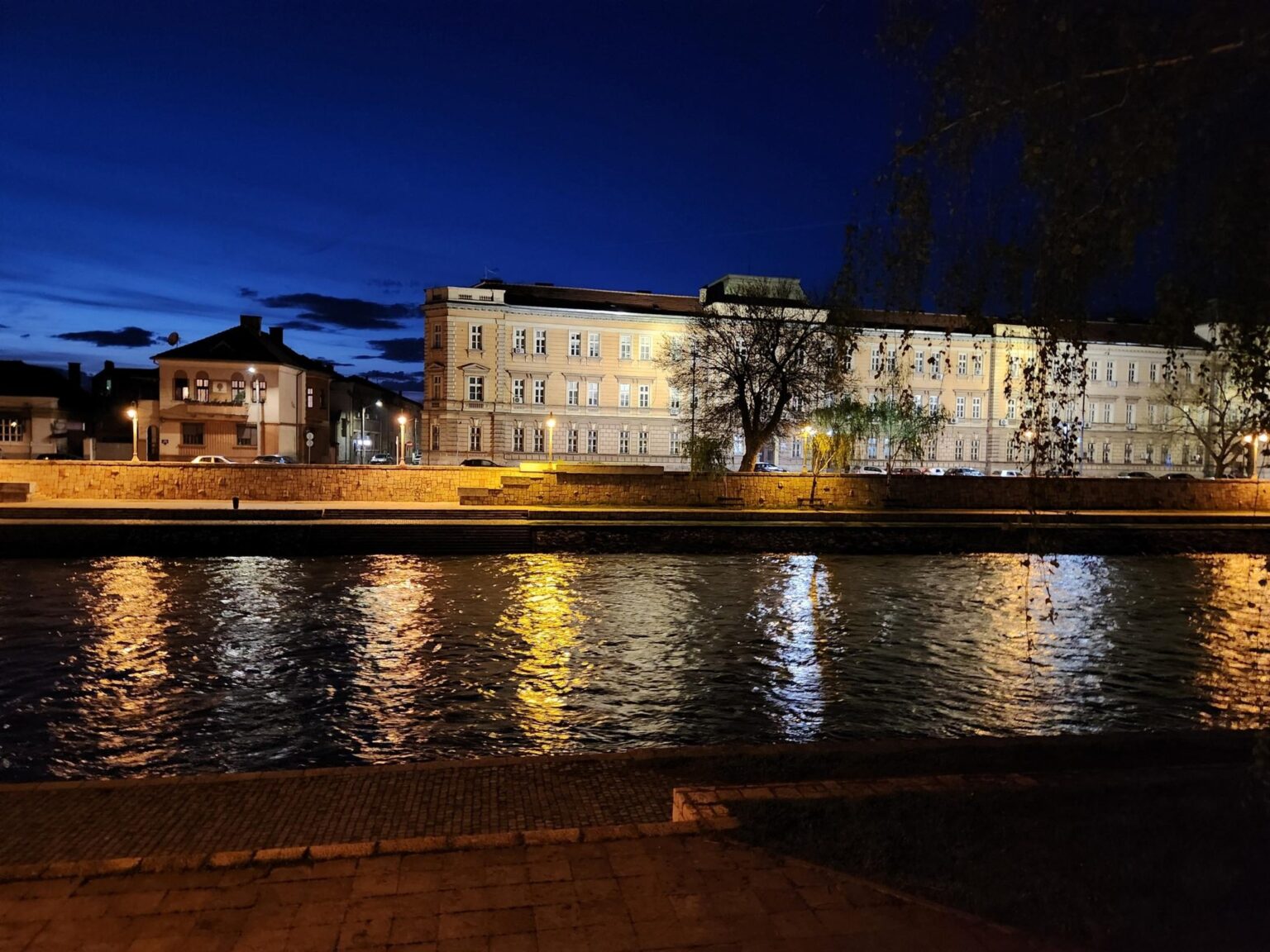
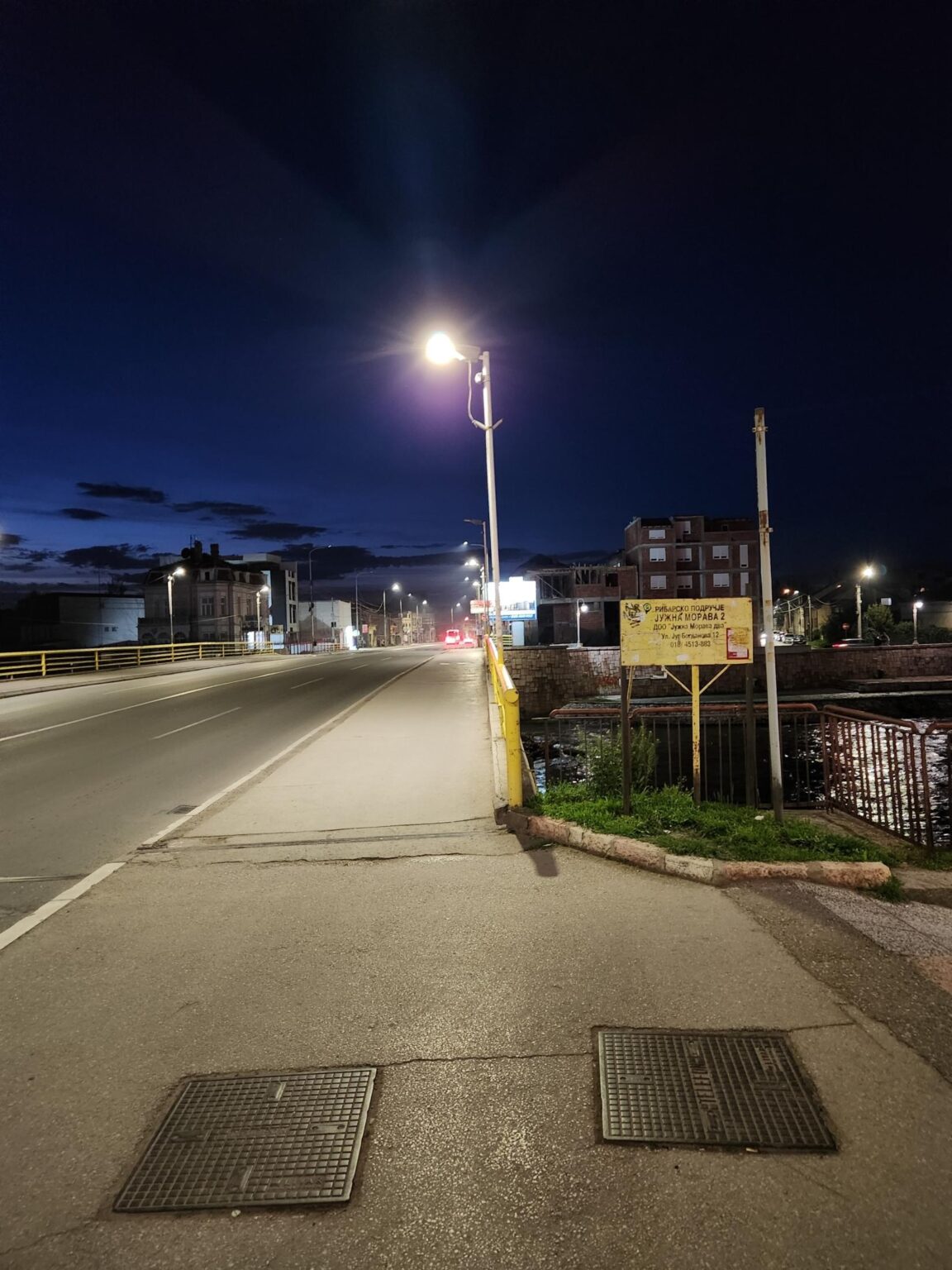
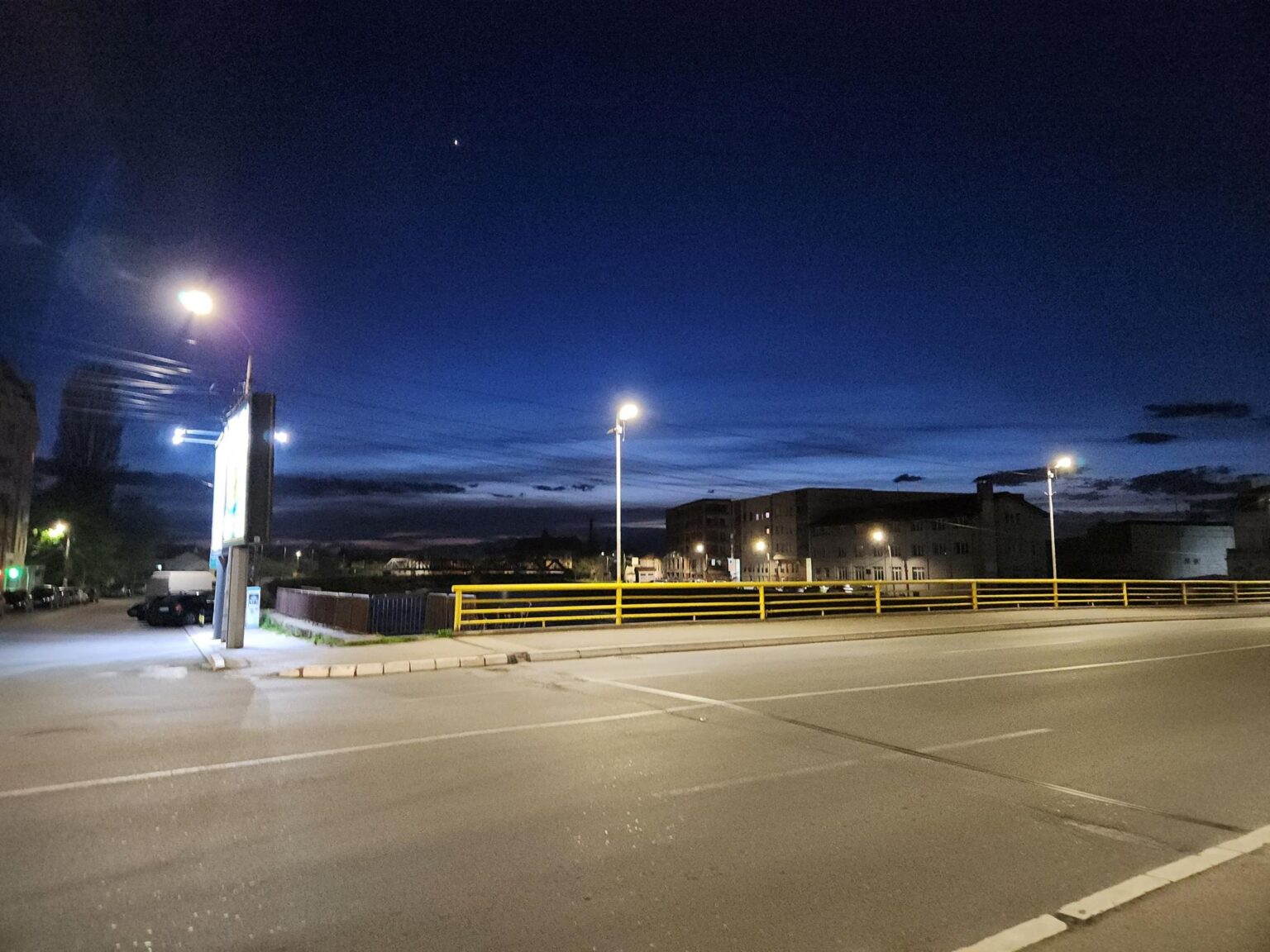
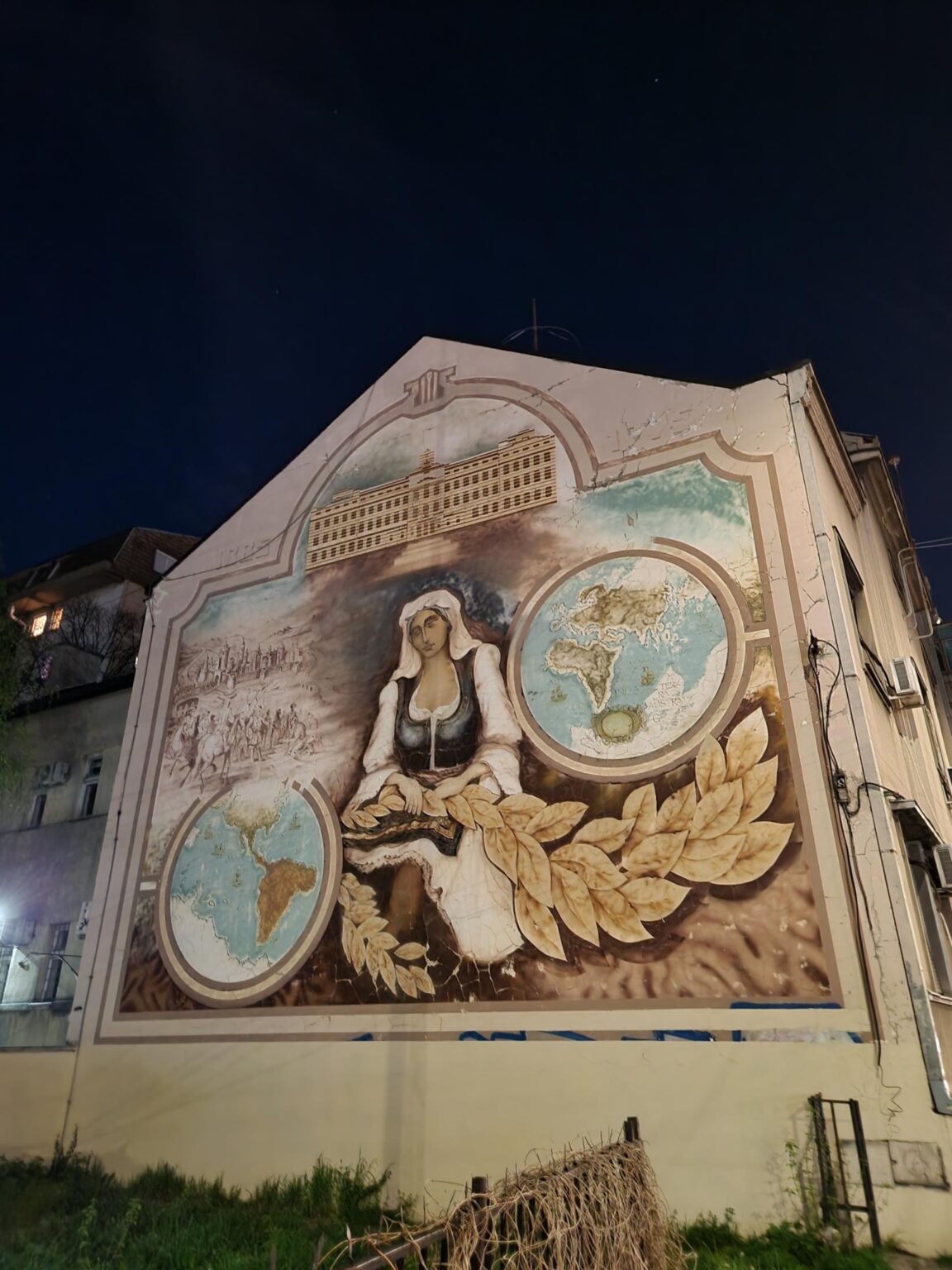
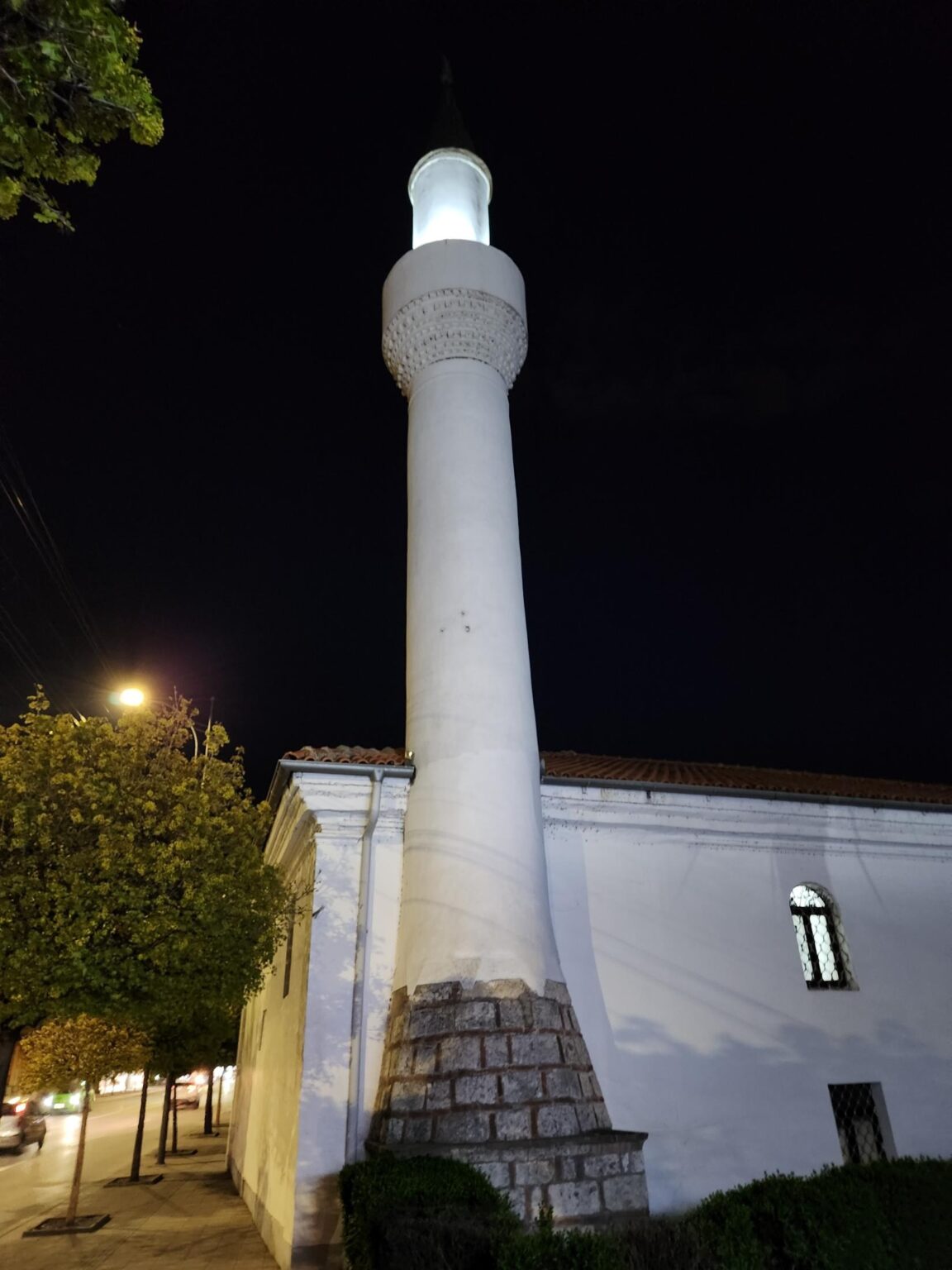
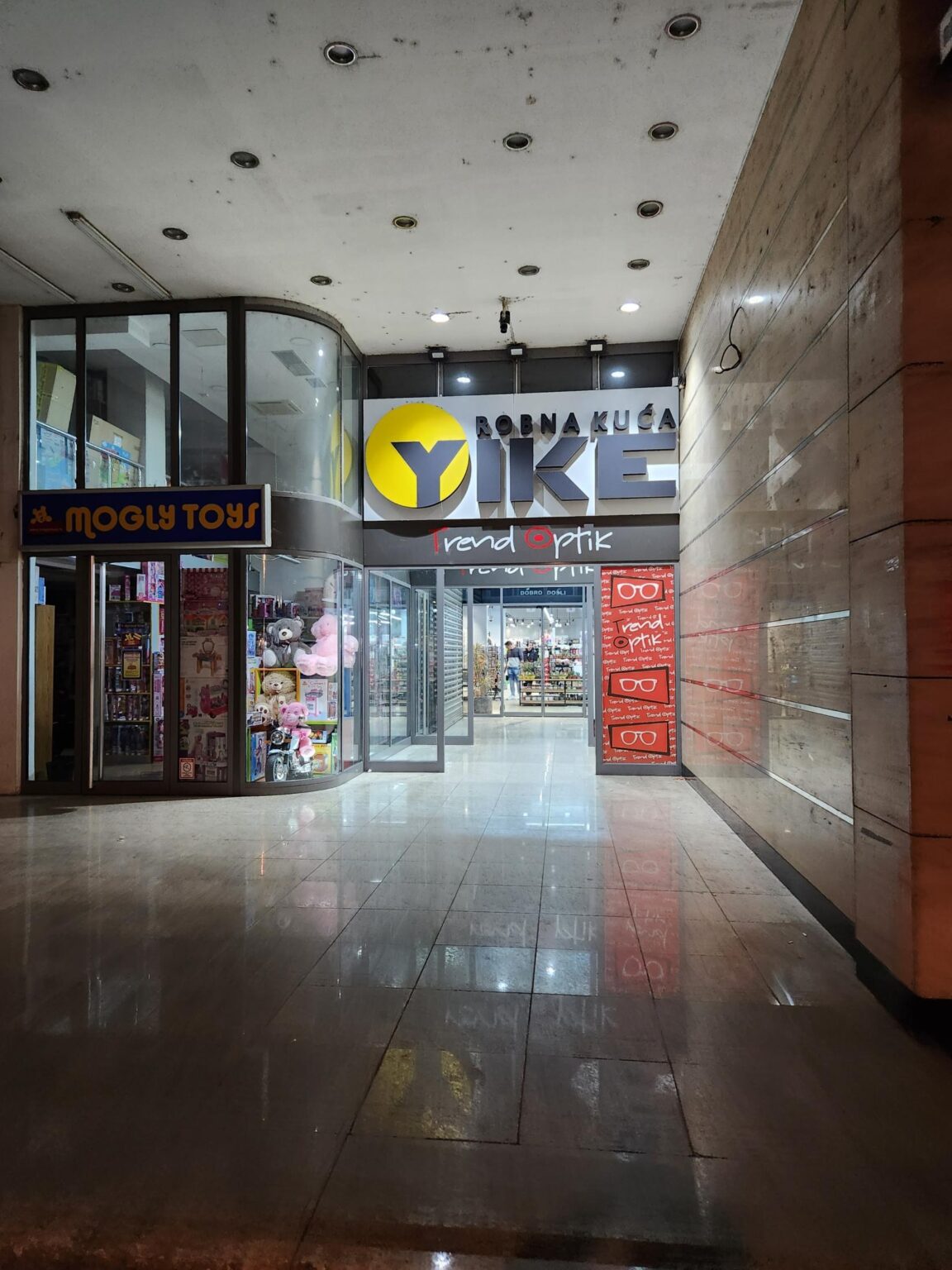
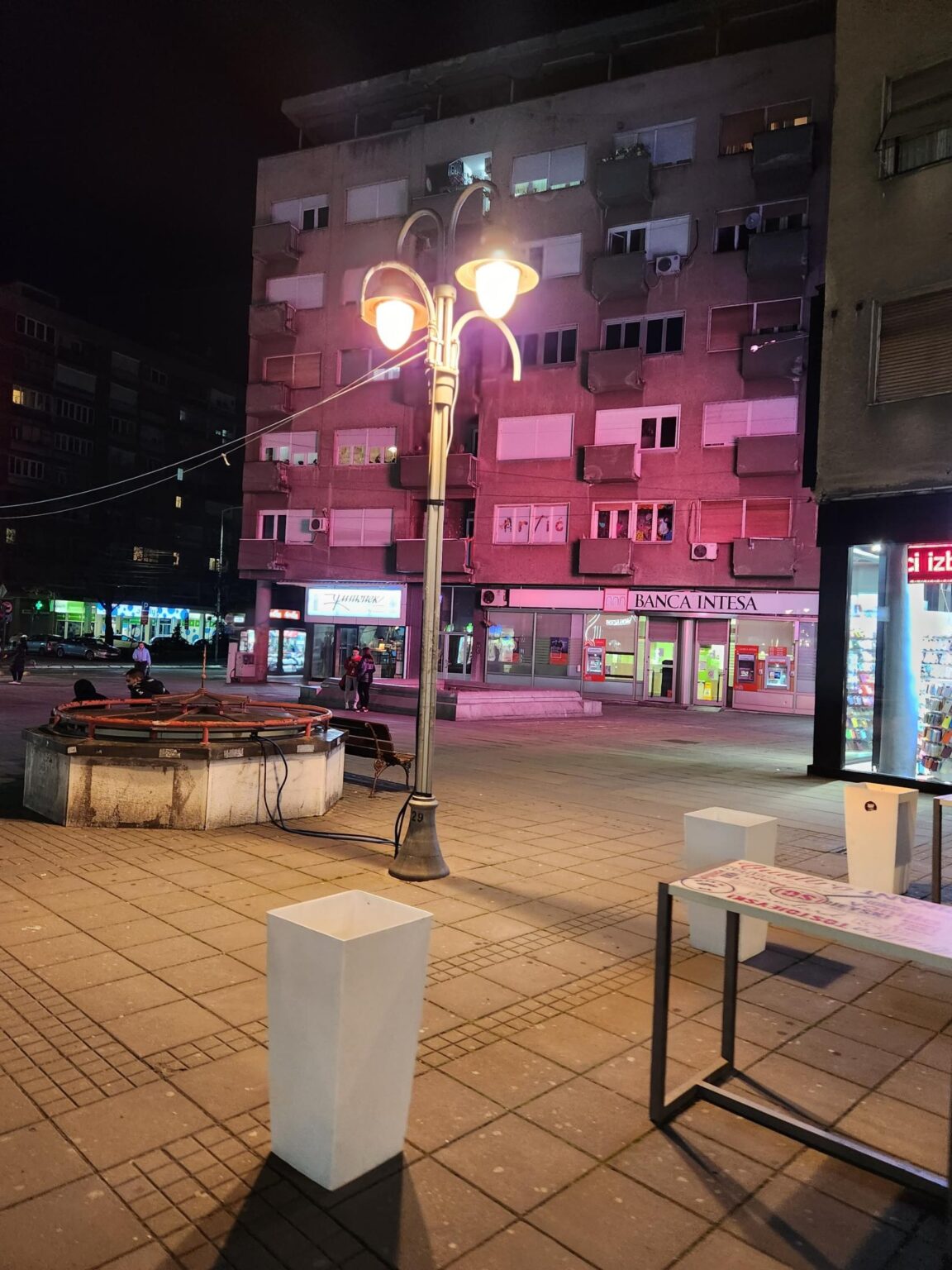
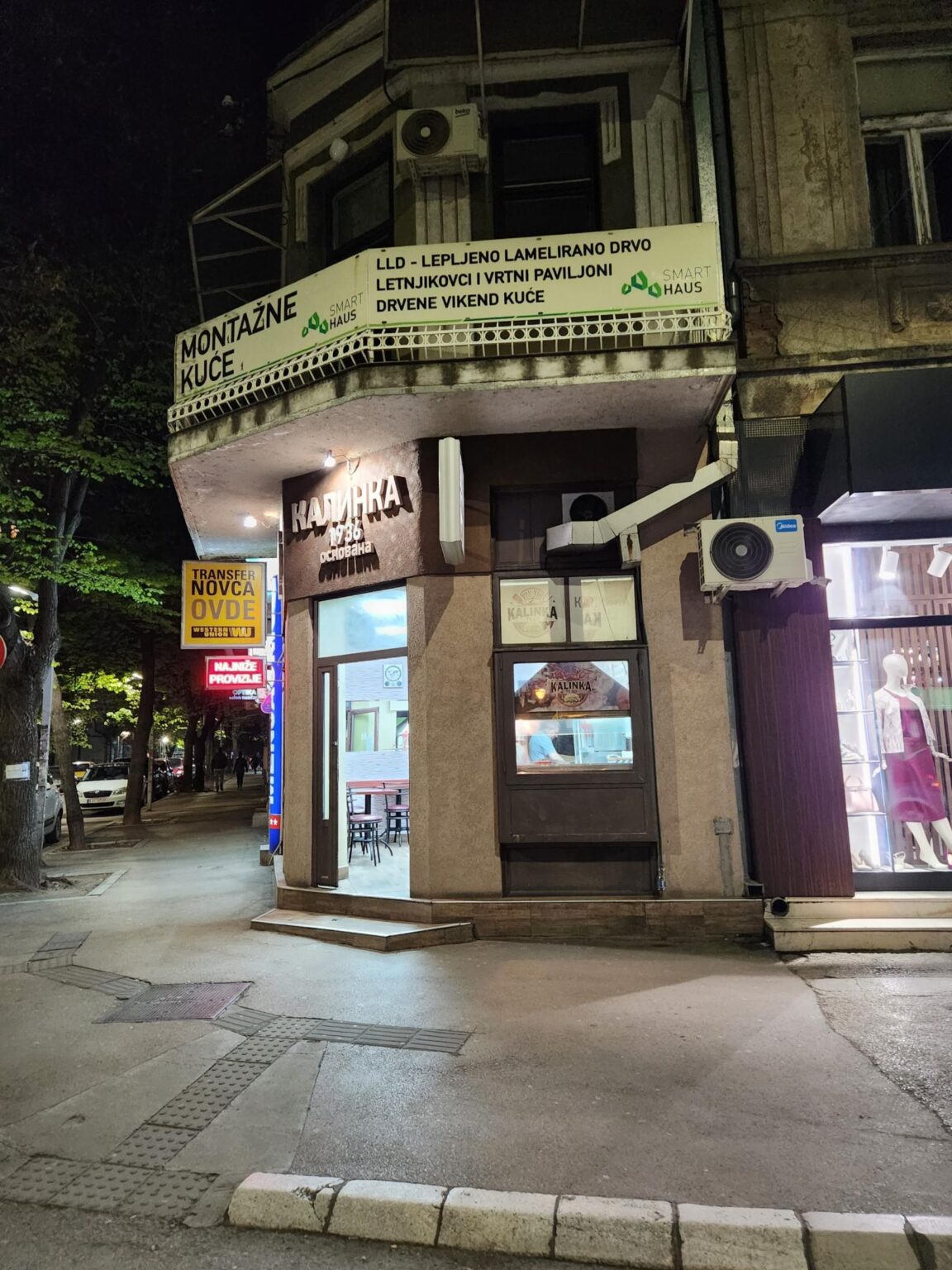
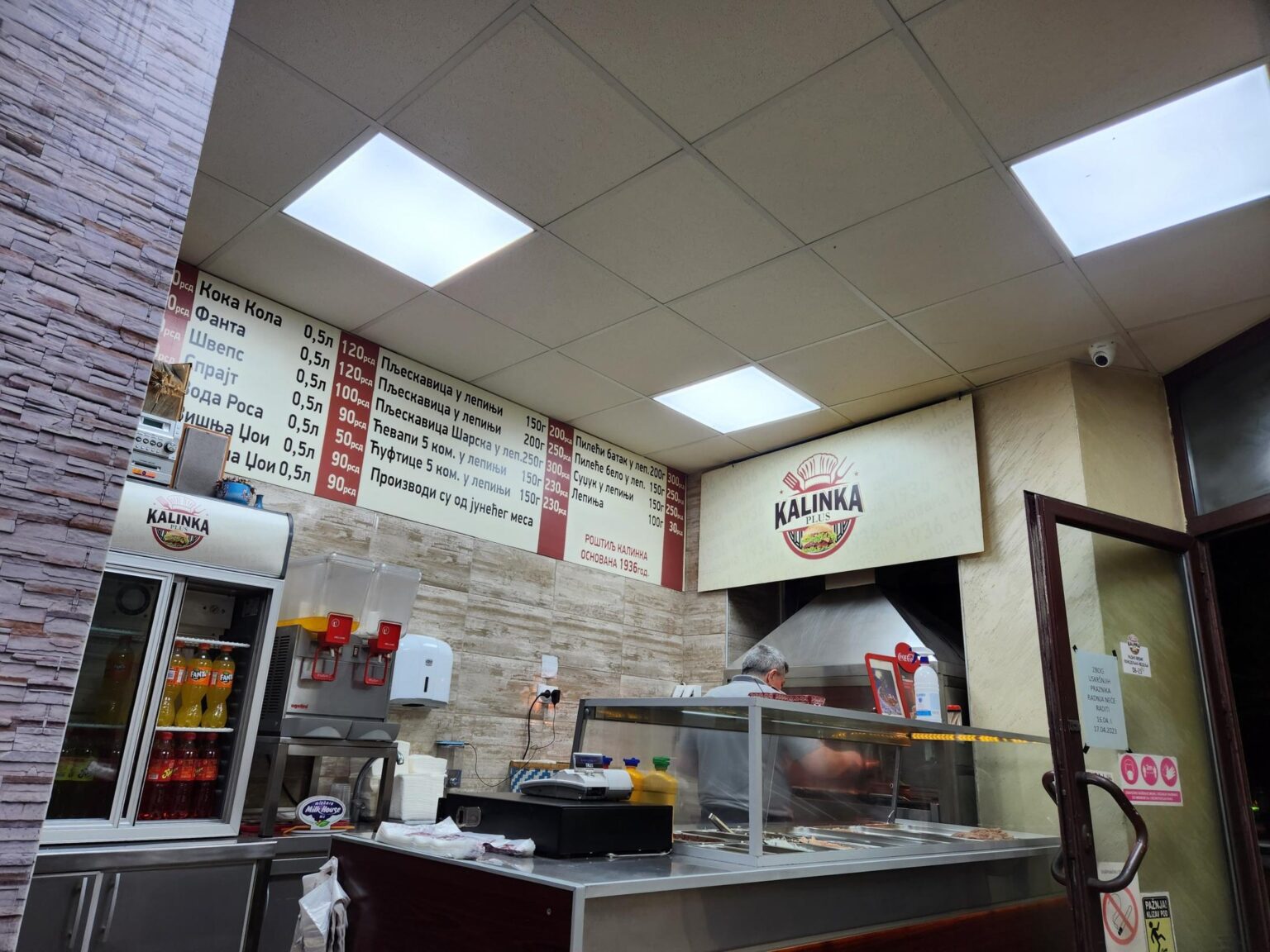
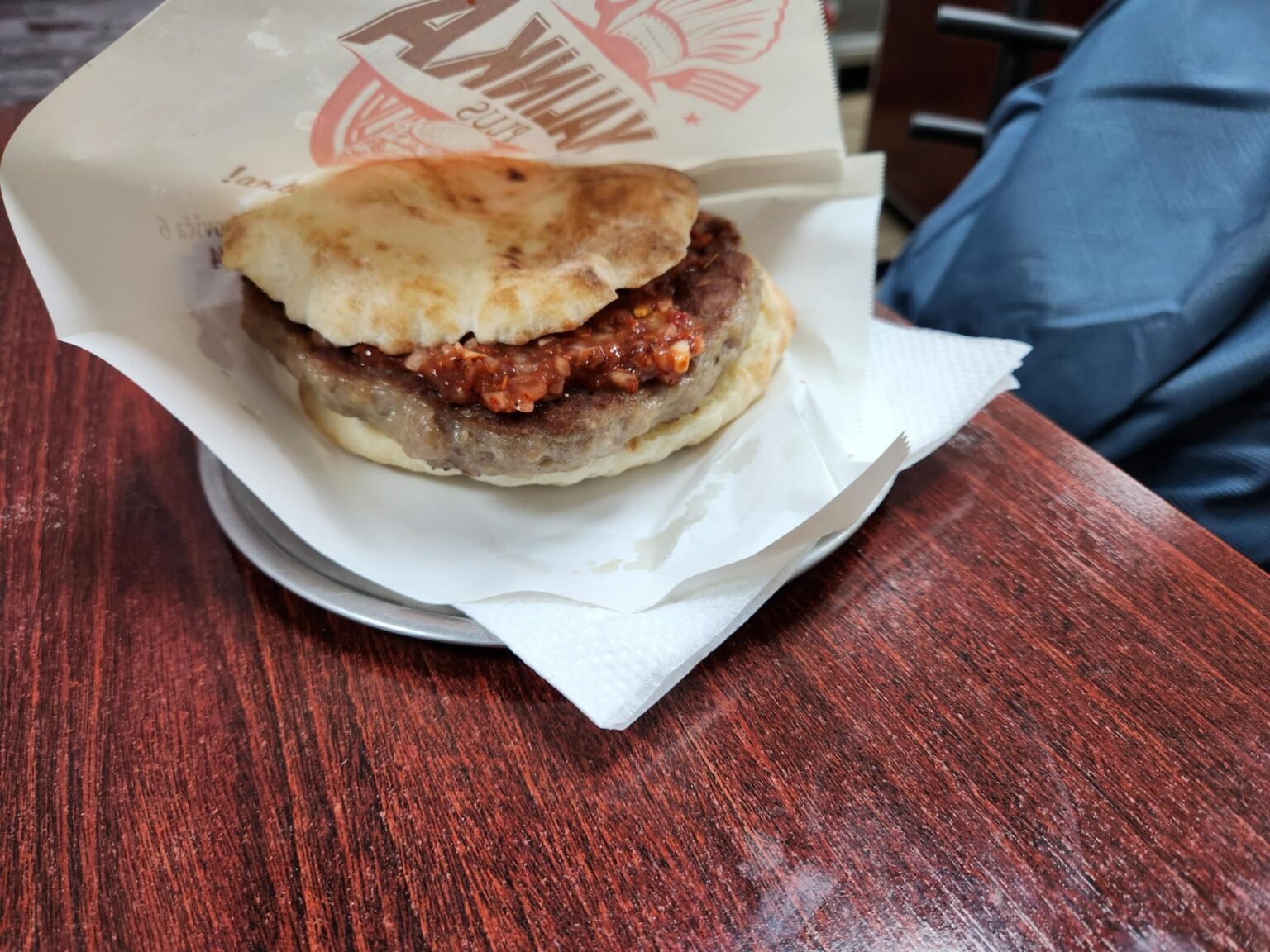
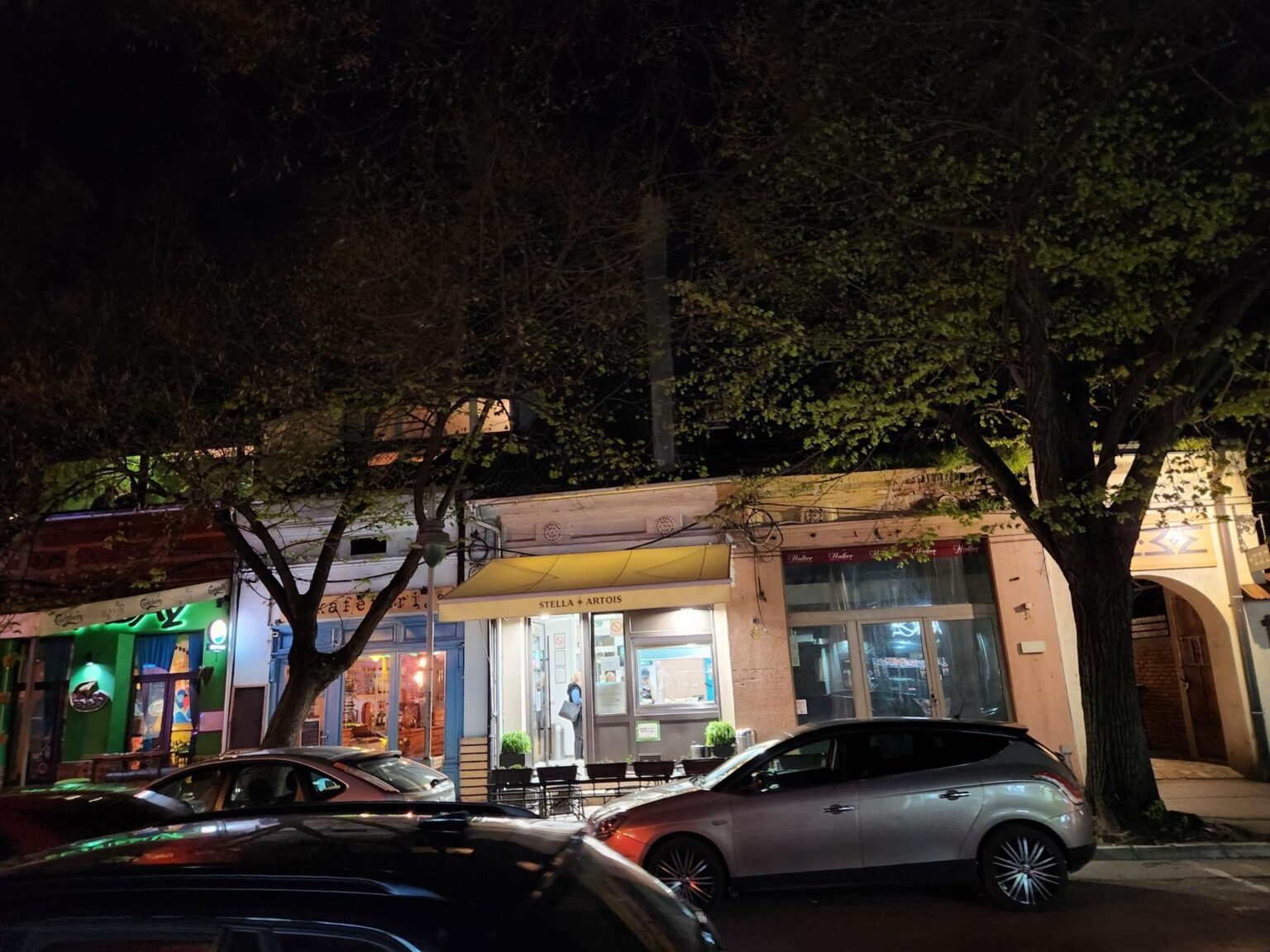
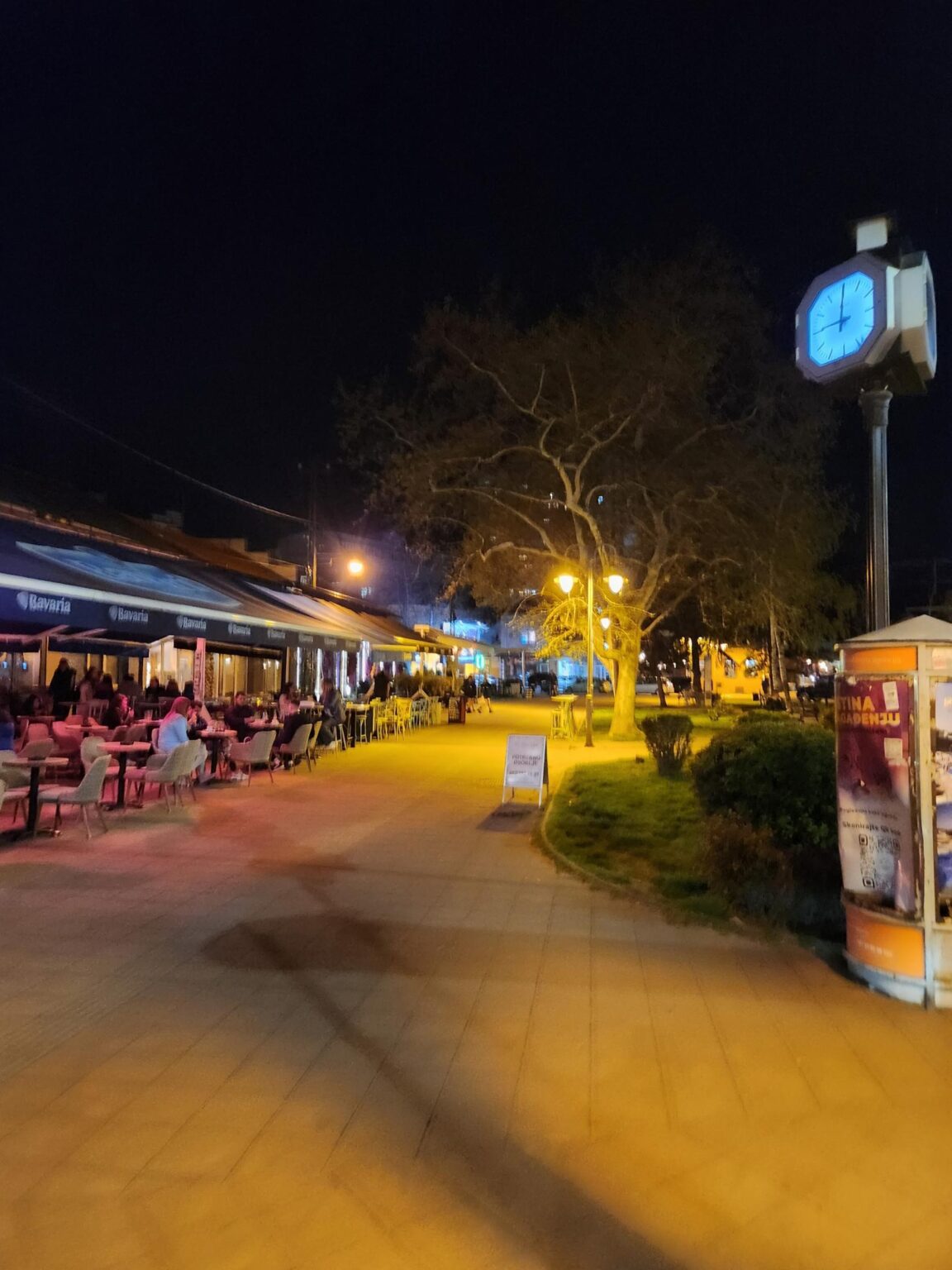
And that will do. Allow me a small boast: a personal record of 29,000 steps, or almost 19 kilometres on foot around Niš in a single day. That beats my old record, set in Rome. Apparently the Eternal City can be done in fewer steps than Niš 😀
Day 3: Heading home
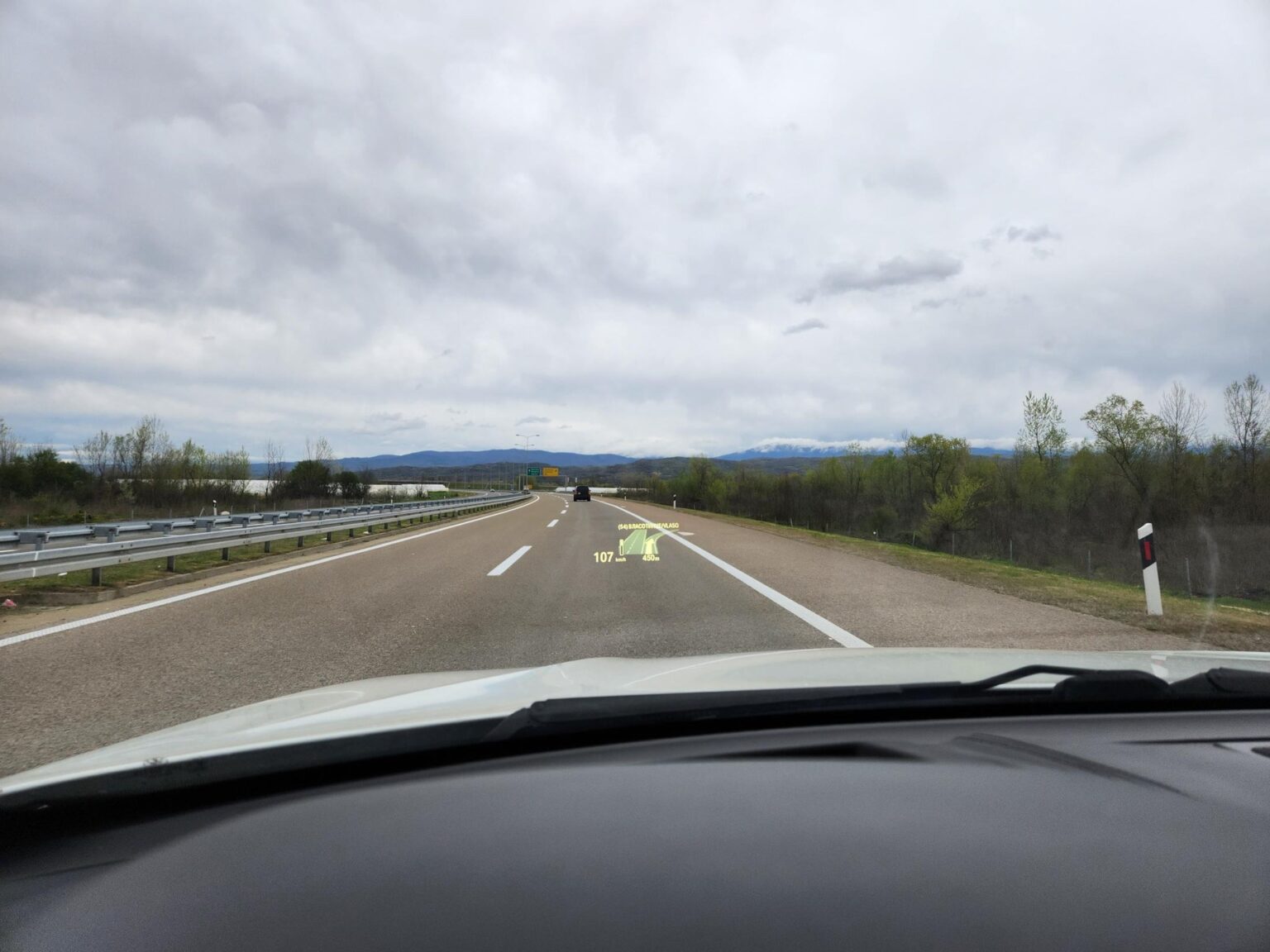
Lots of effort, lots seen, and it is Easter. Onto the motorway and back towards Sofia. Left for next time: Devil’s Town, more of the museums in Niš, the market and the Momčilov Grad fortress in Pirot, and a few other odds and ends. Driving straight from Niš to Sofia on the motorway is about 160 kilometres and around two and a half hours, with tolls as above — provided, of course, there is no serious hold-up at the border.
How hard is it
At our pace — two days — the intensity is high and everything is rushed. I strongly recommend spreading this list of sights over at least three days. For example, leave the Skull Tower and Mediana for the drive back to Sofia, since both lie on that side of town, parking is easy, and there are dedicated spaces for visitors.
The budget
Low. The official prices are the 2026 ones; the rest are our 2023 figures, converted to euros:
- Fuel — depends on your car; count on around €50 for the whole loop with the detours
- Accommodation — about €25 per person per night in 2023, so roughly €50 for two nights
- Museums — 1,200 dinars (about €10.20) for the combined ticket to four sites in Niš (official price list), plus 250 dinars (about €2.10) for the museum in Leskovac (official price list)
- Motorway tolls — under €10 for the stretches we drove (official toll table)
- Mobile data — 1,399 dinars (about €12) for Yettel’s Tourist plan (official offer)
- Clothes and shoes — unlimited 😀 You will spend at least €25–50, there is no avoiding it; the deals are that good
Practical notes
The practical bits are scattered through the story above, so here they are in one place:
- The border — what they ask and how to answer
- Mobile internet — prepaid SIM cards and hotspots
- Shopping in Serbia — what you can bring back into the EU
- Motorway tolls (putarina) — how the tickets work and what they cost
- City transport — free buses in Niš
Verdict
Do you see now? Look how much I saw in two days, and it barely scratches the surface. Markets, shops, malls, parks, sights — there is no end to them. On top of that, you can stop in Pirot for at least two or three hours for a coffee, lunch and the fortress. Devil’s Town takes about six hours from Niš, counting the drive there, the walk and the drive back. There are other sights too, not to mention the eco trails and caves. To see it all, you need at least four or five days for the Leskovac–Niš area.
If you go for the history and culture, and not just for the pljeskavica (as I usually do), Serbia has plenty to offer. Its sights are similar enough to ours to feel familiar, yet different enough to be worth the drive and the border crossing. I came back pleasantly charmed by this mini-trip. I see it as a reconnaissance mission and the groundwork for a proper tour of our neighbours’ lands 😀
Gallery
The full gallery: