Bulgaria is easy to underestimate from a distance. Look closer and you find mountains, beaches, ancient cities, good food, winter sports and a culture that has kept its own voice. Here are ten reasons to visit Bulgaria. If you want a practical starting point, our guide to Bulgarian cities is a useful next step.
The country works for different kinds of travellers: the adventurous, the curious, the budget-conscious and the person who simply wants a beautiful place without too much fuss. As an EU member since 2007 and part of the Schengen area since 2025, entry is straightforward for most European visitors.
Before the list, watch the video:
#10 — Natural landscapes ▶ 0:42
Rila, the Rhodope Mountains and the Black Sea coast offer dramatic variety in a relatively small country. Within three hours’ drive of Sofia you can reach alpine lakes at 2,500 metres, the Thracian plain, and the sandstone pyramids around Melnik.
That is also the practical advantage: no domestic flights or long transfers between regions. A single day is enough to change the landscape completely.
#9 — Affordable prices ▶ 0:57
Accommodation, food, drinks and activities remain noticeably cheaper than in Western Europe. A meal in a traditional tavern away from the resorts, a coffee in a major city centre or a ski pass in Bansko runs between a third and a half of Alpine prices.
Since 1 January 2026 the country has used the euro, so visitors from the eurozone no longer need to exchange currency. The conversion rate was fixed at 1 EUR = 1.95583 BGN.
#8 — Food and wine ▶ 1:16
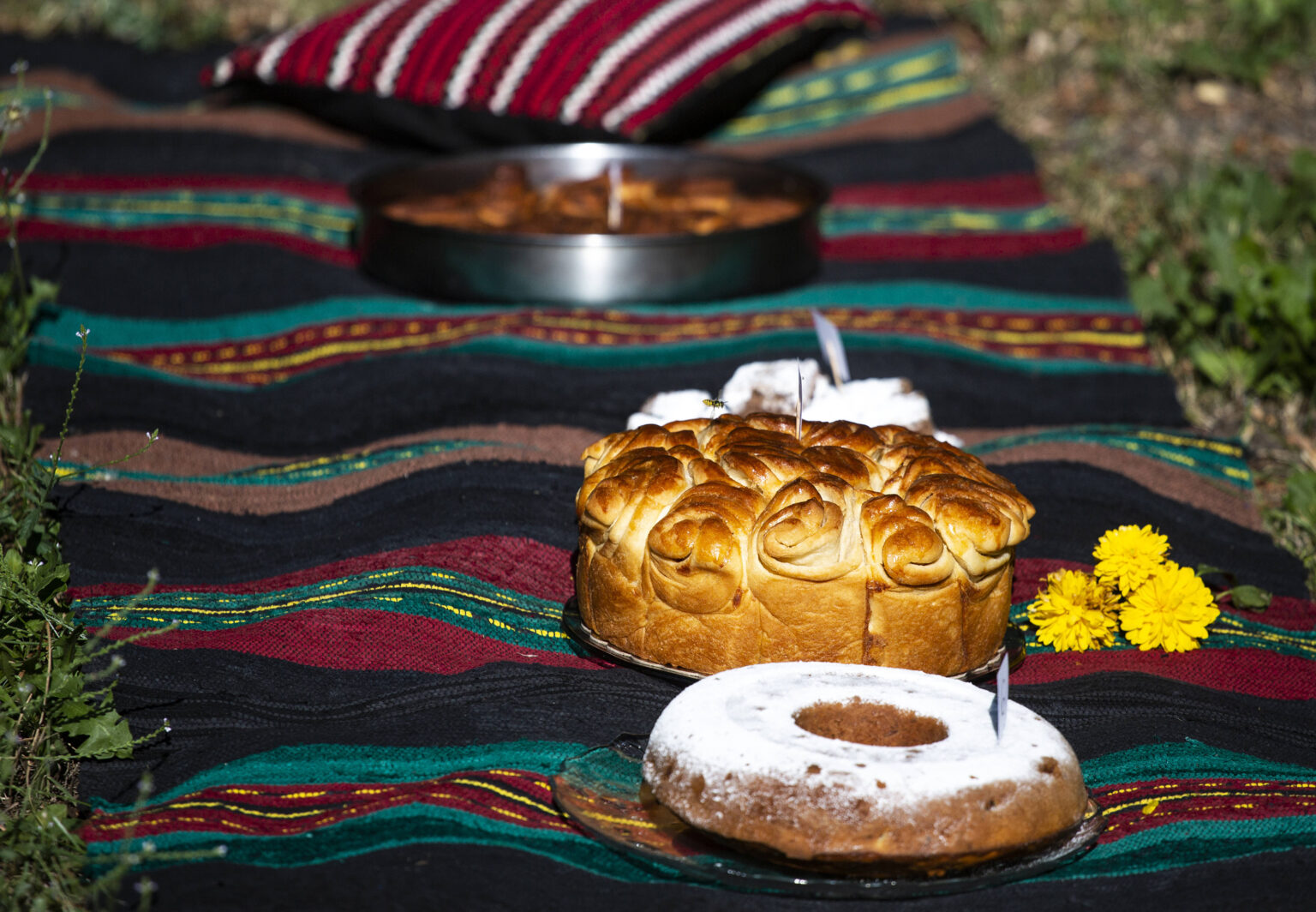
Fresh vegetables, herbs, yoghurt, slow-cooked dishes and regional wines make eating part of the journey rather than a break from it. Shopska salad, banitsa and tarator are the essential starting points.
The wine deserves separate attention — Melnik and Mavrud are local grape varieties found almost nowhere else. The Melnik region and the Thracian plain have cellars offering tastings, most of which accept walk-ins outside the high season.
#7 — Warm people ▶ 1:37
Bulgarians are known for a welcoming nature. In a city or a small village, a smile and an unplanned conversation can change the tone of the day.
One warning for visitors: nodding the head means “no” and shaking it side to side means “yes”. This is the reverse of almost everywhere else and leads to genuine confusion when ordering food or asking directions. In tourist areas people often invert the gesture deliberately to help, which confuses matters further — when in doubt, ask for words.
#6 — Vibrant cities ▶ 1:52
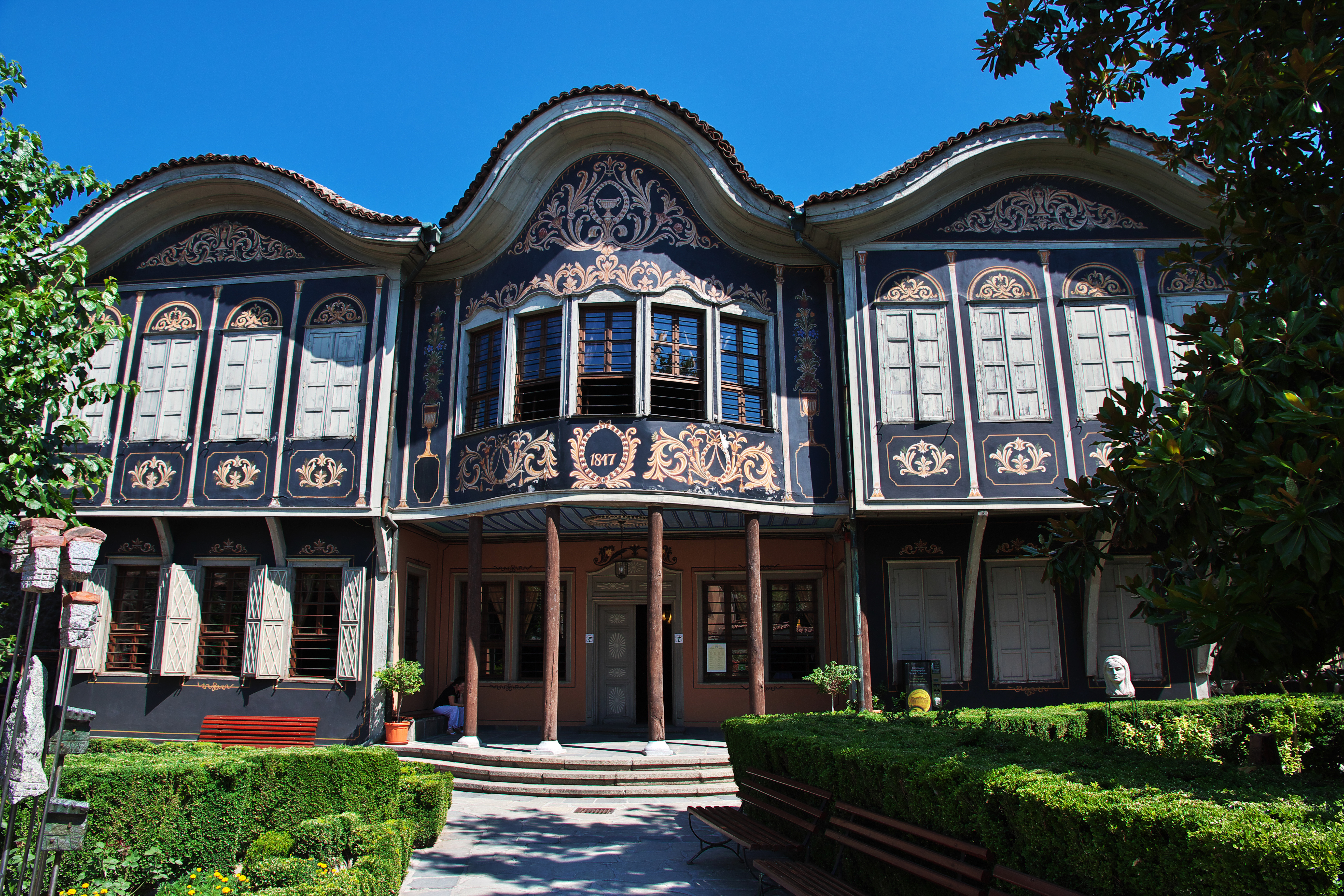
Sofia mixes museums and modern culture with ancient ruins — Roman Serdica is exposed literally beneath the streets and visible from the metro station in the centre. Plovdiv offers a remarkable Old Town and a strong arts scene in the Kapana district.
Plovdiv is also among the oldest continuously inhabited cities in Europe. Smaller cities such as Veliko Tarnovo and Koprivshtitsa add their own pace and character.
#5 — Ancient ruins ▶ 2:12
Thracians, Romans, Byzantines and Ottomans all passed through these lands and all left traces. The Roman theatre in Plovdiv still functions as a working stage, and the Thracian tombs near Kazanlak and Sveshtari hold remarkable wall paintings.
The Varna Gold Treasure, uncovered in the 1970s, is the oldest processed gold in the world at roughly 6,500 years — older than the Egyptian pyramids.
#4 — Winter sports ▶ 2:28
Bansko, Borovets and Pamporovo offer skiing and snowboarding in the Pirin, Rila and Rhodope mountains. The season generally runs from December to April, with Bansko having the longest run and the most developed après-ski.
Our ski resorts guide goes deeper into the options.
#3 — Beaches and coast ▶ 2:42
The Black Sea offers resorts, quieter beaches, water sports and long summer evenings. Sunny Beach and Golden Sands are the best-known names, but they are not the whole coast.
The sea has no tides and low salinity, which makes it calm for children. The season runs from June to September, with July and August the busiest. For quieter spots, see our guide to secluded beaches.
#2 — UNESCO sites ▶ 2:57
Bulgaria has ten World Heritage Sites — seven cultural and three natural. The Madara Rider, Boyana Church and Rila Monastery are among them, each with a very different story.
The natural sites are Pirin and Srebarna, while the beech forests in the Central Balkan form part of a pan-European listing. Most of the cultural sites lie in different corners of the country, so they cannot be covered on one route.
🎥 See the Madara Rider from above in our one-hour 4K film, Stone Wonders →
#1 — History and culture ▶ 3:10
Ancient ruins, lively cities, traditional crafts and festivals still celebrated today make Bulgaria feel layered rather than staged. There is always another detail waiting behind the obvious one.
The Cyrillic alphabet was created here in the 9th century and spread from Bulgaria across Eastern Europe — it entered official EU use when the country joined. Fire dancing and the Bistritsa Babi singers are on the UNESCO intangible heritage list, meaning these traditions were never restored for tourists; they simply never stopped.
For a deeper historical route, continue with our historical sites guide.