
Burgas is one of those coastal cities that gives you choices. You can spend the morning with archaeology, take a boat to an island, visit ancient thermal springs or simply walk beside the sea. This guide brings together five places that show why Burgas is more than a beach stop. For another Bulgarian seaside route, see our beach resorts guide.
Burgas has an easy rhythm. There is enough to do, but also enough space to sit down and watch the day move past. Worth knowing before you start: two of the five below are branches of the same regional museum, and a combined ticket usually works out cheaper than separate entries.
Before the list, watch the video:
Full video on YouTube: Top 5 Places to Visit in Burgas, Bulgaria — the timecodes below jump straight to each location.
#5 — Burgas Archaeological Museum ▶ 0:37
📍 city centre, Bogoridi street area · 🎟 ticketed, combined ticket available · ⏱ an hour
This is the archaeology branch of the Burgas regional museum, covering the bay and its hinterland from prehistory through the Thracians to Rome and Byzantium. Alongside the pottery, coins and tools are finds pulled out of the sea itself — stone anchors and cargo from wrecks in Burgas bay, which give a very direct sense of how busy this coast once was.
Use it as a key to the region rather than as a standalone visit. The ancient city of Deultum, a Roman veterans’ colony near Debelt, and the Thracian and Greek sites down the coast towards Sozopol make far more sense after an hour here.
#4 — St Anastasia Island ▶ 1:13
📍 in Burgas bay, boats from the port · 🎟 boat ticket including entry, book ahead · ⏱ half a day with the crossing
St Anastasia is the only inhabited island on the Bulgarian coast, and its history is stranger than its size suggests. A monastery stood here through the medieval and Ottoman periods; in 1925 the island was used as a prison for political detainees, who seized a boat and escaped across the Black Sea — an episode that later gave the island the name Bolshevik Island for several decades.
Today it has a restored chapel, a small museum, a lighthouse, a restaurant and a handful of guest rooms for anyone who wants to stay after the last boat leaves. Crossings run in the warmer months and are cancelled in rough weather, so keep the plan flexible.
#3 — Aquae Calidae ▶ 1:52
📍 Vetren quarter, north of the city · 🎟 ticketed archaeological site · ⏱ an hour and a half
A correction worth making, because it changes what you should expect: Aquae Calidae is an archaeological complex and visitor centre, not a modern spa with pools and massages. The hot springs here have been used since Thracian times, the Romans built the baths that gave the place its name, and the site continued in use through Byzantium and the Ottoman period.
The surviving bathhouse was built in the 16th century in the reign of Suleiman the Magnificent, who is recorded as having visited. The complex now includes a multimedia centre explaining the layers, and the spring water still runs. If you want to actually bathe, that is a separate trip to one of the mineral baths in the area.
#2 — Ethnographic Museum ▶ 2:28
📍 city centre, Slavyanska street · 🎟 ticketed, same combined ticket · ⏱ 45 minutes
The museum occupies the Brakalov House, an 1870s merchant home that is a listed building in its own right, and covers the costume, textiles and crafts of the Burgas region — an area that includes Strandzha, which has some of the most distinctive folk traditions in the country.
The section on nestinarstvo, the fire-dancing ritual still performed in the Strandzha village of Bulgari every June, is the part most visitors remember. Between this and the archaeology branch you get both halves of the region: what was dug up, and what never stopped being practised.
#1 — Sea Garden ▶ 3:09
📍 along the seafront, above the beach · 🎟 free · ⏱ half a day
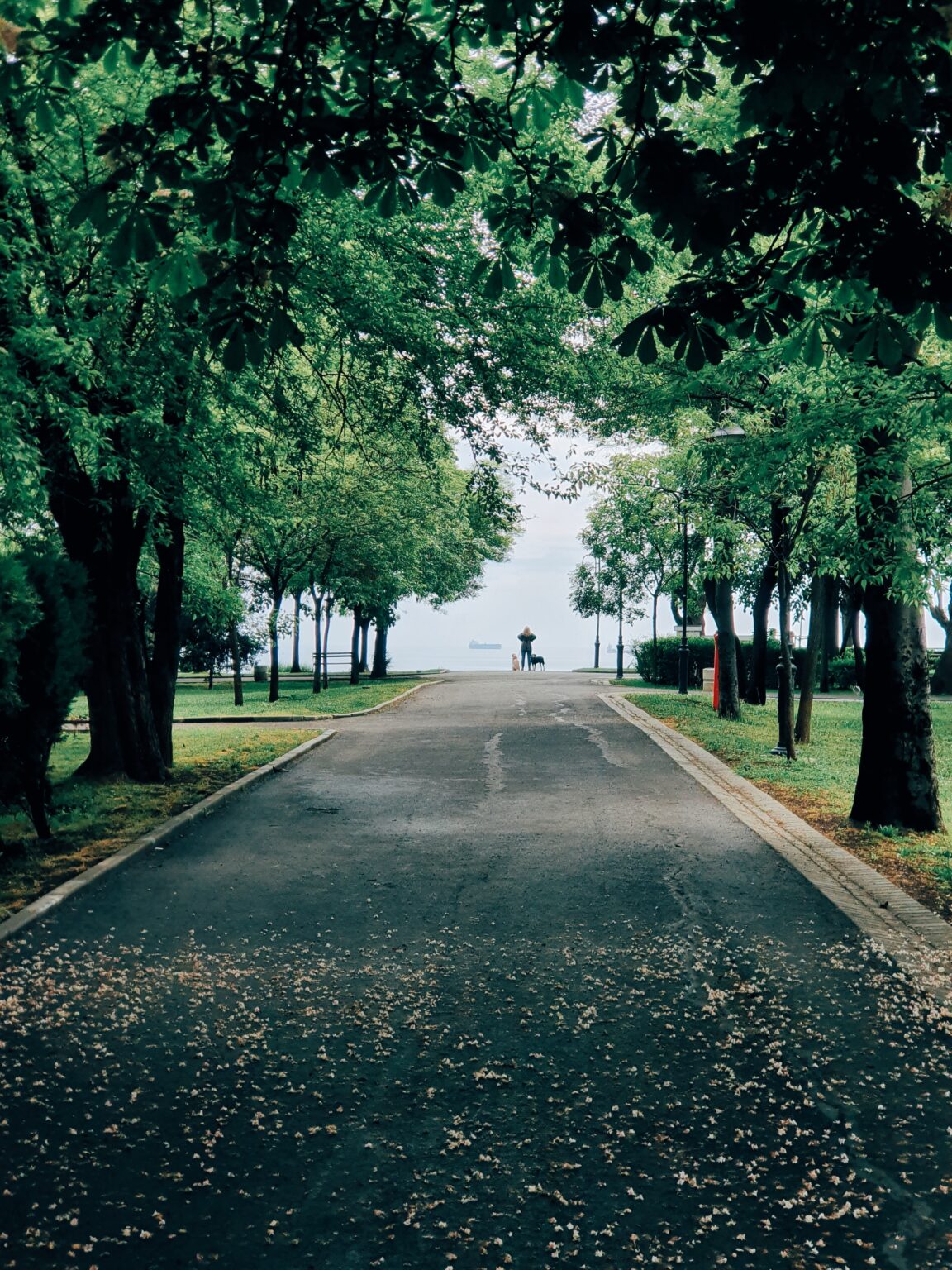
Burgas’s Sea Garden is the oldest park in the city, laid out in the early 20th century by the gardener Georgi Duhtev, and it still does the job it was designed for: long shaded avenues on the terrace above the beach, with steps down to the sand and the pier running out into the bay. The wooden bridge at the end of it is the city’s emblem and the standard place to watch the sunrise.
Inside the park are a small zoo, the casino building, sculptures, playgrounds and cycle paths. Then walk a little further: Burgas is ringed by lakes — Atanasovsko, Burgasko and Mandrensko — which sit on the Via Pontica migration route and are among the best birdwatching sites in Europe, with salt pans and flamingos within sight of the city. For a quieter coastal alternative, our guide to secluded beaches is worth opening next.


