August 4 offers a double study in Bulgarian diplomacy — one act reaching back to the unresolved wounds of the Berlin settlement, the other forward into a newly reconfigured Europe.
August 4, 1879 — Bulgaria Waives Duties on Kindred Lands
Just a year after the Treaty of Berlin divided the Bulgarian-populated lands into separate territories, the young Principality of Bulgaria exempted goods from Macedonia, the Adrianople region, and Eastern Rumelia from customs duties. It was a small economic gesture but a pointed one — a signal that Sofia intended to keep ties alive with Bulgarian communities left outside its borders.
The decision reflected a wider determination to maintain cultural and economic threads connecting the principality to regions whose political fate would remain unresolved for decades. Eastern Rumelia itself was reunited with Bulgaria only six years later, in 1885.
August 4, 1992 — Bulgaria and Russia Sign a Friendship Treaty
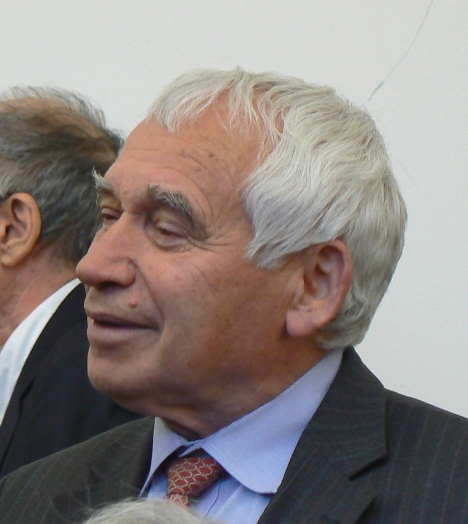
President Zhelyu Zhelev and his Russian counterpart Boris Yeltsin signed a Treaty of Friendly Relations and Cooperation in Sofia, setting the terms of their post-Cold War relationship. Yeltsin’s visit carried an element of gratitude: Zhelev had been among the first leaders to recognise Russia and to speak out against the August 1991 coup attempt against Gorbachev.
The rapport between the two men had practical consequences. The following year, Zhelev used his goodwill with Yeltsin to help persuade Moscow to recognise North Macedonia’s independence — a piece of quiet Bulgarian diplomatic leverage that went largely unnoticed at the time.
This entry sits between August 3 and August 5 in the series. For a broader look at the country, our Bulgaria guides are a good place to start.