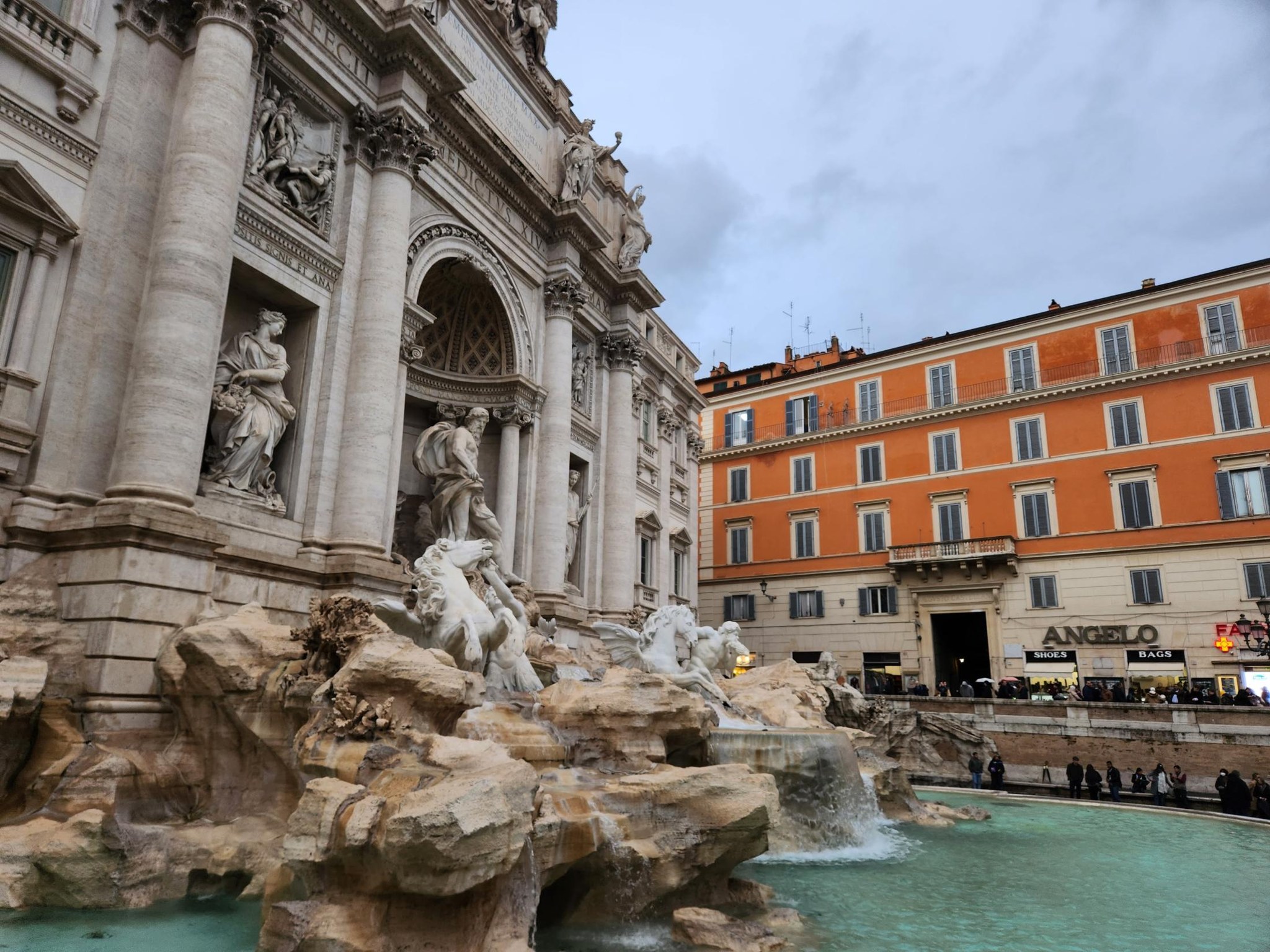
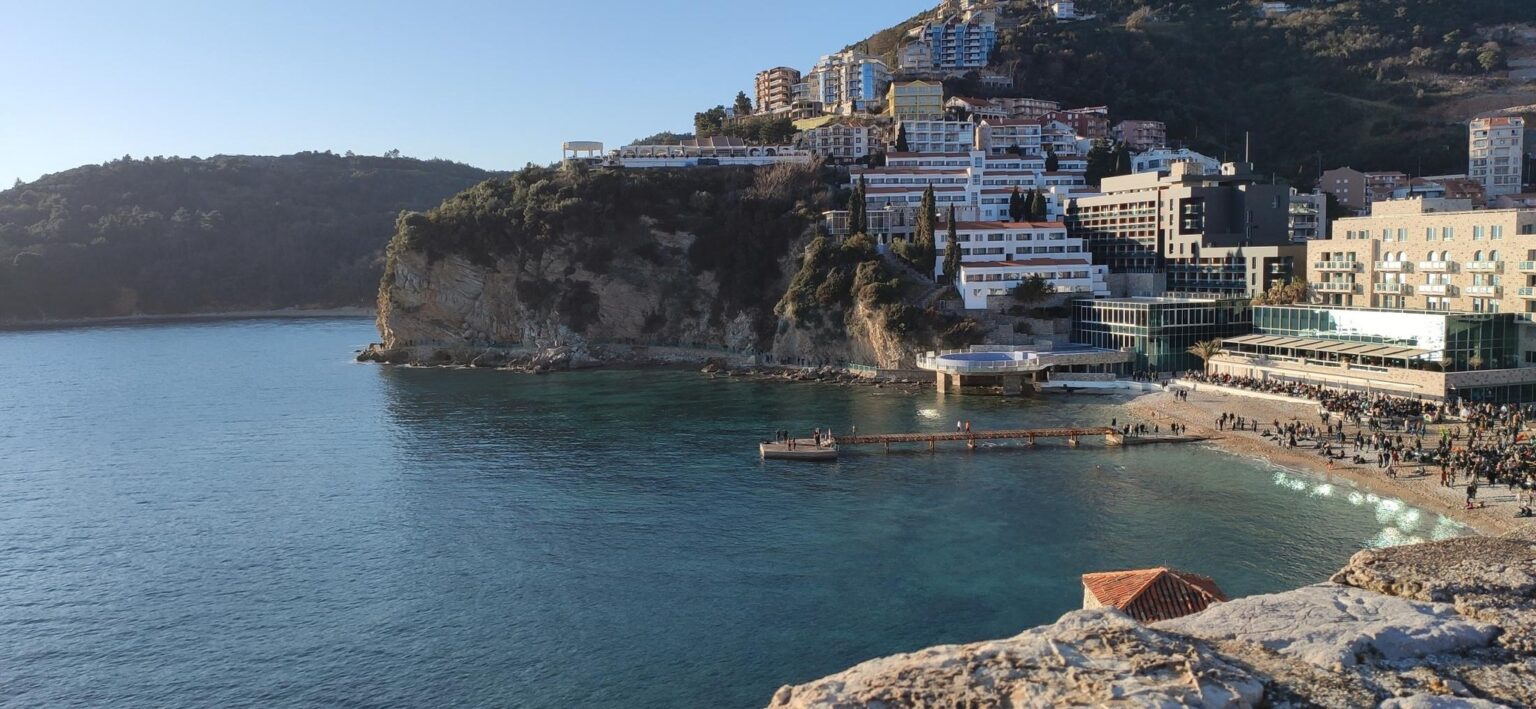
I’d reached a certain age, and every single New Year of it had been spent in Bulgaria. Time for something different? Time for something different. So there I was, scrolling through voucher sites, and what’s this — five days in Montenegro over New Year for under €200. With a guided programme. With Dubrovnik included, the place where both Game of Thrones and Star Wars were filmed. With a festive dinner. Not a lot to think about, really. We’re going.
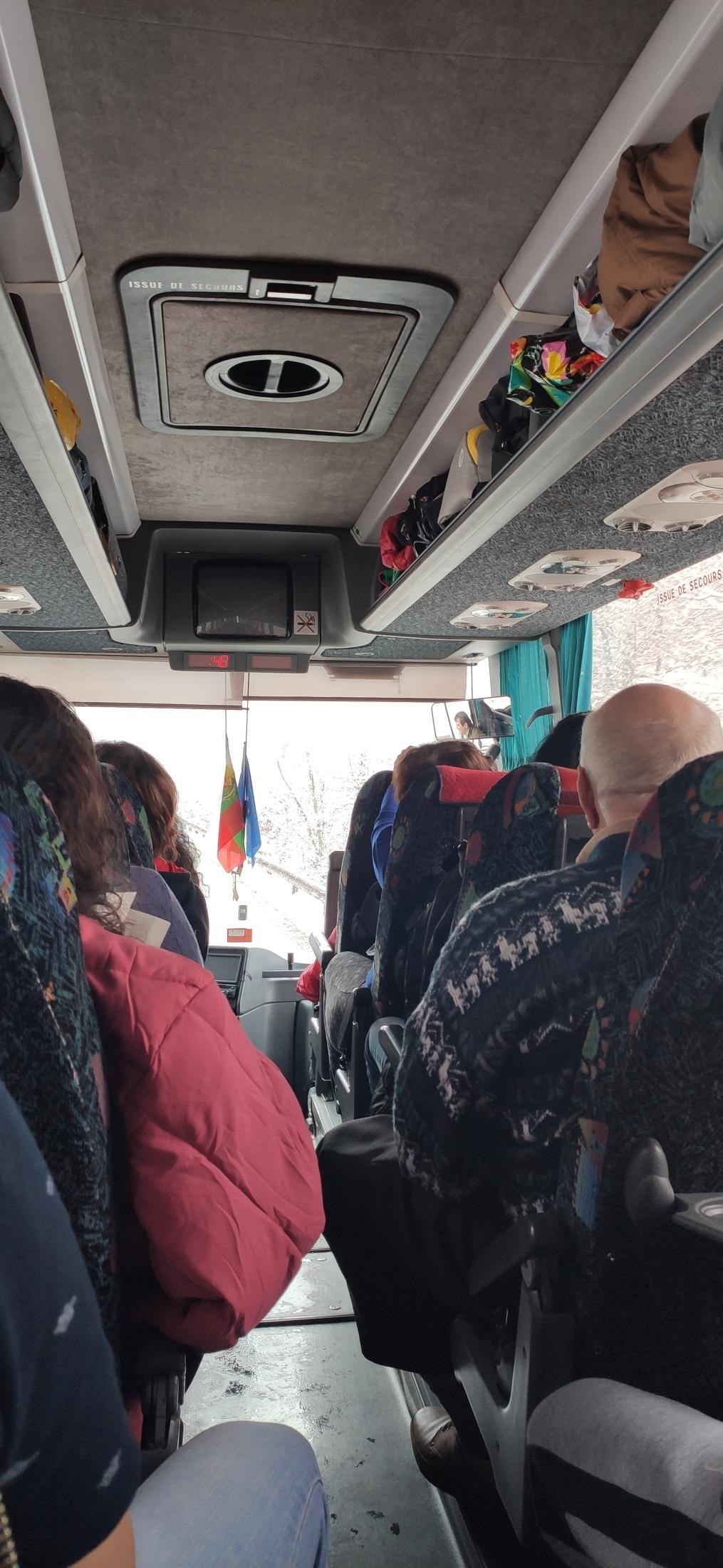
We don’t do advertising here, but since we came away mostly happy I’ll mention that the trip was organised by Bulgaria Travel. It sits on the voucher sites more or less permanently and runs all year round, and the New Year price isn’t inflated by much. The programme is full, it’s cheap, and there are optional mini-excursions at €10–15 each. On paper everything looks good. Communication with the operator was easy and painless, but do ask about your seat on the coach. If you’re travelling as a pair, make sure they don’t sit you apart. And believe me, good company matters enormously on this particular trip.
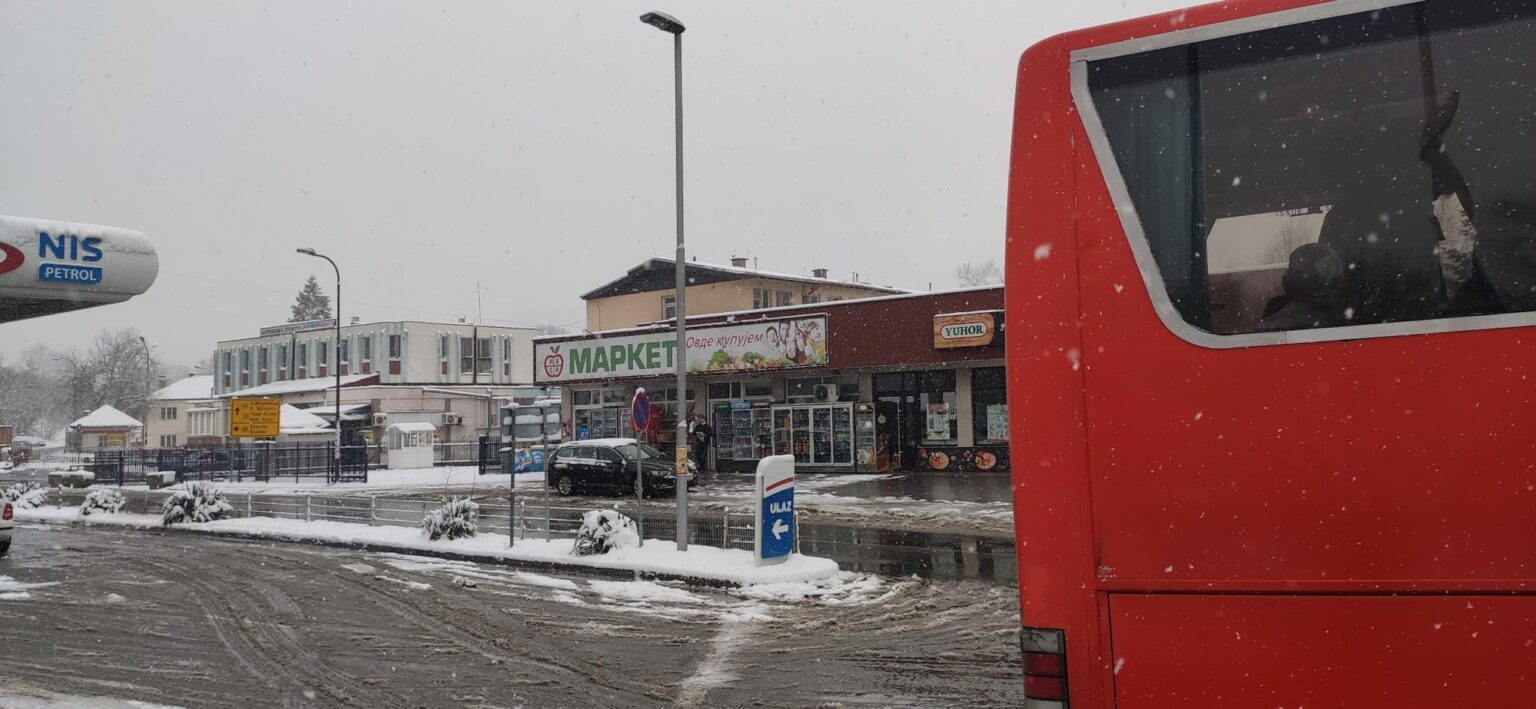
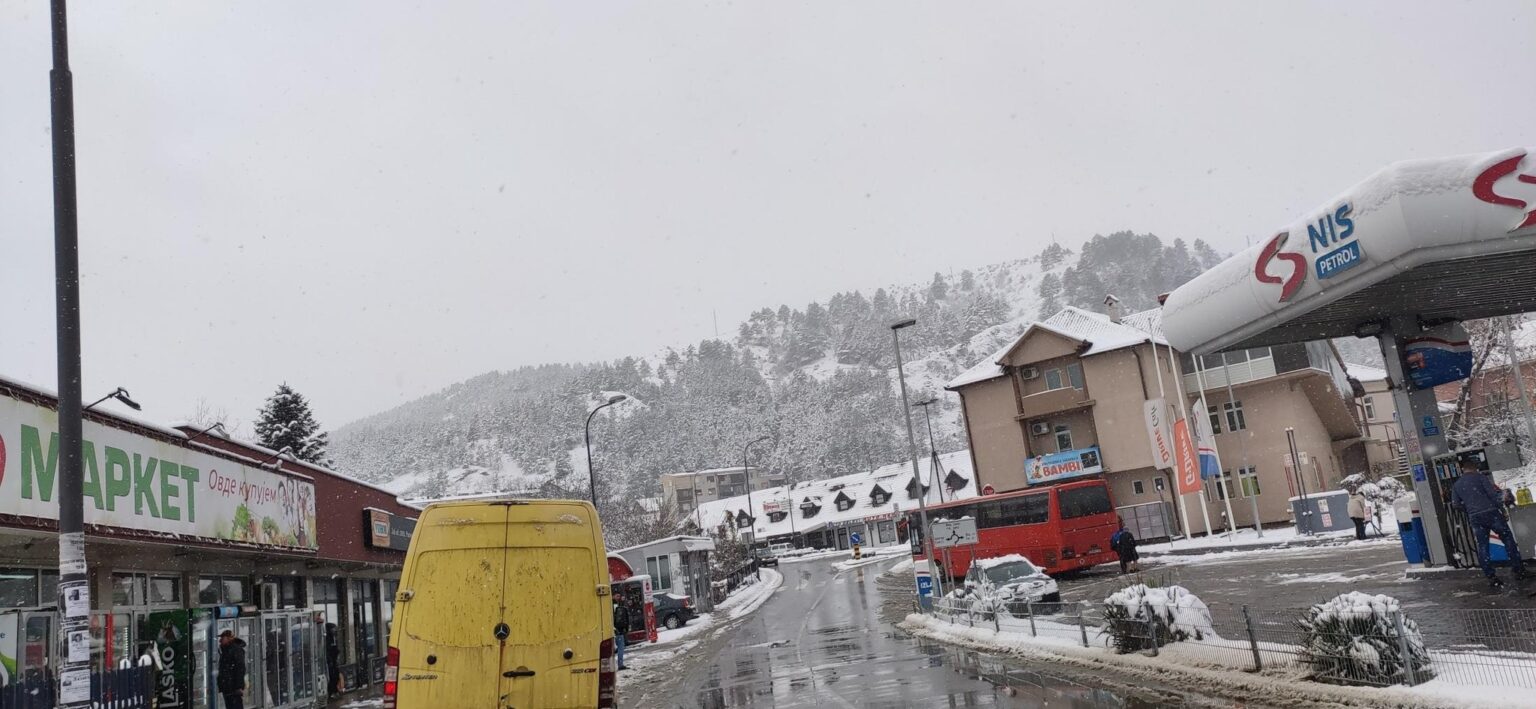
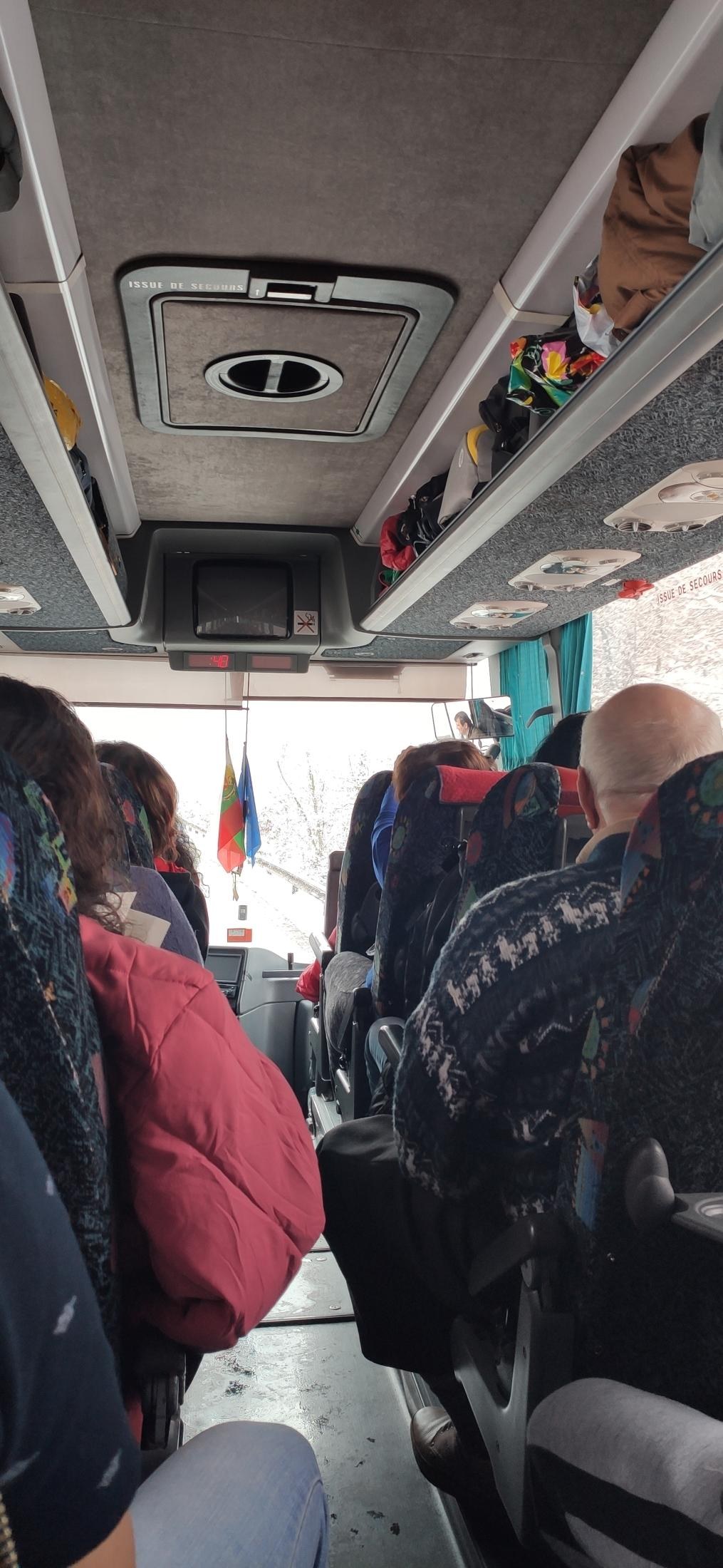
I’m attaching a photo so you understand what I mean. Realistically, the coach journey is 15 hours.
Day 1: The road — transit through Serbia
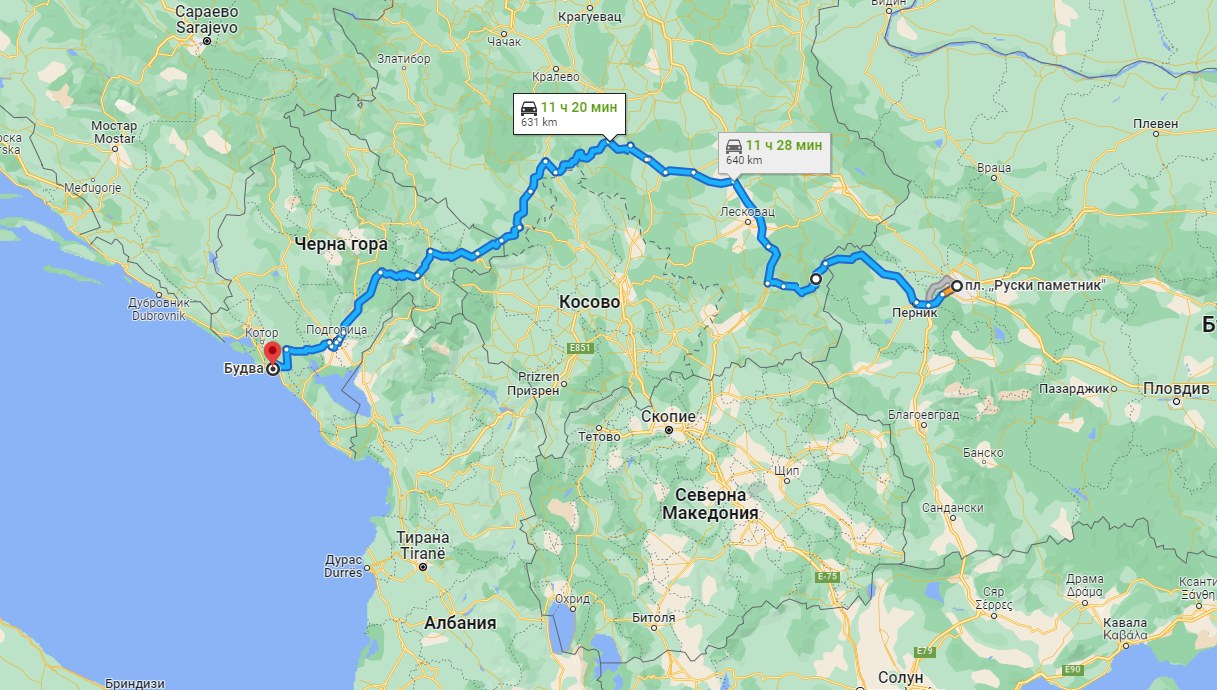
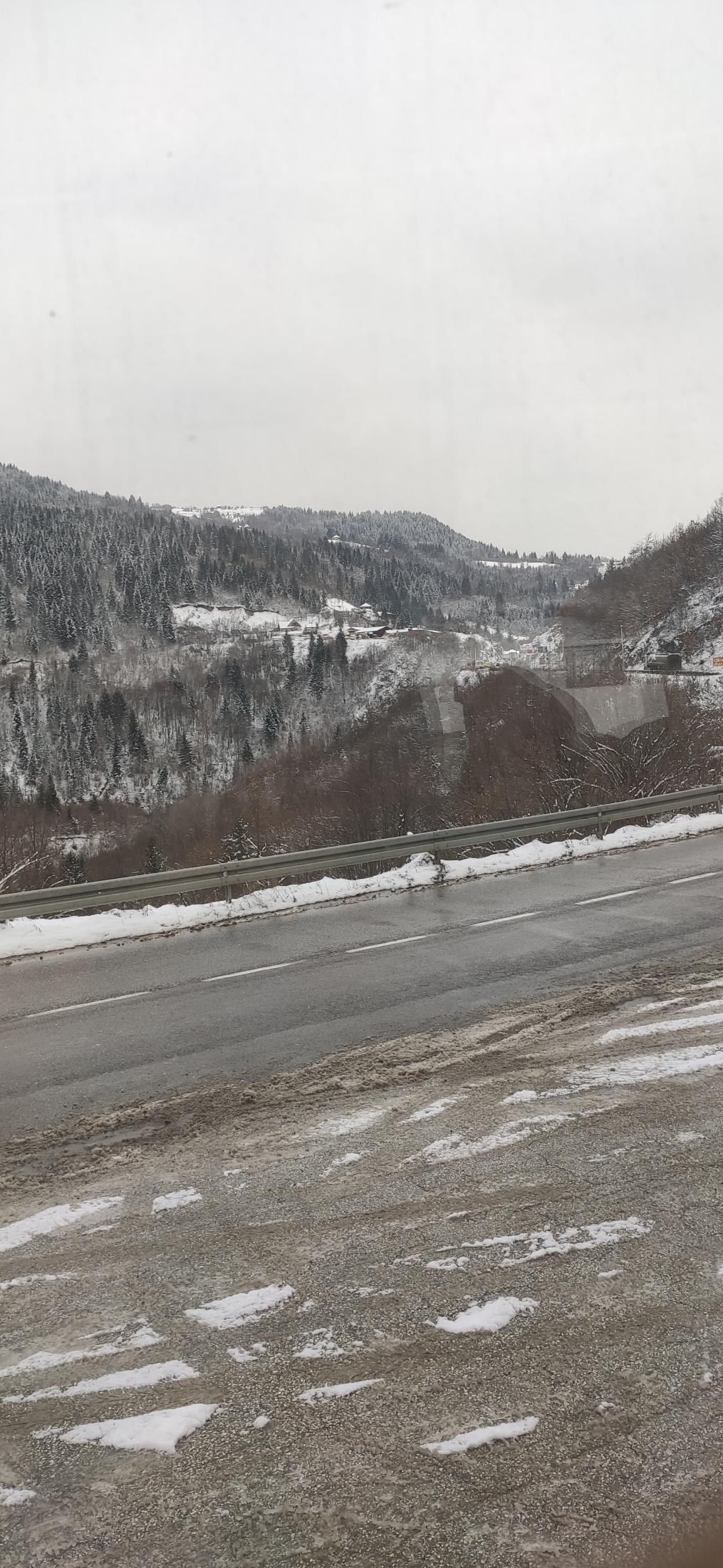
04:30 at the Russian Monument in Sofia. There’s not much point going to bed at all. Why 04:30, isn’t that excessive? What’s coming? Let me save you the suspense: a murderously long time on a coach. To be precise, around 15–16 hours with a handful of stops. Get comfortable, load up on films, charge everything, and bring patience.
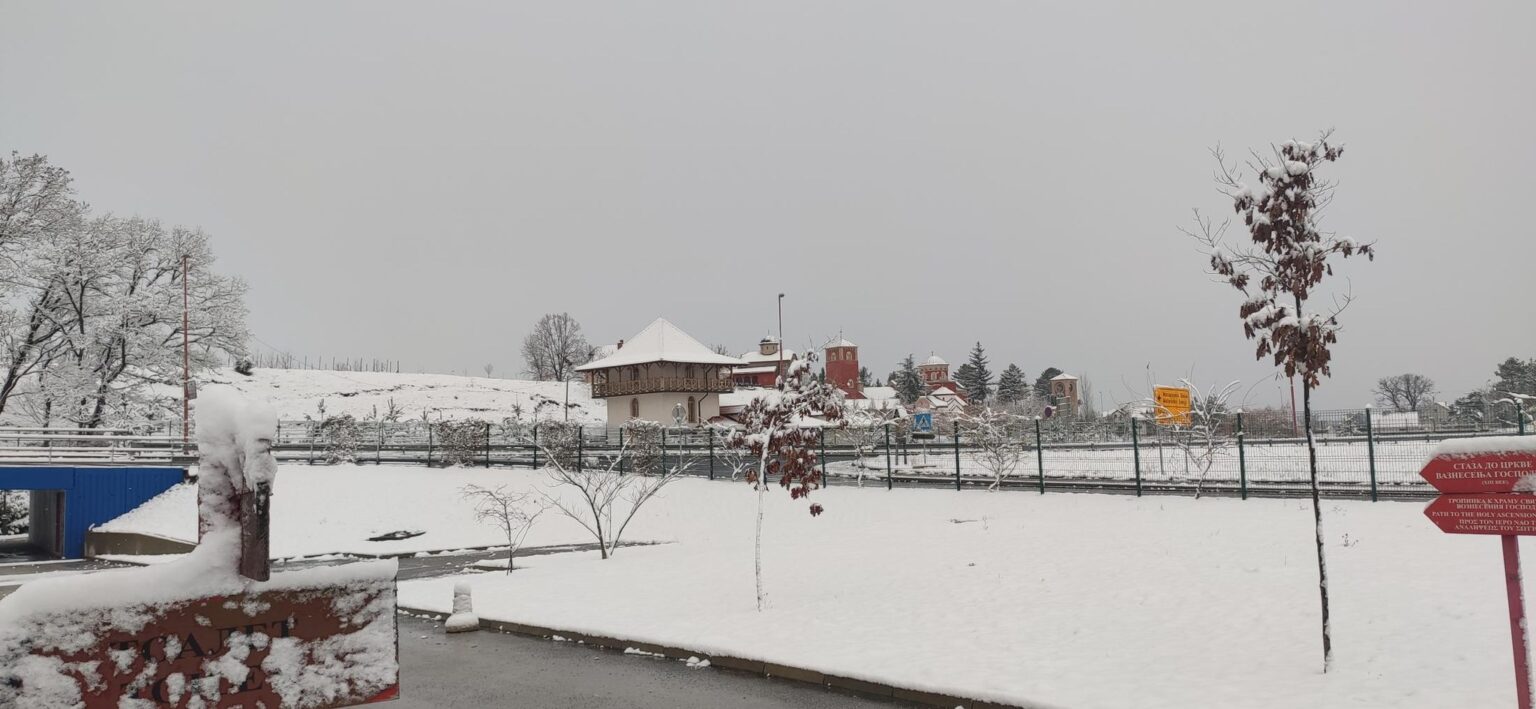
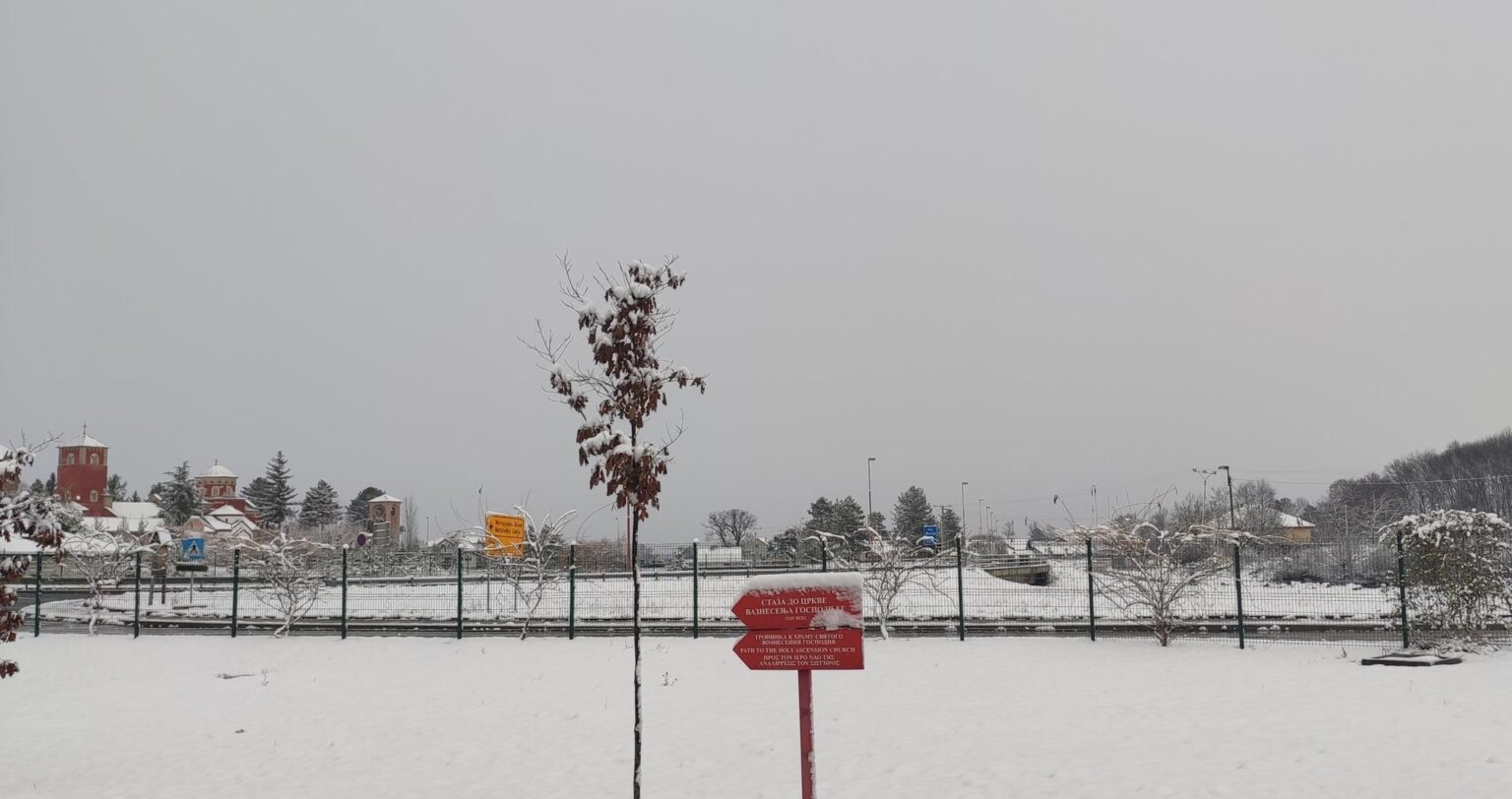
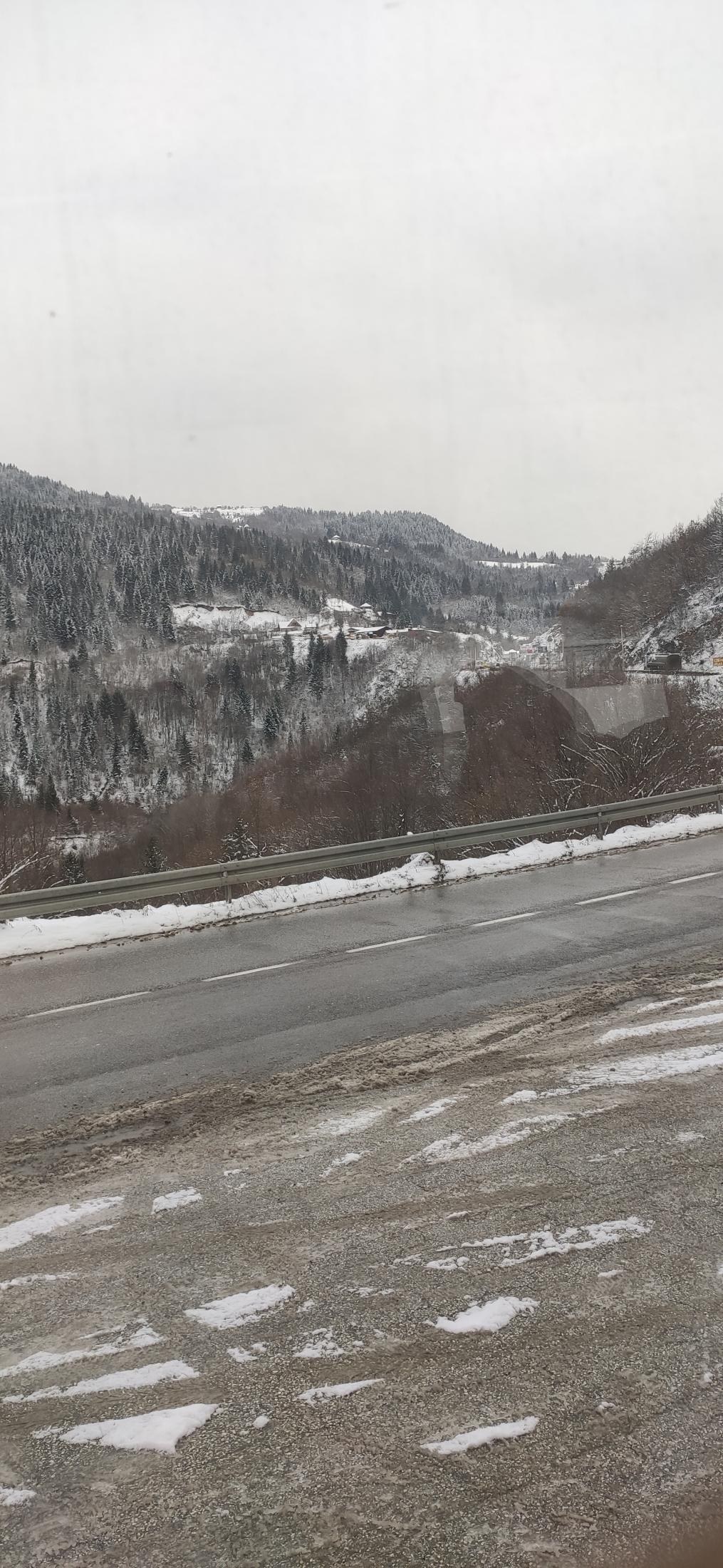
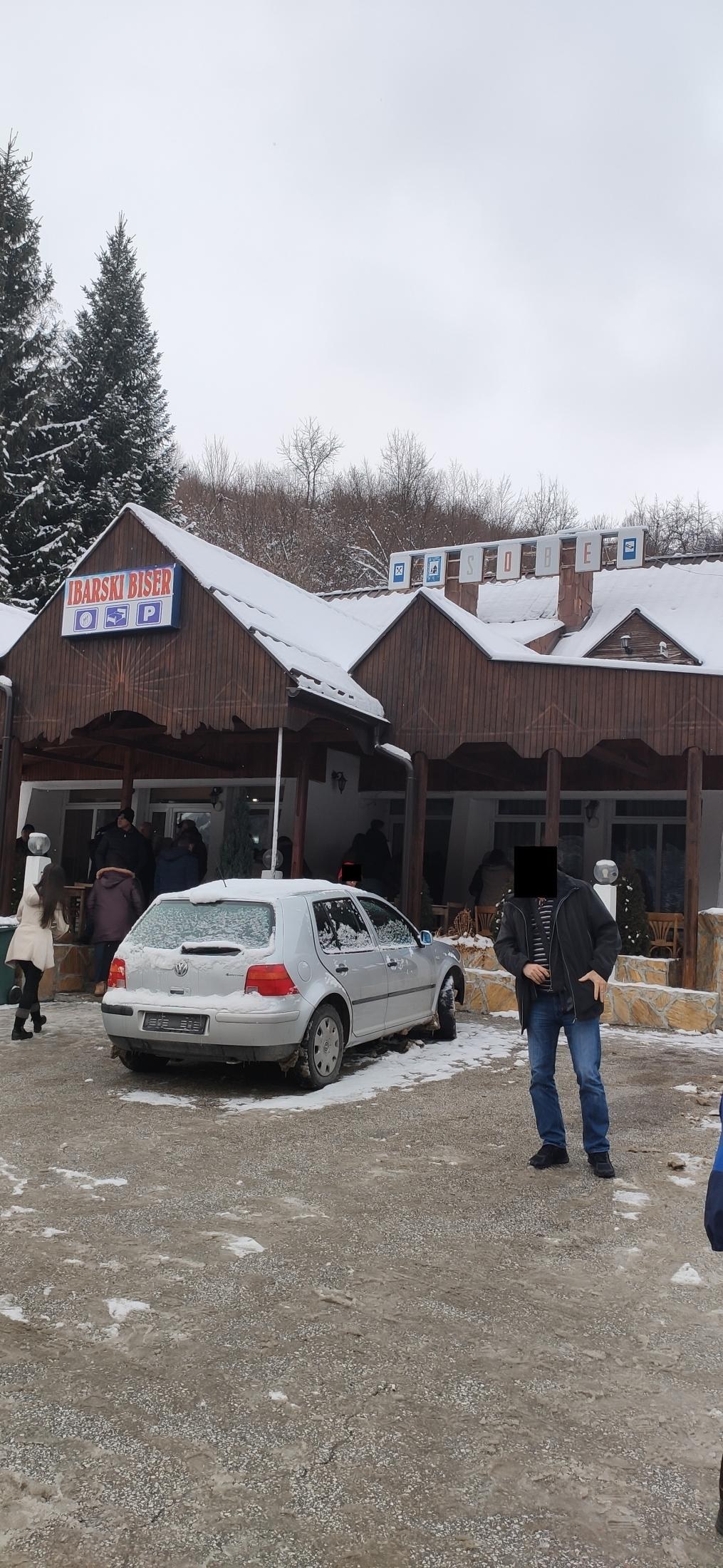
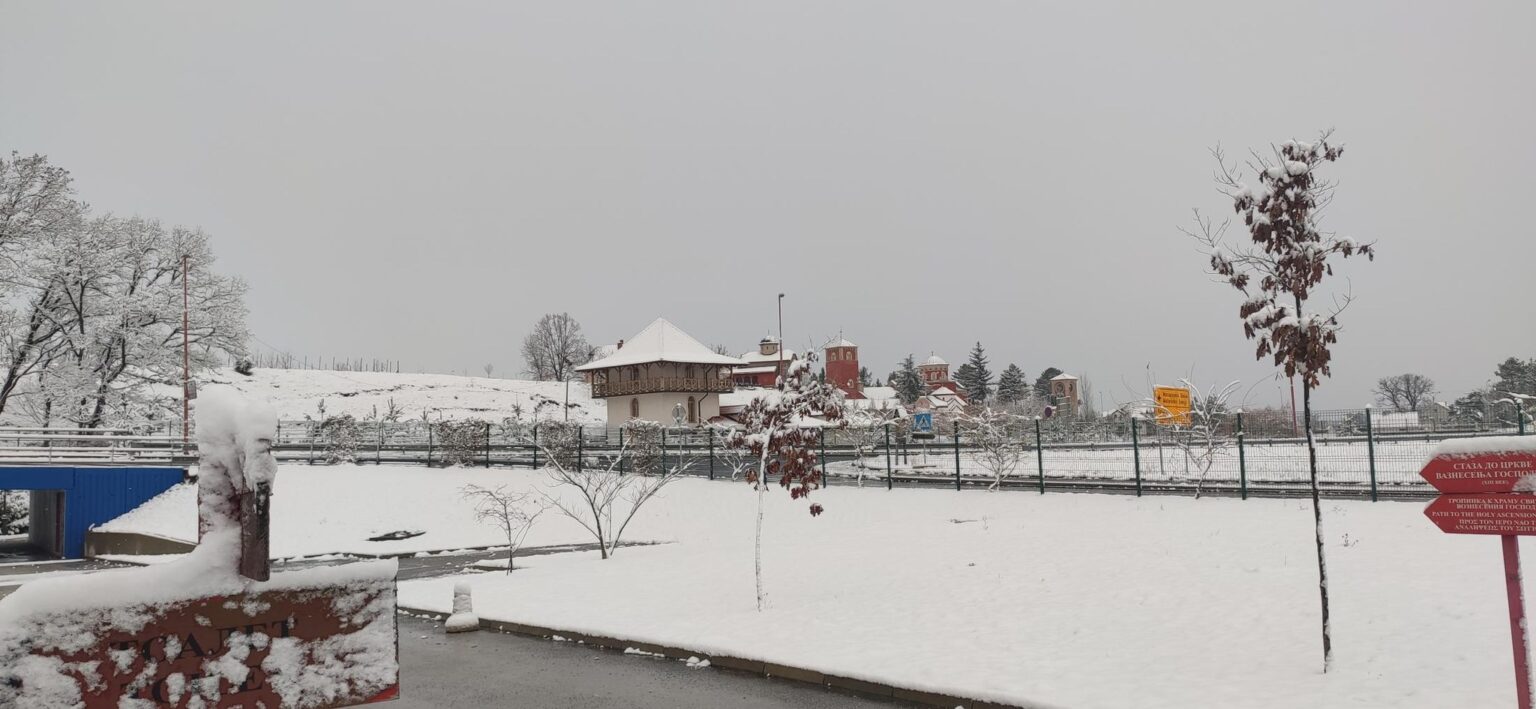
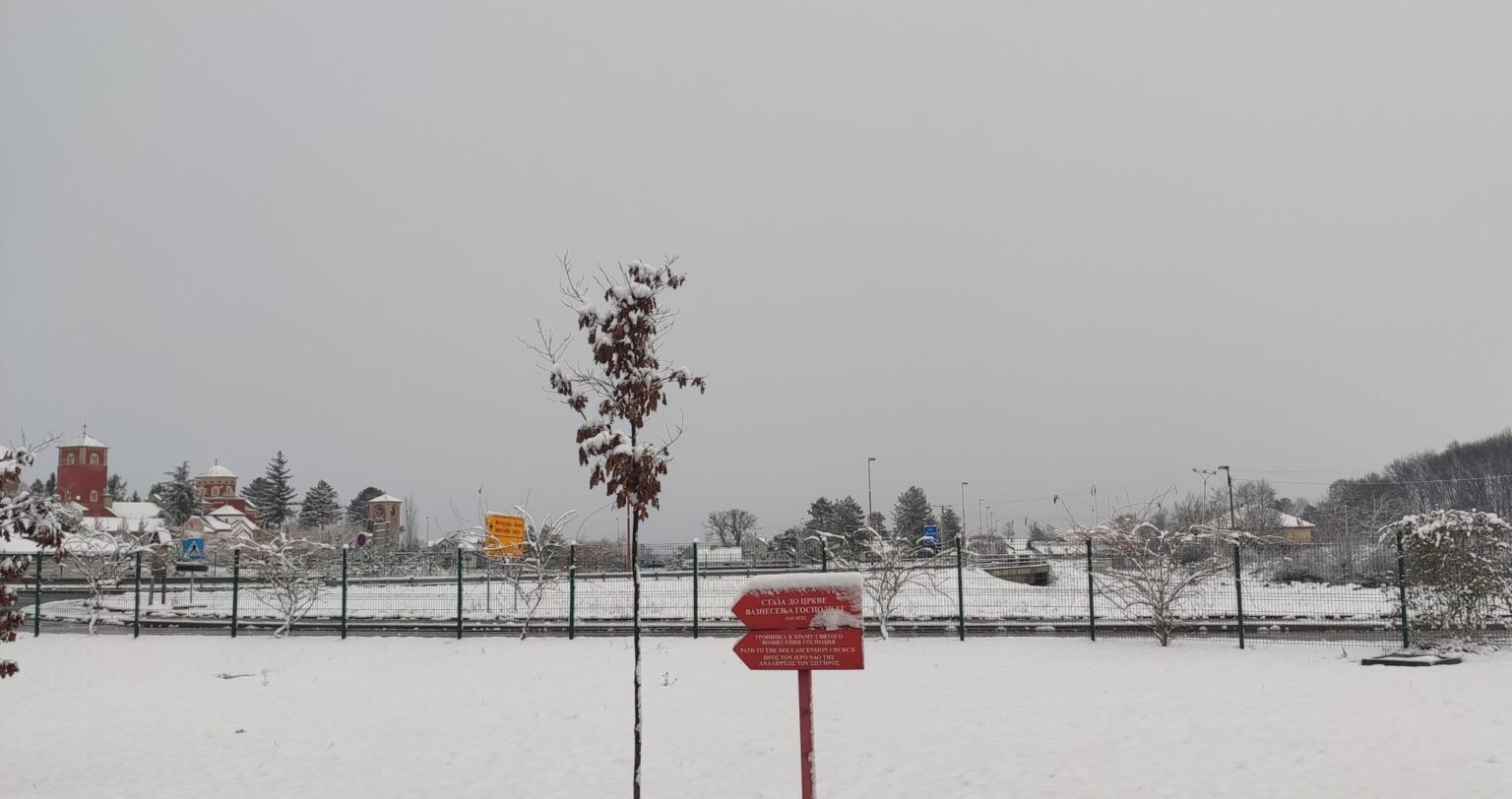
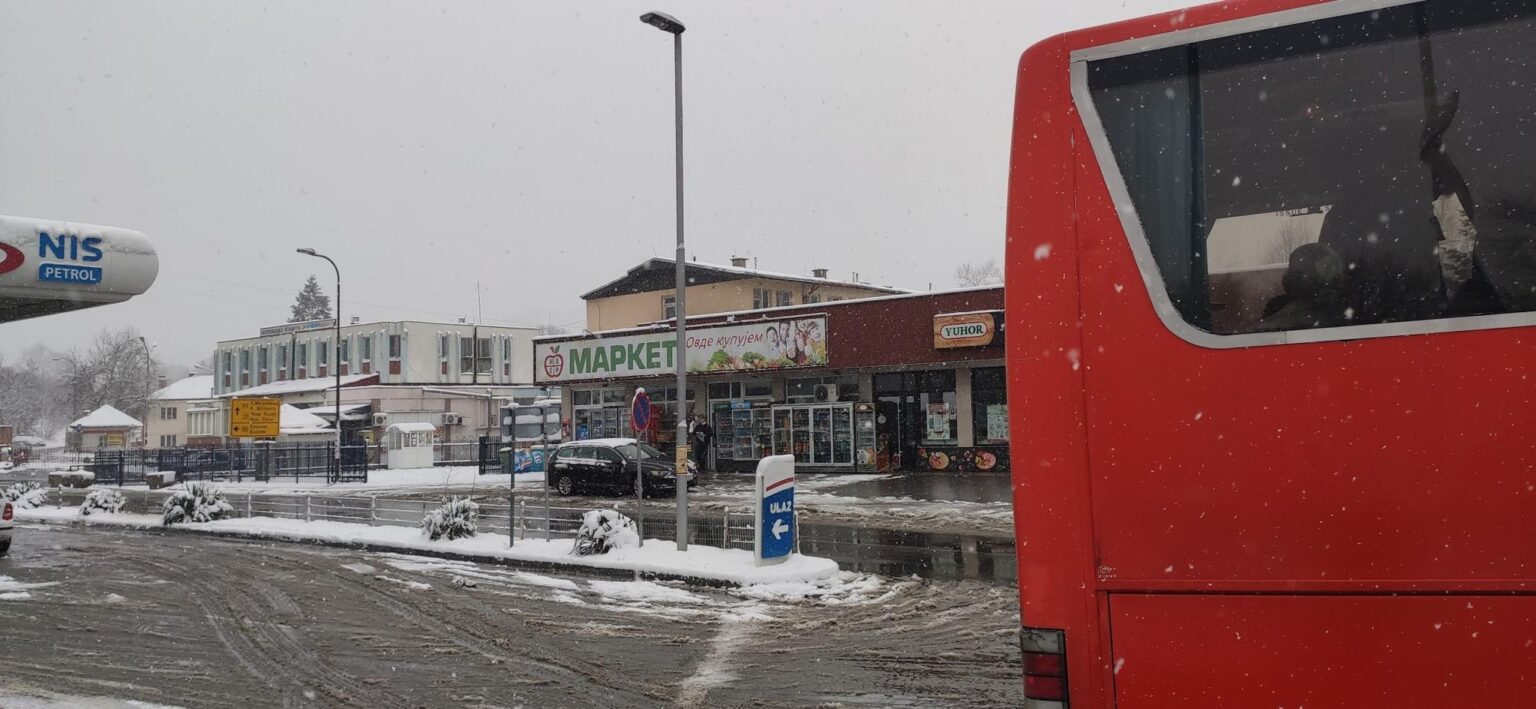
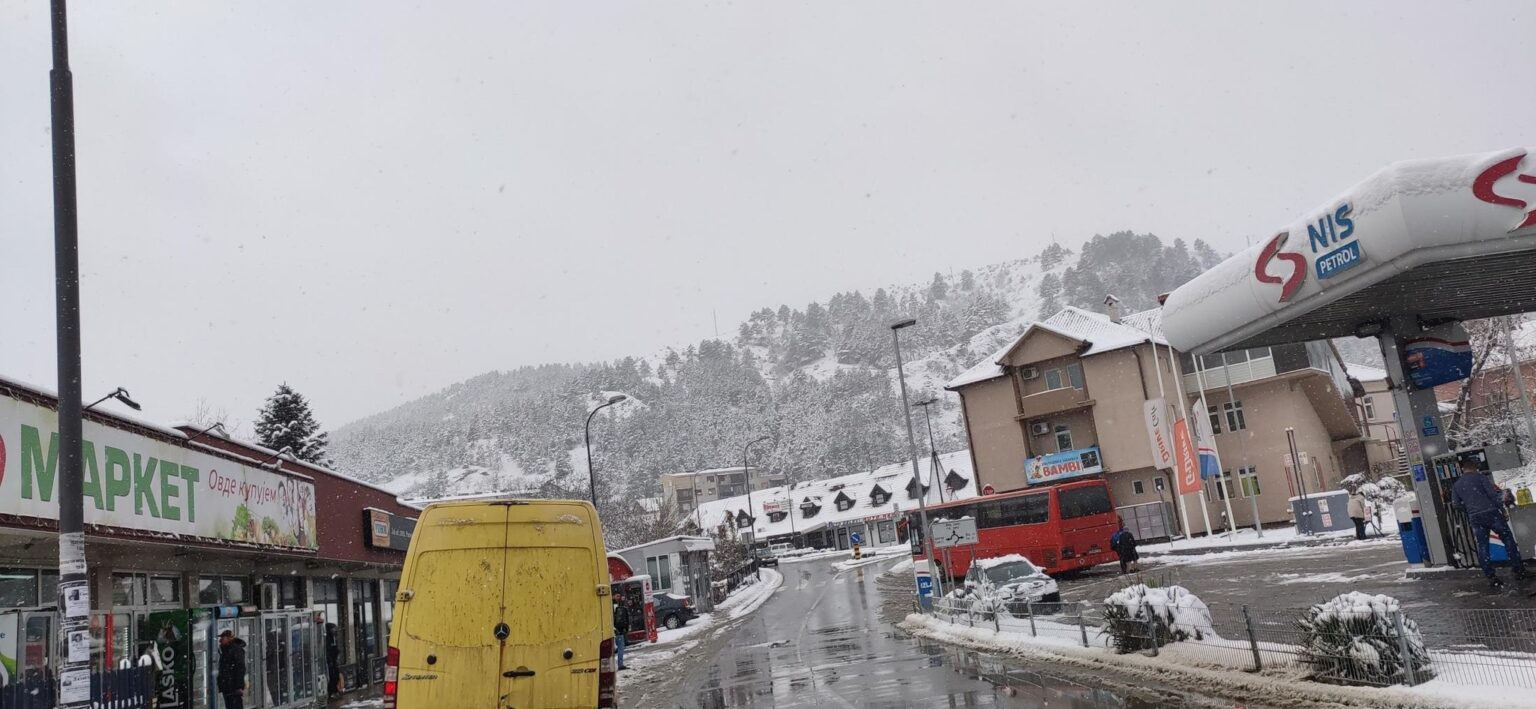
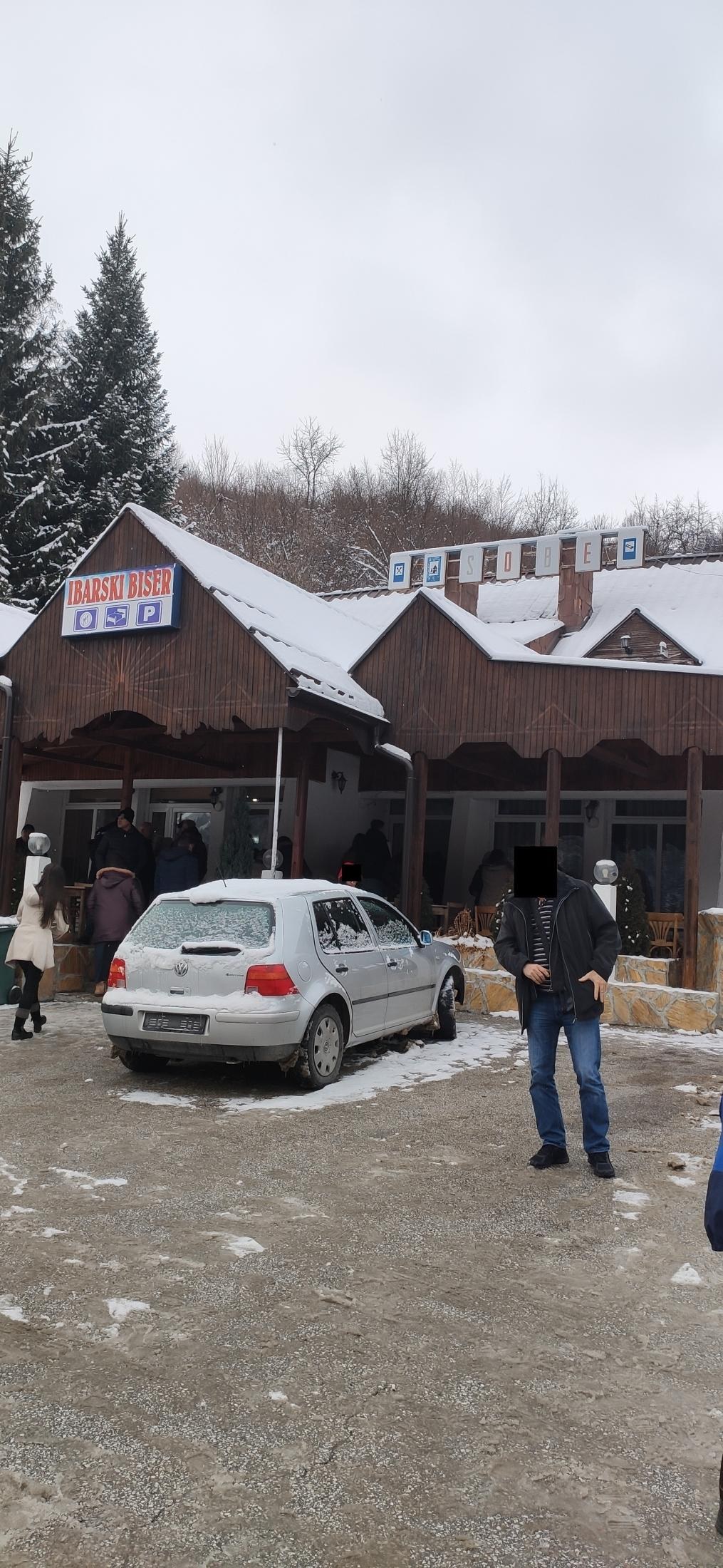
Day one of a five-day trip is a day when practically nothing happens. You transit Serbia with two or three stops and there’s genuinely nothing to narrate. One stop is at a church, about 20 minutes. If you get lucky with a guide who tells jokes, the hours go faster.
I don’t know whether it comes across in my tone, but the coach ride is heavy going and properly draining.
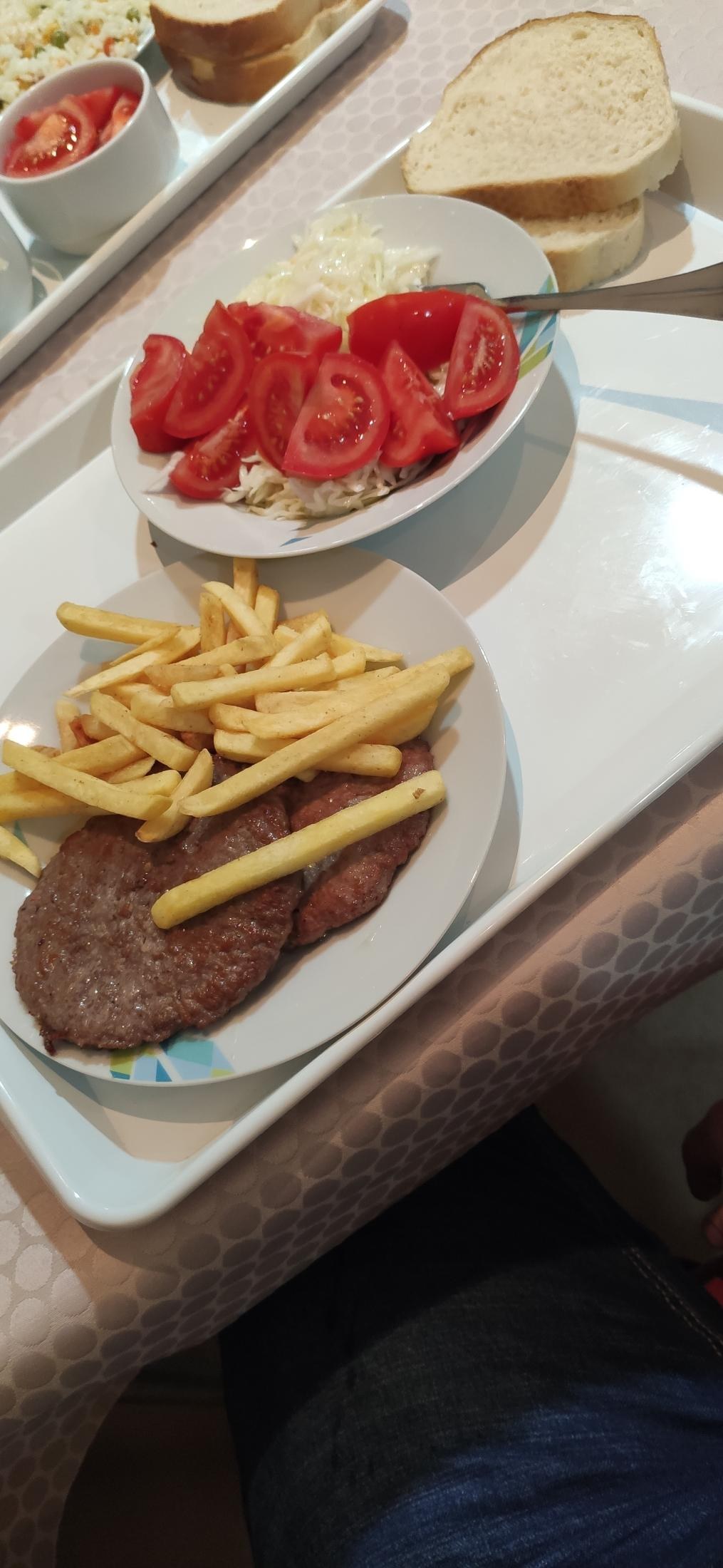
You arrive in Budva around 22:00 and go straight into a very late dinner. The format is interesting: salads and bread are buffet, and you queue to pick one main. For what the trip costs, that’s more than satisfactory. Everything tastes familiar and Balkan, but it’s good, and it repairs the mood after the road.
Day 2: Croatia — Dubrovnik
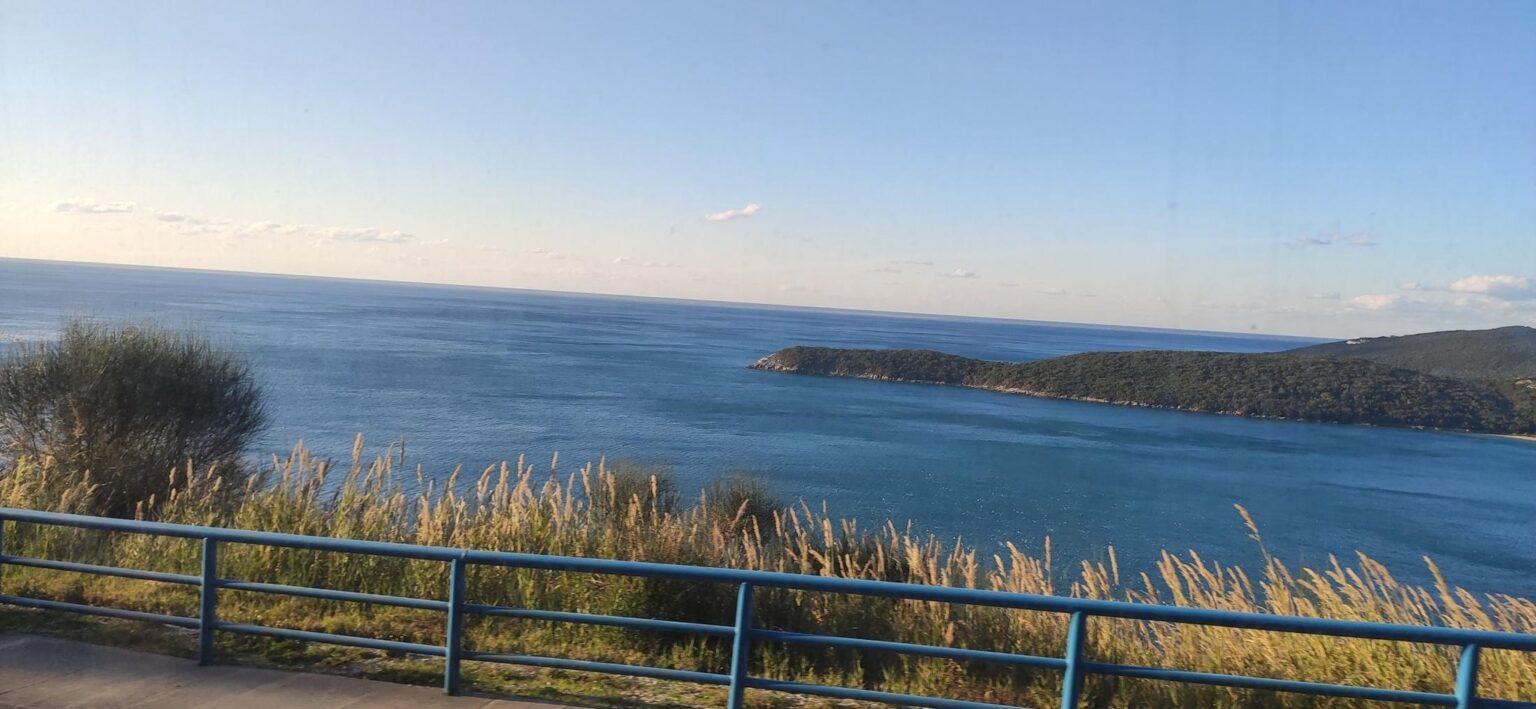
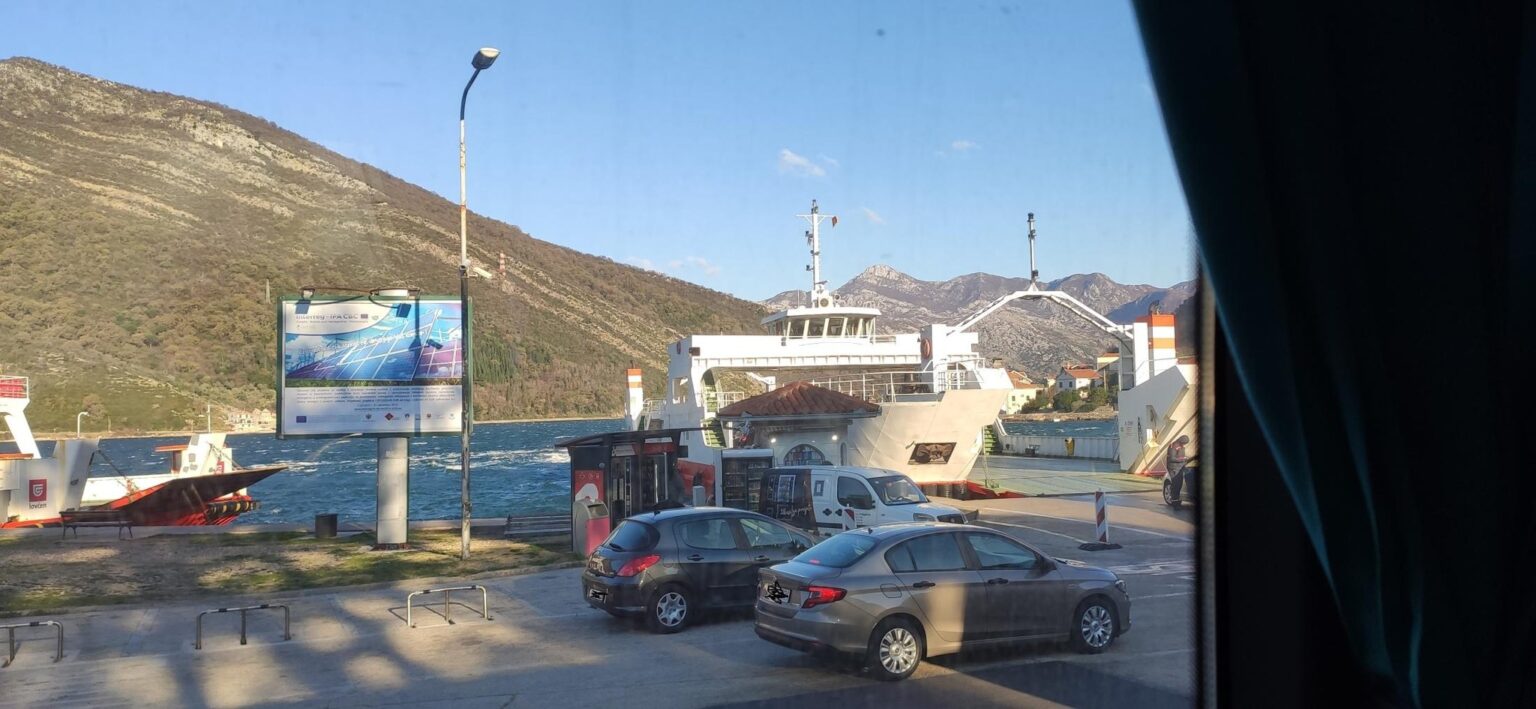
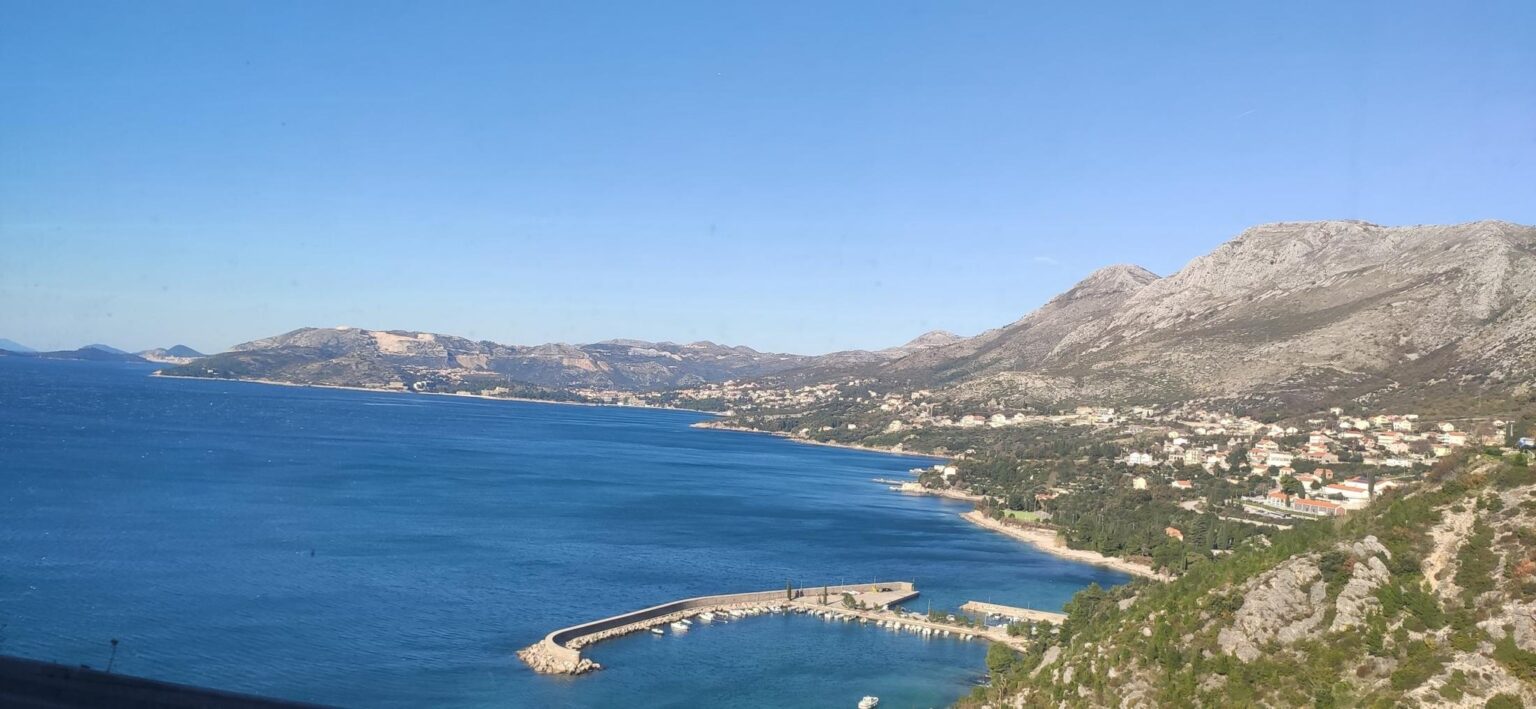
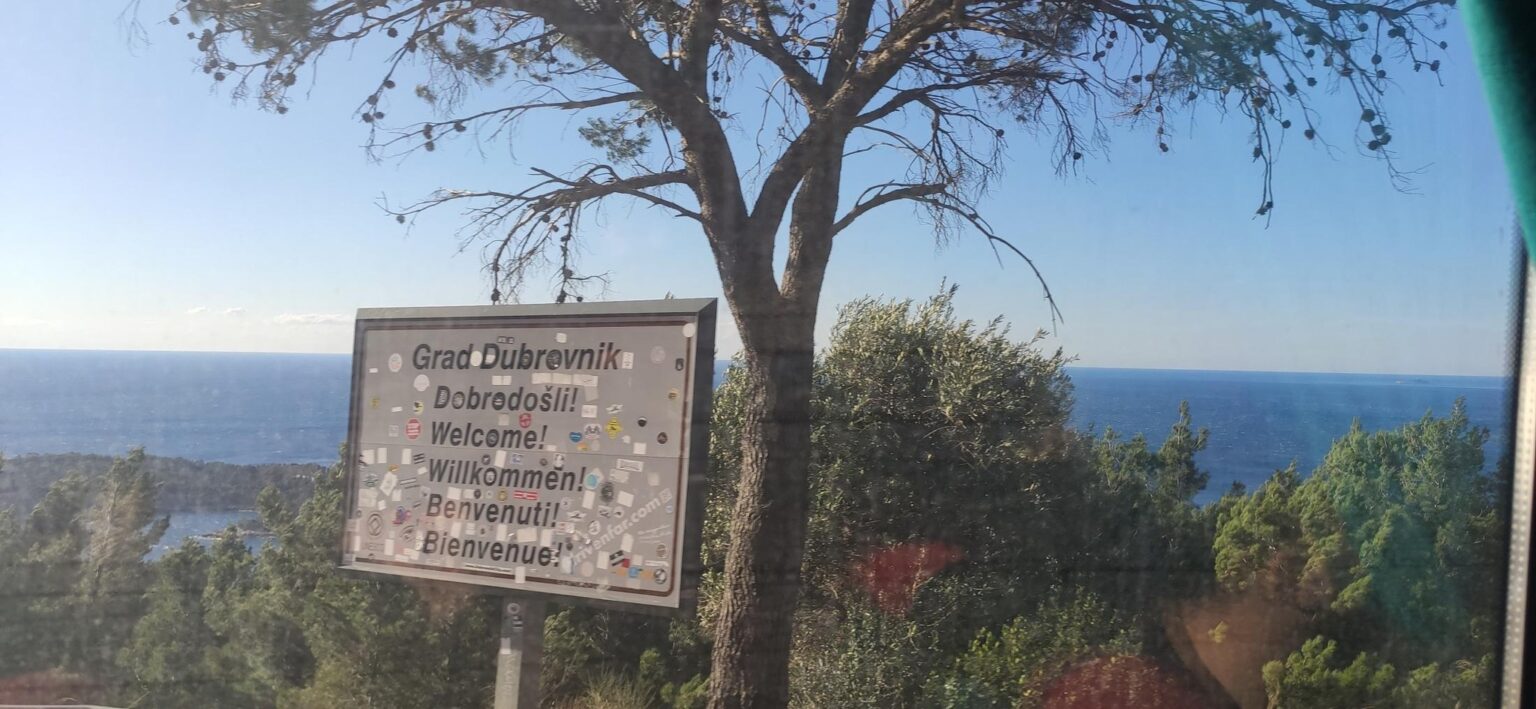
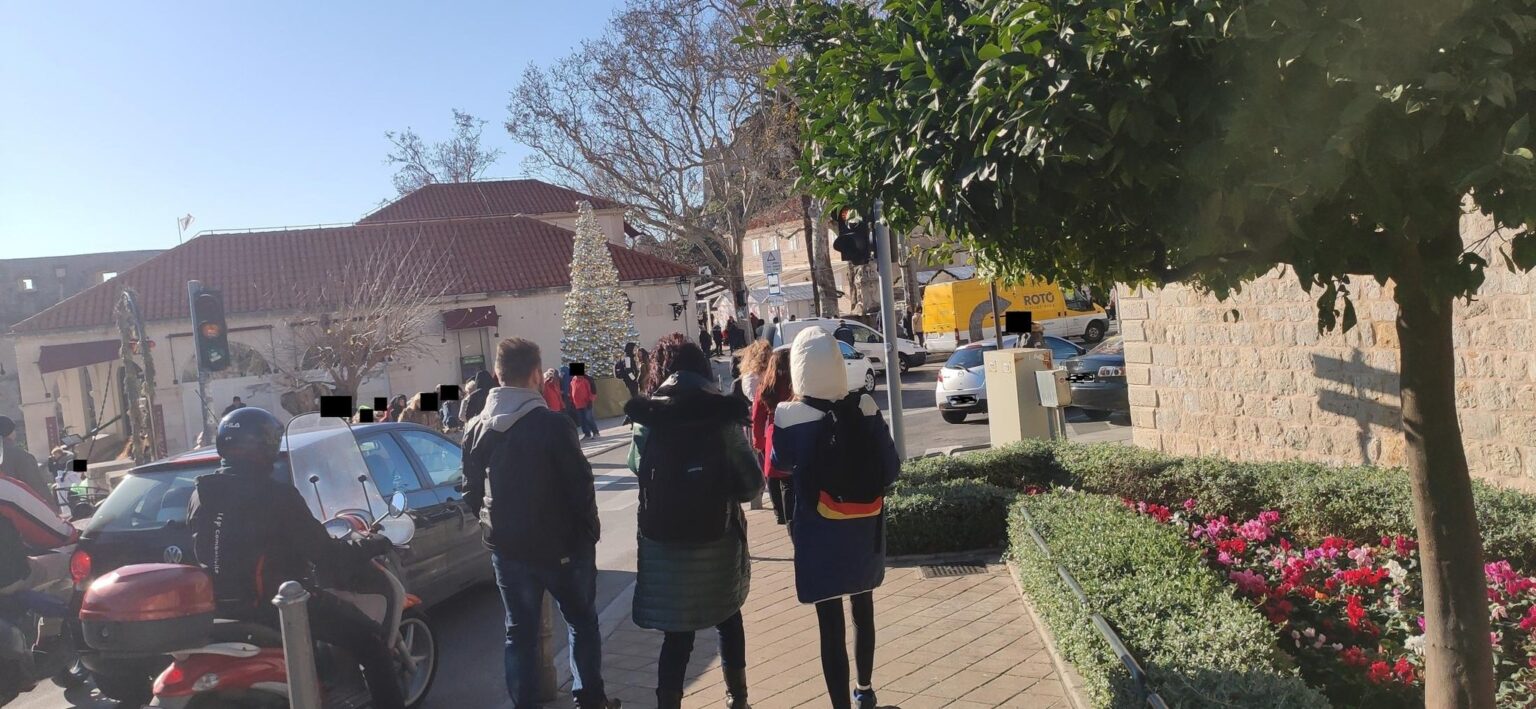
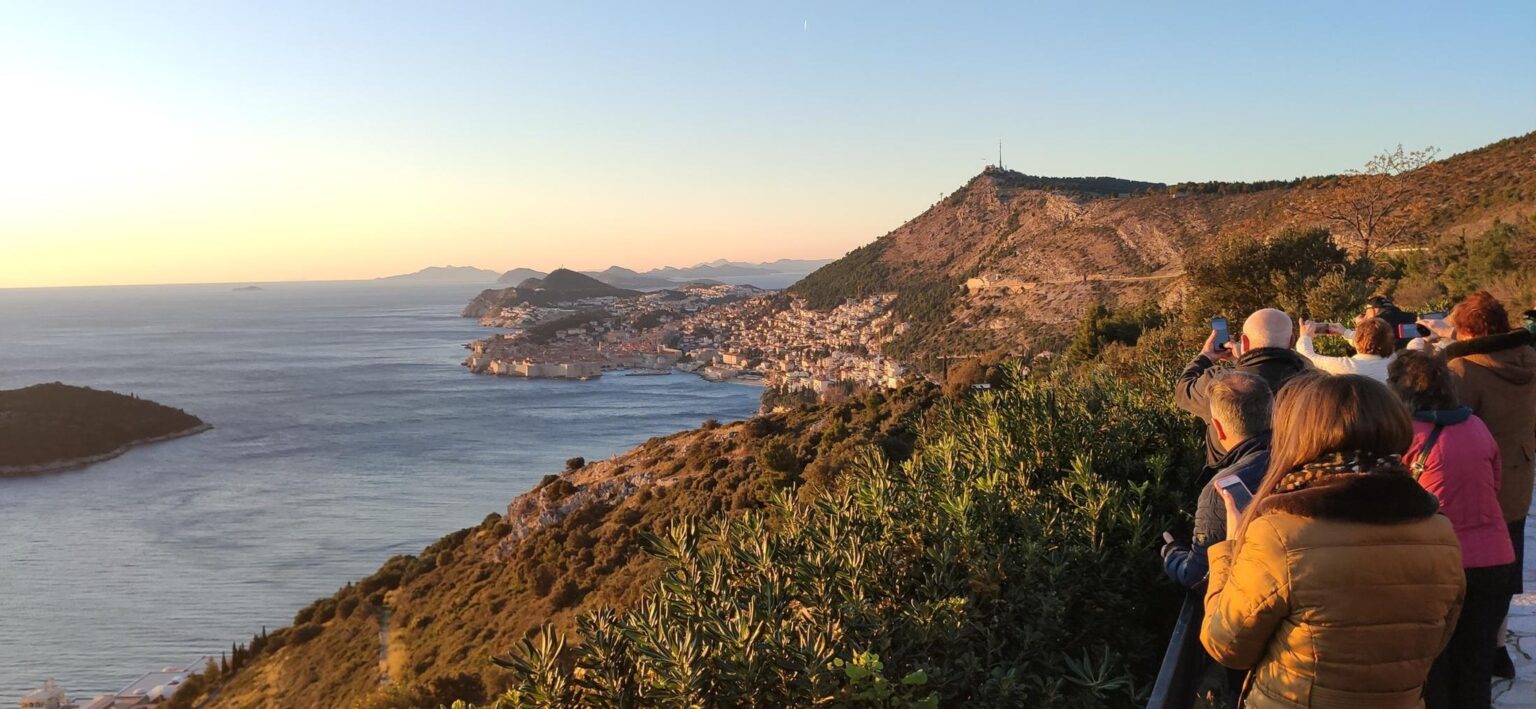
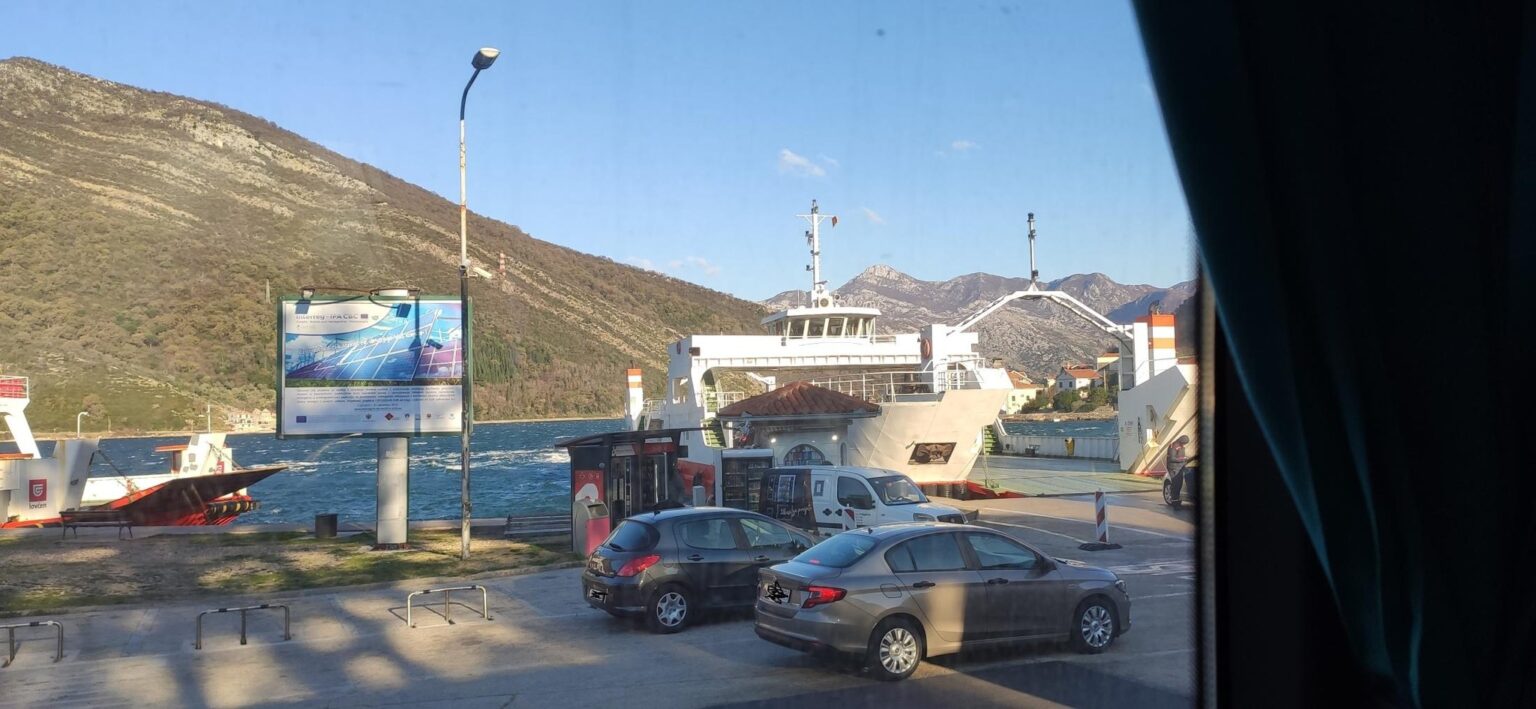
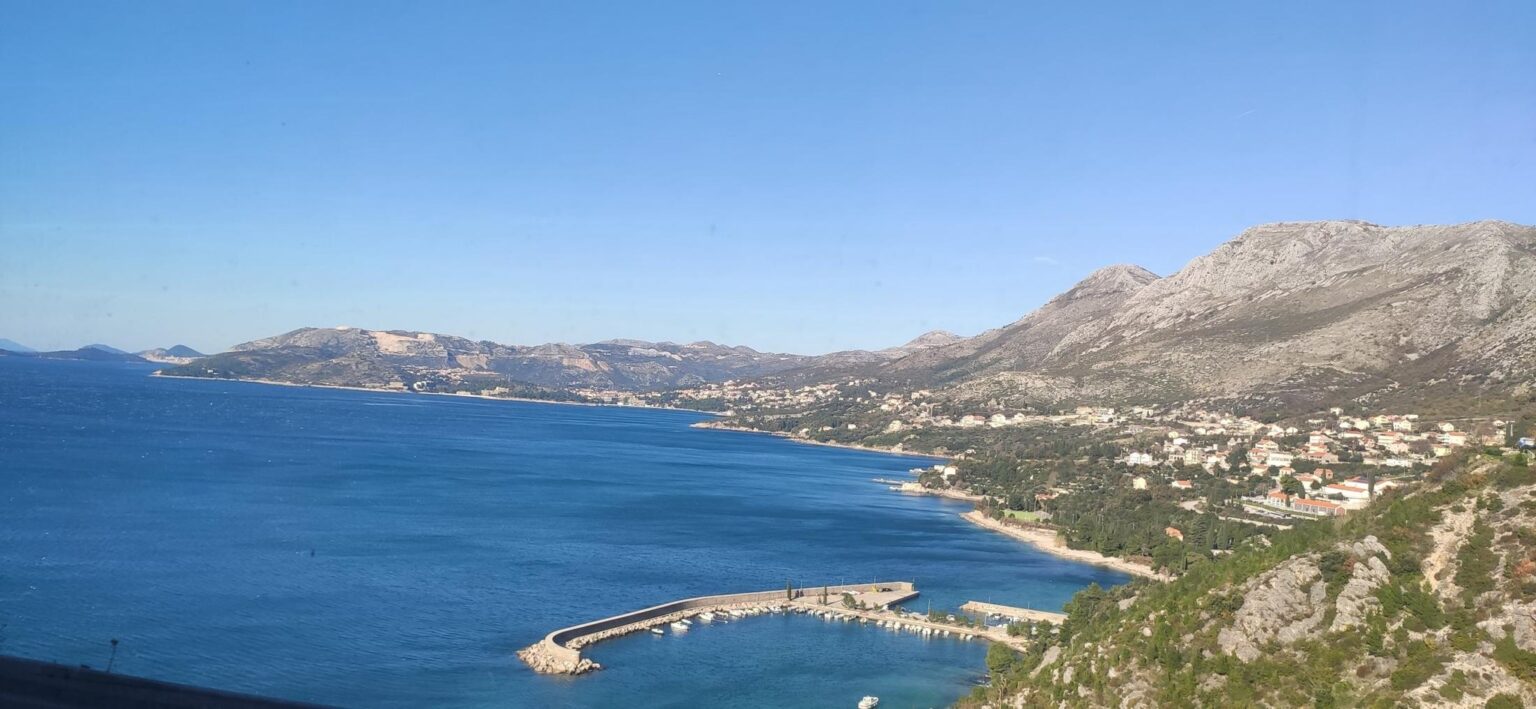
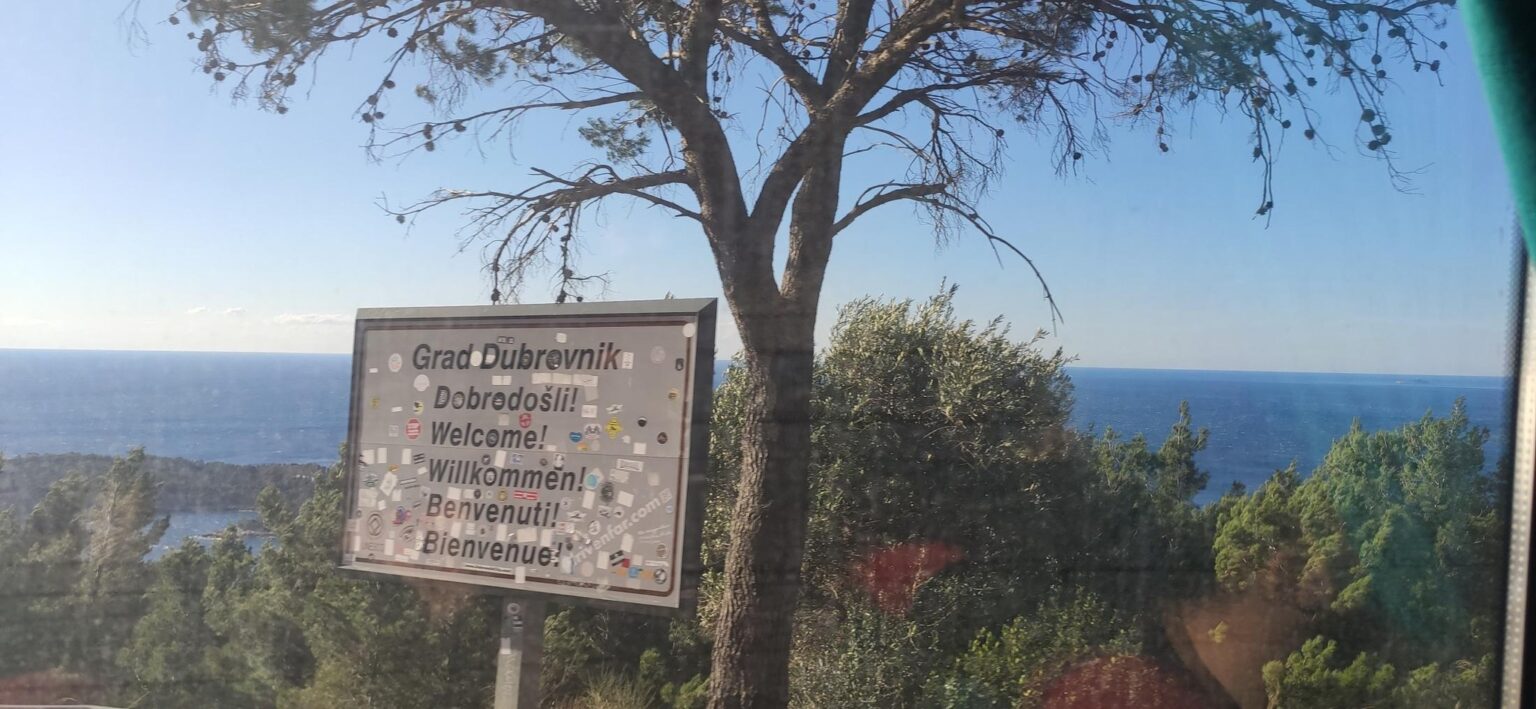
After a late arrival, what could be better than an early start? Breakfast at 07:30, on the beloved coach by 08:30, and onward to Dubrovnik in Croatia. Two hours of switchbacks, a short ferry crossing, and we’re there.
One thing has changed completely since we travelled: the money. Back then Croatia still used the kuna, worth roughly a quarter of a lev, and euros were accepted everywhere but always rounded up in the seller’s favour. Croatia adopted the euro on 1 January 2023, and Bulgaria followed on 1 January 2026. Montenegro has used the euro unilaterally for years. Three countries on this route, one currency, nothing to exchange.
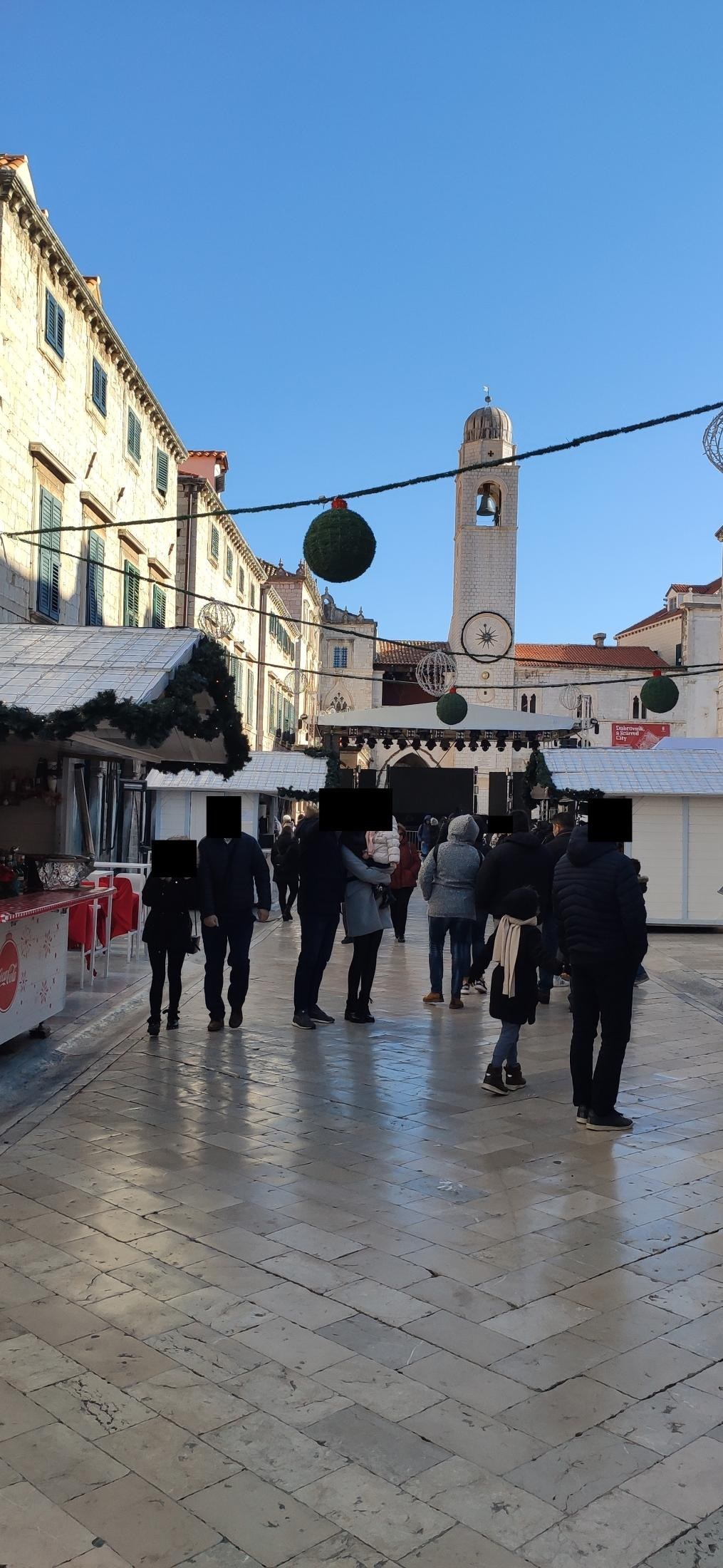
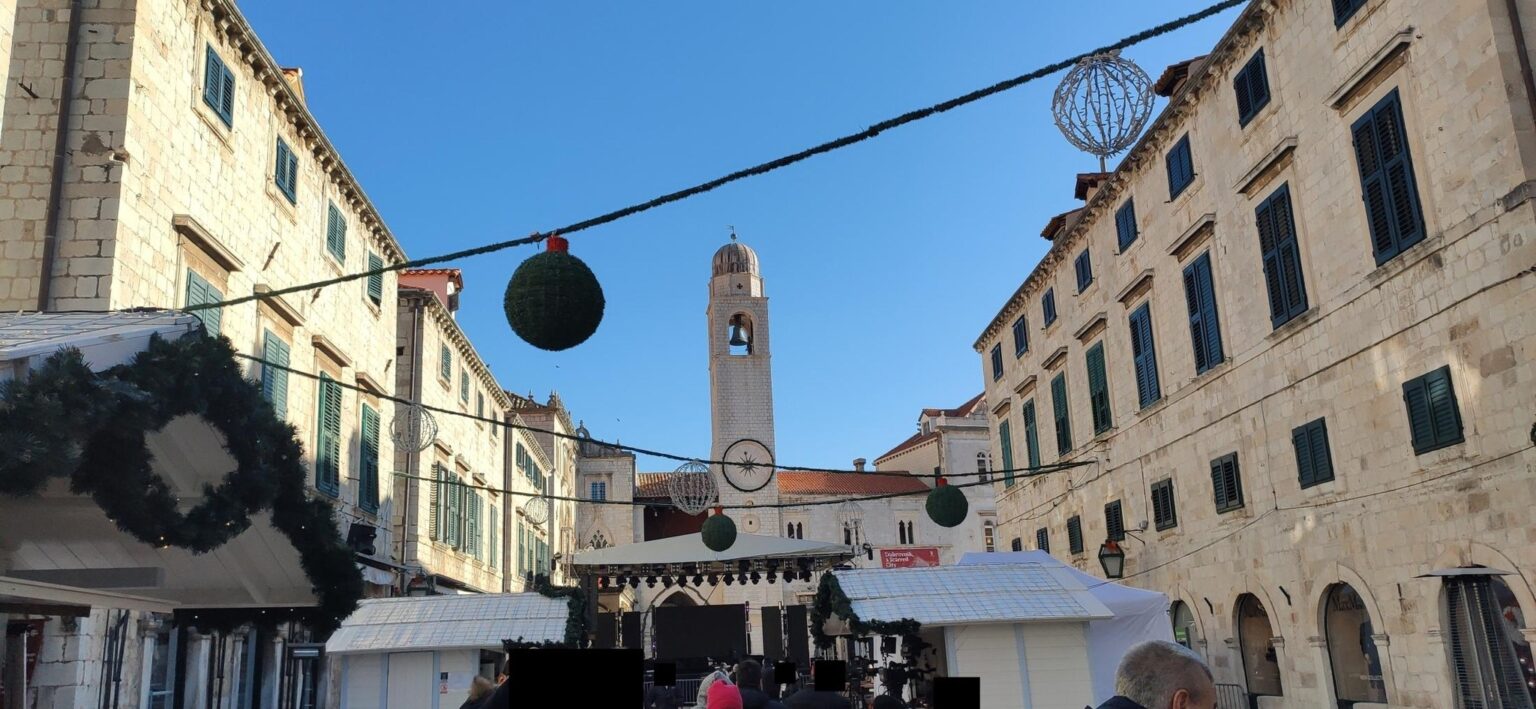
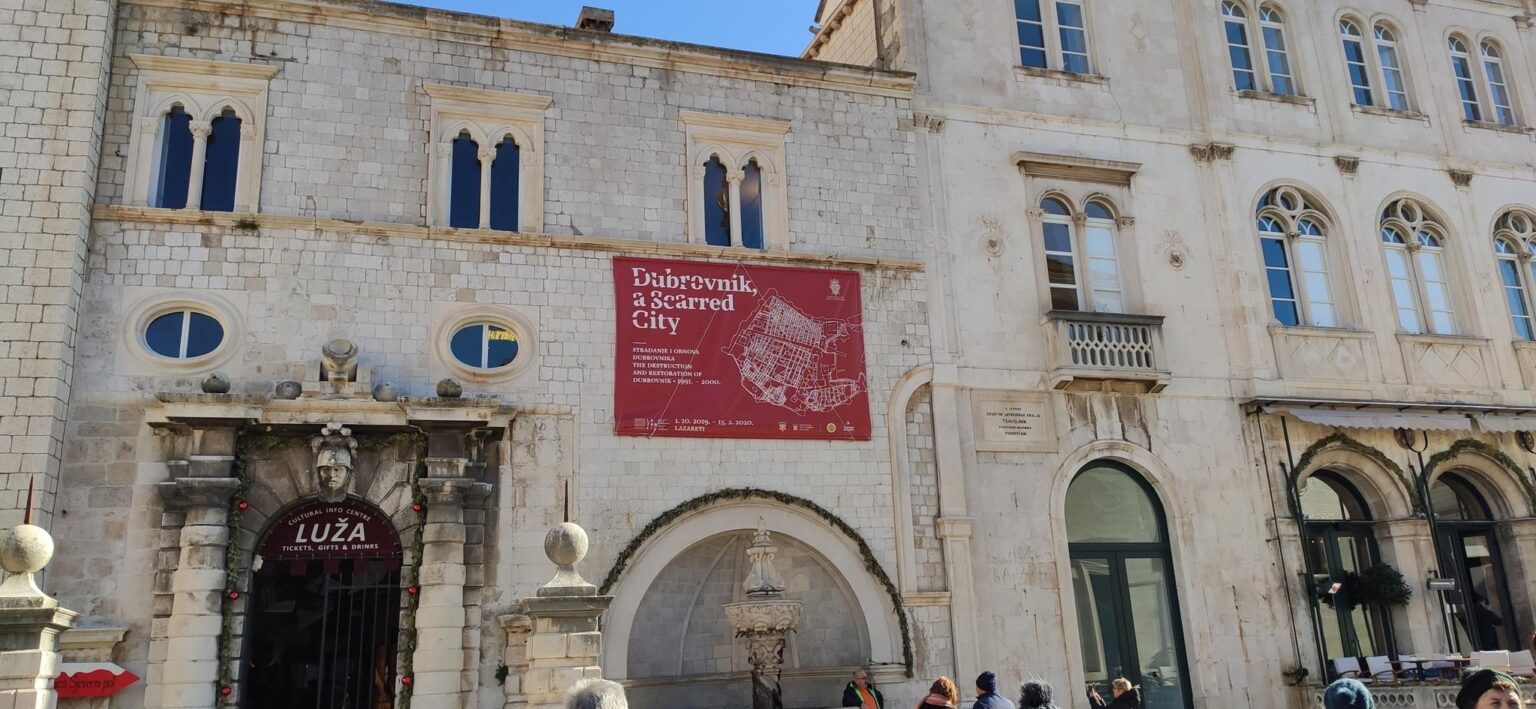
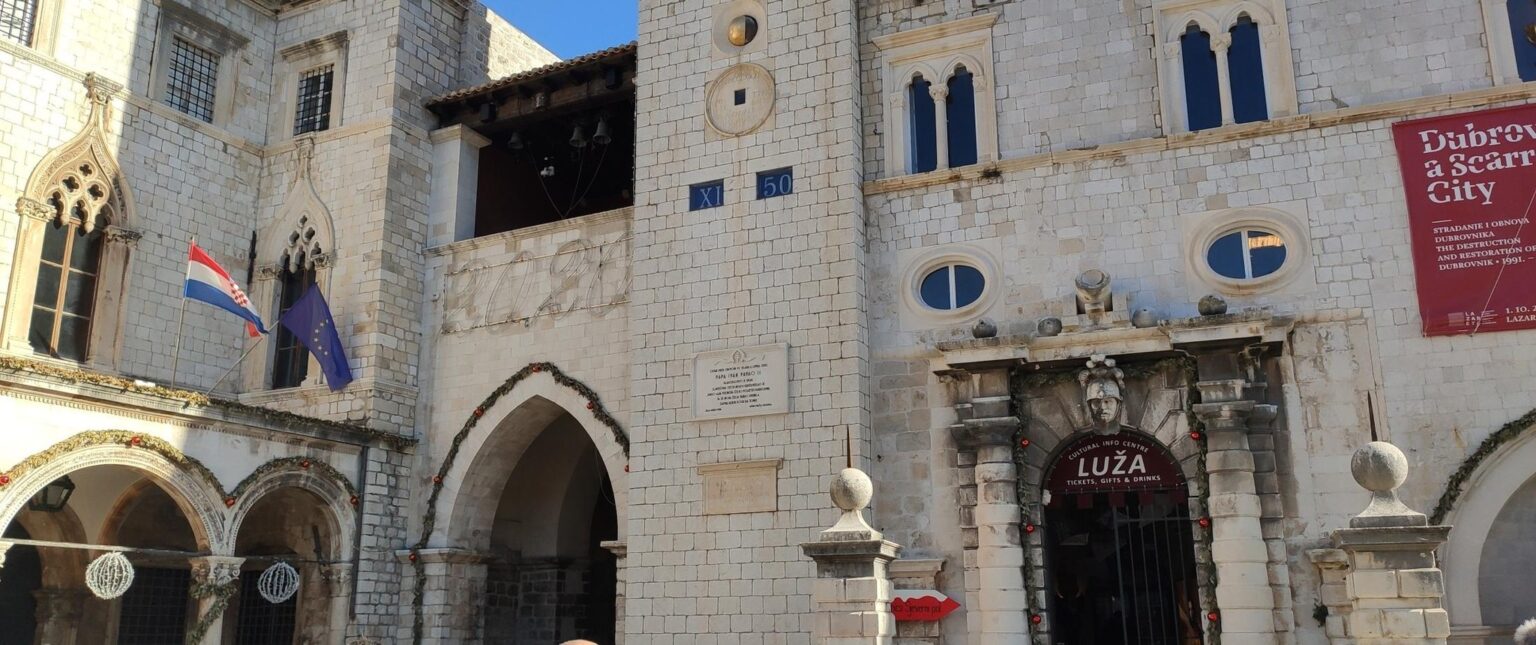
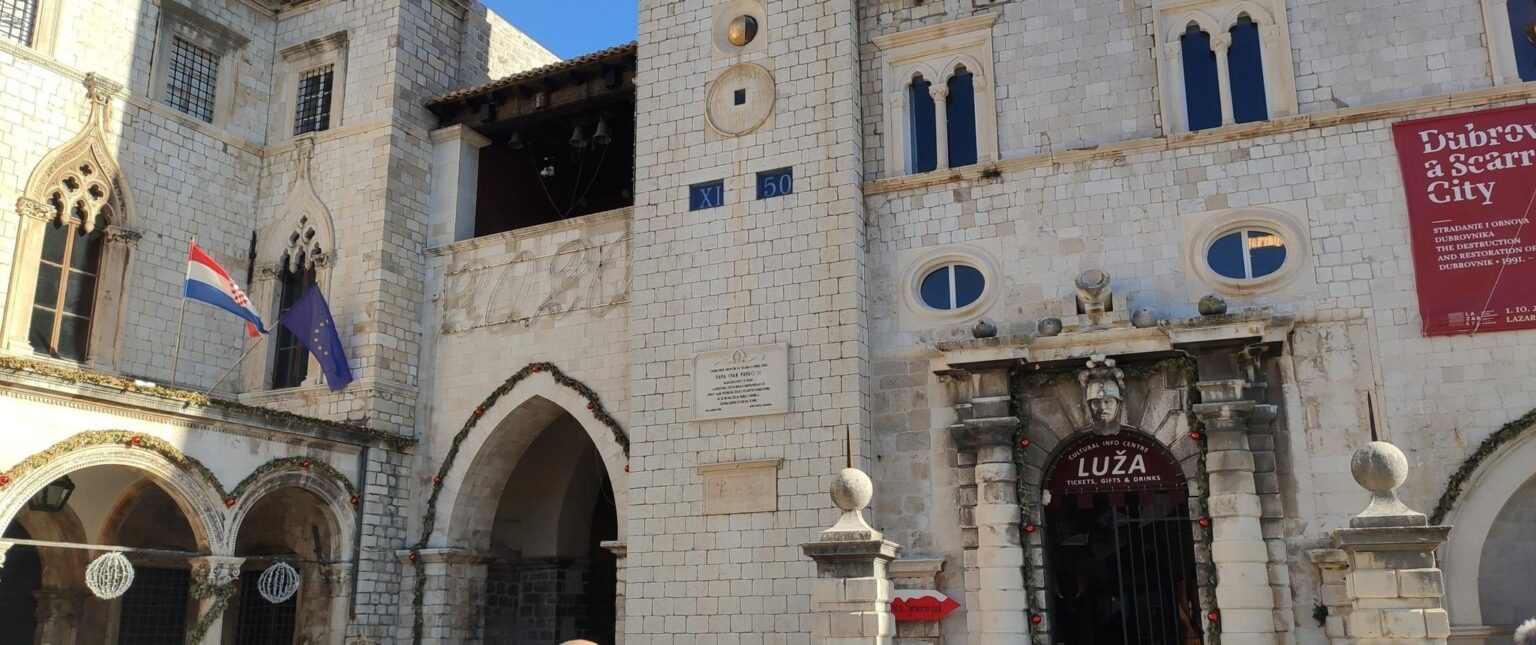
Dubrovnik — the Old Town
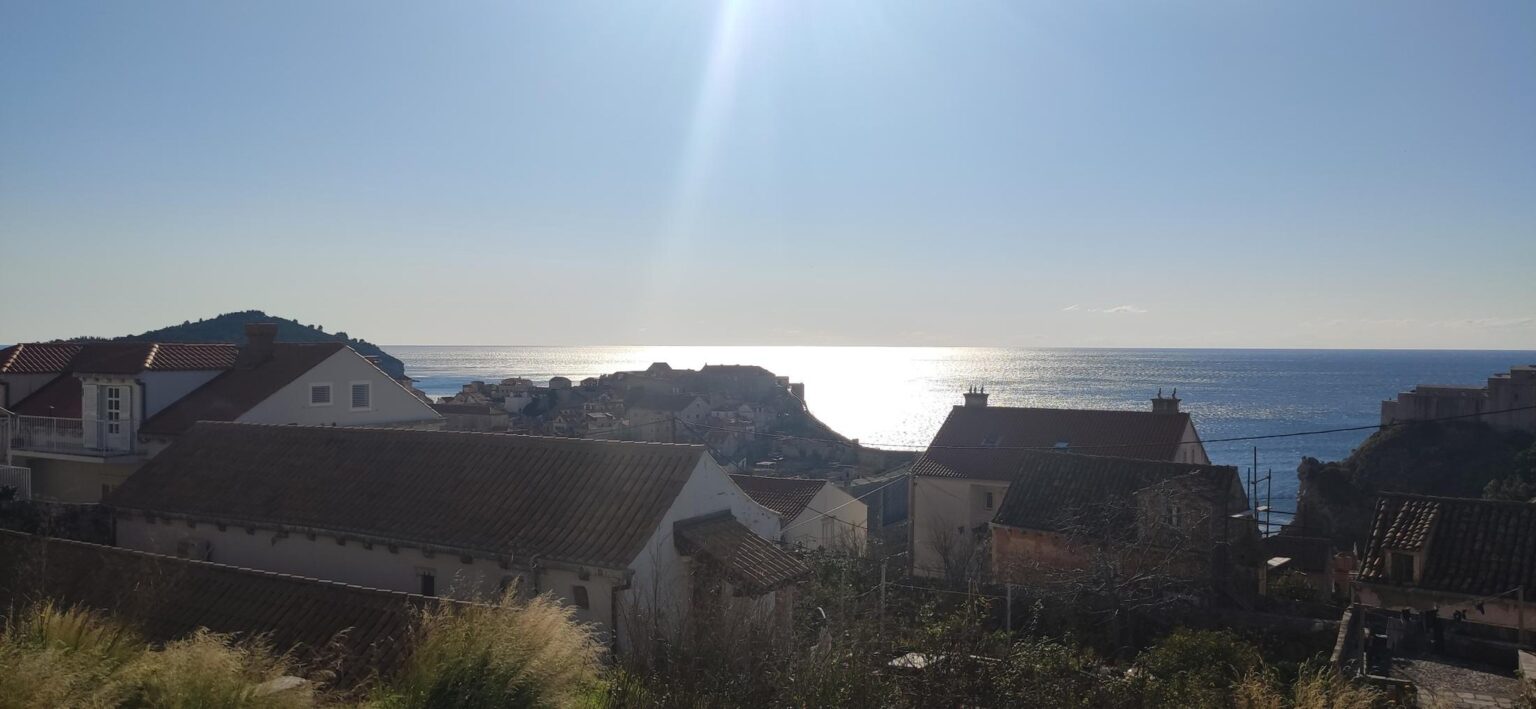
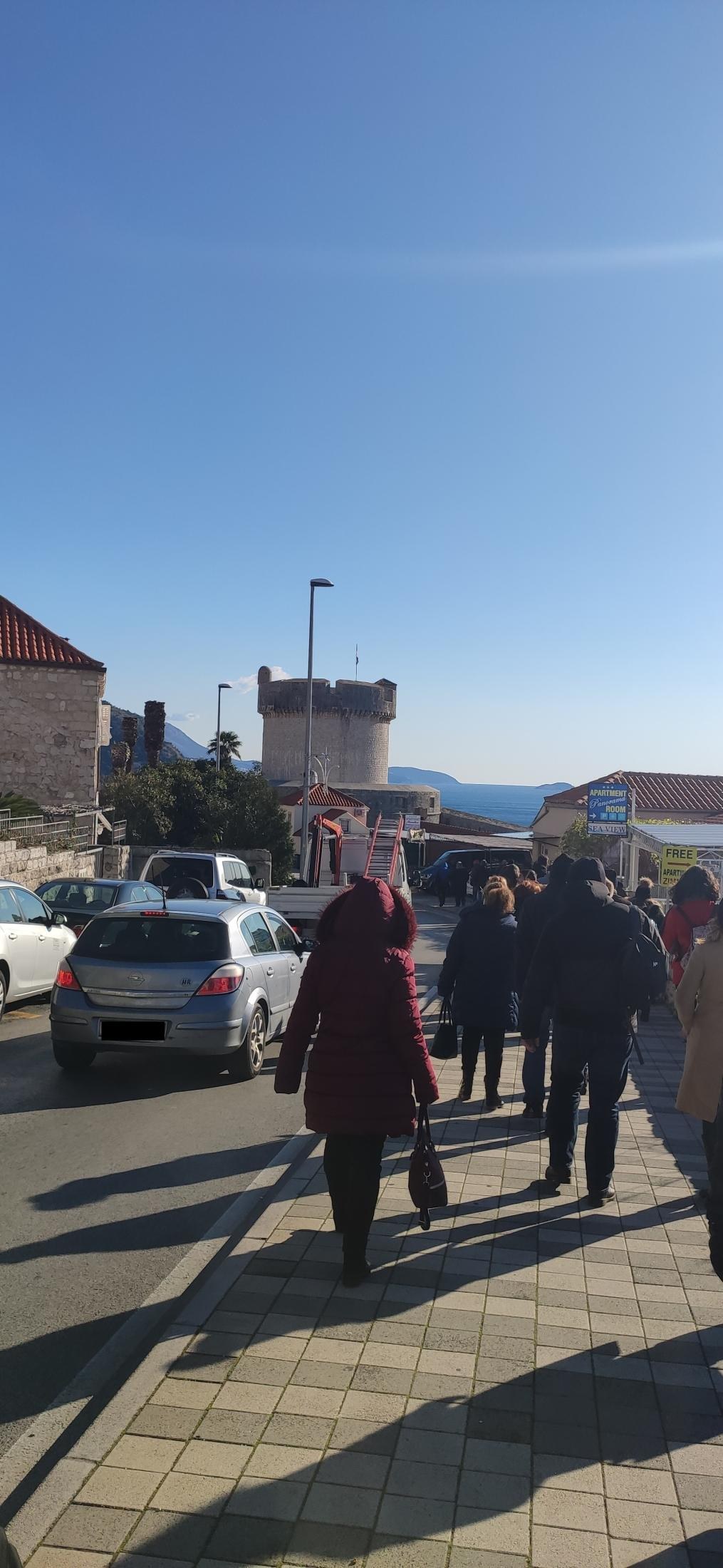
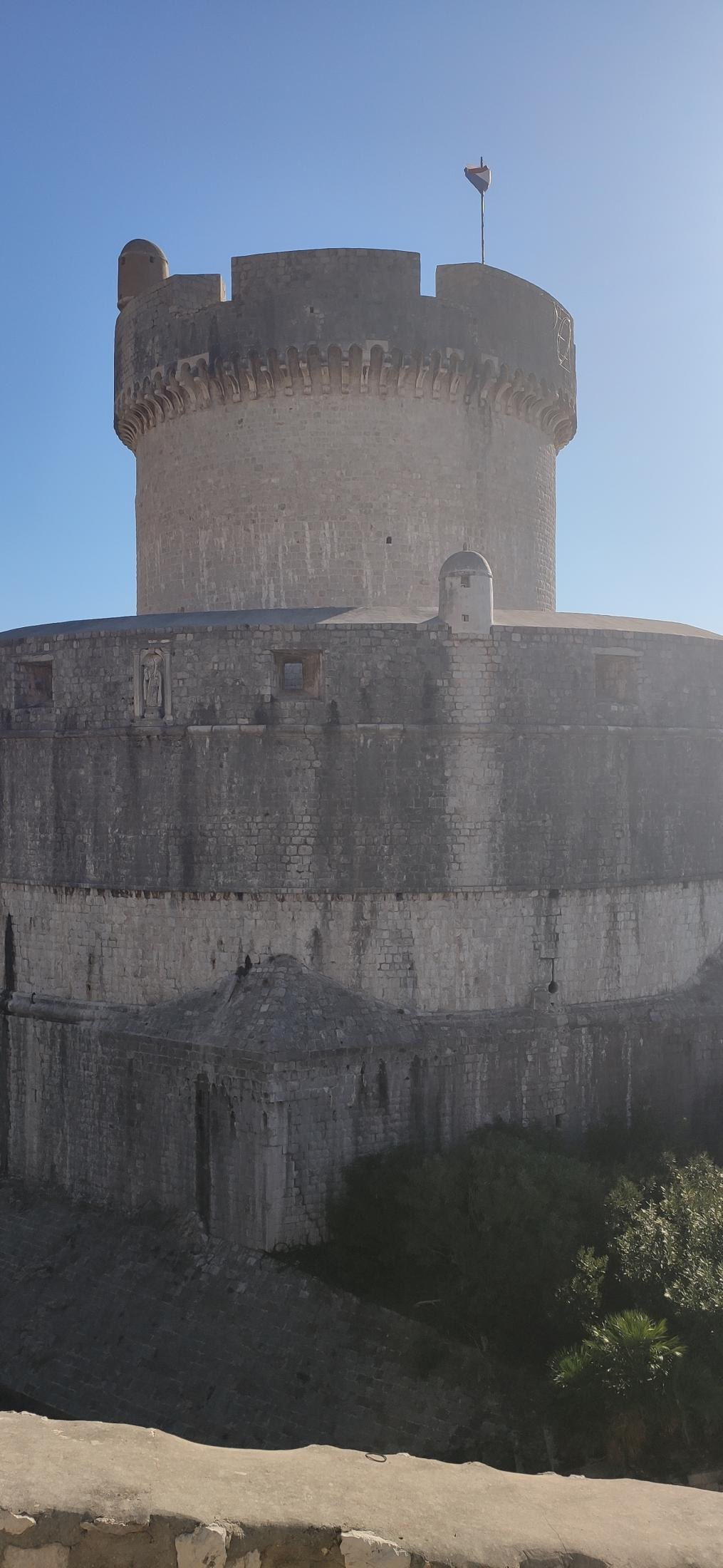
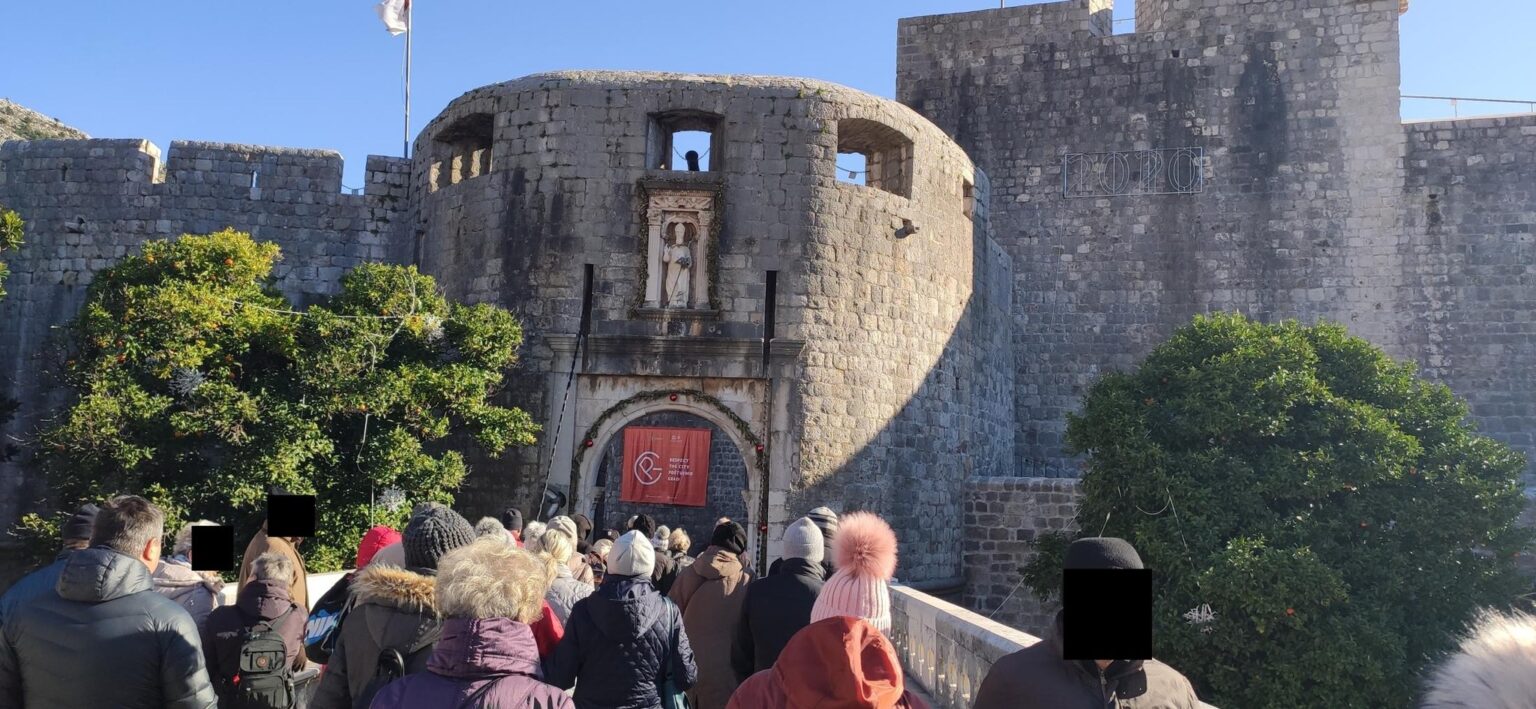
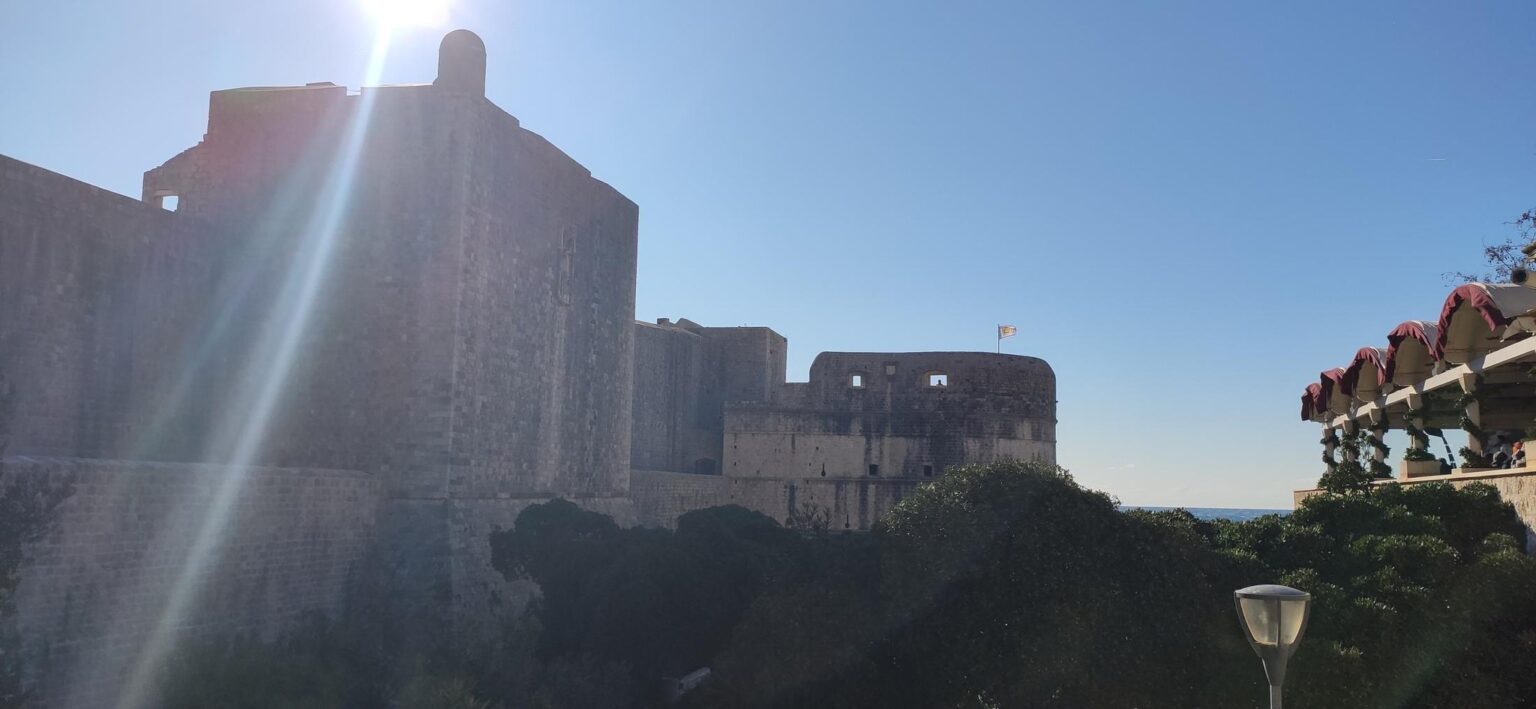
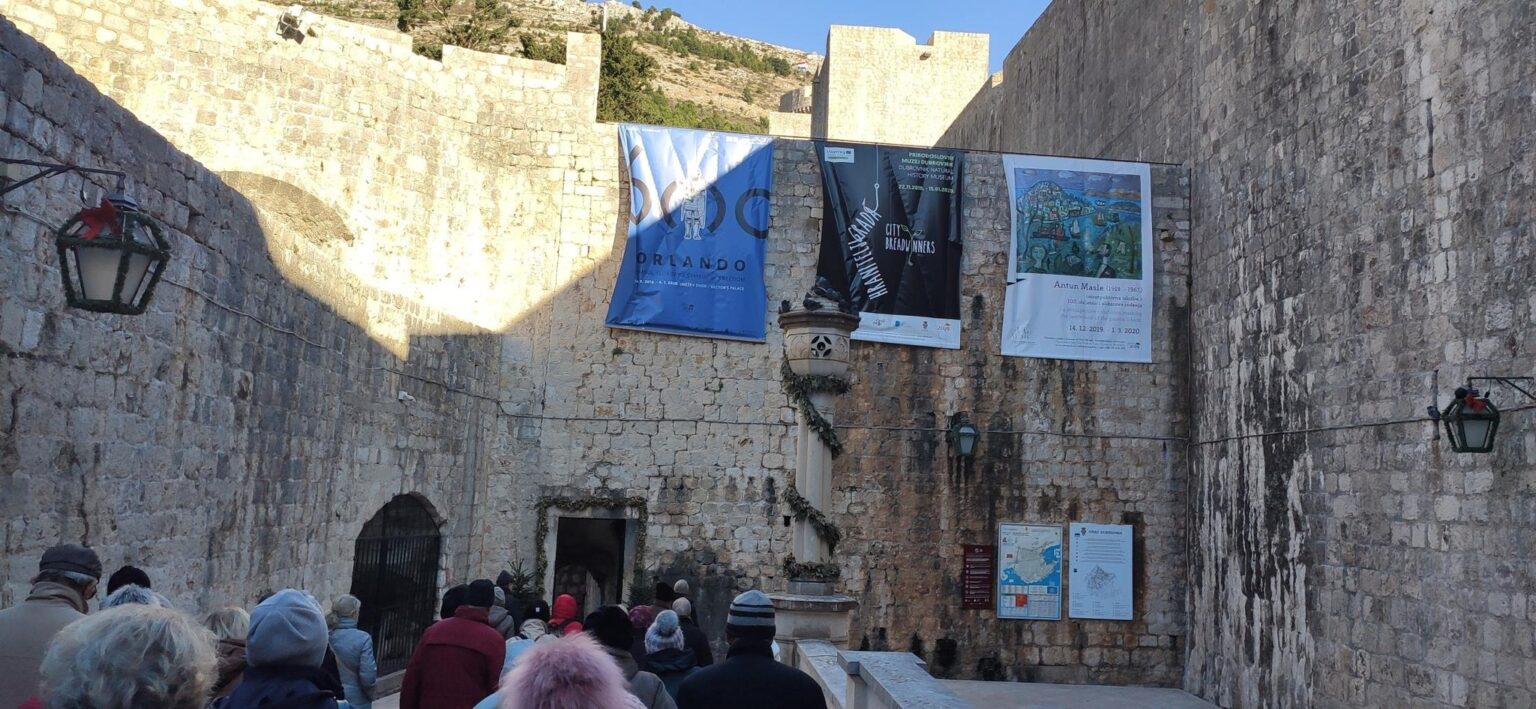
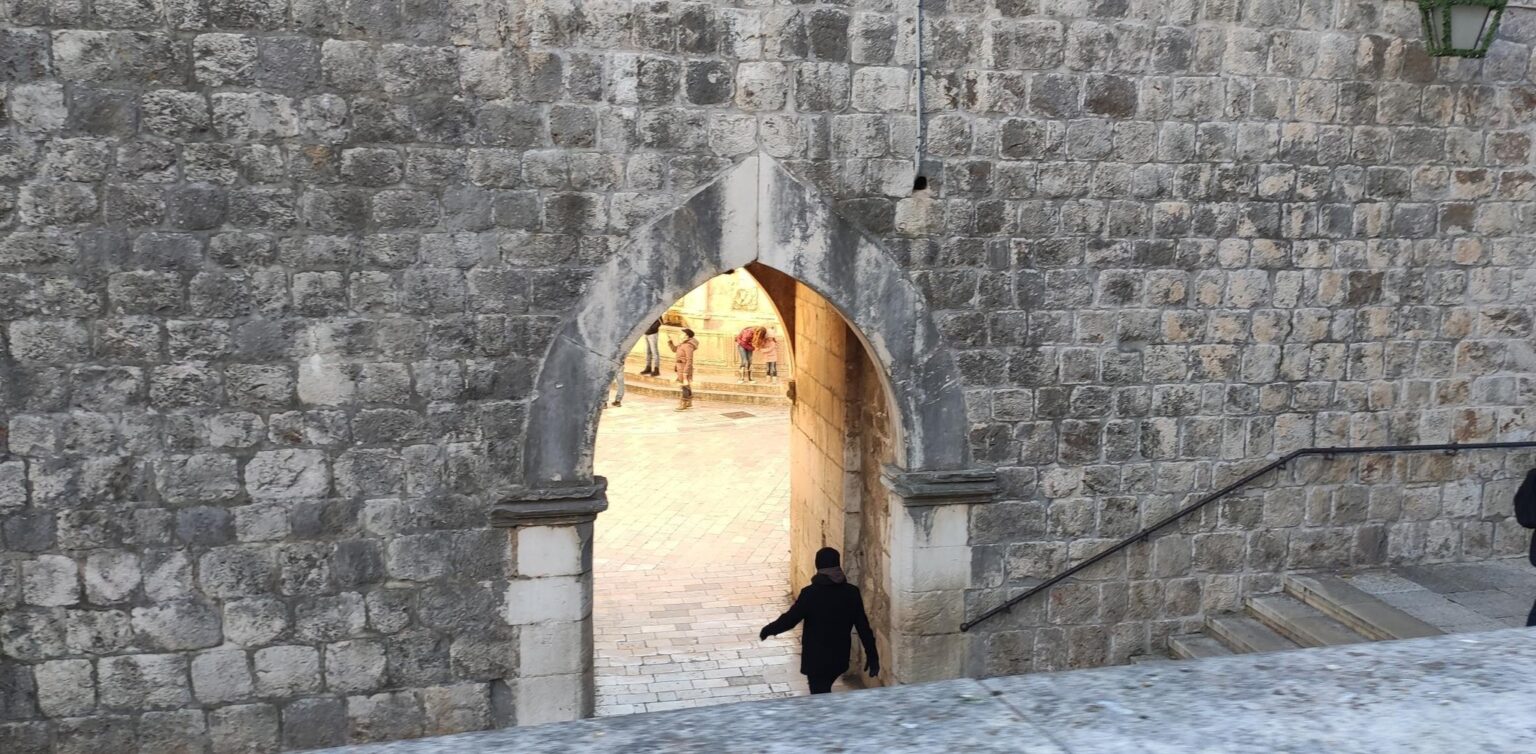
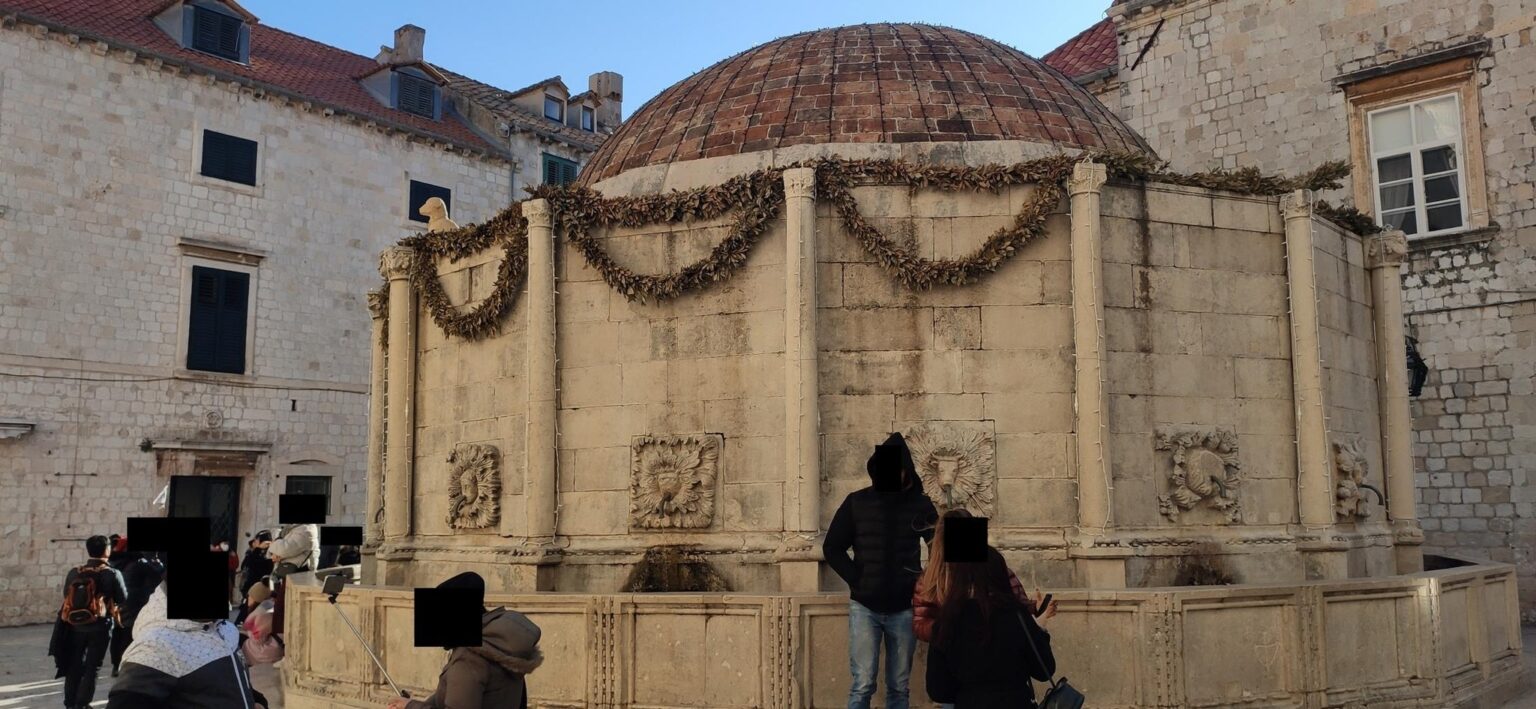
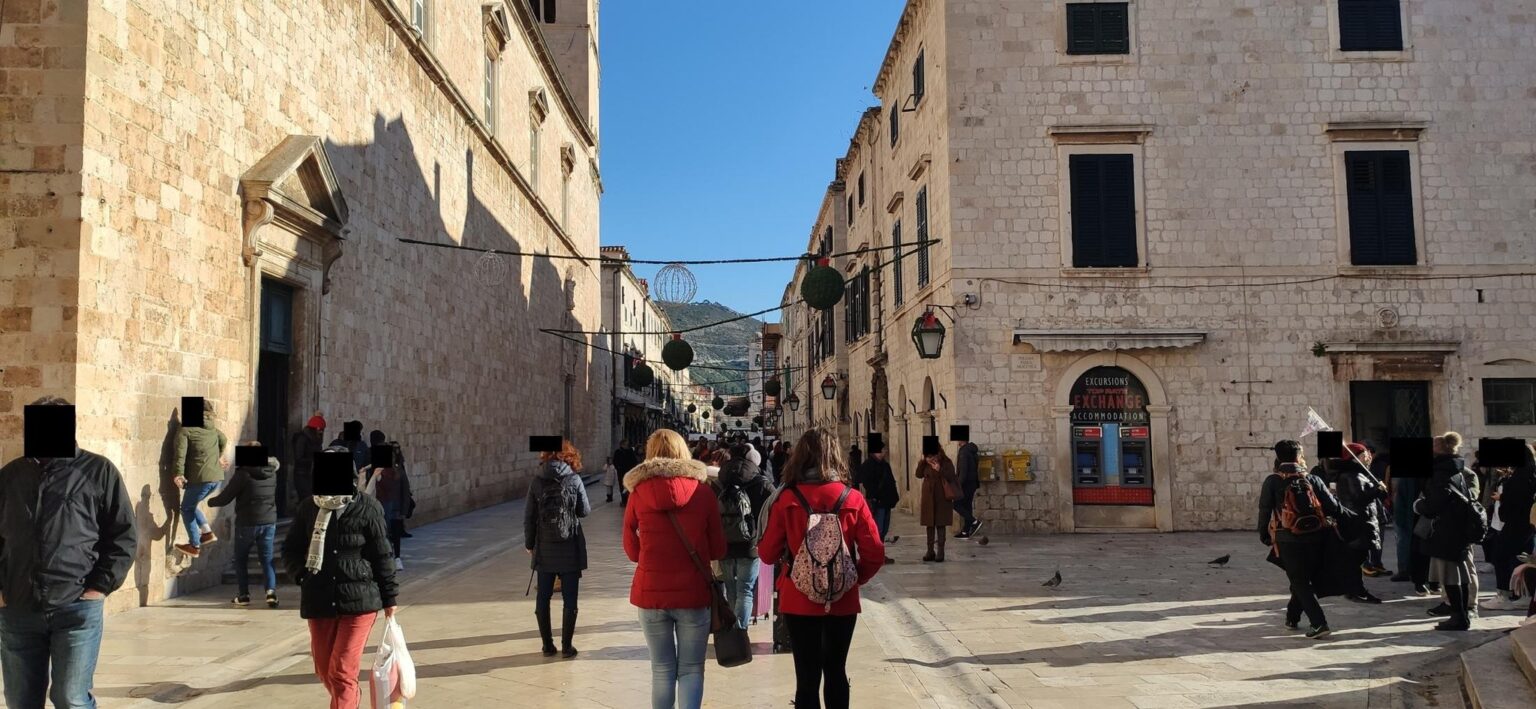
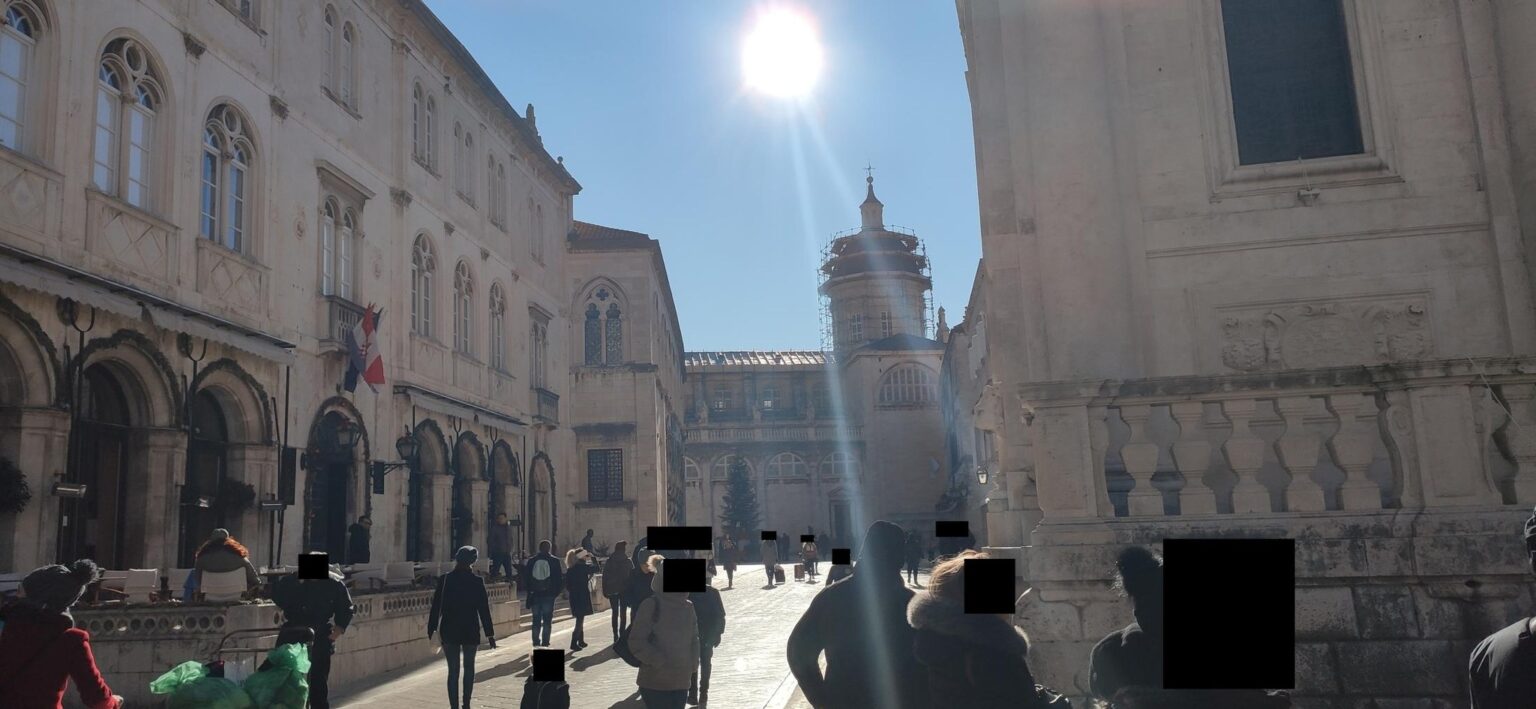
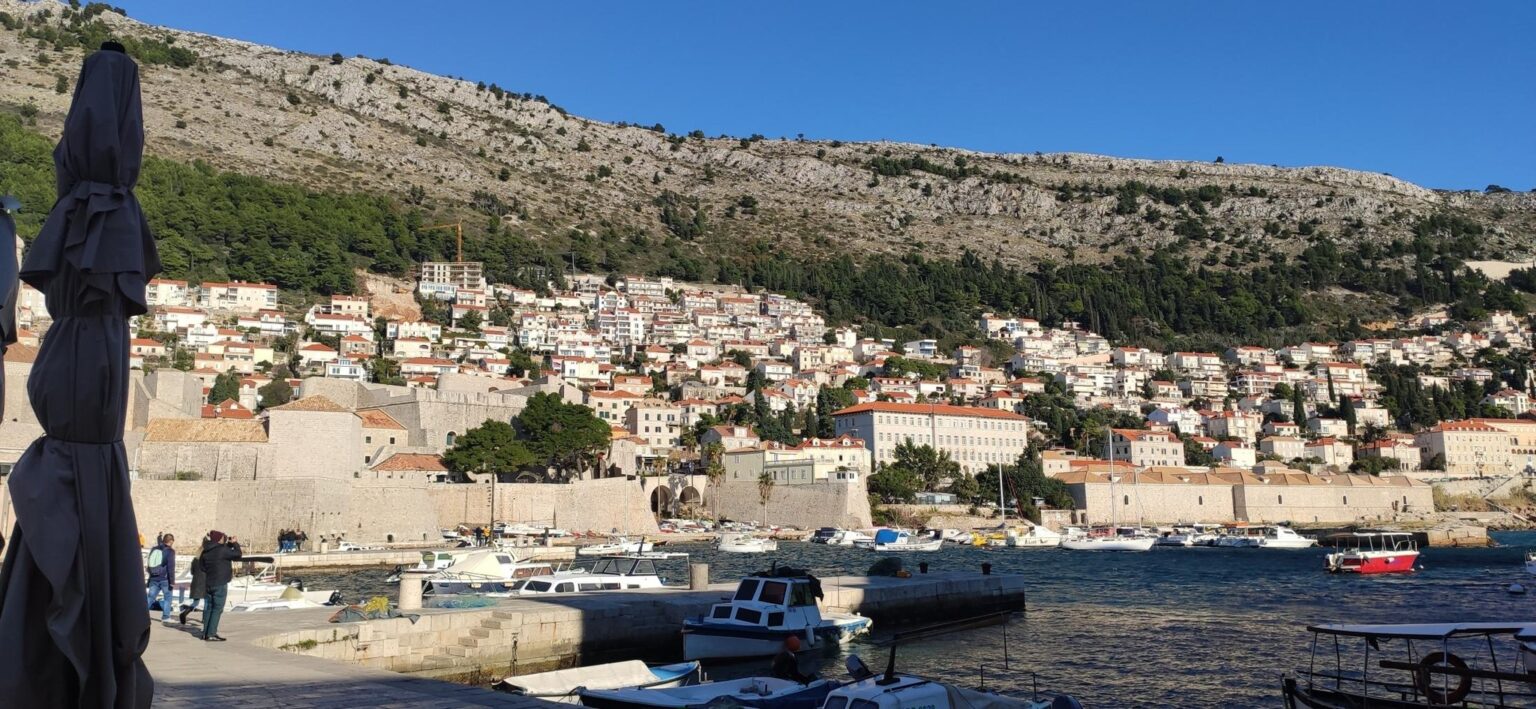
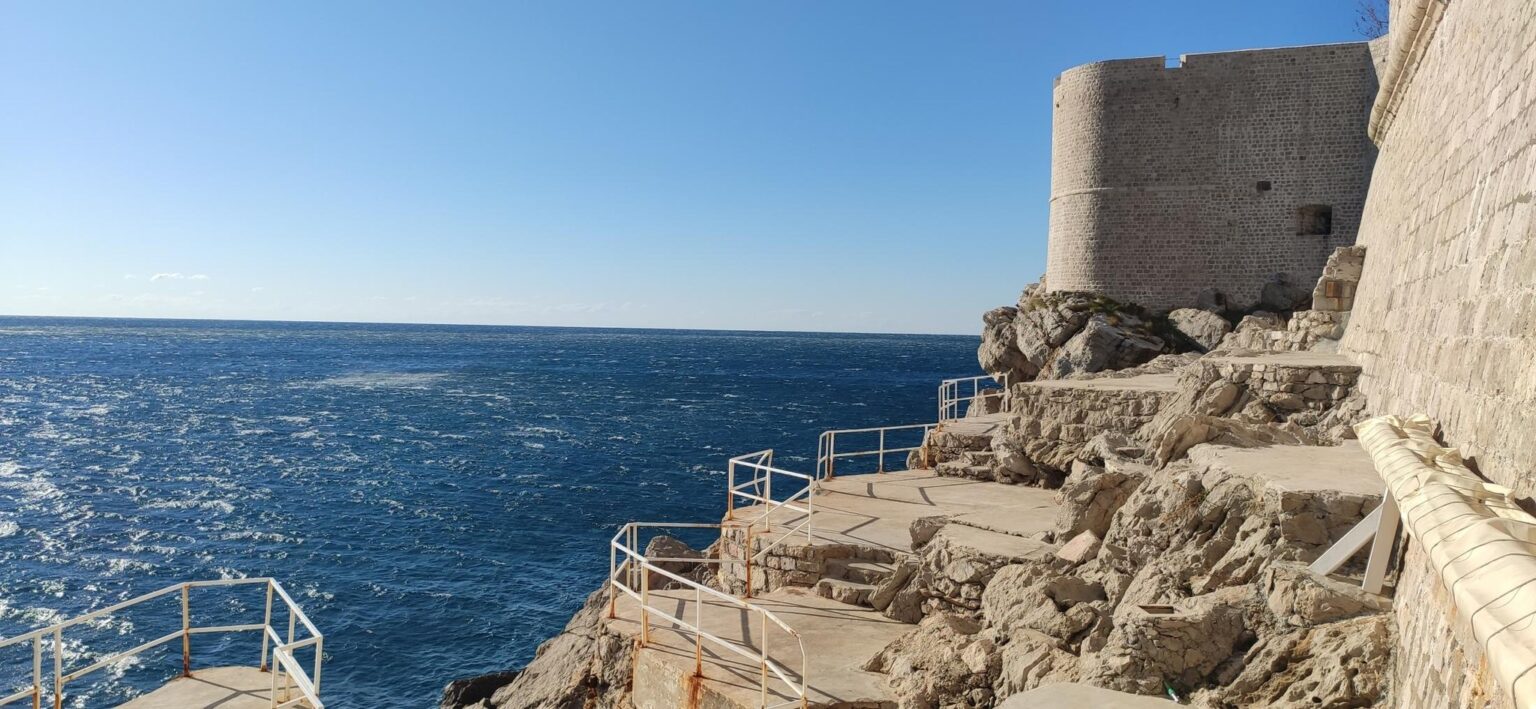
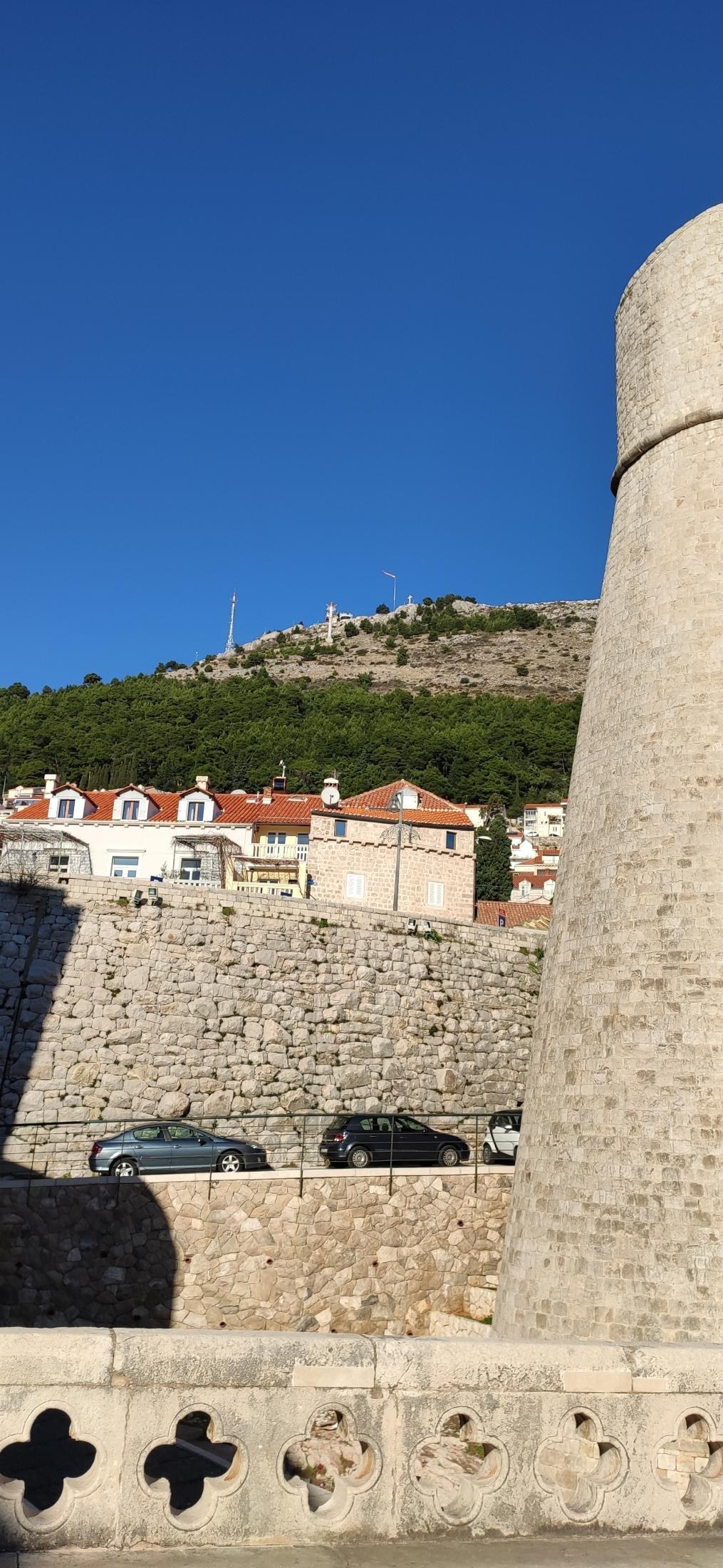
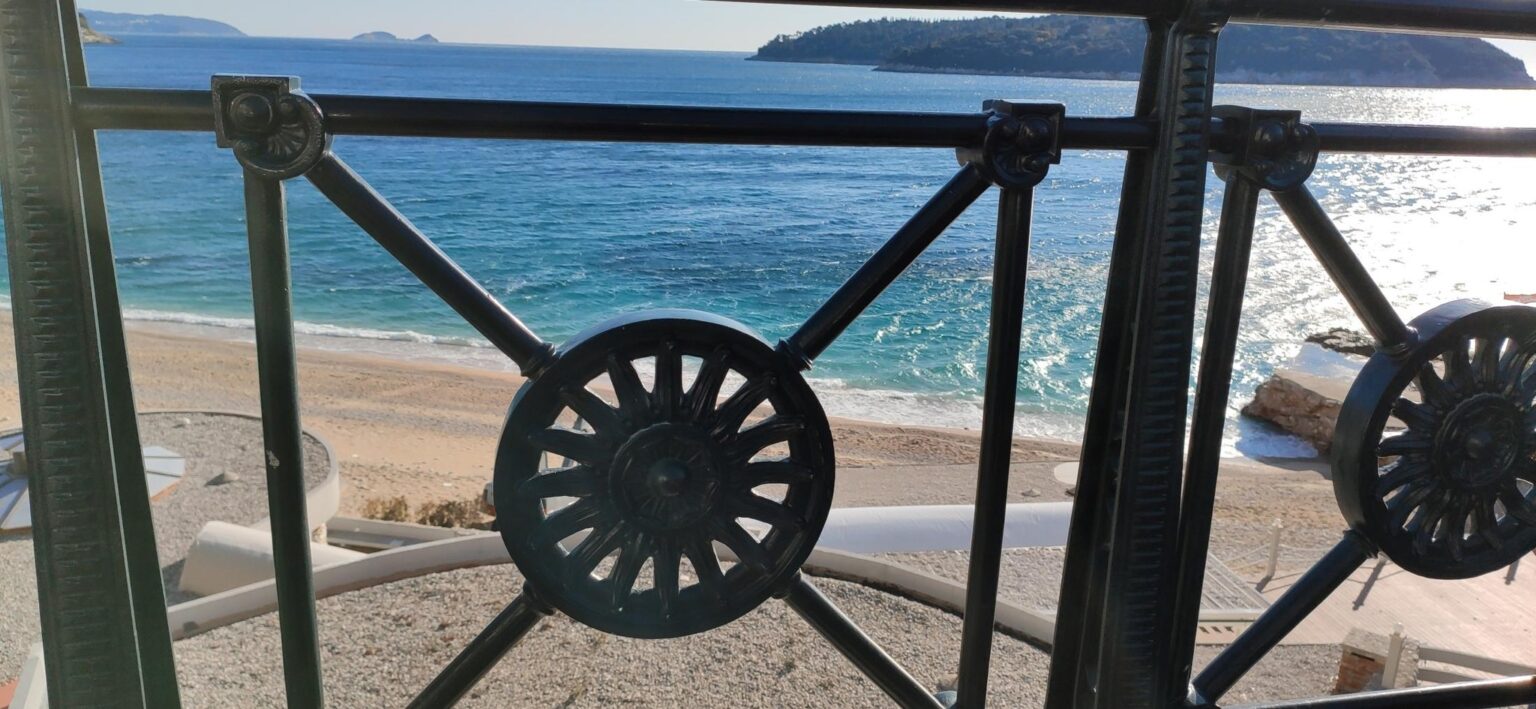
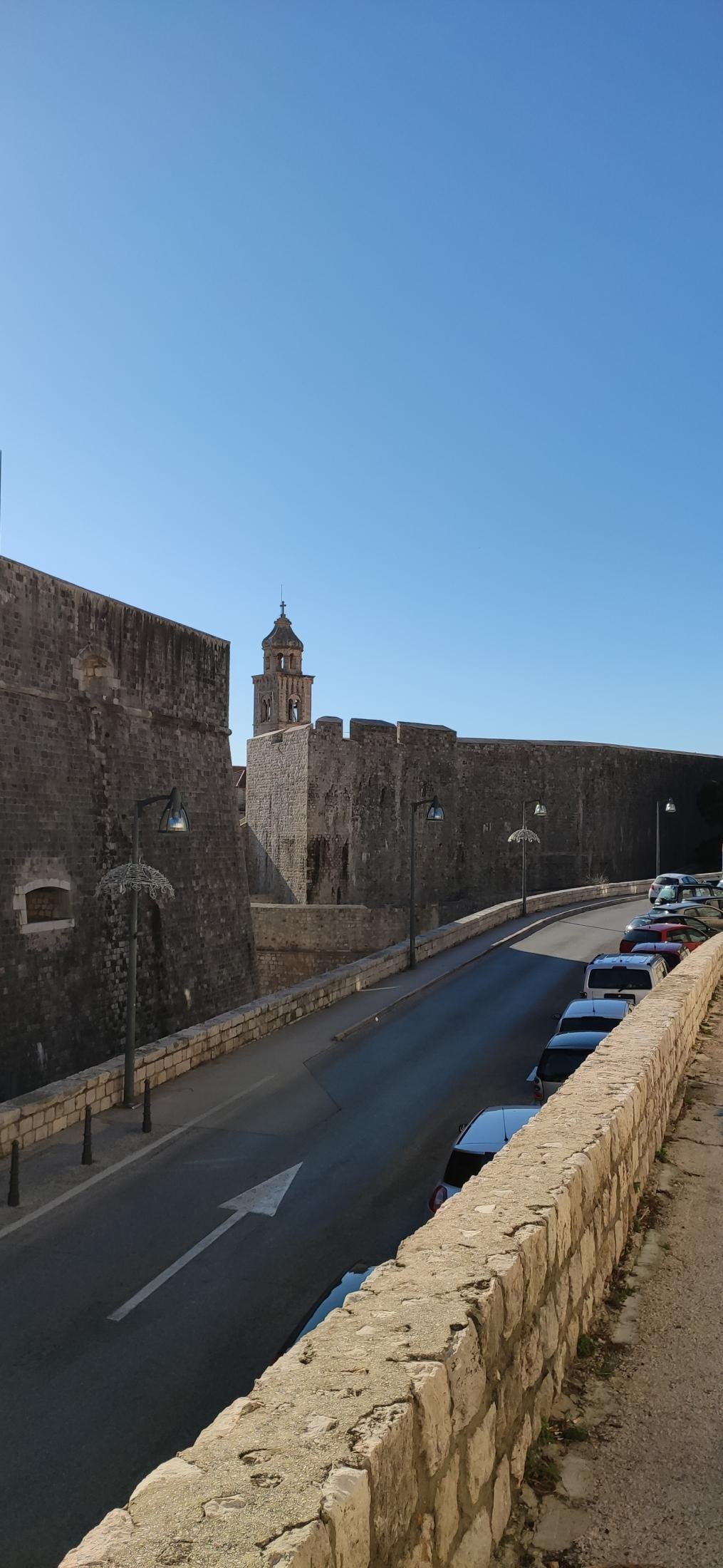
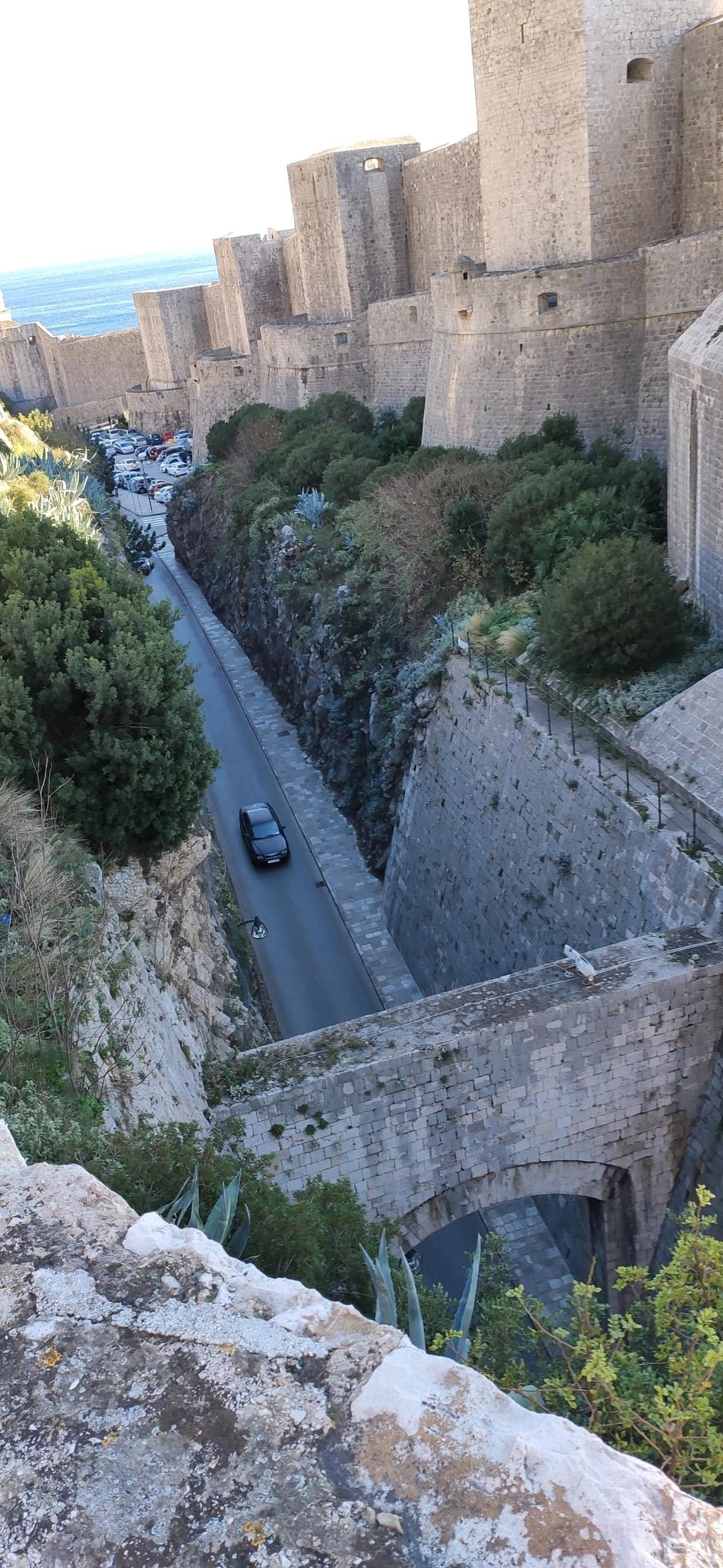
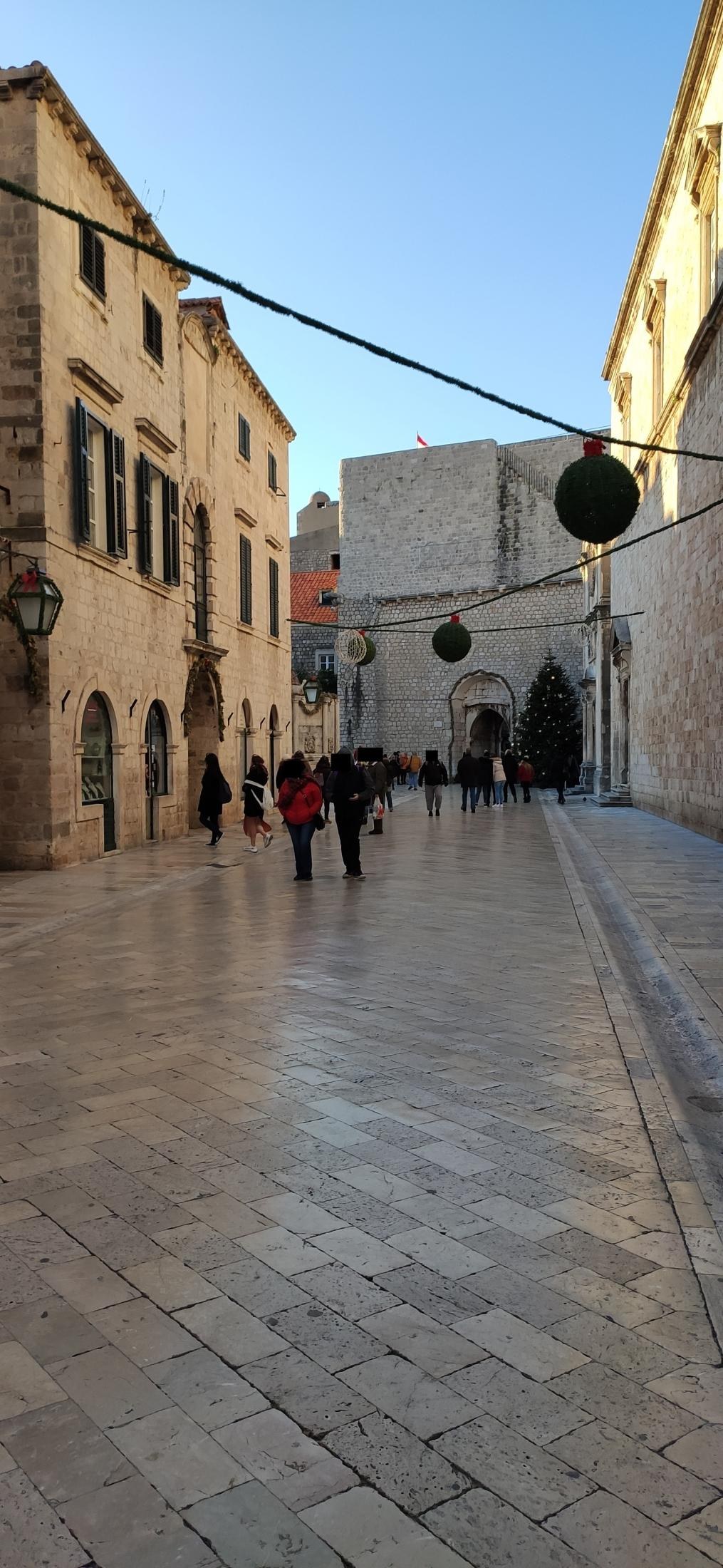
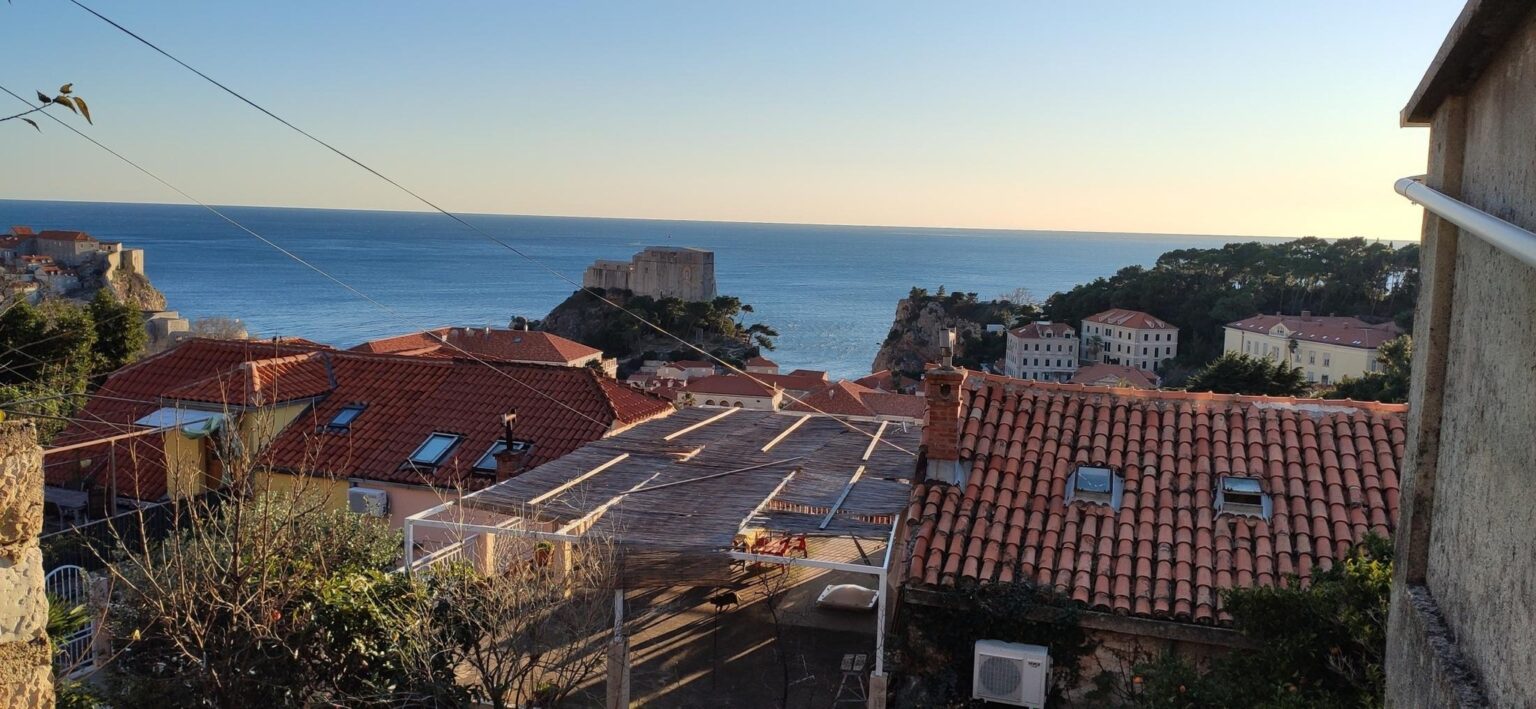
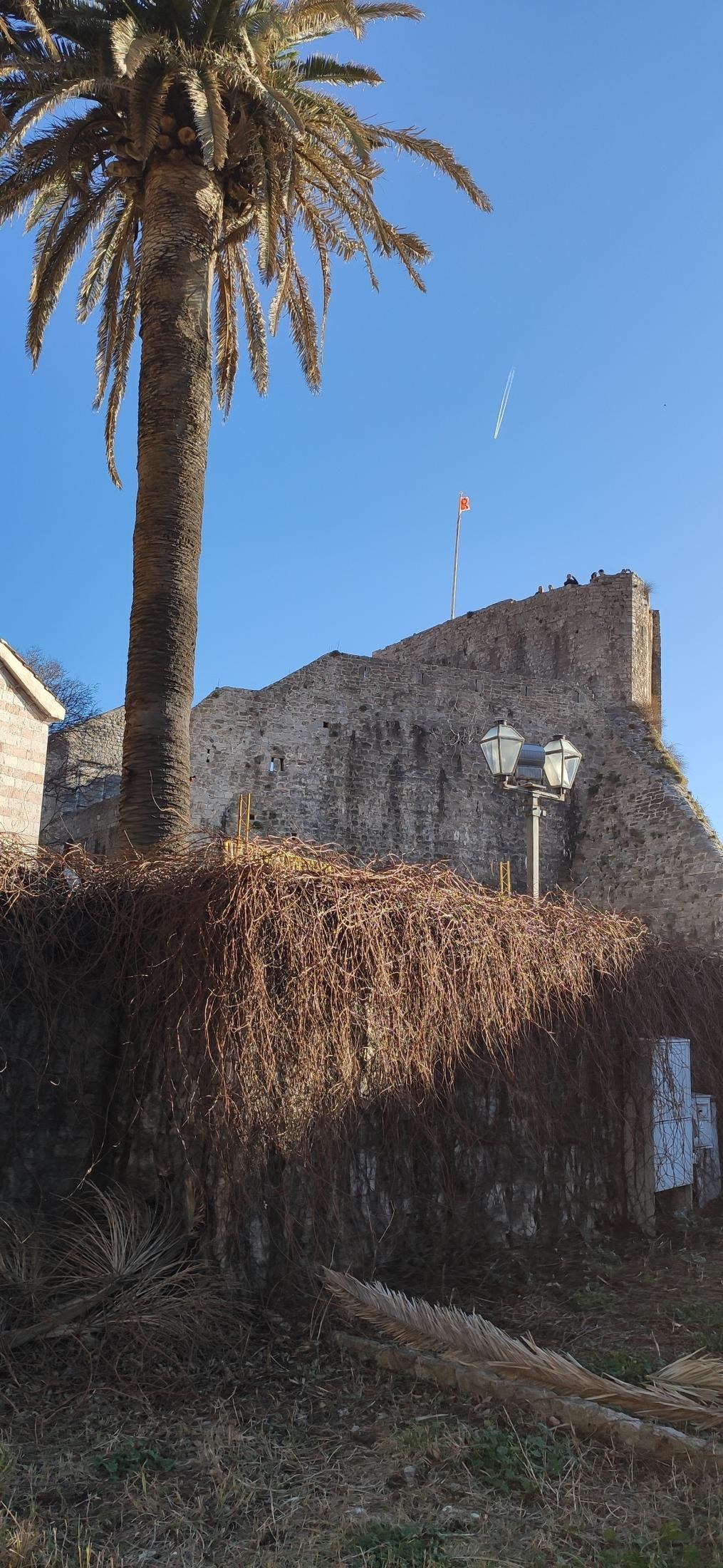
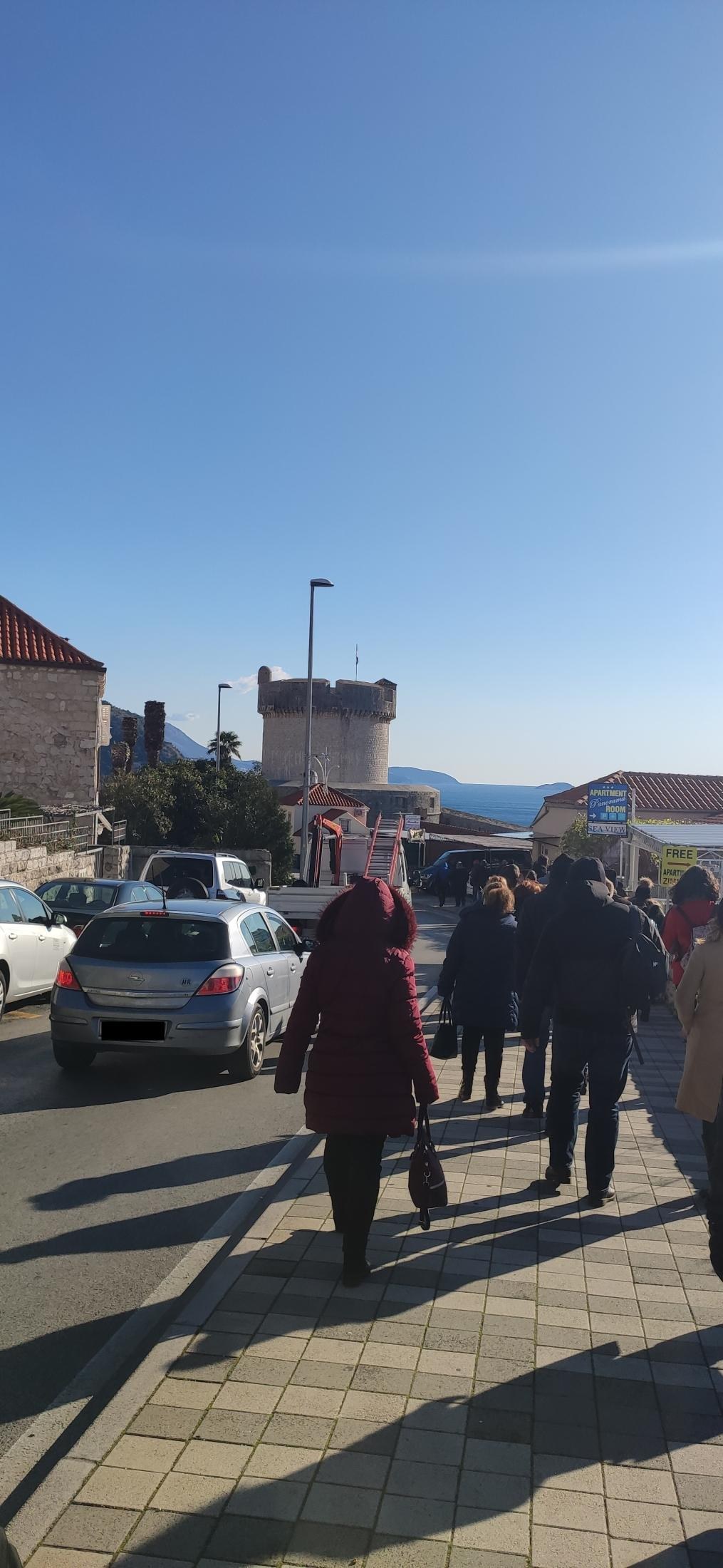
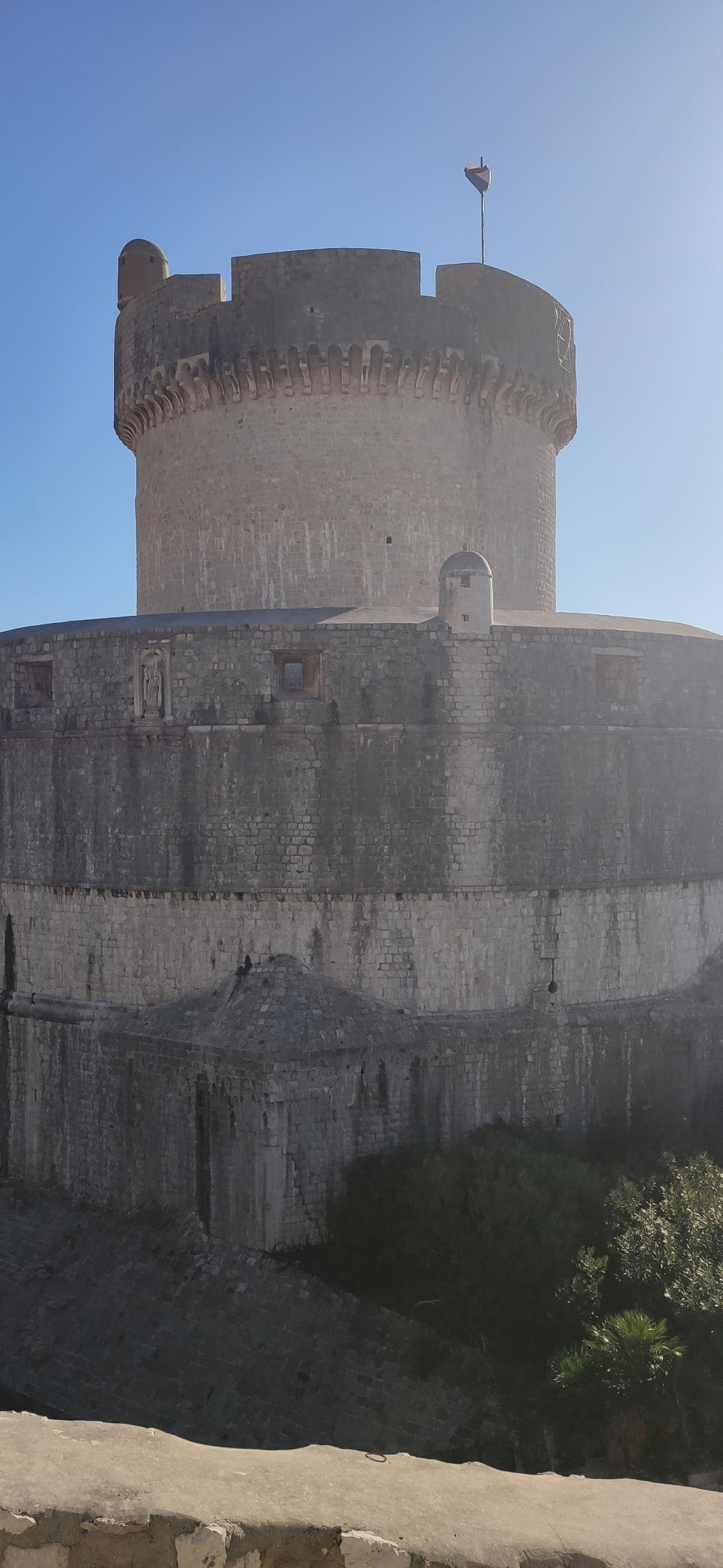
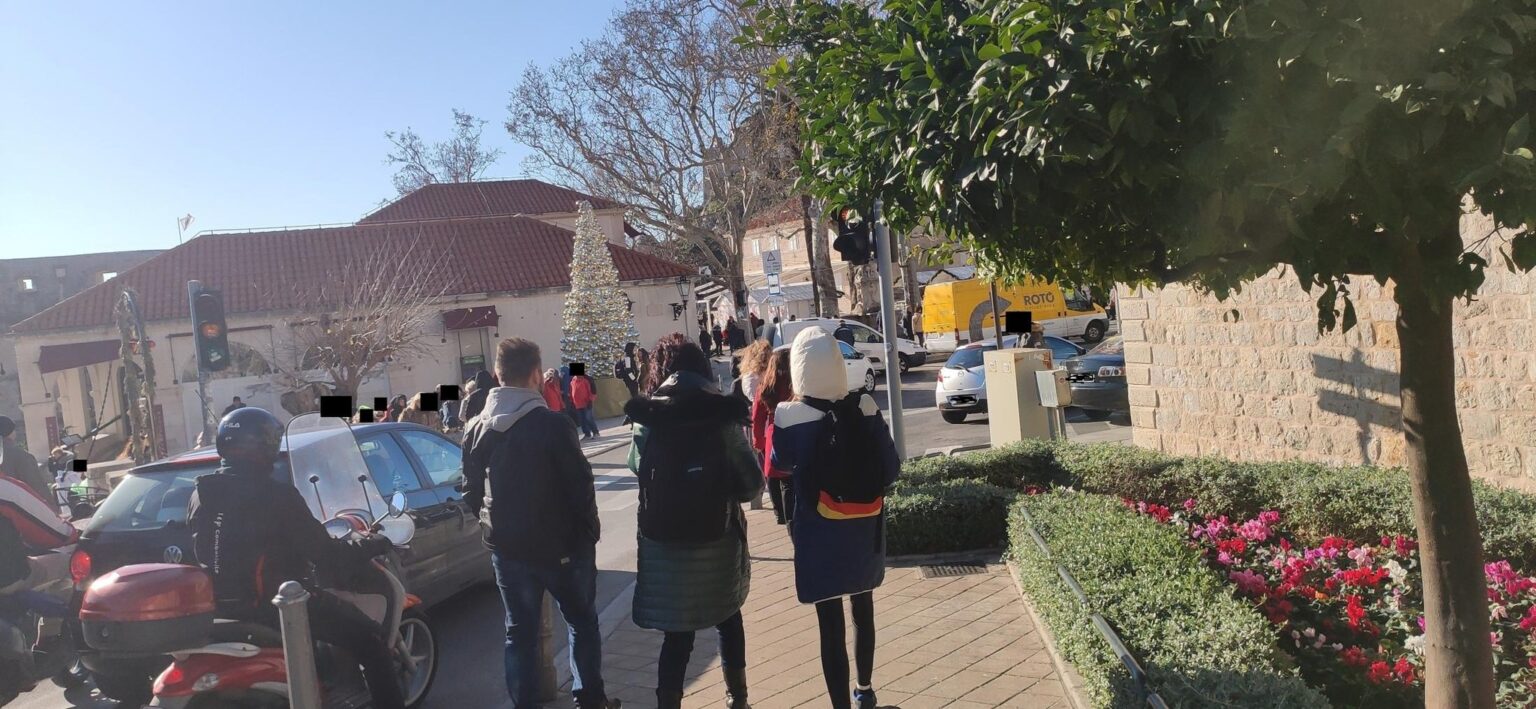
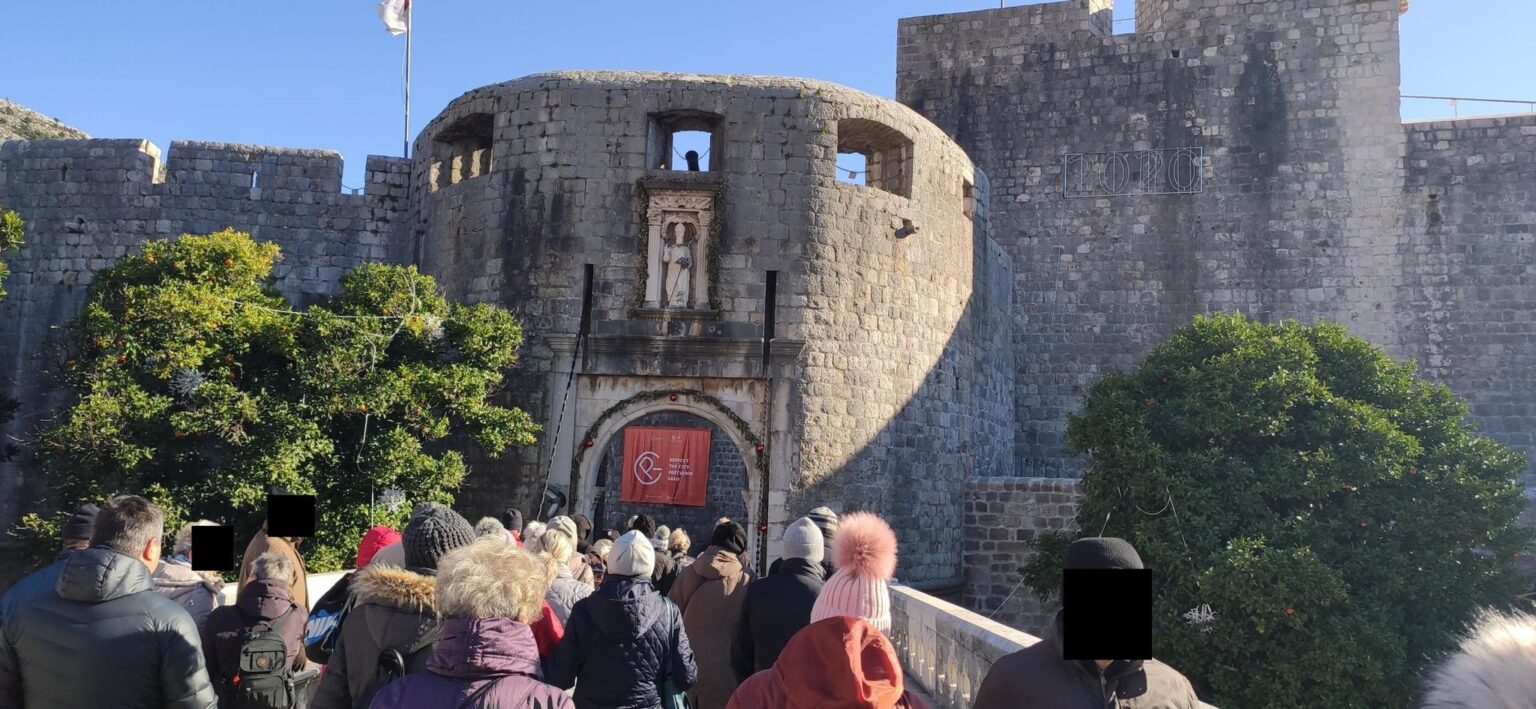
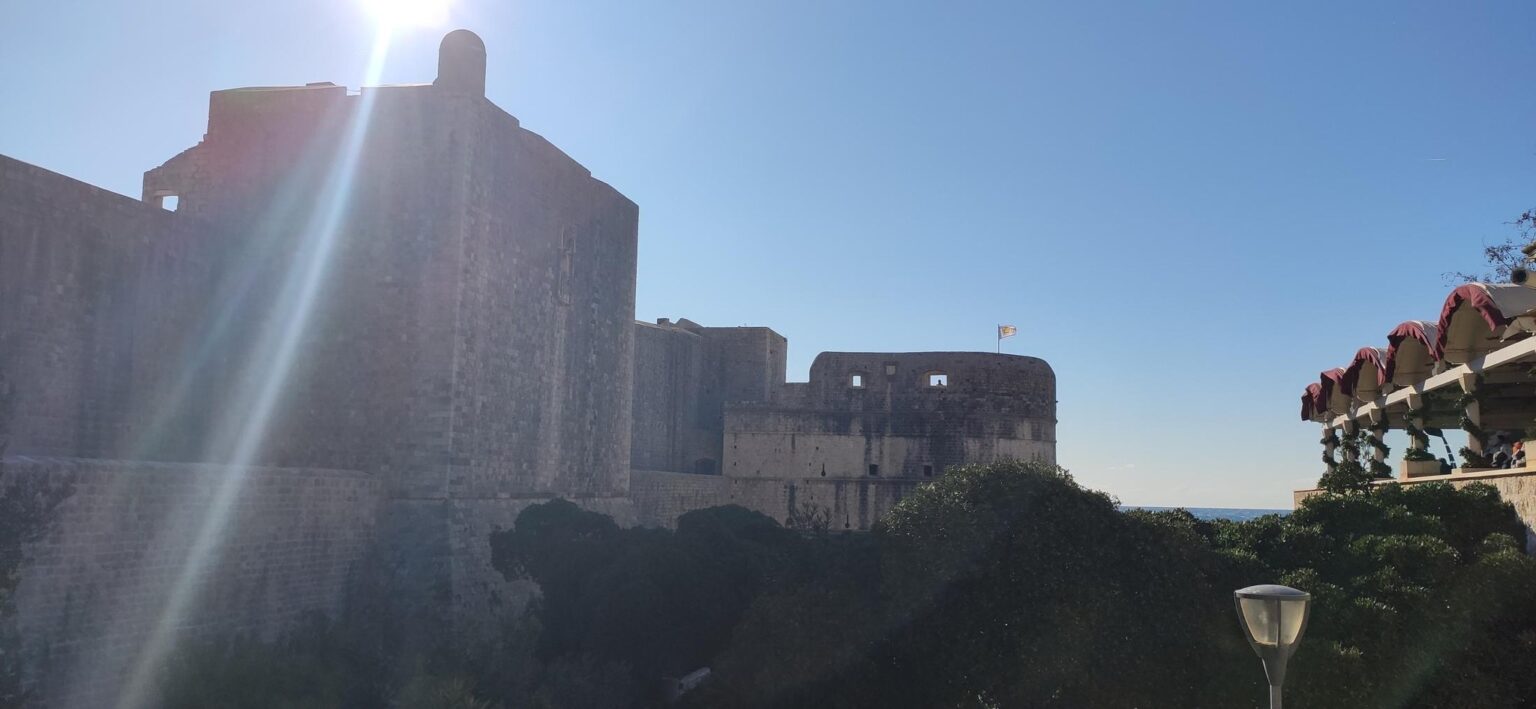
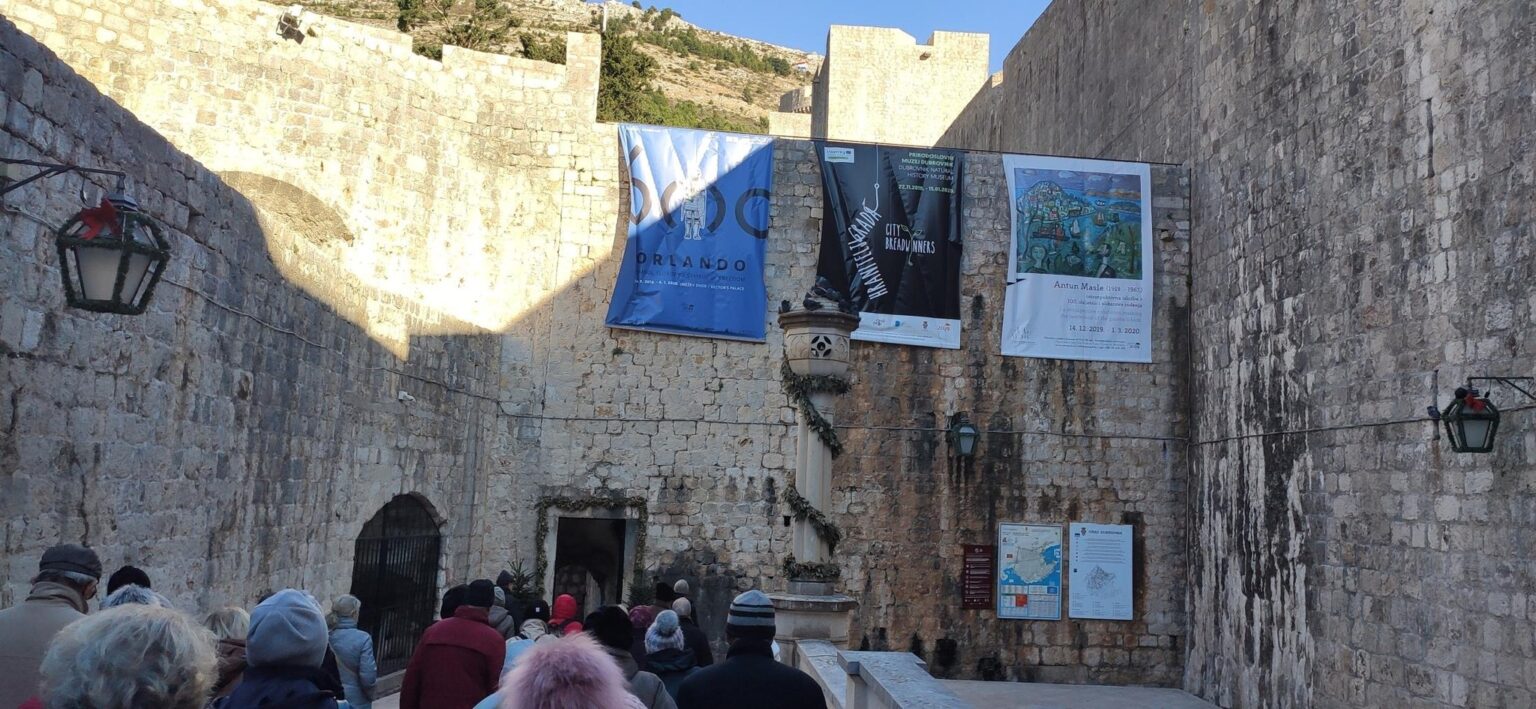
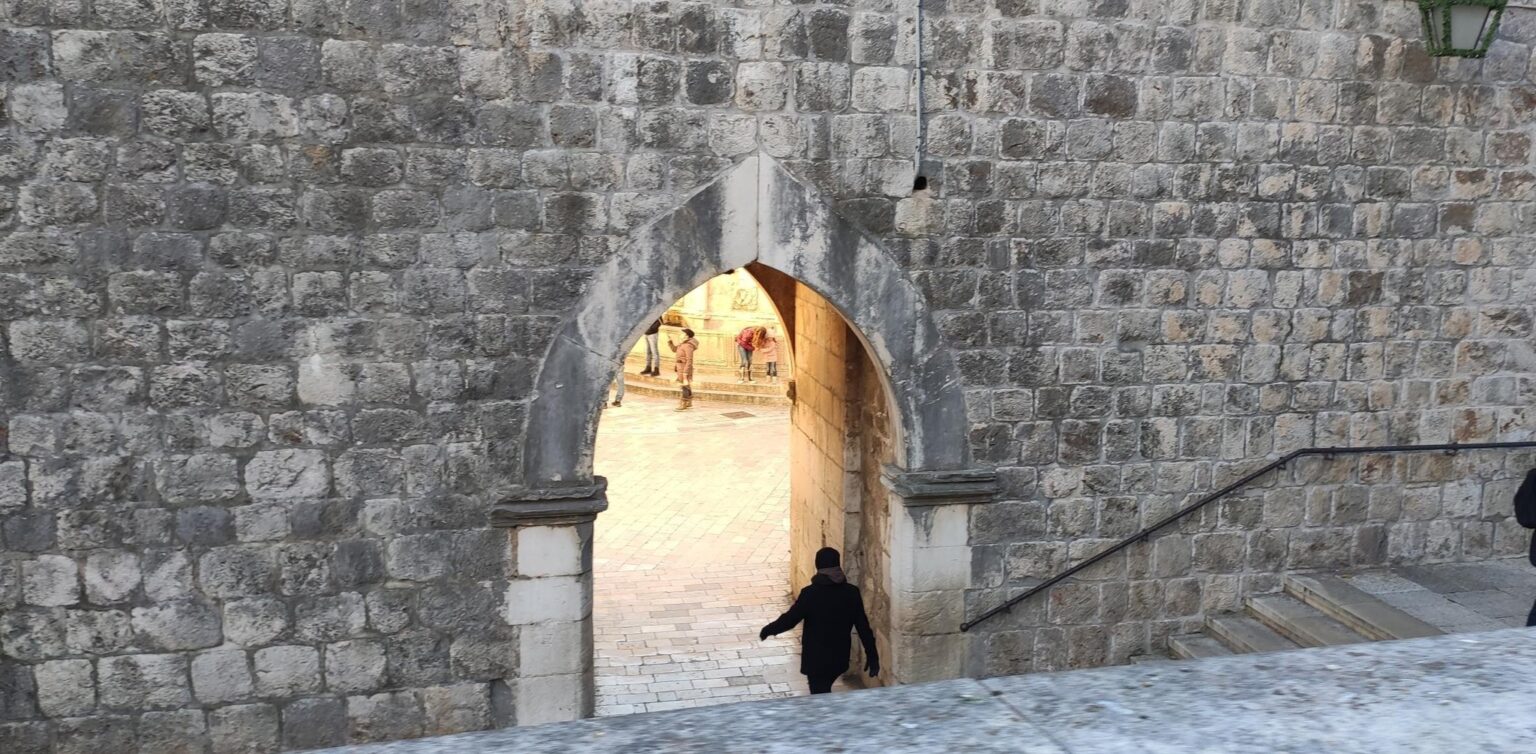
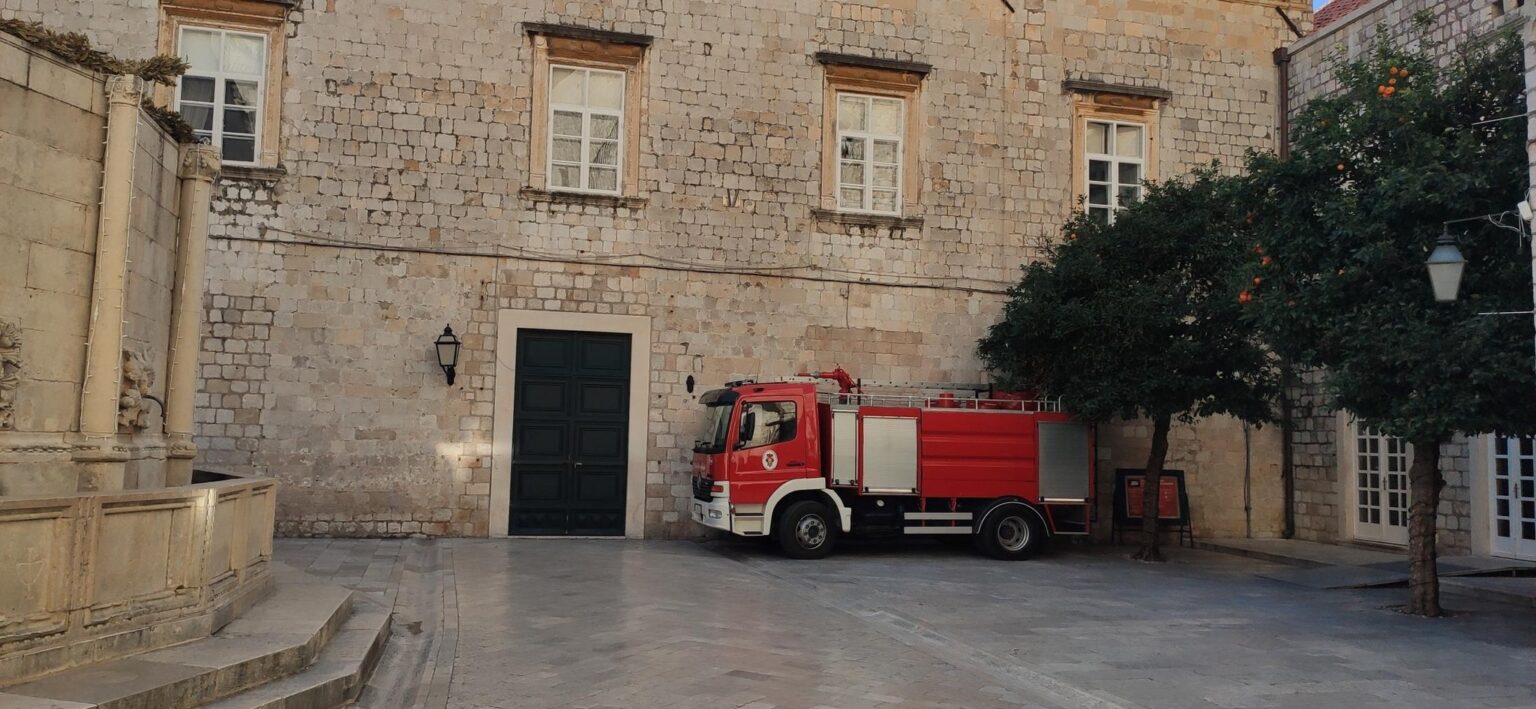
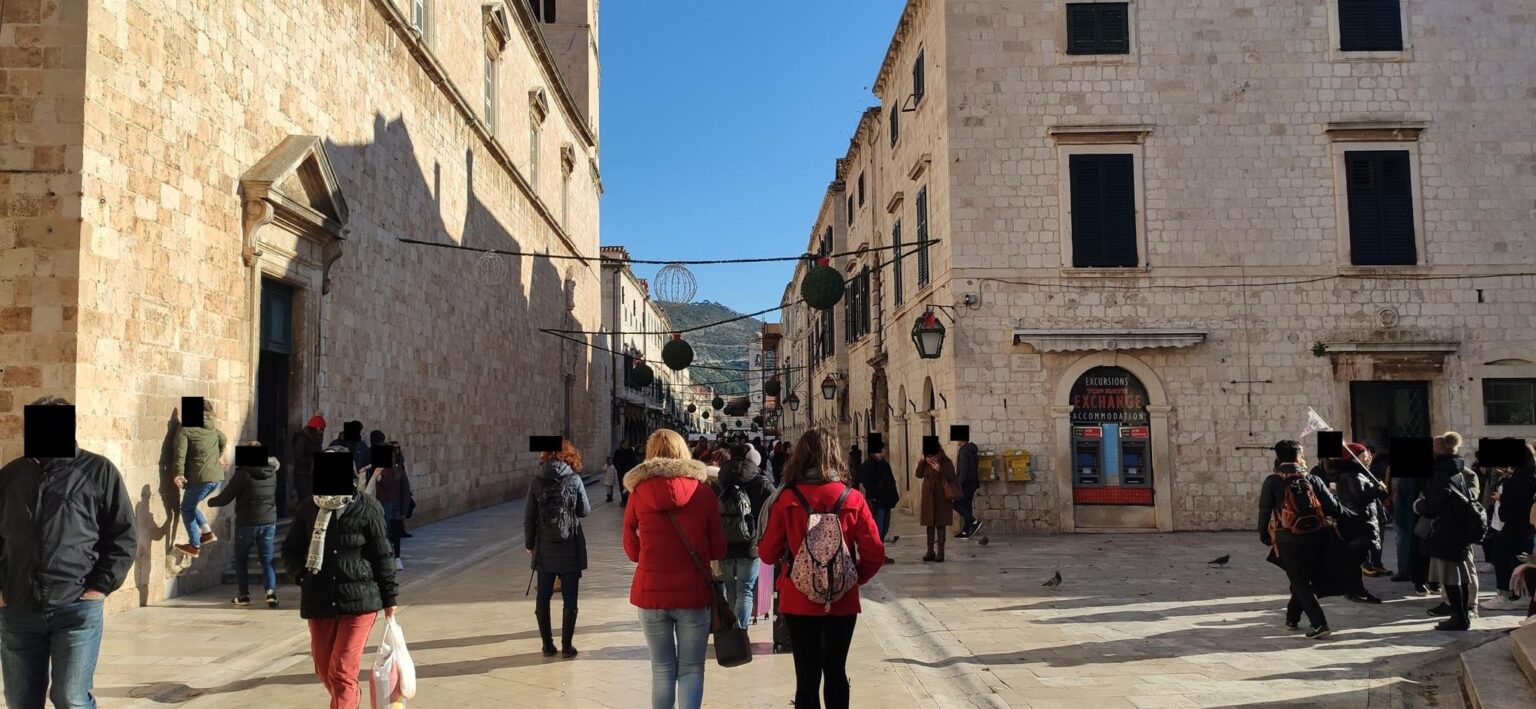
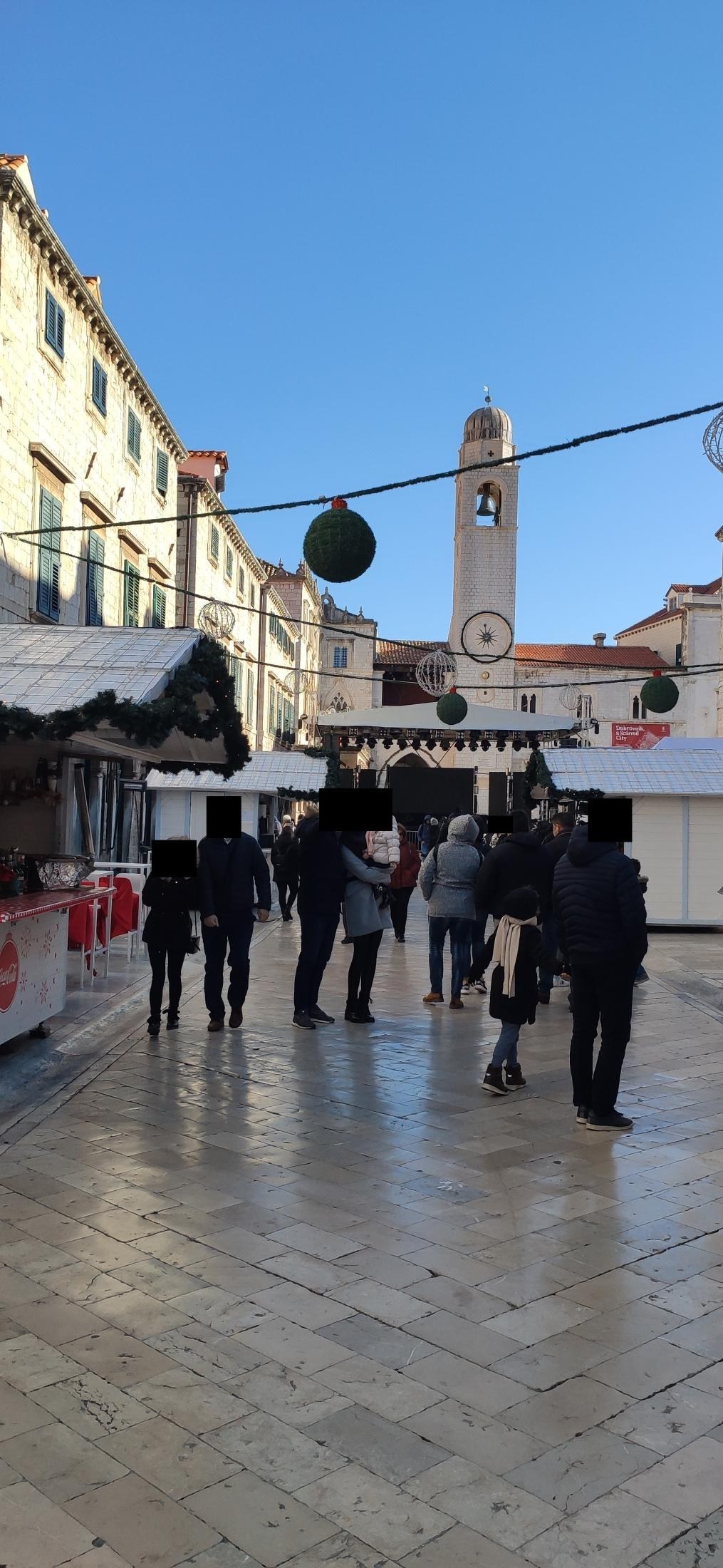
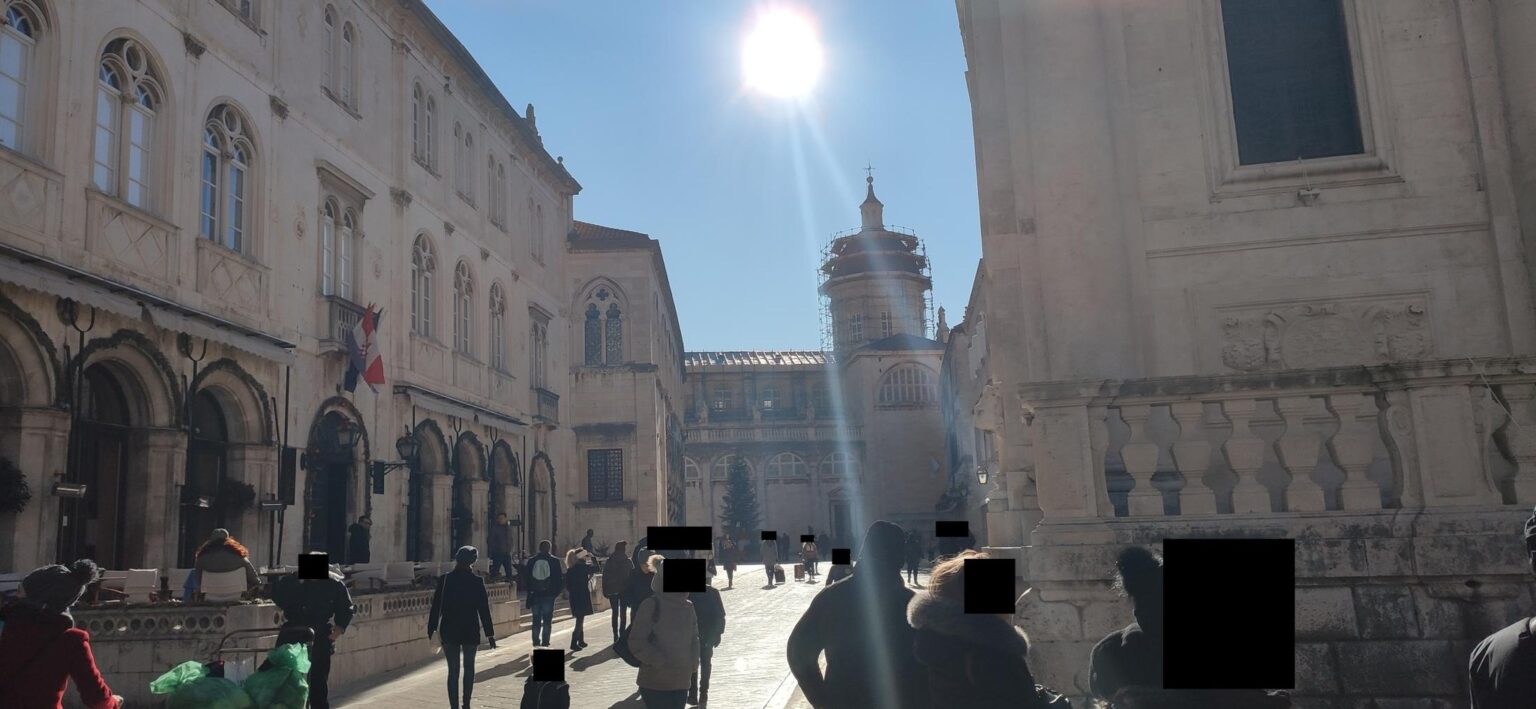
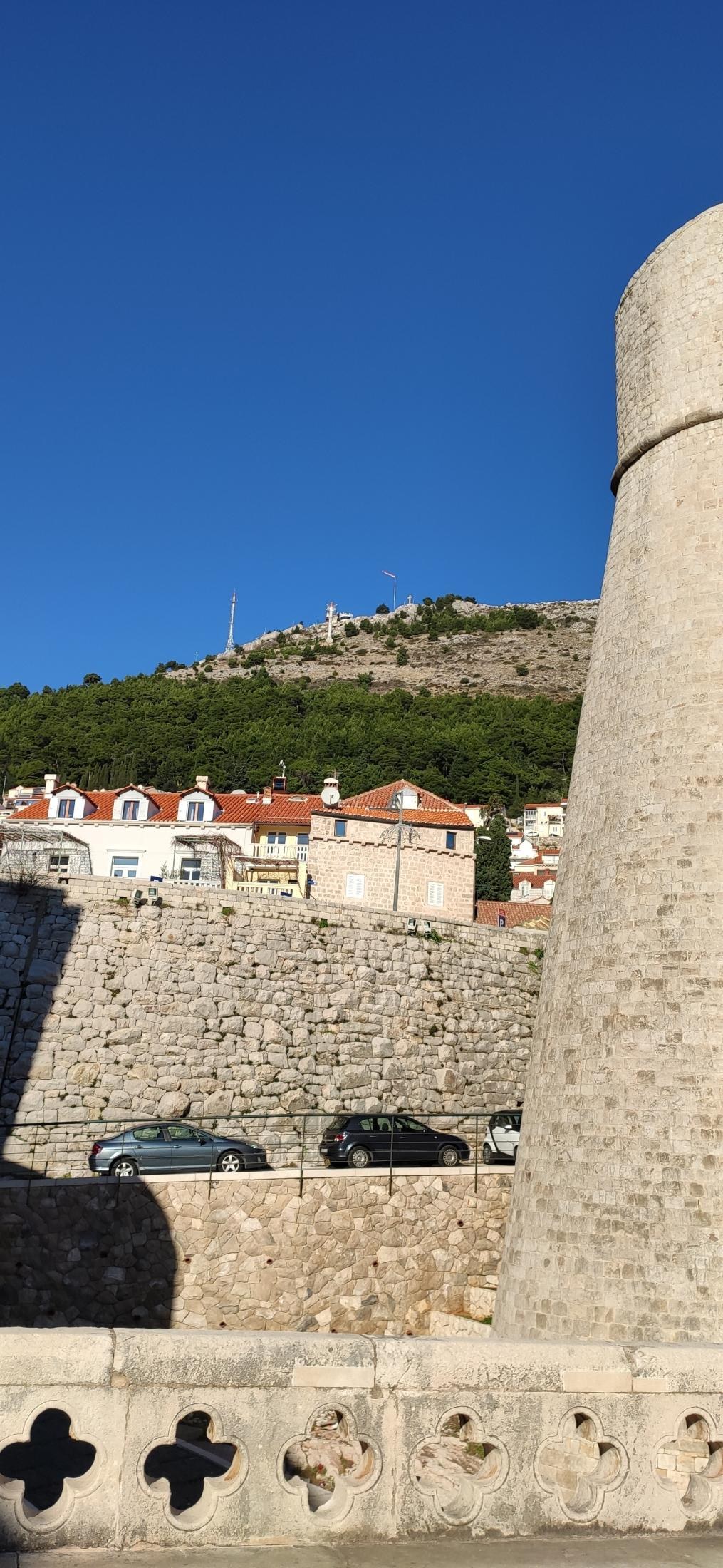
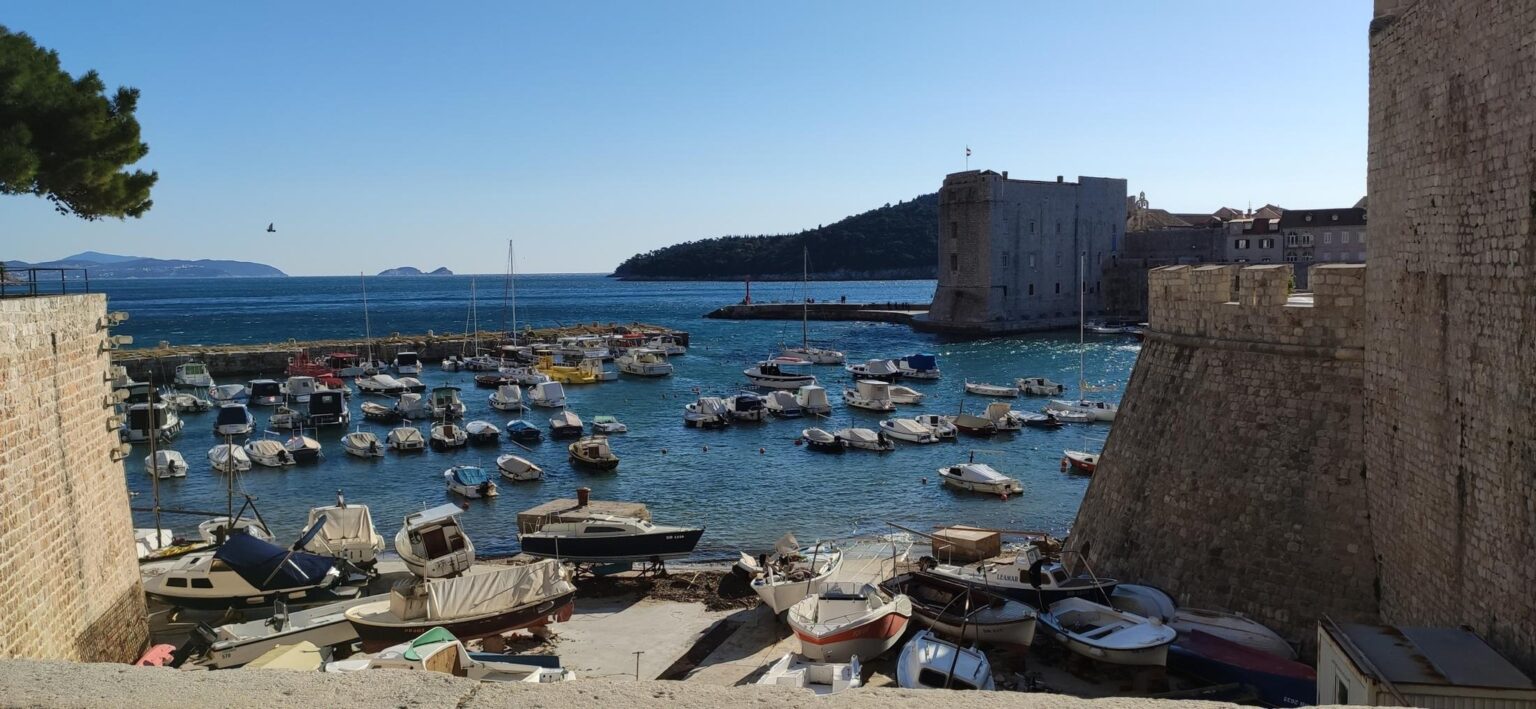
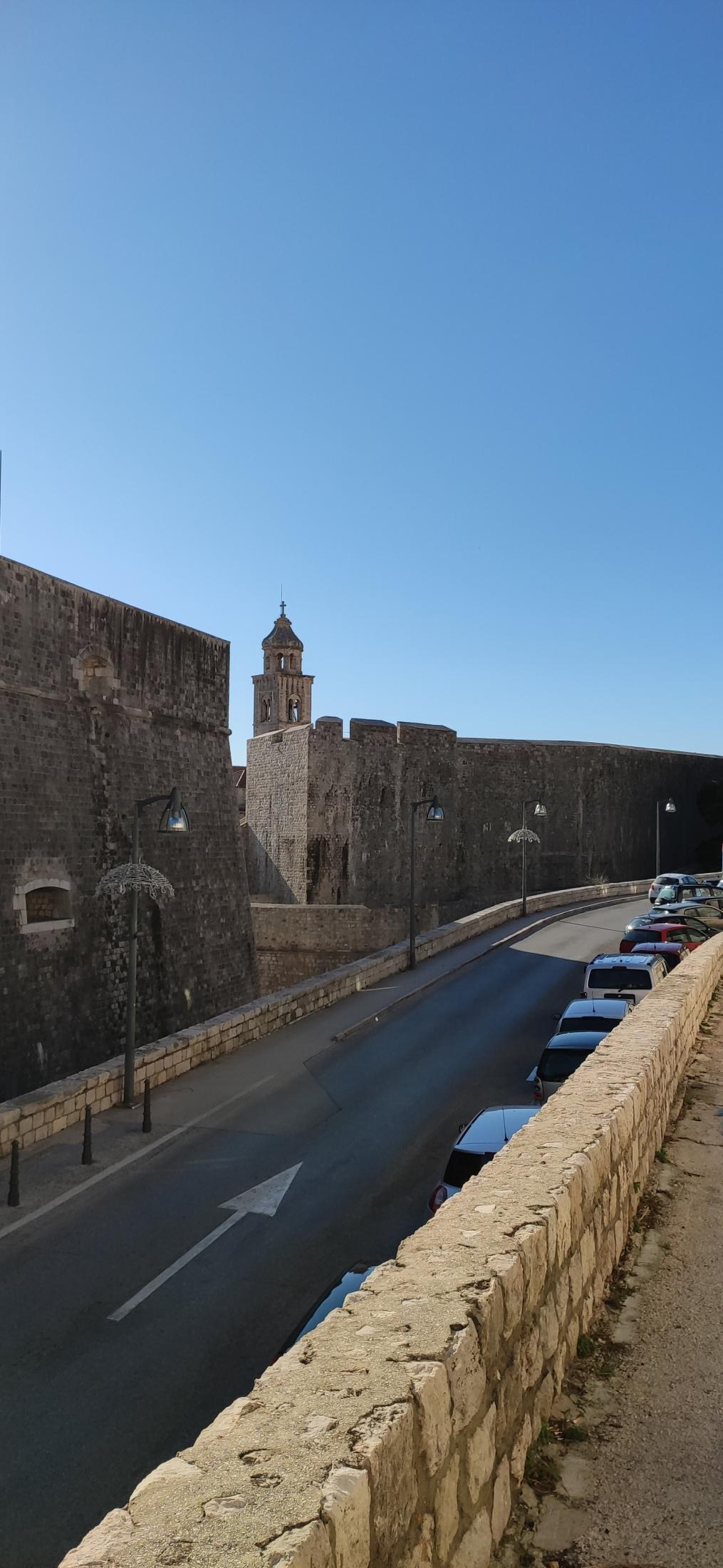
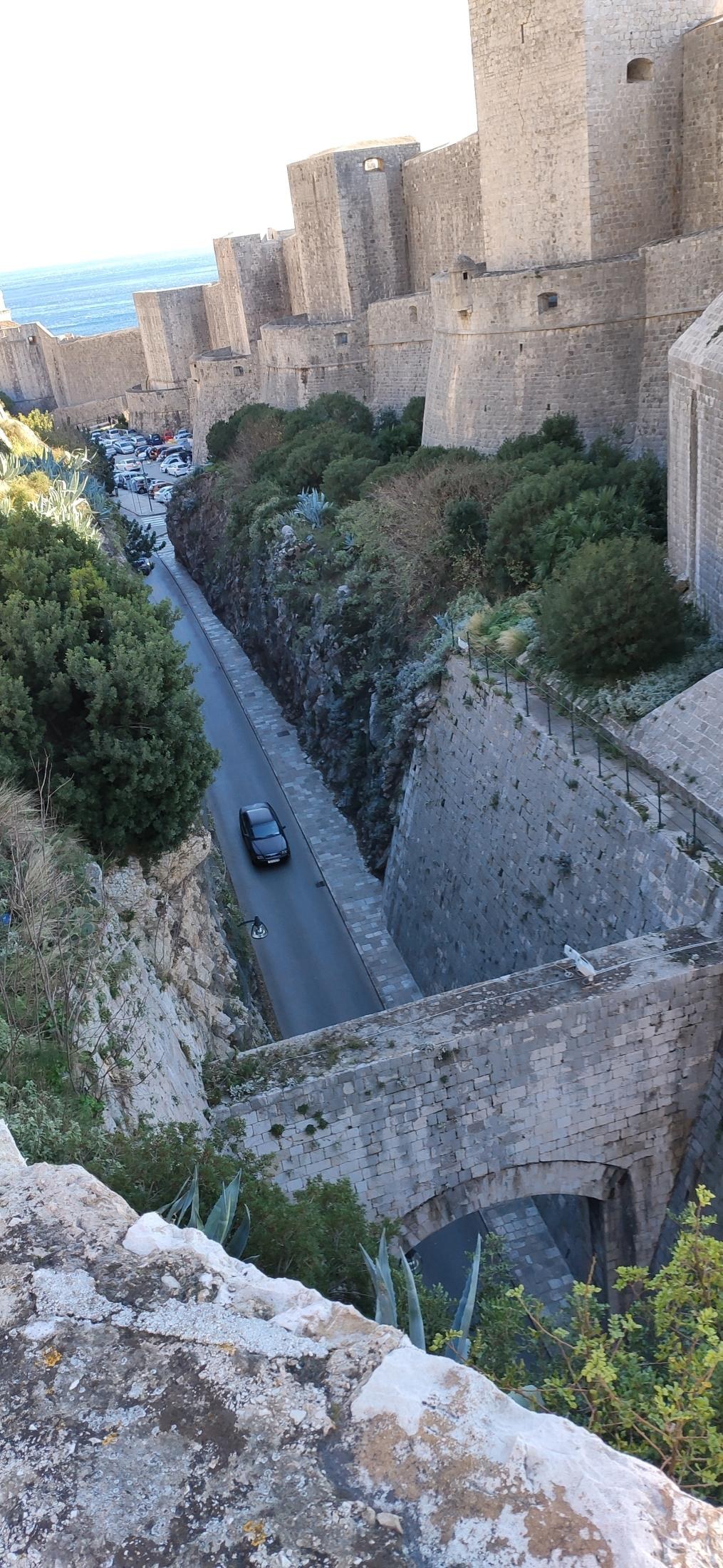
The main attraction of Dubrovnik is the old town, or rather the fortress. Access is free. It’s ringed by a very high, very massive defensive wall. Walking along the top of that wall is a separate ticket and not a cheap one — around €40 for an adult in season, considerably less in the winter off-season, so check the current price before you commit.
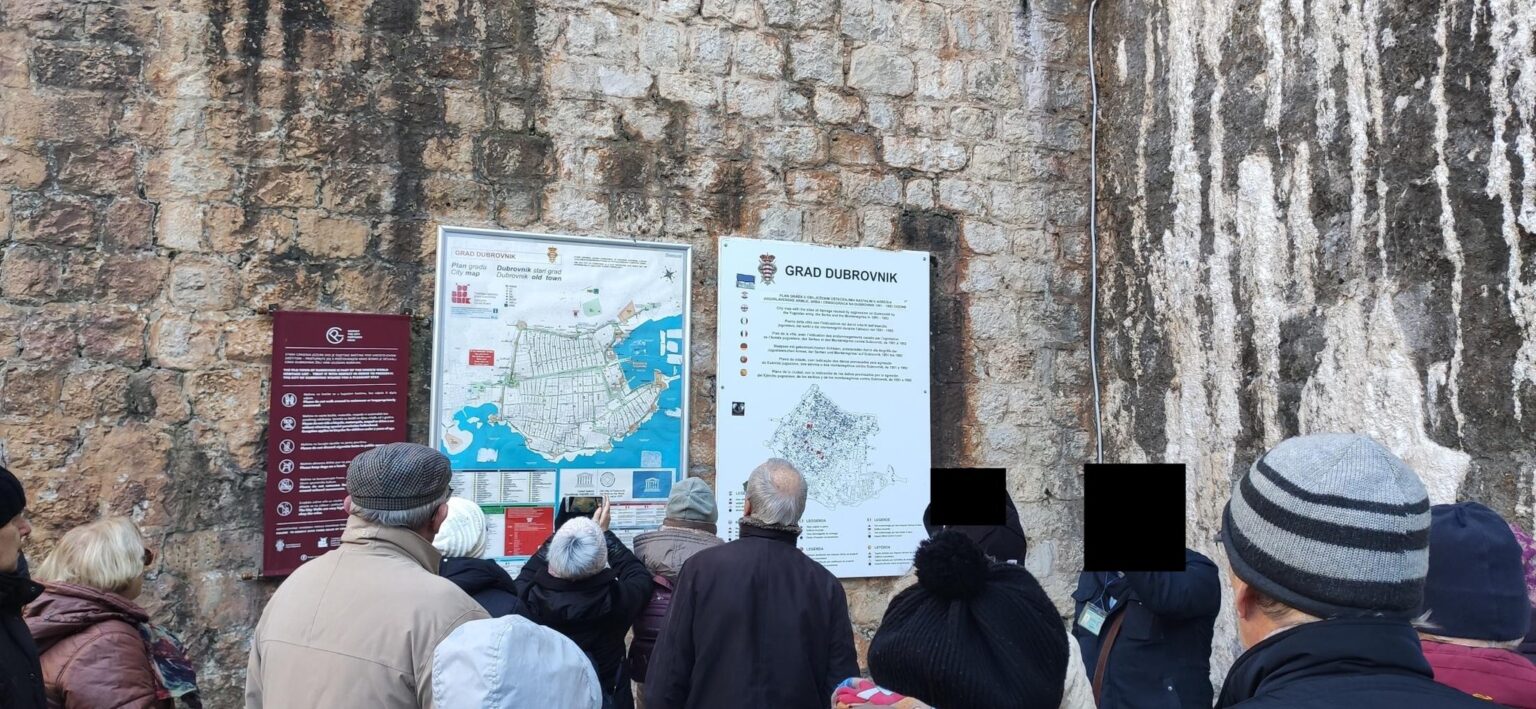
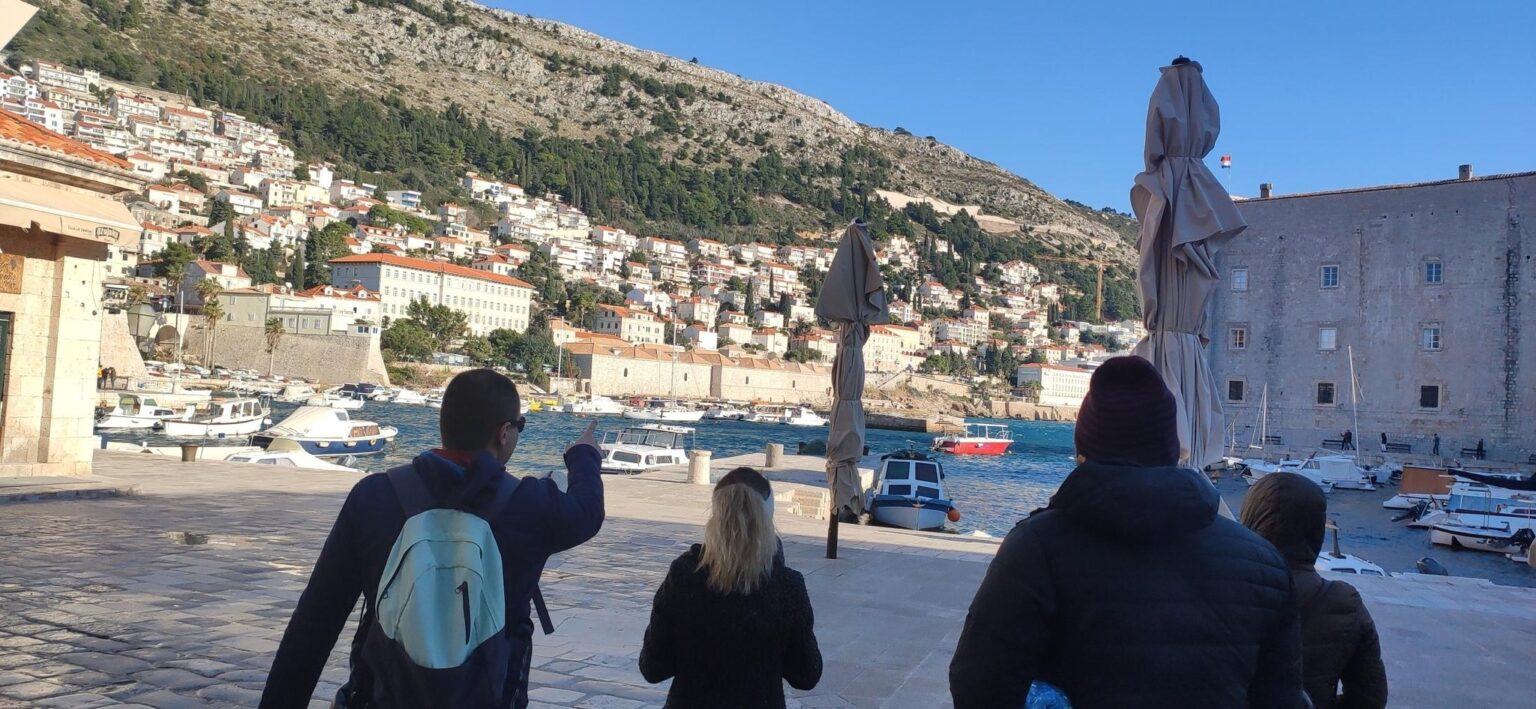
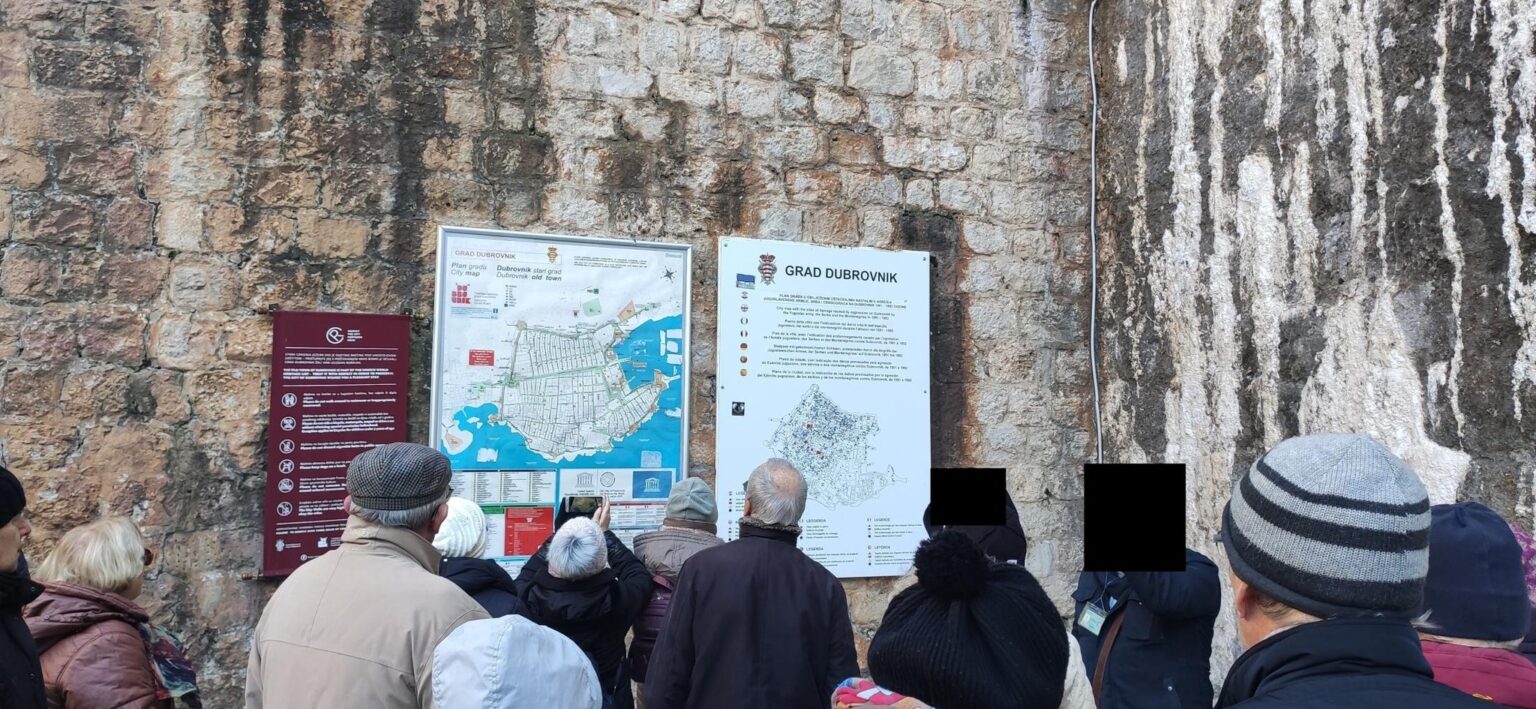
The guide offers to lead the group and explain things, or you can wander off like a free electron. He gives instructions about where and when to regroup, and if you’ve prepared offline navigation beforehand you’ll feel a lot calmer about it. Your call, but my advice is to set off with everyone at the start and peel away later. You’ll have a few hours.
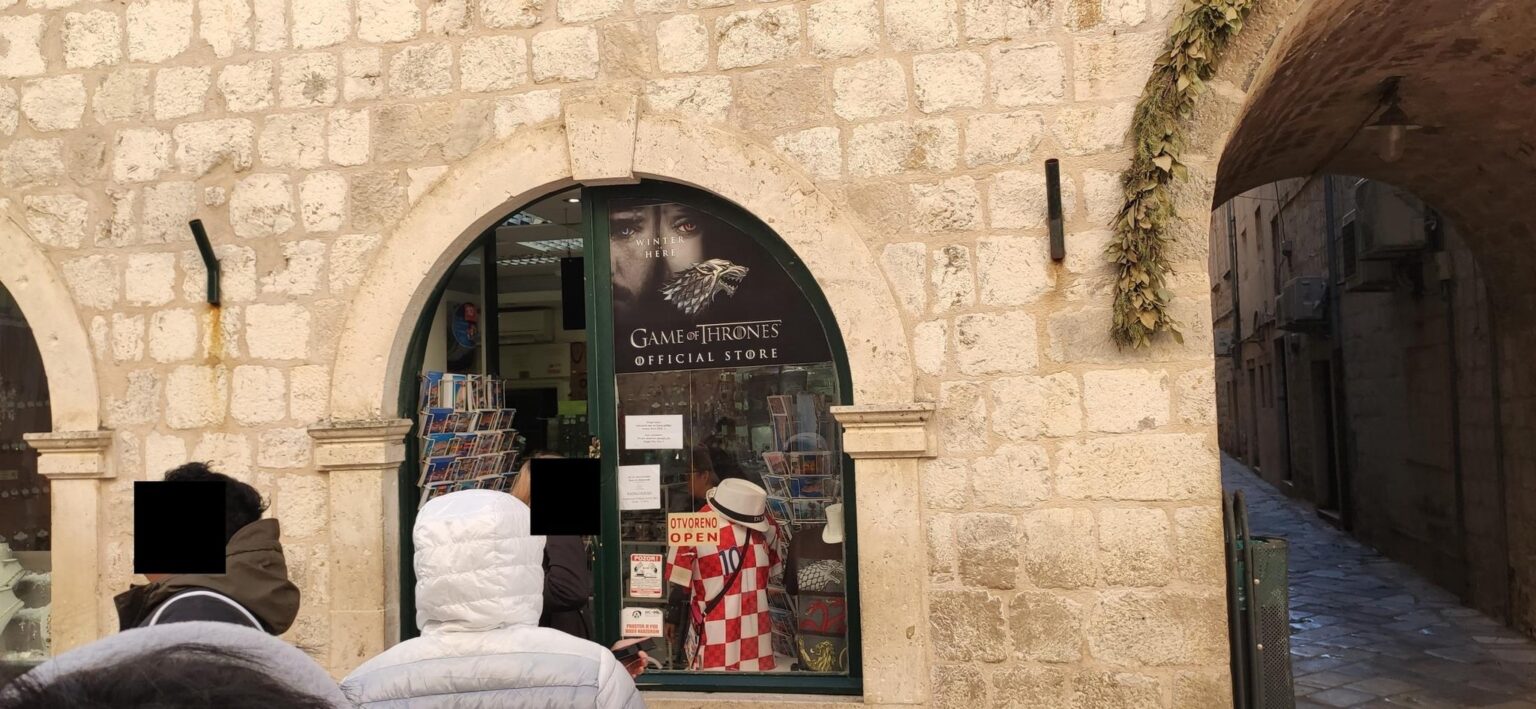
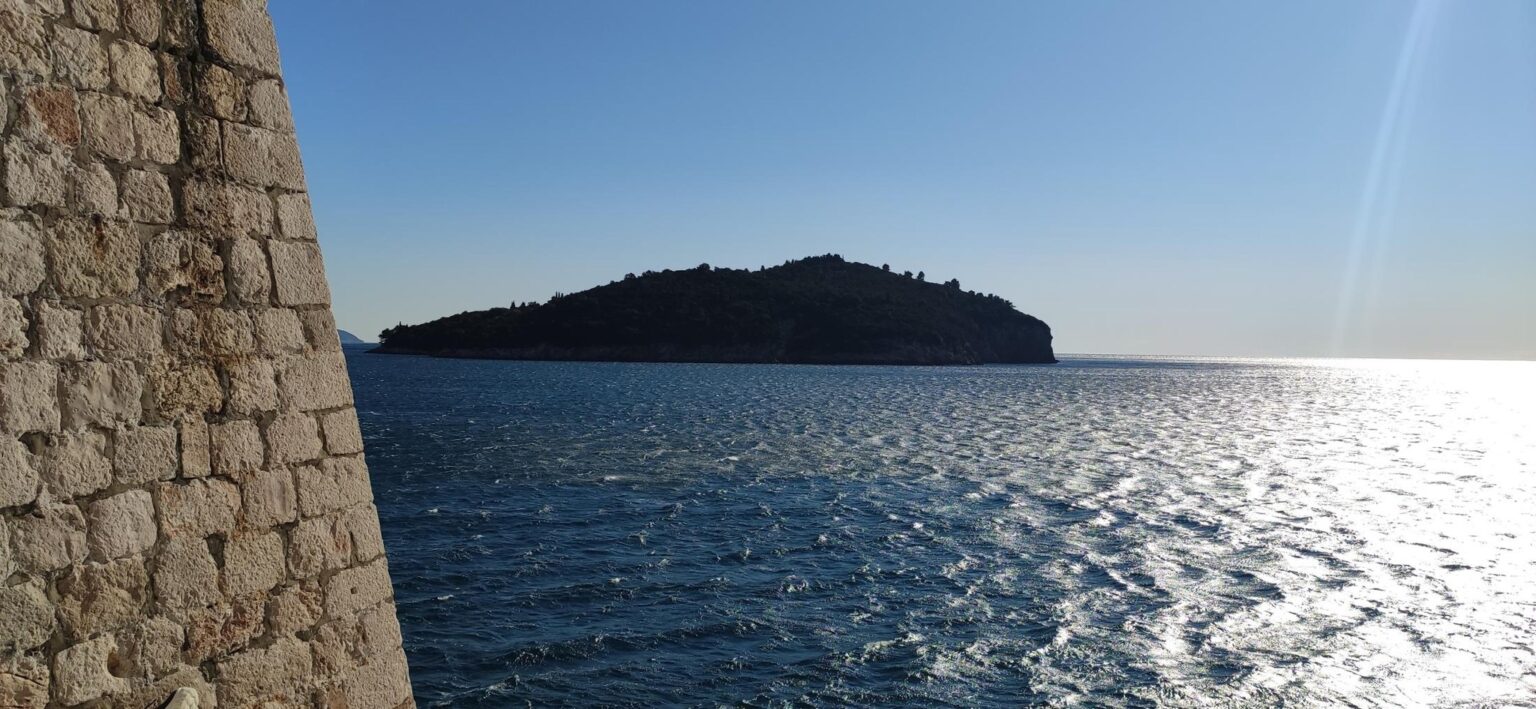
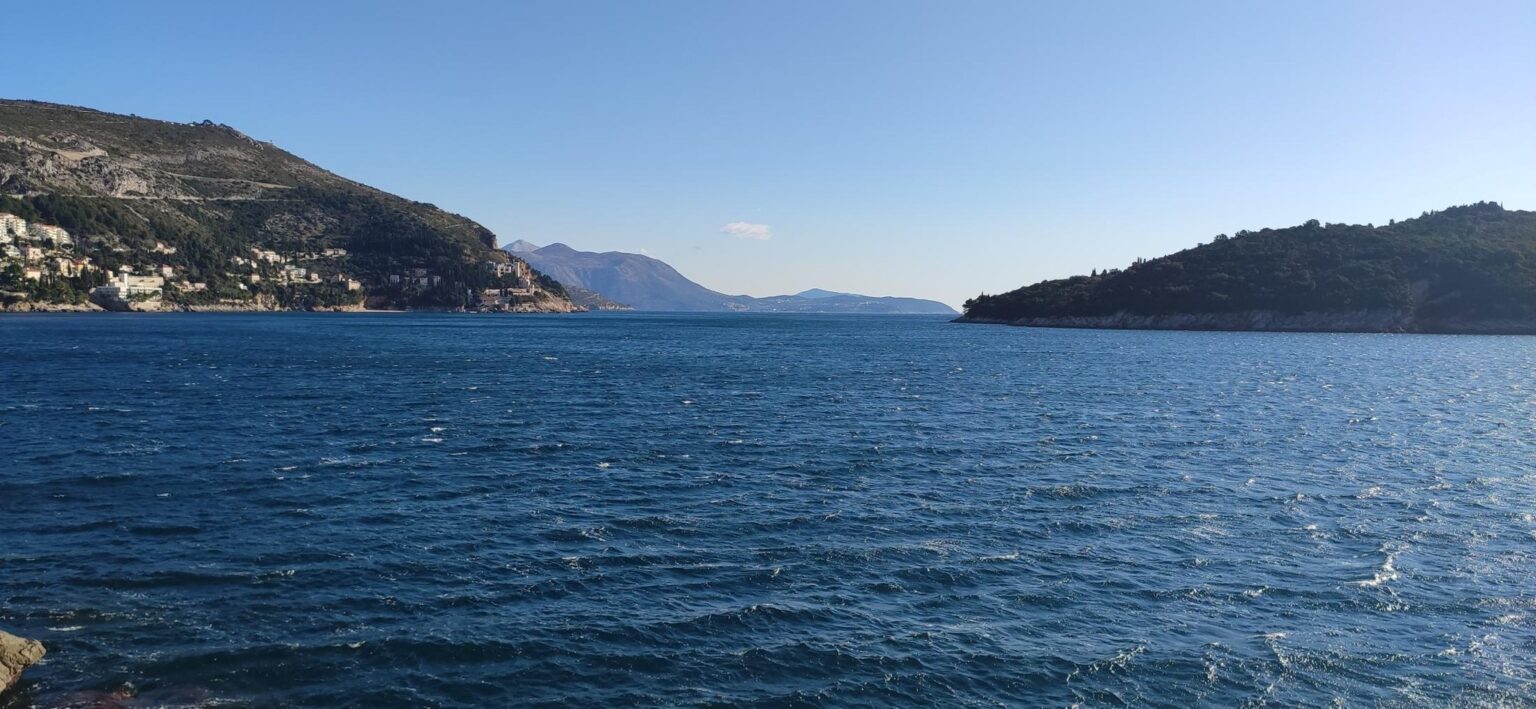
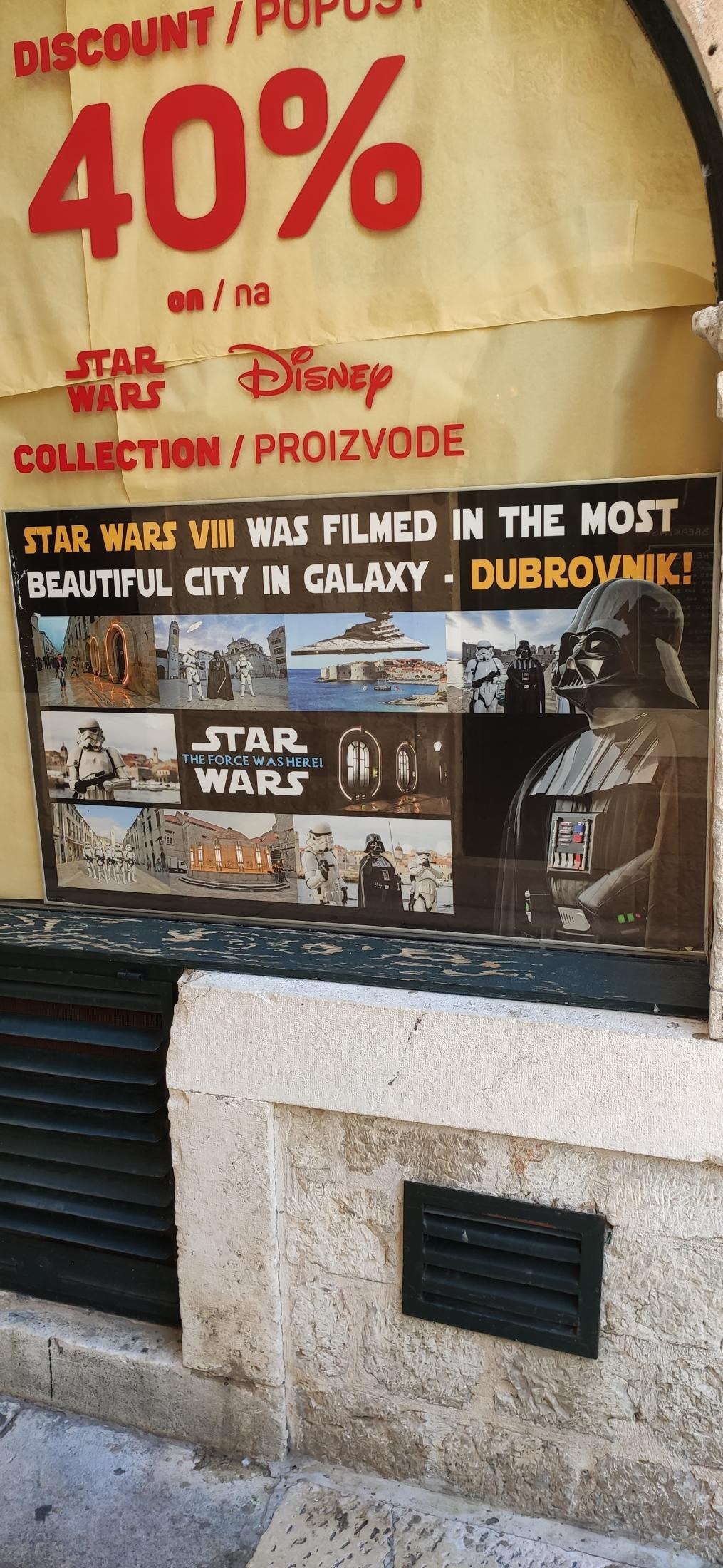
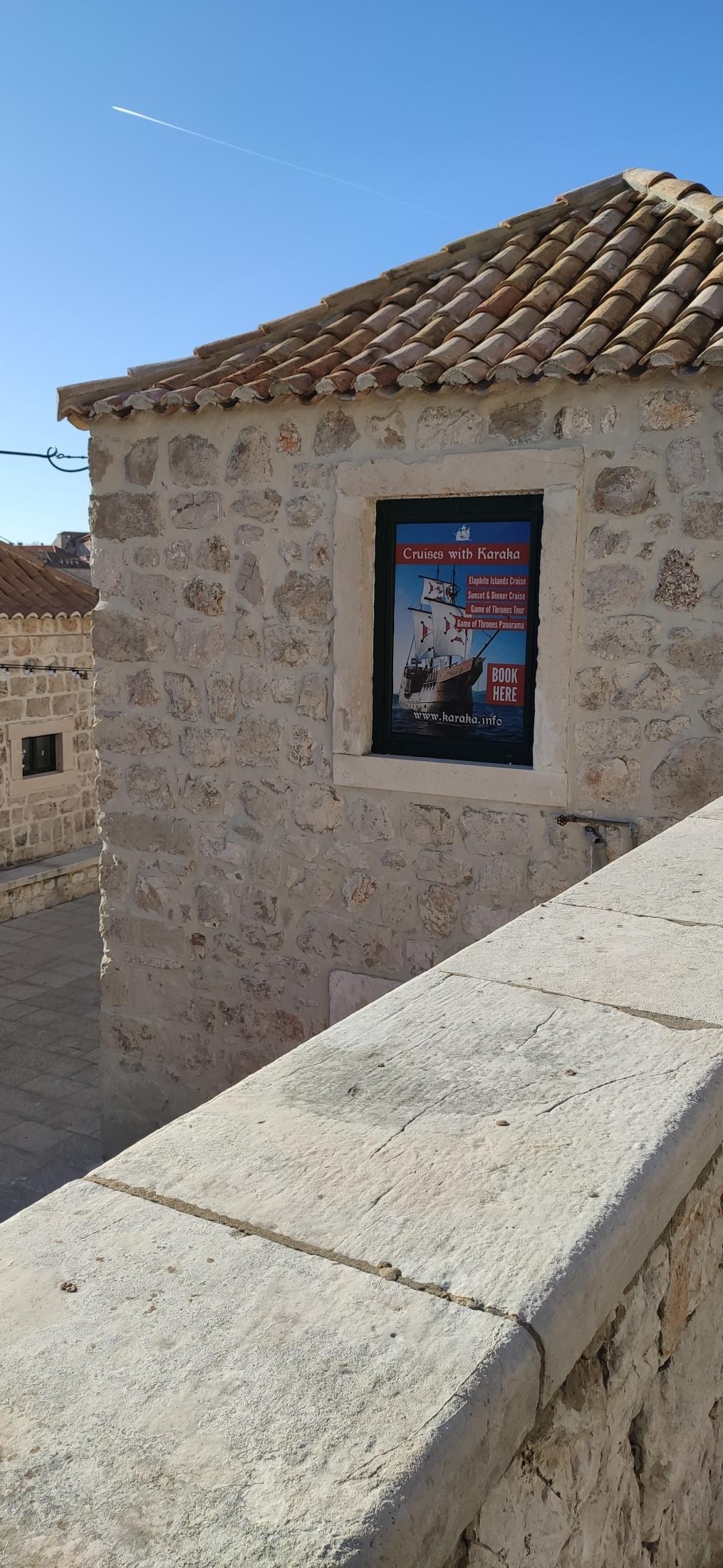
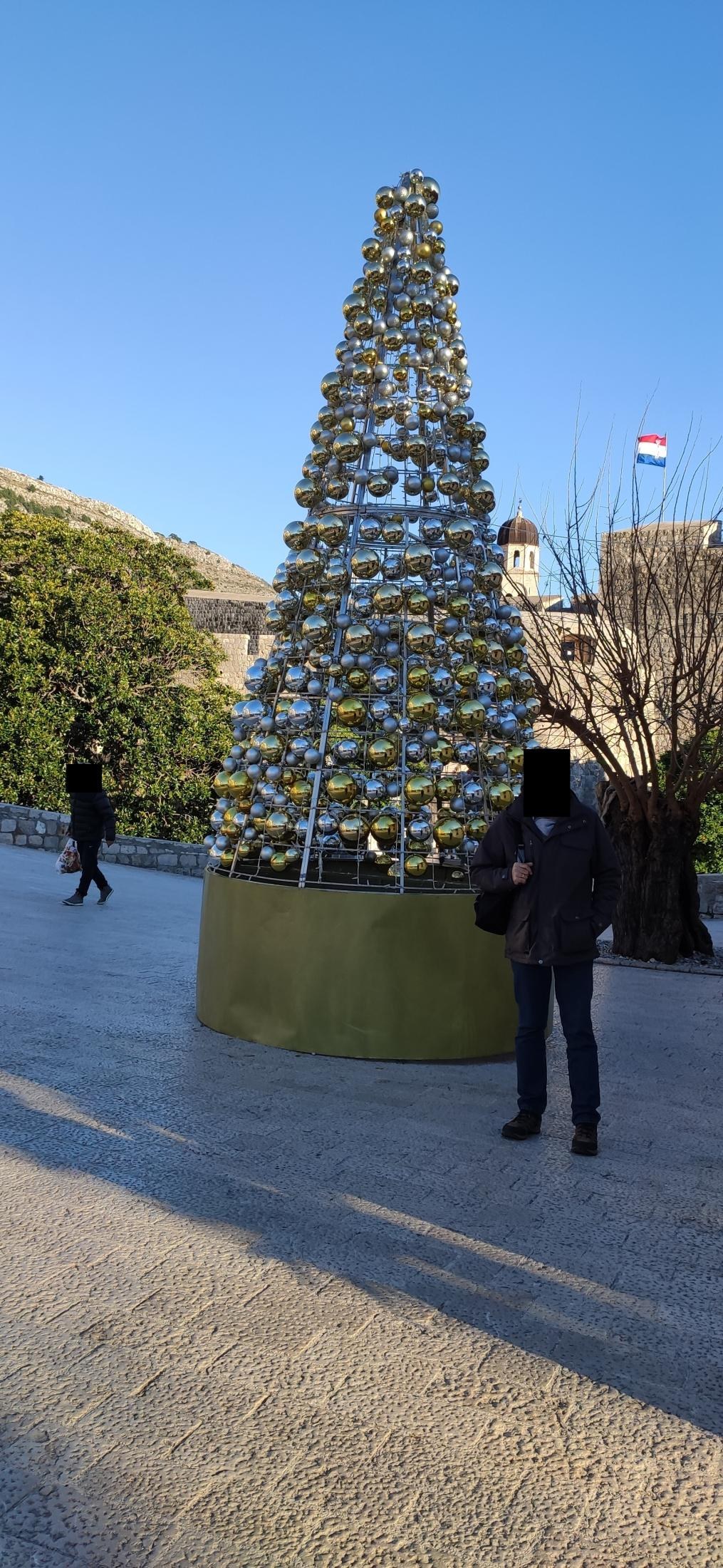
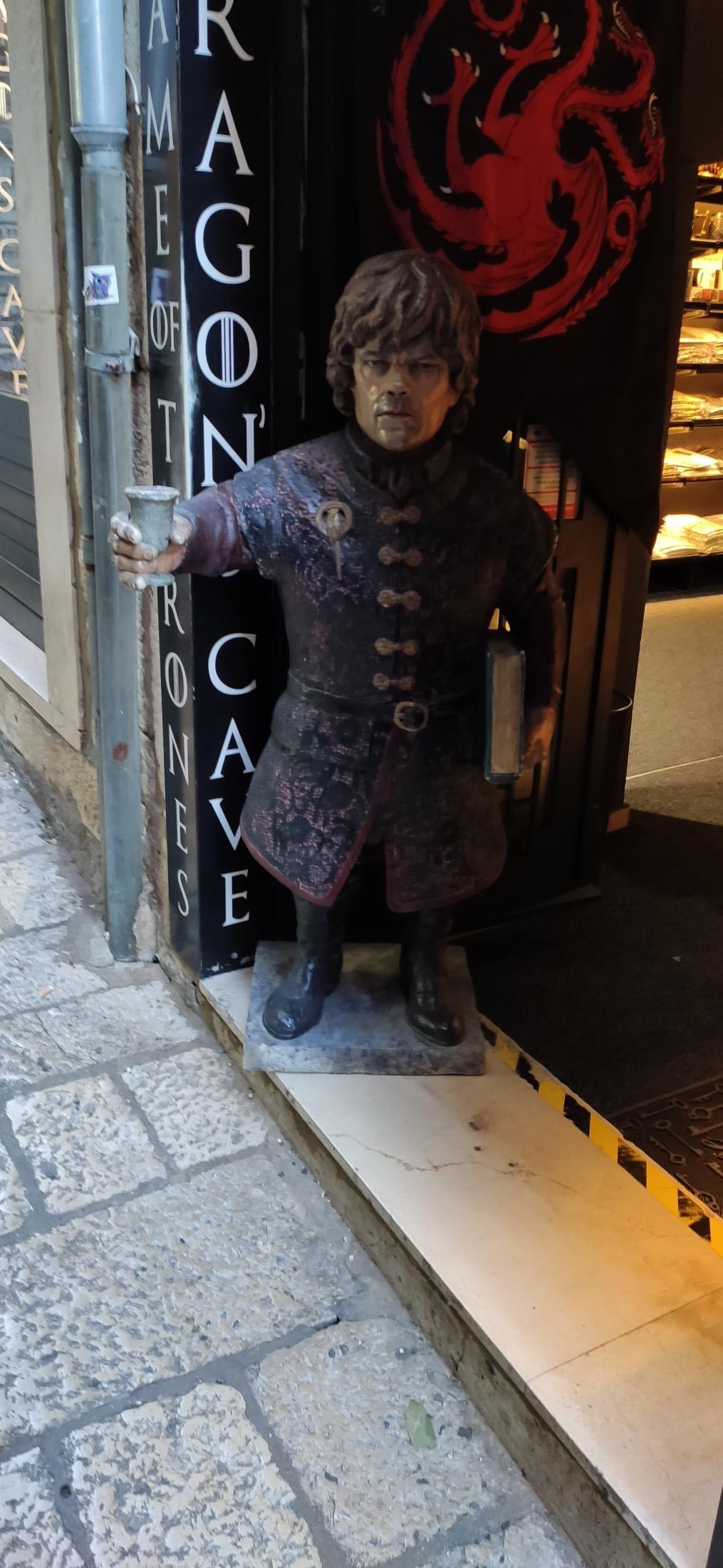
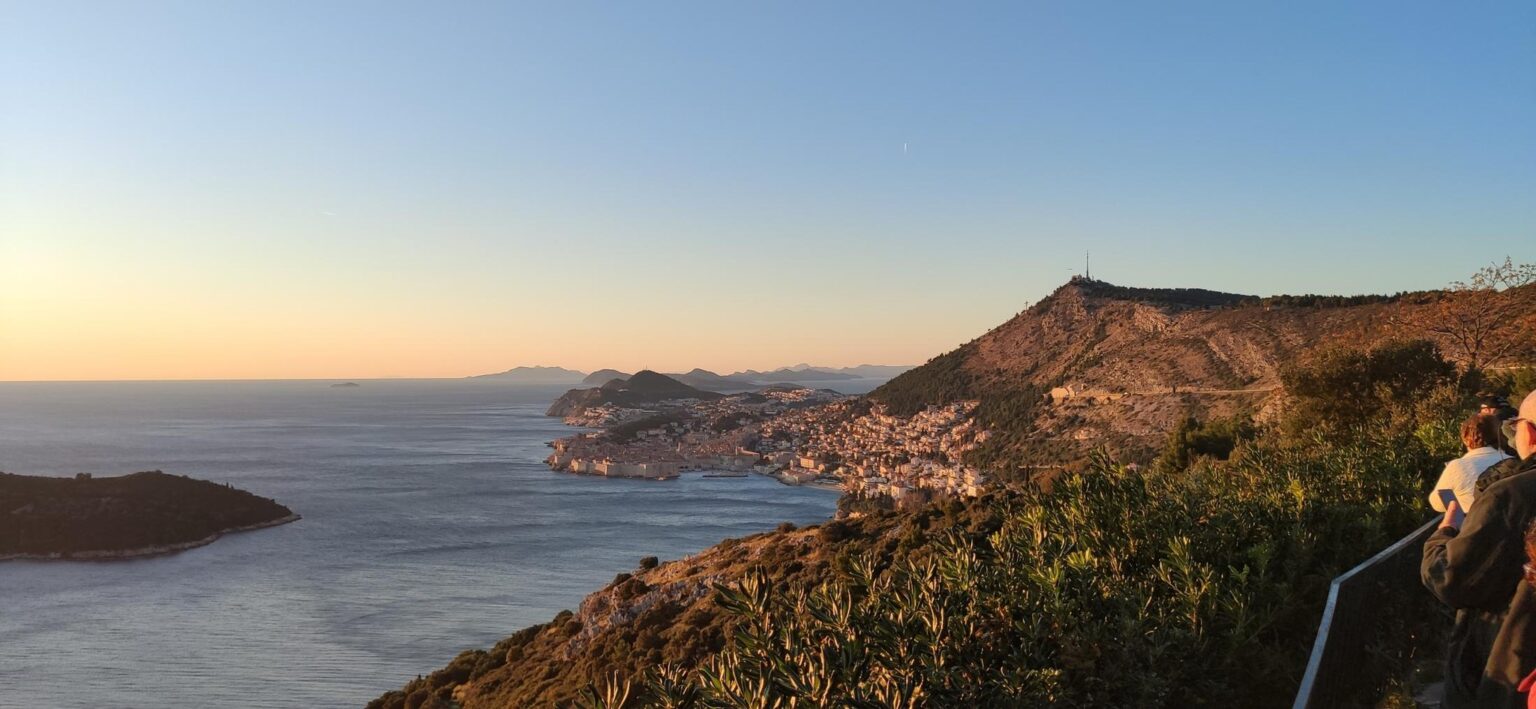
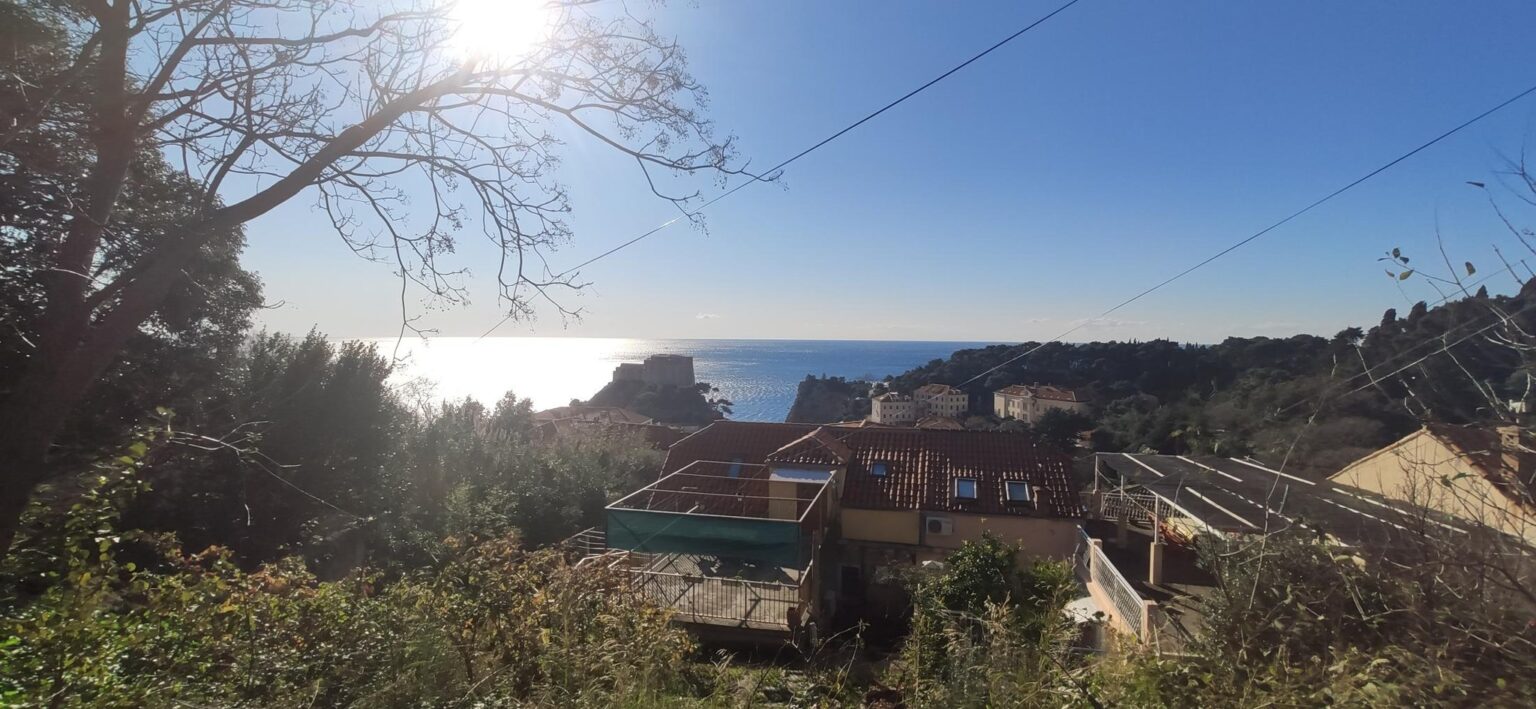
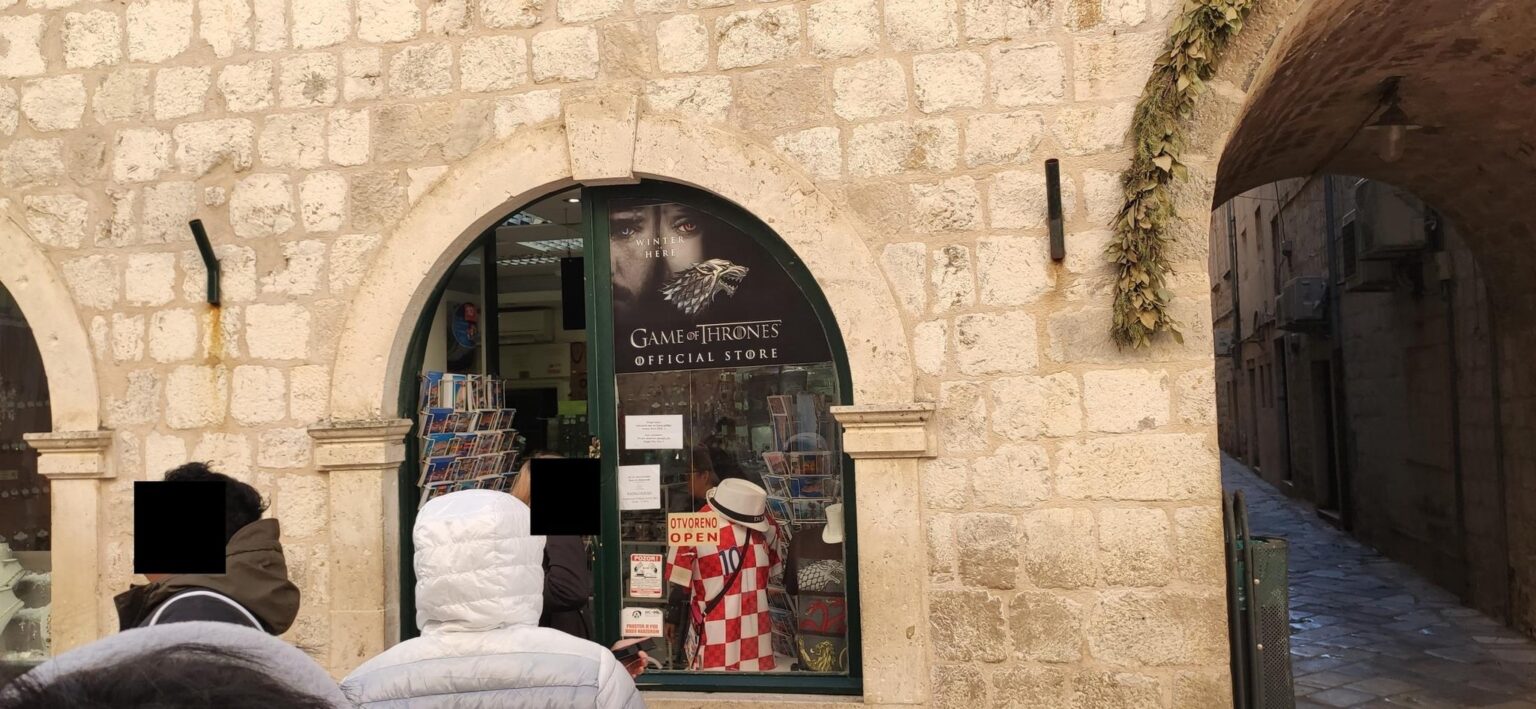
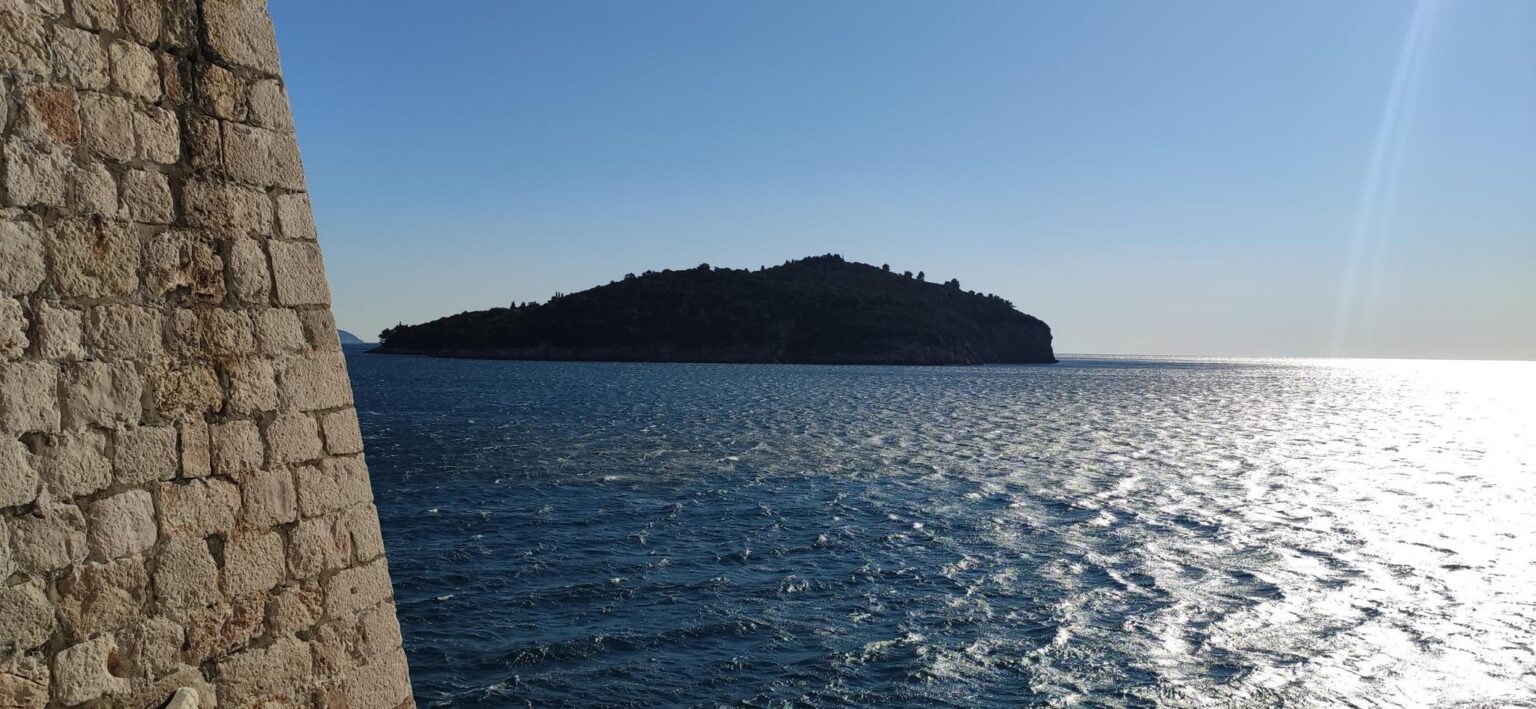
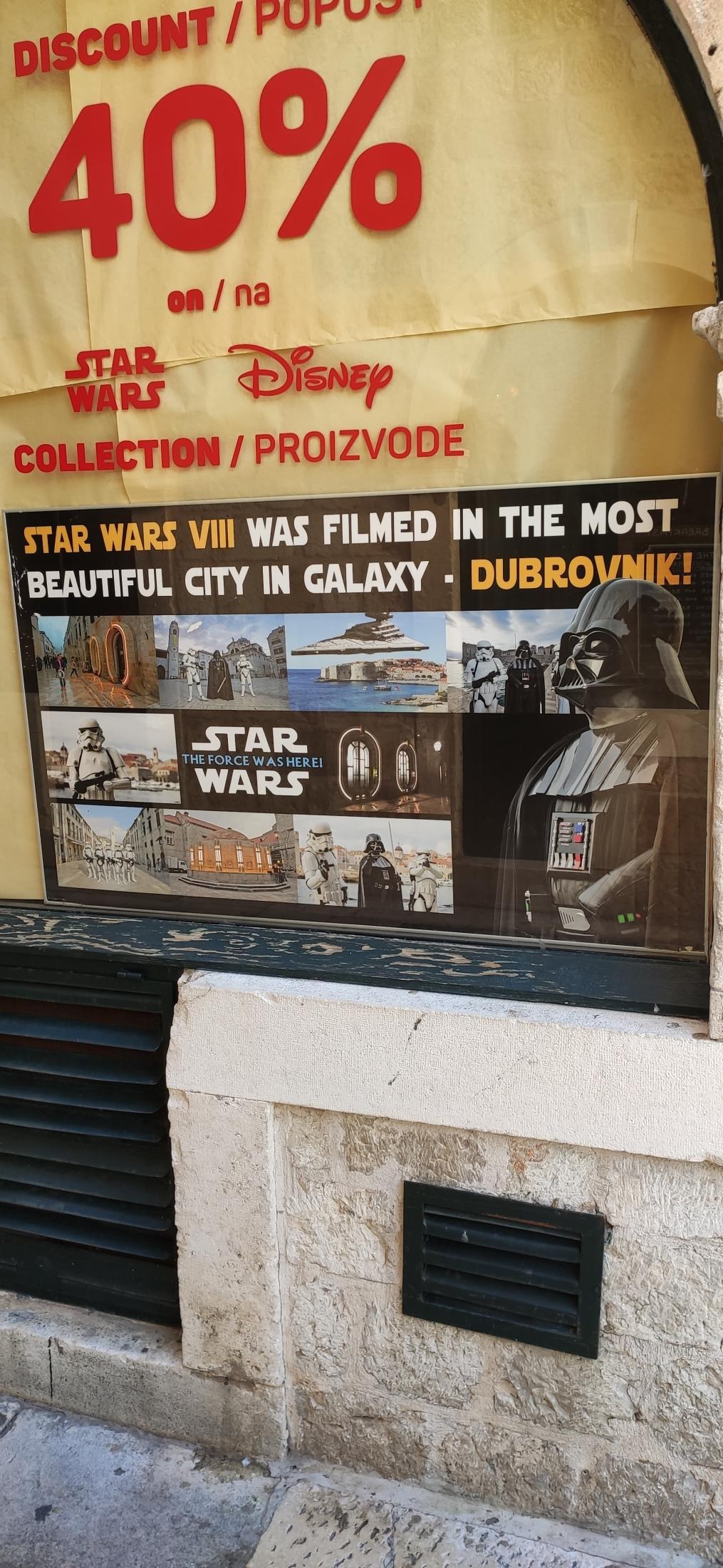
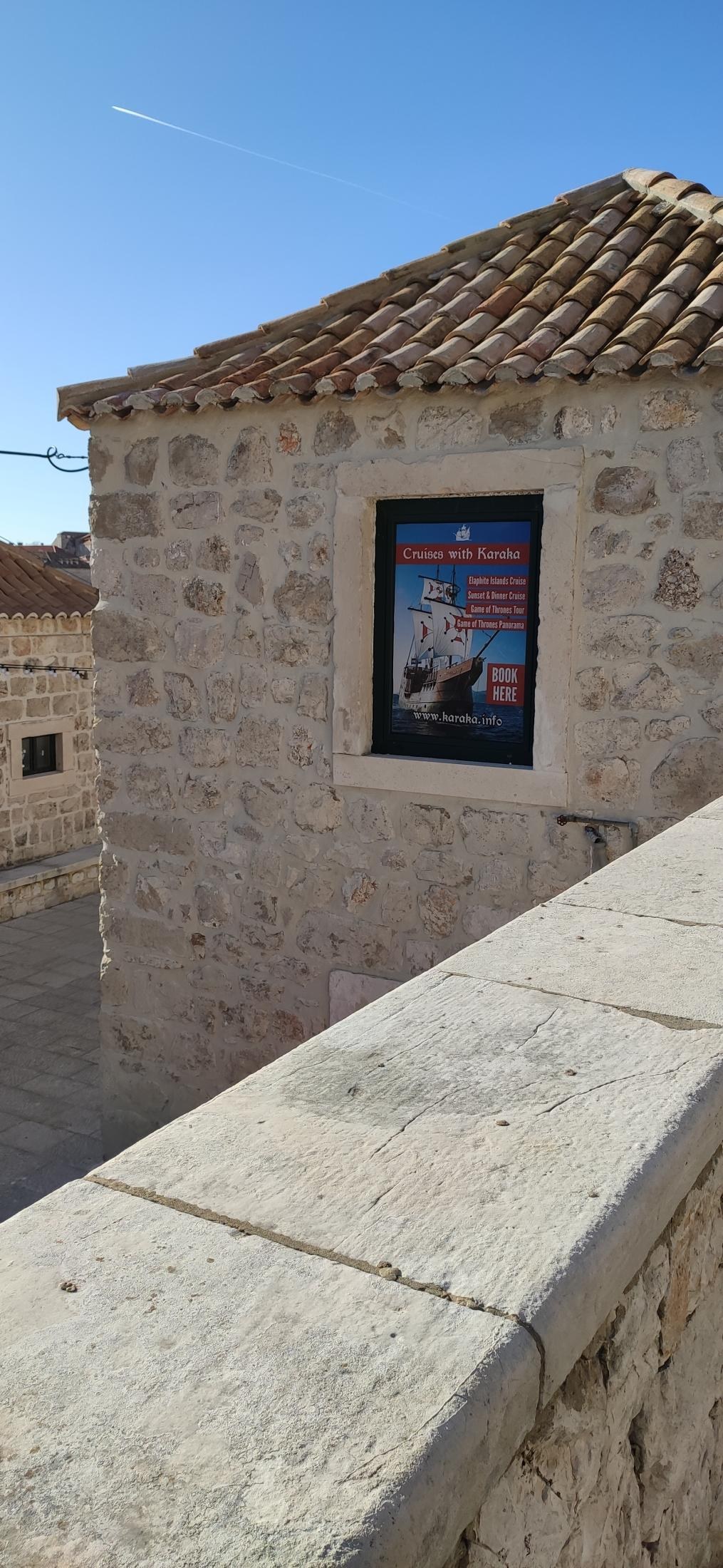
There are nods to Star Wars and Game of Thrones all over the place. The better detail is that Dubrovnik is, de facto, King’s Landing. The island of Lokrum is close by and has its own filming locations, plus a botanical garden and a monastery. Boat transfers run around €10–15, but it doesn’t really fit the format of an organised trip like this one. We’ll be back, no way around it.
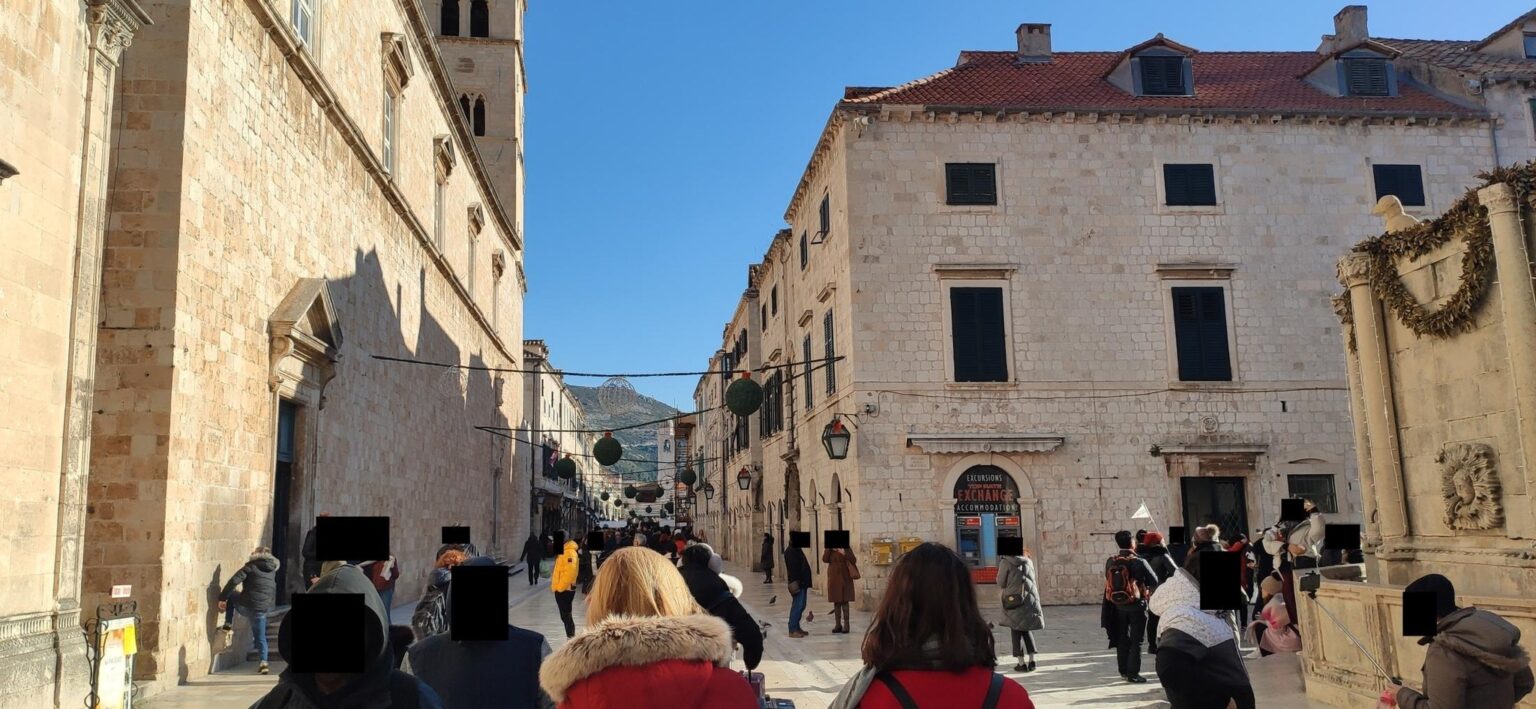
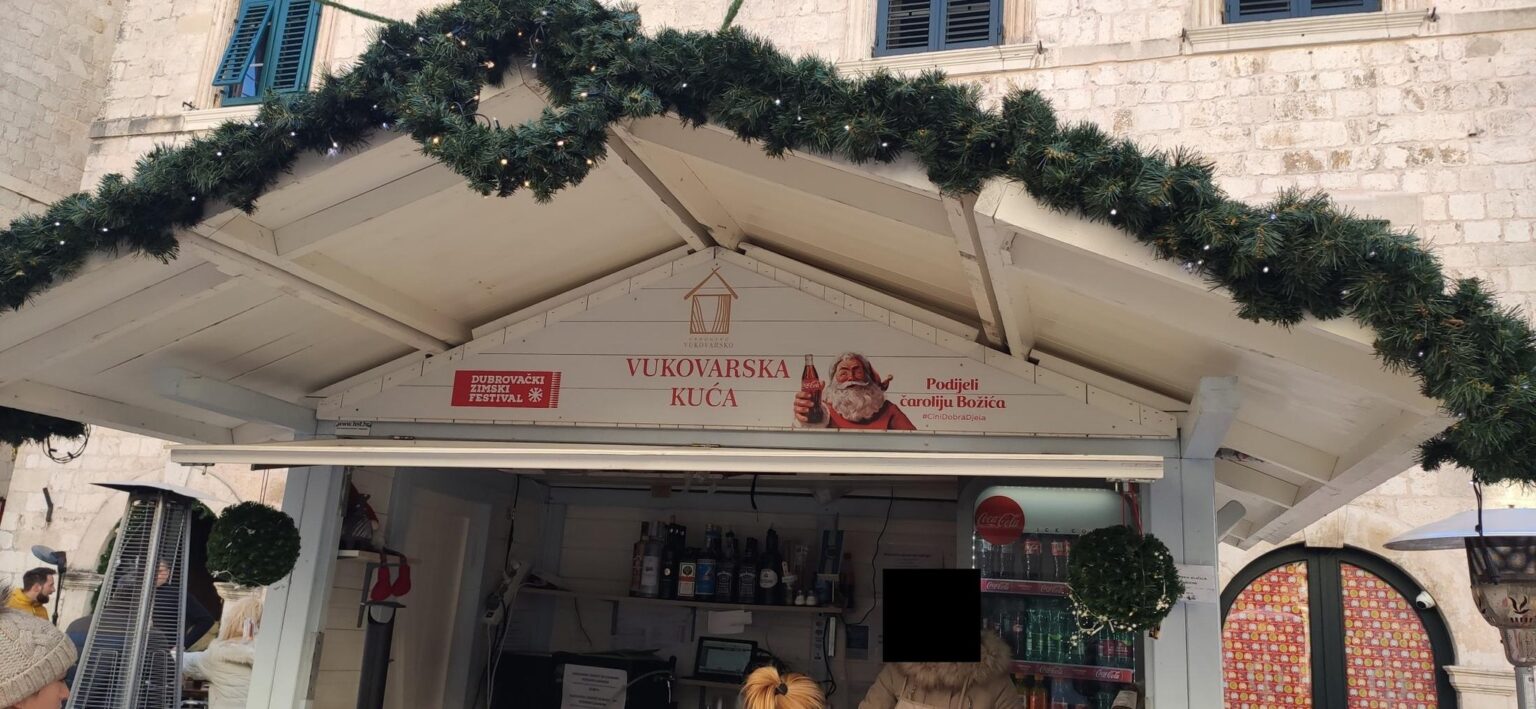
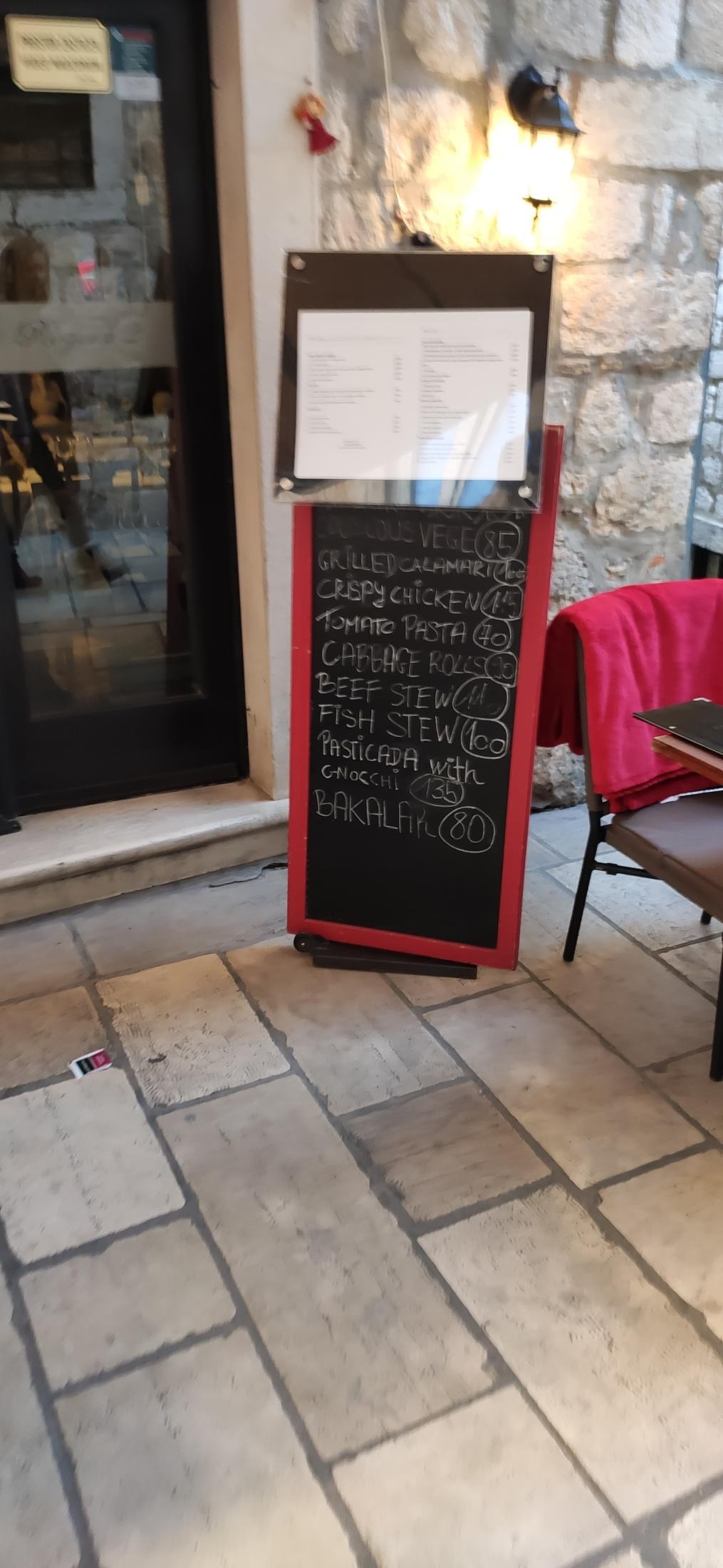
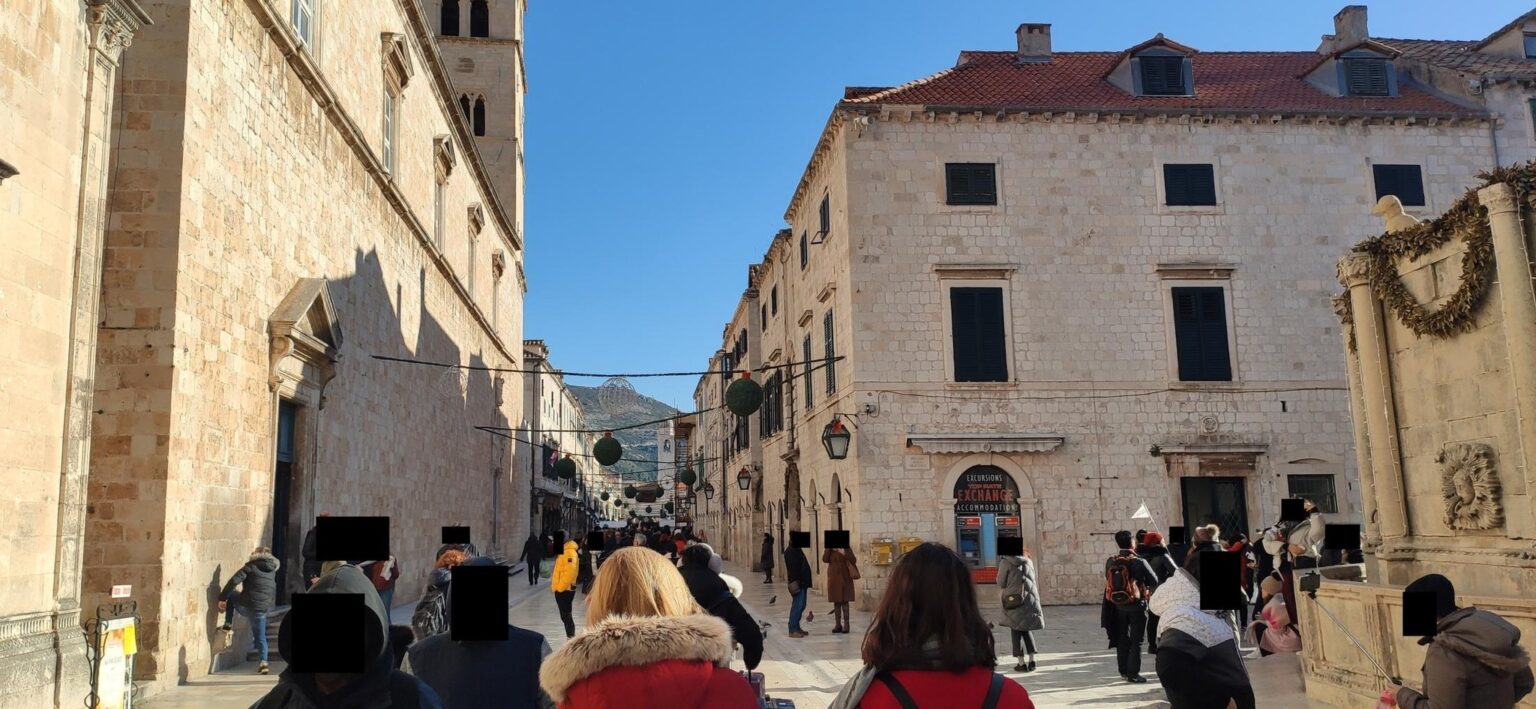
You feel immediately that this is a famous destination. The prices are cosmic. Coffee from €5–6 upwards, bottled water around €10, pizza from €10, a main from €20. A visibly normal lunch starts at €50 in places that aren’t even especially glossy — and those were the numbers back then, so budget accordingly today.
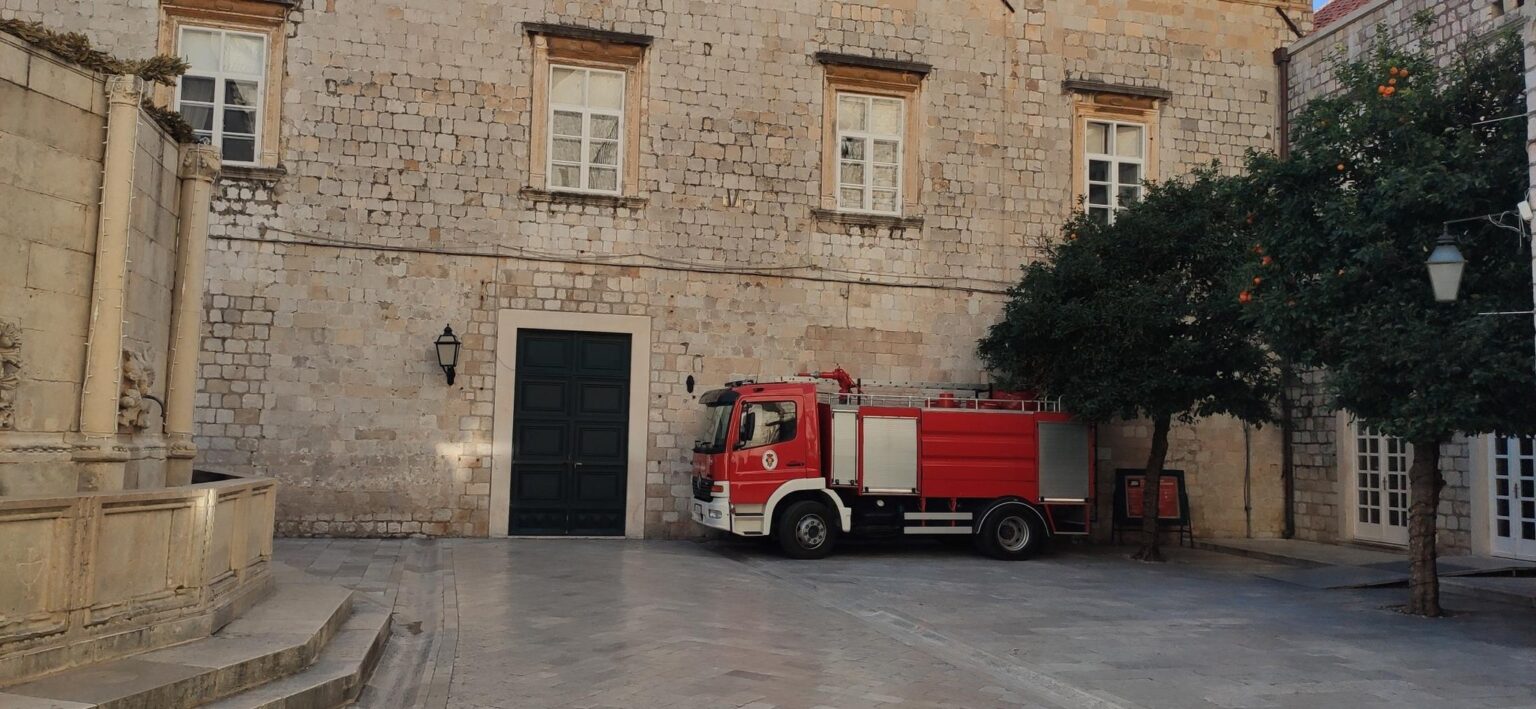
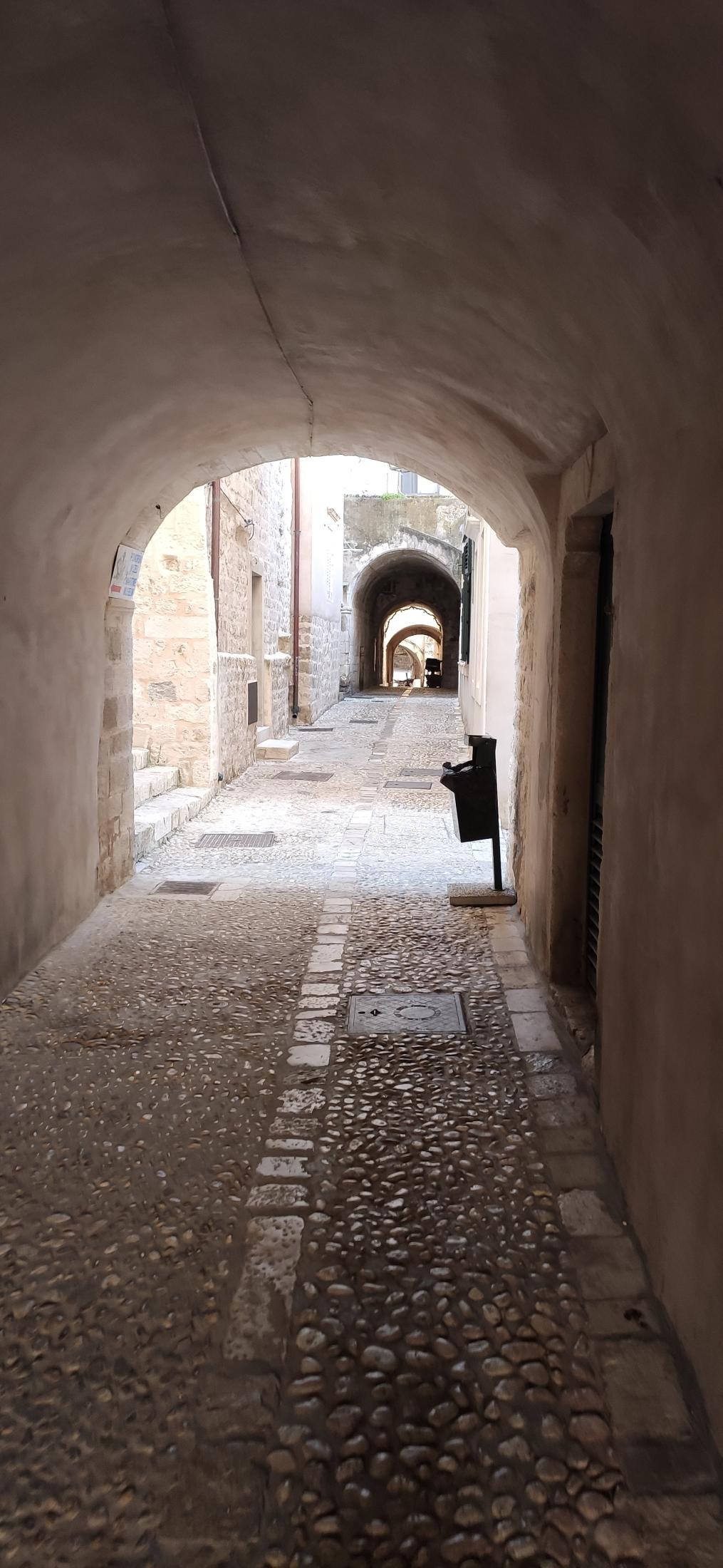
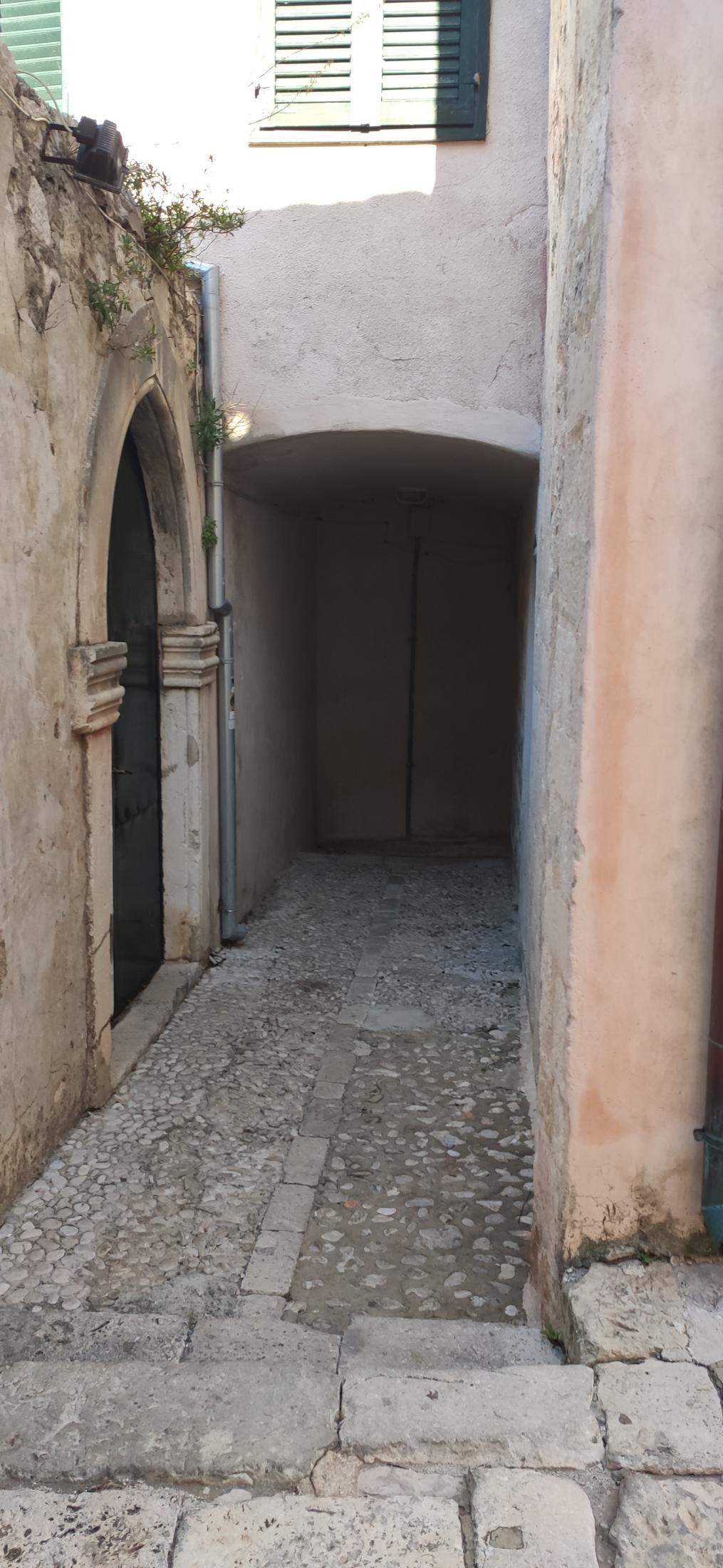
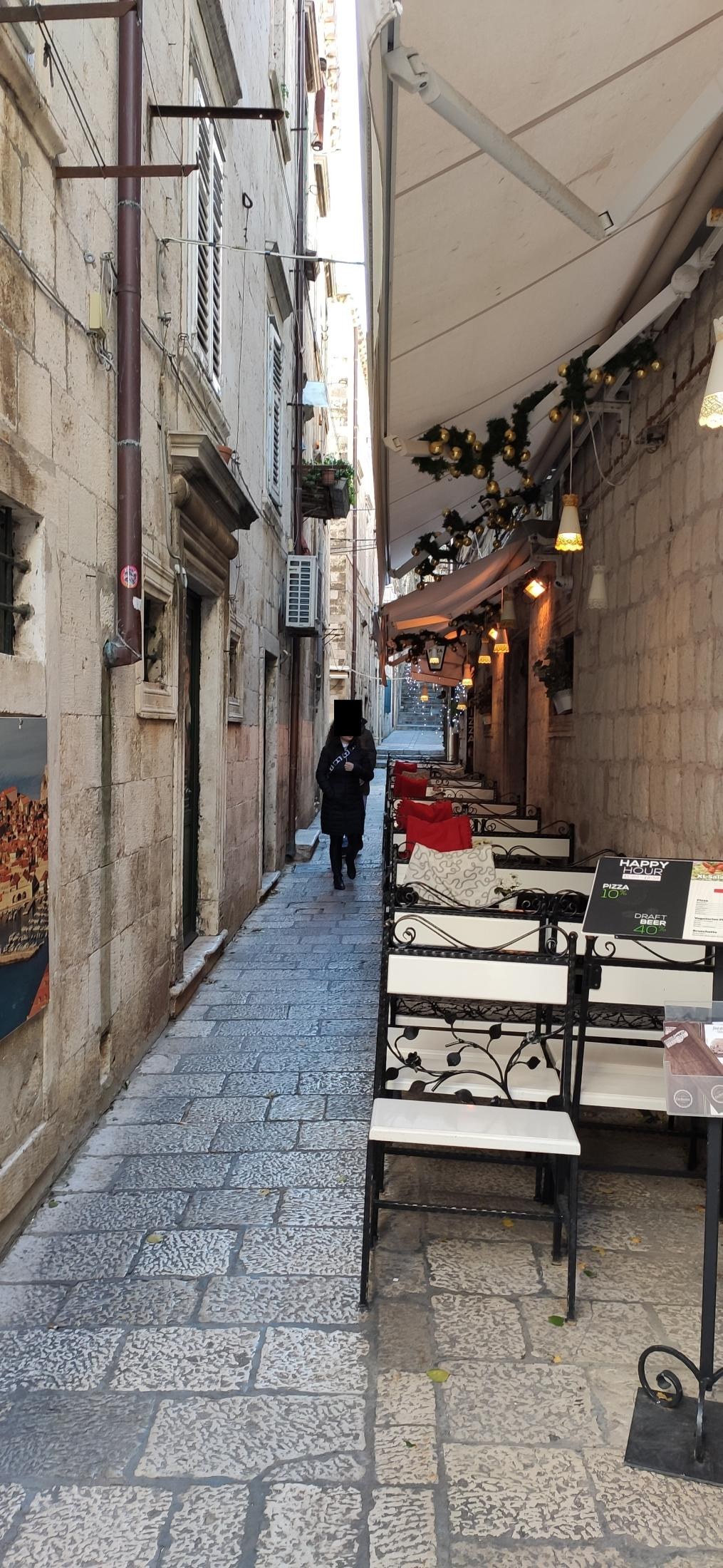
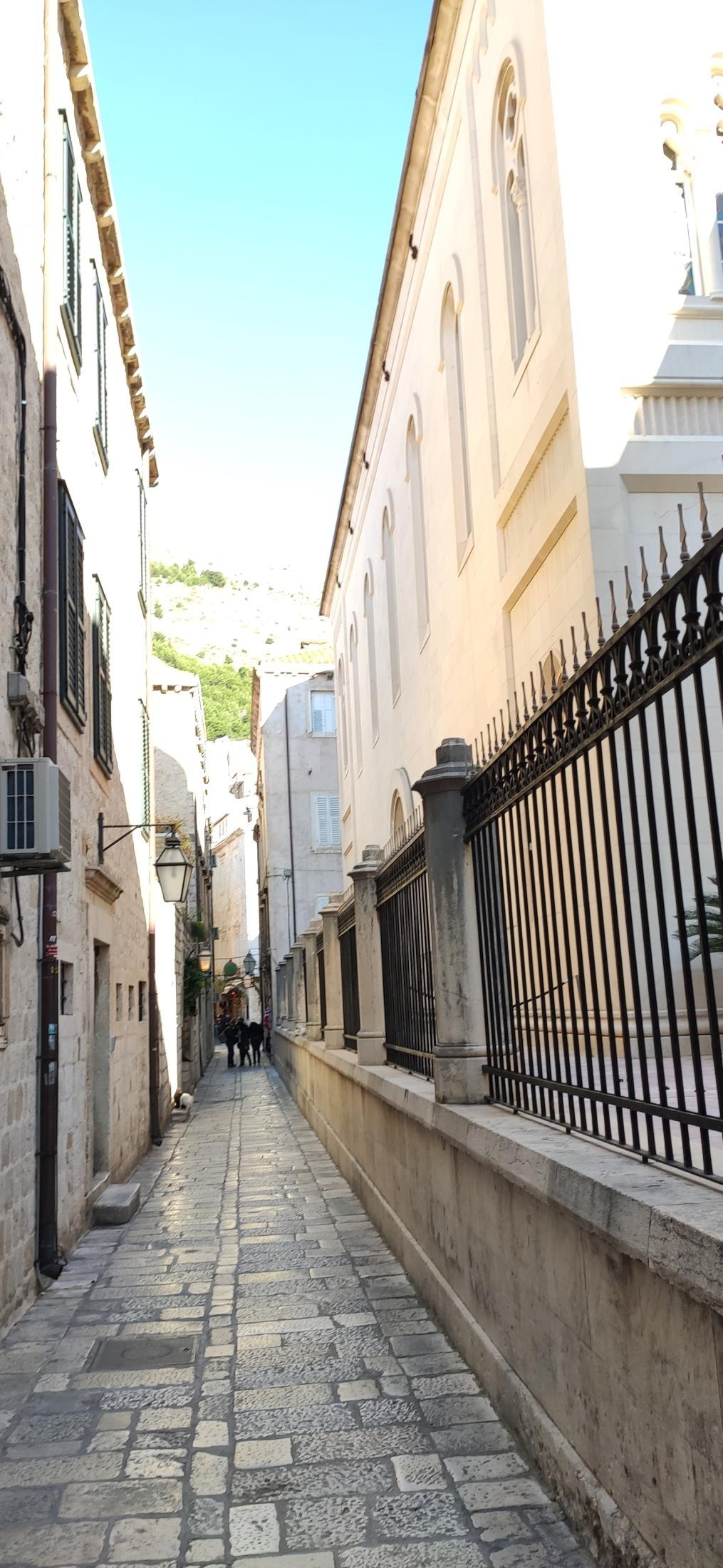
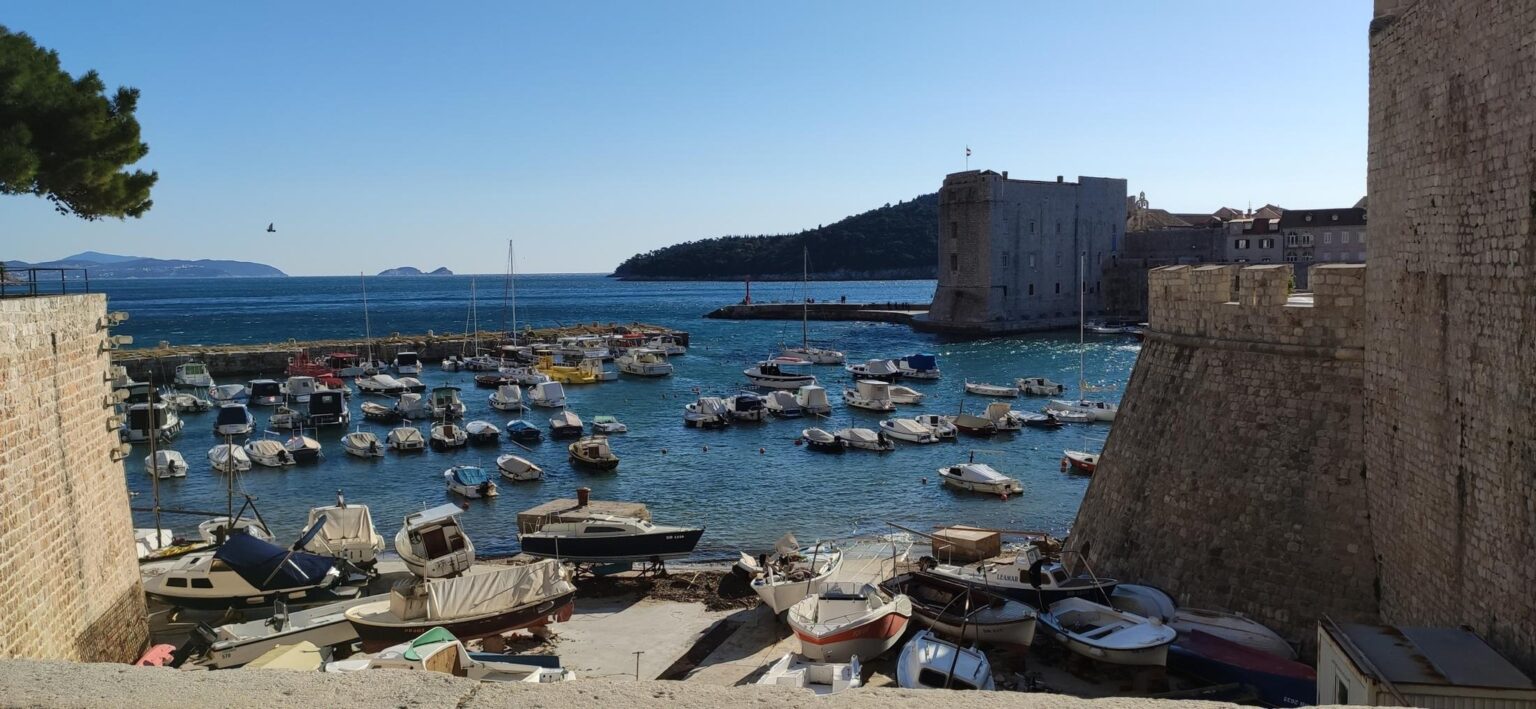
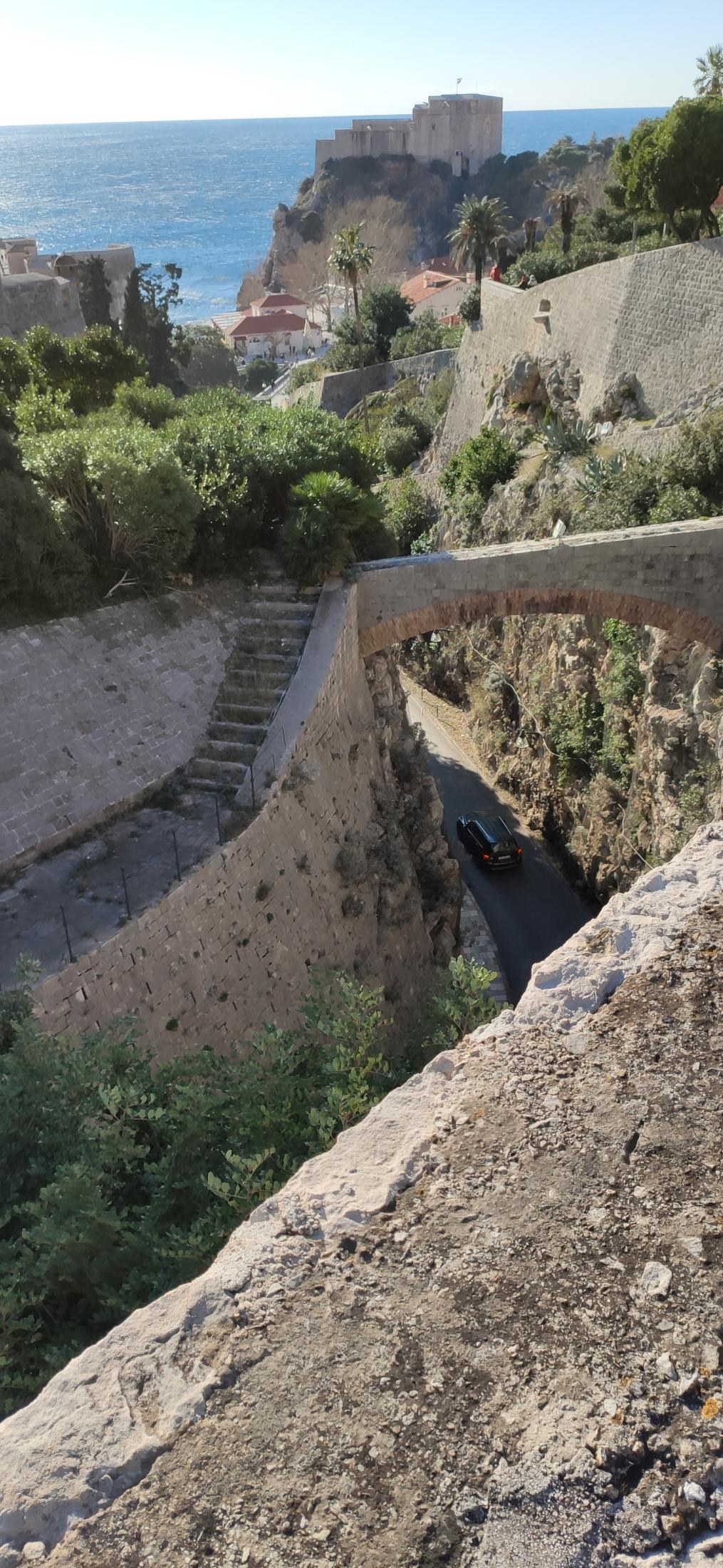
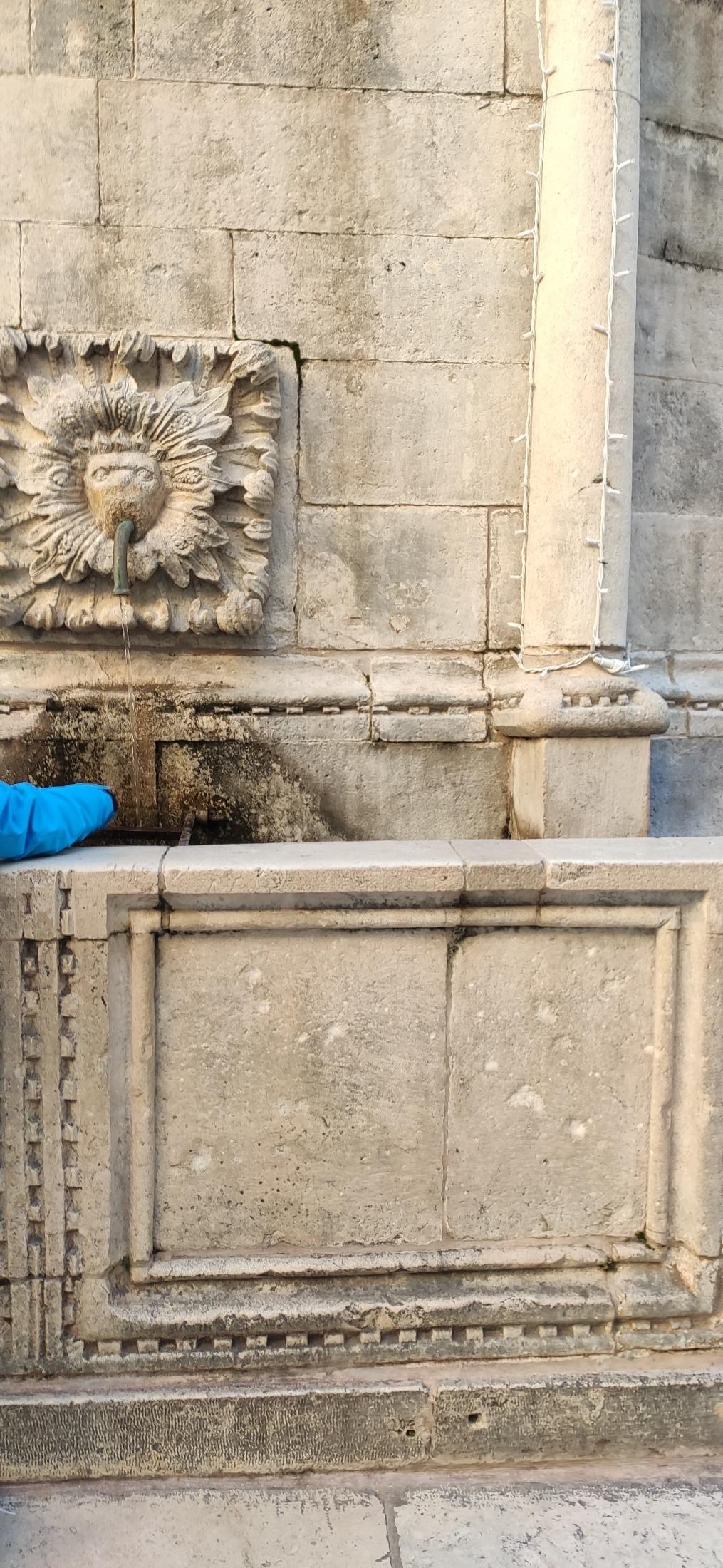
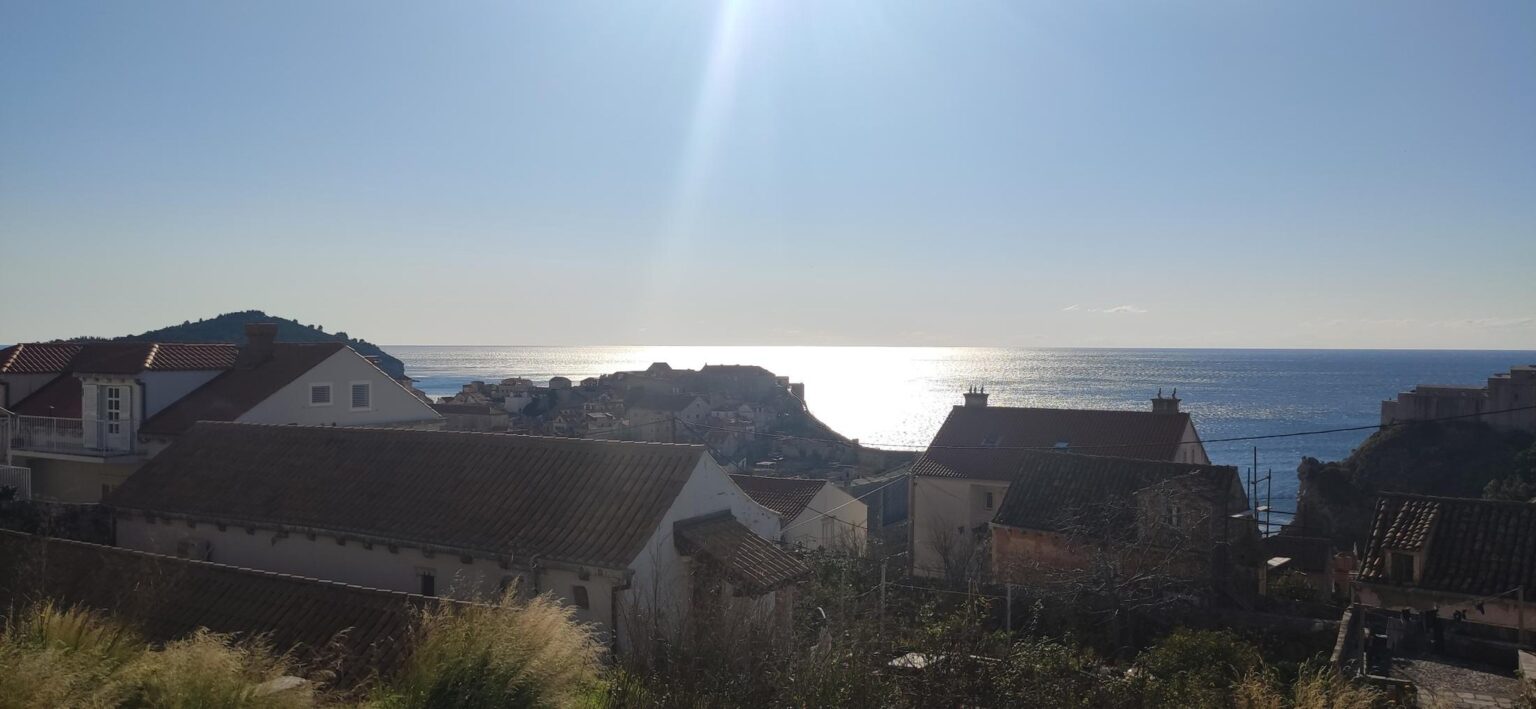
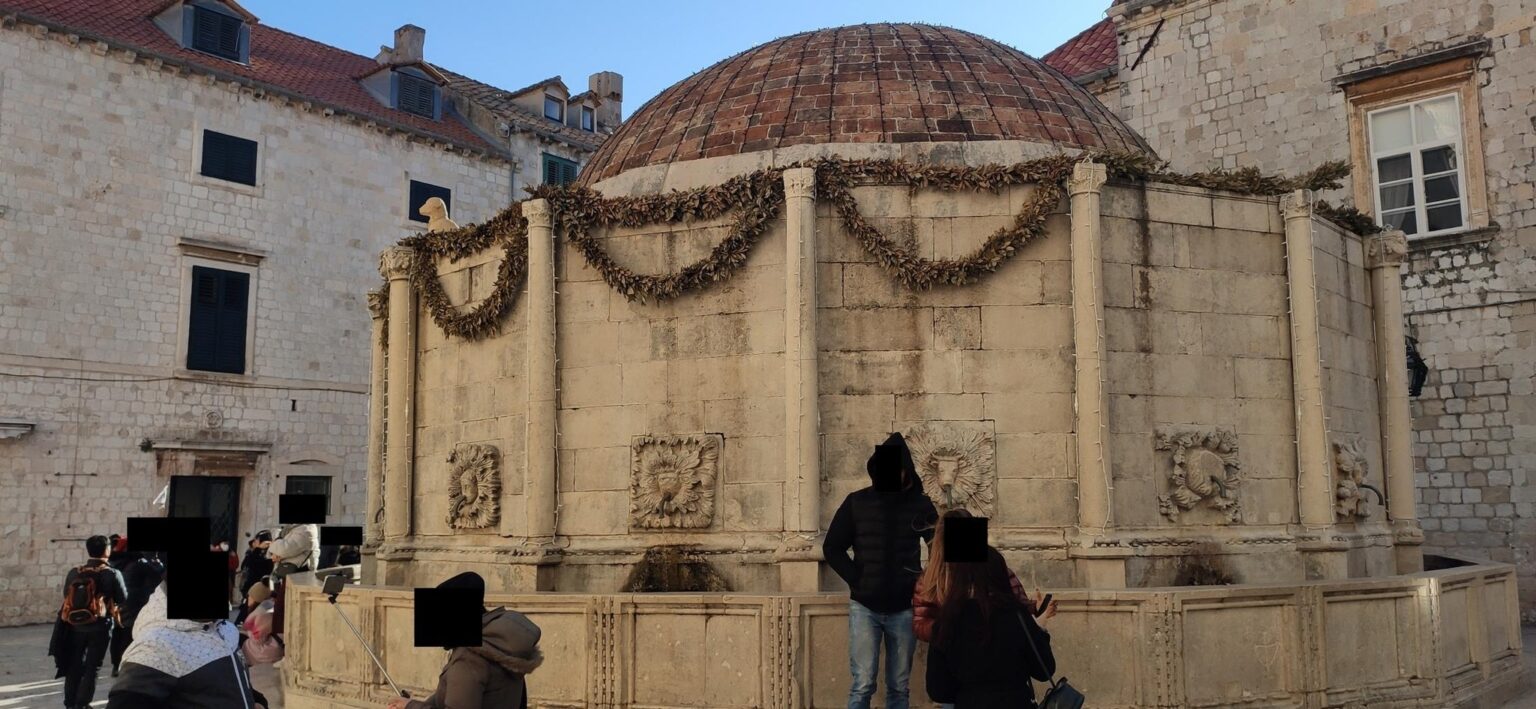
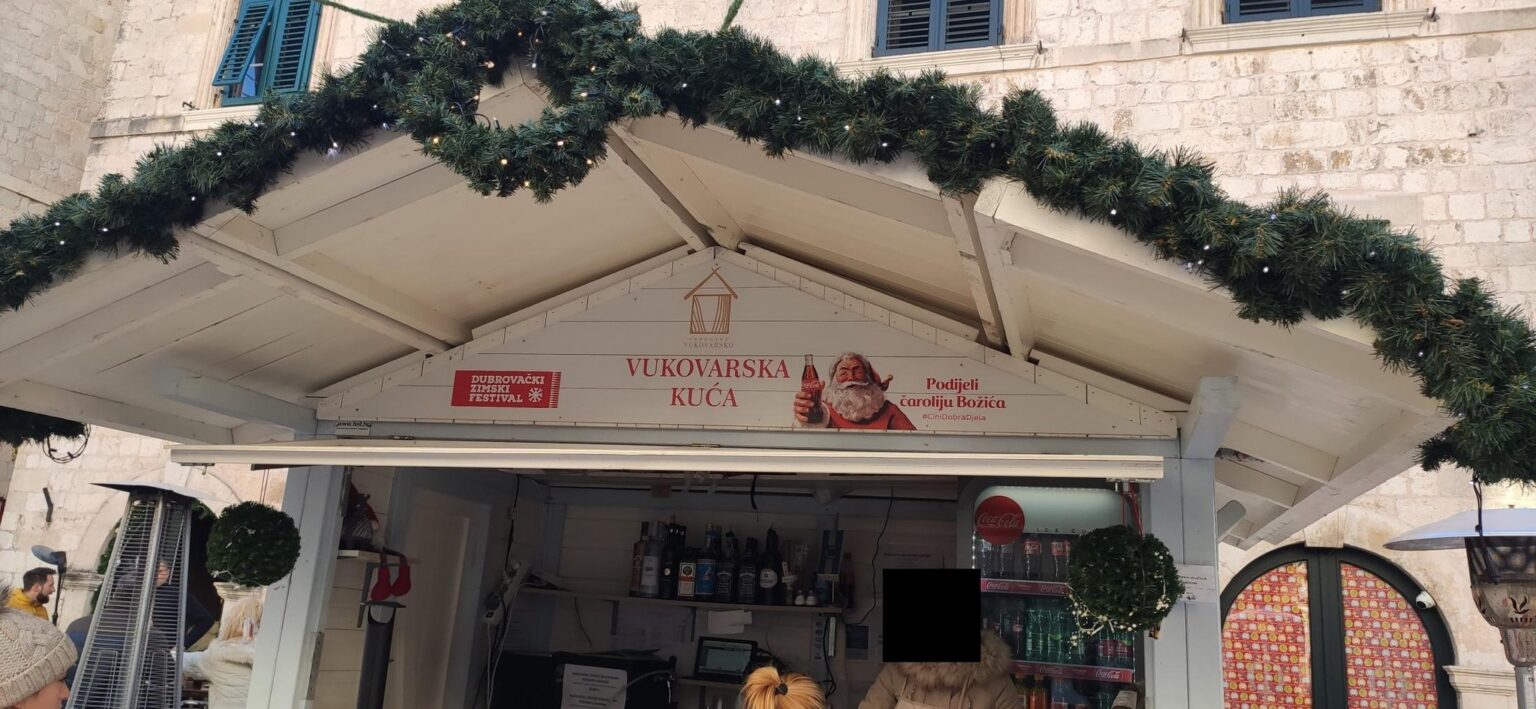
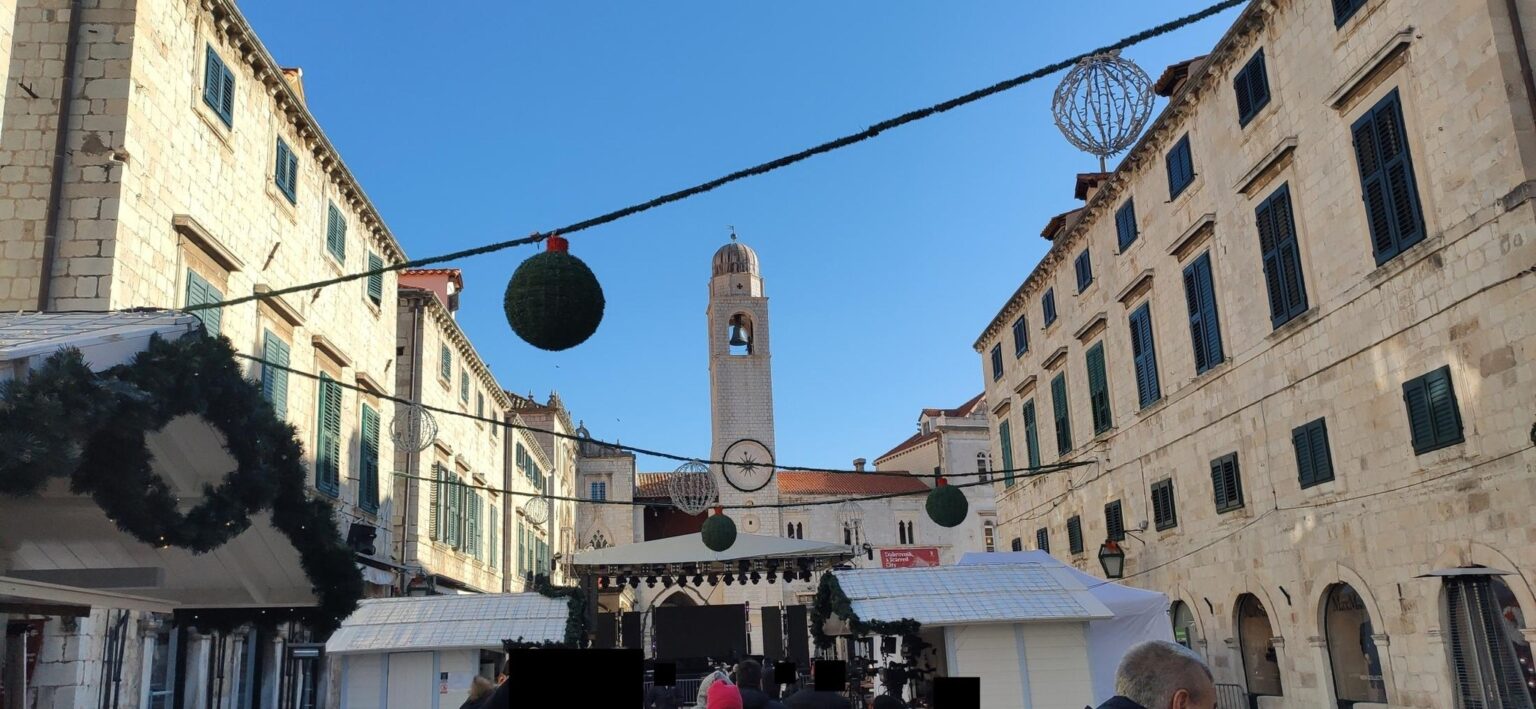
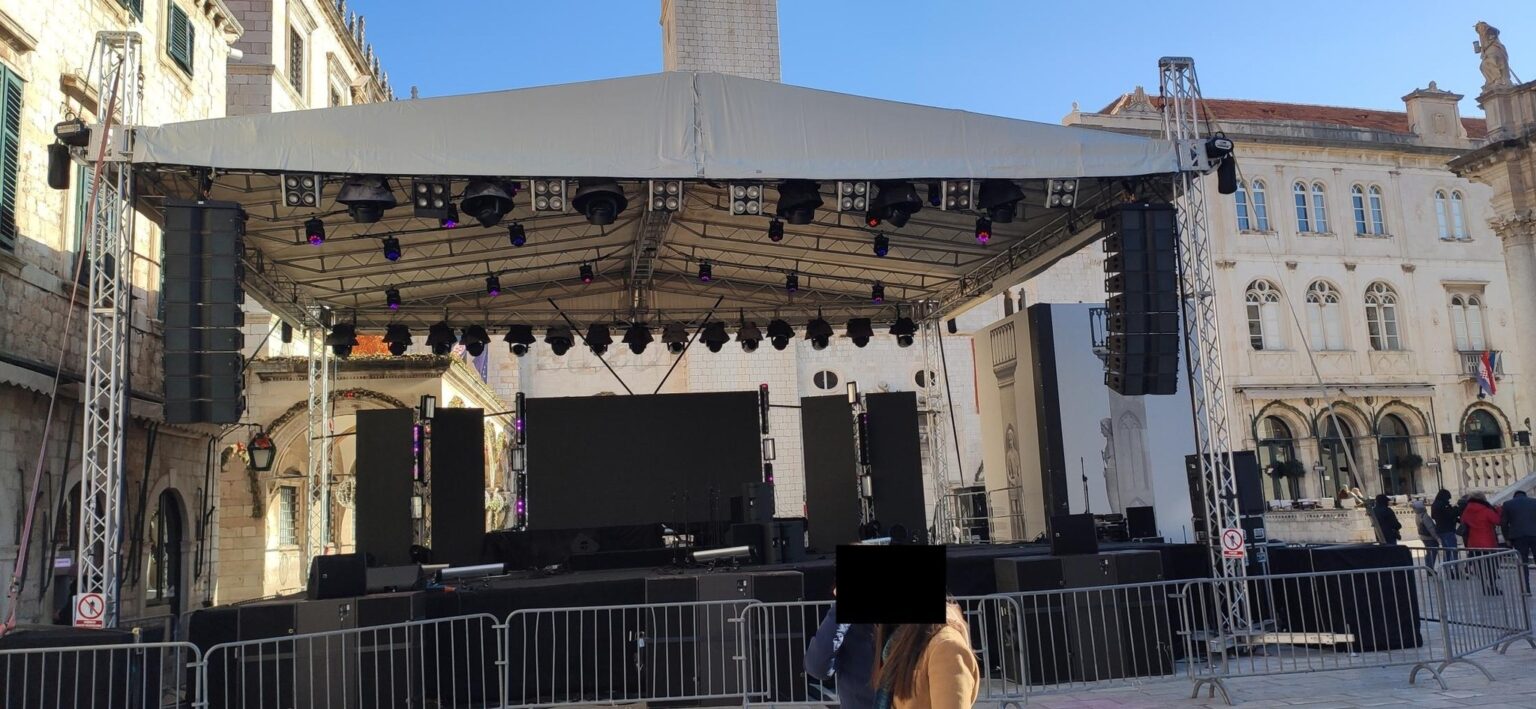
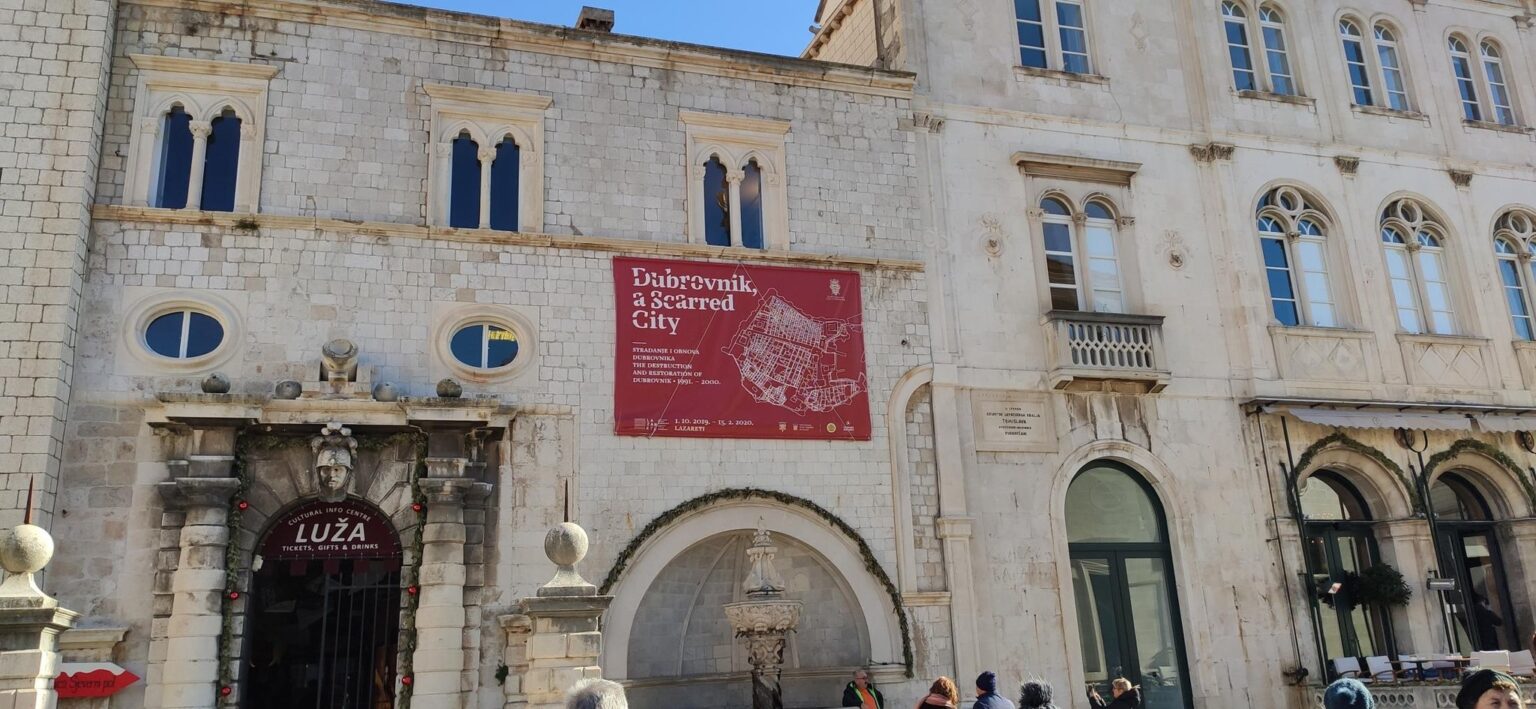
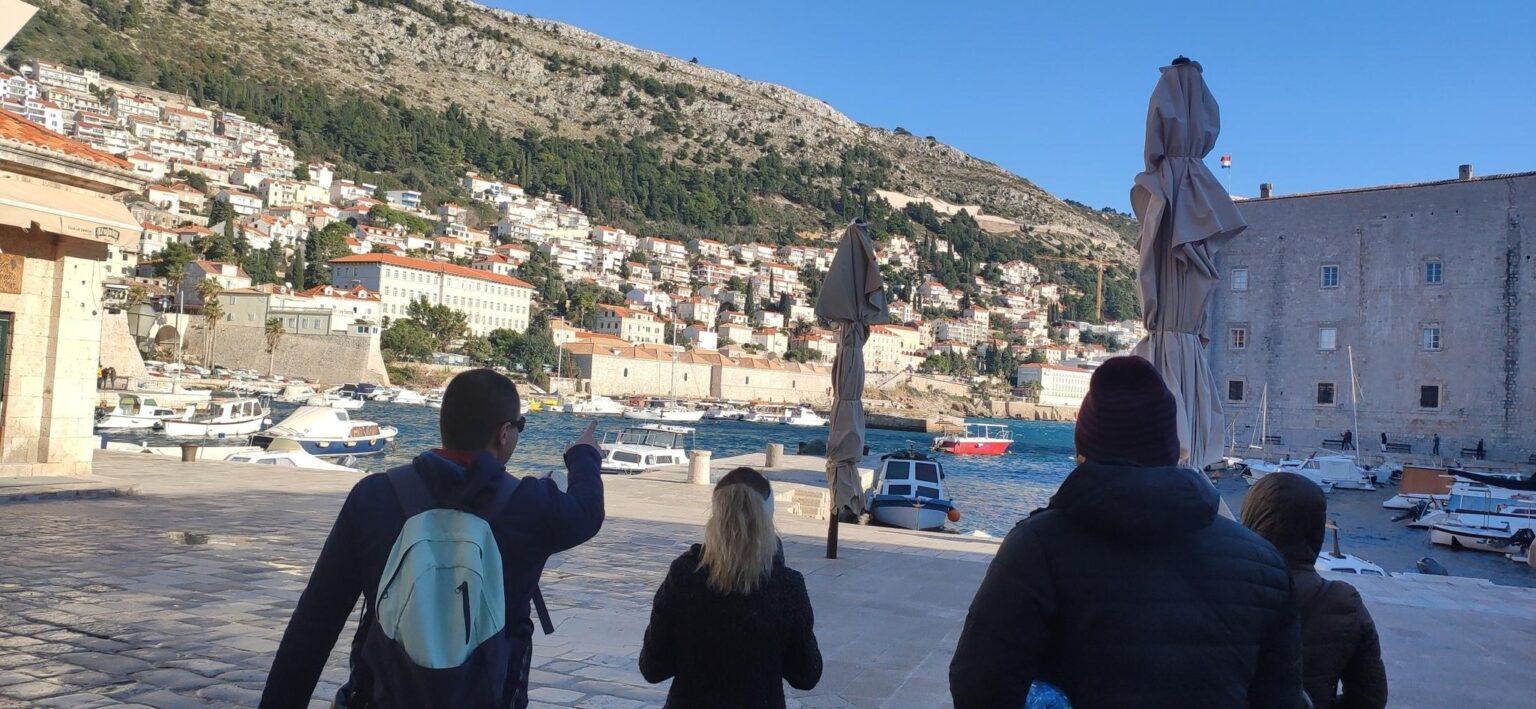
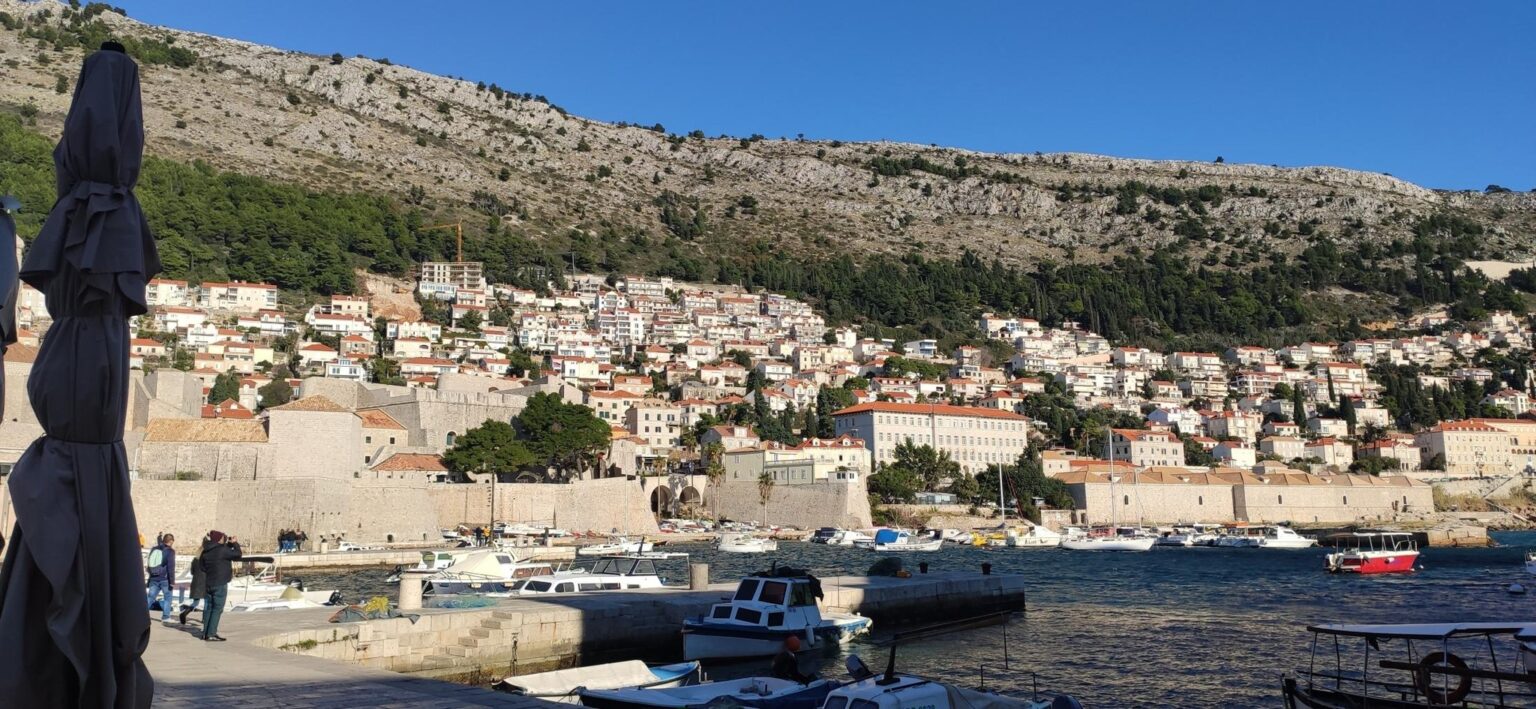
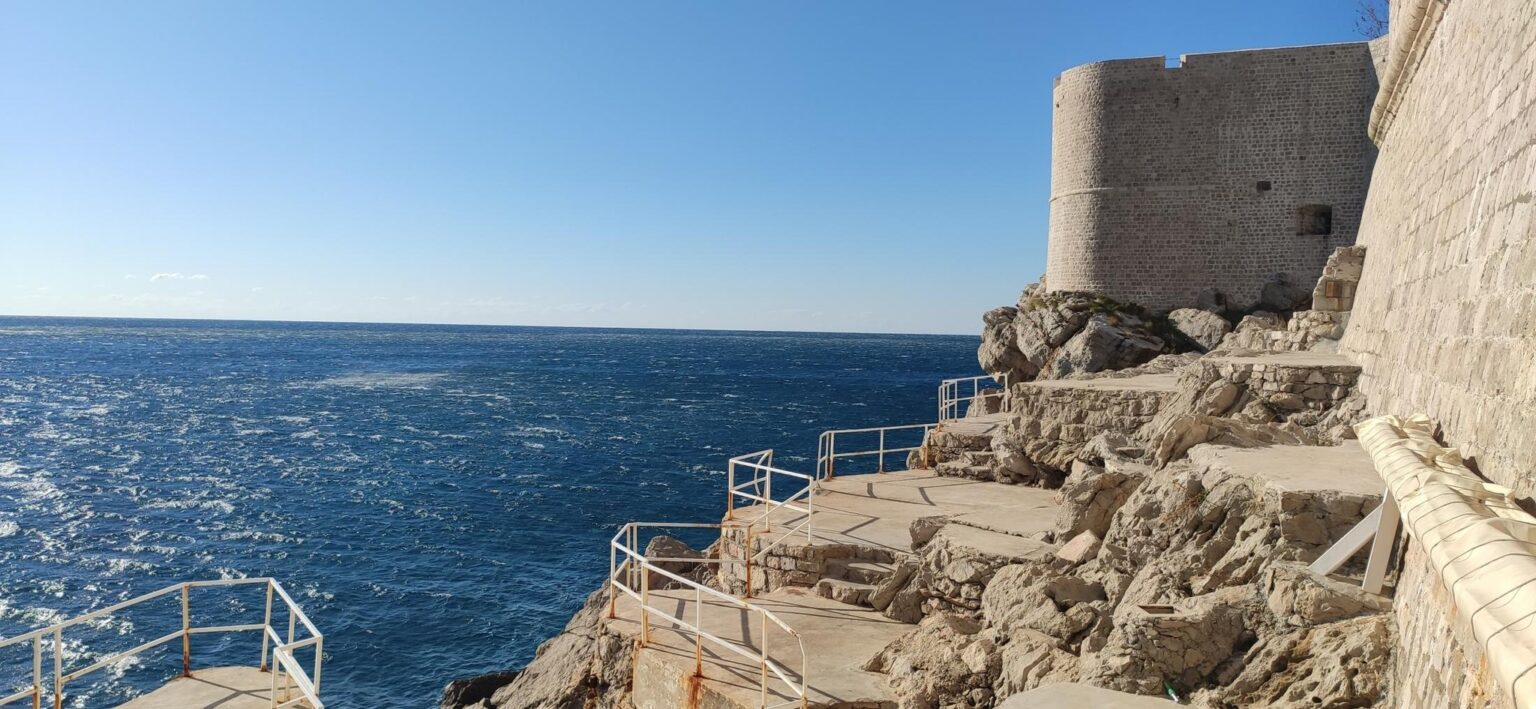
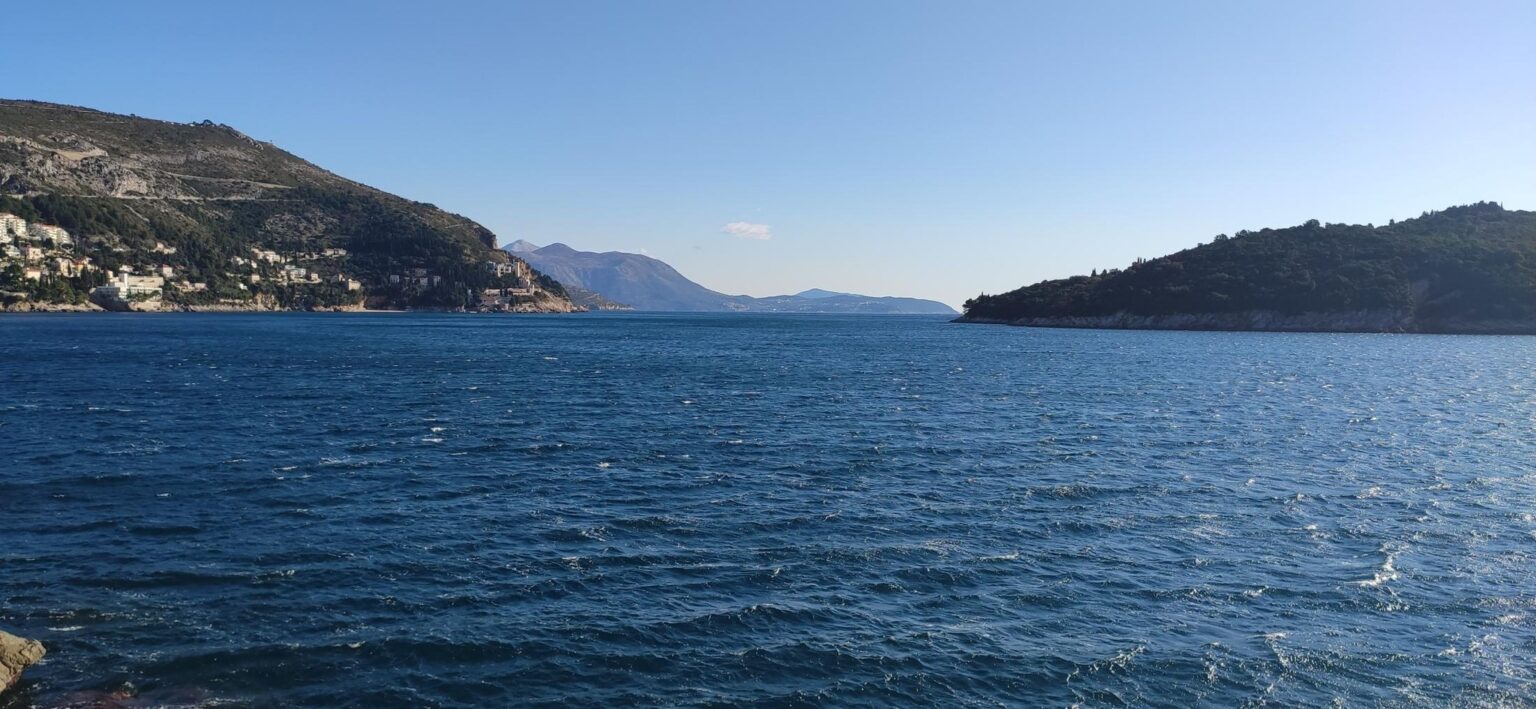
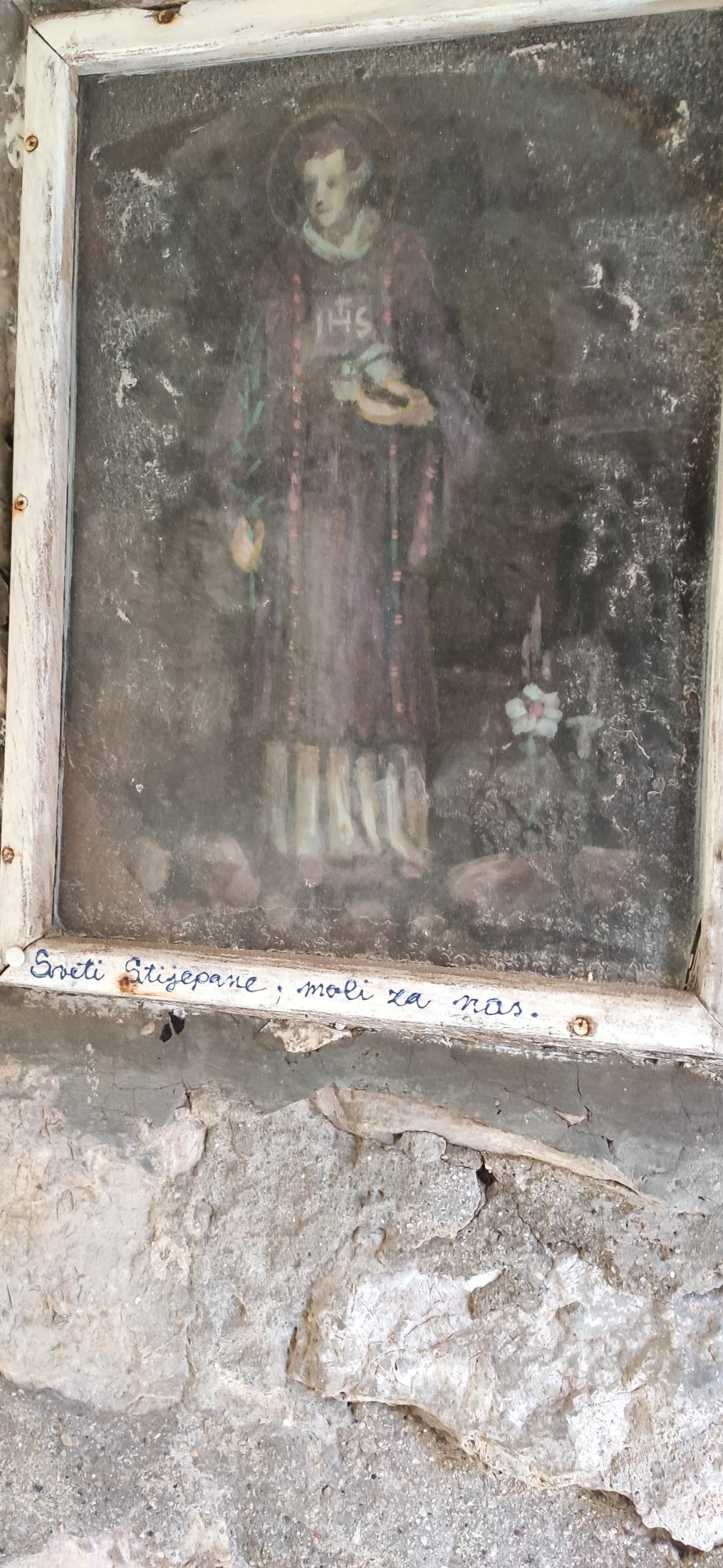
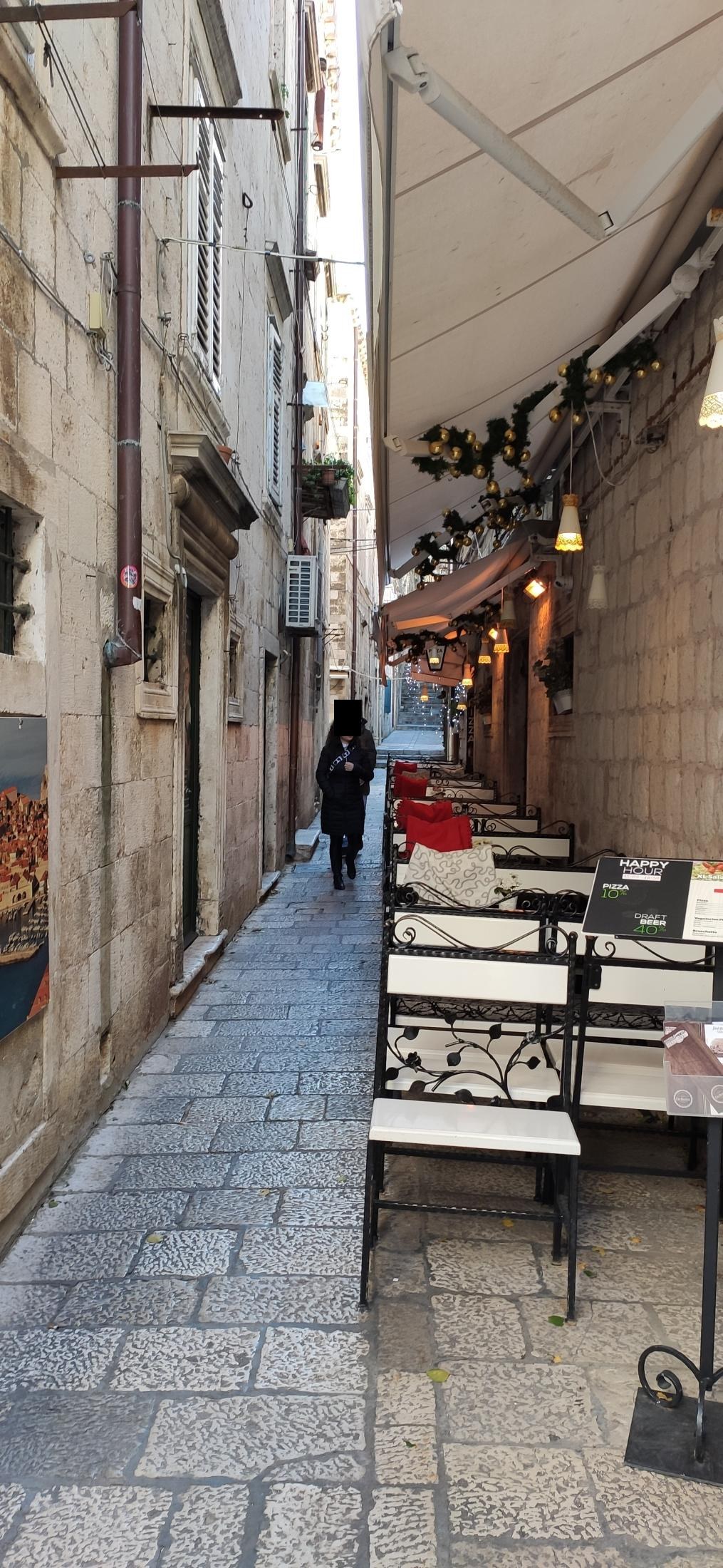
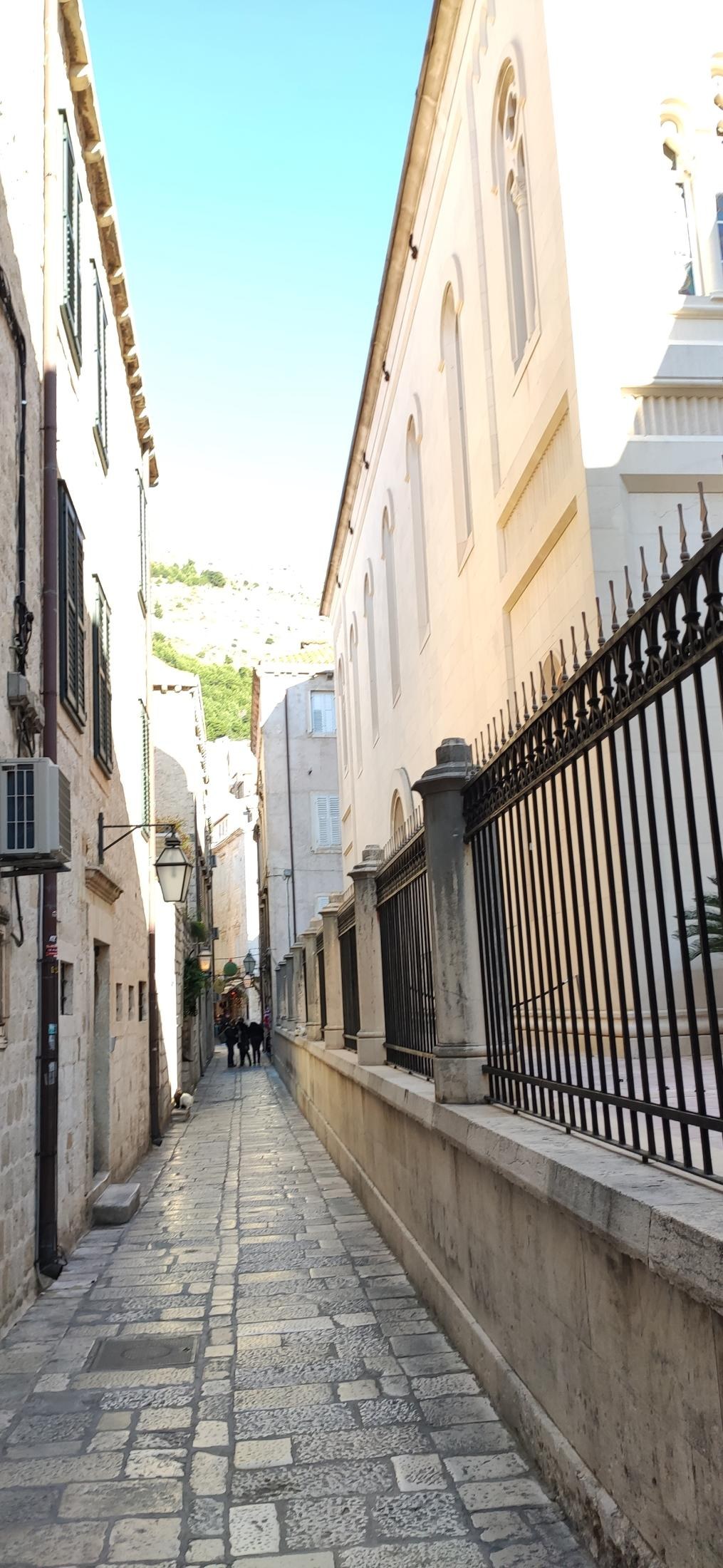
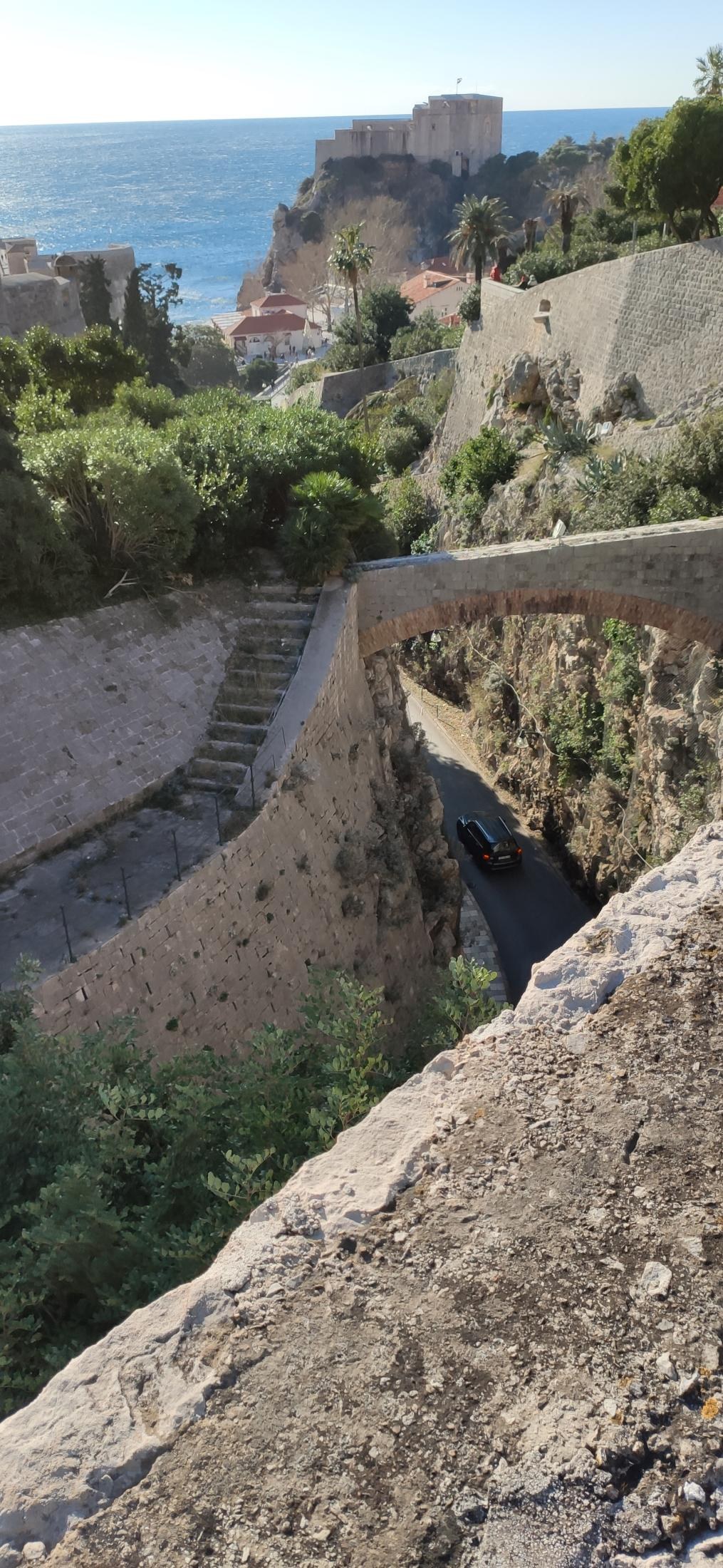
In exchange, the fortress itself is a joy to wander. Narrow streets, beautiful buildings, views — honestly, a pleasure. Two hours disappear without any effort at all. There’s a map of the main sights online too.
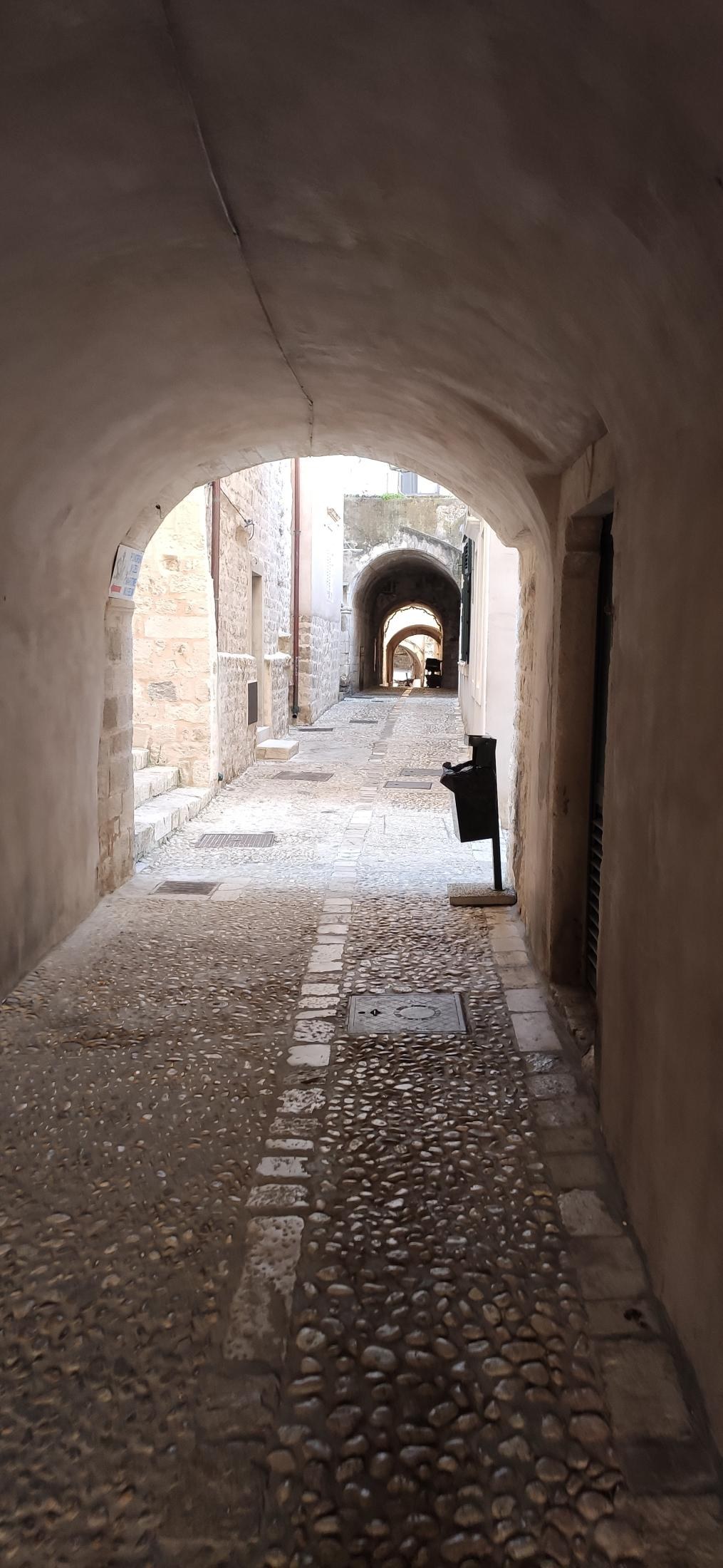
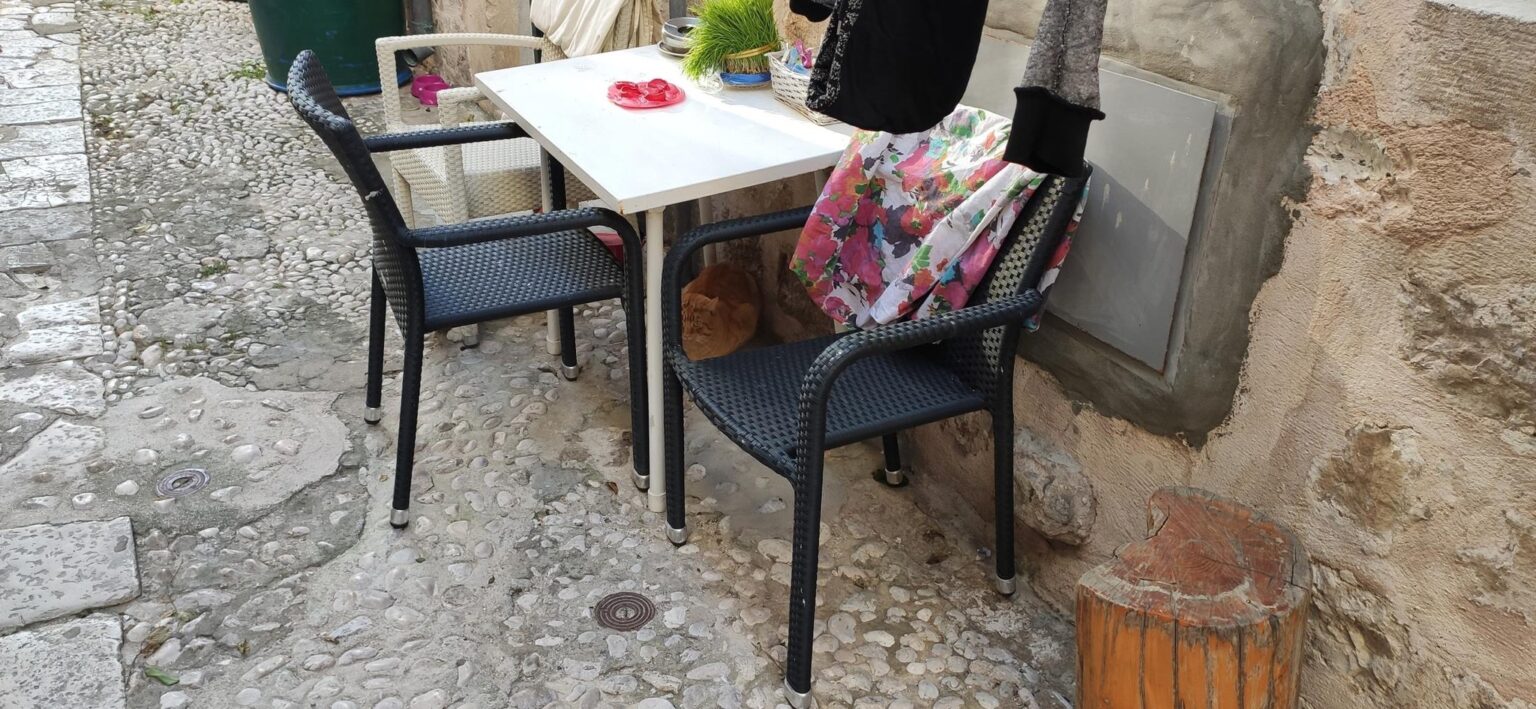
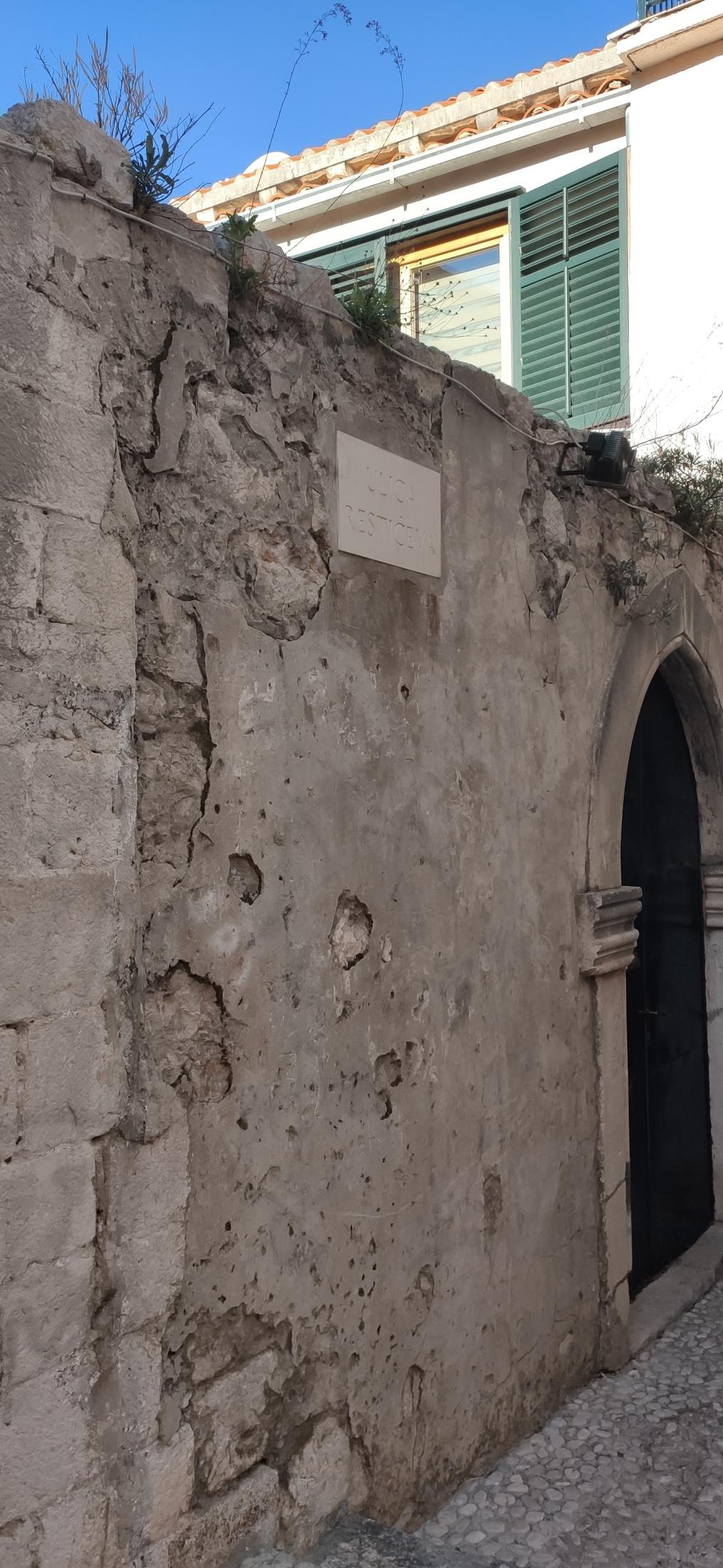
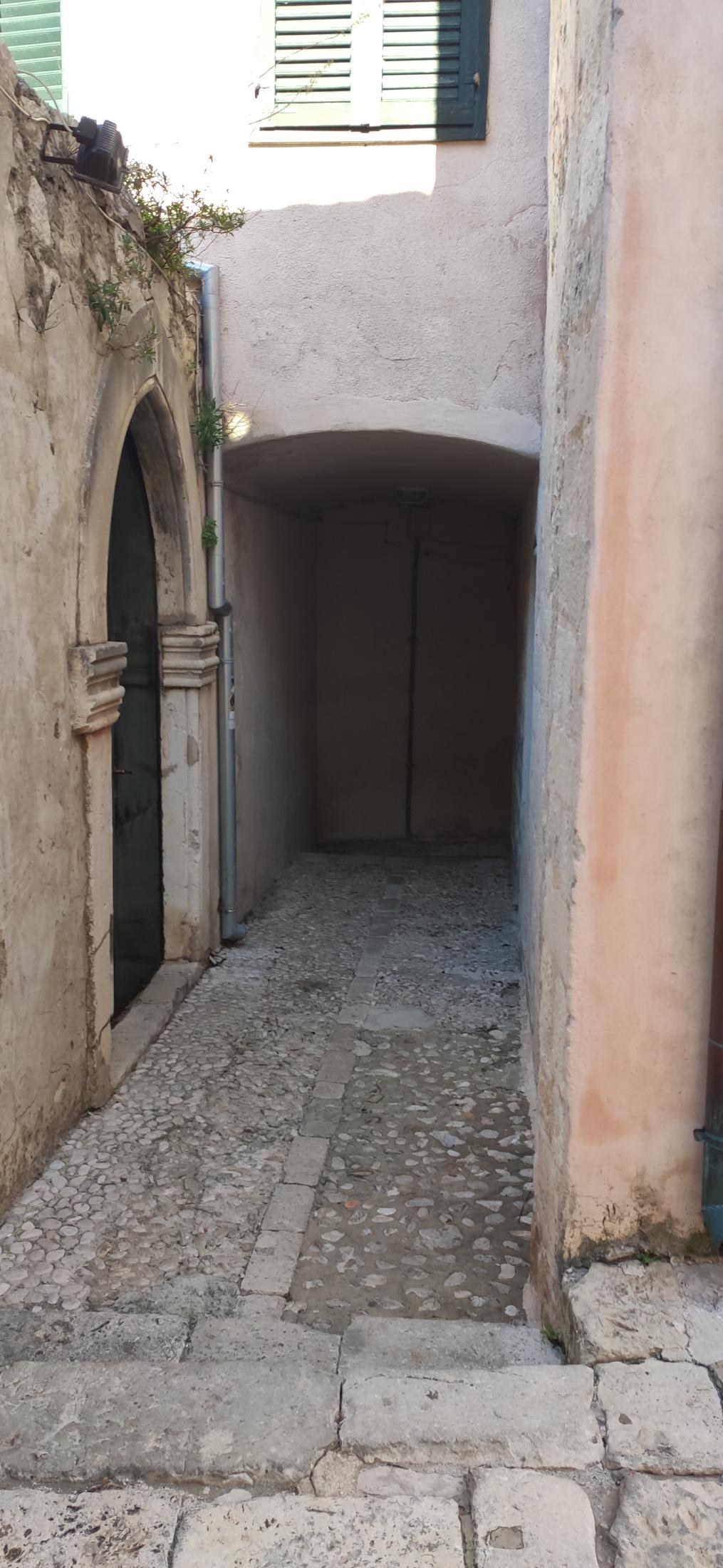
The park
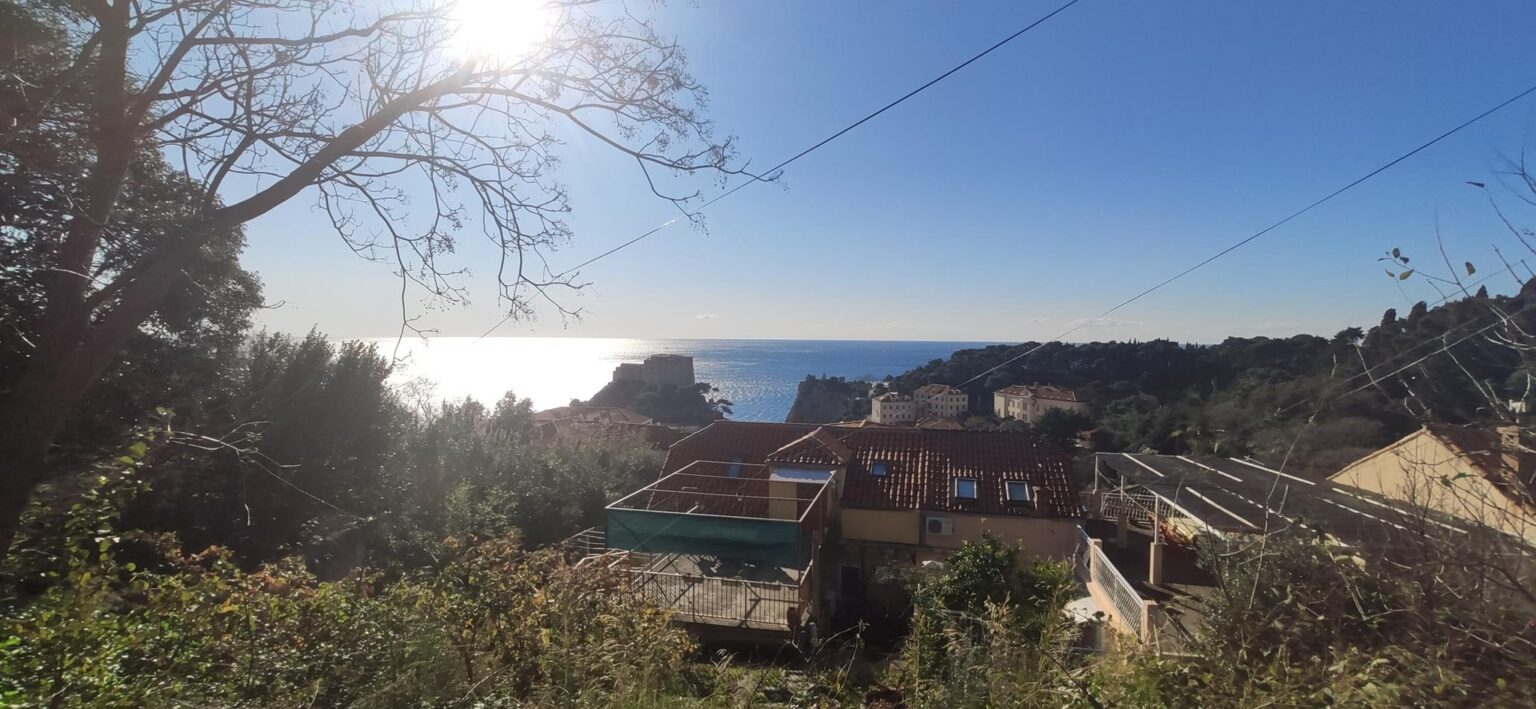
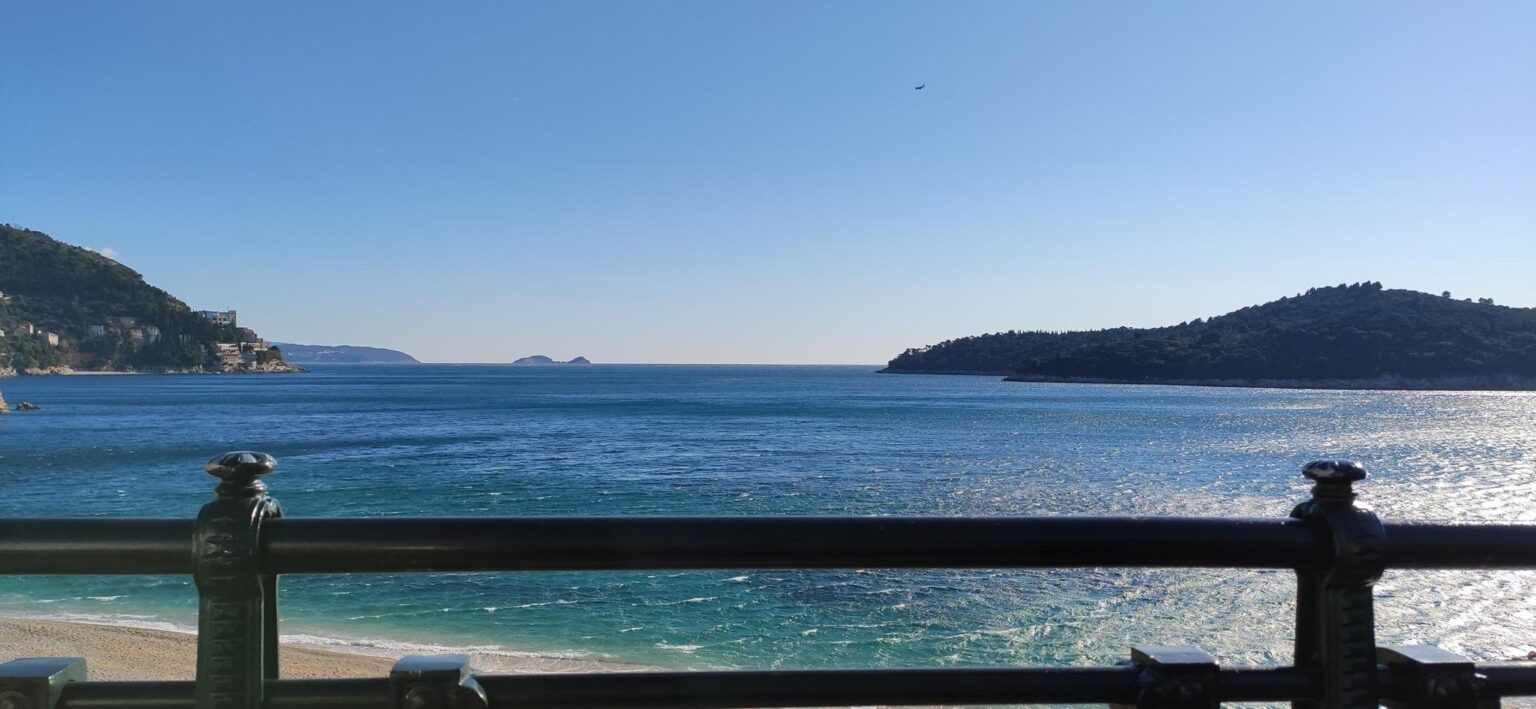
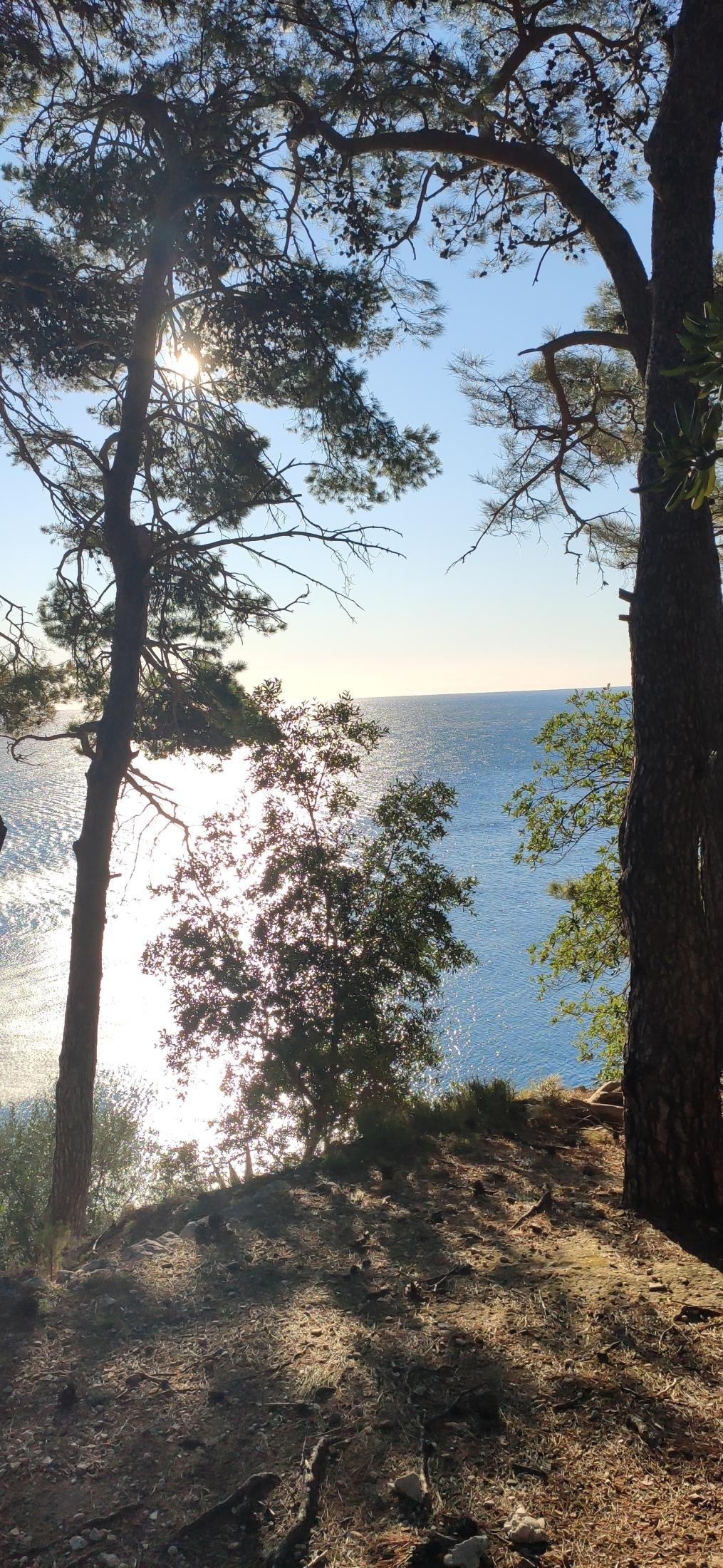
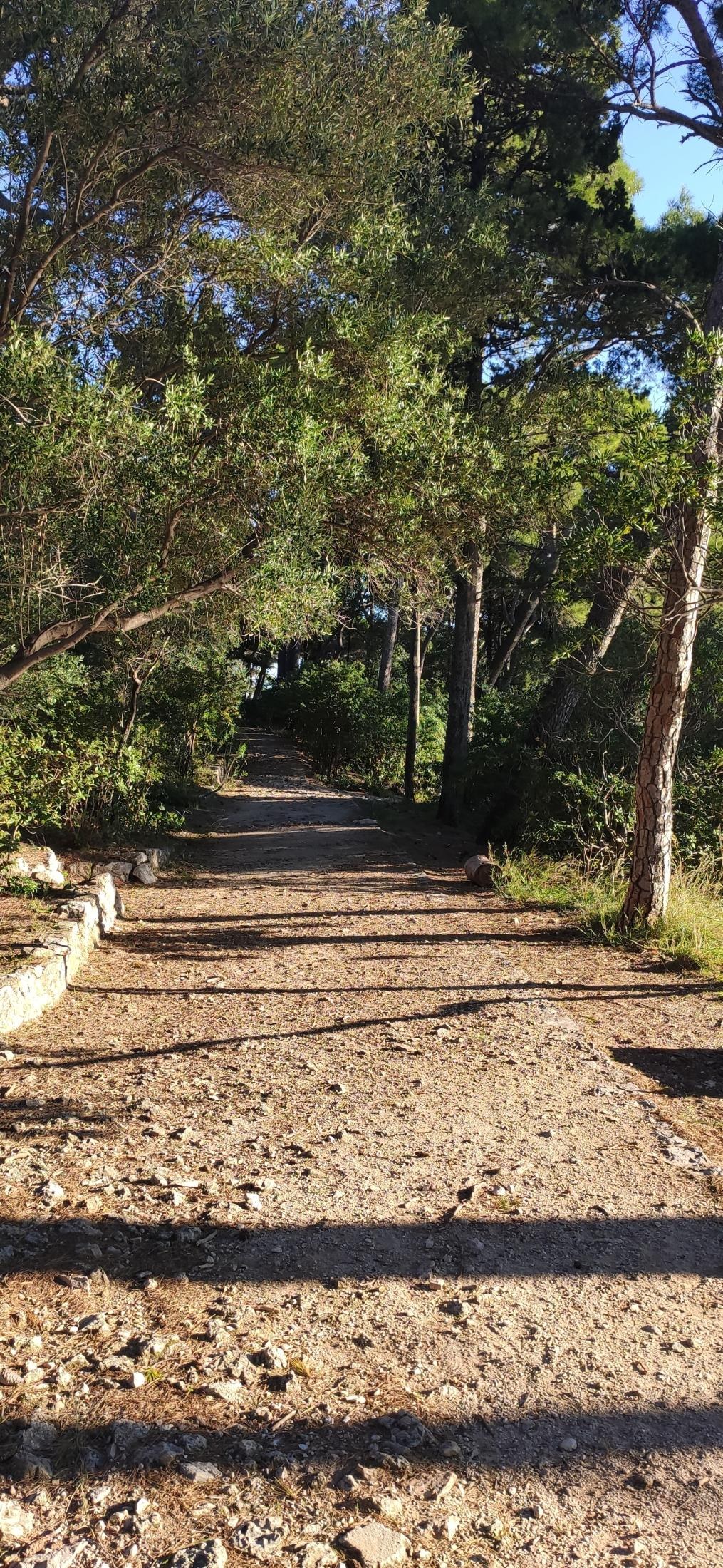
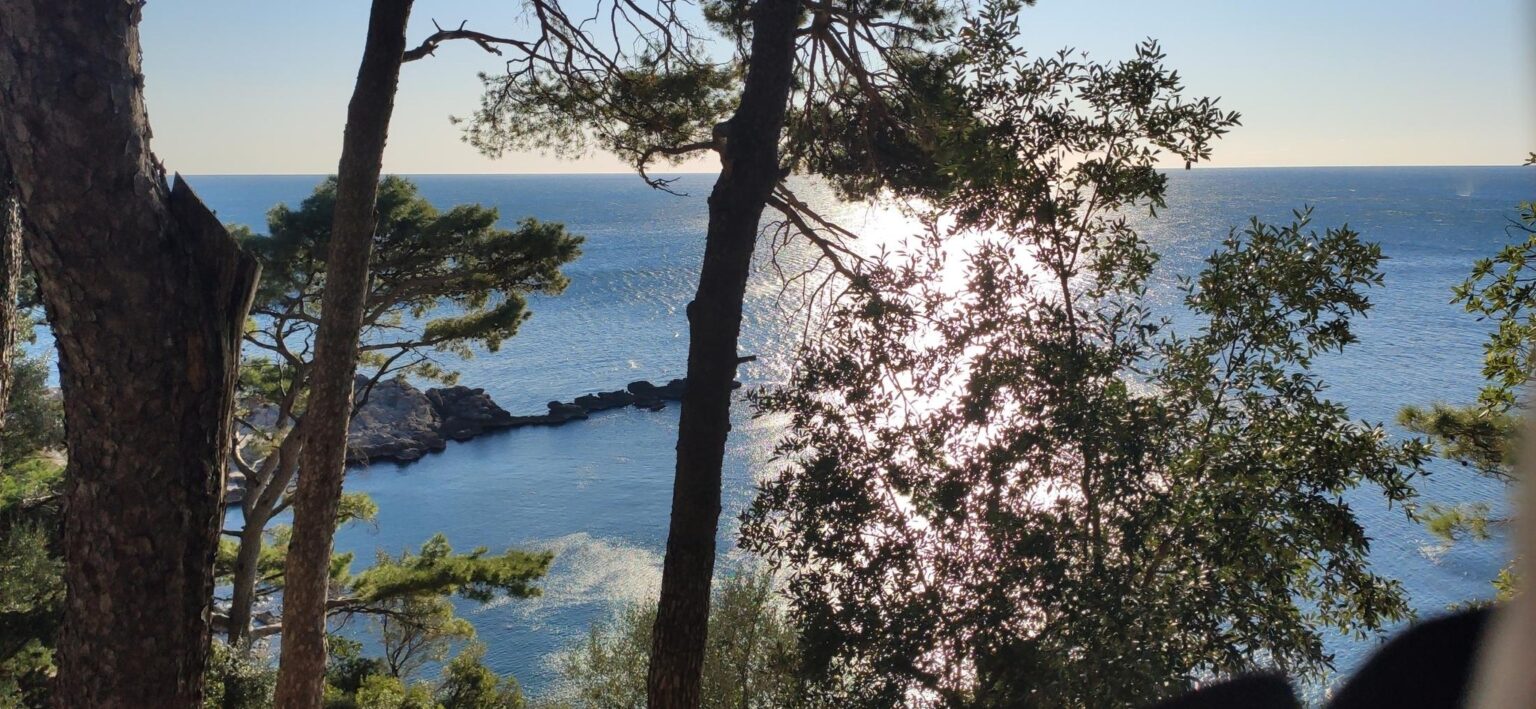
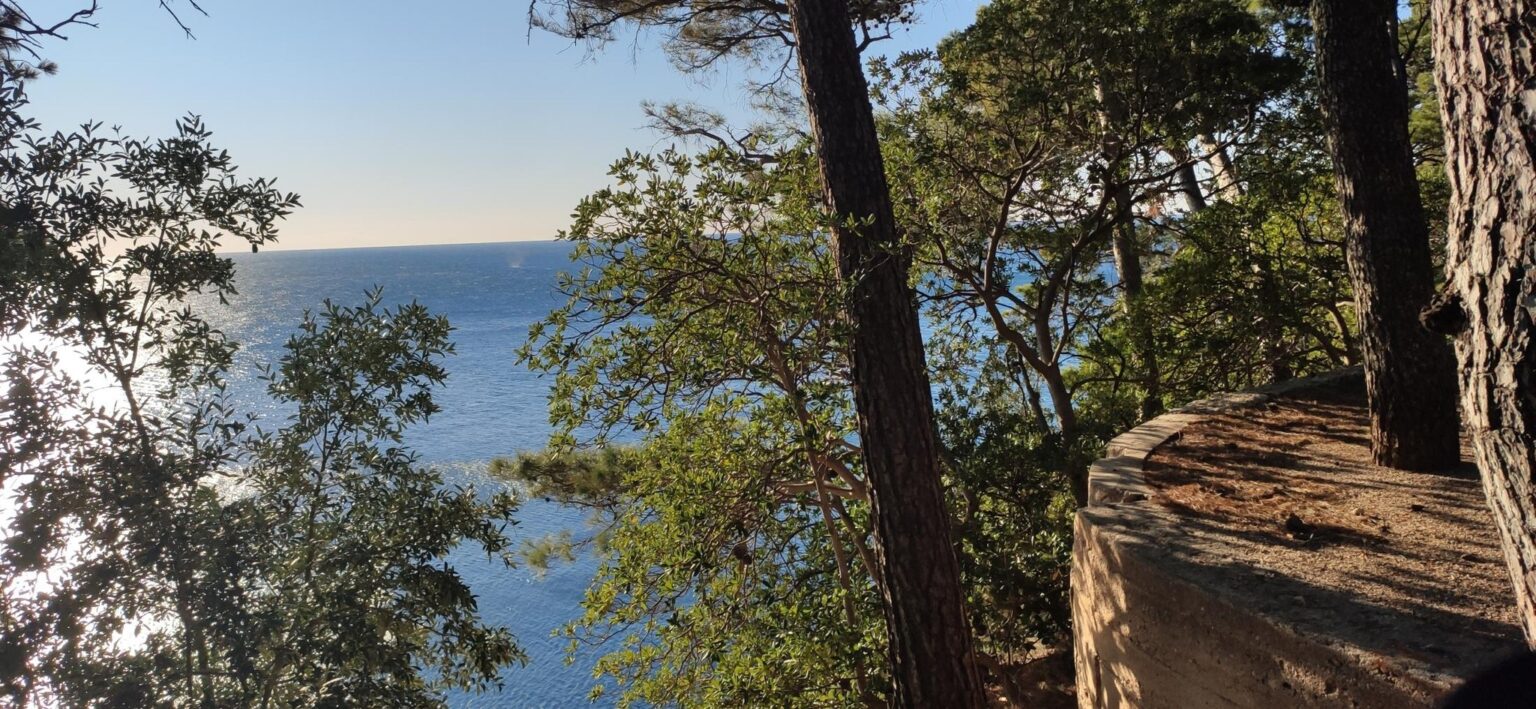
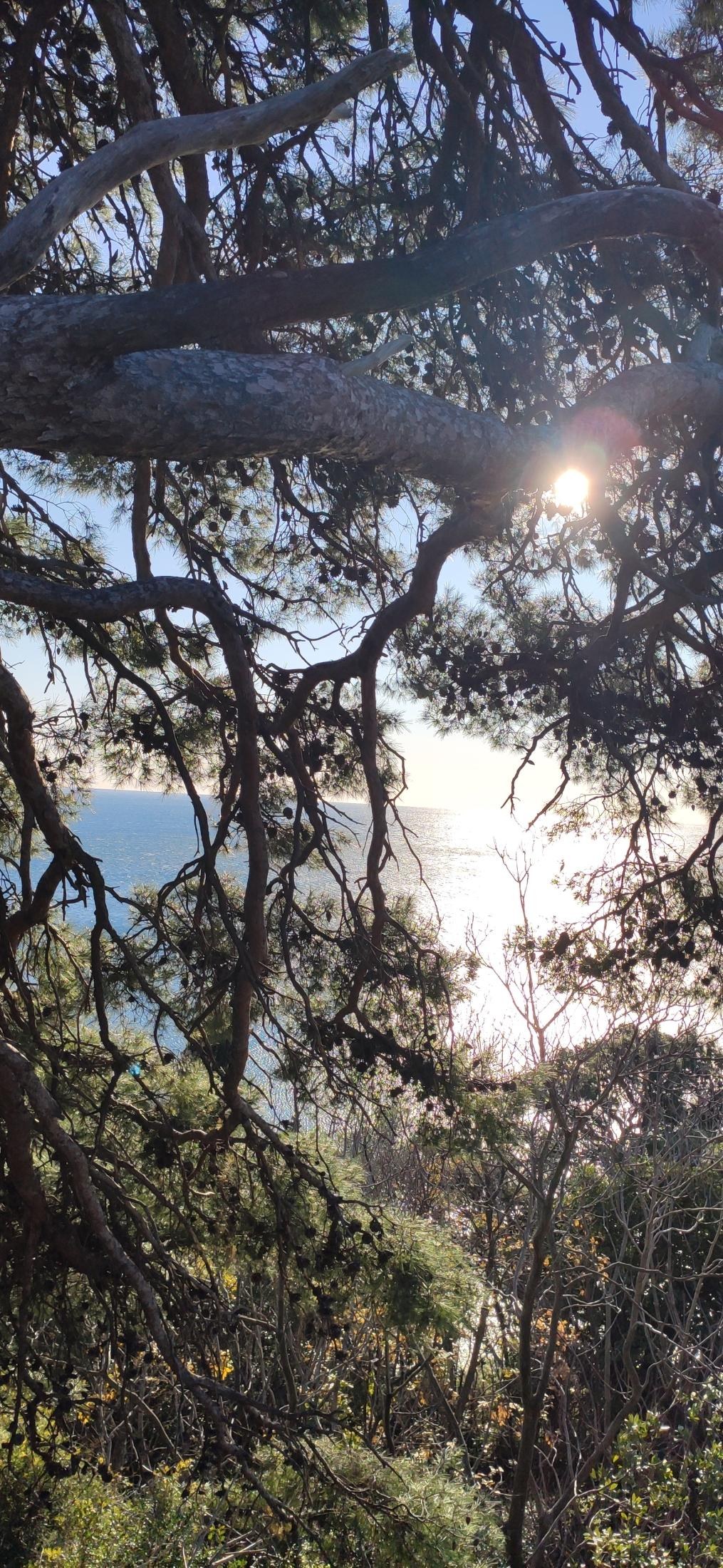
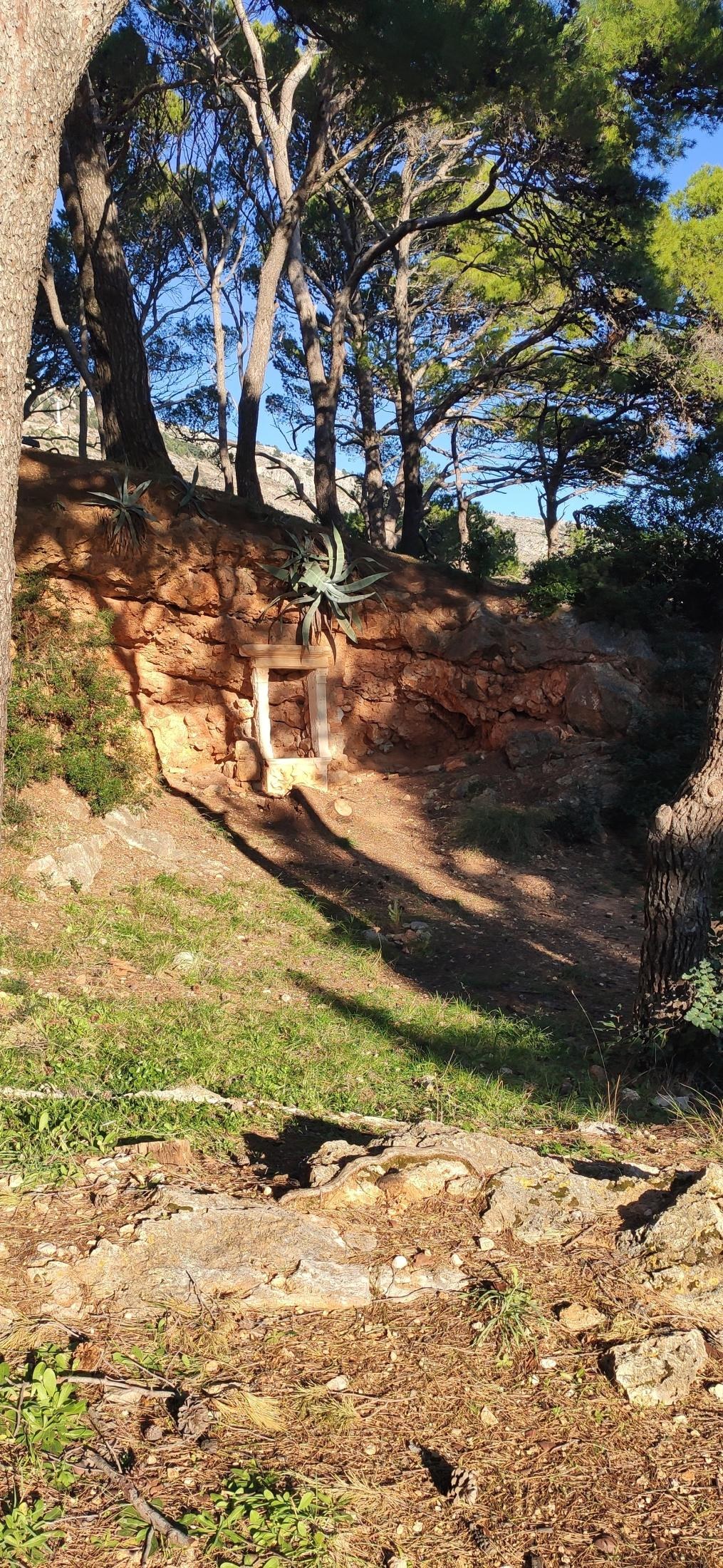
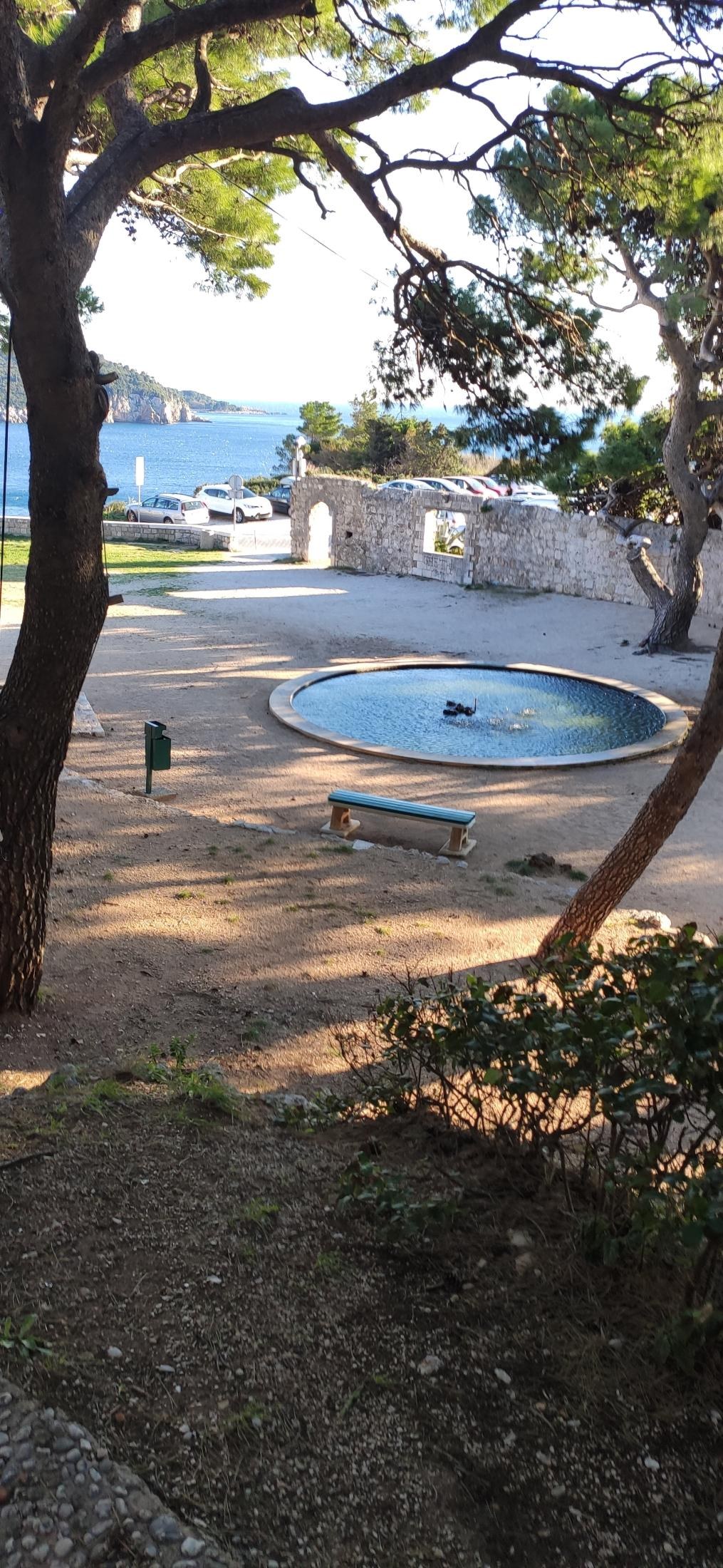
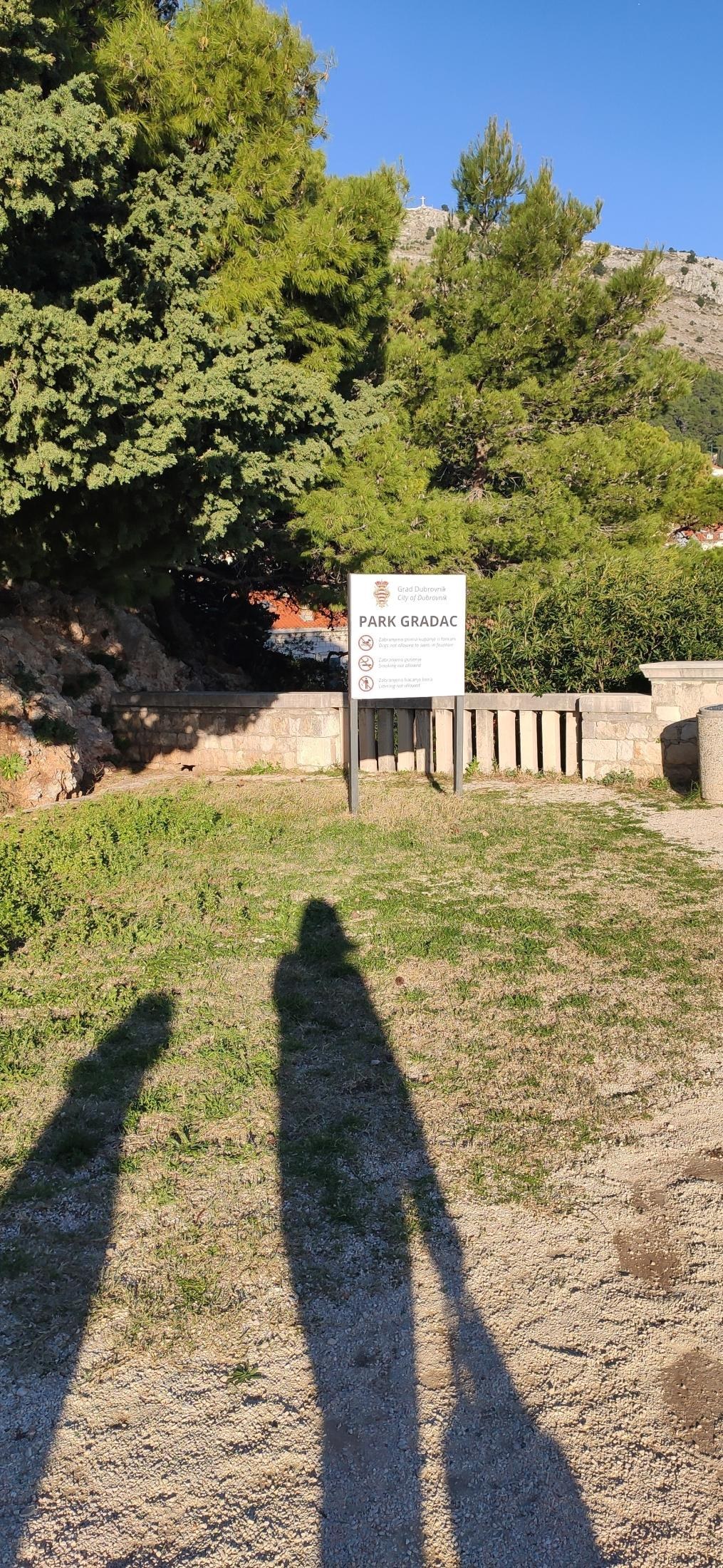
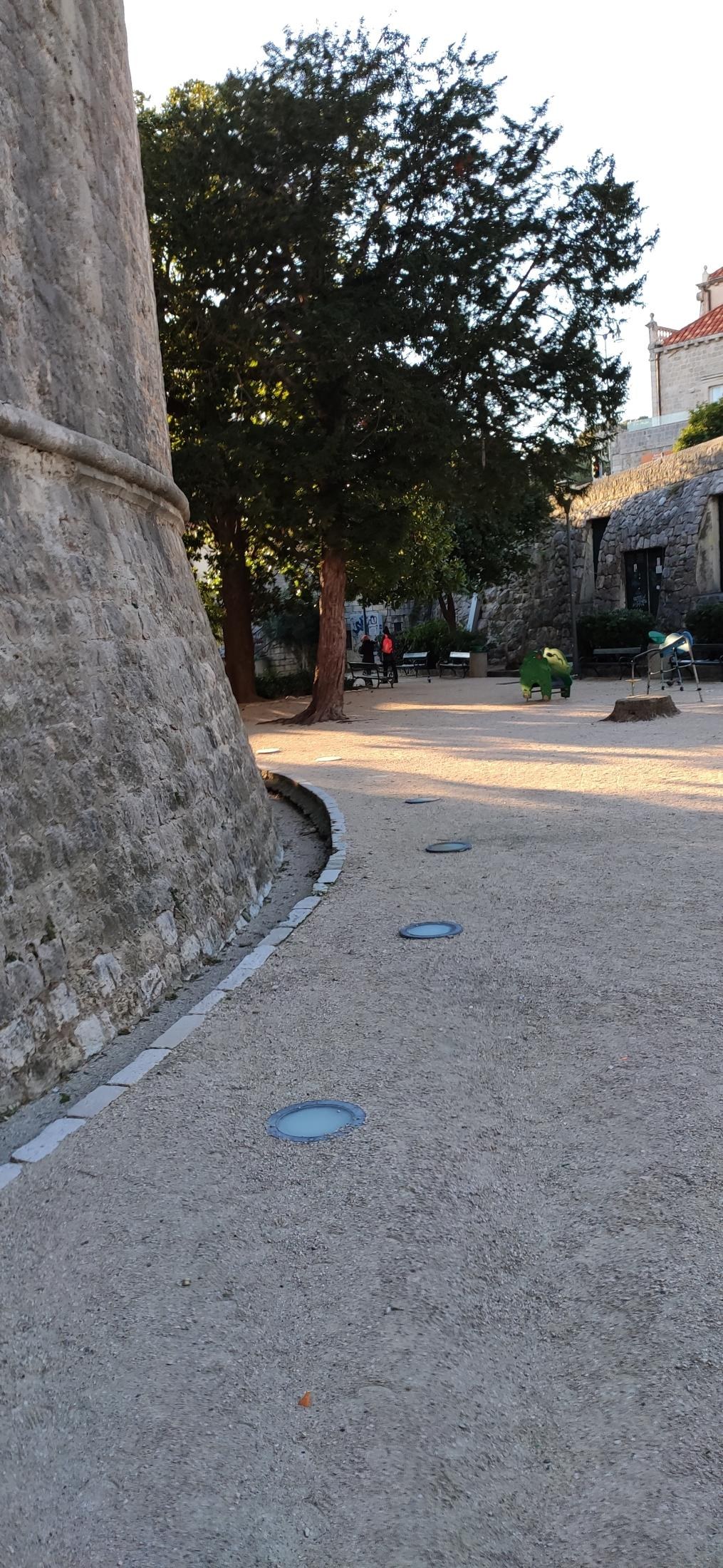
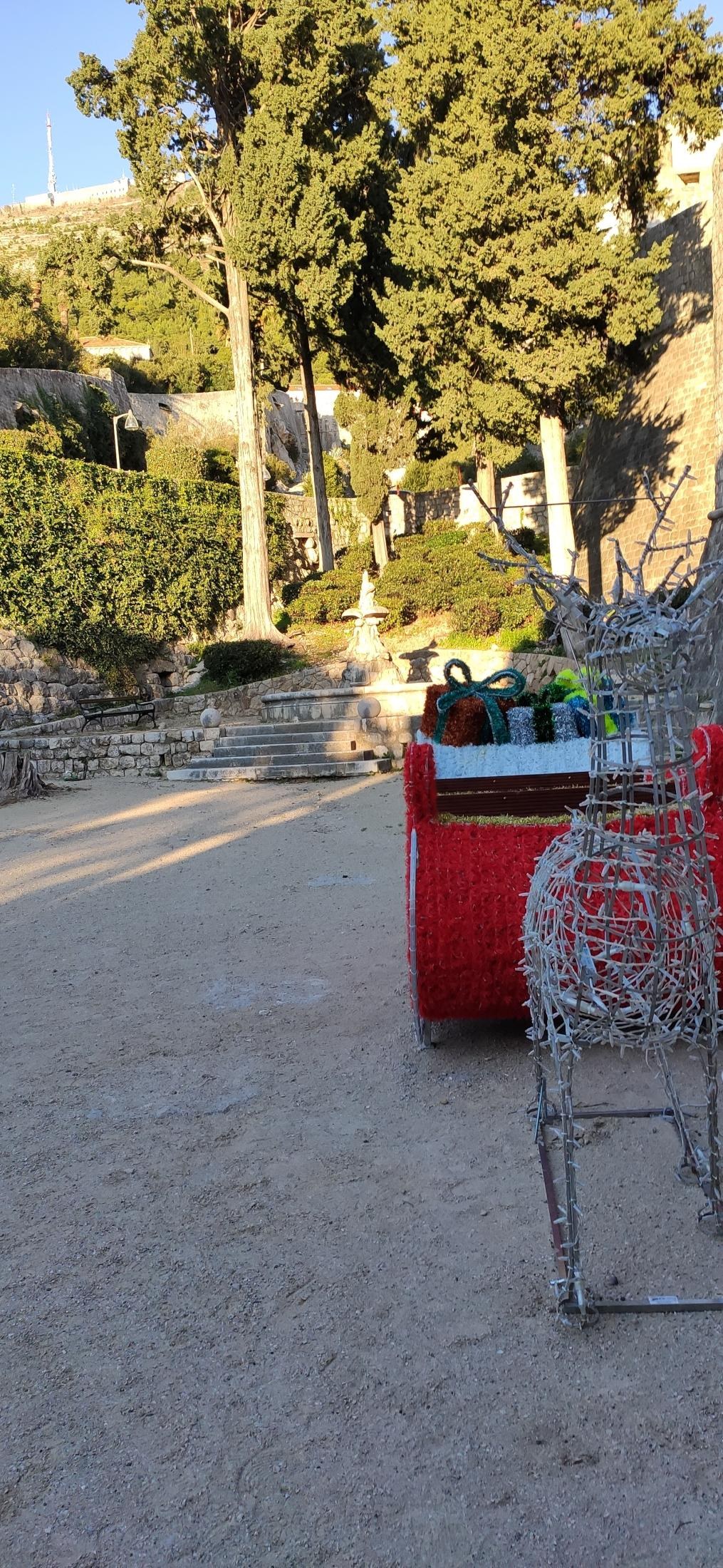
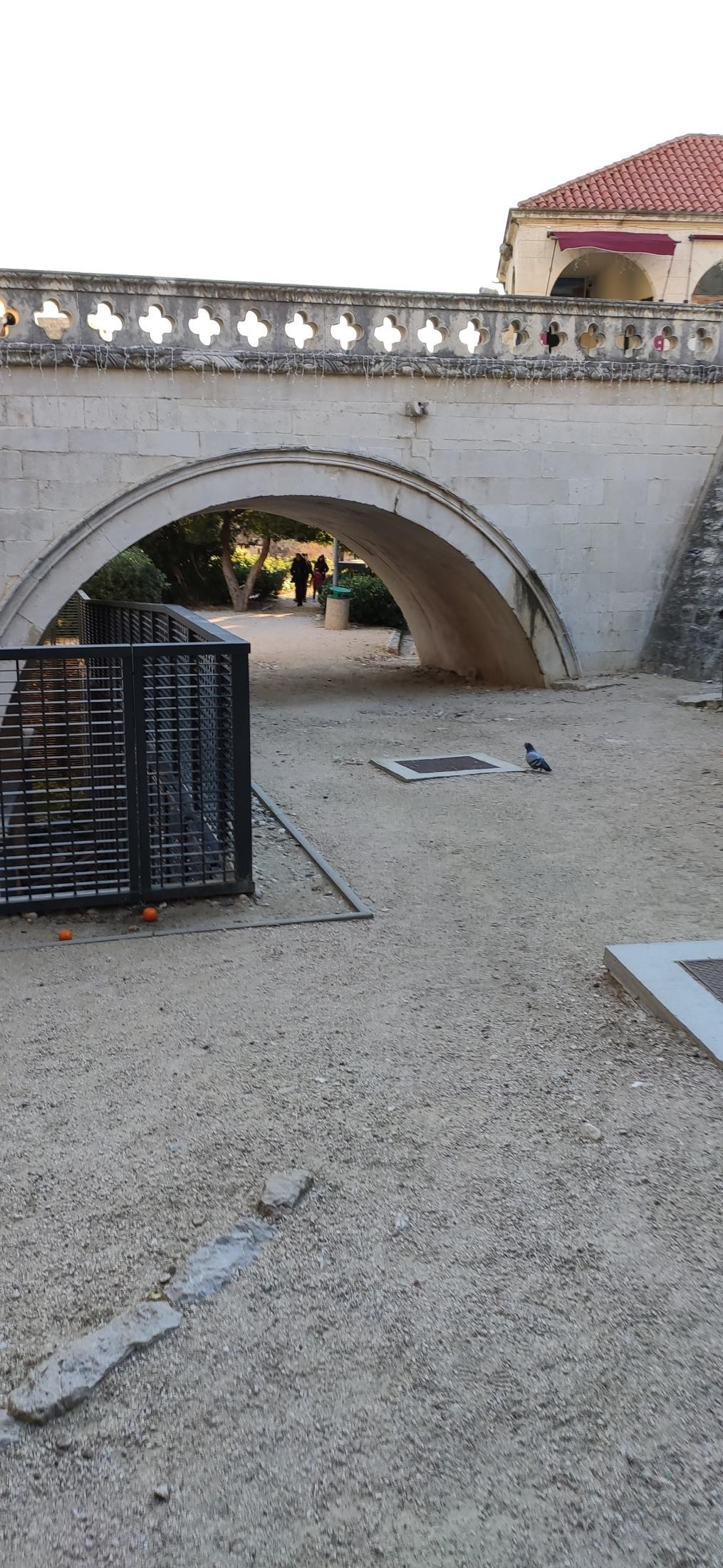
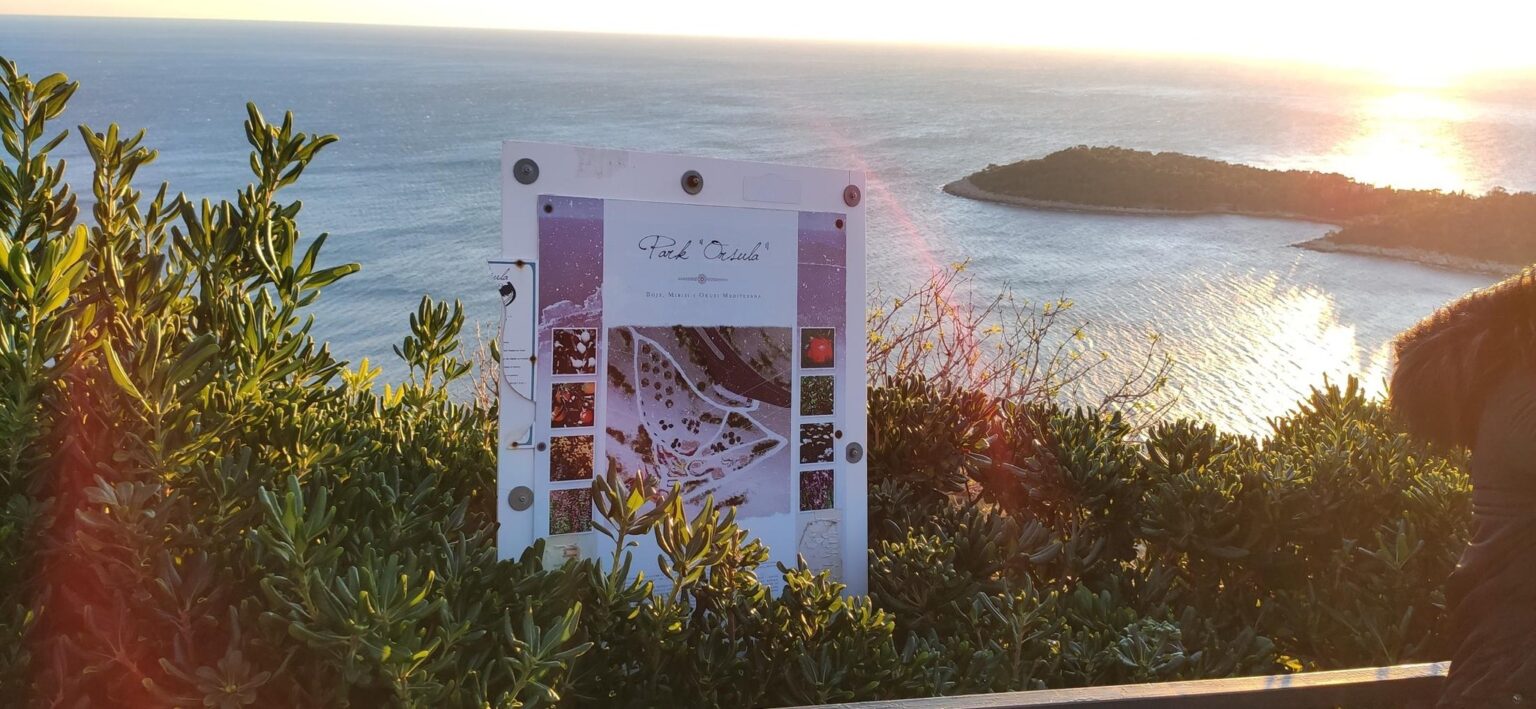
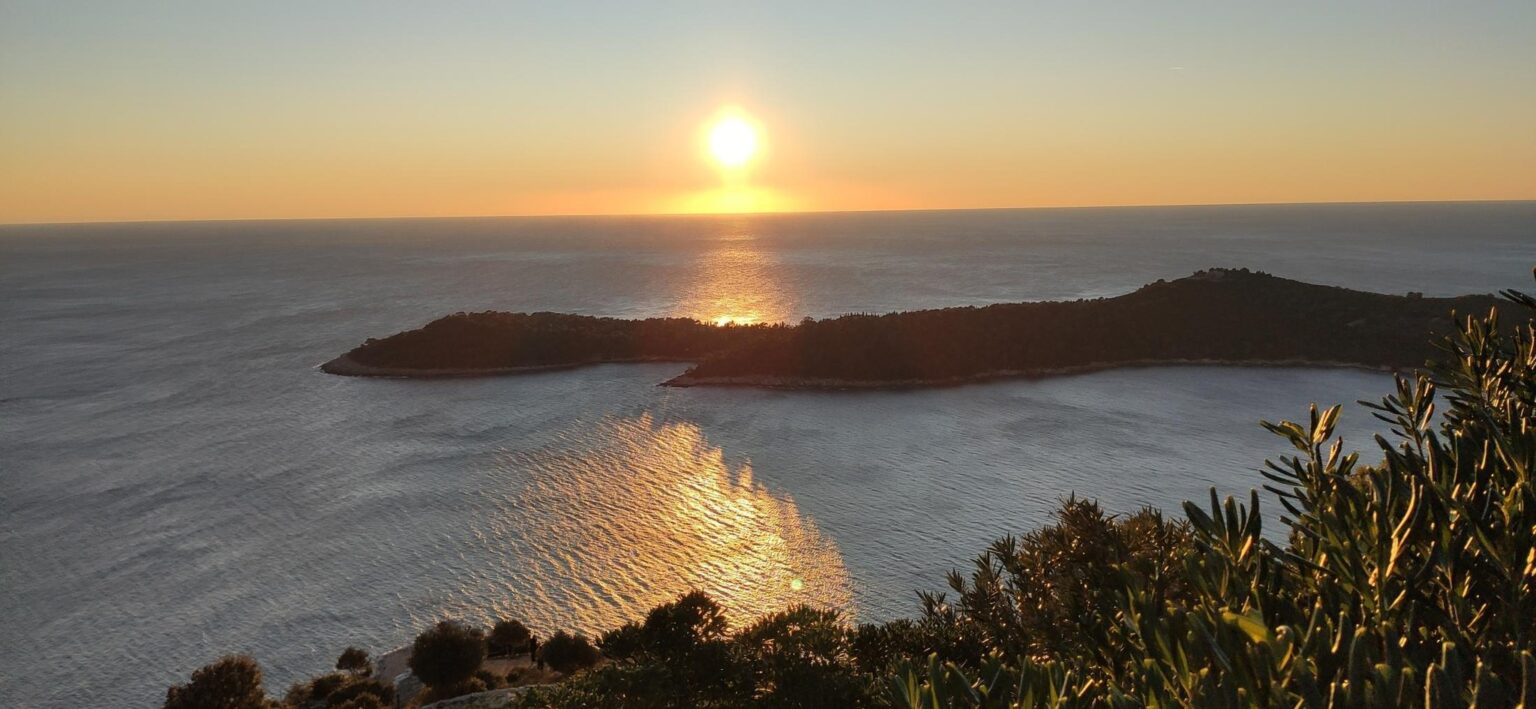
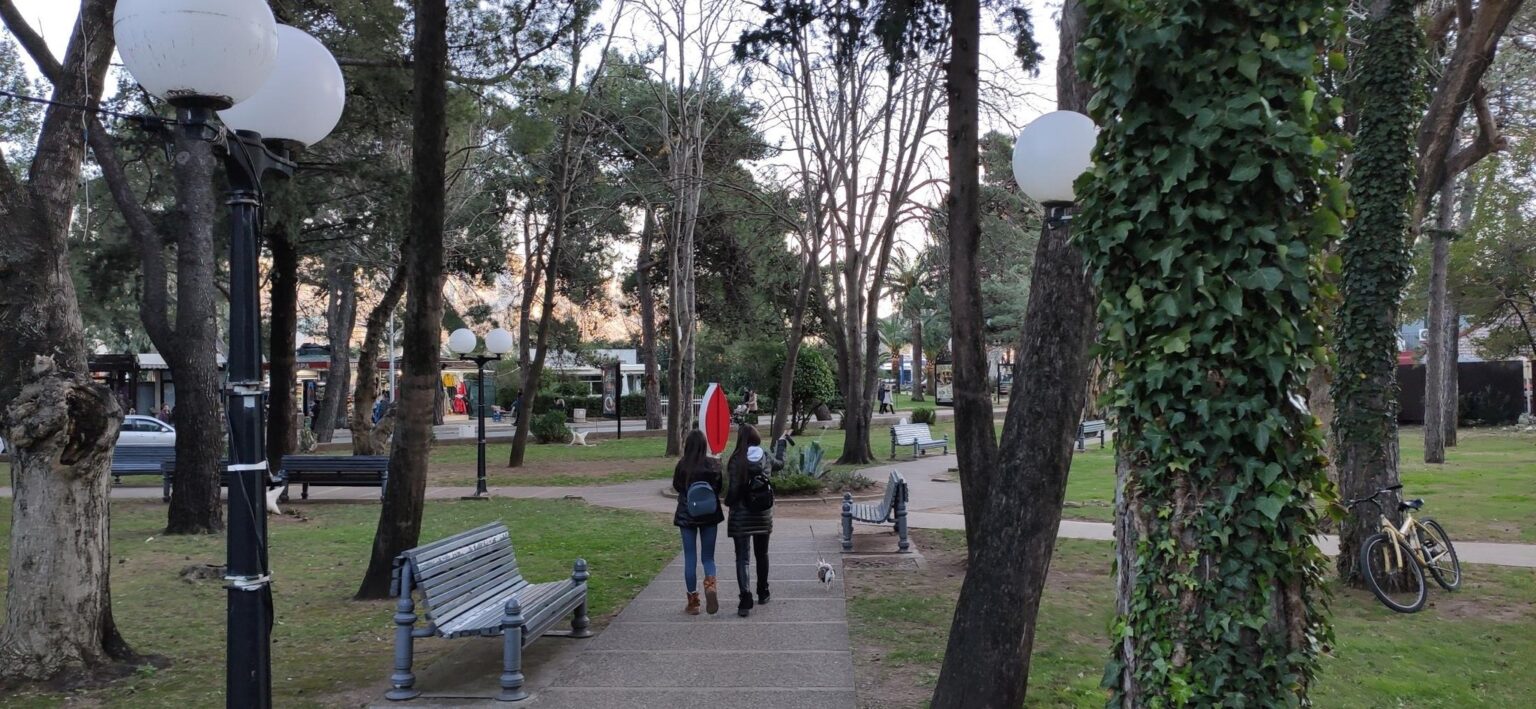
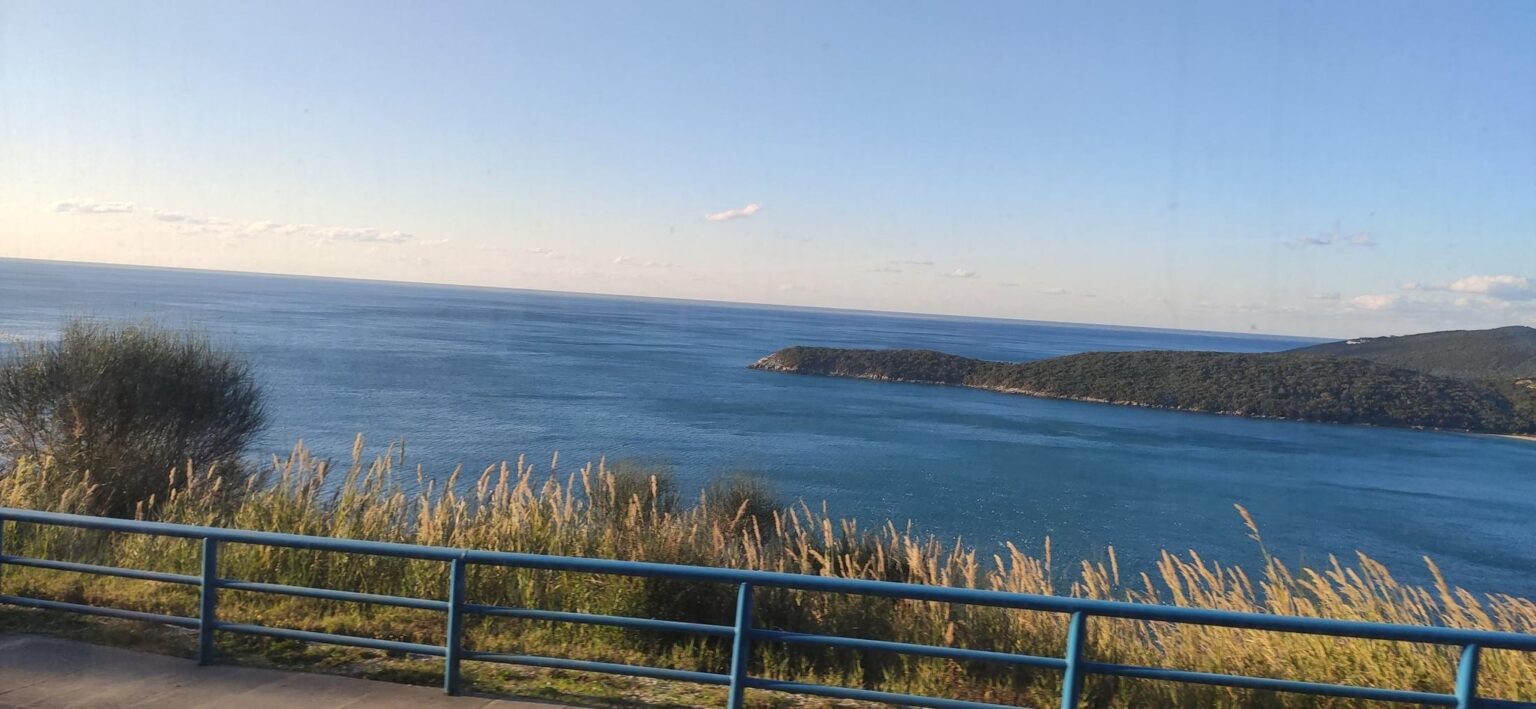
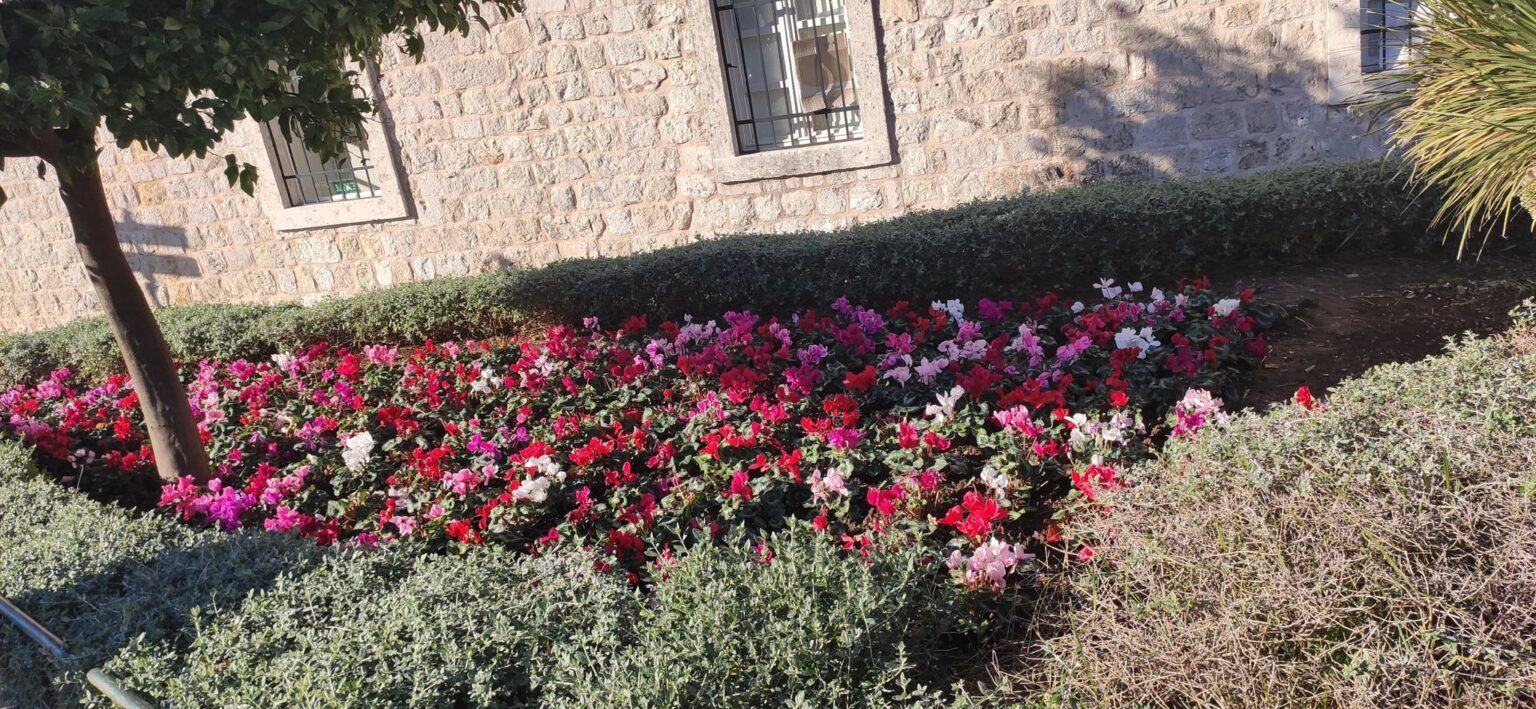
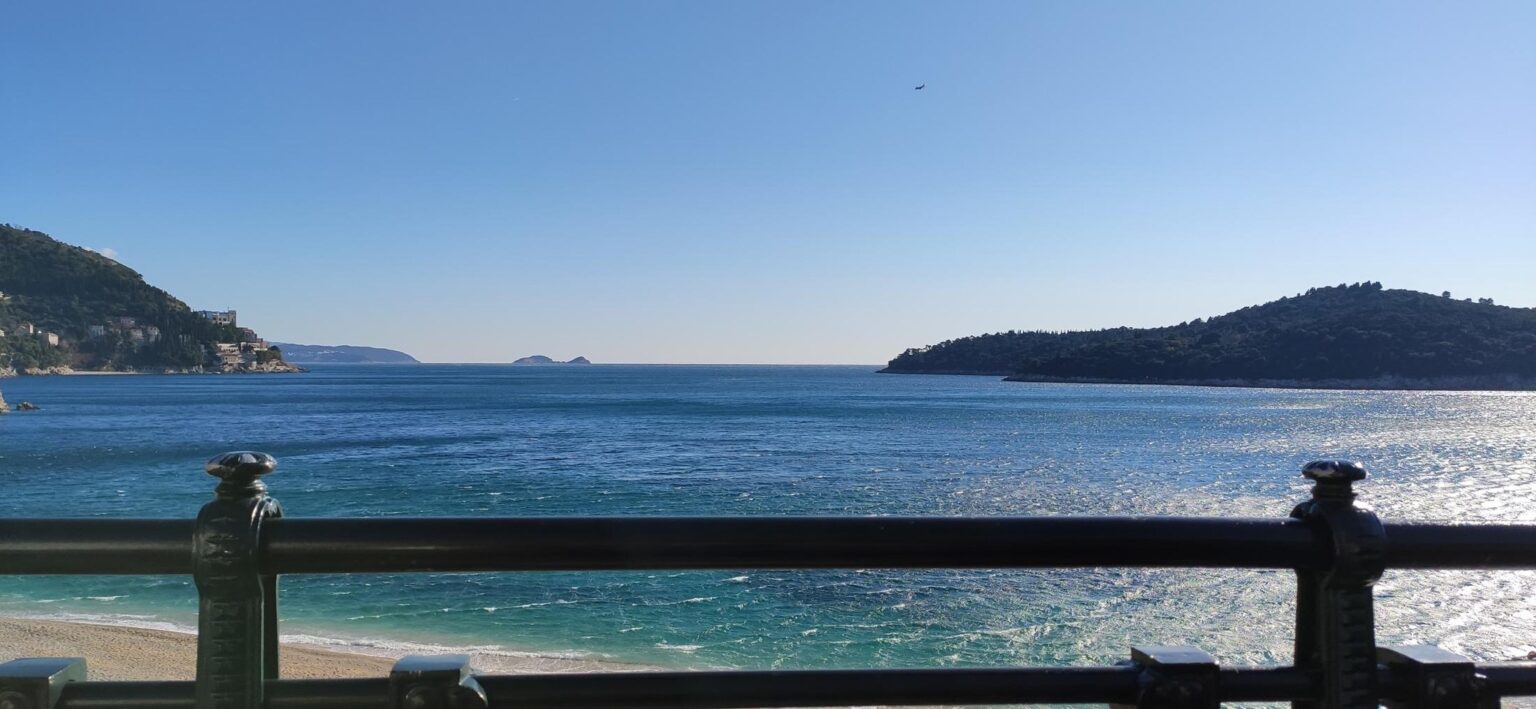
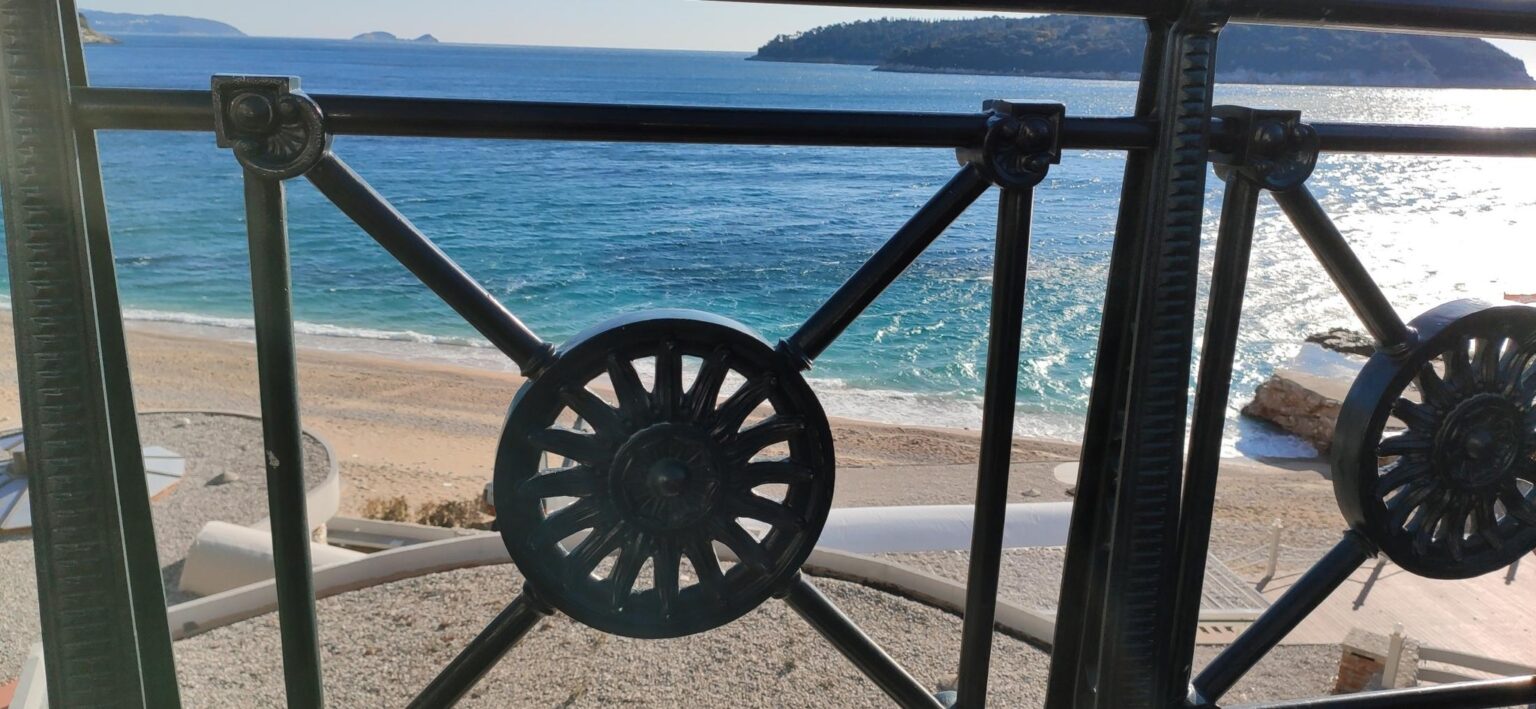
After roughly two hours in the old town there’s a bit of free time left. Nearby on the map there’s a marked panoramic viewpoint. It’s called Gradac Park. Twenty minutes is enough to walk it.
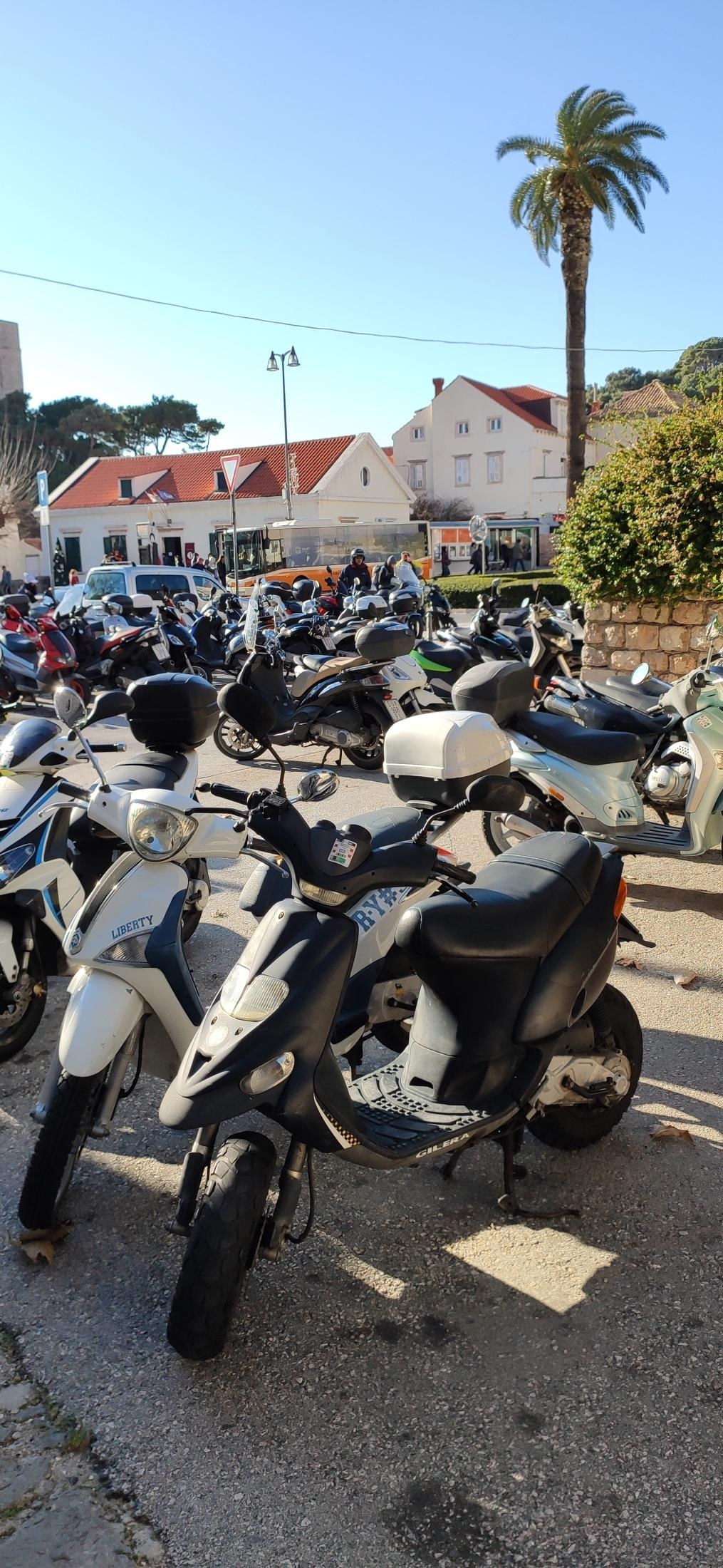
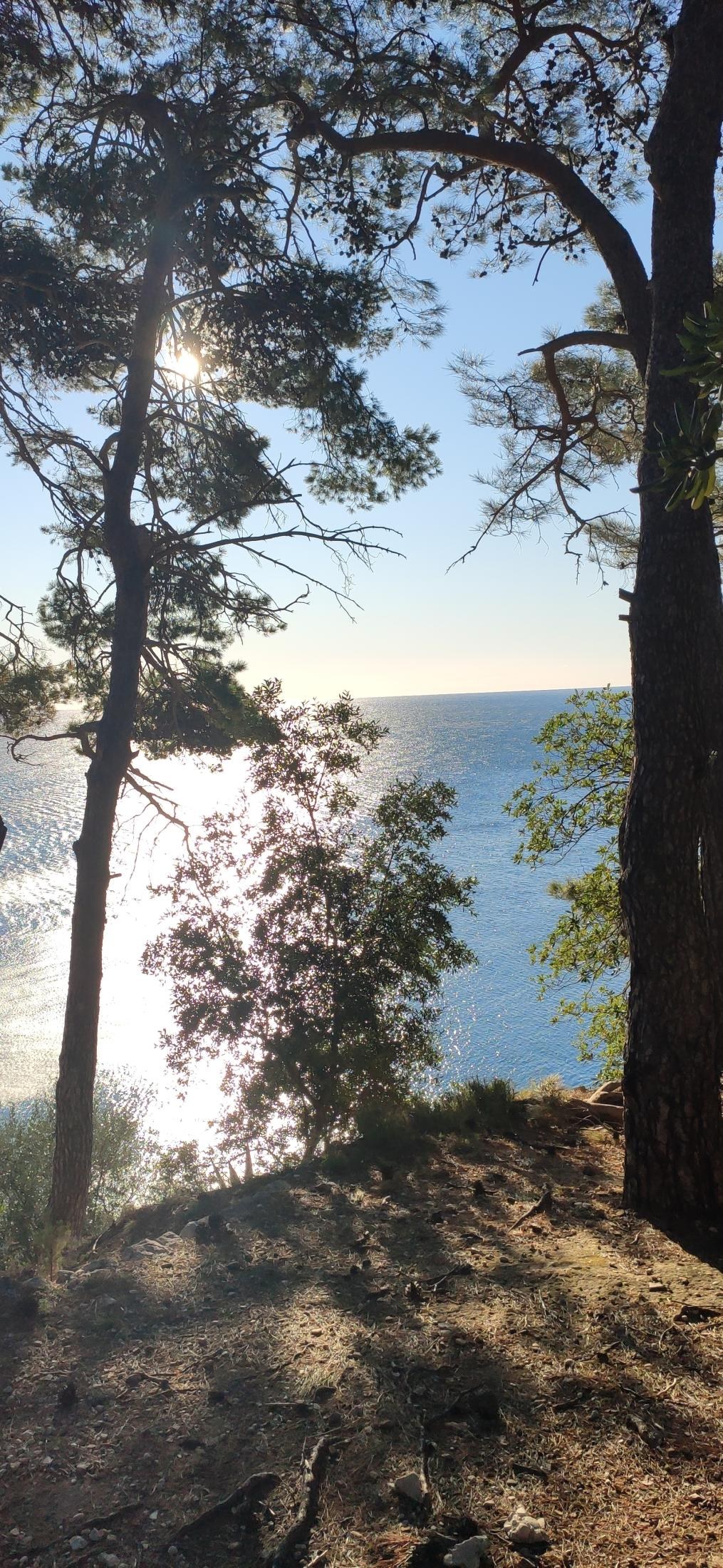
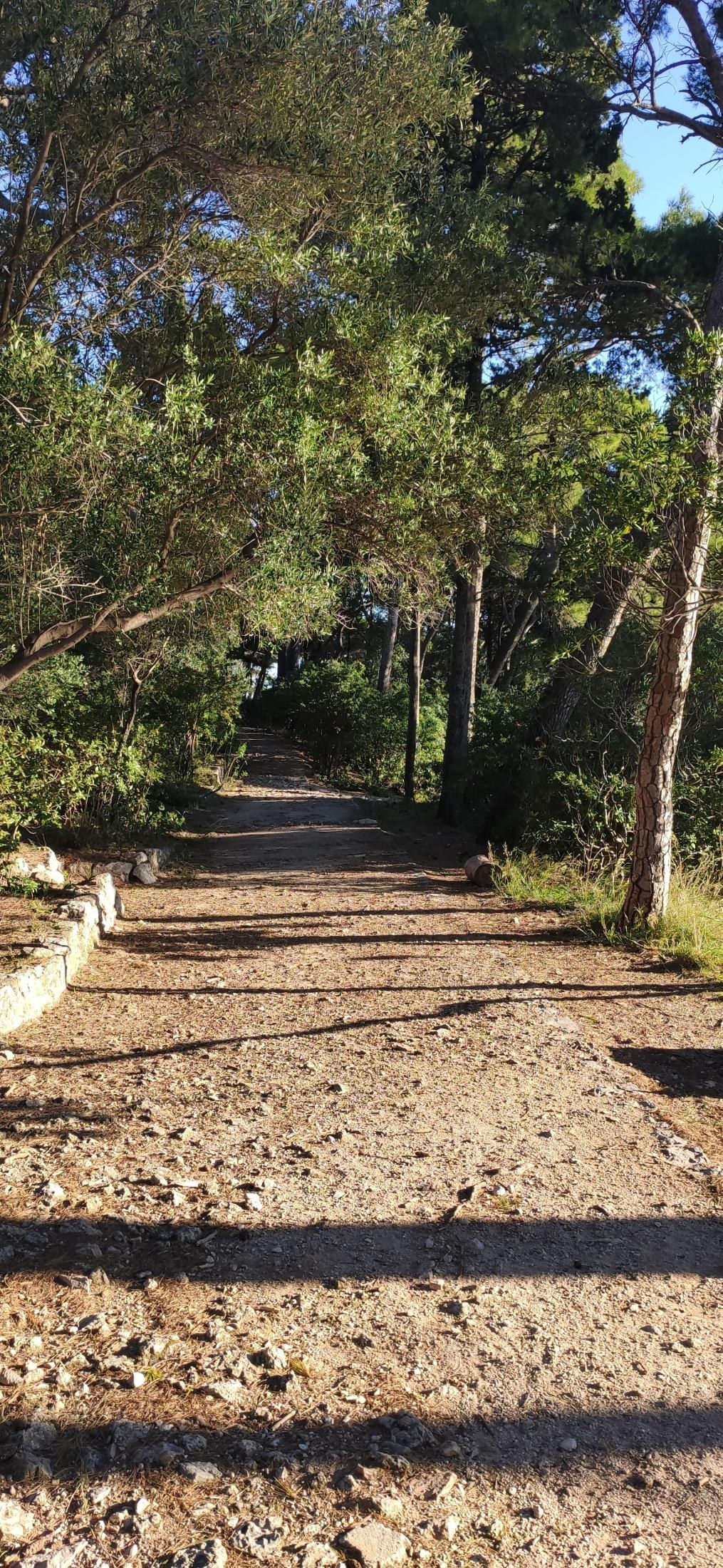
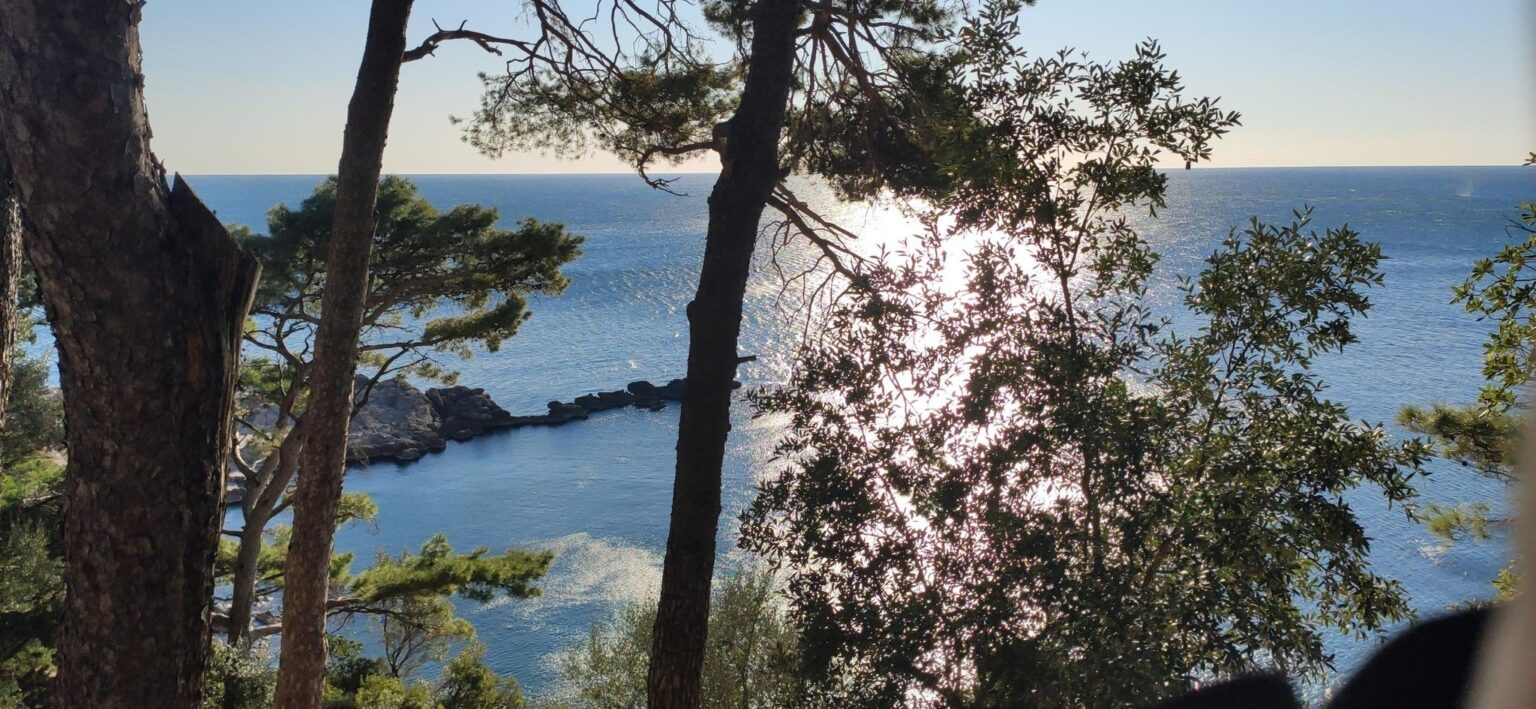
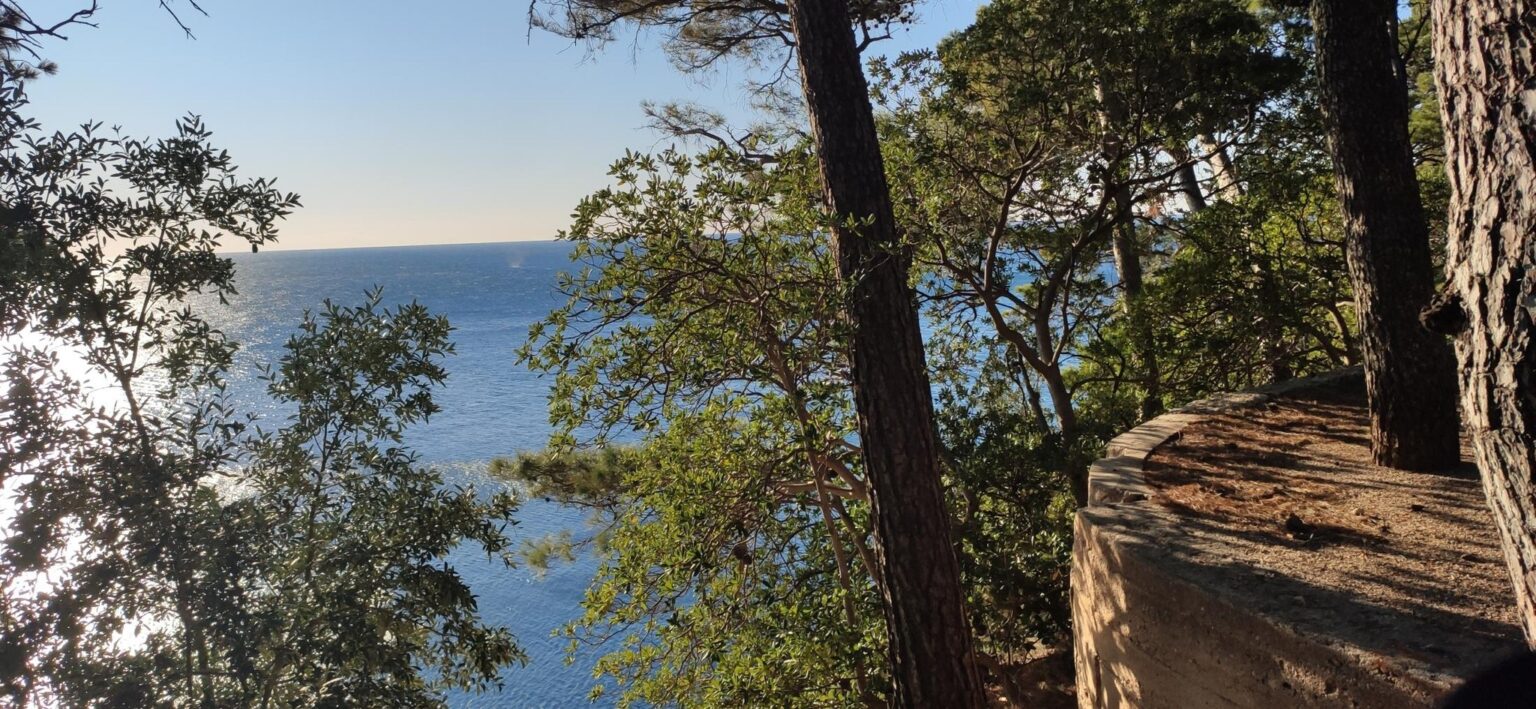
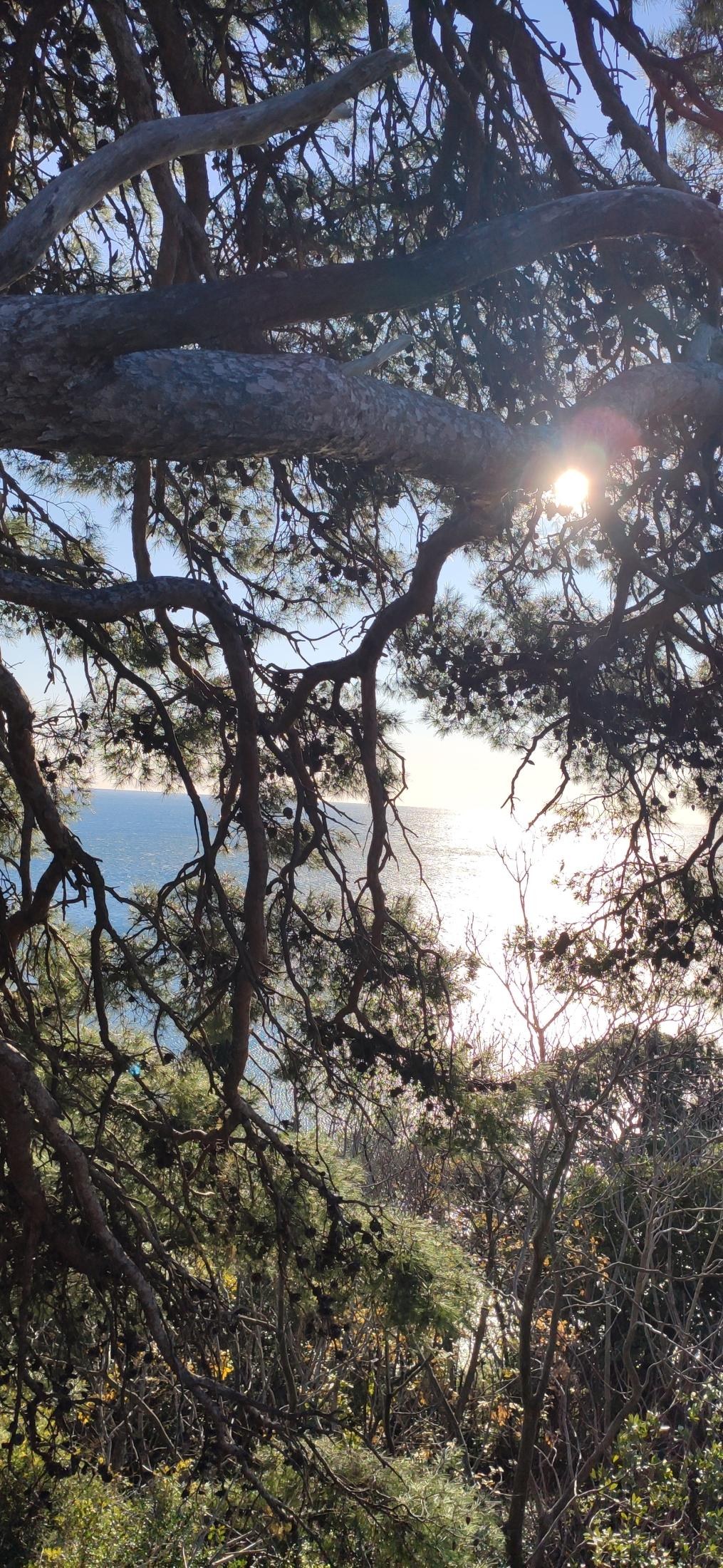
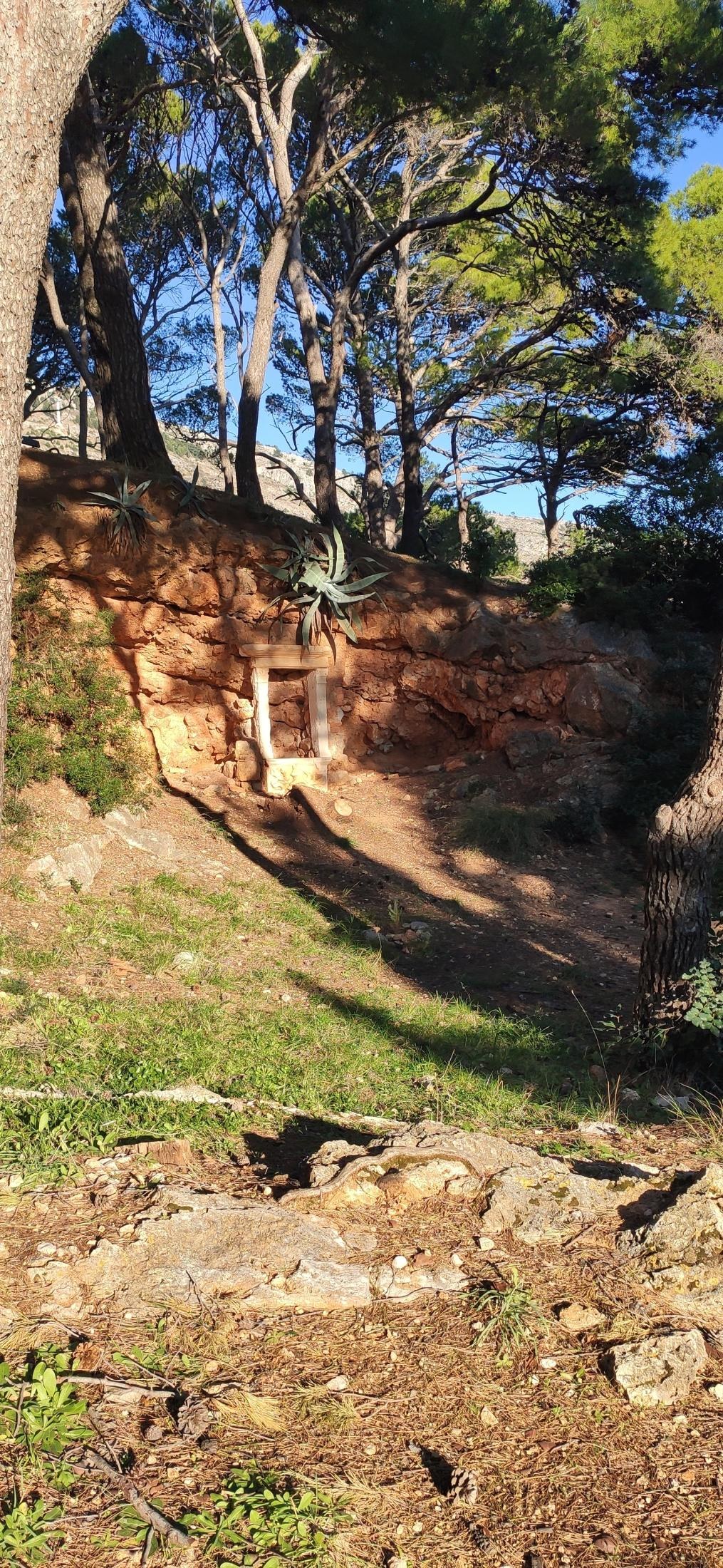
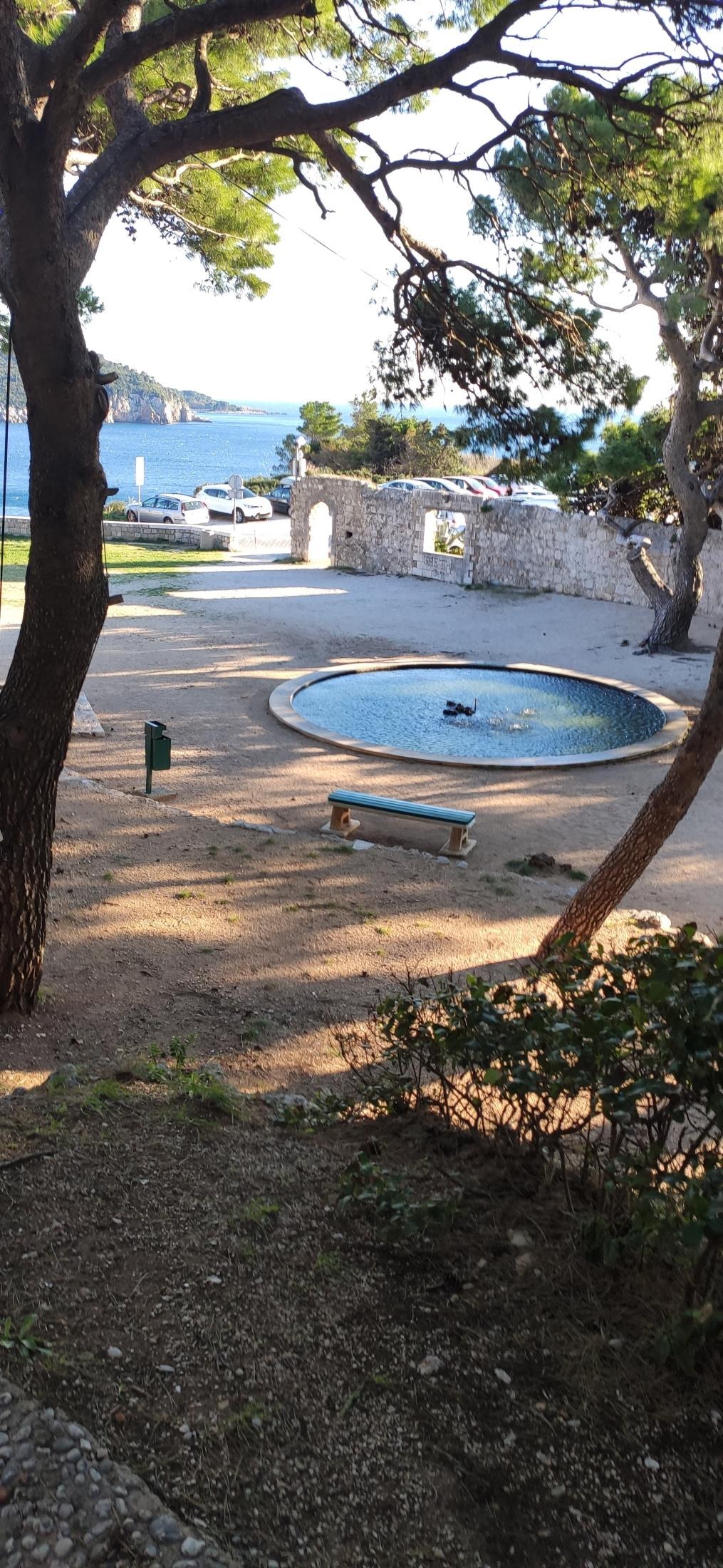
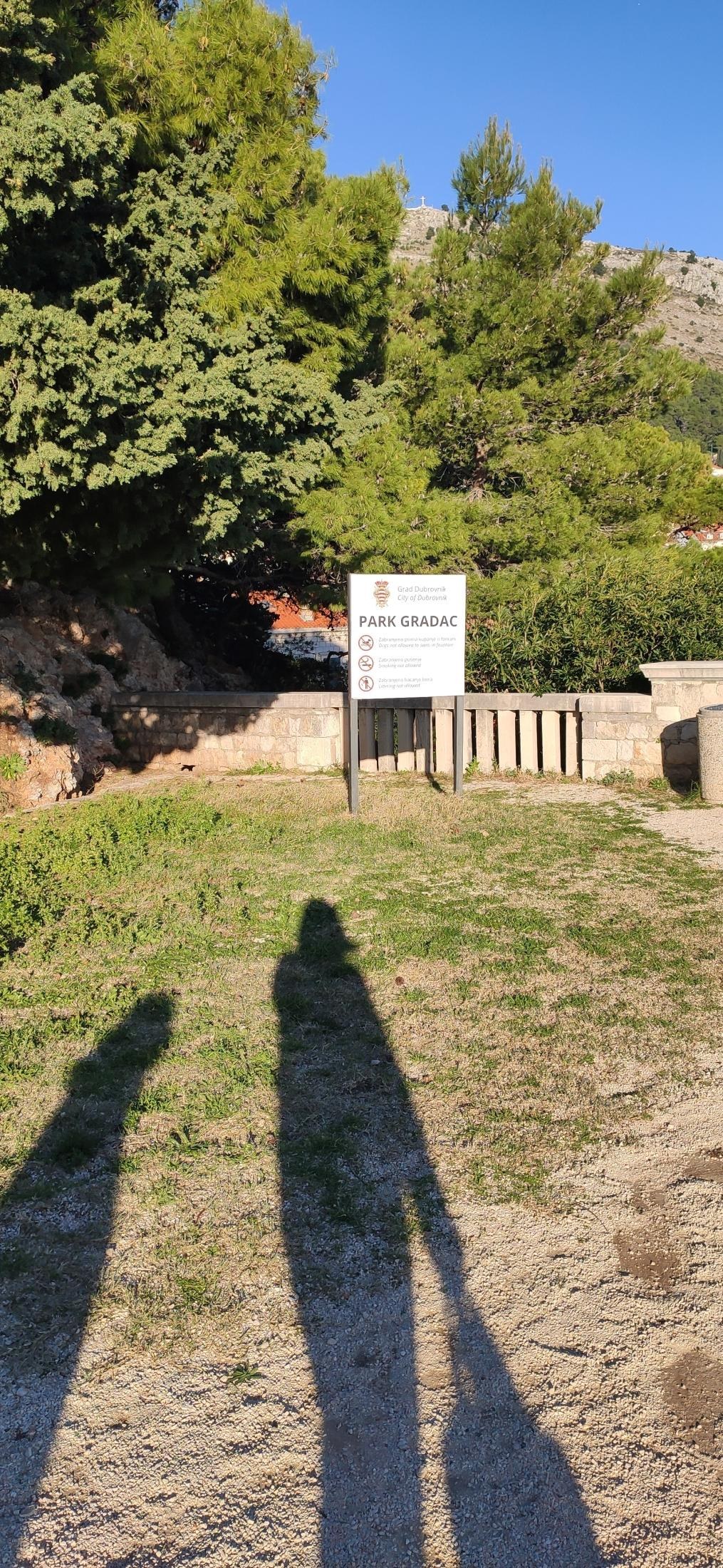
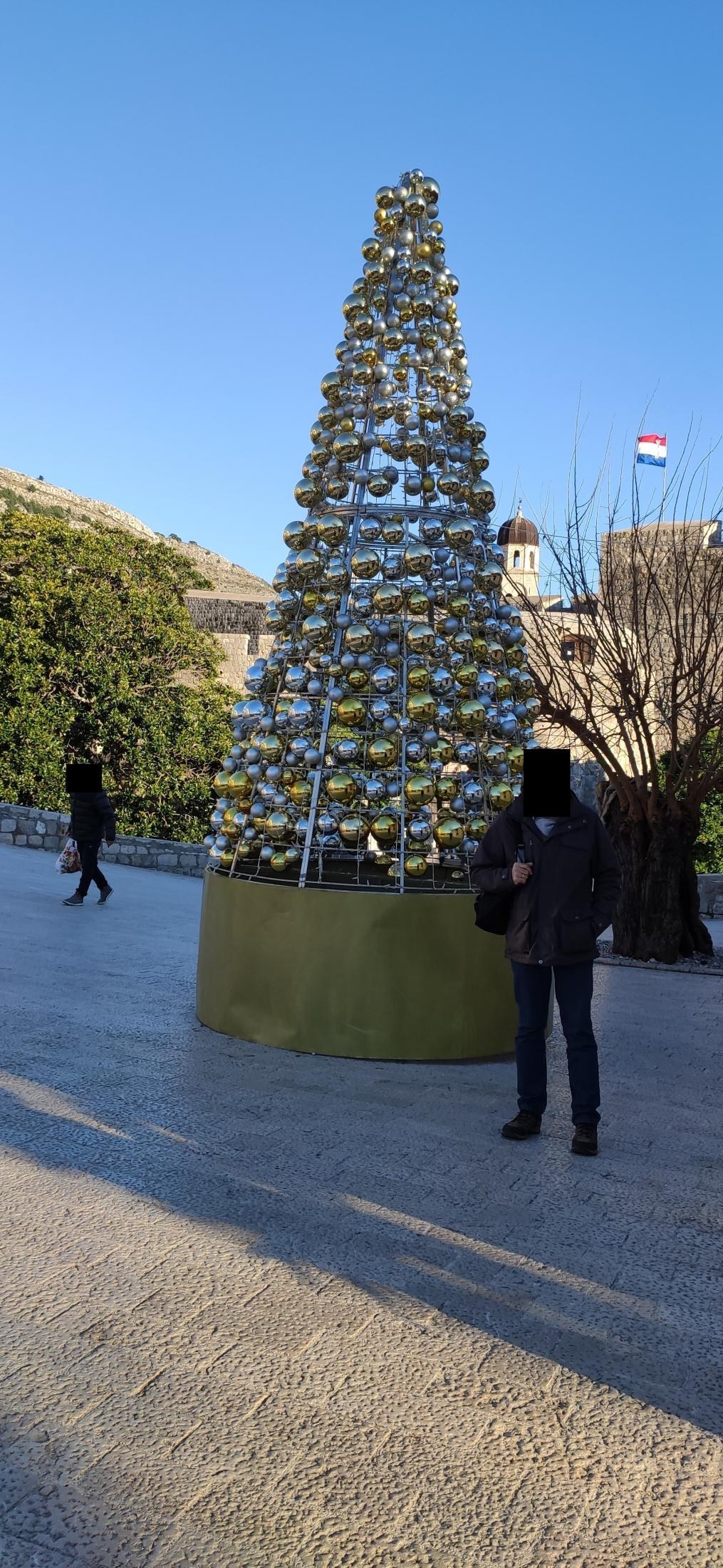
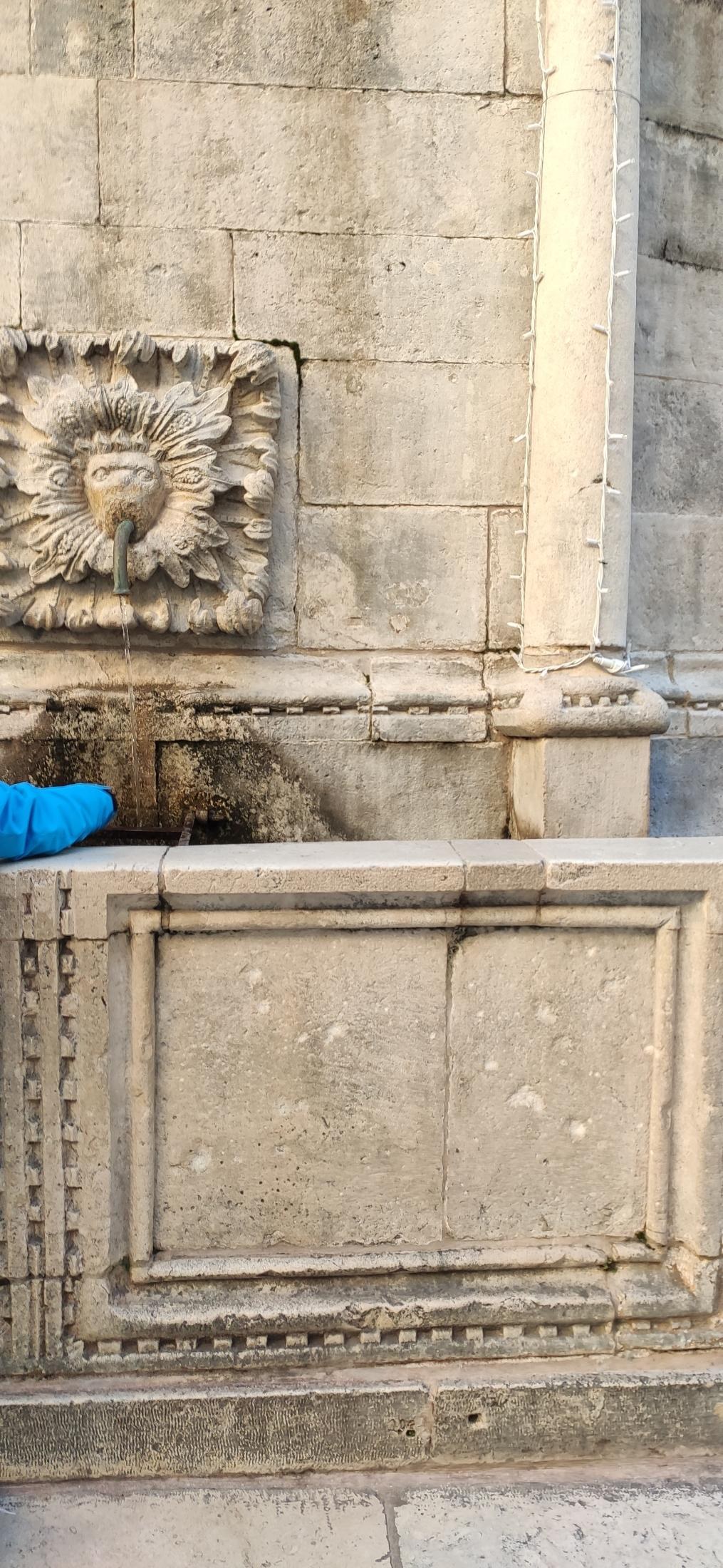
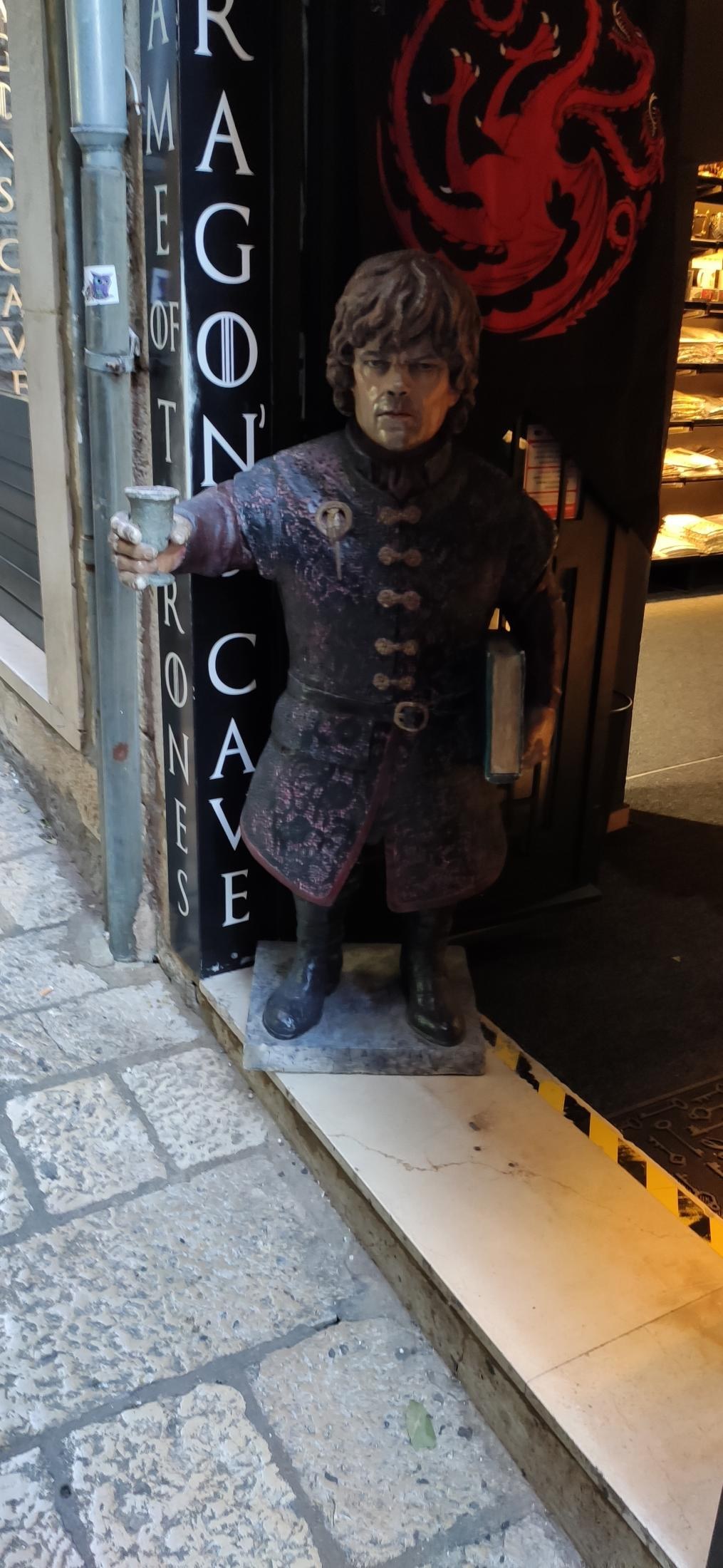
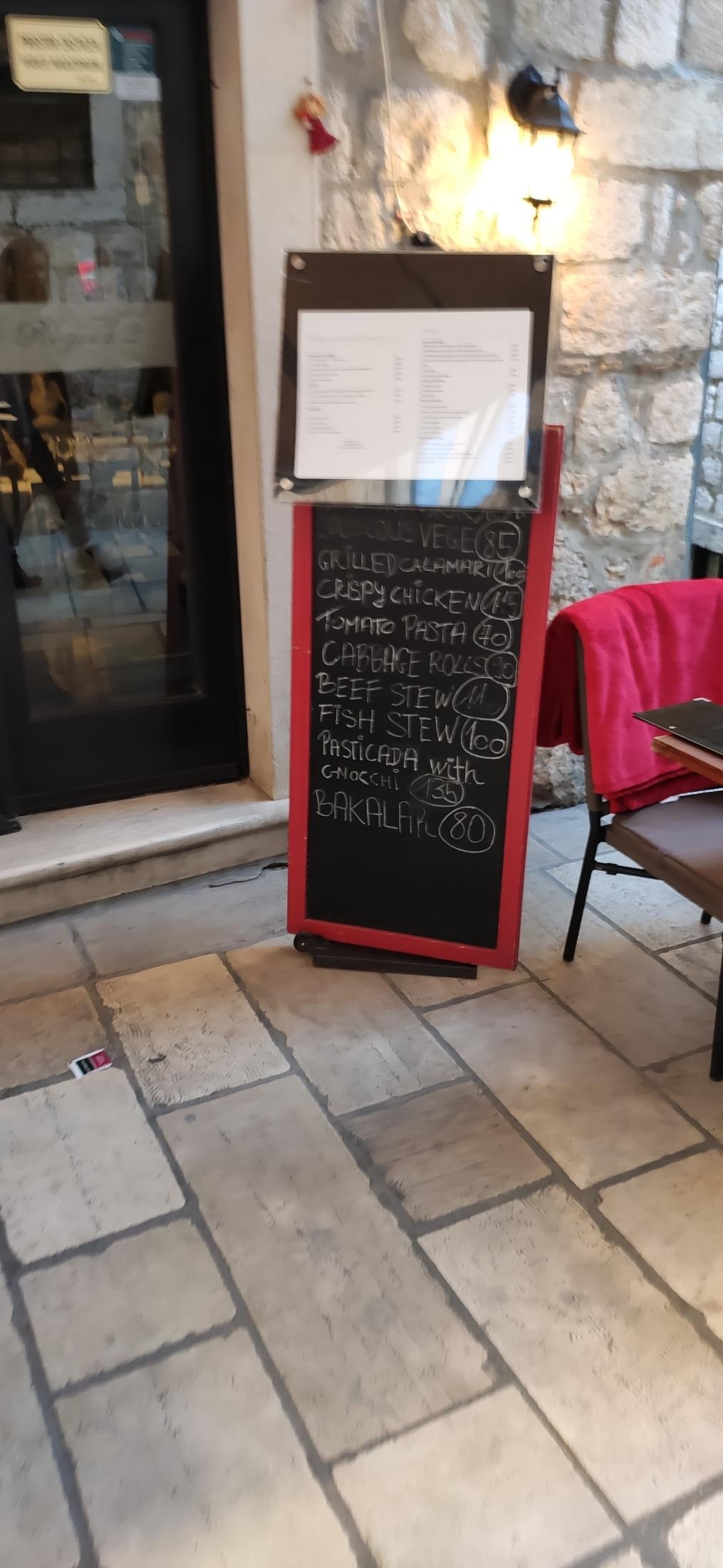
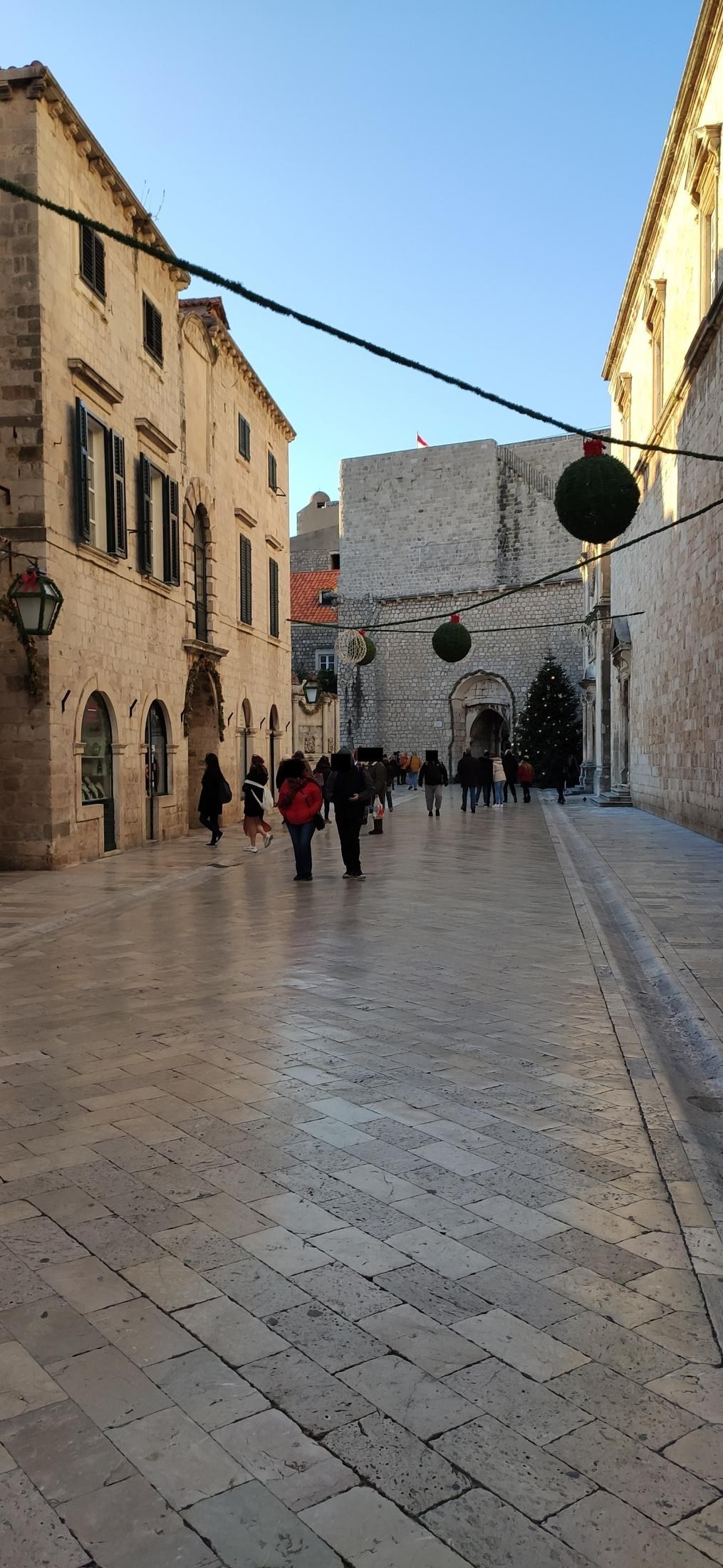
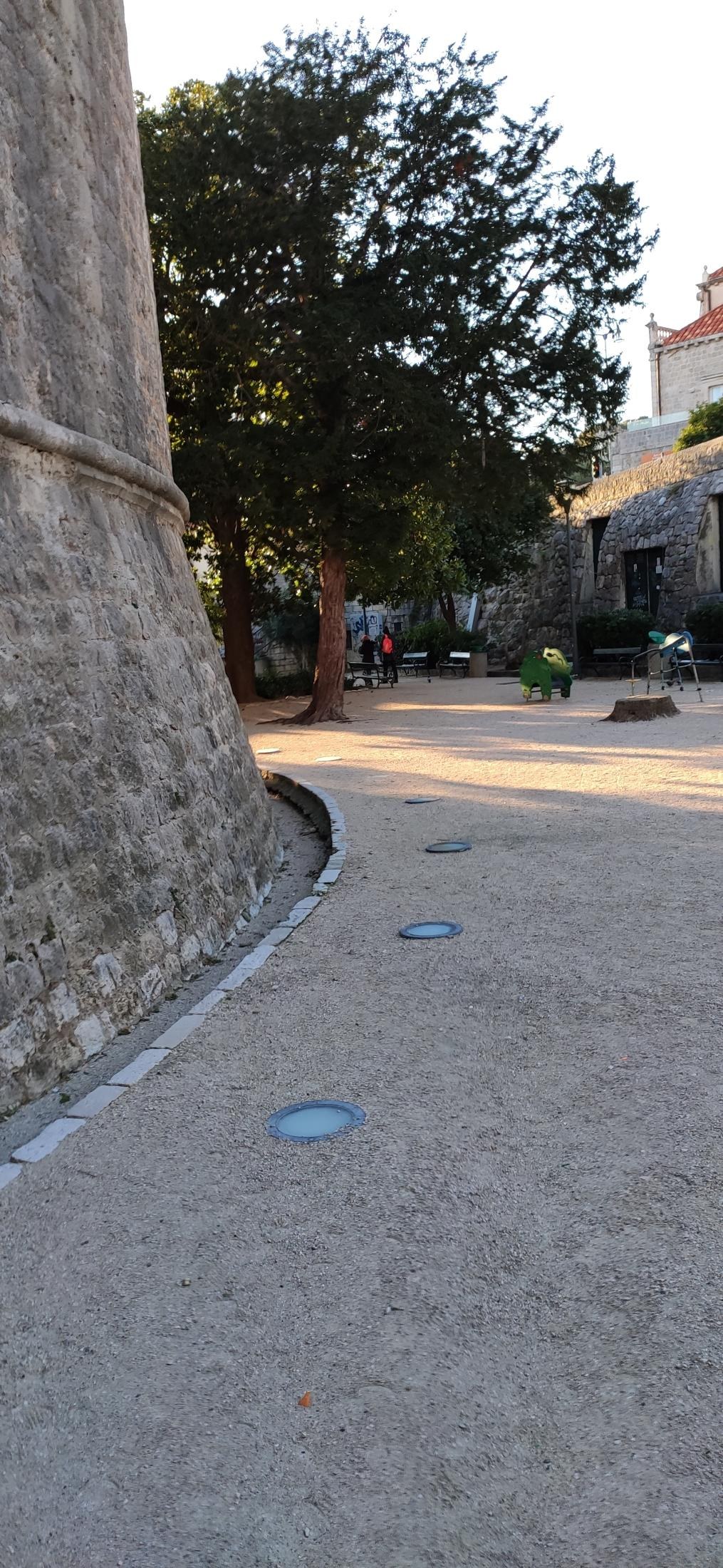
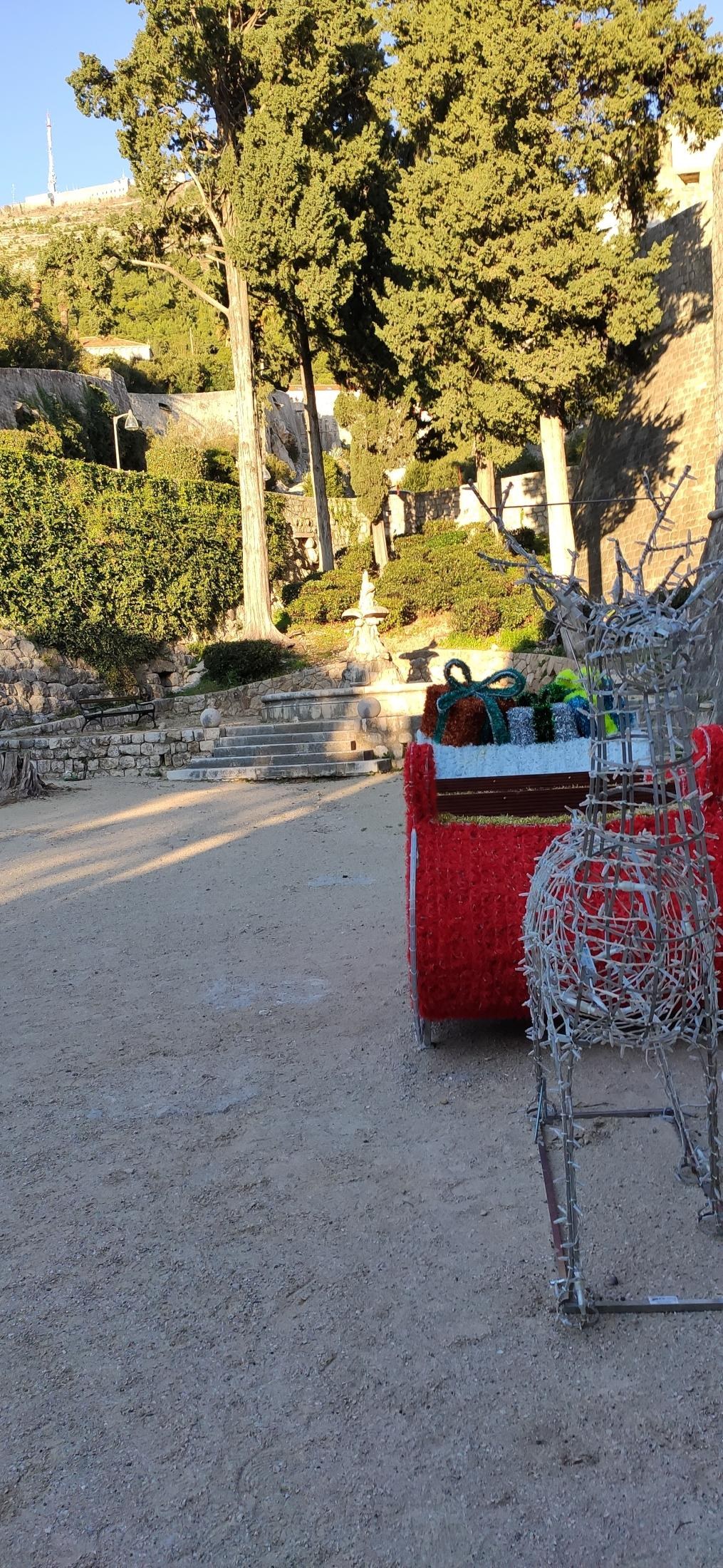
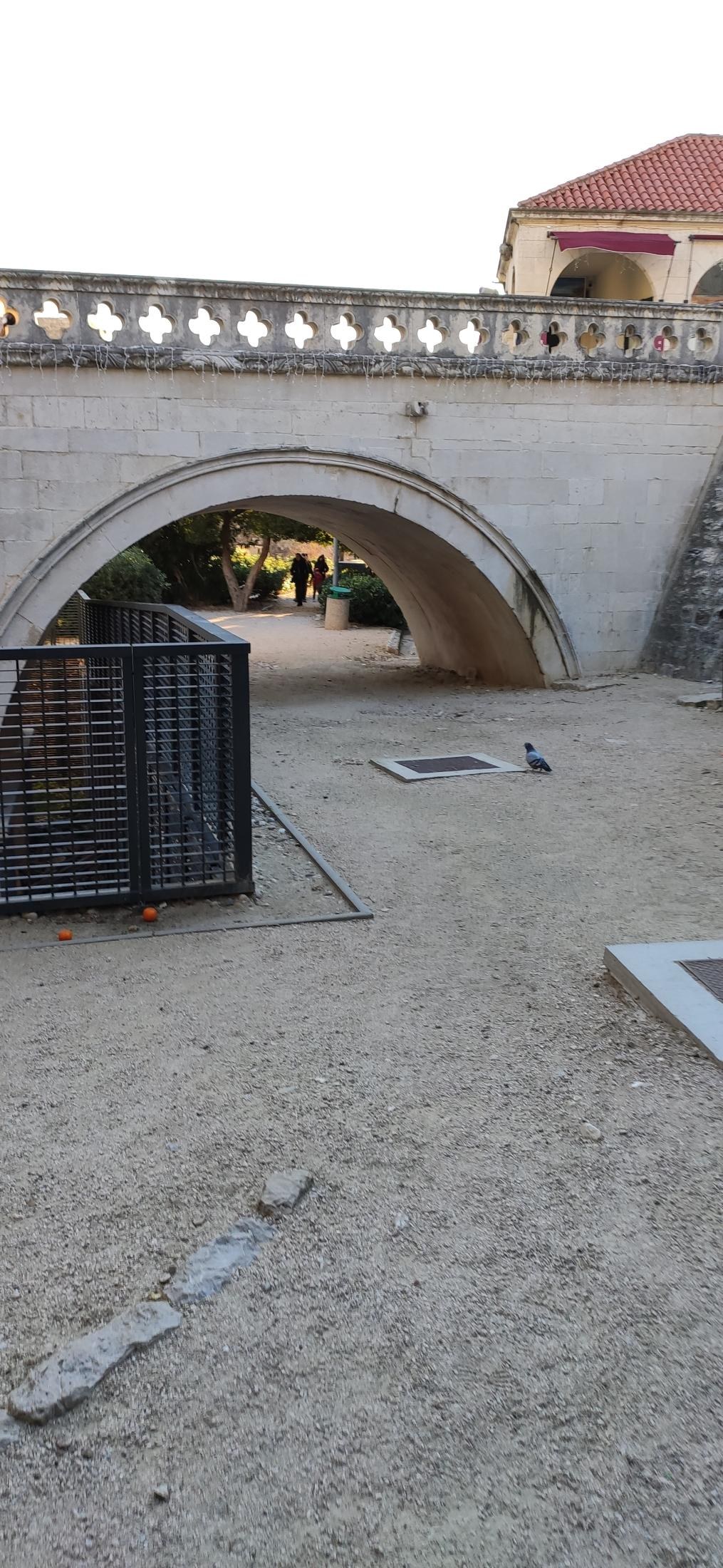
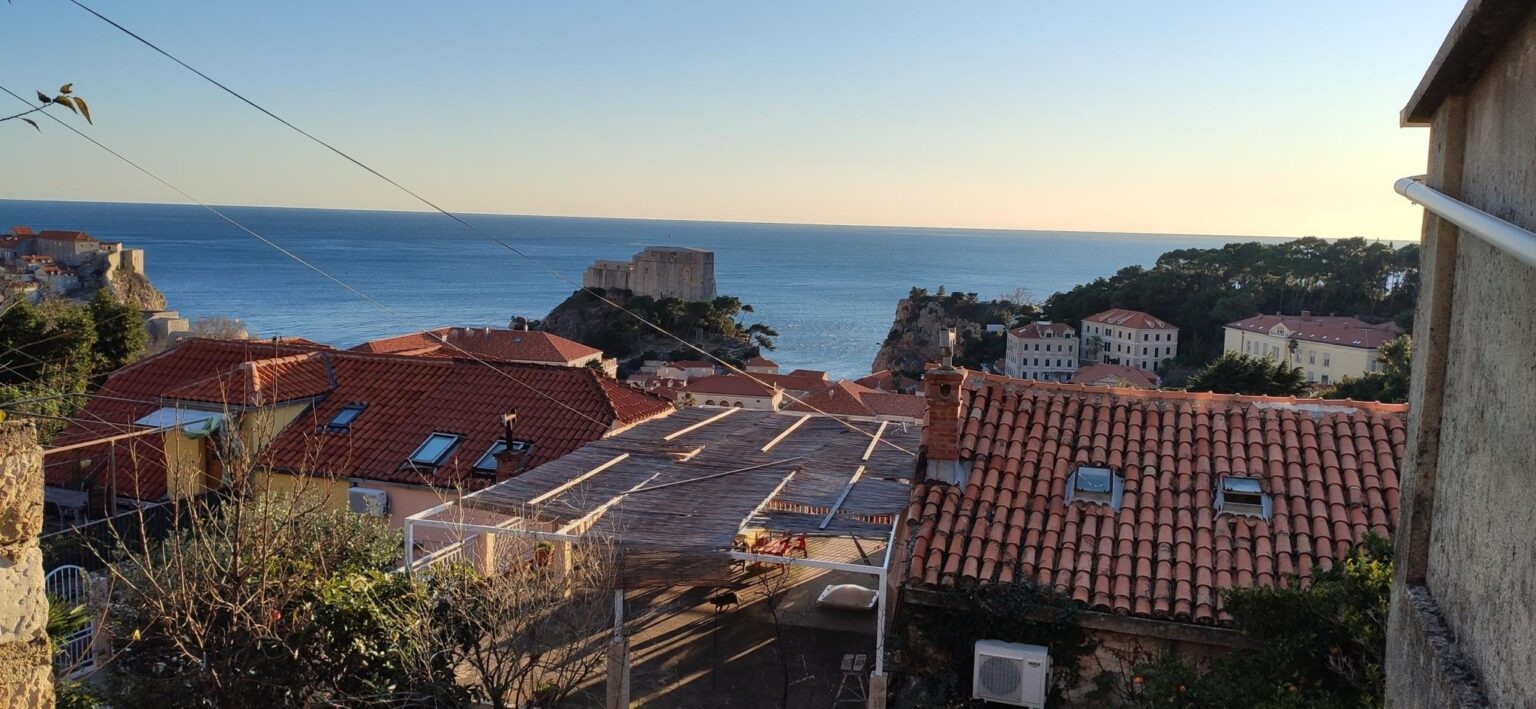
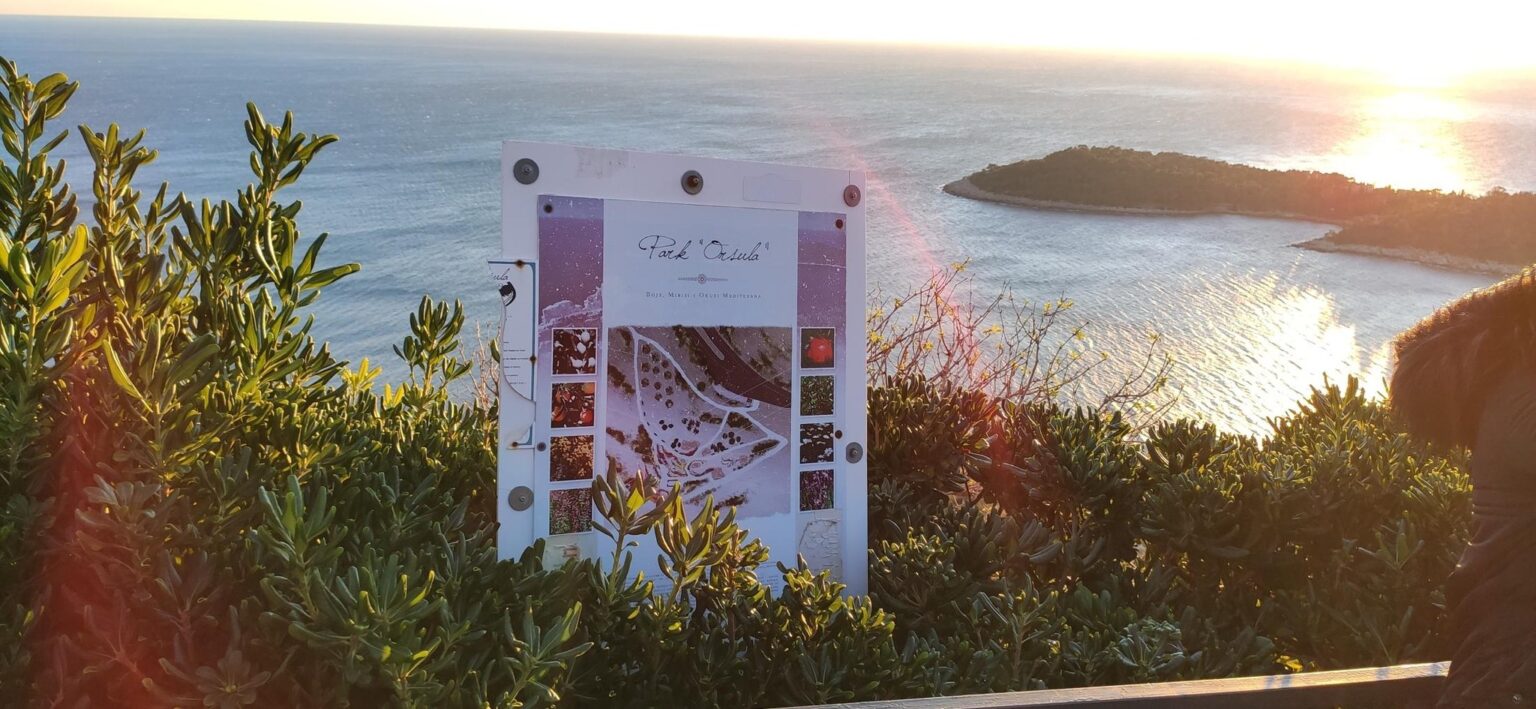
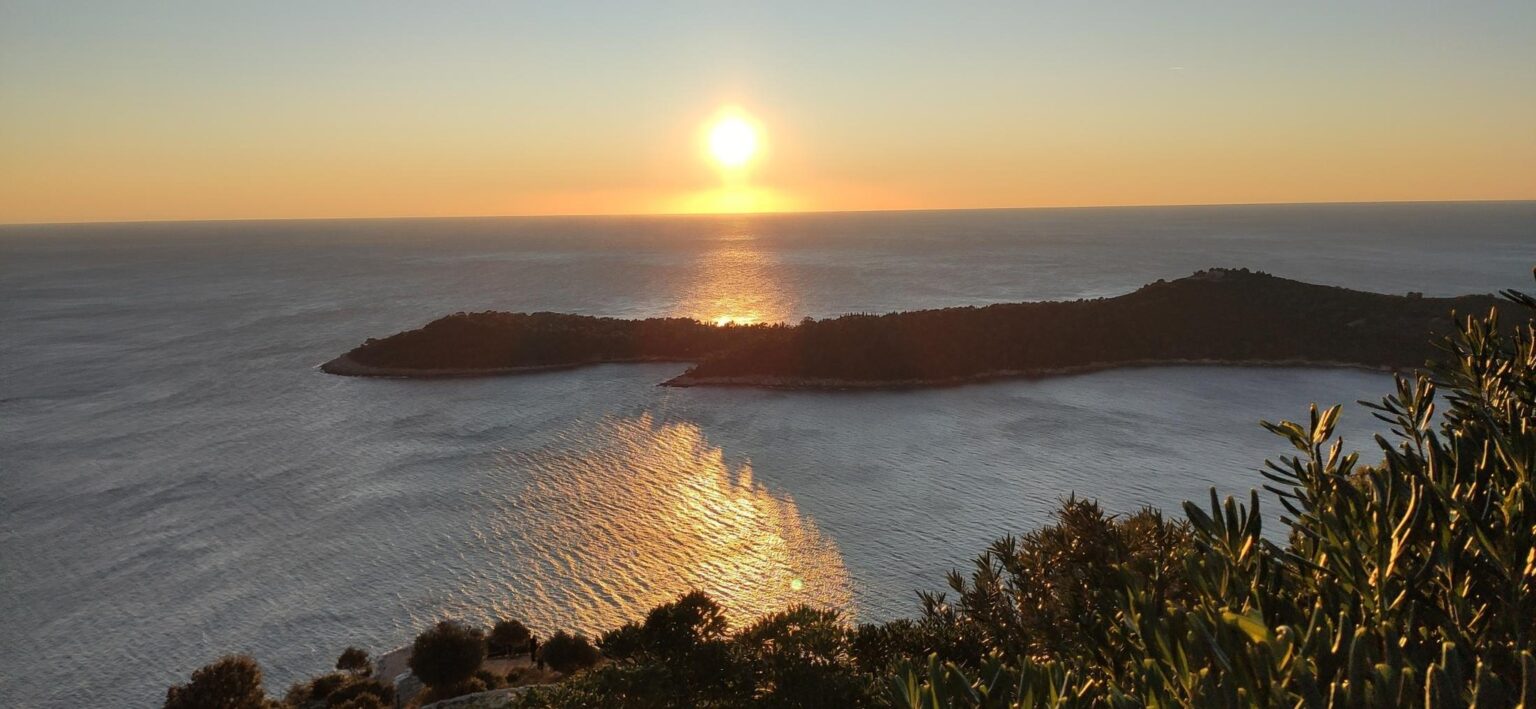
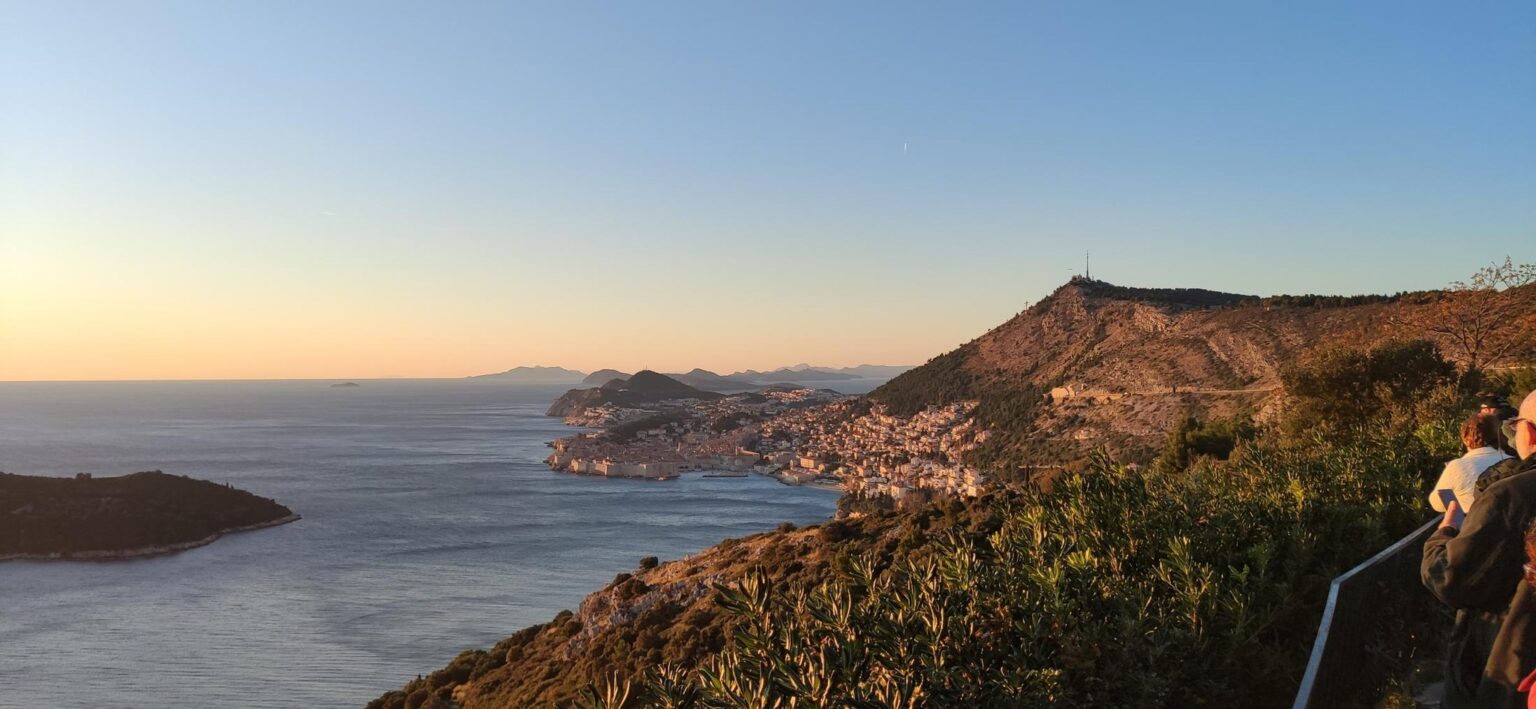
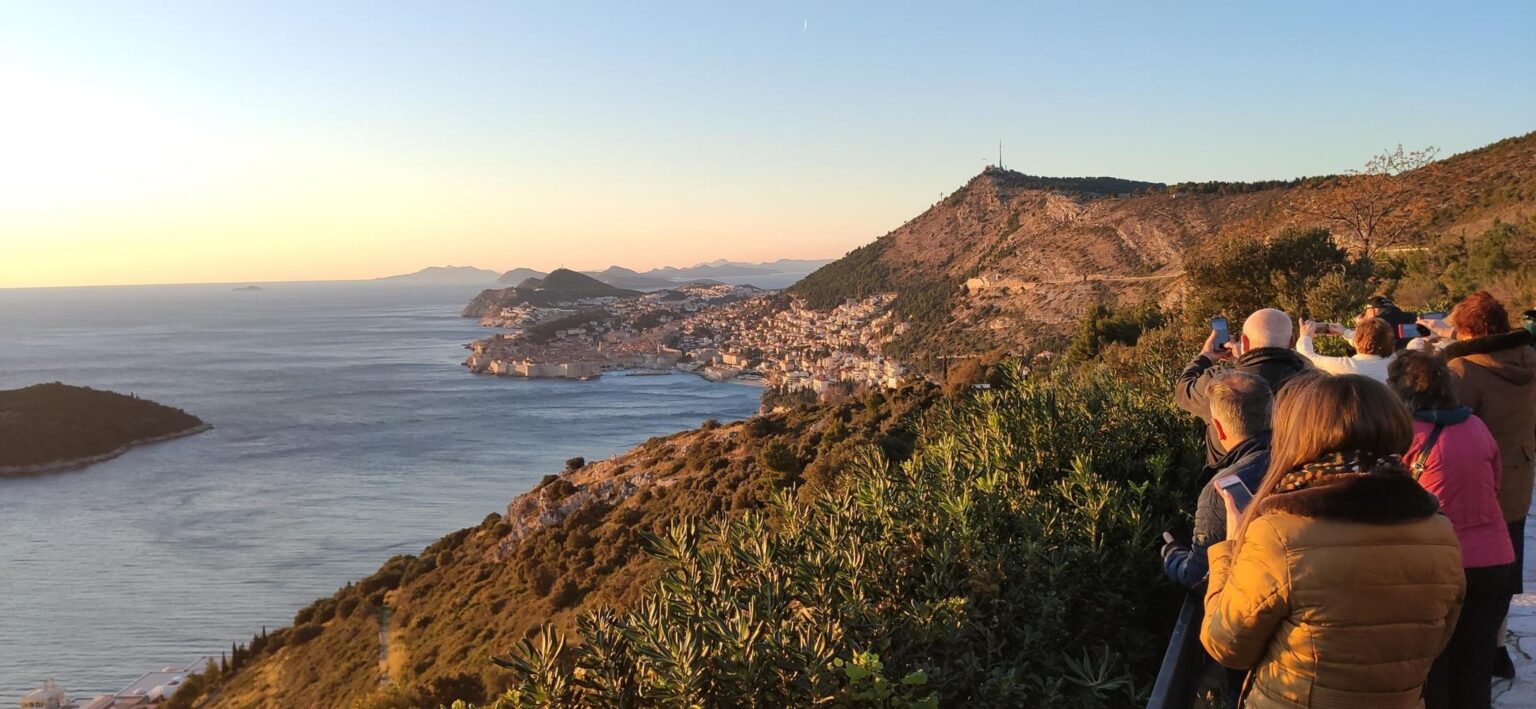
The day starts at 08:00 on the coach and ends around 18:00 back at the hotel. A fast sweep of the area, but fatigue has the final word and it’s time to switch off.
Day 3: Montenegro — Kotor
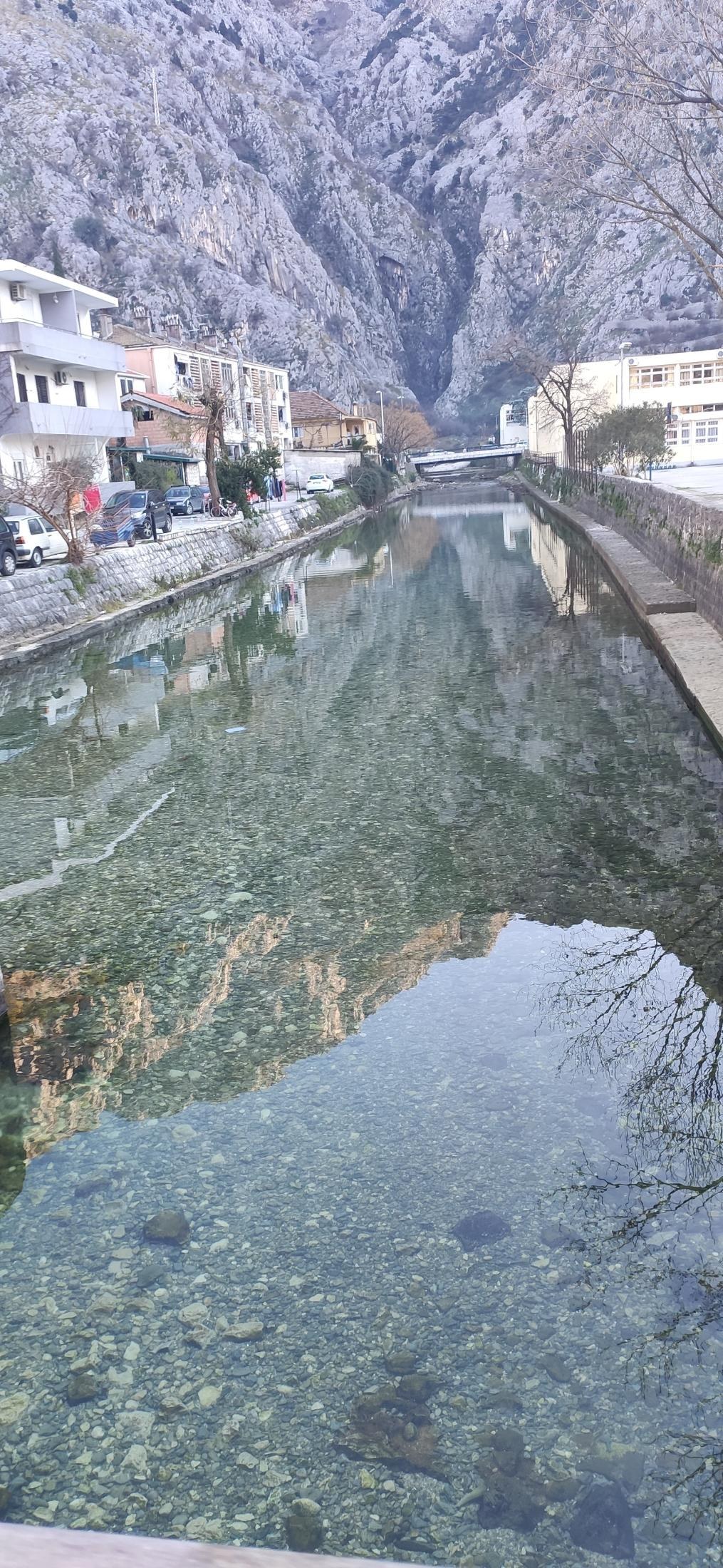
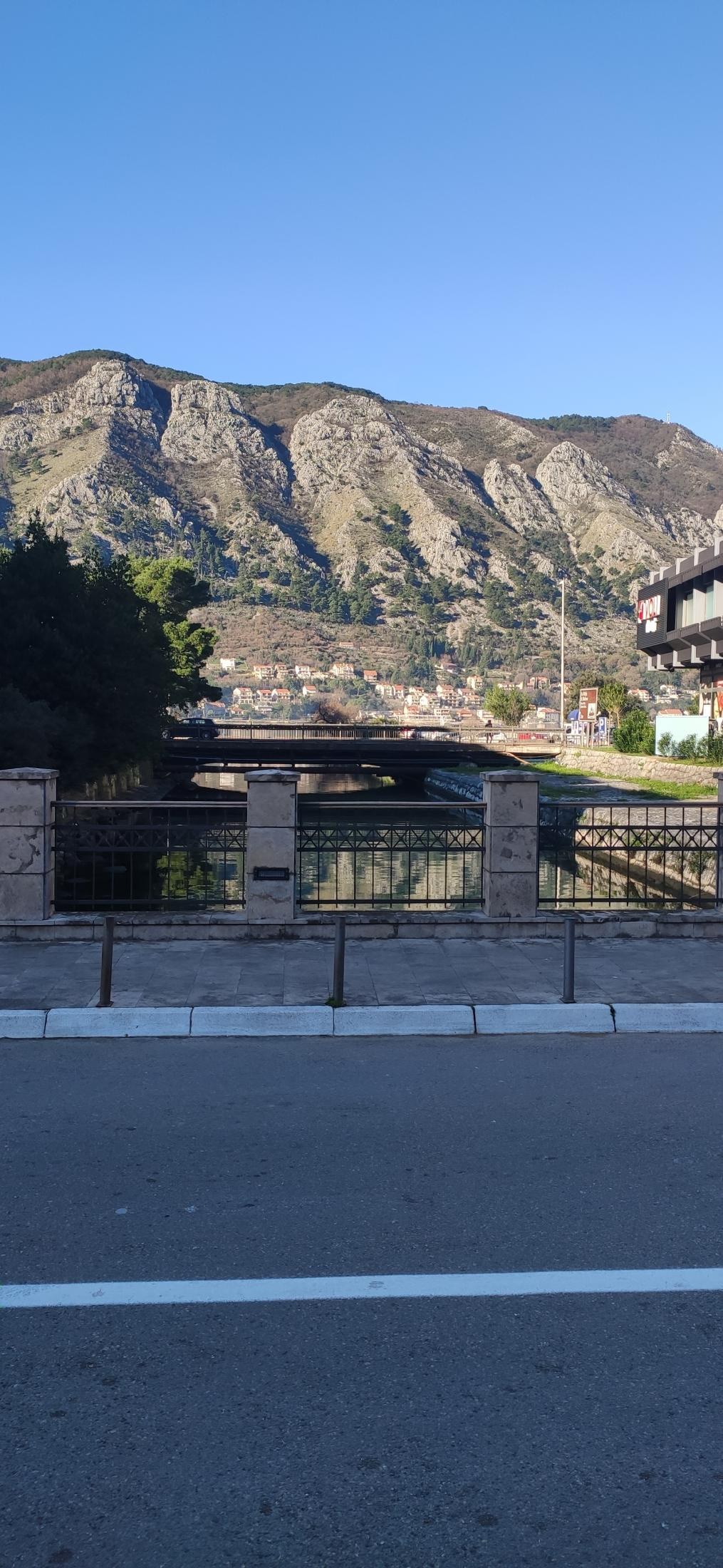
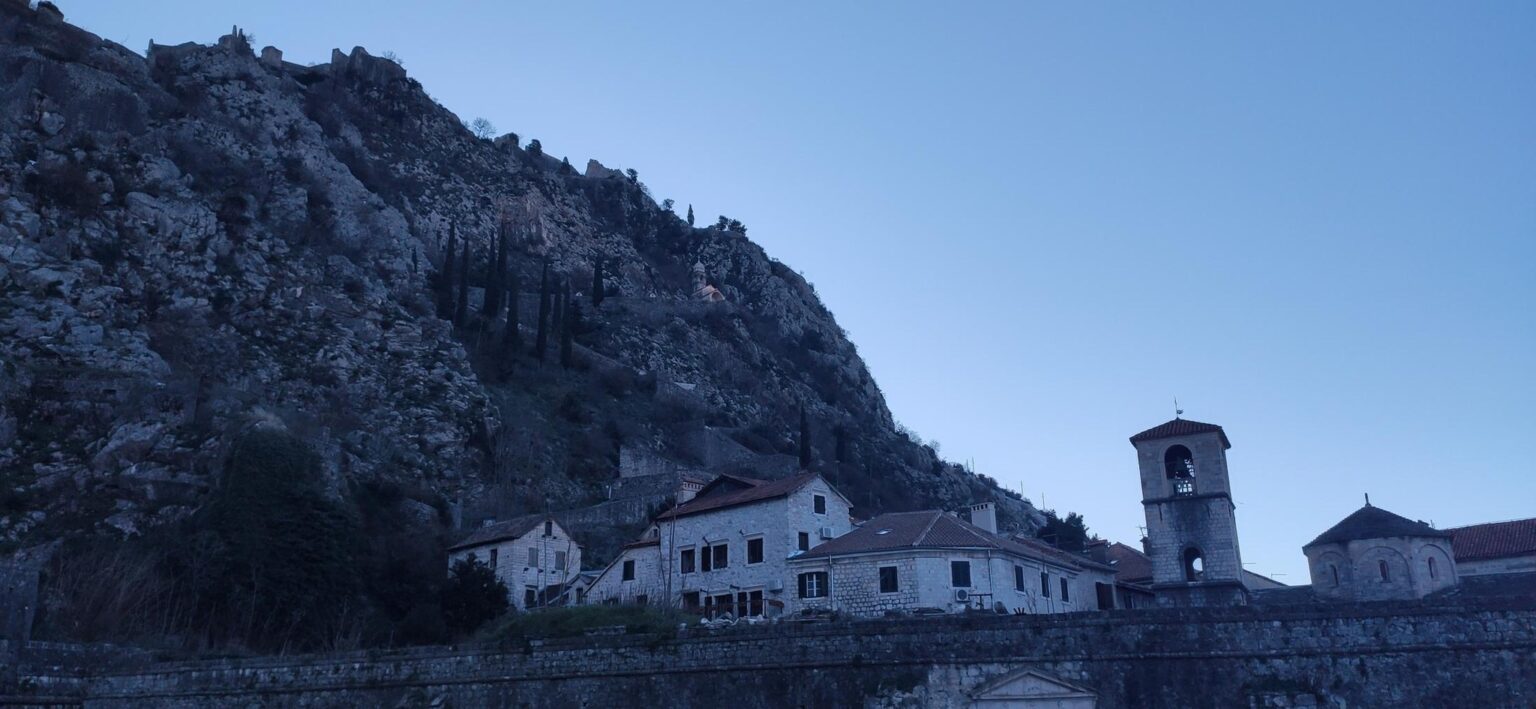
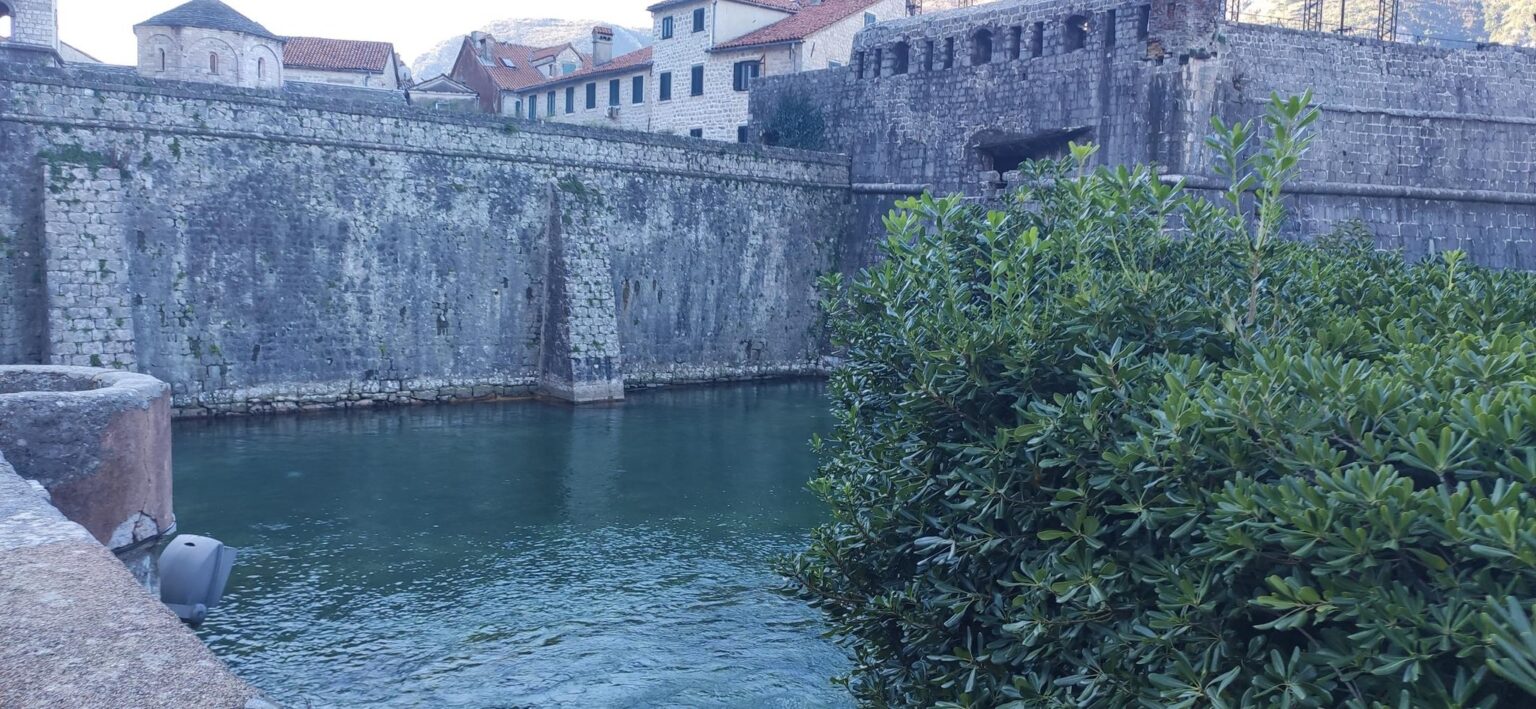
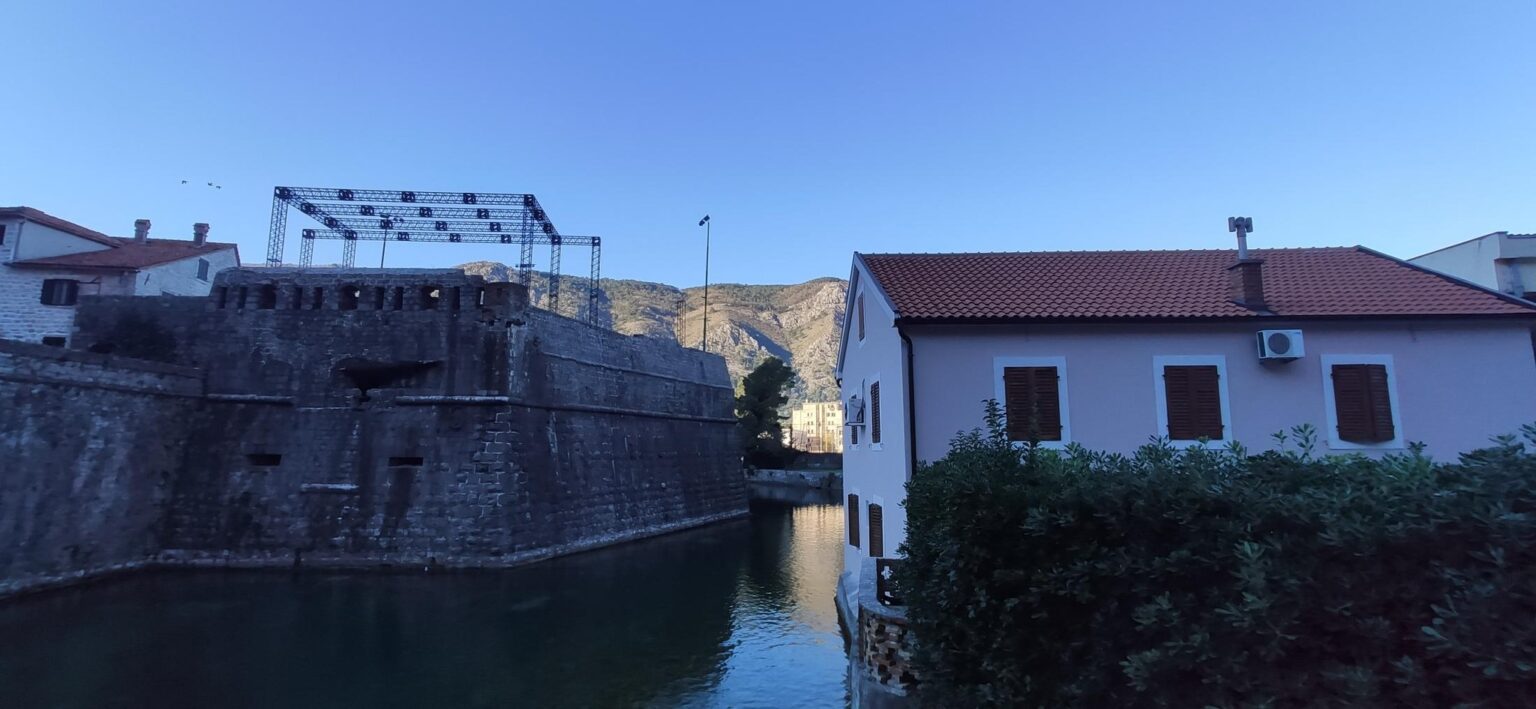
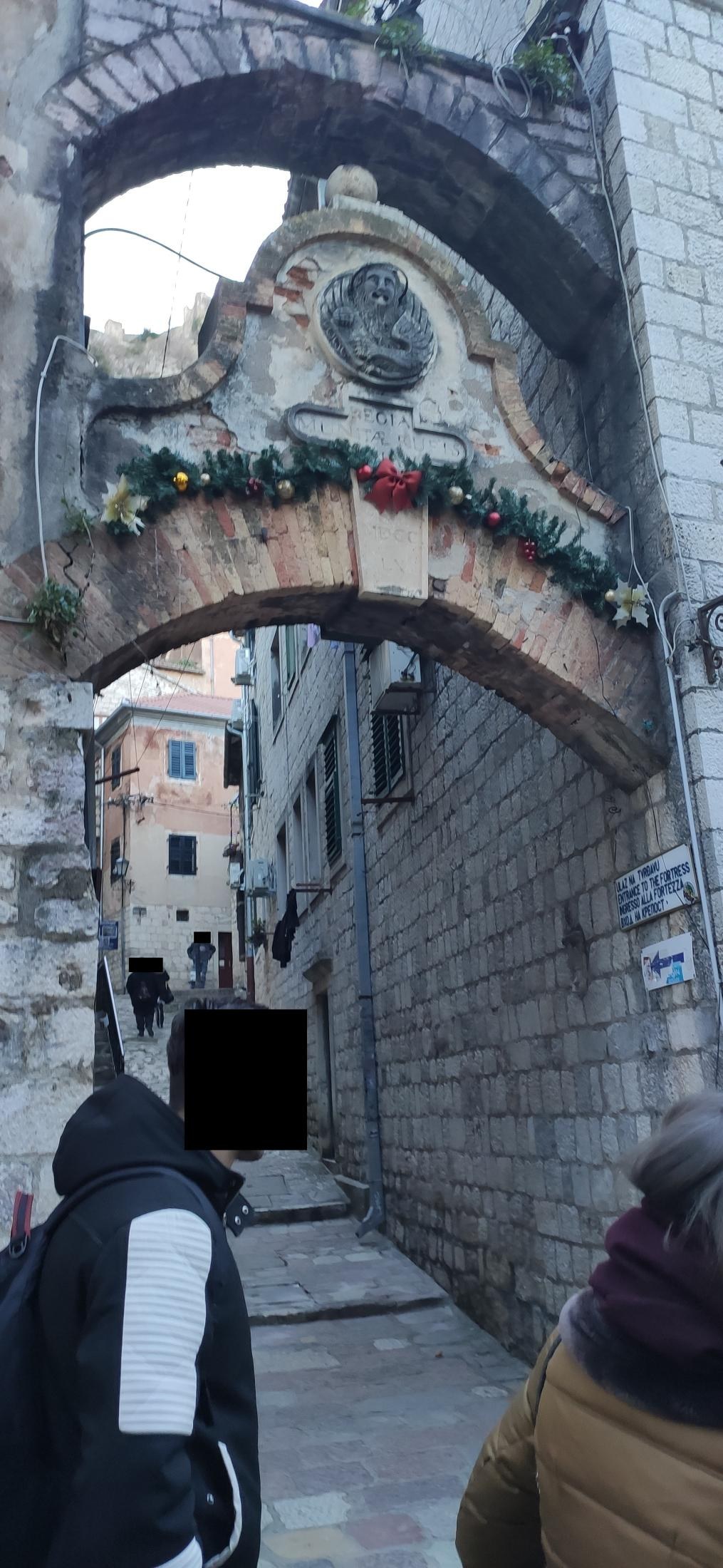
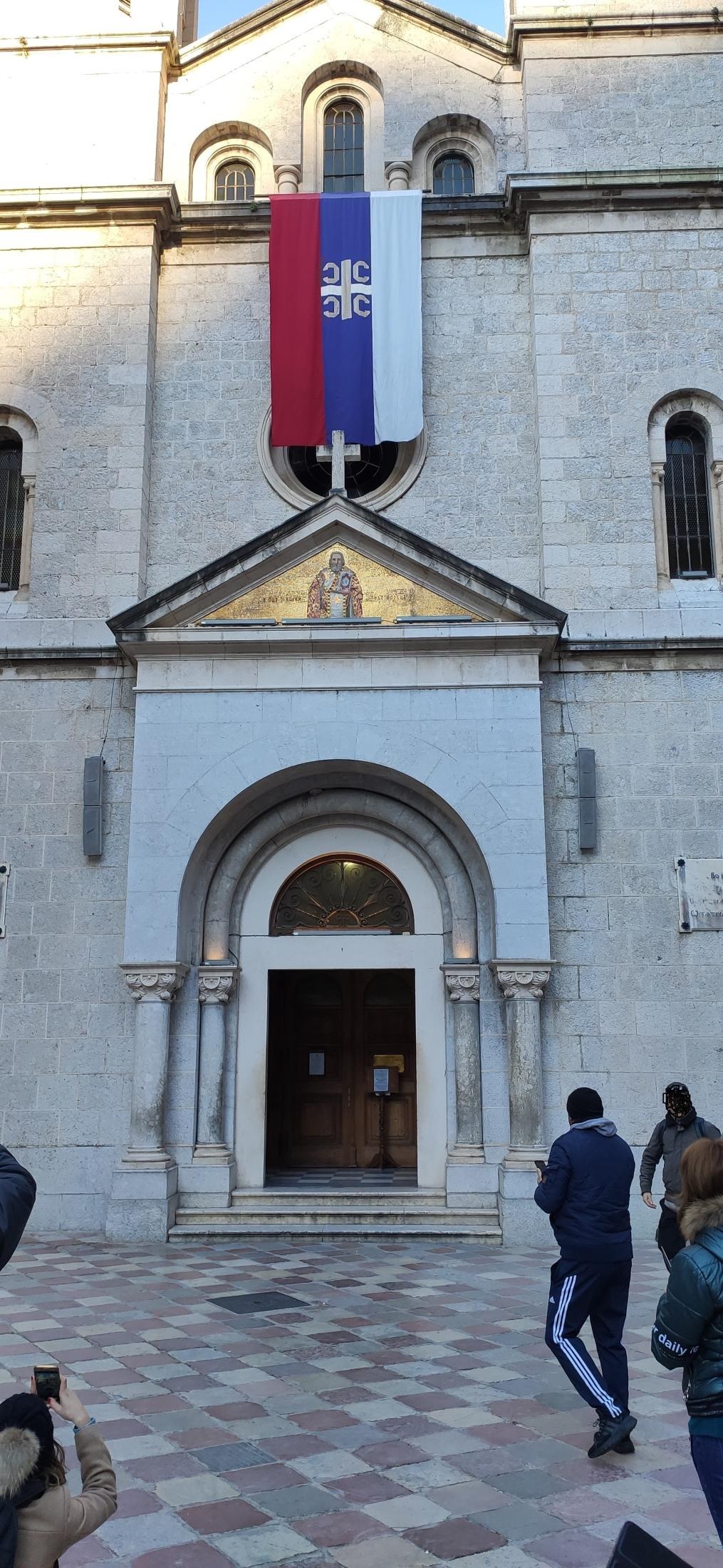
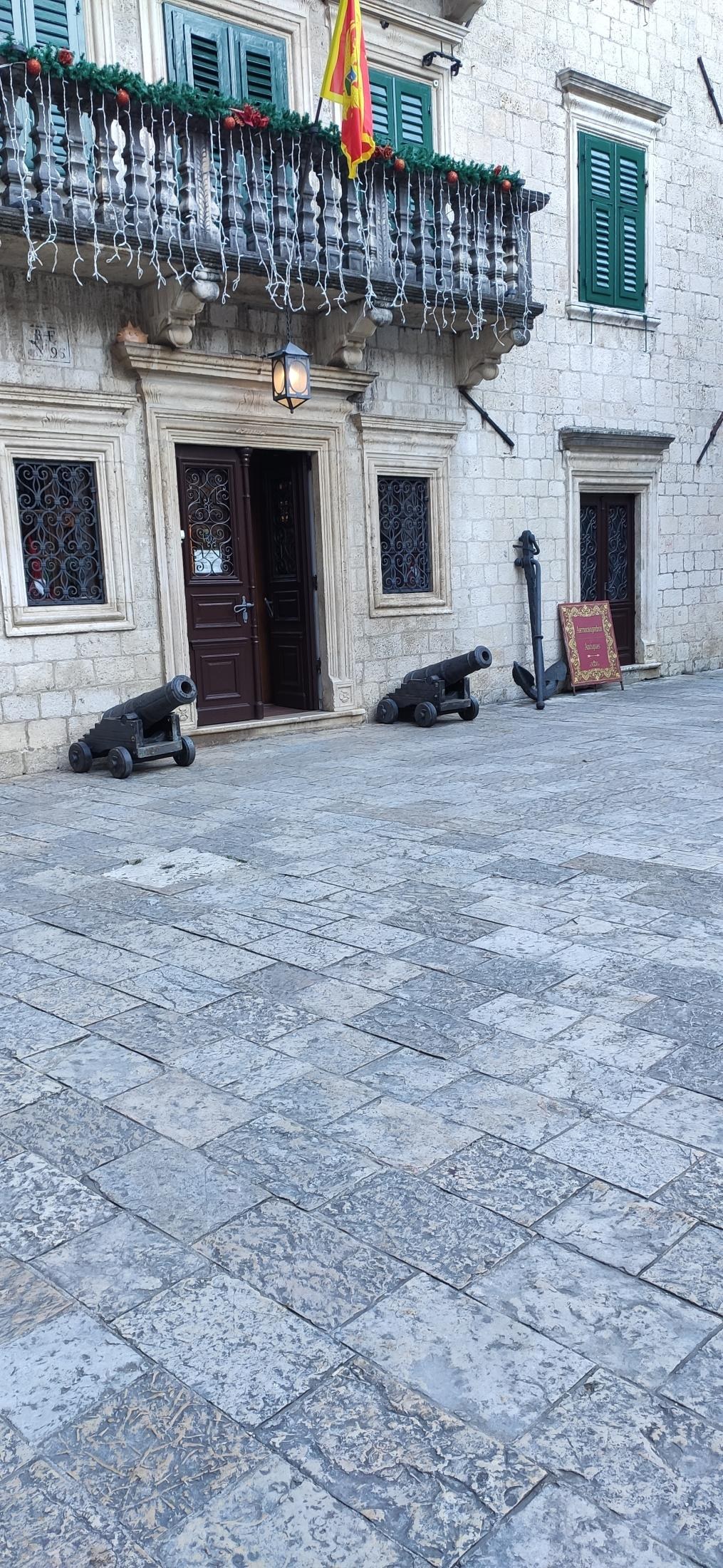
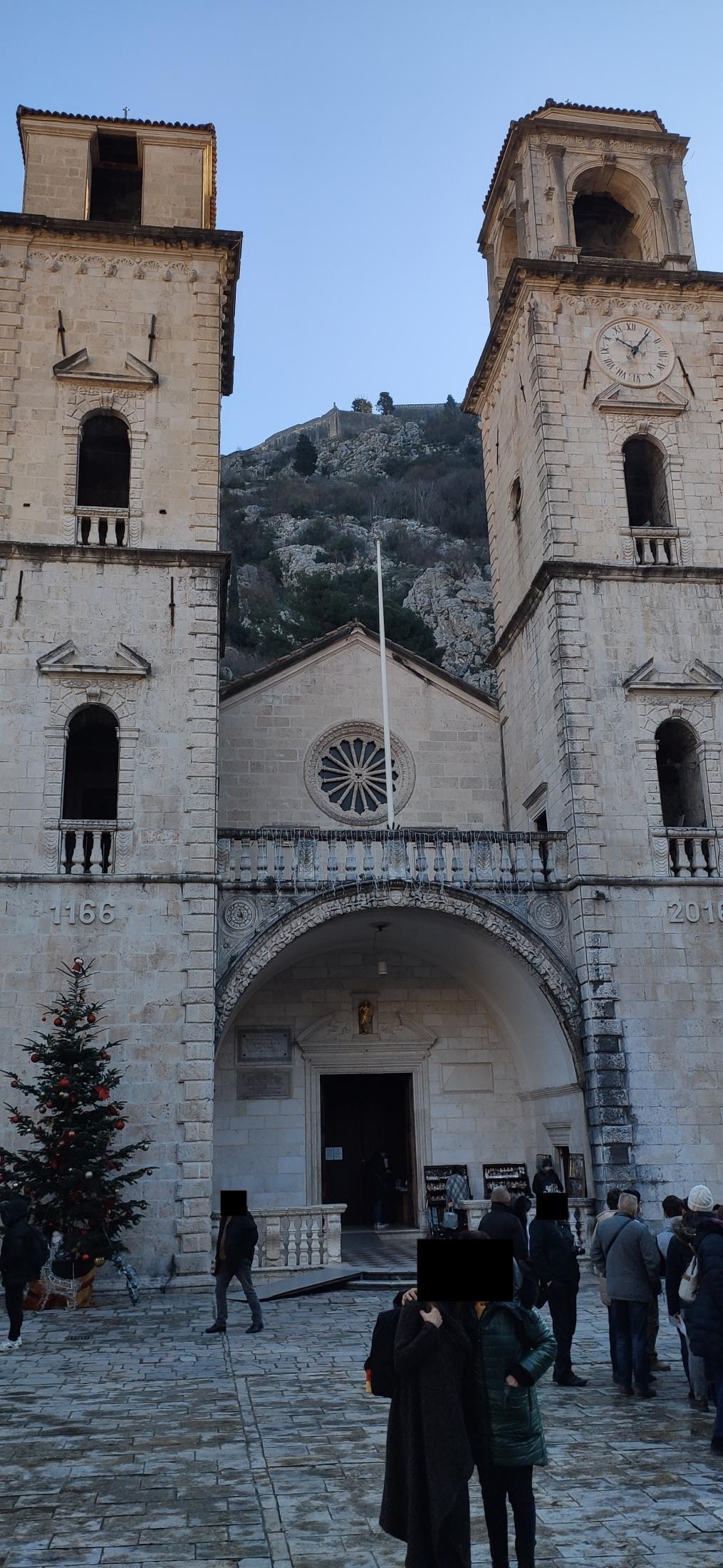
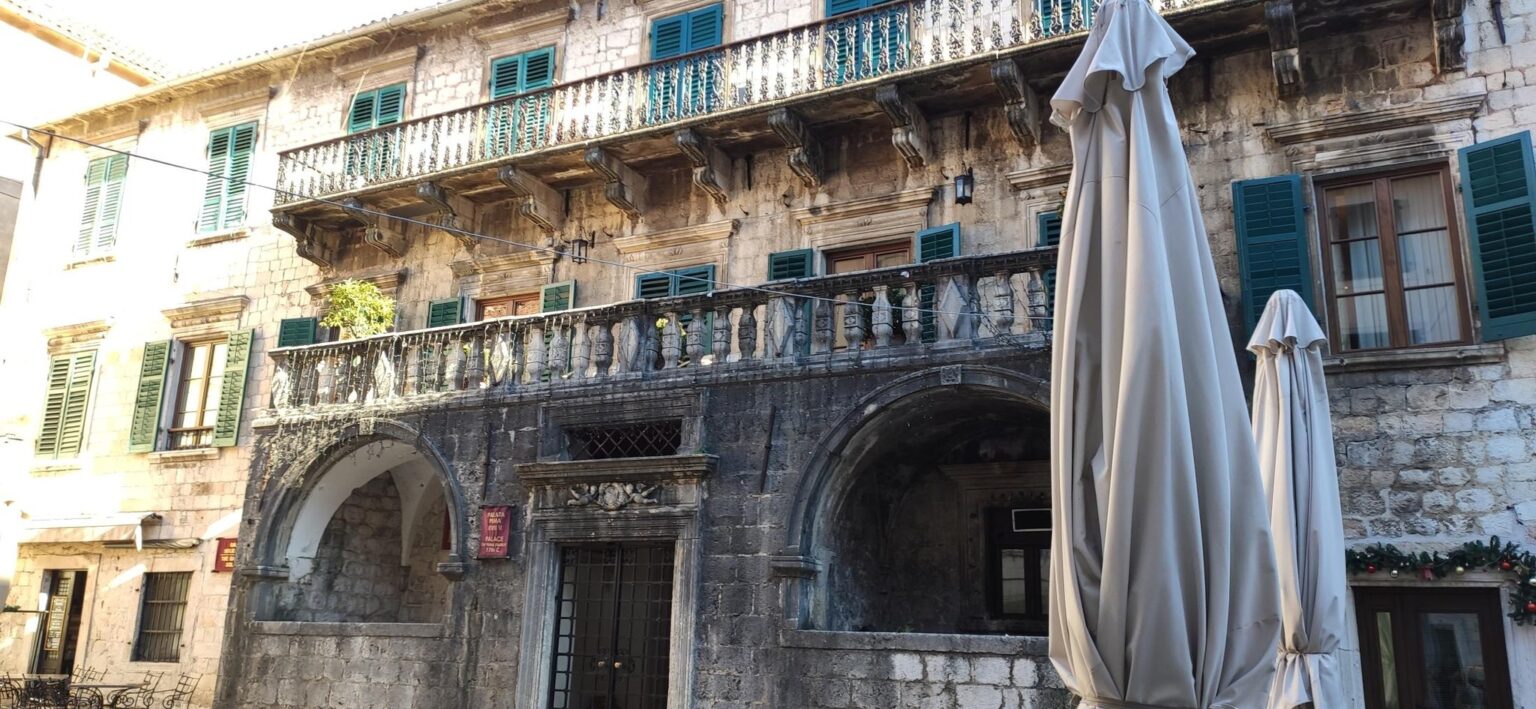
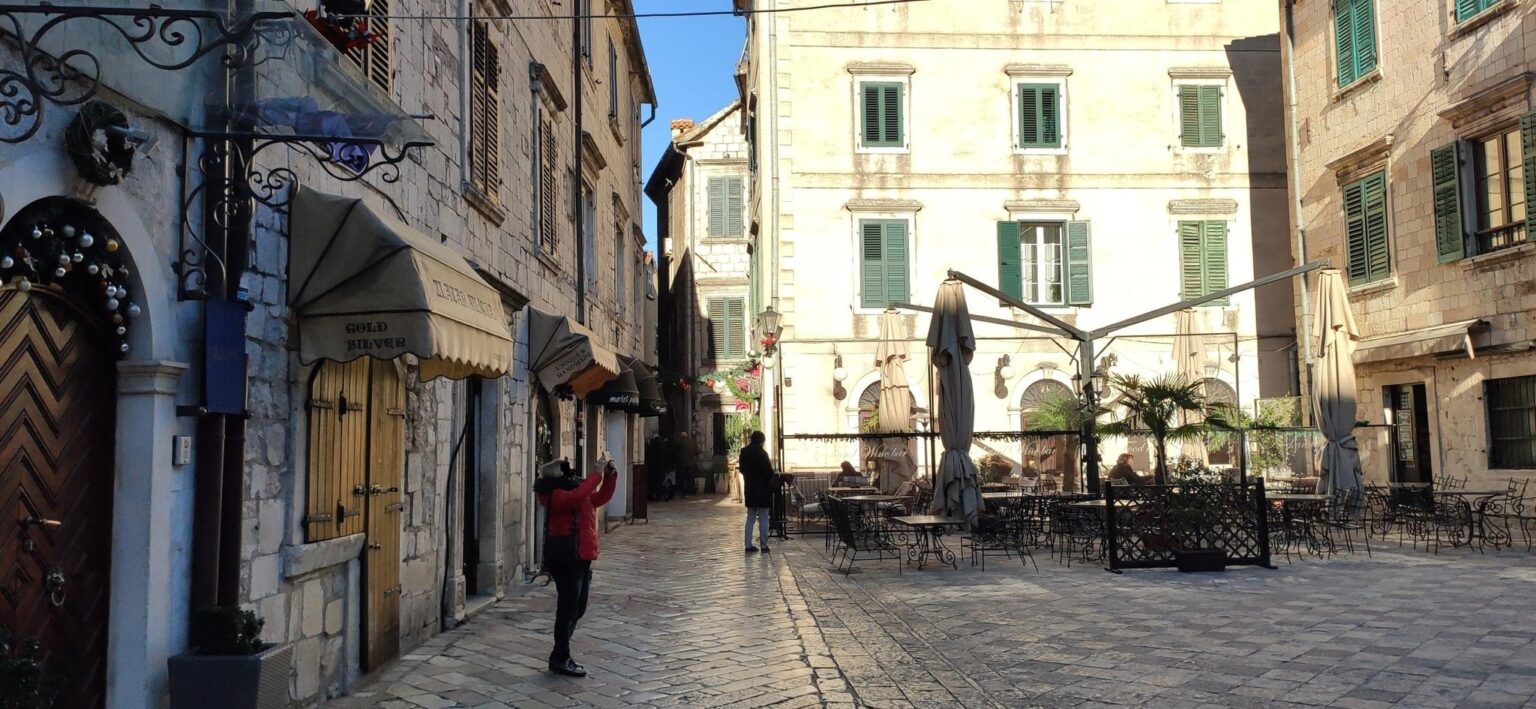
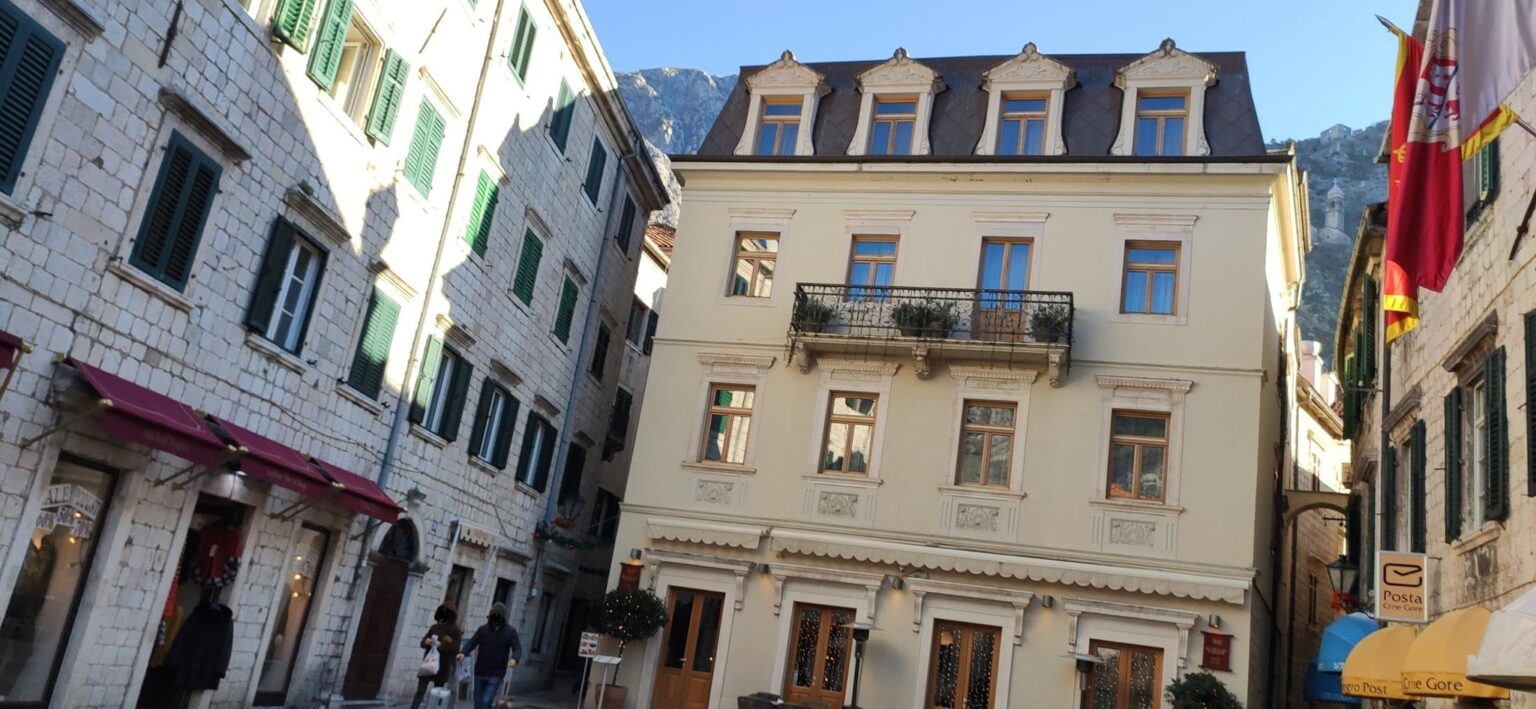
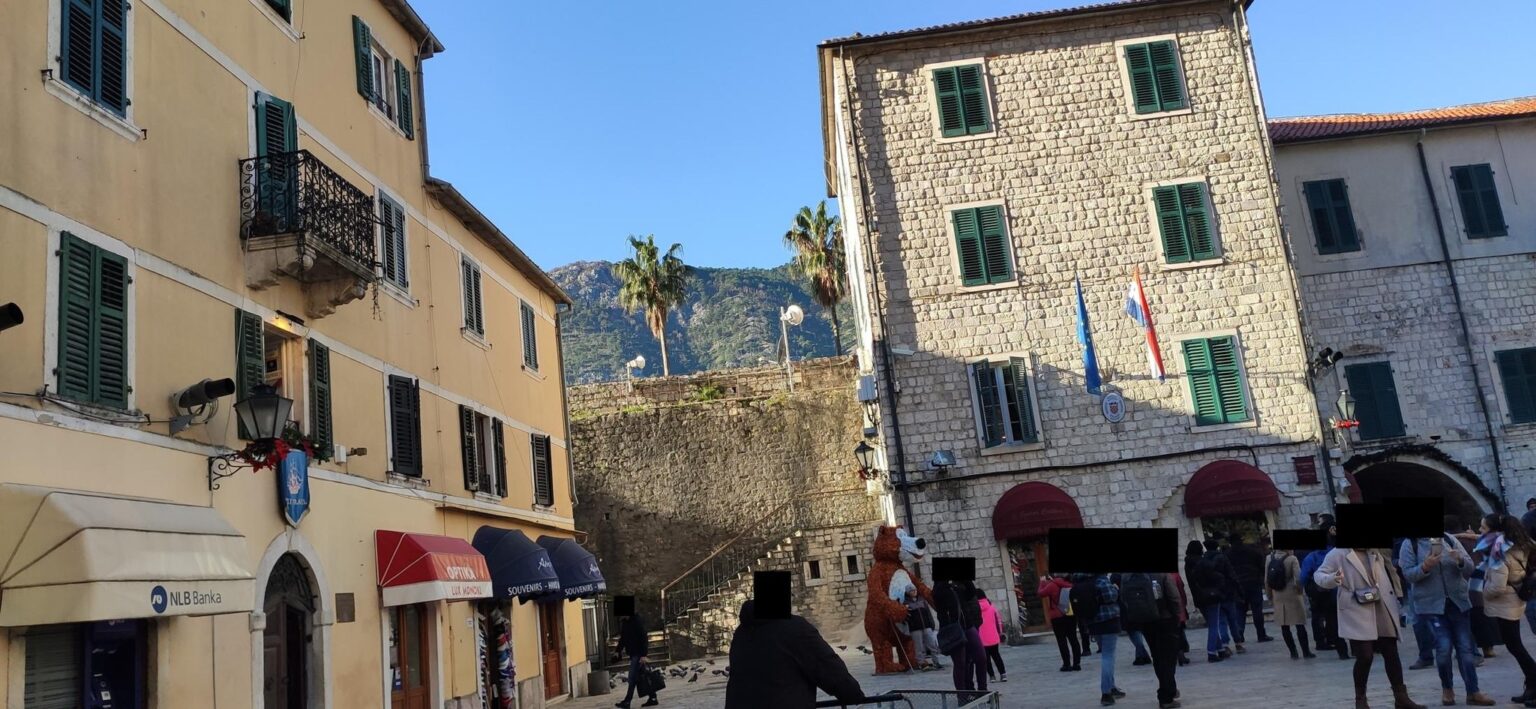
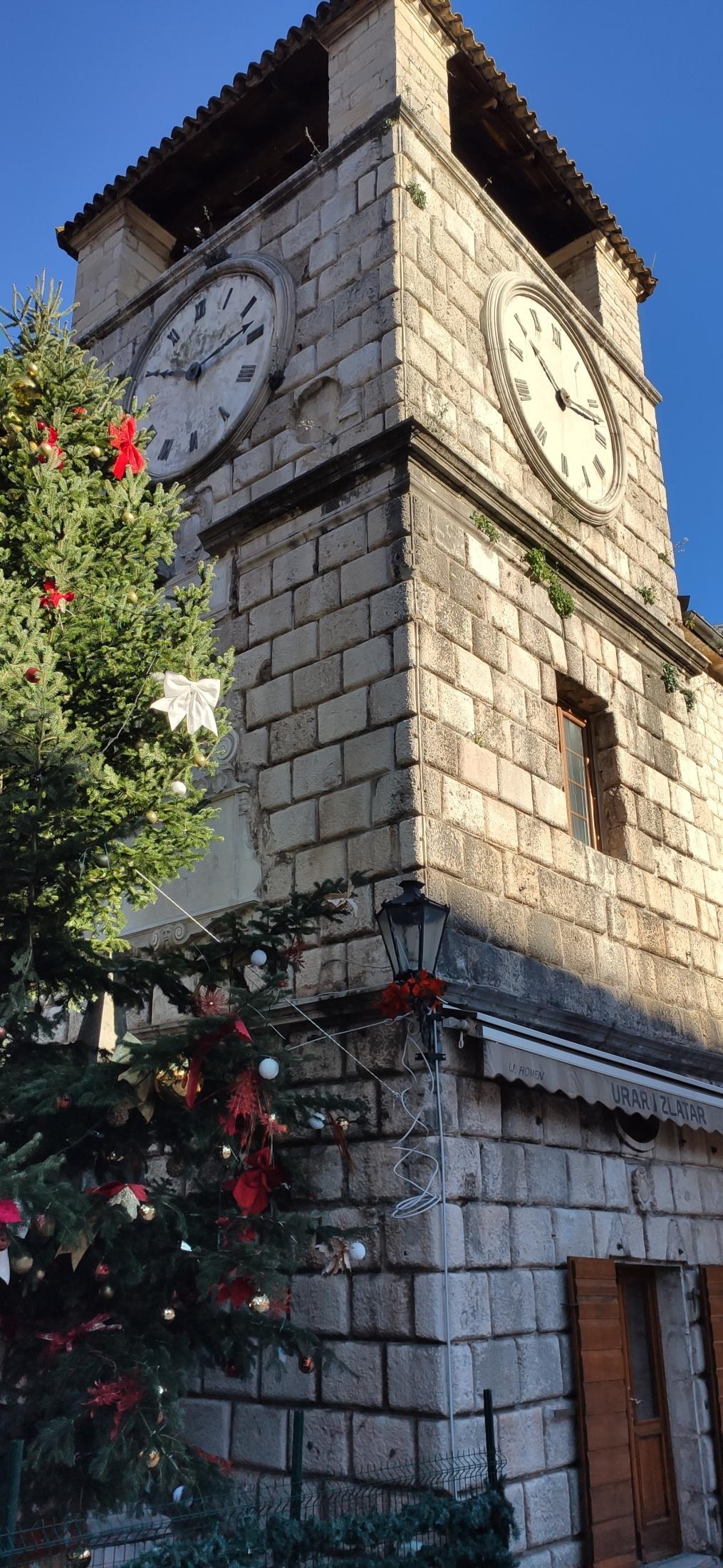
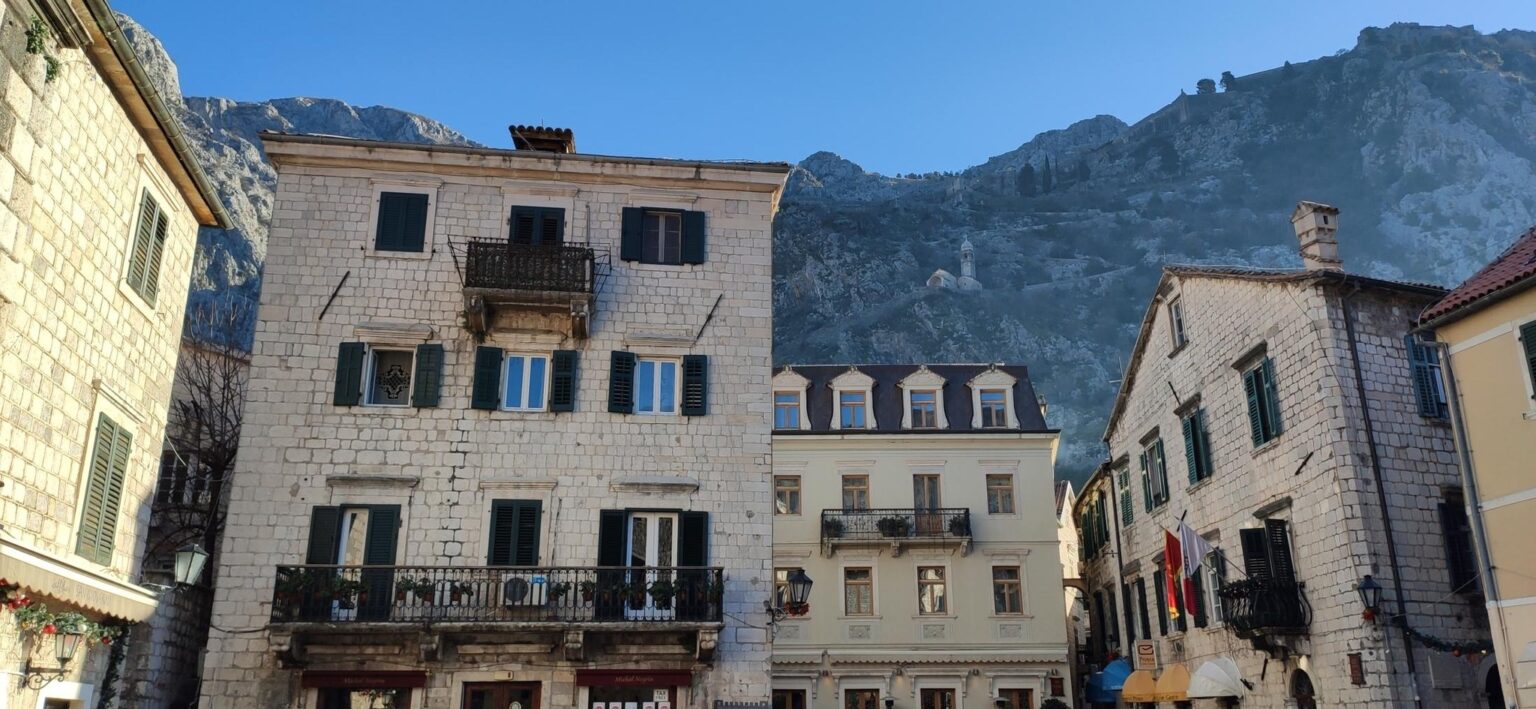
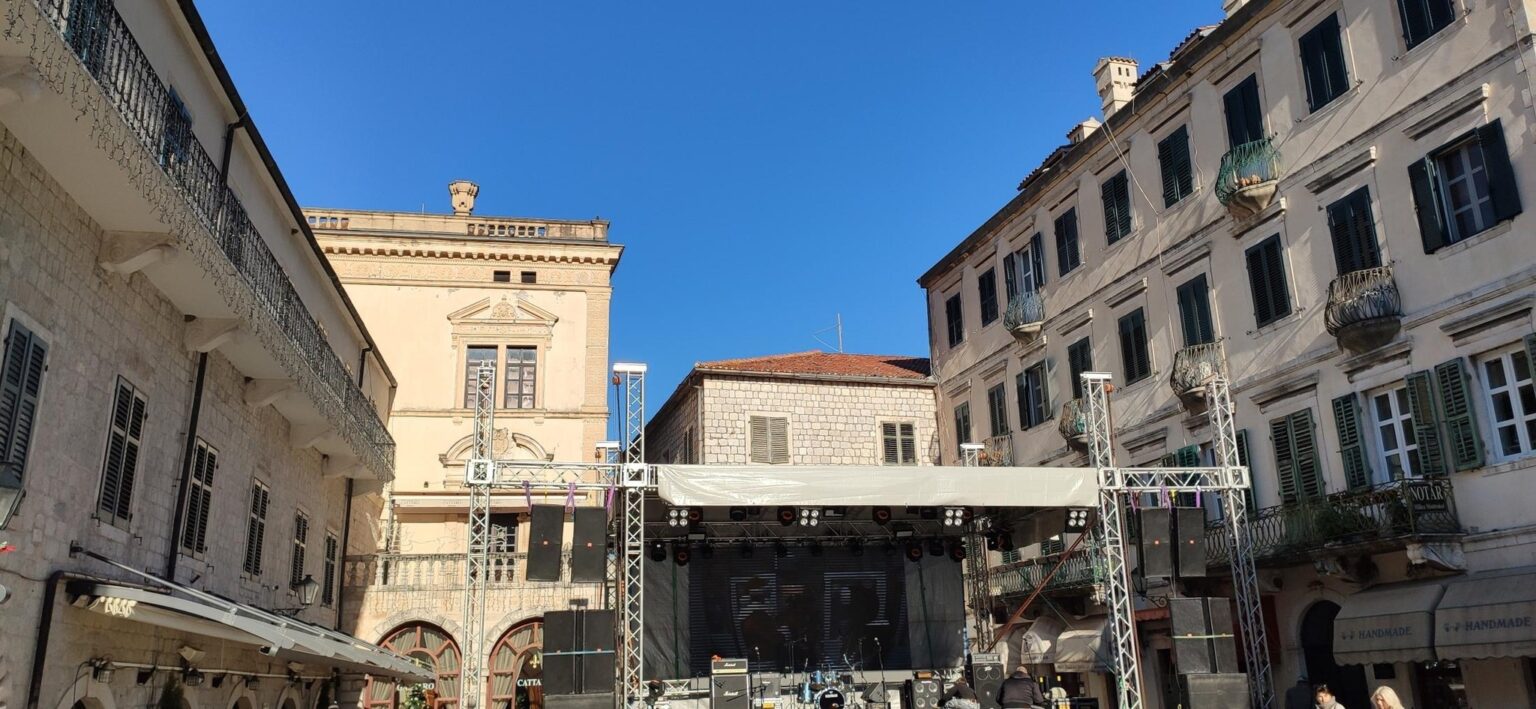
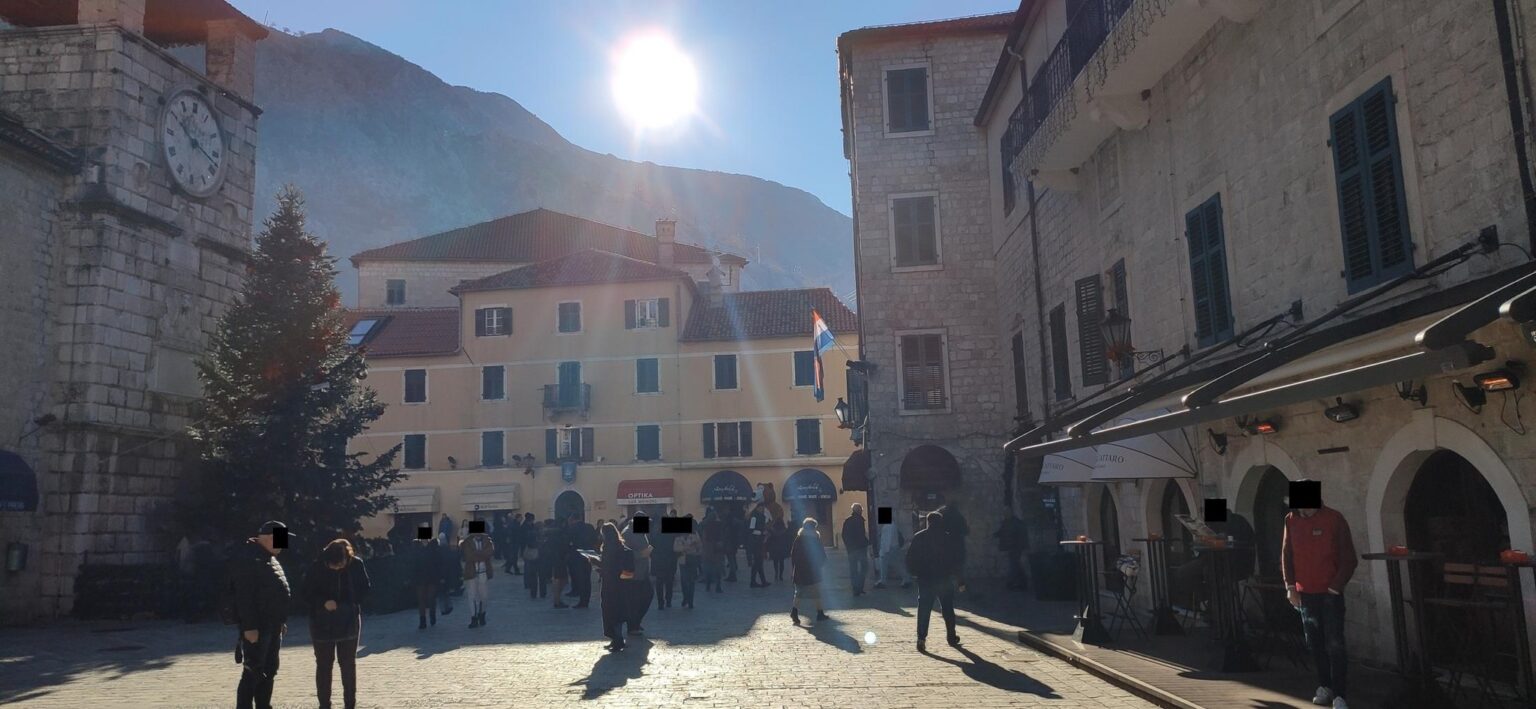
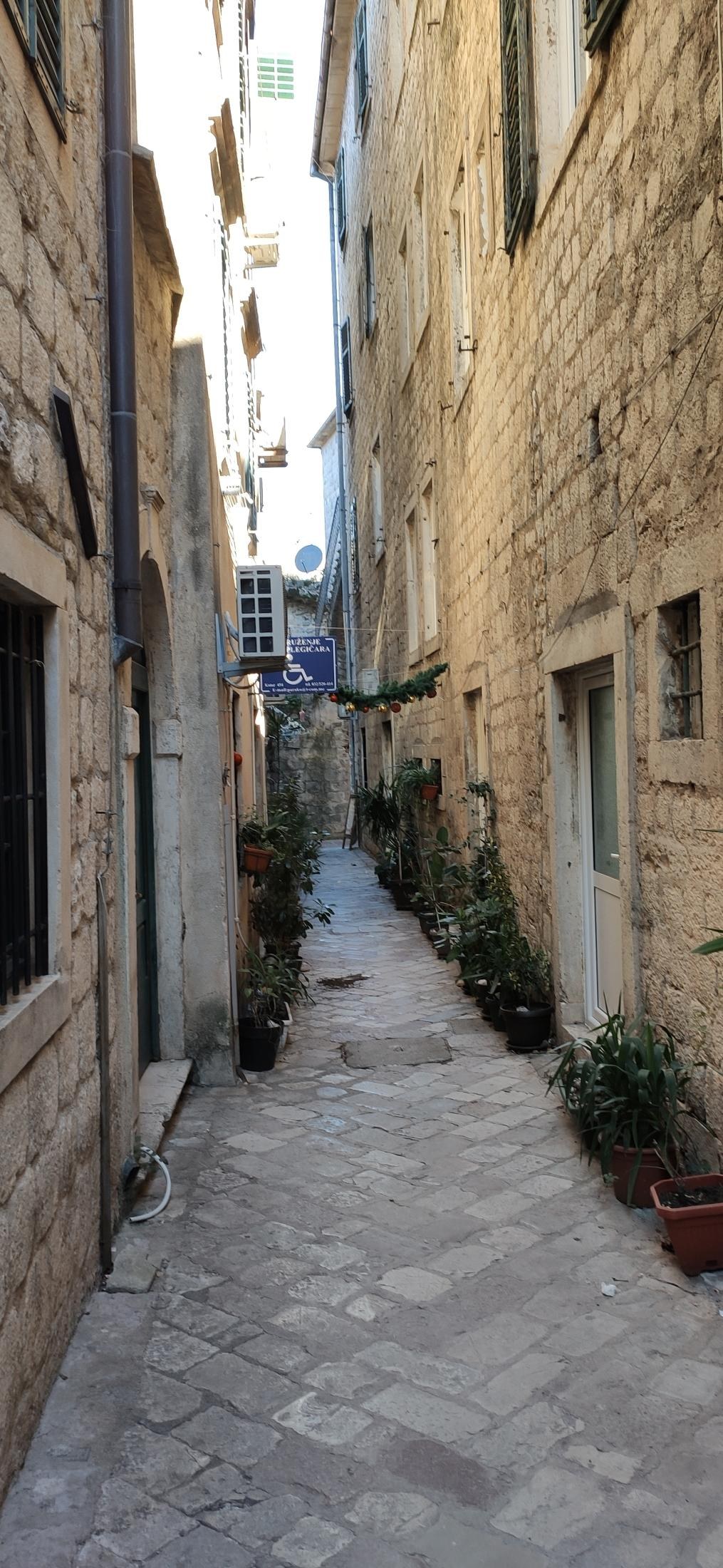
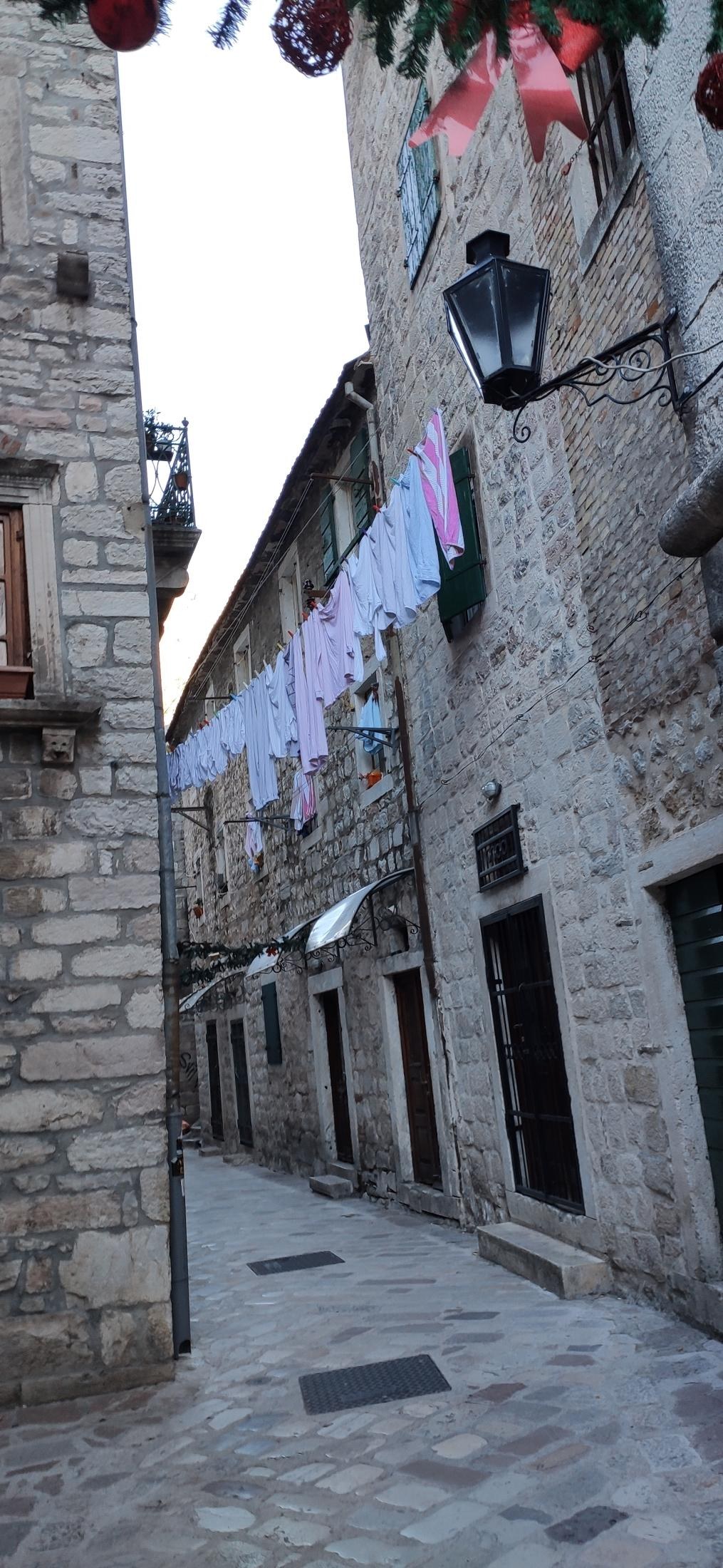
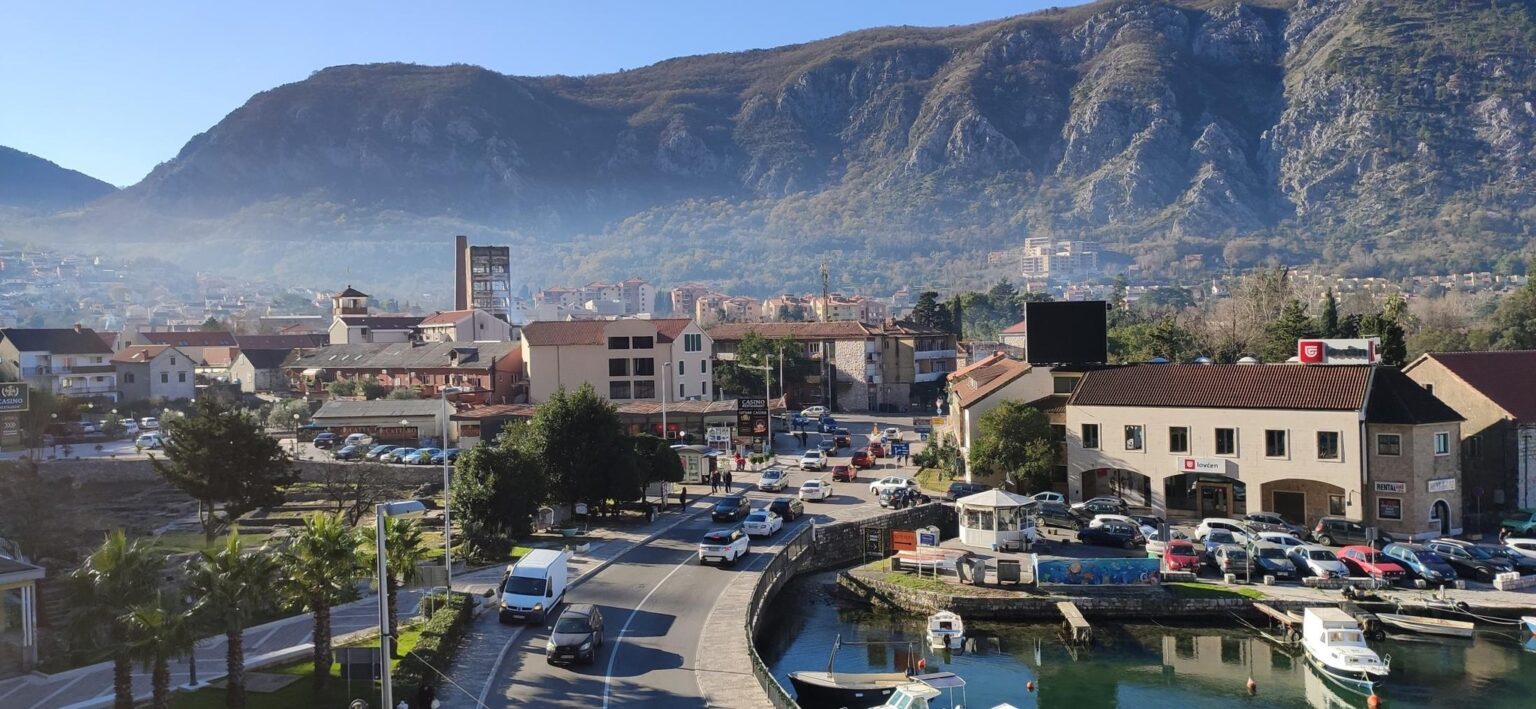
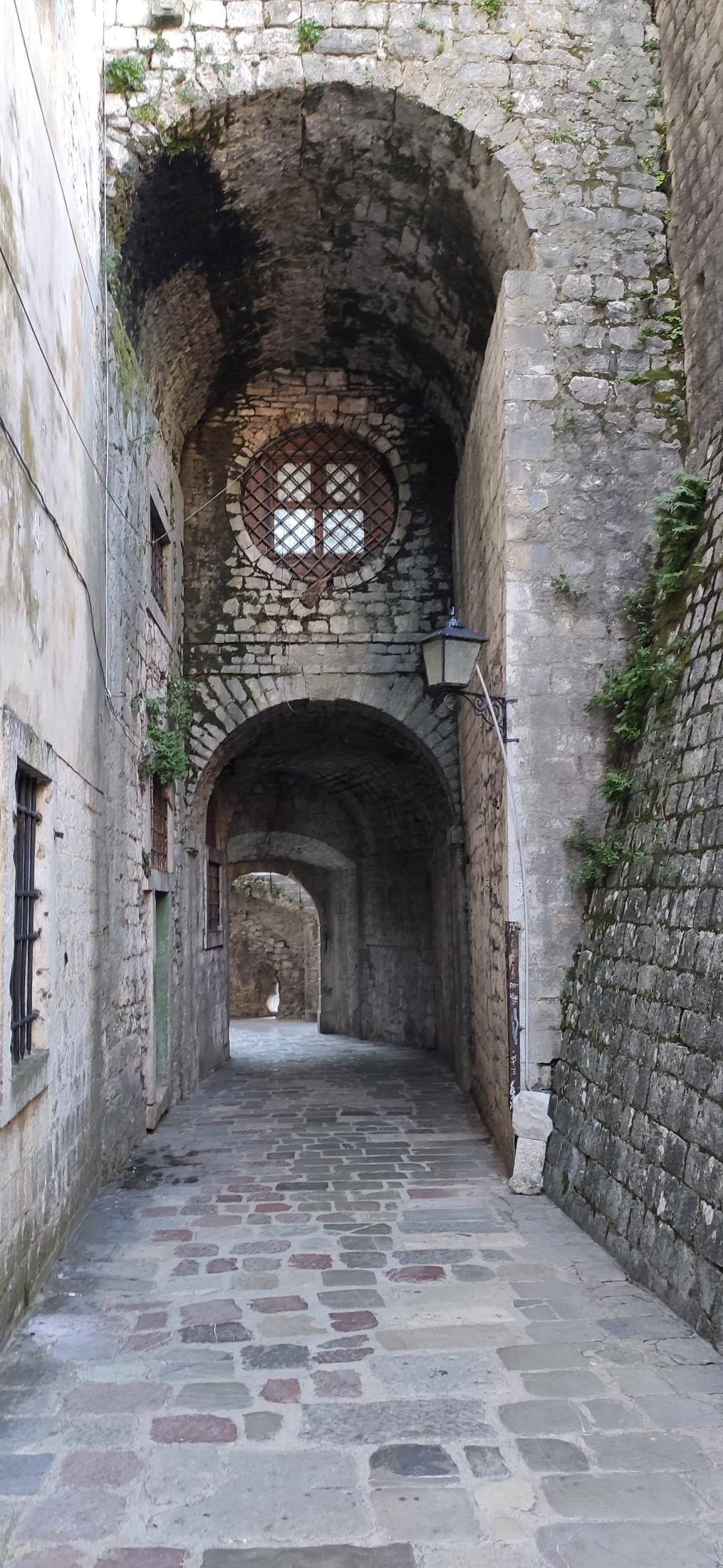
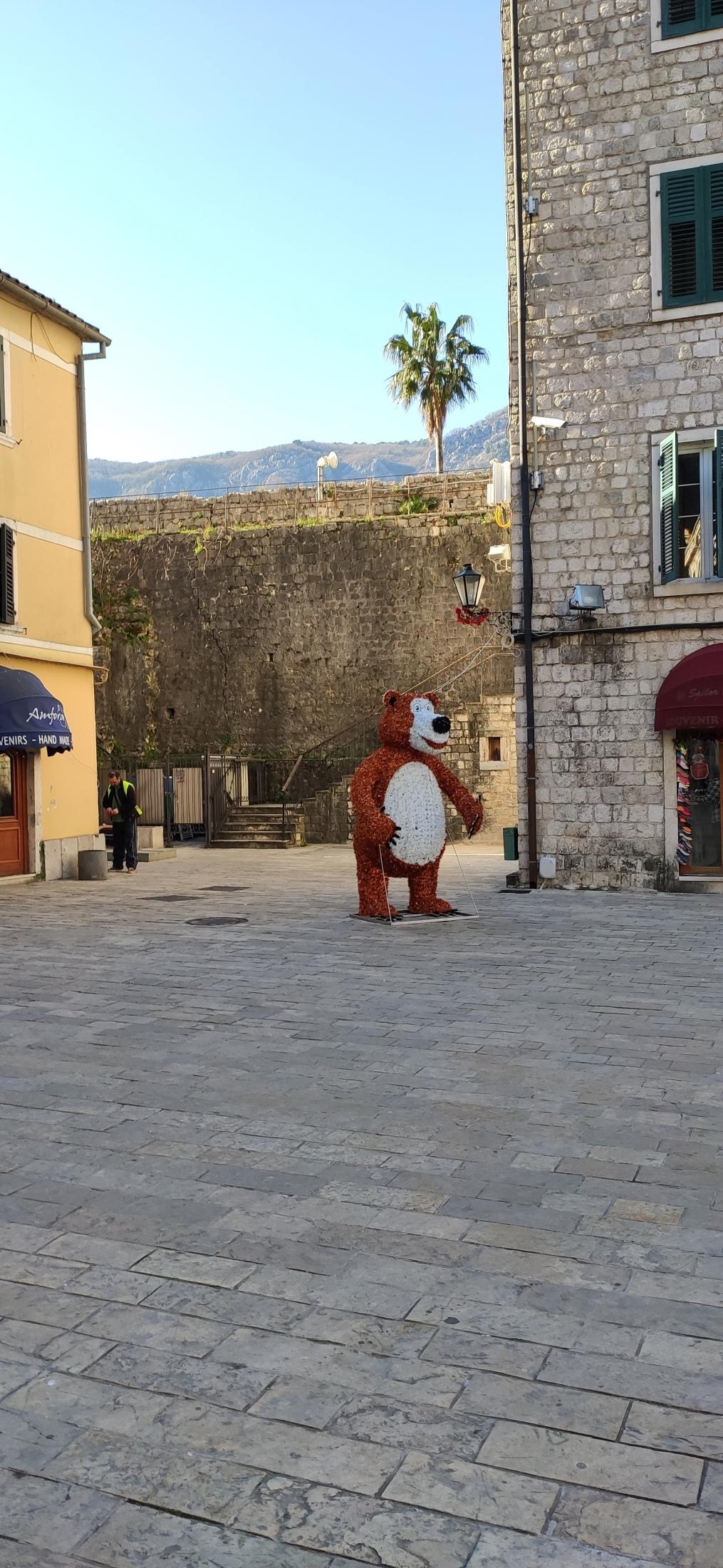
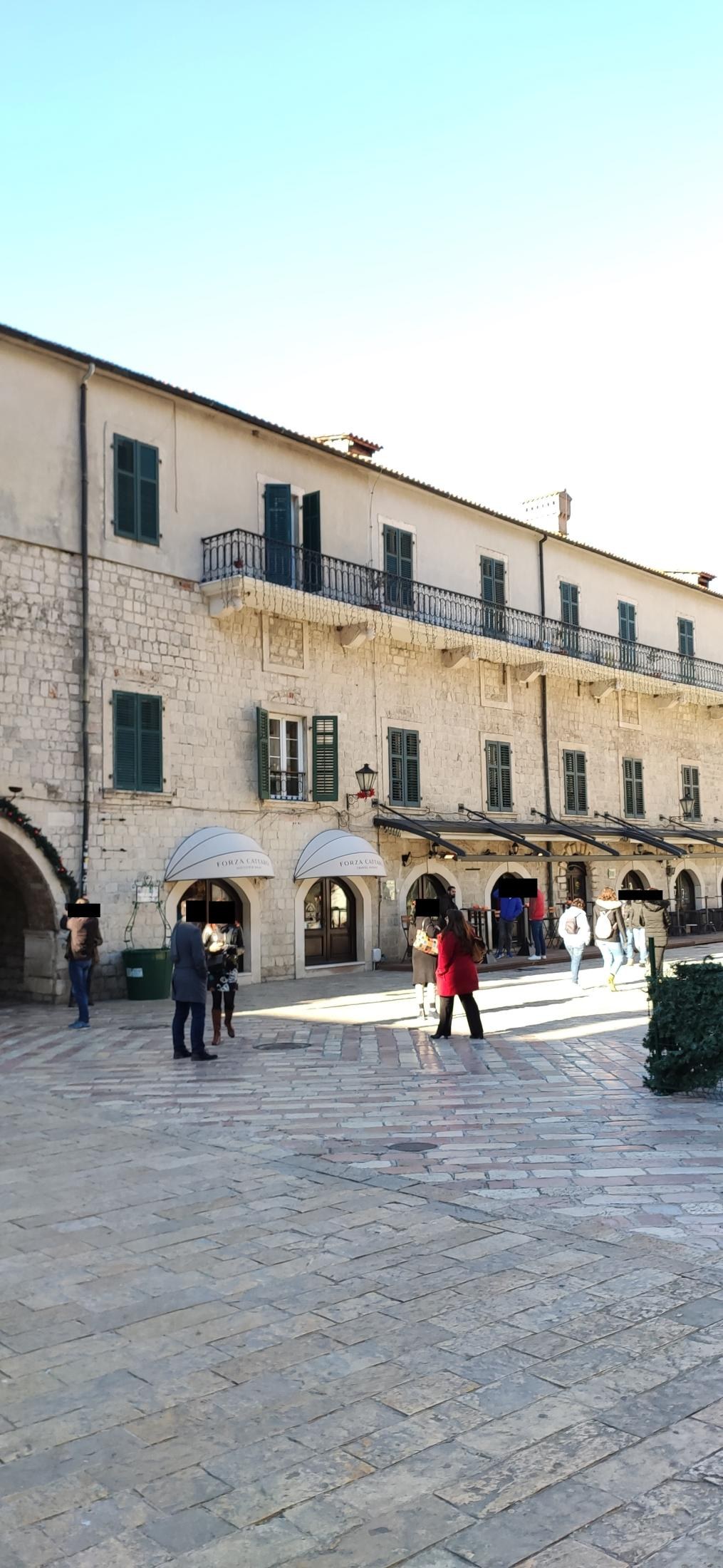
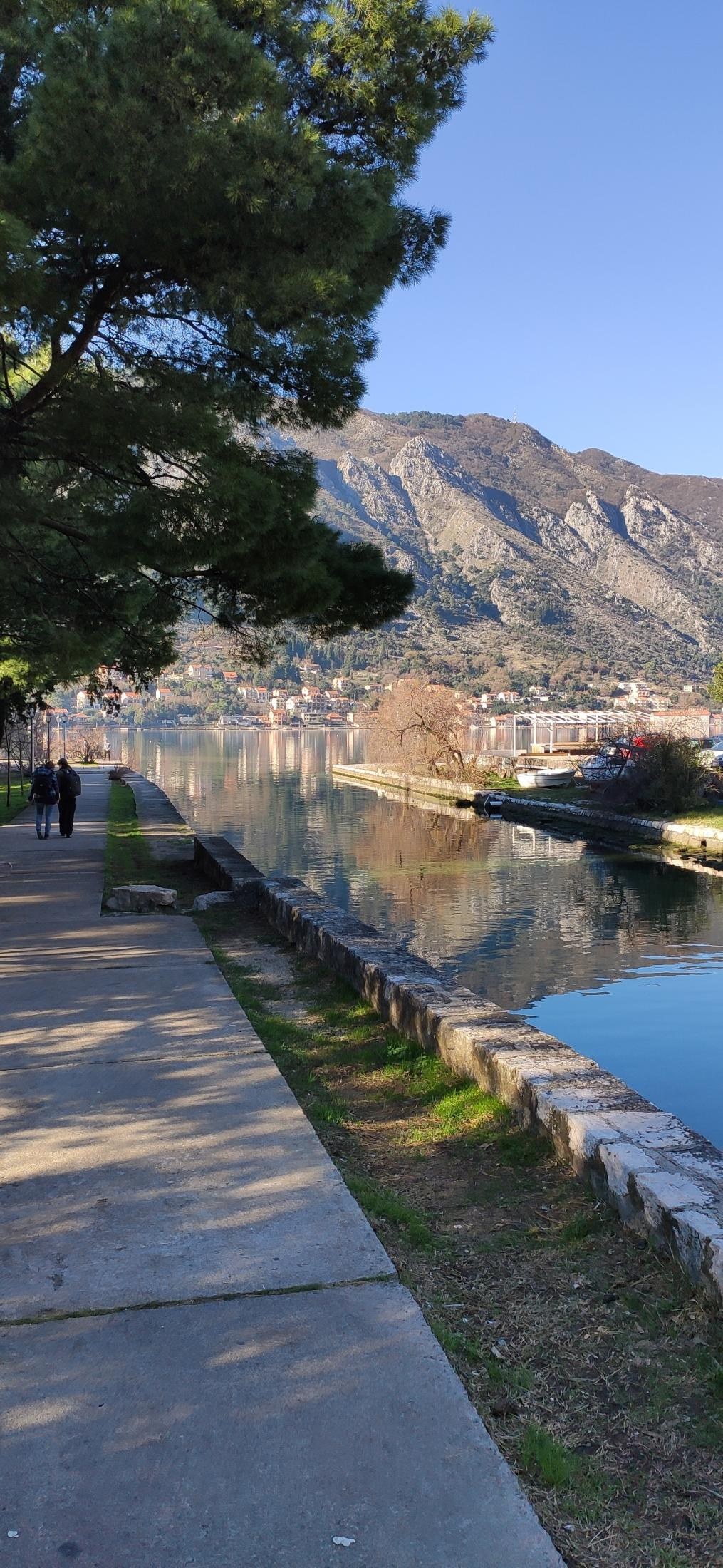
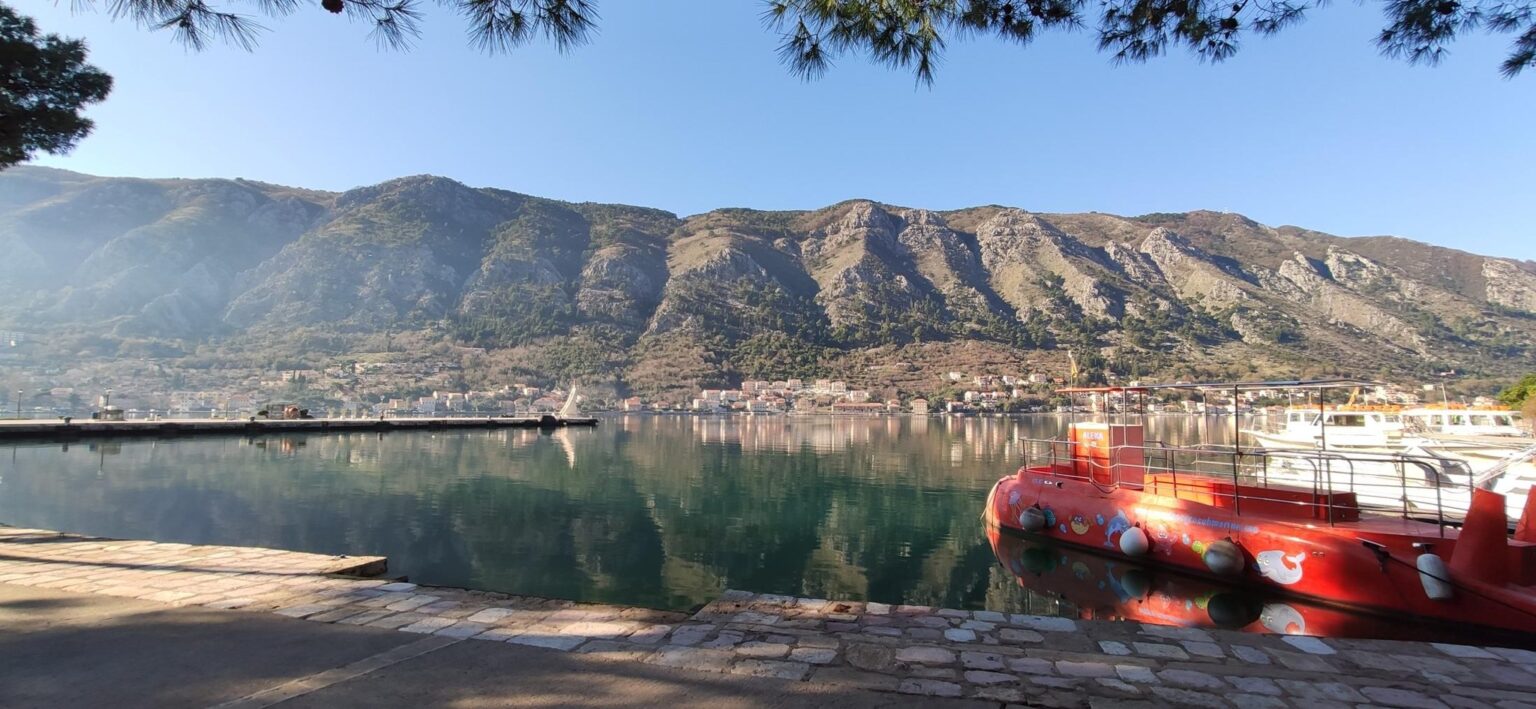
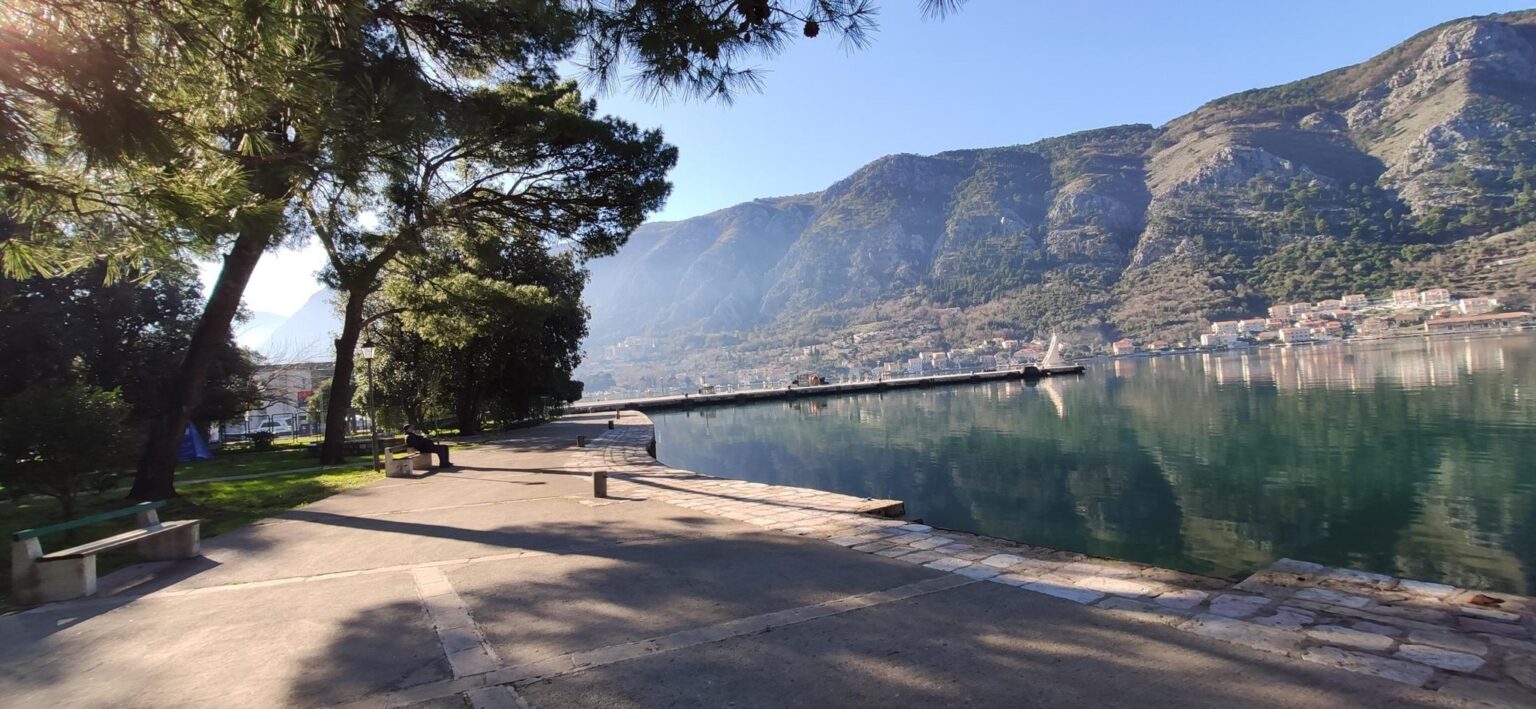
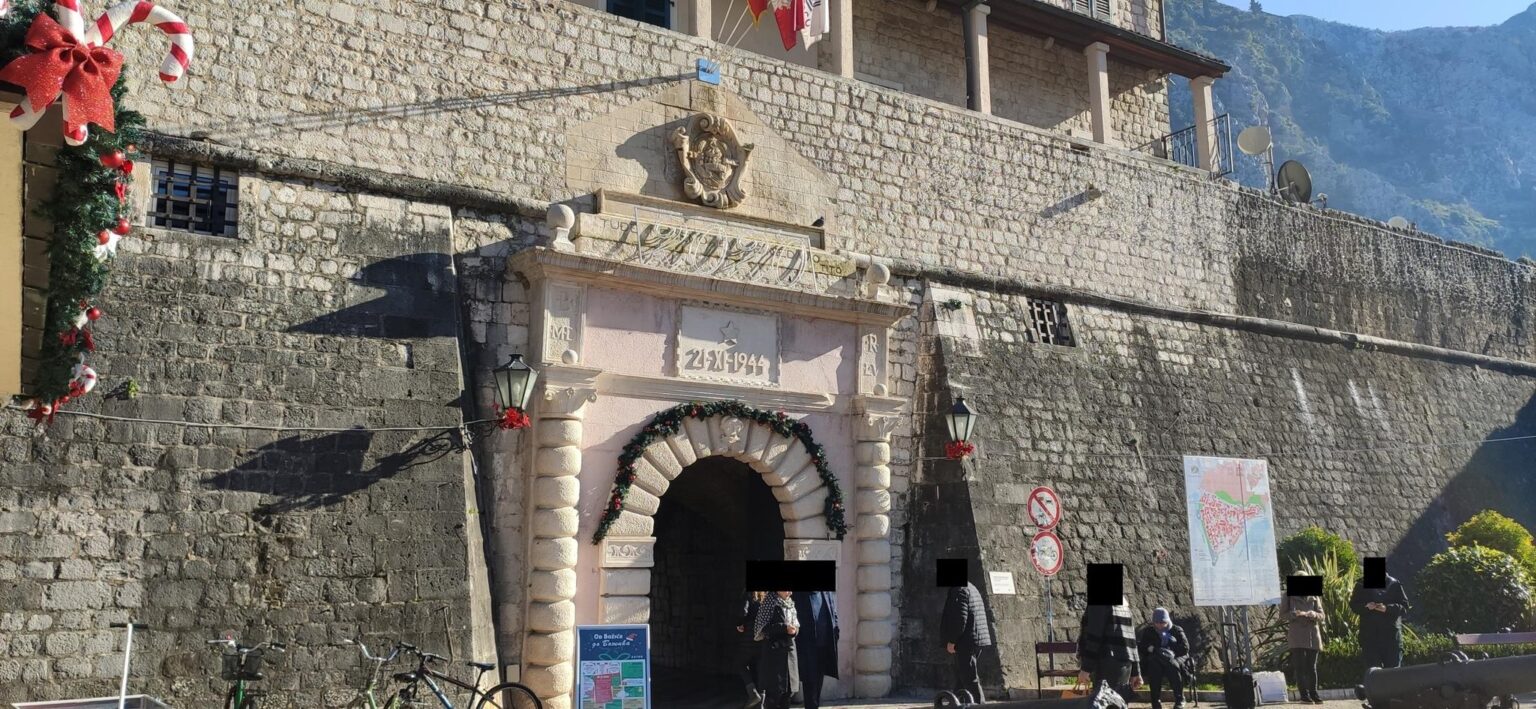
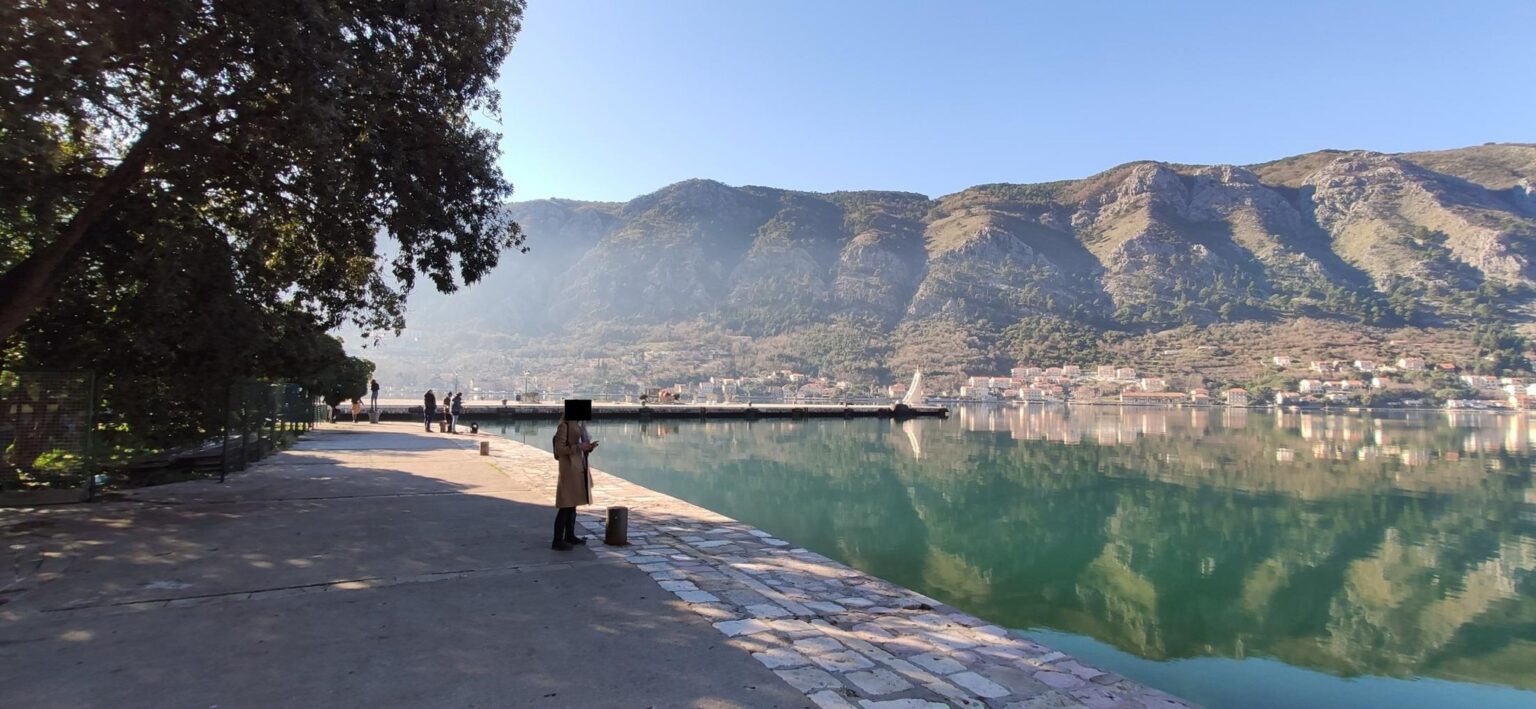
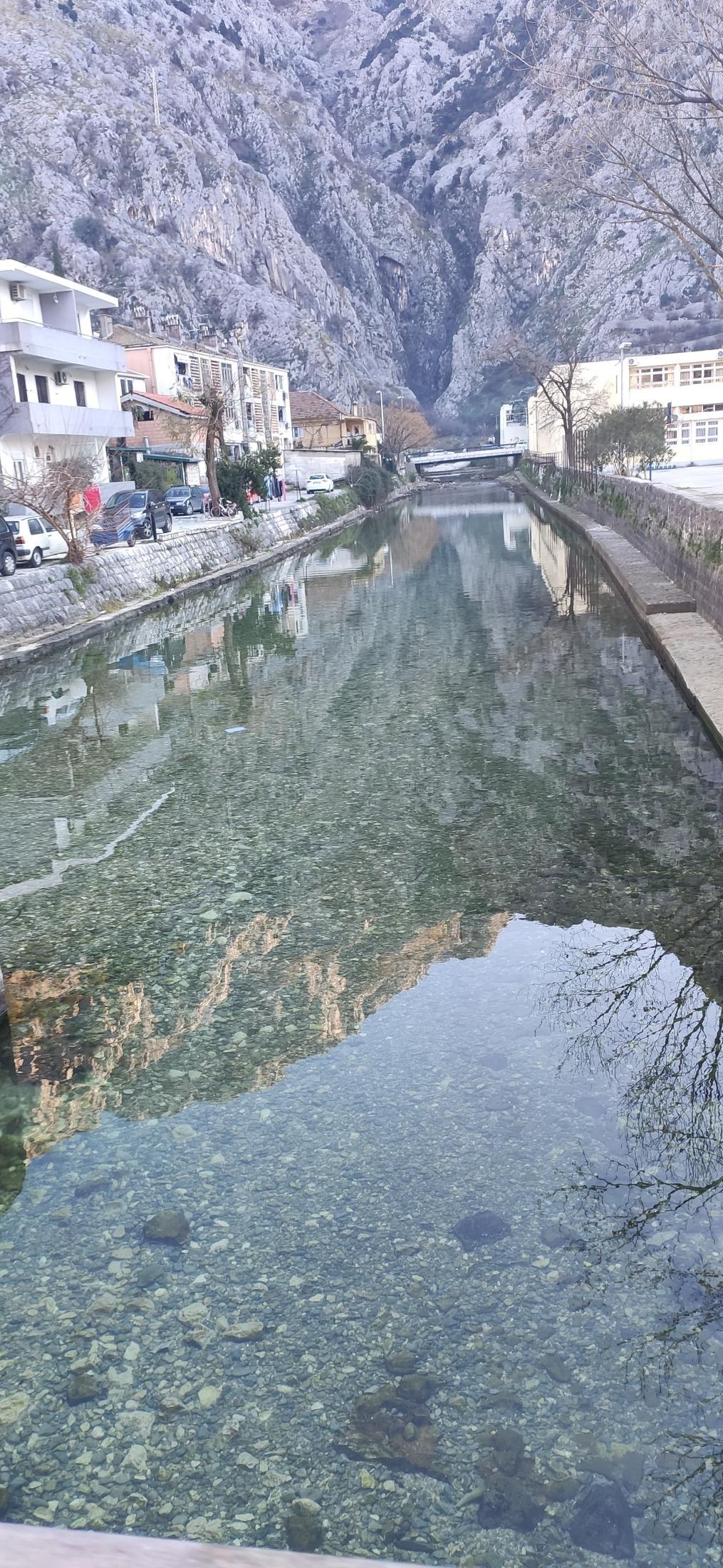
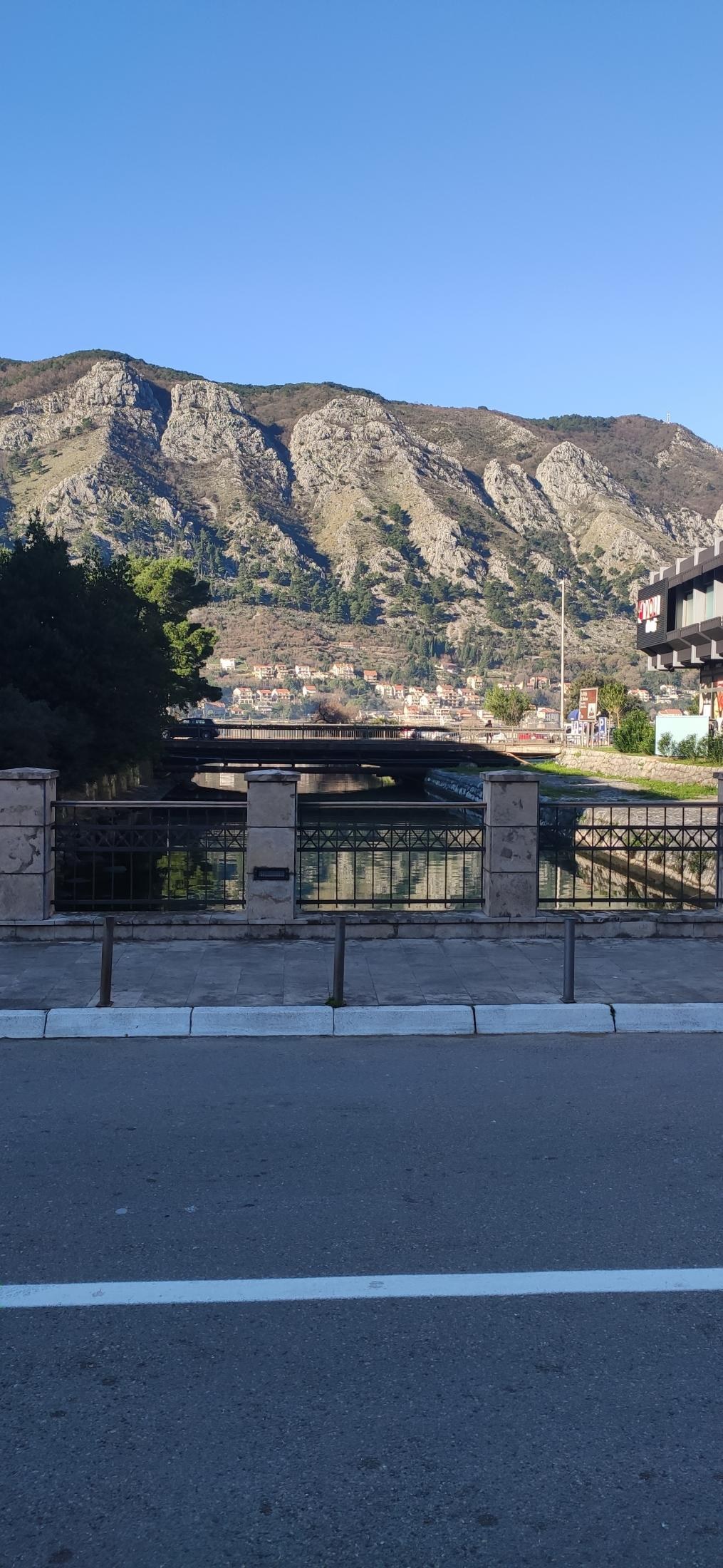
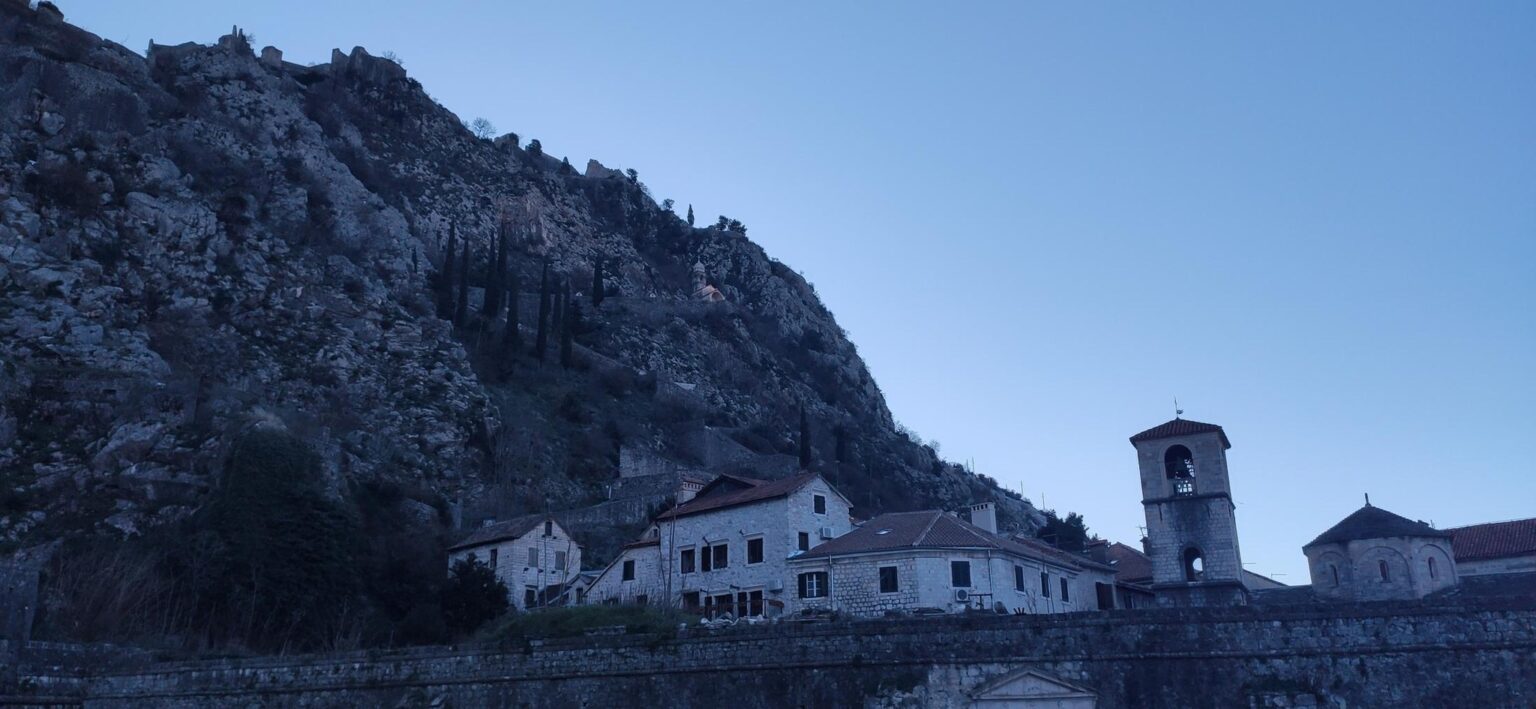
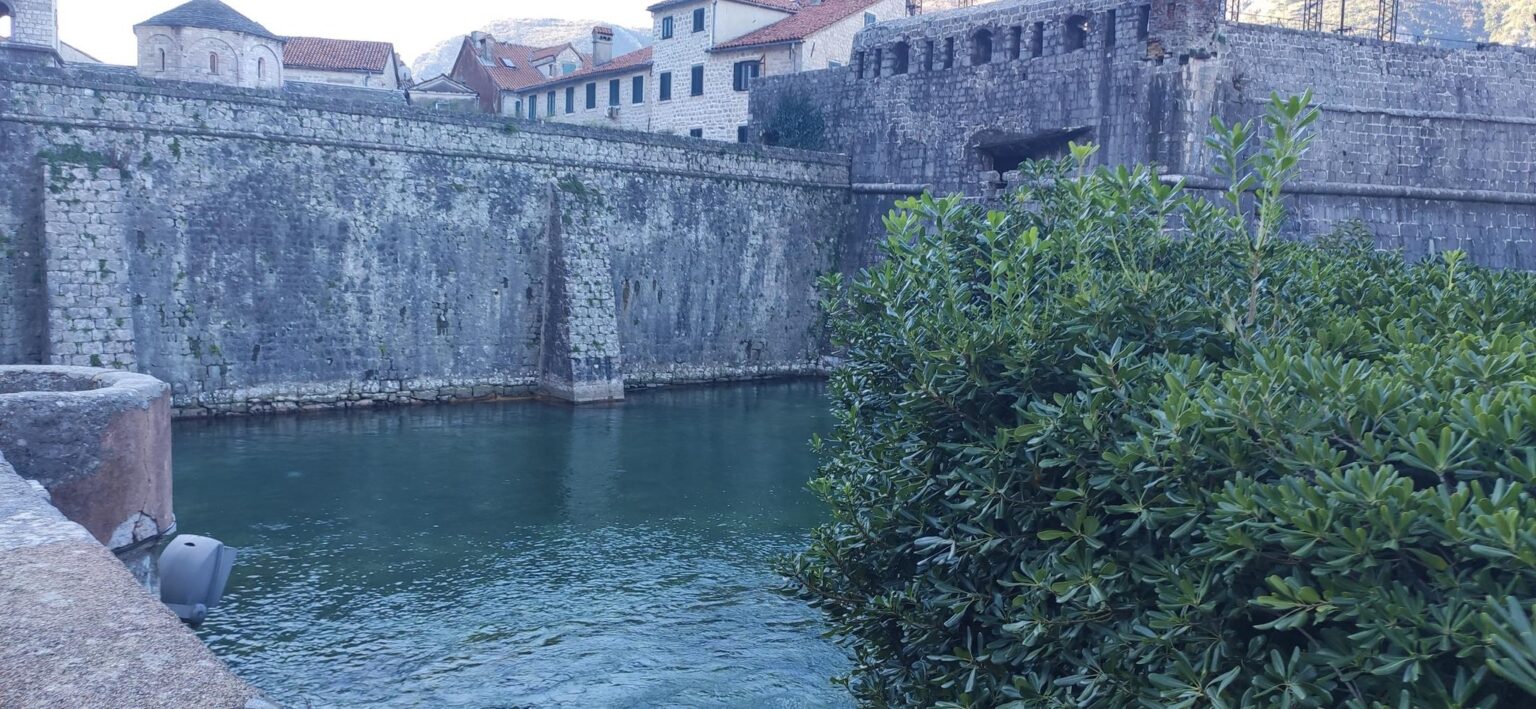
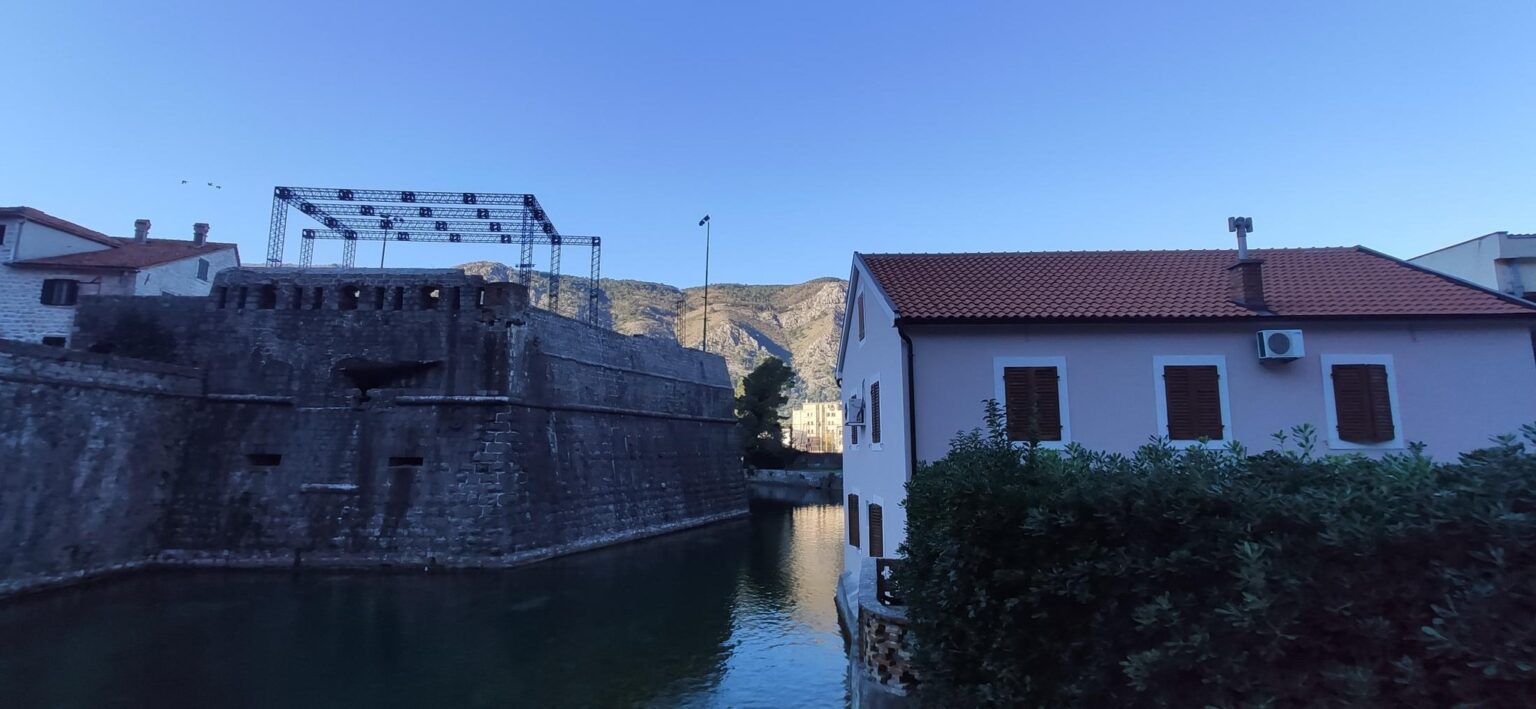
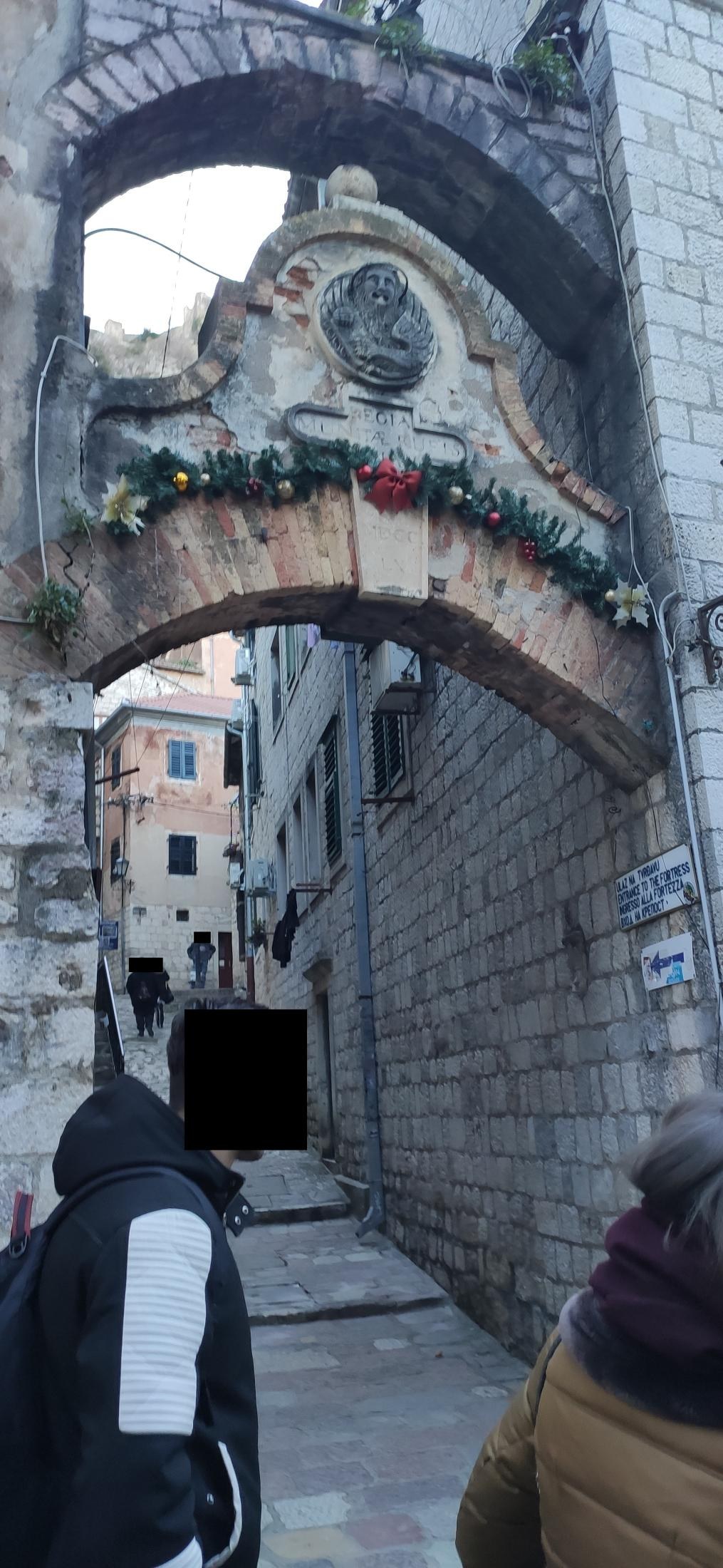
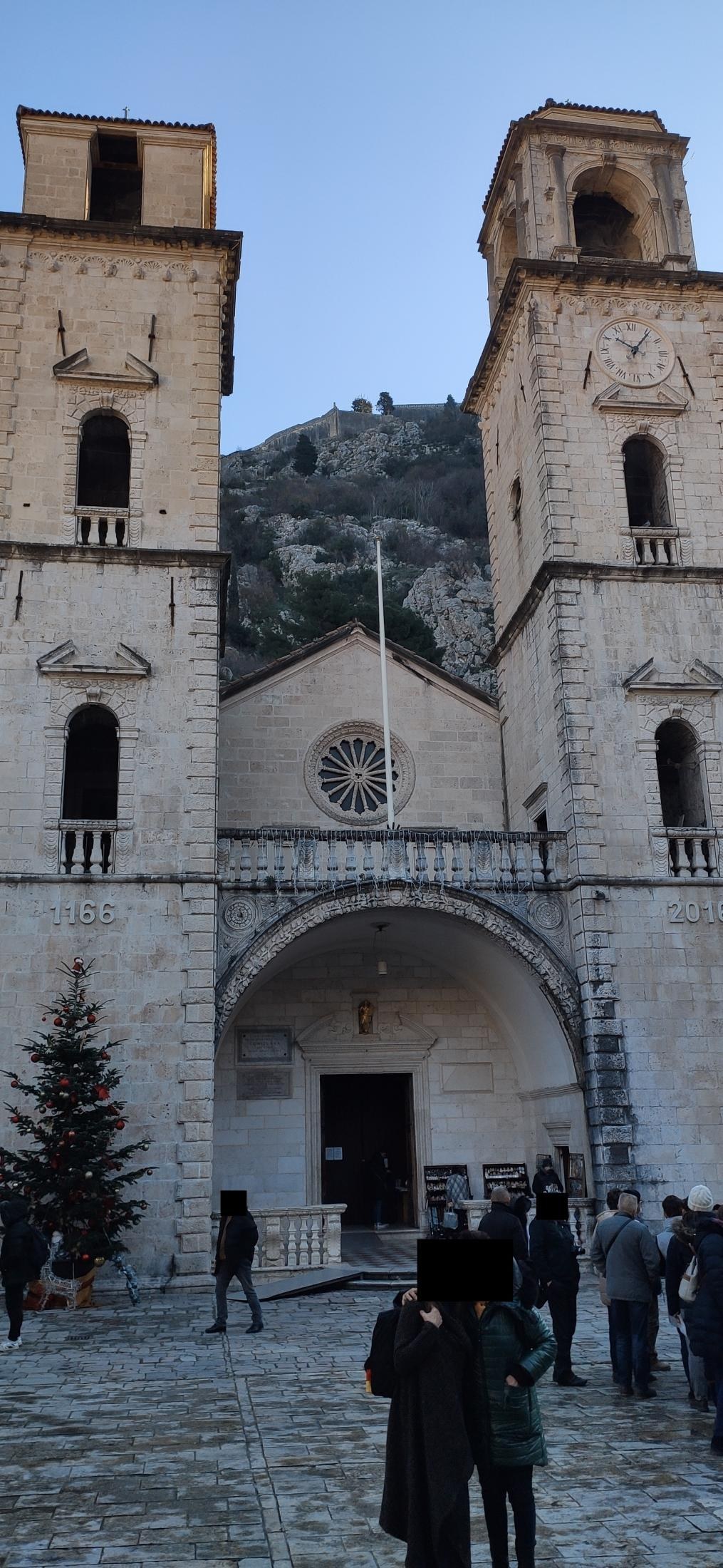
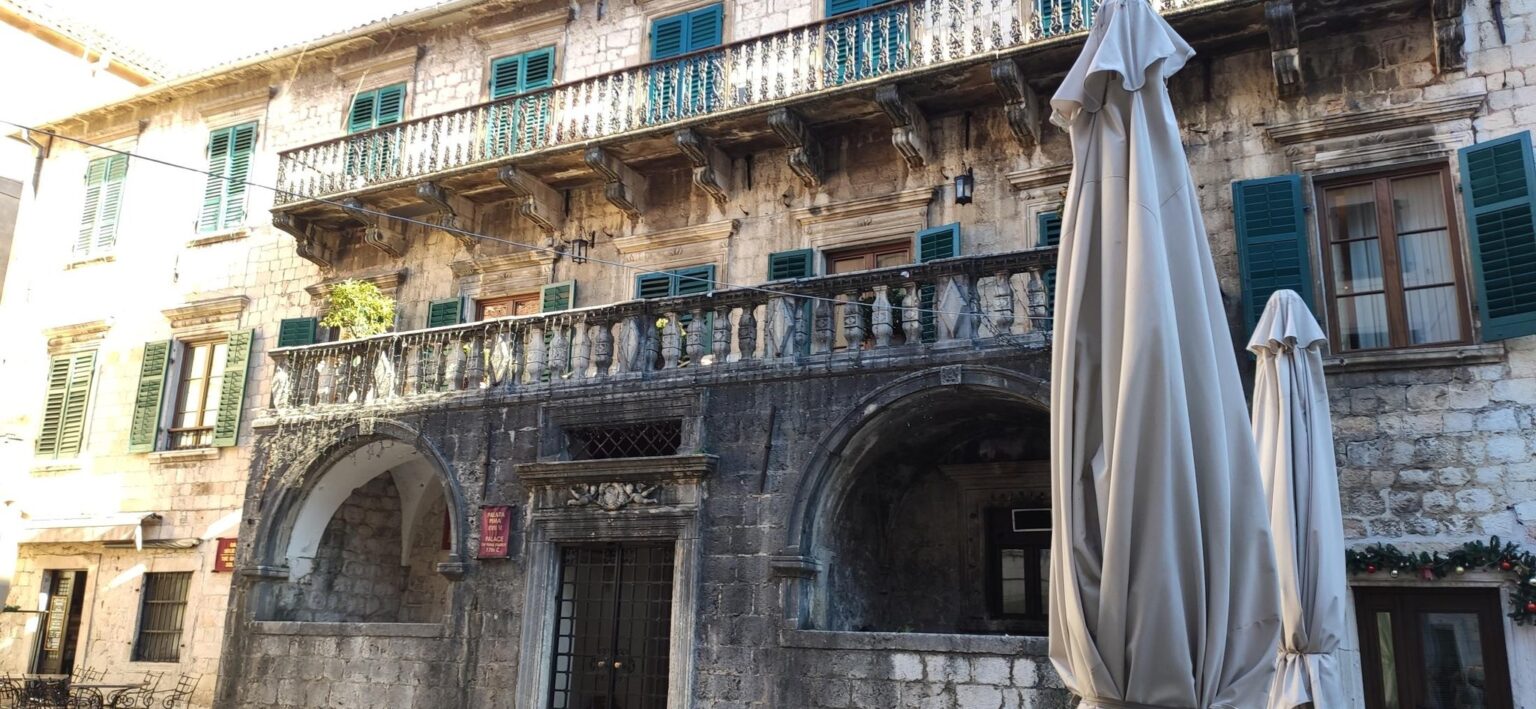
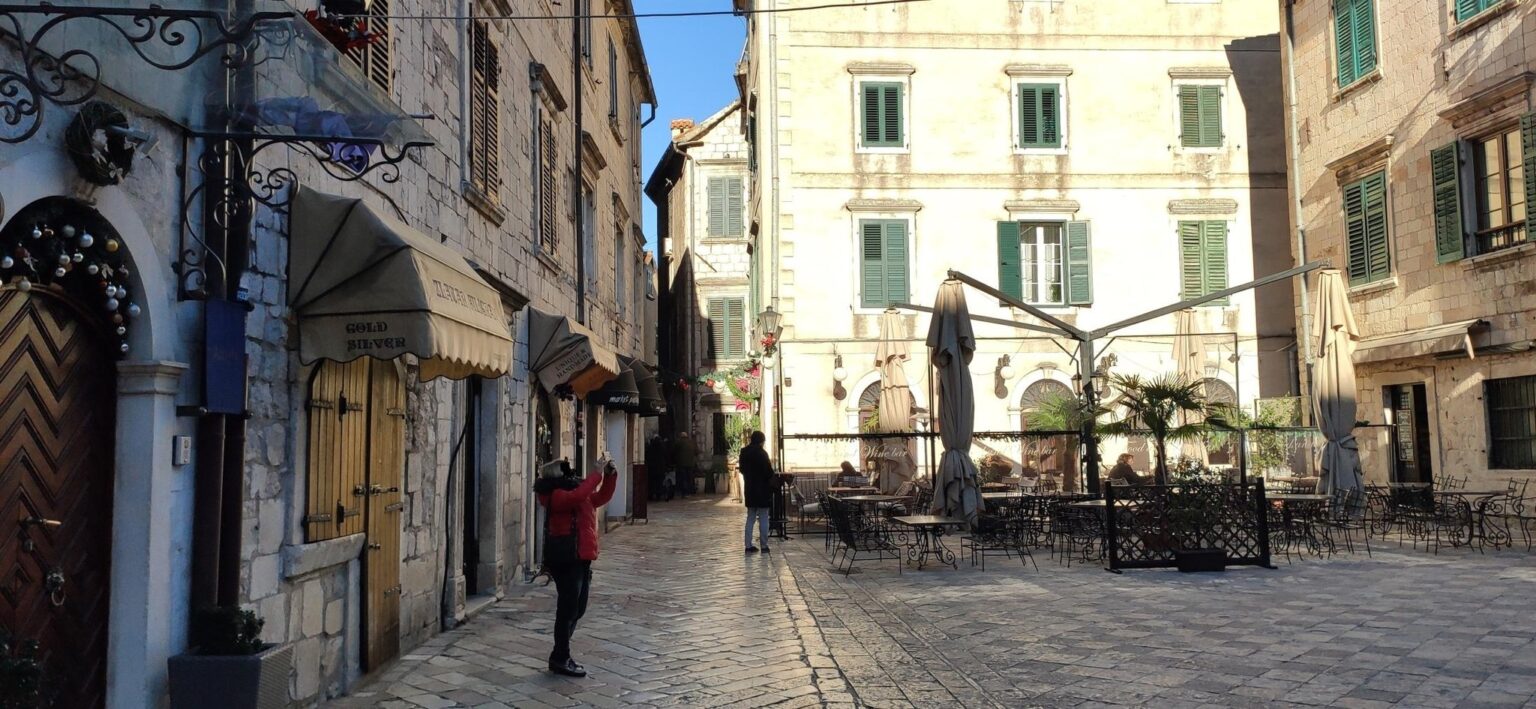
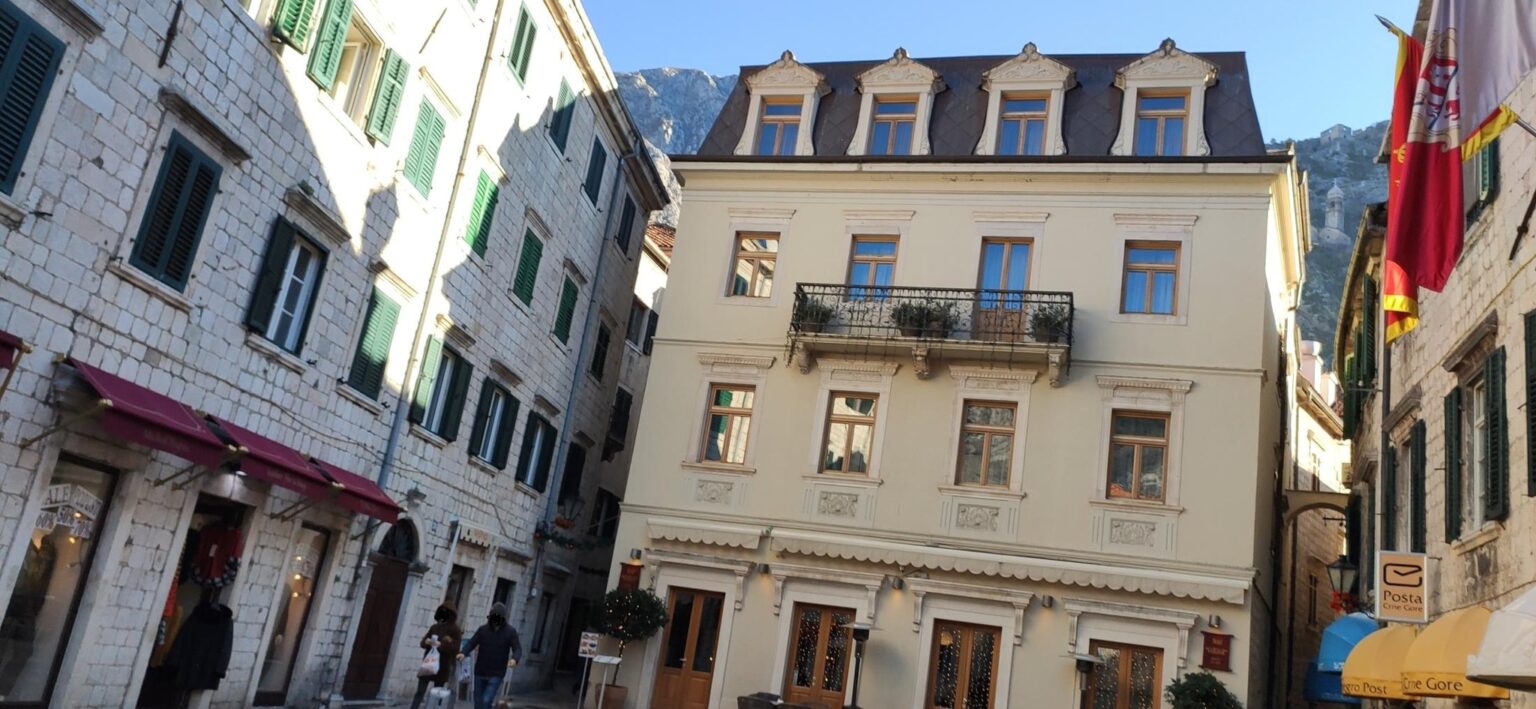
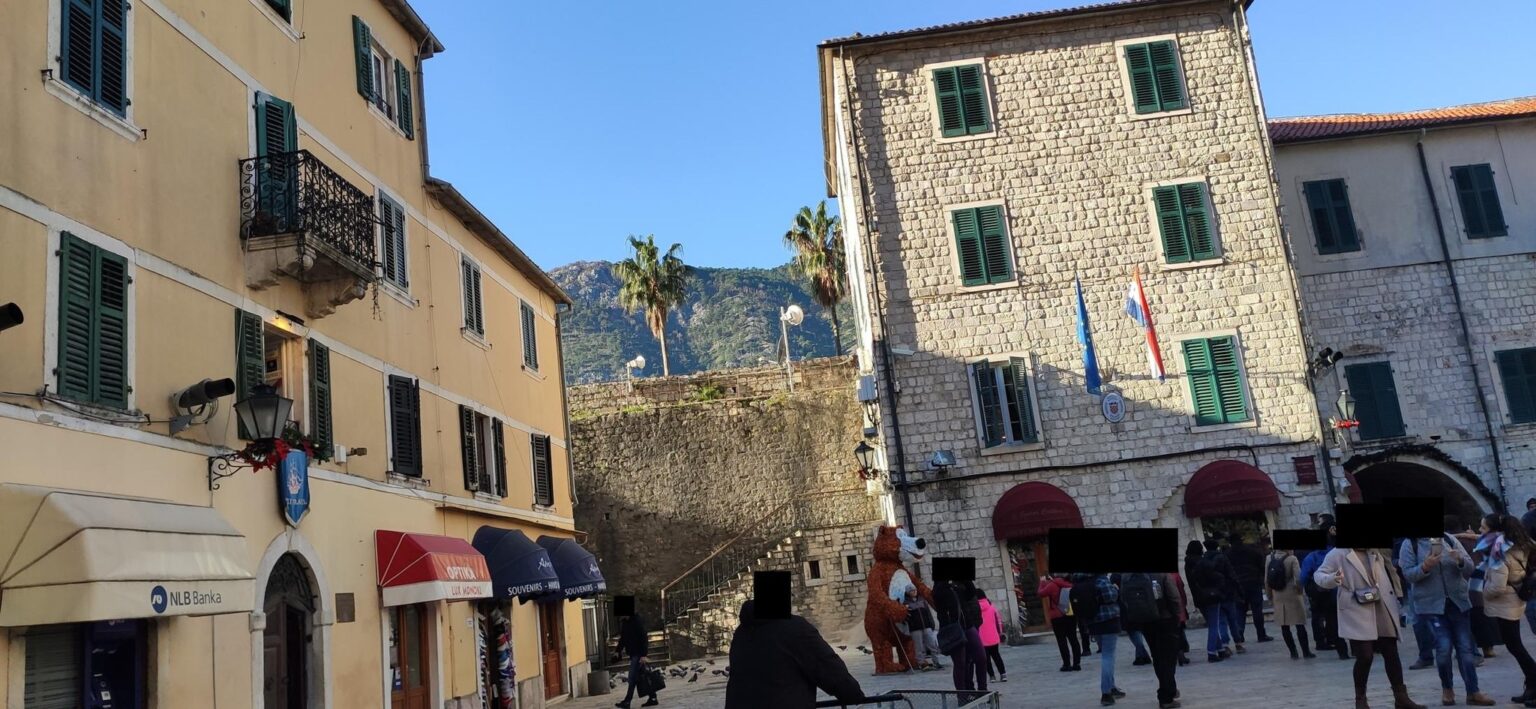
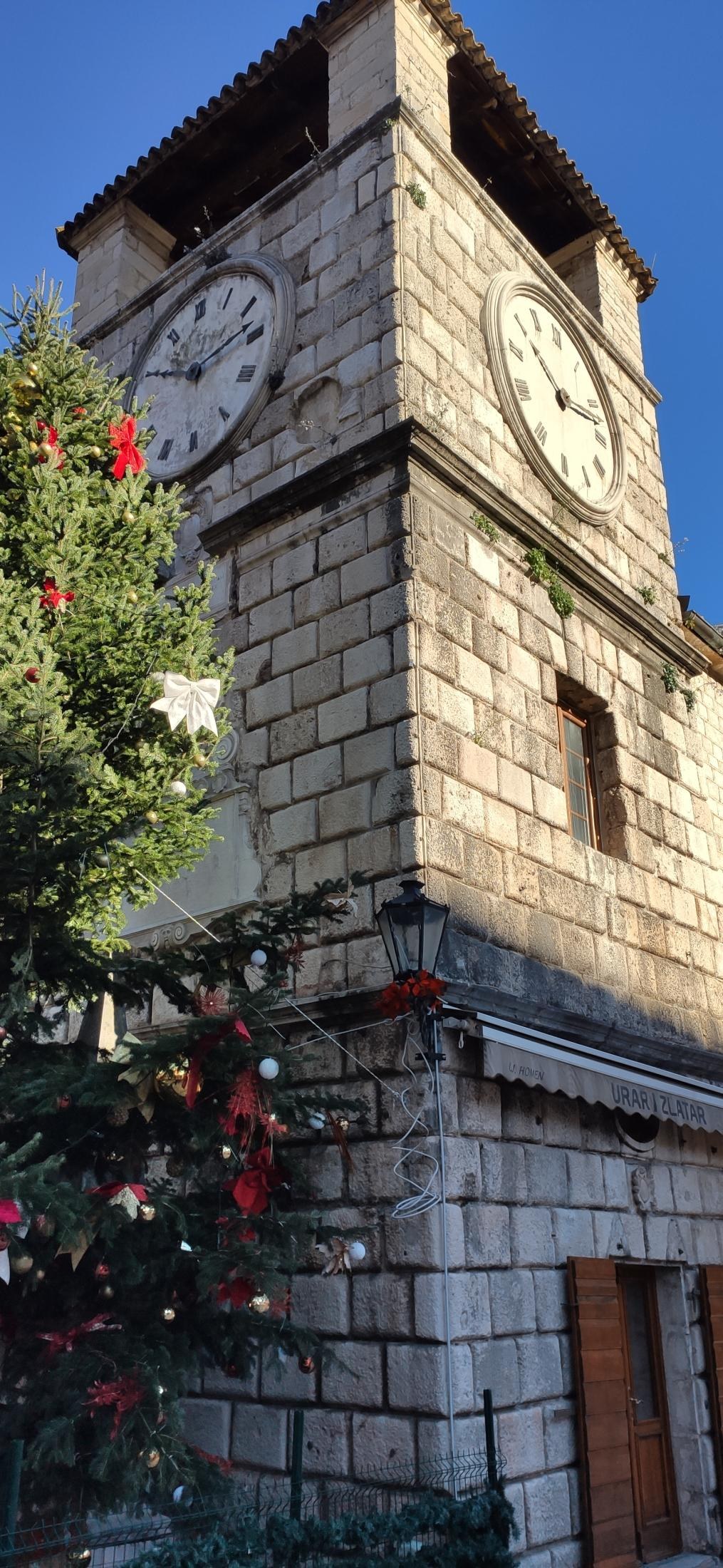
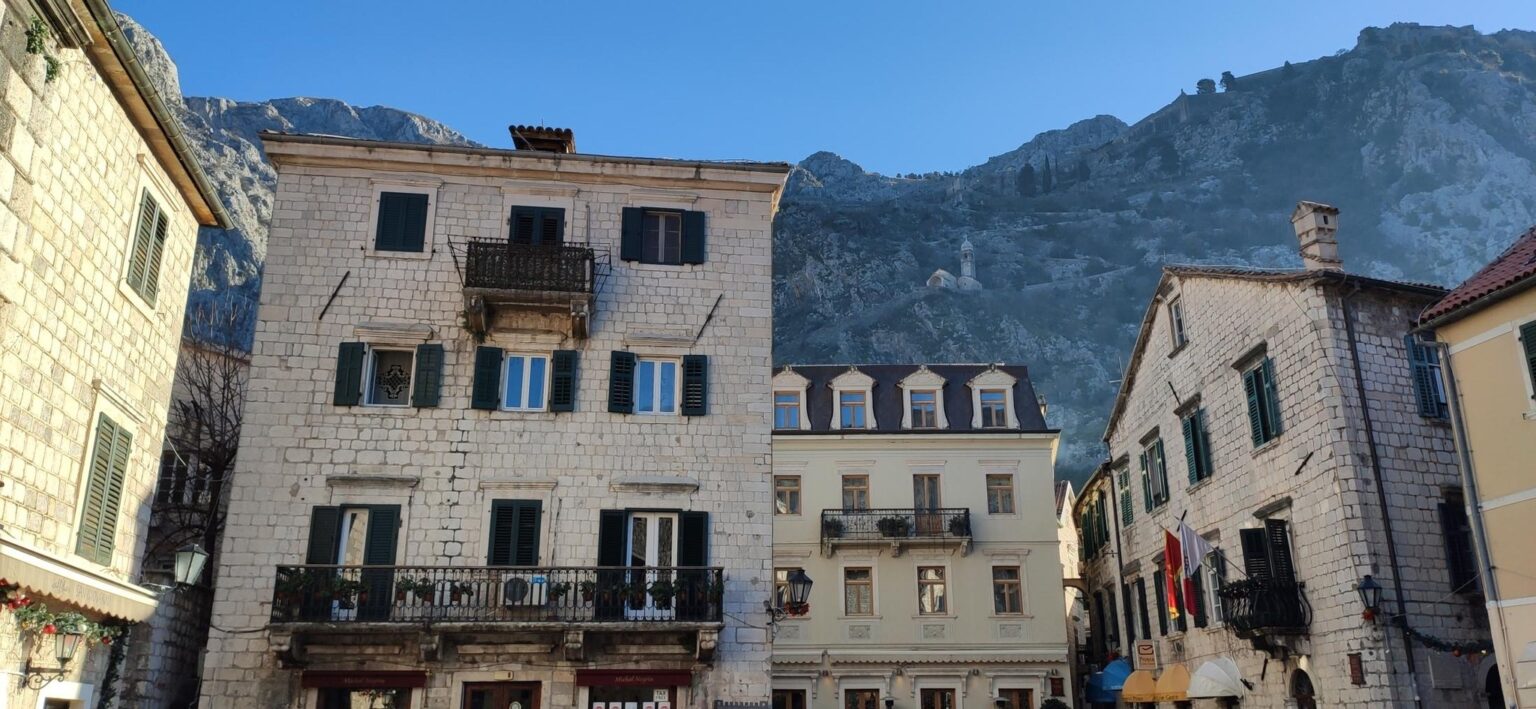
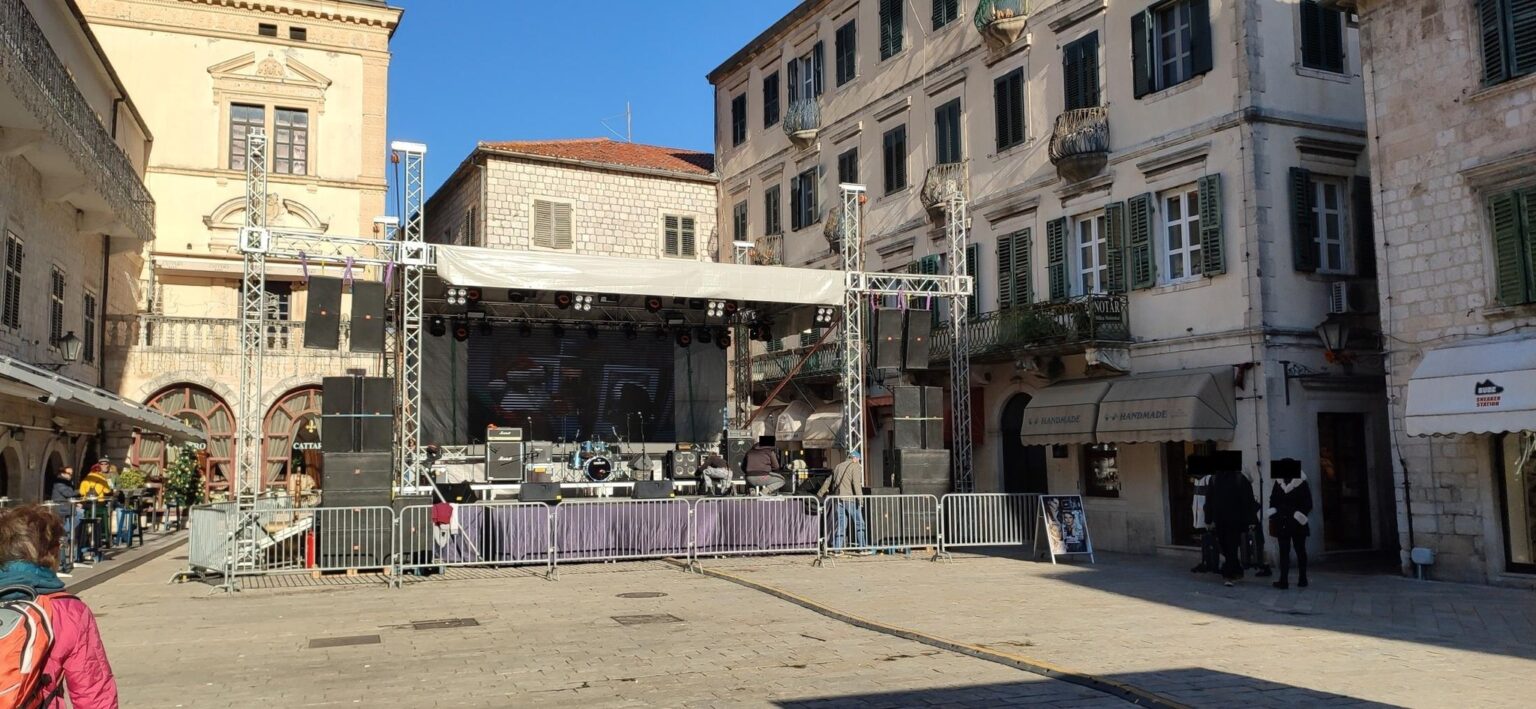
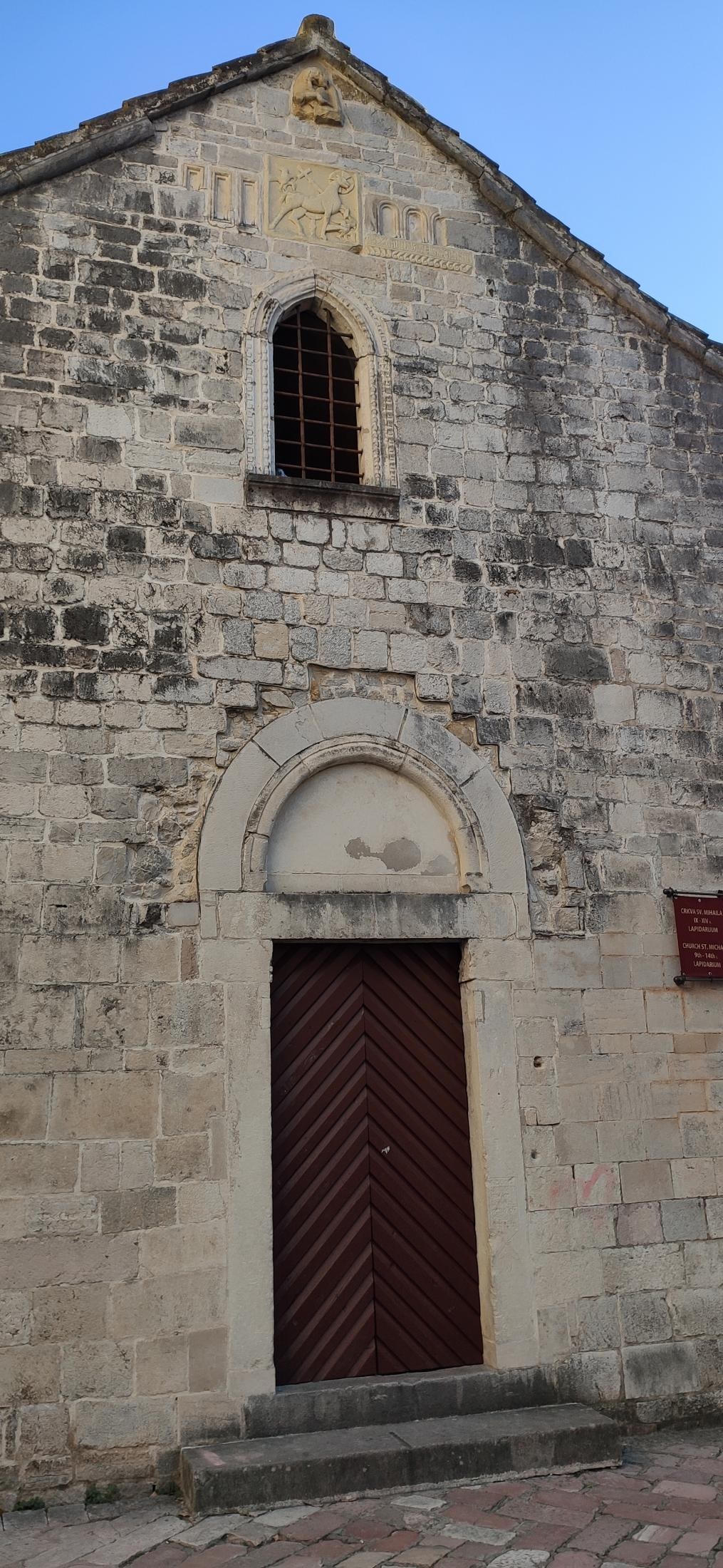
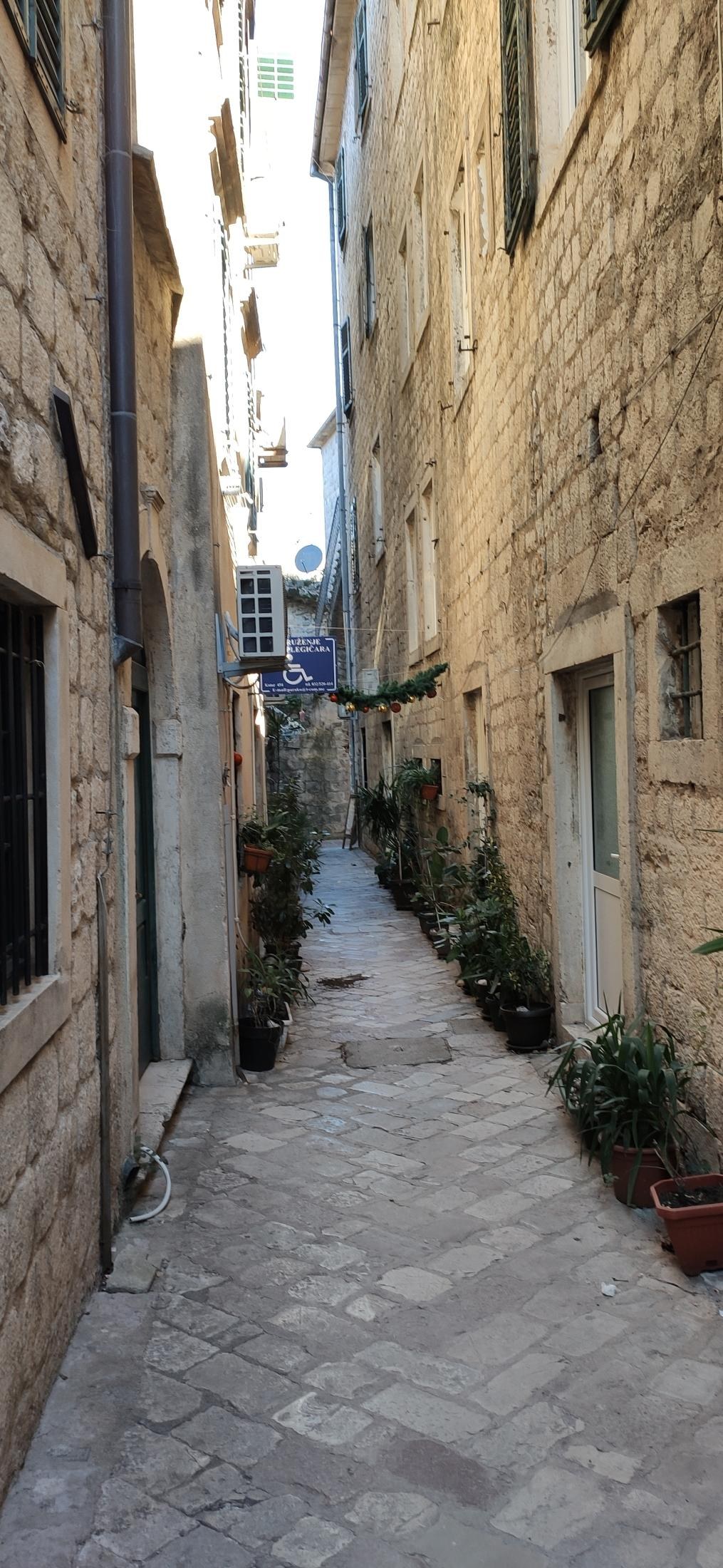
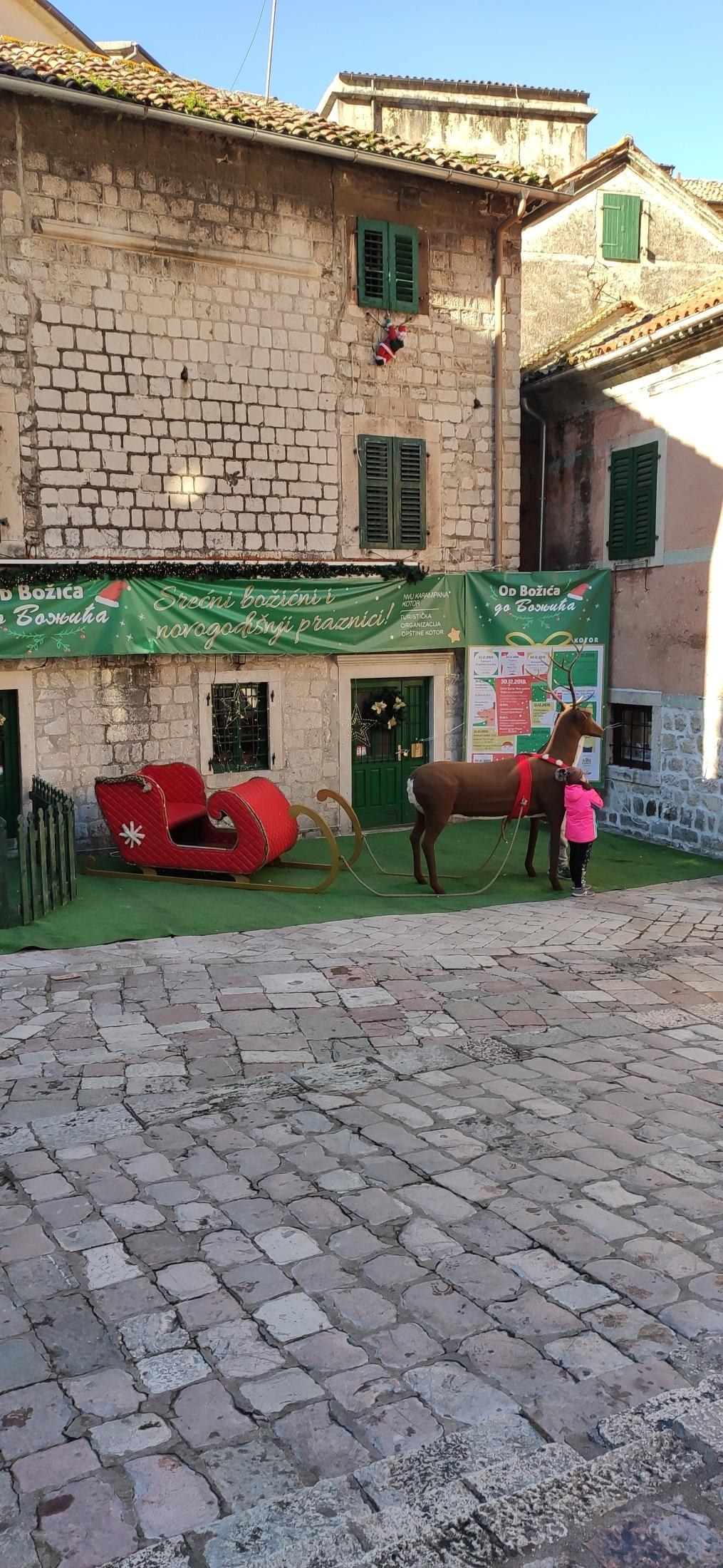
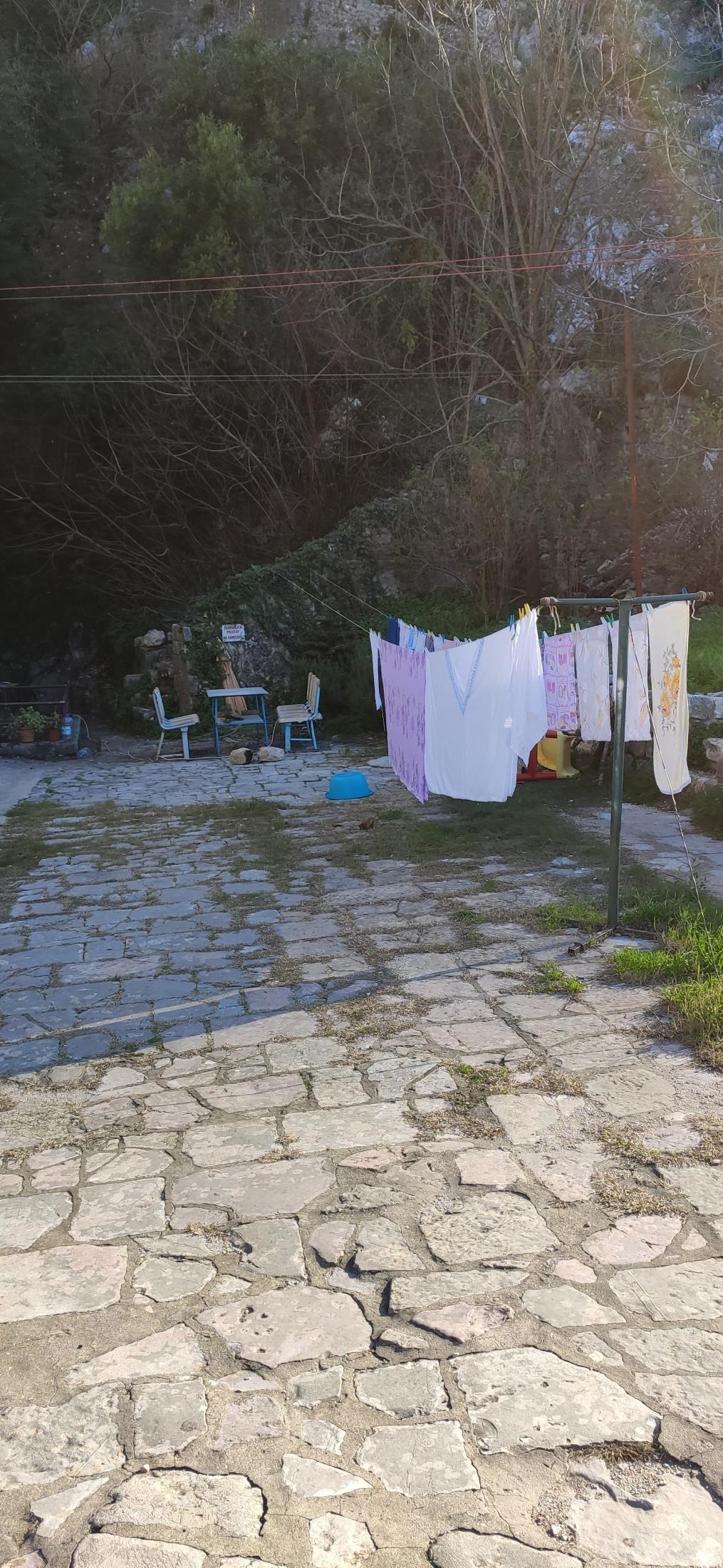
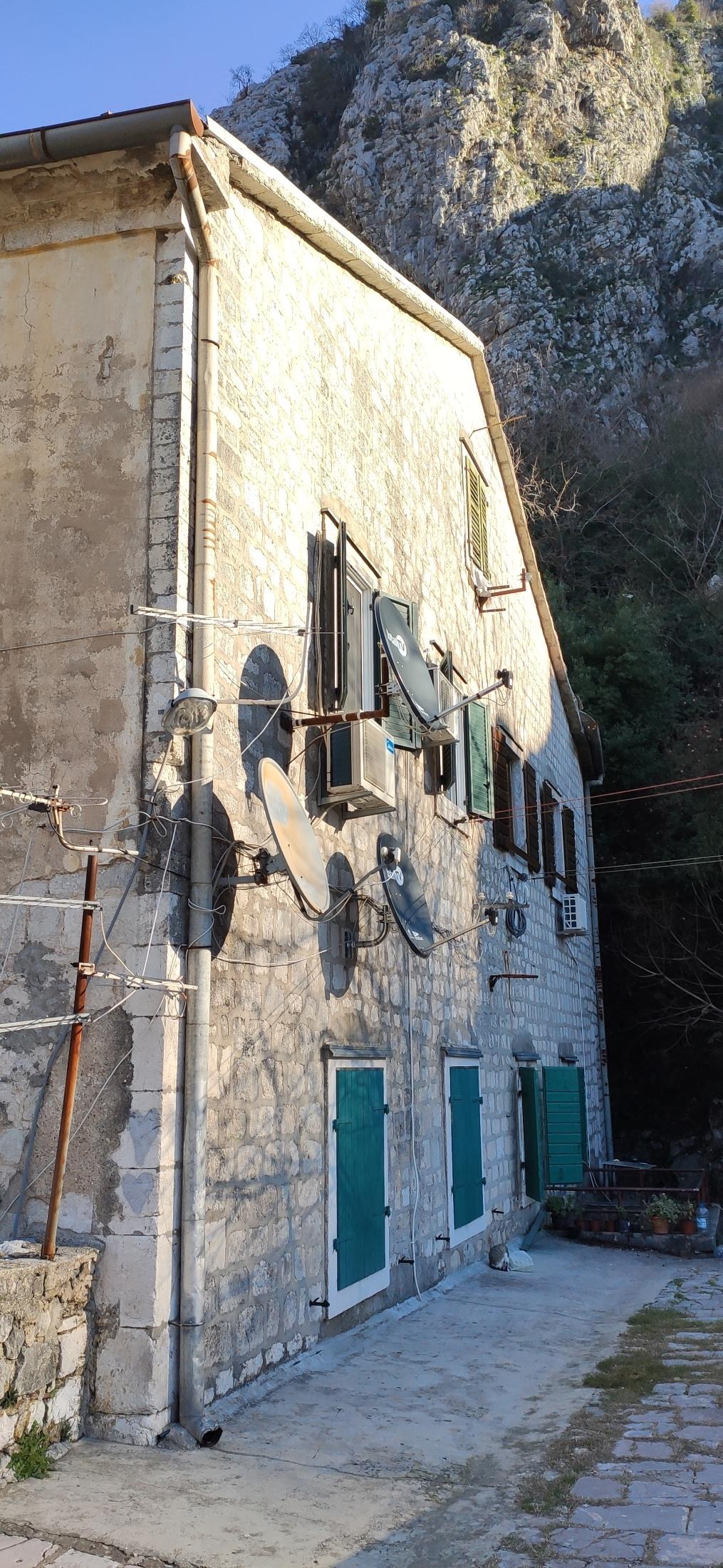
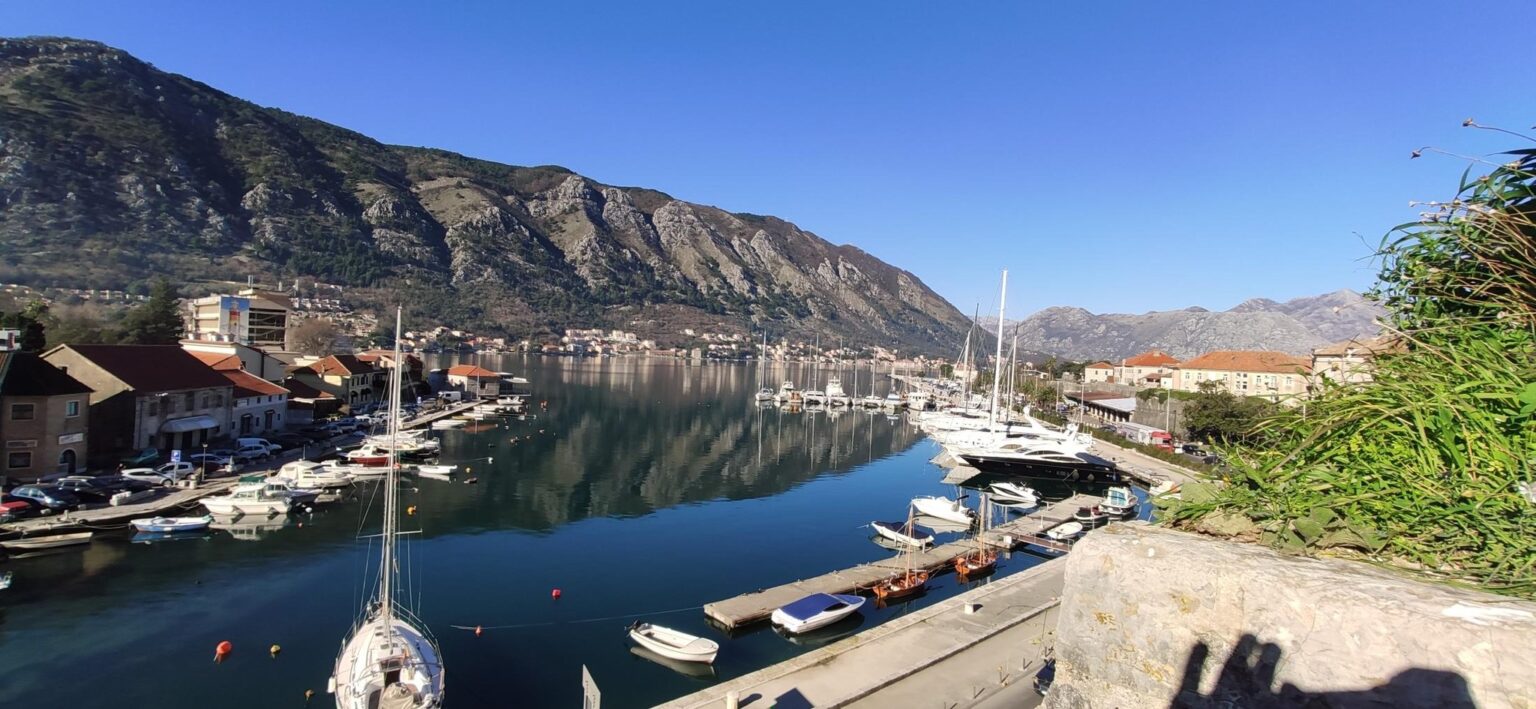
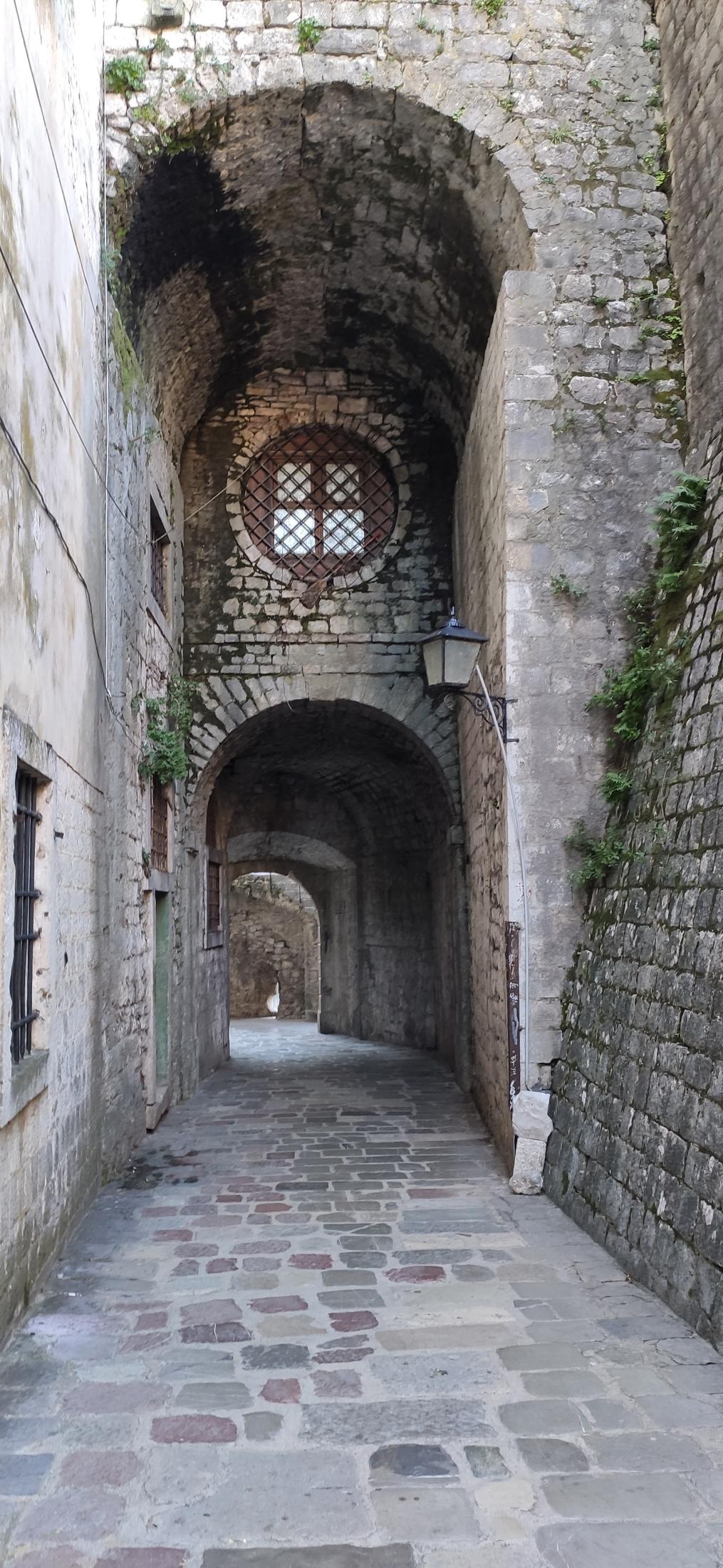
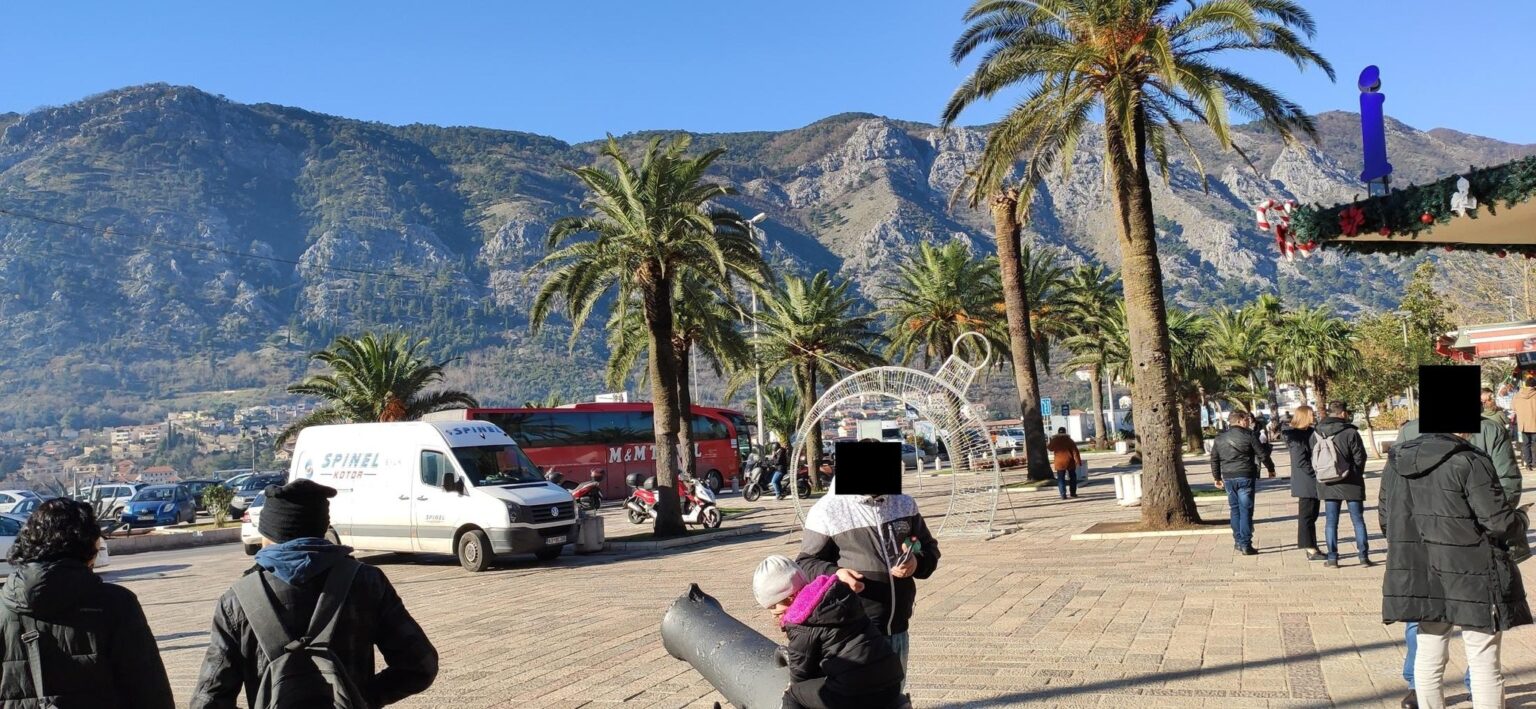
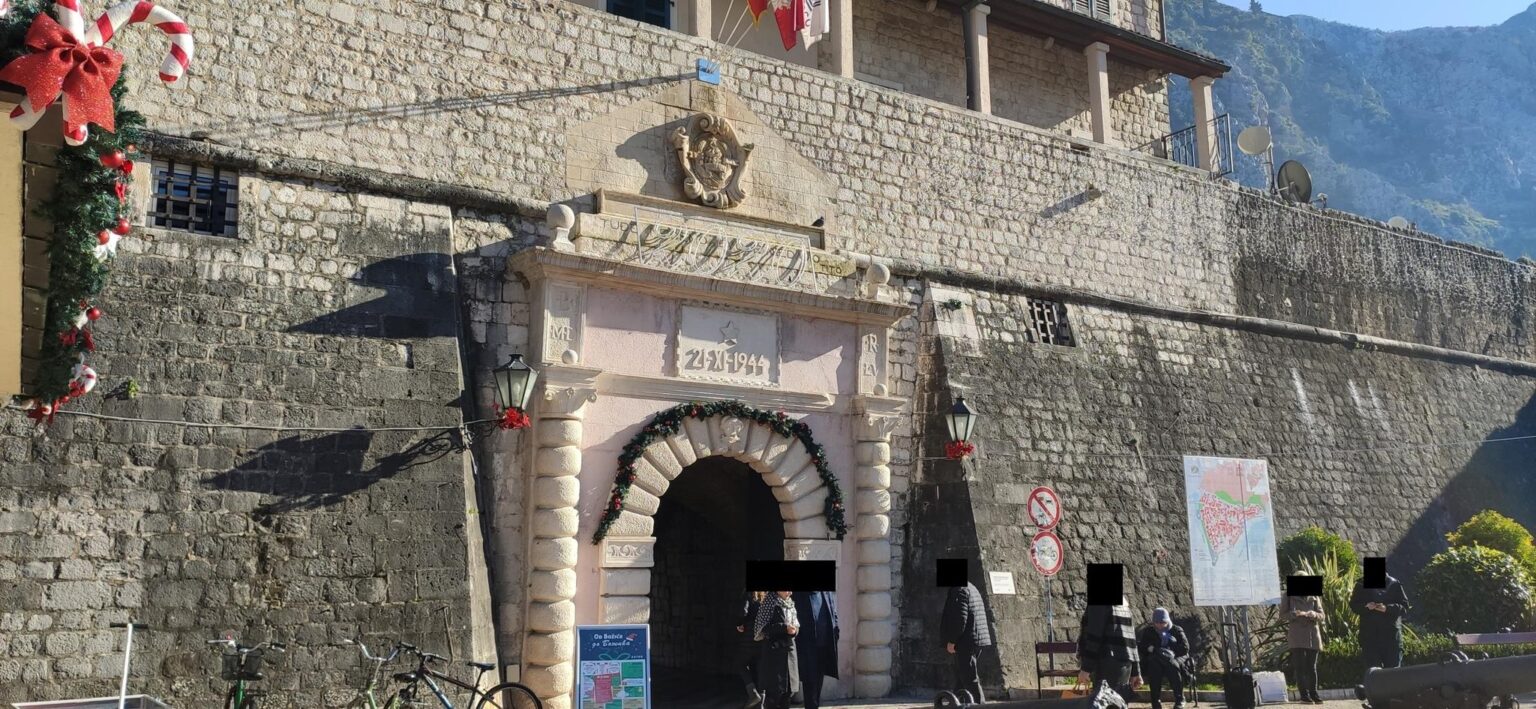
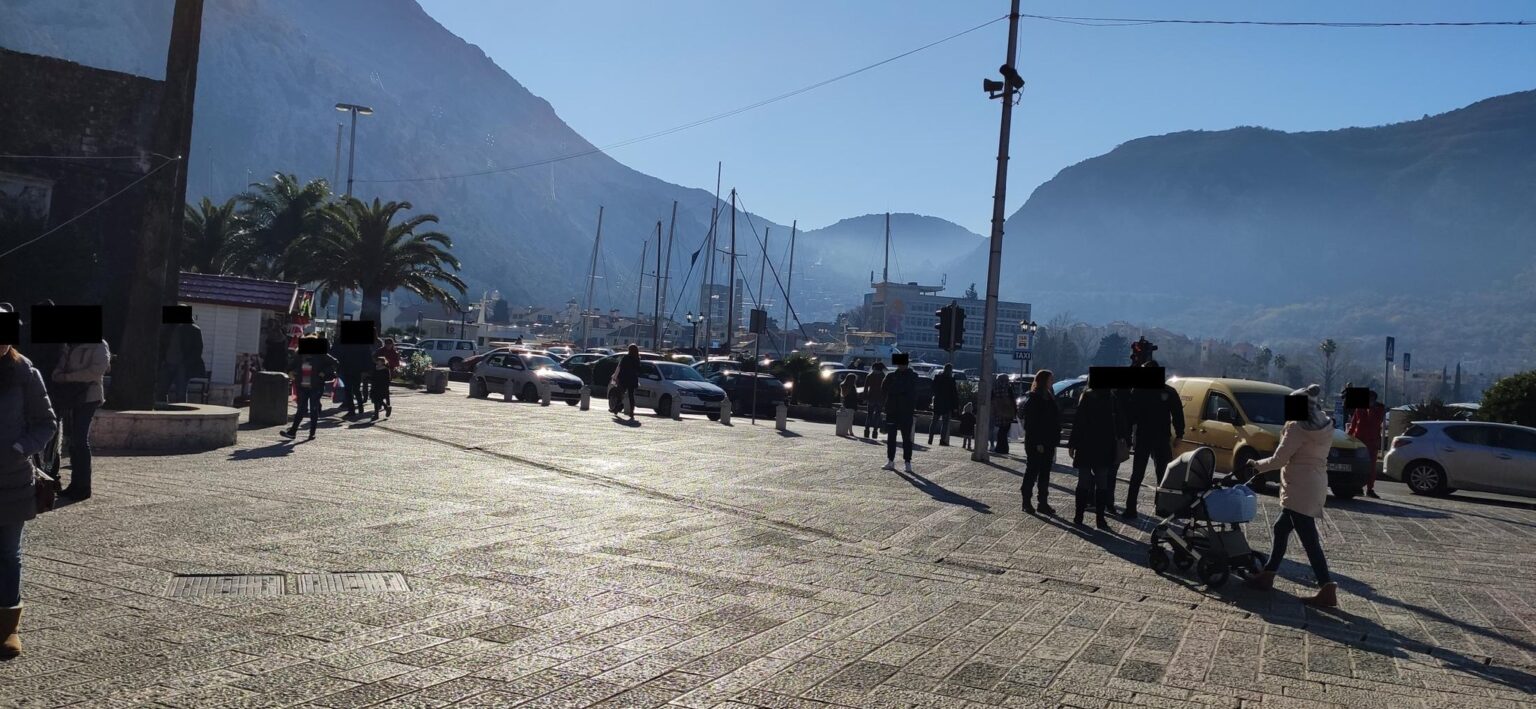
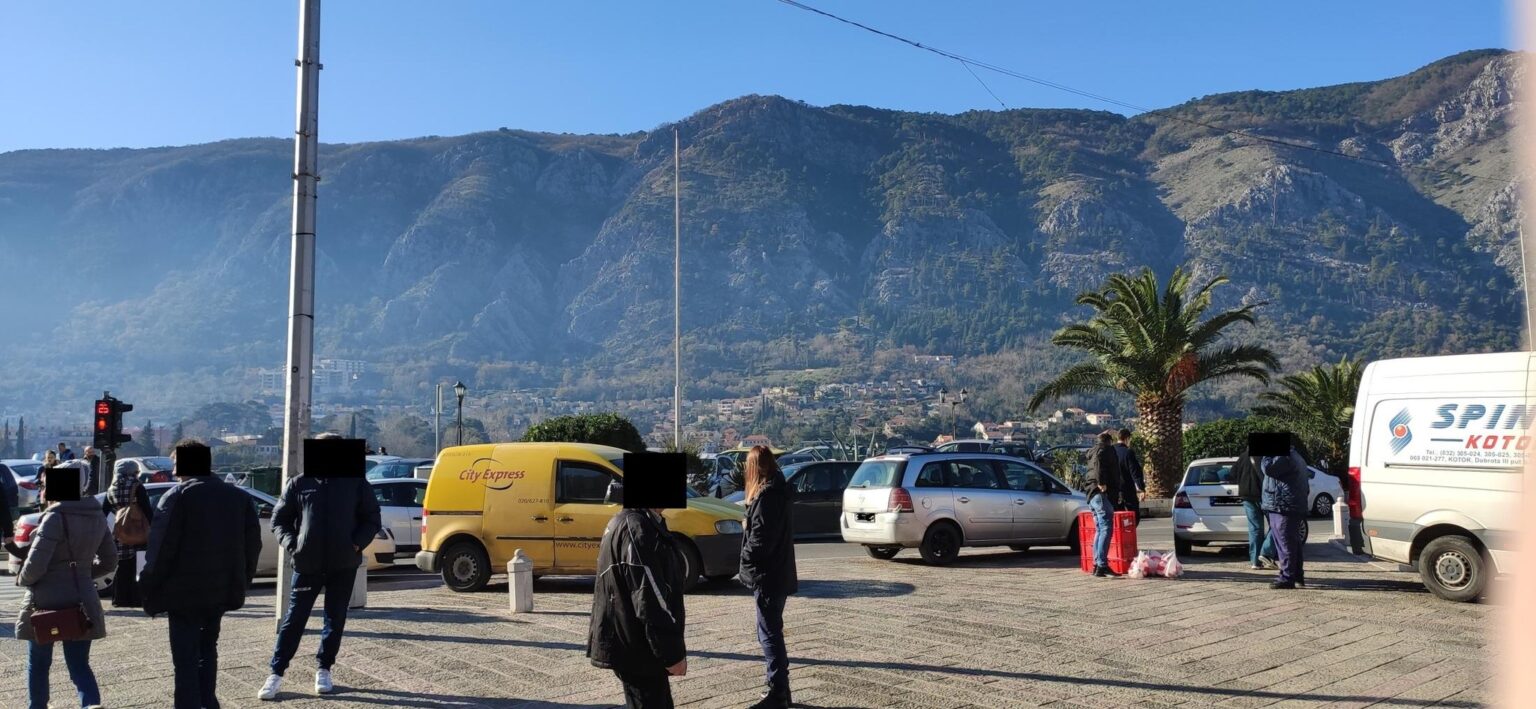
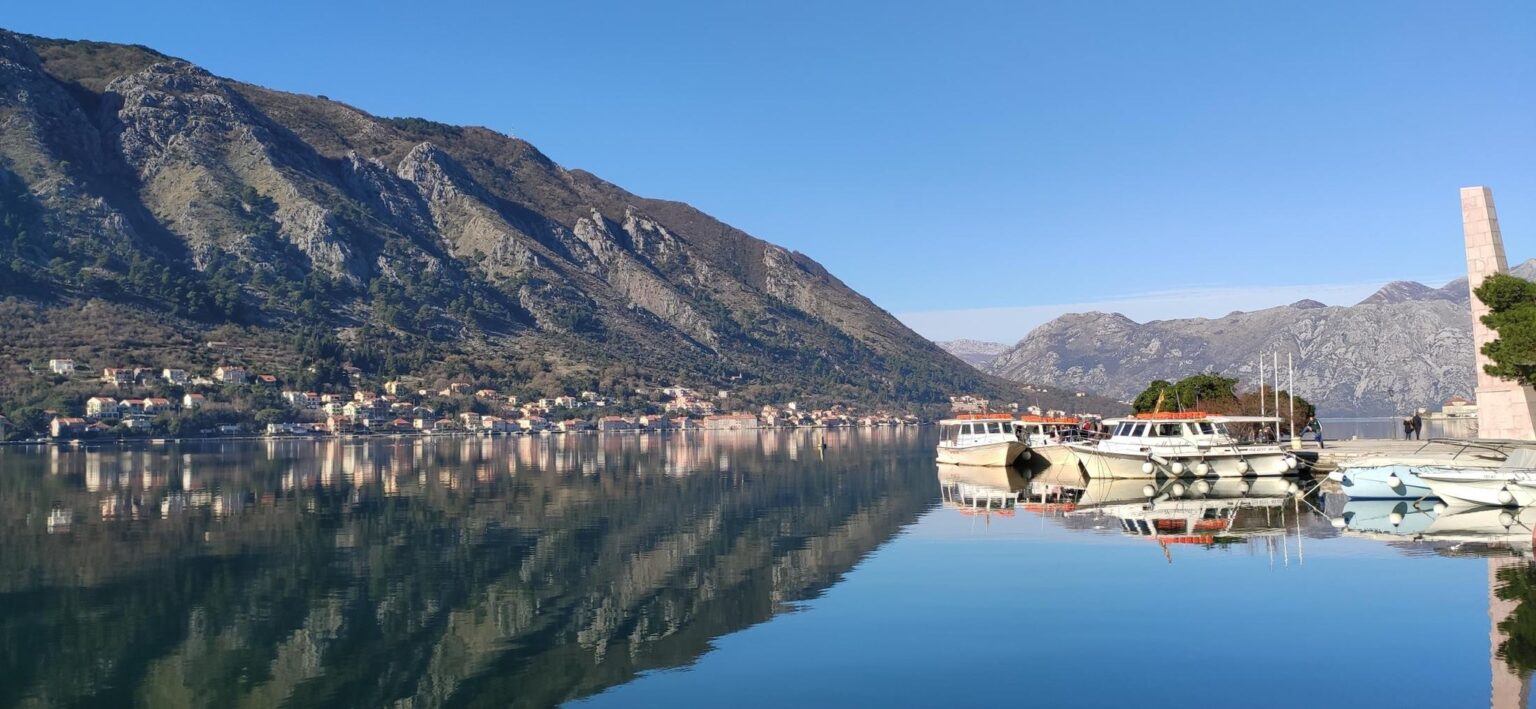
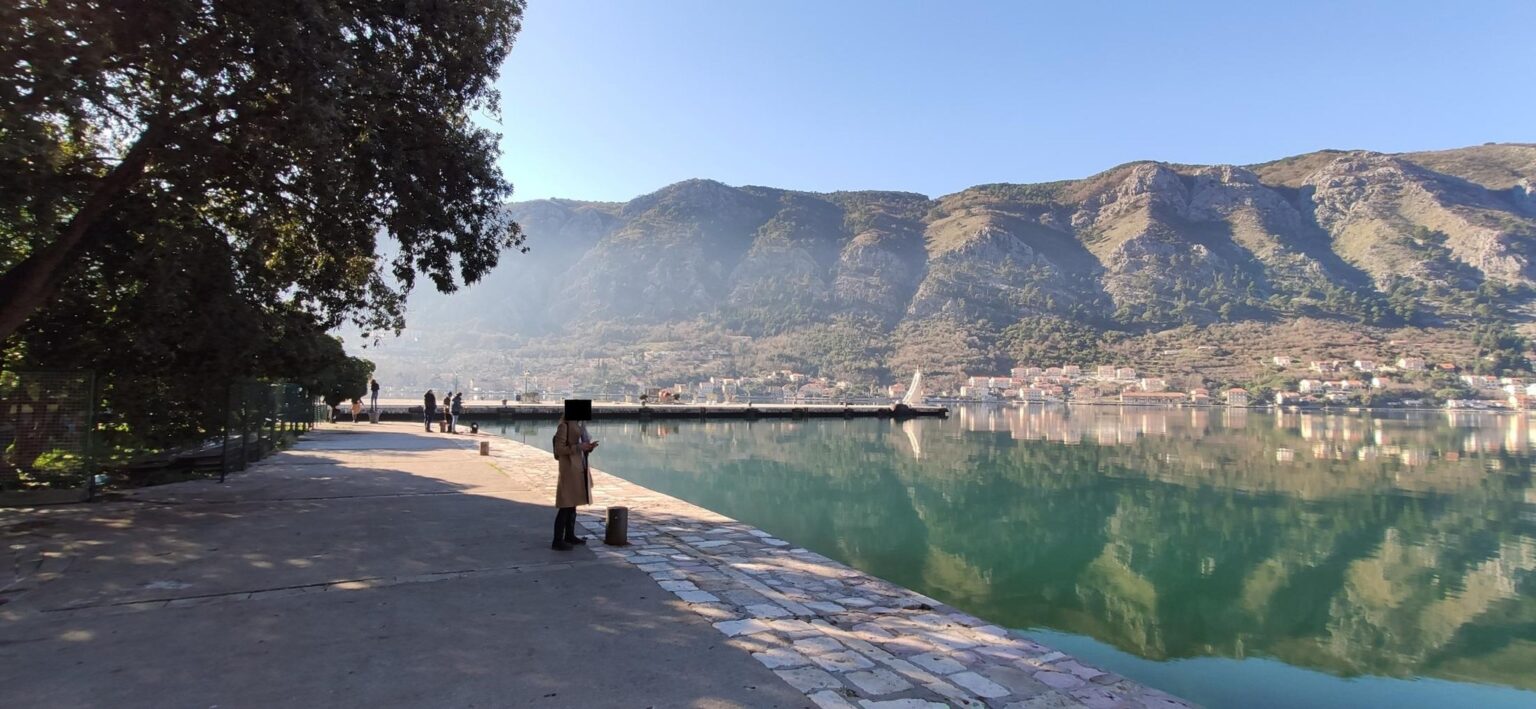
31 December. The programme says Kotor today. The drive is about half an hour. We learn along the way that Kotor is a historic town, once part of the Roman empire, and that it has things to show. What interests us mainly is the old town — the link has the coordinates if you’re heading there under your own steam. There’s no entrance fee. Like Dubrovnik it’s enclosed like a fortress, but you simply walk through the gates into what feels like a neighbourhood.
The Old Town
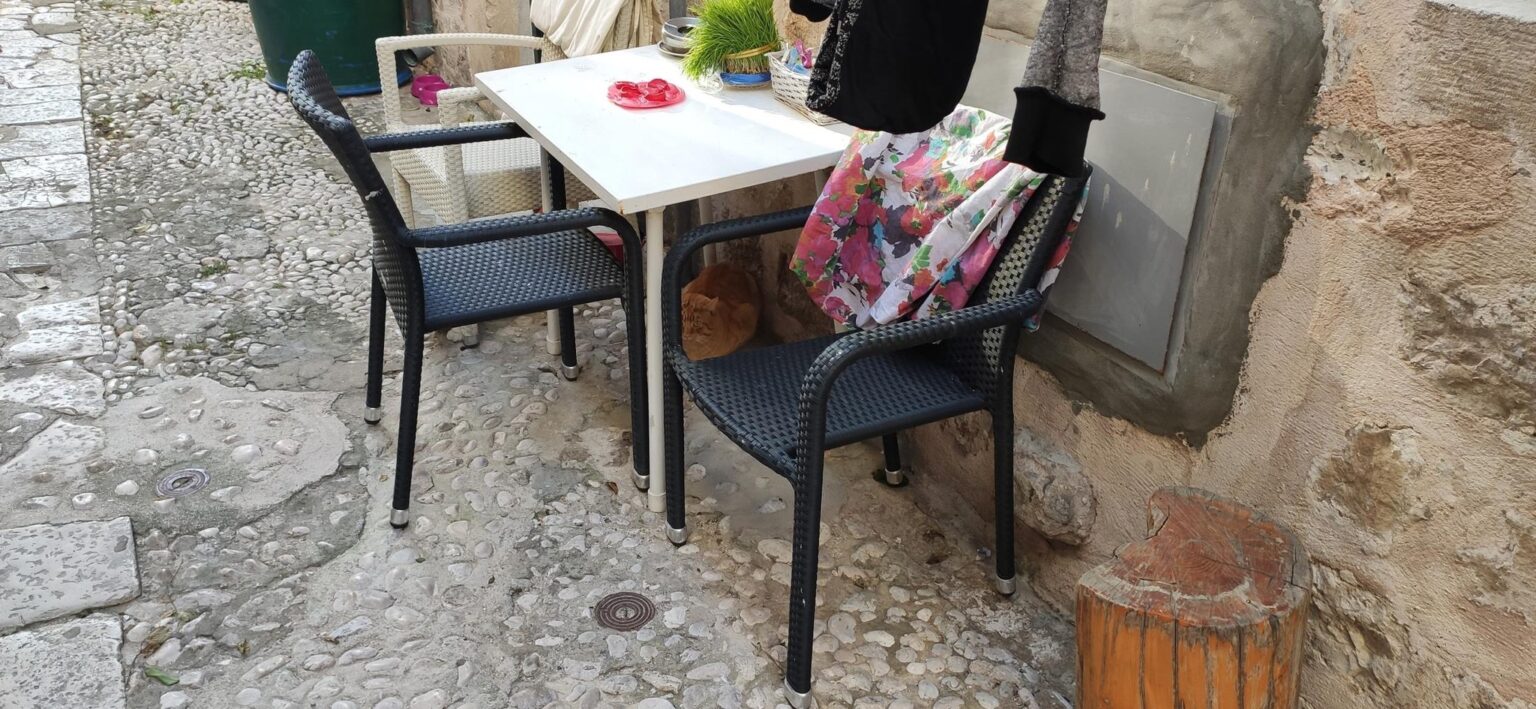
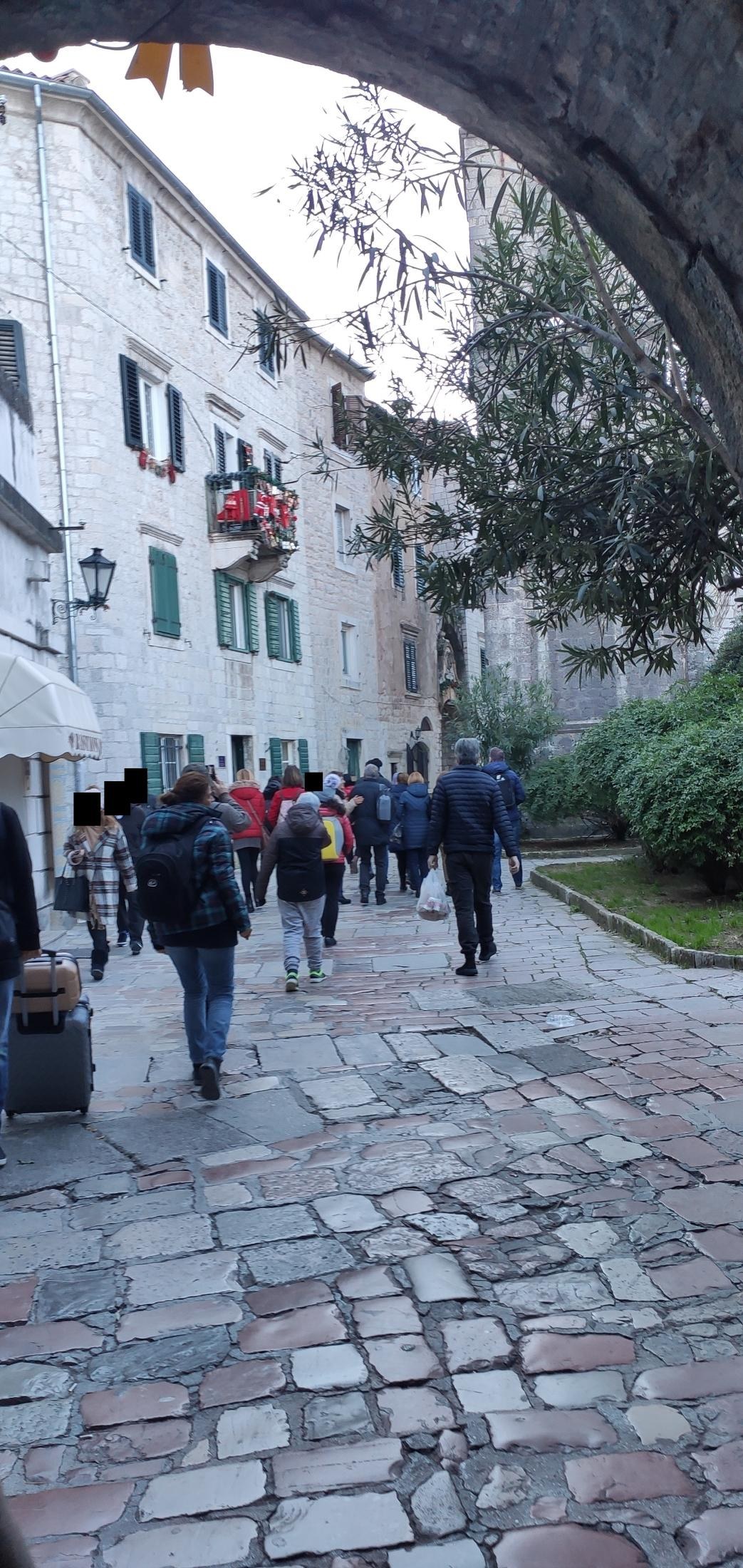
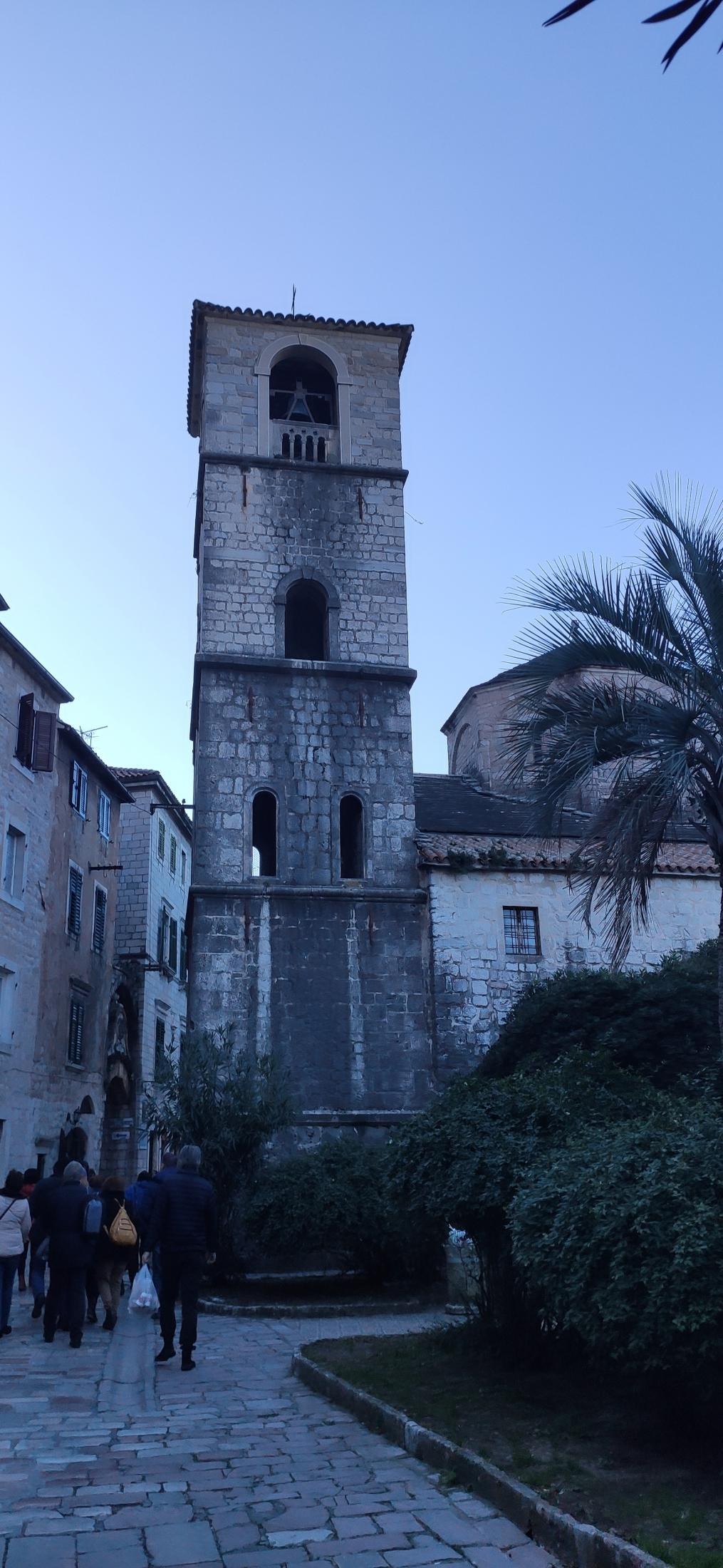
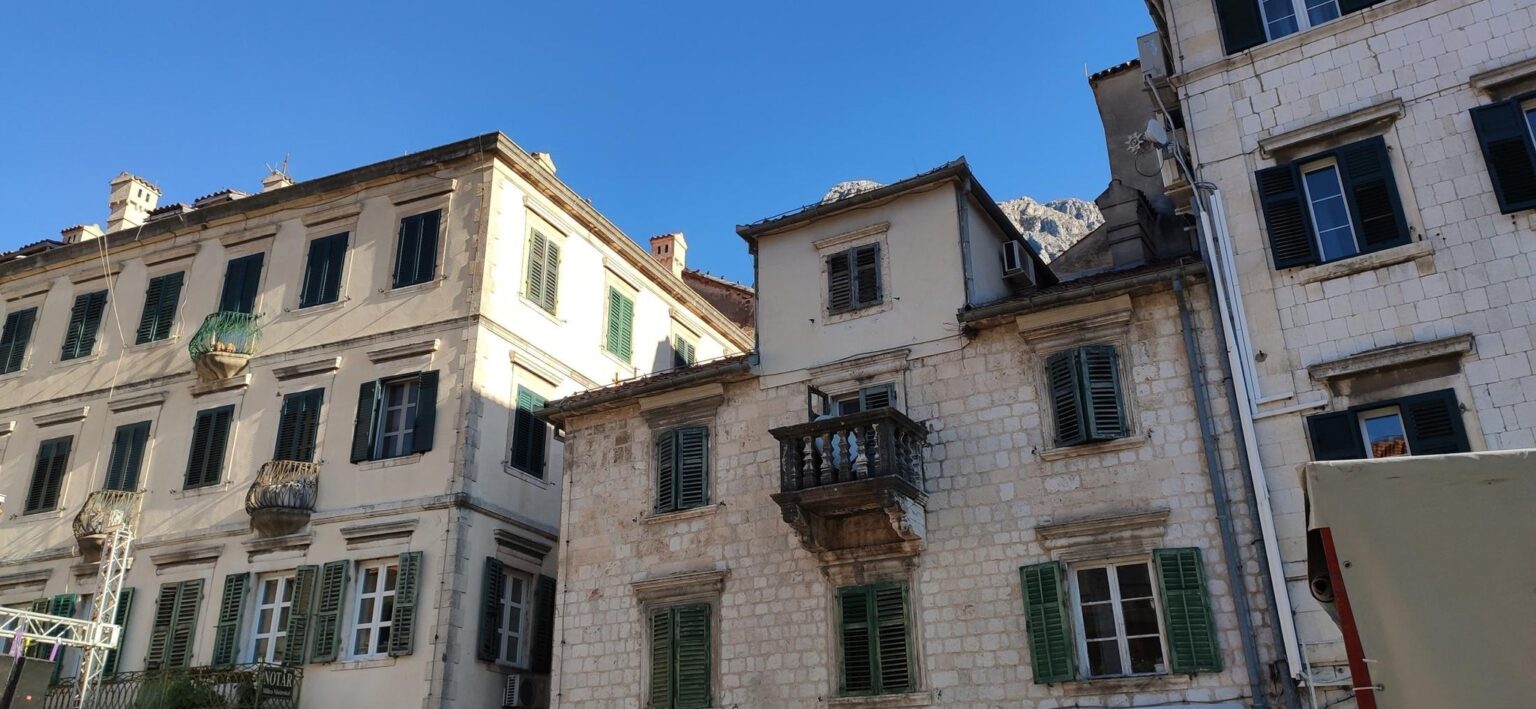
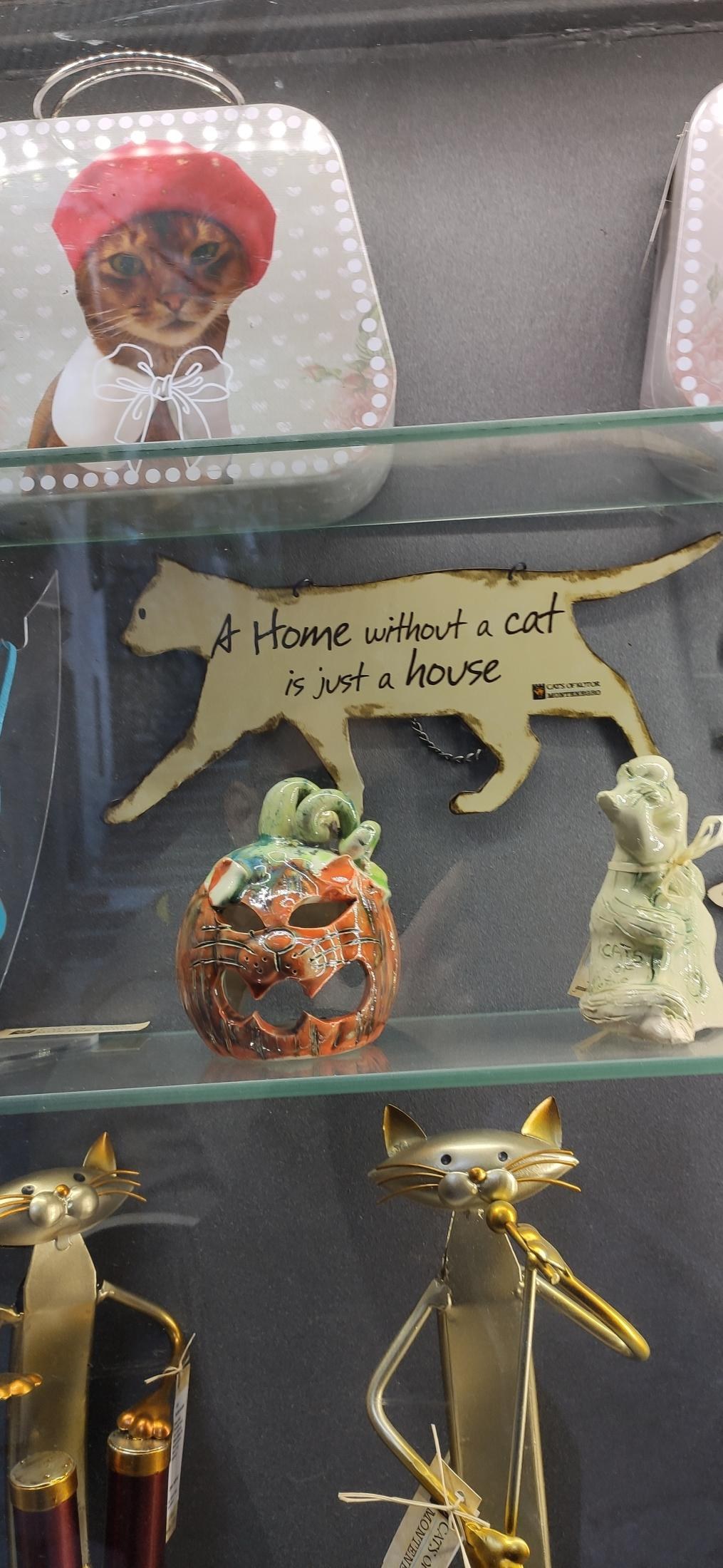
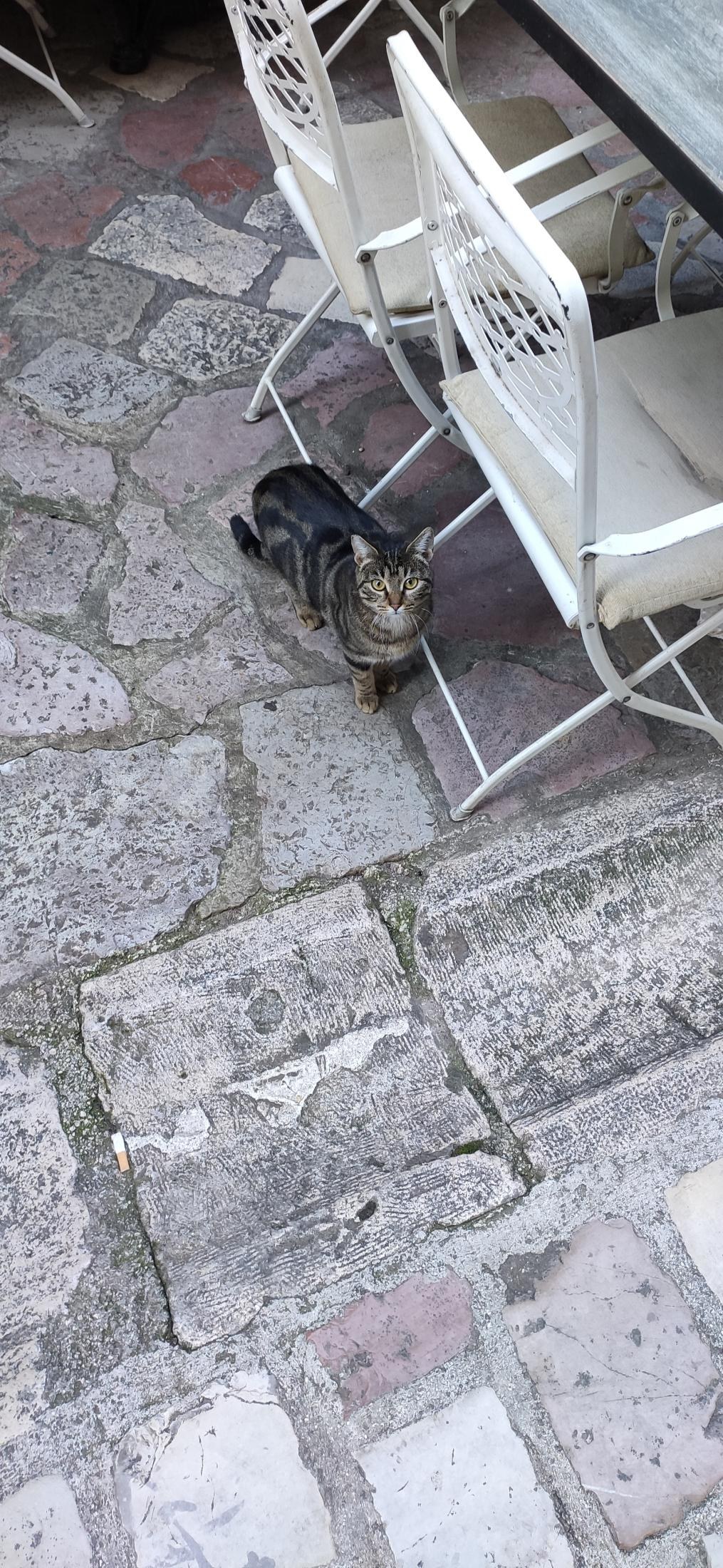
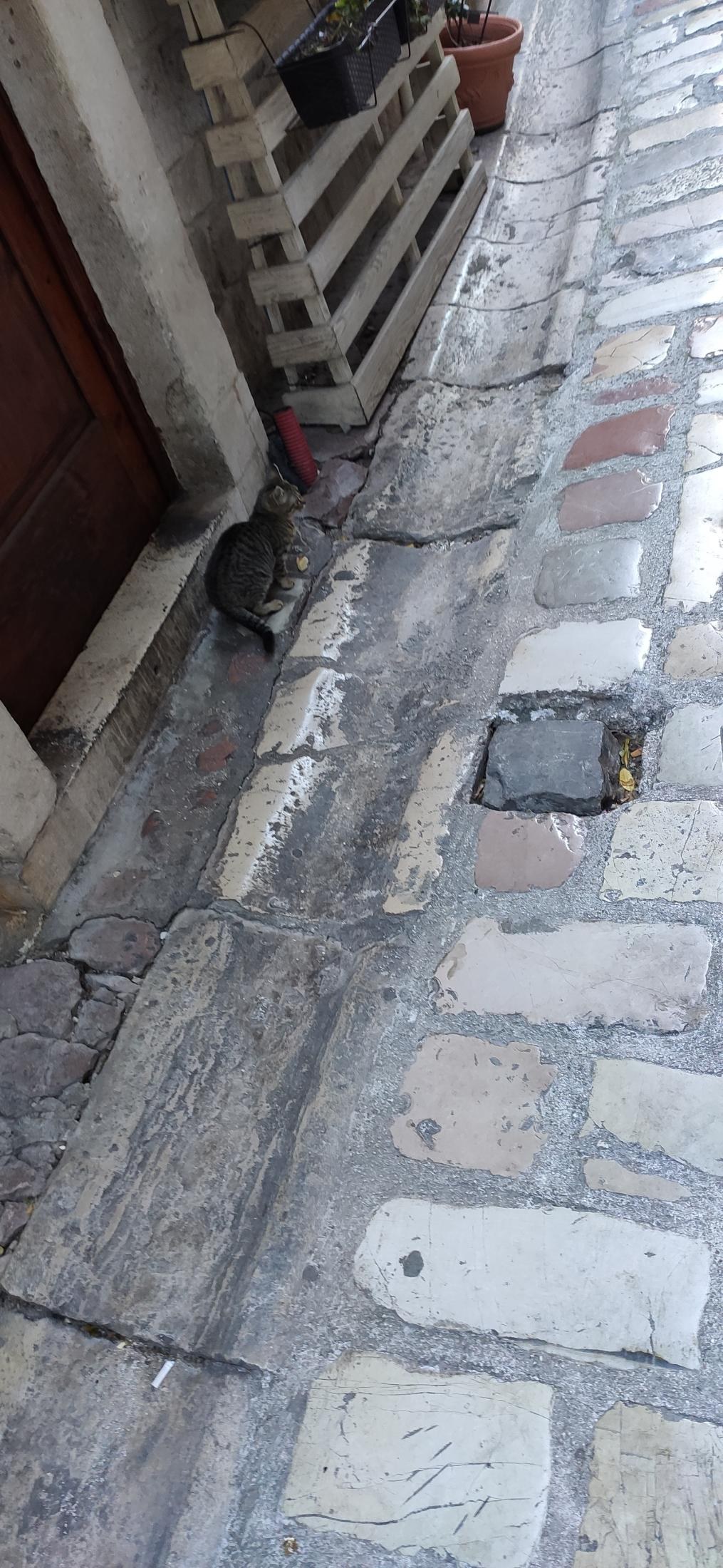
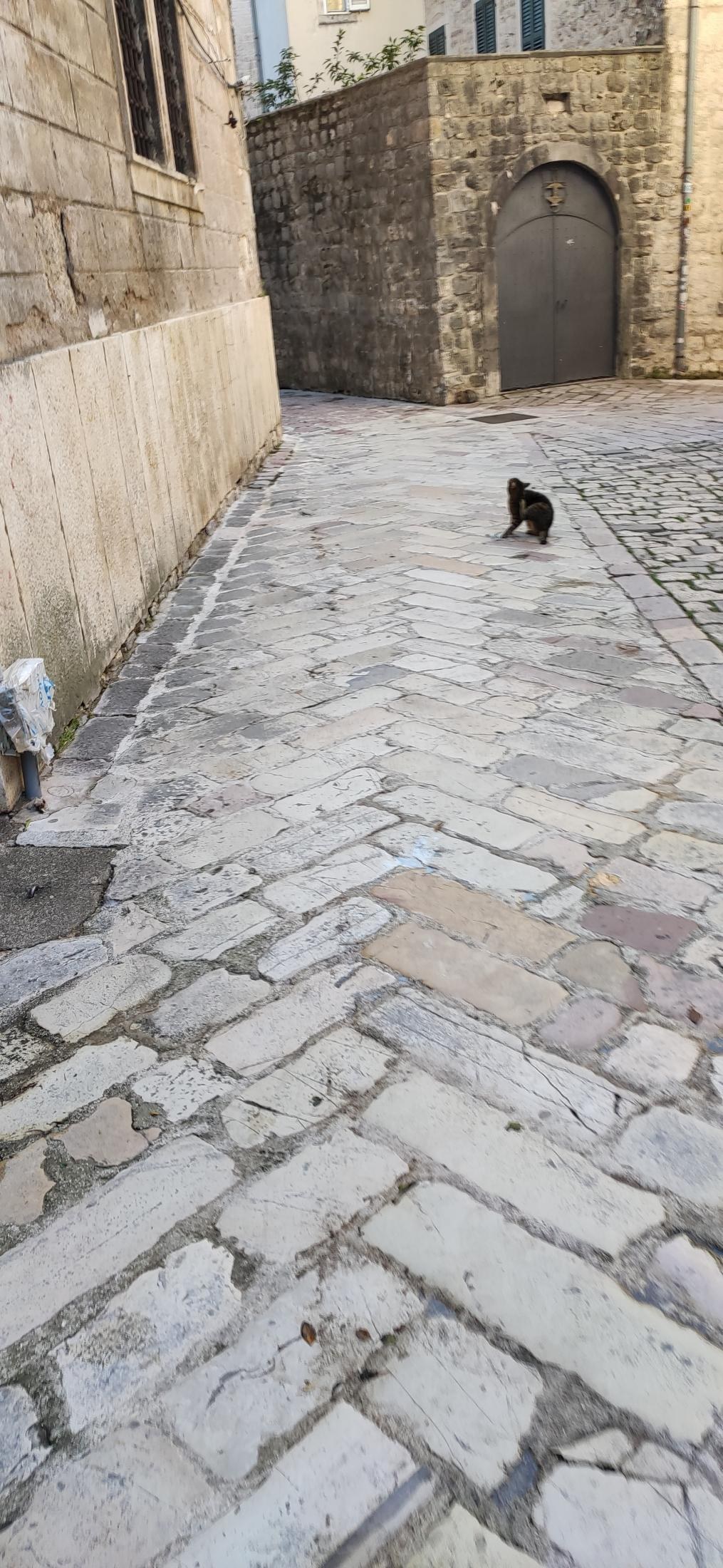
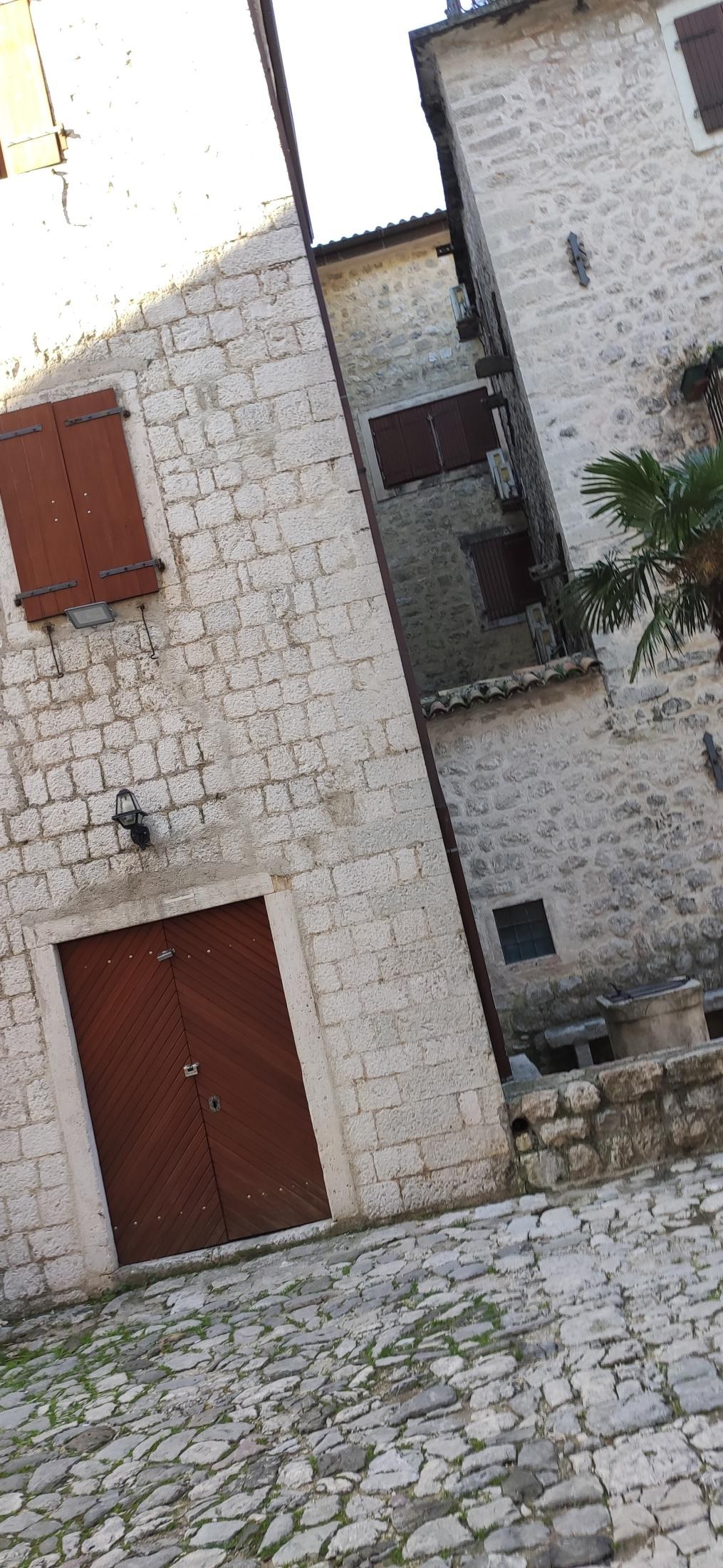
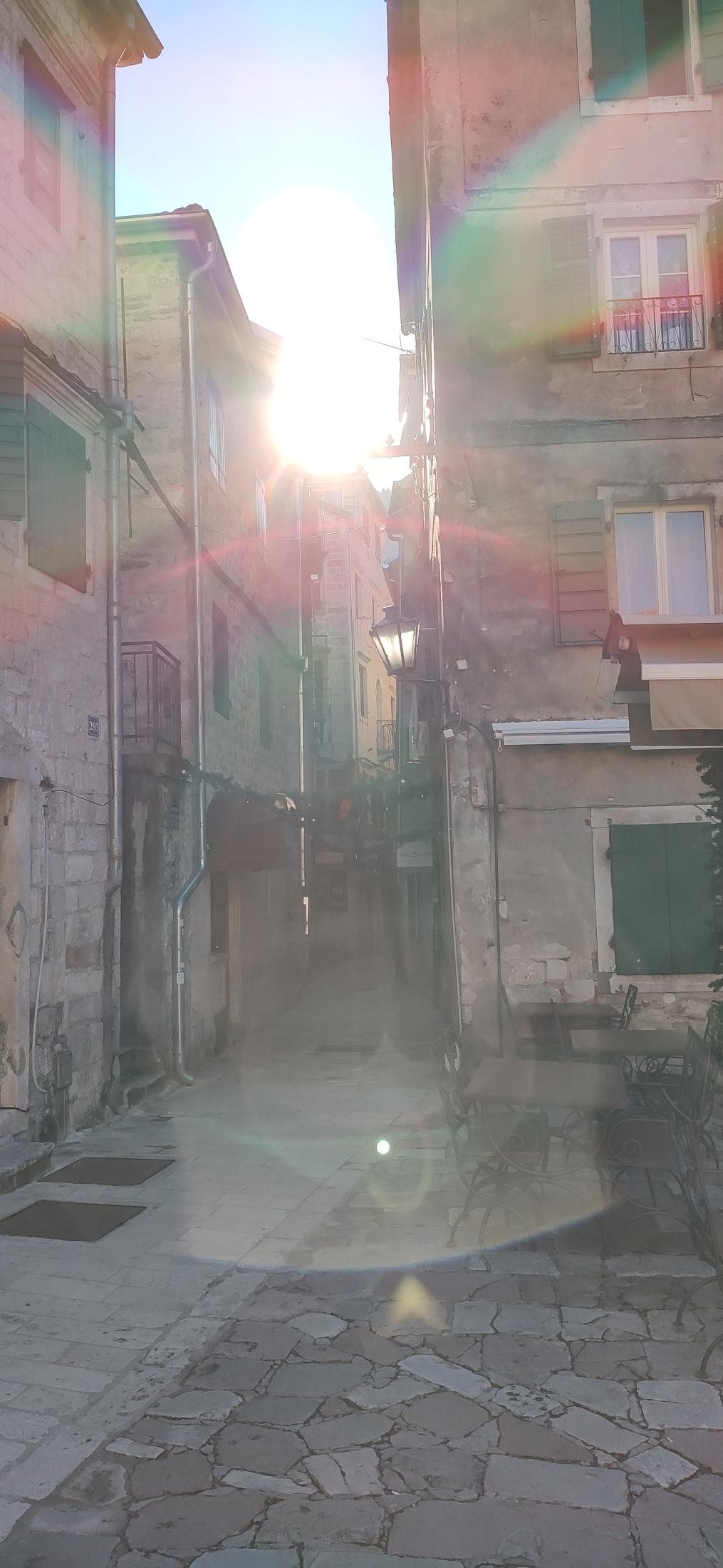
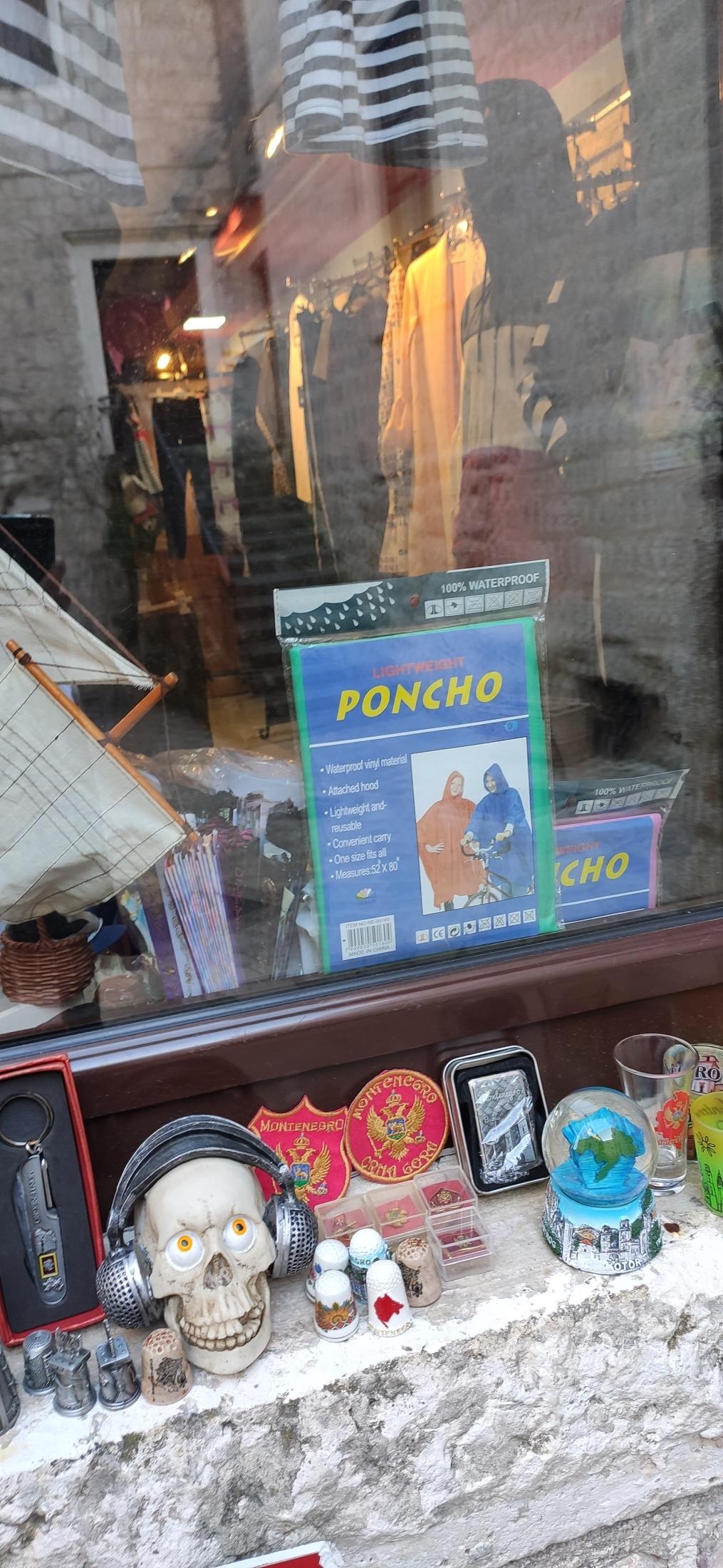
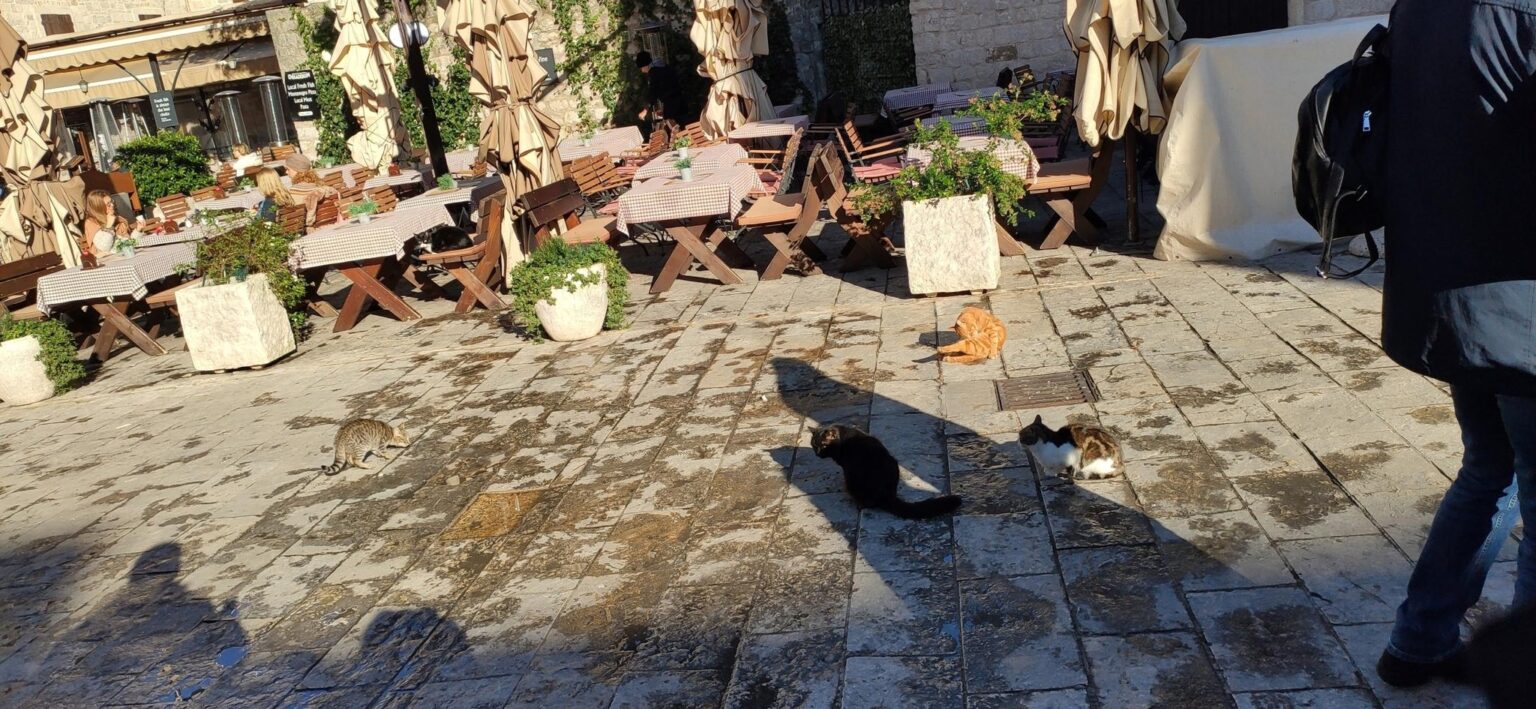
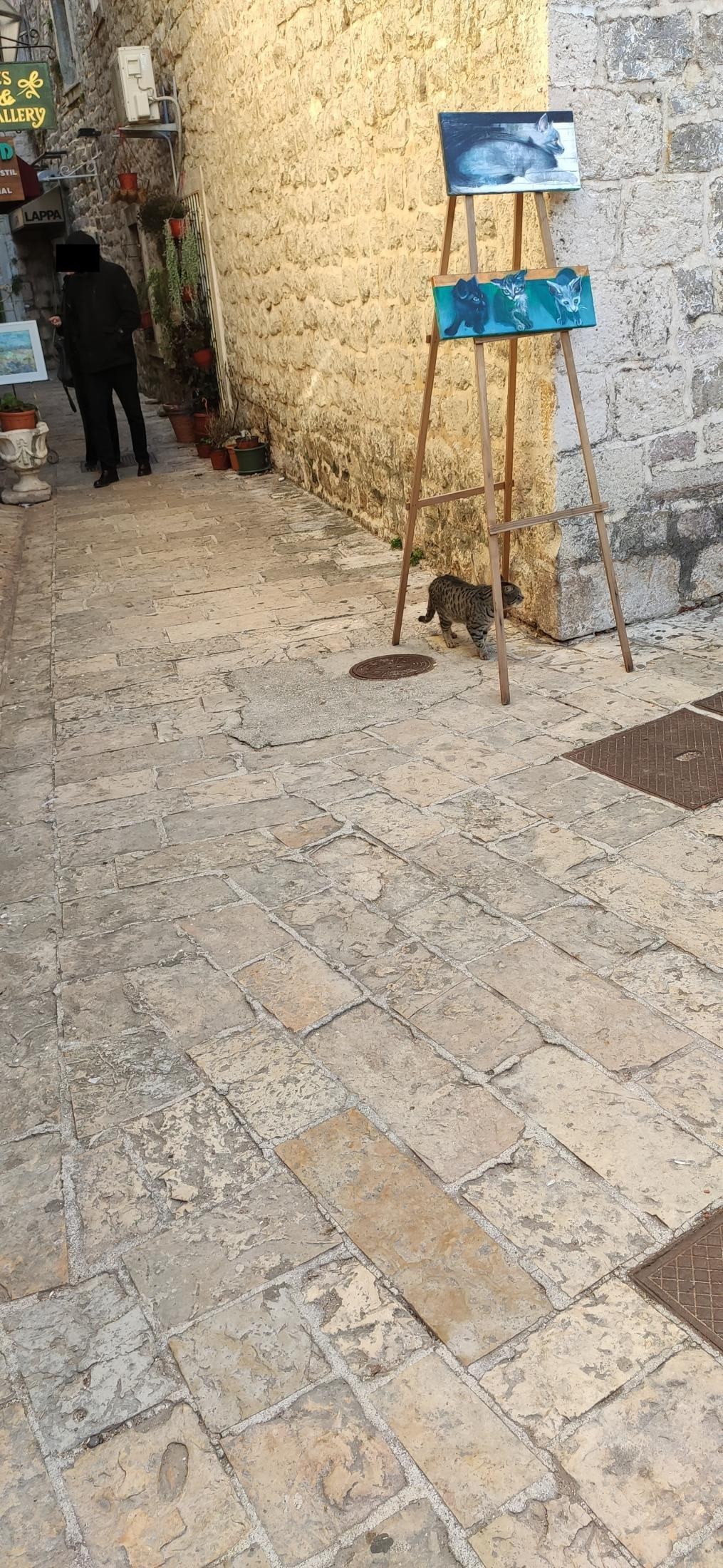
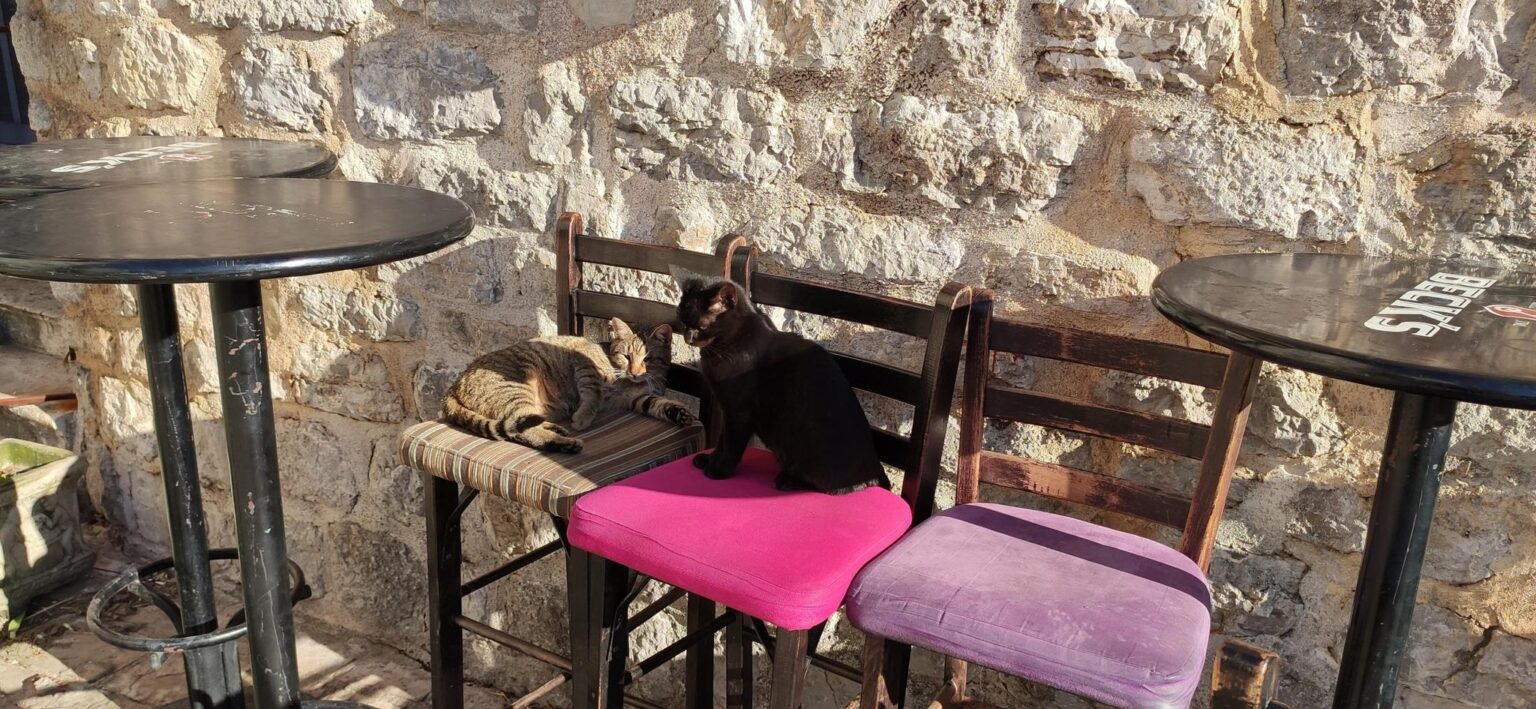
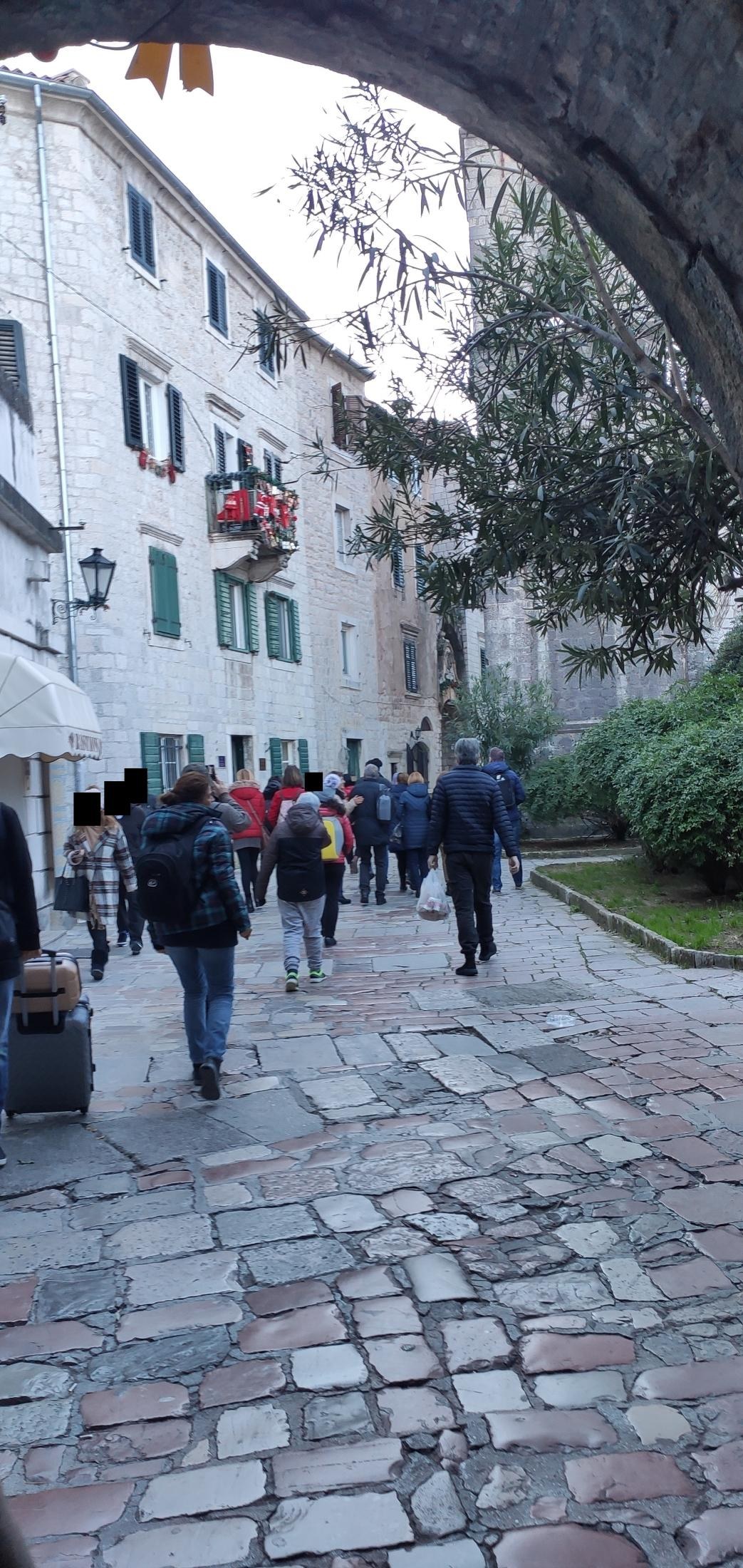
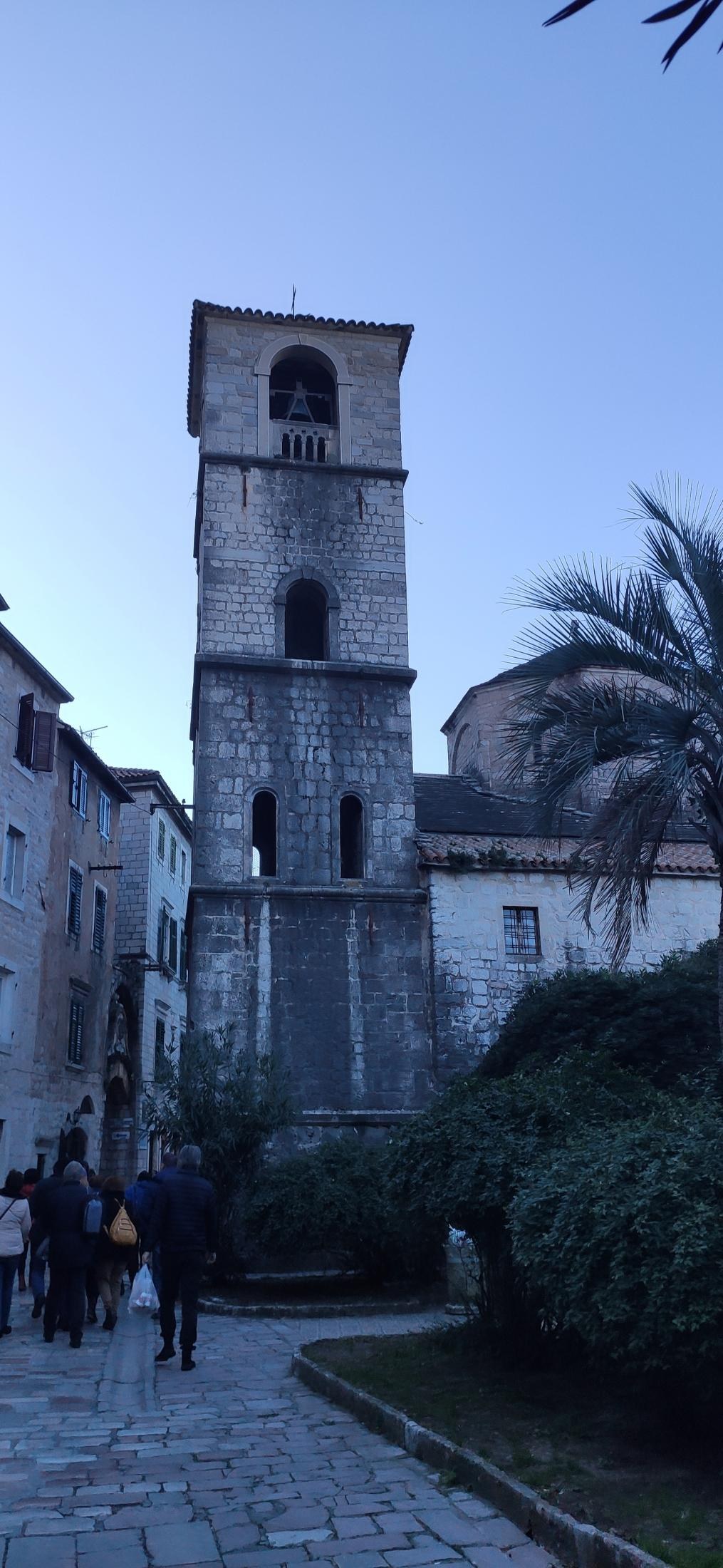
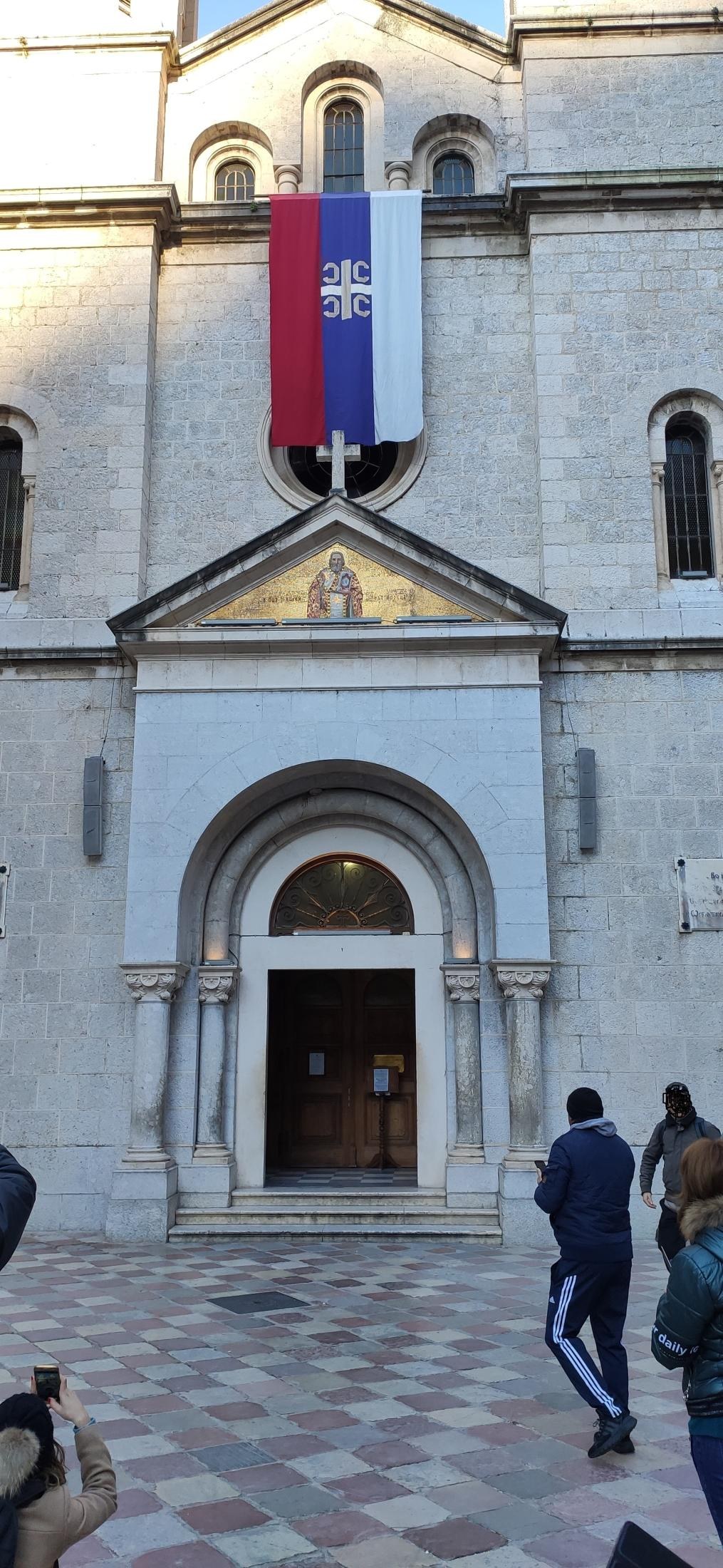
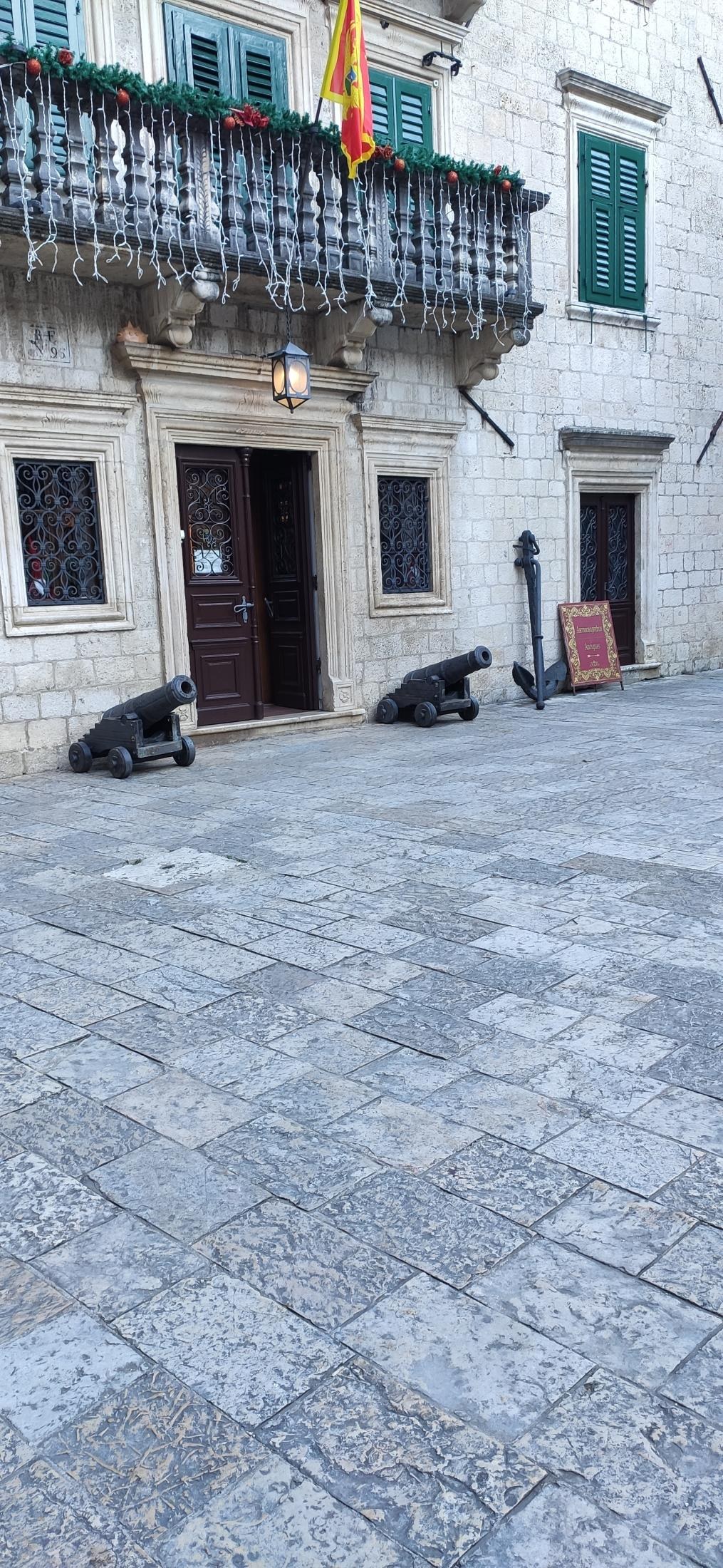
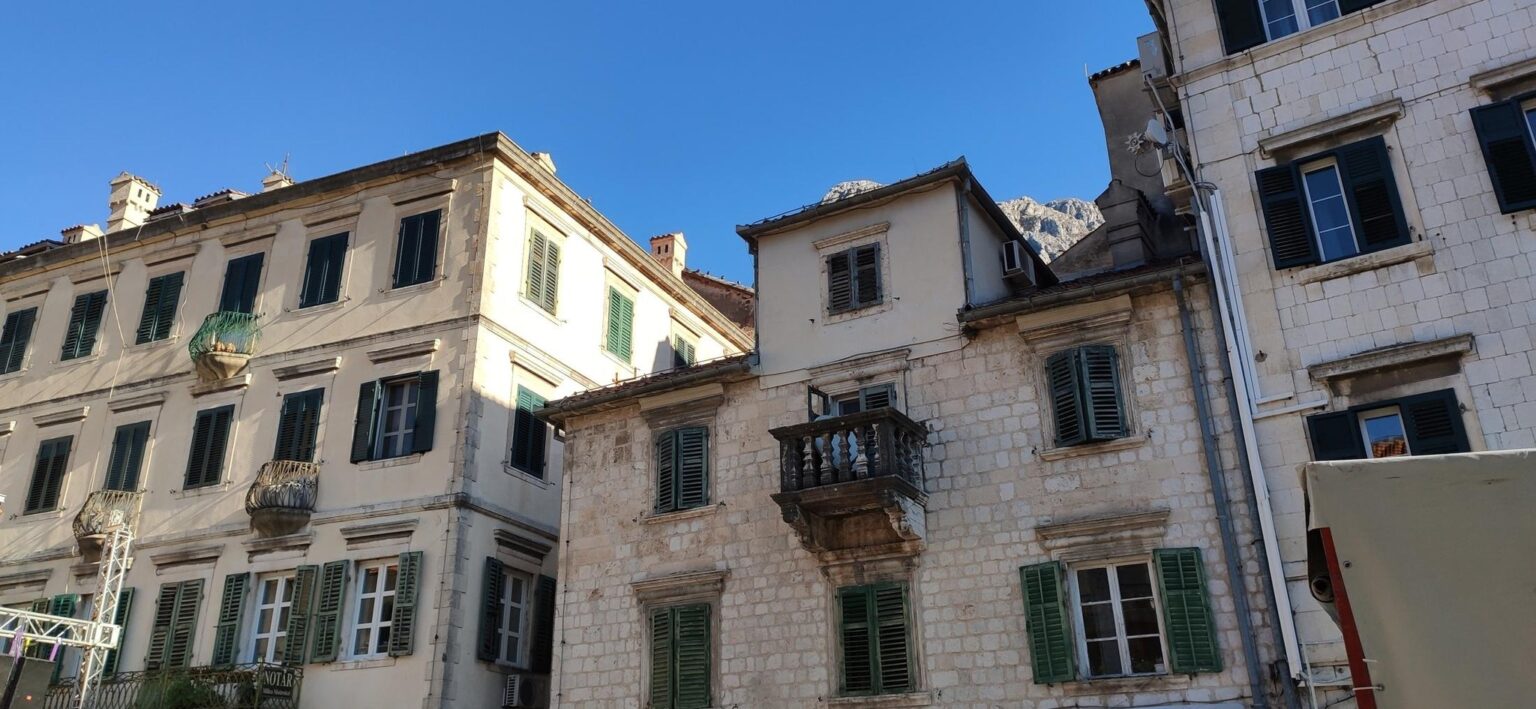
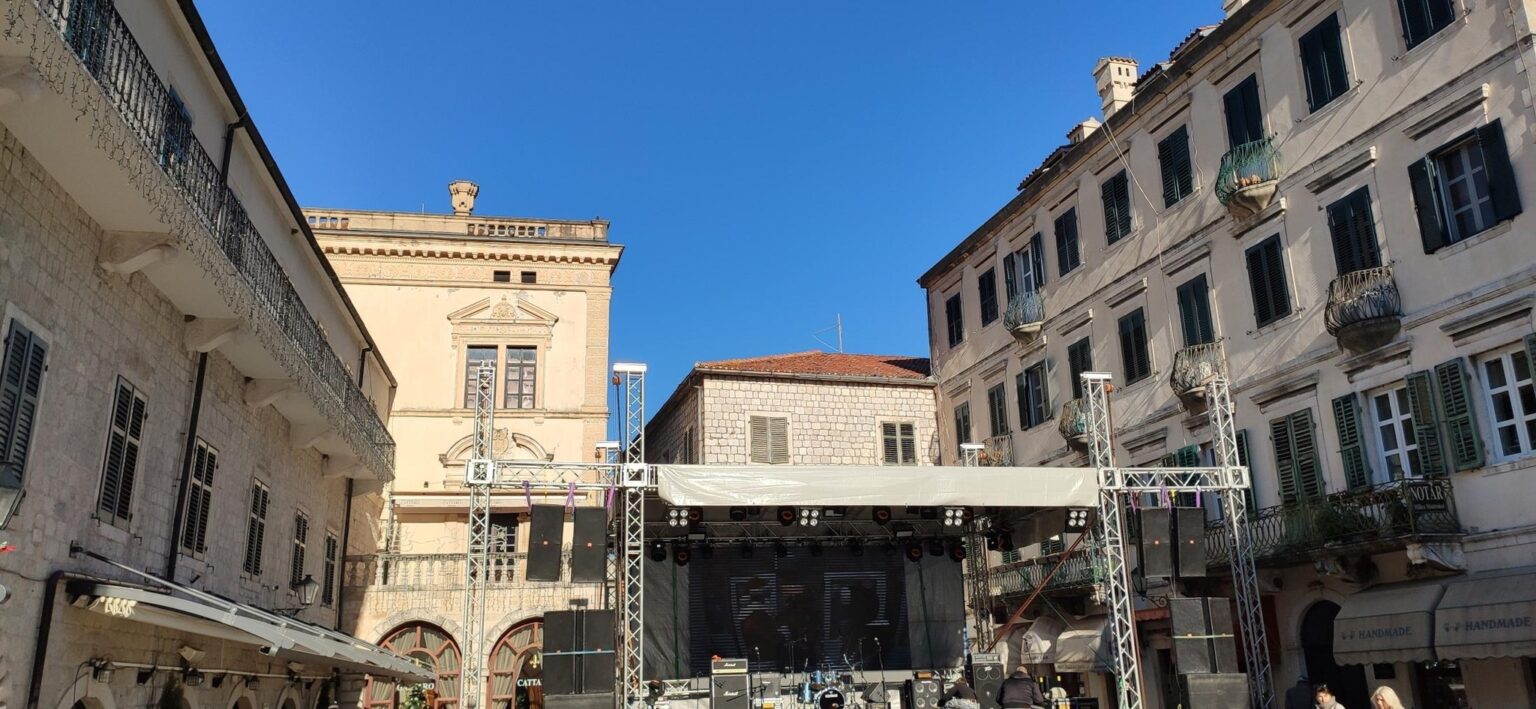
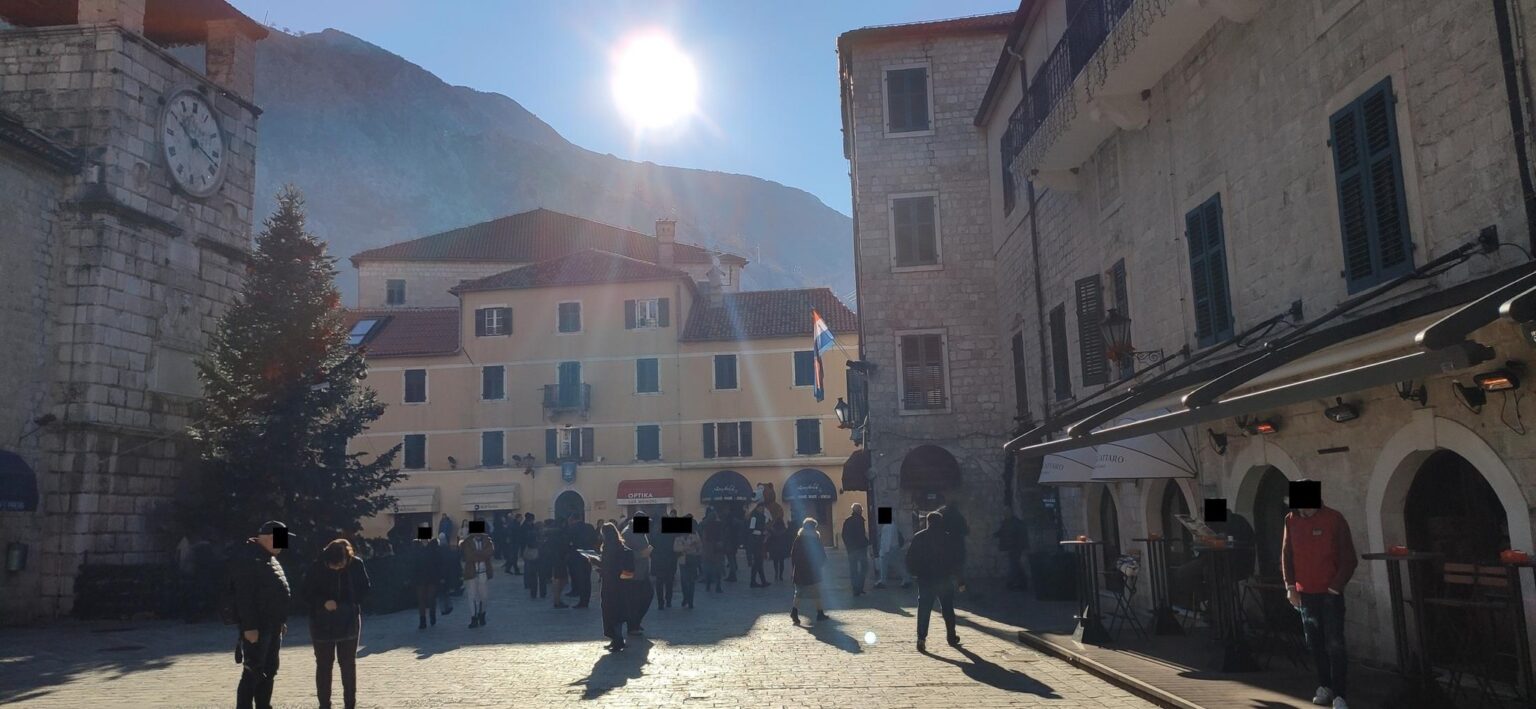
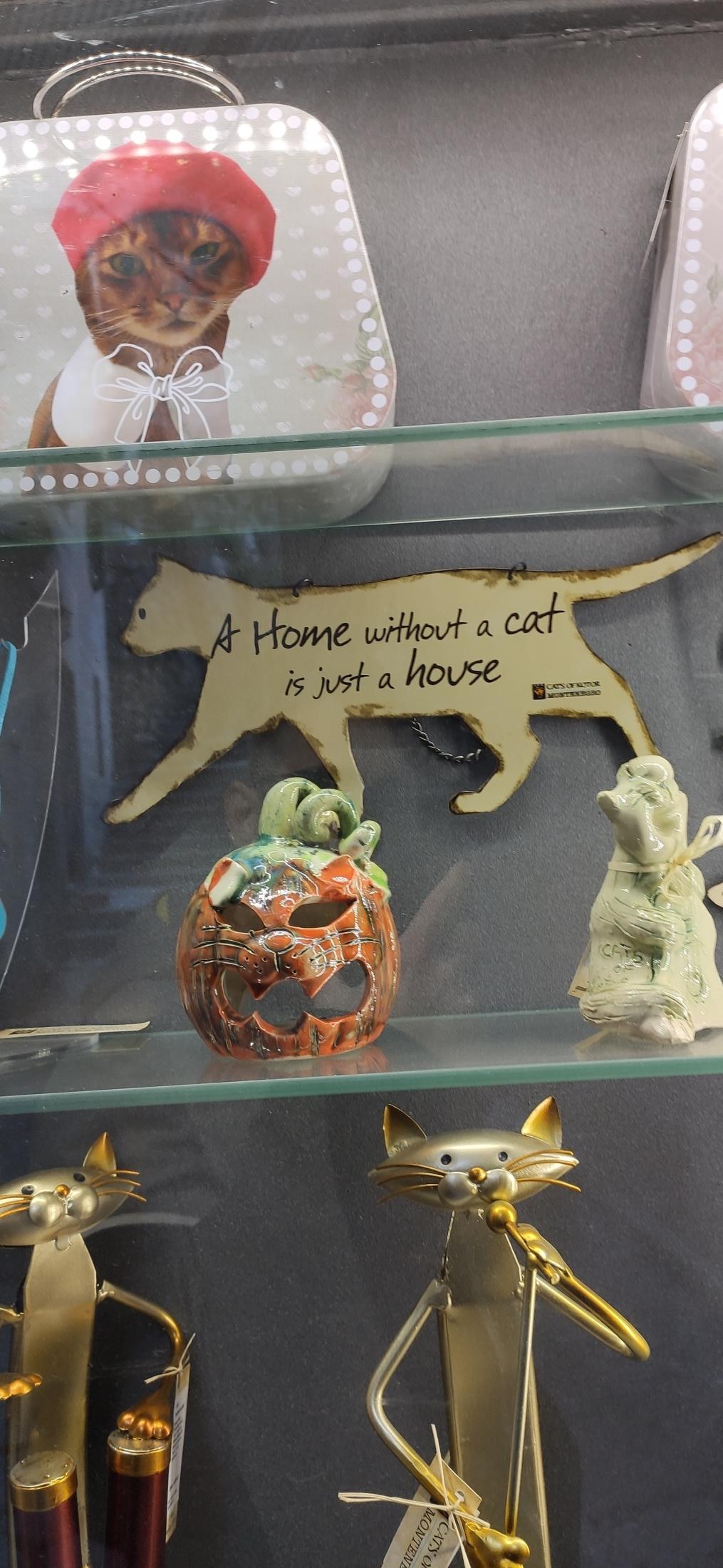
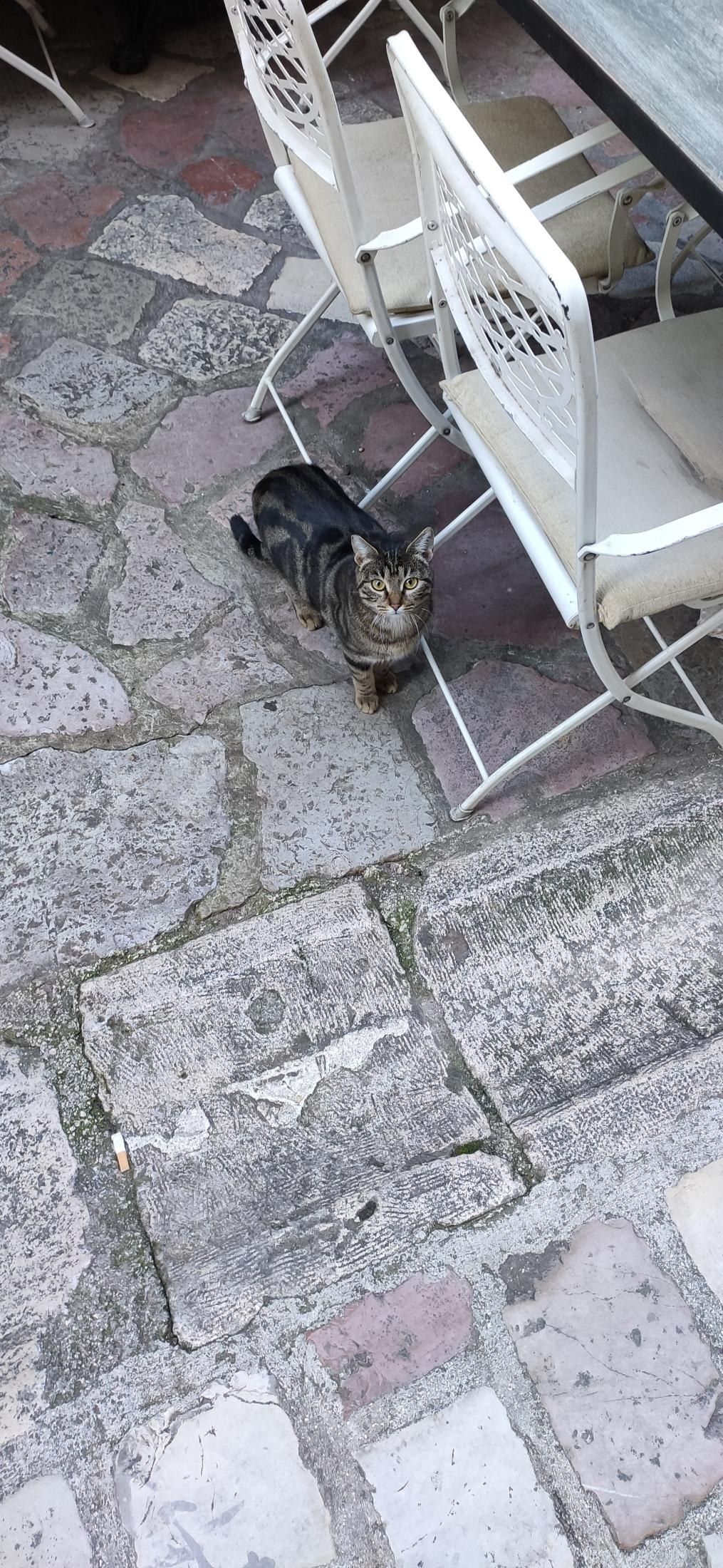
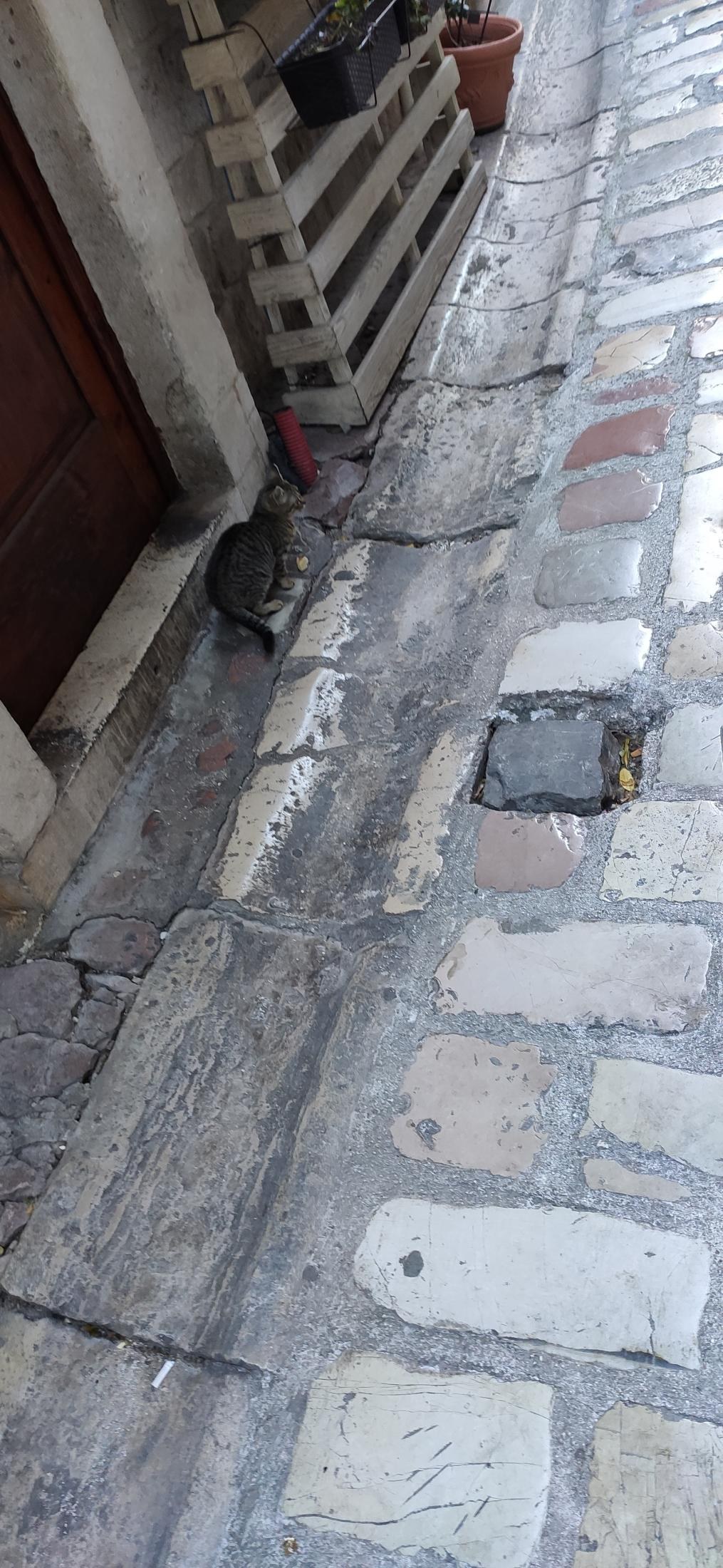
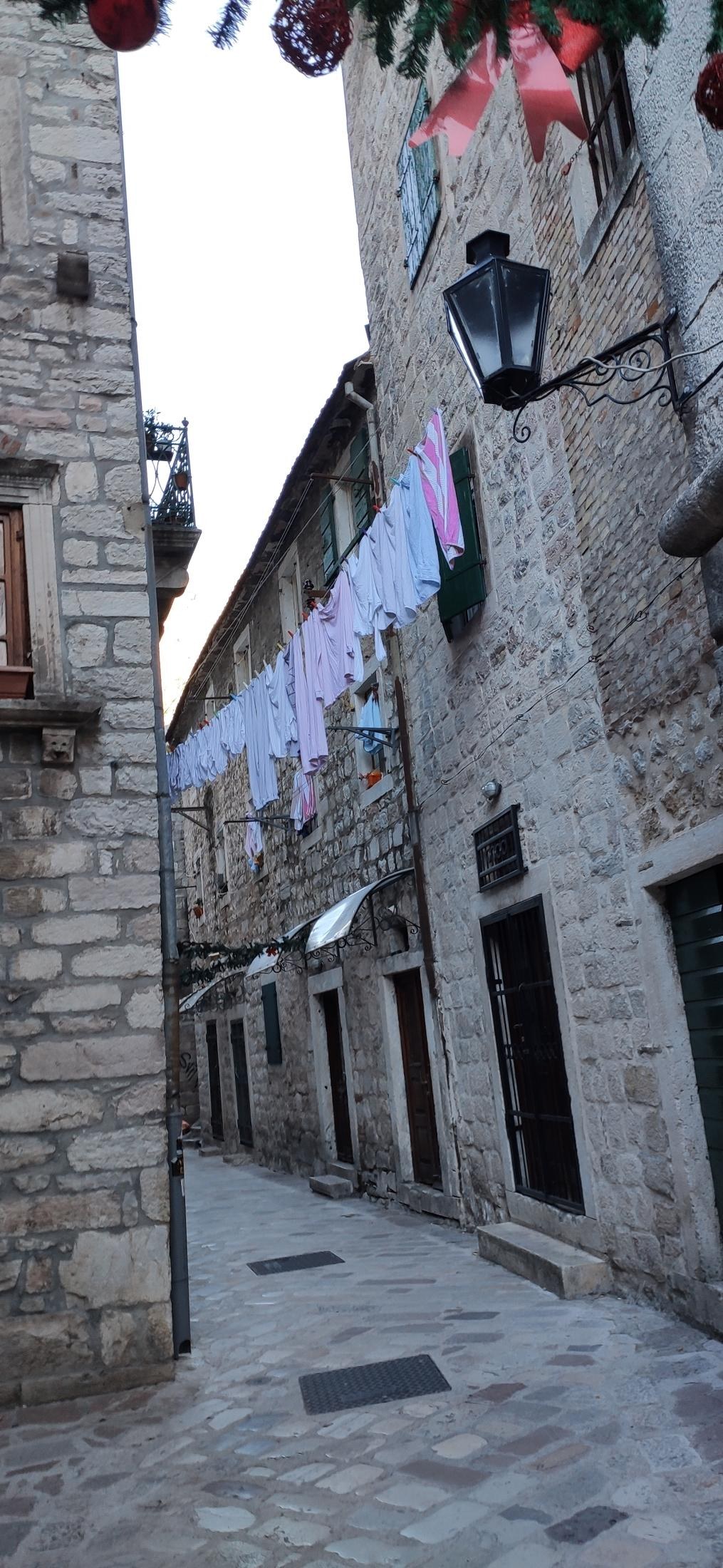
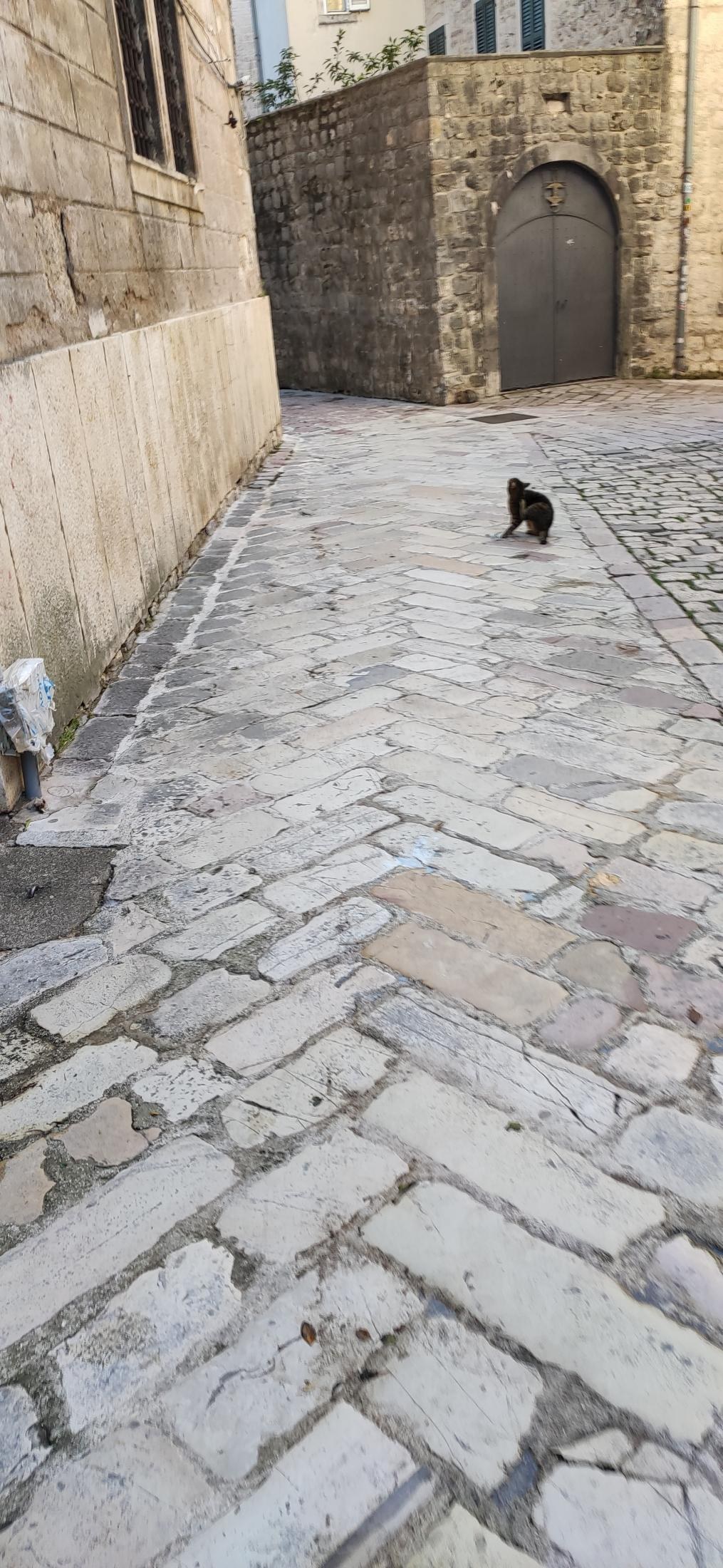
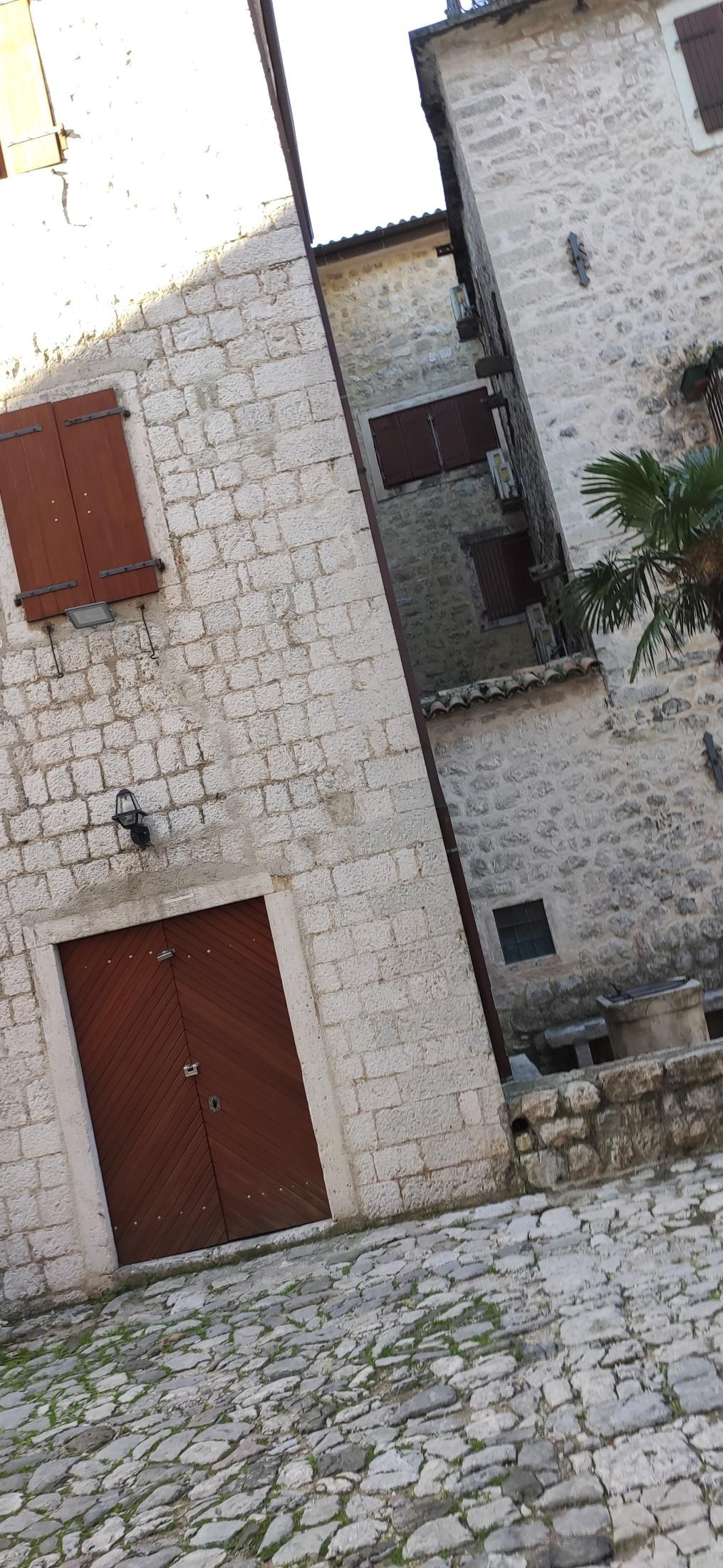
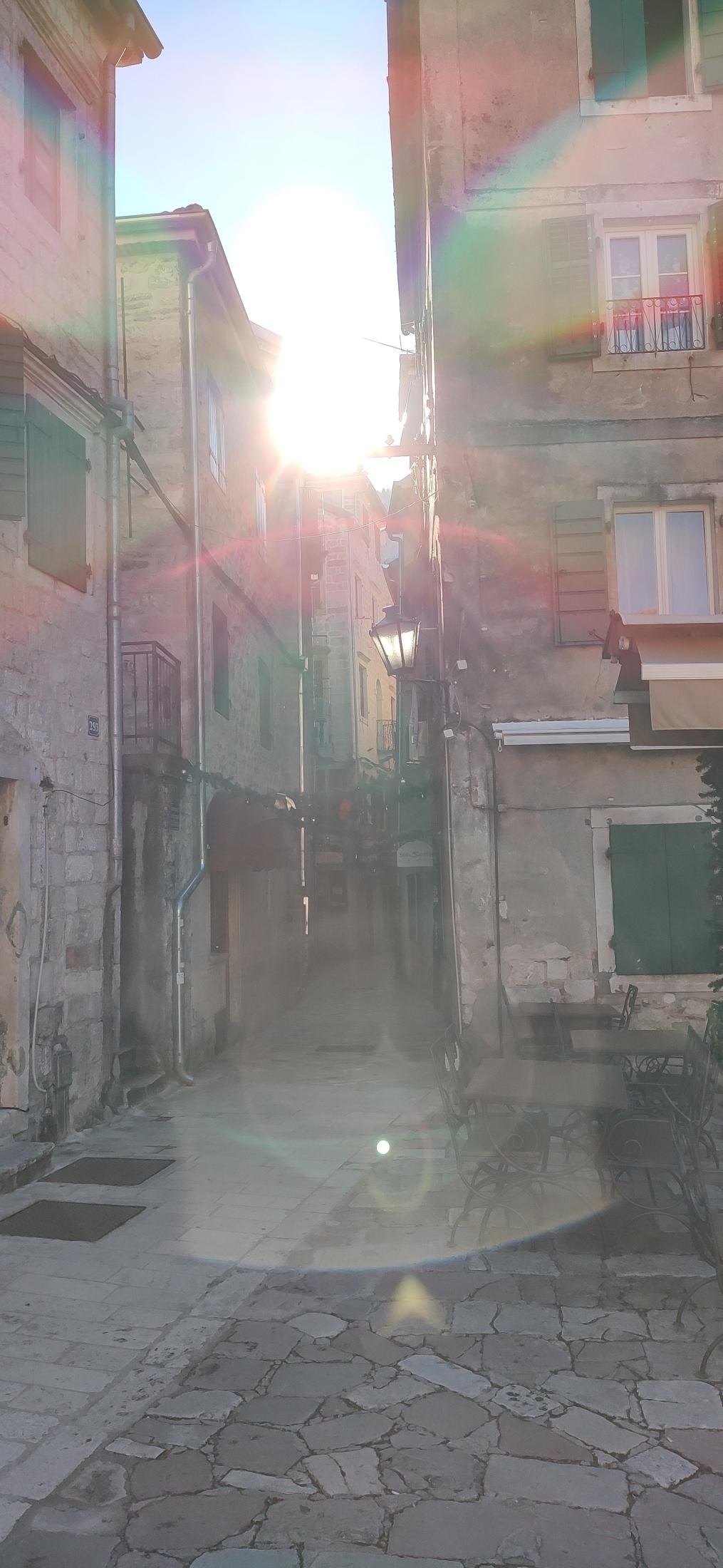
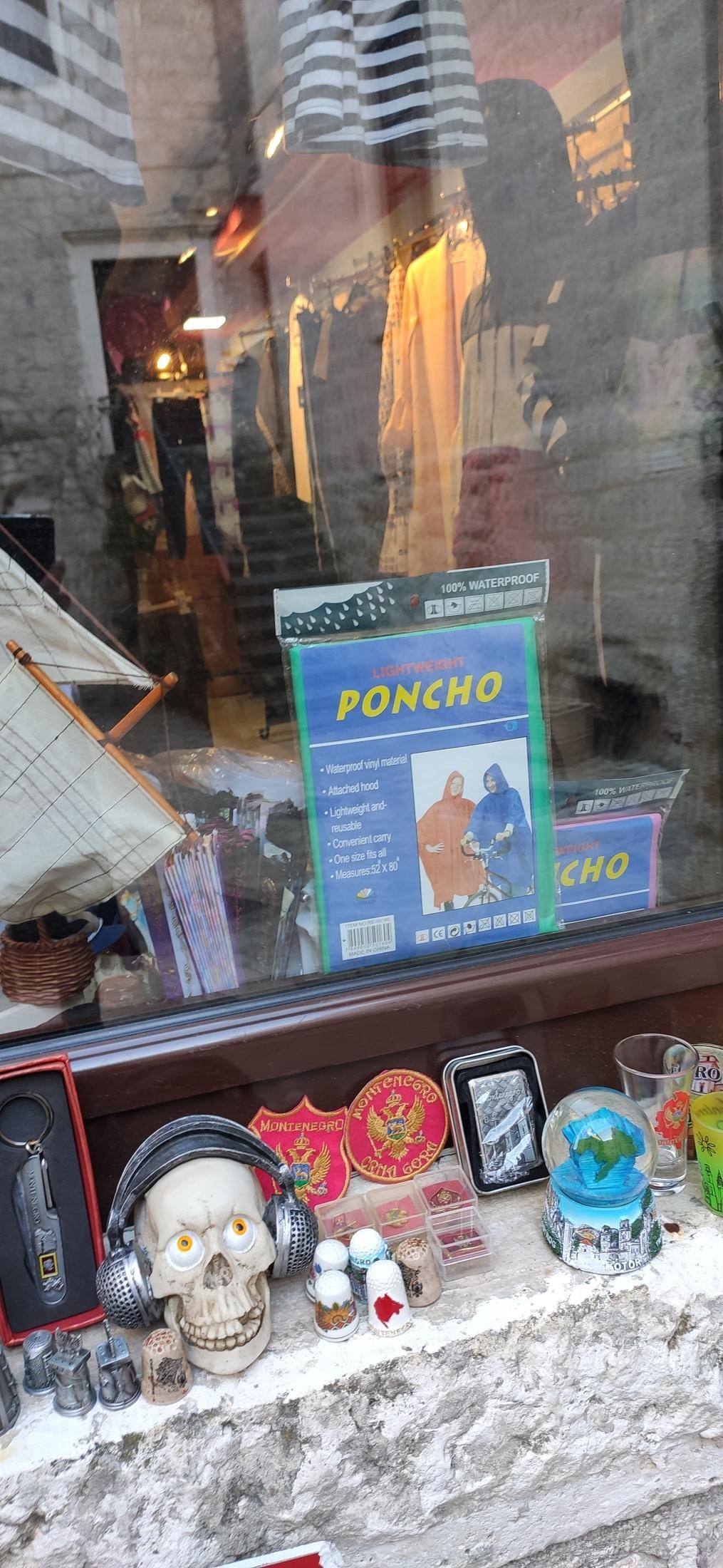
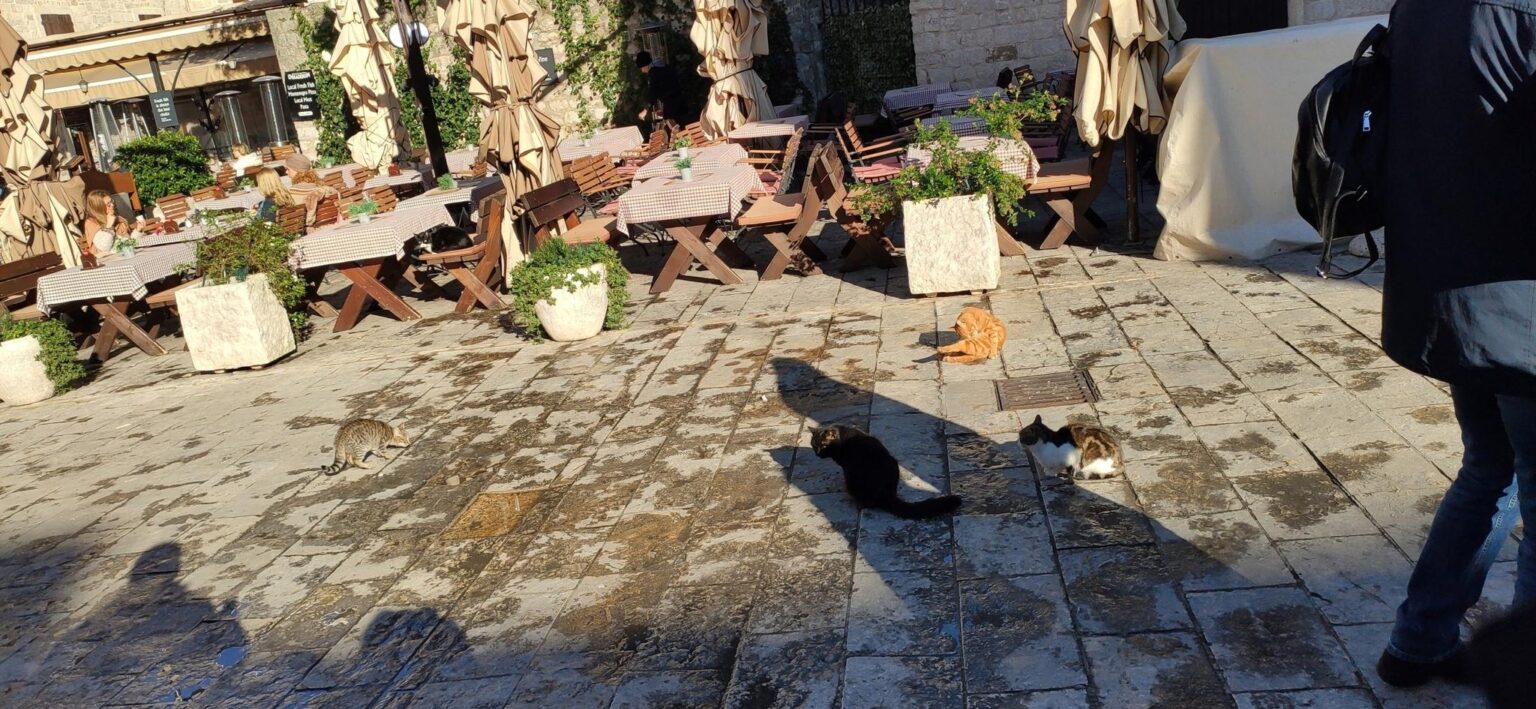
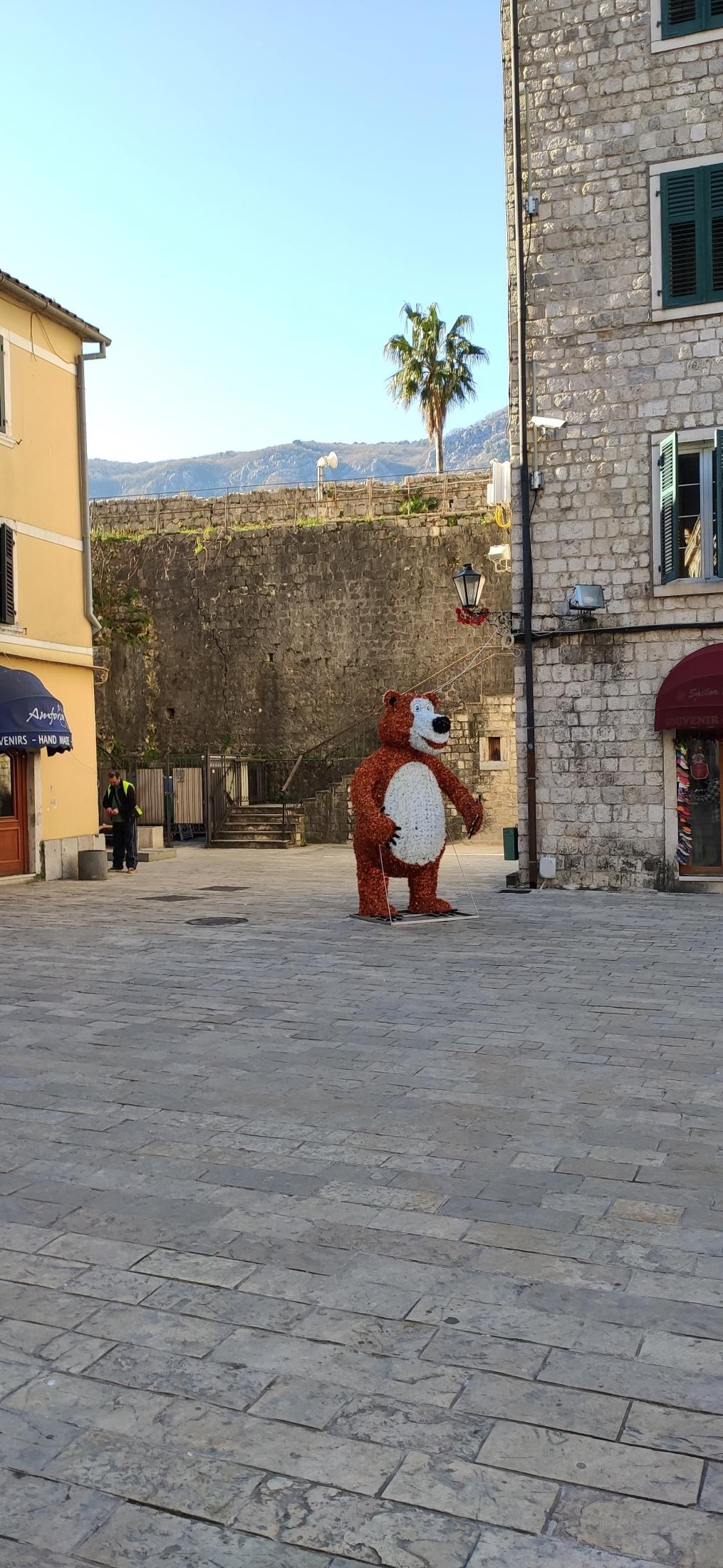
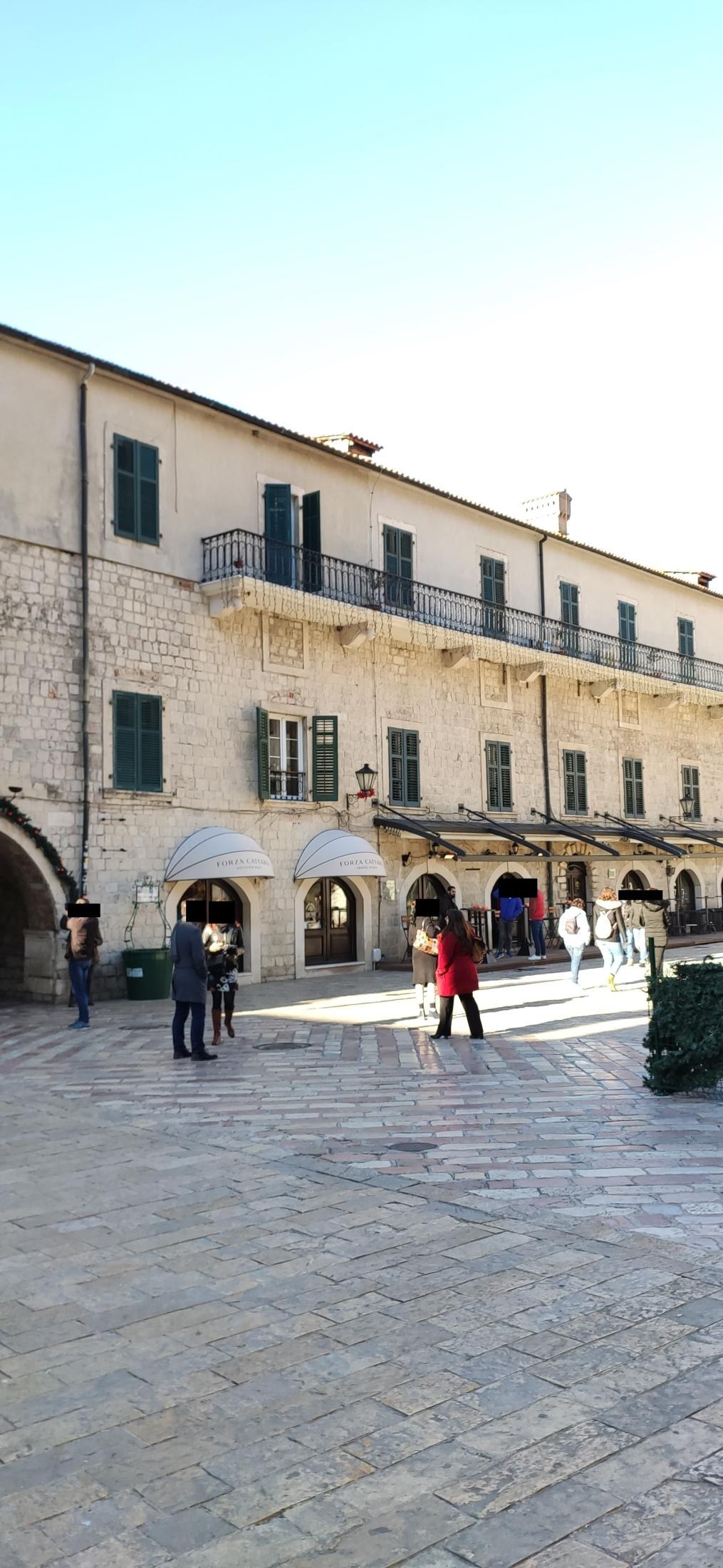
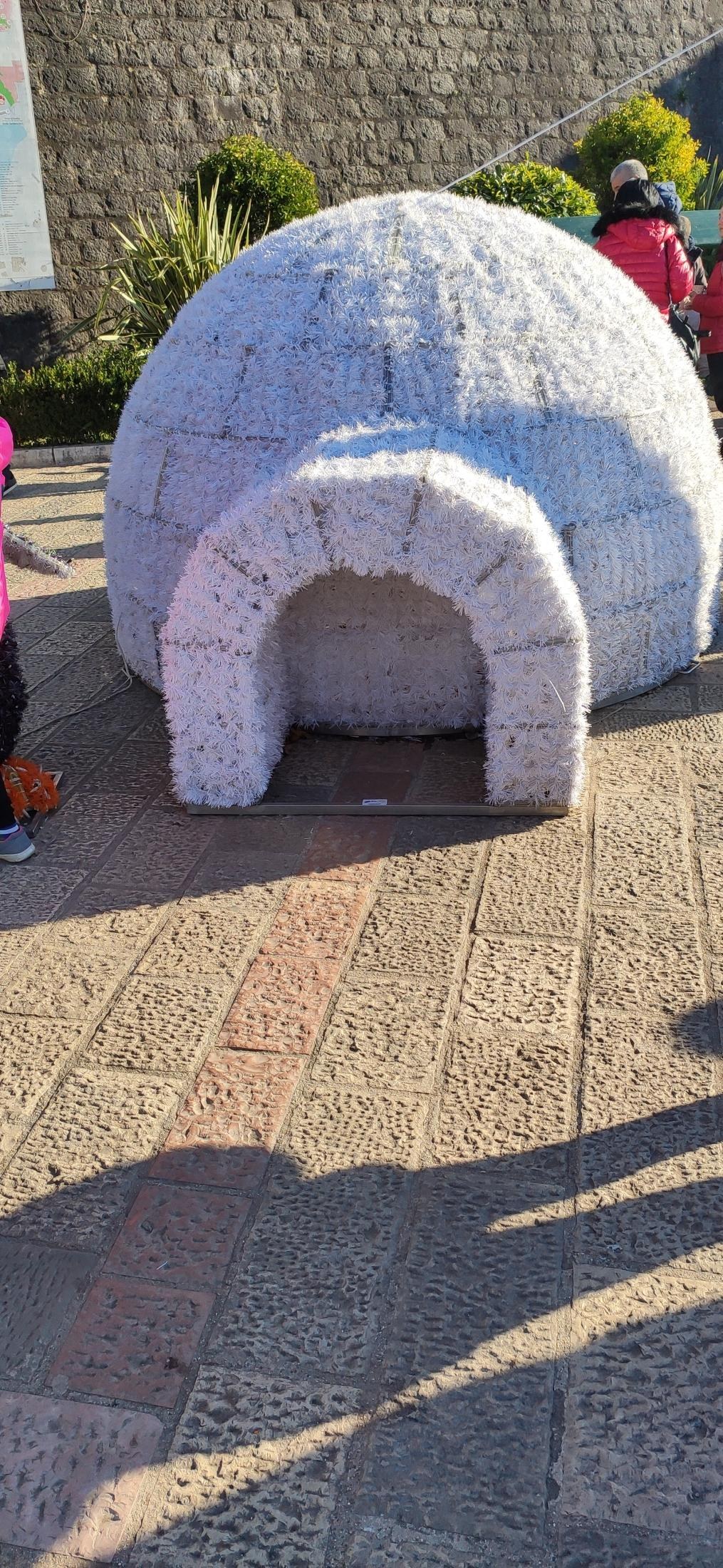
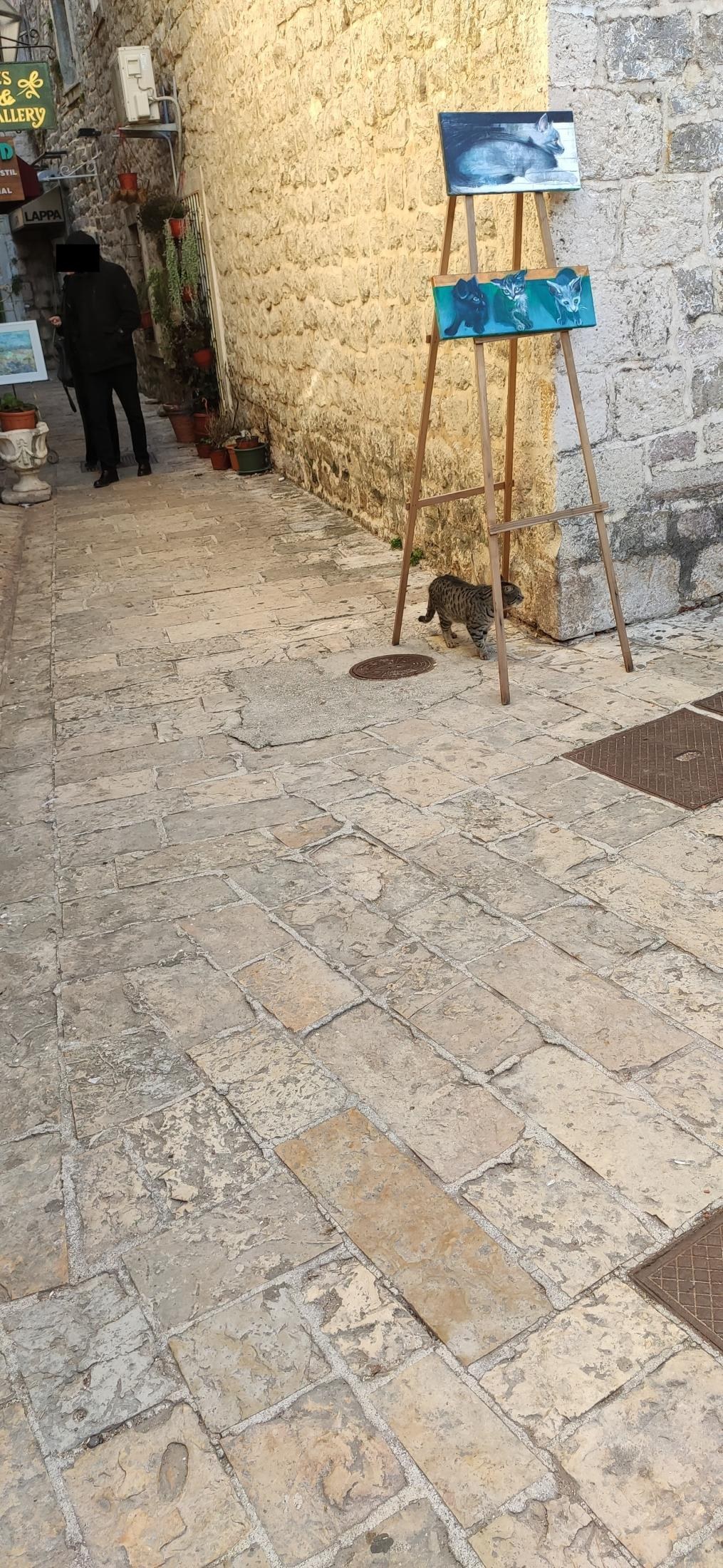
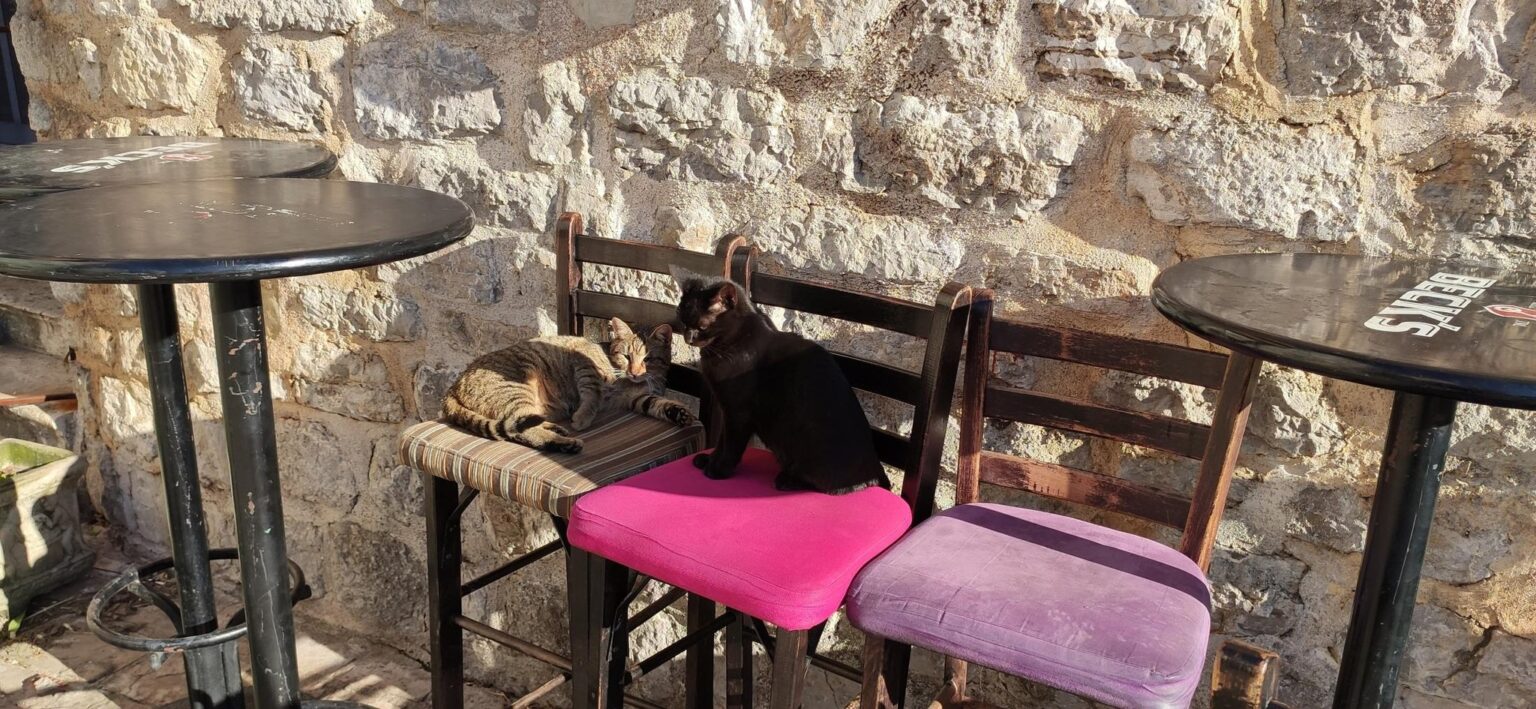
Step through the gates and you’ll feel the echo of Dubrovnik immediately, which makes sense given the shared Roman past. The similarities are there, and so is the difference: size. Size always matters, and Kotor is visibly two or three times smaller. An hour of aimless wandering will do it. There’s a cat museum, and tributes to our furry friends everywhere.
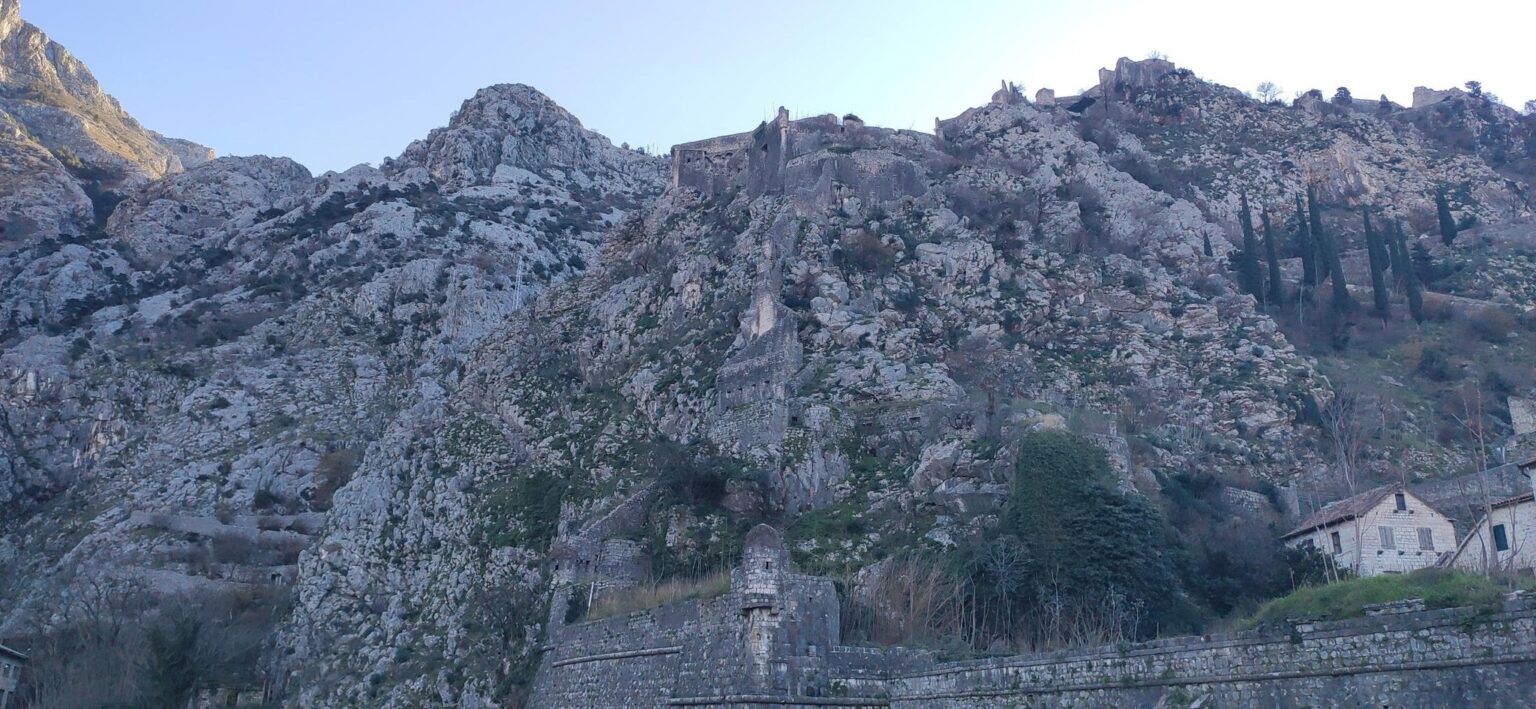
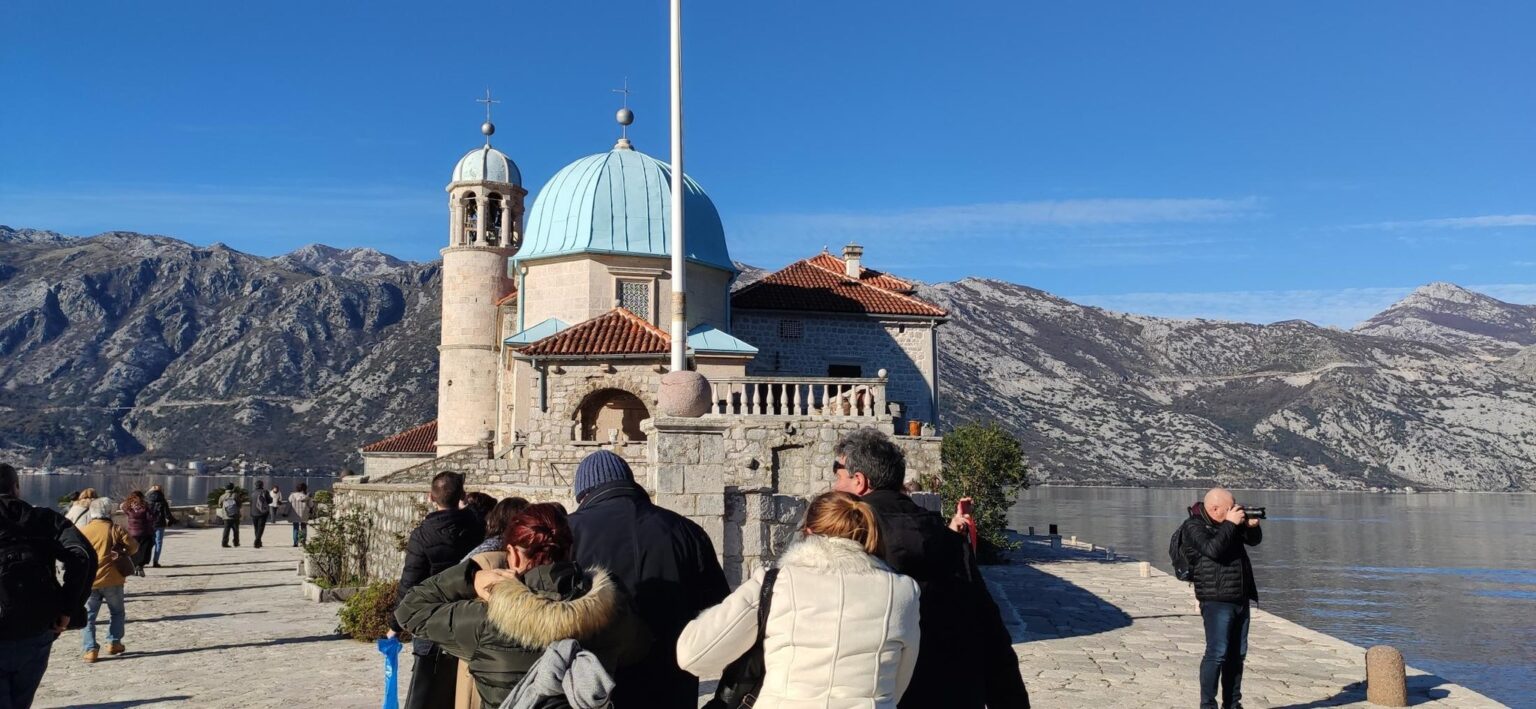
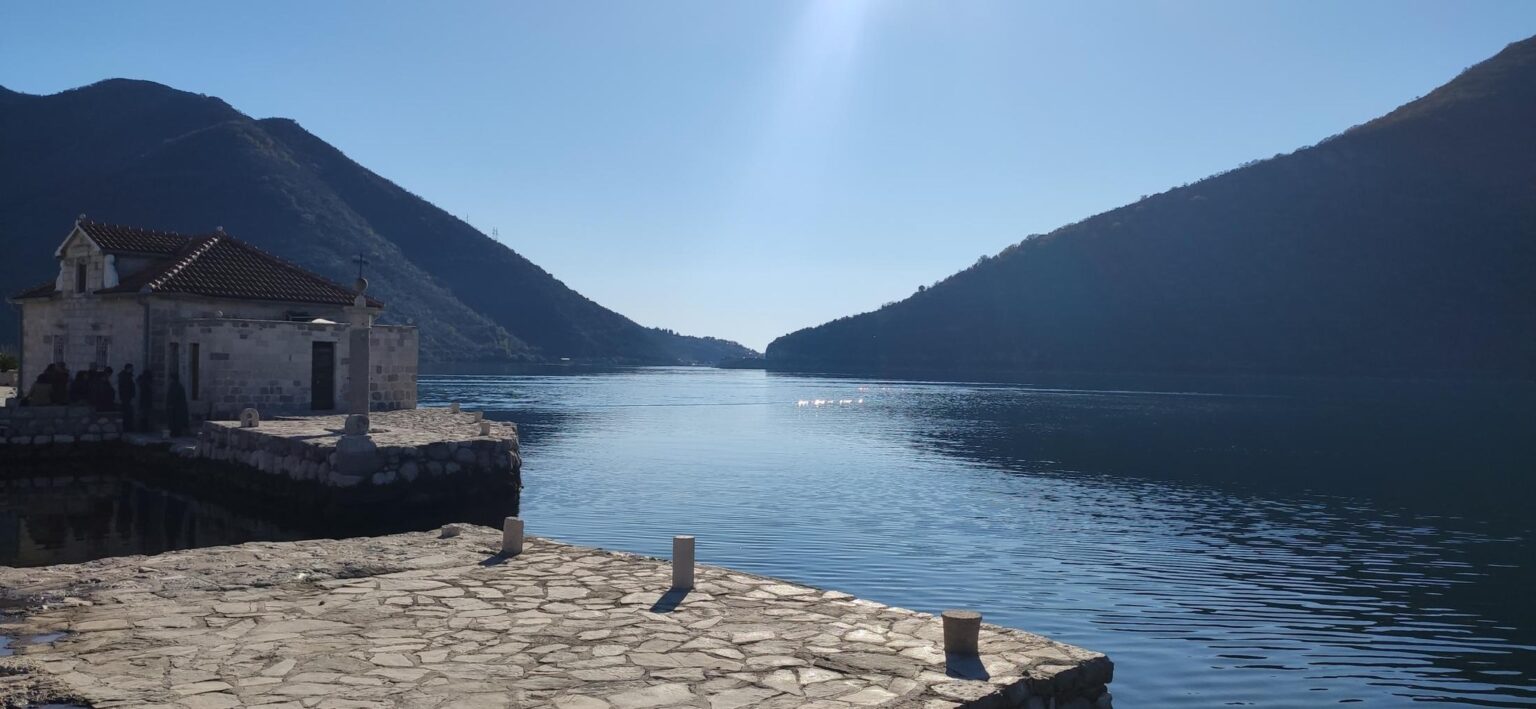
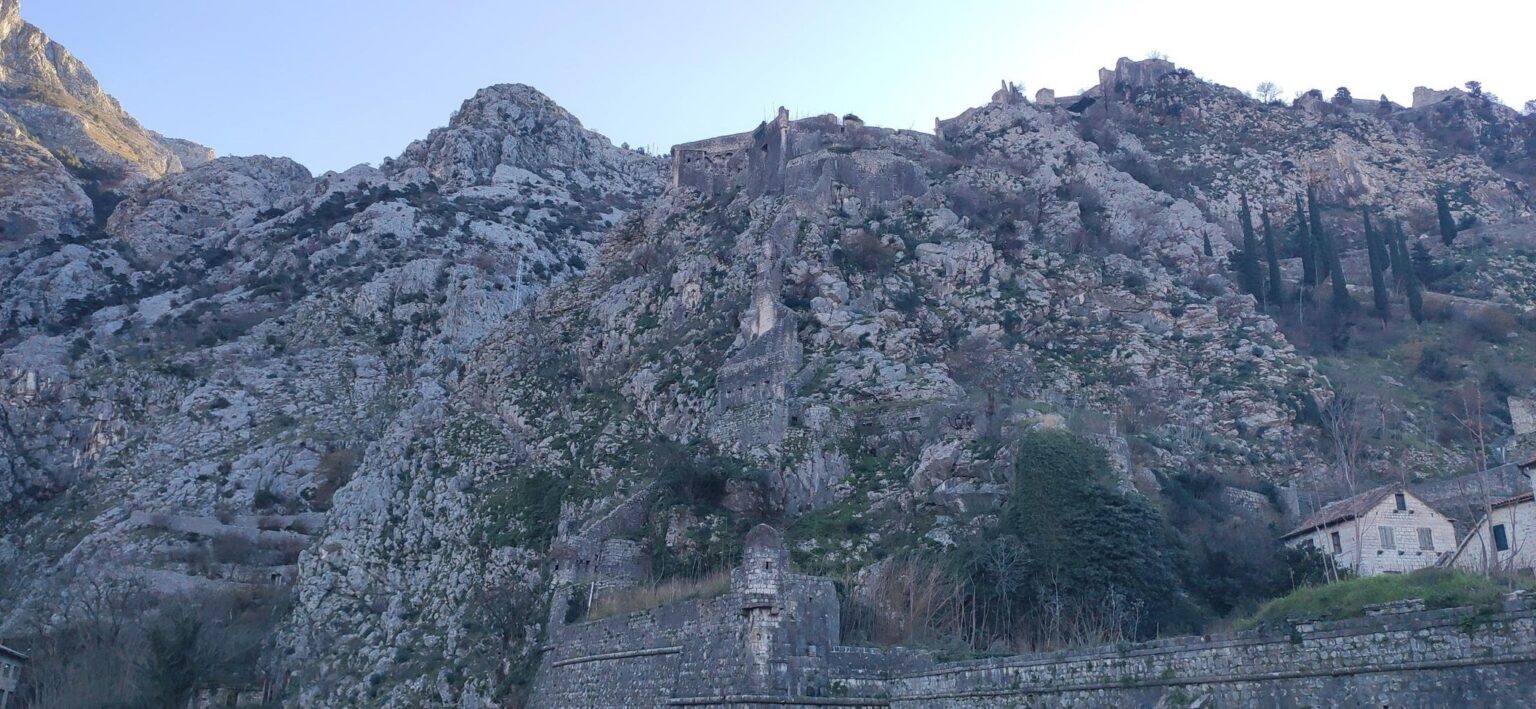
Now, the operator offers an extra trip for €15 — a boat out to Gospa od Škrpjela, a church on an islet in the Bay of Kotor. The alternative is a demanding path with a serious climb up to the Church of Our Lady of Remedy above the town. It’s under a kilometre, so roughly 30 minutes each way, but you’ll spend the whole climb worrying about whether you’ll make it back in time if you’ve booked the boat.
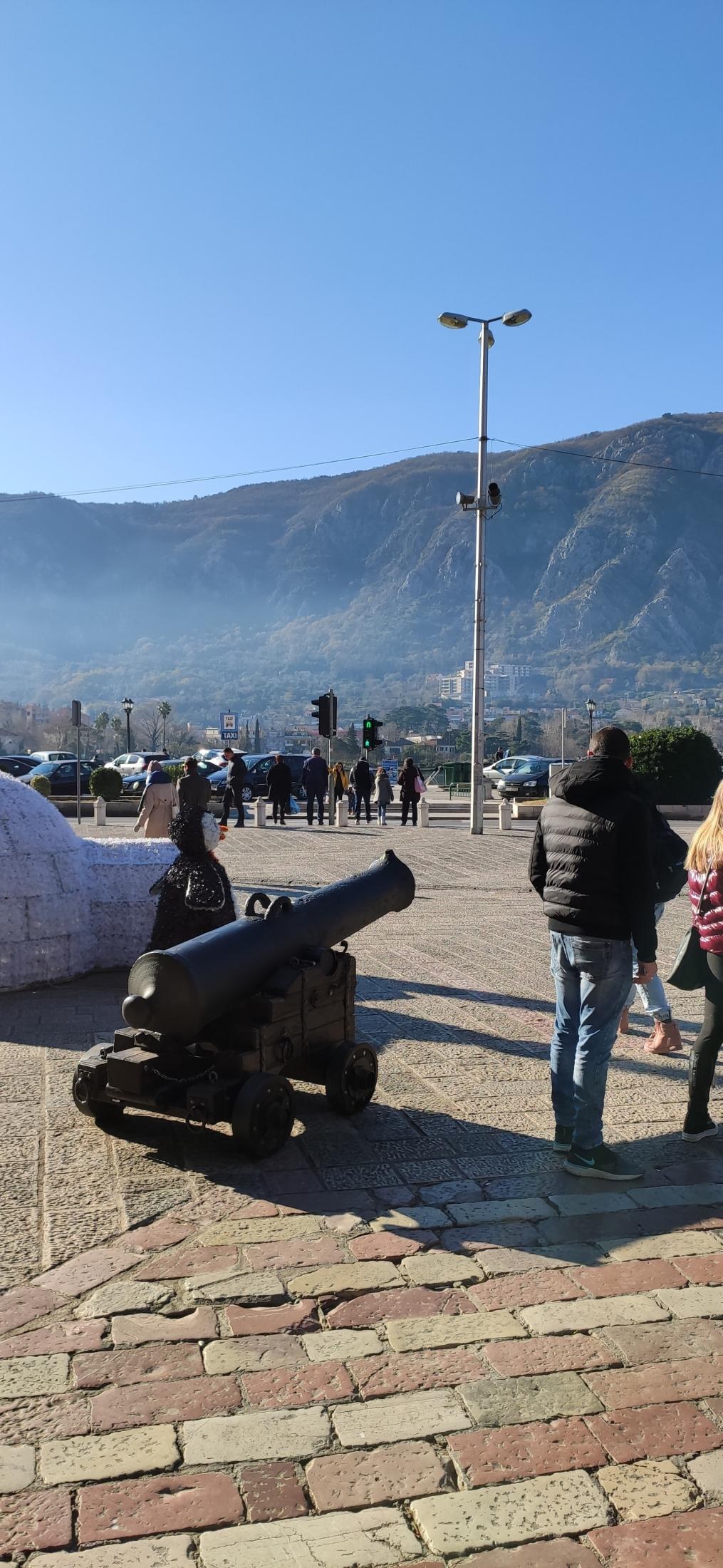
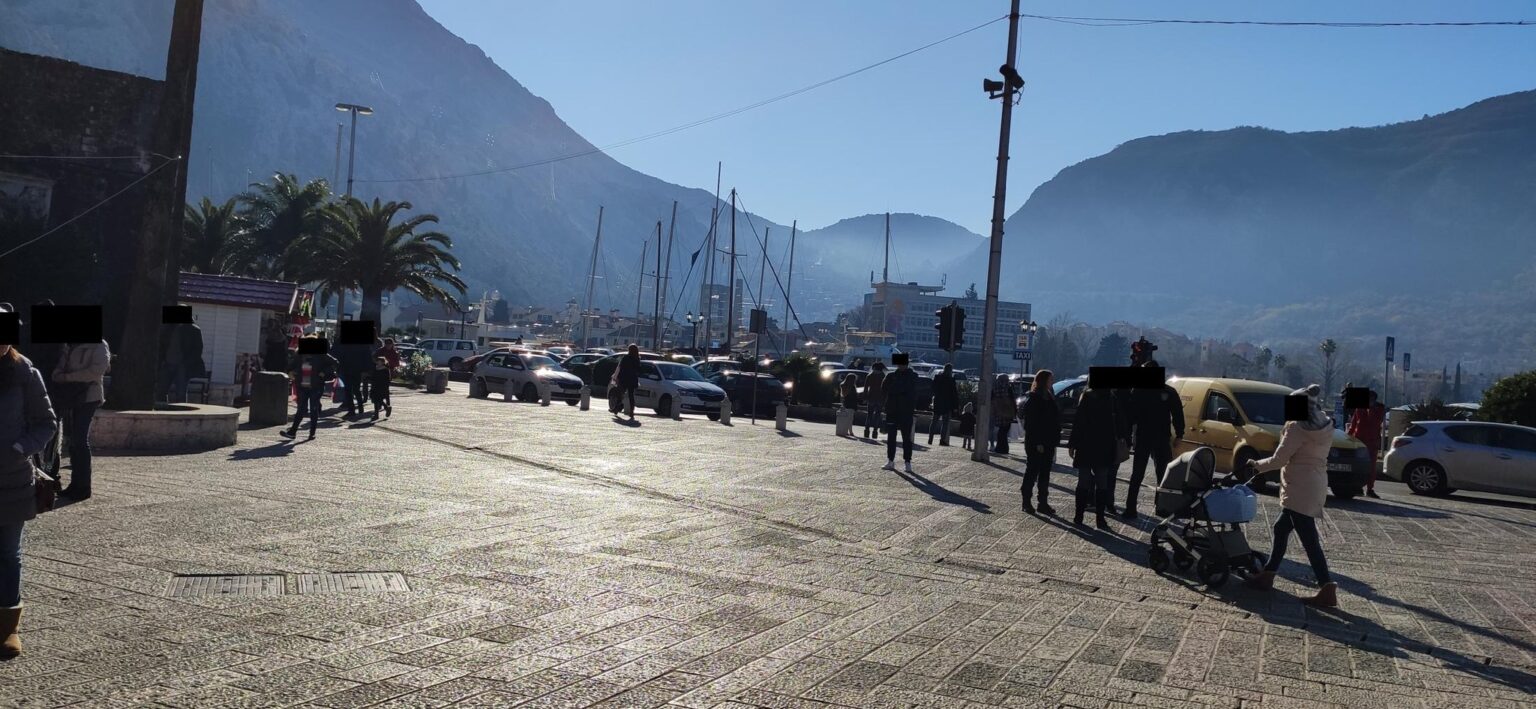
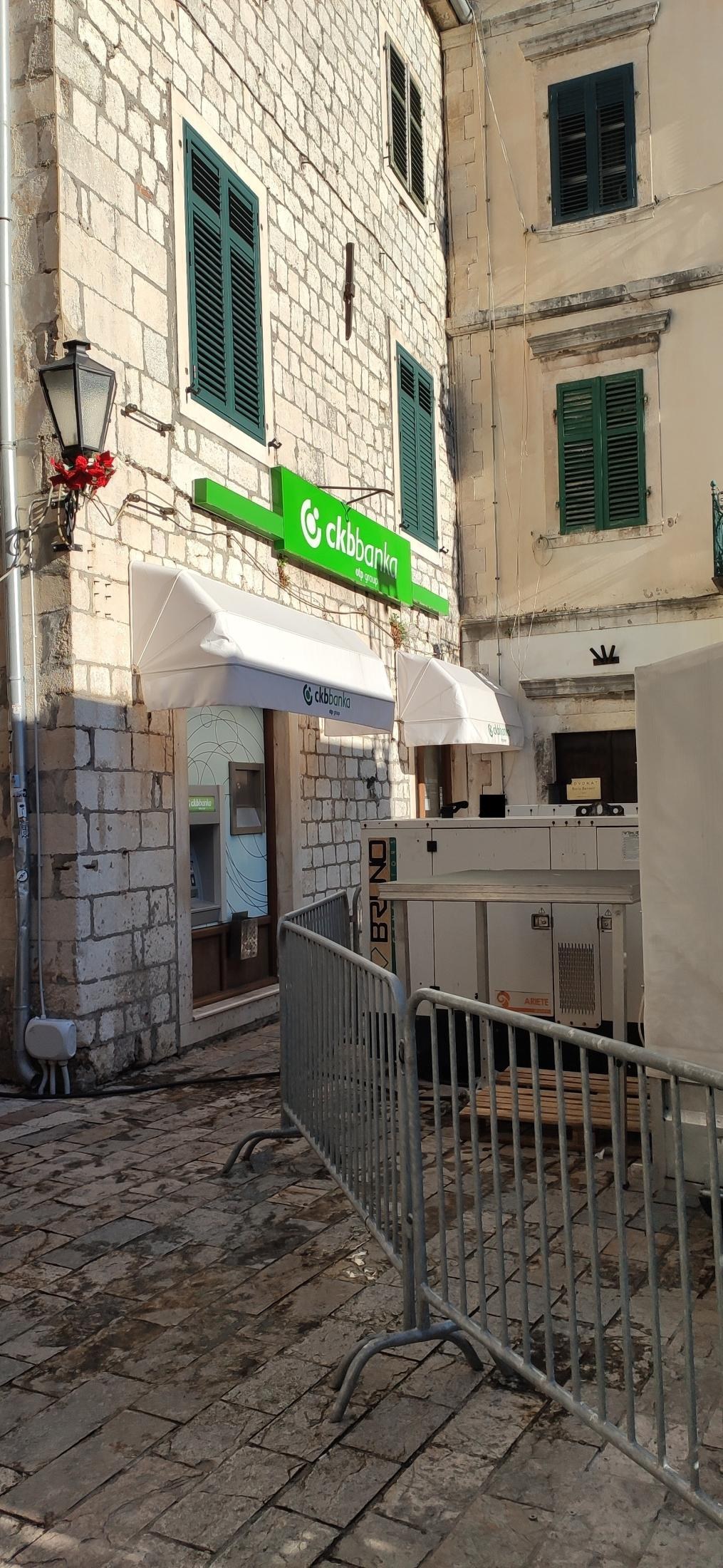
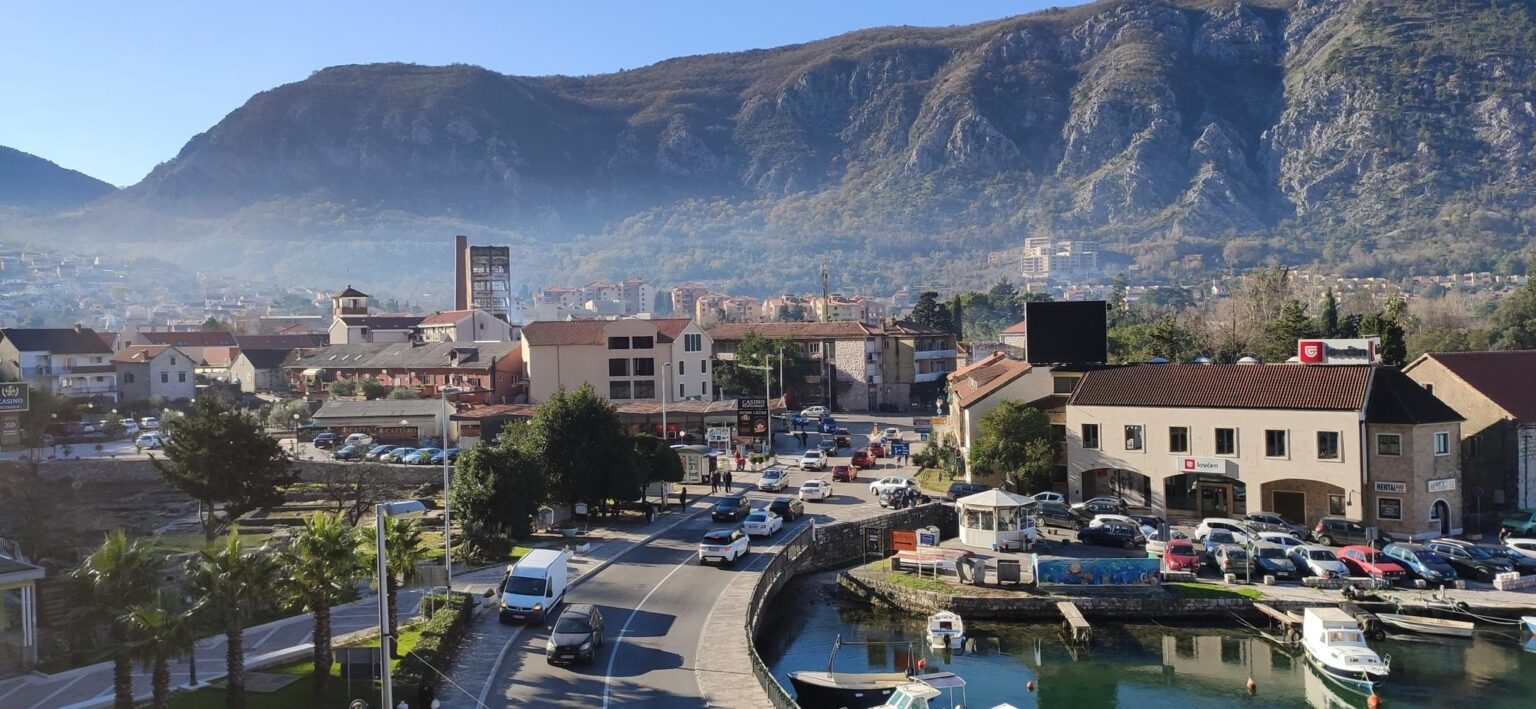
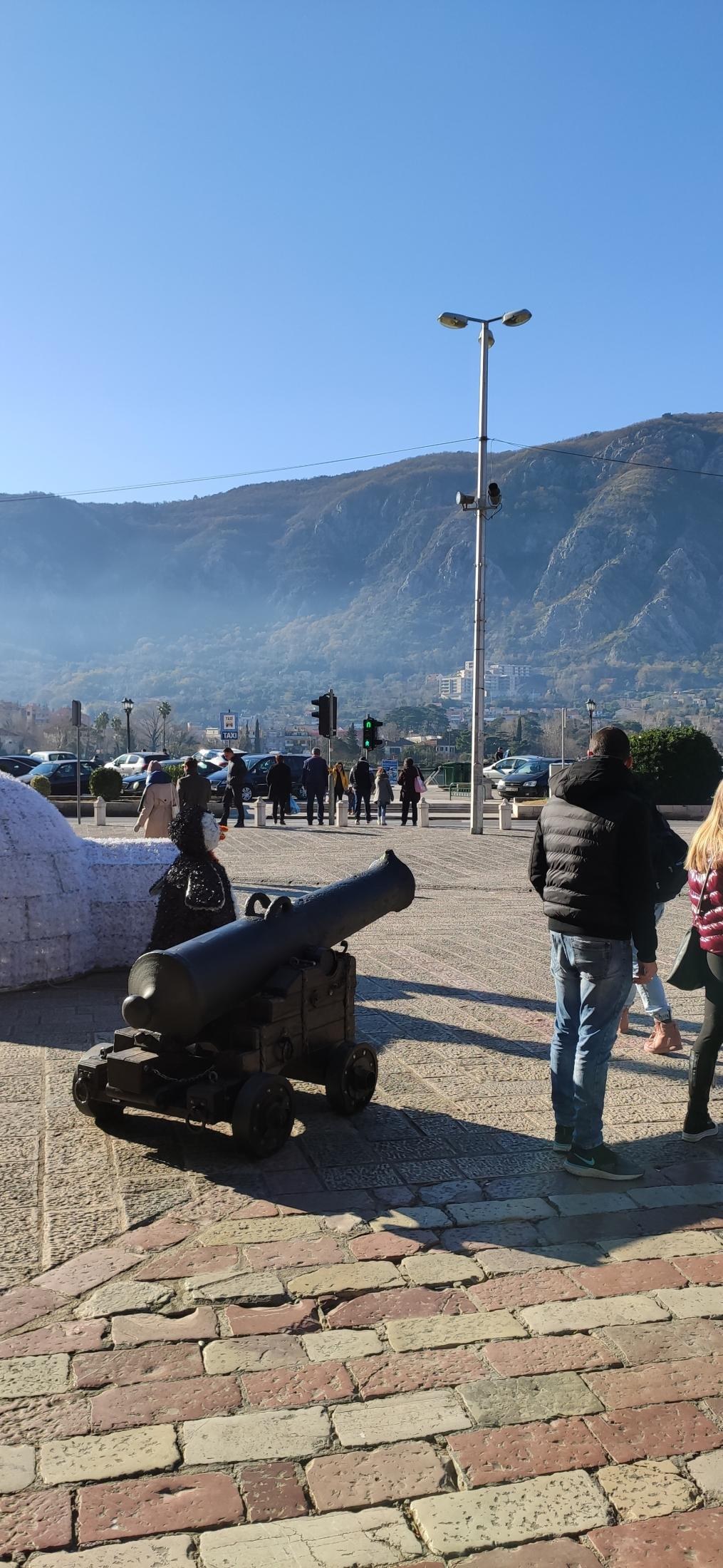
Back to the old town. It resembles Dubrovnik, it’s quicker to walk, and the cats are the running theme. I won’t lie: after Dubrovnik there’s nothing here that hits you as radically different. Next to the centre there’s a shopping mall, the first one we’d seen. On the coach the driver had explained that the central parts of these towns have no malls and no big chains. He’s broadly right, and this is the small exception.


The boat
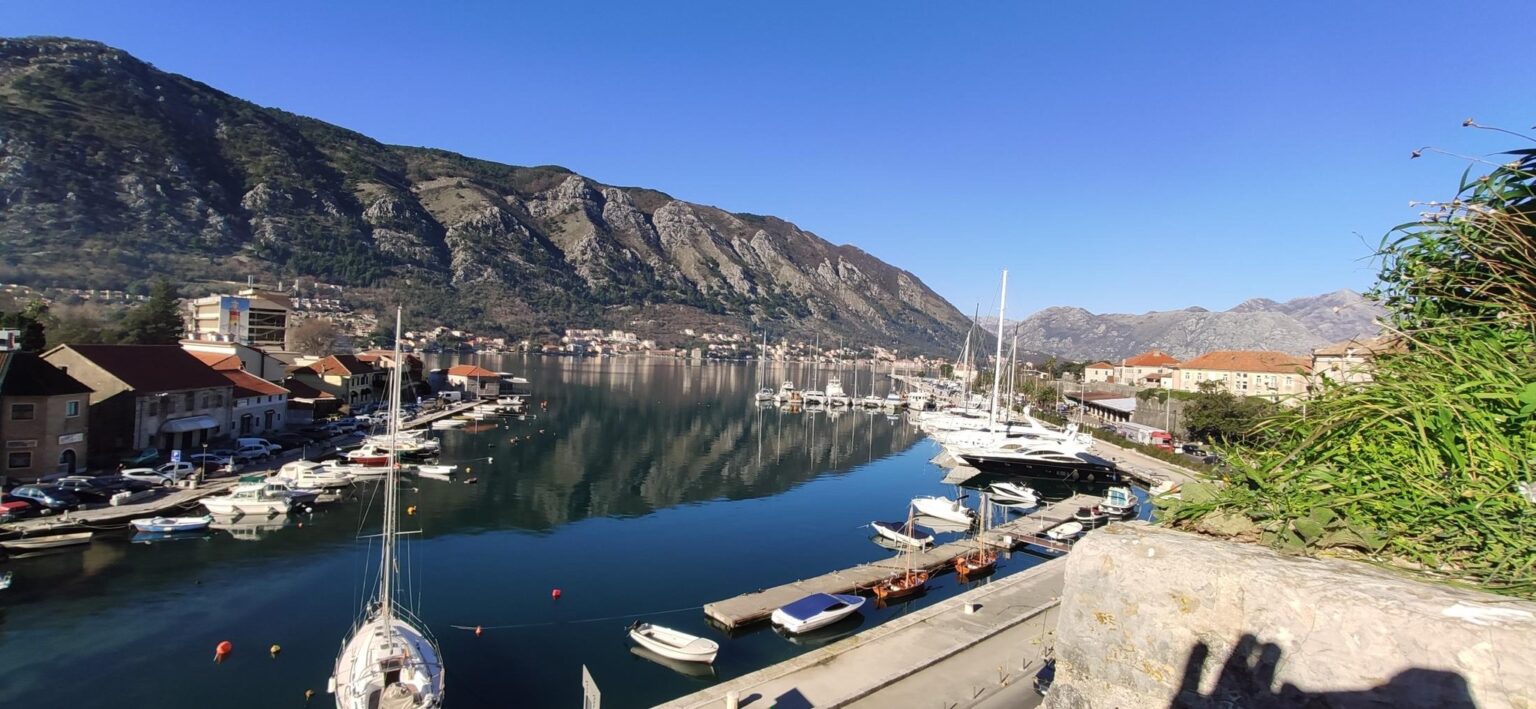
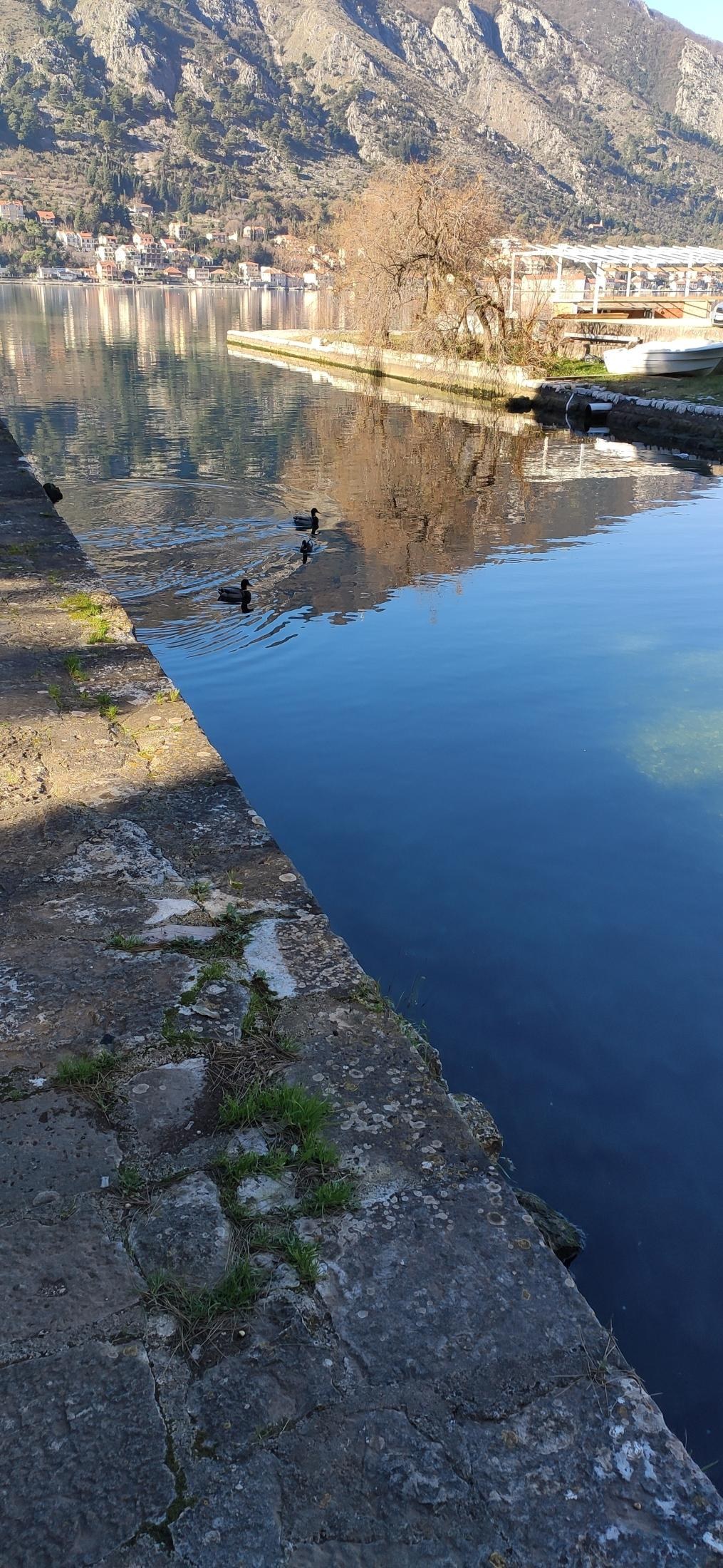
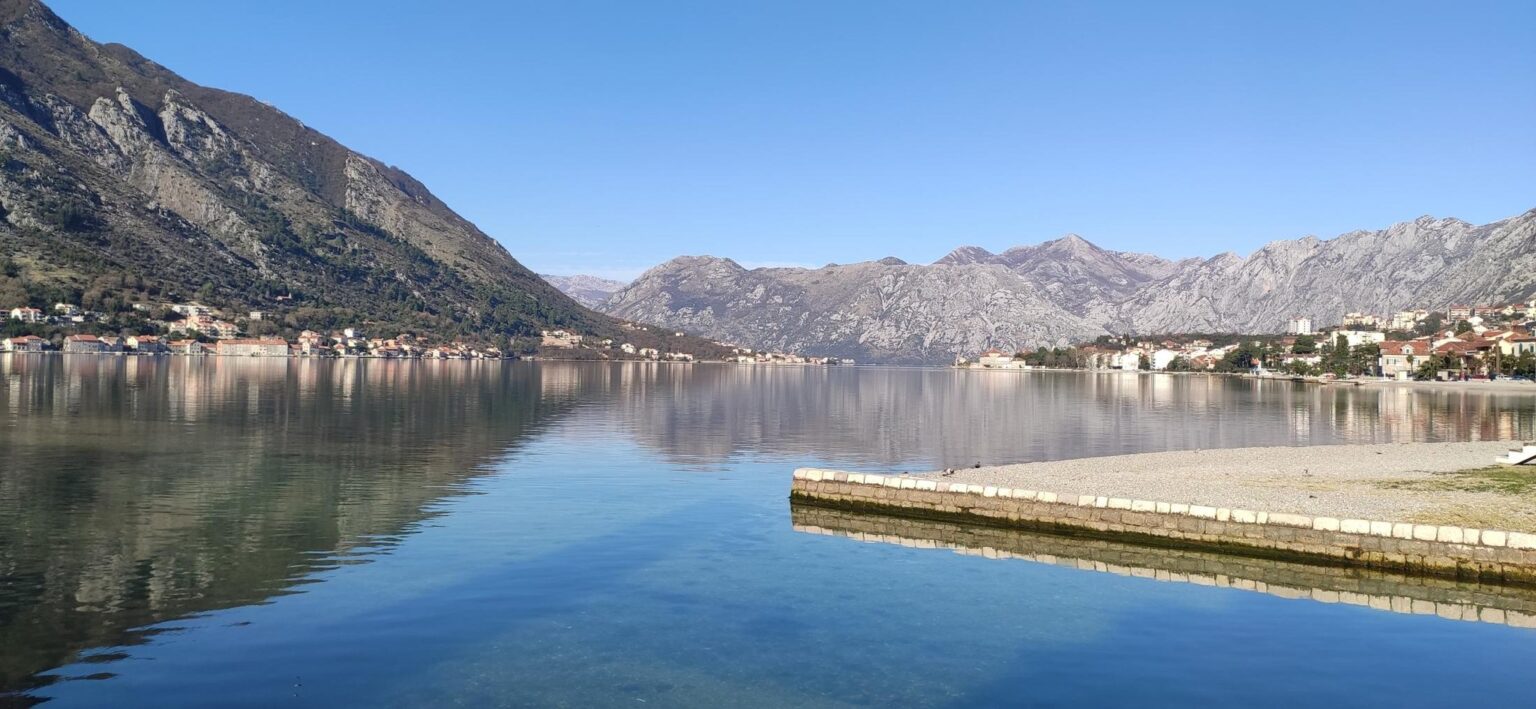
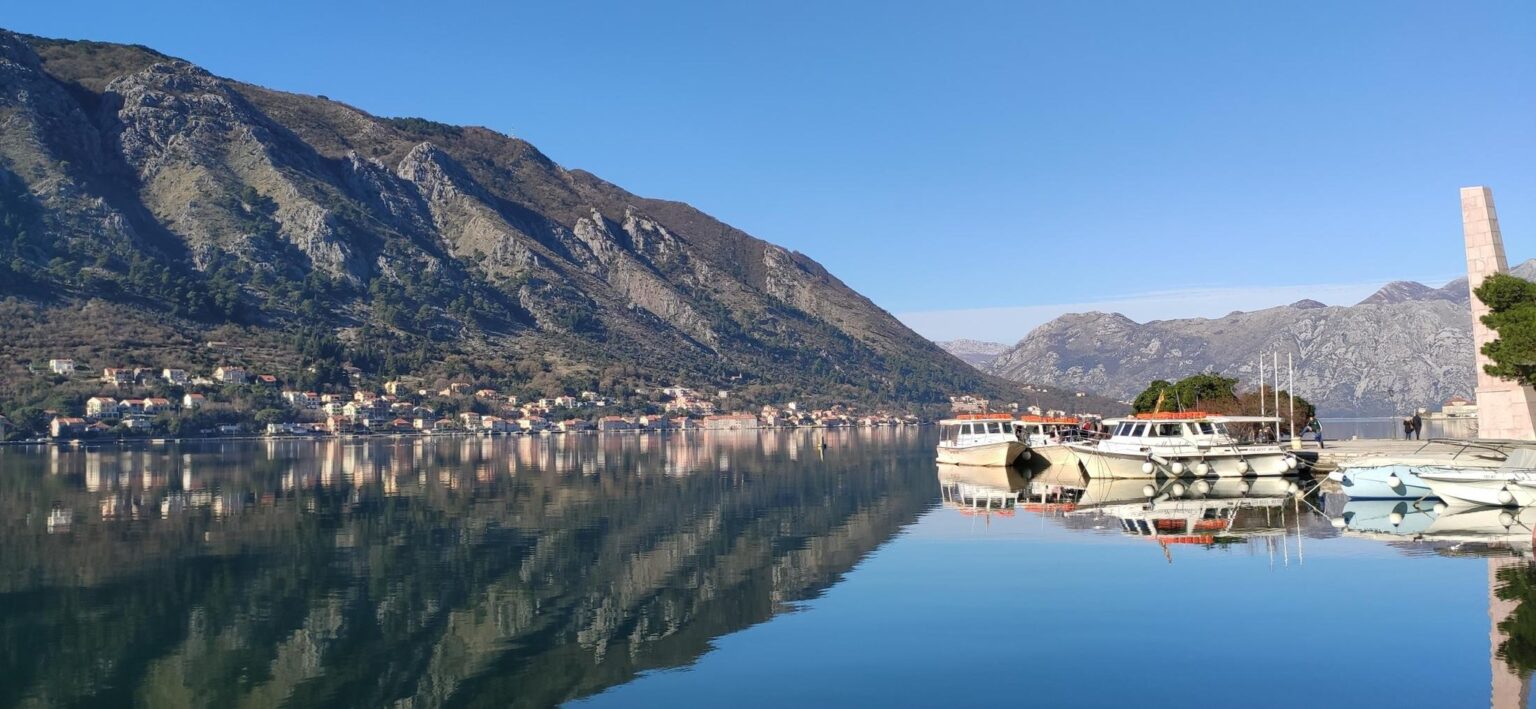
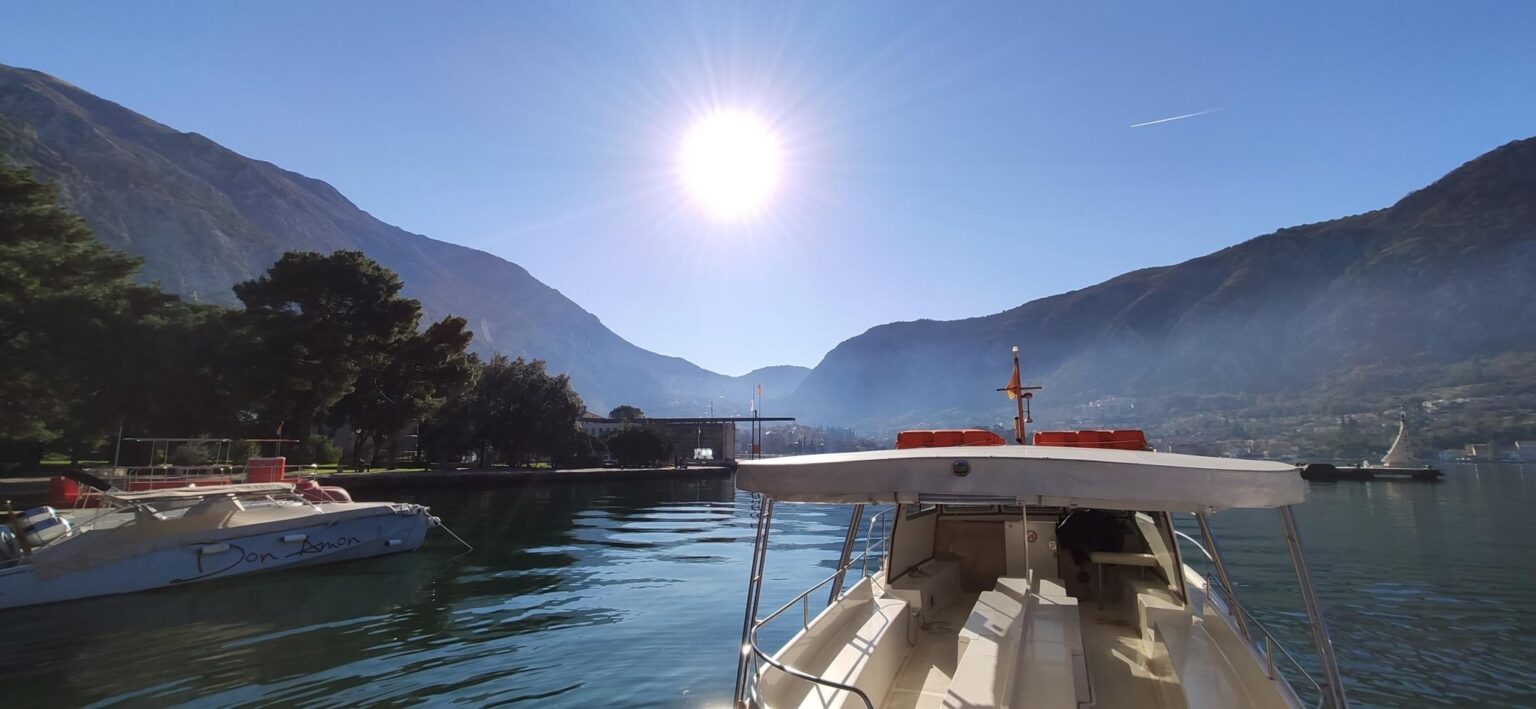
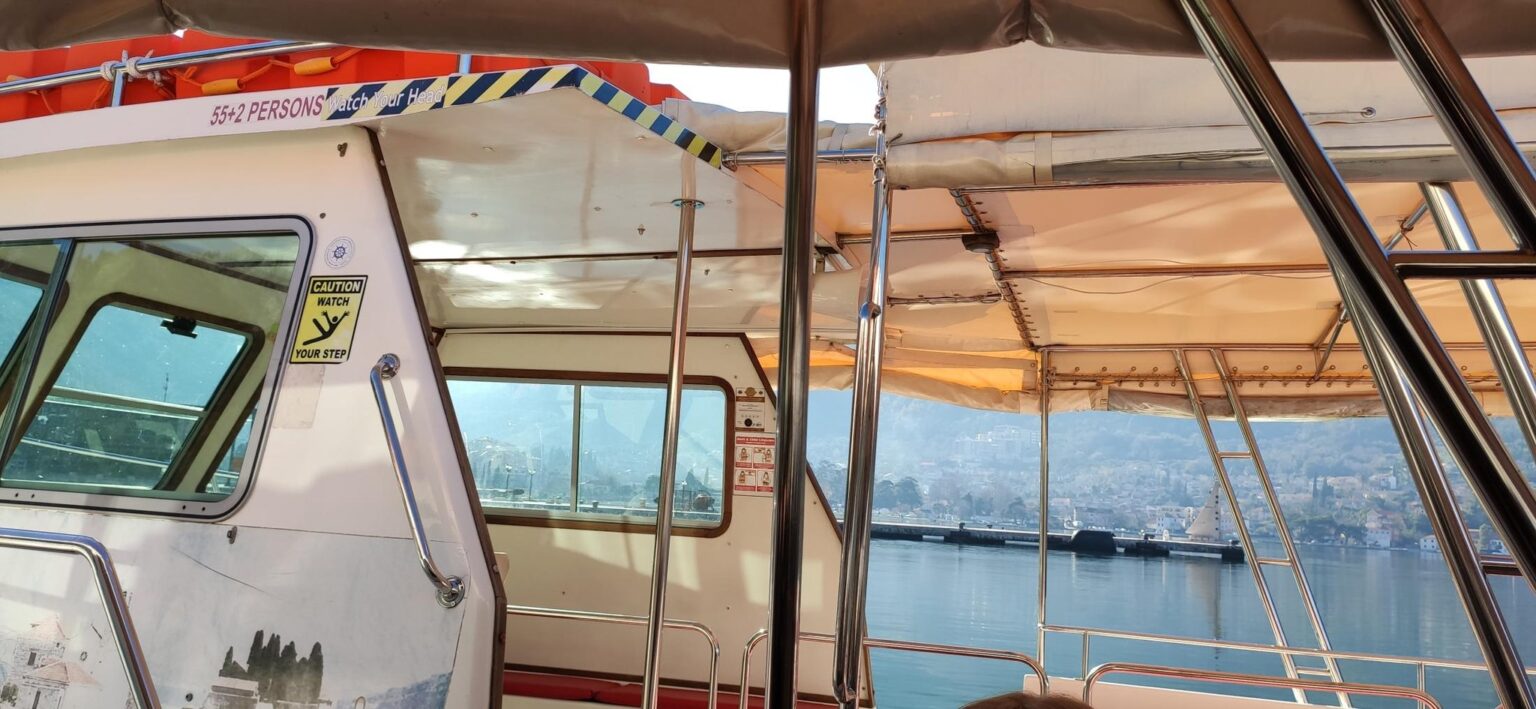
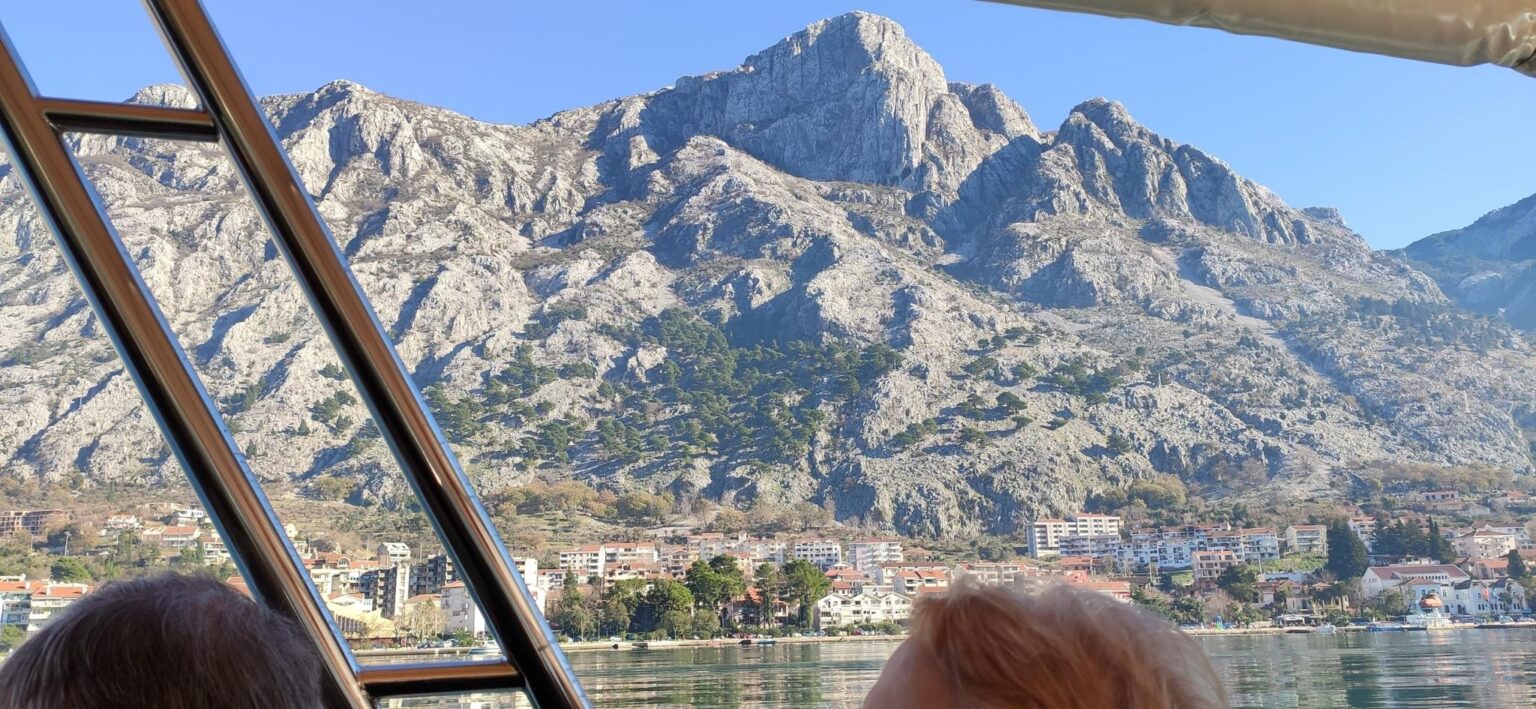
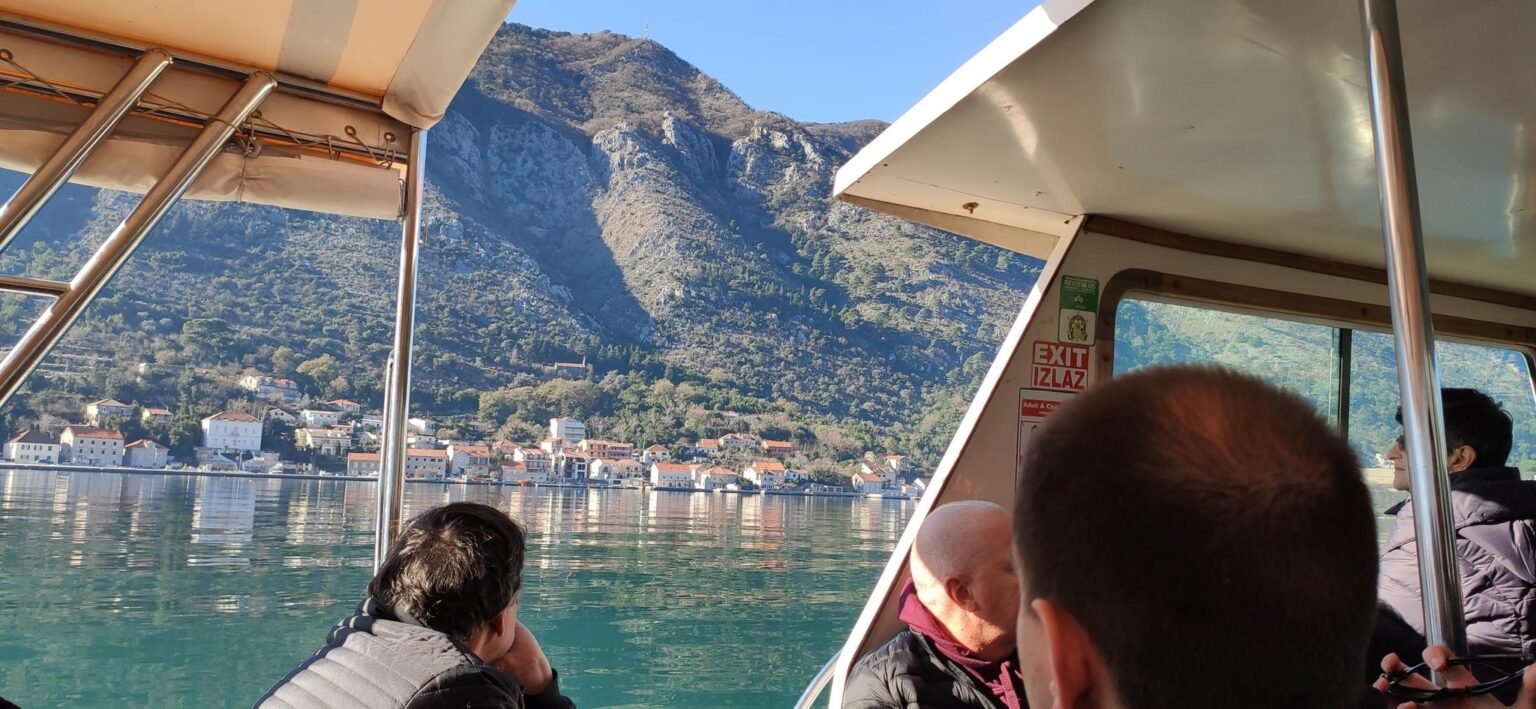
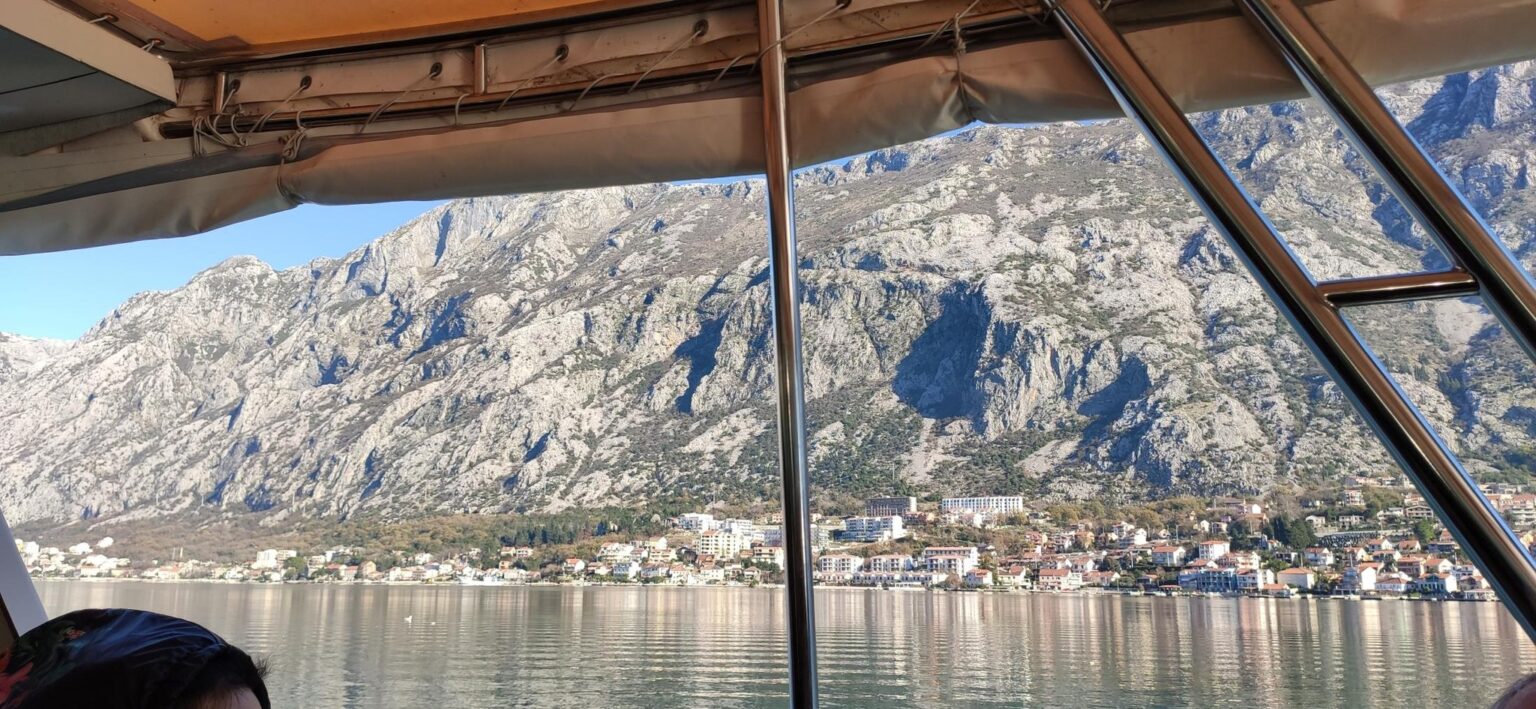
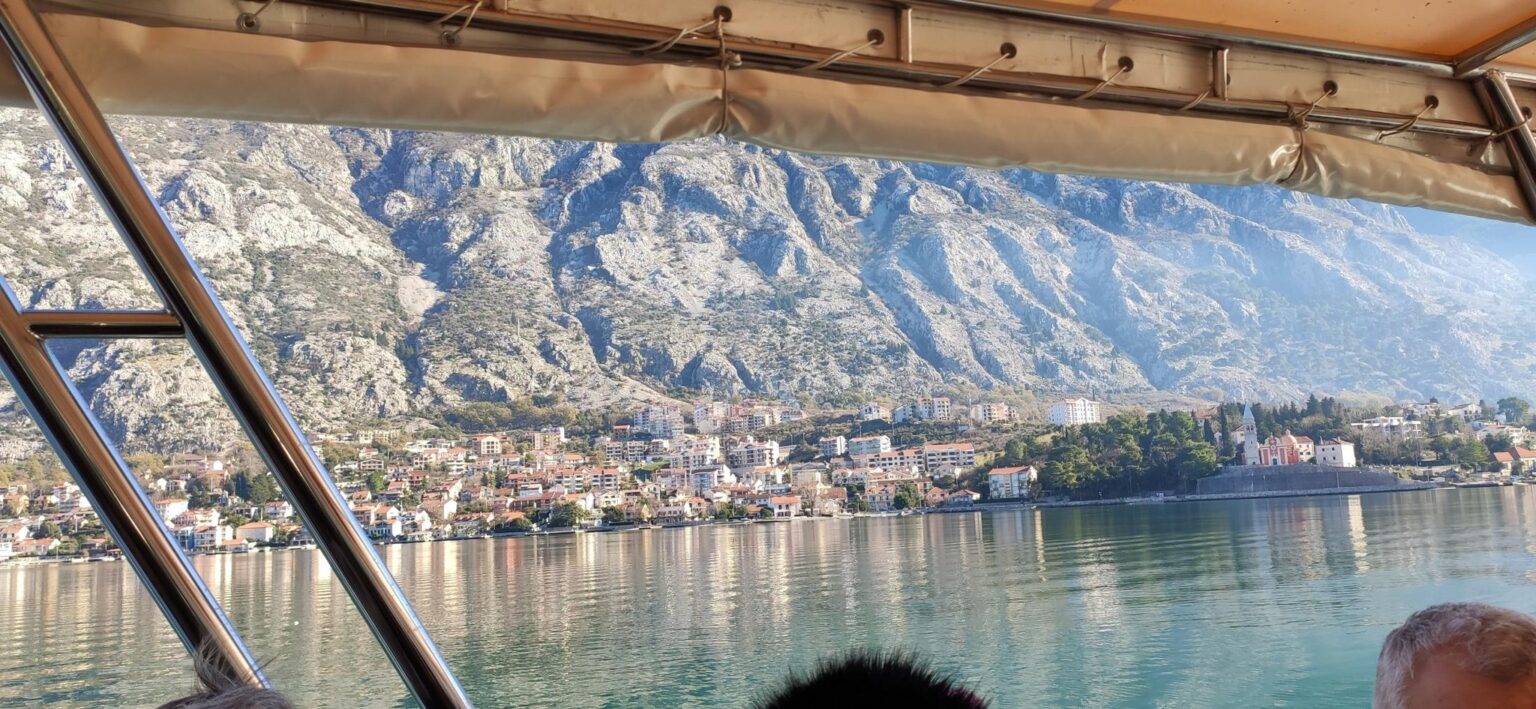
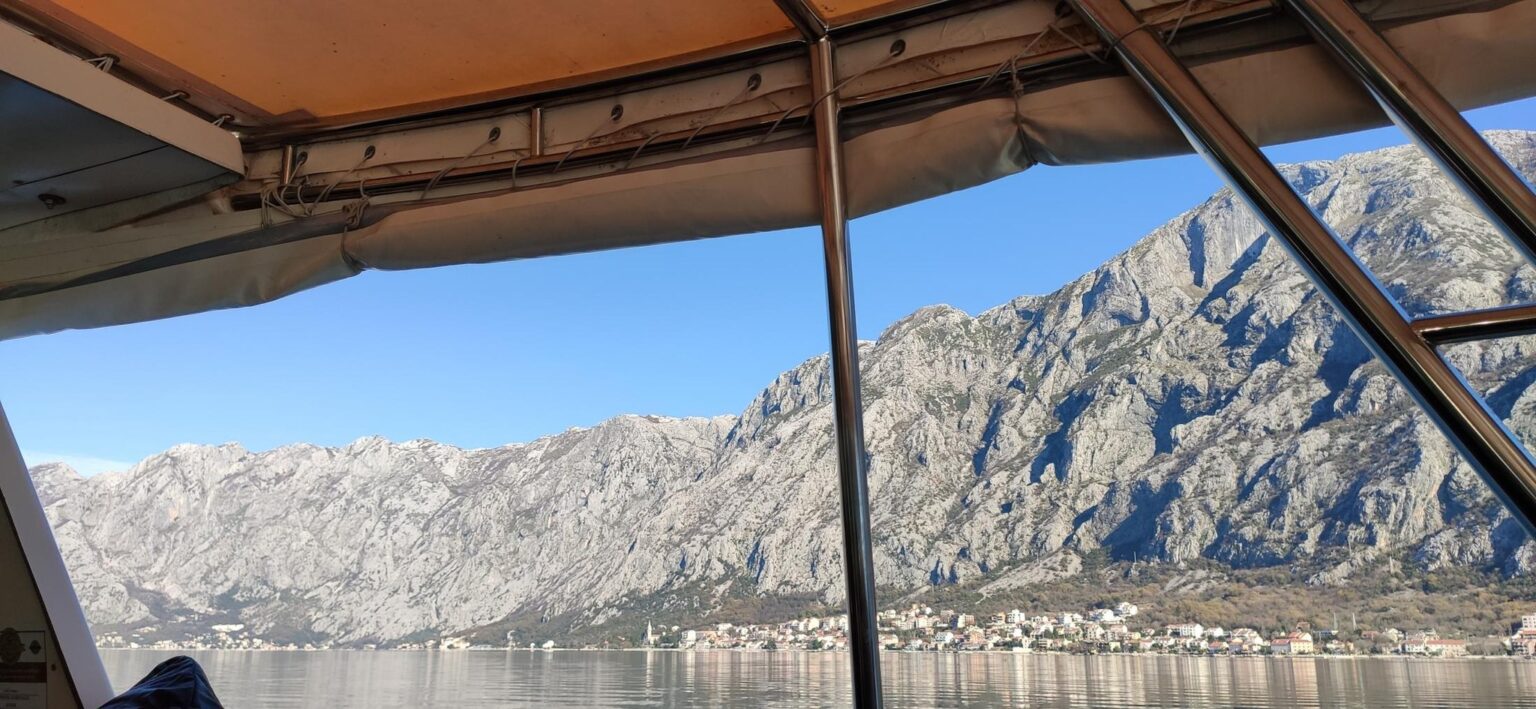
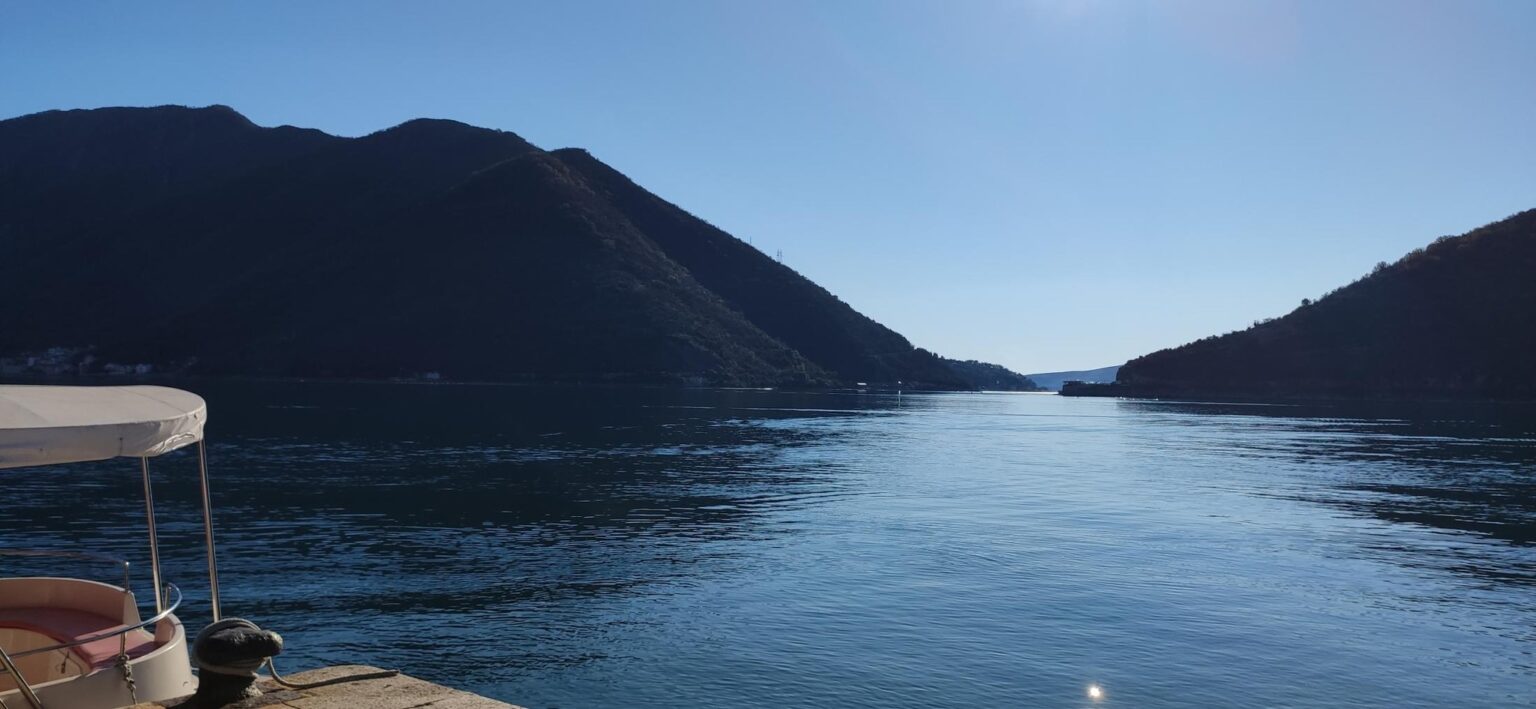
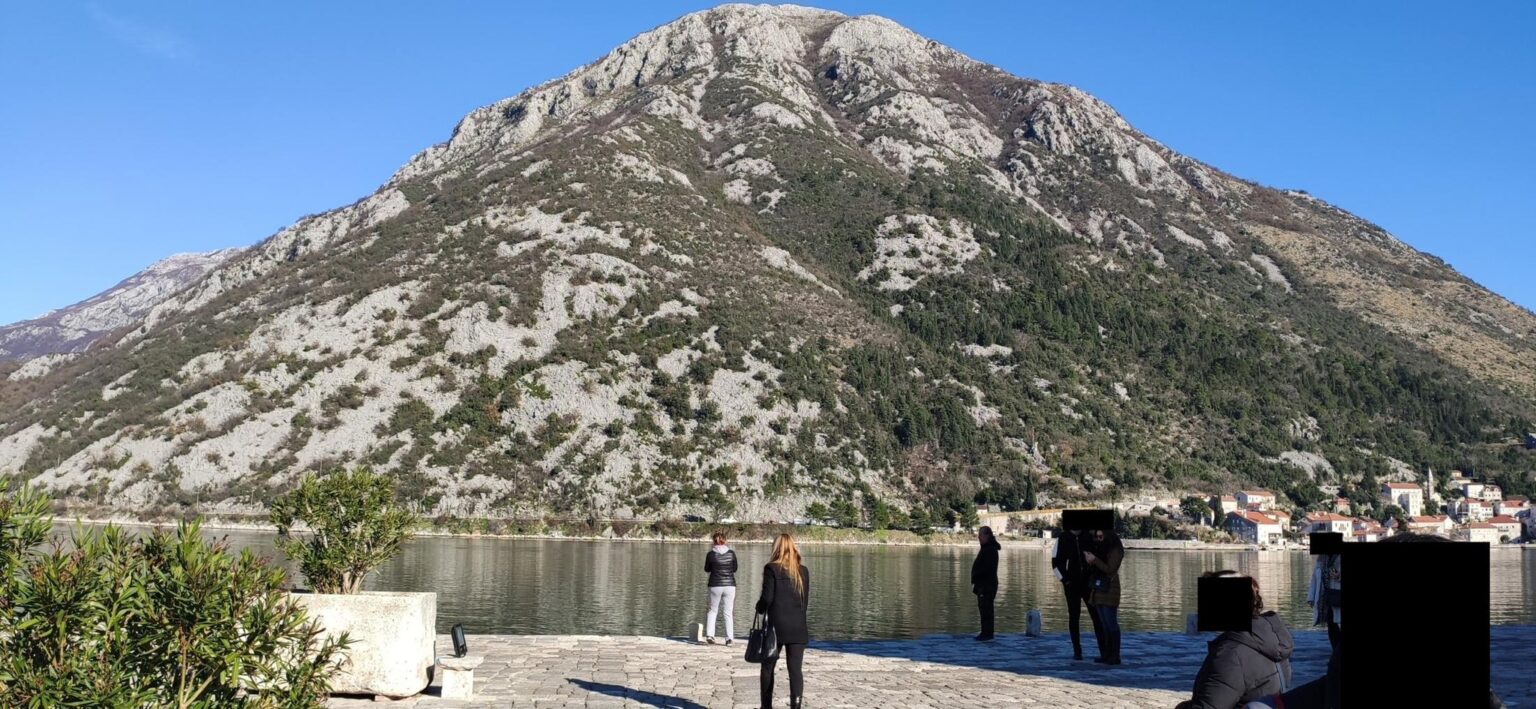
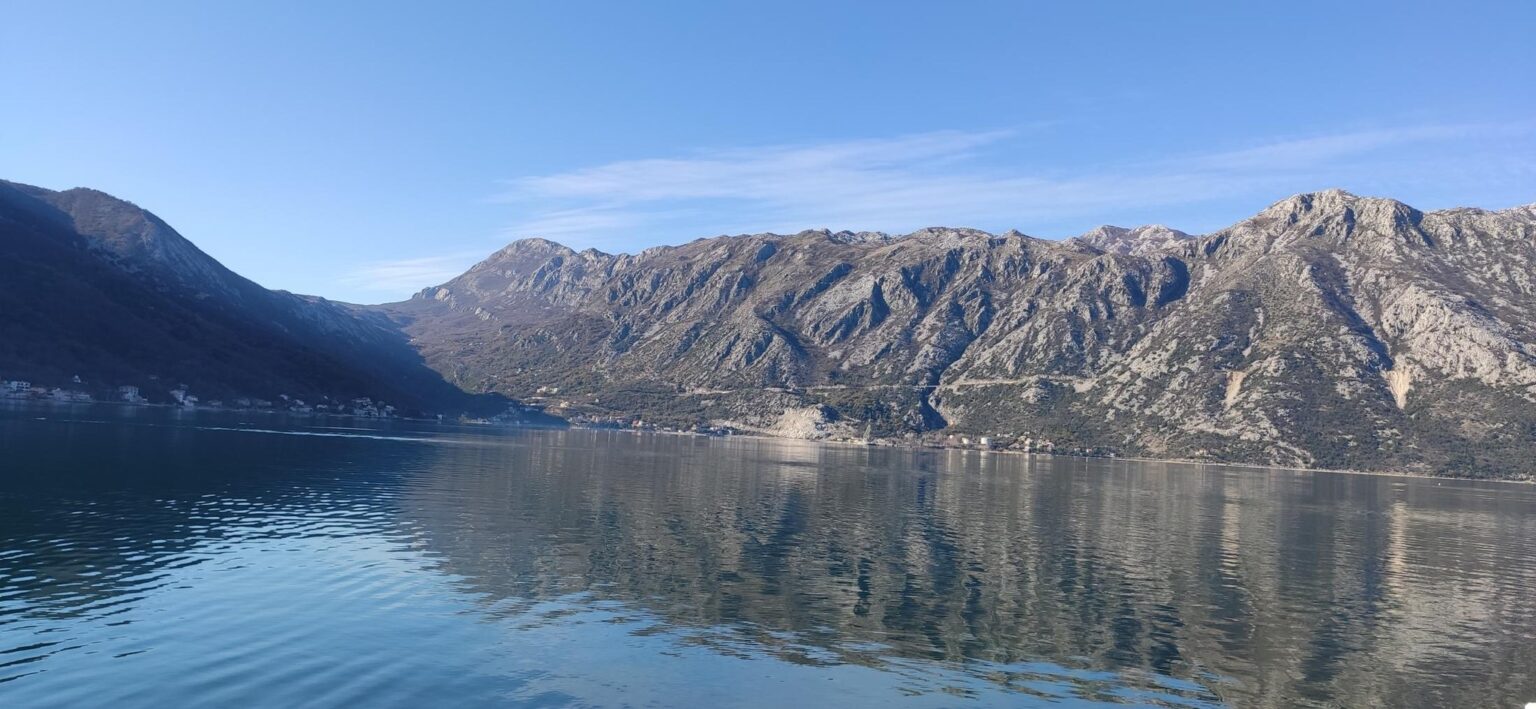
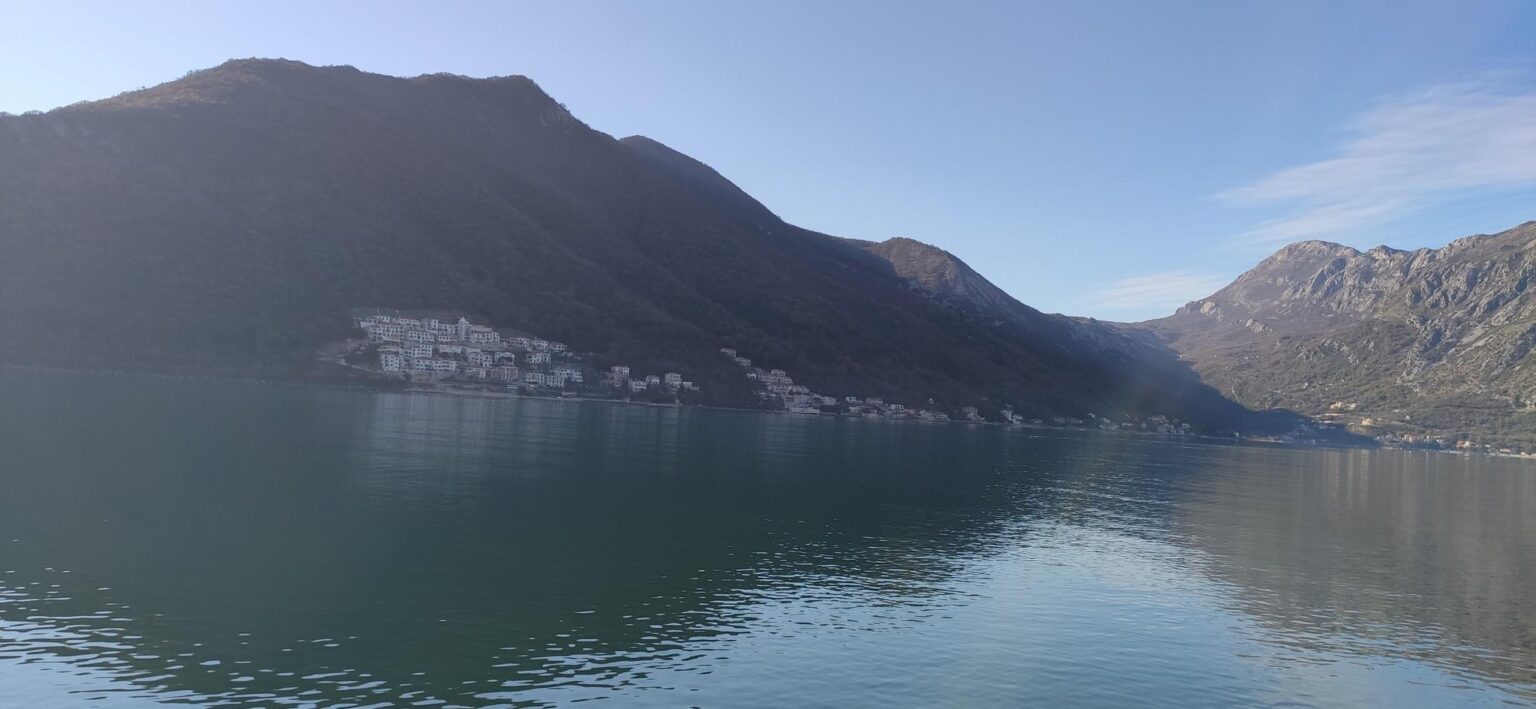
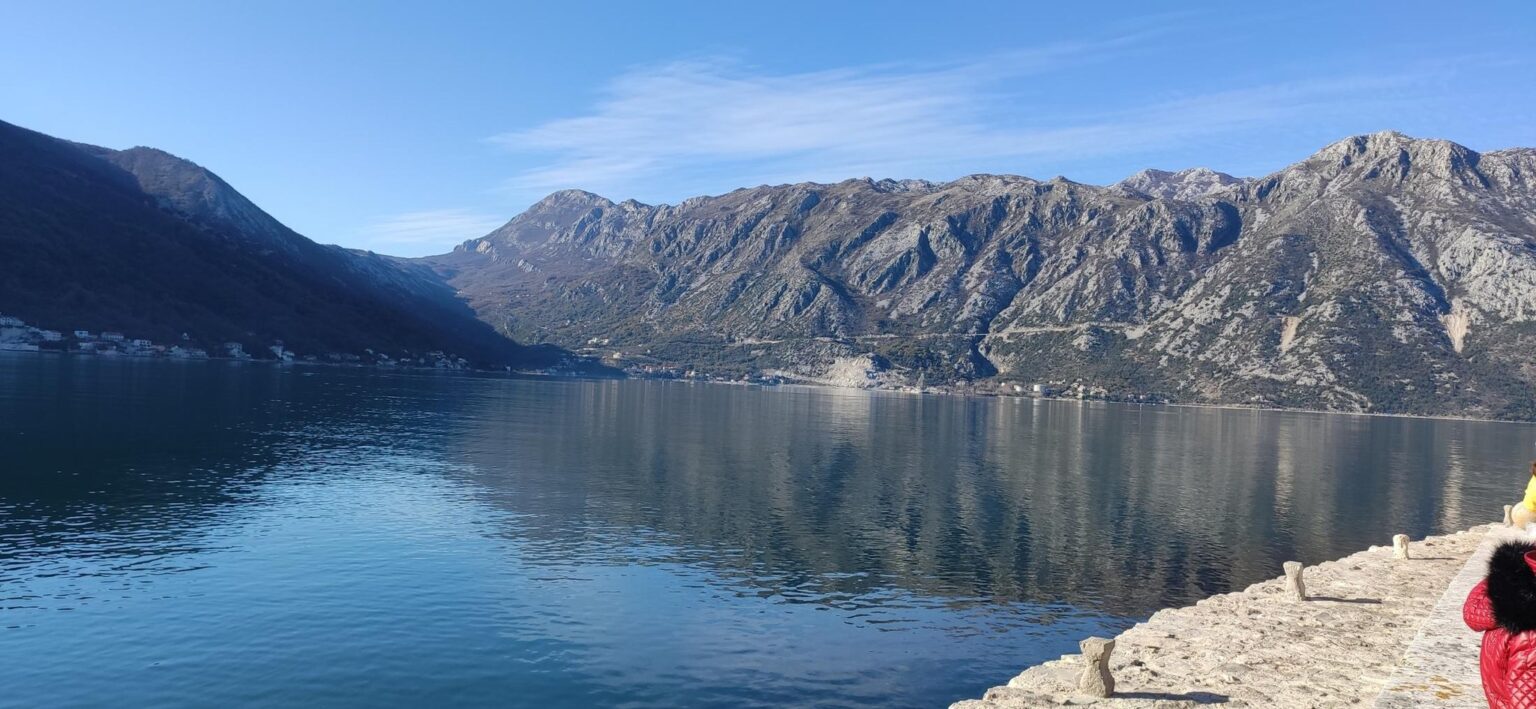
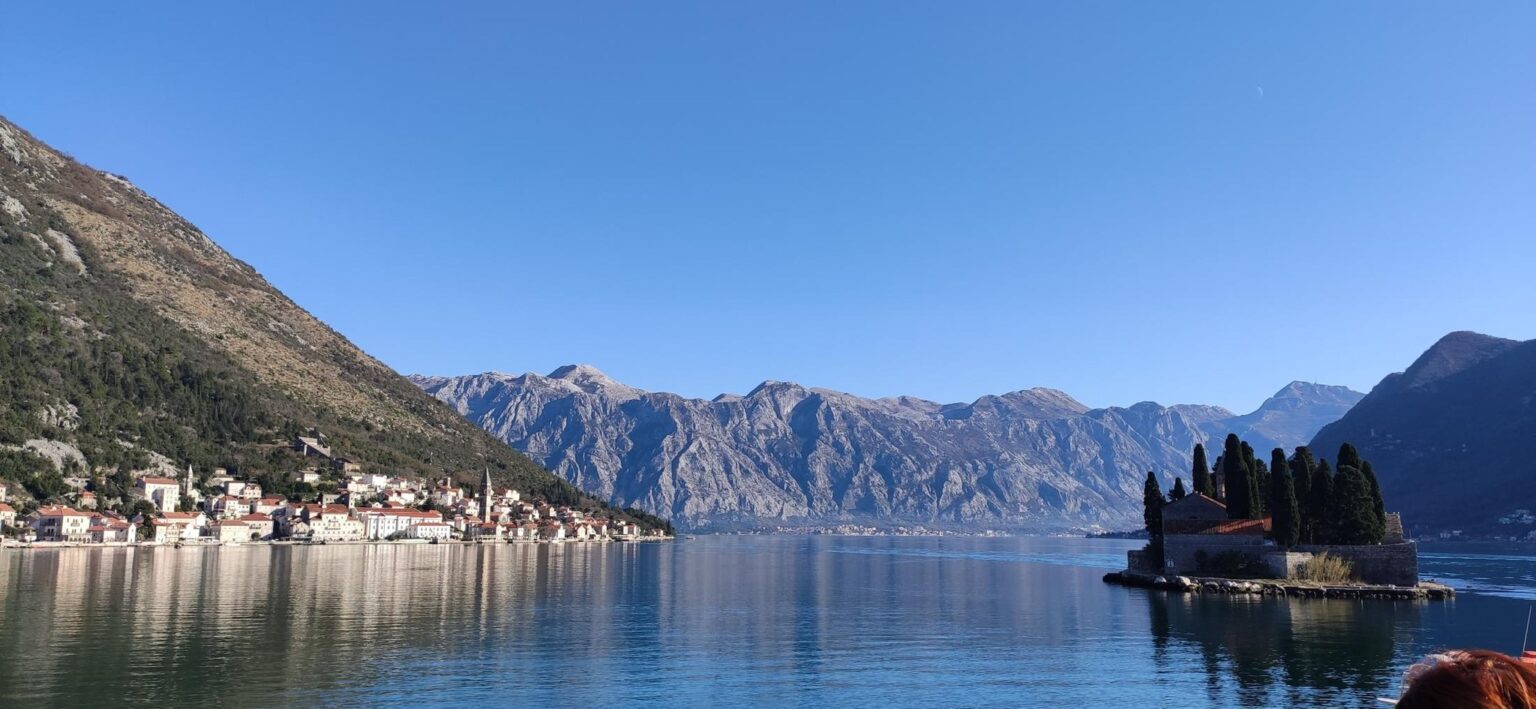
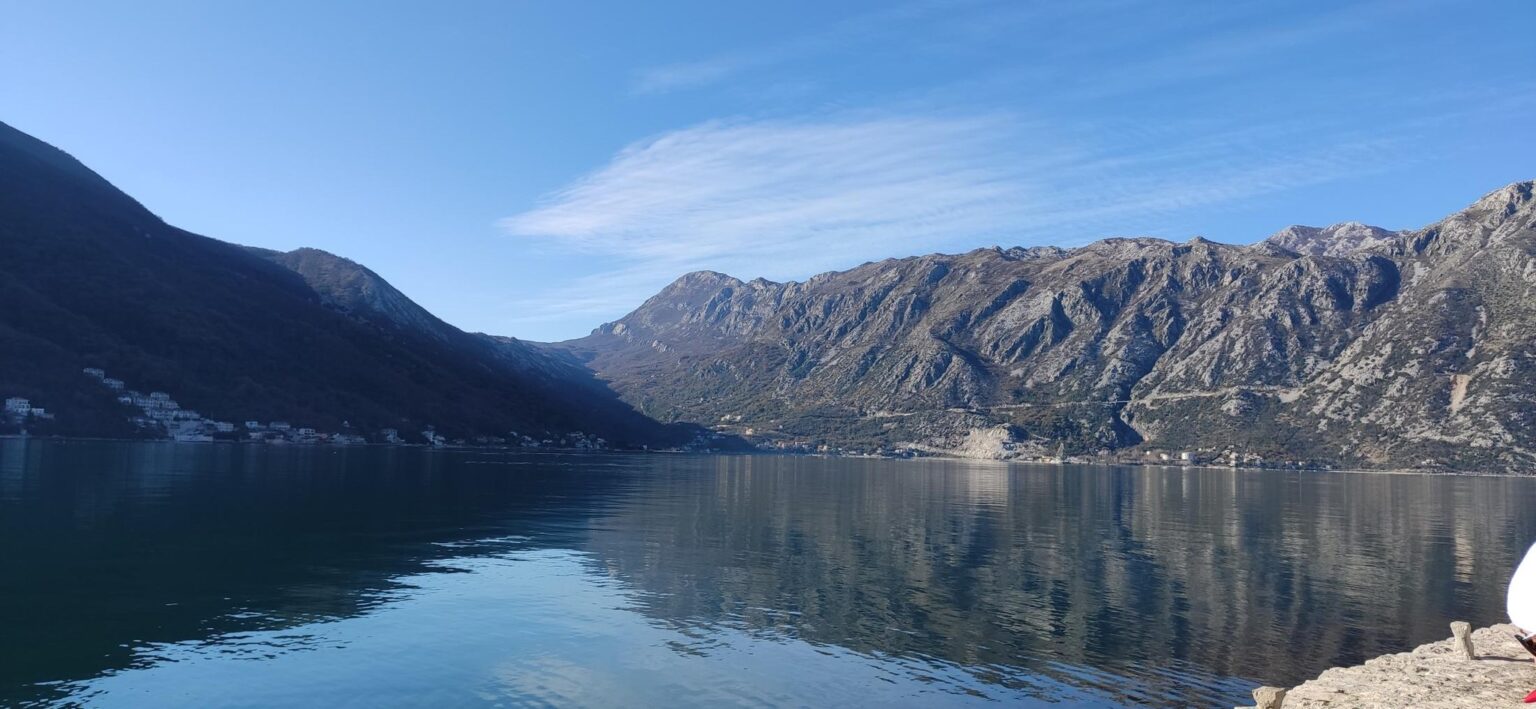
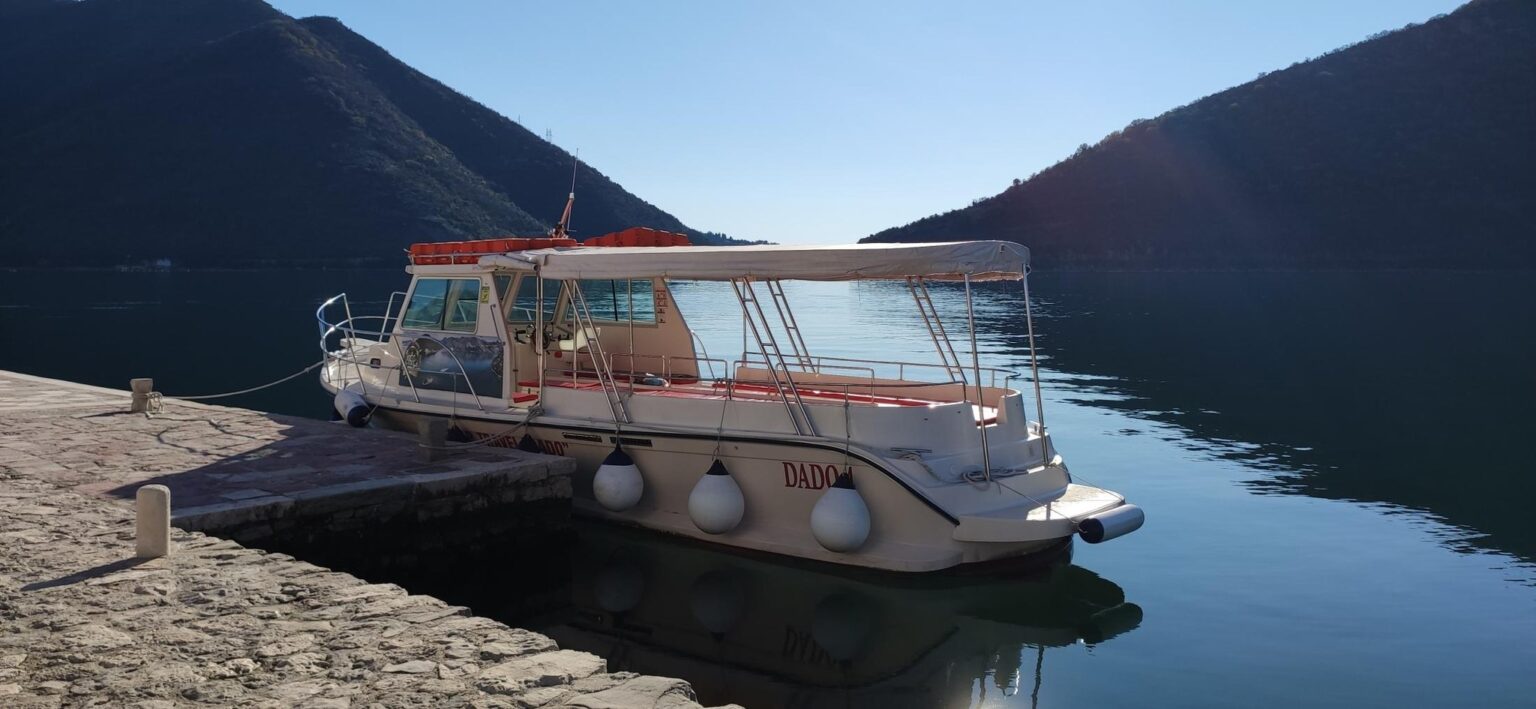
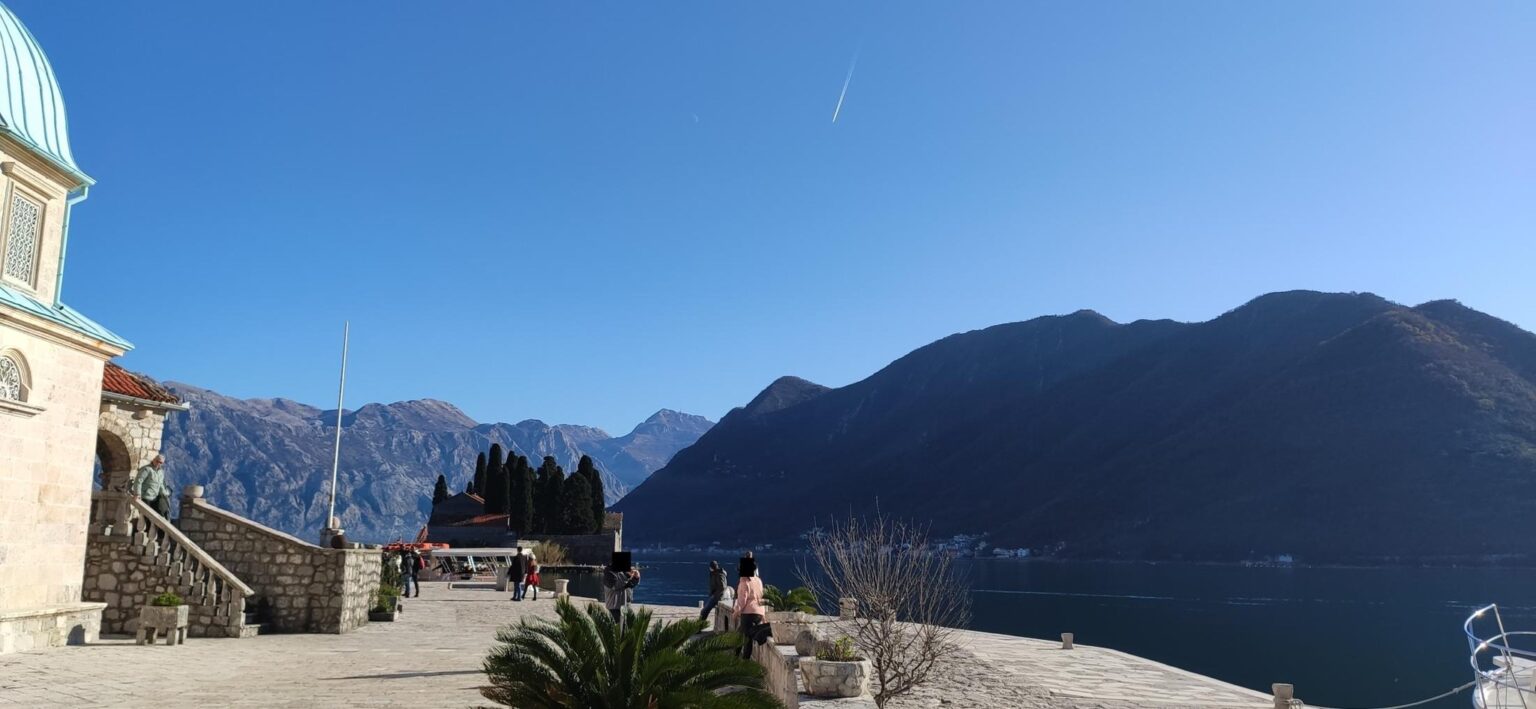
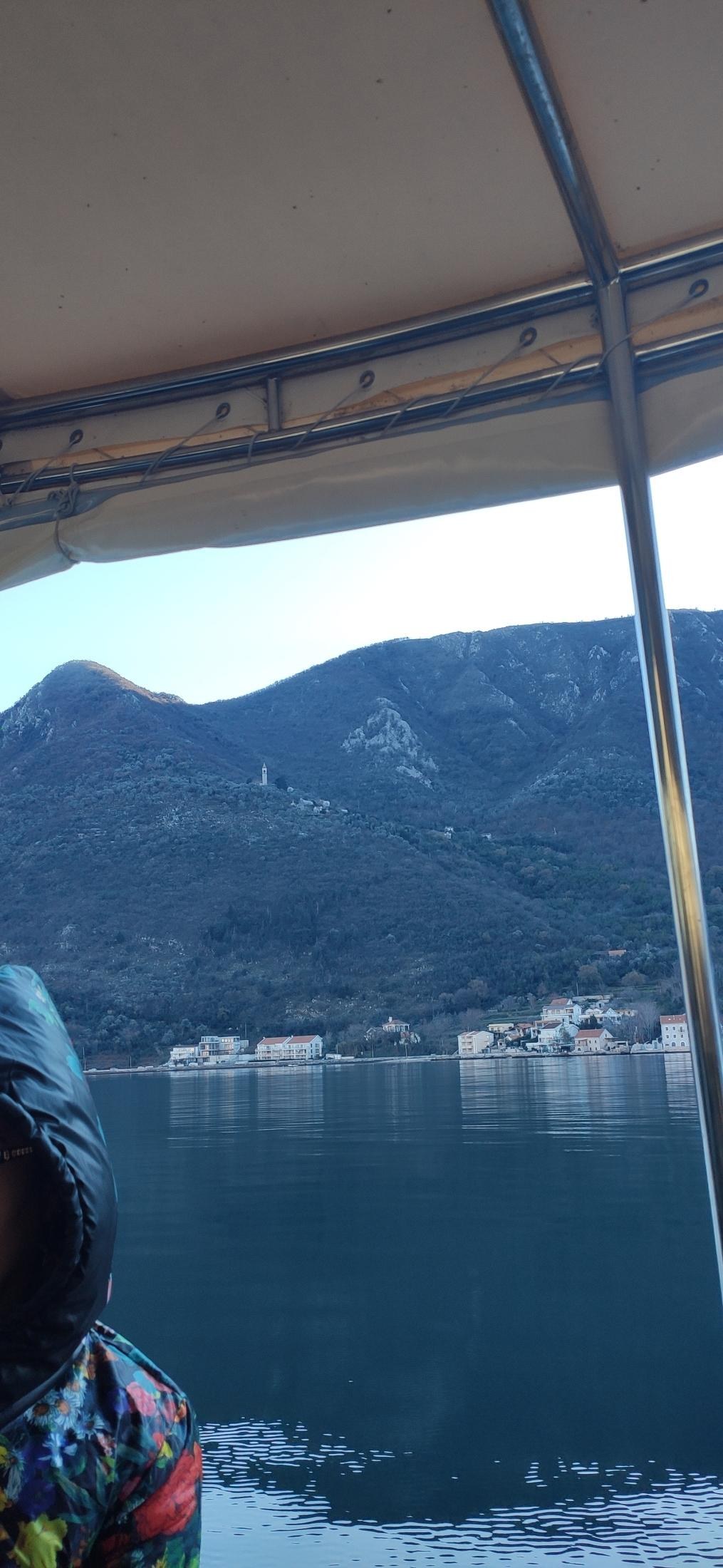
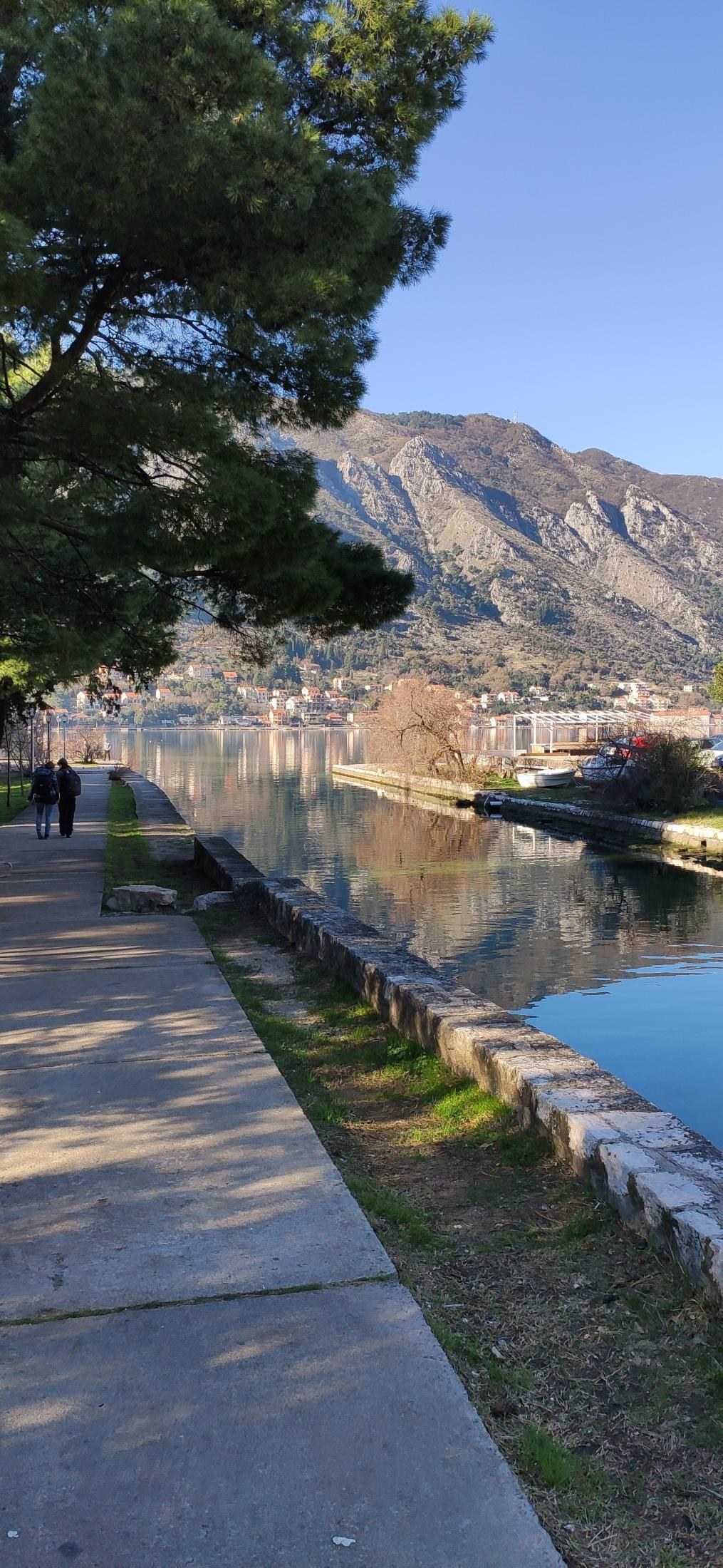
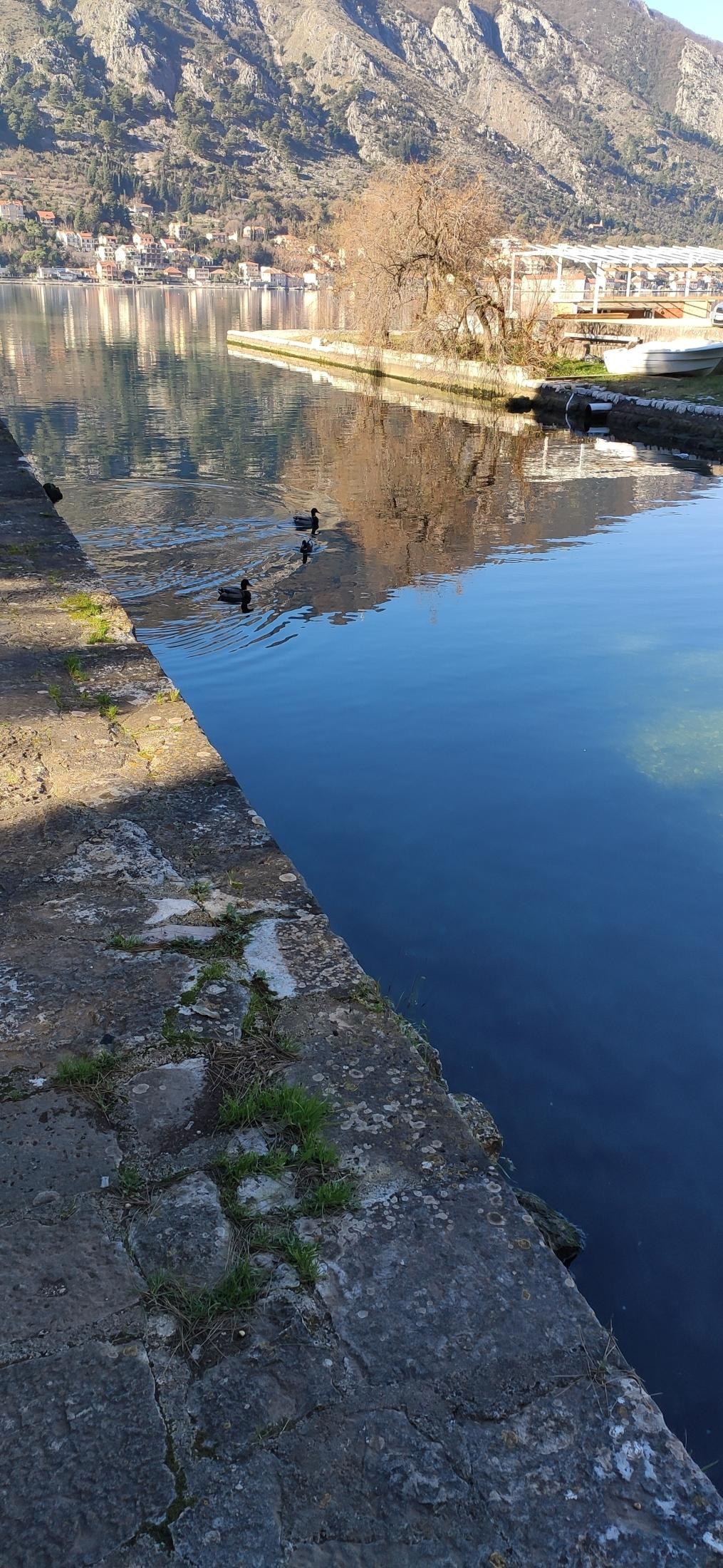
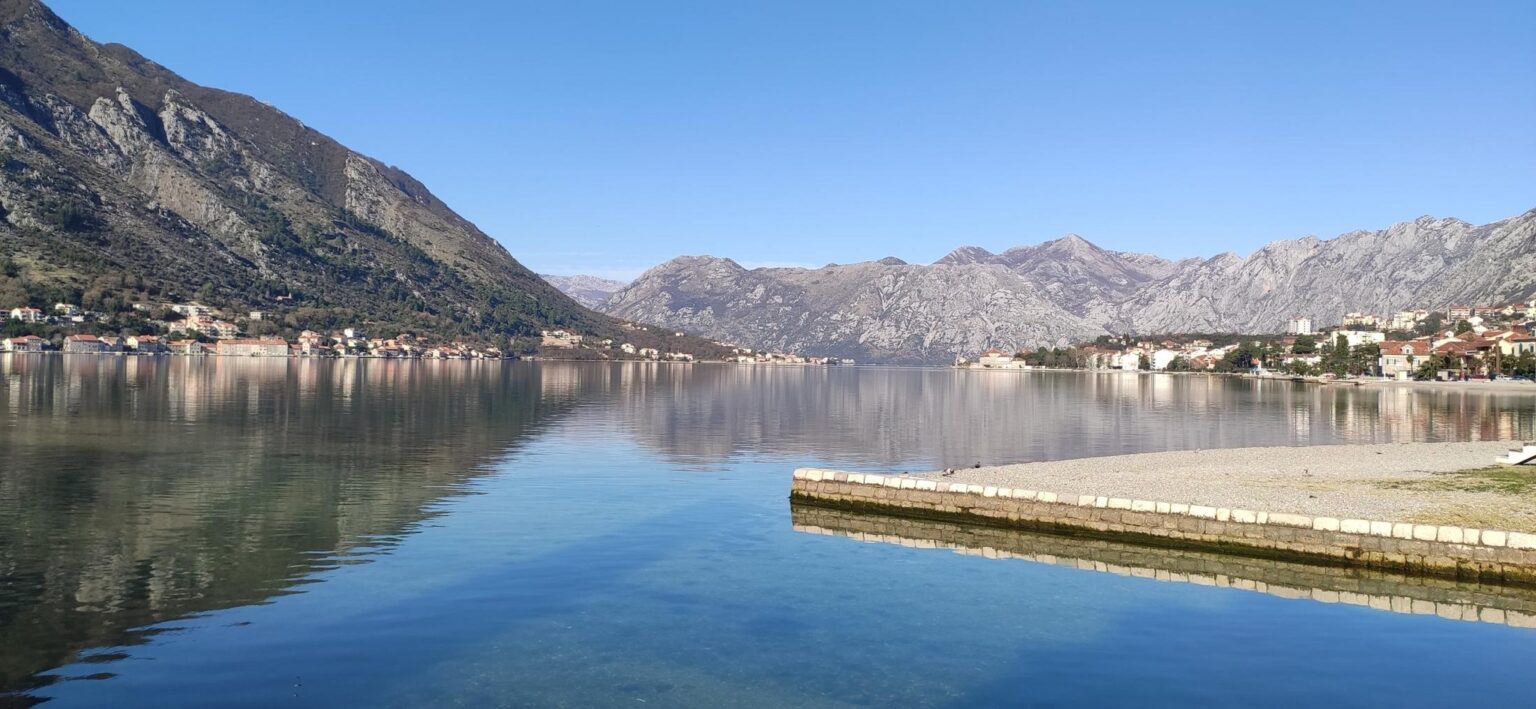
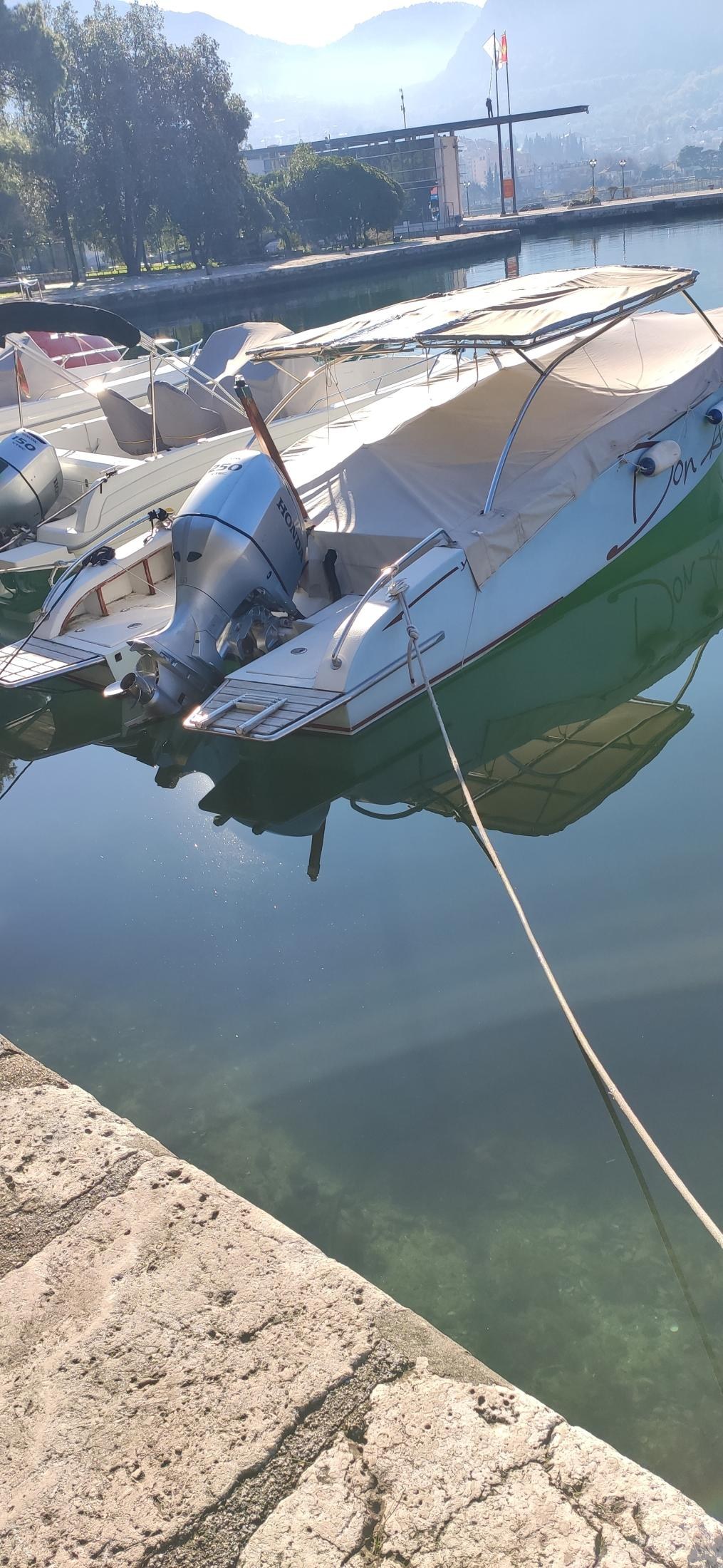
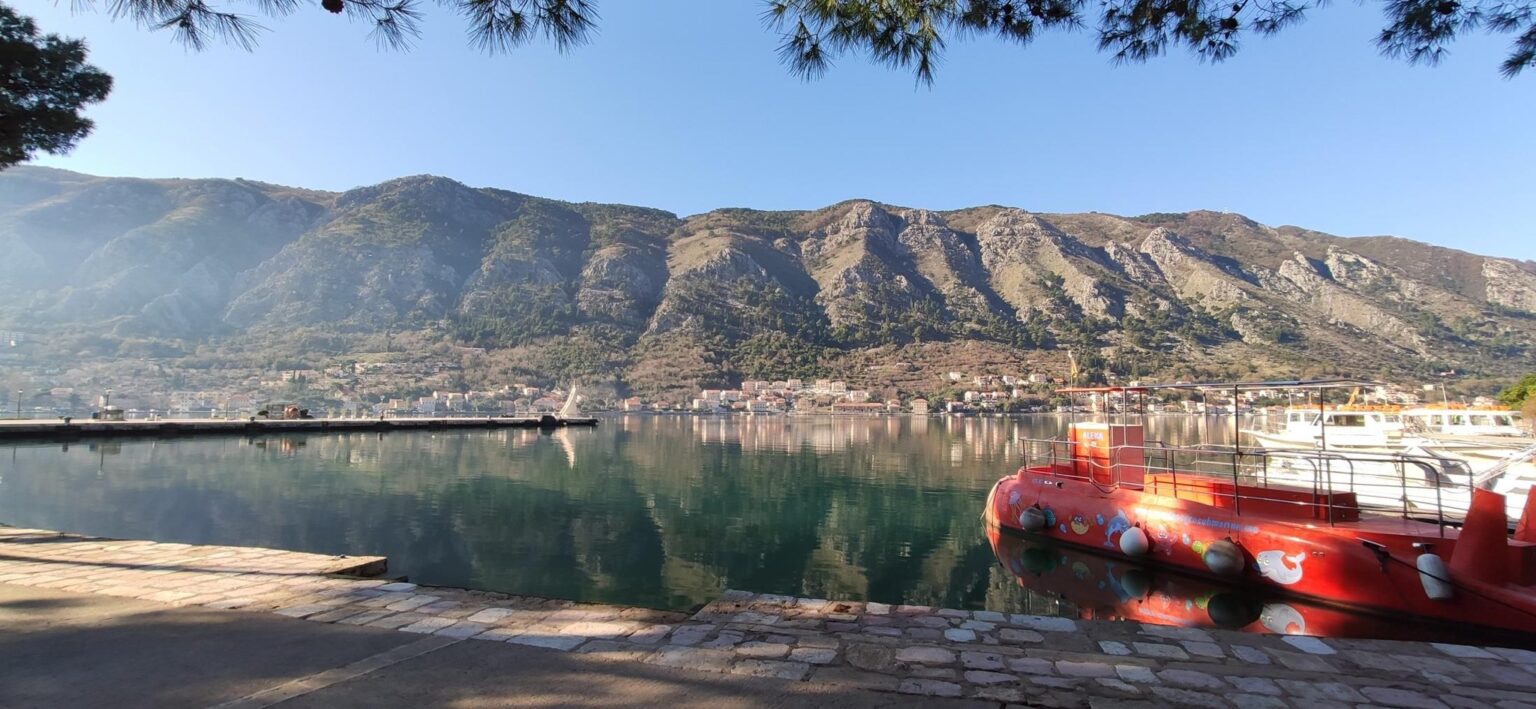
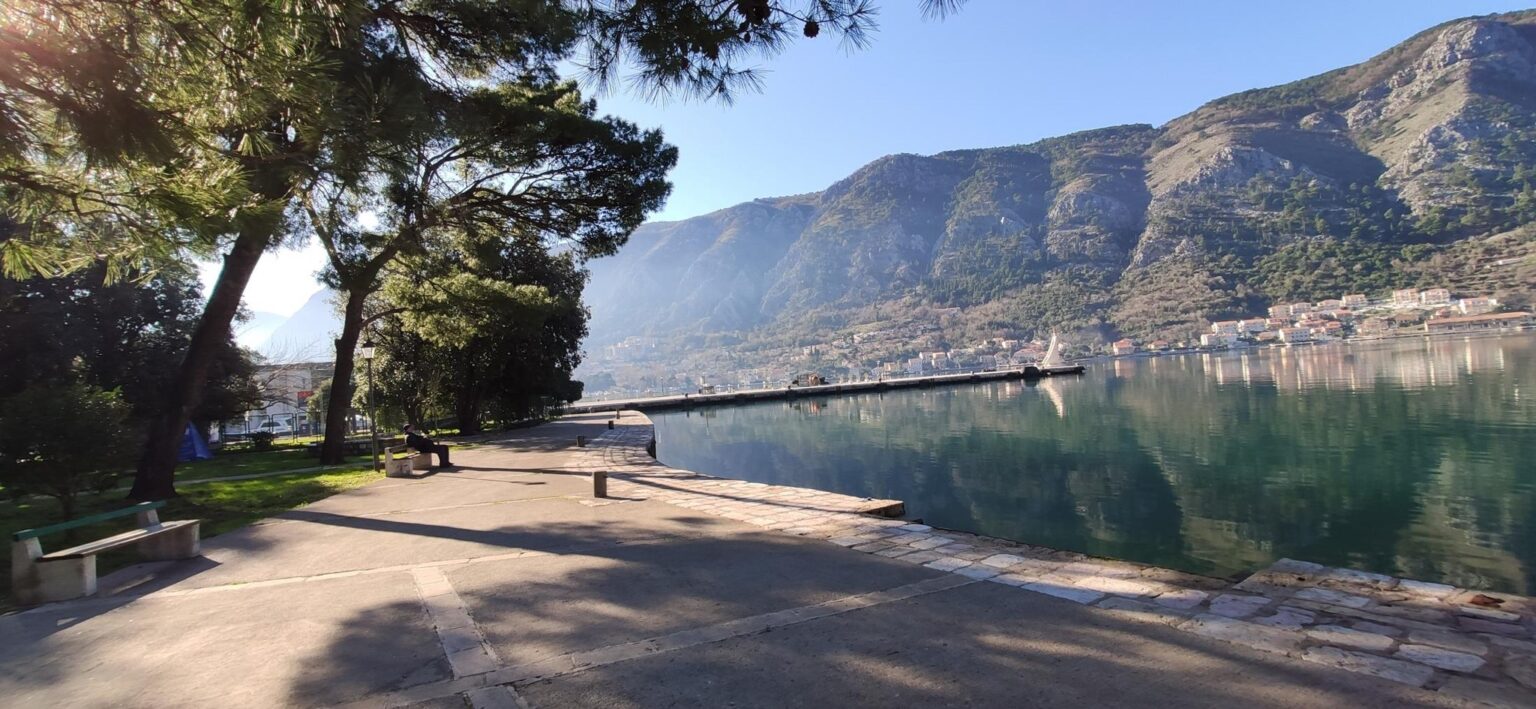
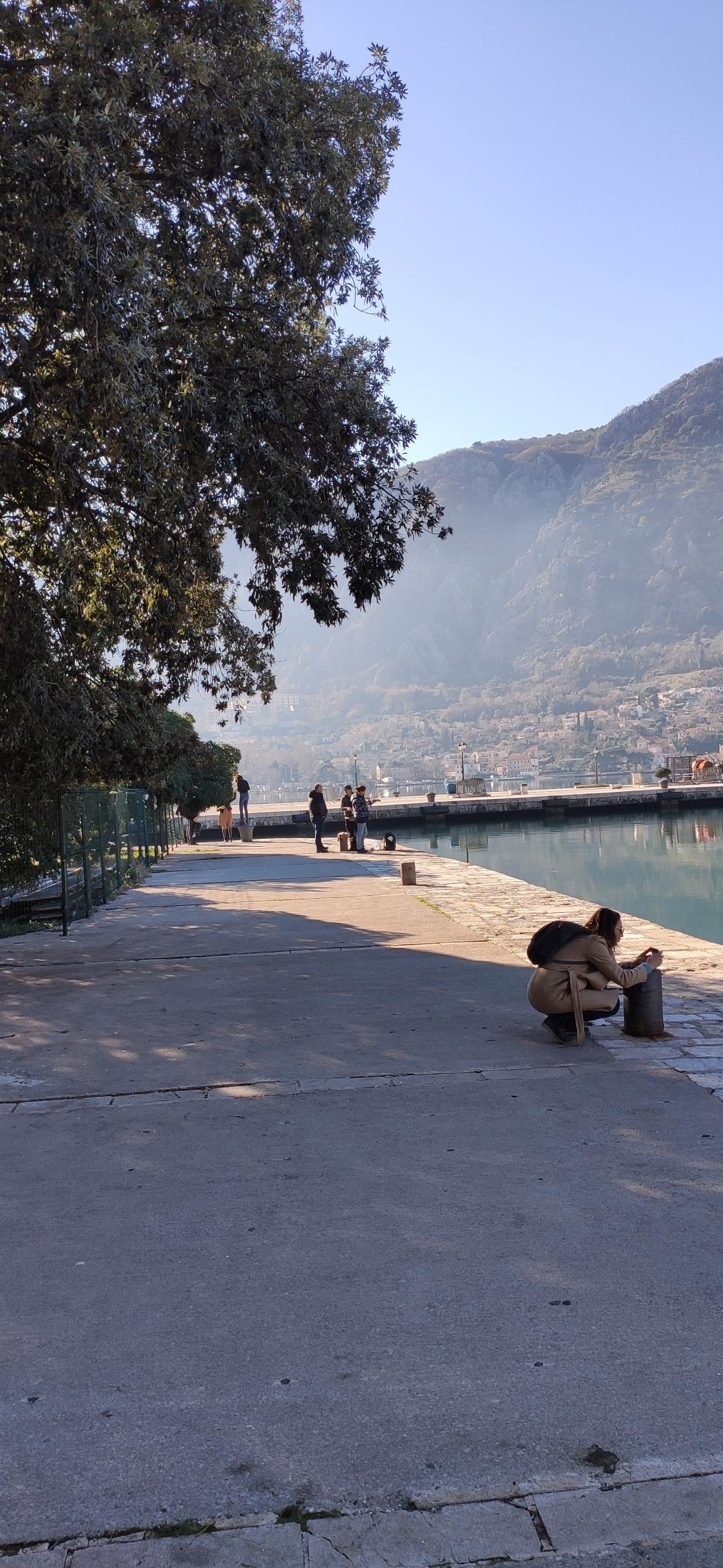
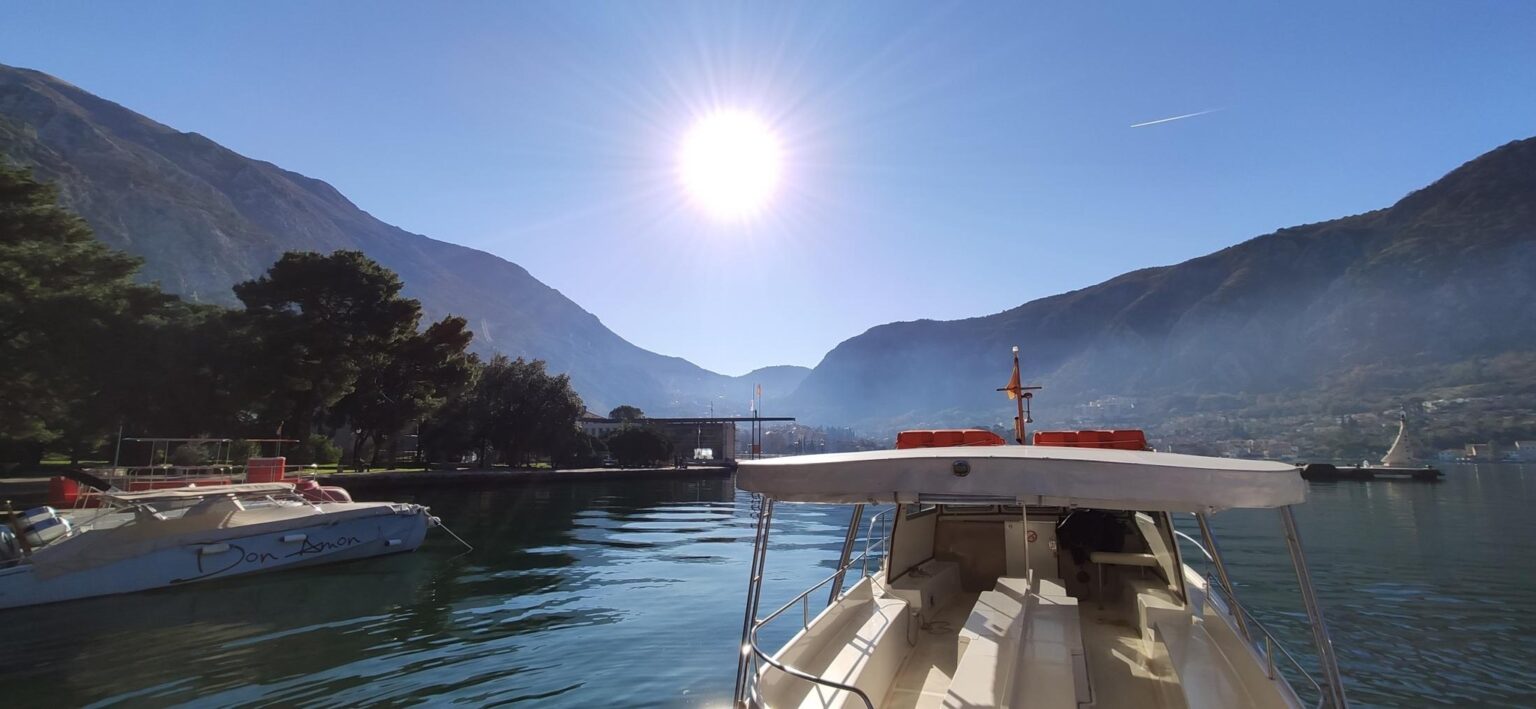
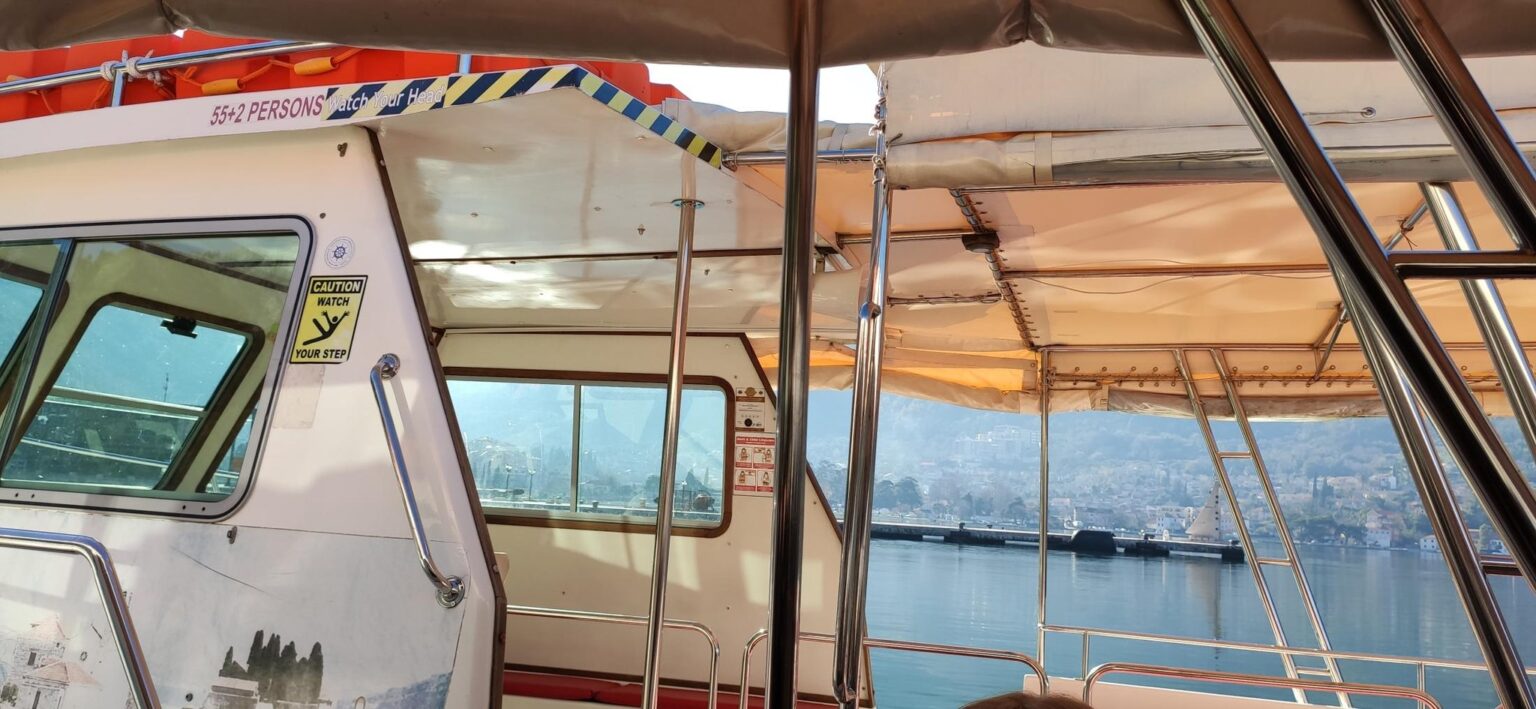
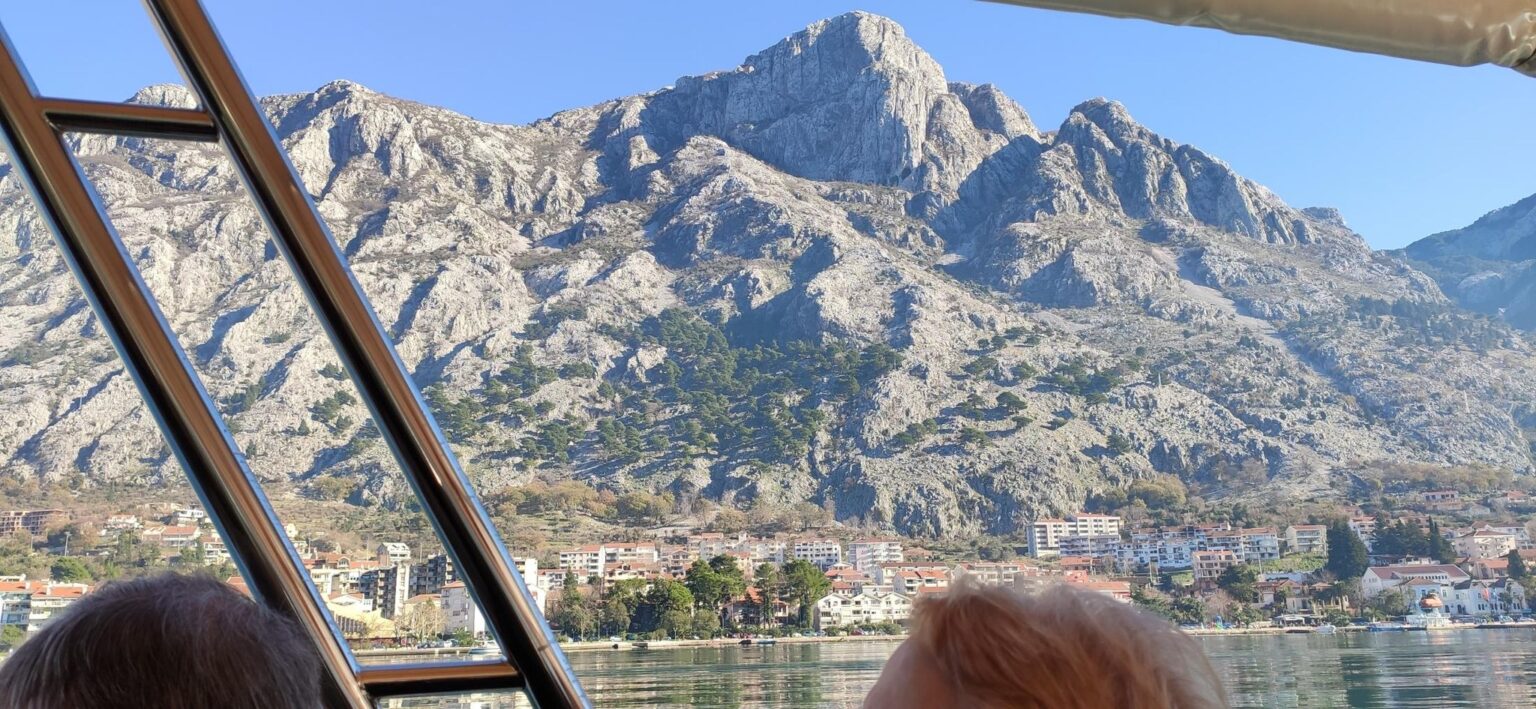
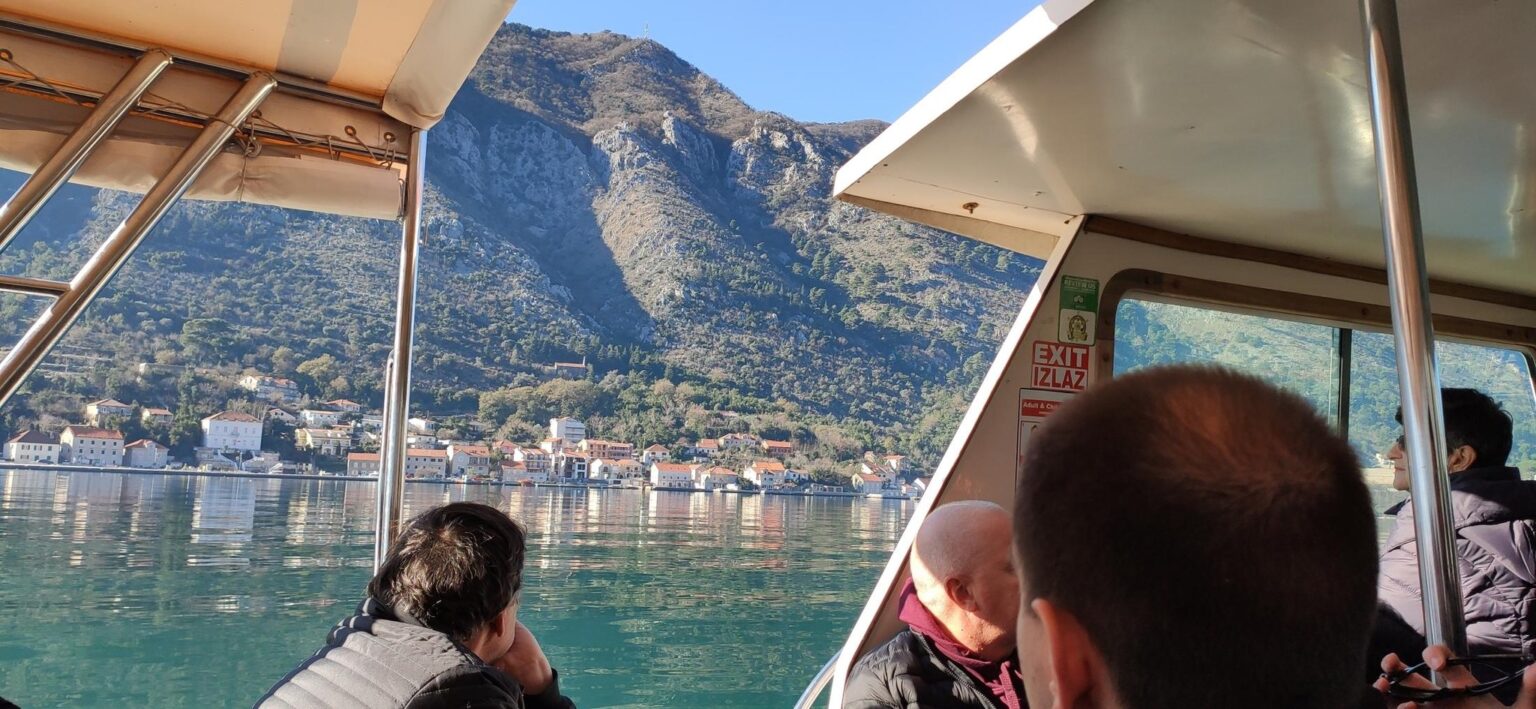
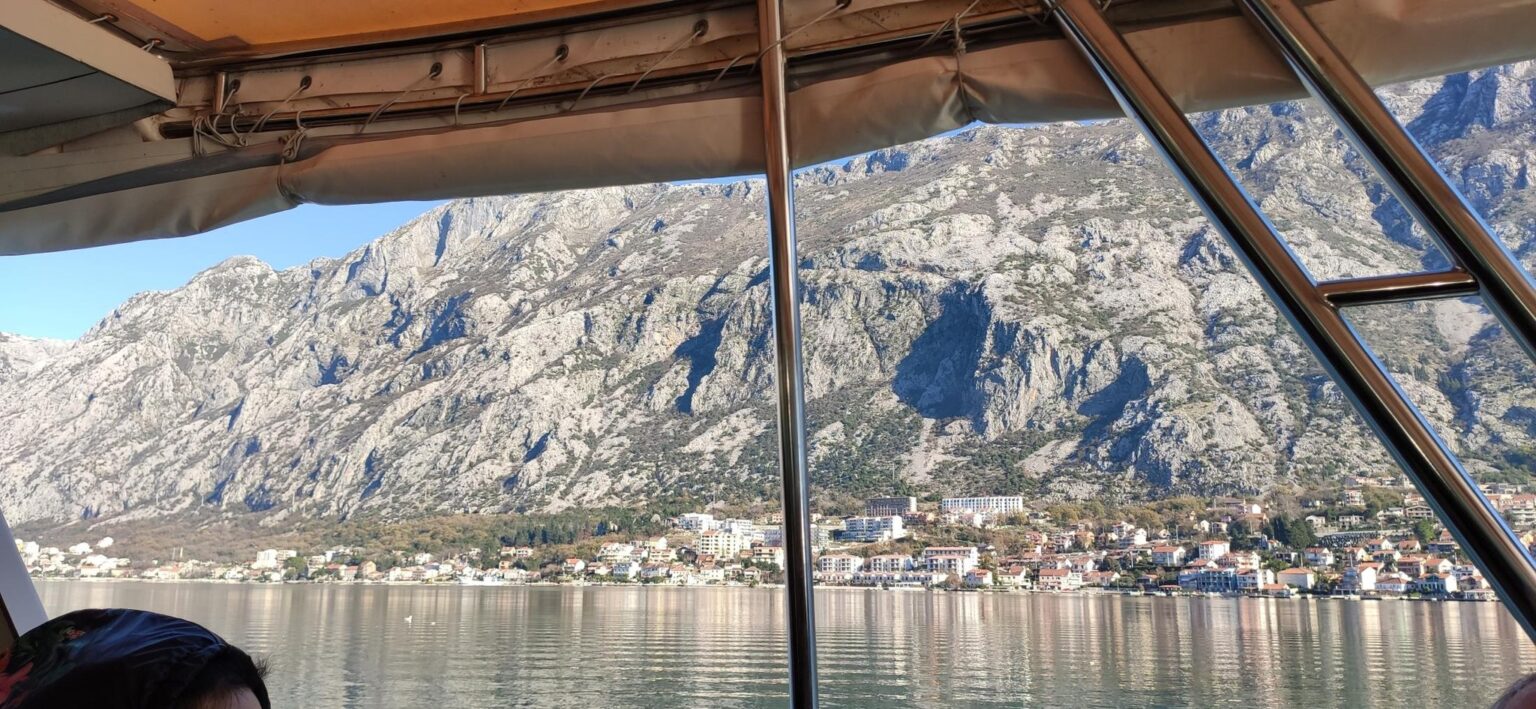
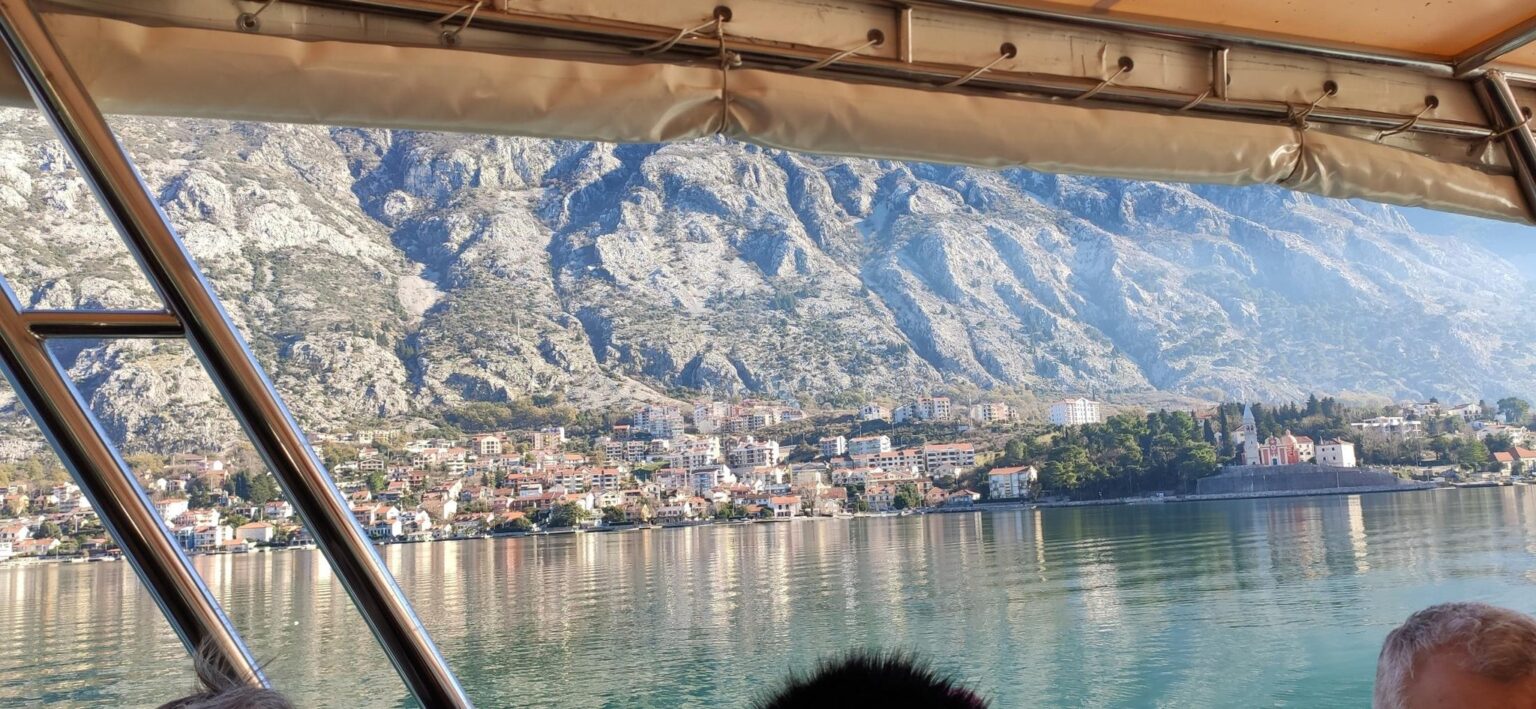
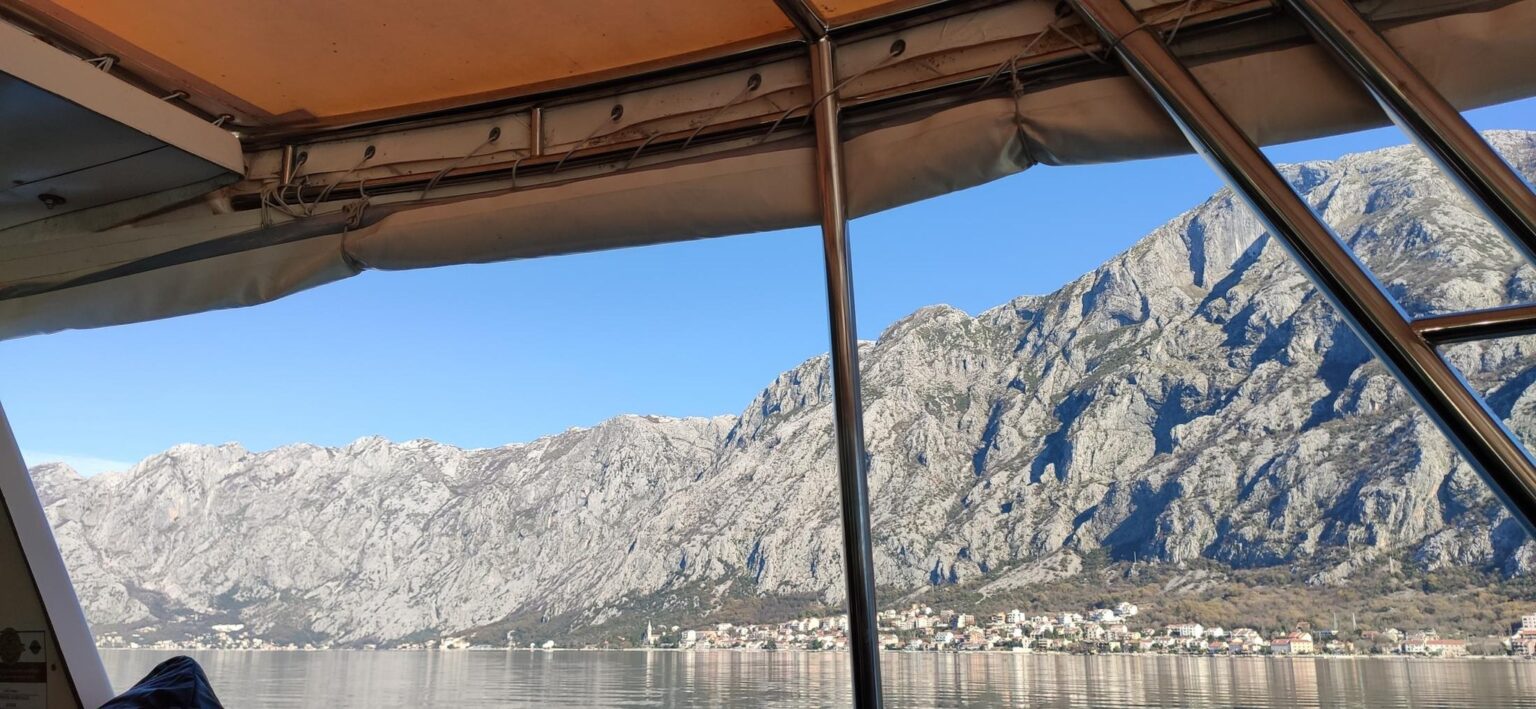
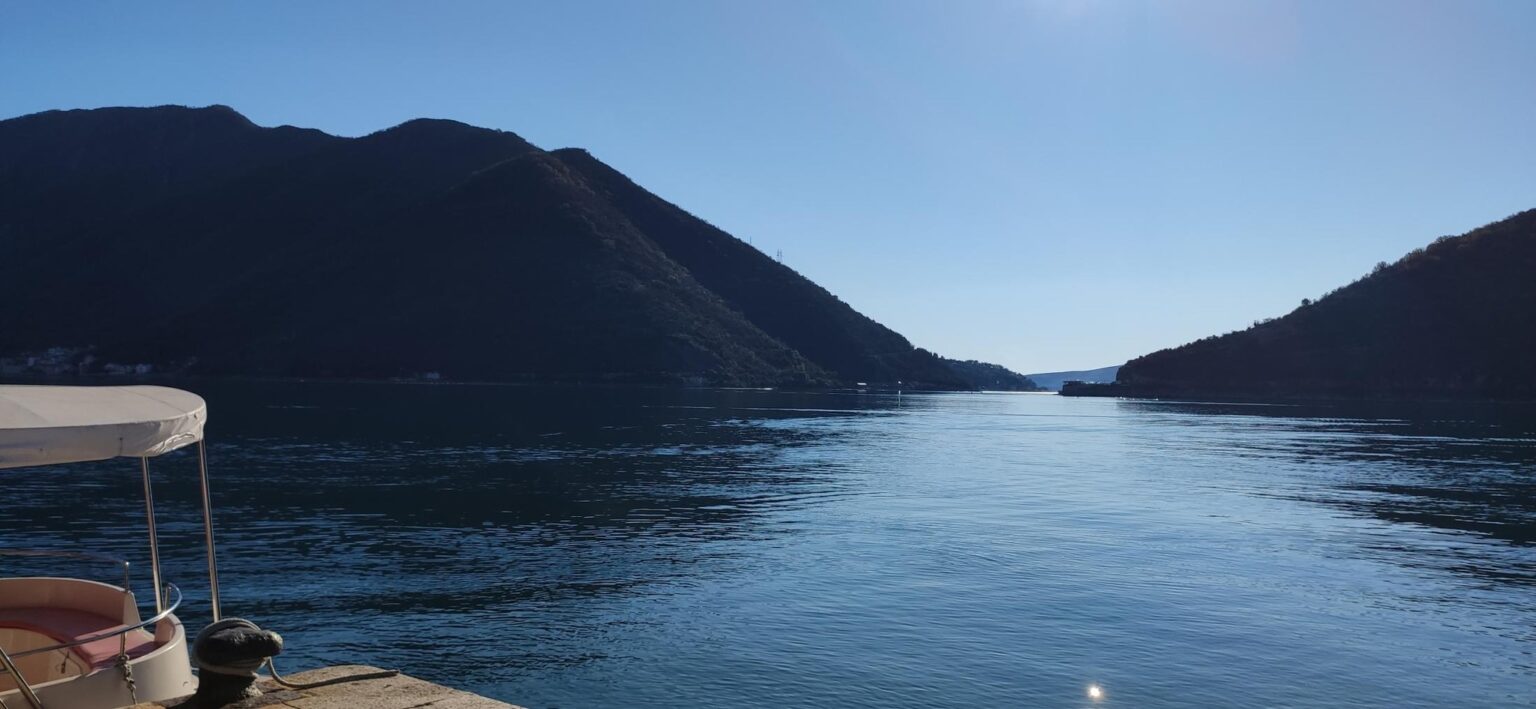
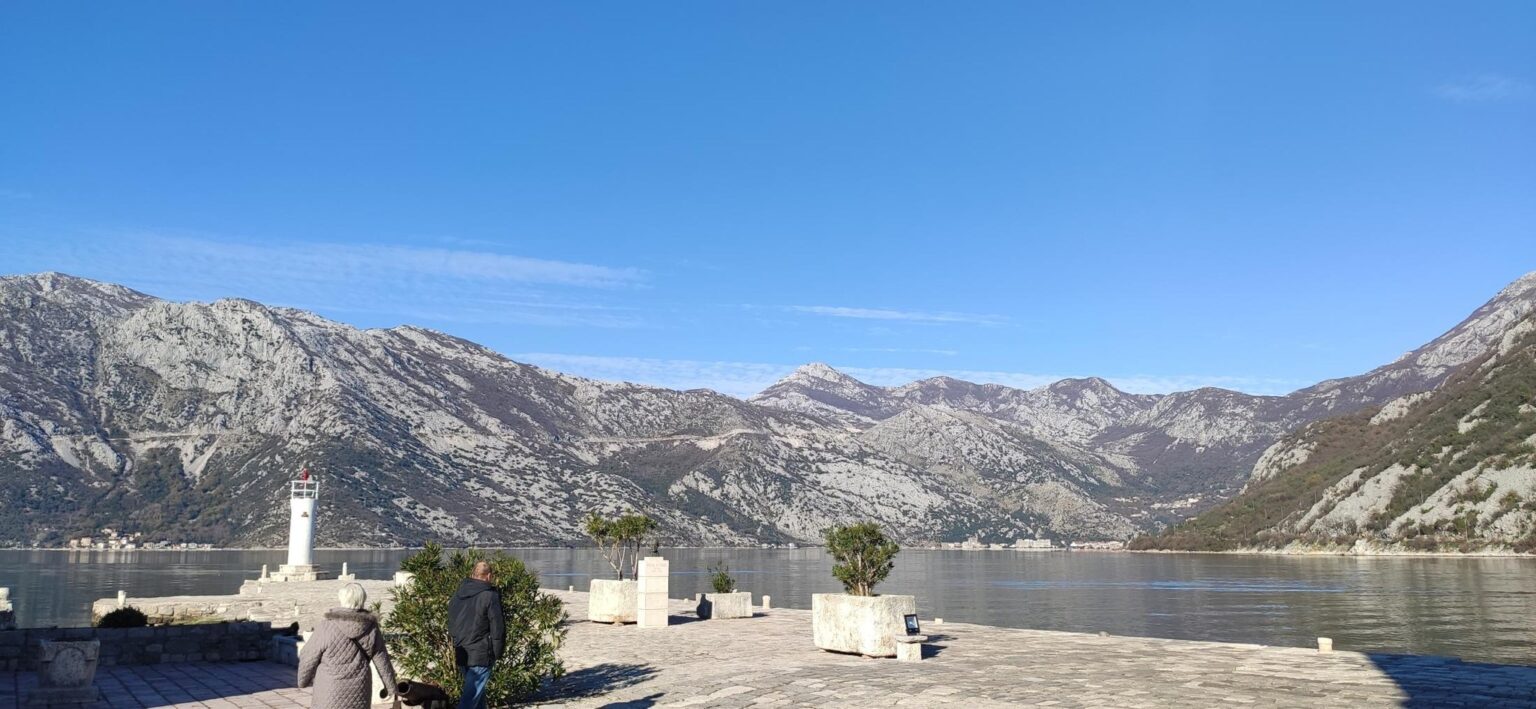
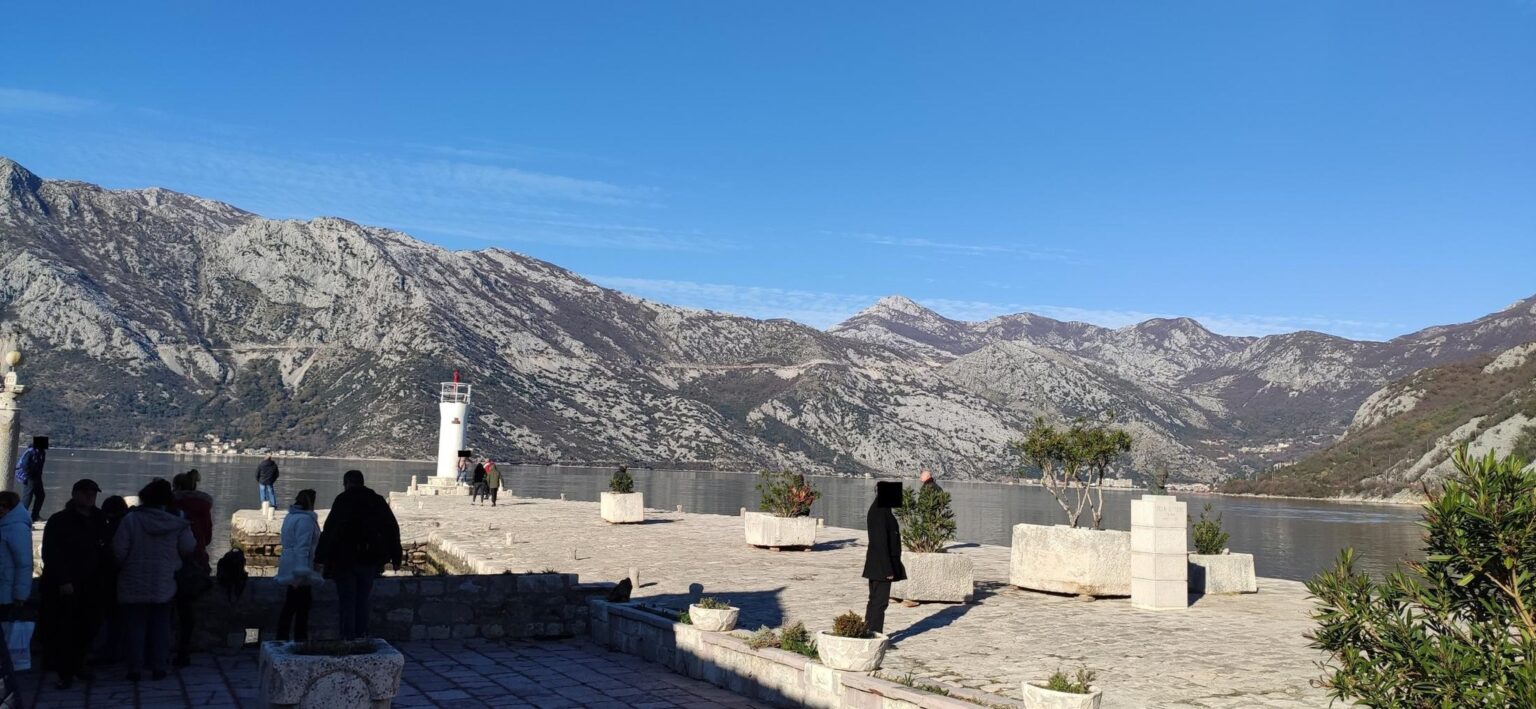
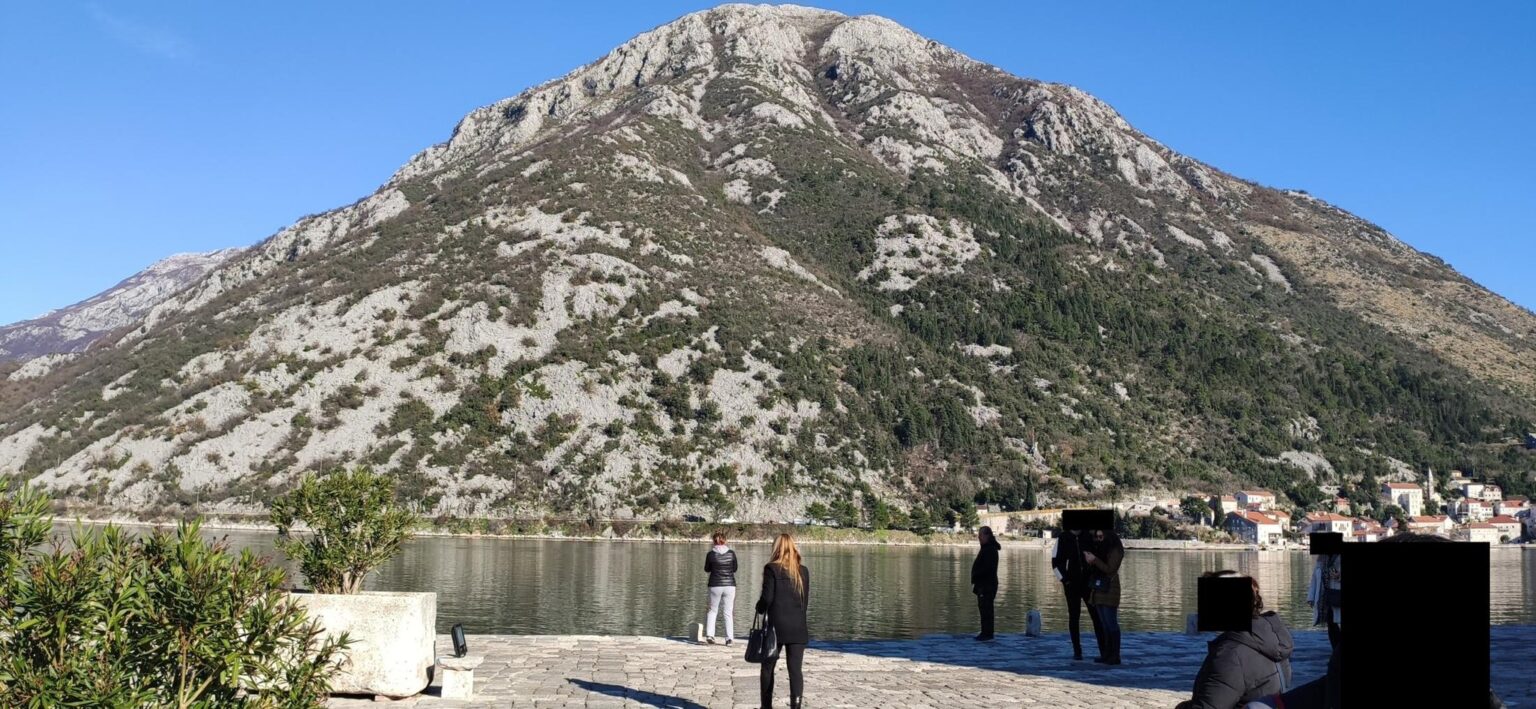
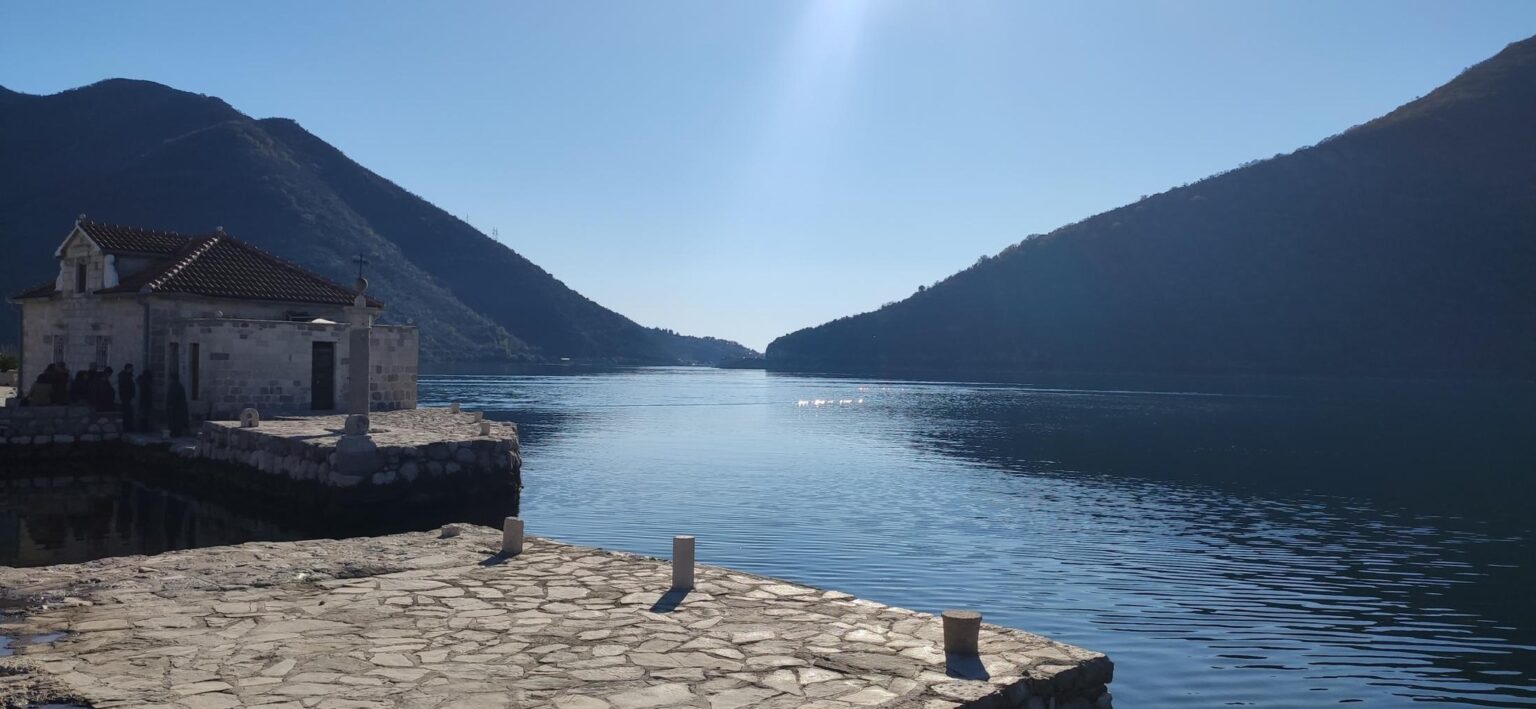
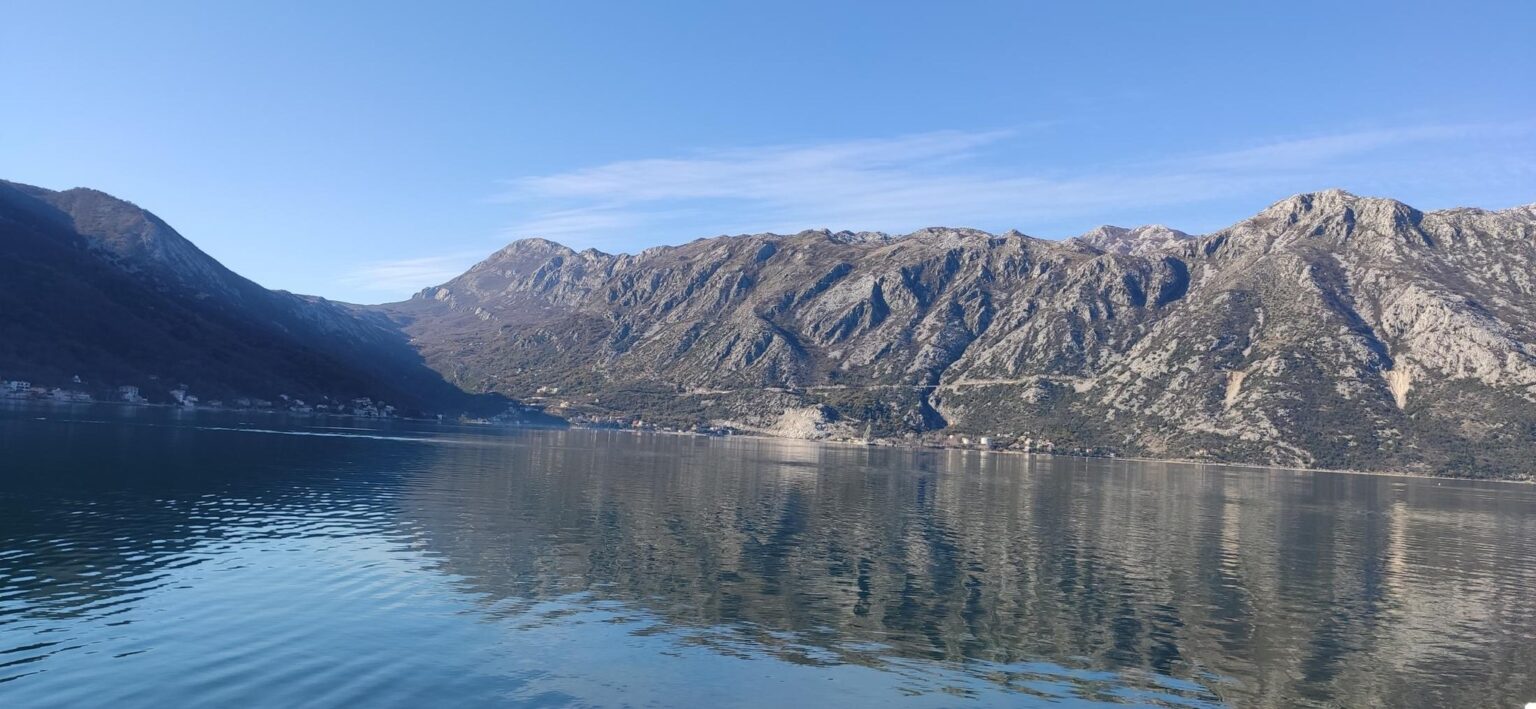
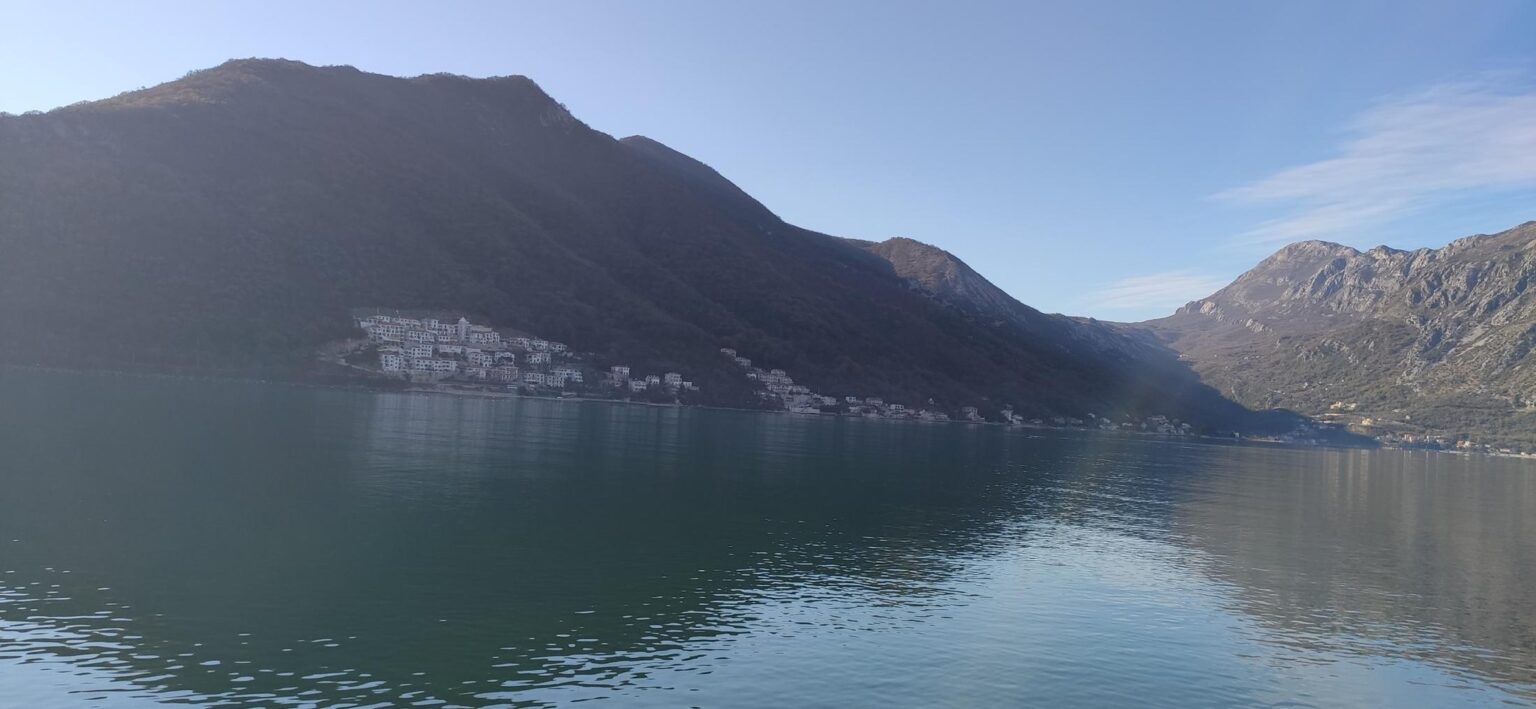
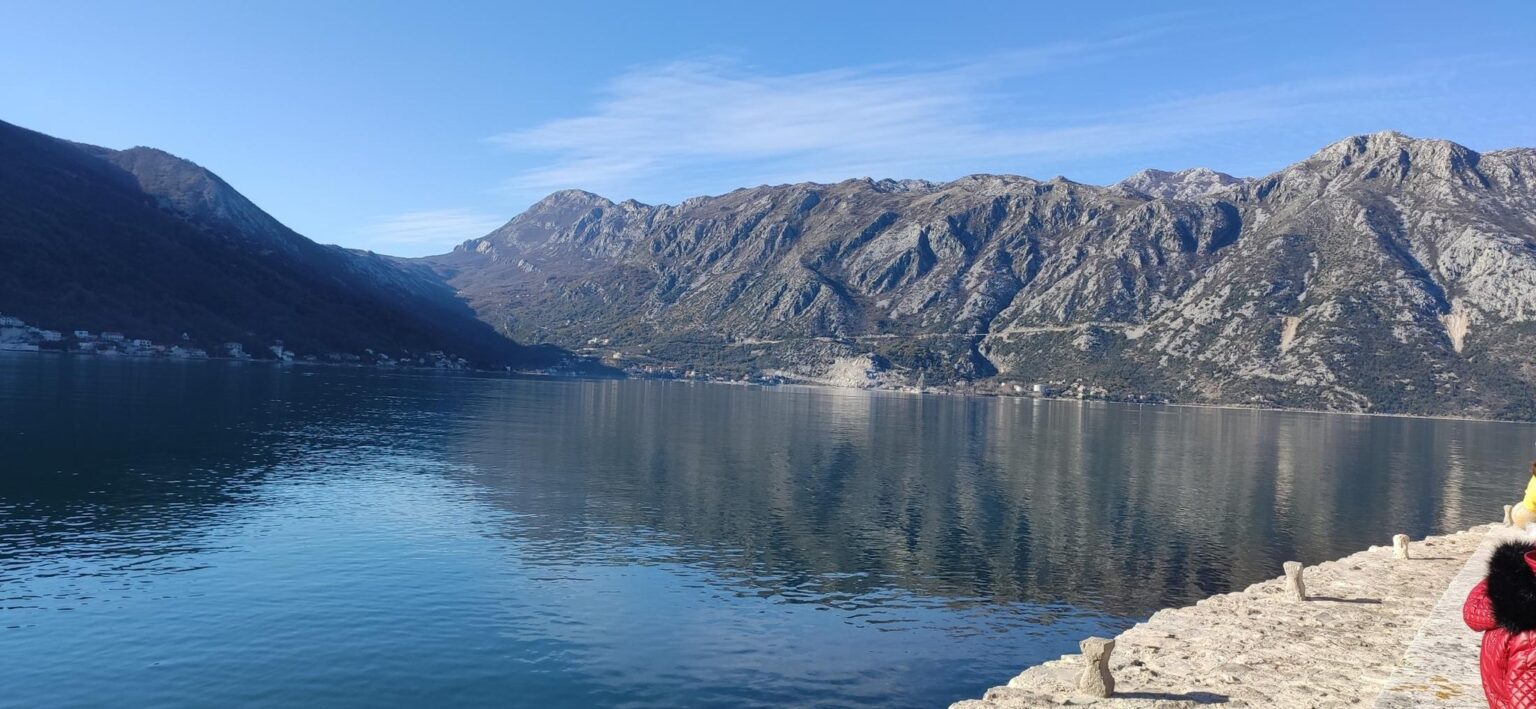
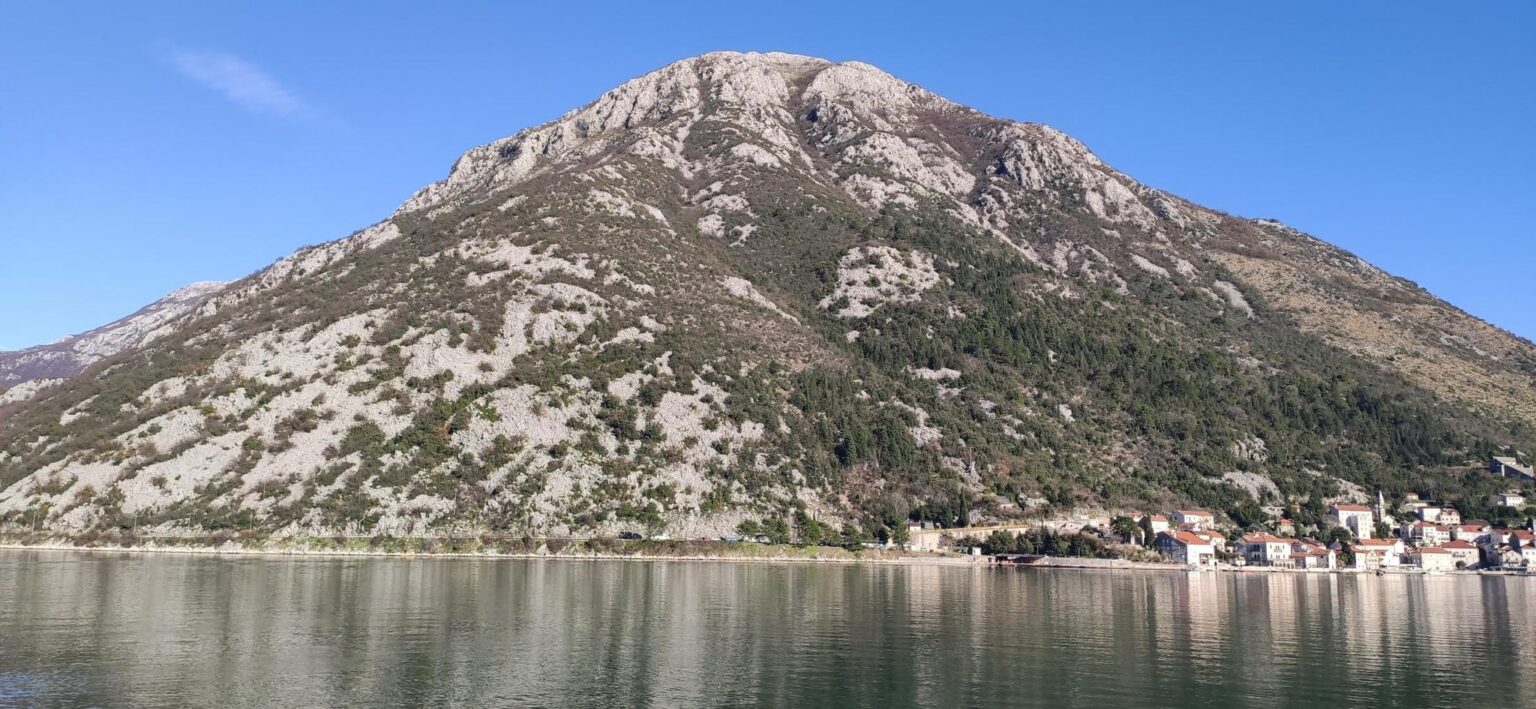
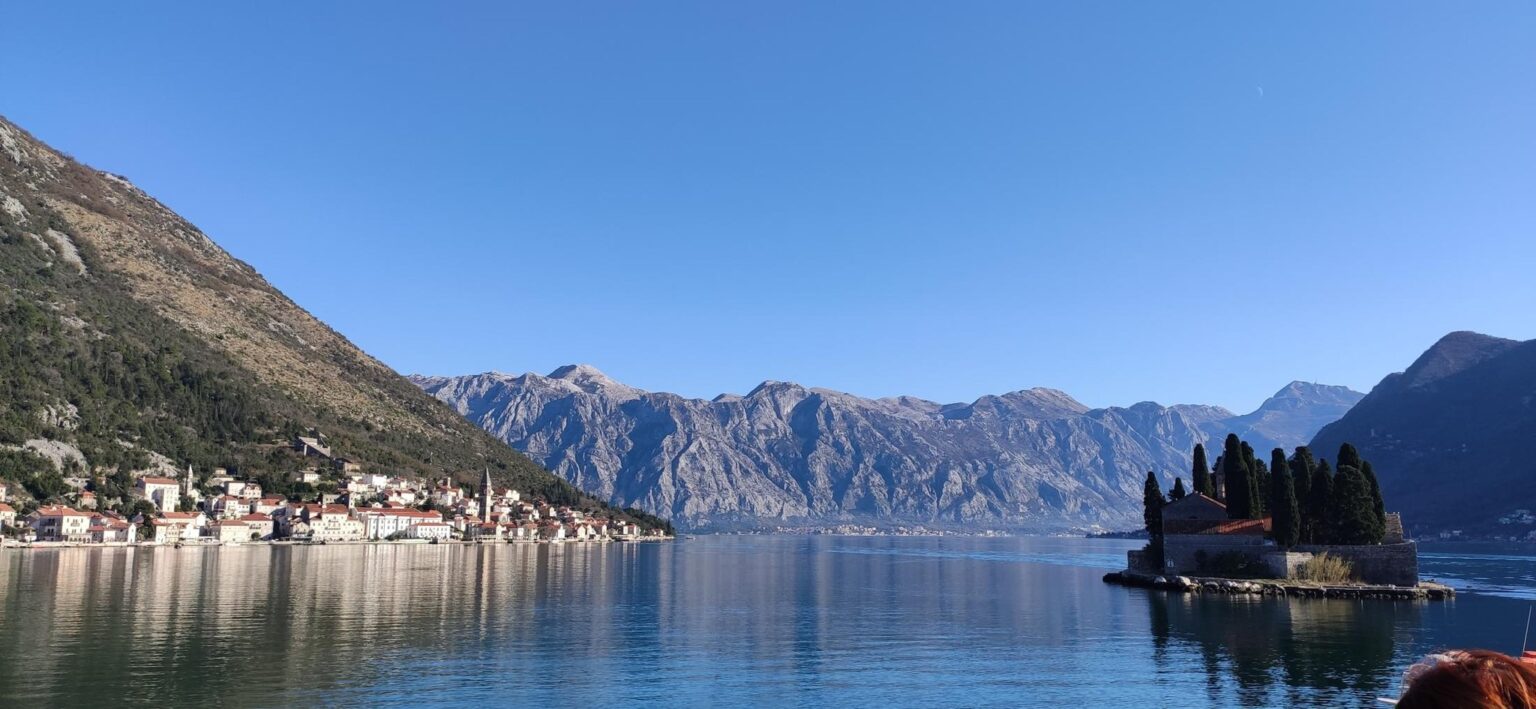
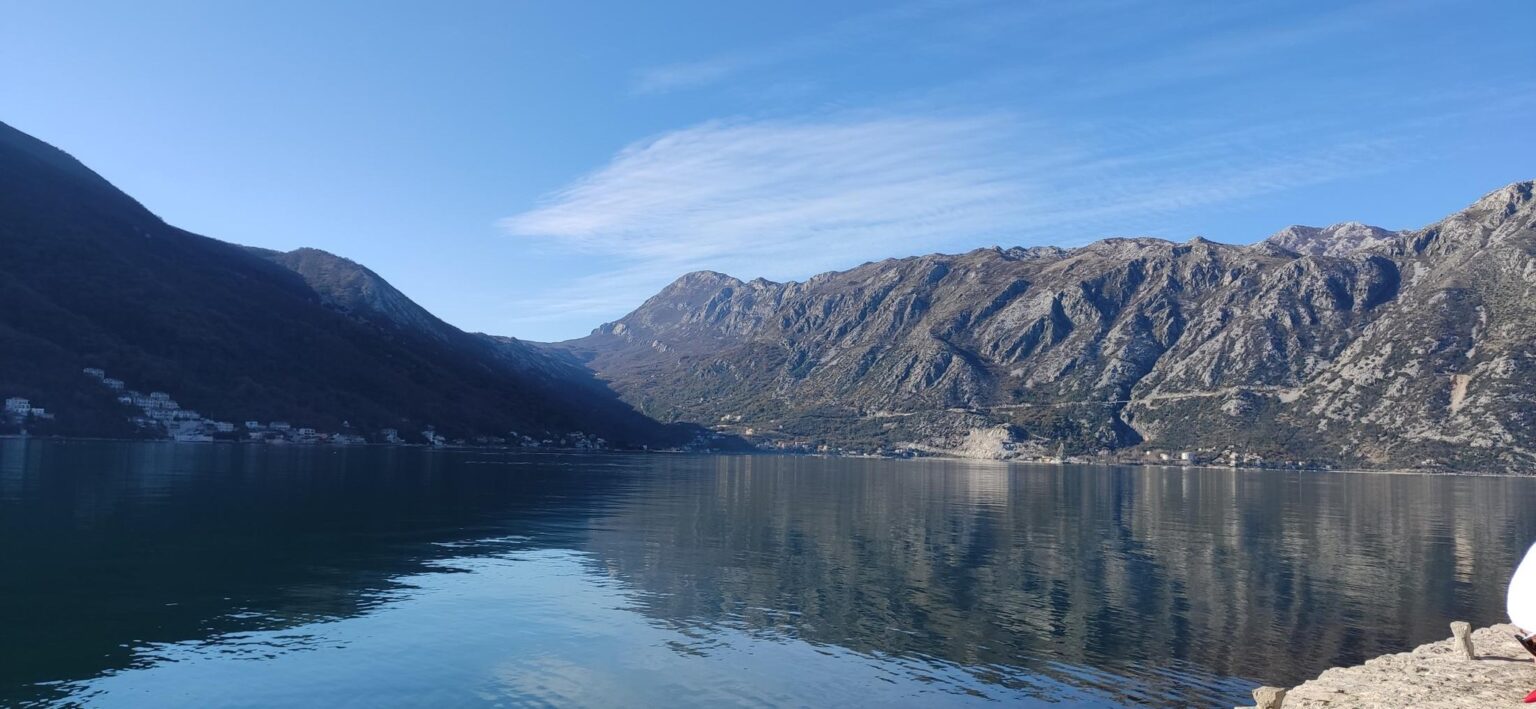
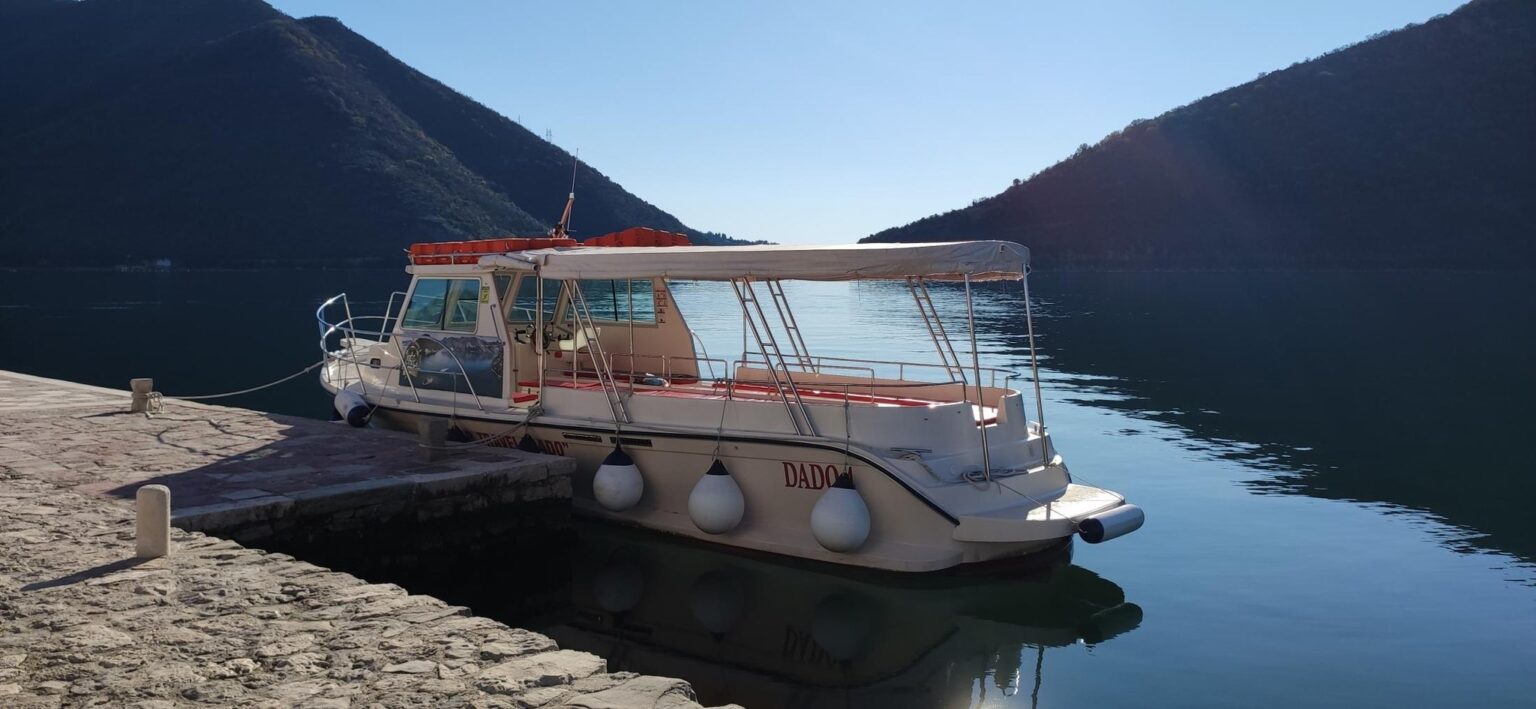
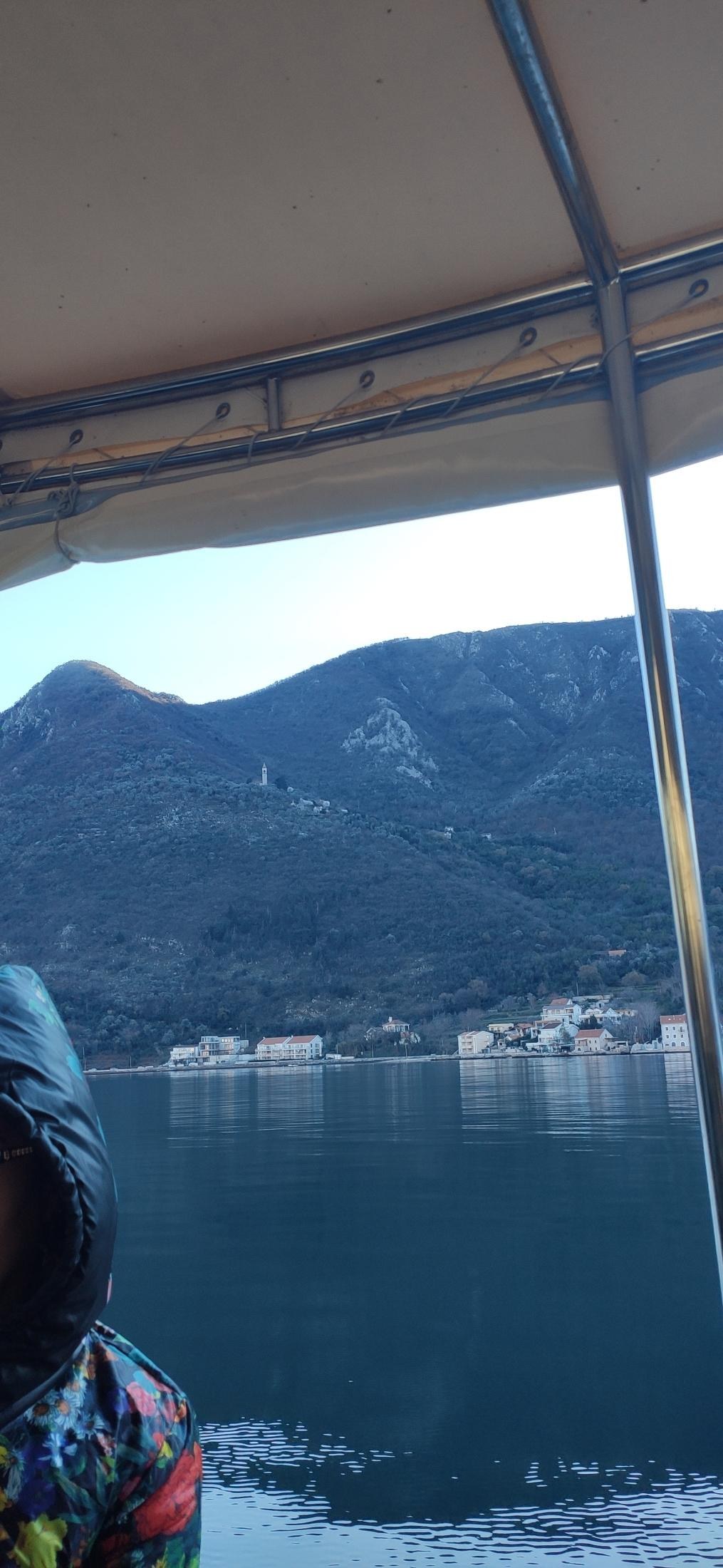
If you’ve picked the boat and skipped the climb, the harbour is near the entrance to the old town. The operator’s instructions about time and place are clear, no room for error. The crossing is about 30–40 minutes each way, the boats are packed with people, and somehow it’s still pleasant. The panoramas across the whole bay are lovely.
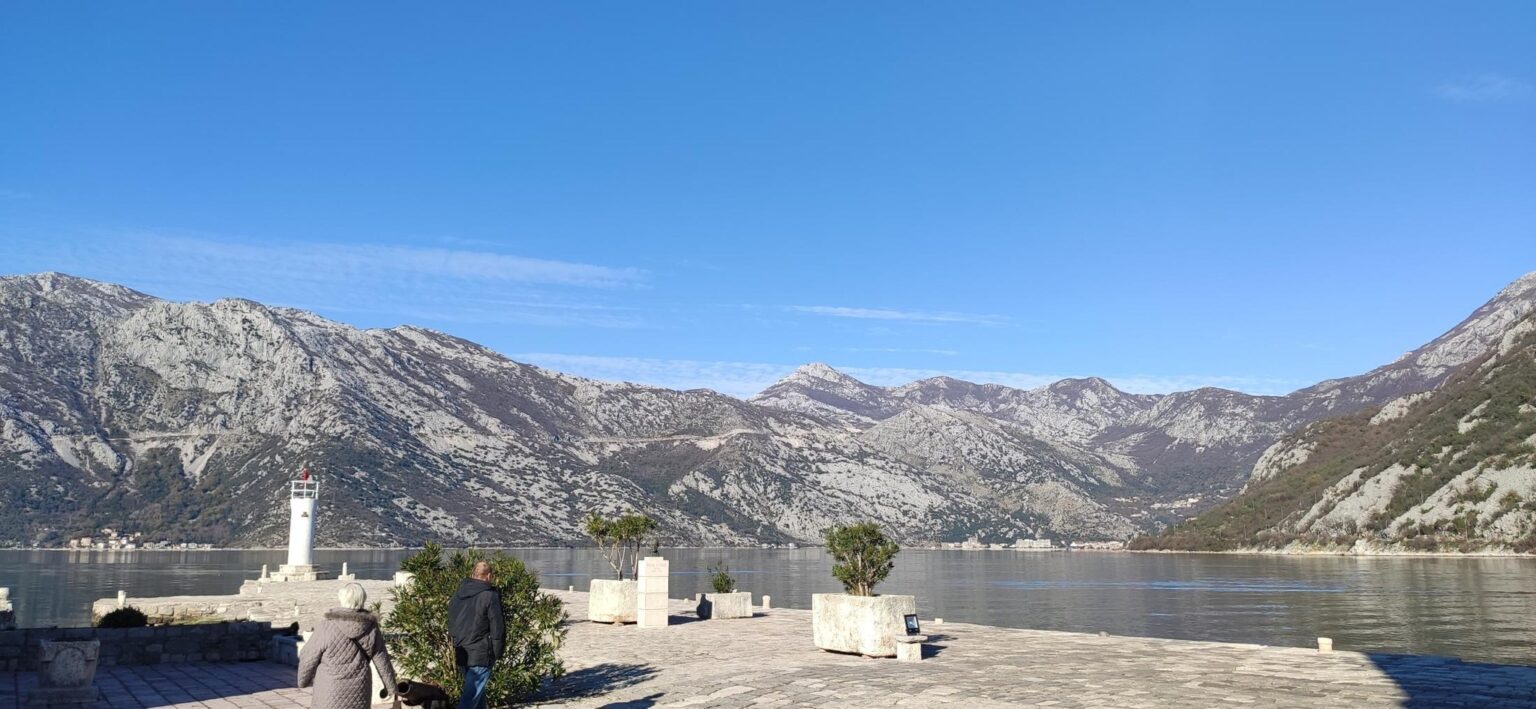
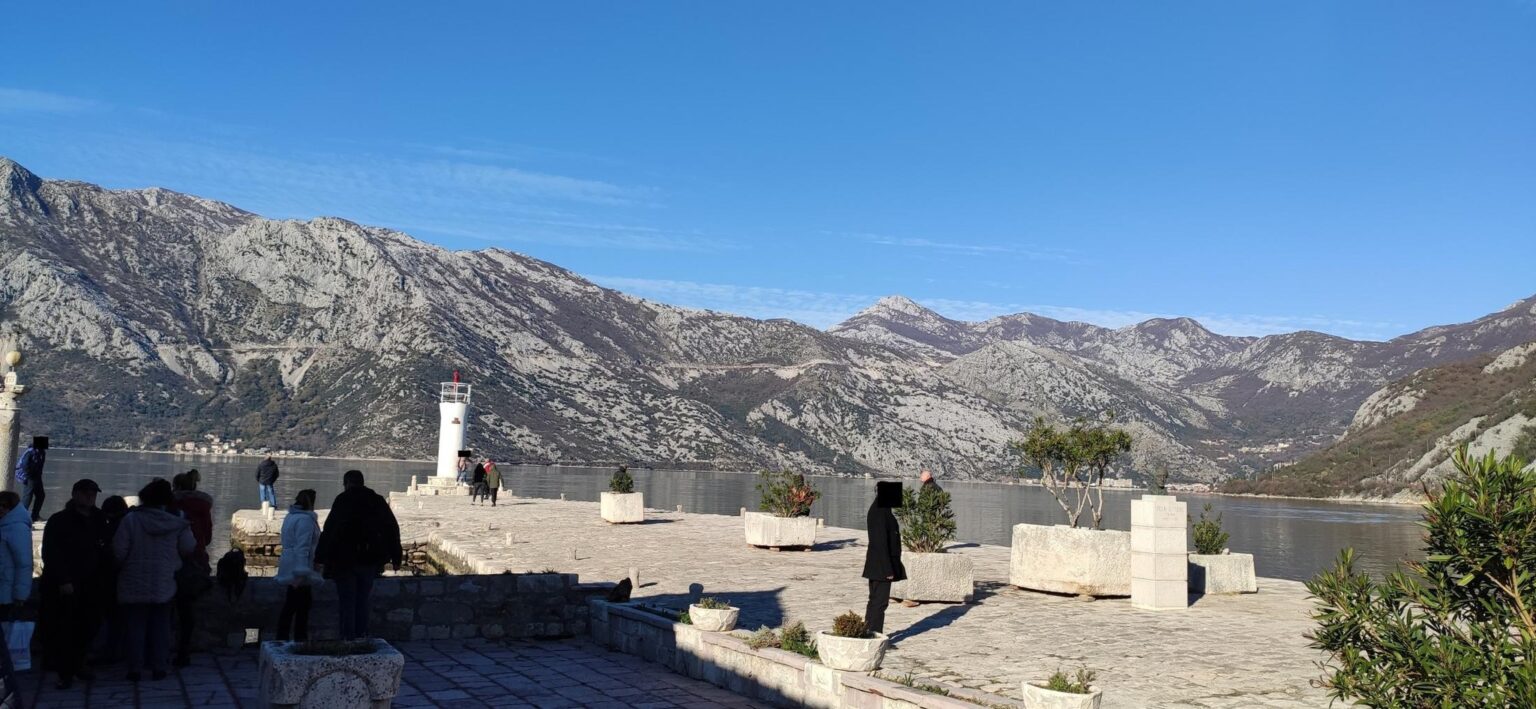
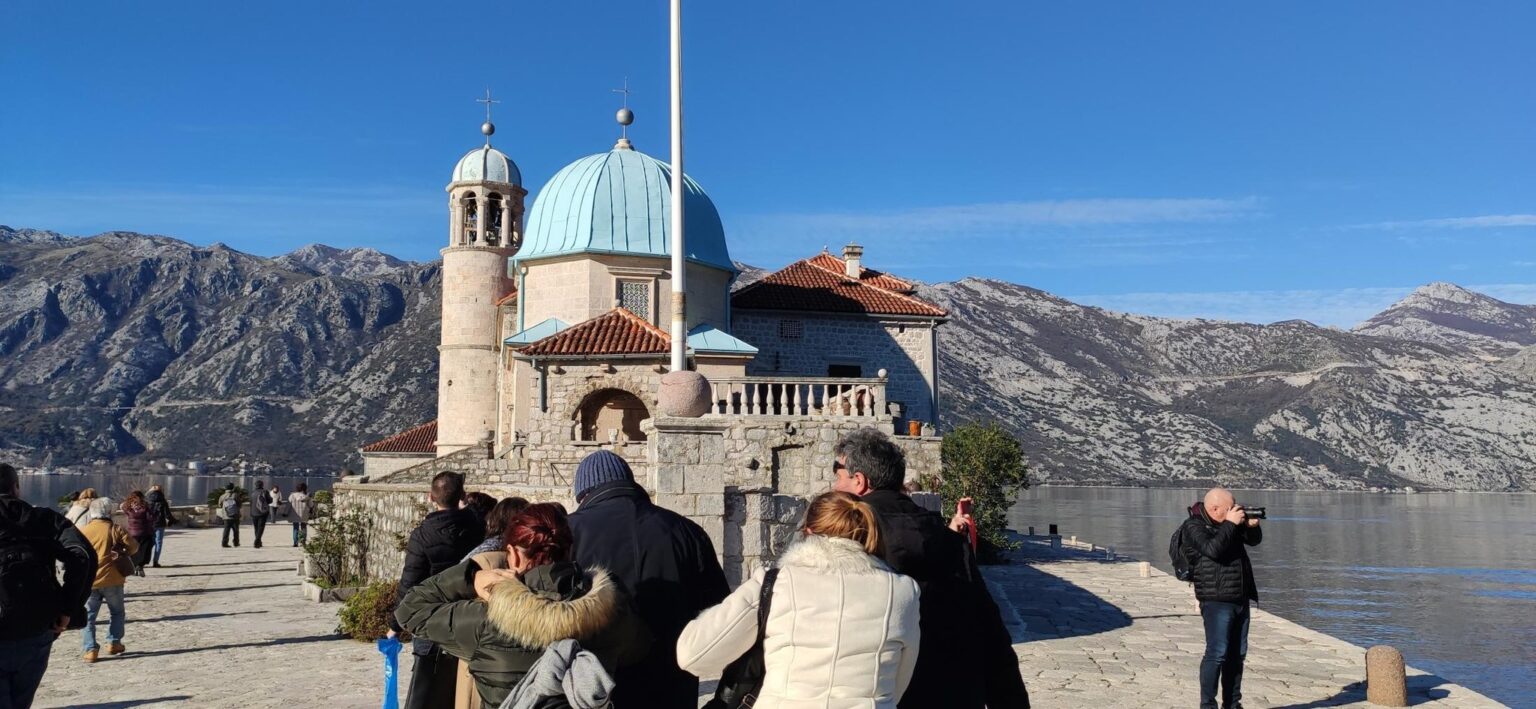
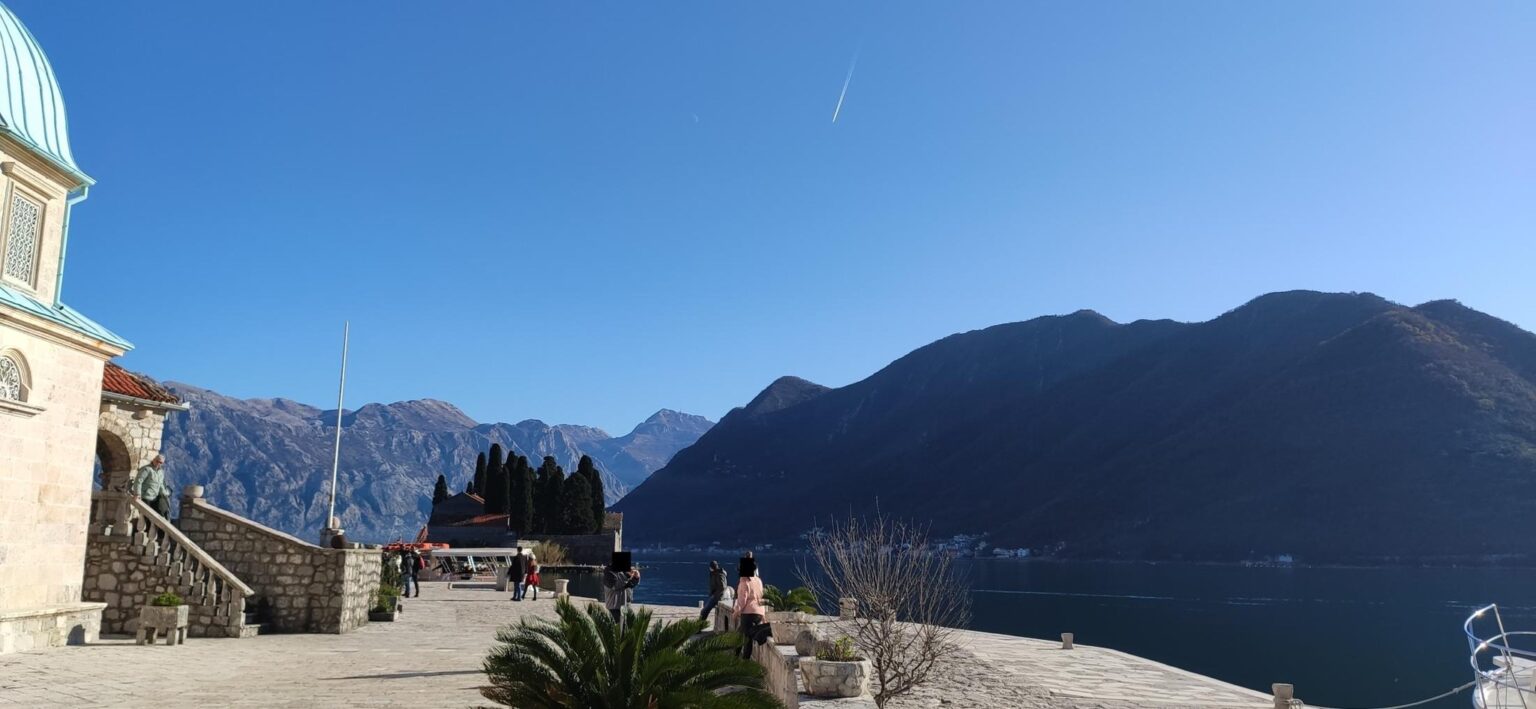
You stop at the islet, and entry to Our Lady of the Rocks itself is symbolic — it was €1 when we visited, and today the church and its museum cost around €2–3. If you’re coming independently rather than on a group trip, the water taxi from Perast is about €5 return, and organised boat tours from Kotor run anywhere from €15 to €45 depending on how many stops they bolt on. You get about an hour and fifteen on the island, which is more than enough. It’s a great spot for photos and a mini picnic. There’s exactly one toilet for visitors and the queue is savage.
Budva
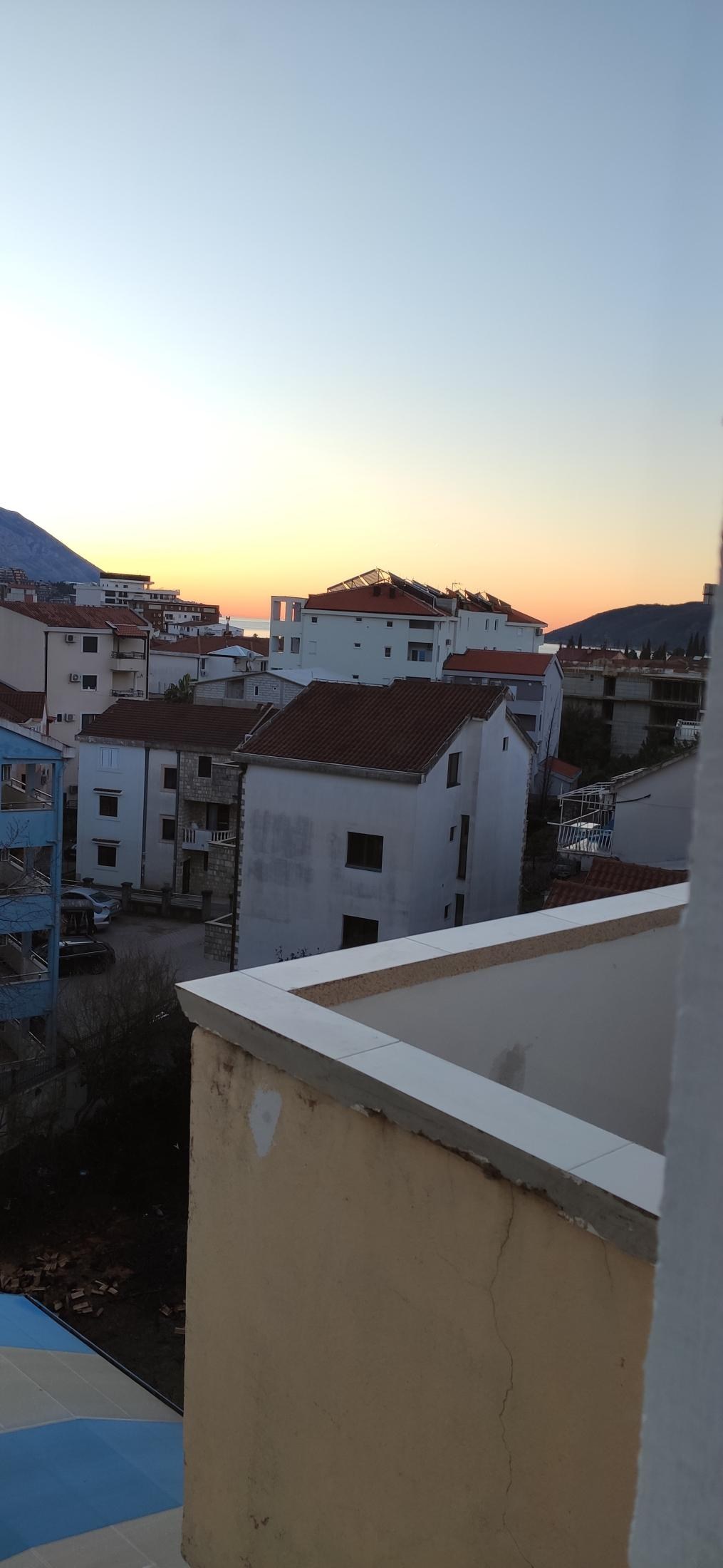
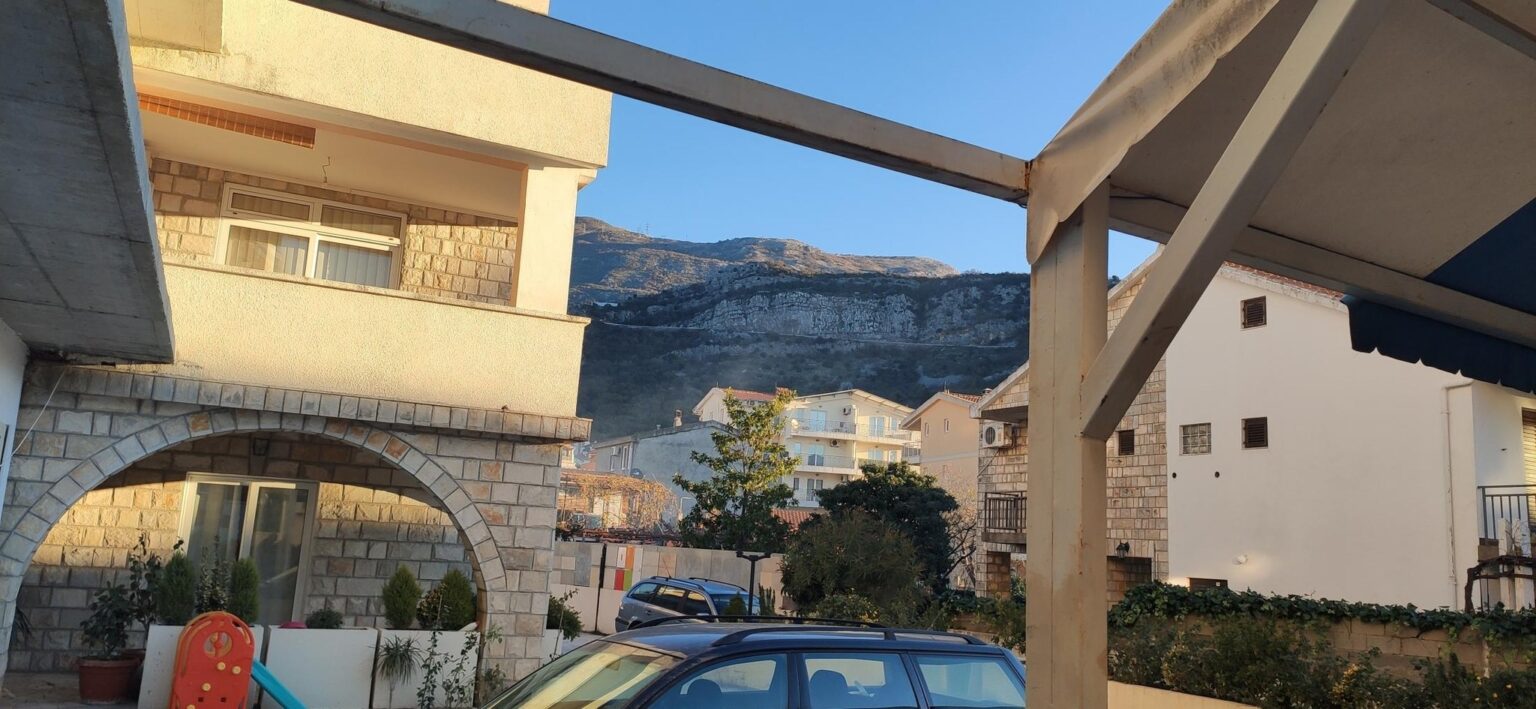
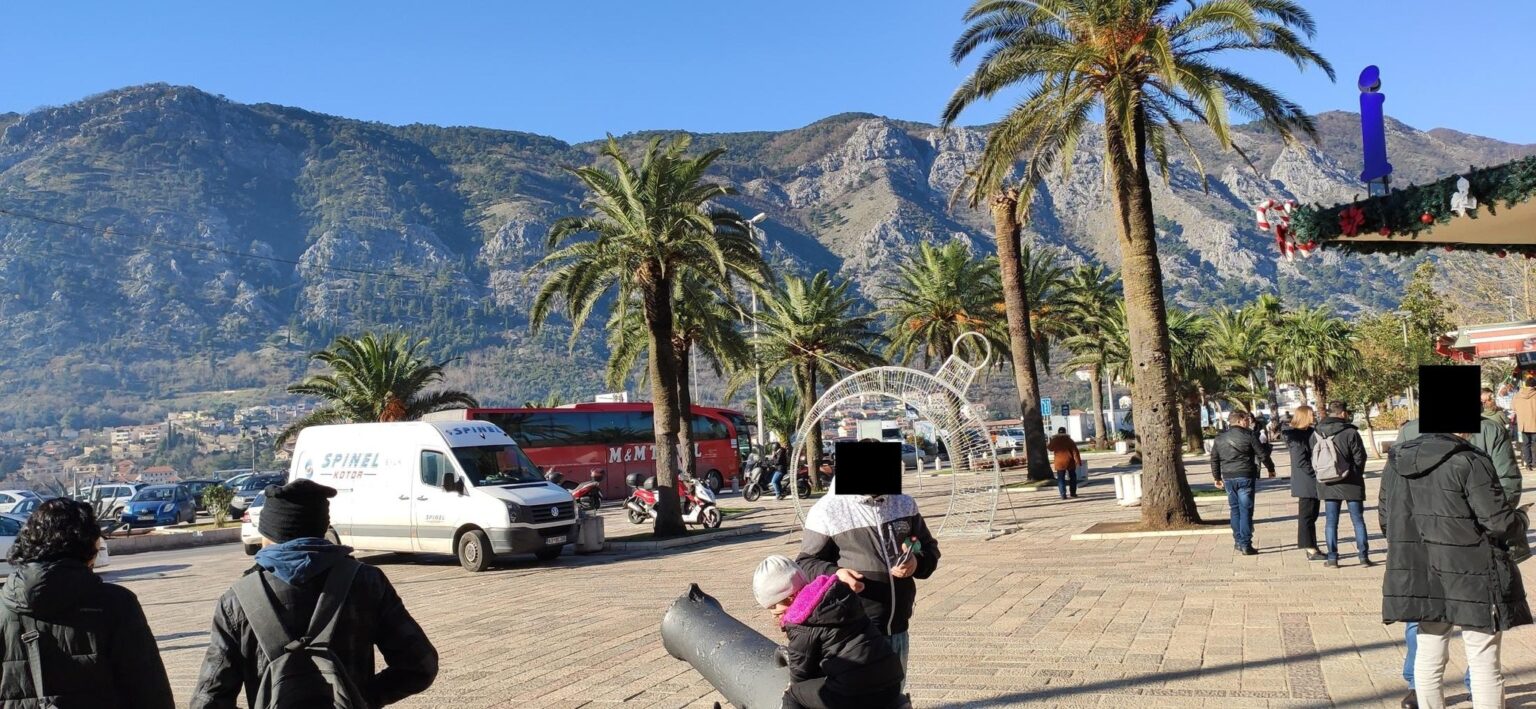
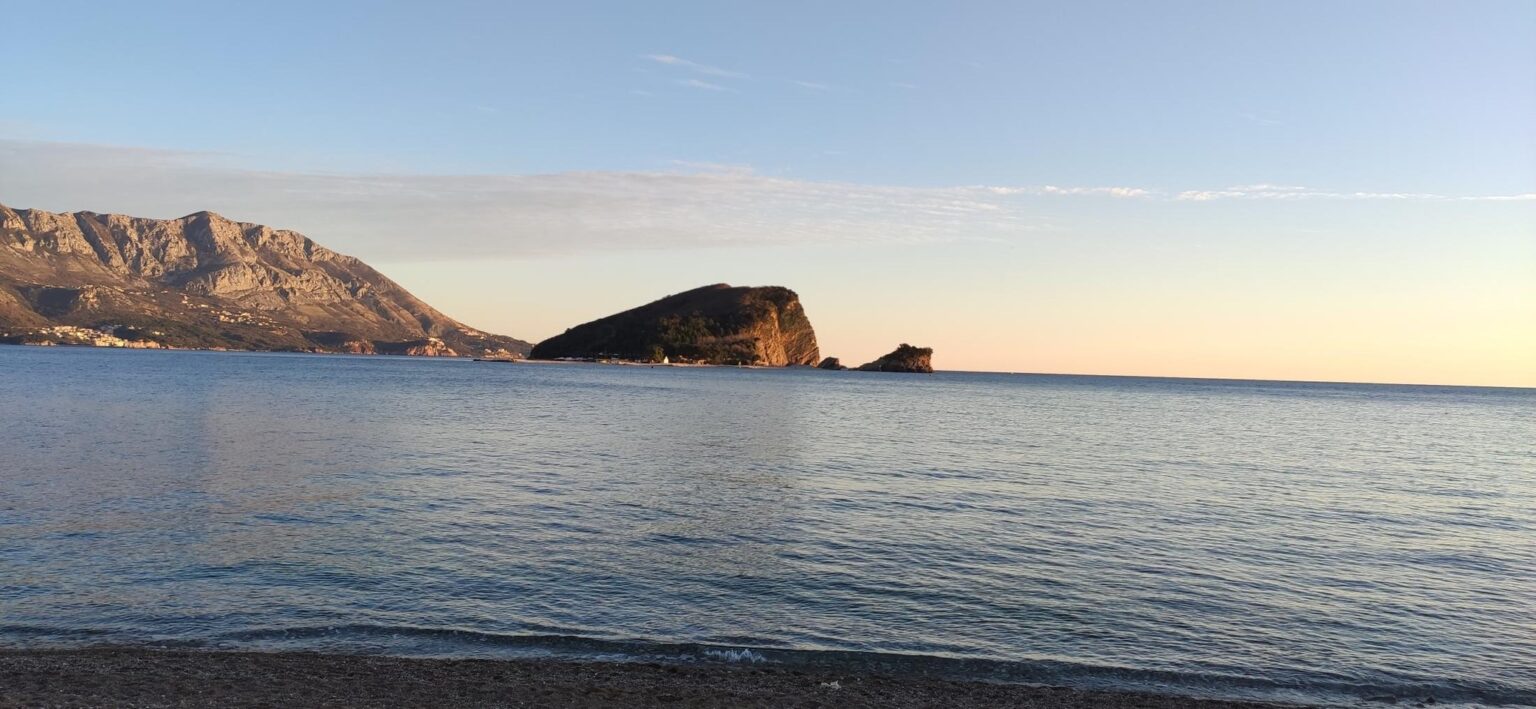
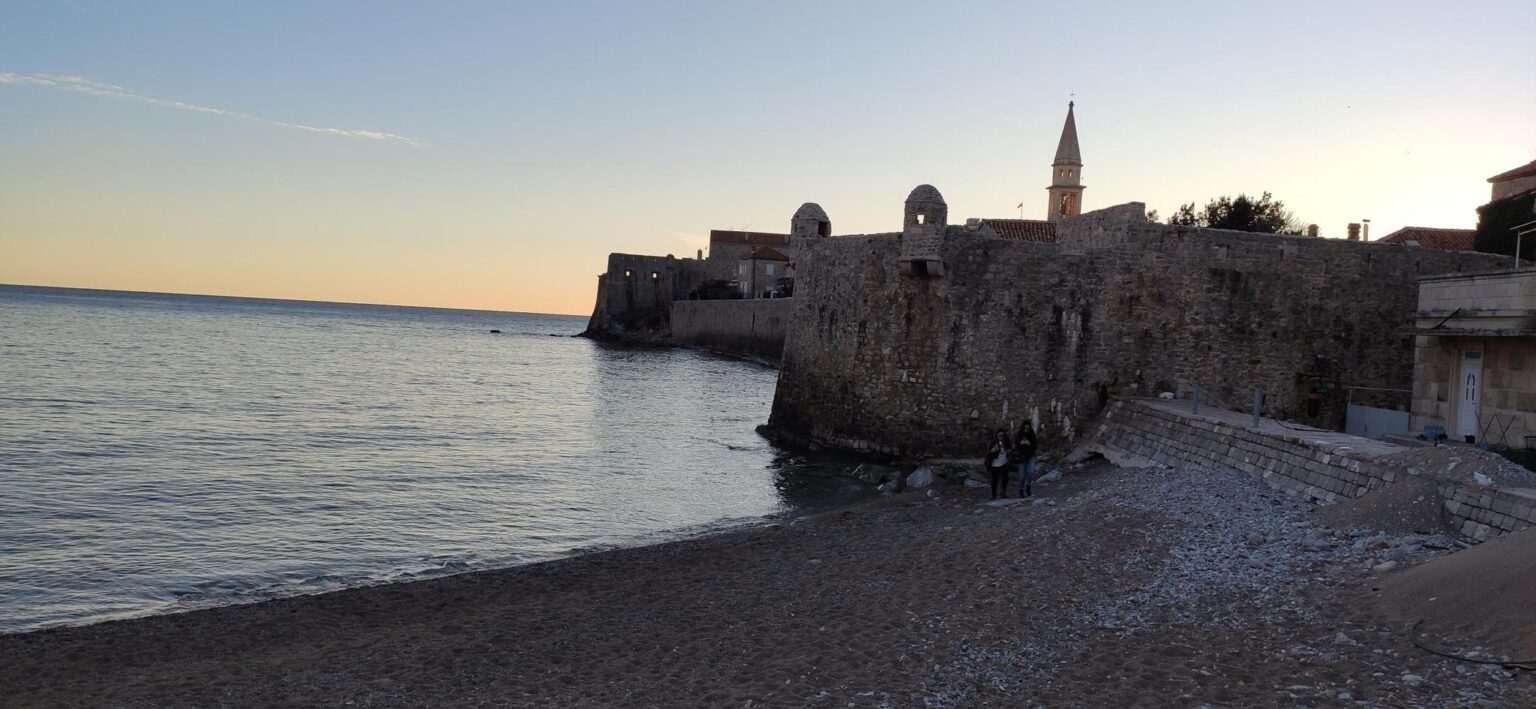
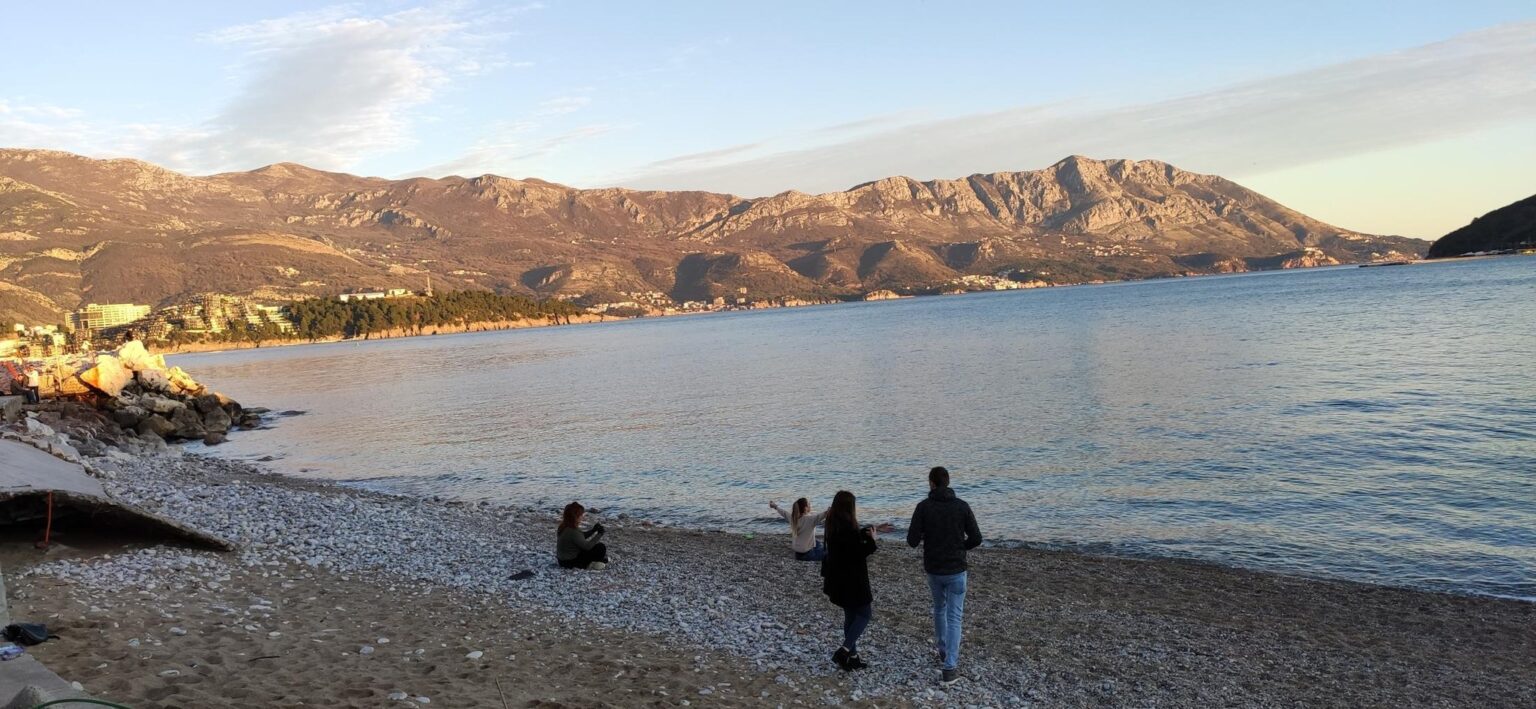
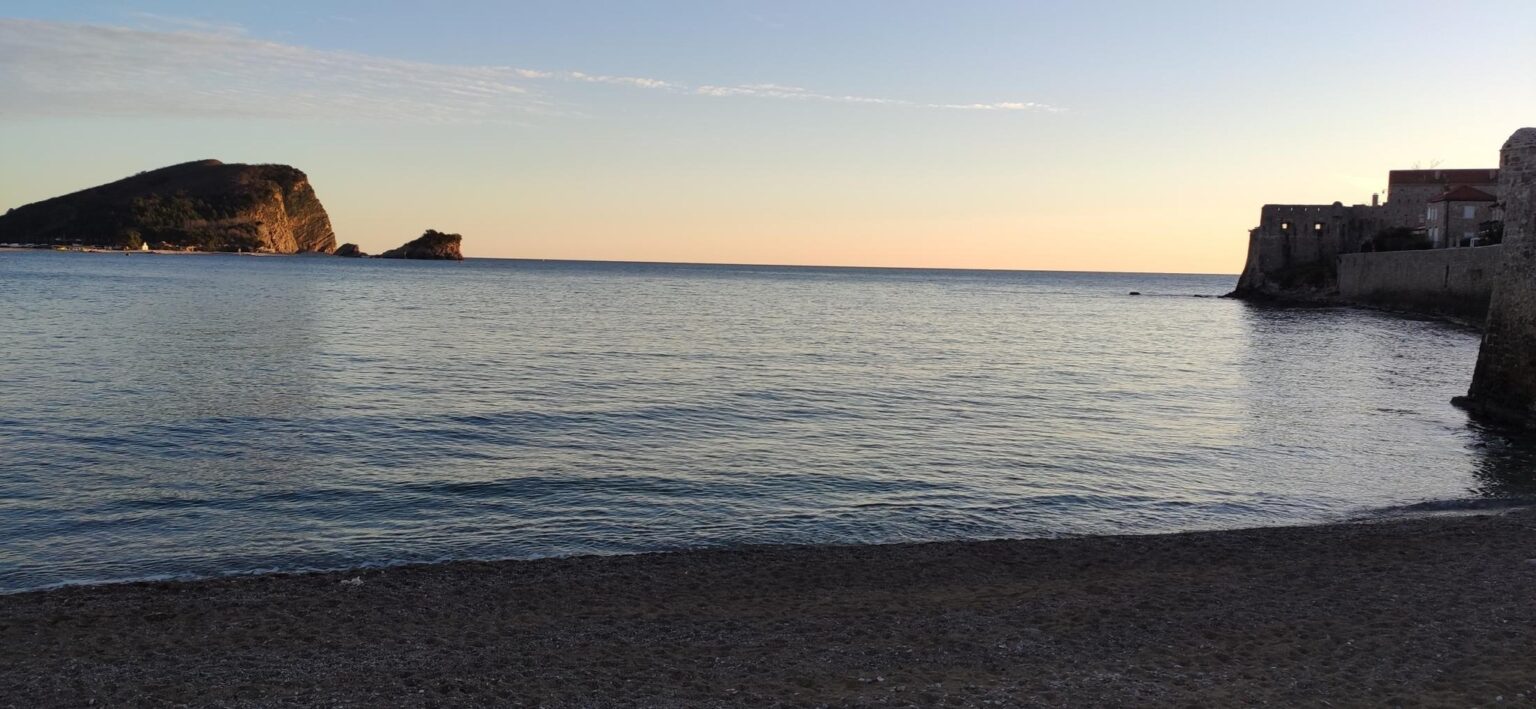
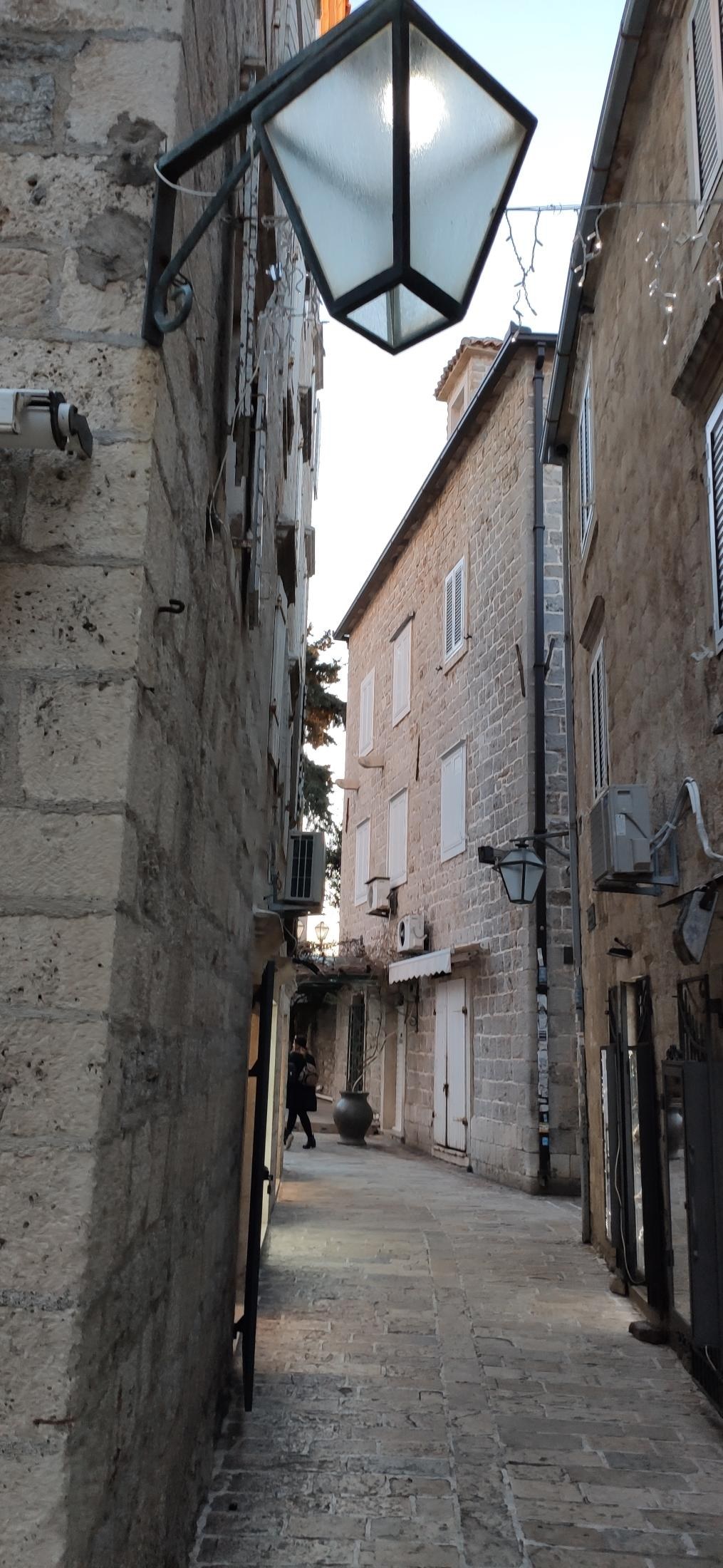
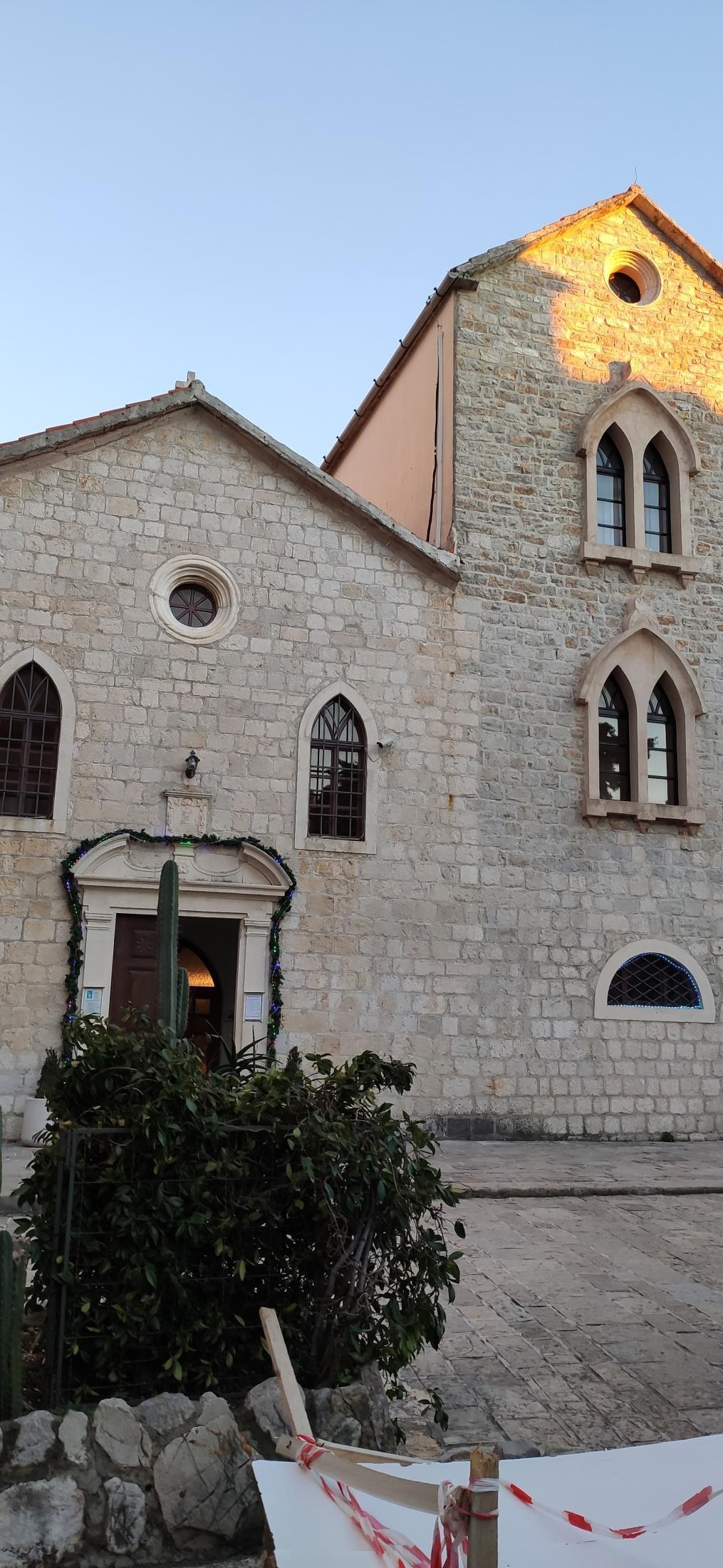
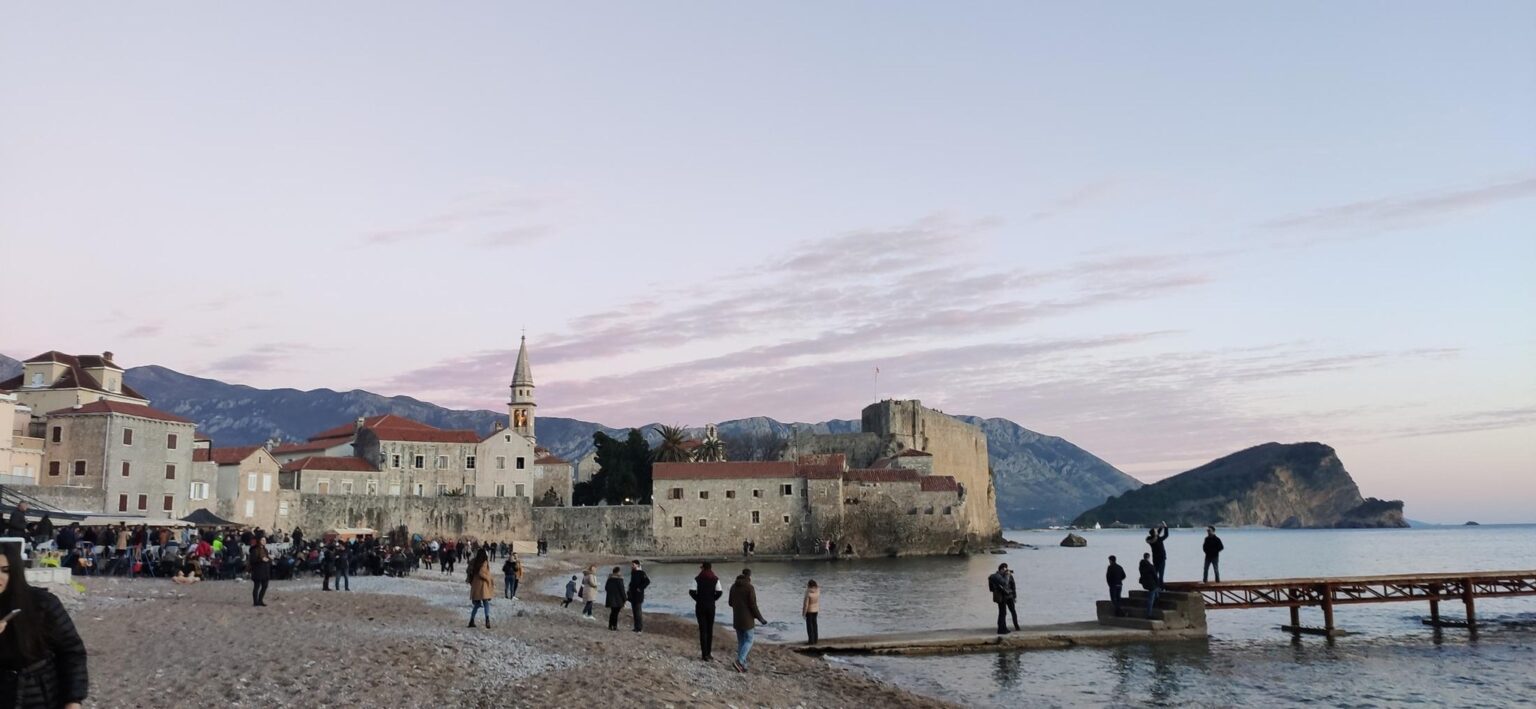
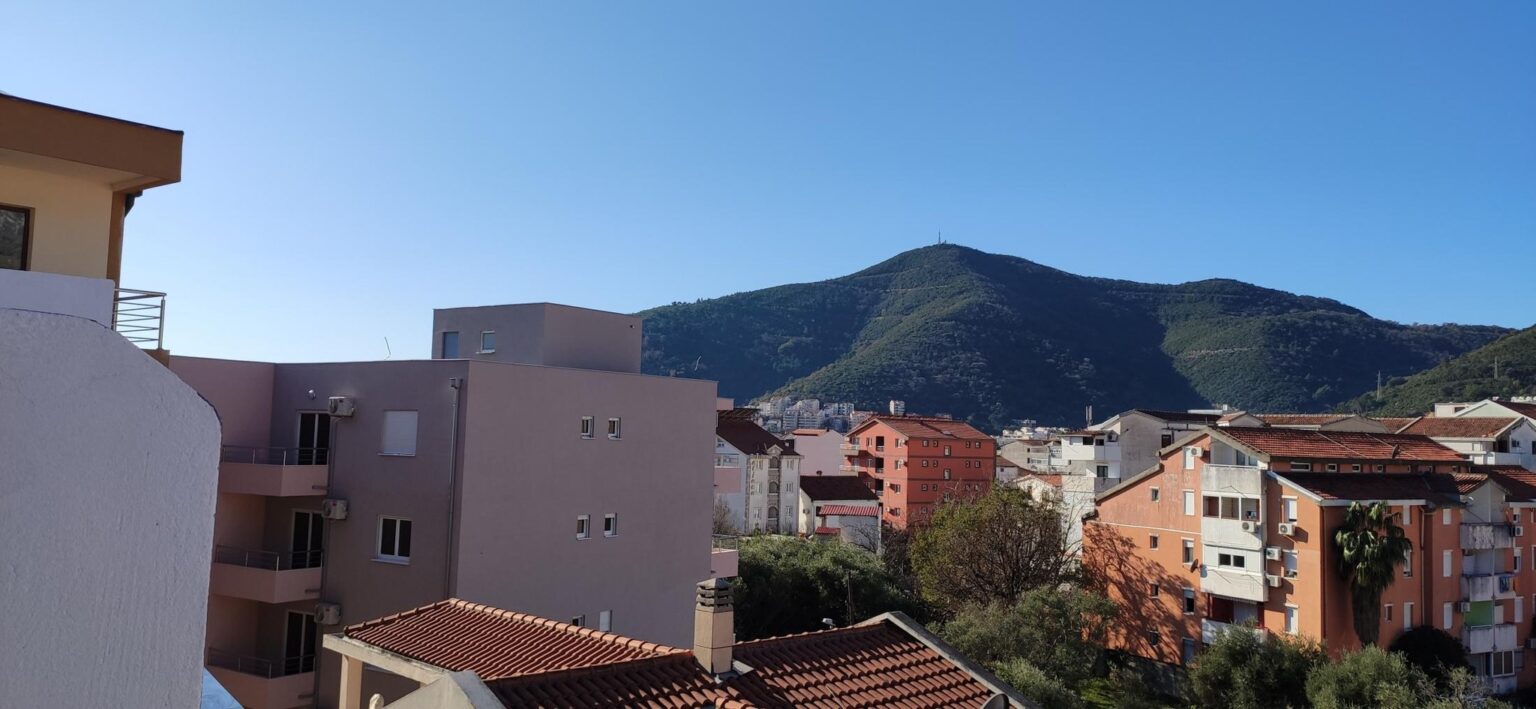
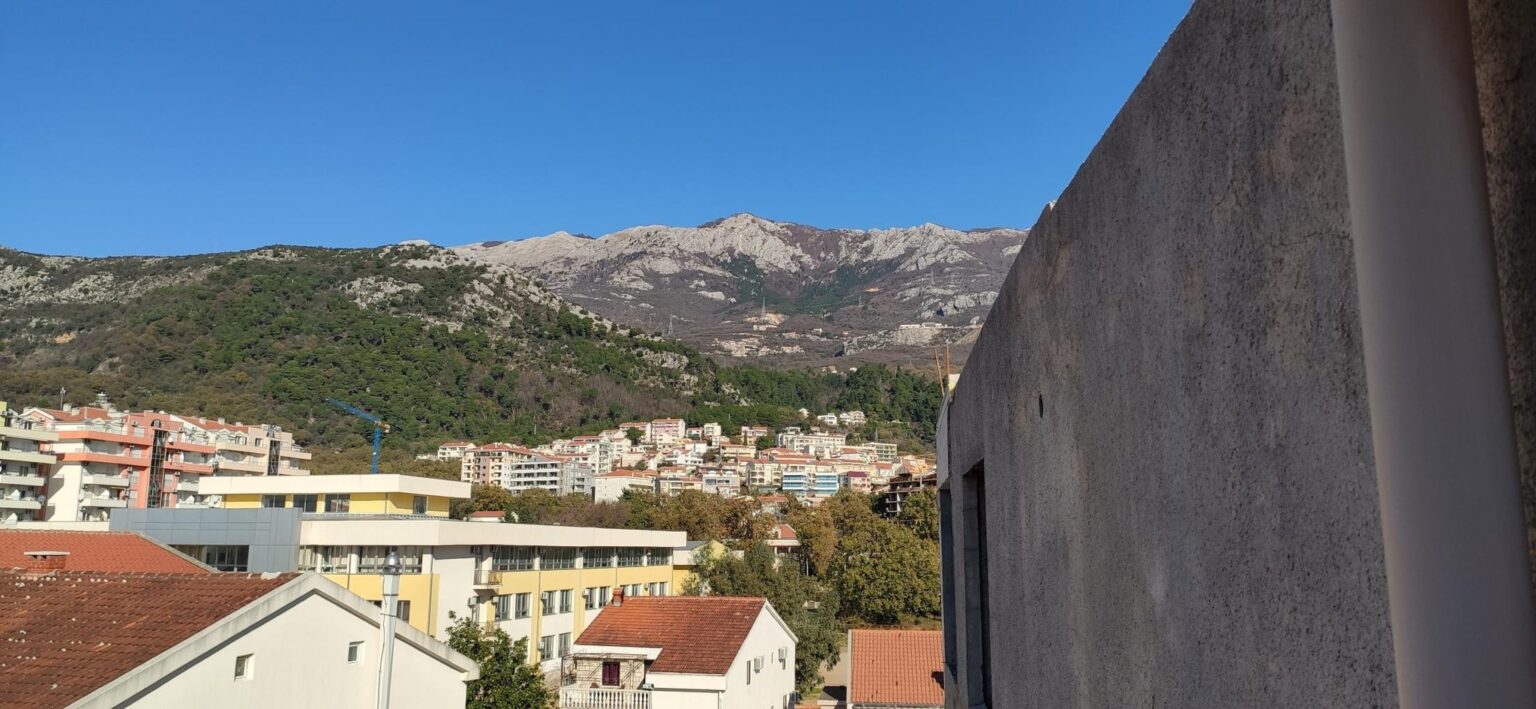
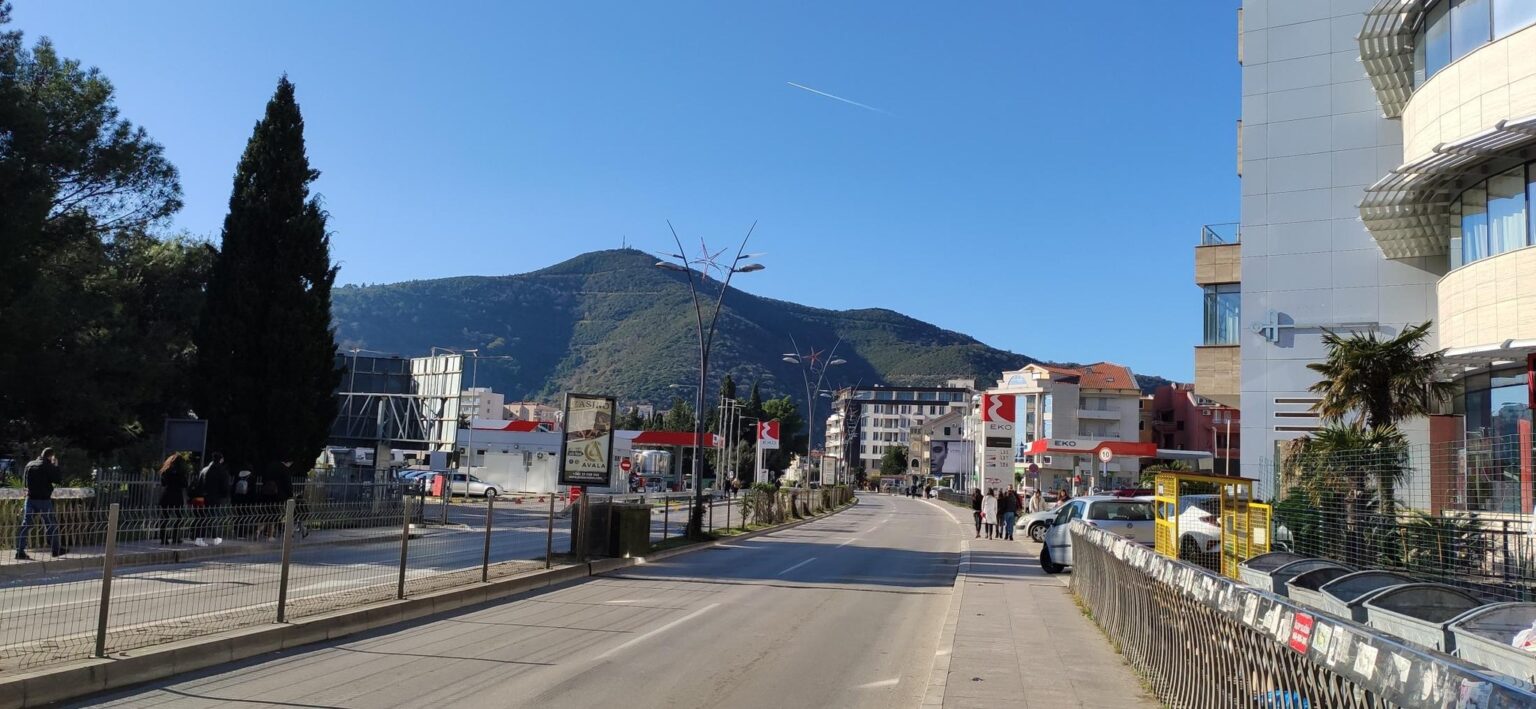
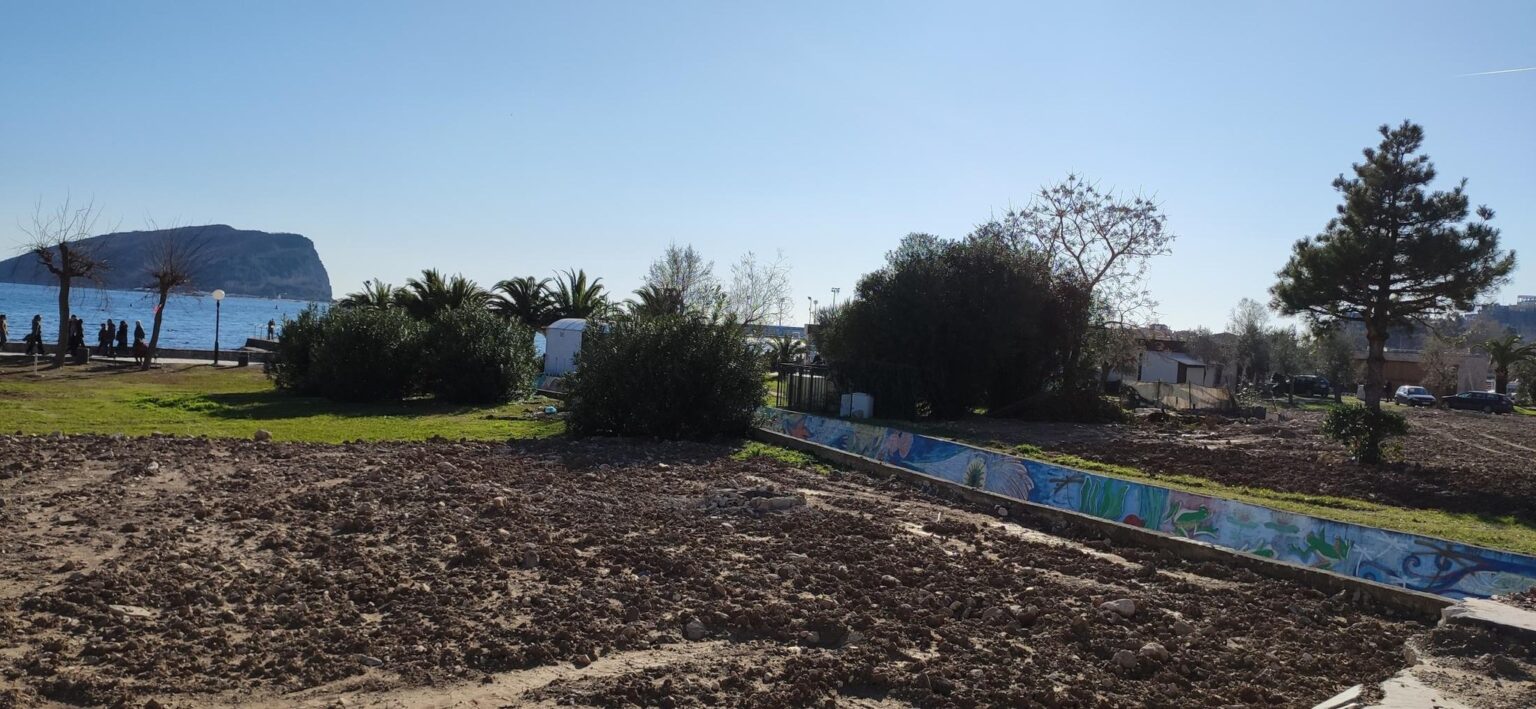
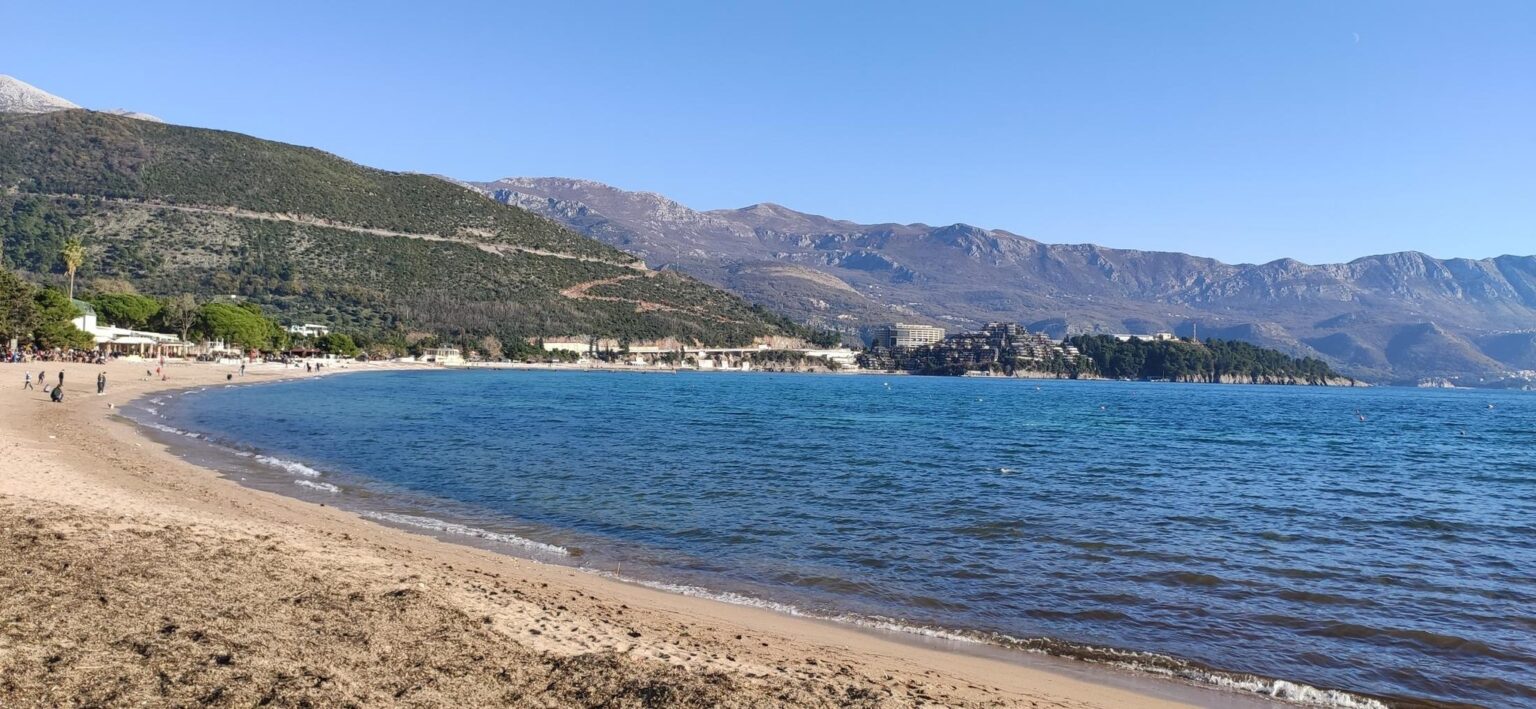
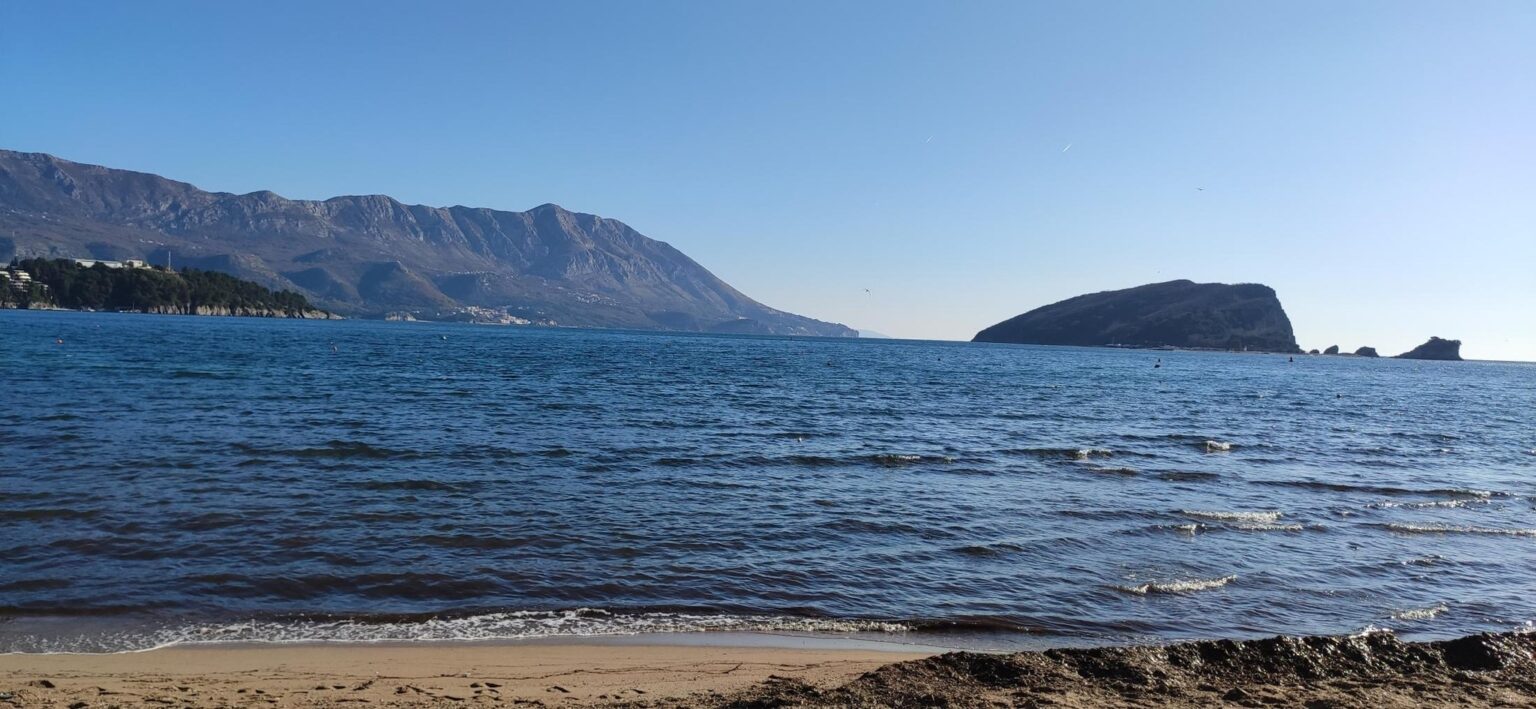
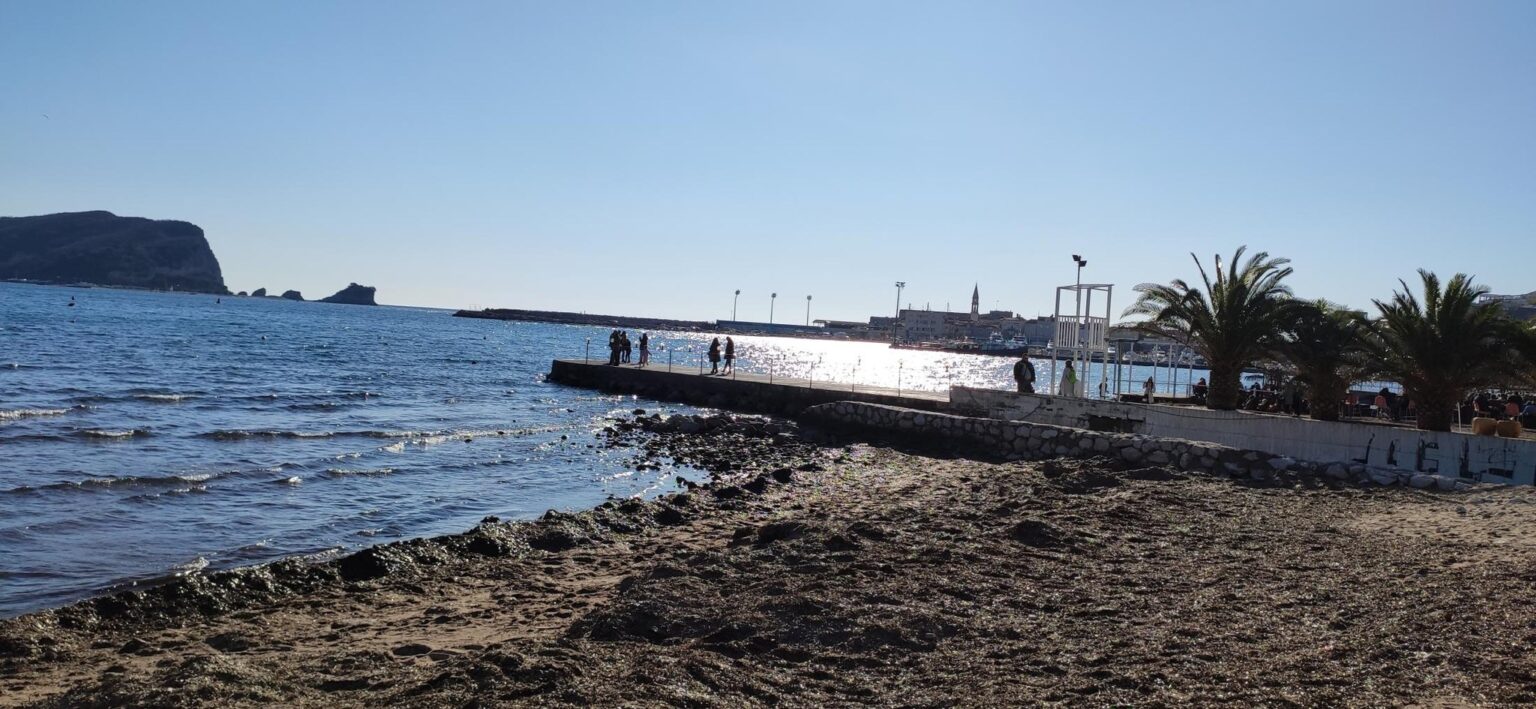
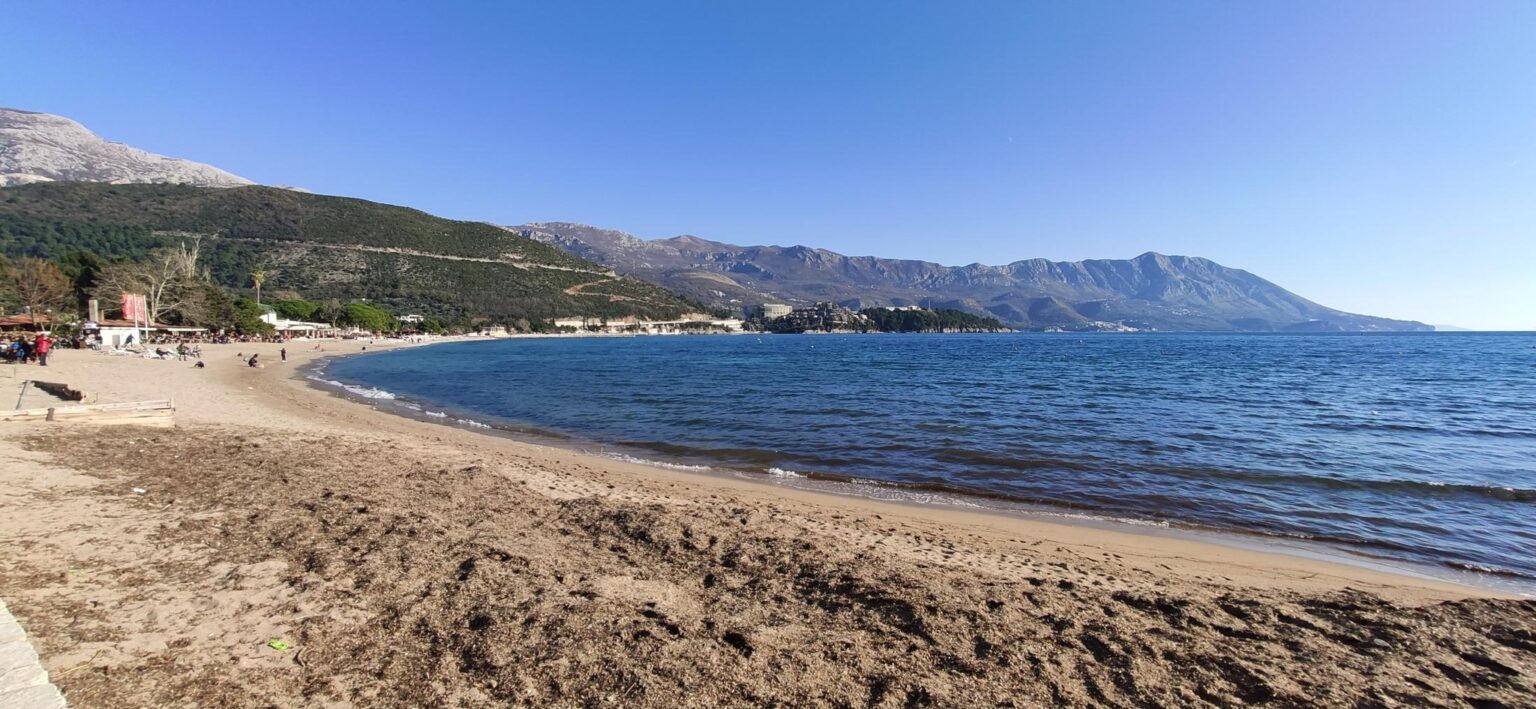
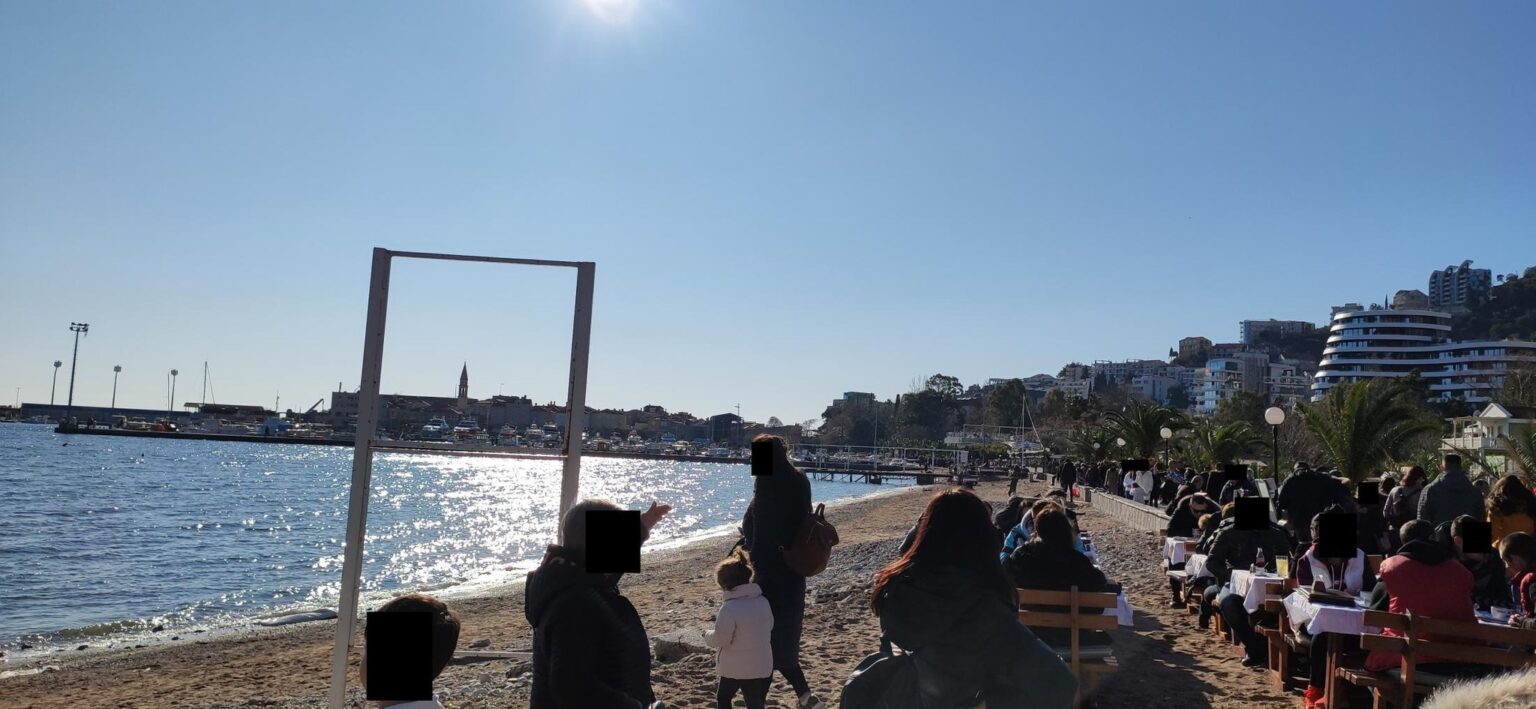
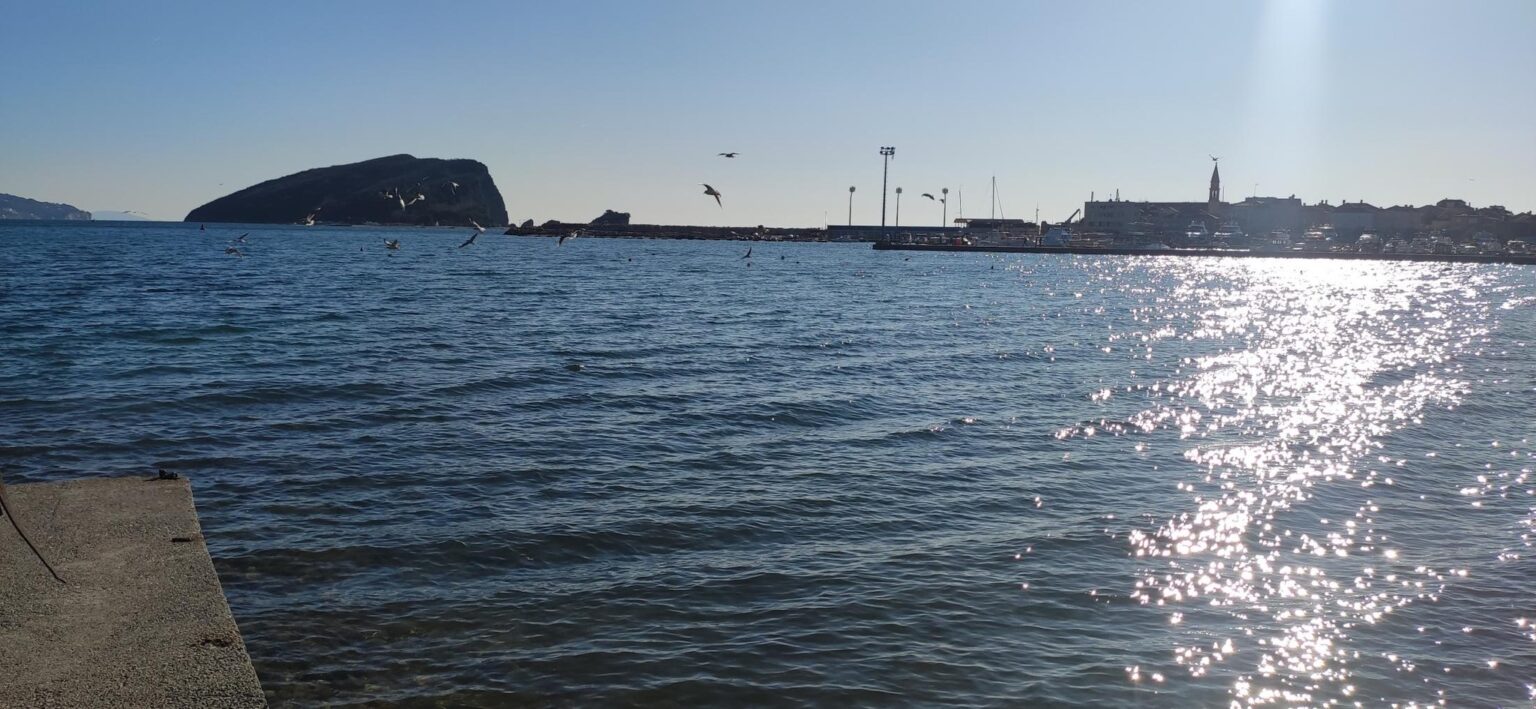
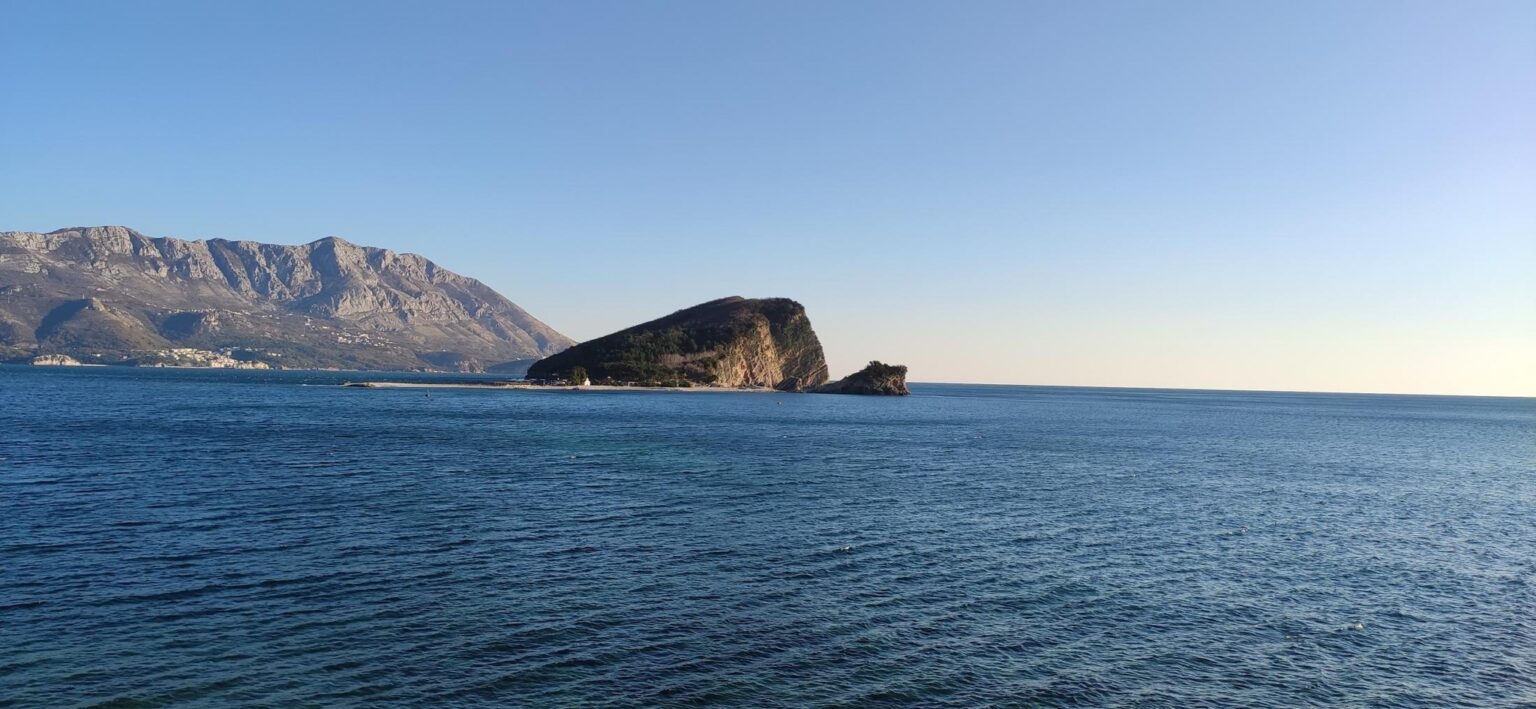
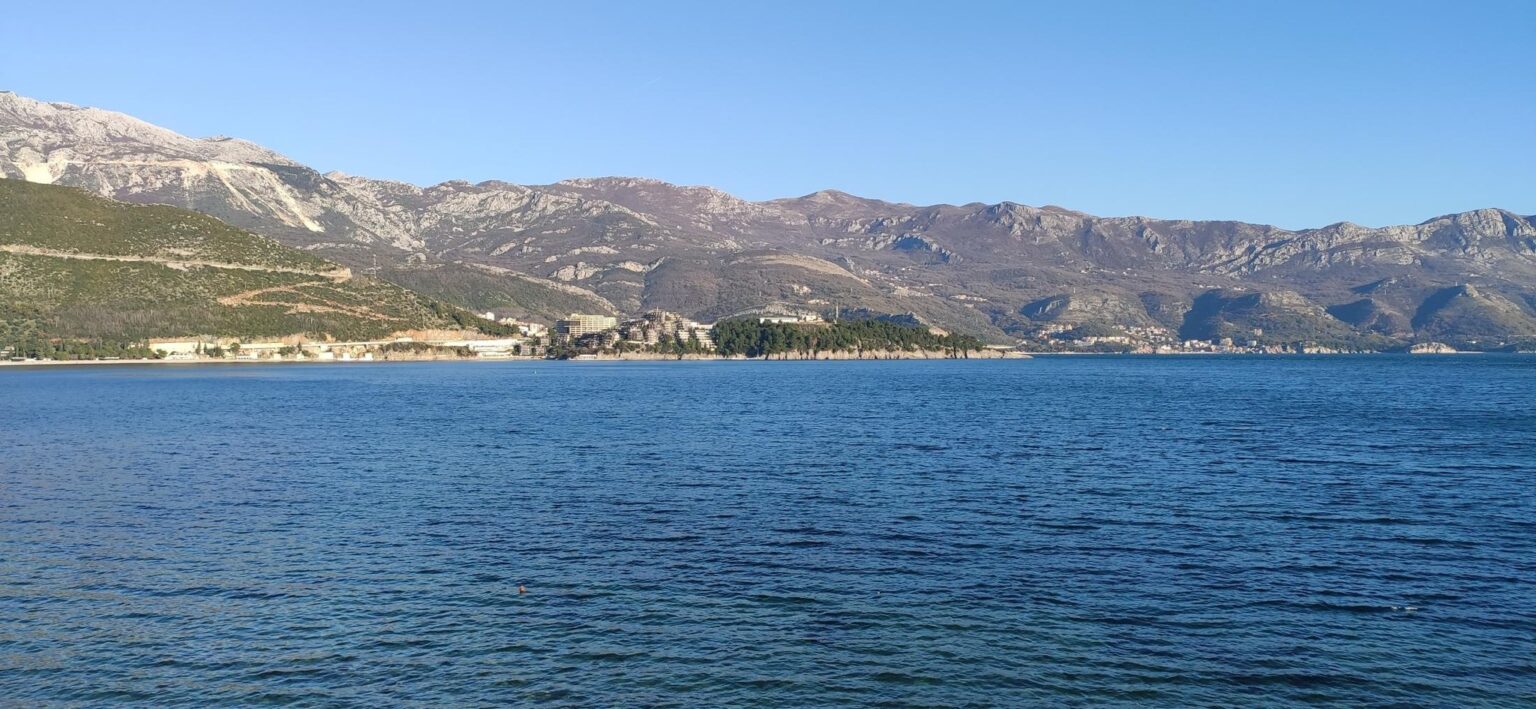
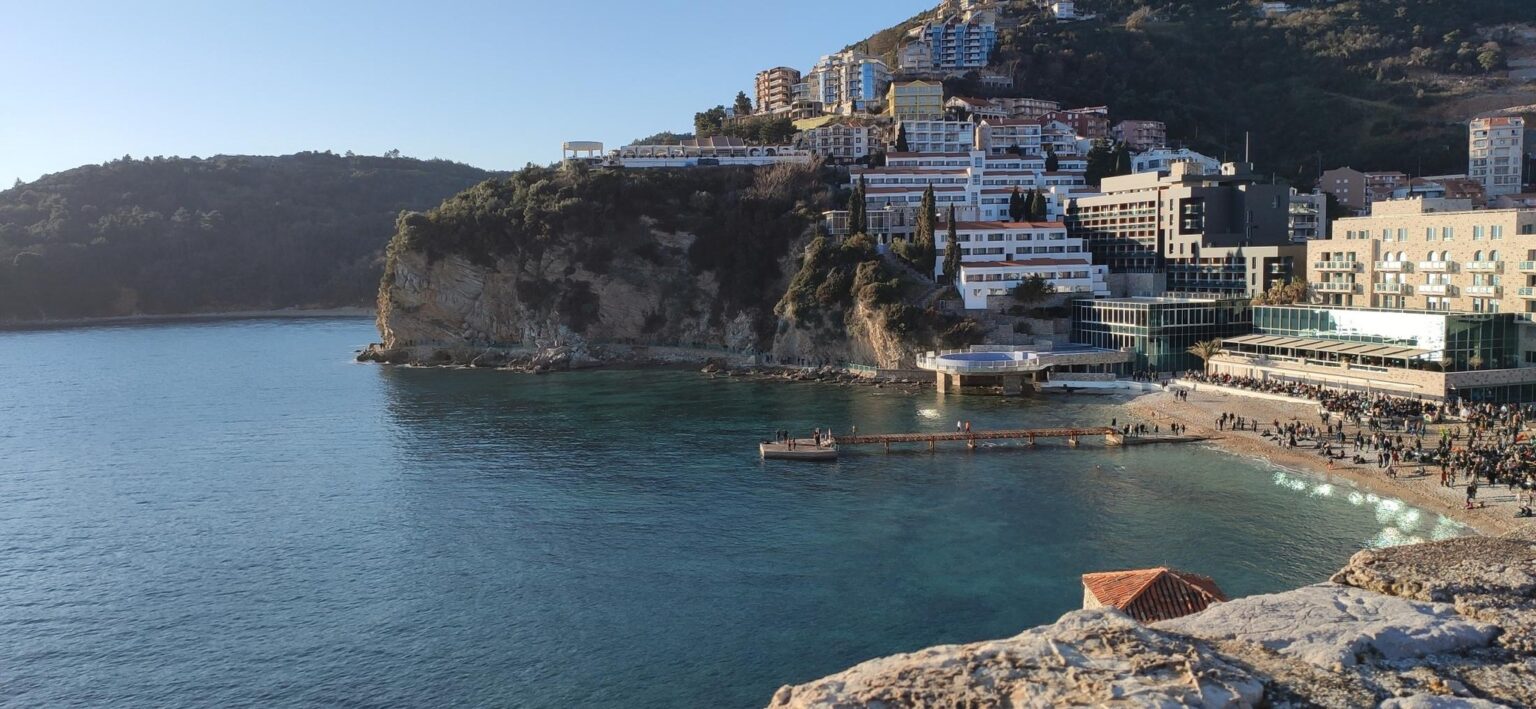
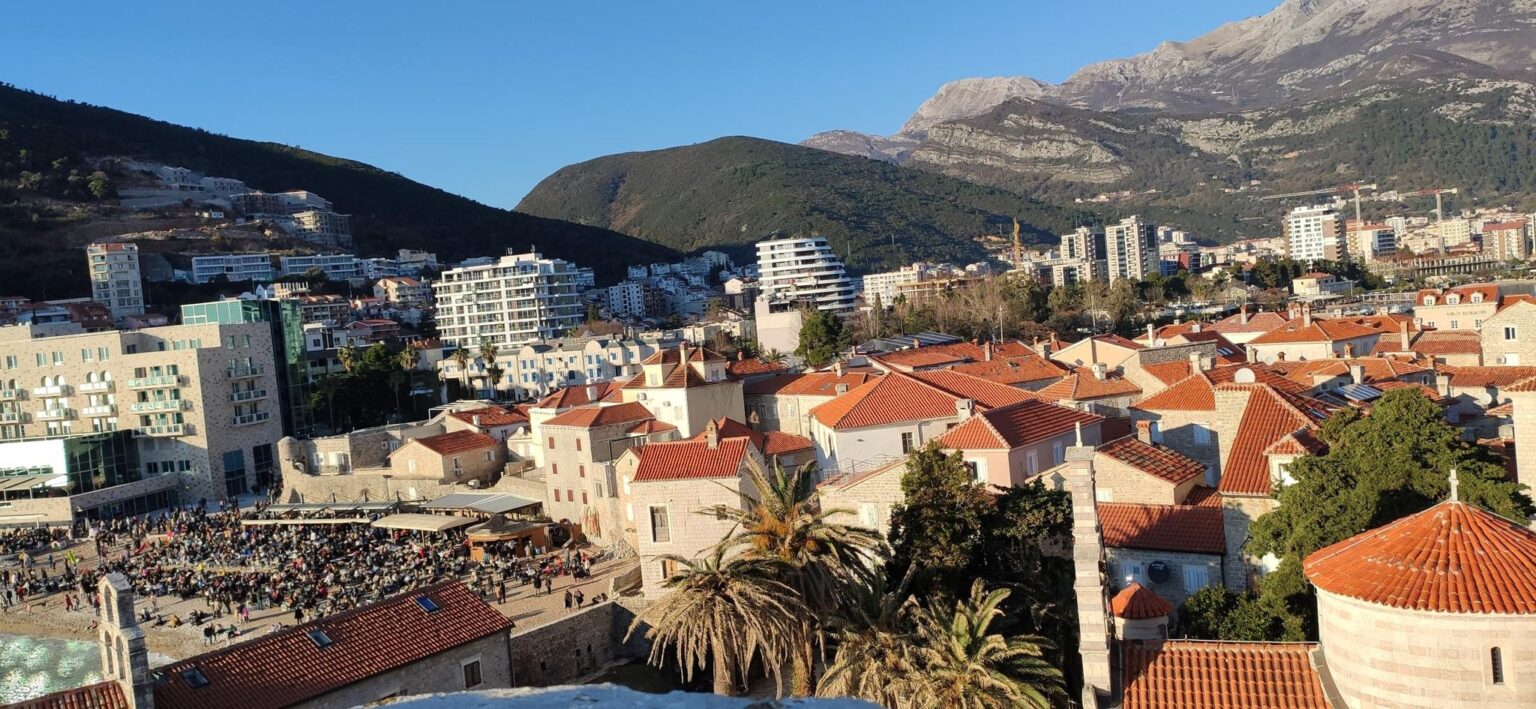
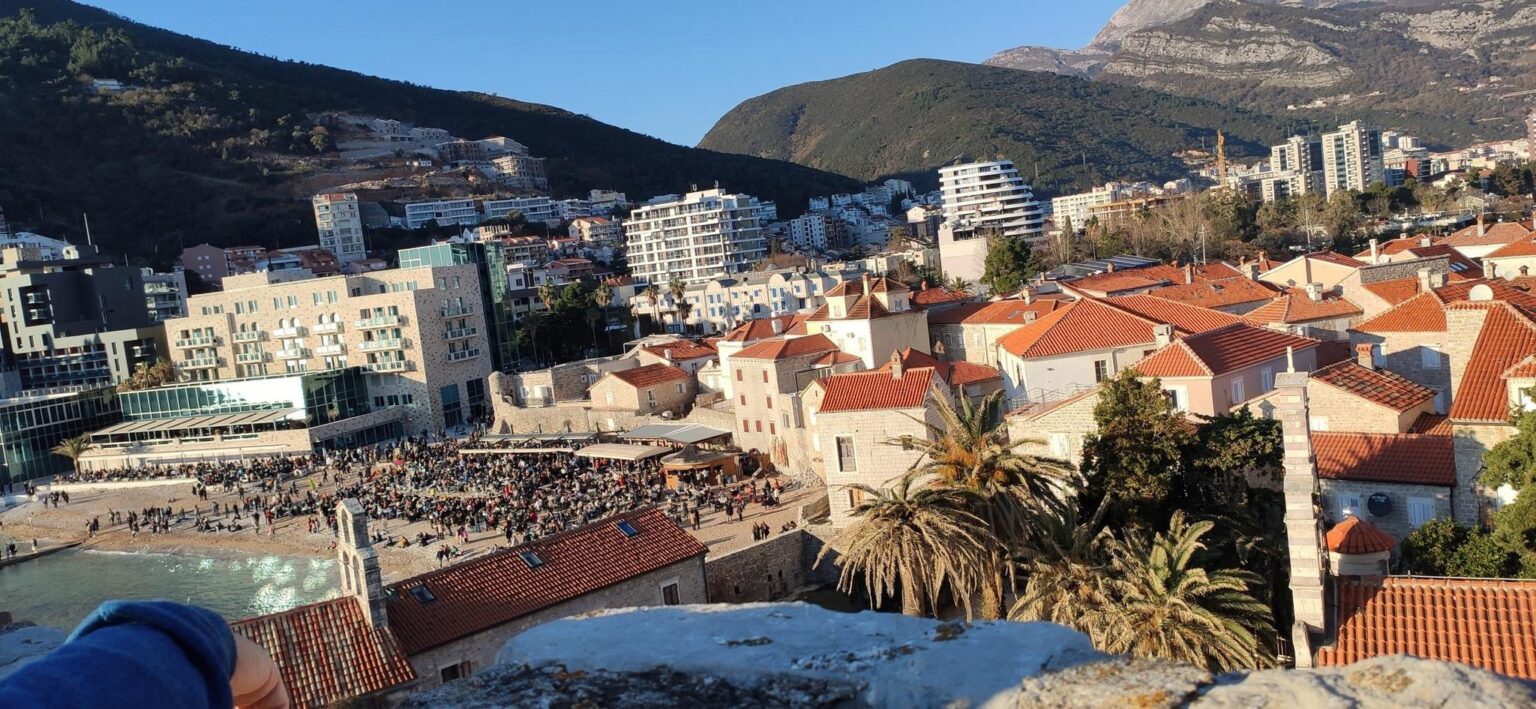
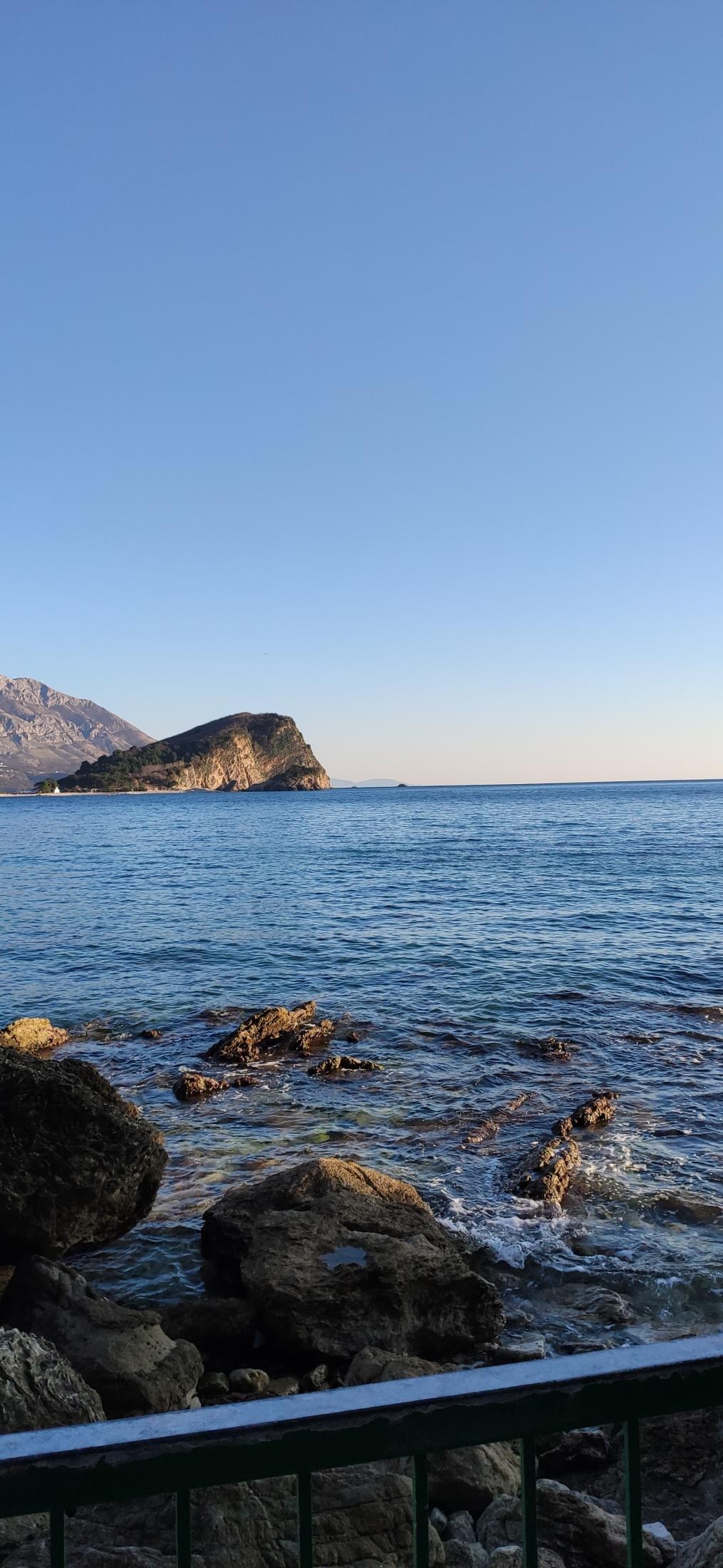
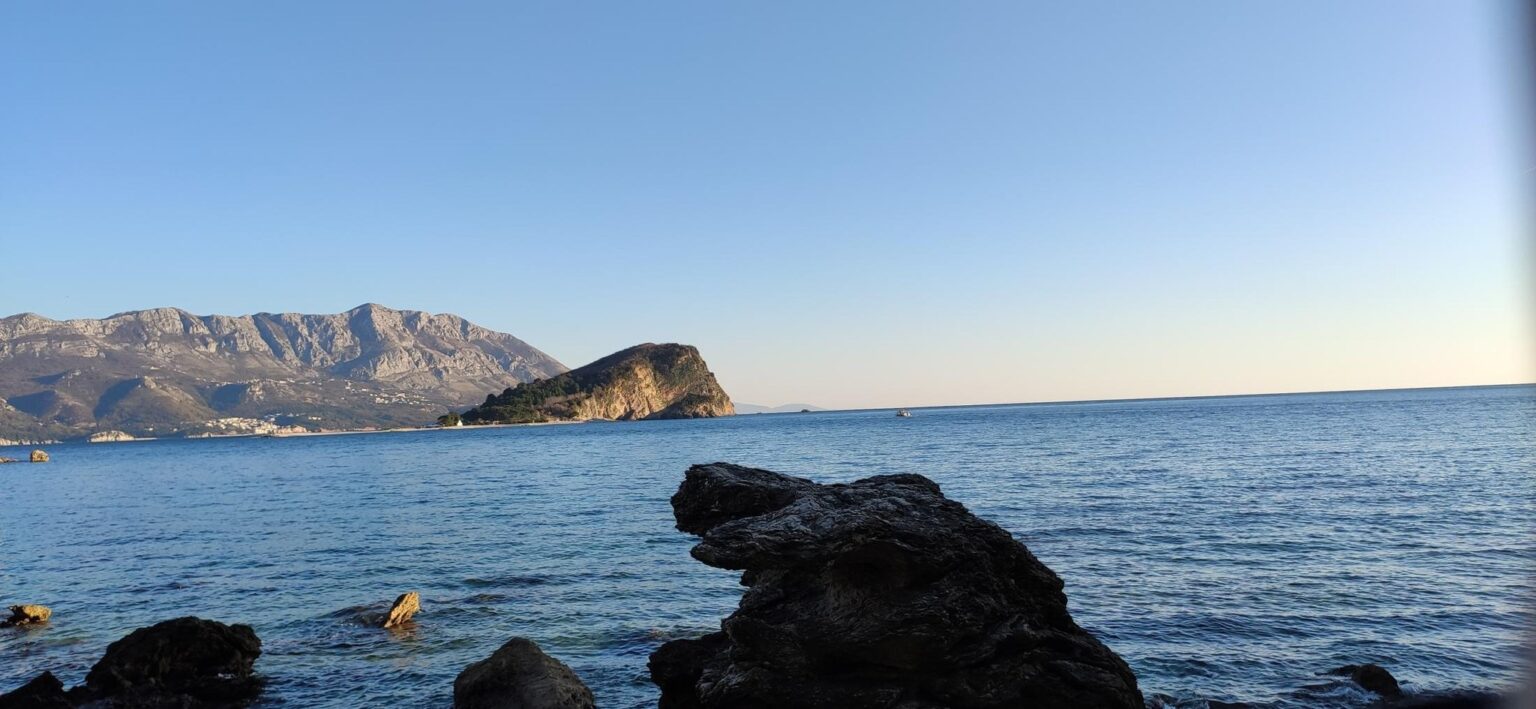
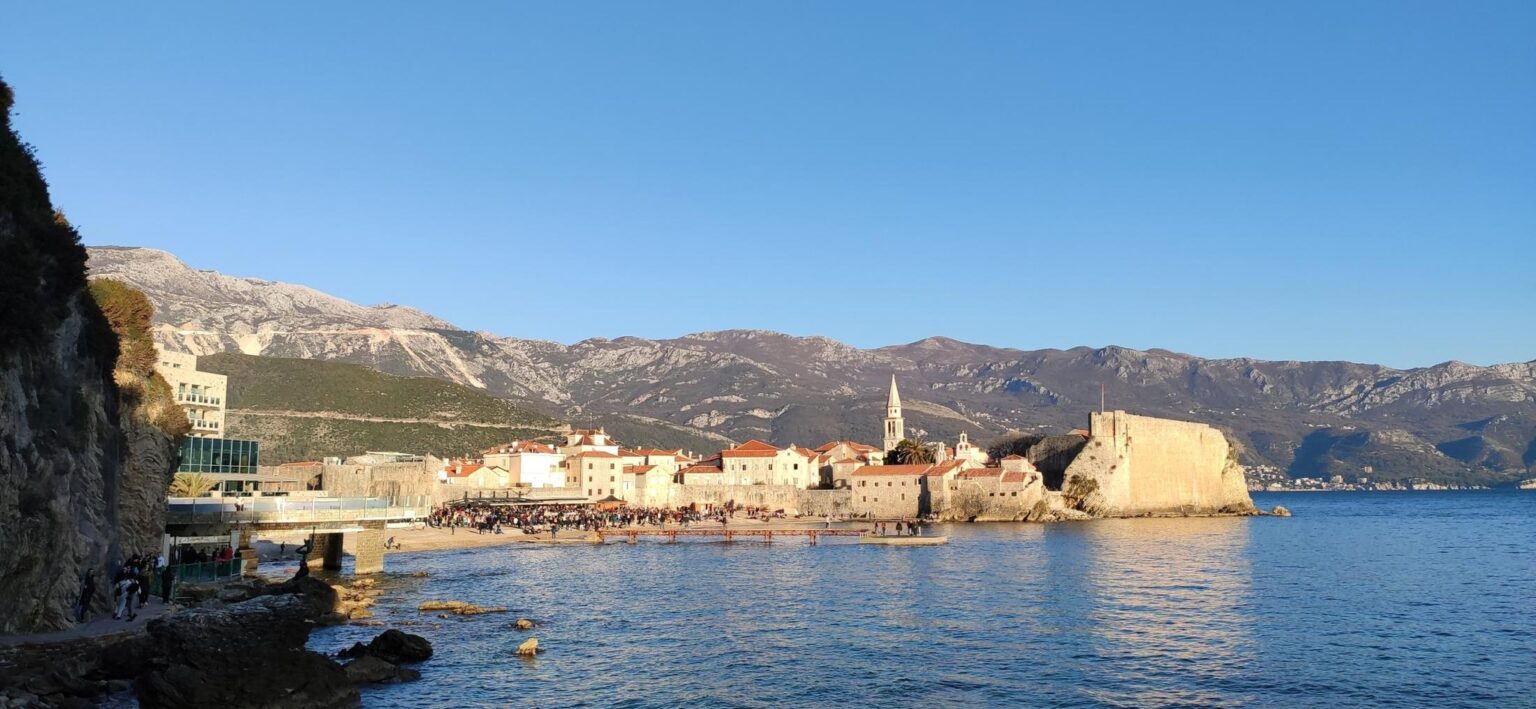
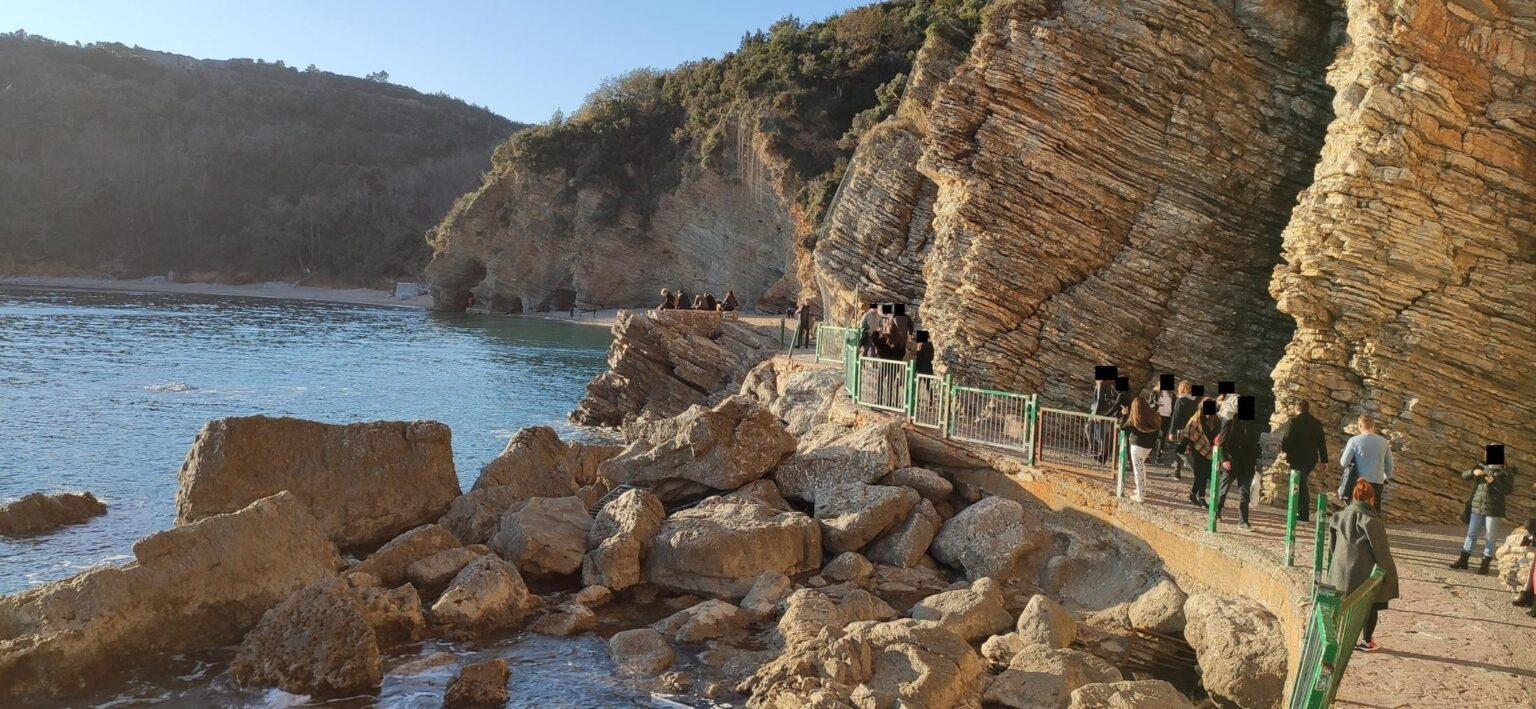
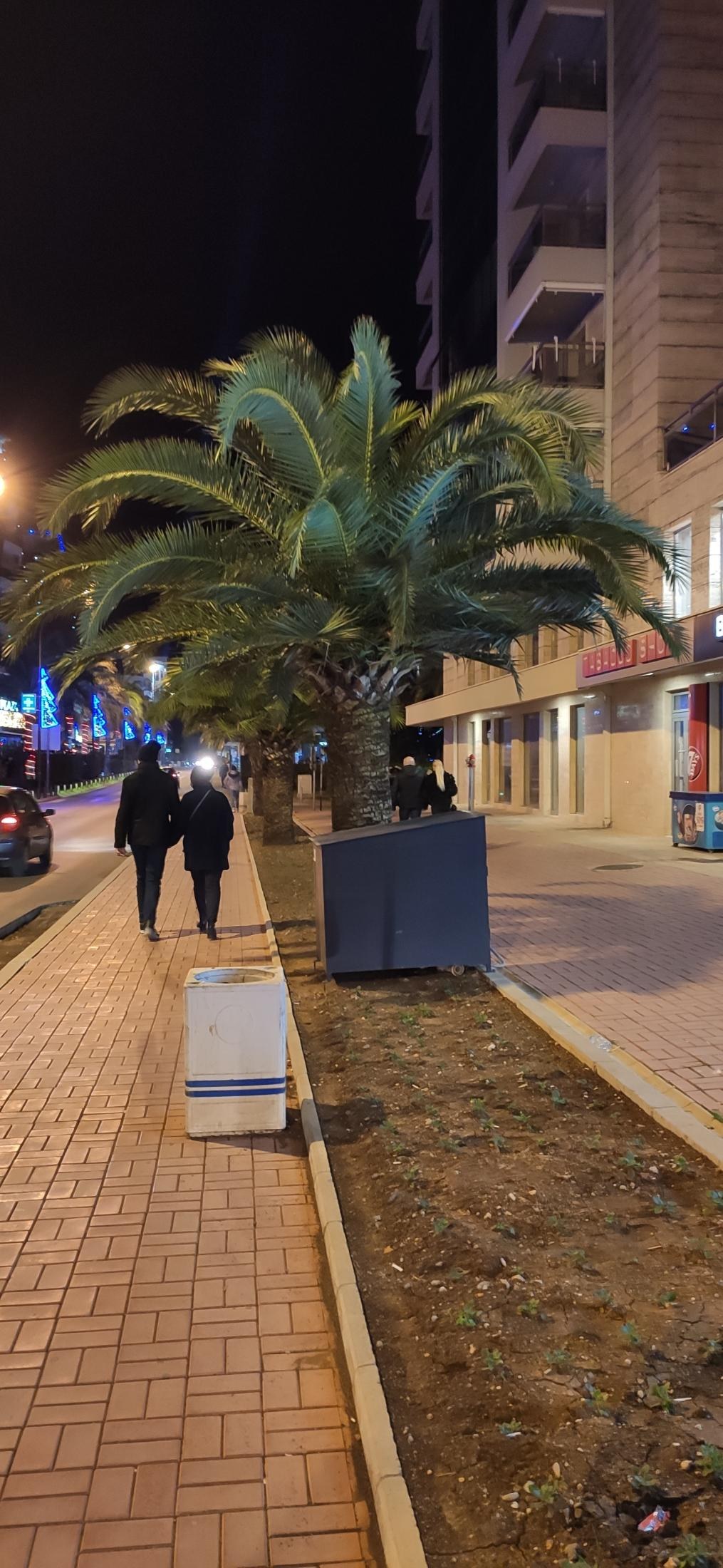
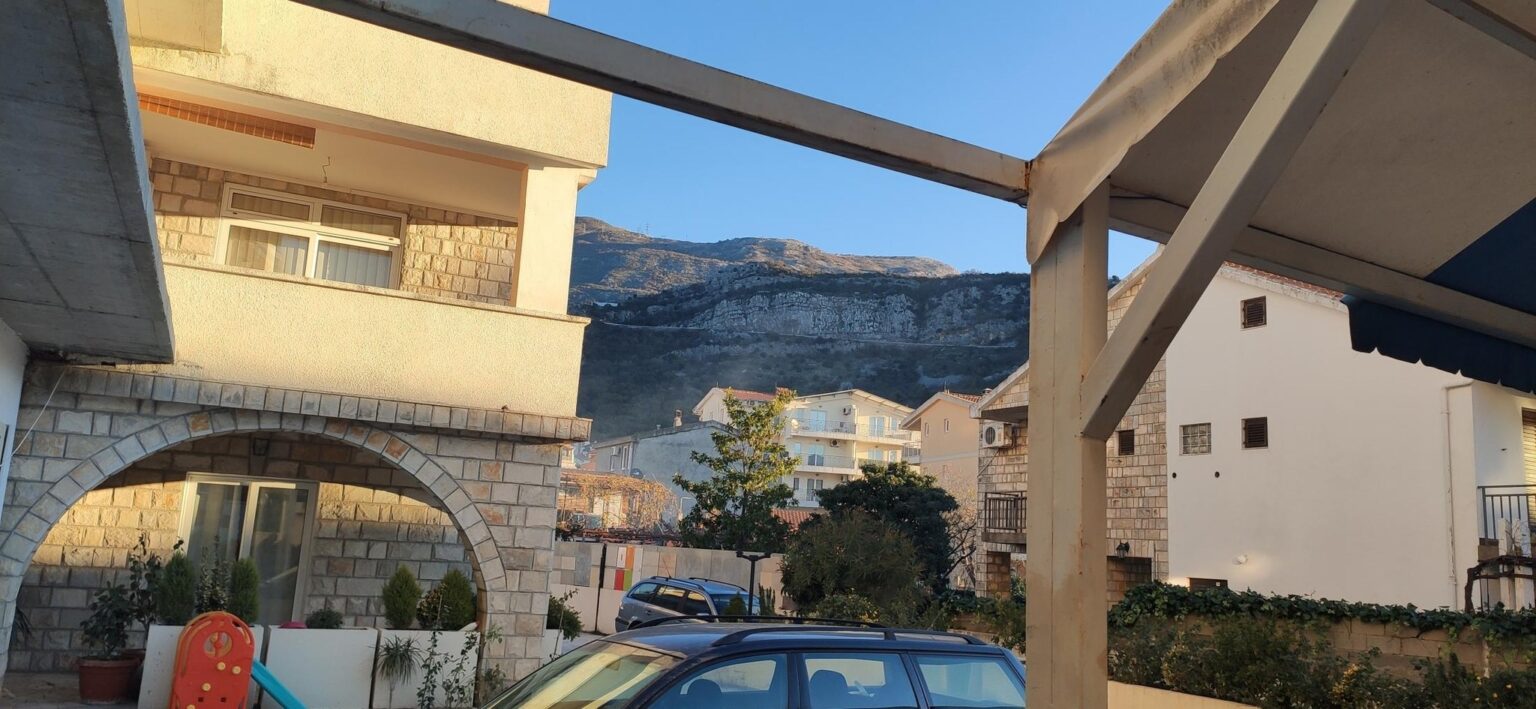
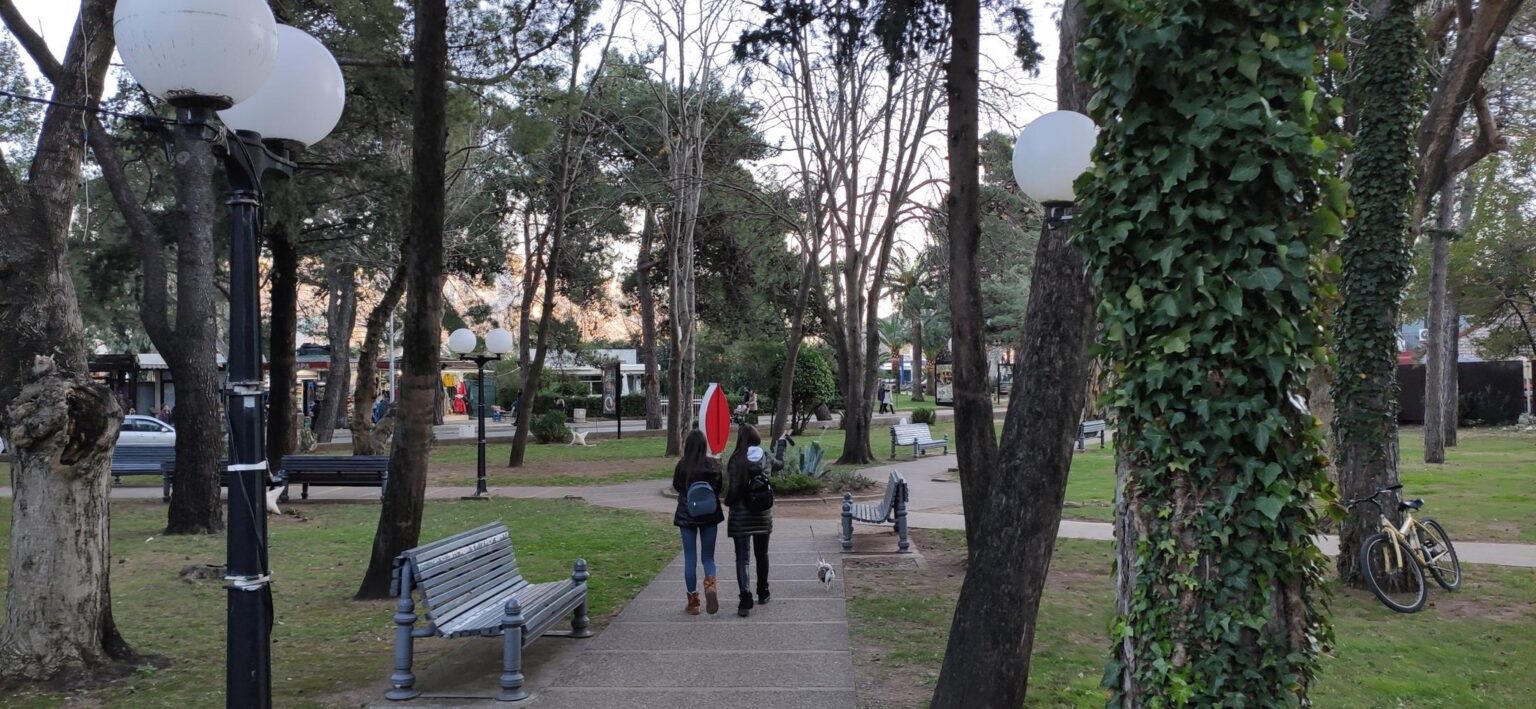
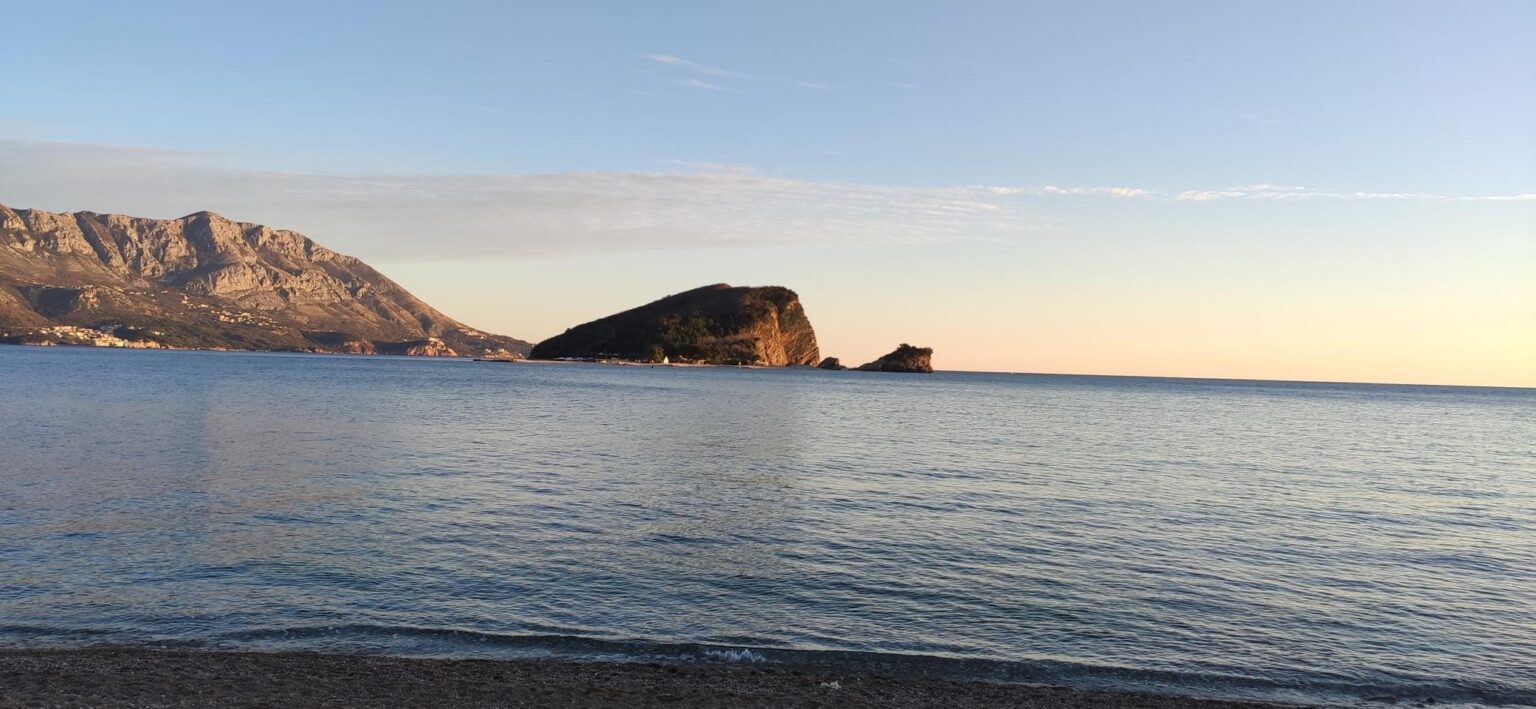
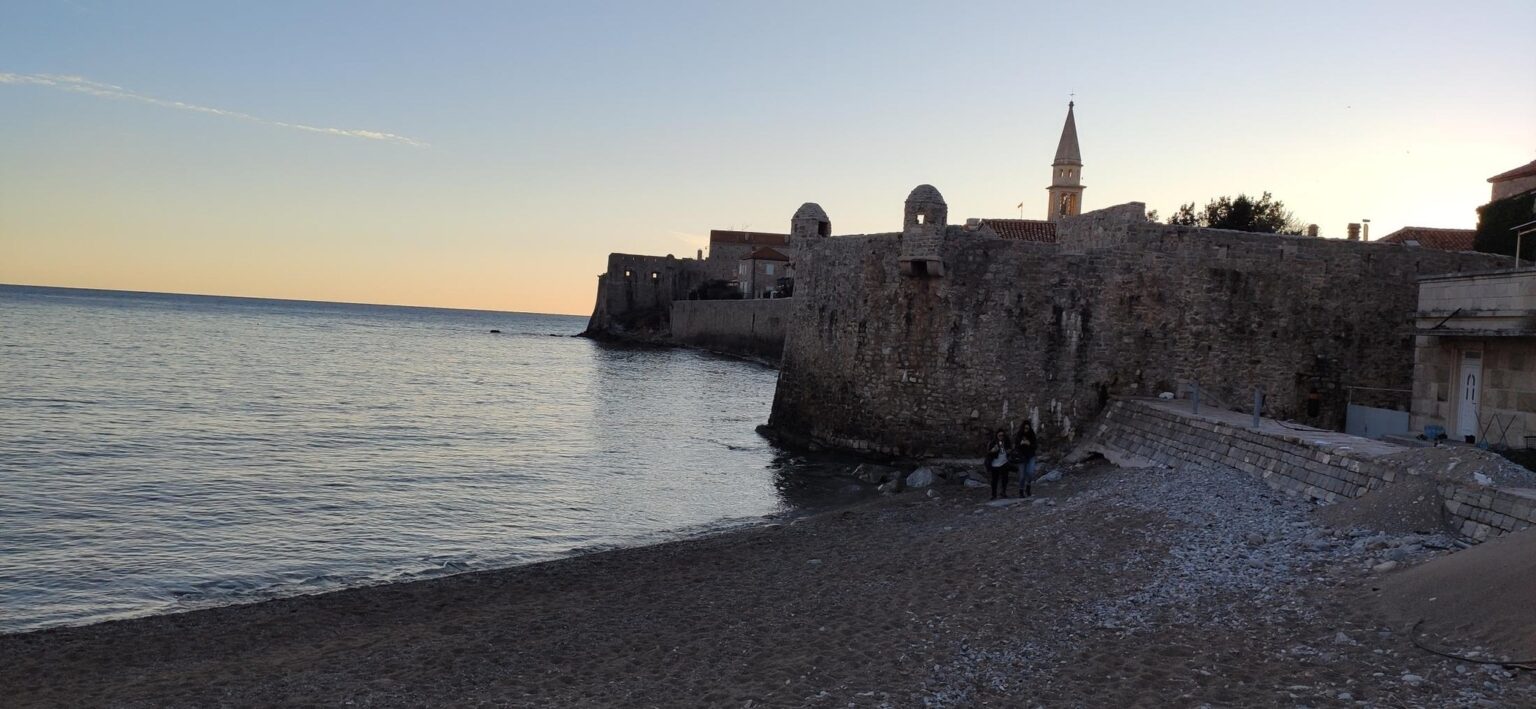
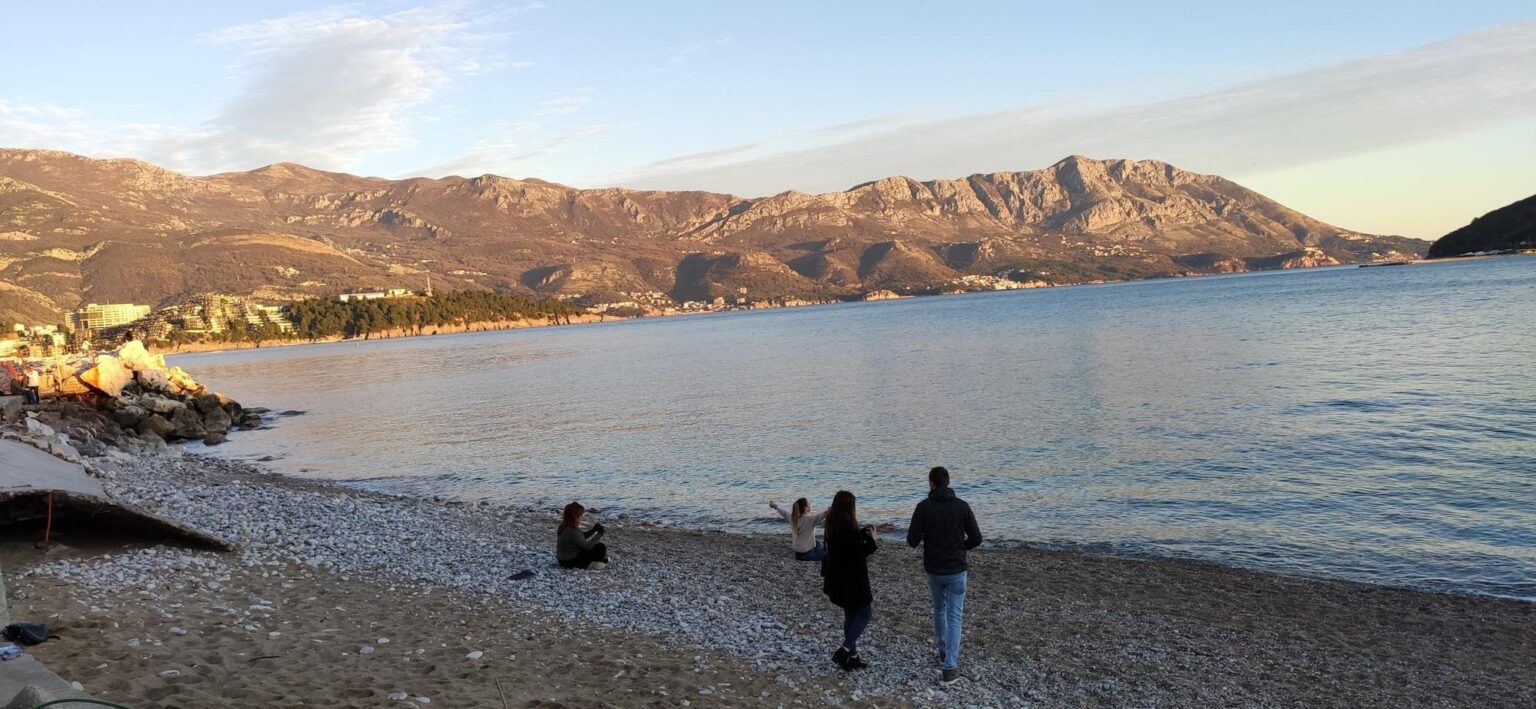
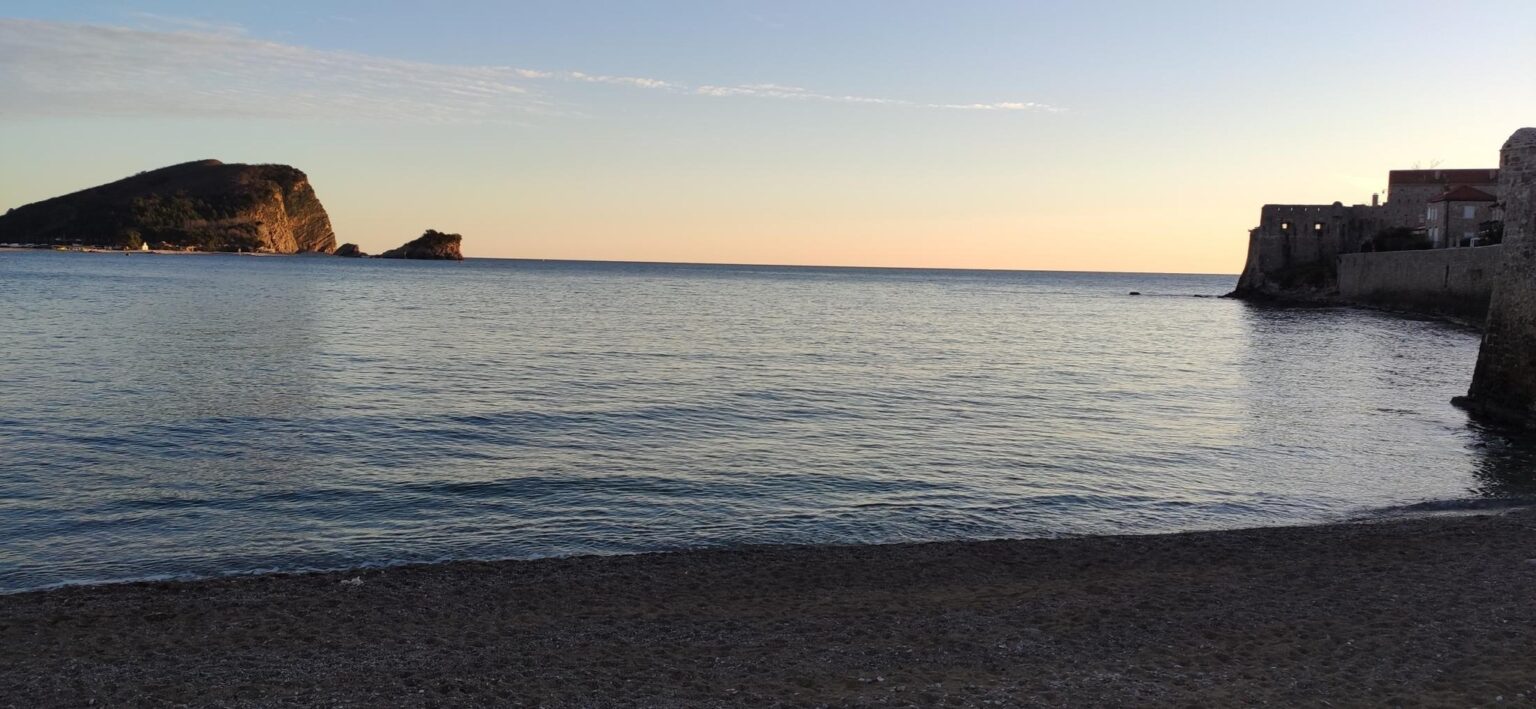
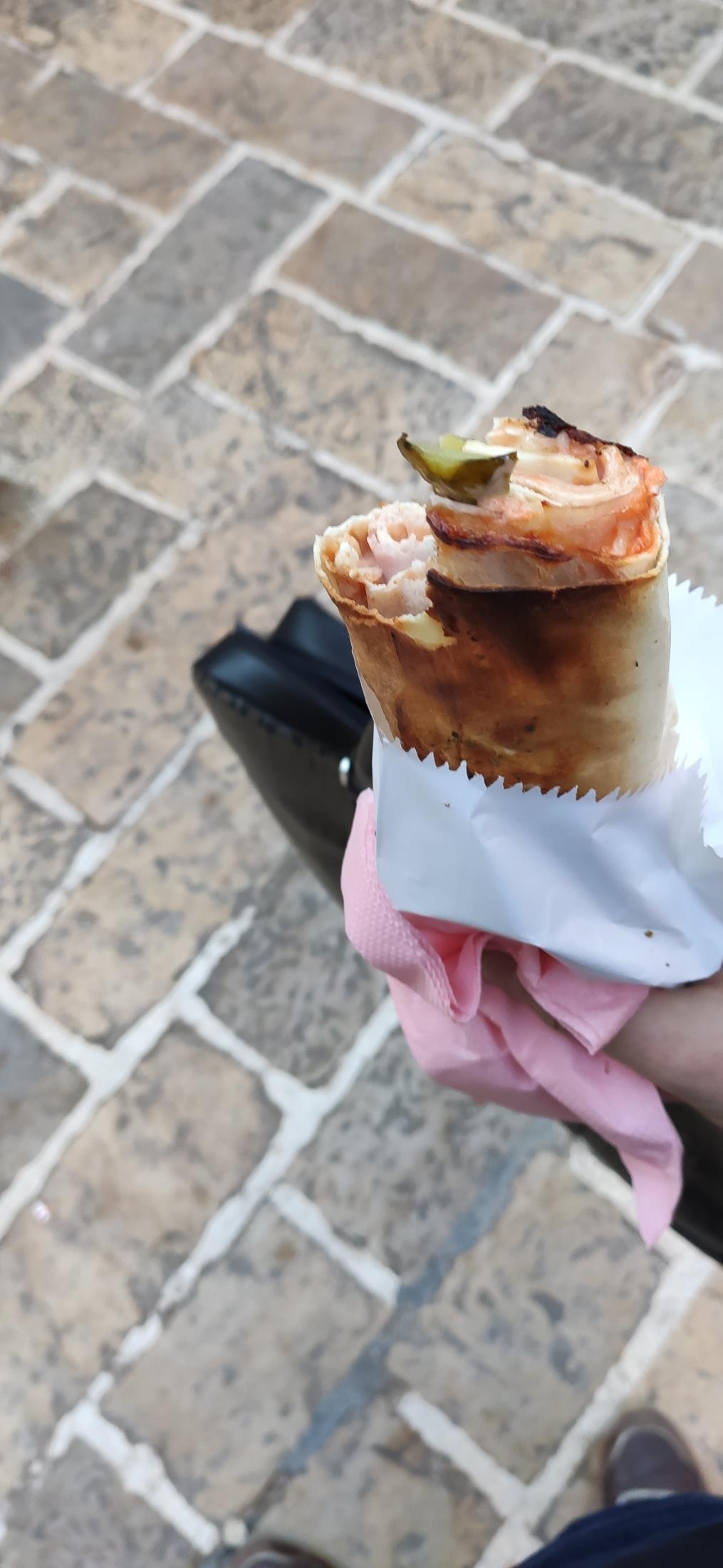
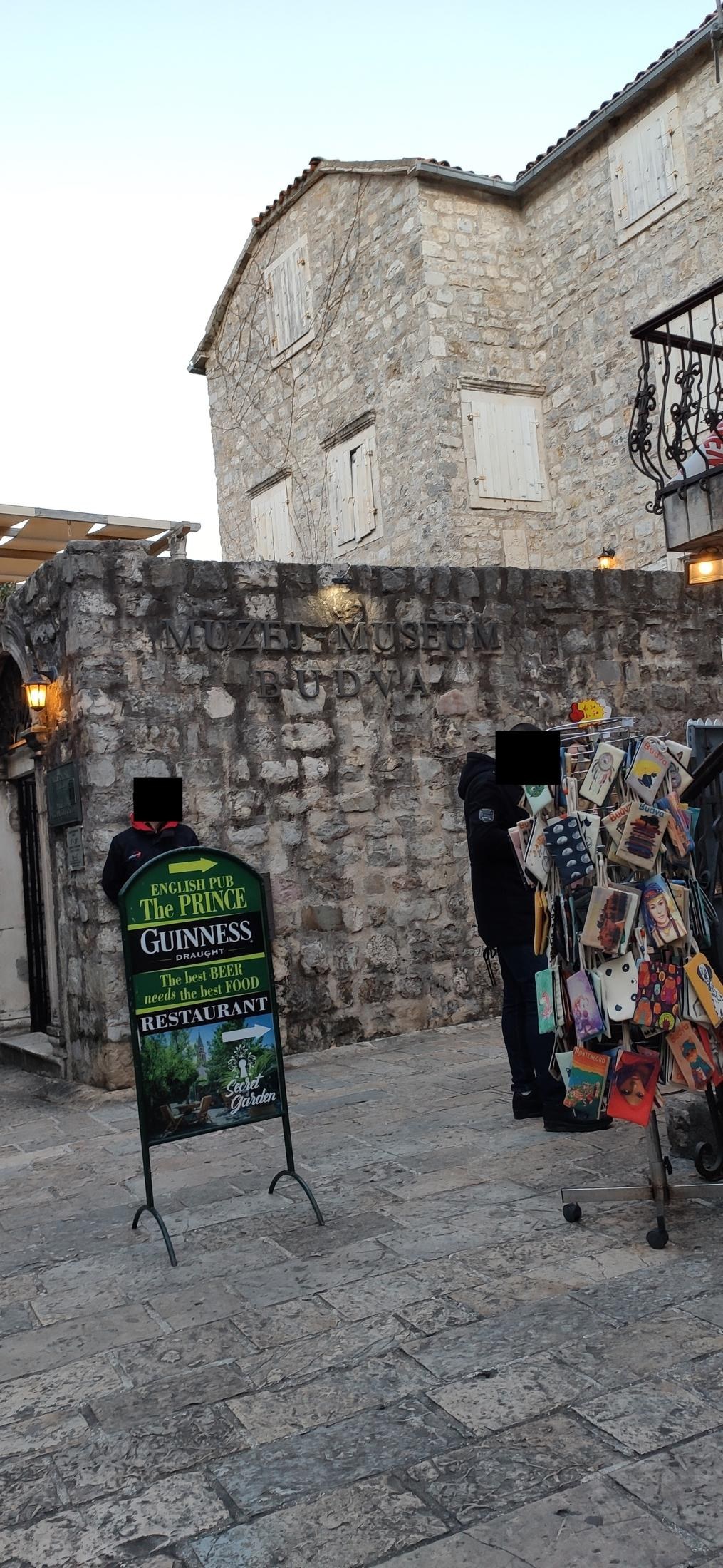
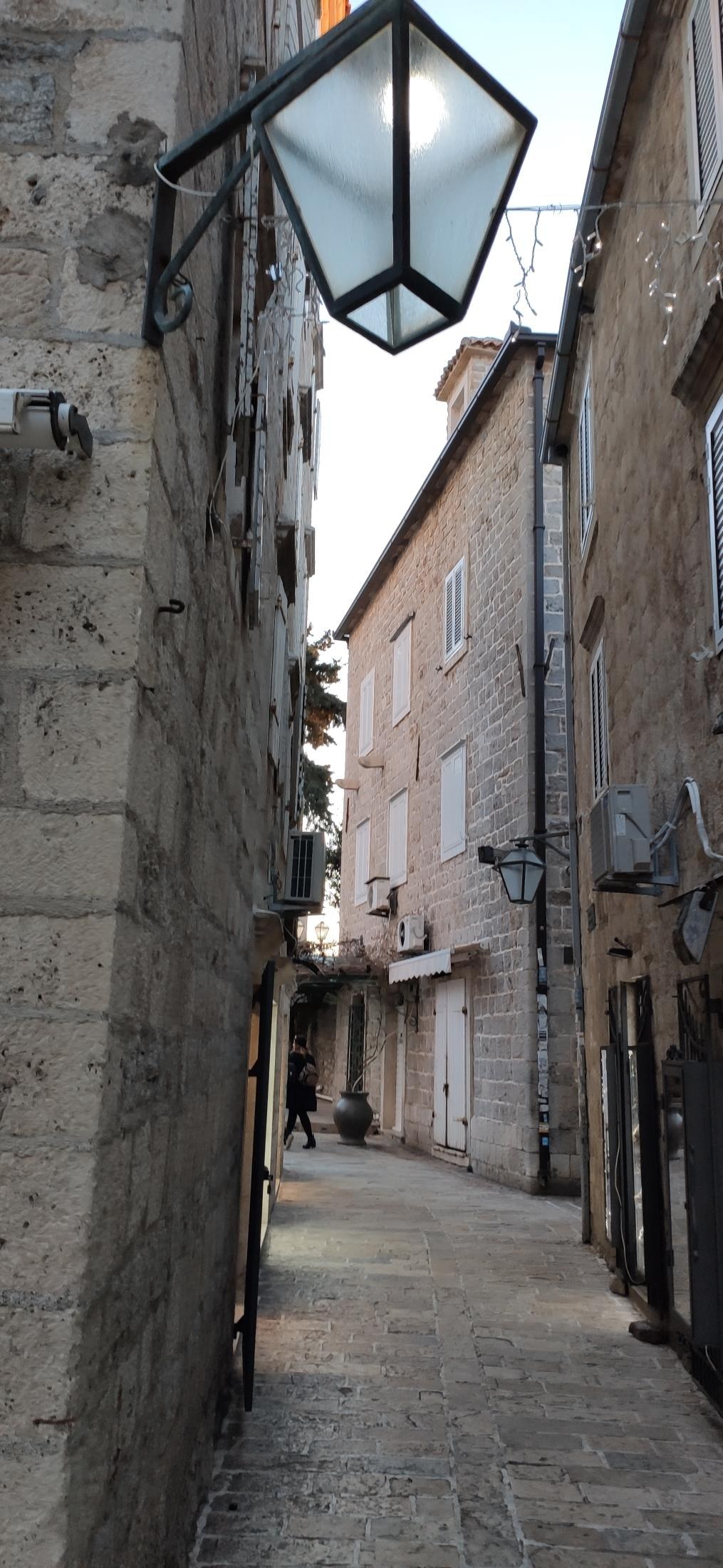
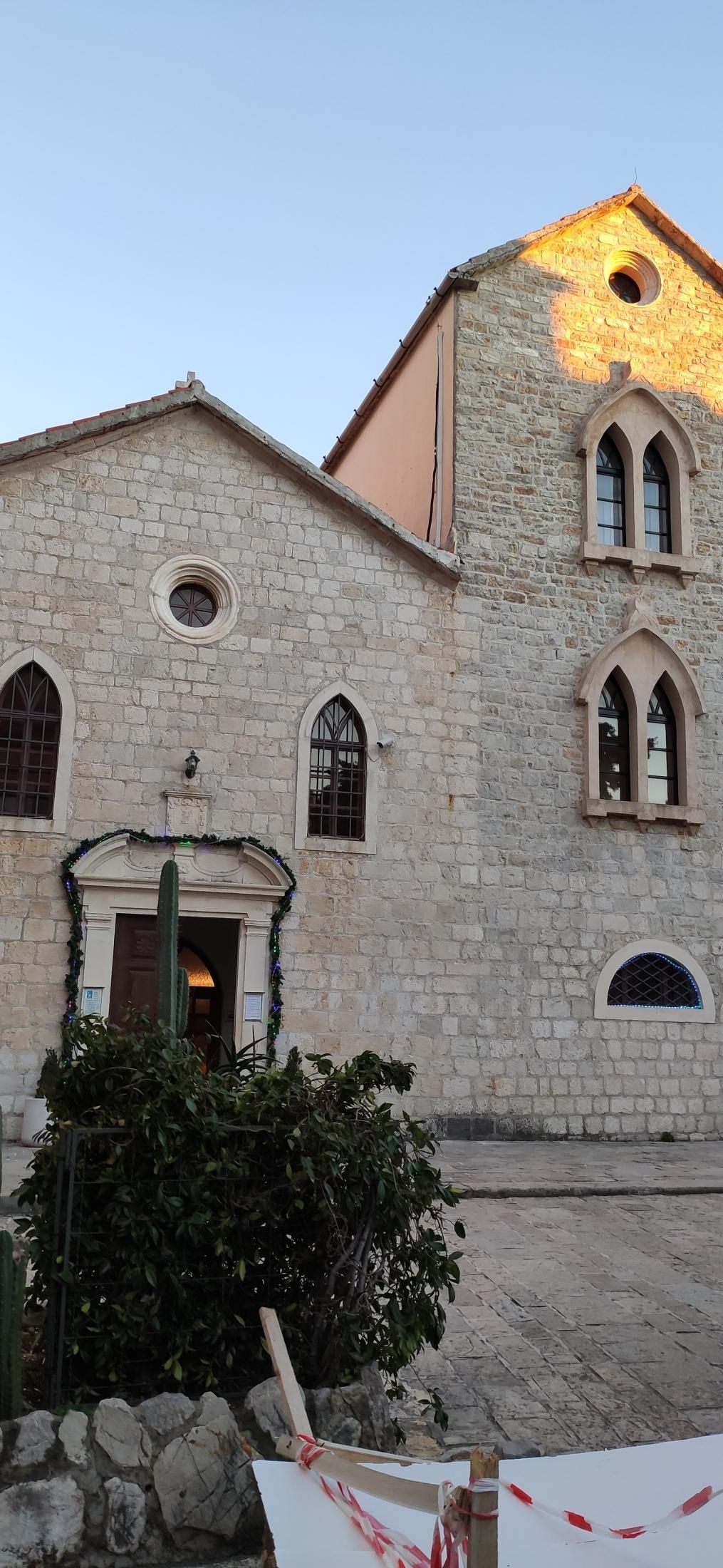
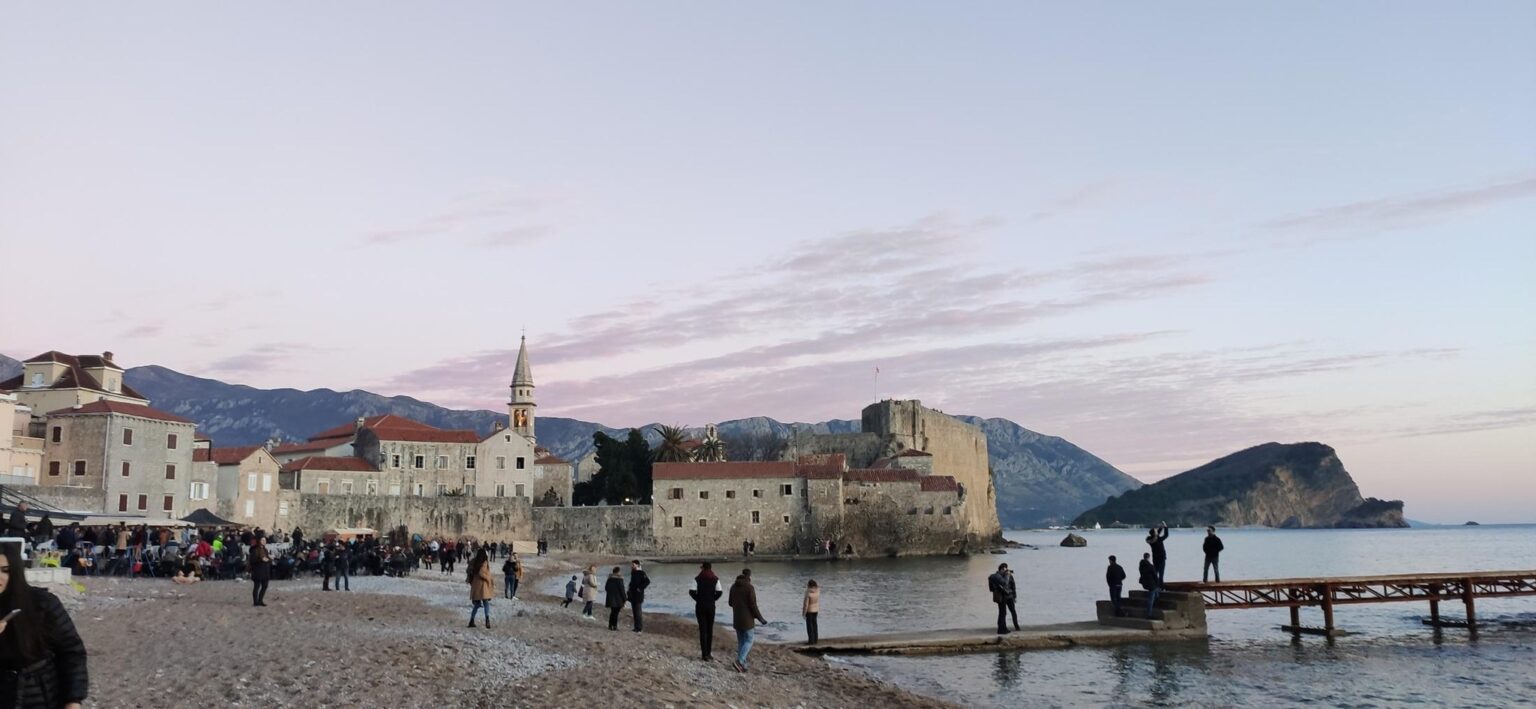
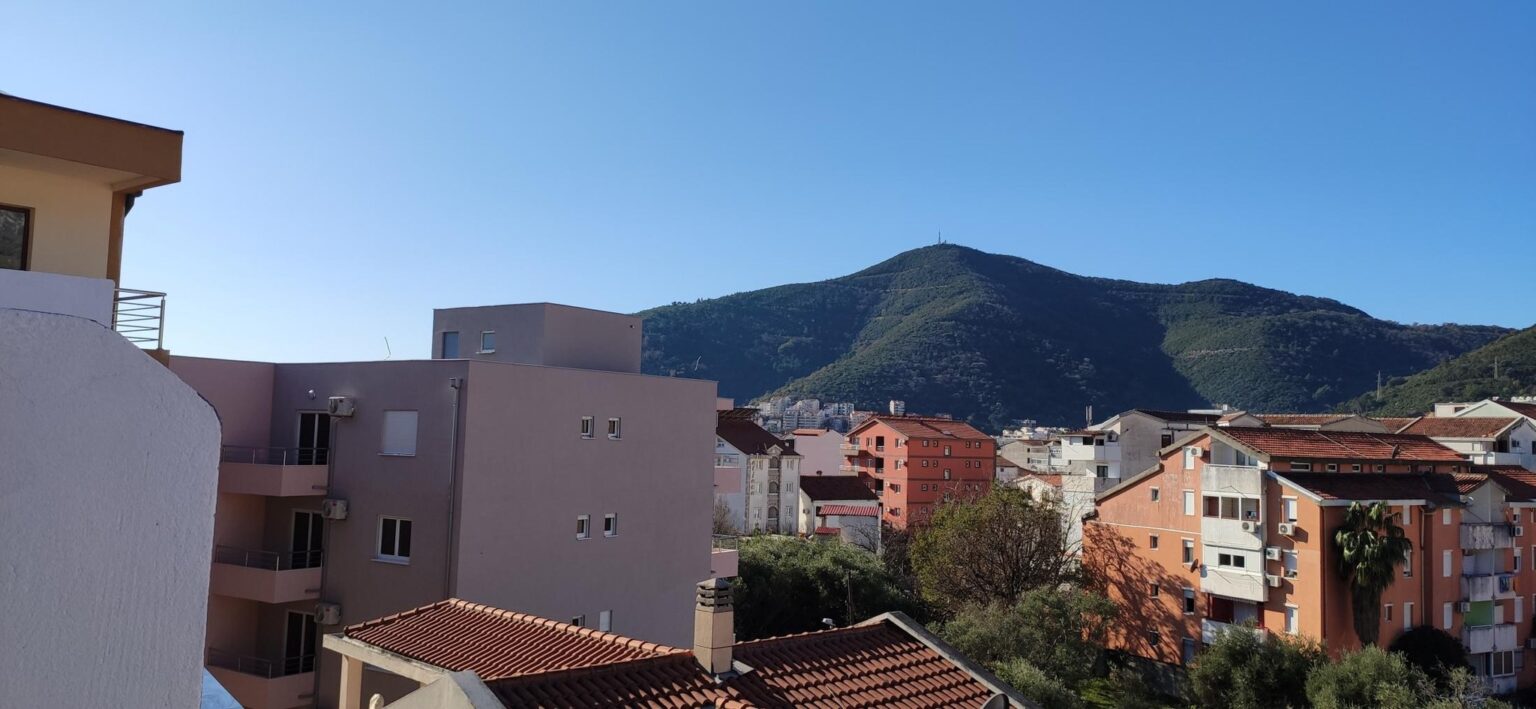
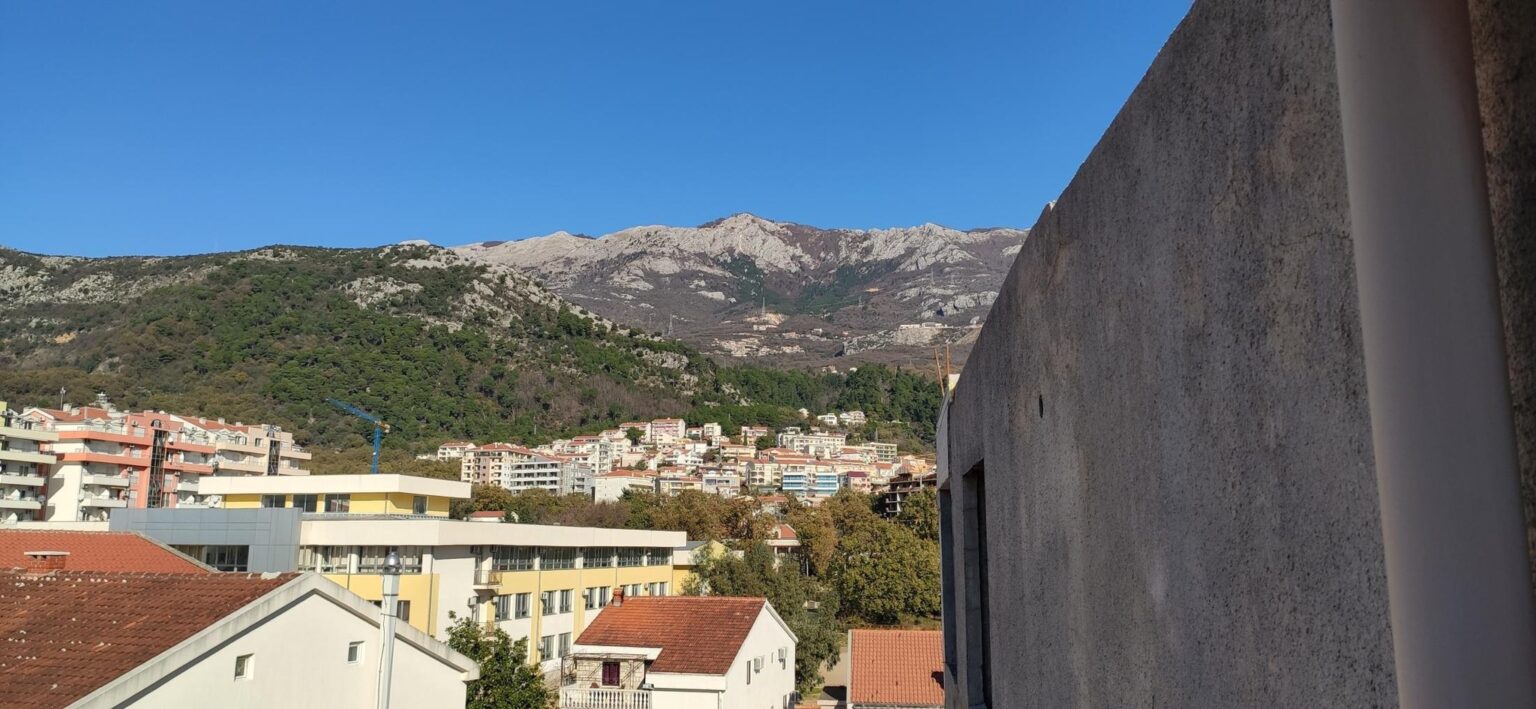
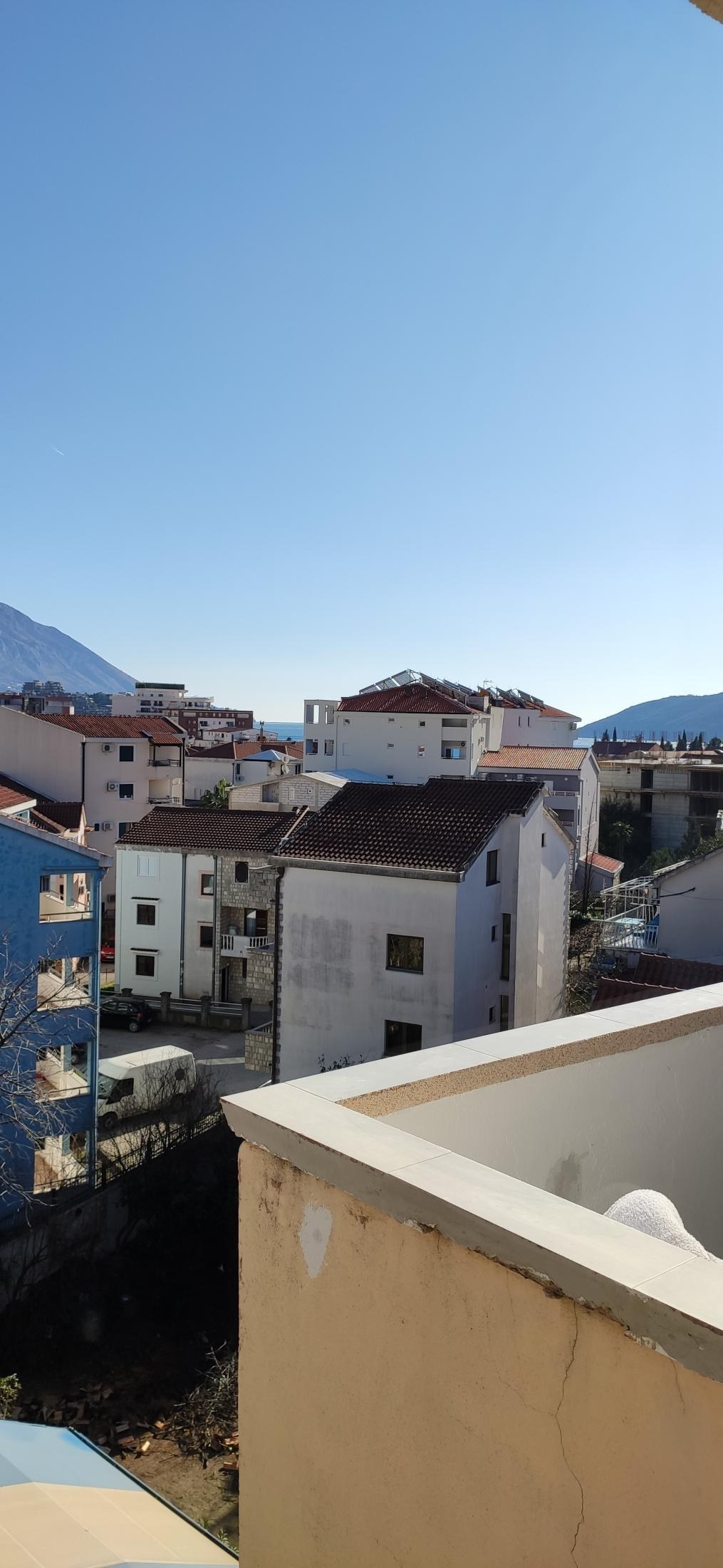
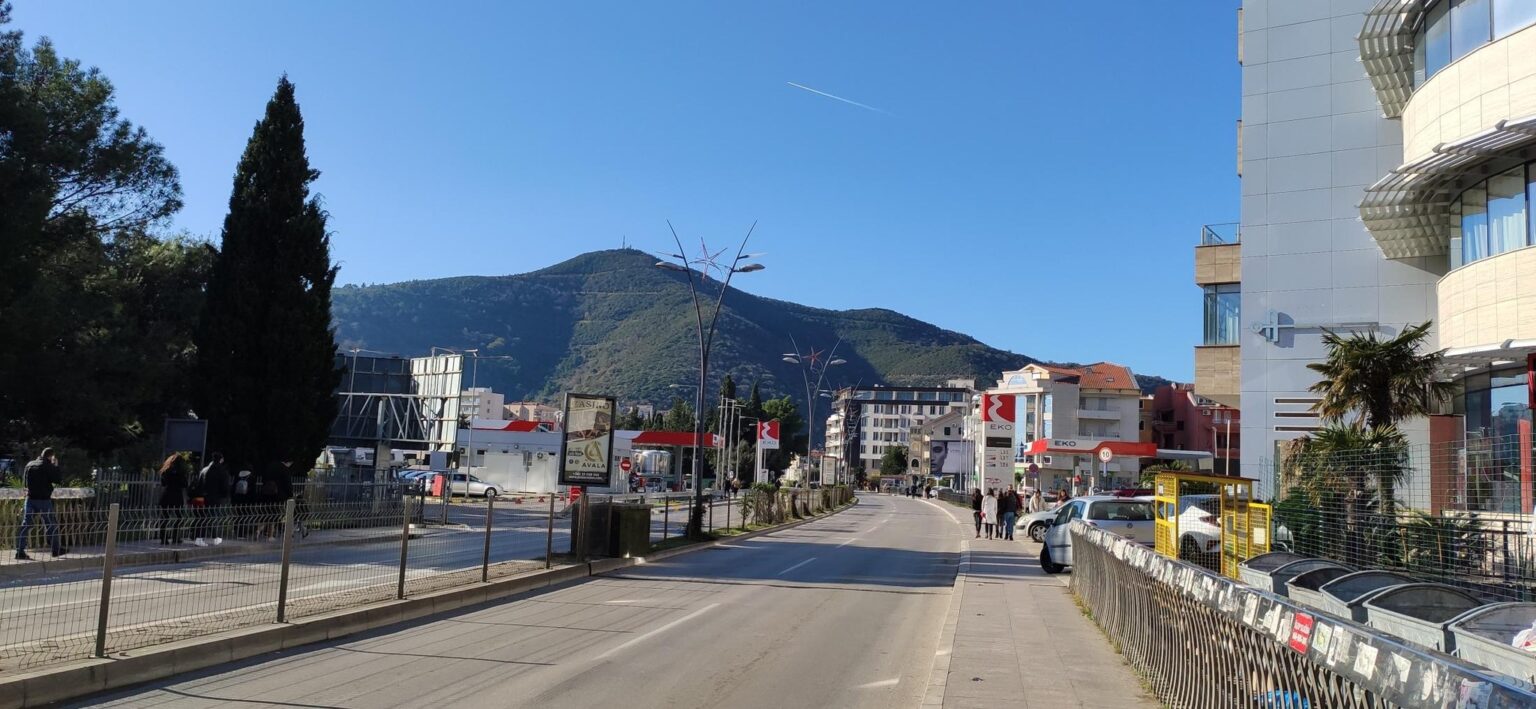
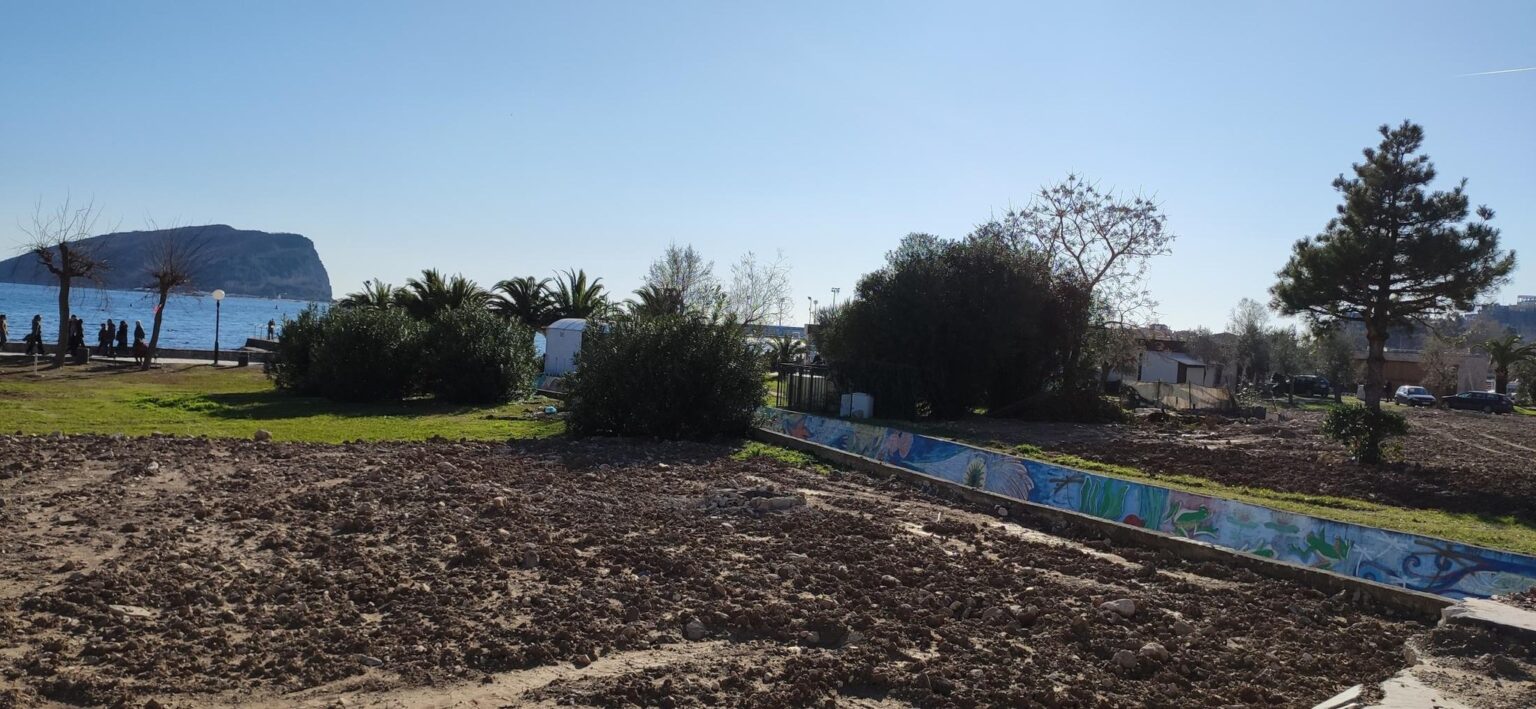
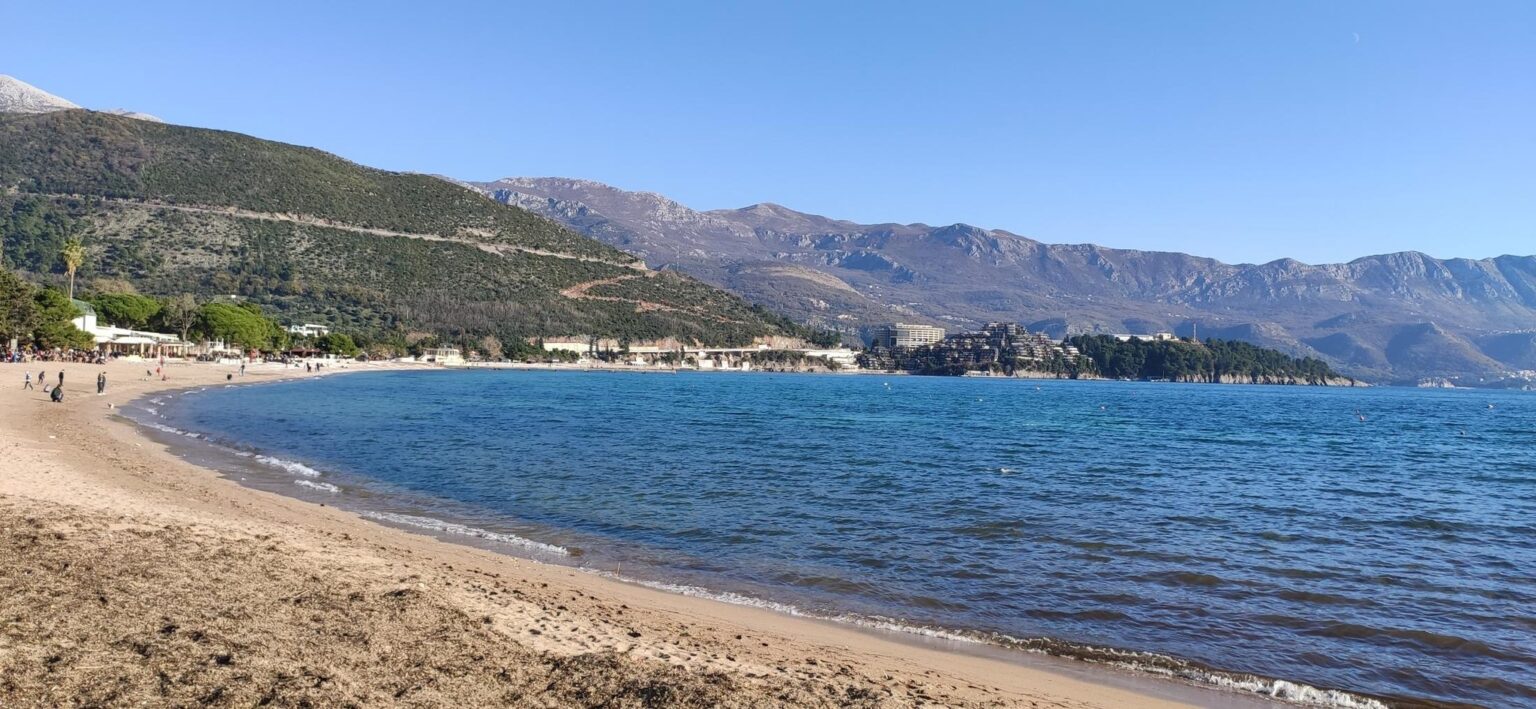
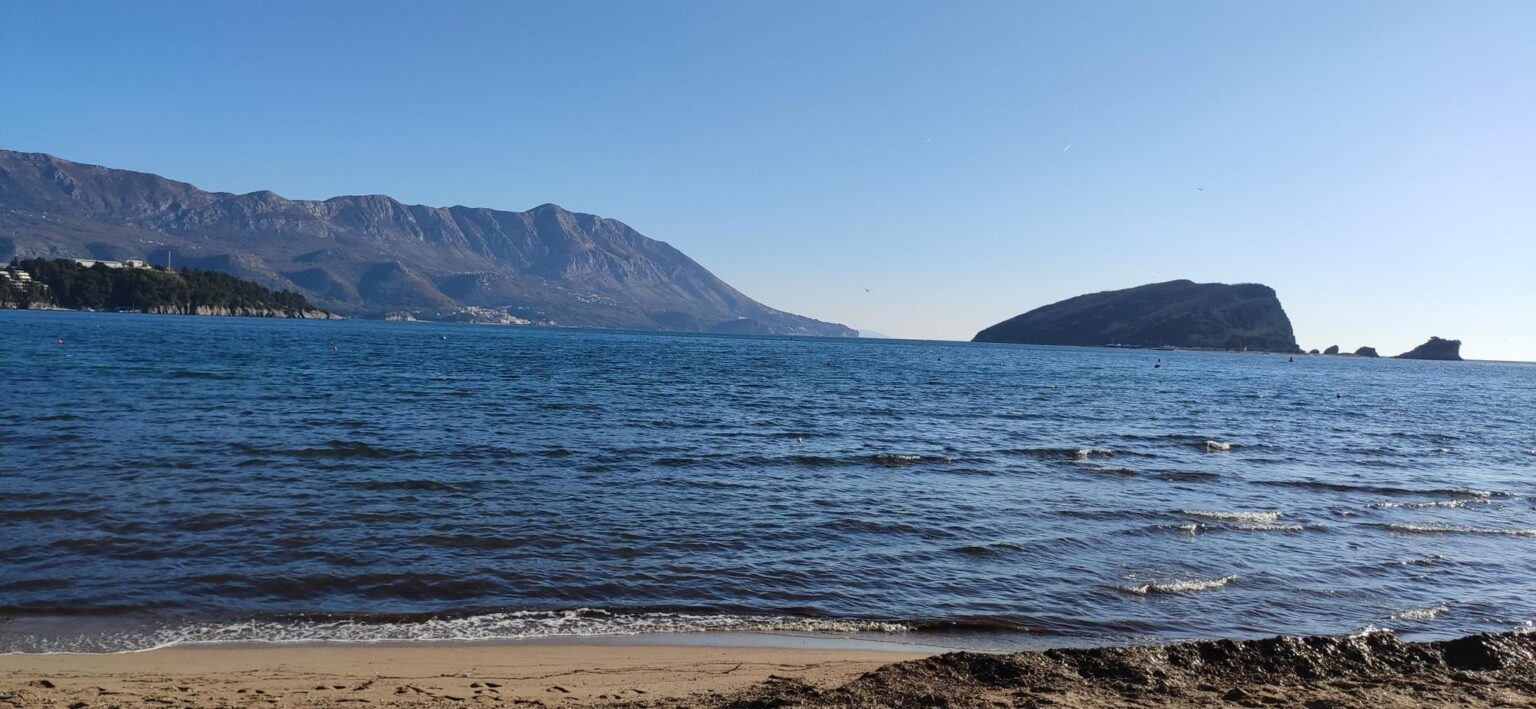
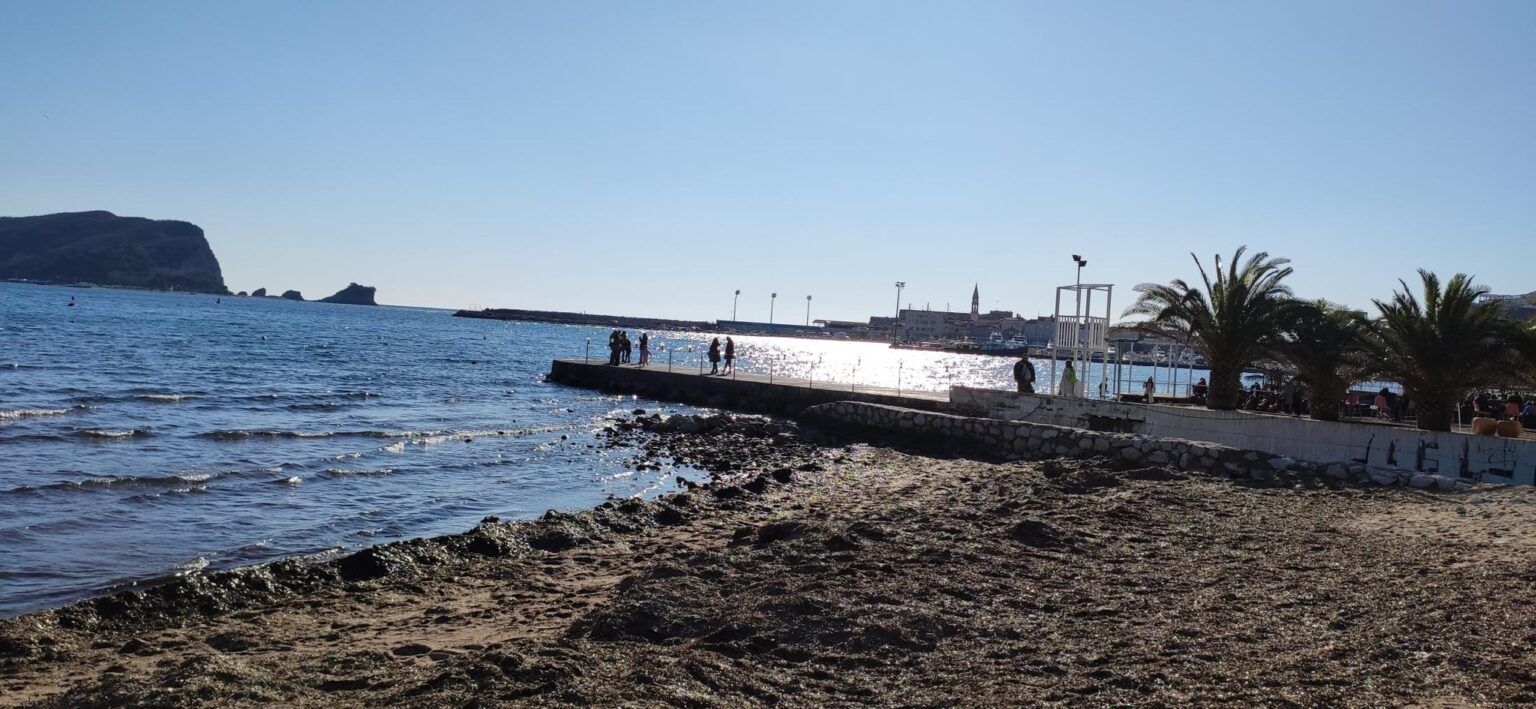
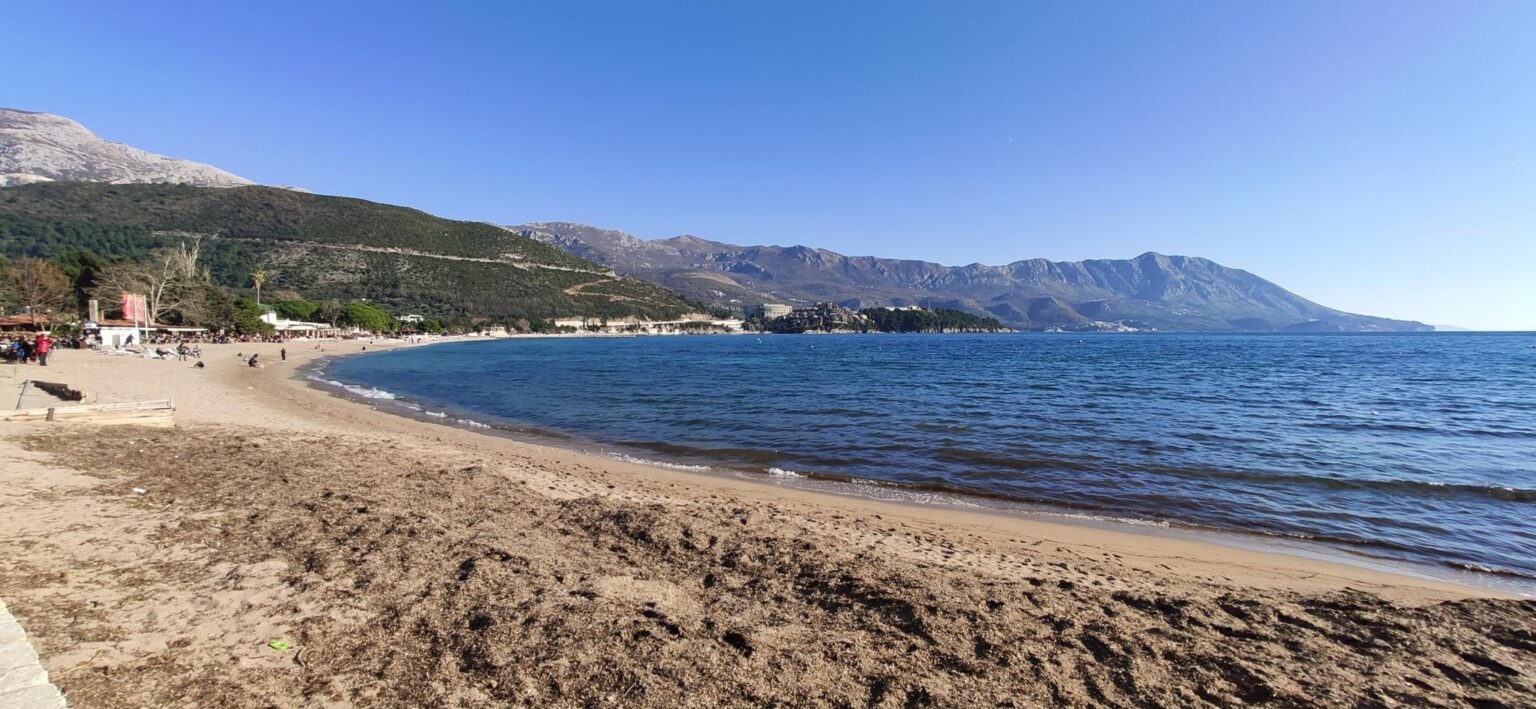
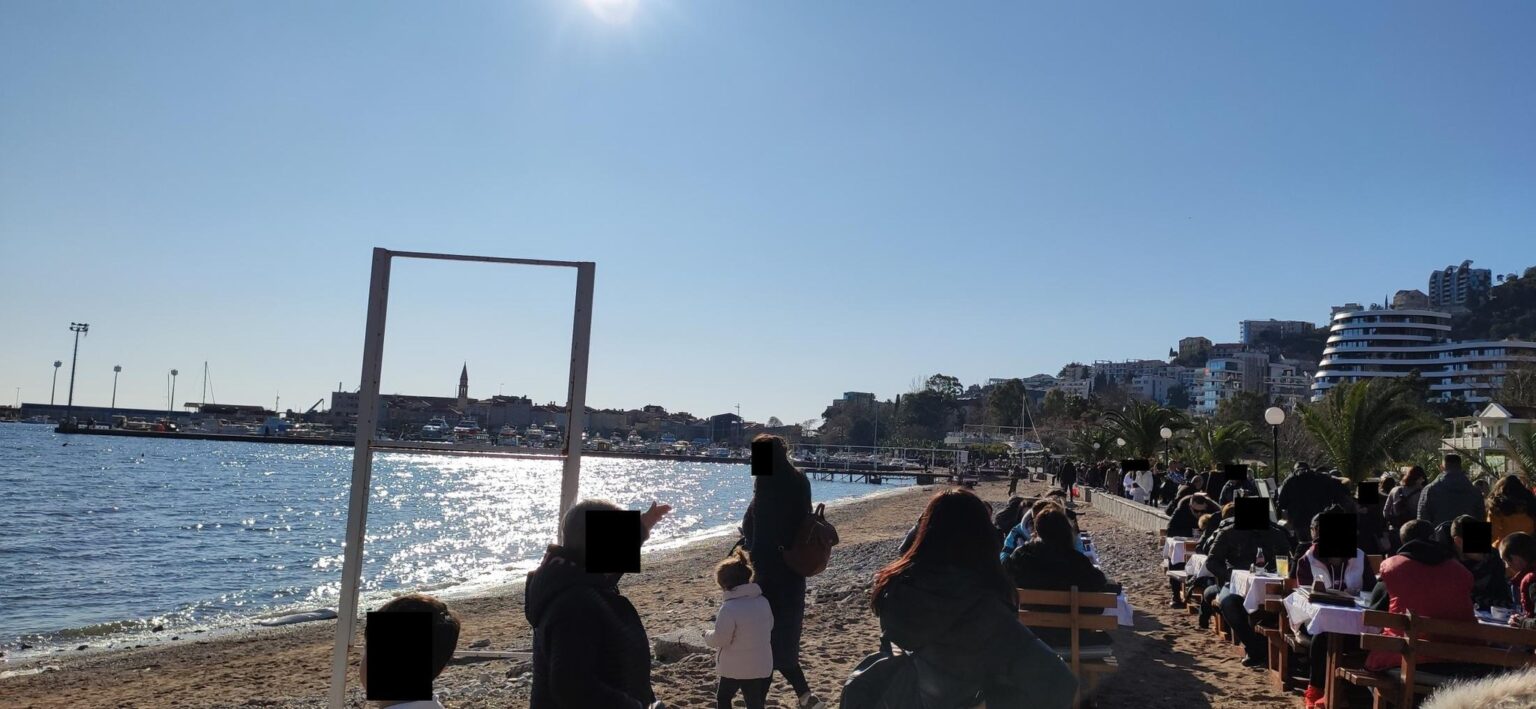
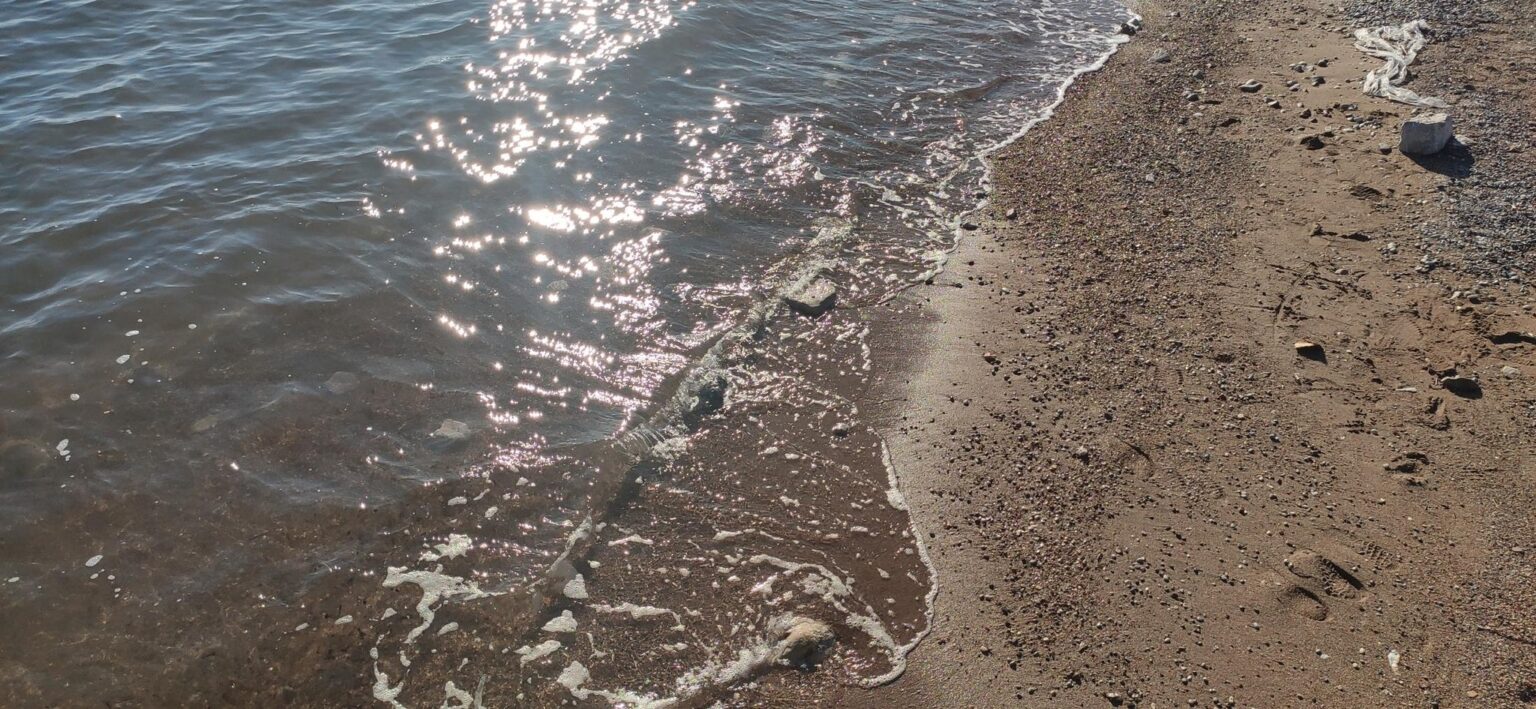
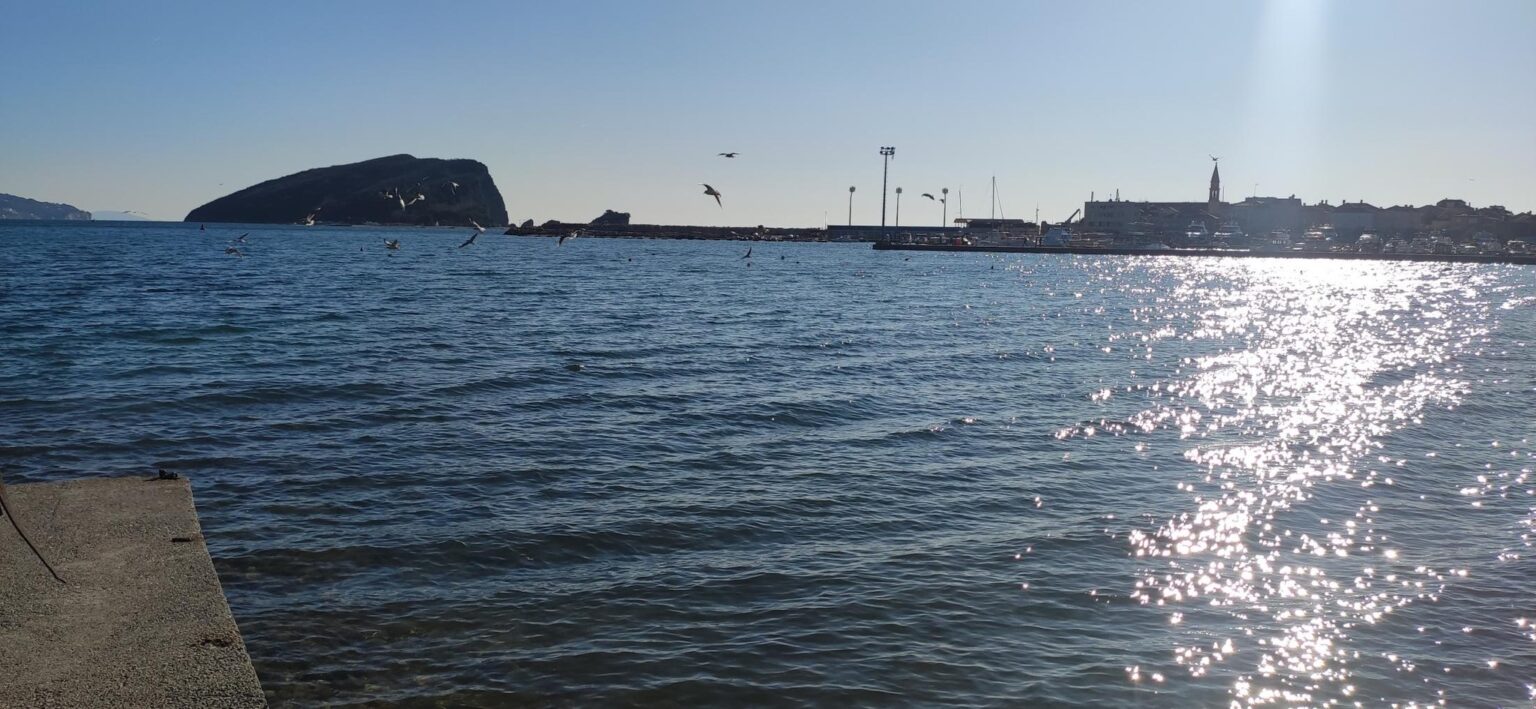
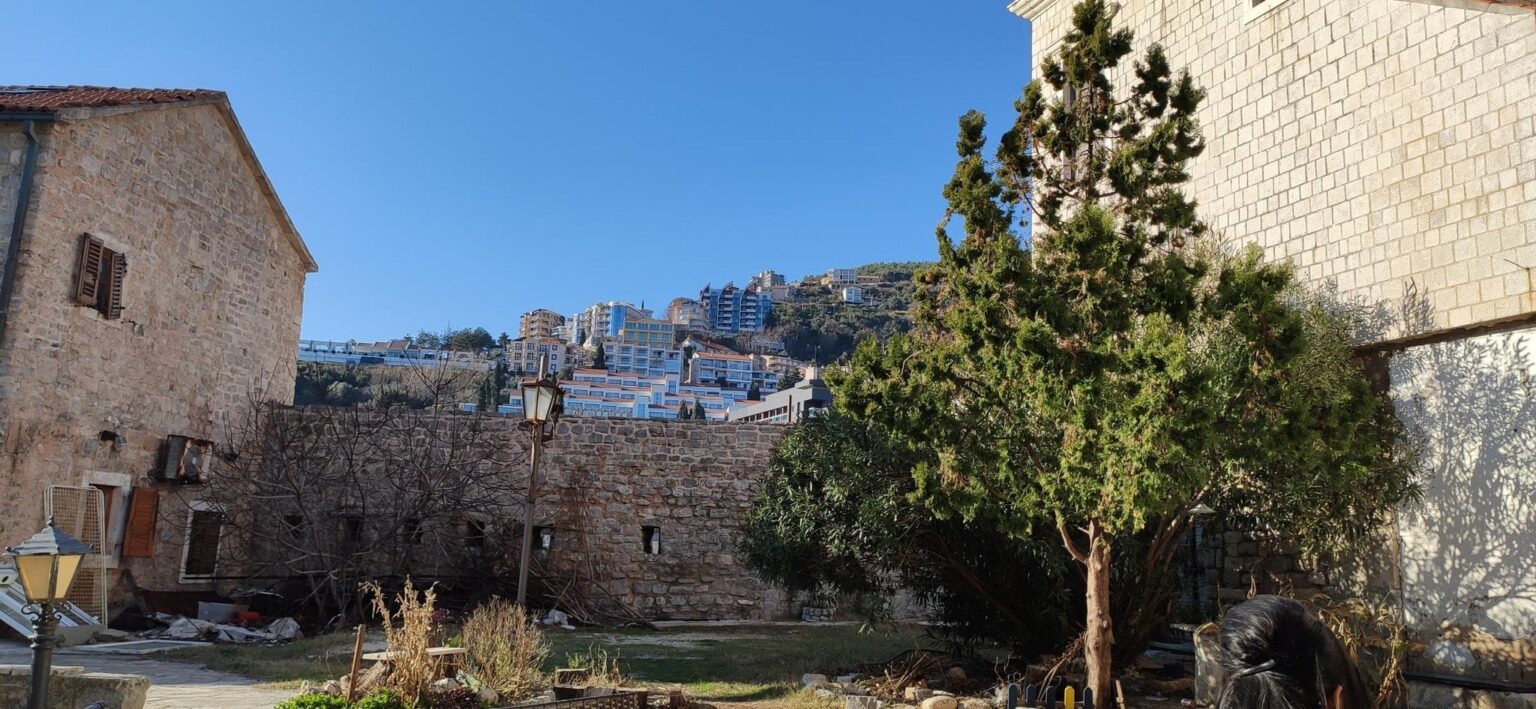
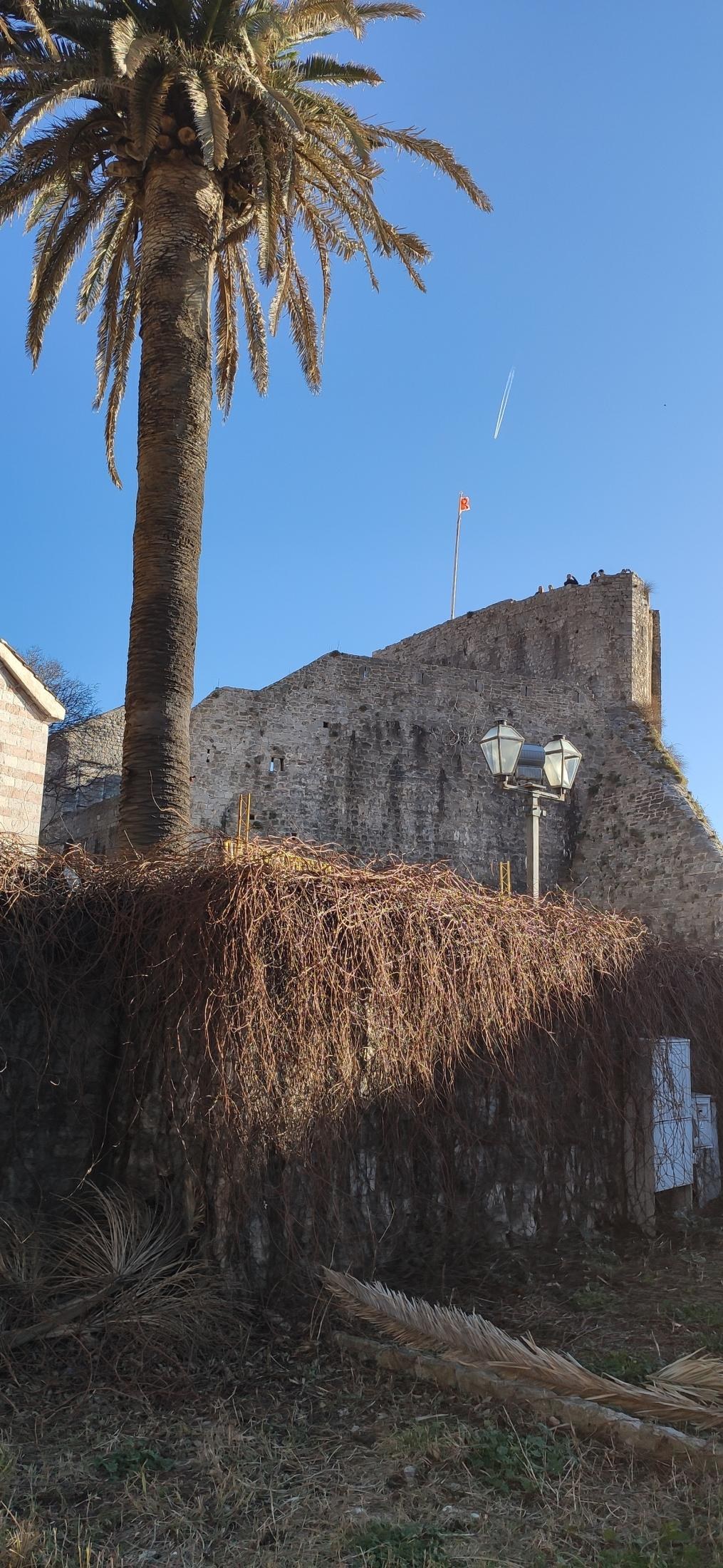
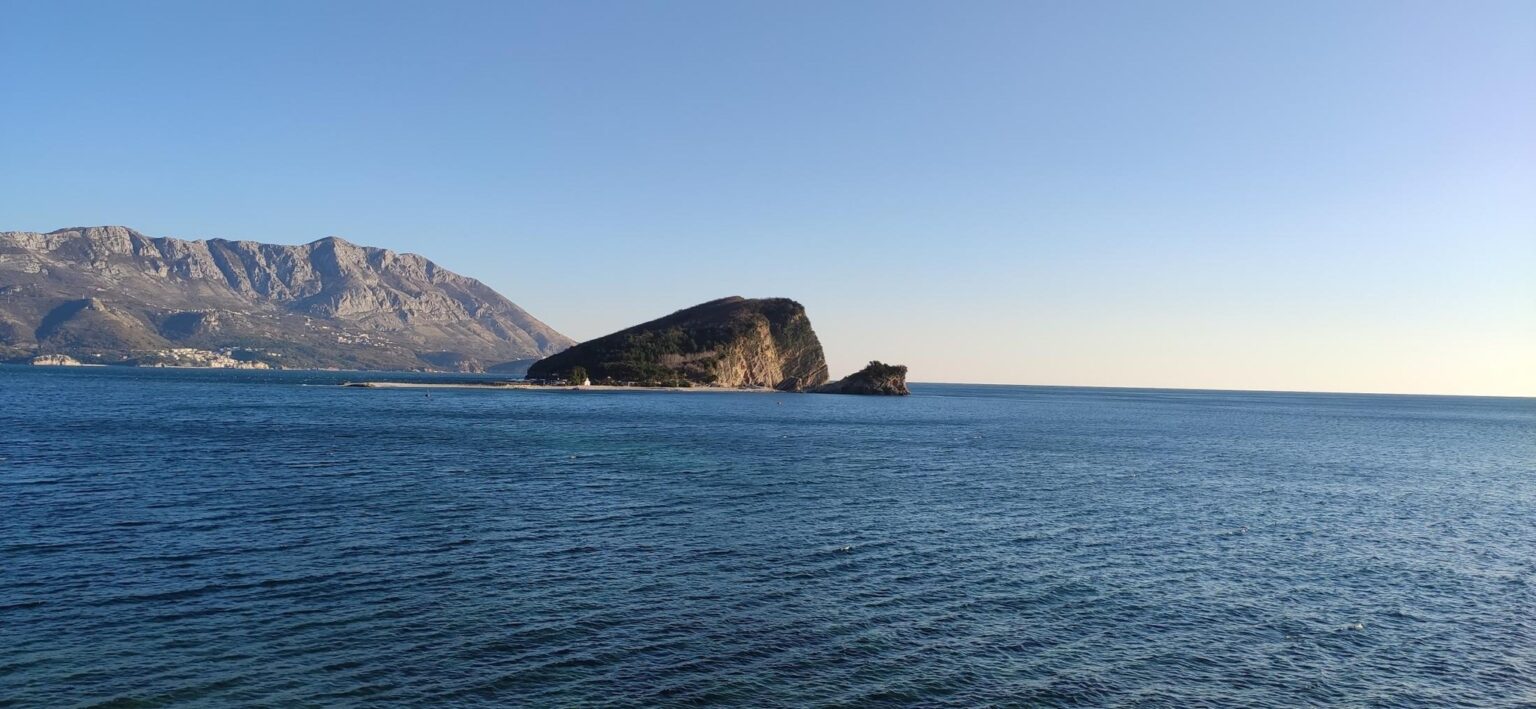
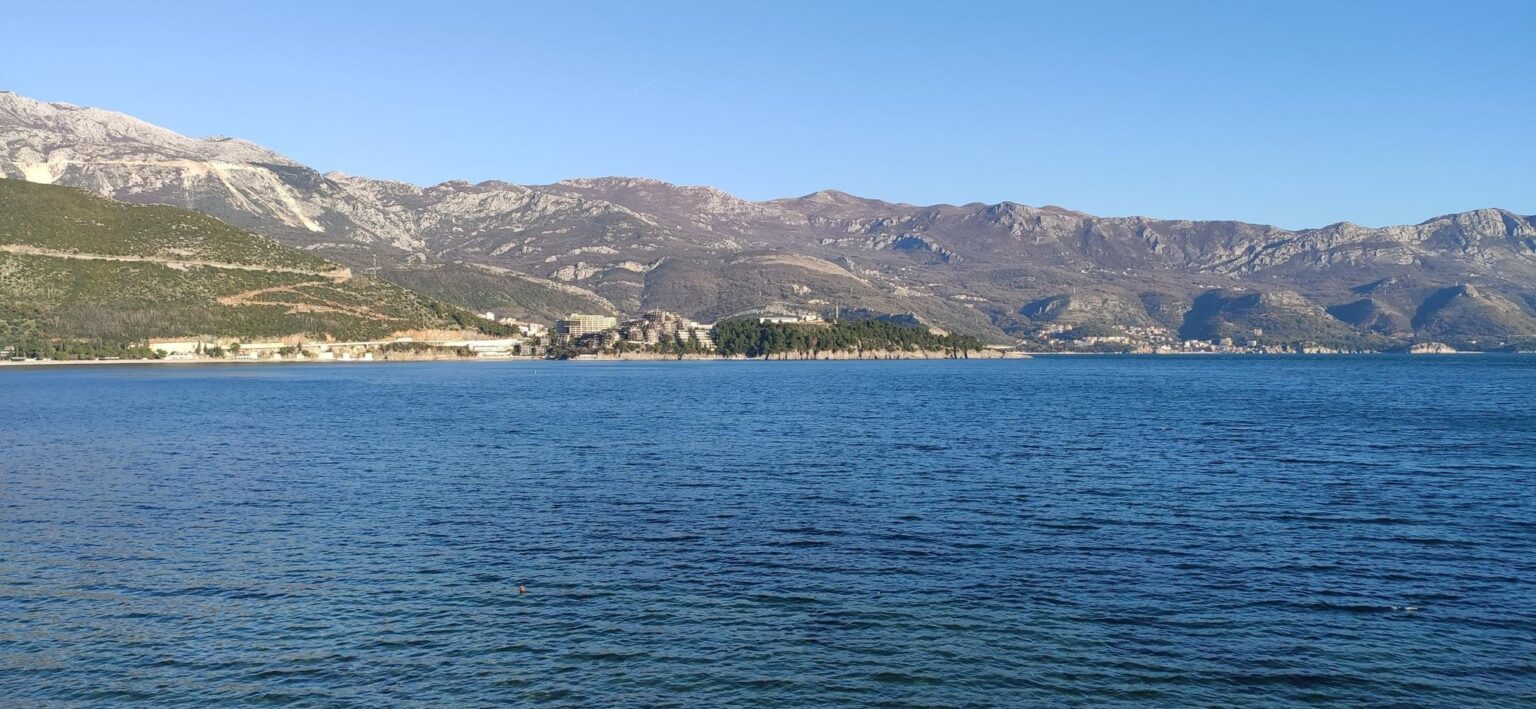
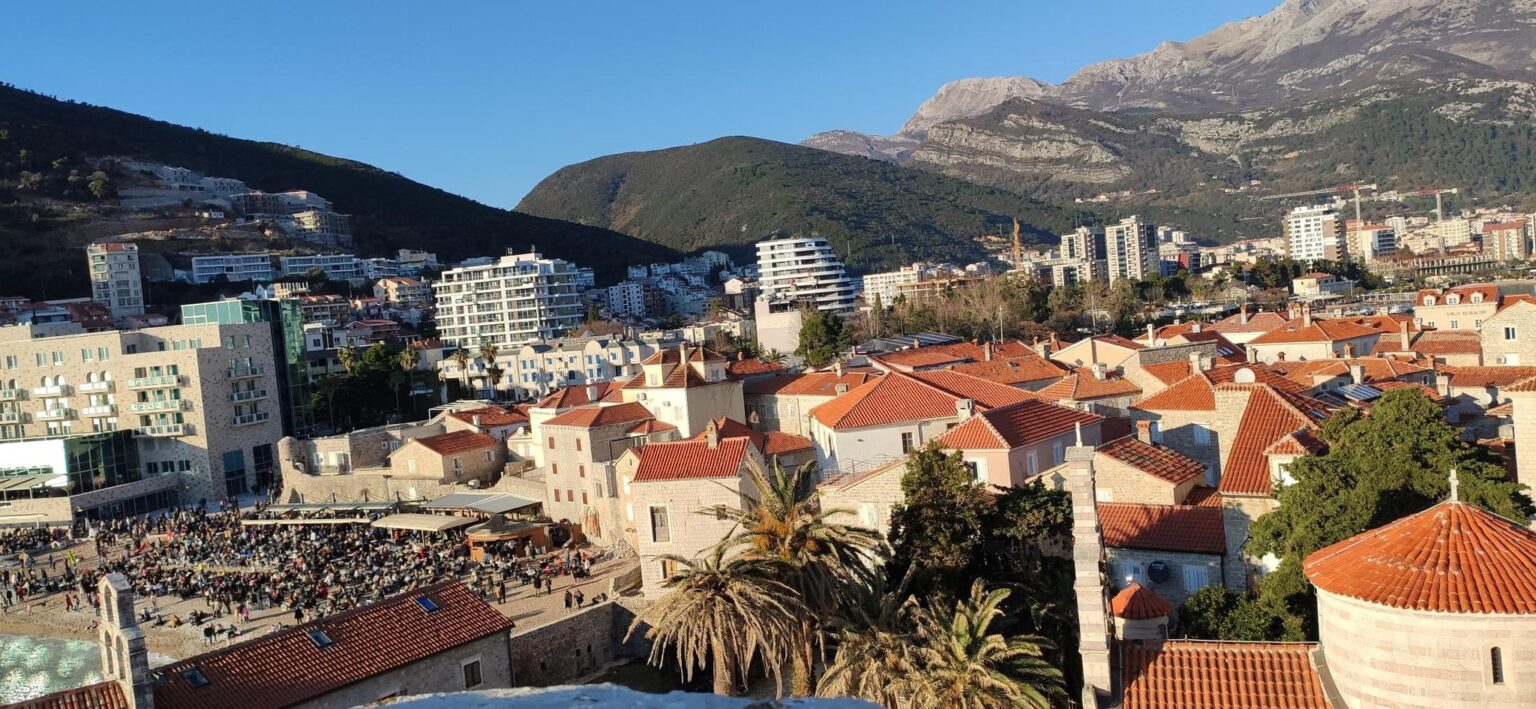
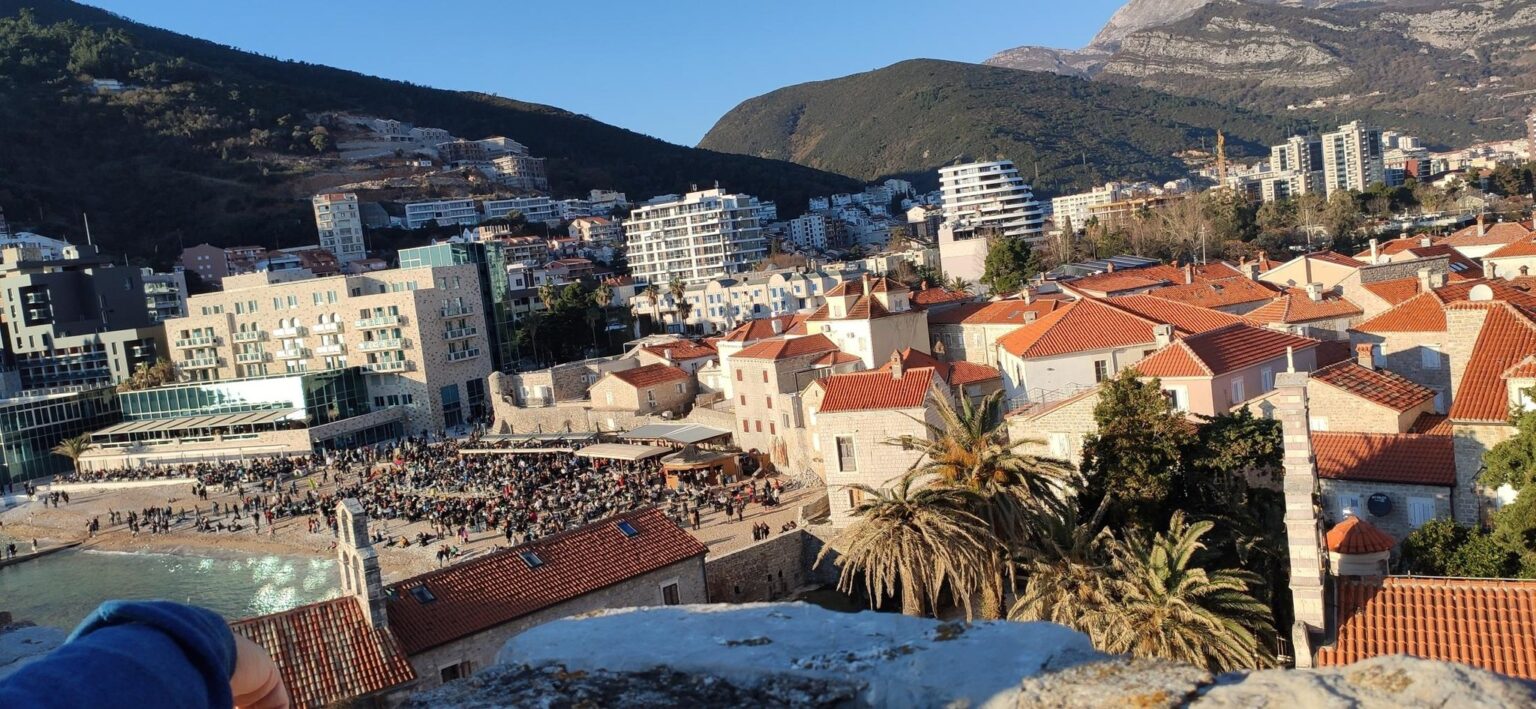
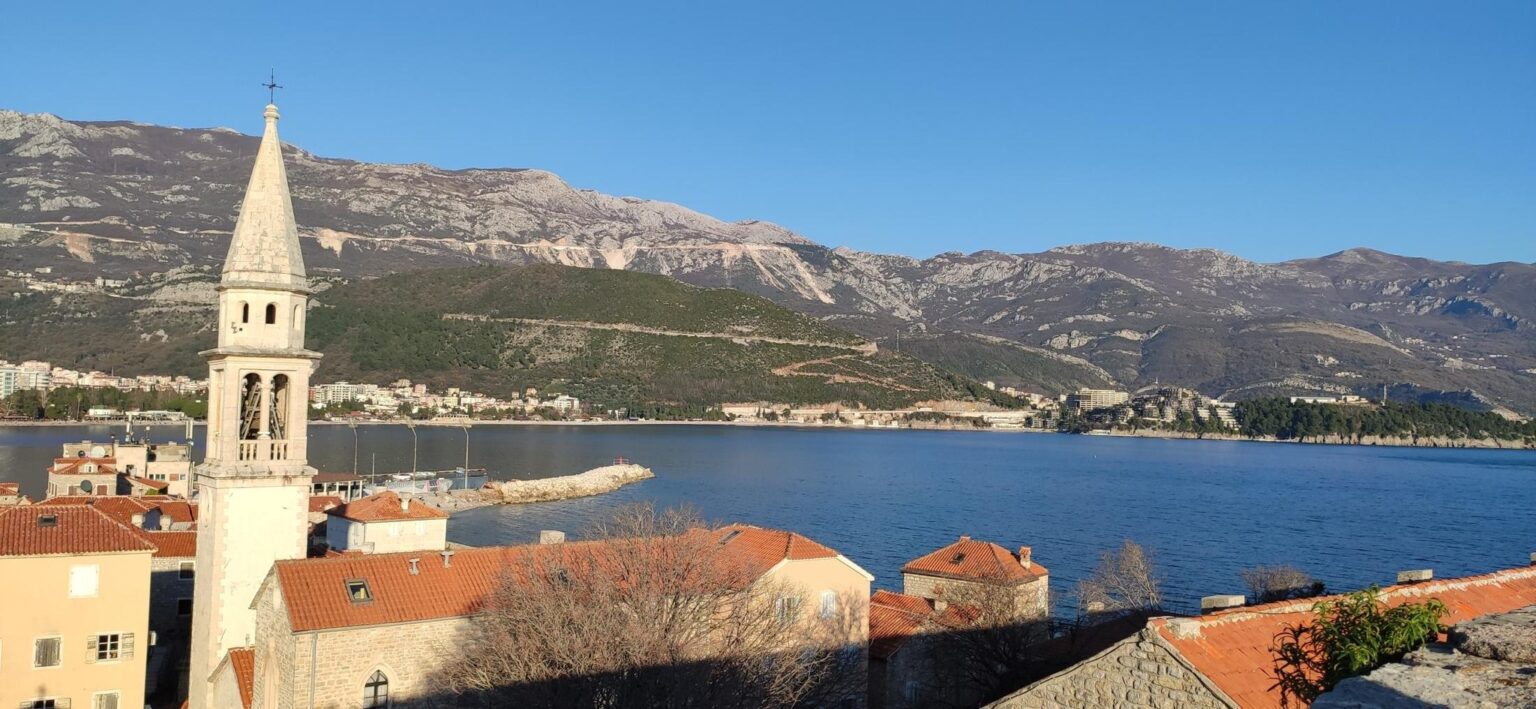
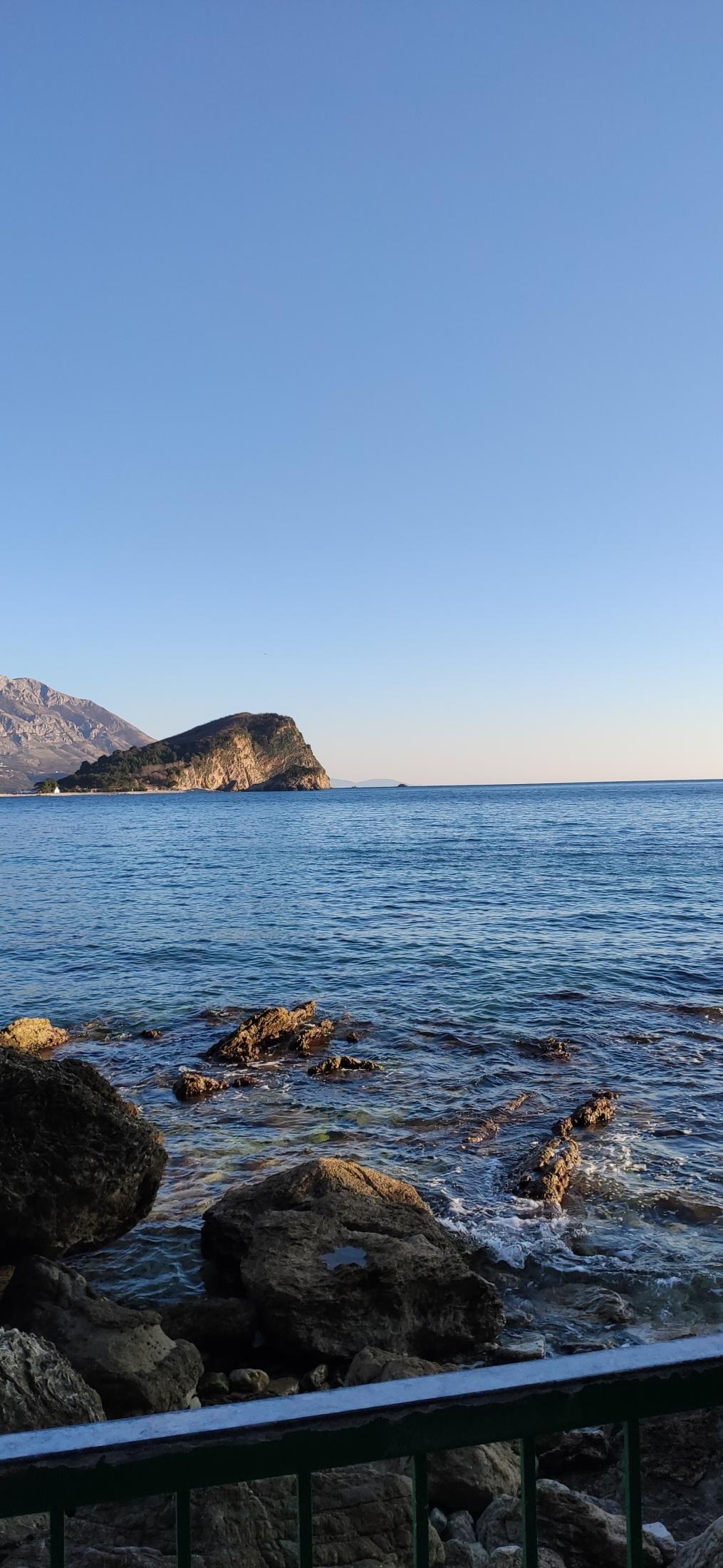
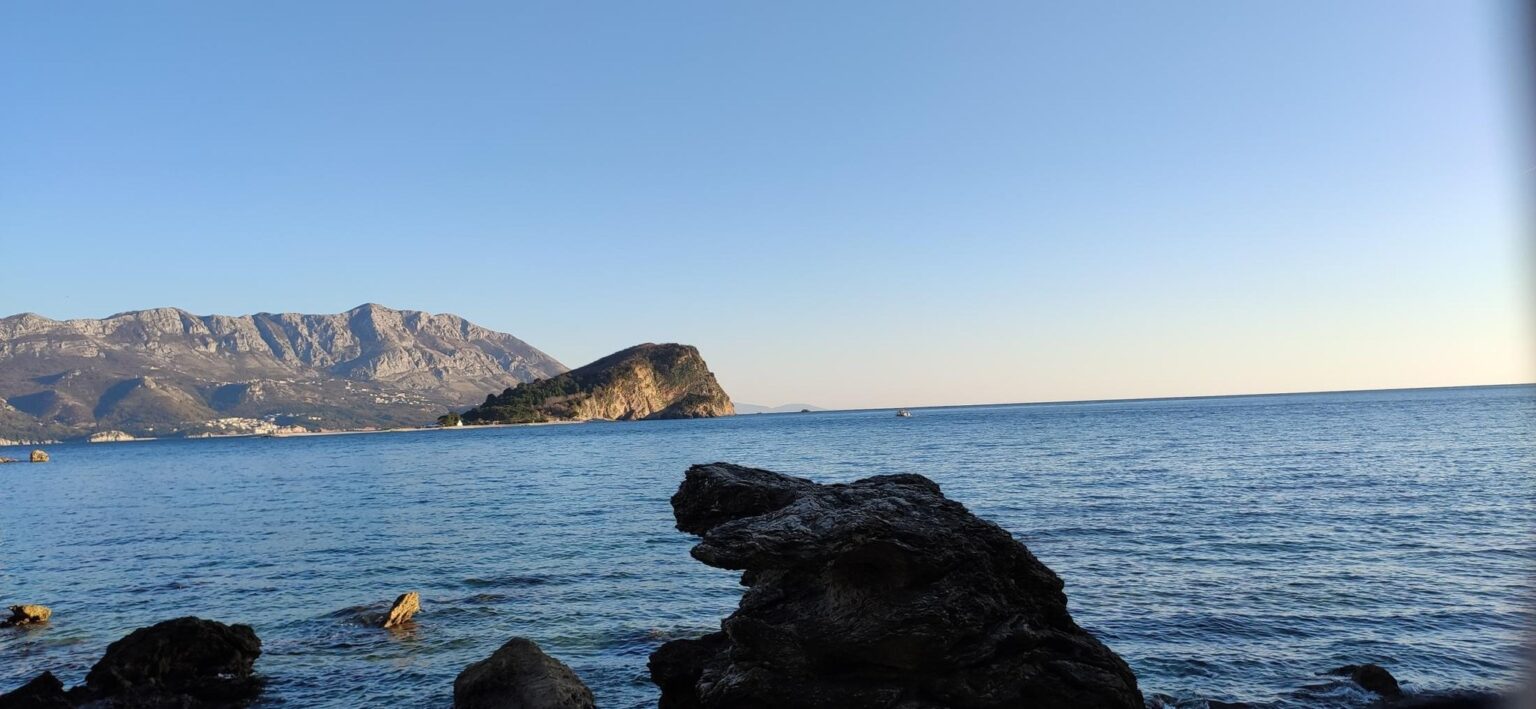
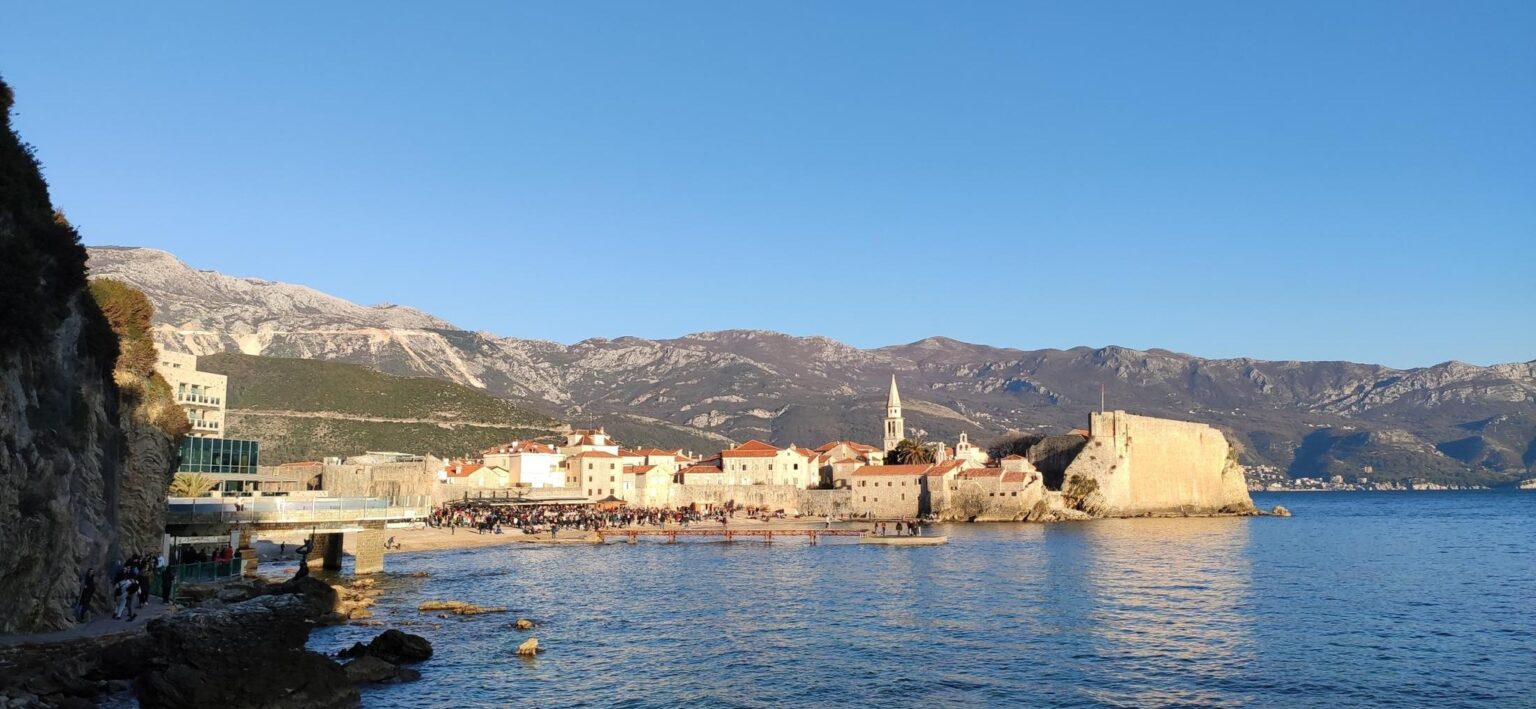
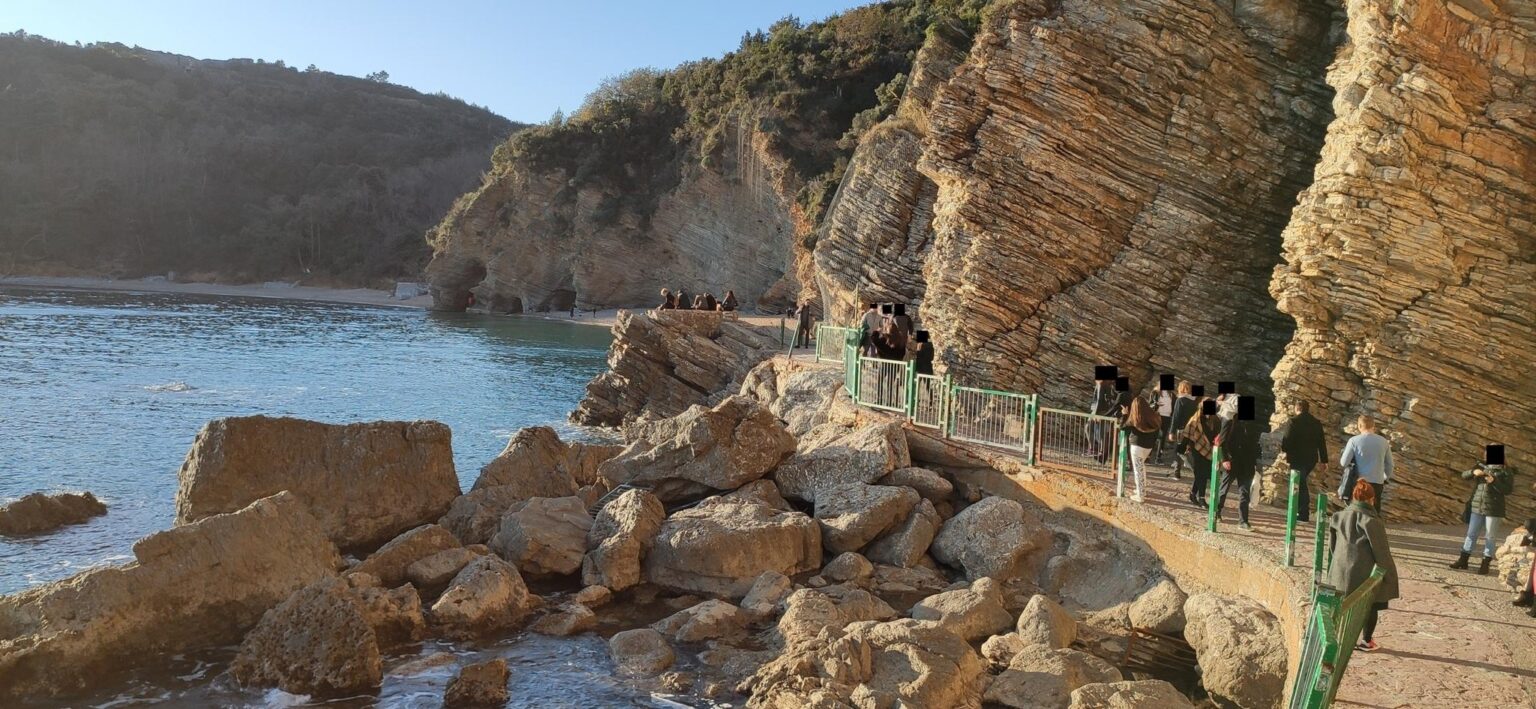
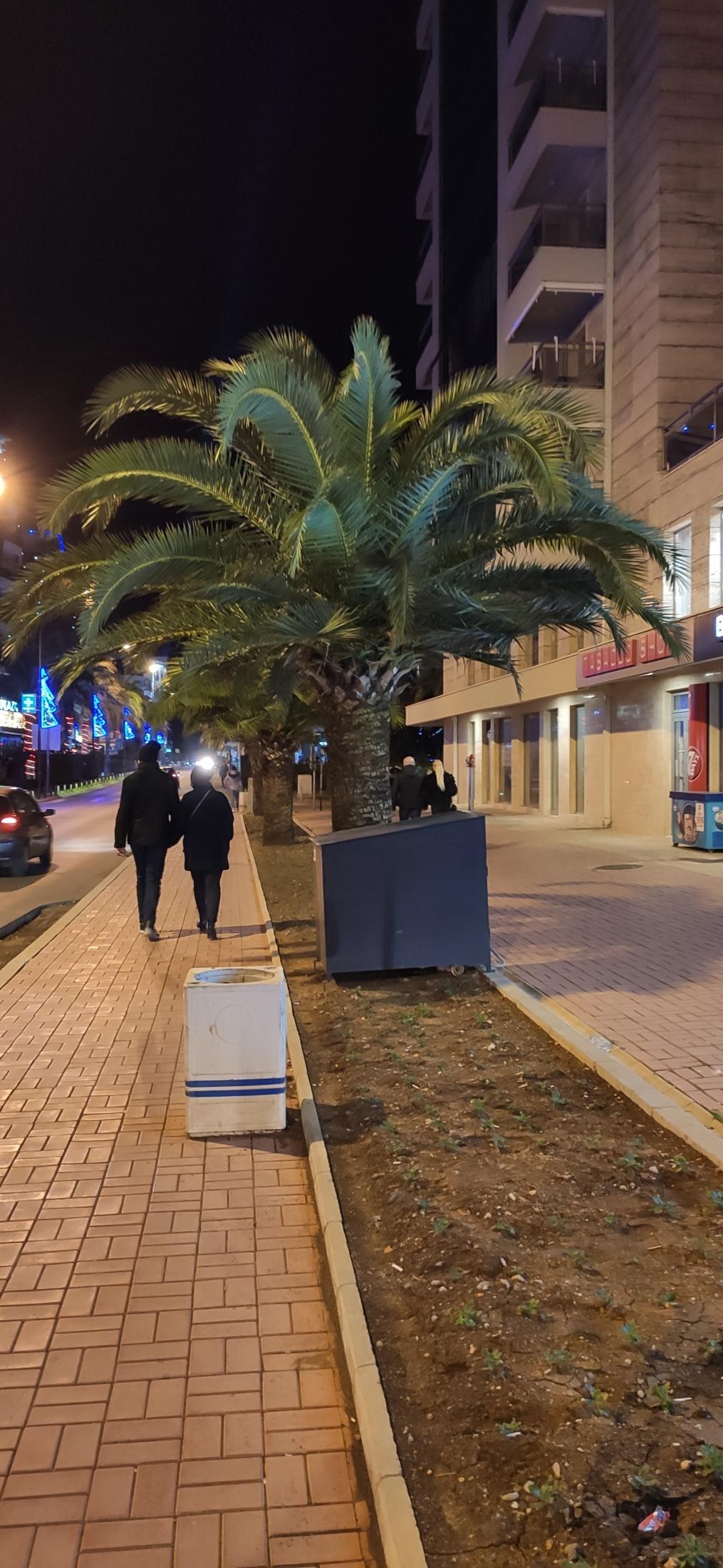
The good old coach returns us to Budva in the early afternoon, around 15:00–16:00. It’s New Year’s Eve and the weather is superb. There are people walking around without jackets. The climate is mild. Extremely pleasant for a wander, and we get an hour or so before it goes dark and turns brutally cold. Enough to read the place, though: old architecture alongside modern buildings, the sea, parks, monuments, fortress rock. I can’t wait for tomorrow and a proper circuit.
Day 4: Montenegro — around Budva
Happy New Year. First of January. There’s an optional organised excursion for €15 to Tivat, a town on the coast. I assume it’s interesting; on the map it looks like a small resort town. In my view, though, it costs more than it gives, because it leaves almost no time for Budva. We skip Tivat. We’re staying to look at Budva properly, which is nominally the main destination of the whole trip. The irony being that Budva gets two or three hours in the operator’s programme.
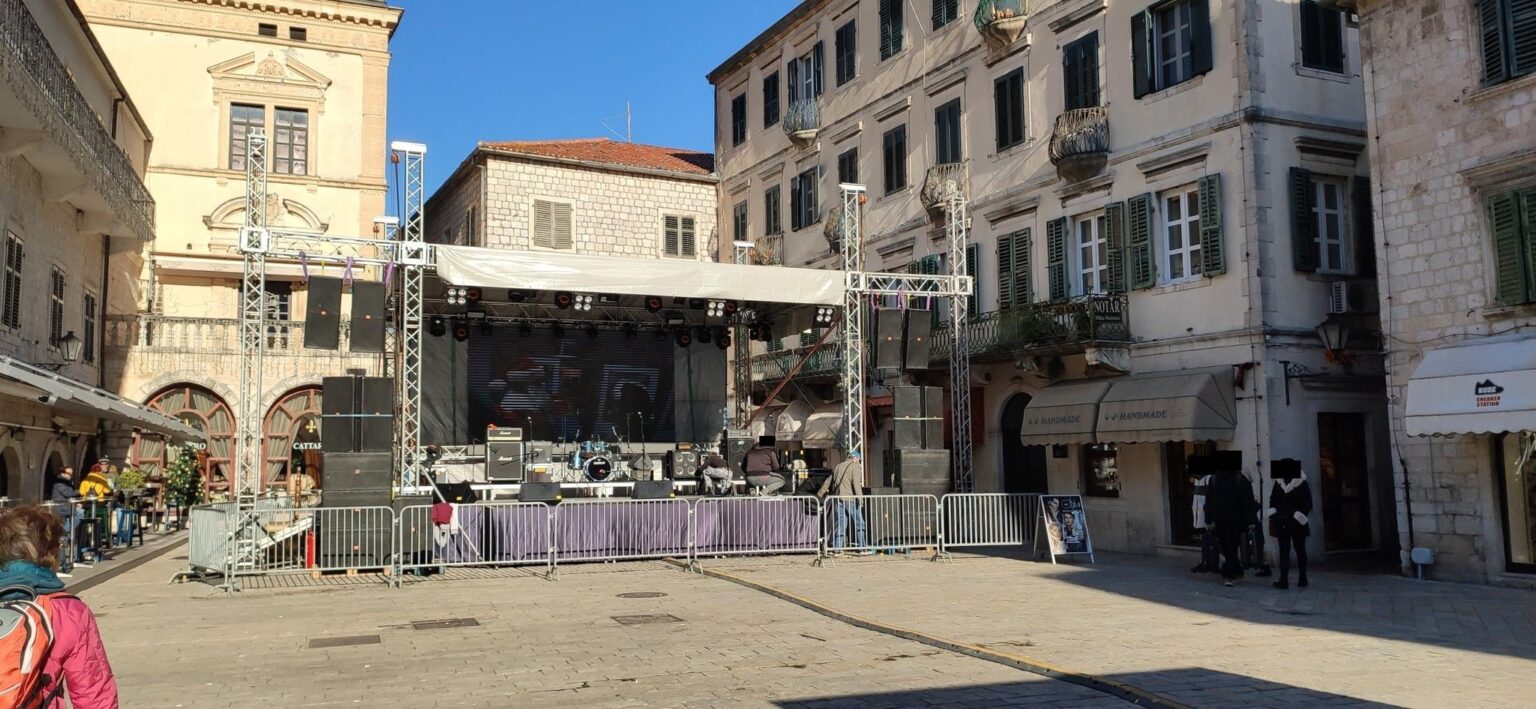
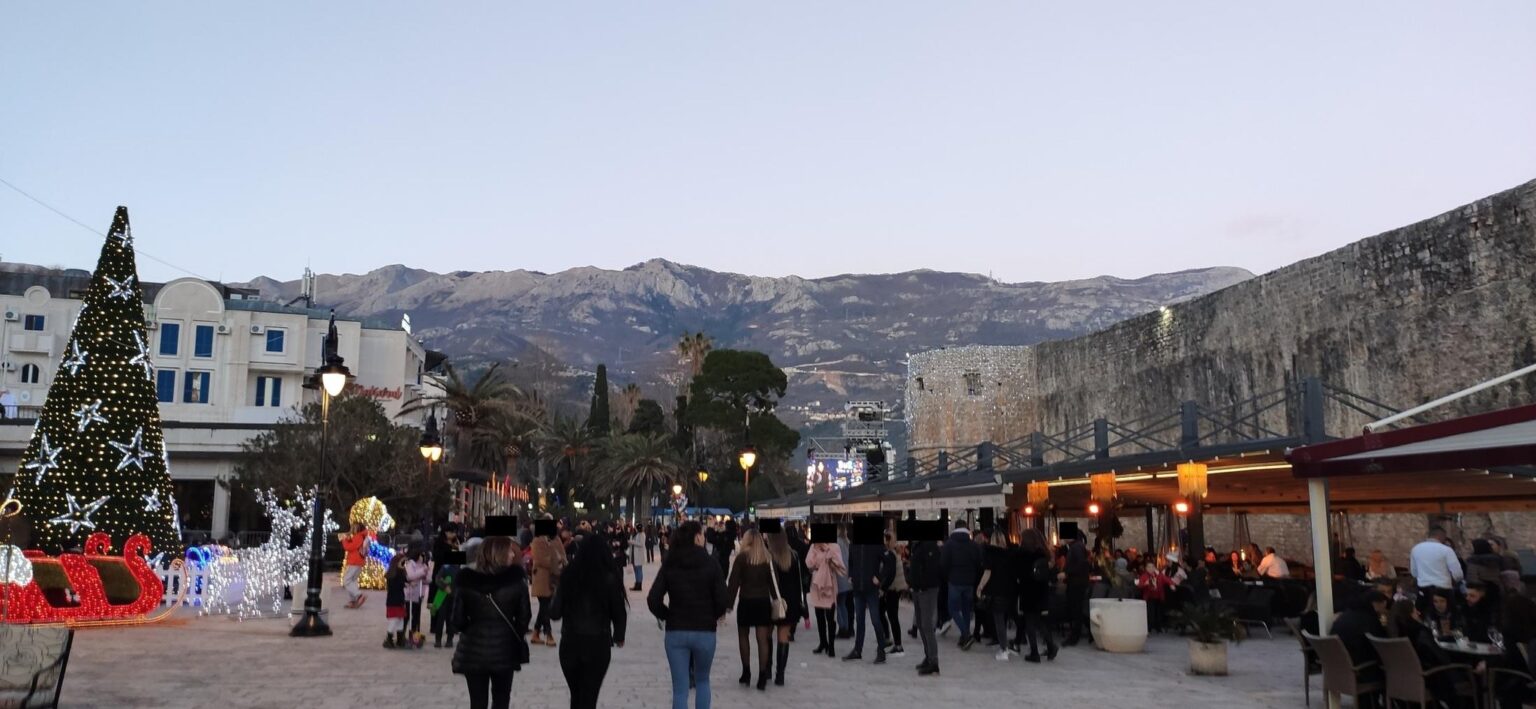
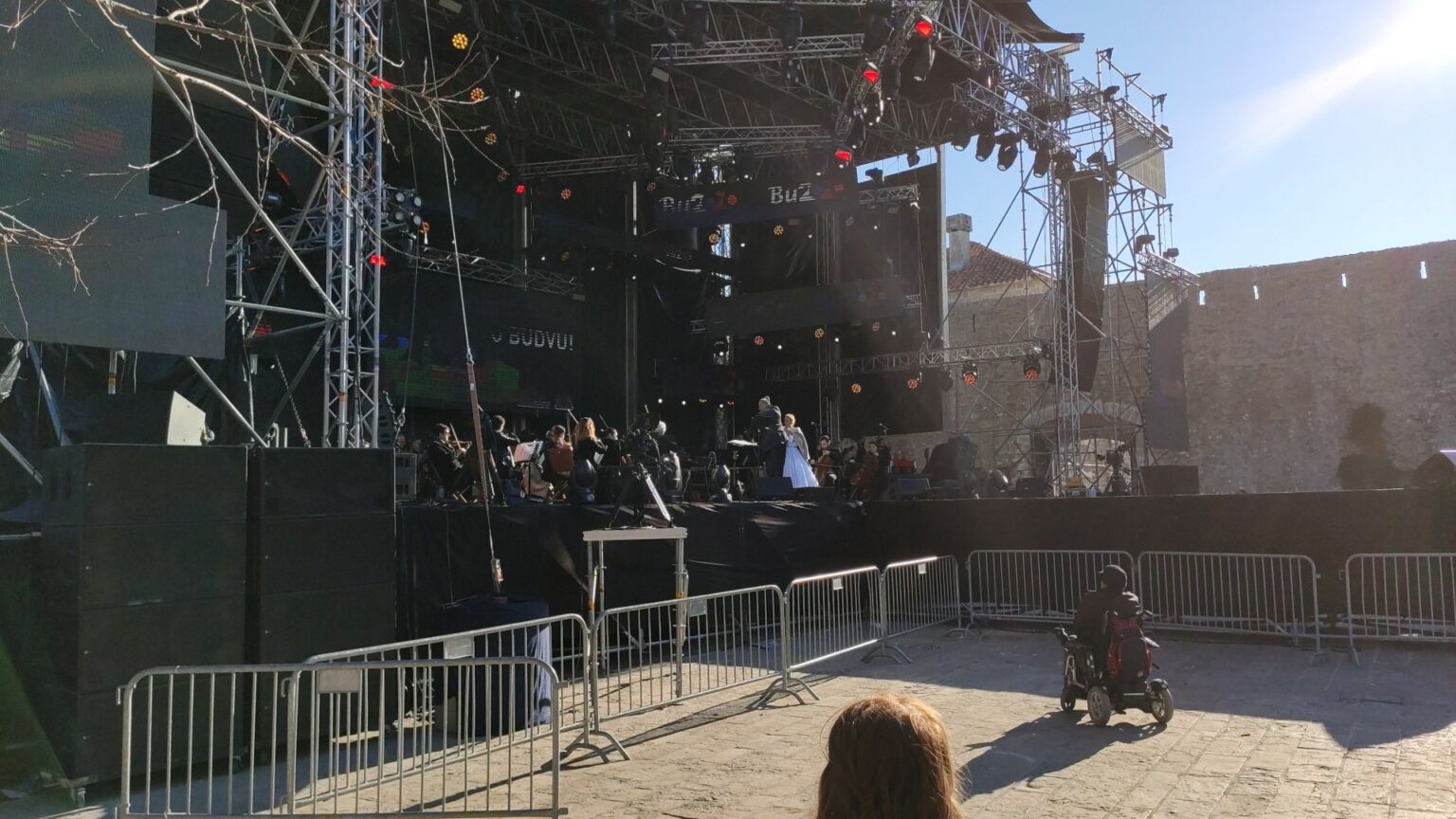
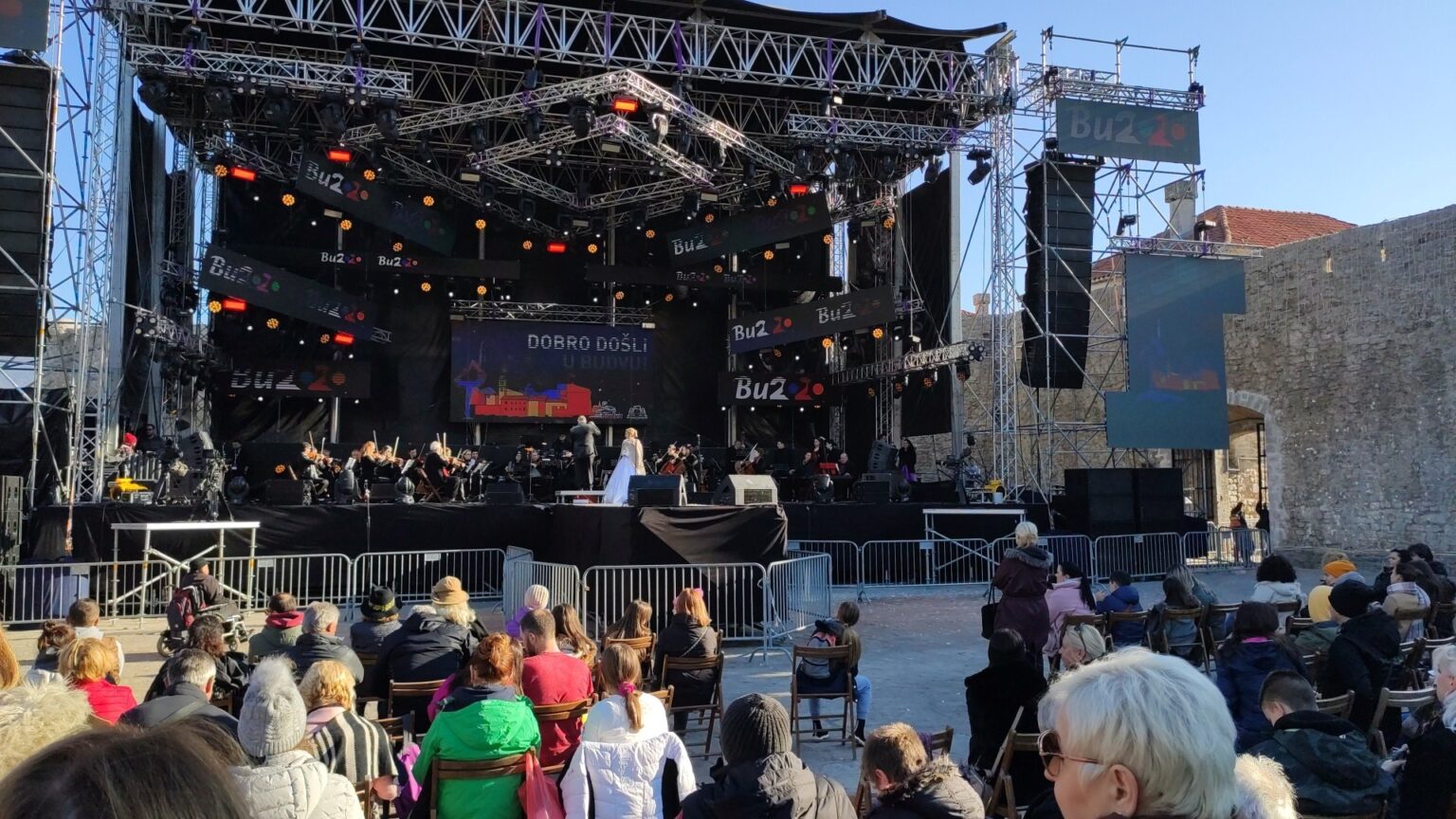
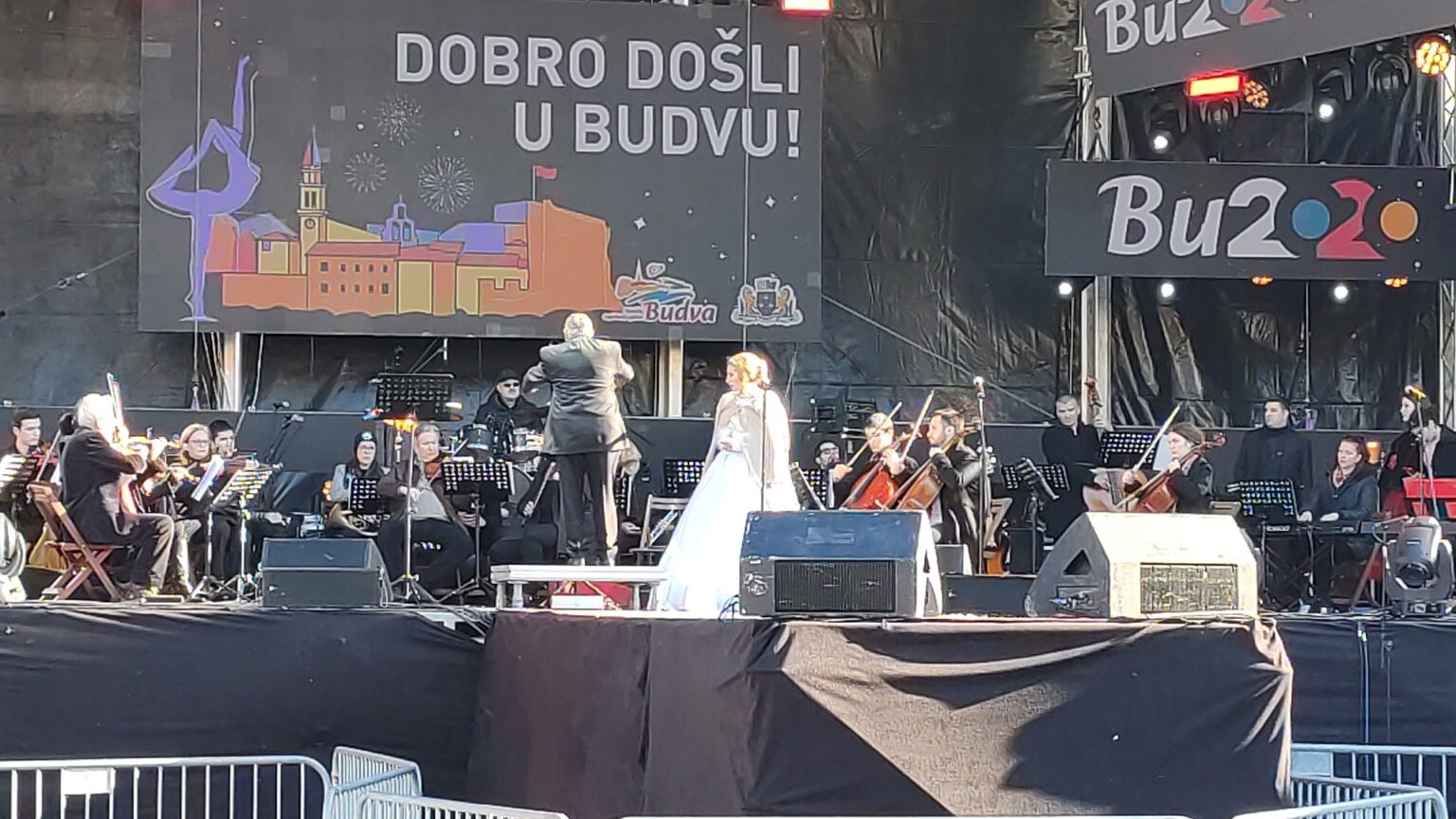
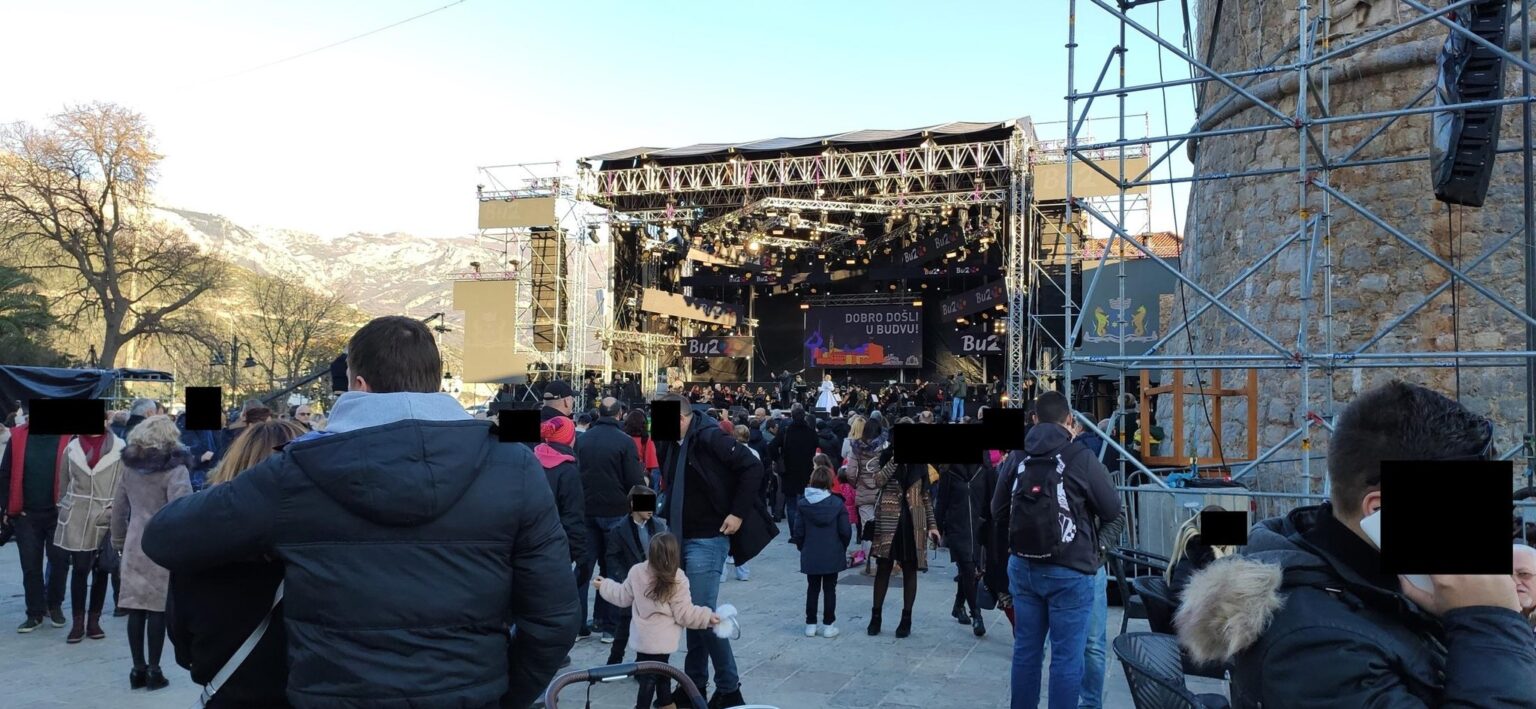
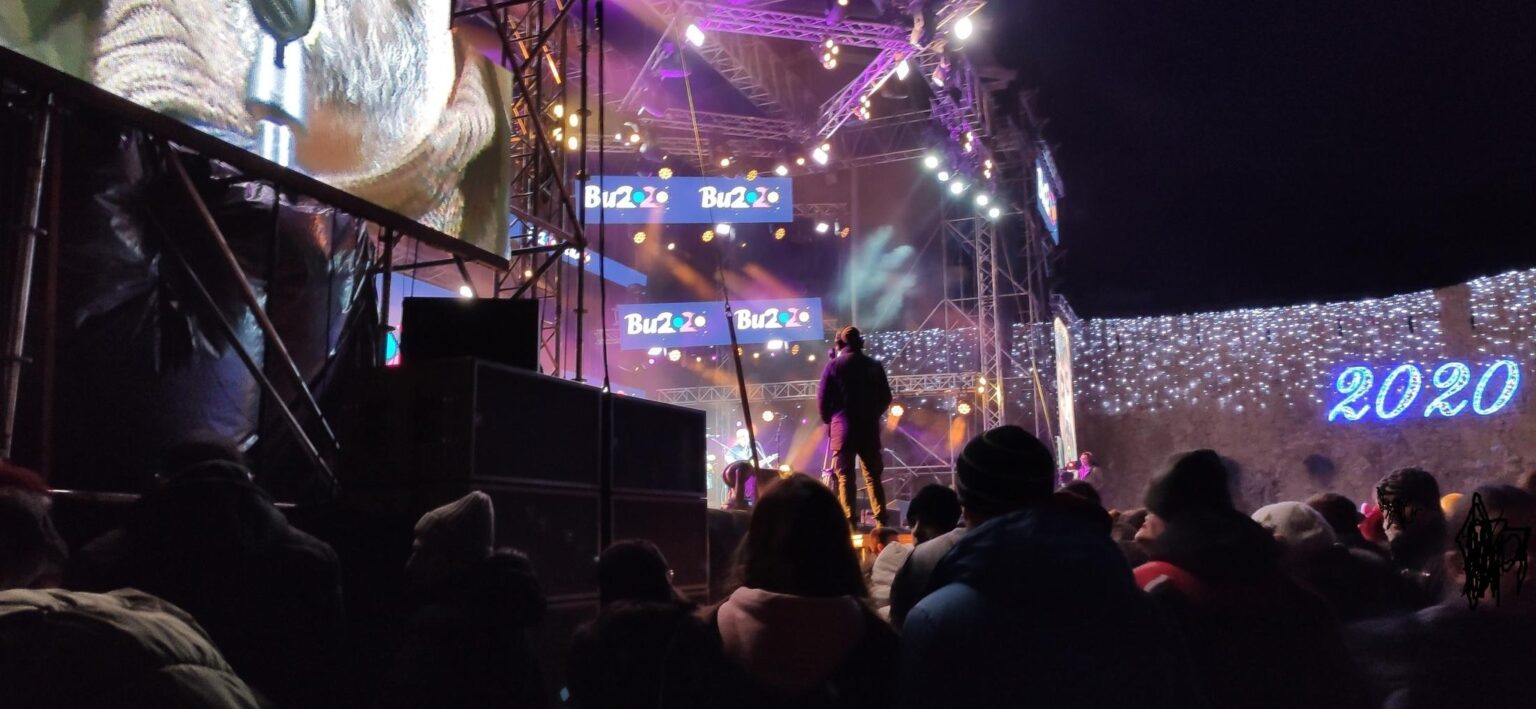
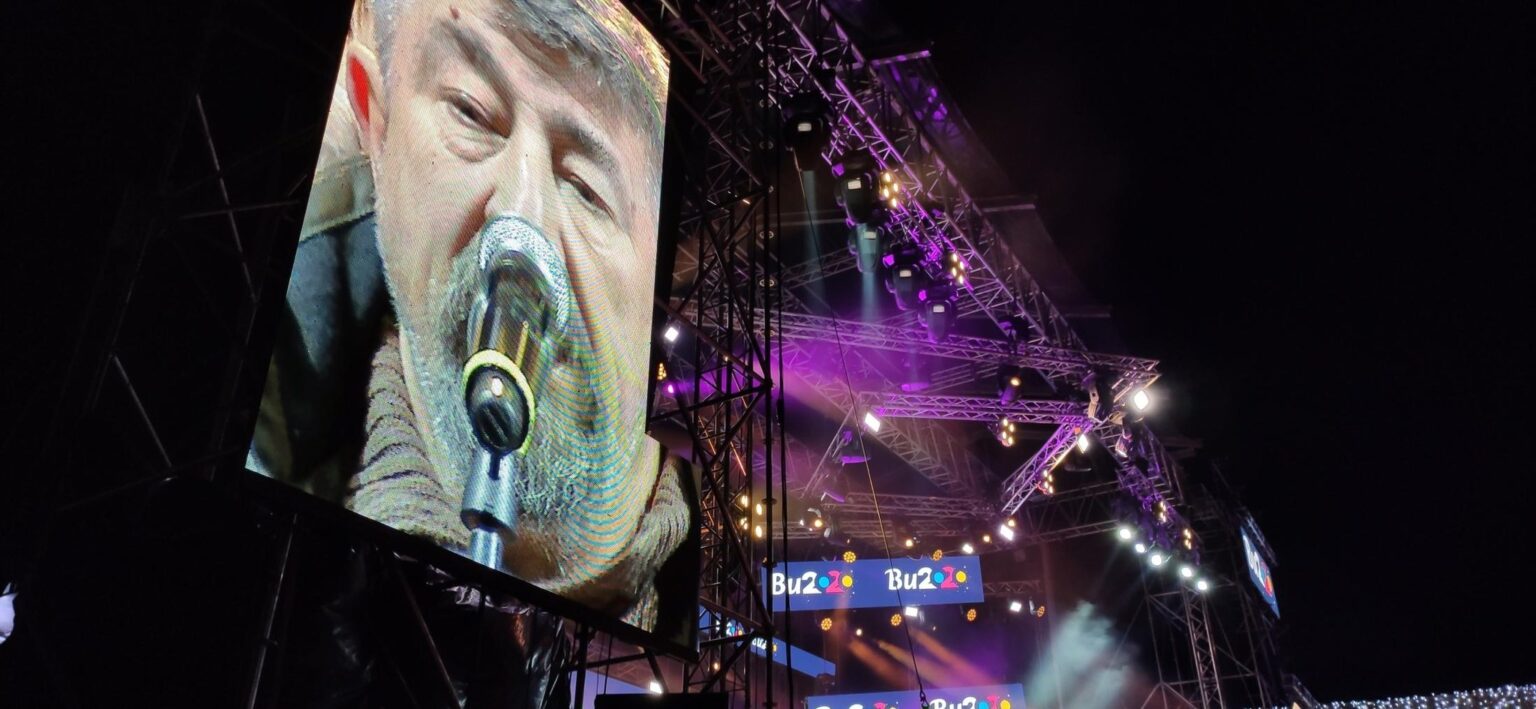
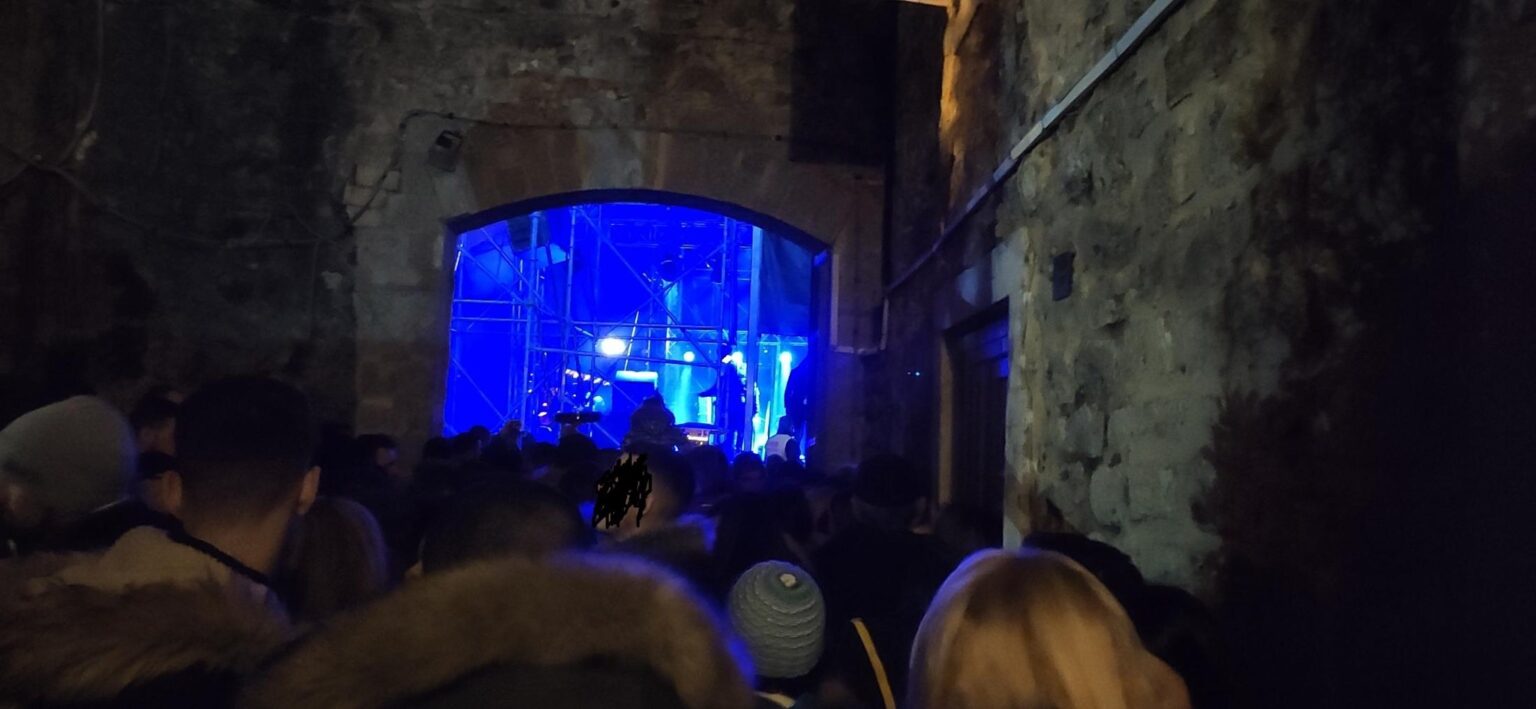
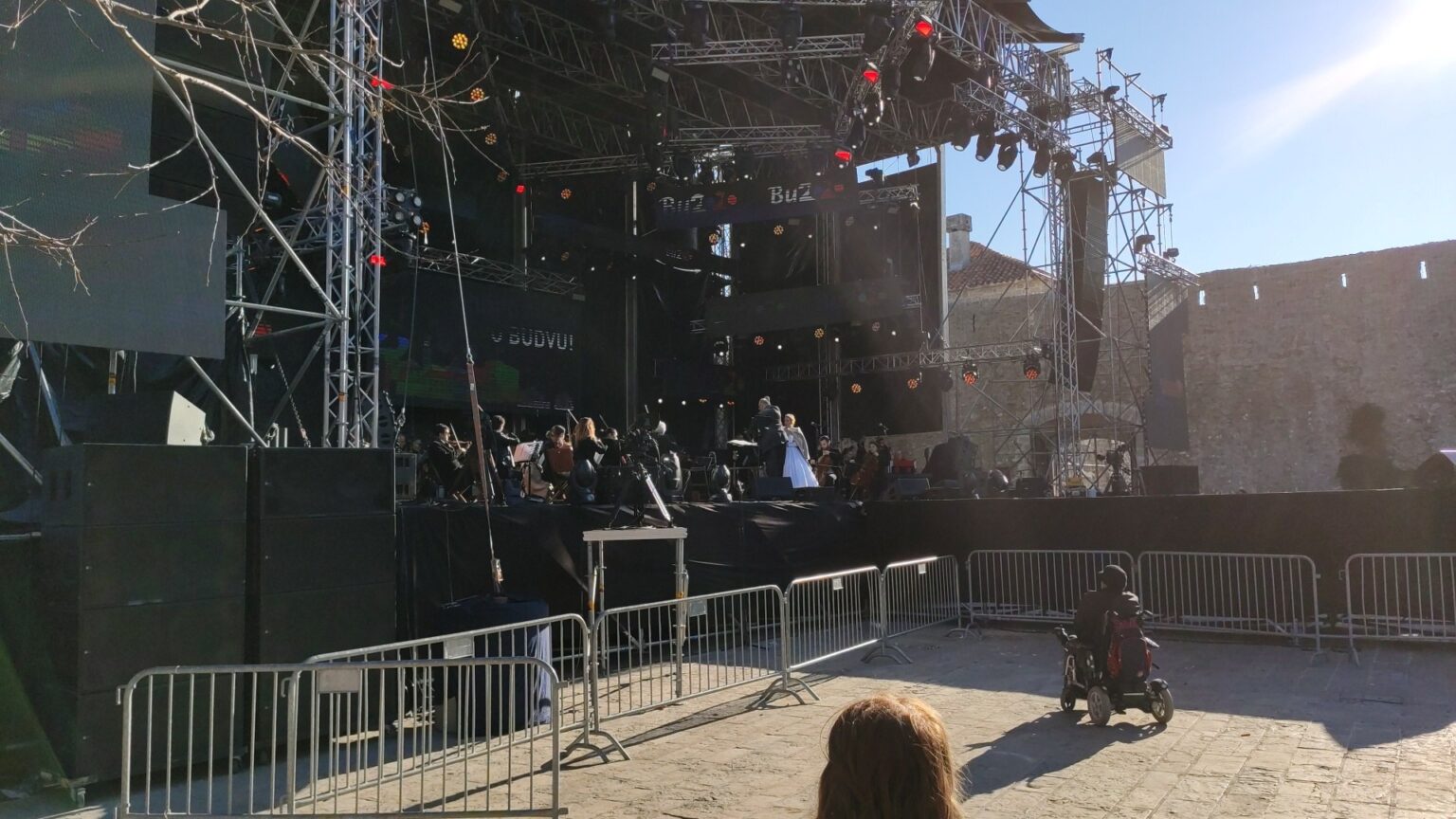
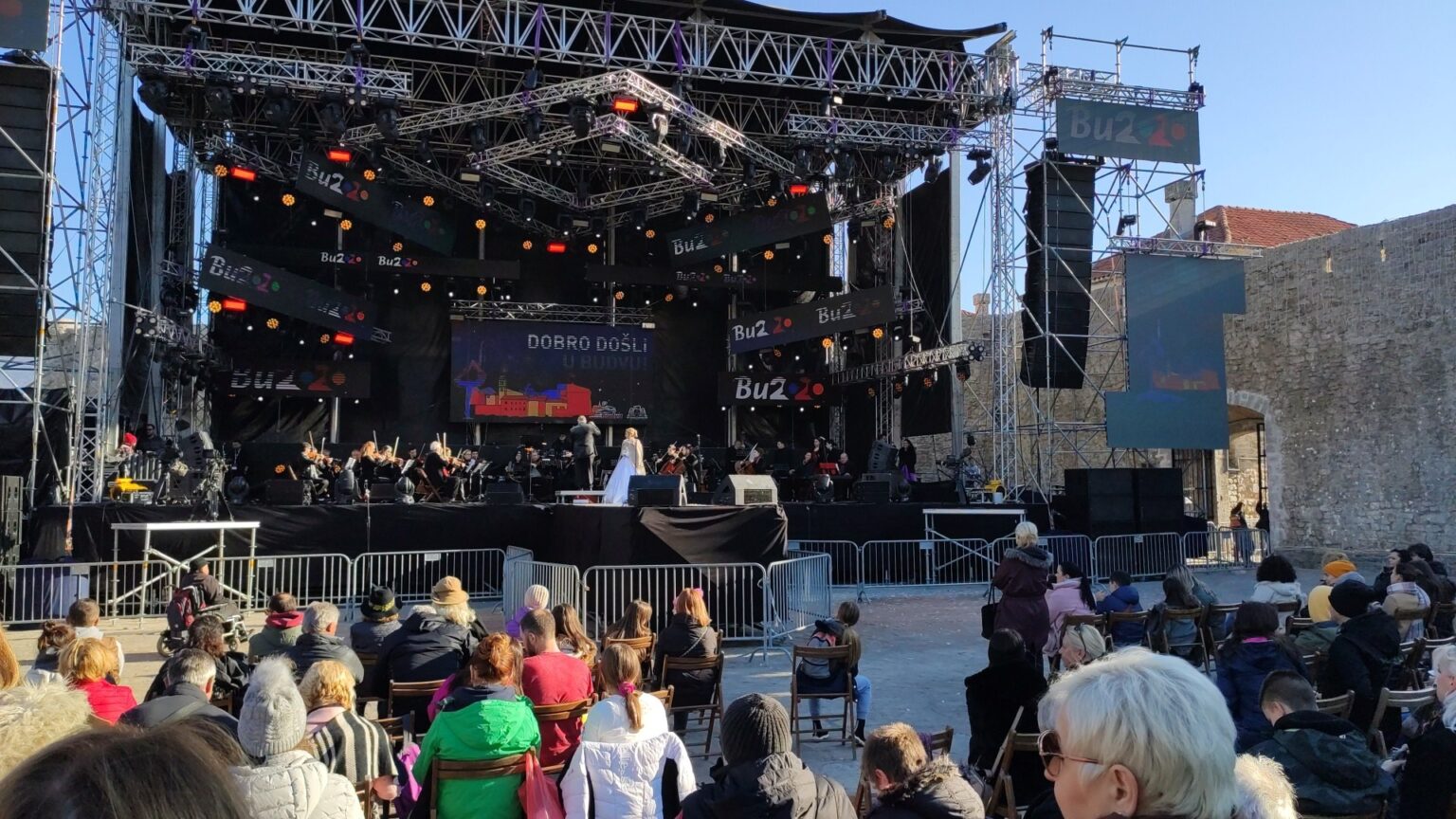
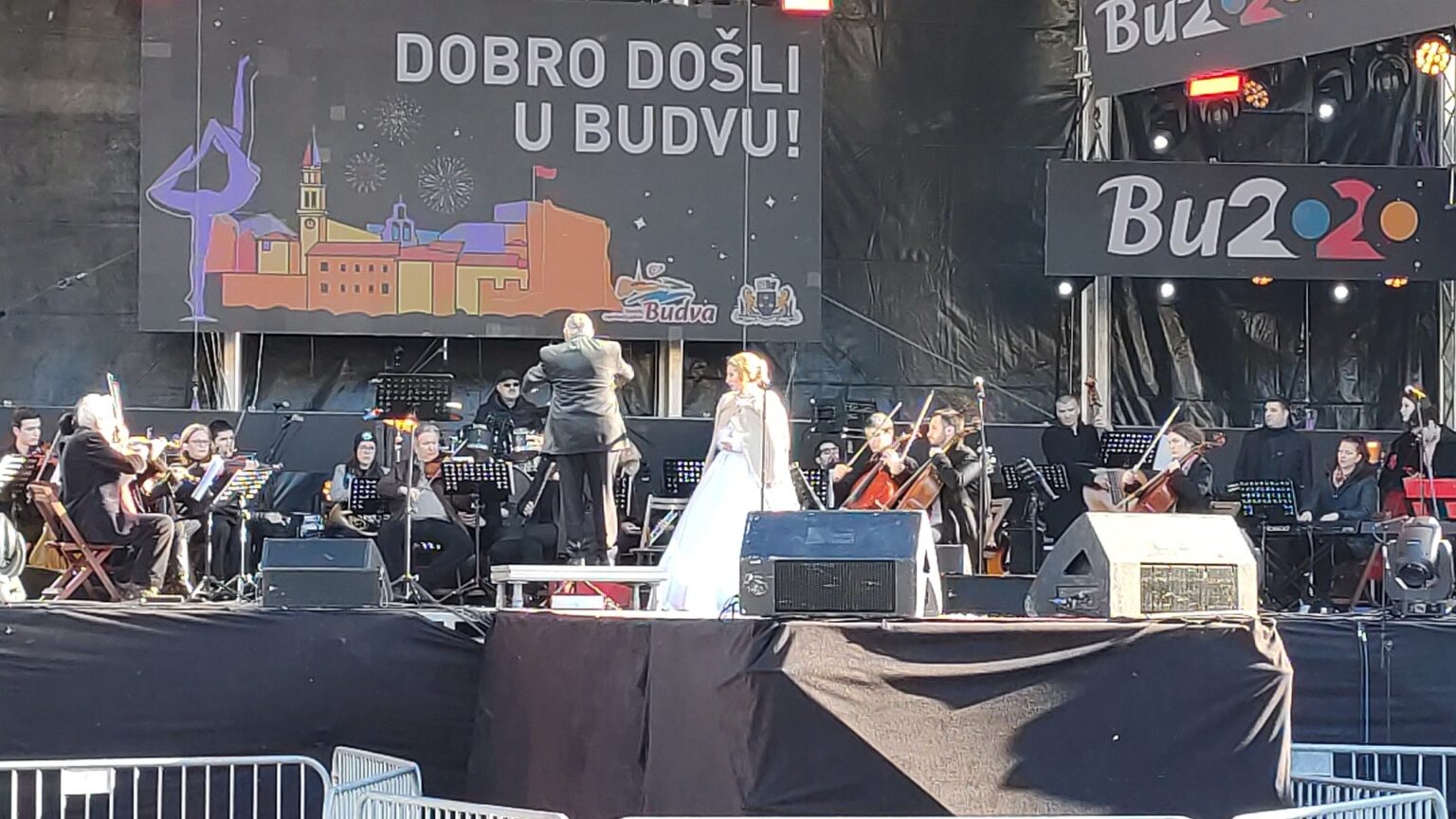
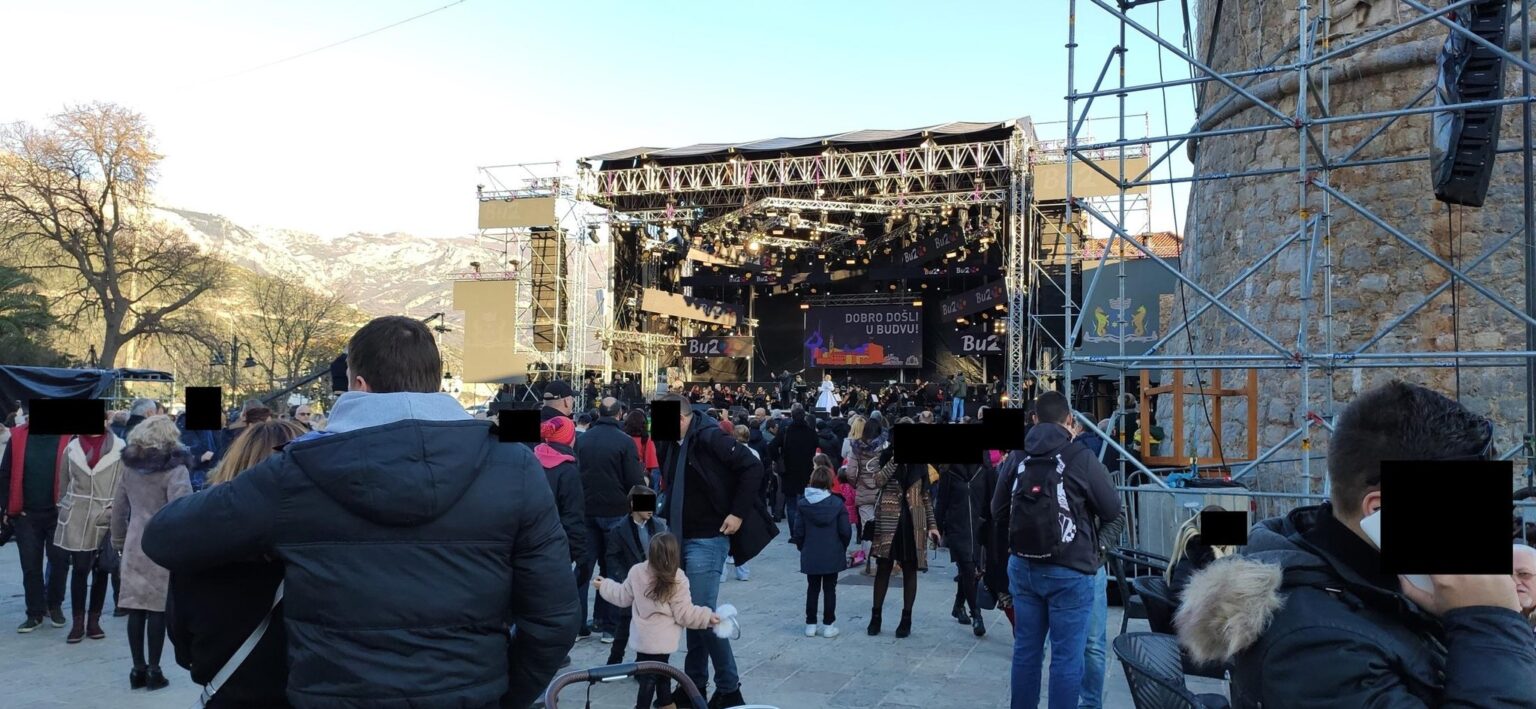
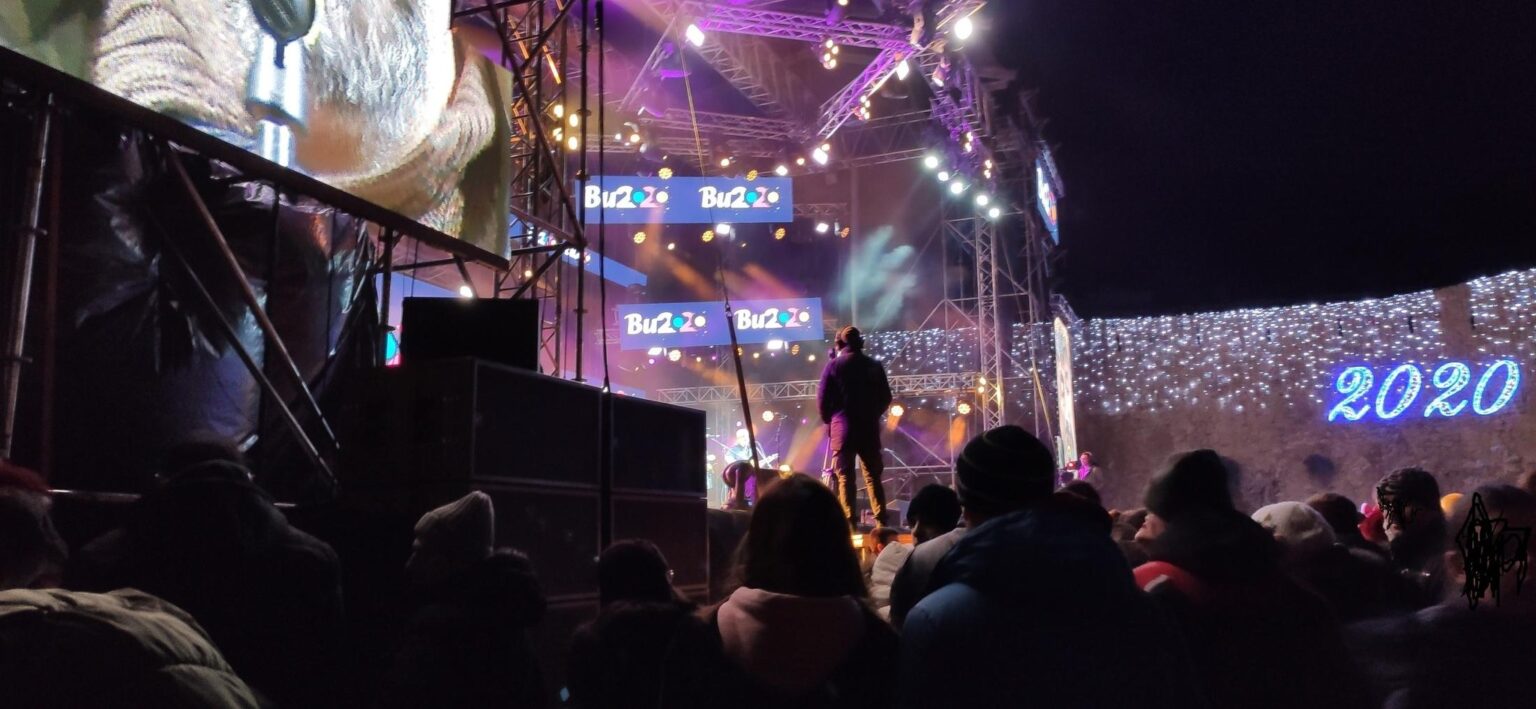
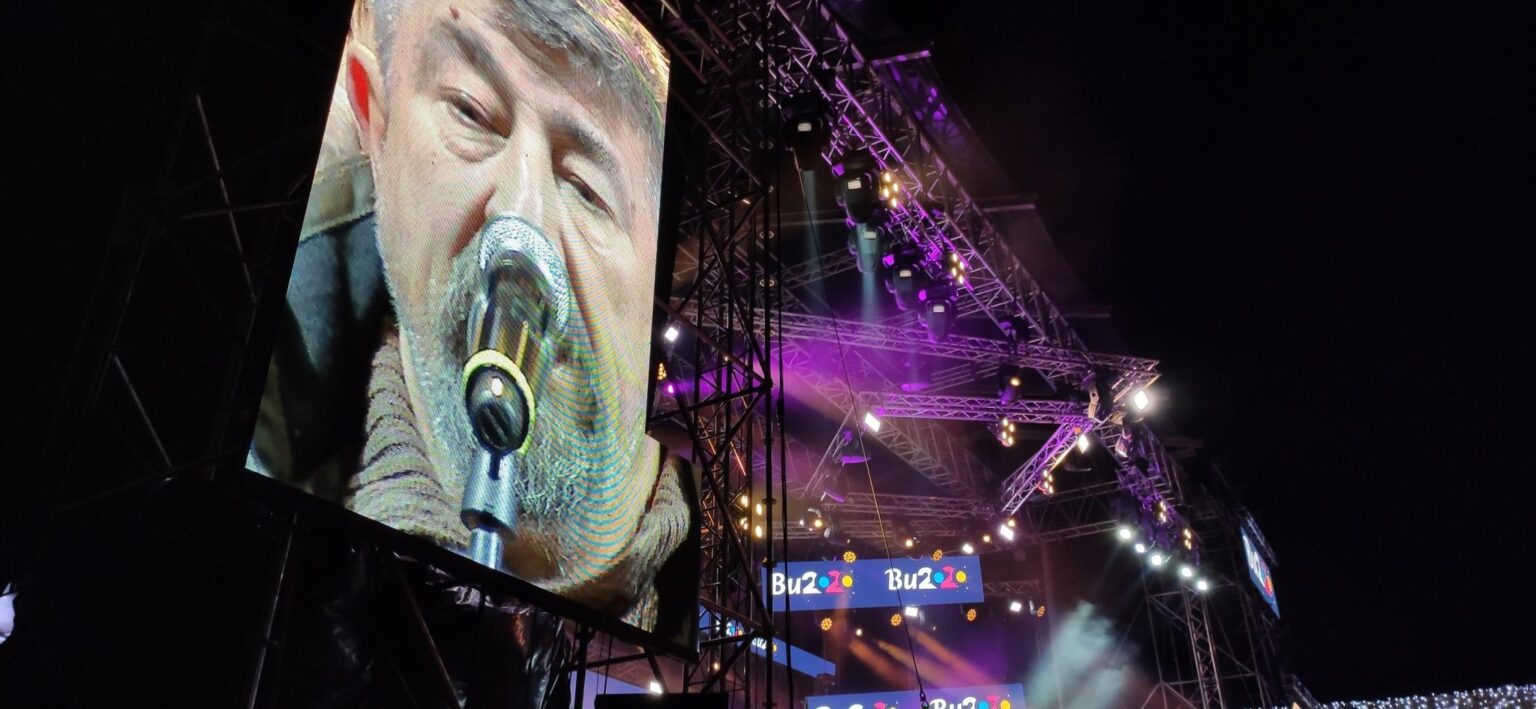
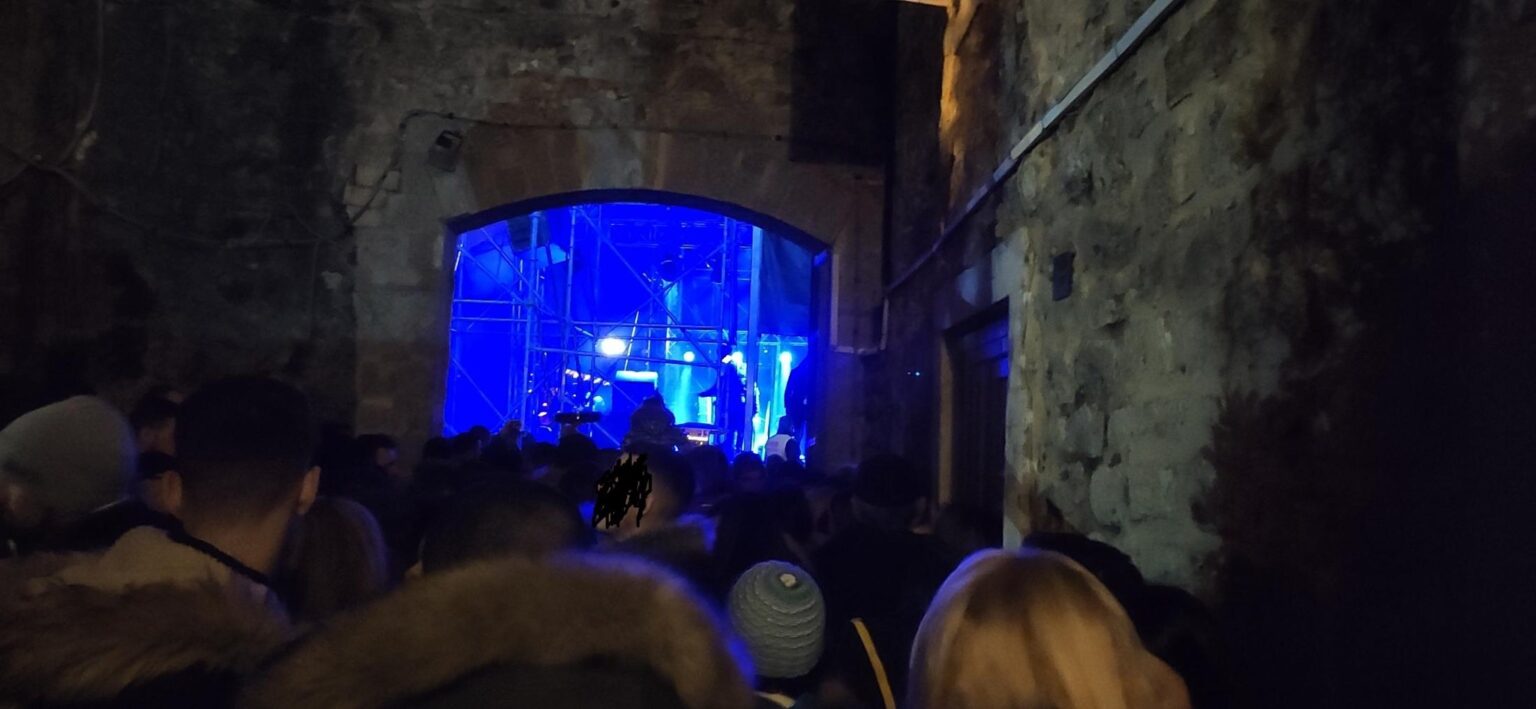
We scouted the ground the previous day, so we know where the good part is: around the Old Town. In the evening there’s a concert with Hari Mata Hari and Ceca. By pure coincidence, and despite having nothing whatsoever to do with Ceca or that genre, this will be the second concert I’ve watched in a few months. During the day the stage belongs to the Mediterranean Revolutionary Orchestra.
Carrying on around town, here’s what I think is genuinely worth seeing:
- The Budva Dancing Girl — a statue planted half in the sea.
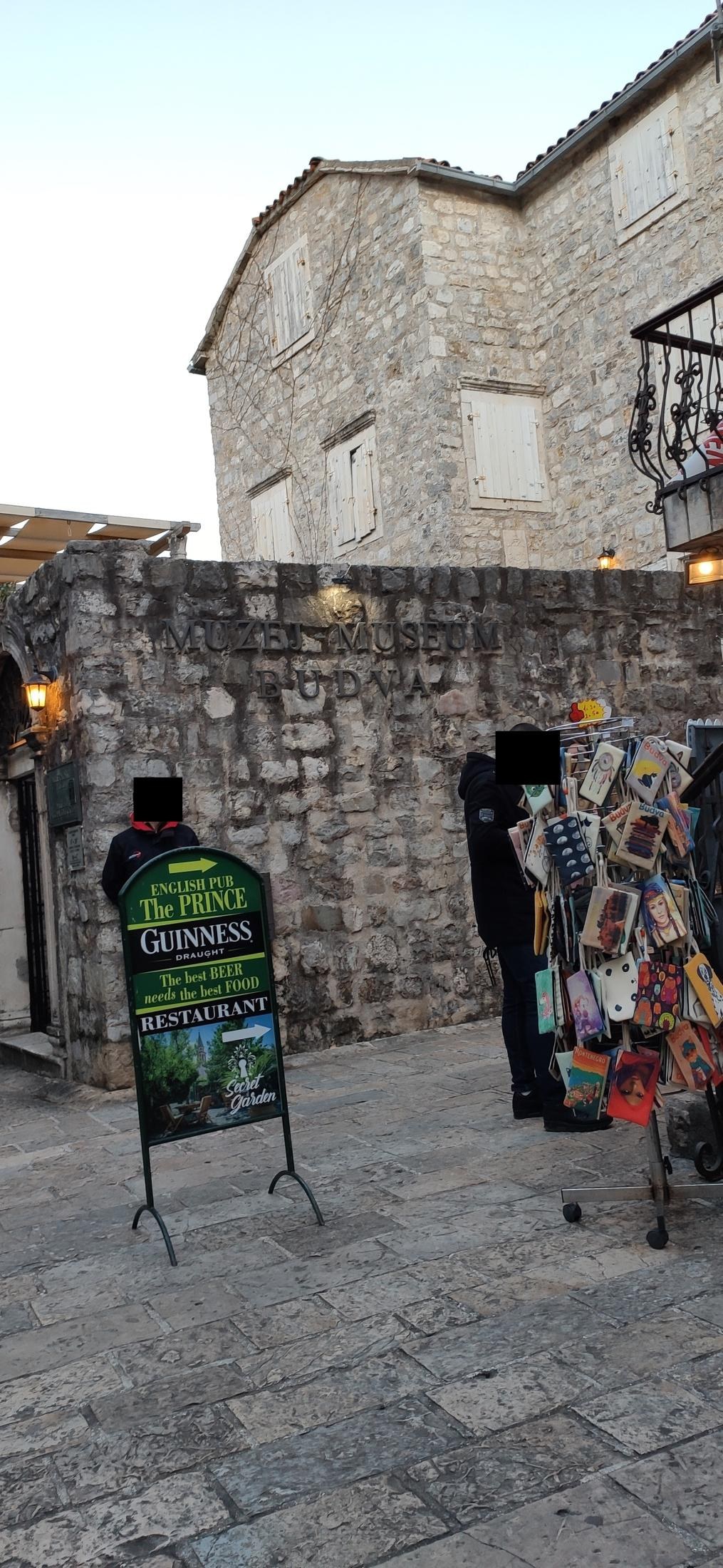
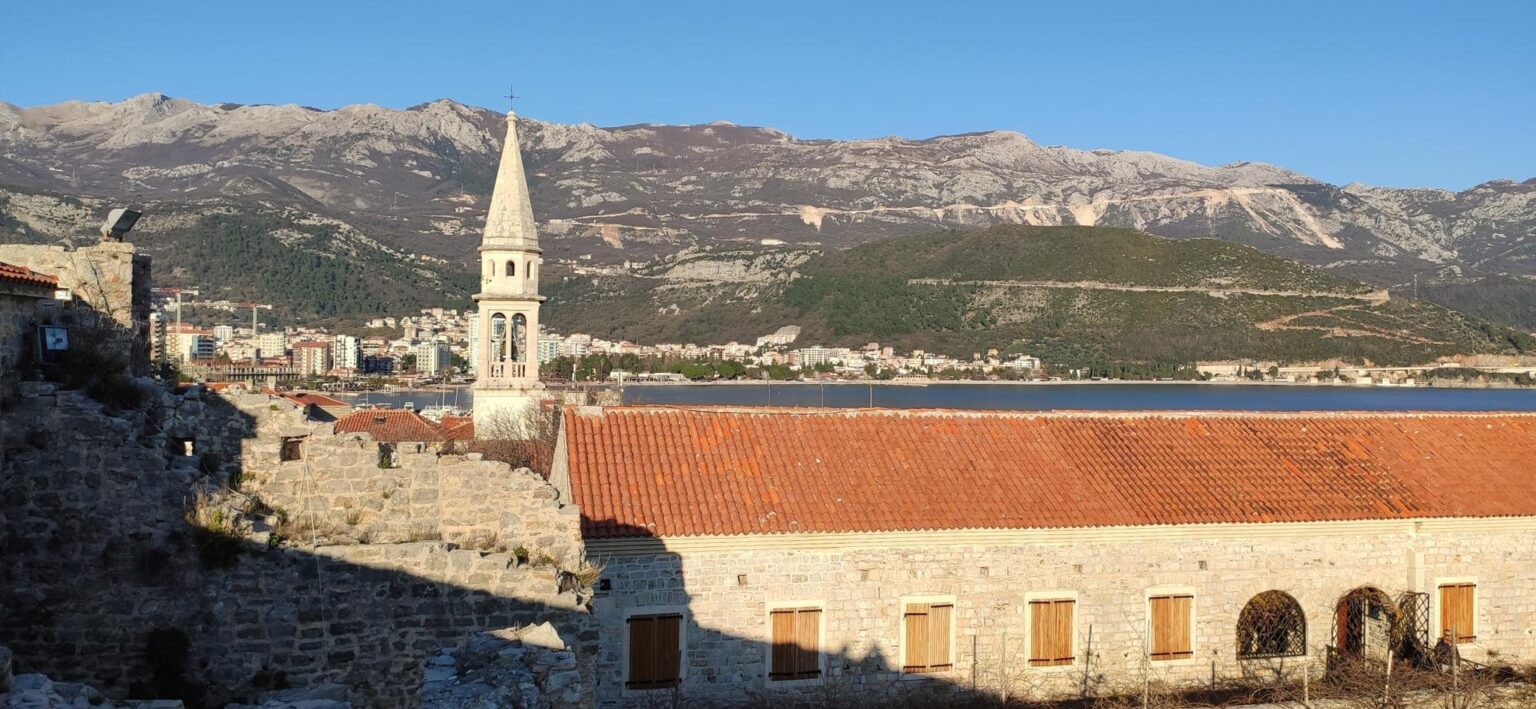
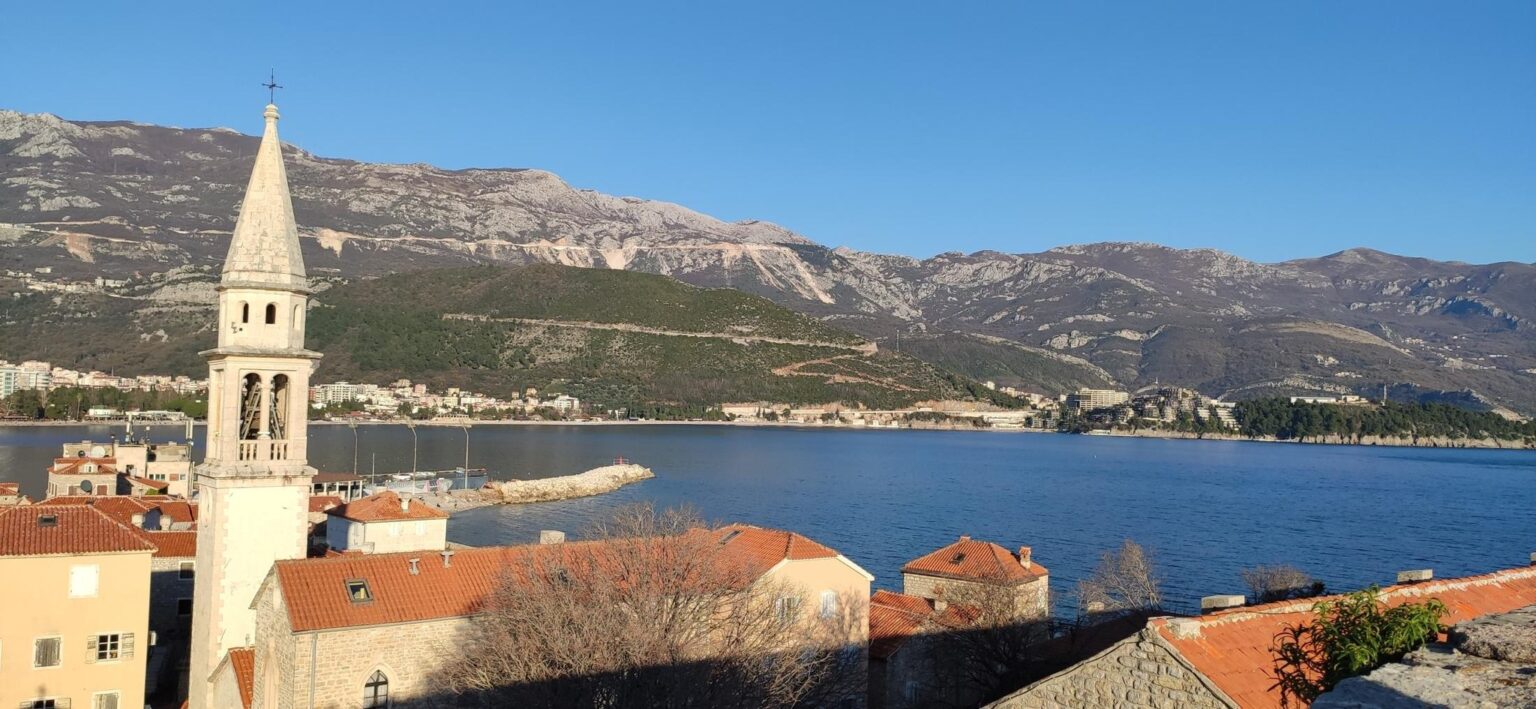
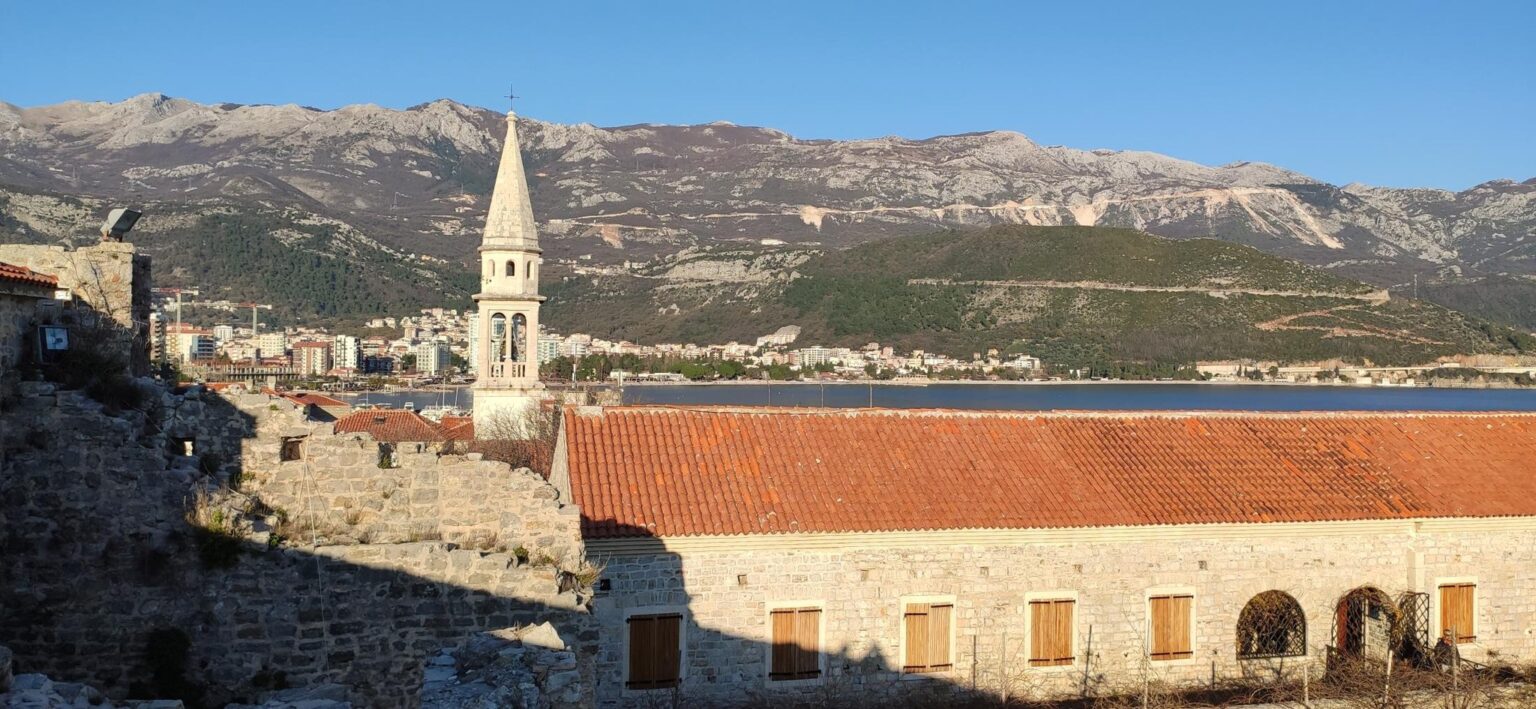
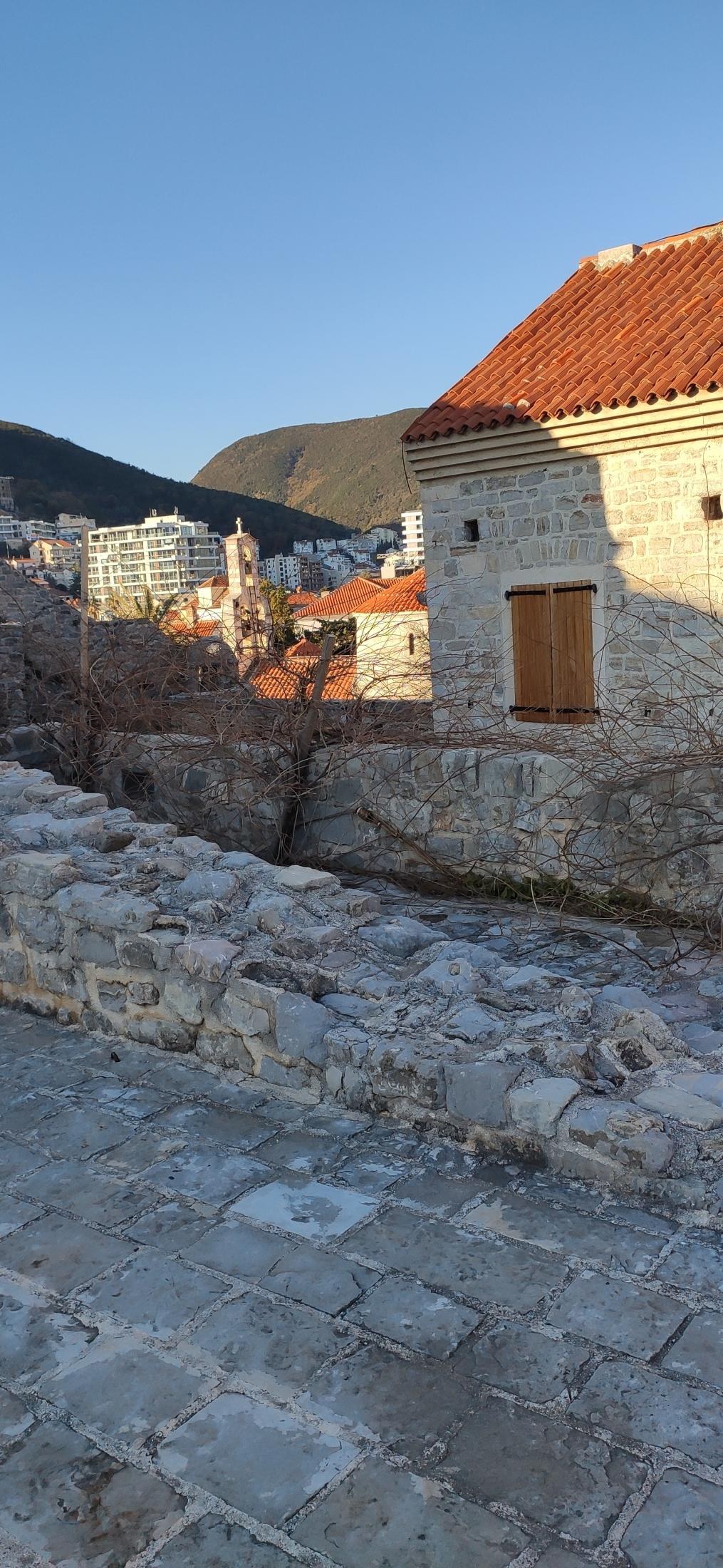
- The museums of Budva’s Old Town — entry was €6 at the time, and the Citadel today sits in the same ballpark, roughly €3.50–5.50 depending on what’s open. It’s interesting and I recommend it. You can climb high enough for good views over the whole bay.
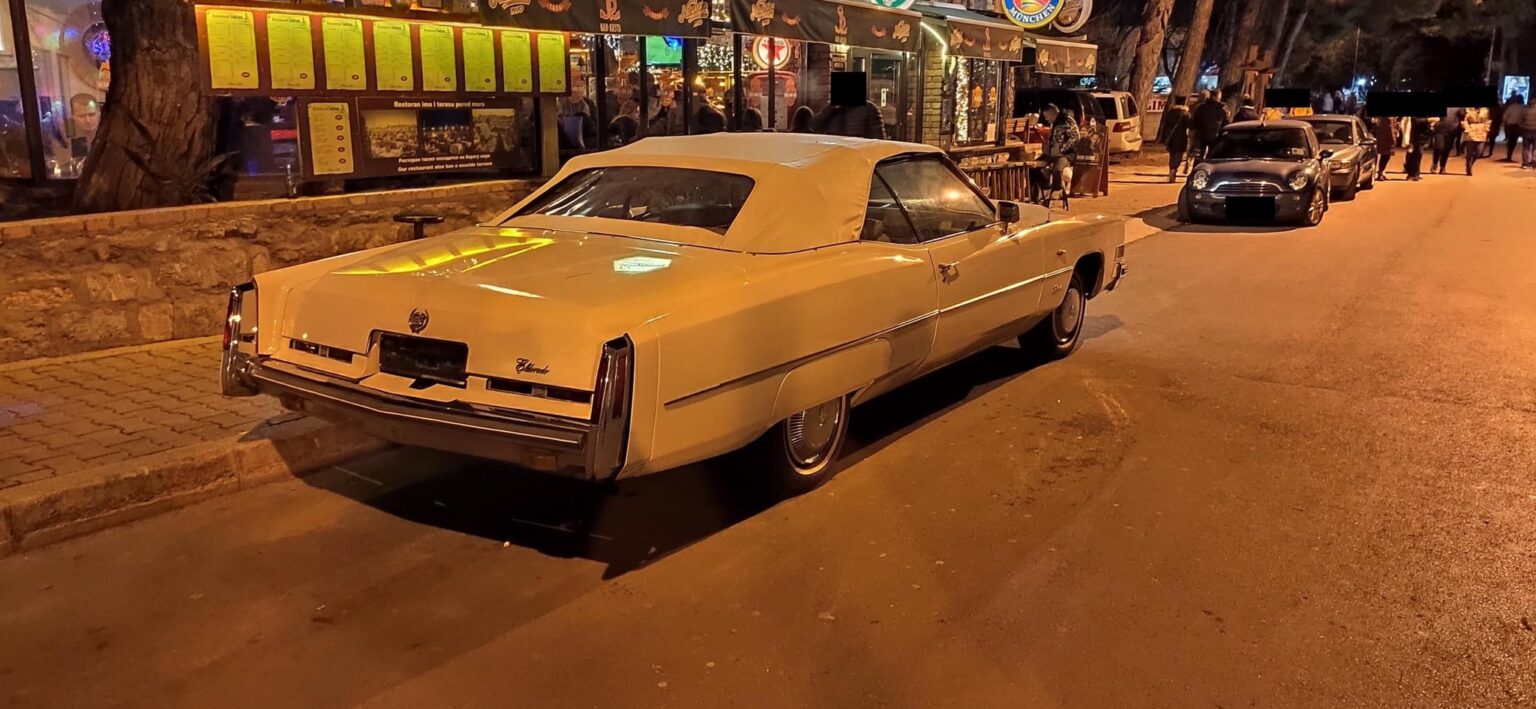
Running alongside all of it is an endlessly long seafront strip of bars, restaurants and stalls. The prices, though, are noticeably higher than I’m used to — lunch visibly lands around €25. It isn’t infinitely expensive, but against the backdrop of the whole trip it’s odd. The hotel, with bed, breakfast and a near-buffet dinner, works out at about the same per night. What you get in return is a genuinely pleasant, colourful promenade.
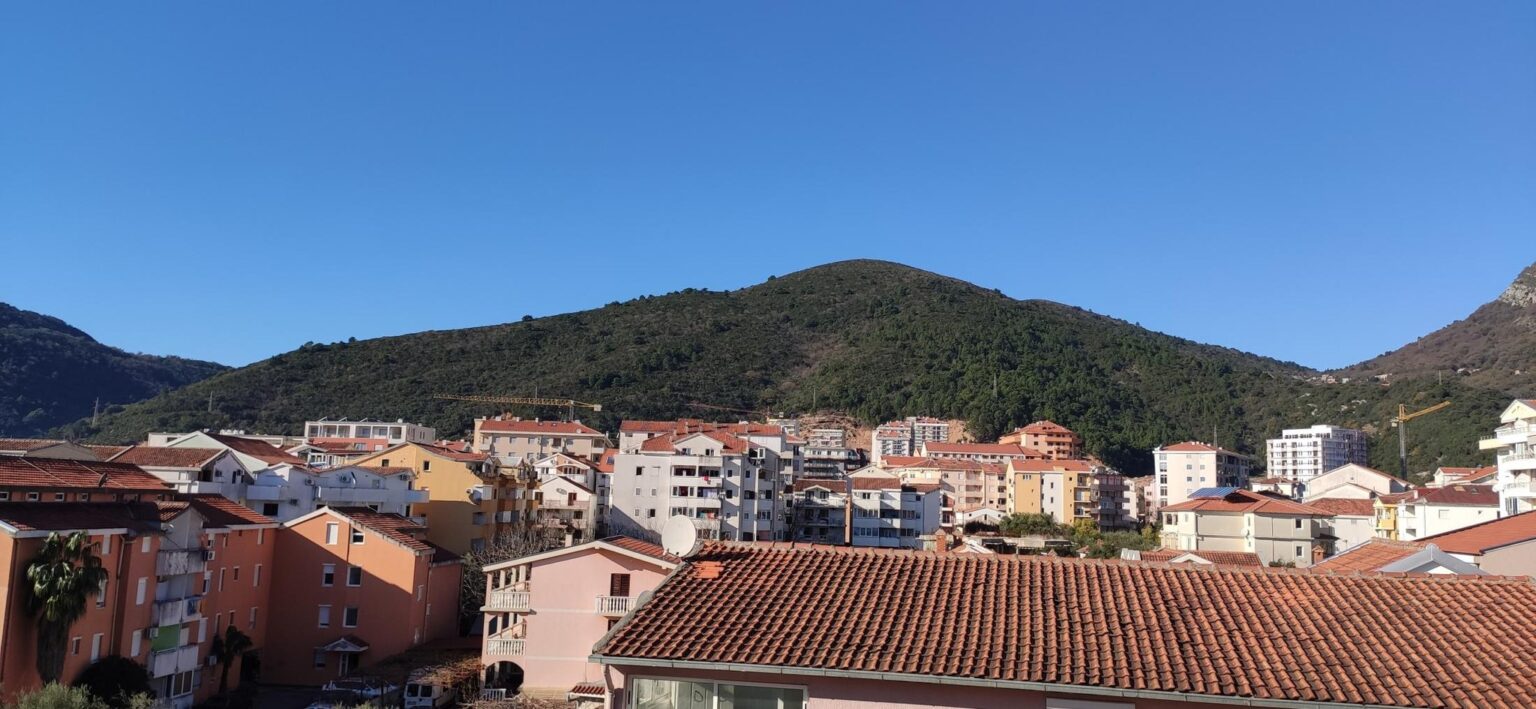
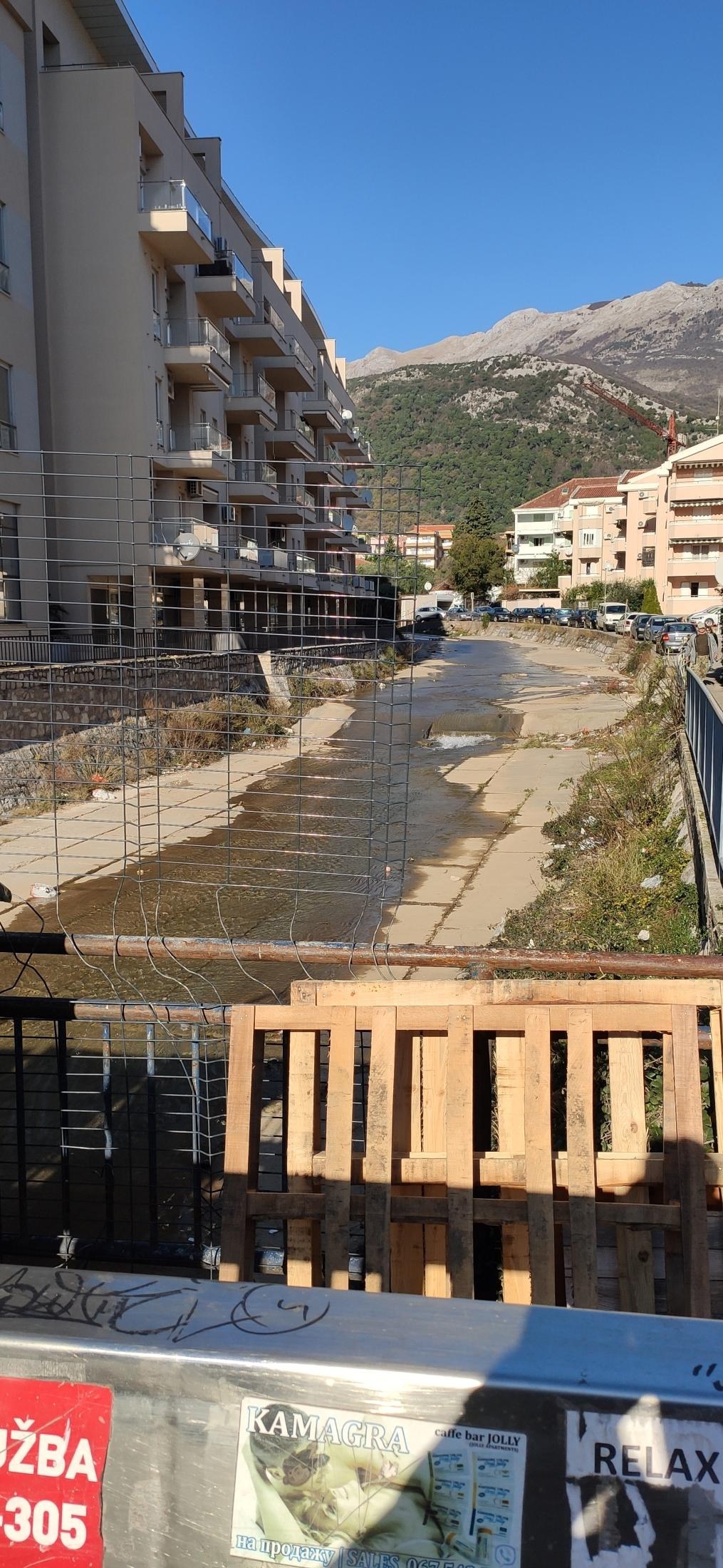
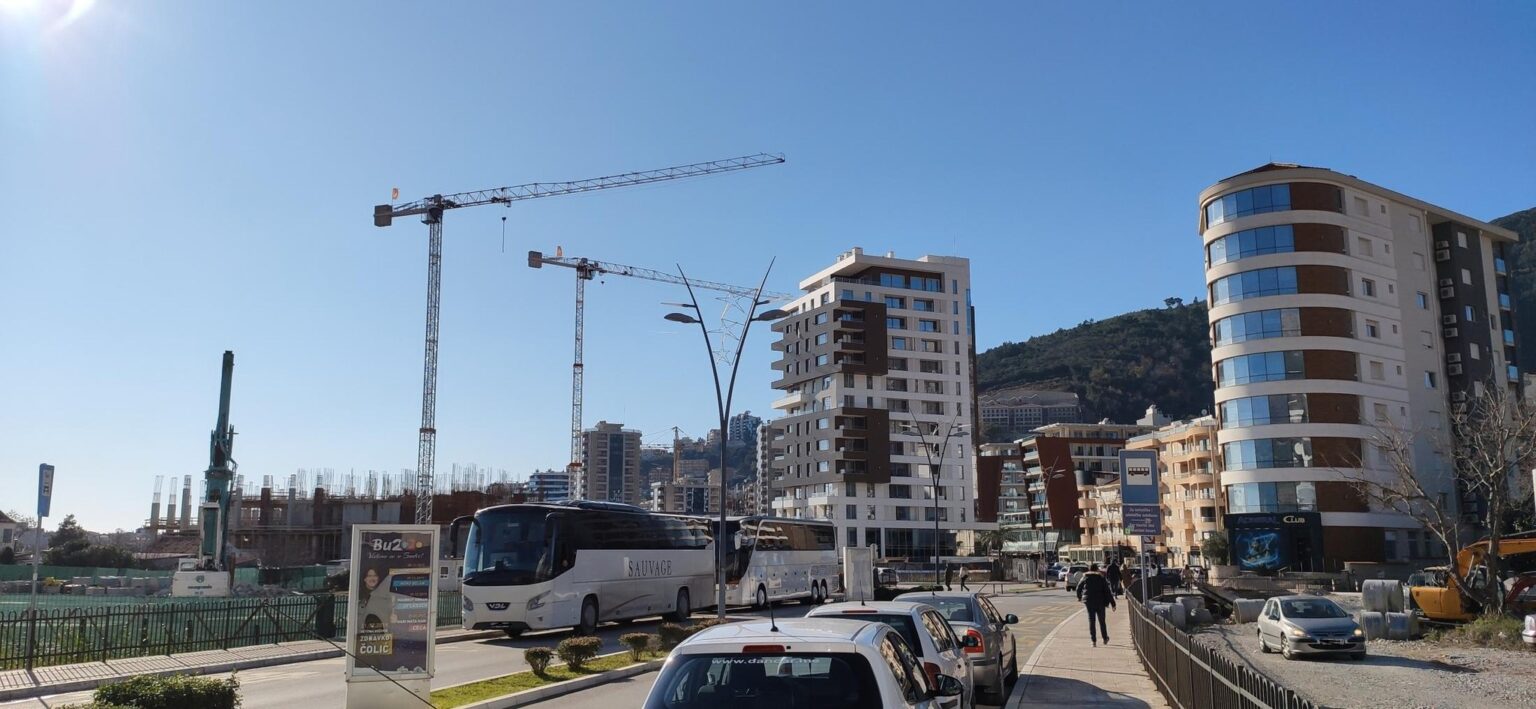
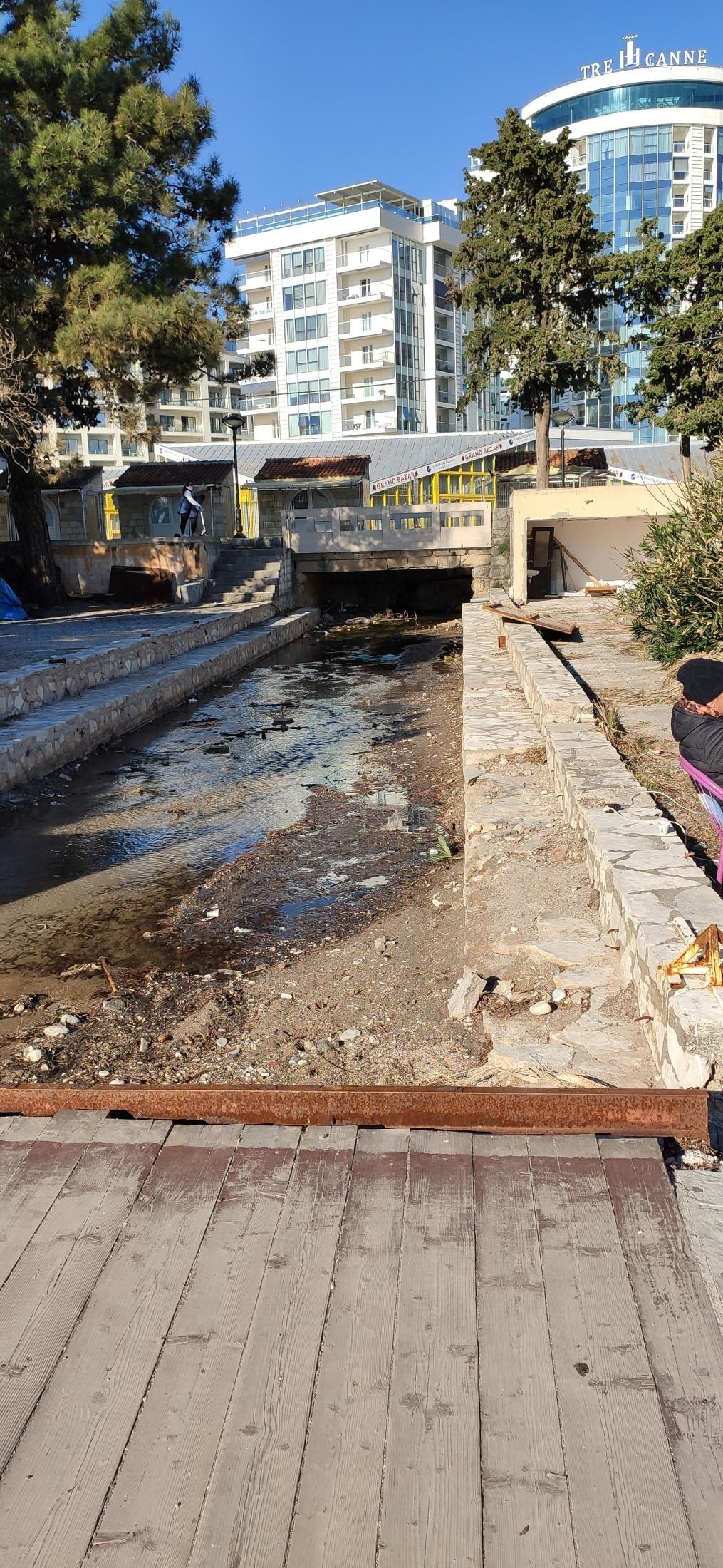
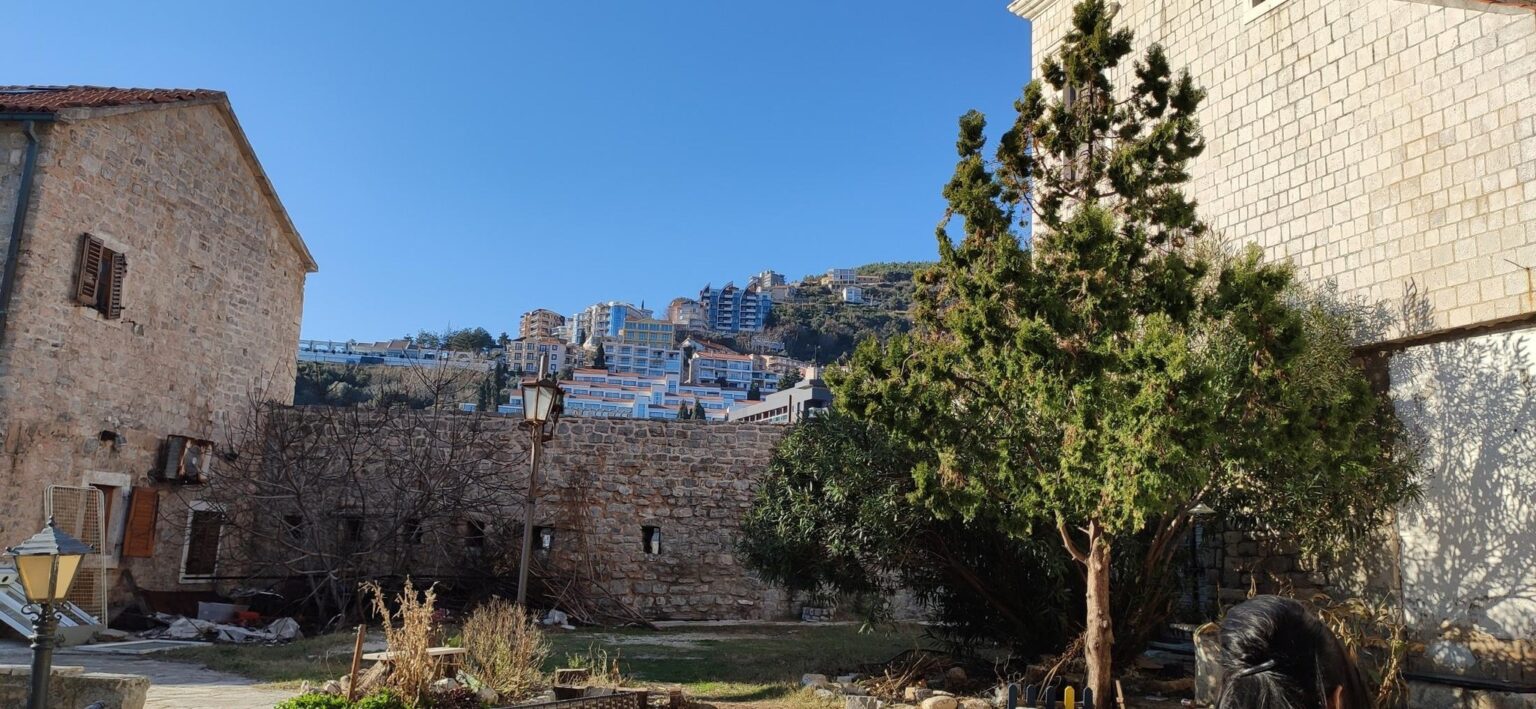
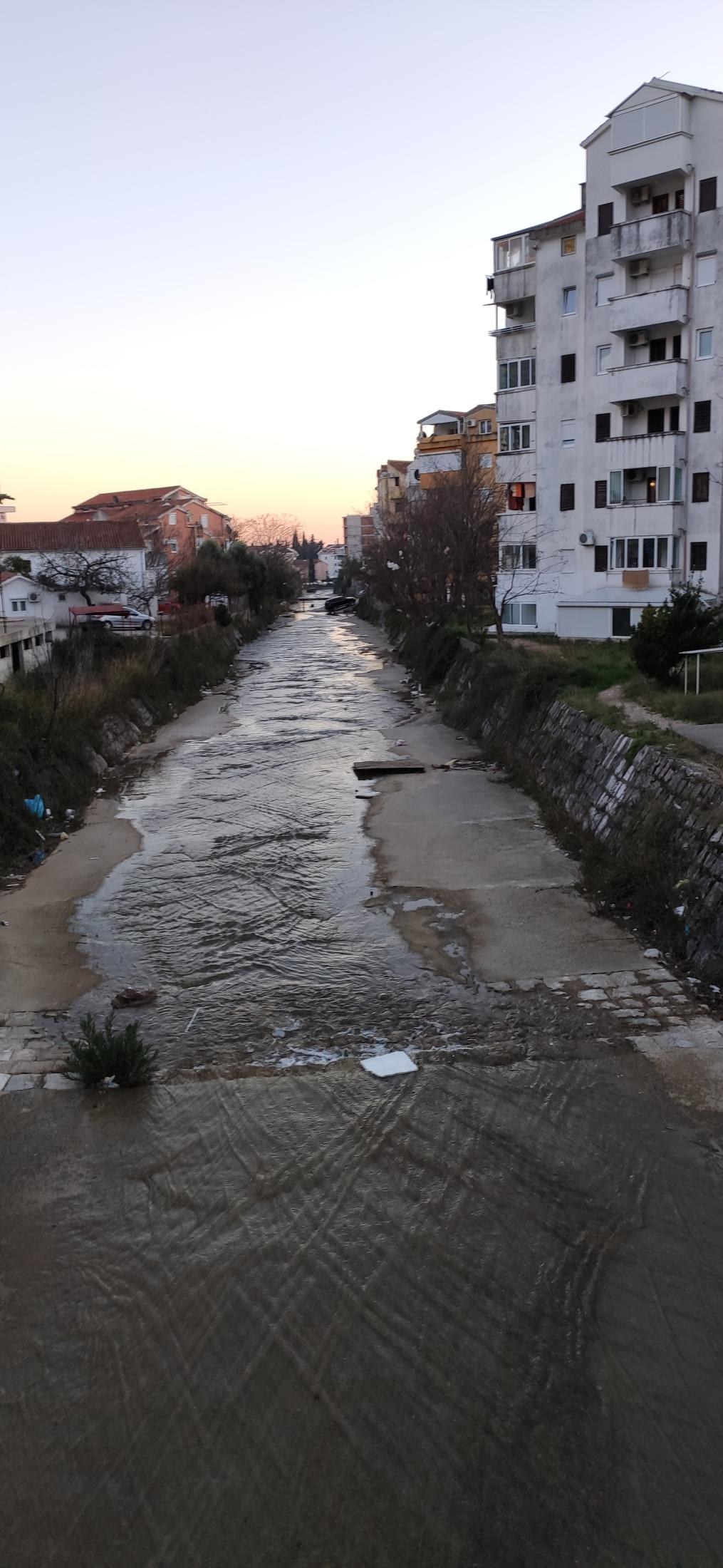
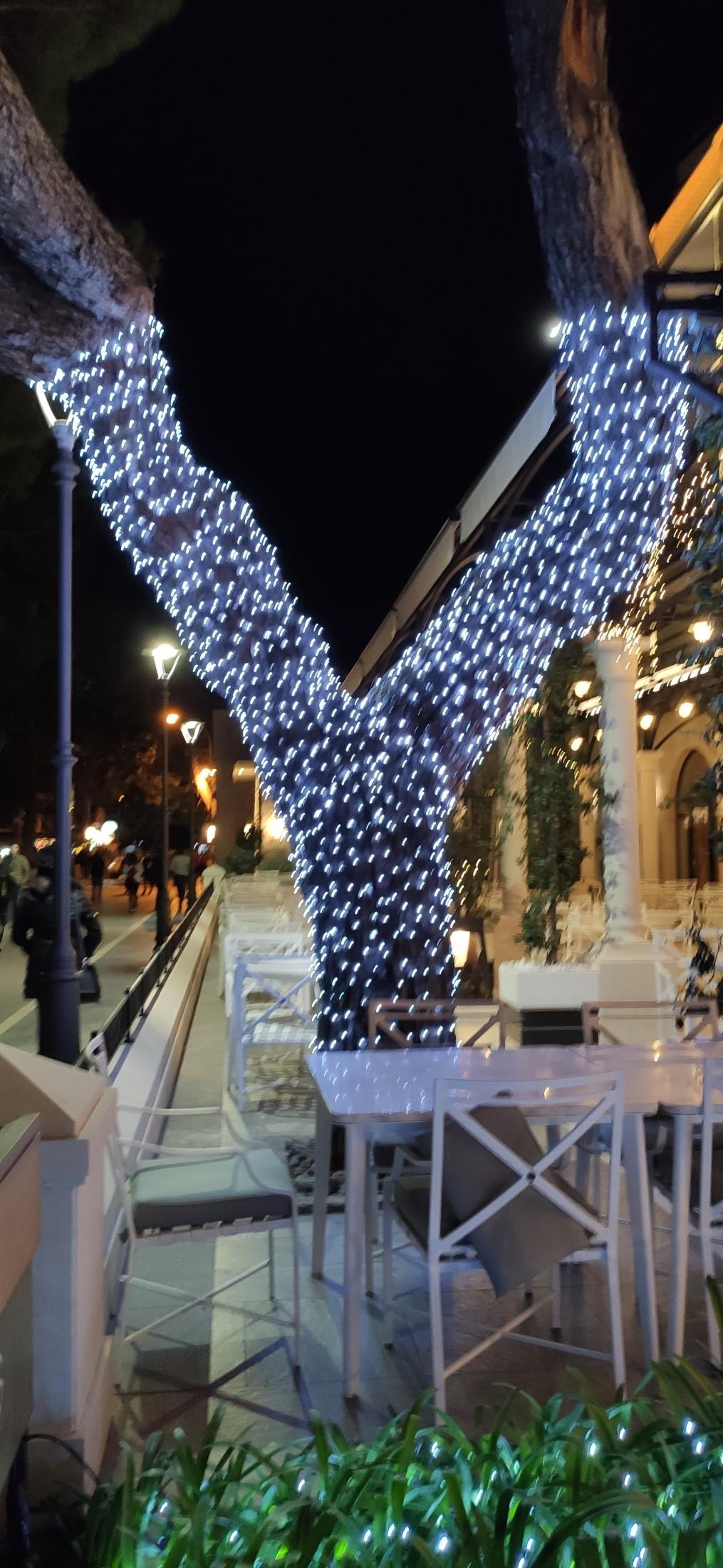
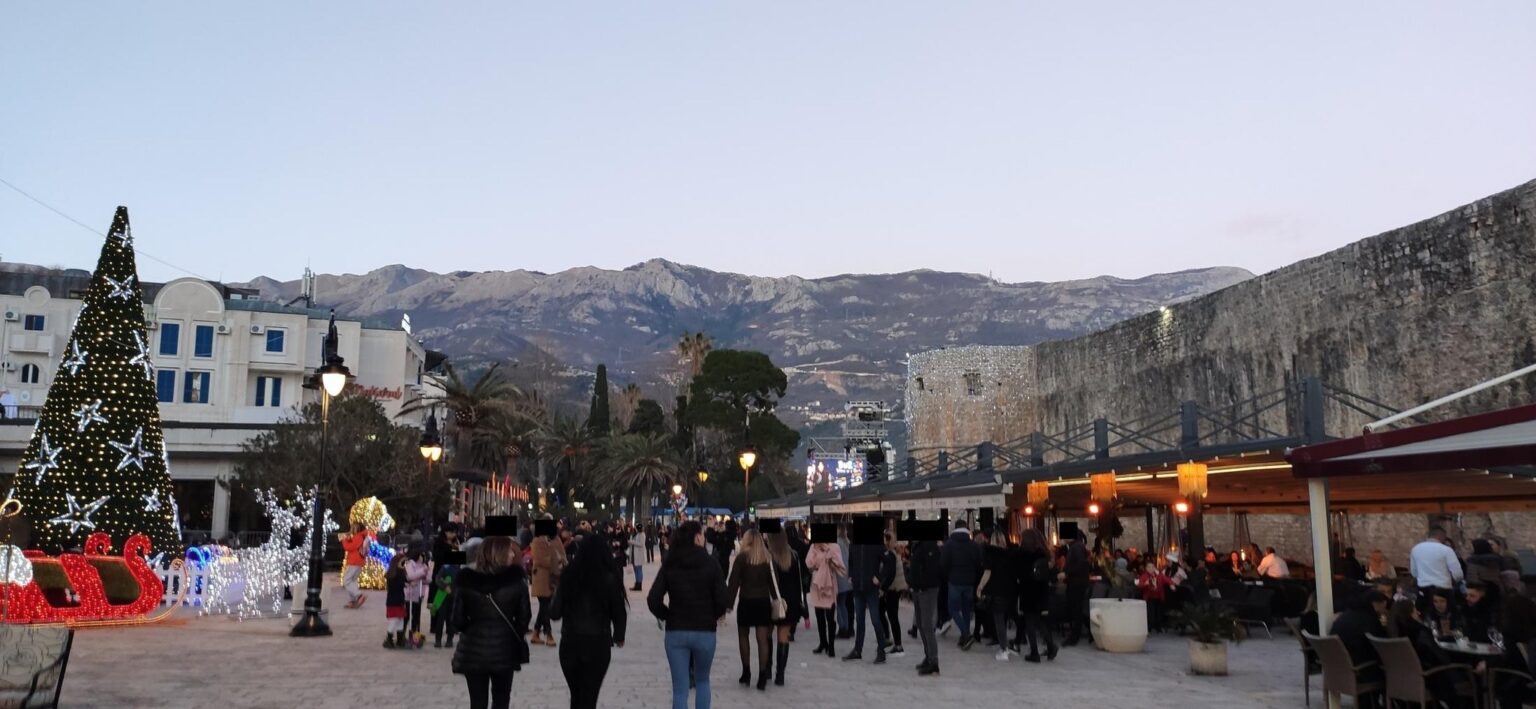
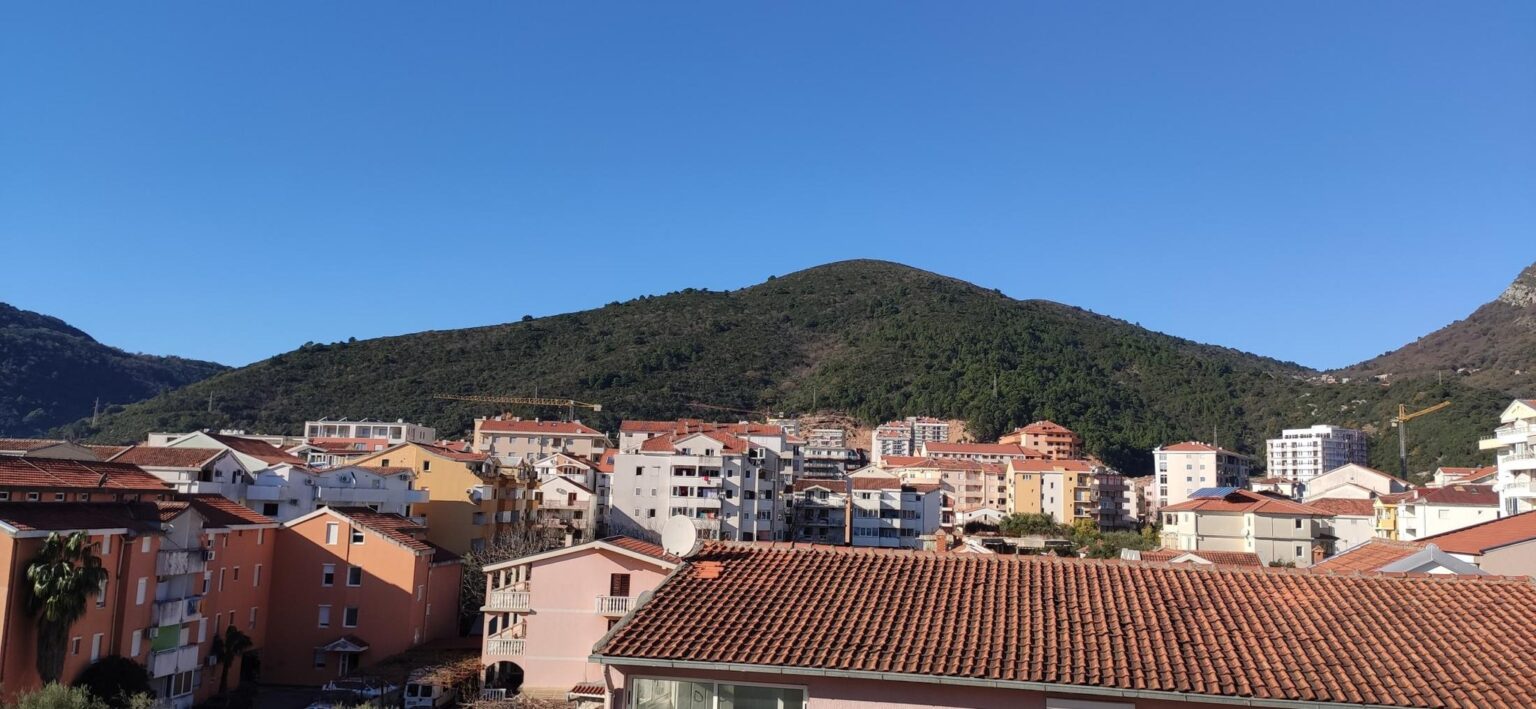
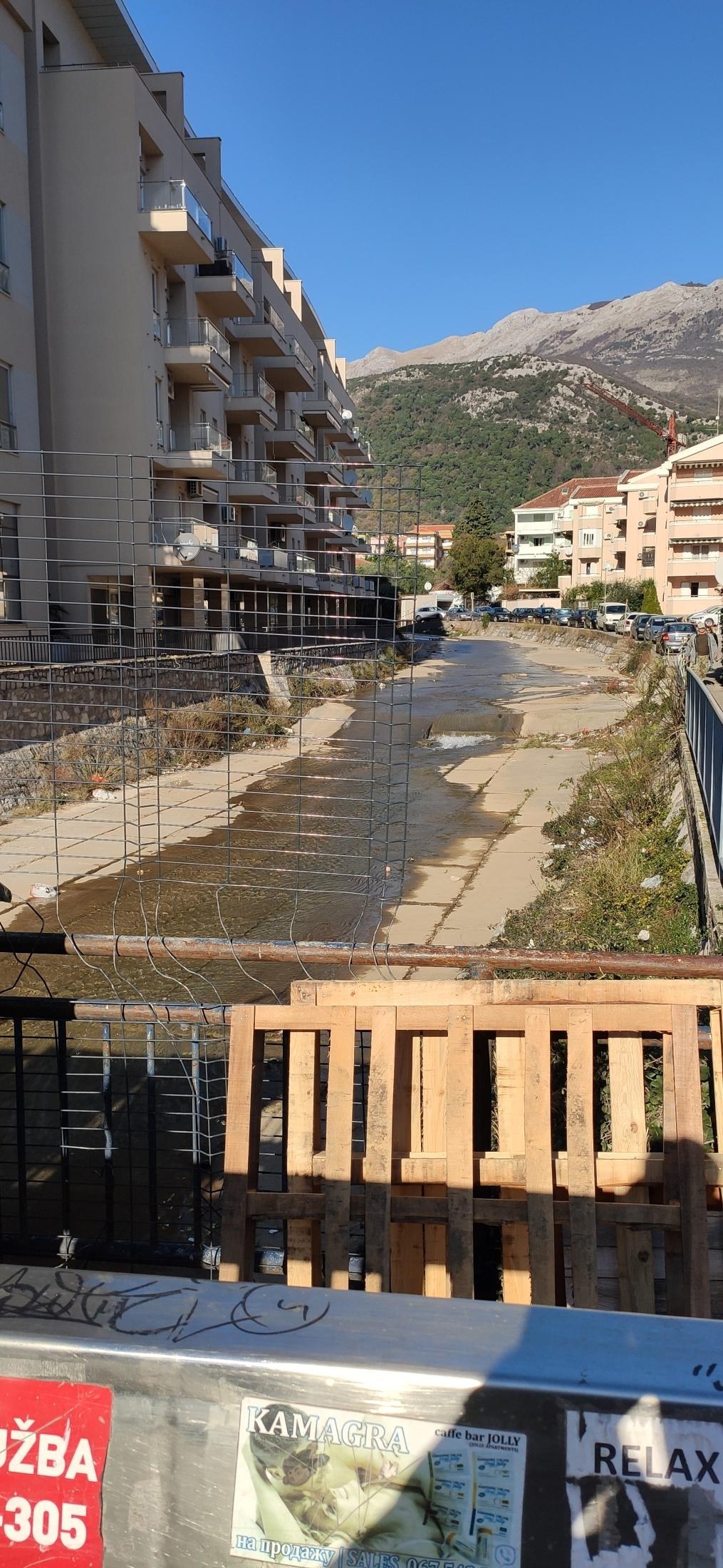
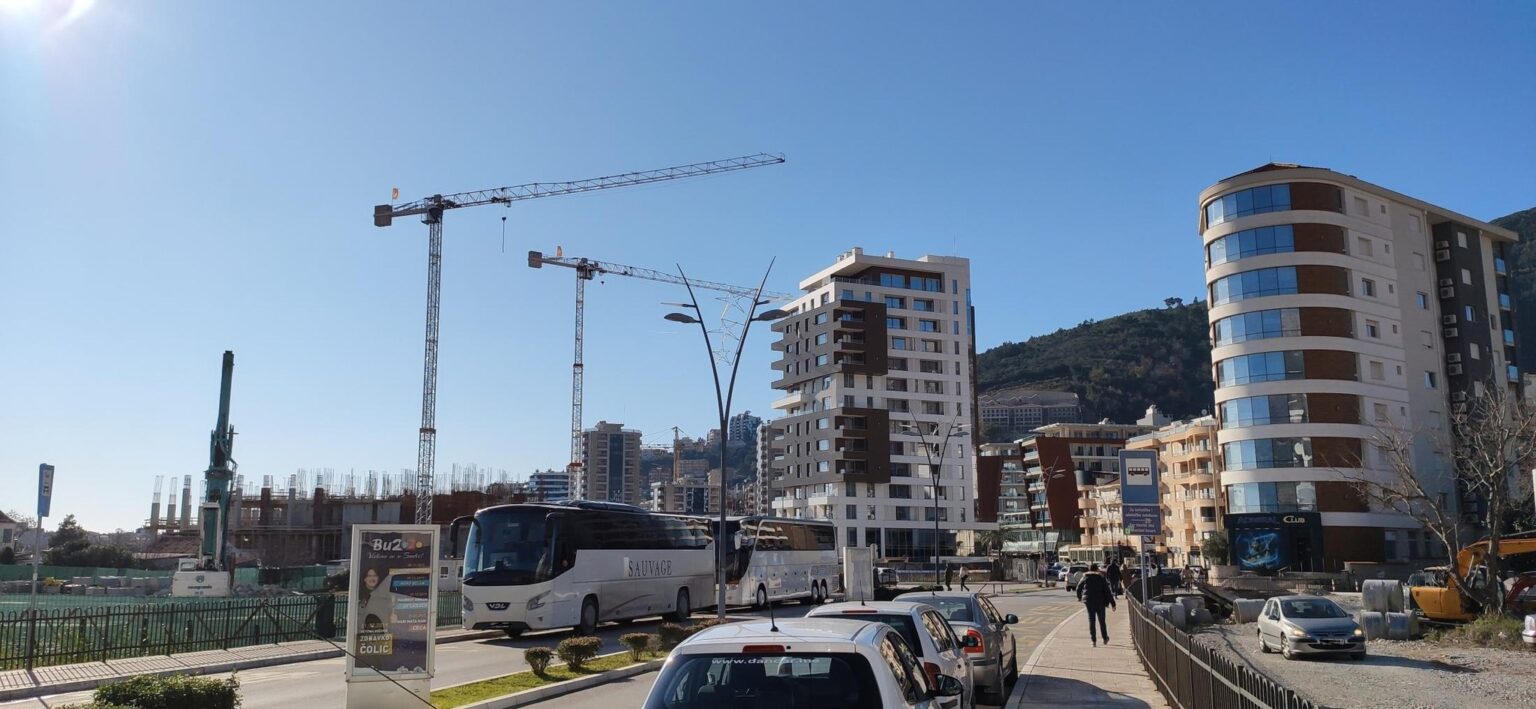
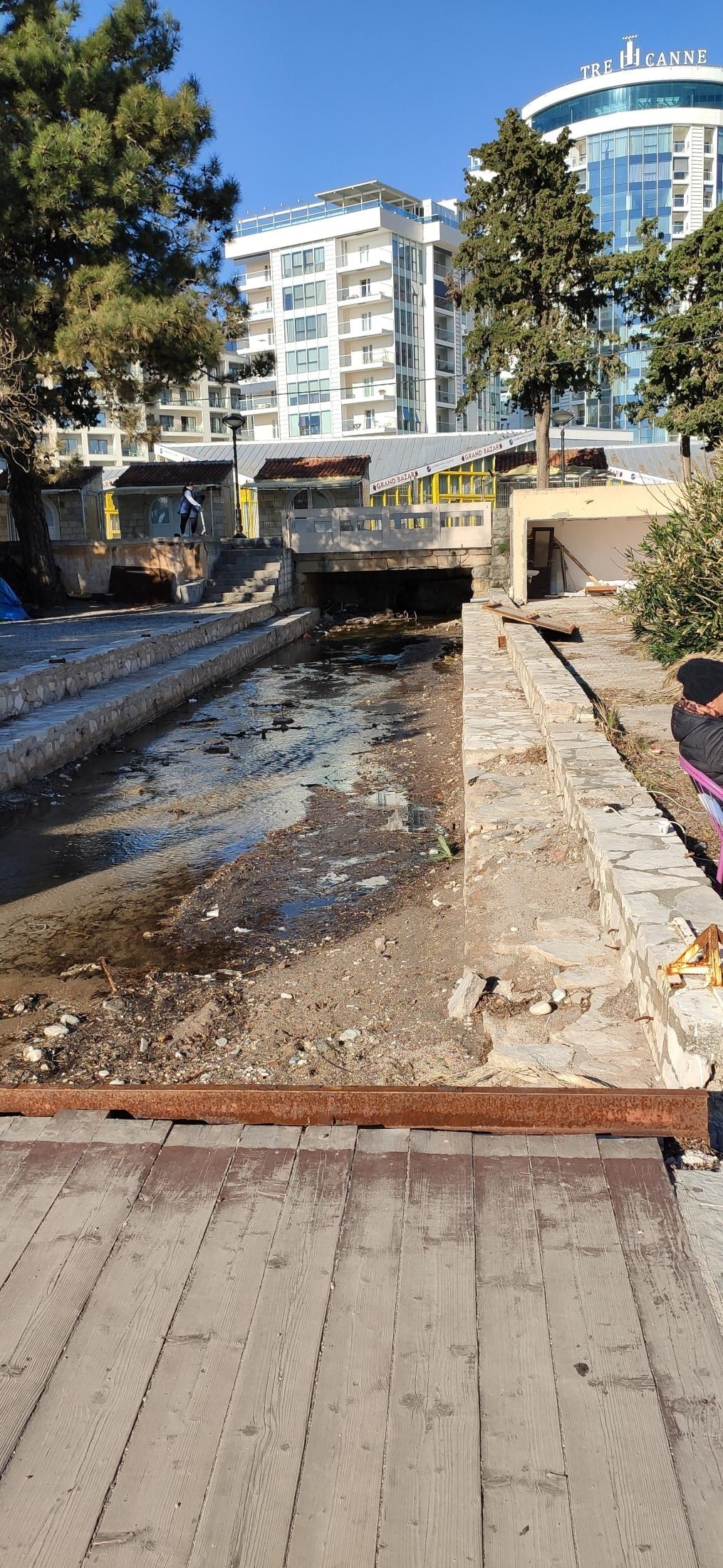
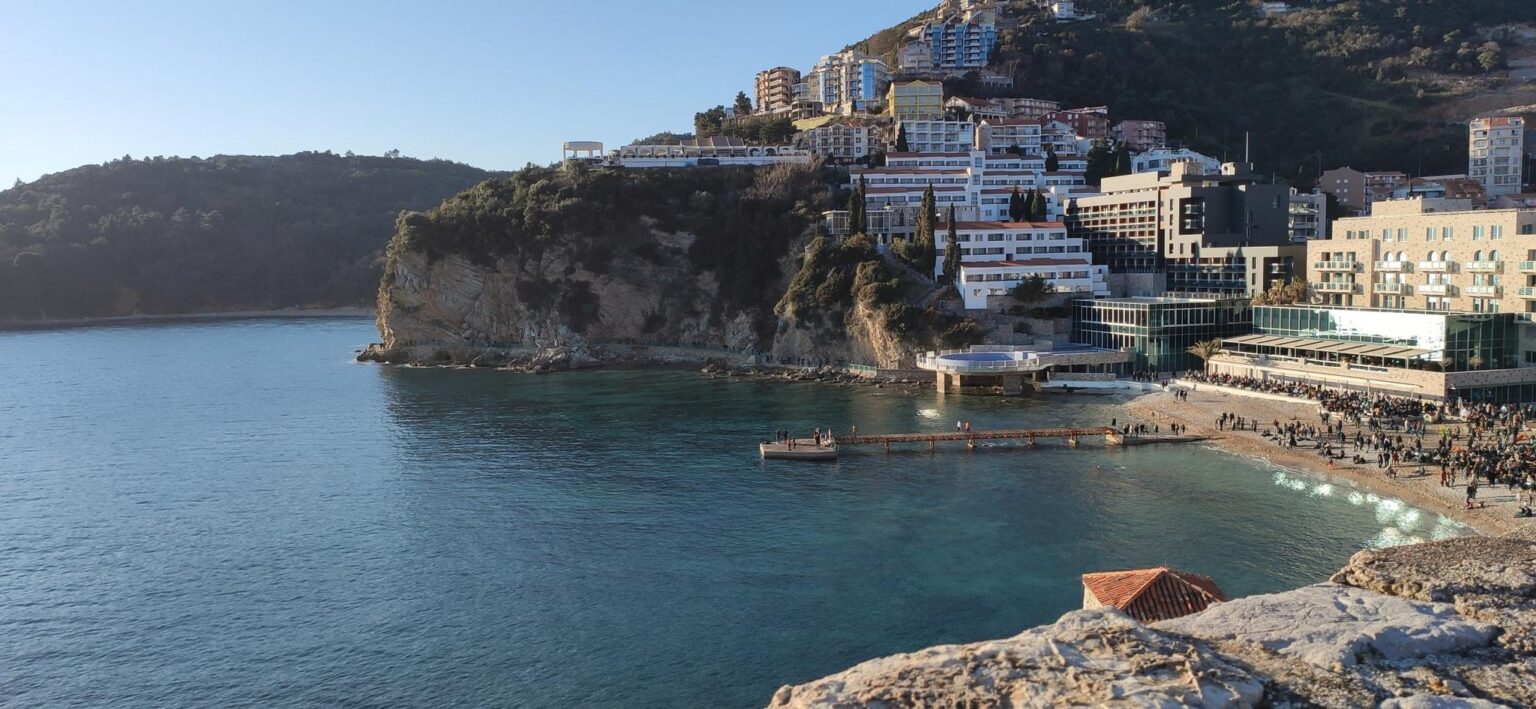
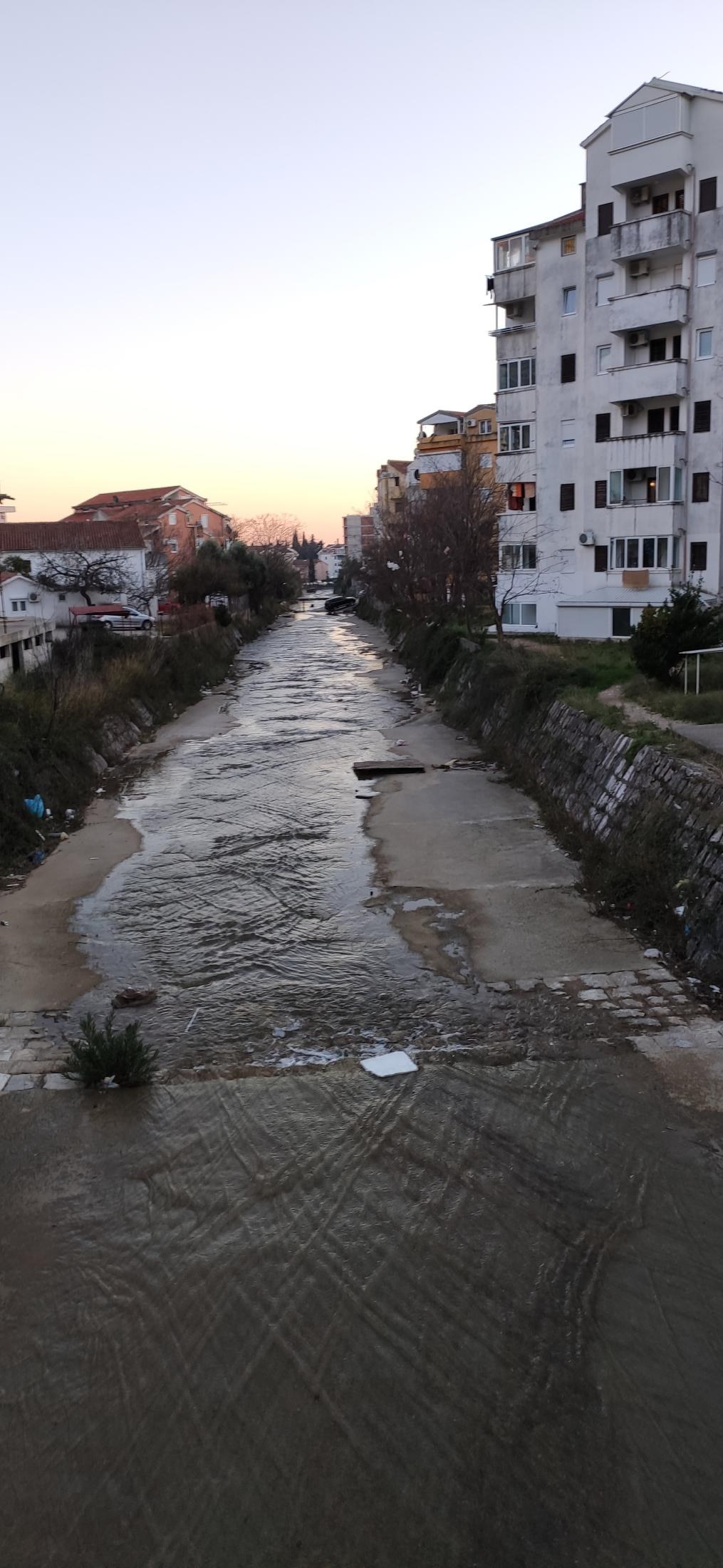
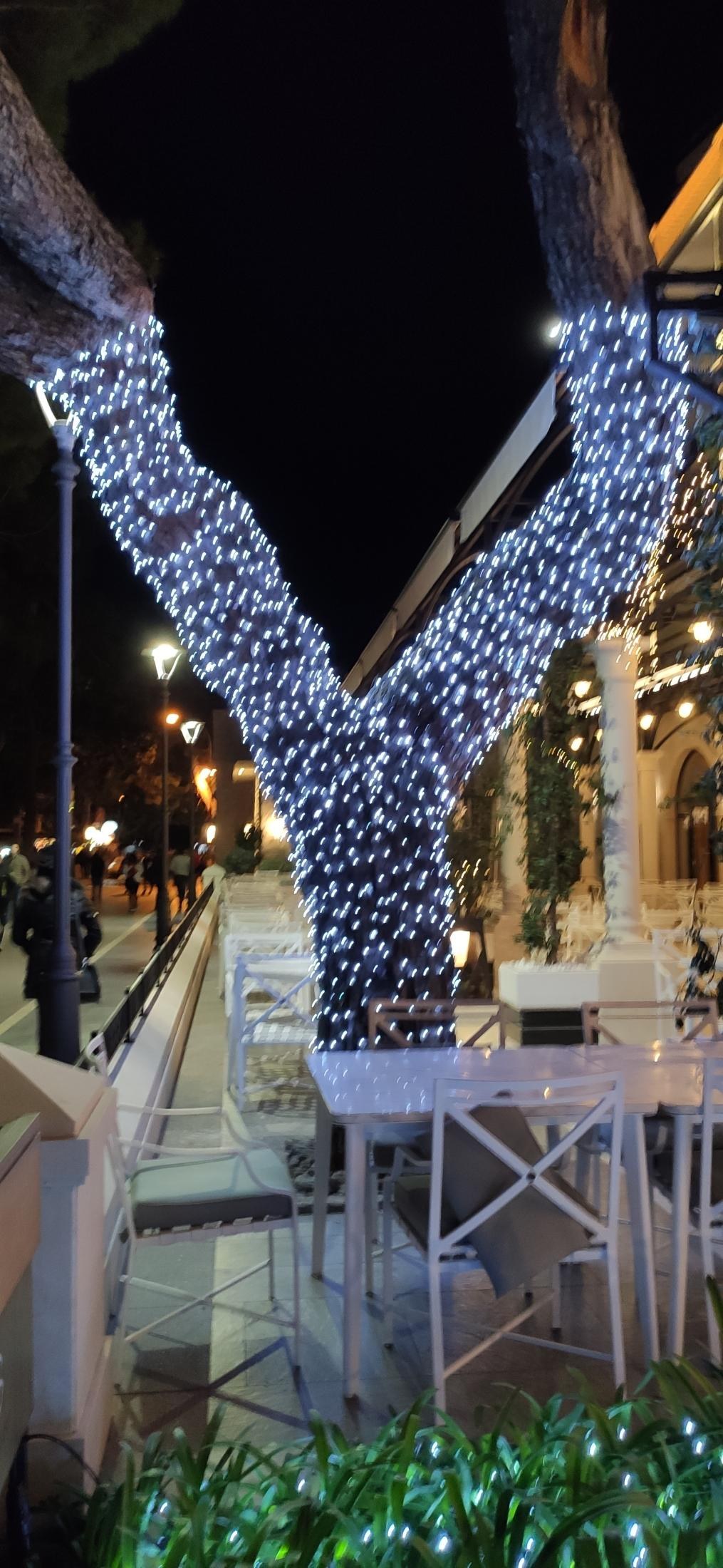
What strikes you is the new residential construction. Empty plot? Build on it. It’s strongly reminiscent of our own Black Sea coast in that respect. Then evening comes. The Ceca and Hari Mata Hari concert has clearly pulled serious interest and the main square starts bursting at the seams. The show and the party are in full swing. An interesting and pretty much ideal way to finish this trip.
Day 5: The way home
Not much to explain here. You leave in the morning at 08:00–08:30 and you’re back at the Russian Monument around 23:00. The same hell as the outbound leg, along the same route.
Budget
Low. Fact. A coach trip, around €200. On the ground, €50–80 will cover you comfortably, a bit more if you take both optional excursions and eat out properly.
Difficulty
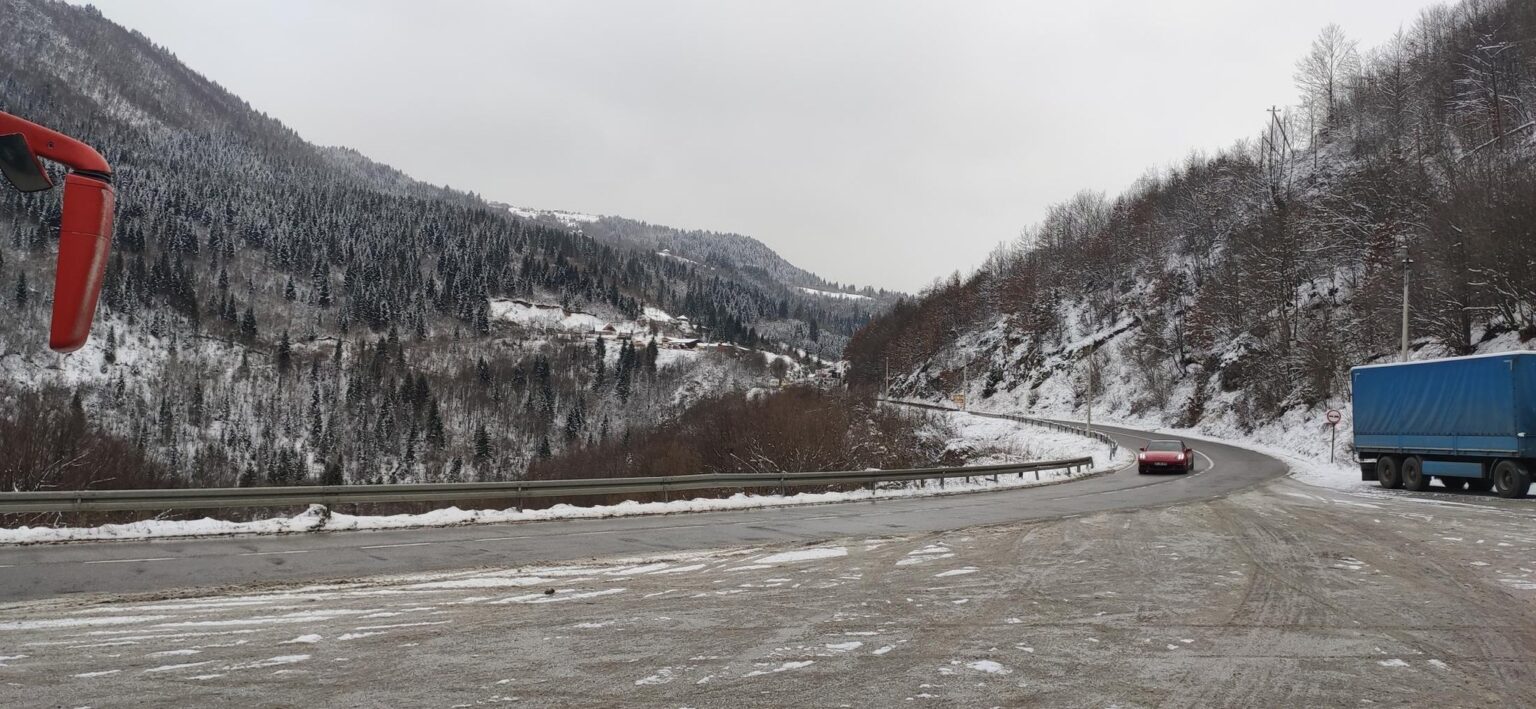
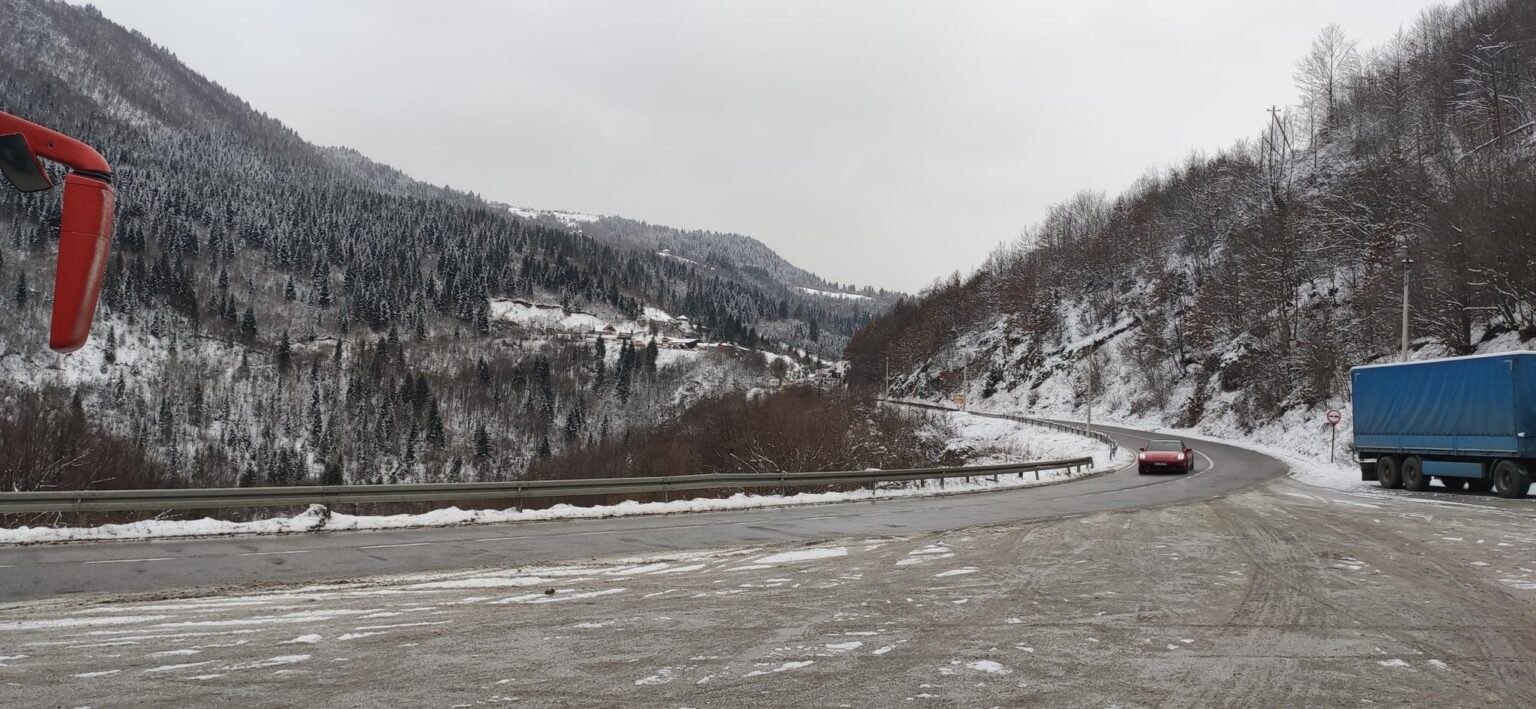
The road is murder — 600 kilometres each way, and the bends are endless. Fifteen hours each way in a coach which, however comfortable it is, remains a coach. Beyond that, the rest of the trip is well structured, with access to toilets, cafés and shops. The walking is gentle everywhere, with no big climbs or descents, the optional eco path above Kotor aside.
Things to know
Roaming. This has improved enormously since we went. Croatia is in the EU, so your Bulgarian plan works there at home rates. Serbia and Montenegro are not, and that’s where it used to get brutal. Under the EU–Western Balkans roaming agreement the data price caps have been coming down in steps, reaching €14 per gigabyte in 2026, and the EU has now opened negotiations to bring all six Western Balkan countries into the Roam Like at Home area — Montenegro is expected to be among the first. Check what your operator’s Balkan add-on actually costs before you leave. If the answer is bad, a local prepaid SIM in Montenegro solves most of the problem, and around cafés and hotels you’ll have wireless anyway. Set a spending cap either way, or a €100 bill can appear out of nowhere.
Documents. An ID card is enough for the whole route, but a passport isn’t a bad idea if you’re travelling independently. Worth knowing that these are real borders: Bulgaria has been a full Schengen member since January 2025 and Croatia since 2023, so you leave the zone into Serbia and re-enter it at the Croatian border. If you’re going with an operator, ask them what they require.
Money. Euros everywhere now — Montenegro, Croatia and Bulgaria alike. Serbia is the exception in transit, but on a trip like this you’ll only be buying coffee there.
Health insurance. With an operator it’s included. Travelling alone, get some — it costs a euro or two a day. Your European Health Insurance Card covers you in Croatia, but not in Serbia or Montenegro.
Conclusion
A seriously interesting trip that simply shouldn’t be done by coach. The road is murderously long and taxing. Two of the five days are spent entirely on a bus, and it wrings you out. Maybe with a car and at least two drivers swapping over it would be more bearable. Our coach wasn’t bad, and it was still exhausting.
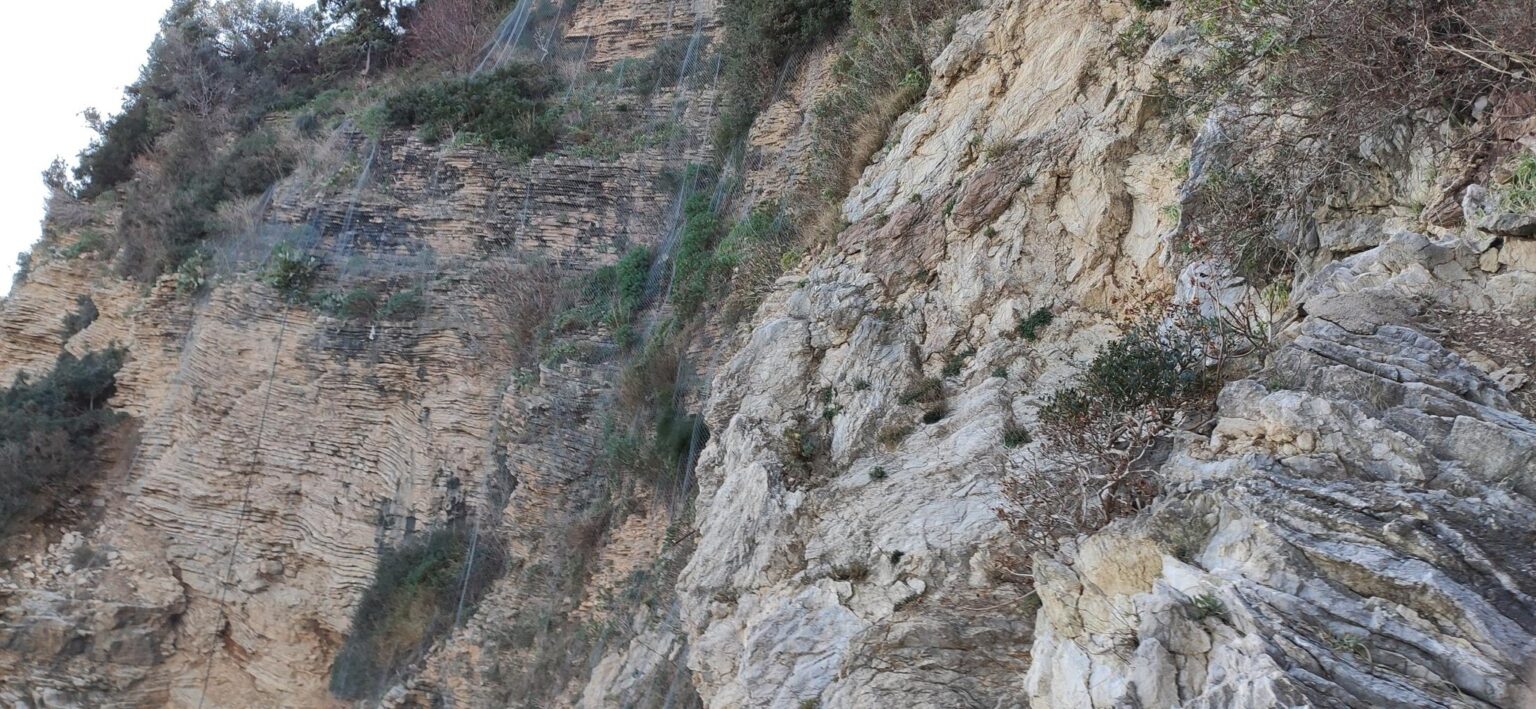
Set the road aside and what’s left is real beauty. You’ll see a lot, all of it varied and interesting. The region is rocky and also surprisingly colourful. The architecture, the people, the roads, the shops — all of it familiar in a Balkan way, and all of it somehow different.
I strongly recommend seeing Budva, Kotor and Dubrovnik, and the other destinations around them while you’re there.
Gallery