November 27, 1919 — Bulgaria Signs the Treaty of Neuilly
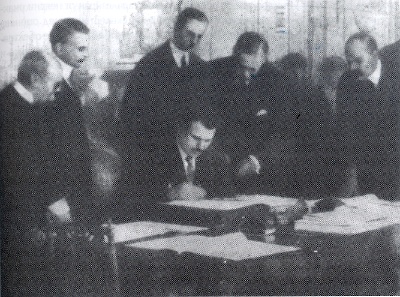
On November 27, 1919, Prime Minister Alexander Stamboliiski signed the Treaty of Neuilly near Paris. The treaty was imposed on Bulgaria after its defeat in the First World War and became one of the most painful documents in modern Bulgarian history. It required territorial losses amounting to 11,278 square kilometres, restricted Bulgaria’s armed forces, and denied the country the right to maintain a normal army, navy, or air force. The Western Outlands were transferred to the Kingdom of Serbs, Croats and Slovenes, while other losses affected Bulgaria’s strategic and demographic position. For many Bulgarians, Neuilly symbolized the “national catastrophe” that followed wartime defeat. Its consequences shaped politics, diplomacy, and public memory throughout the interwar period and remained a powerful reference point for later debates about borders and national justice.
November 27, 1949 — The Ruse Opera and Ballet House Is Inaugurated
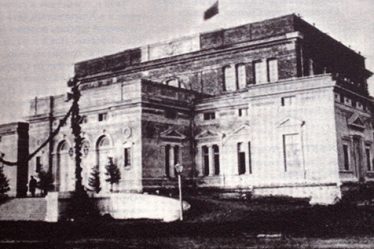
On November 27, 1949, the Opera and Ballet House in Ruse was inaugurated with a performance of Giuseppe Verdi’s La Traviata. Ruse had long been one of Bulgaria’s most culturally active Danube cities, and the opening of an opera institution confirmed its role as a major artistic centre outside Sofia. The new house gave local audiences regular access to opera and ballet and helped train performers, musicians, designers, and stage professionals. In the early post-war years, state cultural policy strongly supported theatres, orchestras, and opera houses as symbols of public education and socialist cultural development. Yet Ruse’s opera also built on older urban traditions of music, European influence, and civic ambition. Its inauguration marked not only a new institution, but a lasting expansion of Bulgaria’s regional cultural life.
Continue with November 26 or November 28. For more stories and places, explore Bulgaria From Above and the guides in our Bulgaria category on Bronicable.