March 4 links two moments separated by more than sixty years: the liberation of one of Bulgaria’s great Danube cities and the country’s rapid realignment on the eve of a world war.
March 4, 1878 — Ruse Is Liberated from Ottoman Rule
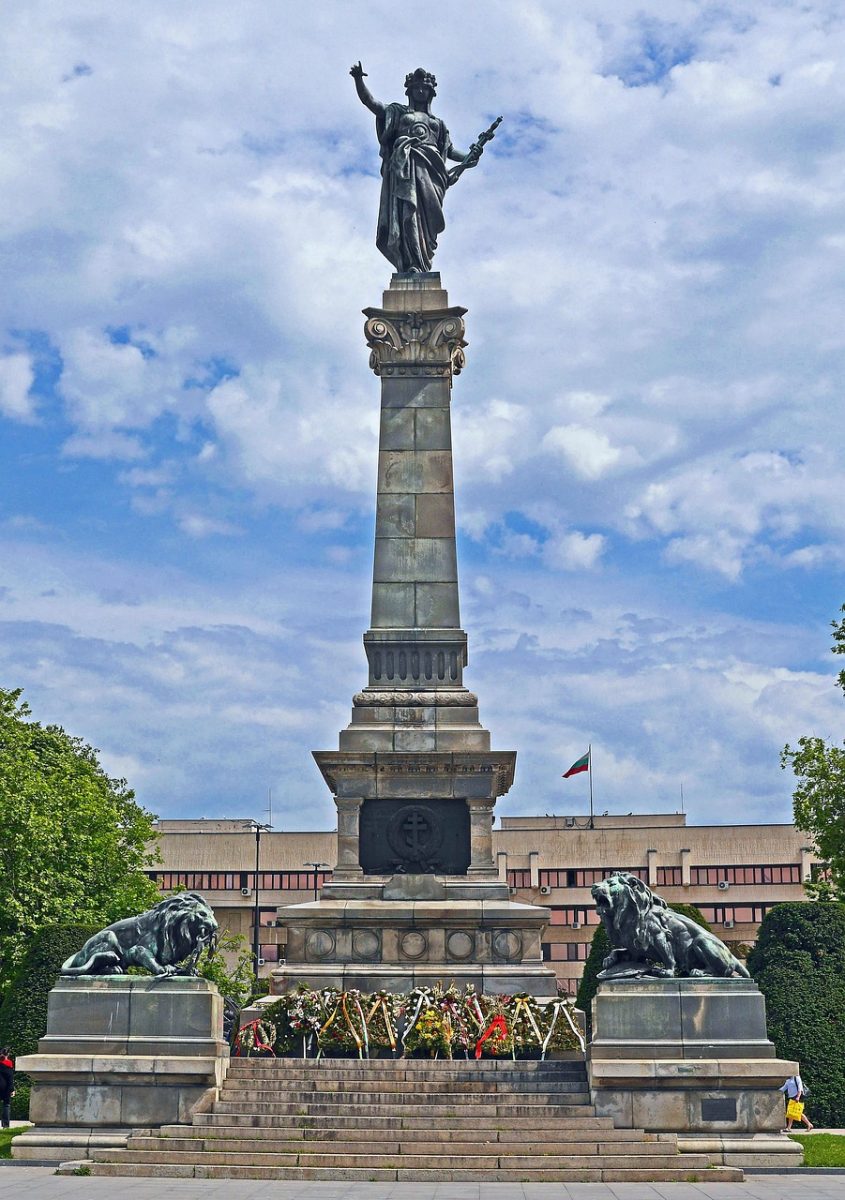
On March 4, 1878, the Danube city of Ruse was liberated from Ottoman rule, just days after the signing of the Treaty of San Stefano. Ruse had long been among the most important urban centres in the Bulgarian lands — a river port, a commercial gateway, and a place where European influences entered through trade, education, and travel. Its liberation was part of the broader political transformation that restored Bulgarian statehood.
The city’s later role made this date significant beyond the military events of 1878. Ruse became associated with industry, architecture, and cultural exchange, earning comparisons to European cities along the Danube. Its liberation belongs both to the national story and to the distinct local history of a city with an unmistakably European profile.
March 4, 1941 — Bulgaria Severs Relations with Several Allied States
On March 4, 1941, Bulgaria severed diplomatic relations with Belgium, the Netherlands, Poland, and the United Kingdom. The move followed Bulgaria’s accession to the Tripartite Pact on March 1, placing the country squarely within the Axis diplomatic sphere. It reflected the pressure, calculations, and dangers facing Bulgarian leaders in a Europe already consumed by war.
The decision to align with Nazi Germany brought grave consequences and lasting moral burdens. The severing of relations with former Allied partners was one sign of how quickly the options available to a small state could narrow. It also shows how foreign policy choices made under duress can reshape a country’s international standing almost overnight.
Continue through the March pages of Bulgaria’s history: March 3 and March 5. Explore Bulgaria further with our destination guides and aerial photography.