Two very different exercises of state power share July 26 in Bulgarian history: one that built an institution in the fragile years after liberation, and one that dismantled a monarchy six and a half decades later.
July 26, 1881 — Bulgaria Organizes Its Gendarmerie
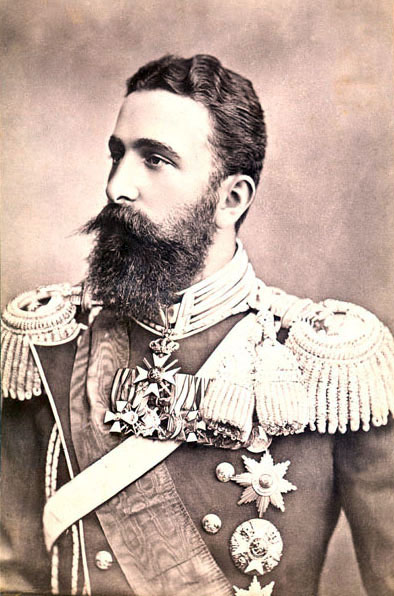
Prince Alexander I of Battenberg issued Decree No. 627, approving the “Provisional Statute for the Organization of the Gendarmerie” and giving Bulgaria a government guard force built along military lines. The measure came while the new principality was still assembling its apparatus for security and internal order.
It was the young state’s first dedicated paramilitary policing body, charged with keeping order in the countryside, where civil authority still barely reached only a few years after liberation. The gendarmerie became one of the early instruments through which the state established a presence beyond the towns.
July 26, 1946 — A Vote on Bulgaria’s Future
Sixty-five years later, the 26th National Assembly passed a law calling for a referendum on abolishing the monarchy and proclaiming a people’s republic, alongside the convening of a Grand National Assembly to formalize the change.
The referendum followed on September 8, and by mid-September Bulgaria had been declared a People’s Republic — a decisive move in the communist consolidation of power that would shape the country for more than four decades, ending the throne and opening a new regime.