No date weighs more heavily in Bulgaria’s history than March 3 — the day a treaty ended five centuries of Ottoman rule and, over a century later, became the country’s National Day.
March 3, 1878 — The Treaty of San Stefano Is Signed
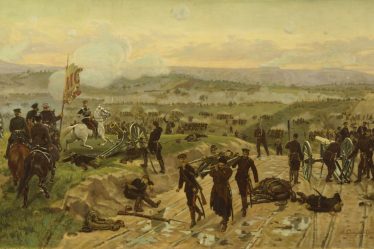
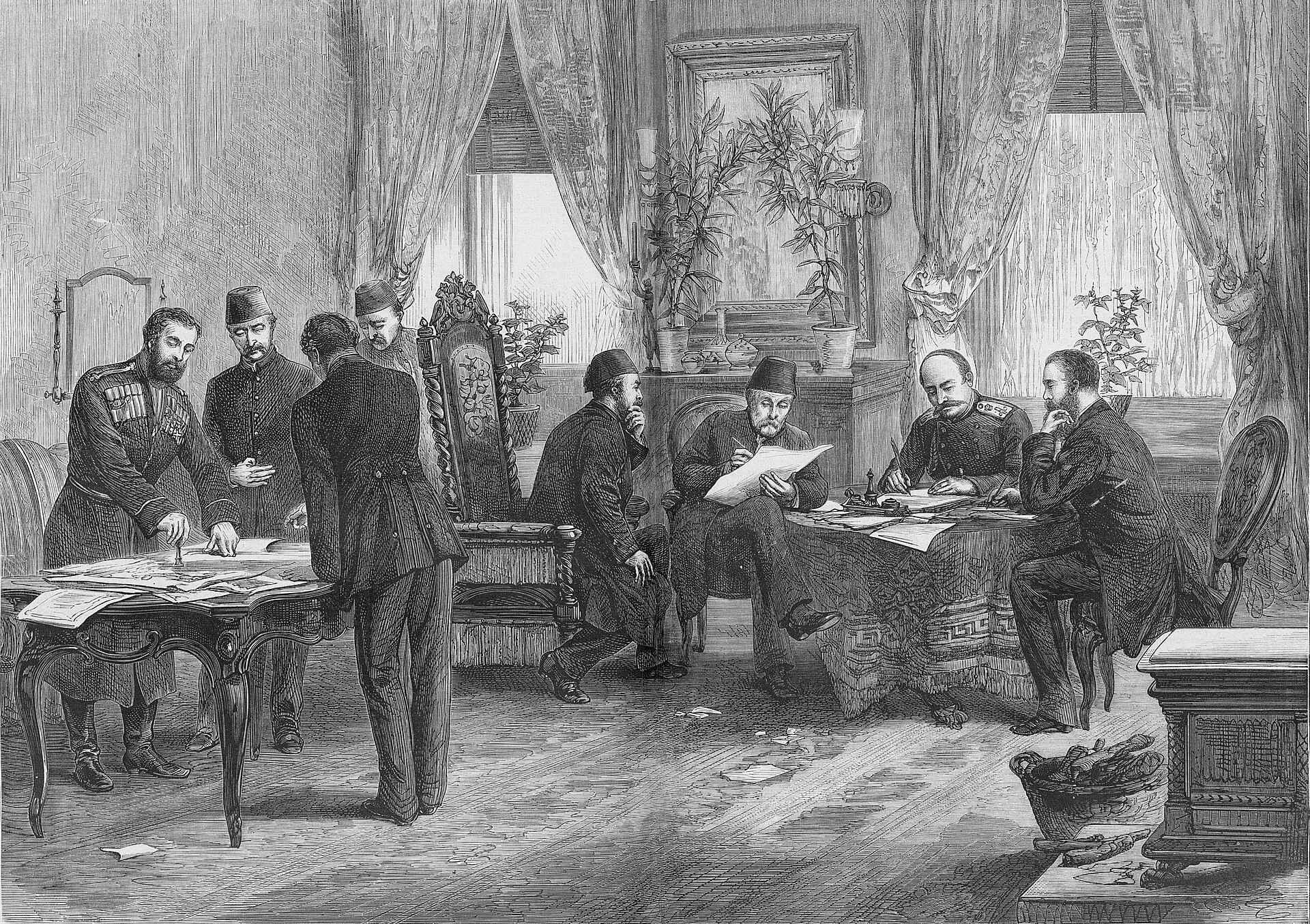
On March 3, 1878, the Preliminary Treaty of San Stefano was signed between the Russian and Ottoman Empires, ending the Russo-Turkish War of 1877–1878. The treaty envisaged an autonomous Bulgarian principality after centuries of Ottoman presence in Bulgarian lands — a result tied not only to diplomacy but to the sacrifices of soldiers, volunteers, and civilians throughout the war.
Although the borders proposed at San Stefano were later revised by the Treaty of Berlin, the date became a powerful symbol of liberation and restored statehood. For Bulgarians, March 3 represents the moment when the political hopes of the National Revival entered the realm of international recognition, however contested the final outcome.
March 3, 1990 — March 3 Is Designated Bulgaria’s National Day
In 1990, as Bulgaria moved away from communist one-party rule, March 3 was officially designated the country’s National Day. The decision placed the liberation narrative at the centre of the civic calendar at a moment when Bulgaria was rethinking its institutions, symbols, and public identity. The date had been commemorated before, but its formal elevation gave it renewed constitutional weight during a period of fundamental change.
National holidays are never only about the past — they signal what a society chooses to remember together. March 3 continues to carry both pride and debate, but its endurance reflects how deeply the story of liberation runs through Bulgarian identity and public life.
See what else March holds in Bulgaria’s history: March 2 and March 4. Browse our Bulgaria From Above photography and Bulgaria travel guides on Bronicable.