Ruse sits on the southern bank of the Danube, in the far north of Bulgaria, and reveals a different side of the country than the mountain towns further south. It has the scale and energy of a regional capital, yet the historic centre is intimate enough to cross on foot in twenty minutes. Locals call it Little Vienna, a nickname earned by its late nineteenth- and early twentieth-century architecture: ornate façades, elegant public buildings and broad streets give central Ruse a distinctly European character that few other Bulgarian cities share.
| Where | Northern Bulgaria, on the southern bank of the Danube, about 310 km from Sofia |
| Getting there | by car – road I-4 and the Hemus motorway, about 4 hours from Sofia; by train (change at Gorna Oryahovitsa), around 6 hours; direct buses run several times a day |
| How long | half a day for the centre and the riverside; a full day if you add Sexaginta Prista and a stroll along the Danube at sunset |
| Regional History Museum | daily 9:00 – 18:00, no closing day. Entry: adults €5, students and pensioners €2.50, groups of over 5 people €3; a day pass covering the city exhibitions is €7.50. Check current details on the museum’s official page. |
| When to go | spring or early autumn, for mild weather and the parks in bloom; late afternoon is best for the Danube at sunset |
| Parking | paid blue zone on the central streets; free parking near the riverside gardens and the port |
A Danube gateway
The river has shaped Ruse for centuries. The ancient fortress of Sexaginta Prista once guarded a section of the Roman Danube frontier, and later generations used the port as a link between Bulgaria, Romania and the wider European world. In the nineteenth century Ruse became one of the most outward-looking cities in the region: trade, diplomacy, printing, transport and new technology all arrived here early, leaving a cosmopolitan imprint that is still visible in the street plan and the building facades today.
That history is not preserved behind glass. Ruse is a working city, with universities, theatres, cafés and a busy river port, and the old buildings are part of everyday life rather than a separate tourist quarter. The Regional History Museum, the Rousse Opera and several historic houses managed by the museum help explain how closely local life was once tied to Europe; opening hours and entry fees for the main museum are in the box above.
Parks and gardens
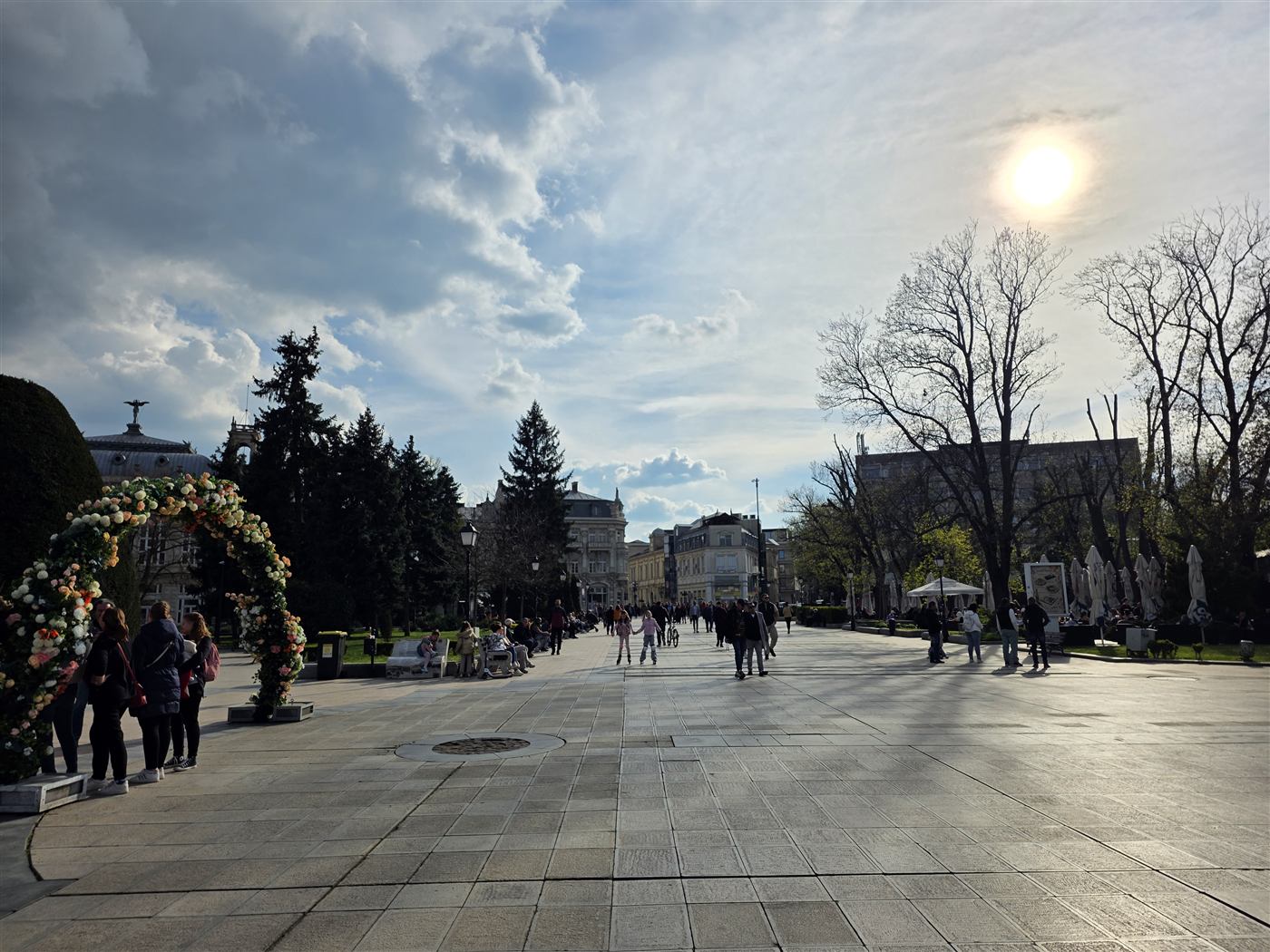
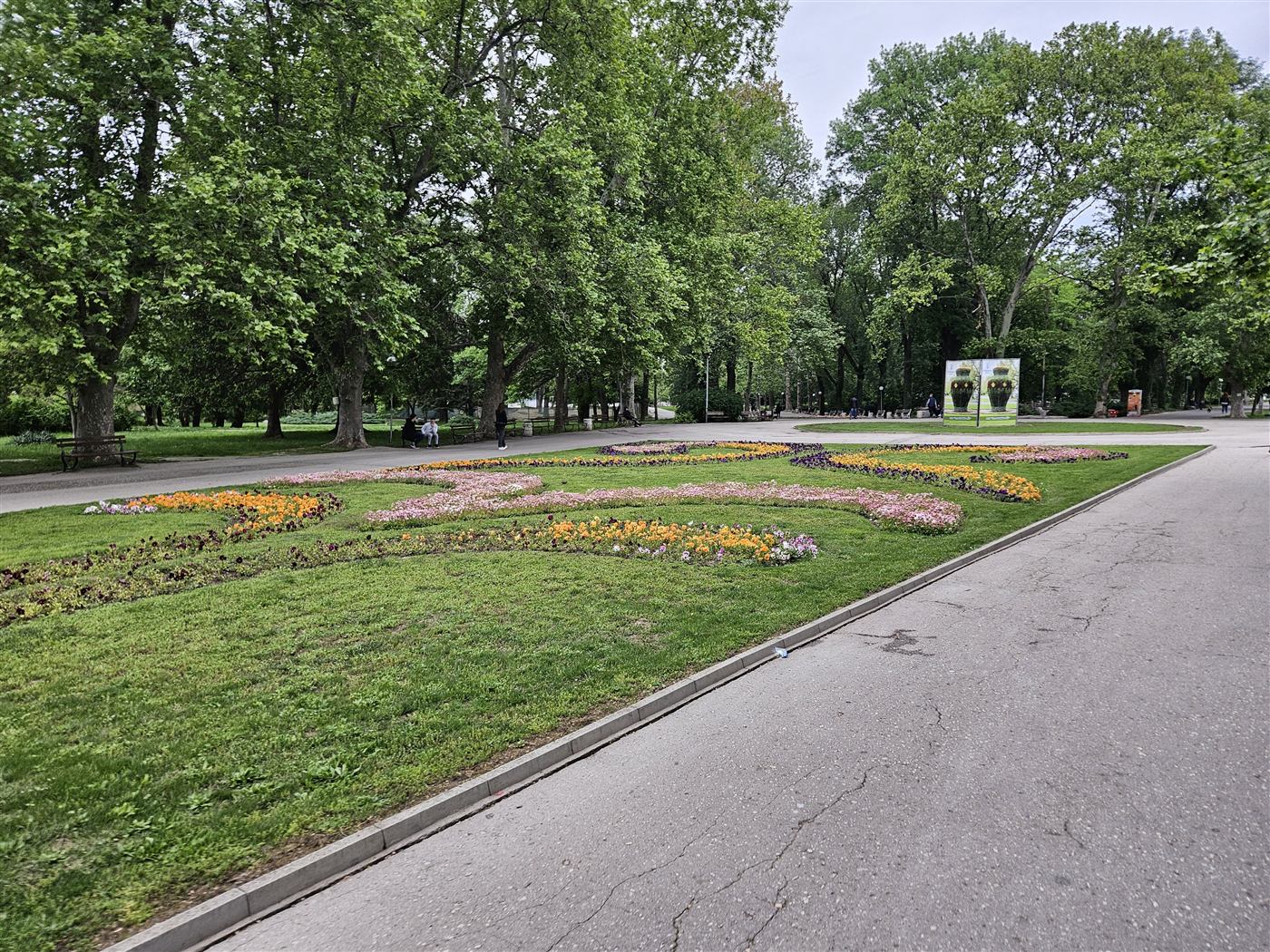
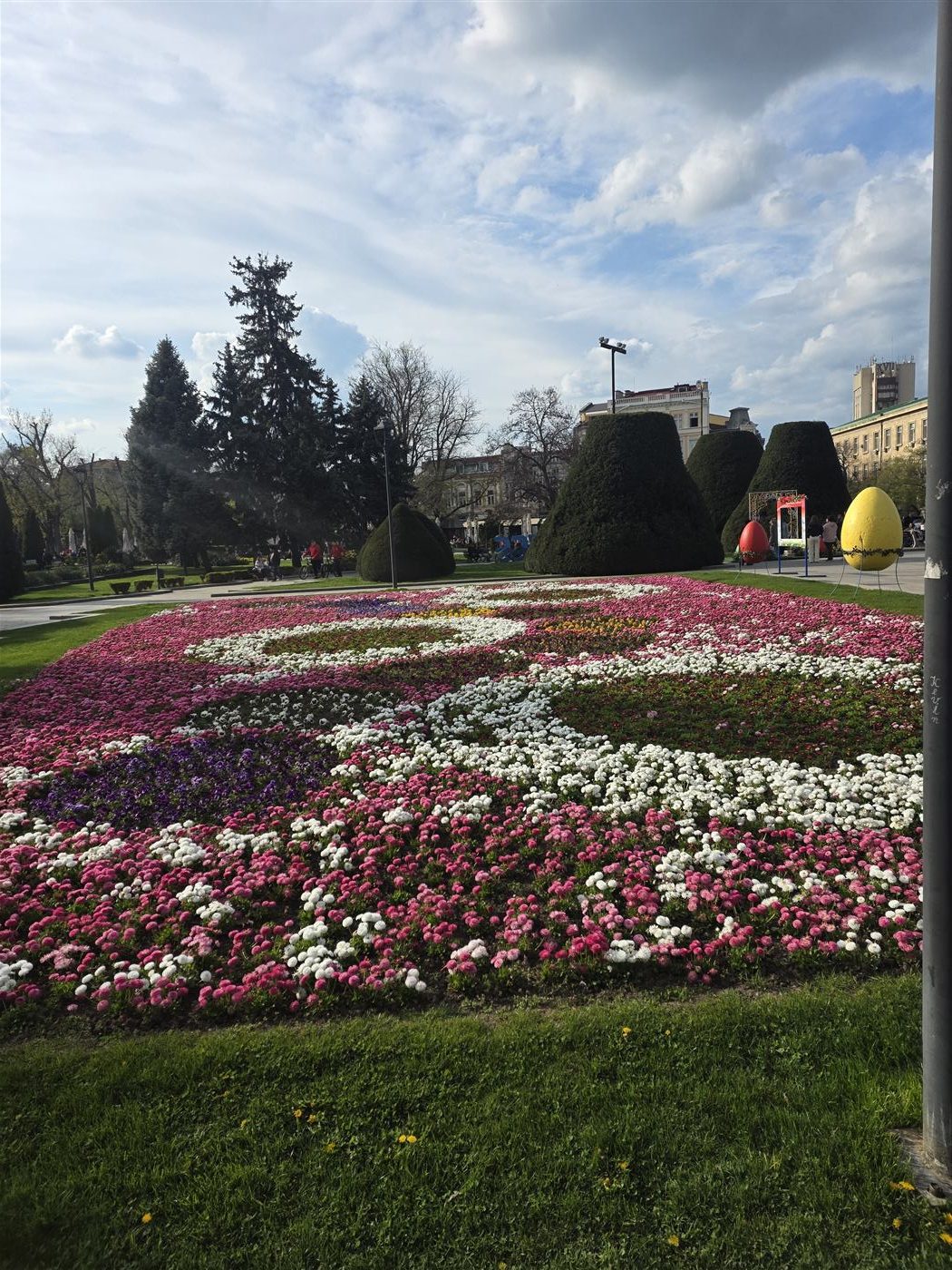
The centre of Ruse is unusually green for a Bulgarian city of its size. The City Park, right next to the museum building, is laid out with wide gravel paths and seasonal flower beds that are replanted several times a year, tulips in spring and dense bedding displays through the summer. A few streets further in, a smaller public garden repeats the same pattern on a more intimate scale — a quiet spot for a bench and a coffee between the museum and the pedestrian streets, rather than a destination in itself.
Streets and squares
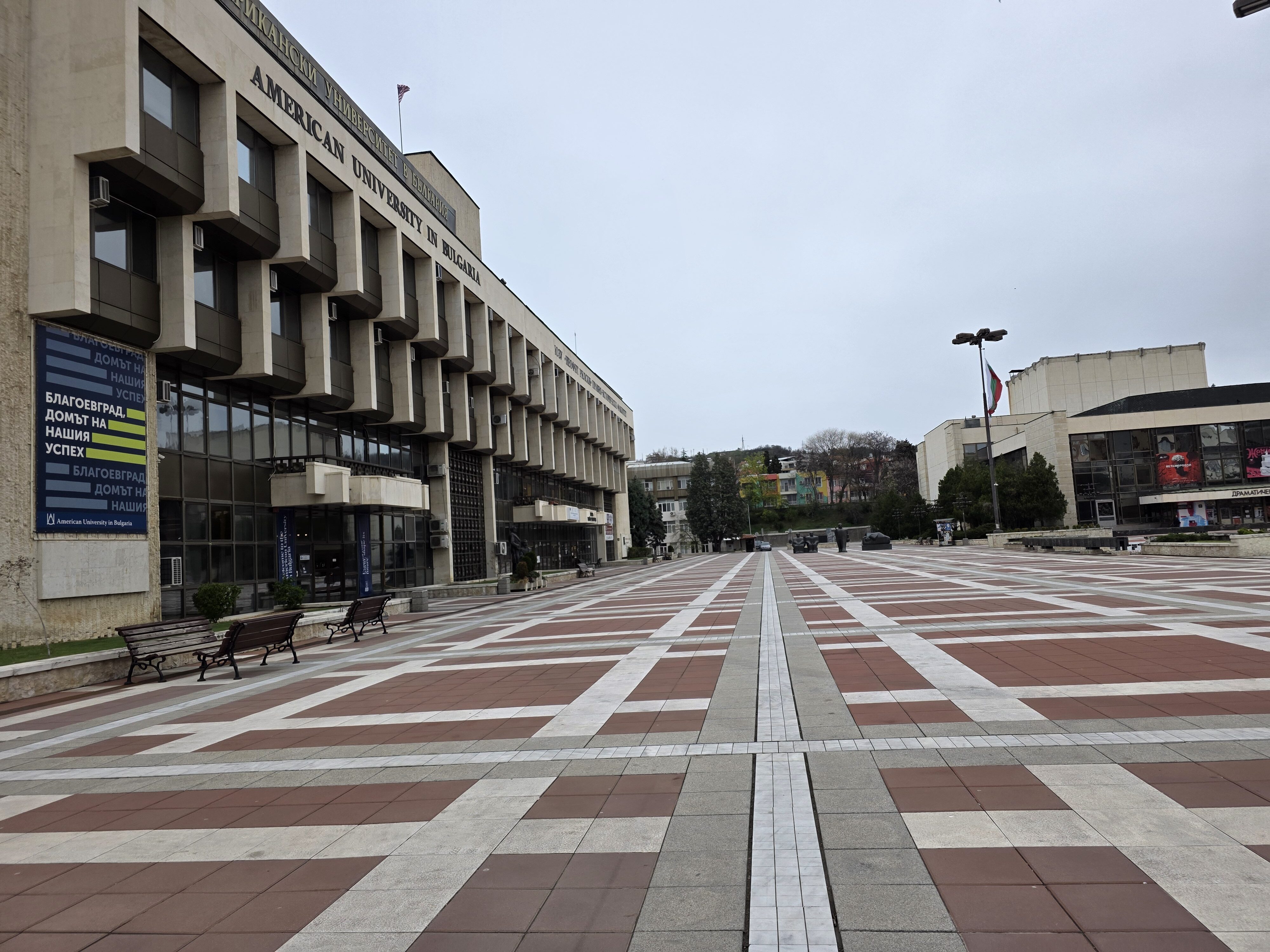
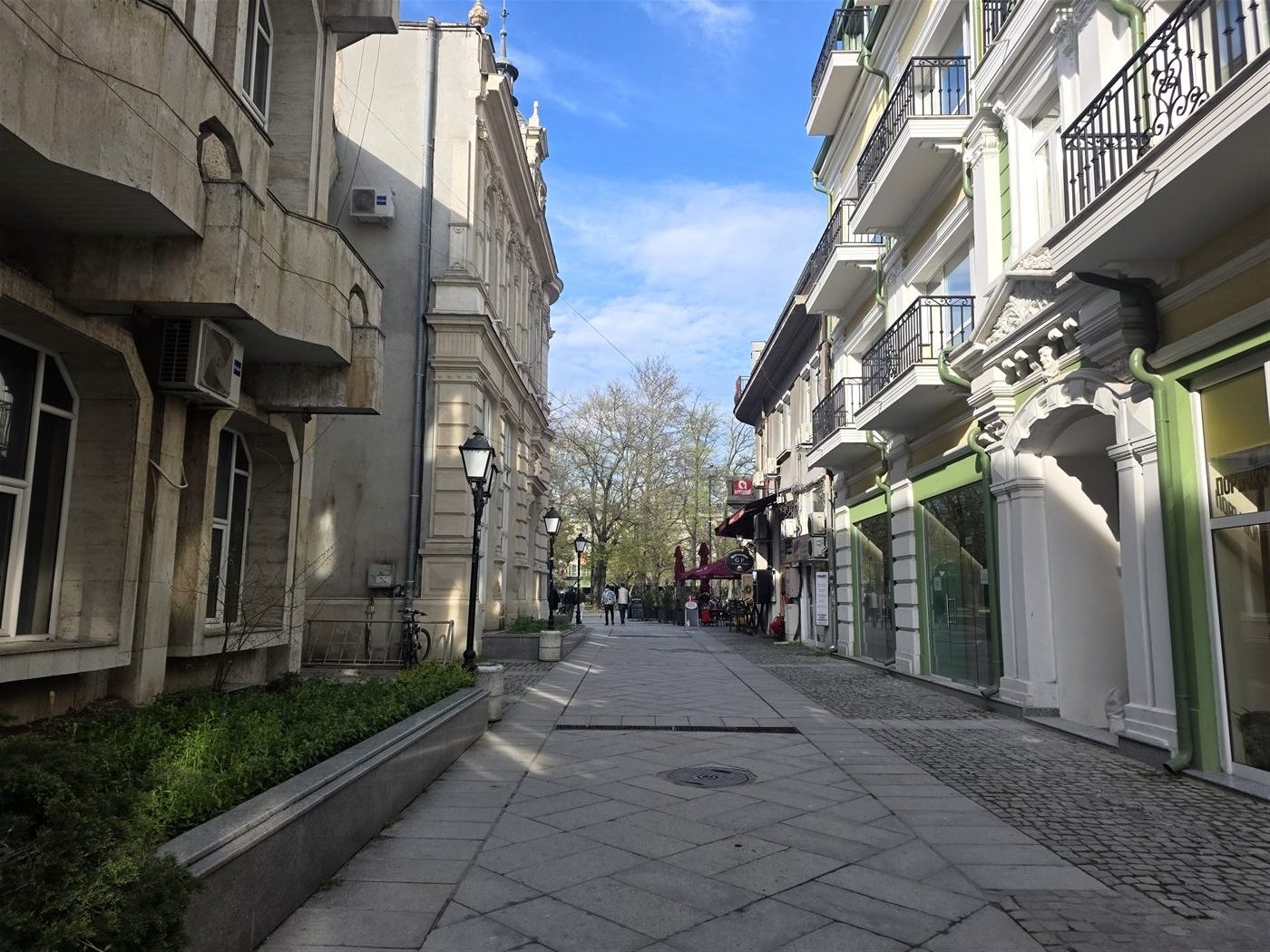
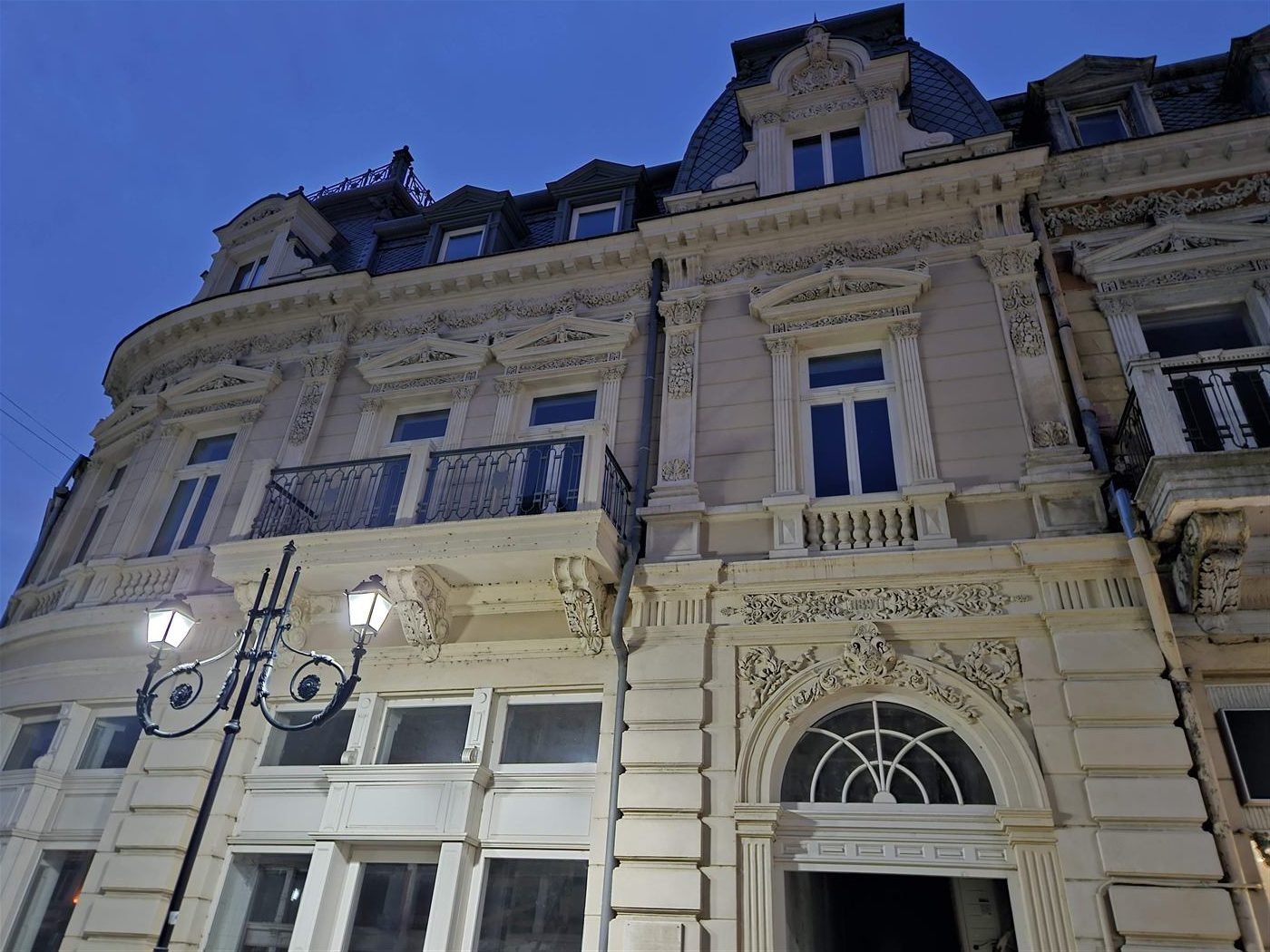
The most rewarding way to see central Ruse is on foot and slowly. The pedestrian streets are lined with ornate nineteenth-century facades — carved cornices, wrought-iron balconies, tall shuttered windows — that would not look out of place further west in Europe, which is exactly the point of the Little Vienna nickname. They open onto the city’s main square, wide enough that people cross it in every direction rather than gather in it, framed by the same restrained, elegant architecture on every side.
Ruse after dark
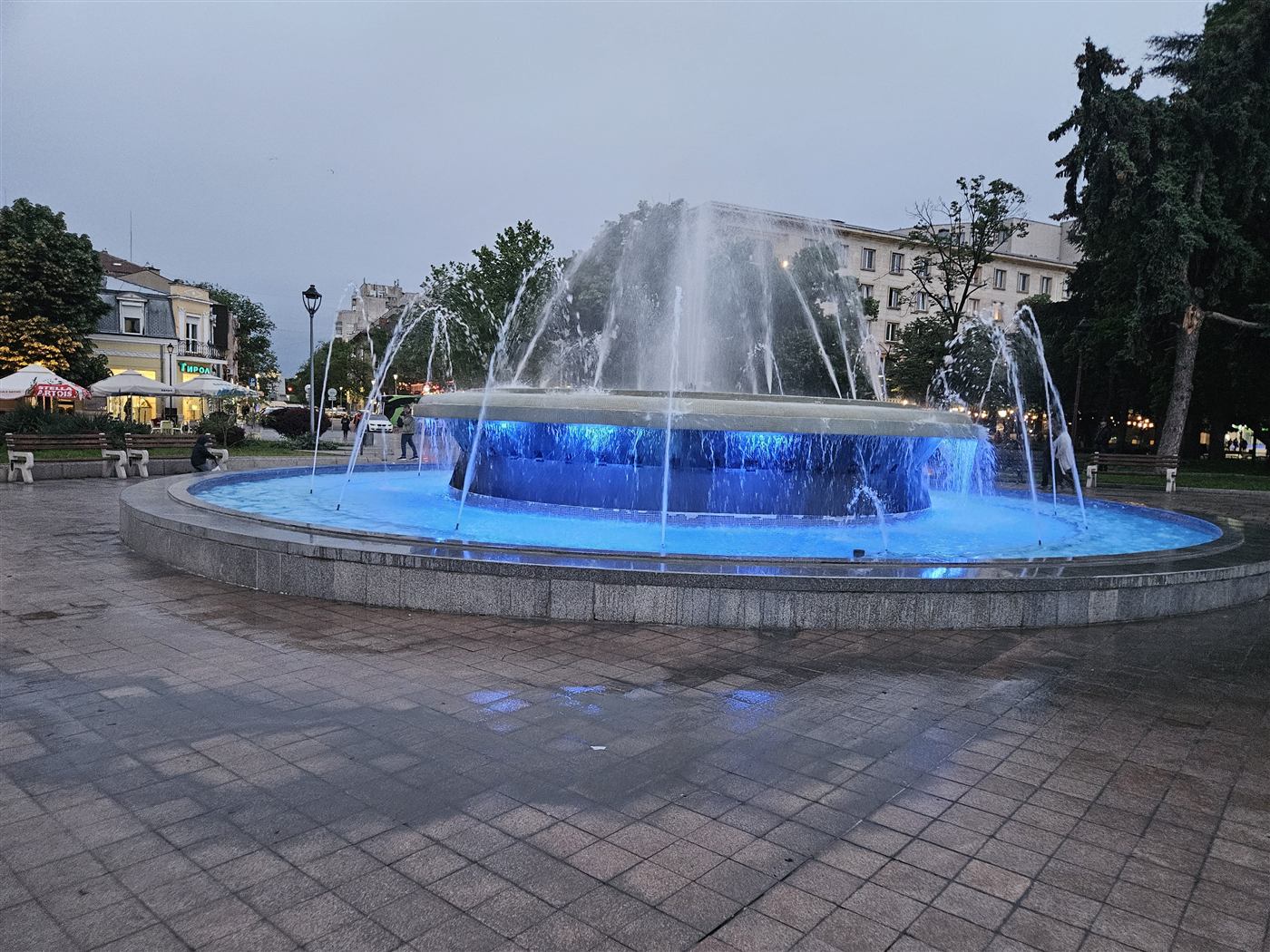
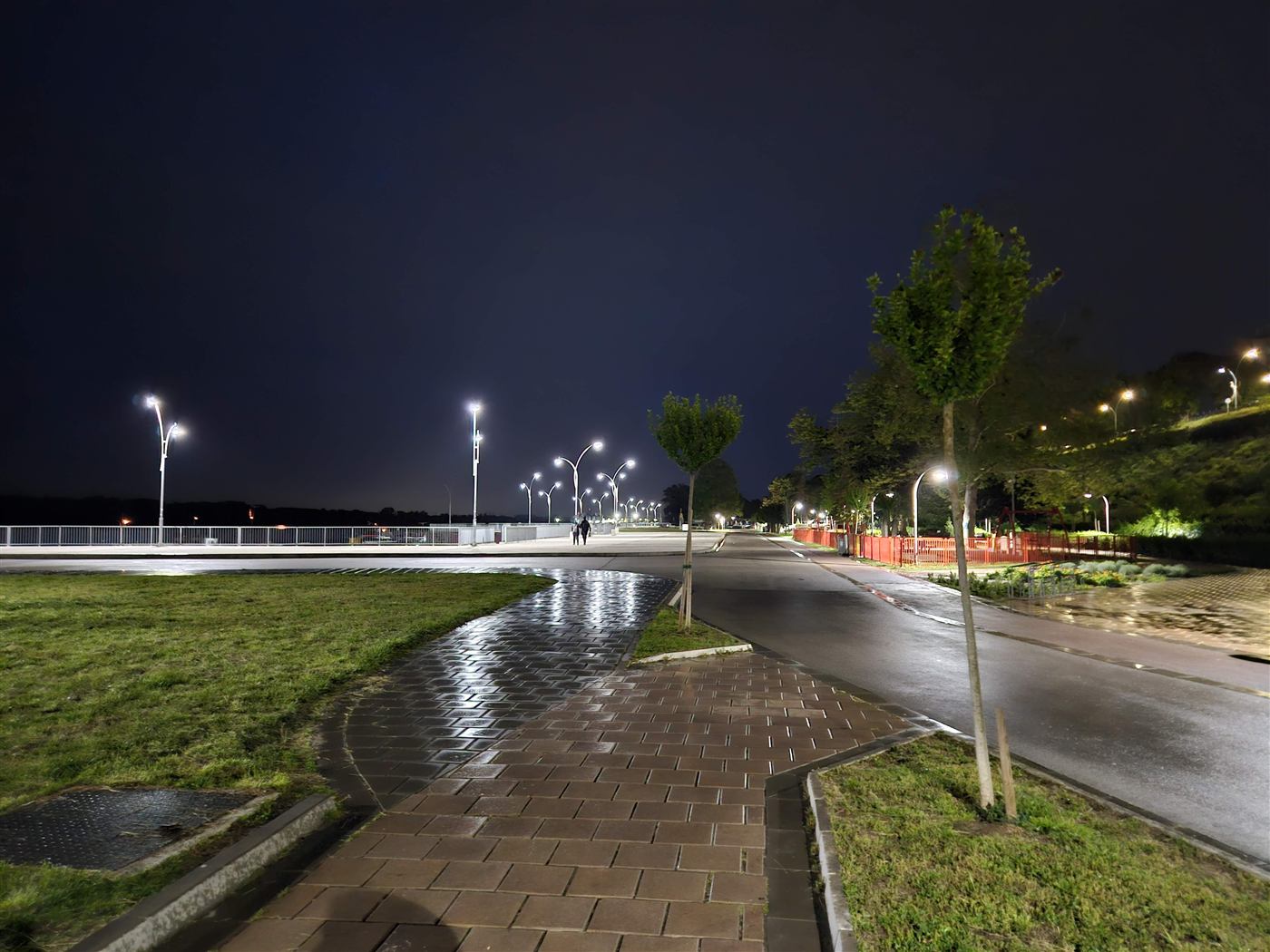
In the evening the centre changes character. A fountain near the old buildings switches on at dusk, its lit spray turning gold against the darkening sky, and floodlights pick out the carved details on the facades that are easy to miss in daylight. Down at the river, the promenade is strung with lights along its whole length, and locals come out for an evening walk once the heat of the day has passed. This is when Ruse looks most like the city its old nickname describes.
Beyond the postcard view
Ruse is also a useful base for the wider region. The same Regional History Museum runs three open-air branches nearby: the rock-cut churches of Ivanovo, the medieval fortified town of Cherven, and the Sexaginta Prista site itself — each one a short trip out along the Rusenski Lom river valley, with its limestone cliffs and quiet side roads. Inland, the region connects to Veliko Tarnovo, the old capital, with Gorna Oryahovitsa and its railway junction usually the stop in between.
Back in town, the Danube is best enjoyed at the end of the day, when the light changes the colour of the water and the Romanian shore becomes a soft line on the horizon. That quiet moment explains the pull of Ruse better than any slogan: a city open to the wider world, but still grounded in its river.
Related video: the city and its riverside are best seen from the air in the episode Bulgaria From Above: Ruse – The Little Vienna of Bulgaria, part of the Bulgaria From Above series.