Lovech sits where the Osam river bends at the foot of the rocky Hisarya hill, and the old Varosha quarter climbs the slope toward the ruins of a medieval fortress. The covered bridge — the only one of its kind on the Balkan peninsula — links the two banks like a roofed street. Between the two — the bridge and the hill — sits almost the whole of the city’s history.
| Where | North-central Bulgaria, Lovech Province, along the Osam river, about 150 km north-east of Sofia |
| Getting there | by car via road I-4 (Pleven – Lovech – Troyan); by bus from Sofia, Pleven, Veliko Tarnovo and Troyan |
| How long | 2–3 hours for the covered bridge and Varosha; half a day if you add Hisarya hill |
| The covered bridge | free access, open year-round; the shops along it keep their own hours |
| Hisarya fortress | winter season 9:00 am – 12:00 pm and 1:00 – 5:00 pm; summer season 9:00 am – 8:00 pm, no closing day. Entry: adults €6, students and pensioners €4, children under 7 and visitors with disabilities free. Check current prices on the official page of the Regional History Museum – Lovech (Bulgarian only). |
| When to go | autumn, around late September, for the Covered Bridge festival; spring, when the Osam runs high |
| Parking | paid blue zone around the centre; free along the river and in Varosha |
The Covered Bridge and Varosha
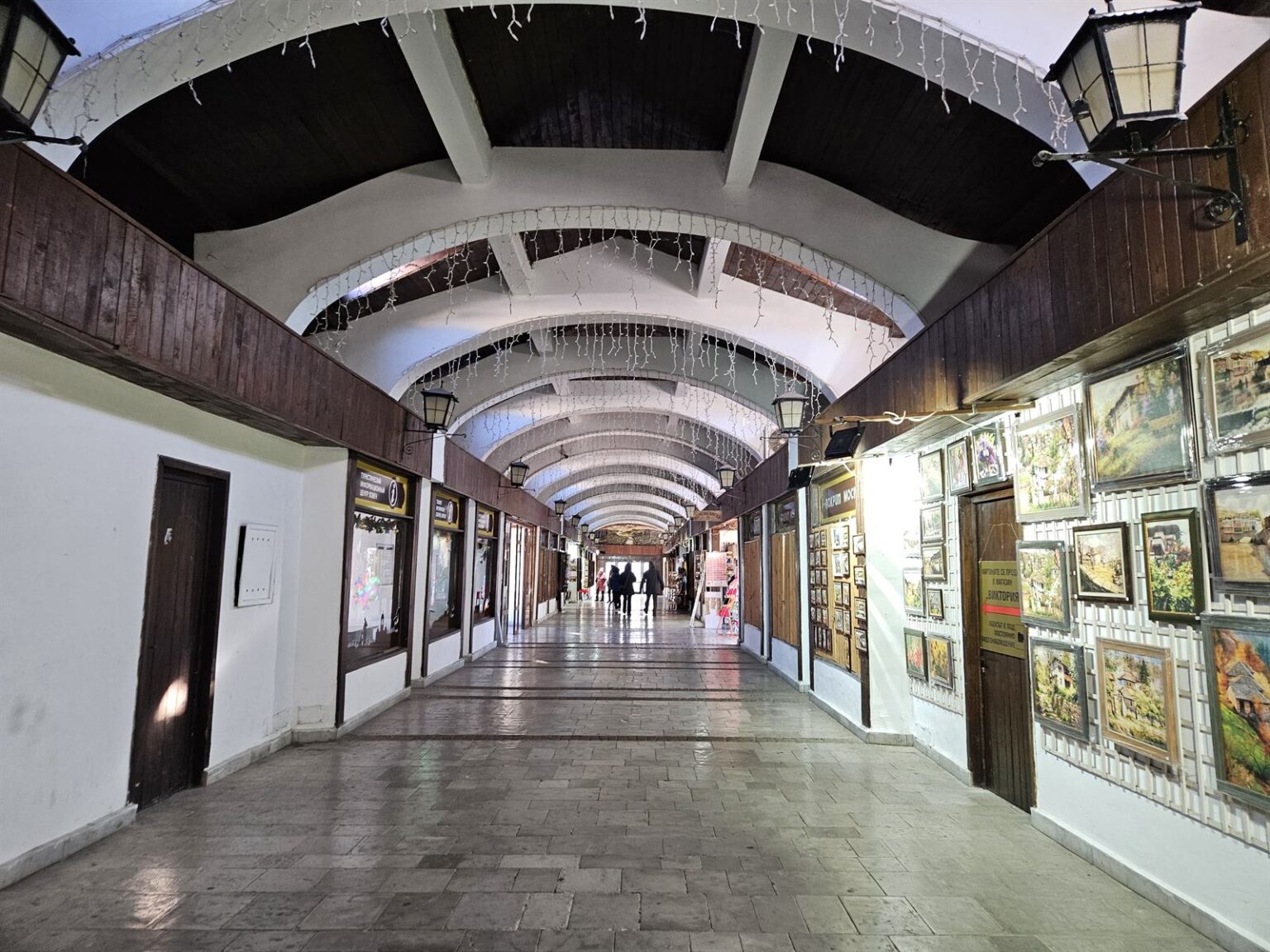
The old Varosha quarter is the emotional centre of Lovech — narrow lanes, National Revival houses and small shops that keep the atmosphere of a nineteenth-century Bulgarian town. Steep steps lead down to the river, where the covered bridge waits, built by master craftsman Kolyu Ficheto between 1874 and the winter of 1876. Inside, it feels more like a roofed shopping street than a bridge — ten metres wide, with more than 64 craft and trade shops once lining both sides of the deck. Some of them are still open today.
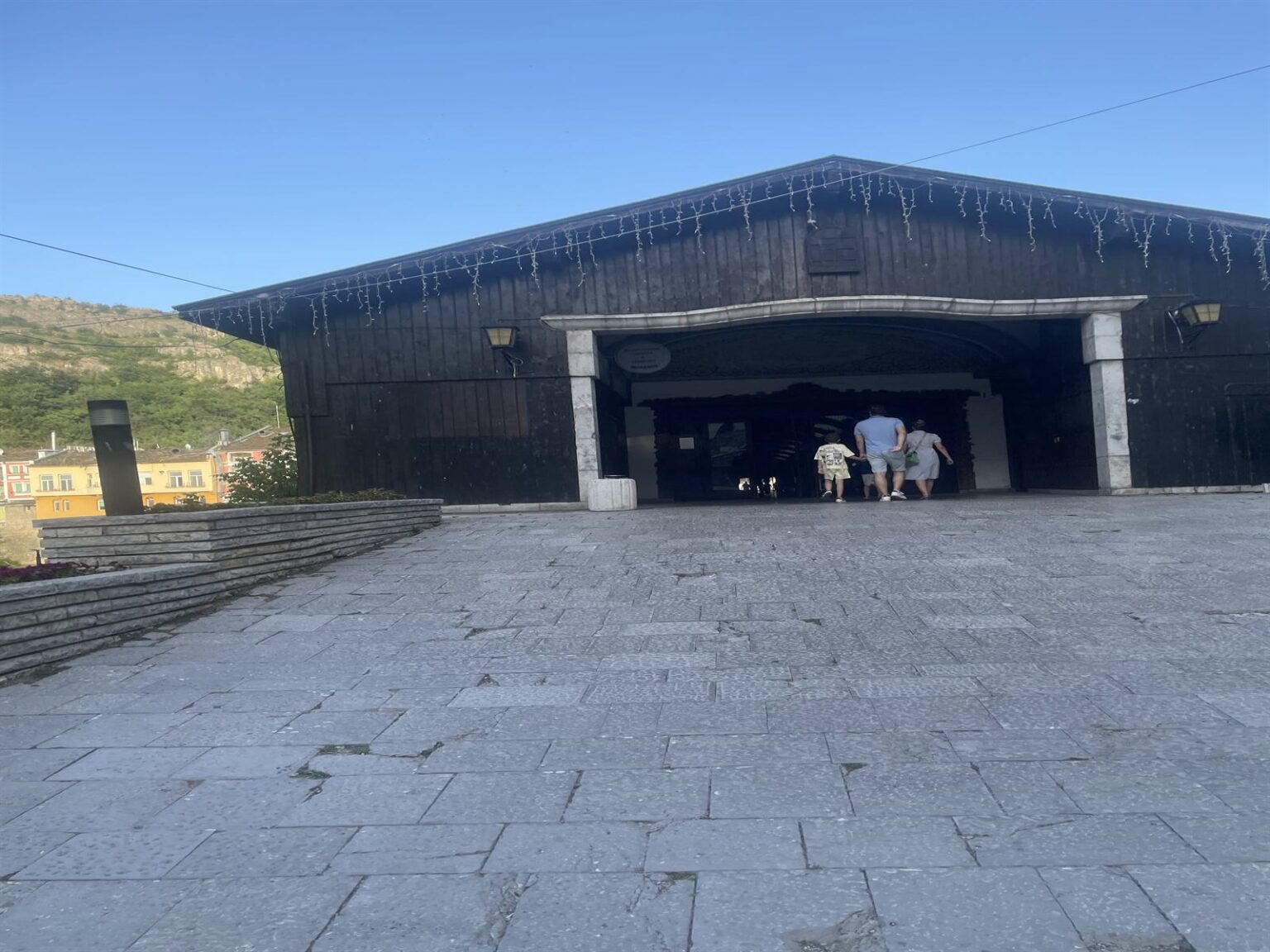
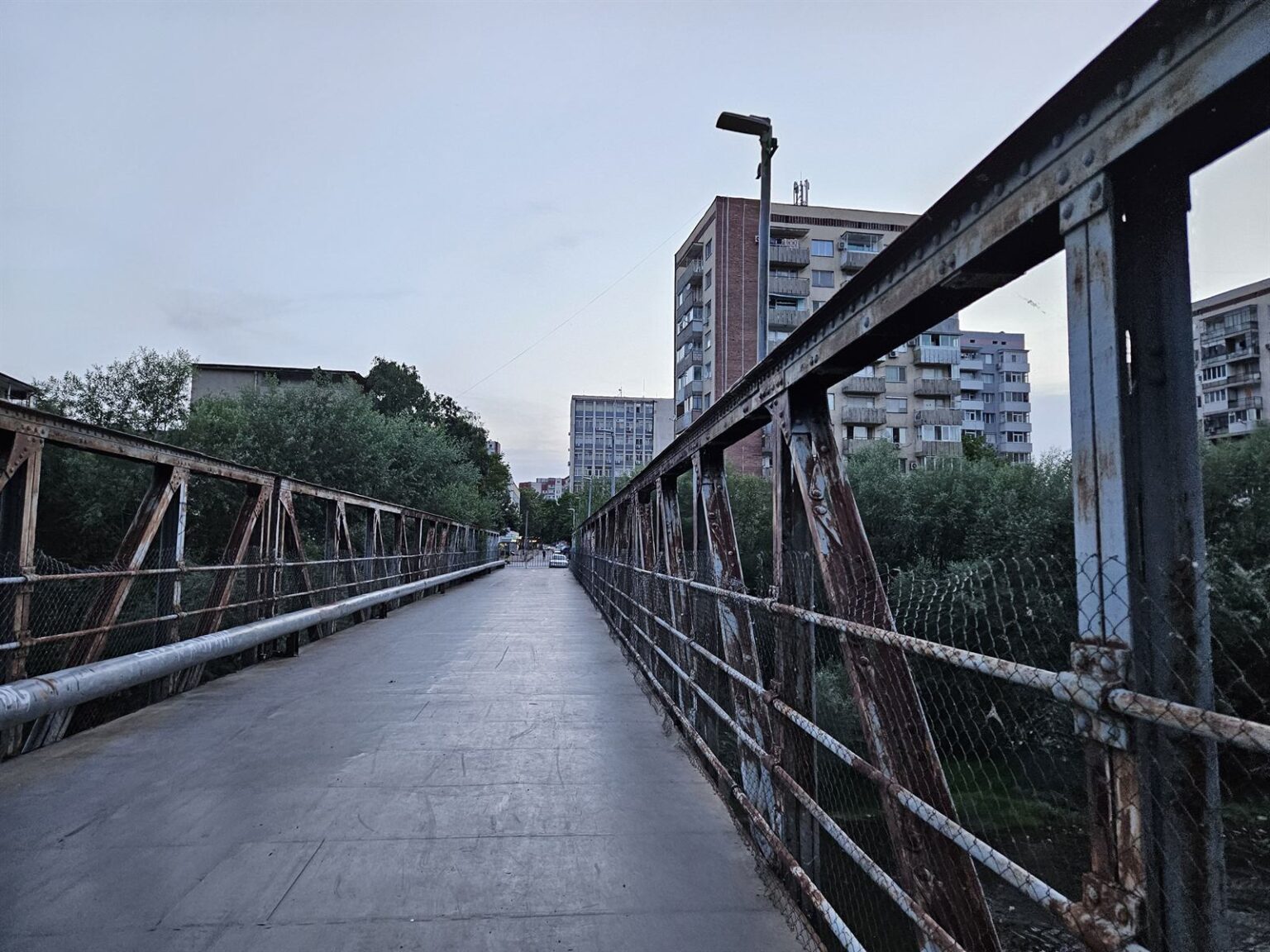
From outside, the bridge looks like a low wooden roof resting on two banks — you walk in through a dark archway and out into daylight on the other side. A little further upstream there is another way to cross the river — a narrow iron footbridge, far more functional than its touristy neighbour; locals use it when they don’t want to squeeze past the shop stalls.
The Central Square and the Old Streets
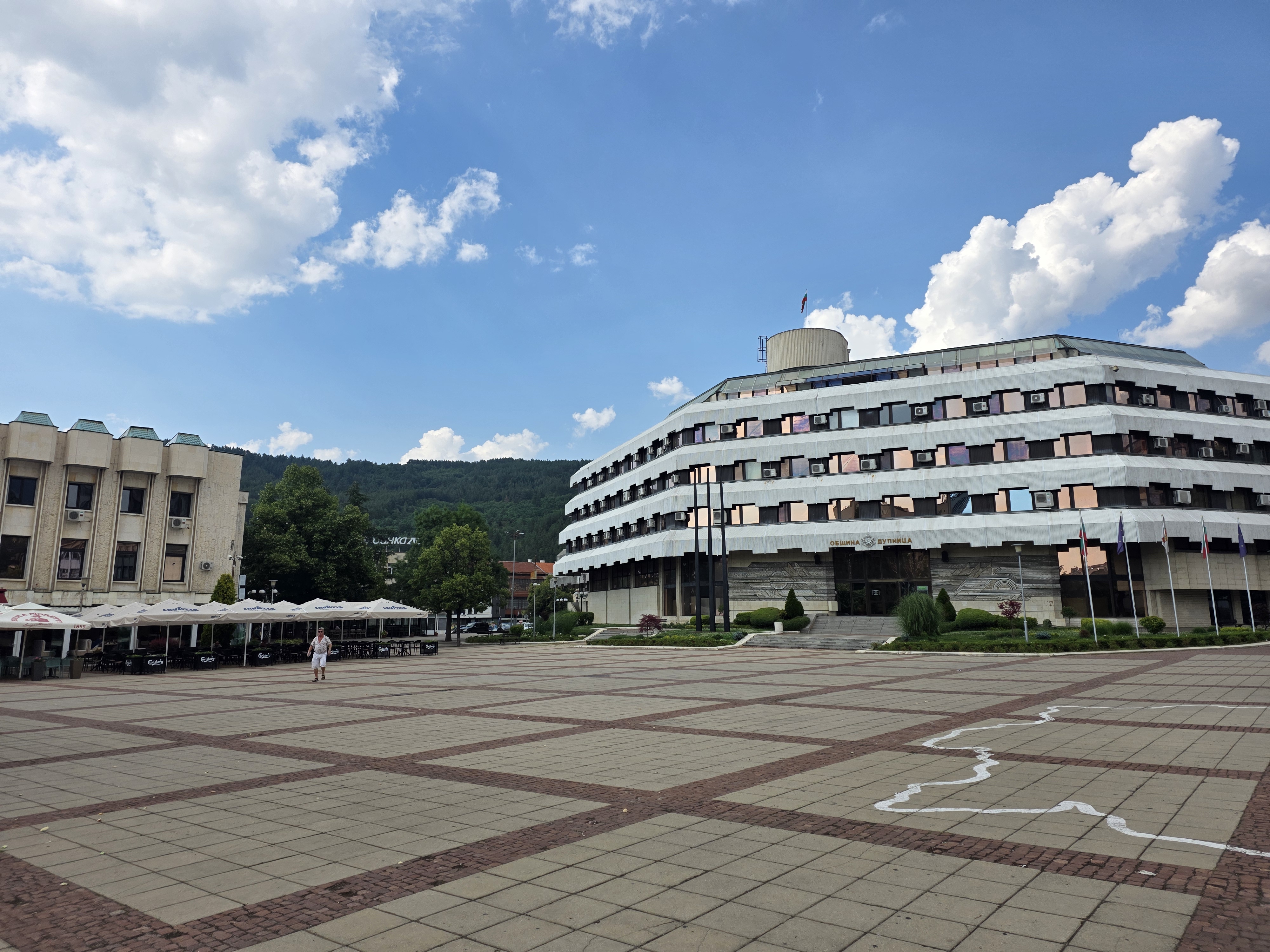
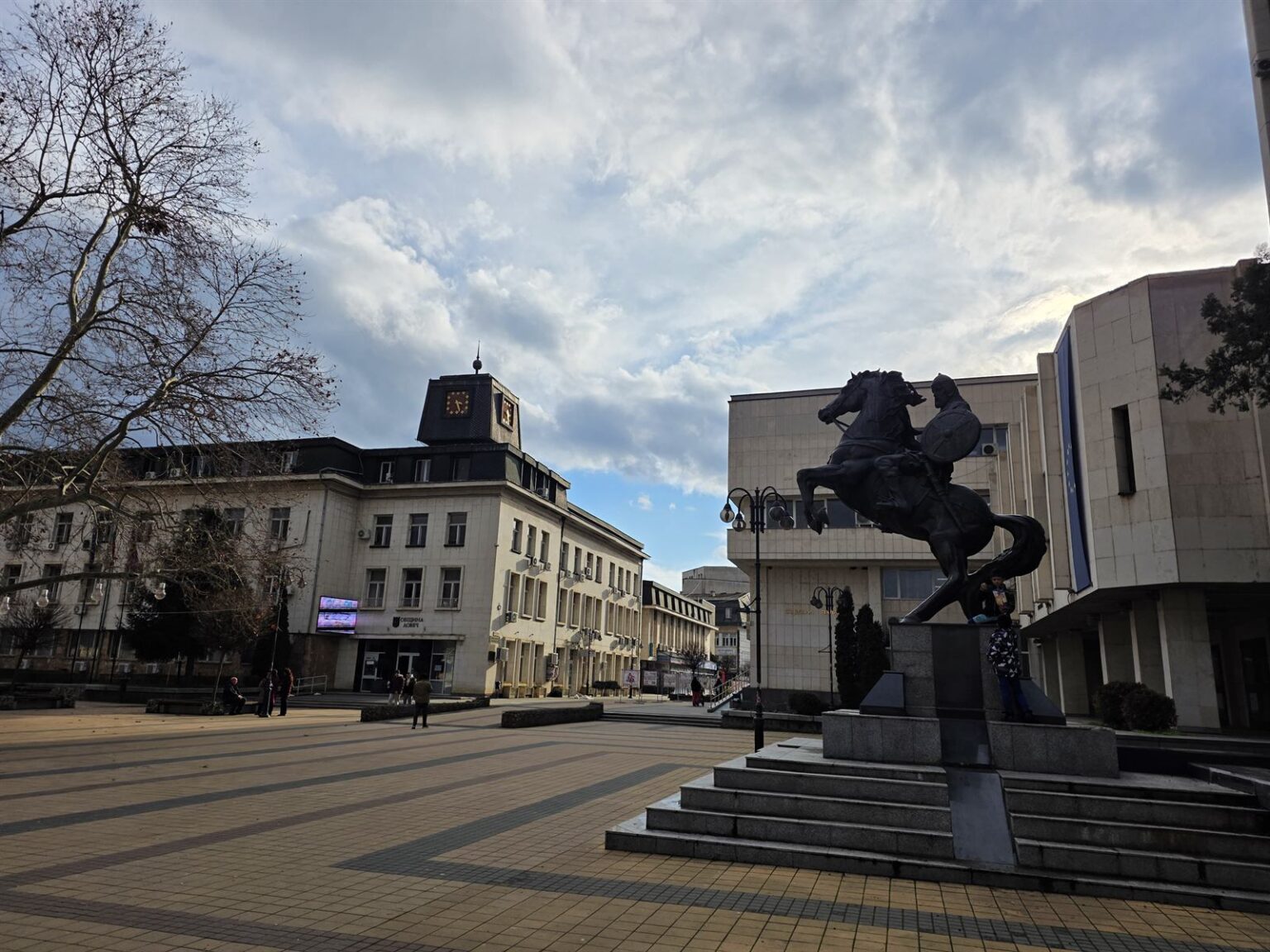
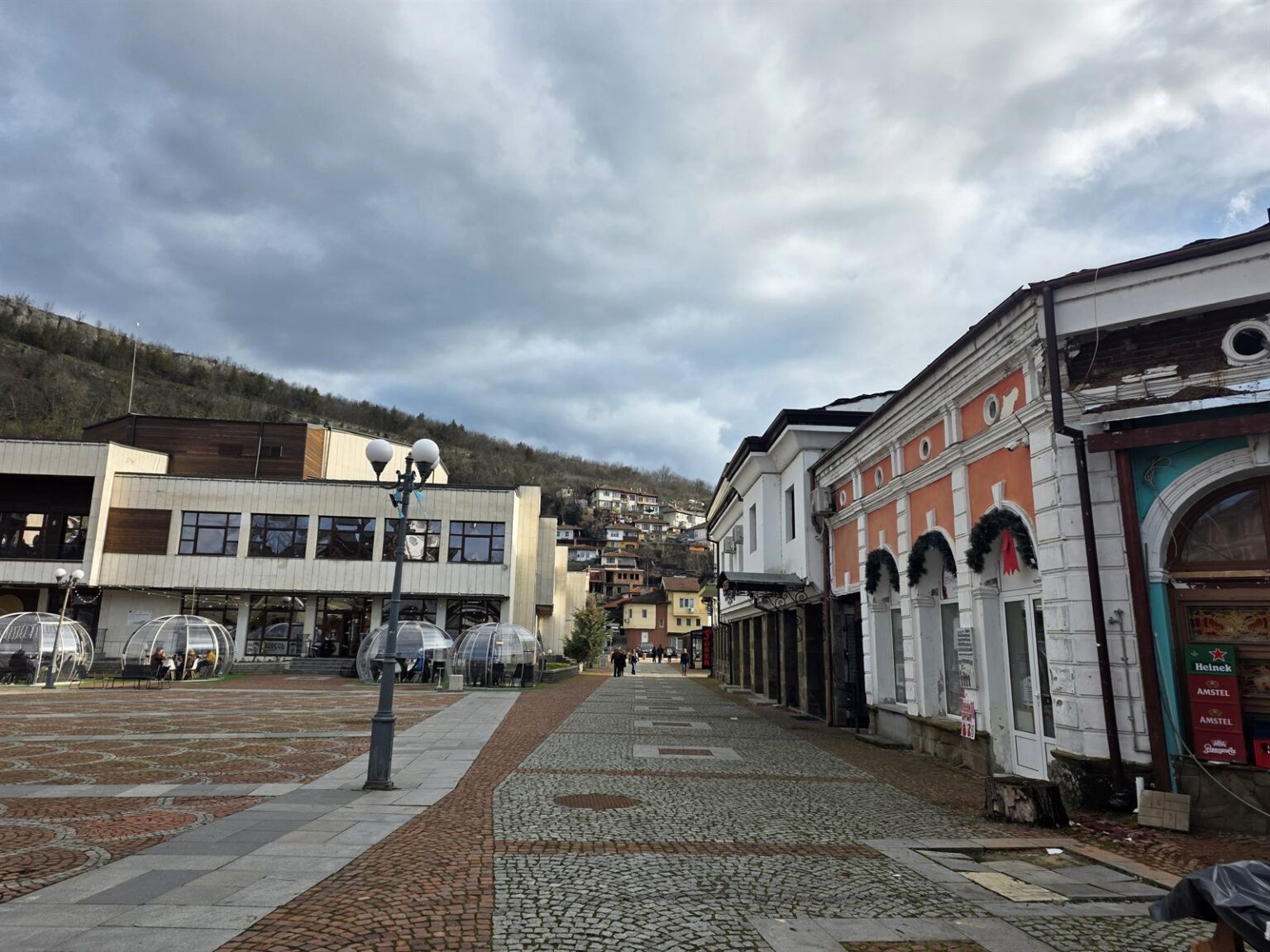
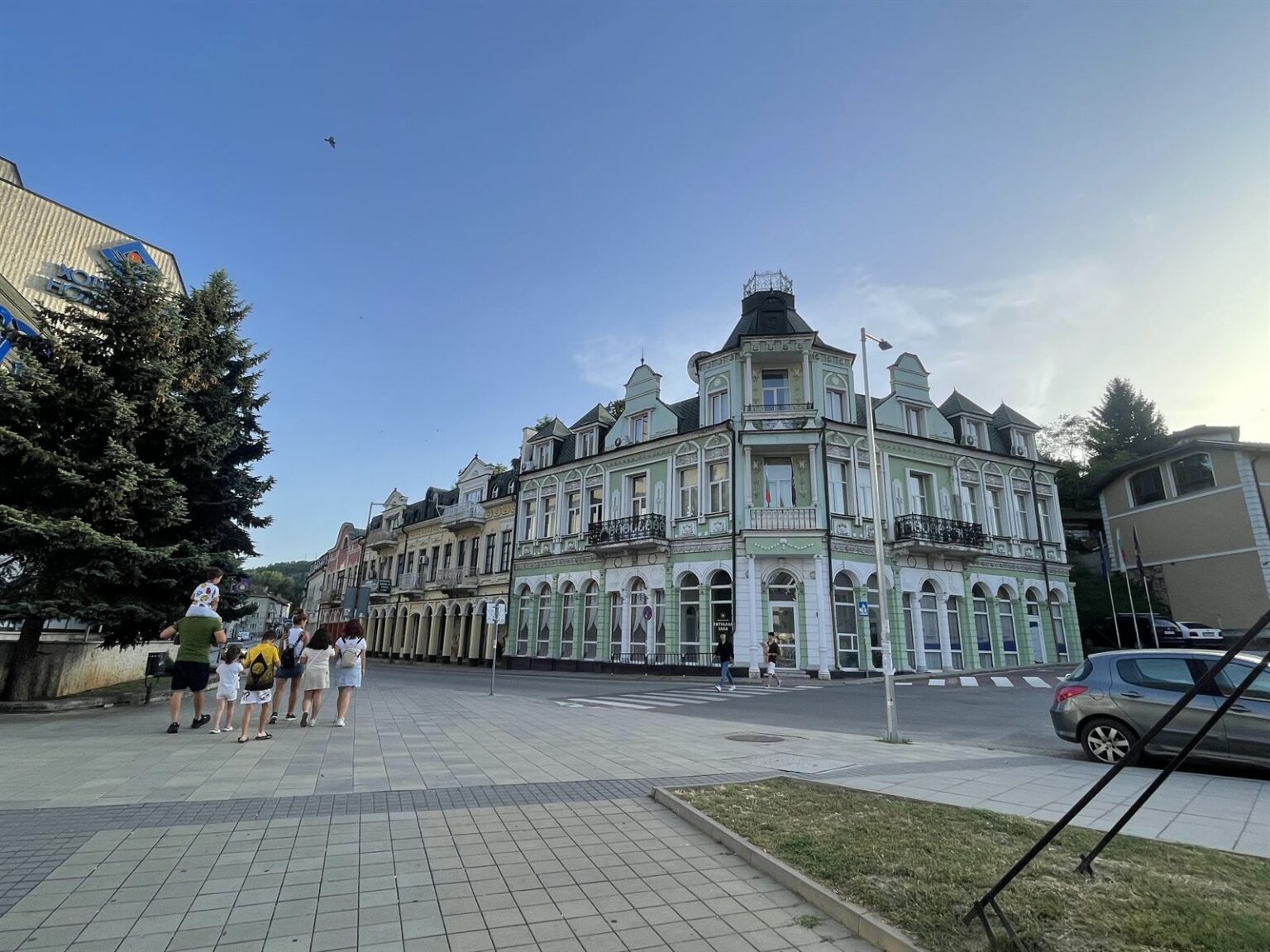
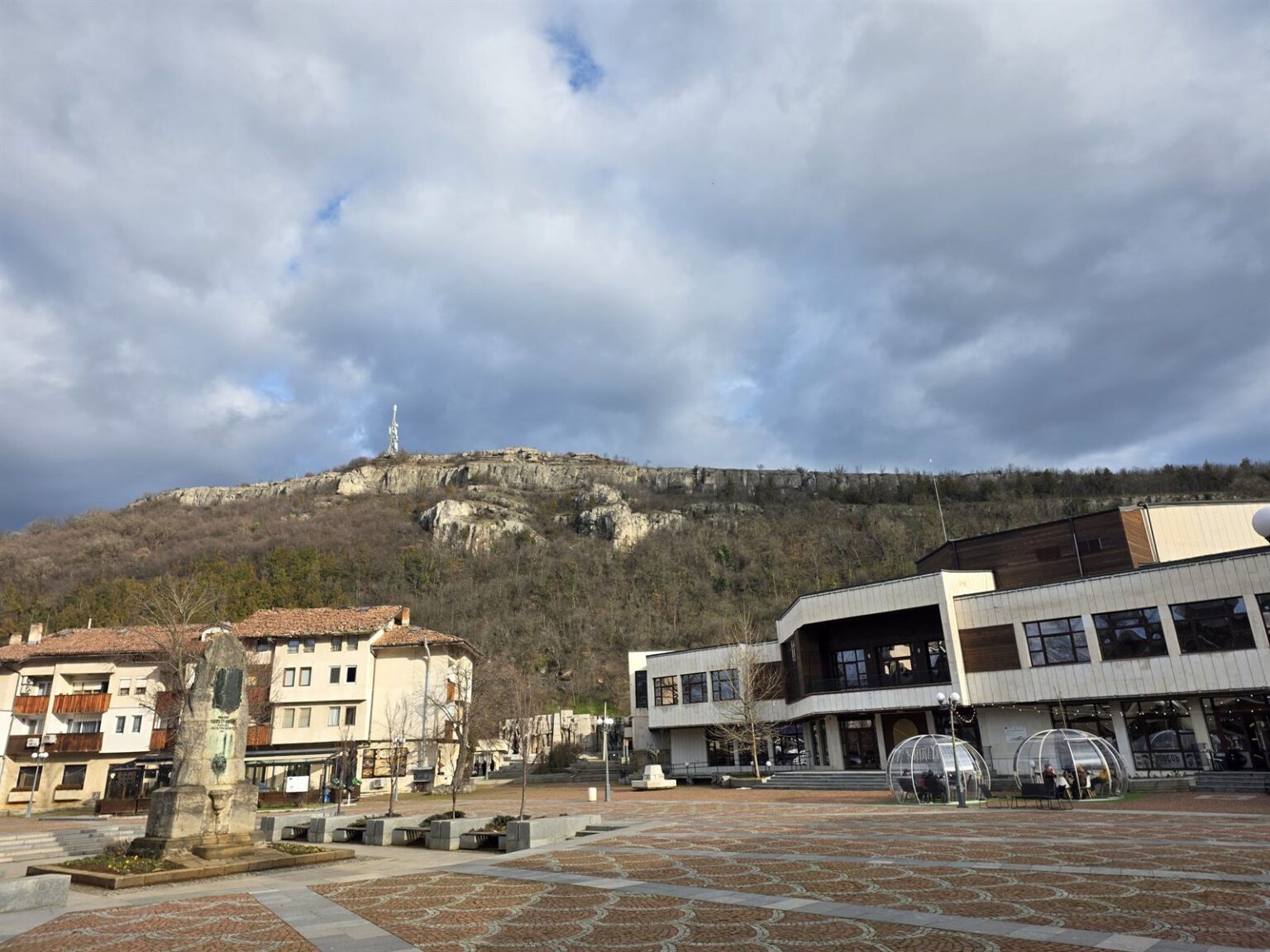
Lovech’s central square is modest in scale but open enough to give a clear view of the rocky hill above the rooftops — the city monument stands in the middle, with public buildings arranged around it. Head into the old town and the paving quickly turns from tiles to cobblestone. The National Revival houses keep their wooden shutters and upper floors, which lean slightly over the pavement — a trace of the quarter’s nineteenth-century craft prosperity.
Hisarya above the Town
Above Varosha rises the Hisarya hill — rocky but green, with the remains of a medieval fortress across its two upper terraces. It was settled as early as the Copper Age, and during the Second Bulgarian Empire it was a fortified town with administration, churches and workshops; it was from here that the local despot Ivan Alexander set out to become tsar in 1331. Today the hill holds national monument status and is visible from almost every point in the centre.
Among the old streets below it, rarer details survive too — an ornate façade here, fine wooden joinery there, traces of a past prosperity. The fortress is excavated regularly, and parts of the uncovered sectors are already open to visitors.
Related video: the town, the river and the surrounding places are best seen from the air in the episode Bulgaria From Above: Central Balkan – Troyan, Lovech, Balkanets and Fortress Sostra in 4K 60FPS, part of the Bulgaria From Above series.
Nearby, along the road through the Troyan Pass, it’s worth seeing the craft town of Troyan, the mountain village of Balkanets and the Roman road station at Fortress Sostra.