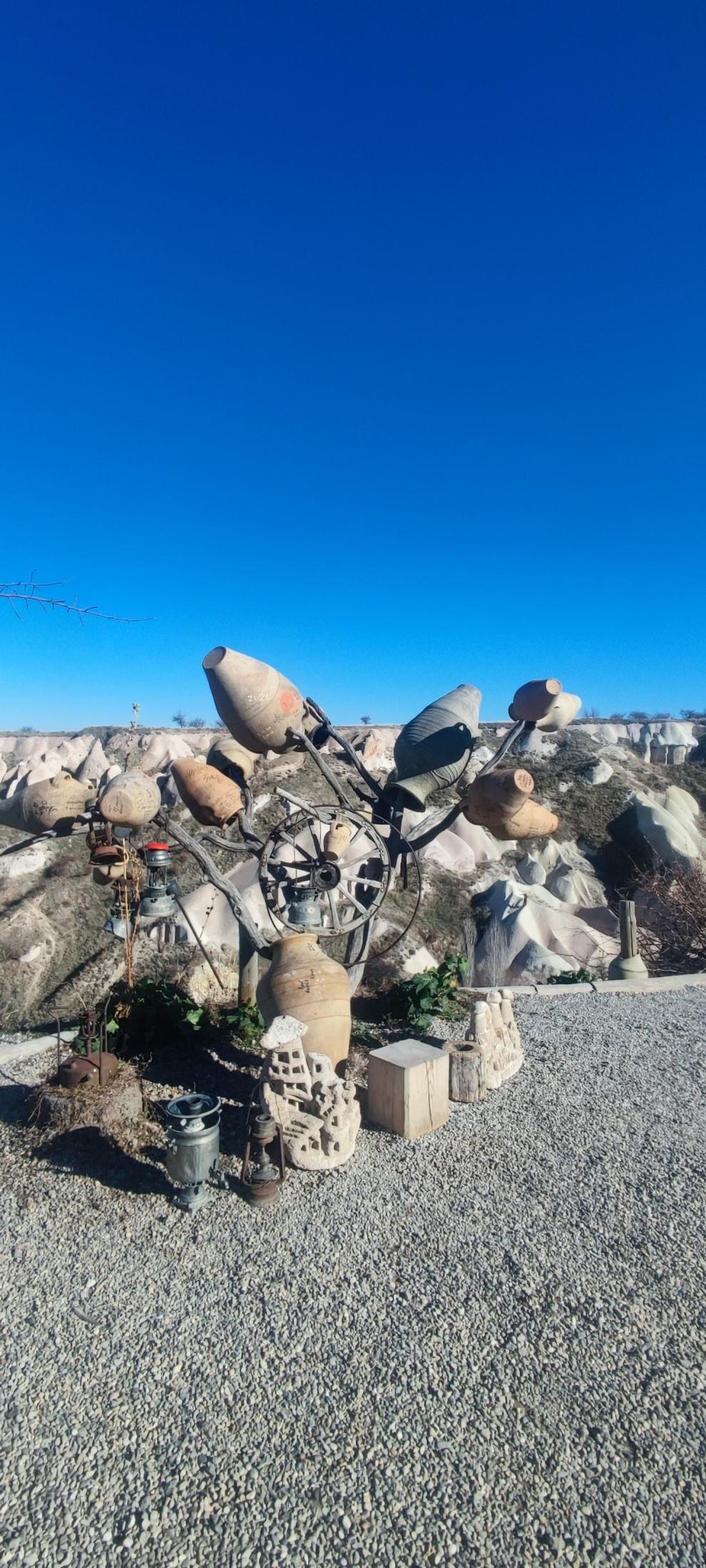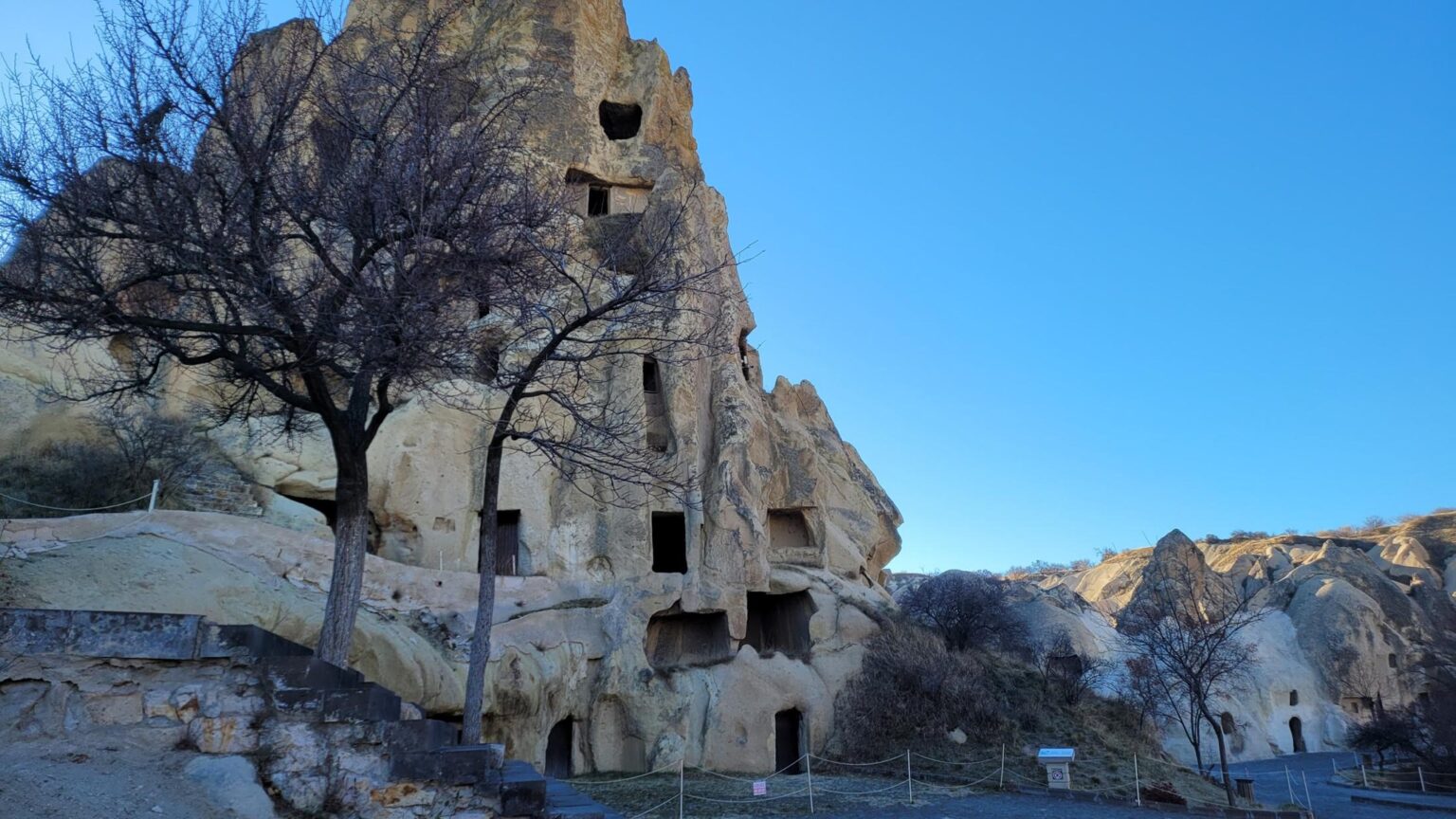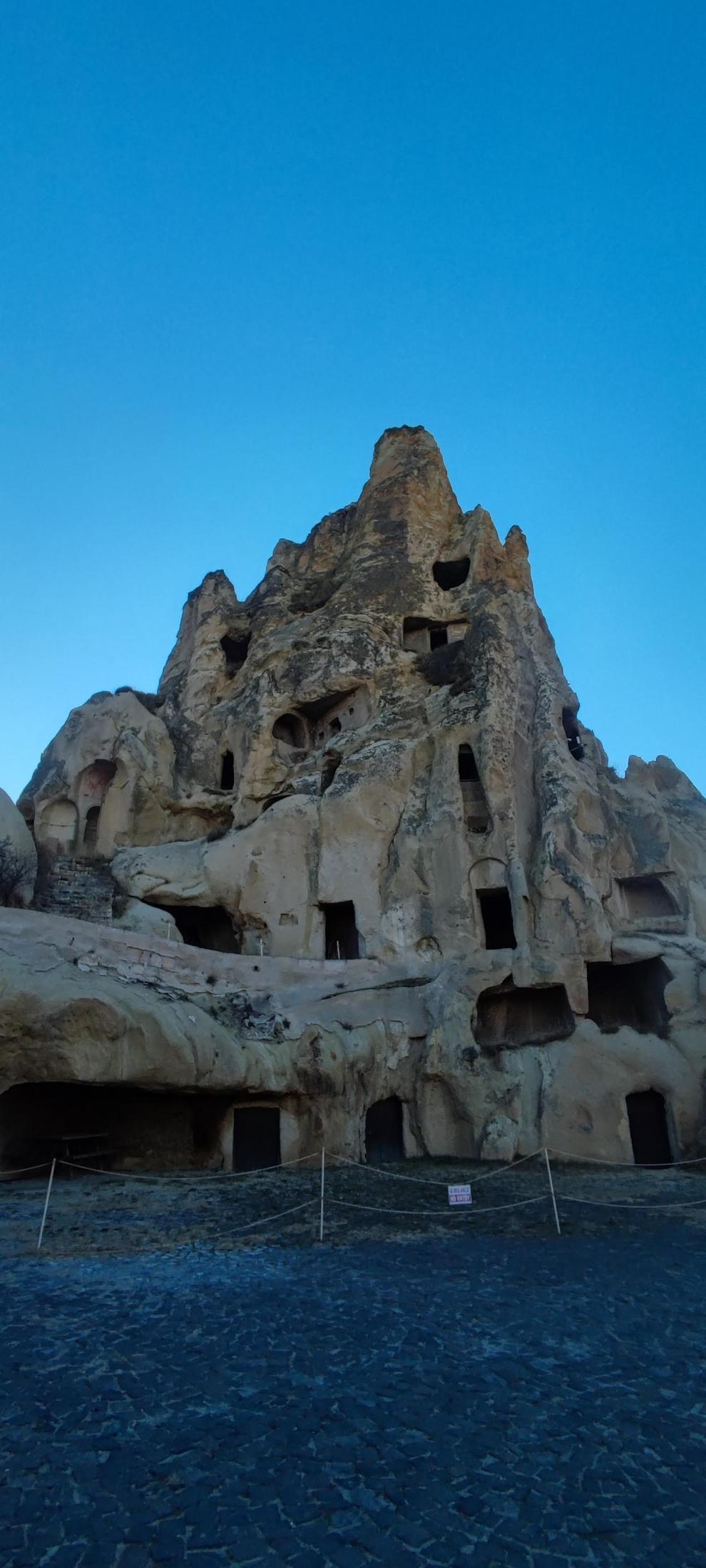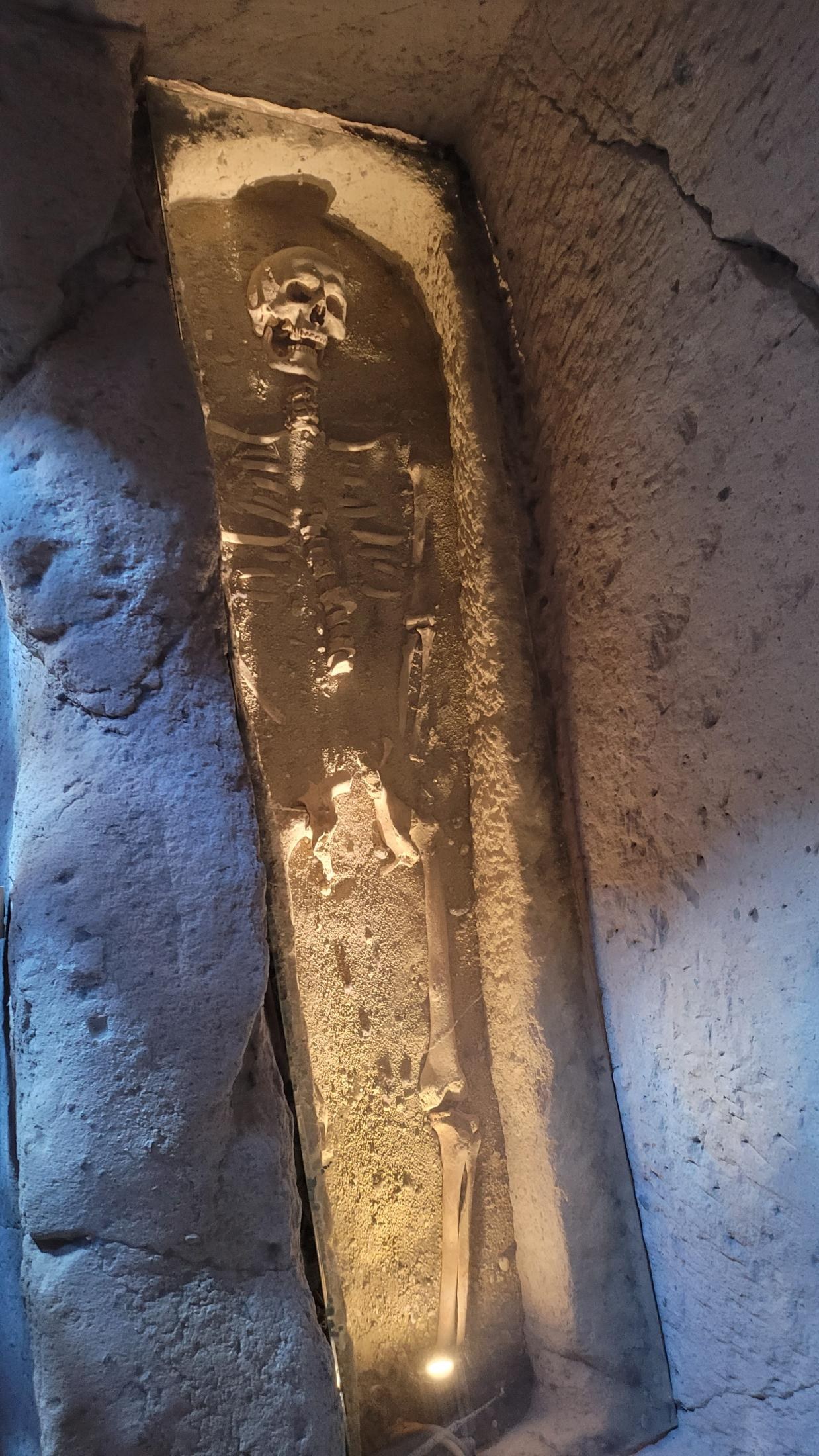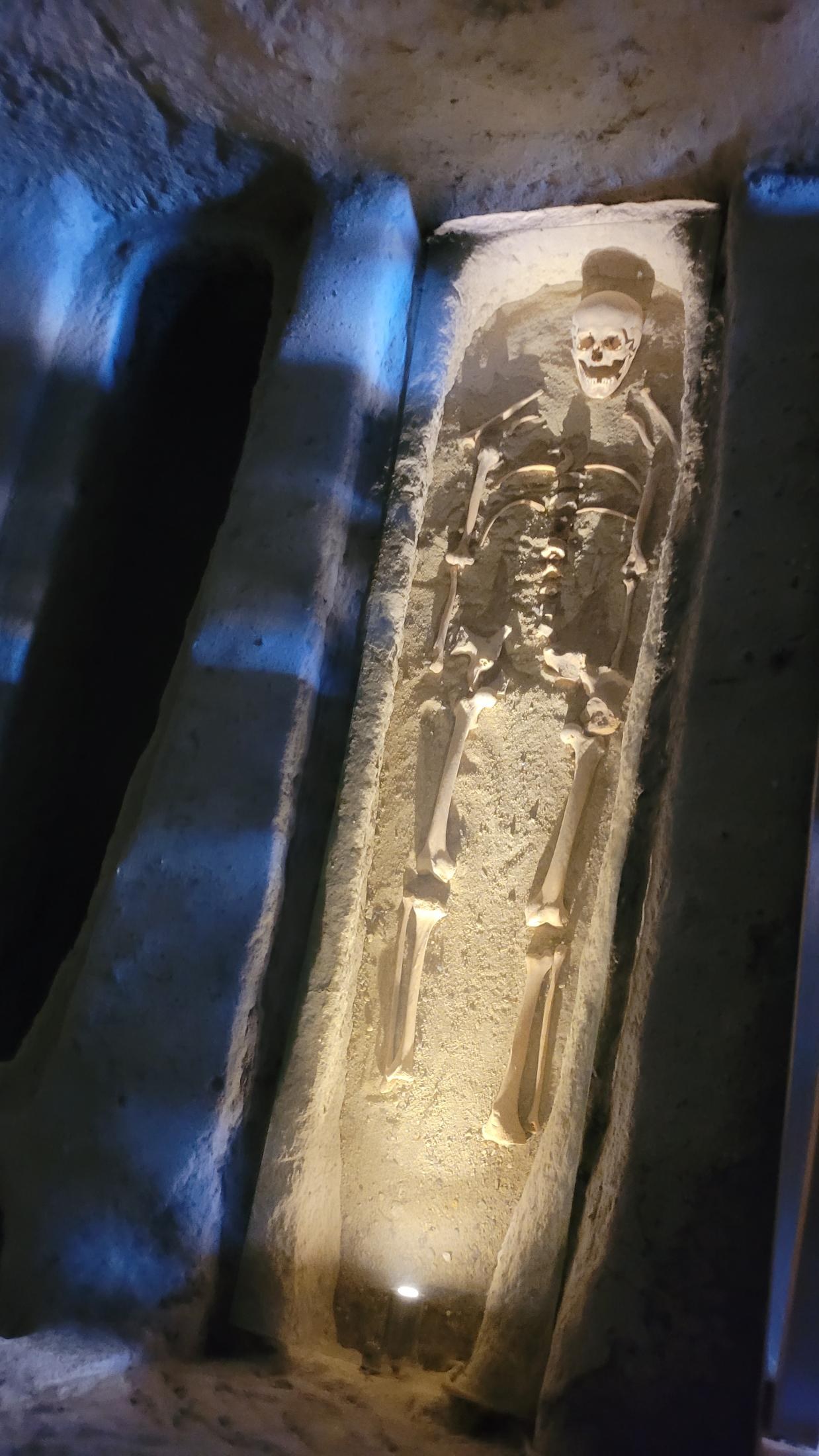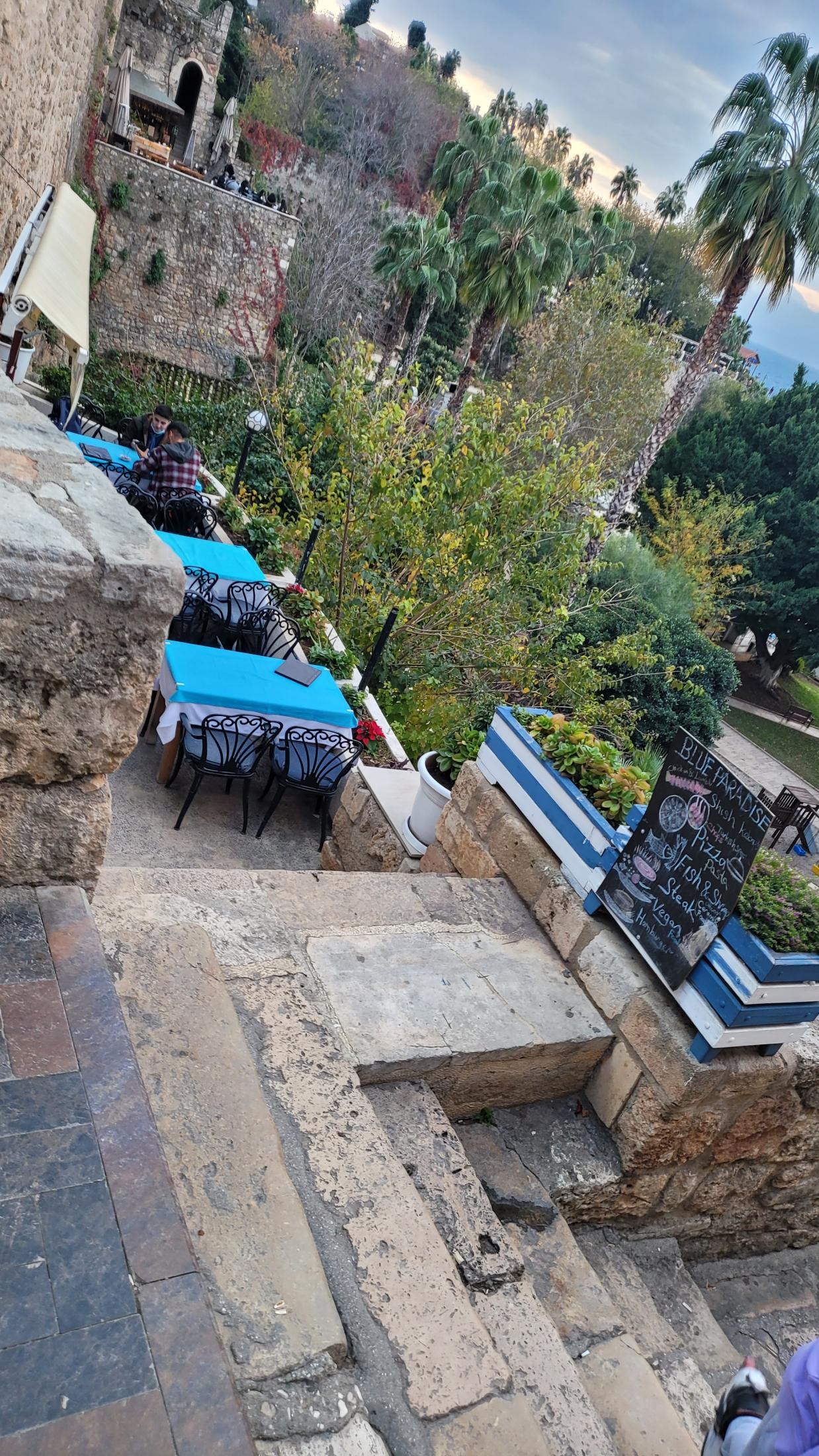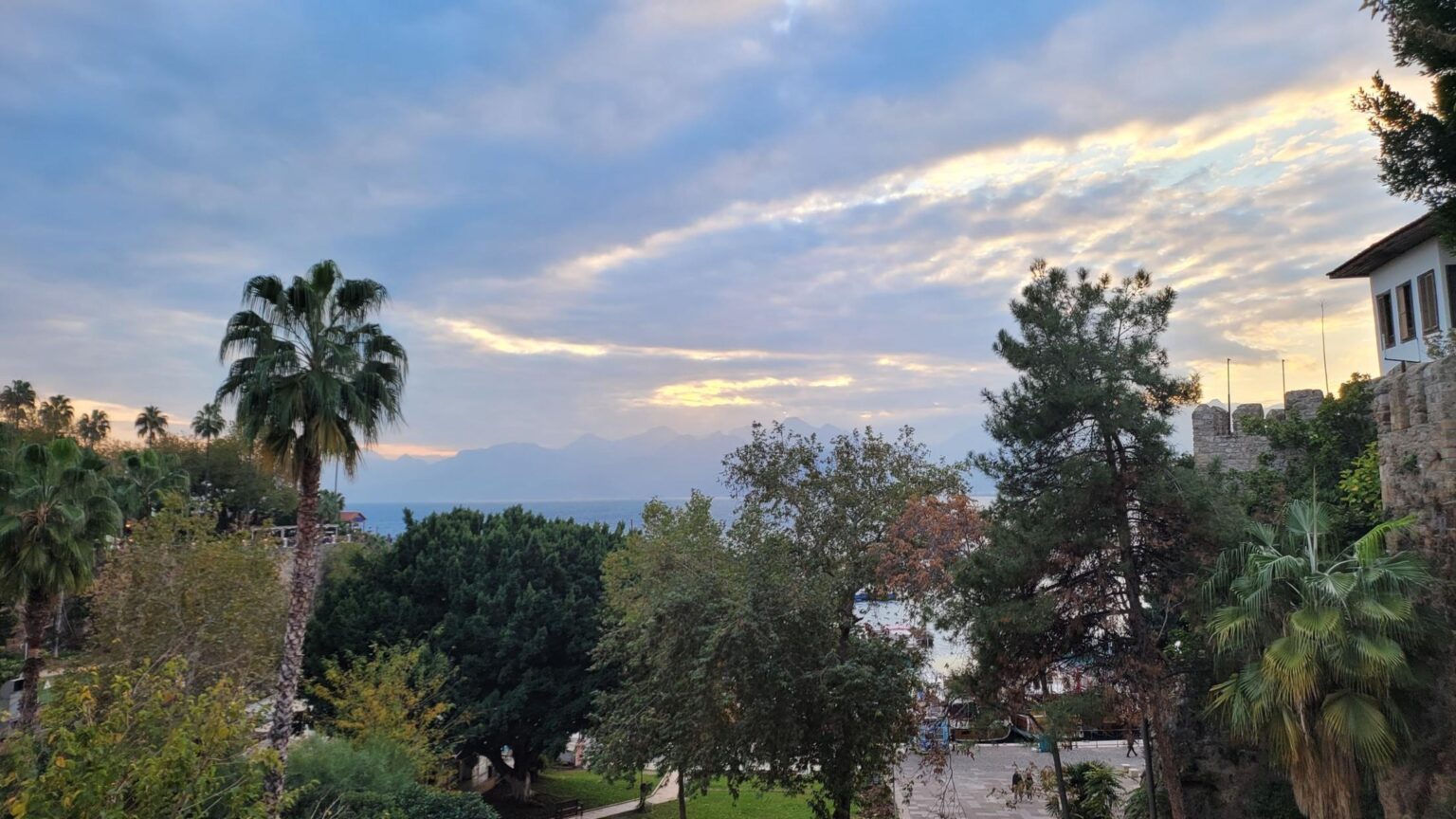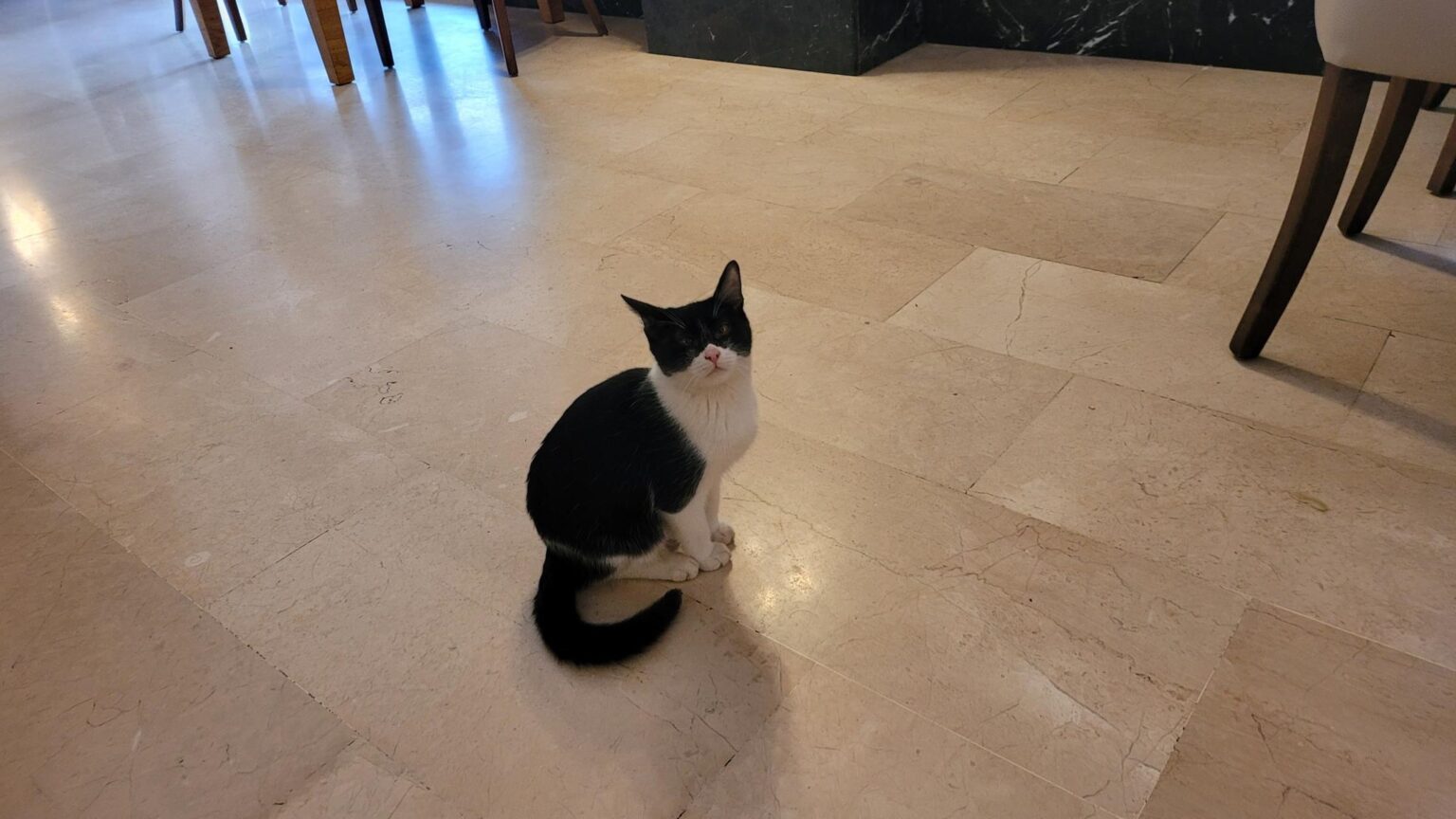
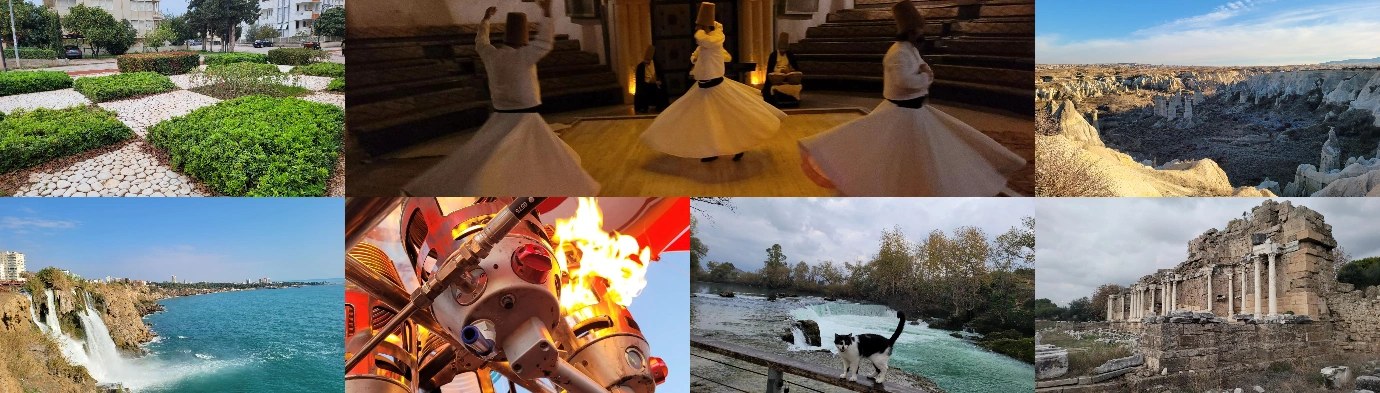
For a while now the voucher sites have been permanently stuffed with offers for Türkiye. Most of them are All Inclusive beach packages, which makes sense given our neighbours’ reputation: endless stretches of sand, serious competition on both quality and price, even with the plane ticket included. But two rather more sightseeing-minded organised trips keep surfacing as well — one to Lycia and one to Cappadocia. Several different agencies sell them at similar prices with near-identical programmes. The differences are minimal, mostly the departure dates. The programme looks impossibly rich and the prices are alarmingly low. Paid two months in advance, the terms were: under 800 leva for seven nights with breakfasts and buffet dinners, flights, all transfers, entry to most of the sites, and on paper at least a very full programme. We settled on Premio Travel. The offer sounds too good to be true. Still, we know roughly what we’re going to see:
Update 2026: those 800 leva were about €410 at the time. Bulgaria switched to the euro on 1 January 2026, so the lev figures in this article are history — treat them as a reference point rather than a quote. Packages of this type still run year-round on the voucher sites, but check the current price yourself; nothing about Türkiye’s cost base has stood still since 2021.
Shall we go and check?
We’ve been through getting to know the region. Have a look at the Things to know section at the bottom before you start packing.
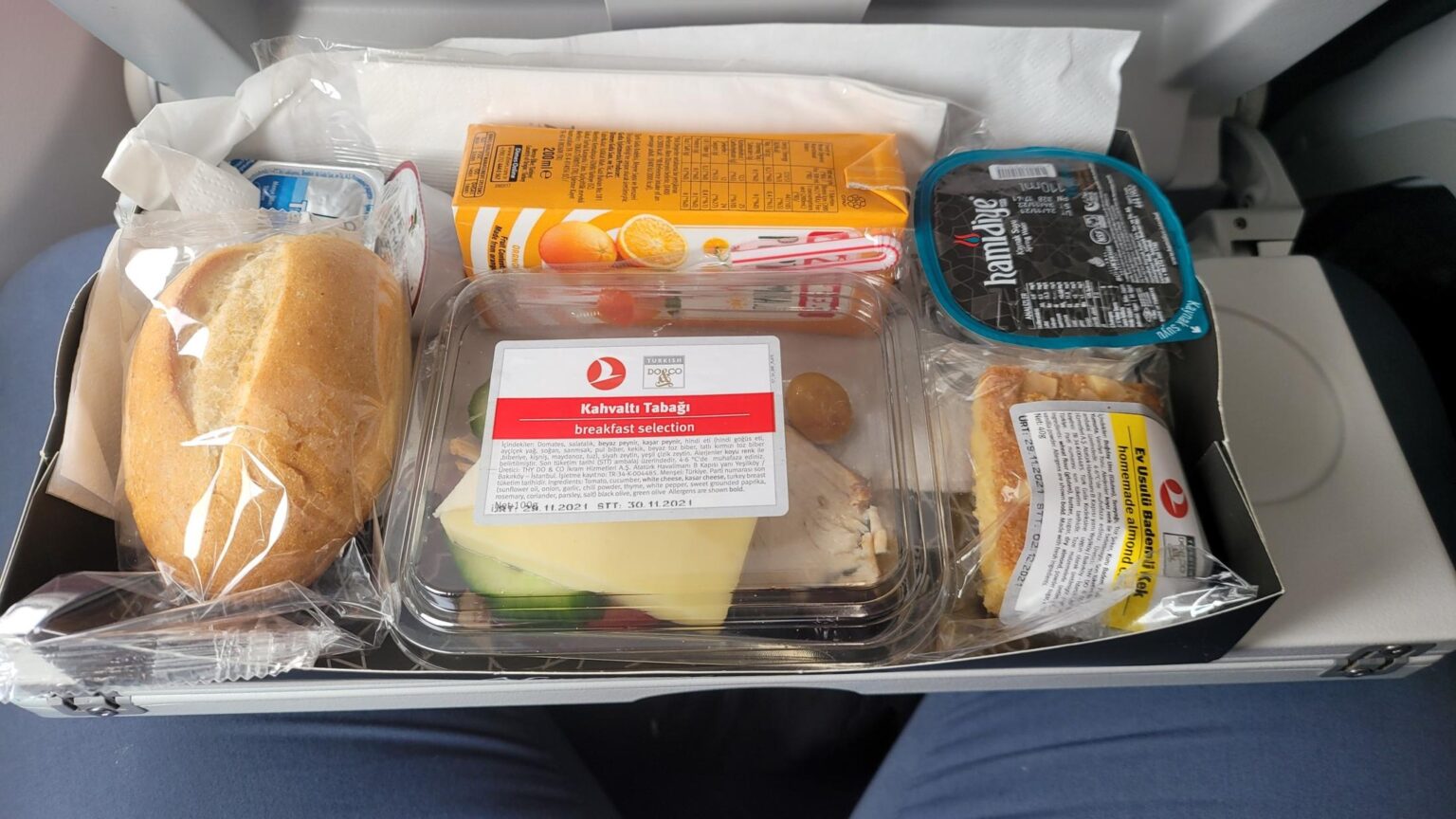
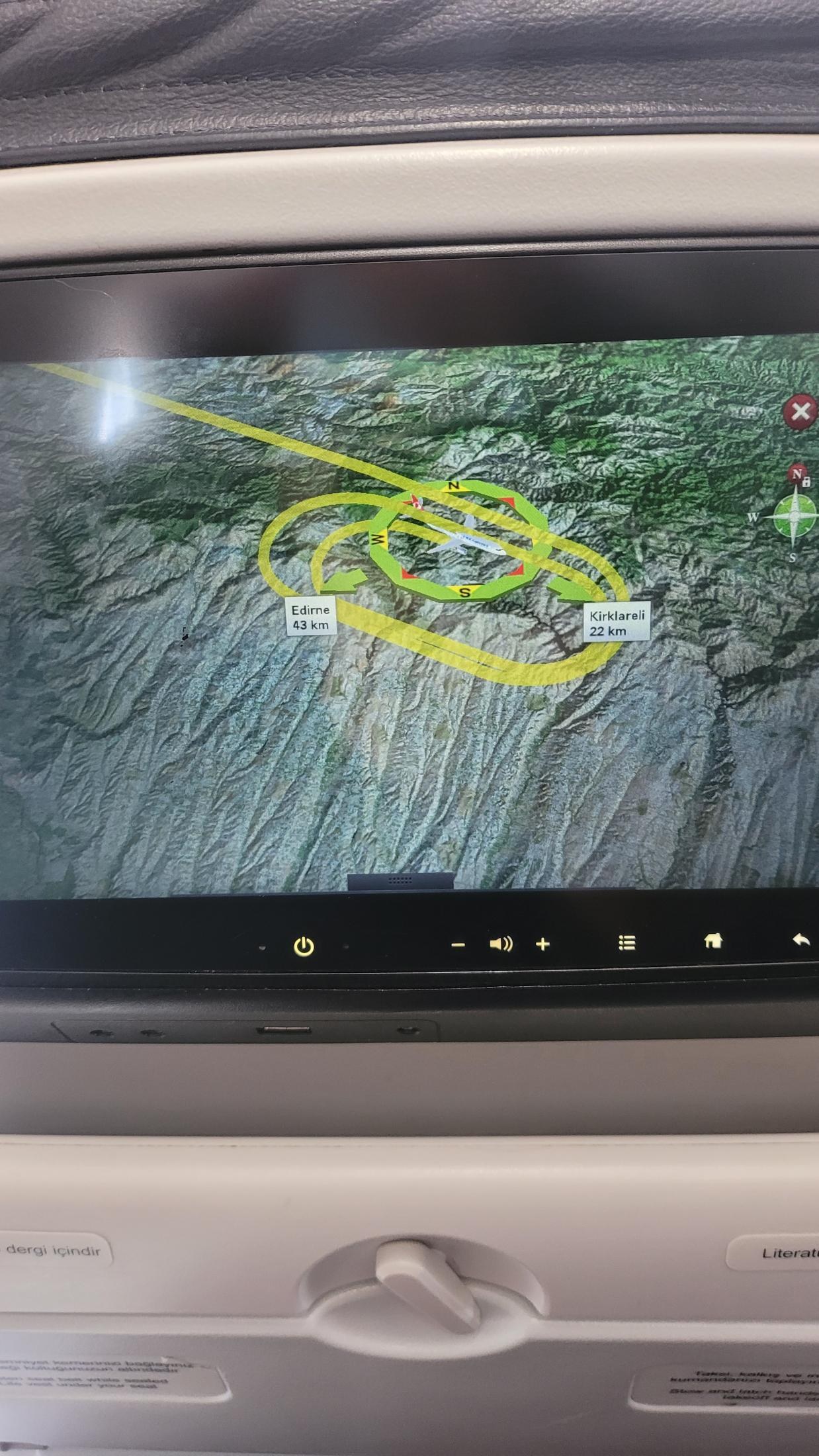
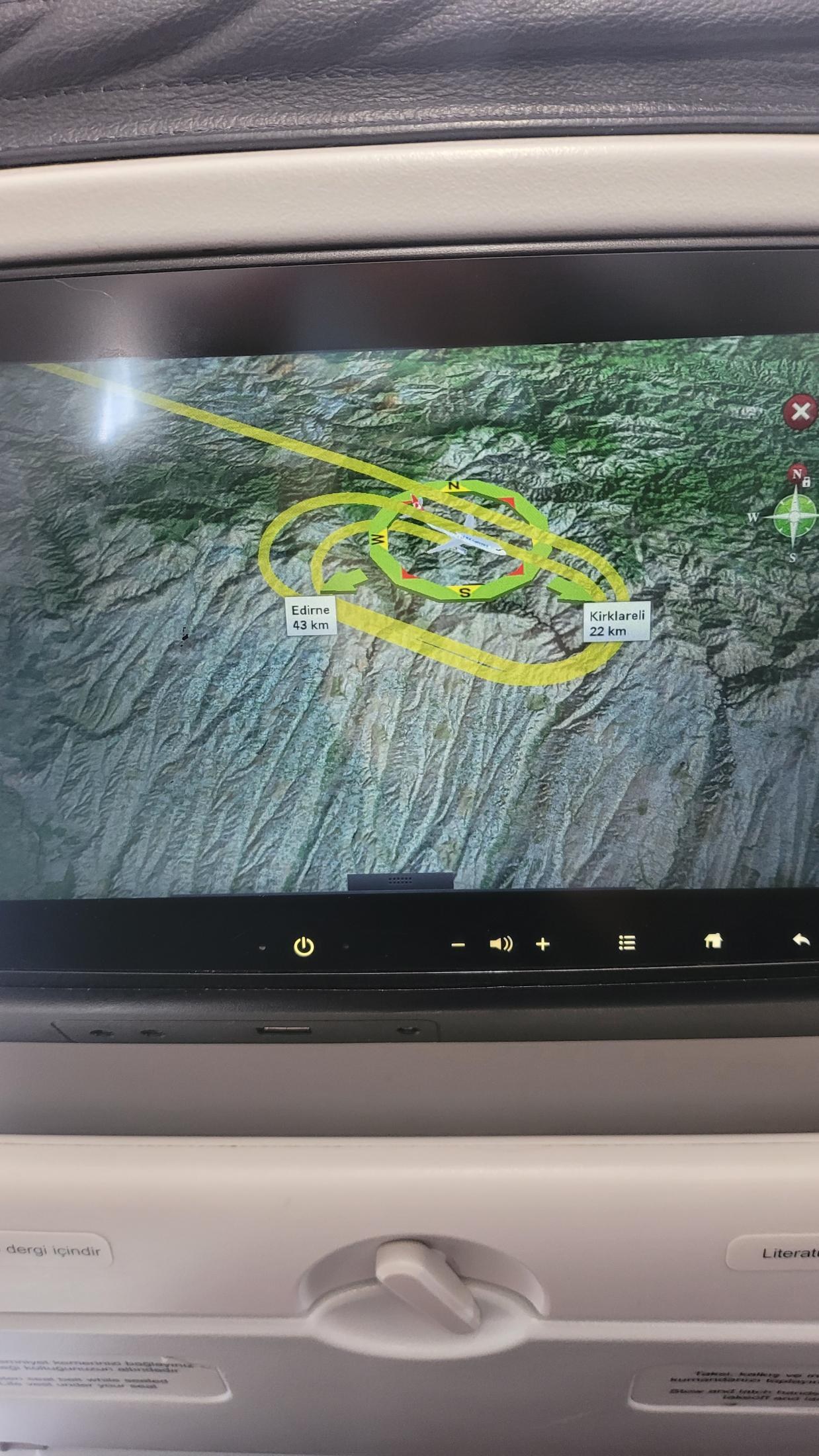
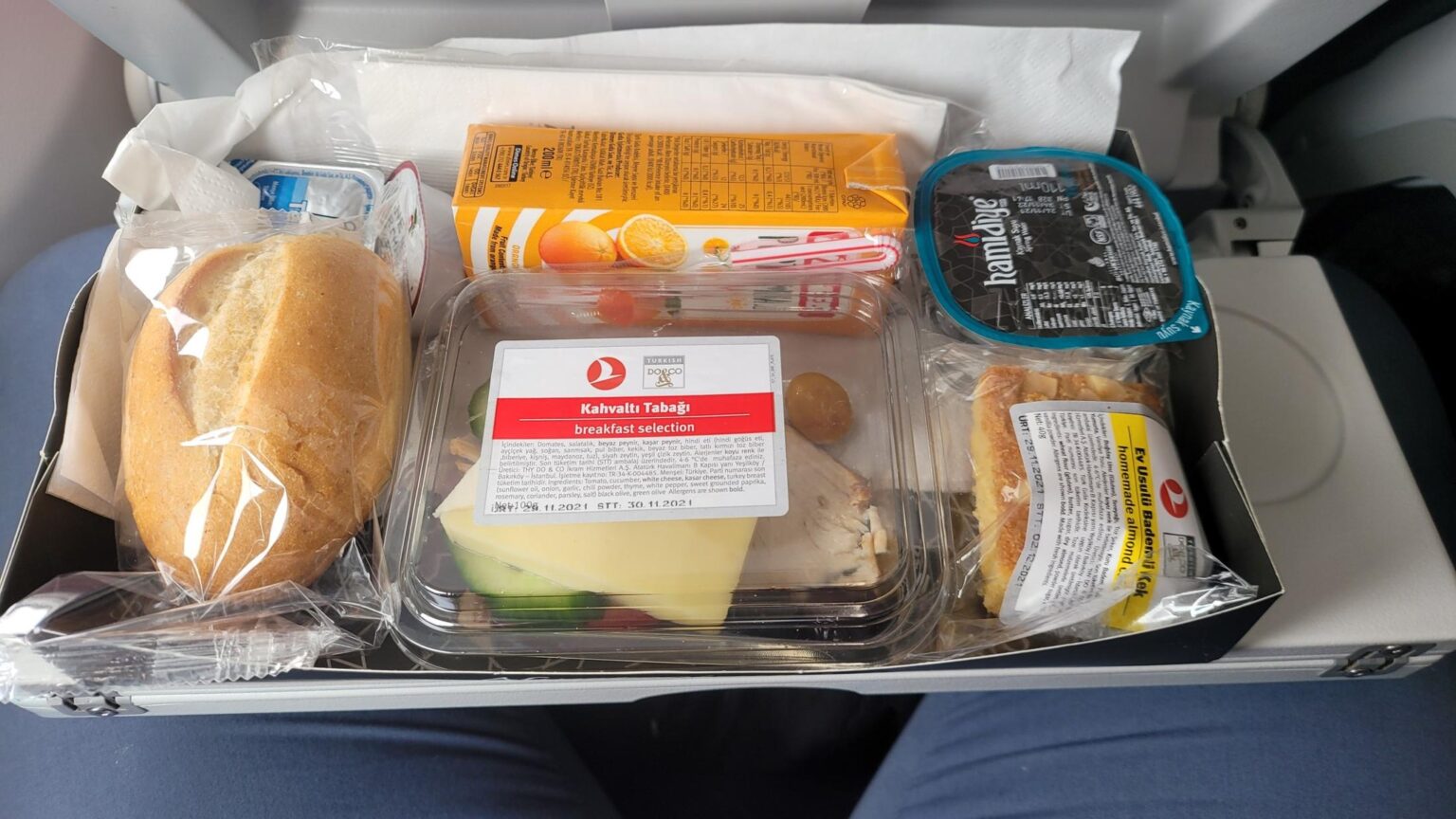
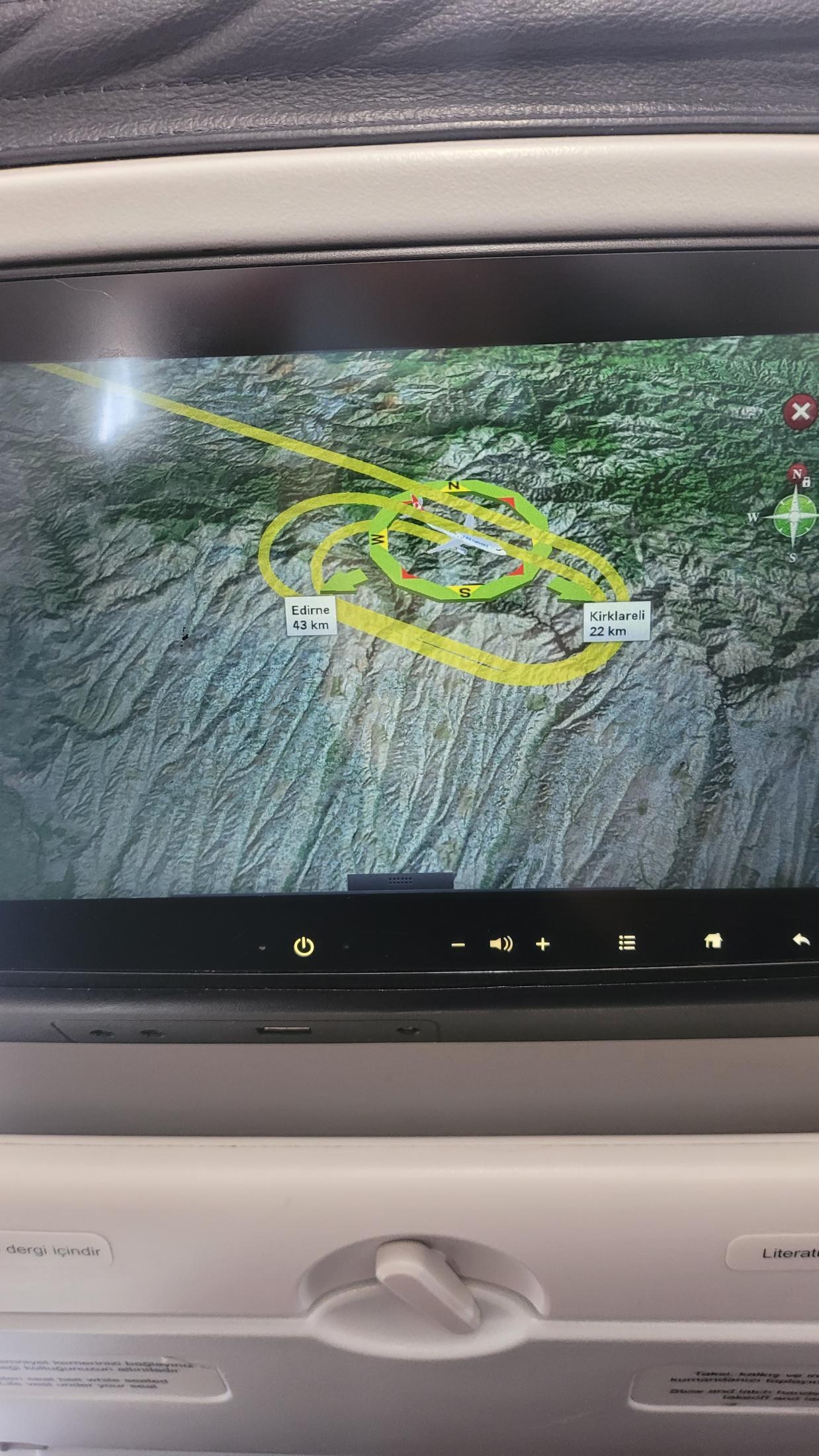
Departure, great mood. The planes are flying at a civilised hour. Small dent in the mood: some deeply convoluted weather. The flight is delayed by two hours. A quick look online at air passenger rights — the delay has to be at least three hours to count. They get us airborne just inside that window. It’s a connecting flight: Sofia to Istanbul, Istanbul to Antalya. We fly Turkish Airlines and you can feel that it’s a nicer experience than Ryanair. Somehow it’s the same aircraft, but everything inside it is better. More room. A tablet on every seat with games and films. They hand out headphones. They feed you. It’s simply good. The tablets carry a lot of information about the flight itself, with a map and real tracking. There’s a brutal storm over Istanbul and they have us circling in the same spot, which is fascinating — a first for me. Through the window you can see a second aircraft doing exactly the same manoeuvre.
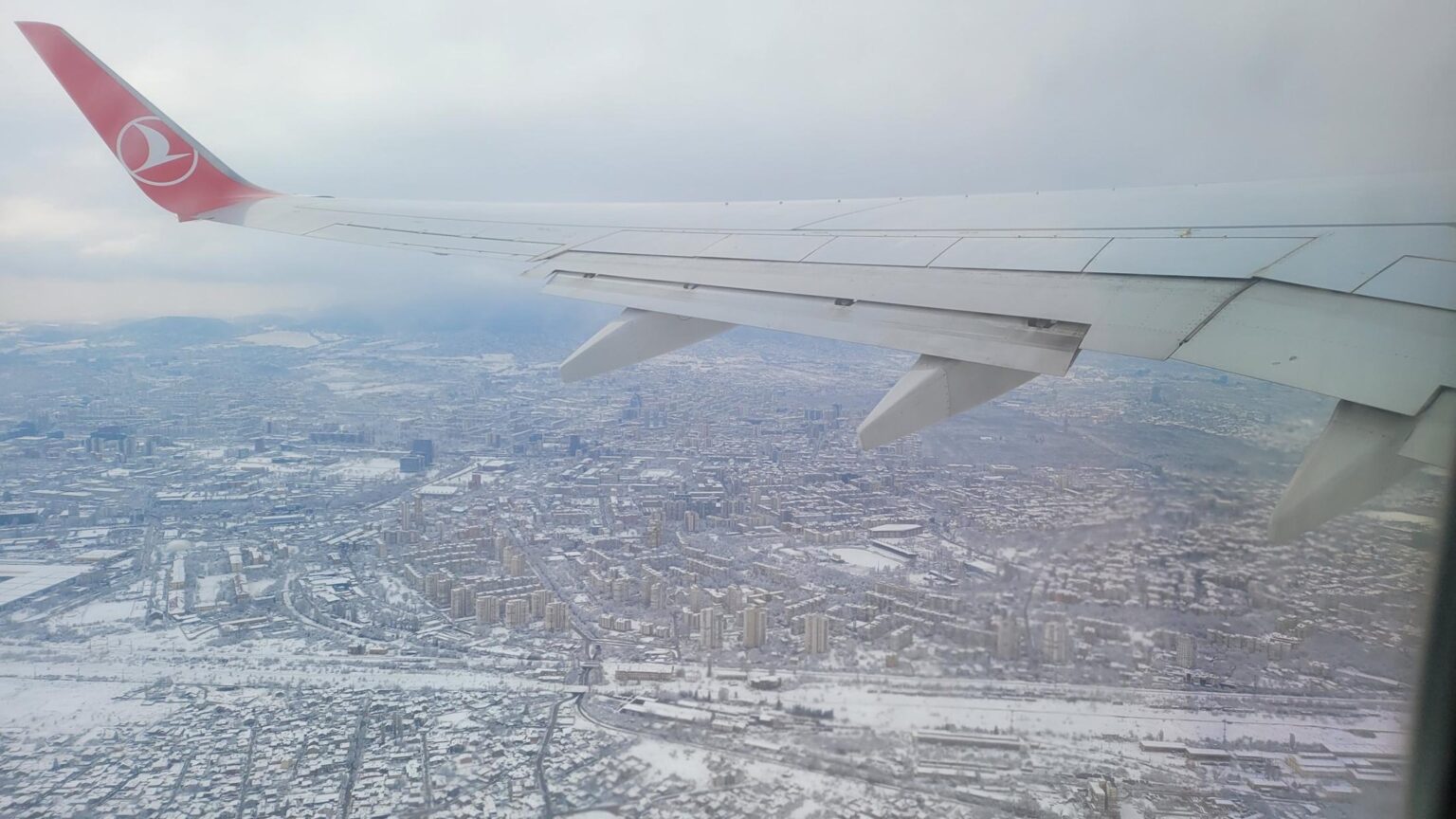
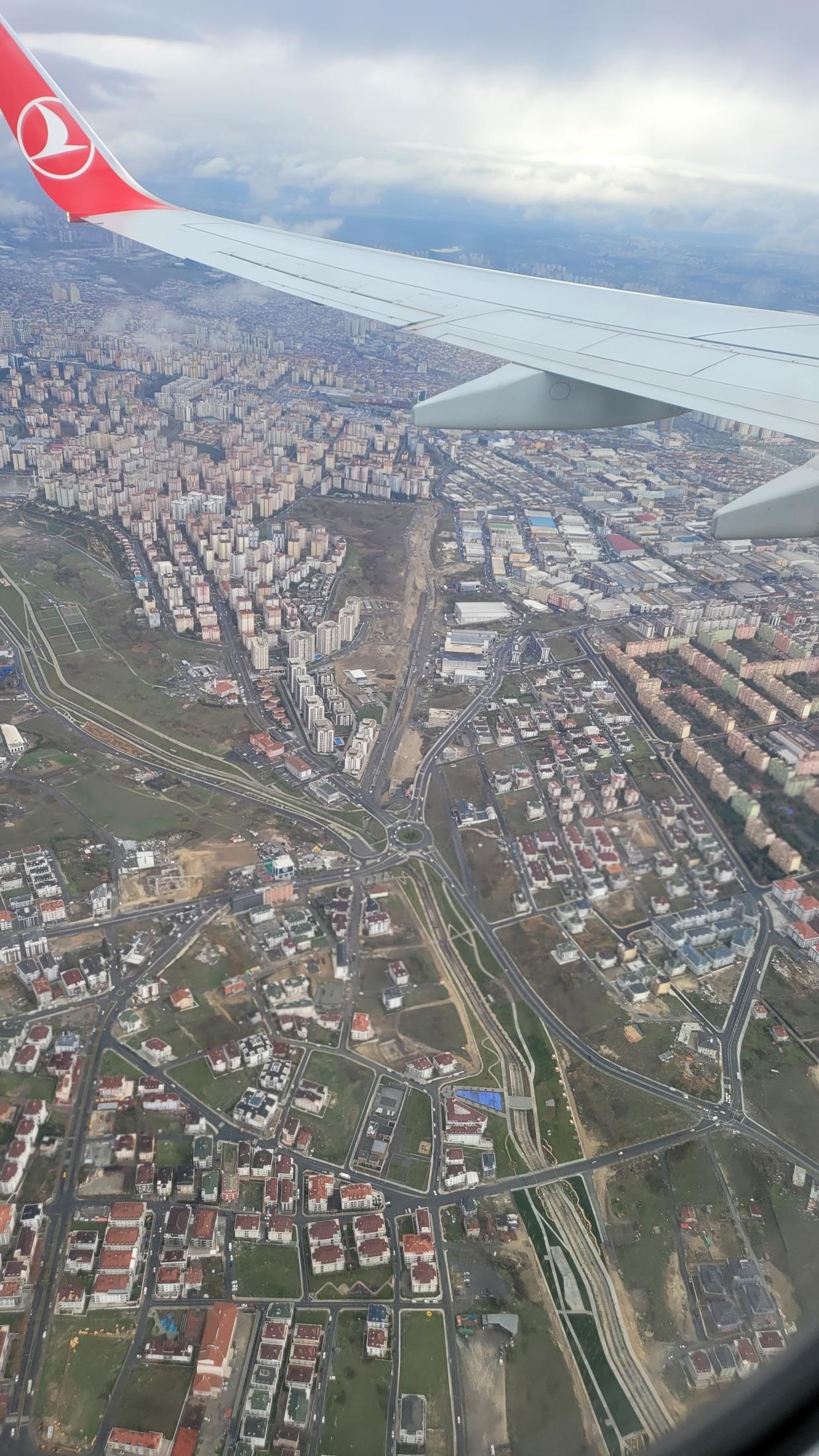
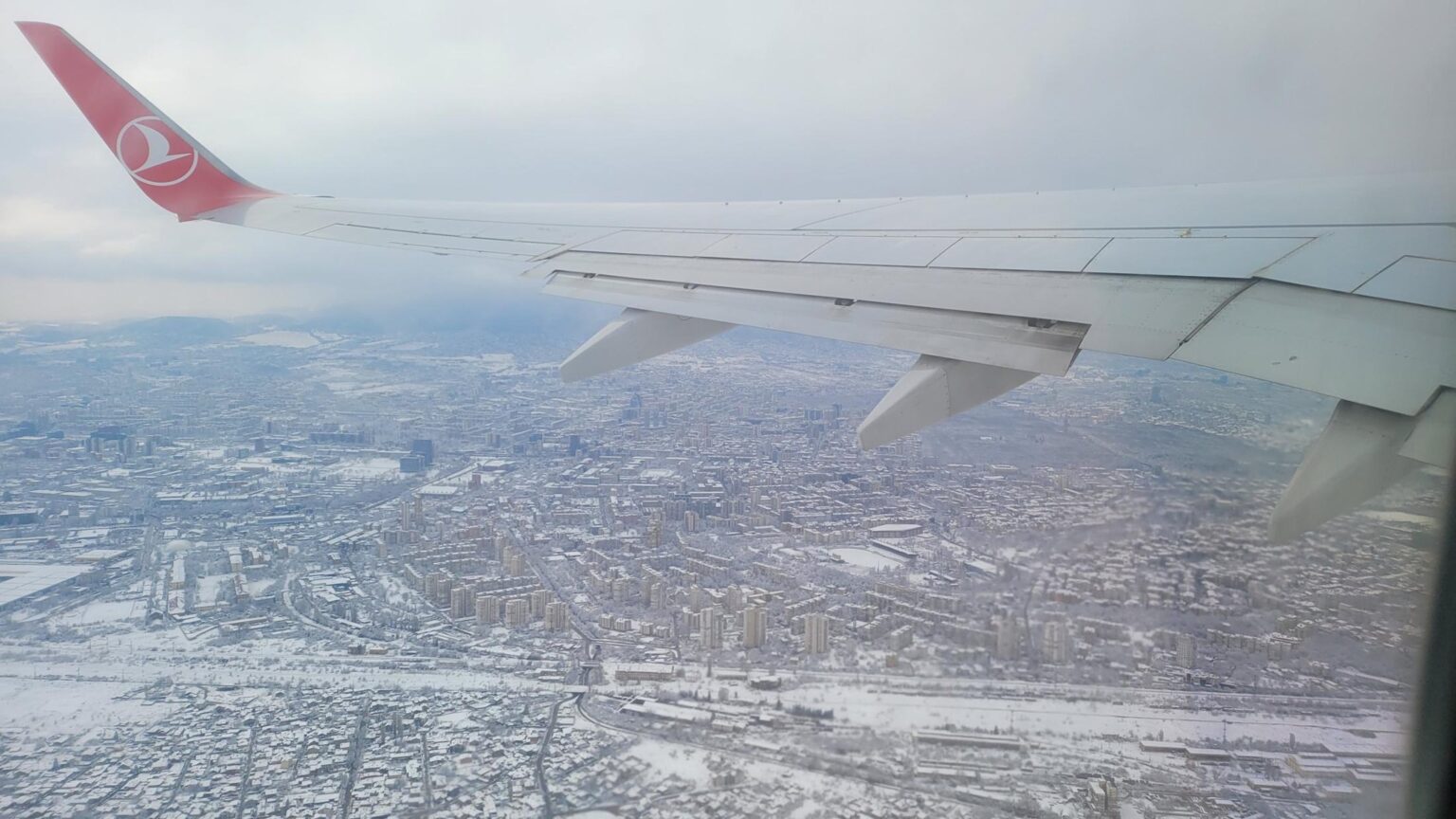
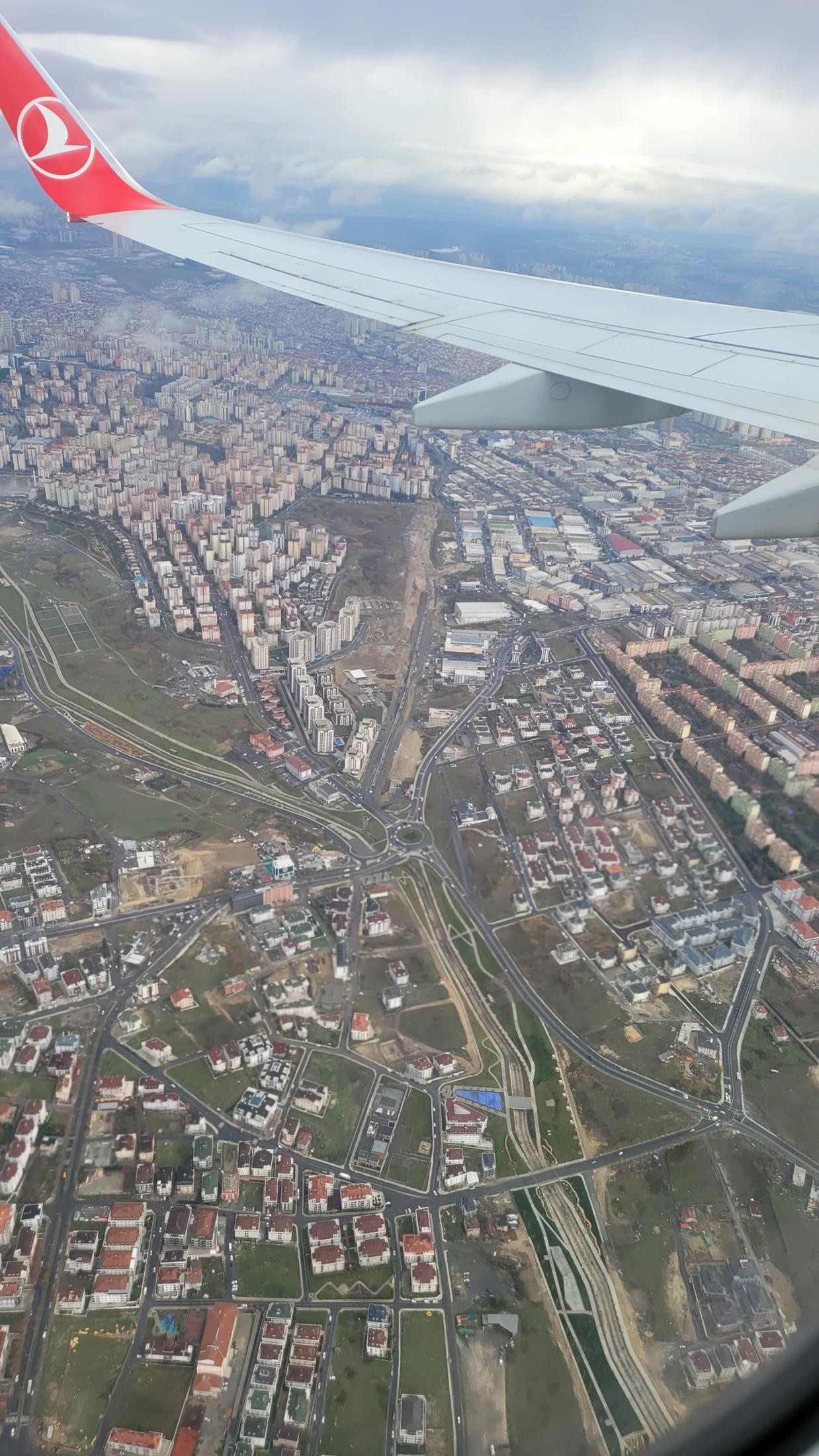
Some time spent going round in circles and we reach Istanbul. Out of the little window there’s an incredible view — Istanbul is a giant landscape. Everything is giant. Skyscrapers, endless districts. What fascinates me is that whole neighbourhoods on the outskirts are being built simultaneously. We’ve all seen a crane or two going up in Sofia, but have you ever seen 30 blocks going up side by side? Two kilometres further on, another 30. A little to the right, another 30. You can see brand new roads being laid too. A shame there’s no way to look at it properly. That deserves a trip of its own.
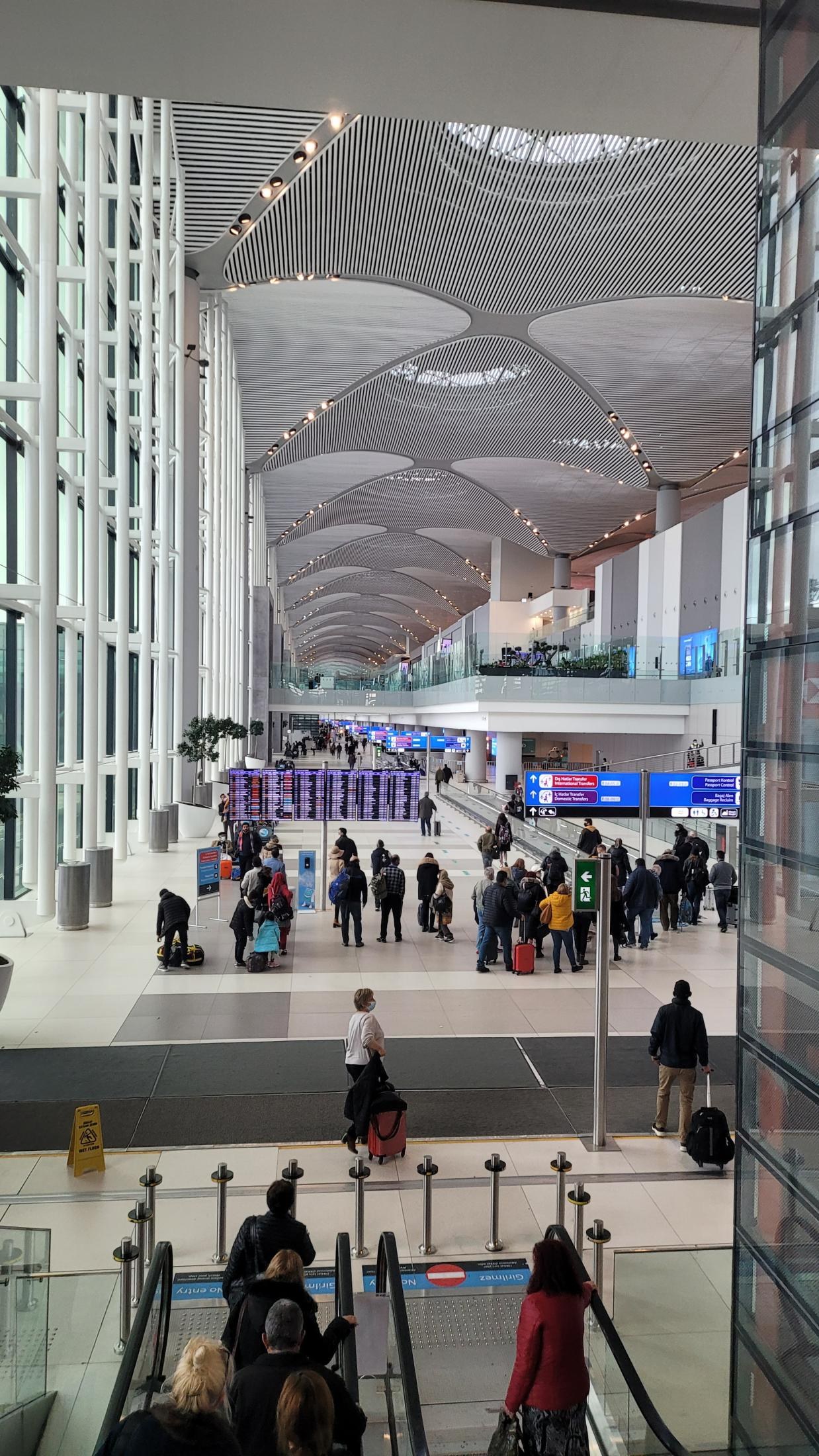
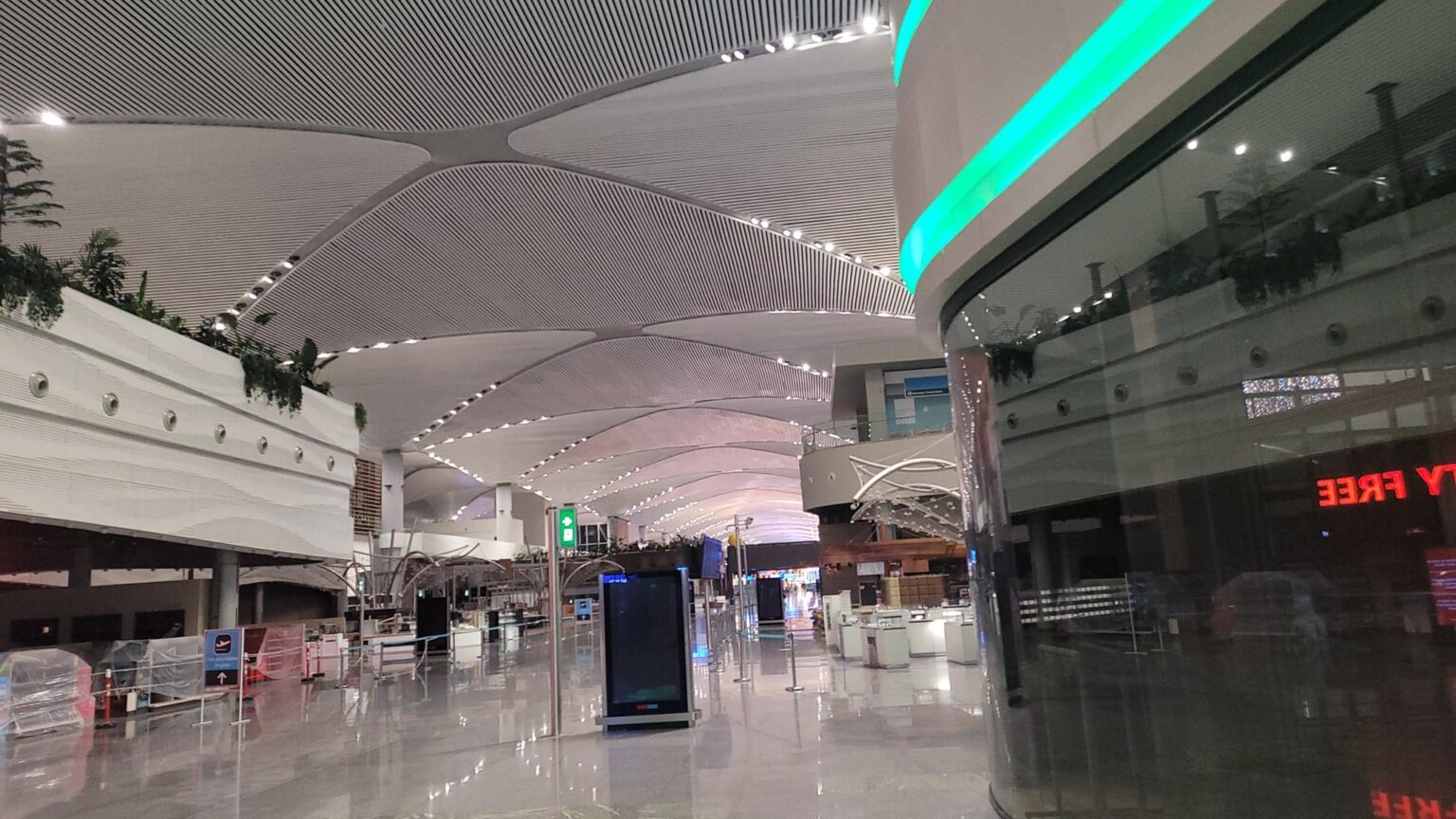
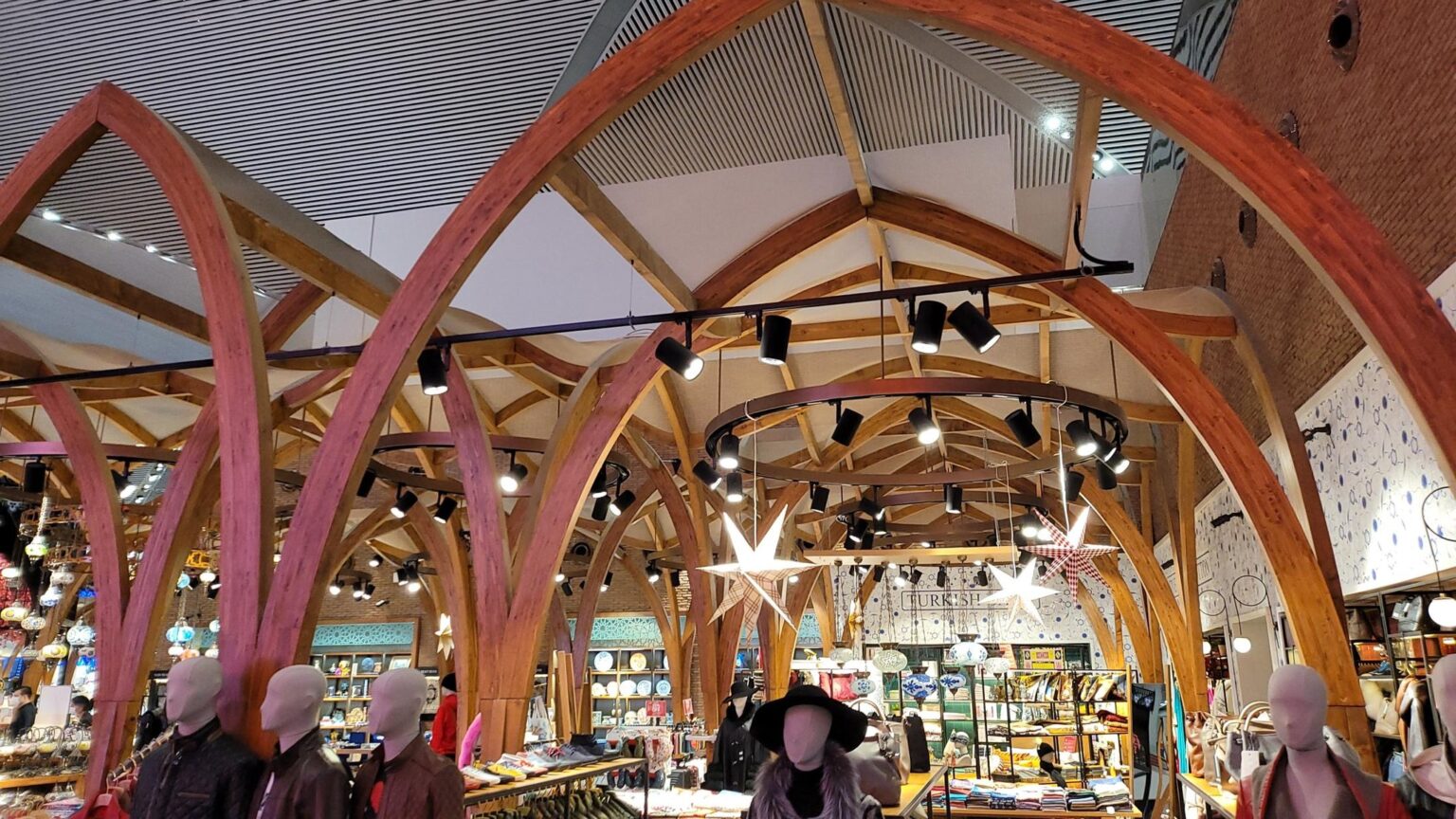
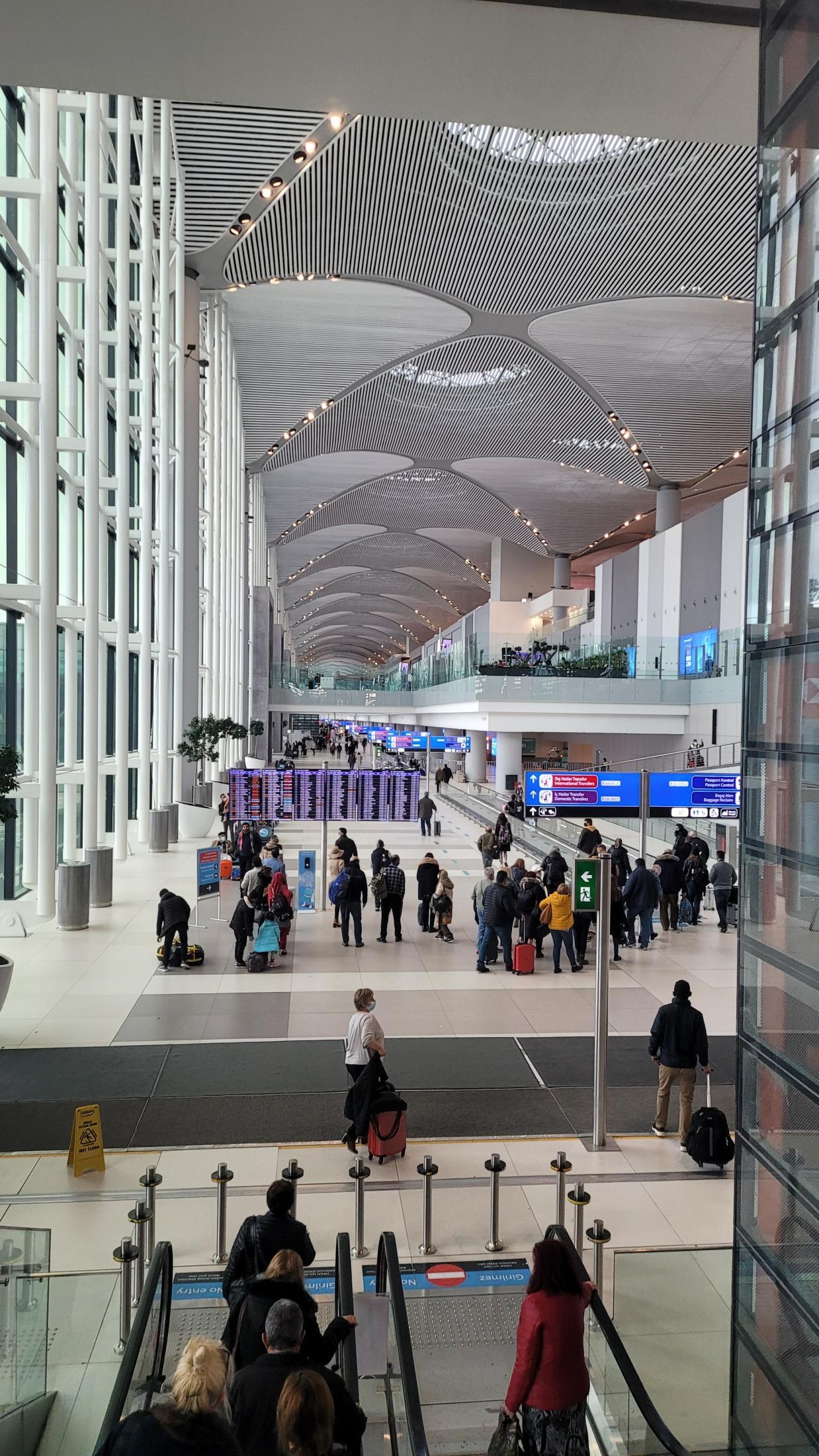
We land at Istanbul airport. I’m like a small child. Fact: I’ve taken a finite number of flights and seen a finite number of airports, but this one leaves me speechless. Istanbul airport is a city in itself. It has two or three malls inside it and shops of every description. It has a hotel. Signs tell you how many minutes it takes to walk to a given gate. By my rough reckoning, walking from one end to the other takes more than an hour. That’s 4 kilometres. An extraordinary building. We marvel at the enormous Roman structures today; I assume that in a thousand years people will be marvelling at the Turkish ones. I’m being serious.
So. Our first flight was late, and here is where the tour operator’s organisation shows itself to be very weak. Brutally weak — or rather, it isn’t weak, it’s absent. You’re on your own. Türkiye, a foreign place, you landed three minutes ago, you’ve missed your second flight. You have no idea what’s happening. You can’t make phone calls without bleeding money. There’s nobody to ask. There’s no representative of the operator on the ground (I’m not labouring the name; I assume it’s the same with all of them). You call at premium rates and get the classic answer, which in two words amounts to: sort it out yourselves, ask someone how to get to Antalya. Luckily, the airport staff are genuinely helpful, and Istanbul to Antalya is a domestic route that runs almost like an intercity bus, every two hours around the clock. They rescued us, put us on a flight, and on we went. Antalya was easier and more human. Our guide had been waiting three hours because of the delay, met us, loaded us up, and things calmed down.
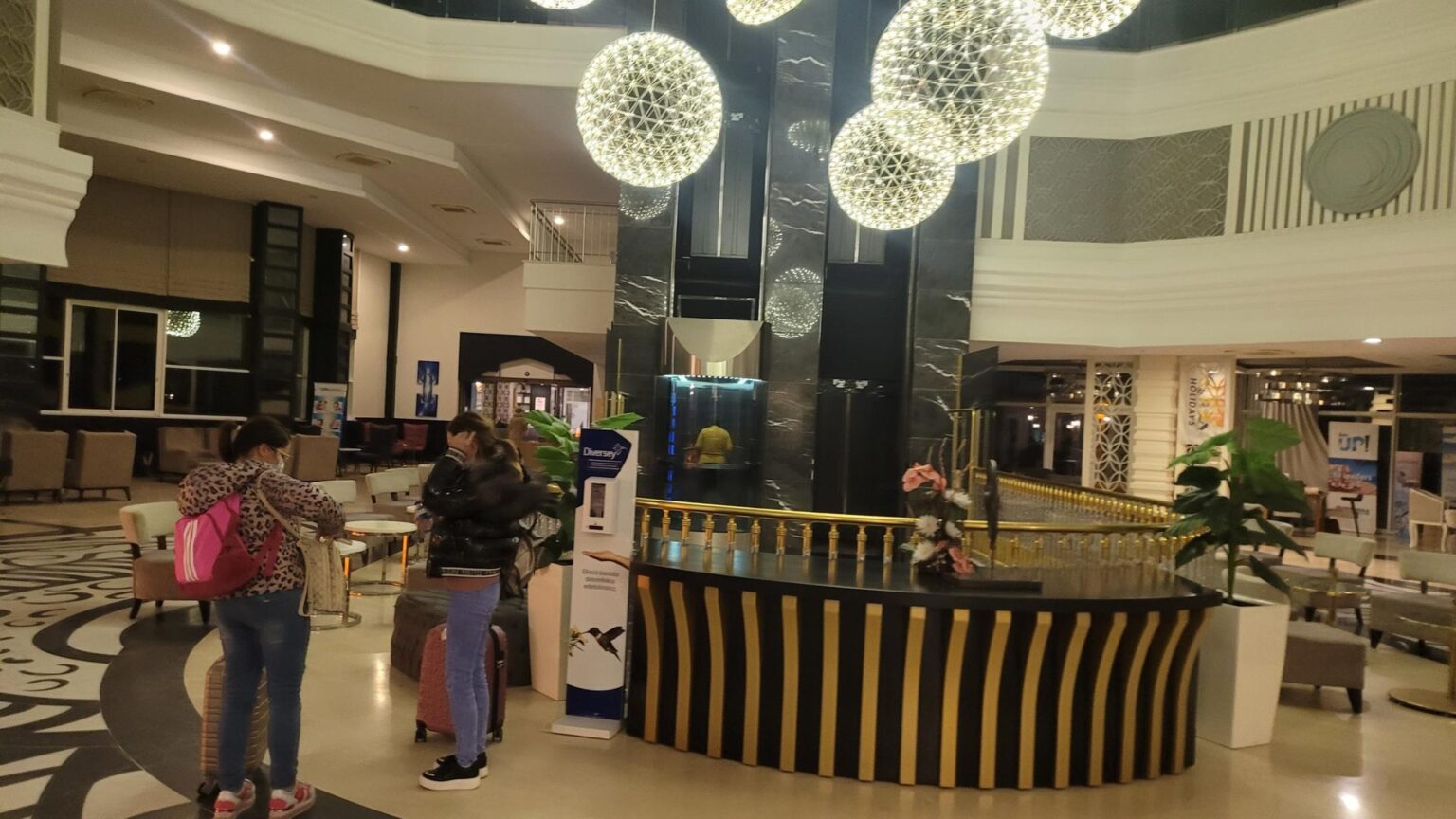
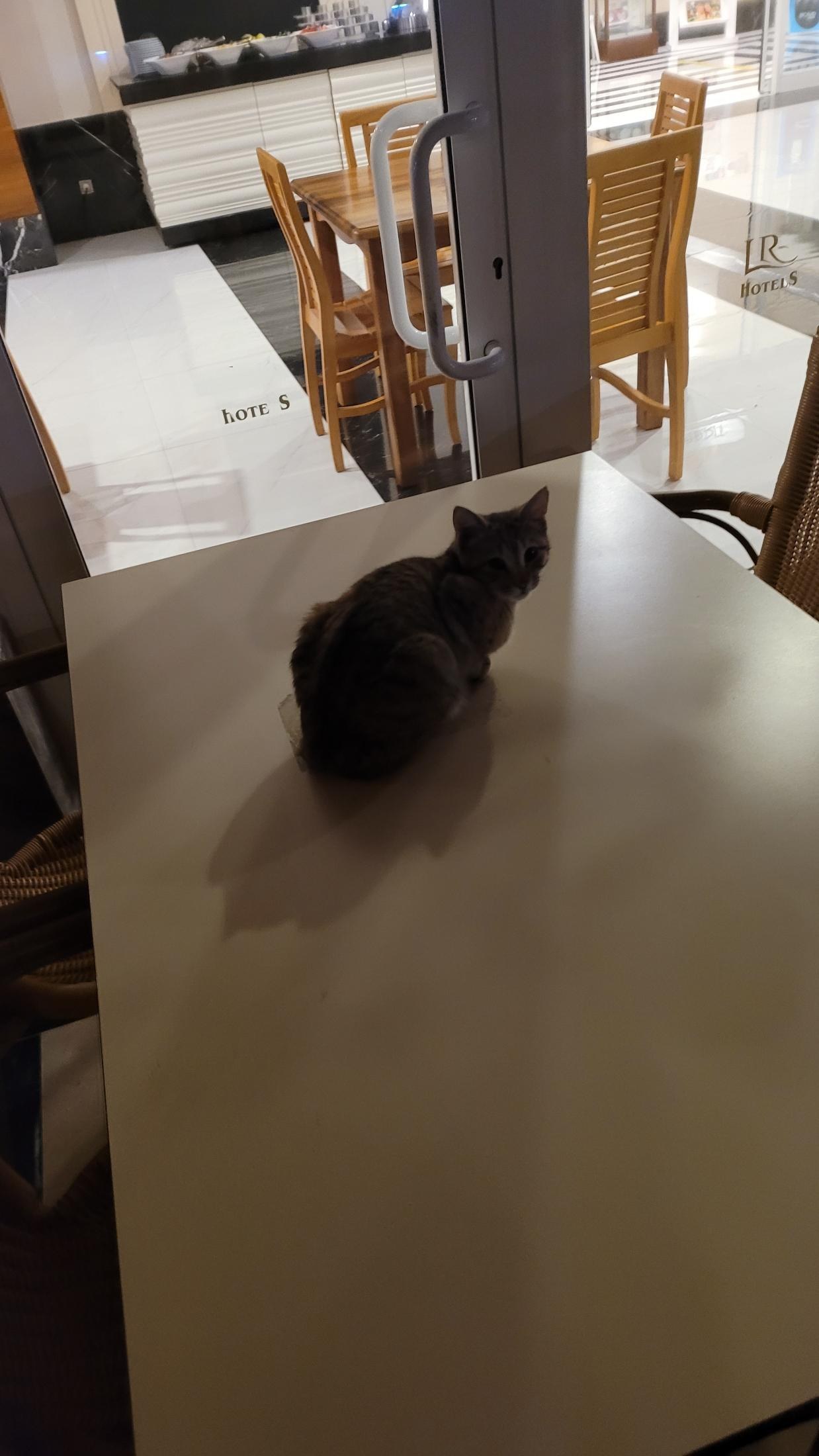
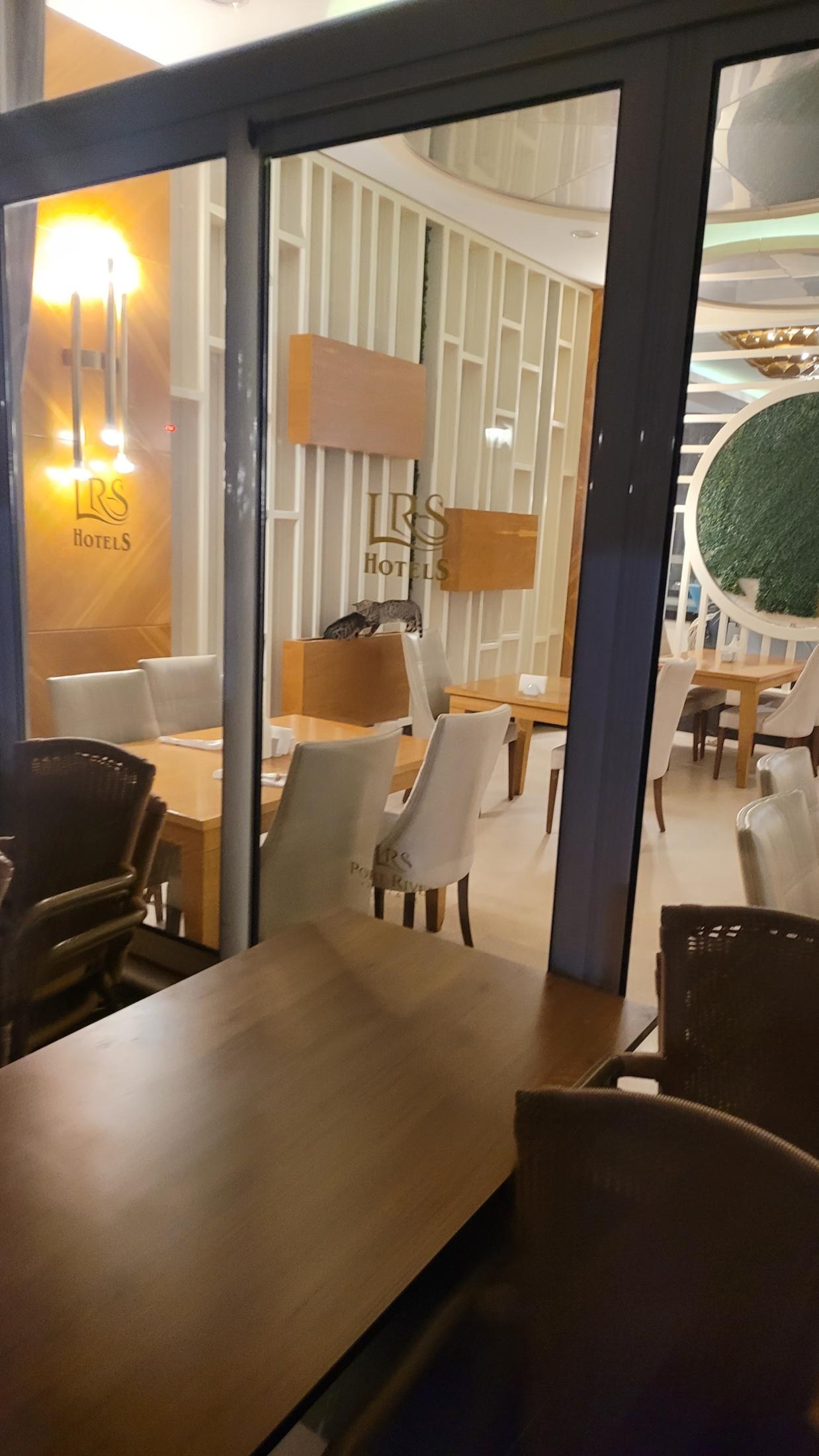
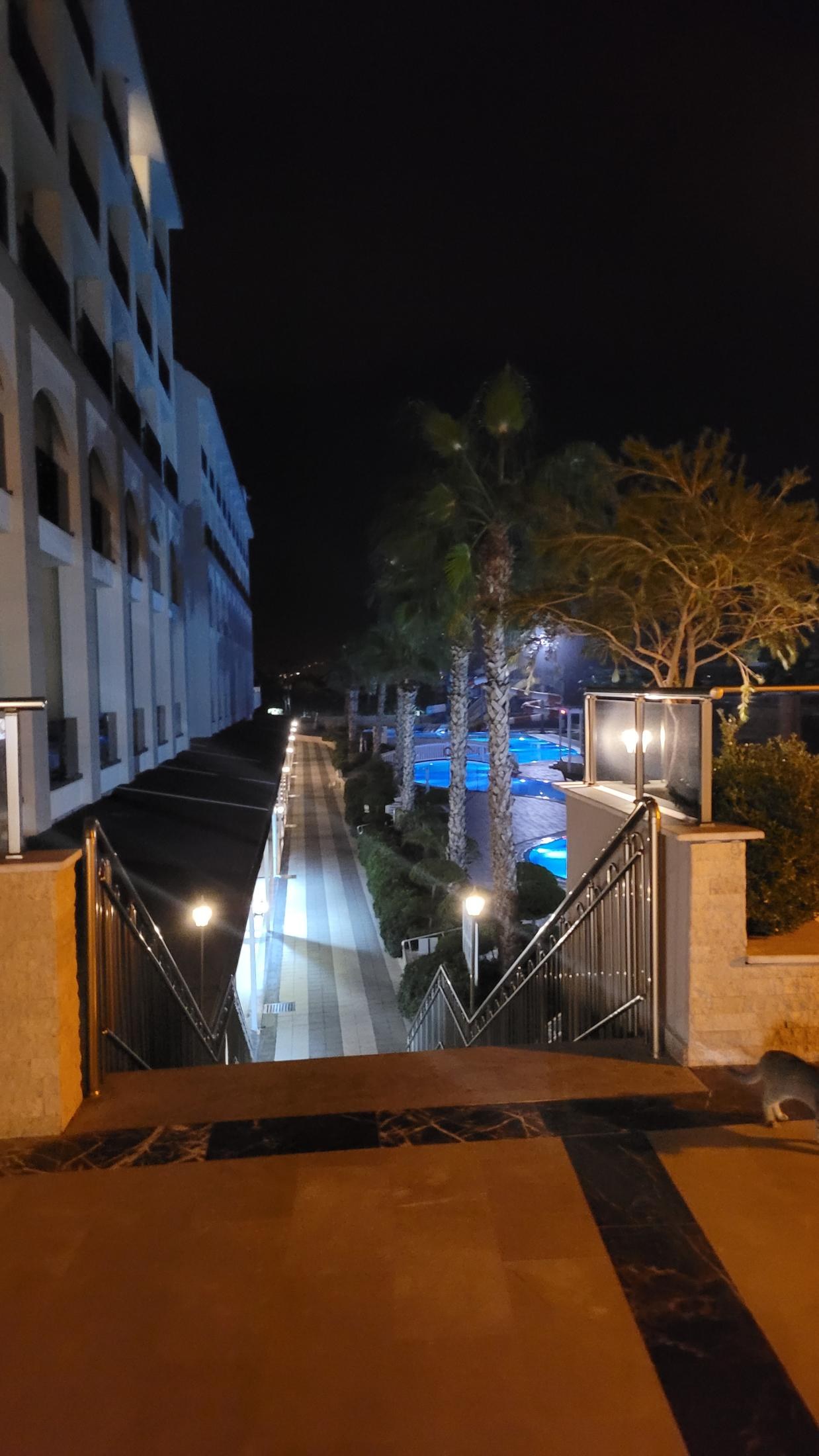
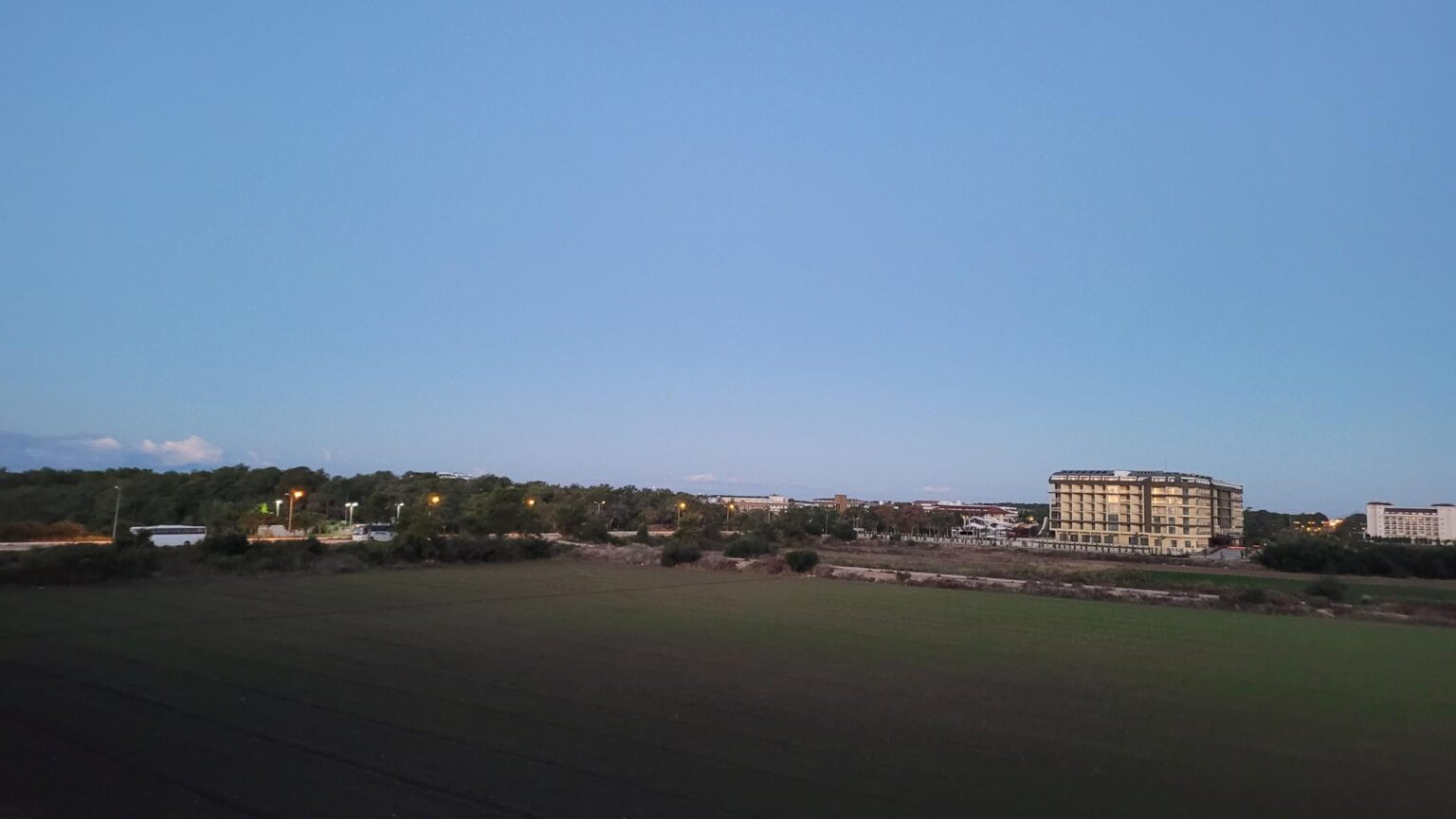
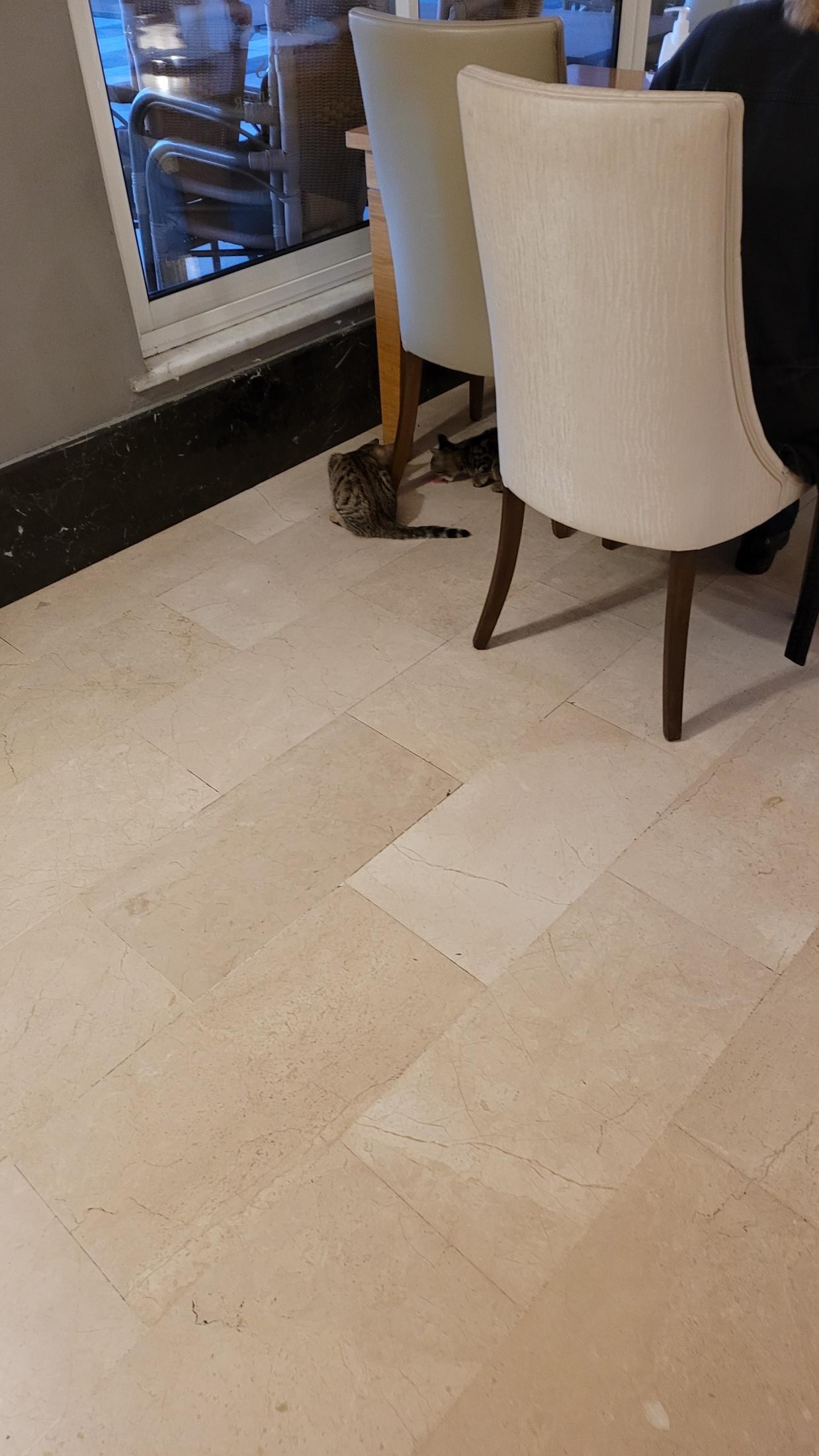
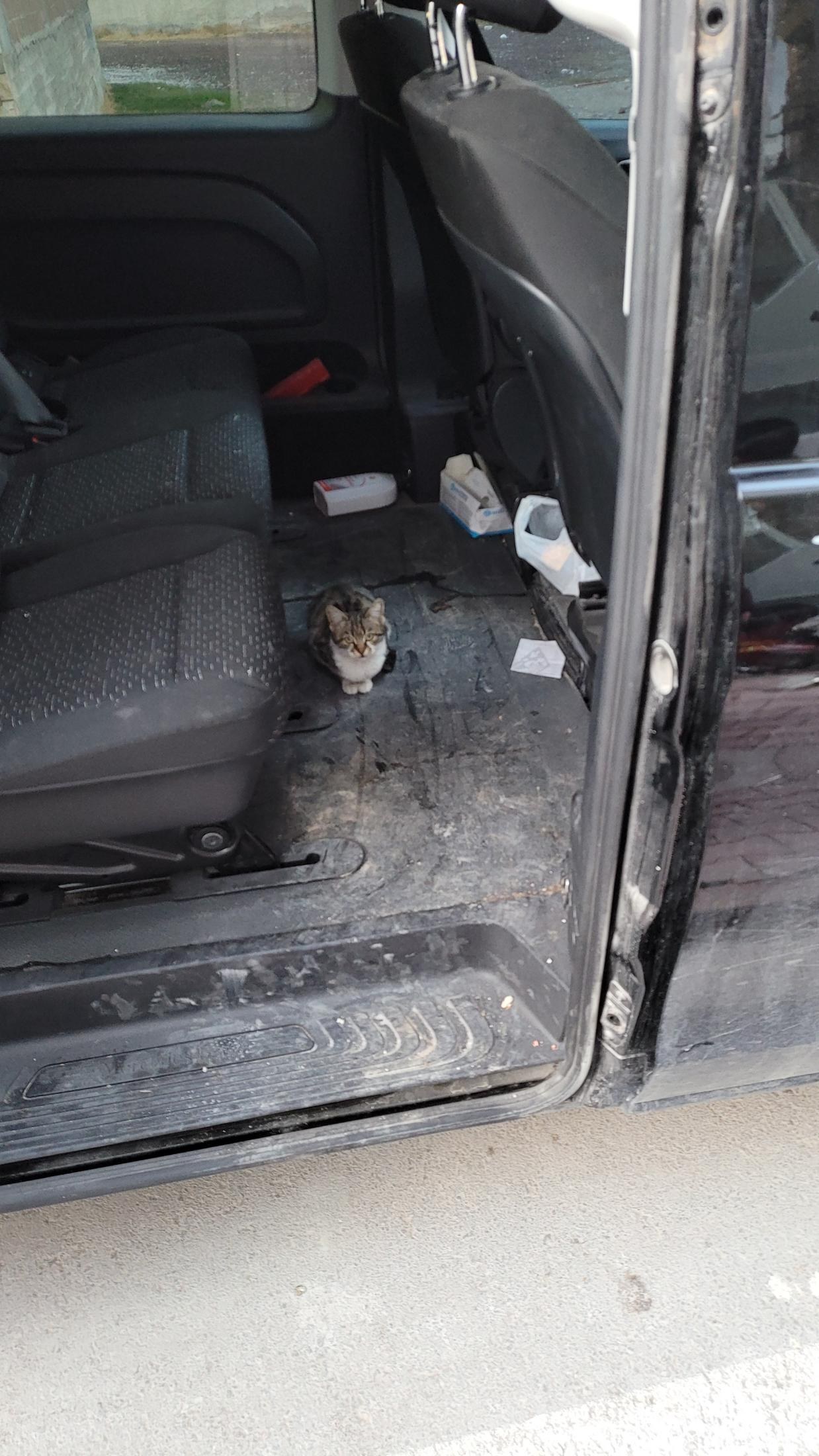
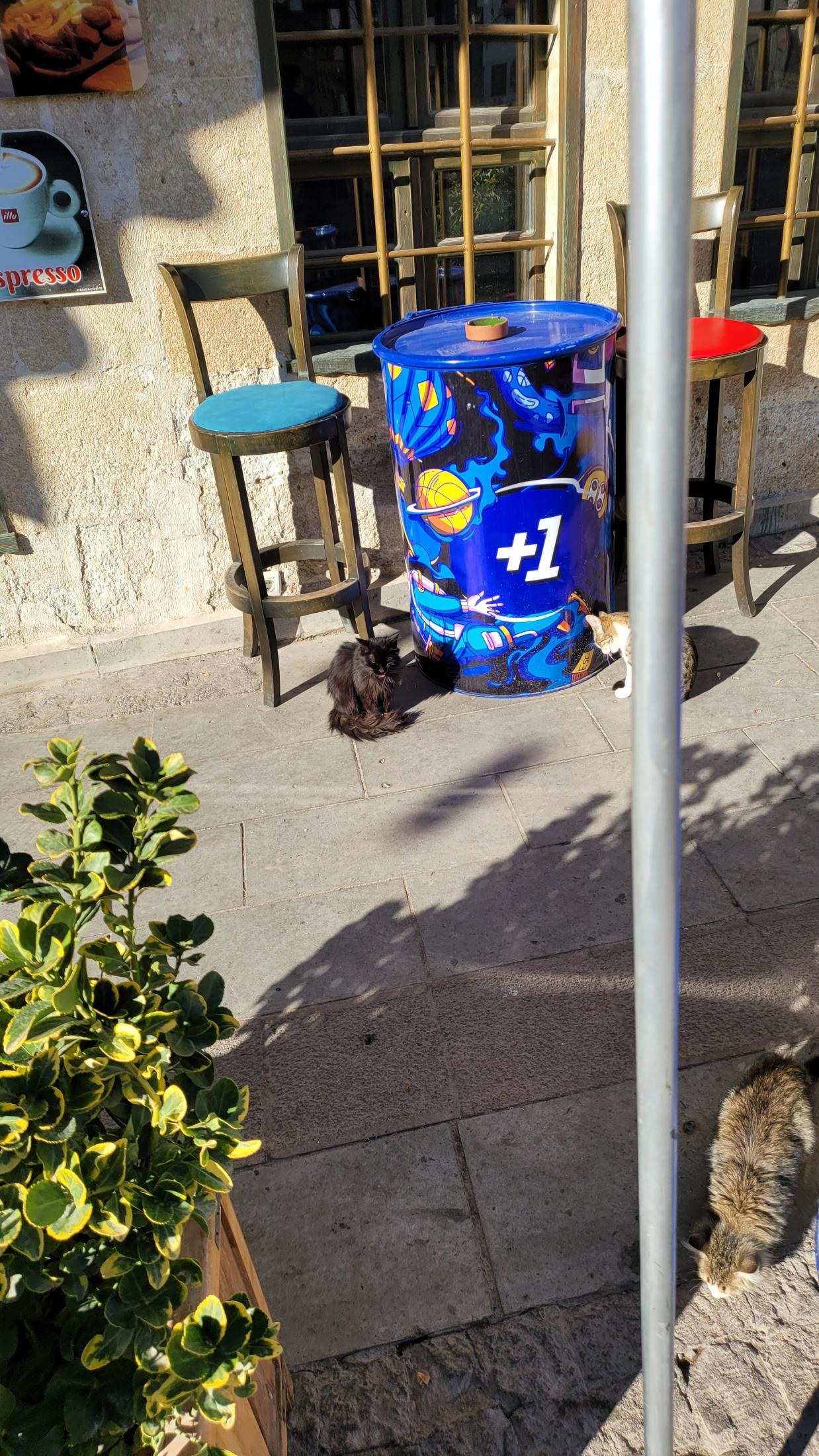
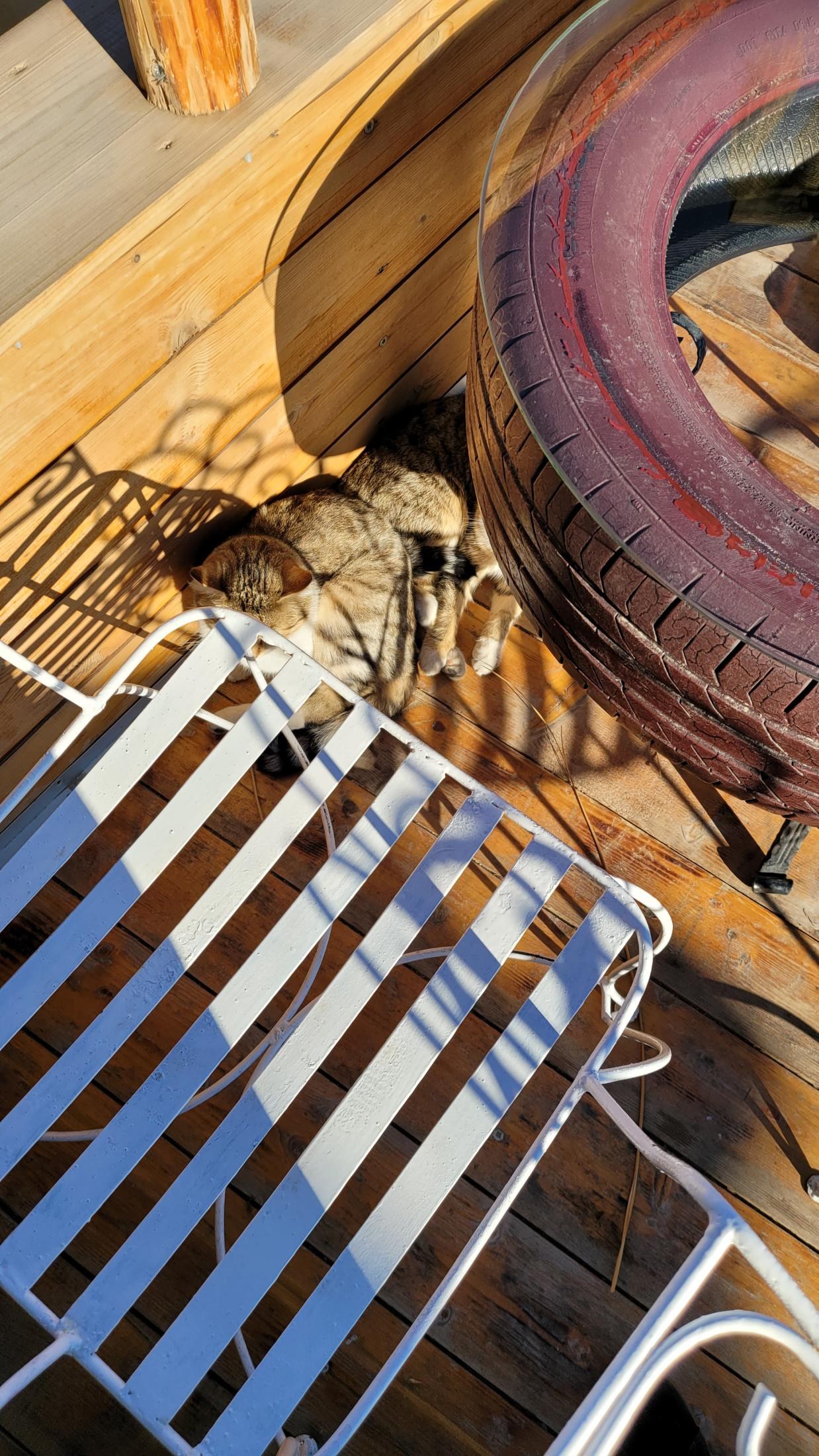
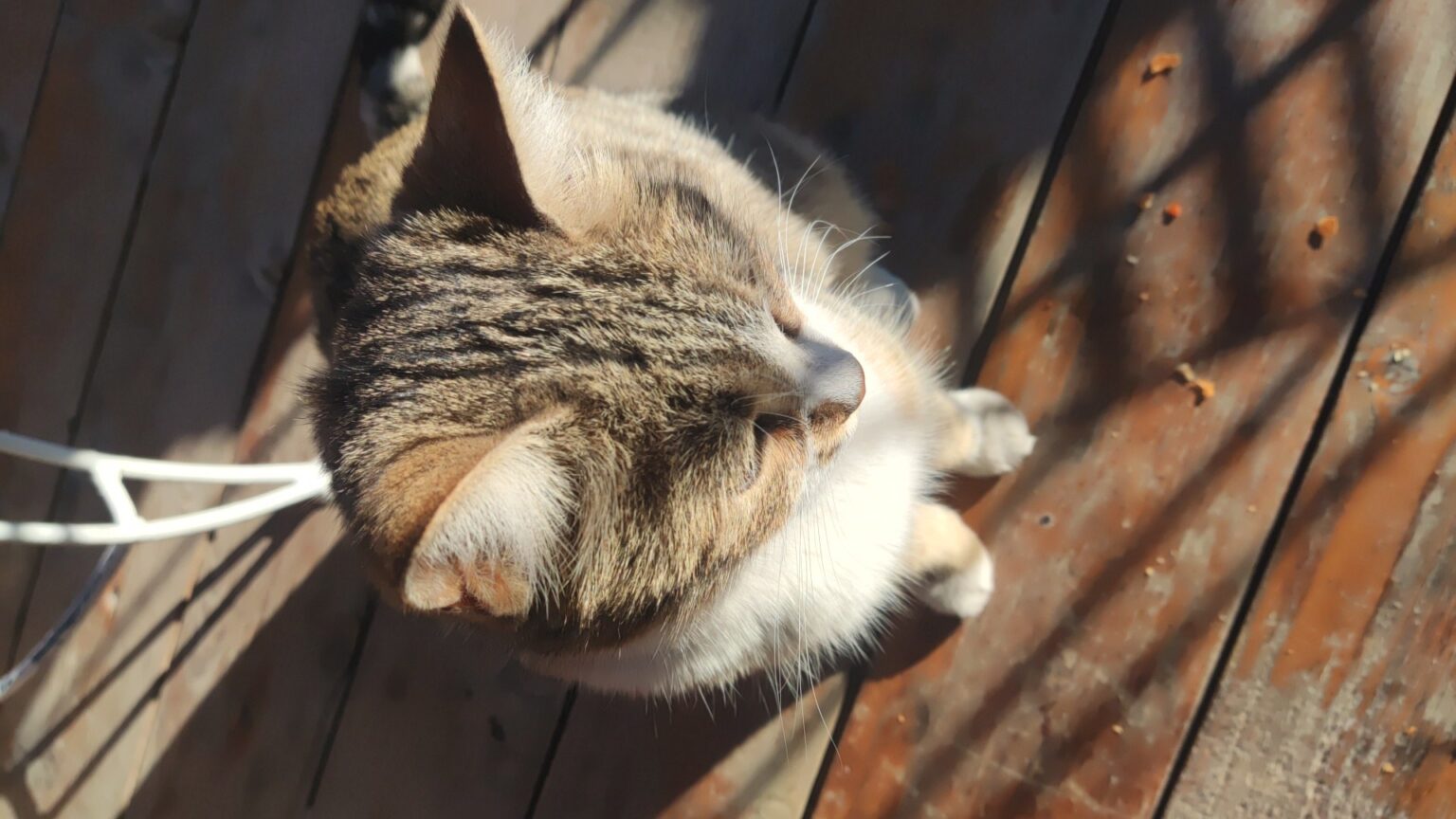
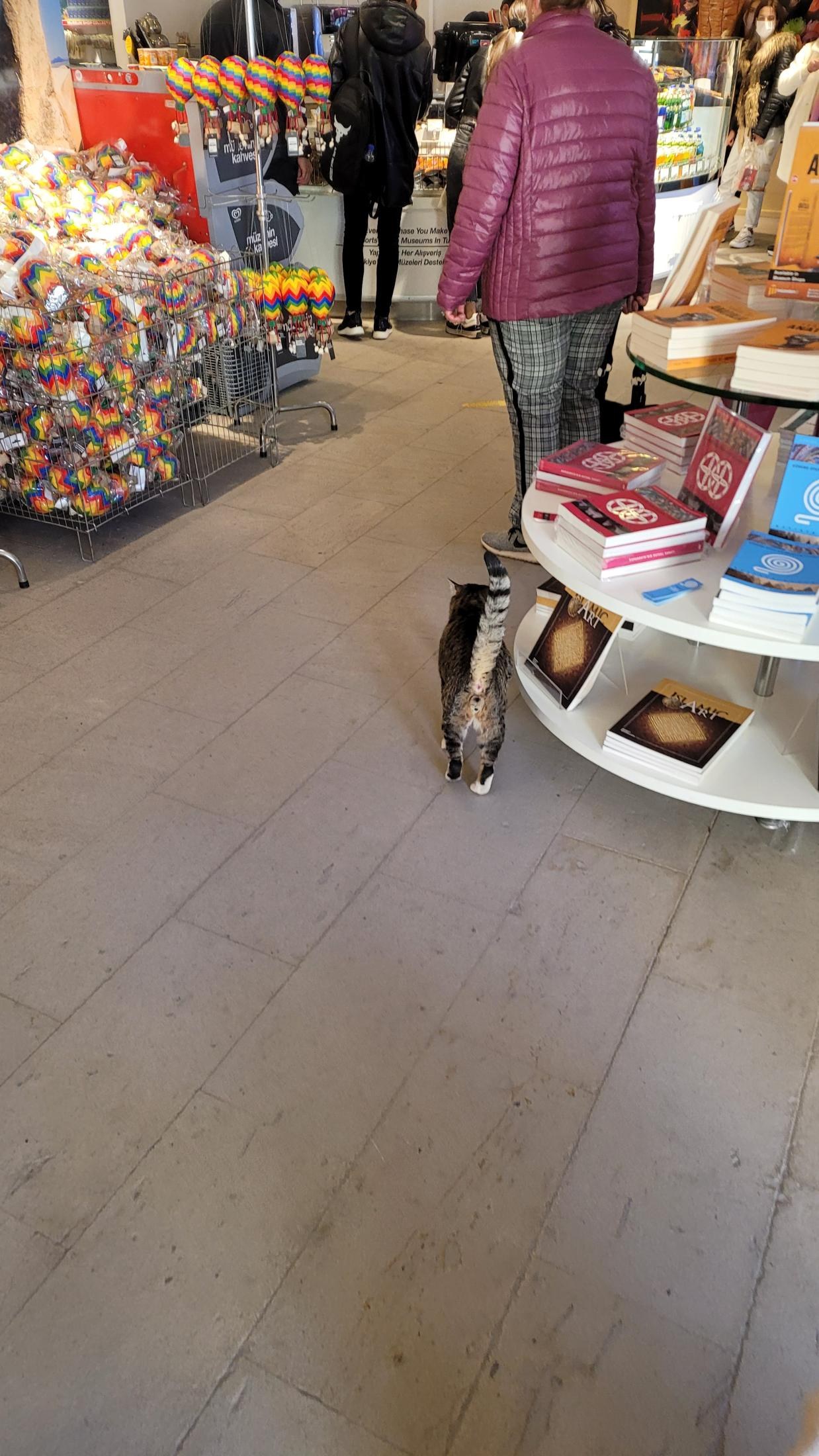
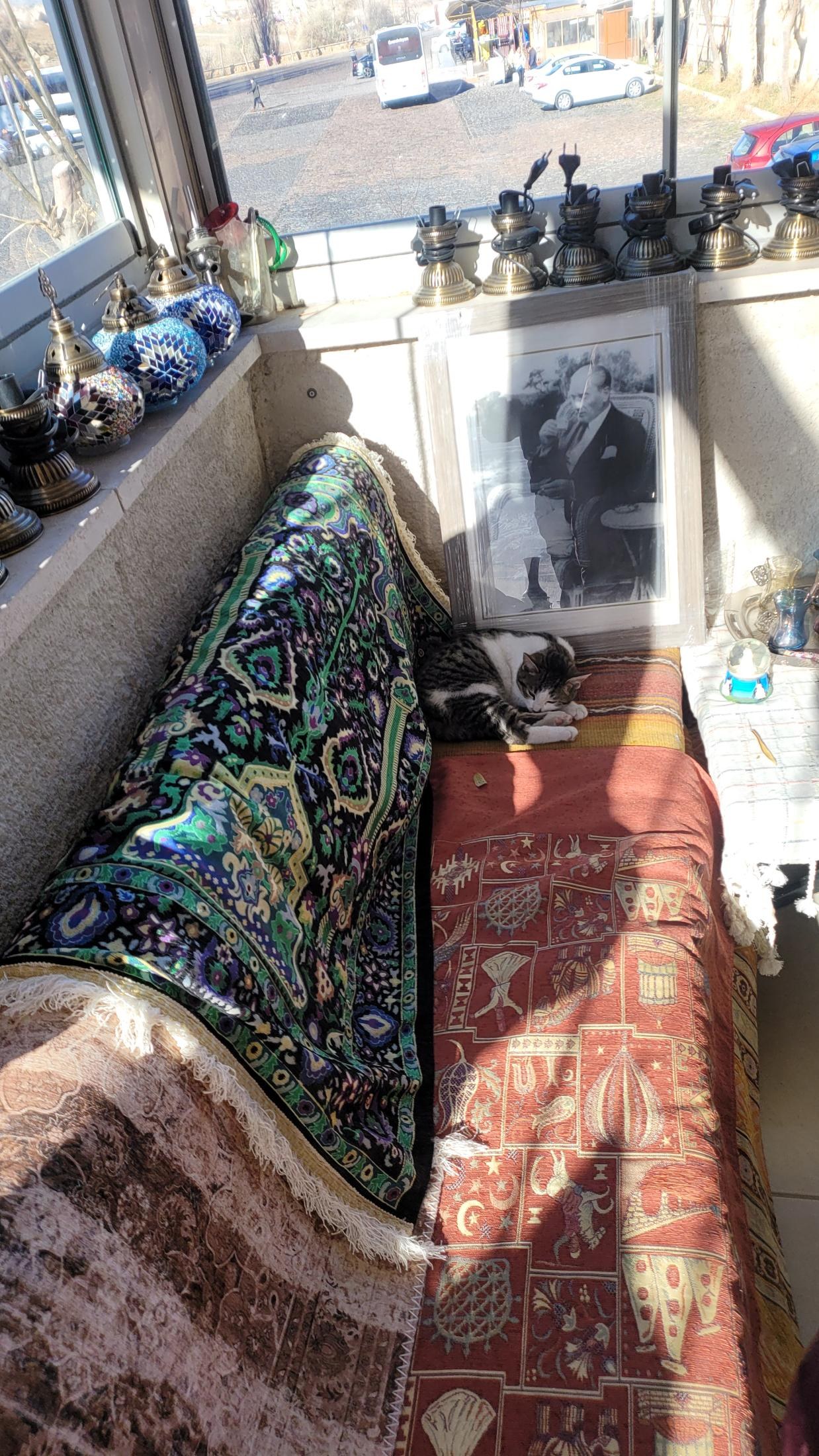
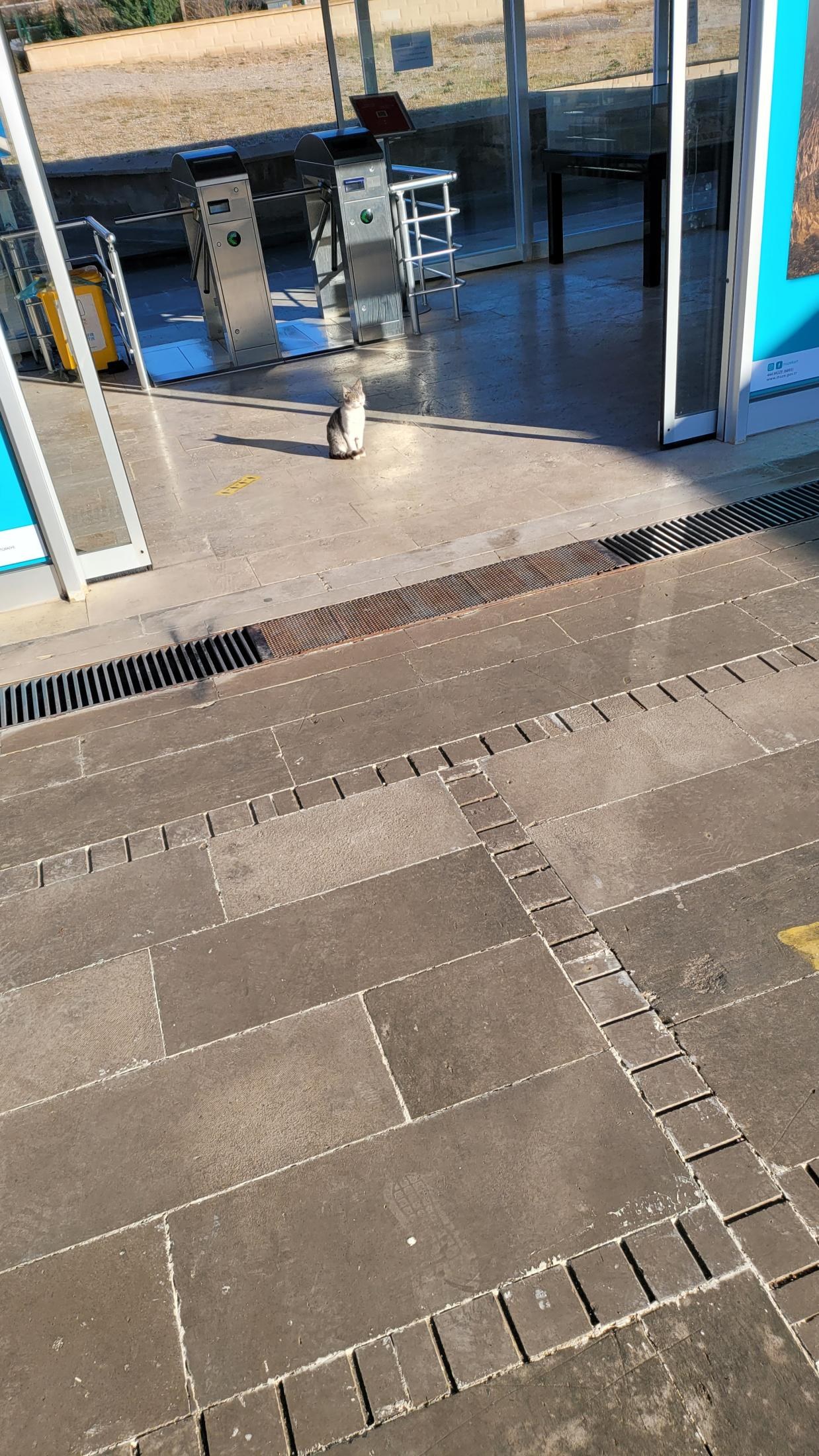
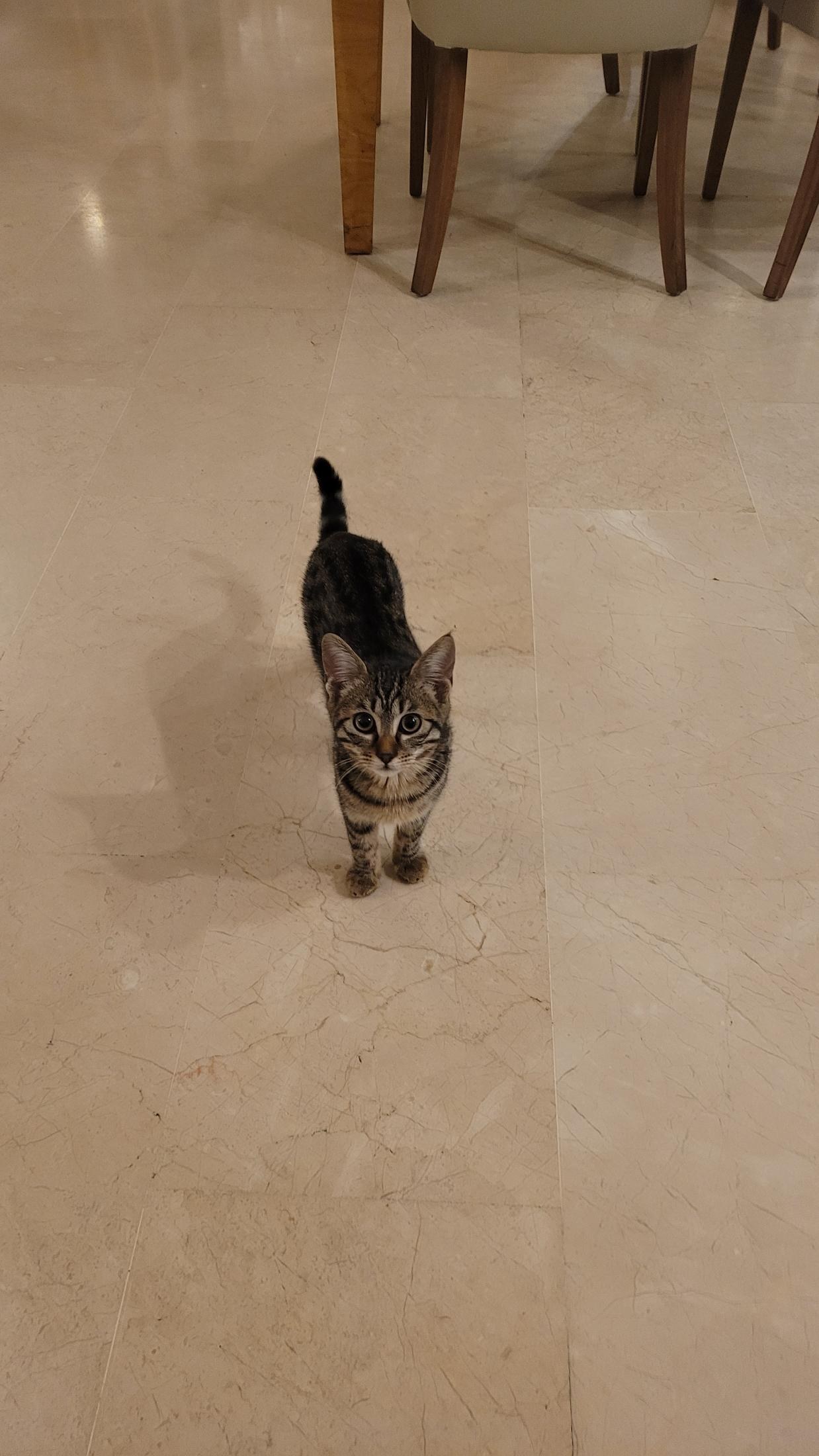
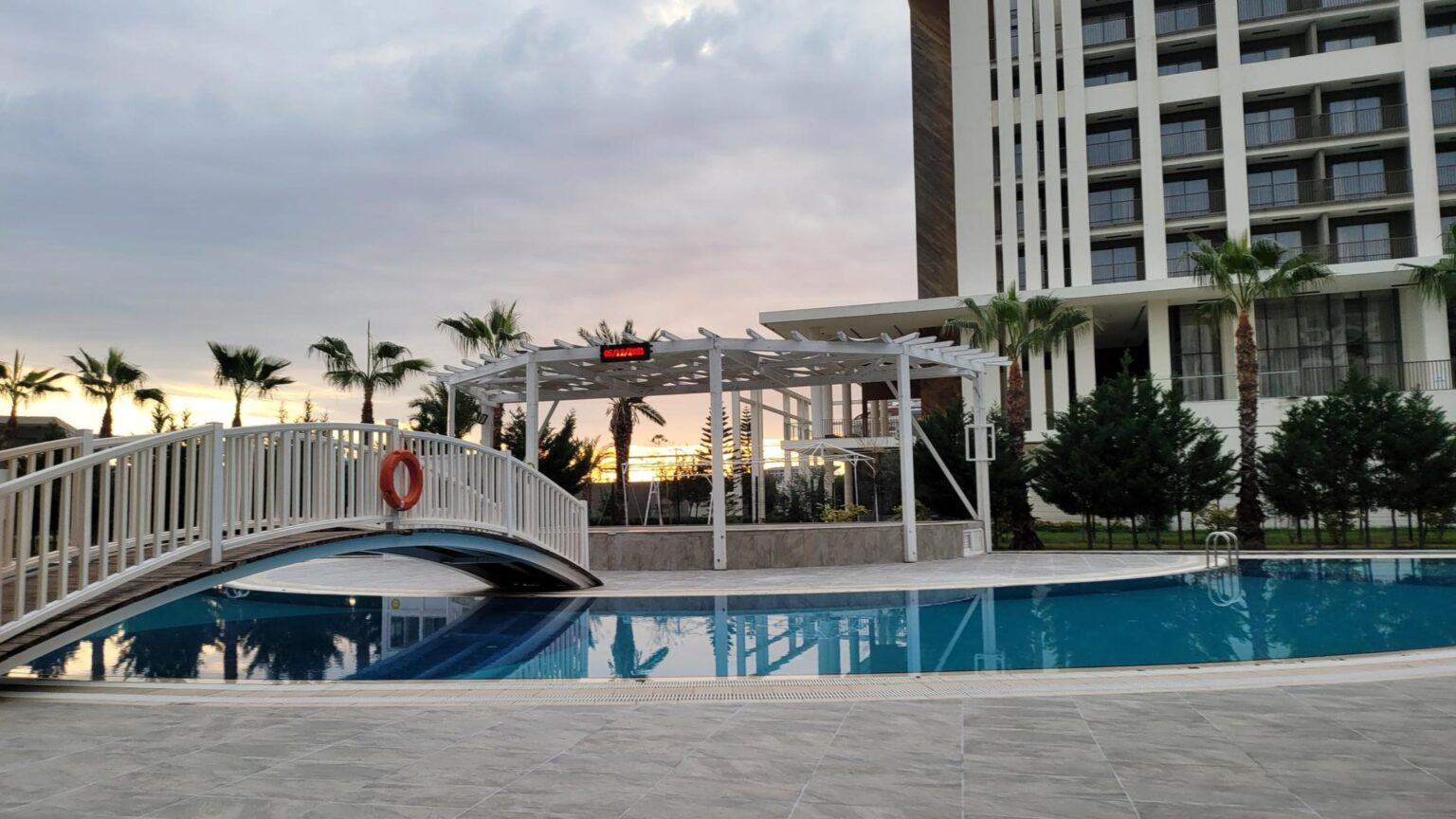
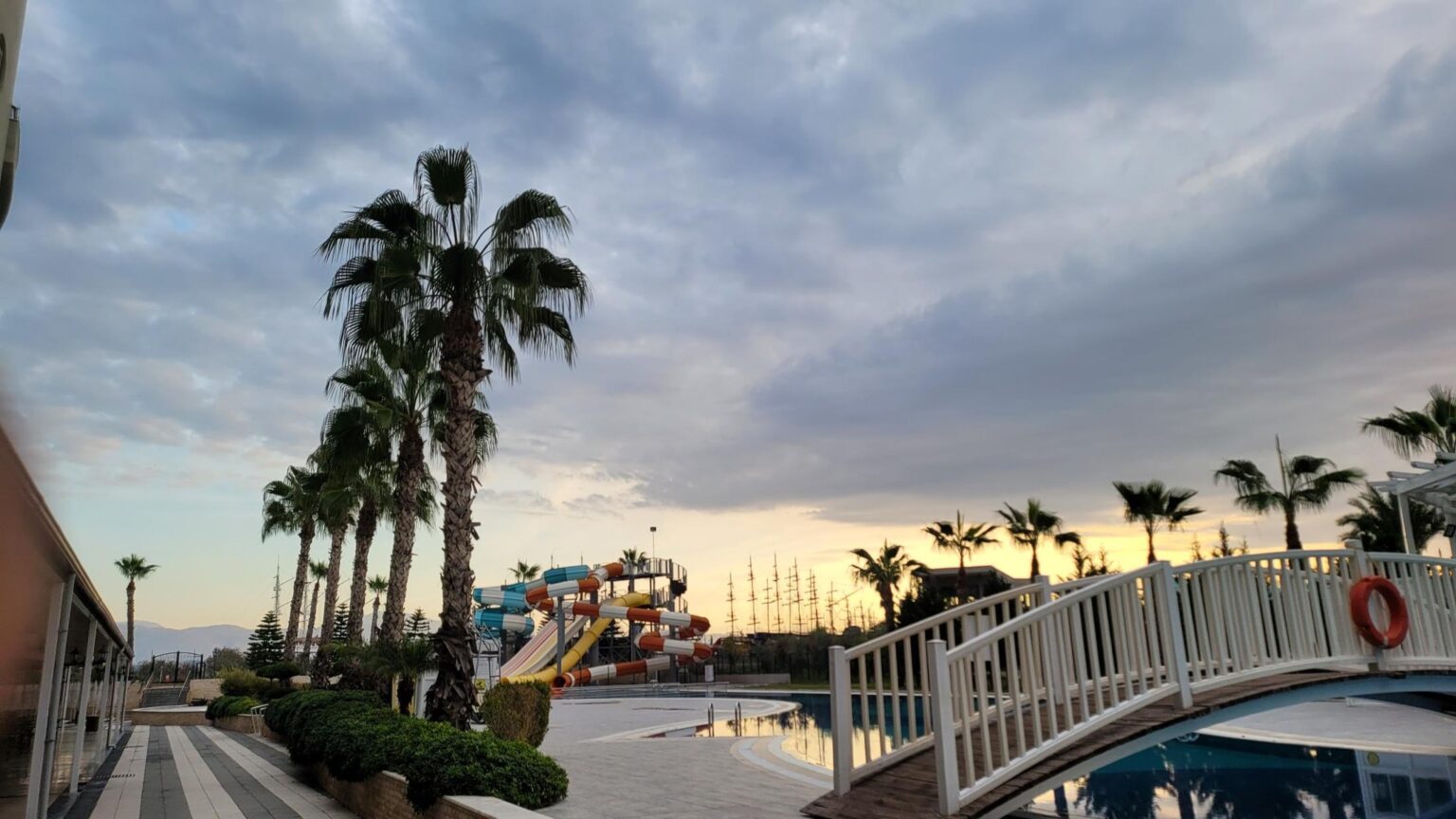
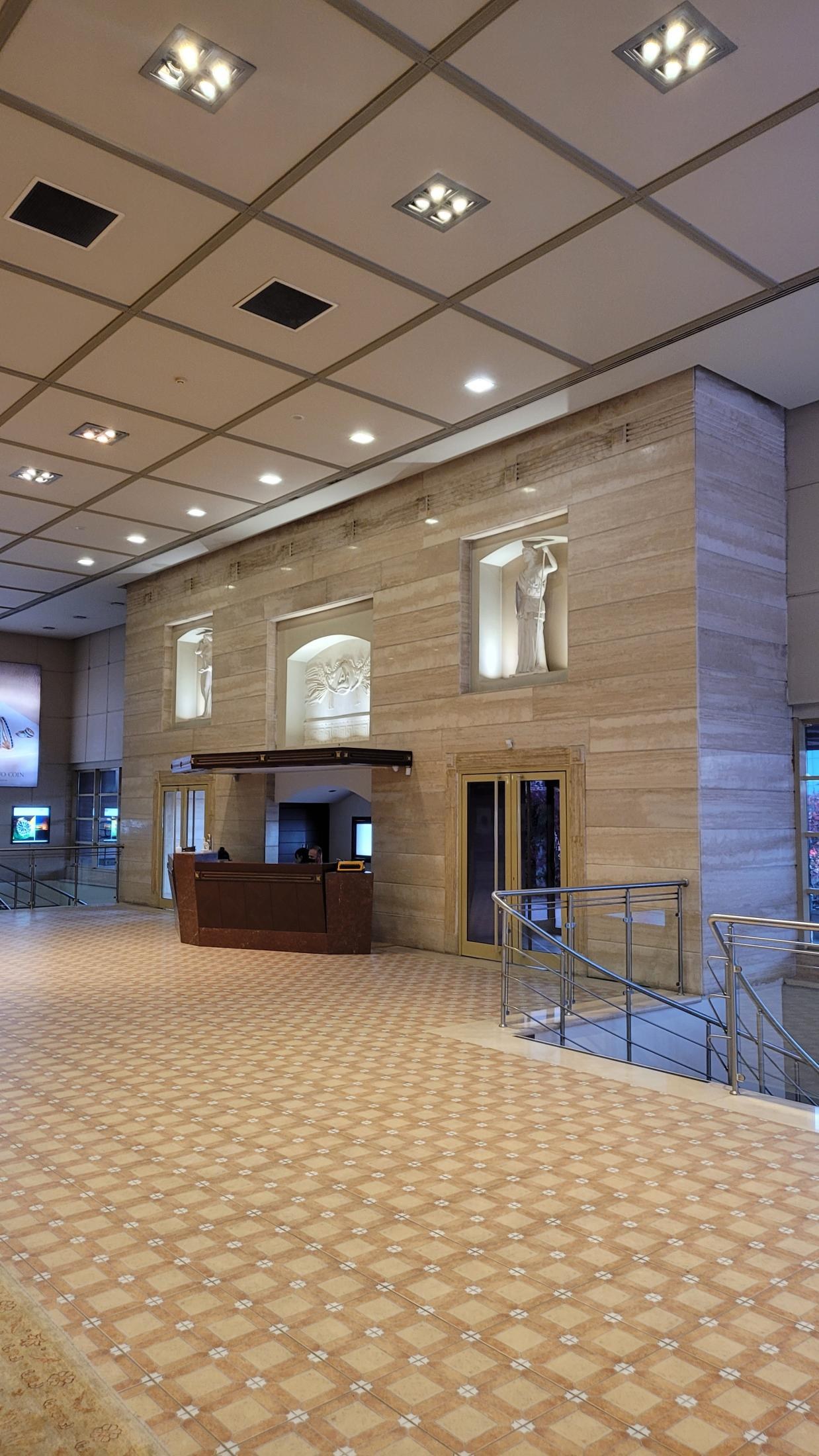
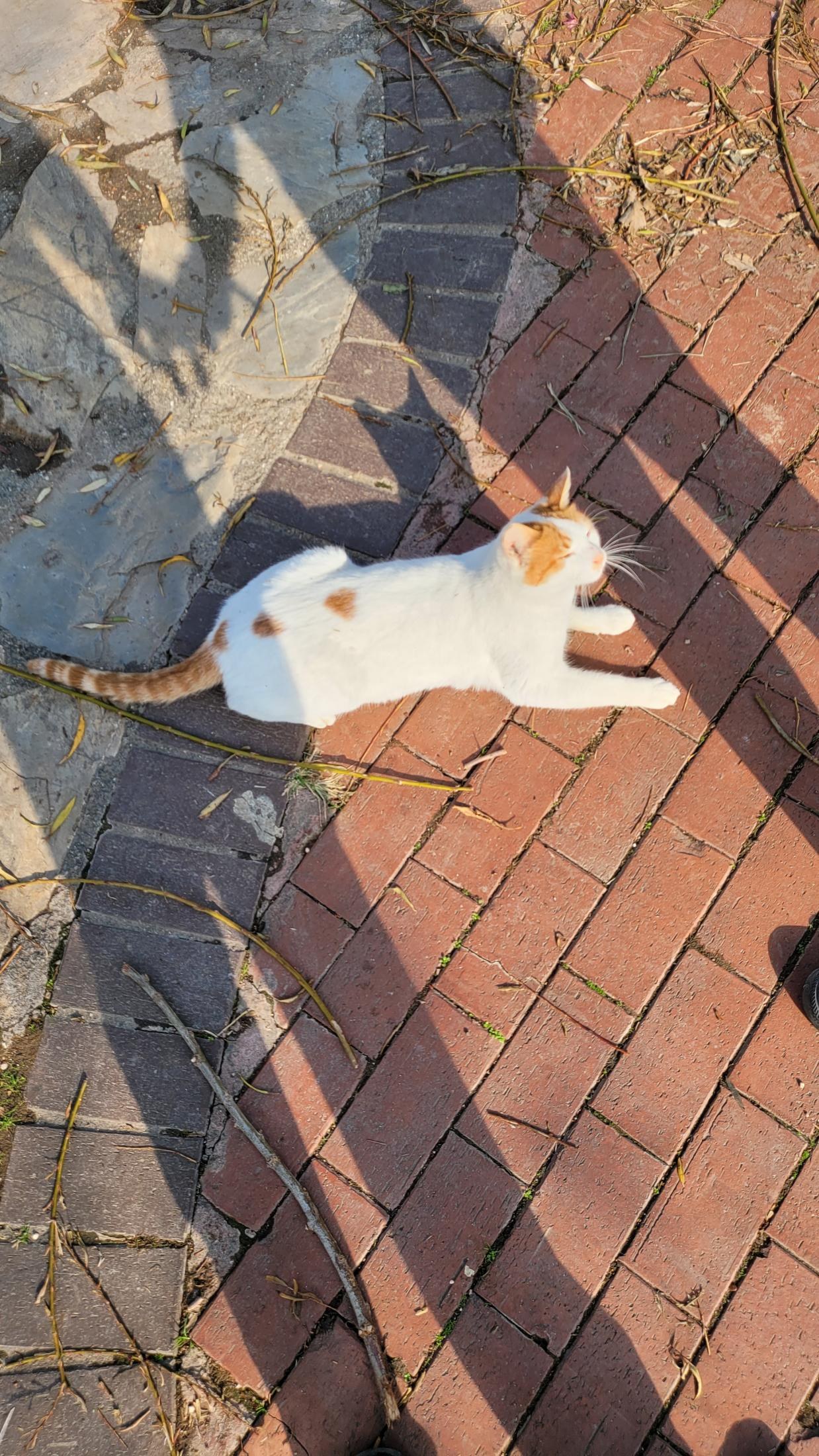
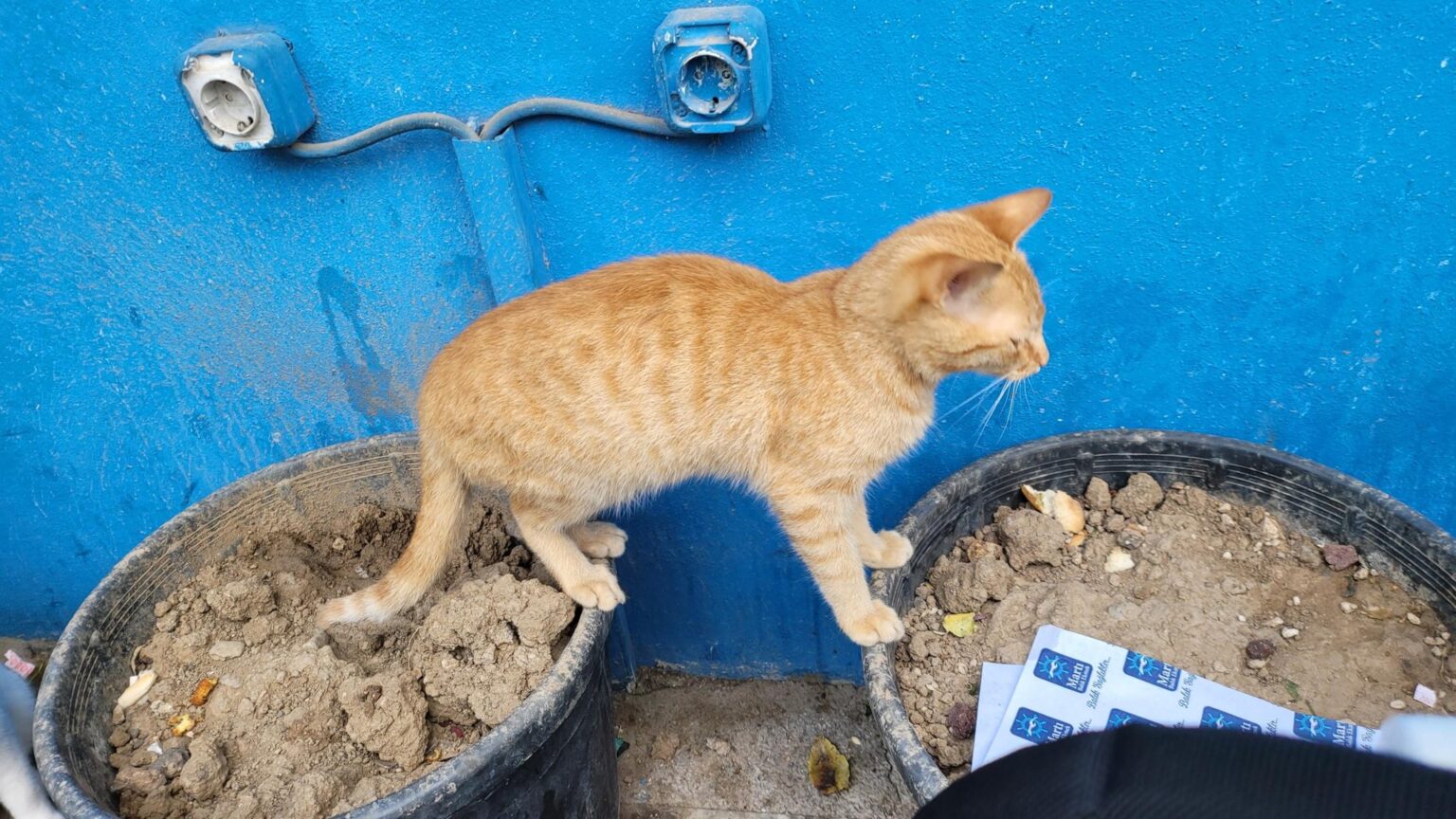
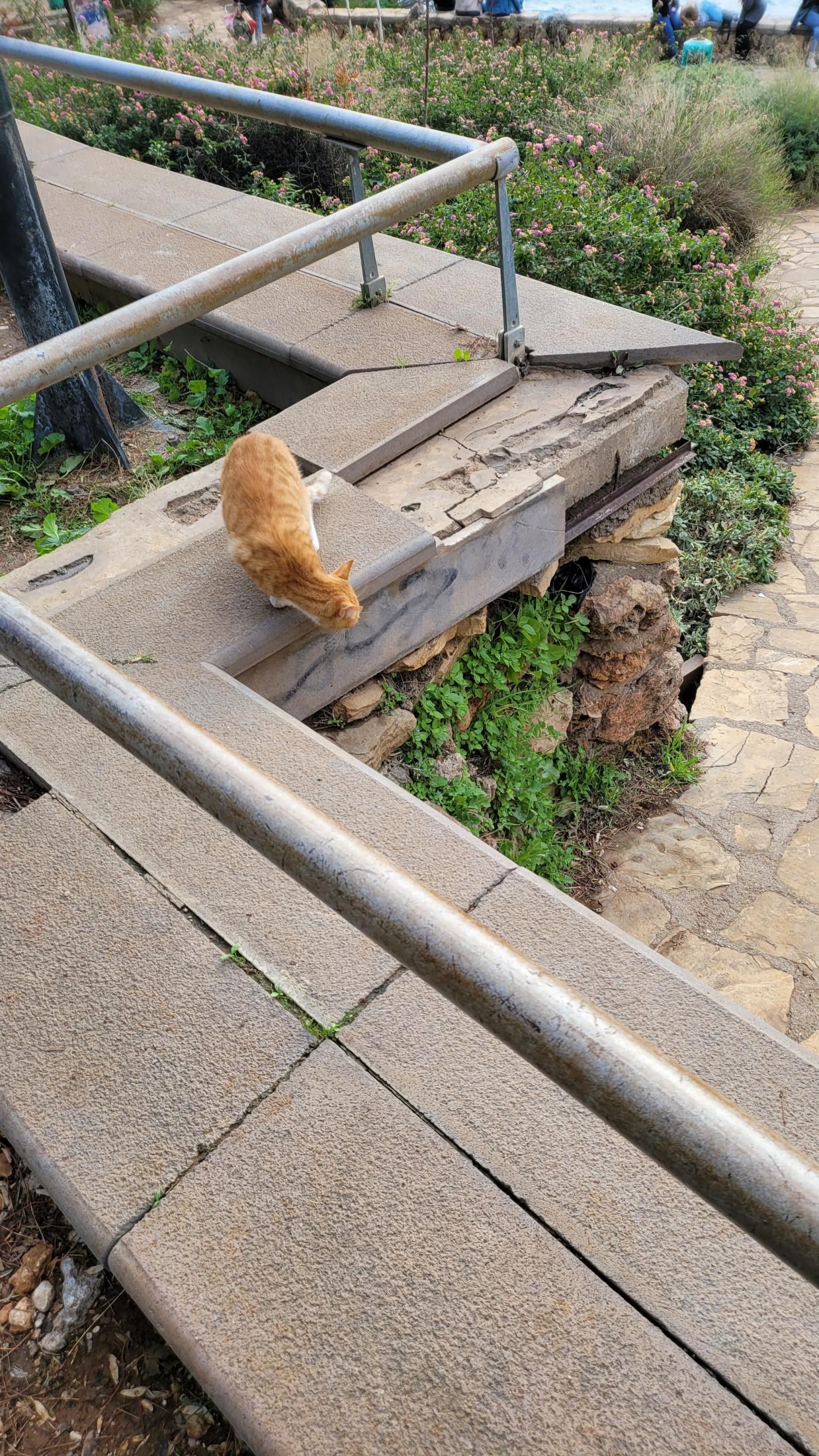
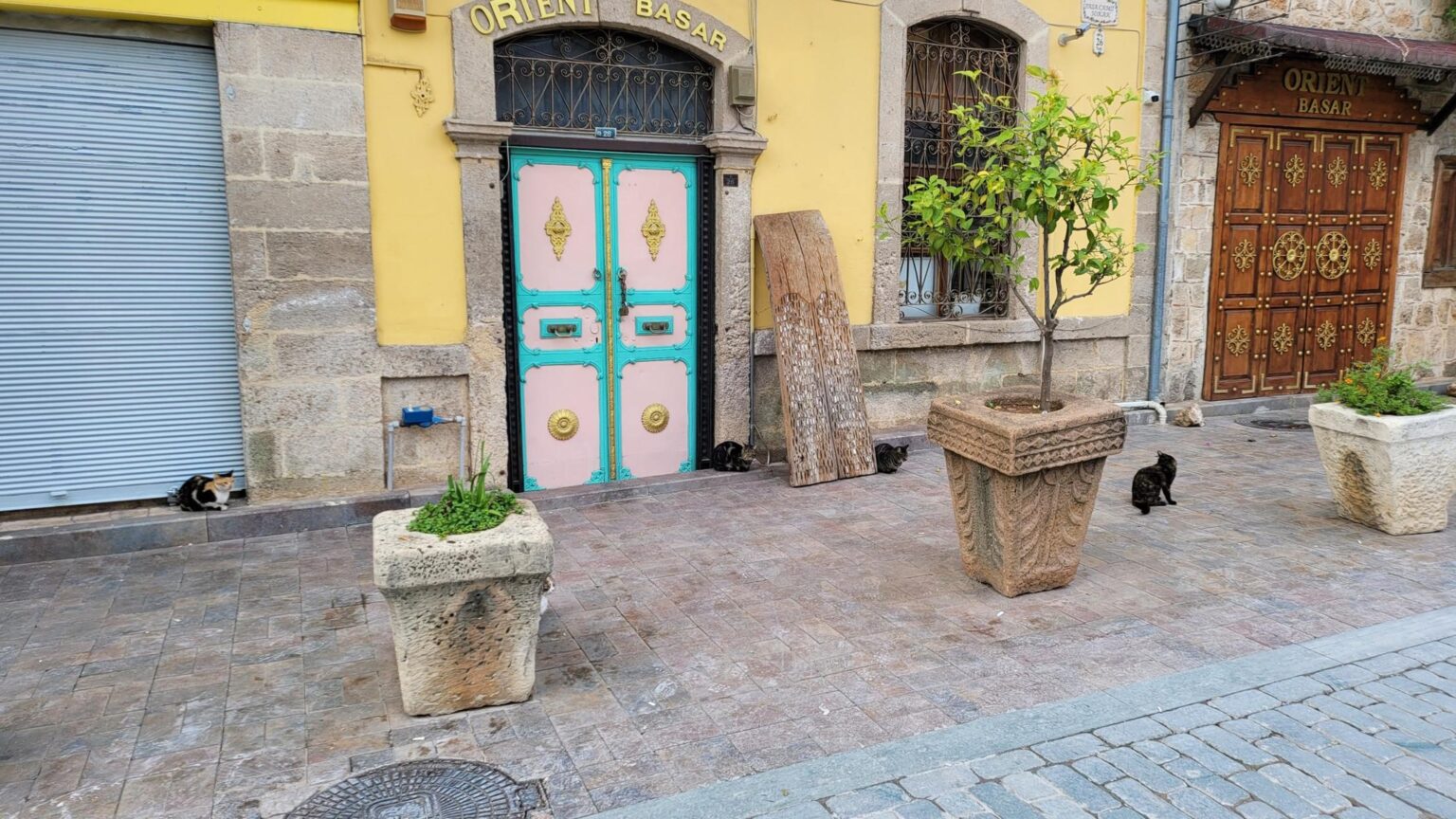
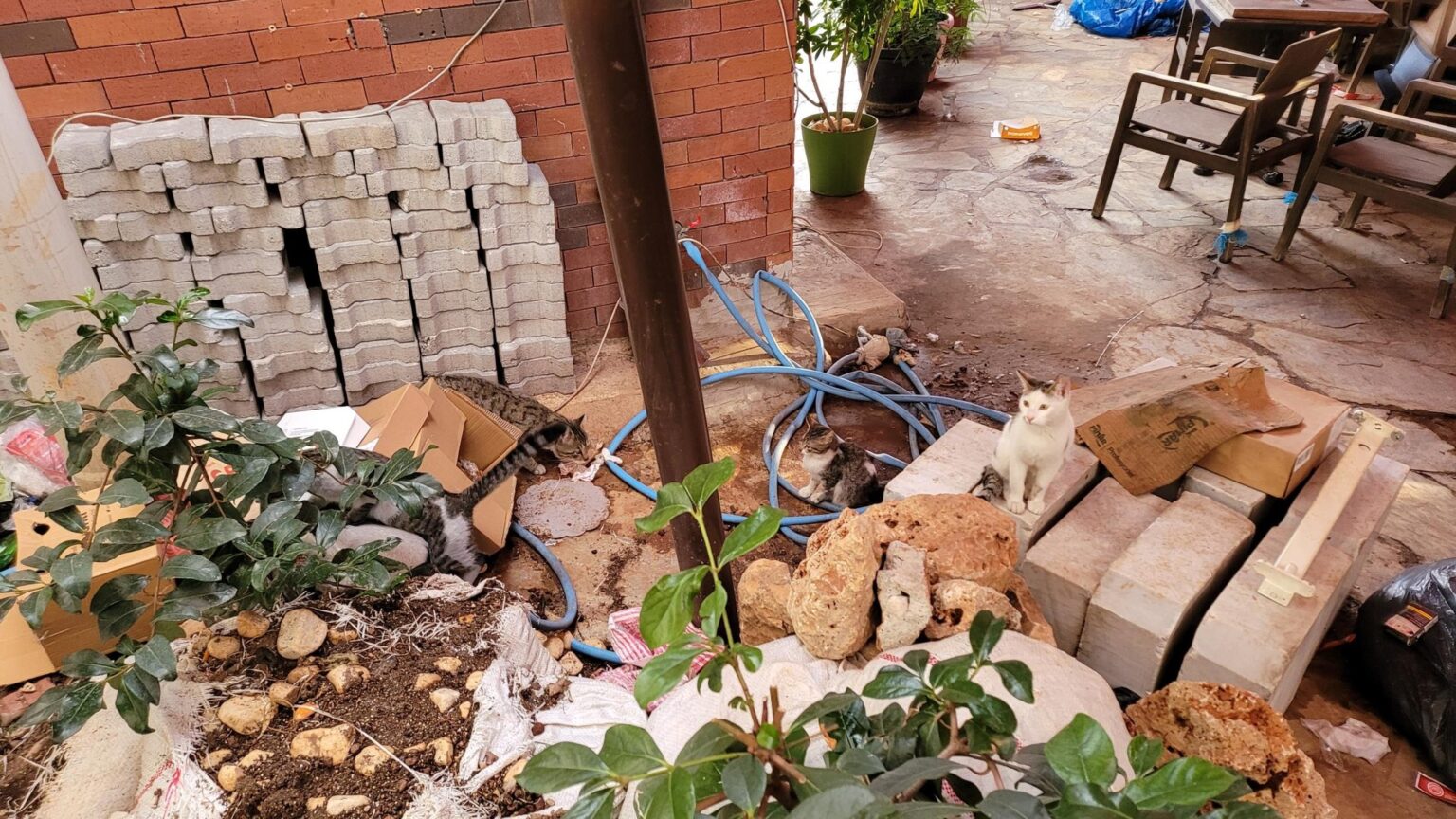
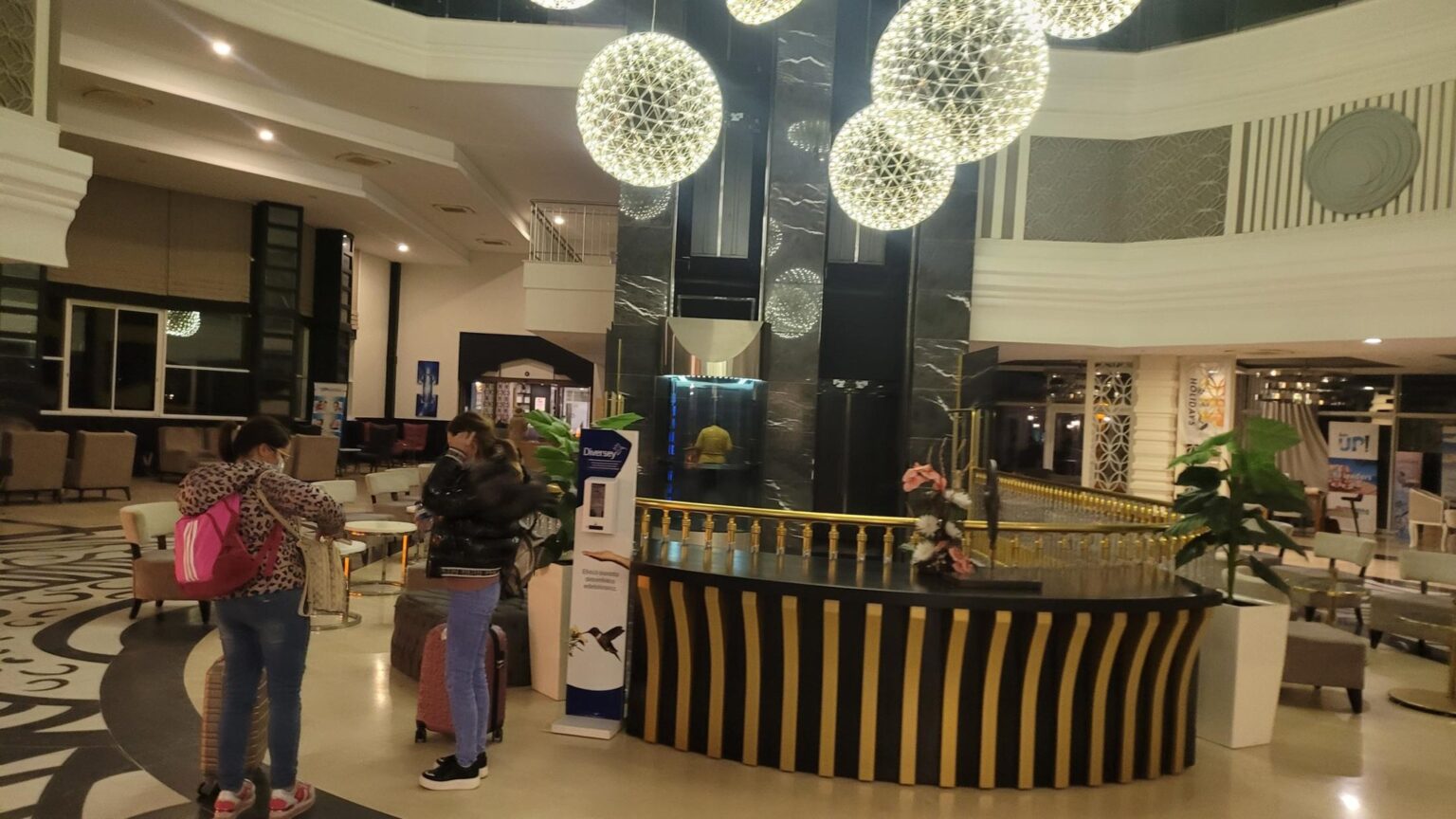
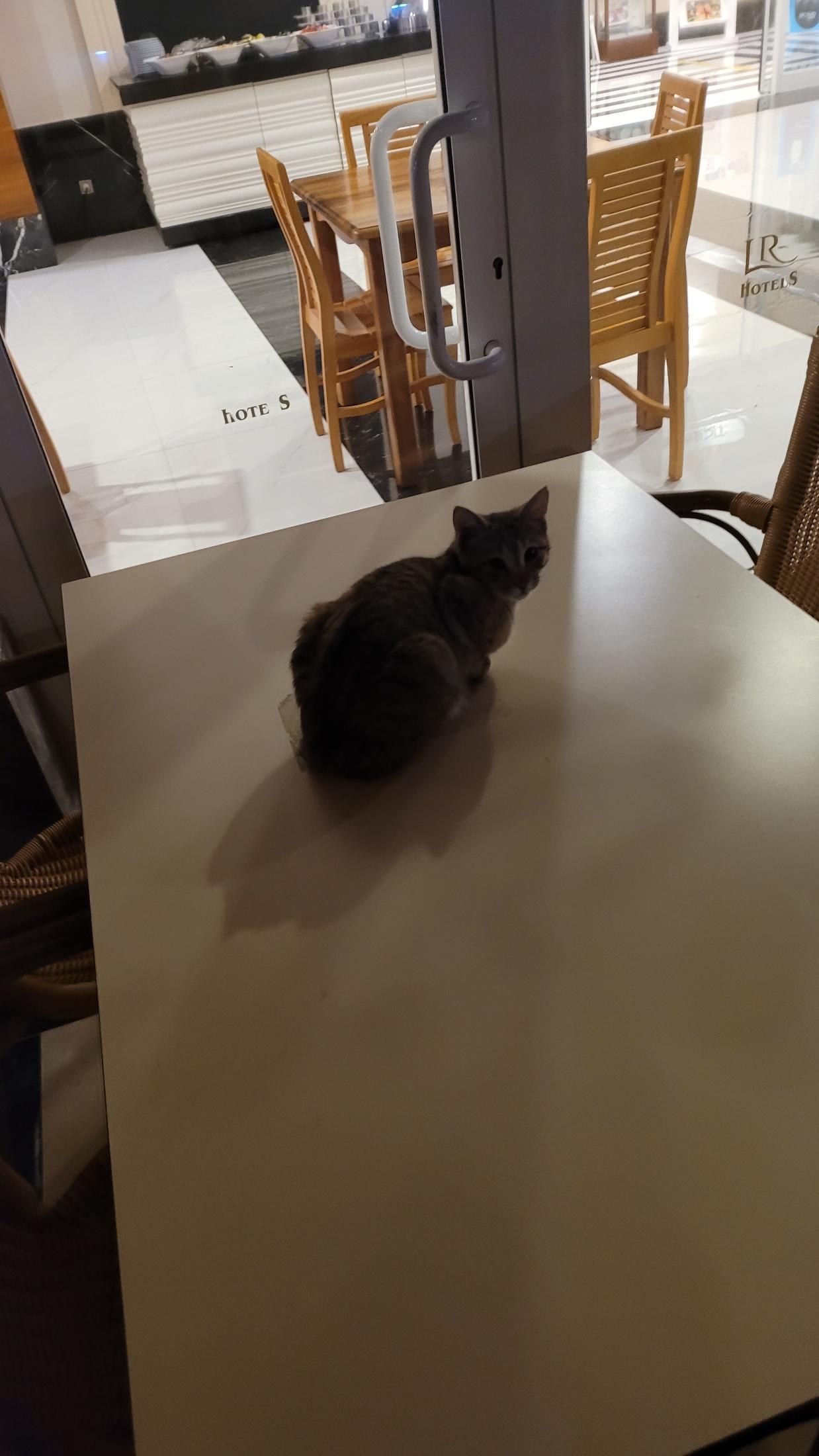
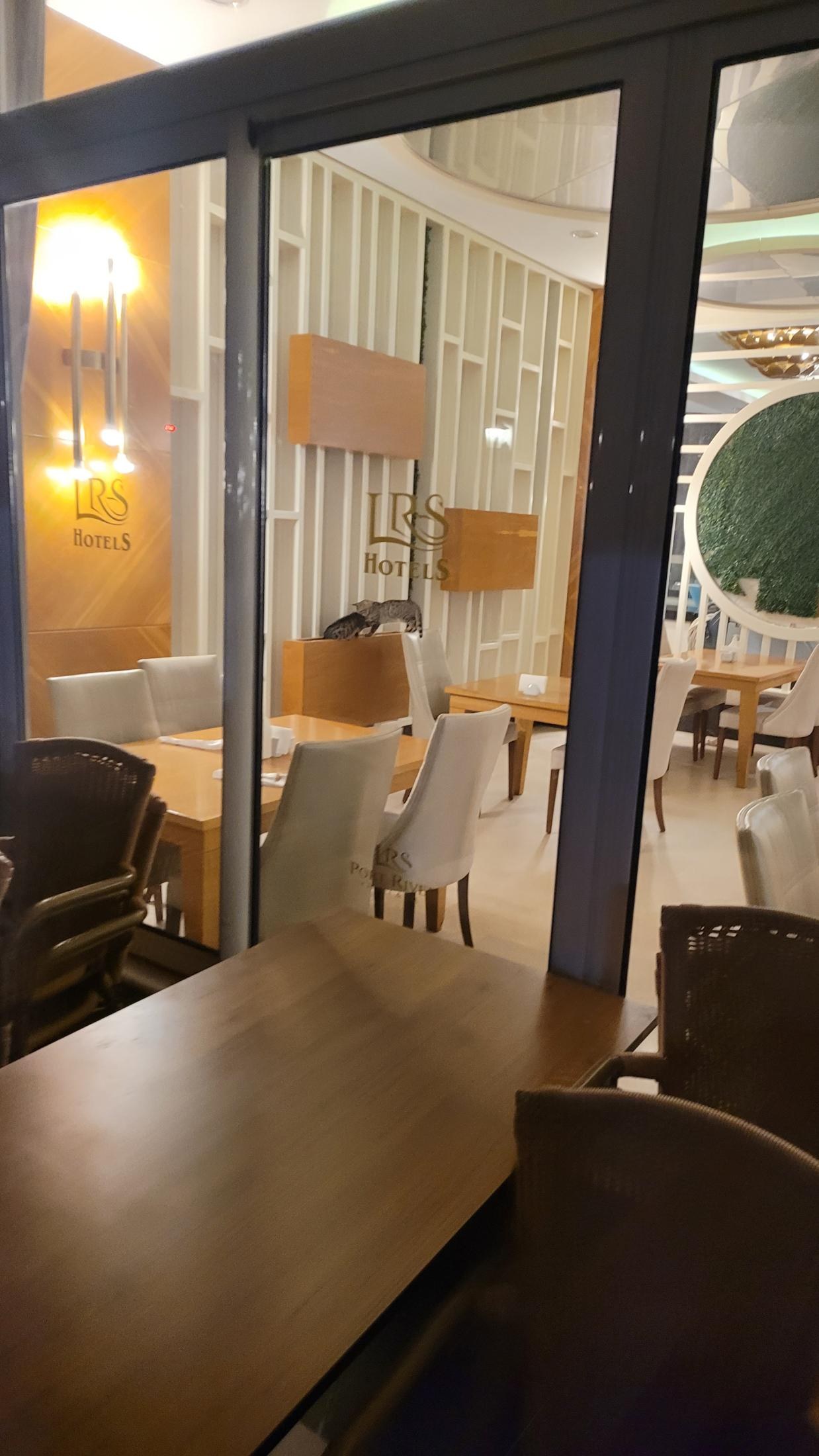
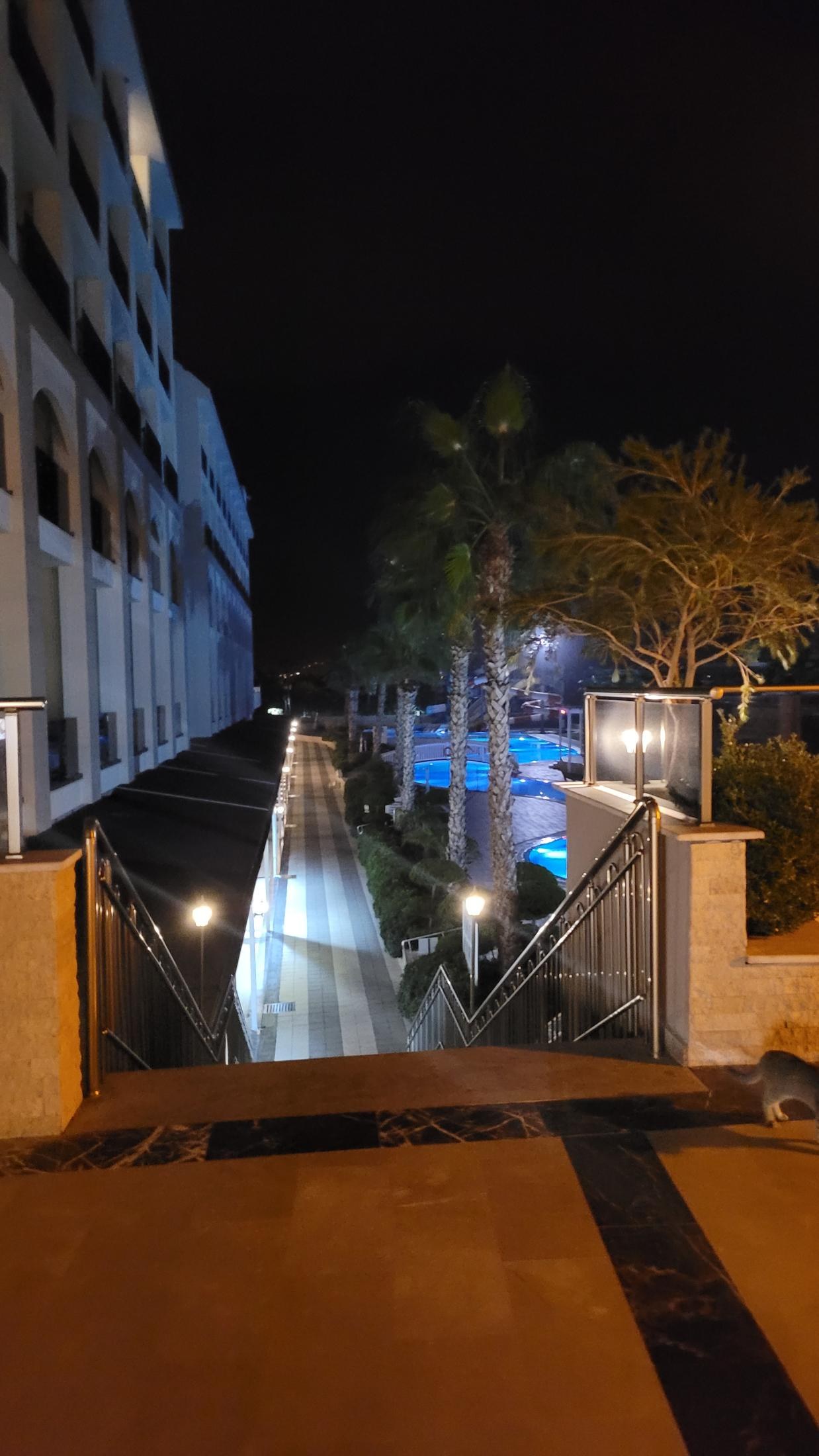
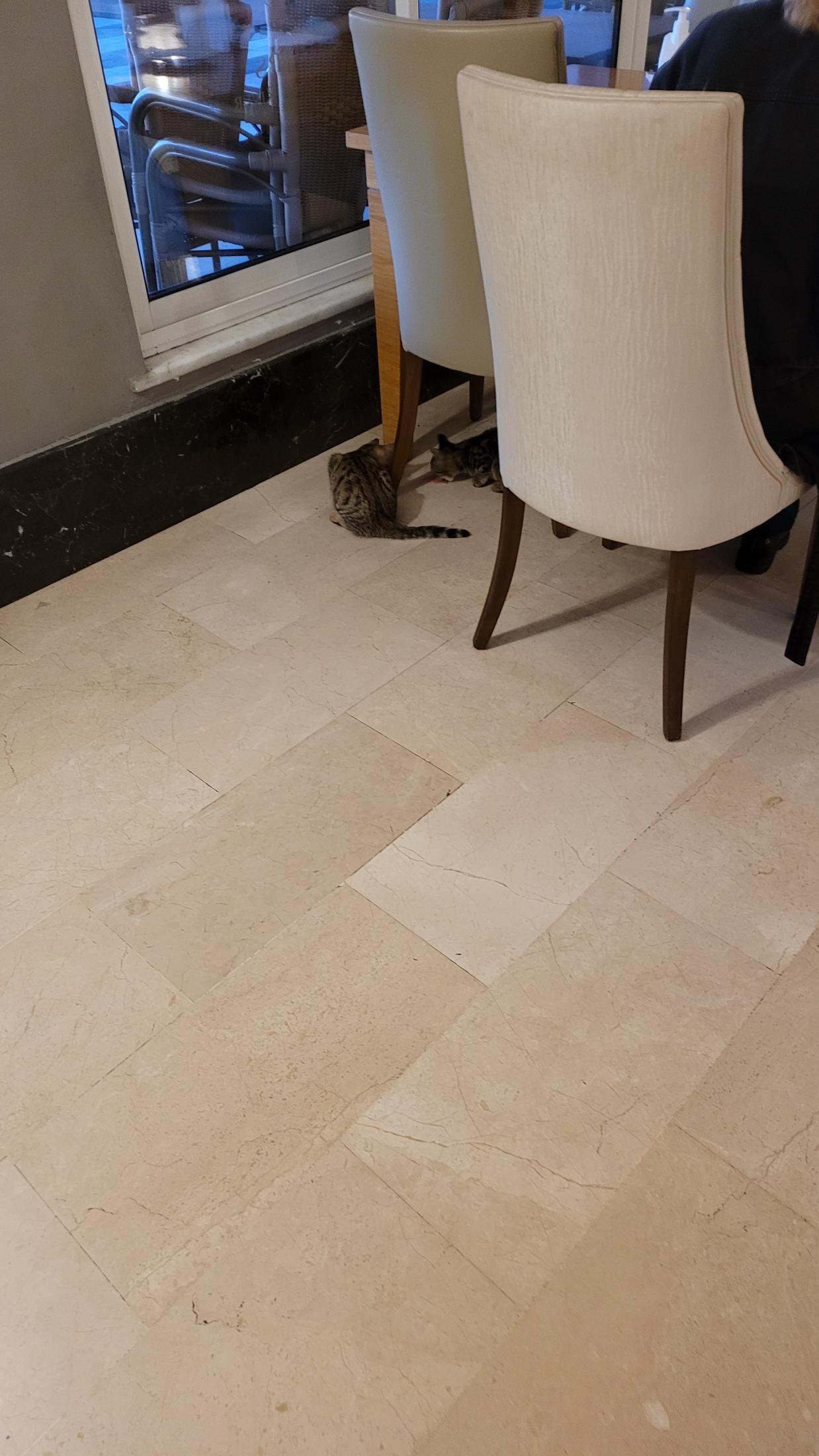
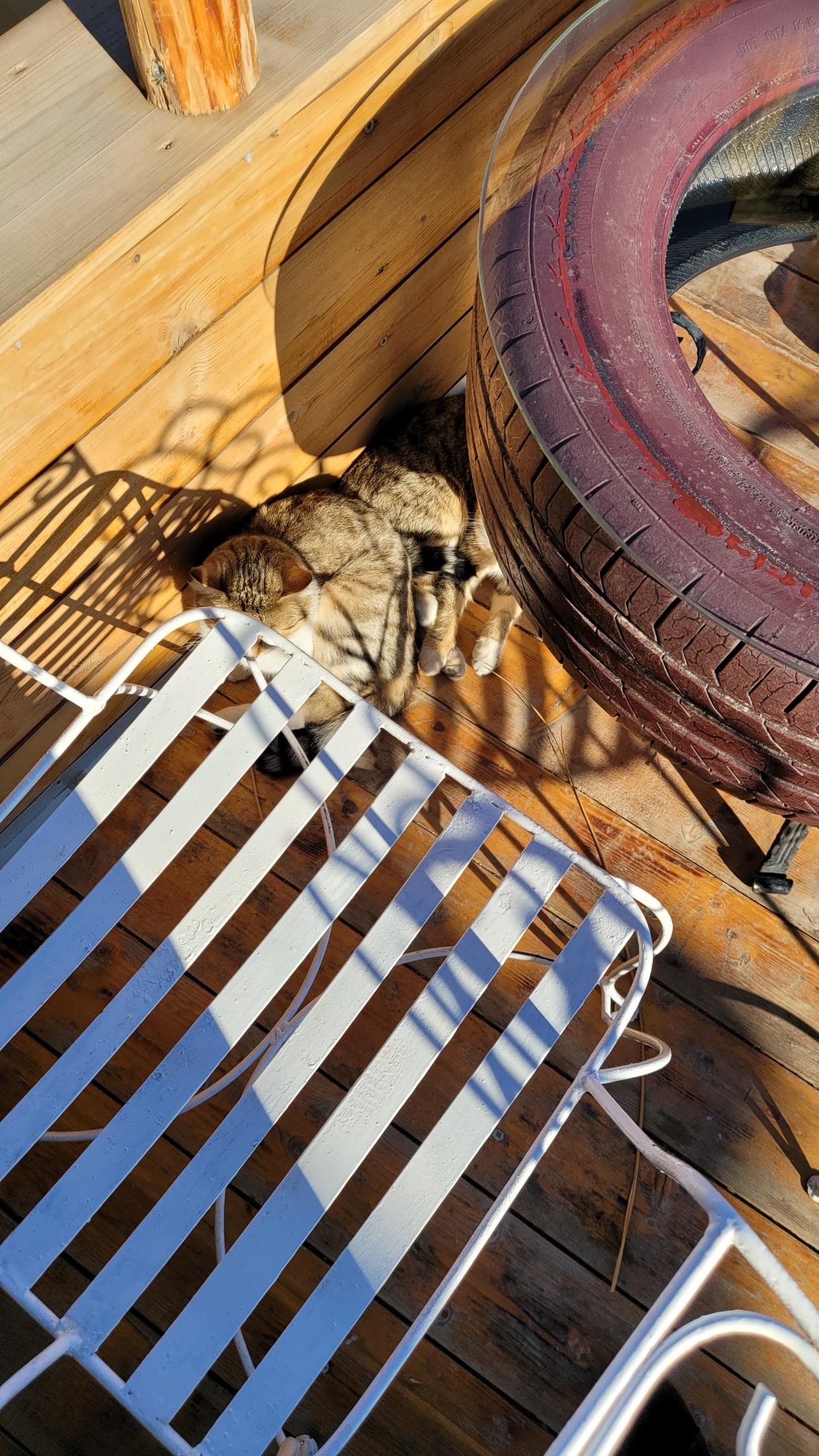
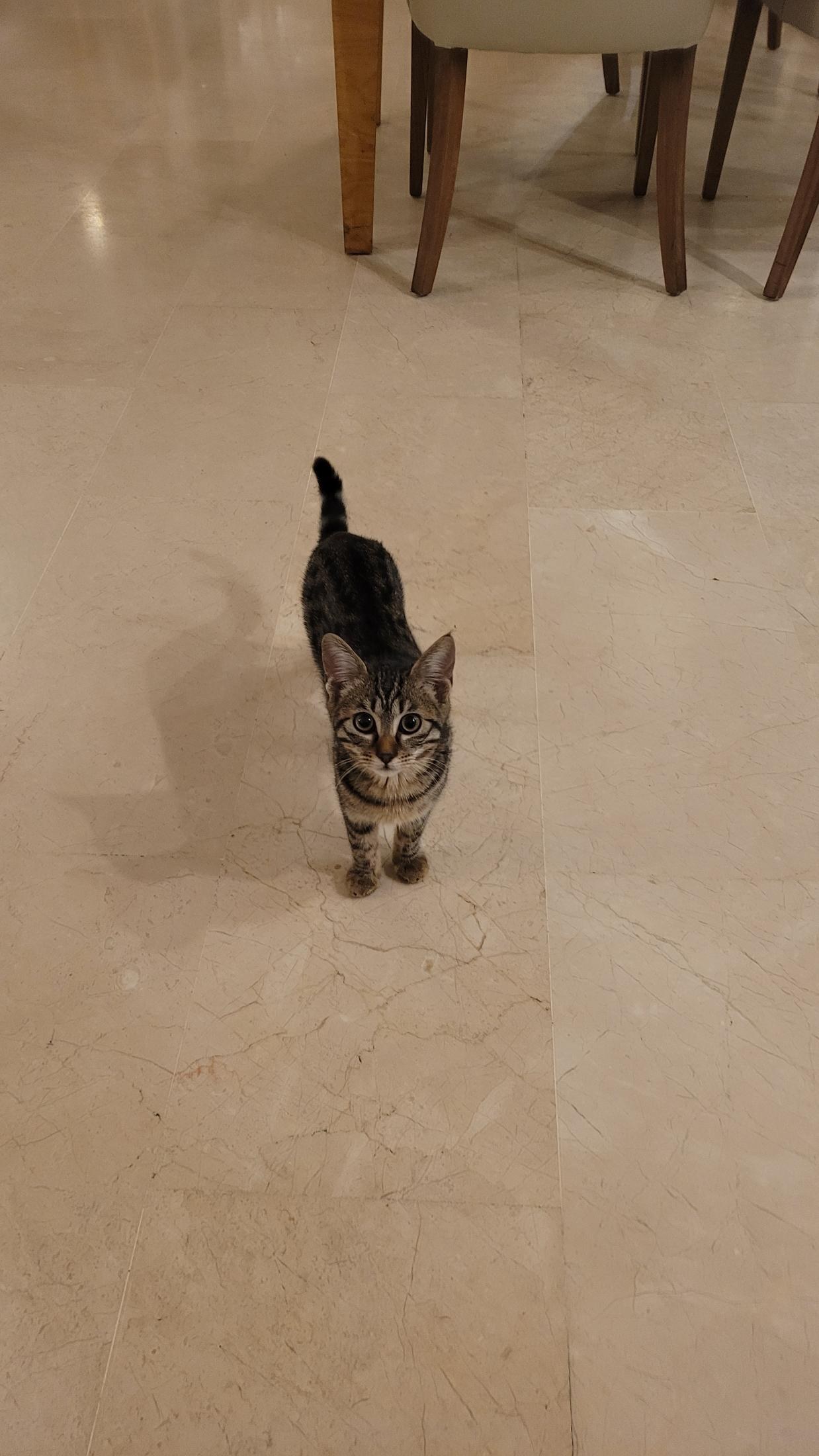
A while back I went on an organised coach trip to Montenegro. I promised myself never to do that to myself again. Which is exactly why we picked a flying trip. Oh, how naive I am. We hadn’t even got out of the airport, crushed by a total of eight hours of loitering in terminals, and straight away: 70 kilometres on the little coach as a good-evening present. Mild indignation: “accommodation in the Antalya area”. They didn’t actually lie to us. TÜRKIYE IS, TO PUT IT MILDLY, ENORMOUS. The “Antalya area” is a strip nearly 200 kilometres long. We’re practically in the wider city centre. They put us in a hotel in Manavgat — allegedly five stars. Wow. Our guide explains that there’s a difference between a five-star hotel and a five-star hotel. Ours is closer to a three-star, but still: WOW. Reminder, THE SPACE IN TÜRKIYE IS ENORMOUS. The hotel takes 15 minutes to walk from one end to the other. First wow for sheer volume. Second wow: cats, cats everywhere. In the hotel, around the hotel, in the restaurant, on the restaurant. Mixed feelings at first — we adore cats, but let’s not kid ourselves, they also make a mess. Should they be on the table where people eat and cutlery is laid out? We’re only passing through, there’s hand sanitiser everywhere, we’ll enjoy the cats, they’re a bonus. How could you be cross with them. For a whole week they’ll be putting smiles on most people’s faces. There are always a few who disagree, of course.
The kittens definitely fix the mood for the day and the journey. The travelling is actually fun and not all that heavy. We drew the short straw and it still worked out. Summarised, and very briefly:
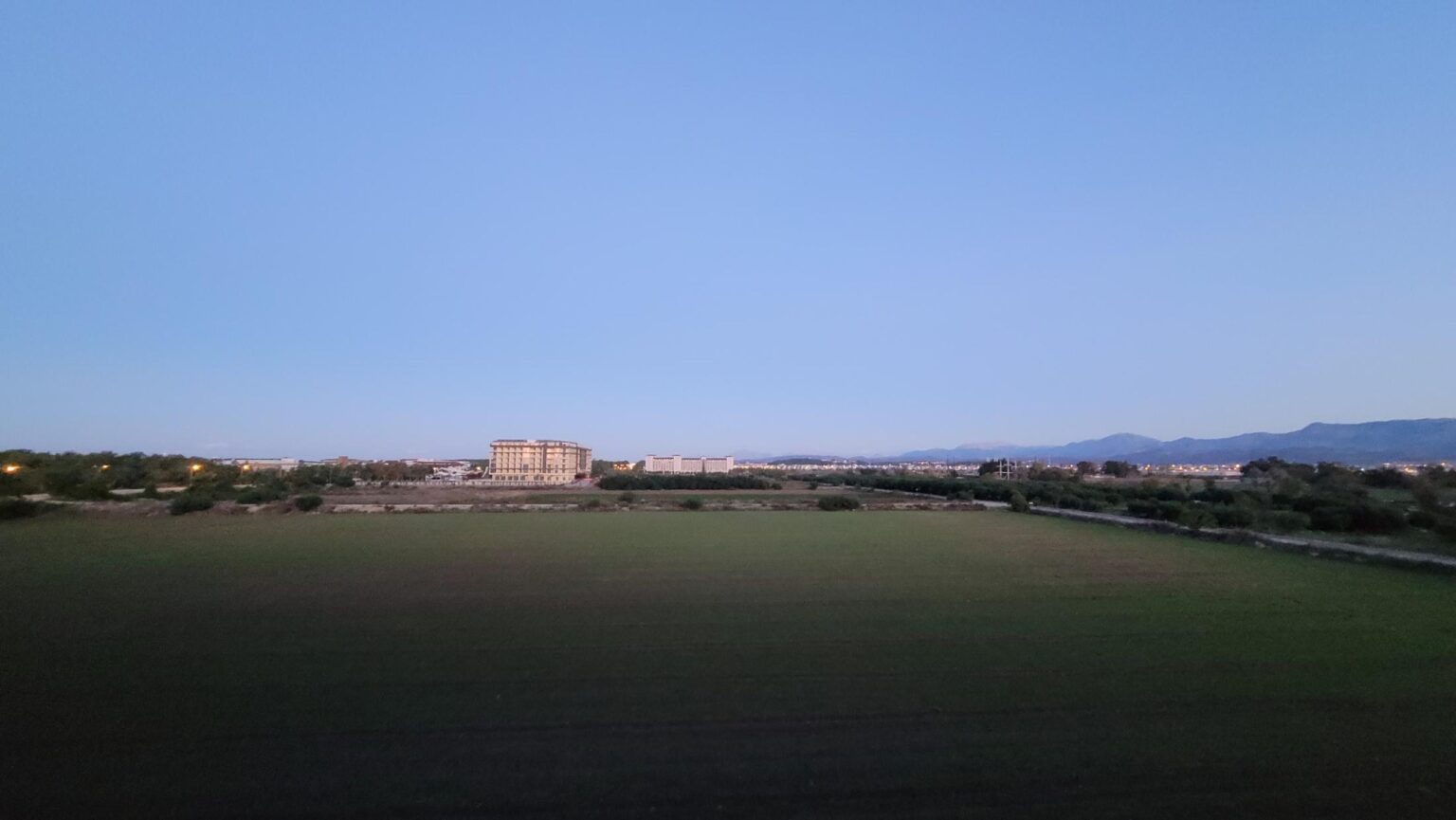
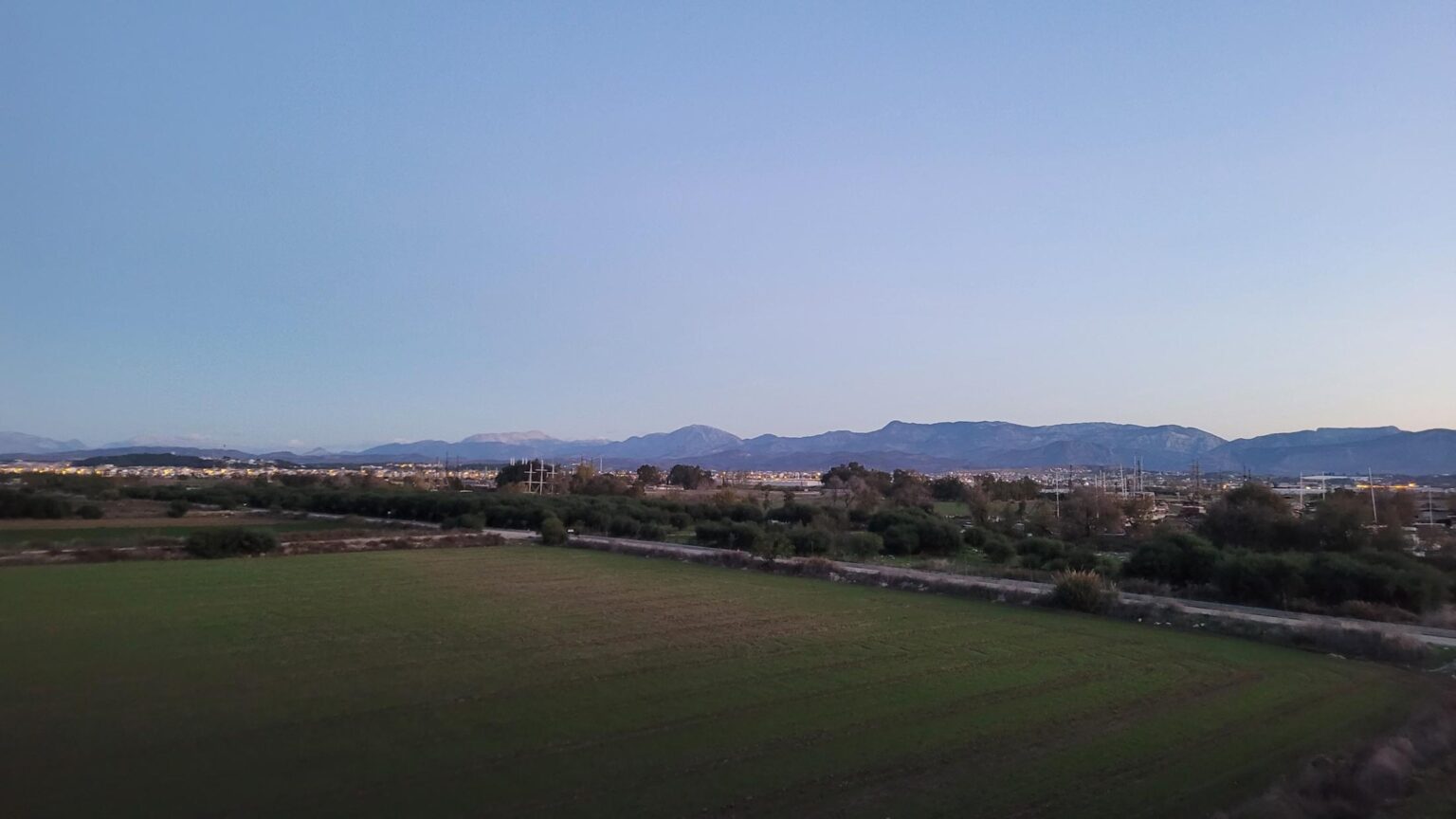
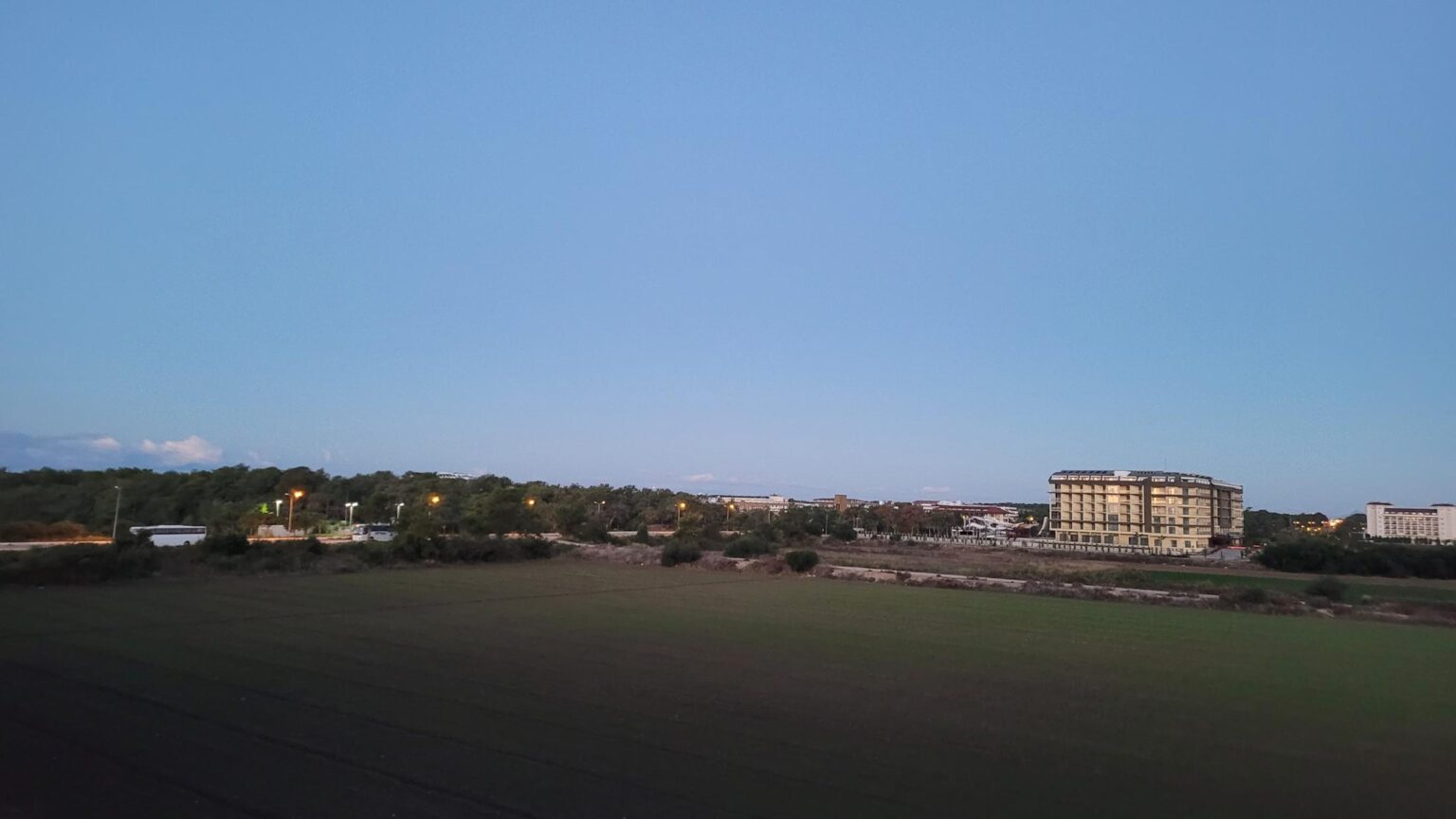
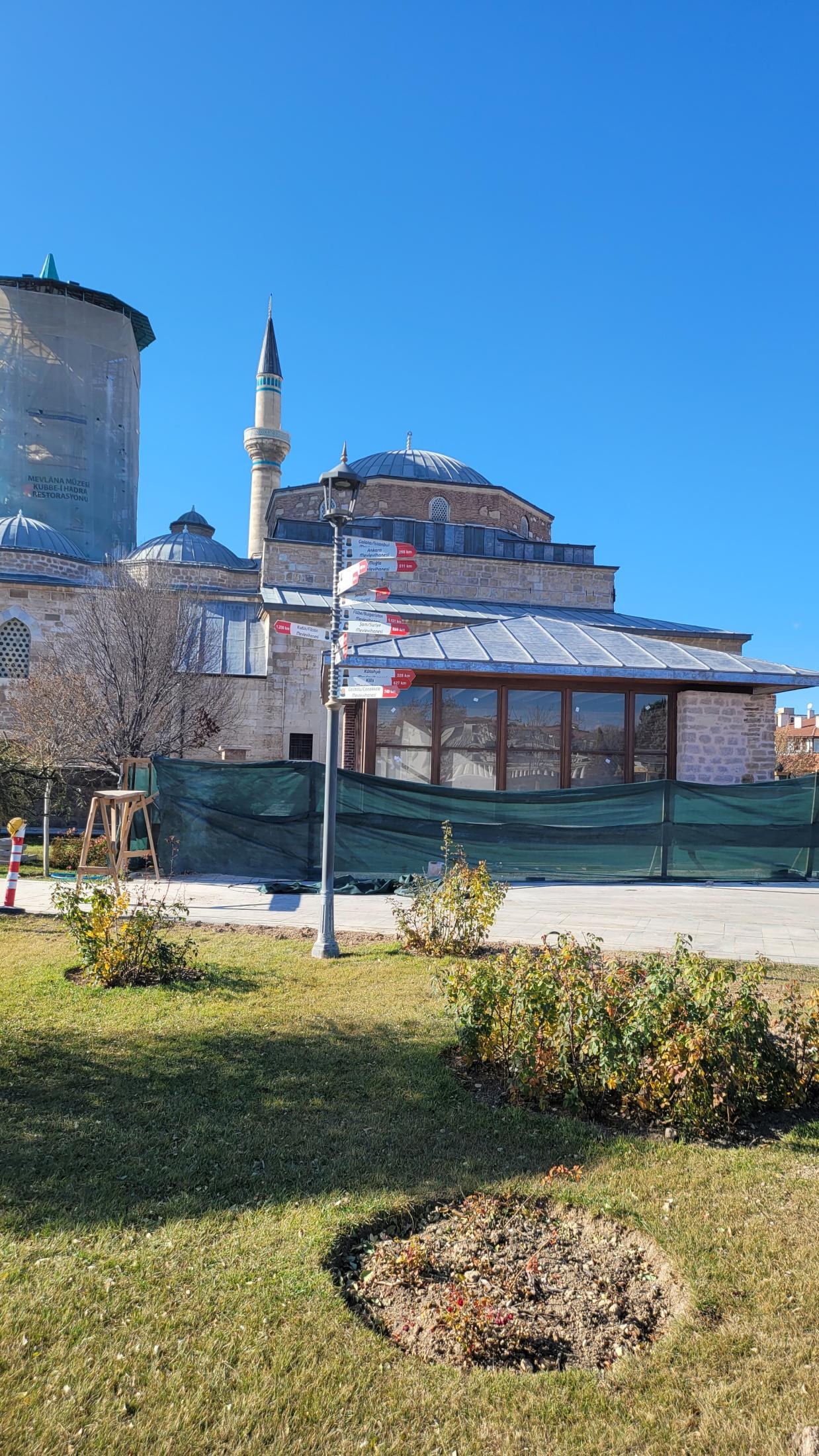
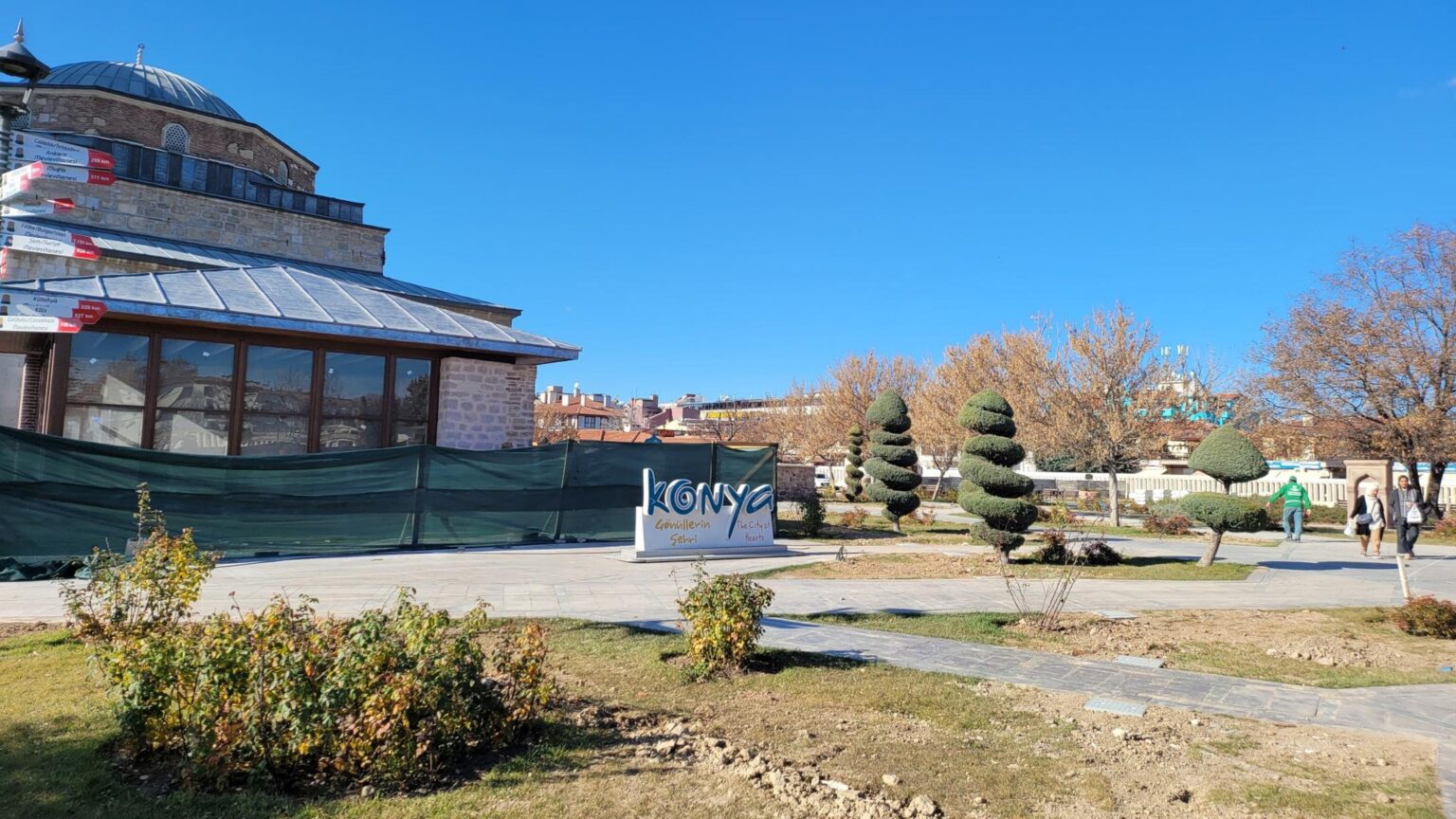
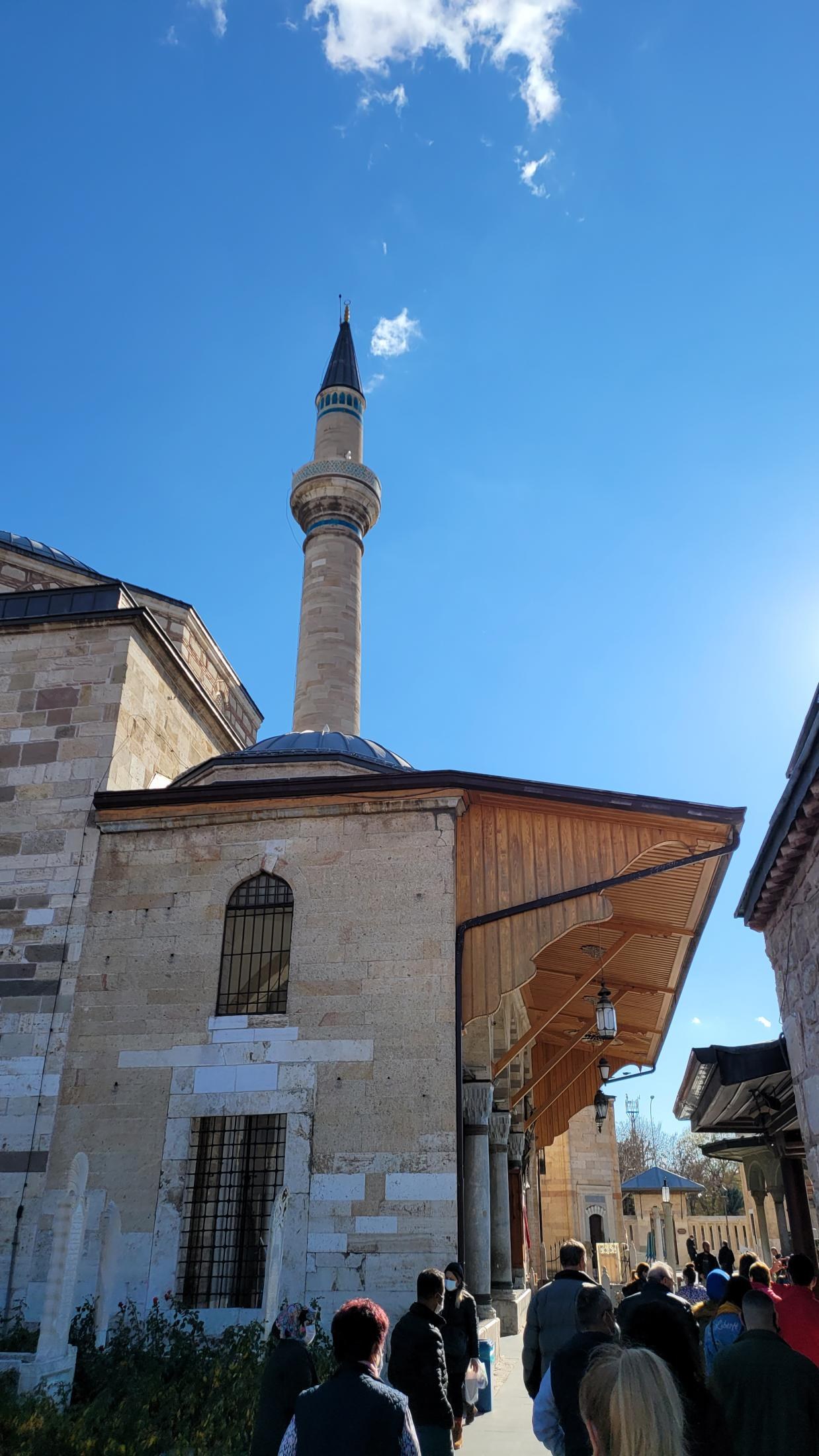
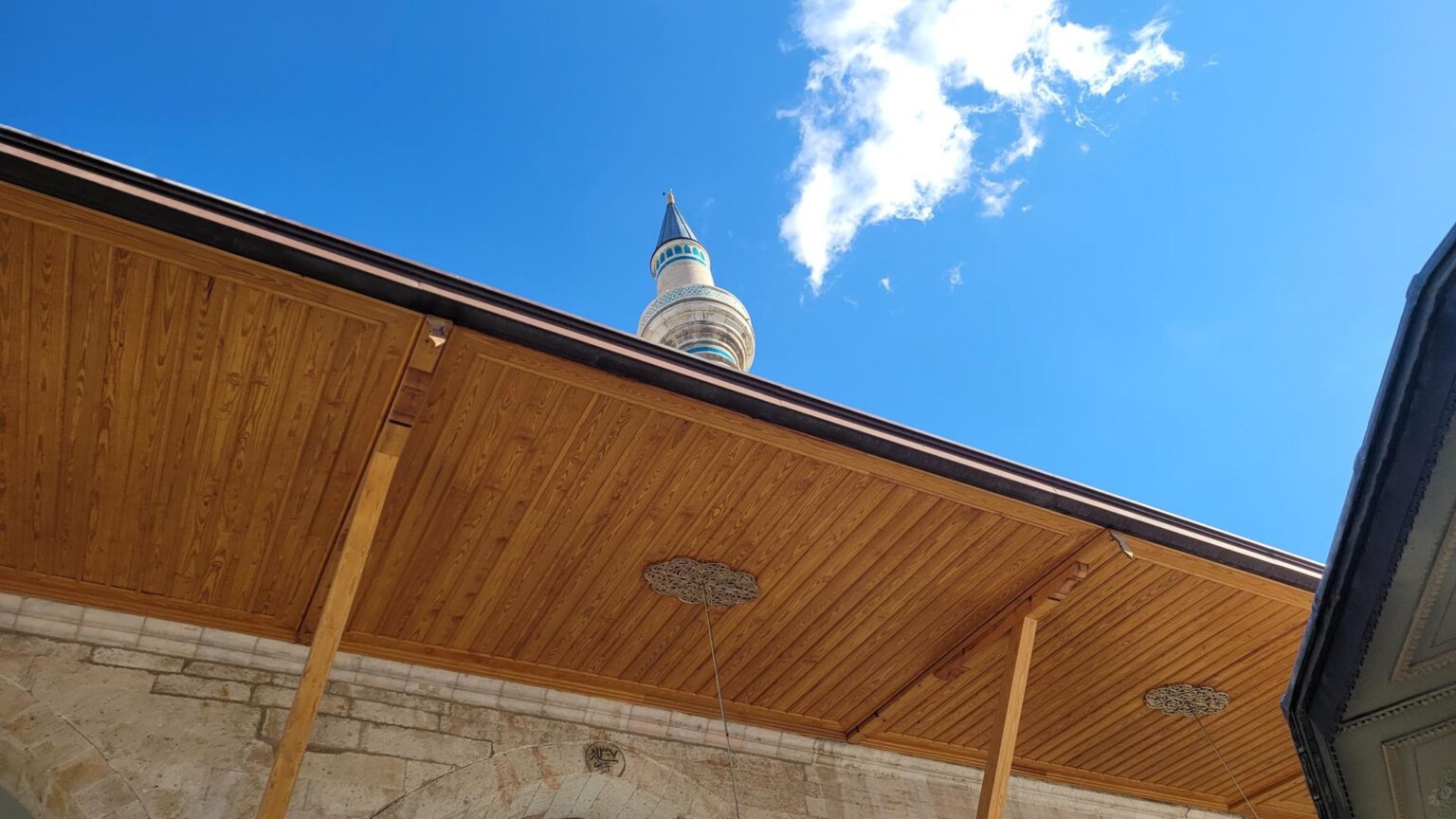
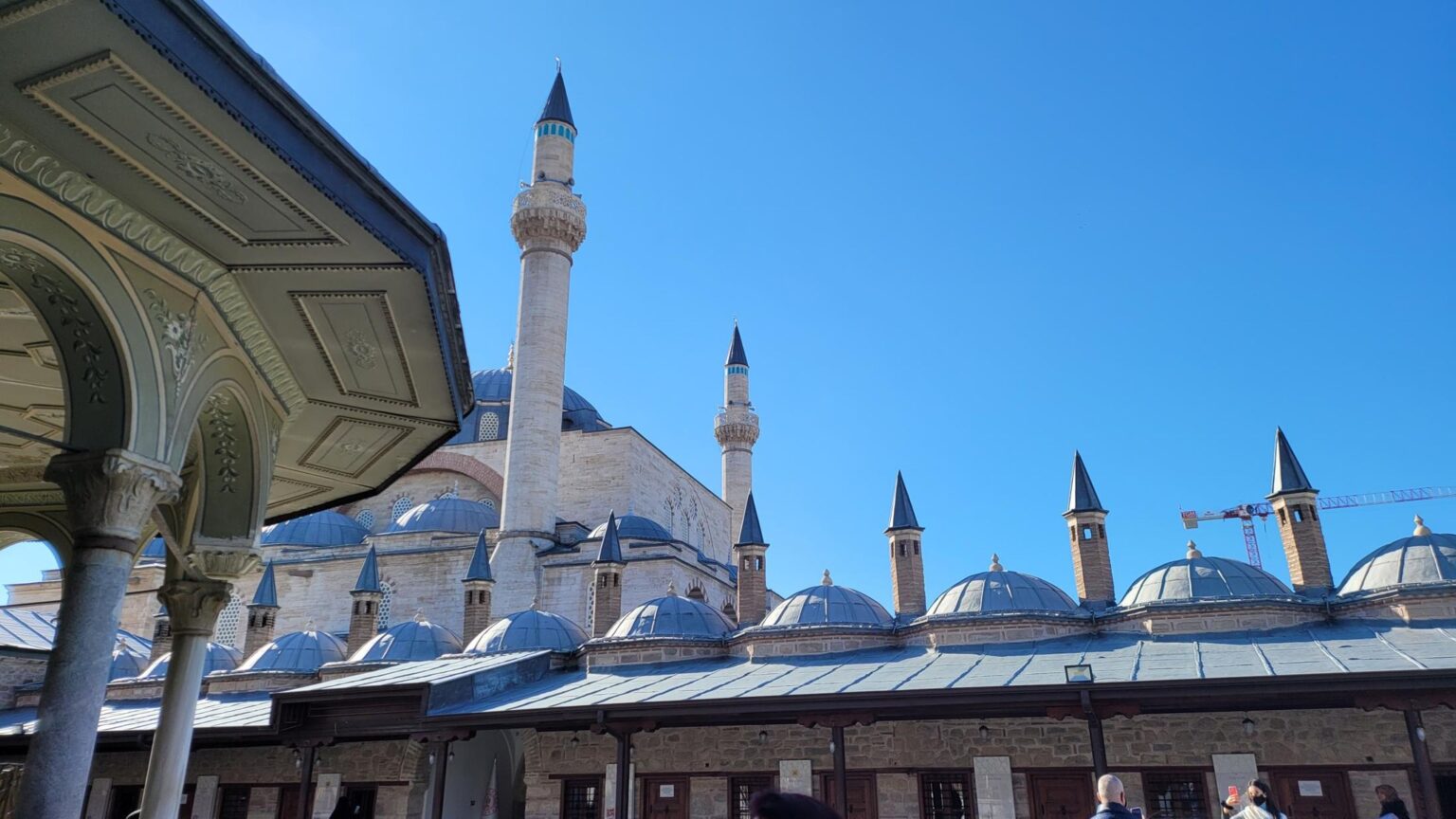
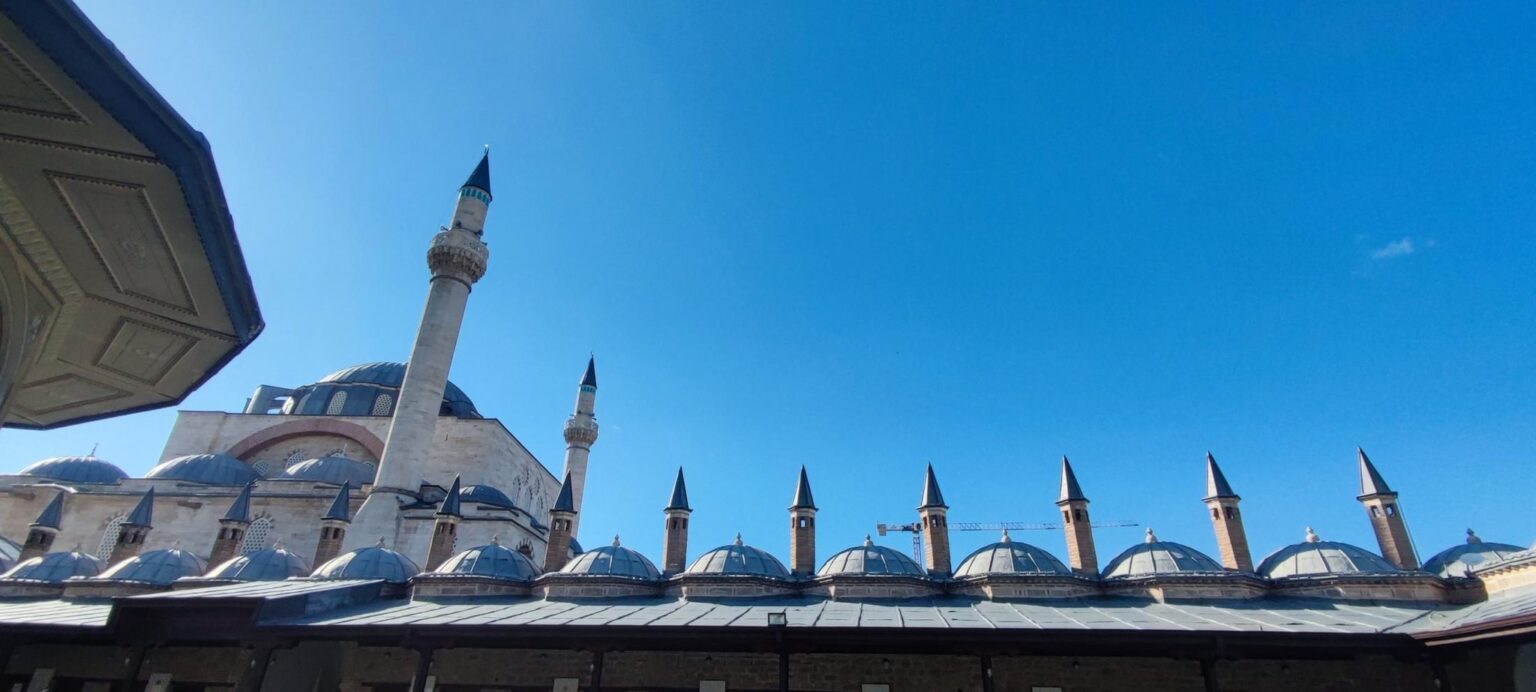
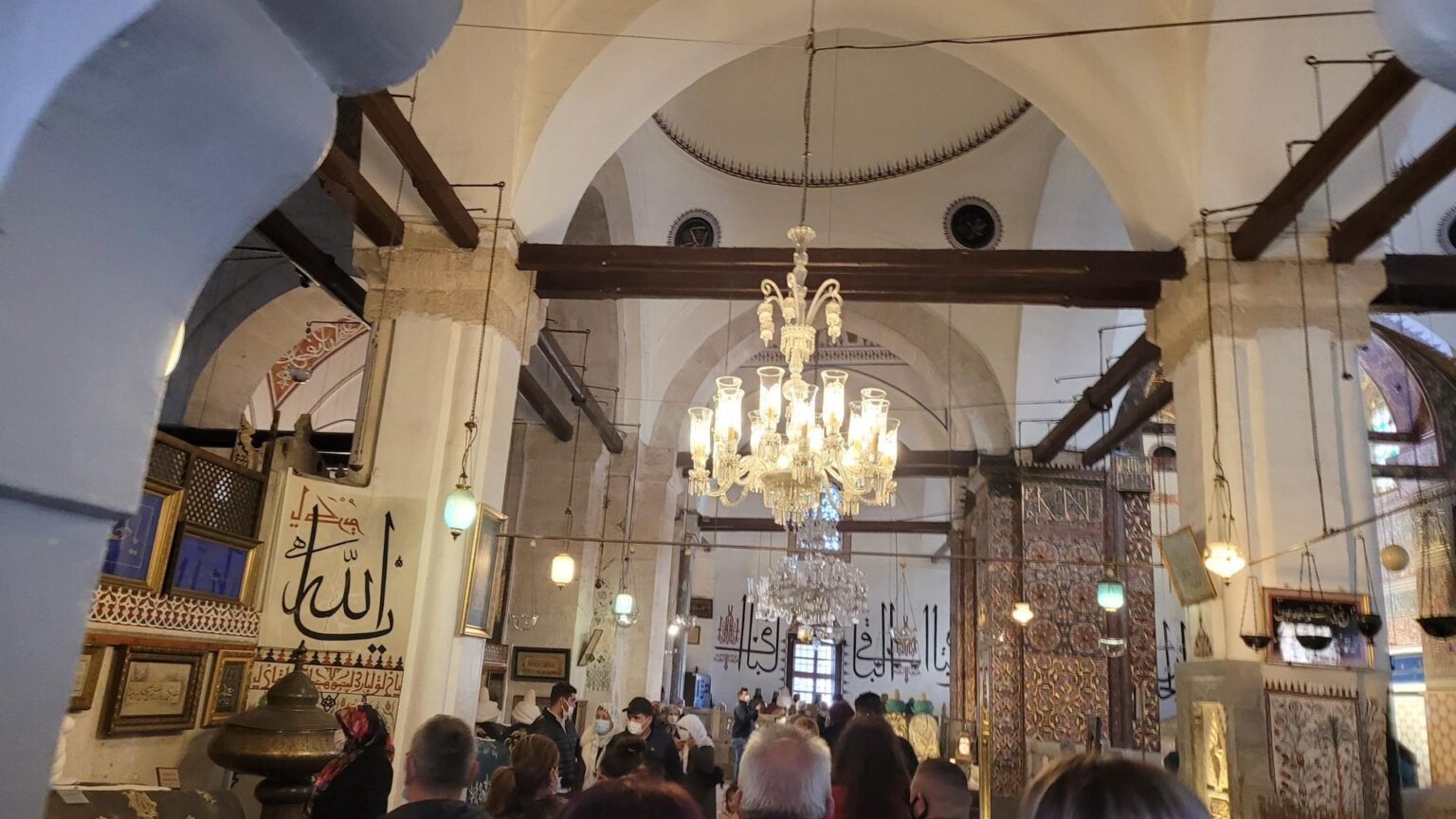
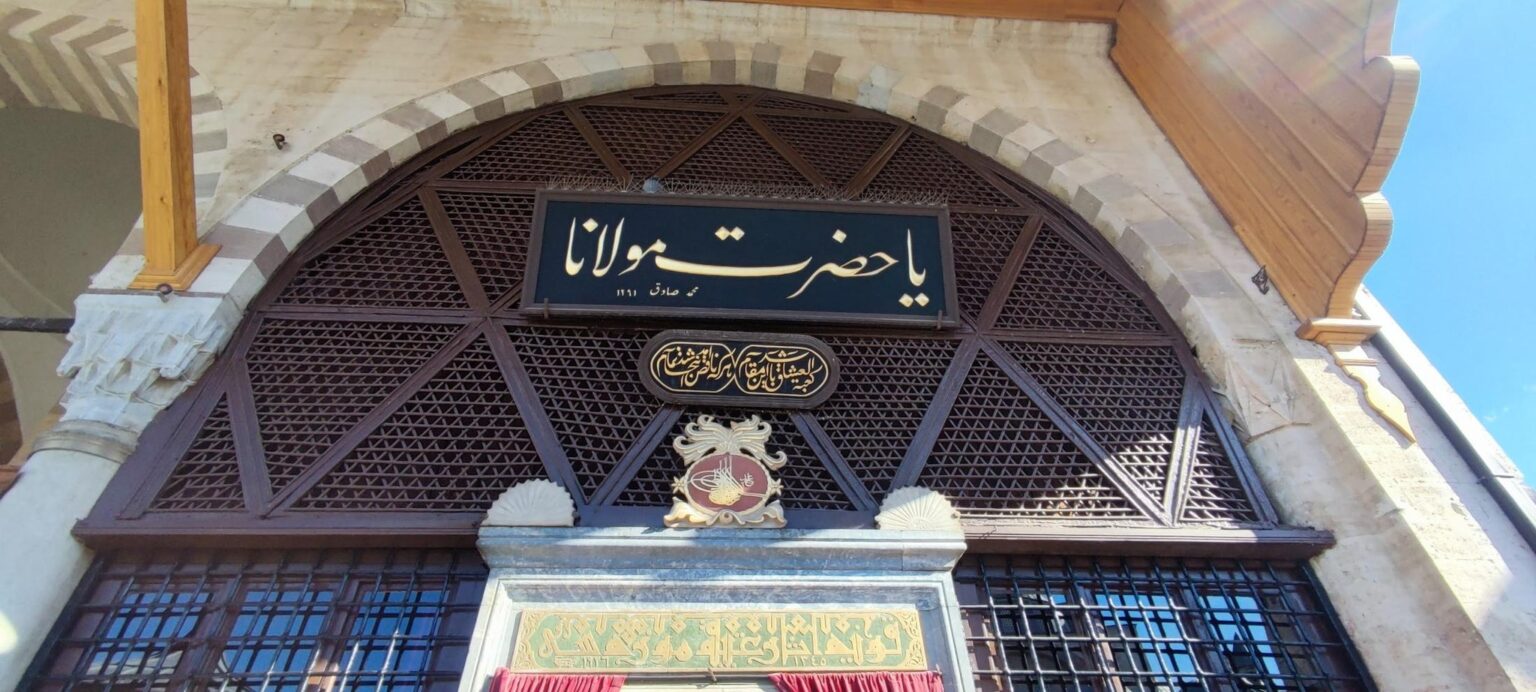
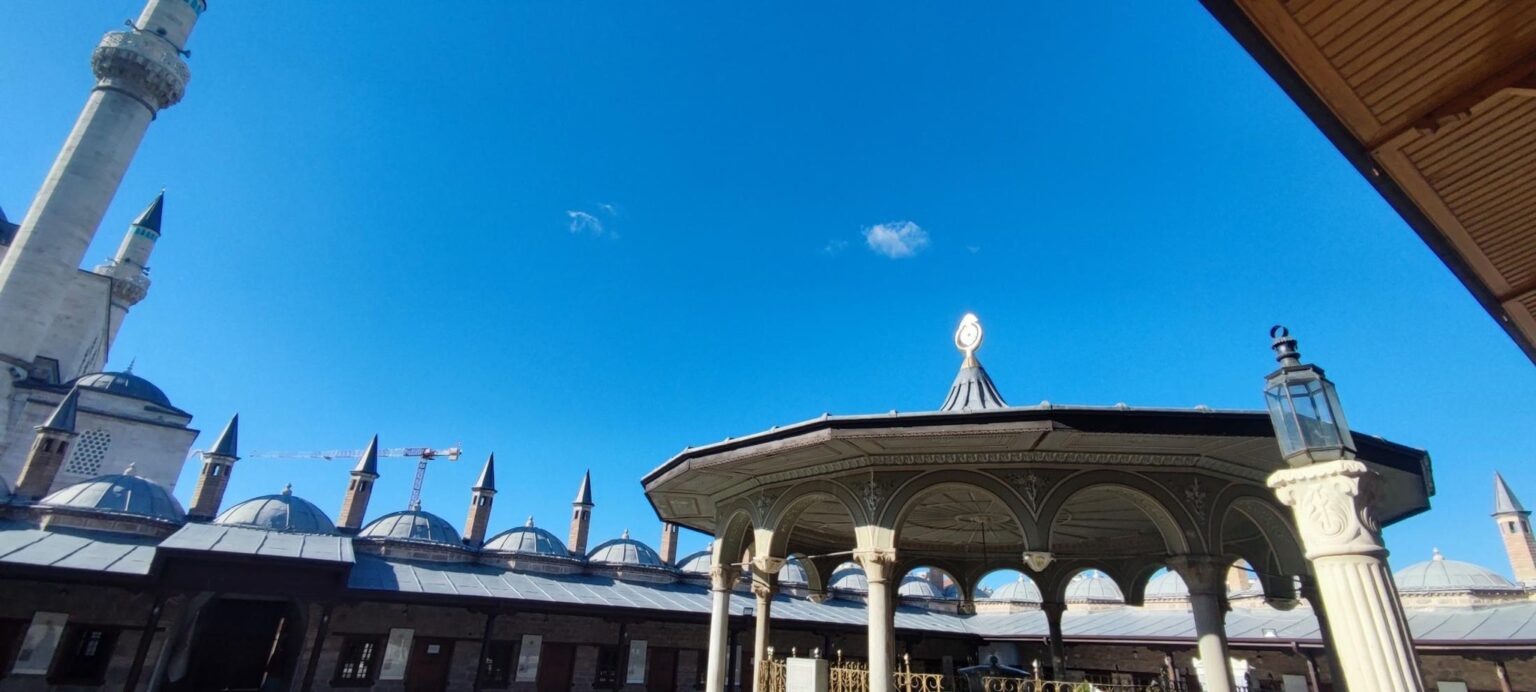
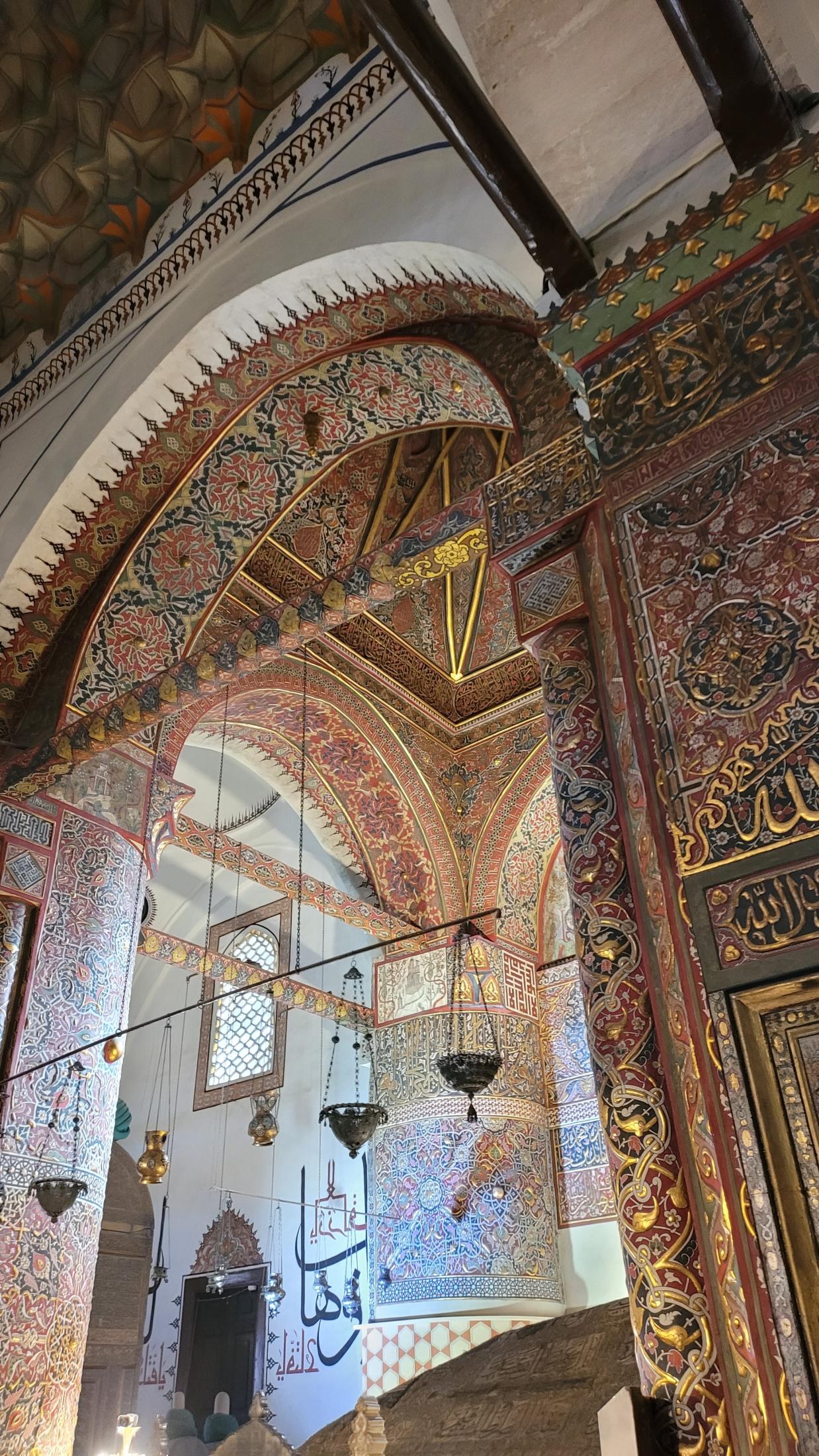
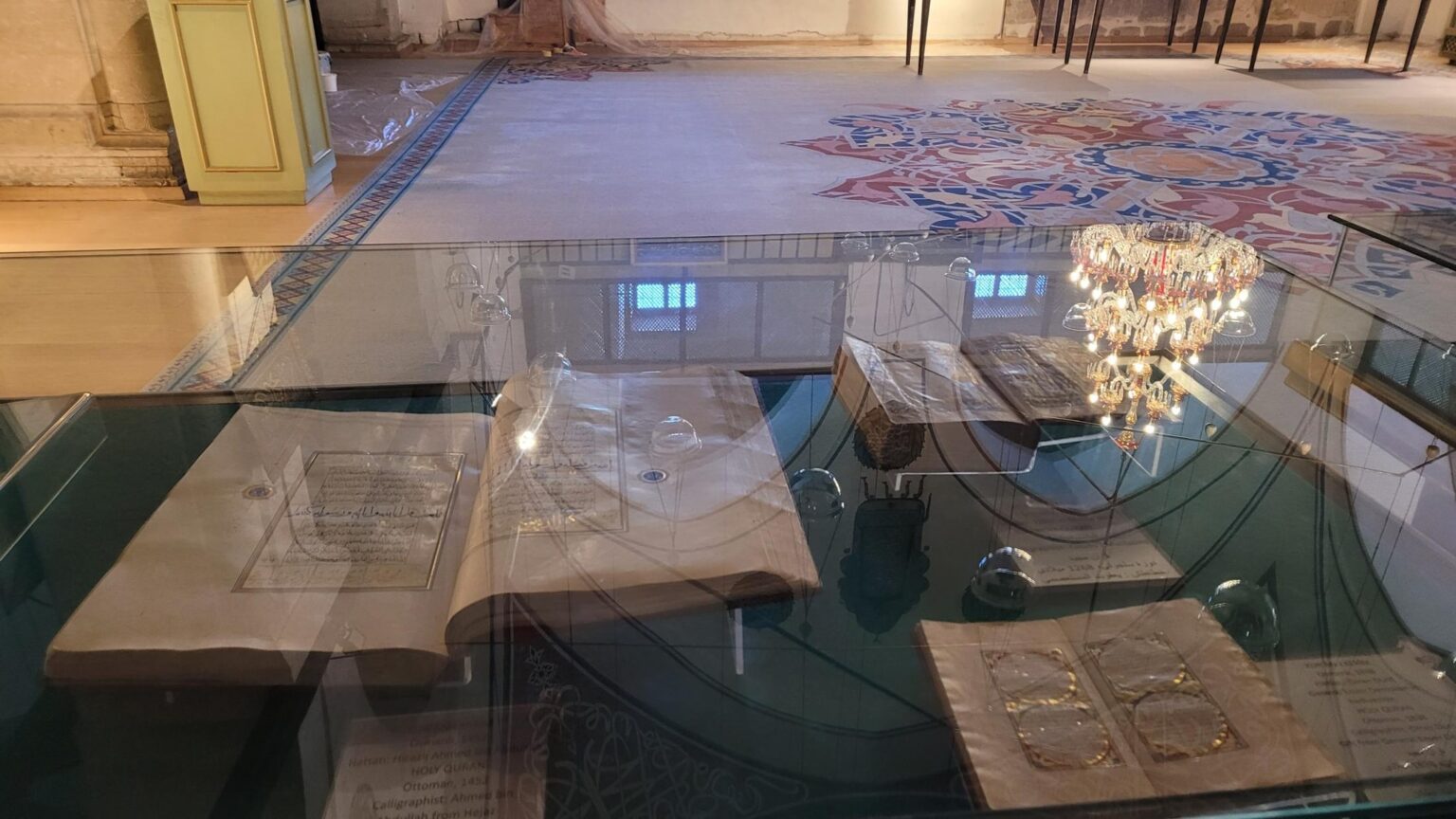
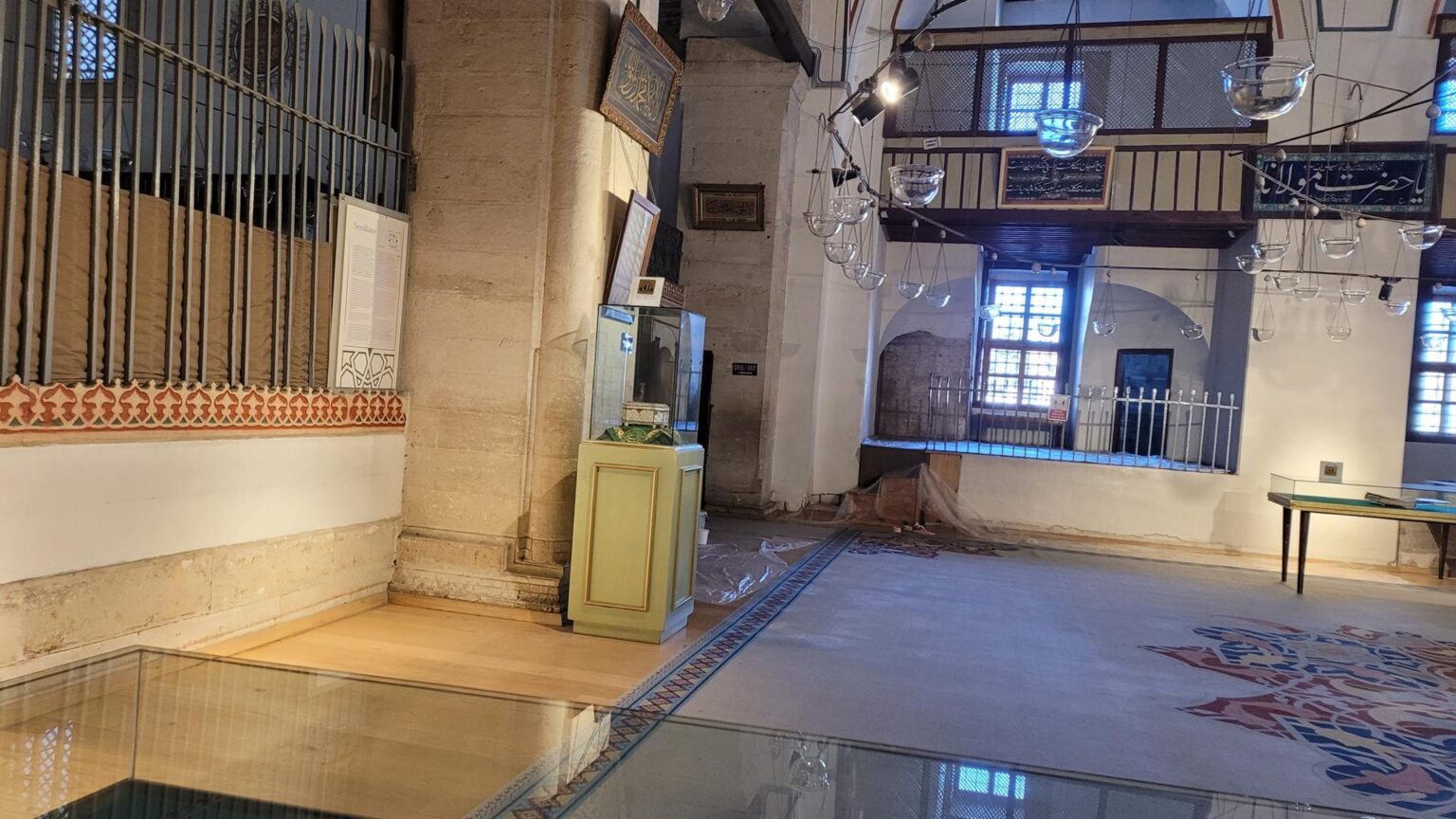
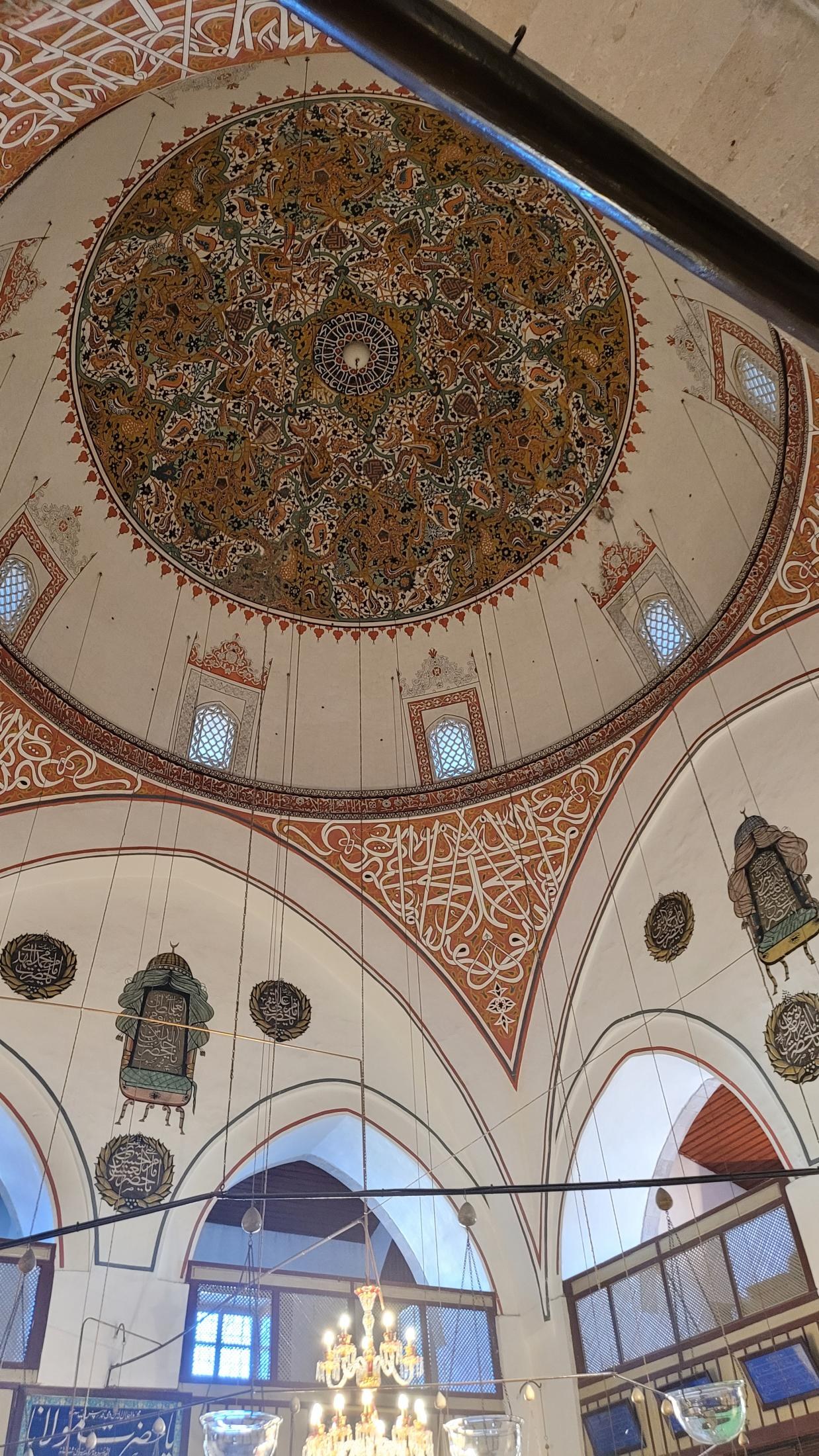
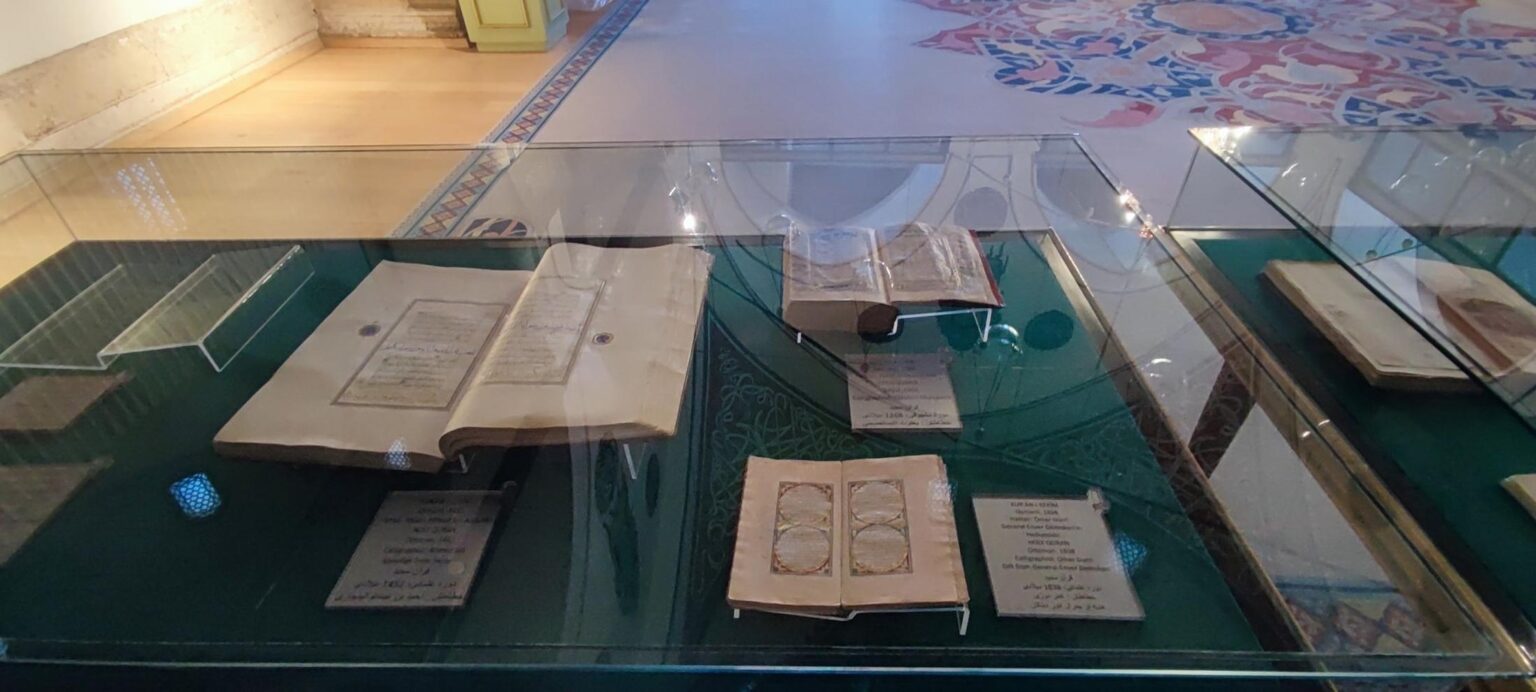
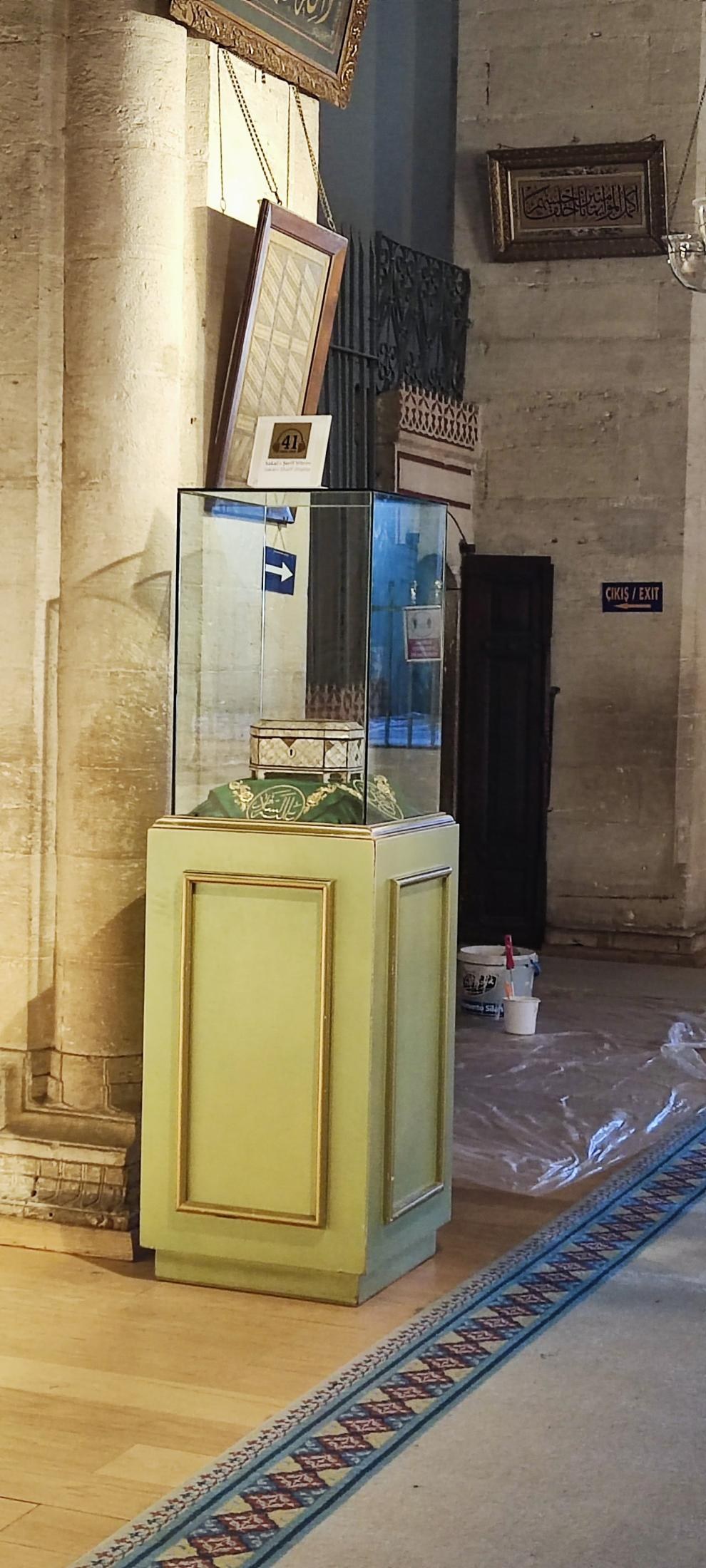
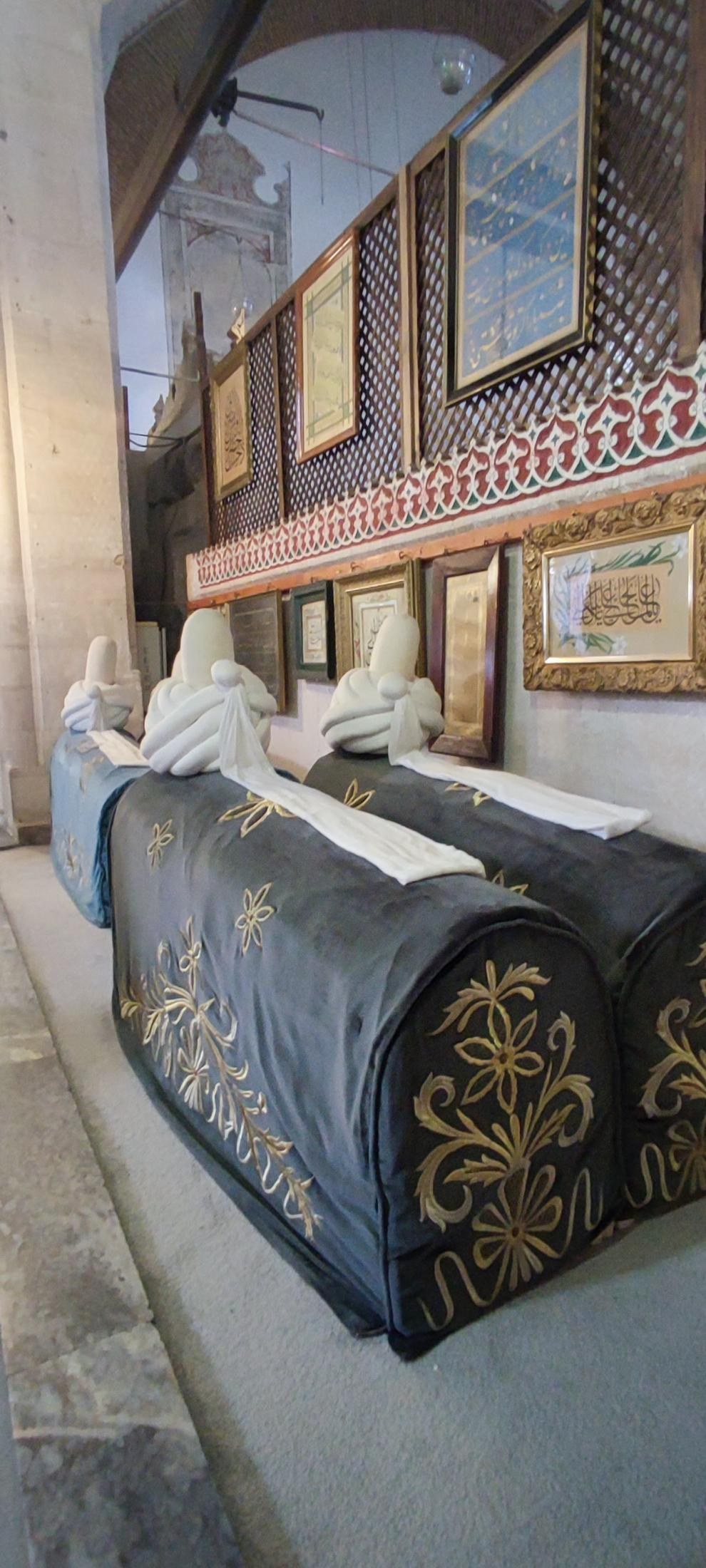
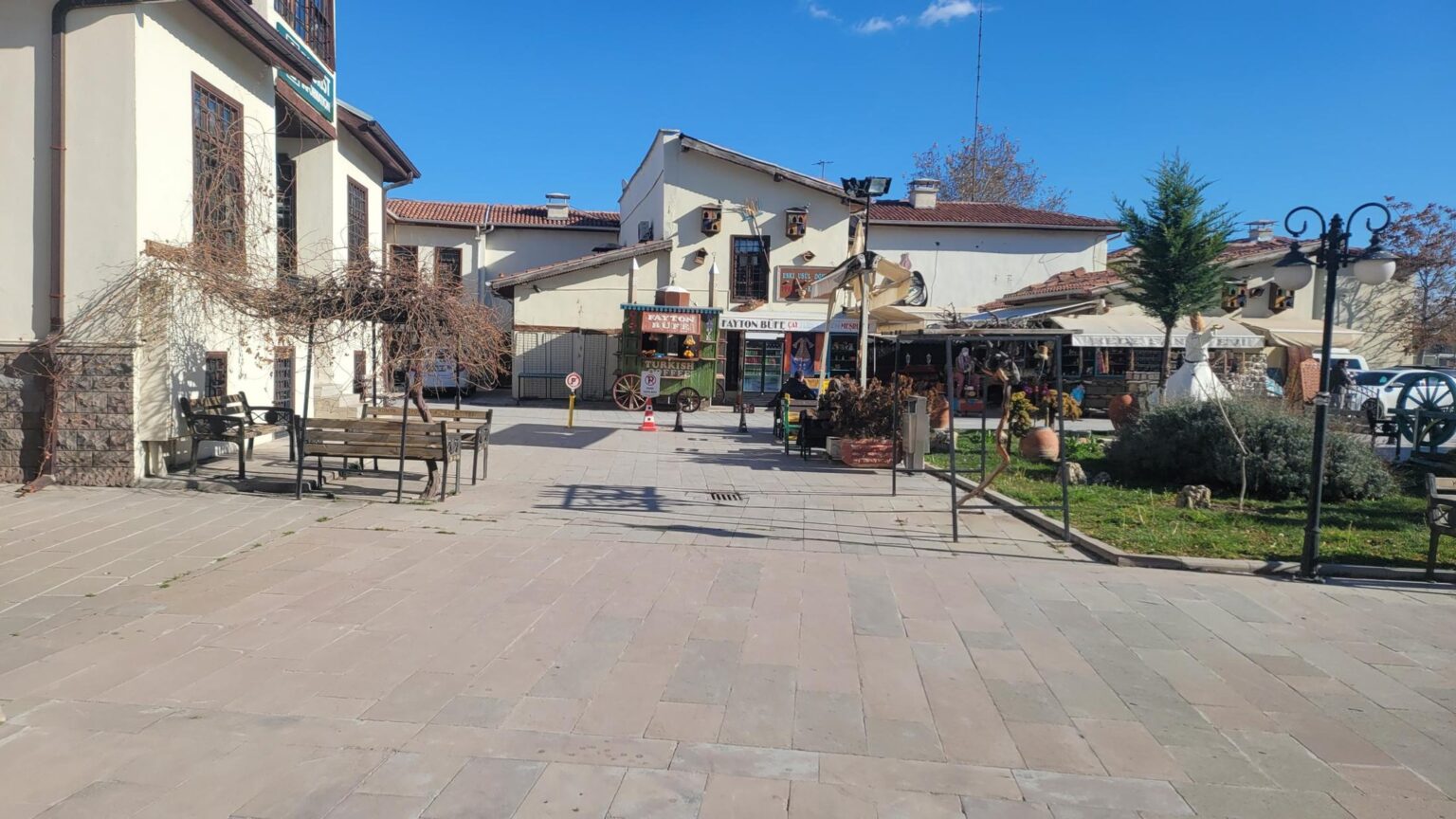
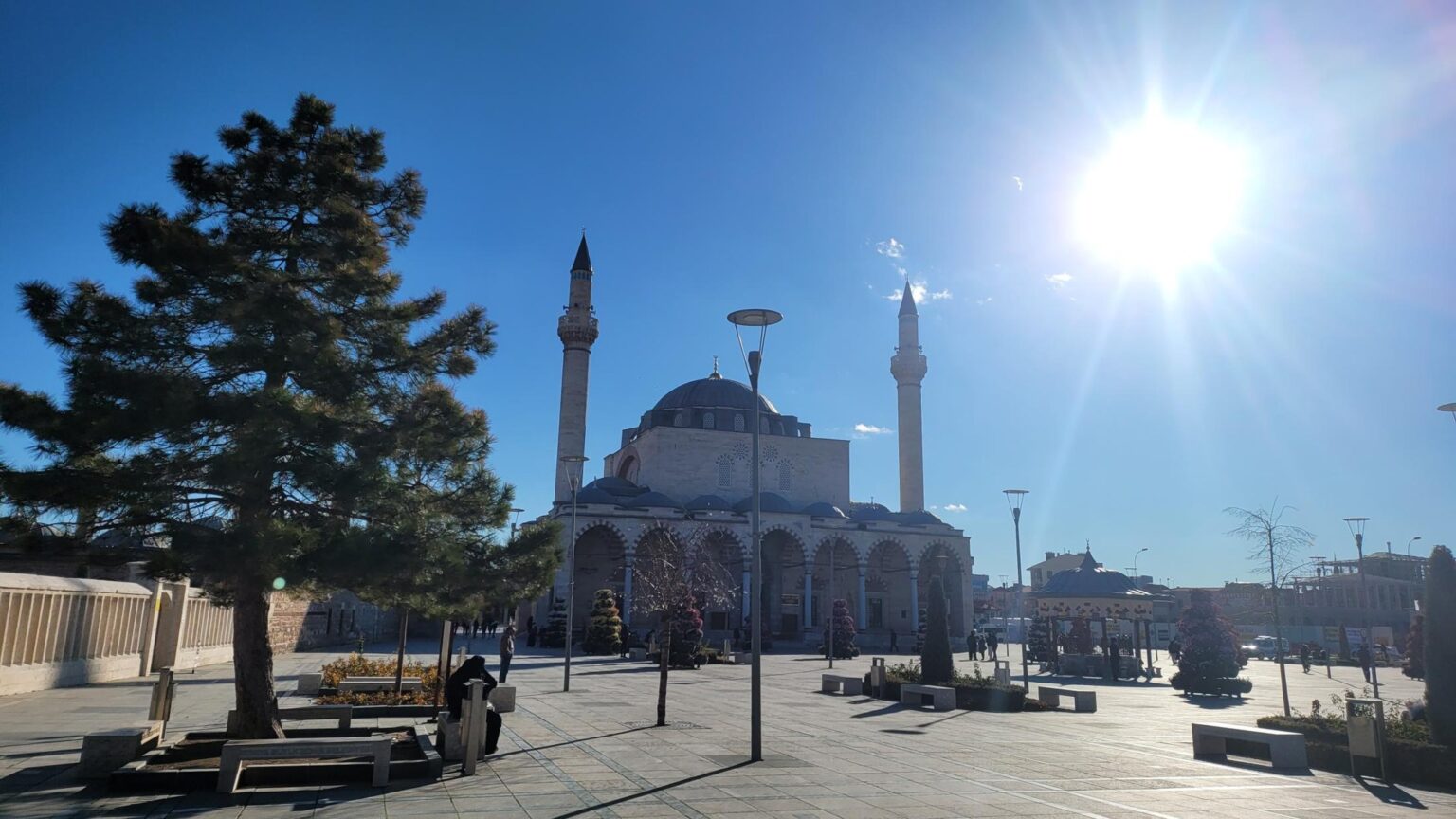
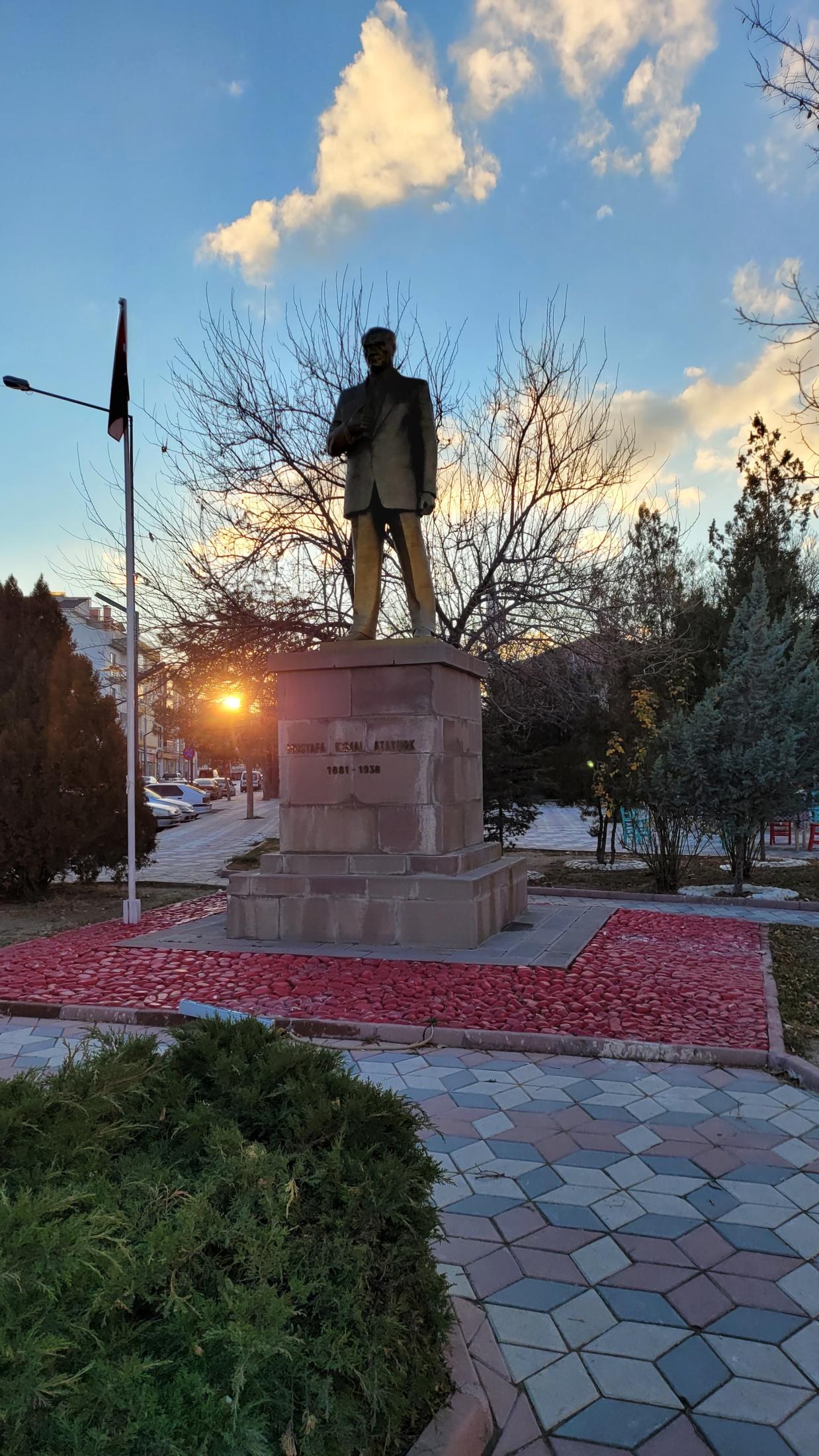
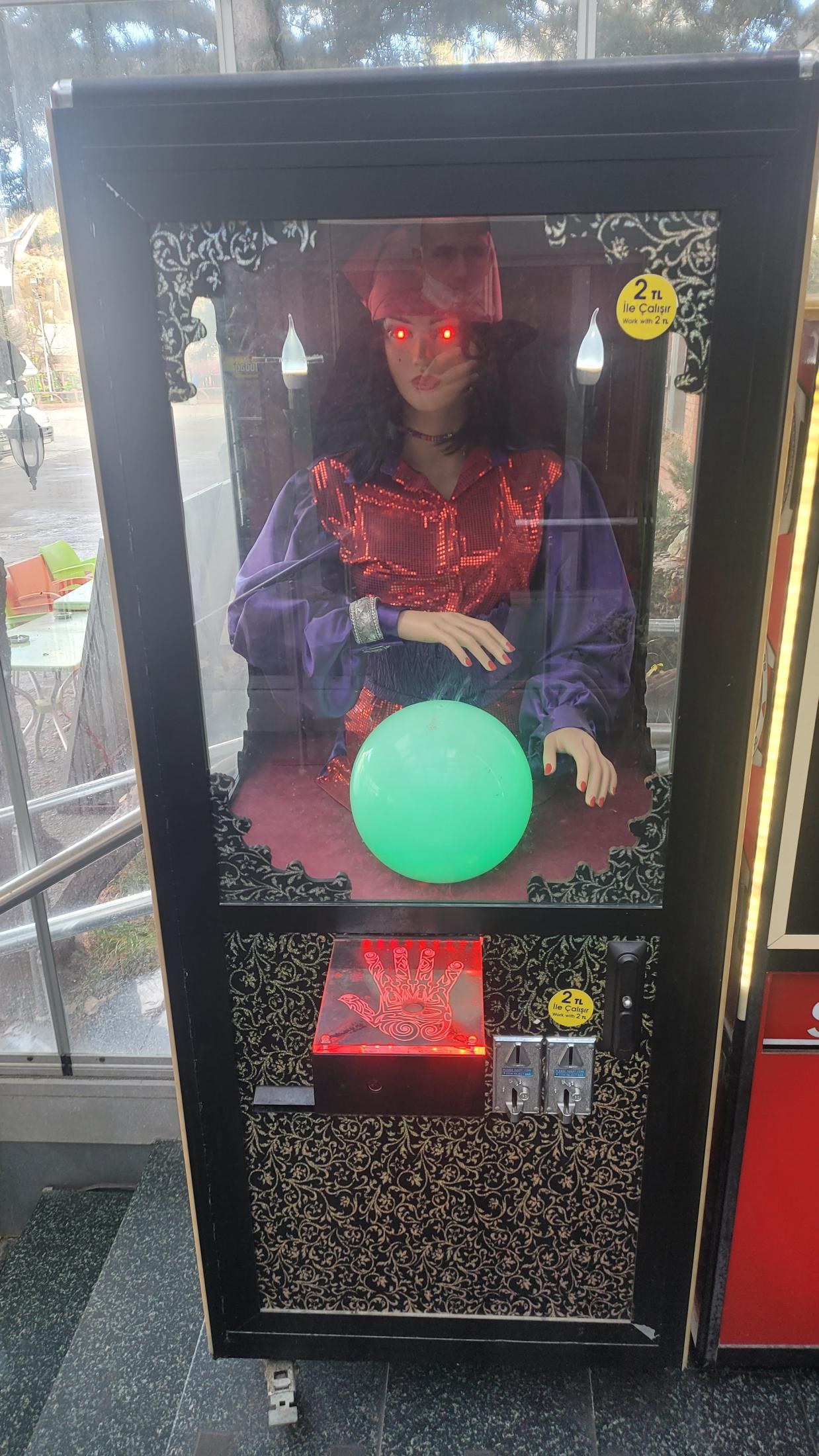
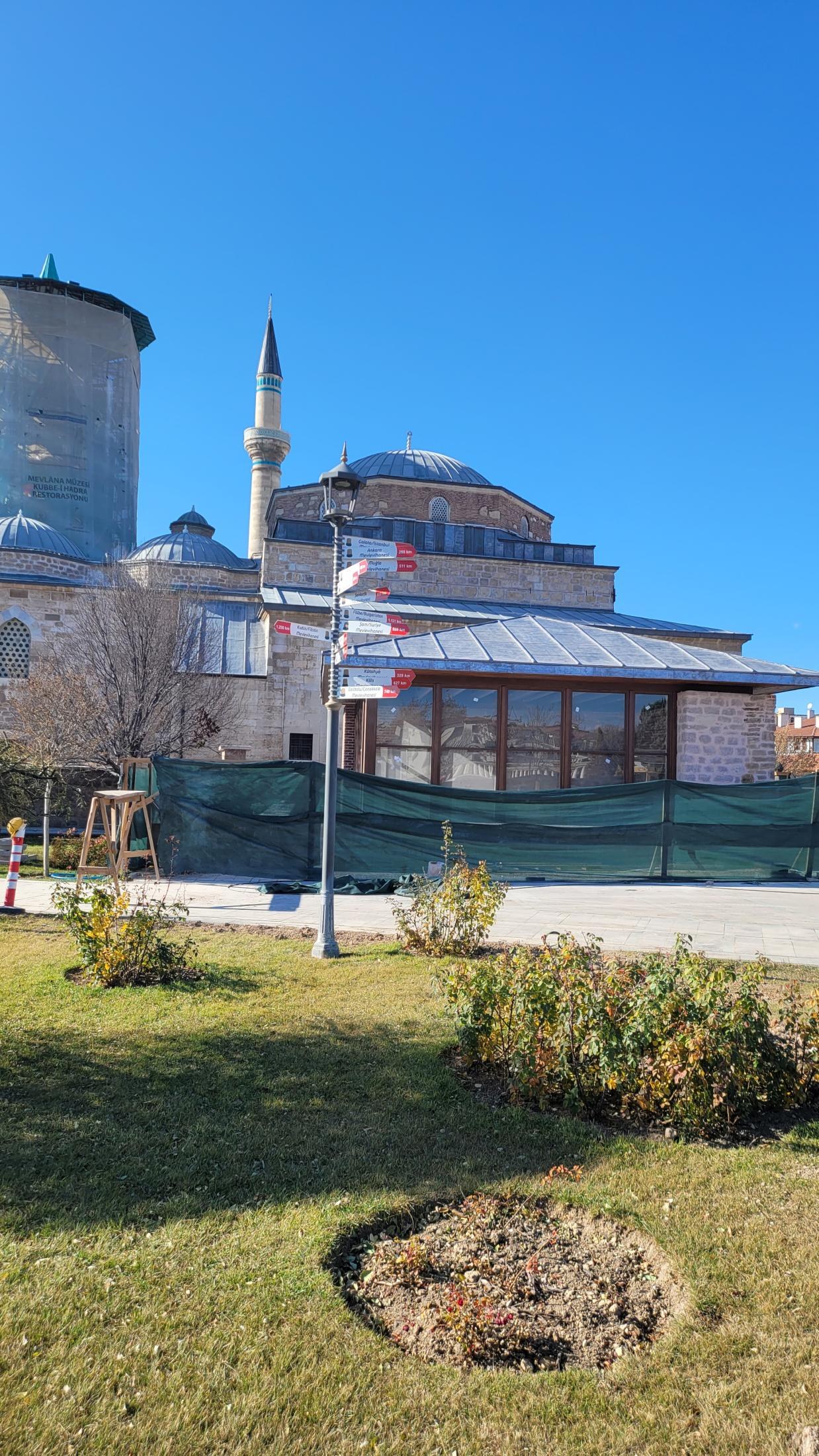
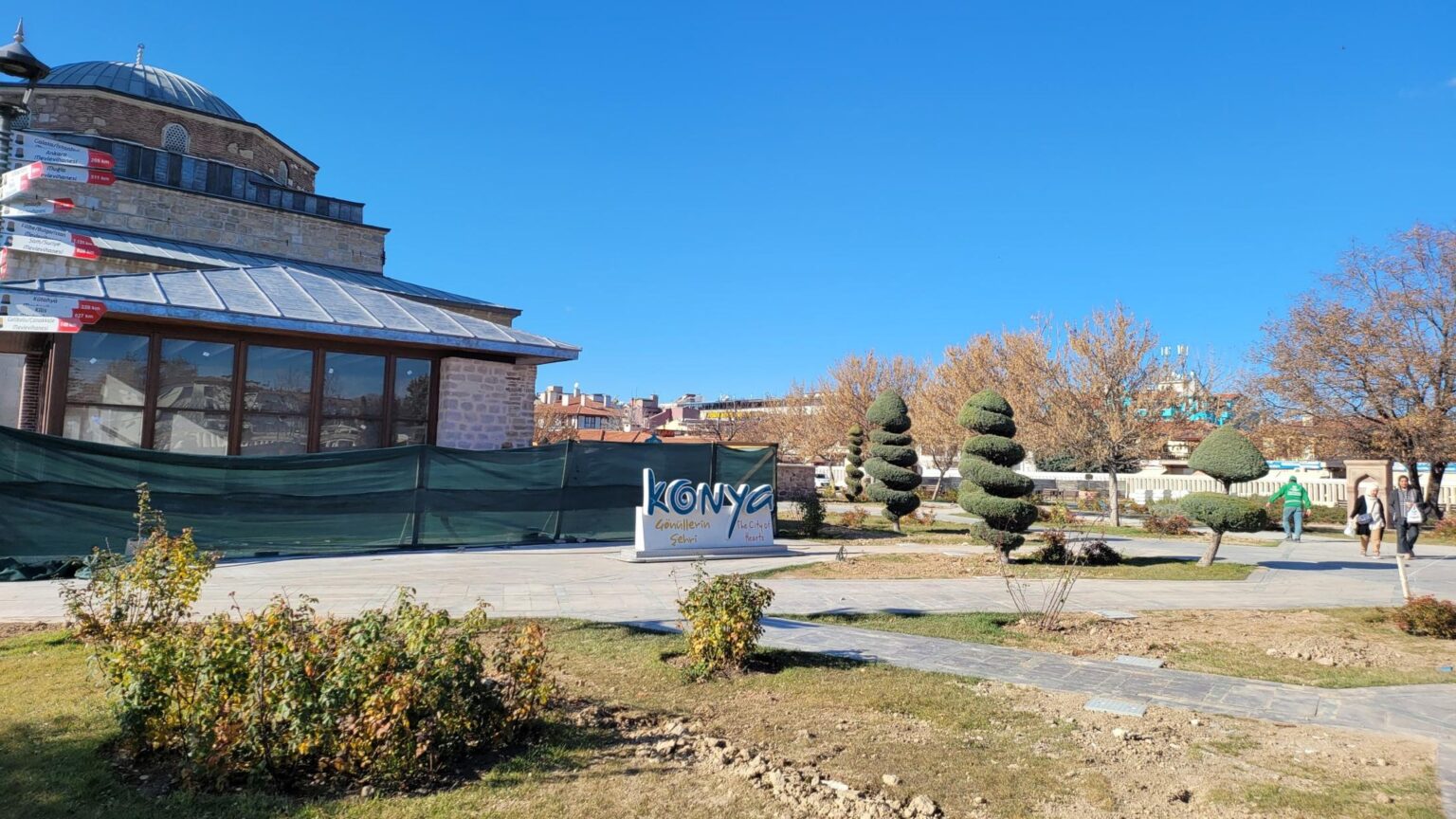
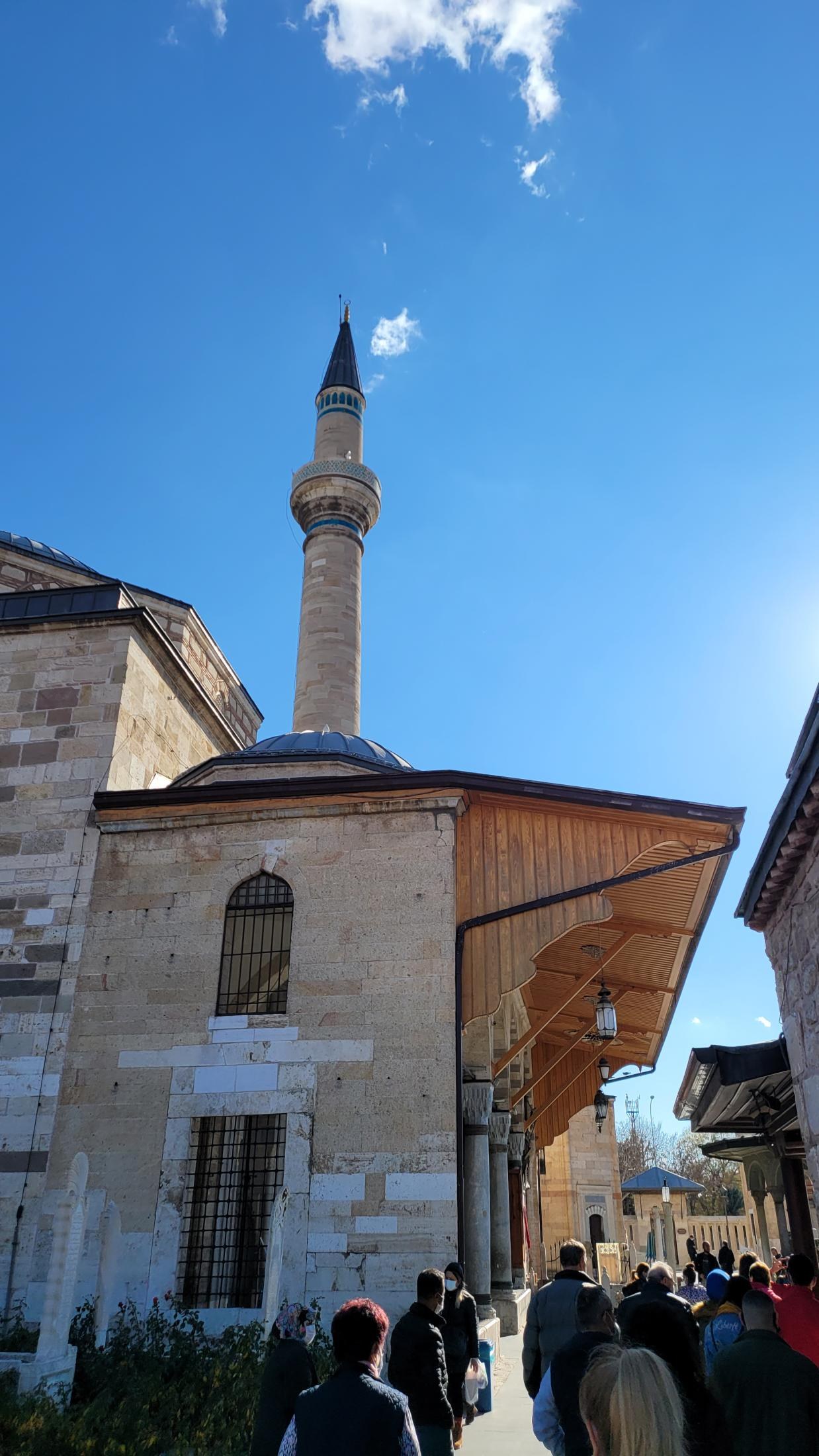
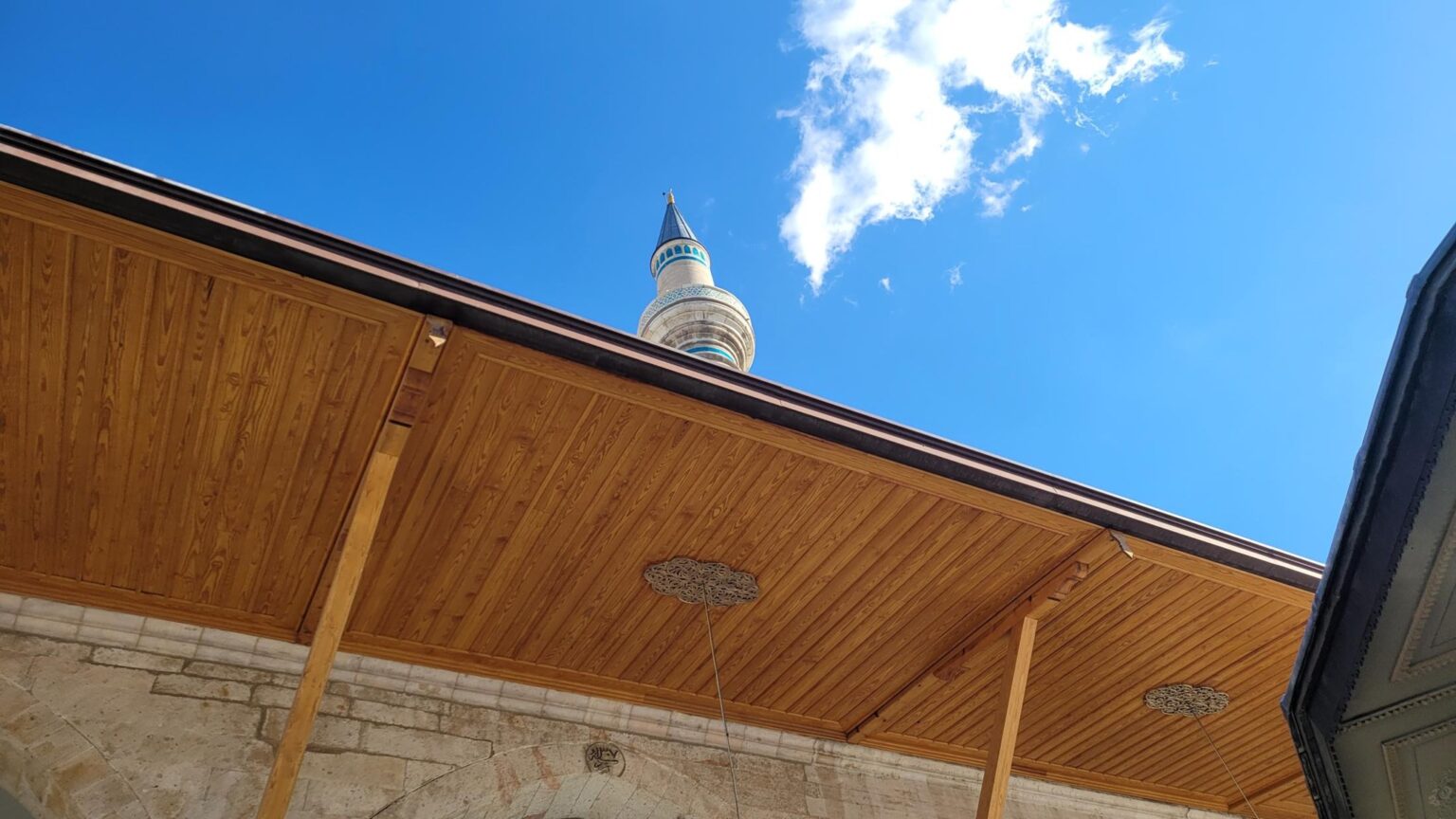
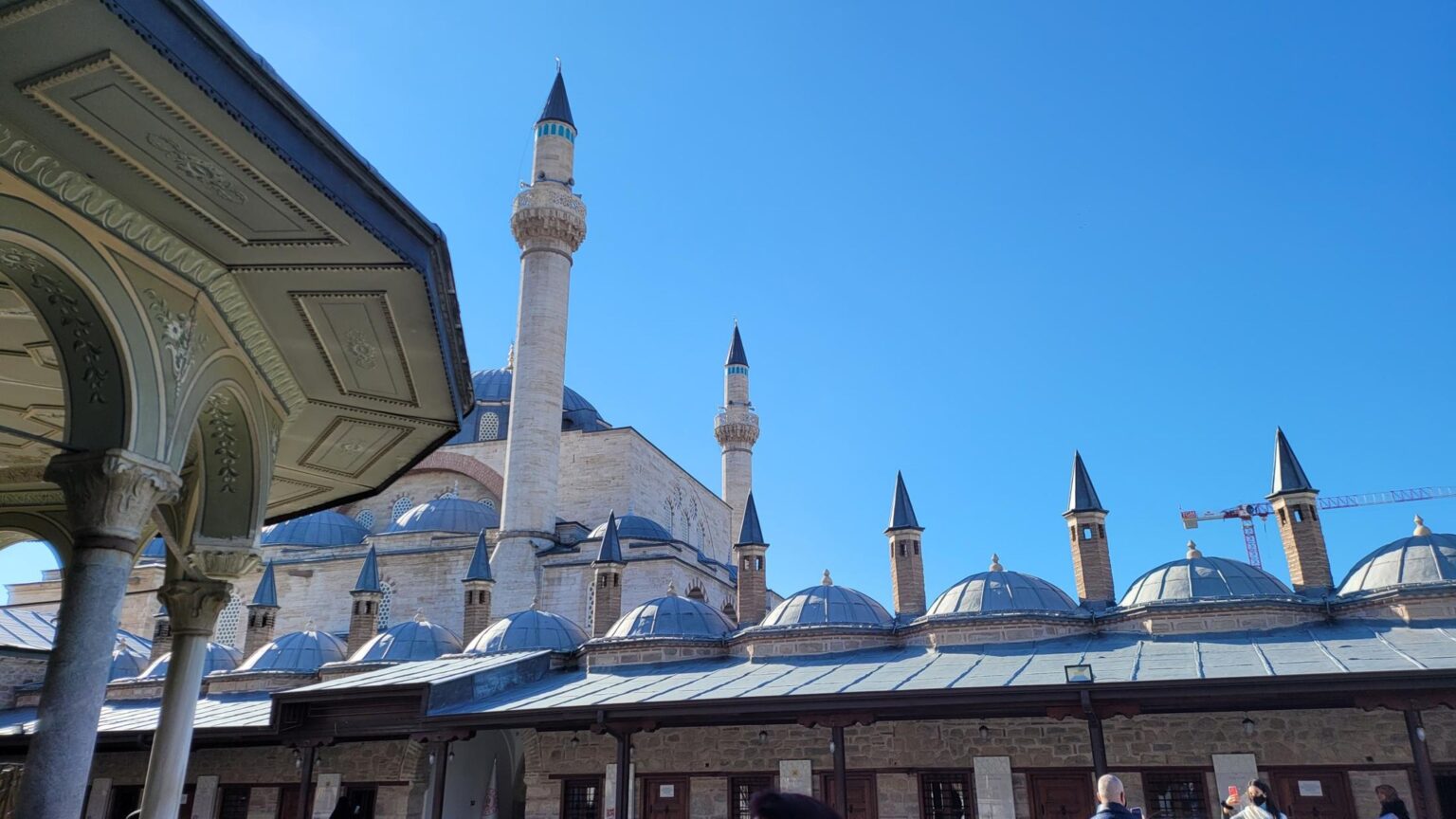
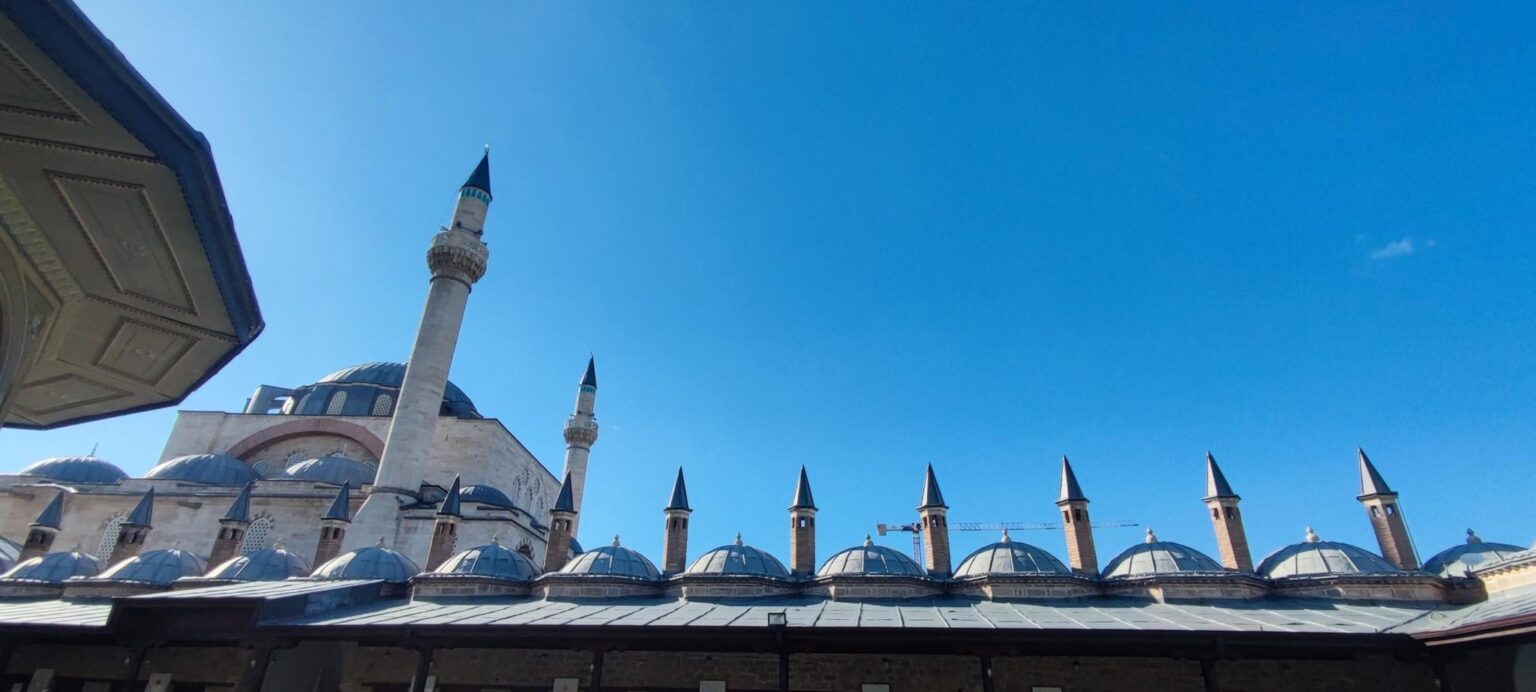
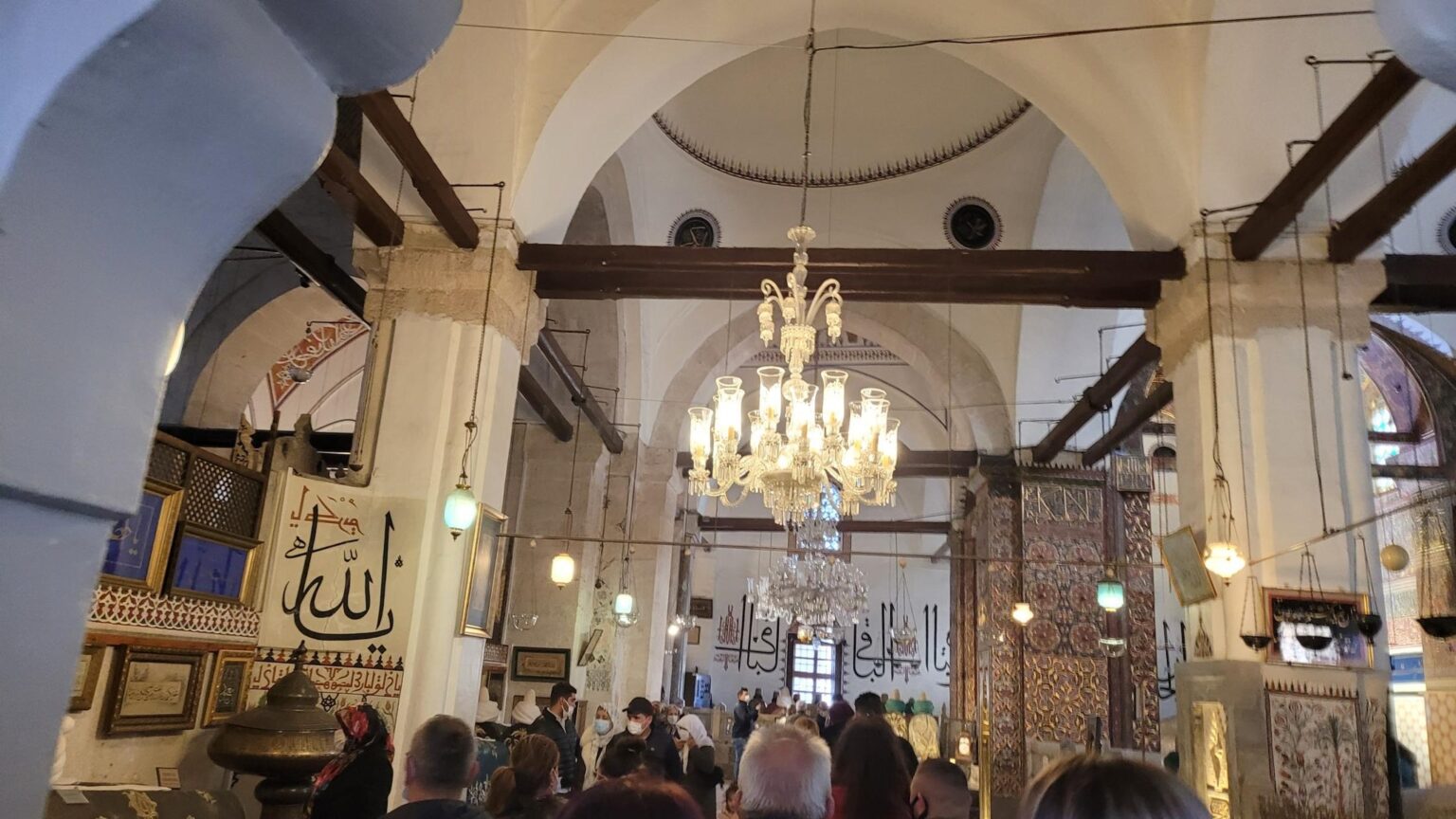
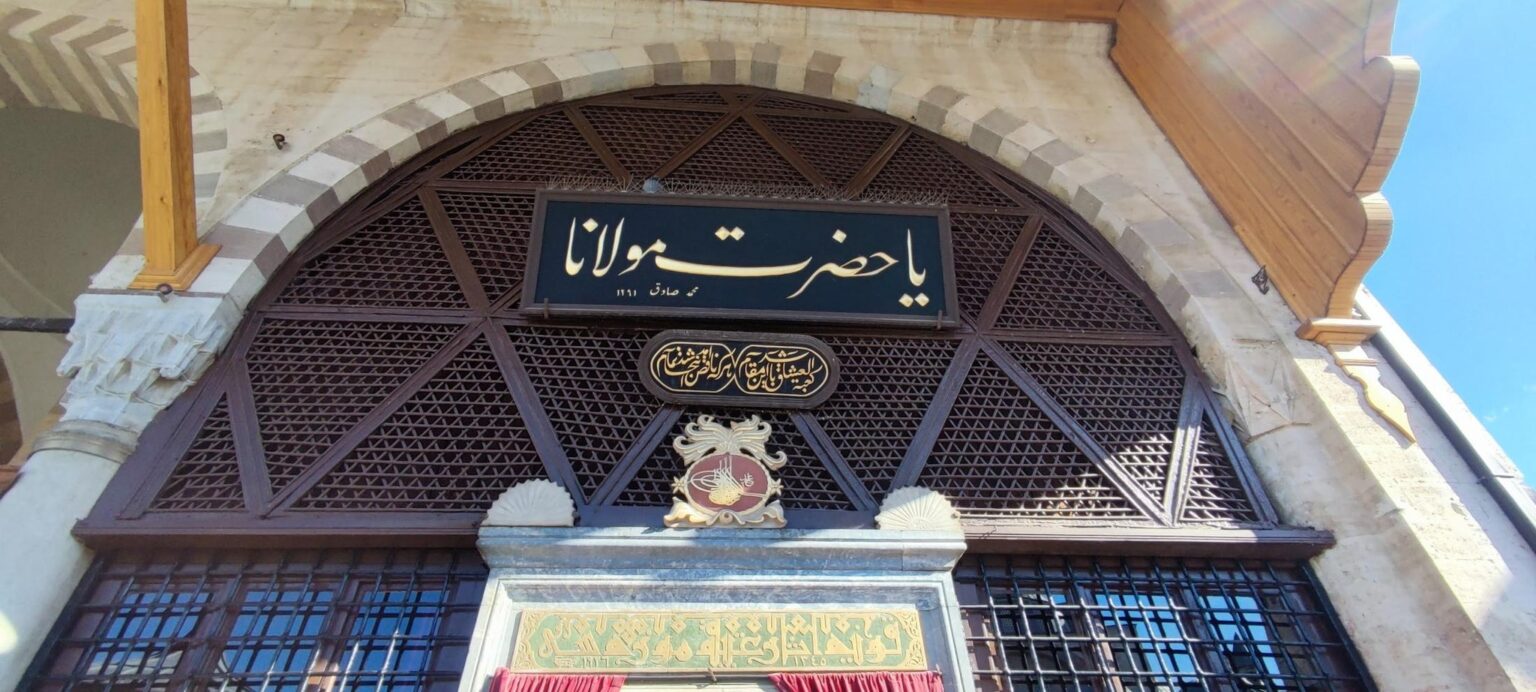
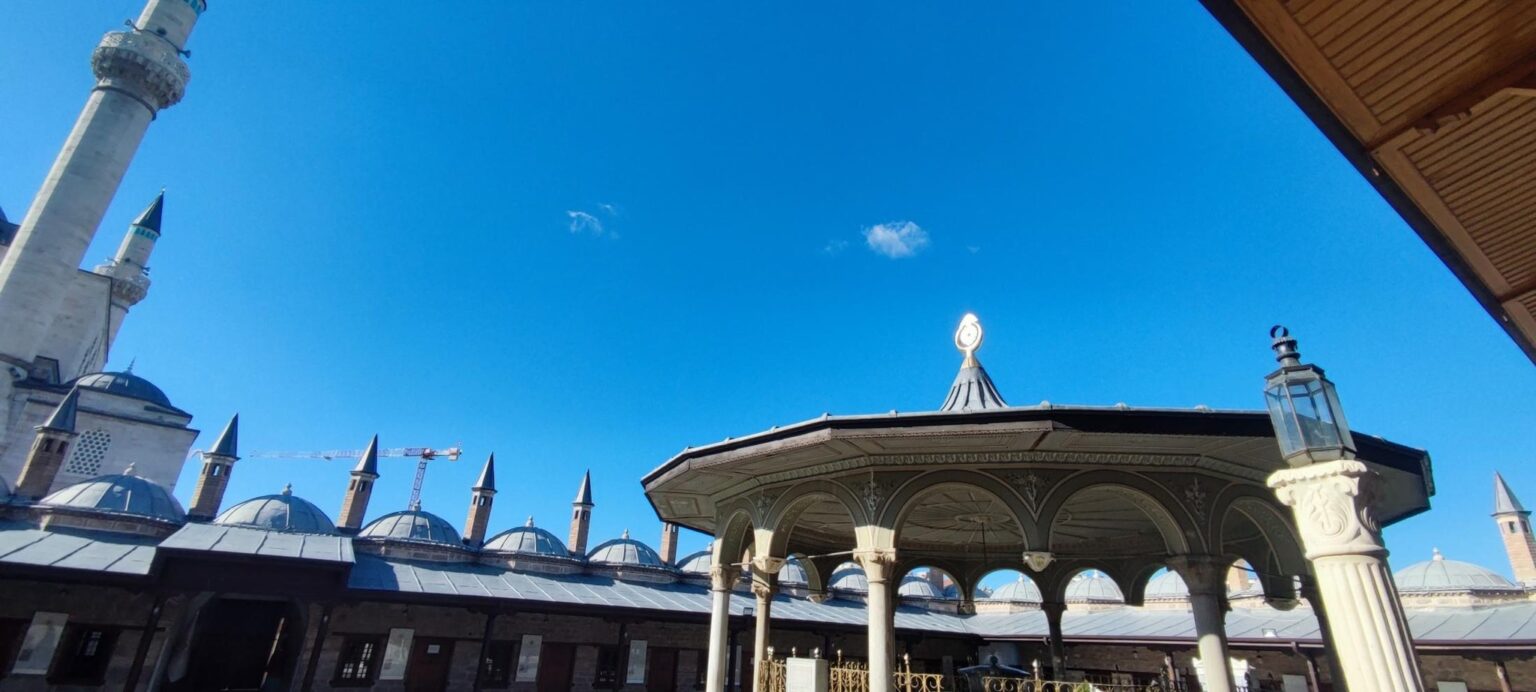
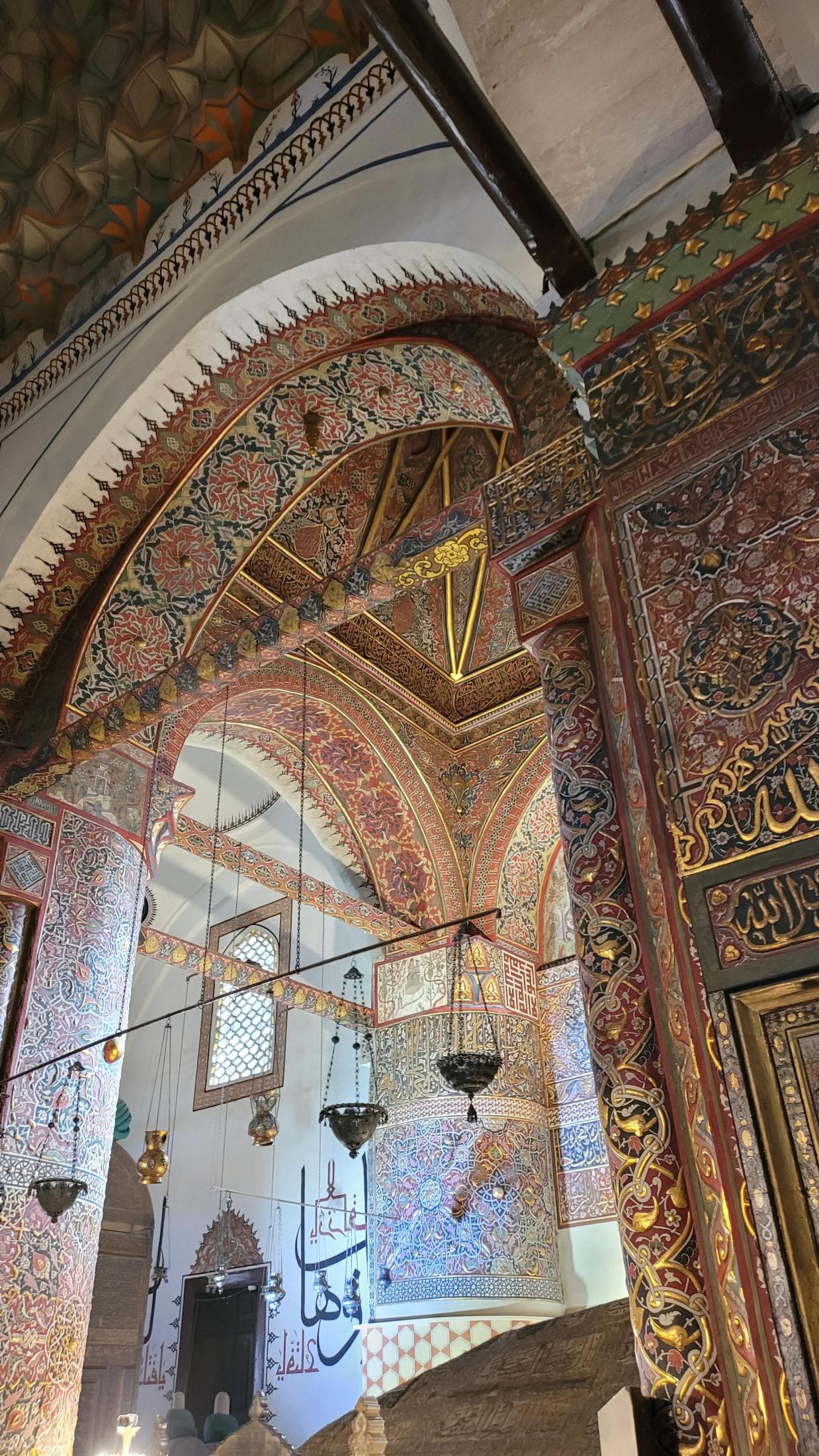
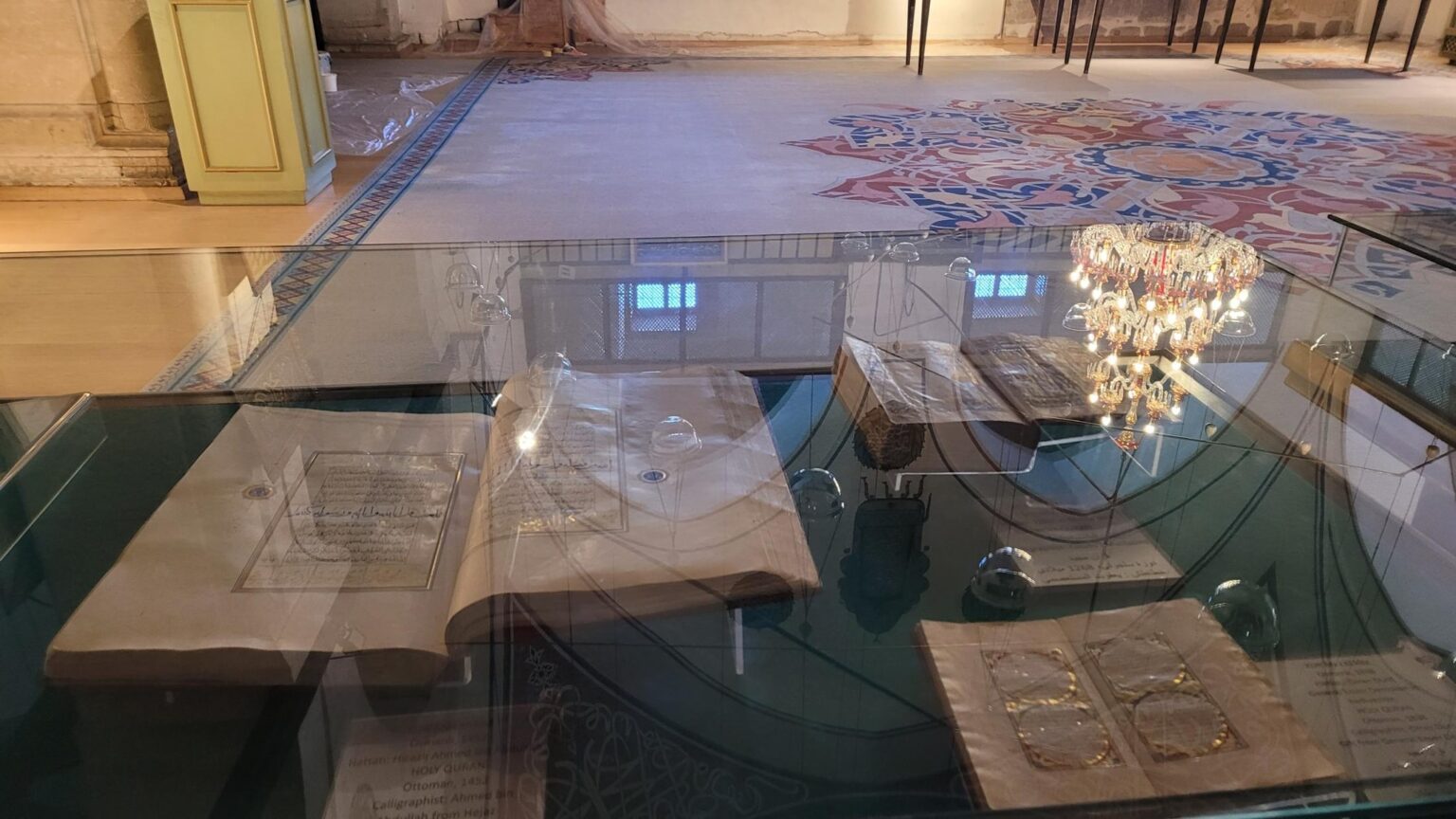
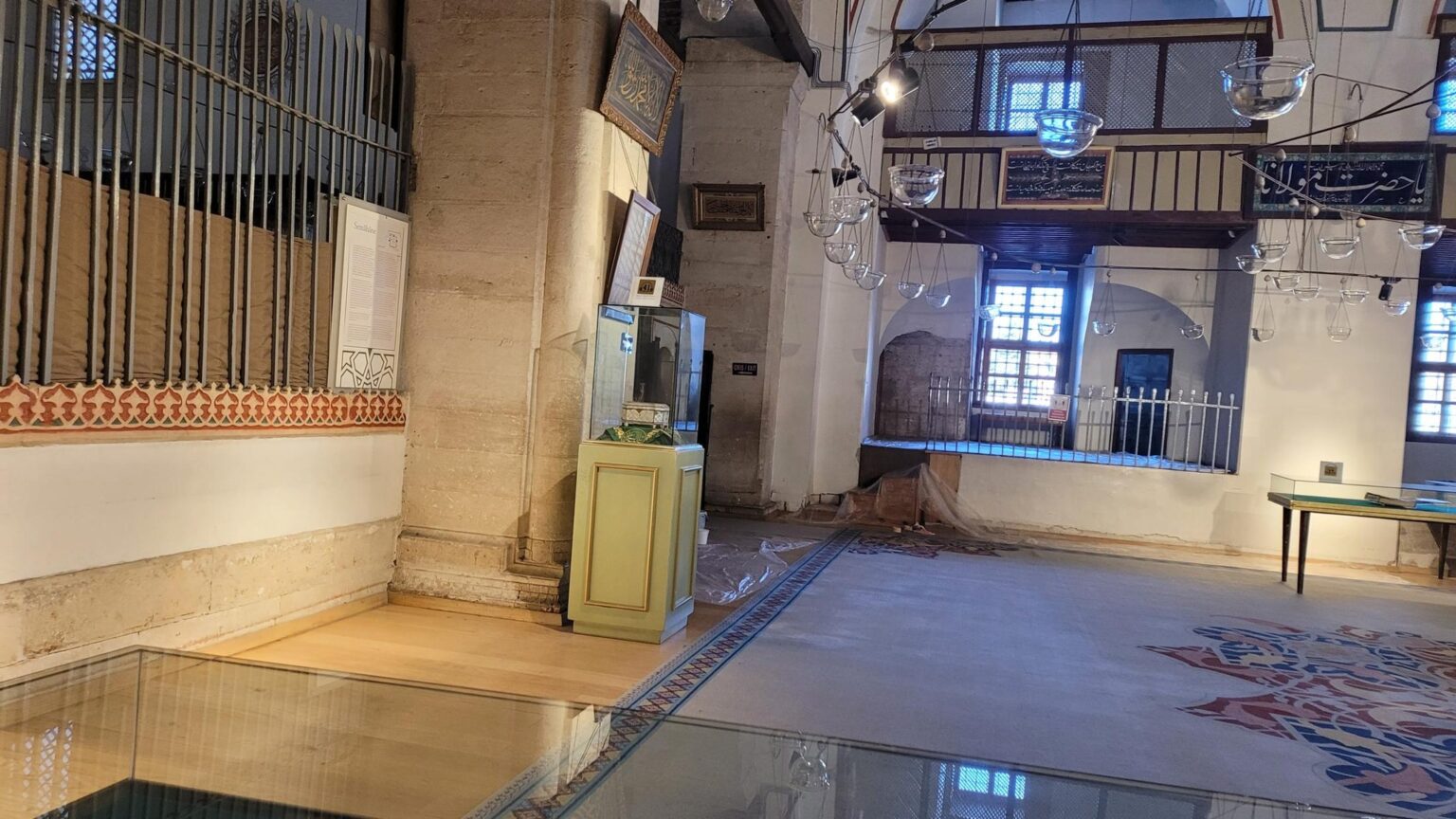
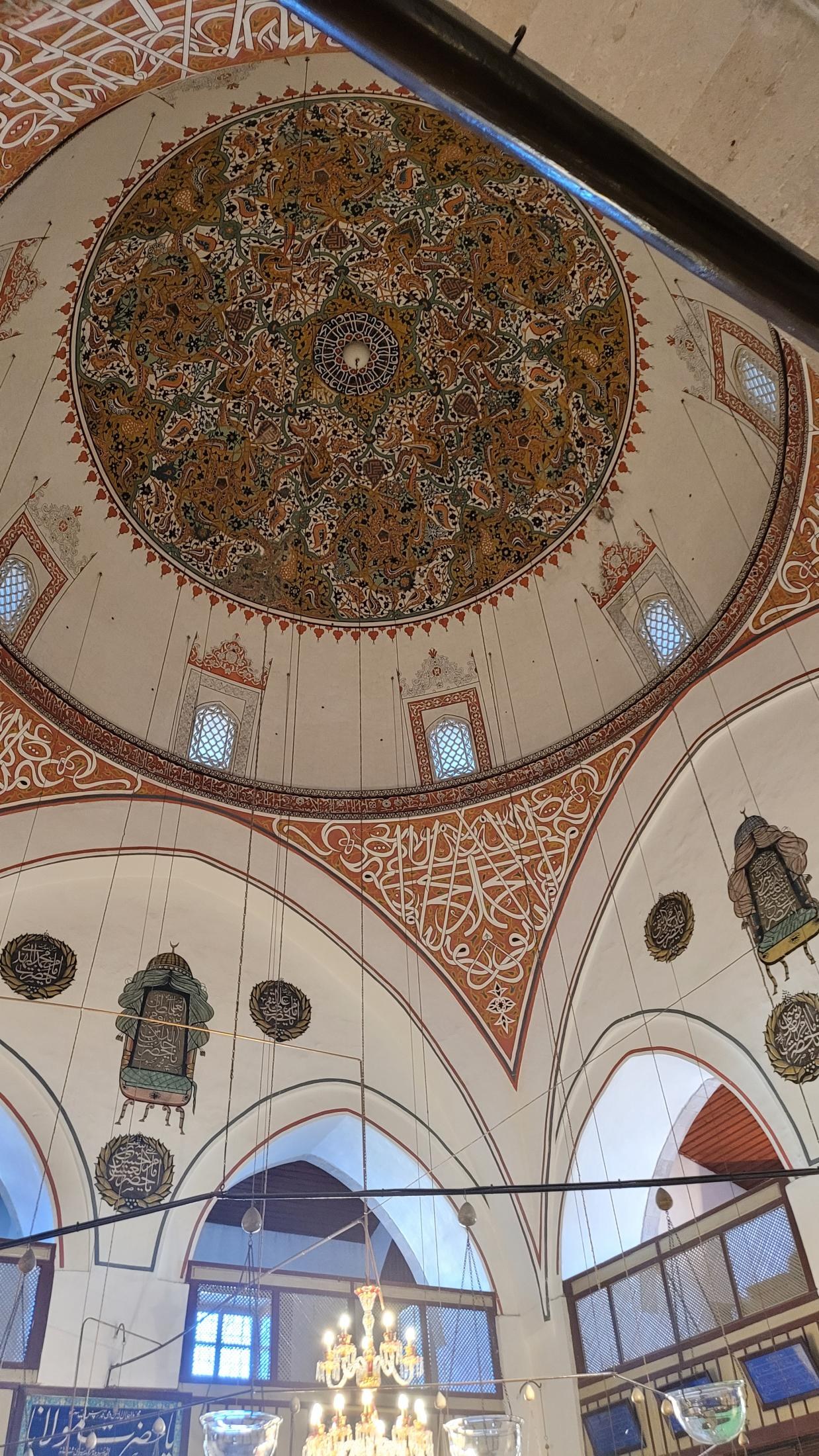
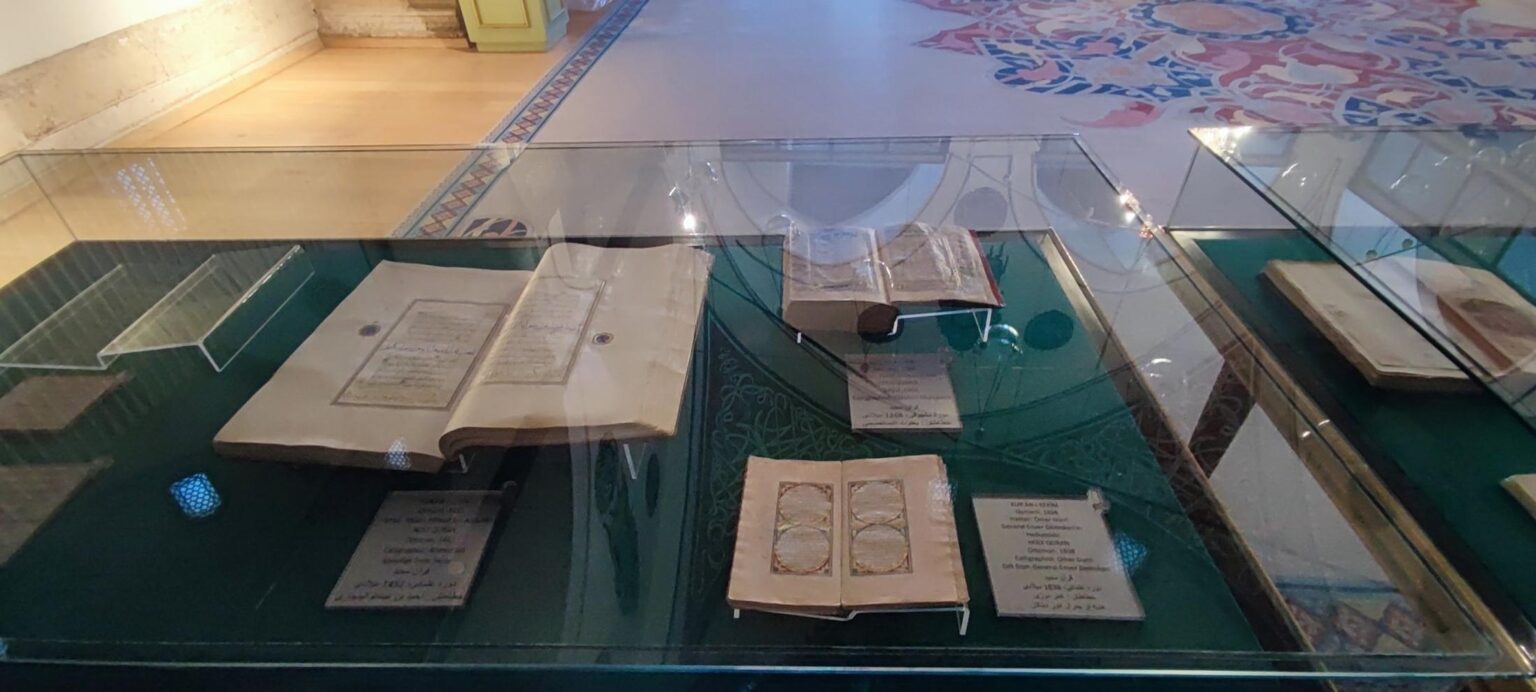
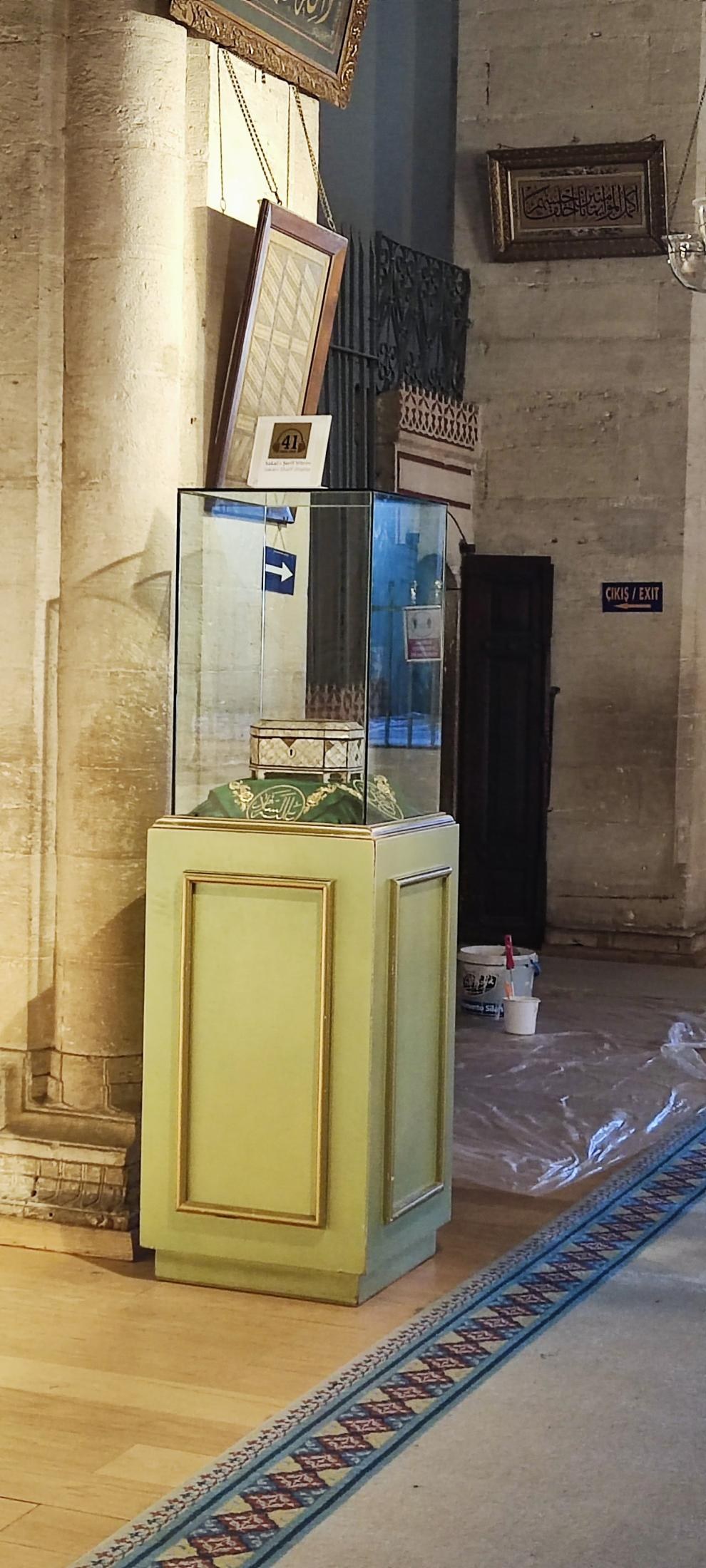
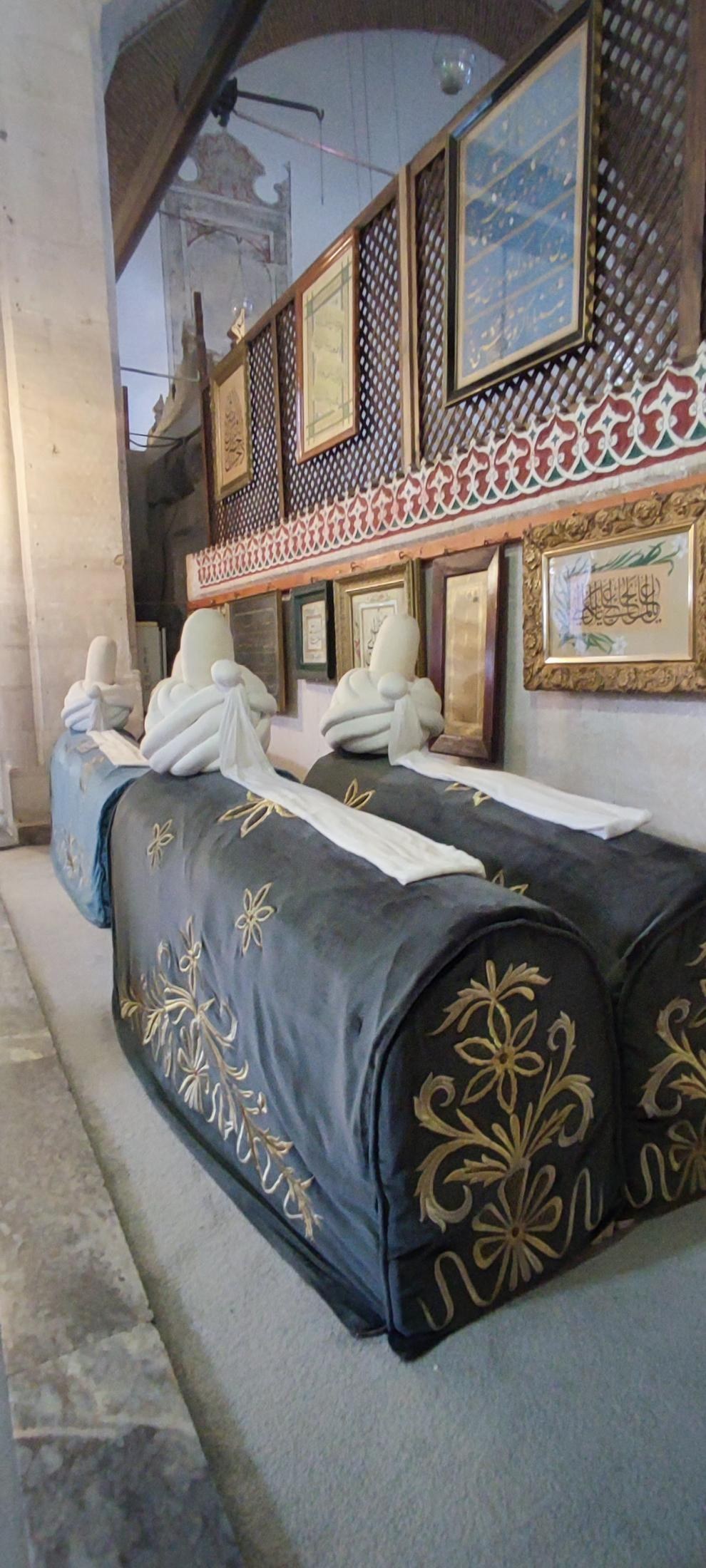
Here we go. 500 kilometres, 8–9 hours on the coach. Right, I’ve worked out how I’m going to measure this article: I’ll start each day with the kilometres and the hours spent on the bus. Day one was 70 kilometres and 90 minutes. To soften the blow they route us through Konya. They take us to the lodge and mausoleum of Mevlâna. You can choose whether to go in or to wander around outside. Stay with the group until you feel more confident in the surroundings — and besides, this is what tour operators are for, to pick out the things that matter. On Mevlâna: the word actually means leader. His core teachings revolve around religion and God. Religion runs extremely deep in this region and we won’t be dwelling on it. We can’t skip it, but we’re not going to discuss it at length either. In two words about Mevlâna: it’s interesting, but his teachings have visibly been bent to fit modern times. Let’s not forget that religion is often used as a universal excuse for a lot of unclean actions and motives. After the mausoleum they give us a little free time. It’s fascinating. So big, so familiar, and at the same time so unfamiliar. A market appears almost immediately.
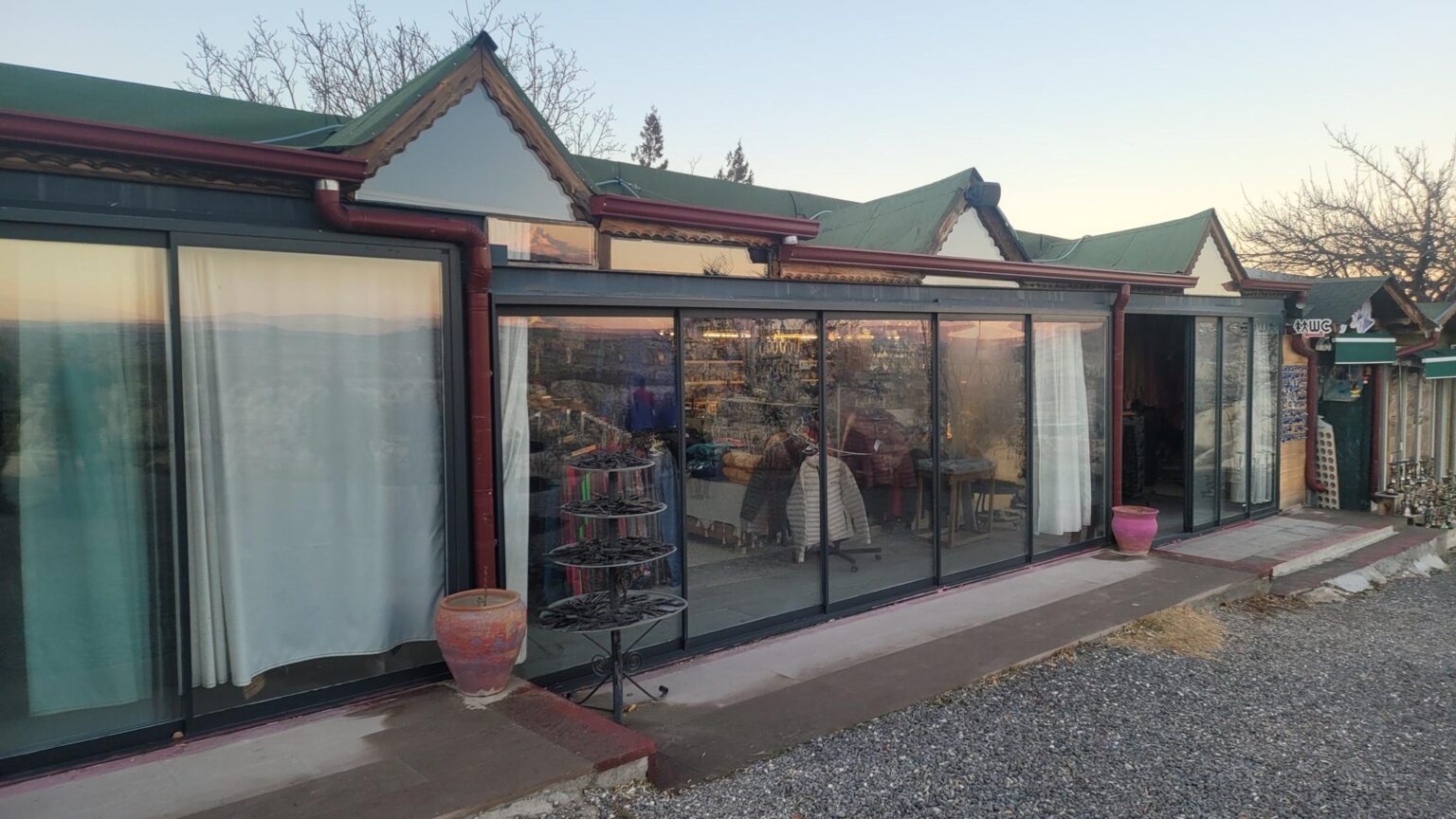
Important disclaimer. The operator stops in places where “tourist stalls” are lying in wait. Their prices are 3 to 20 times what the local competition charges. Avoid the traders around the coach stops. They take payment in euros, and it’s doubtful that much of that profit flows into the local economy. The contrast is savage — coffee at €2 from the stall versus coffee at 2 lira from a place a hundred metres away.
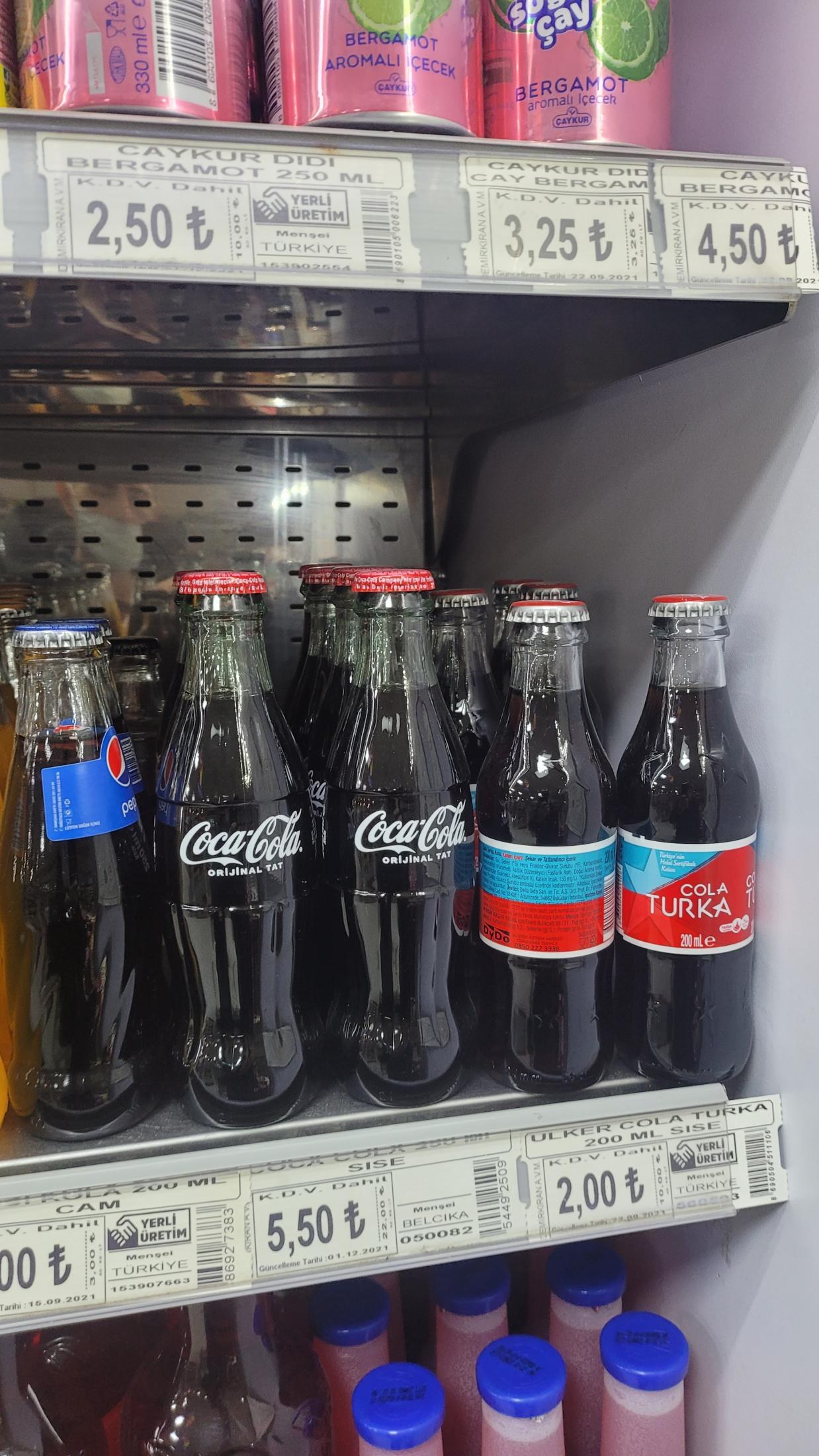
So, a market appears, full of knick-knacks, food, strange unfamiliar biscuits and wafers. Perfect. Everything will be tasted. Remember the word pişmaniye — Turkish candy floss. As delicious as it is bad for you, but you only live once, right? We’ll worry about losing weight later. Walk five minutes from the coach park and you are suddenly rich by local standards. At that time 10 leva came to roughly 80–100 lira, and with 50 lira you could buy a genuinely surprising amount: almost two Big Mac meals, a pair of jeans, 25 espressos, ten pairs of socks. No wonder people drive over to Edirne for a weekend shop. That was the end of 2021 and I assumed it was only a matter of time before it changed.
Update 2026: it changed, and hard. In late 2021 one euro bought roughly 15 lira. Today it buys around 56. But Turkish consumer inflation has run at 30% and more a year over that stretch, so lira prices have multiplied several times over and the two effects largely cancel out. The practical upshot: every lira figure in this article is meaningless as a price today, and Türkiye is no longer the absurd bargain it was in 2021. It’s still good value on food and transport; it is no longer “25 espressos for five leva”. Convert nothing from this article — check on the spot.
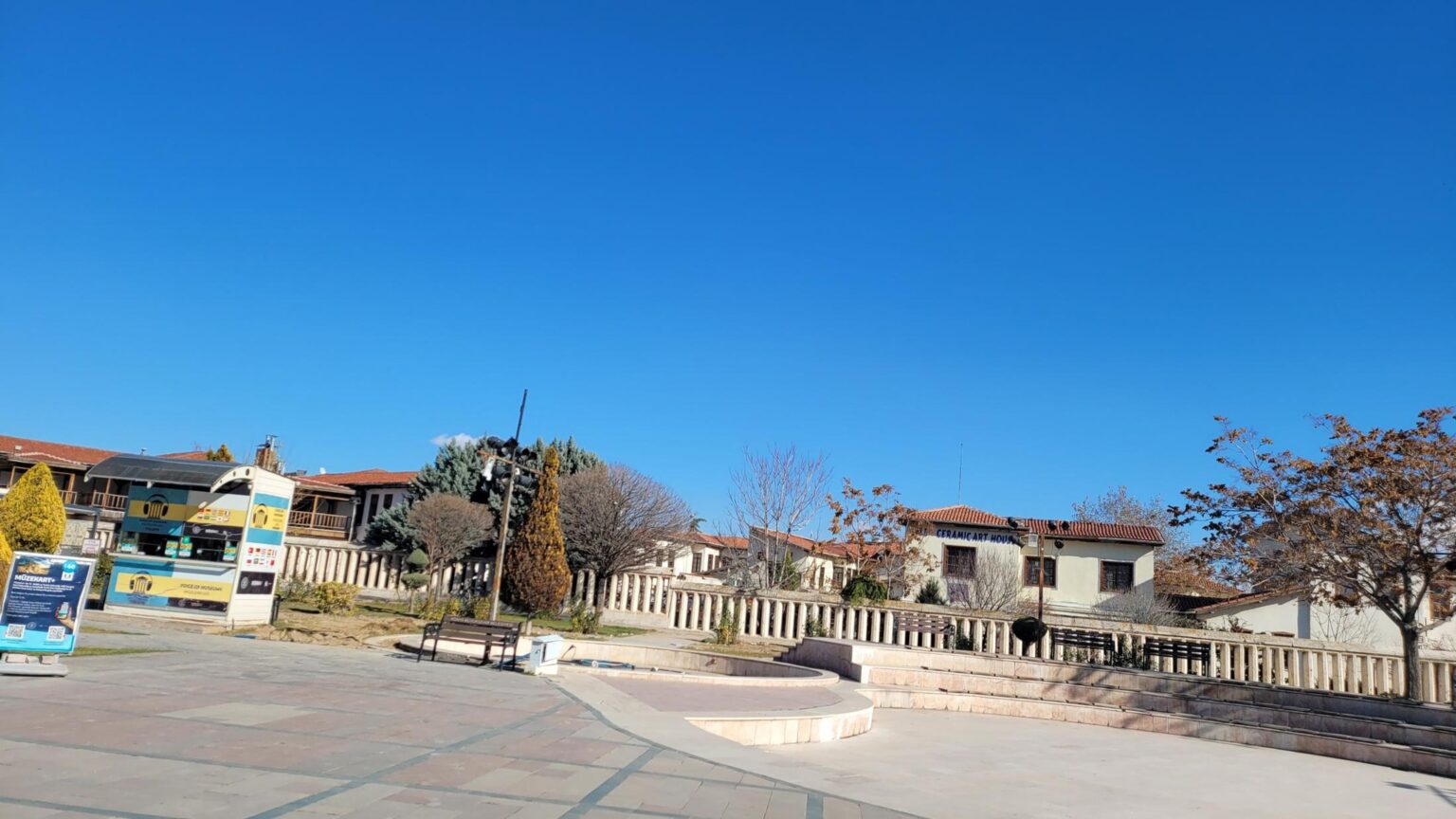
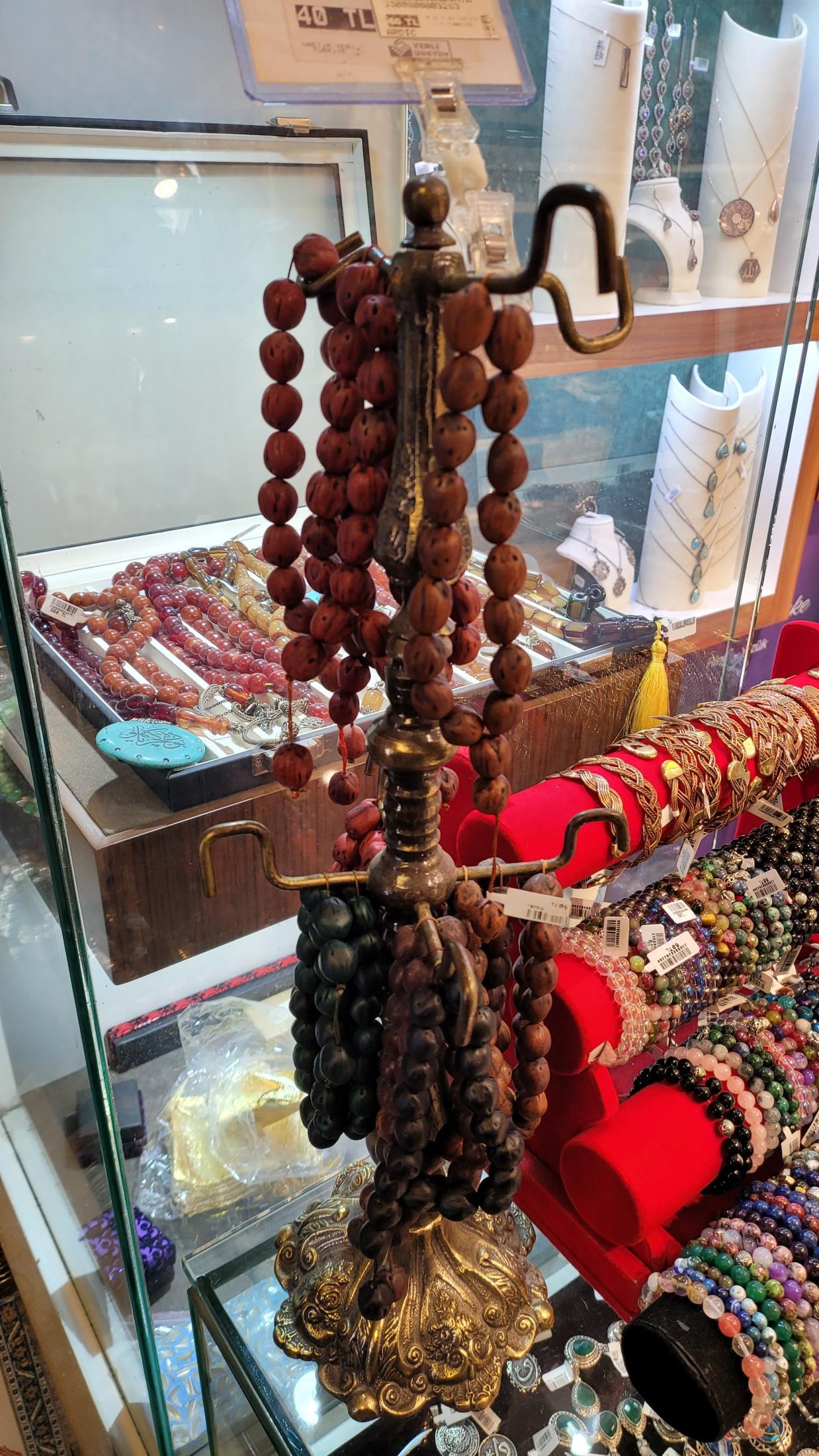
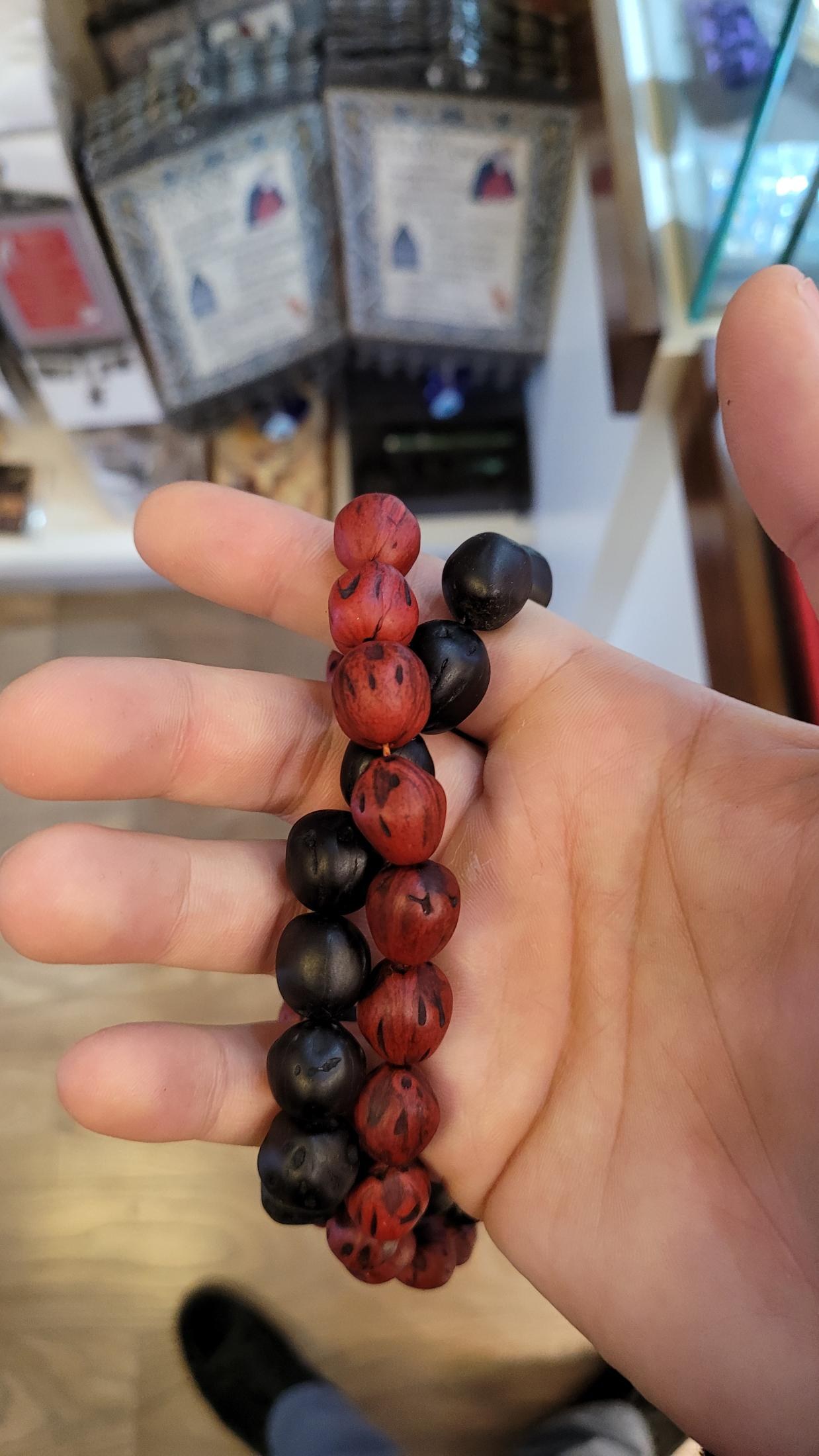
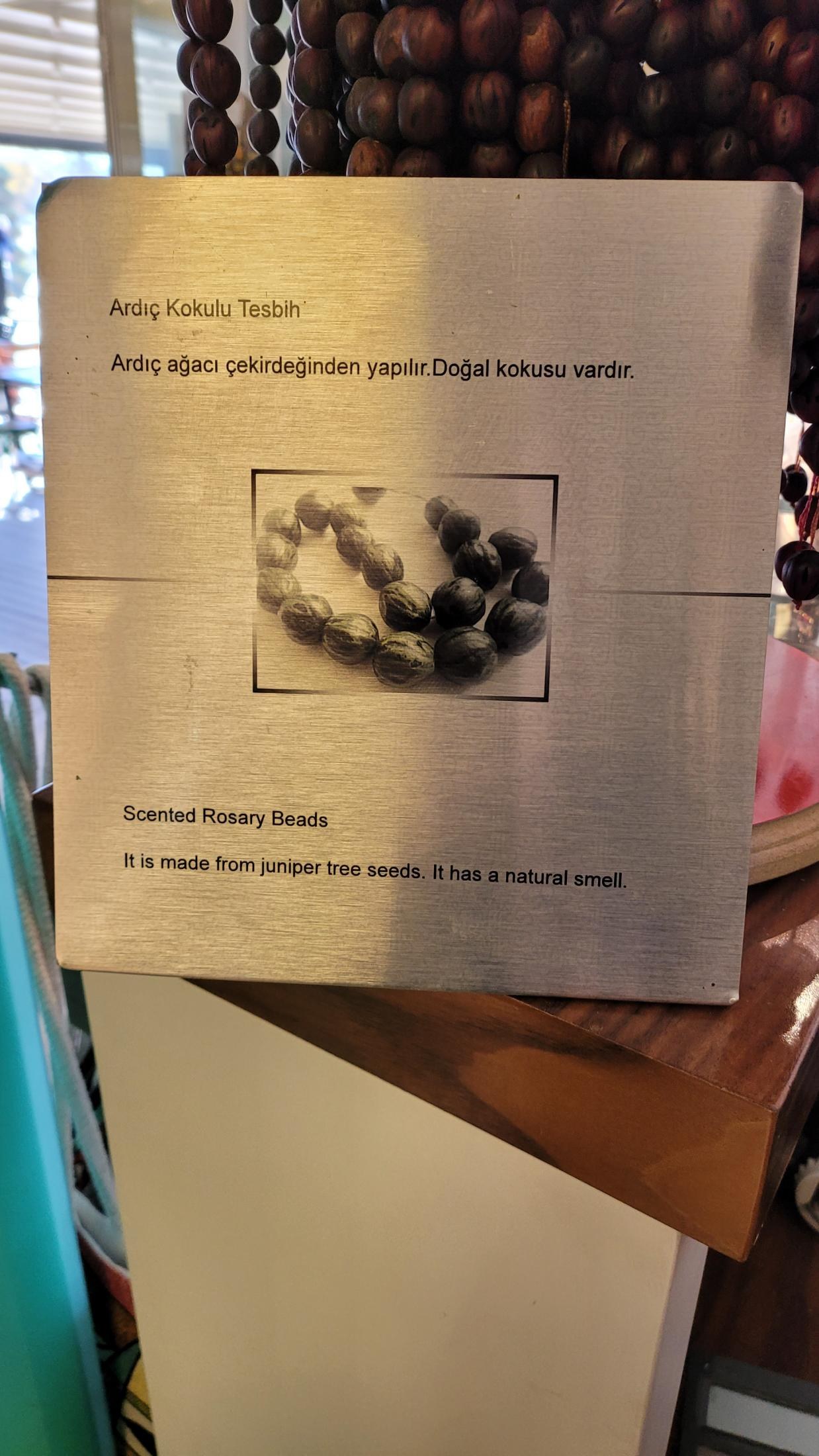
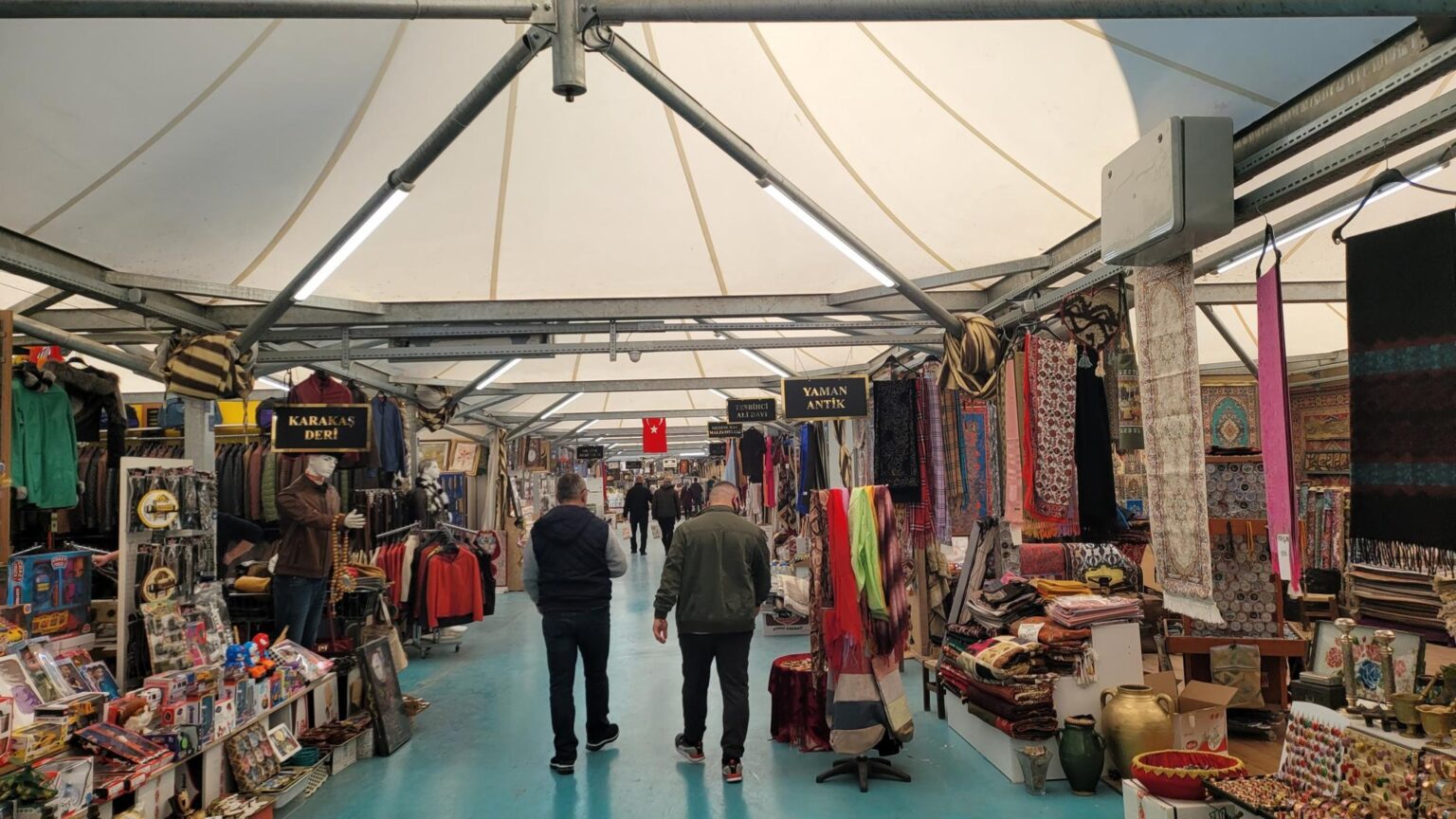
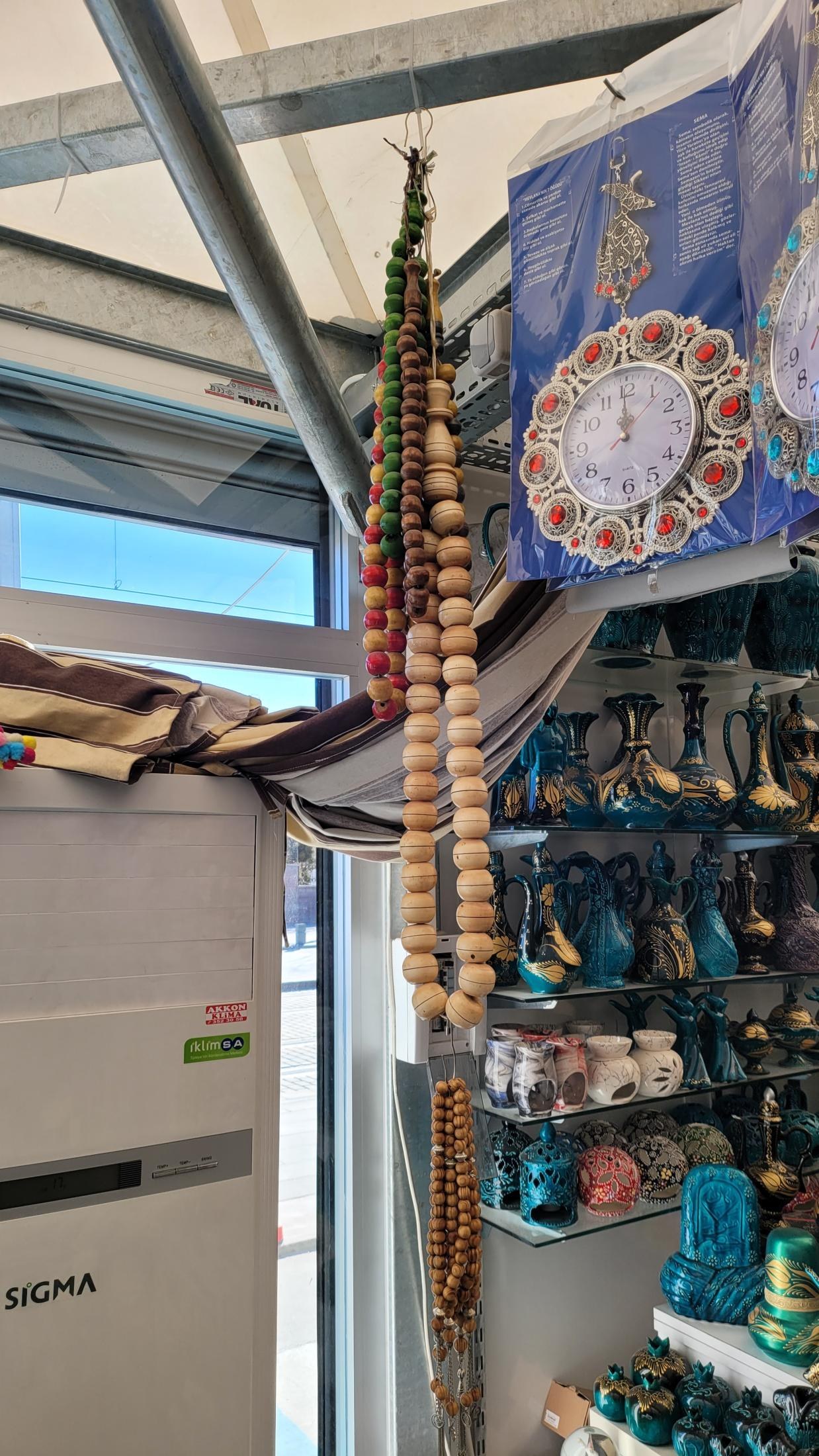
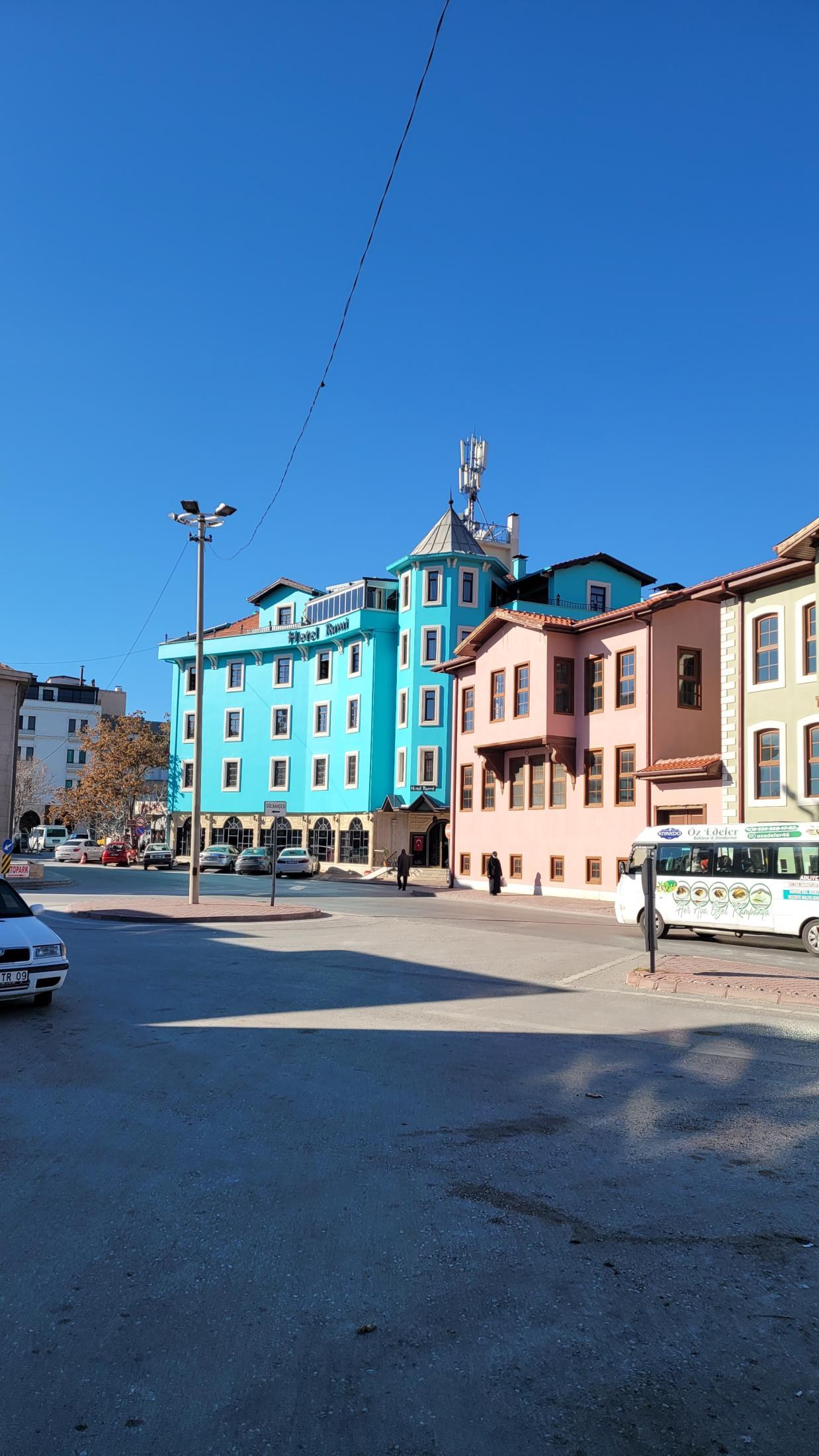
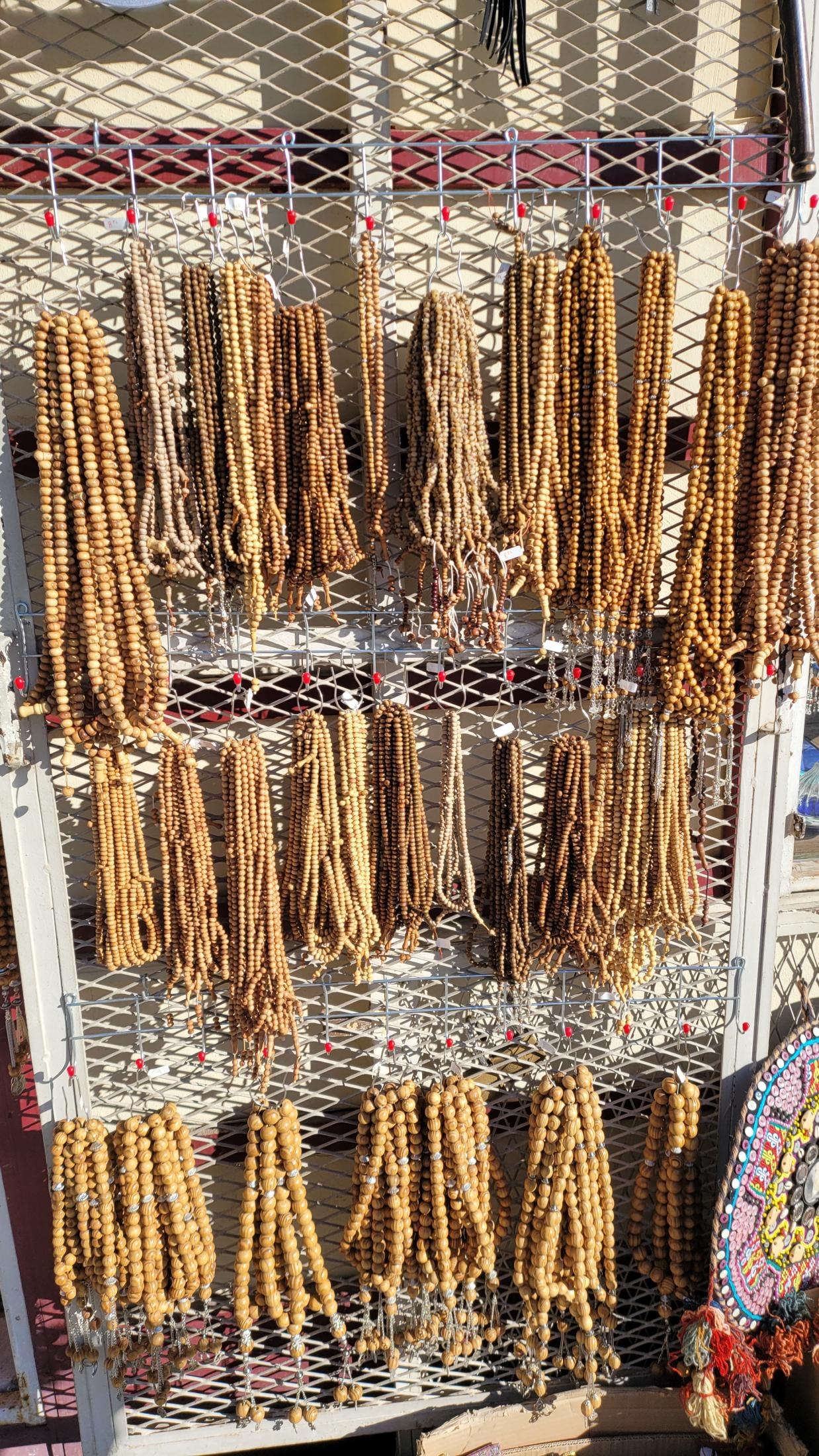
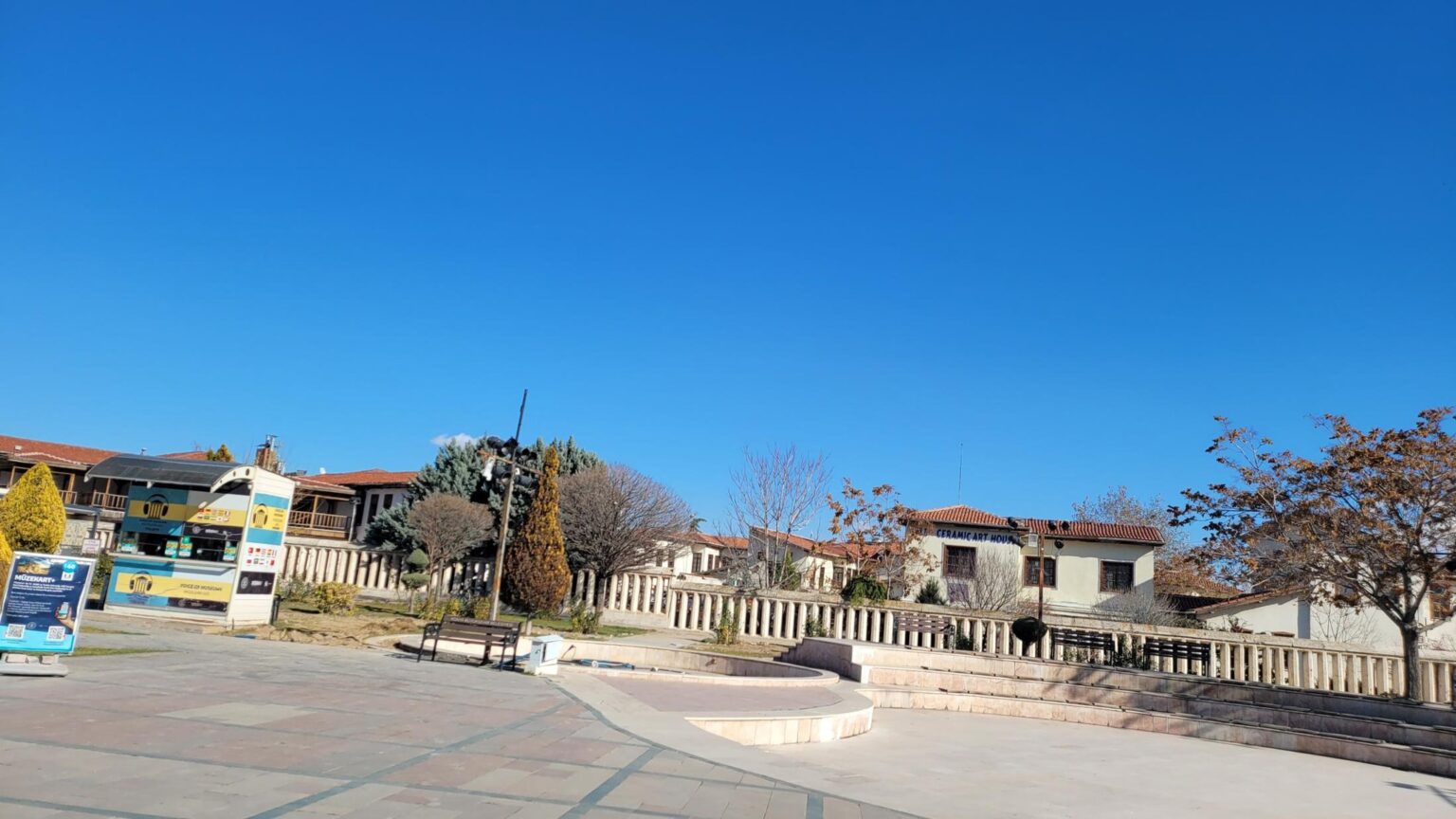
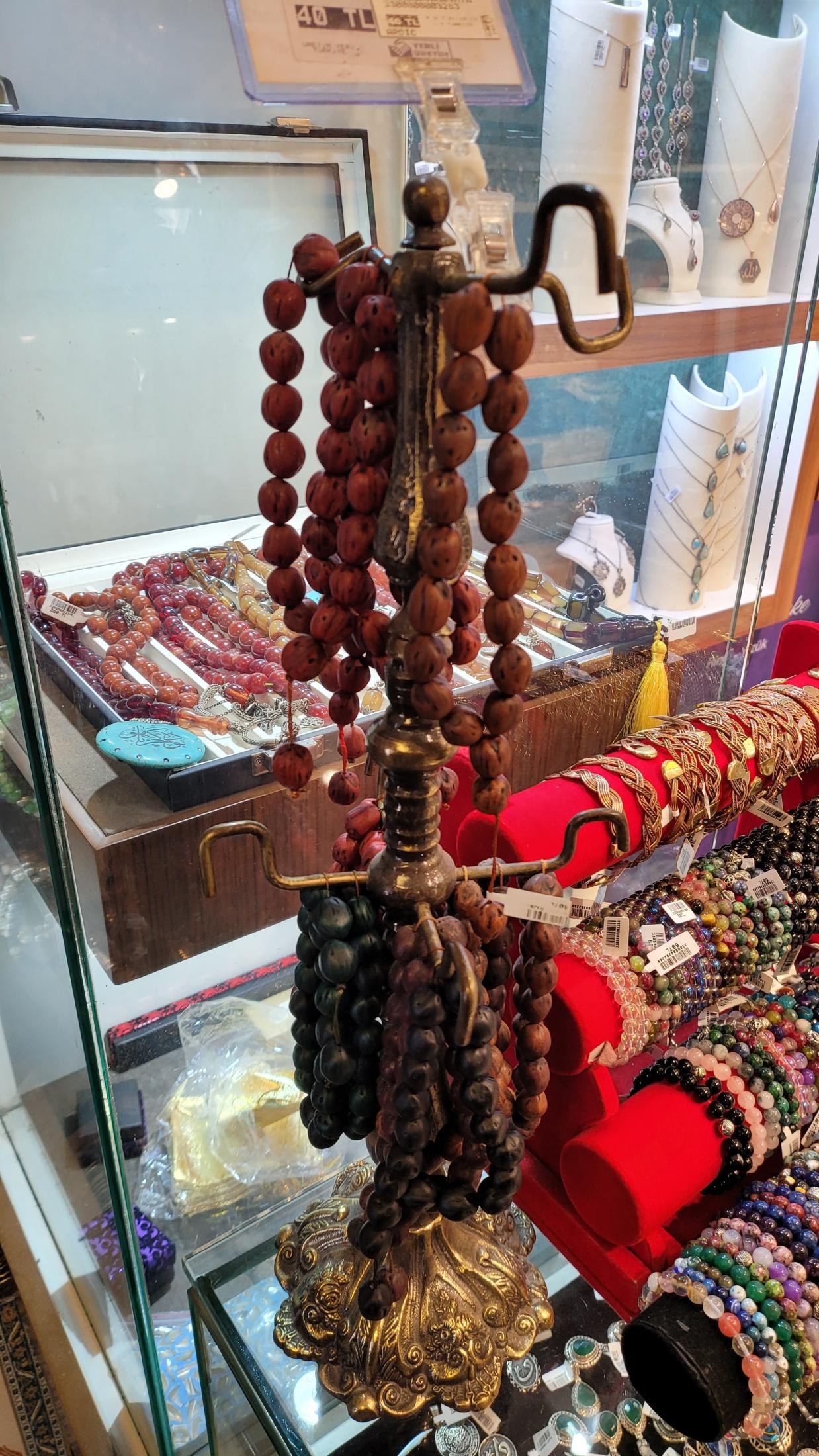
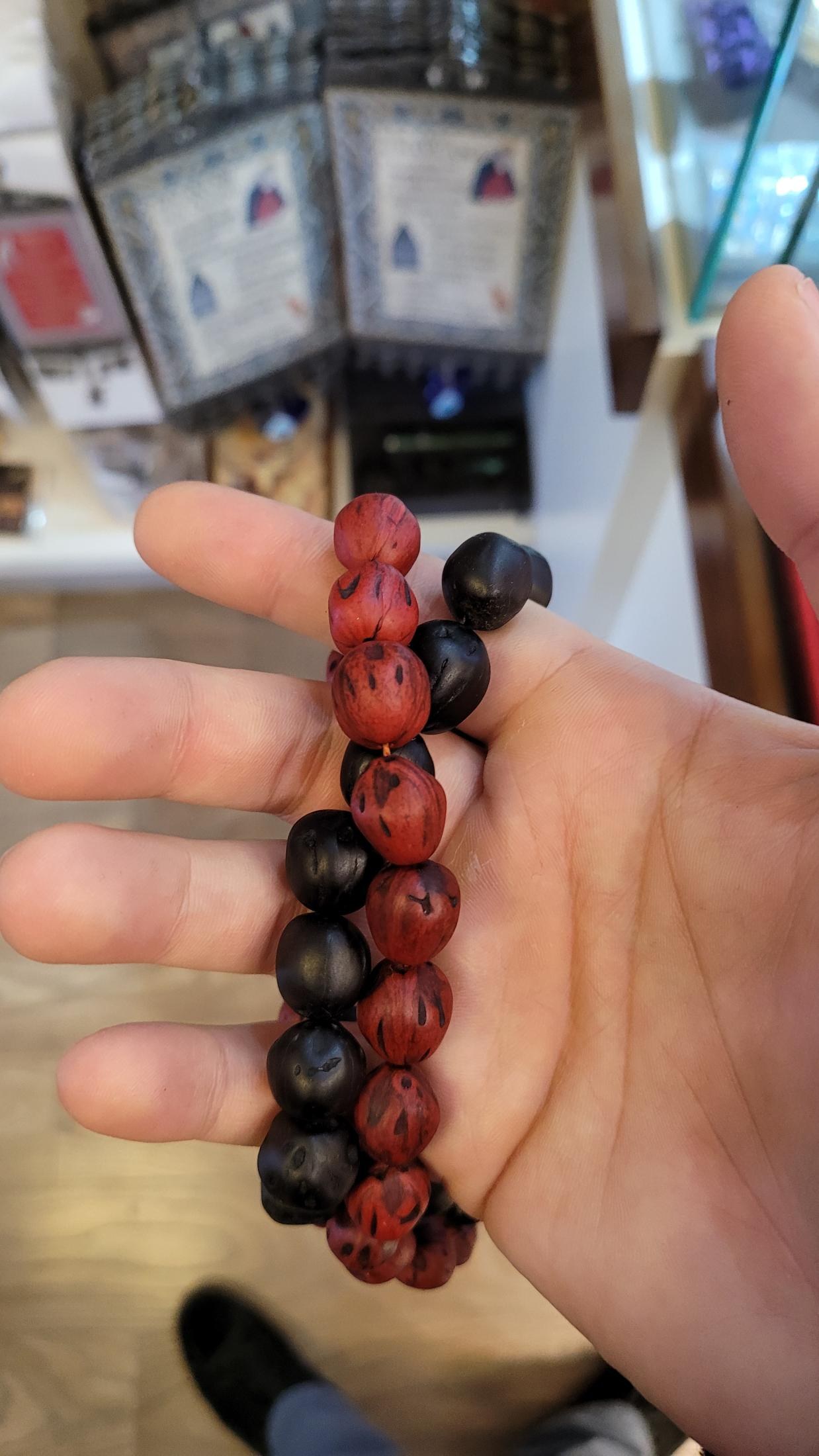
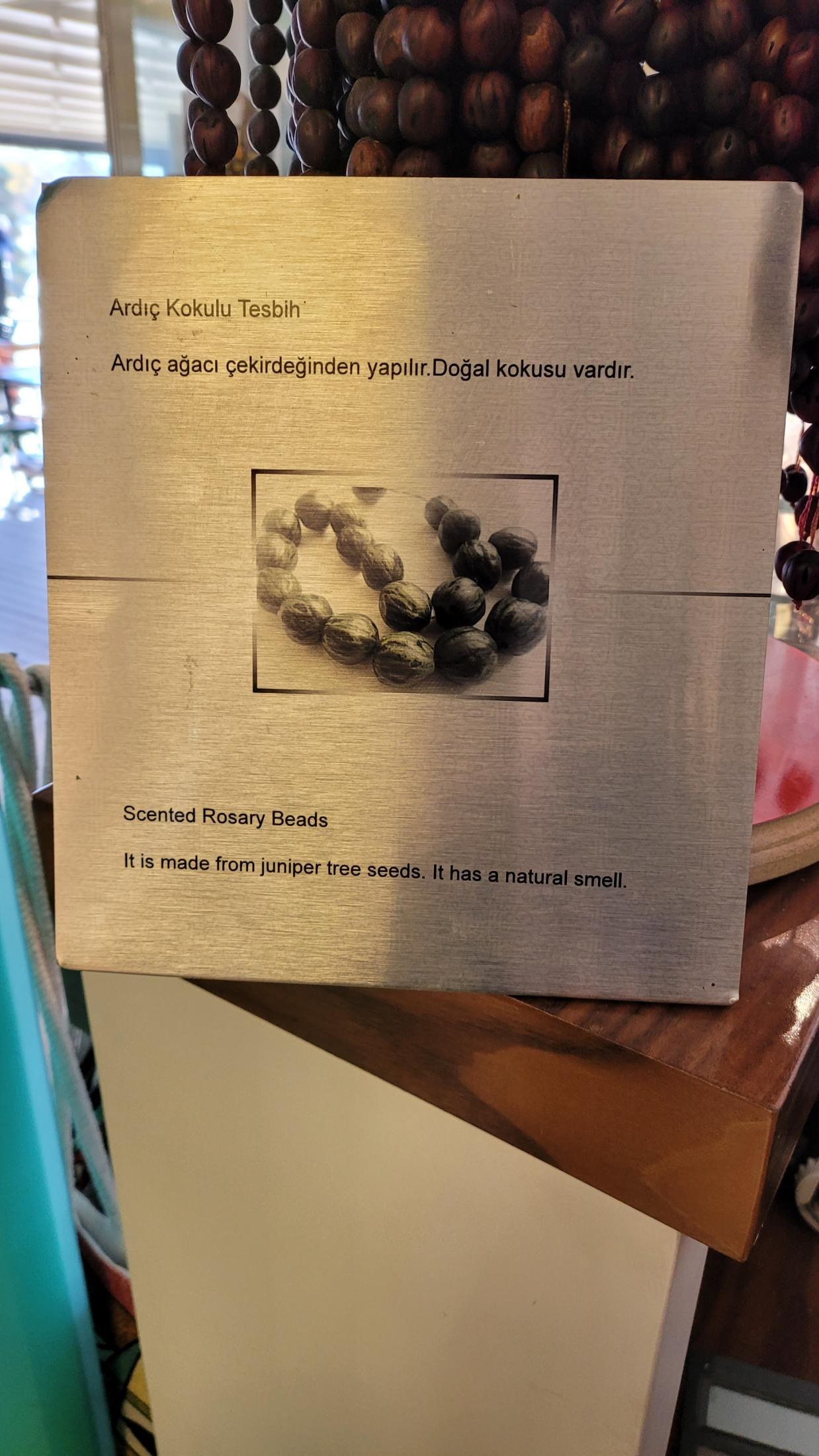
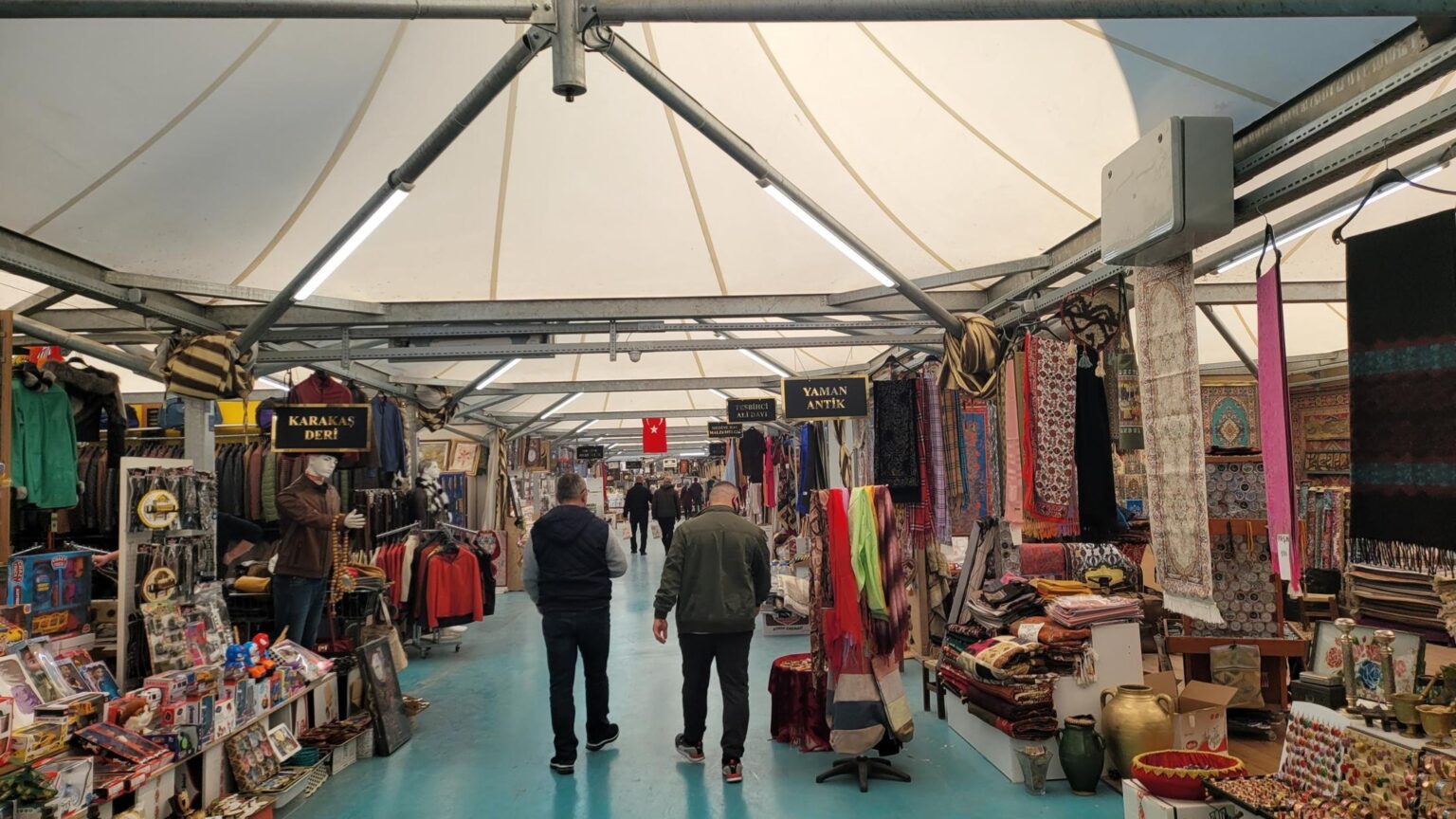
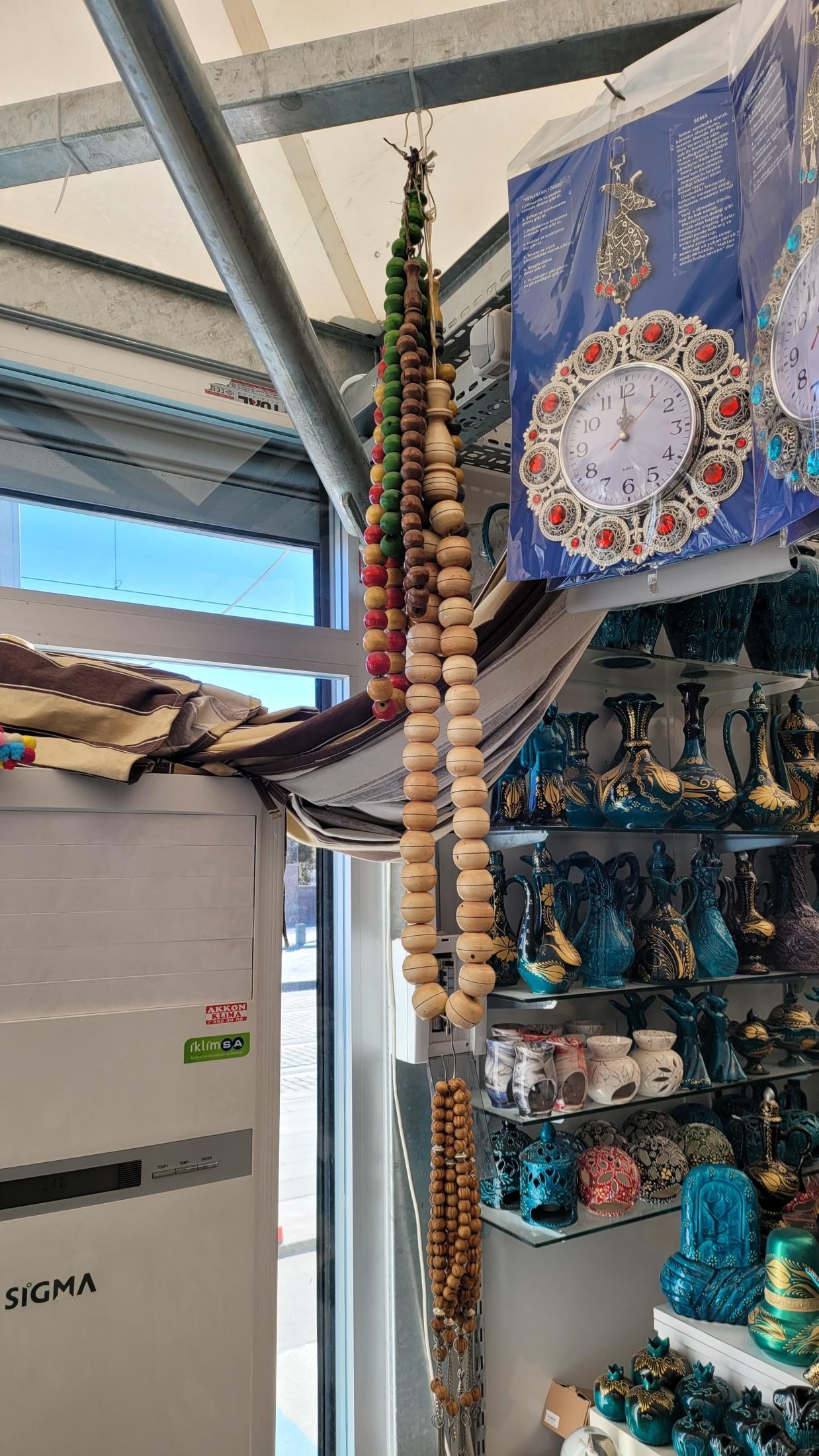
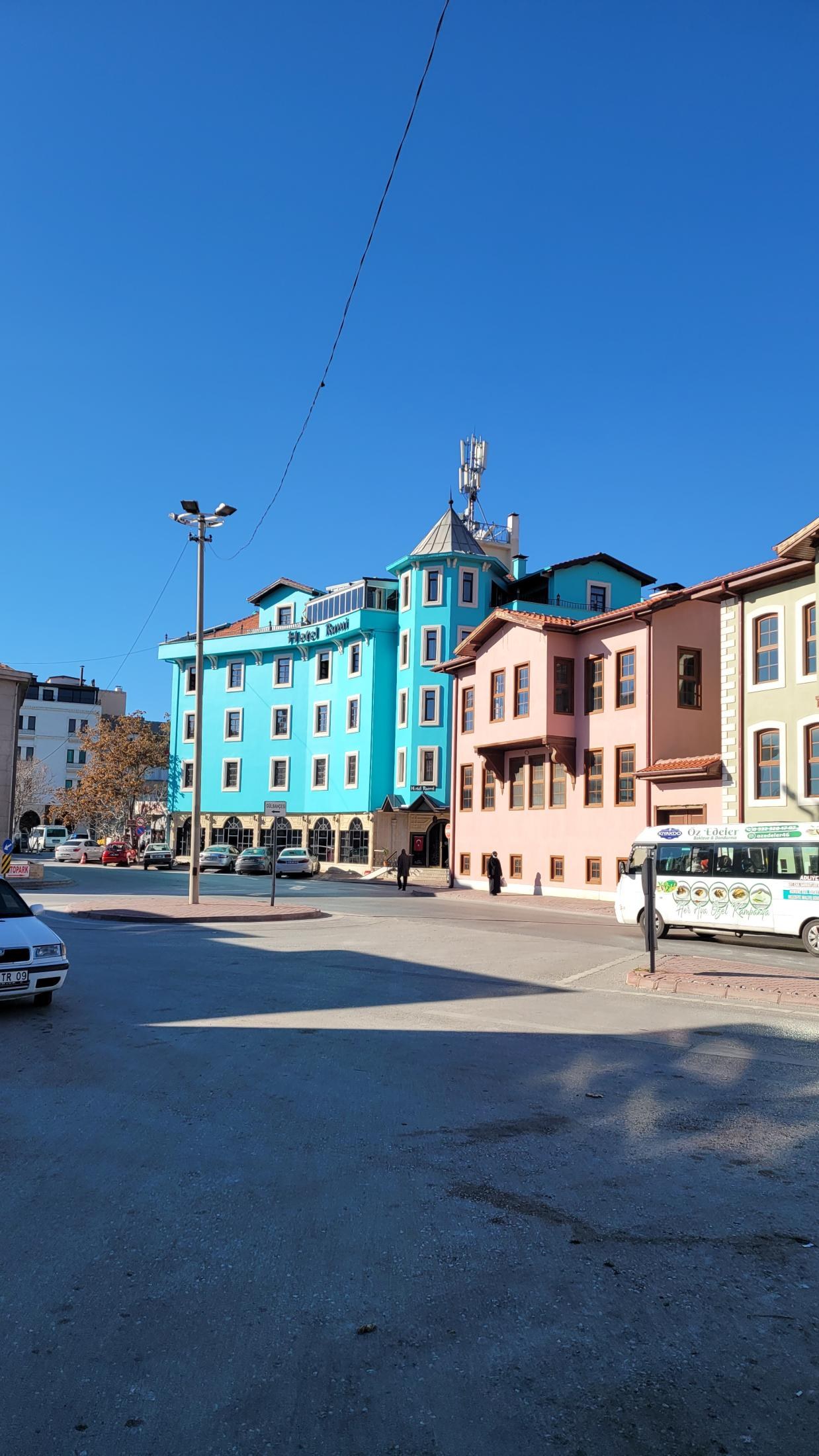
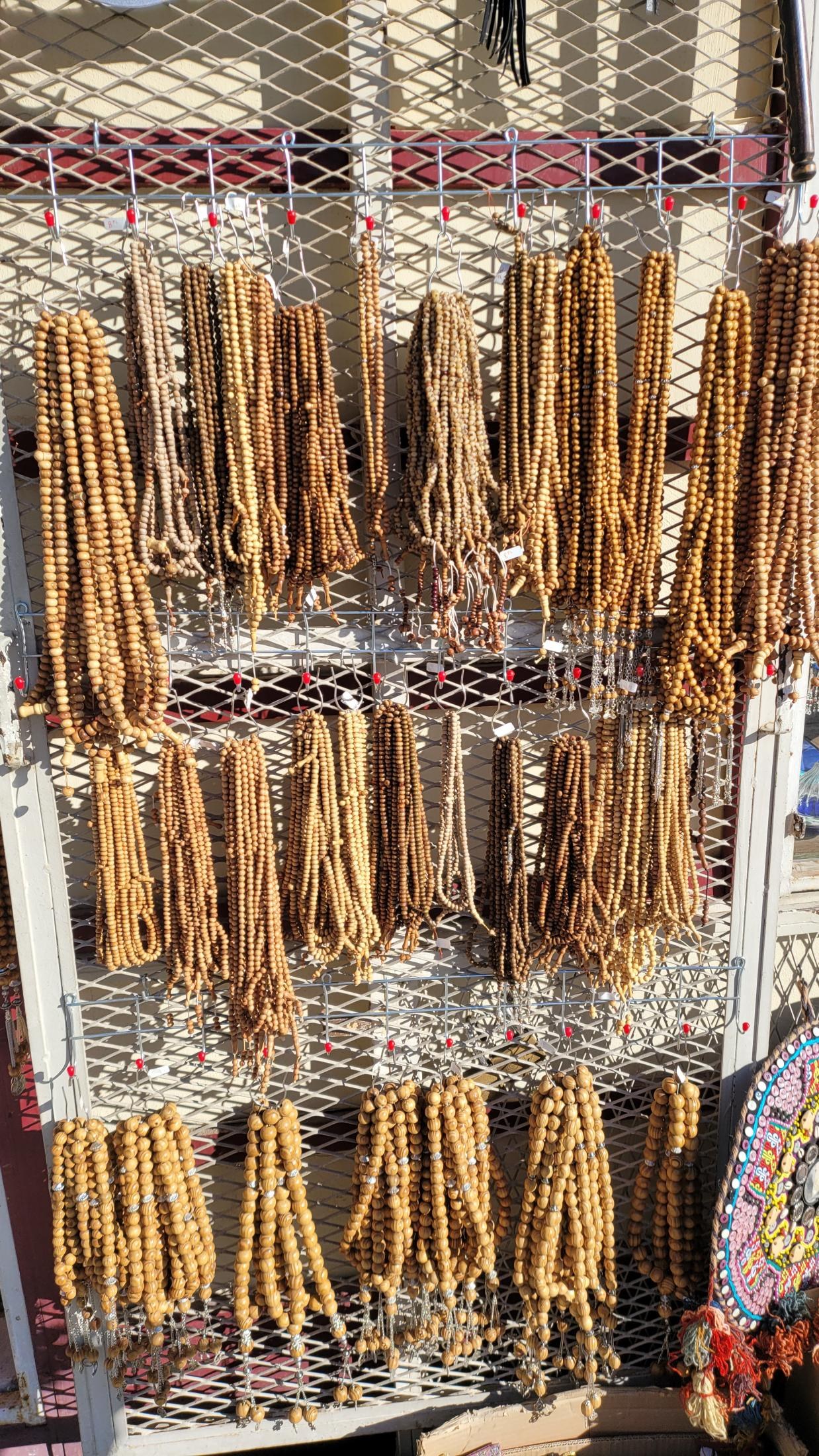
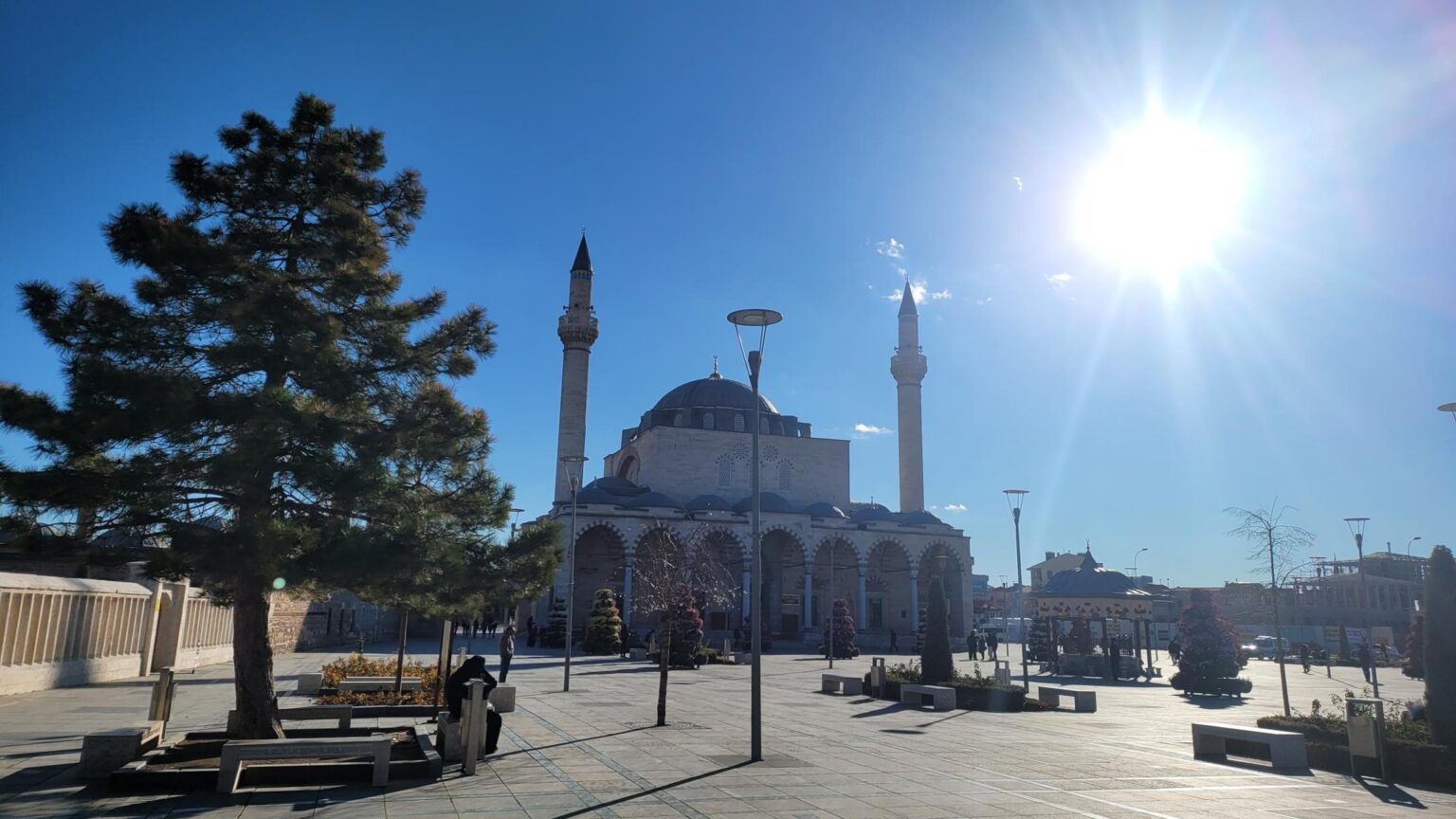
Where were we. Konya, and they’ve let us wander. We have under an hour. Squares, the architecture is different, and at the same time there’s construction everywhere. A mountain of new things, roads being repaired, all very commendable. Everything is huge, lots of people, lots of everything. You watch five girls together, all fairly young. Three are in burqas, two are in Nike trainers with iPhones and Louis Vuitton bags, posing for Instagram. Friends, giggling. Strange and interesting. As the days pass it stops registering. Prayer beads, prayer beads everywhere, every kind you can imagine. Clean, orderly. Enough about Konya.
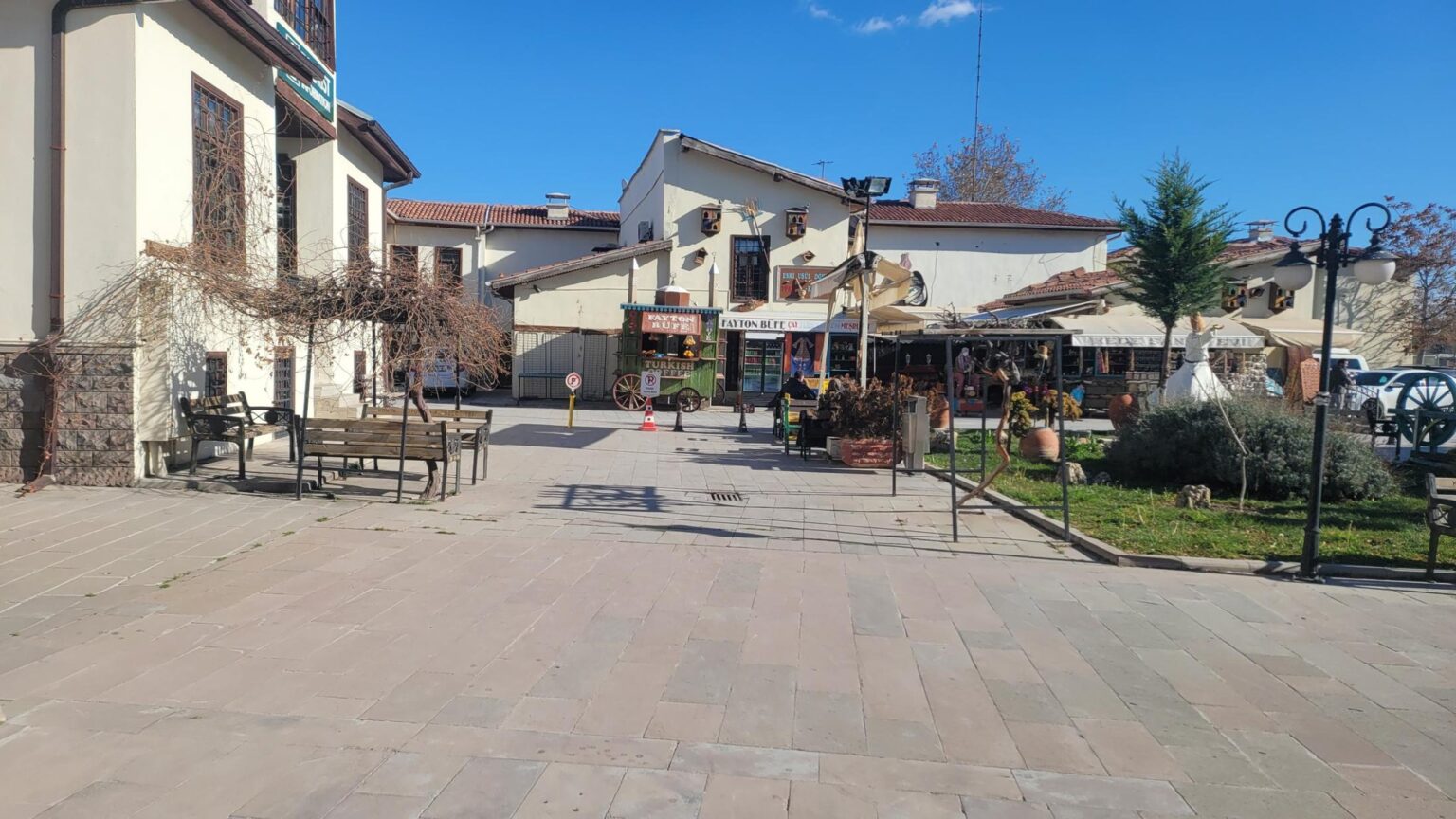
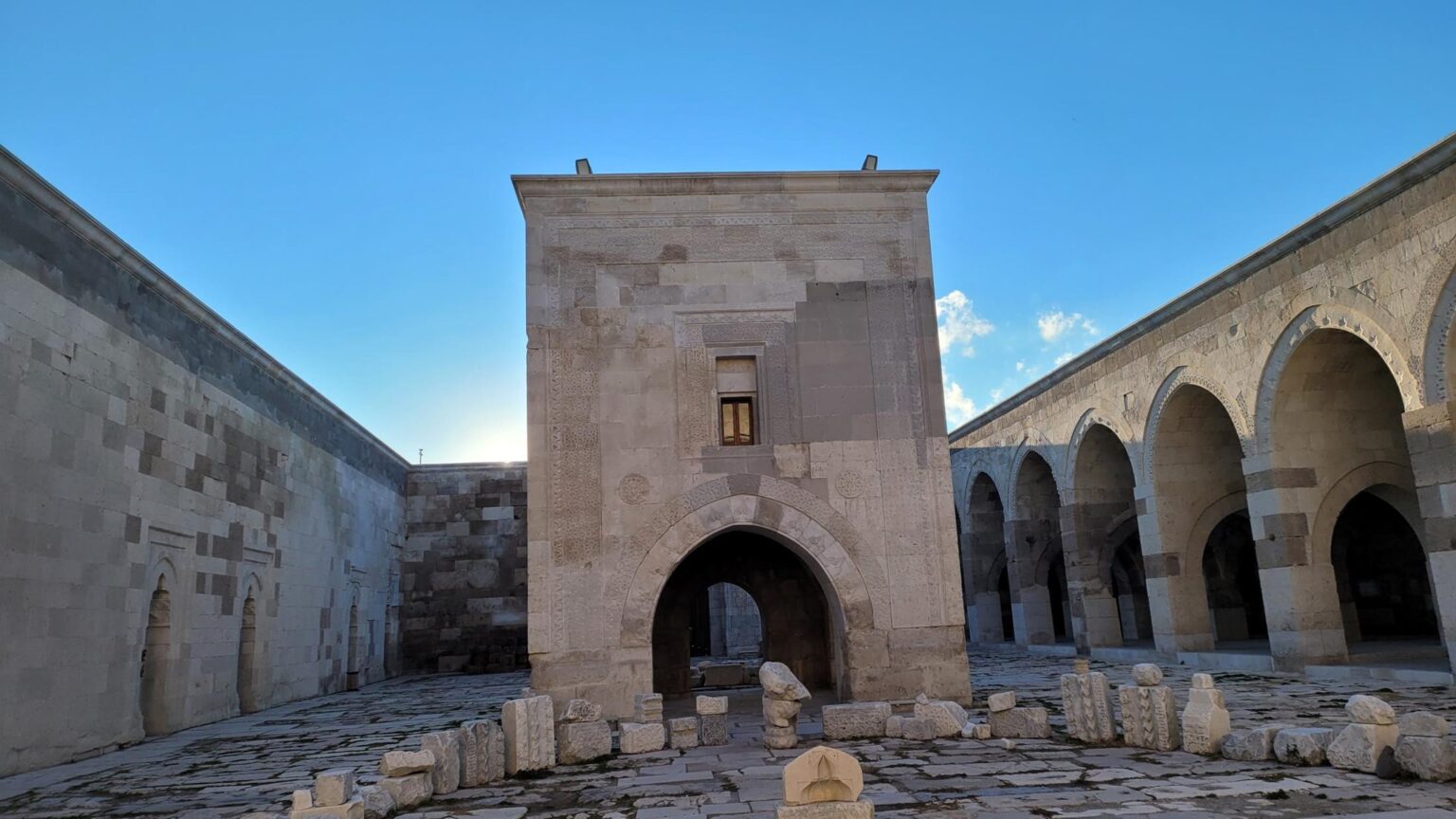
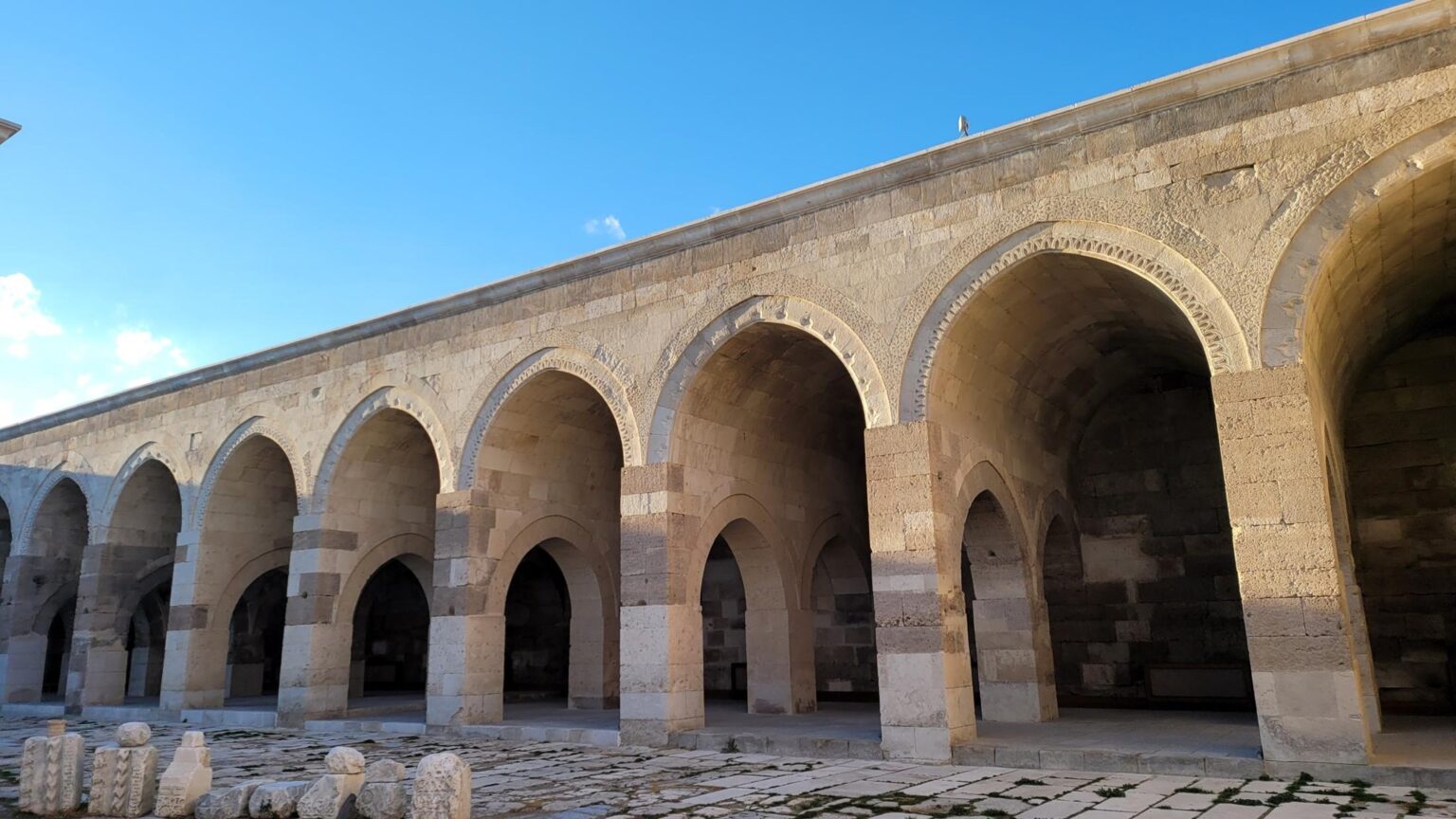
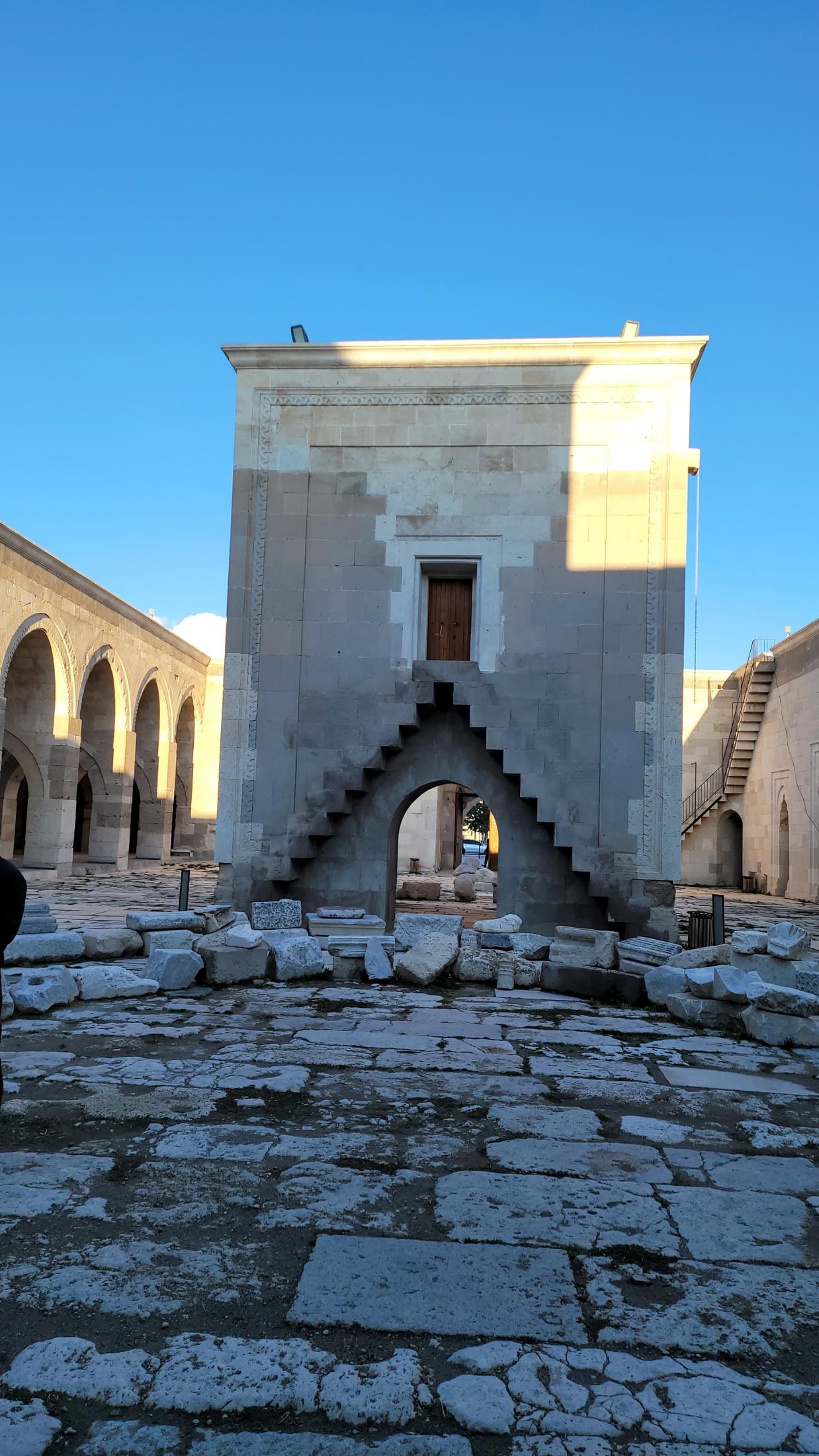
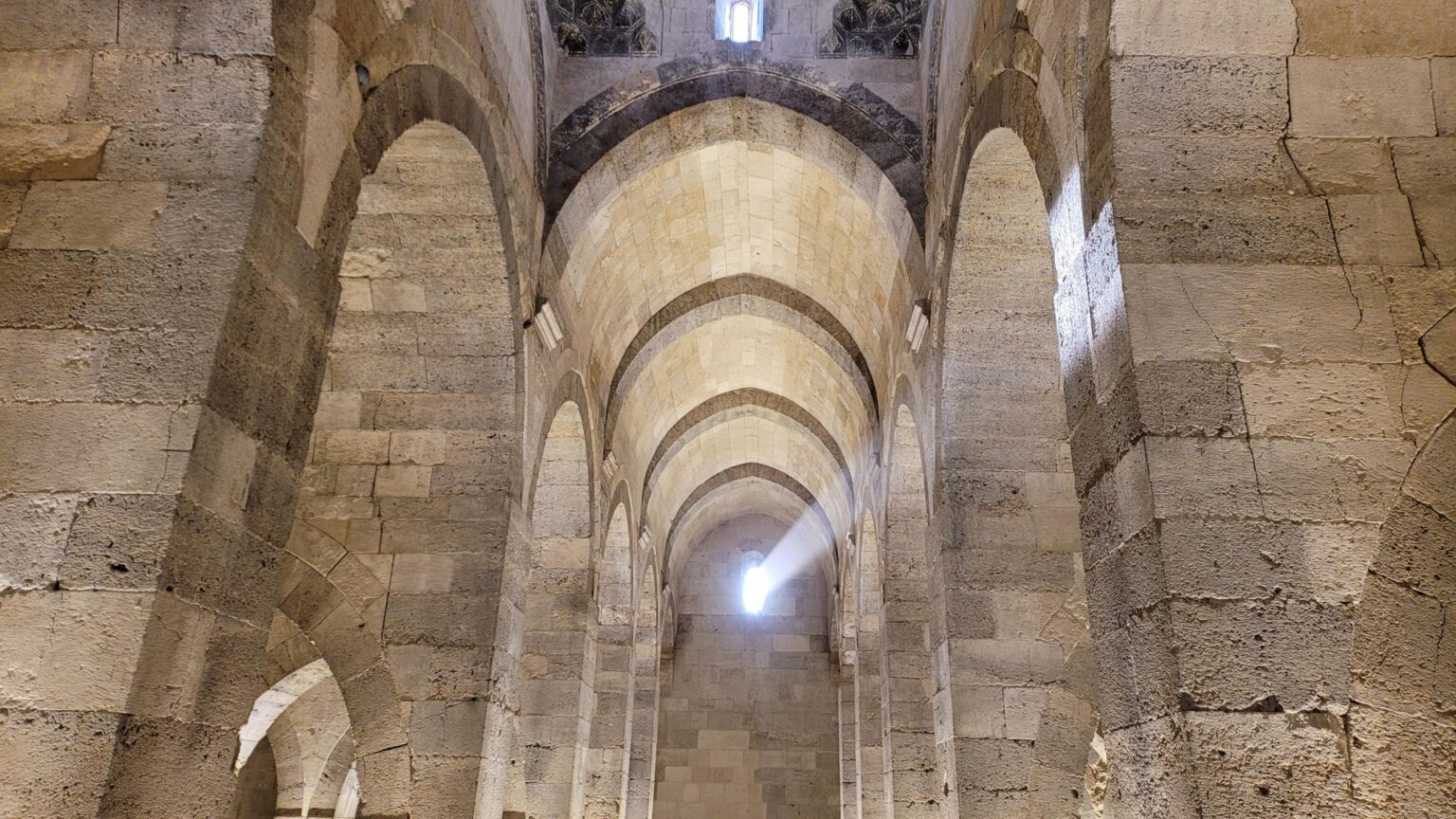
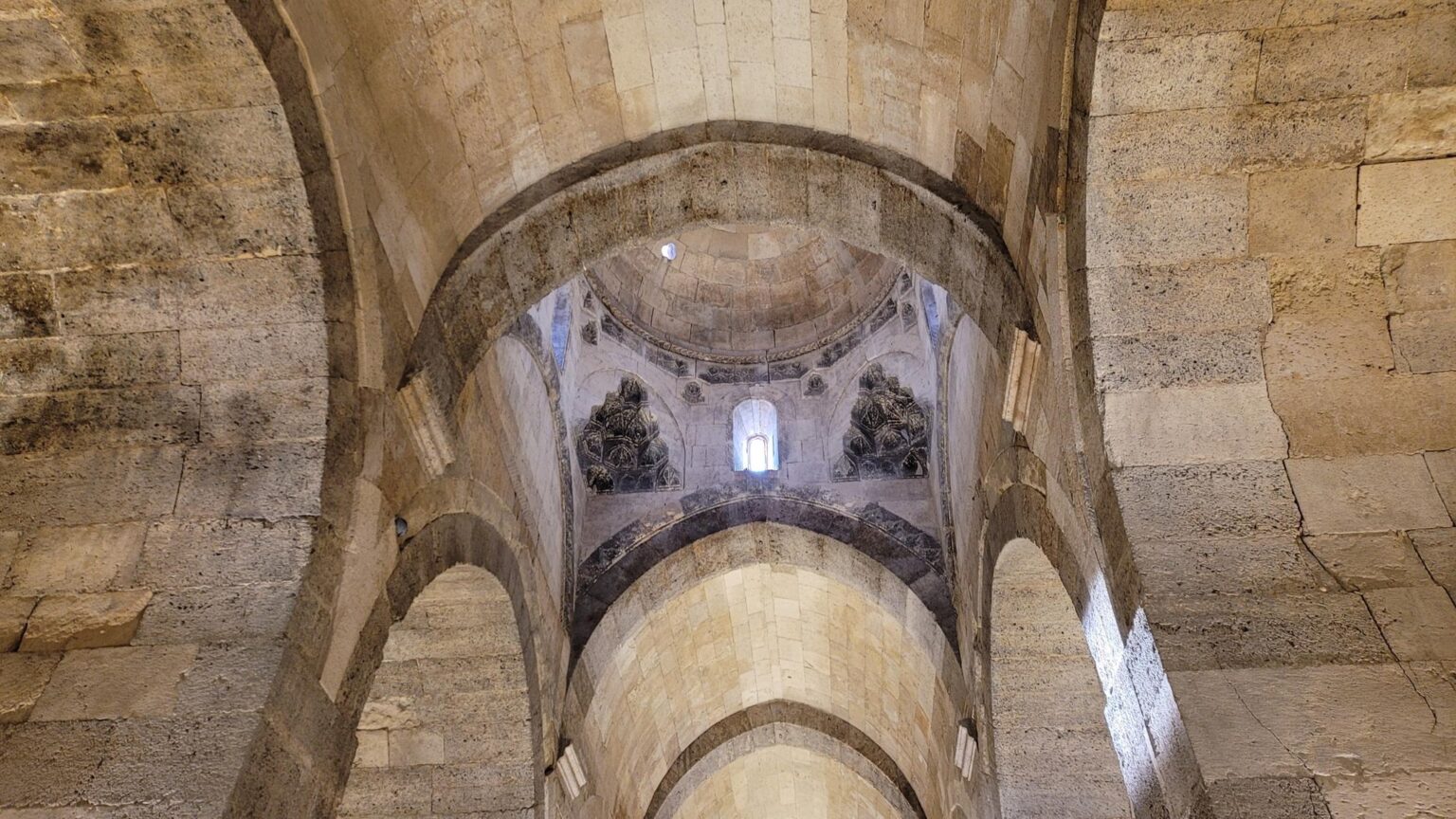
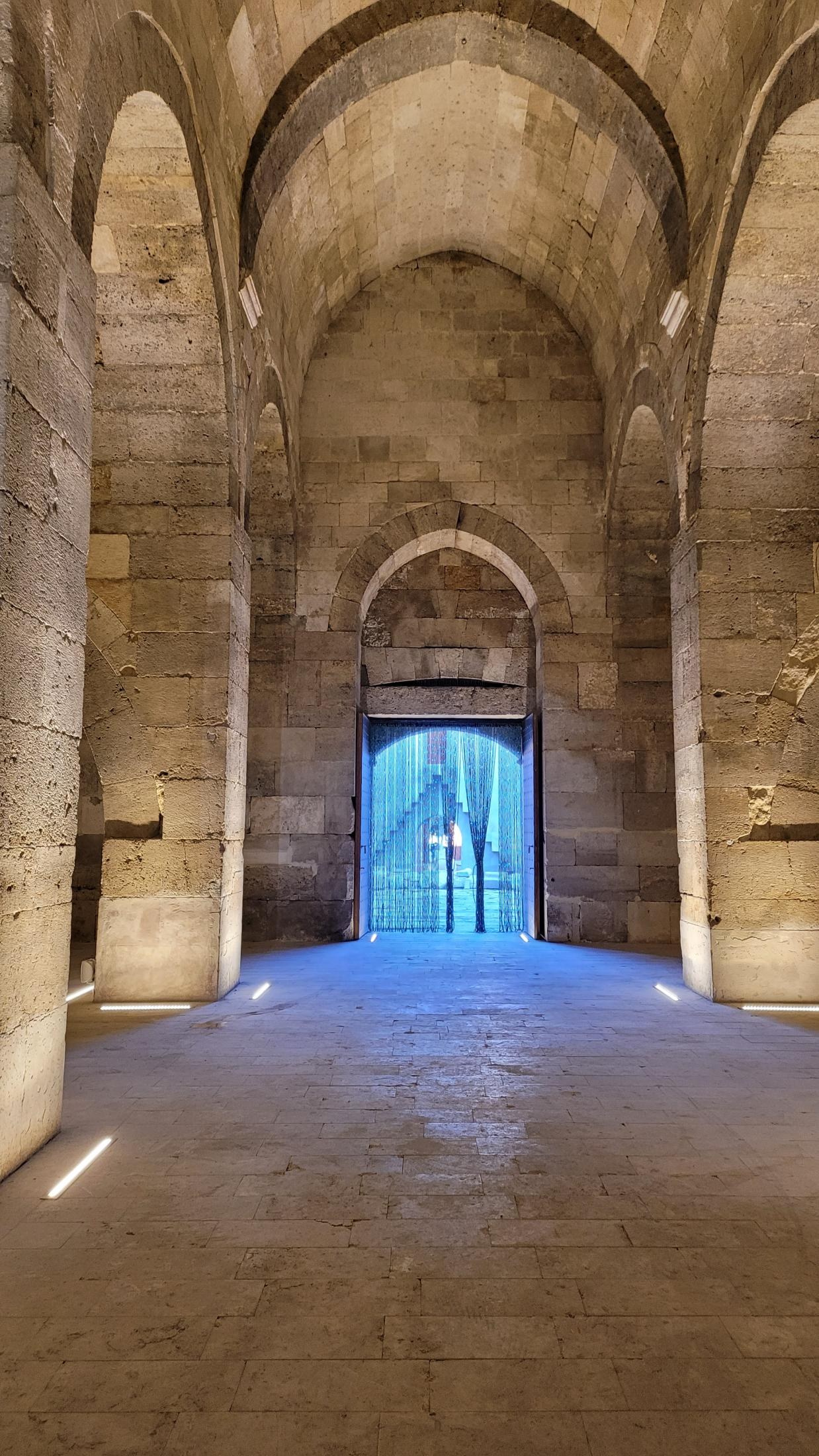
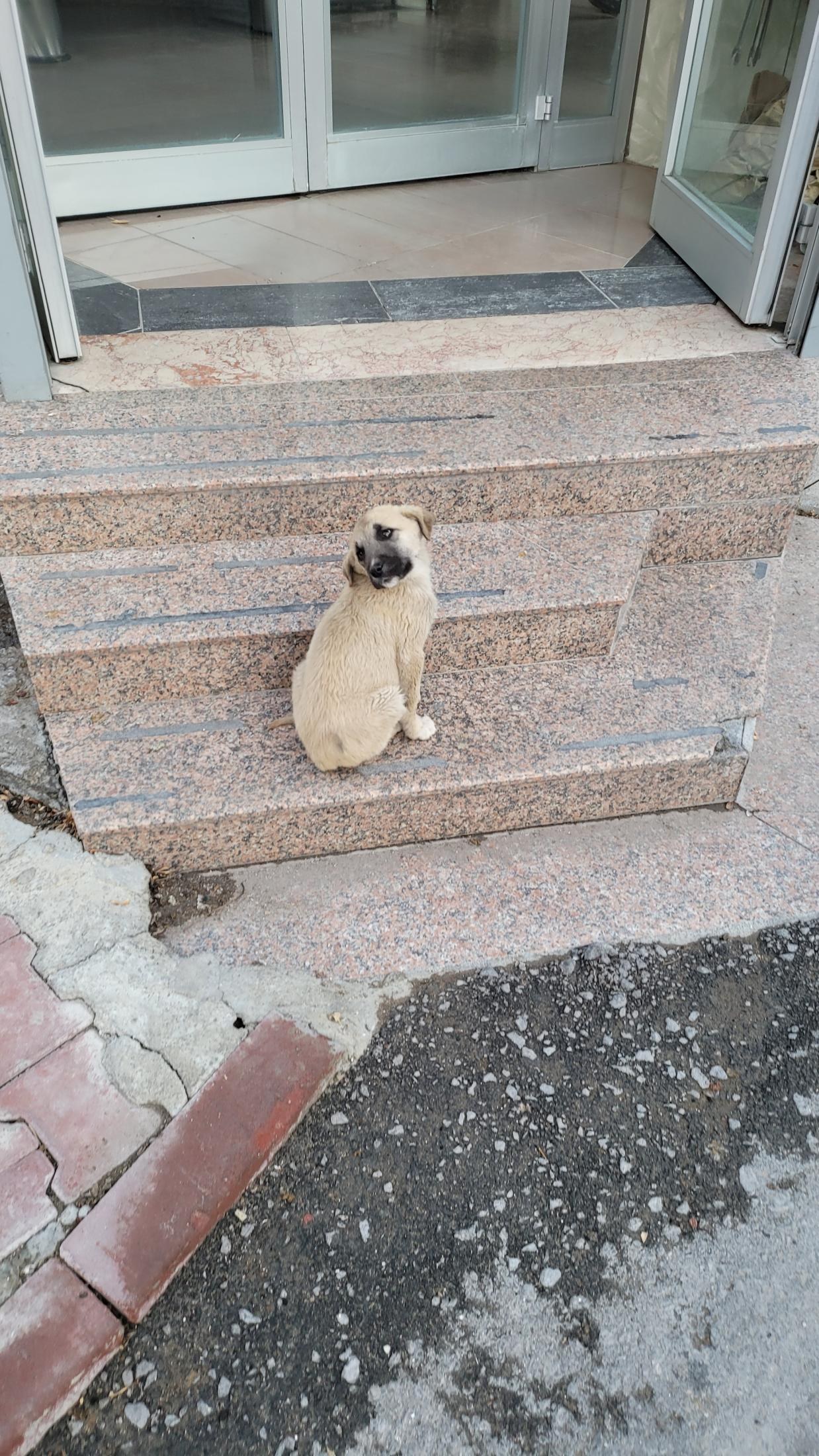
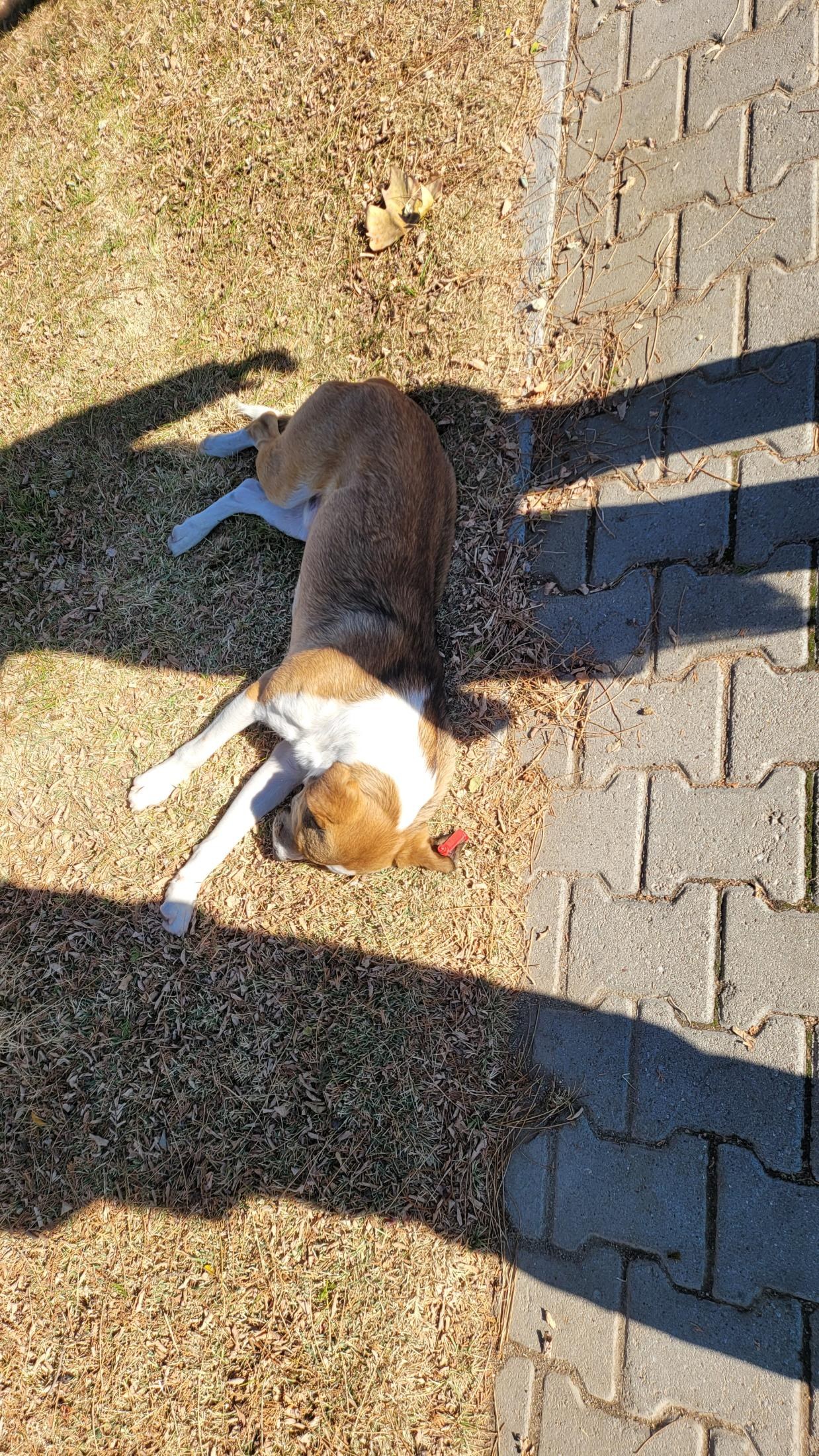
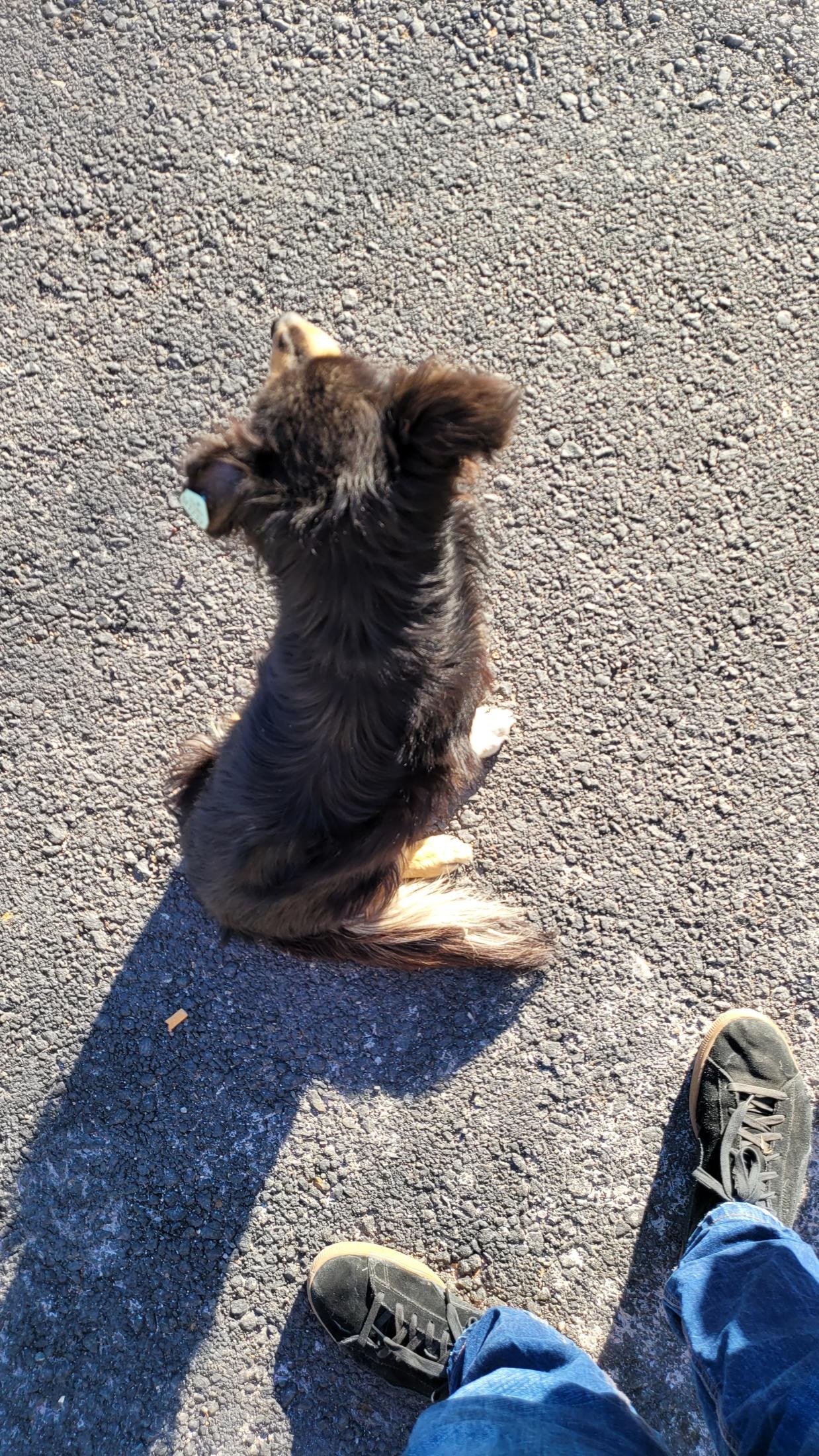
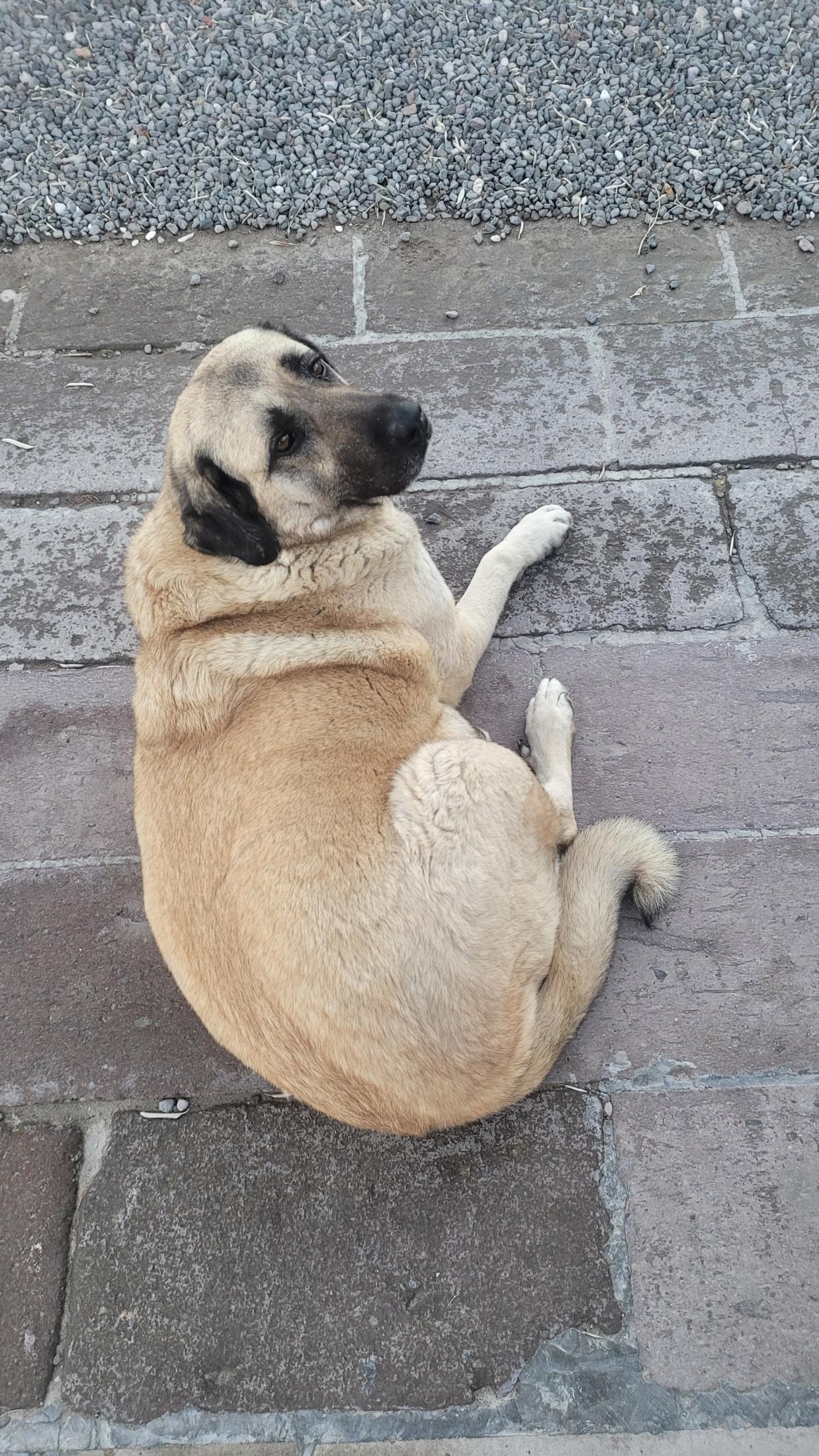
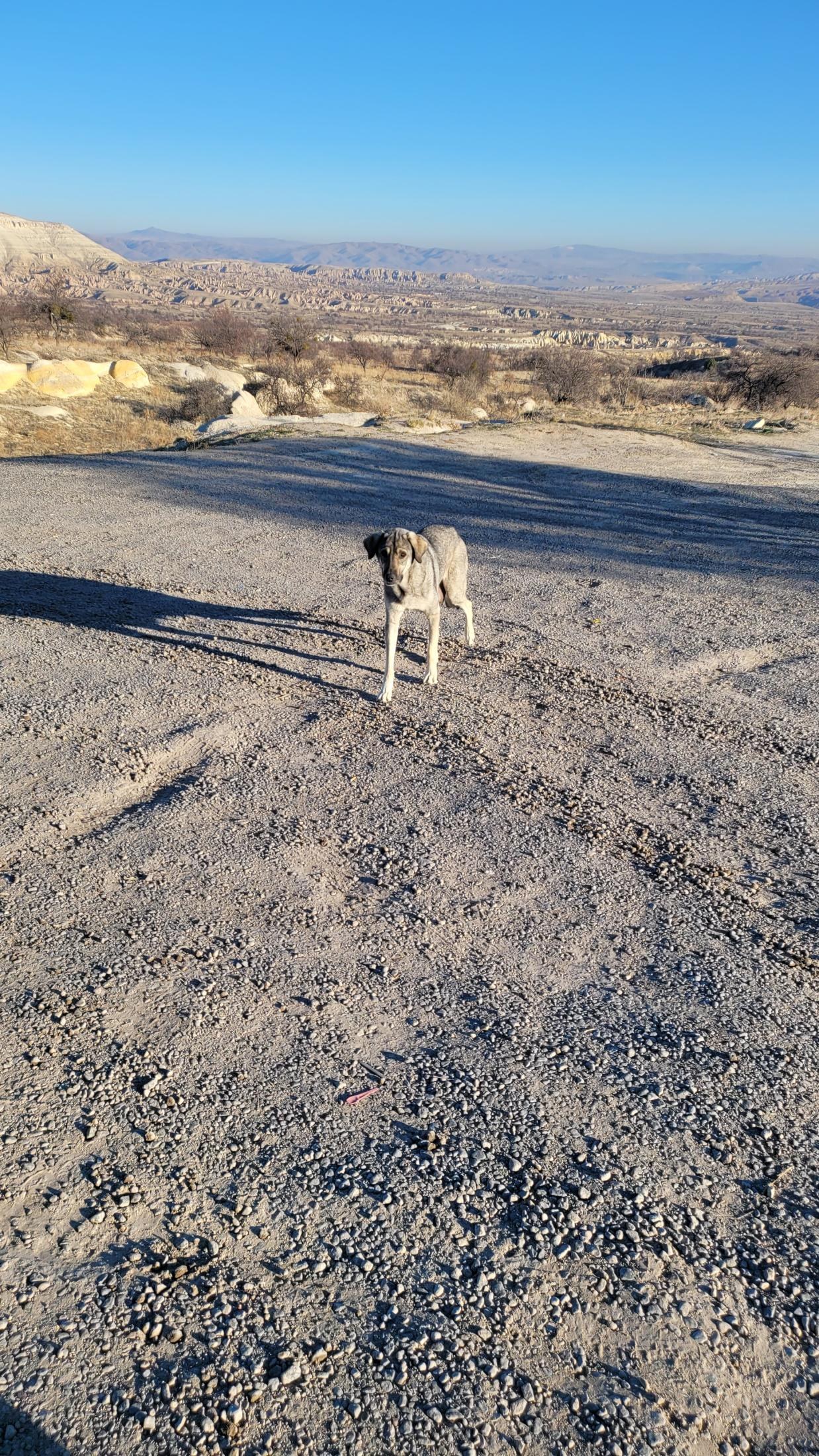
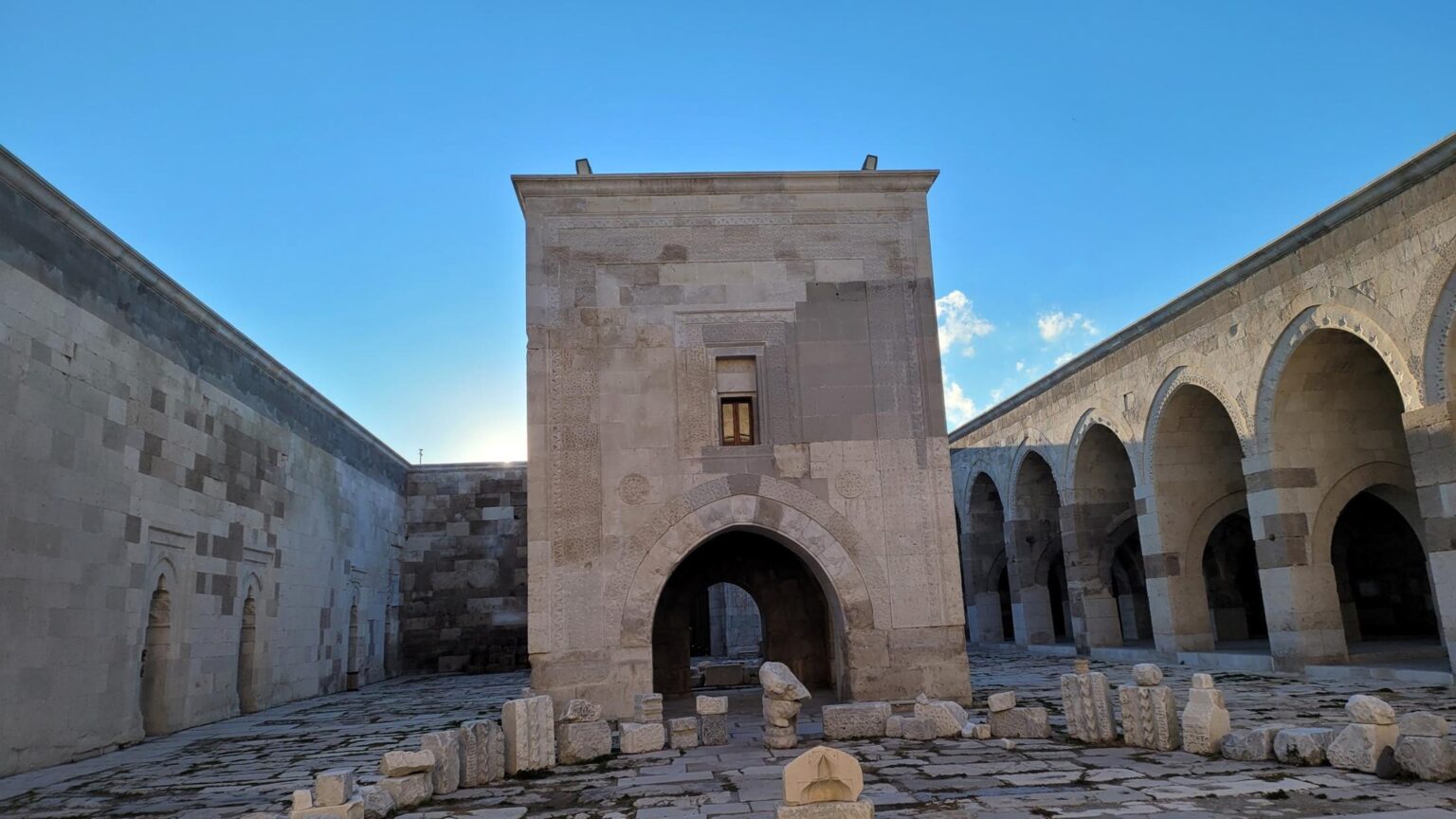
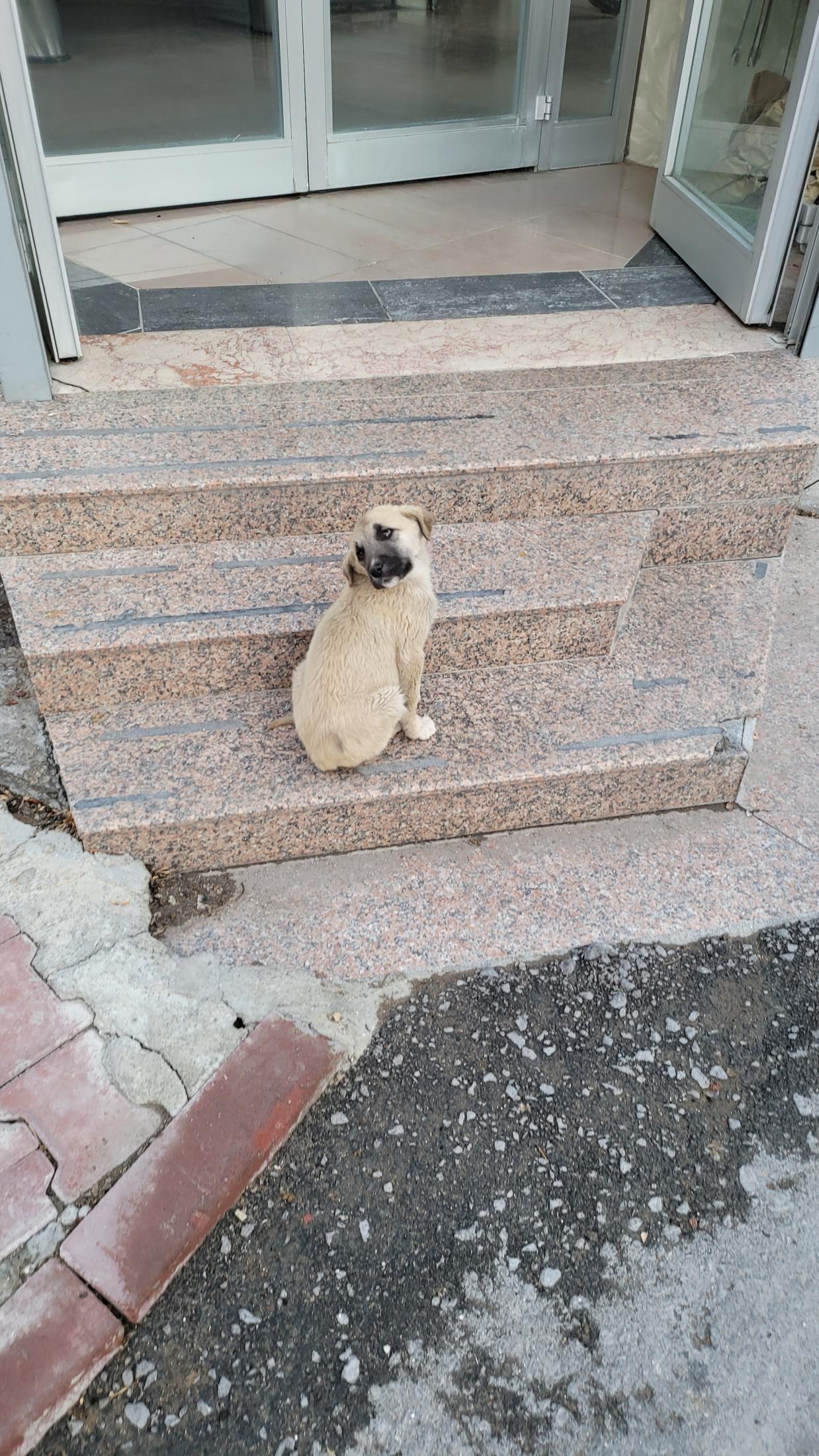
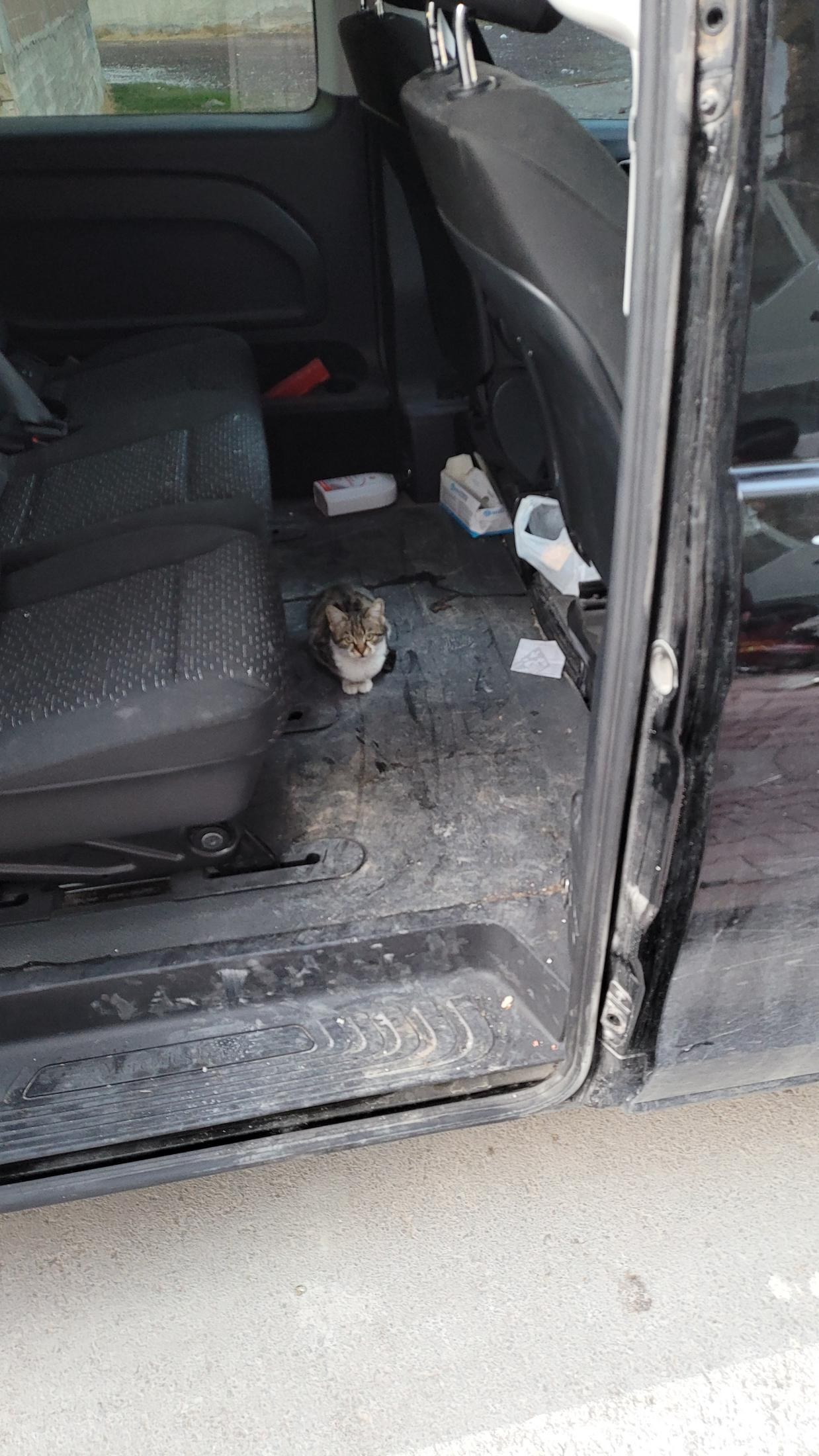
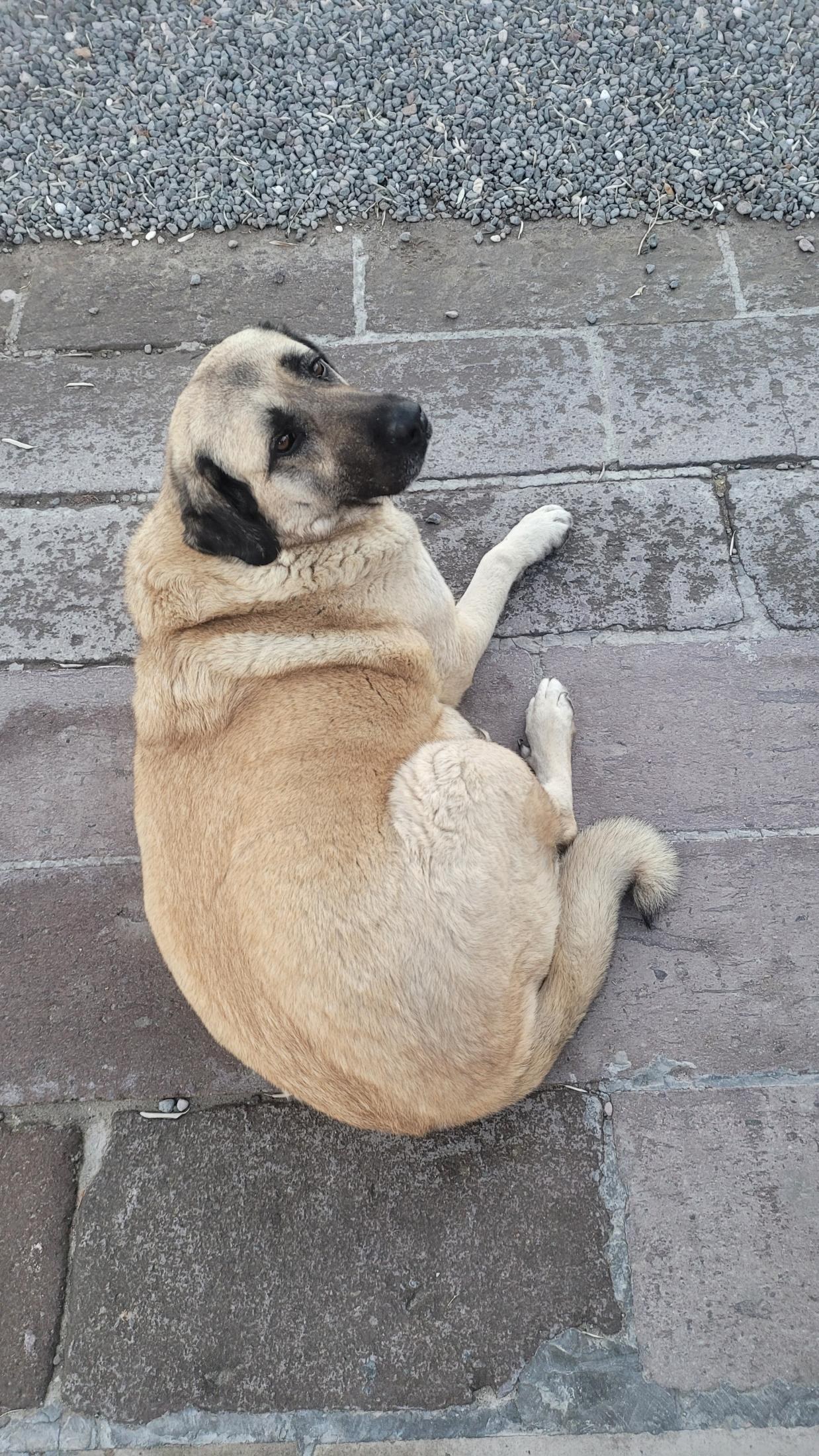
The good old coach. Look, they’re stopping us before Aksaray at the Sultanhanı Caravanserai — something like a medieval inn and market rolled into one, with the option of an overnight stay. It’s December. We started out in Antalya in over 20 degrees of heat. Now we’re higher up in the mountains, it’s late afternoon, dusk is coming. Three degrees. Again the architecture is impressive, again it’s enormous. Animals, kittens and dogs everywhere. People look after them in Türkiye, which is lovely. We love animals and we want them to be all right.
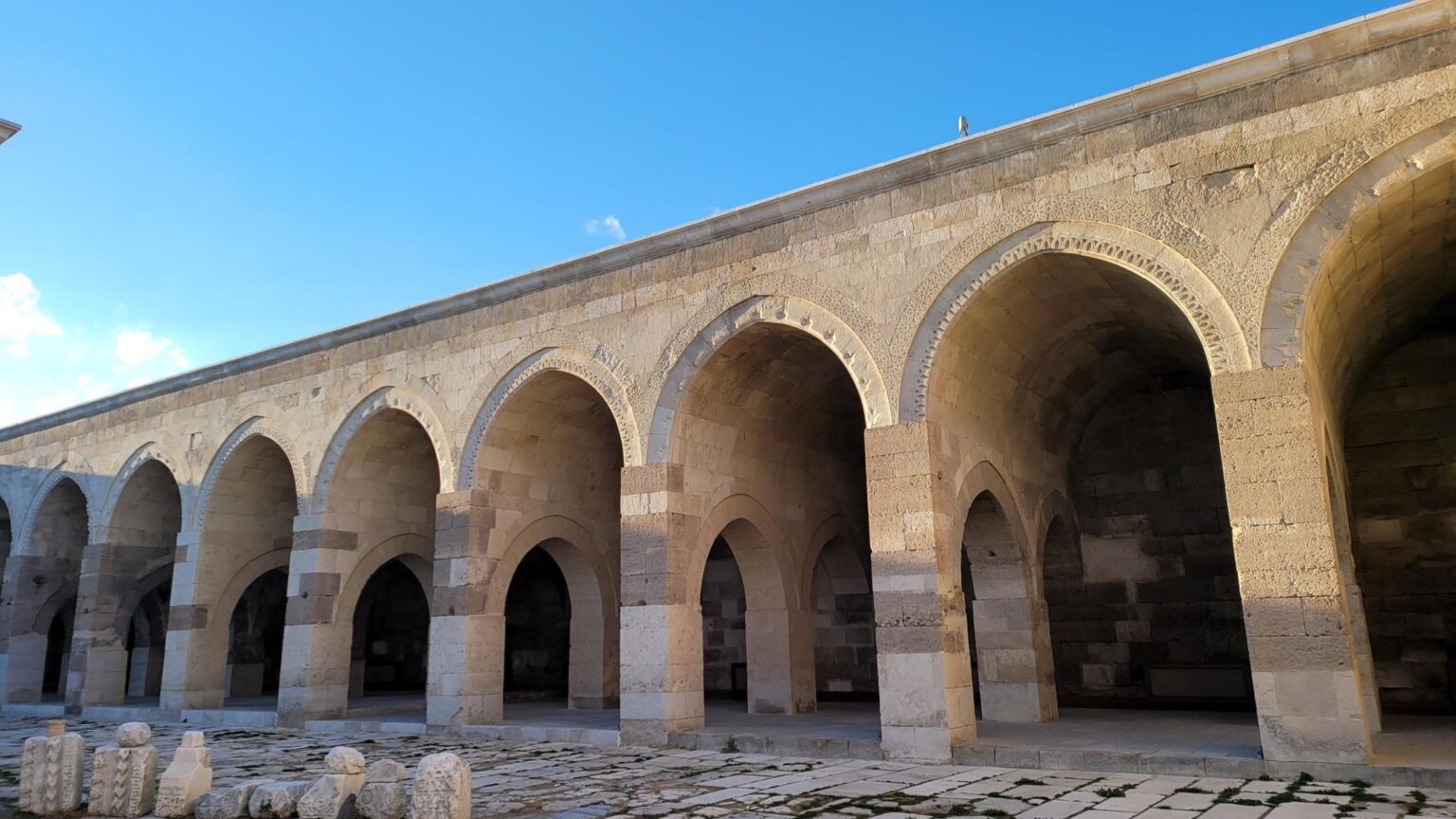
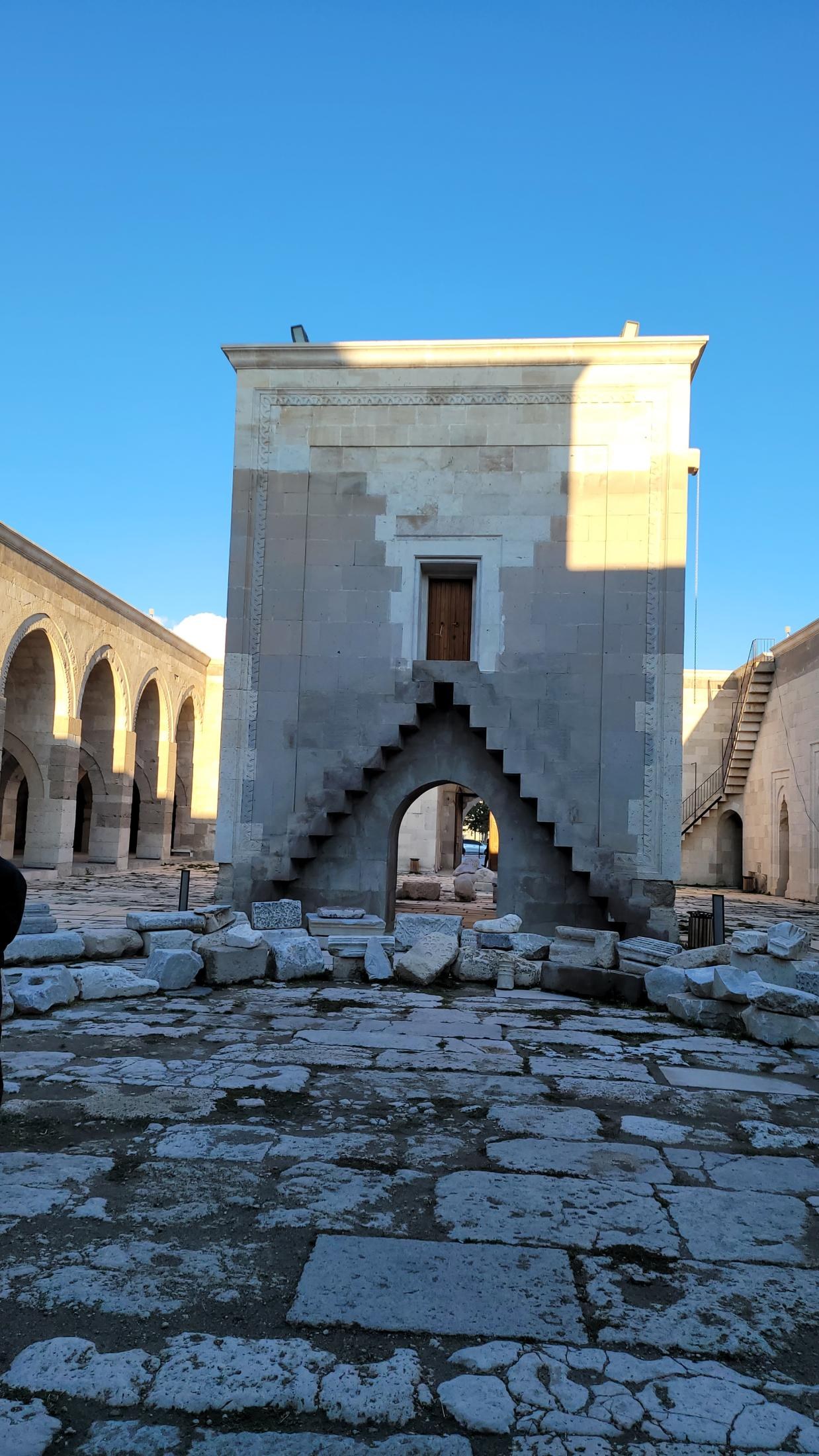
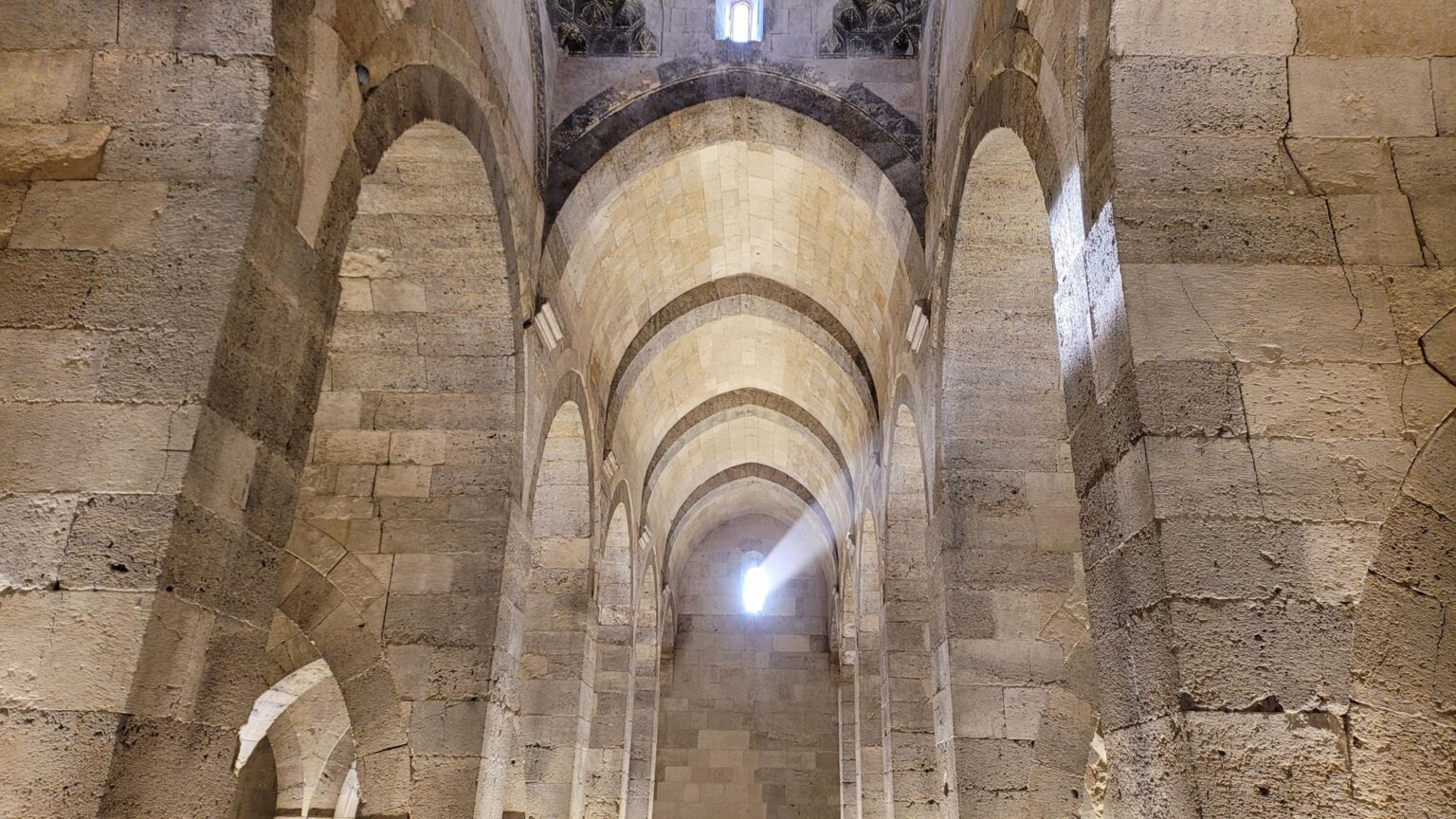
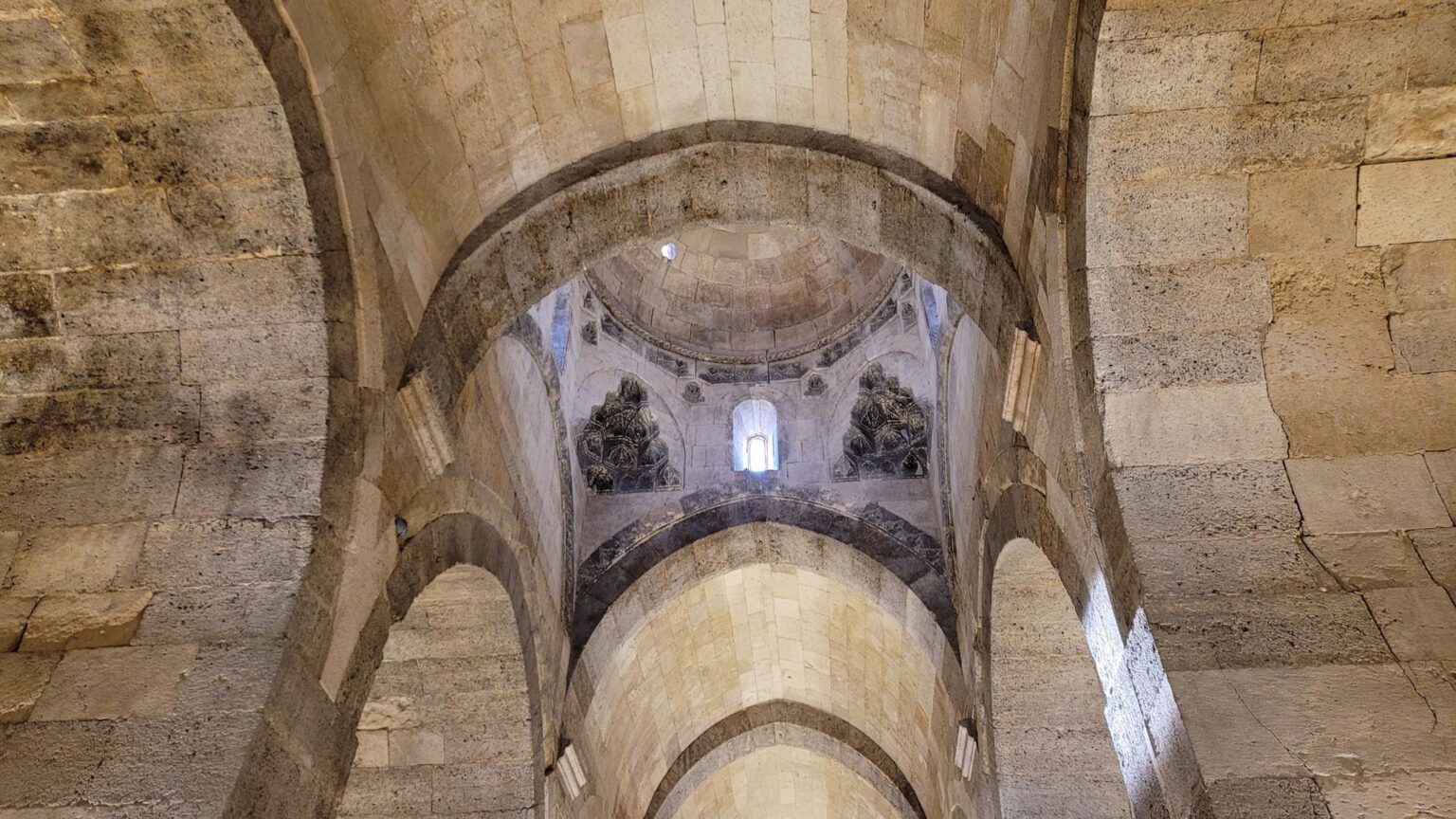
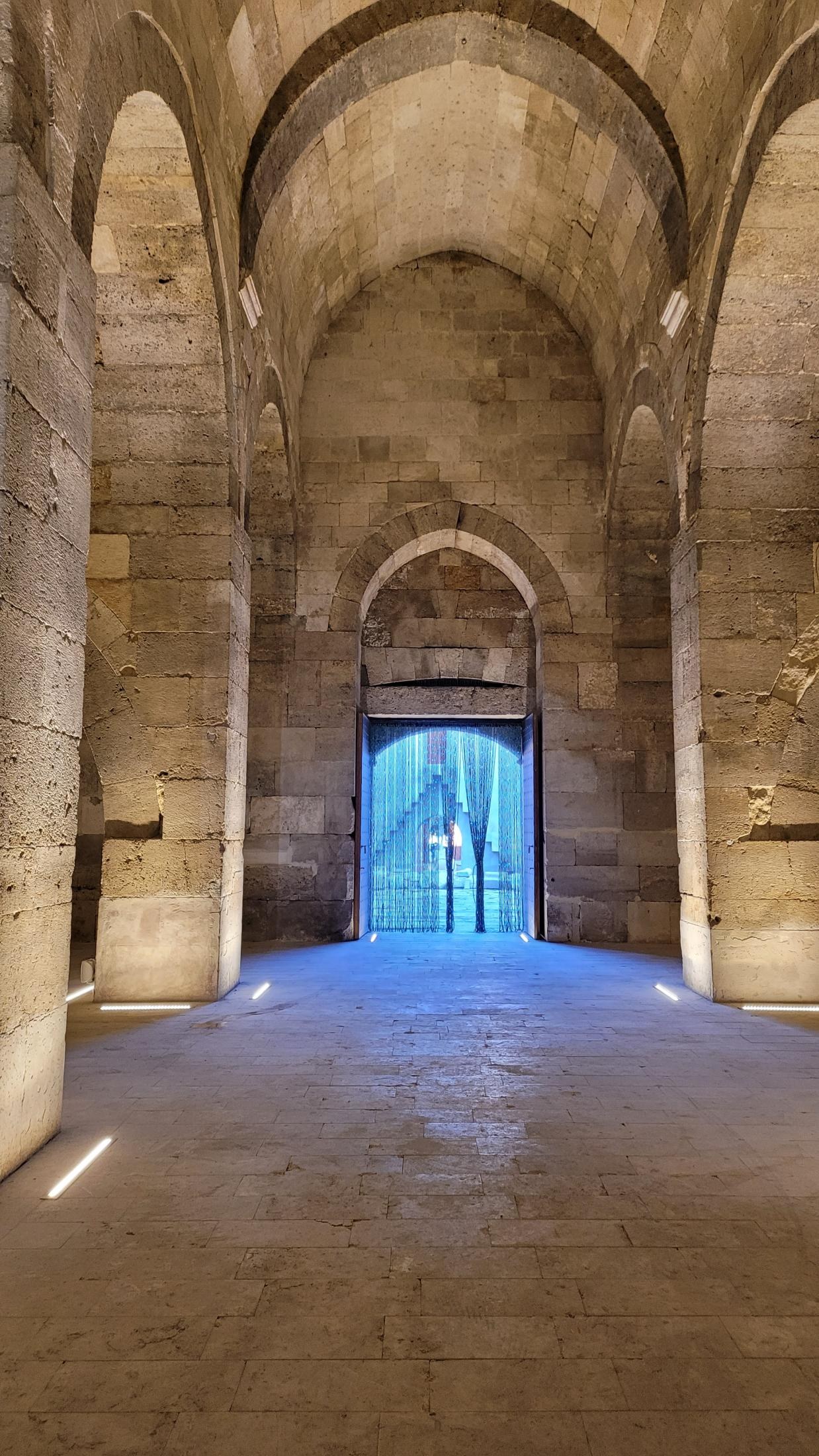
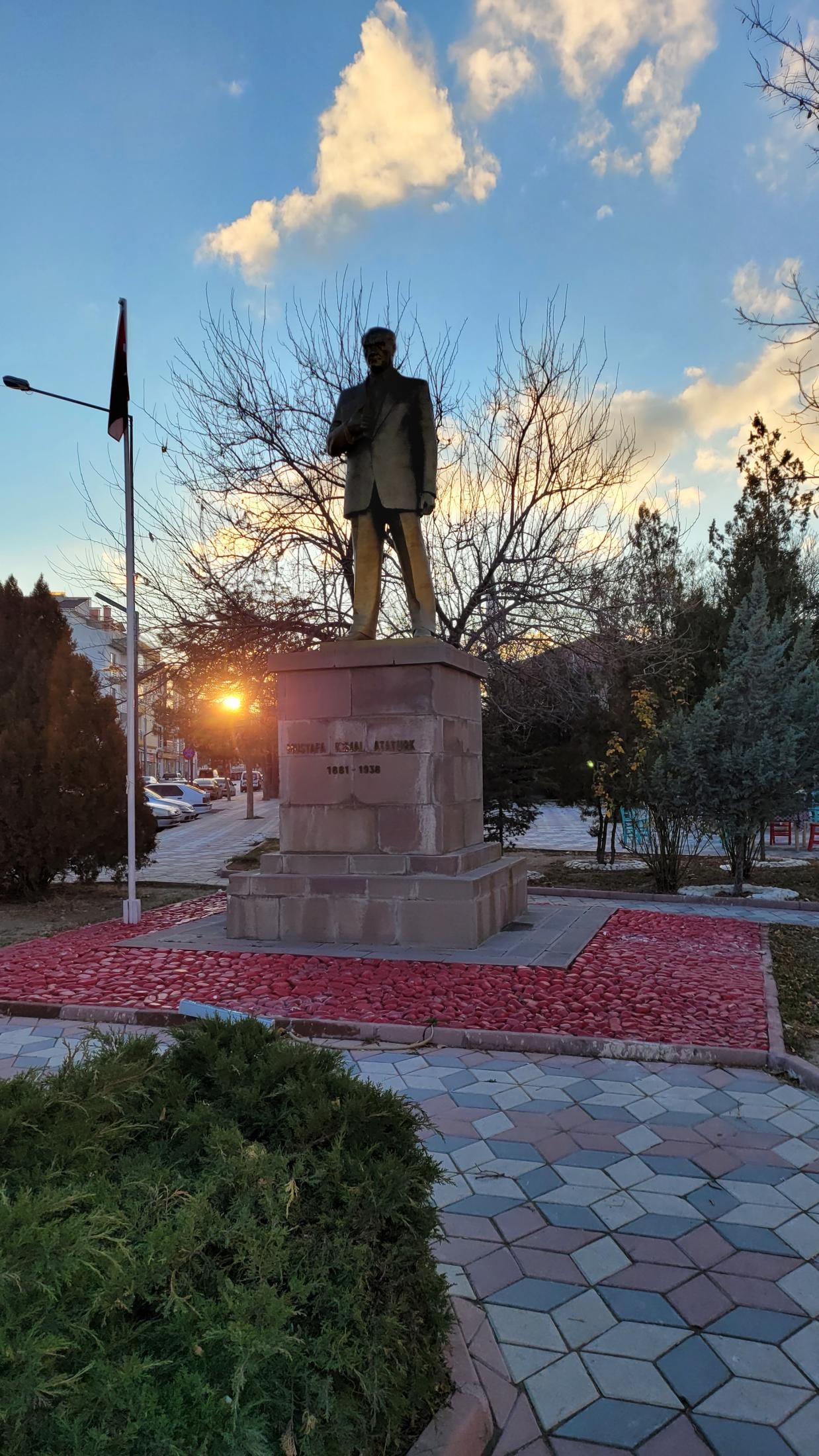
The good old coach again. Aksaray — look, a Mercedes plant, and next to it a Ford plant. That explains the number of those badges on the road.
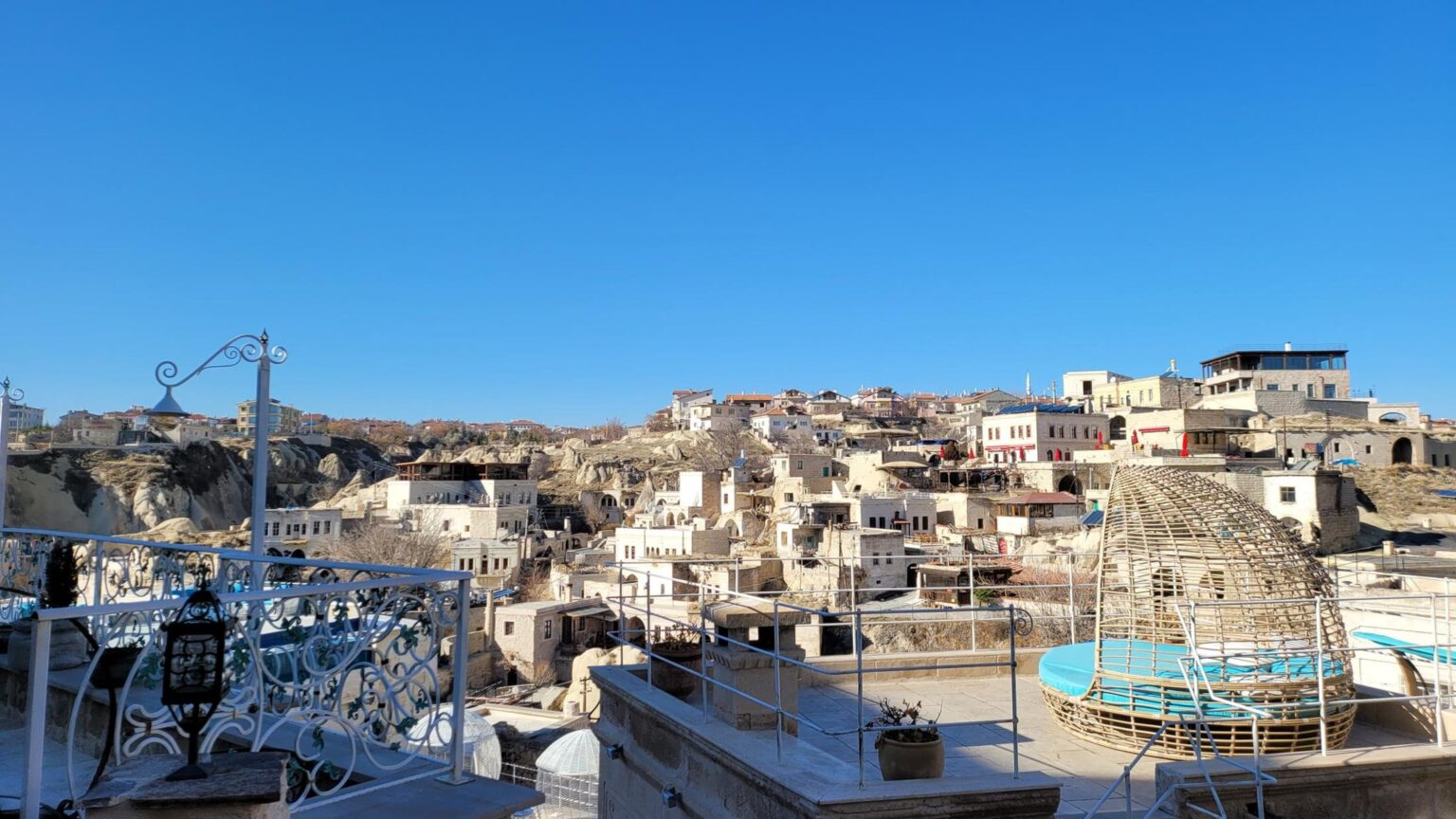
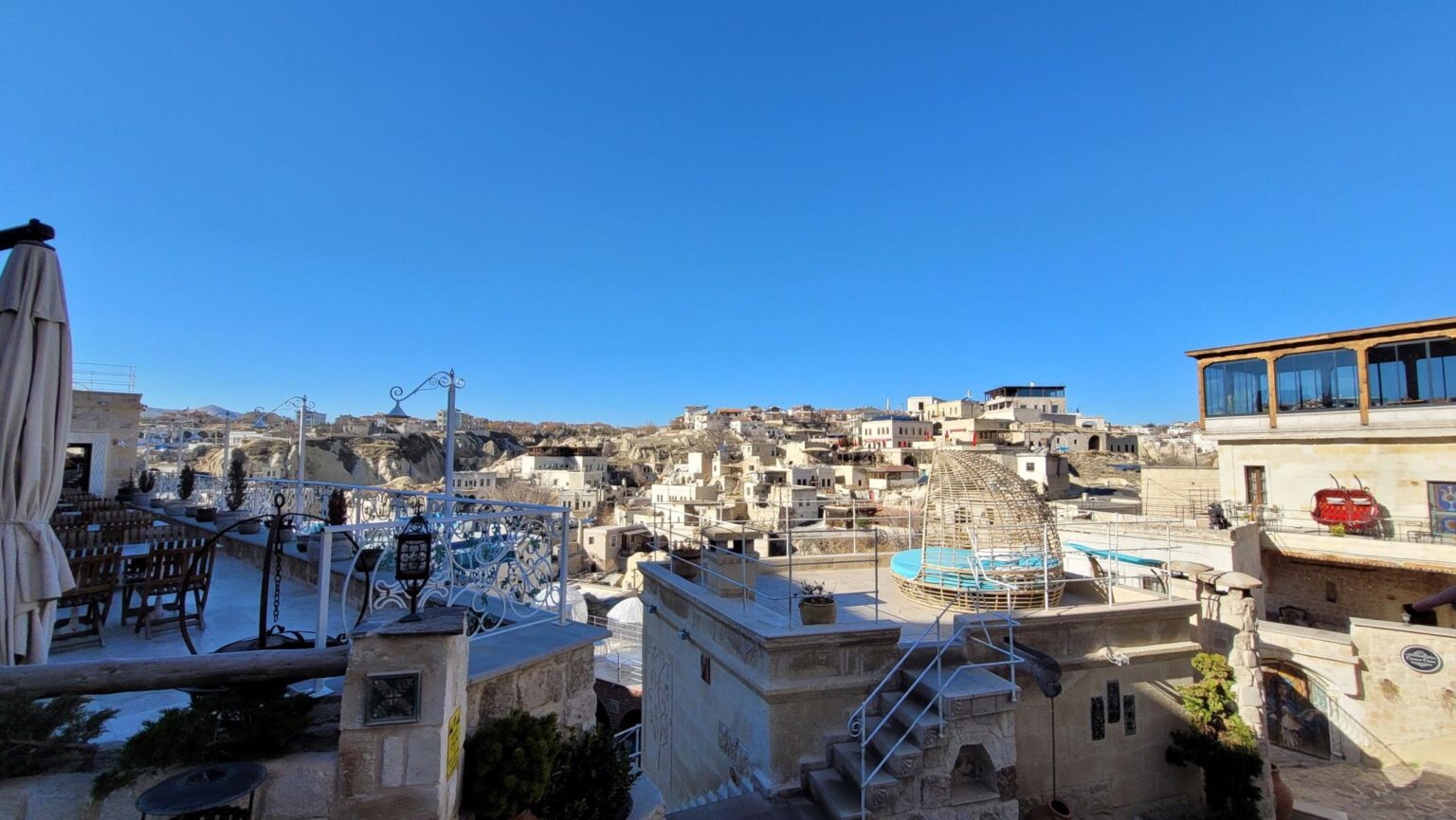
Hallelujah, around 20:00 we finally reach Cappadocia and our hotel. And what a hotel: huge, shiny, a very serious kitchen, this one is more like a genuine four-star. We’ve landed in Ürgüp. In practice, if you come on an organised trip they’ll put you somewhere in the region and shuttle you around. If you make your own way here it’s no problem either — there are dolmuş minibuses circling constantly, and taxis between the towns are cheap enough that you can roam freely for a day on pocket change.
I’ve finally built a picture of what Cappadocia actually is, because online the information is a bit inconclusive.
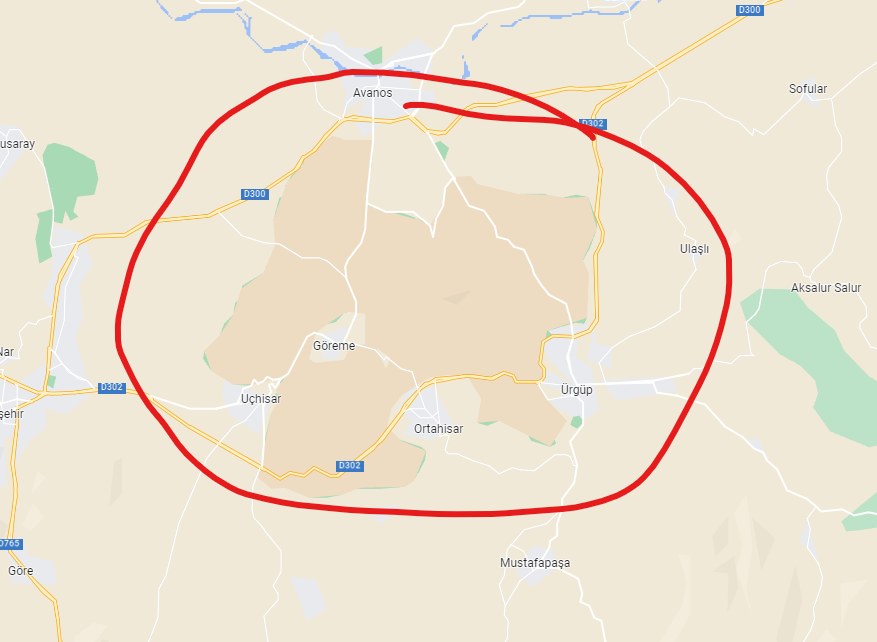
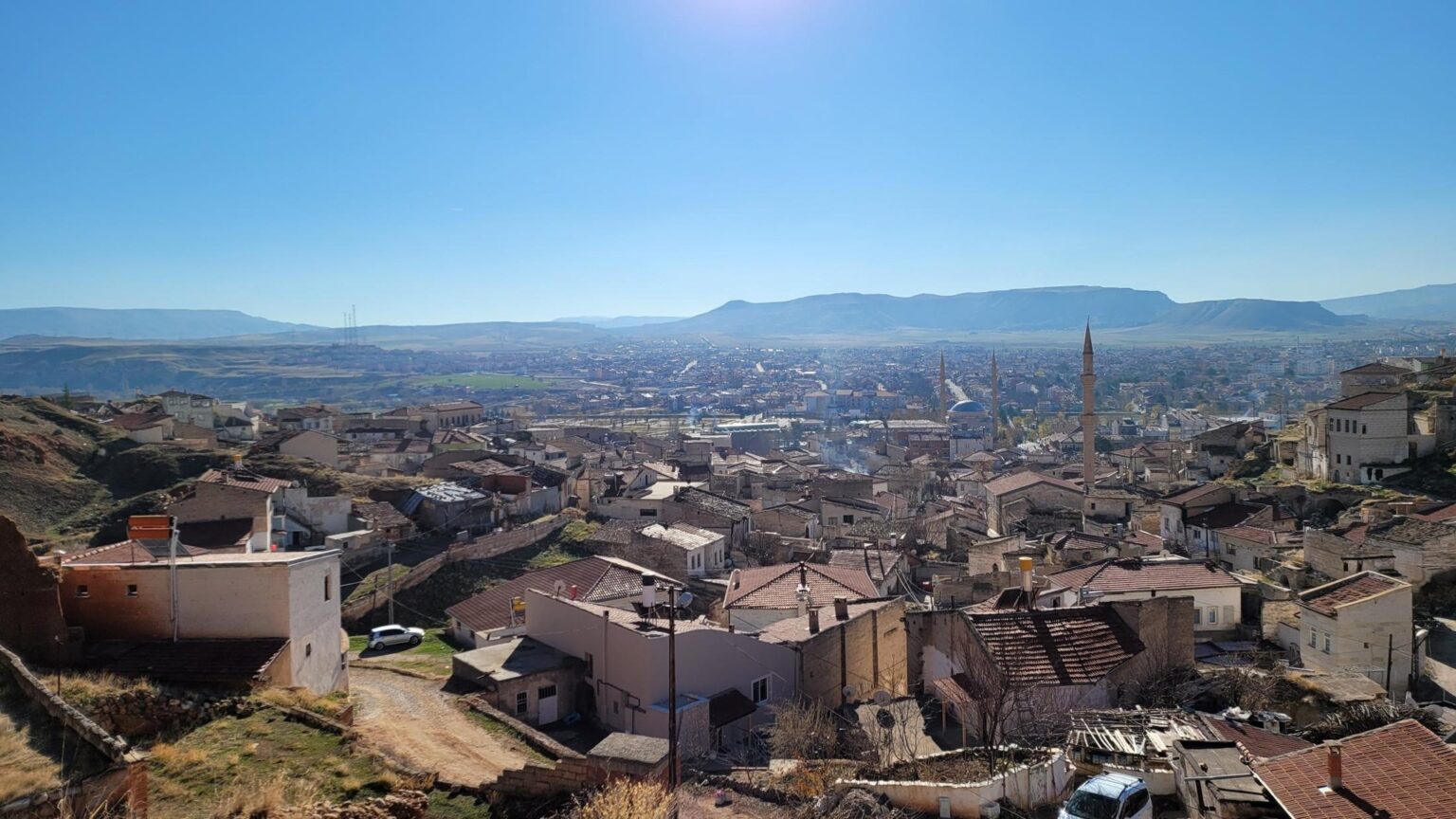
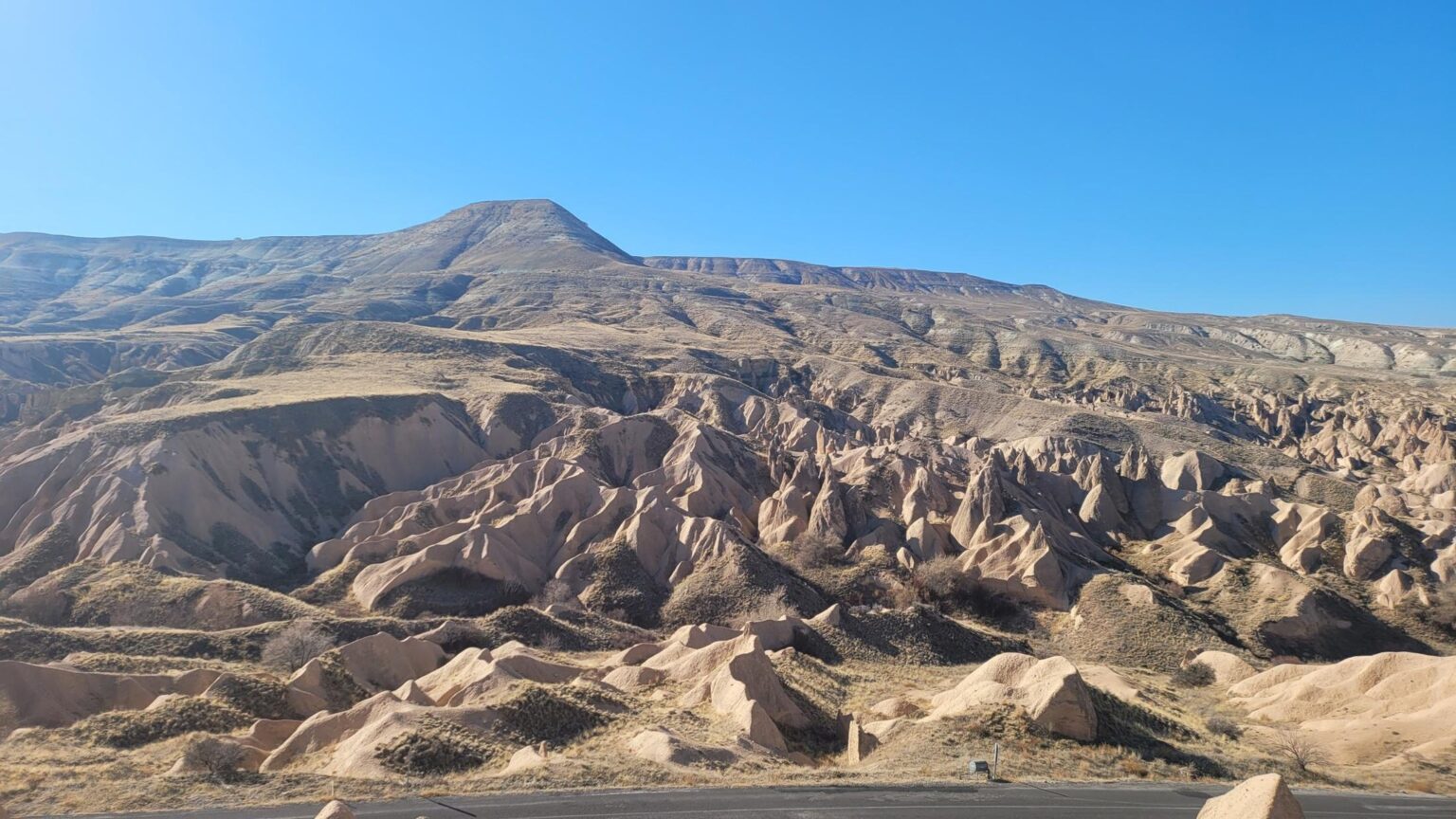
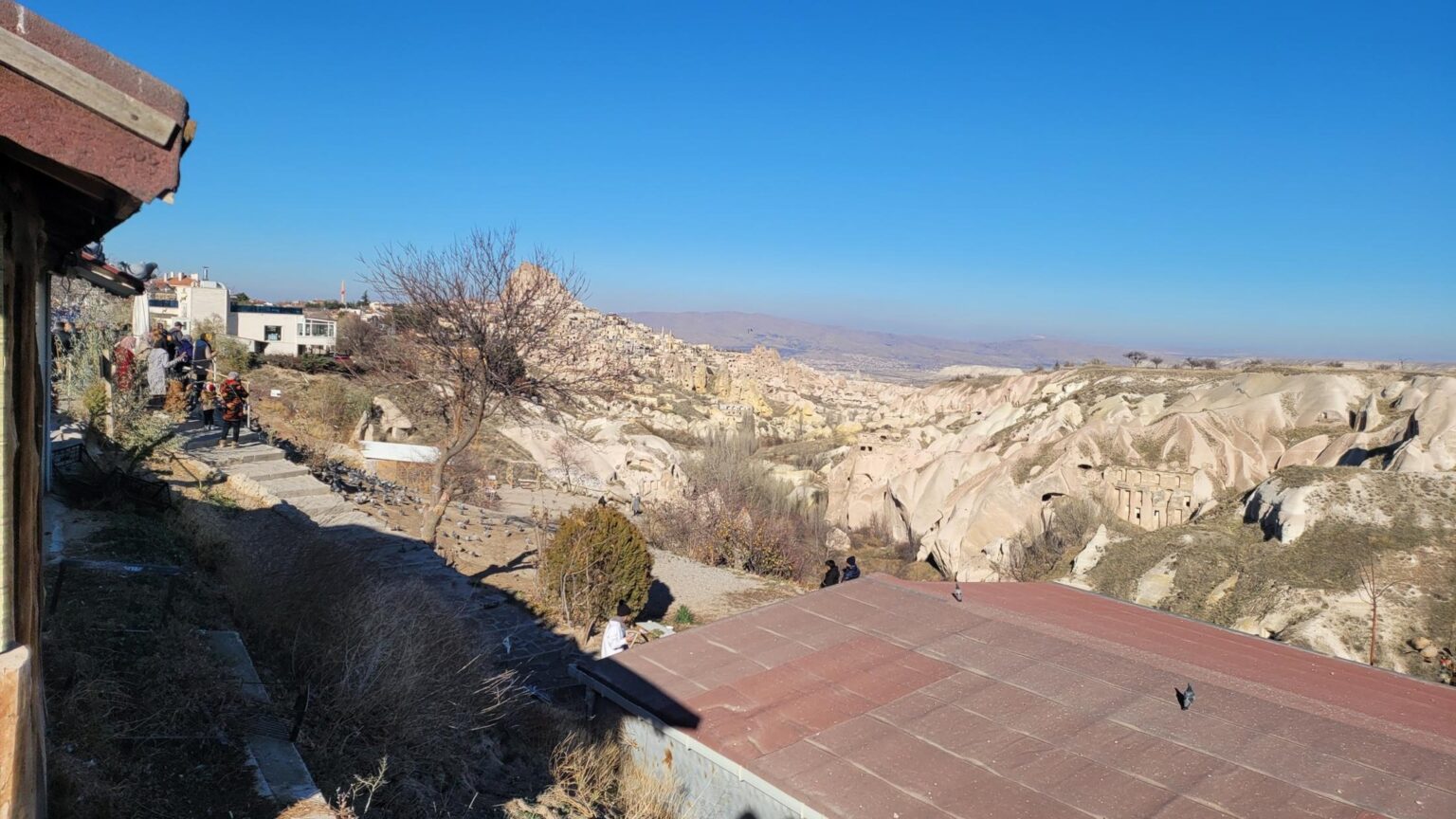
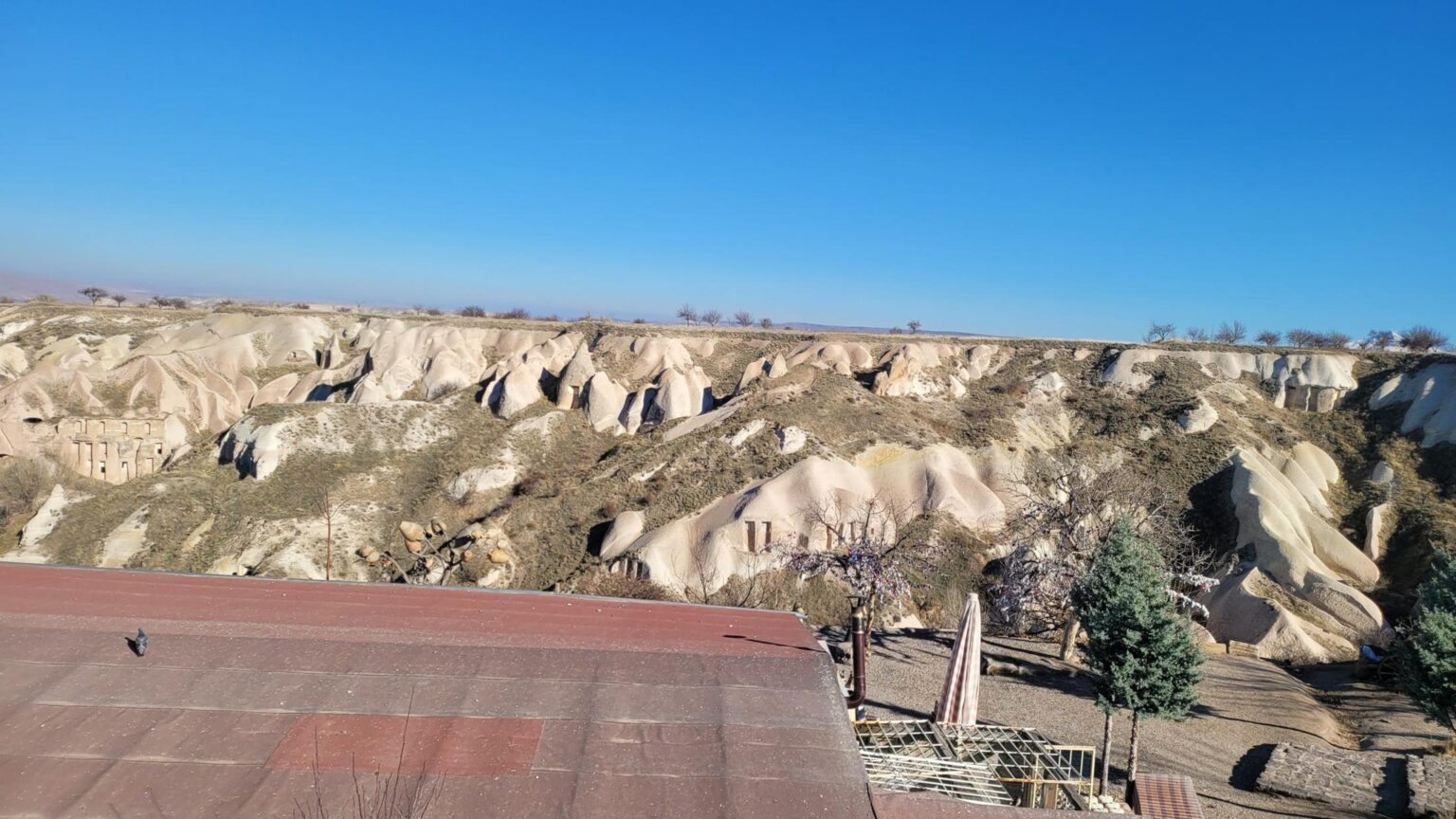
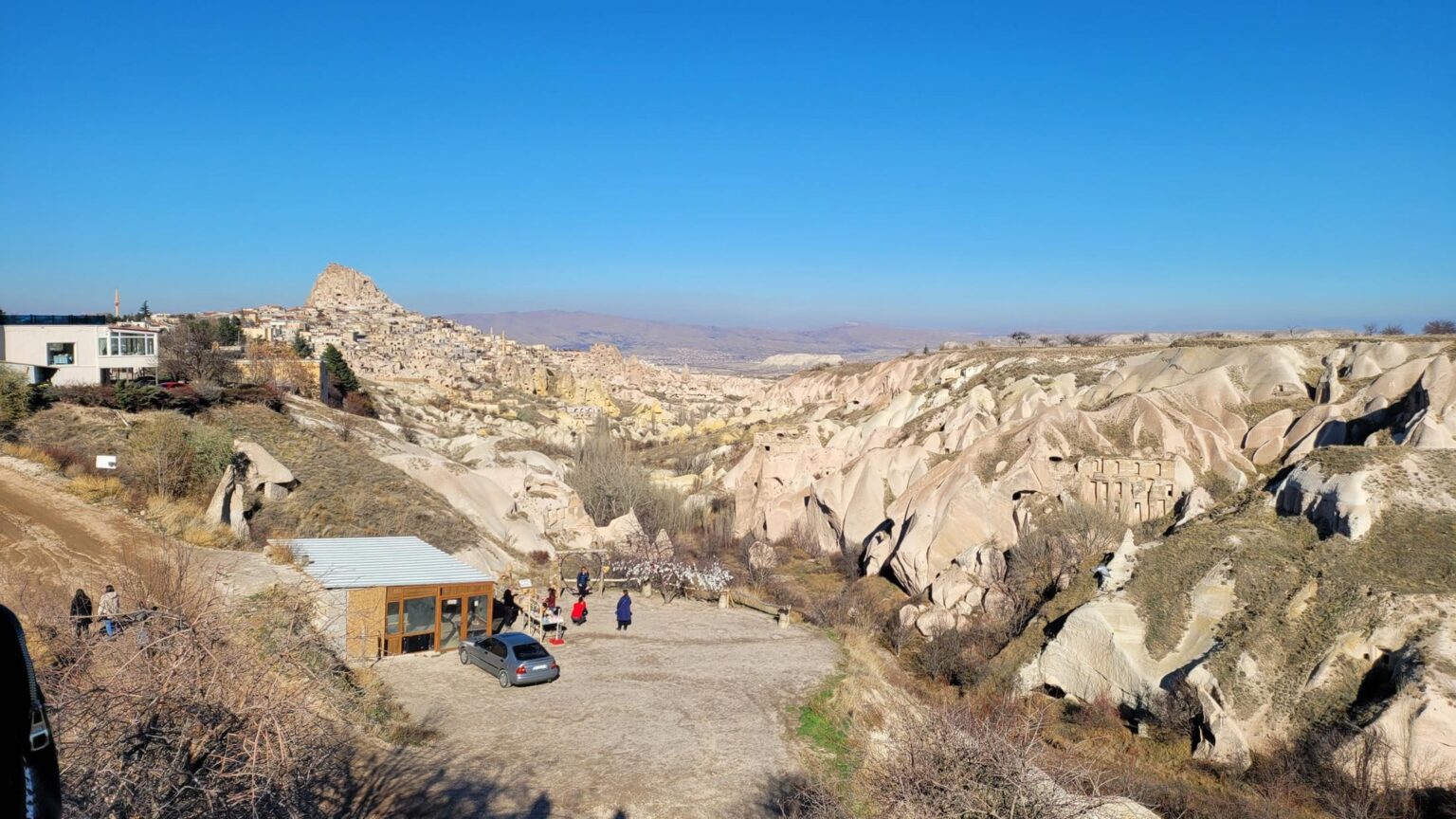
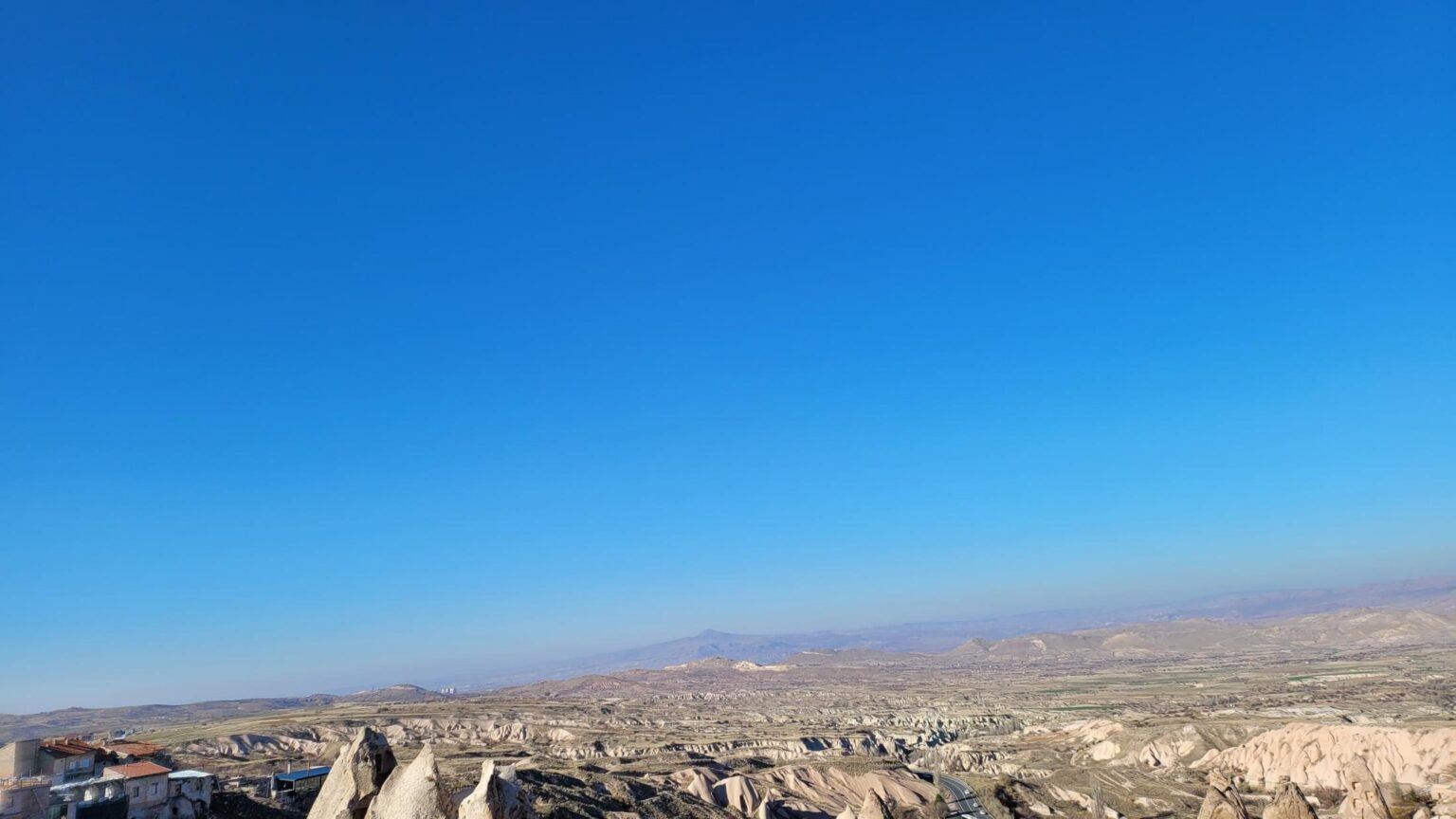
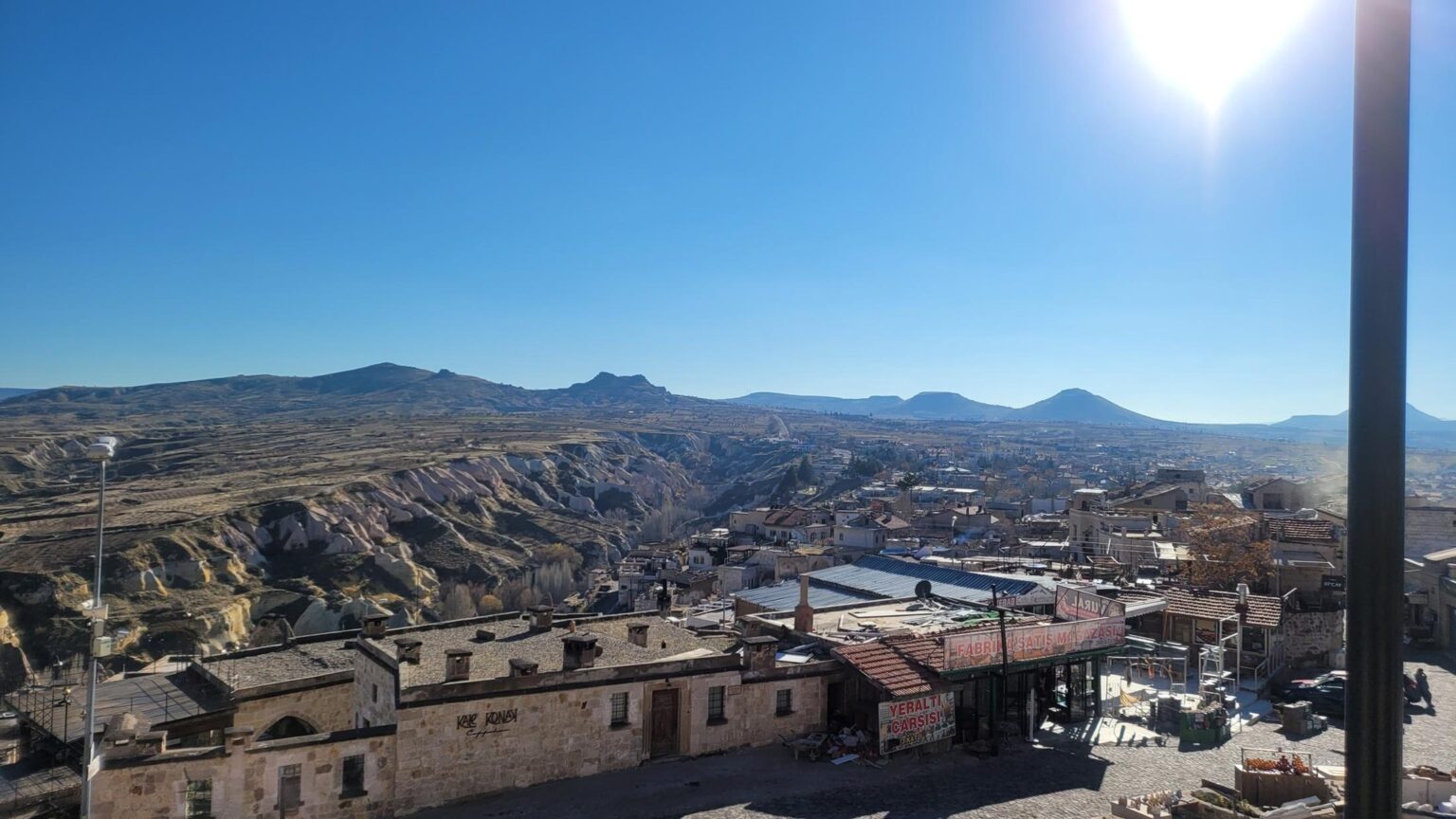
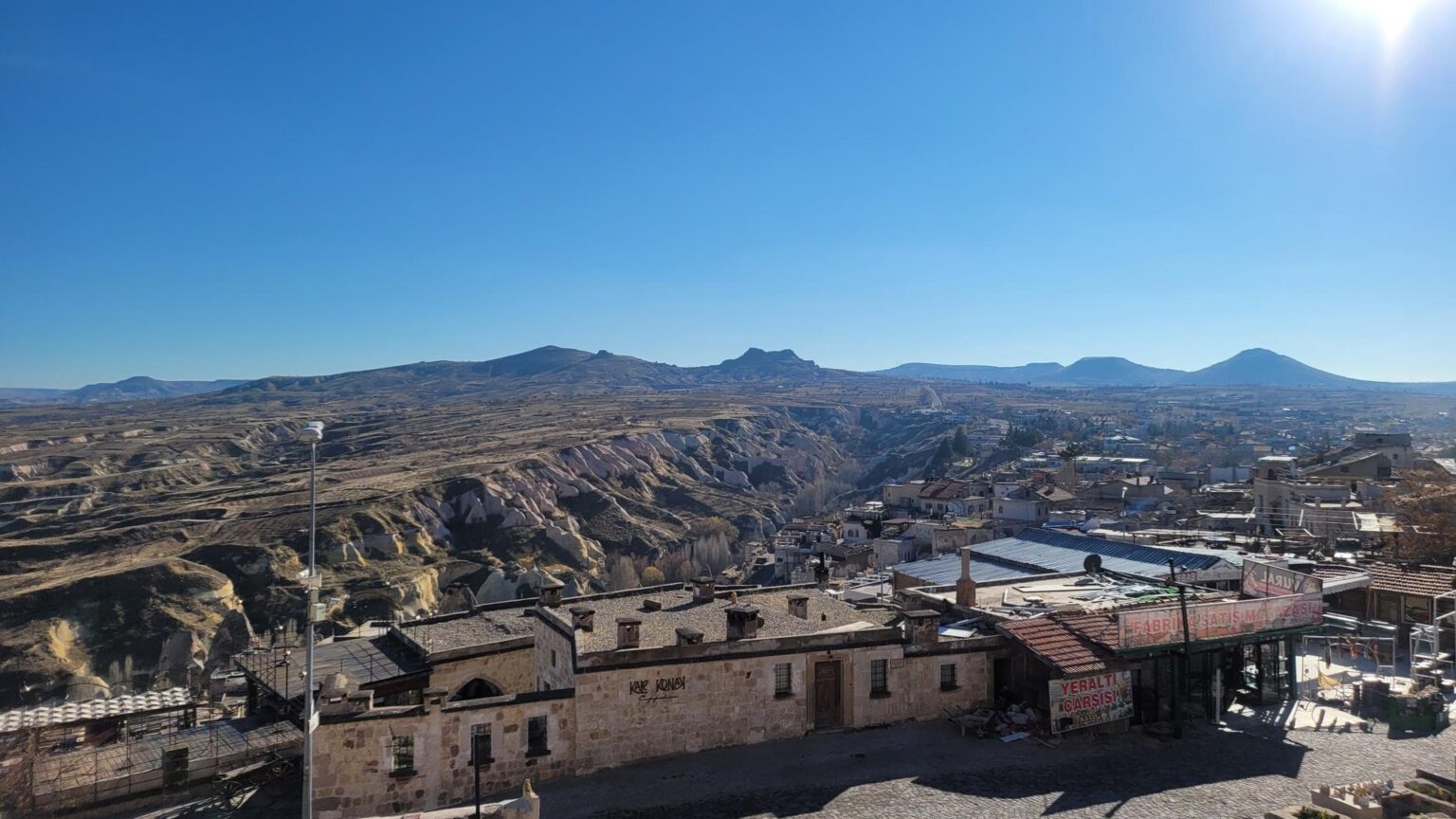
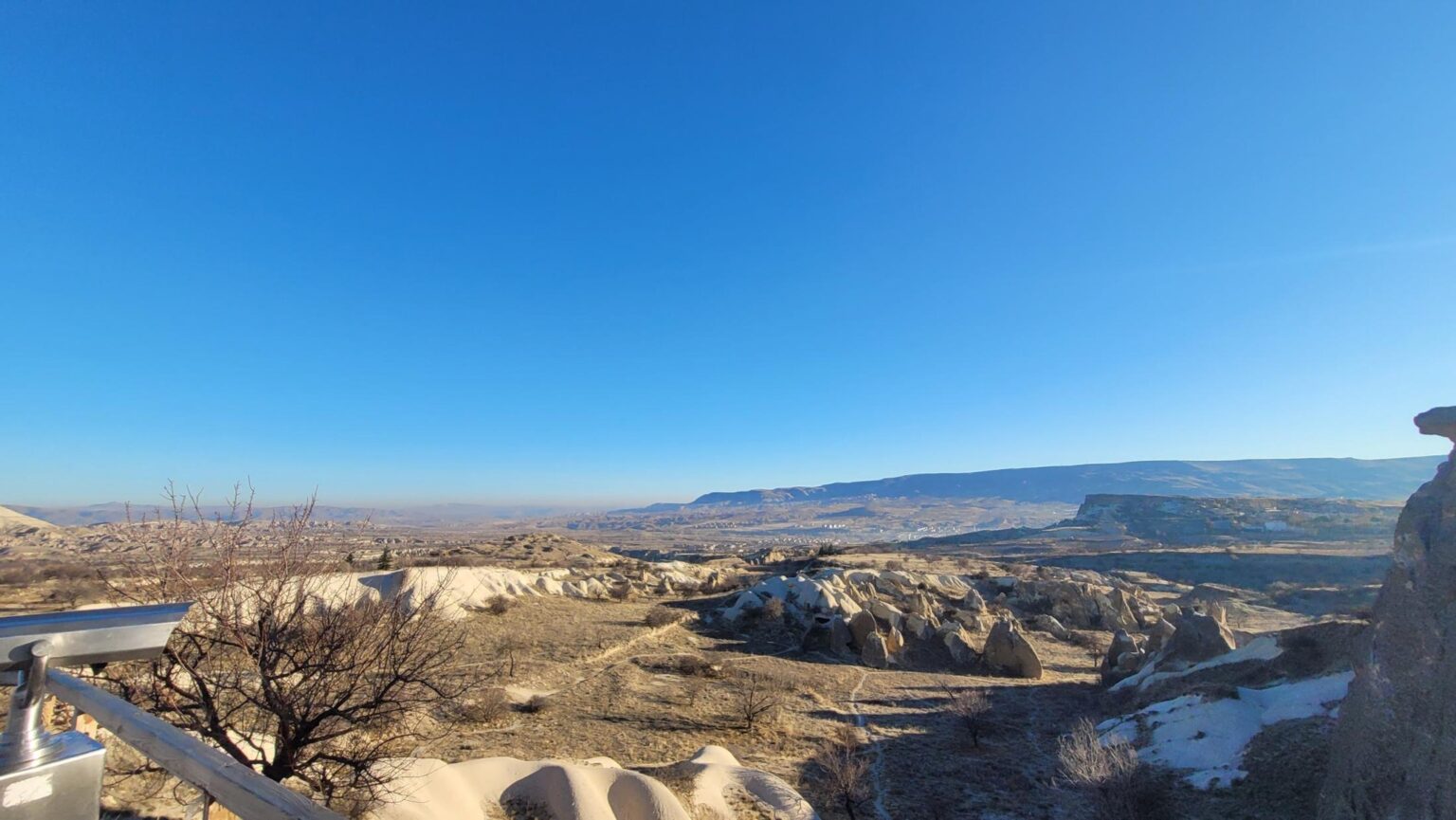
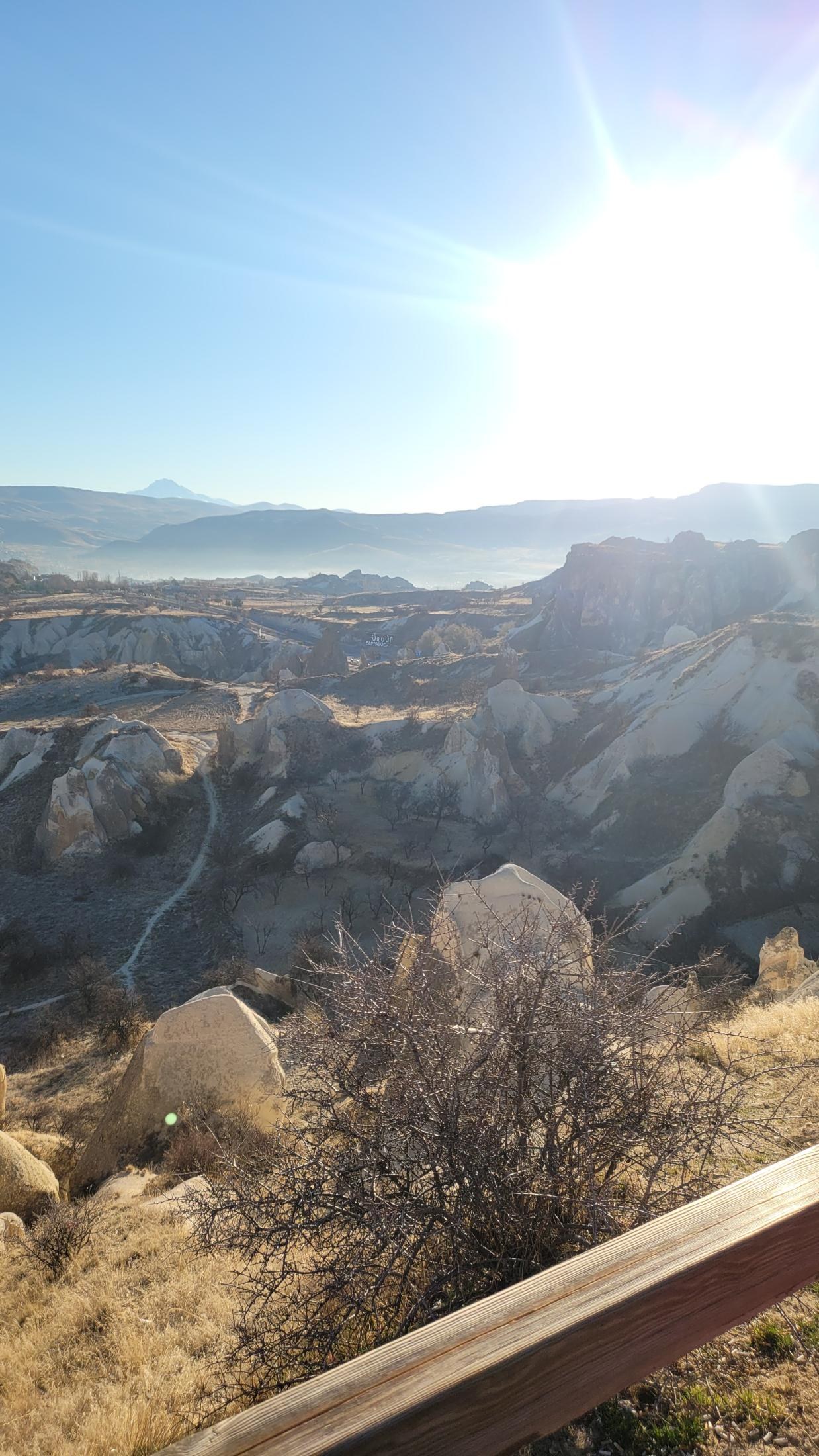
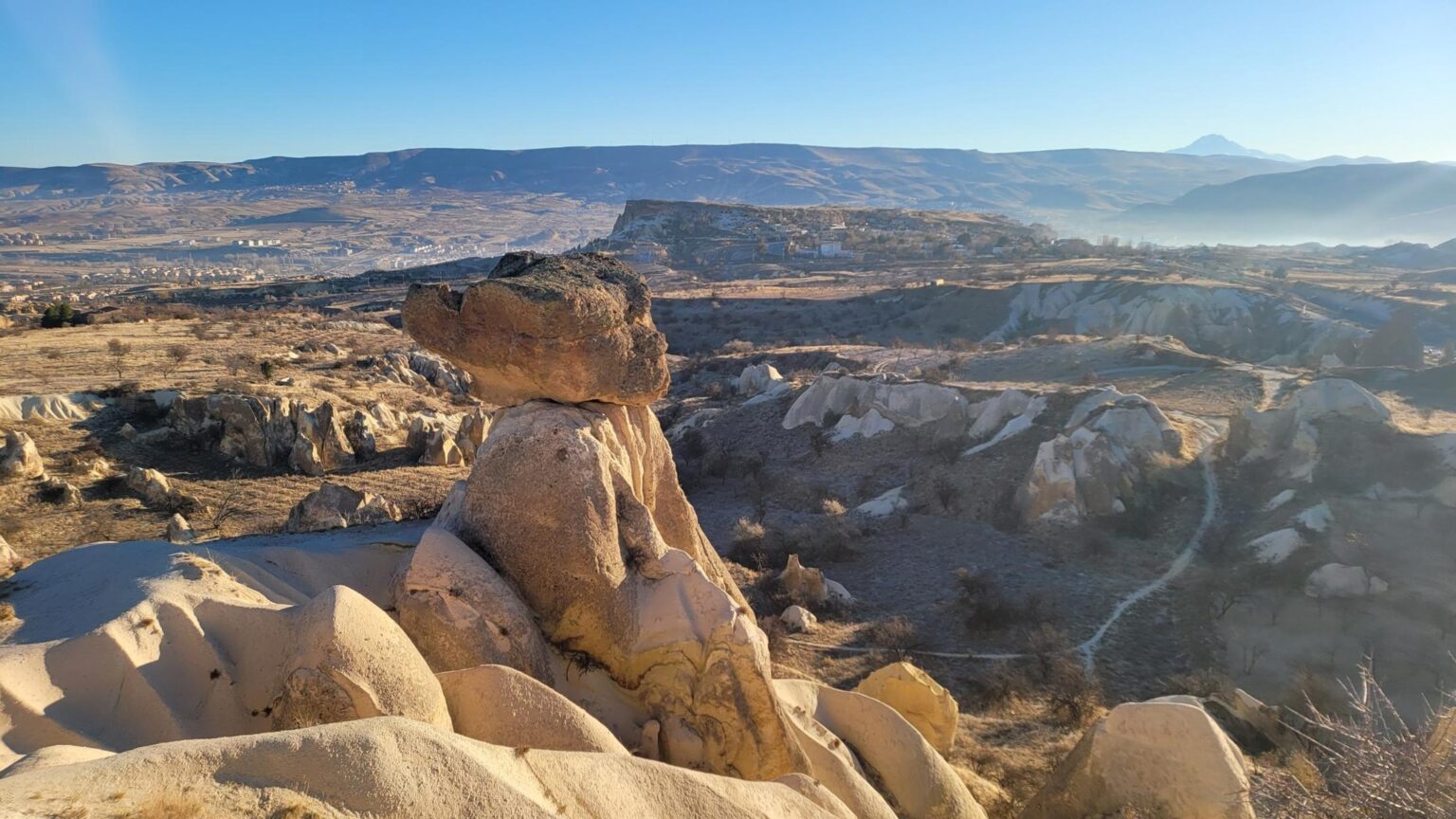
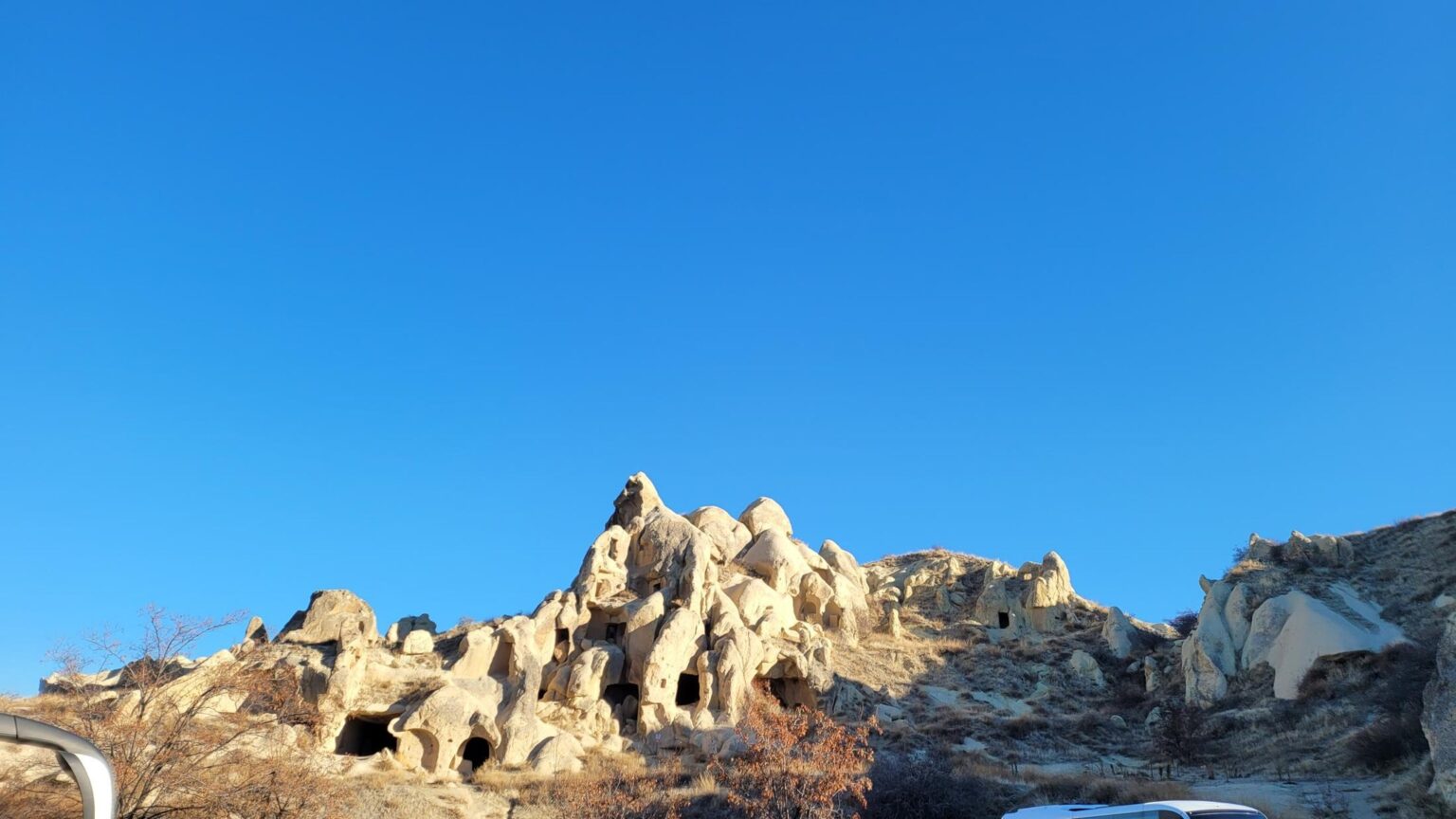
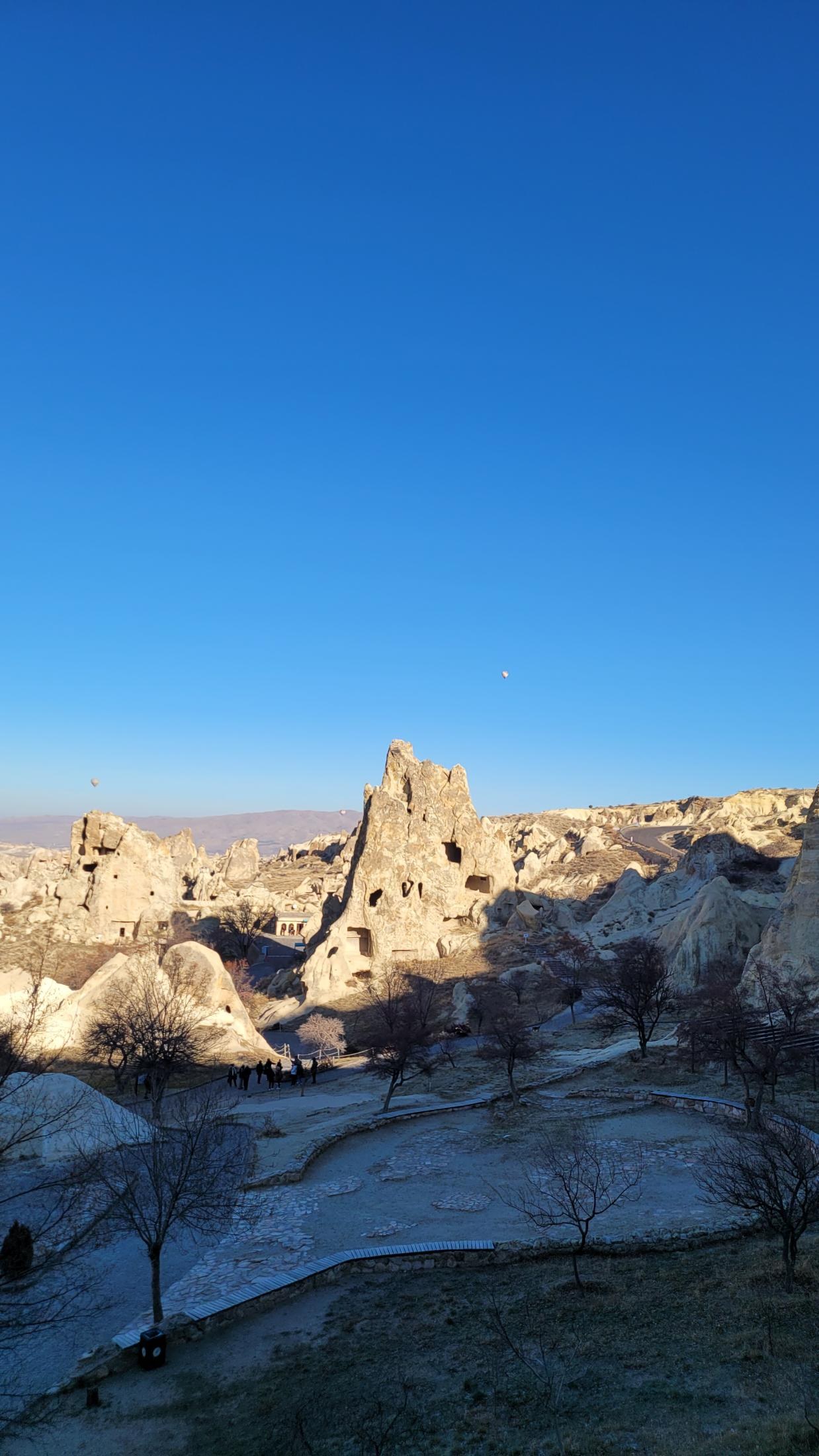
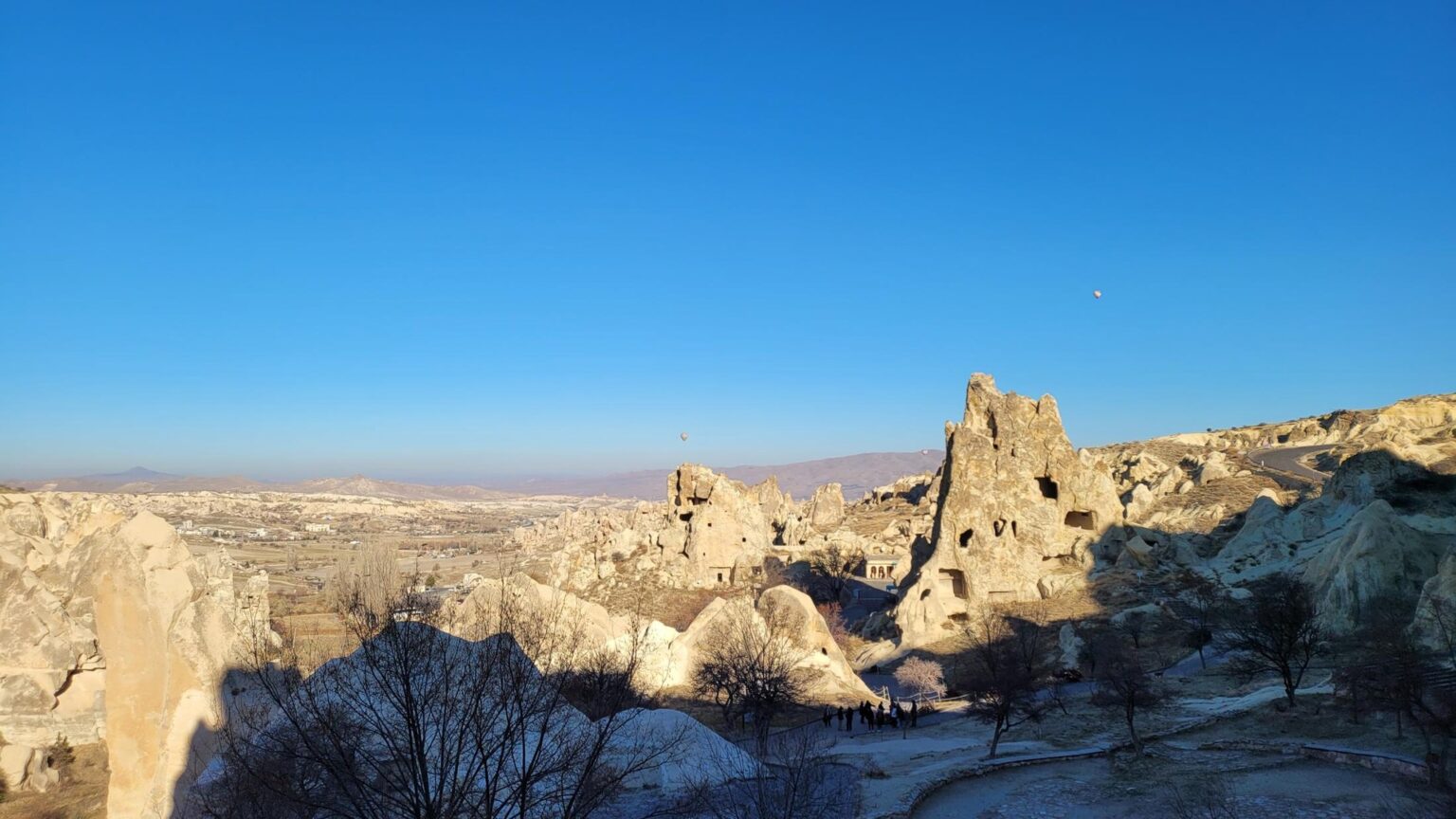
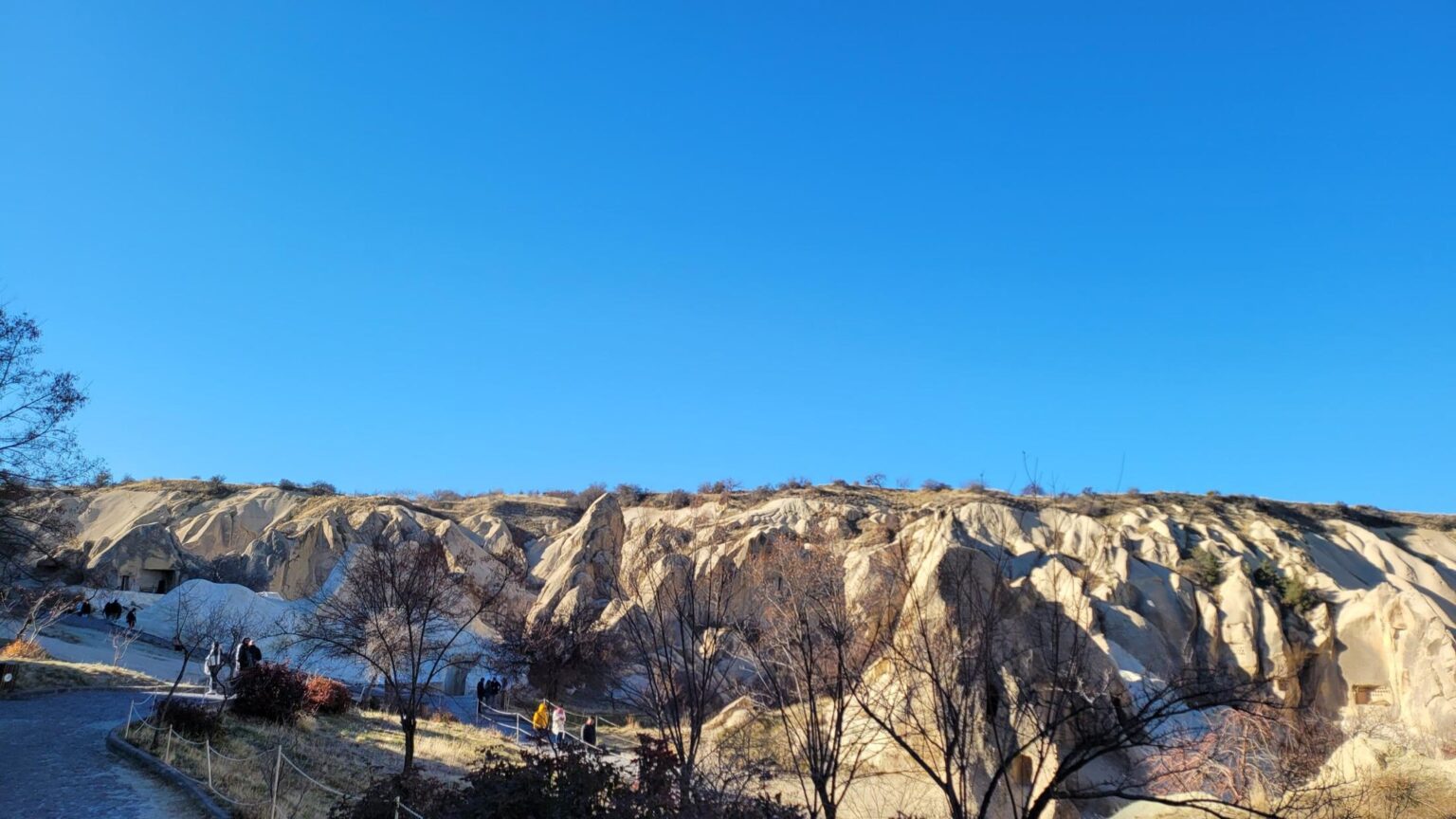
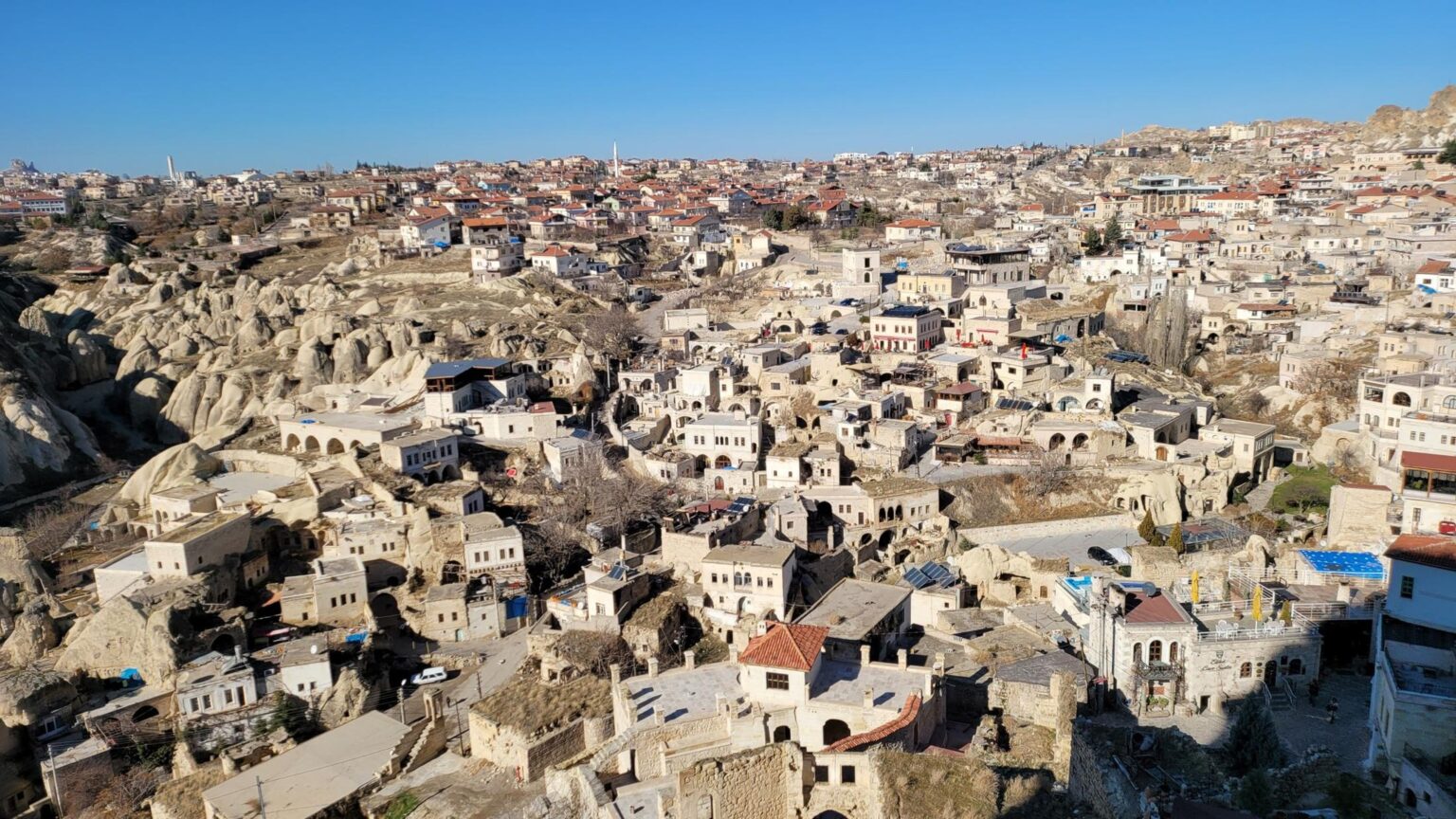
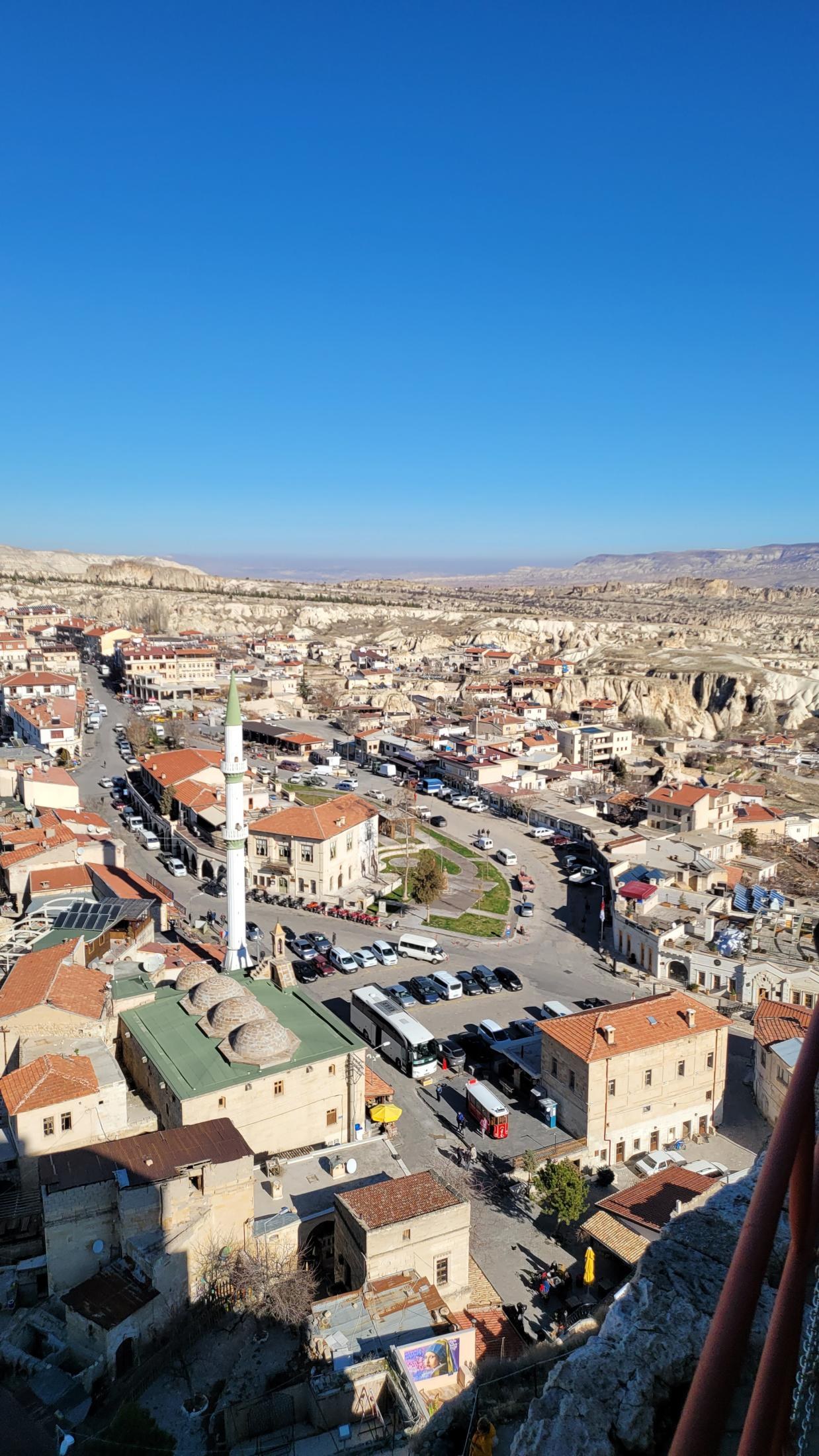
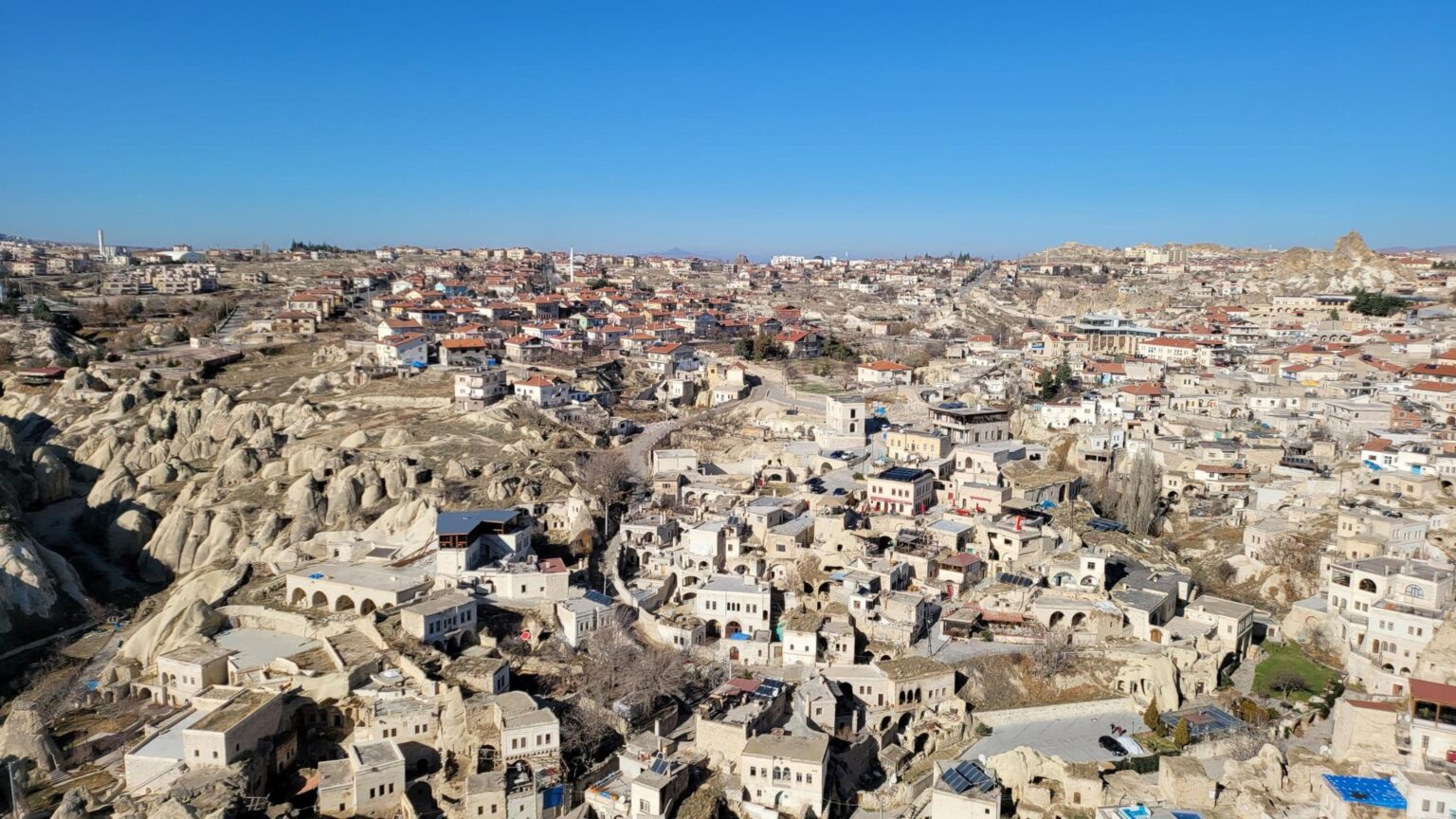
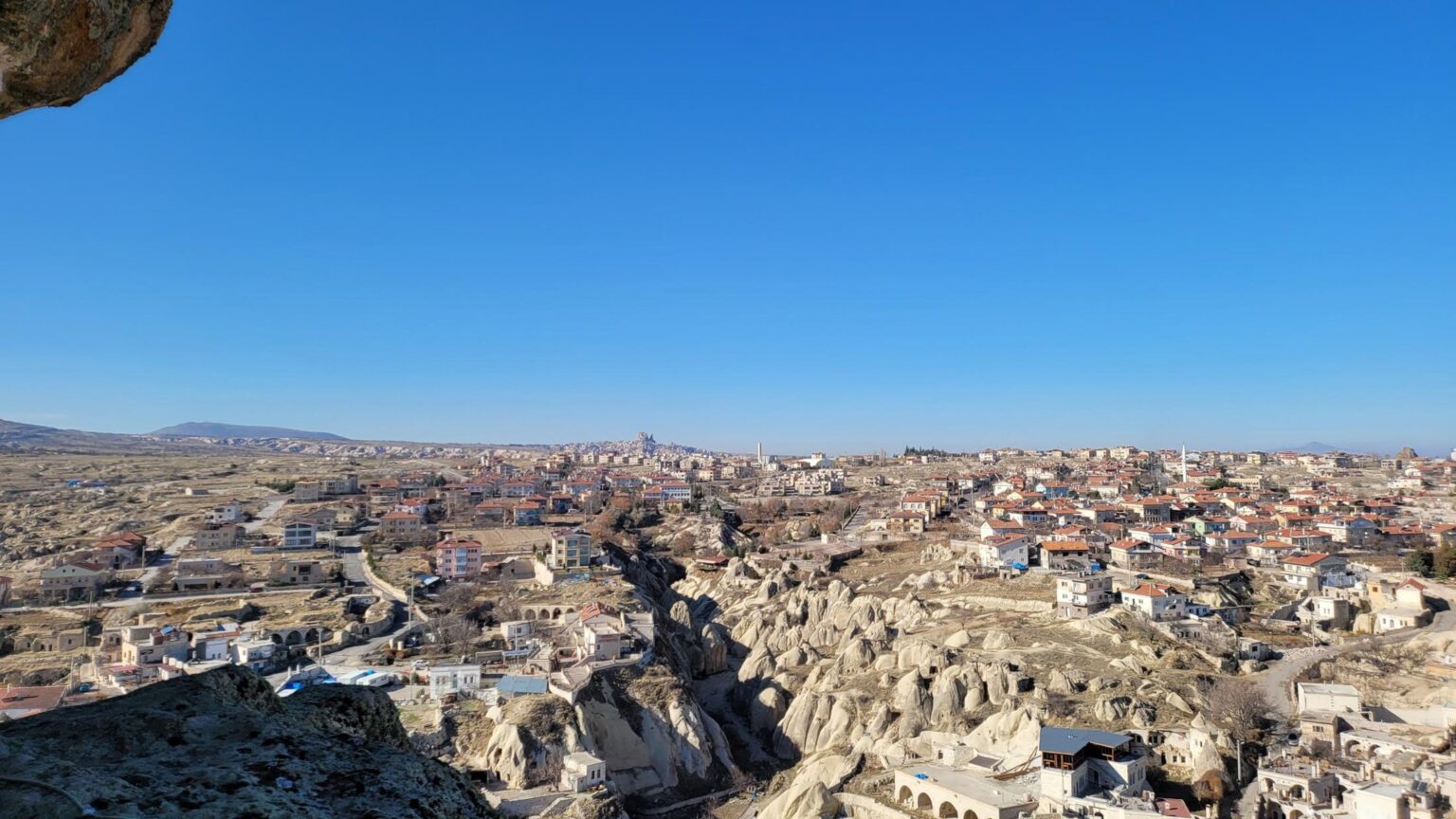
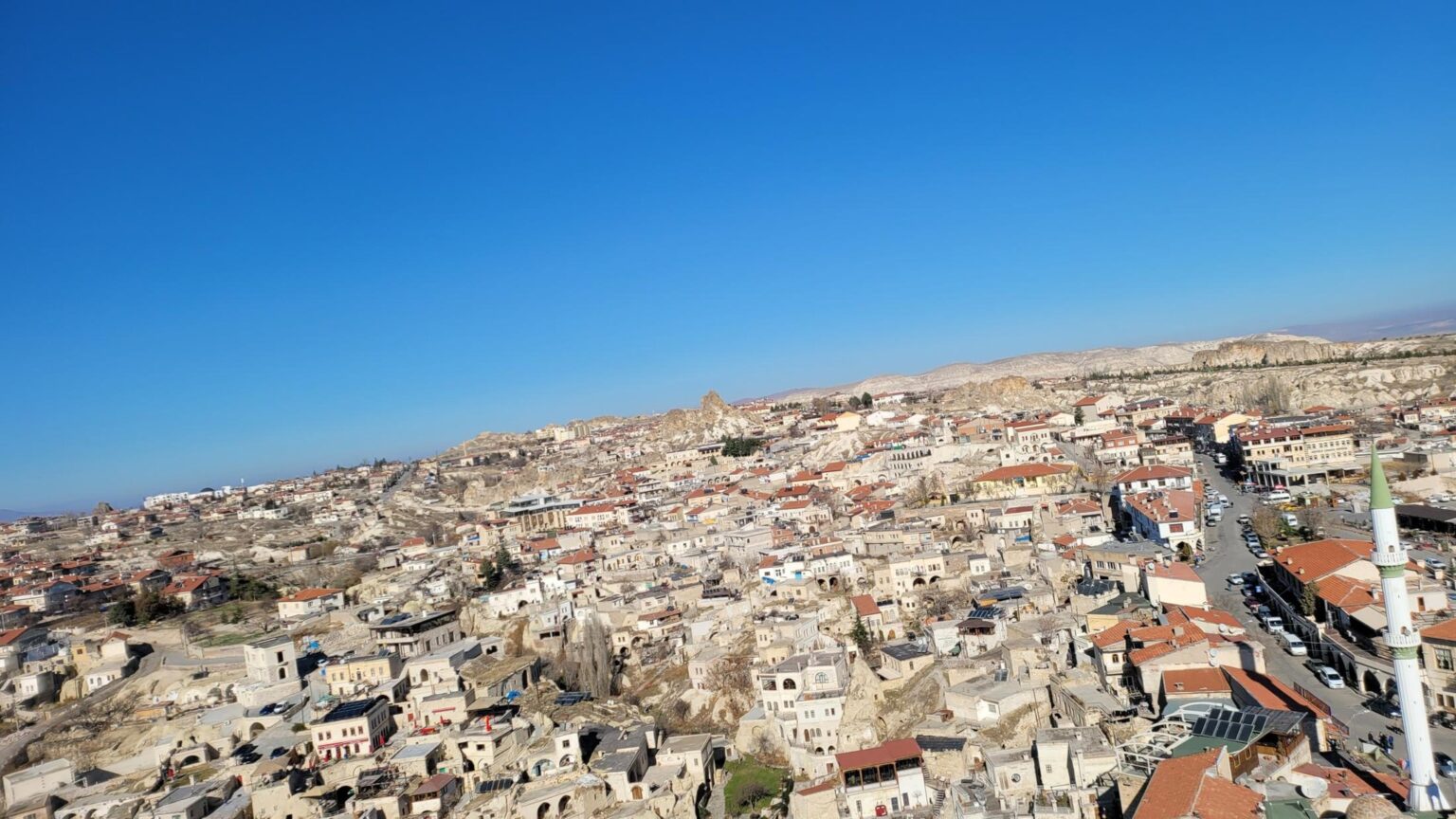
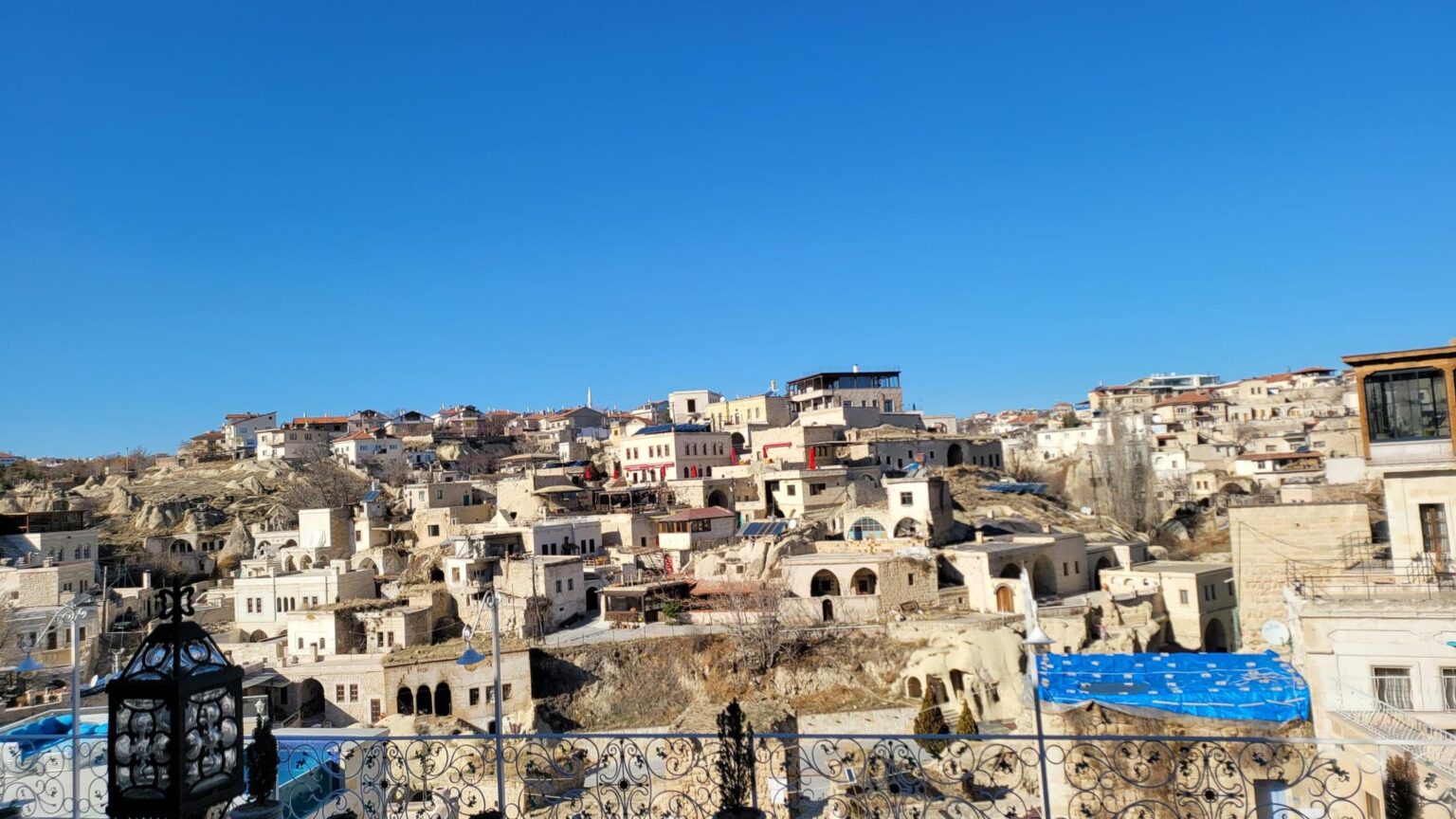
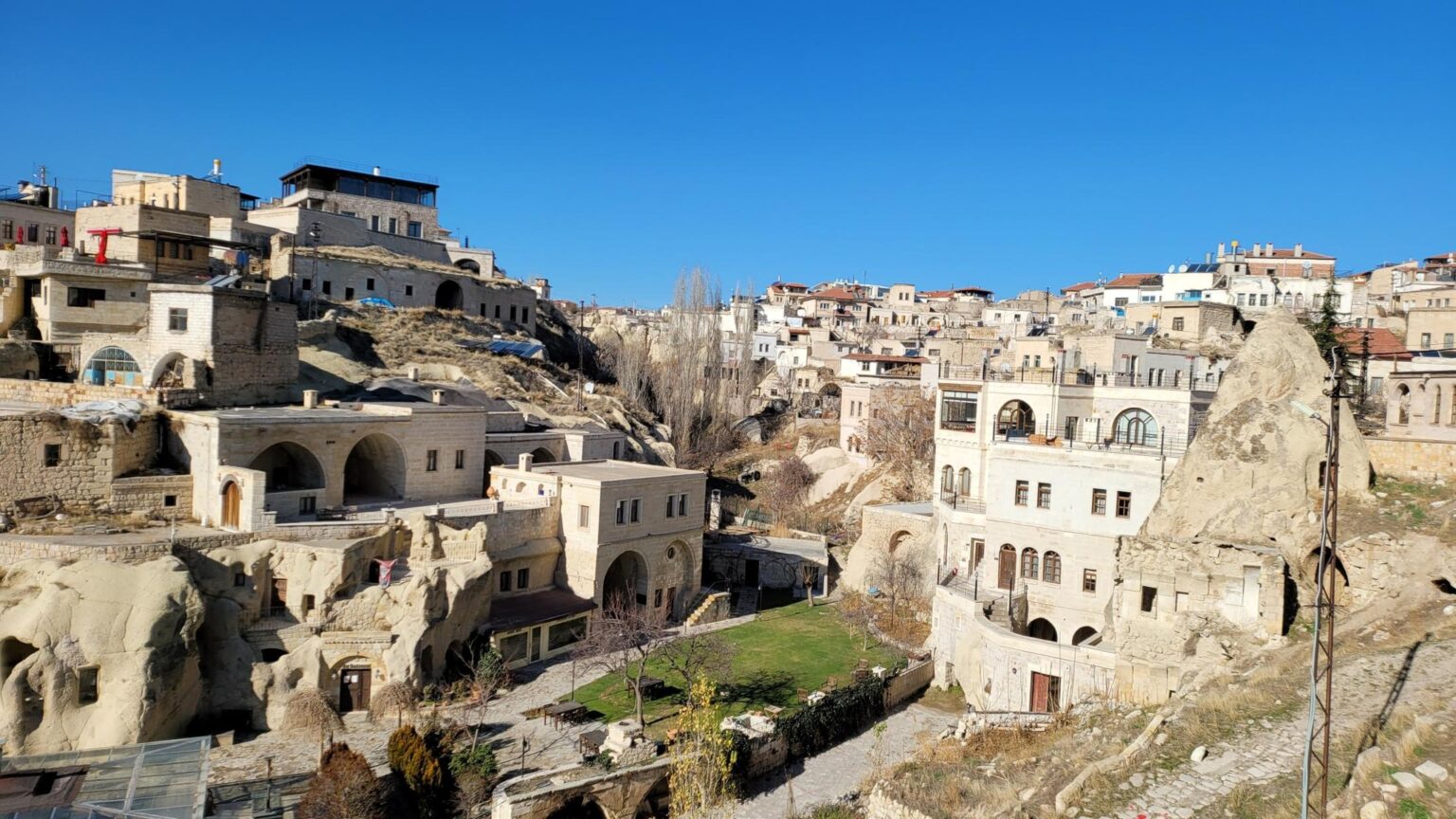
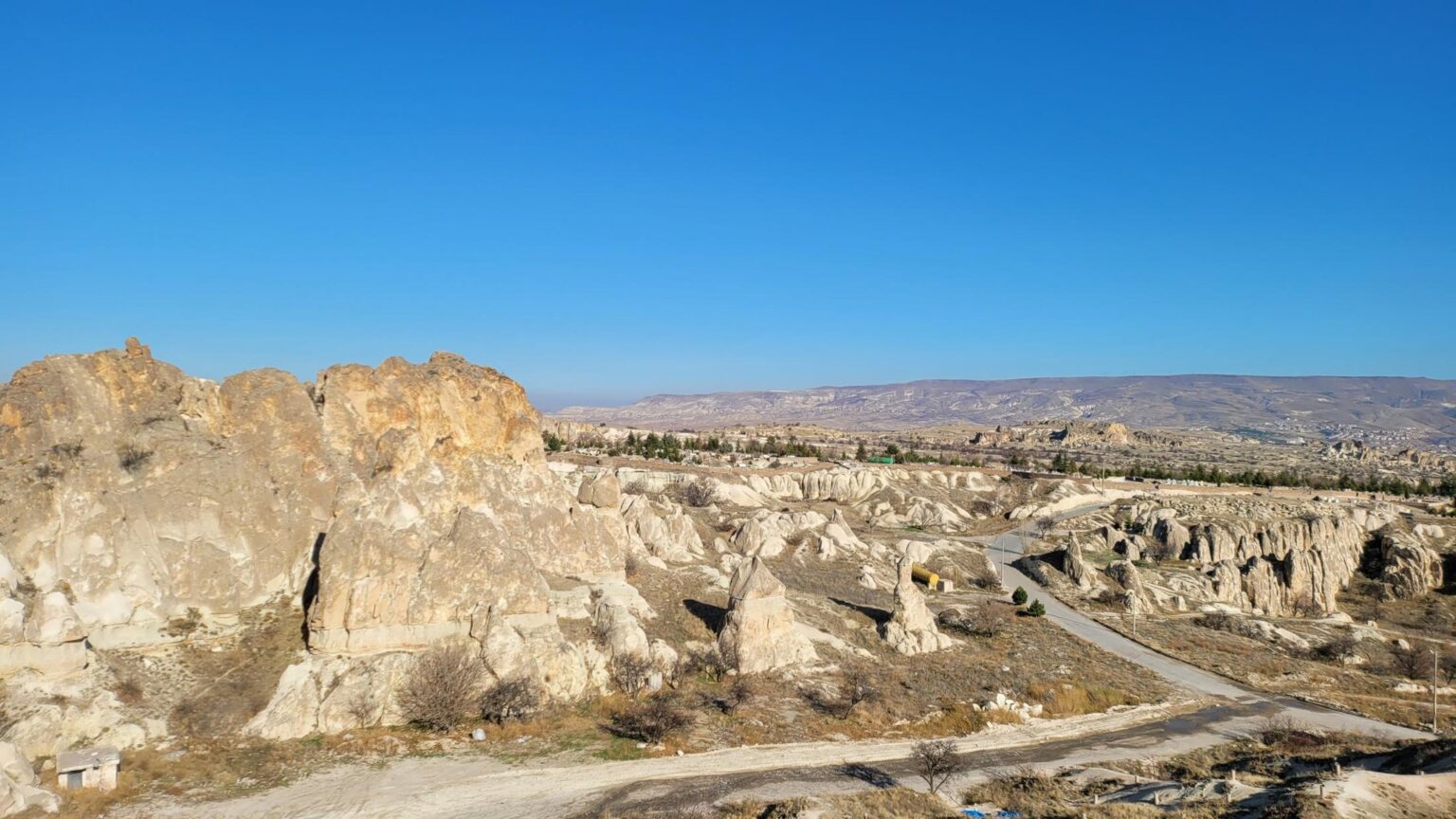
It’s a larger region in reality, but seen through the lens of a trip, this is the part that concerns you and it holds most of the sights. Uçhisar, Göreme, Ortahisar, Ürgüp and Avanos enclose several valleys. The better-known valleys are Pigeon Valley and Love Valley (we’ll be laughing childishly about that one later).
Day 3: The balloons, the star of the region; Avanos; through the valleys; Uçhisar; Sema, the dance of the dervishes
100 kilometres, 2 hours on the coach.
The balloons of Cappadocia
Right then. The balloons, let’s get to the point. Straight to the most commercial part of the whole thing. And from 06:00 in the morning on the first real day, at that. I have never seen an advert for tourism in Cappadocia without balloons in it. There’s a reason for that.
An aside — this is where the operator’s markup shows itself, and there’s a way around it. At the time they wanted €120 per person for: transfer, one hour in a balloon, transfer back. A quick check online at Viator and GetYourGuide: €50 per person for transfer, one hour in a balloon, transfer back. You pick an offer, you call, you speak English. You give them your hotel name, they confirm. And at half the price you do exactly the same thing as the people from your group who paid €120. There’s every chance you’ll end up in the same basket as them.
Update 2026: the €50 is long gone. A standard shared sunrise flight (a 16–24 person basket) now runs roughly €150–300 per person in the busy months, and around €80–150 in the winter low season, when cancellations are also far more likely. Premium and small-basket flights go higher, and a private balloon for two is in the four figures. Civil aviation caps the number of daily flights, which keeps prices firm. The tactic itself still holds, though: comparing the operator’s price against the booking platforms and calling the balloon company directly is still worth doing, and the gap is still real.
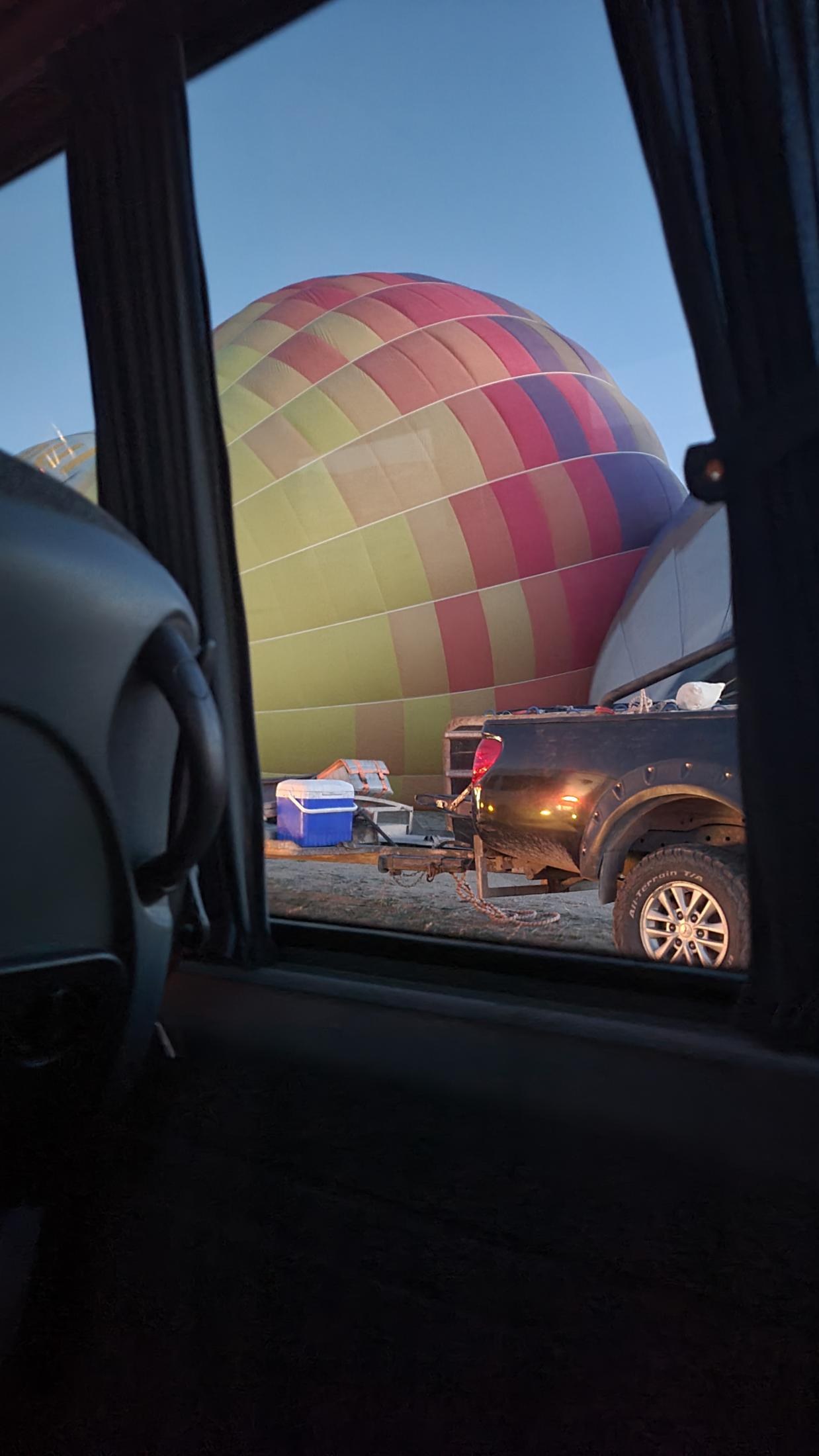
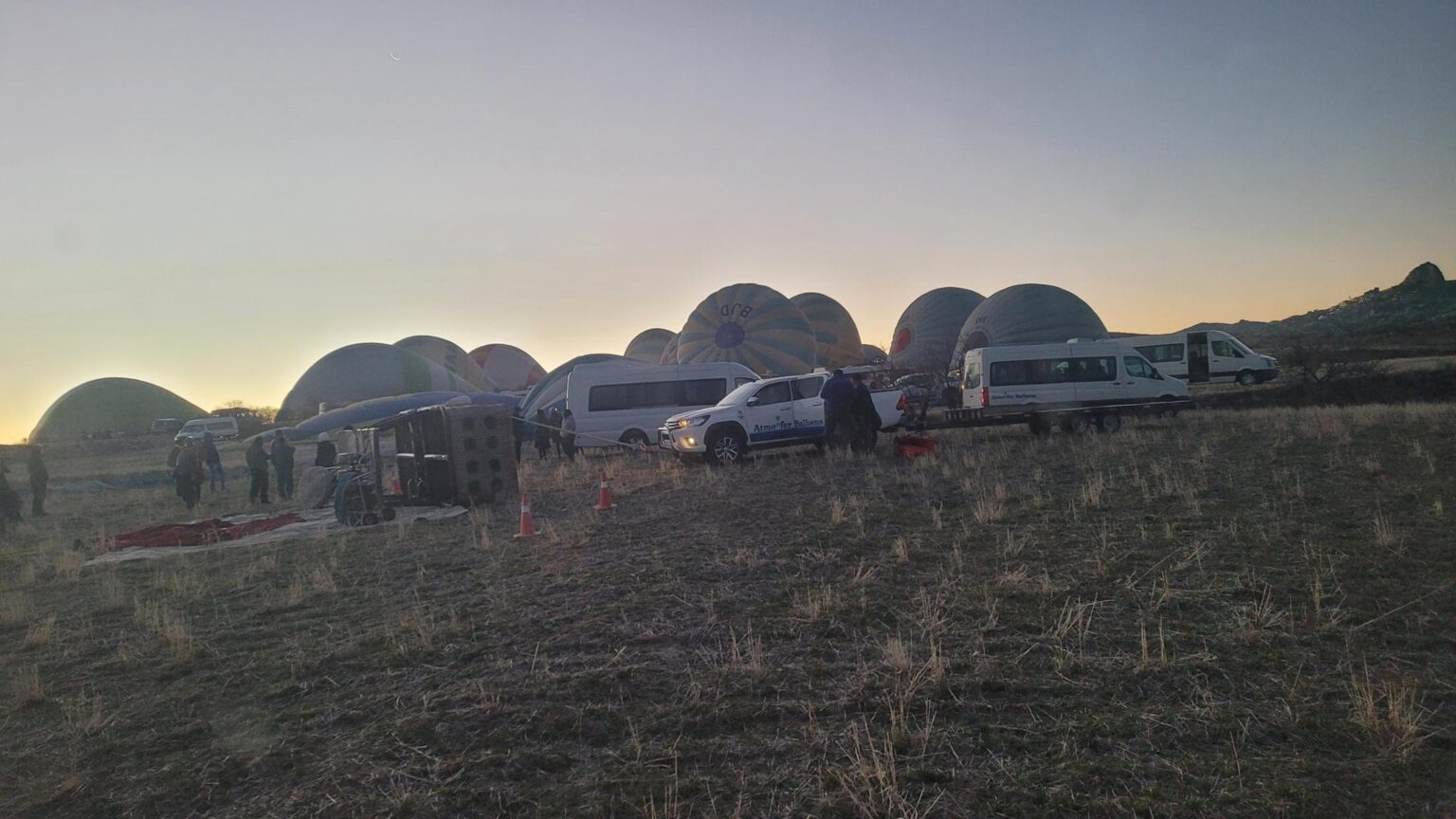
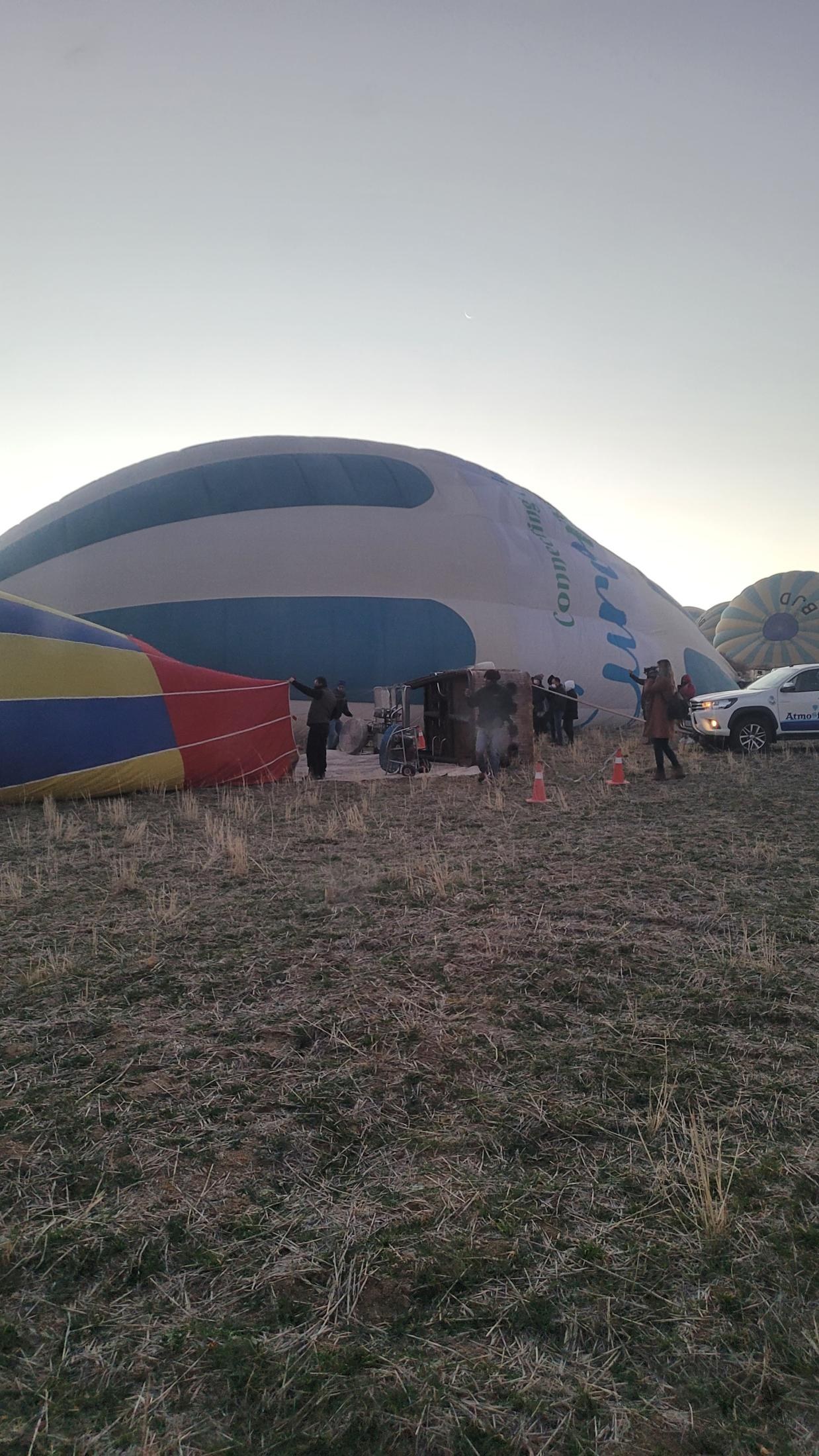
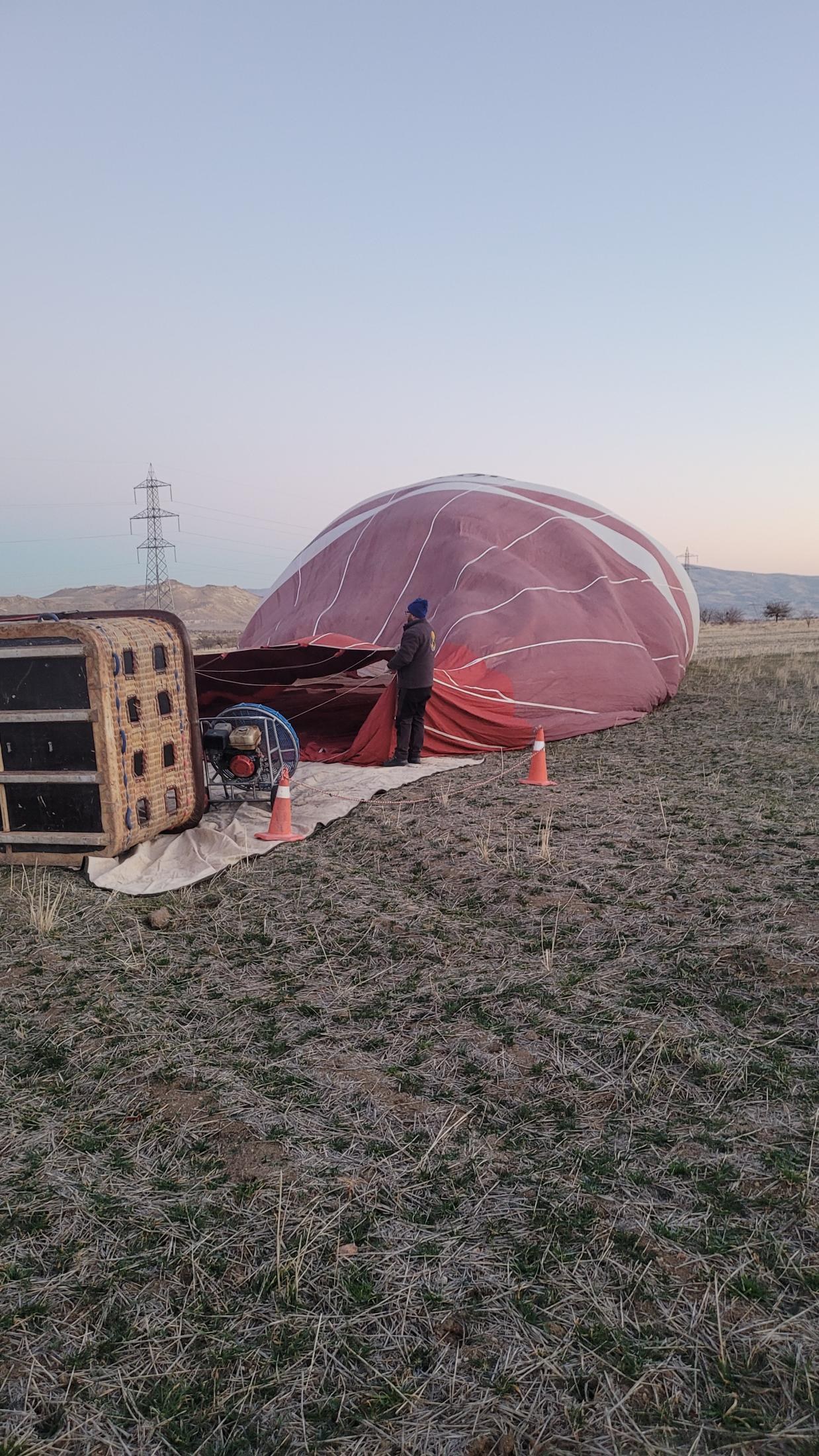
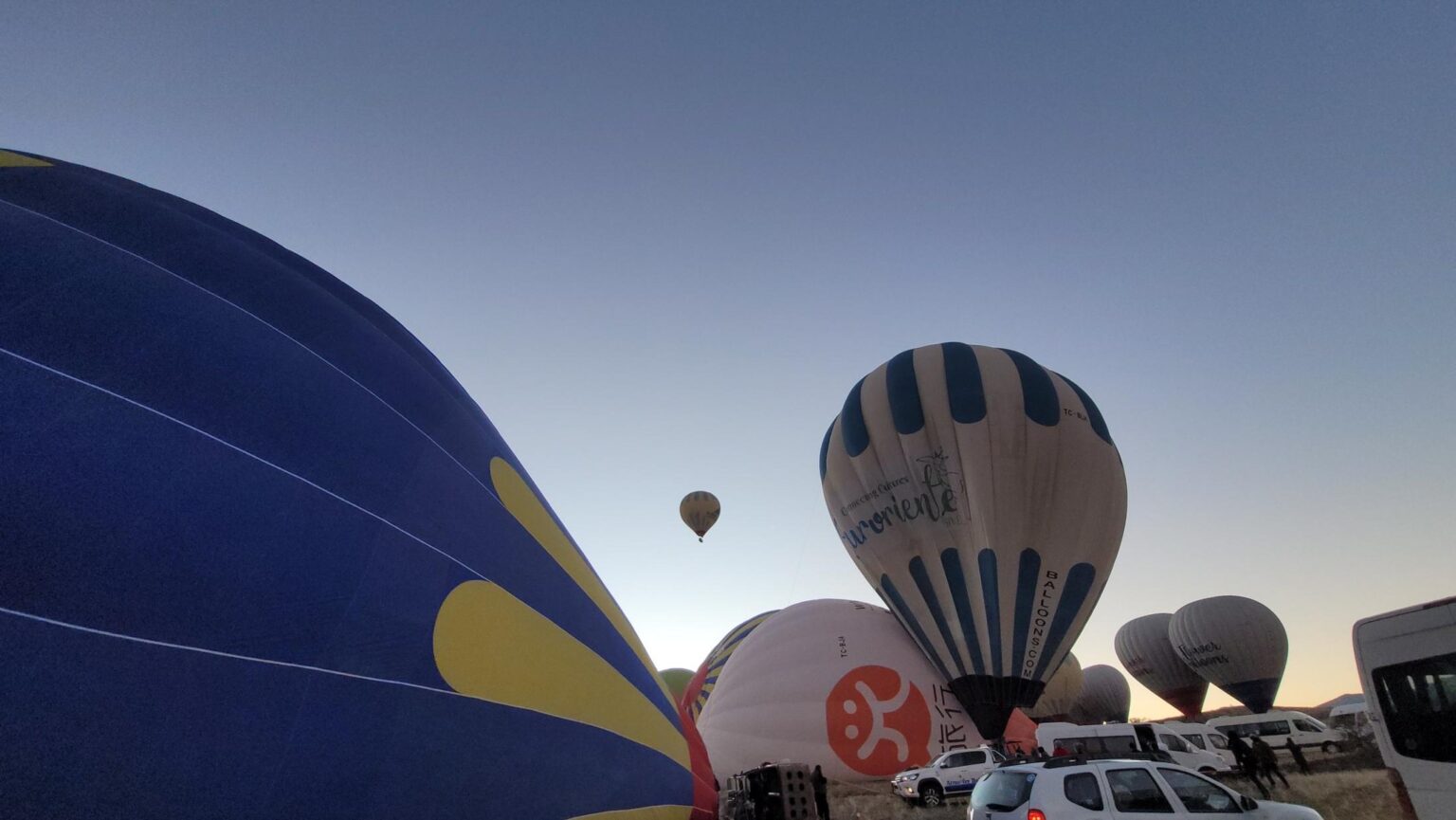
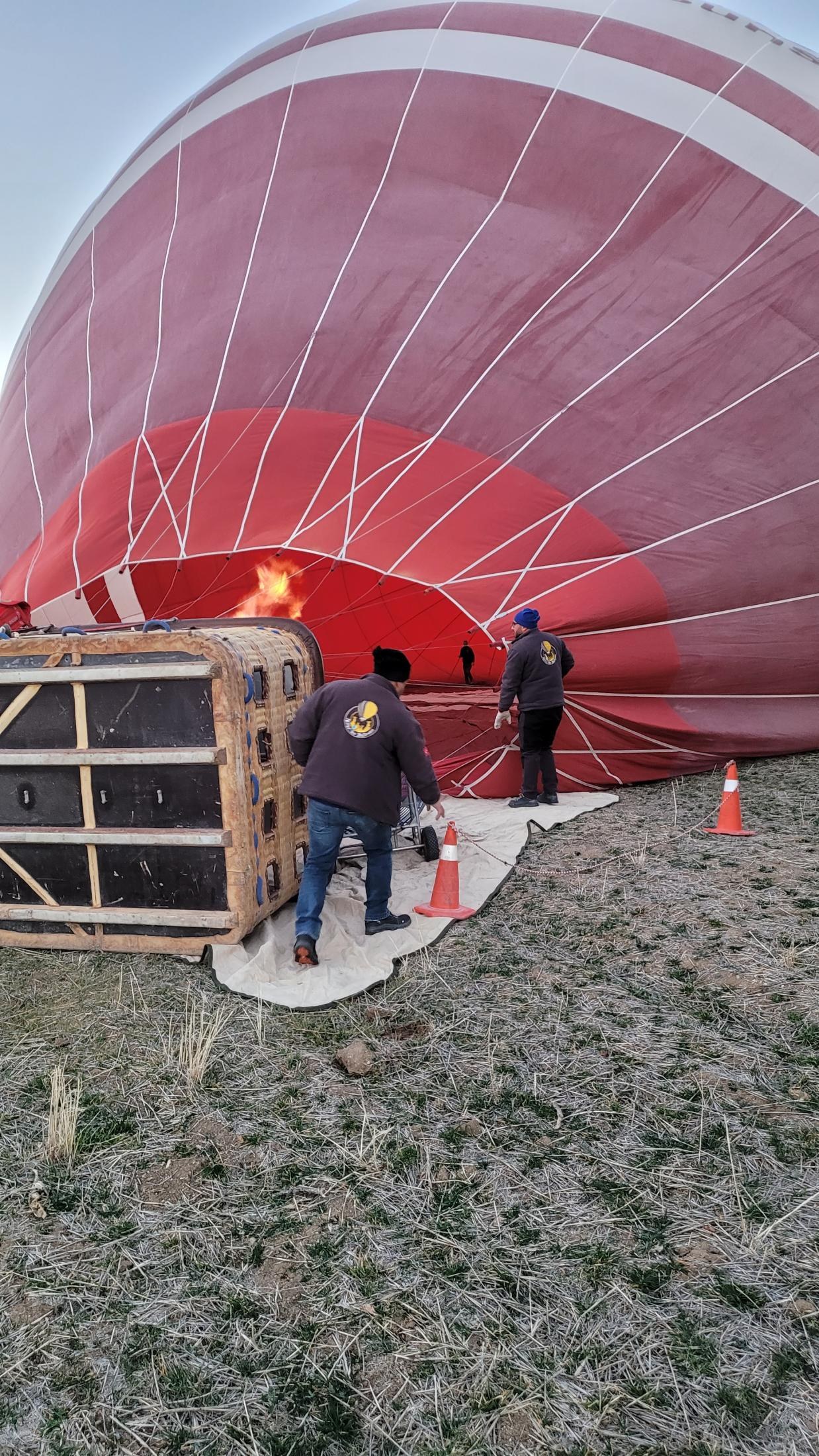
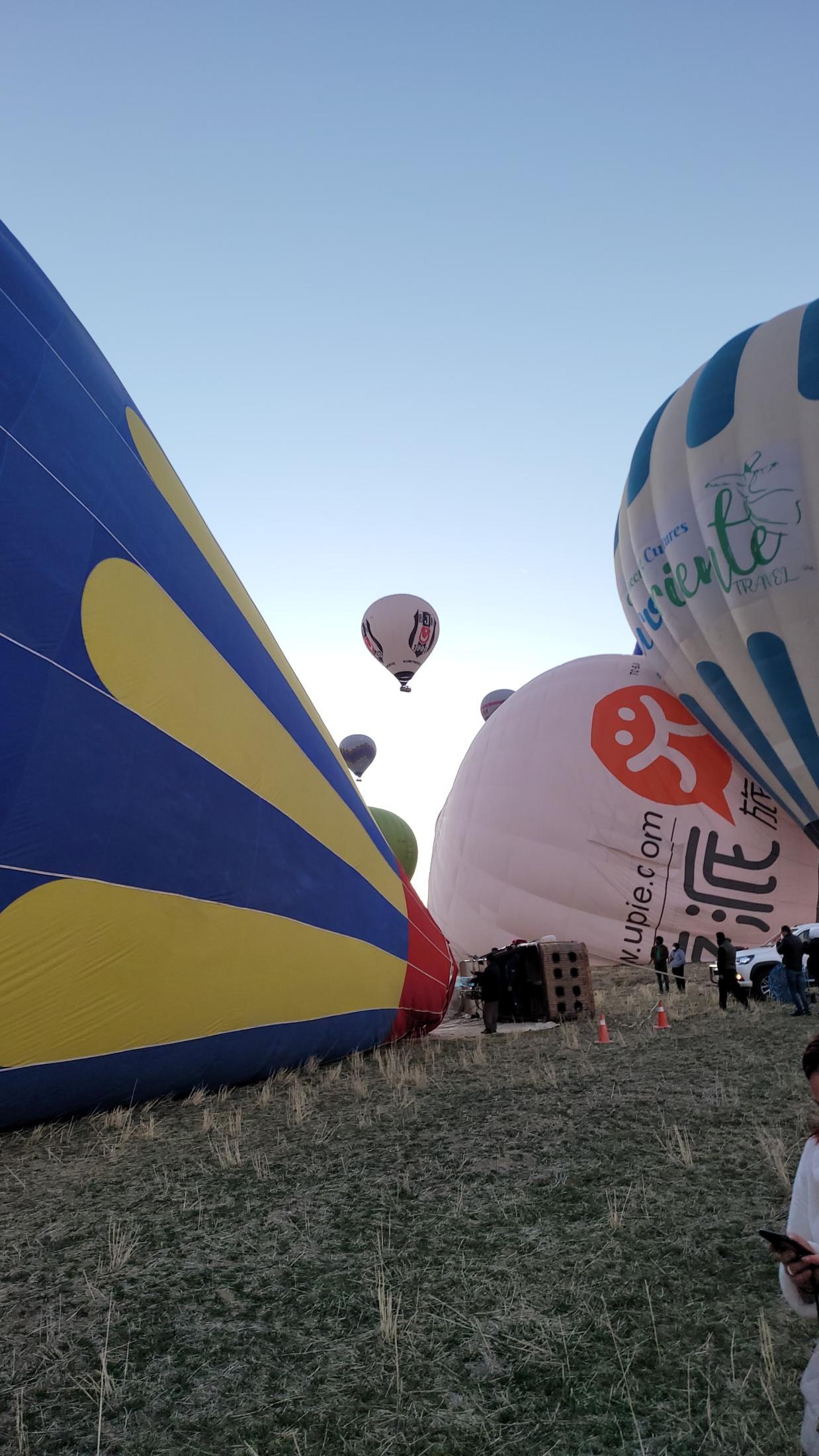
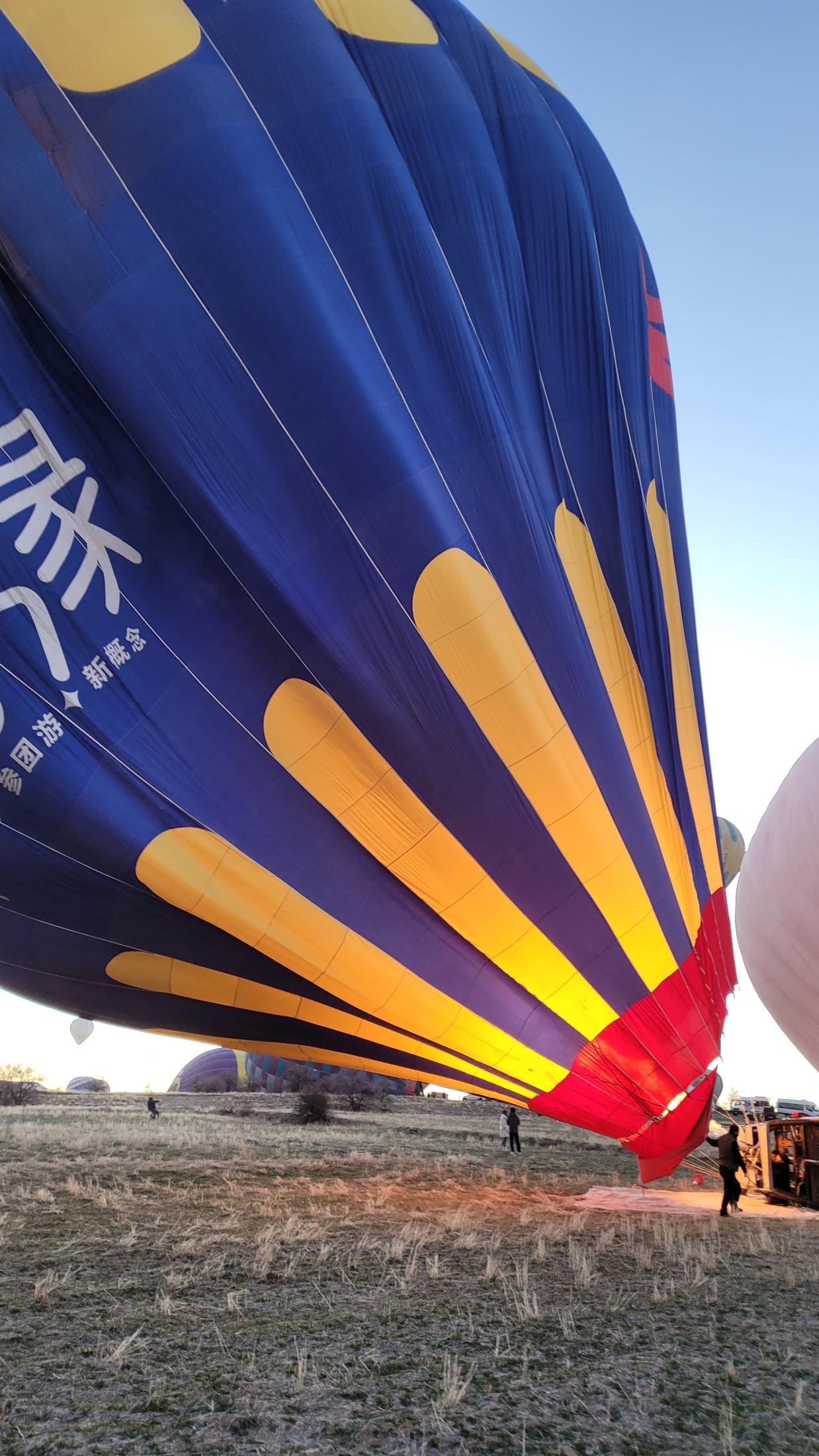
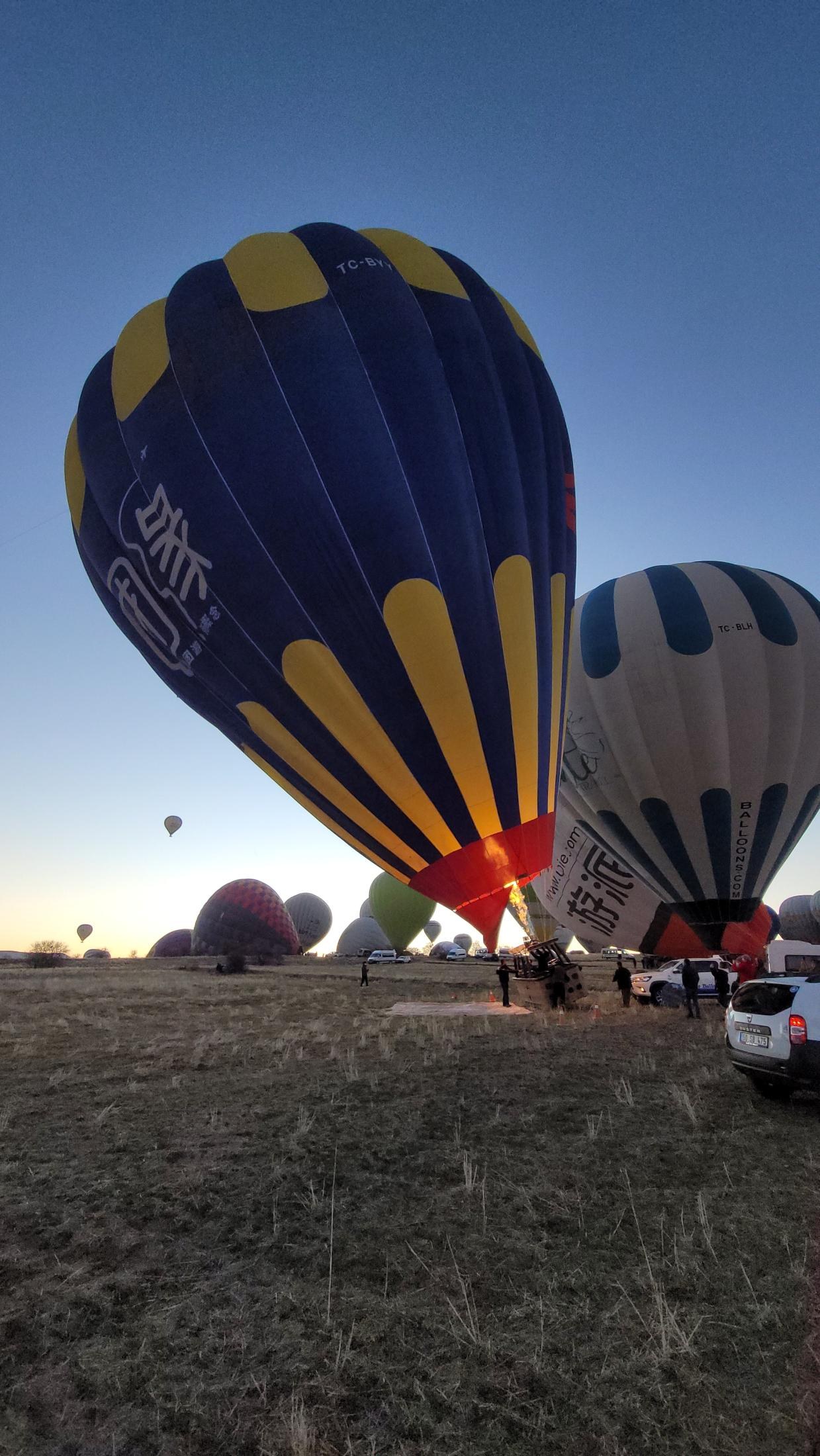
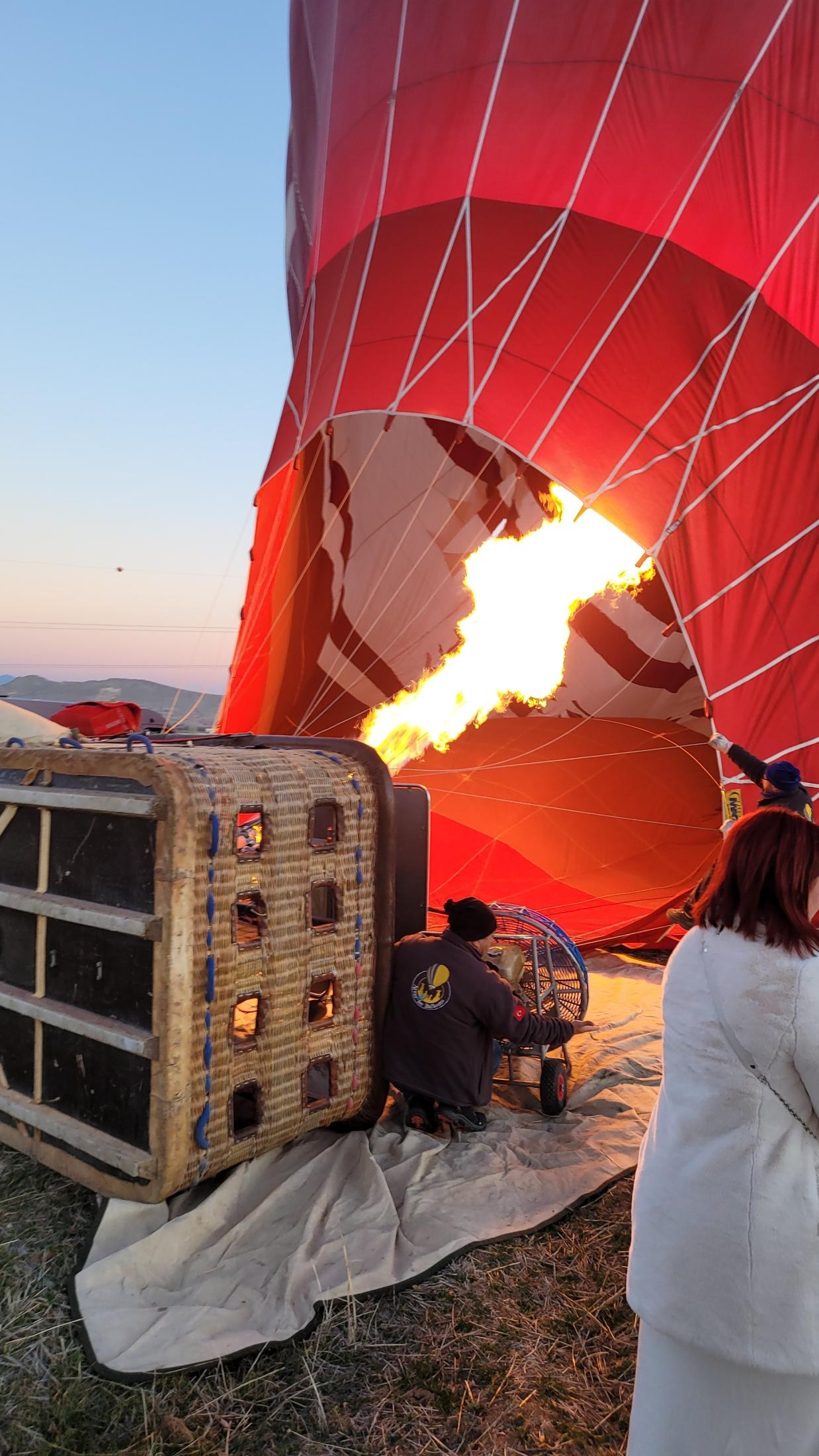
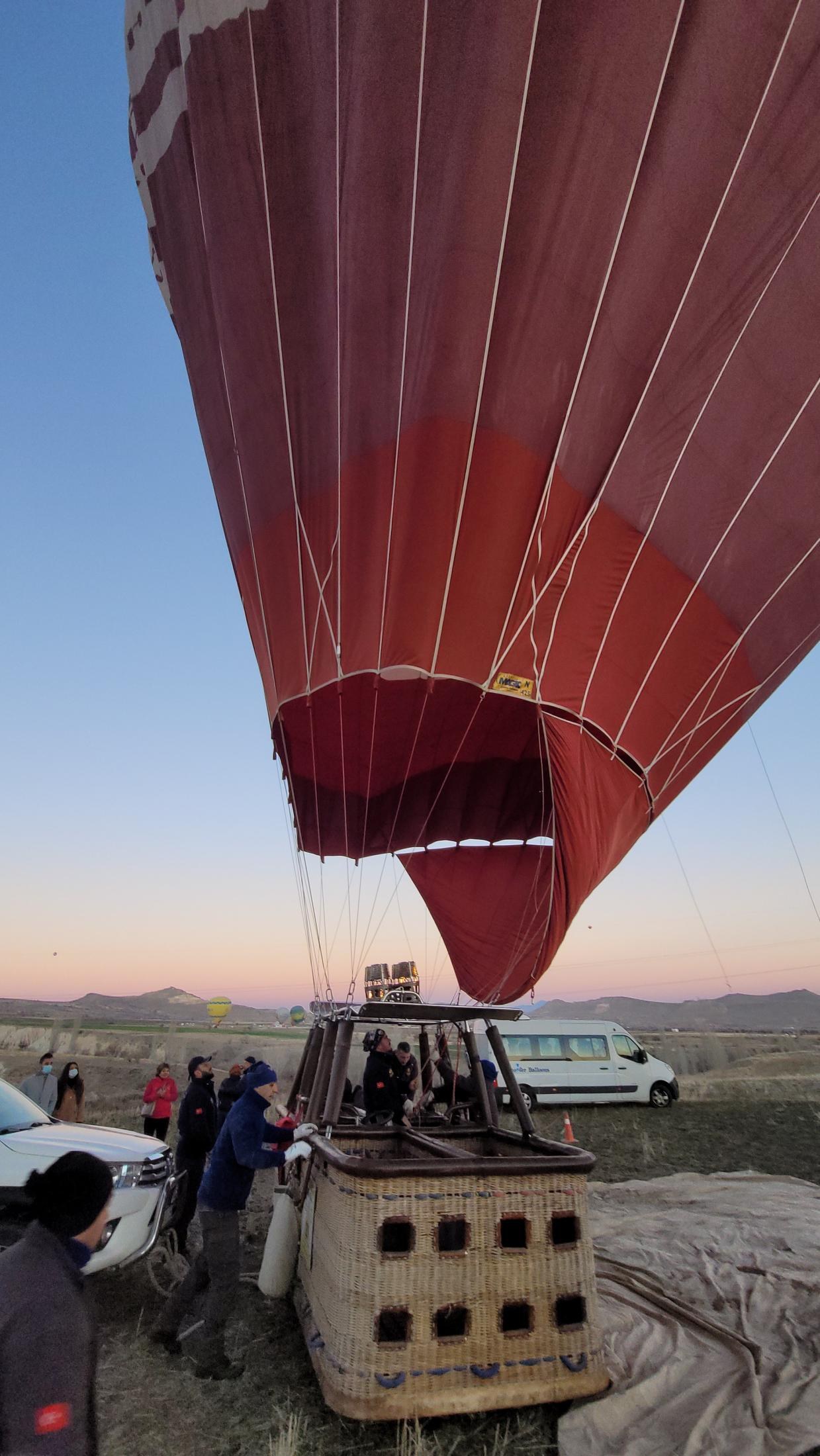
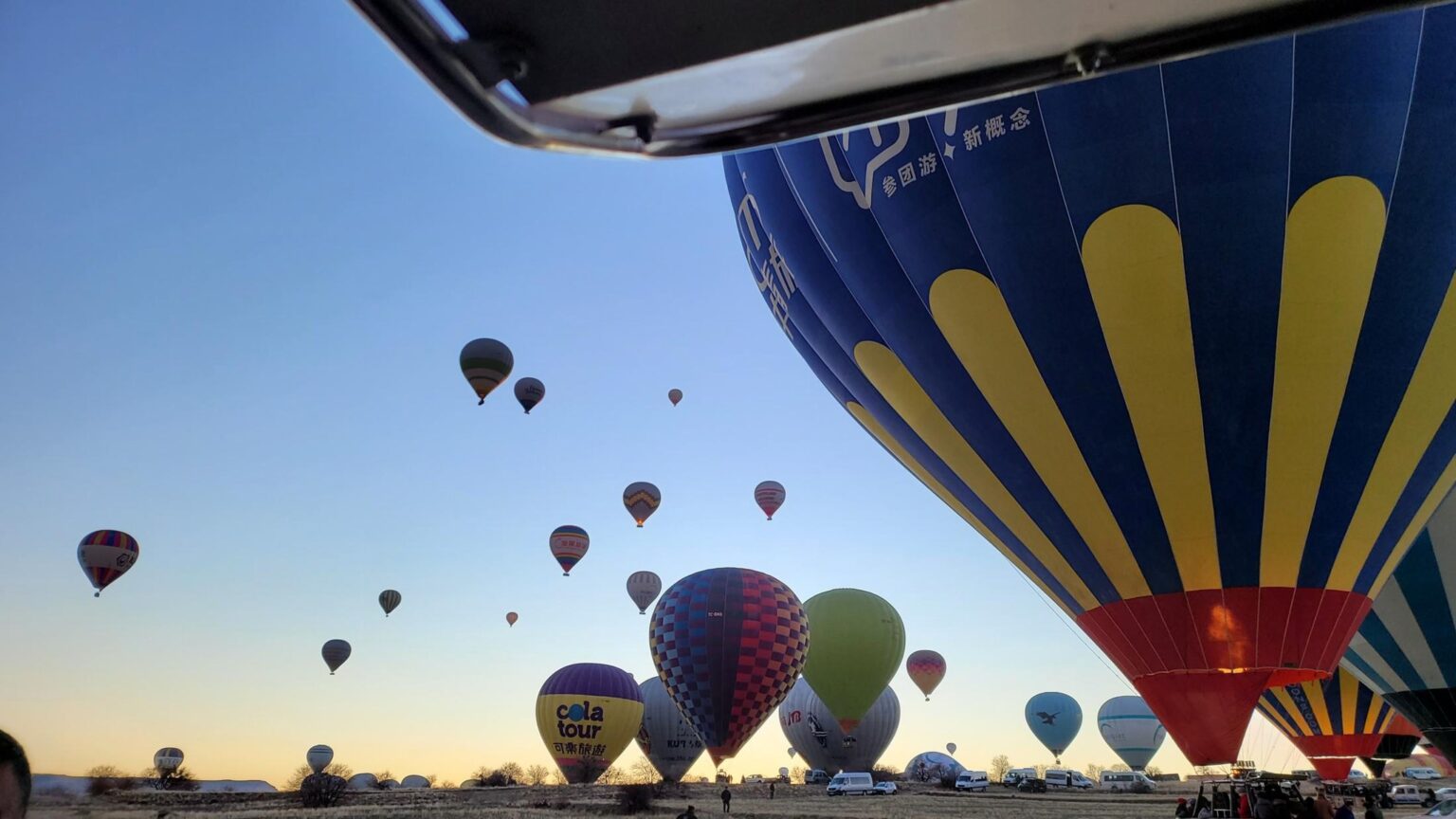
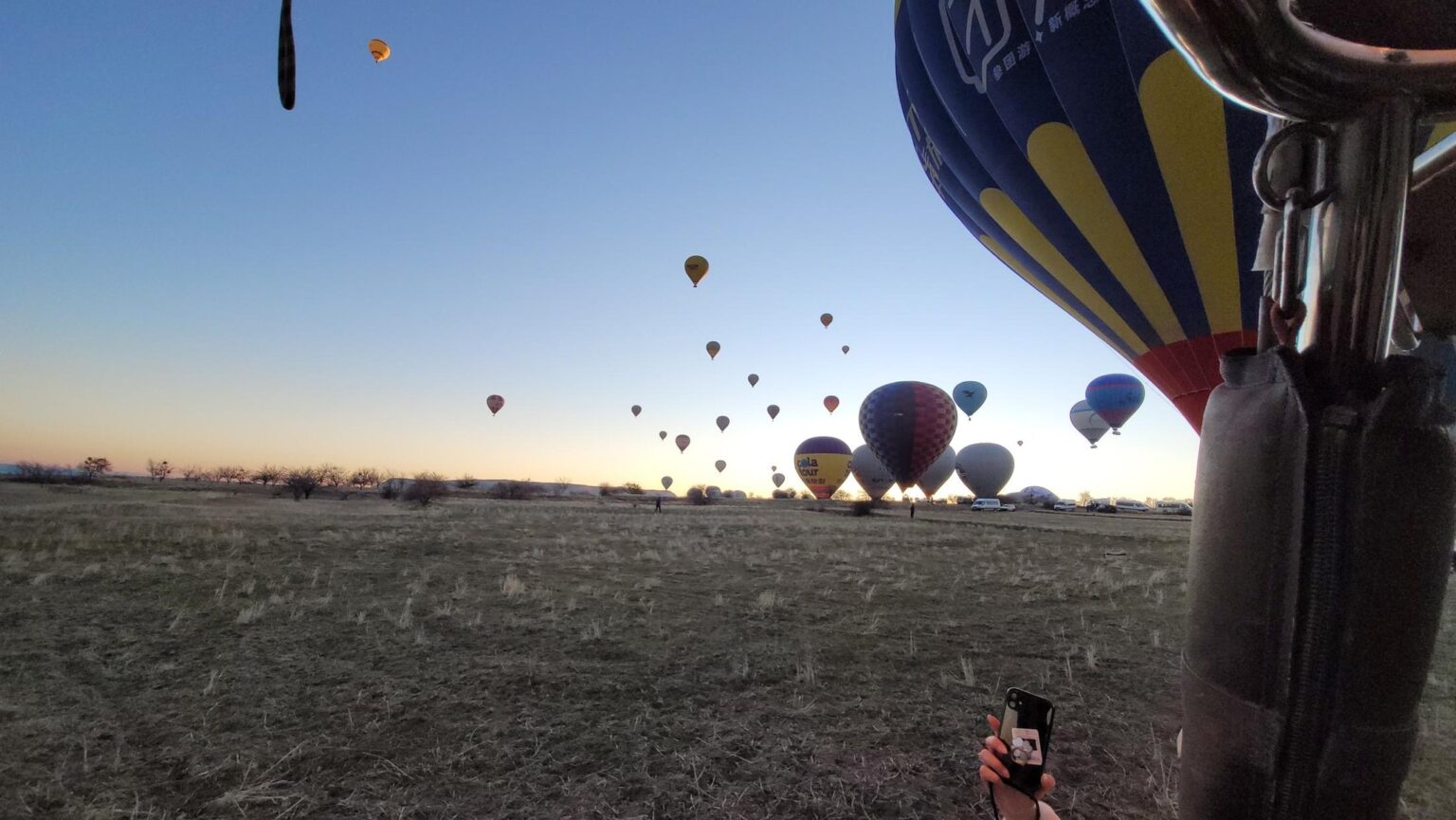
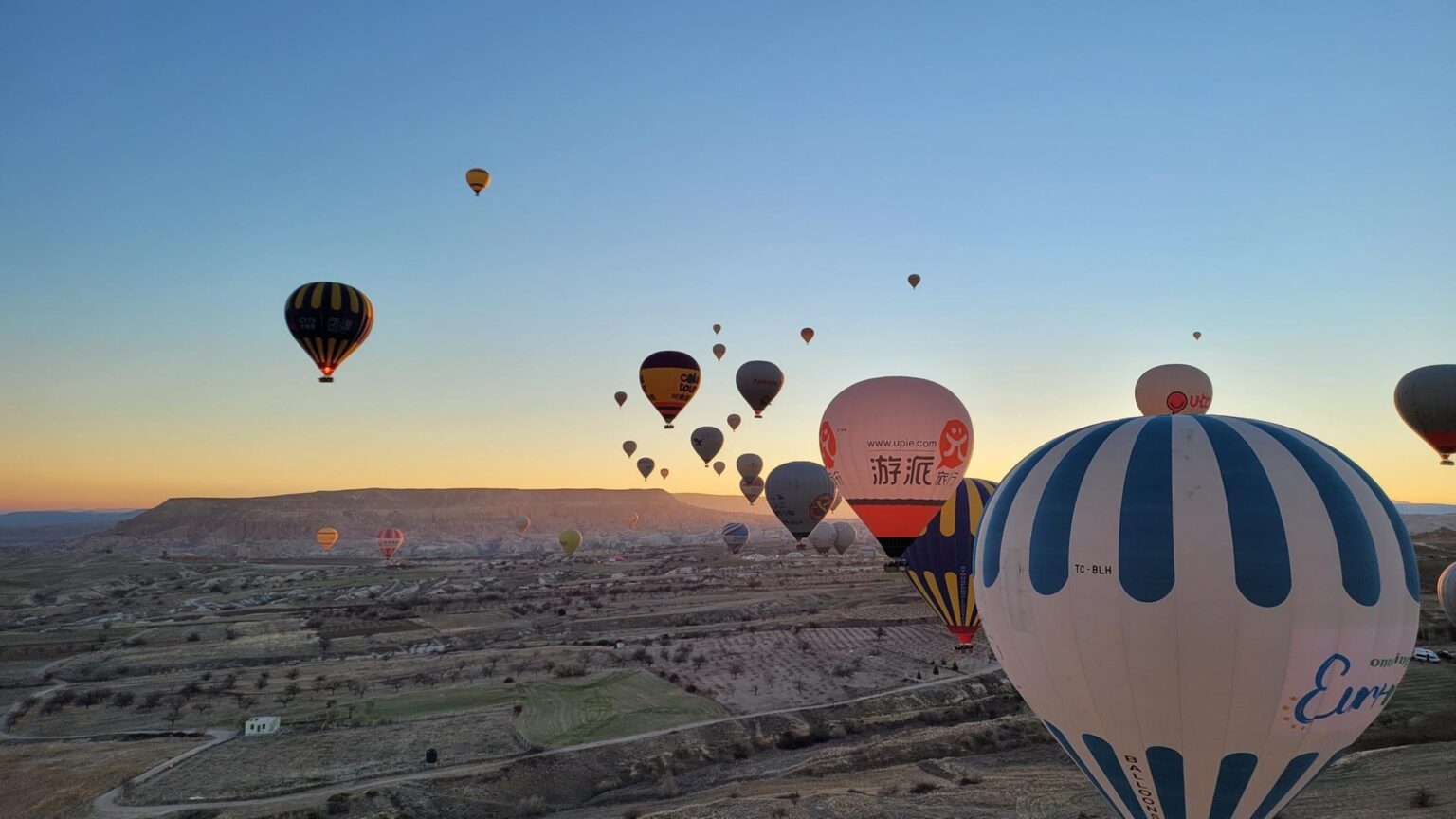
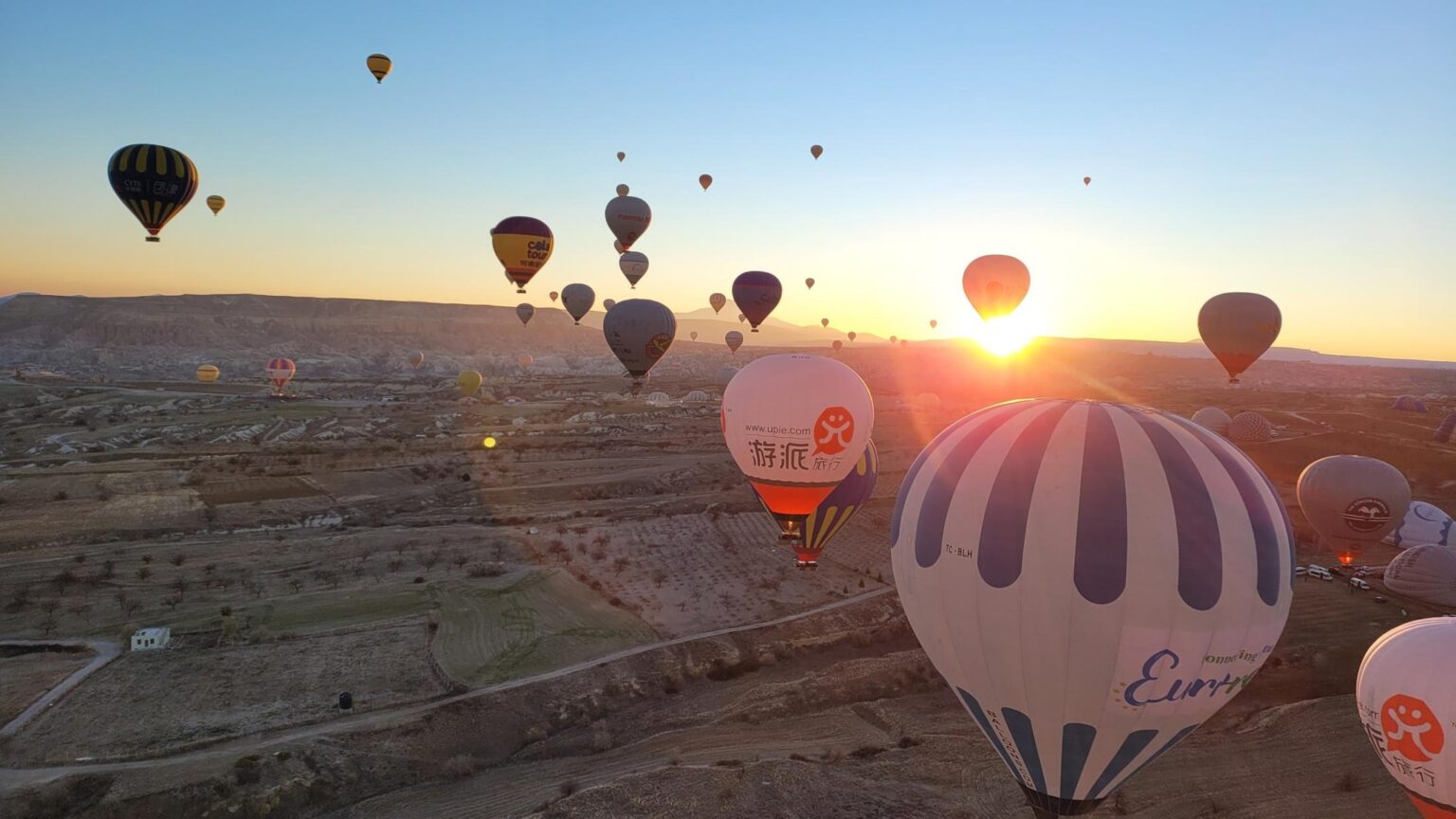
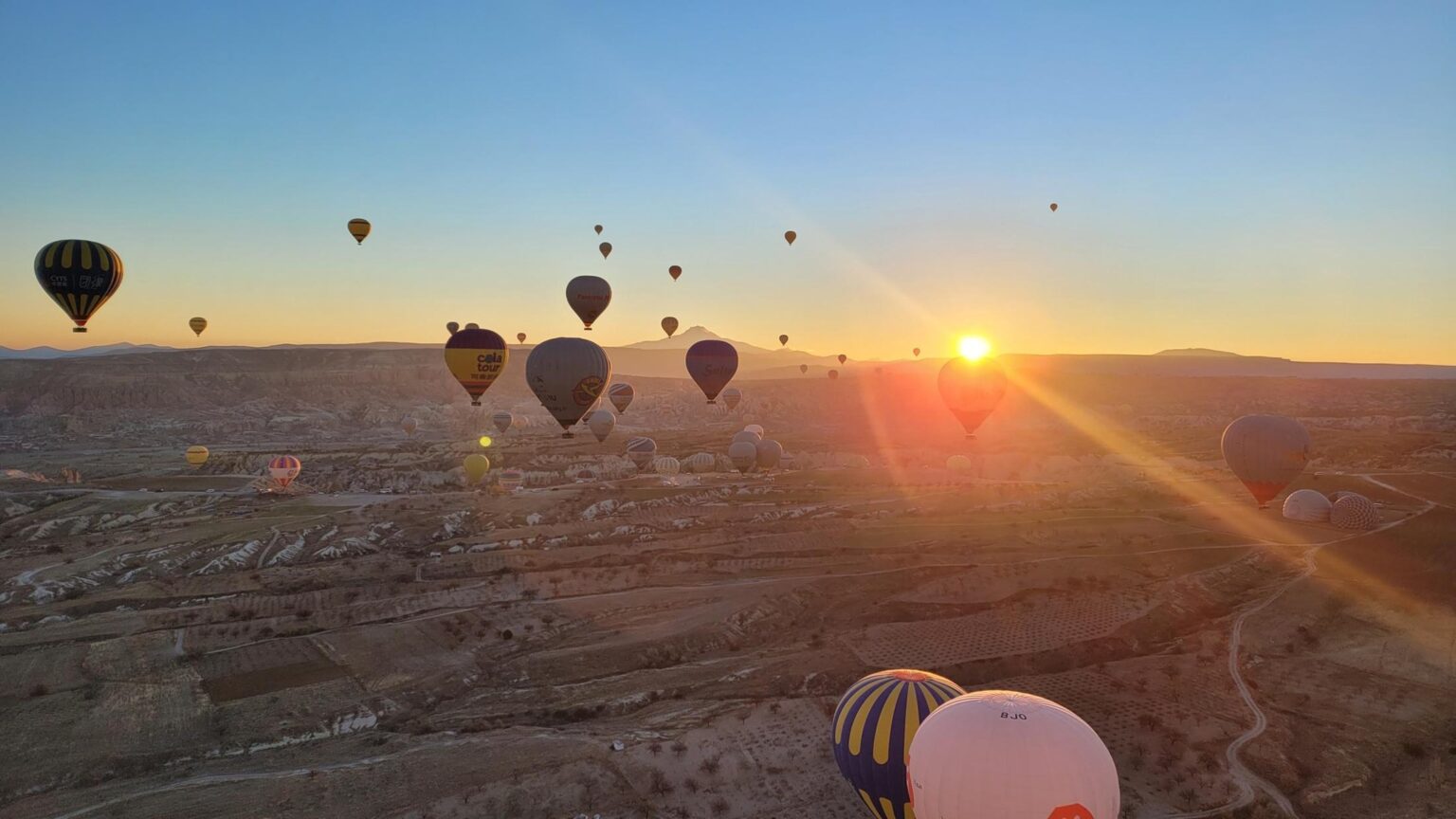
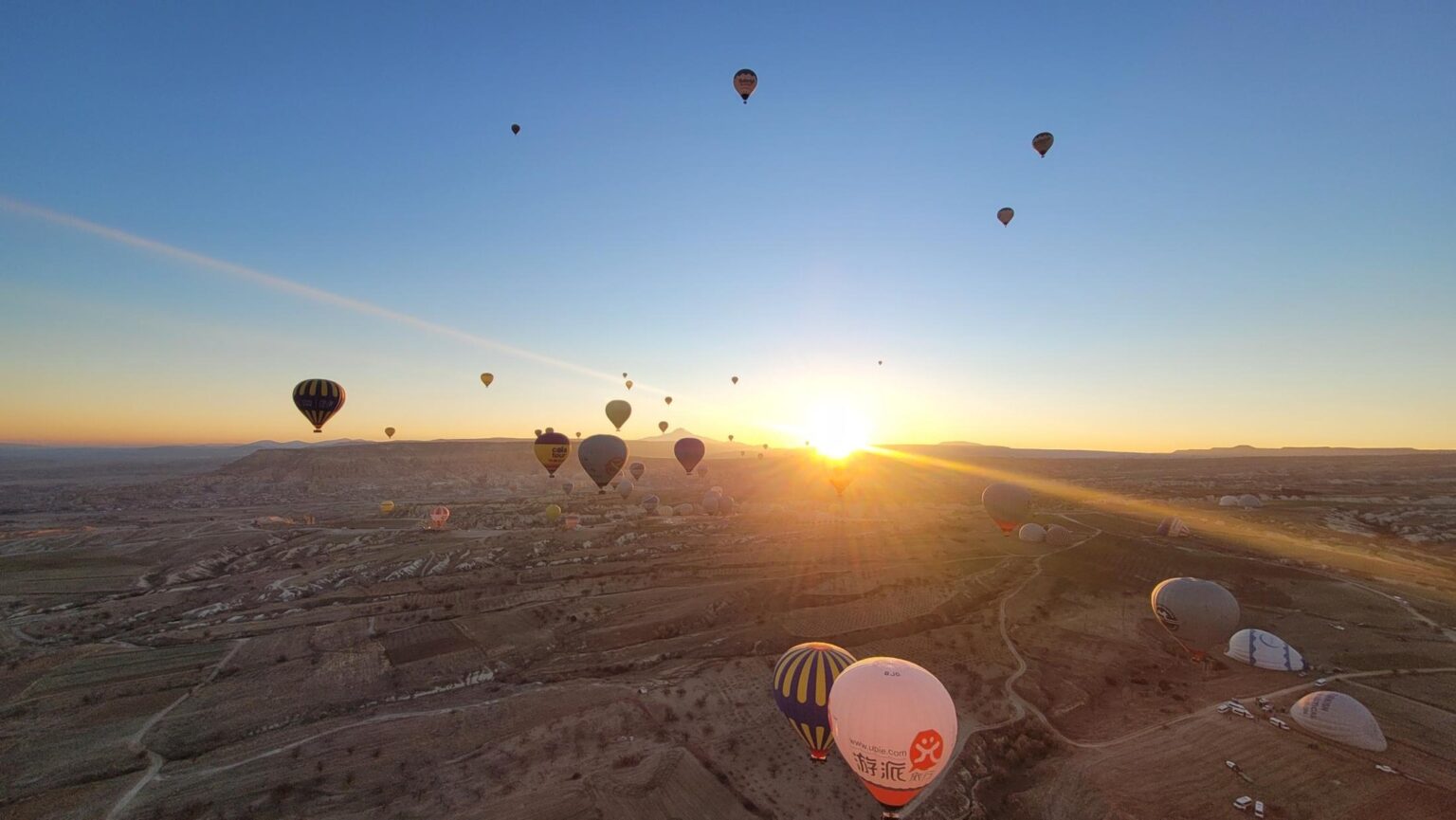
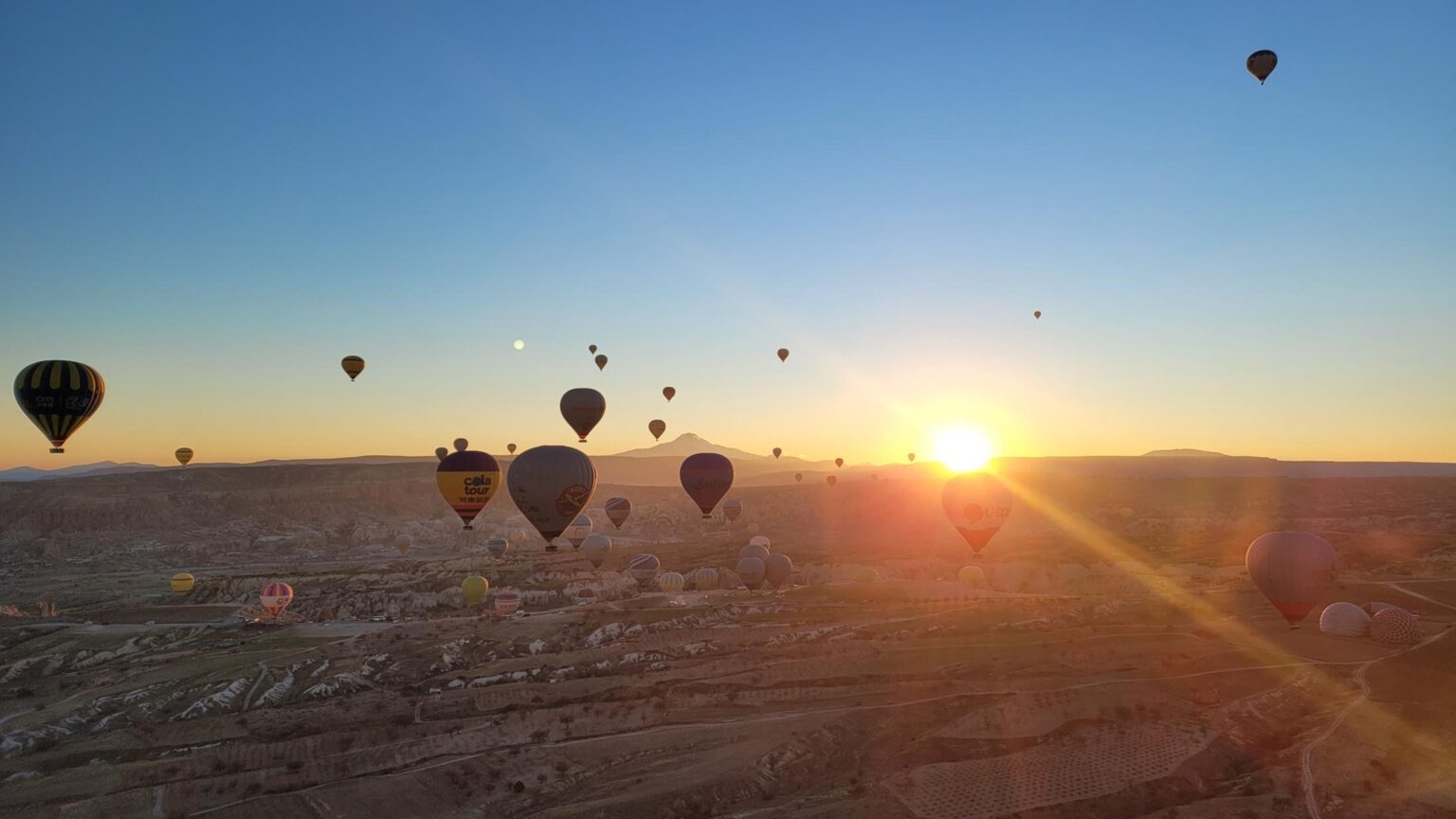
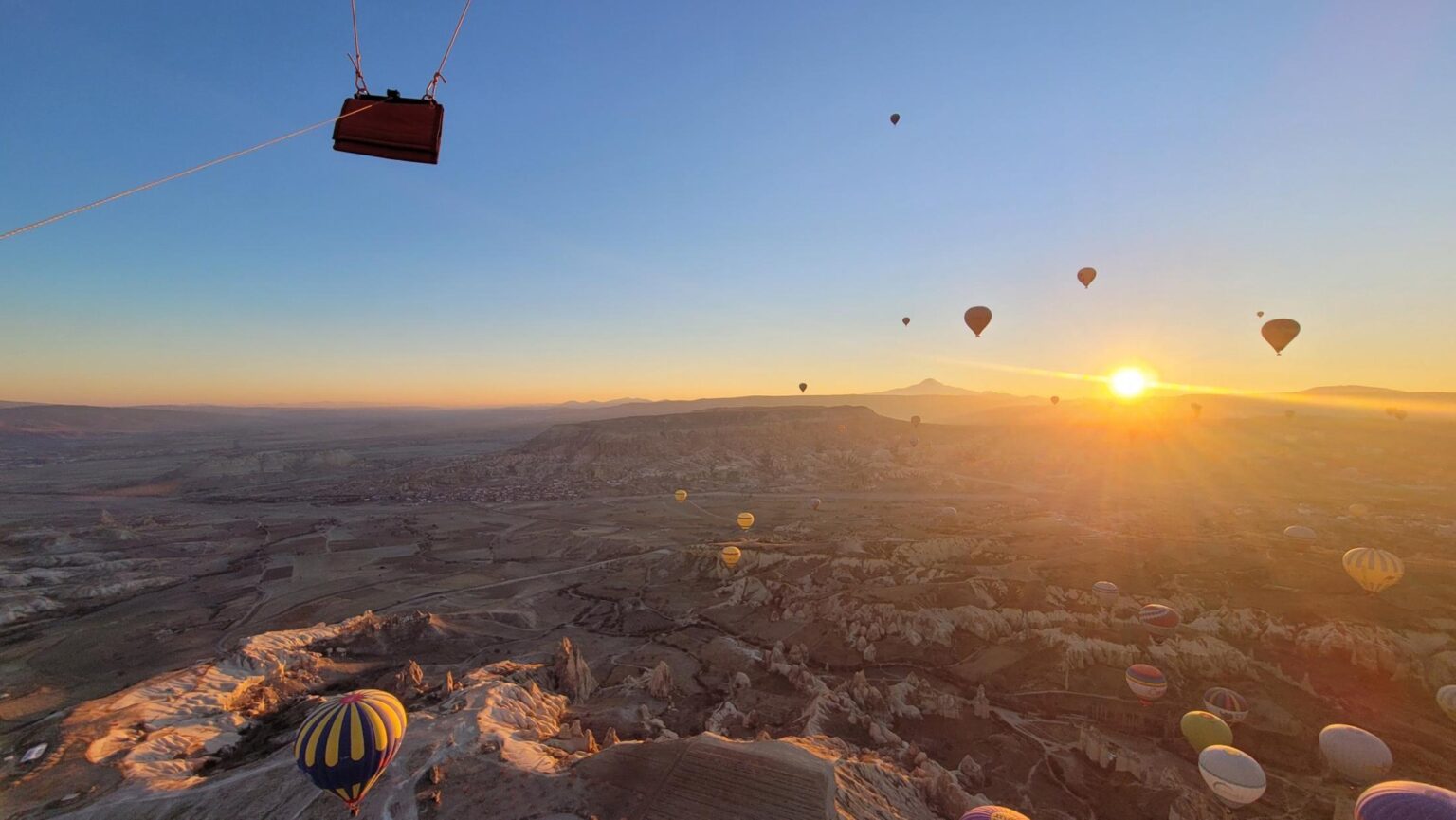
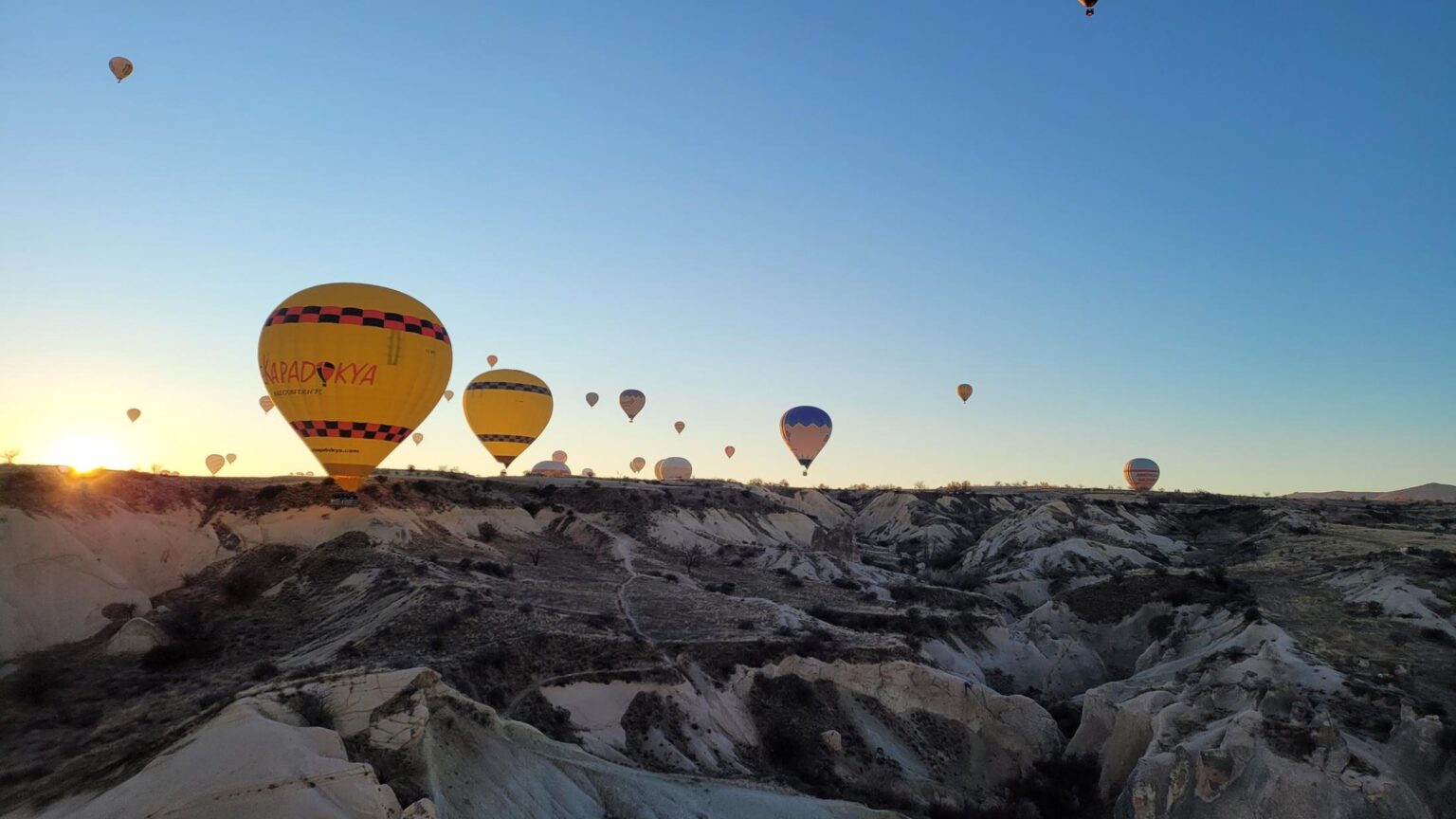
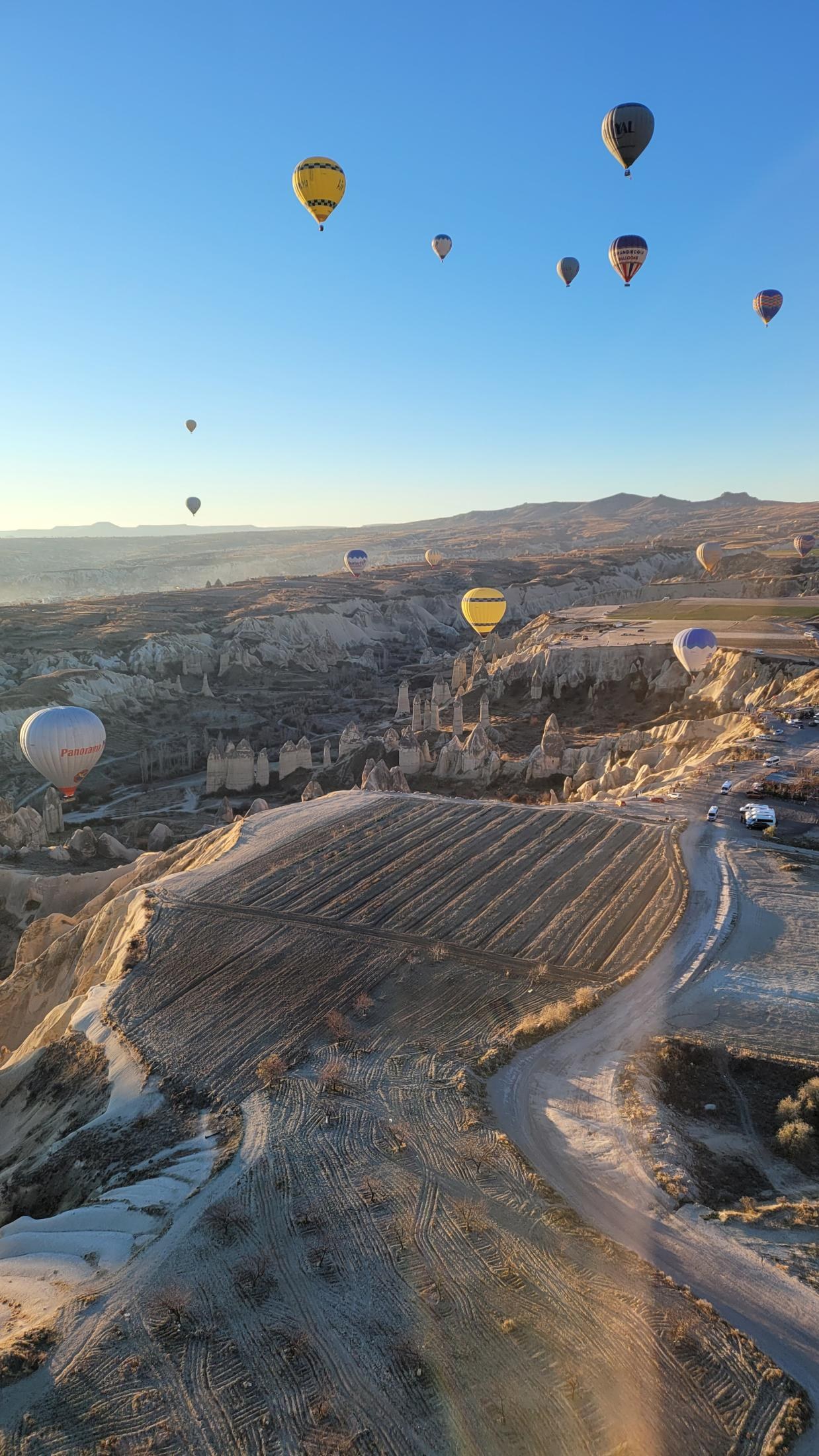
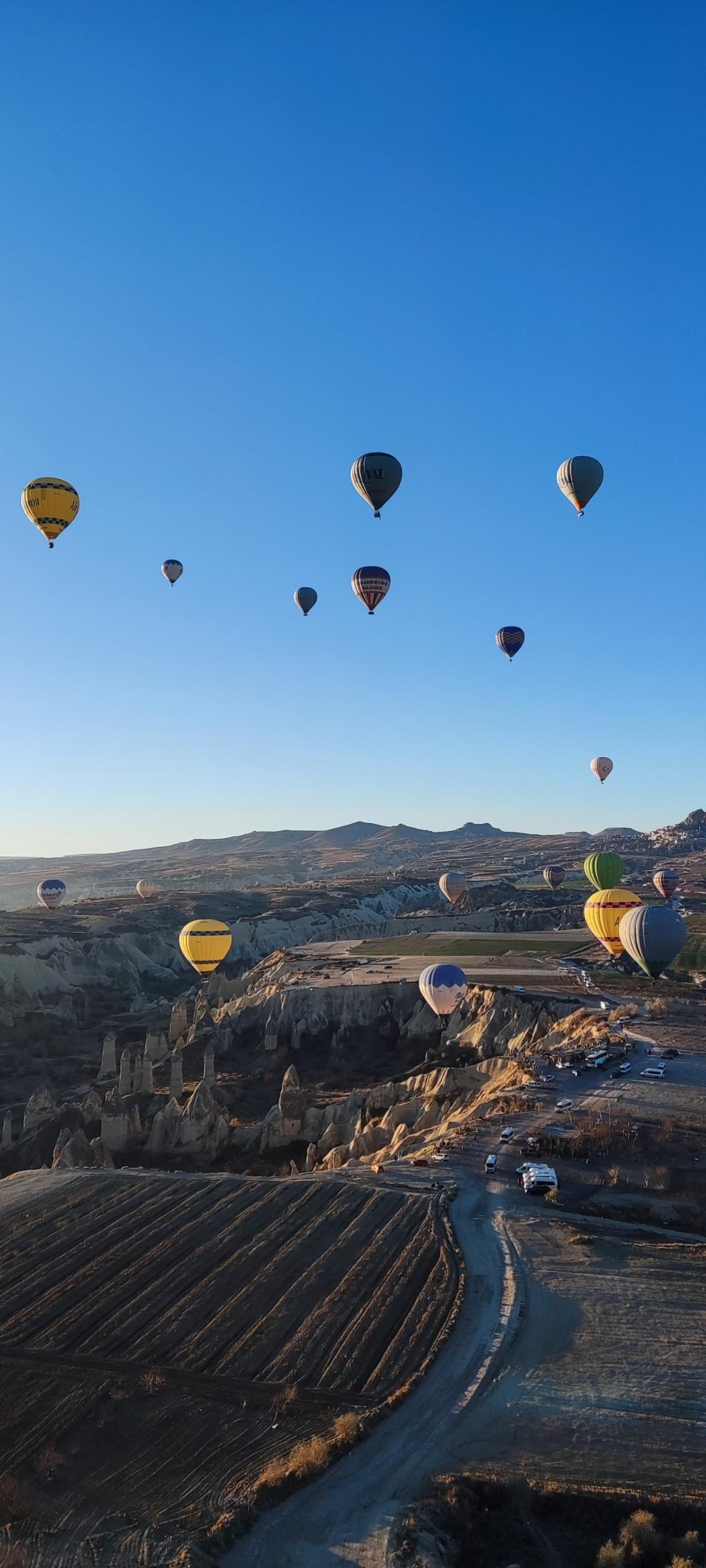
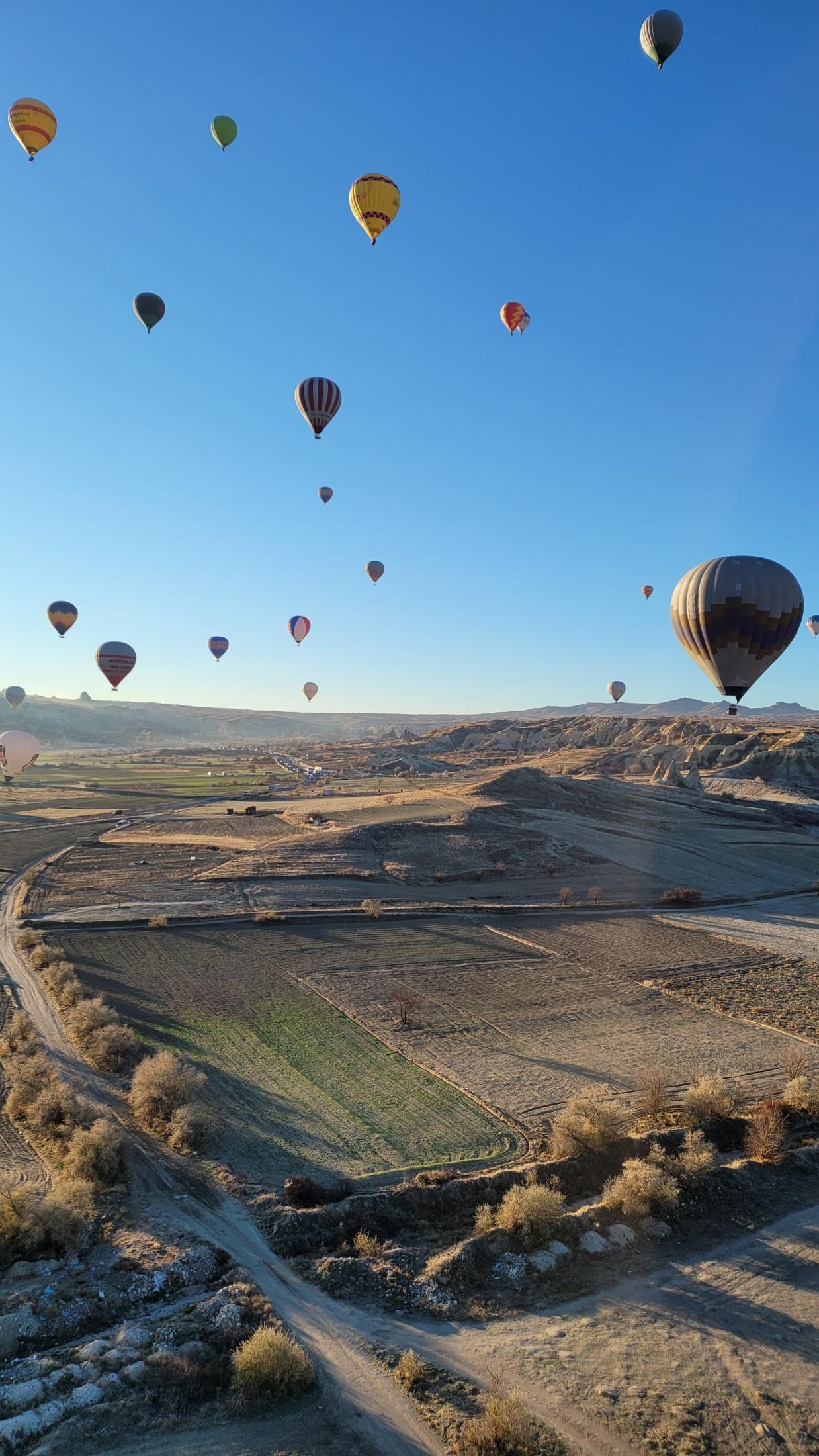
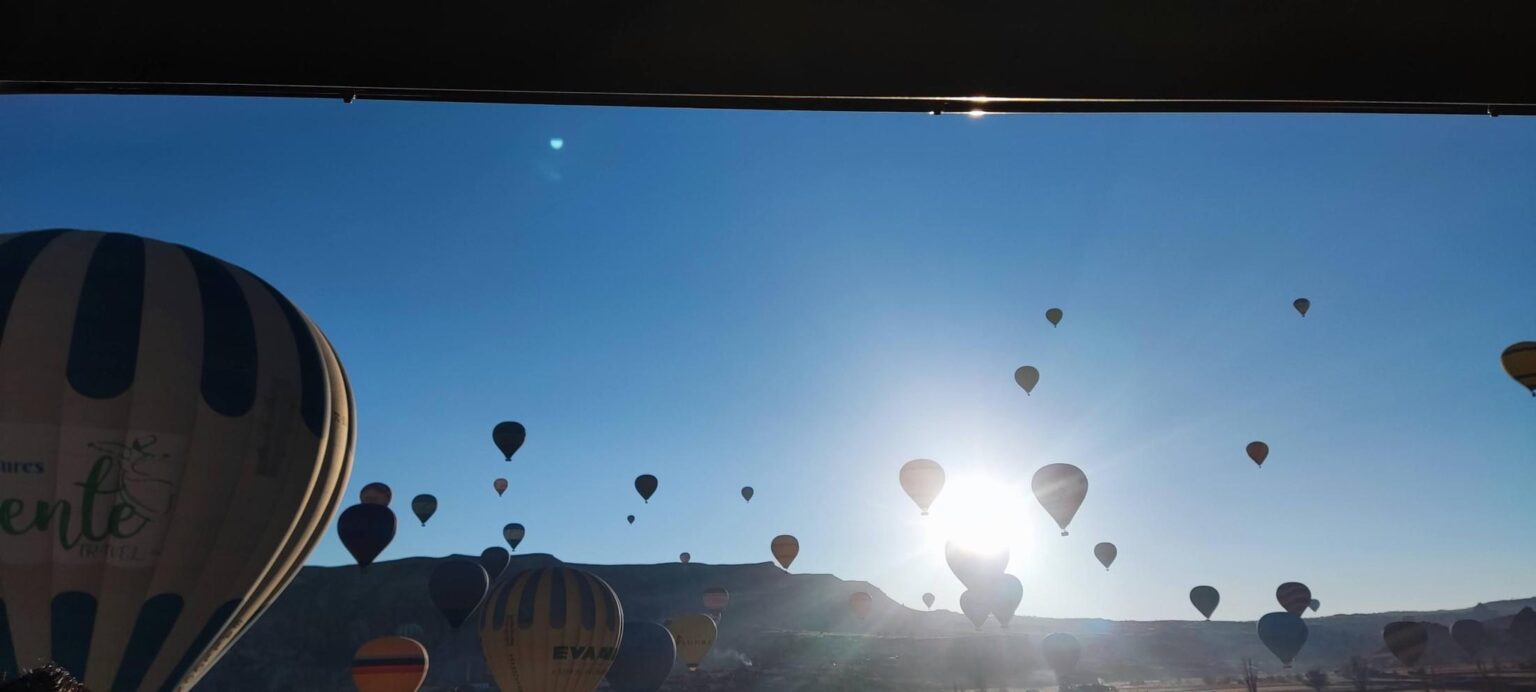
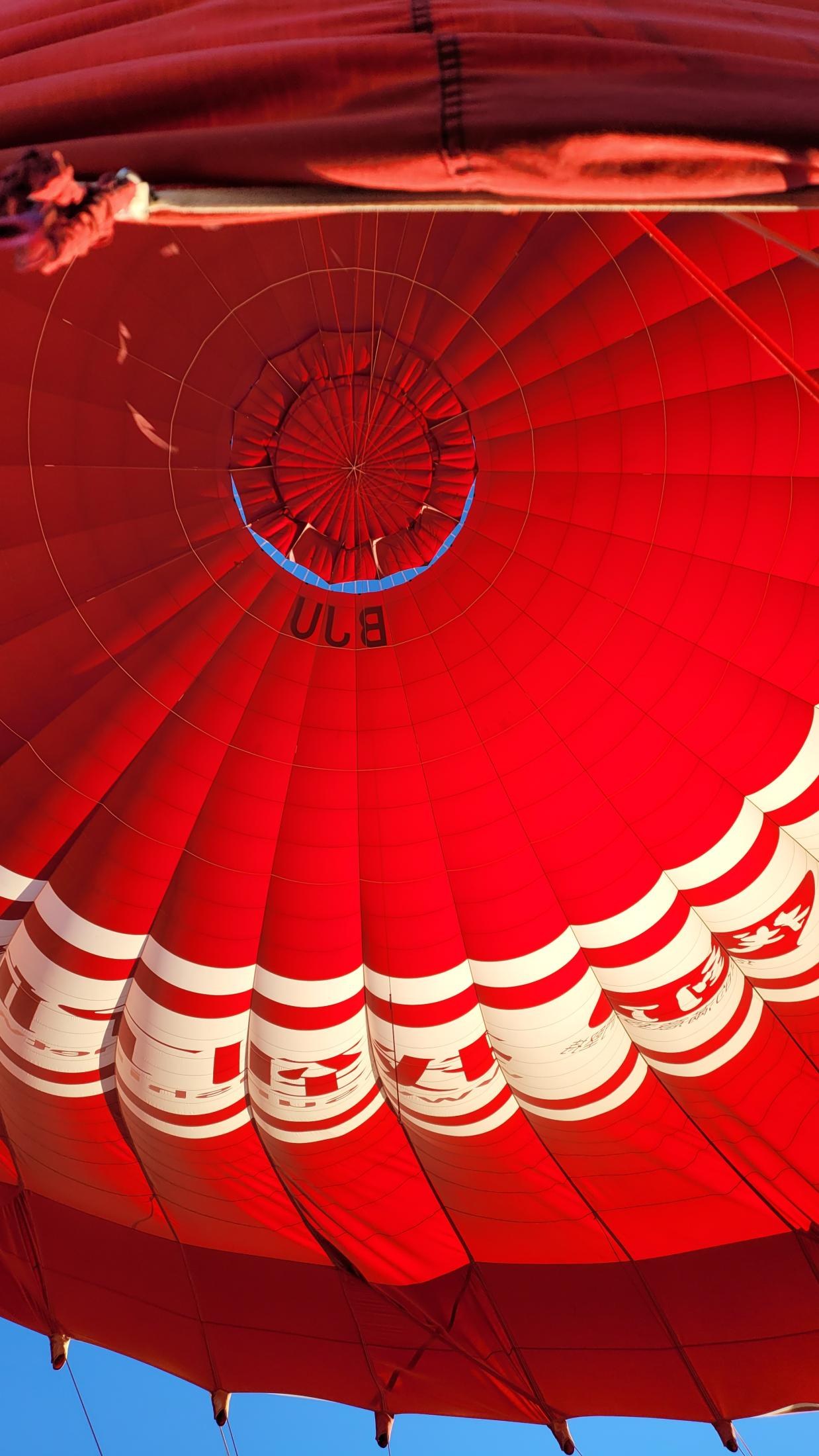
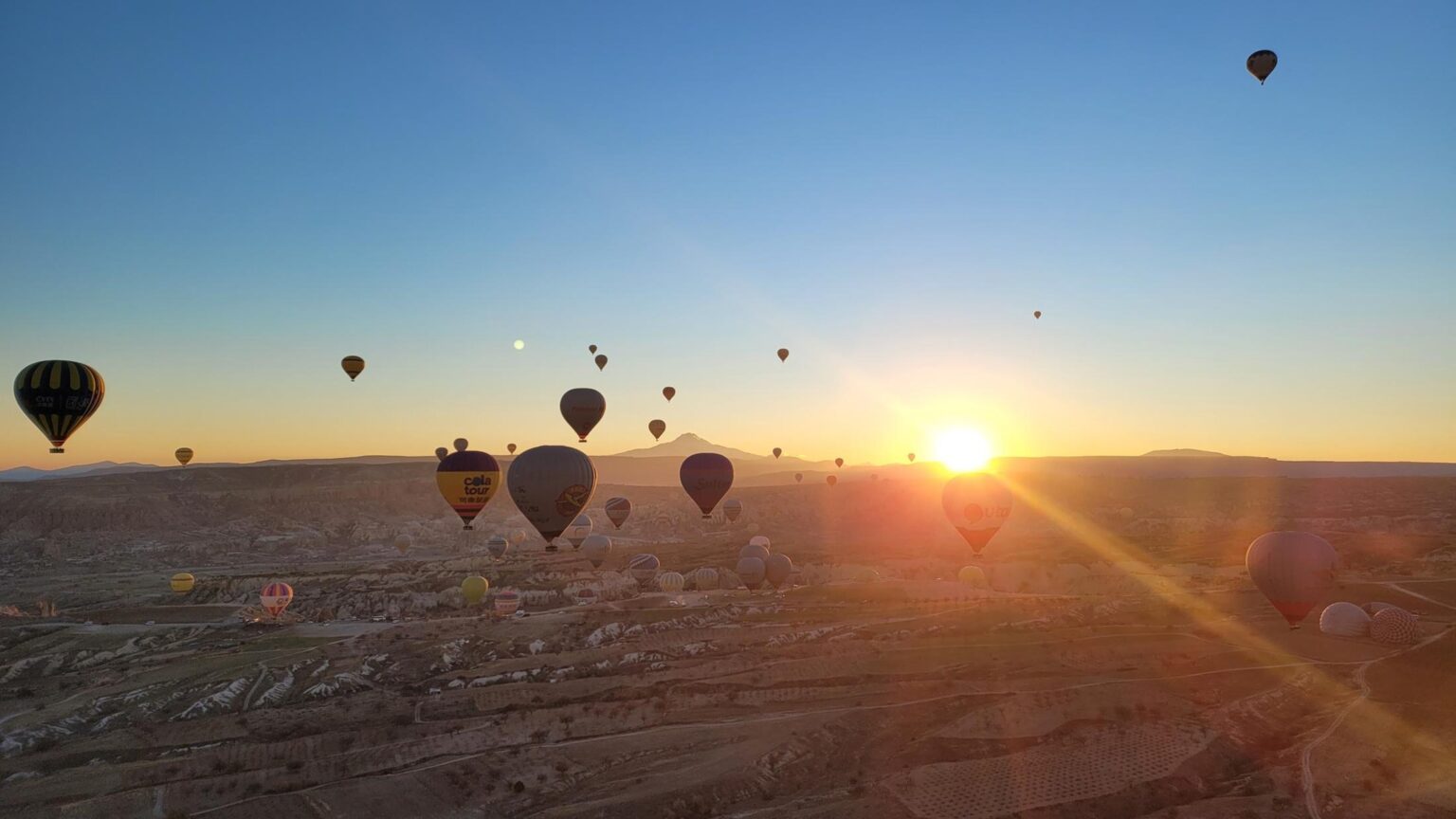
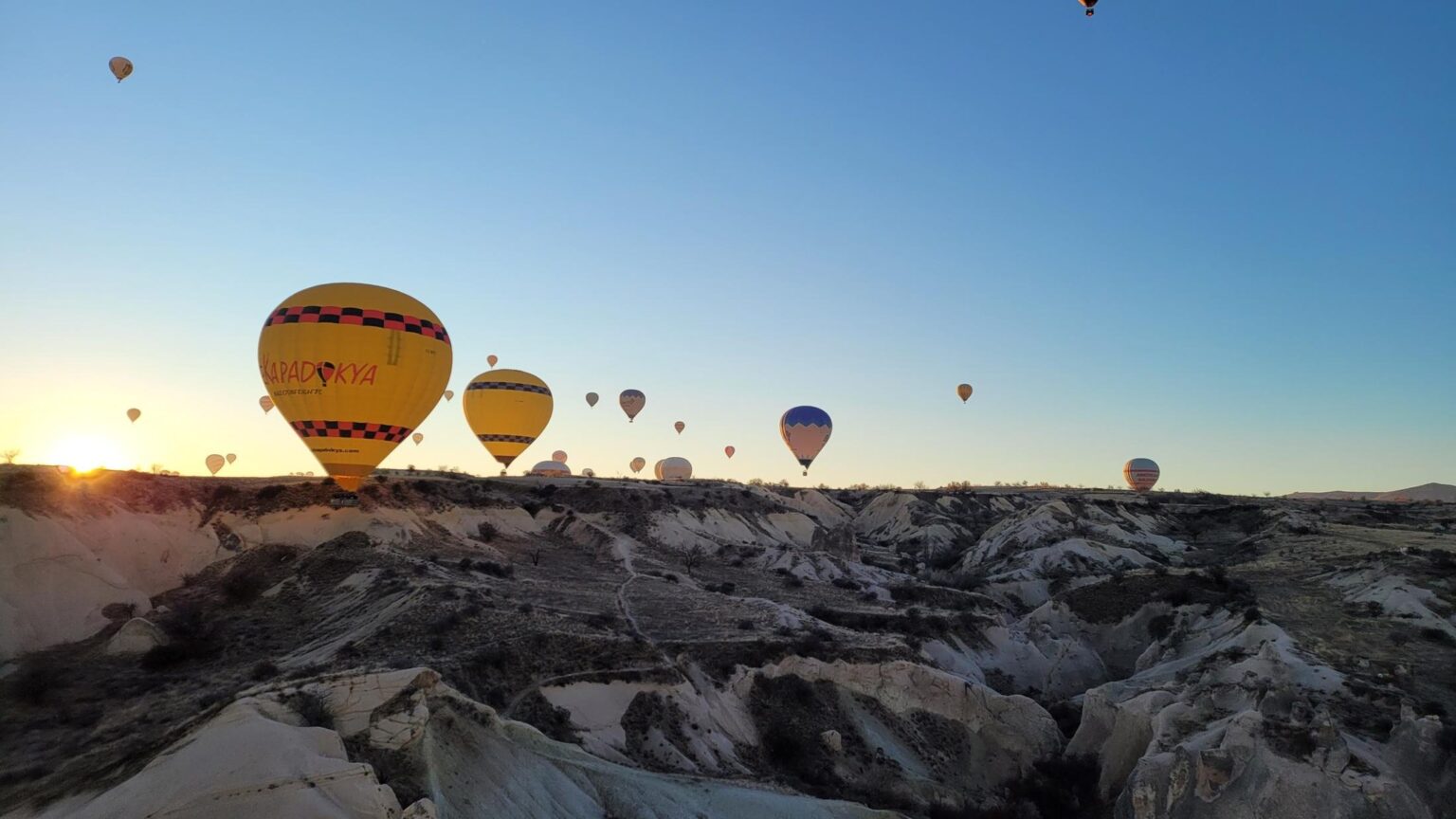
Balloon day is hard work. Transfers from the hotels start before 06:00. Officially the idea is that you’ll see the sunrise; unofficially, the authorities only permit balloons until around 10:00 for their own reasons. So from 06:00 they start collecting people, by 06:45 everyone is dumped in the valley, which incidentally is an extraordinary piece of organisation — more on that shortly. They prepare the balloons so that we’re airborne before 08:00. The whole thing is over before 09:00 and you’re back at your hotel by 09:30. A slightly dubious-looking VW Transporter collects us from the hotel, booked off a listing with an excellent rating, drives us there, all fine. WOW. Another wow — are you noticing a pattern? If you’ve read a few articles on this blog you’ll know there’s almost never a wow. Here it’s day three and it’s the third wow. There is a minimum of one wow every single day. How many more can there be? So, the balloons. What organisation, what a thing. I don’t want to overstate it, but more than half the valley is covered in laid-out balloons being brought to life. You wander between and among them, watching them fill one by one. There are hundreds. Someone from the company we’re “flying” with explains that during the festivals they reach 300 balloons in the air at once. Right now, early December, towards the end of the season — out of season, you could say — it’ll be a modest 100 or so. A hundred balloons, imagine that. Each balloon takes up to 24 people and they are visibly all full. More than 2,000 people will be flying at the end of the season. Work out what it’s like in peak season. First they start filling them with gigantic fans. Boring.
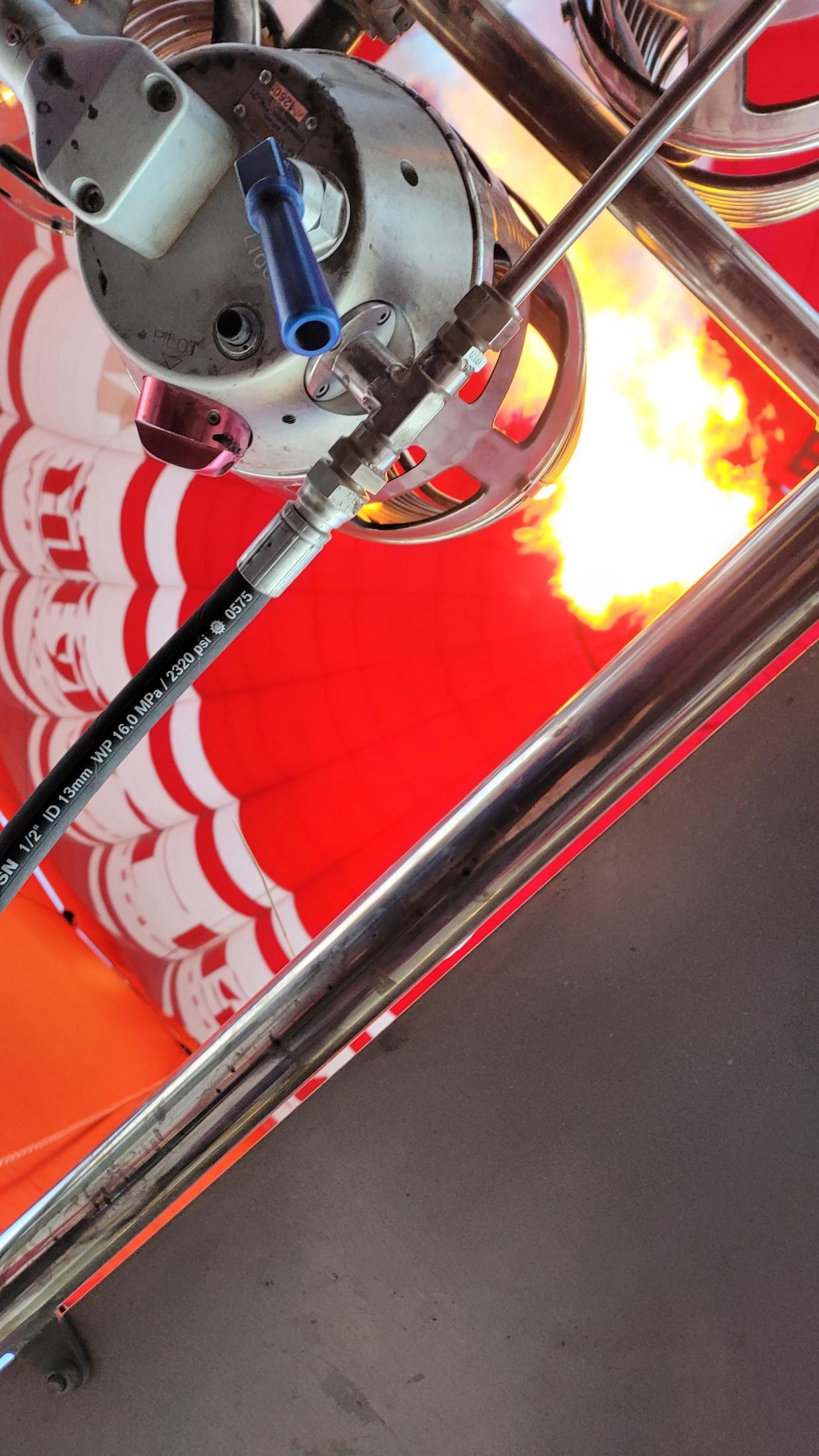
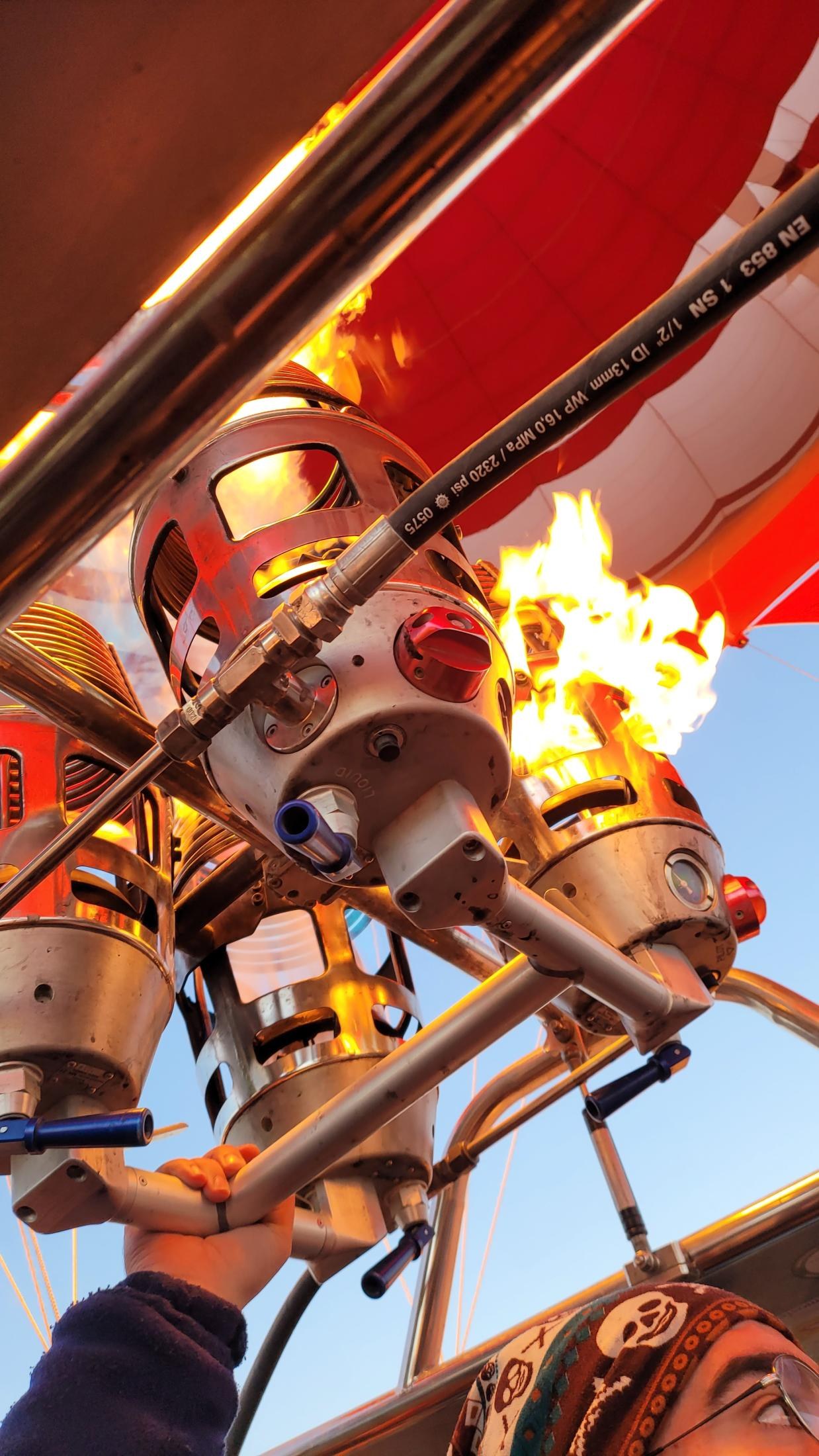
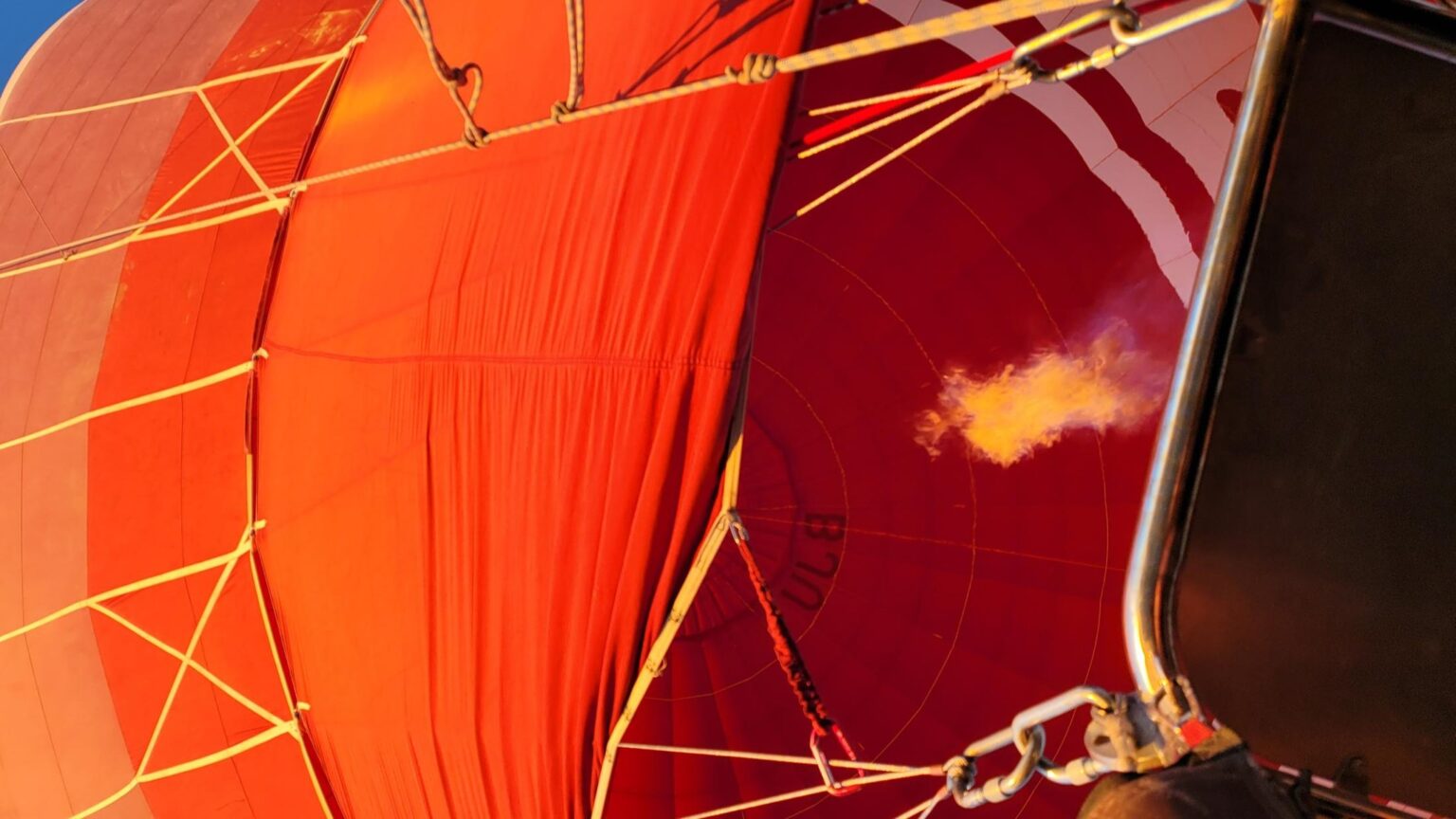
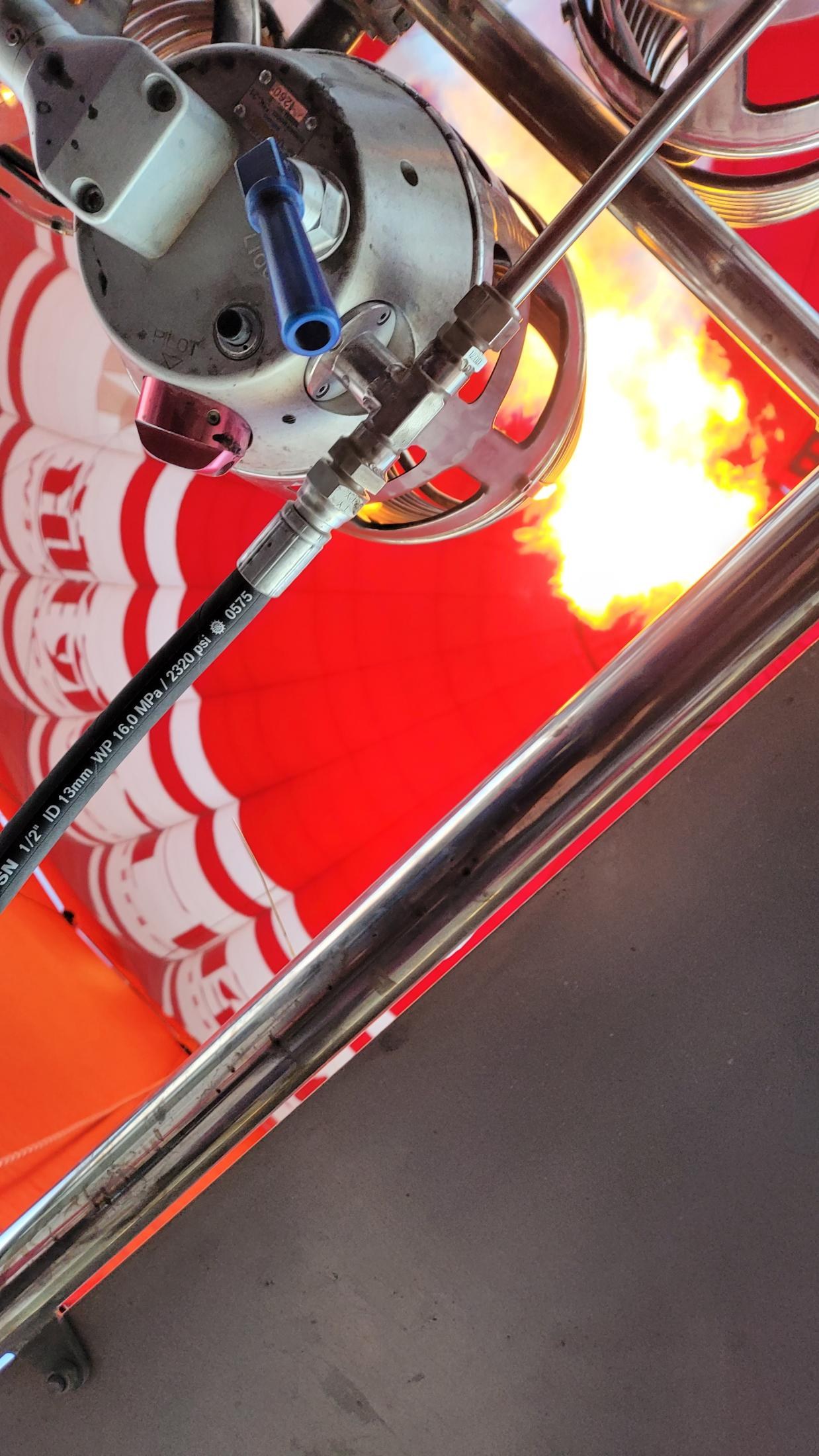
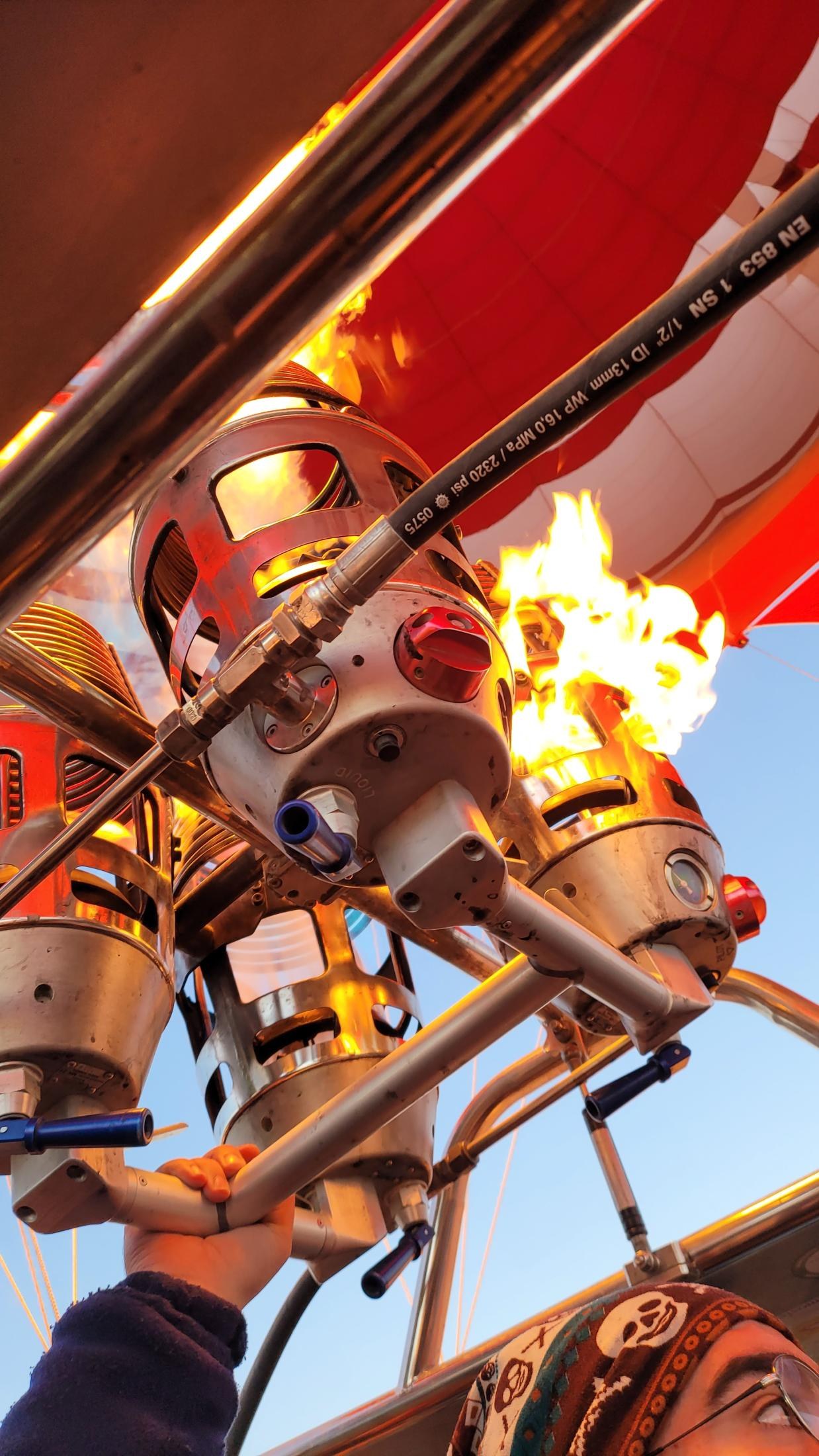
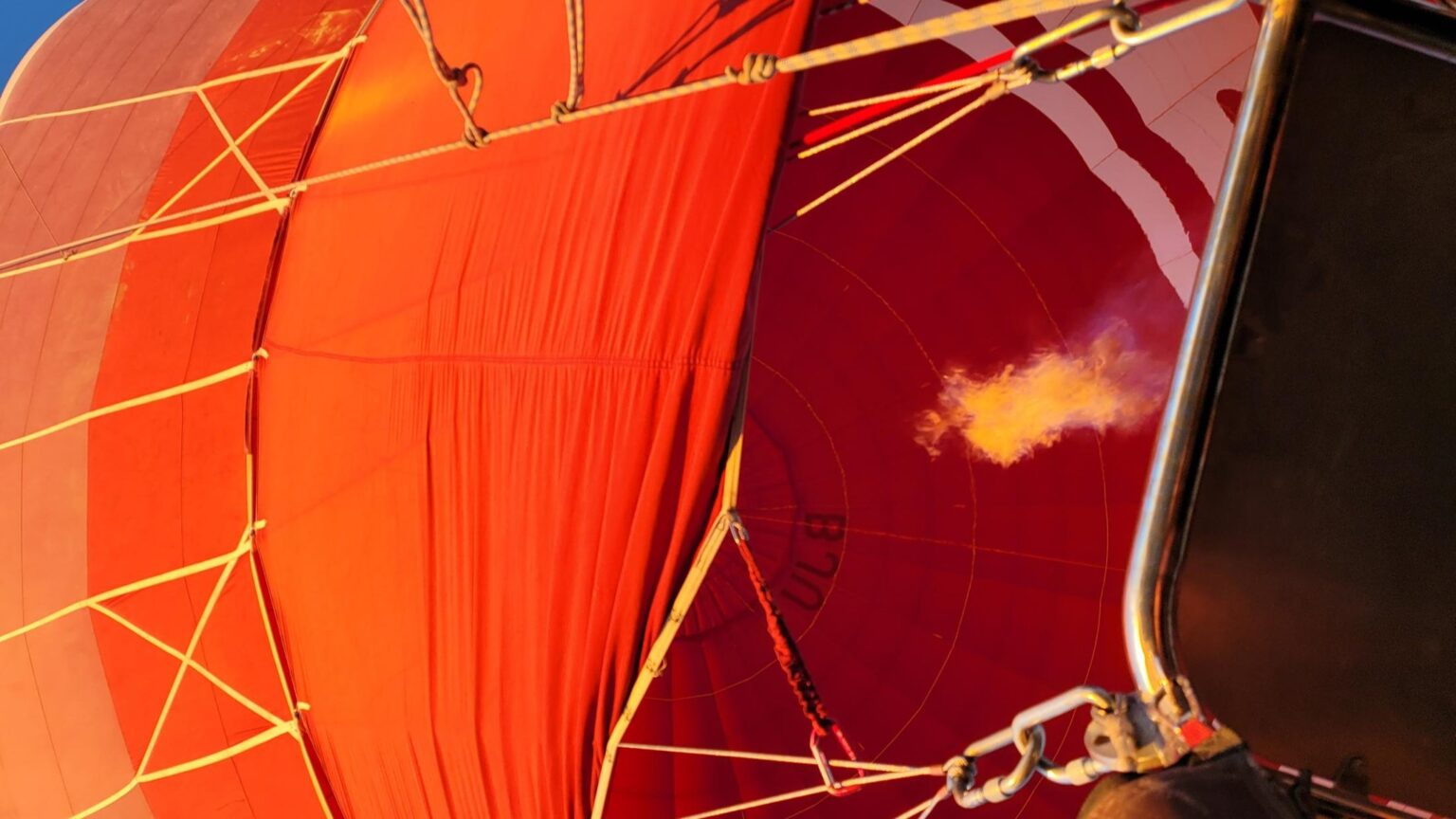
Then it gets interesting — they fire up the burners.
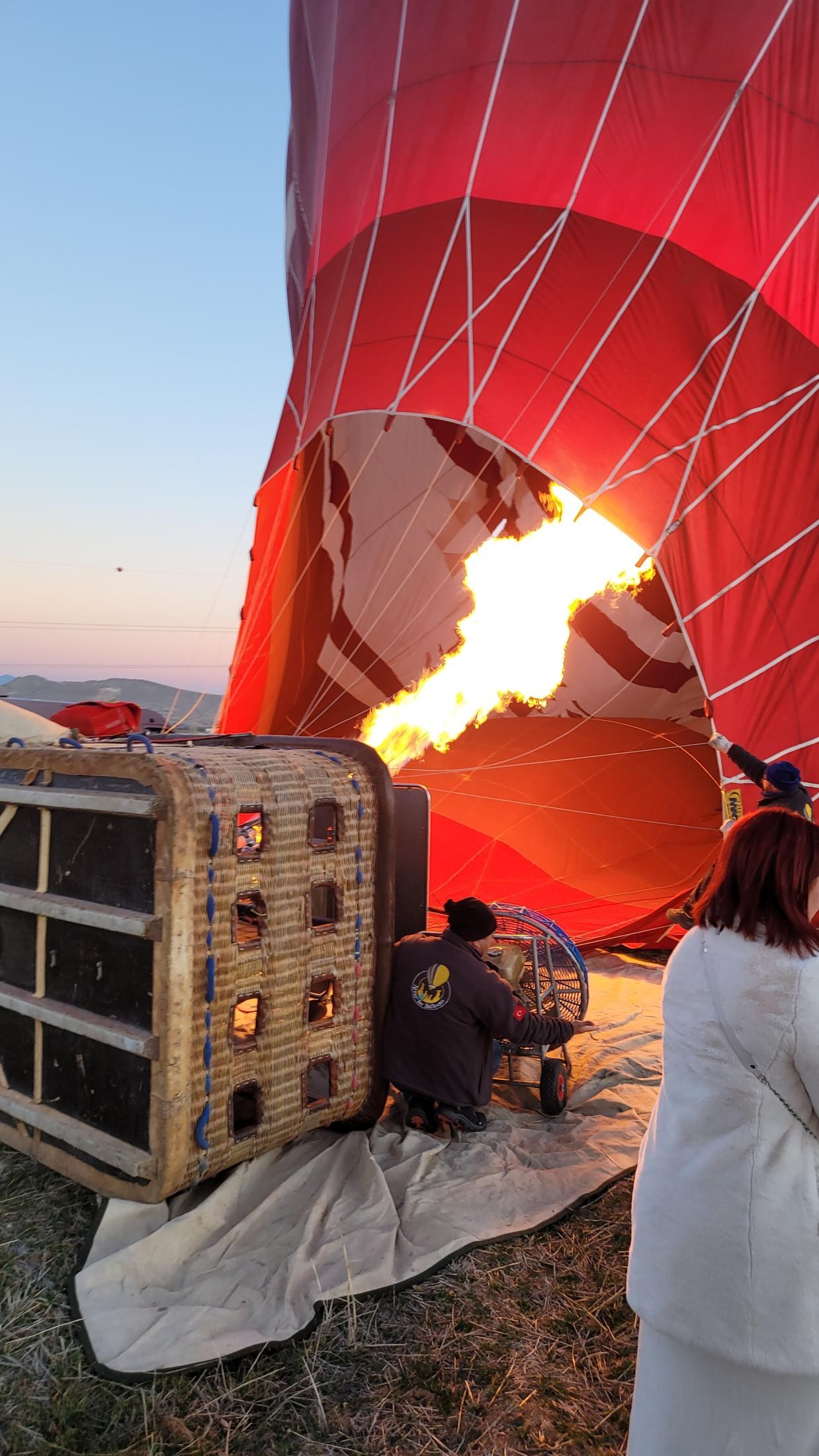
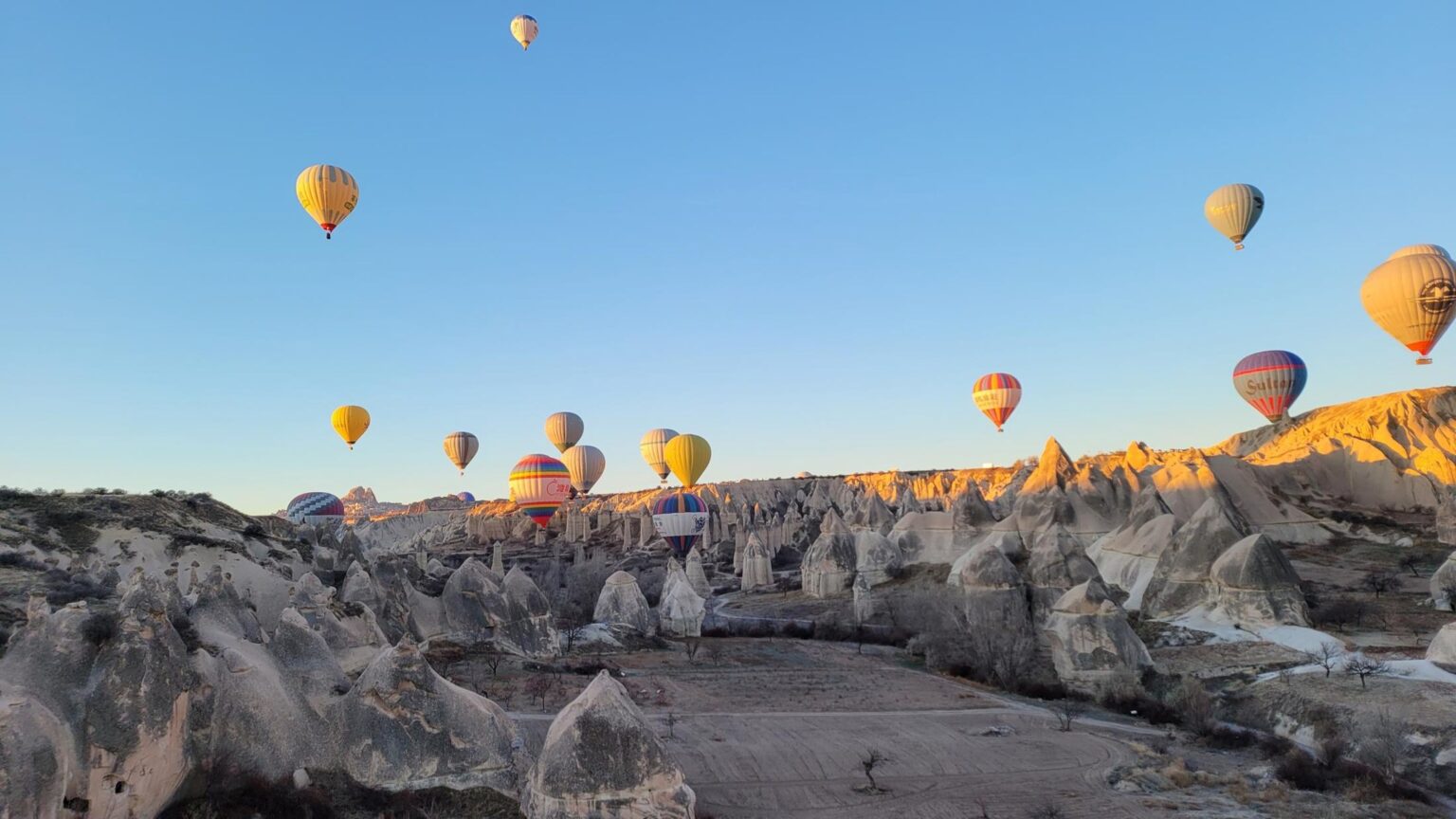
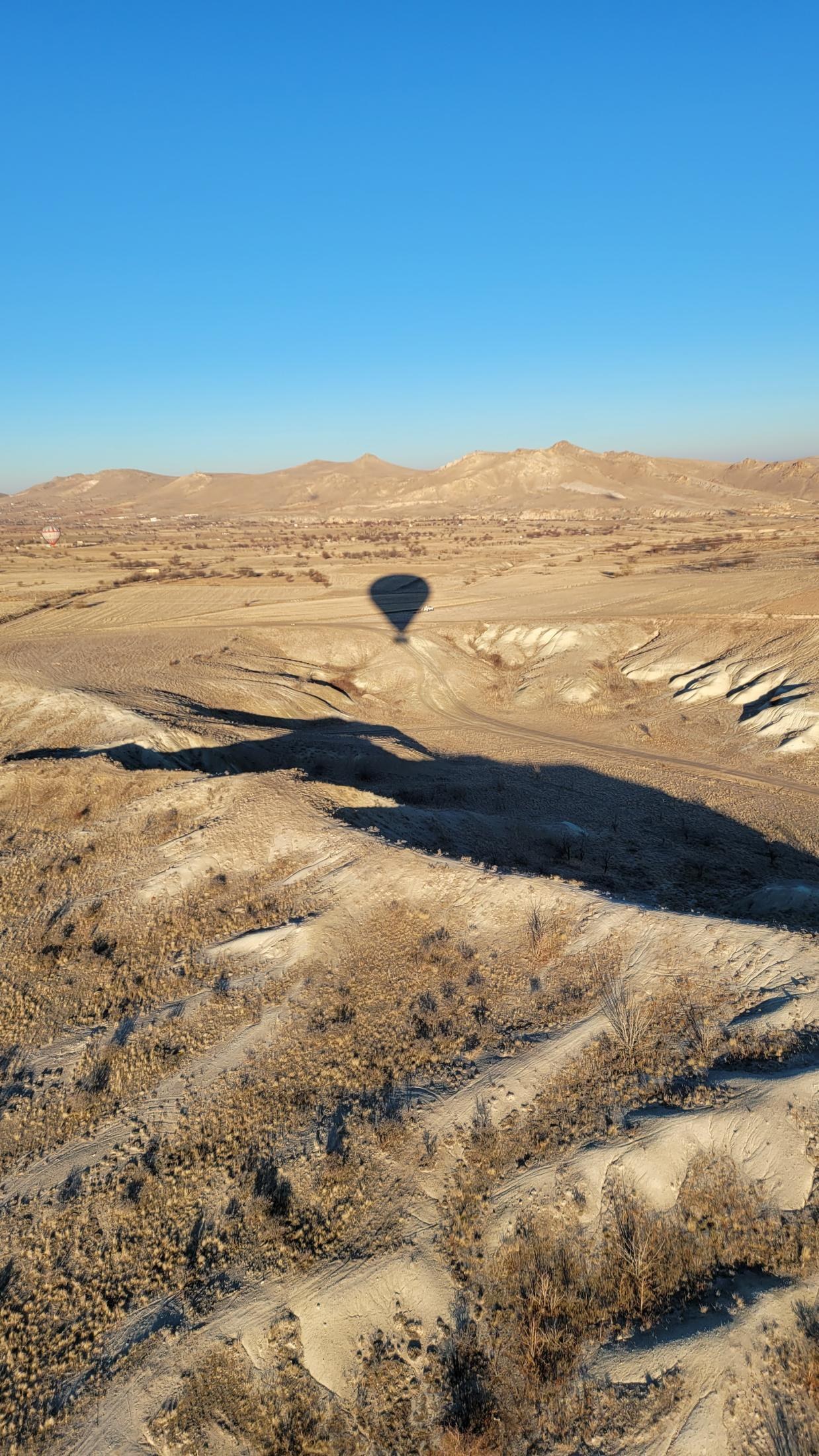
Fifteen minutes or so and the balloons start lifting gently, one after another. They pack us into a basket, 24 people as mentioned. That’s how it is. If you want a private flight it came to about €600 for two back then. We’ll be squashed, it’s not so bad. Up we go. Two things become apparent. One: the act of rising in a balloon is nothing special in itself. Around Plovdiv, Kostinbrod or Belogradchik the sensation of the flight is identical. But. But what opens up in front of you is simply… once in a lifetime. A photo can’t convey it. A hundred balloons against the rising sun. That’s it. If the trip had been nothing but this — and it has a great deal more to offer — it would have been enough. I barely managed to cut the gallery down from 500 practically identical photos to about 20. An incredible feeling, incredible organisation. “Impressive” doesn’t cover it. So many people doing something simultaneously, almost in sync, like a single organism.
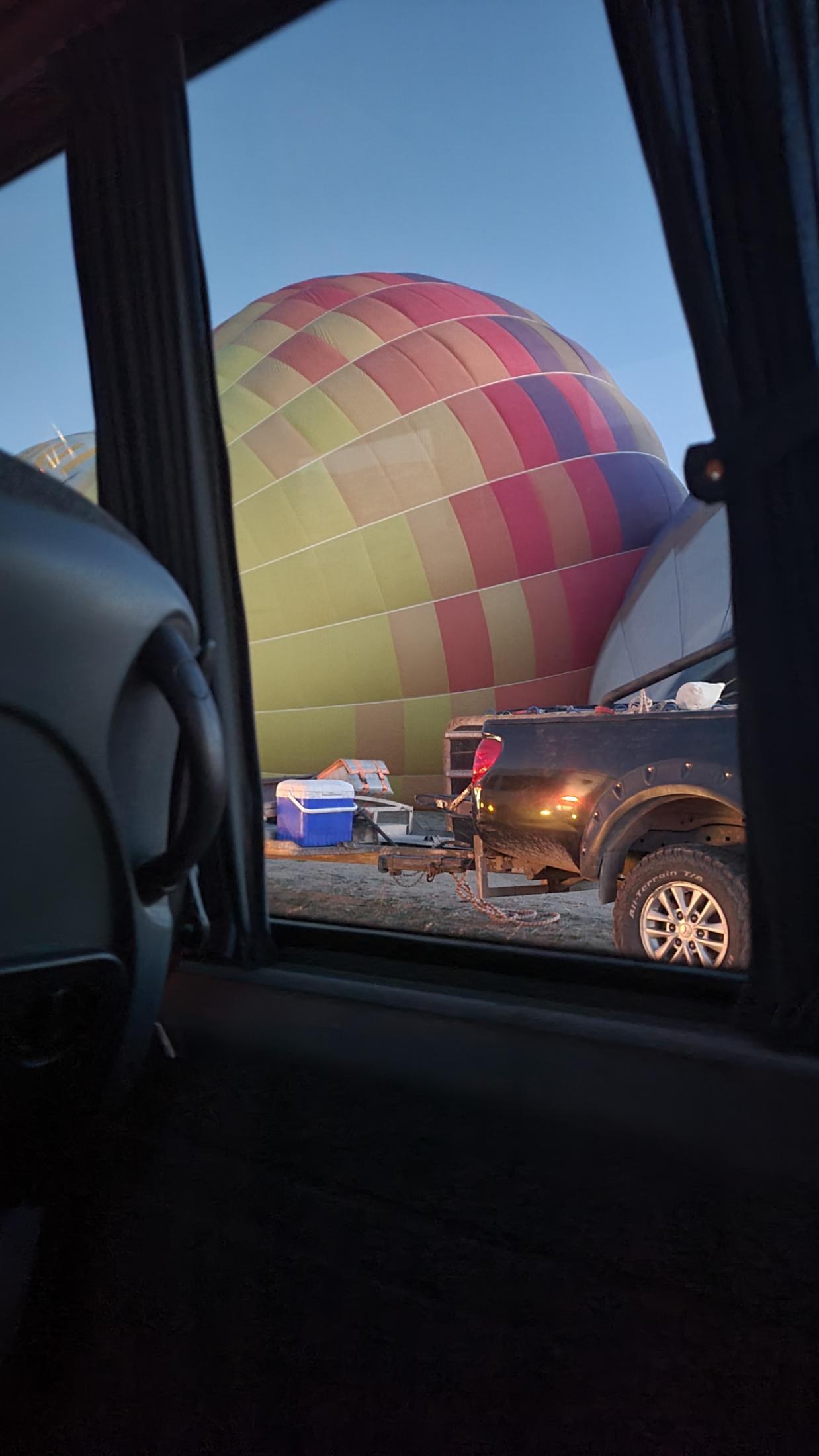
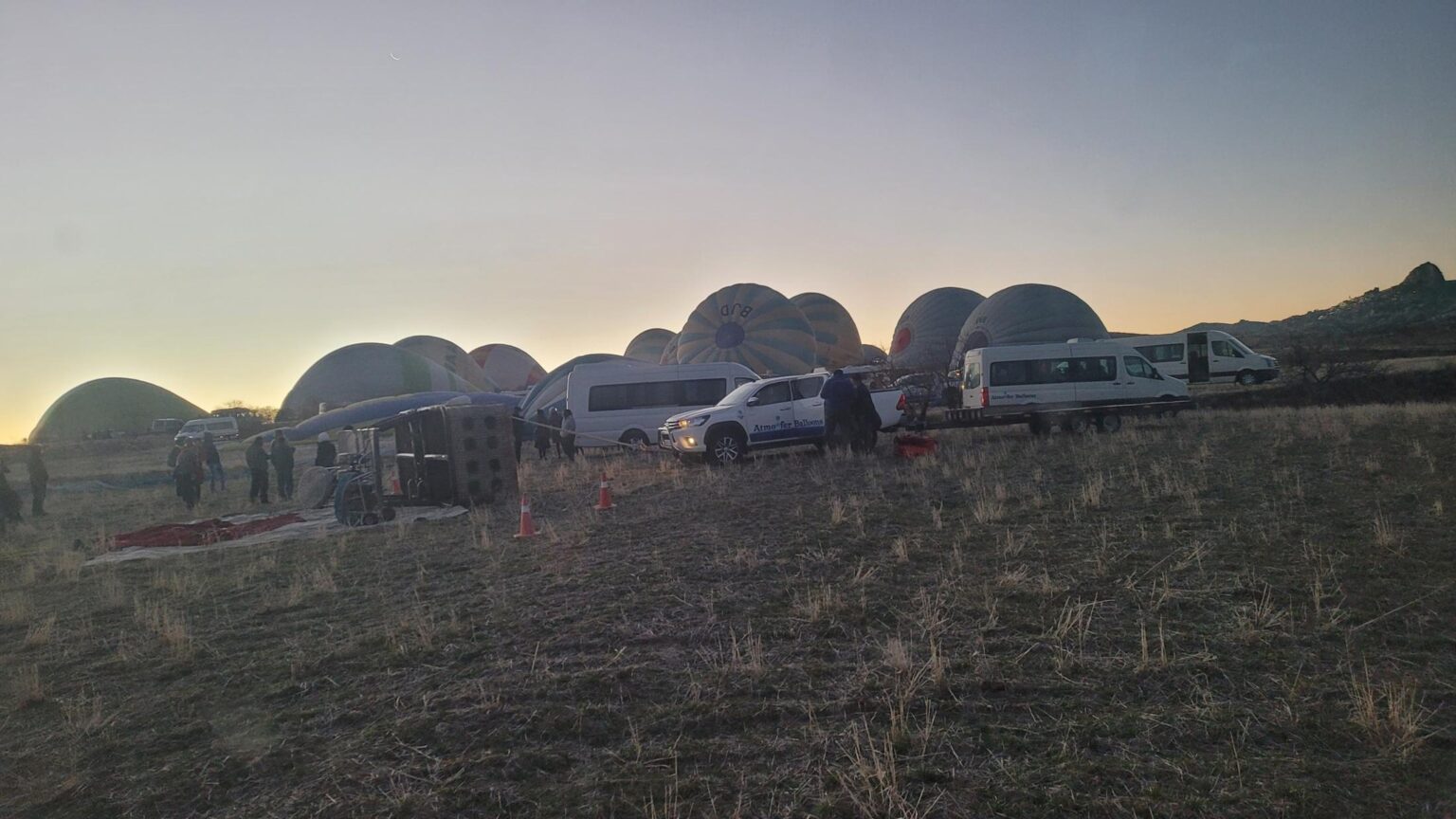
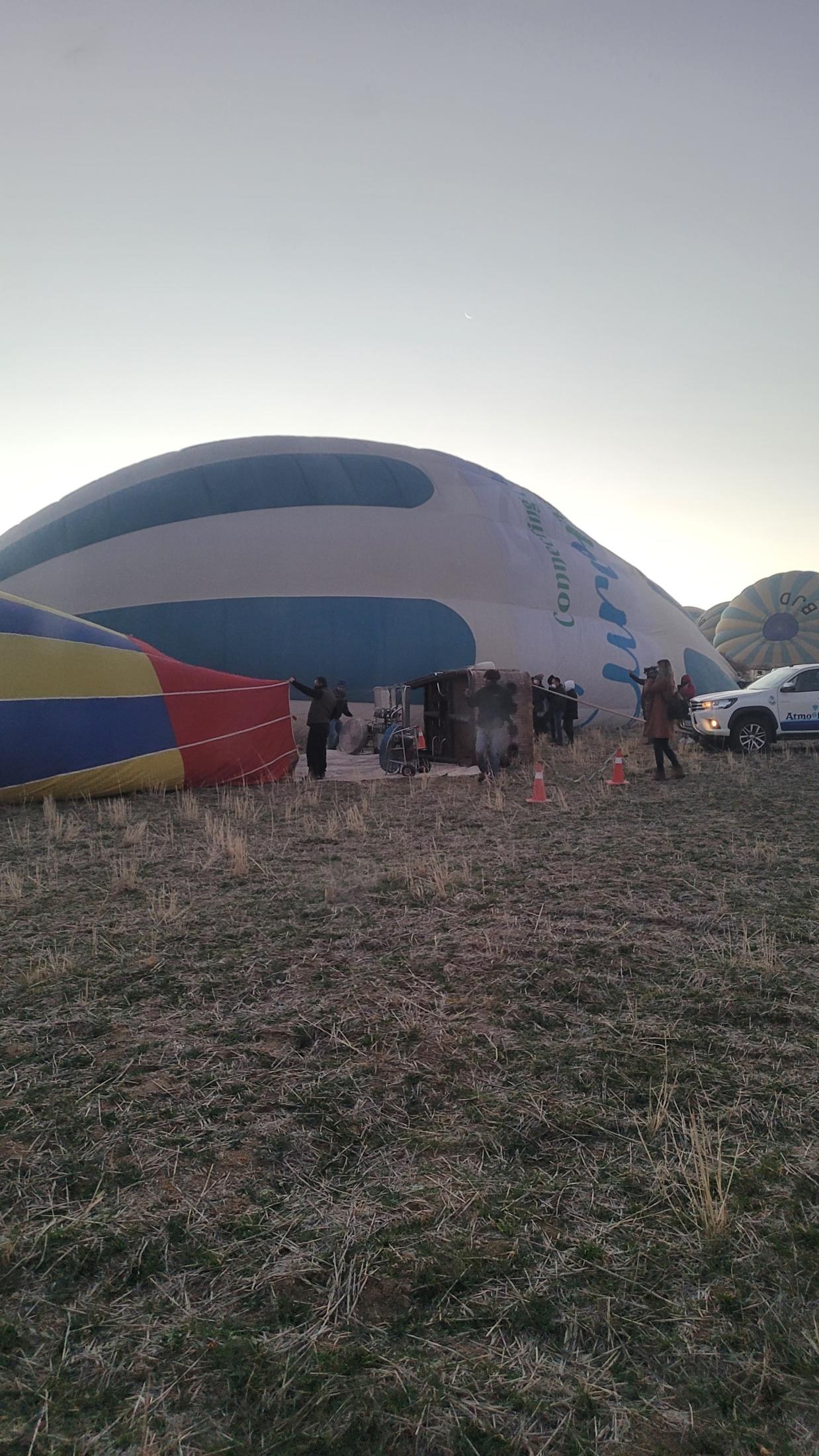
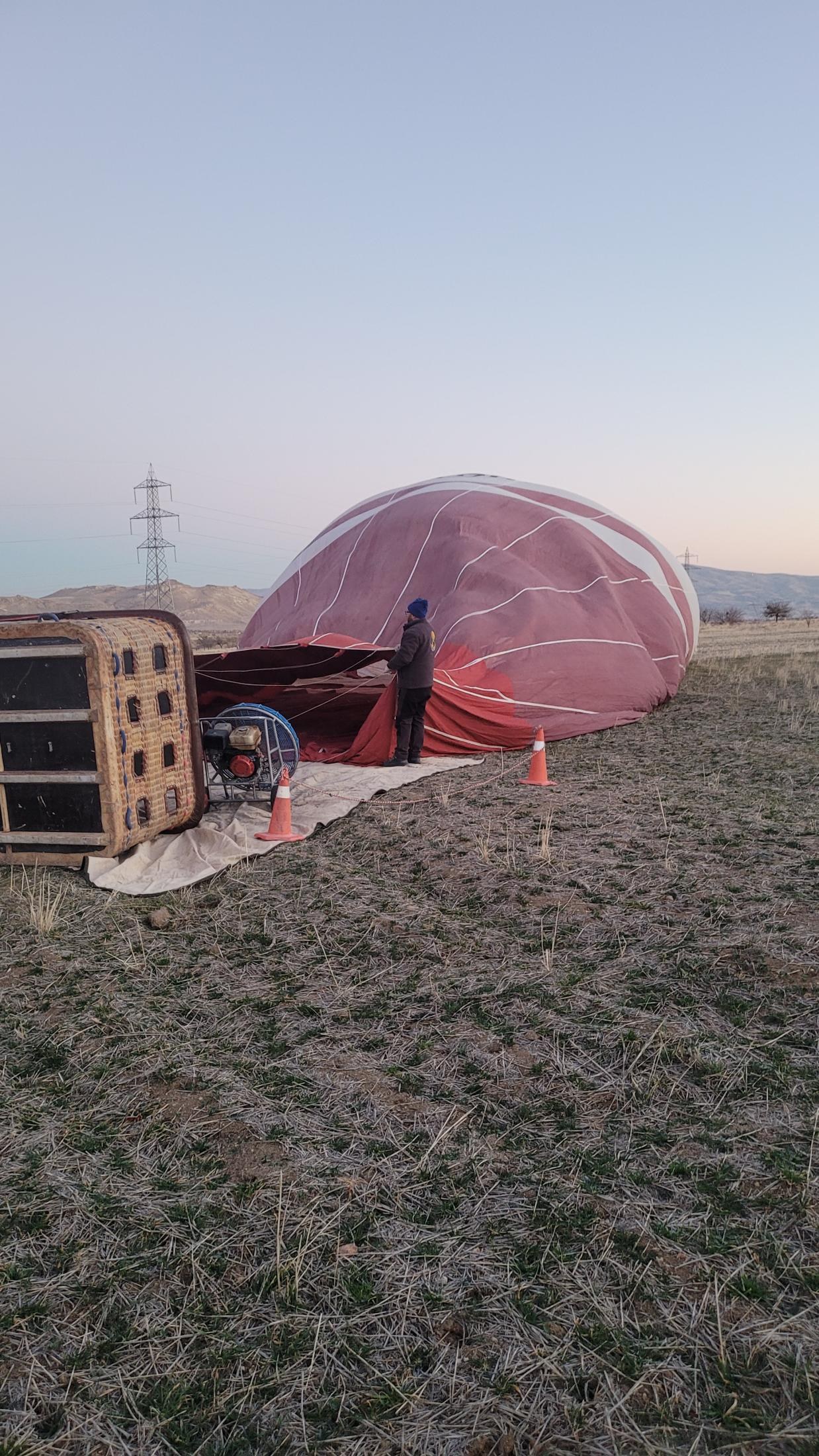
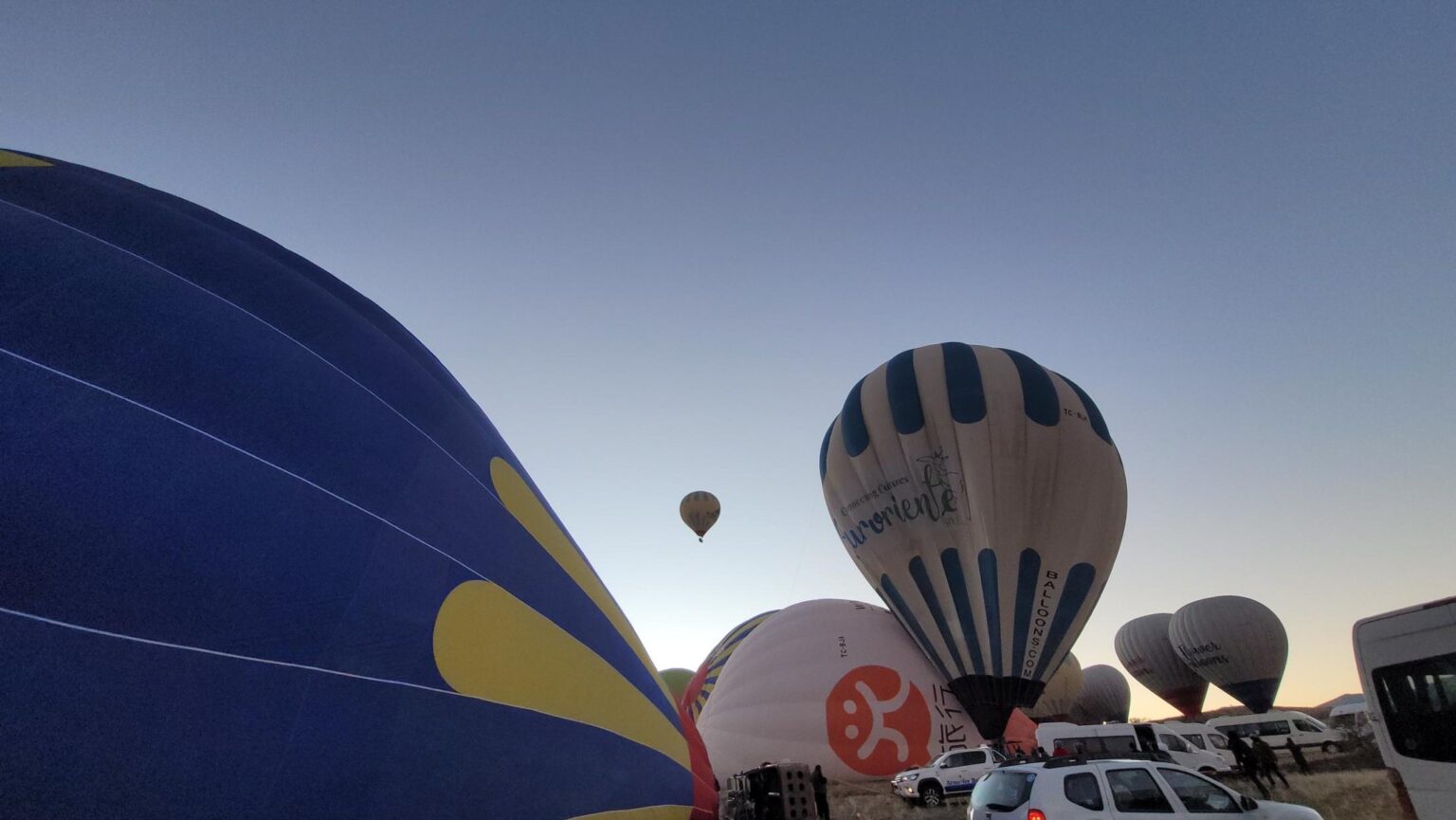
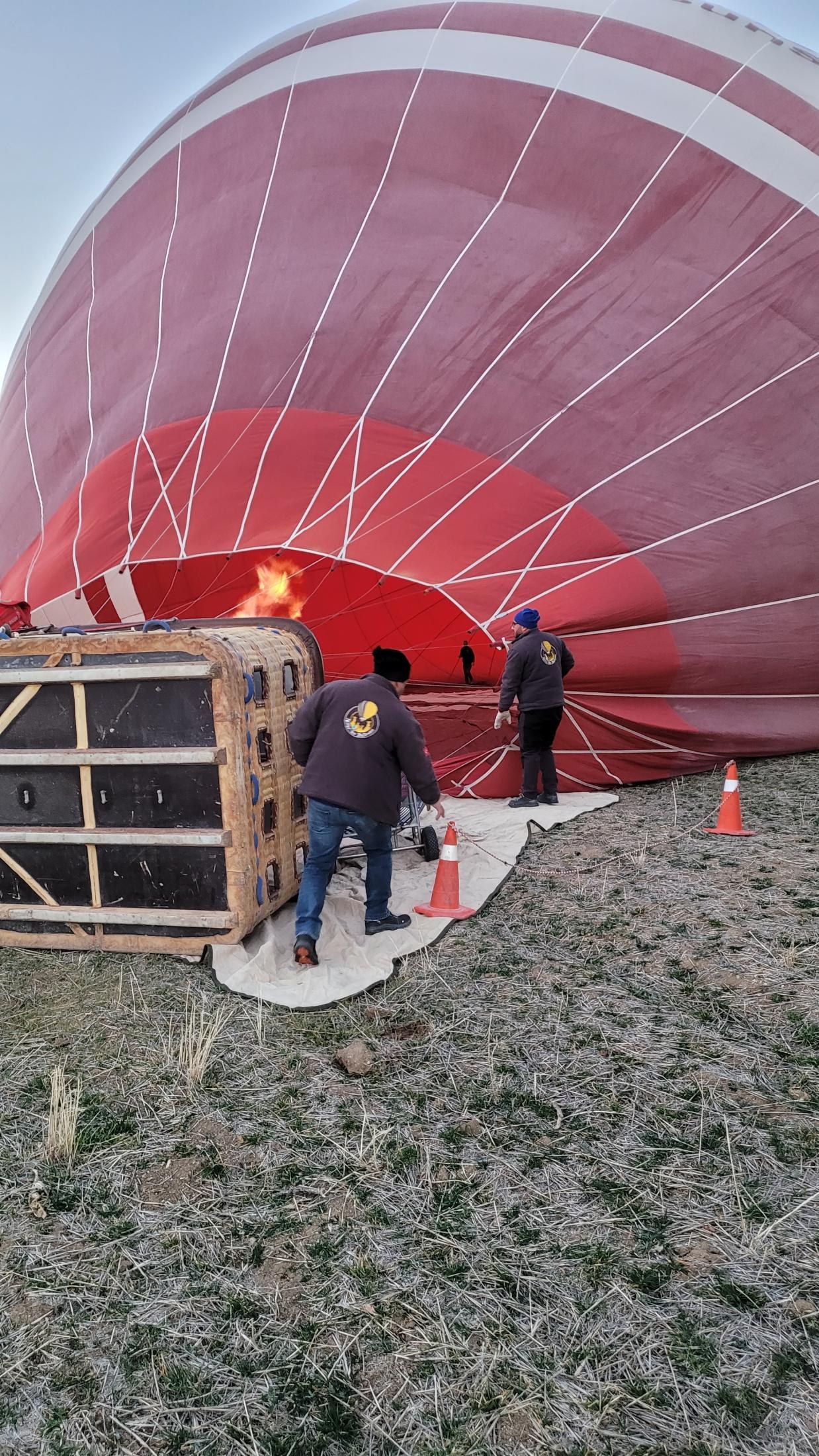
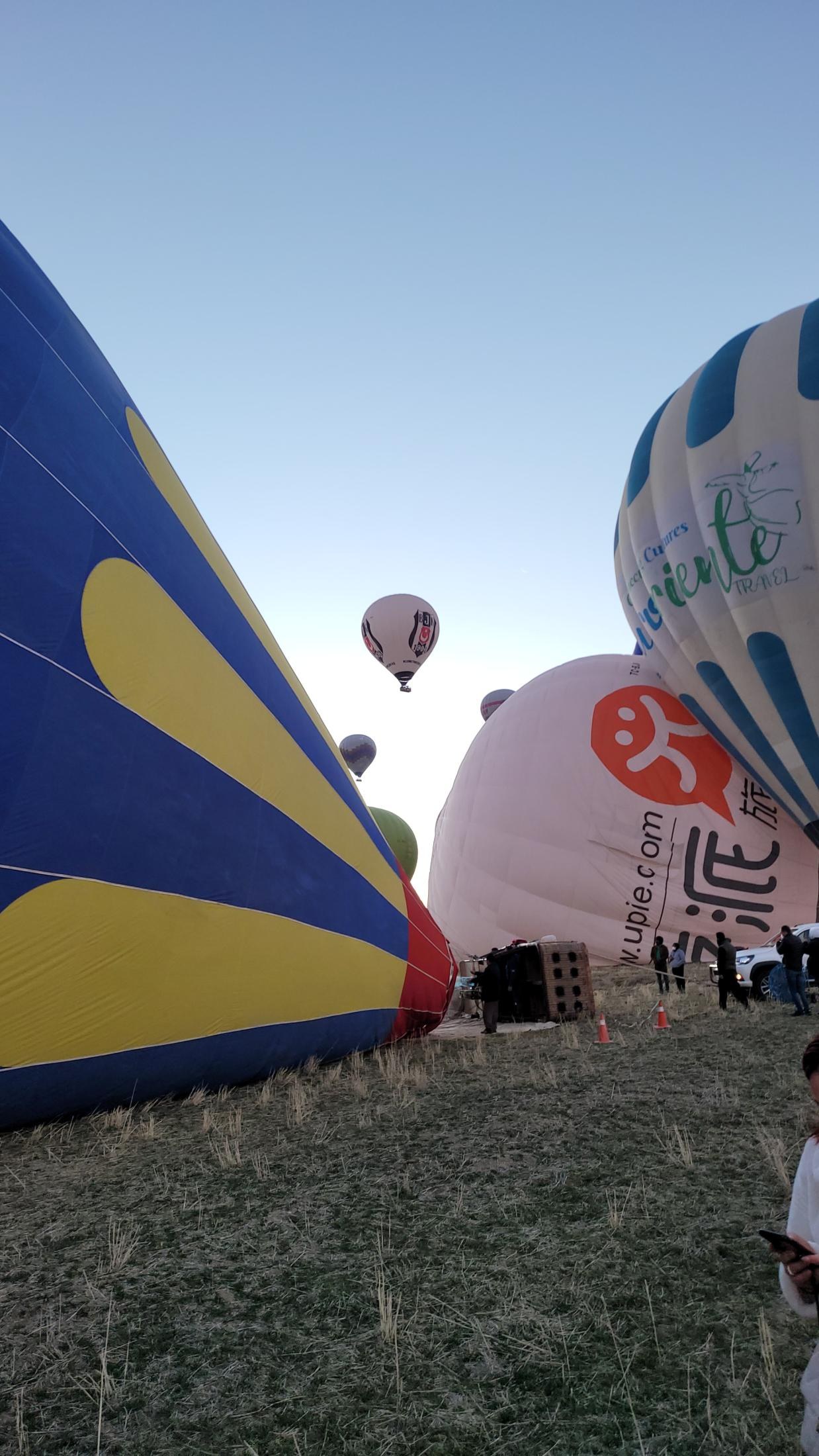
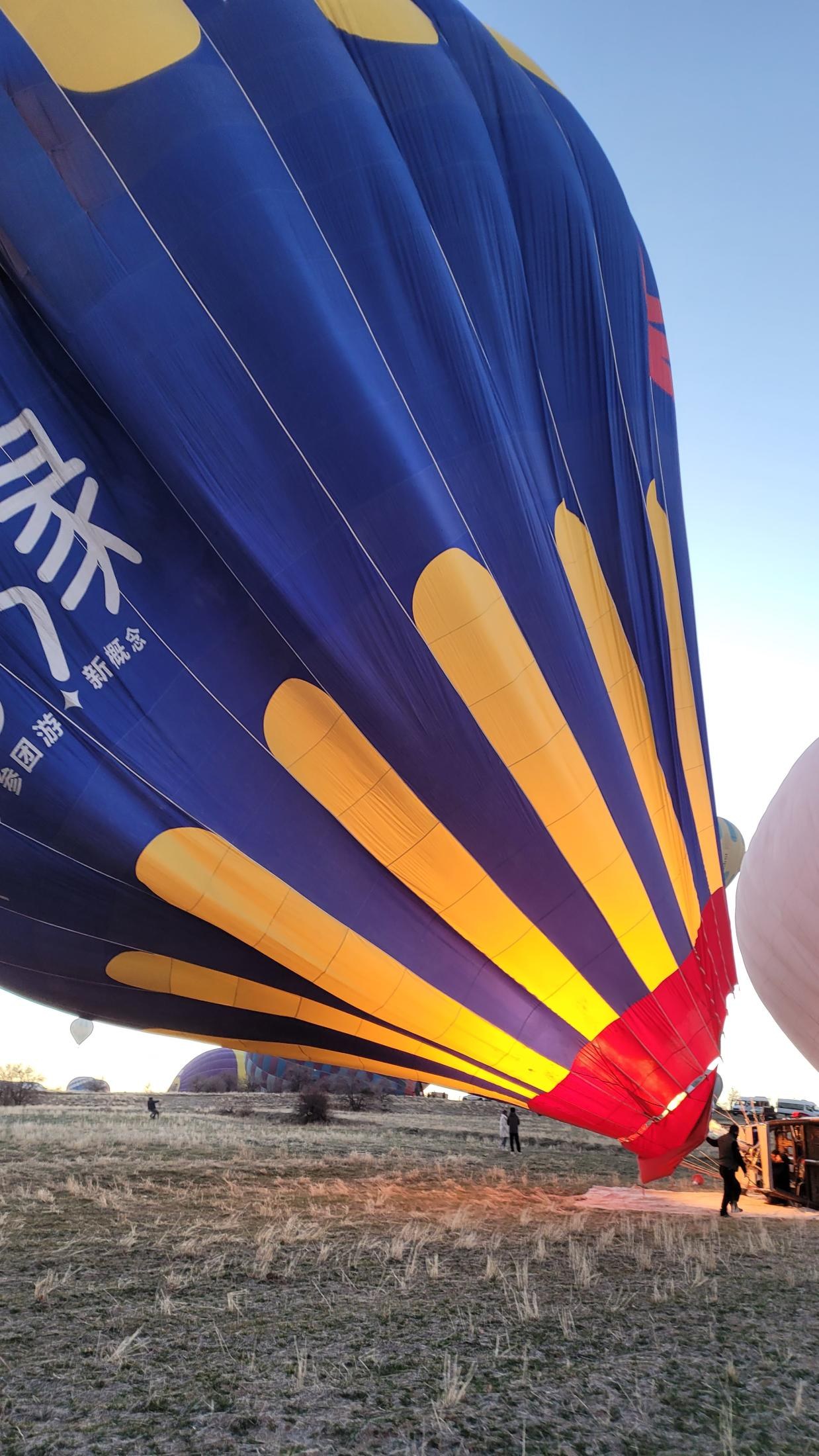
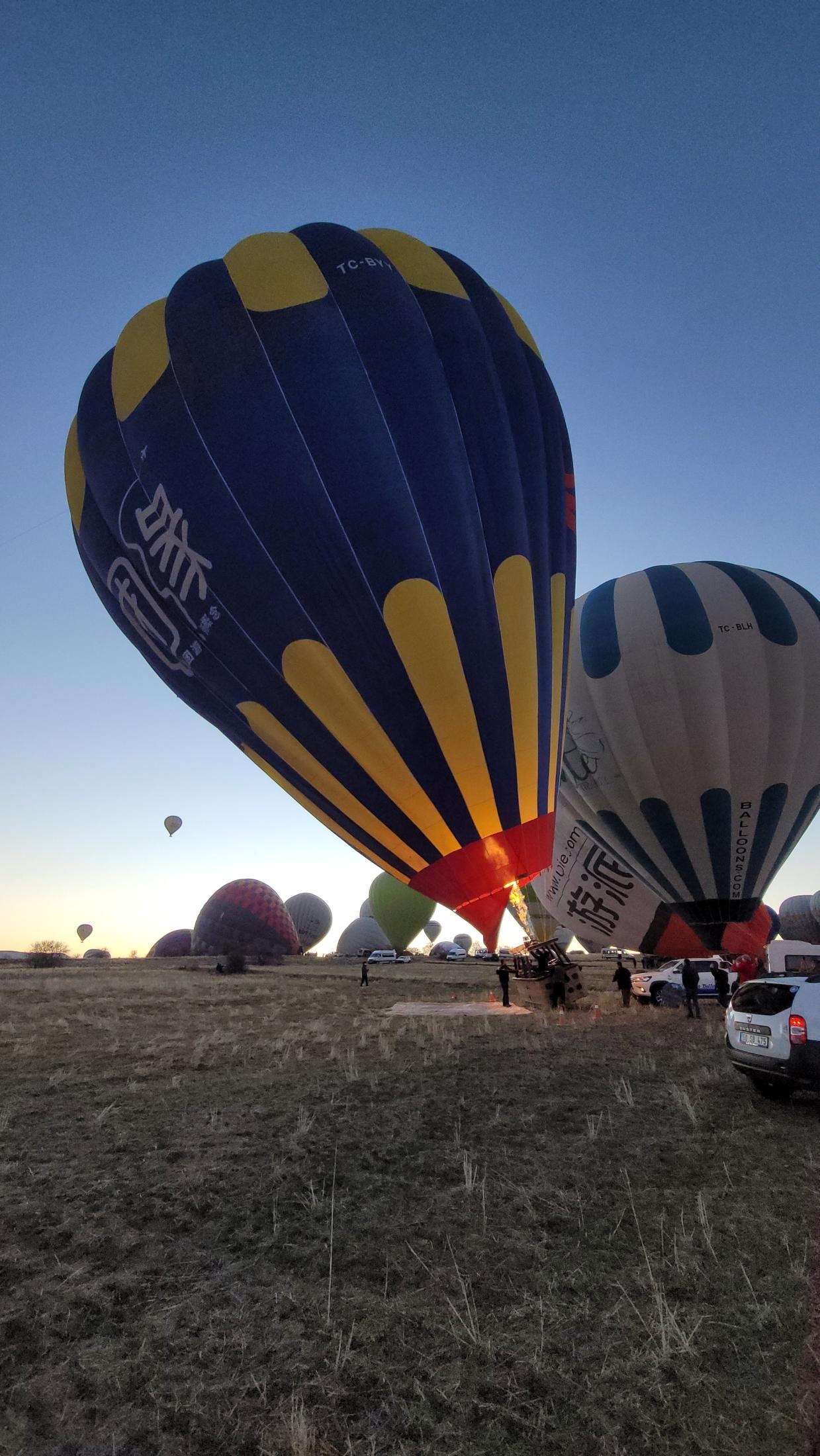
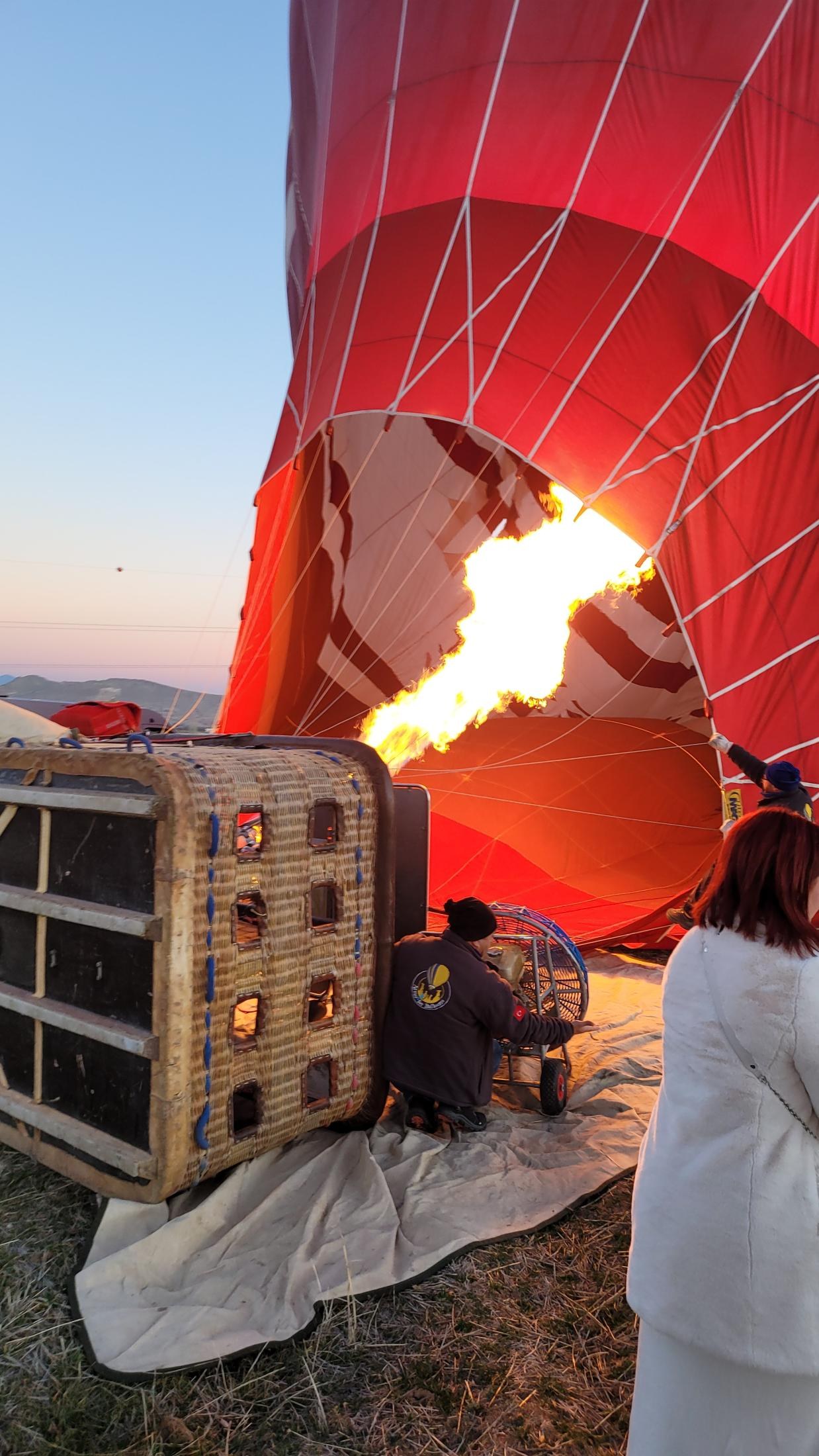
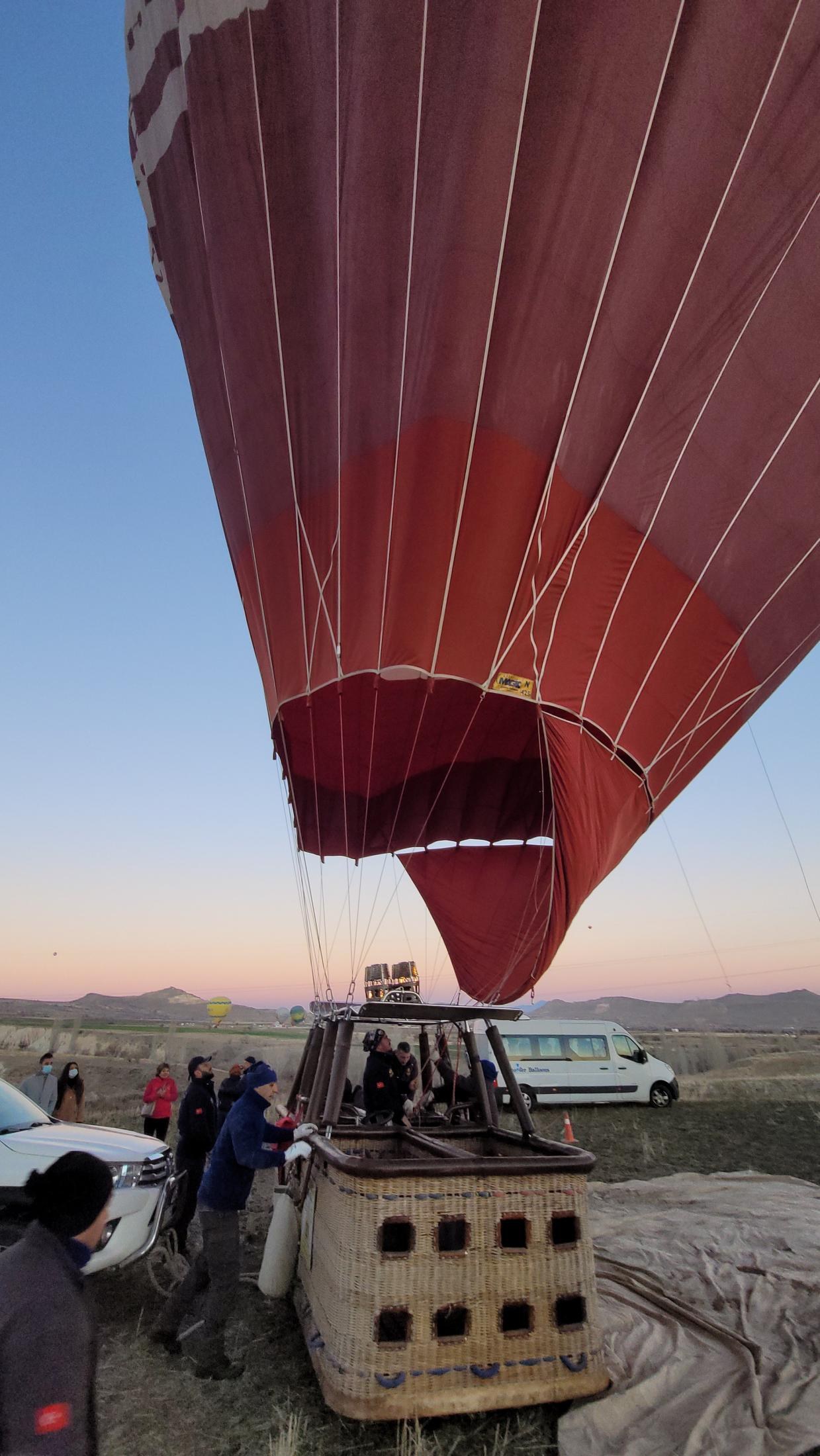
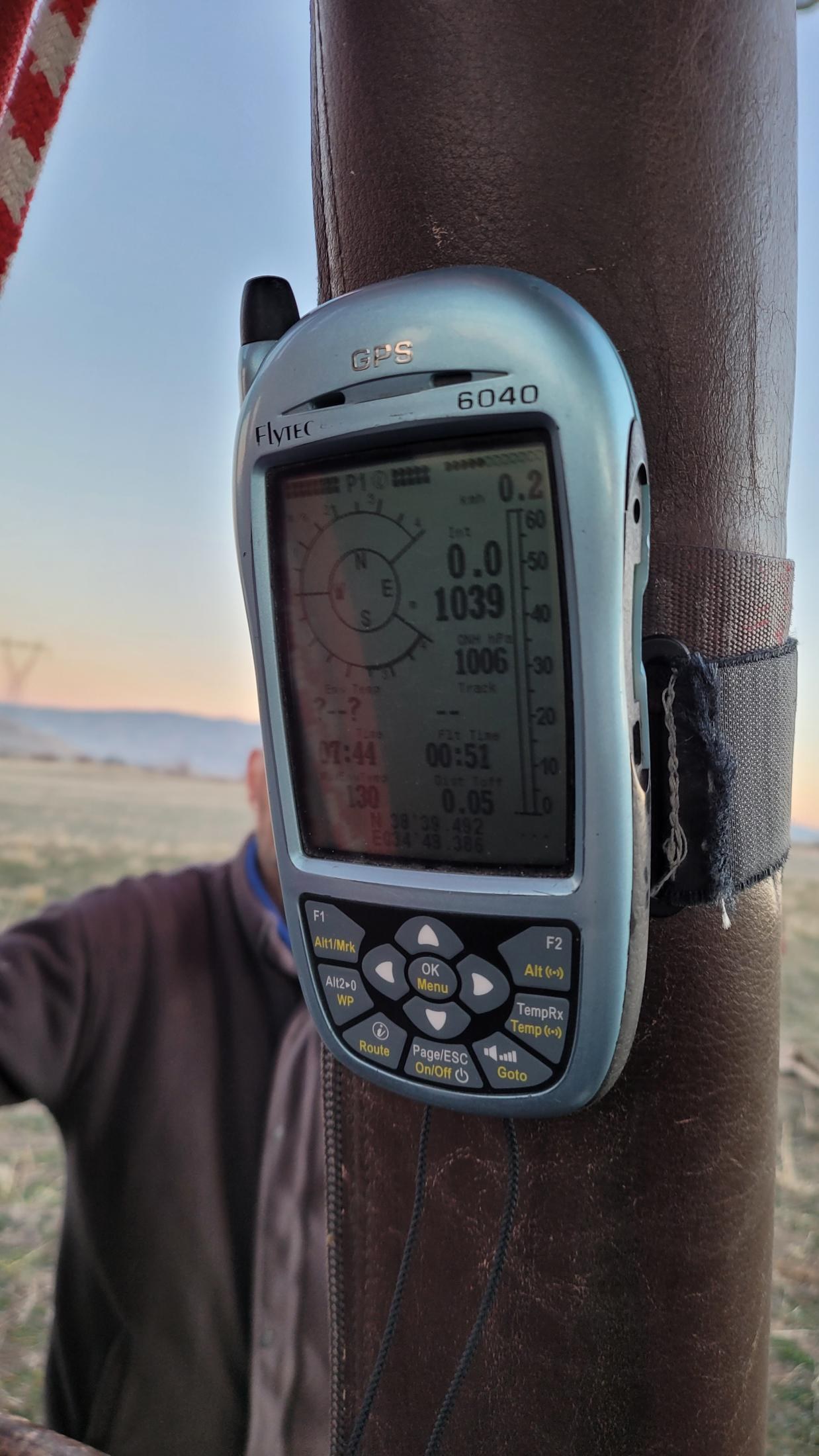
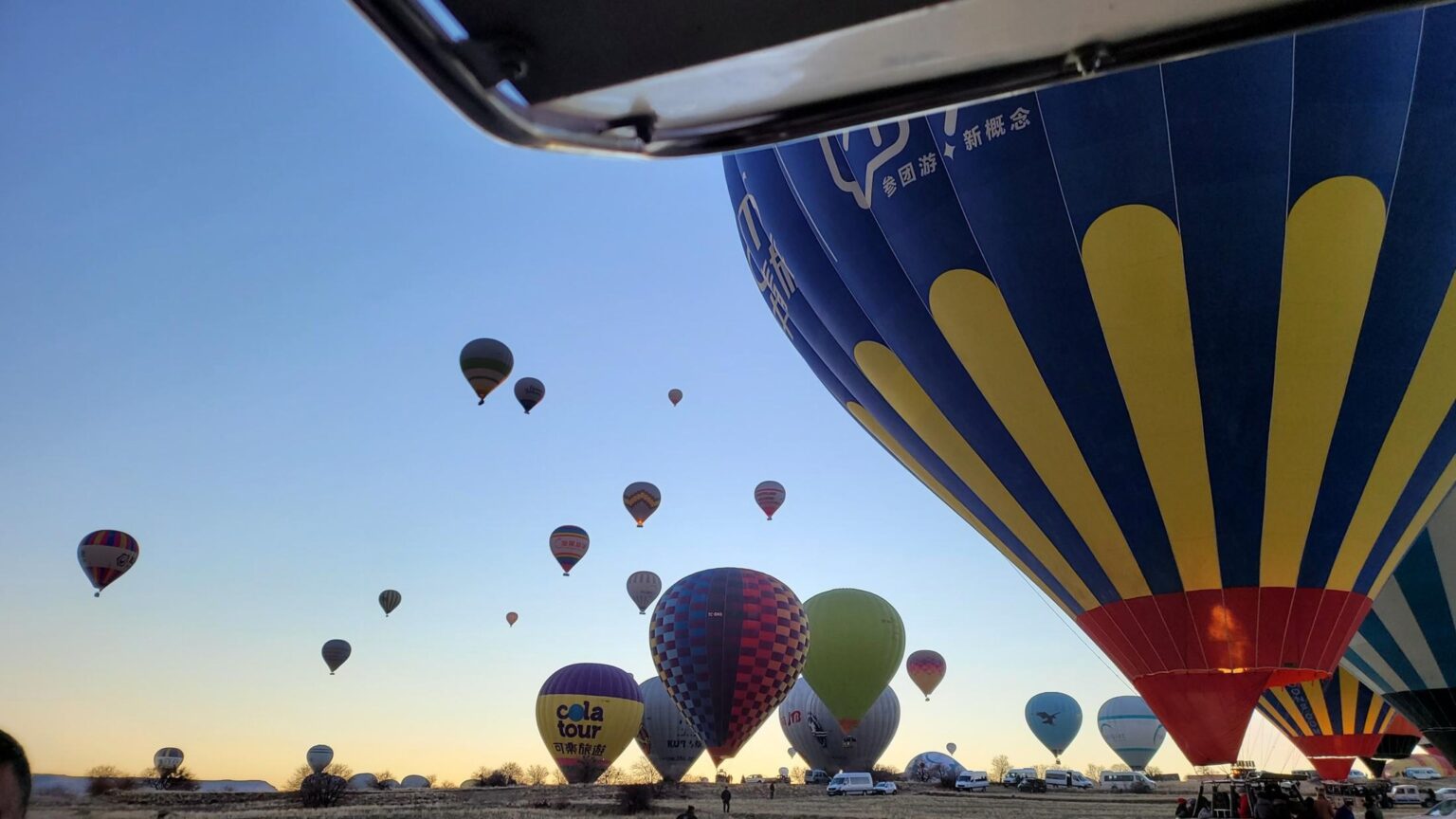
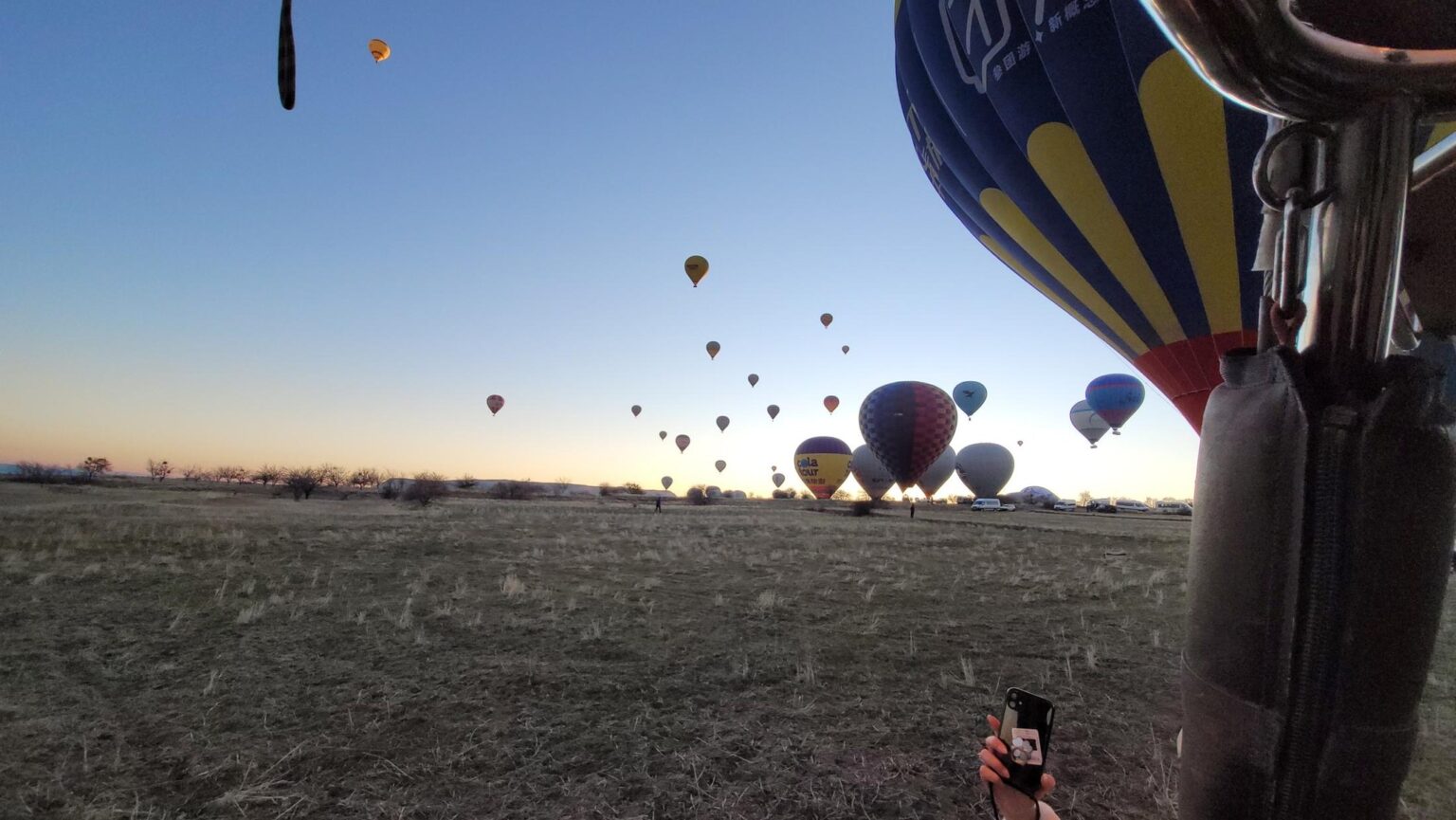
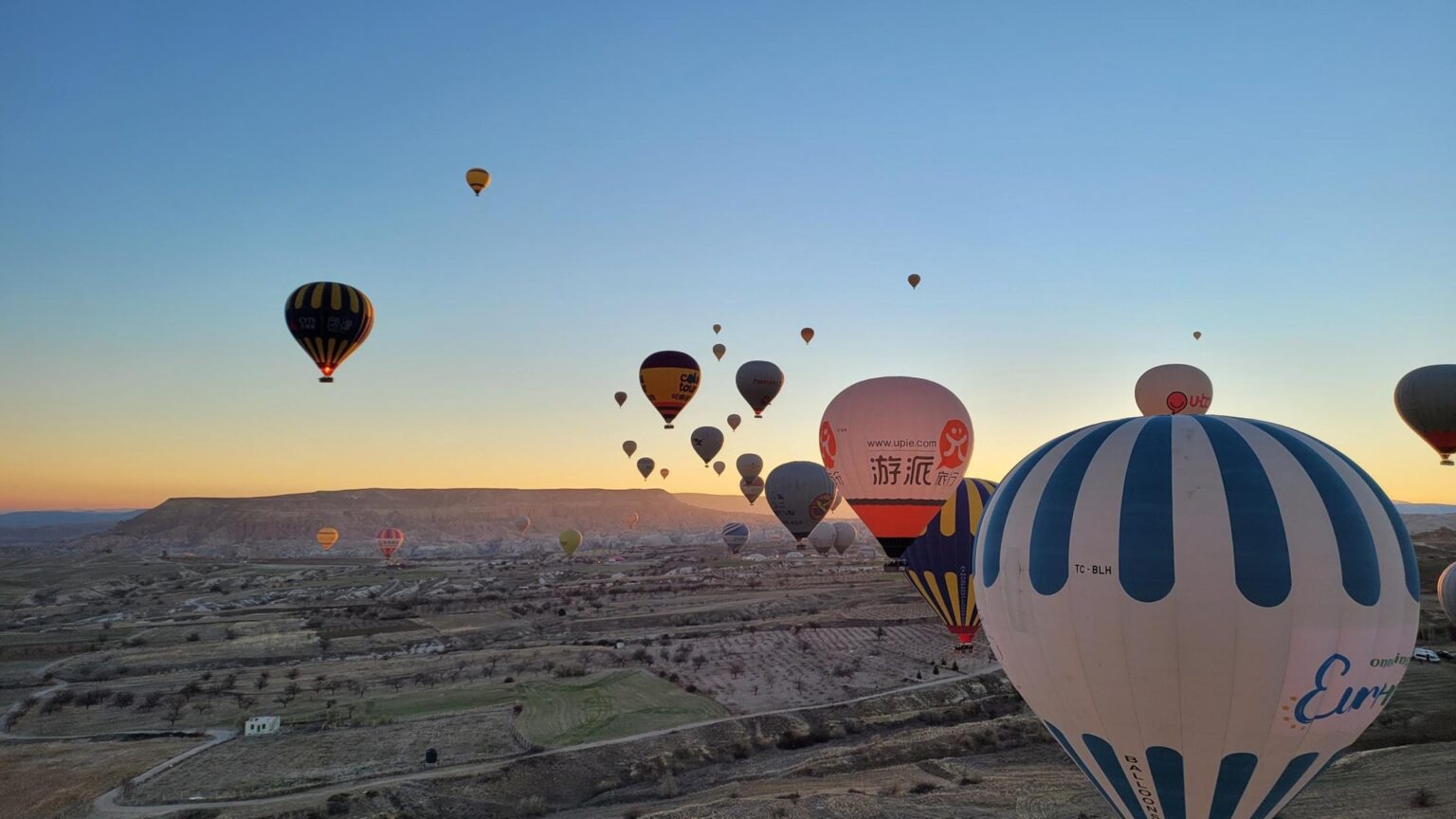
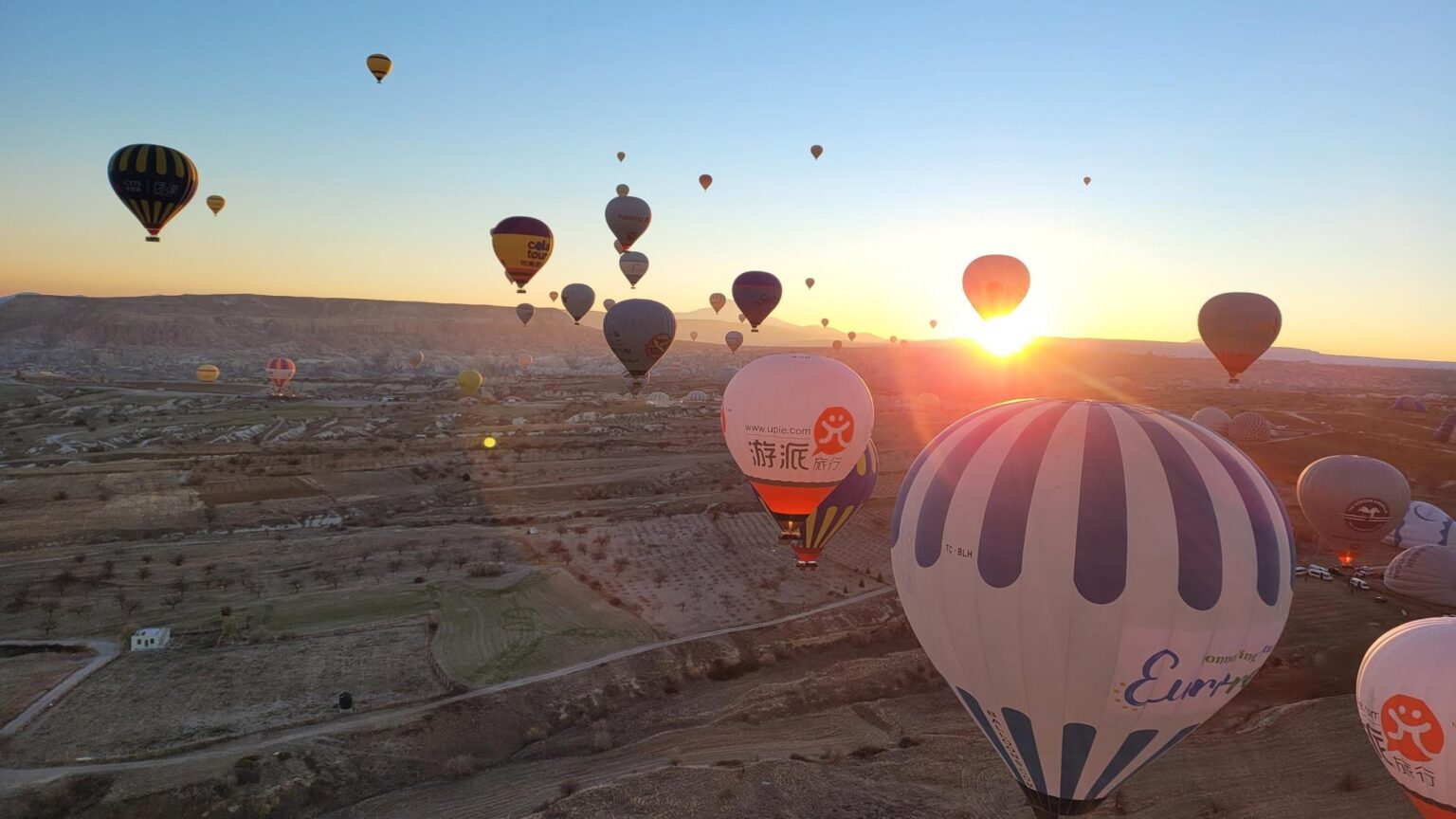
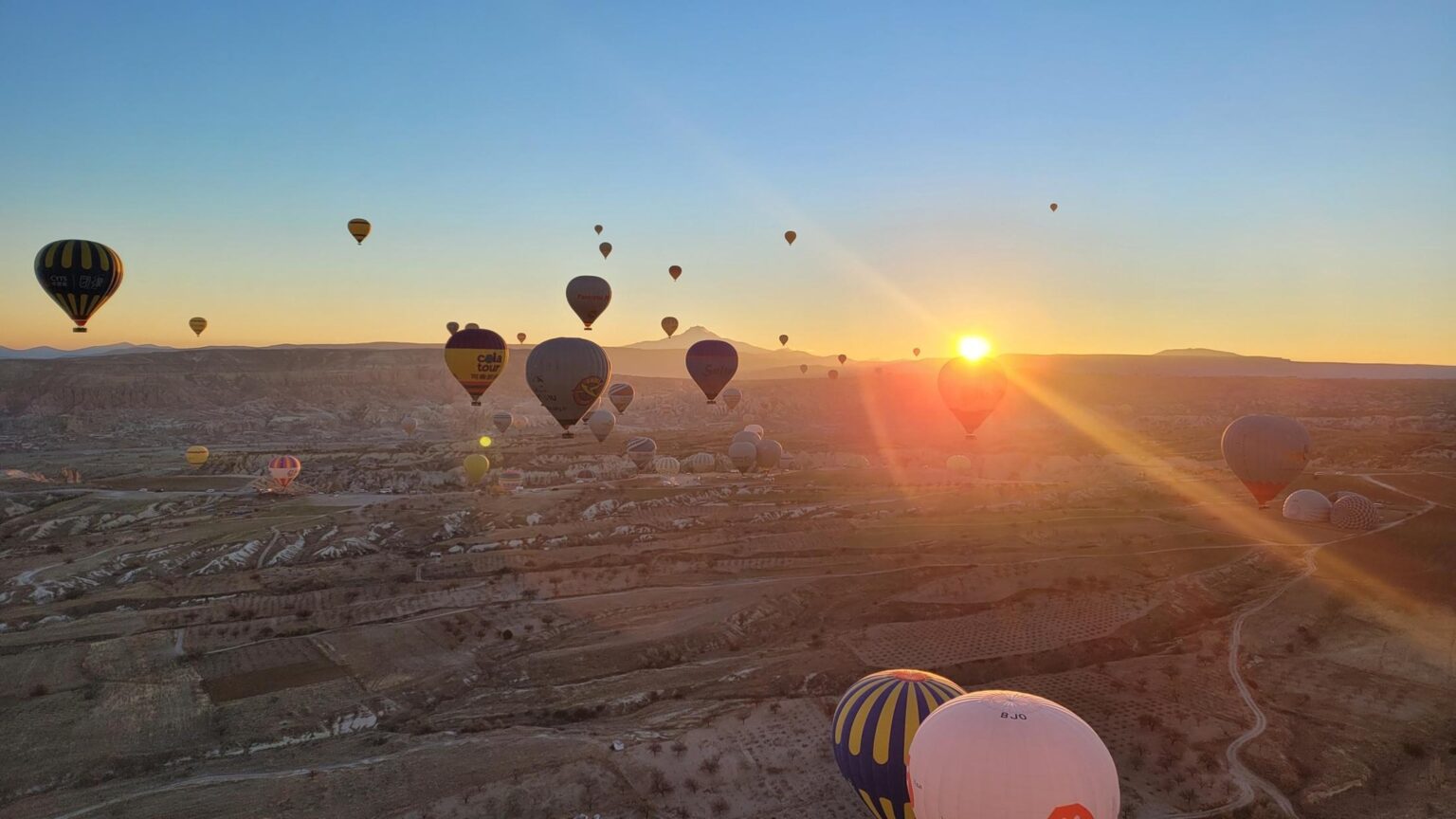
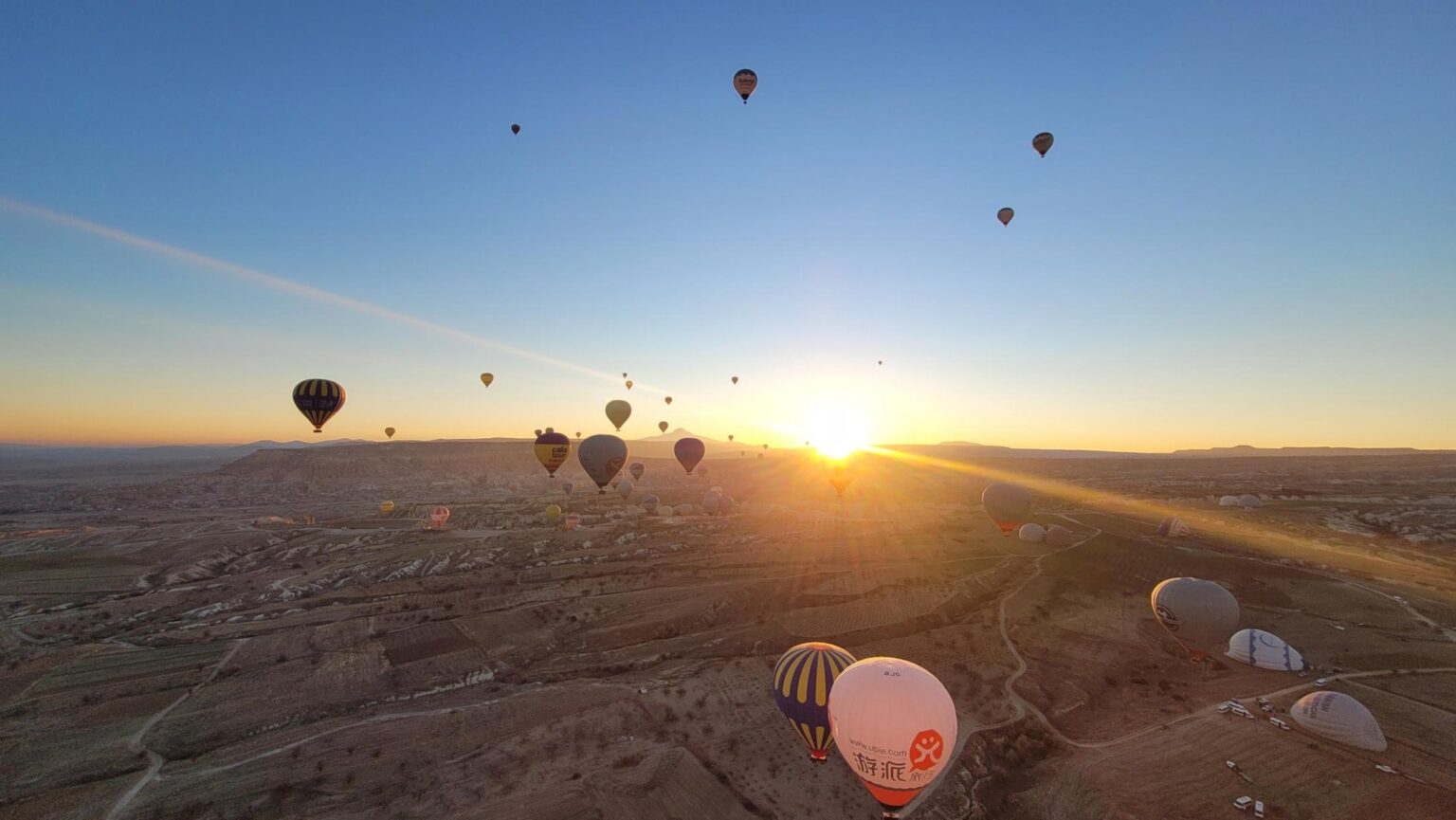
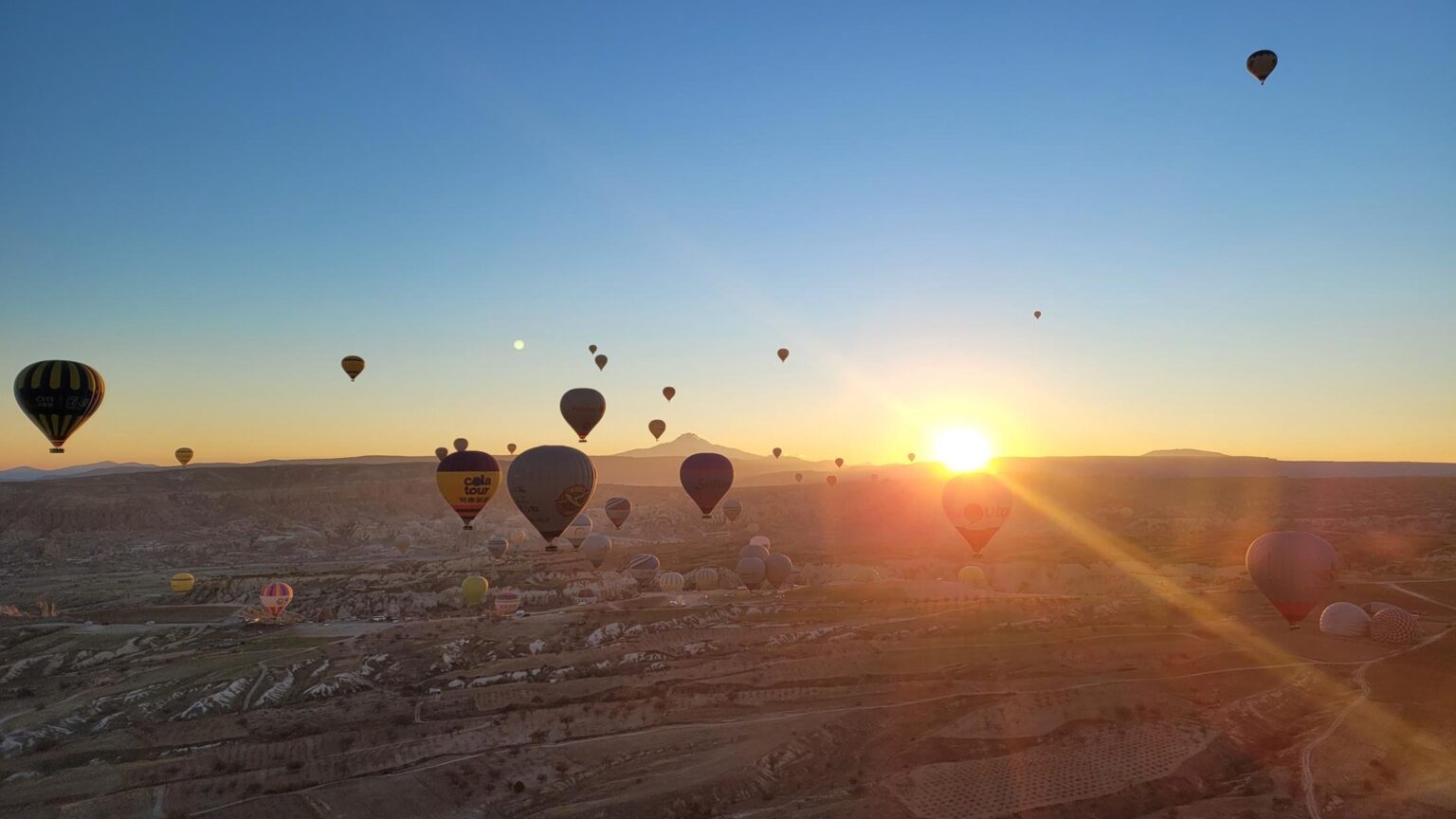
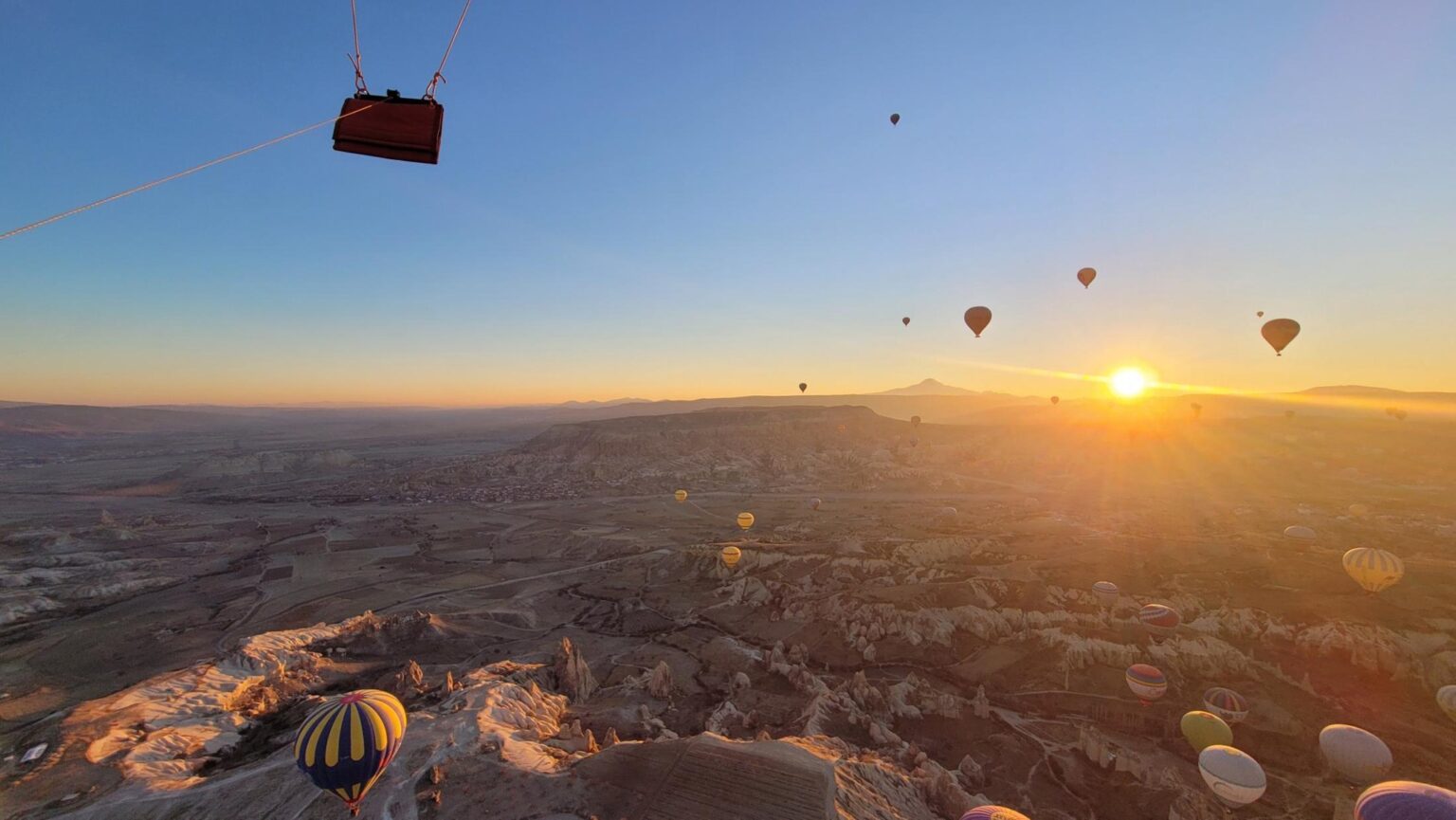
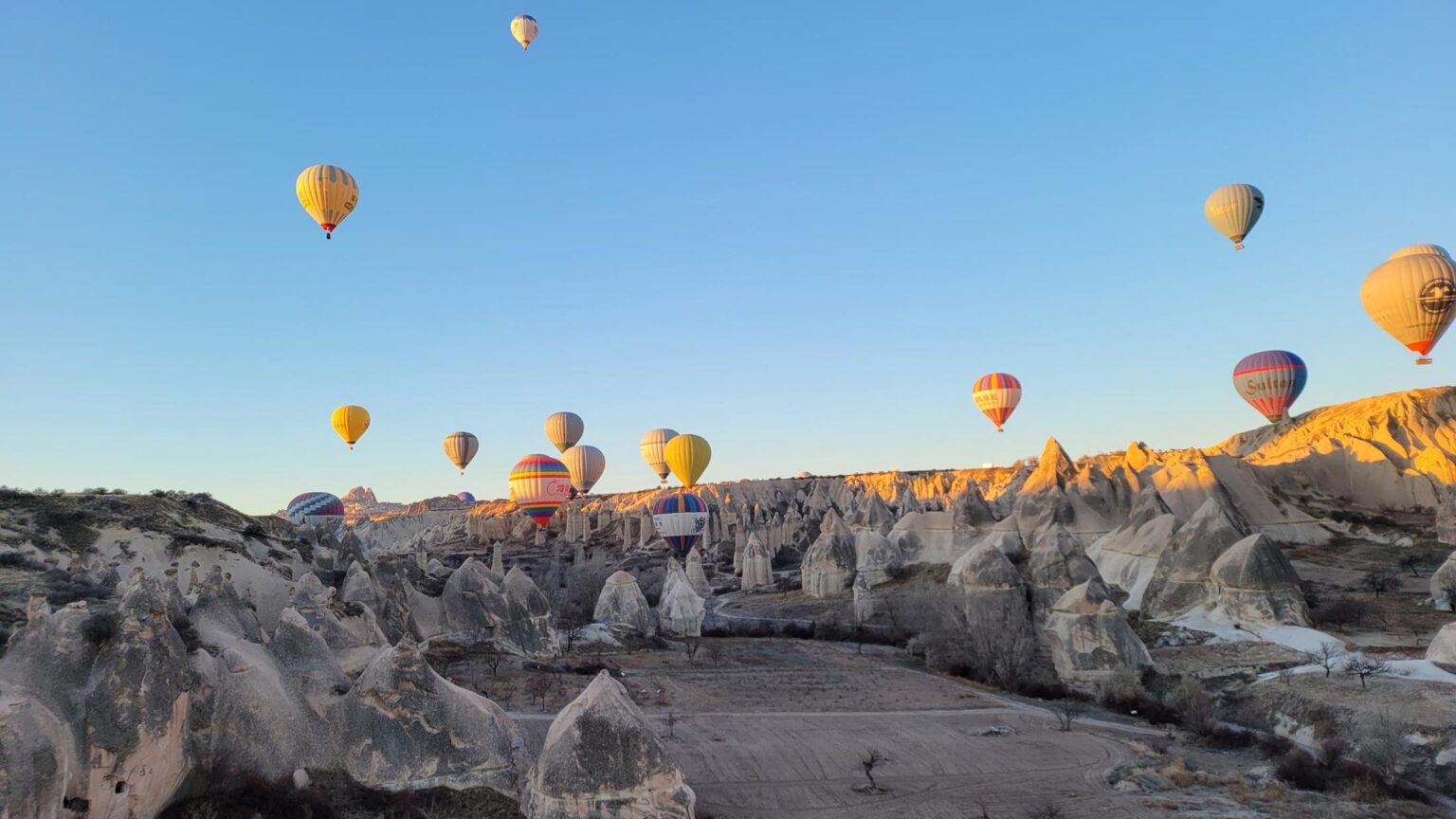
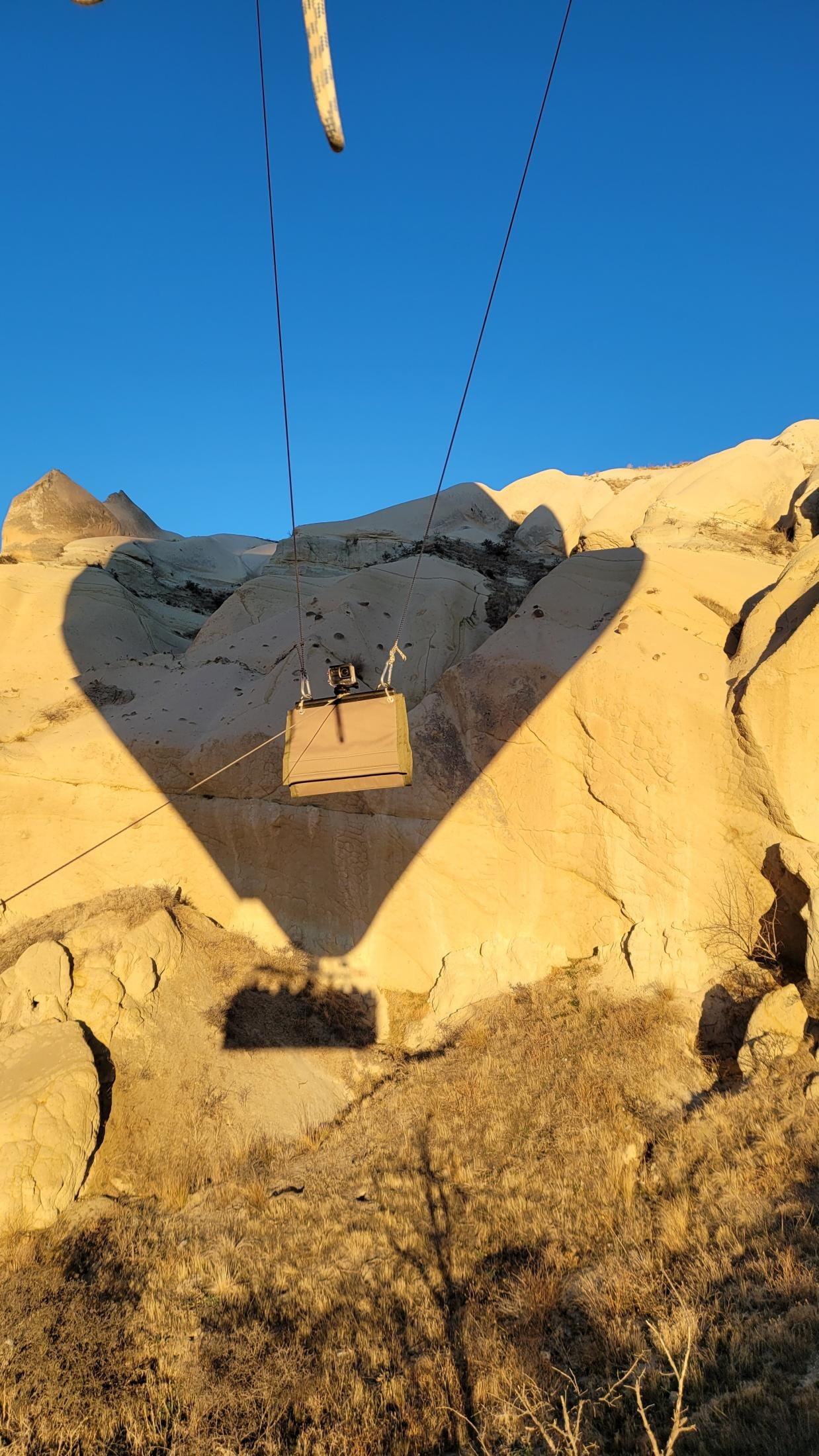
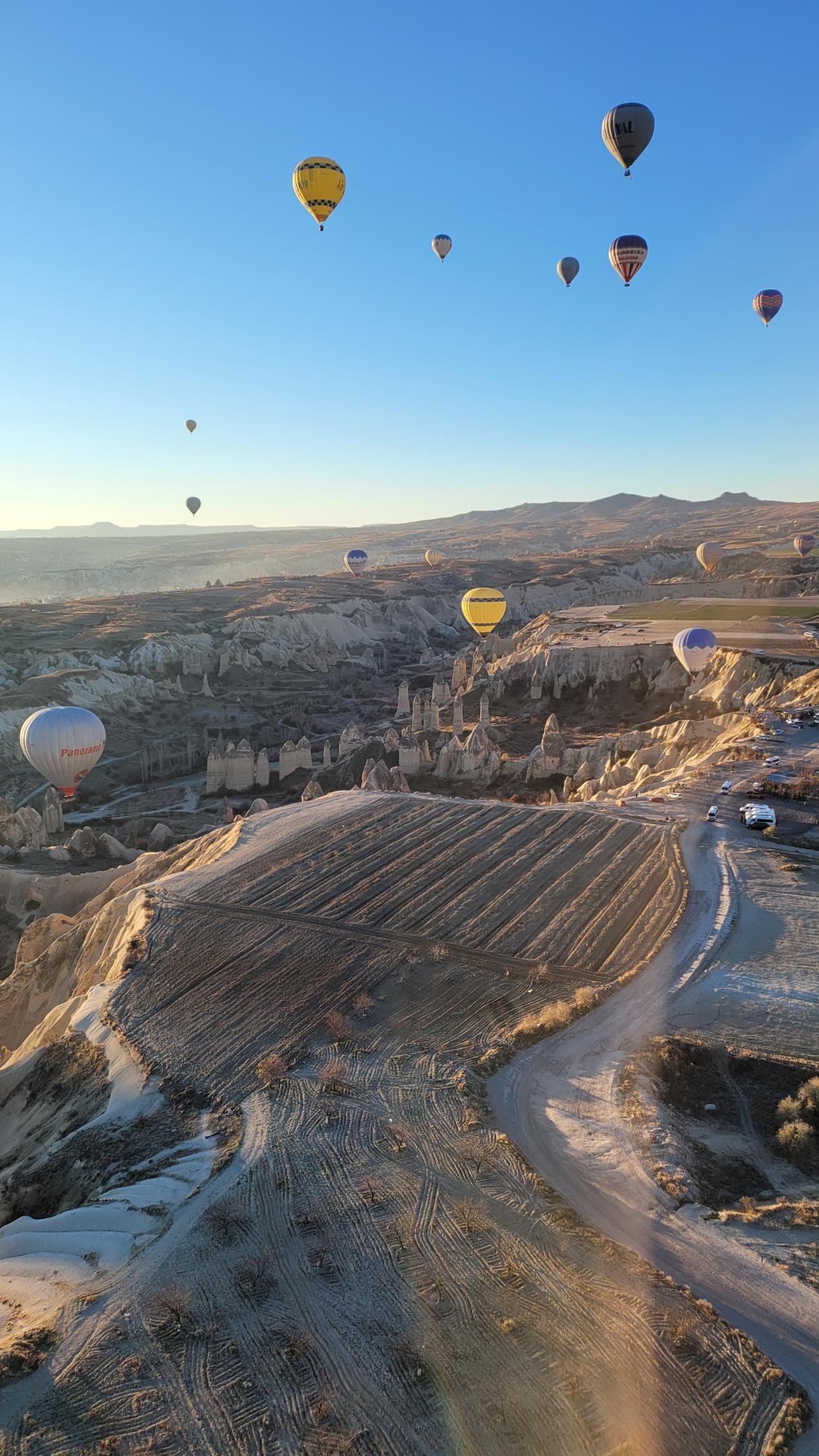
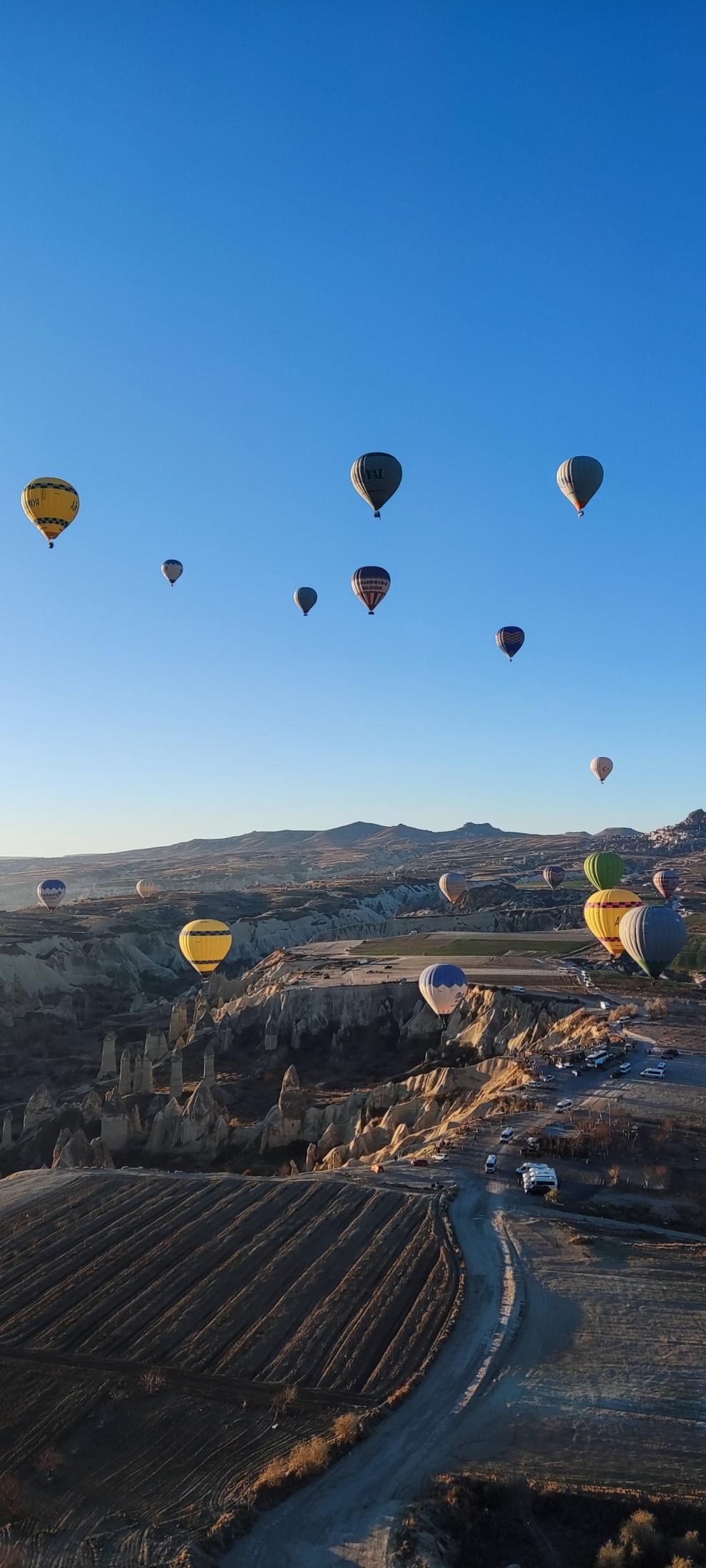
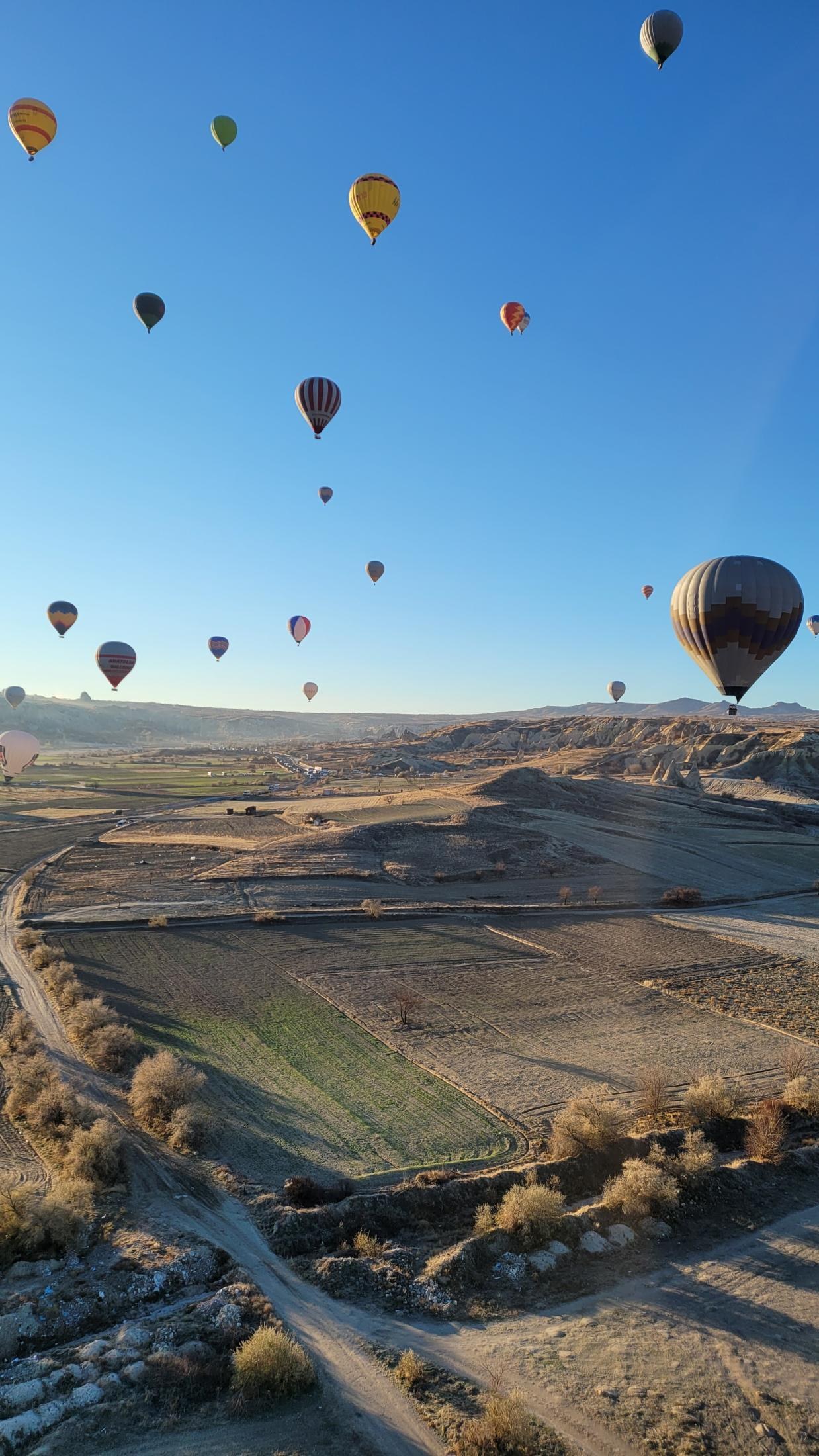
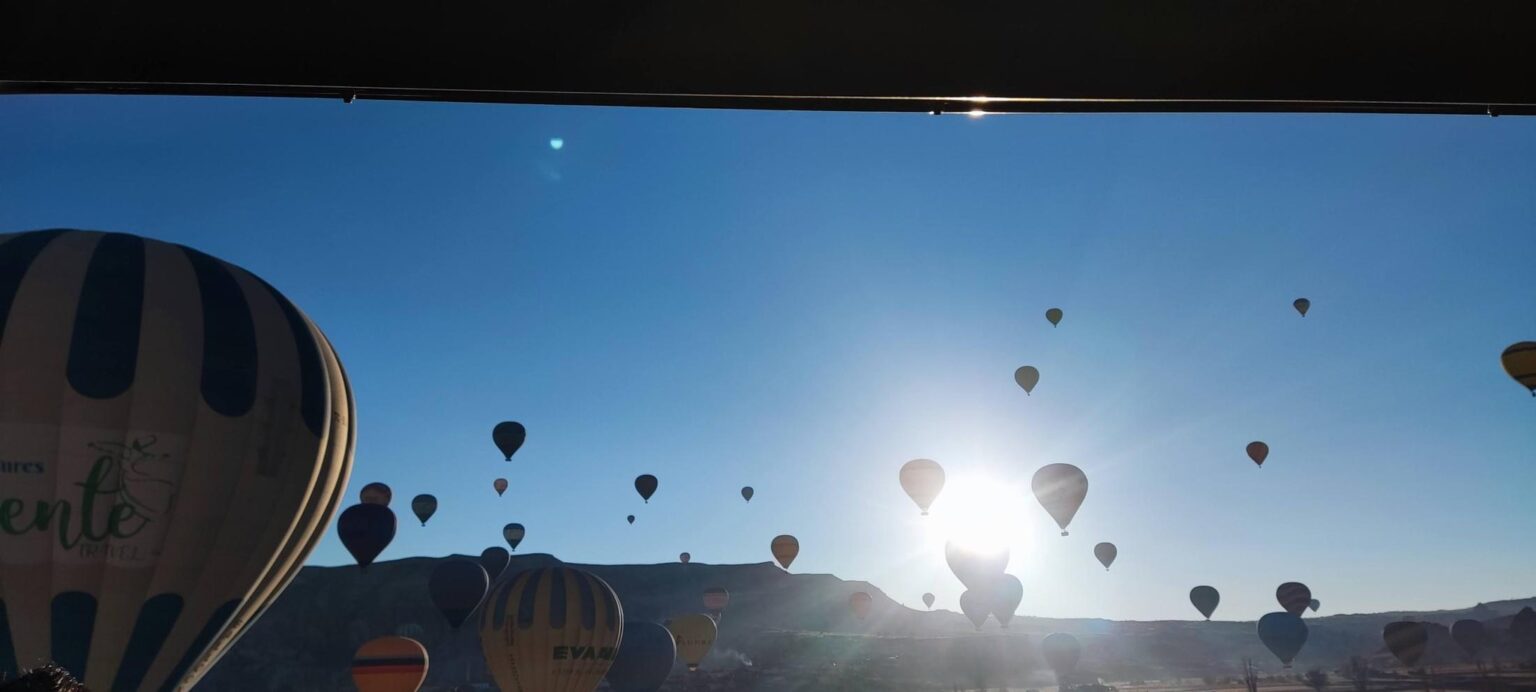
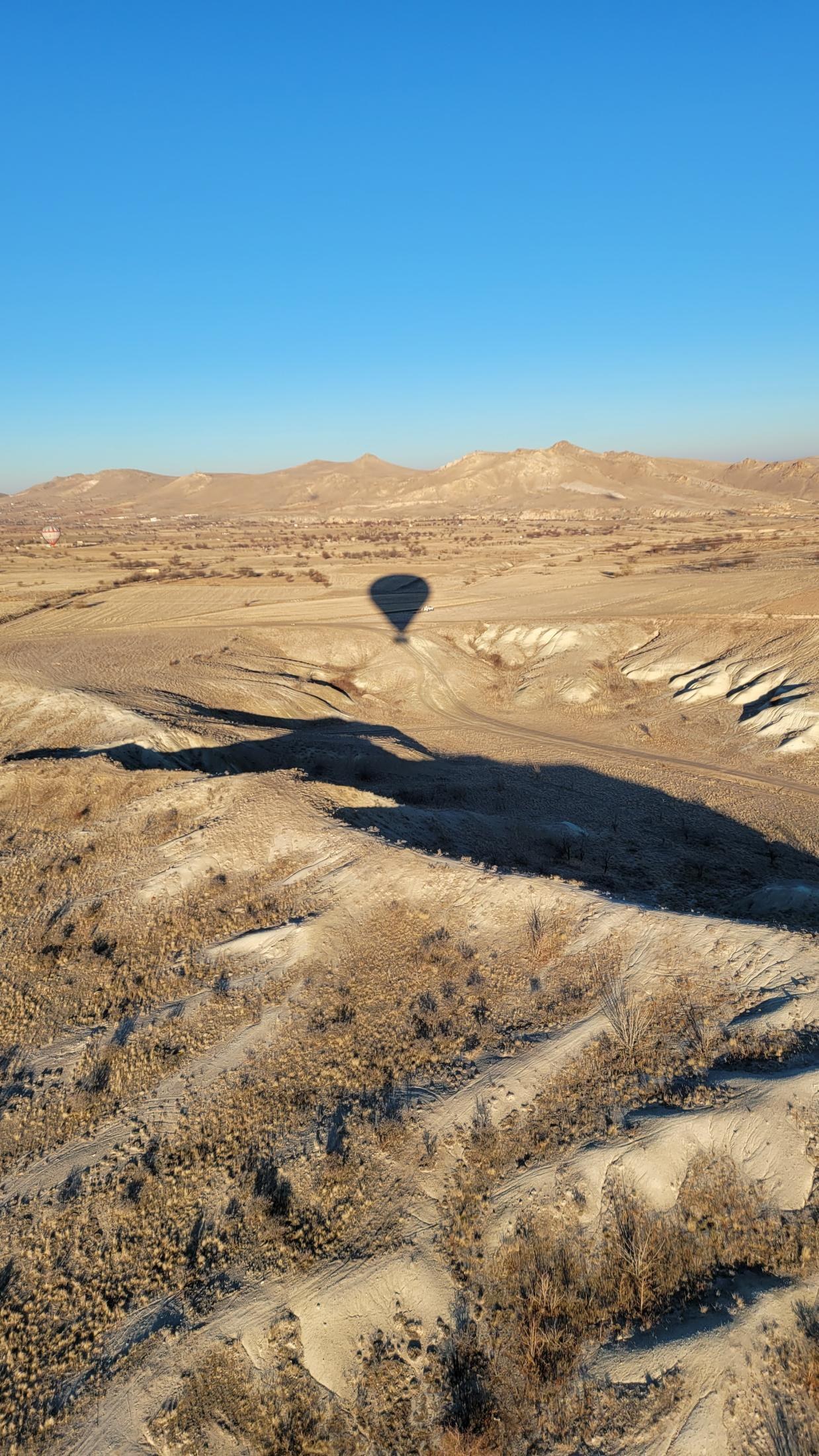
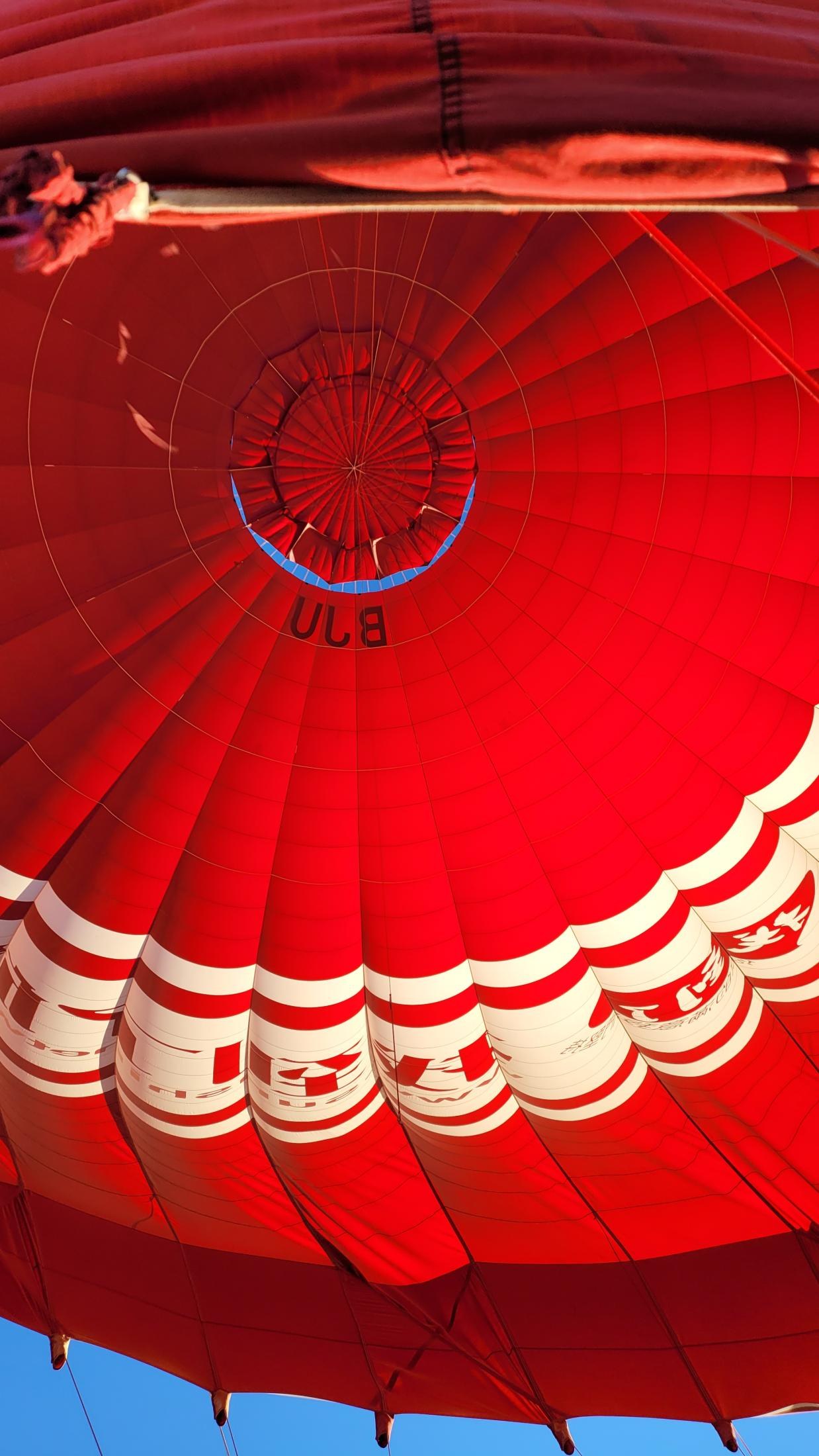
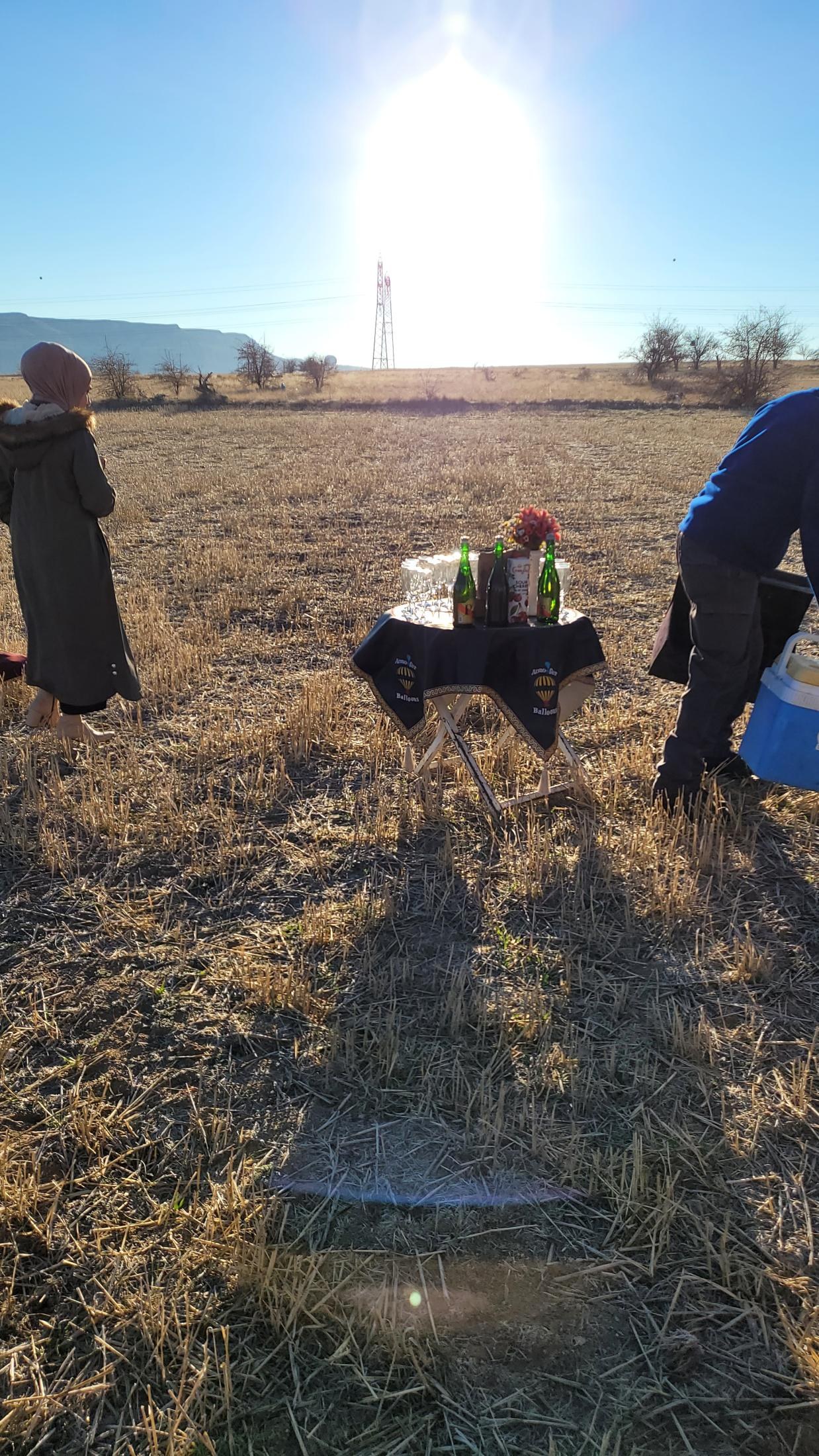
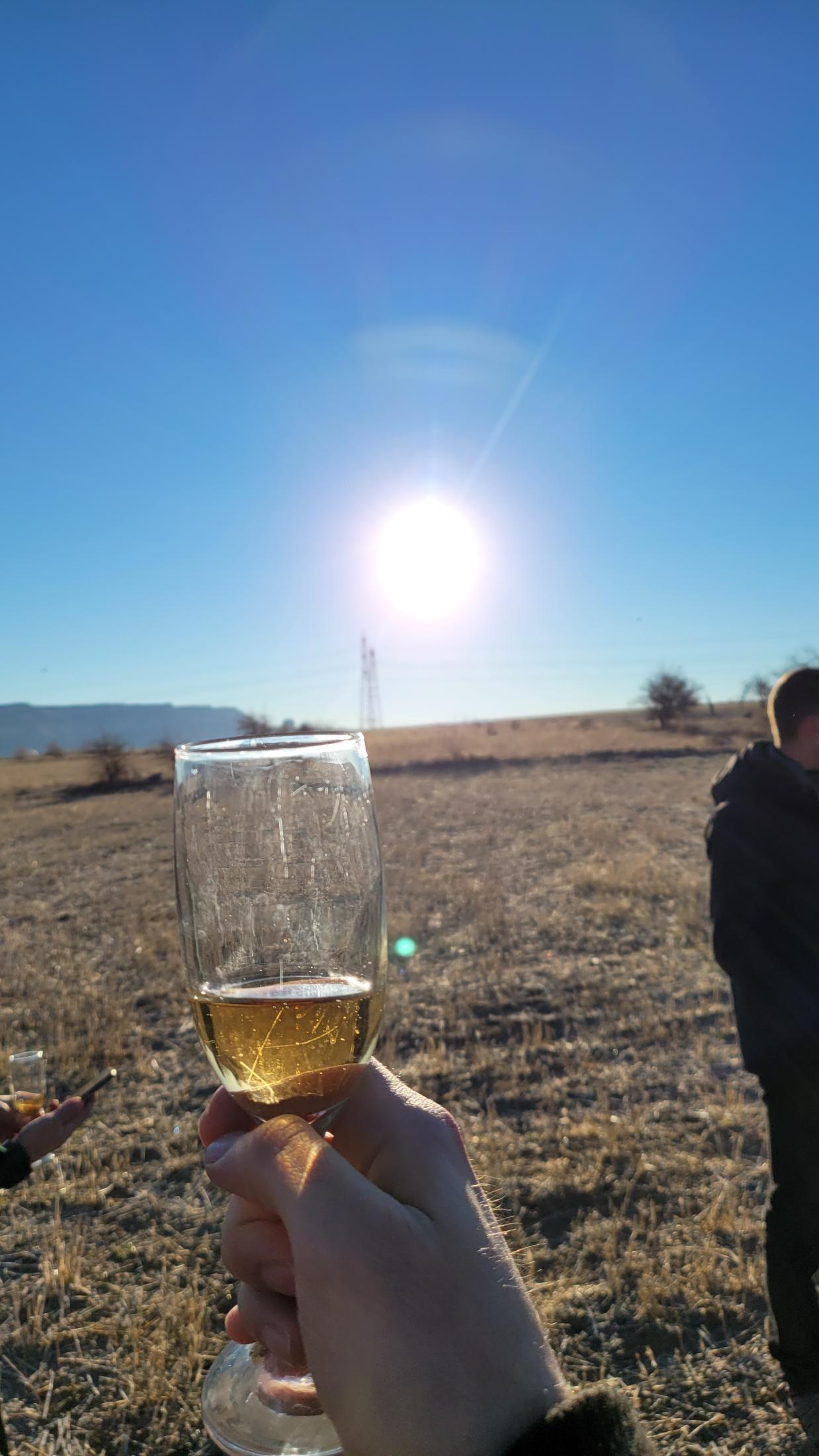
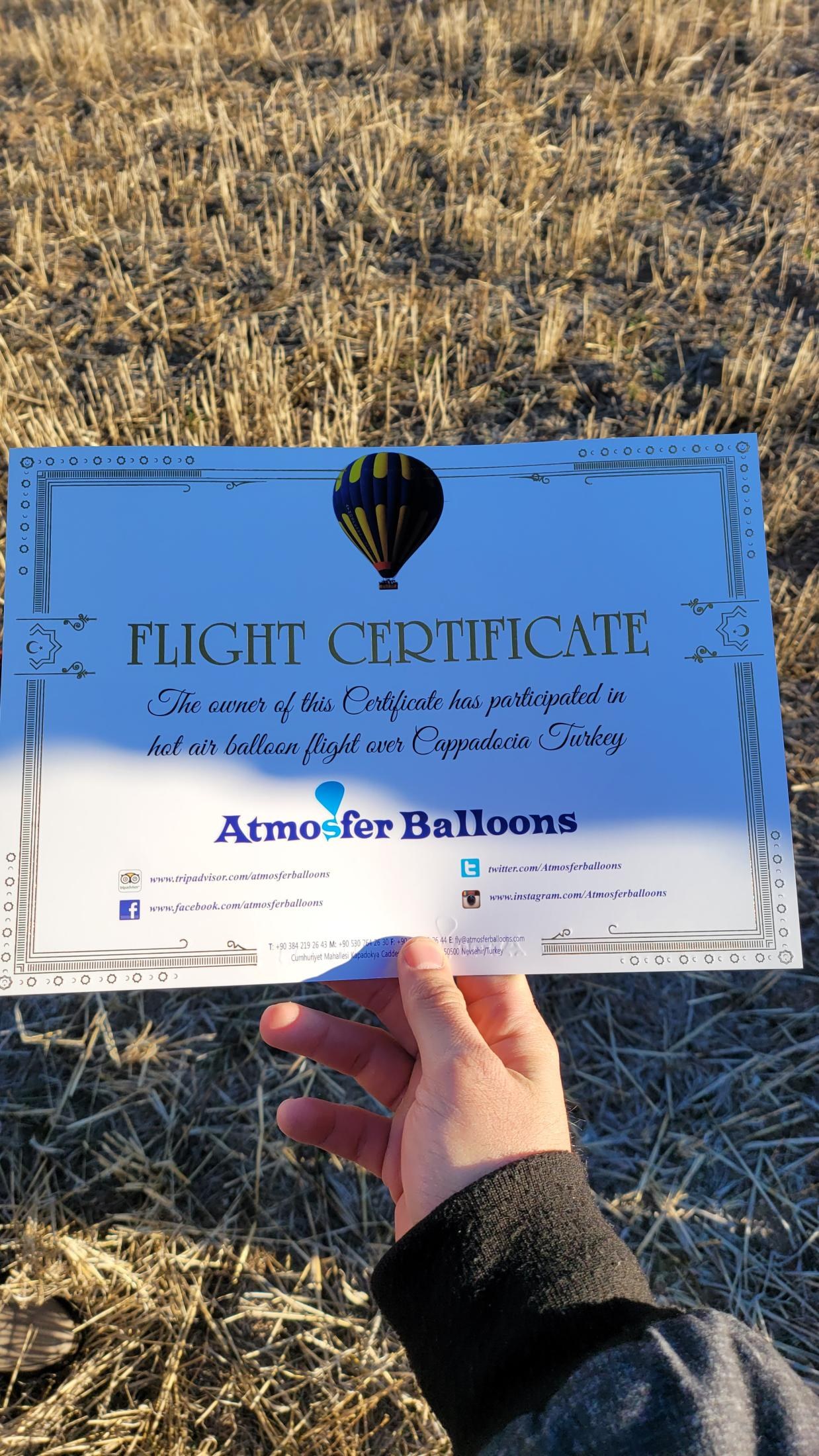
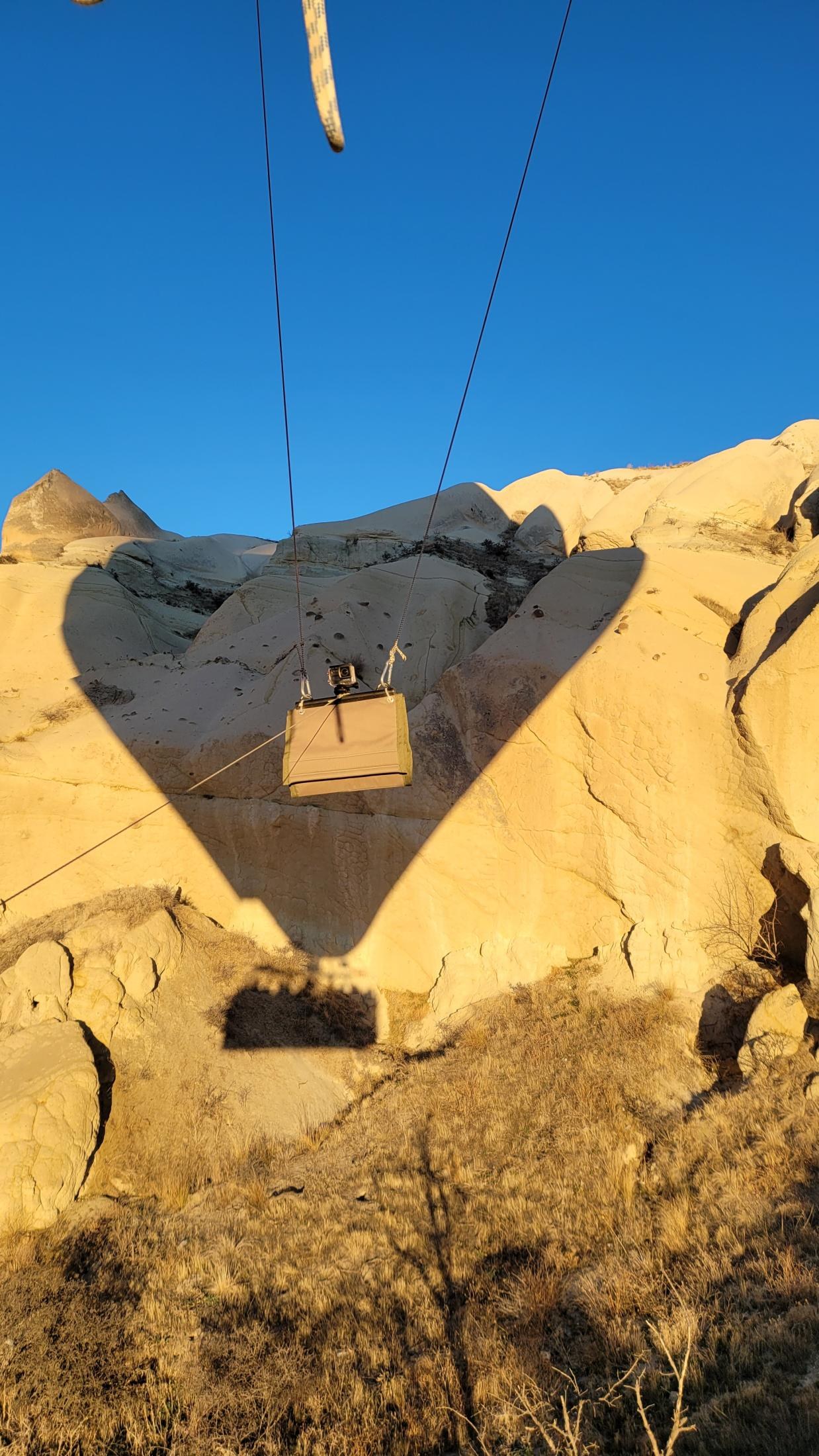
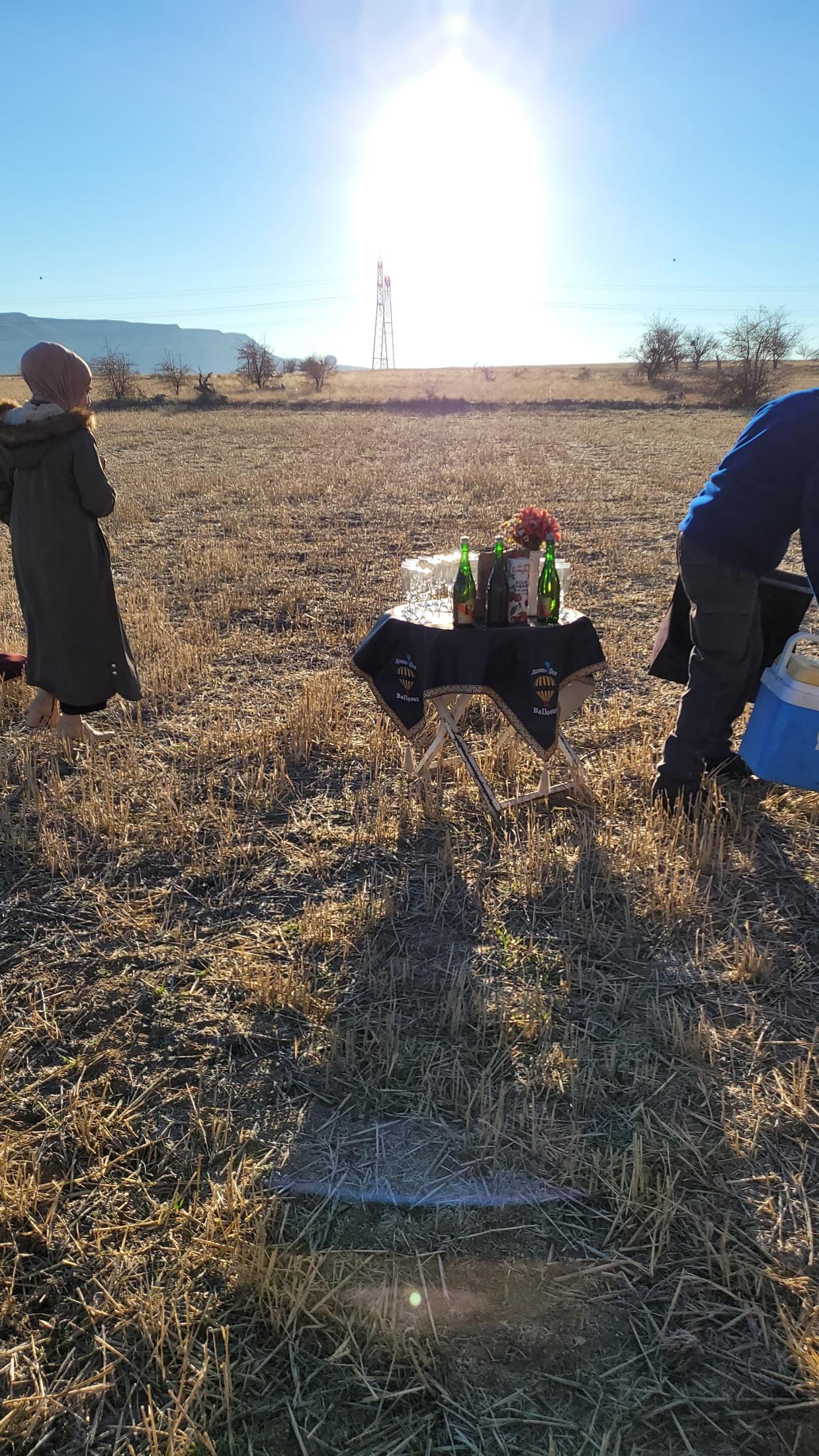
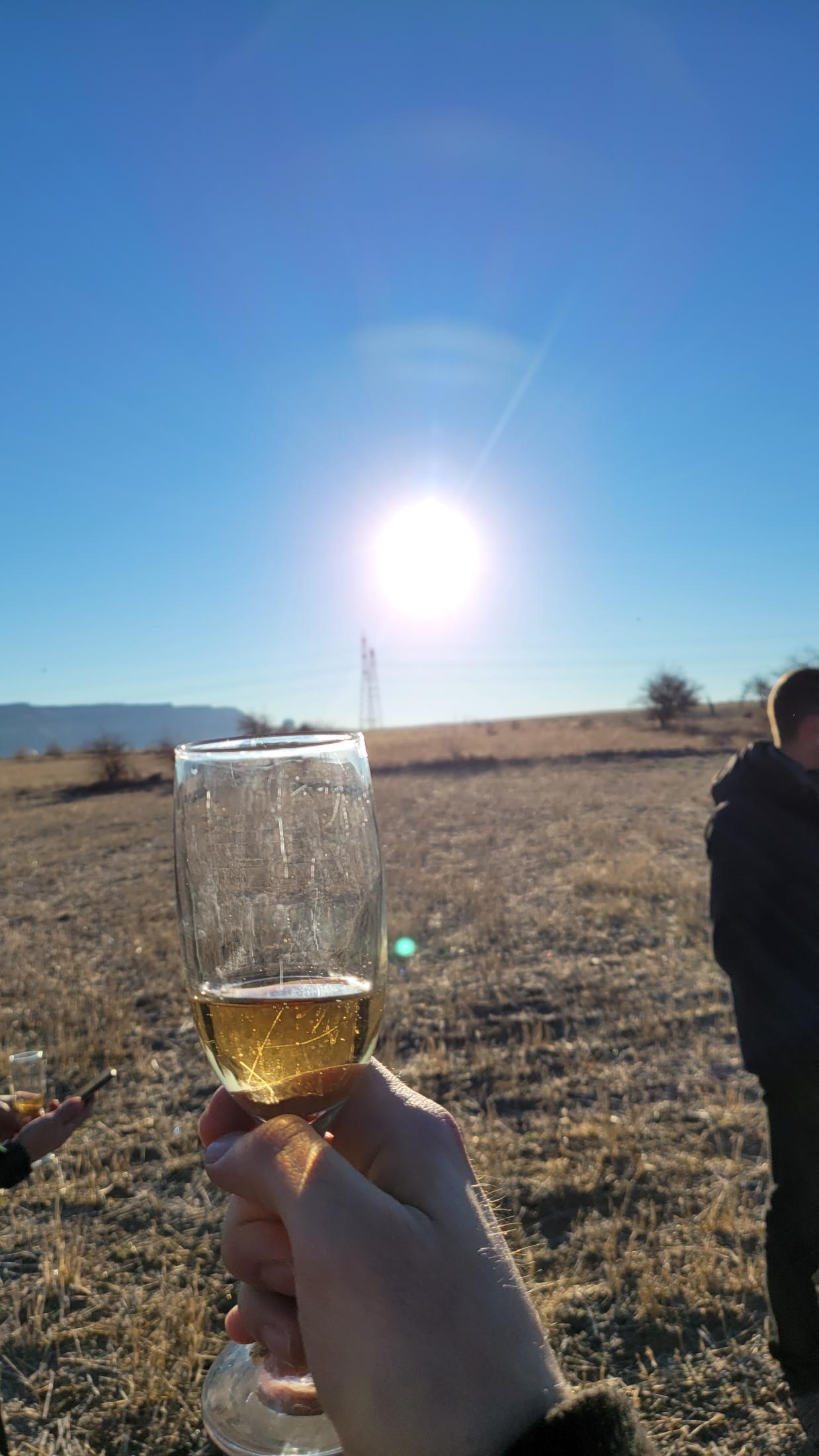
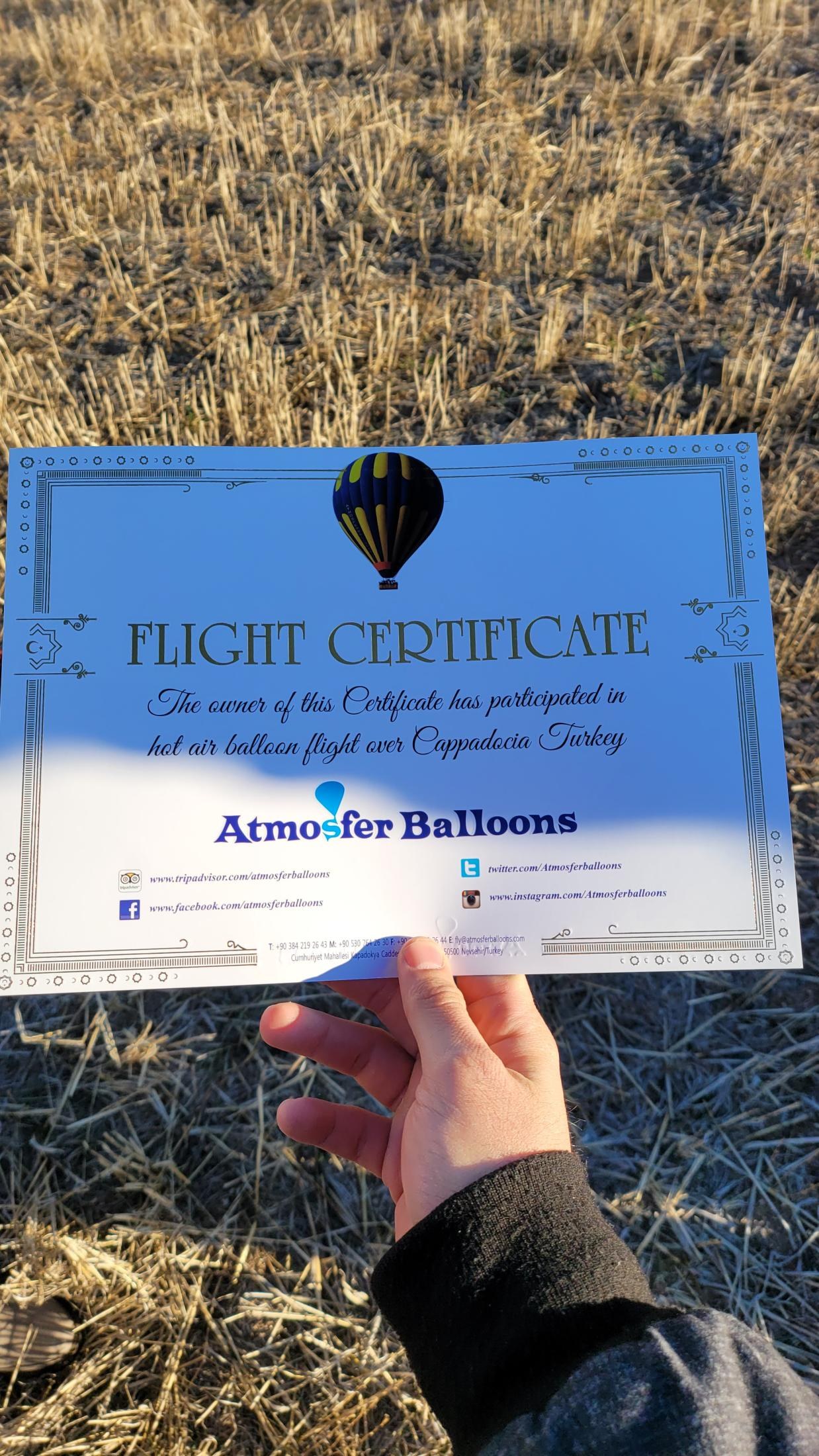
They walk us through Love Valley, joking, passing close to the rocks, taking photos of us. A little under an hour (depending on the weather) and they land us on — brace yourself — a trailer that has just been reversed into position by a pickup. Ha. They landed us on what was very nearly a moving trailer. There’s a glass of wine, there’s an “award ceremony” with a certificate proving we flew, and they give us T-shirts. Since I’m thoroughly happy with them, I’ll allow myself to plug Atmosfer Balloons. Do also look at the booking sites mentioned above — they’ll be discounted.
They return us to the hotel at 09:00 on one little bus so we can eat and get on the other little bus. Yay. For some reason the day’s programme differs from what was agreed in advance, but it doesn’t bother anyone — everything has to be seen anyway. Off to Avanos.
Avanos
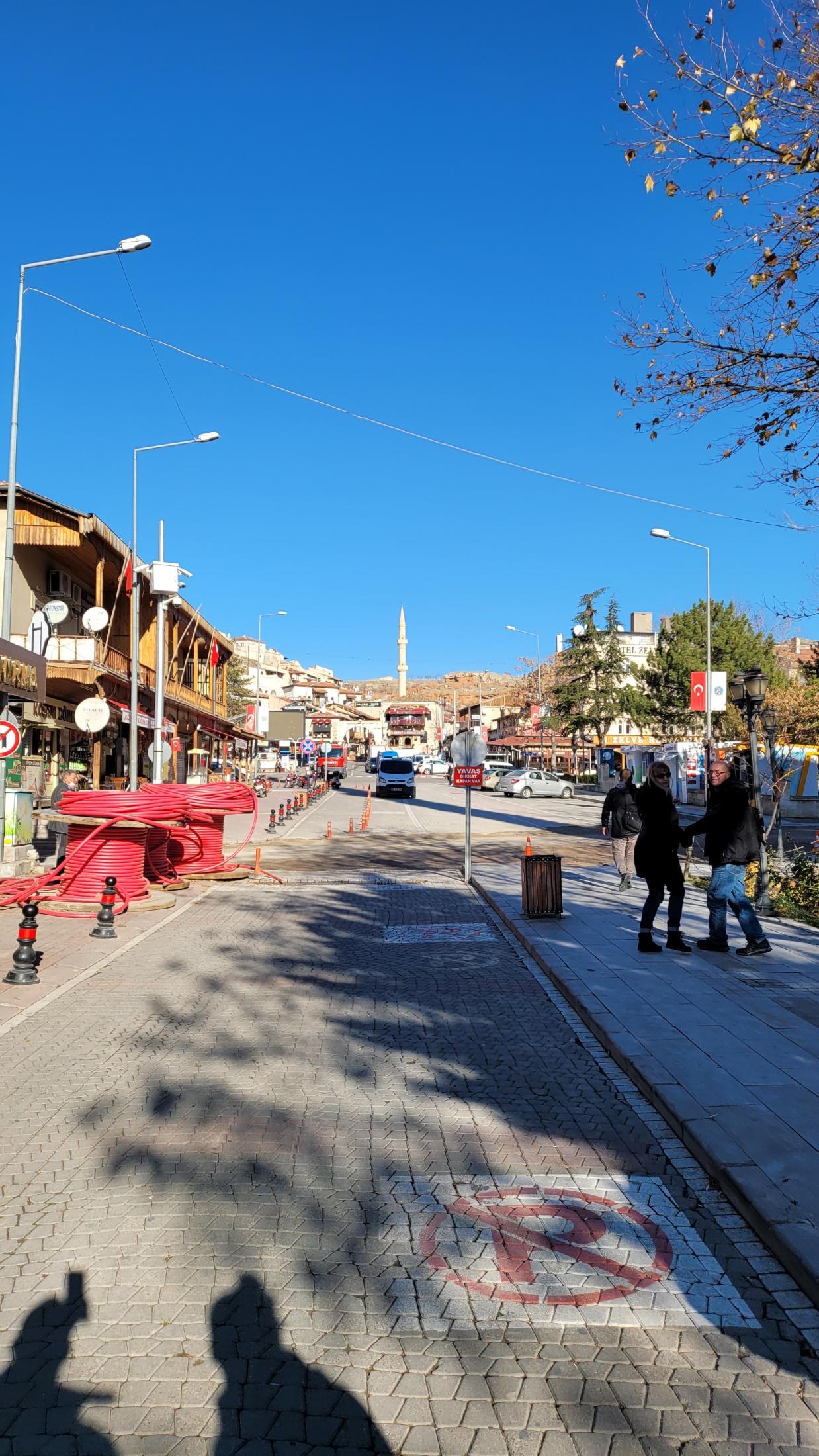
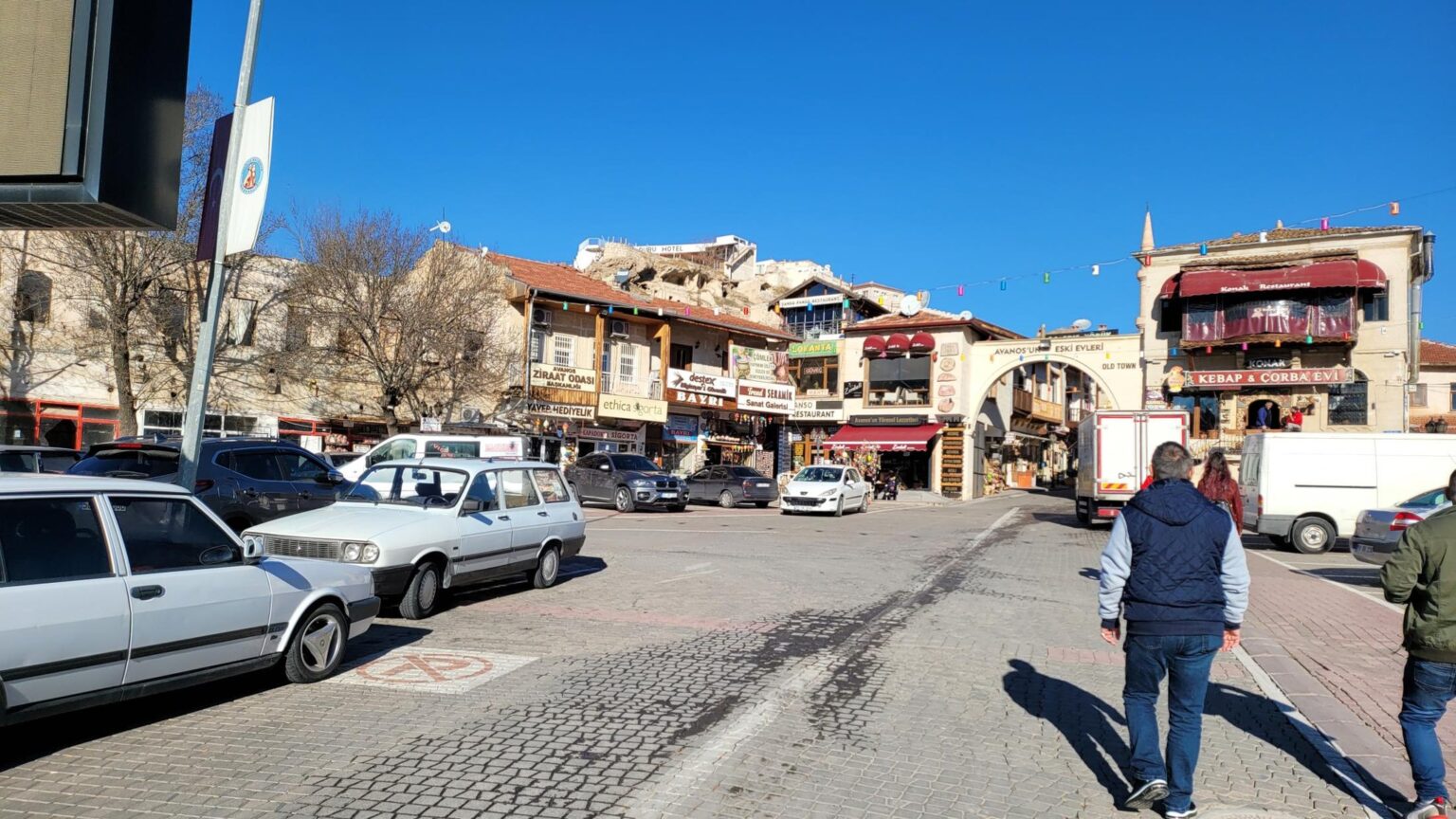
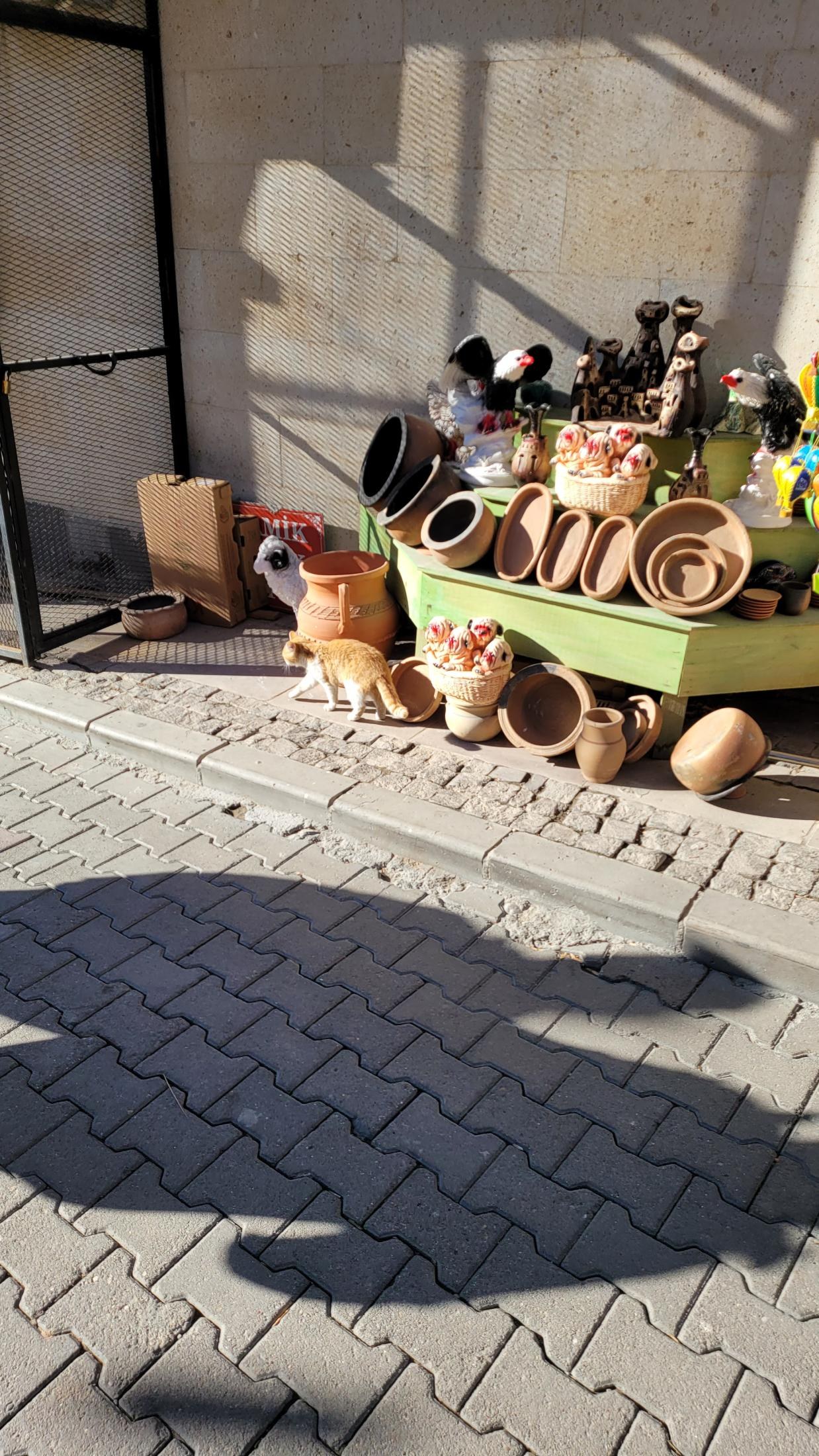
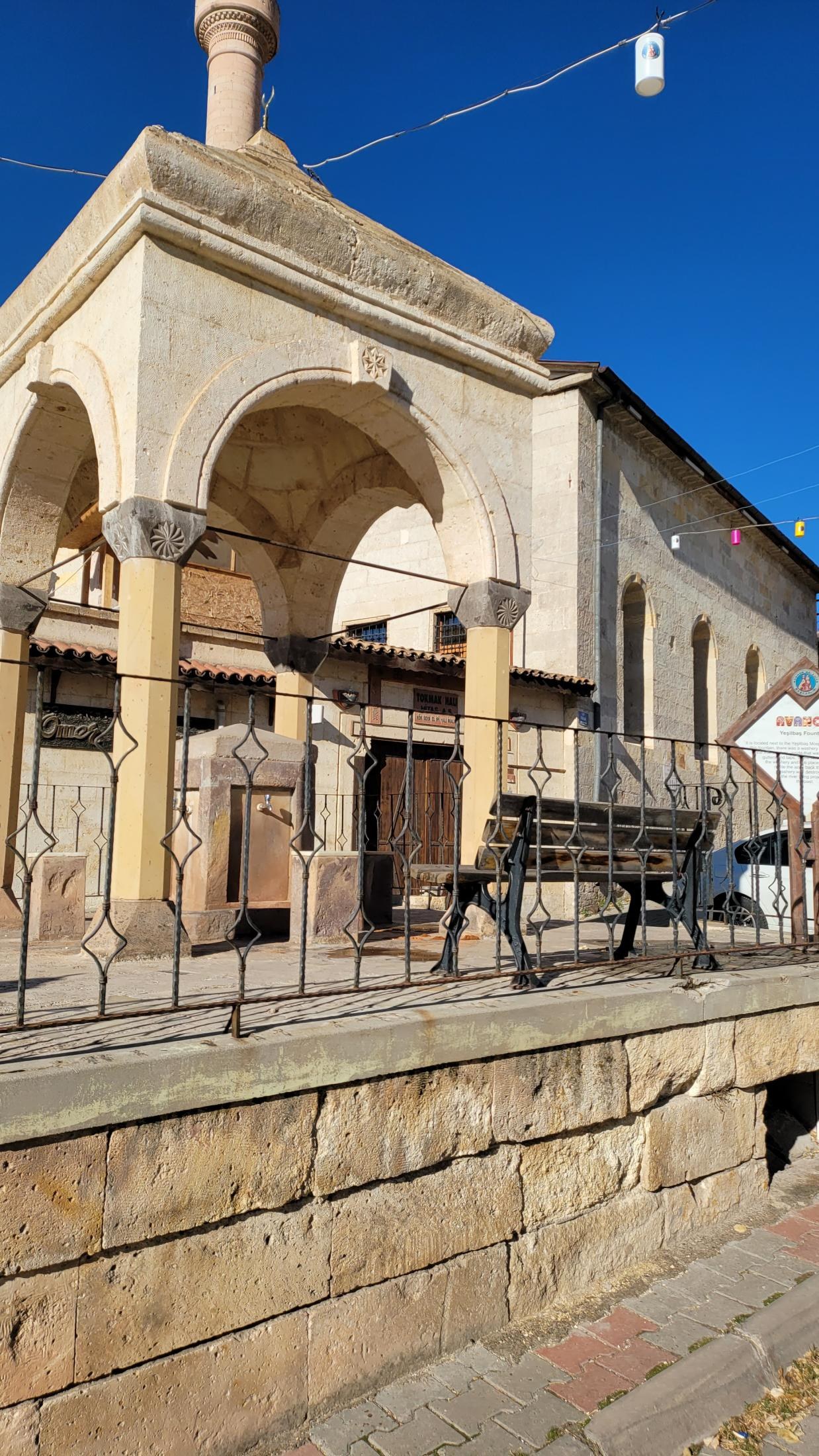
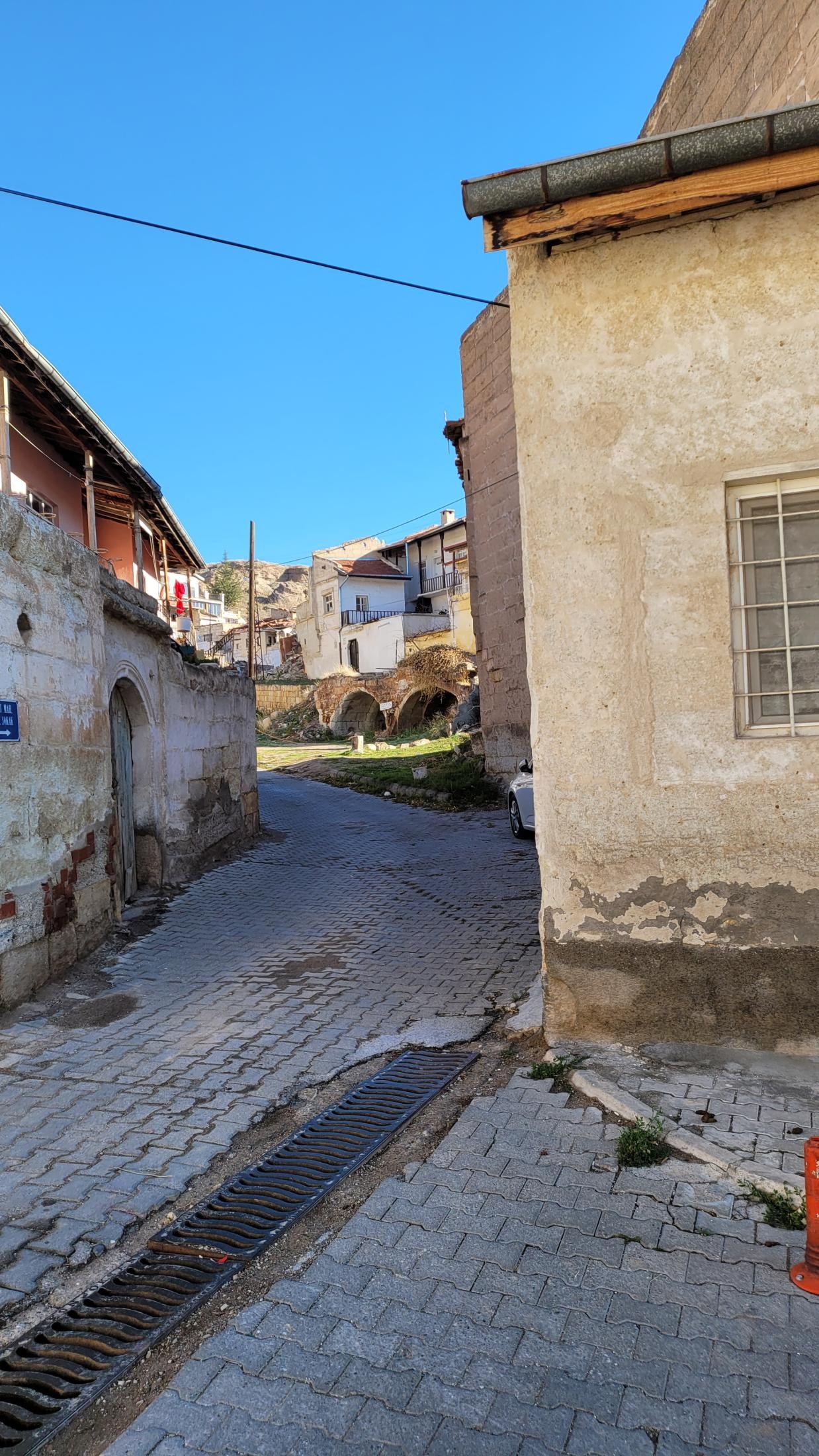
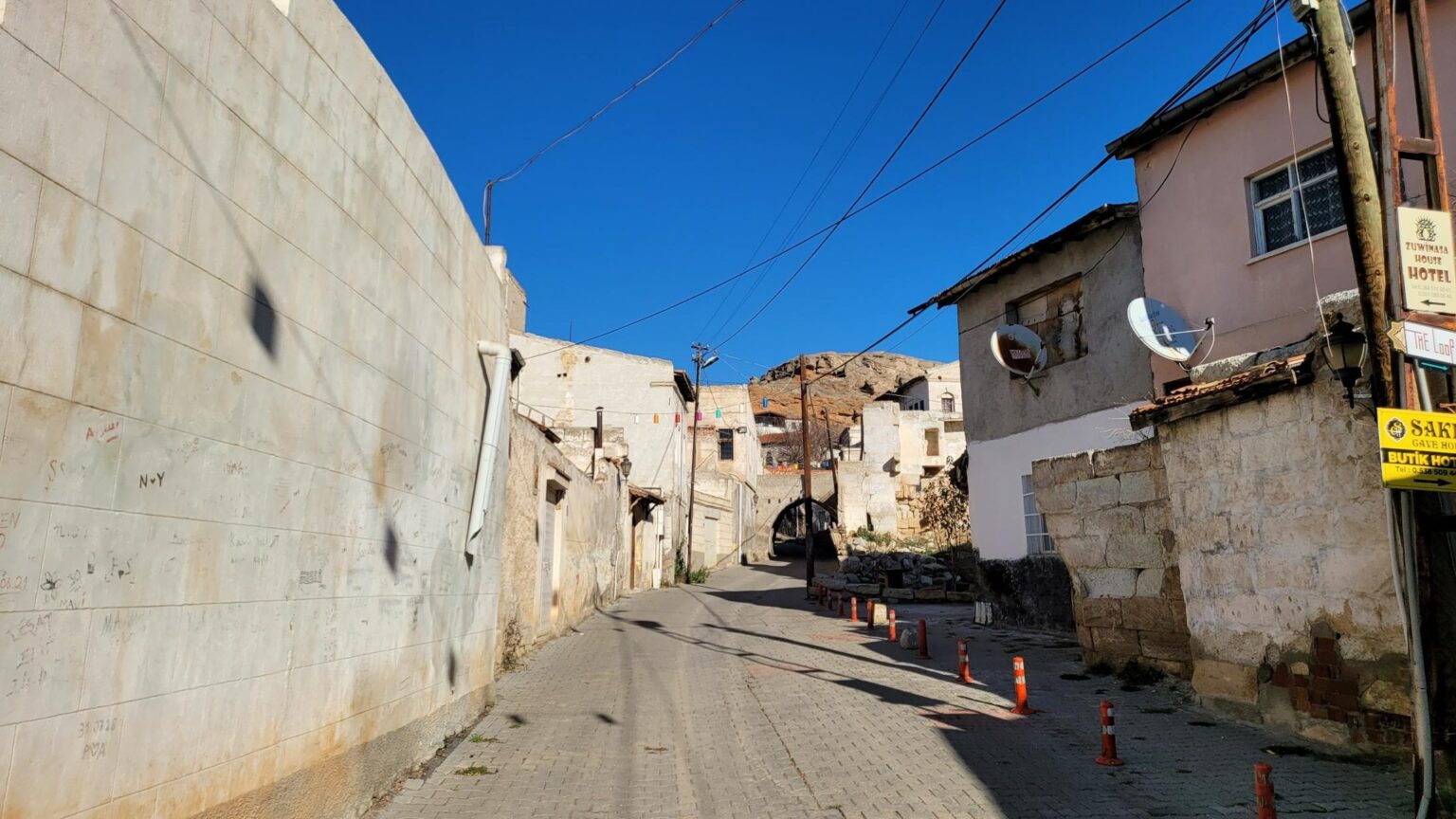
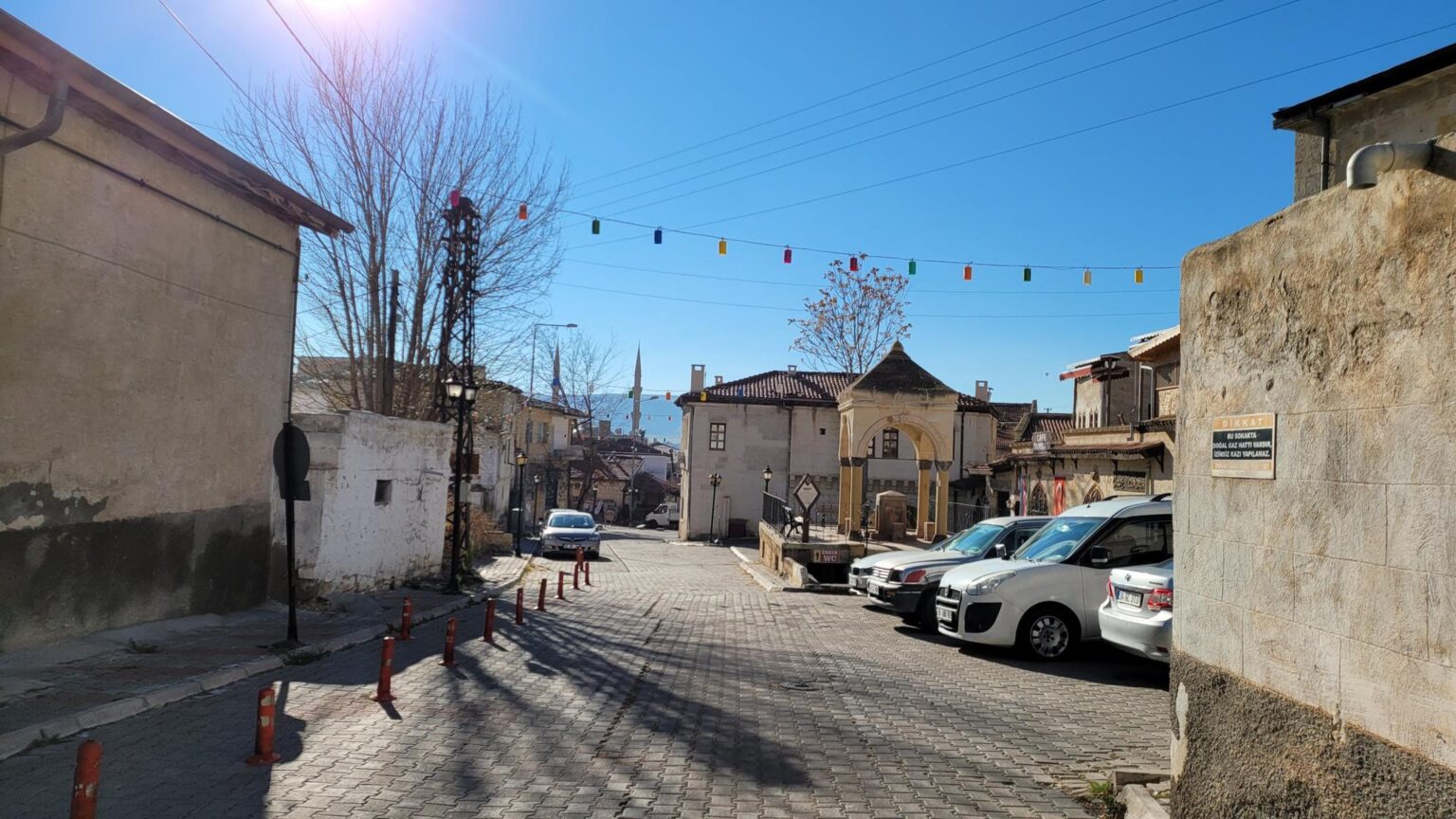
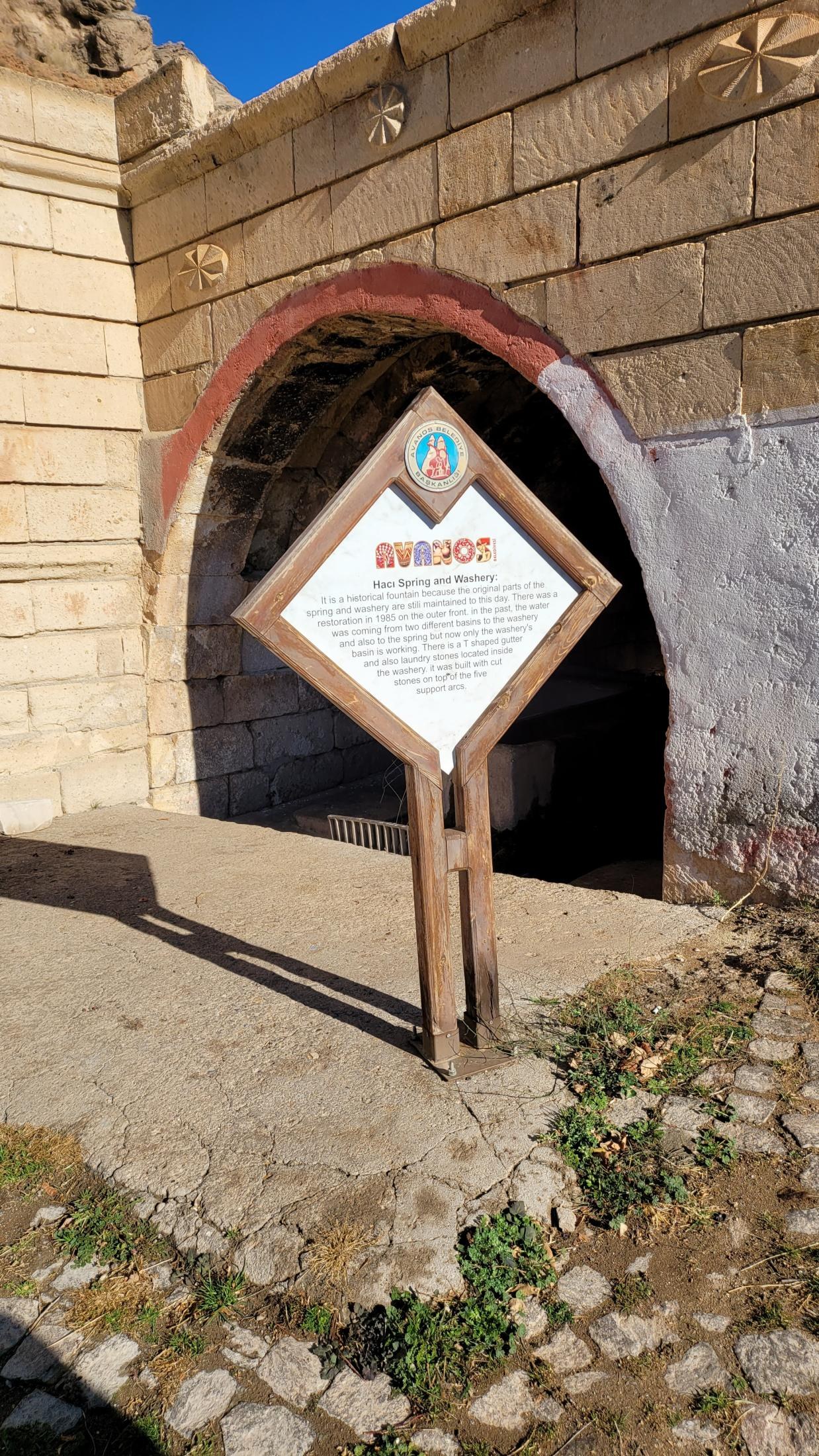
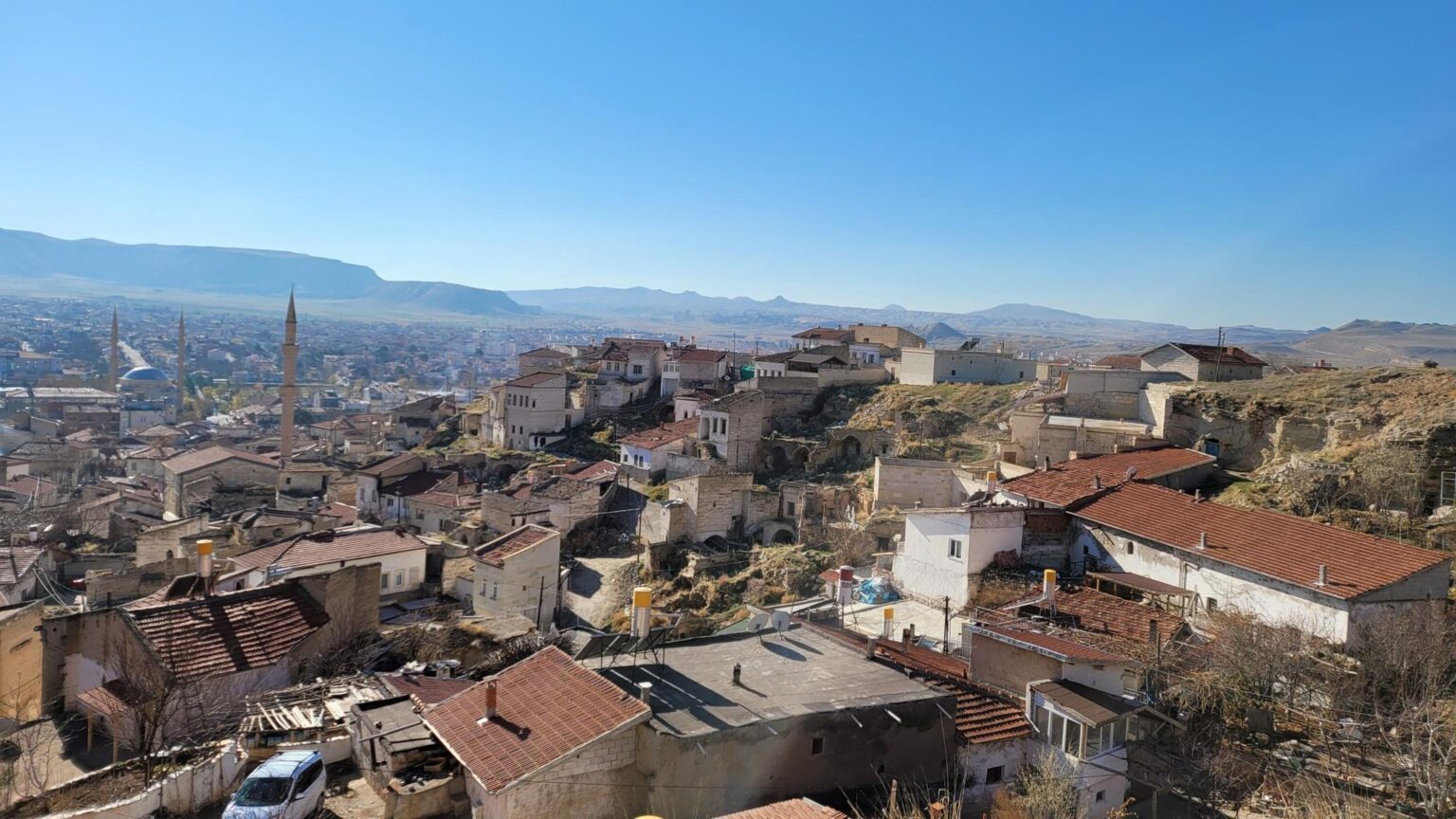
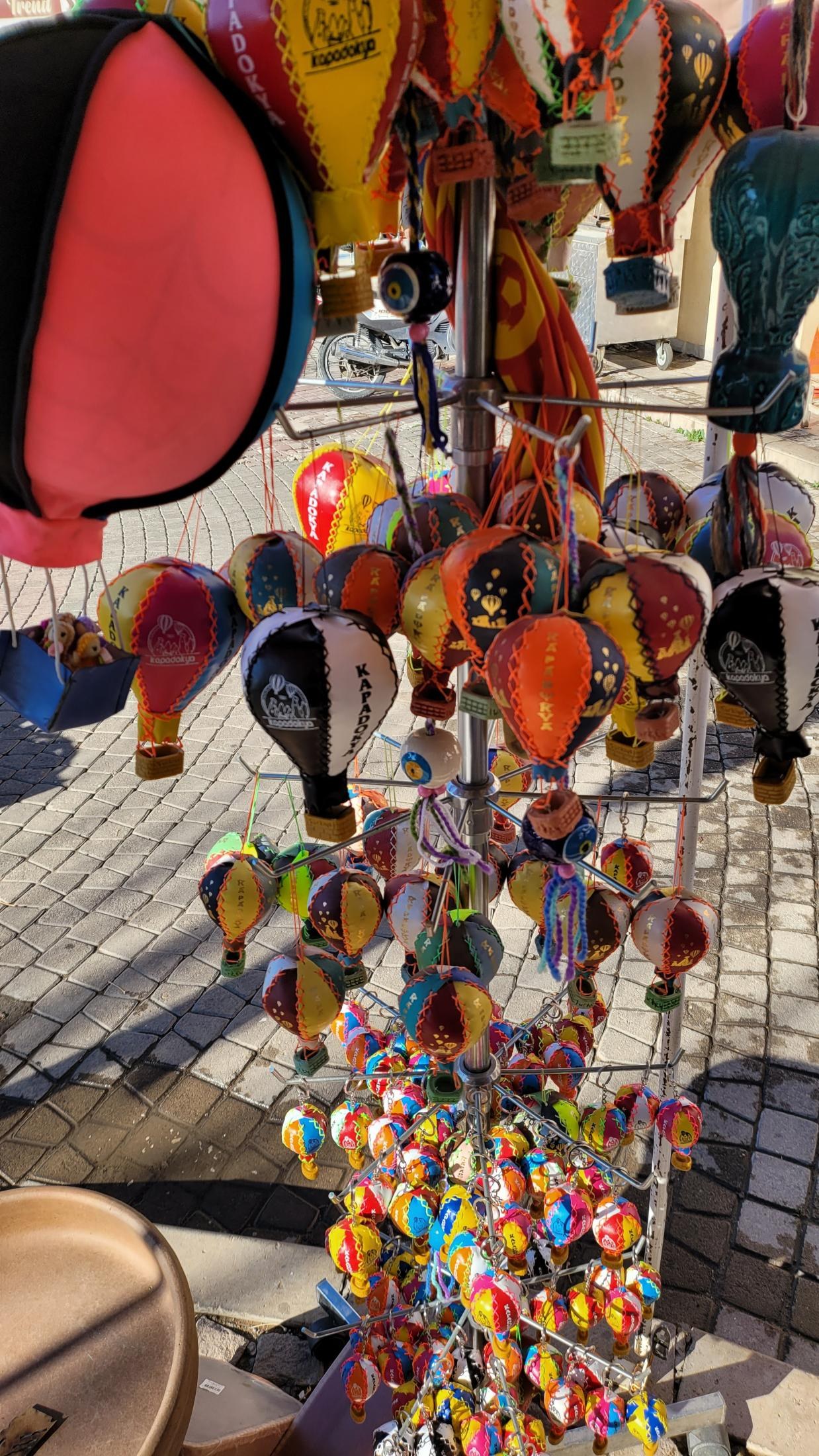
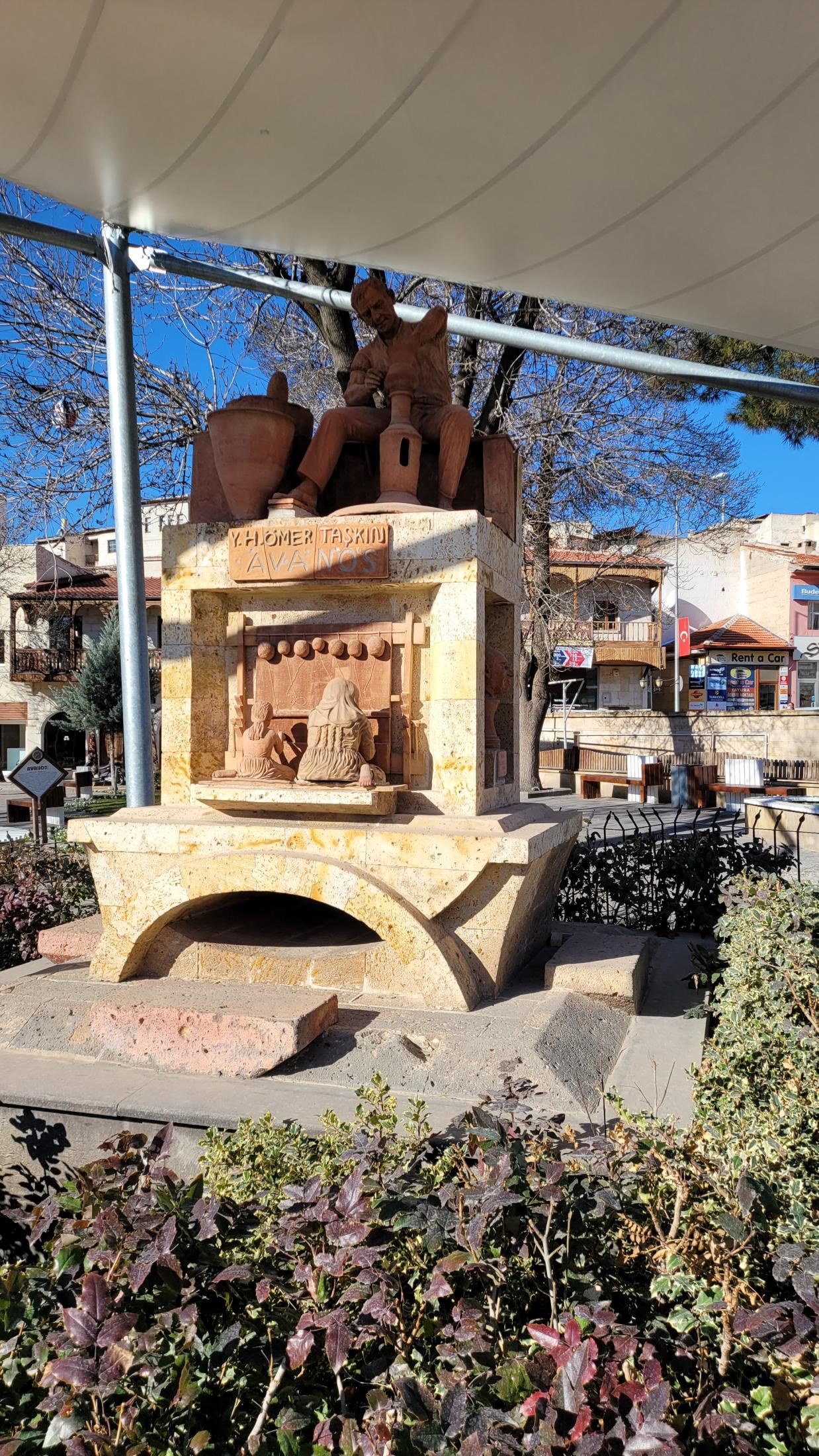
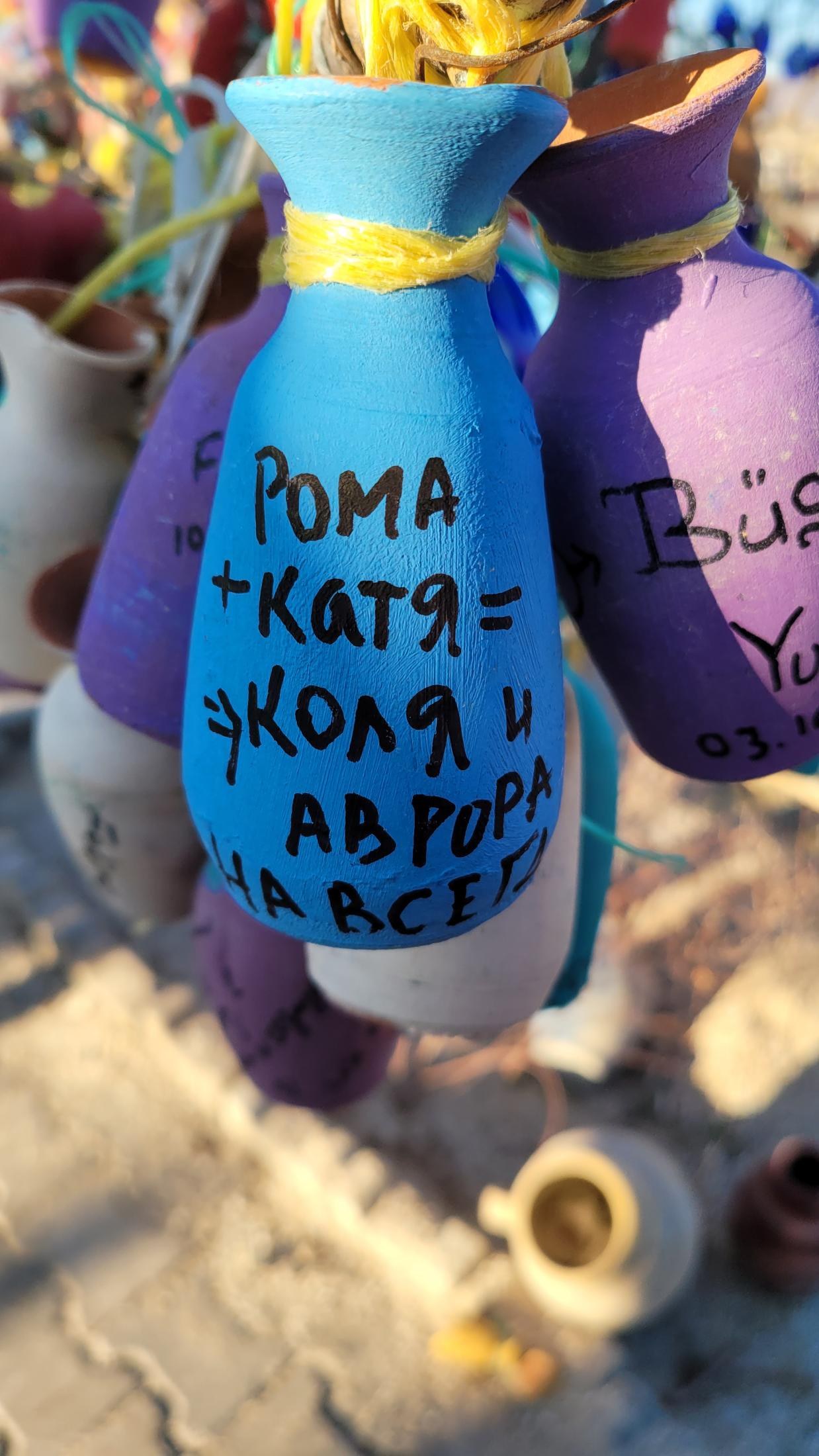
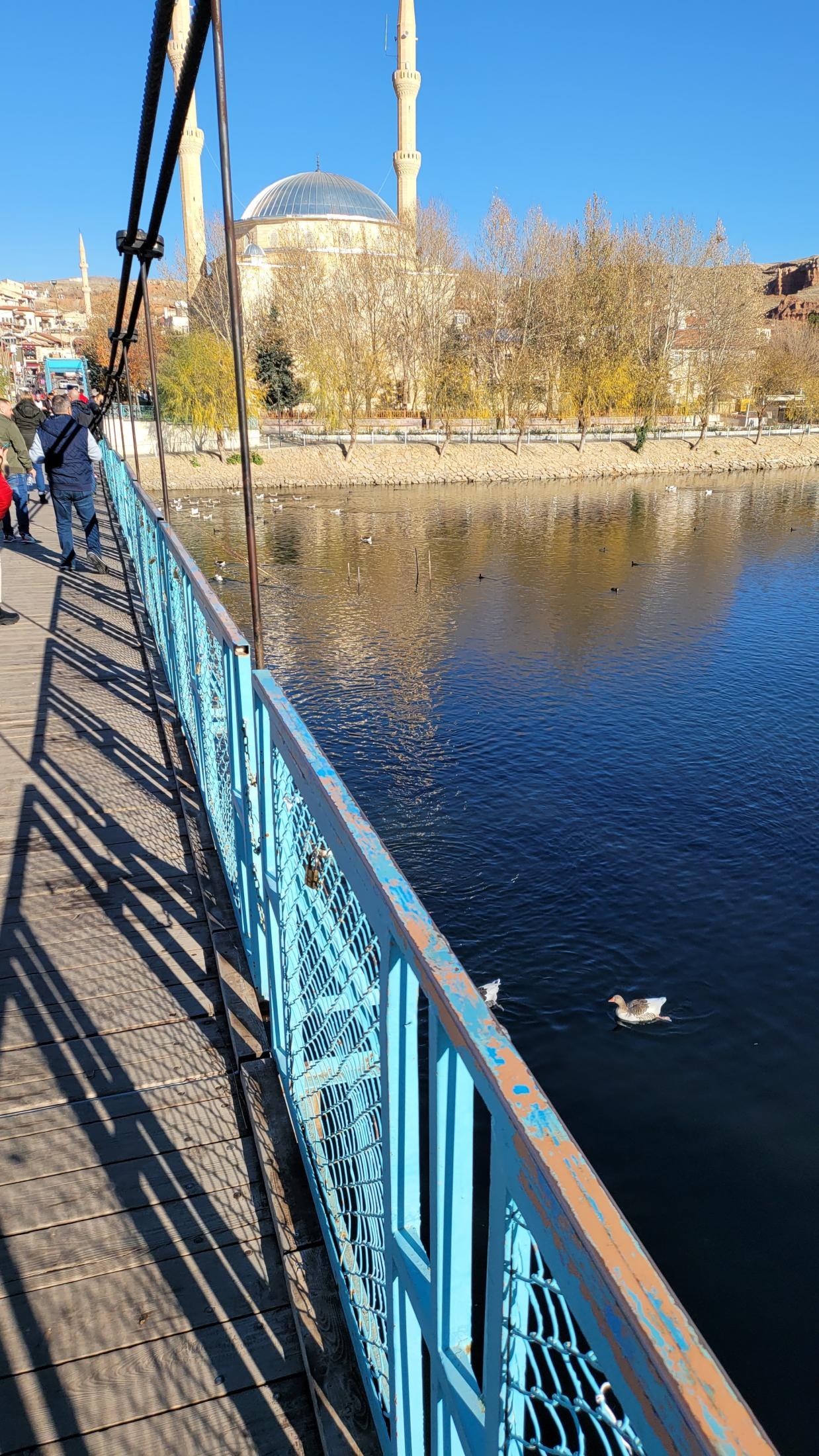
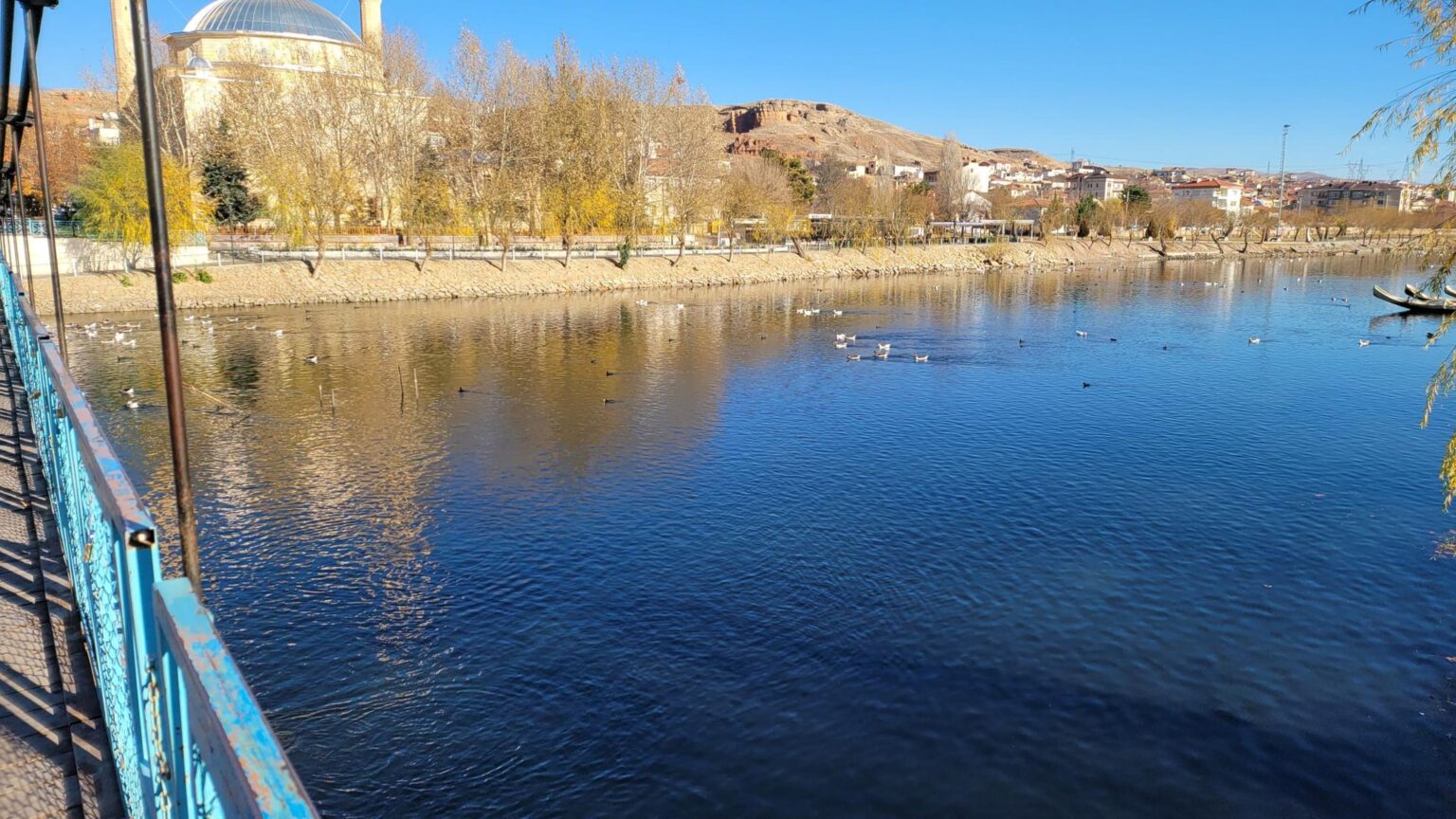
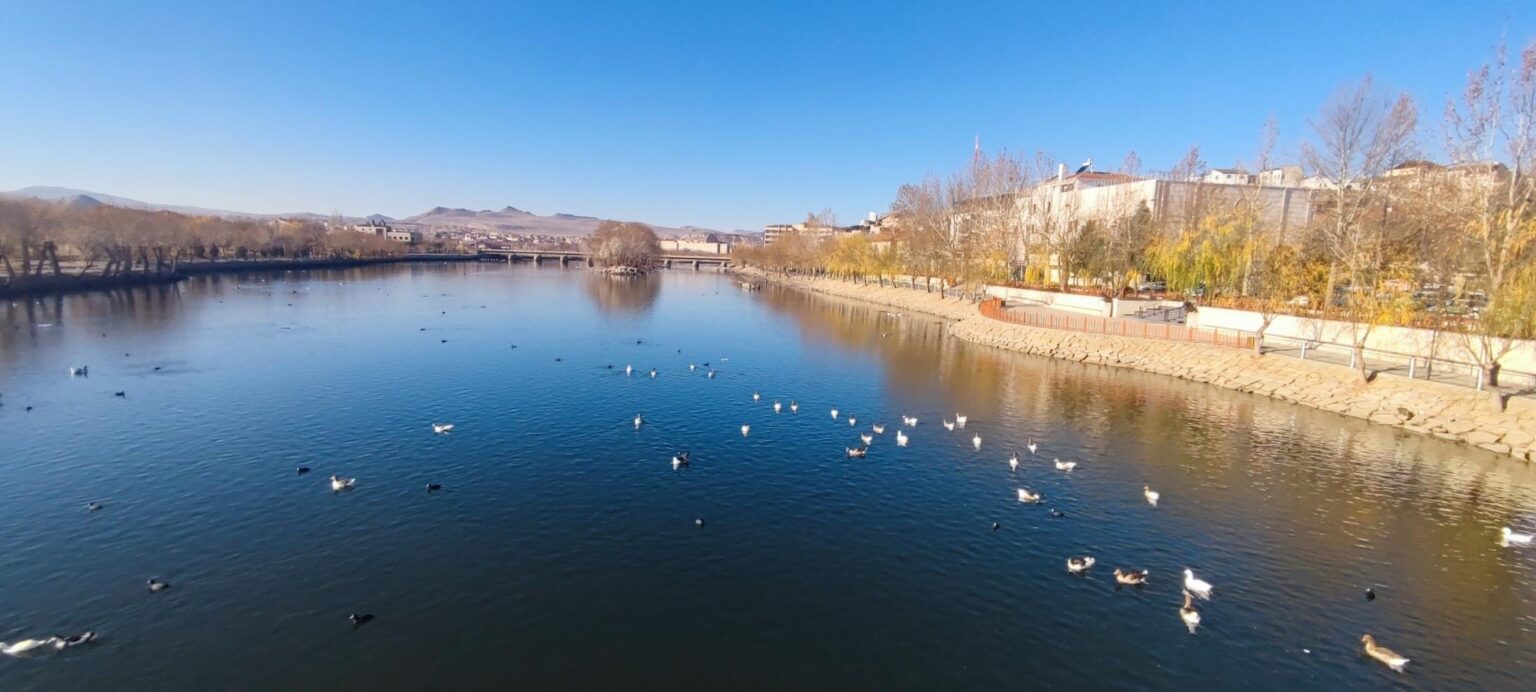
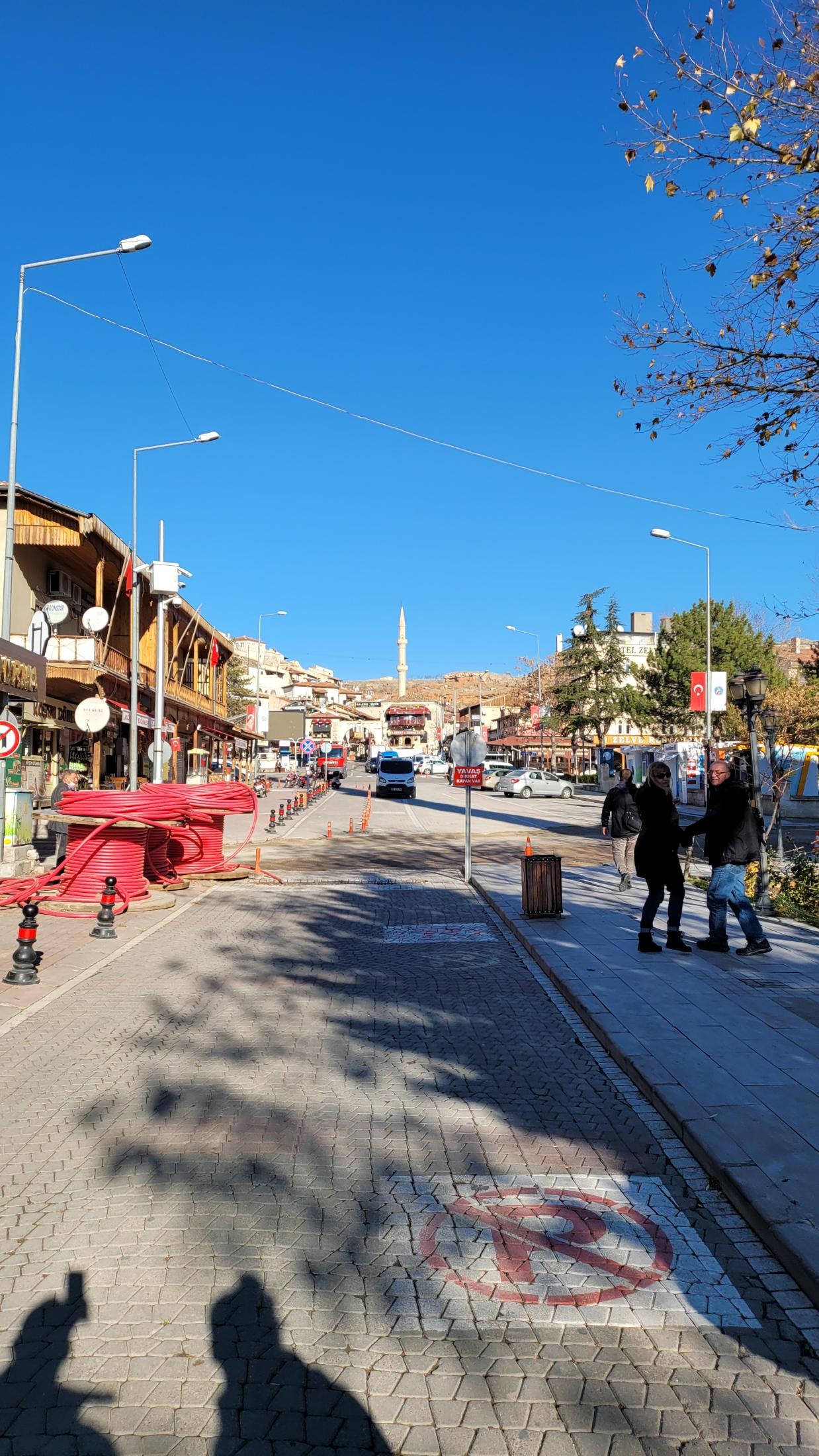
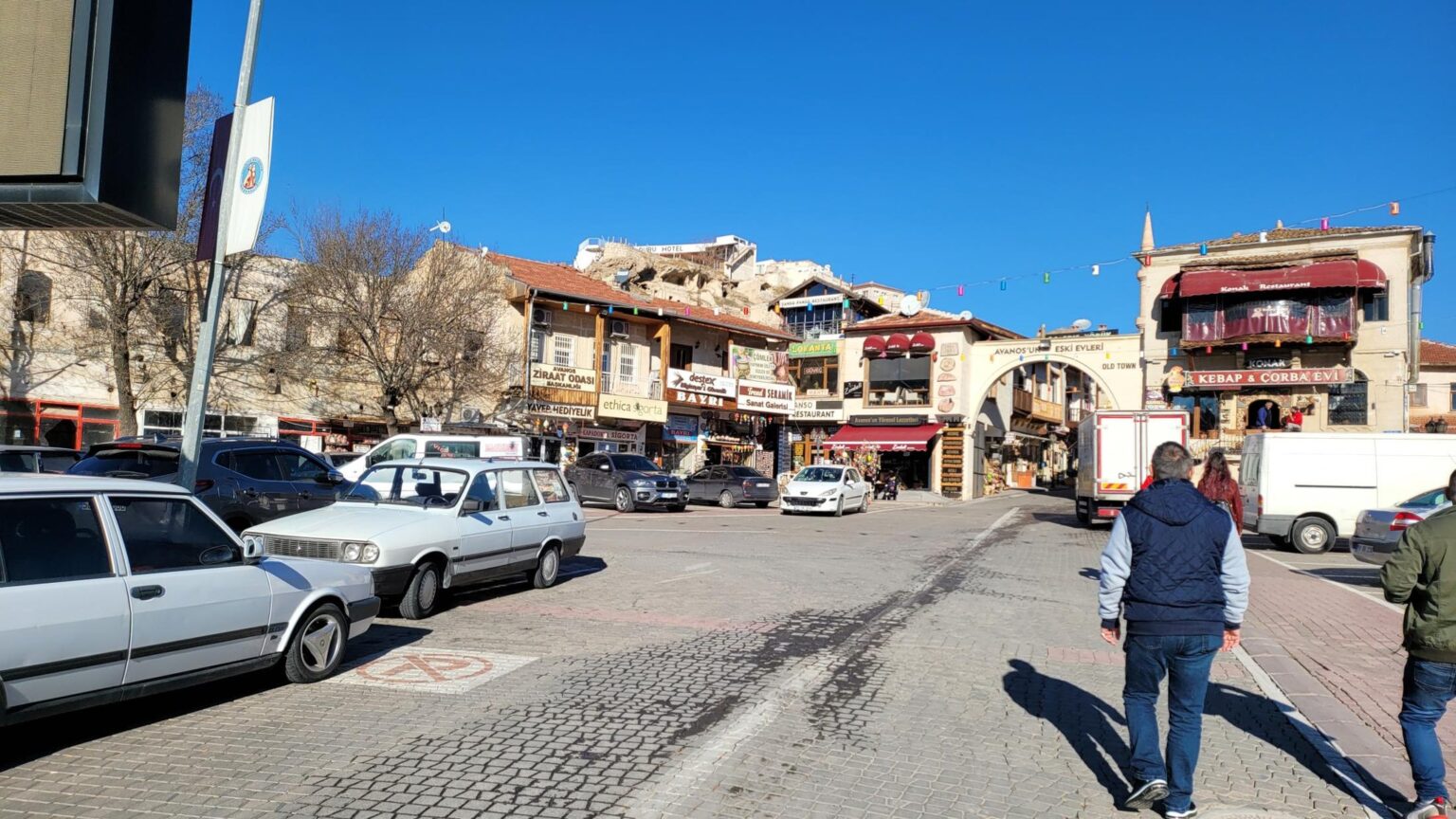
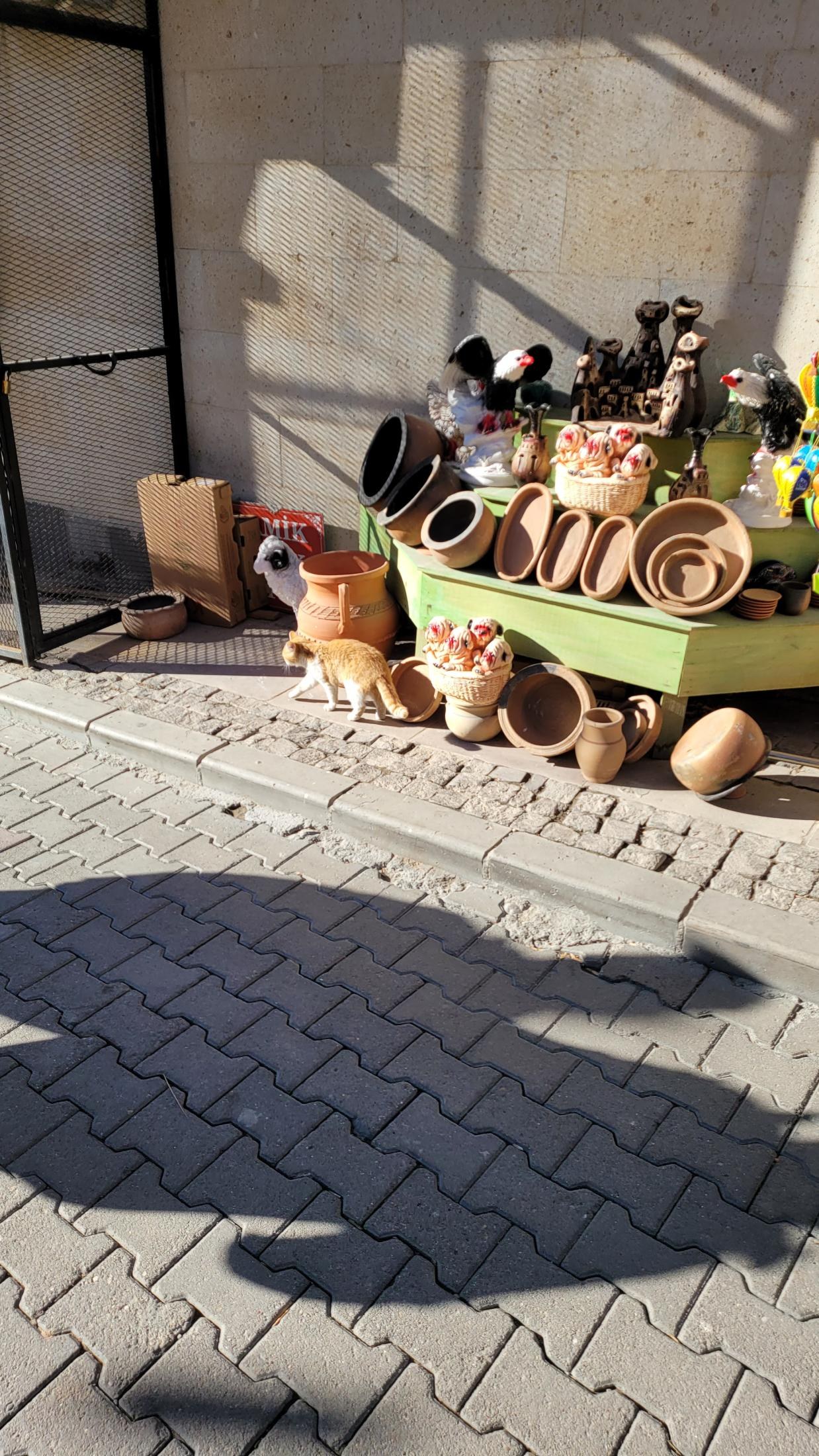
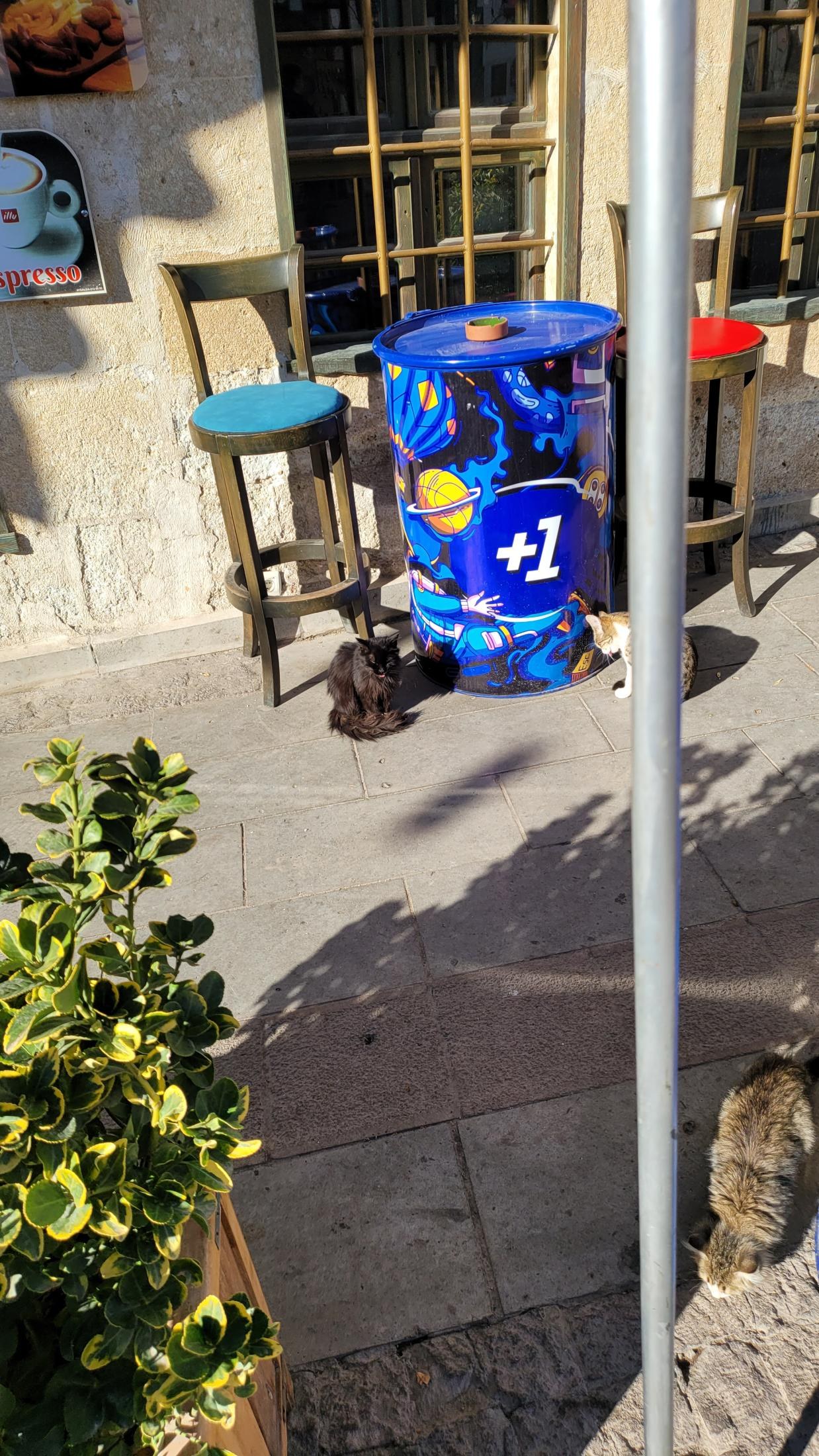
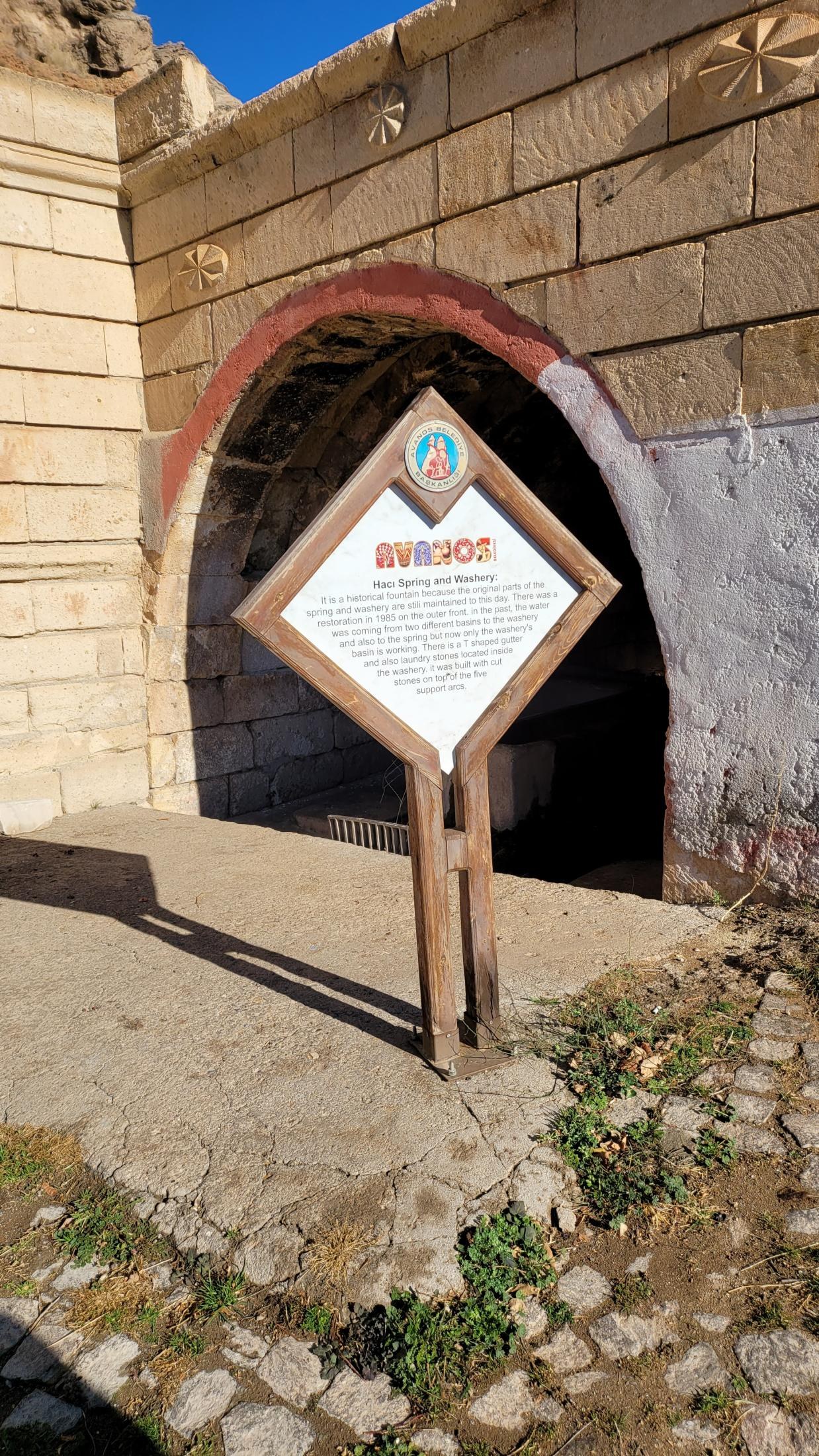
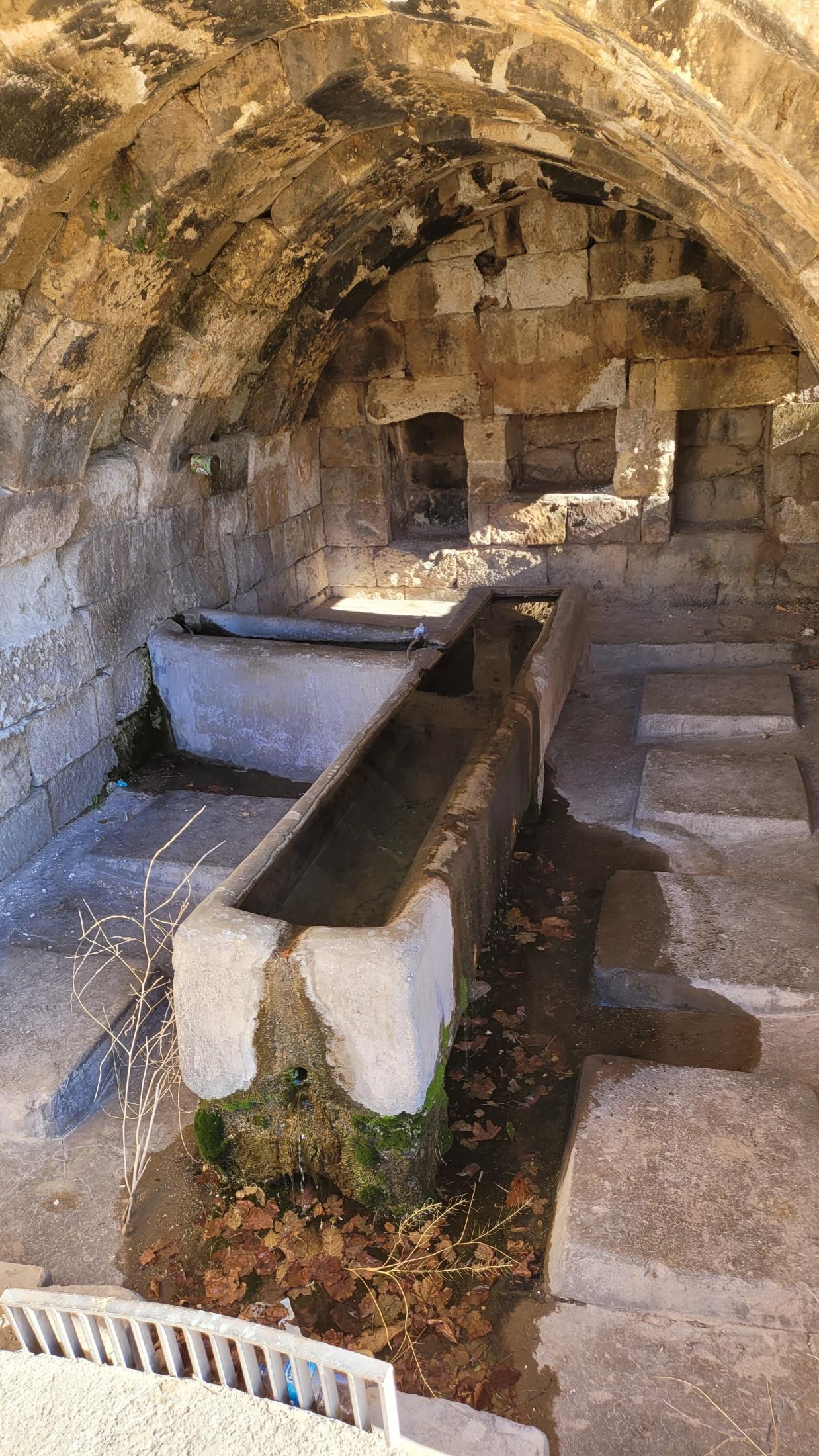
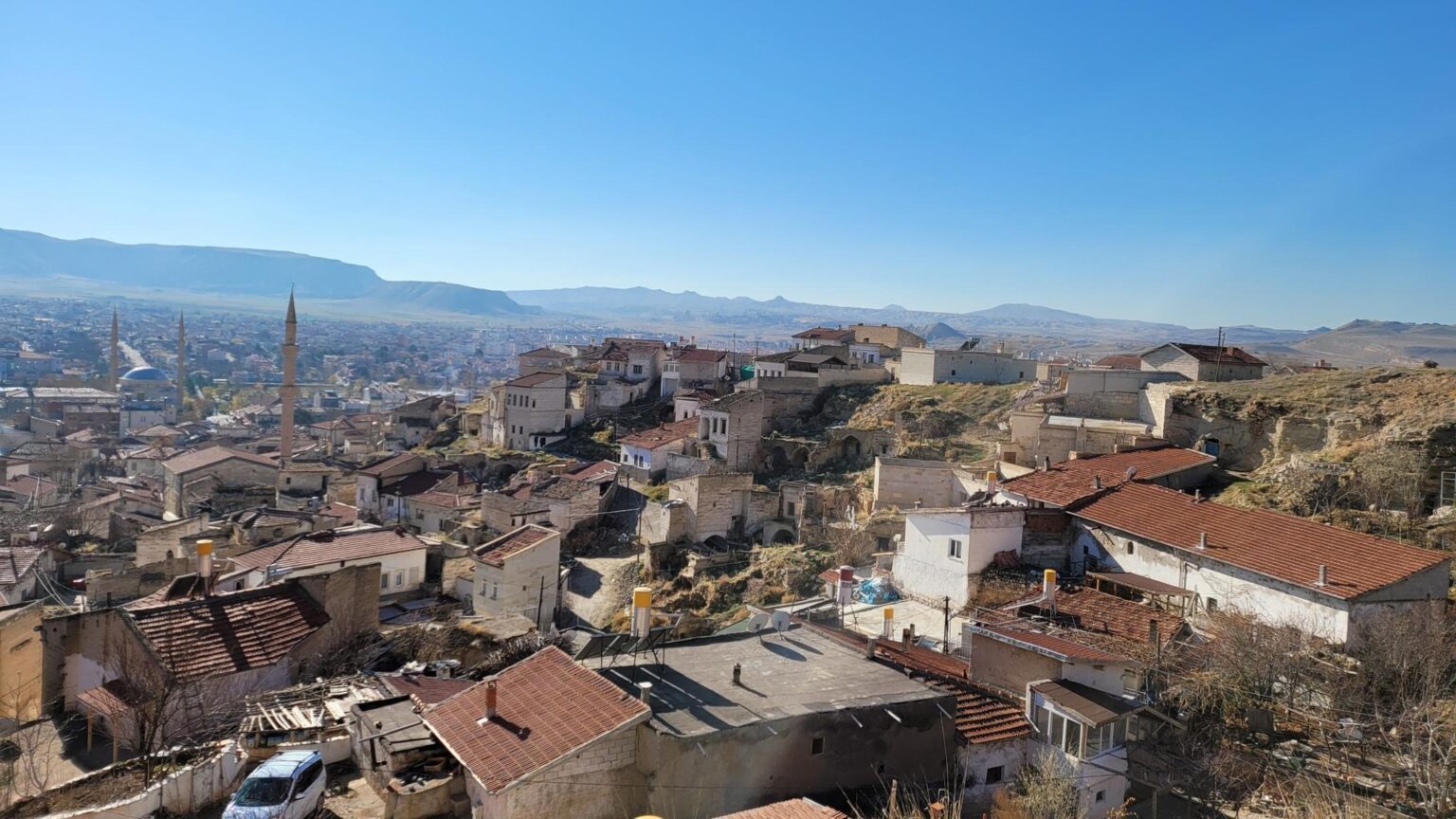
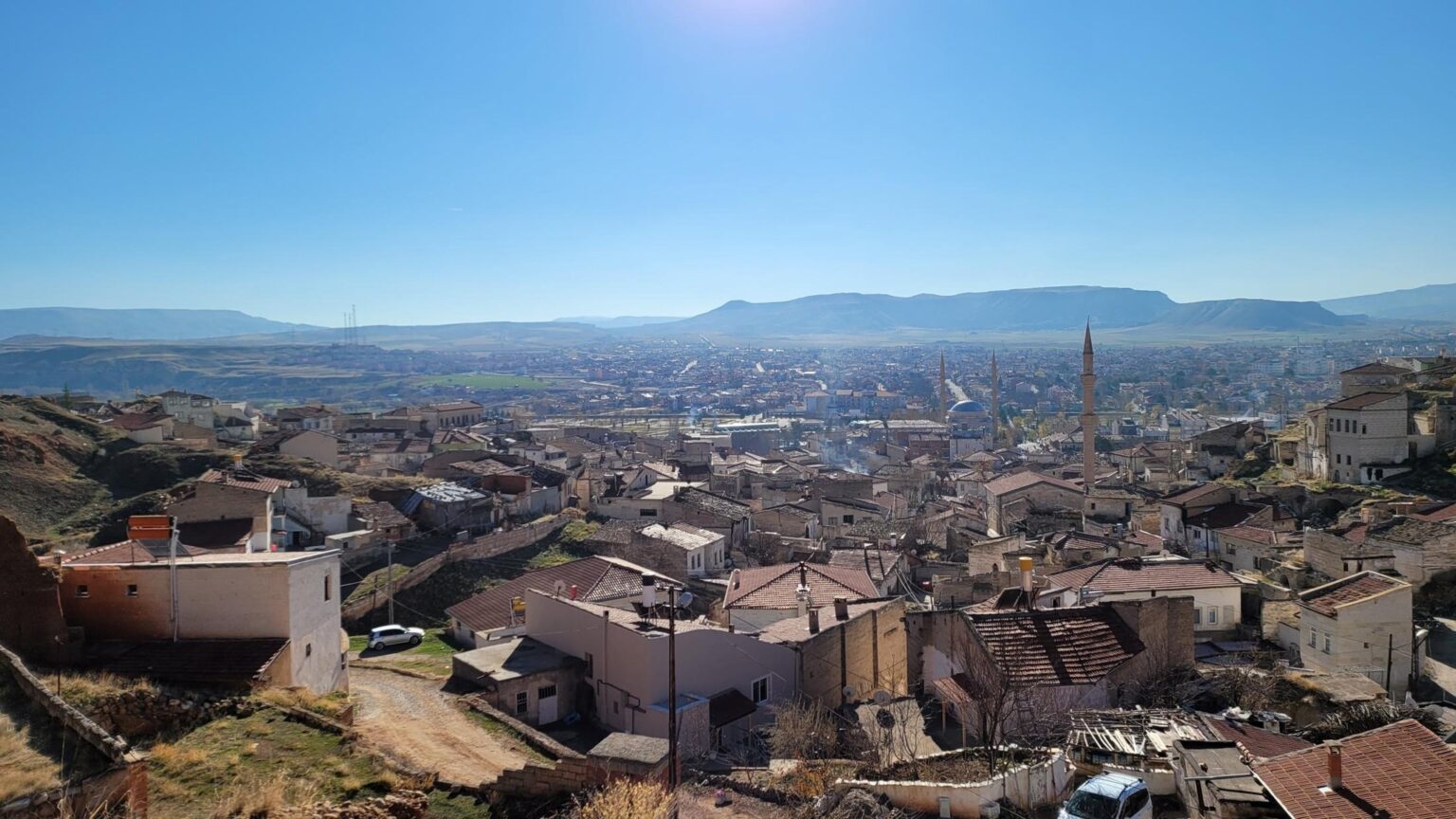
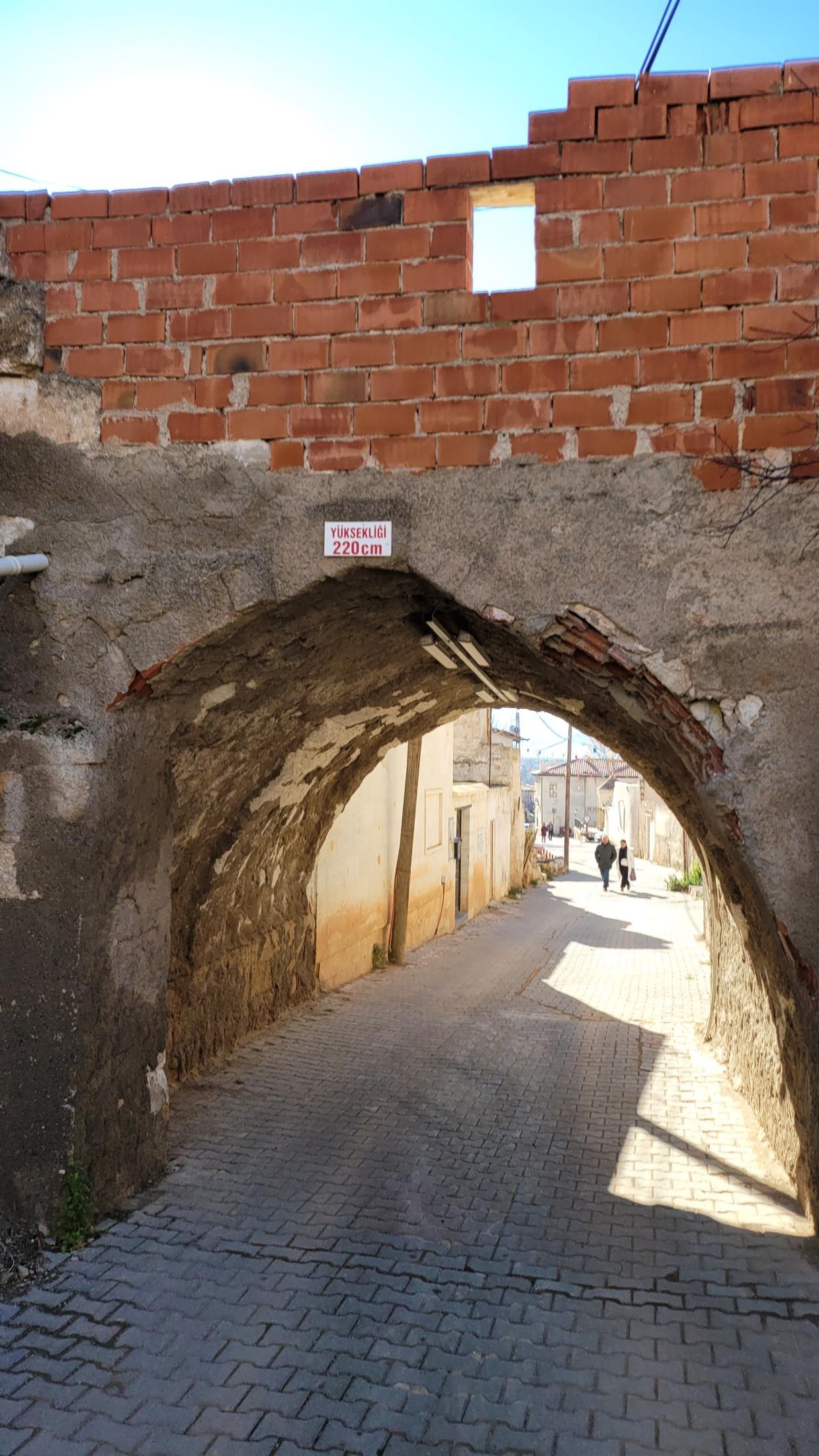
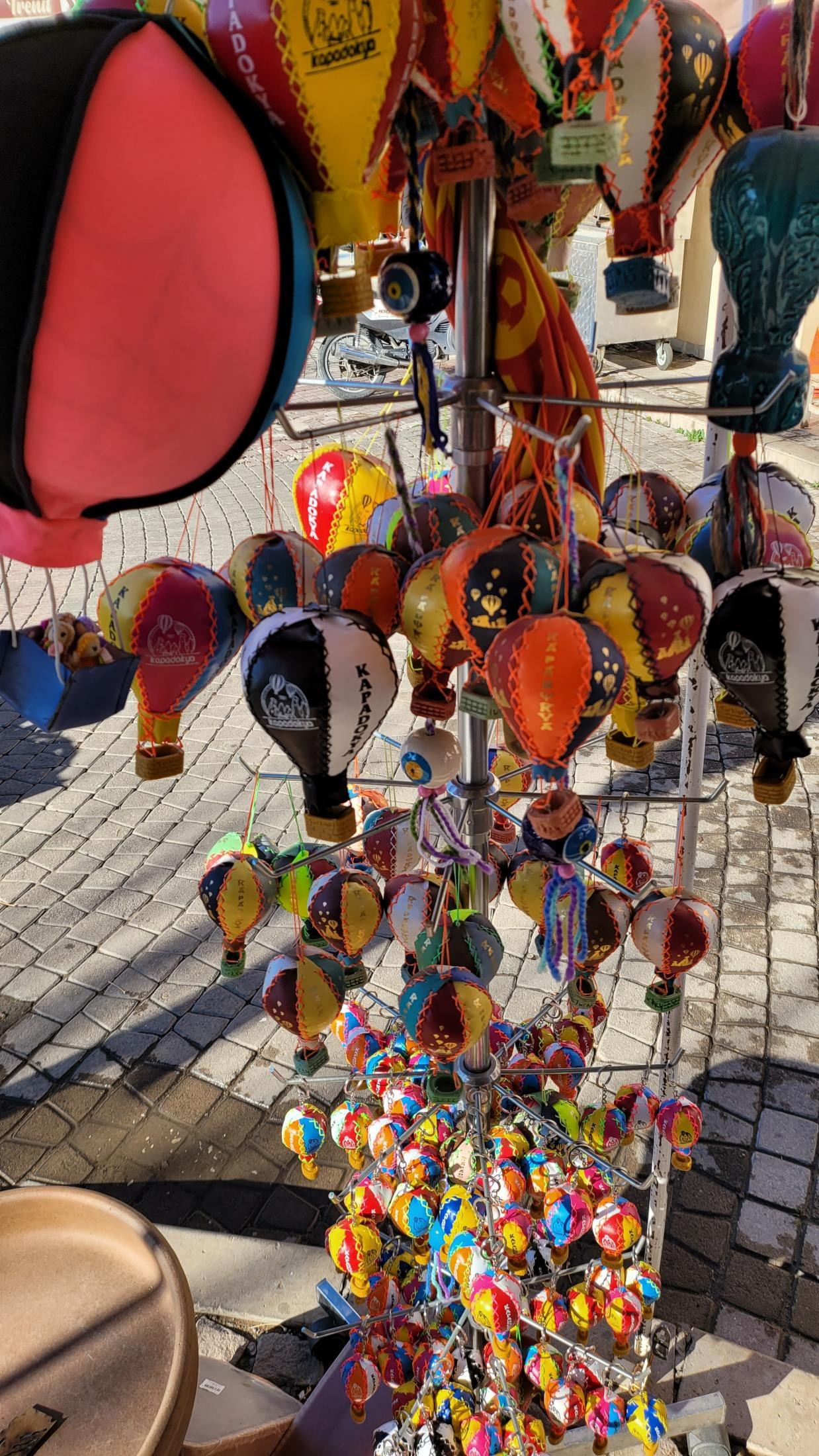
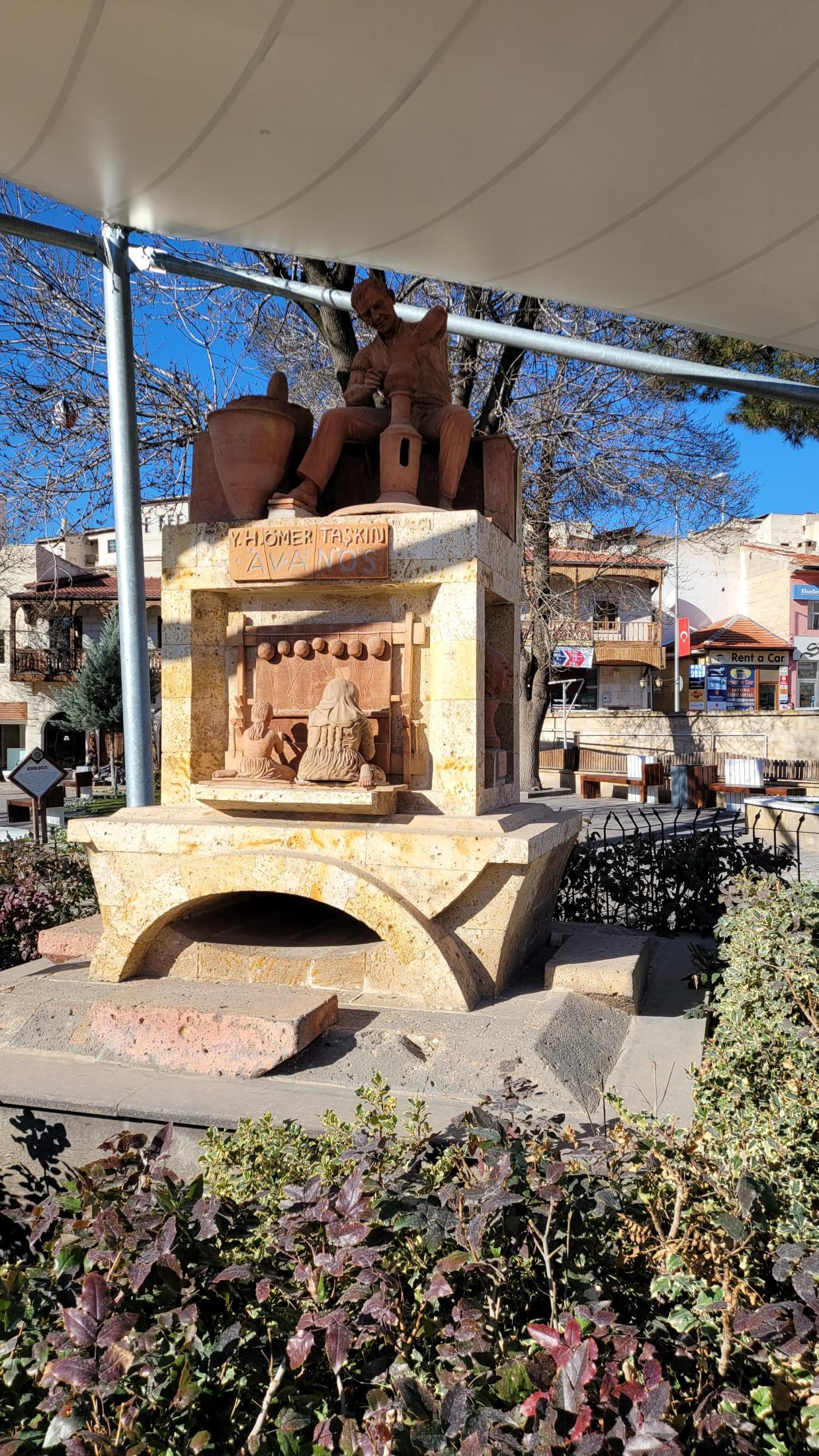
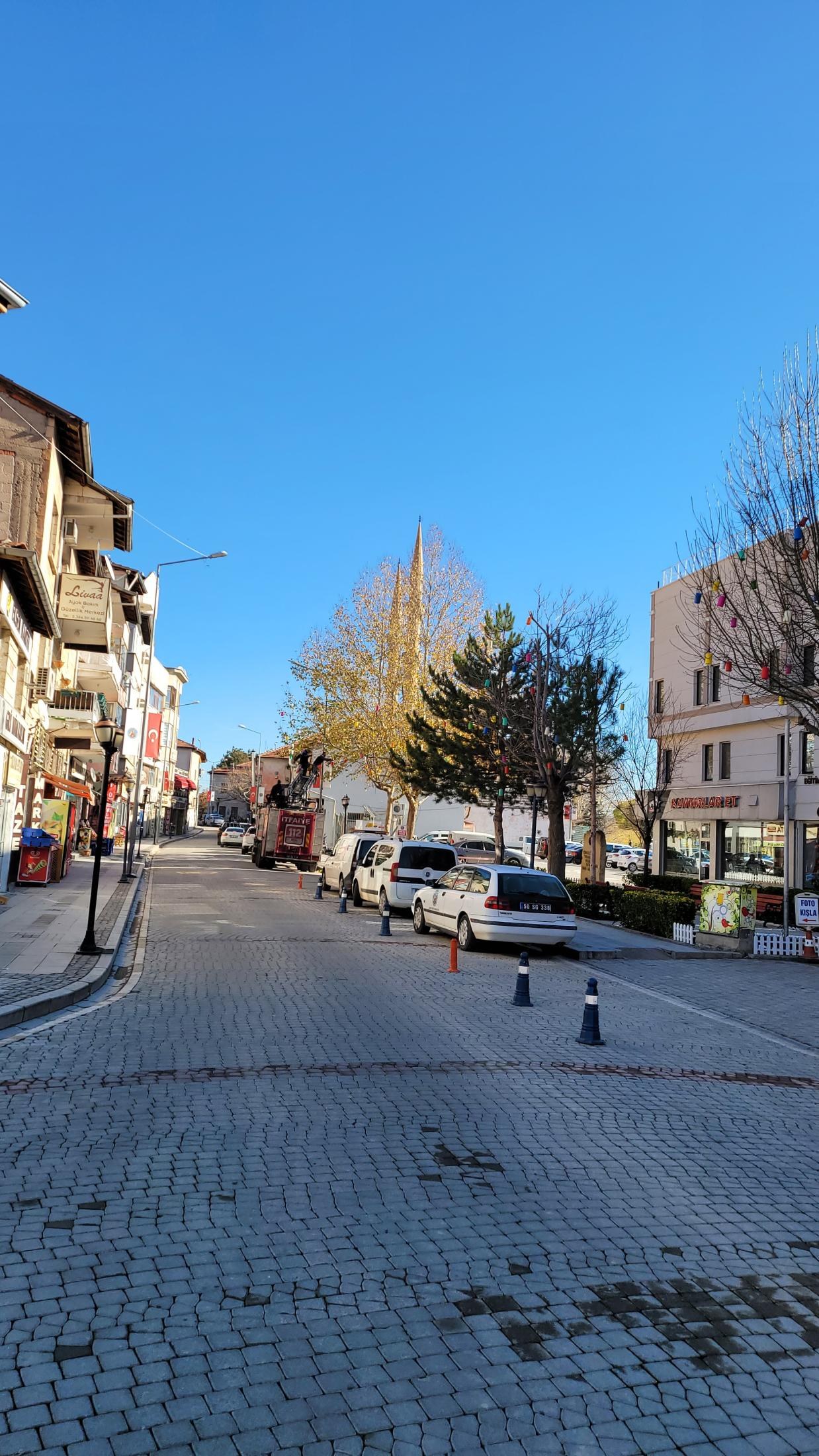
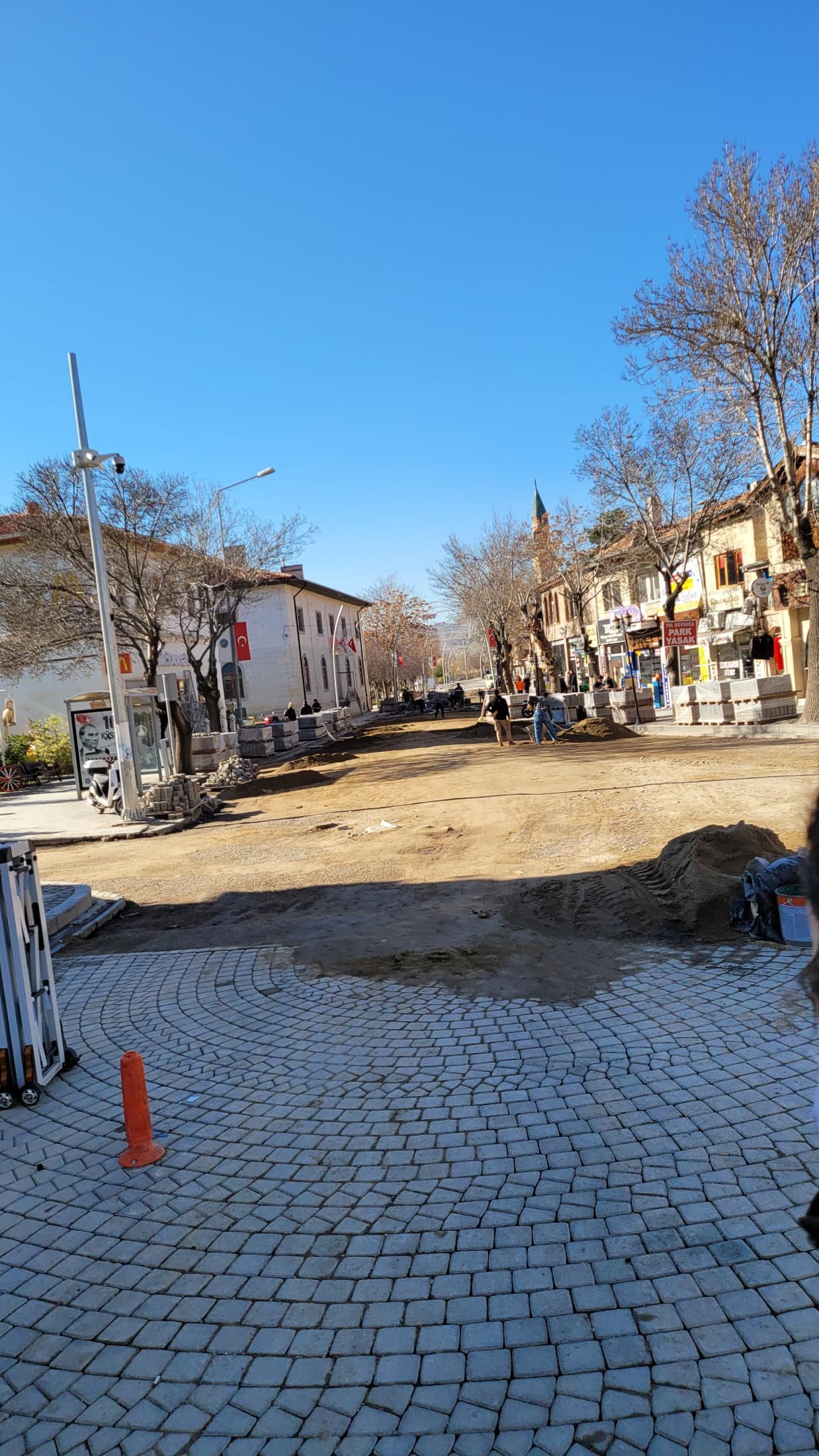
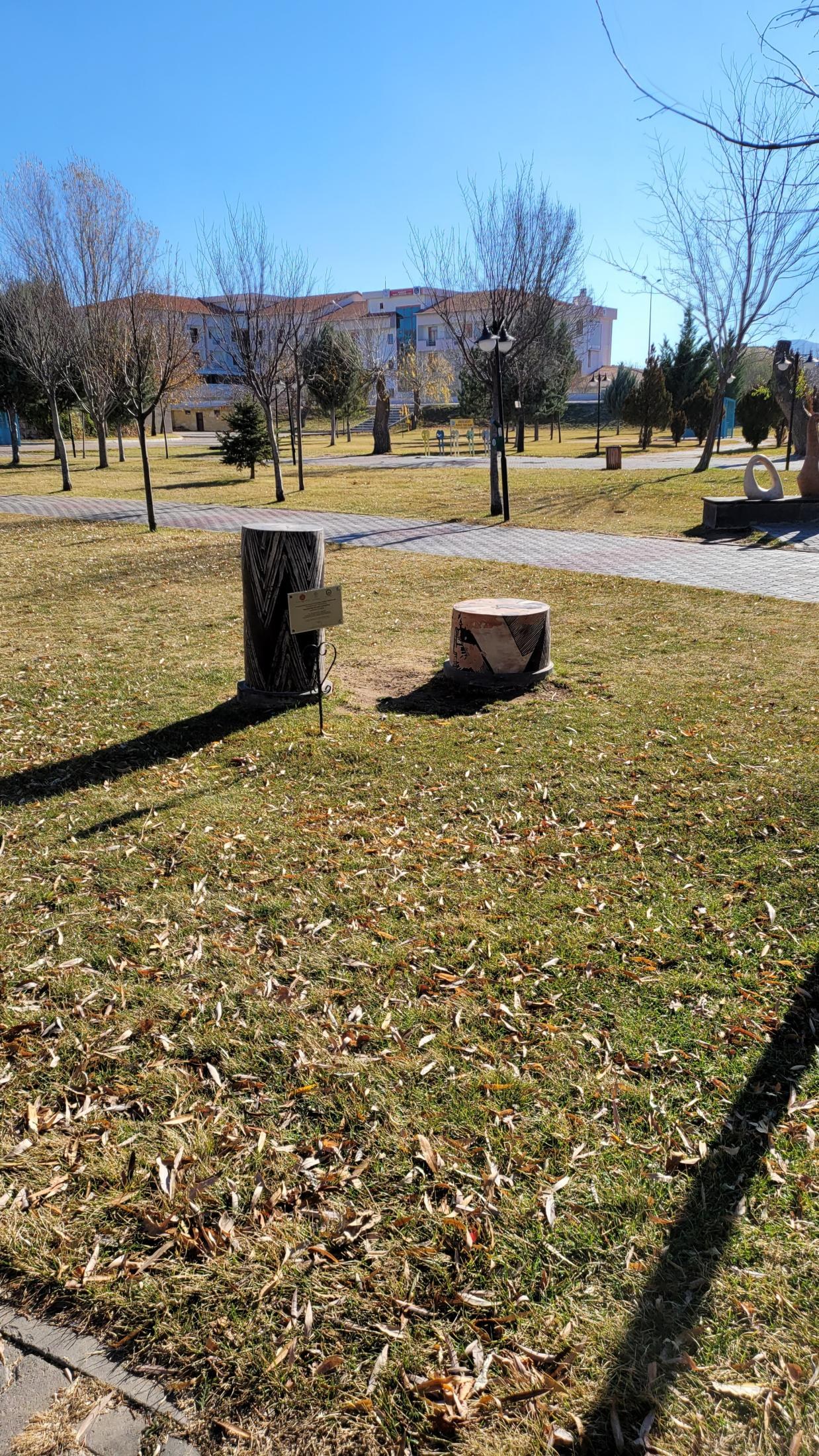
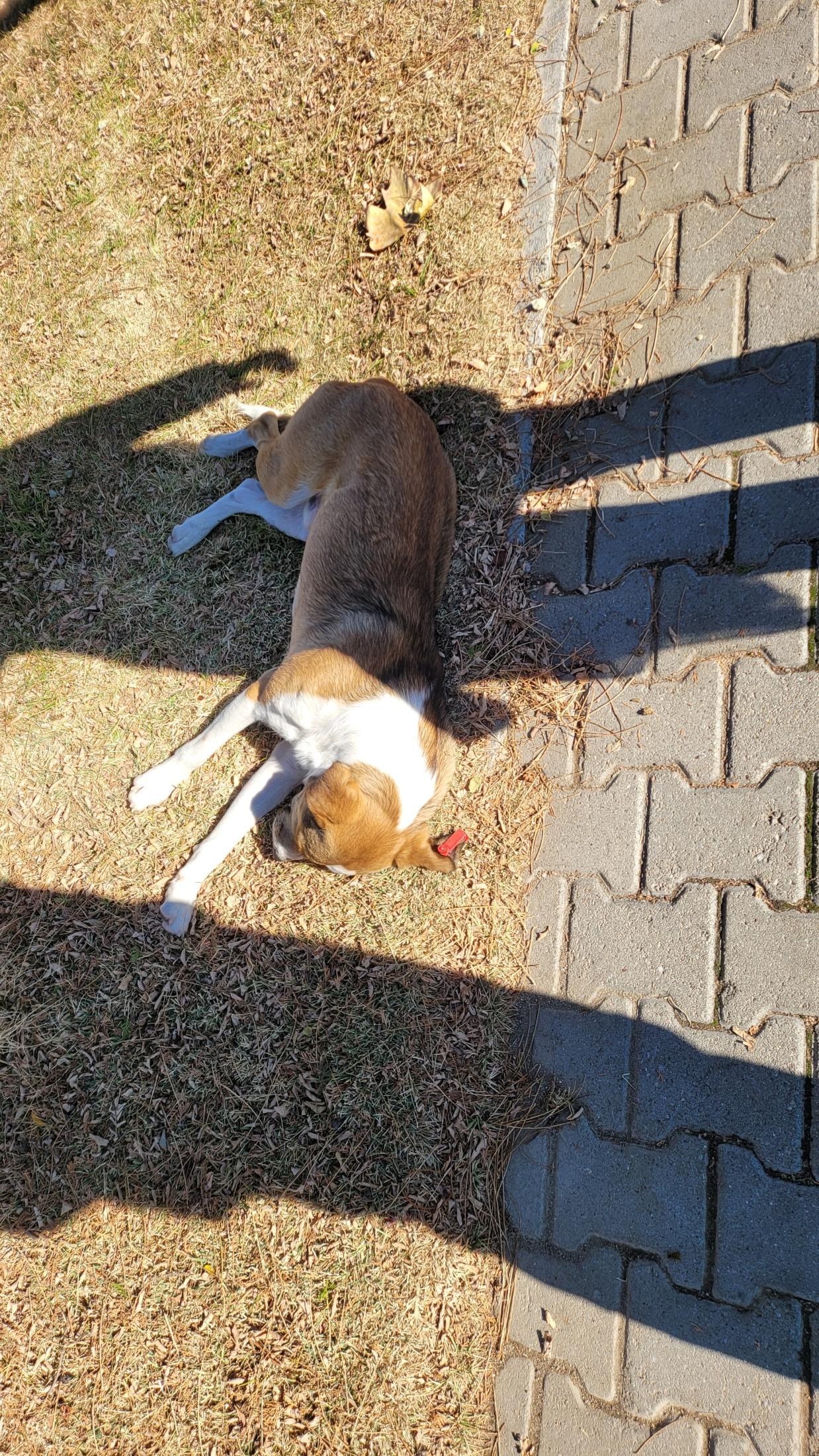
One of the villages that define Cappadocia. They stop us, the guide gives us the potted version. The town’s strength is ceramics and pottery. We get an hour and a half to wander. Look, a little street climbing upwards, clearly heading for high ground. A view over the valleys of Cappadocia. Fridge magnets for next to nothing. Animals everywhere. Caaaaats. A walk — and here too they’re building new things wholesale, an entire square. McDonald’s: a large Big Mac meal works out at pocket money. Turkish ice cream, not bad at all. Plan for the future: come by car and do some shopping. The hour and a half both flies by and is enough. The organisers have judged it well.
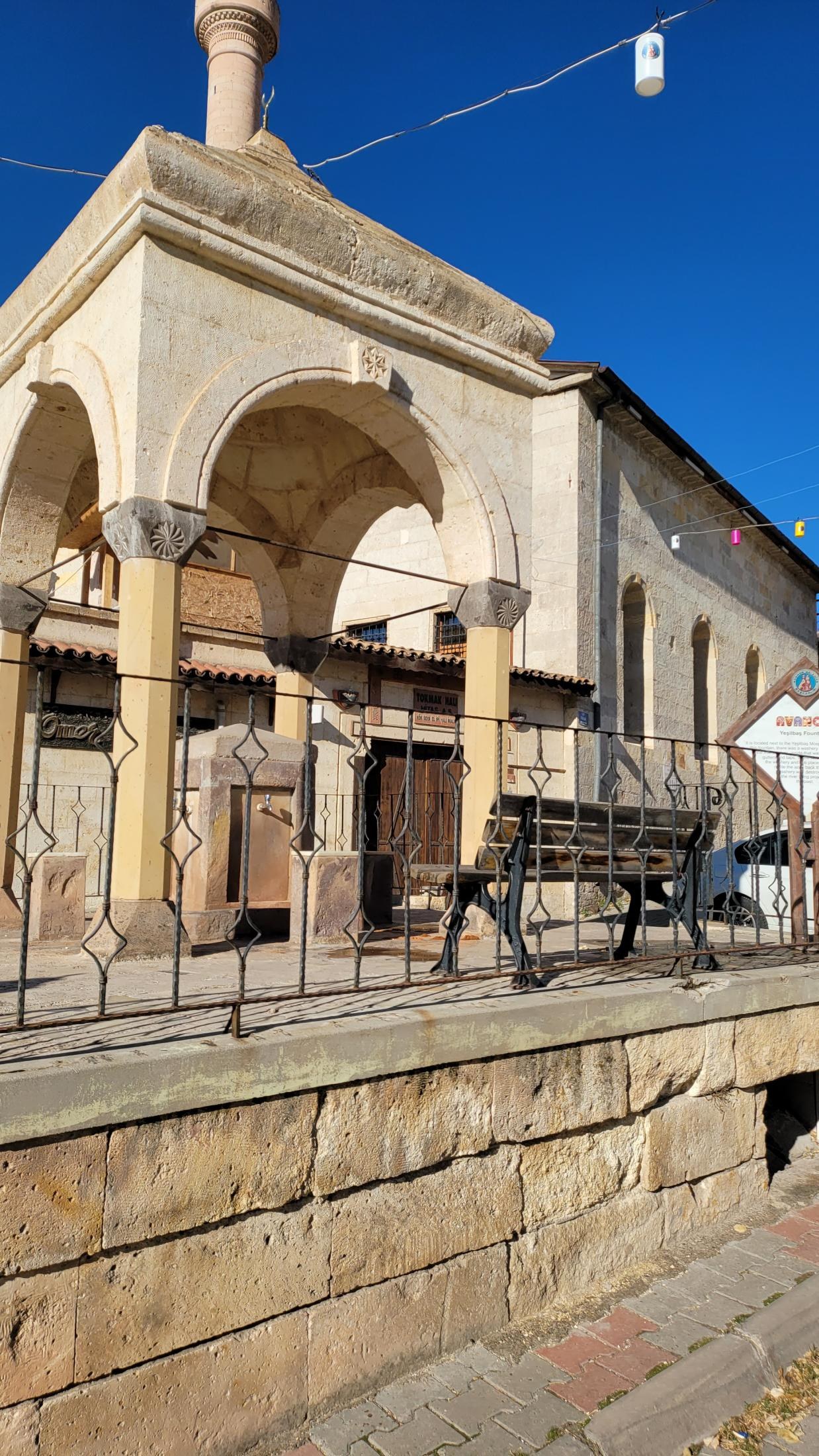
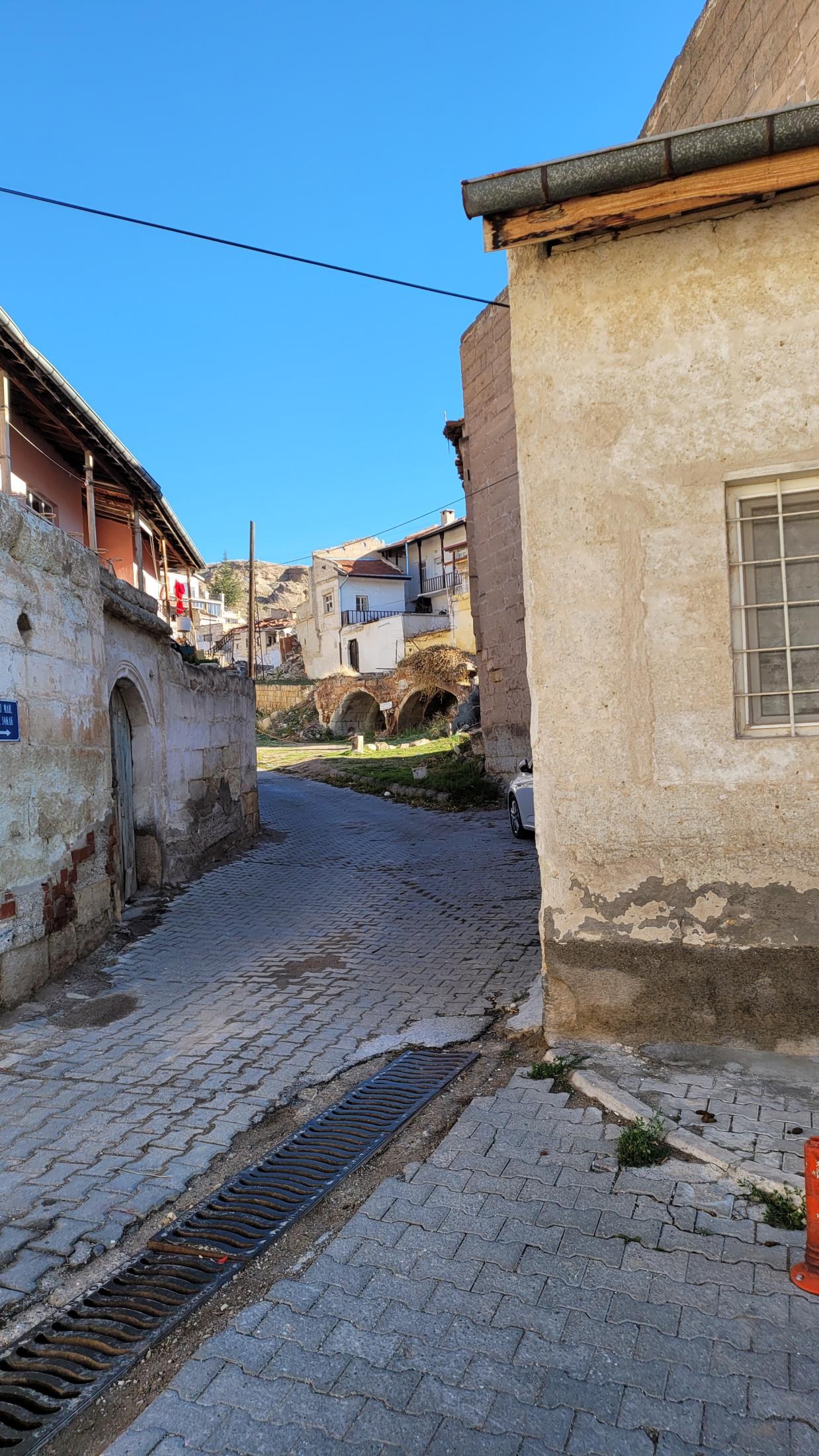
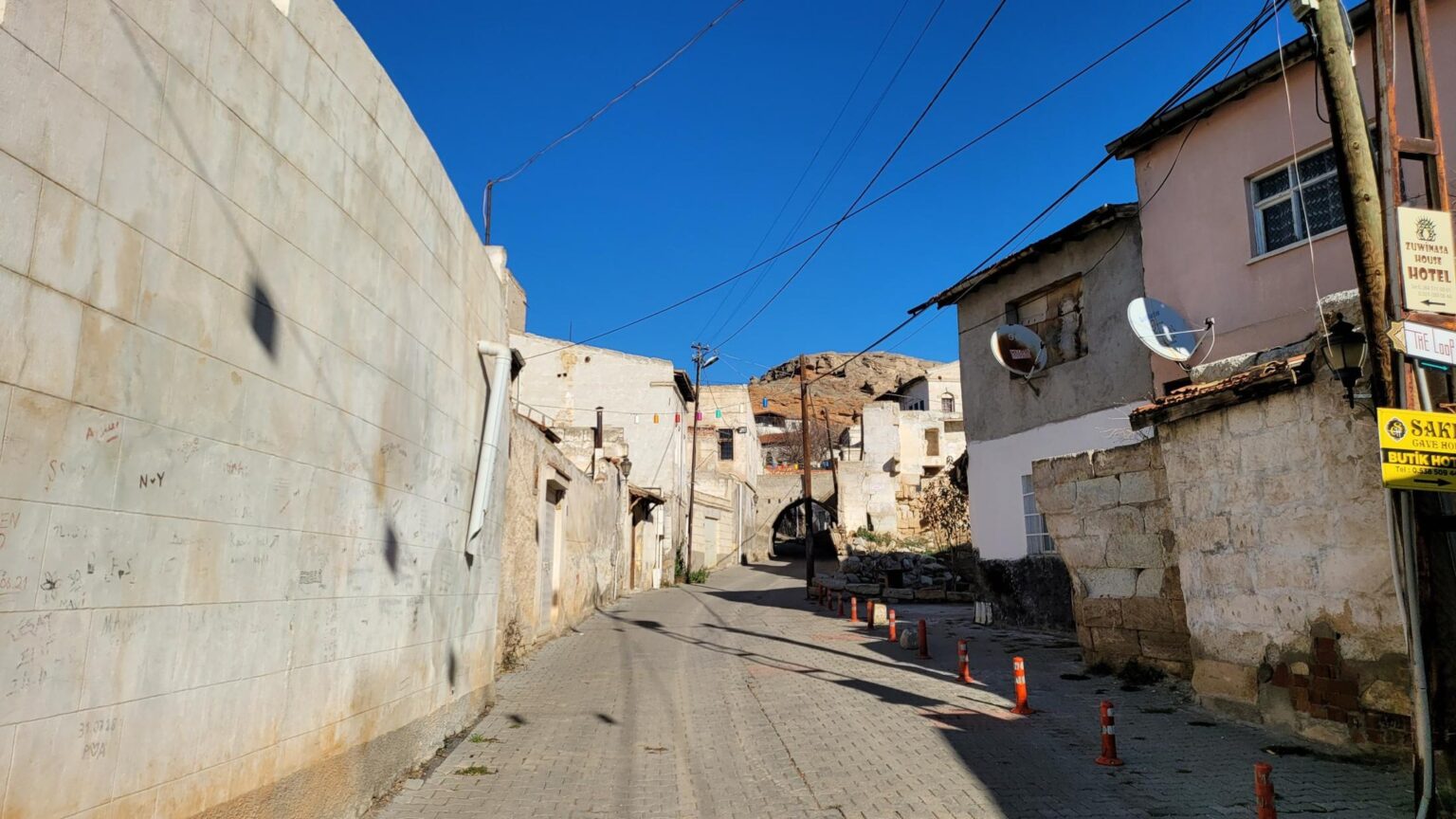
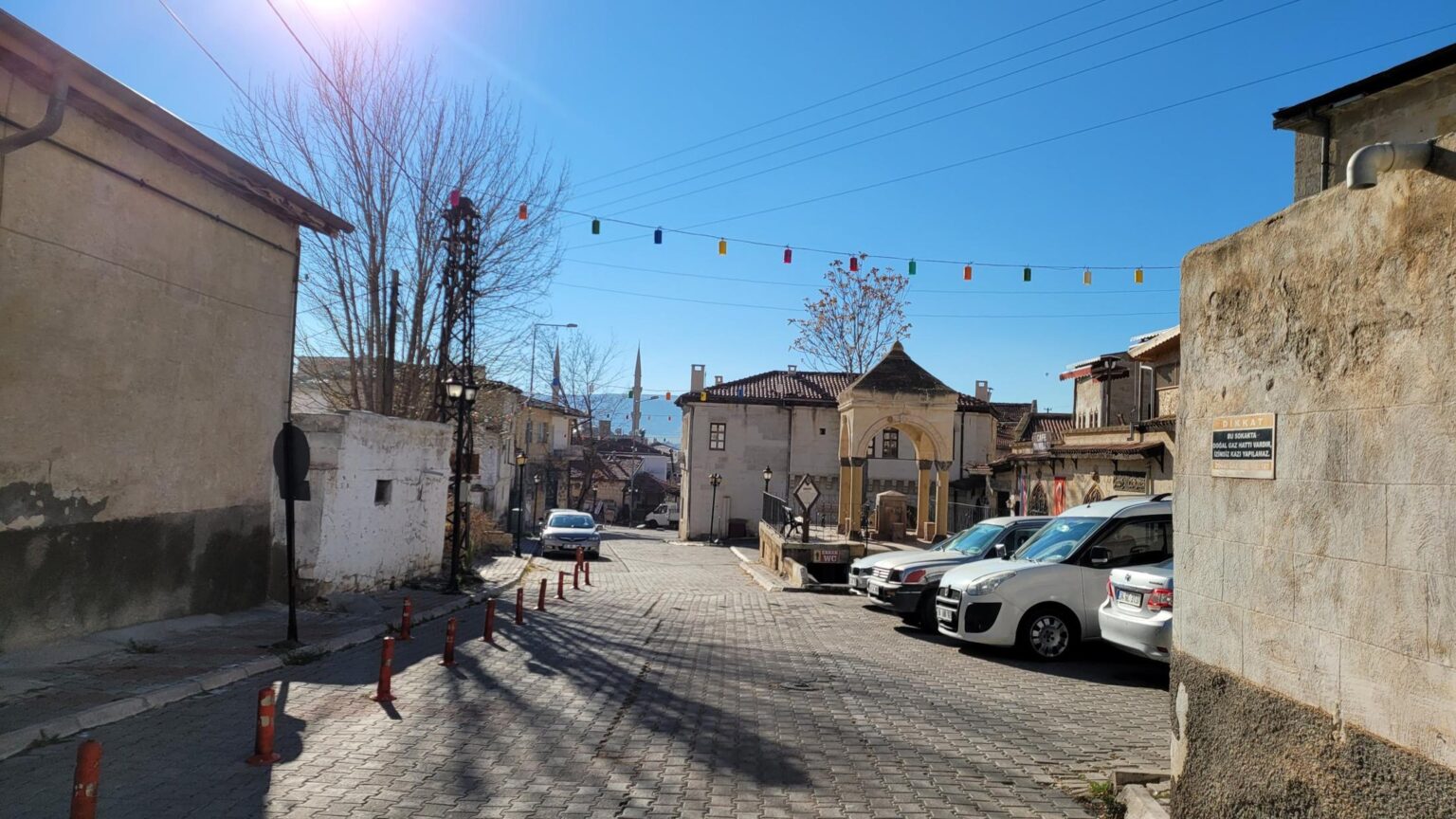
Through the valleys
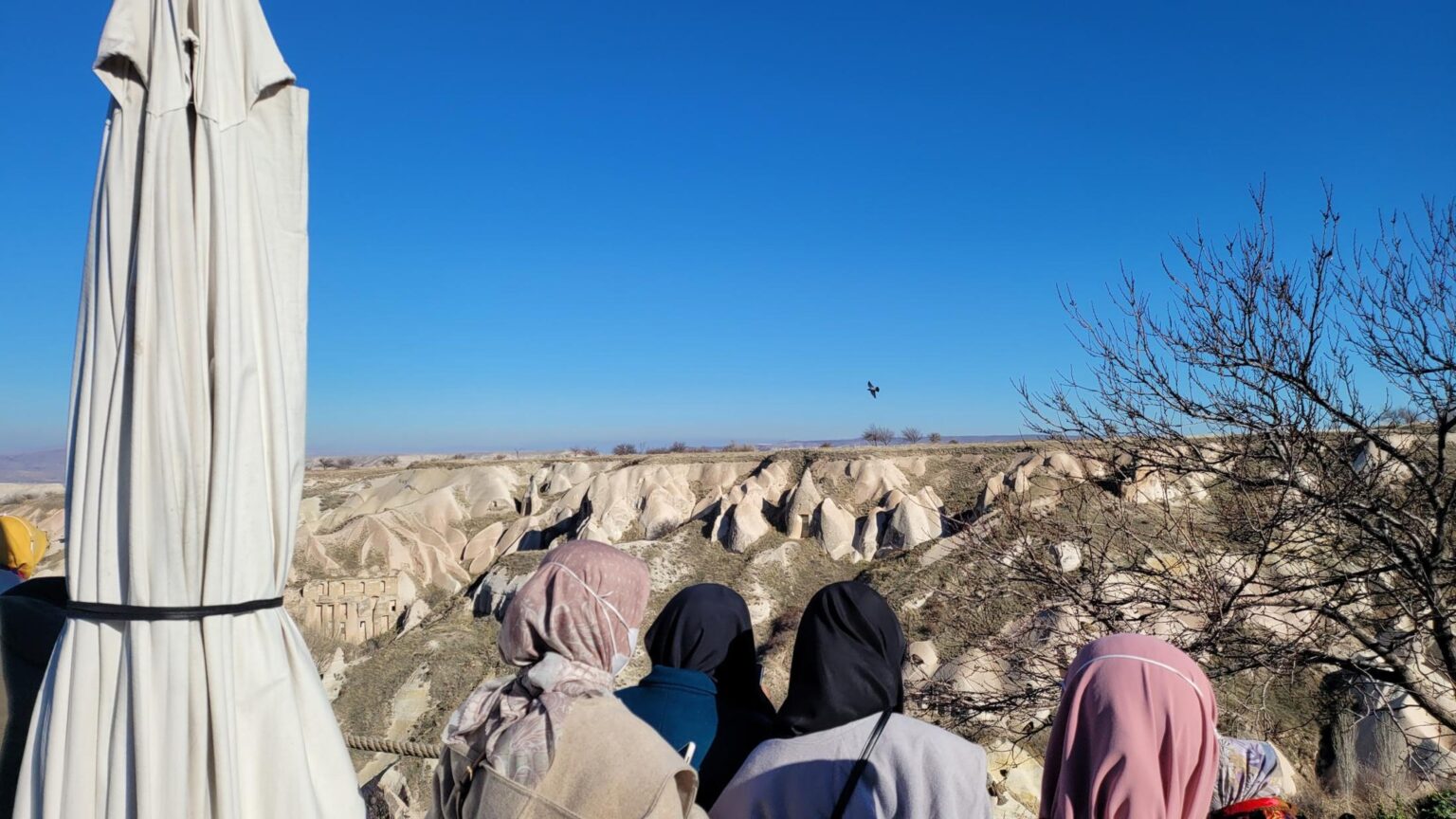
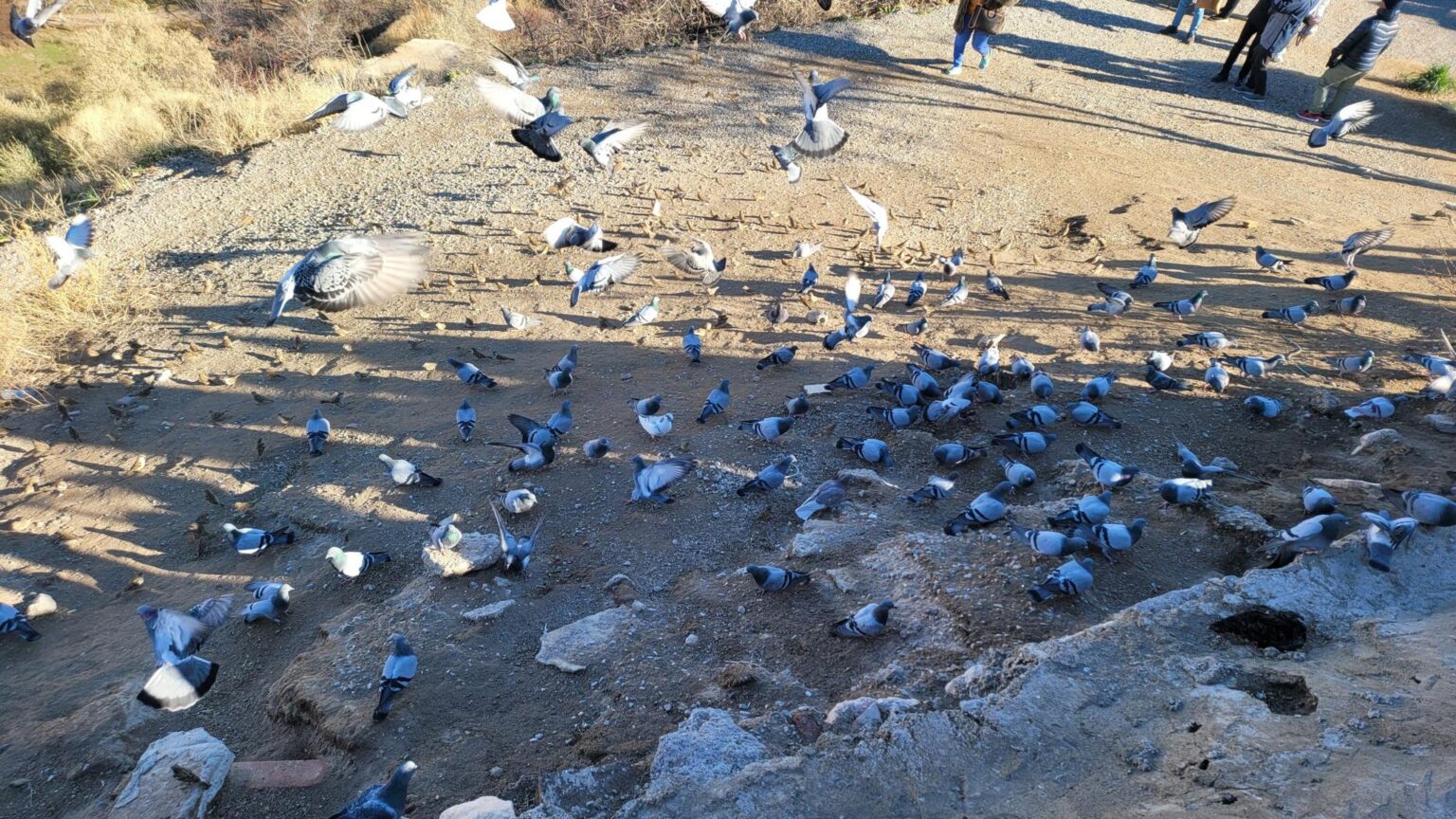
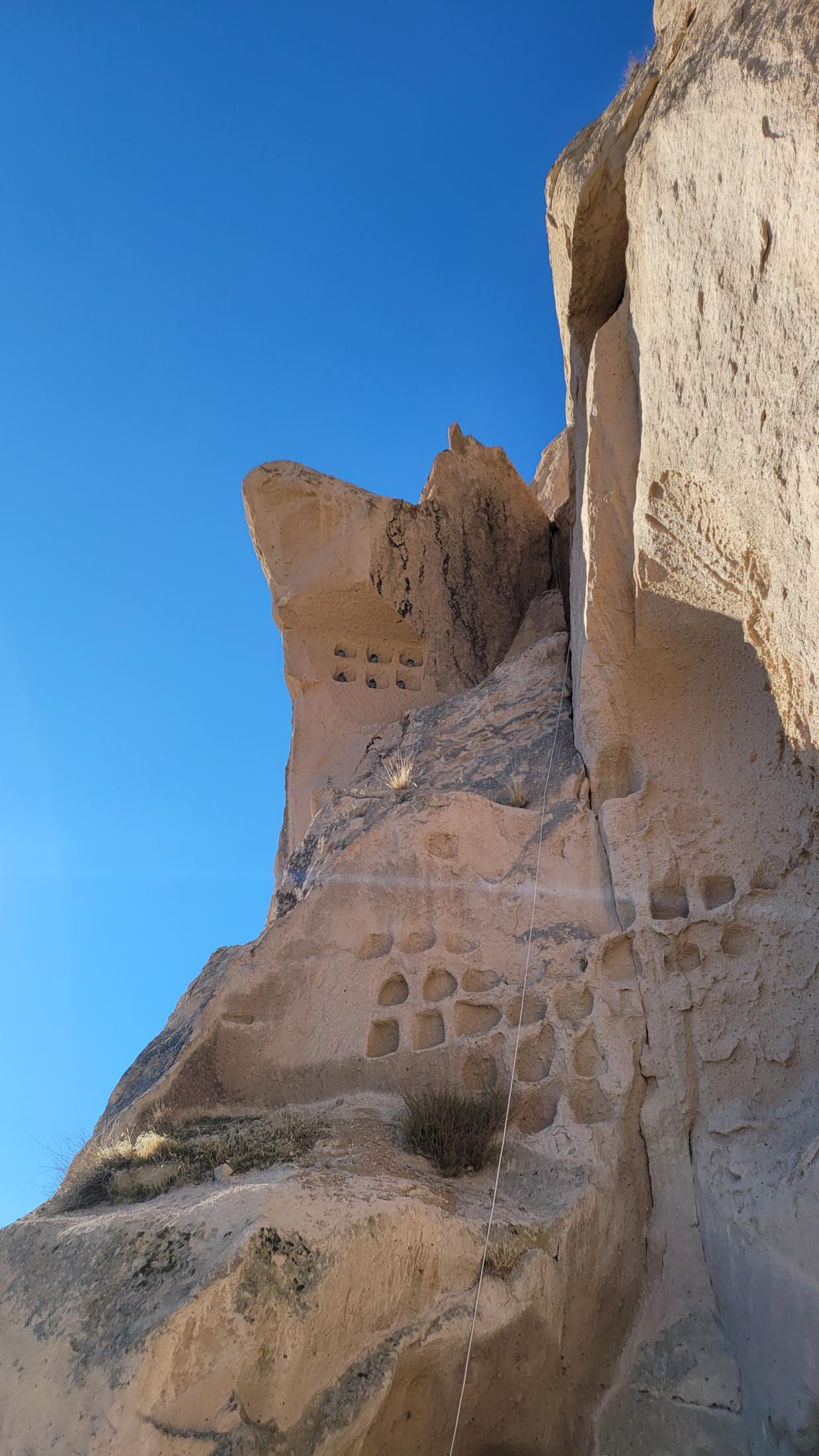
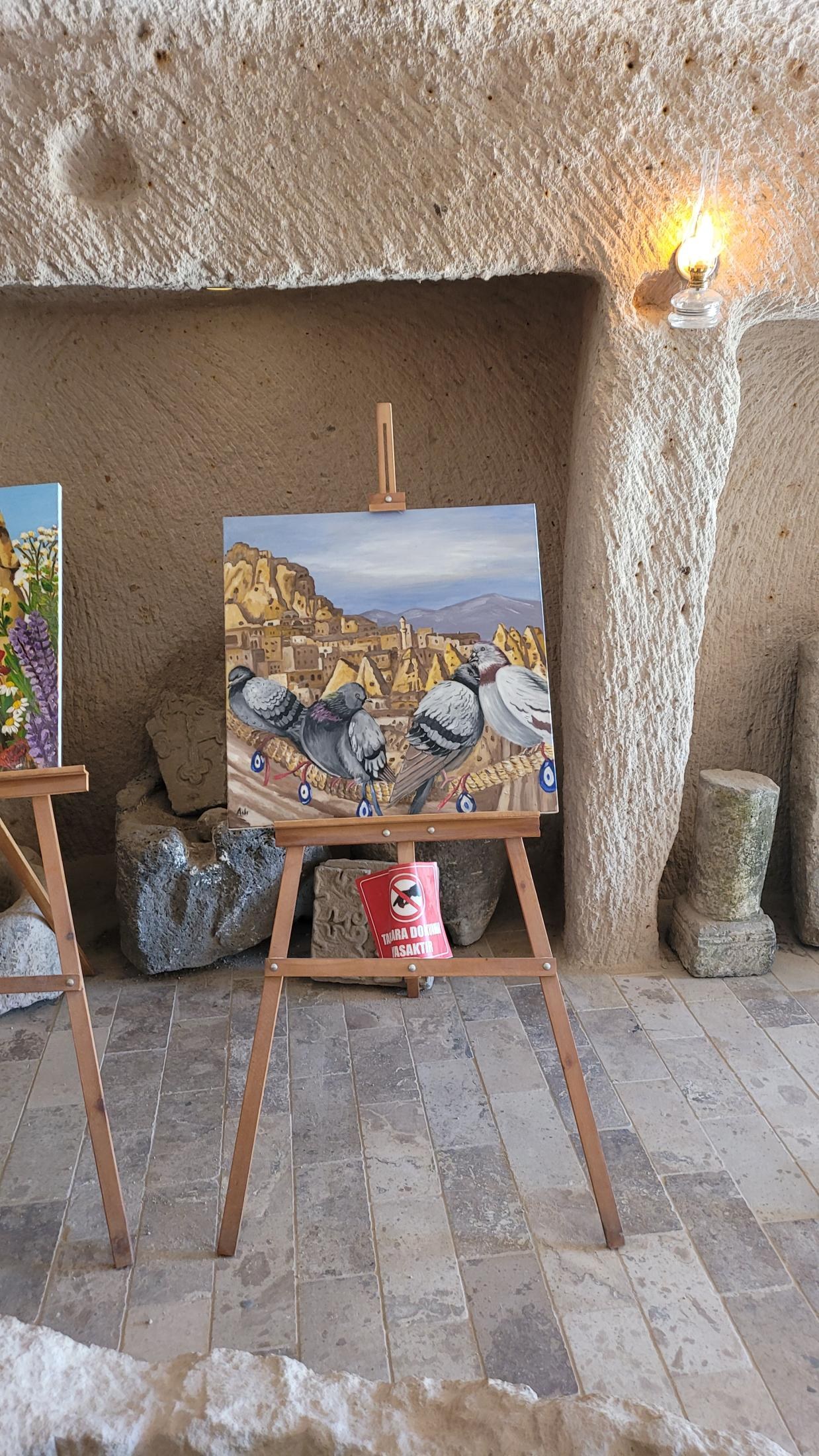
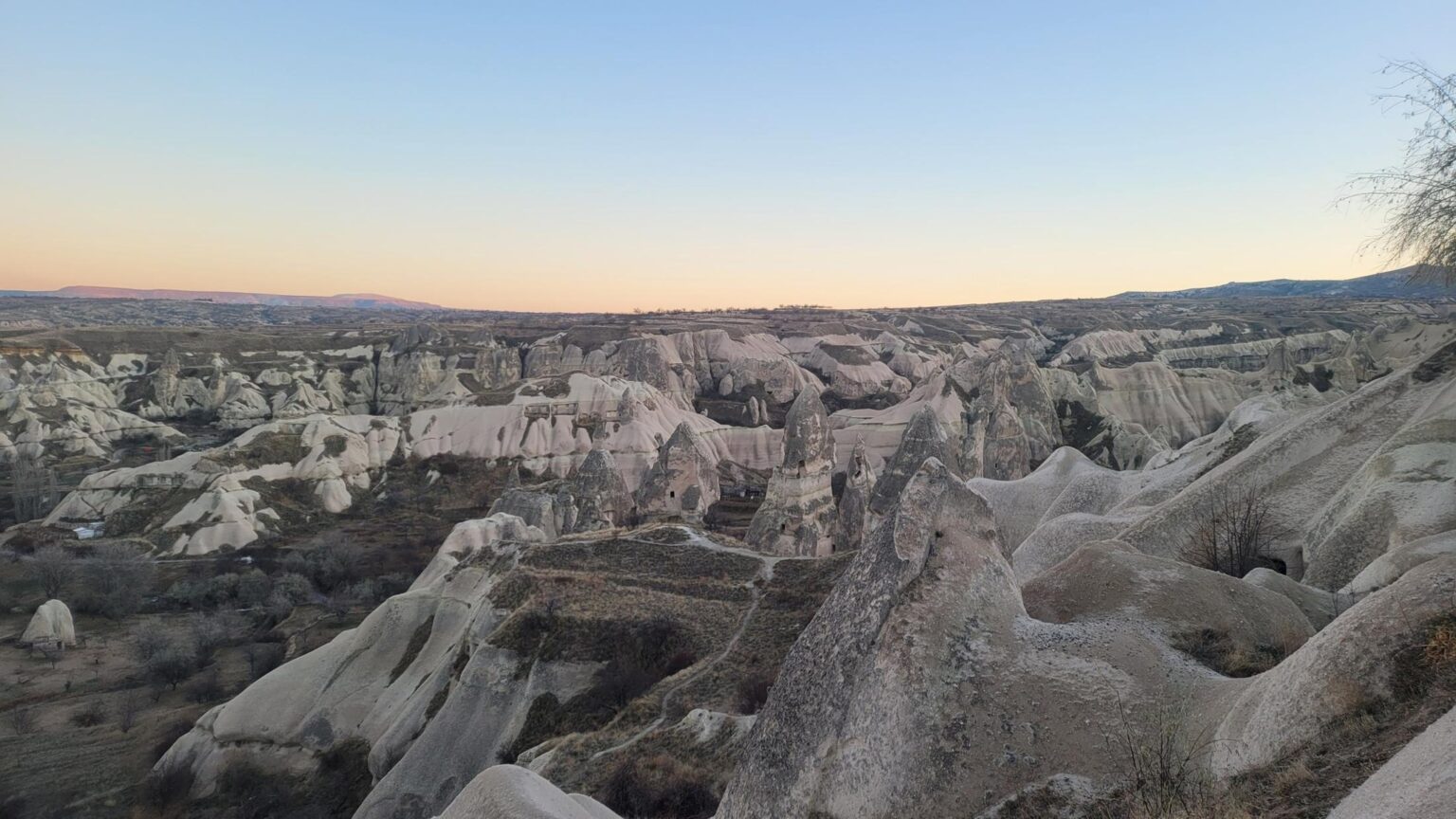
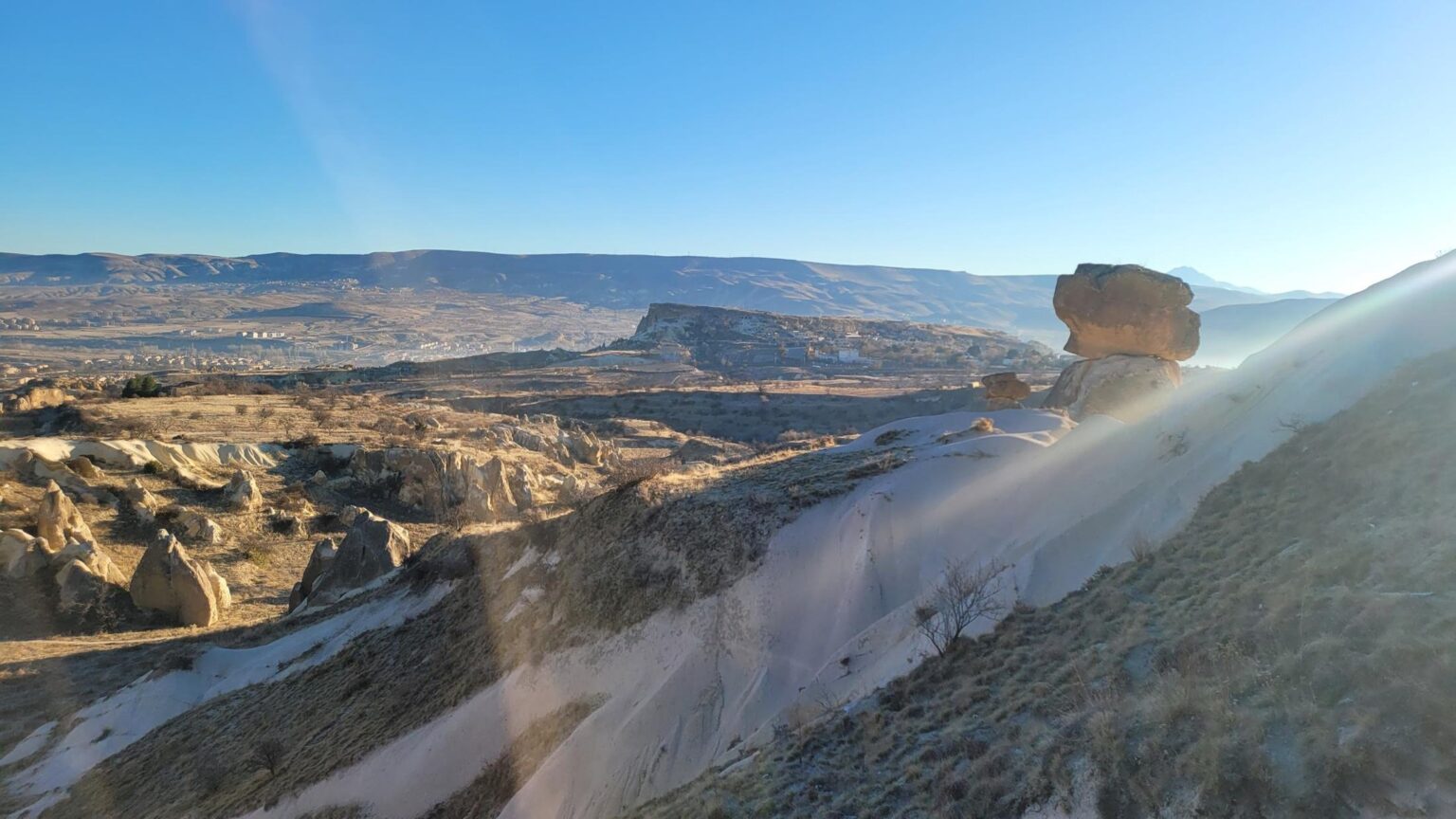
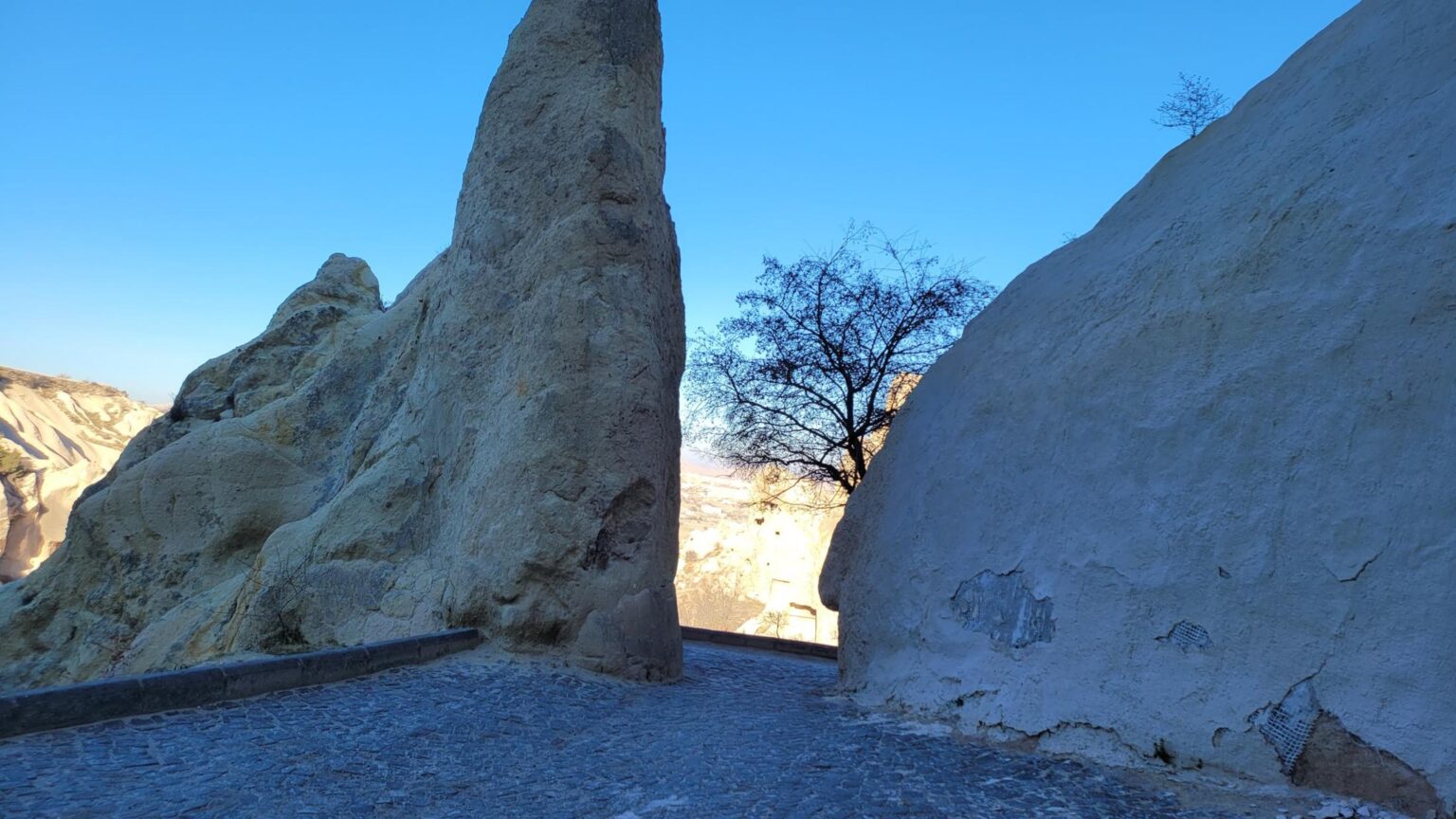
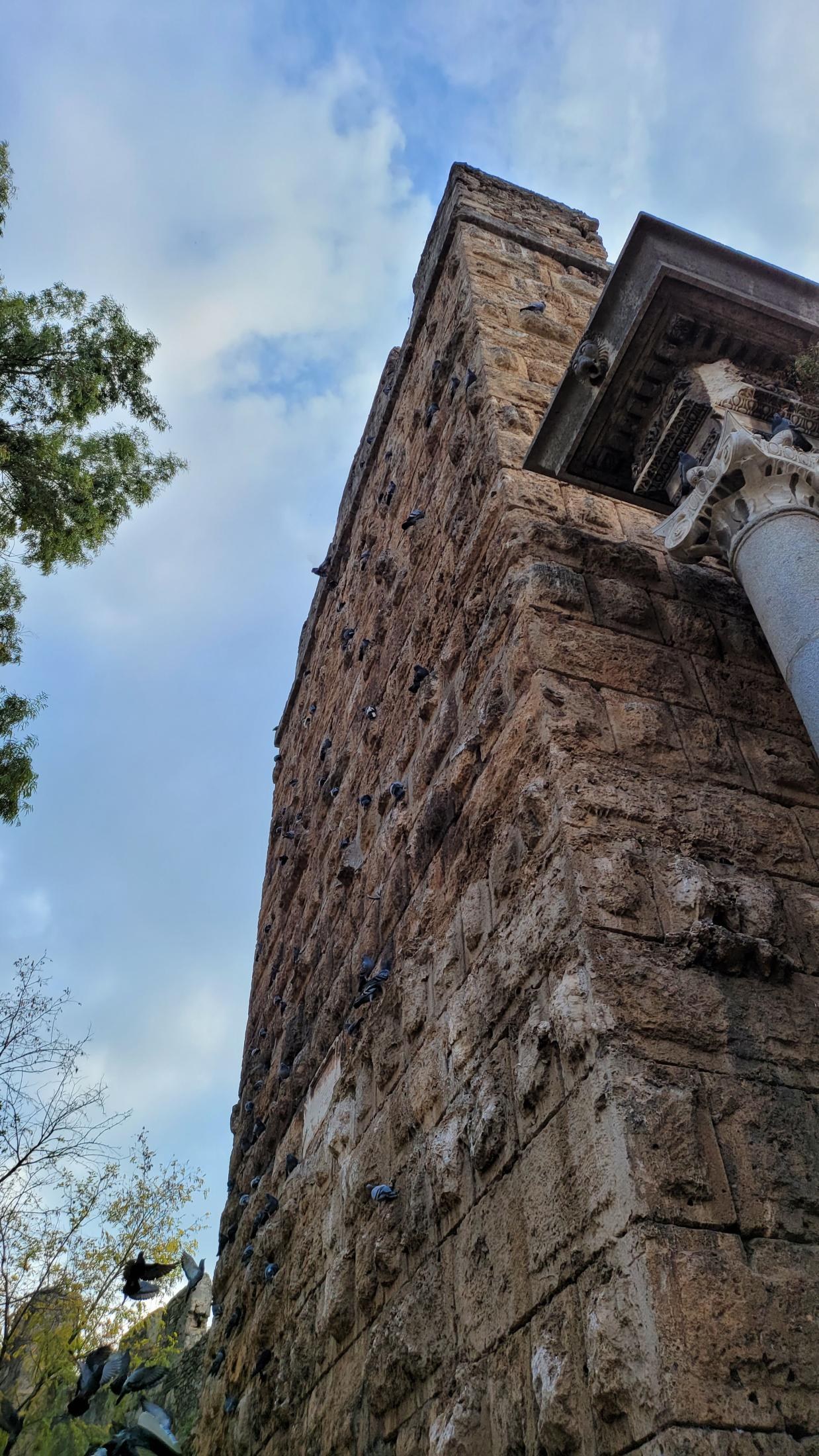
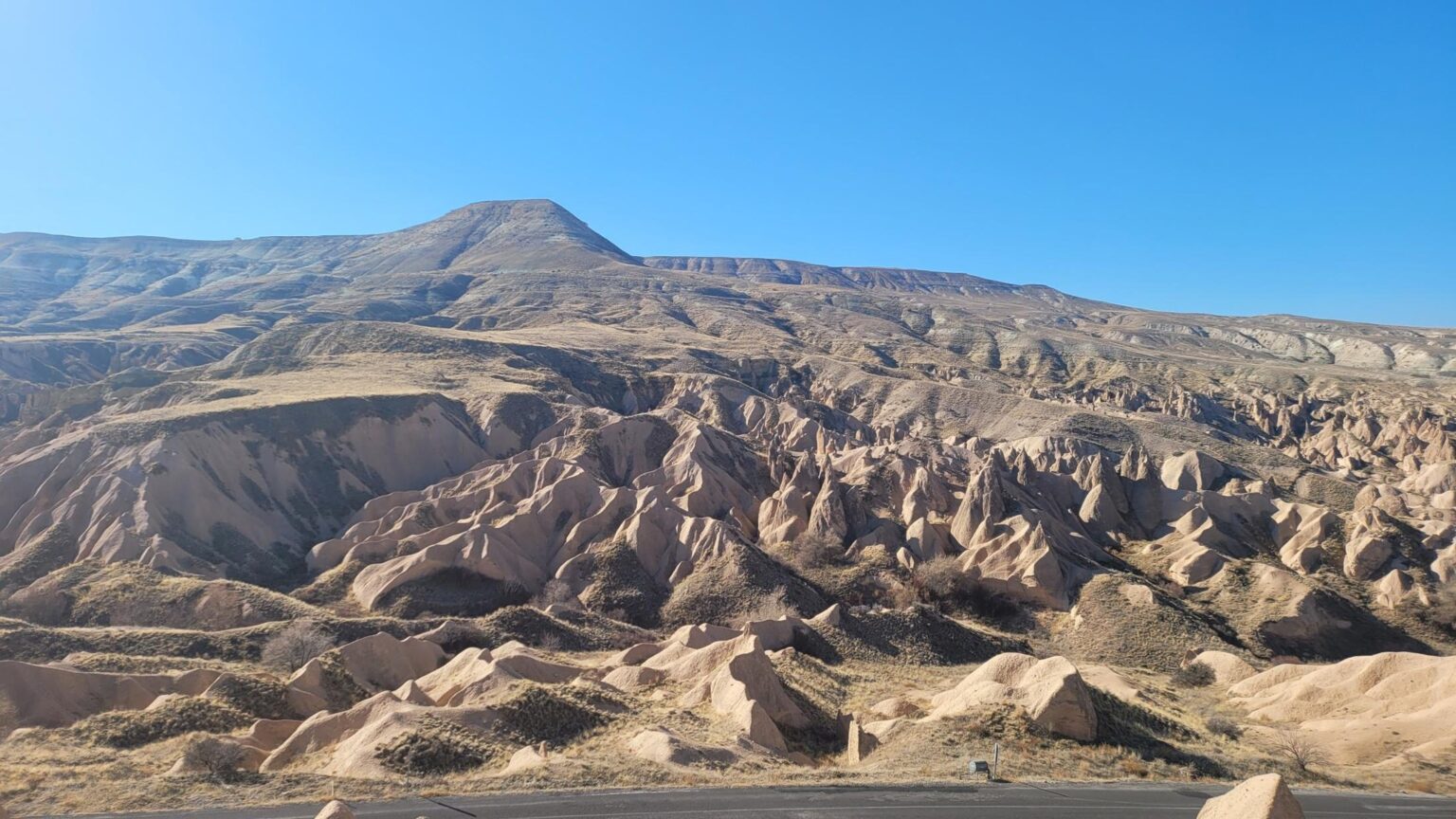
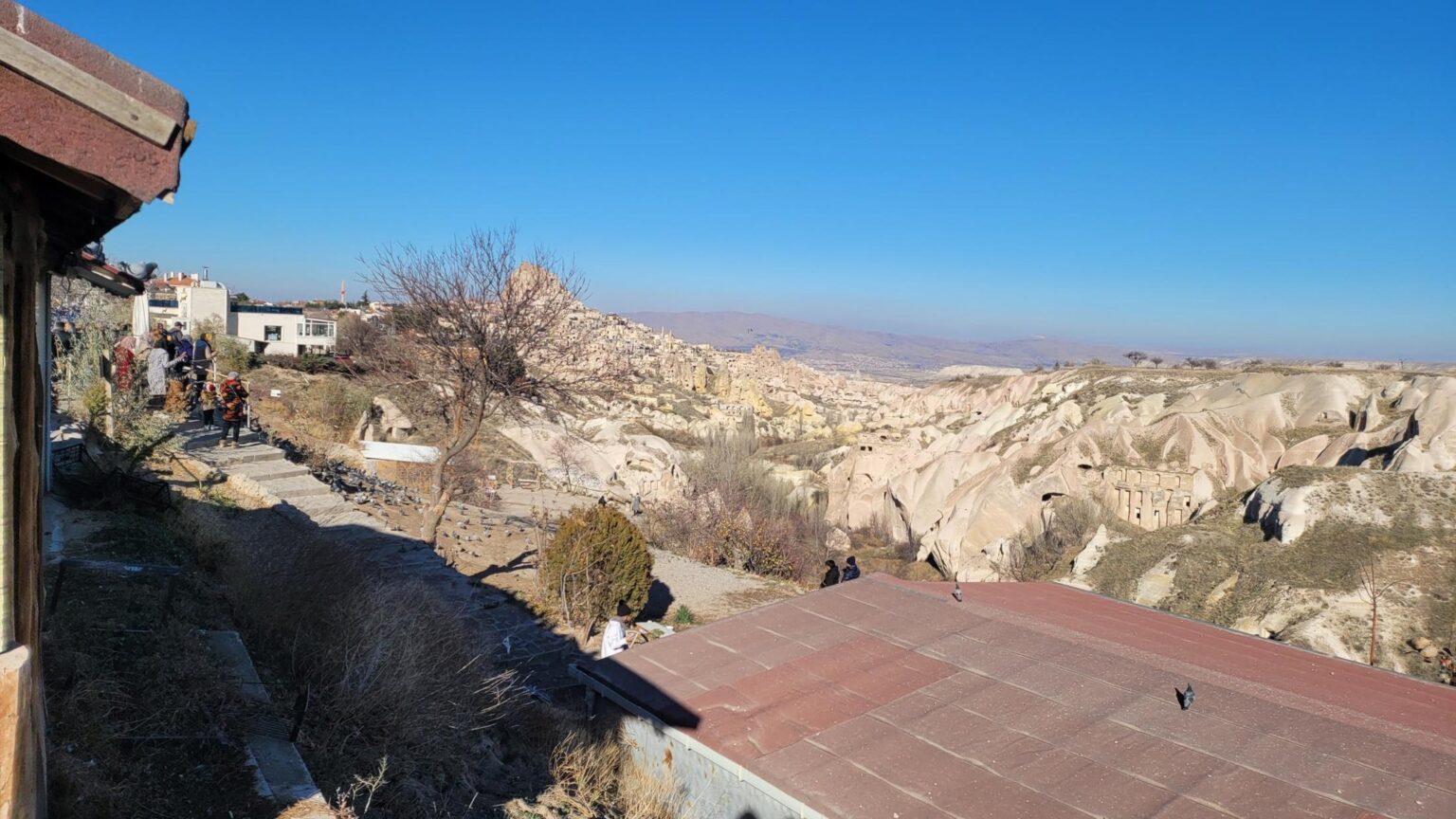
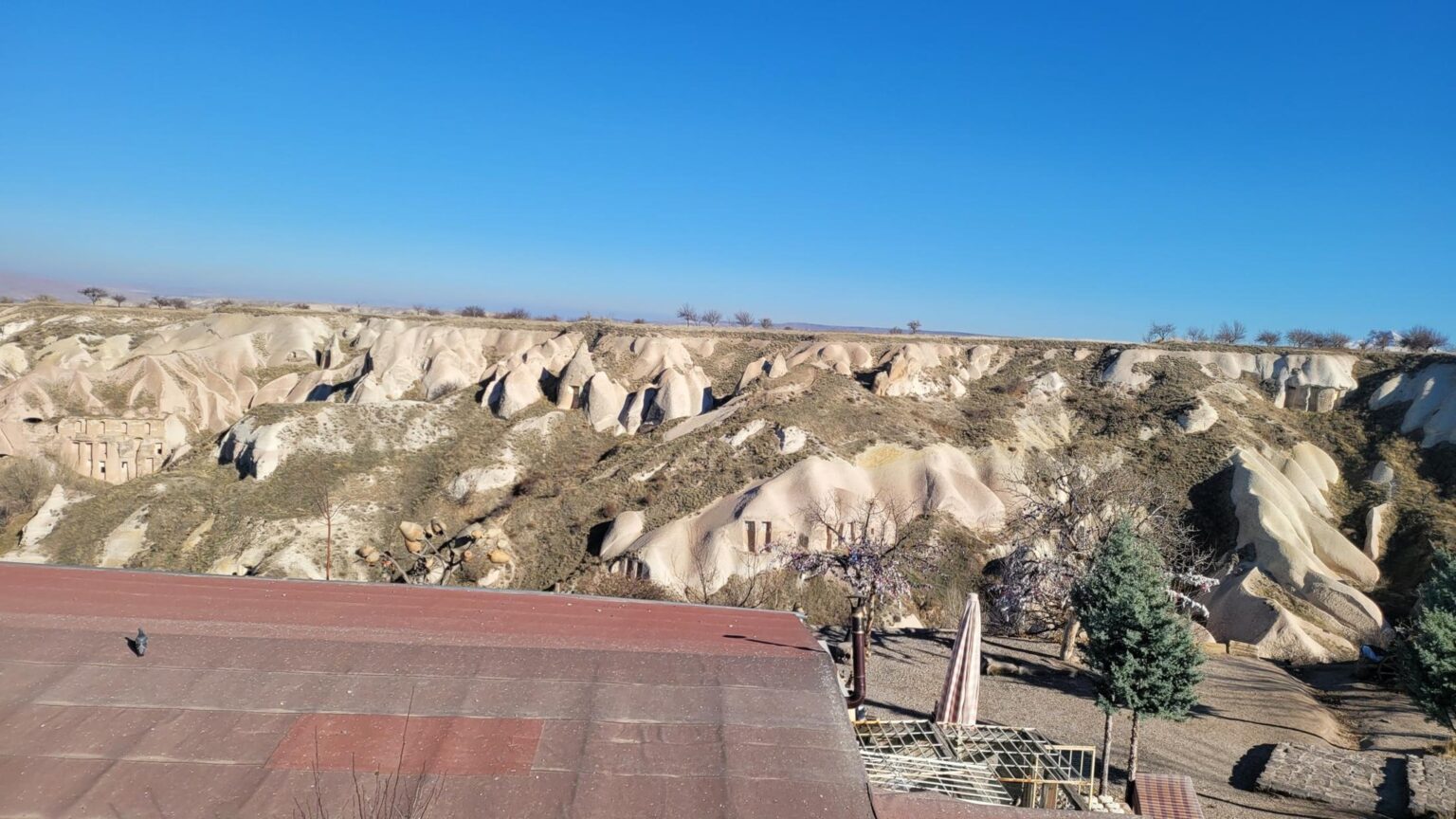
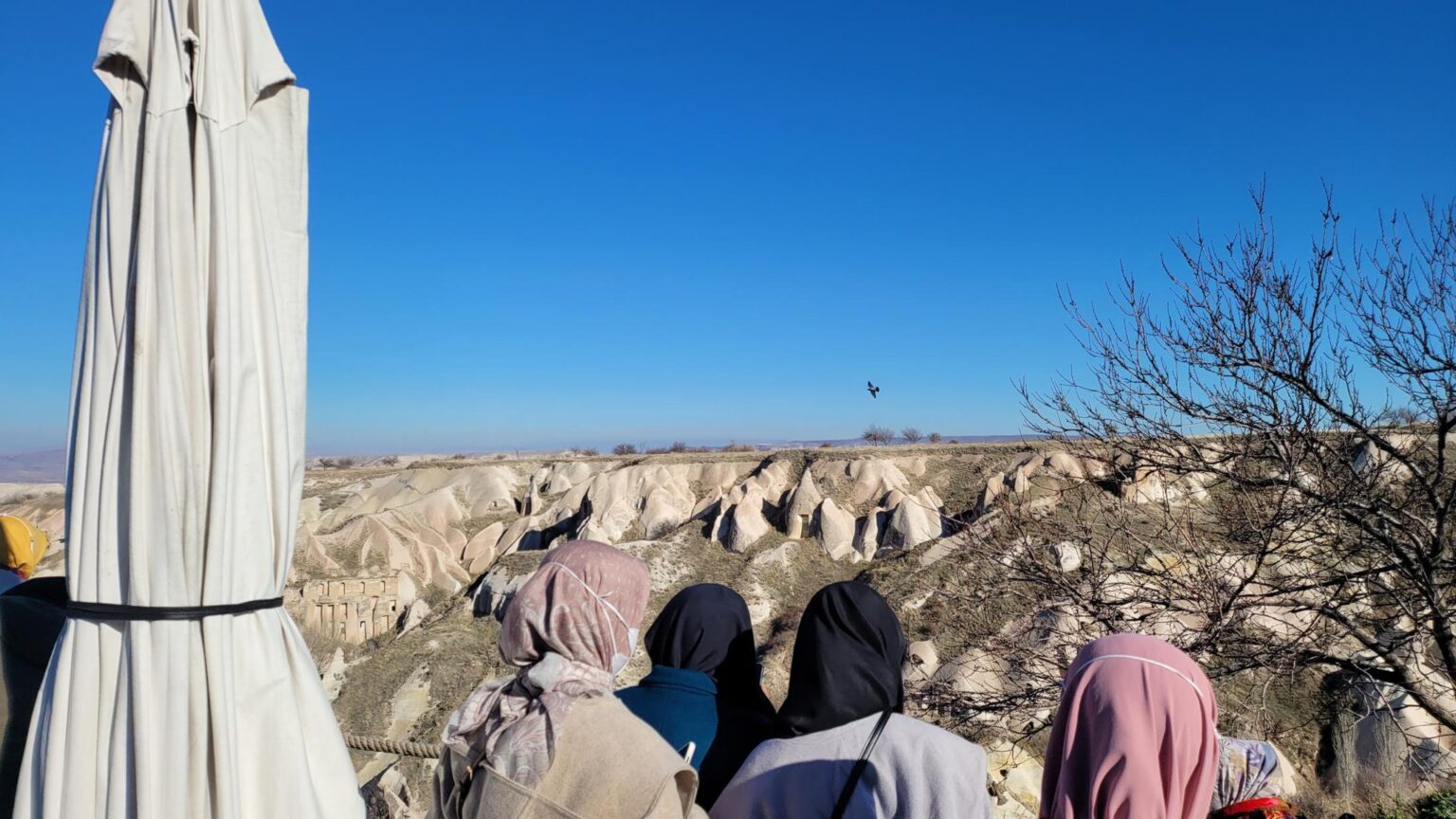
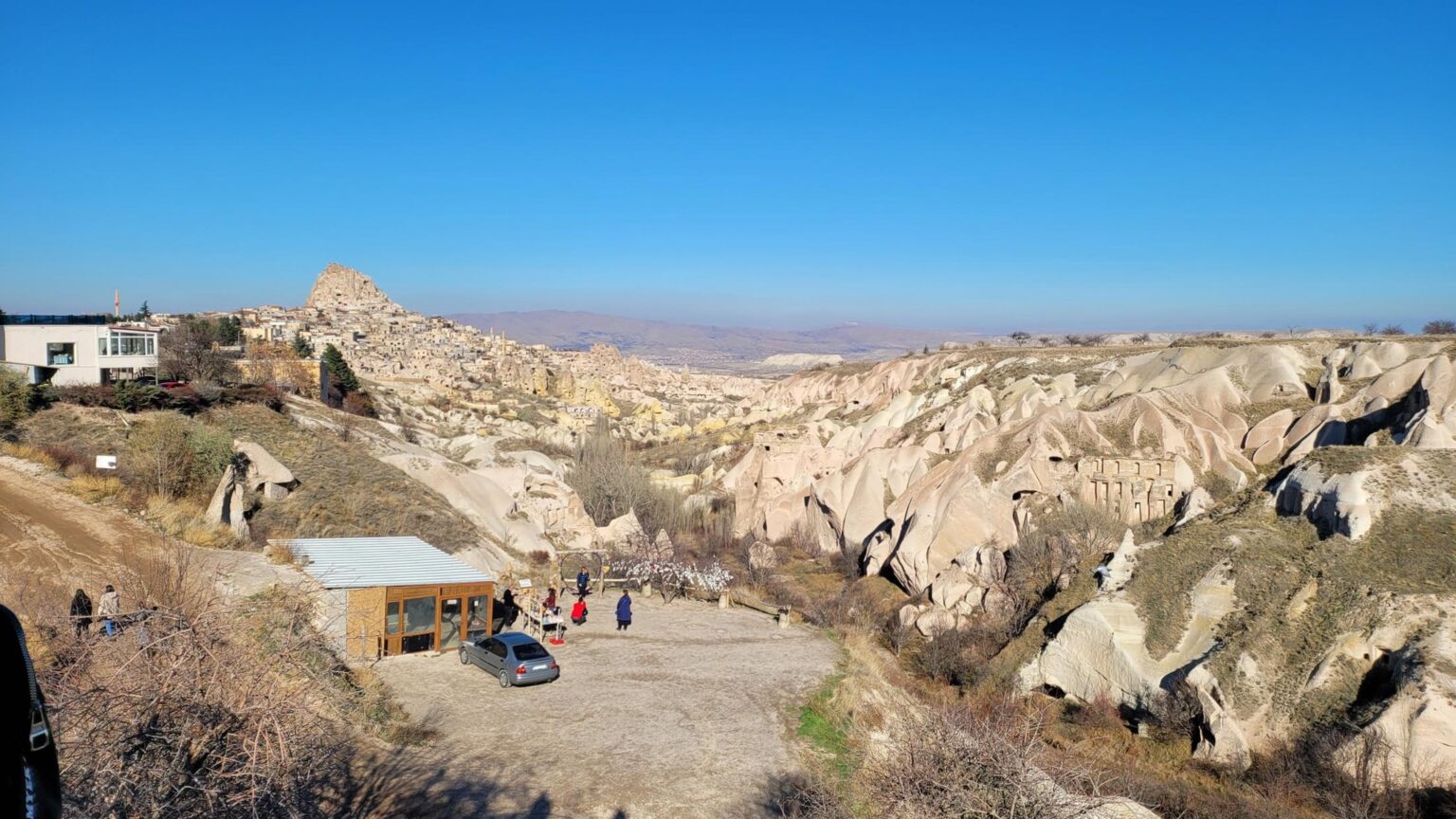
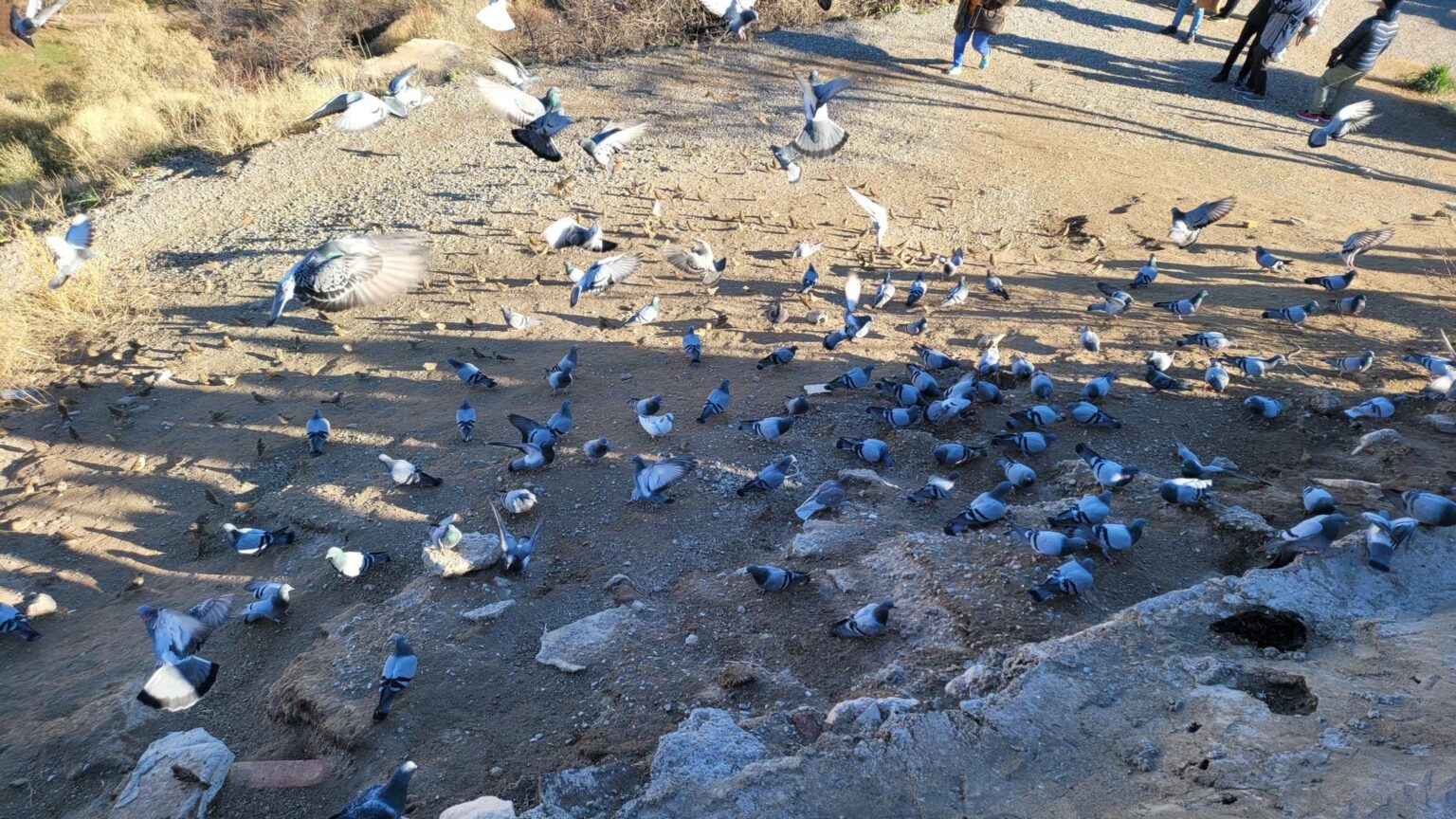
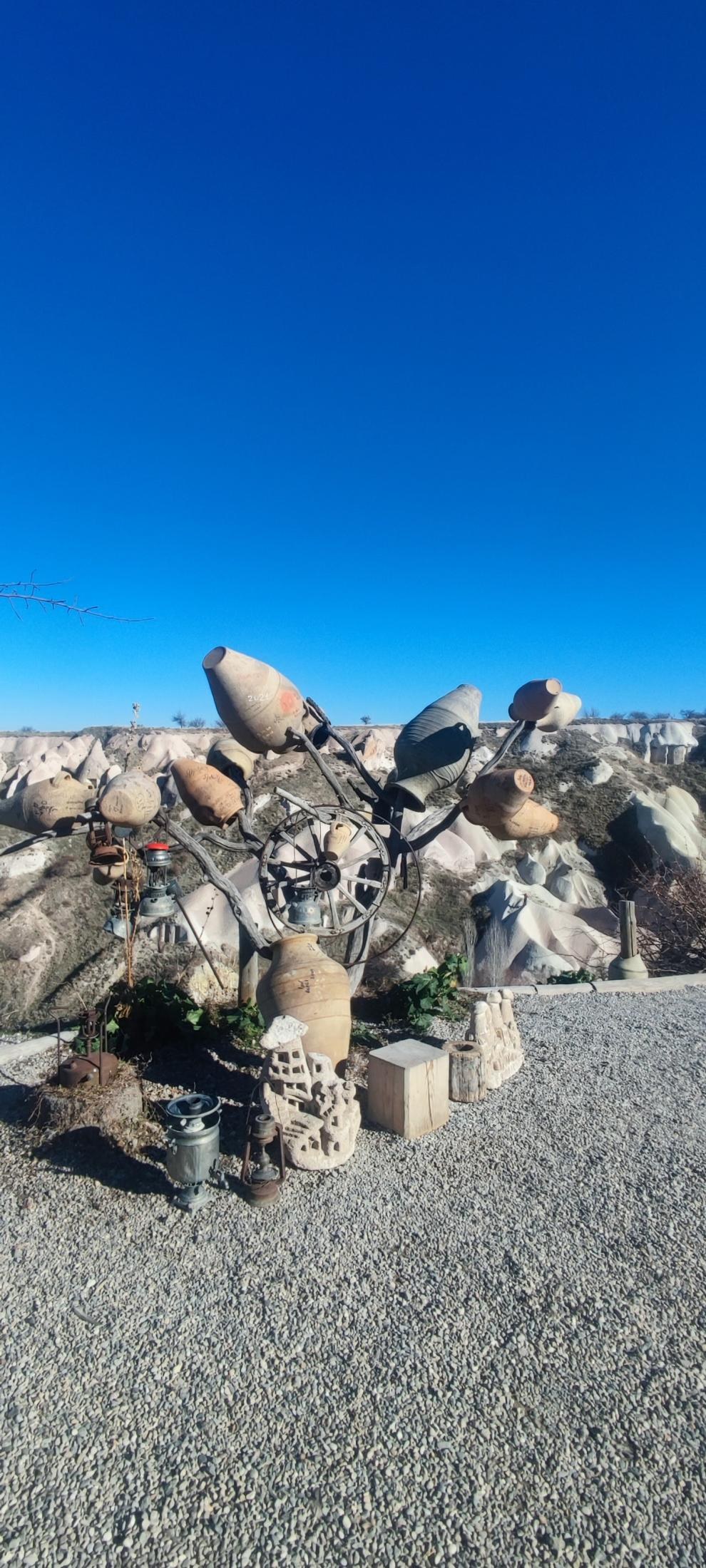
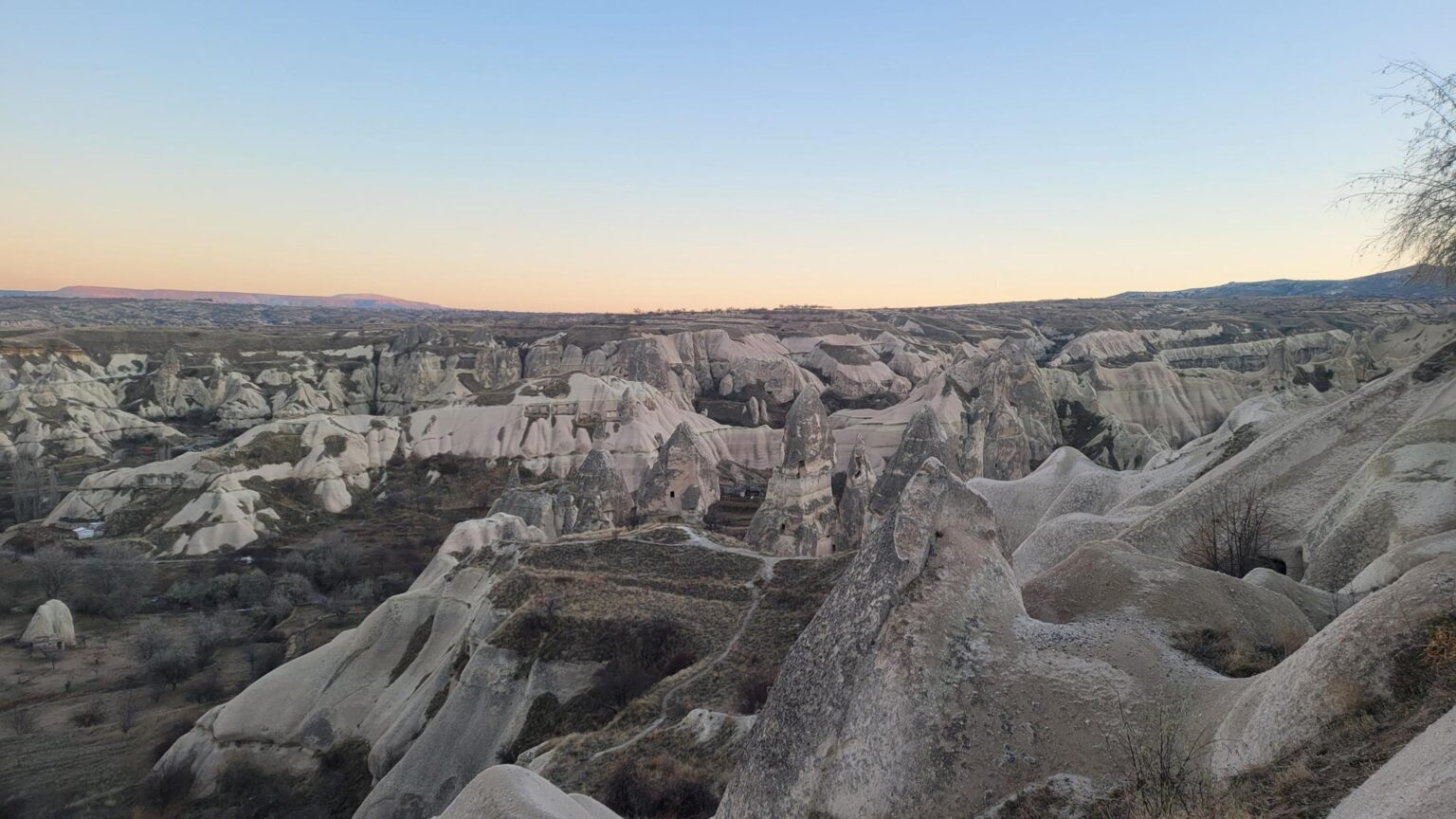
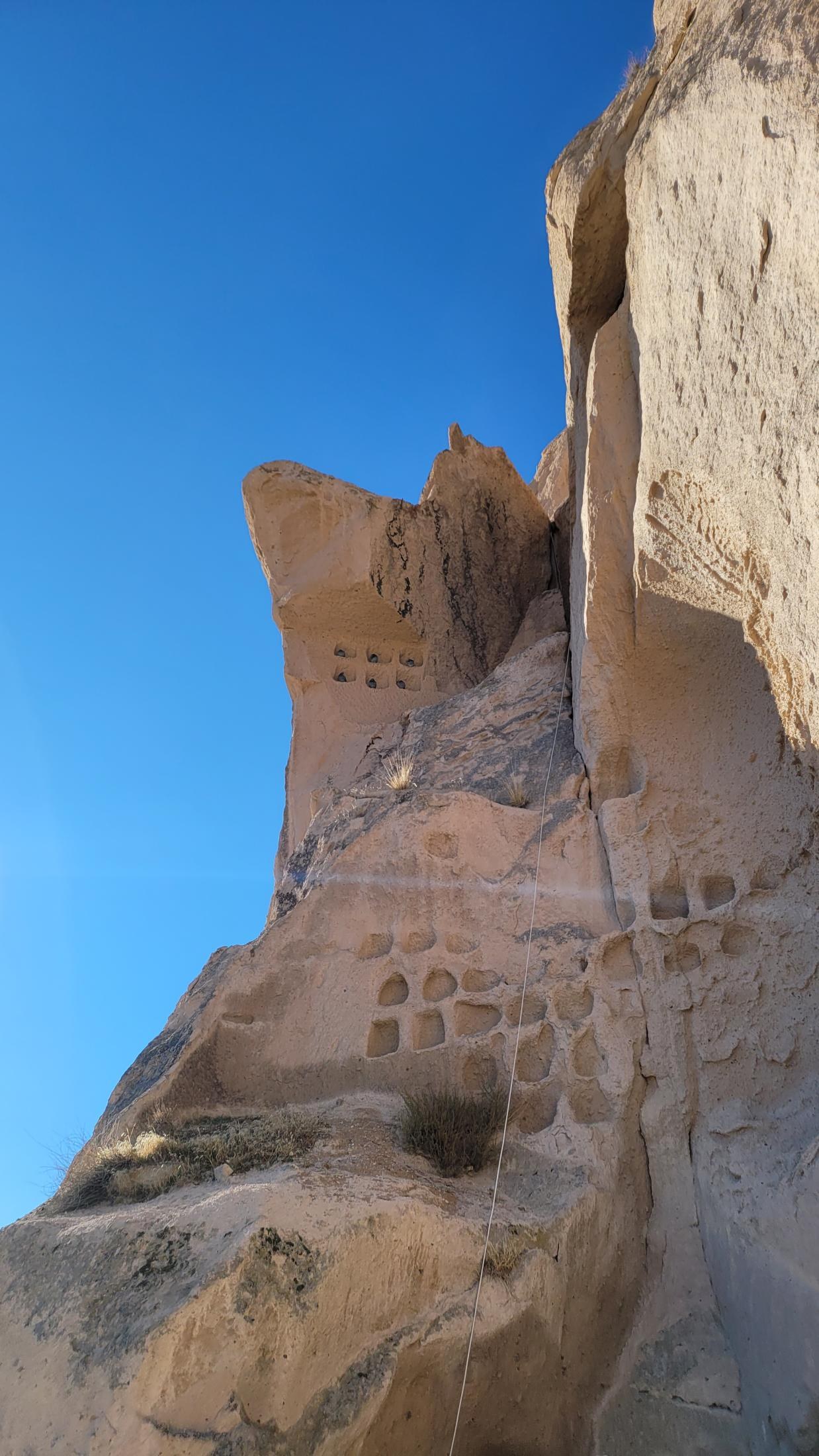
We start circling around the Cappadocia region. Between the towns they stop us at panoramic spots for photos, all visibly well-trodden and well known locally. They tell us stories — about brides, dowries, pigeons, feats of manhood. It softens the blow of yet another hour on the coach. My theory about the shops around the bus stops is confirmed again: at the stop everything is 2, 5 or 10 times more expensive than the same thing a hundred metres away. Views everywhere. At some point they start to blur into one. There isn’t much of substance to tell. Tales and superstitions. Nothing properly historical, except perhaps Pigeon Valley and the shelter it provides them. Thousands of nests in a single rock face.
Uçhisar and its castle
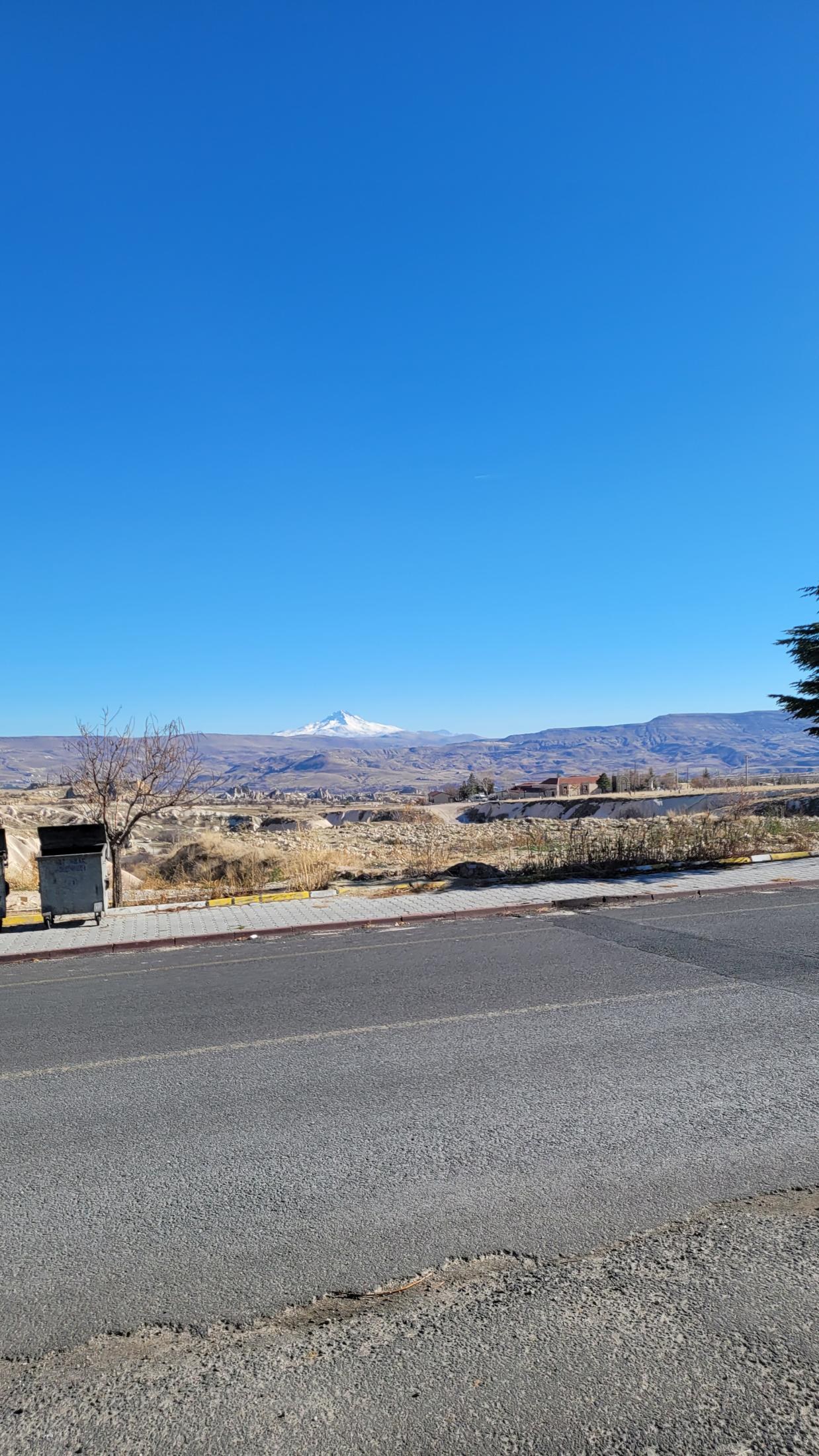
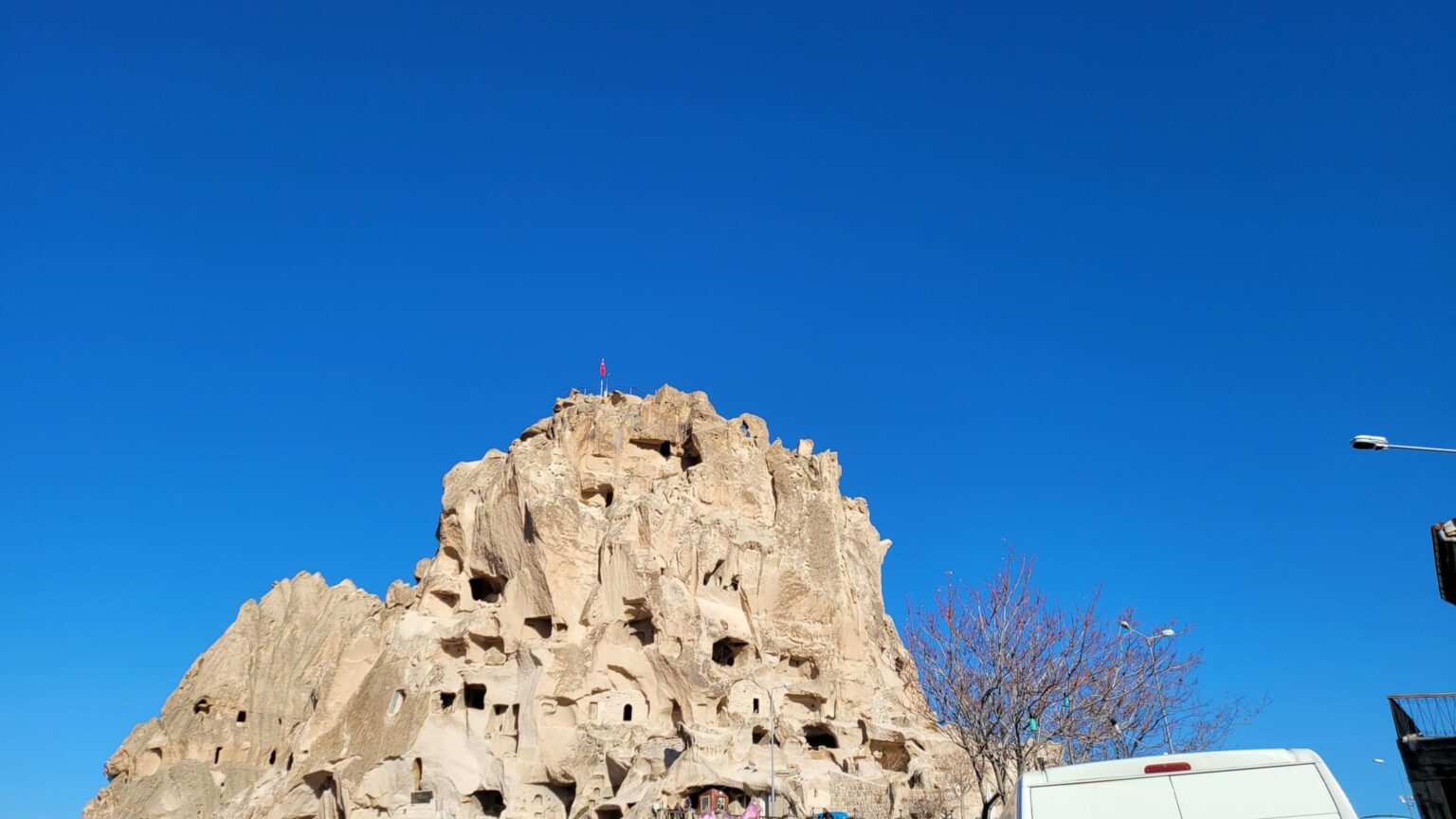
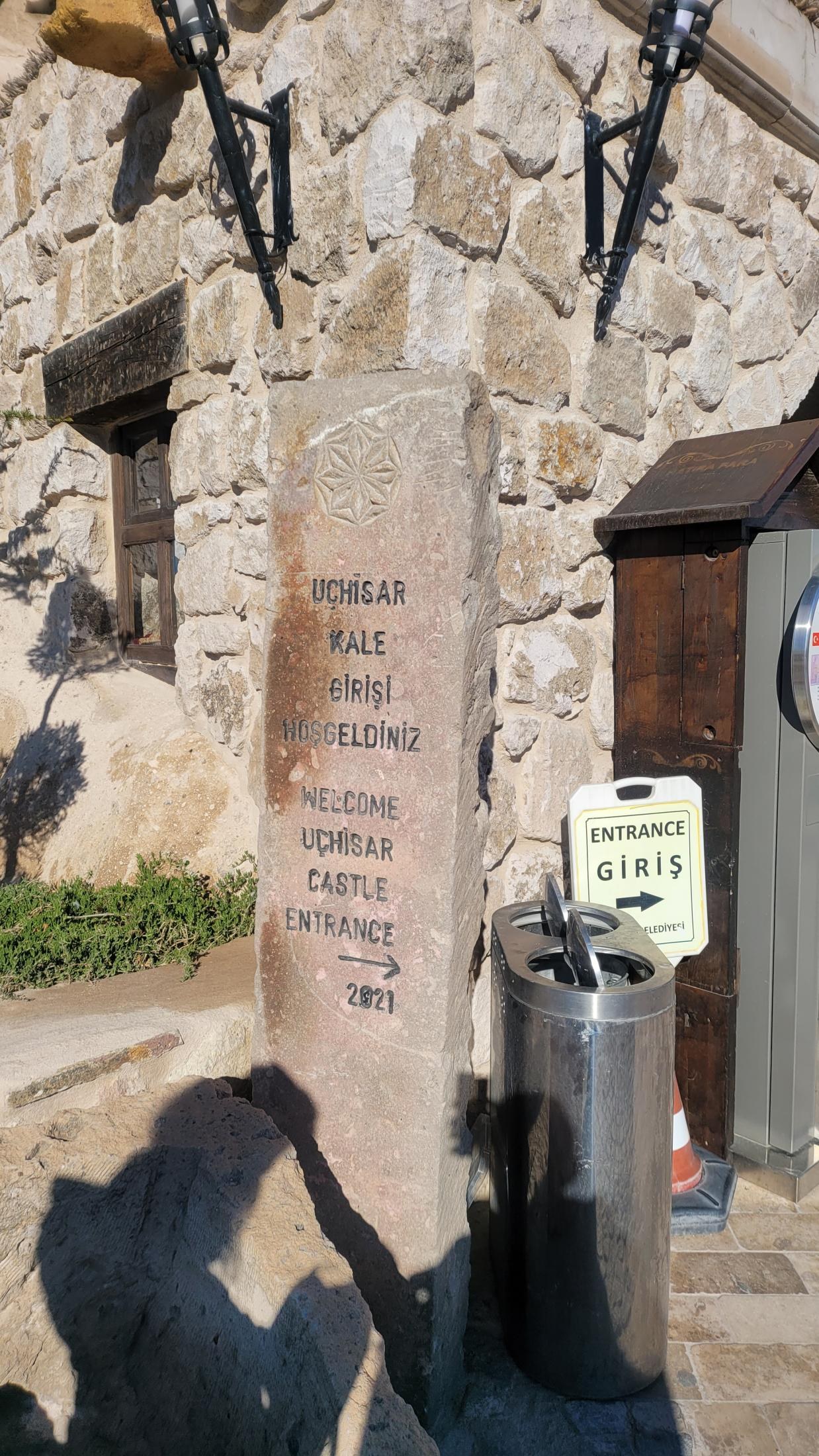
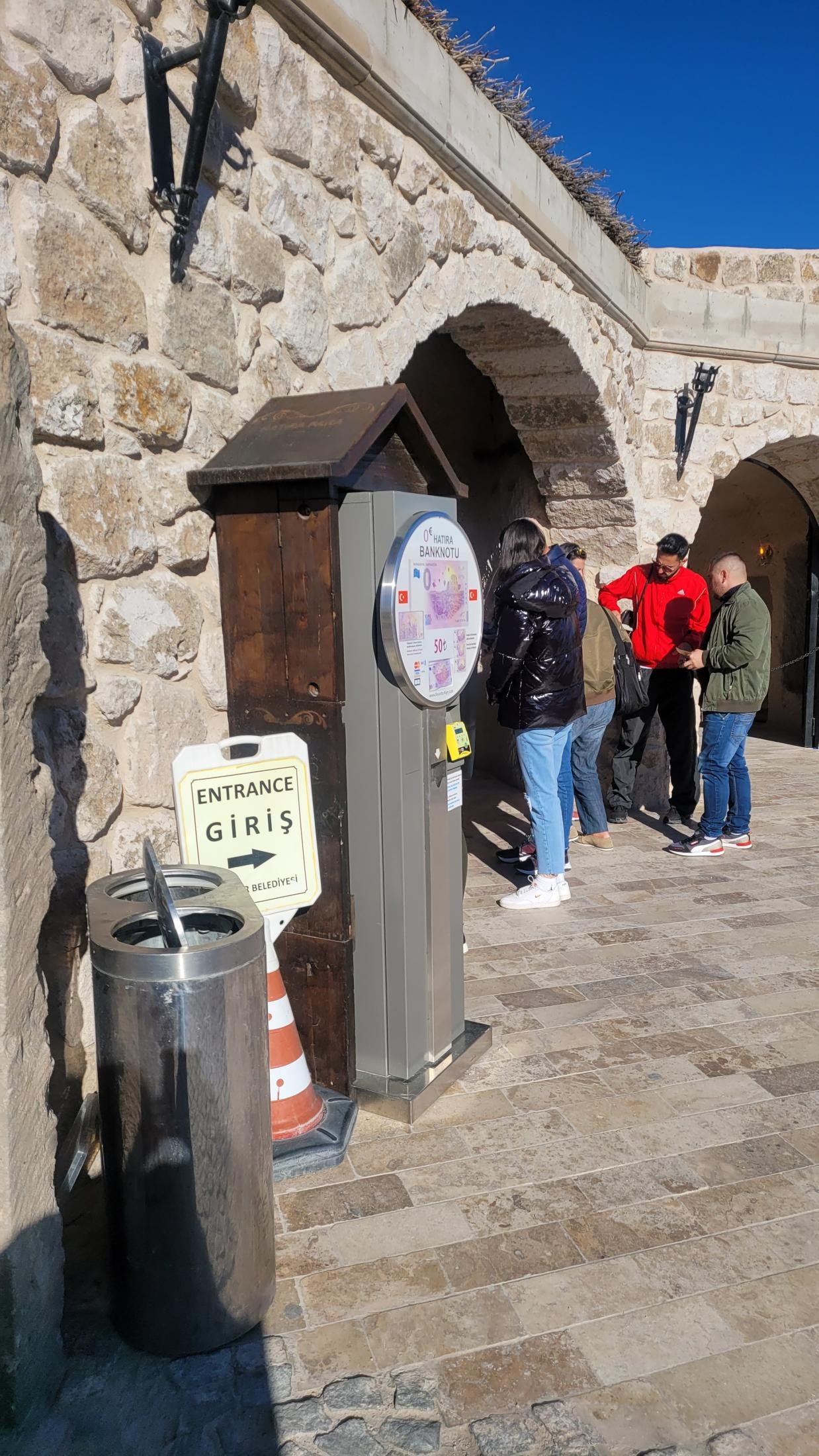
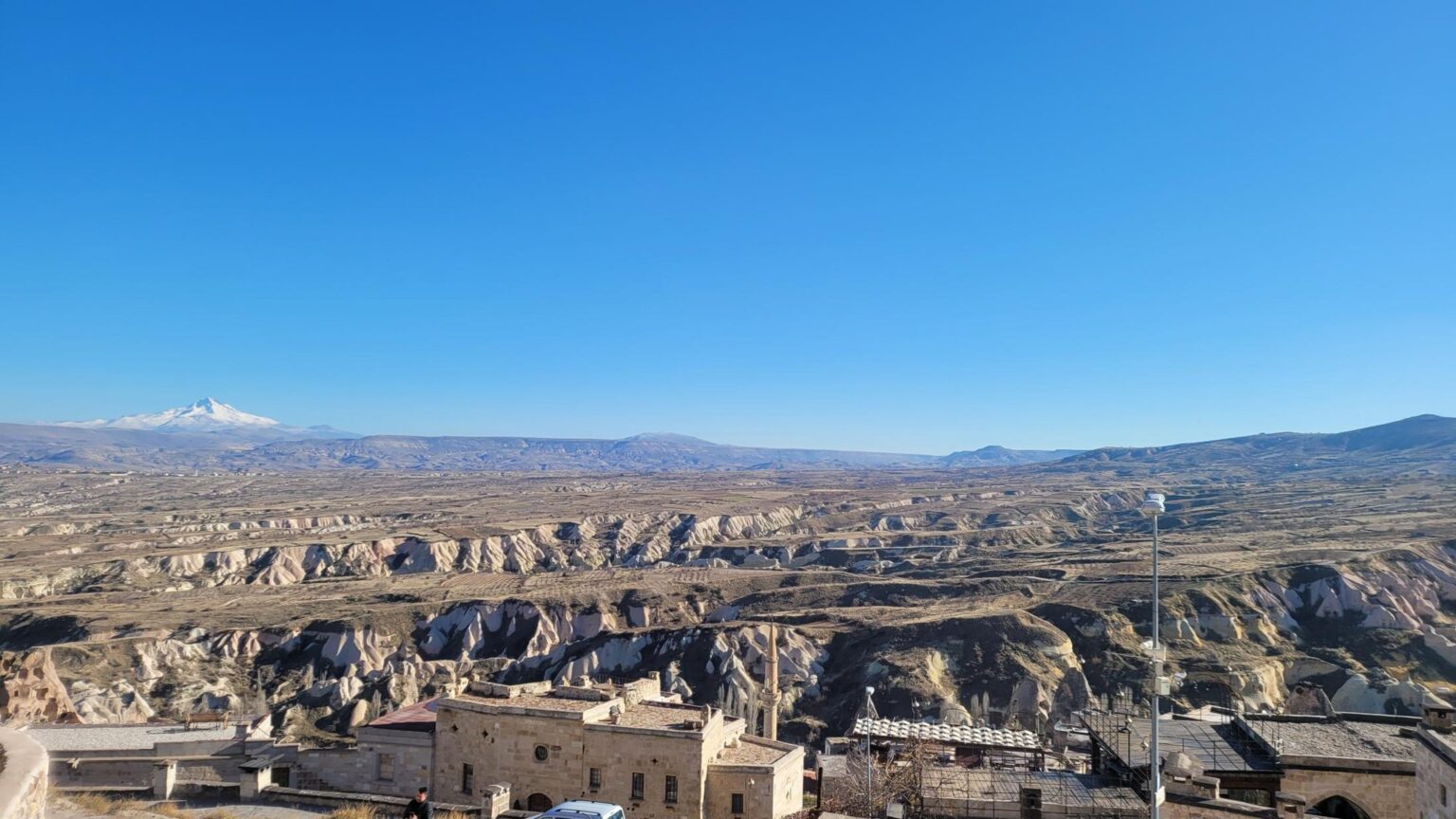
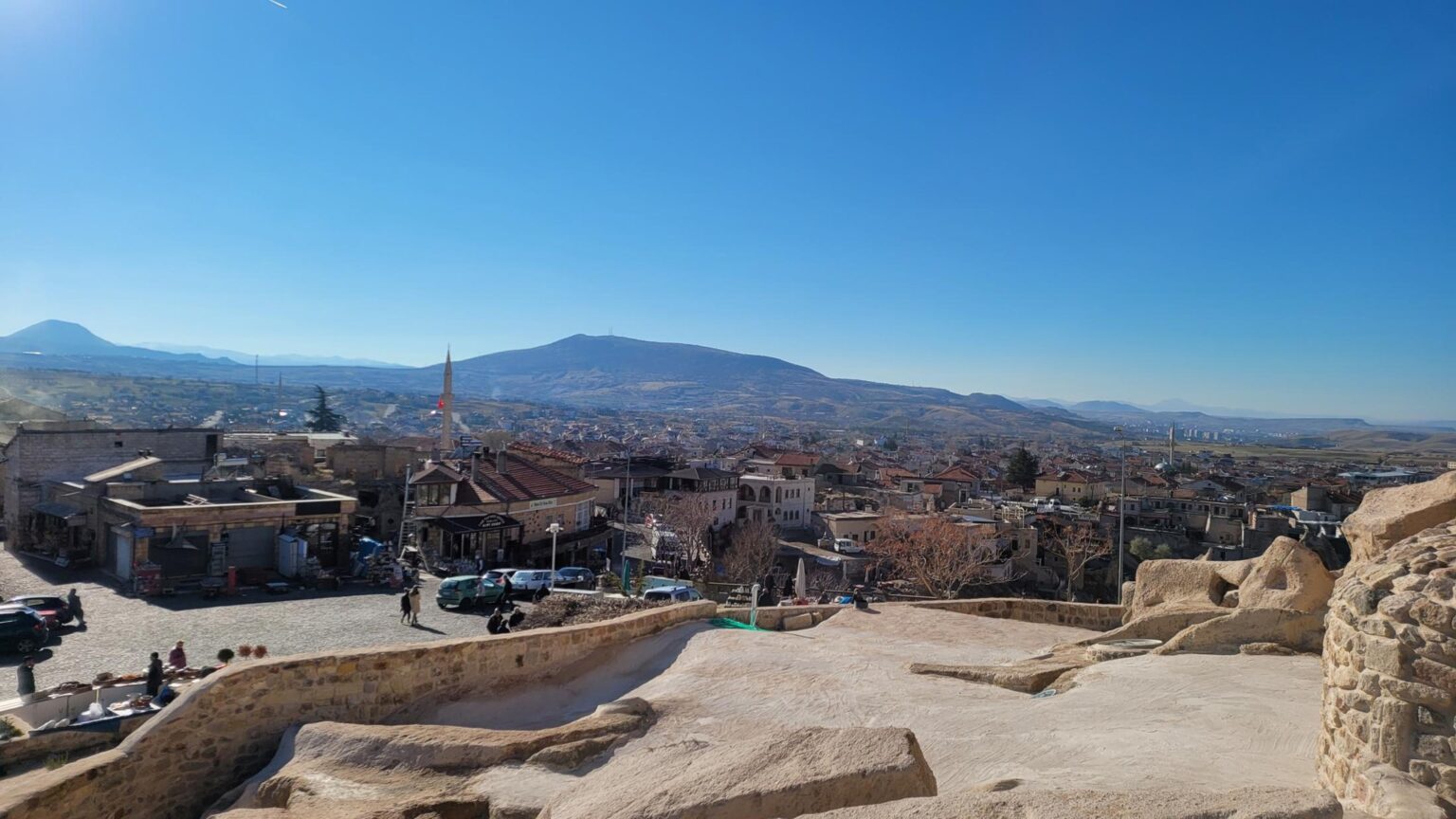
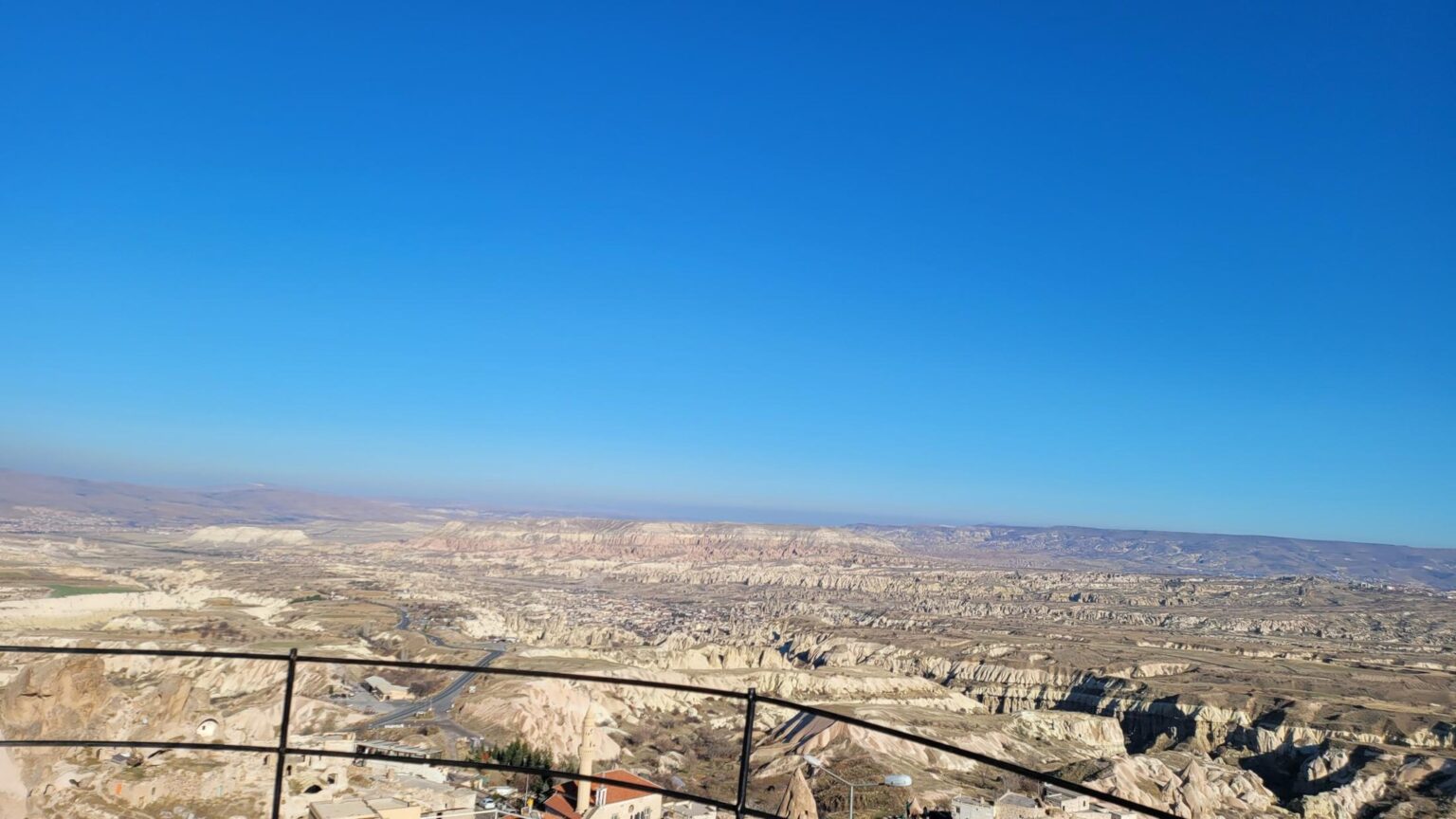
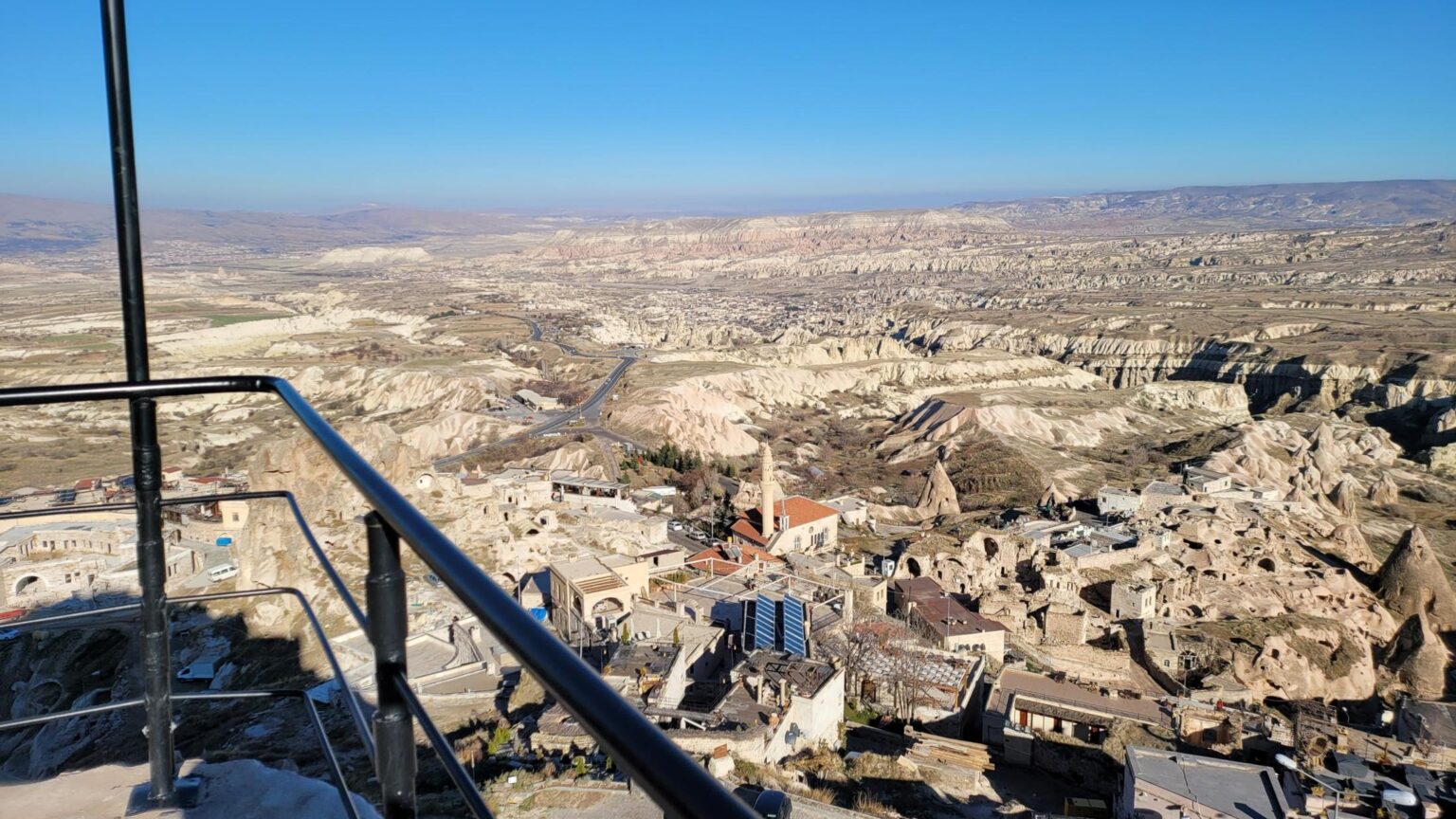
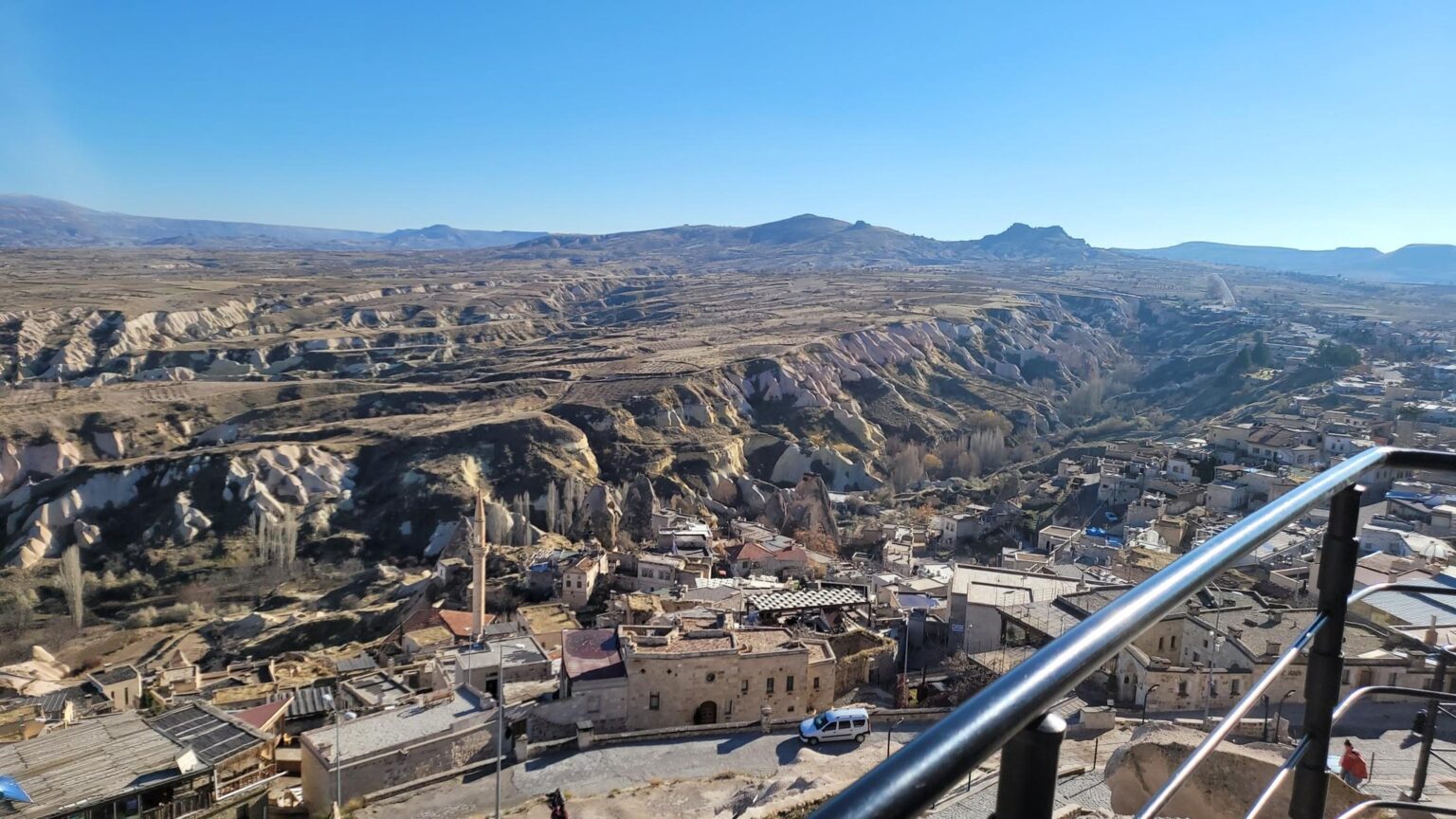
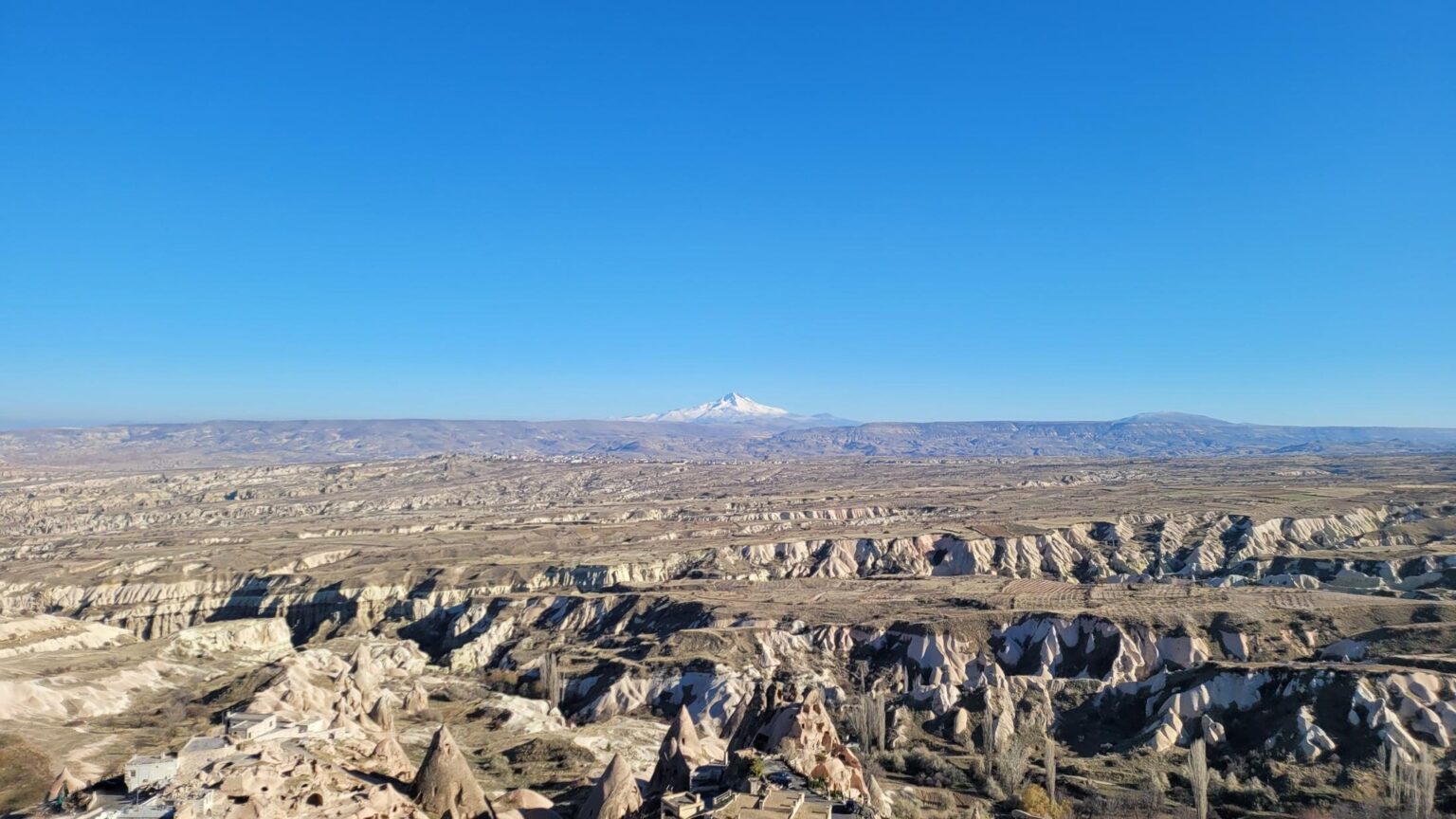
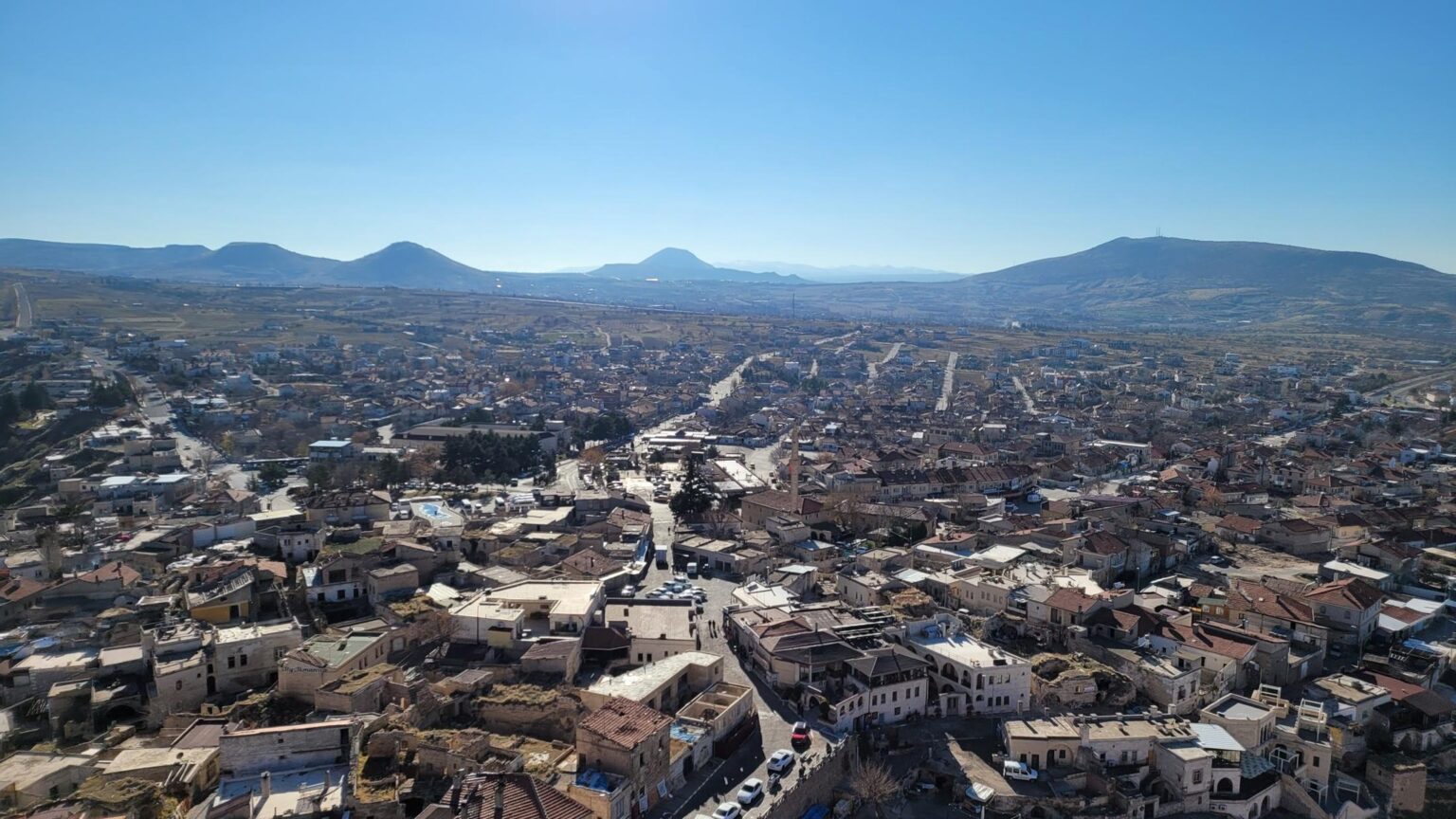
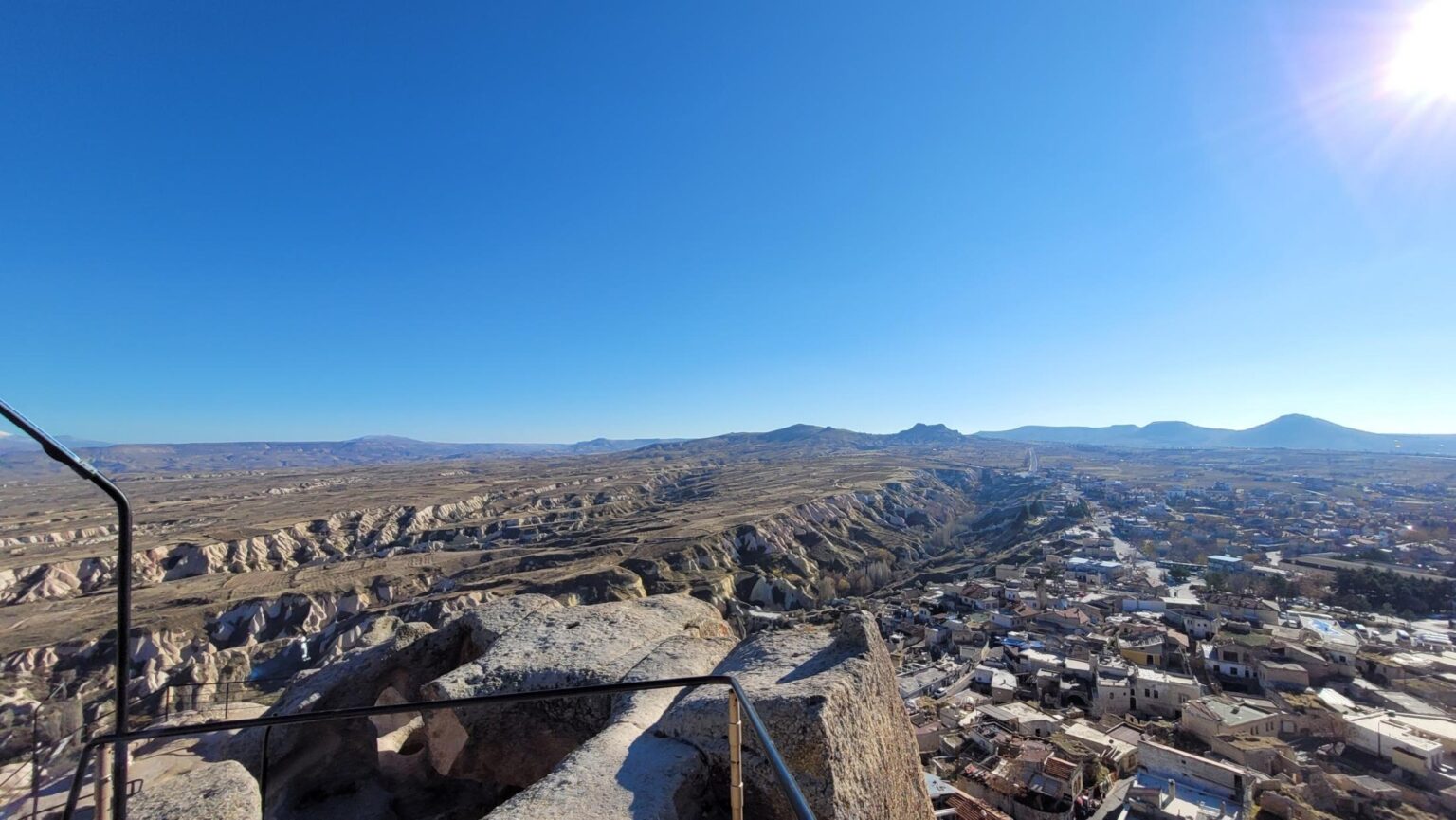
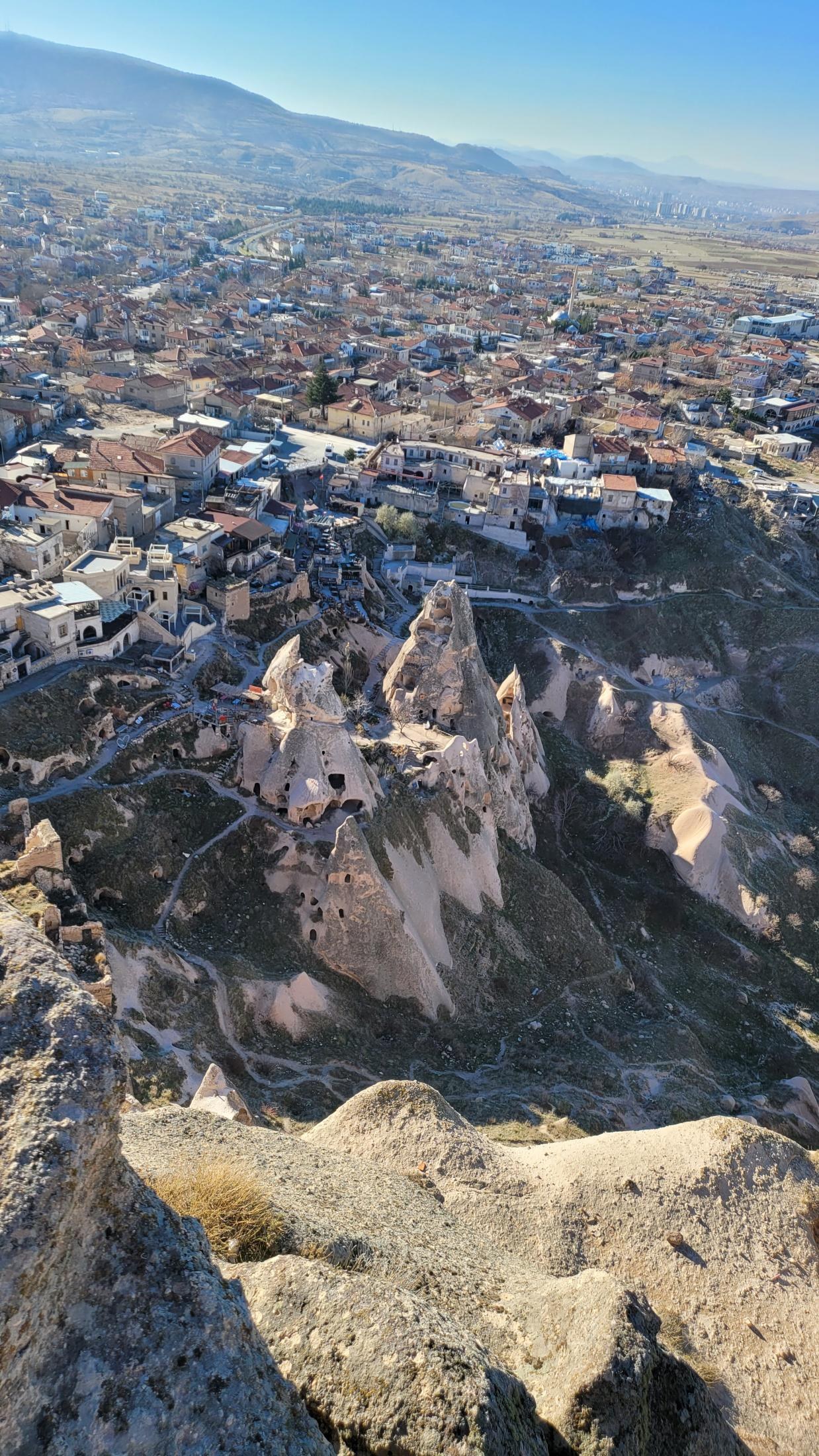
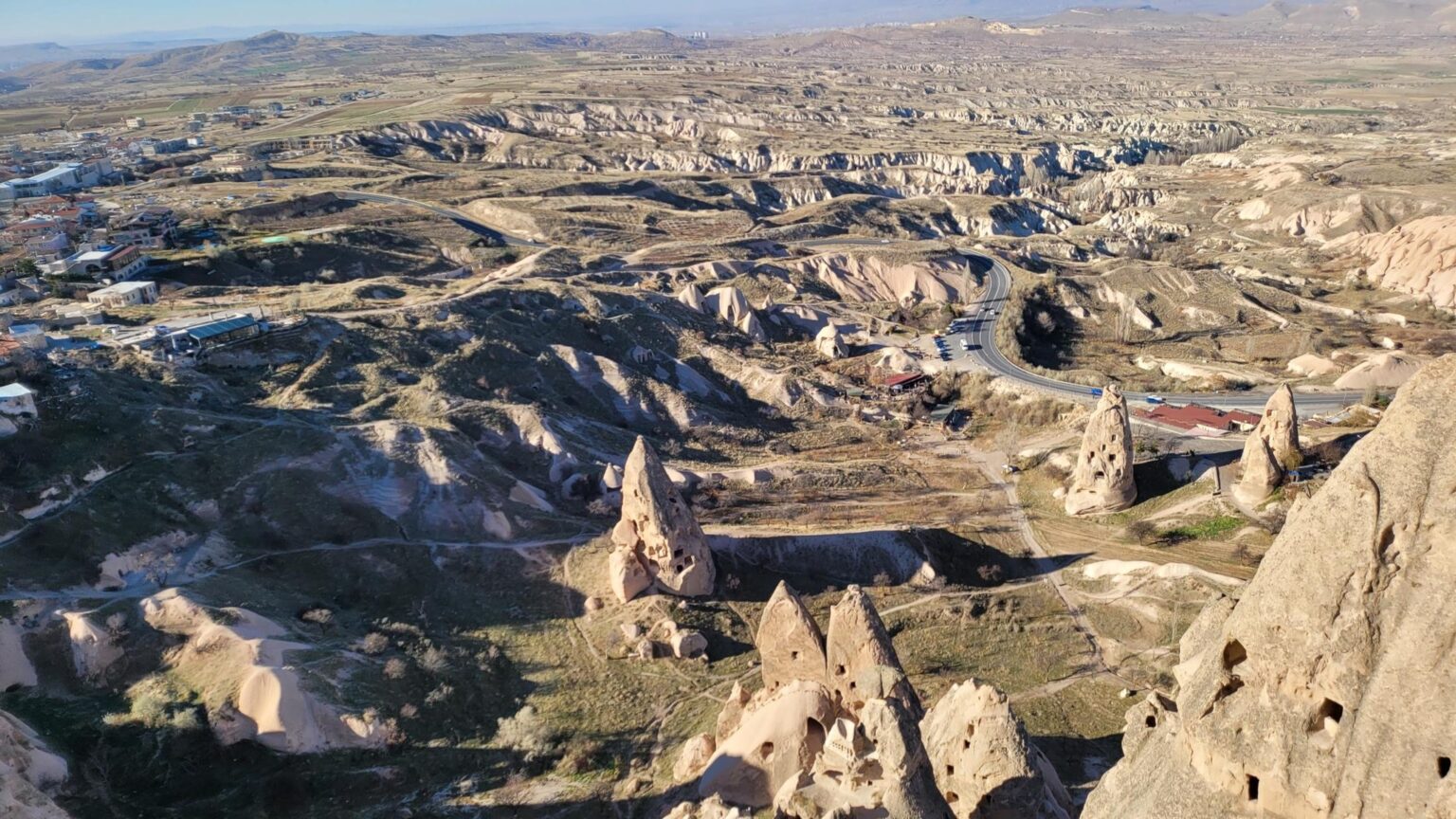
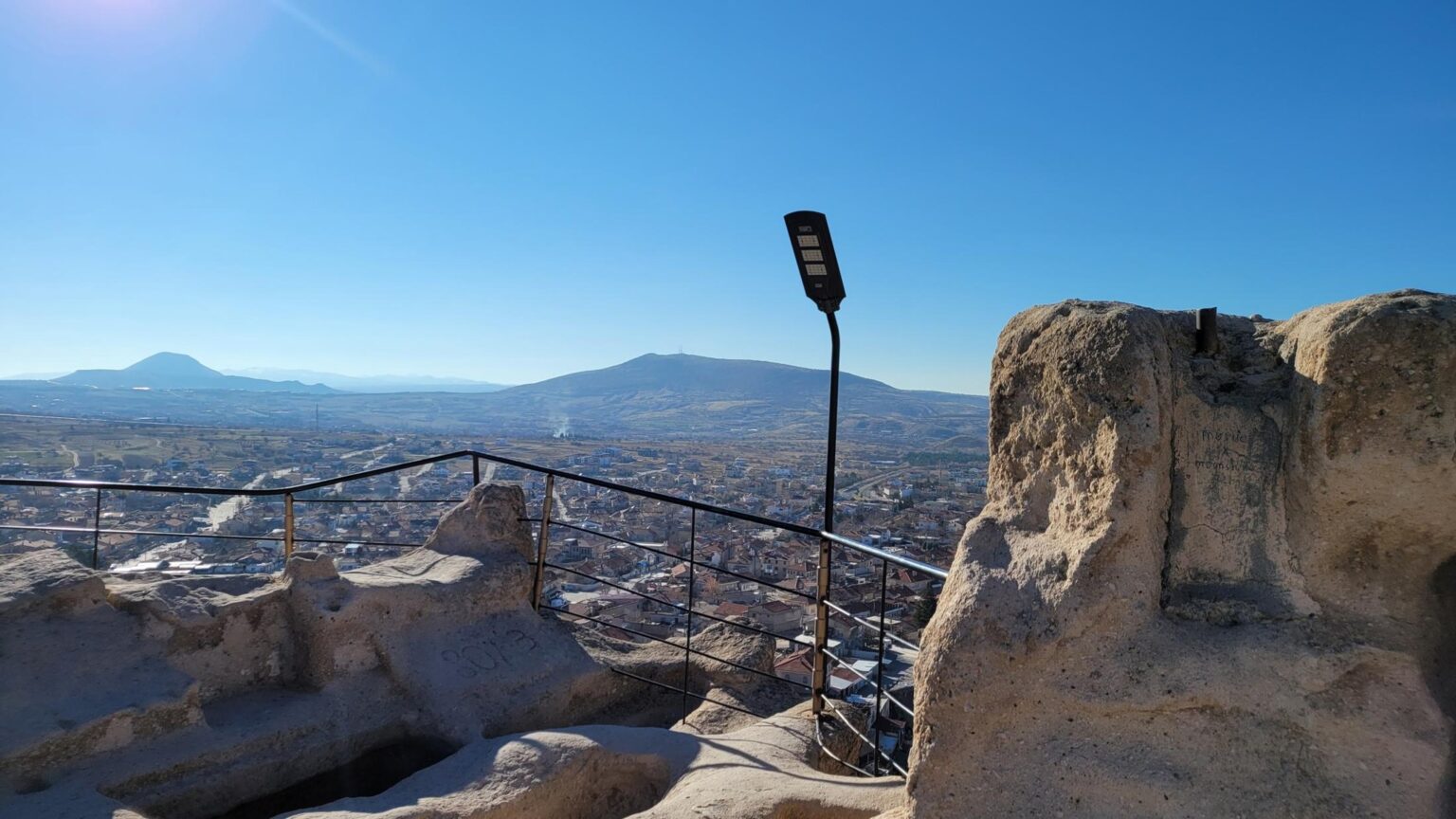
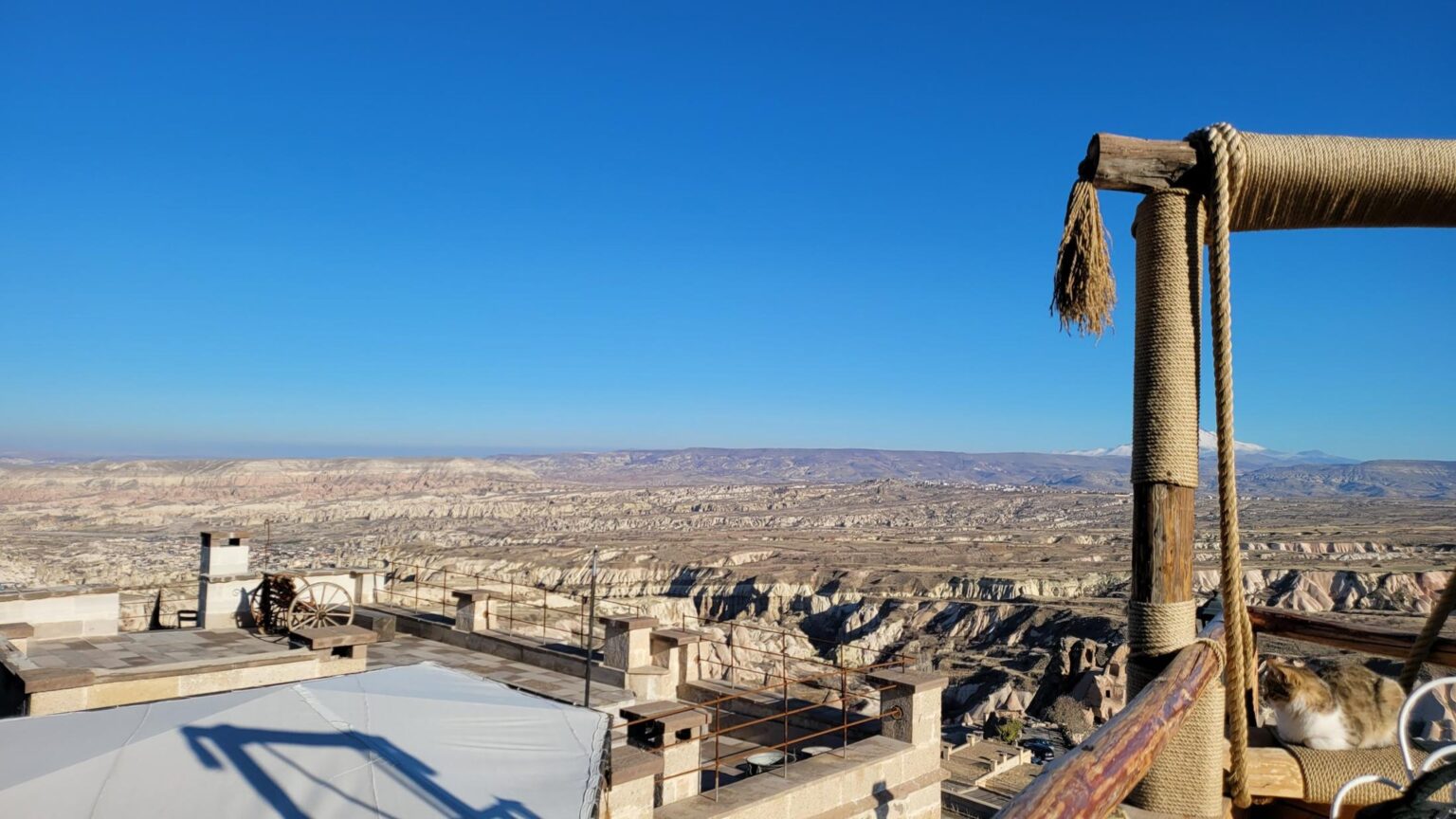
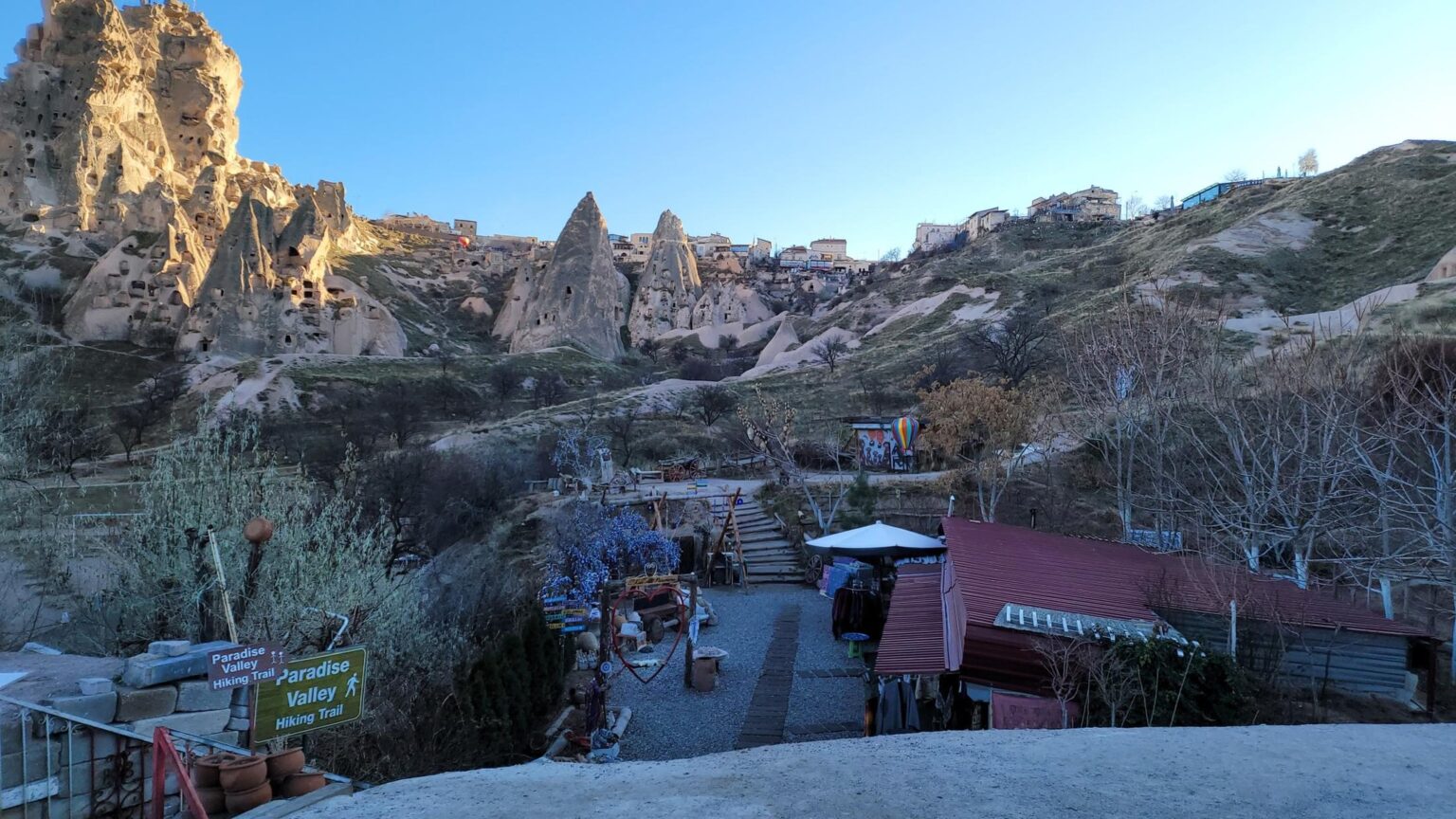
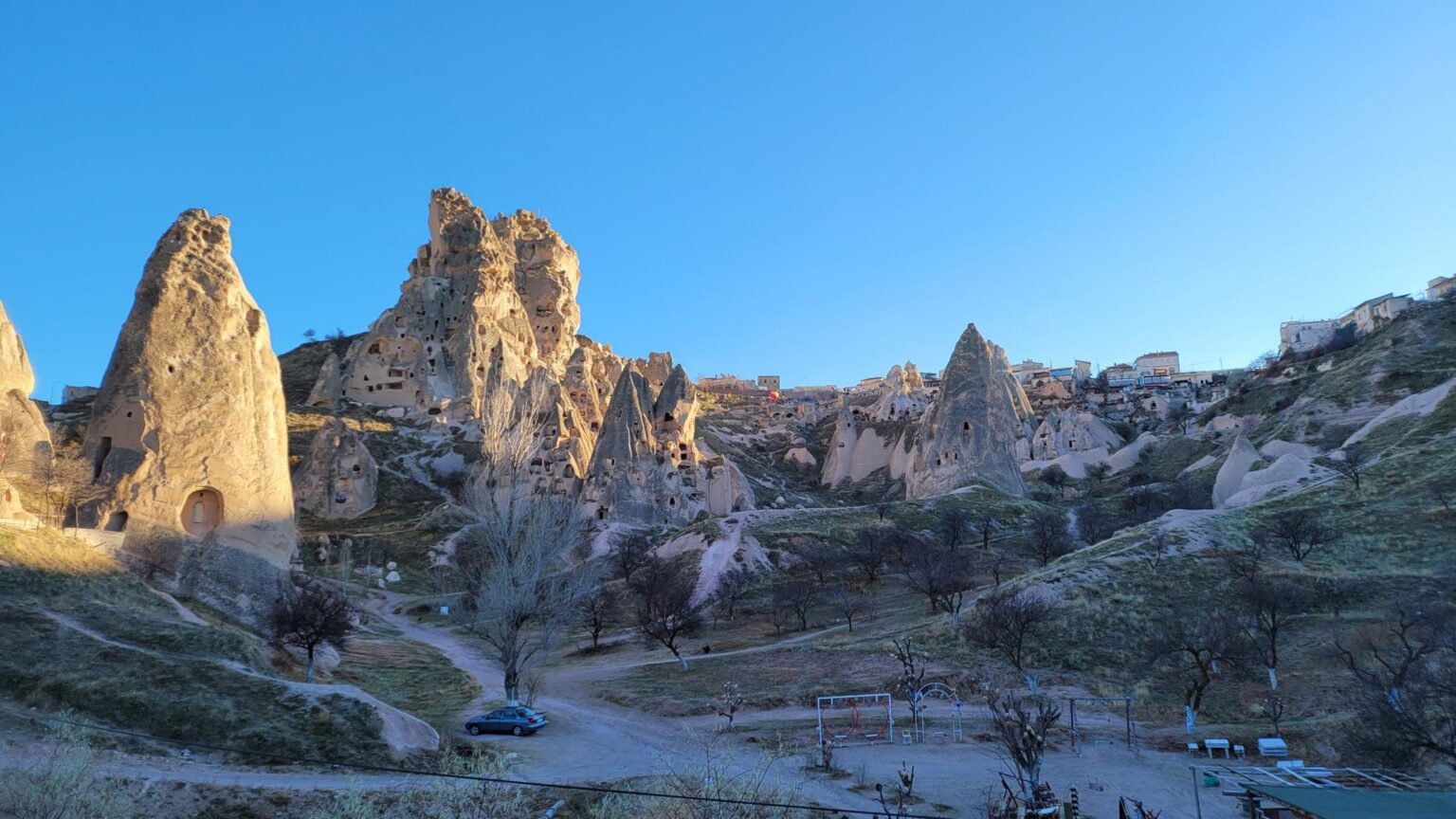
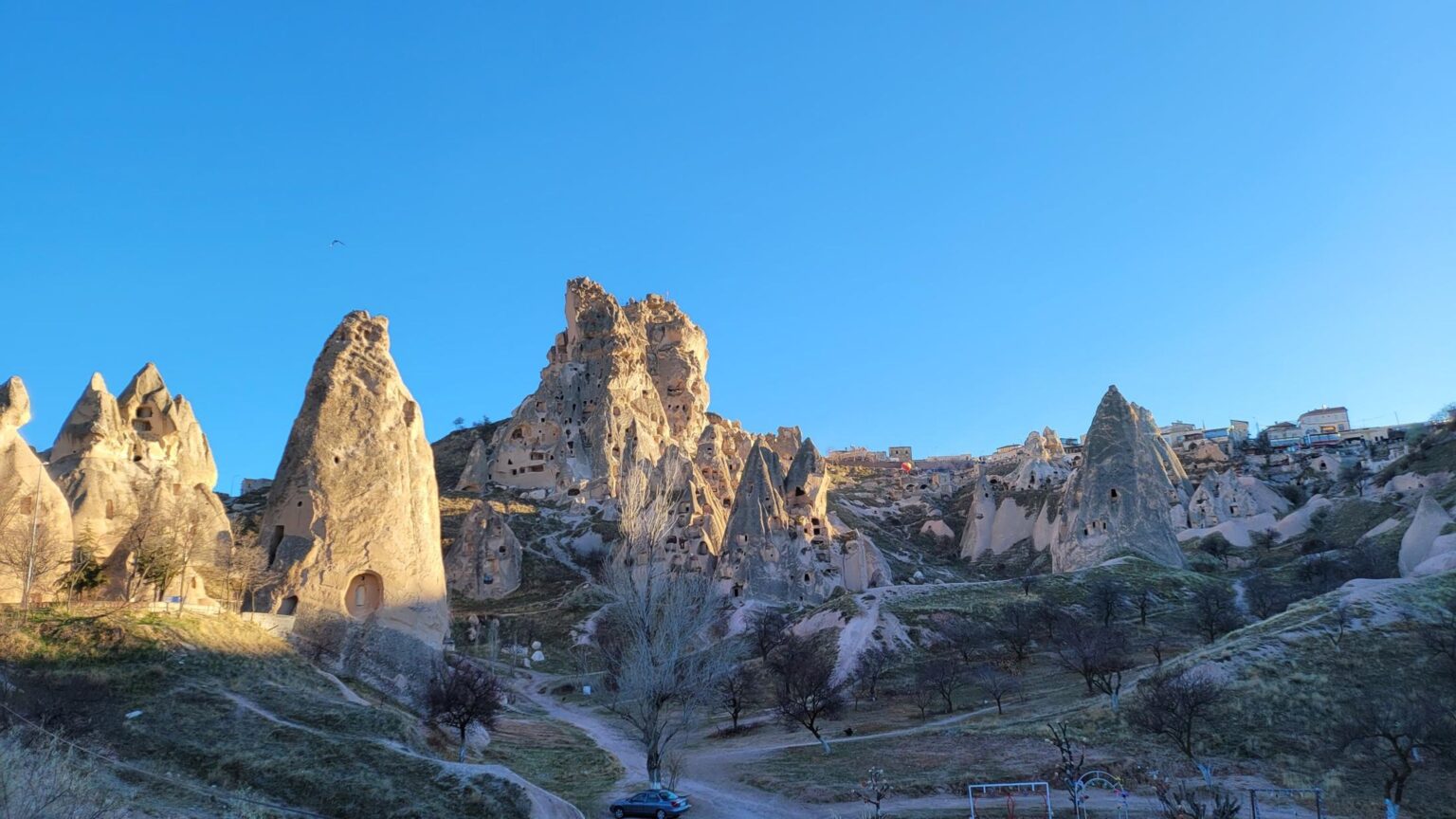
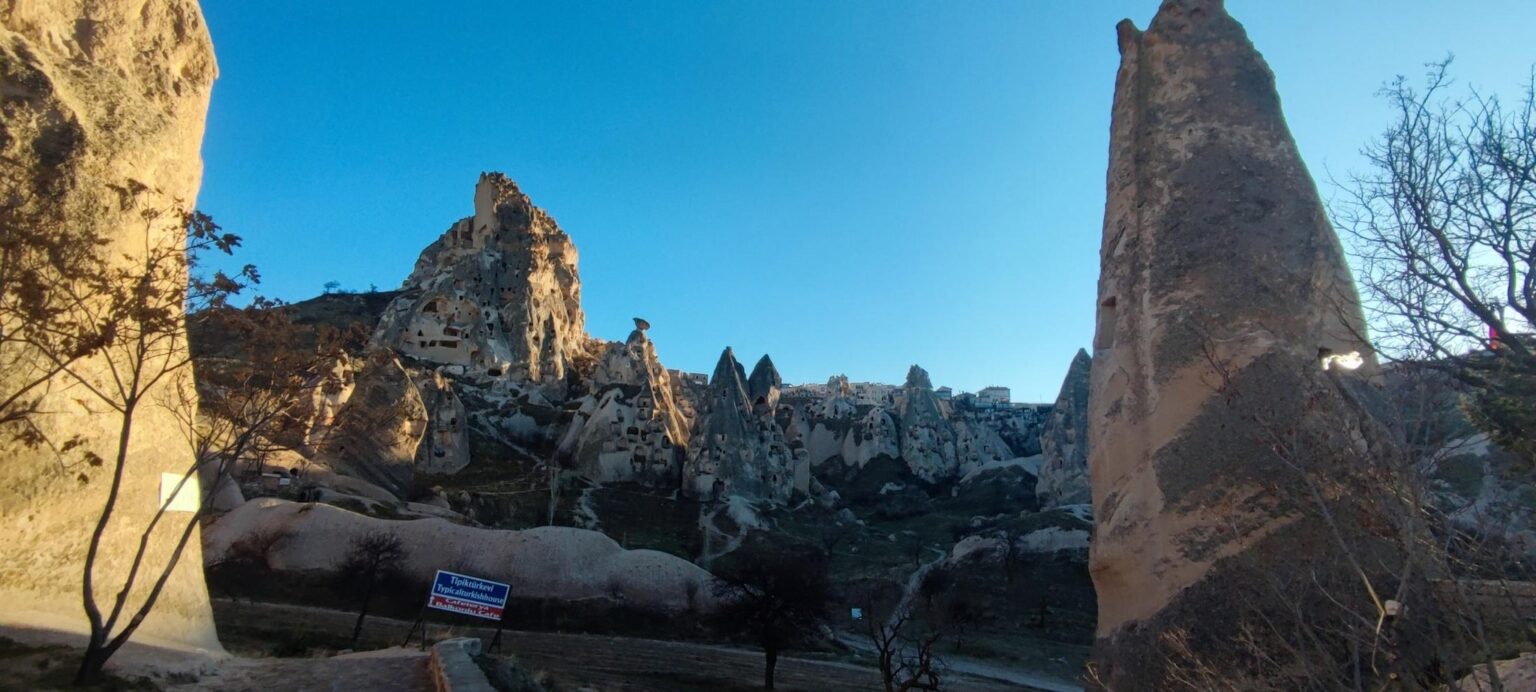
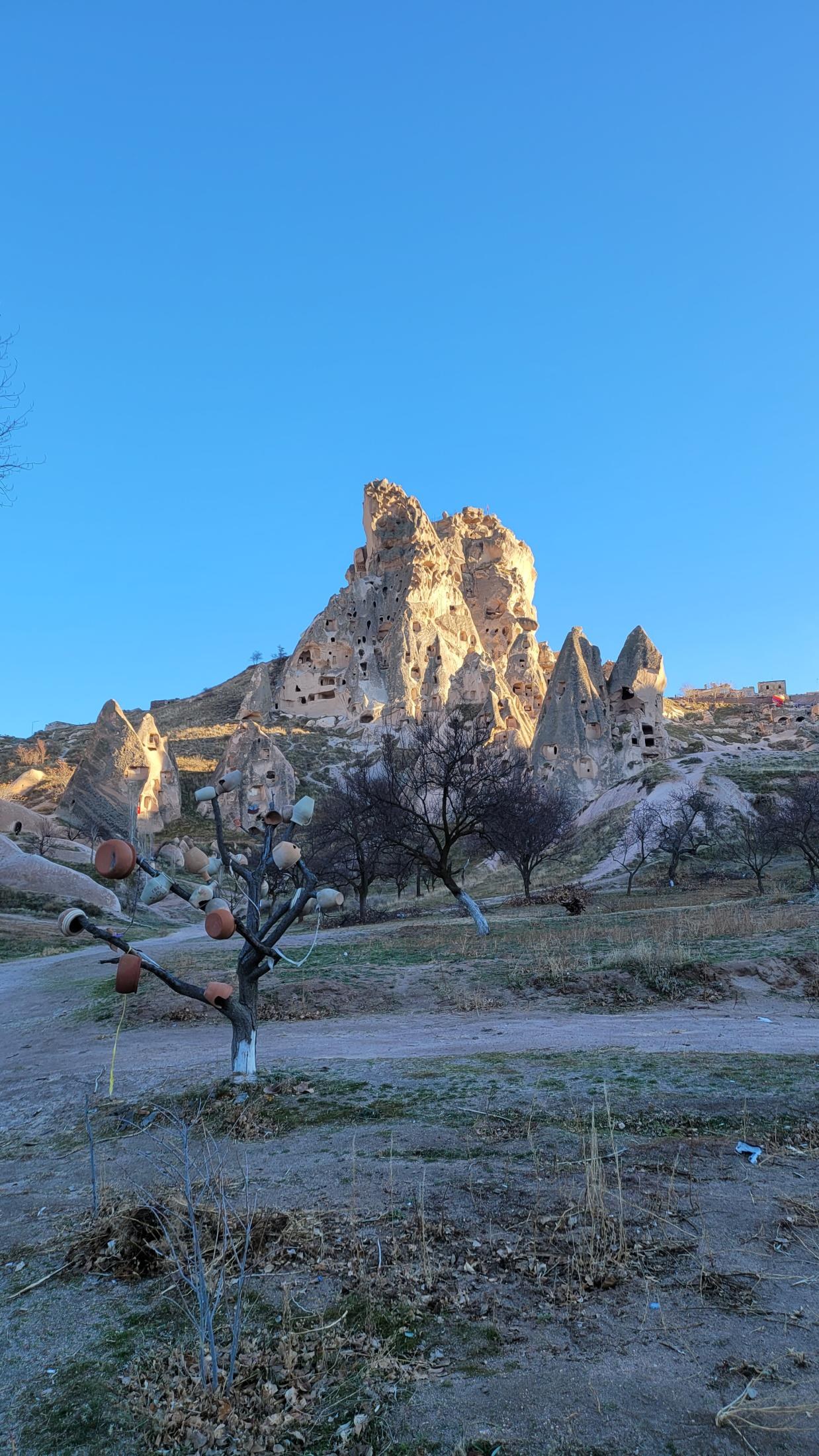
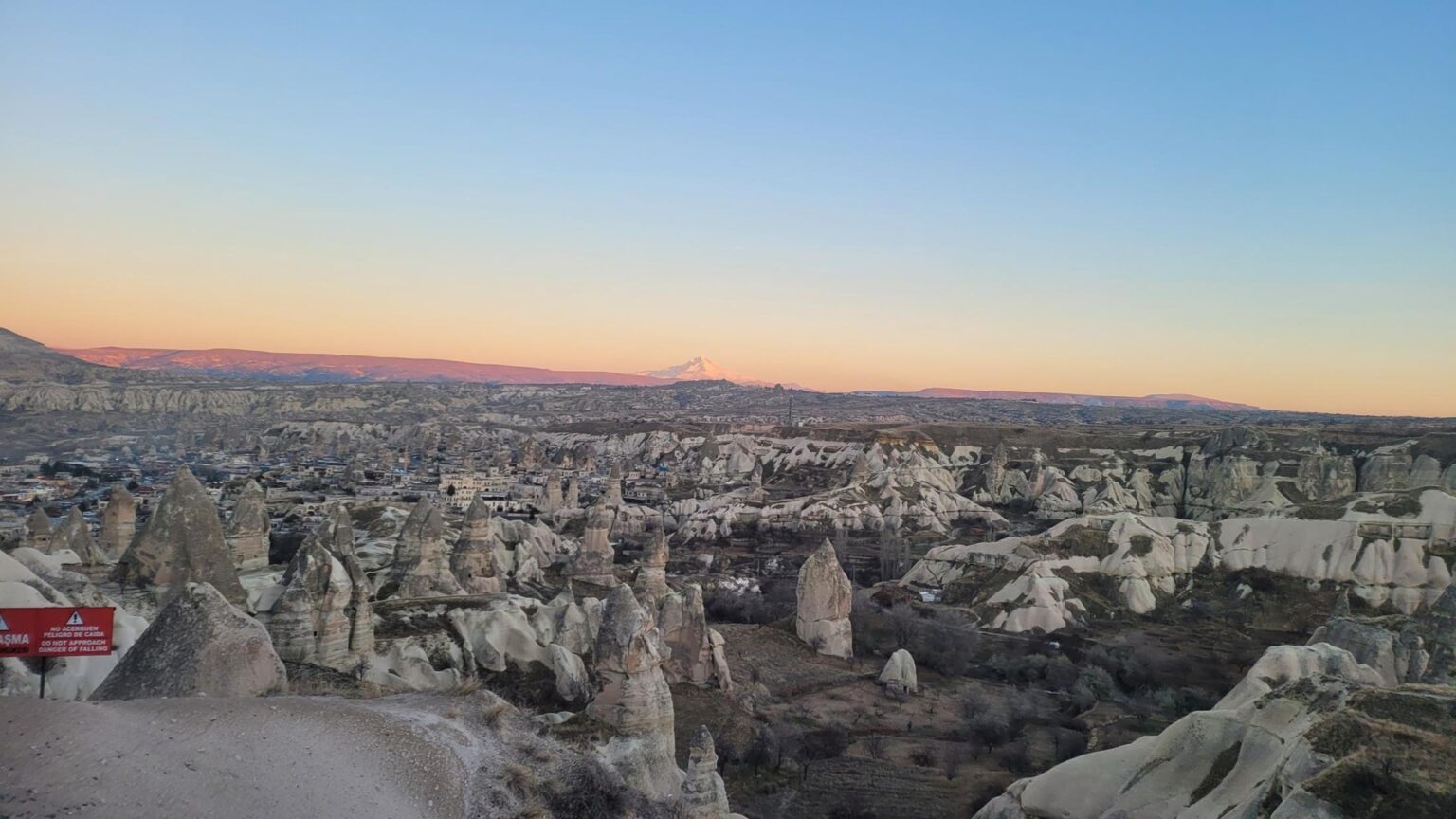
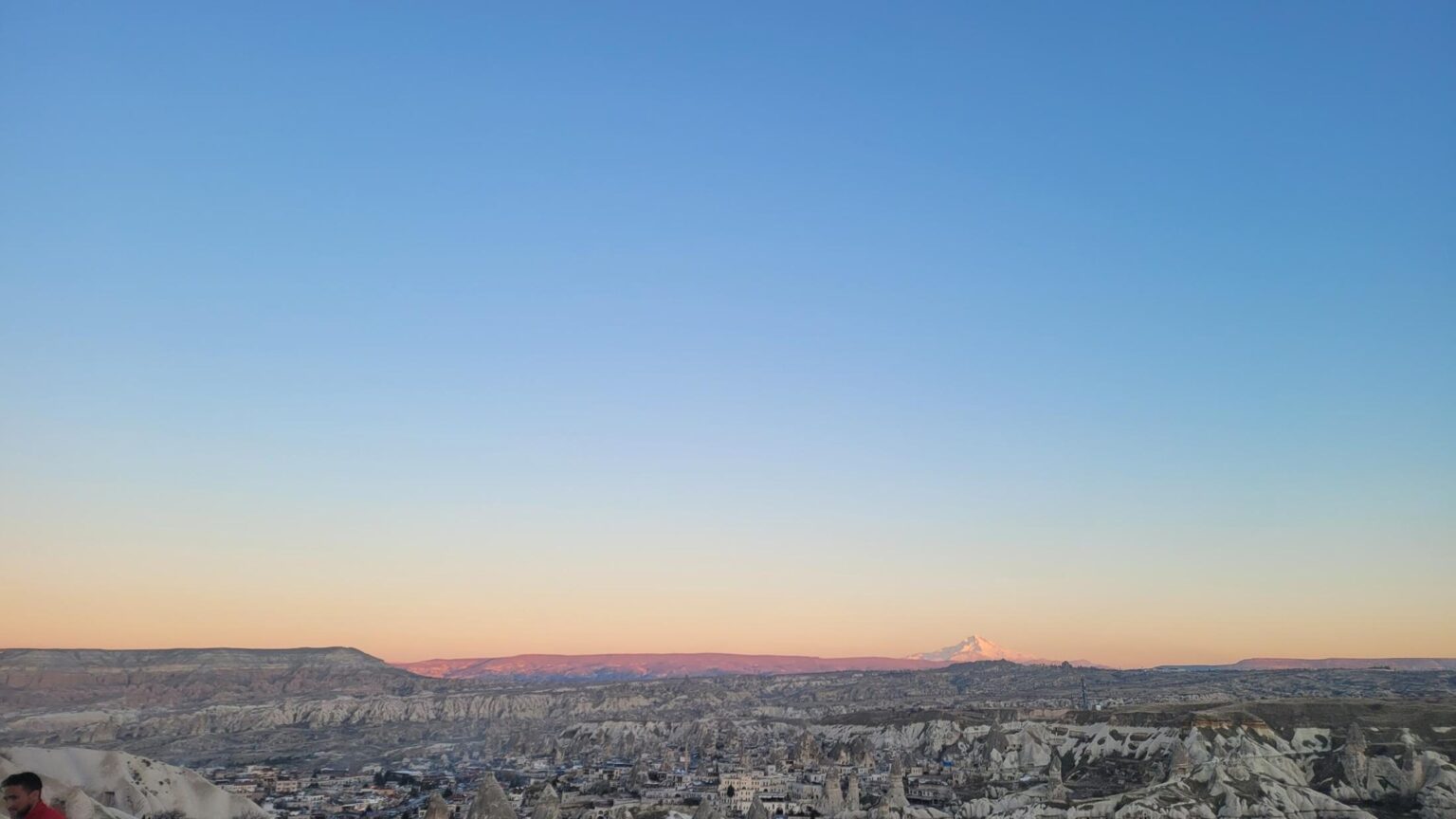
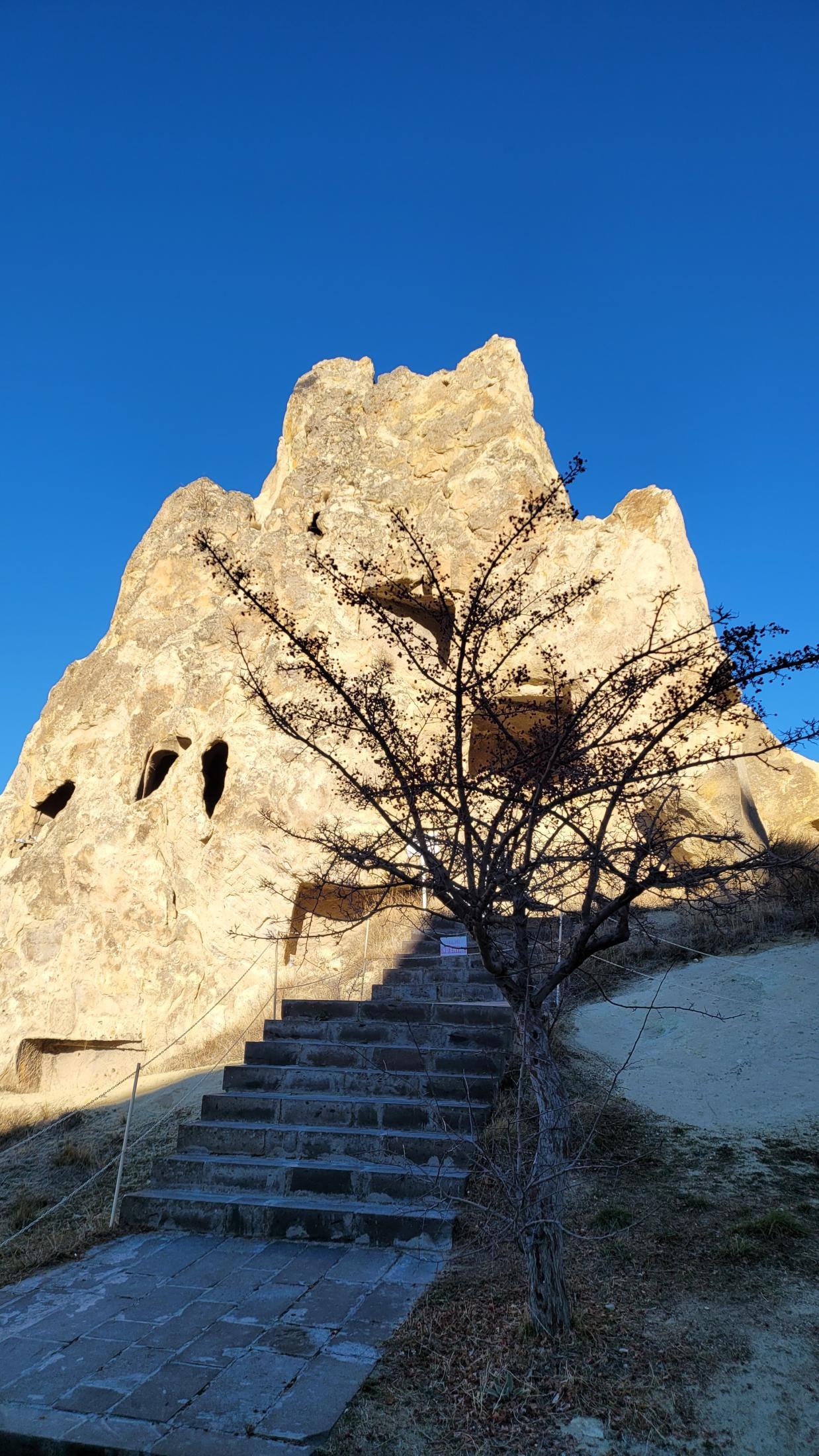
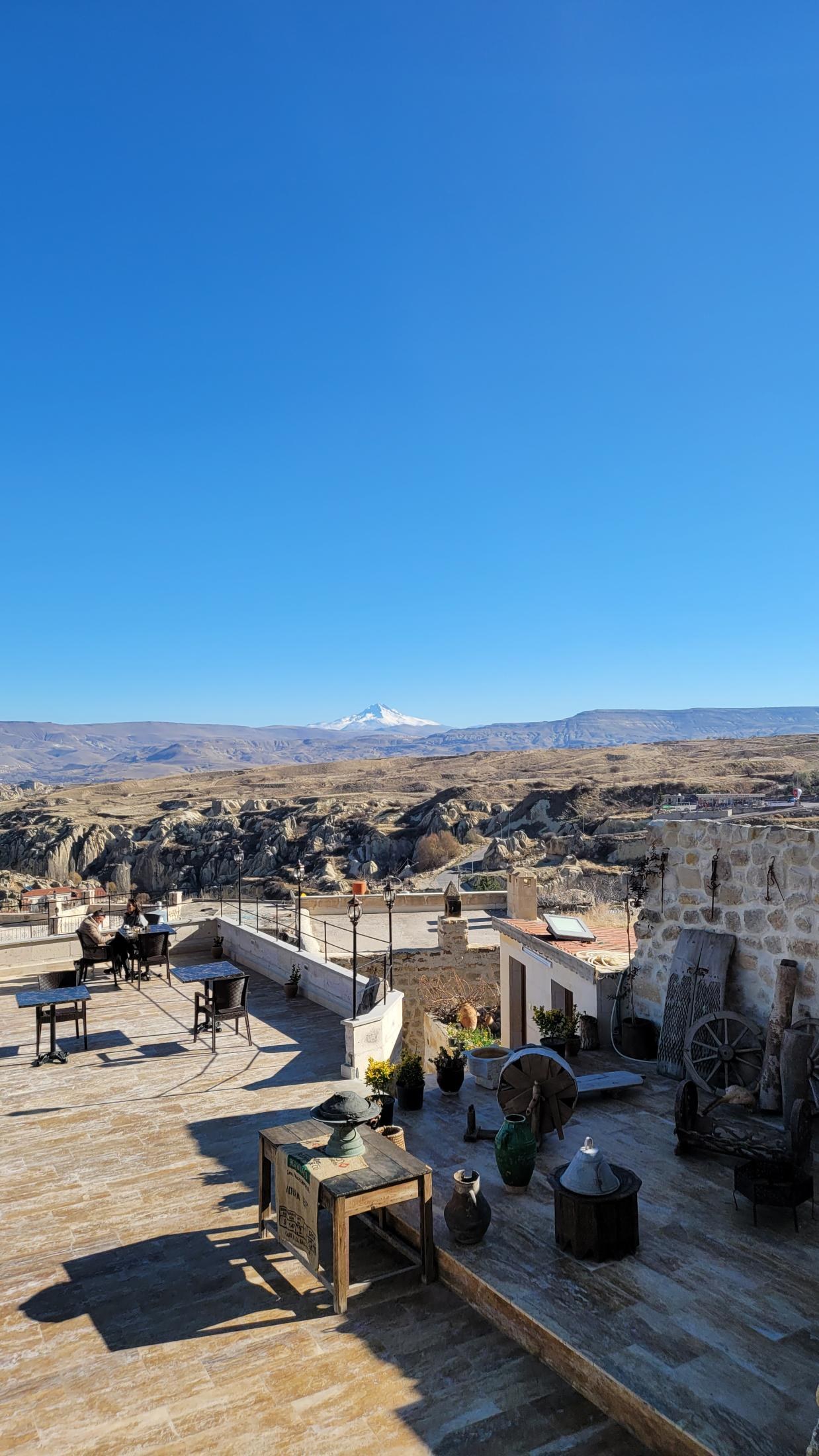
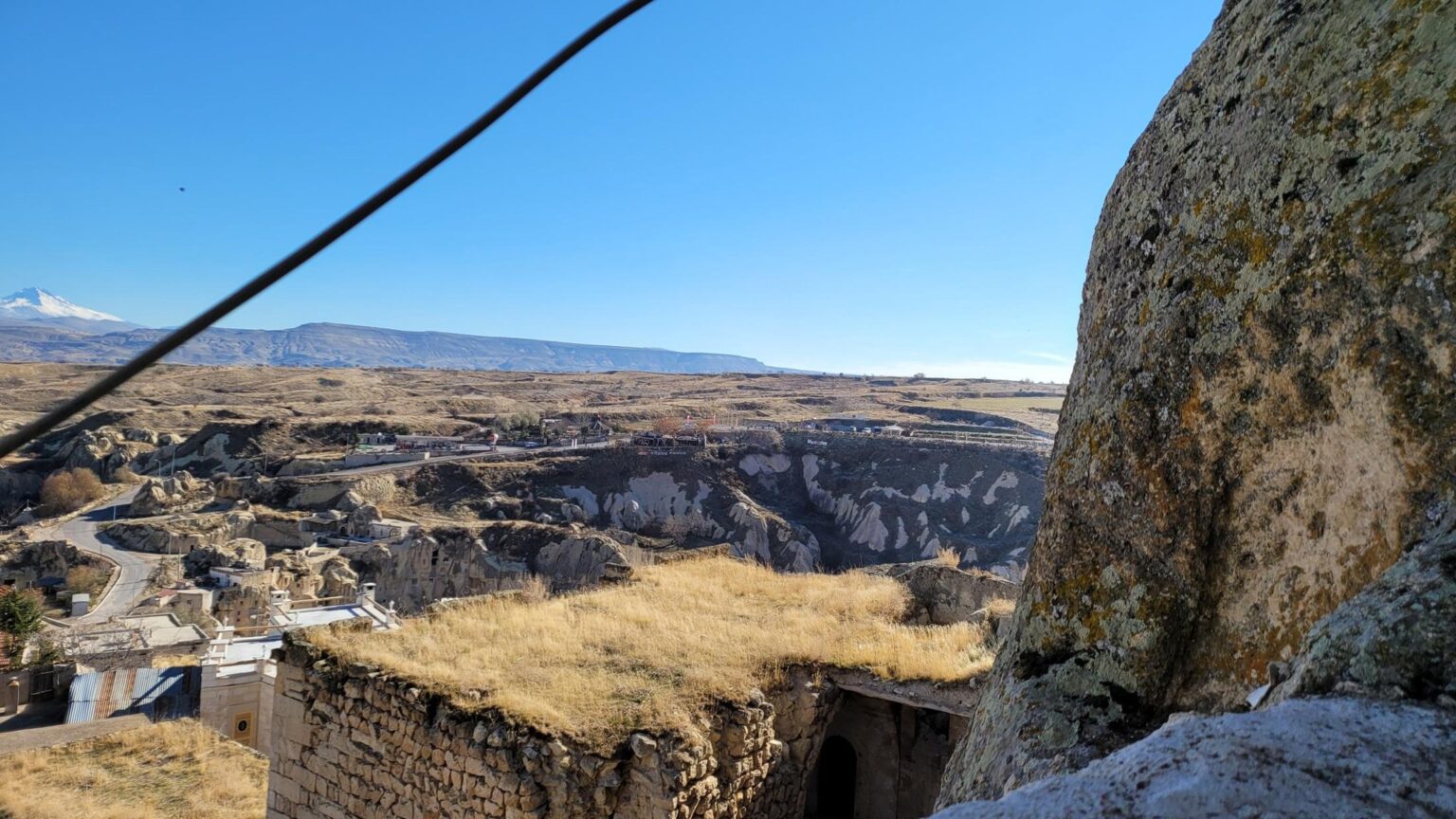
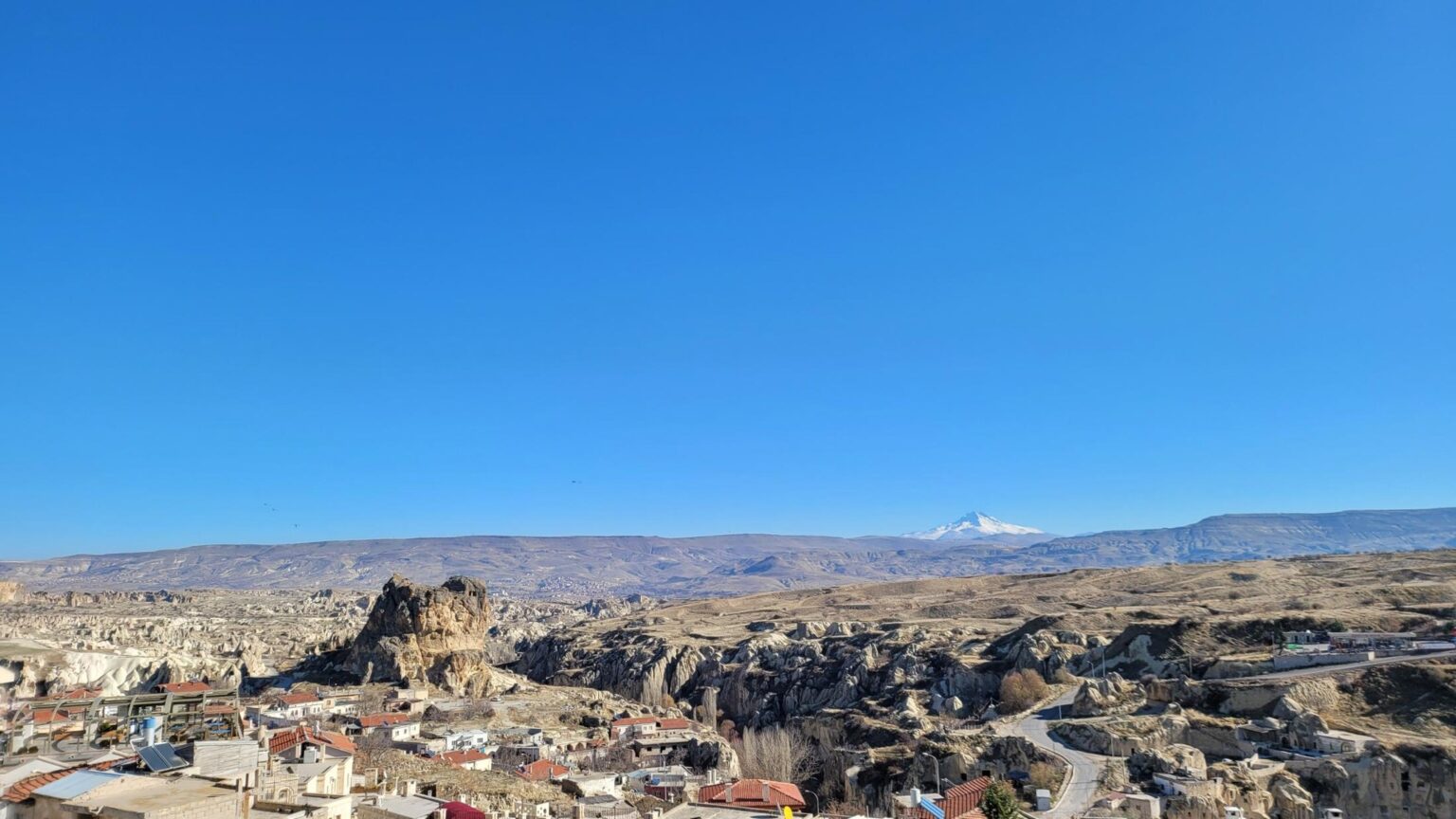
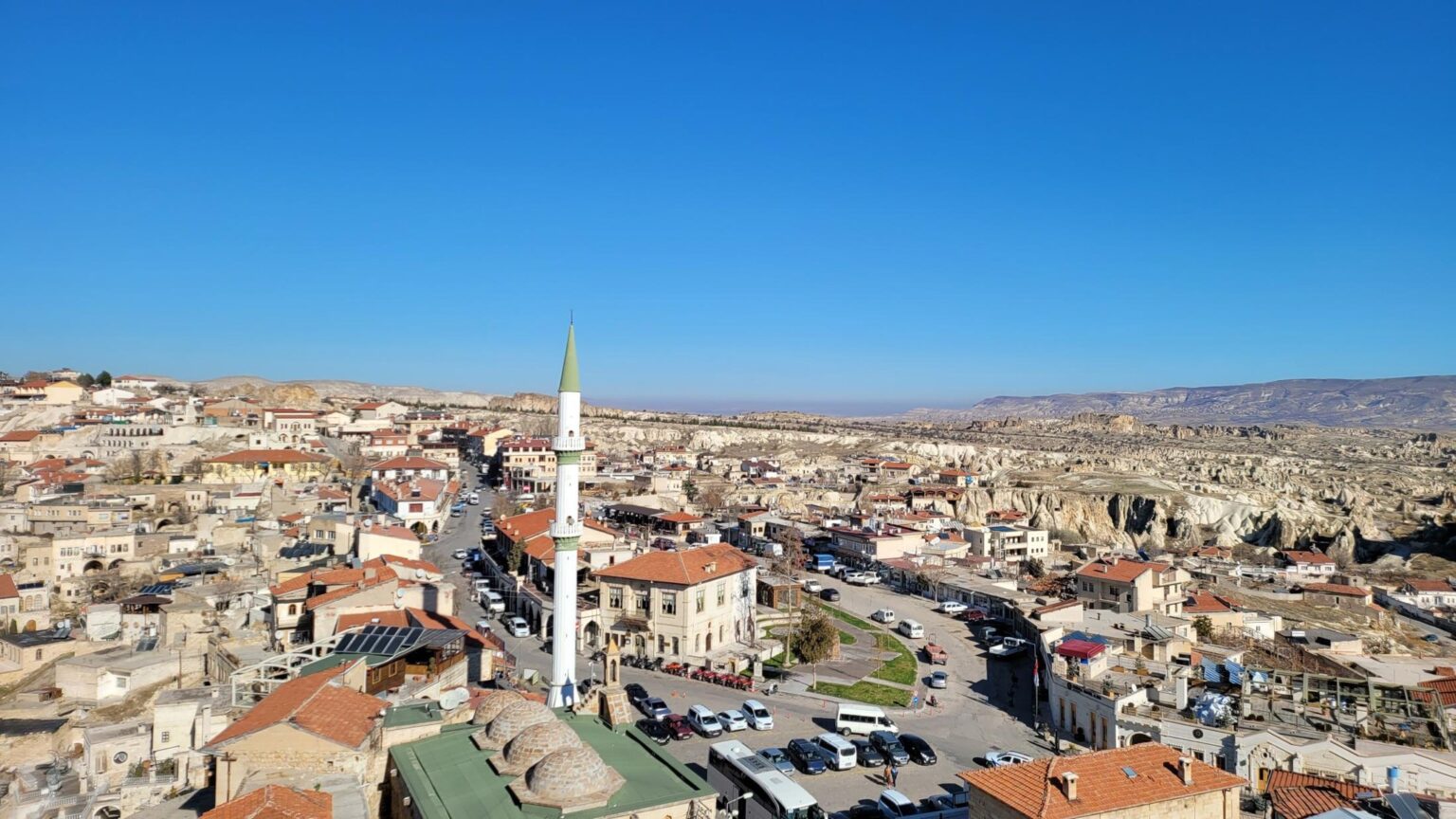
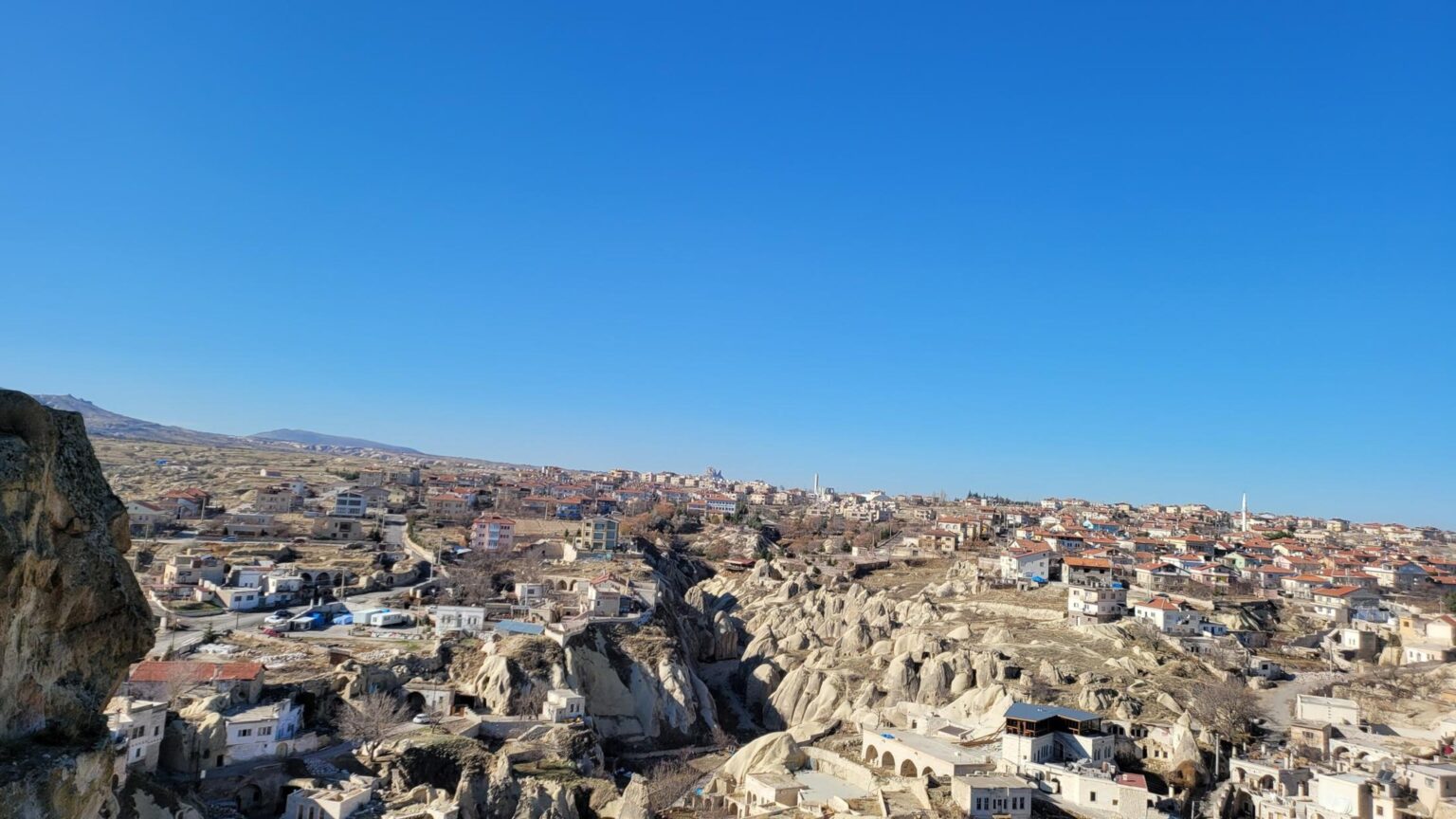
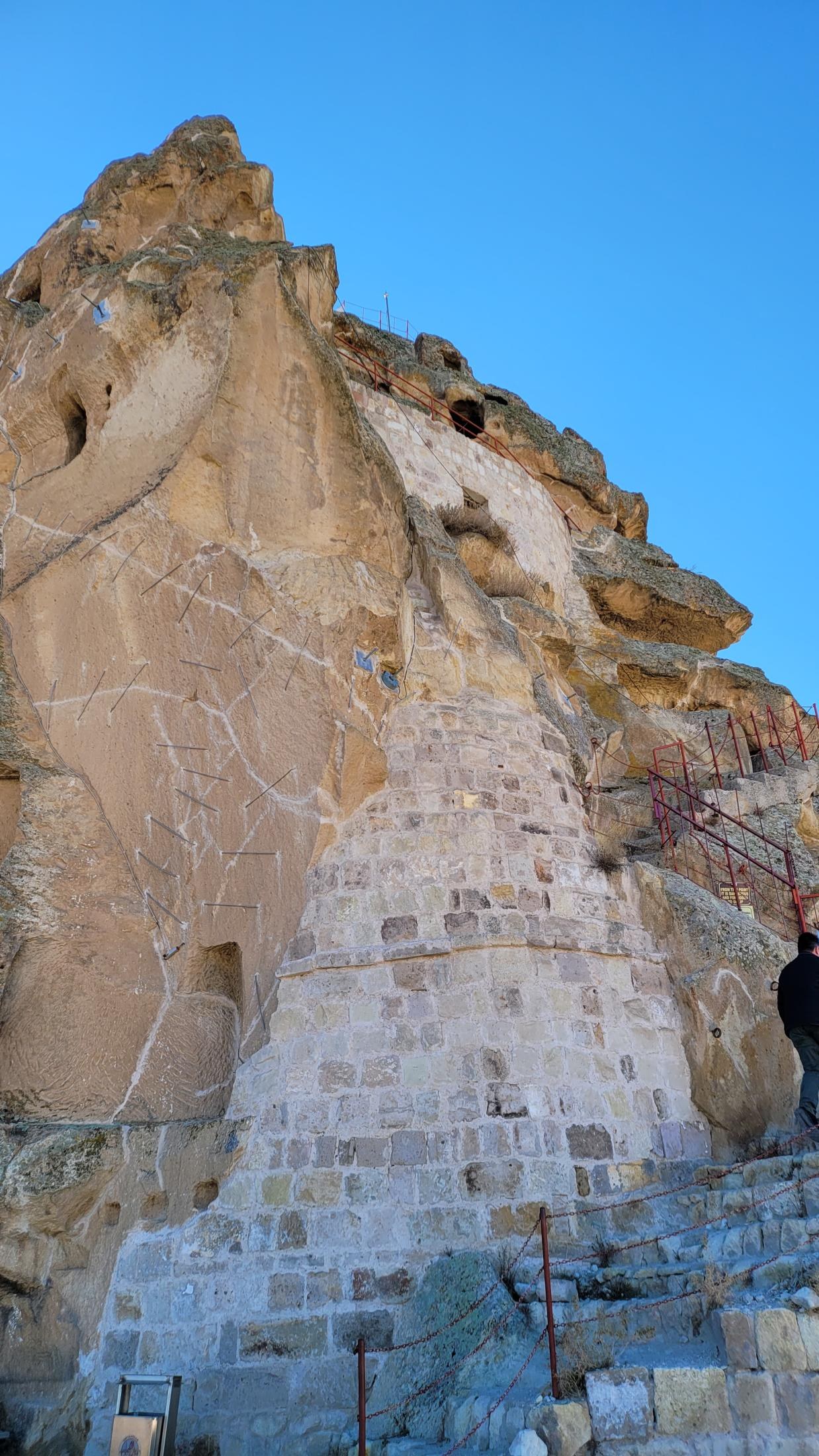
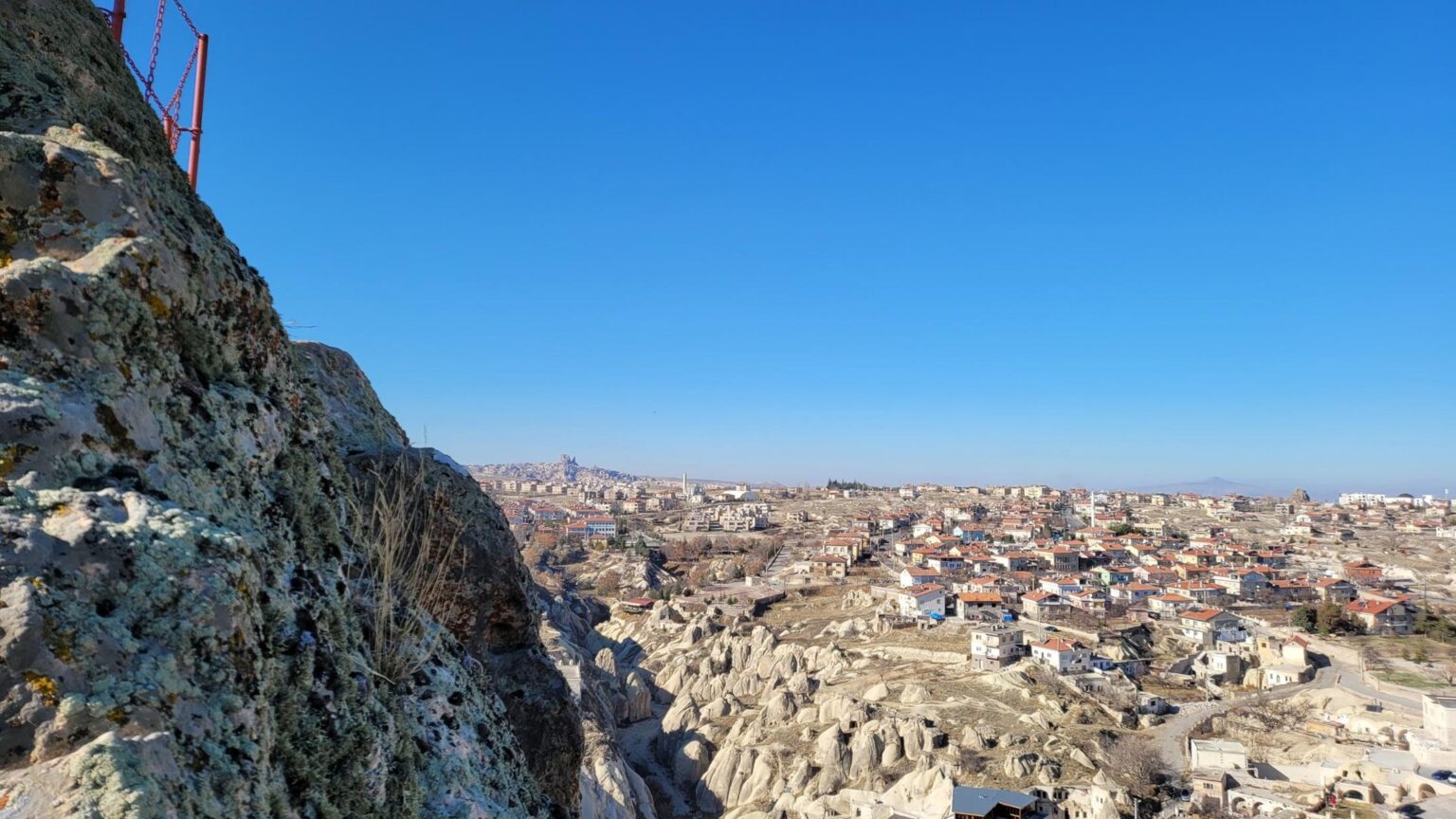
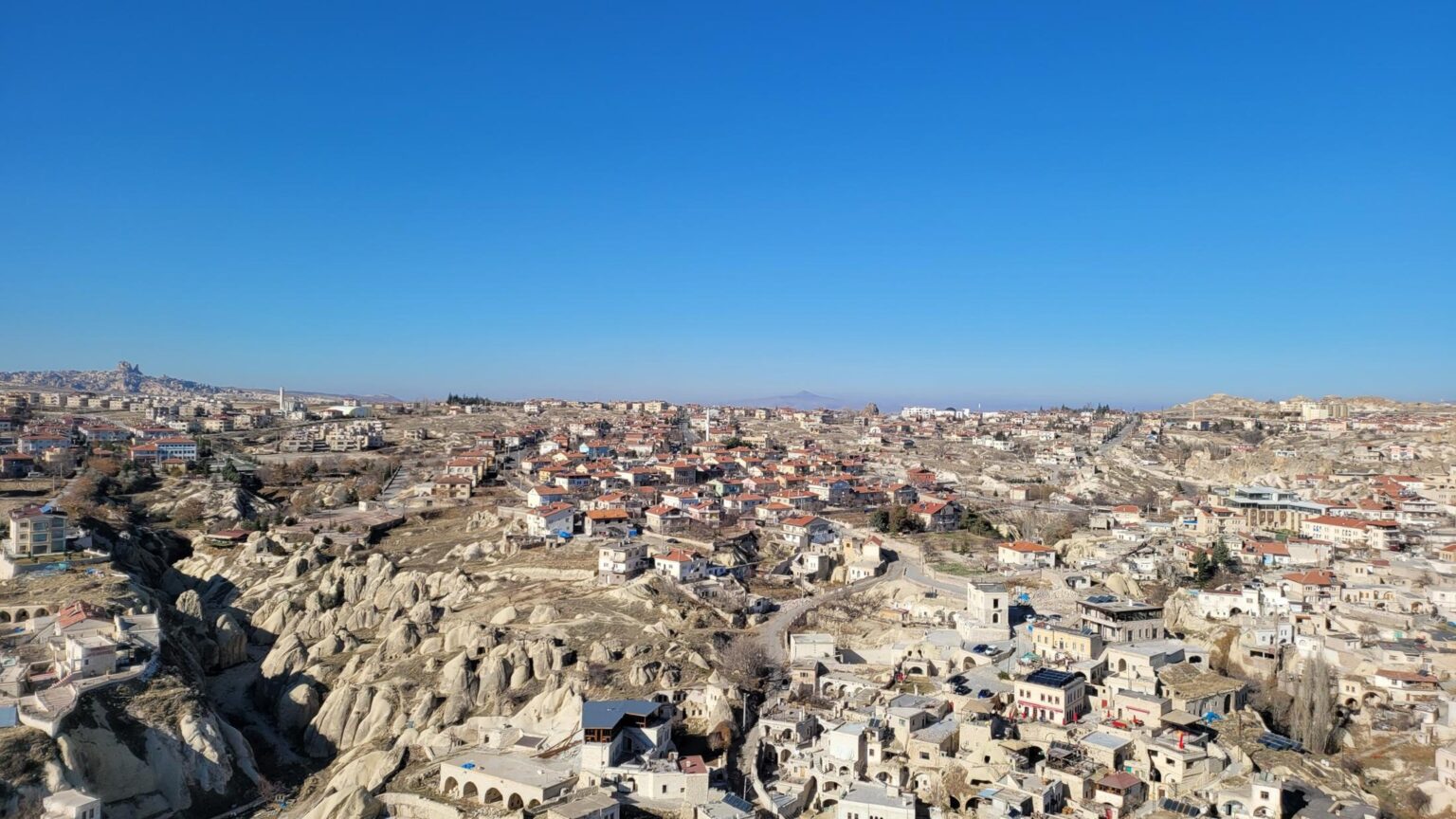
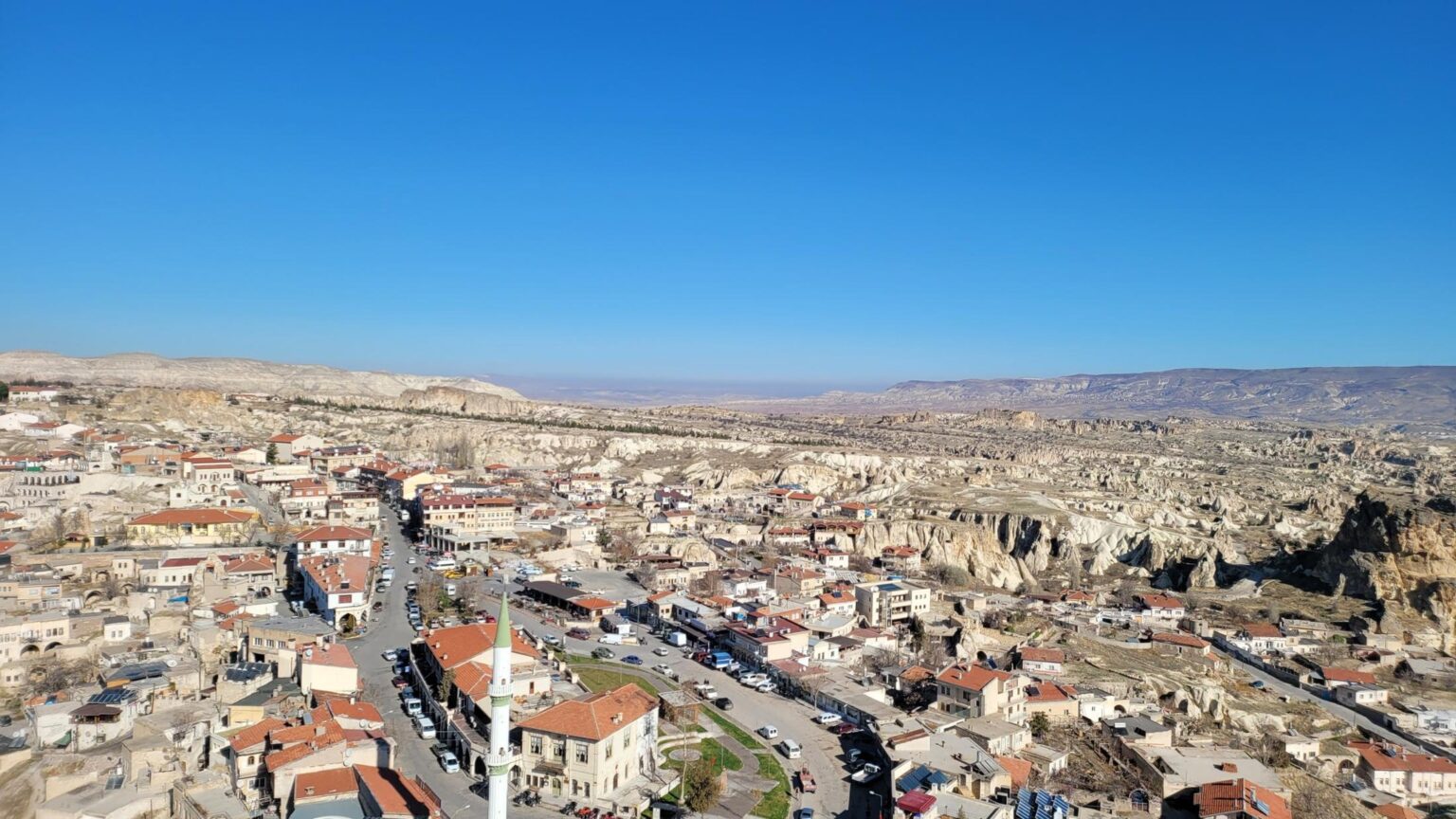
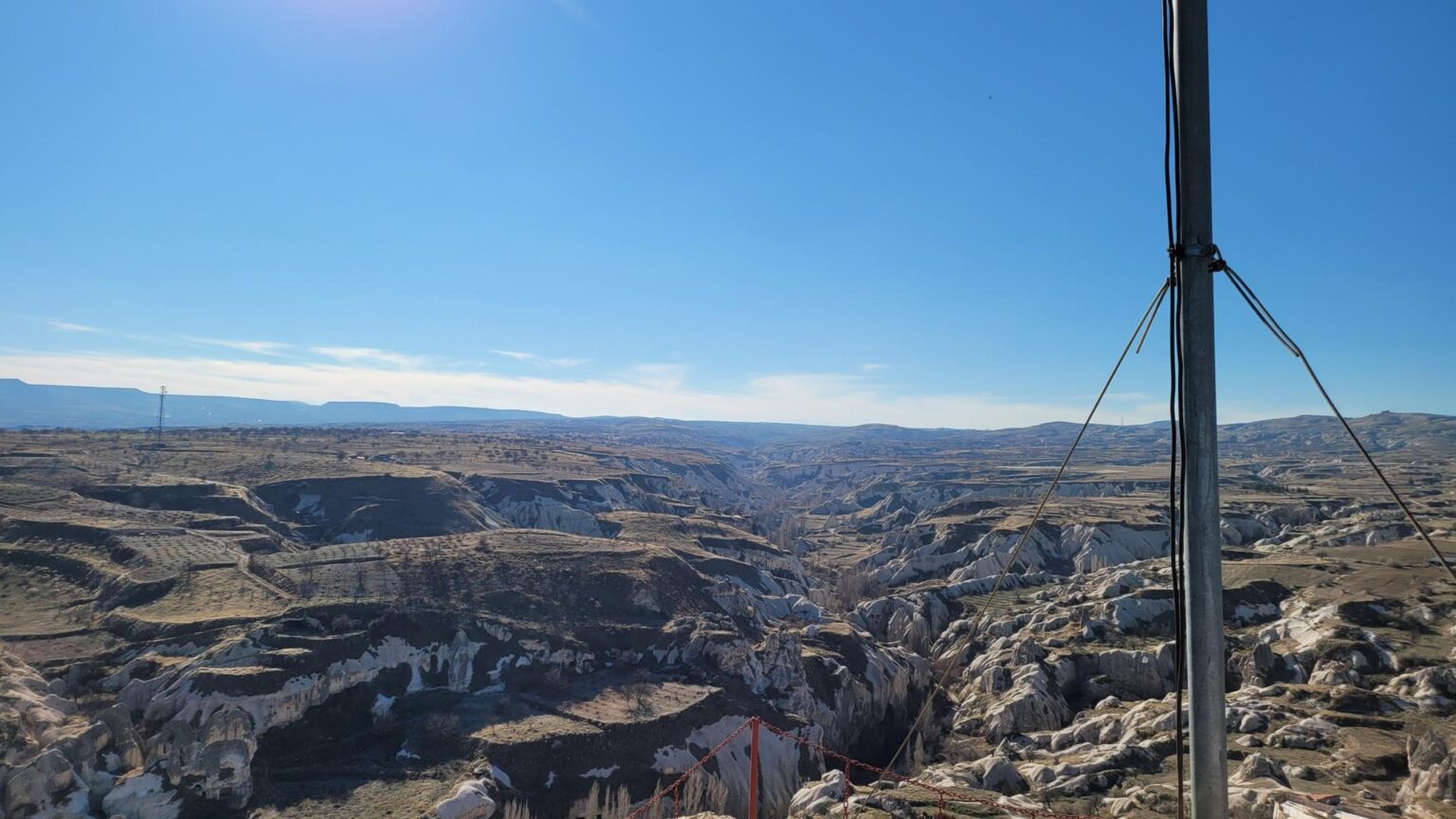
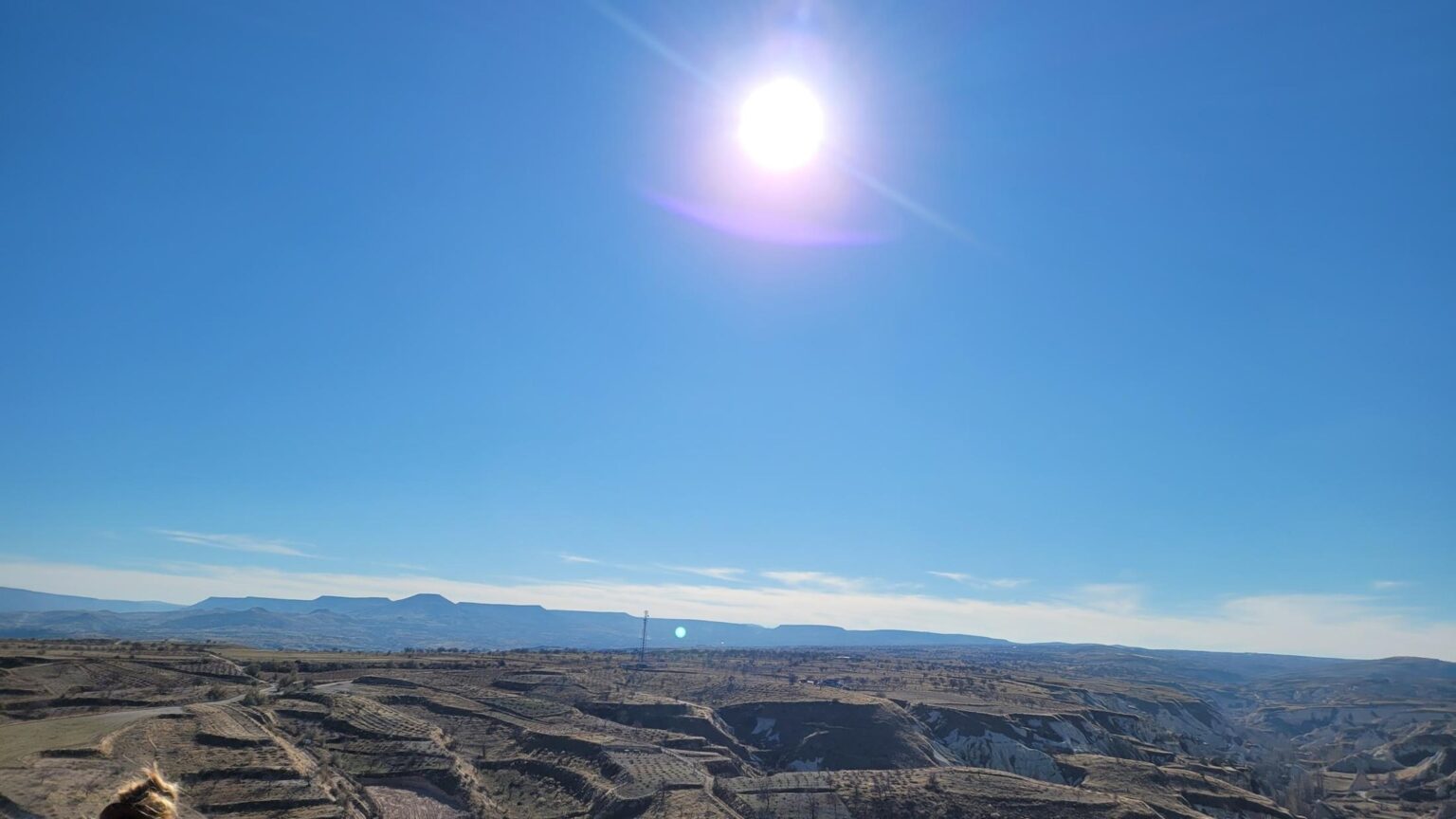
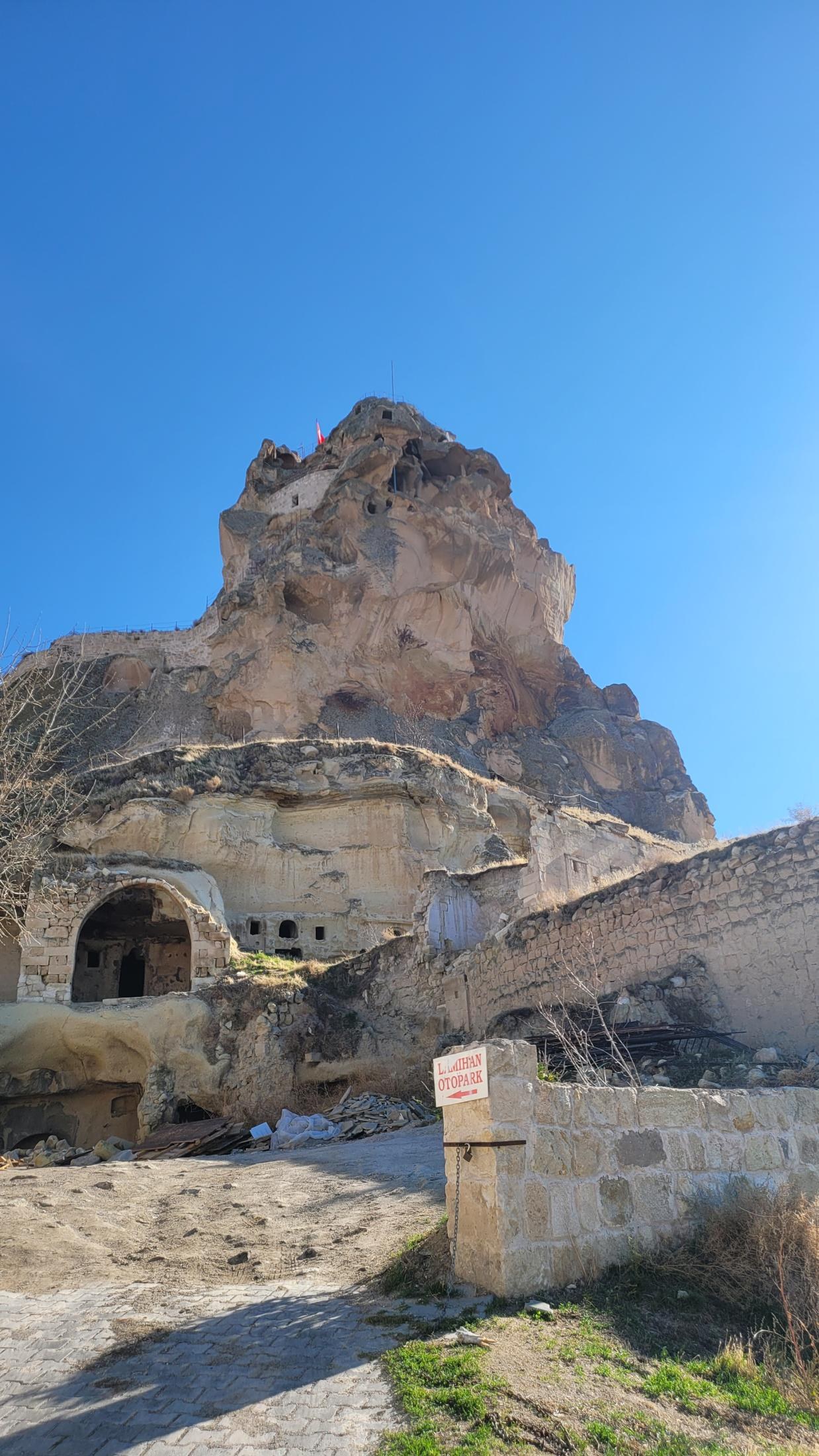
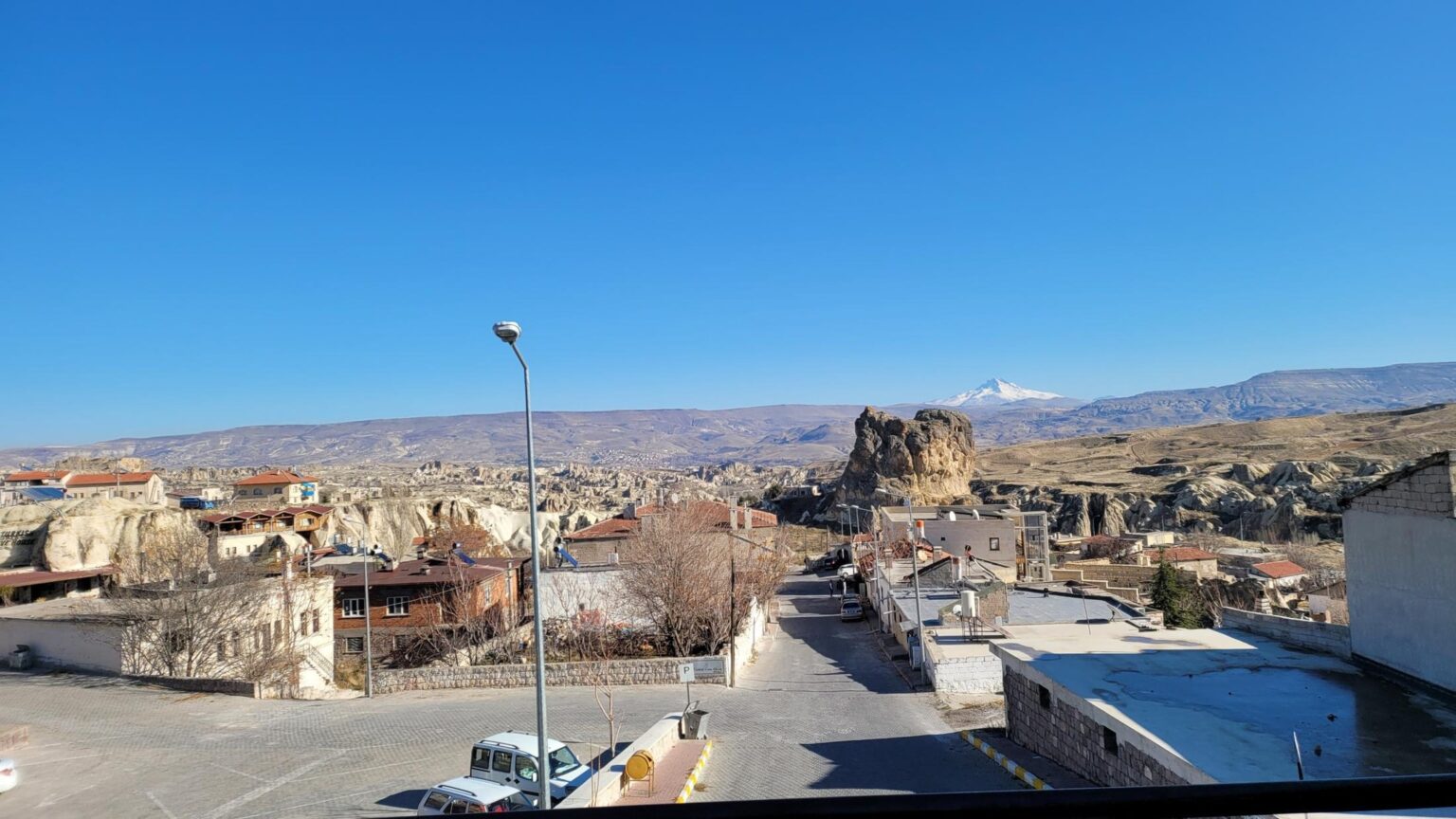
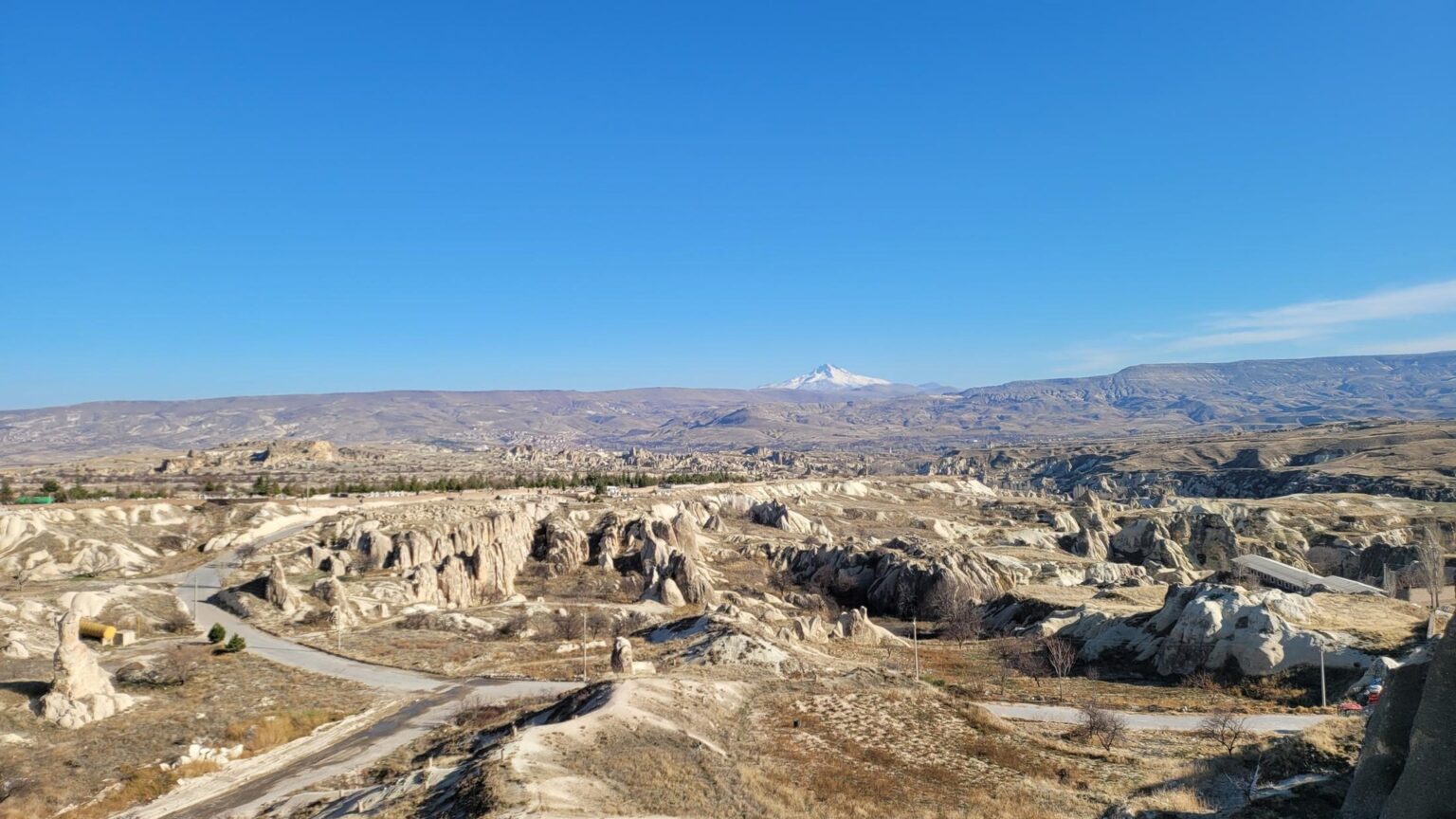
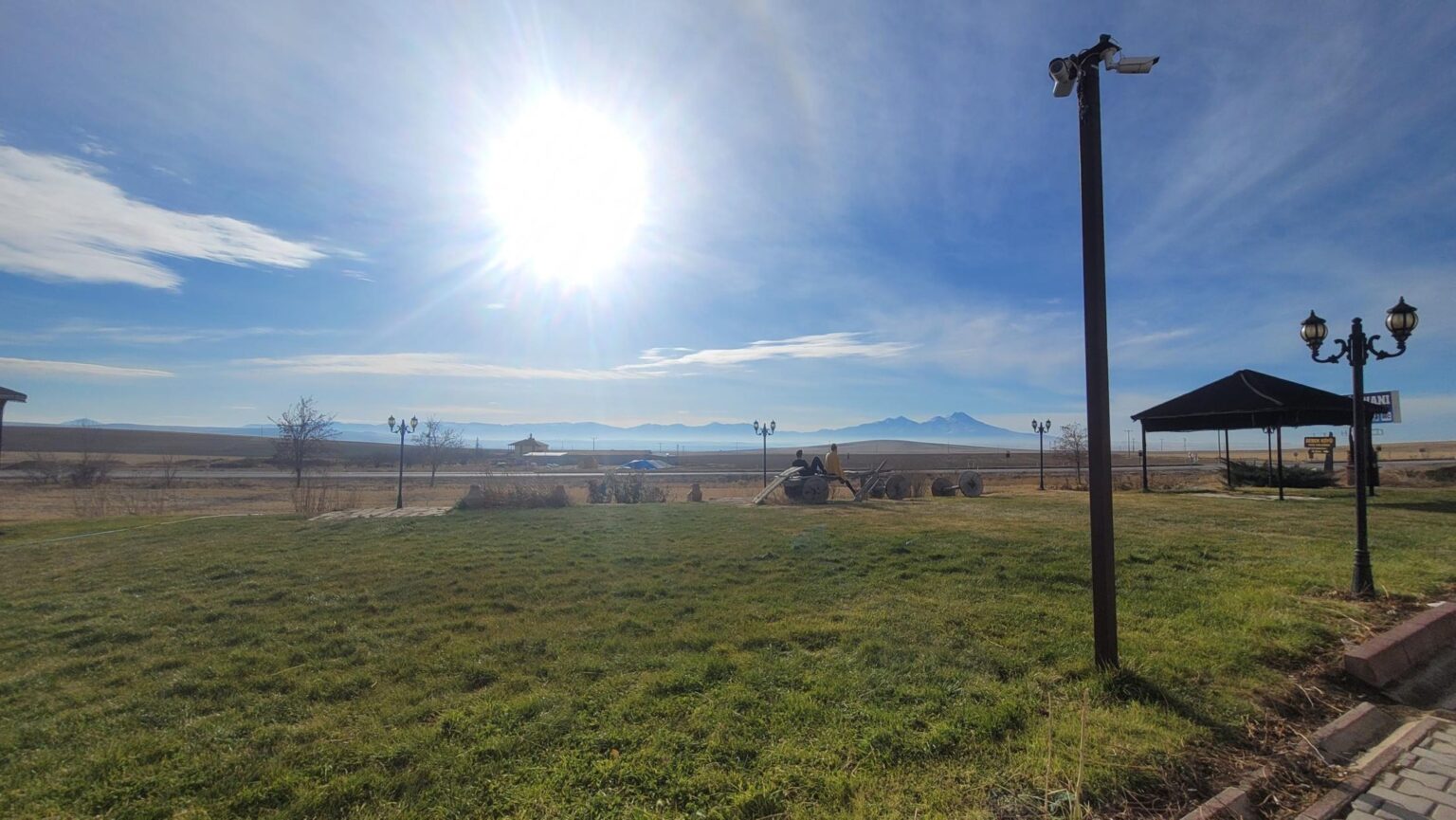
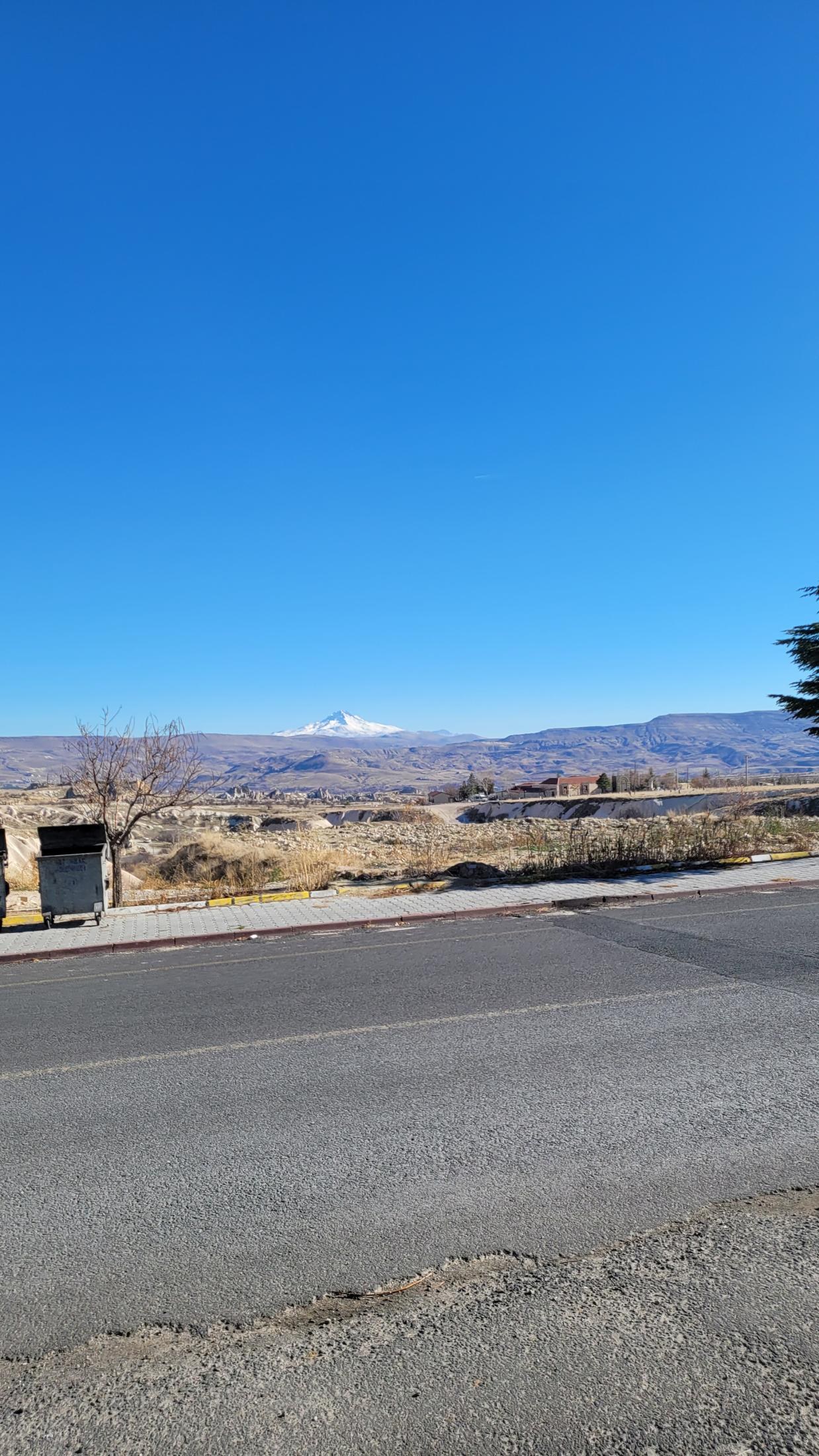
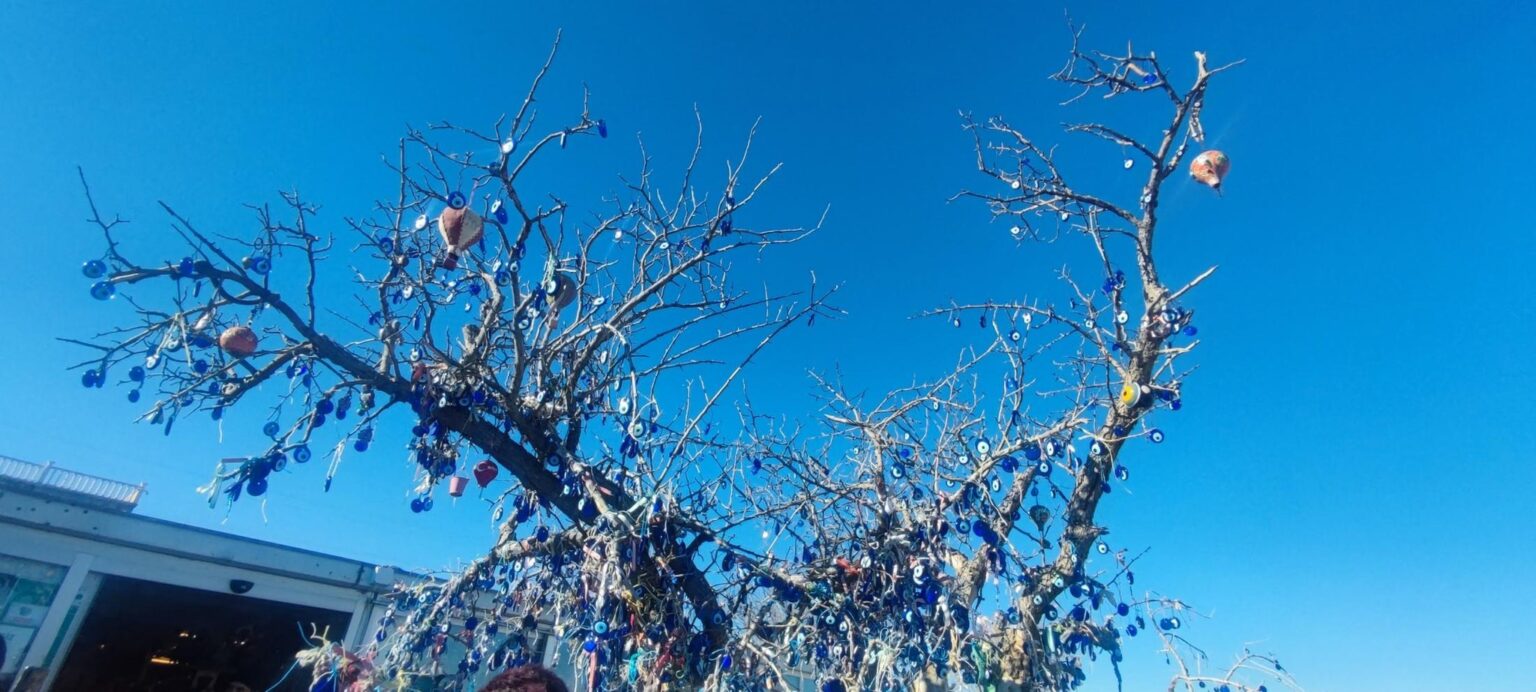
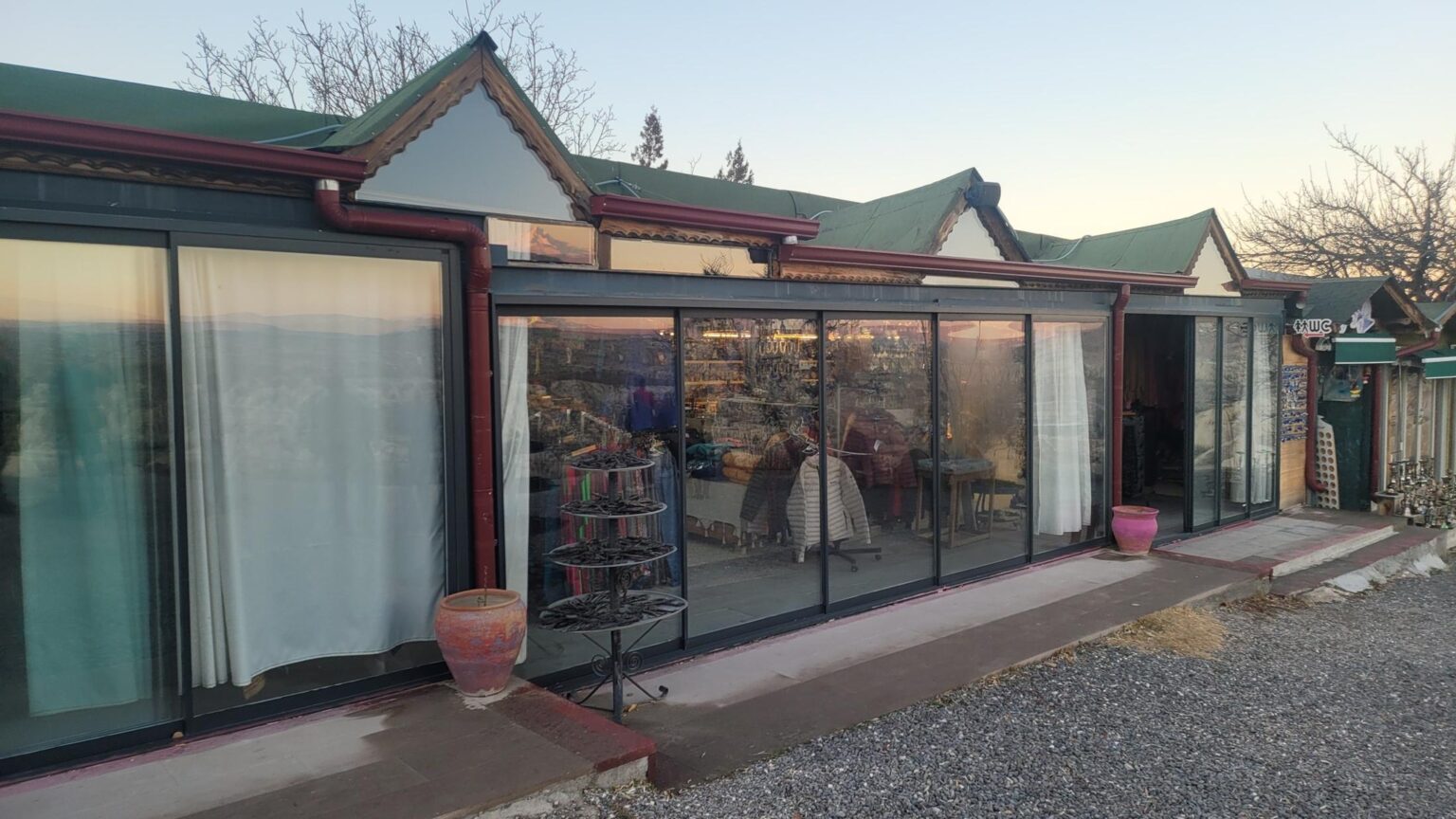
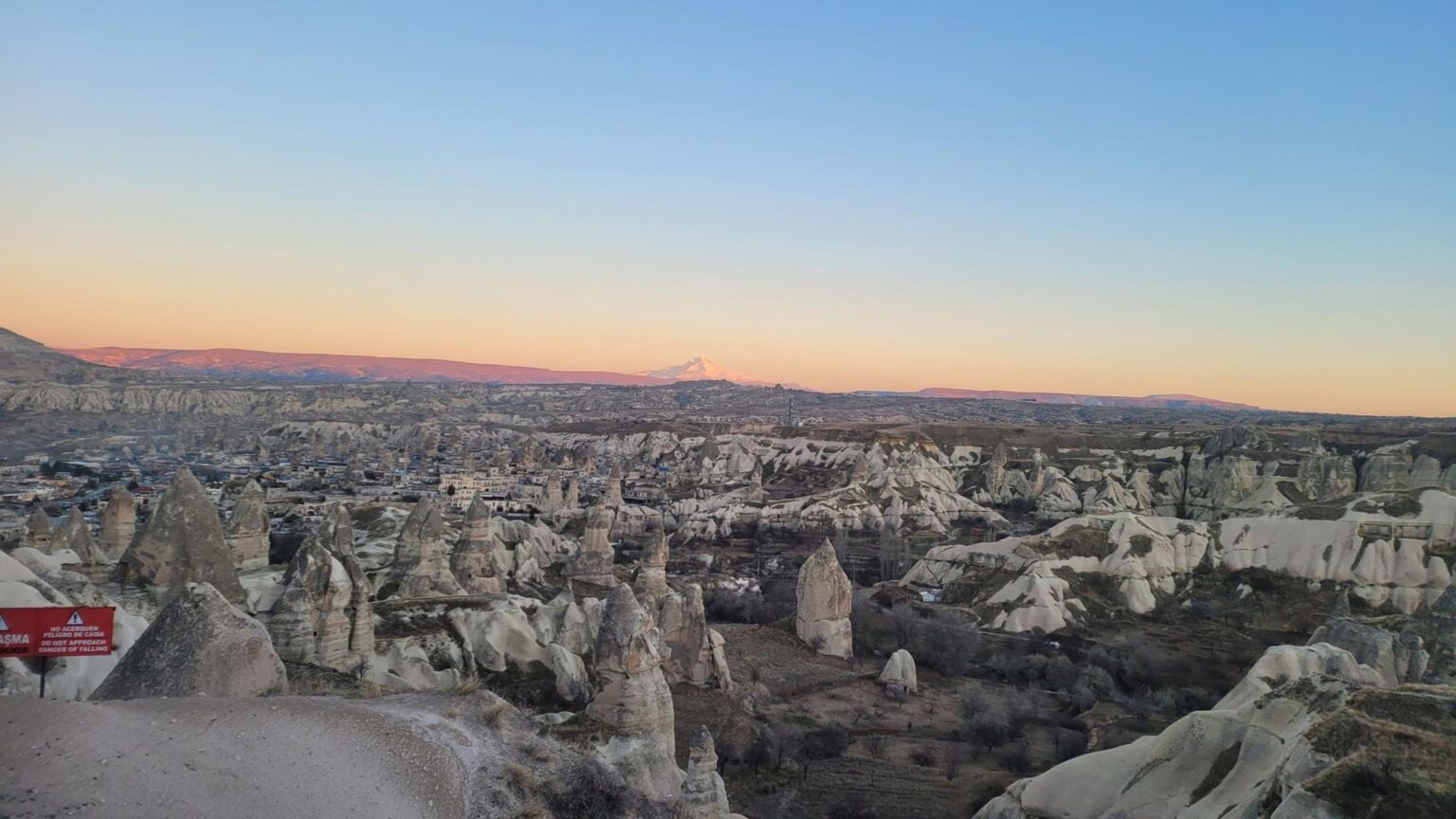
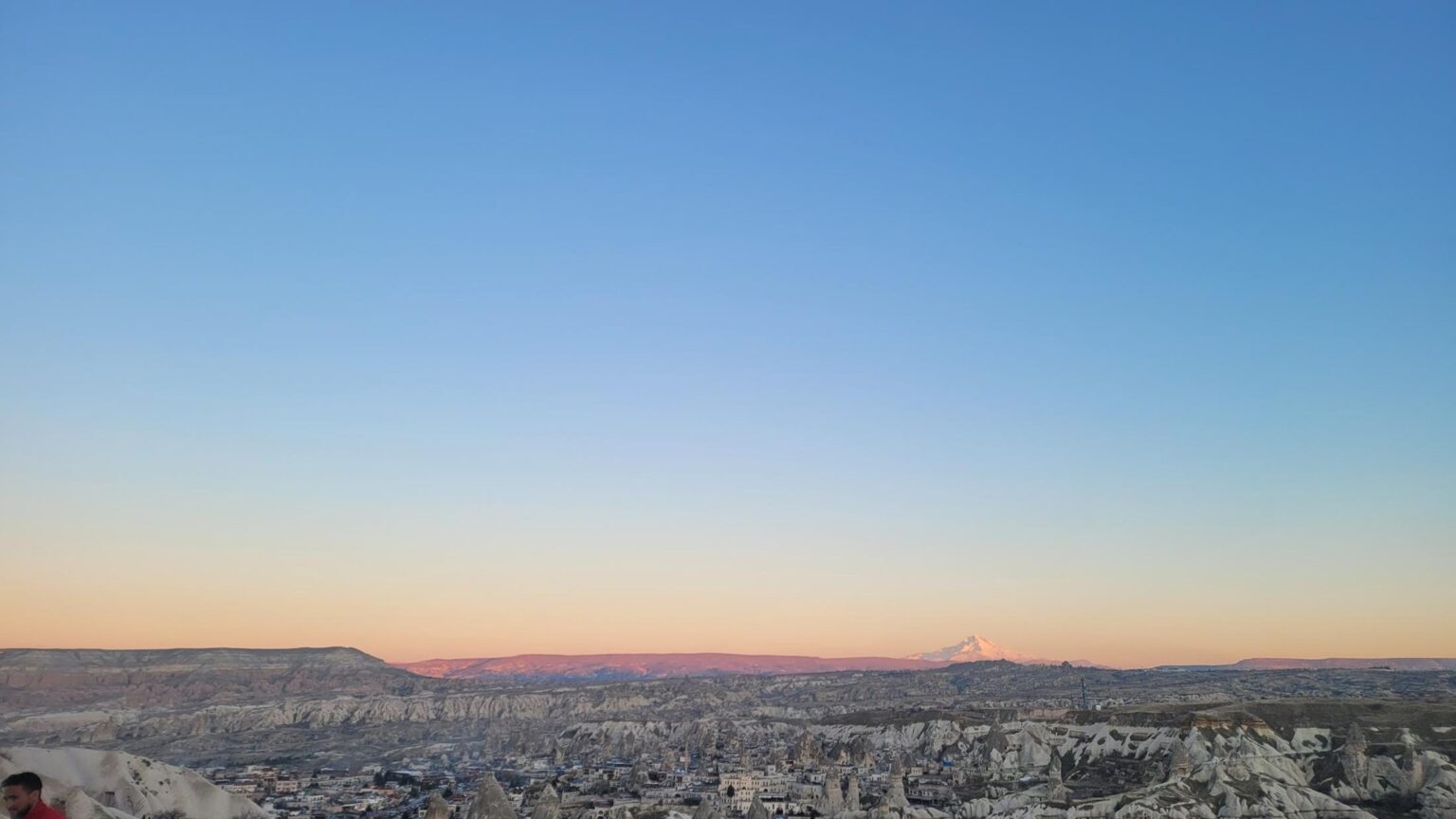
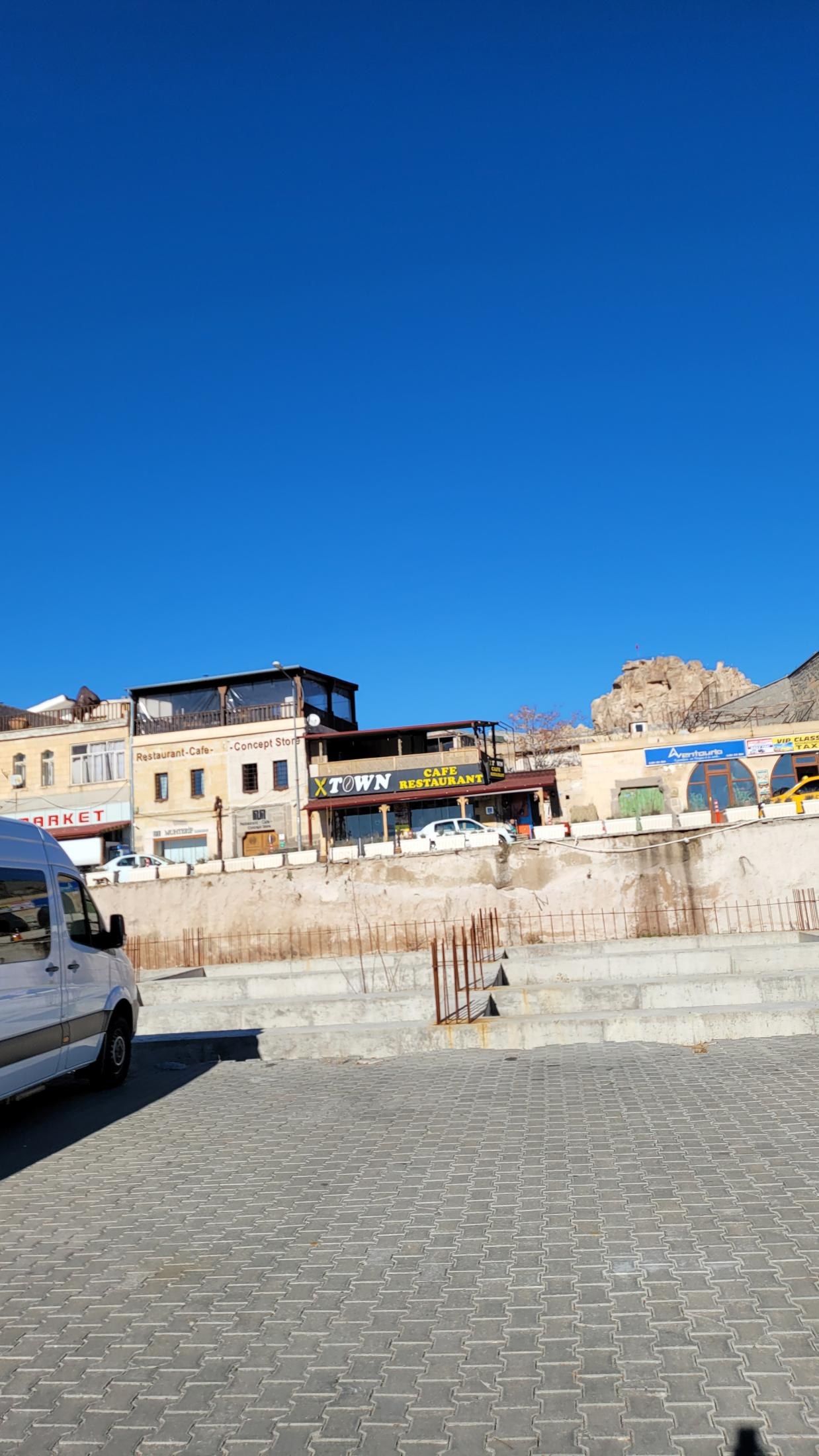
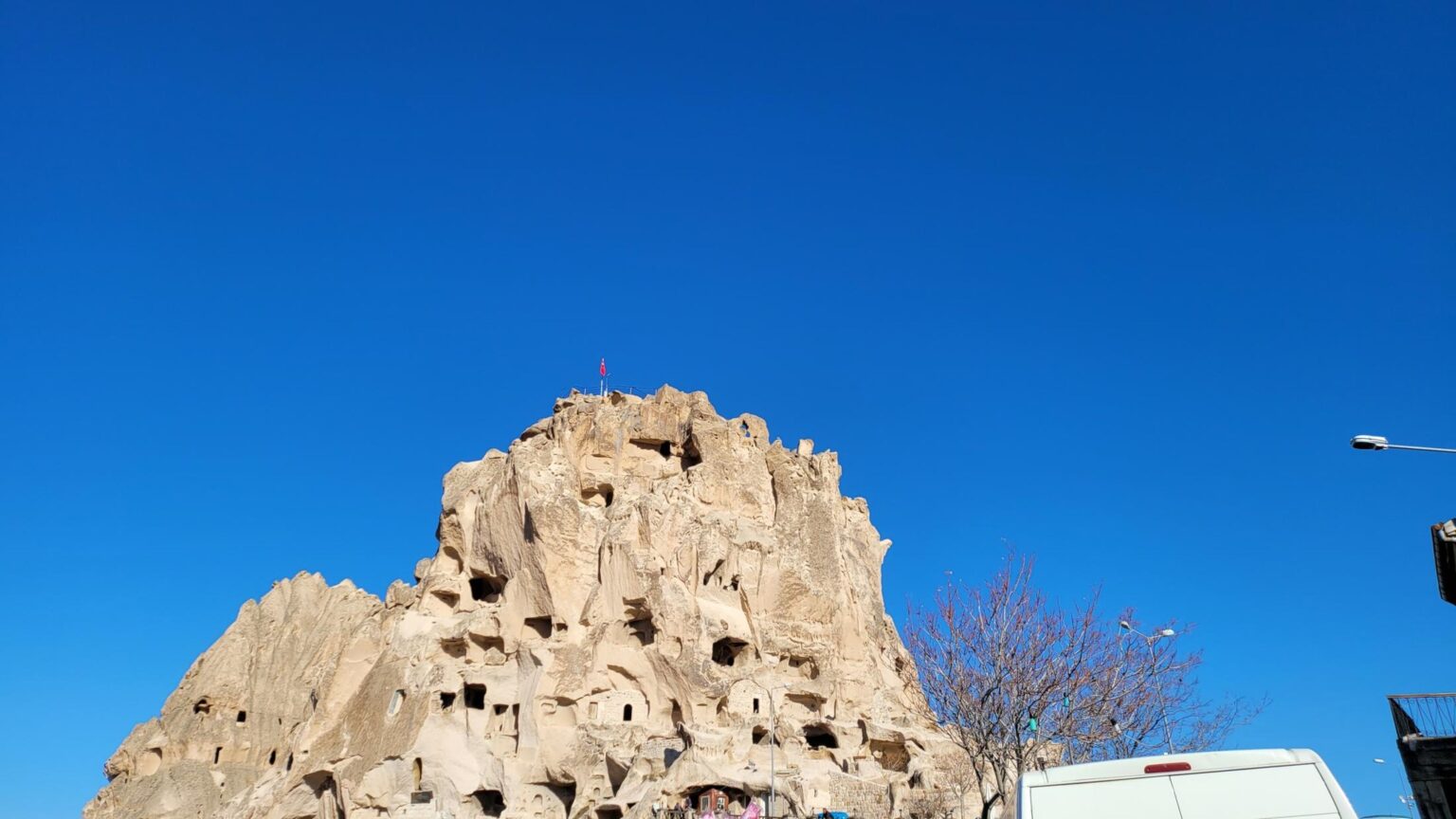
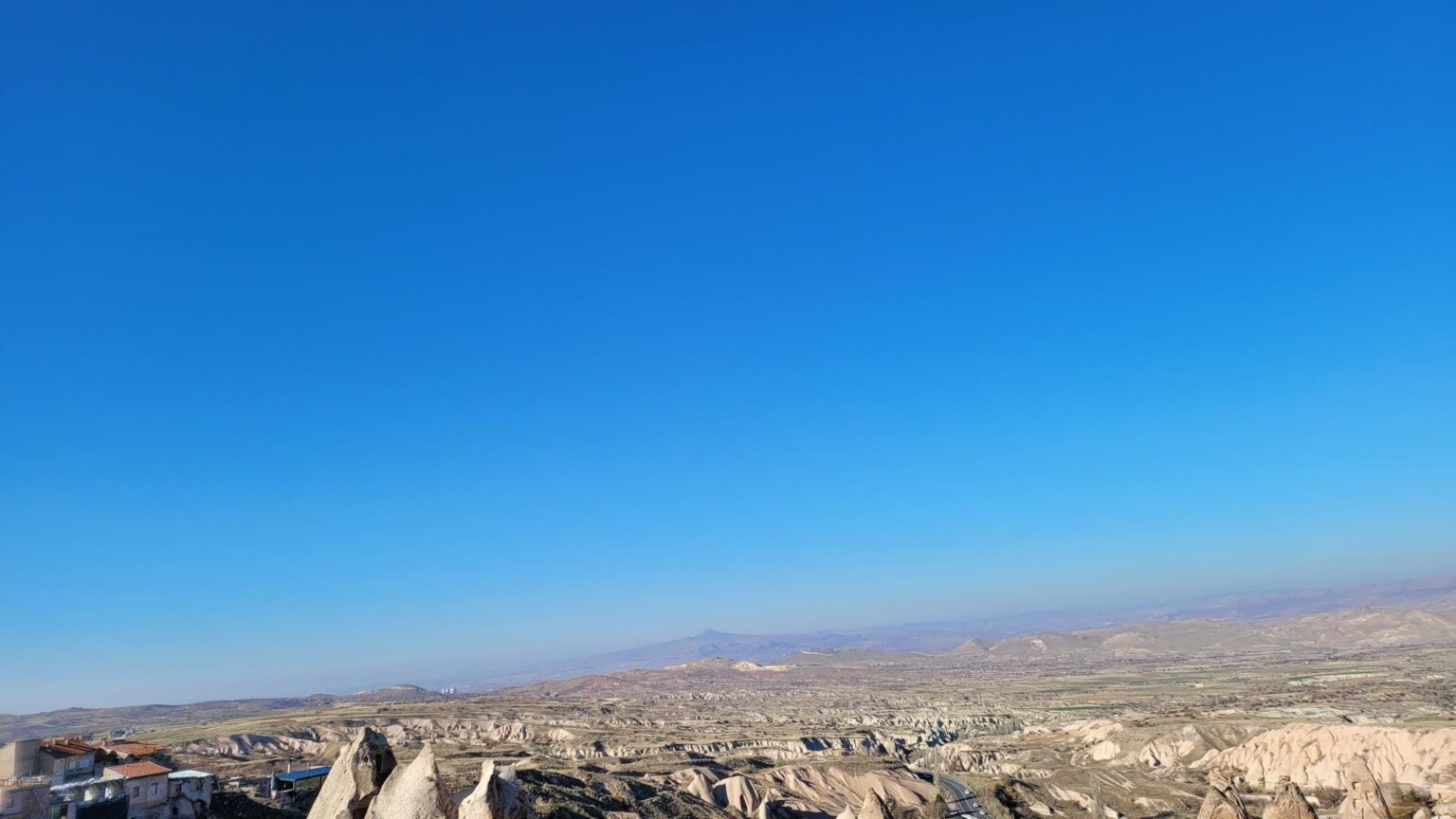
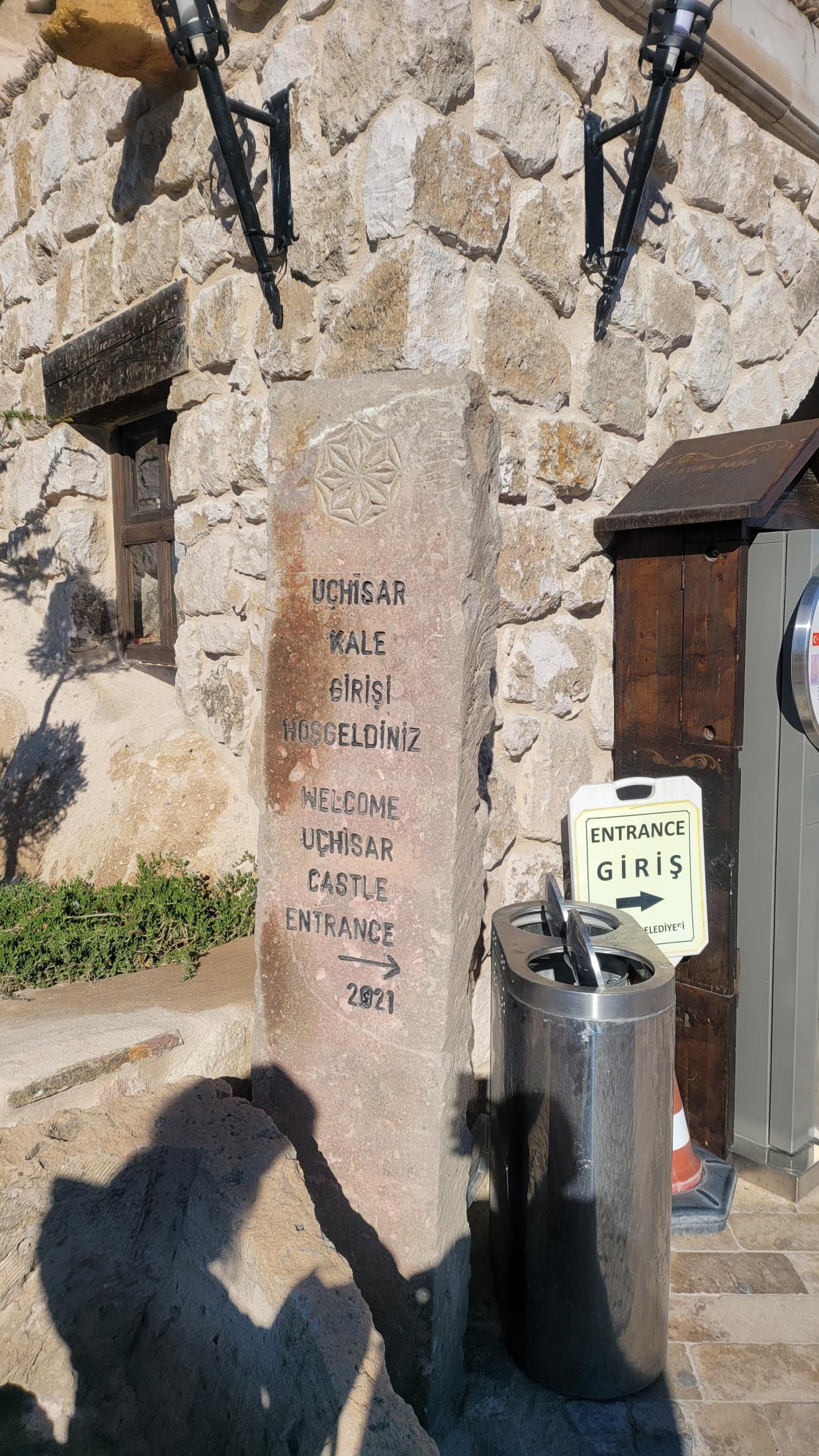
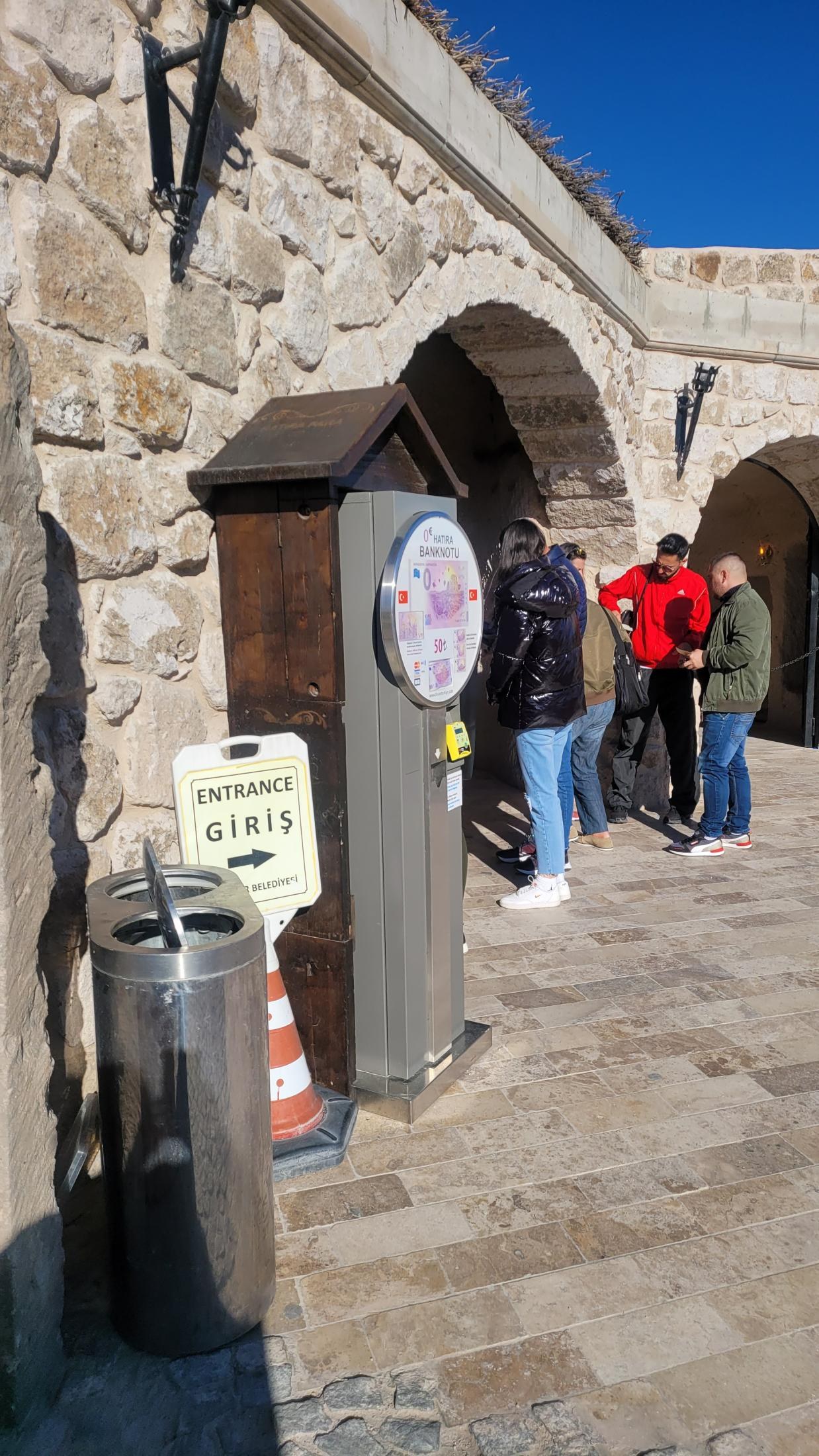
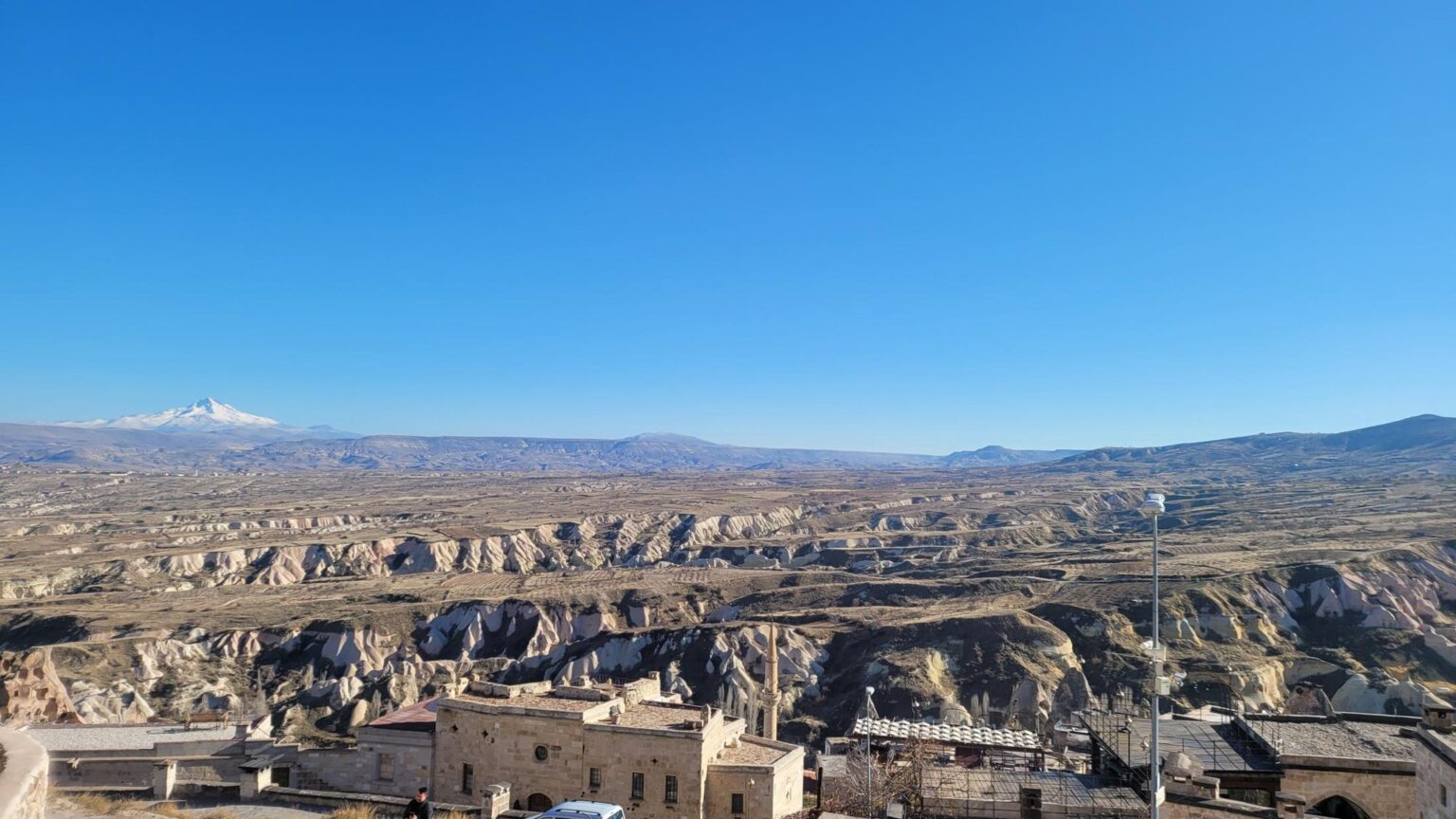
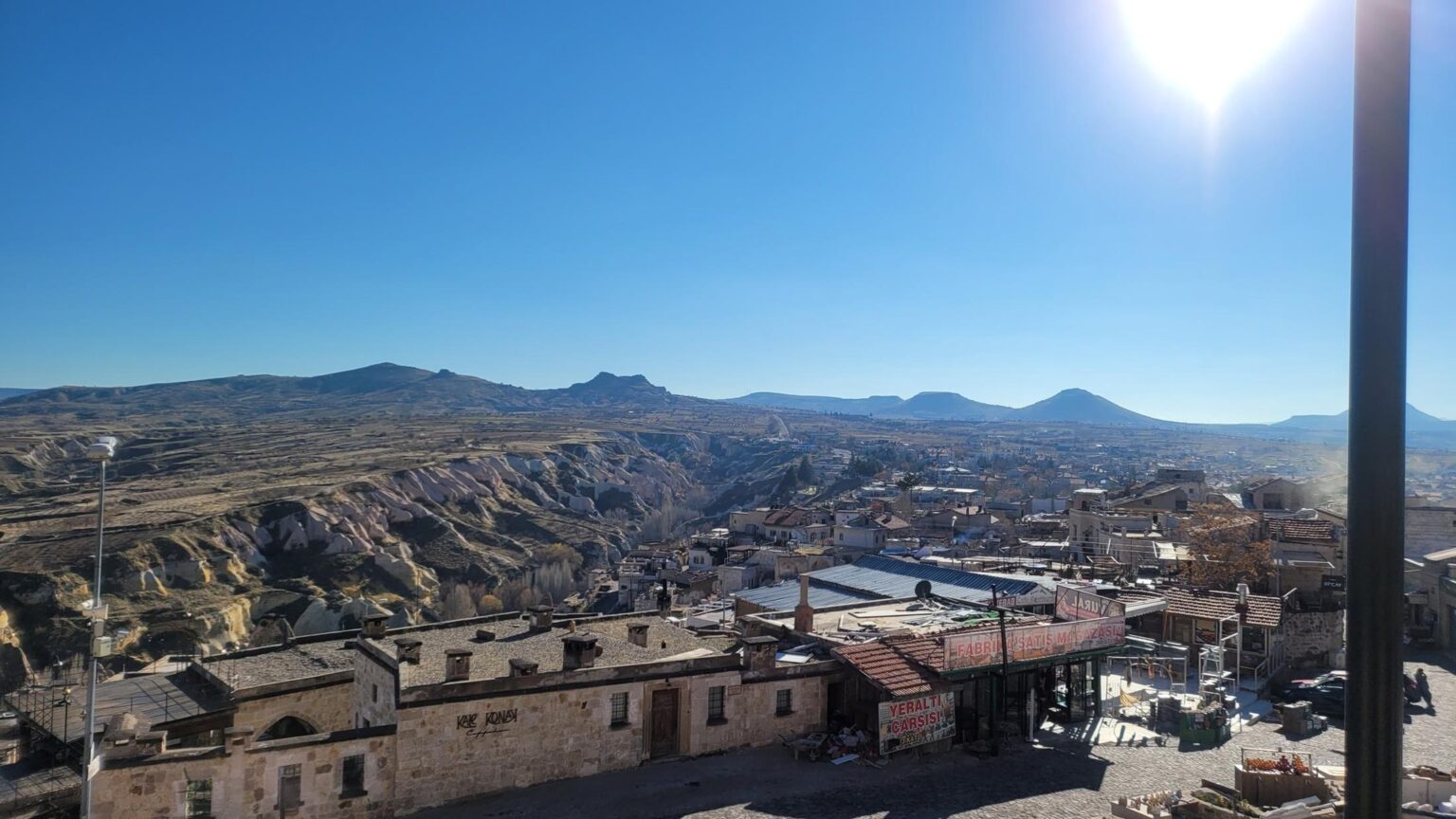
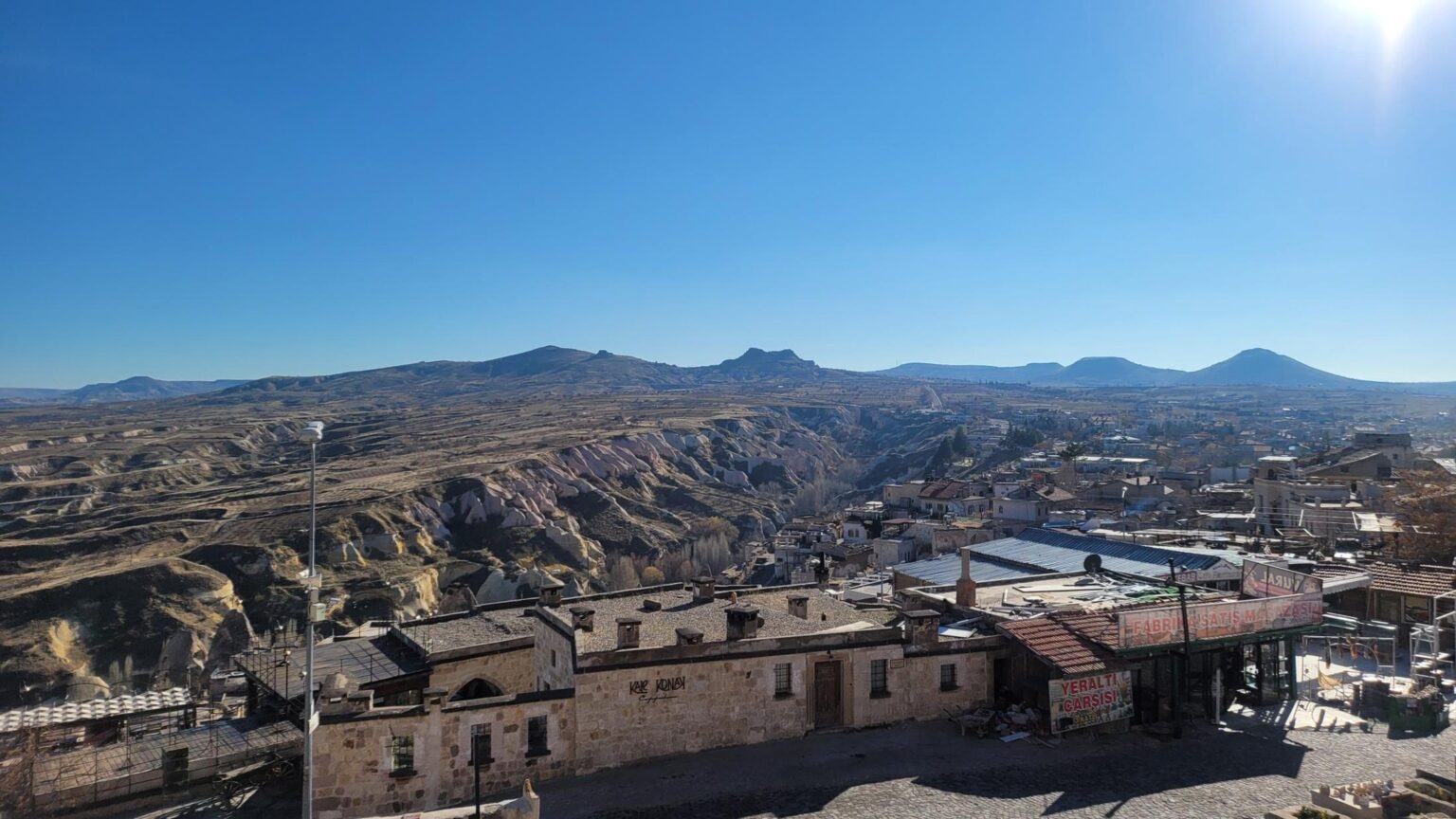
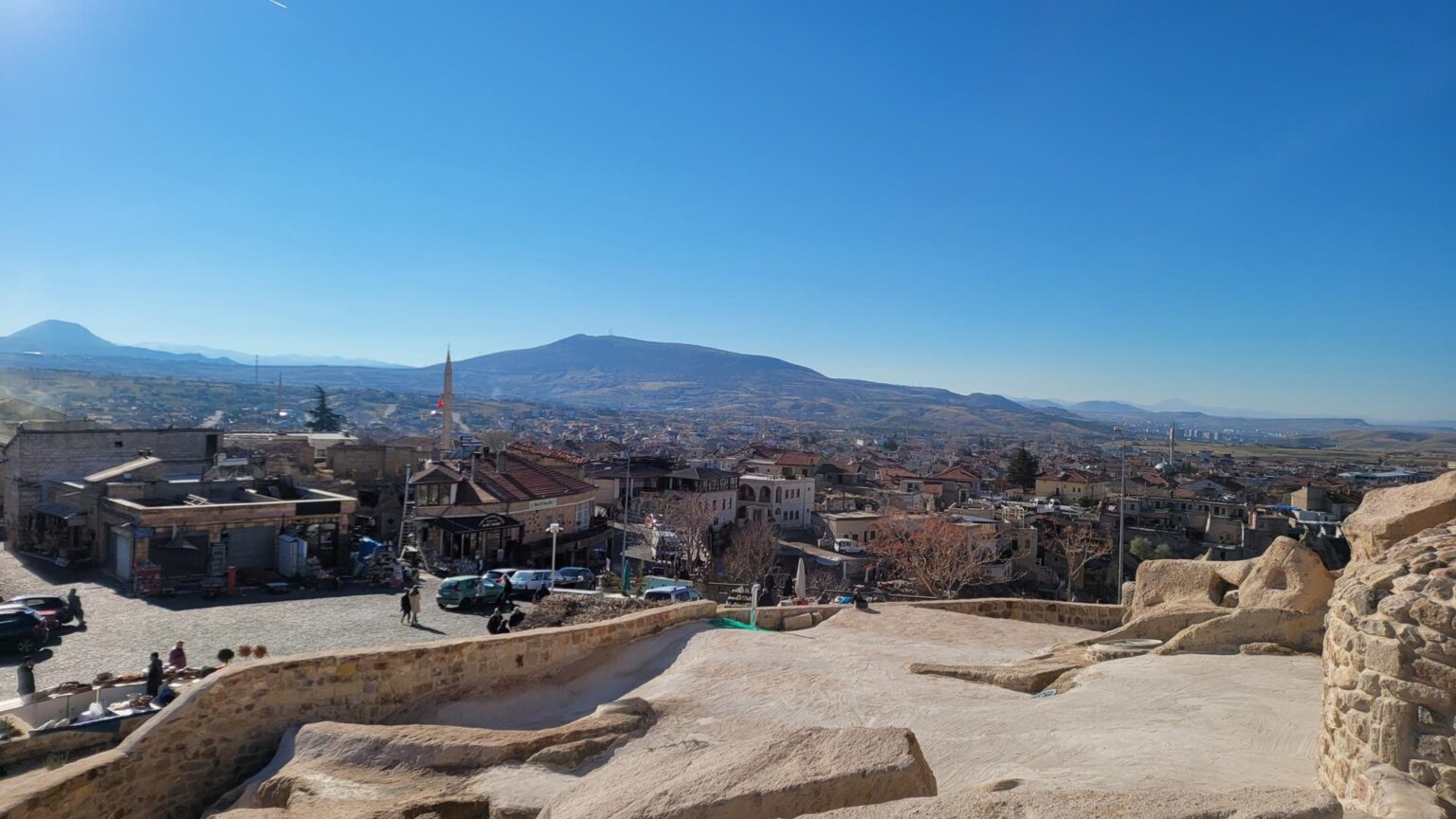
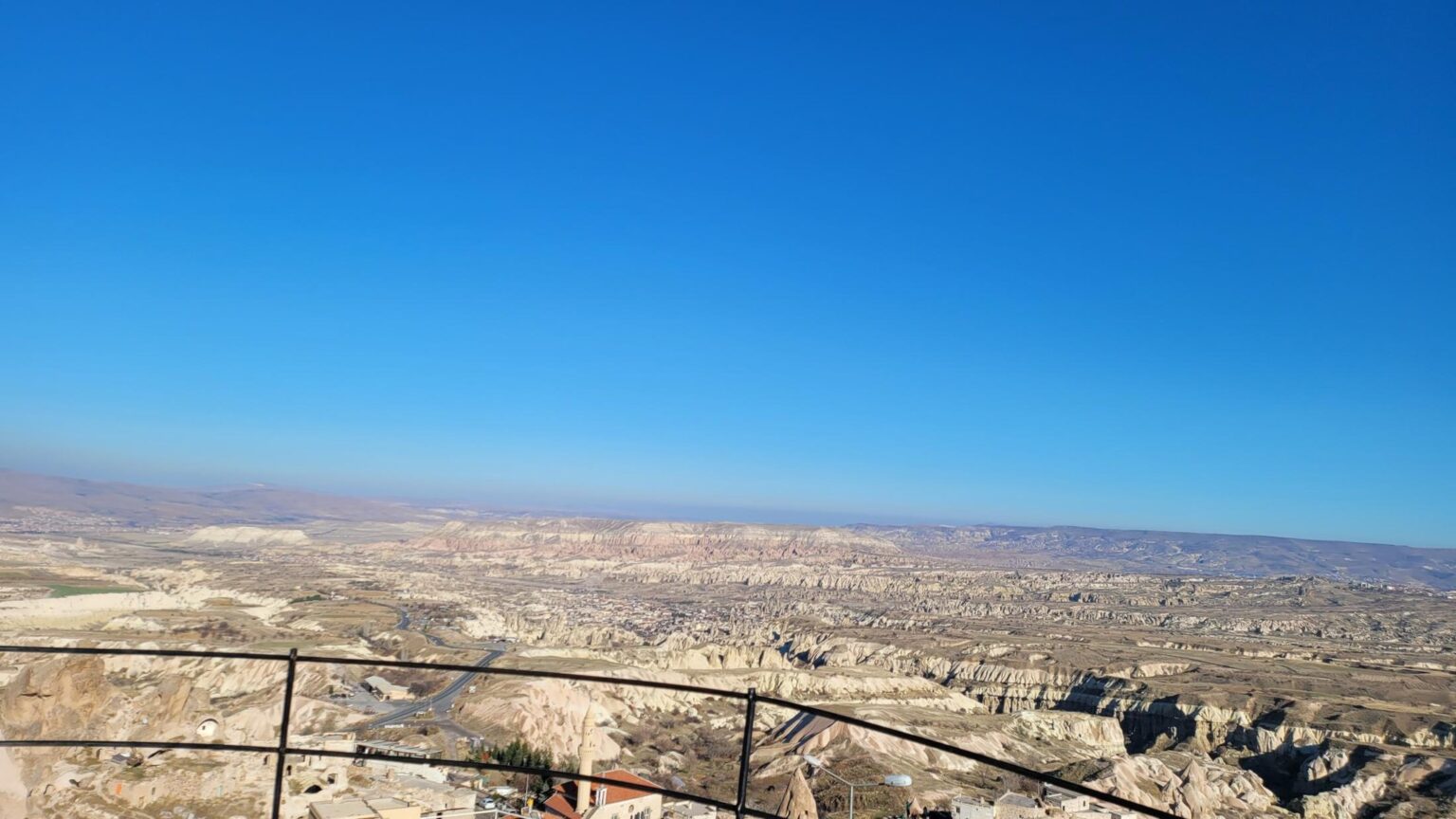
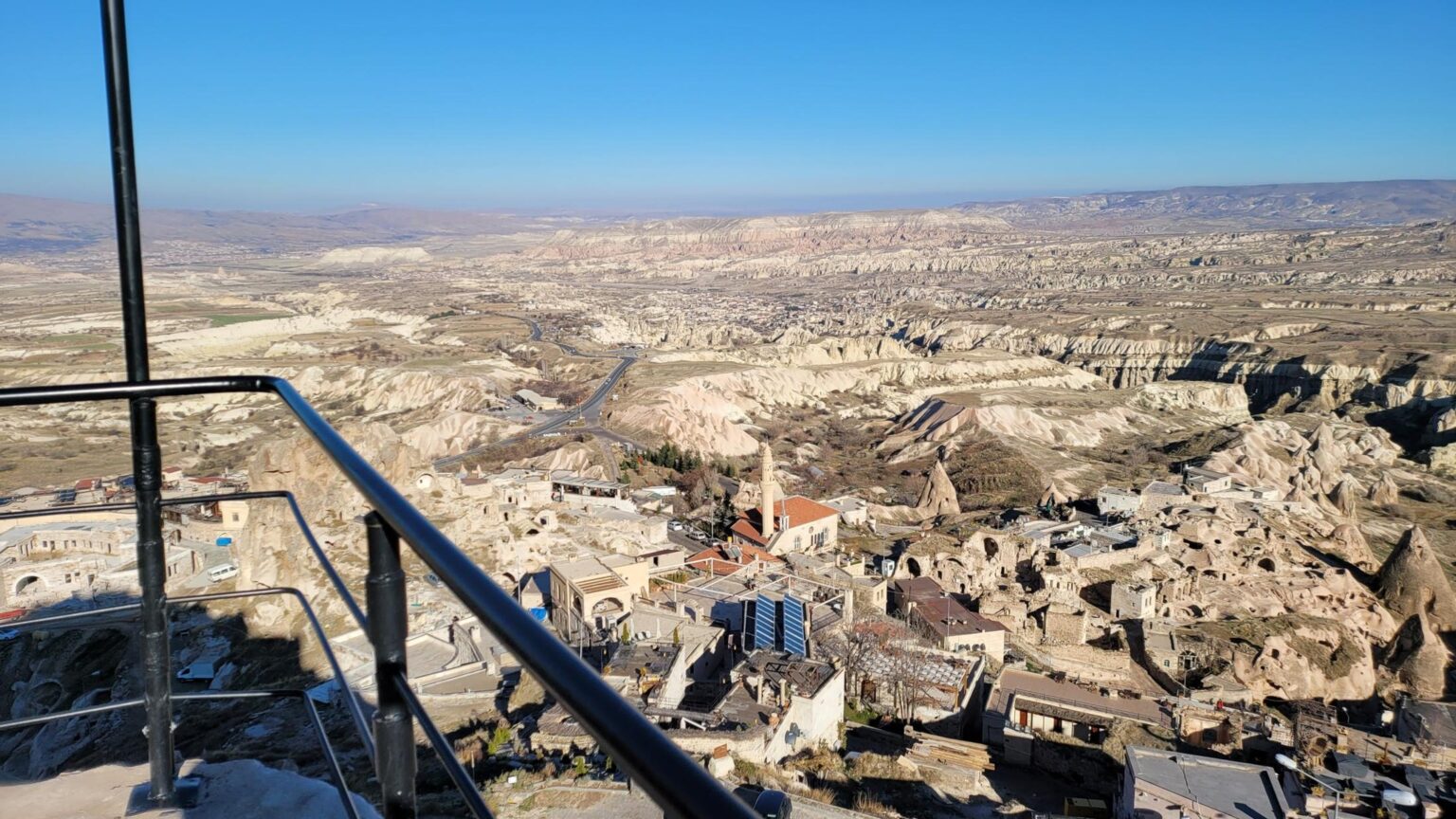
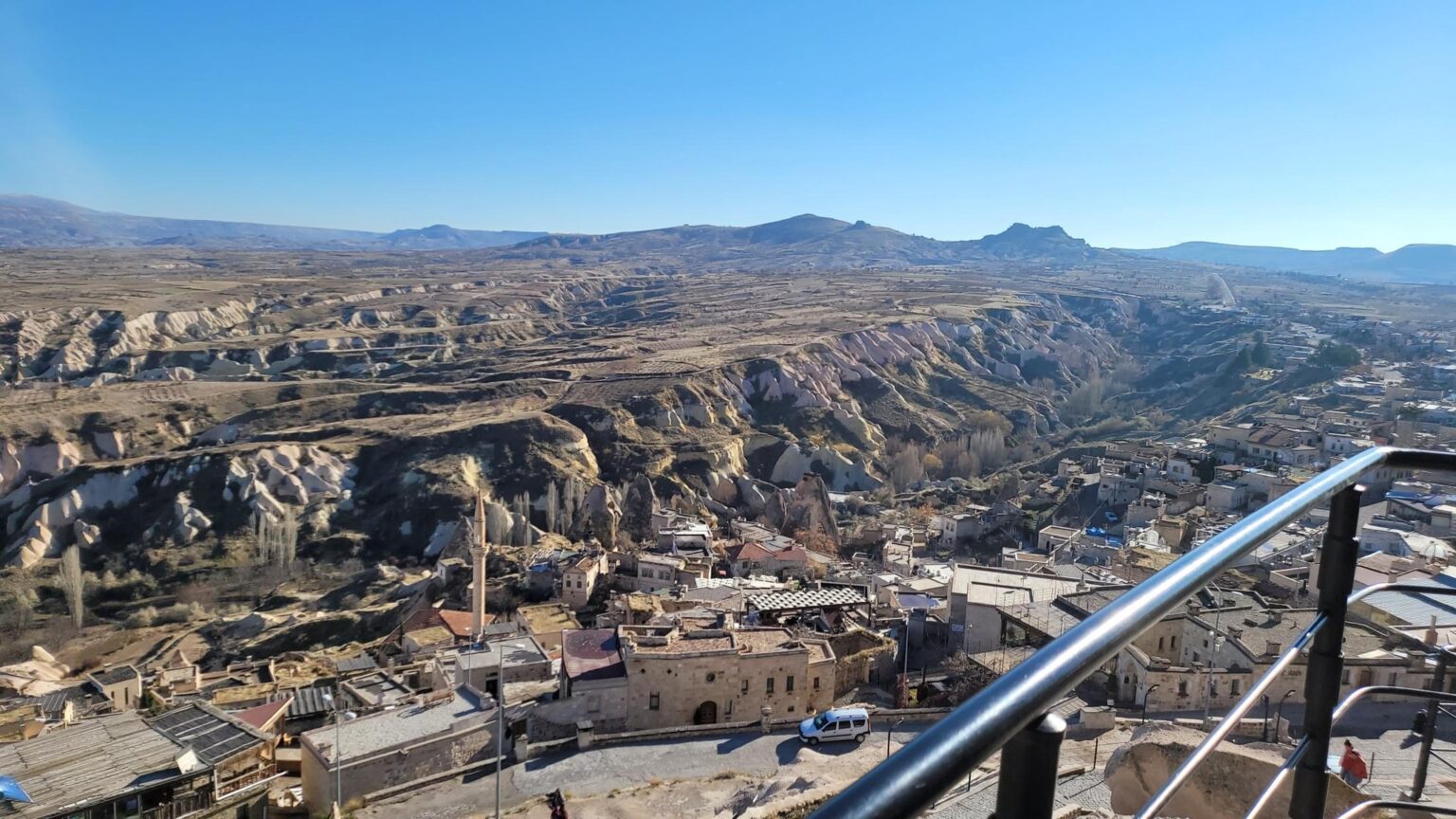
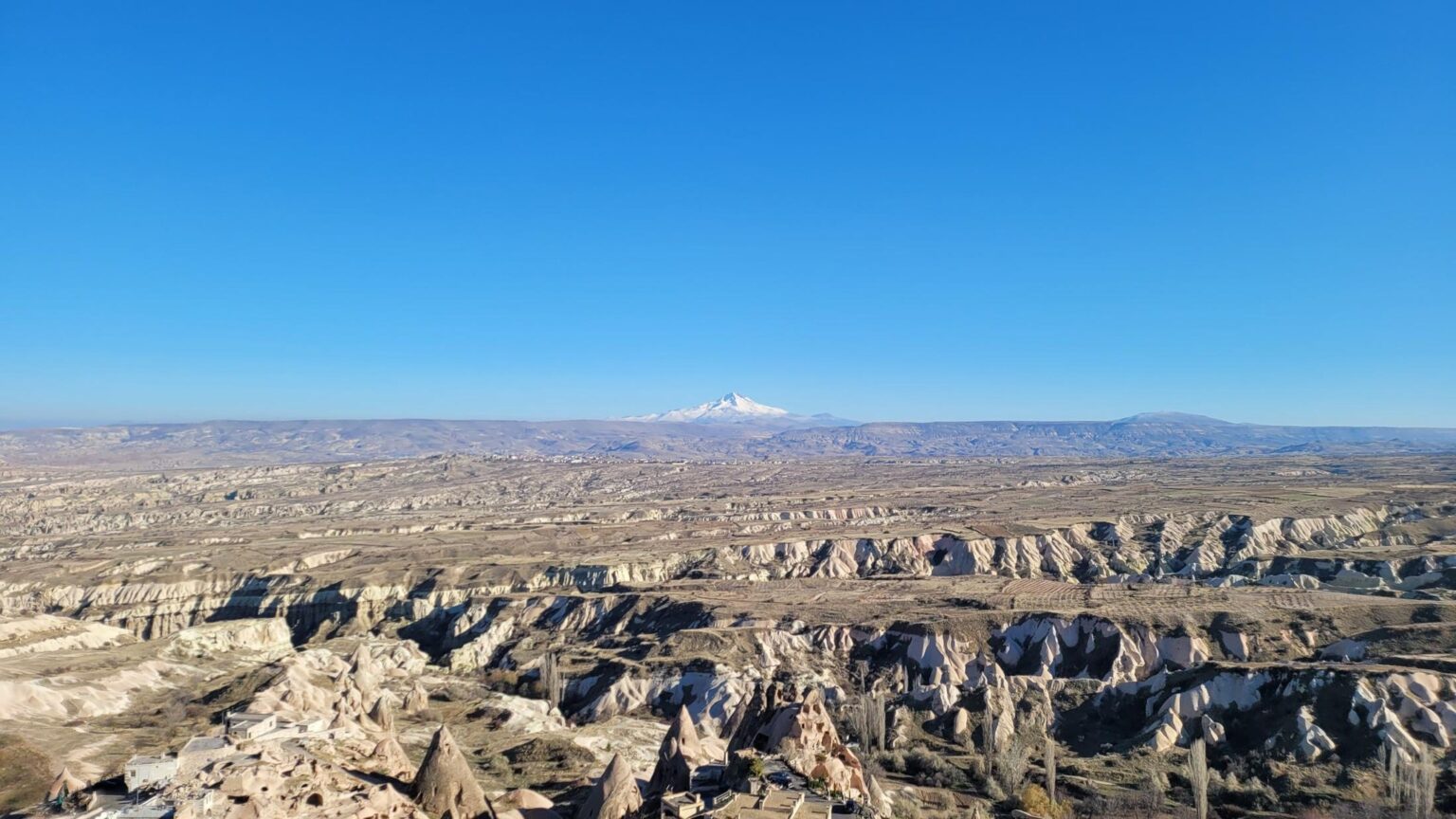
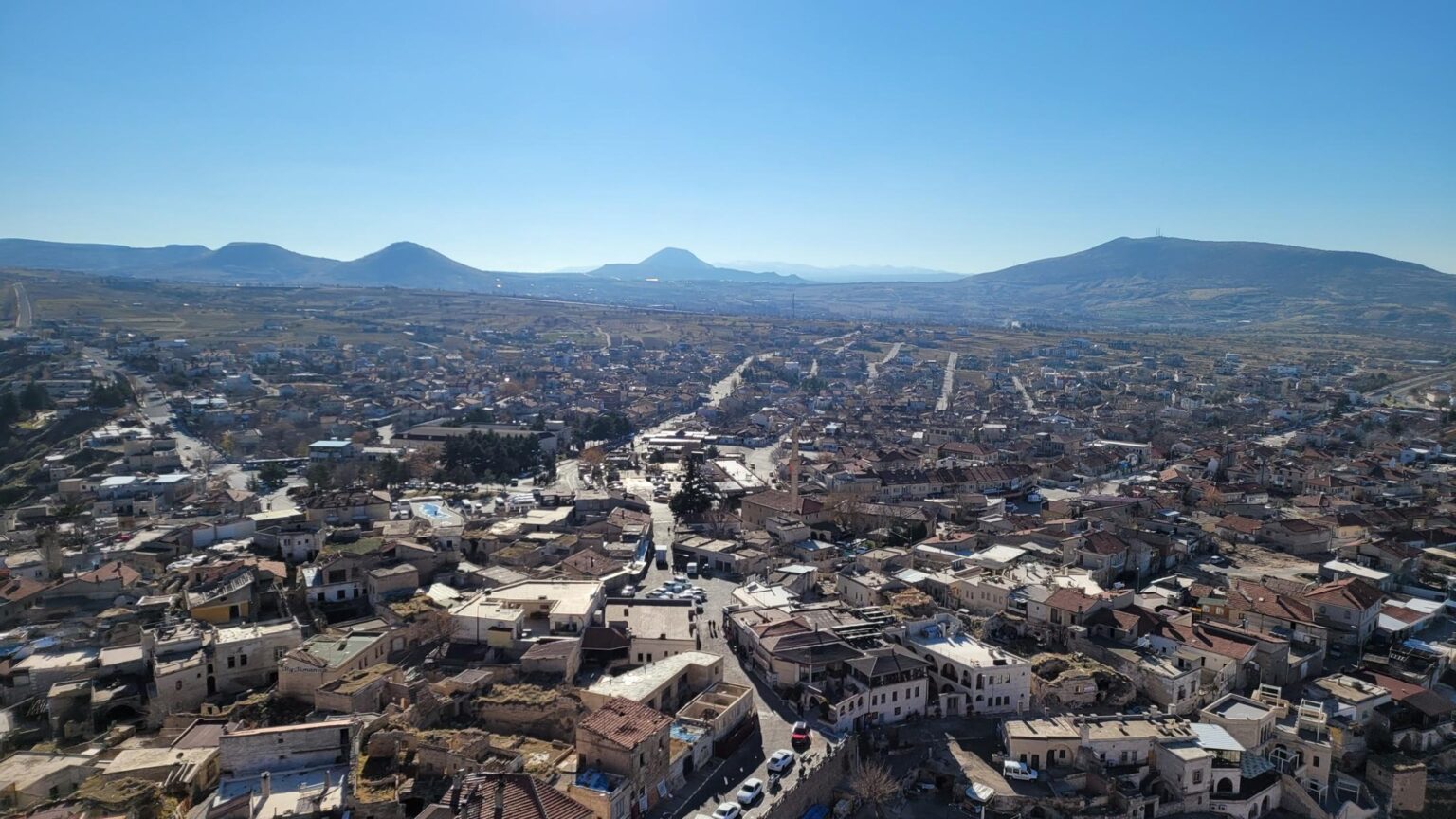
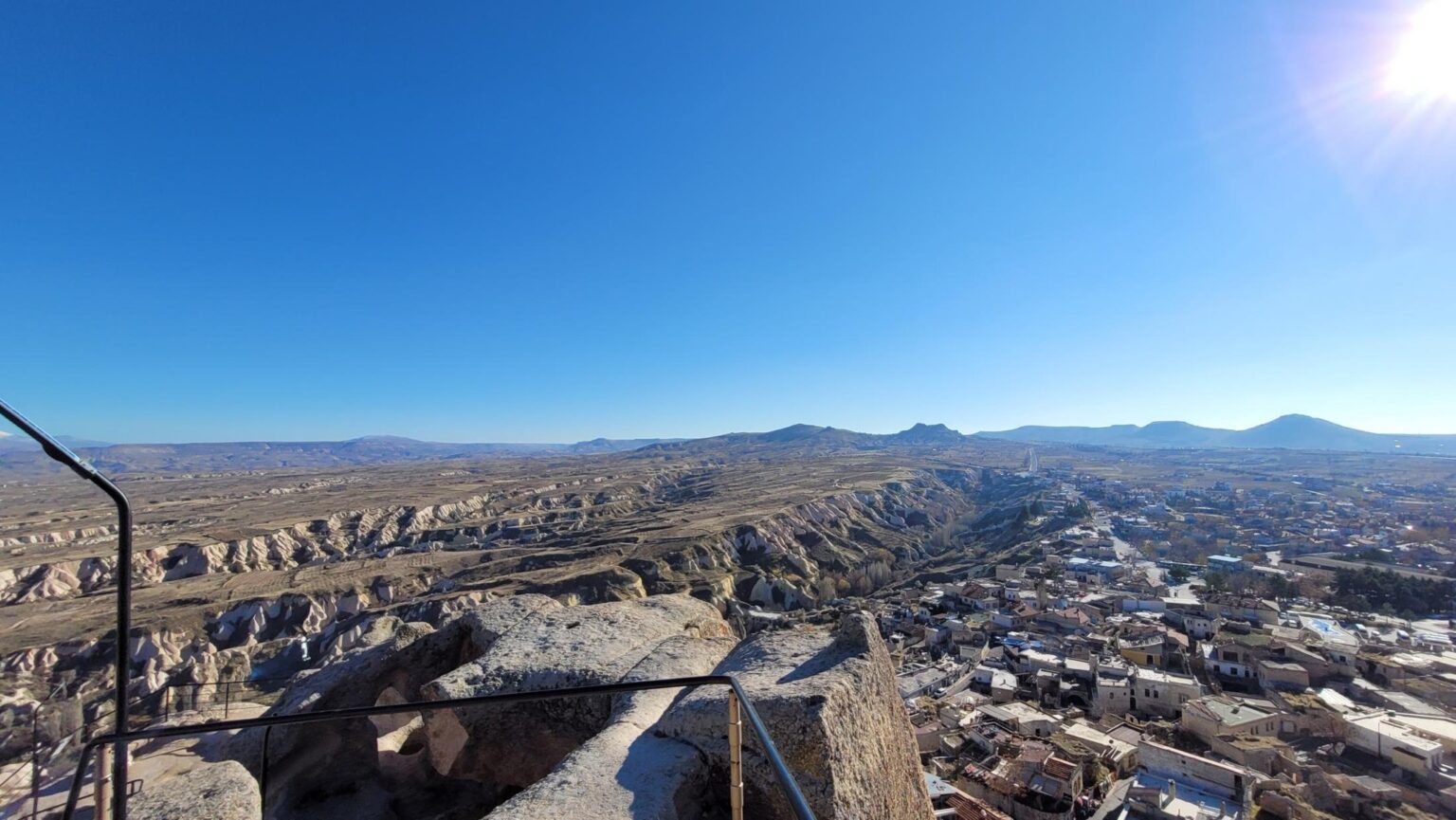
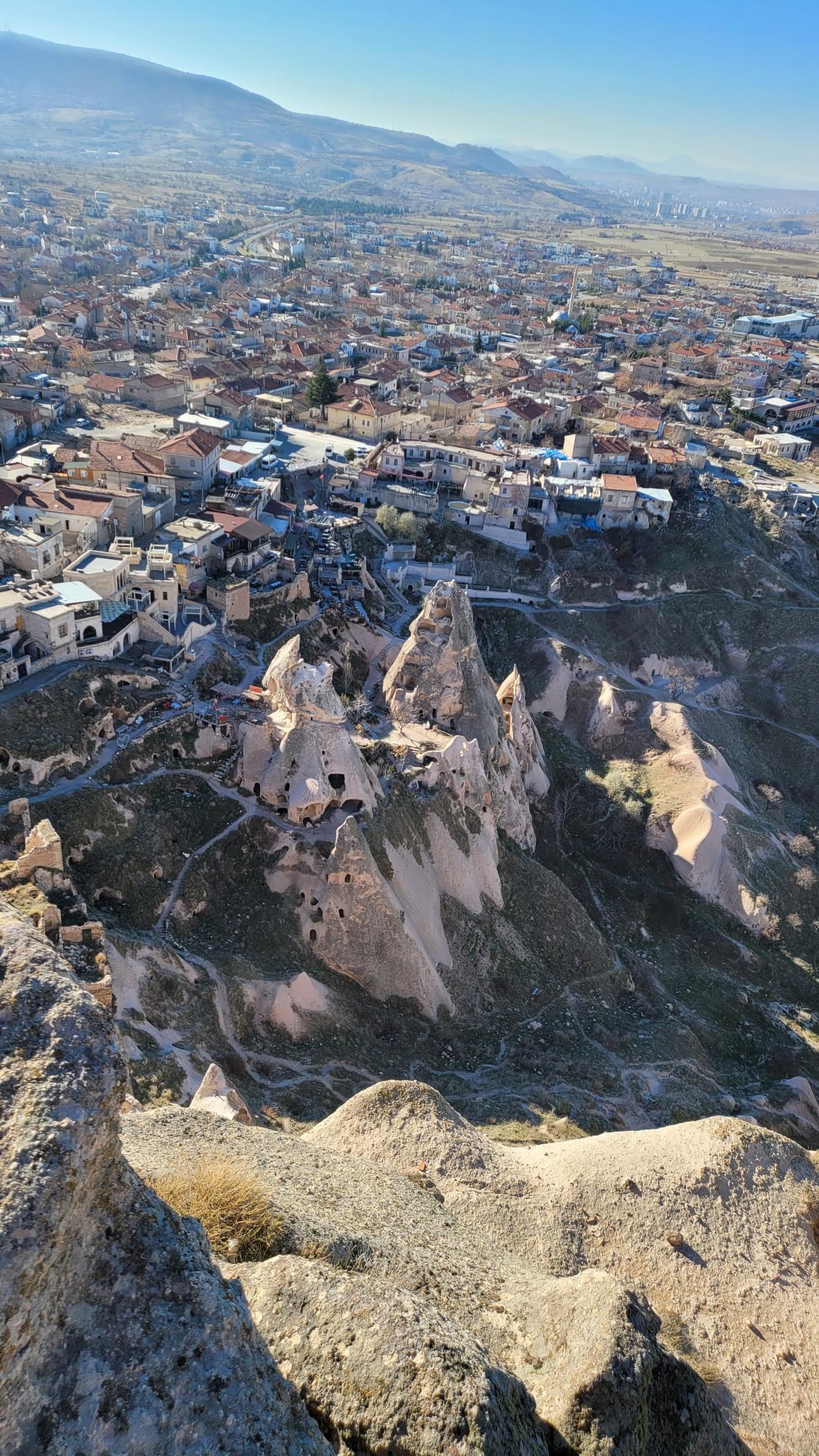
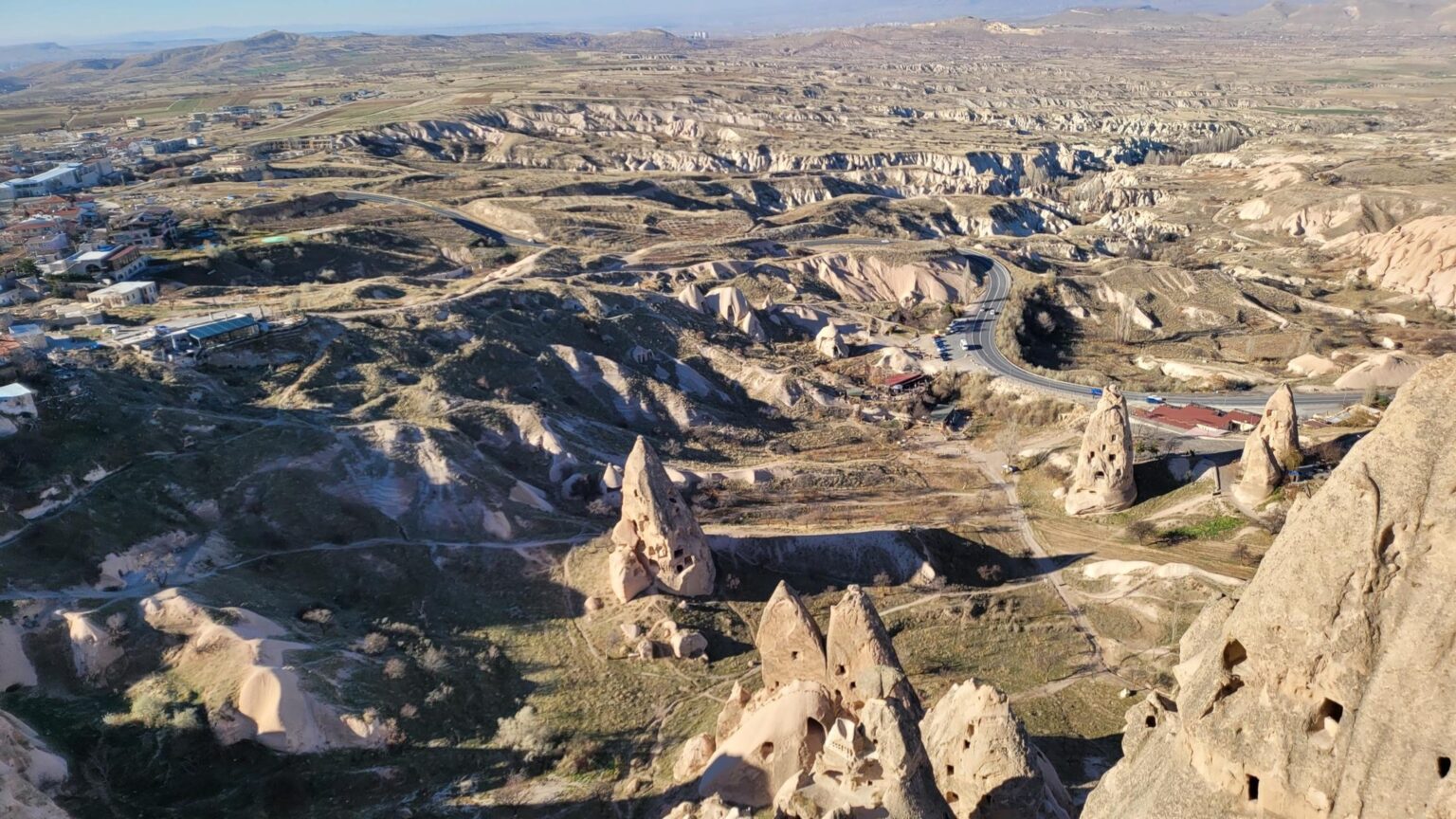
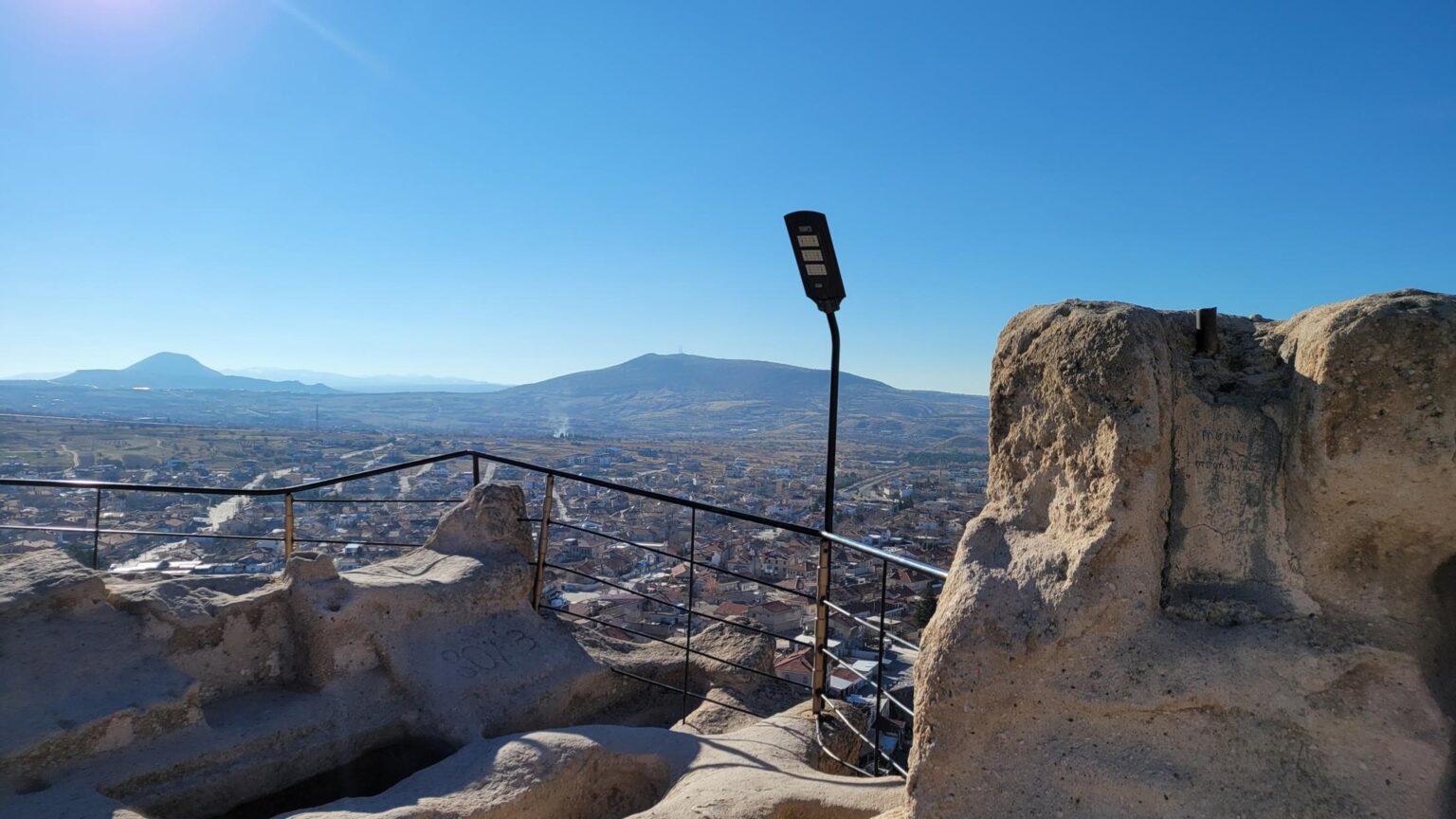
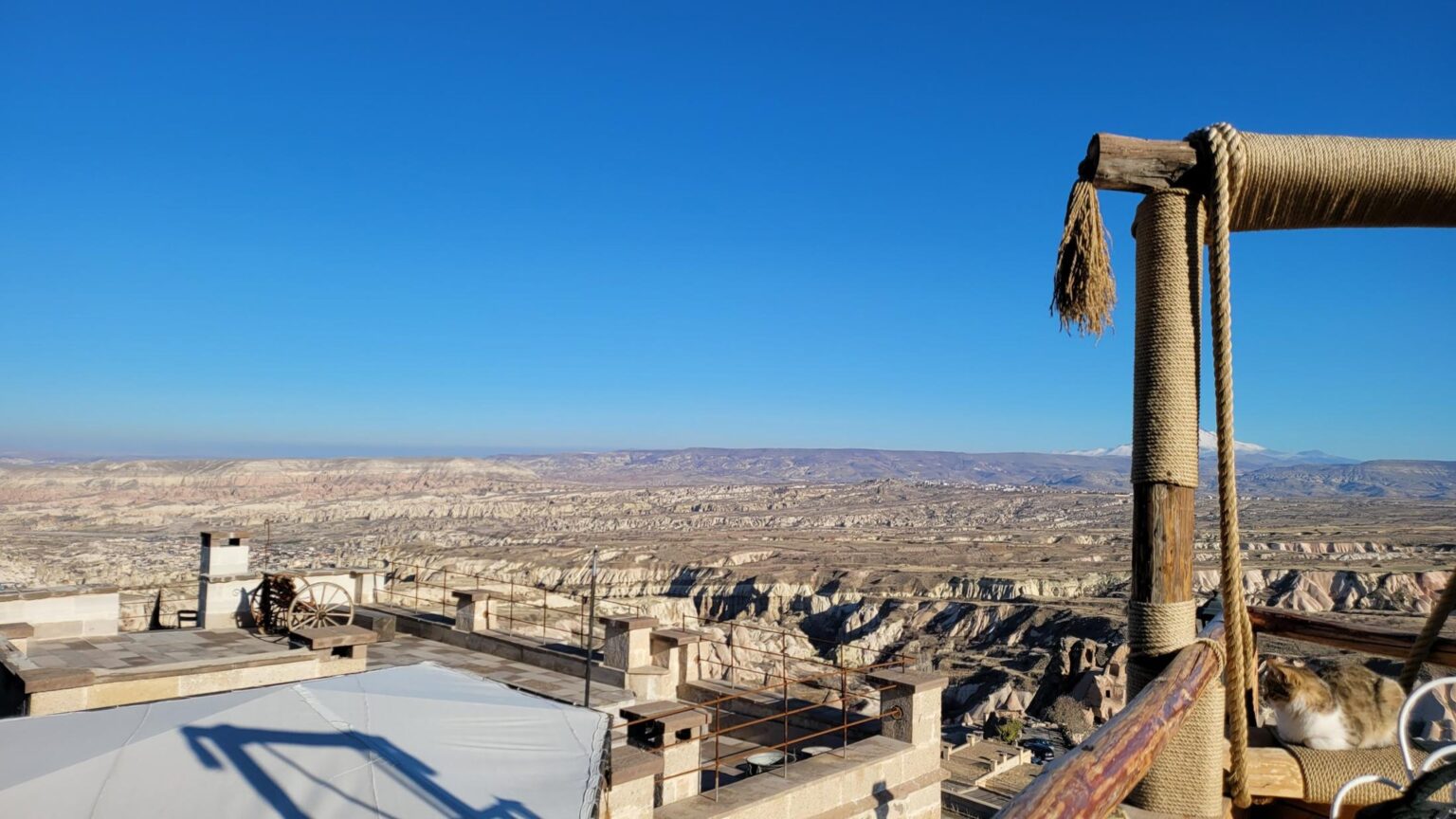
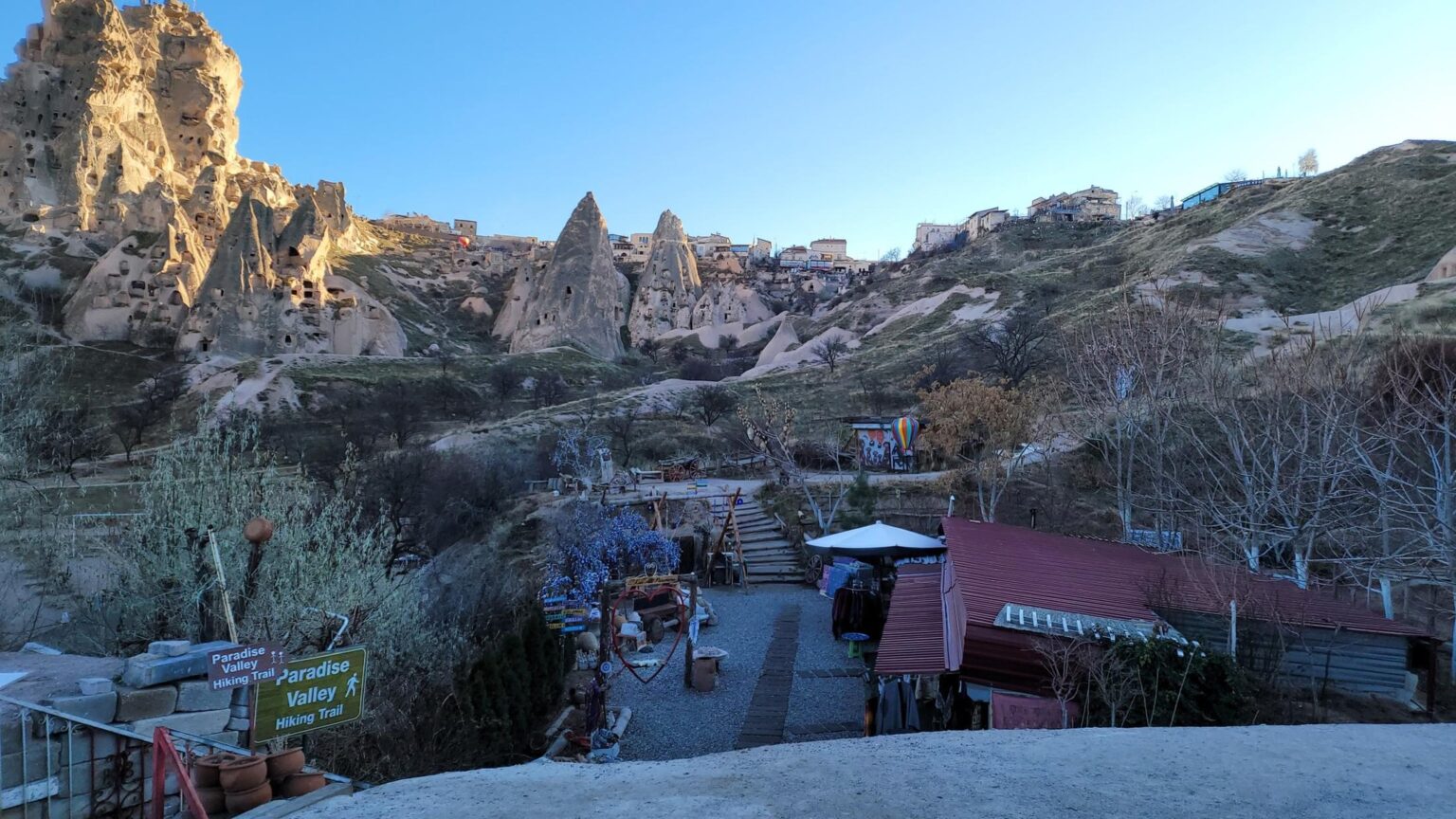
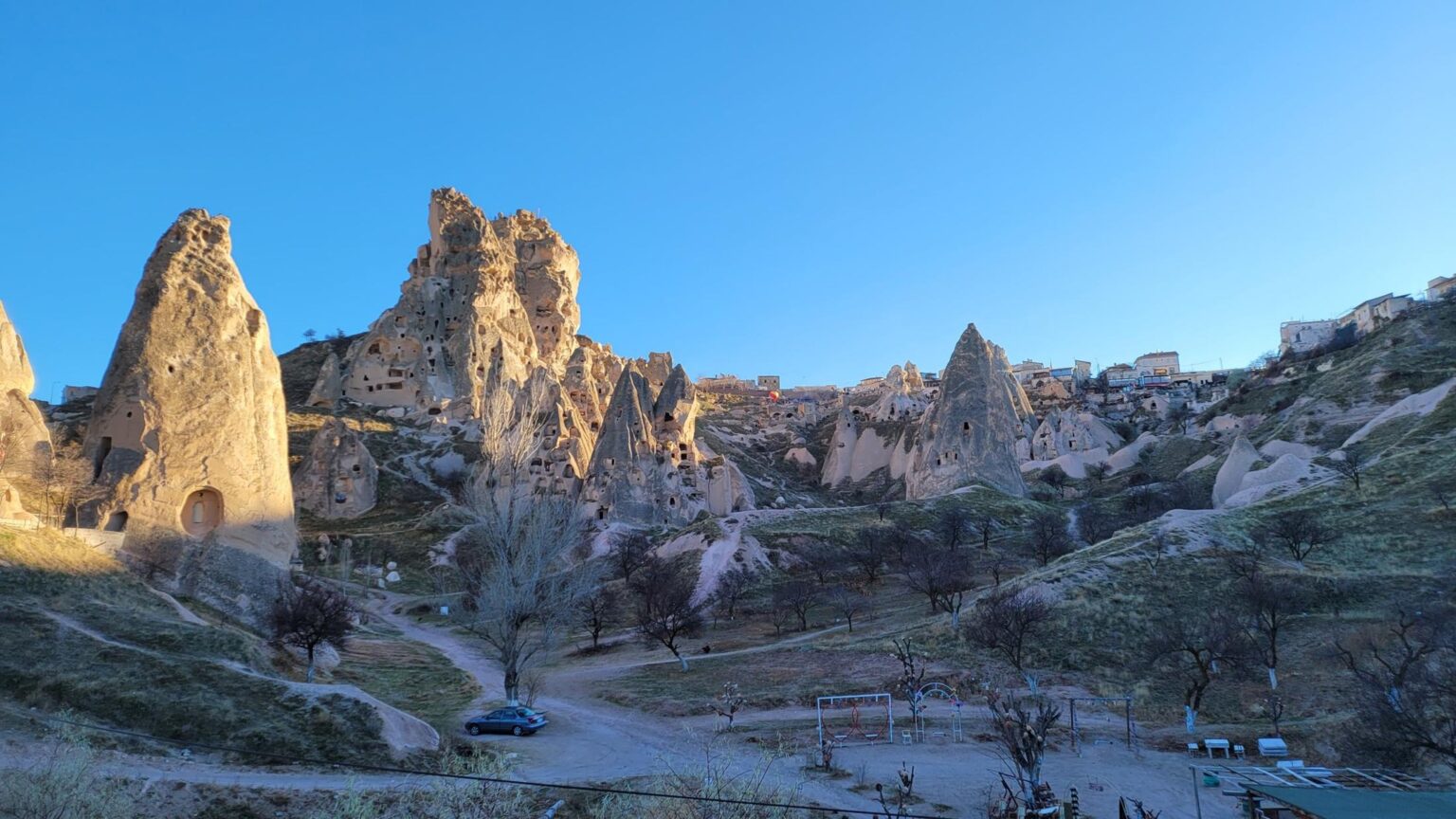
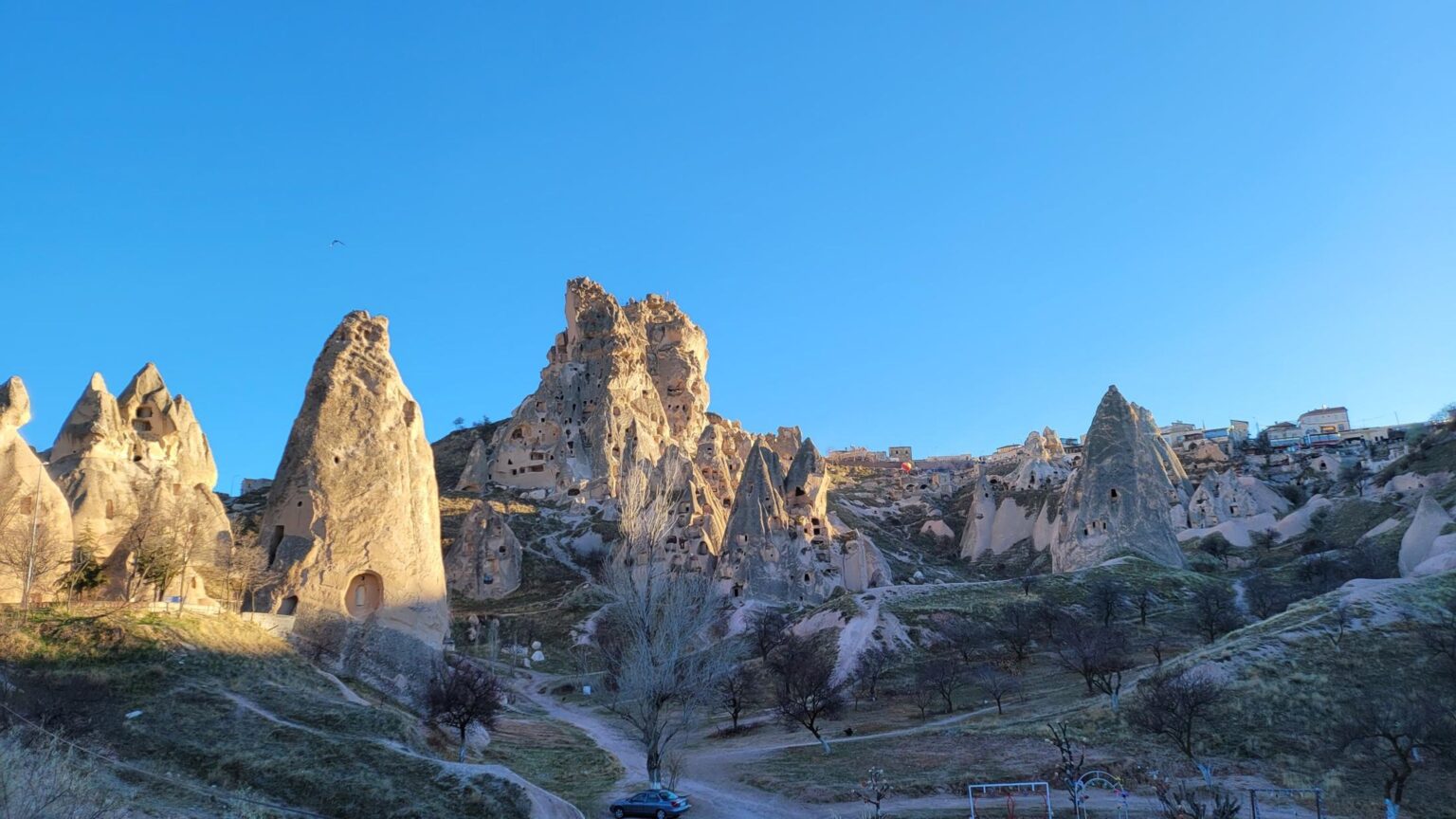
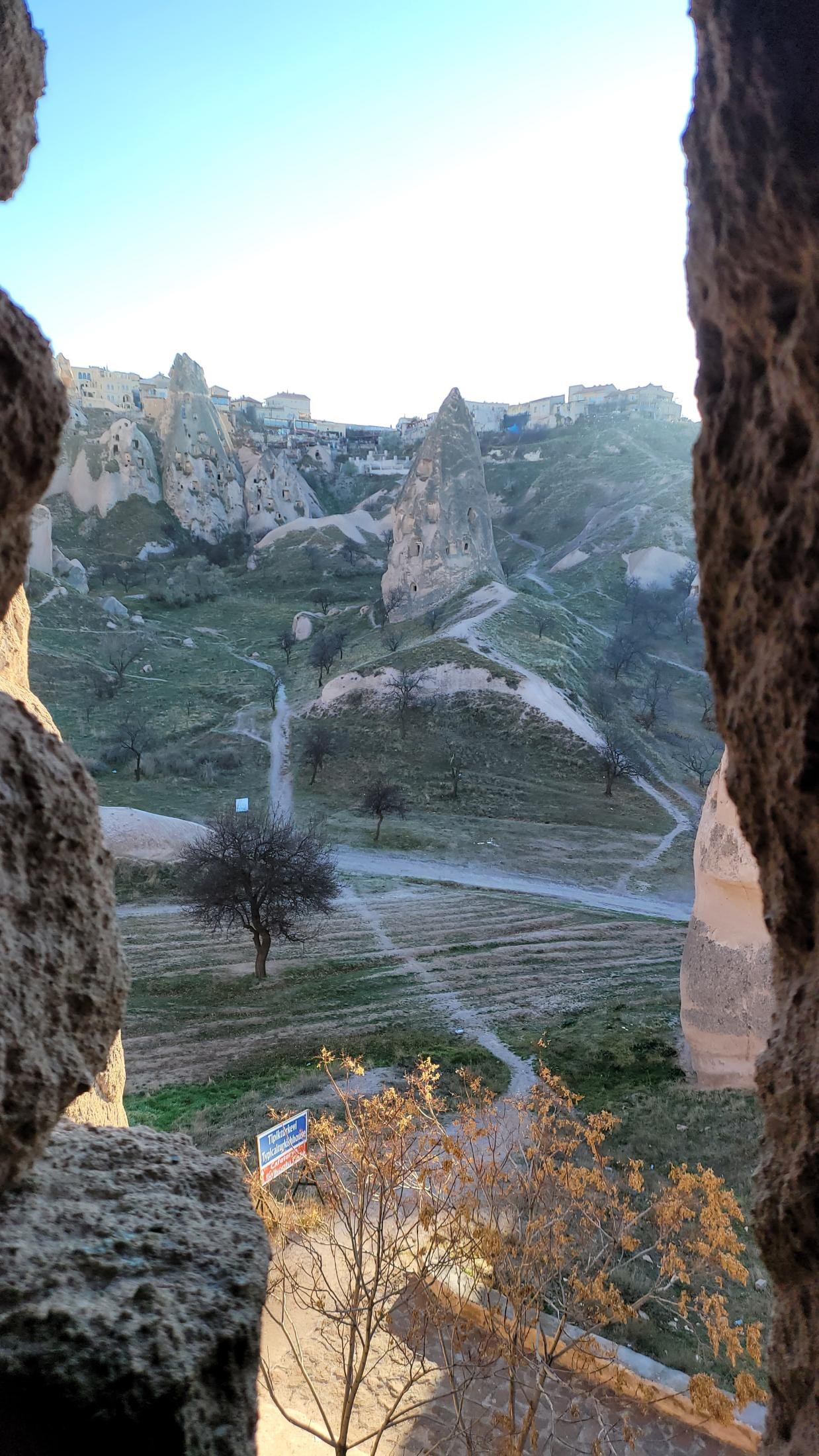
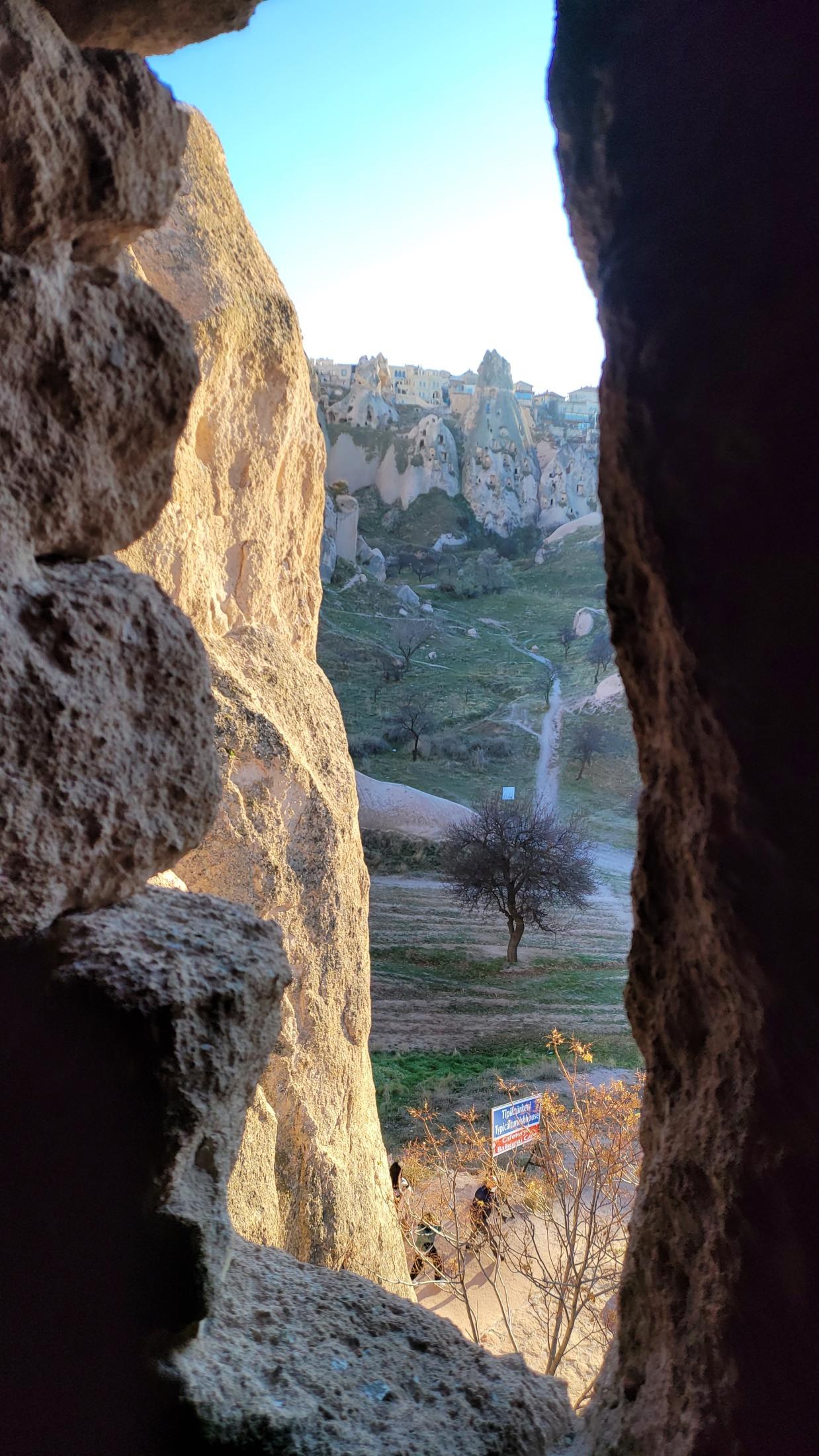
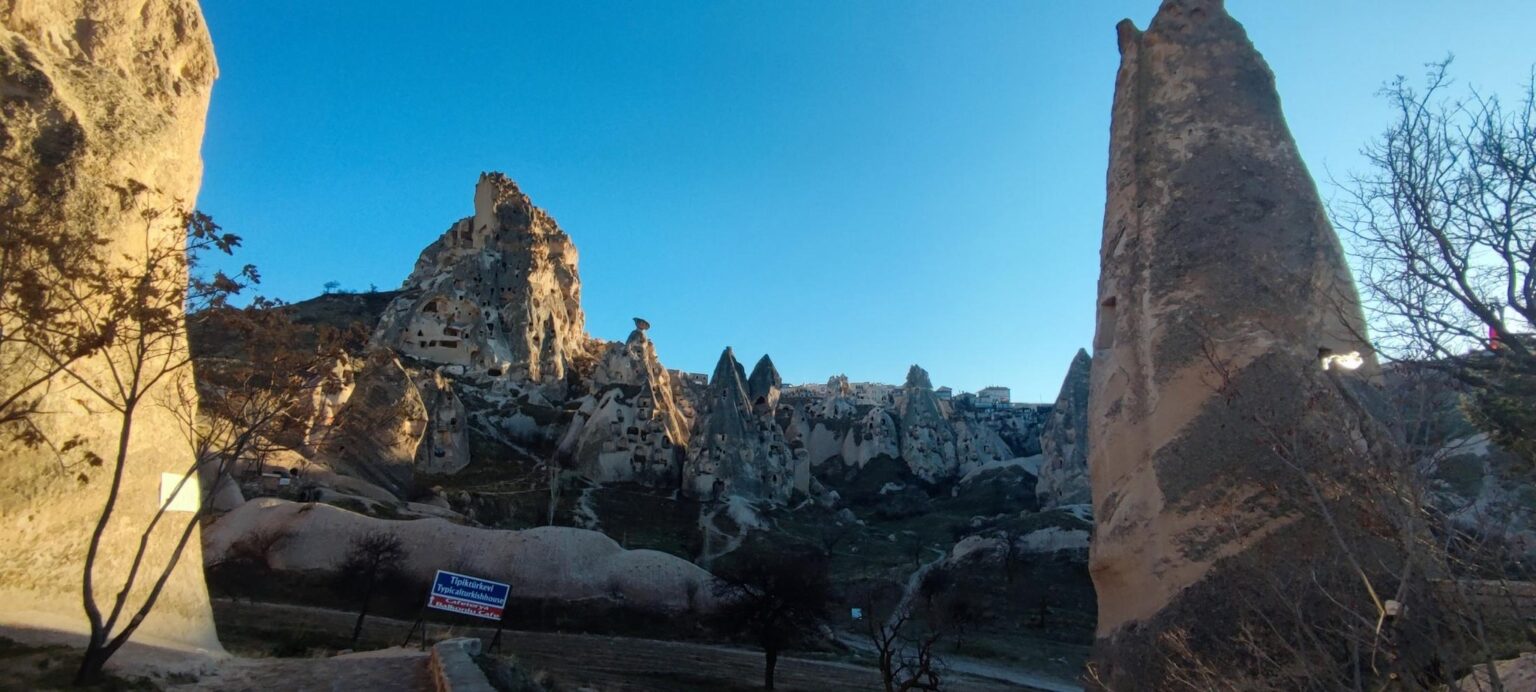
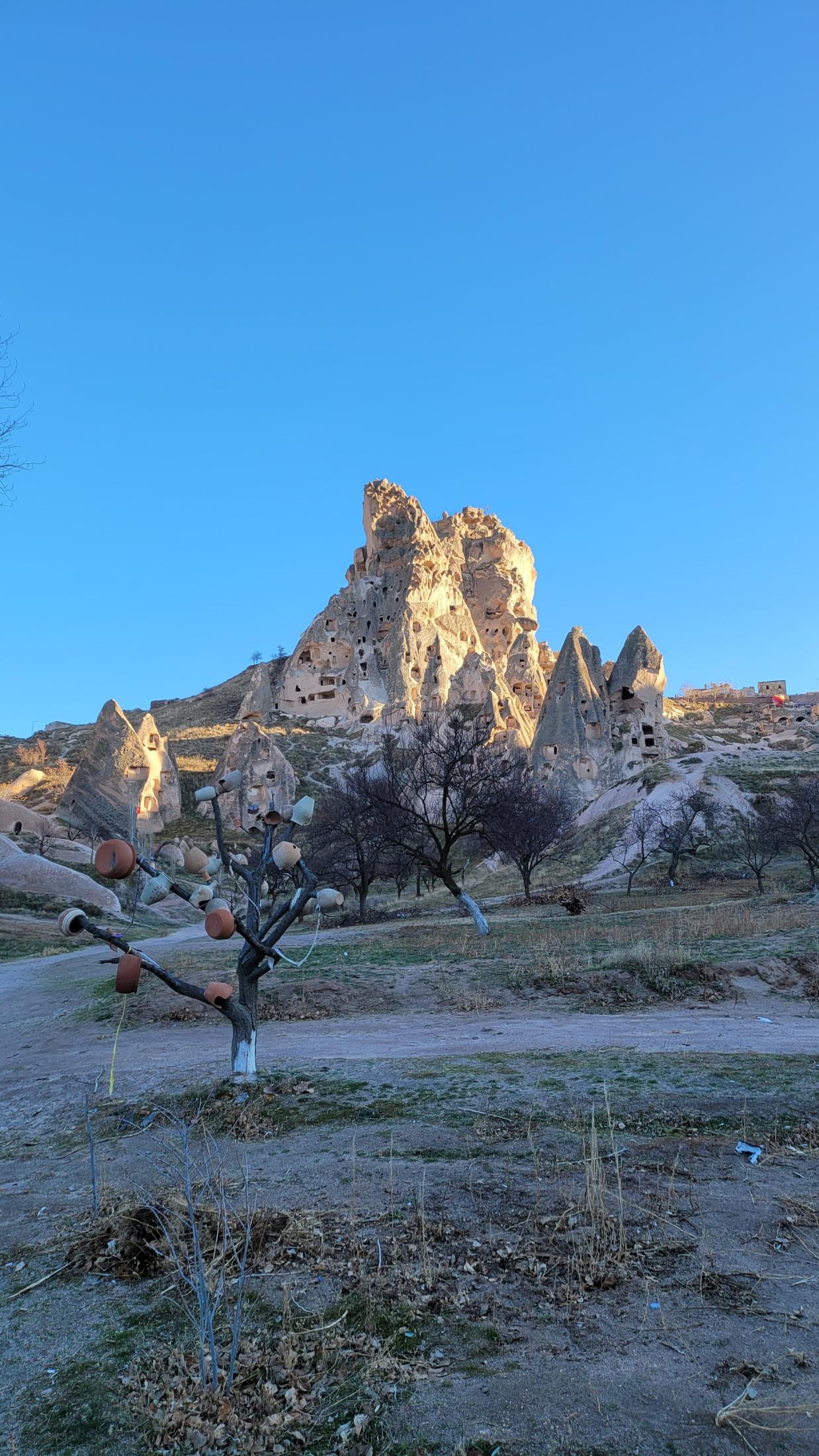
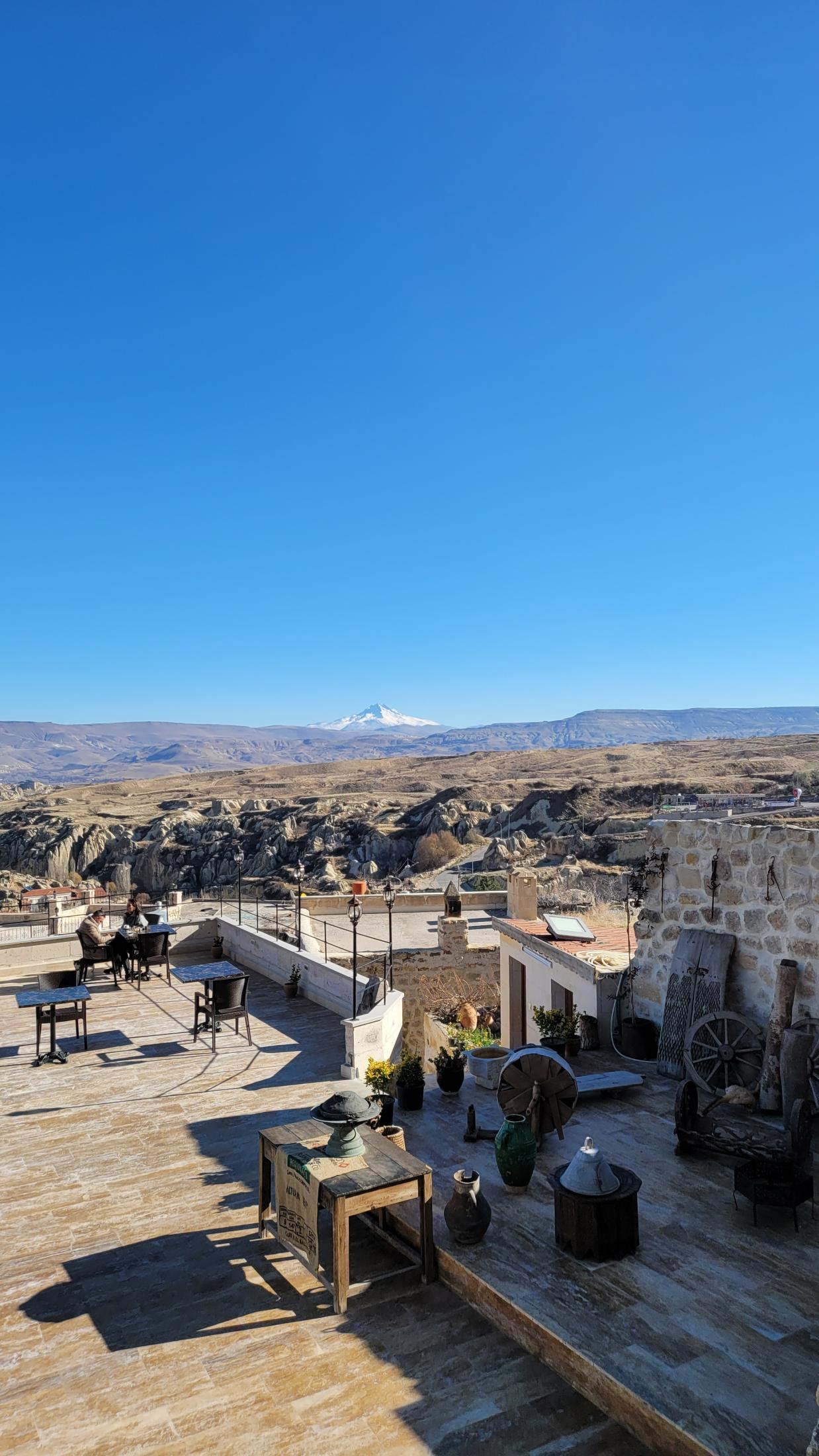
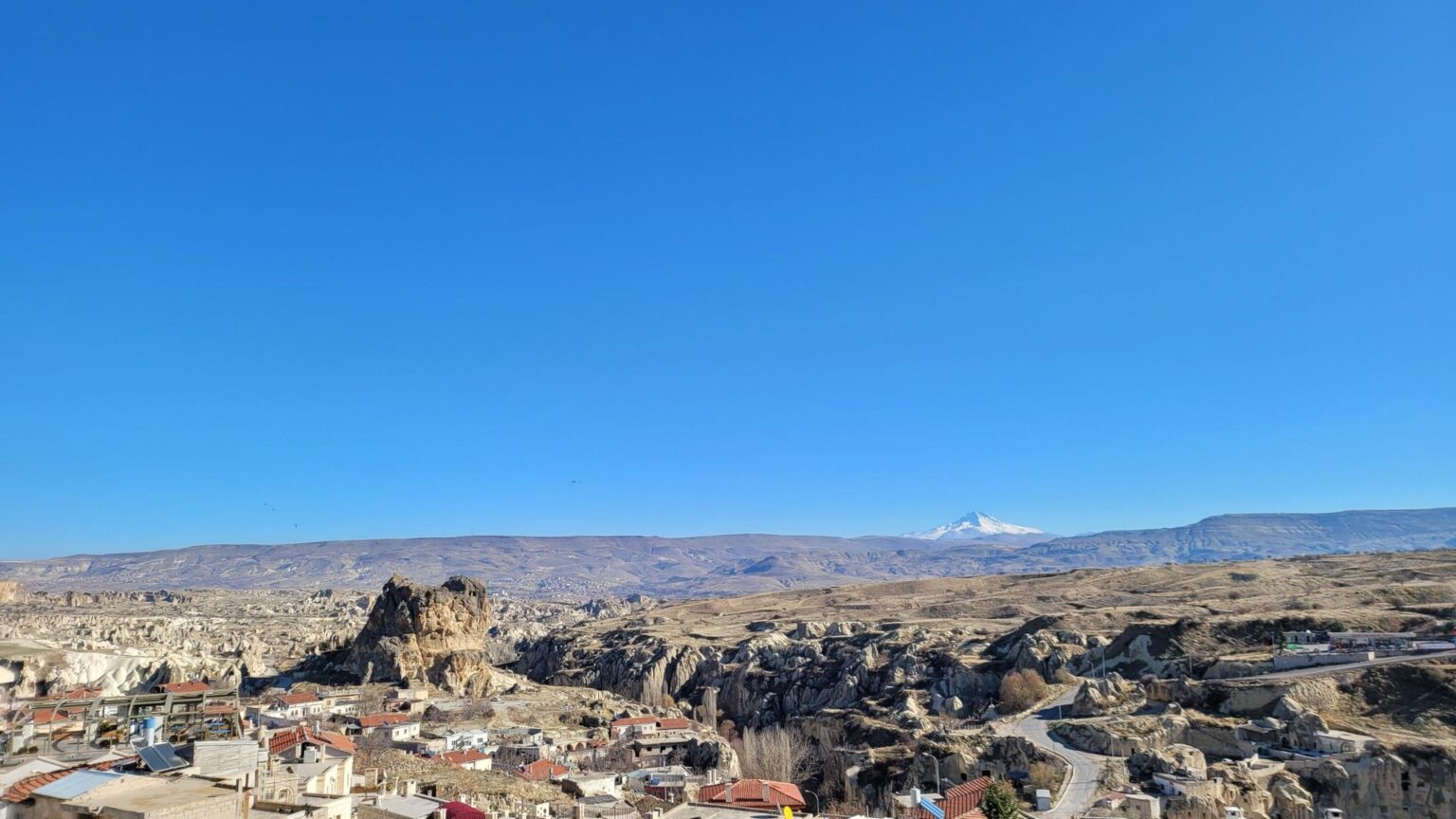
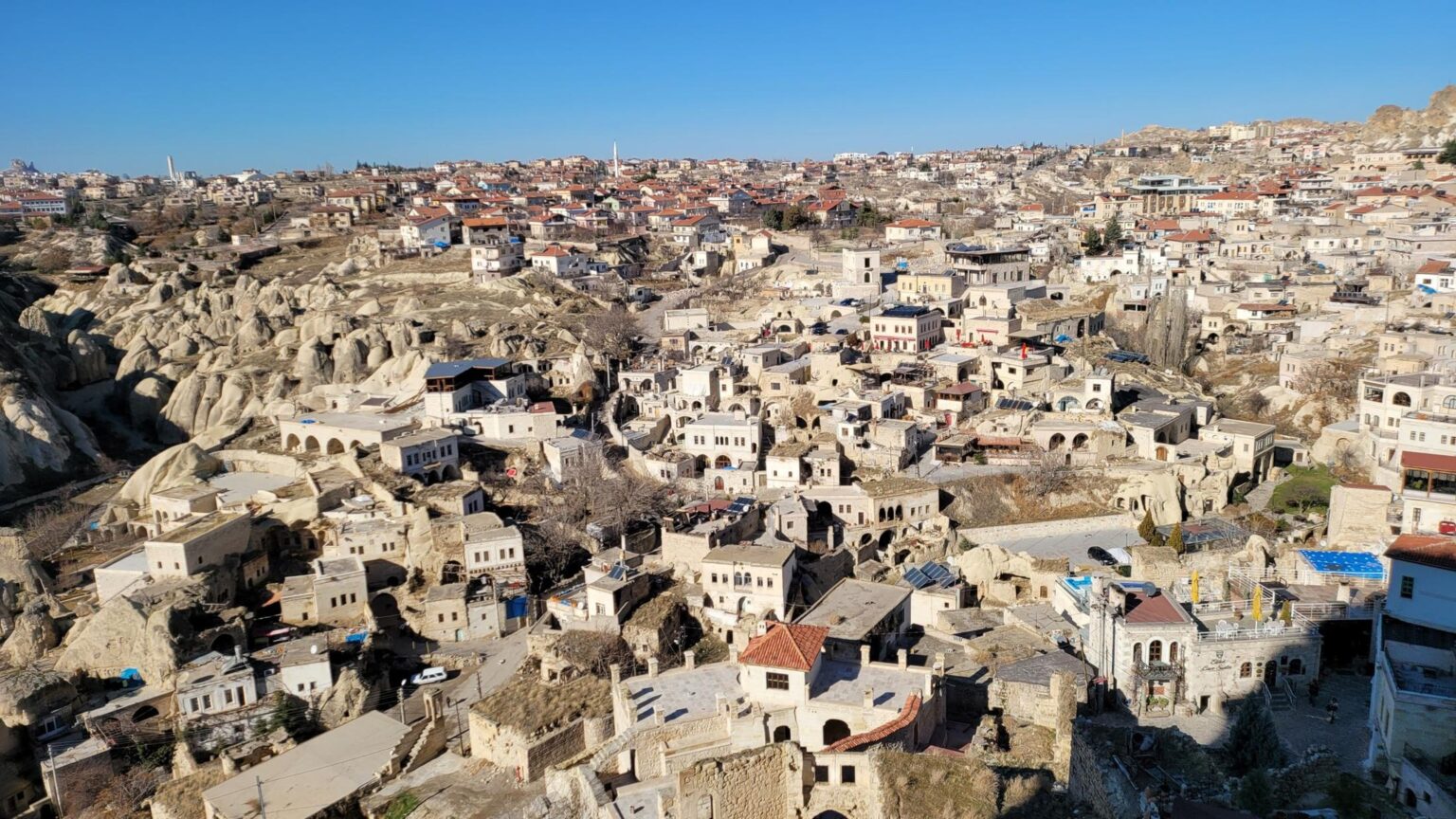
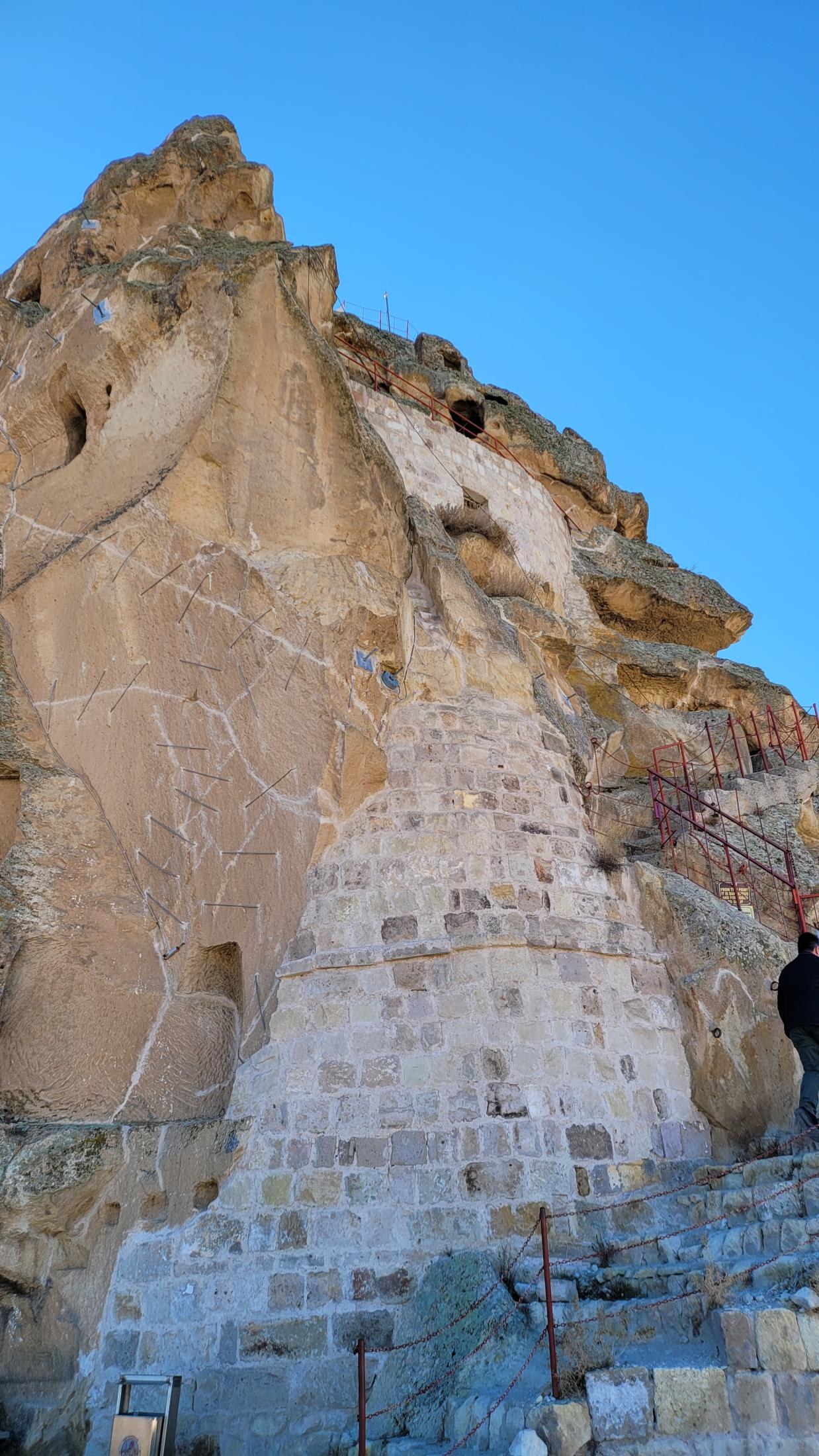
We reach Uçhisar. Avanos had pottery. Here it’s textiles — silk, cotton, wool and the rest. A small town, similar to the others, but: a rock fortress and/or castle that looks like a single structure. How on earth did they make that. Impressive and high. It’s included in our package, no entry fee for us. The climb goes over some distinctly unsecured spots. You get the sense that they’re at the beginning of their career as a sightseeing destination. A fine panorama opens up. In the distance you can see the enormous Erciyes Dağı. Doesn’t look that big to you? It’s 90 kilometres in a straight line from where that photo was taken. These Turks — everything is enormous with them, mountains included. I said we wouldn’t dwell on religion, but we can’t ignore it either. From up there, the whole valley fills with sound from far away.
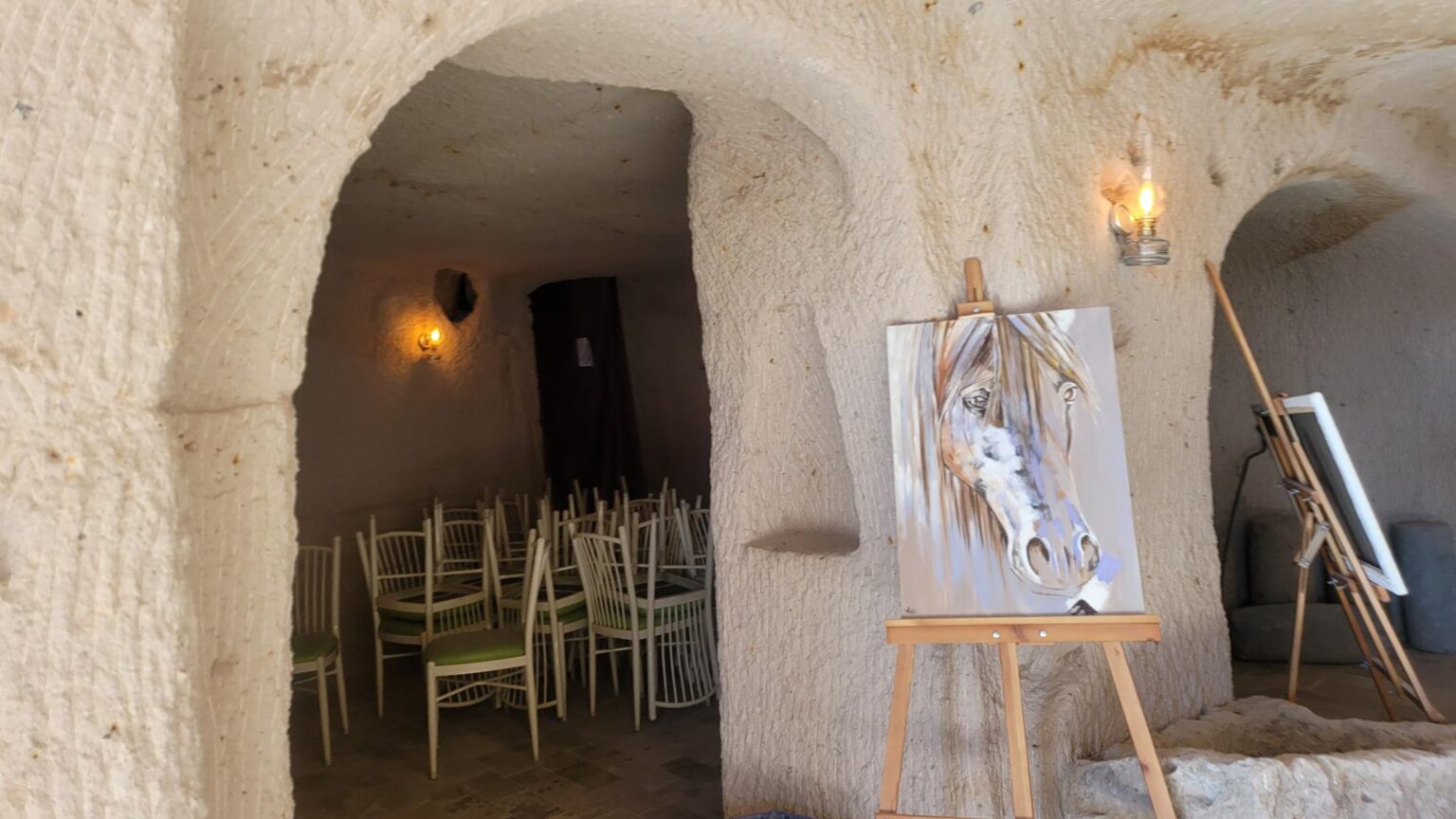
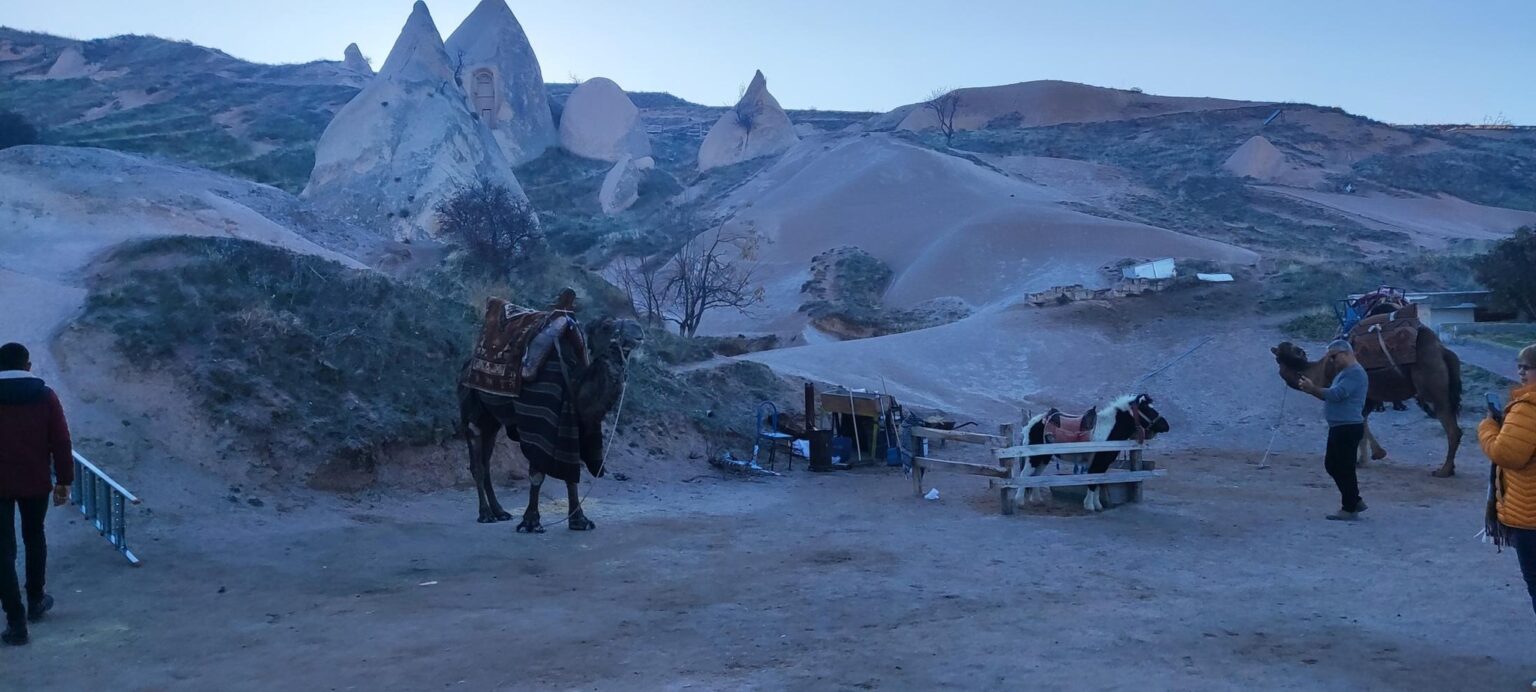
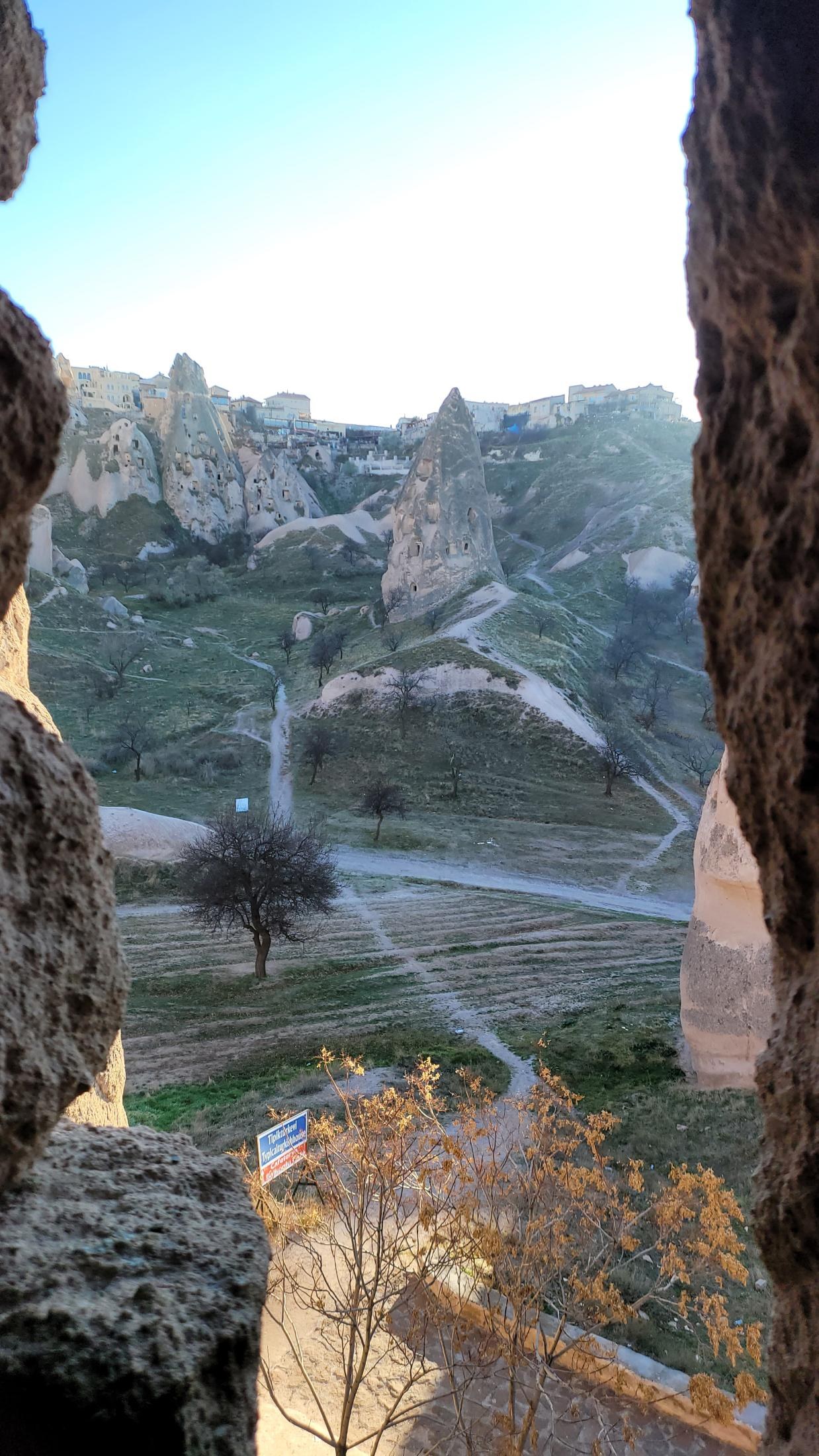
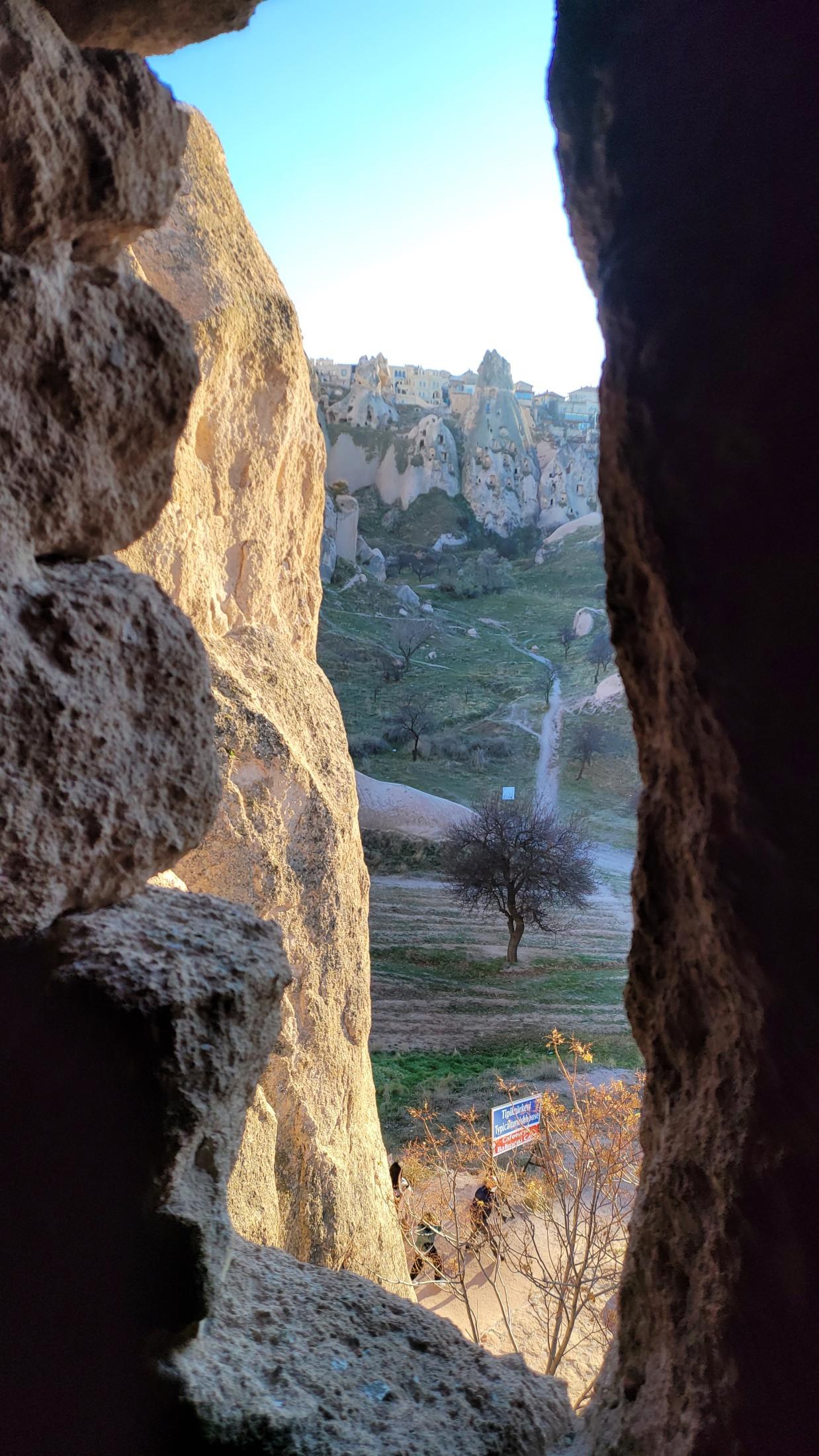
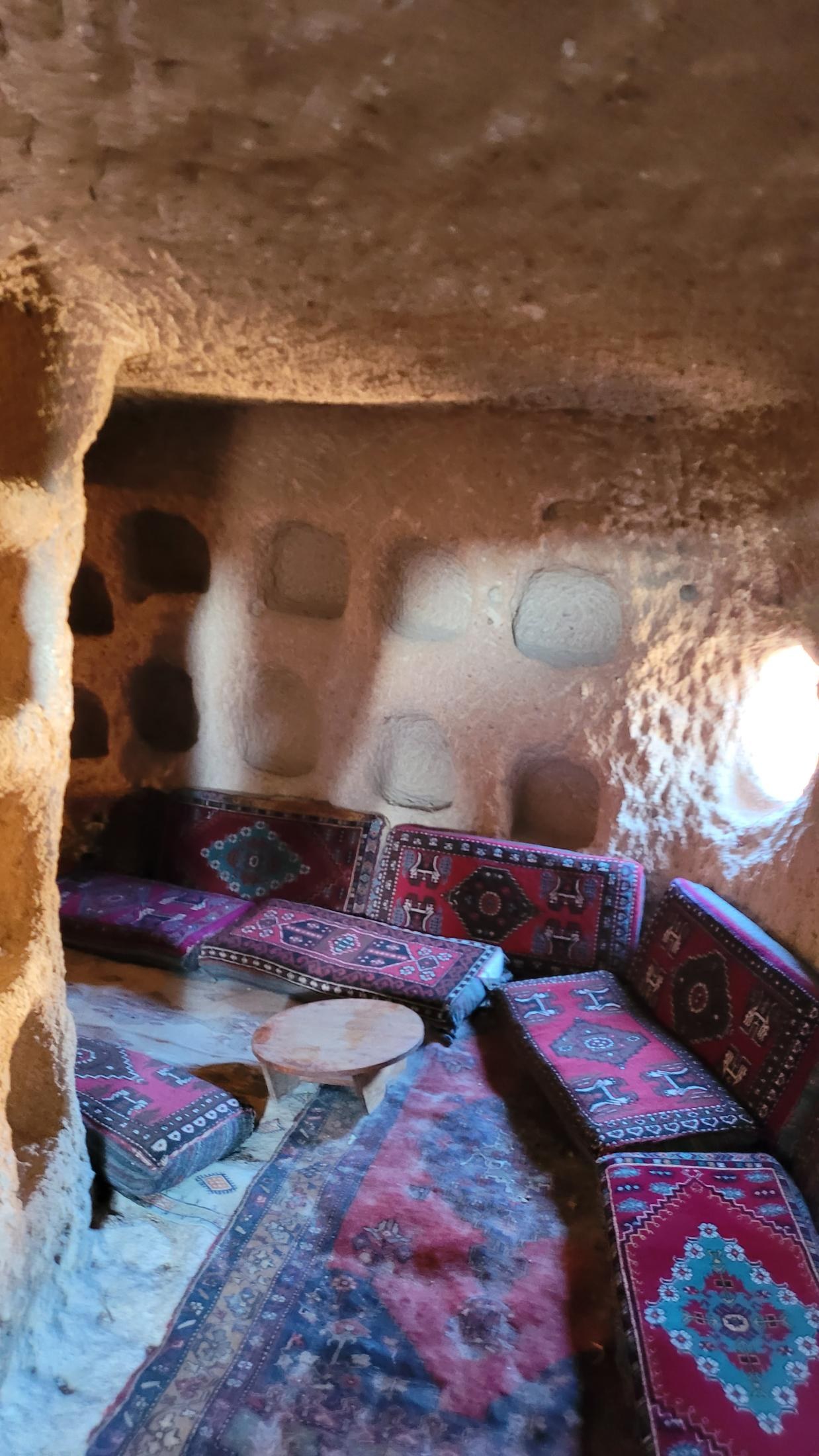
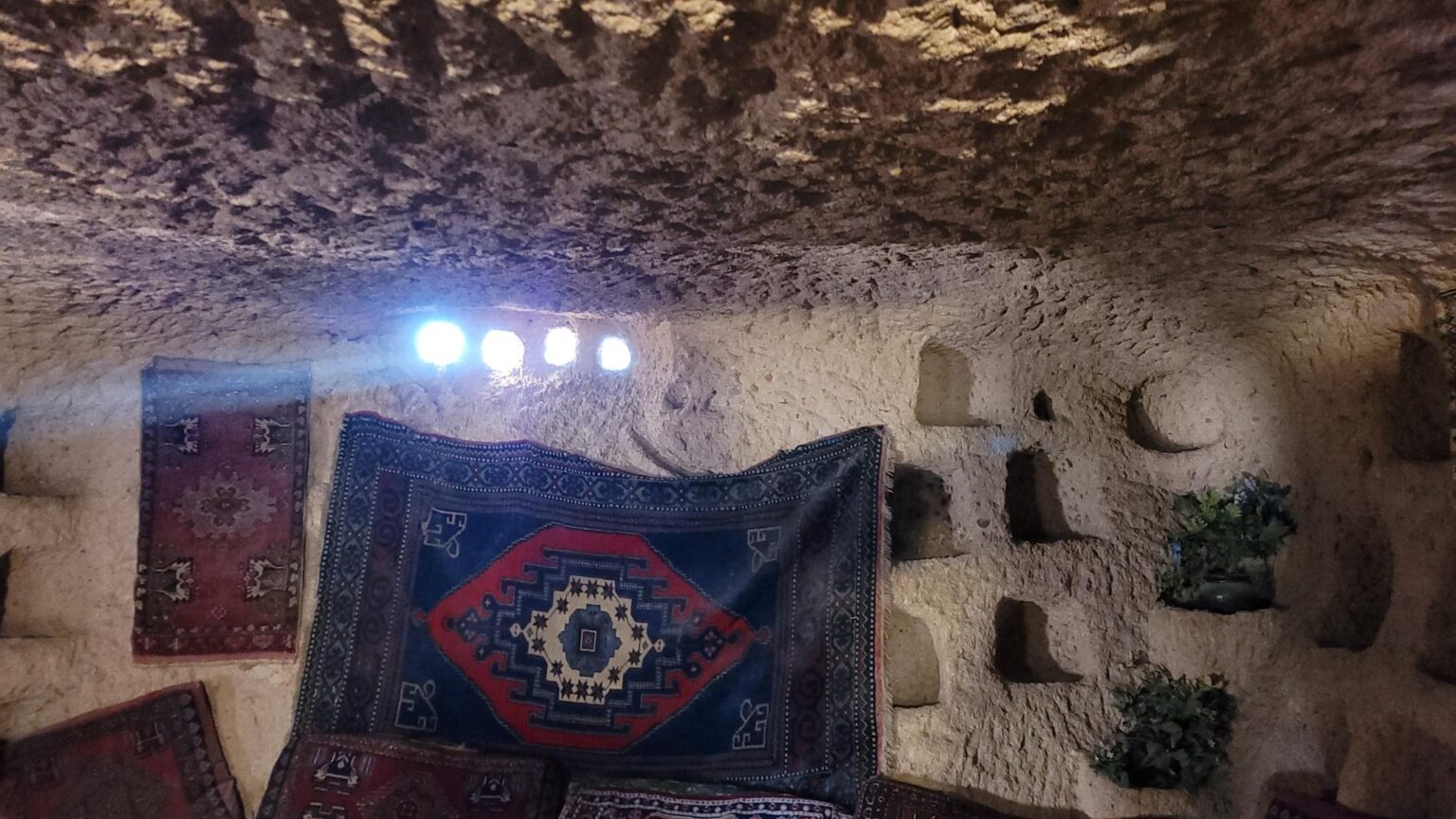
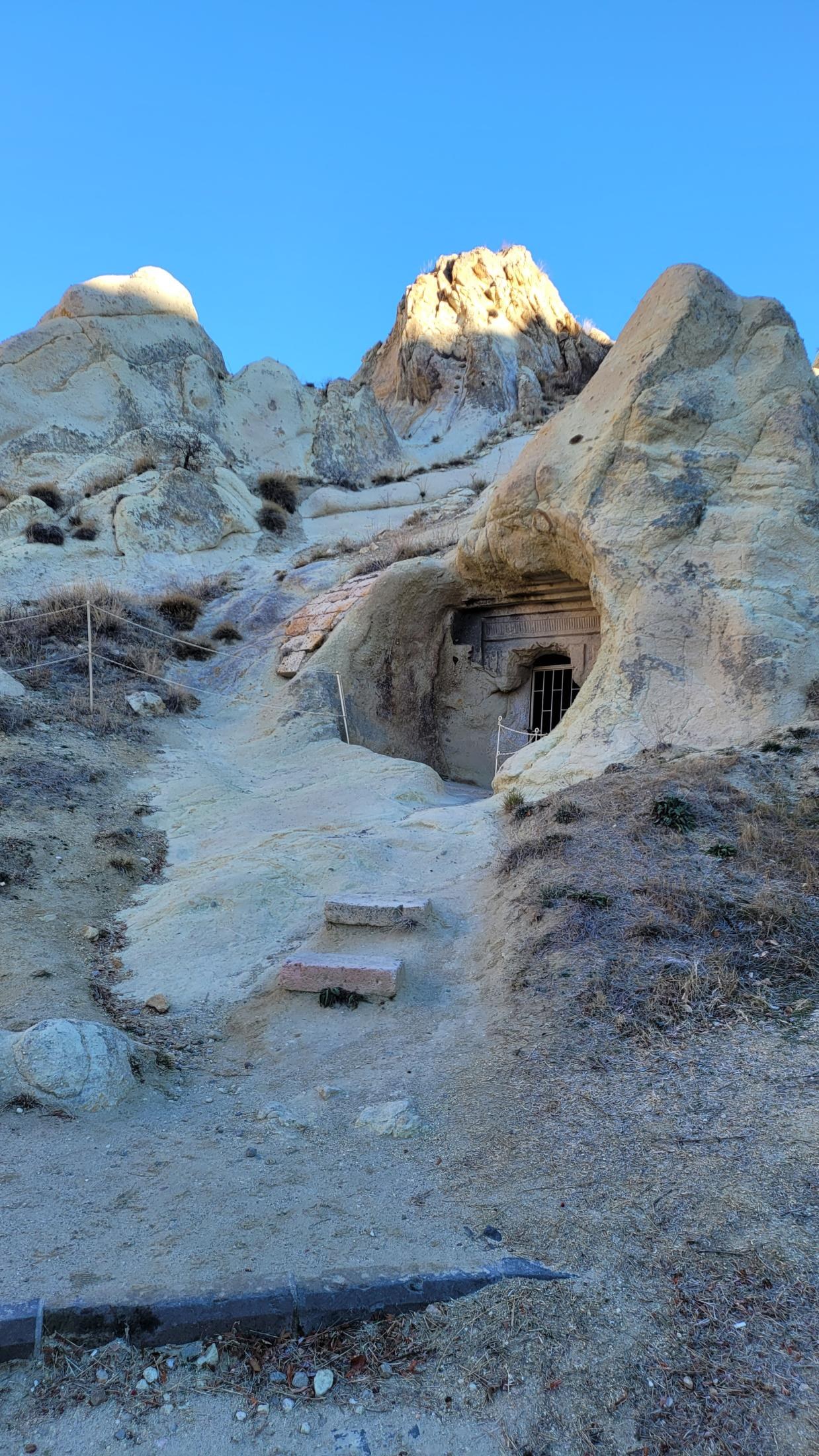
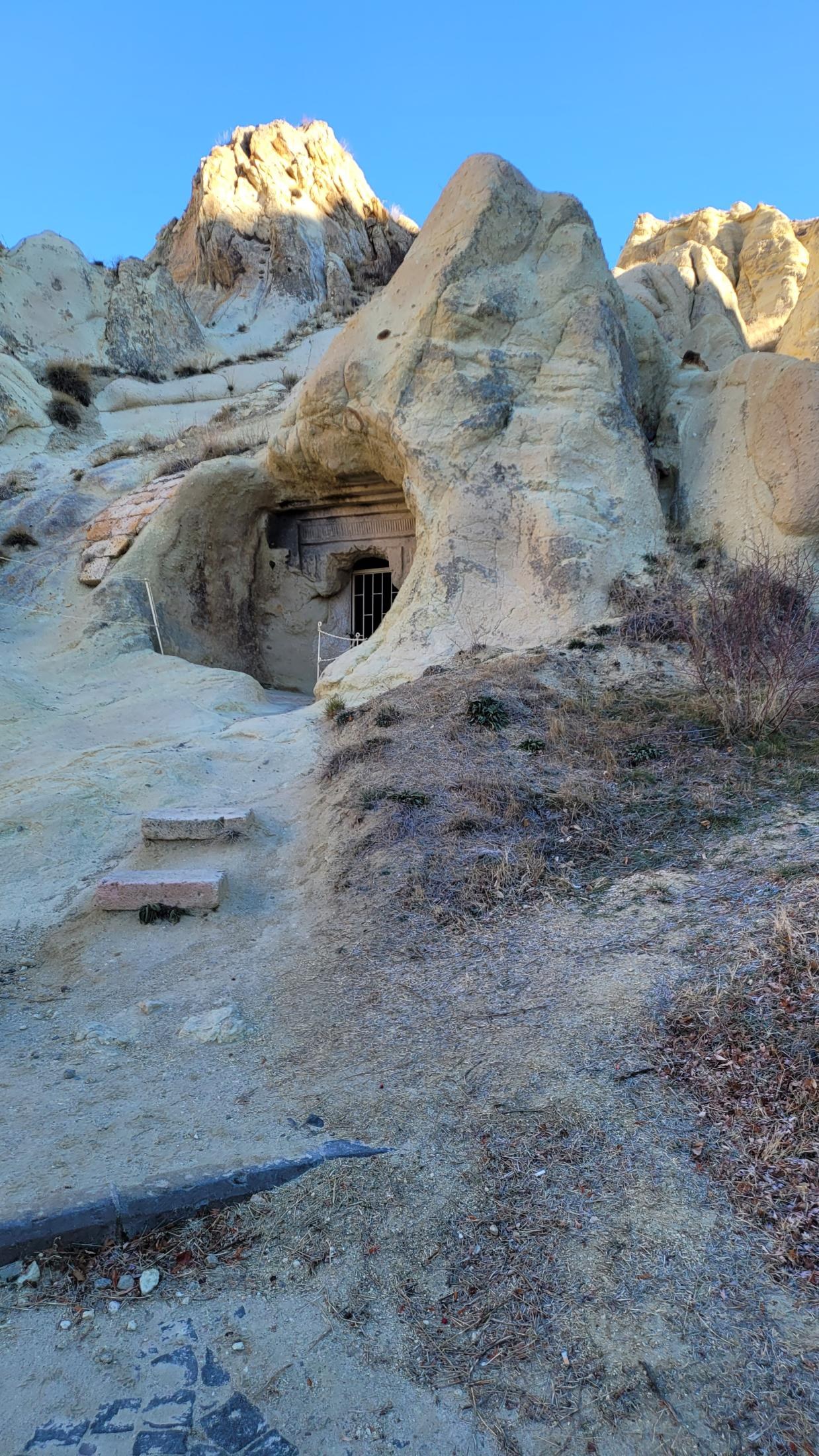
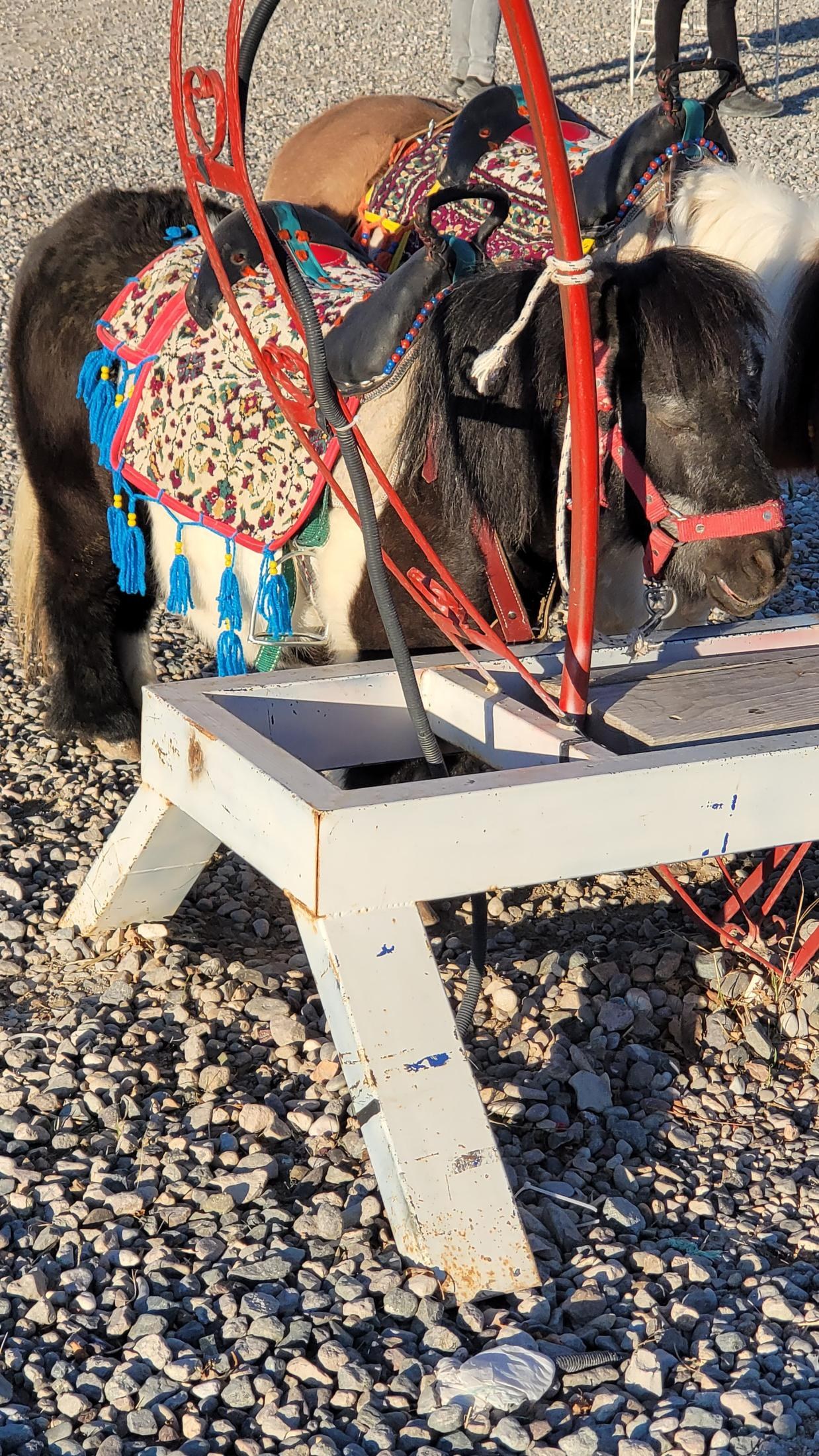
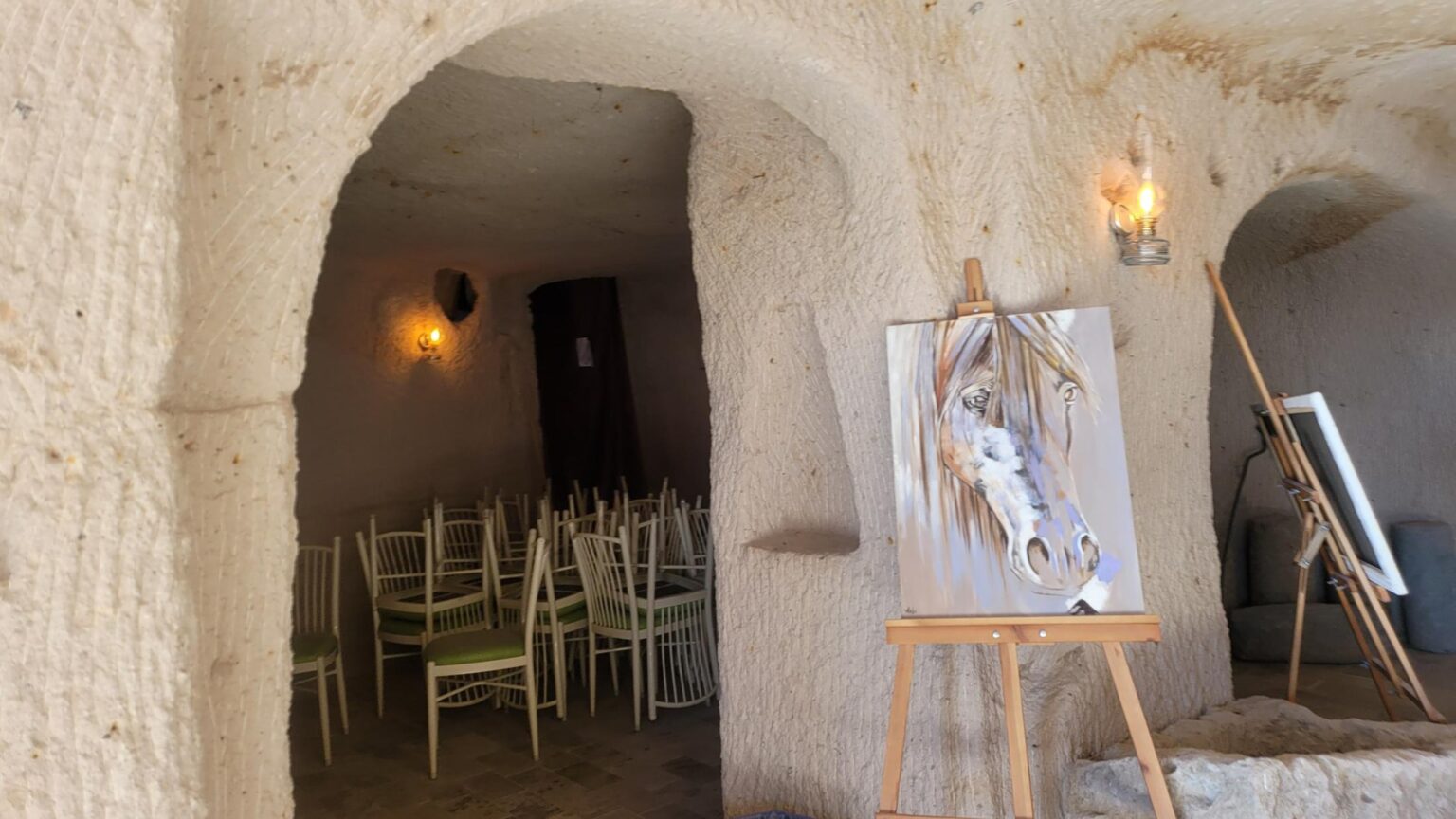
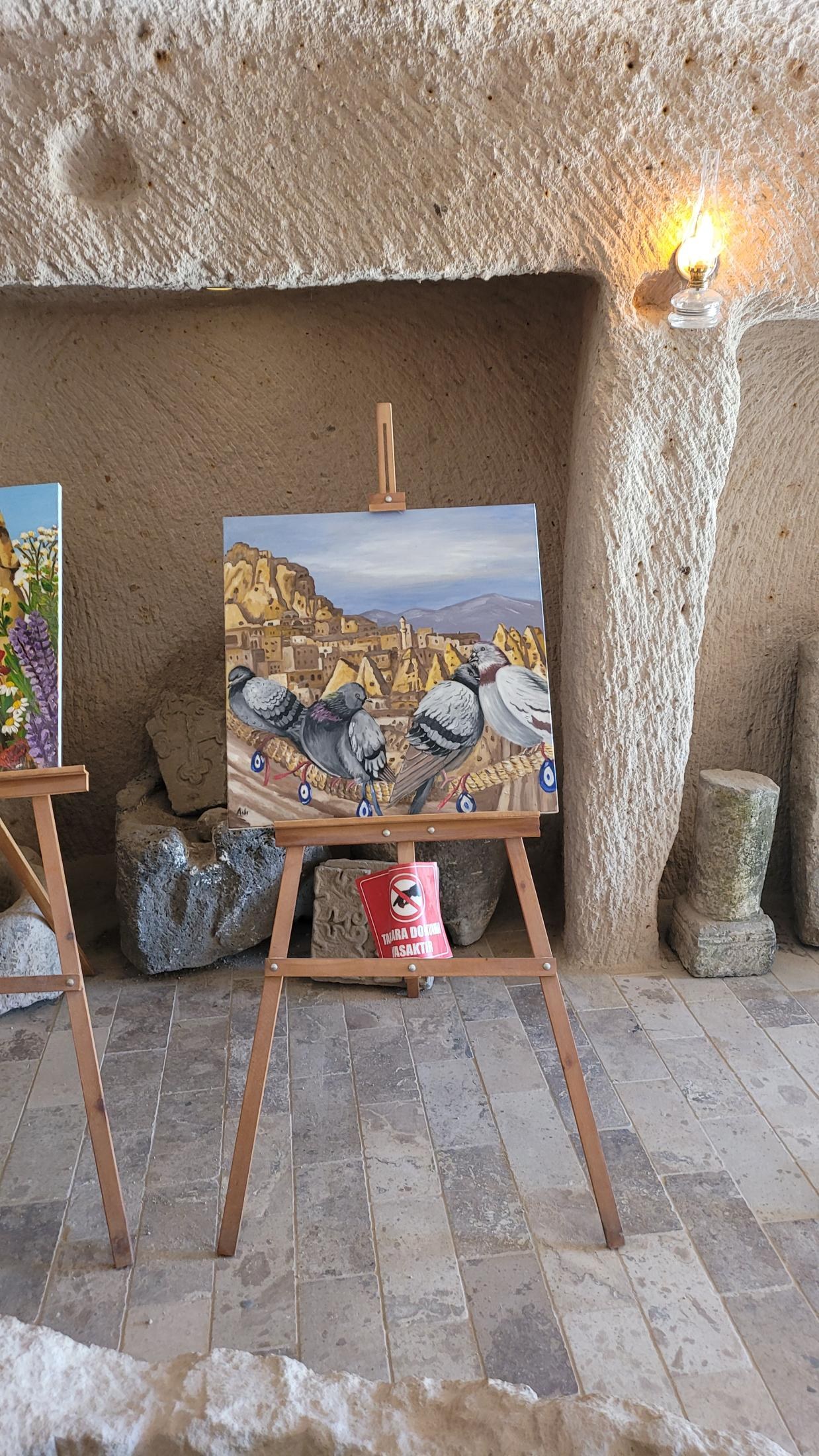
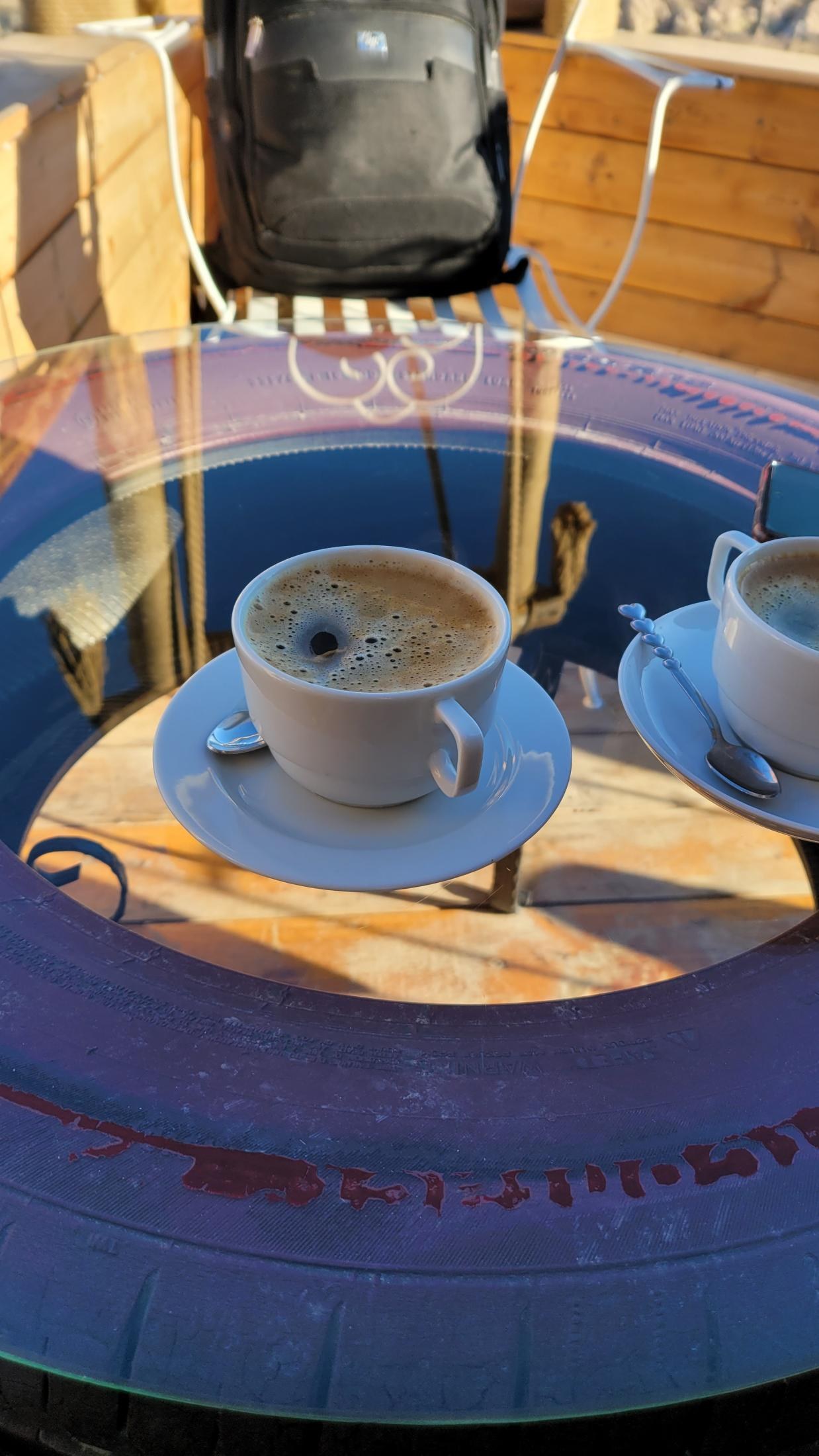
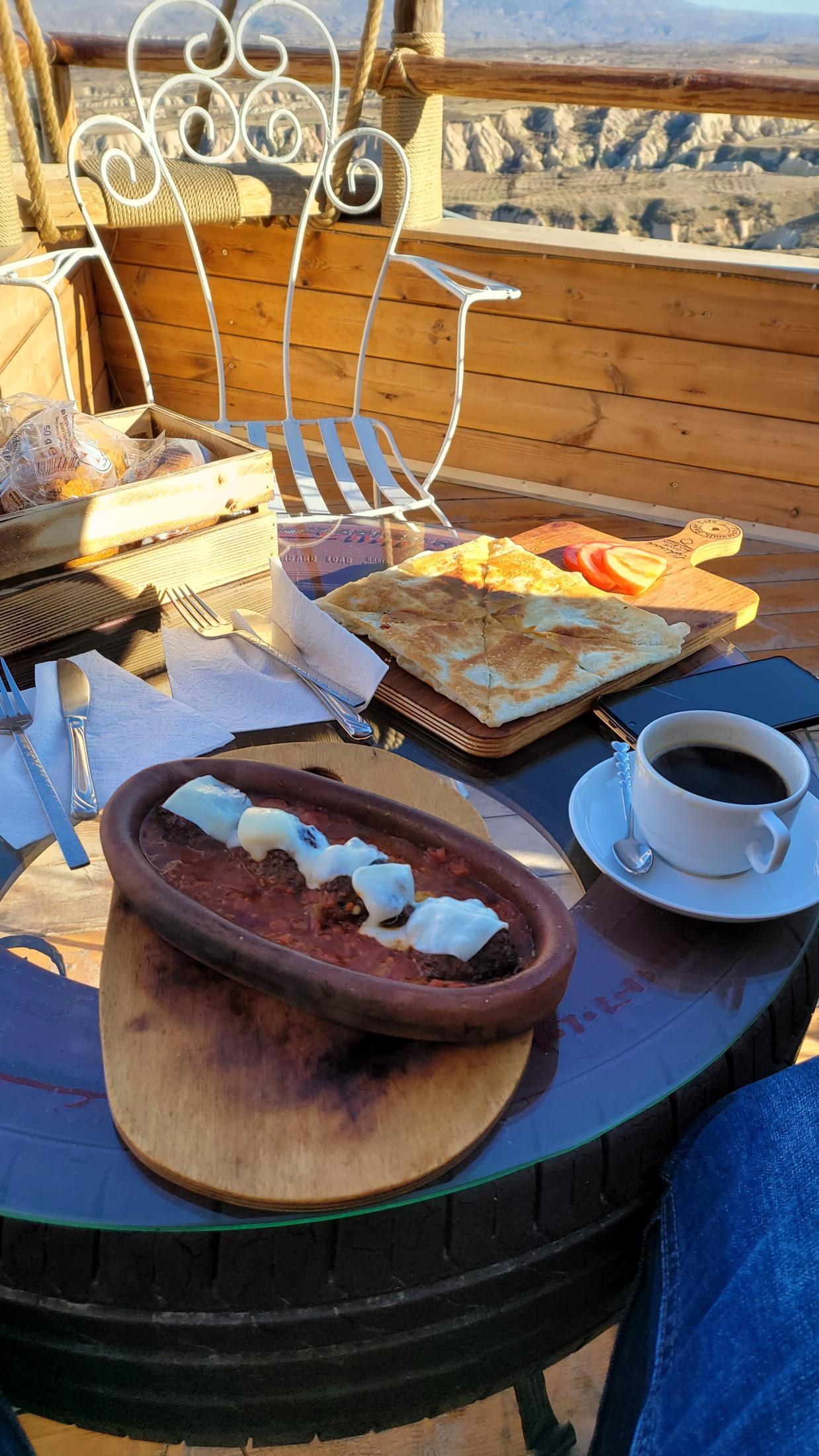
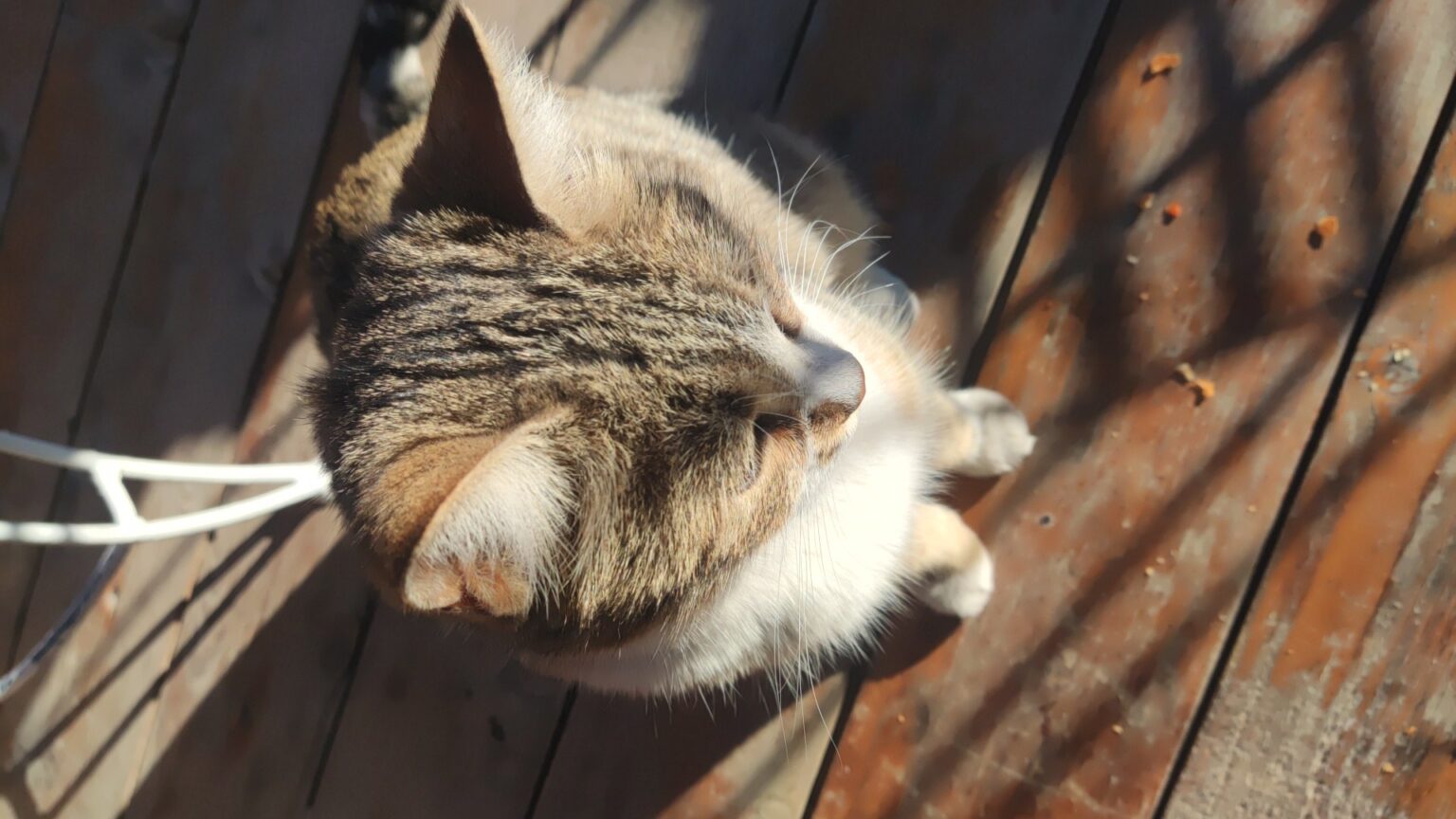
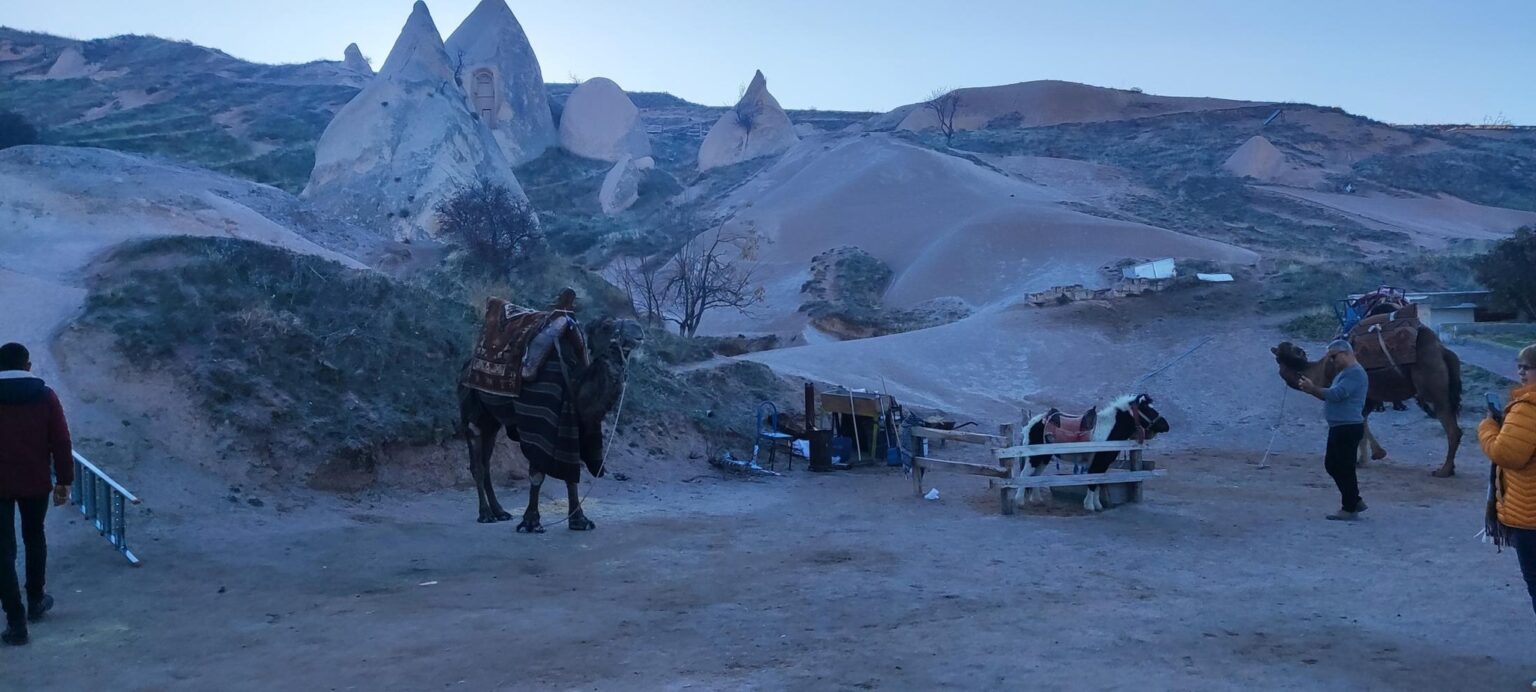
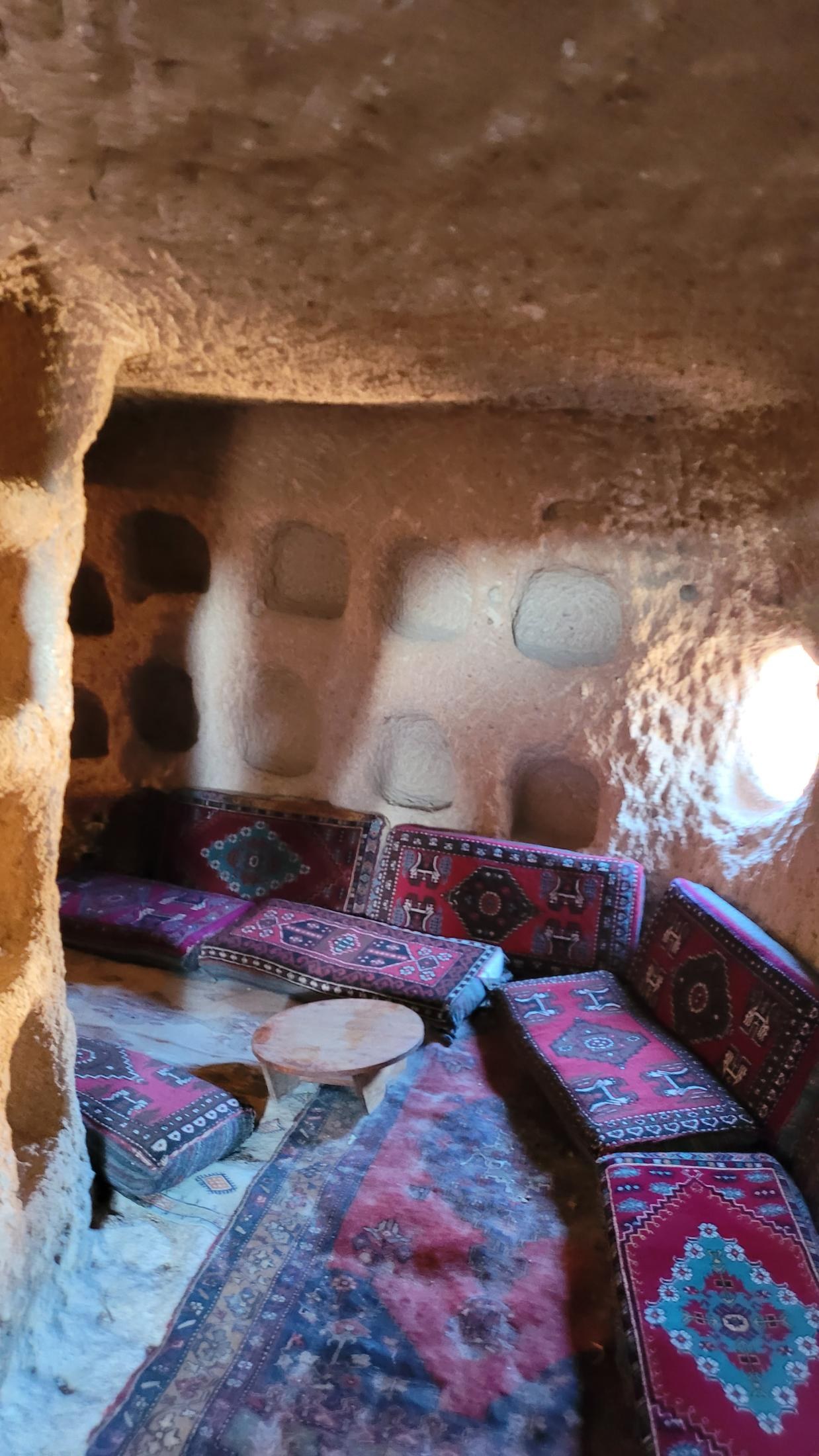
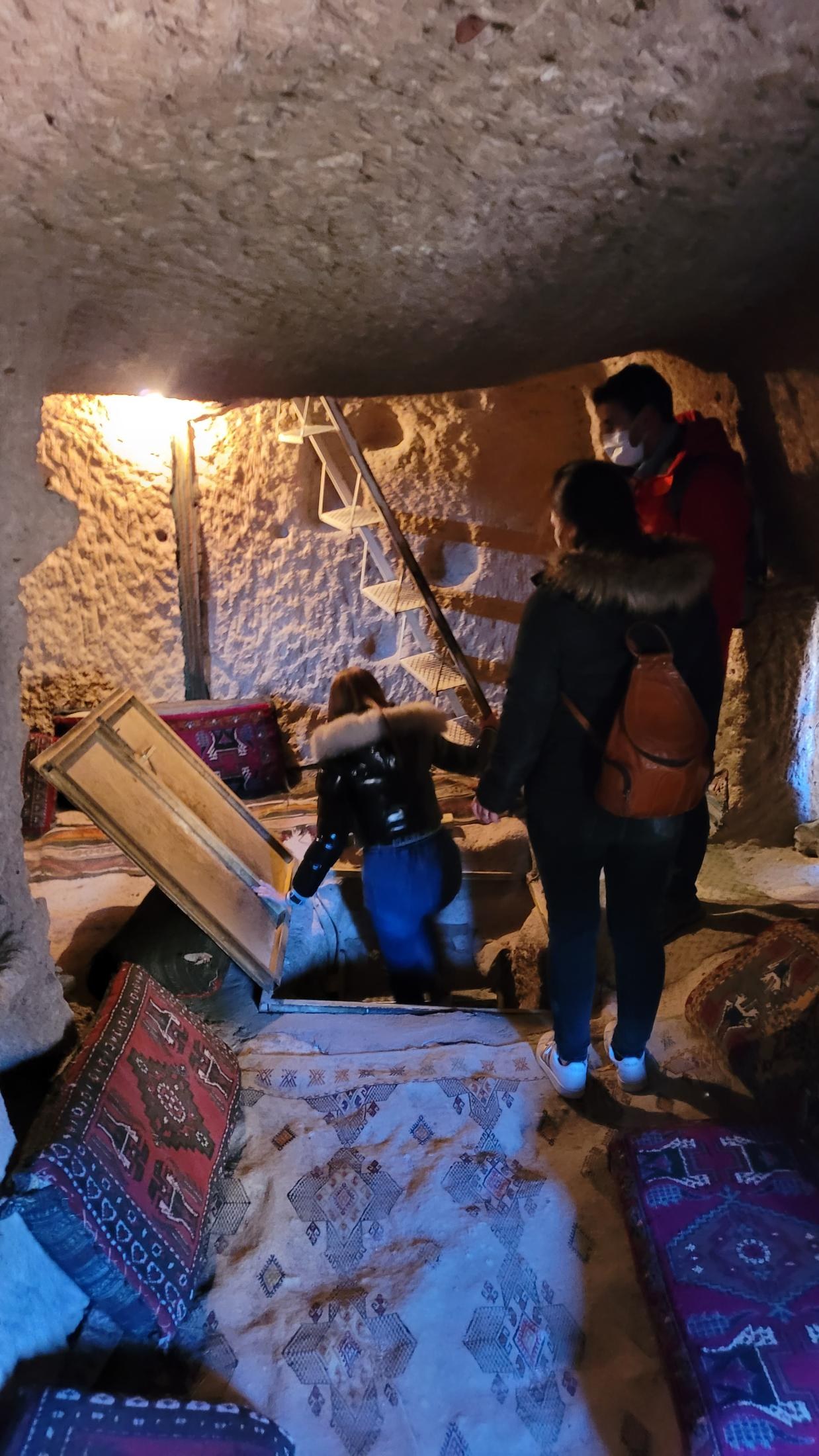
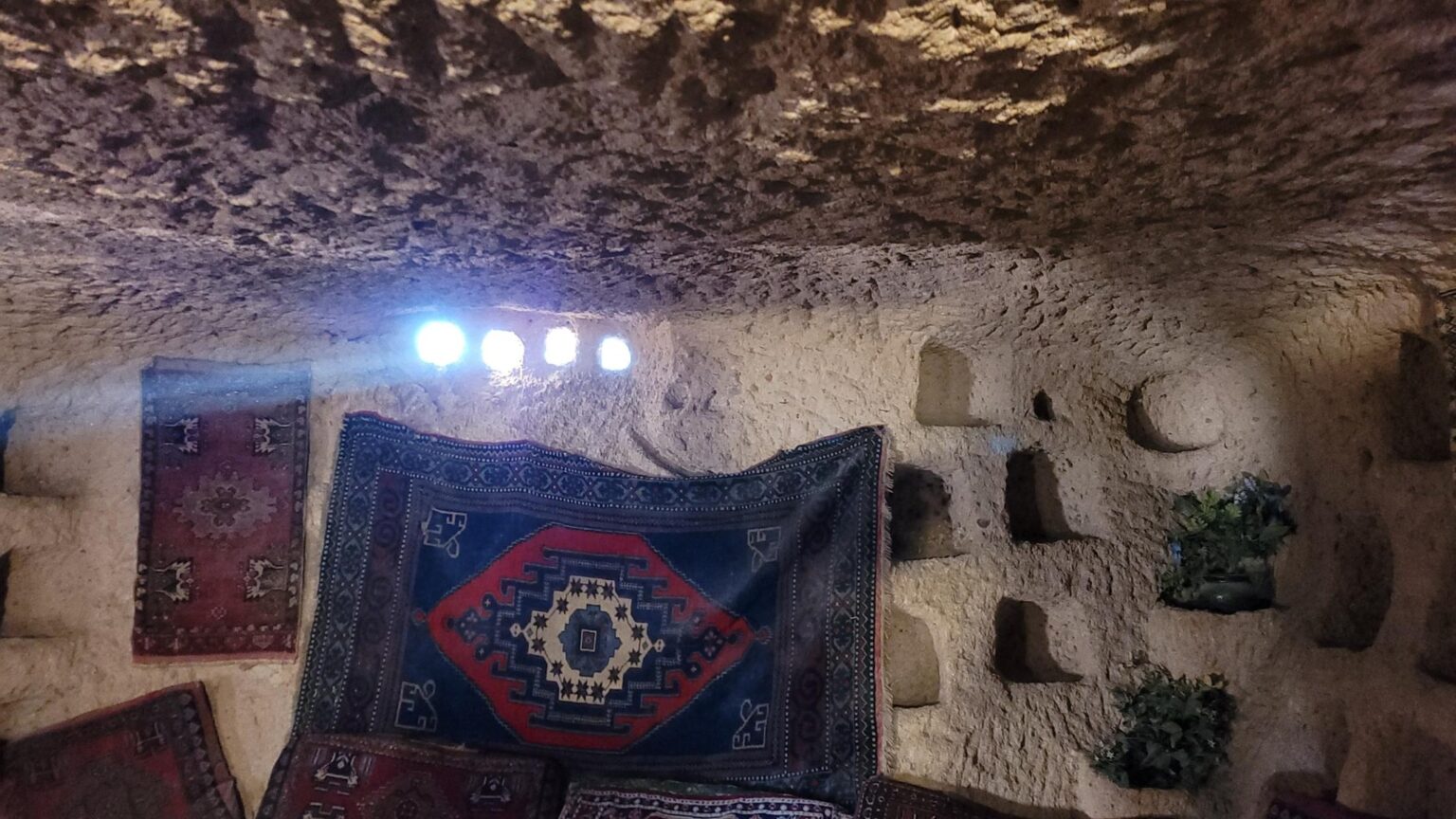
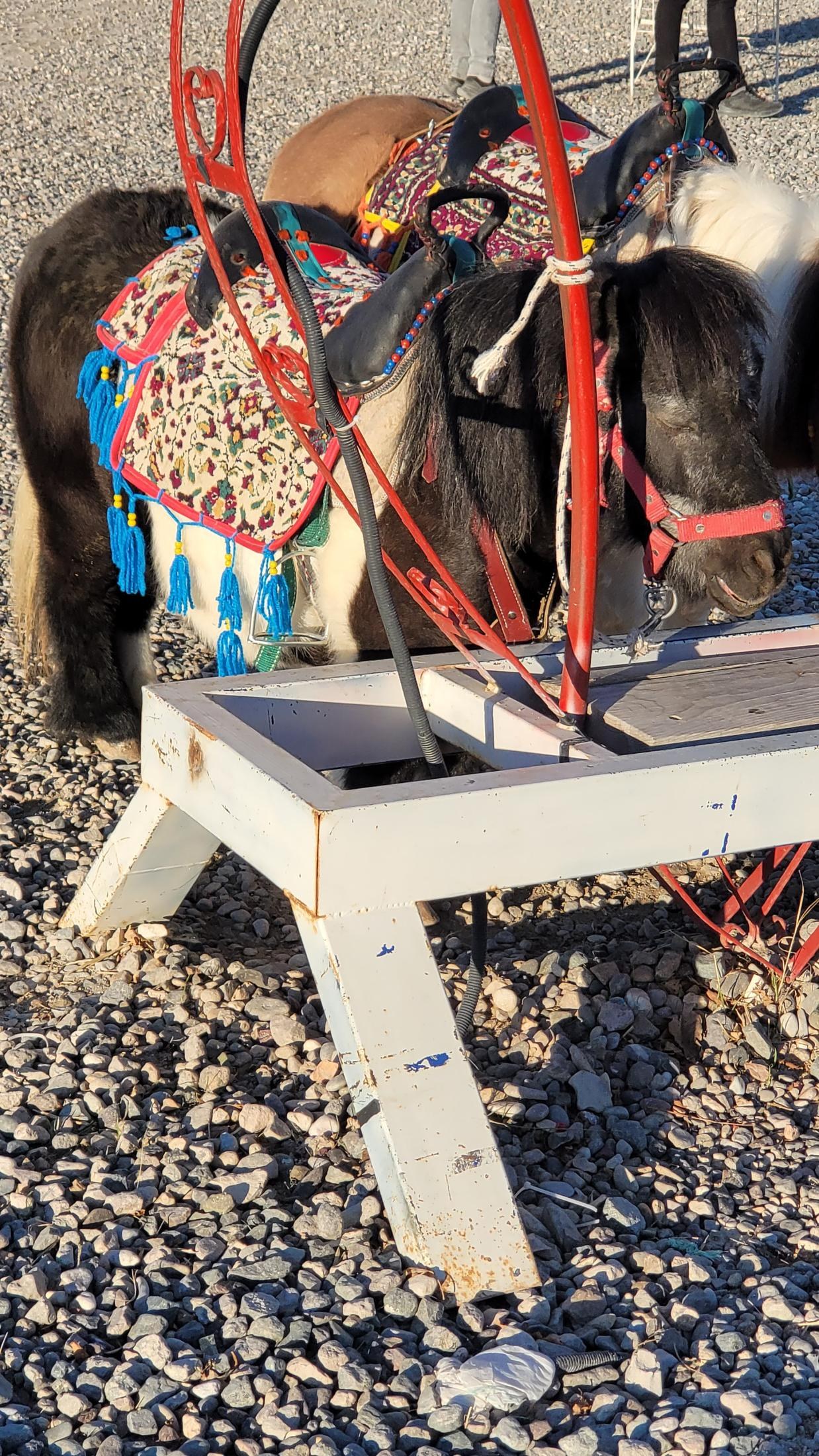
That’s something you’ll hear a lot in this region, roughly every hour. It stops registering. The castle takes about 45 minutes to walk round. We have another hour of free time. Caaaaaaats and a boutique little restaurant with a view. An attempt at more typical local food. Even though it’s one of the smarter places, the prices are still low. Espresso, instead of costing pennies, costs slightly more pennies. From the centre the guide walks us over to a personal friend of his with a cave house. Interesting and narrow. It’s been made into a tea house. It really is impressive how they’ve done it. I picture them taking a rock and digging into it. The whole thing looks visibly built in one breath — there are no joints or seams anywhere. Tourist stalls, photos with a camel, with a pony. Walking trails. It’s all there.
The dance of the dervishes
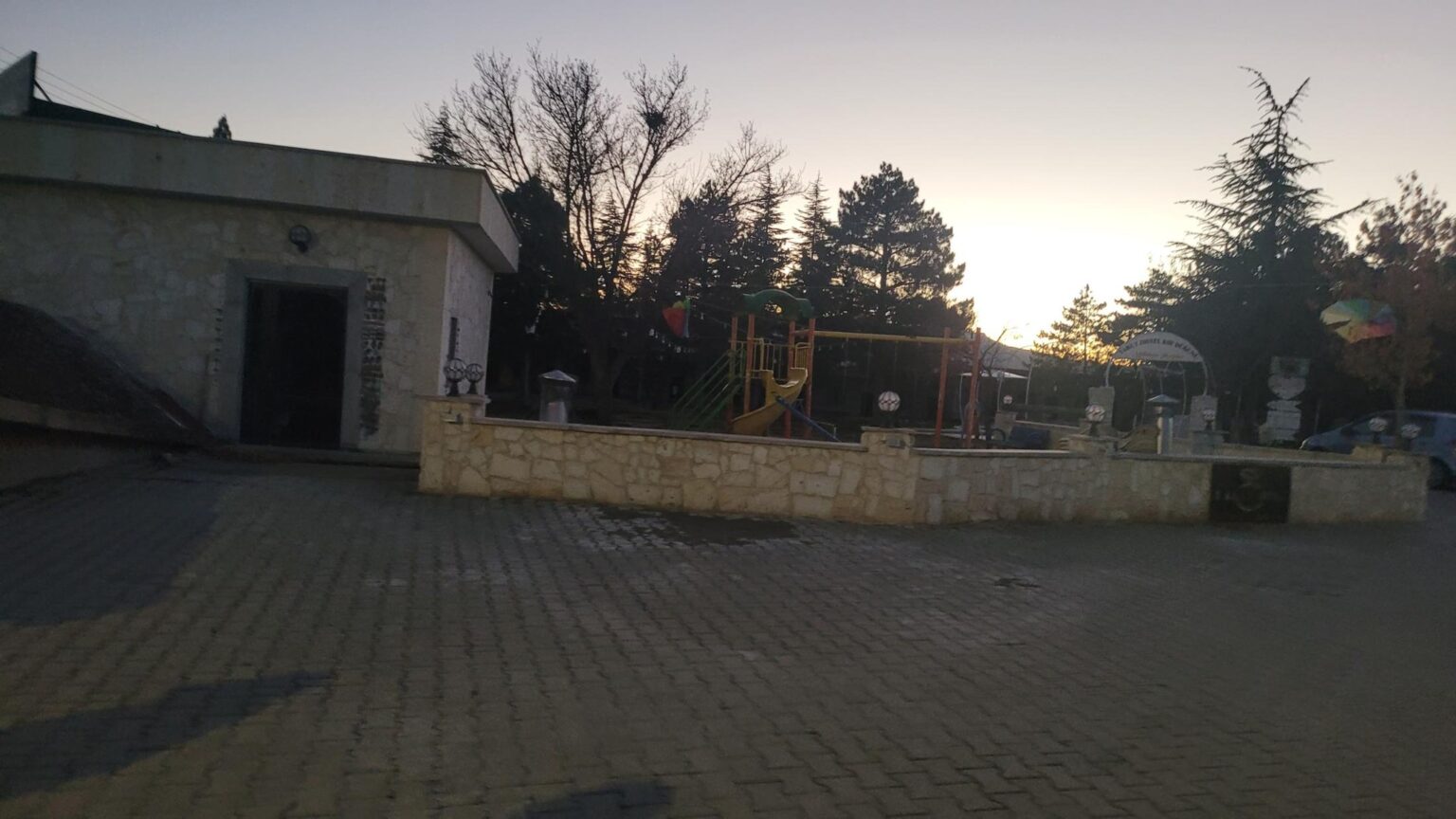
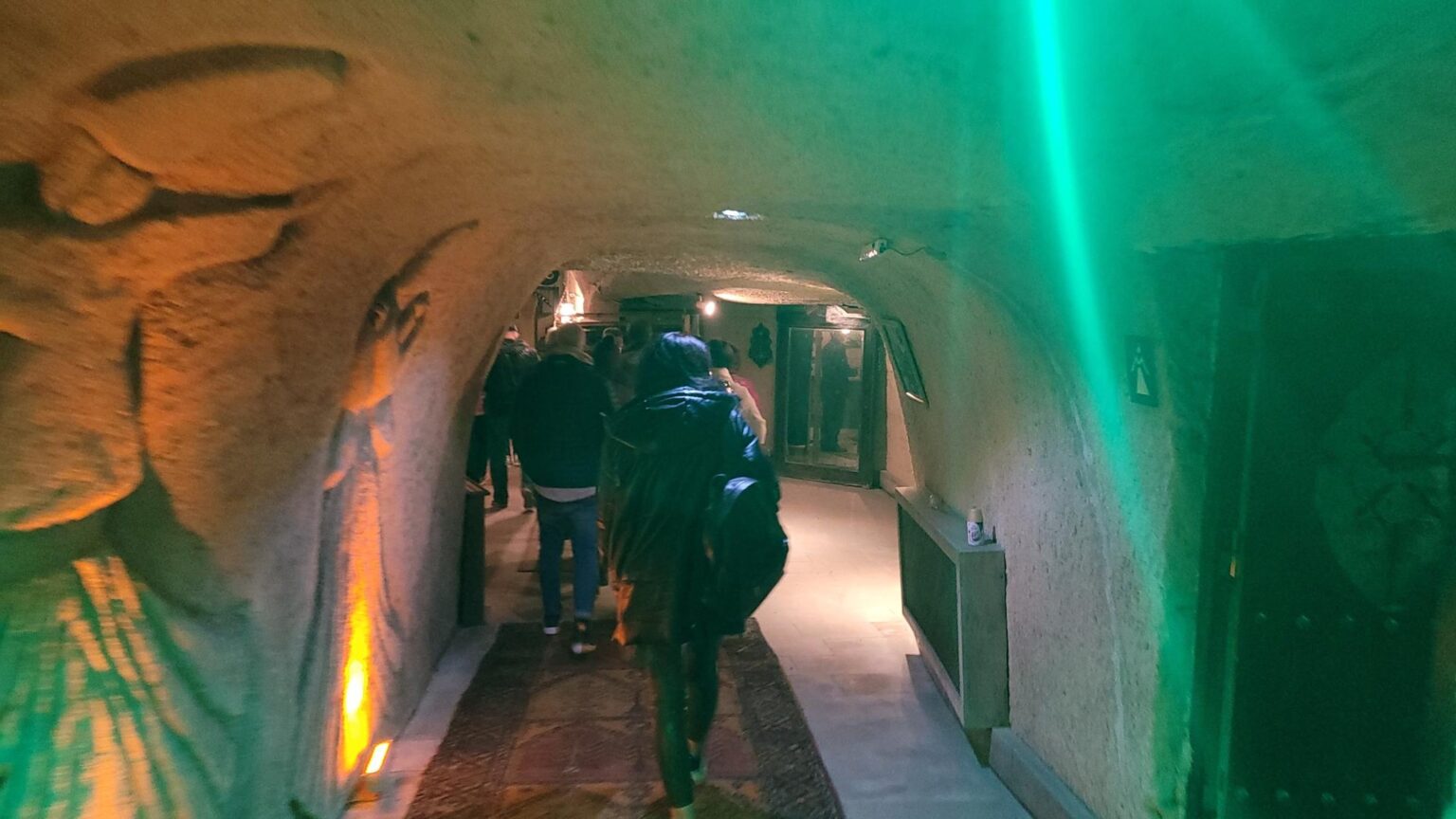
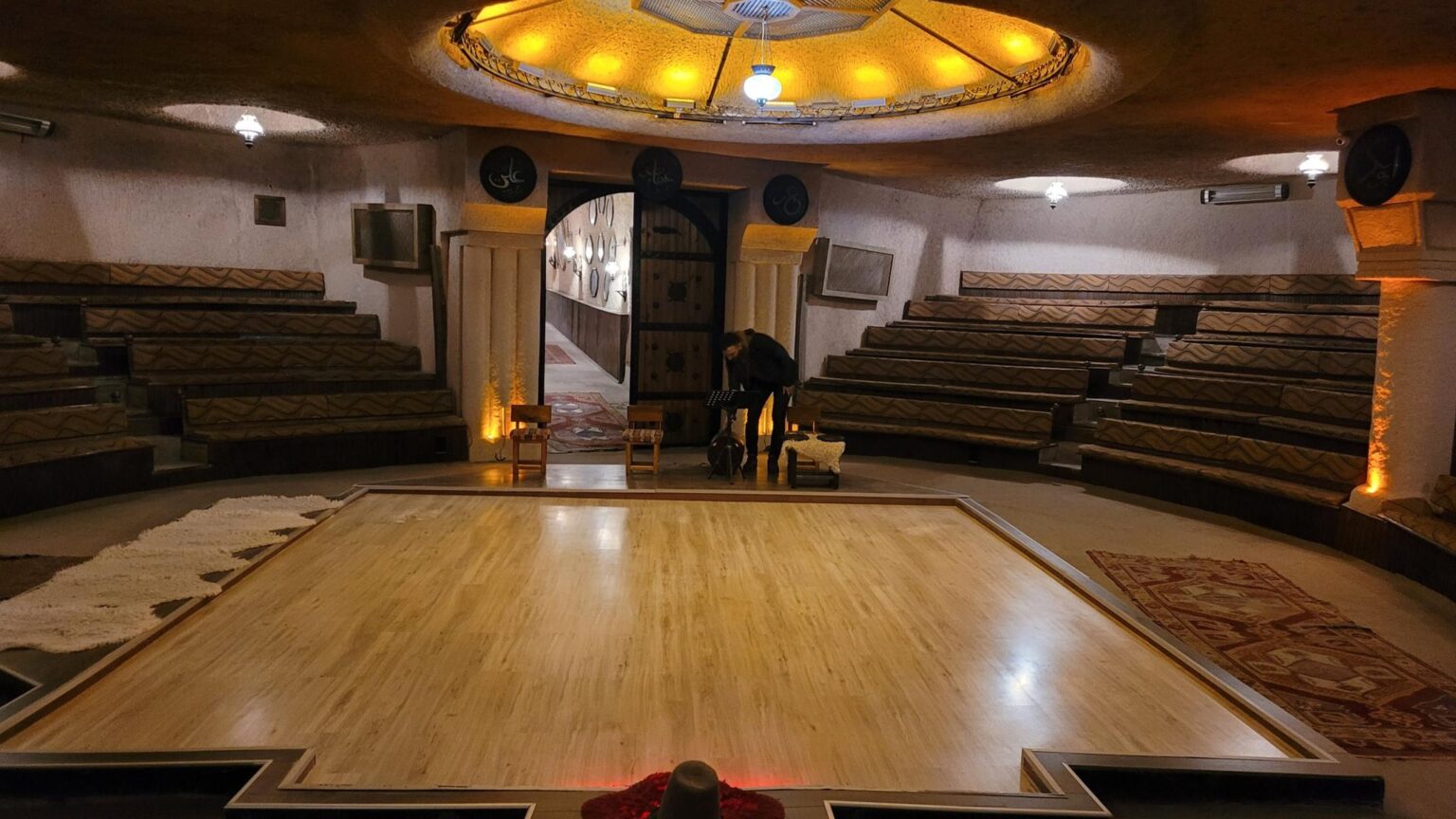
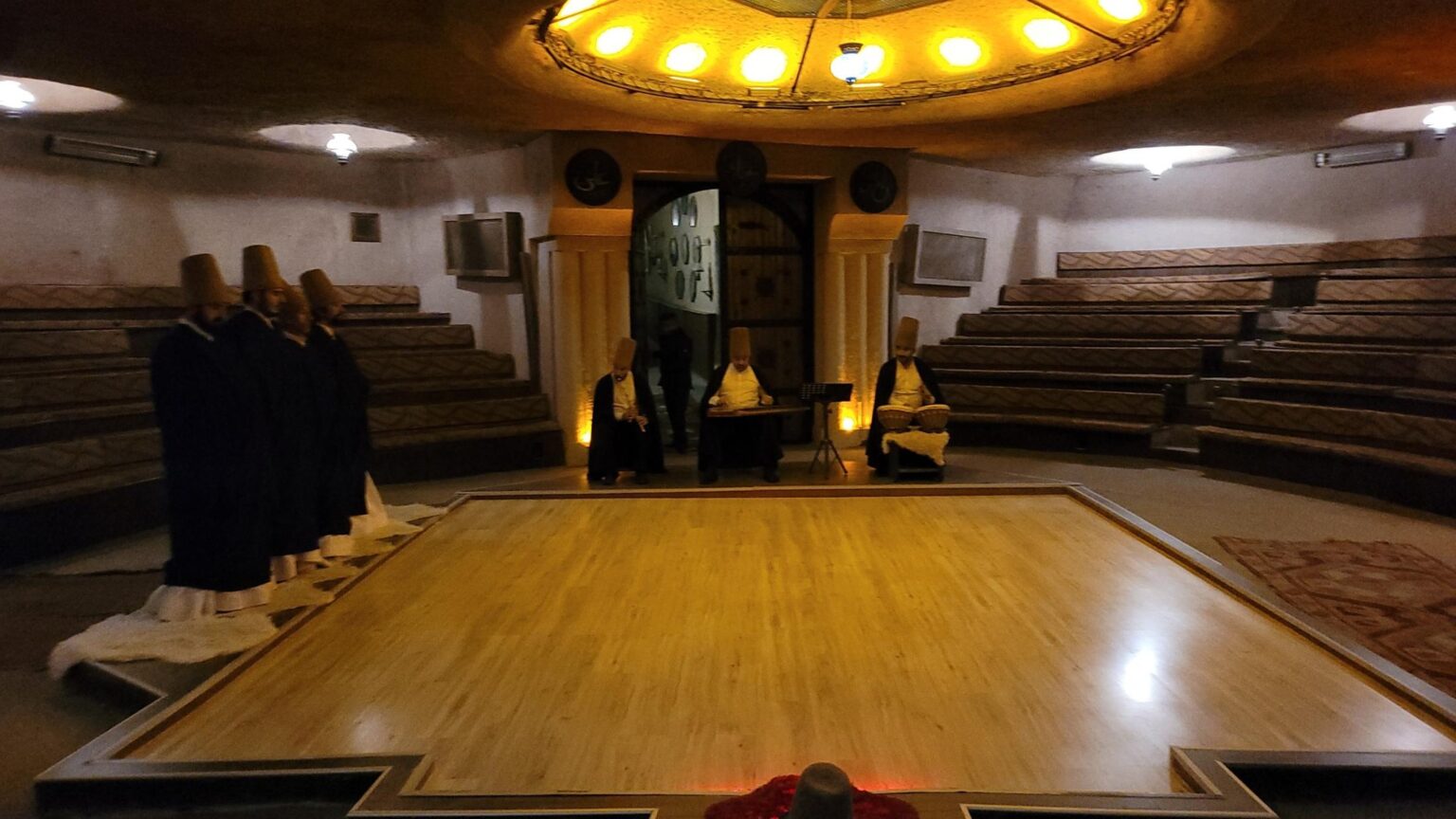
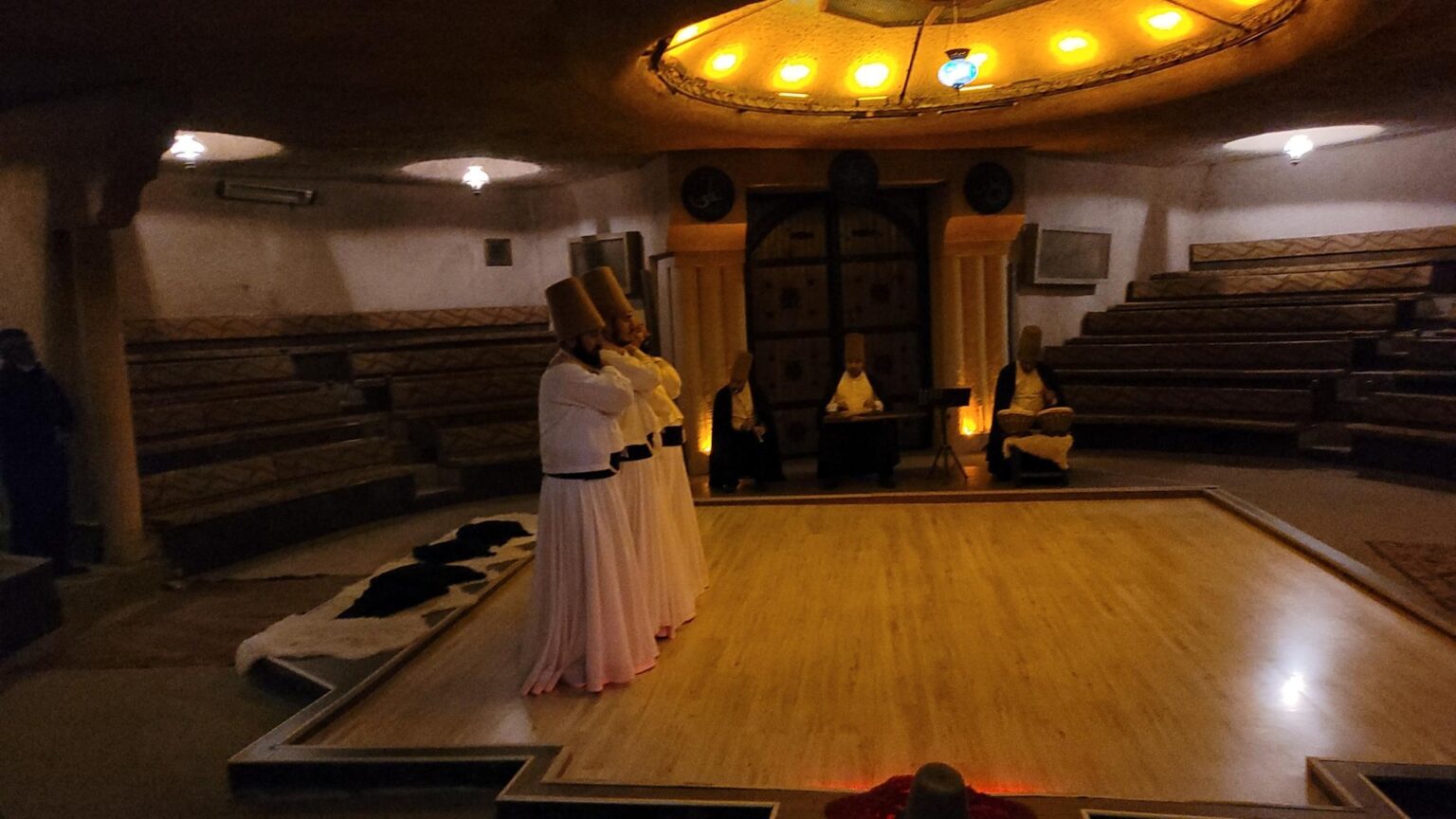
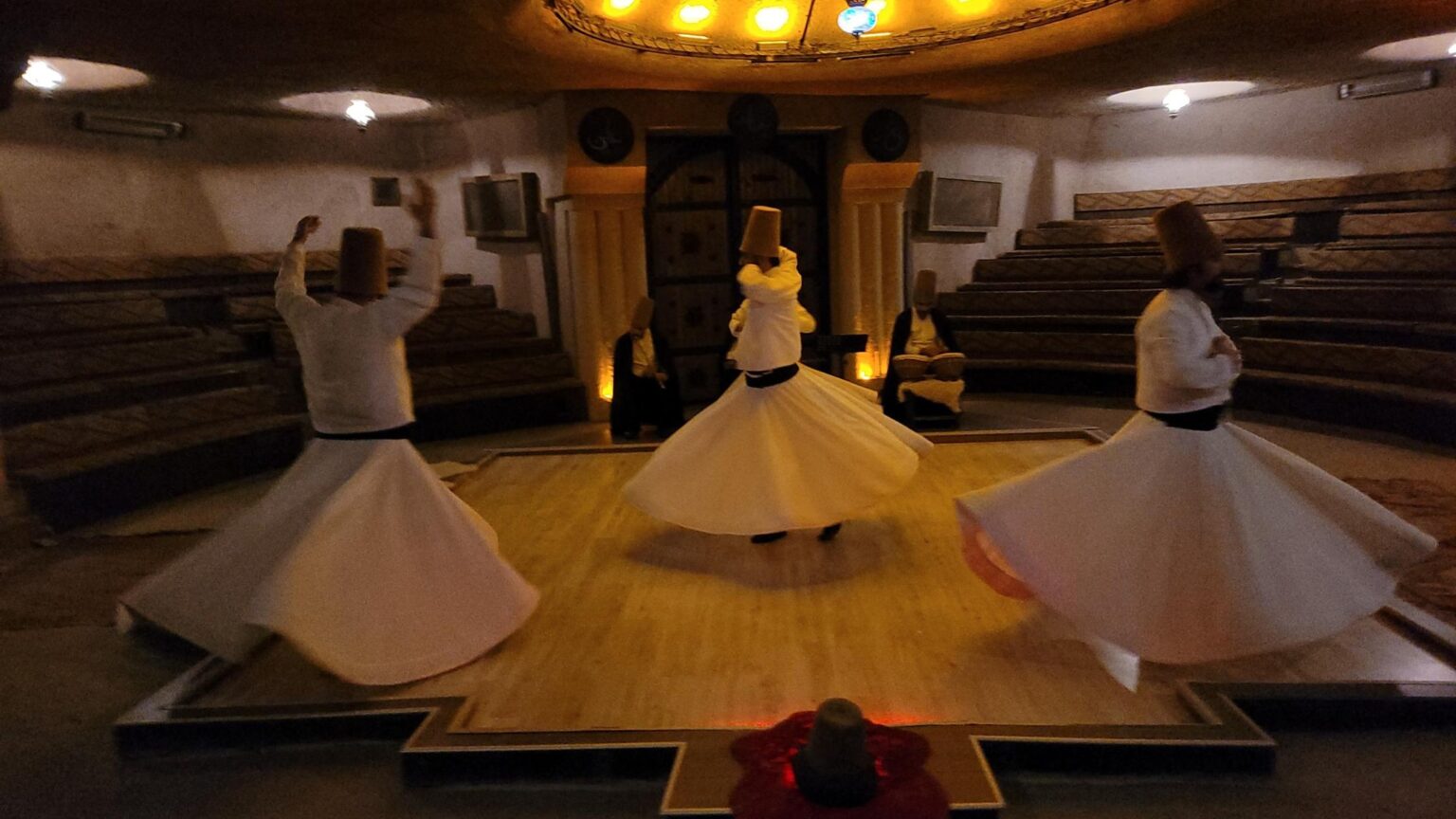
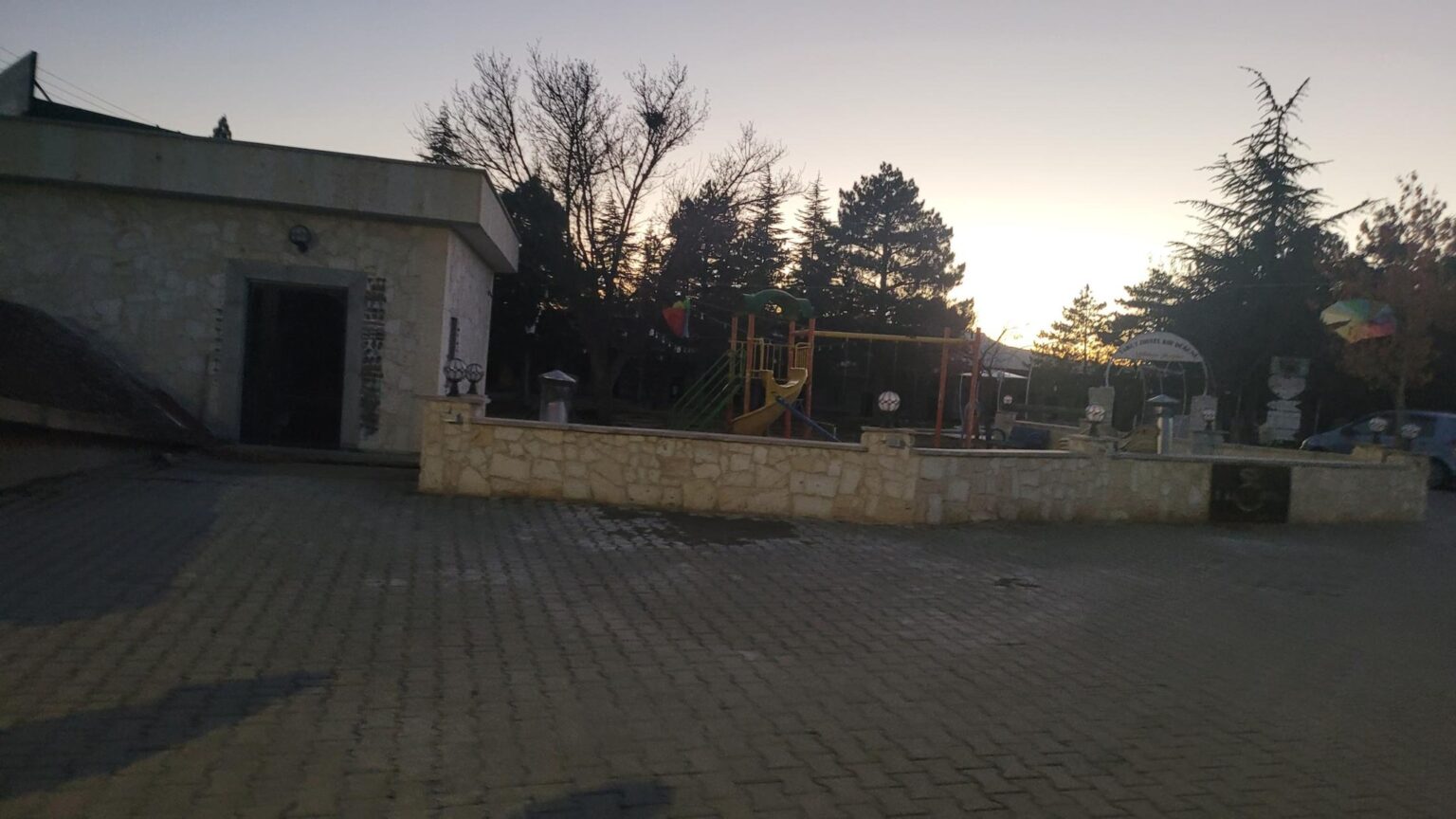
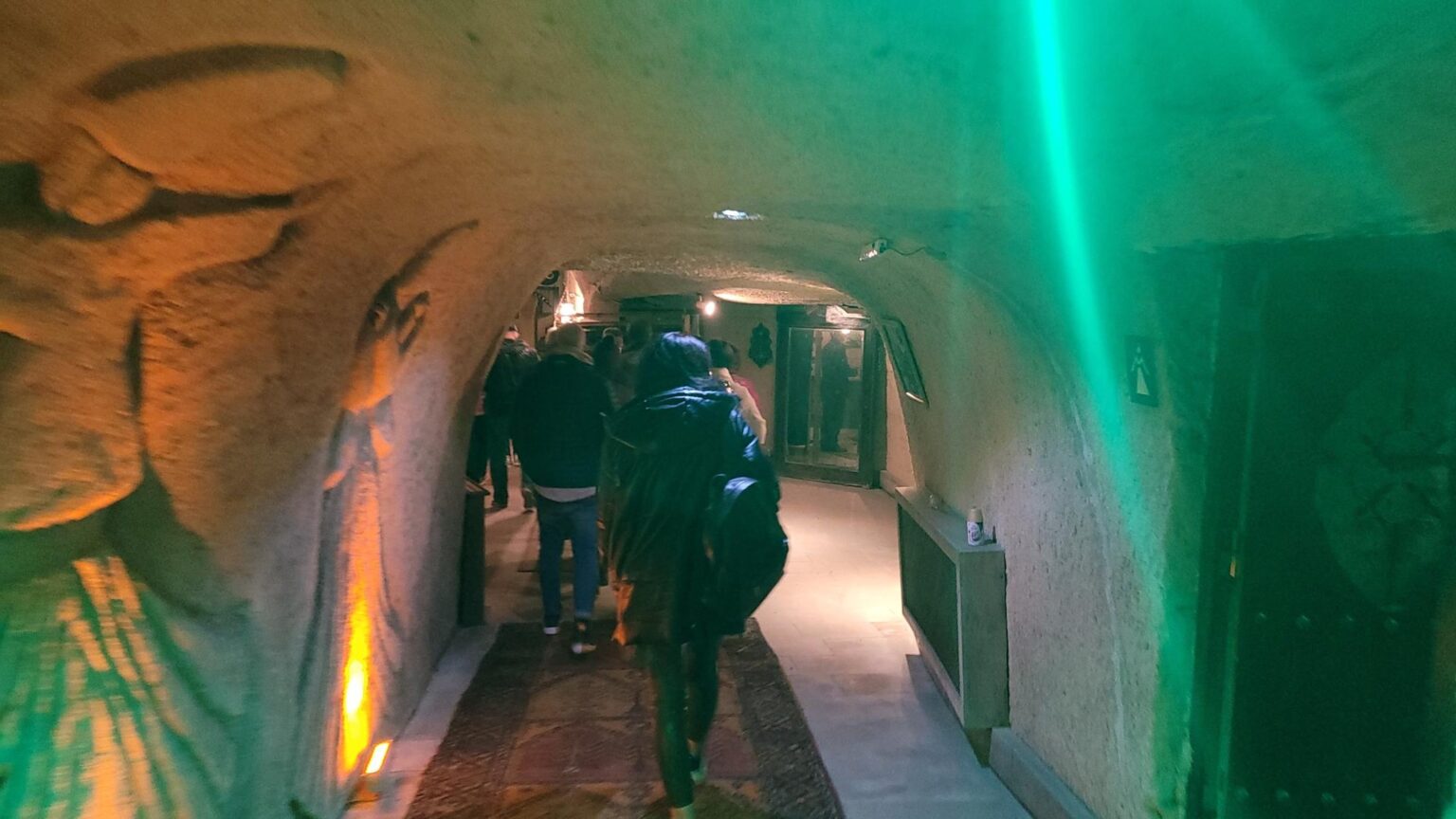
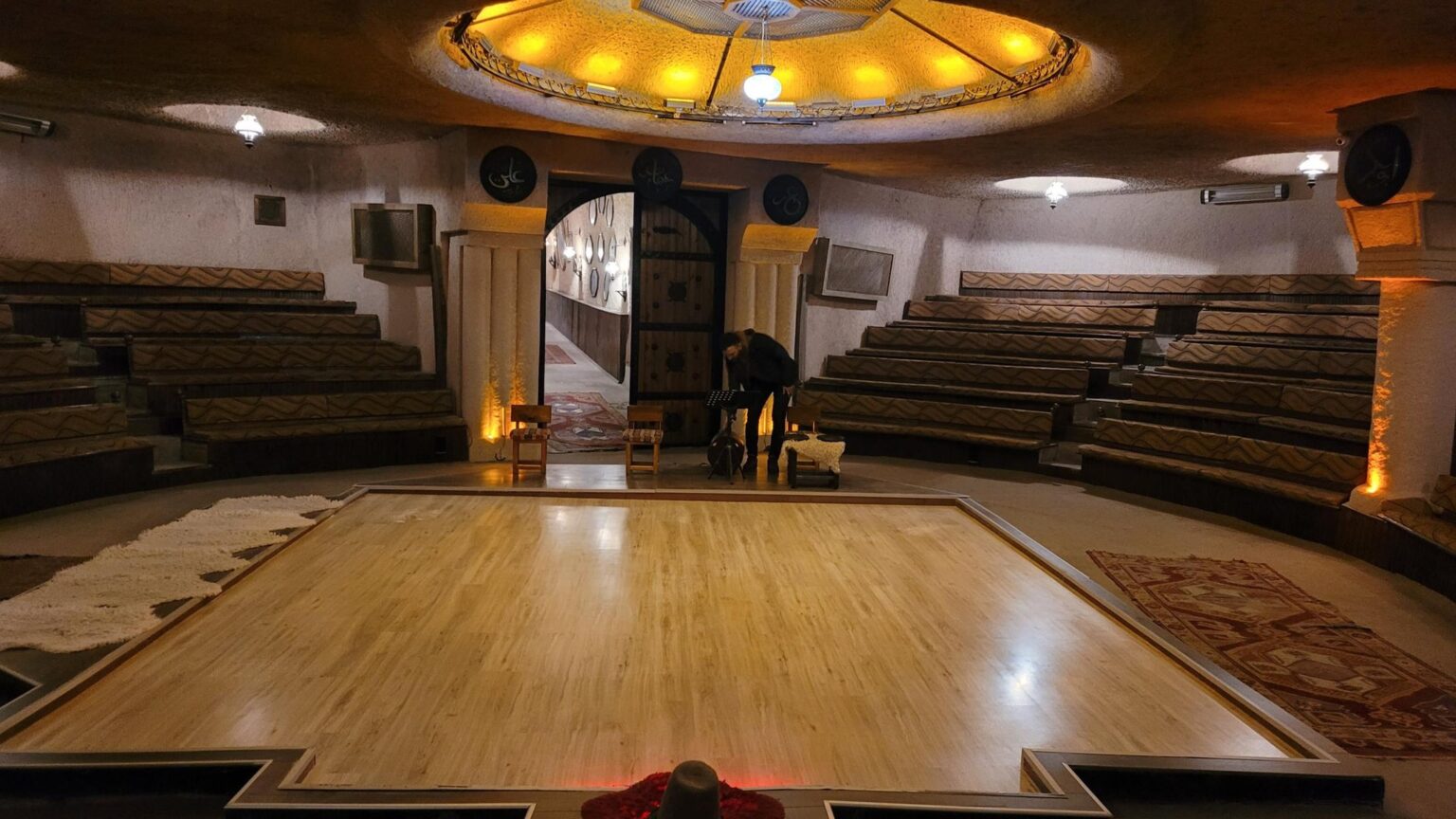
It’s already around 17:00. This is going to be a long day. We’ve paid for an extra excursion at €15 a head through the operator. We’re going to watch Sema, the dance of the dervishes. In short, sema is a means of communicating with God — a prayer. Sema means sky and it’s tied to the teachings of the Mevlâna mentioned earlier. The dervishes are a religious order; the literal translation is someone who lives poorly and goes from door to door. Every action and every element of the performers’ clothing and behaviour carries some symbolism. There’s a faint sense of tension and fervour. The guide explains very carefully what we may and may not do. Photography is strictly forbidden until they explicitly allow it, which happens at the end, when they perform the same movements outside the ritual. Endless silence, careful not to break the performers’ concentration. The stage is underground. It’s interesting, and also a little slow and repetitive from the point of view of an unenlightened observer like me. We ended up in Ortahisar. We’ve never seen an event like it and have nothing to compare it with, but it all looked highly professional. Once permission to photograph is explicitly given, we go wild:
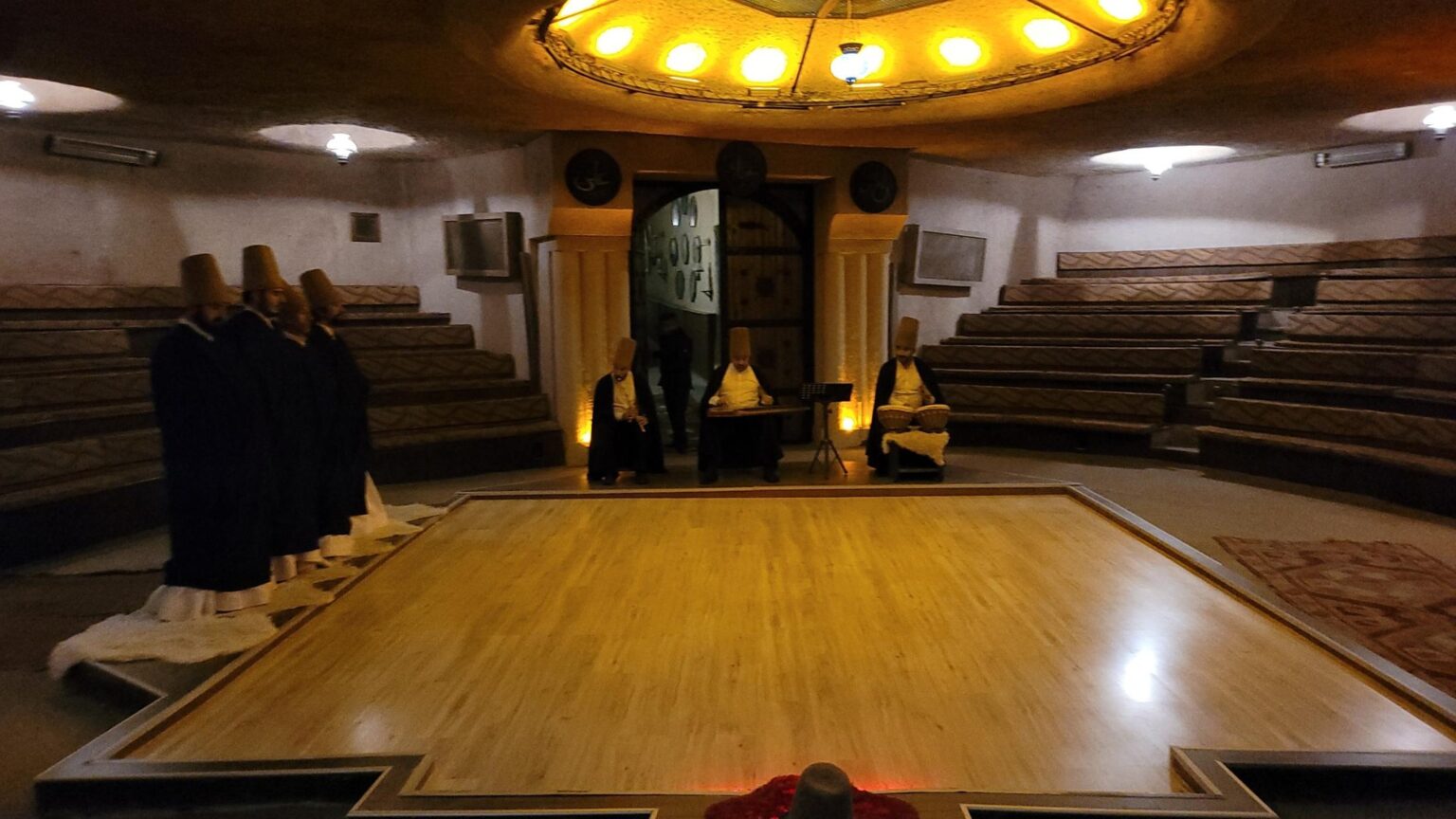
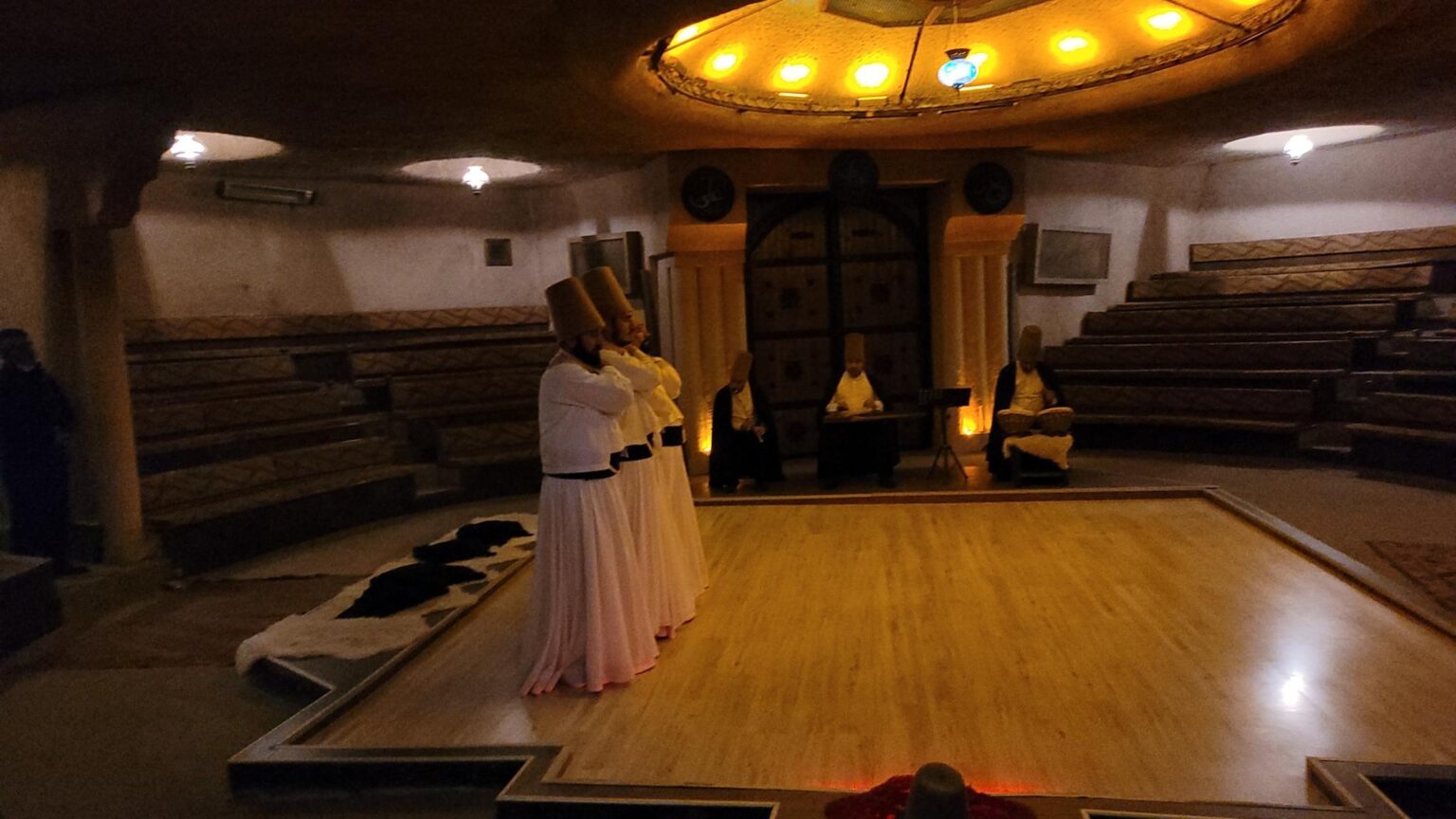
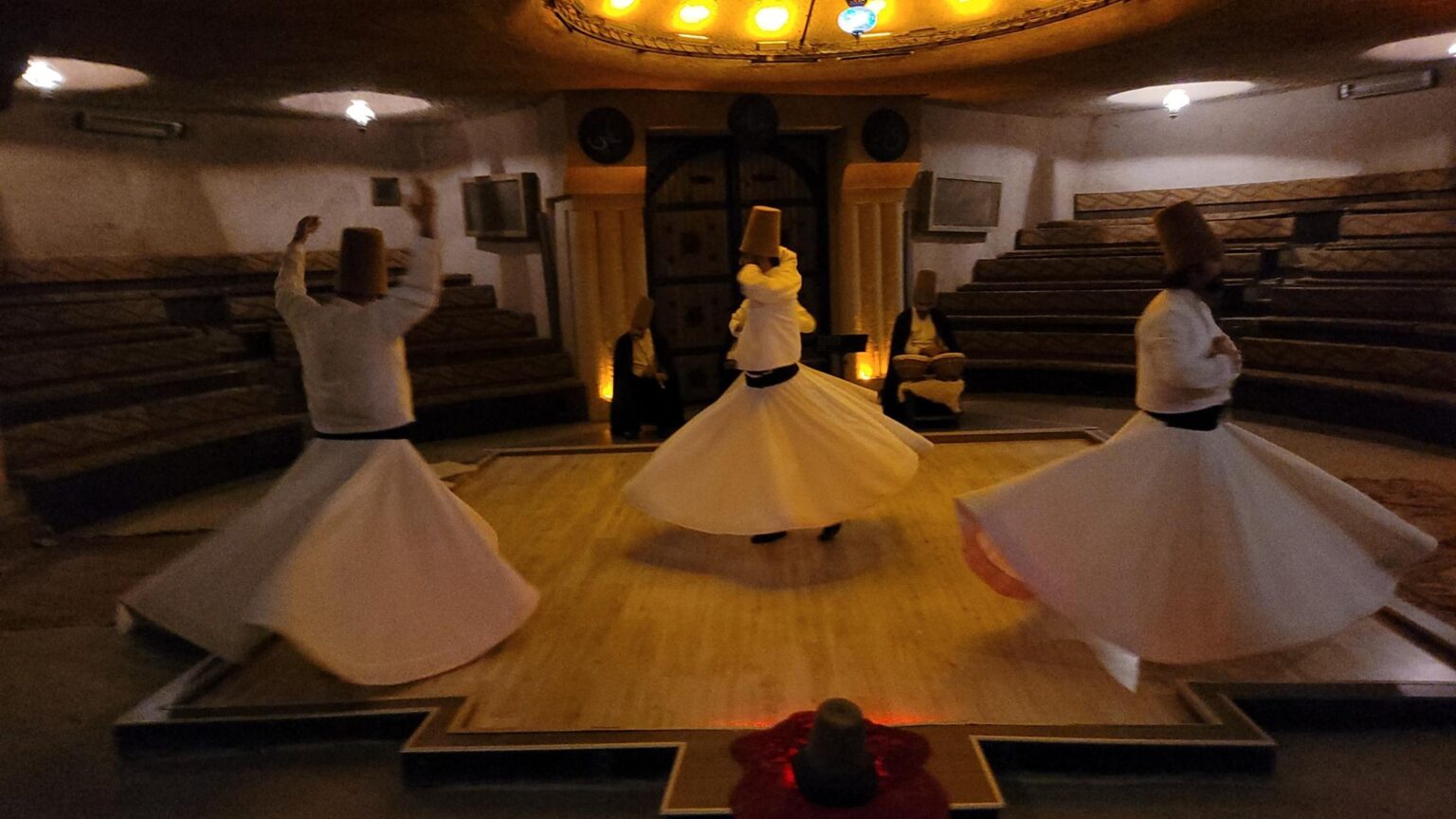
It’s now gone 19:00. A serious day. By the time we’re back and fed it’s 21:00. Alarm at 05:00, finish at 21:00. Sixteen hours criss-crossing Cappadocia. Exhausting. 21:30 — asleep.
Day 4: Göreme Open Air Museum; Ortahisar; Özkonak underground city; Love Valley
100 kilometres, 2 hours on the coach.
Göreme
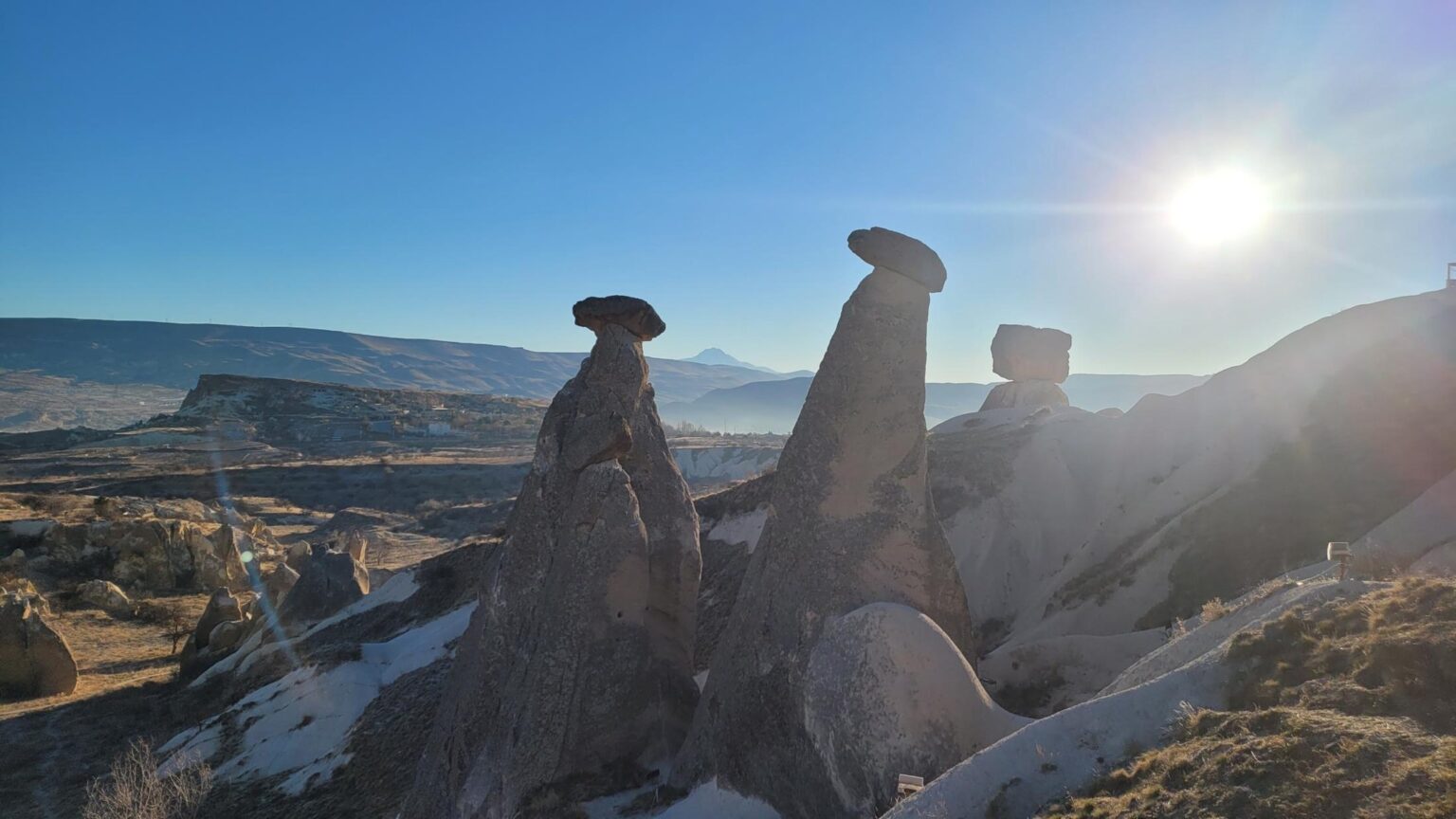
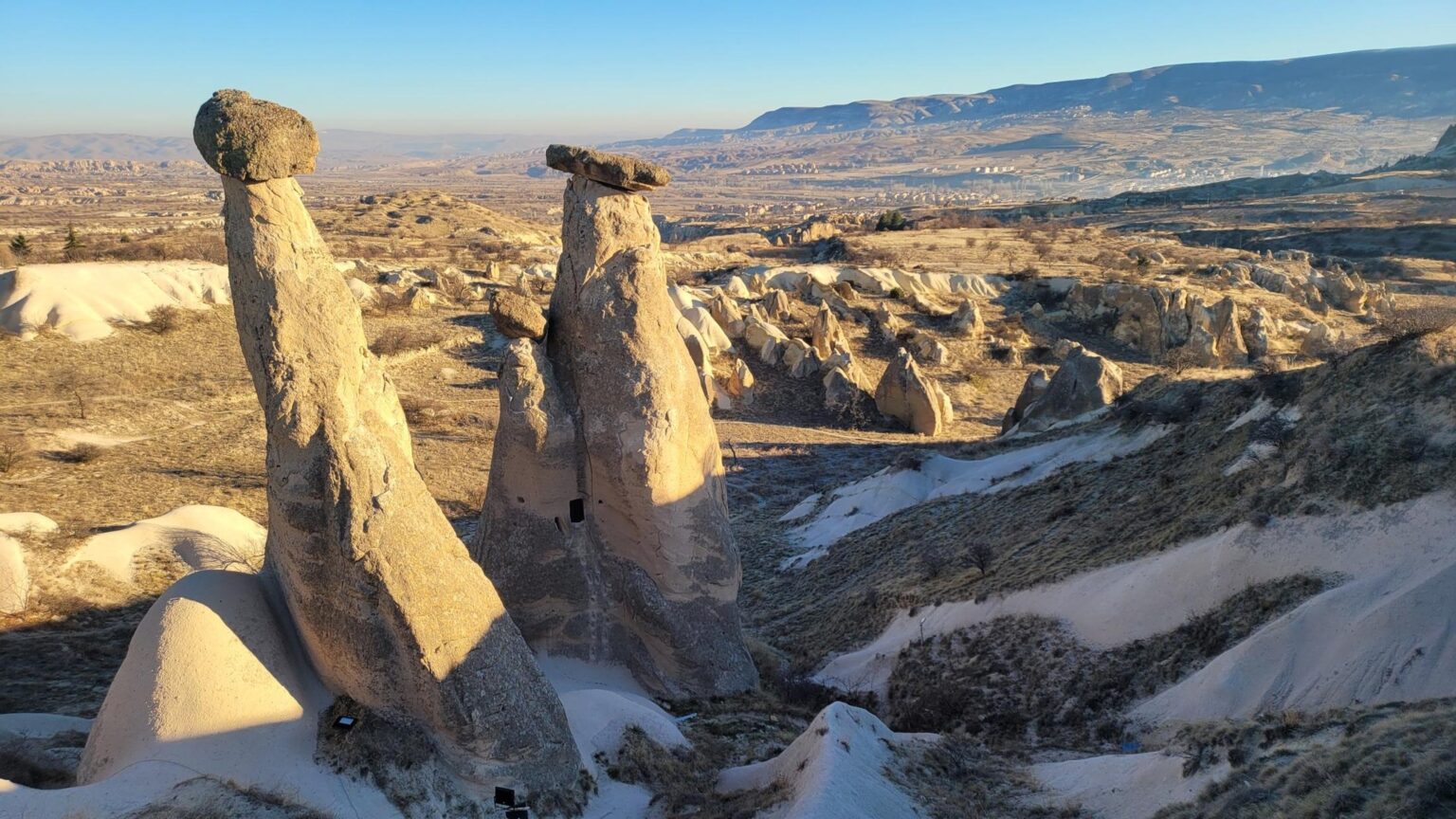
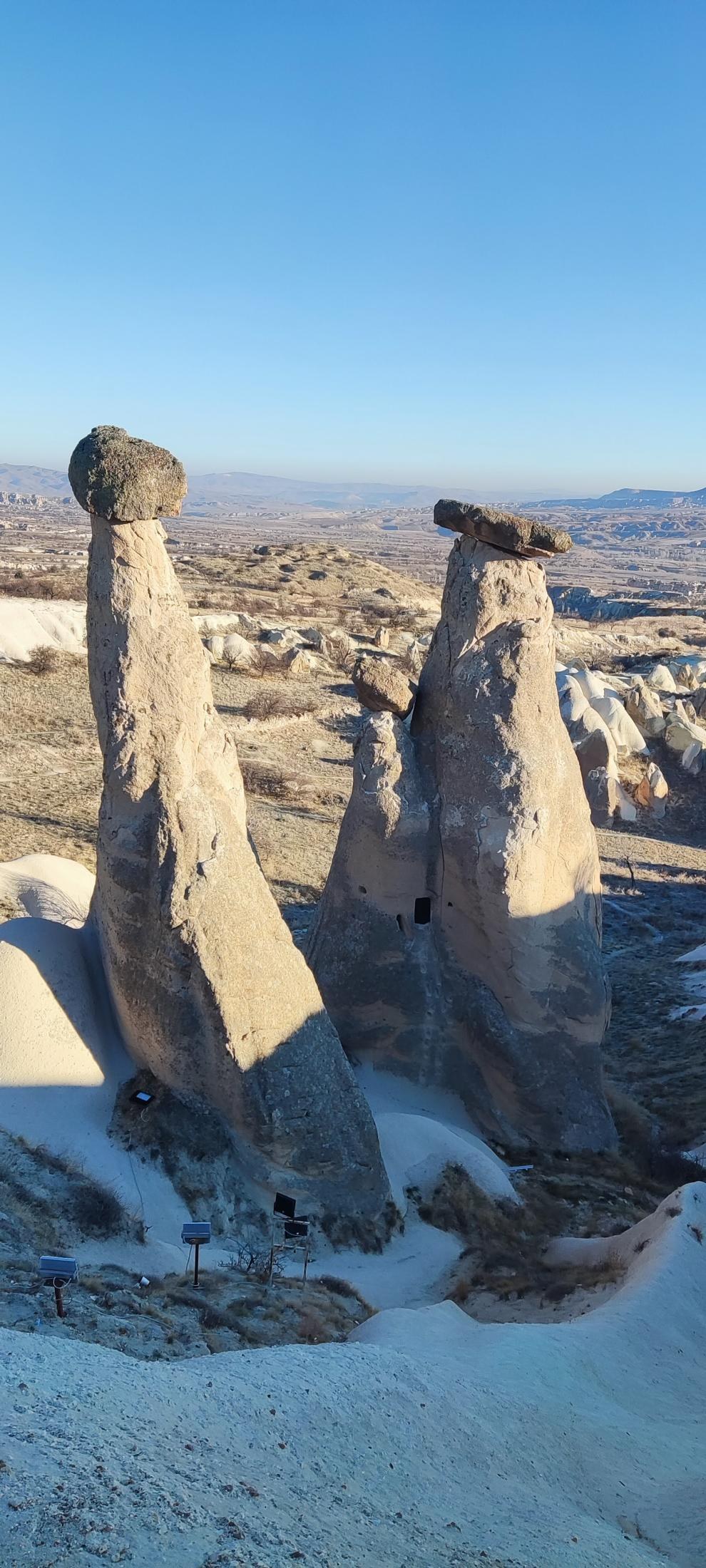
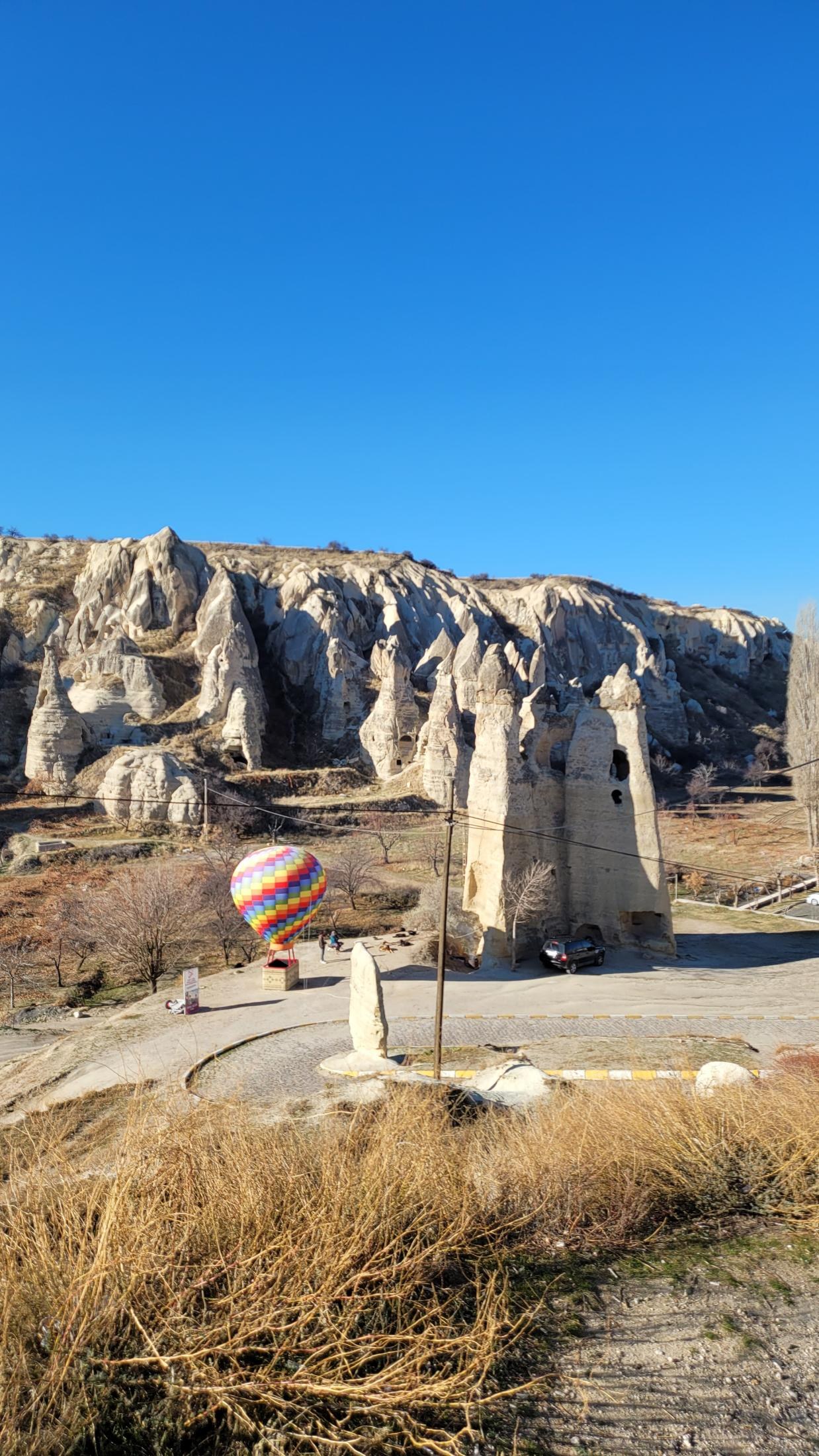
We start gently. They let us sleep in and we don’t leave until 08:30. A recovery day. We pass the “Three Beauties“, a natural rock formation with its own story, which has the full set — love, dowries, mothers-in-law. It’s pleasant, panoramas over the valleys, again very photogenic. Reminder: at the bus stop, expensive things; fifty to a hundred metres to the left, cheap things. Cats, dogs, and the landscapes are starting to repeat.
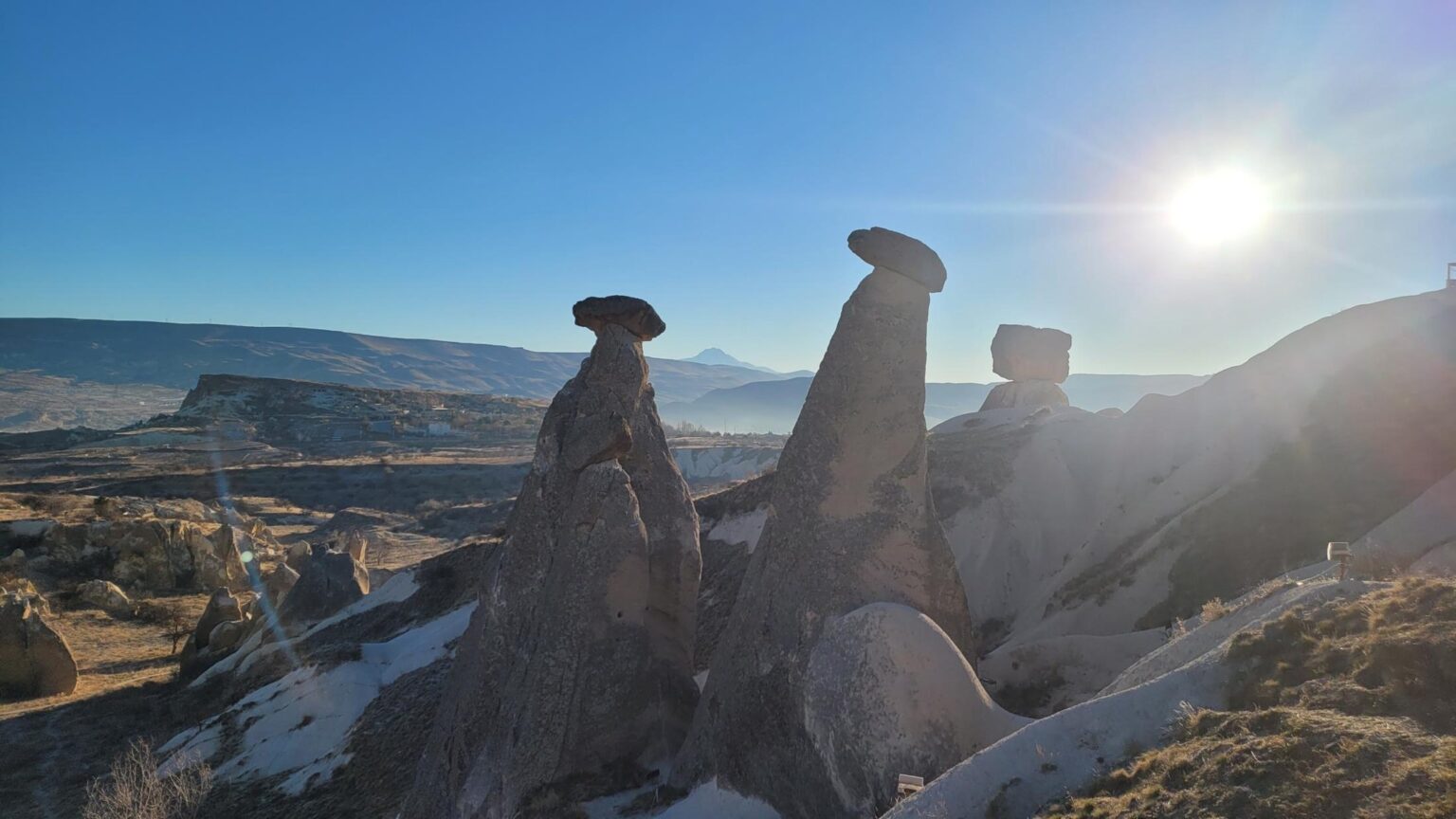
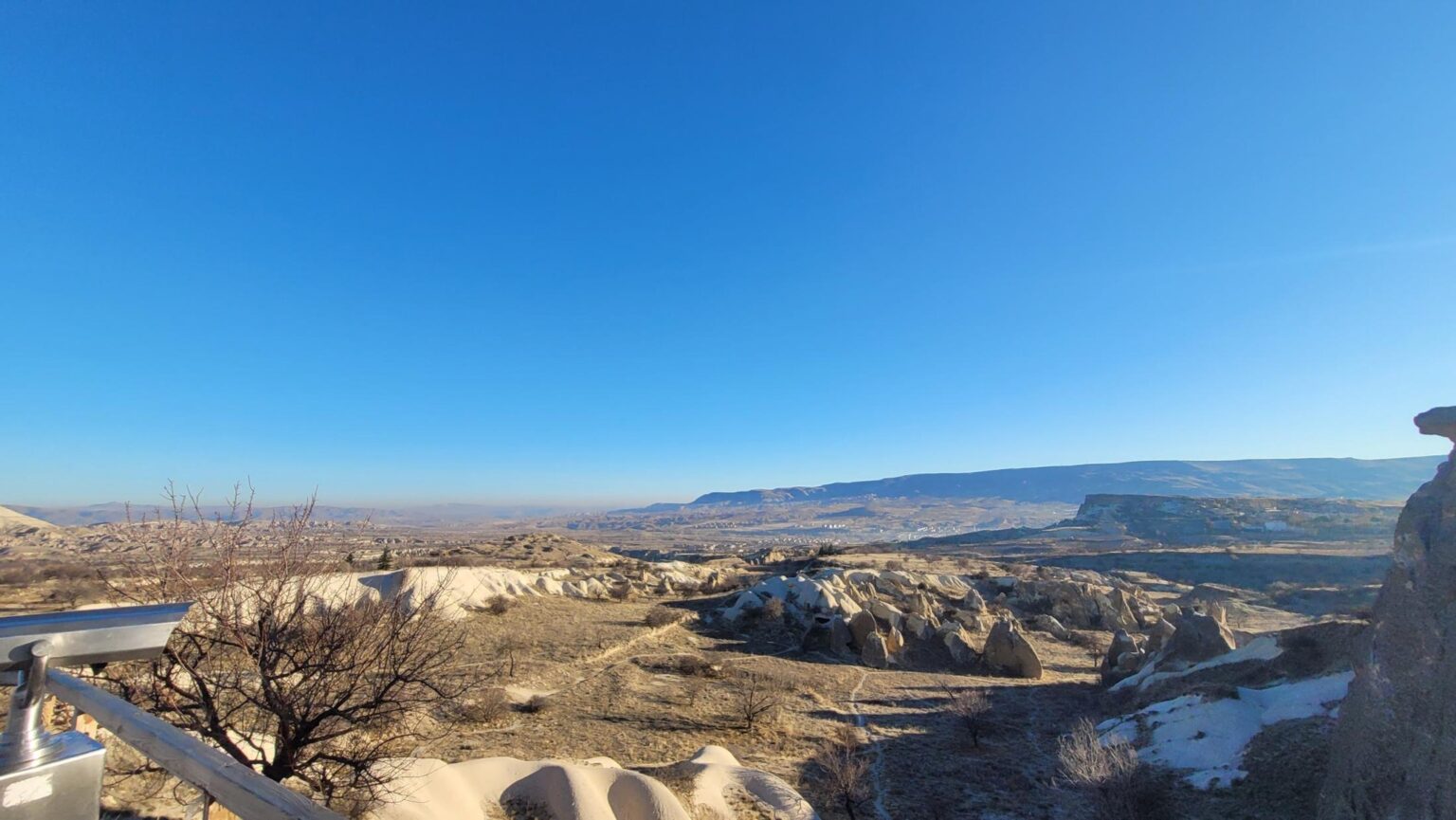
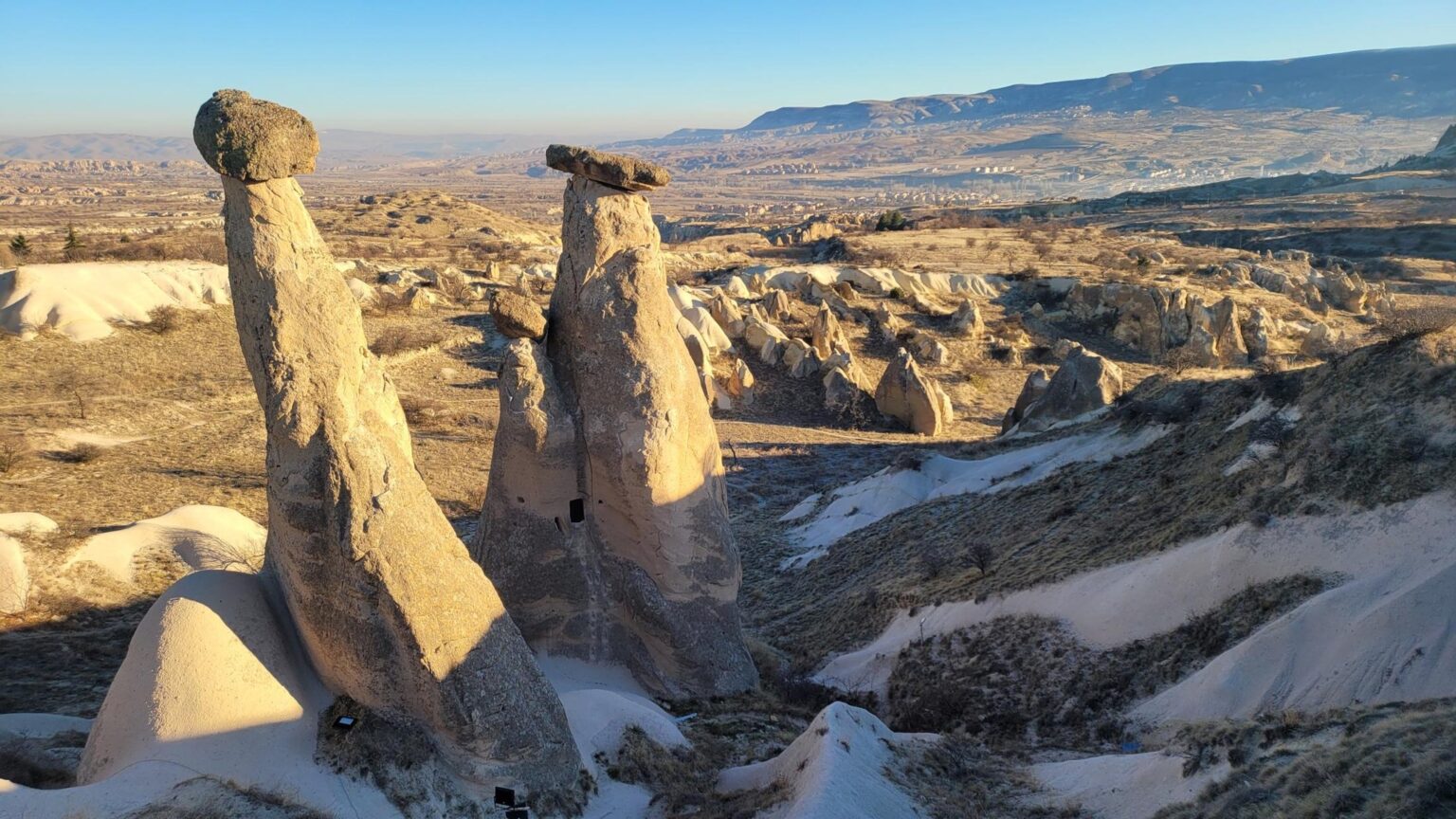
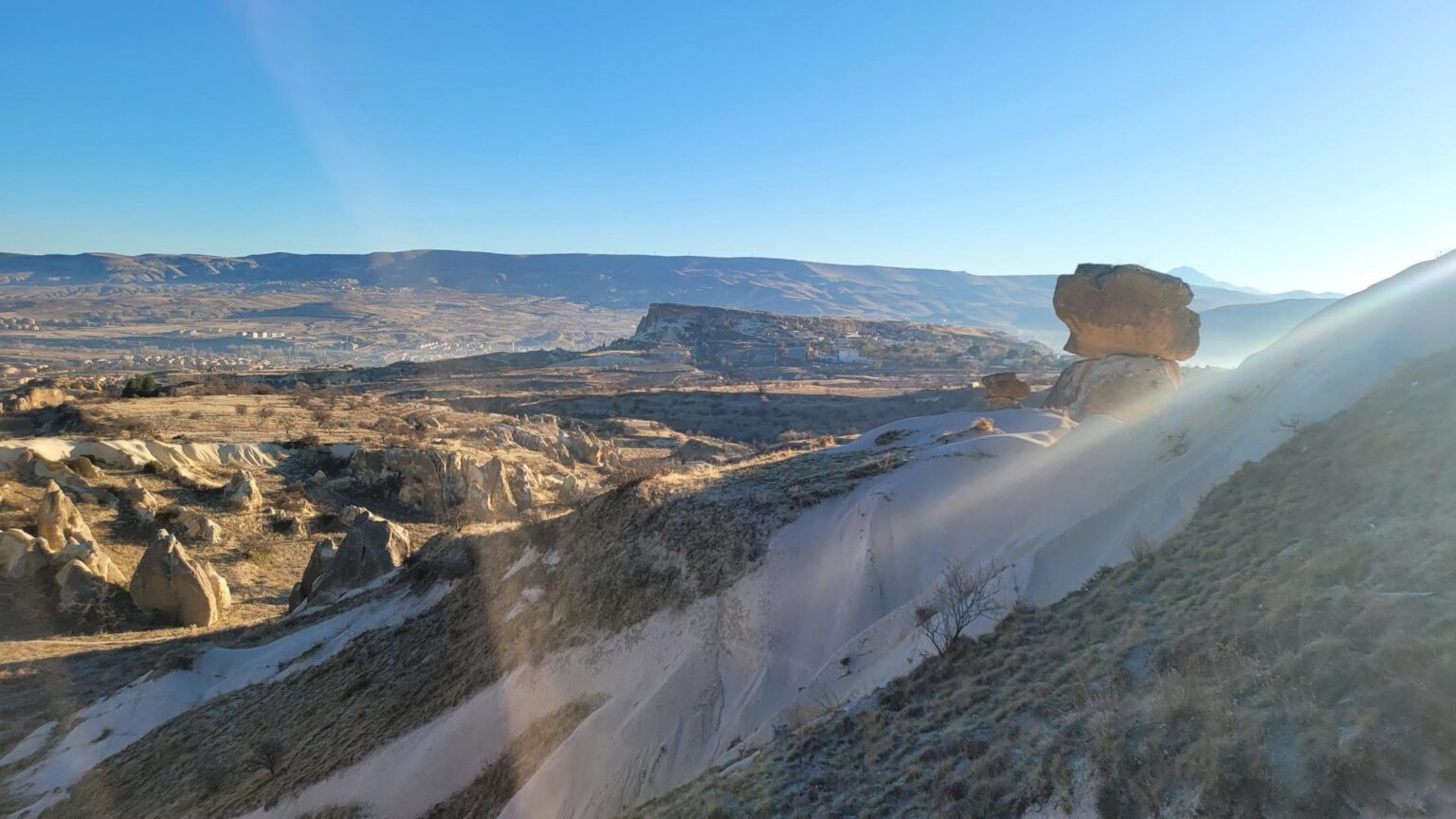
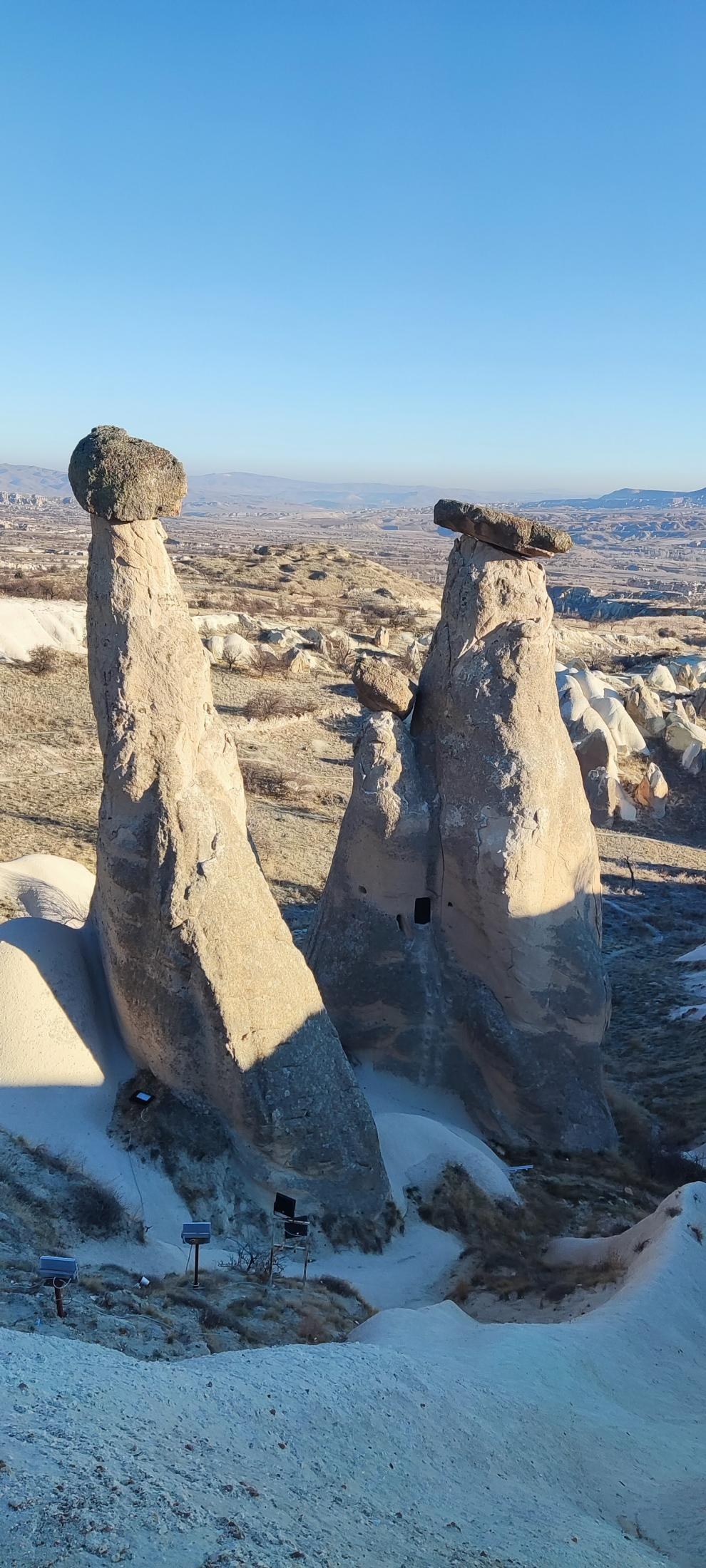
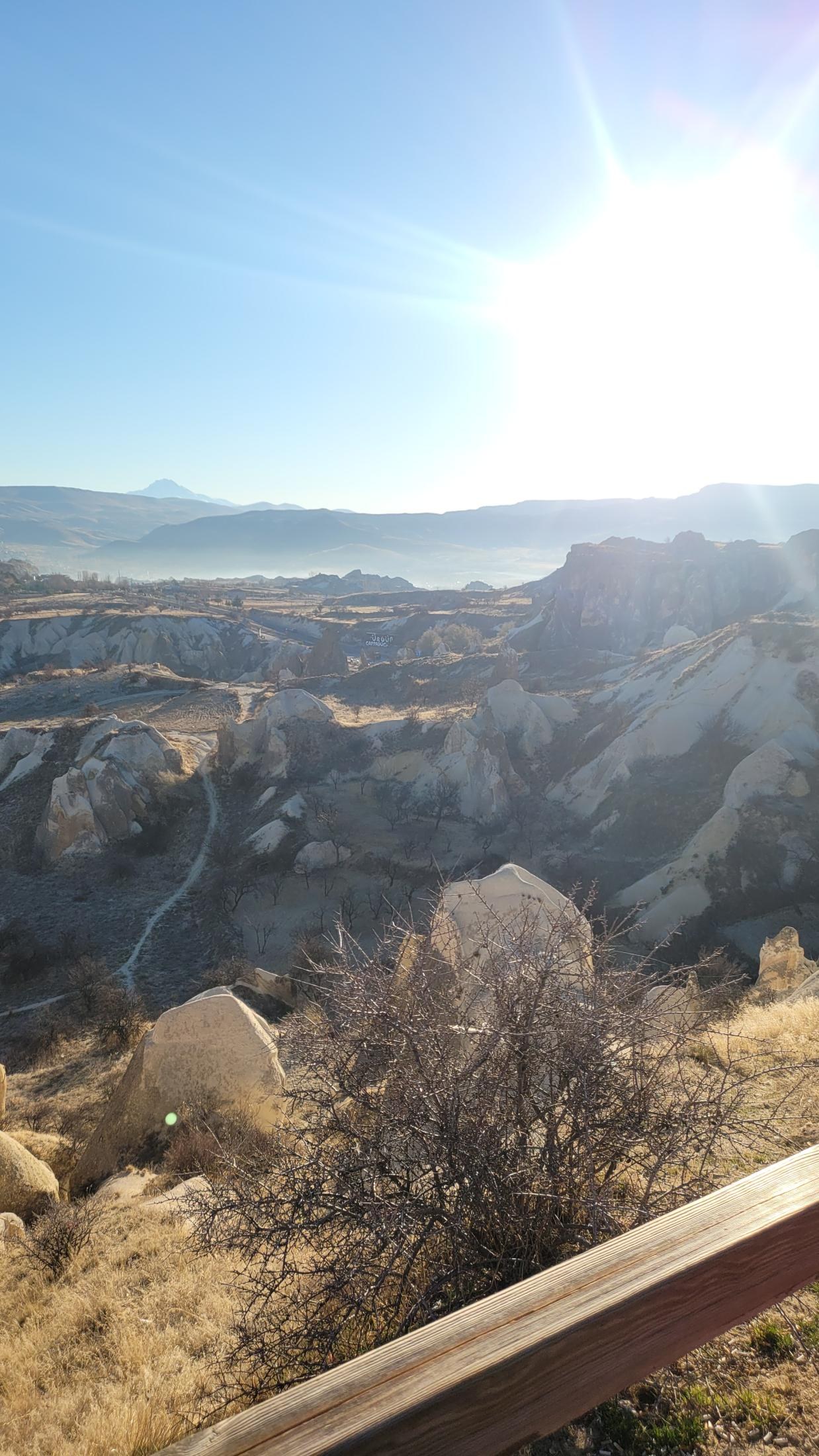
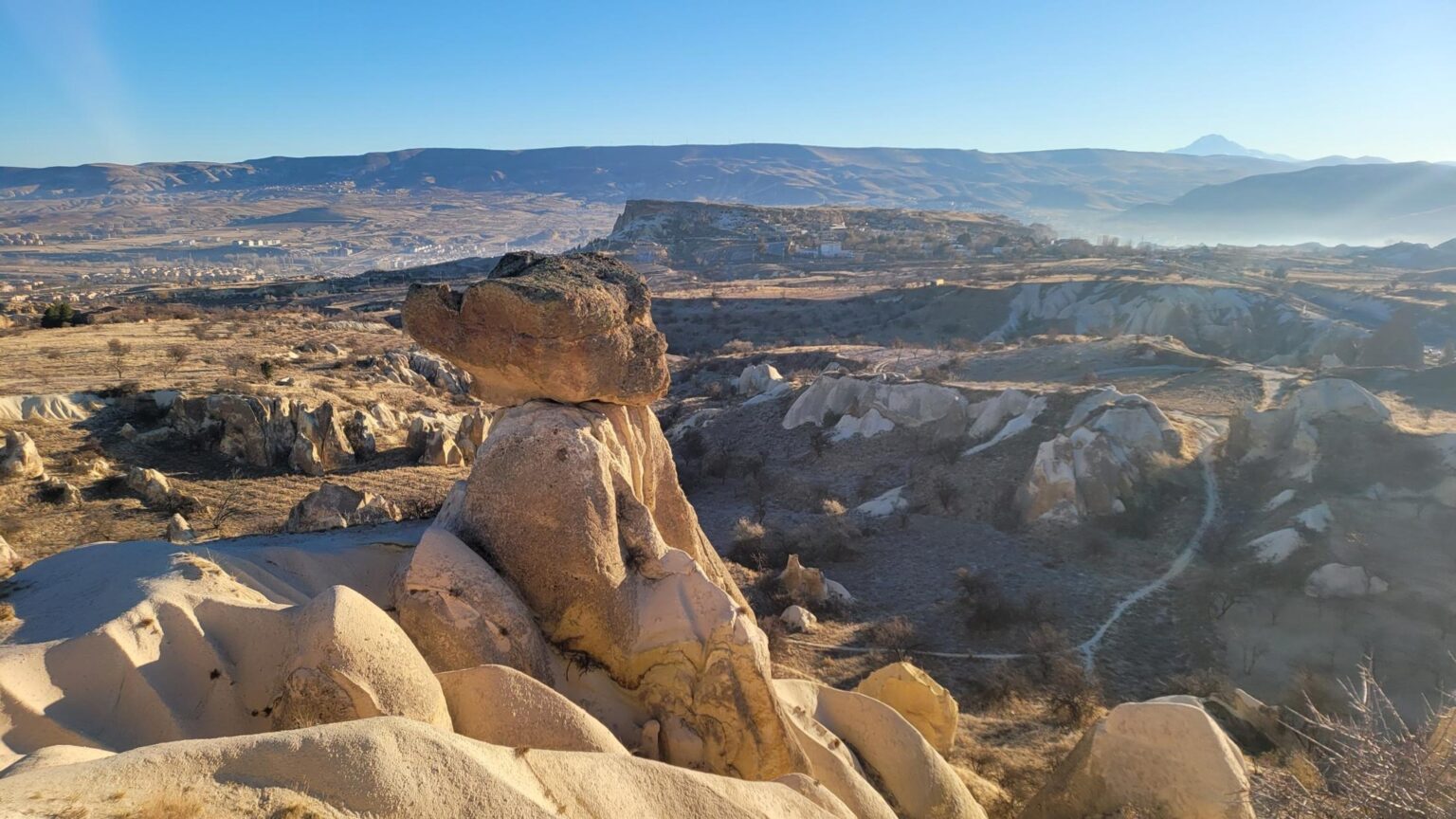
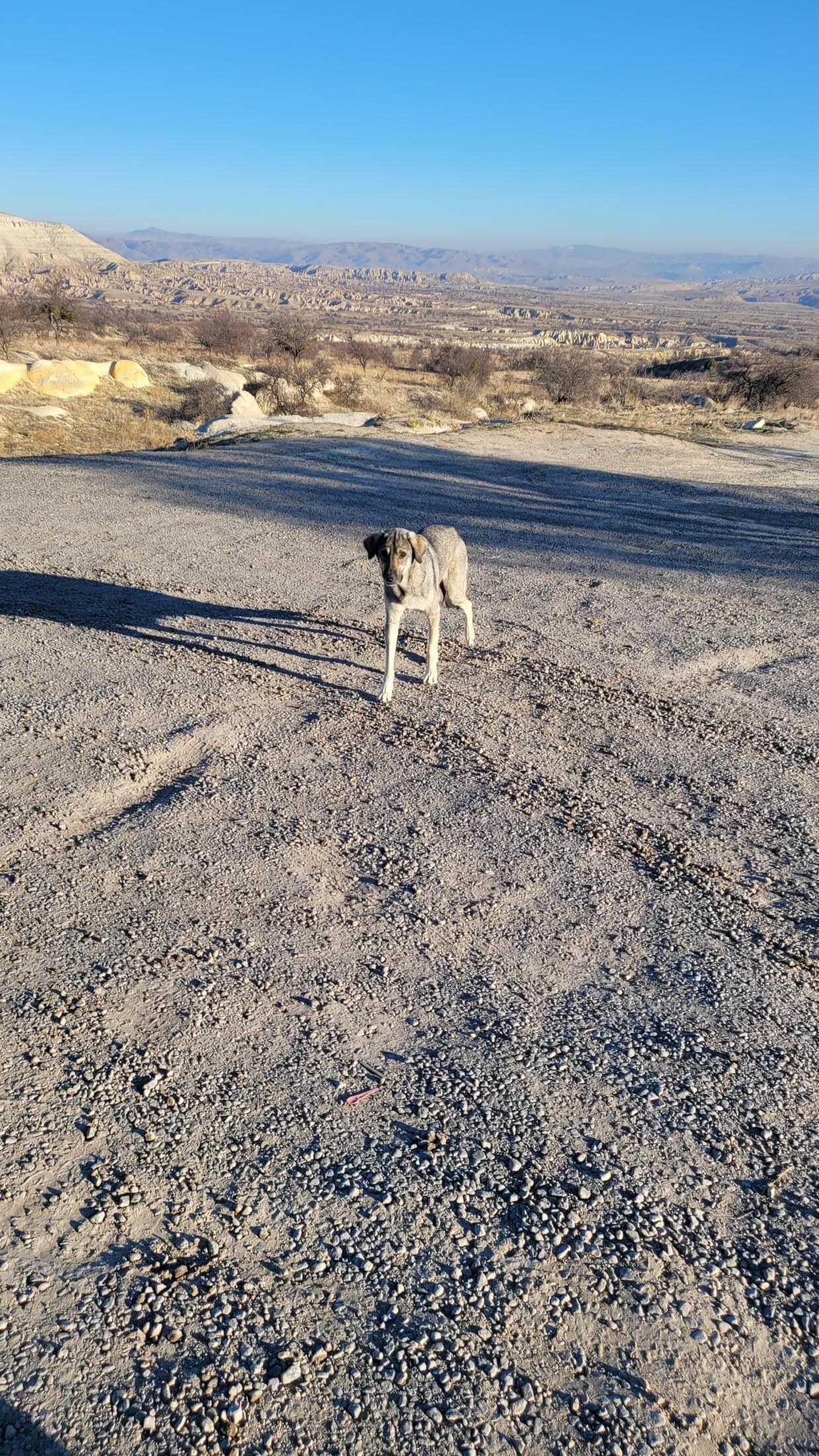
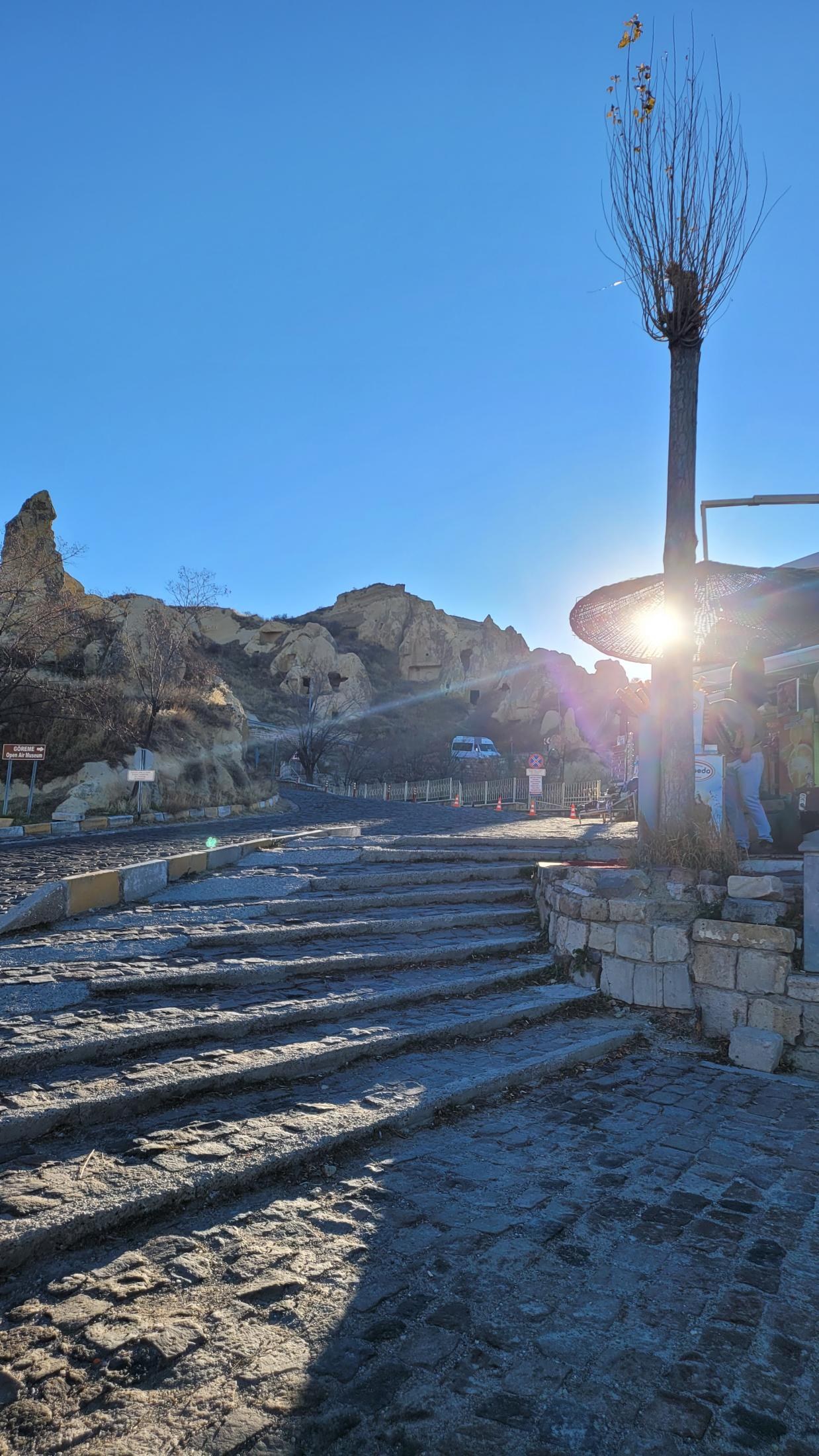
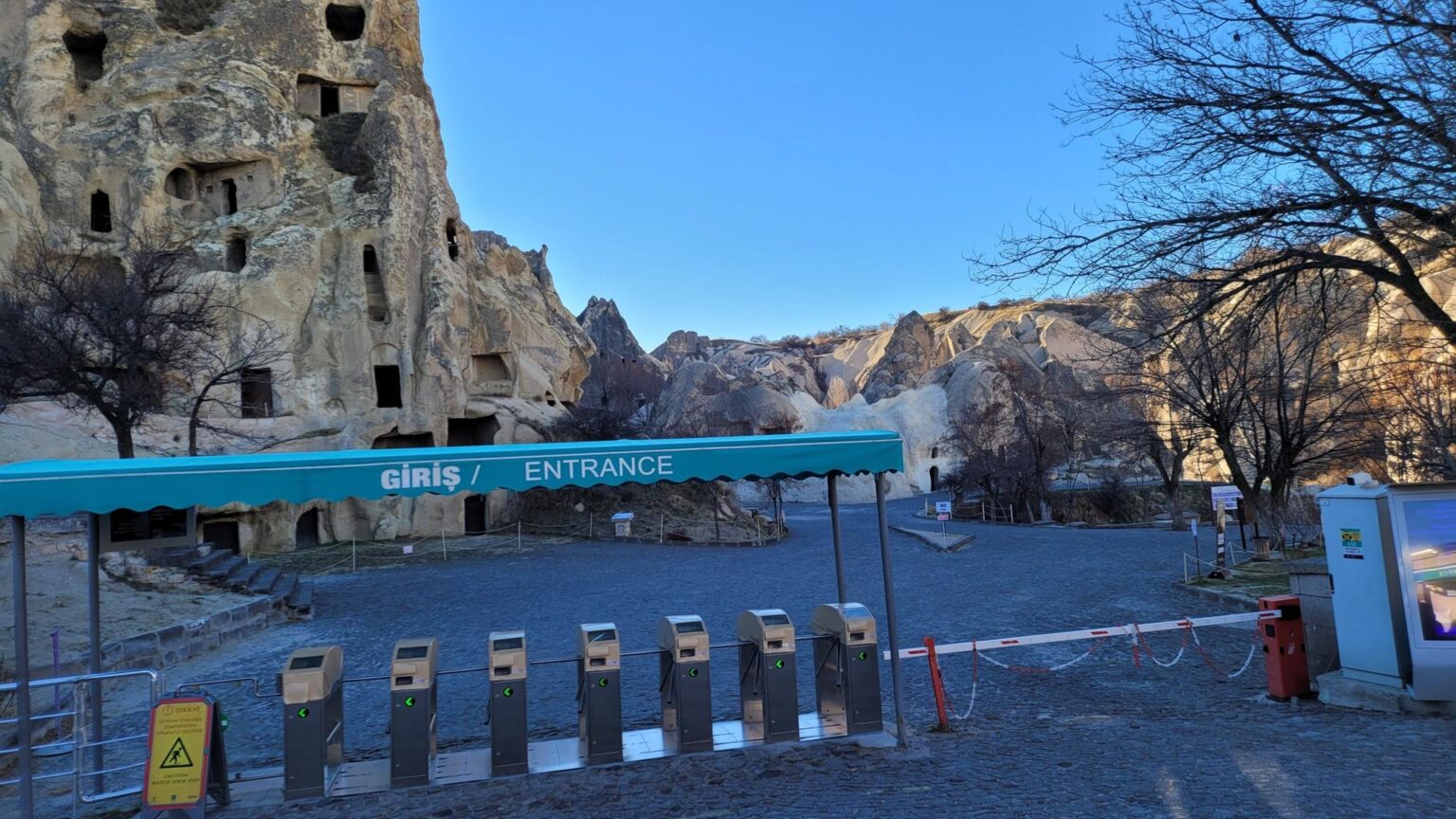
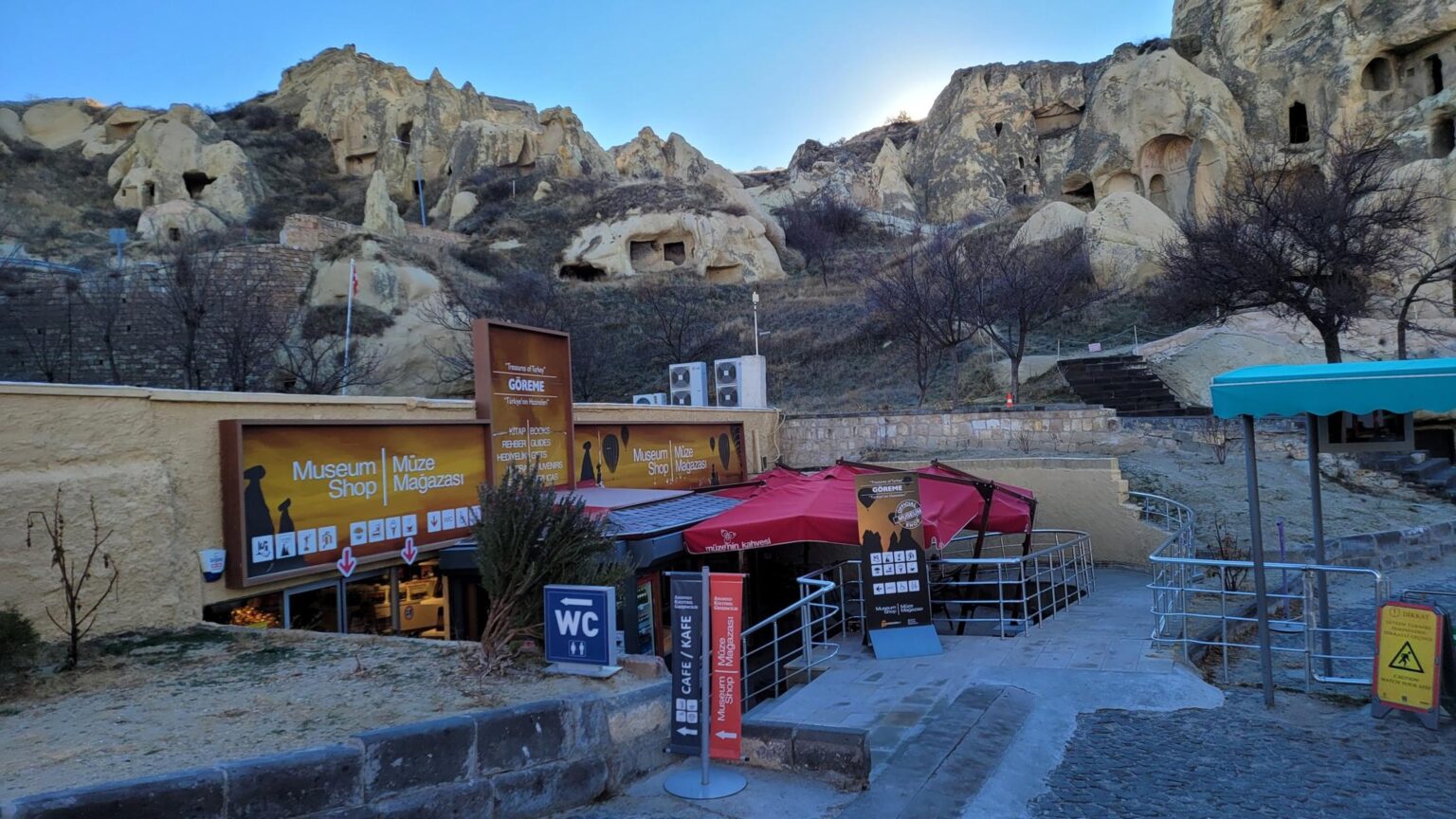
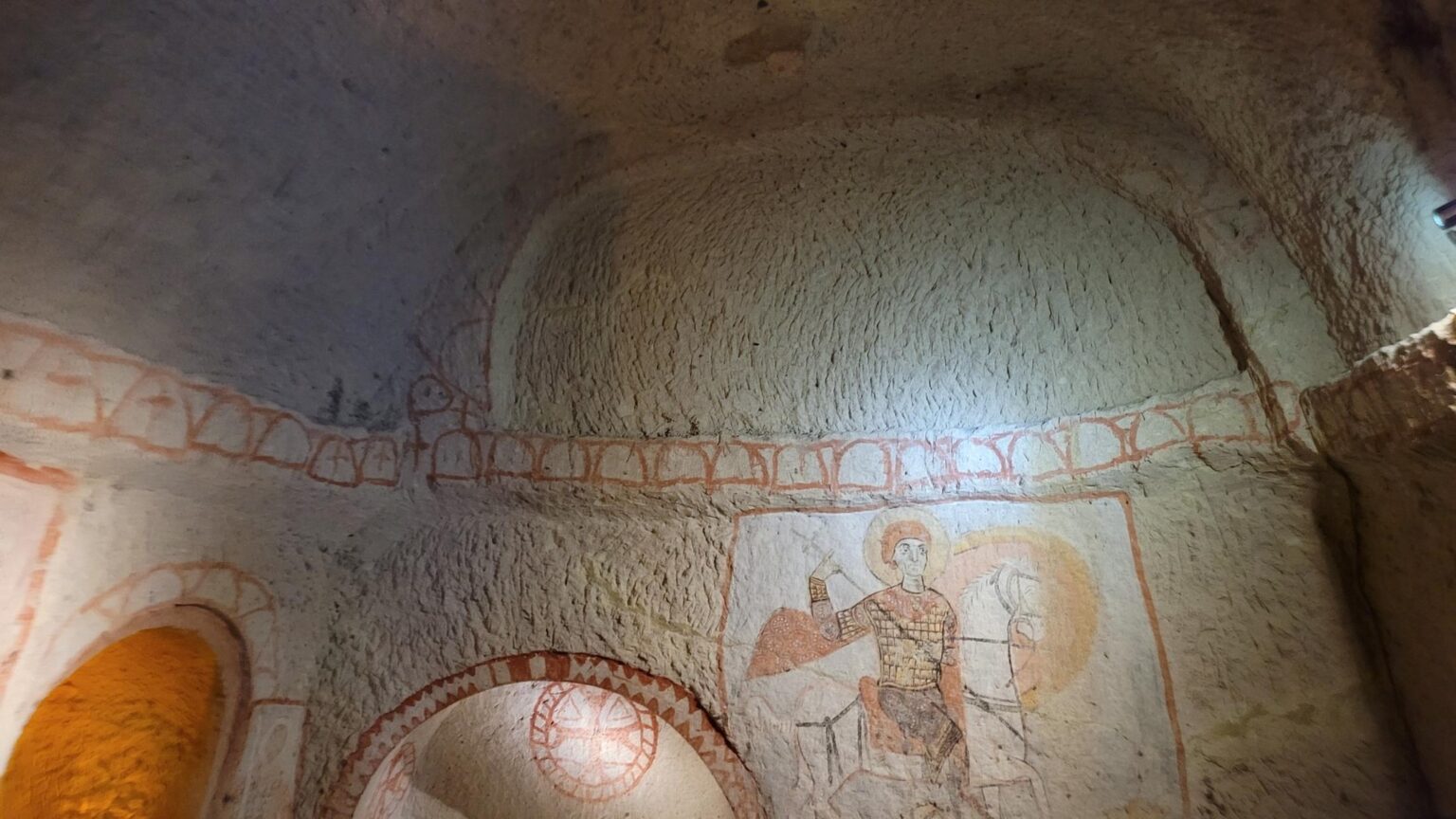
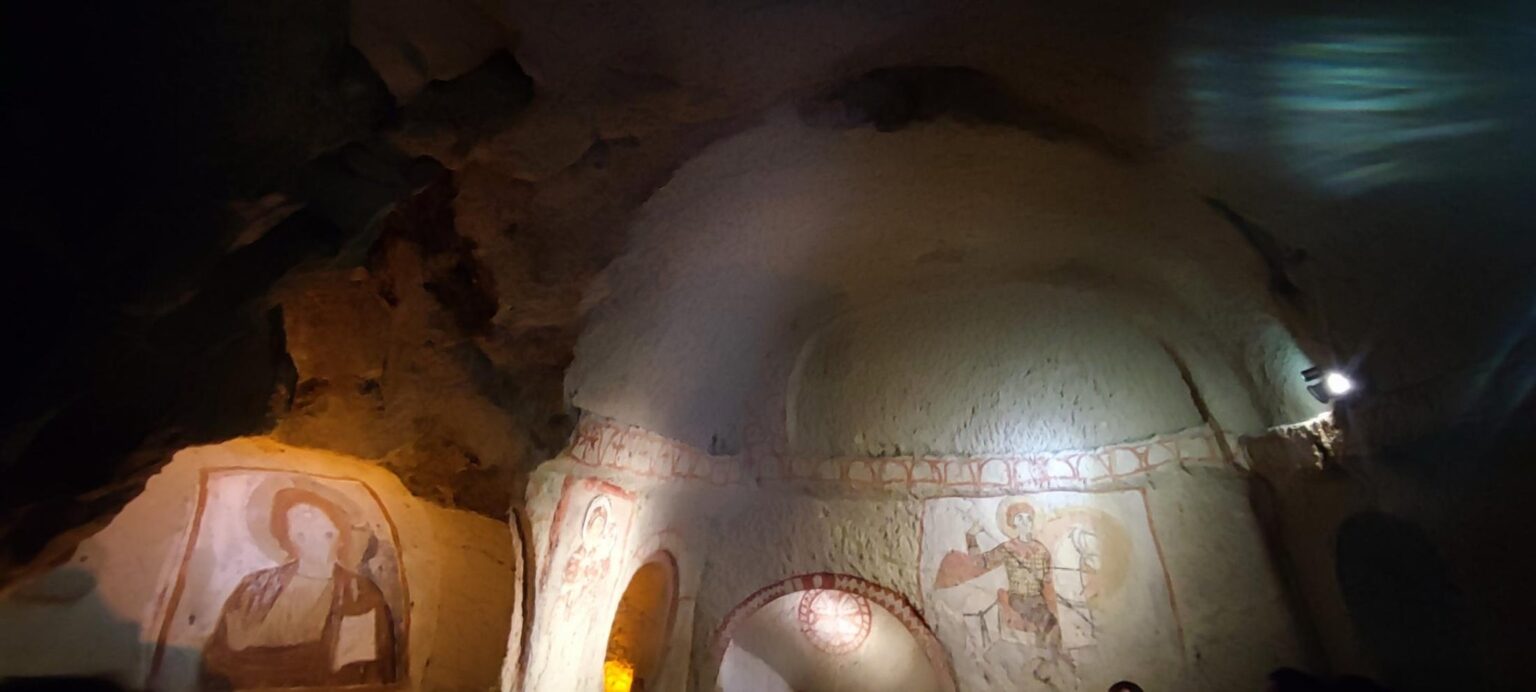
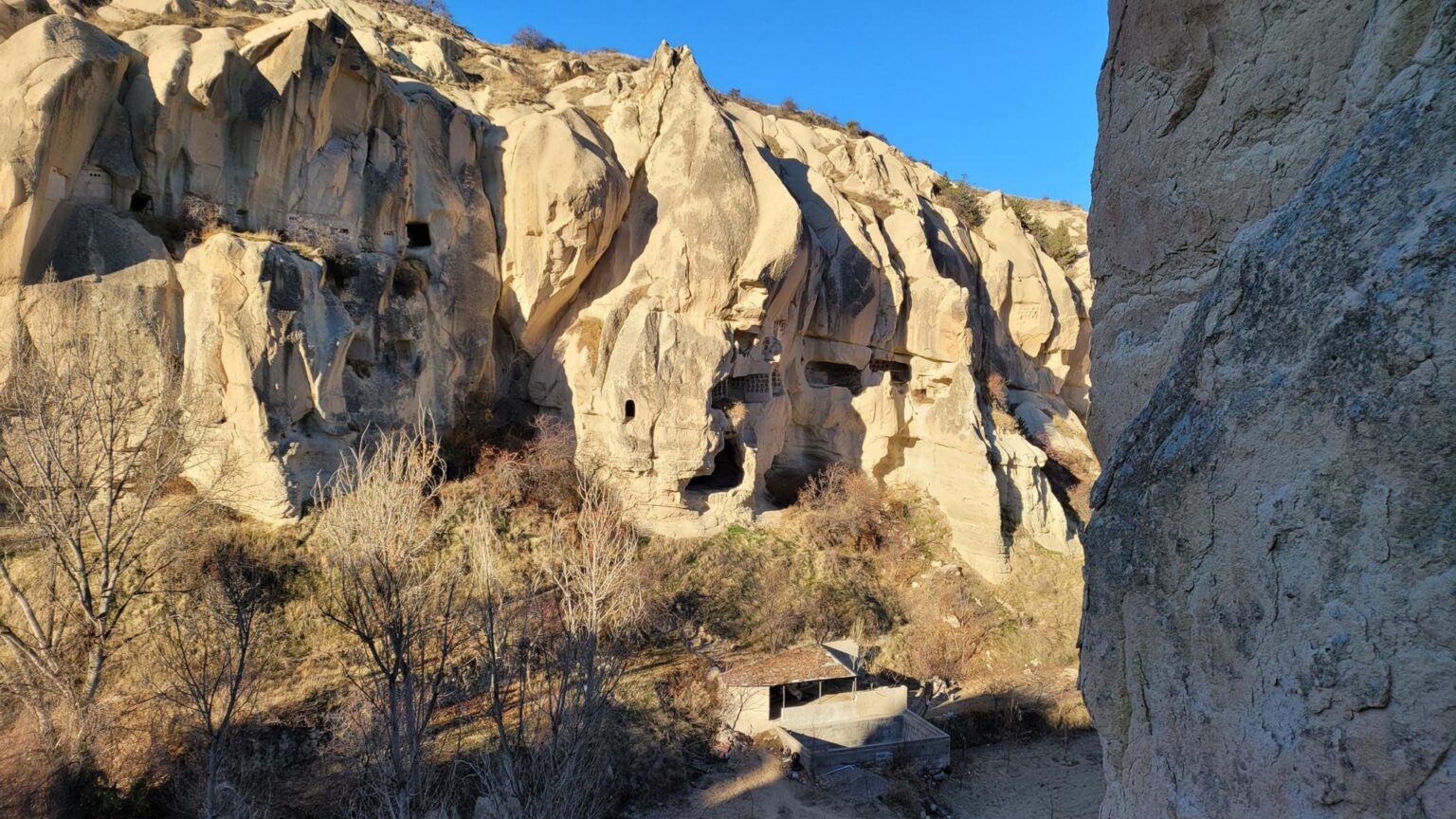
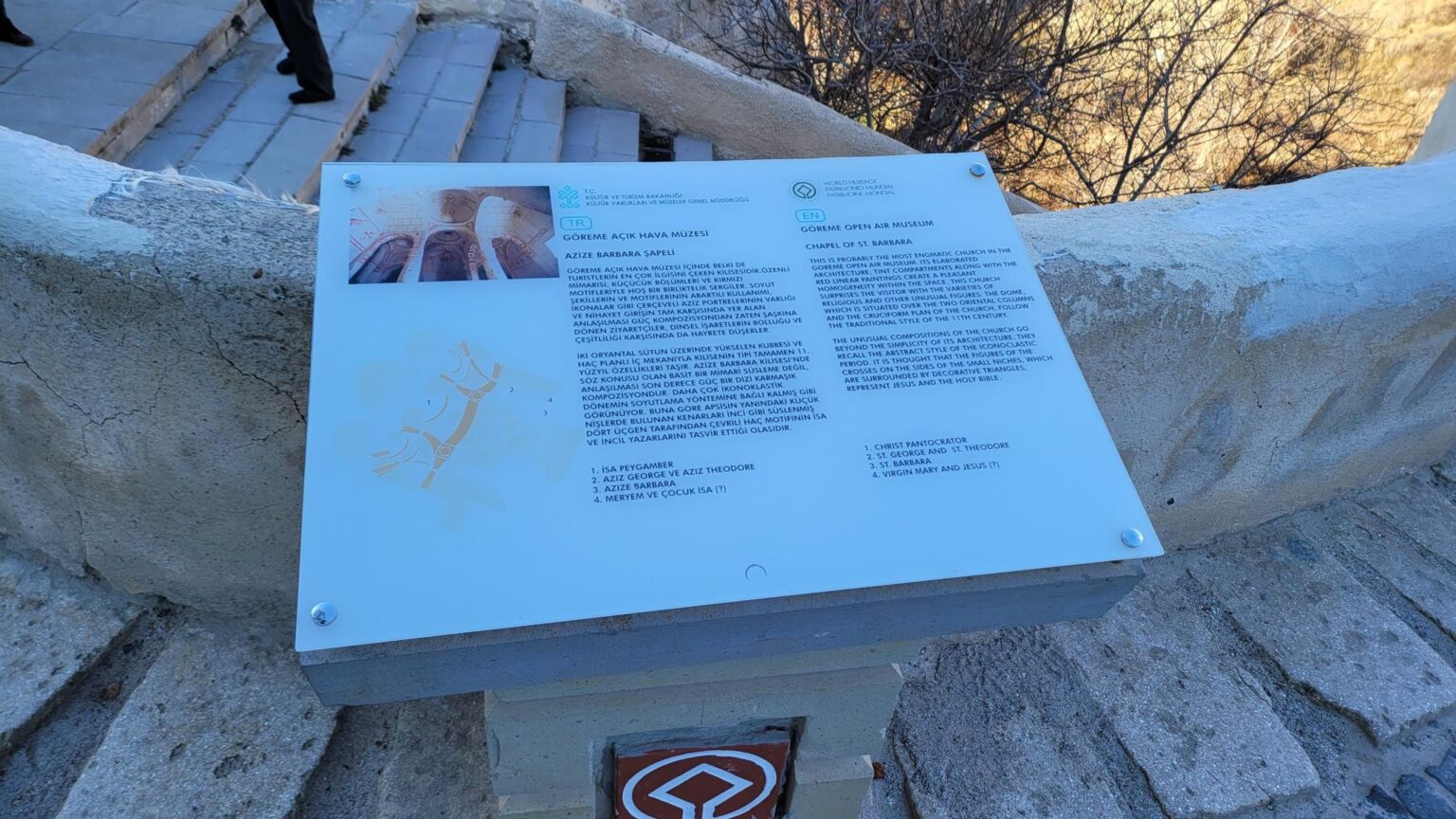
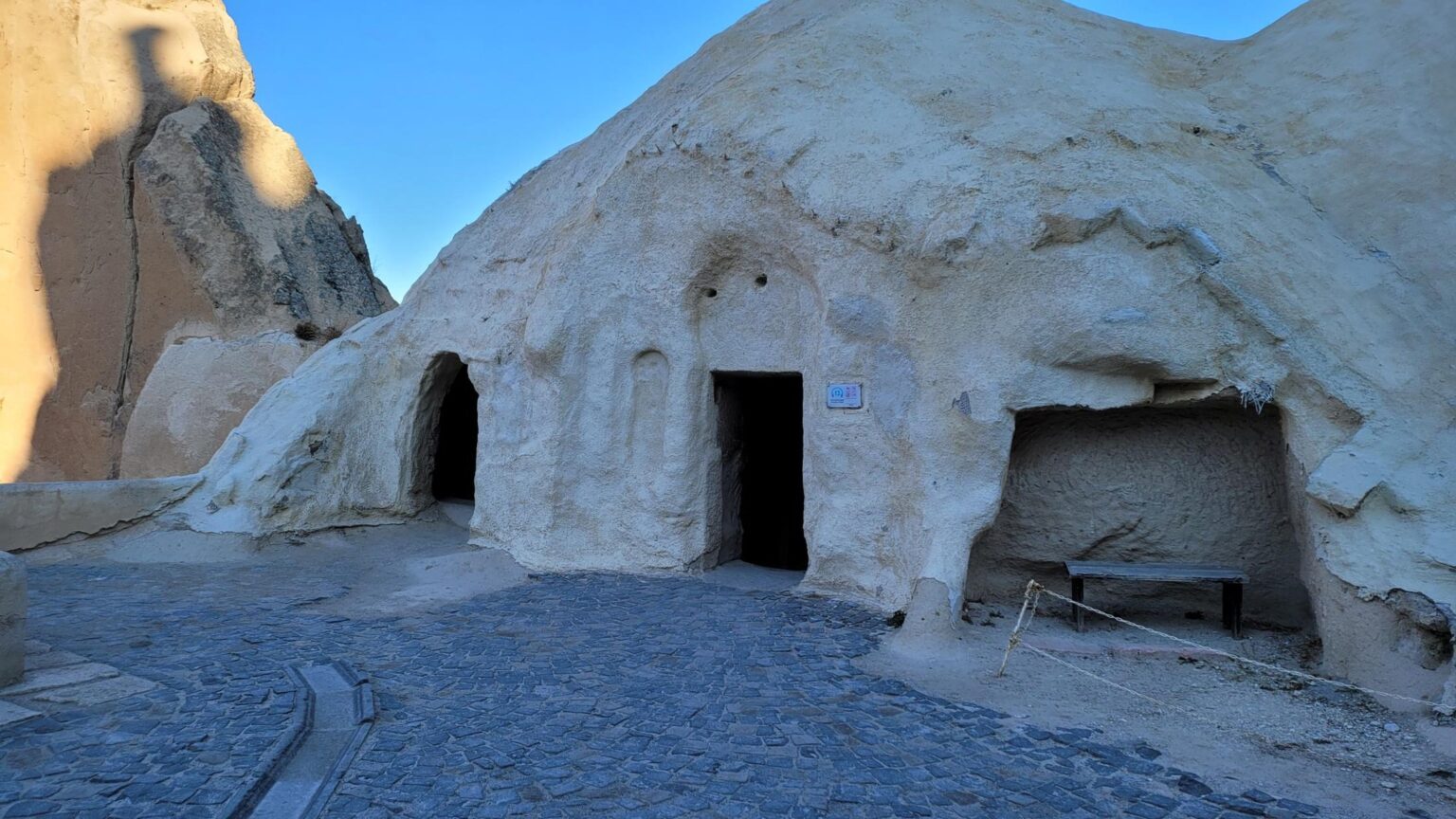
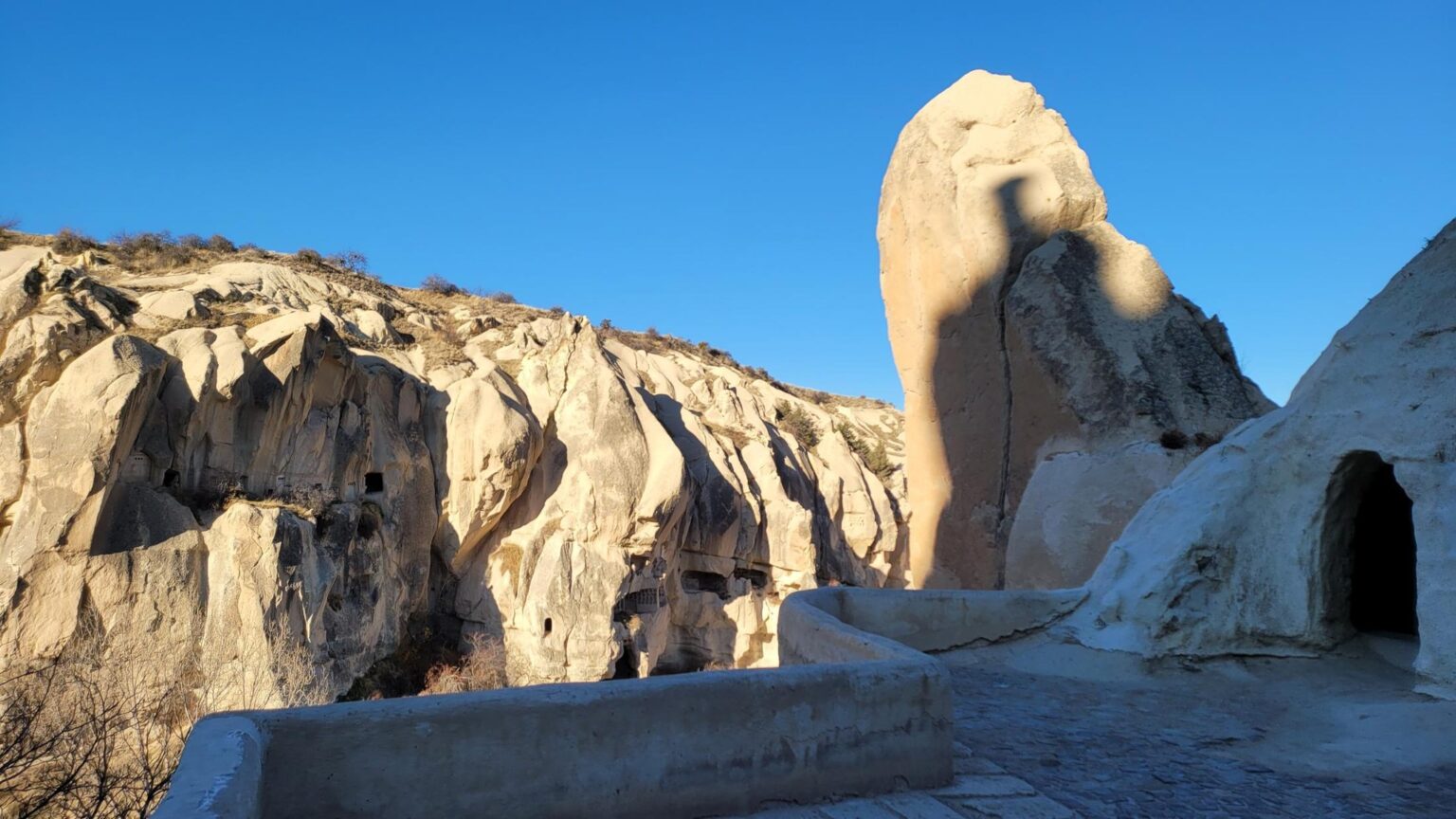
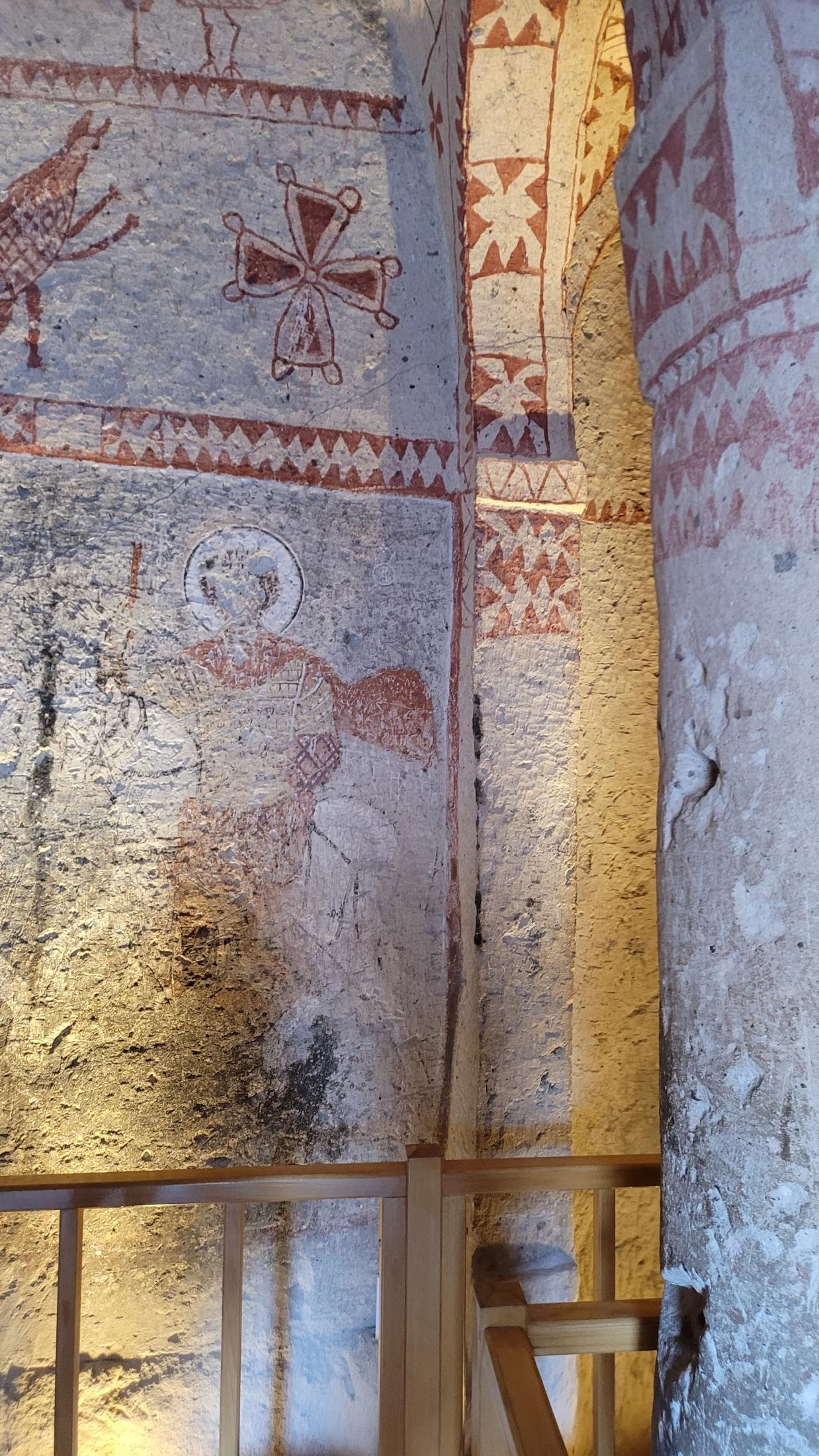
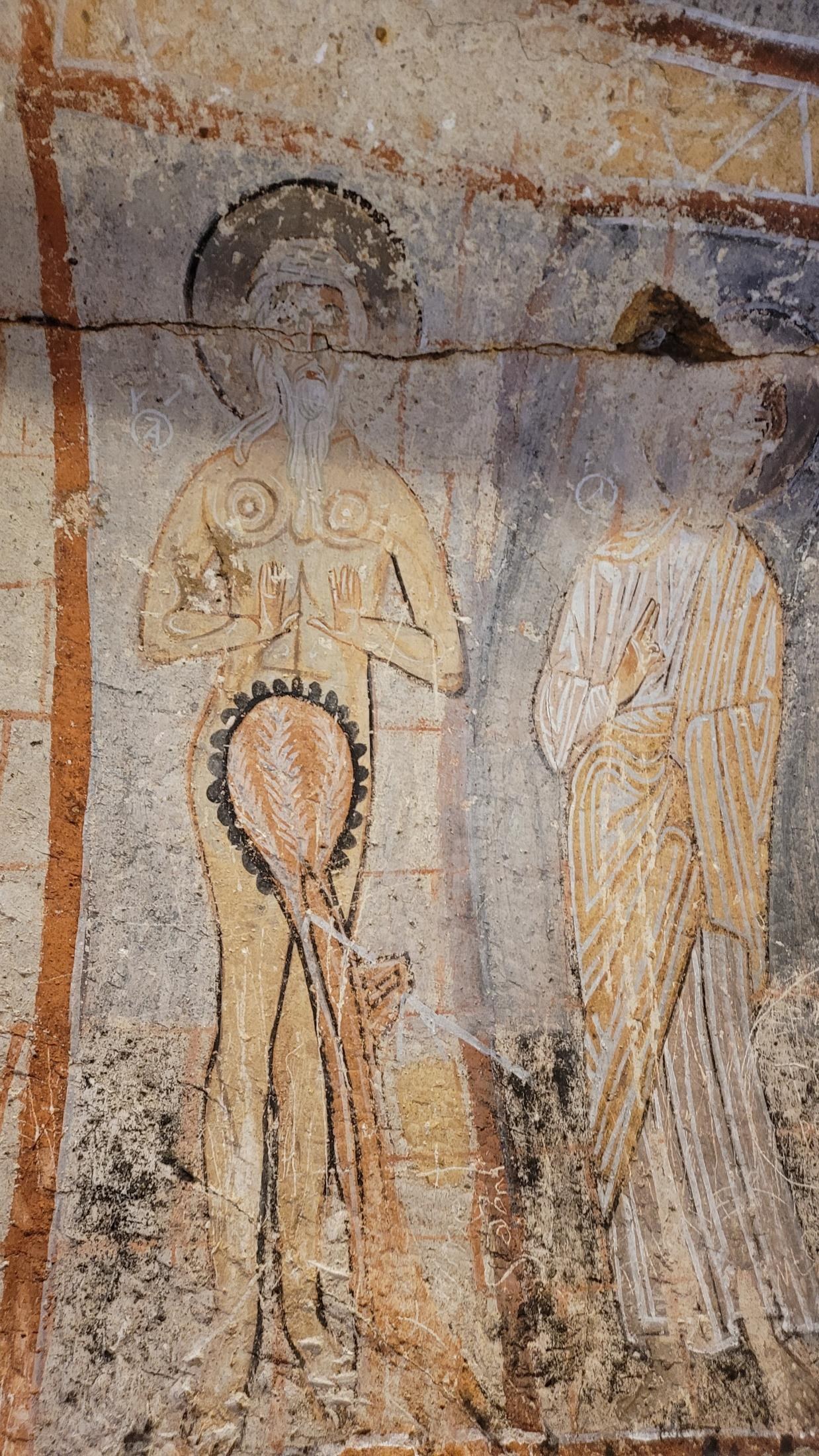
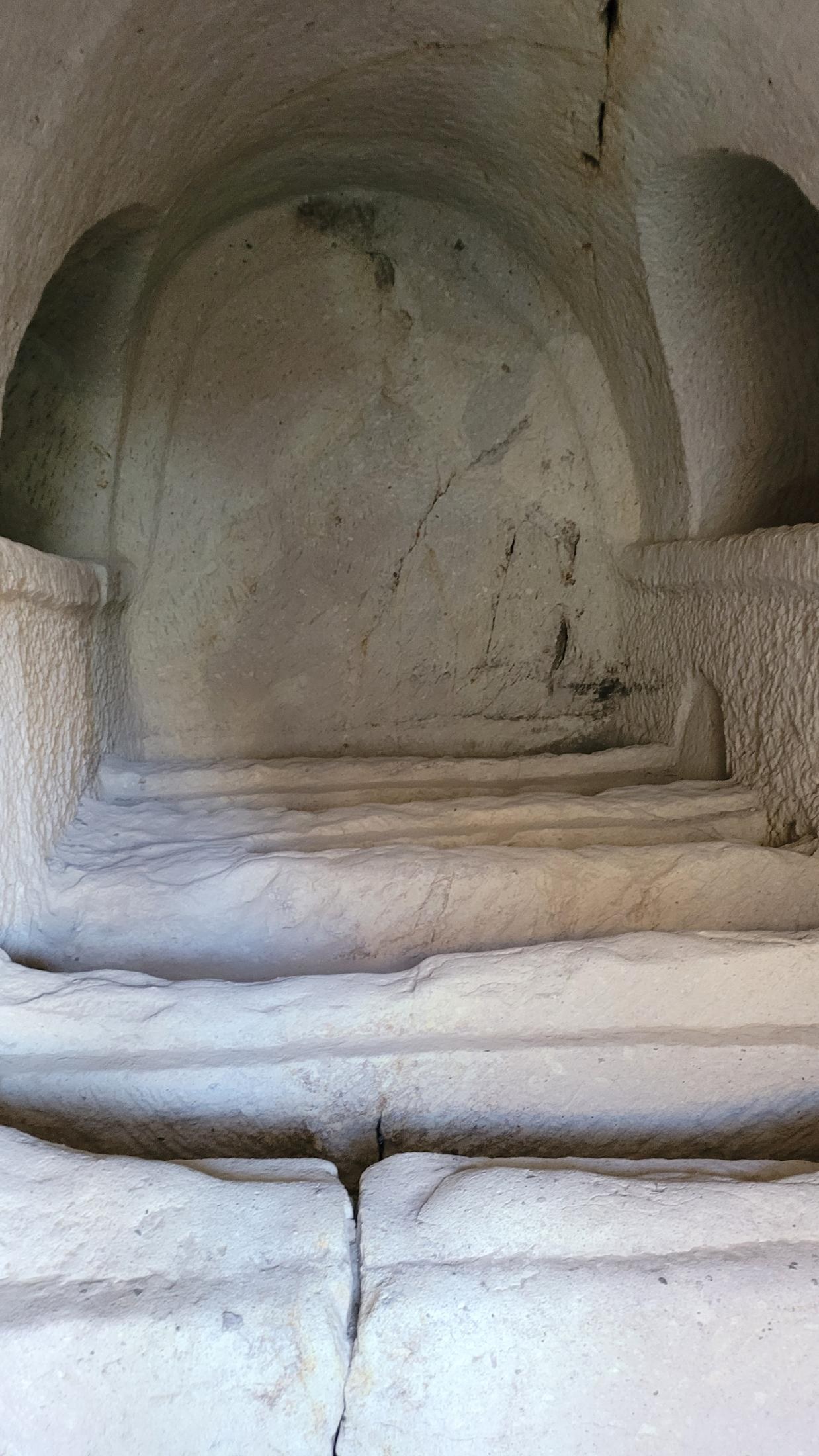
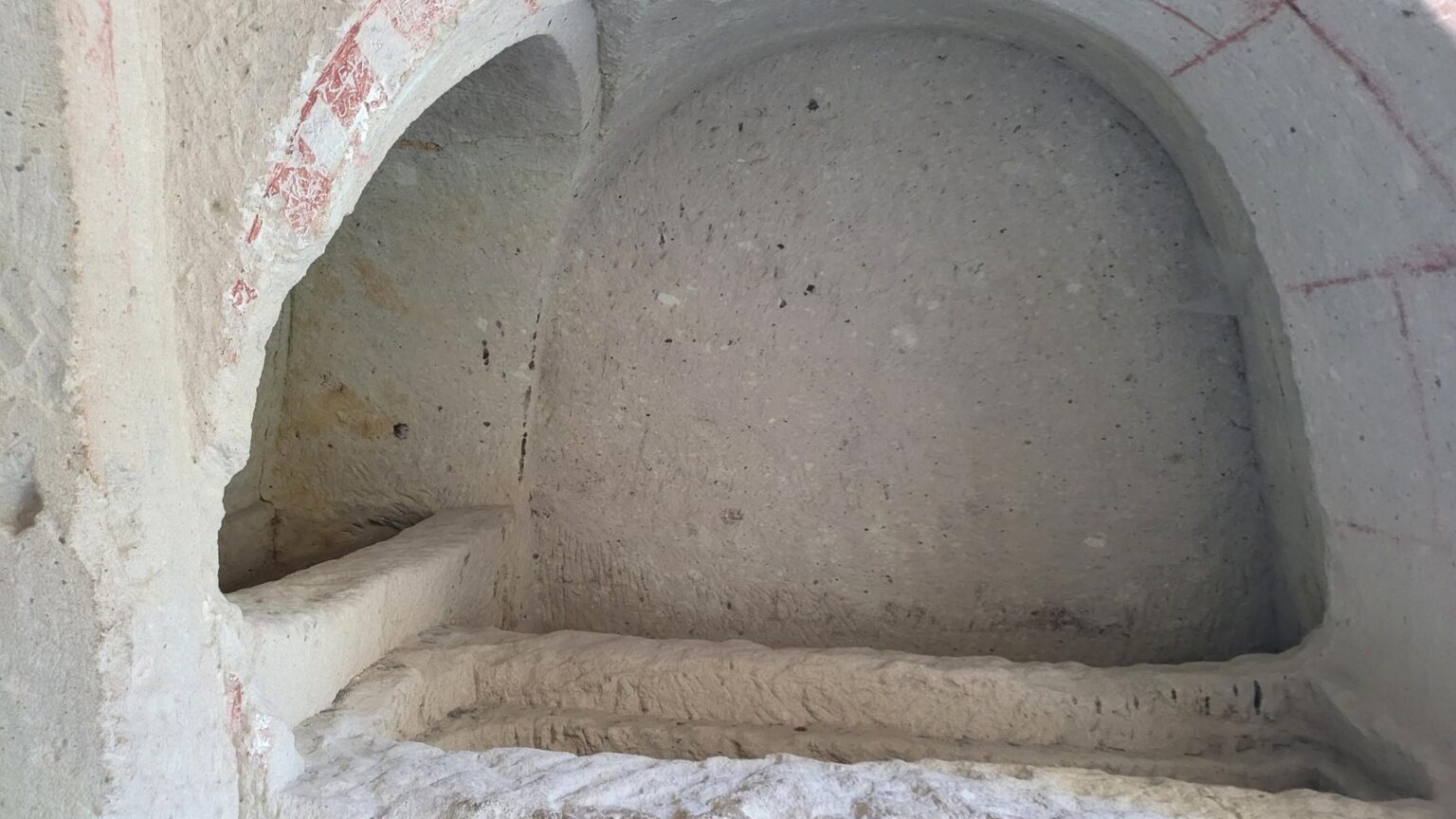
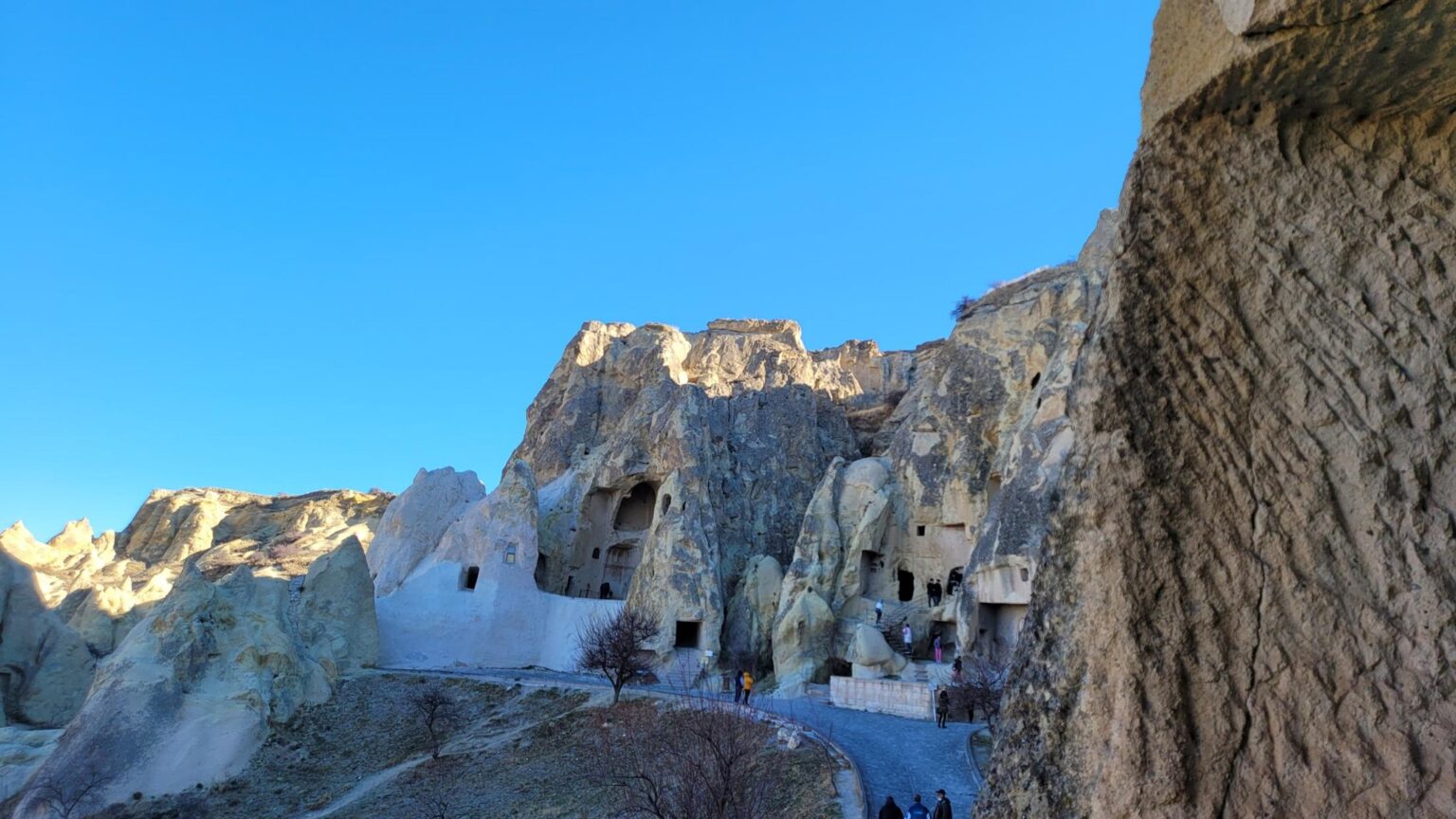
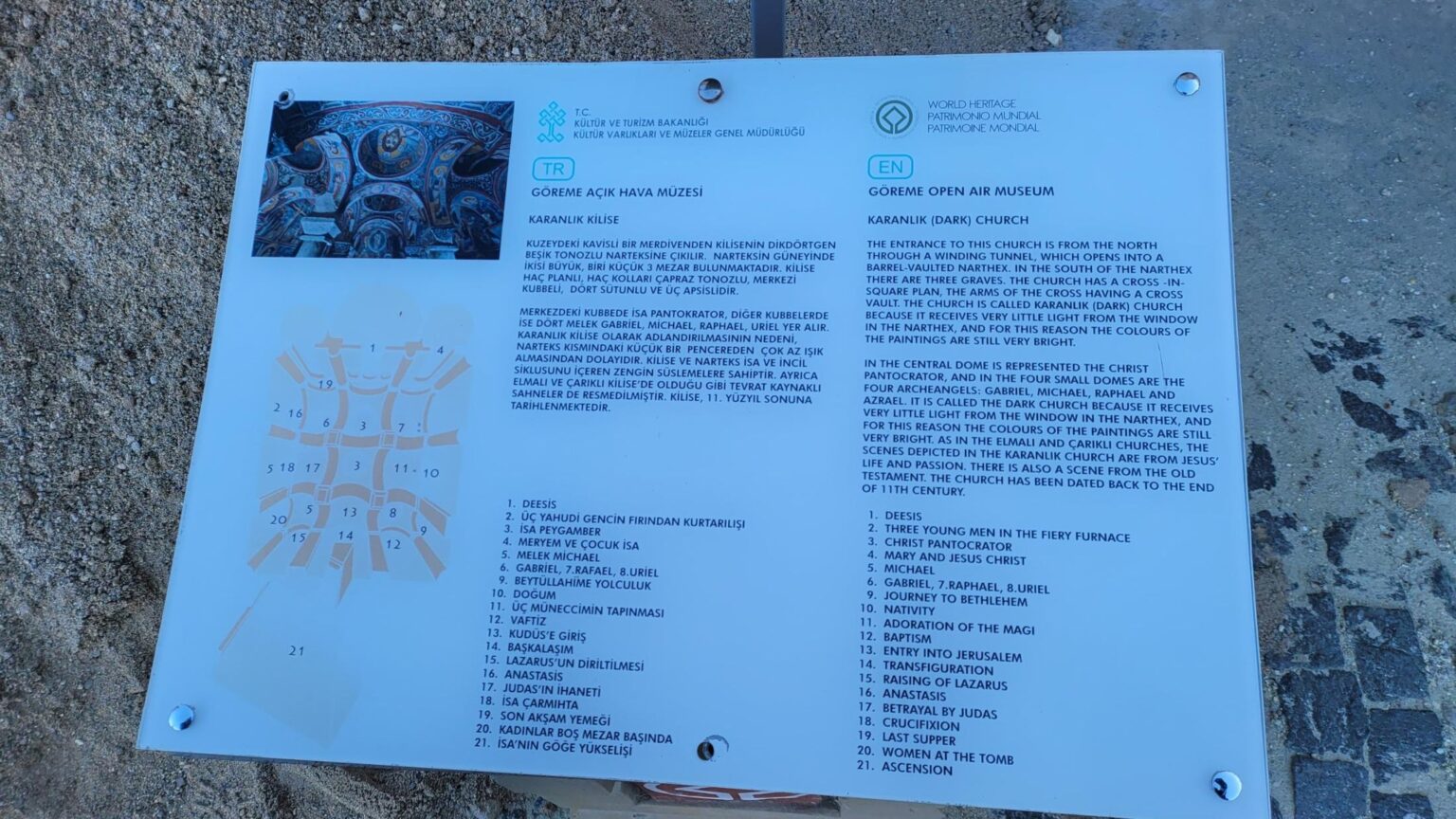
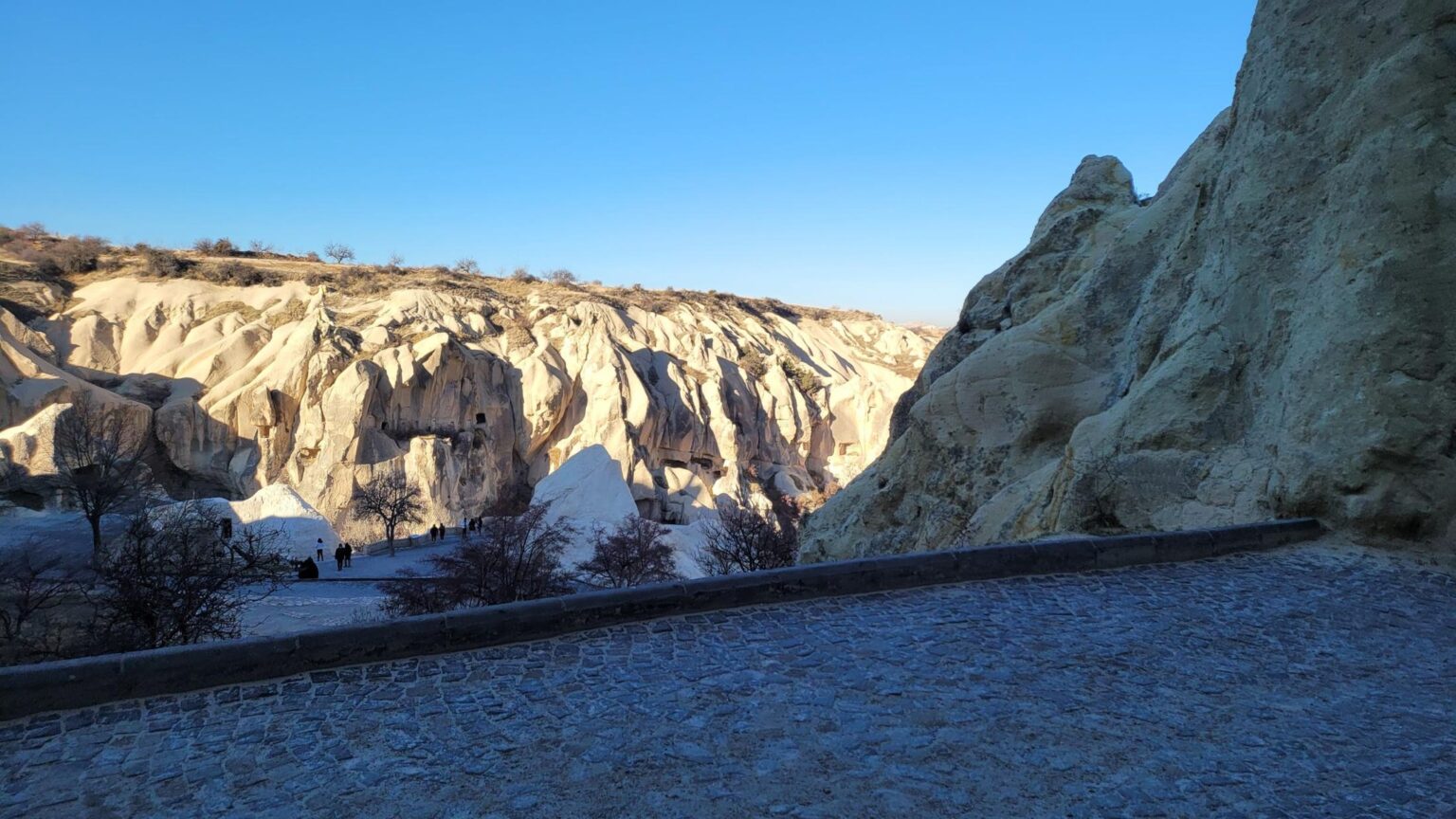
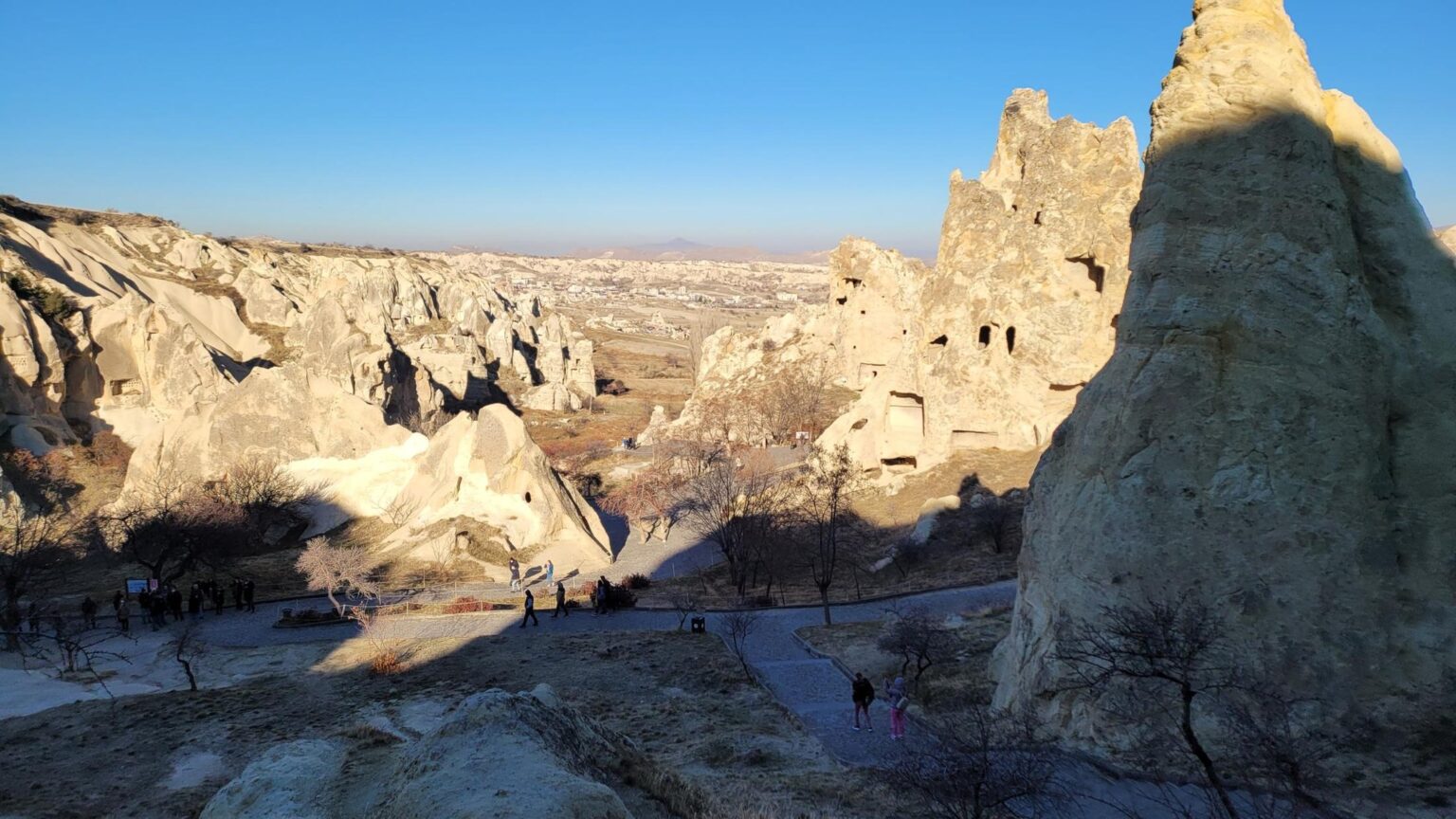
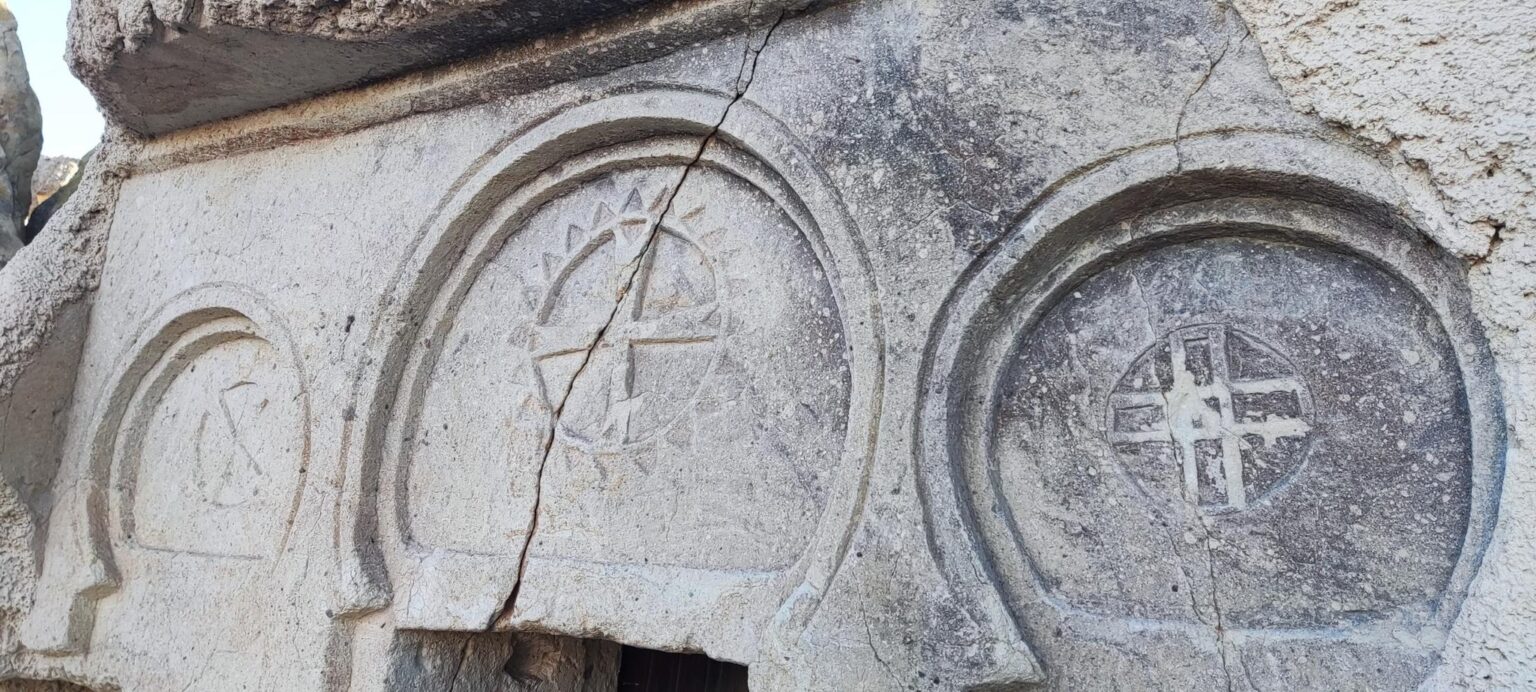
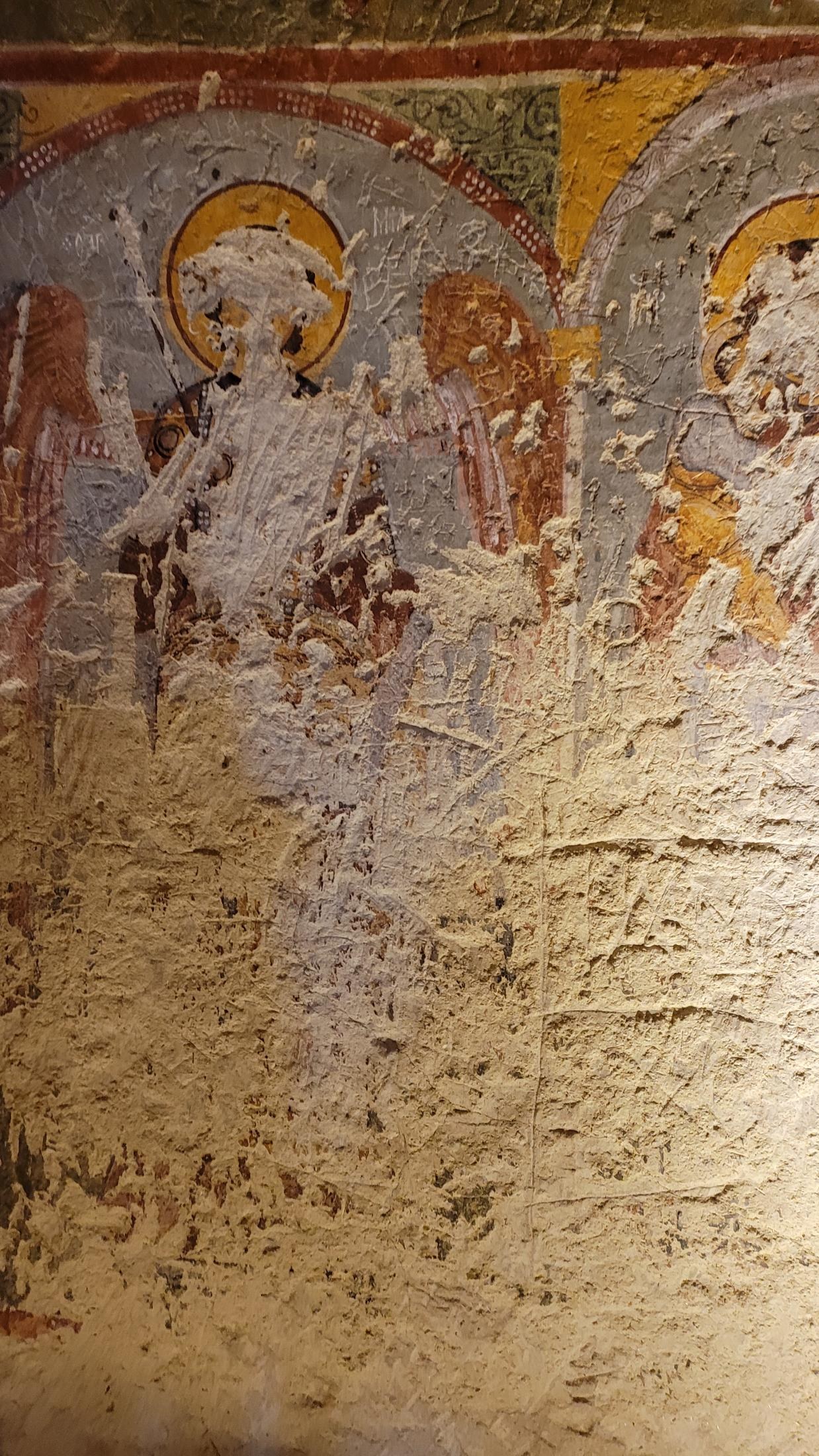
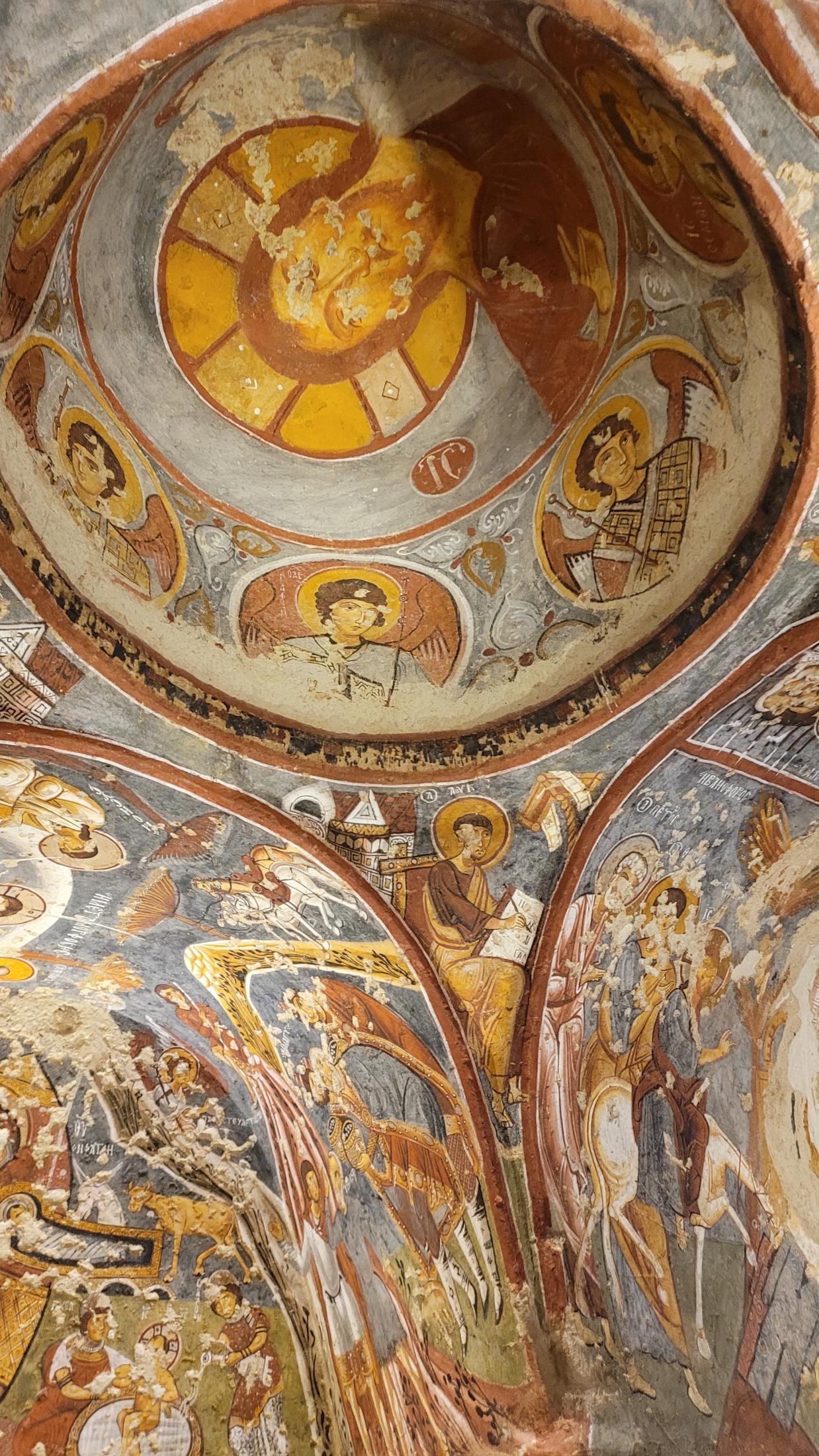
We arrive in Göreme itself to see Göreme Açık Hava Müzesi, the open air museum. It’s included in the main package. The entrance fee at the time was 75 lira, around 10 leva. It looks a lot like our rock monasteries around Ruse, or Aladzha — but, reminder, this is Türkiye, everything is enormous. Far more Europeanised, with modern ticketing systems. Explanations in Turkish and English everywhere. It’s fascinating to see how they lived in the chambers dug into the rock and what discipline they must have had; you also learn a good deal about the Russian and Orthodox cross. Groups of tourists keep arriving, with talks in various languages. And of course — caaaaats — well fed here too.
Update 2026: that ticket is now €20 per person for foreign visitors, with the Dark Church (Karanlık Kilise) charged separately at about €6 on top. It’s the single priciest ticket in the region and it is now denominated in euros rather than lira. The Museum Pass Türkiye is valid here and covers the main entrance (though not the Dark Church supplement), so it’s worth the maths if you’re visiting several sites. Opening hours run roughly 08:00 to 17:00, daily, year-round. Allow an hour and a half to two hours rather than the hour we spent.
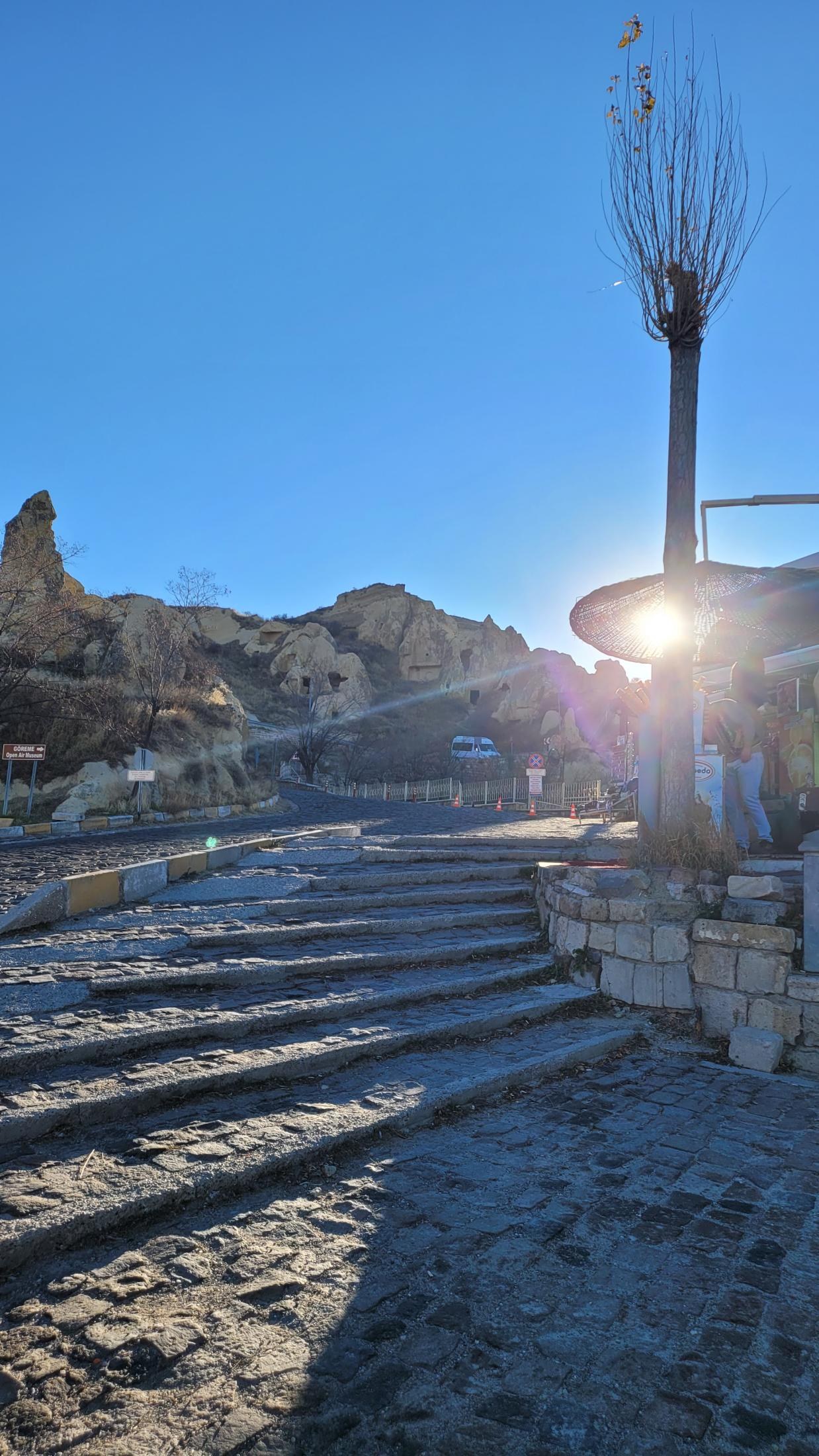
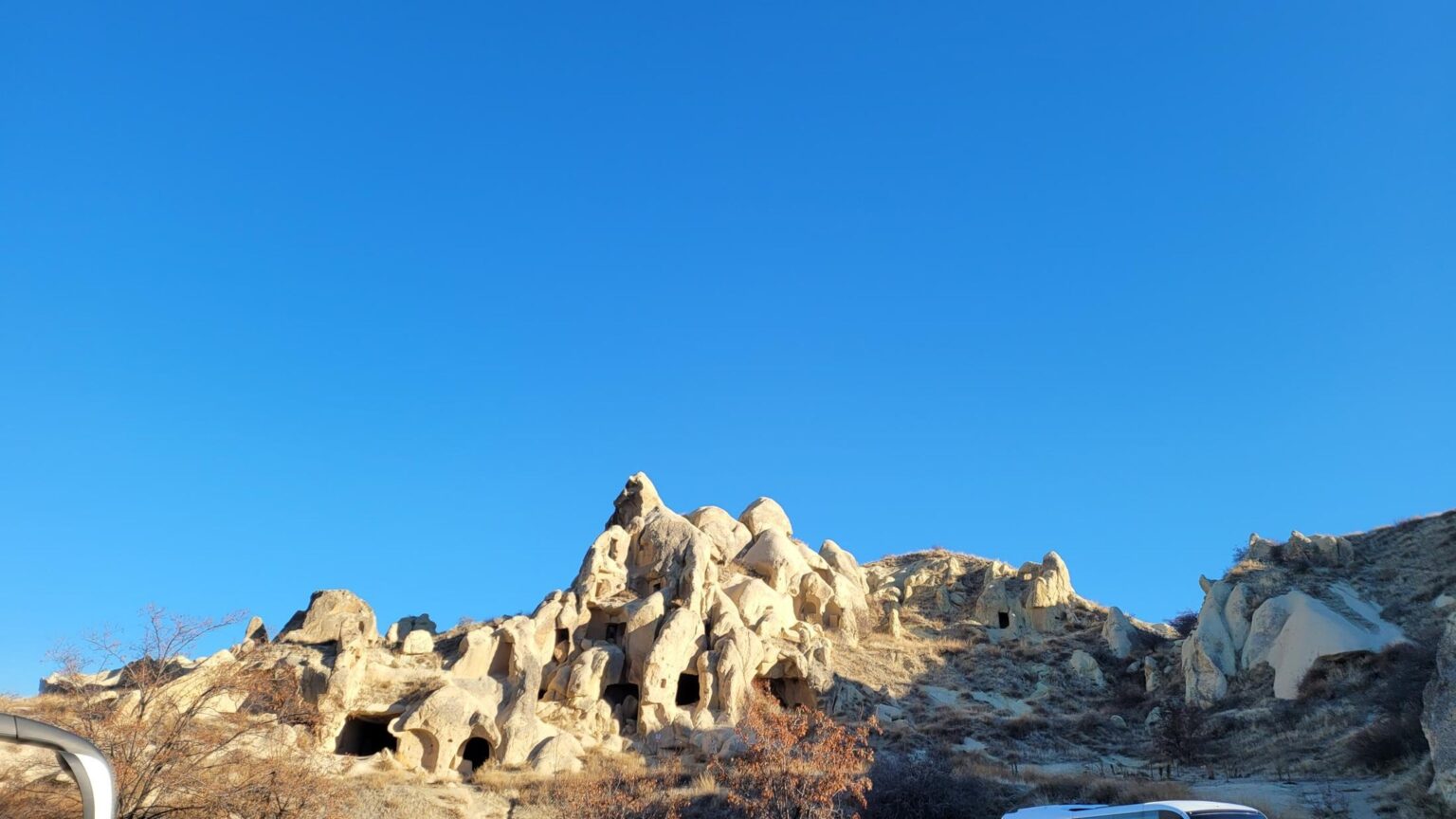
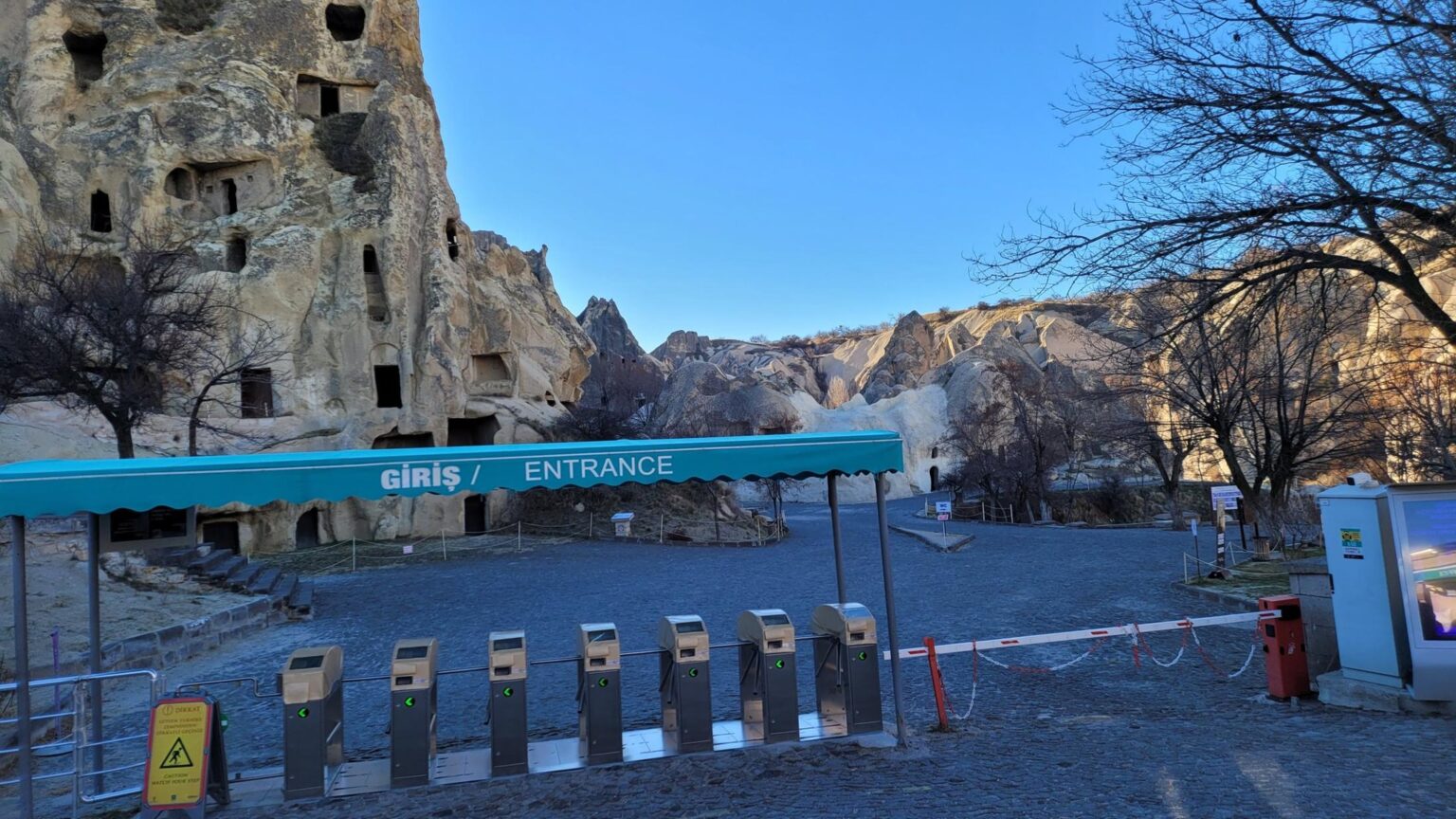
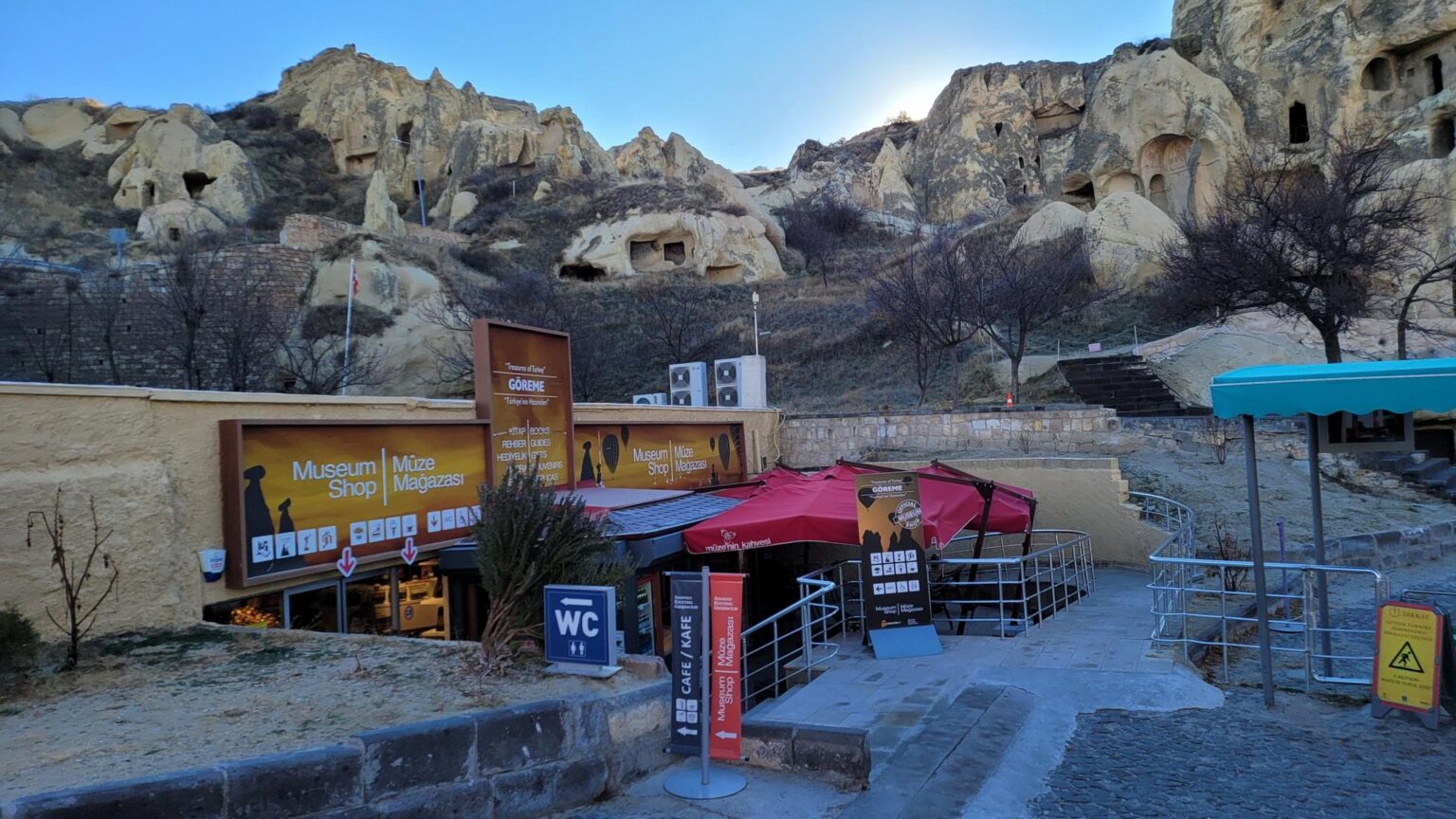
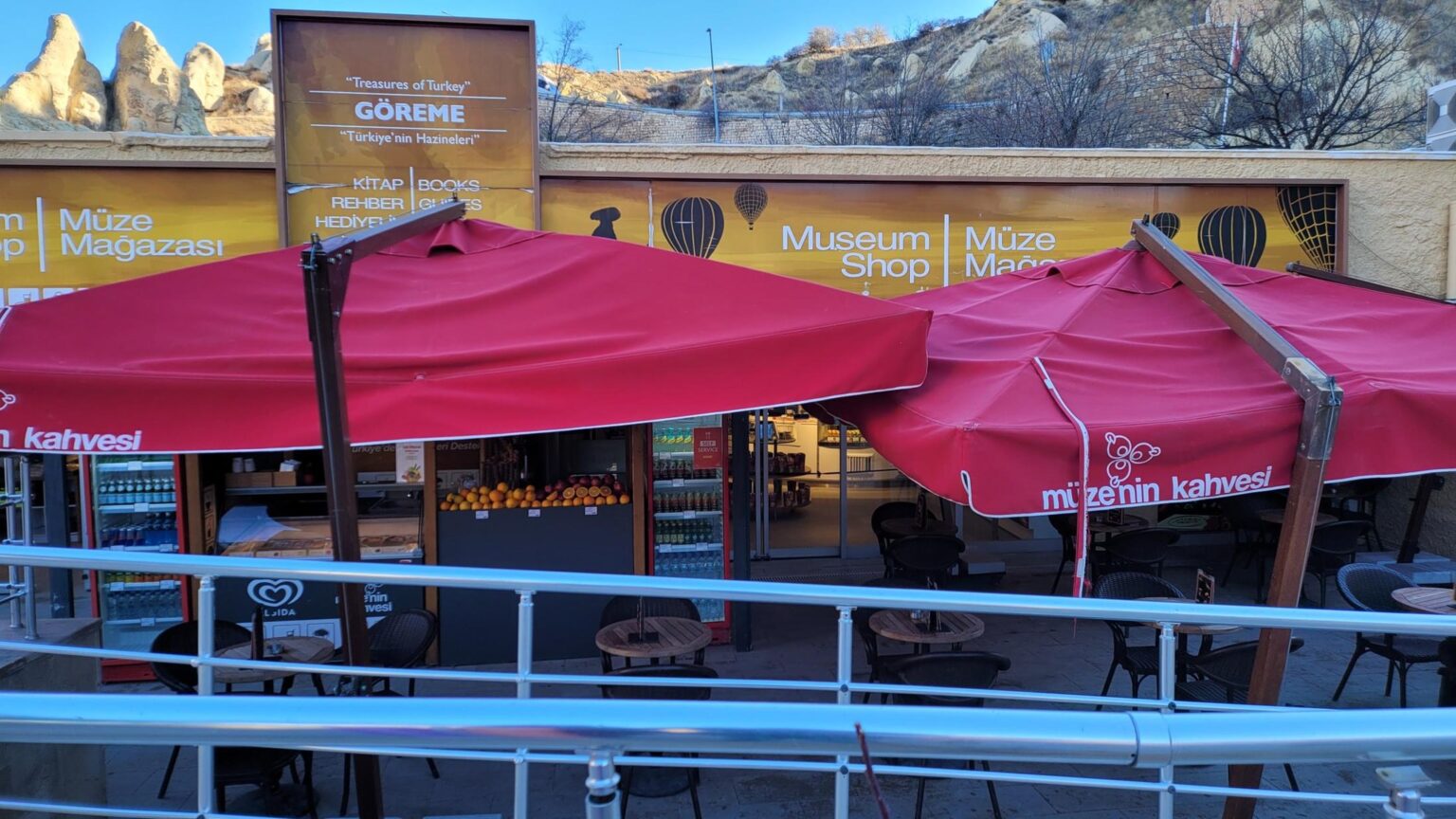
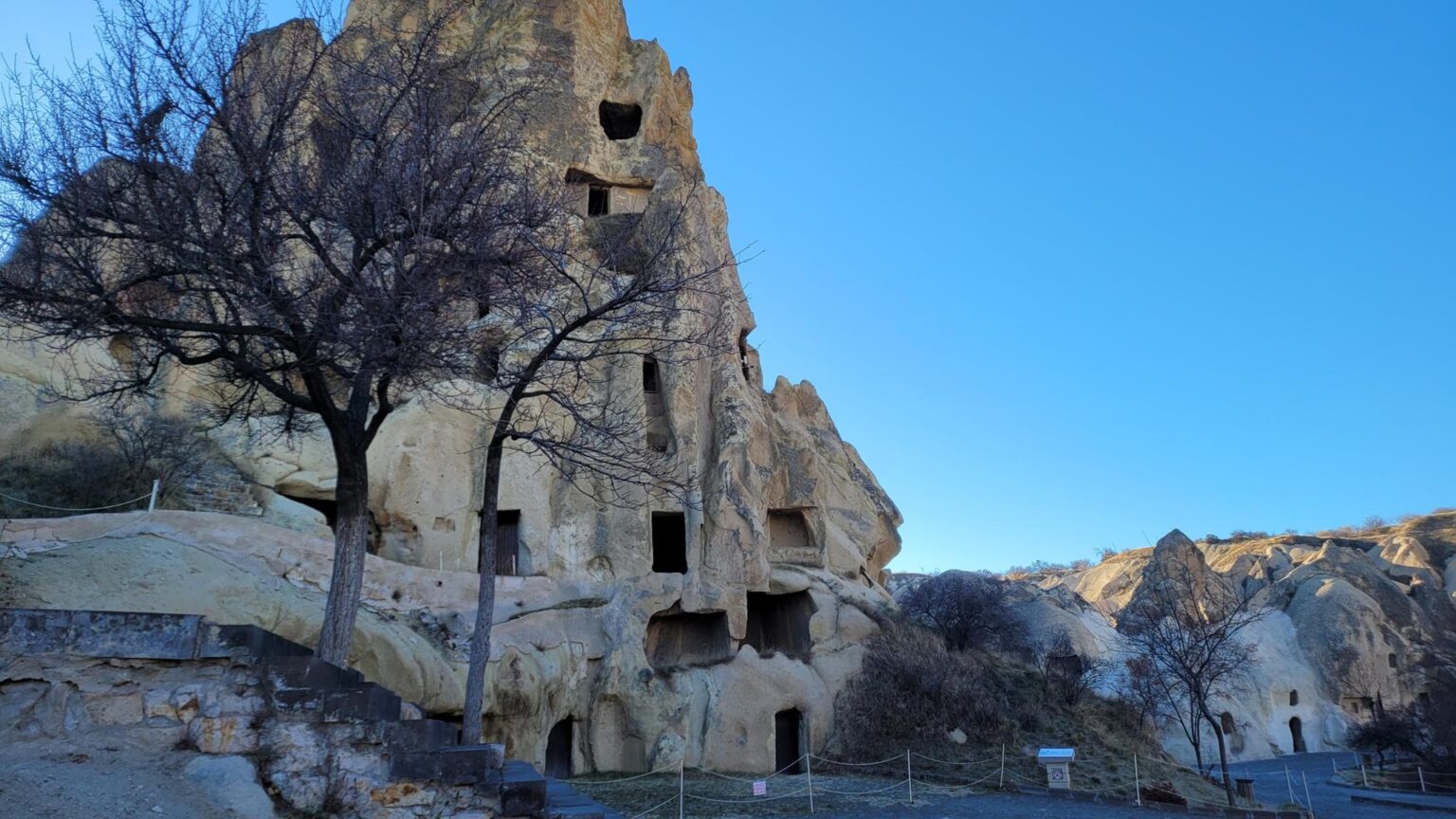
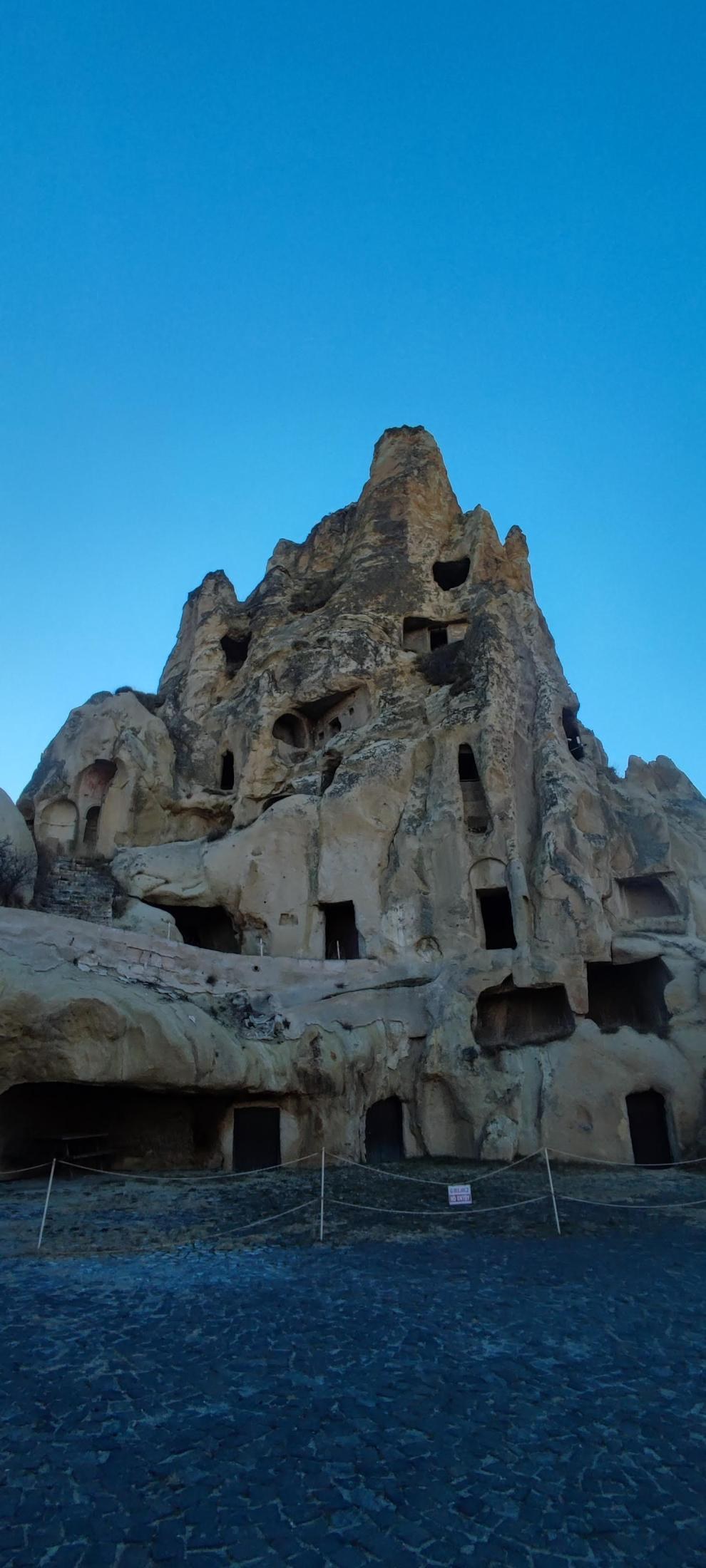
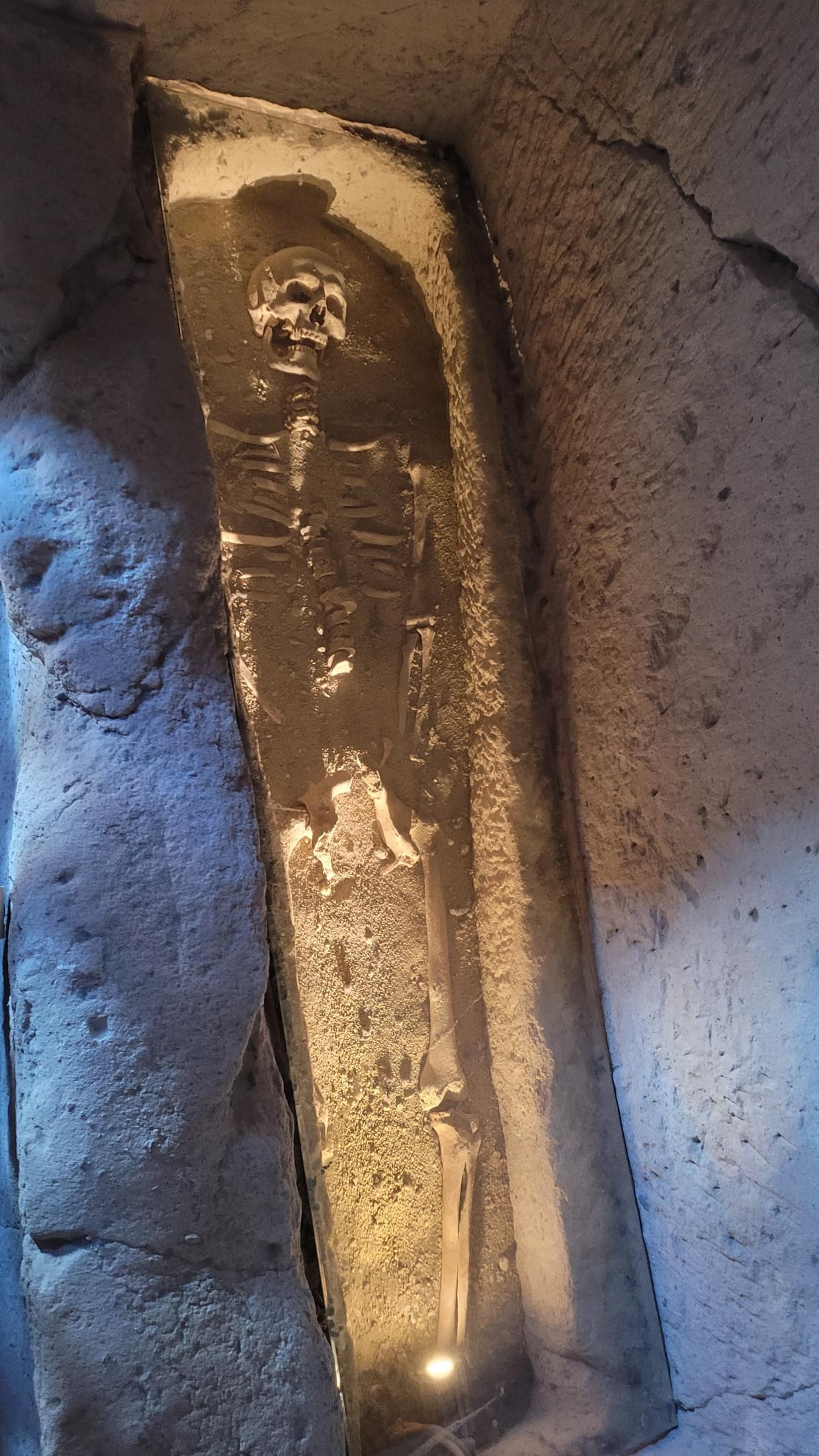
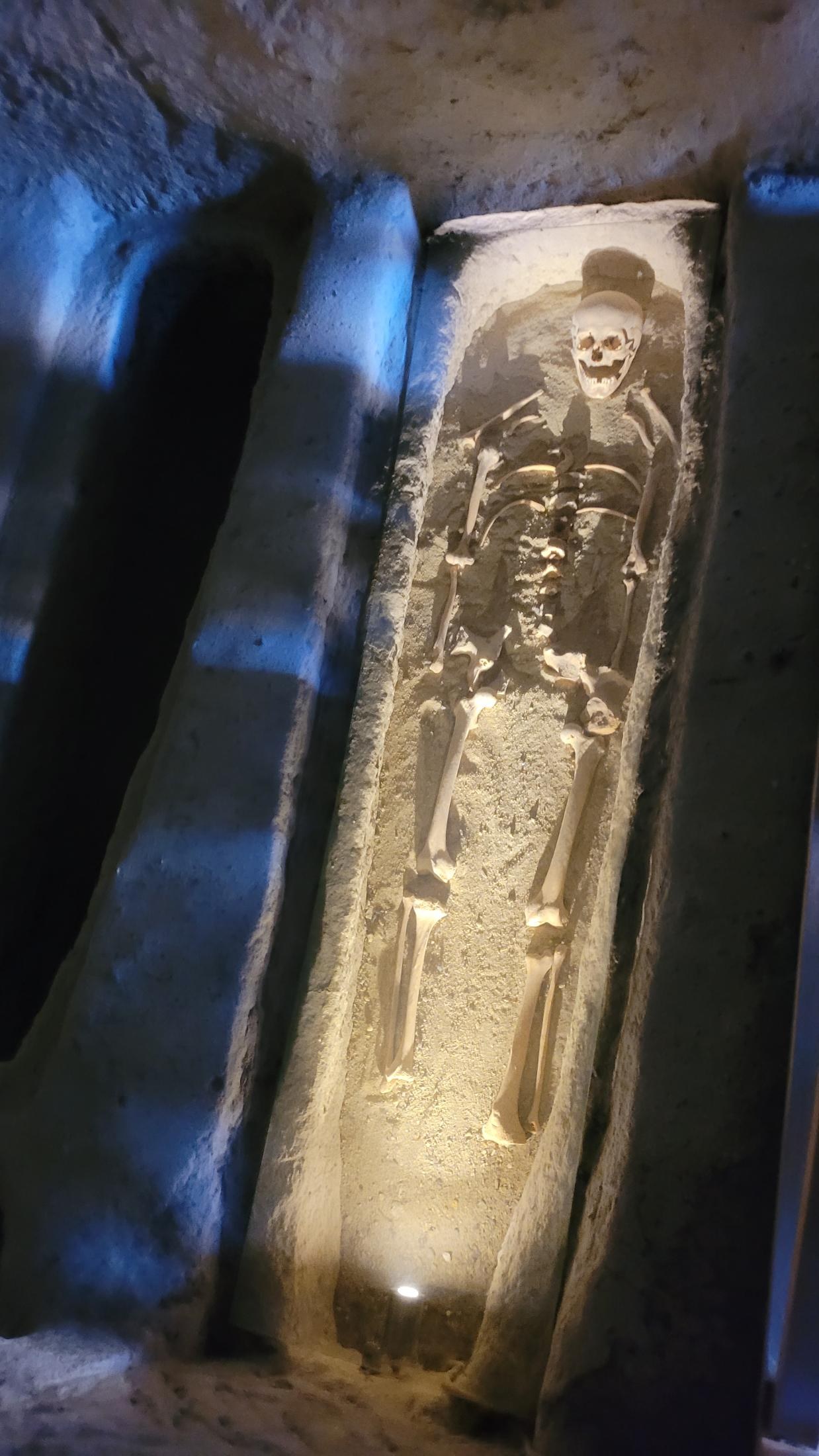
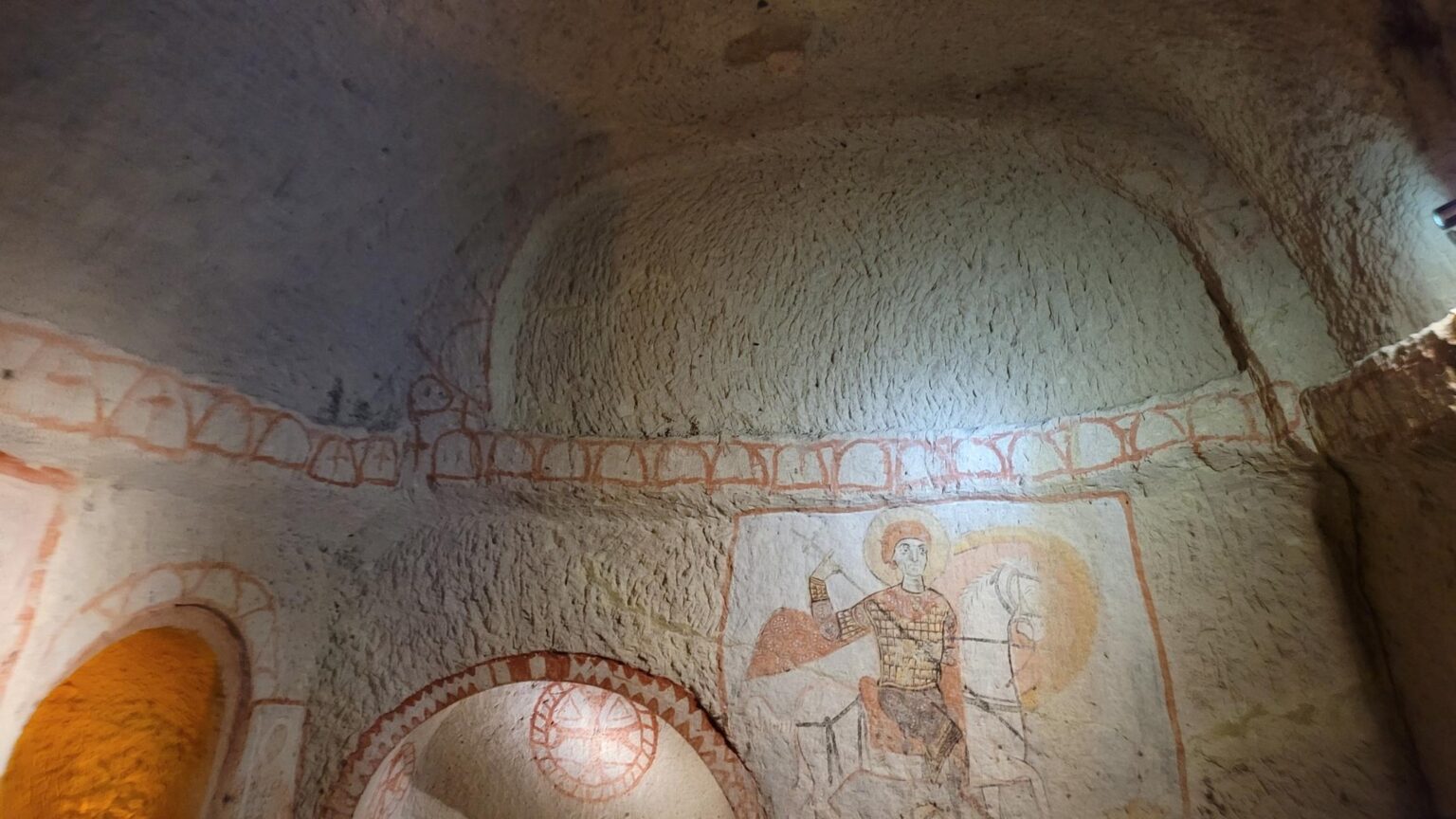
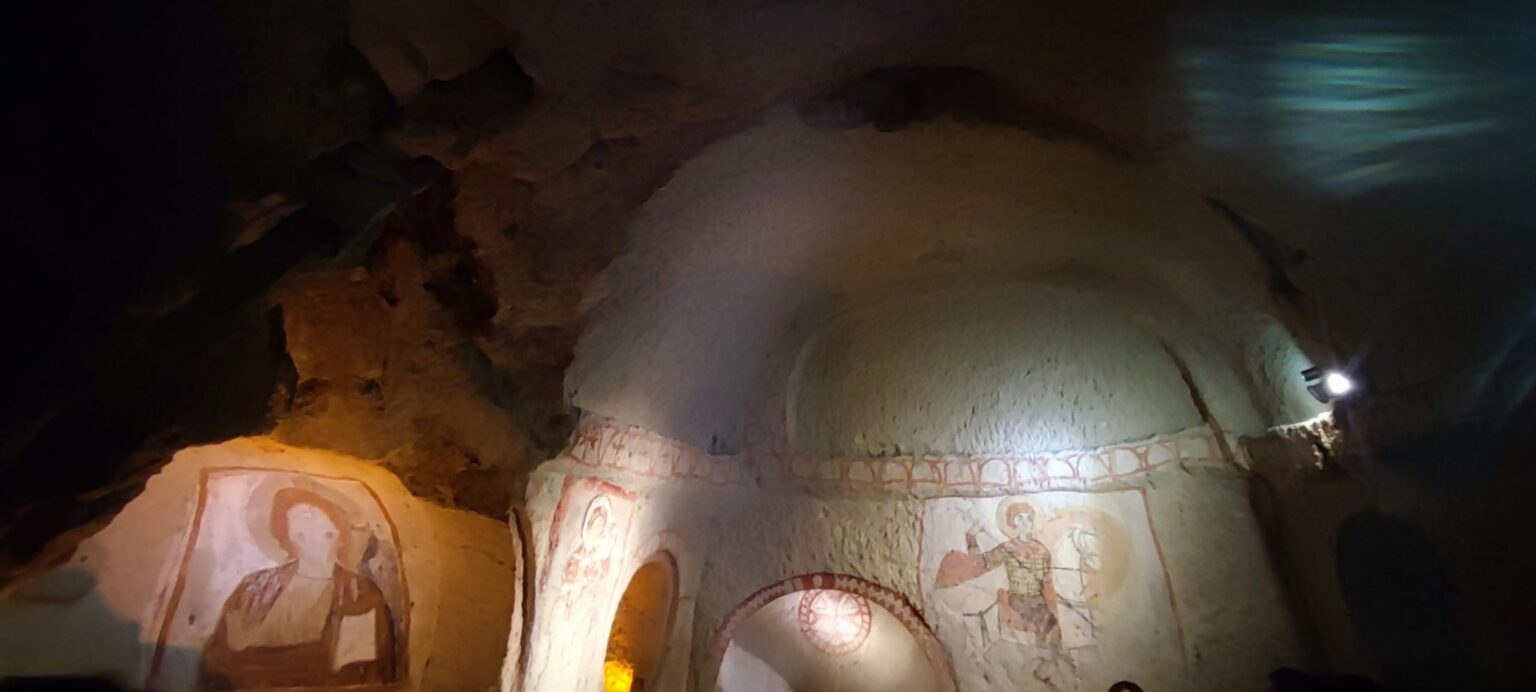
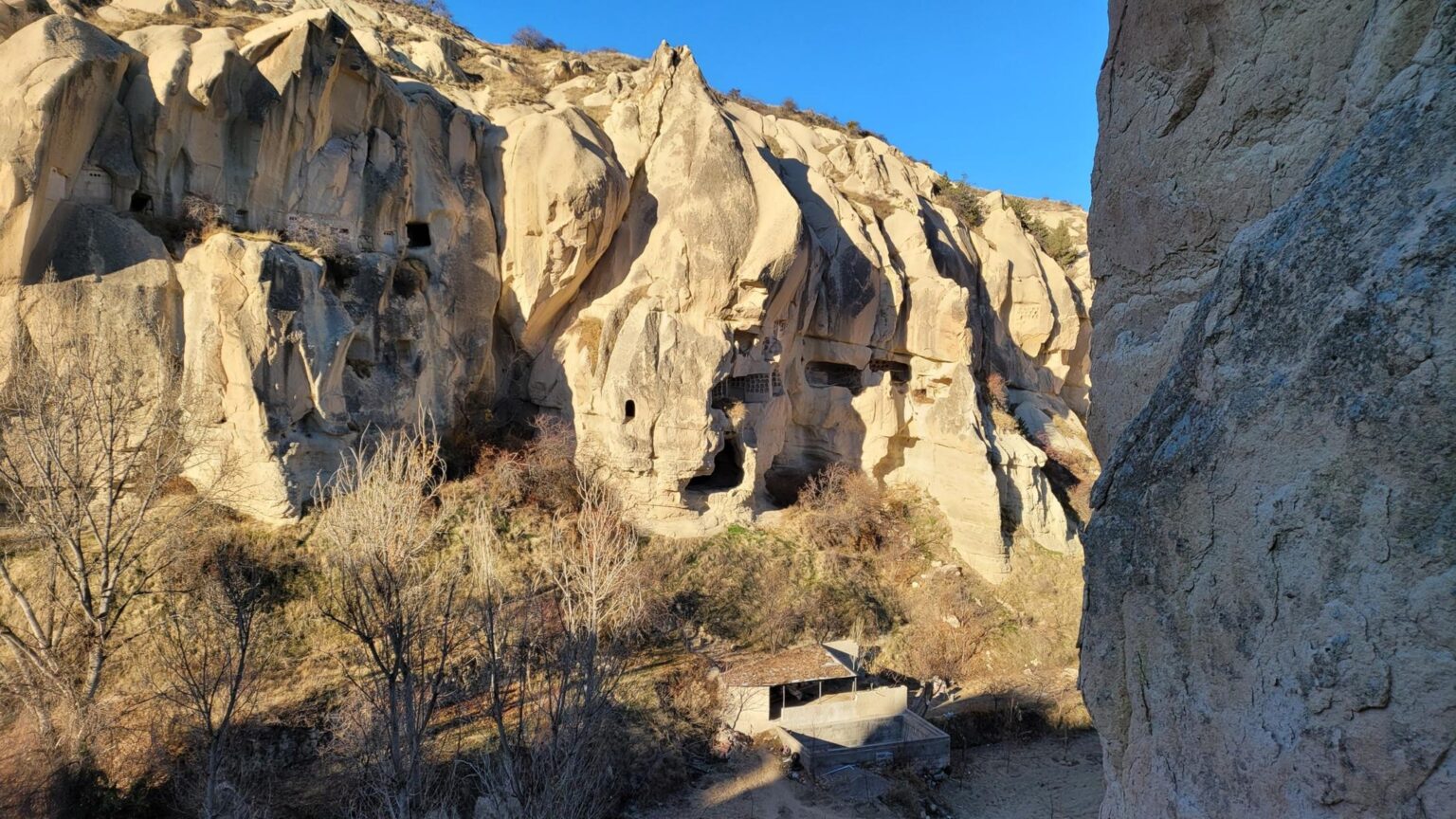
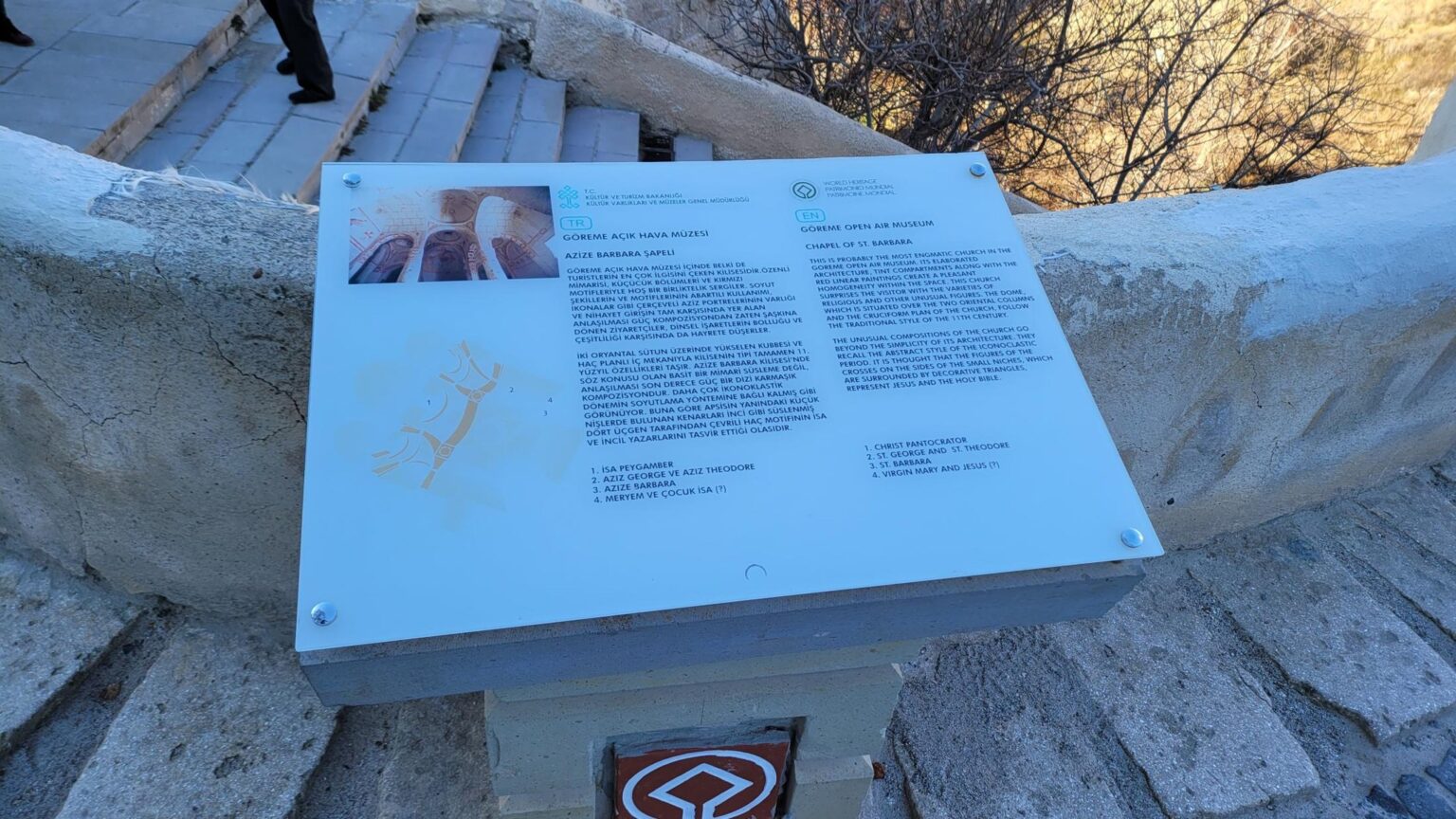
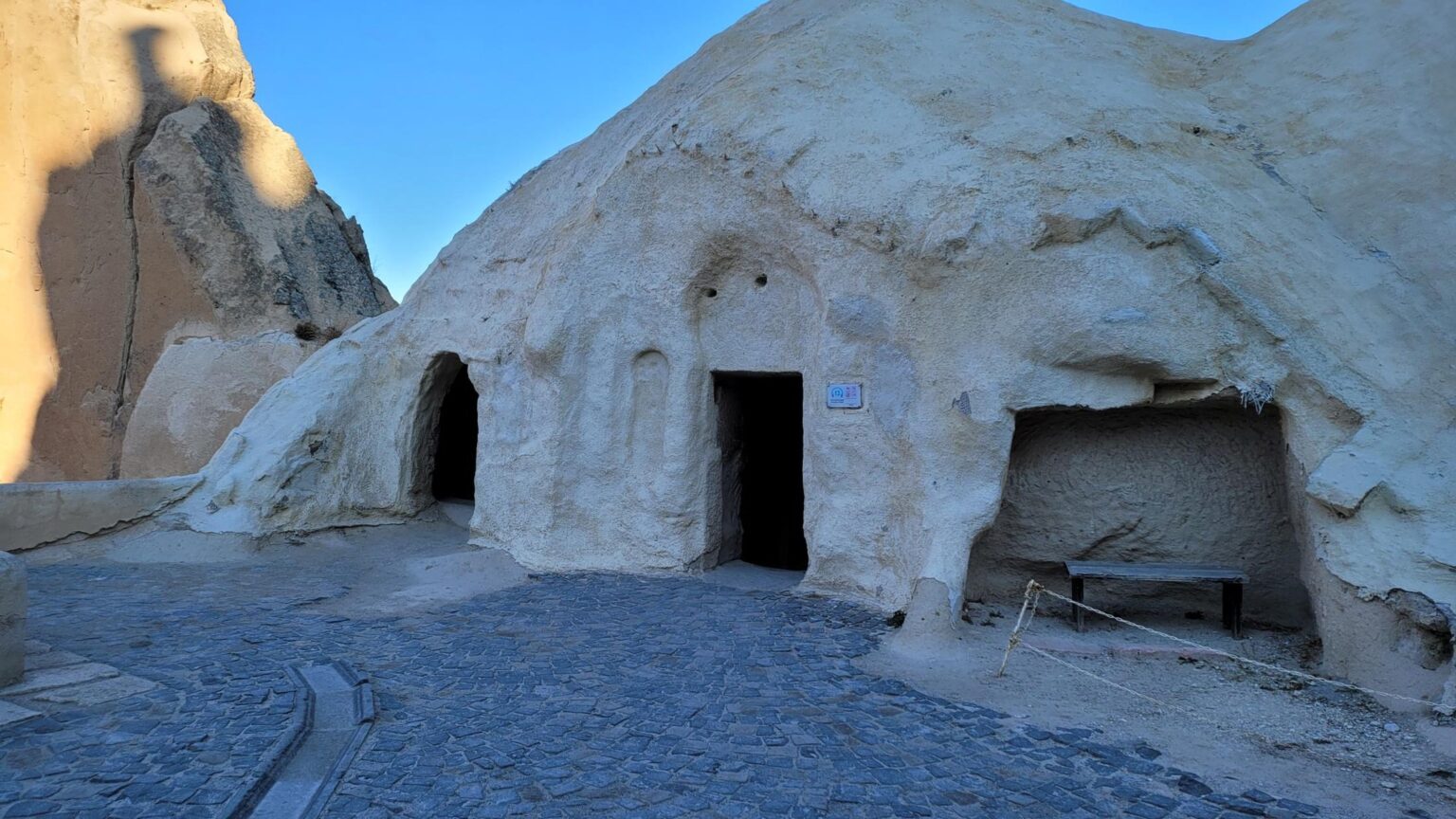
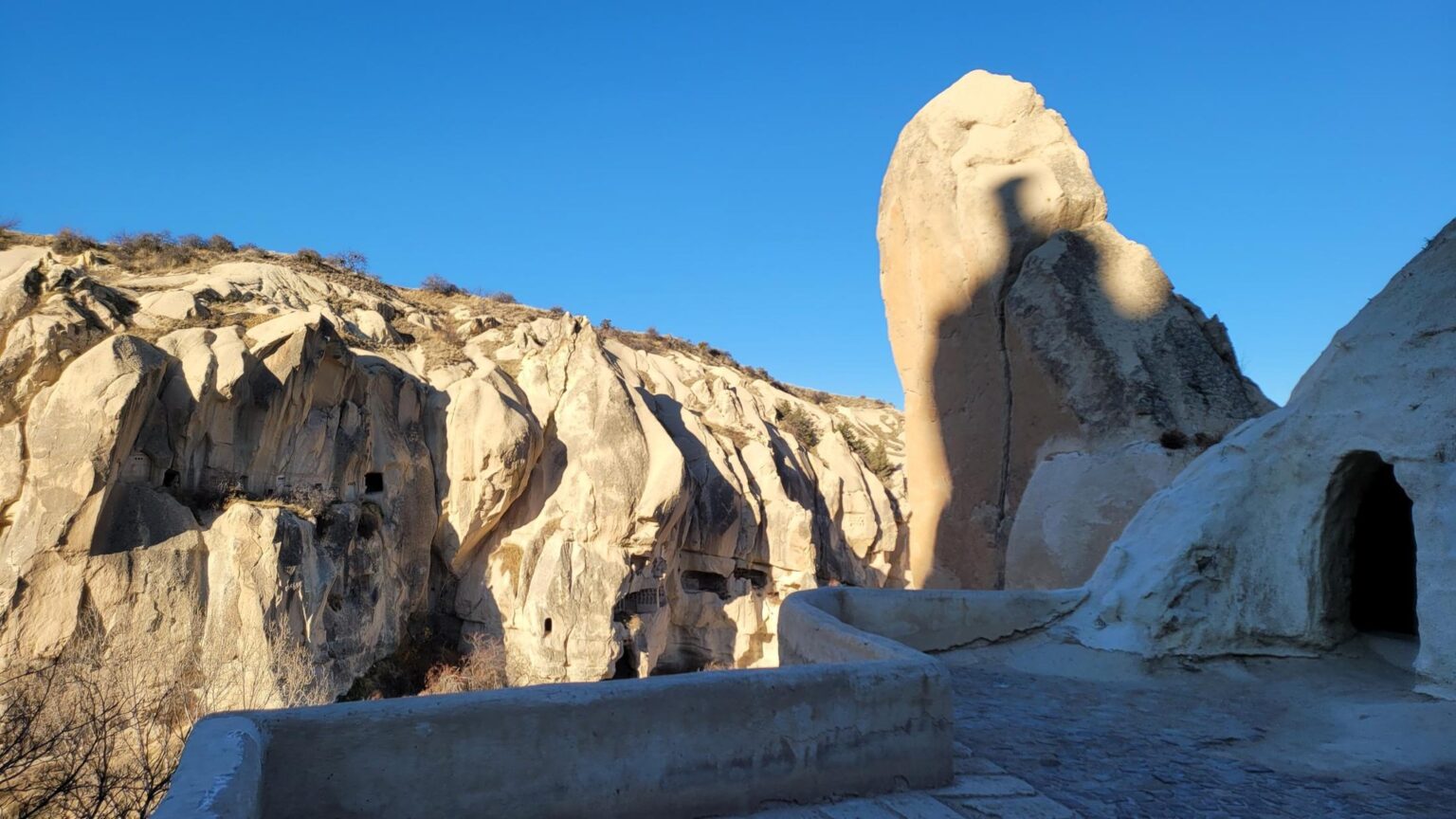
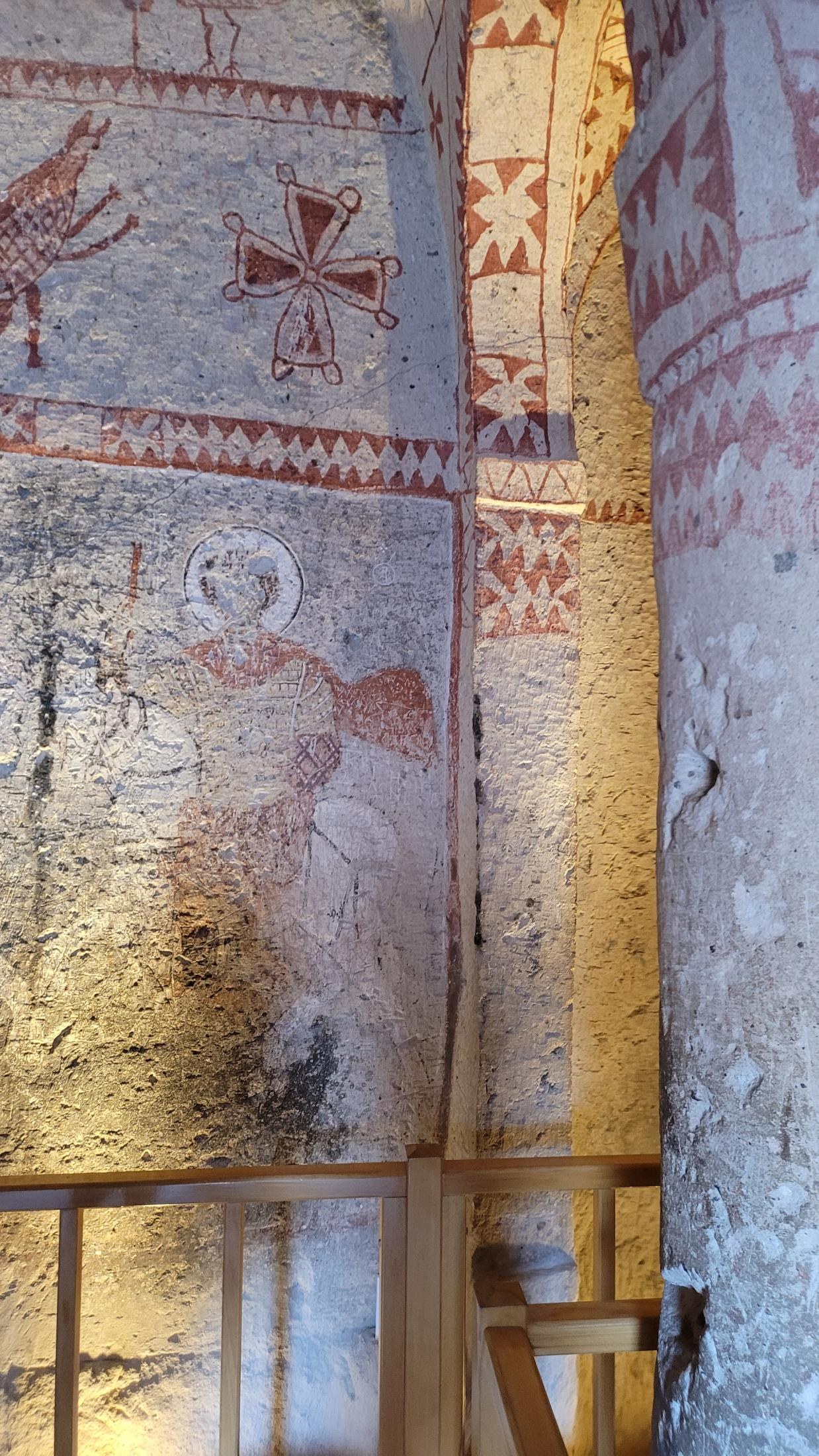
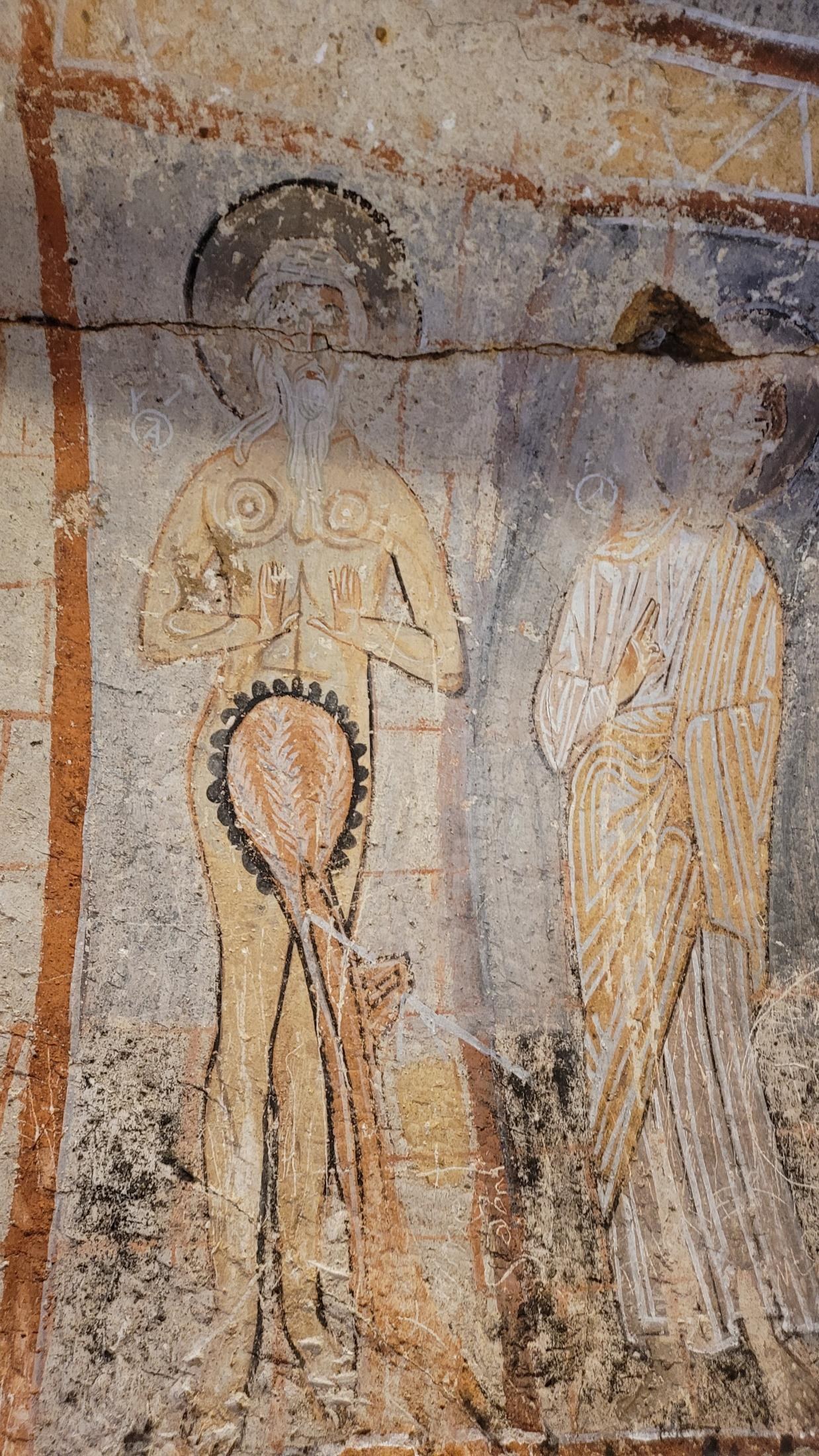
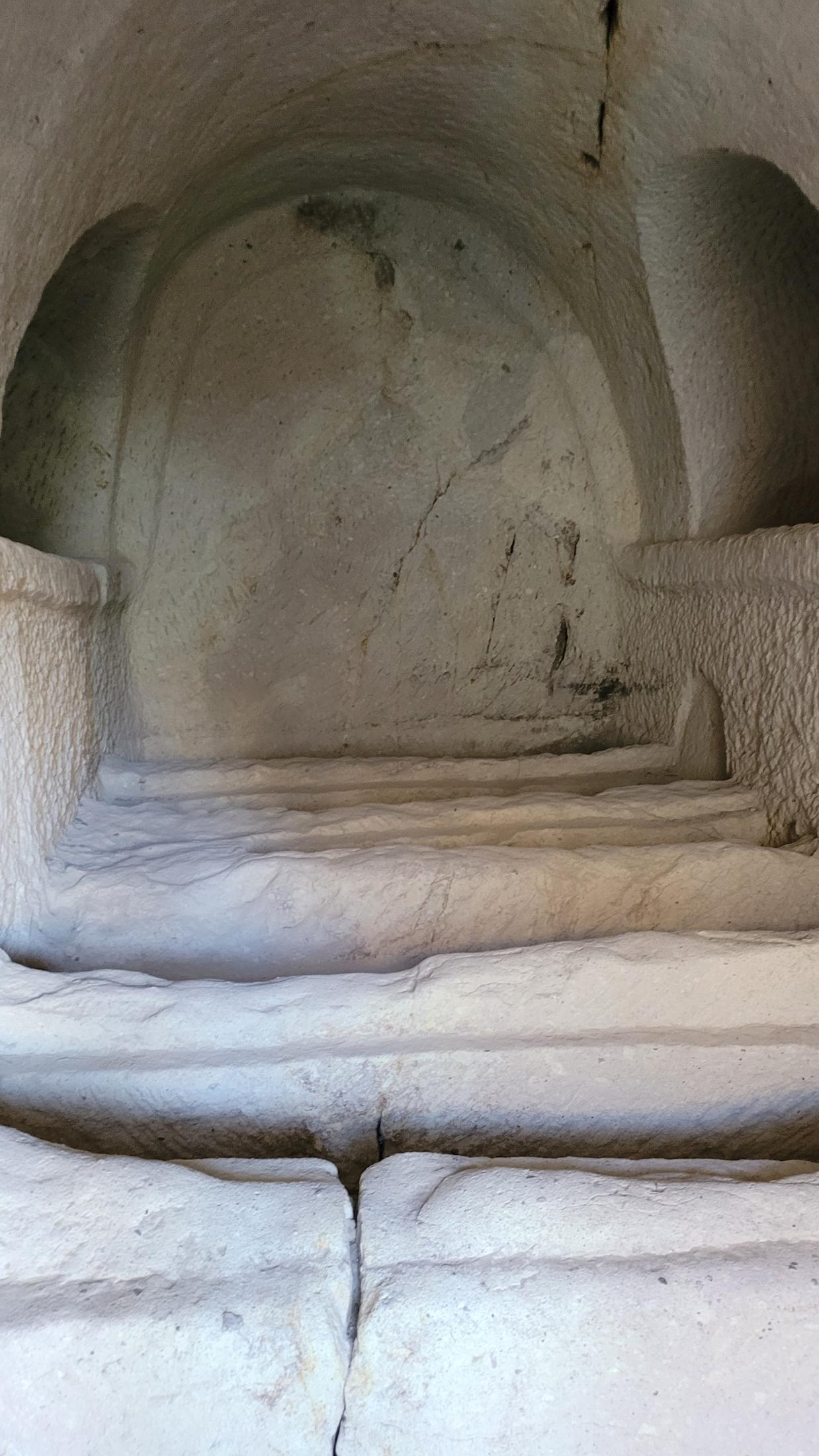
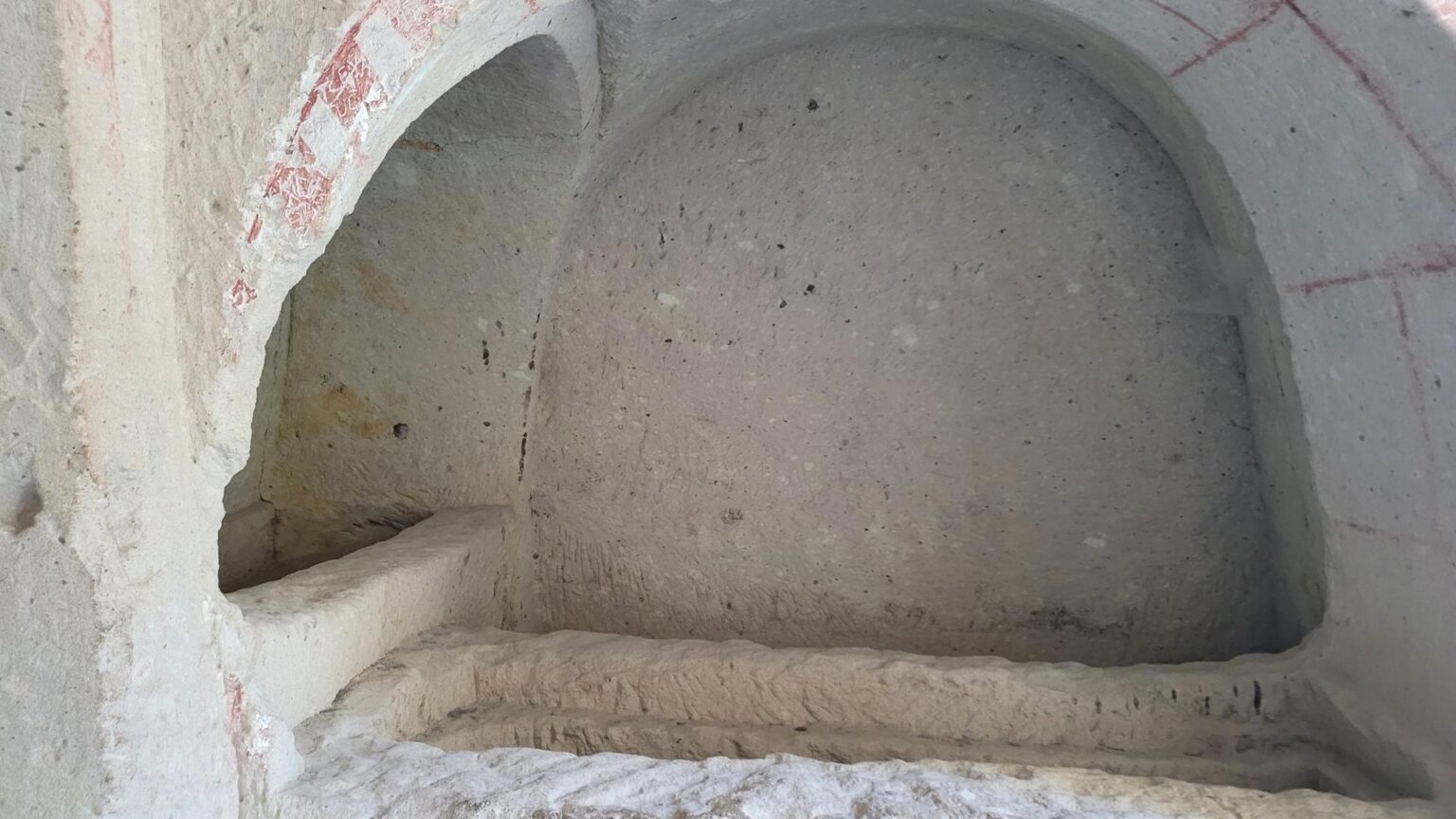
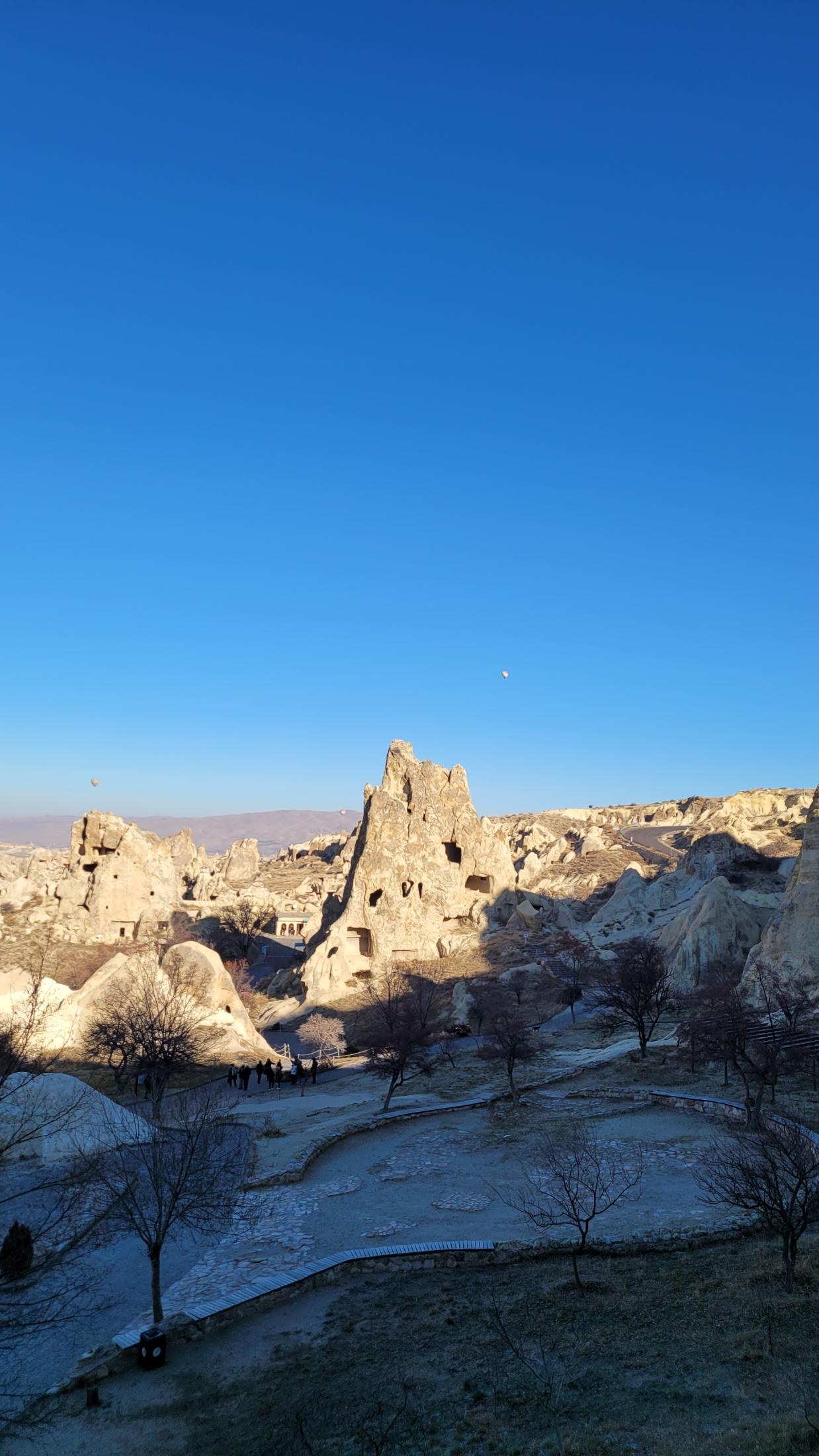
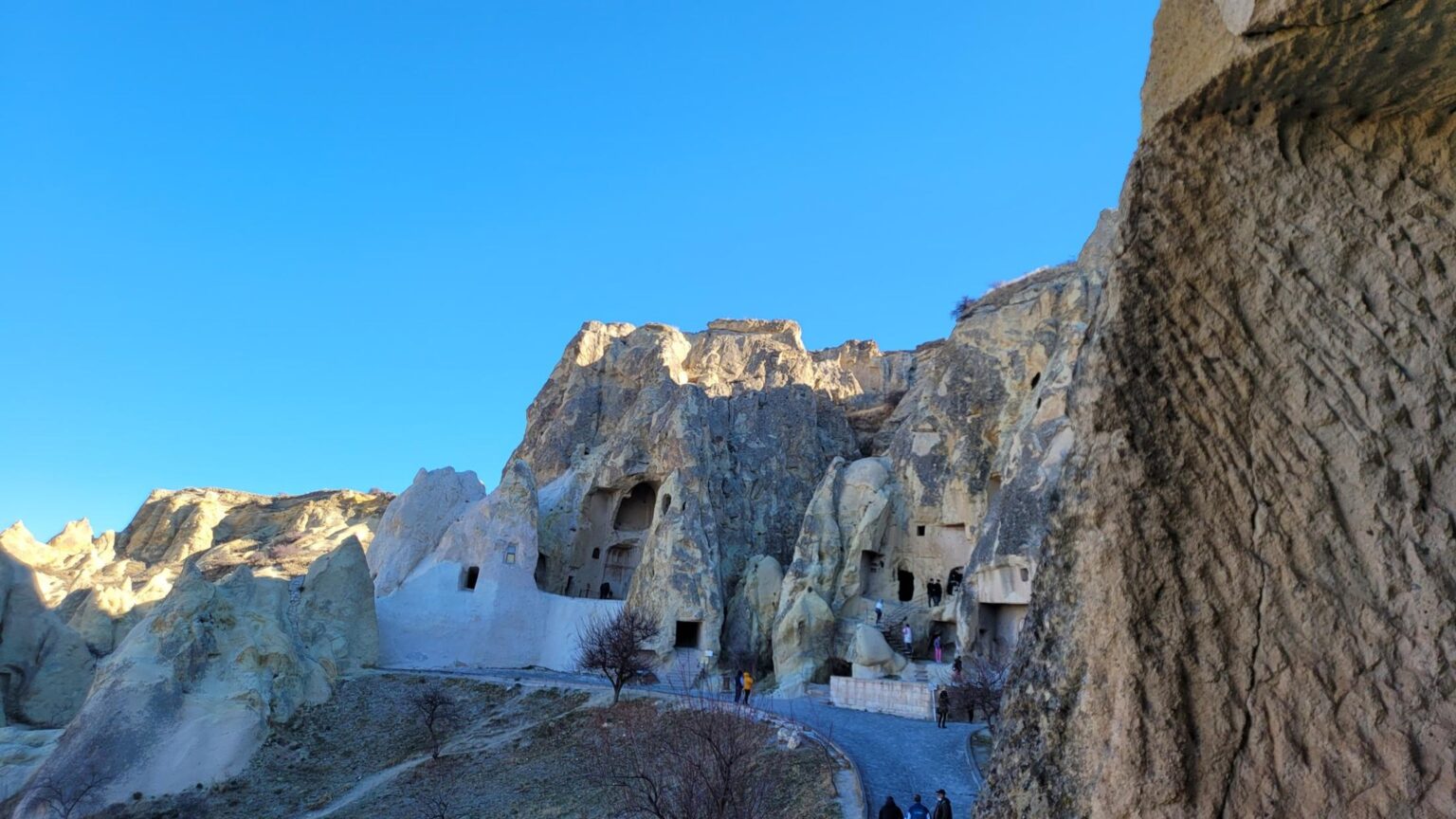
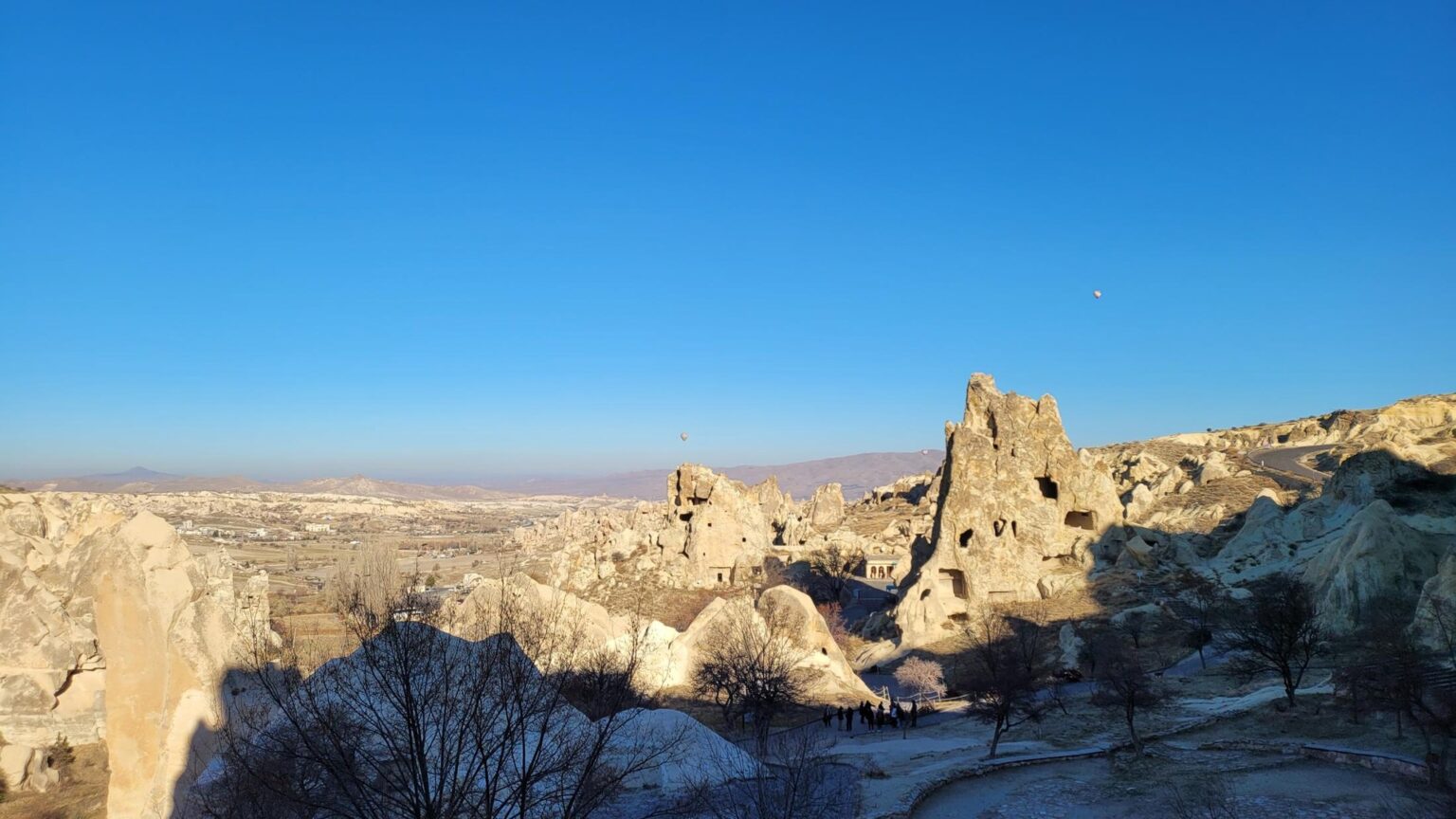
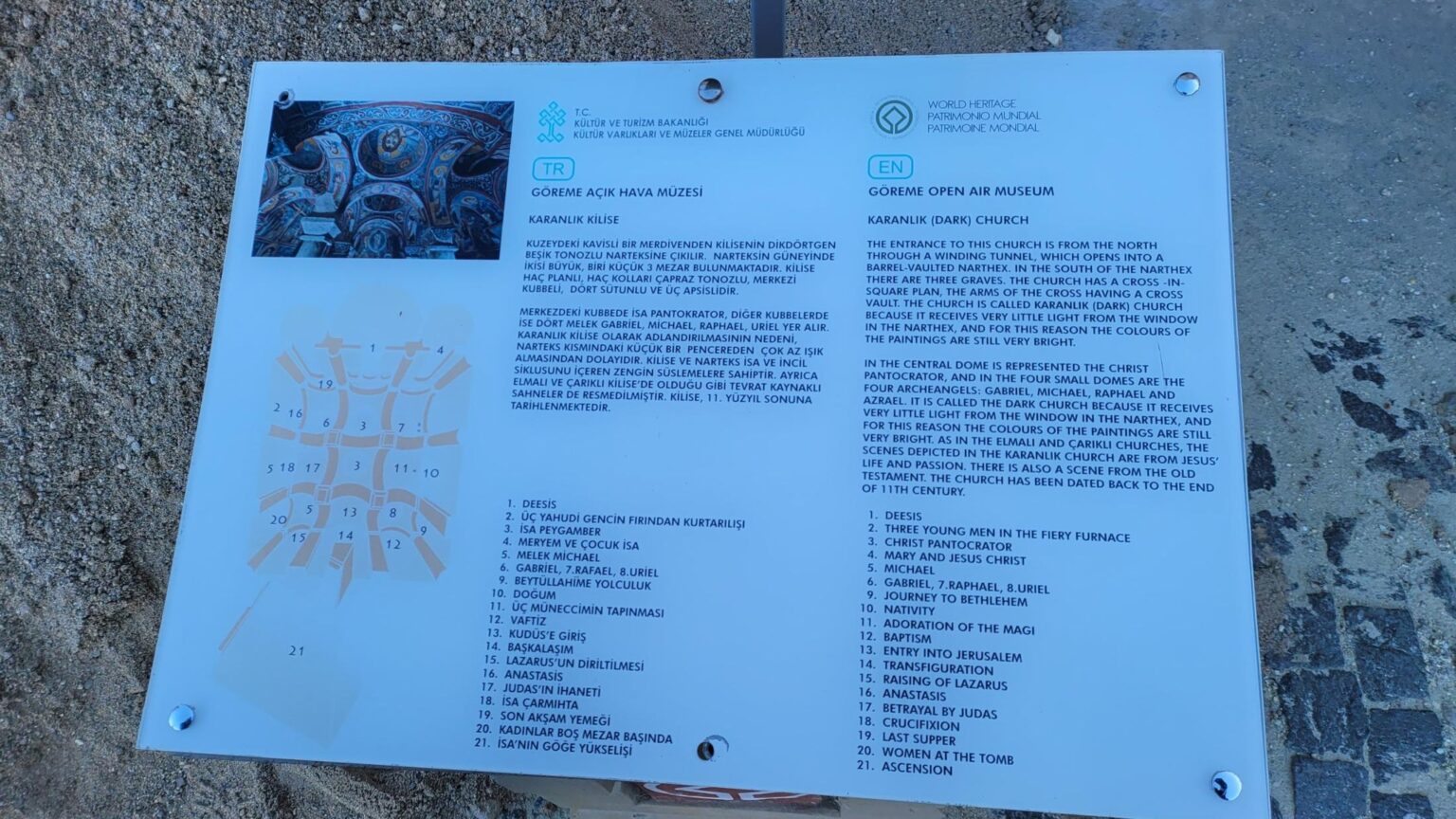
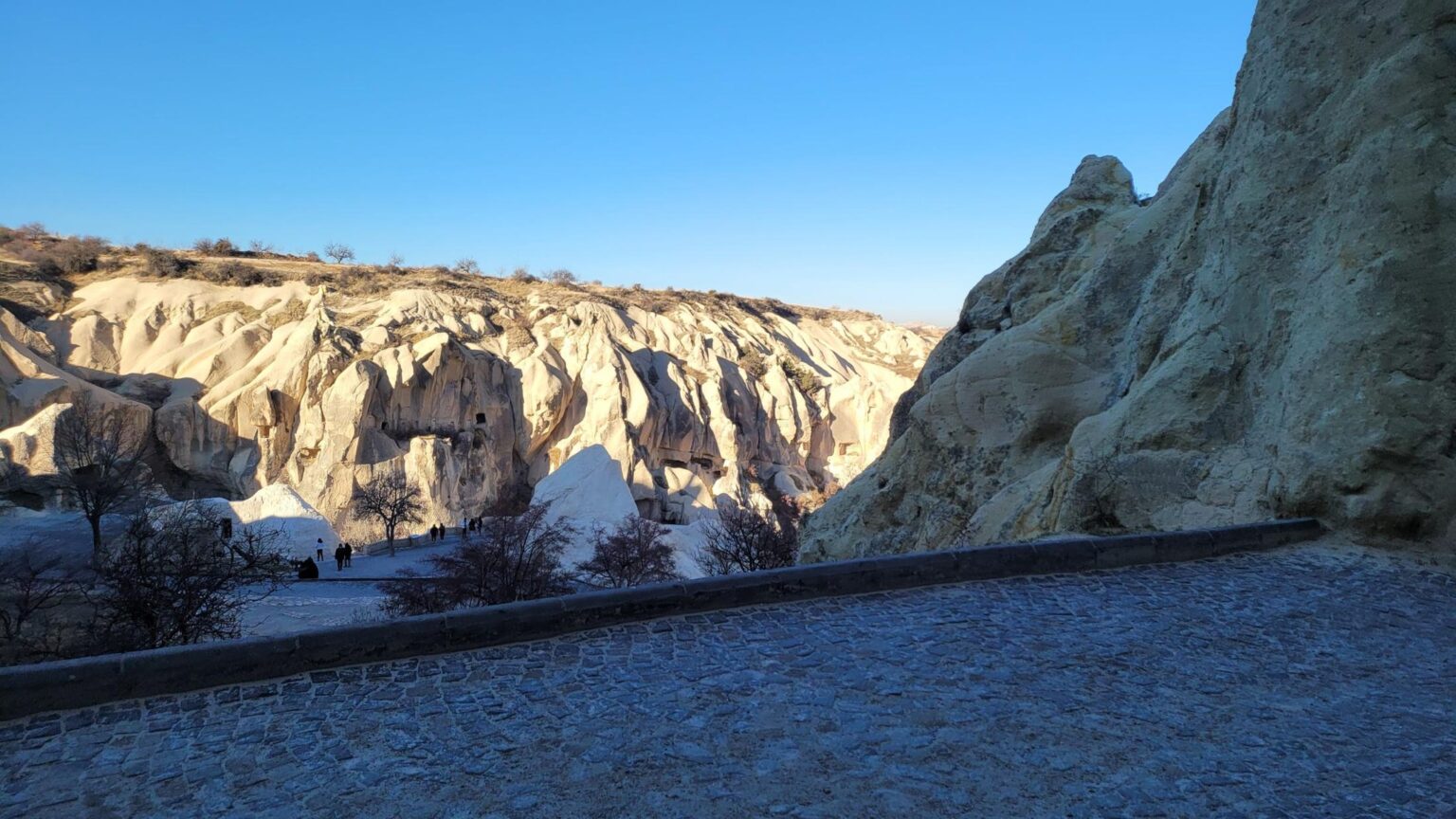
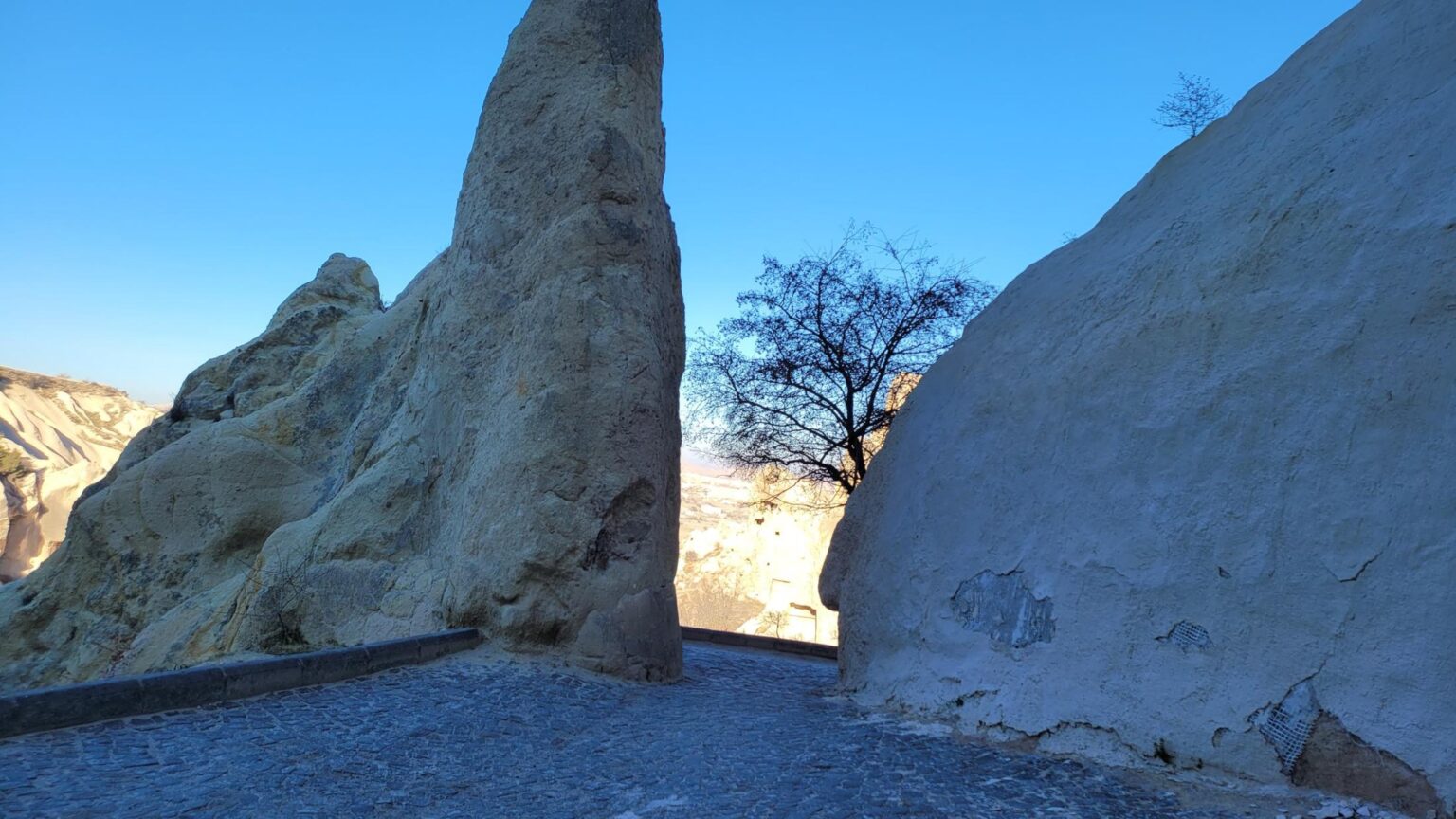
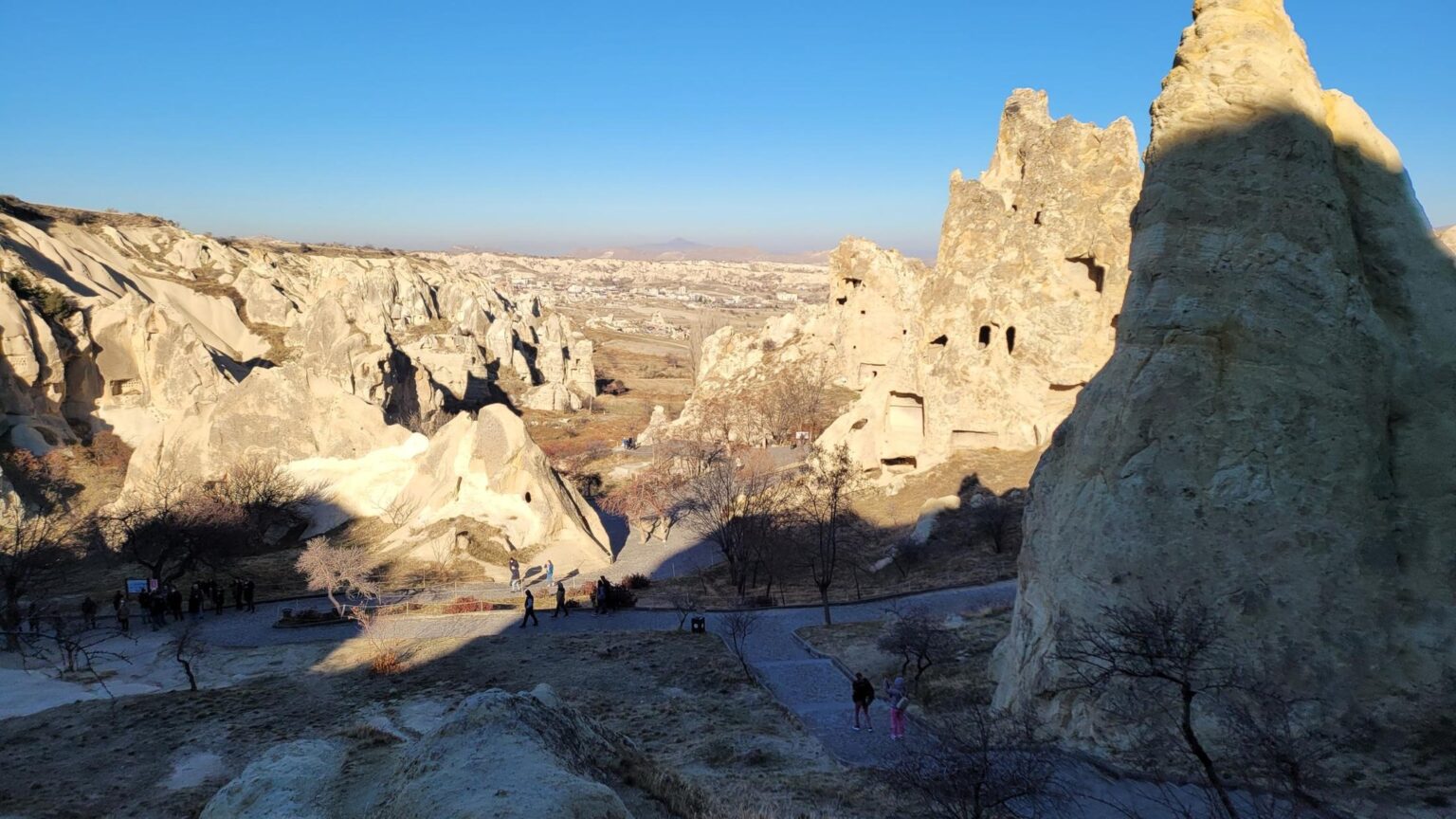
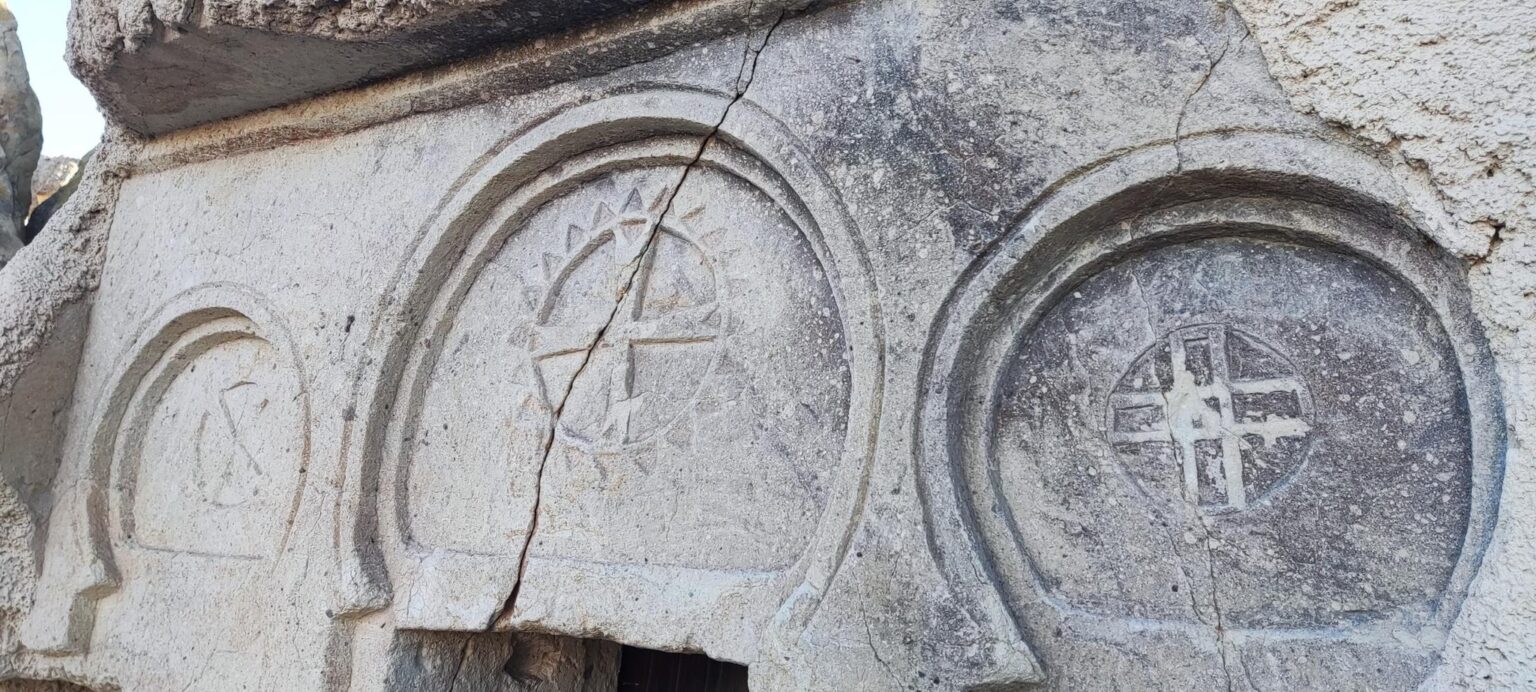
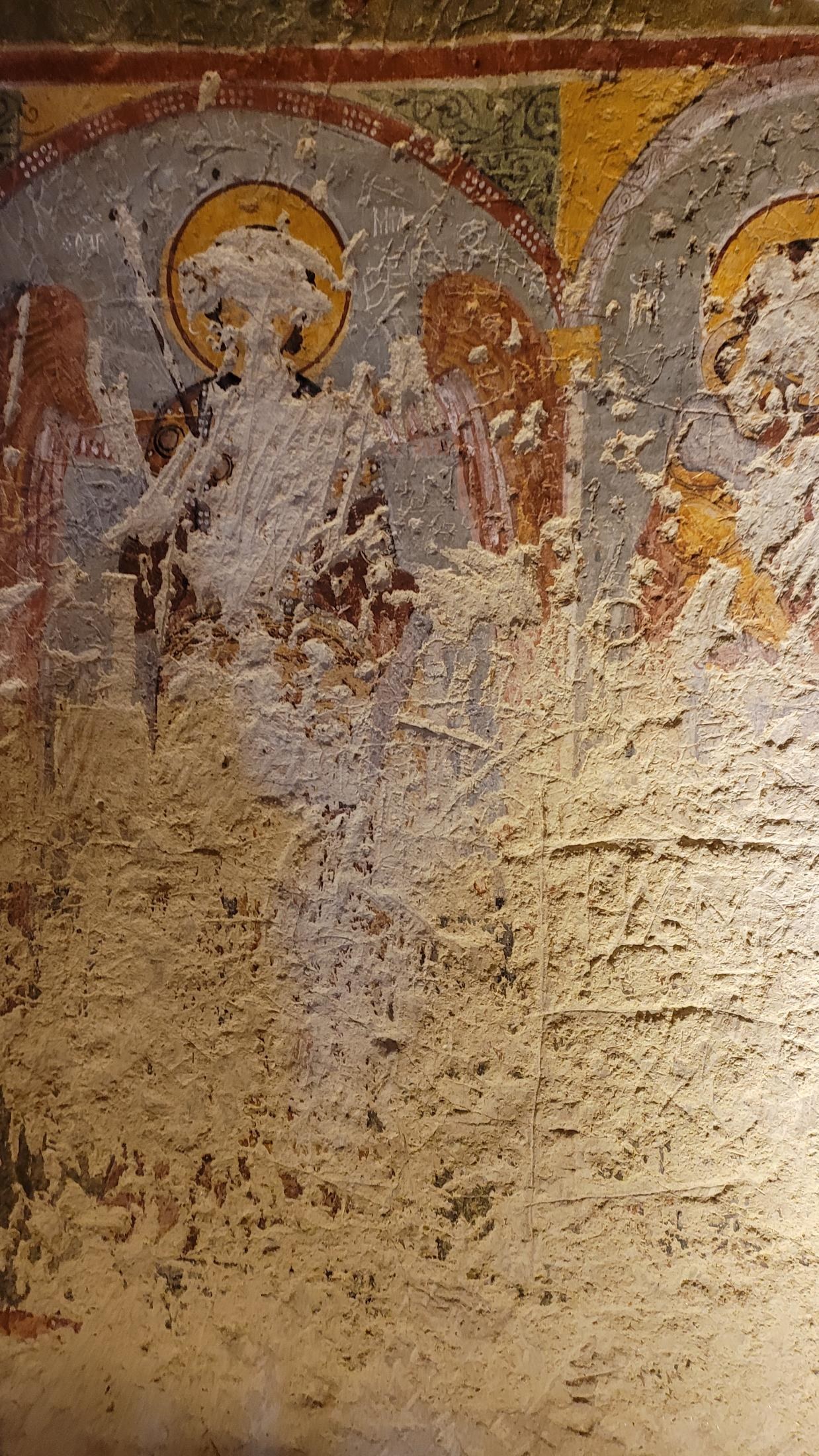
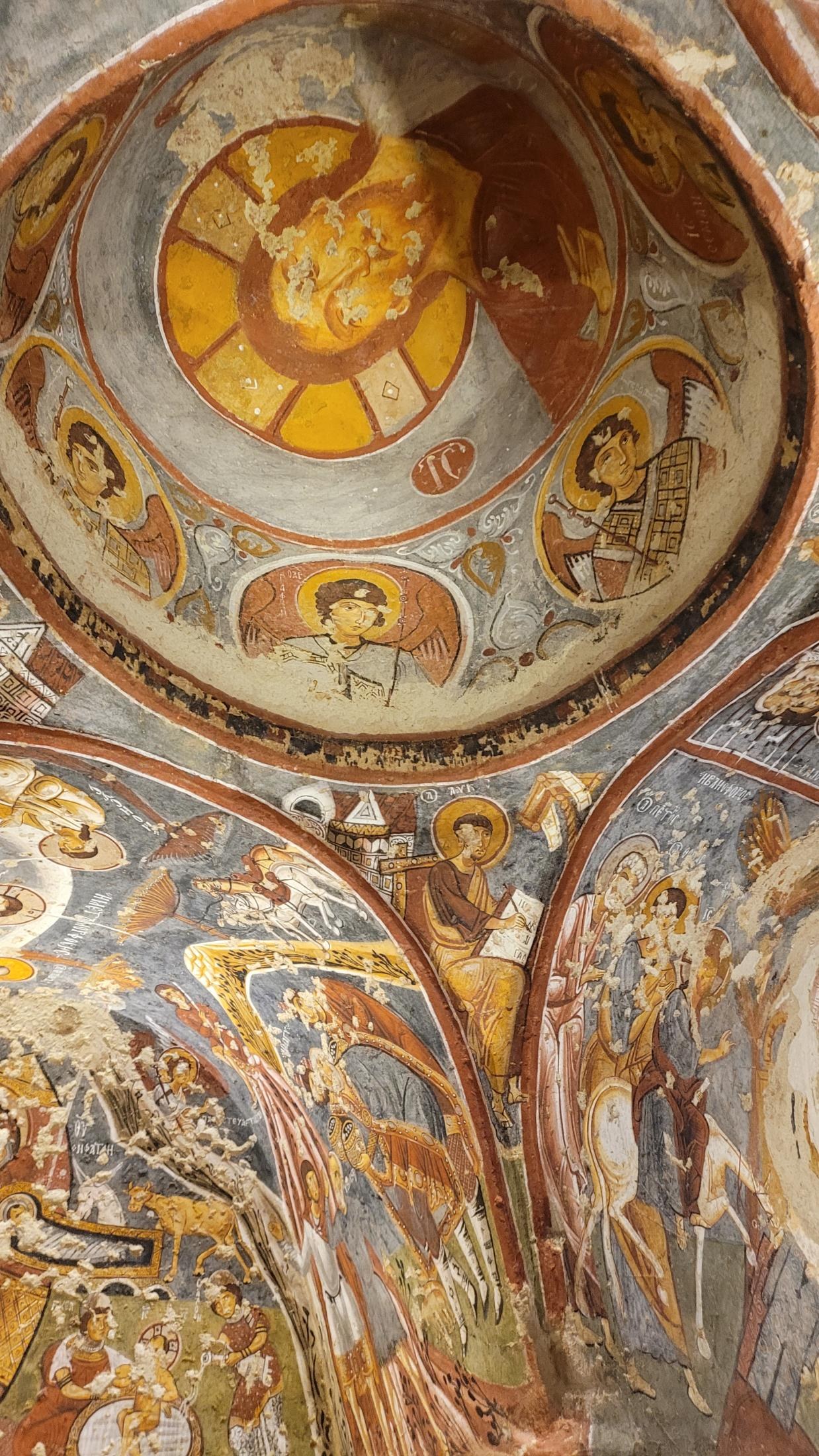
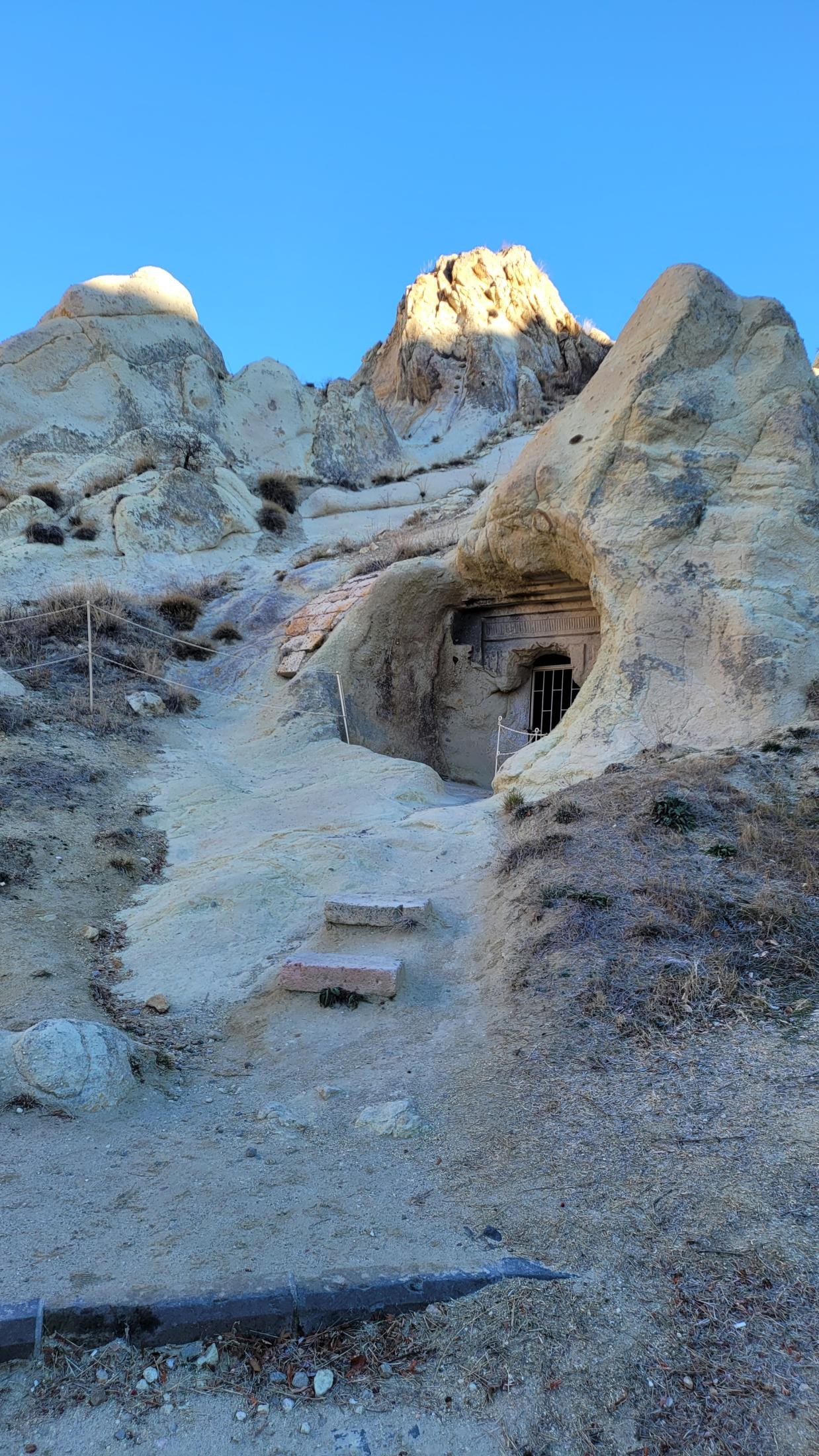
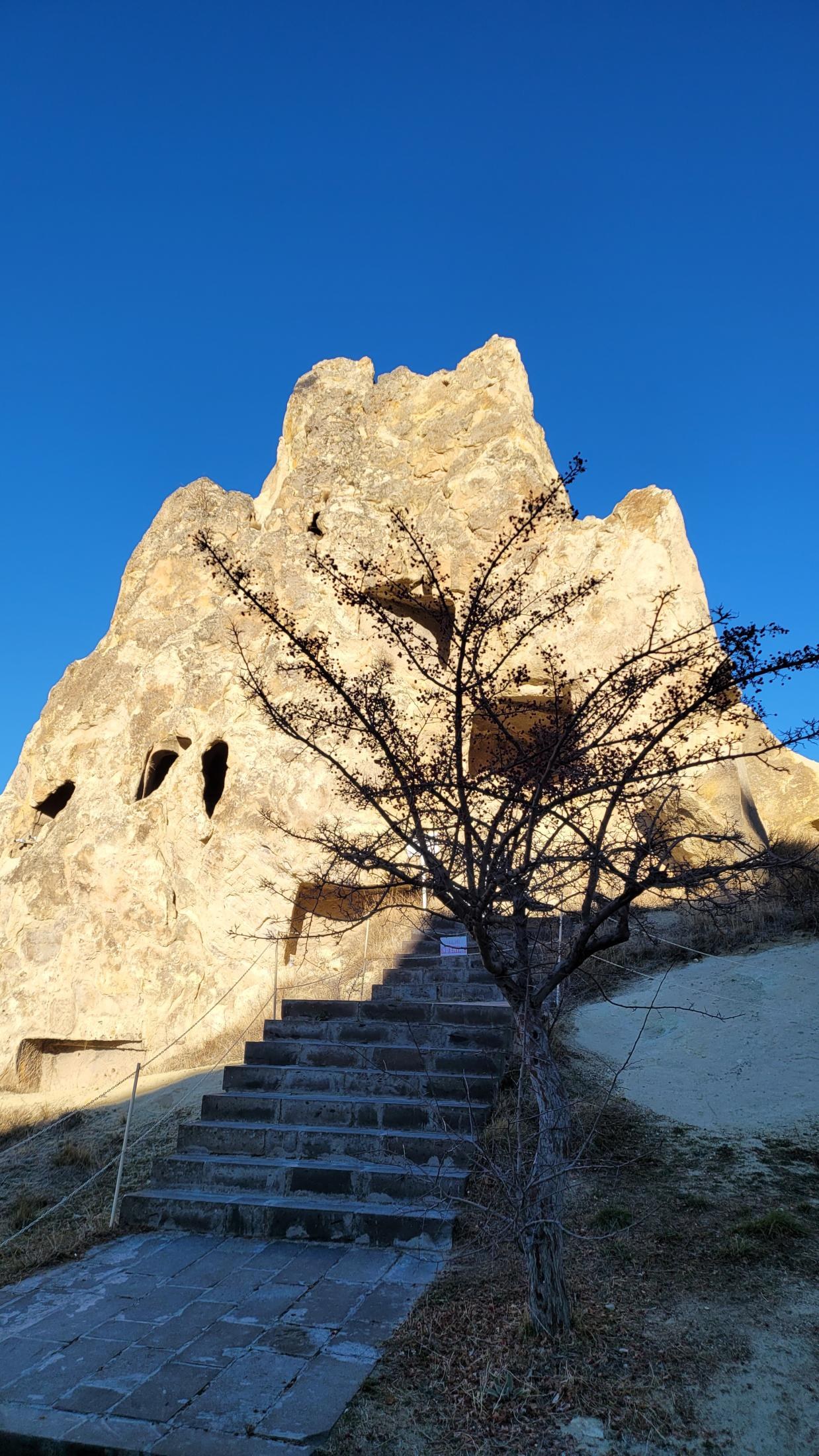
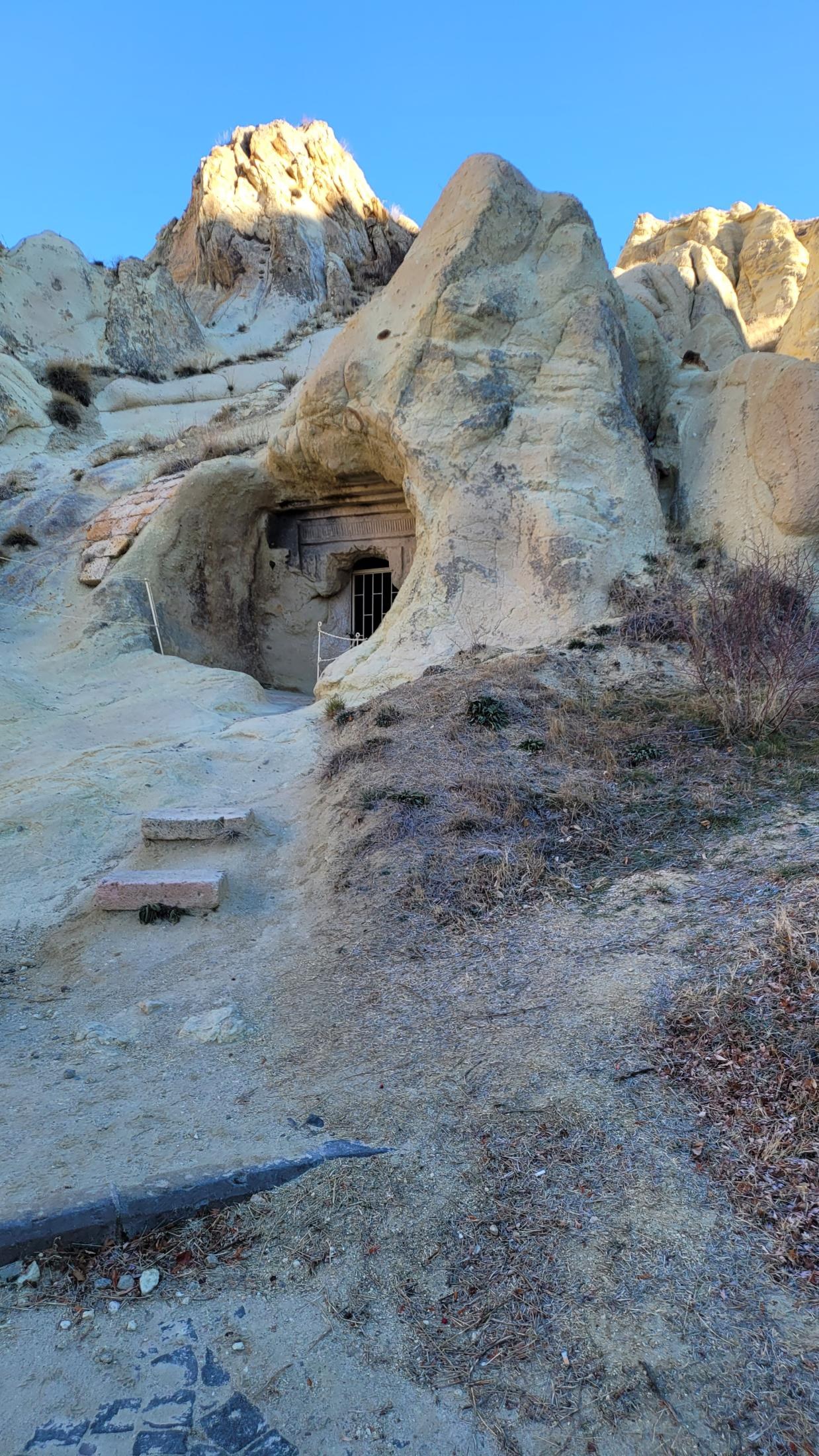
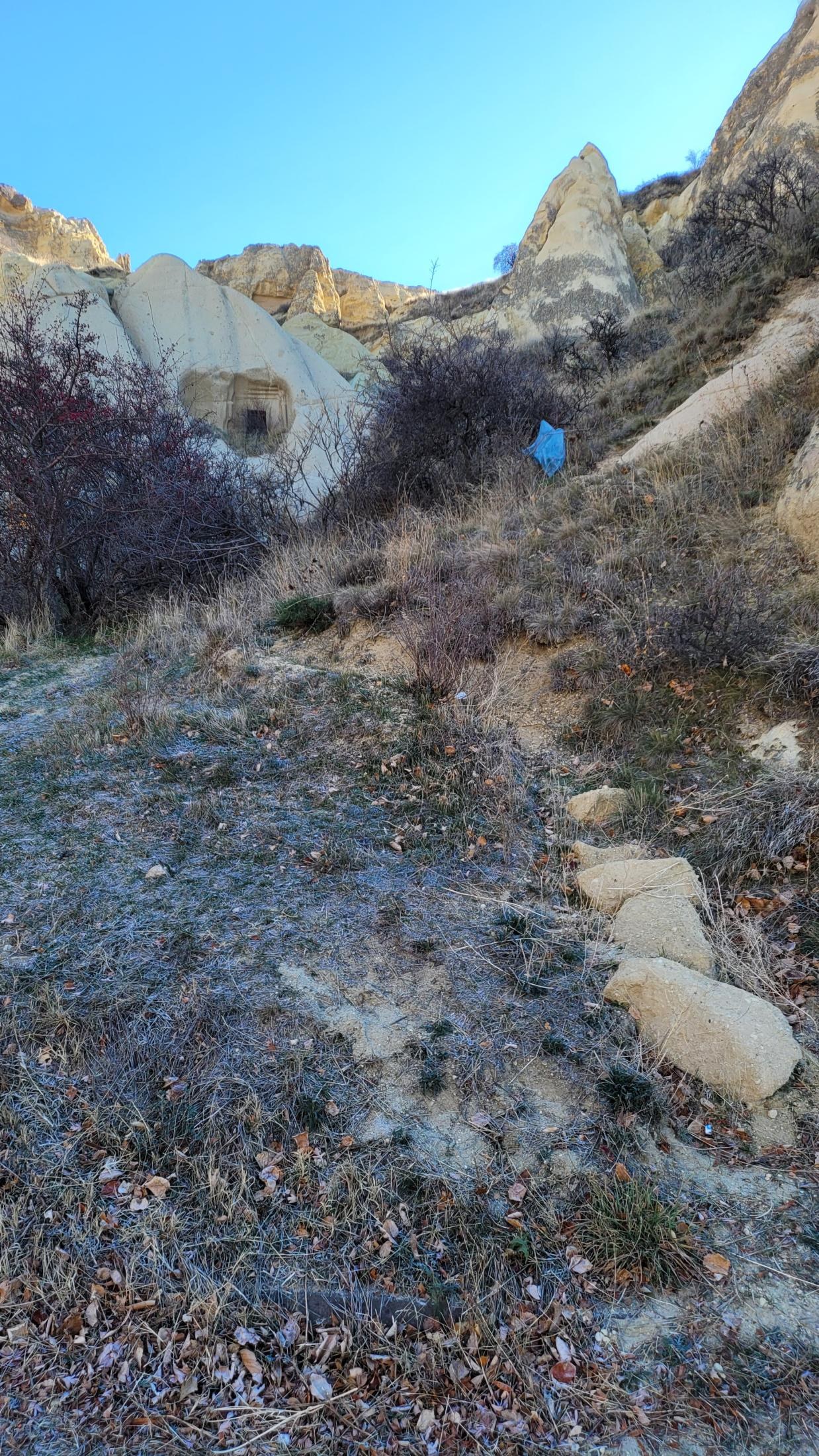
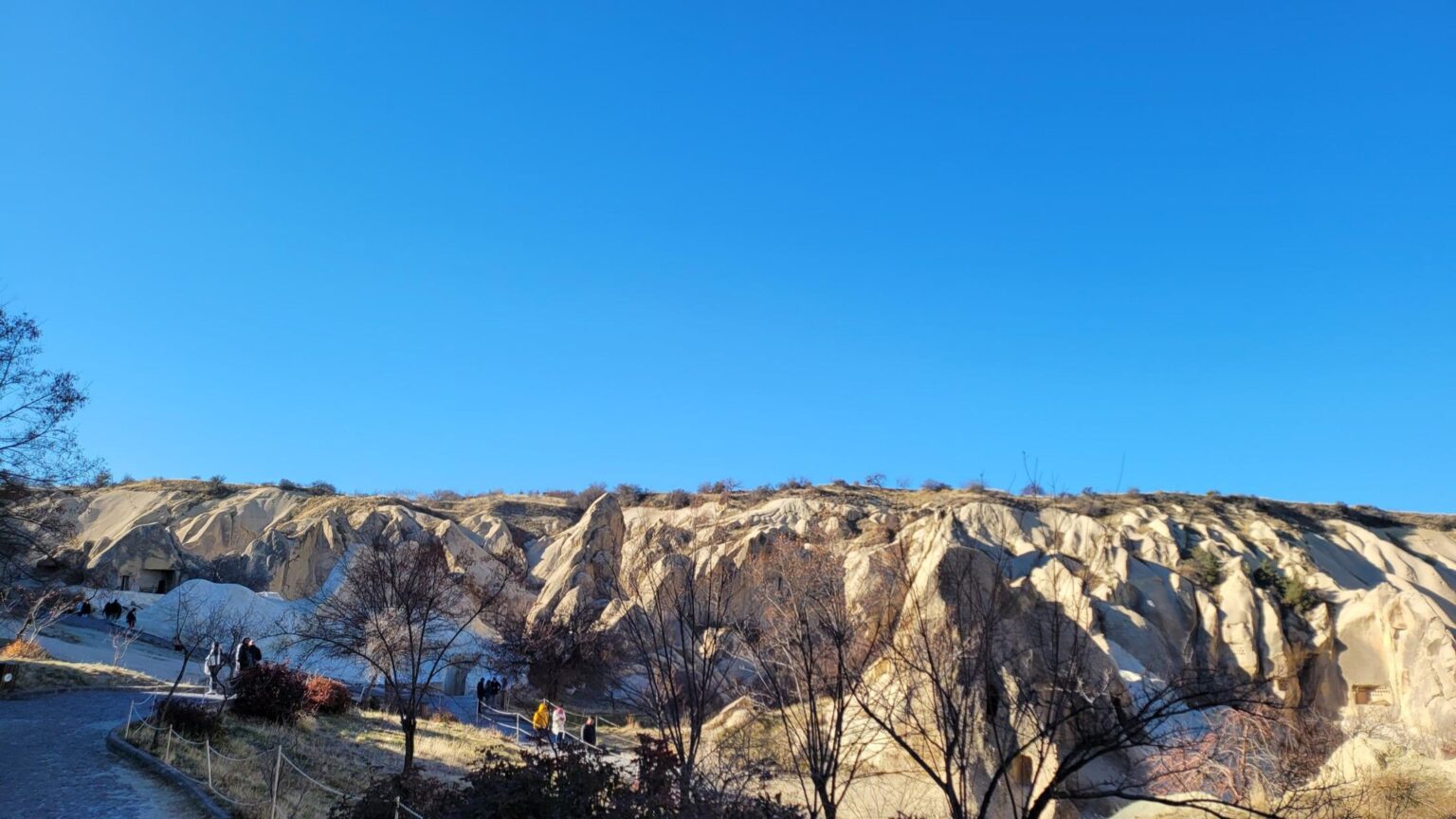
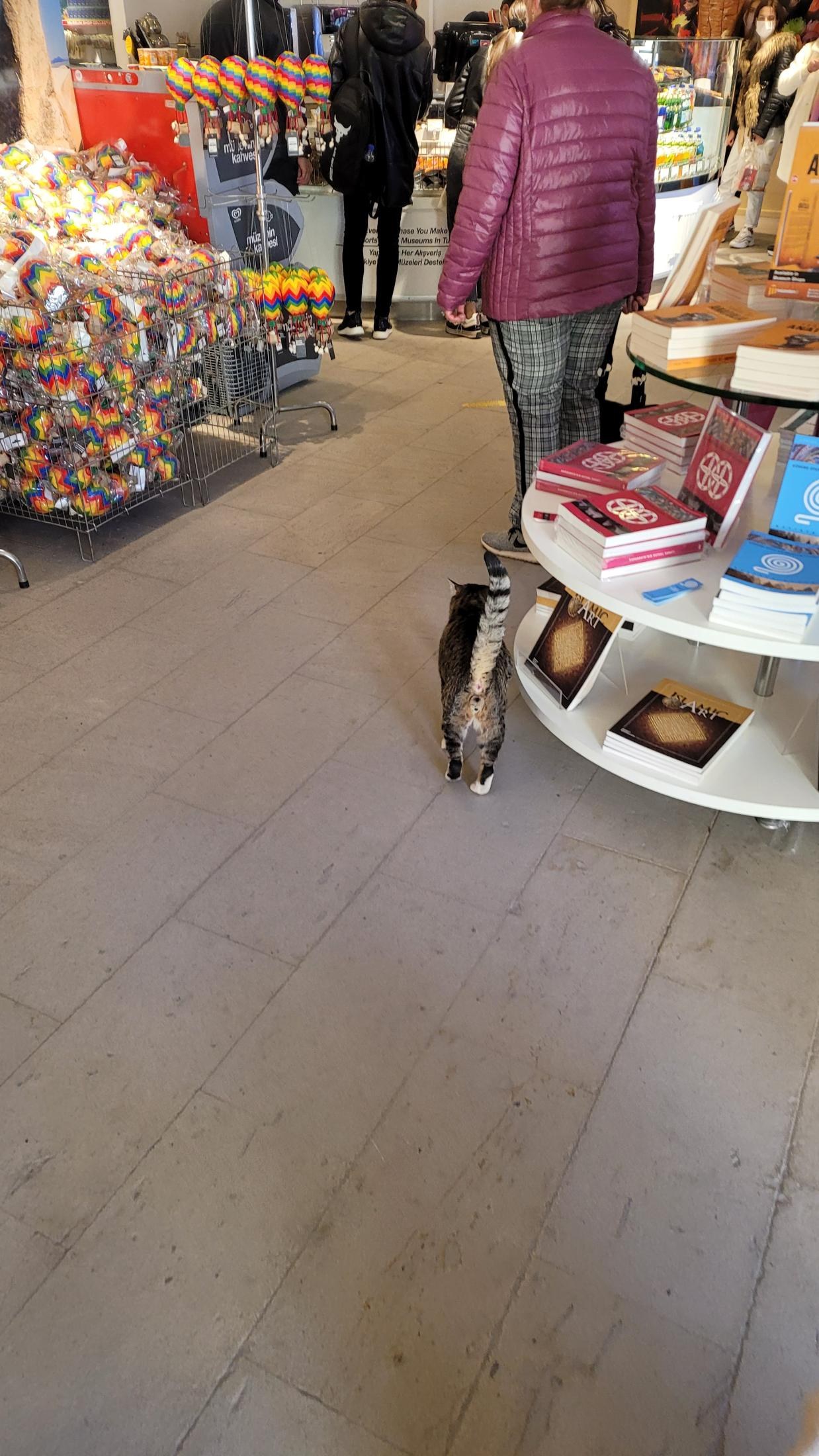
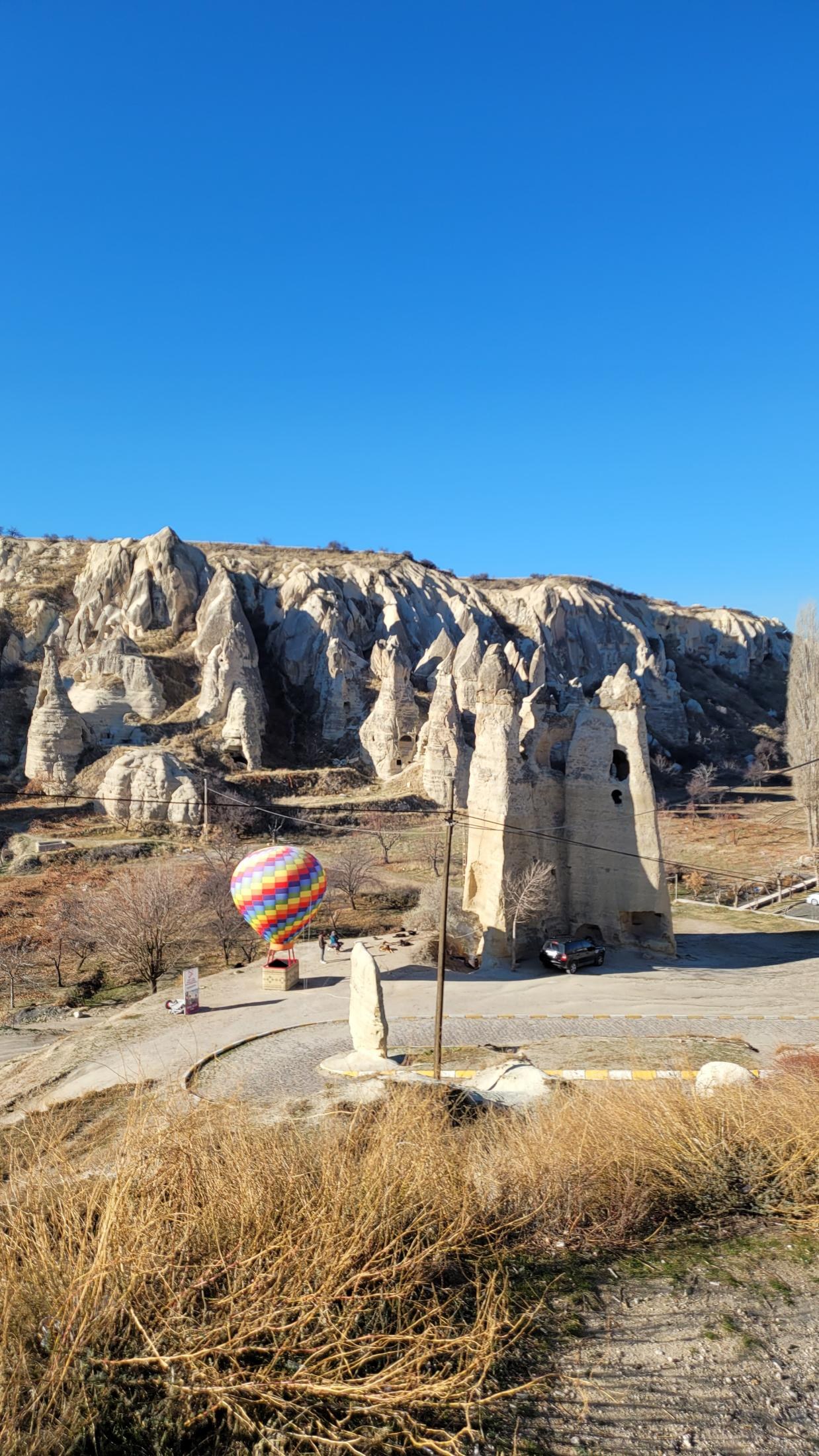
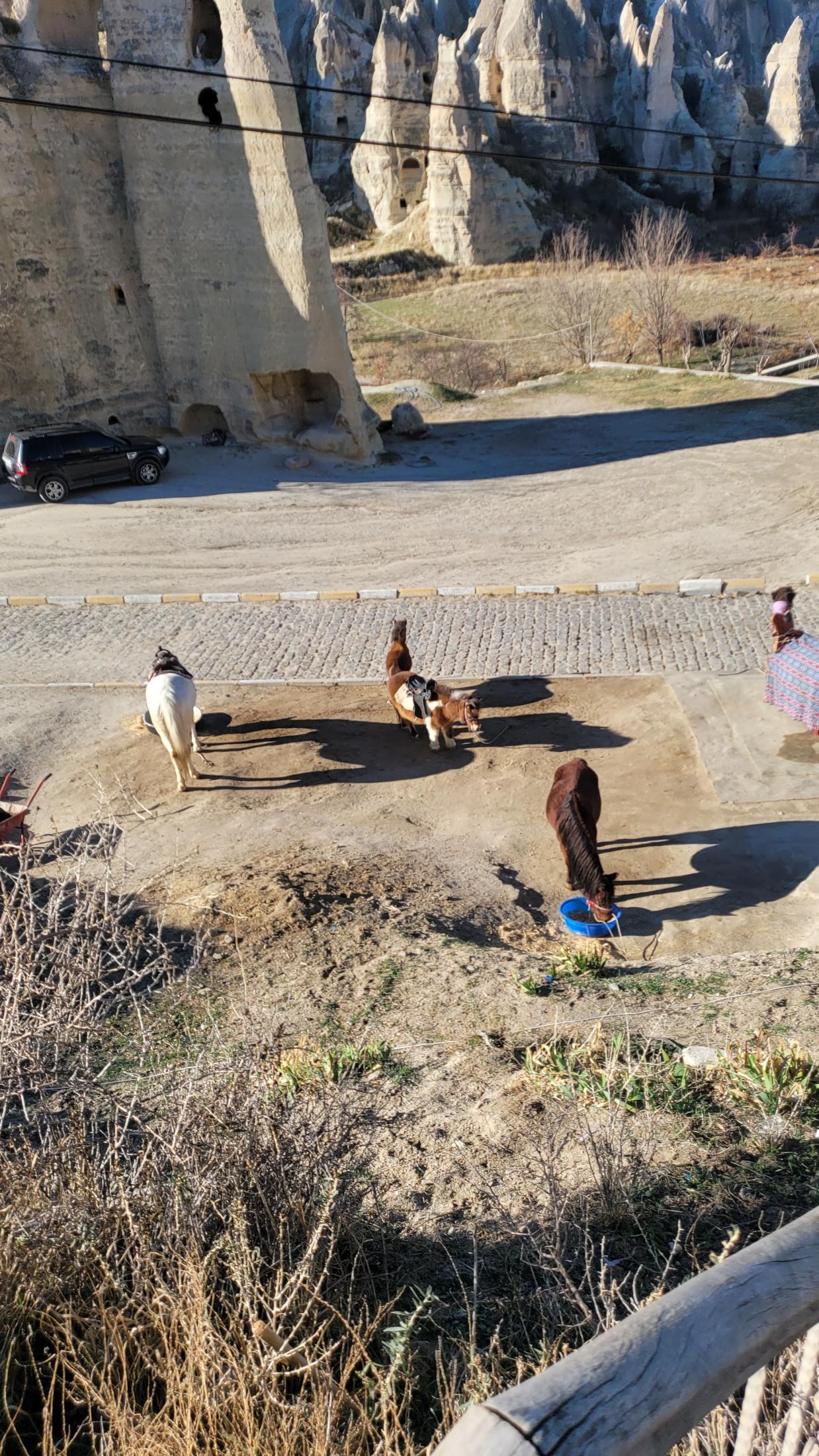
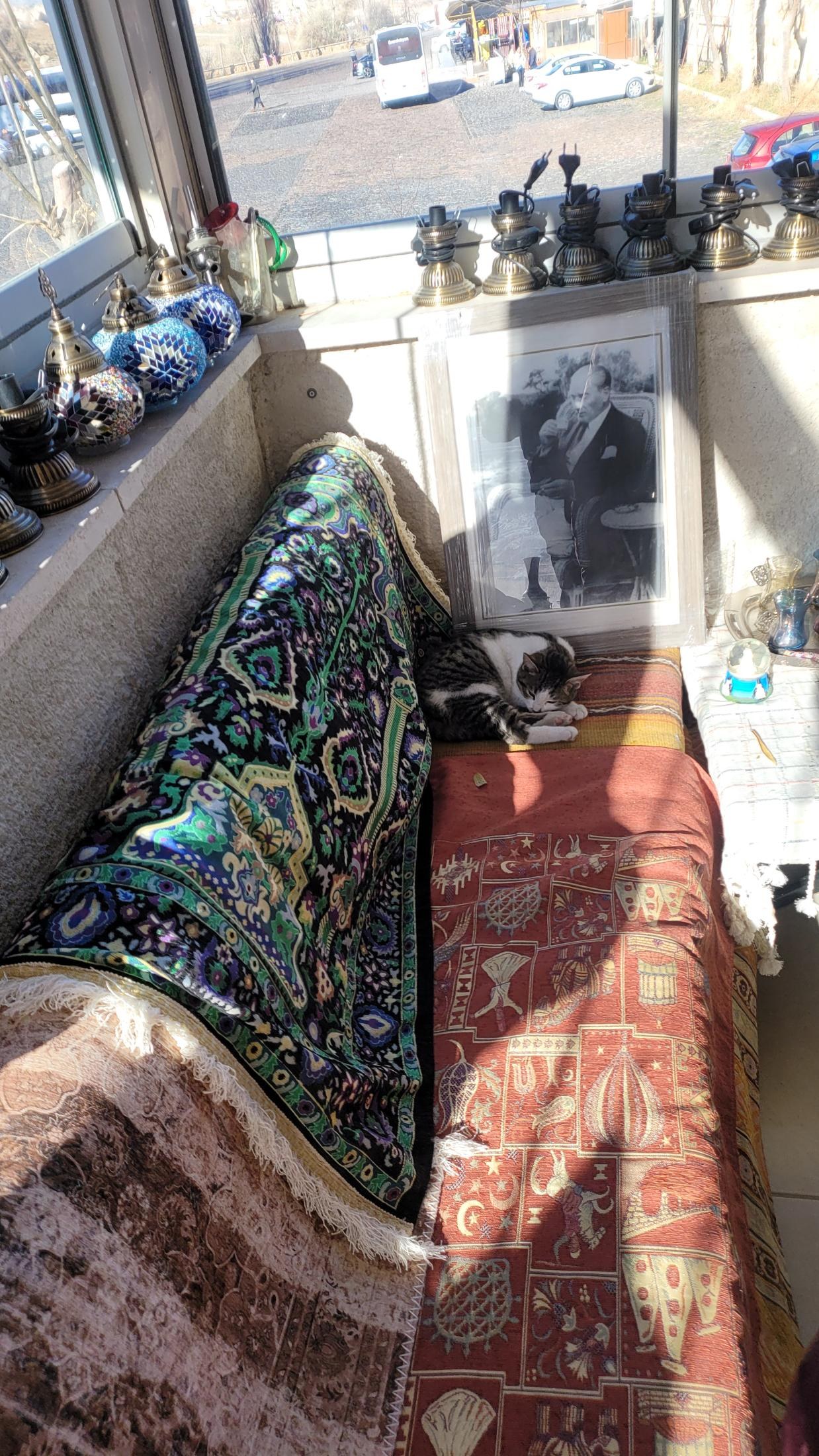
We do the museum in about an hour. Tea, harassing our furry friends. Onwards — we’ve paid €30 for an extra half-day excursion. Those who didn’t pay get free time either in Göreme, with a pickup time, or a lift back to the hotel in Ürgüp, where the spa is not bad at all. We, however, came to look, photograph and soak up culture. The castle at Ortahisar and the Özkonak underground city await — that second one sounds promising.
Ortahisar
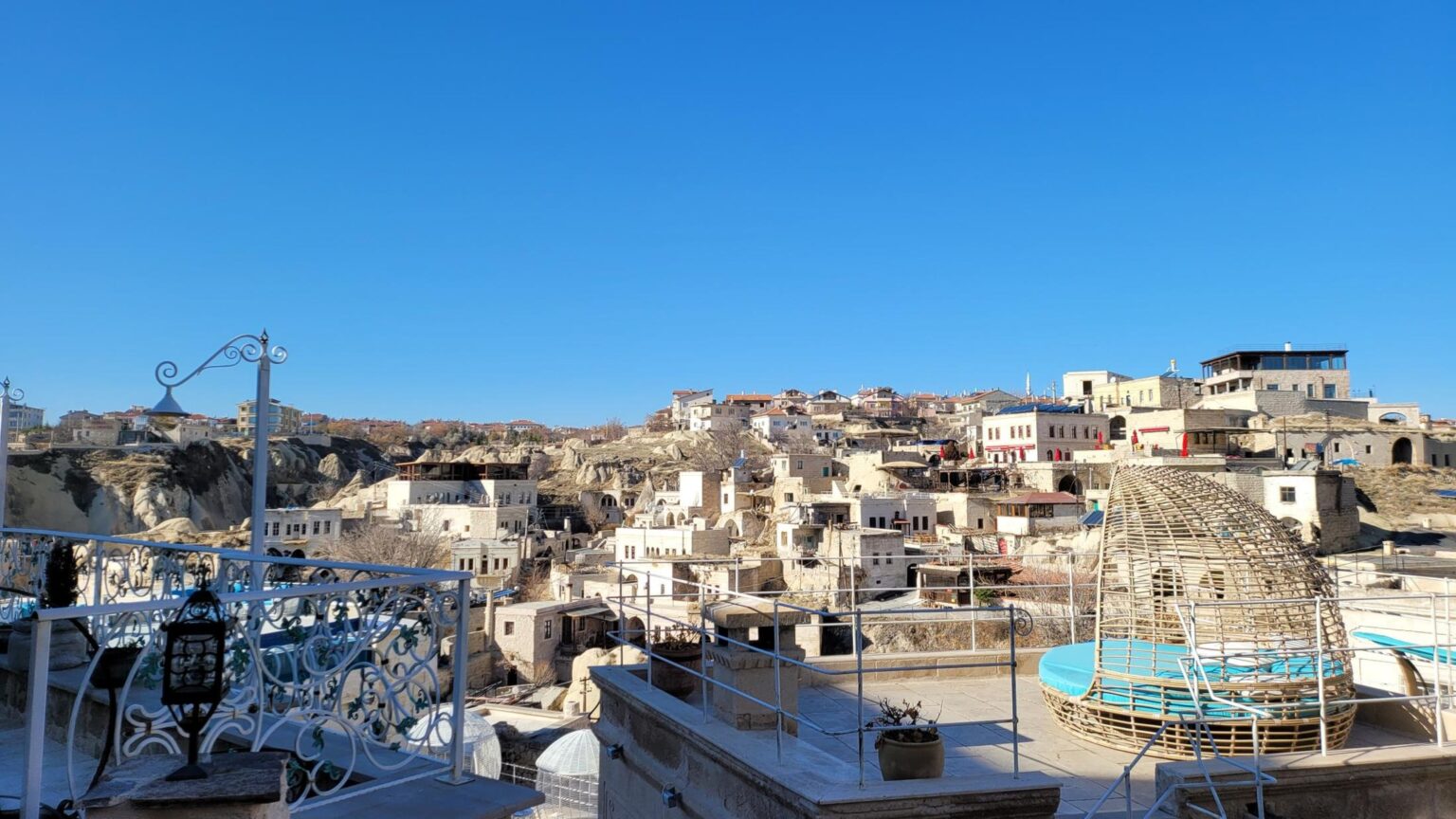
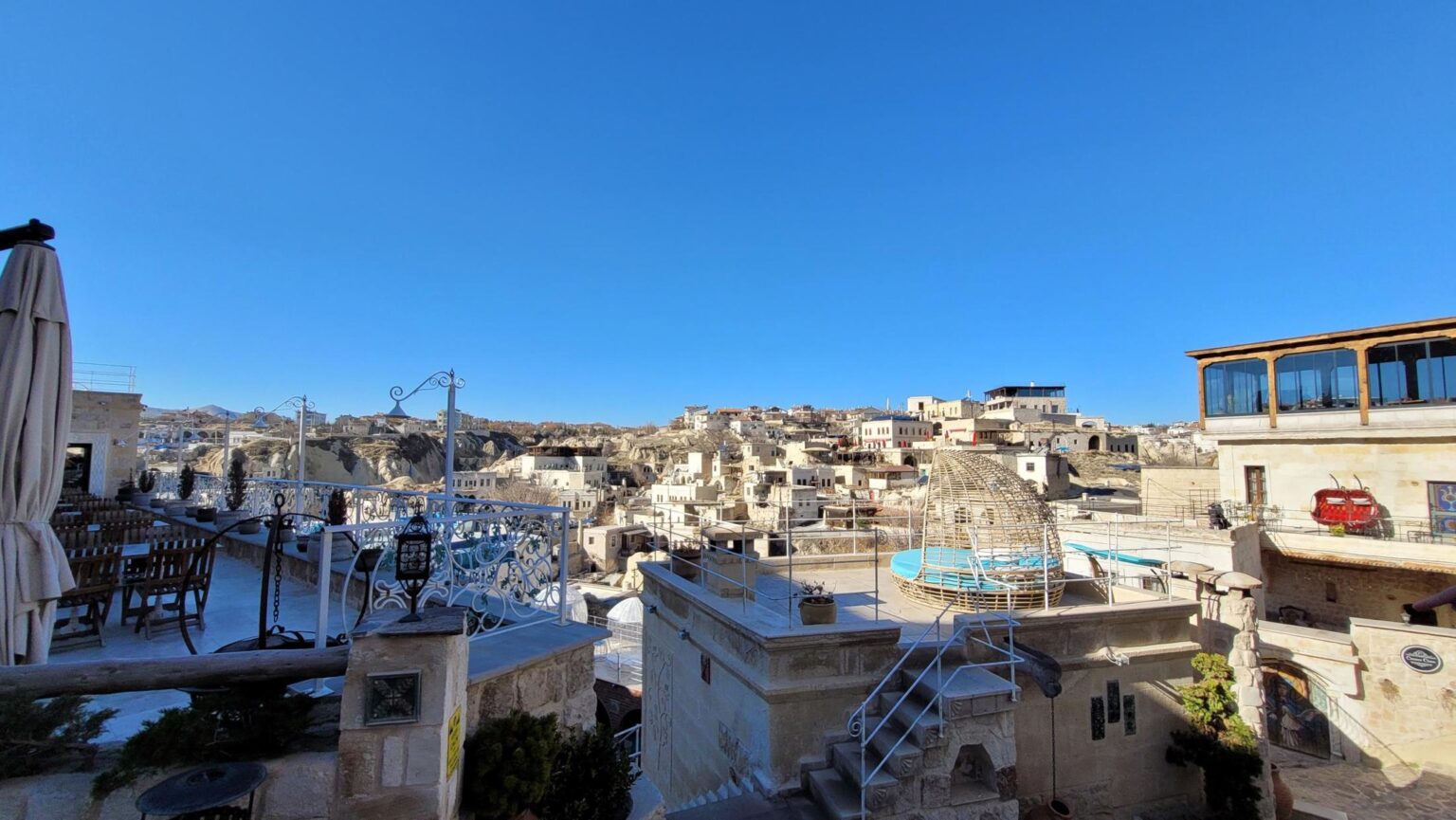
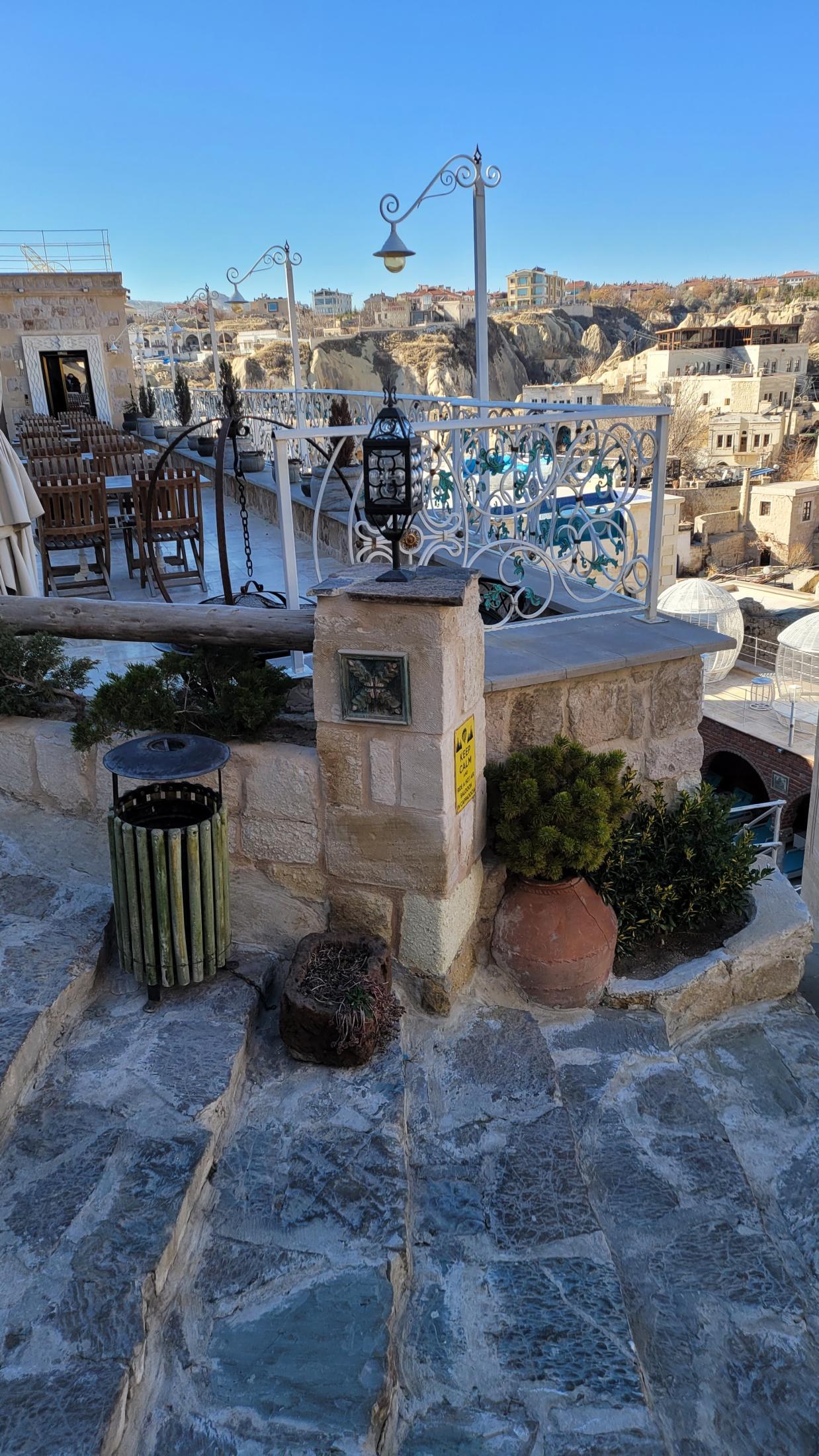
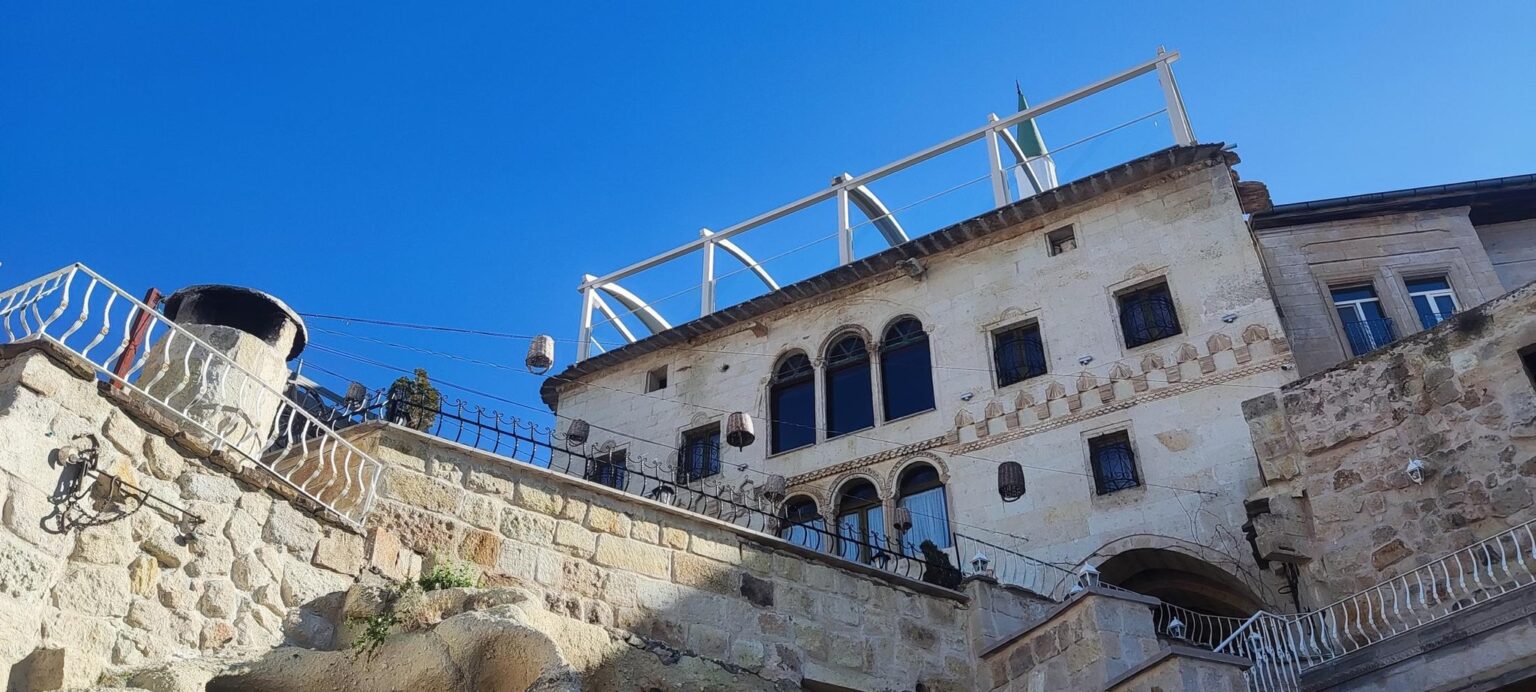
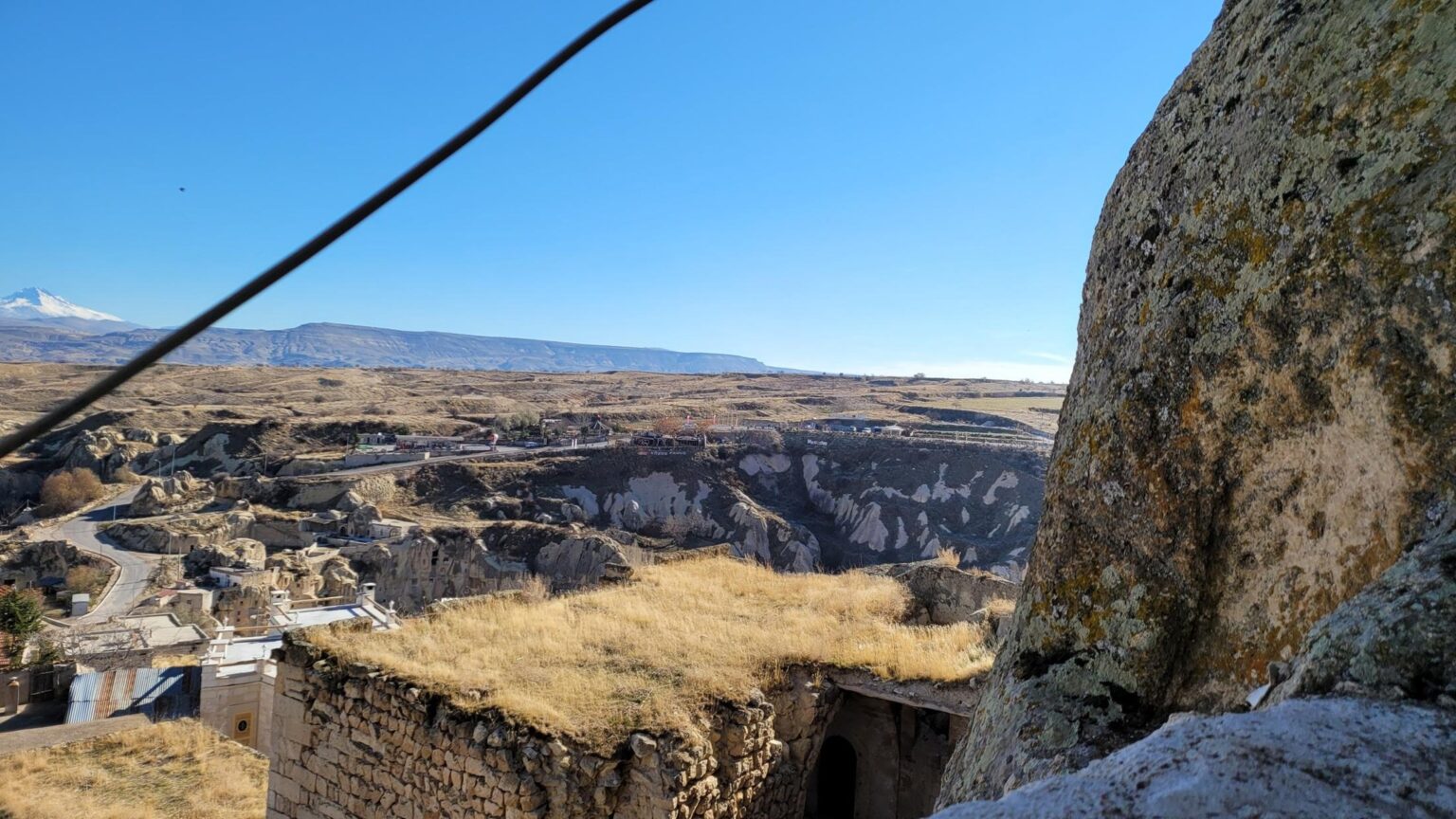
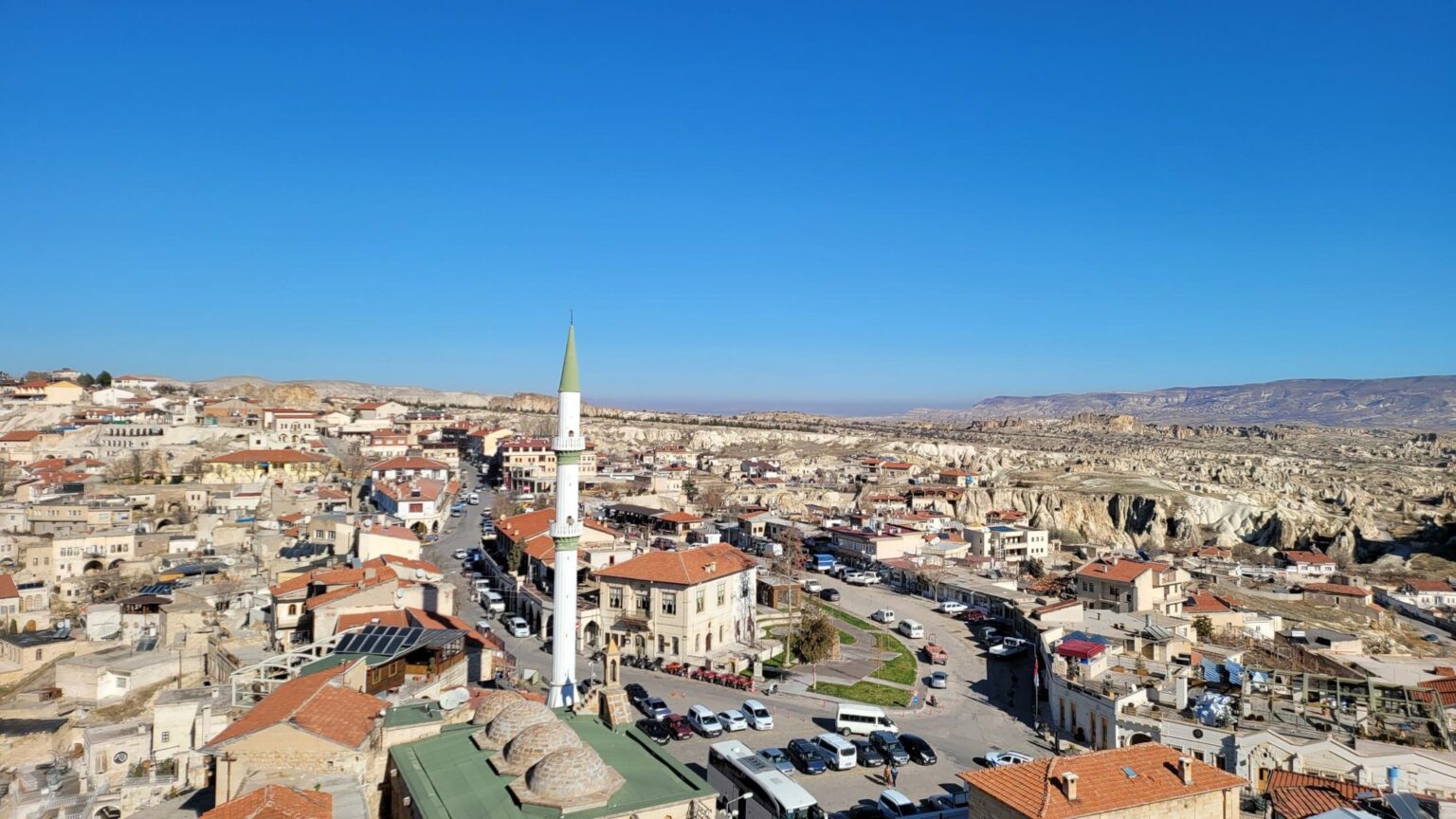
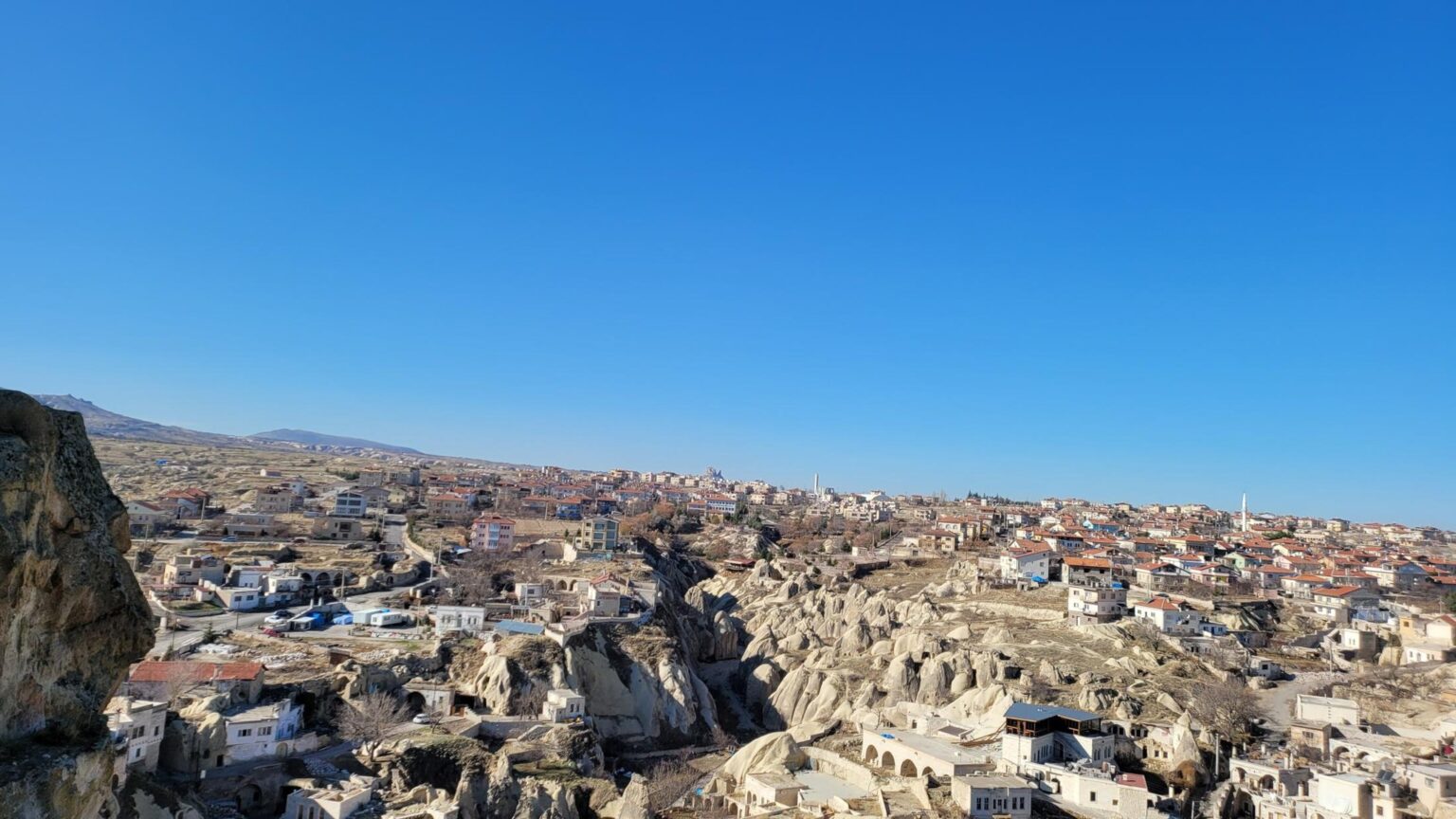
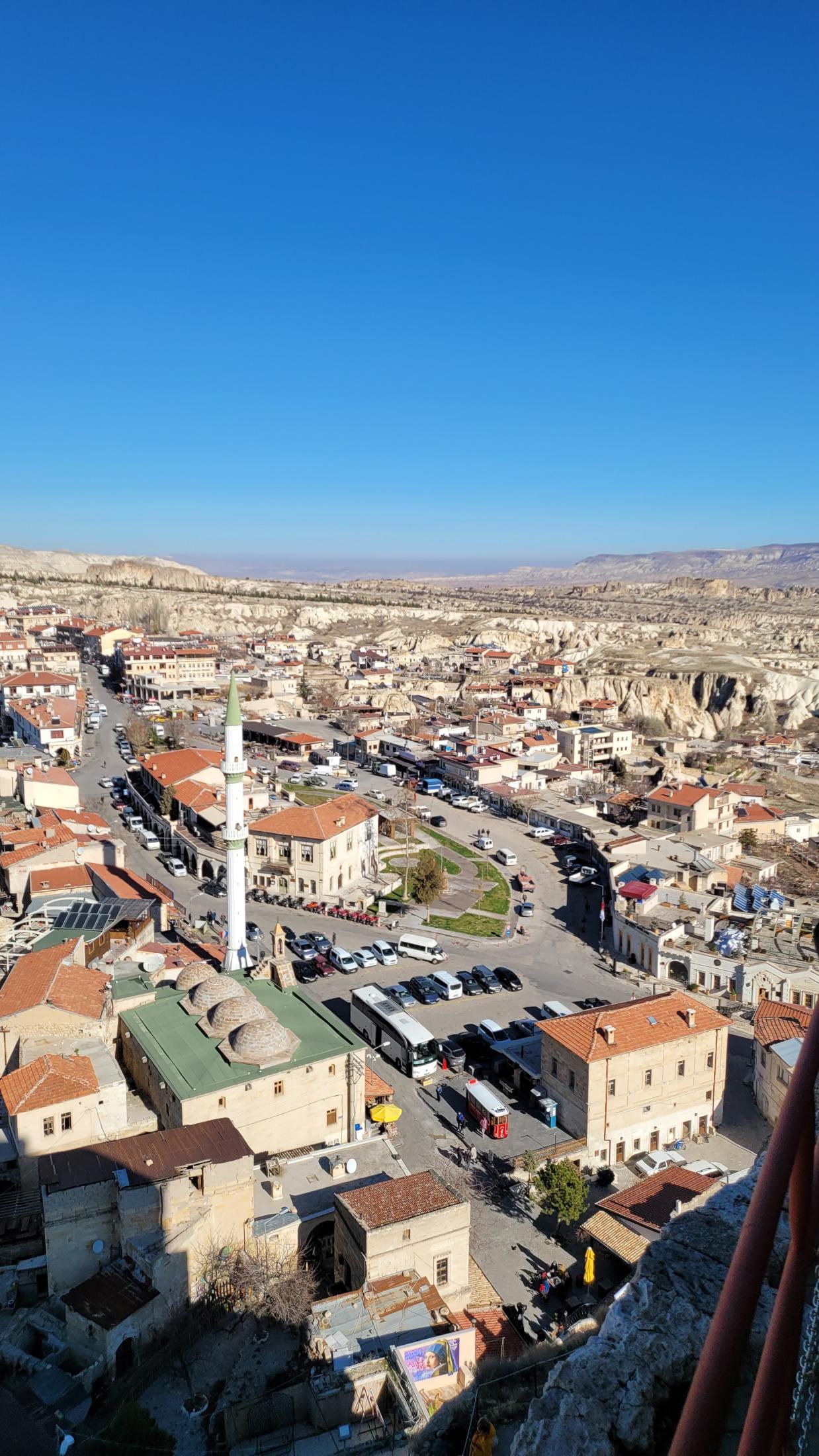
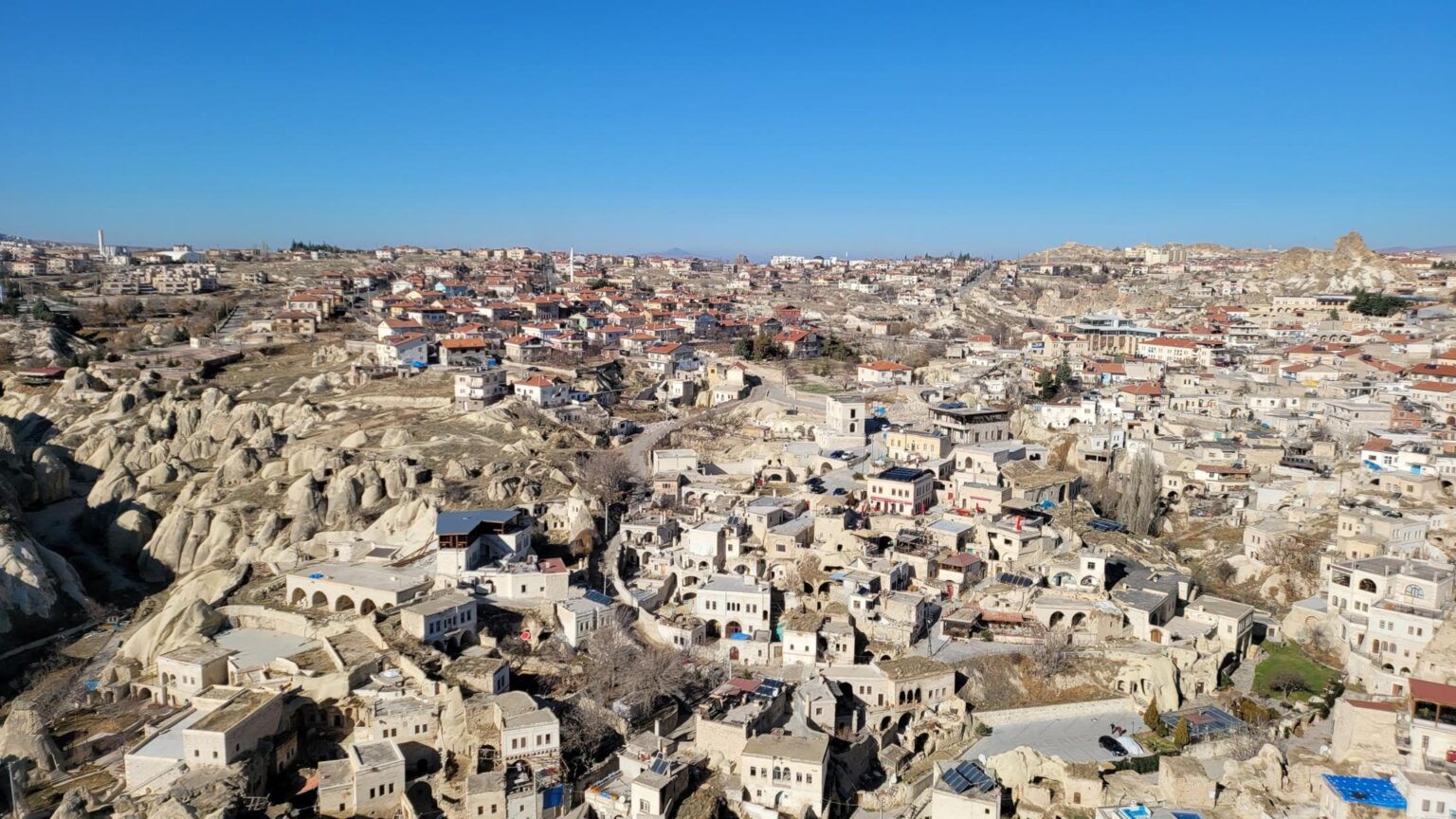
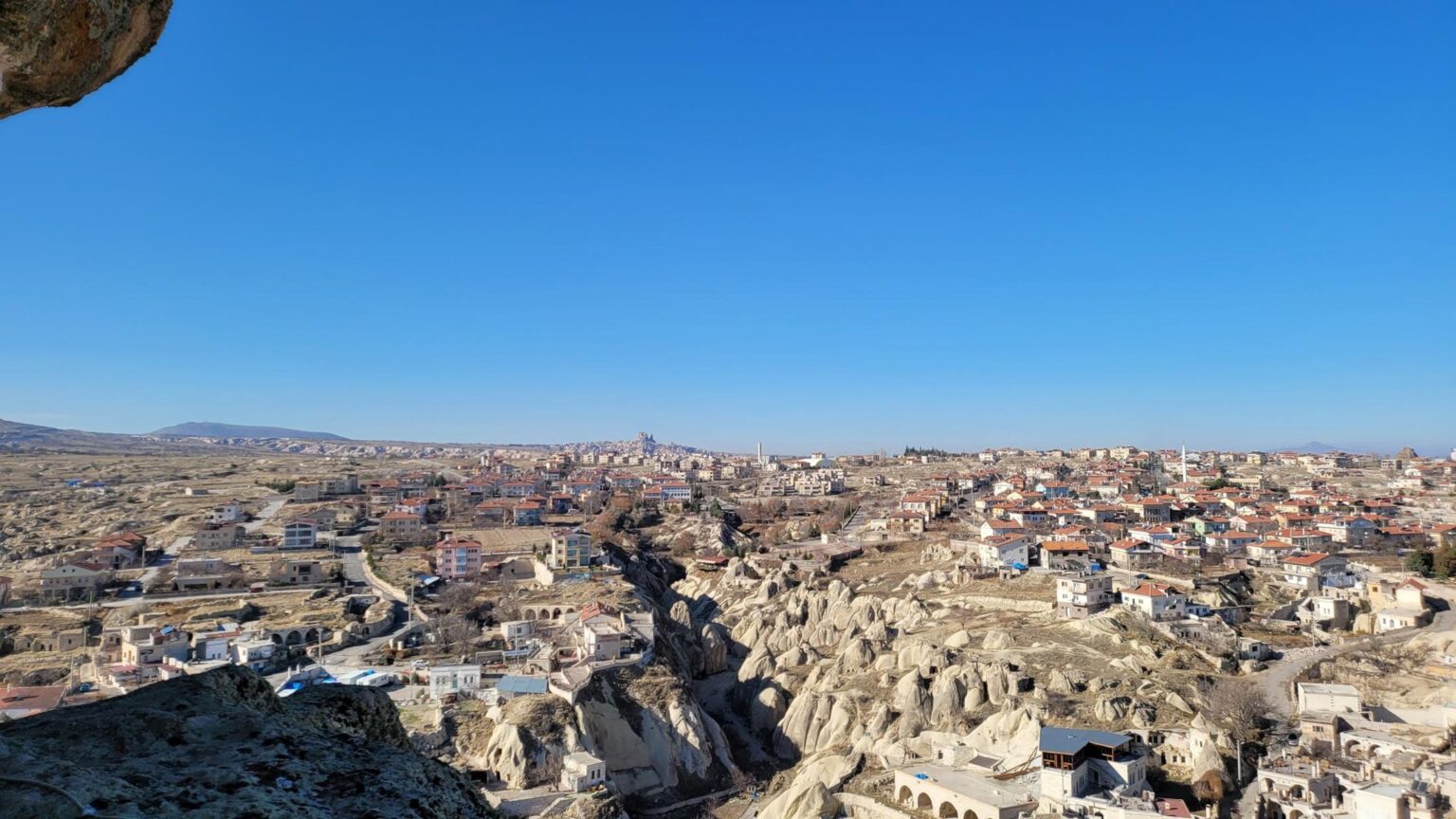
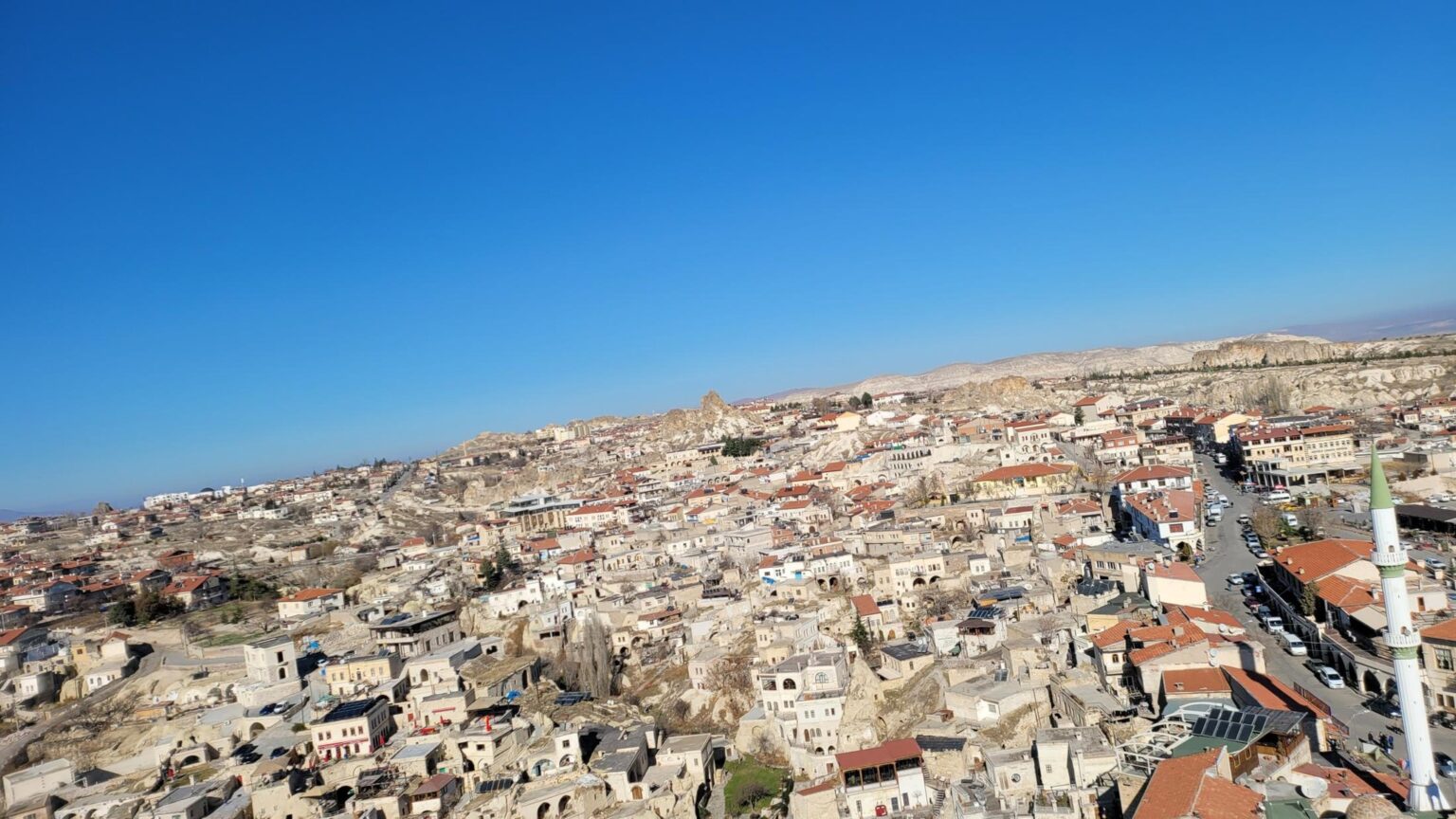
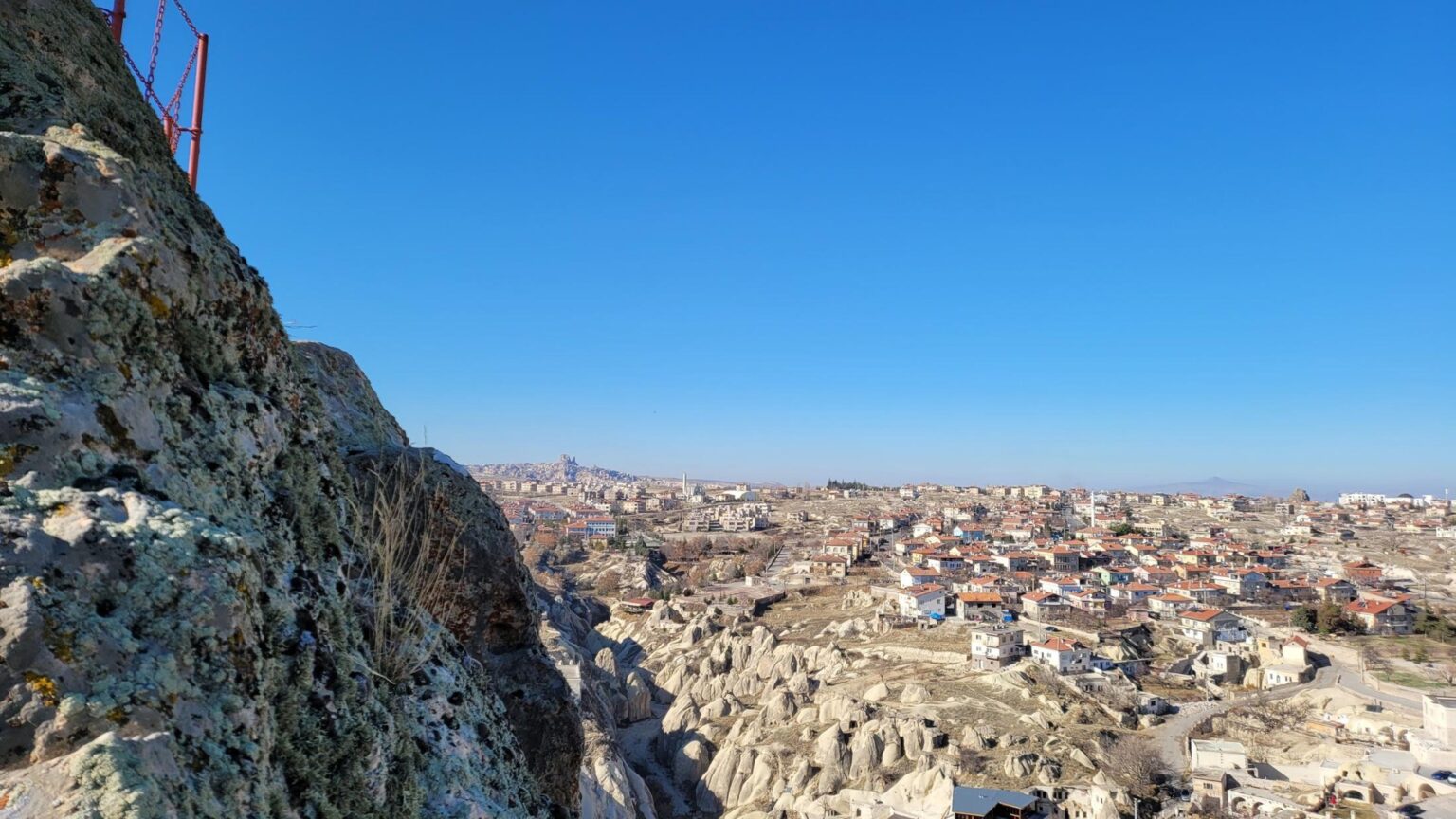
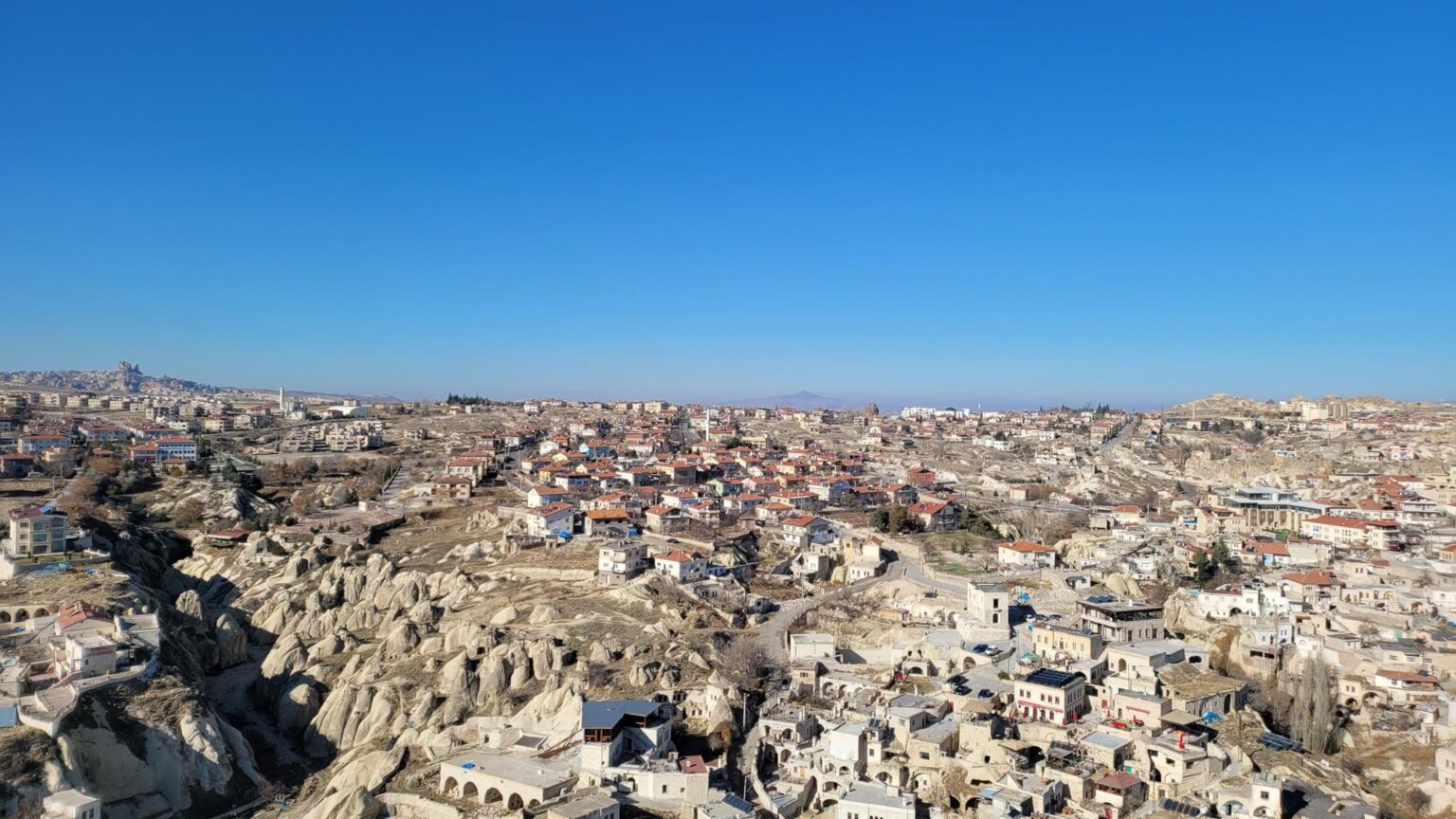
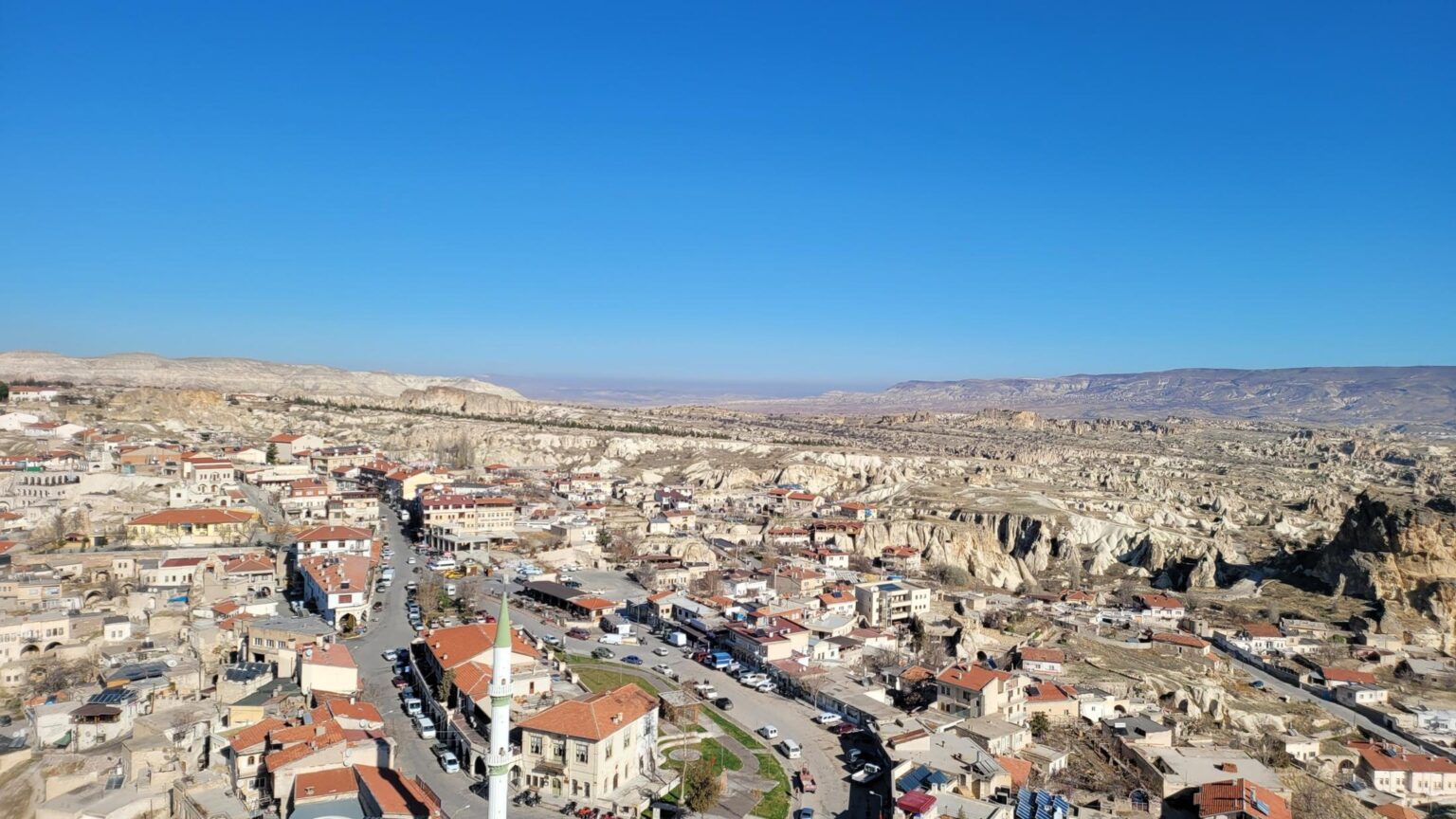
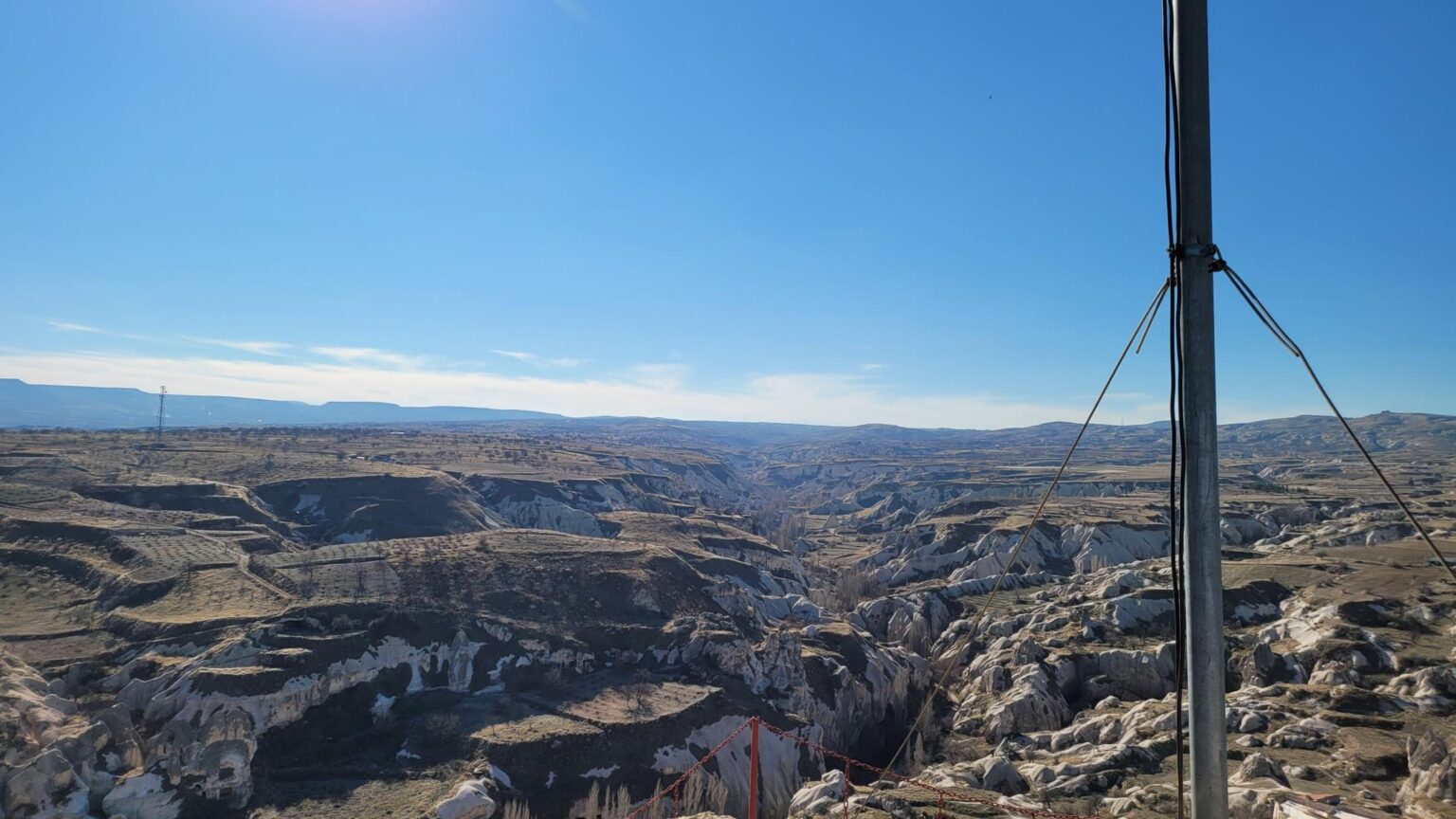
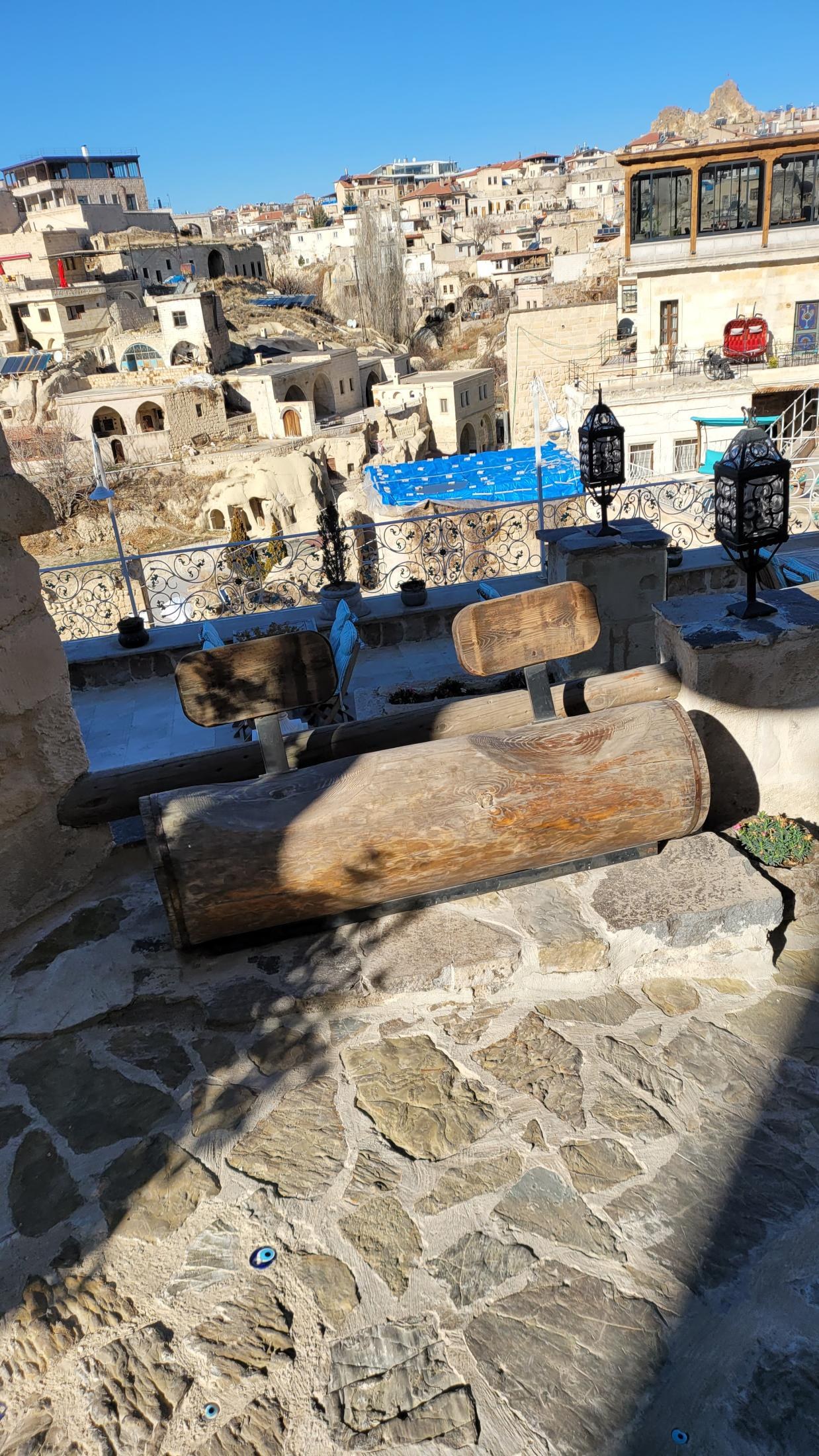
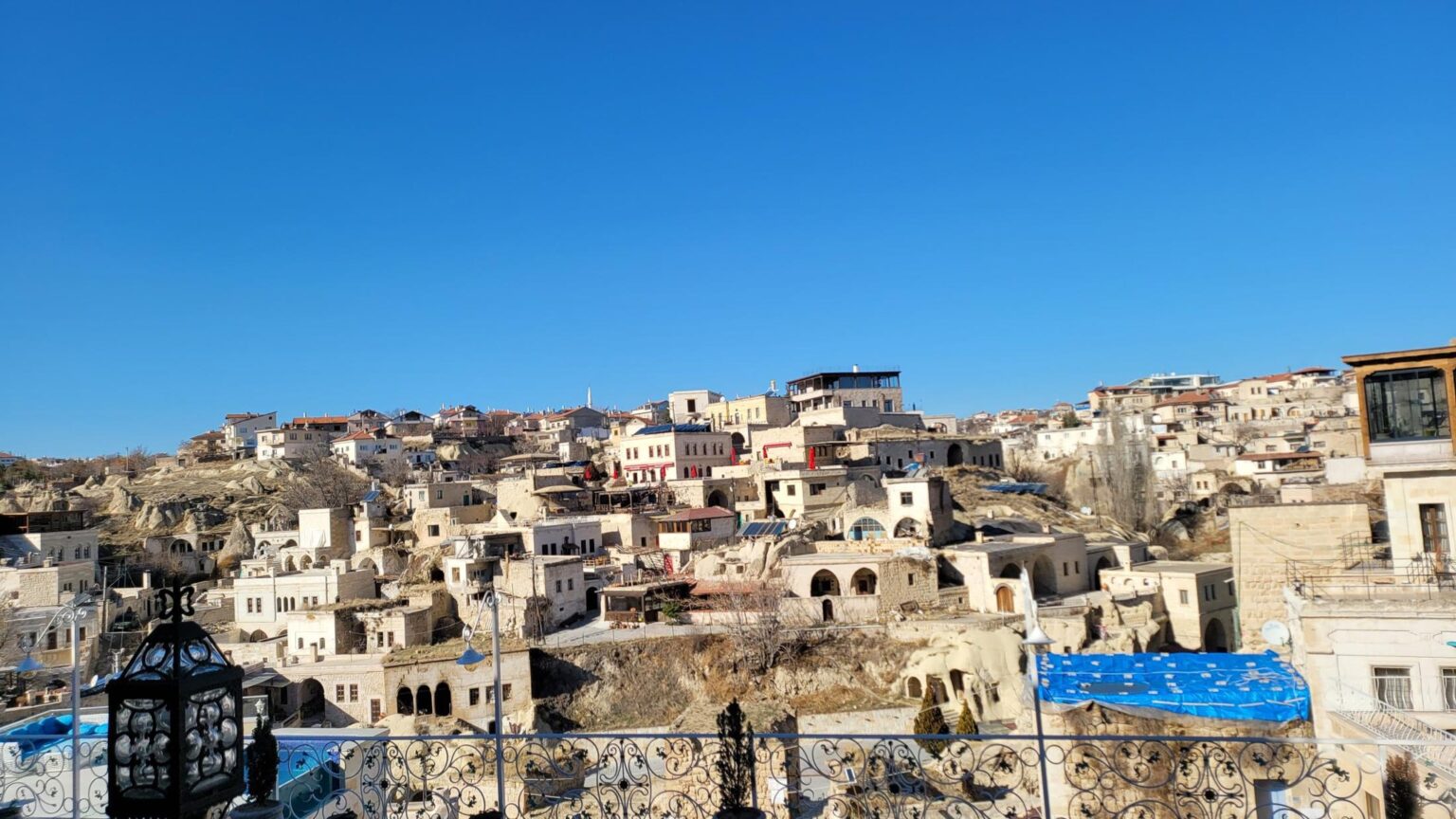
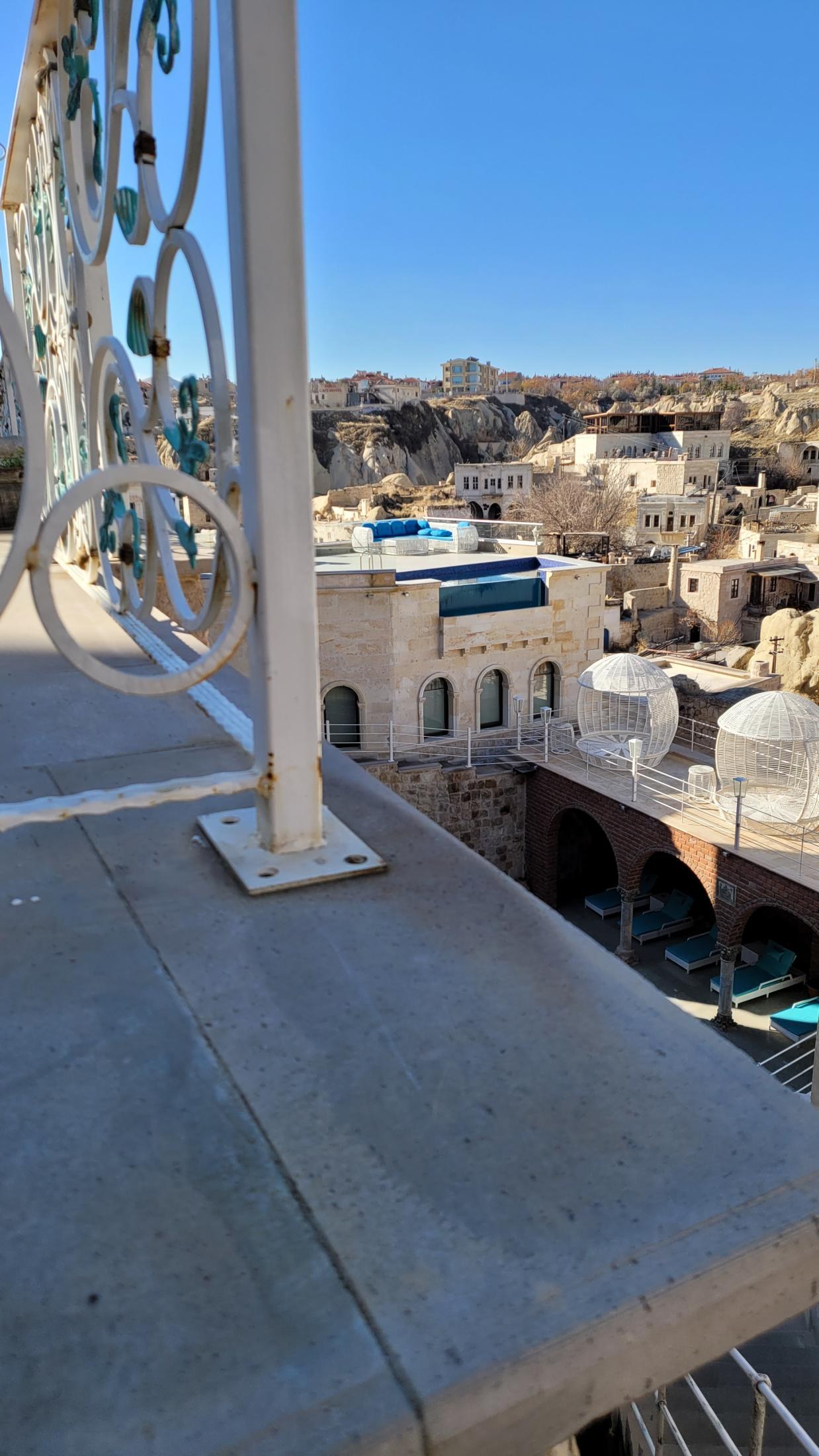
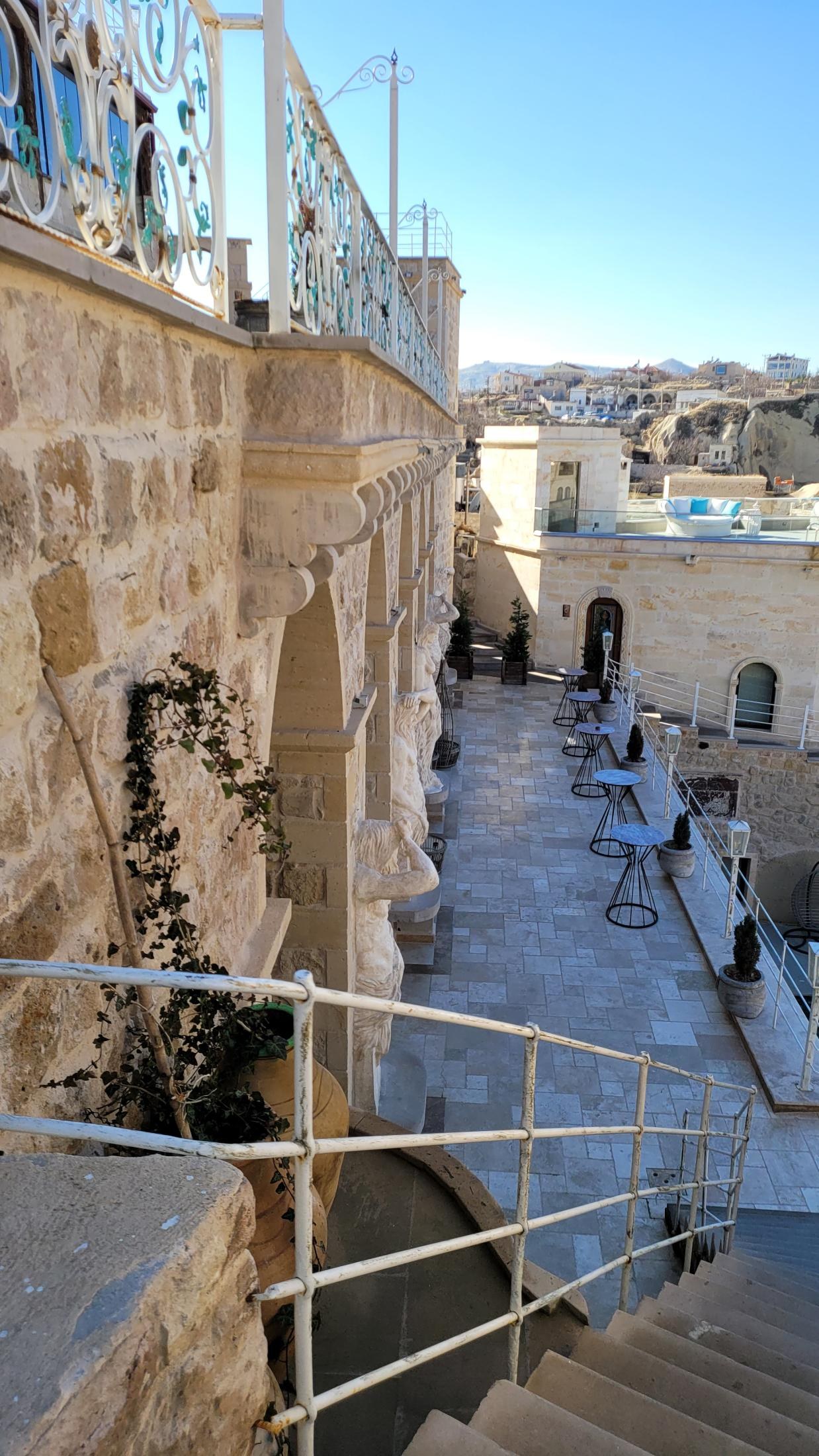
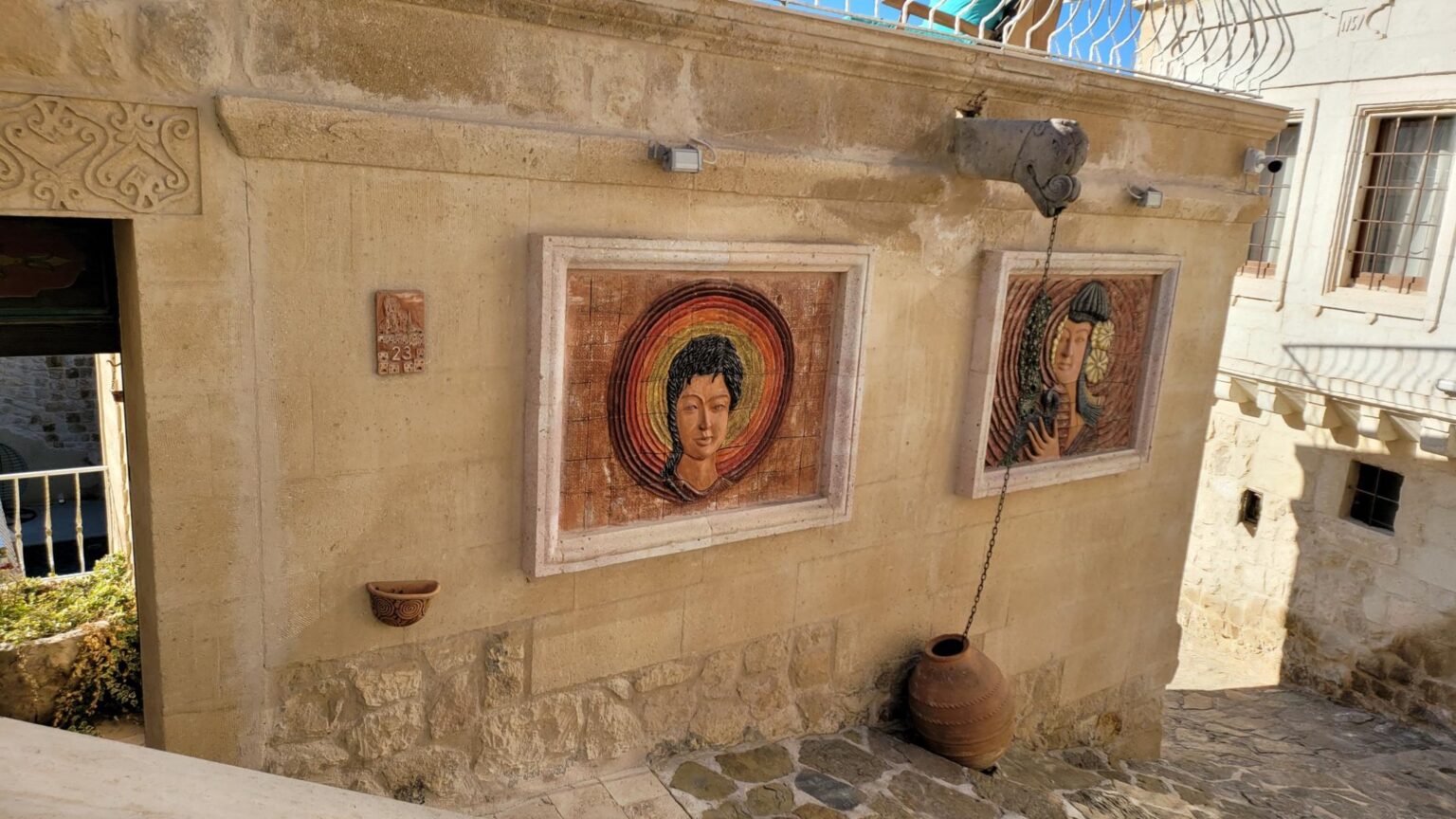
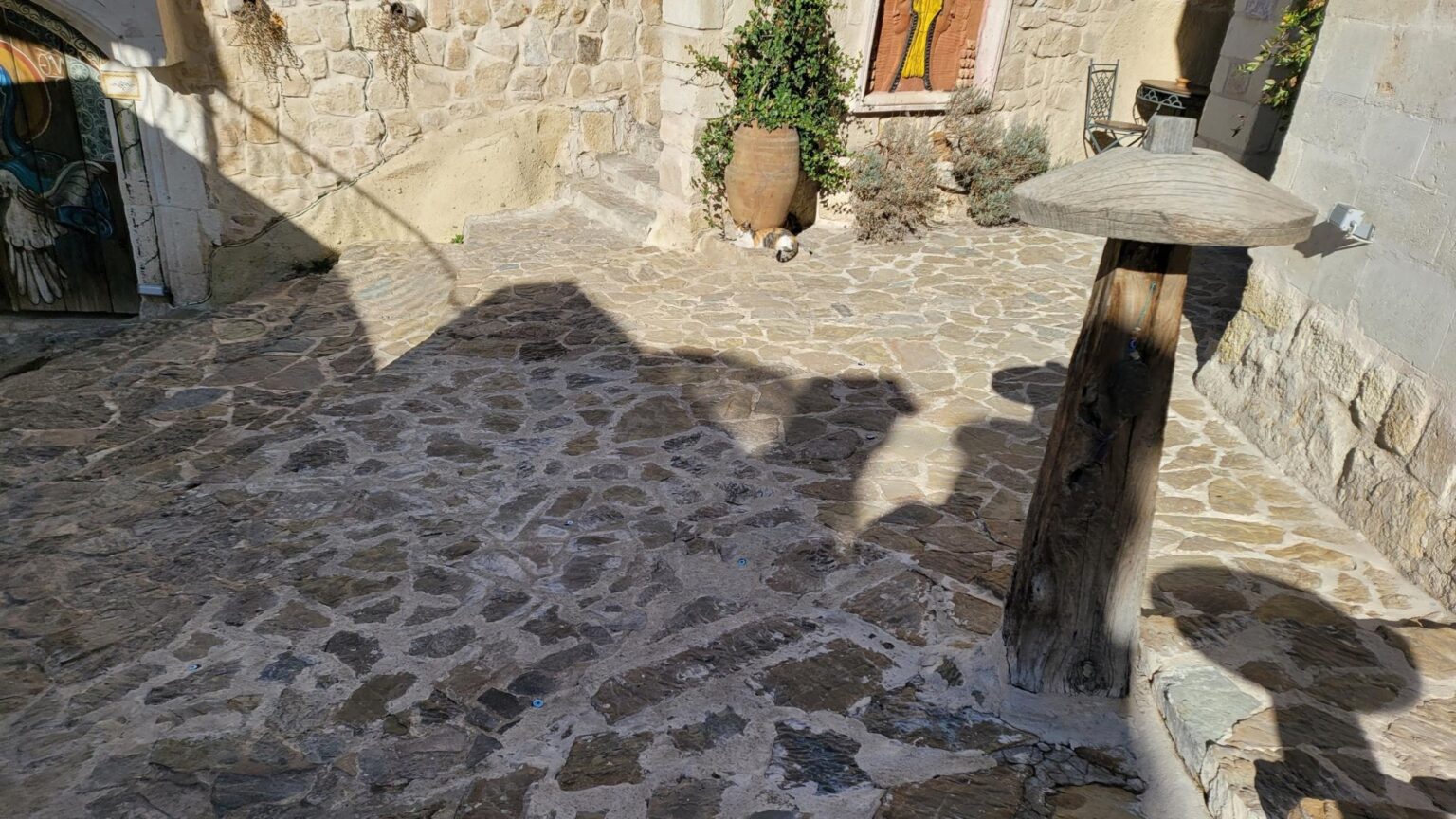
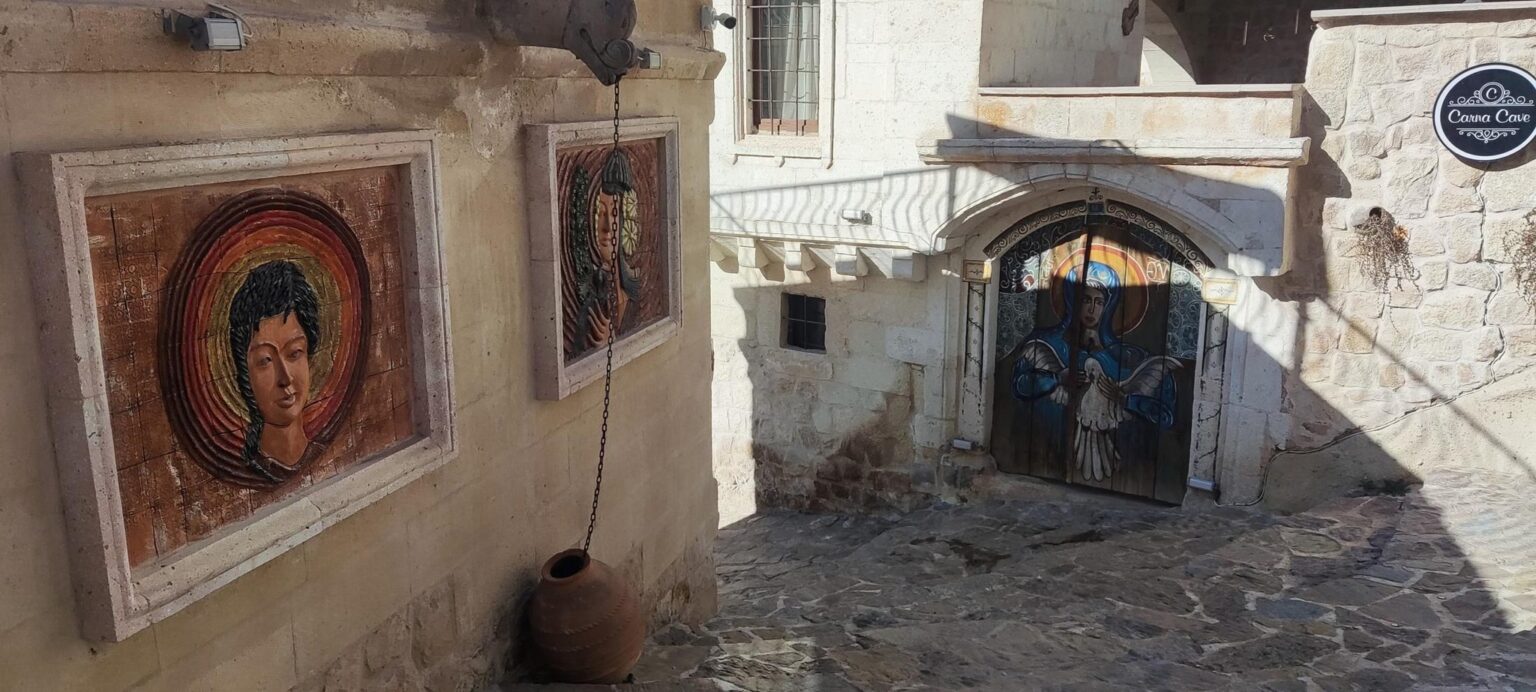
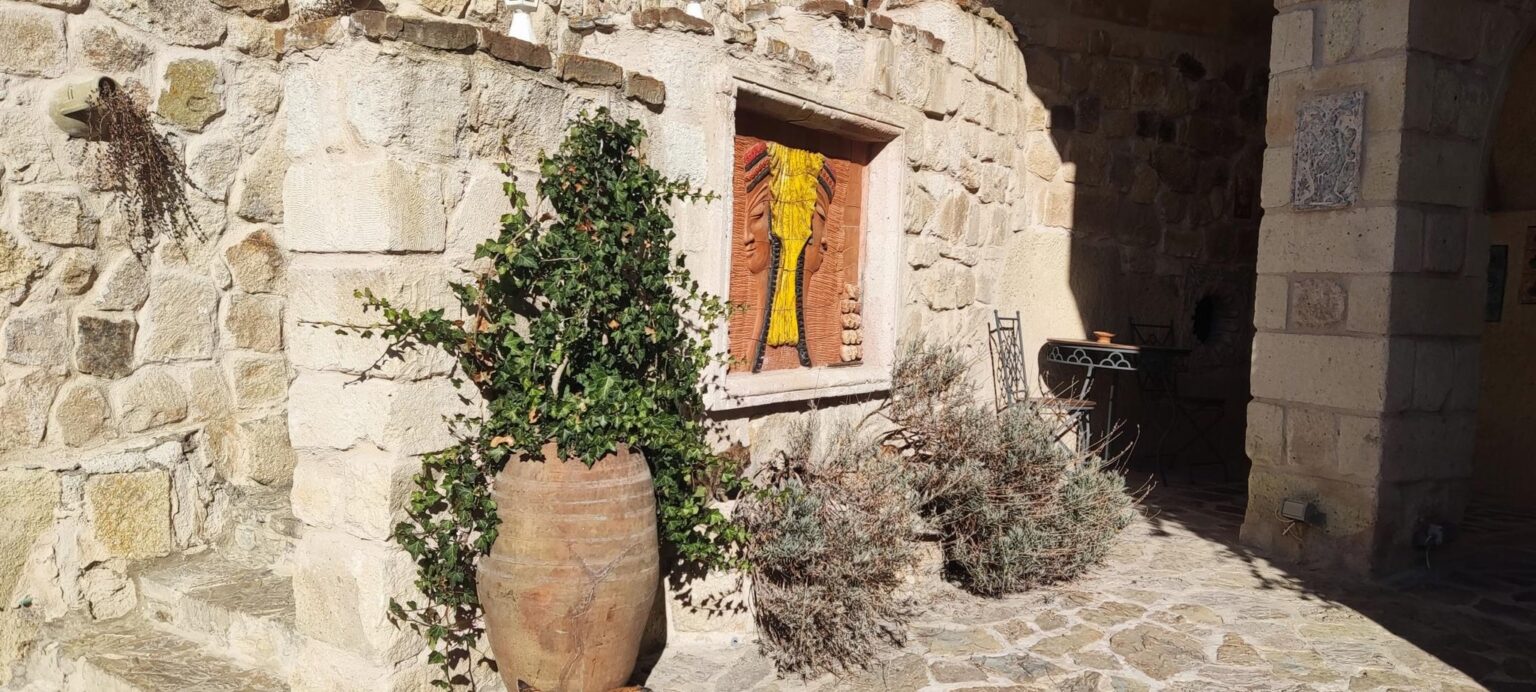
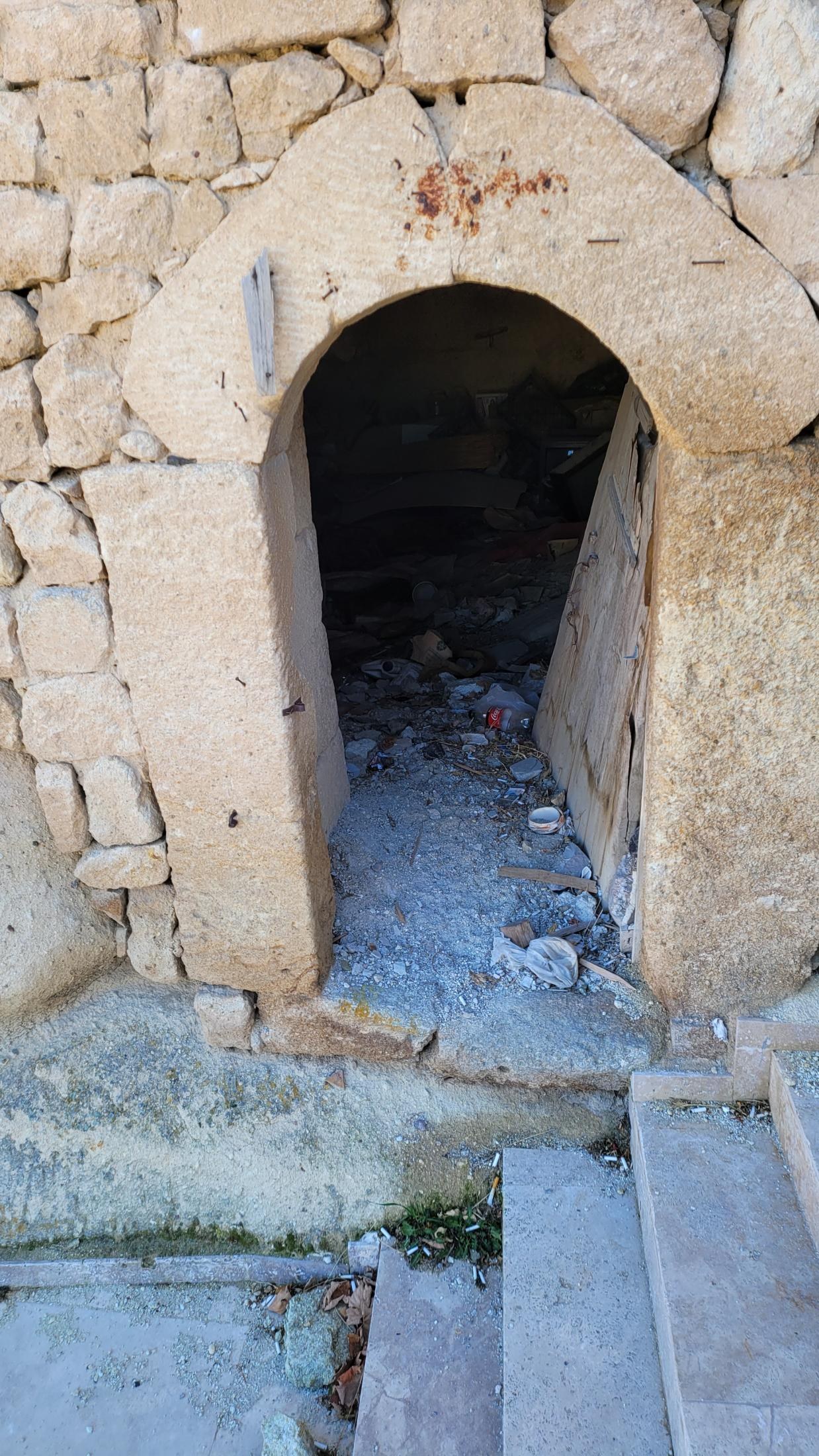
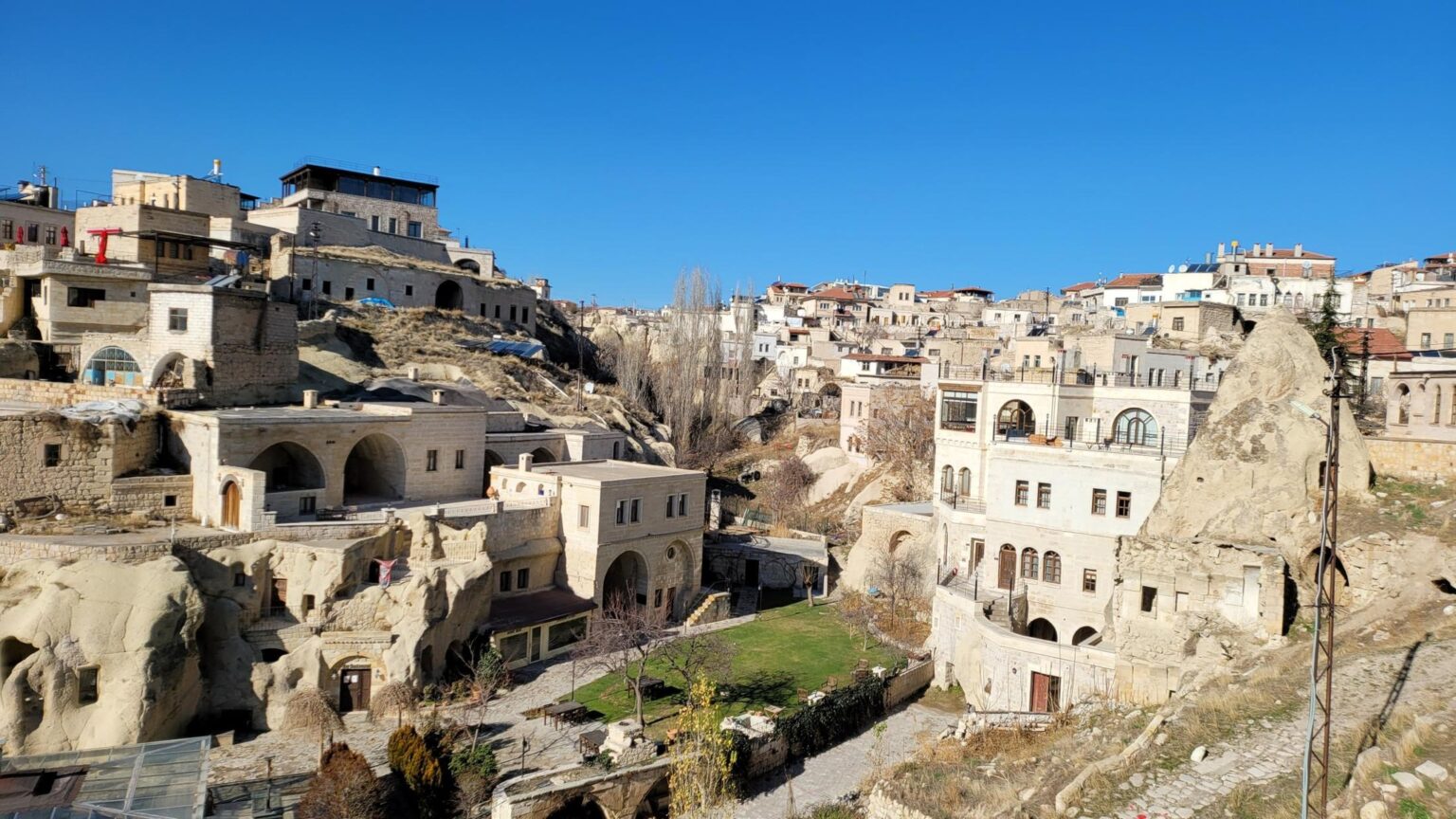
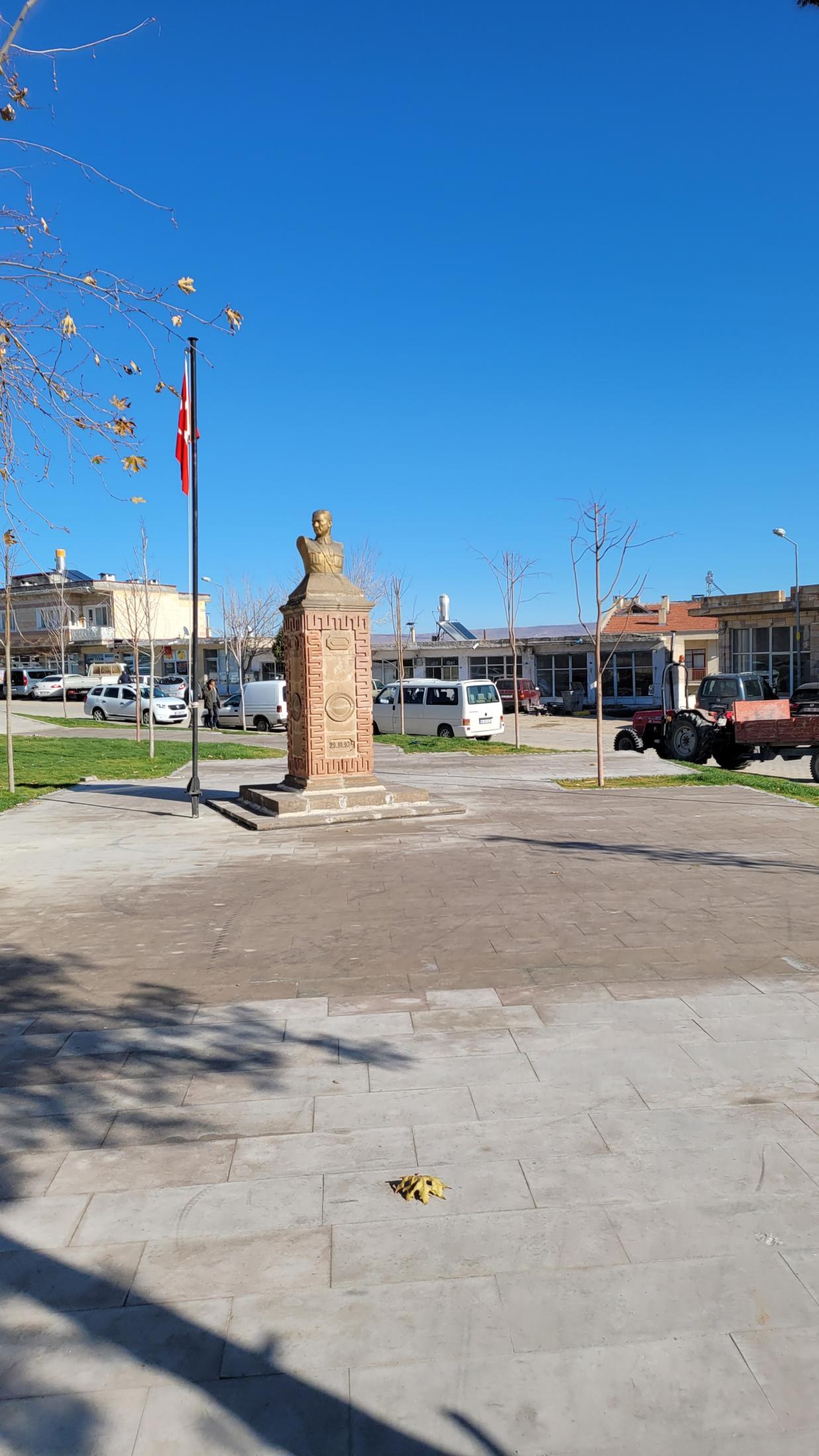
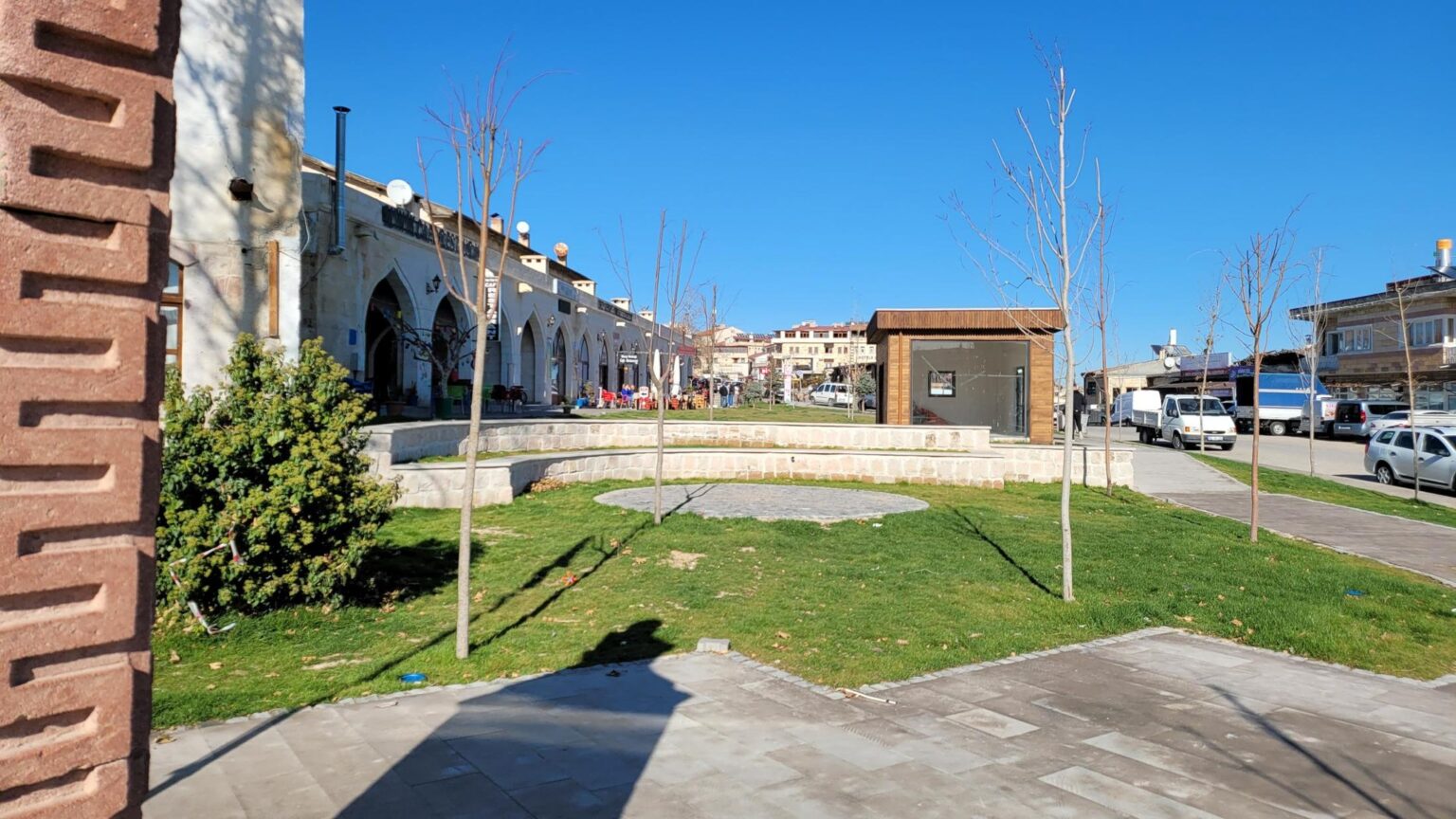
They drop us in the centre of Ortahisar and give us two hours. Avanos equals pottery. Uçhisar equals textiles. Ortahisar equals storage. They have enormous chambers dug into the rock which make perfect conditions for storing food. The town takes about half an hour to walk round, it isn’t big. Surprise: cats everywhere. For a token entry fee, though, you can look round the castle, which is much like the one at Uçhisar. Why not, we’ve got another hour. I won’t lie — there’s no wow here. The scenery is repeating itself for the third time. The distant call to prayer, the panoramas, the mildly gigantic mountain on the horizon, the unsecured stairways — it’s all the same. For the money, though, it’s absolutely worth it.
Update 2026: we paid 5 lira, which was under a lev. That figure means nothing today. Ortahisar Castle is still one of the cheapest tickets in Cappadocia, but expect a few euros rather than small change, and note it’s the kind of site that closes for restoration without much warning. Check on the day.
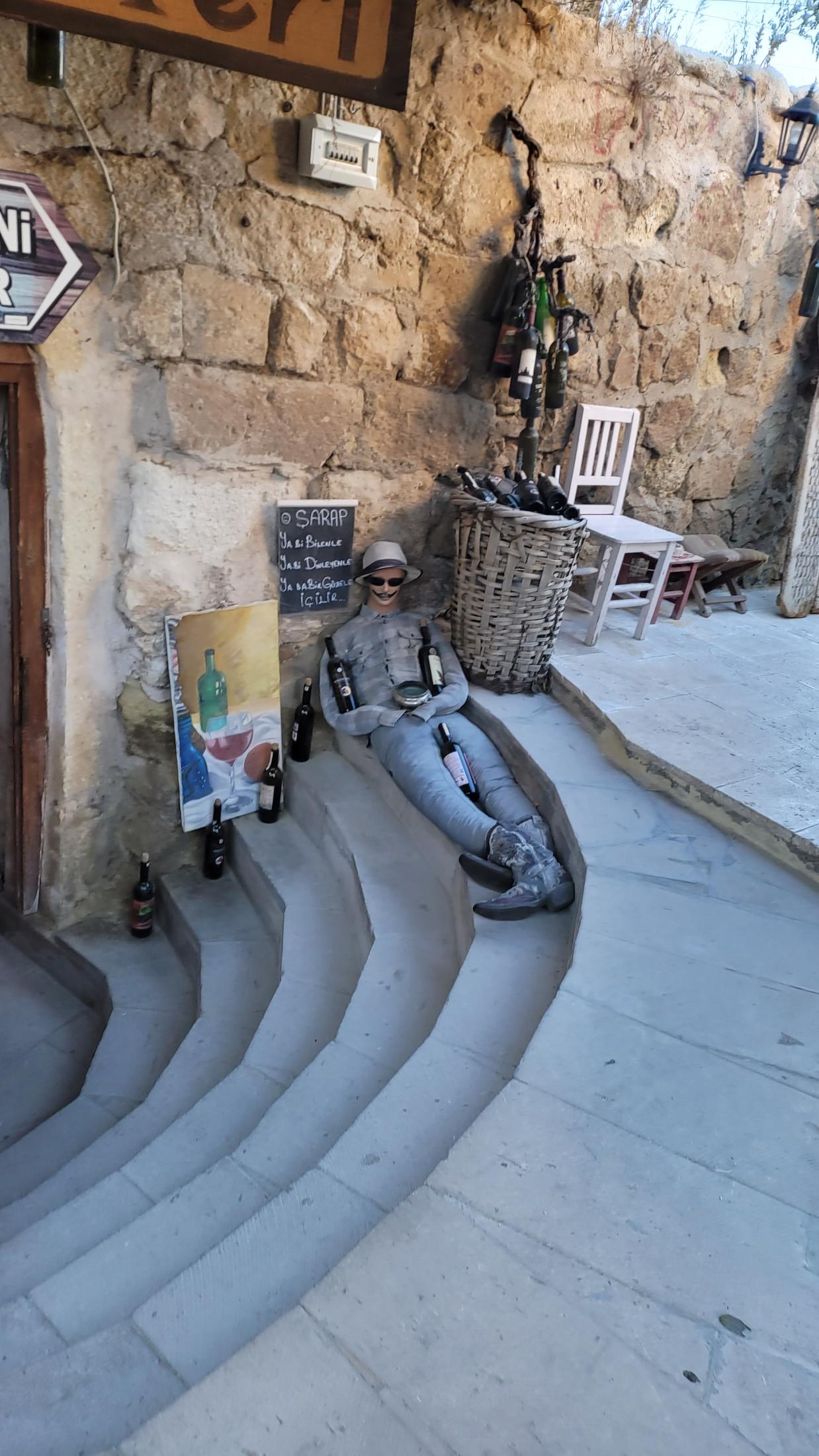
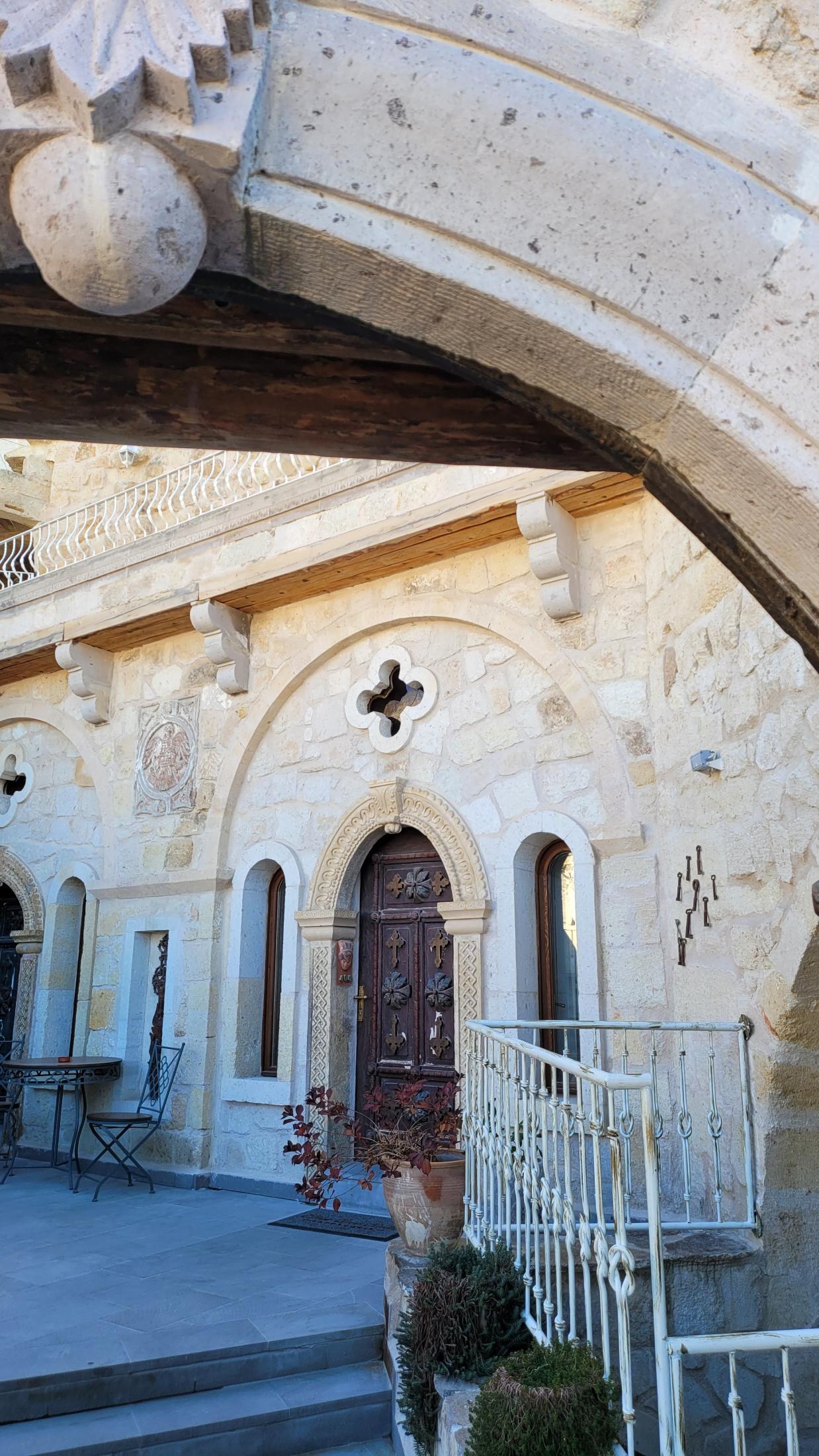
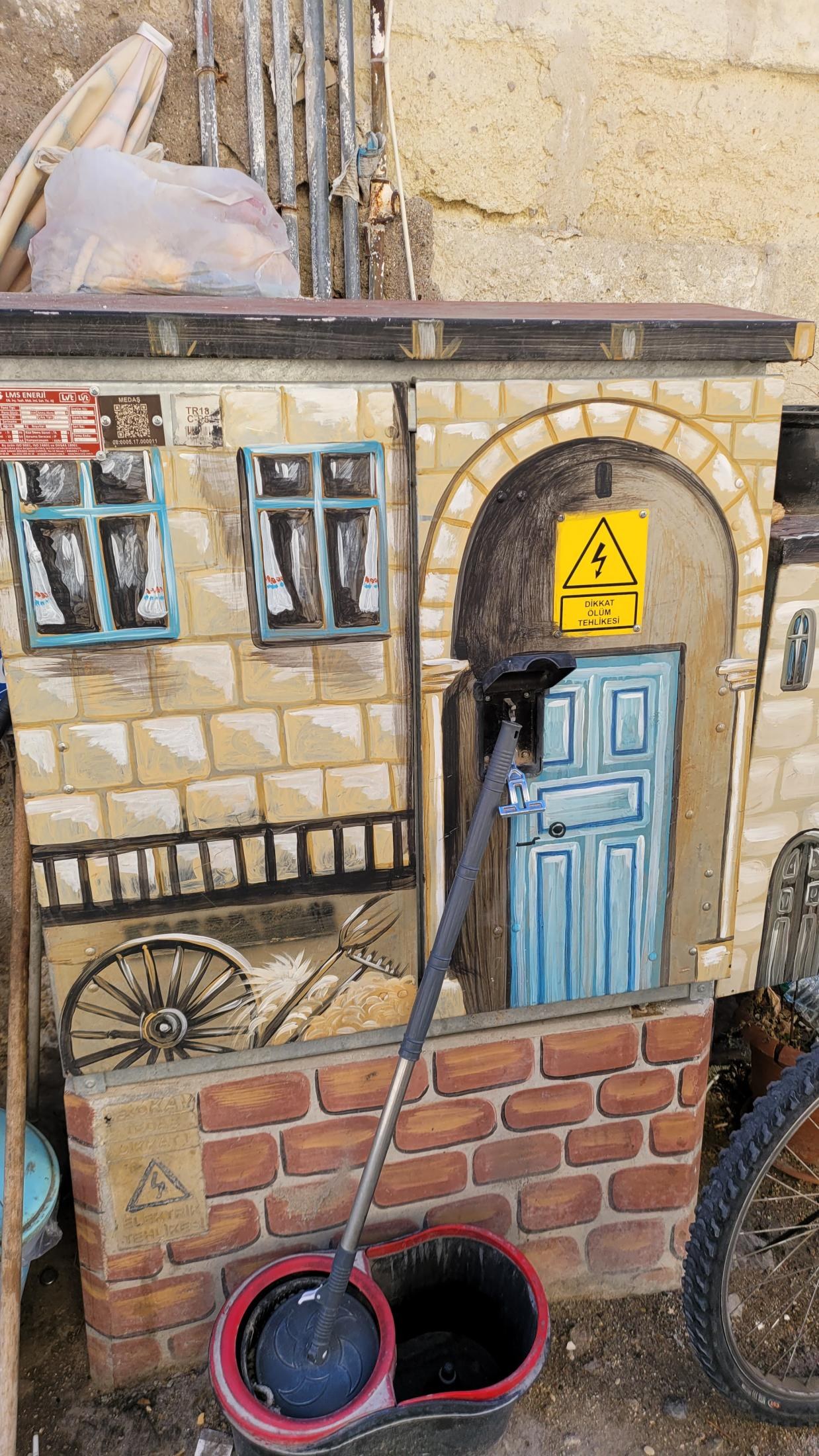
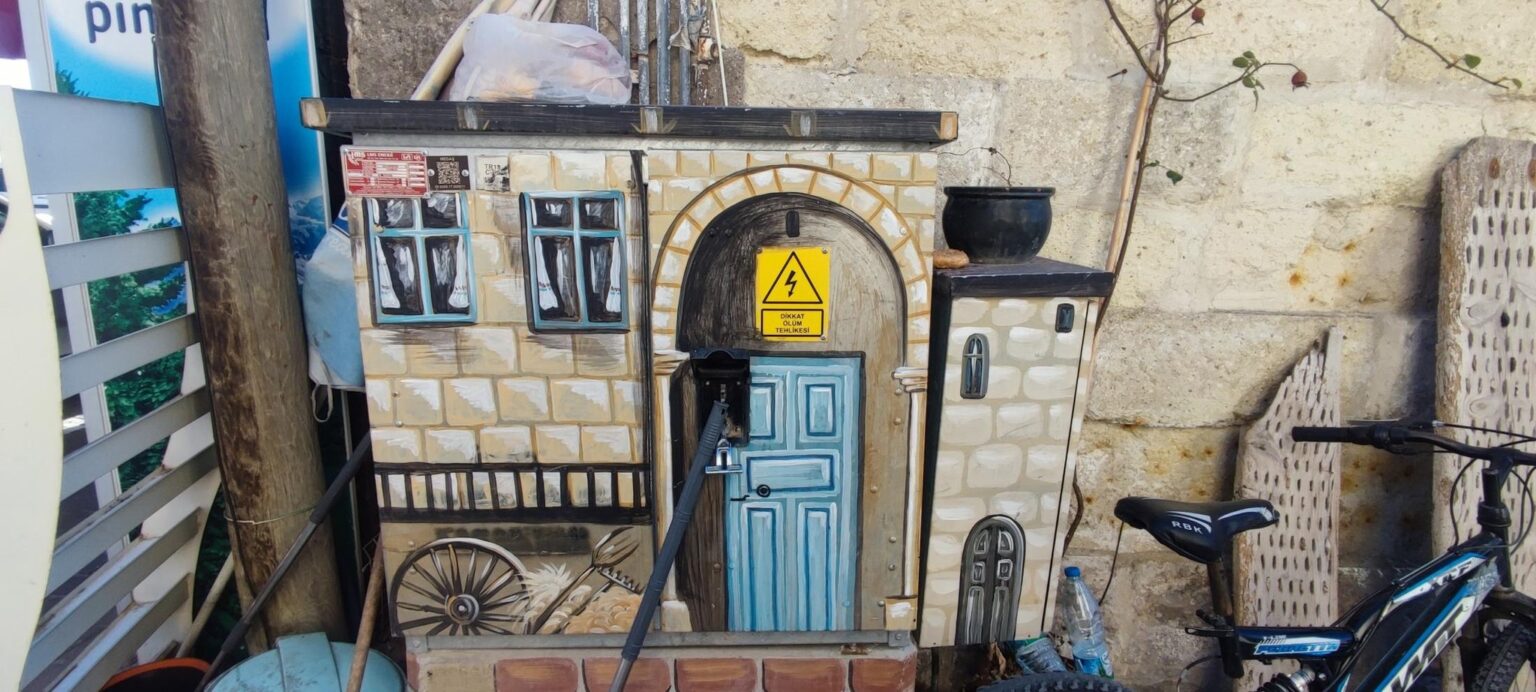
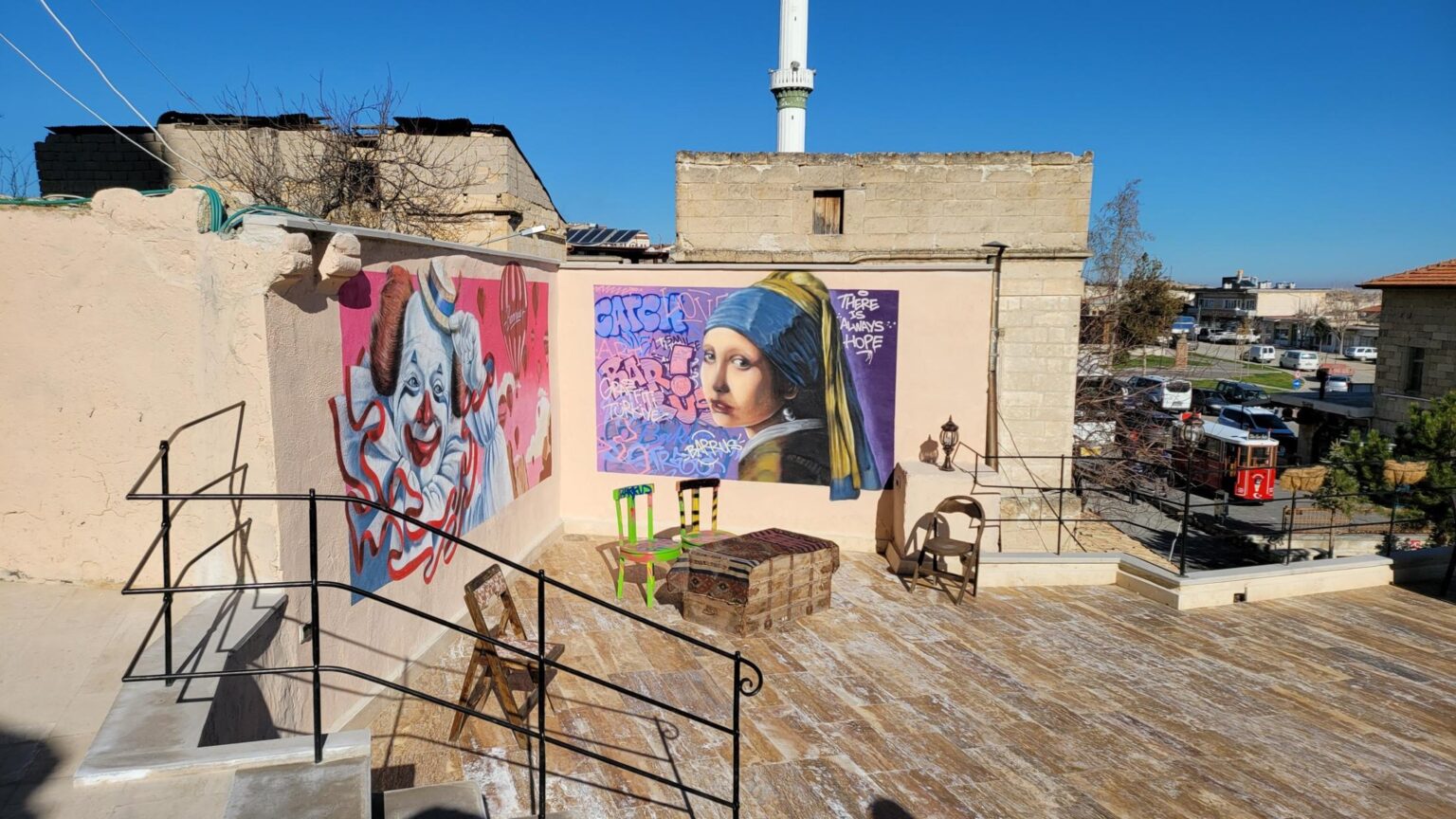
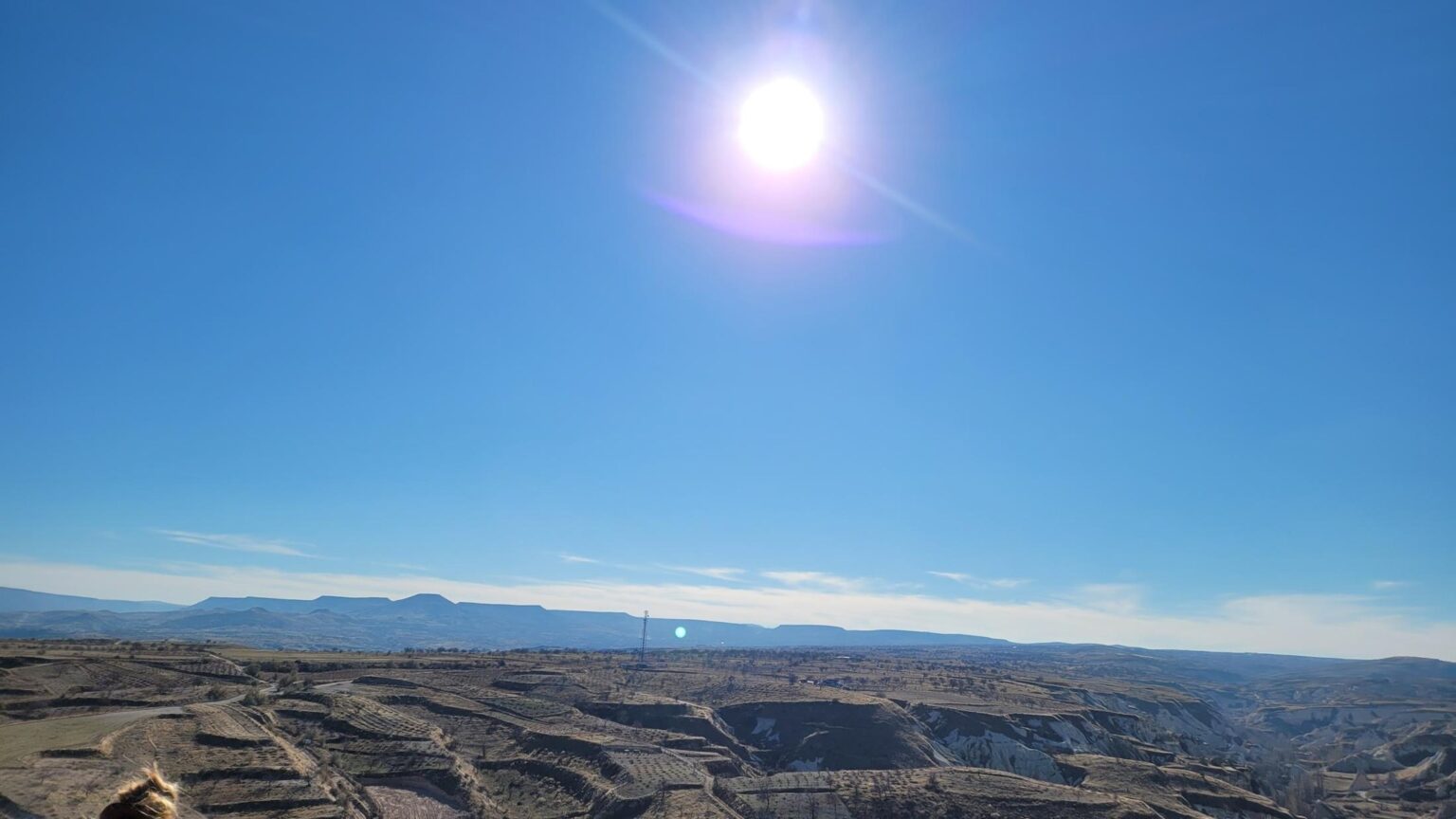
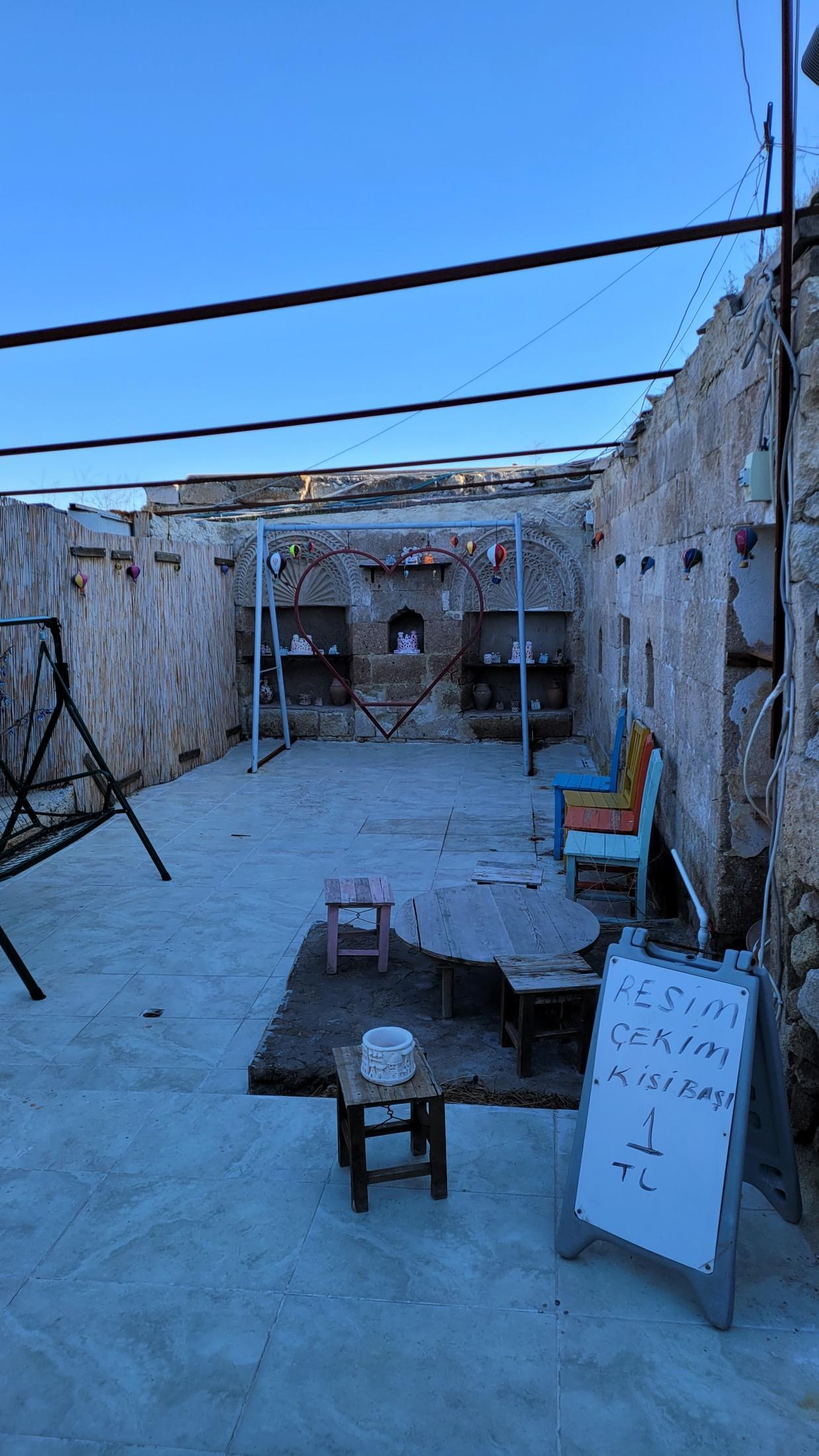
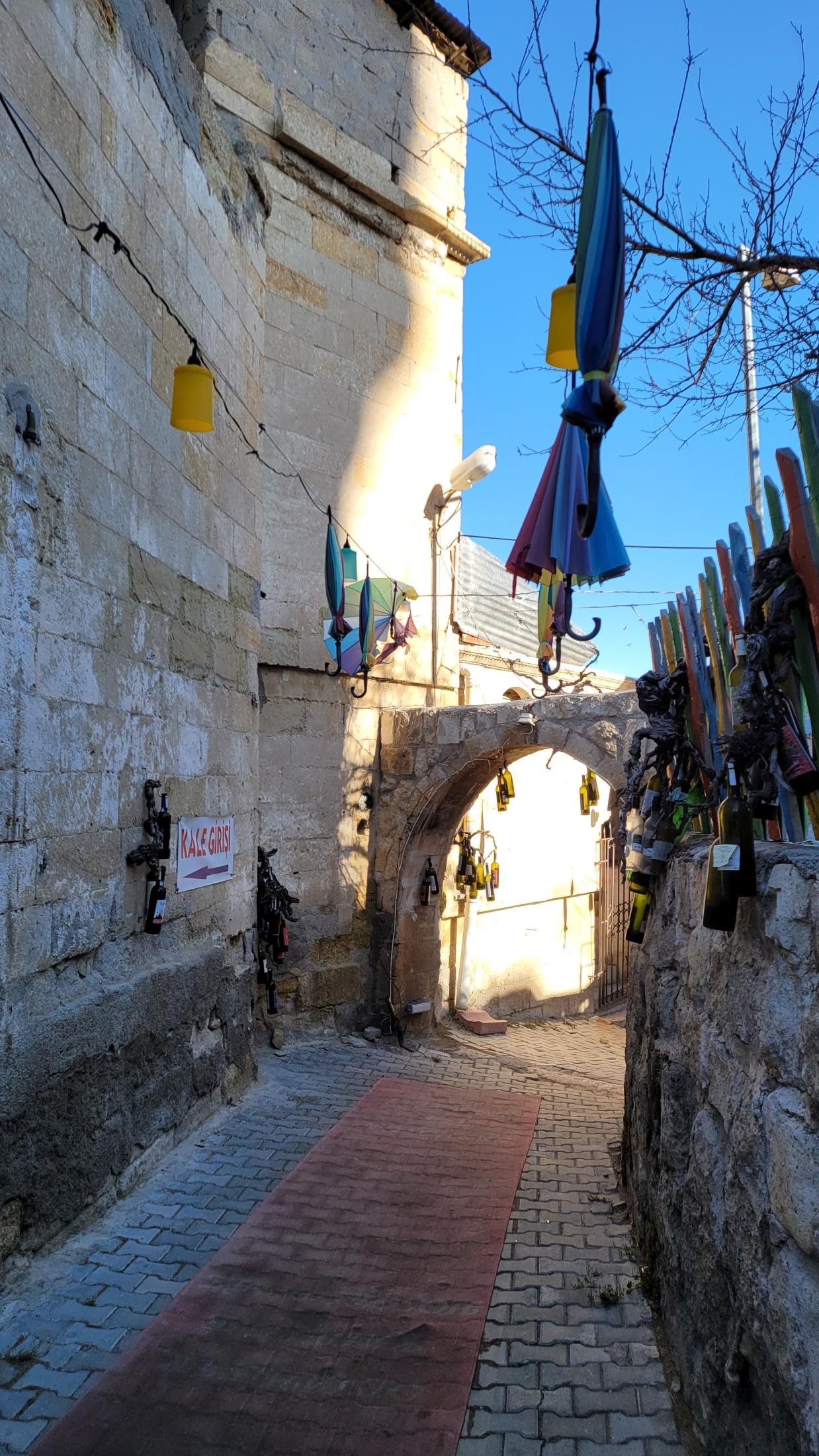
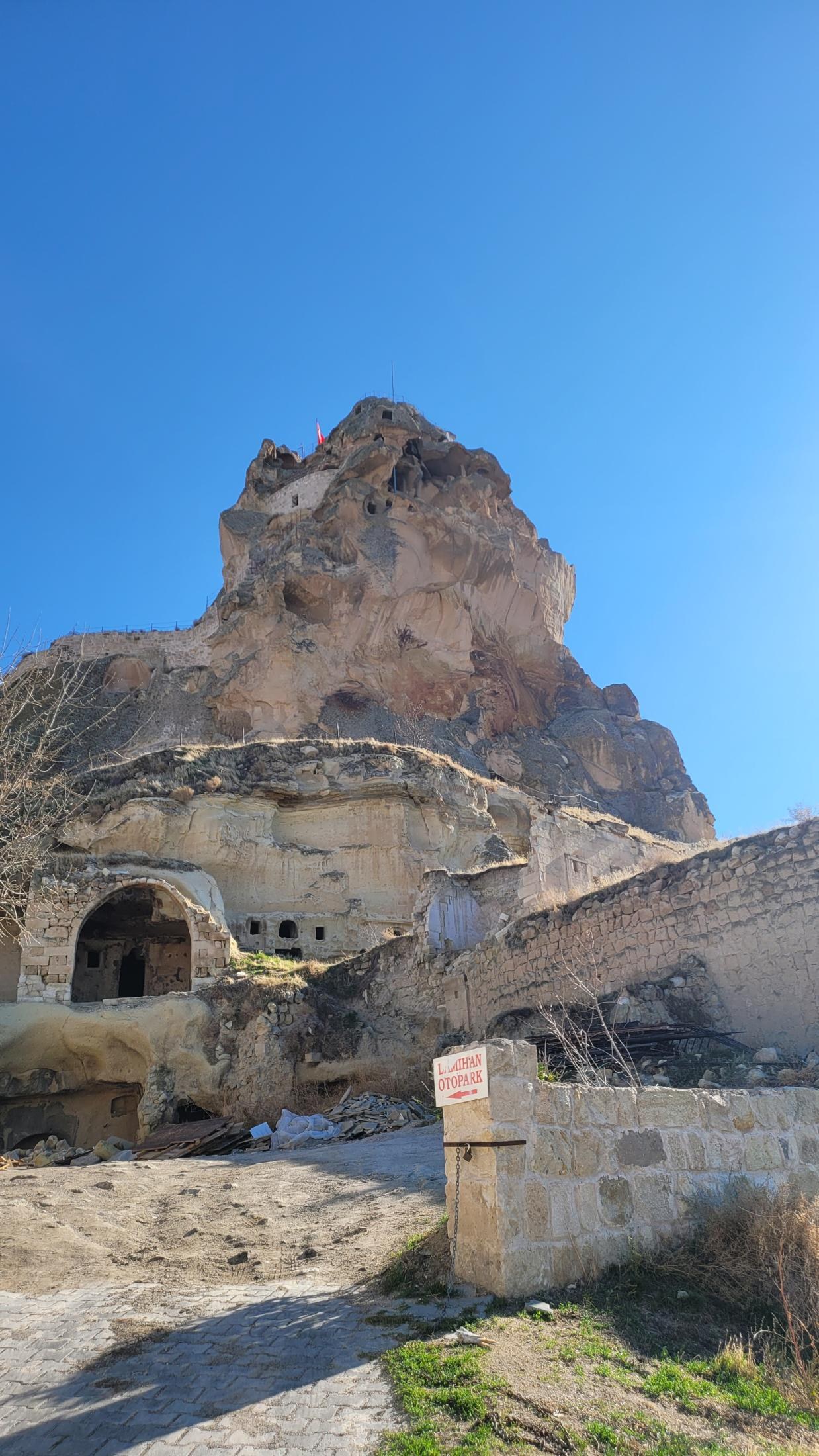
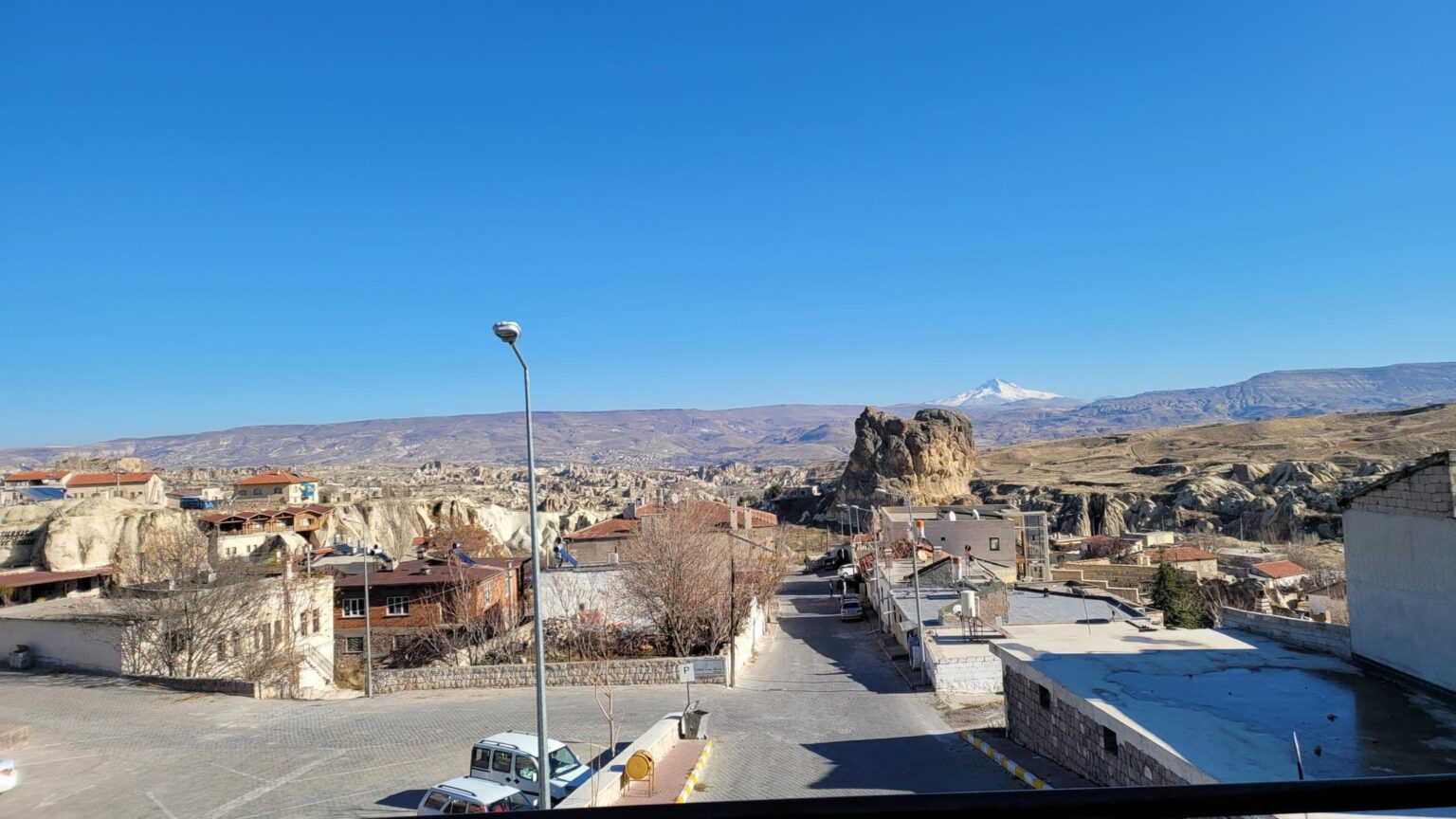
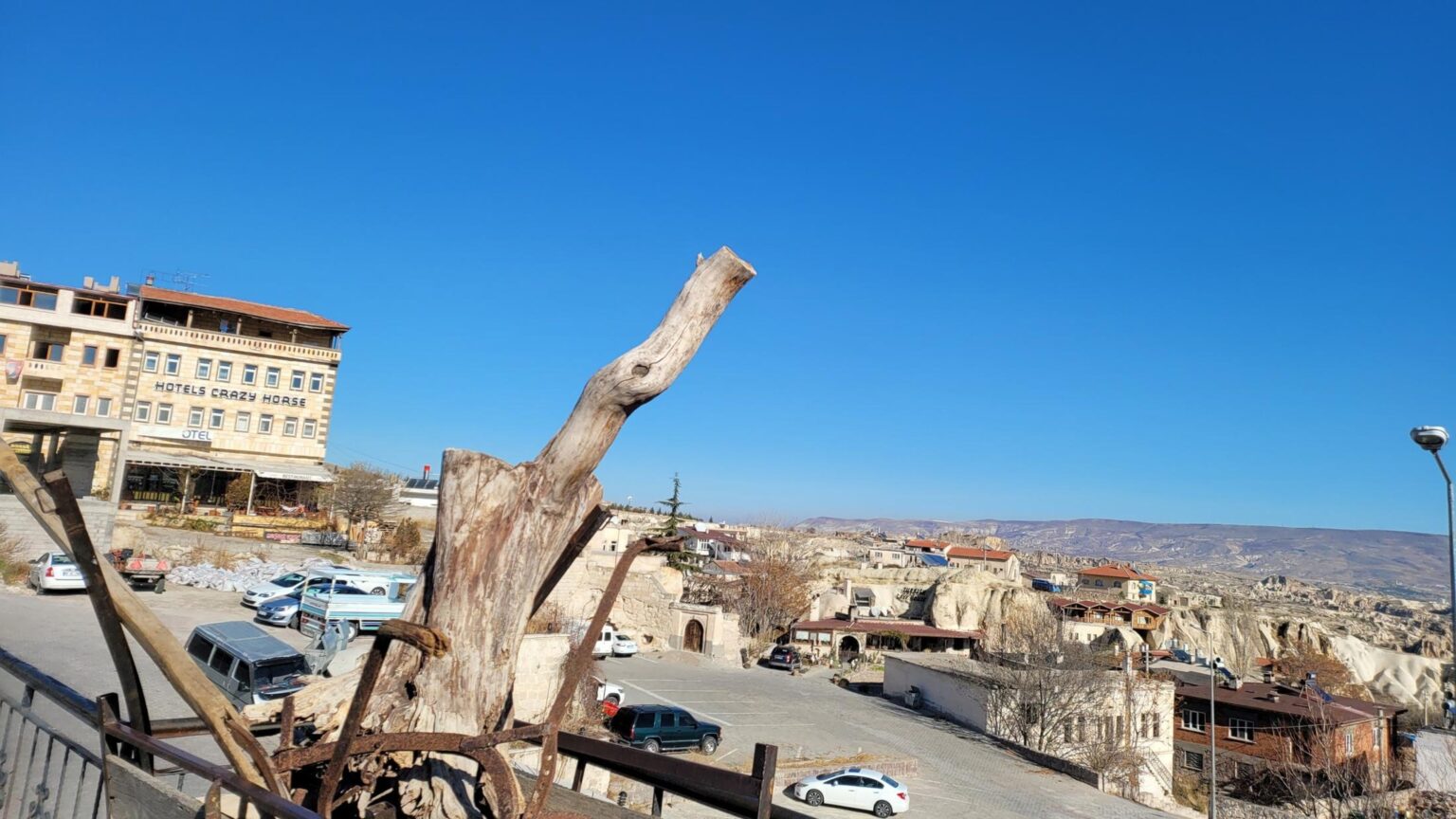
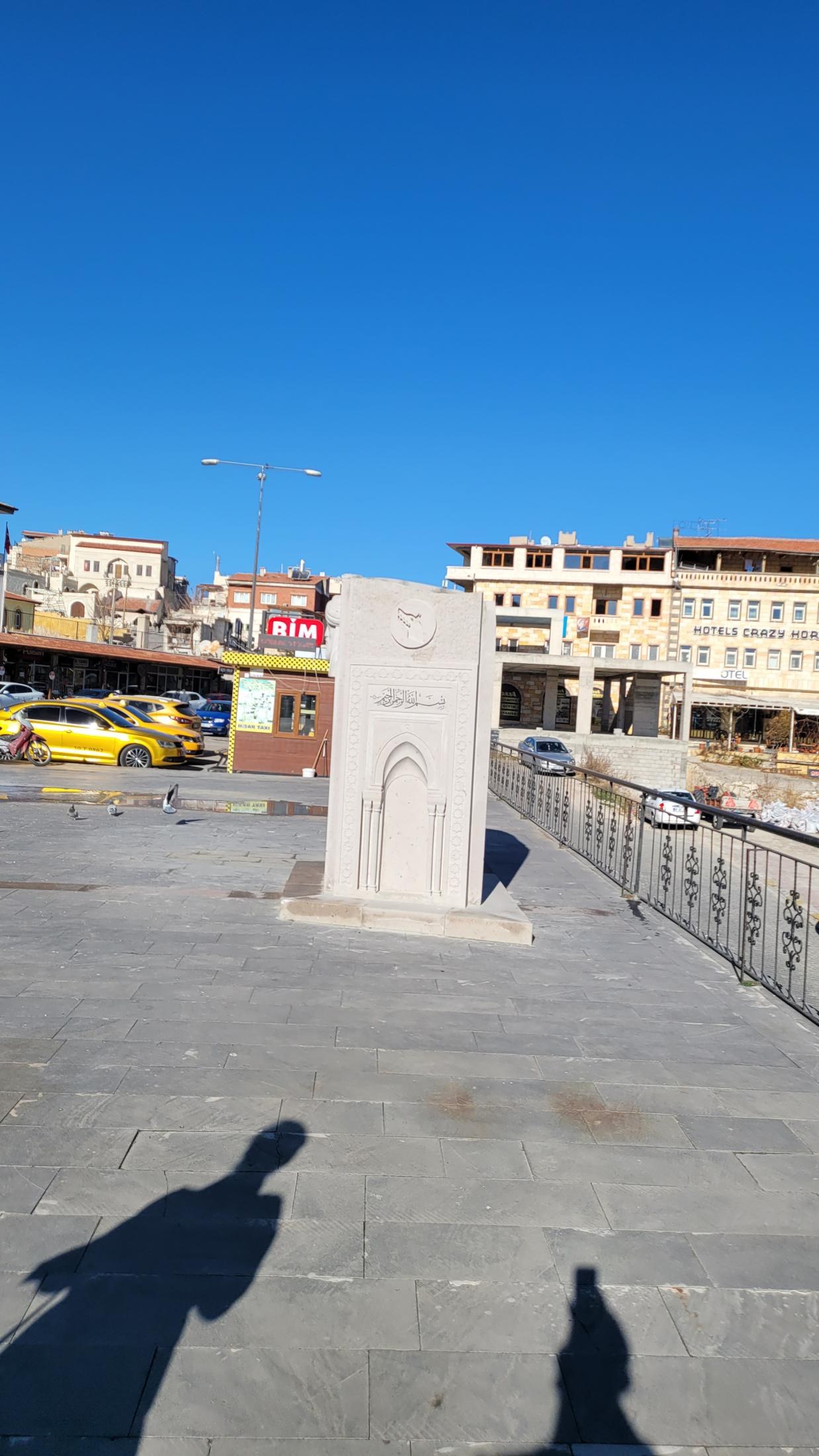
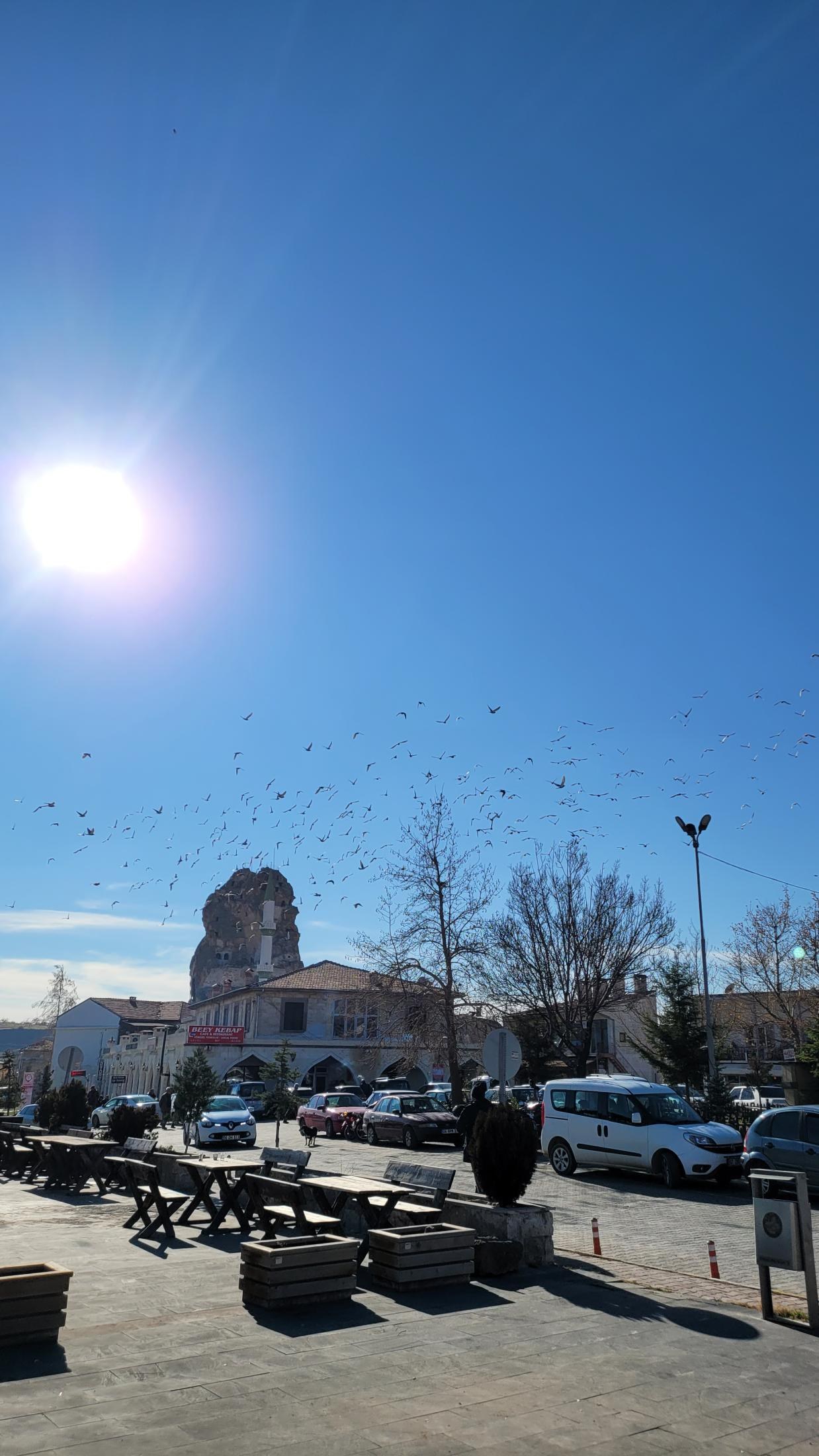
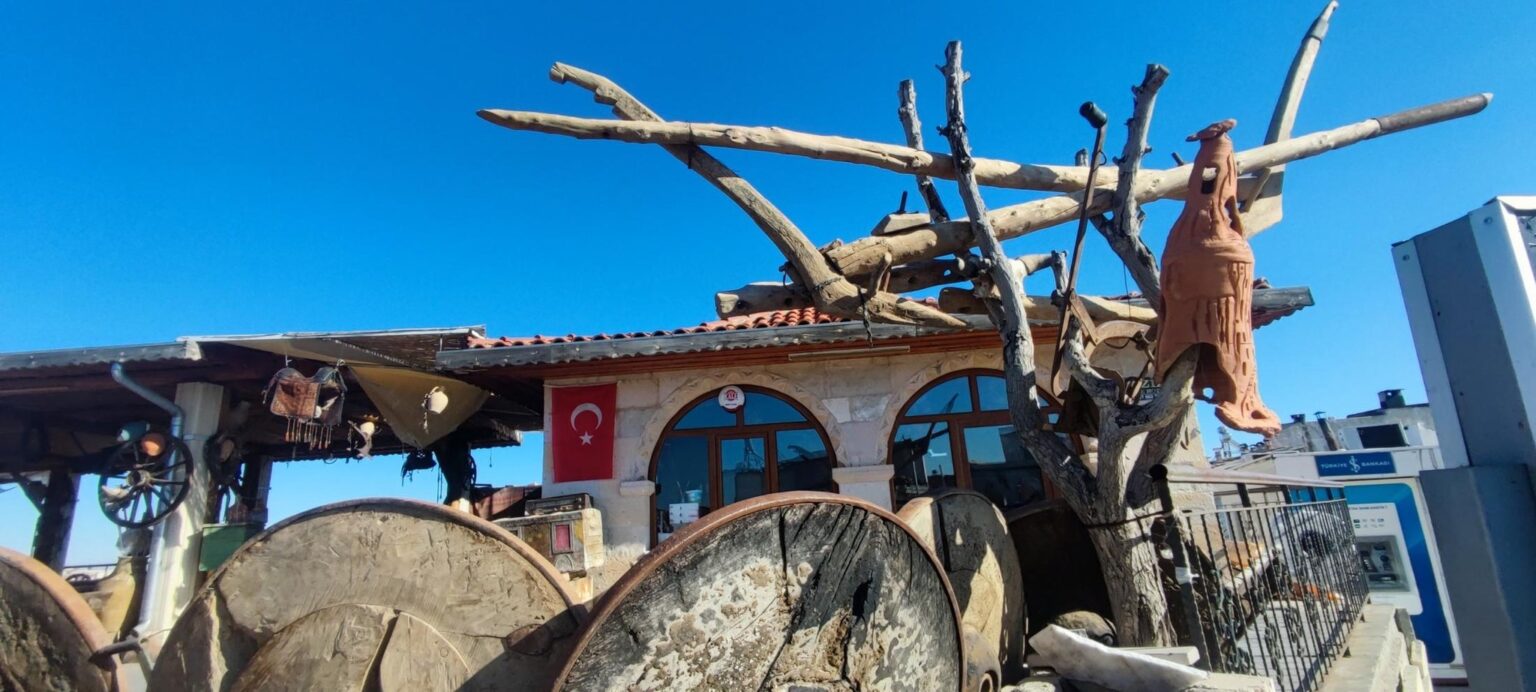
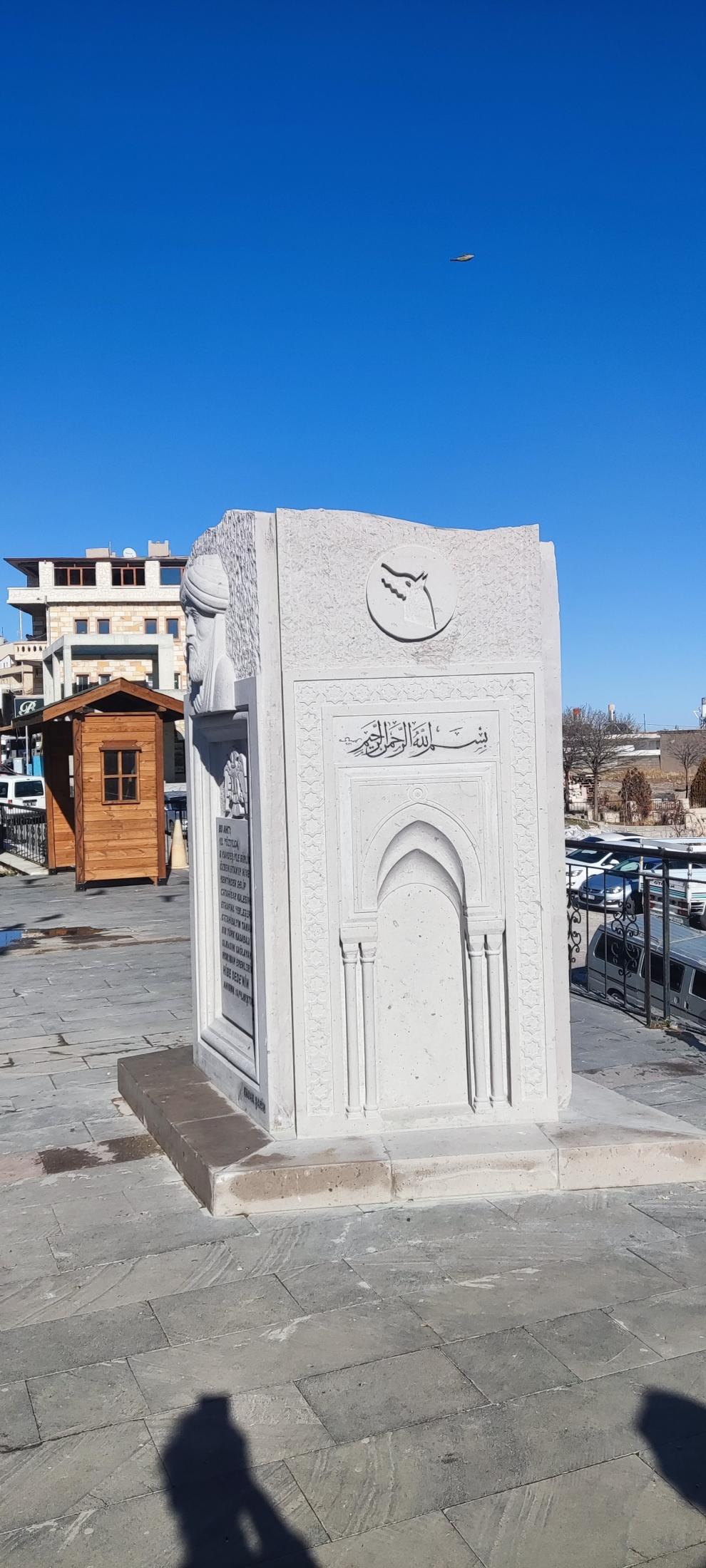
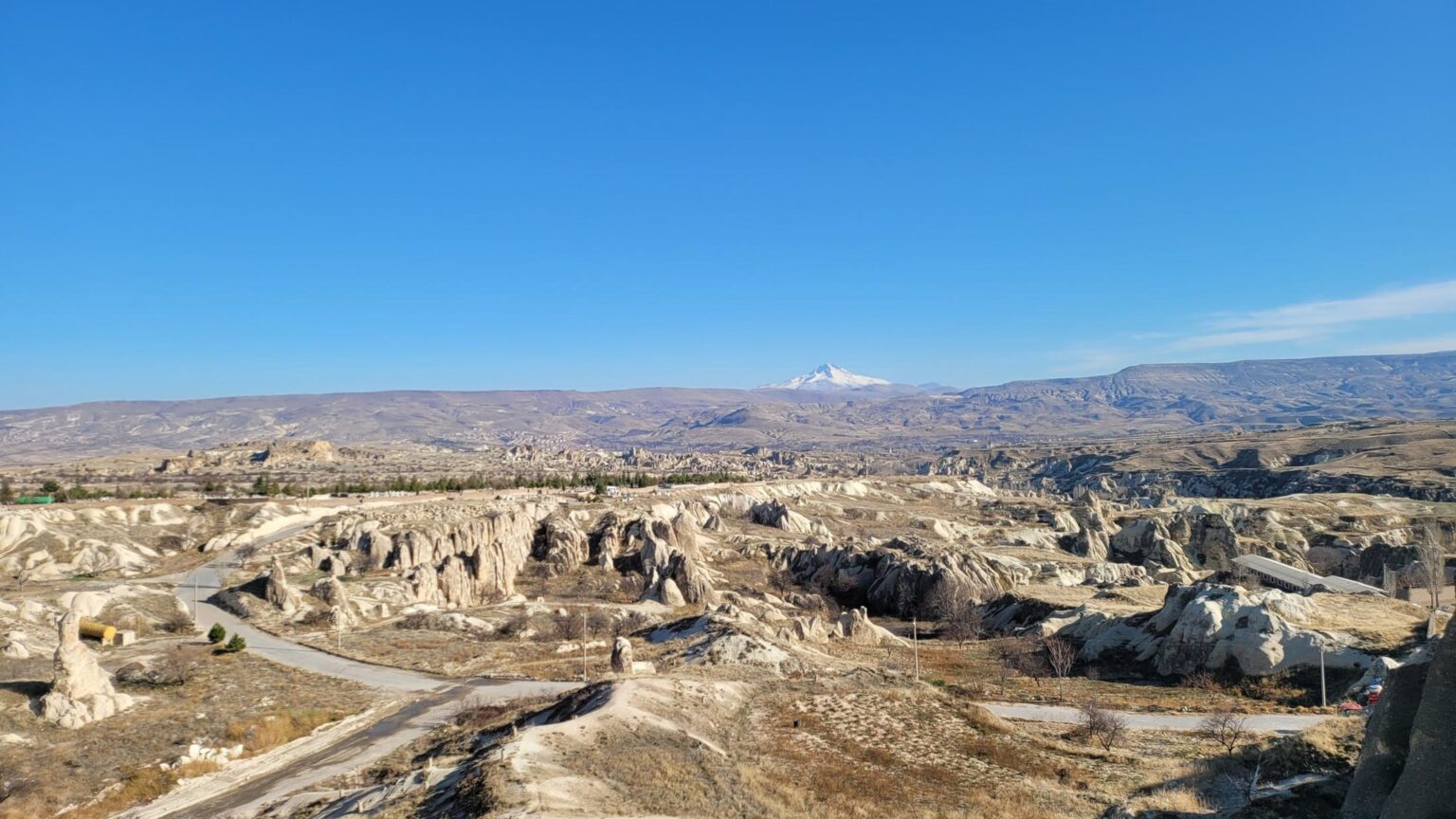
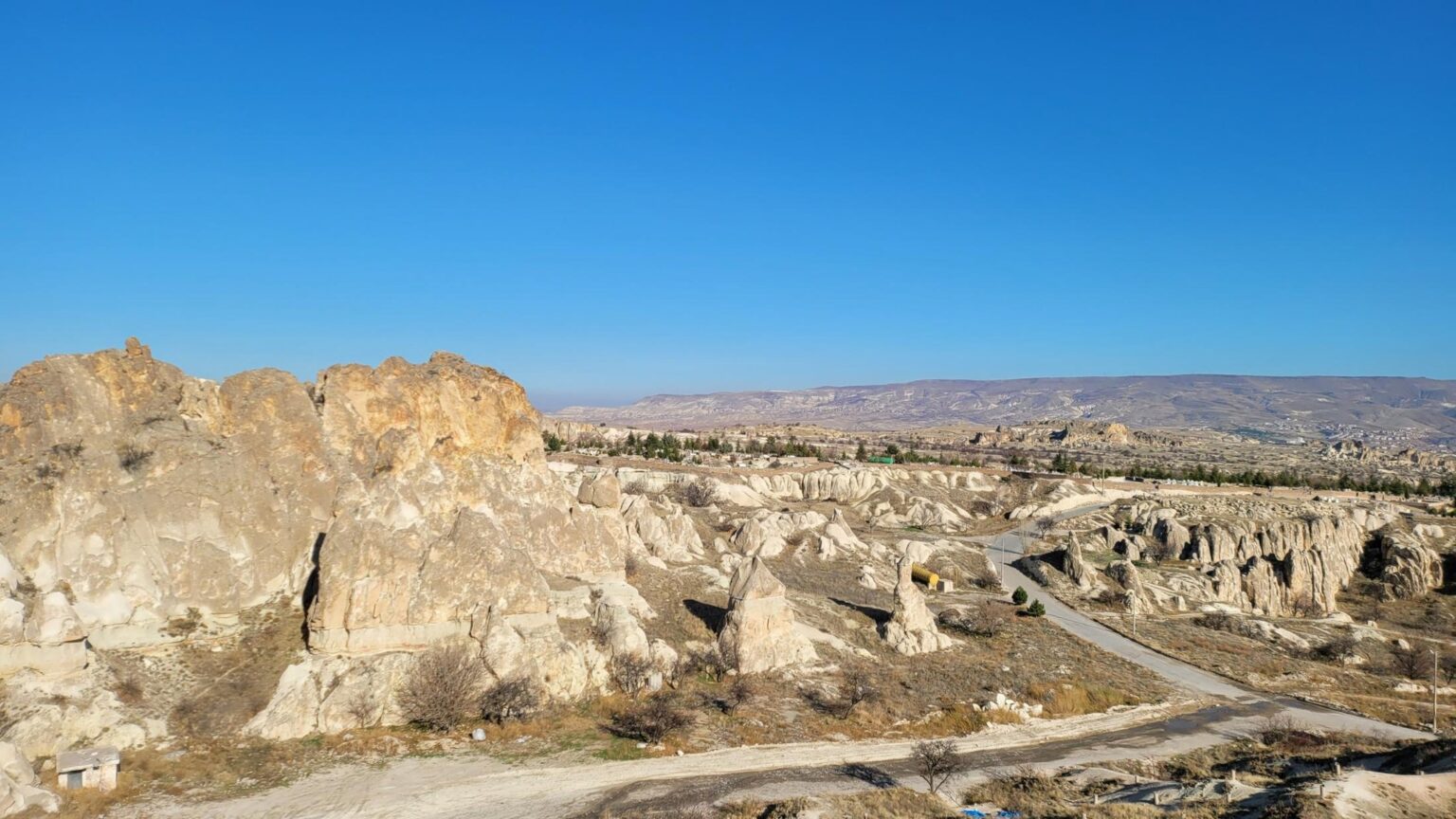
Özkonak underground city
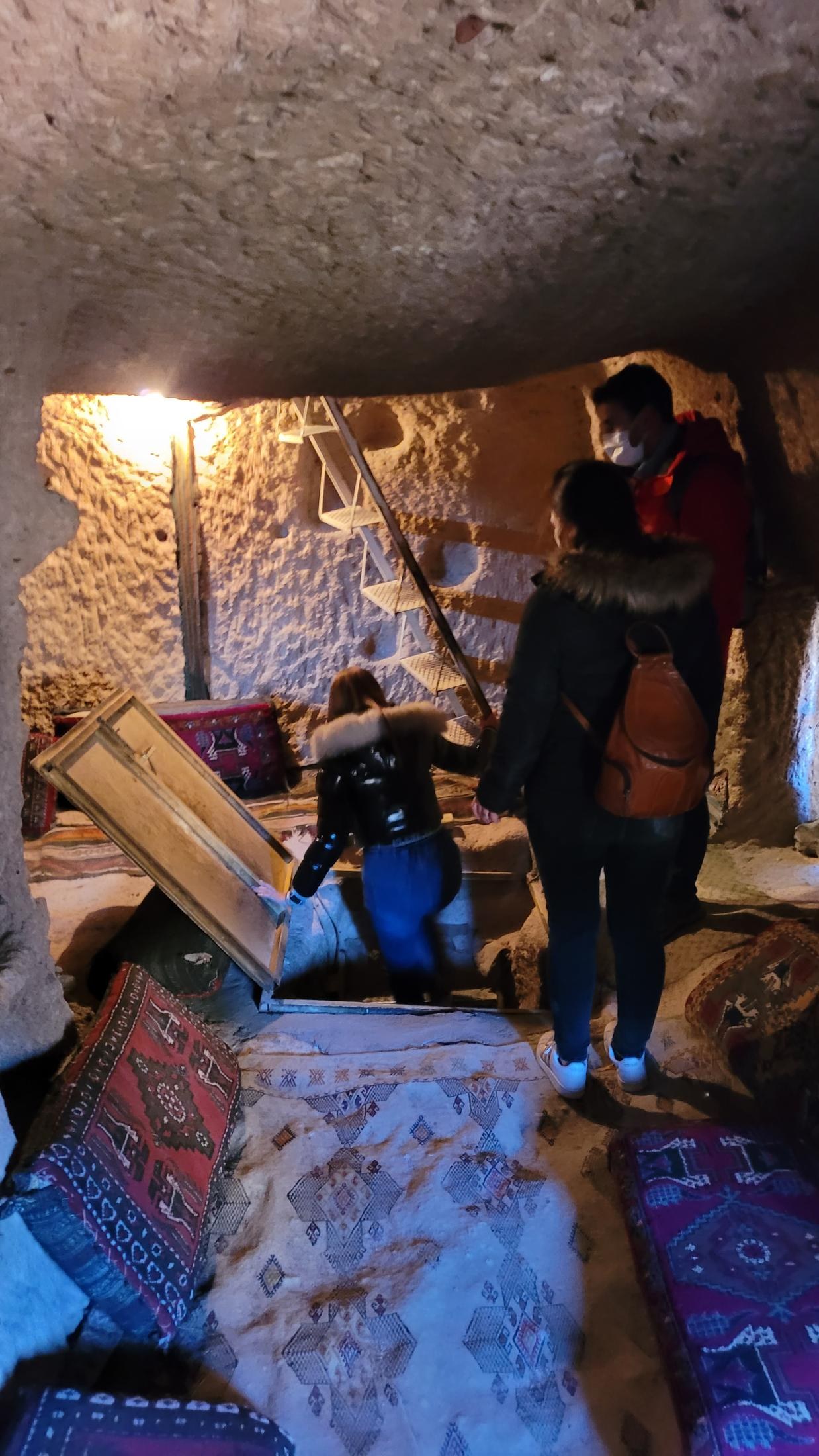
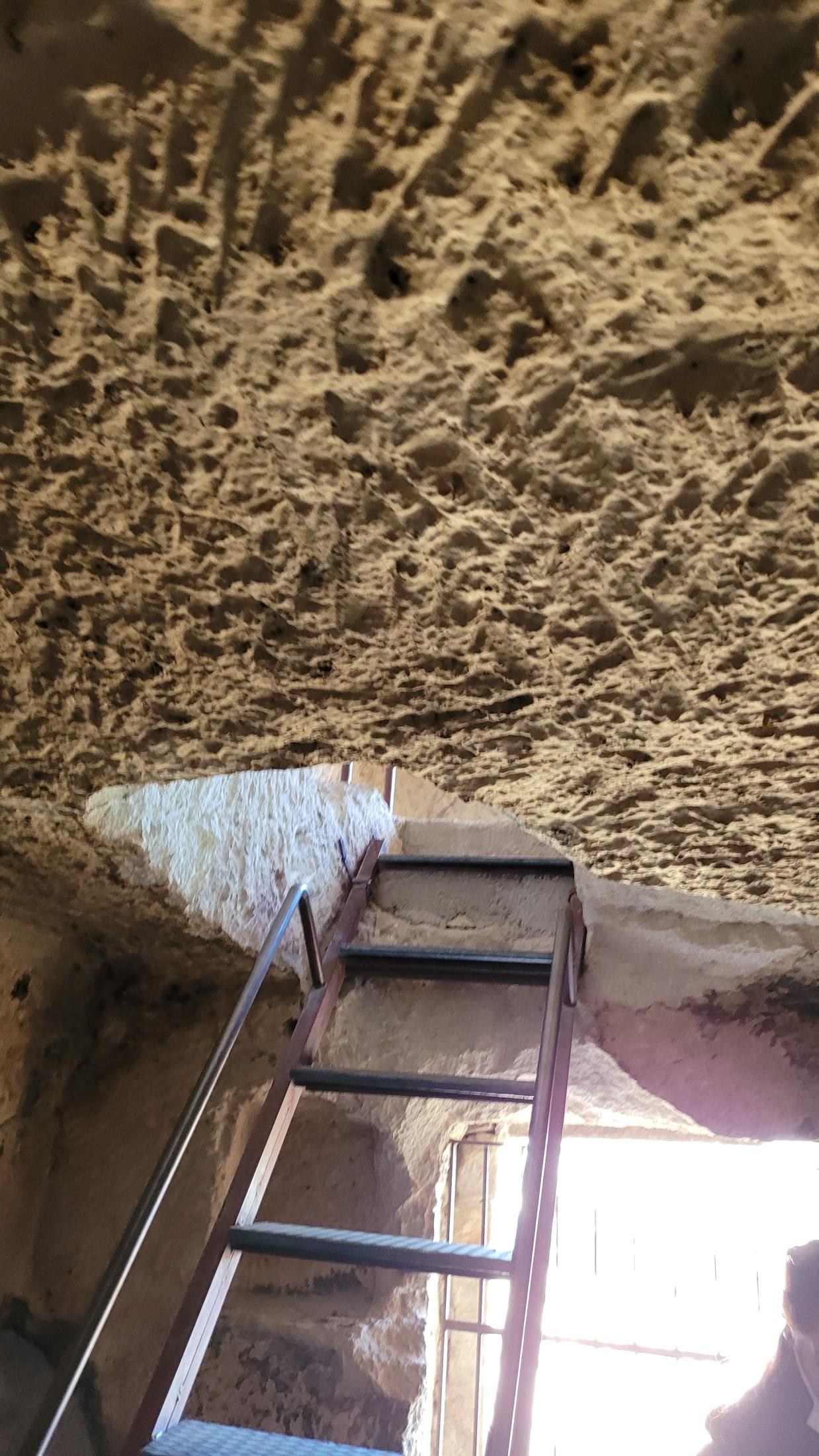
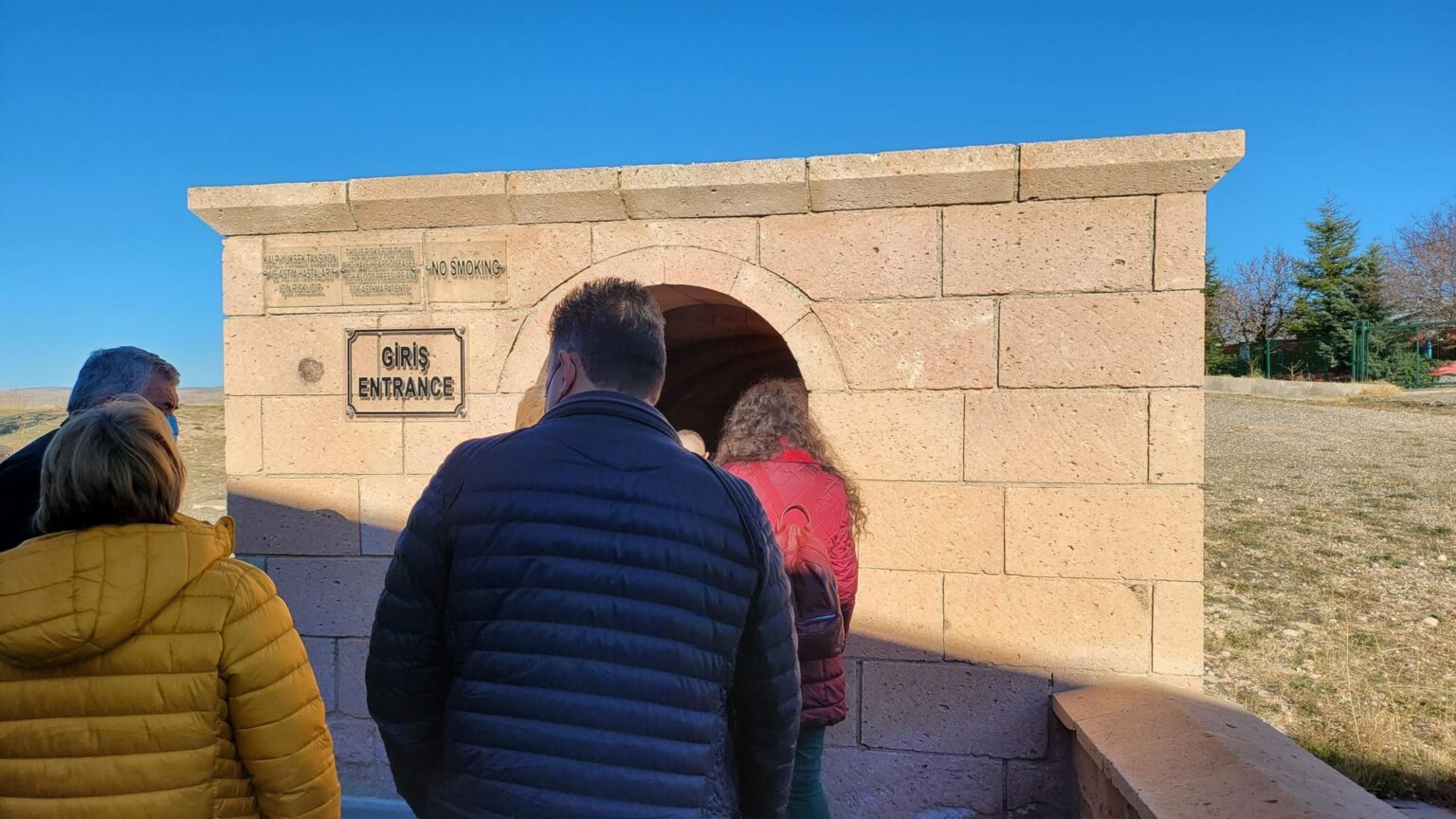
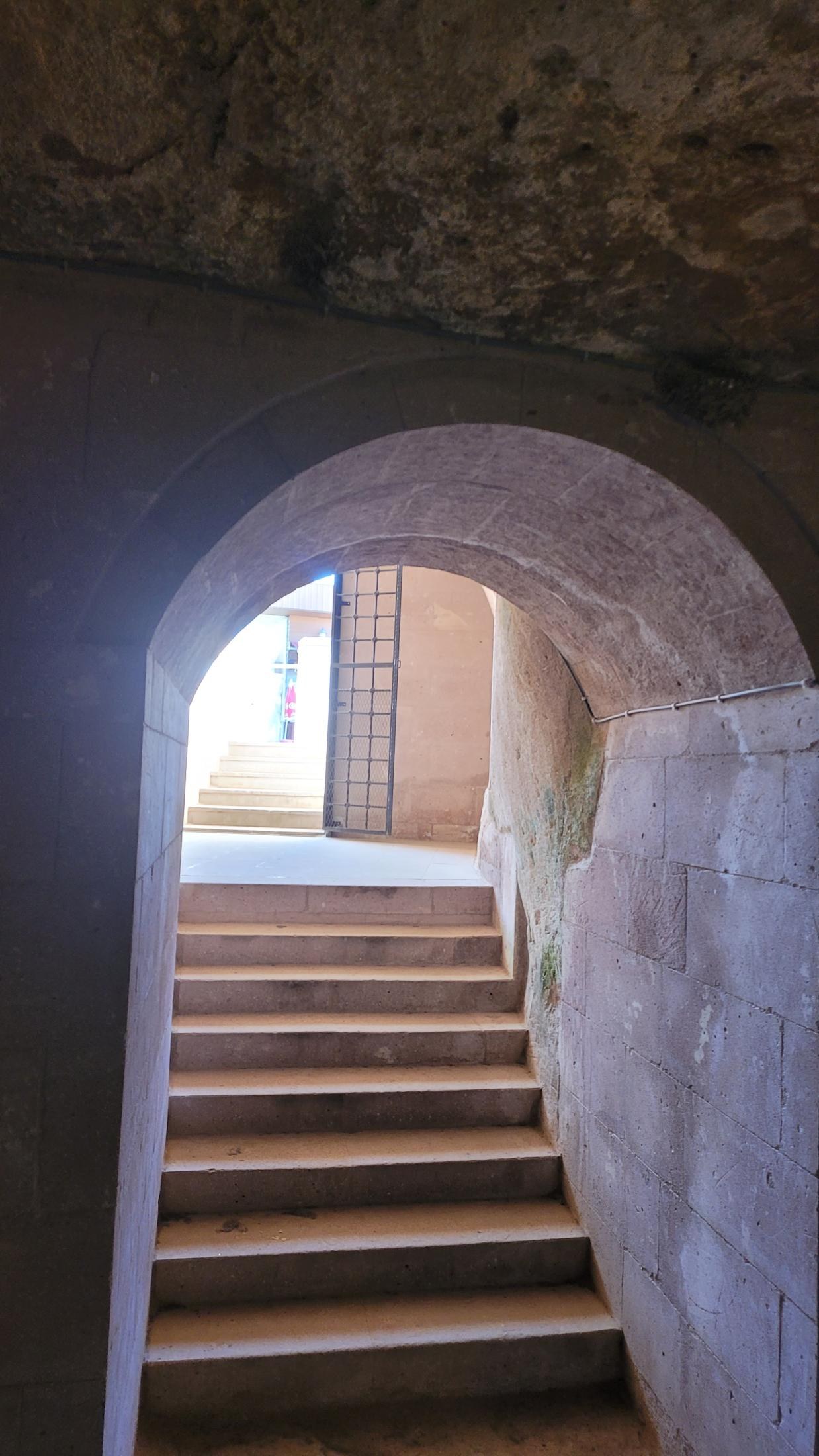
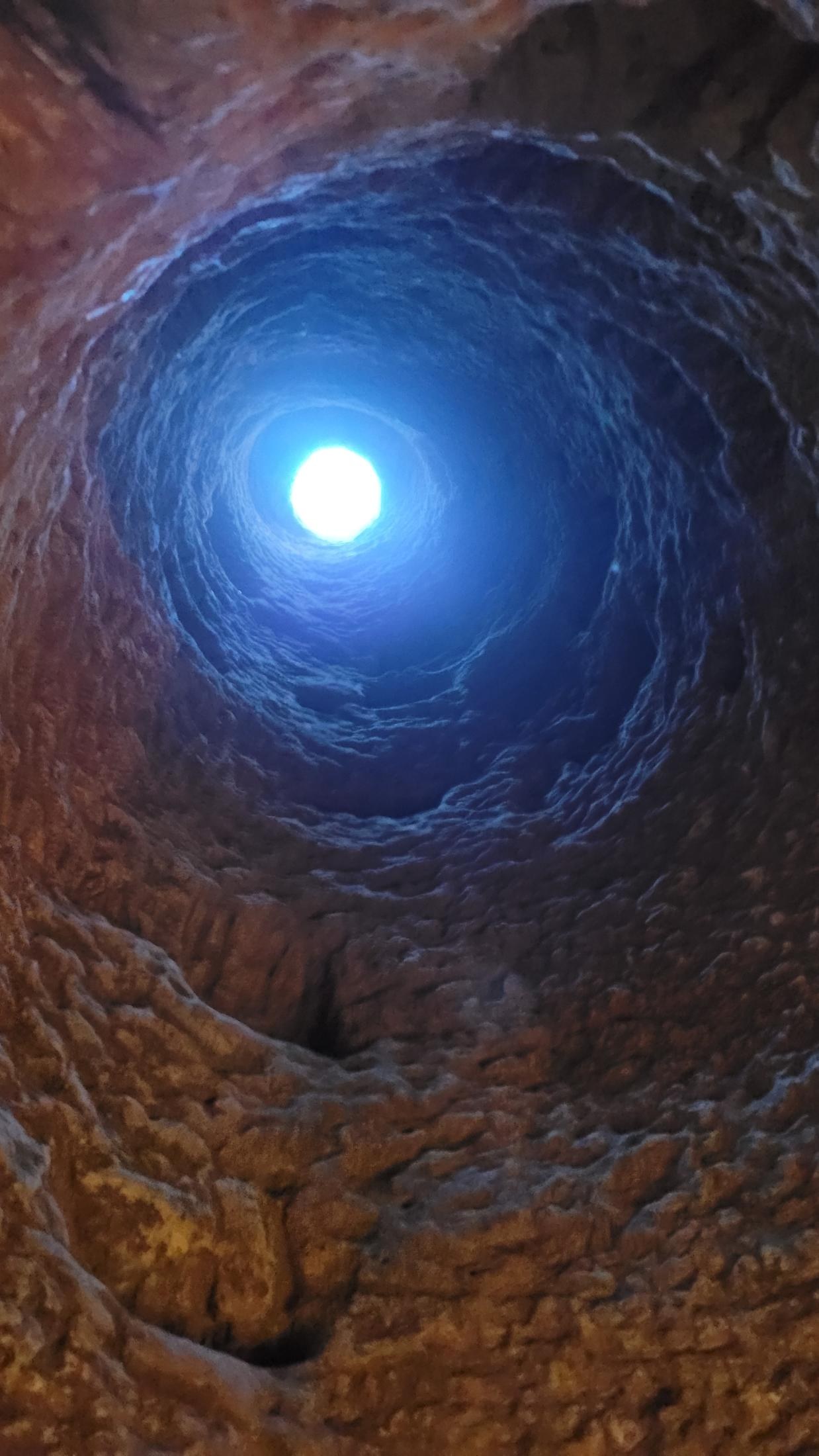
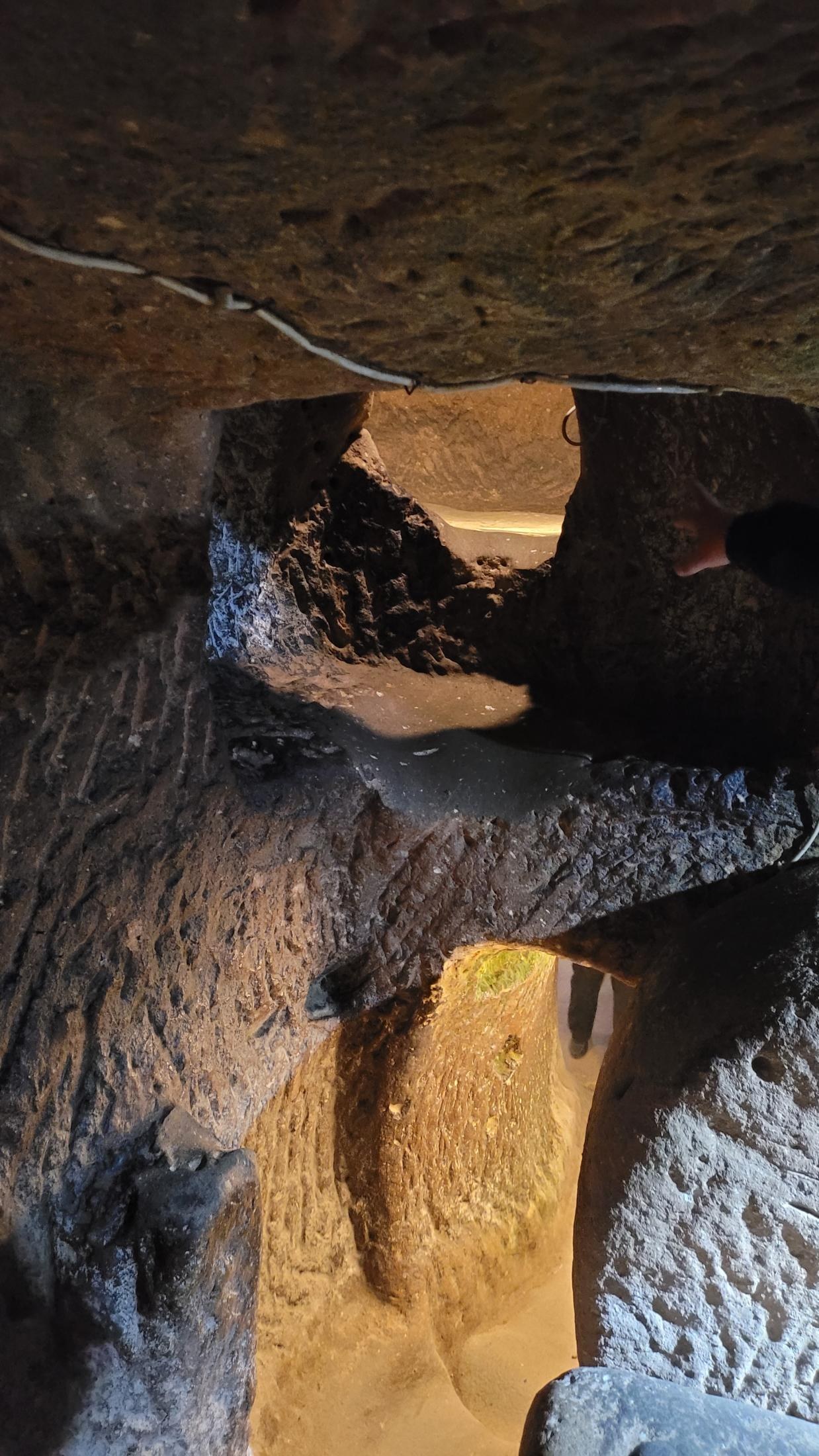
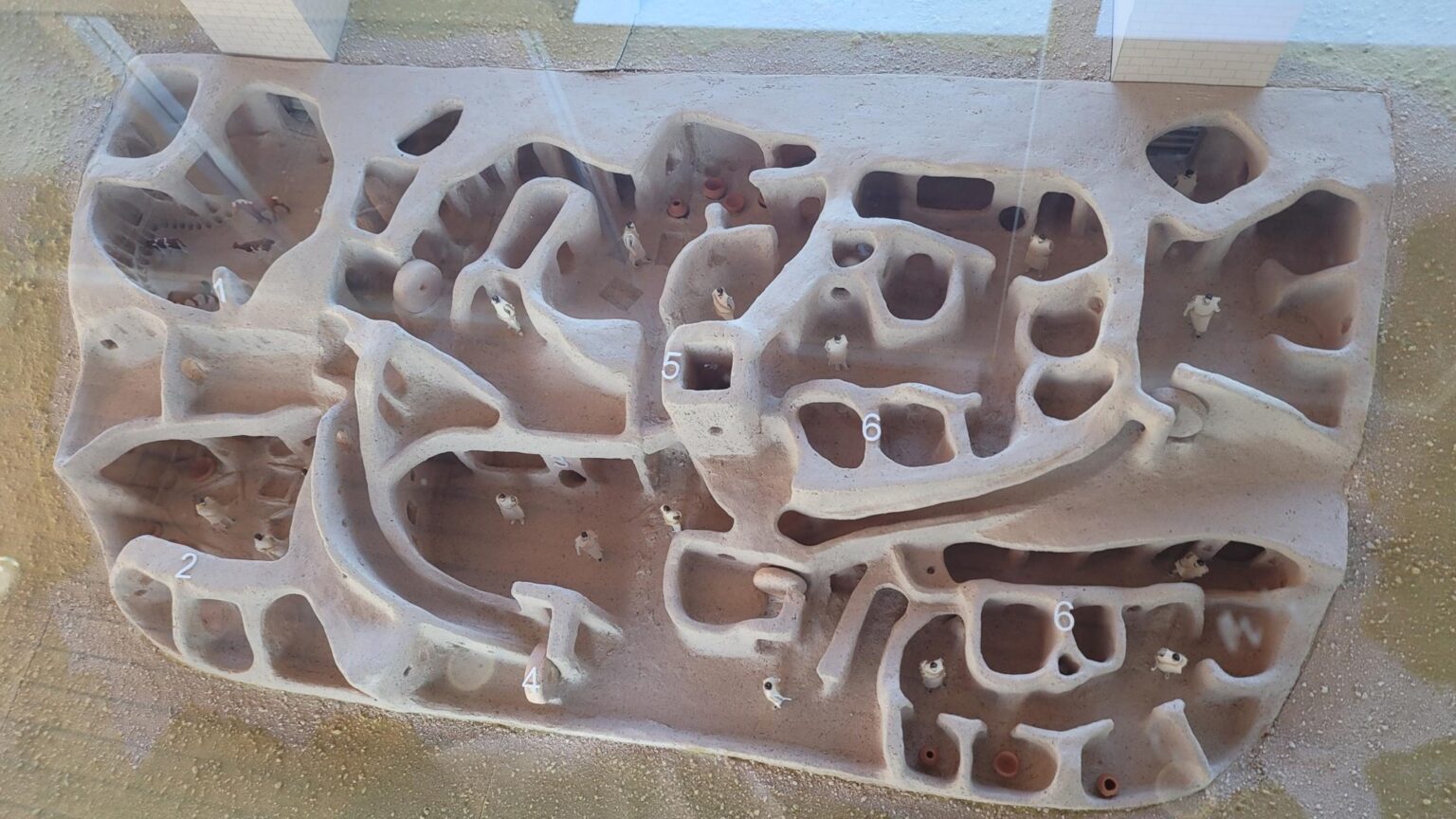
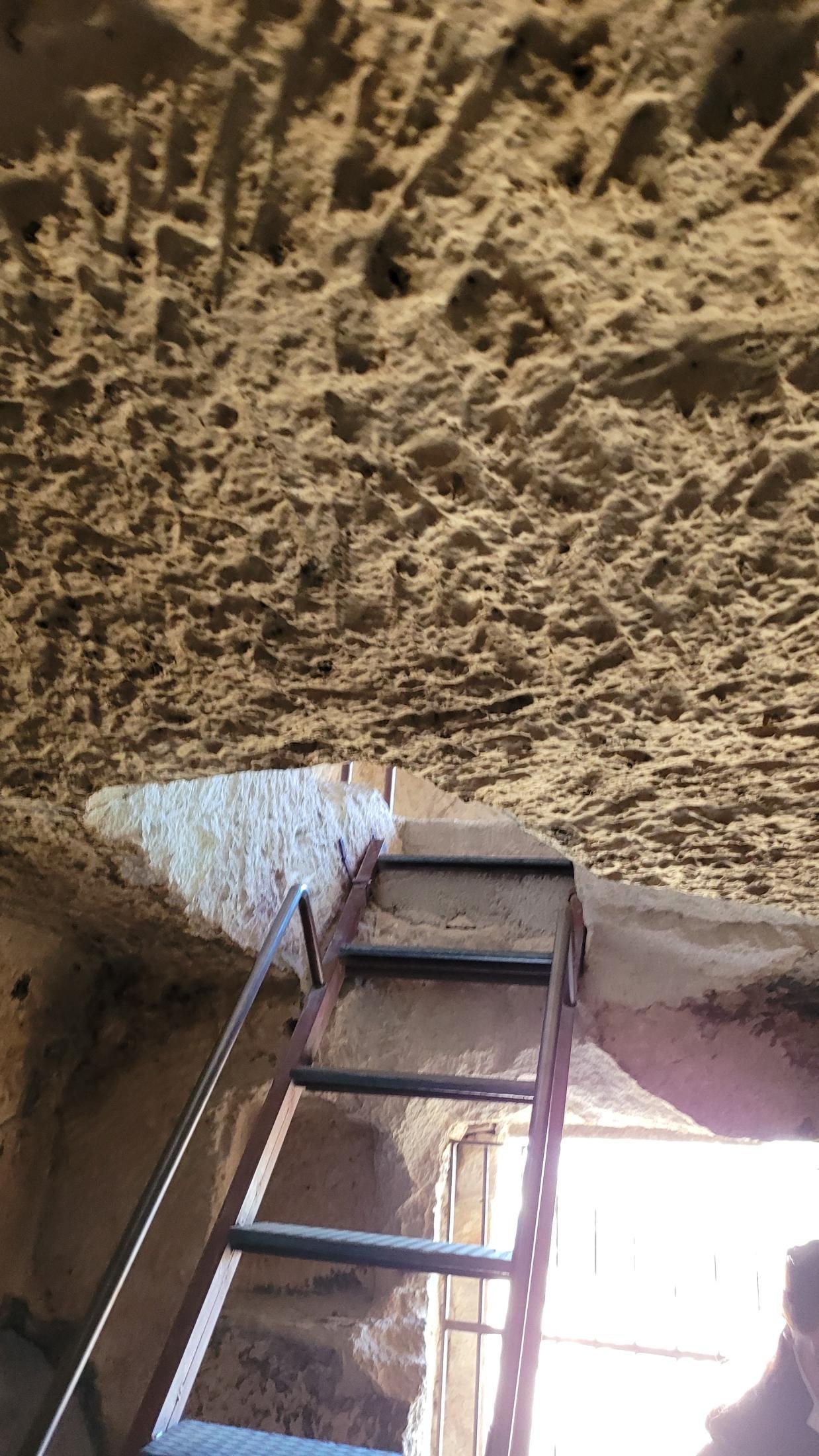
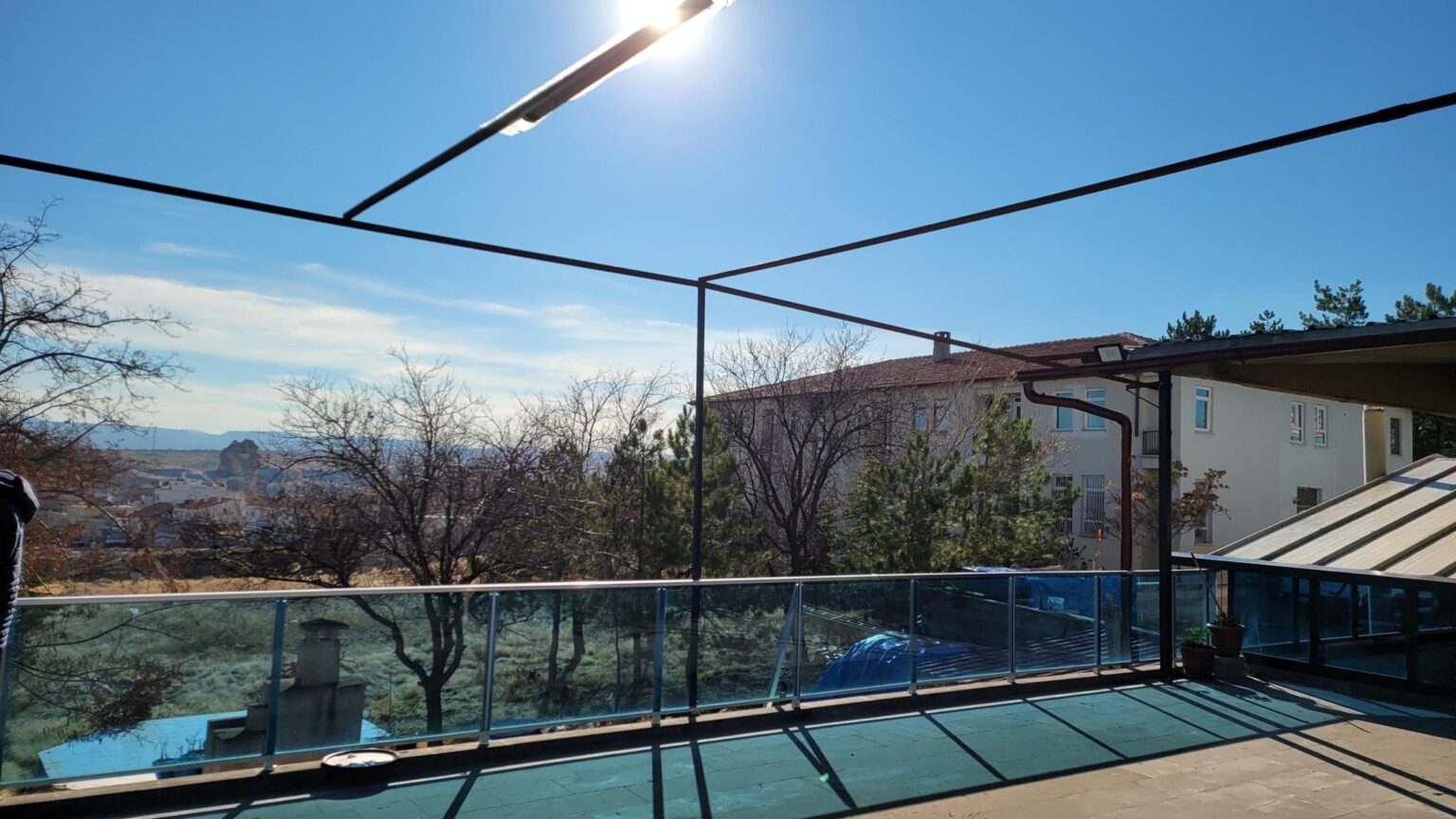
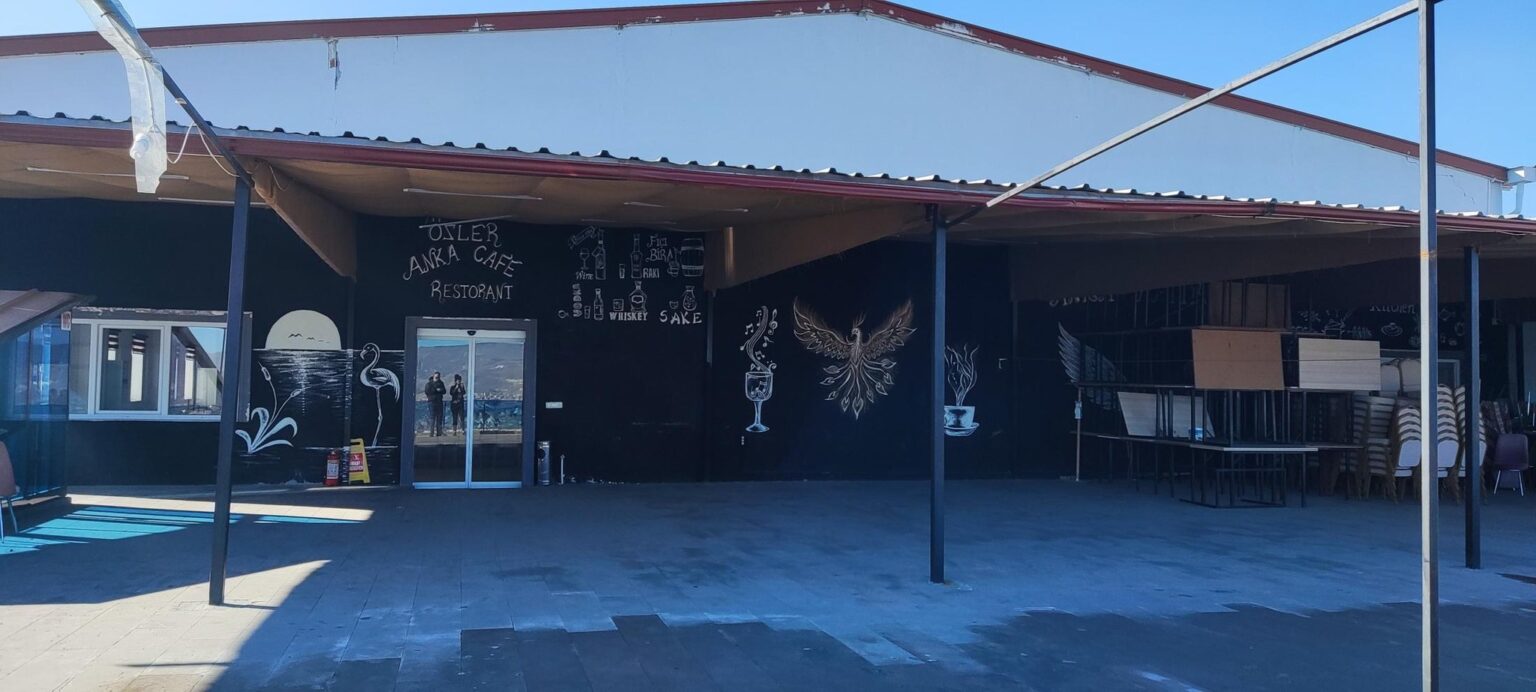
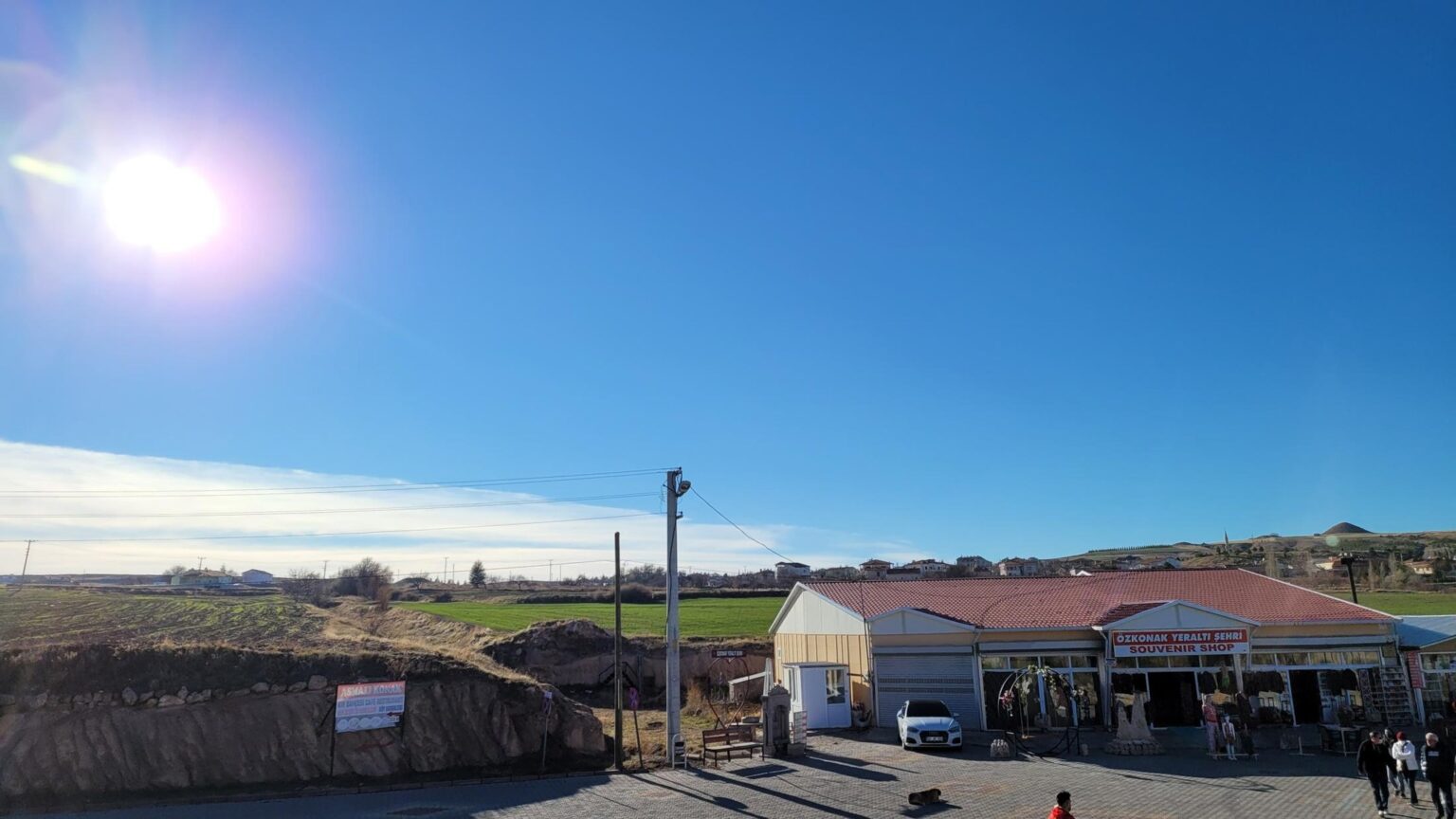
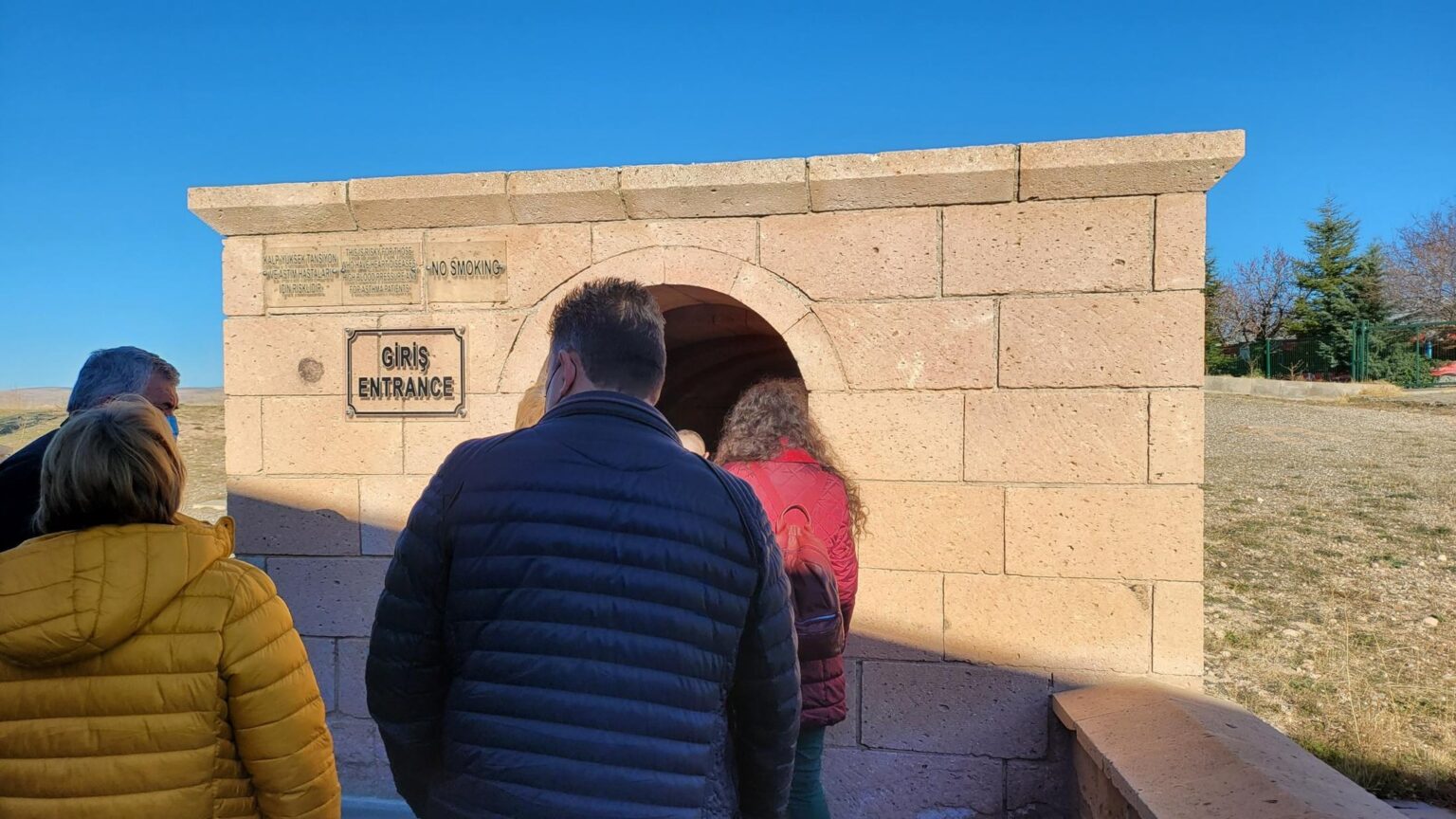
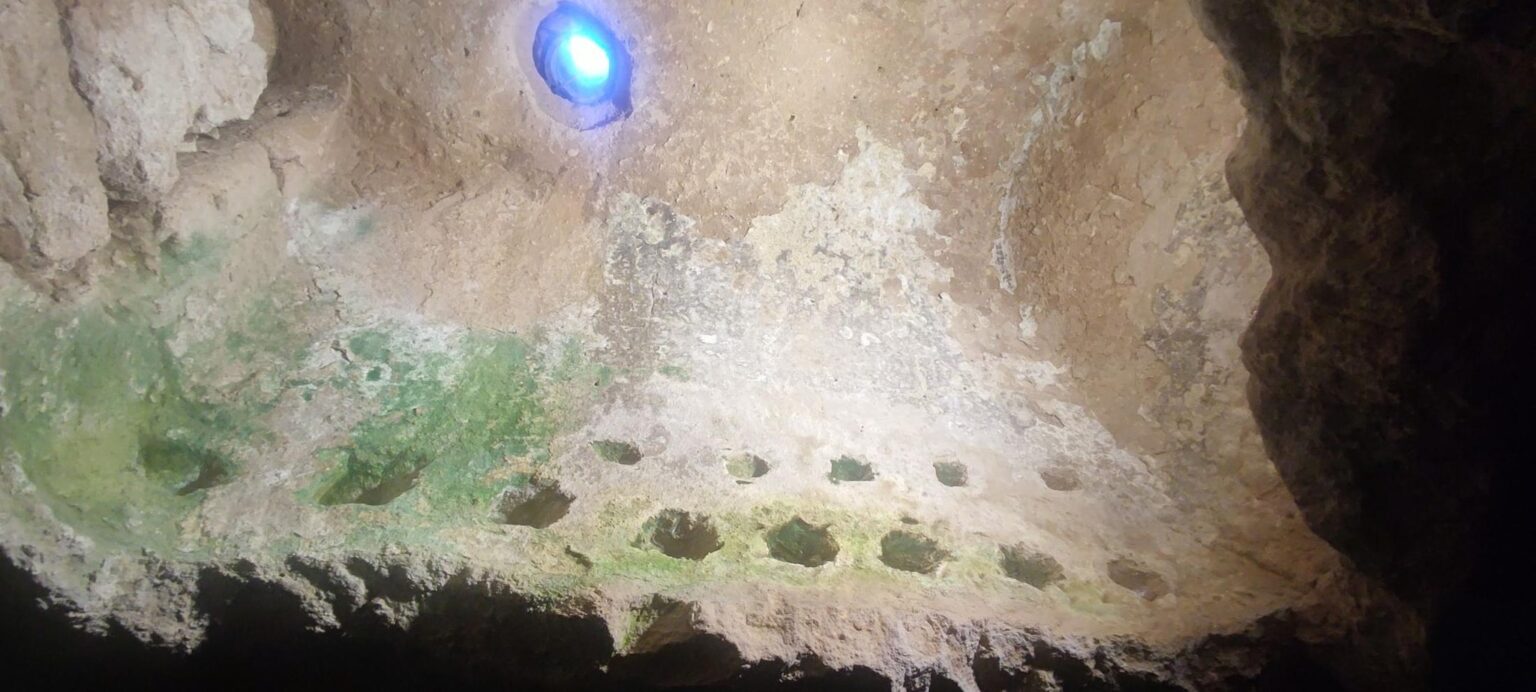
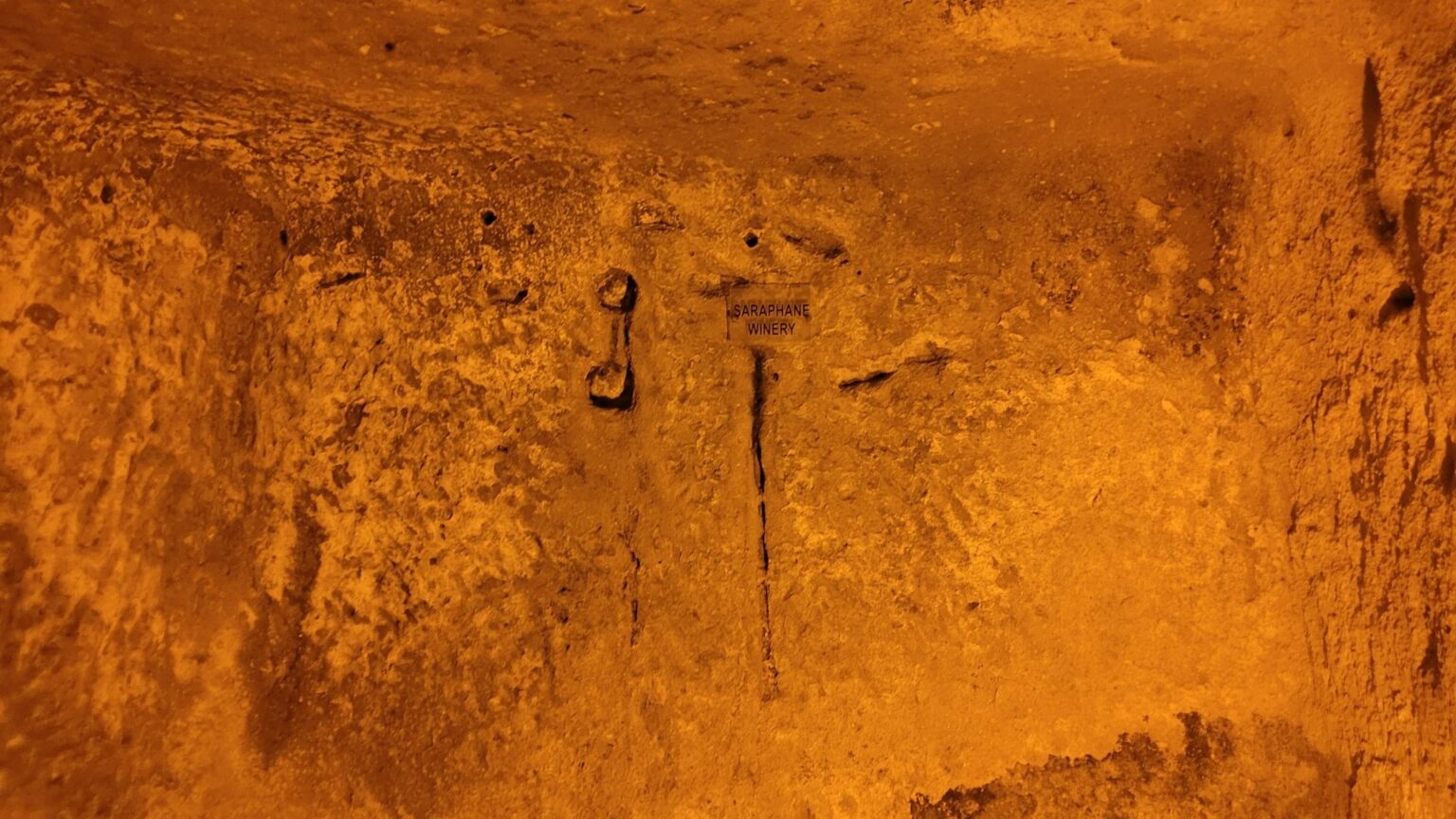
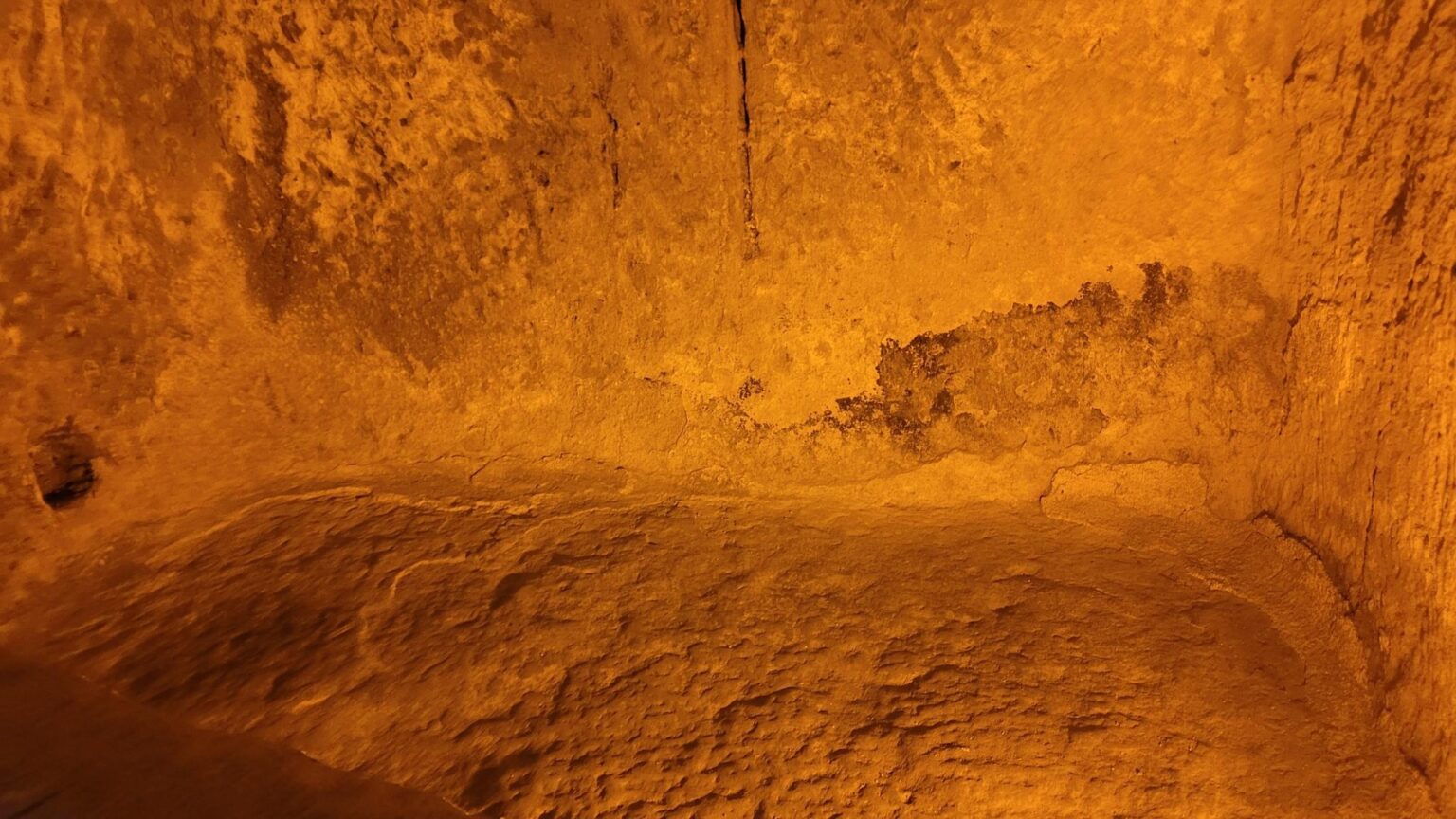
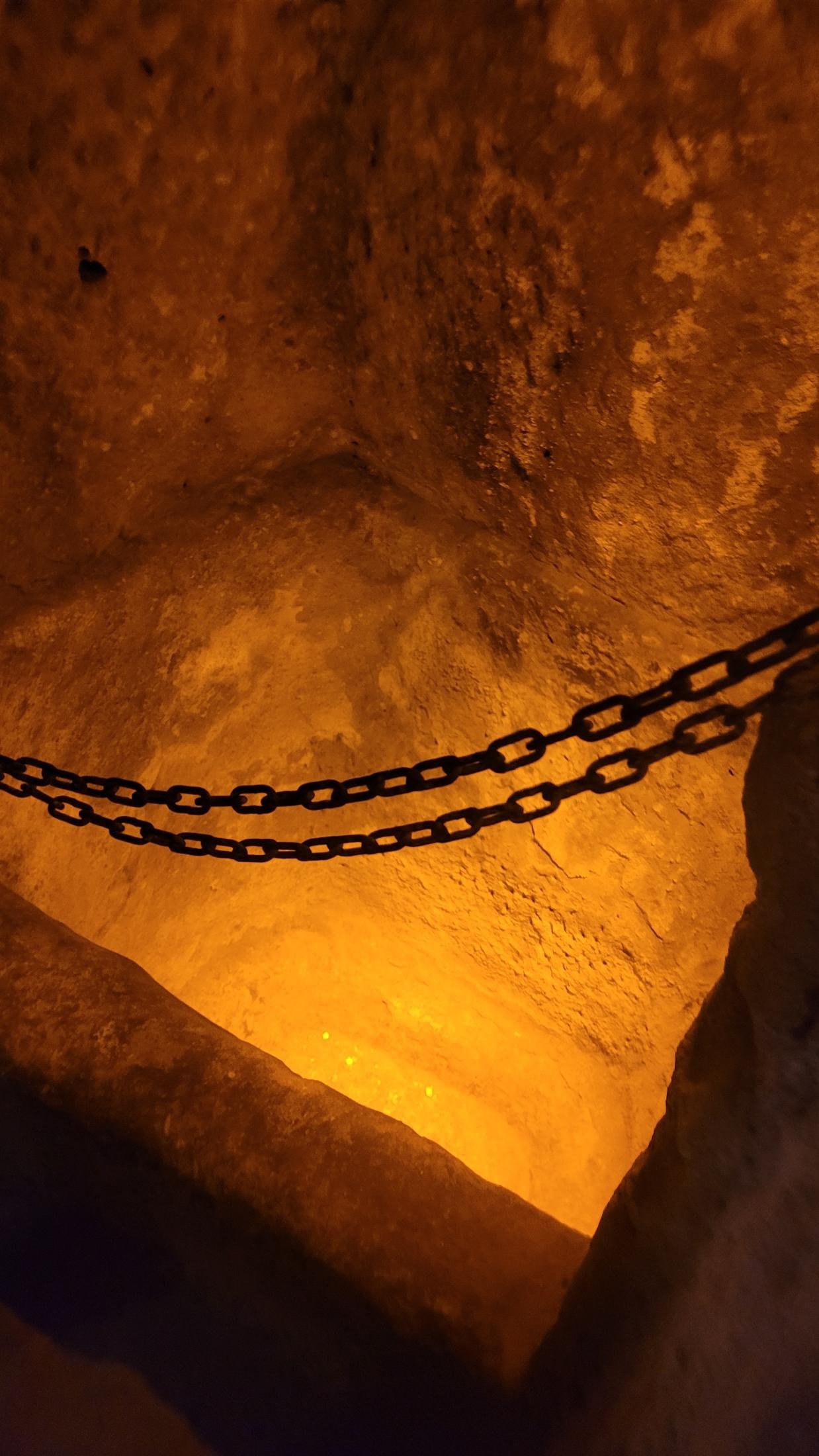
On to the underground city of Özkonak. Everything so far has been enormous and deeply impressive, and I’d secretly built this up. It wasn’t what I’d hoped for. Özkonak has no precise dating; it was discovered by accident around 1970. It’s thought to have been built — dug — around 300 to 400 AD. In practice it’s more like an underground house. It’s very cramped, the ceilings are about 1.5 metres and you duck-walk through most of it. If you have problems with claustrophobia, this isn’t for you. What’s interesting is that the cramping is deliberate. In the event of an attack they roll a huge spherical stone across and block the path of any soldier who has got in. And if there are many soldiers, they have to come through single file.
Update 2026: if you’re choosing between underground cities rather than taking what the tour gives you, Derinkuyu and Kaymaklı are the deeper, more spectacular ones and both are covered by the Museum Pass Türkiye. Özkonak is the small, quiet alternative.
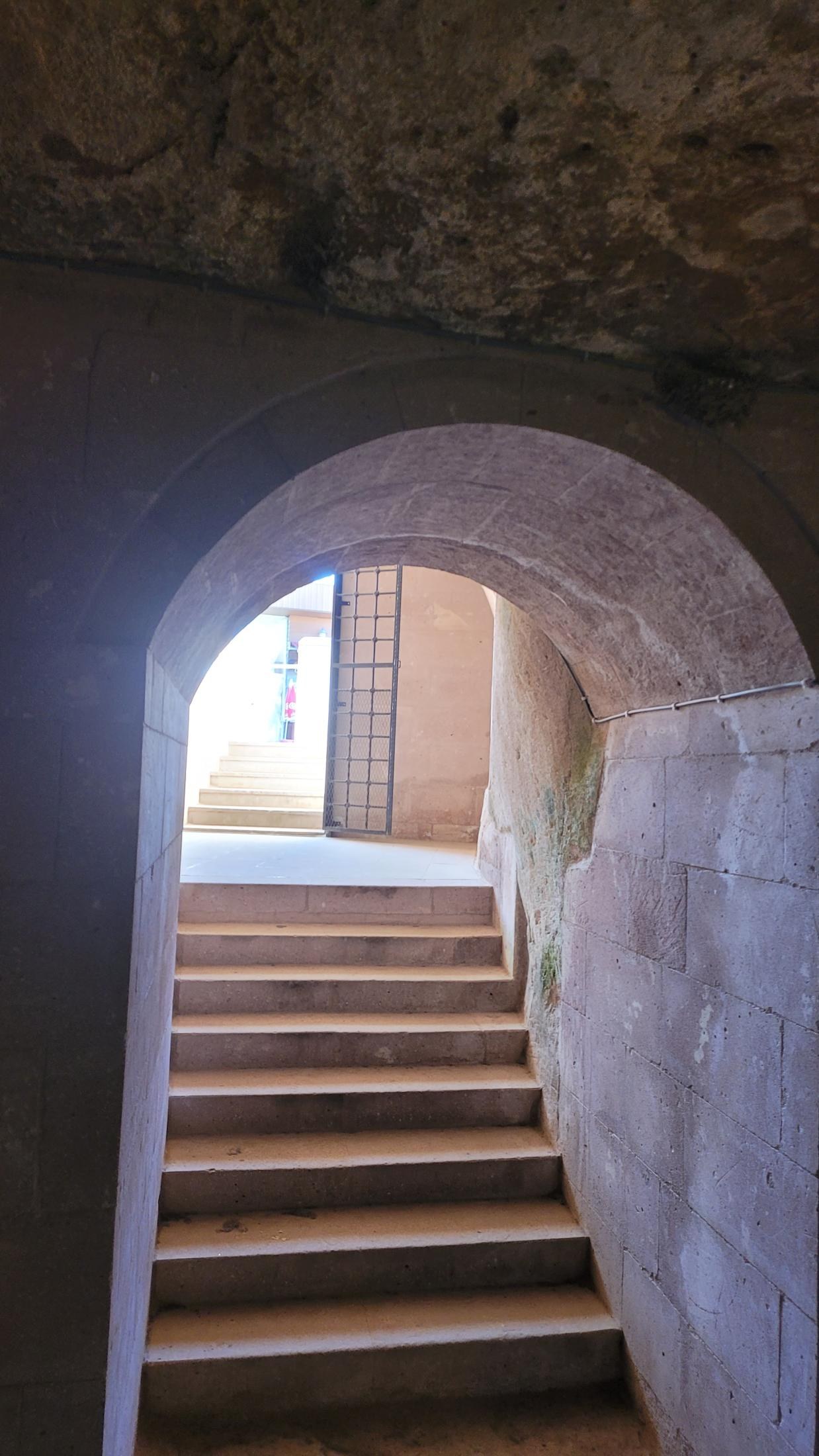
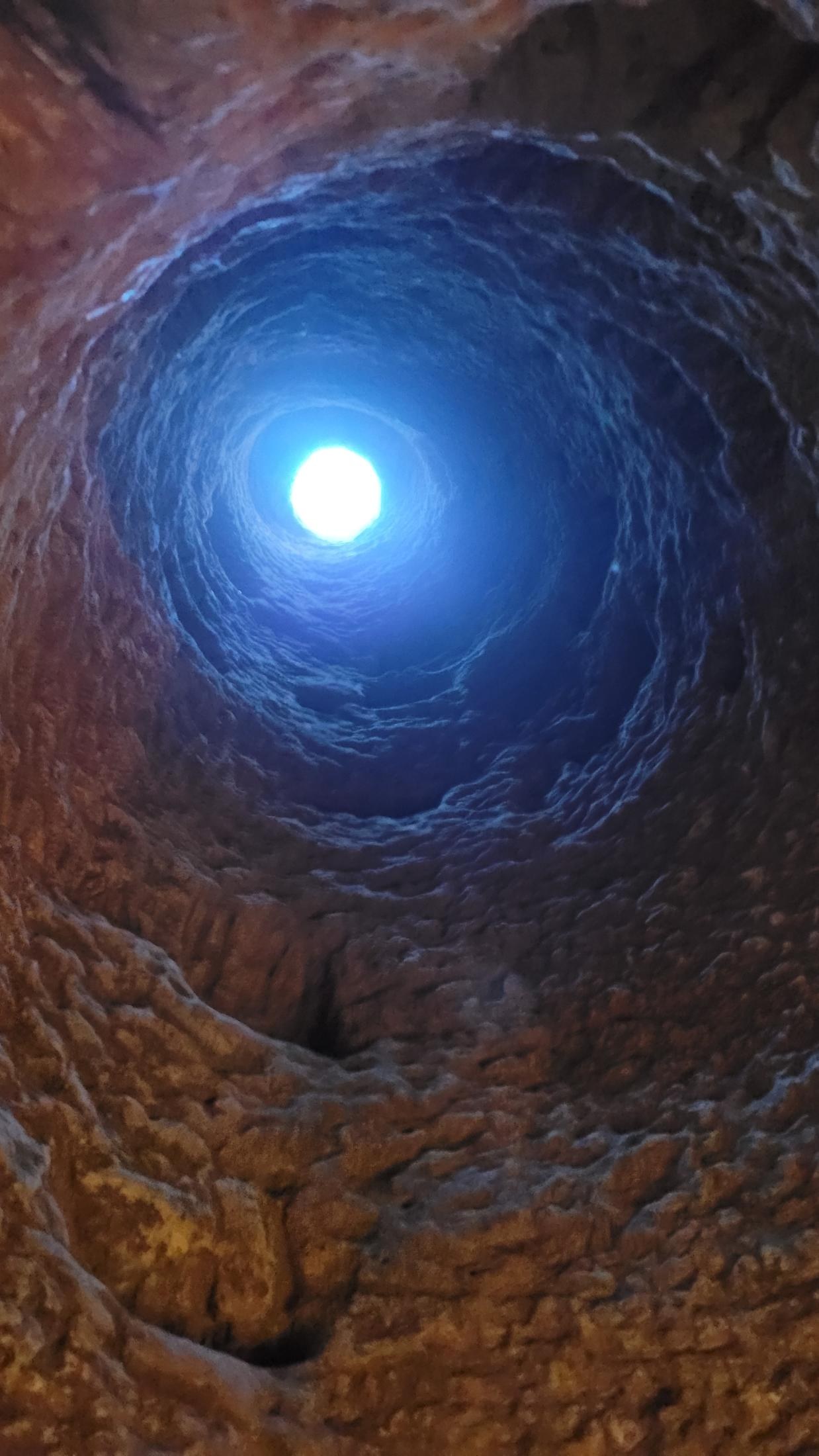
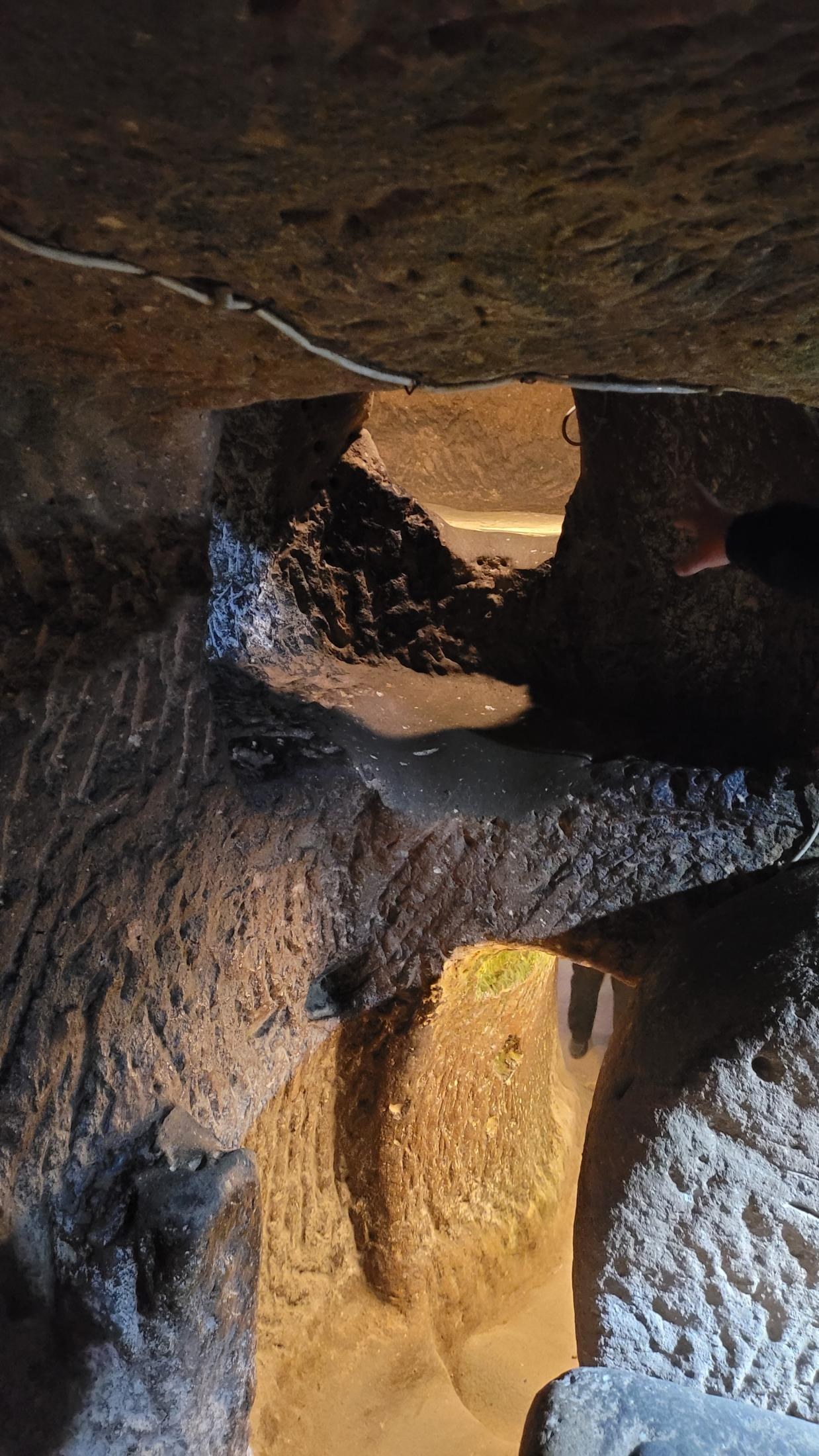
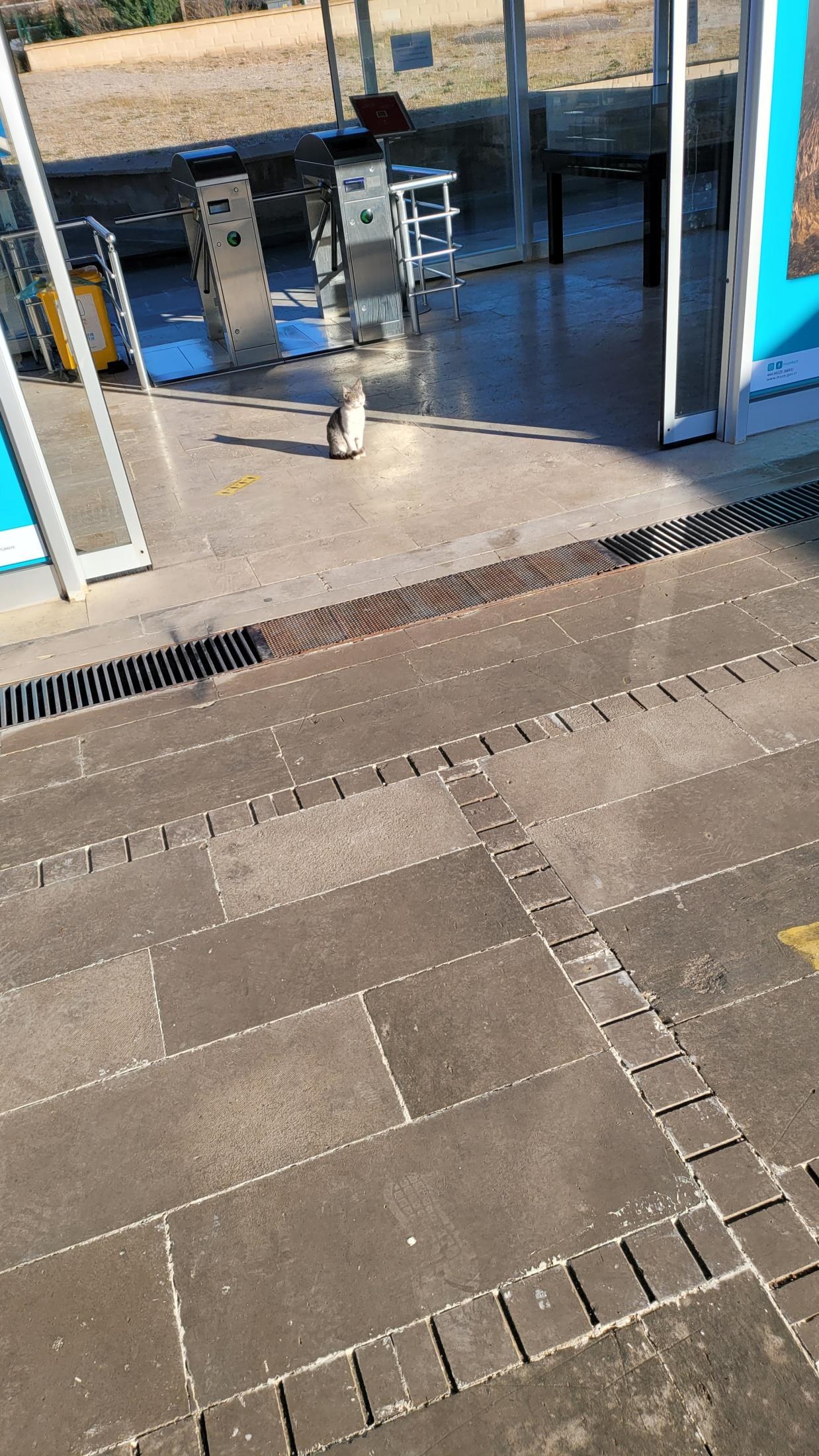
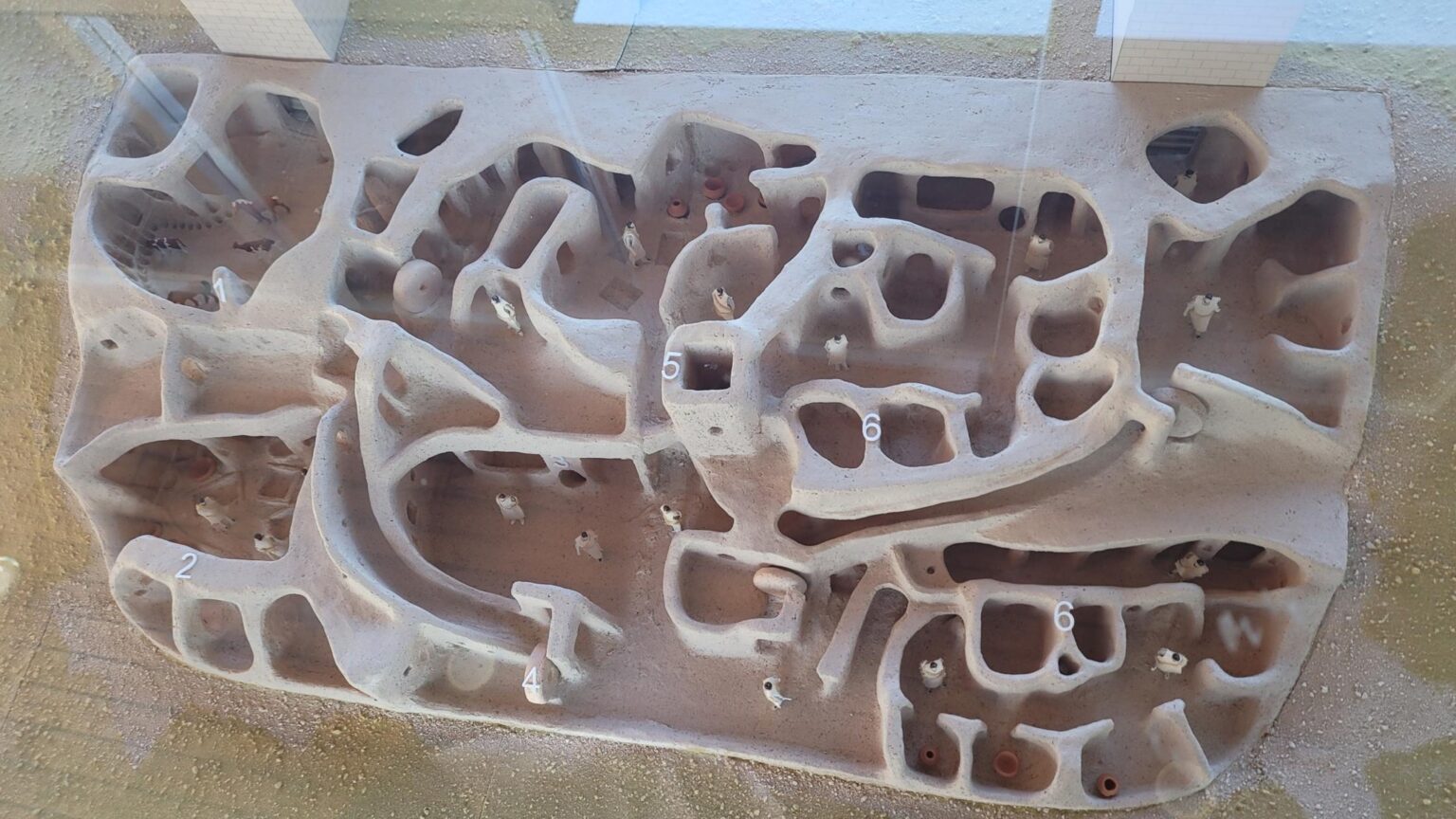
The day is going noticeably more easily. There’s definitely more free time. On we go to:
Love Valley
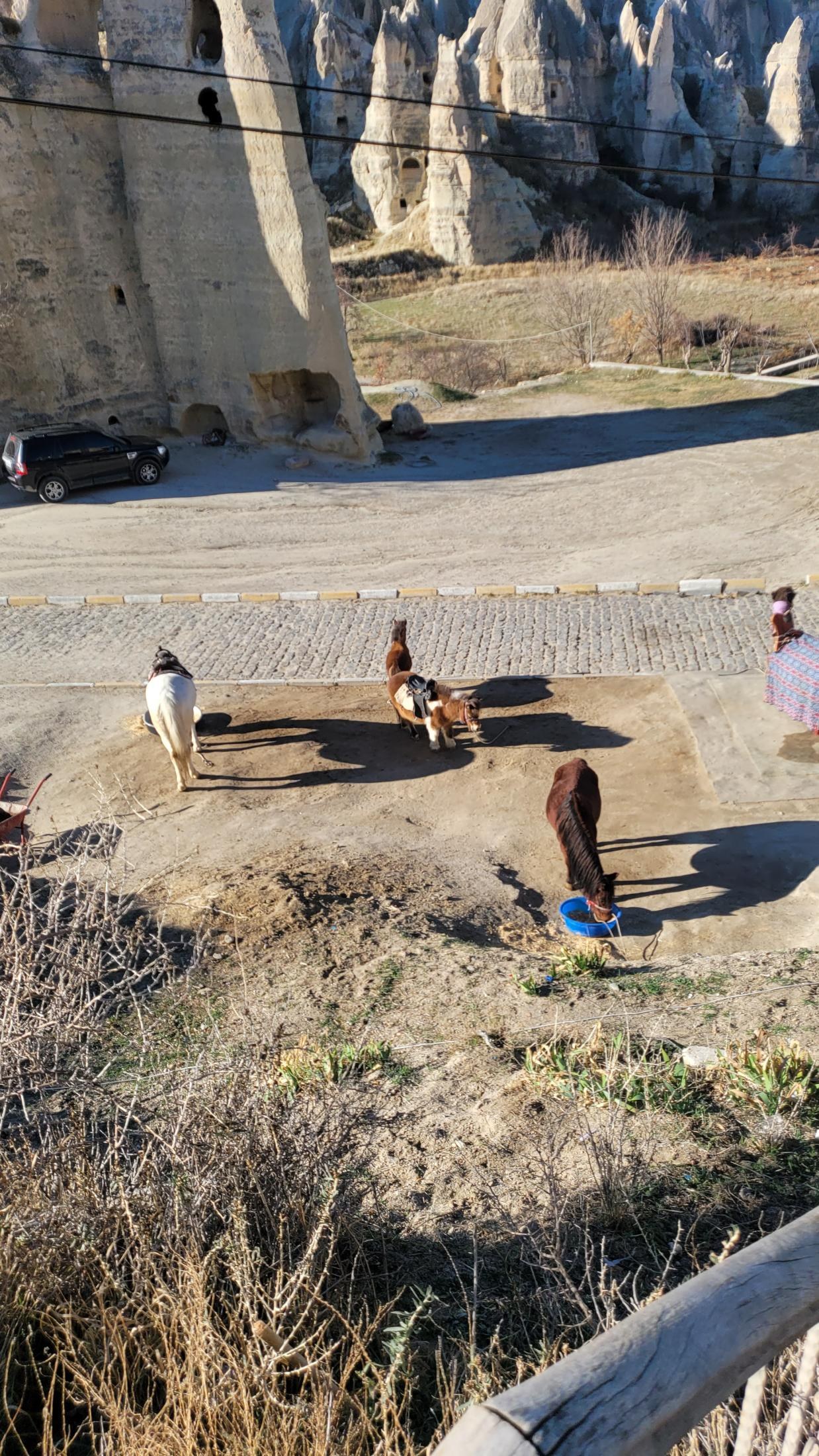
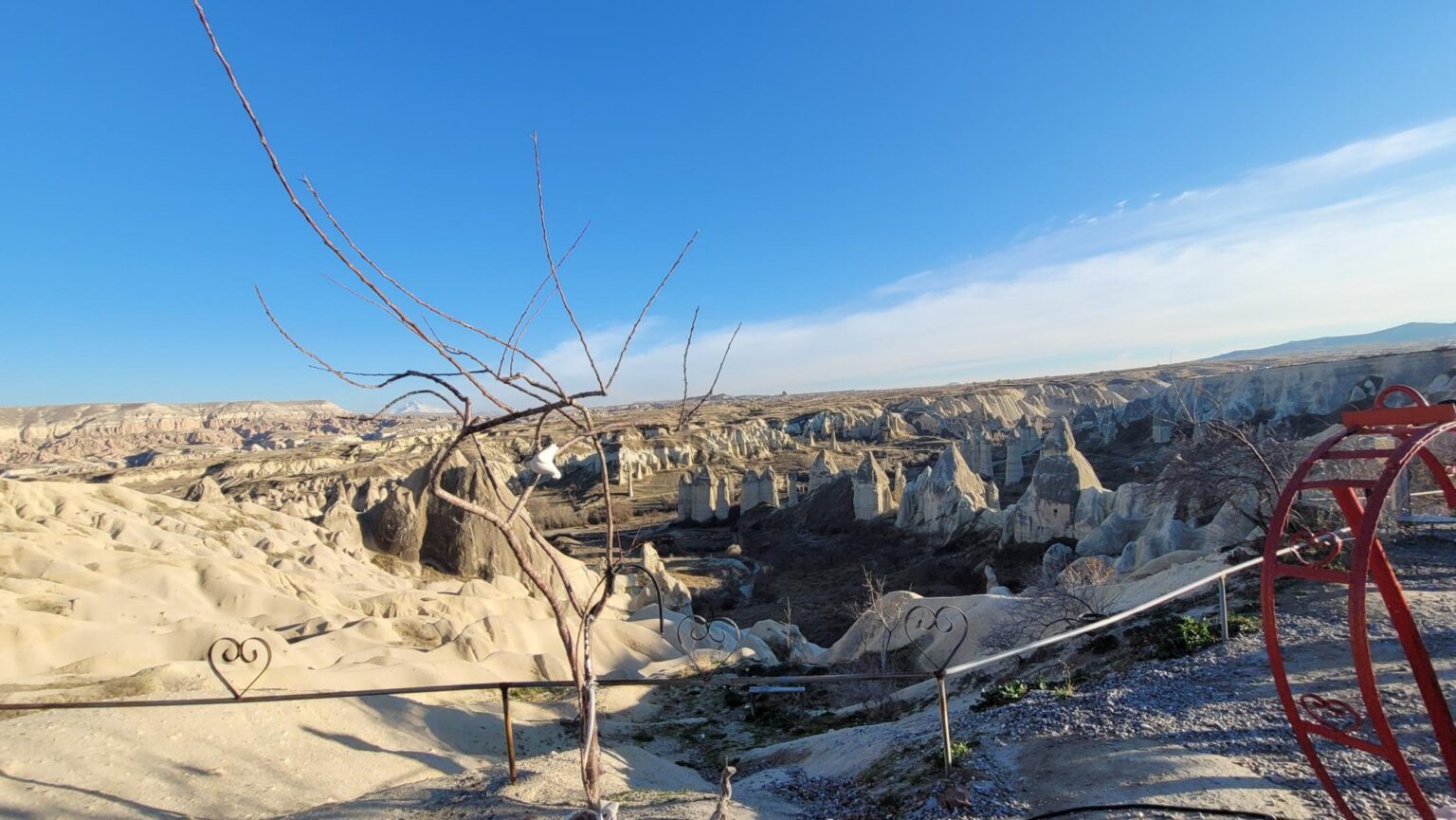
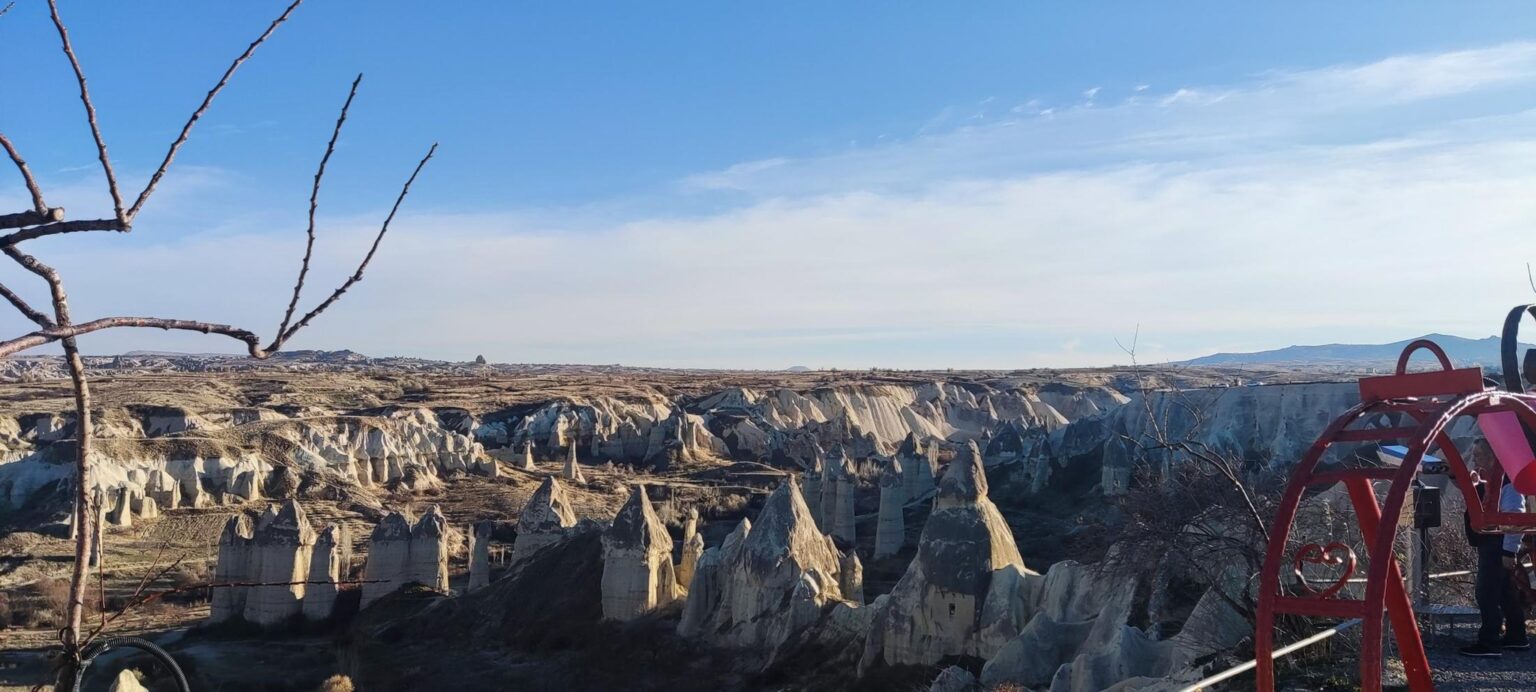
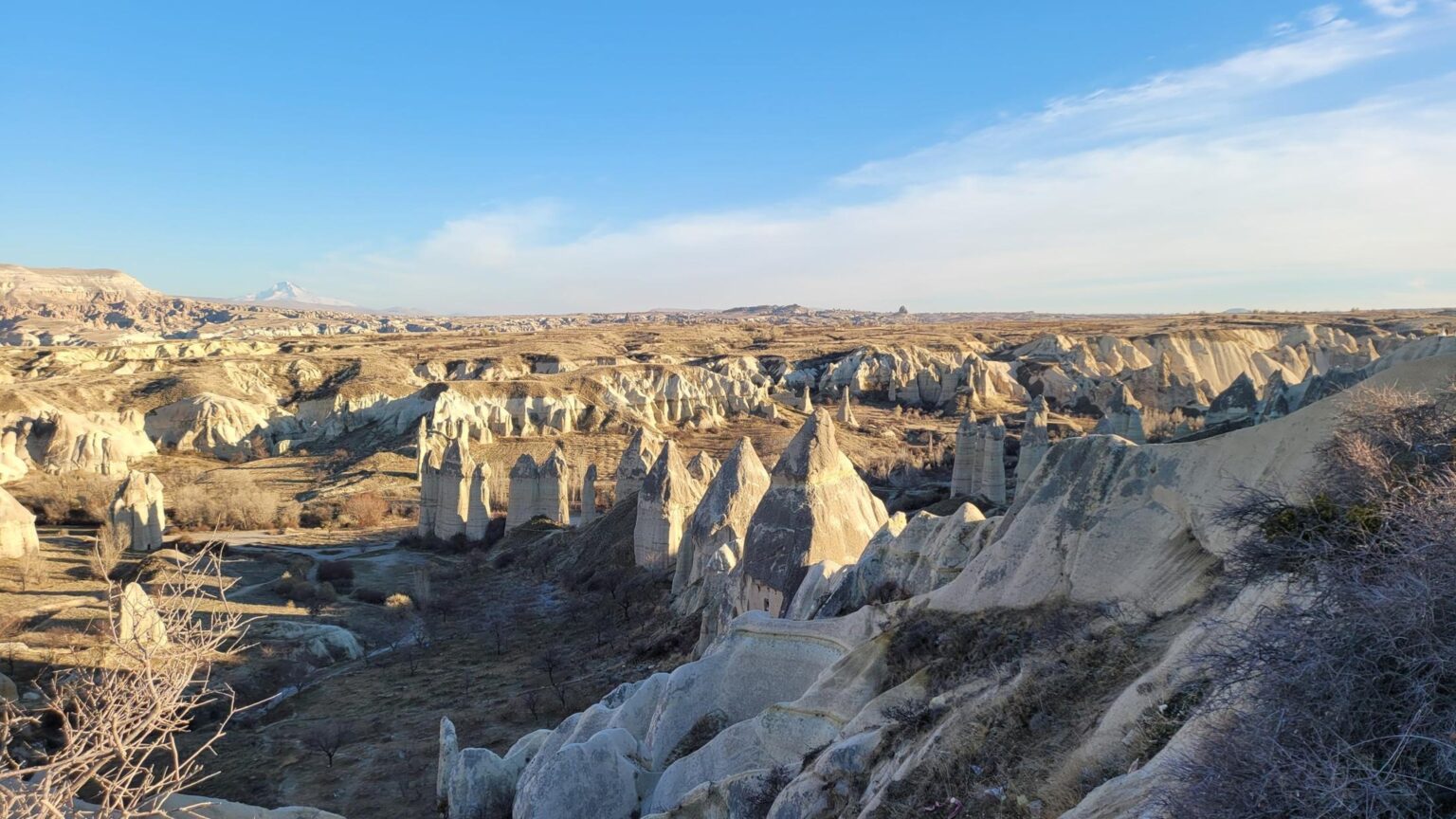
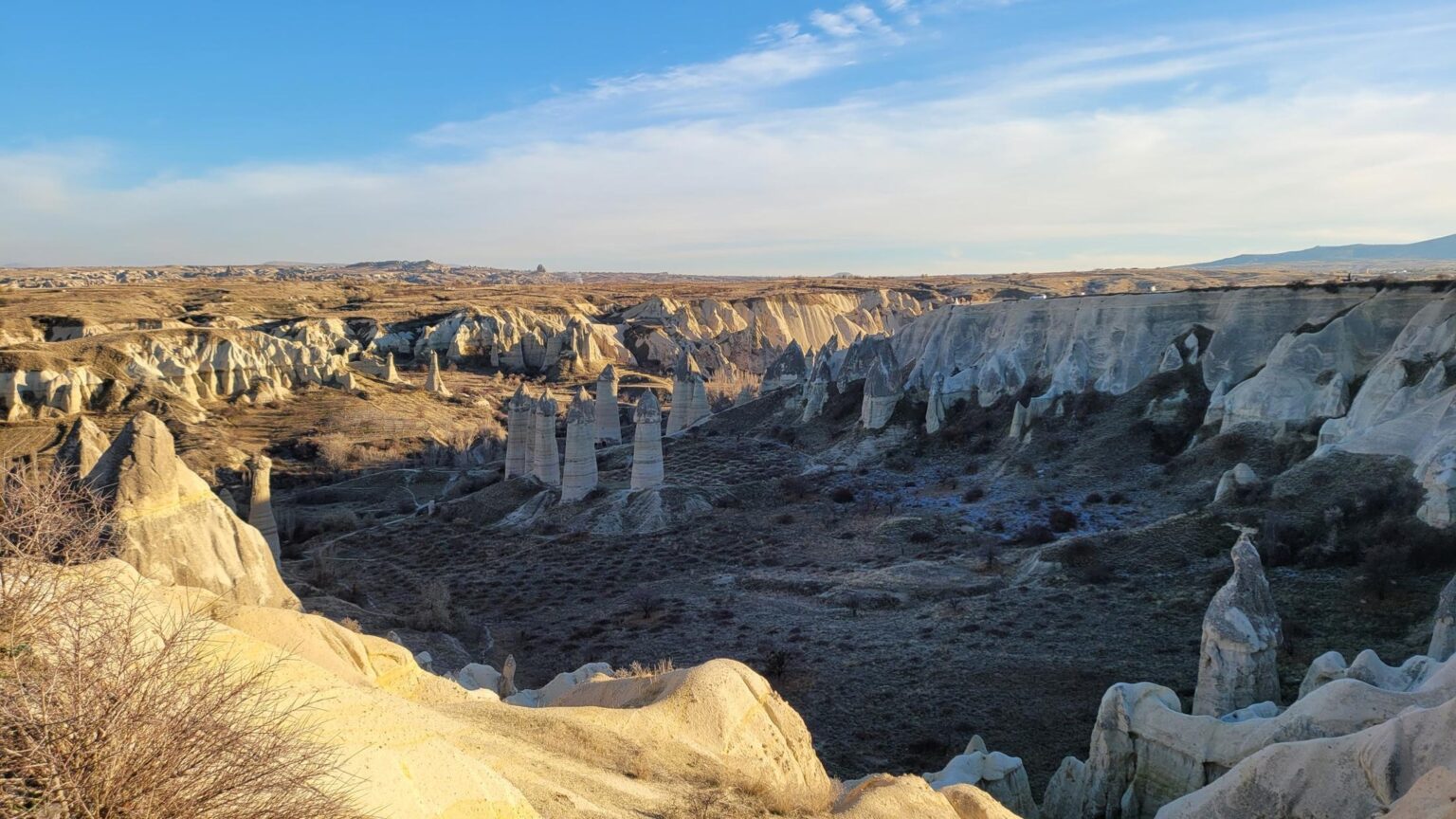
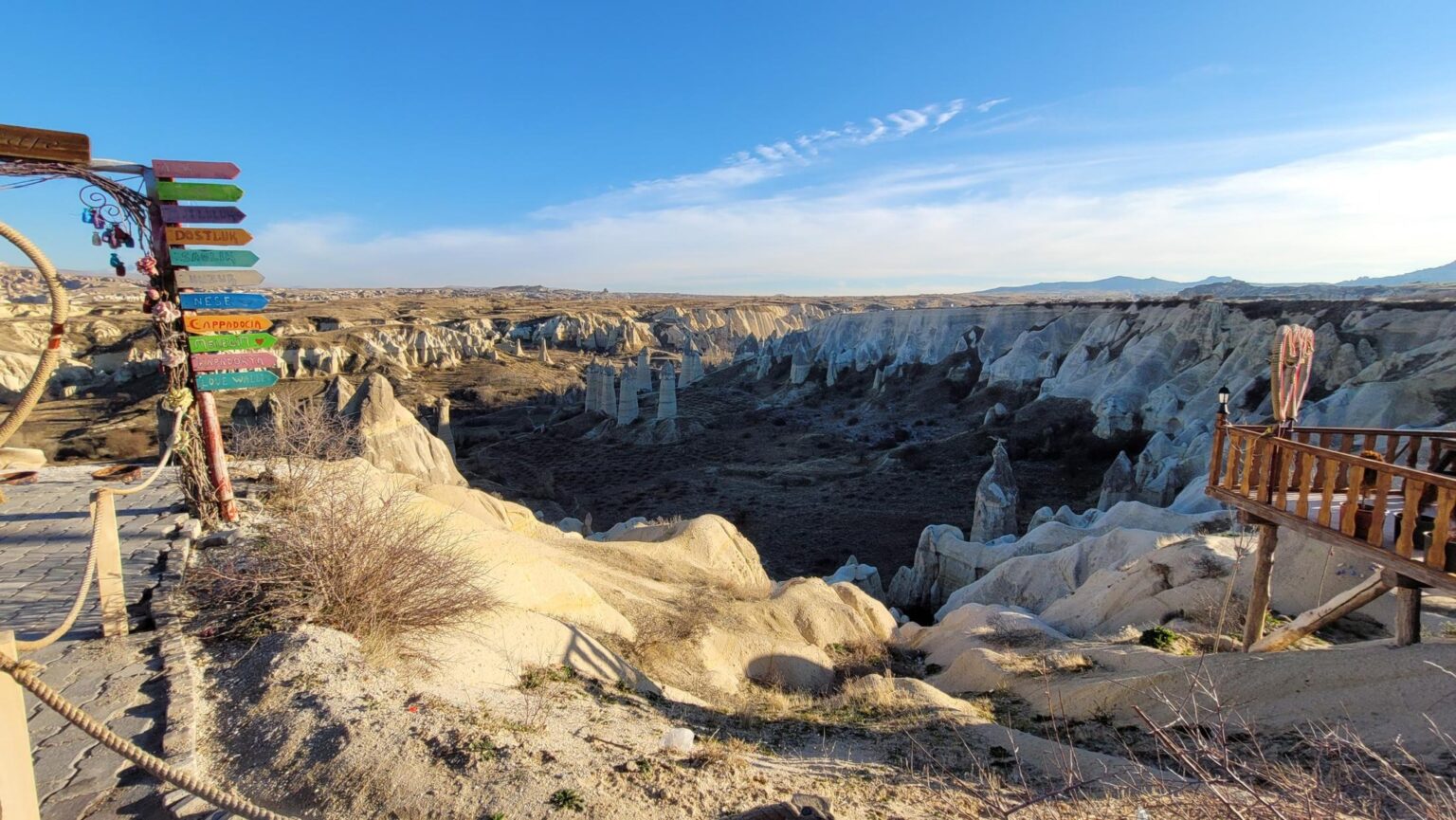
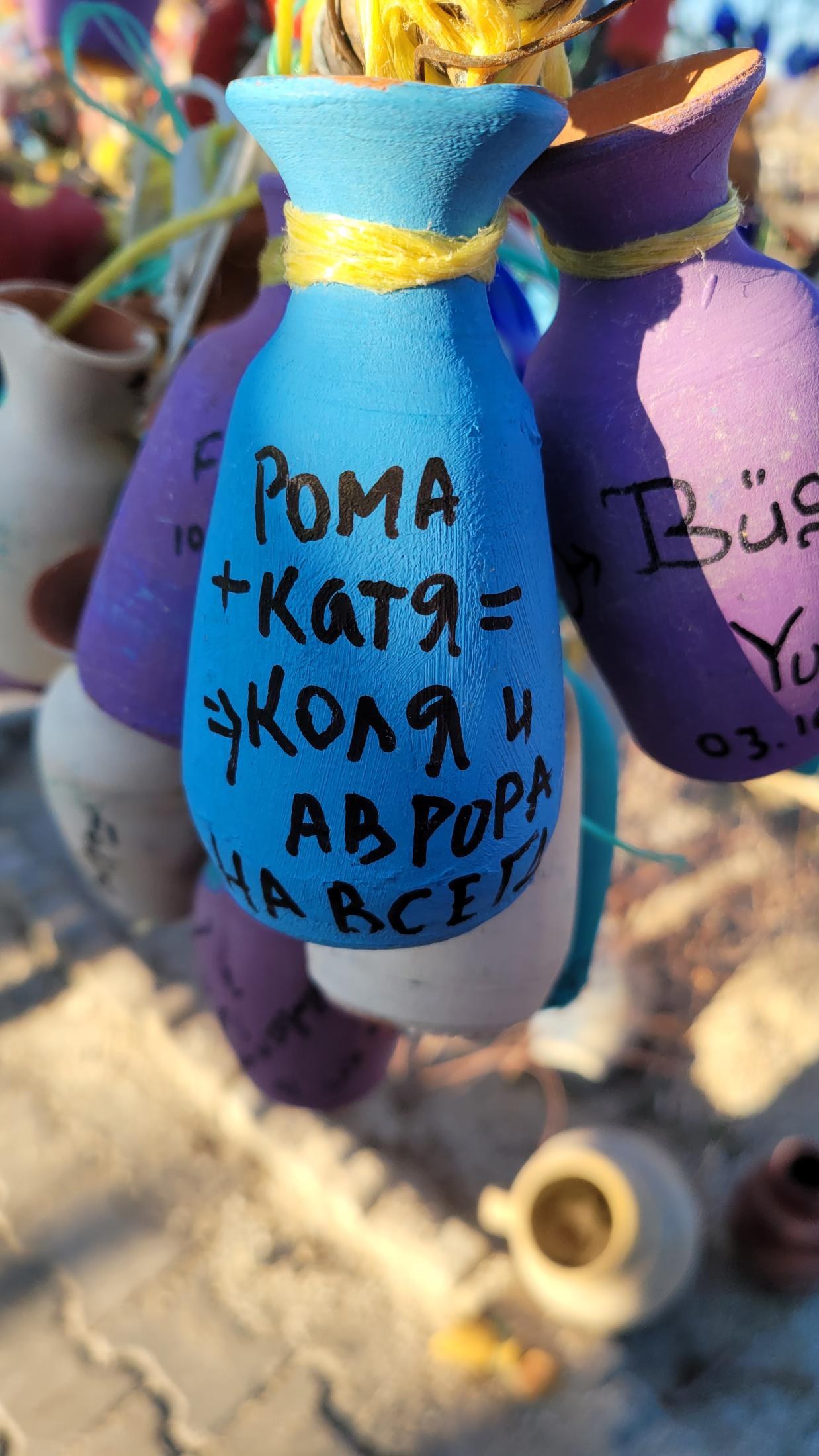
Yes, Love Valley. I mentioned we’d be laughing. Let’s be adults about it. Love evidently has more than one meaning. Some people picture cuddling; the Turks evidently picture fertility, and that in fact is where the name comes from. The valley is filled with half of the attributes required for children to be born. Those of us with an infantile streak start giggling, inventing names and making jokes. Everyone else is embarrassed. In the distance, on the edge of a cliff, there’s a wedding. A group of 50 quad bikes goes past — wow. Huge, impressive and loud. Little shops, polaroid-style photos on the spot, Instagram influencers. Something for everyone, children and adults alike. Thirty minutes is more than enough here.
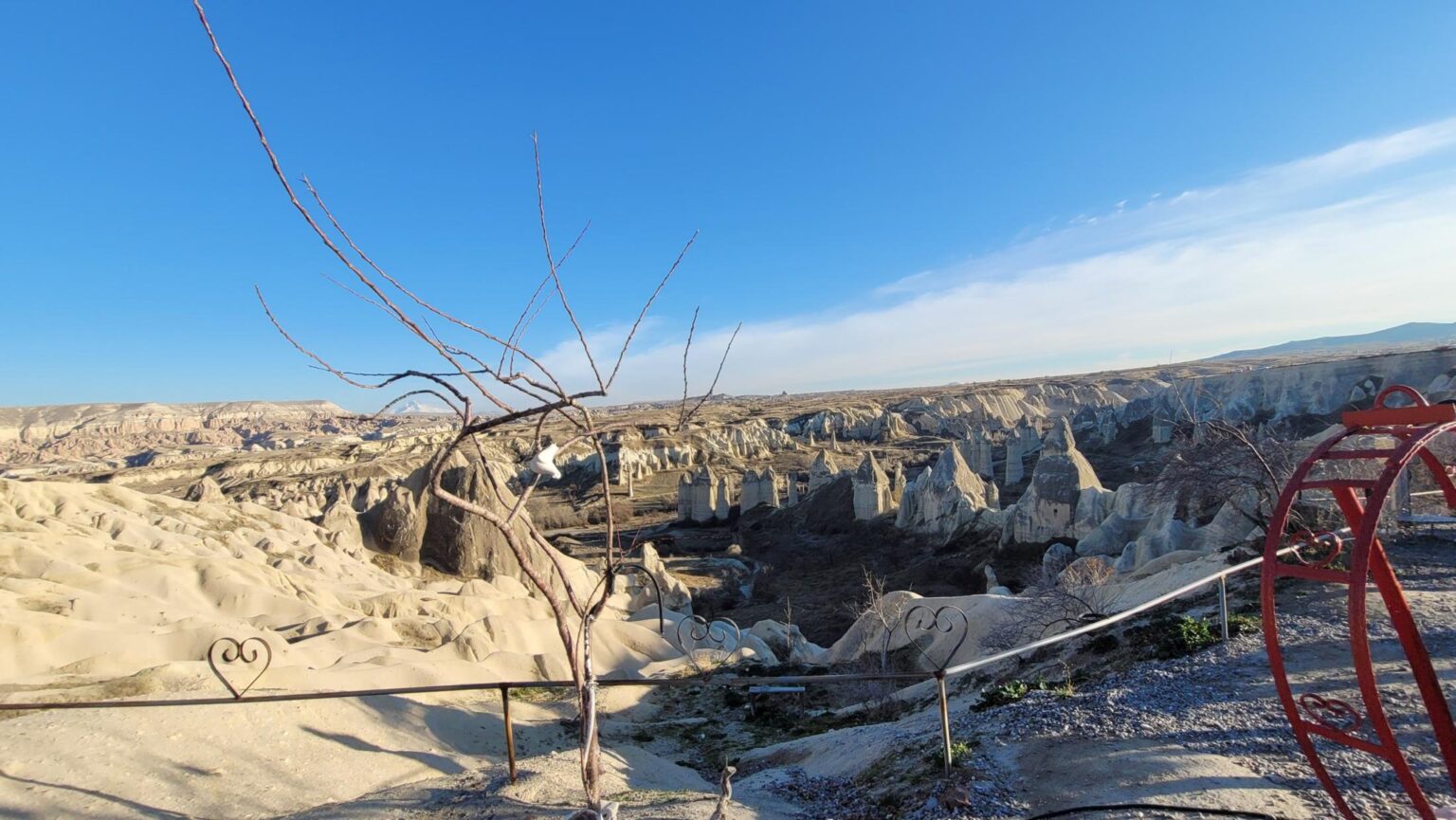
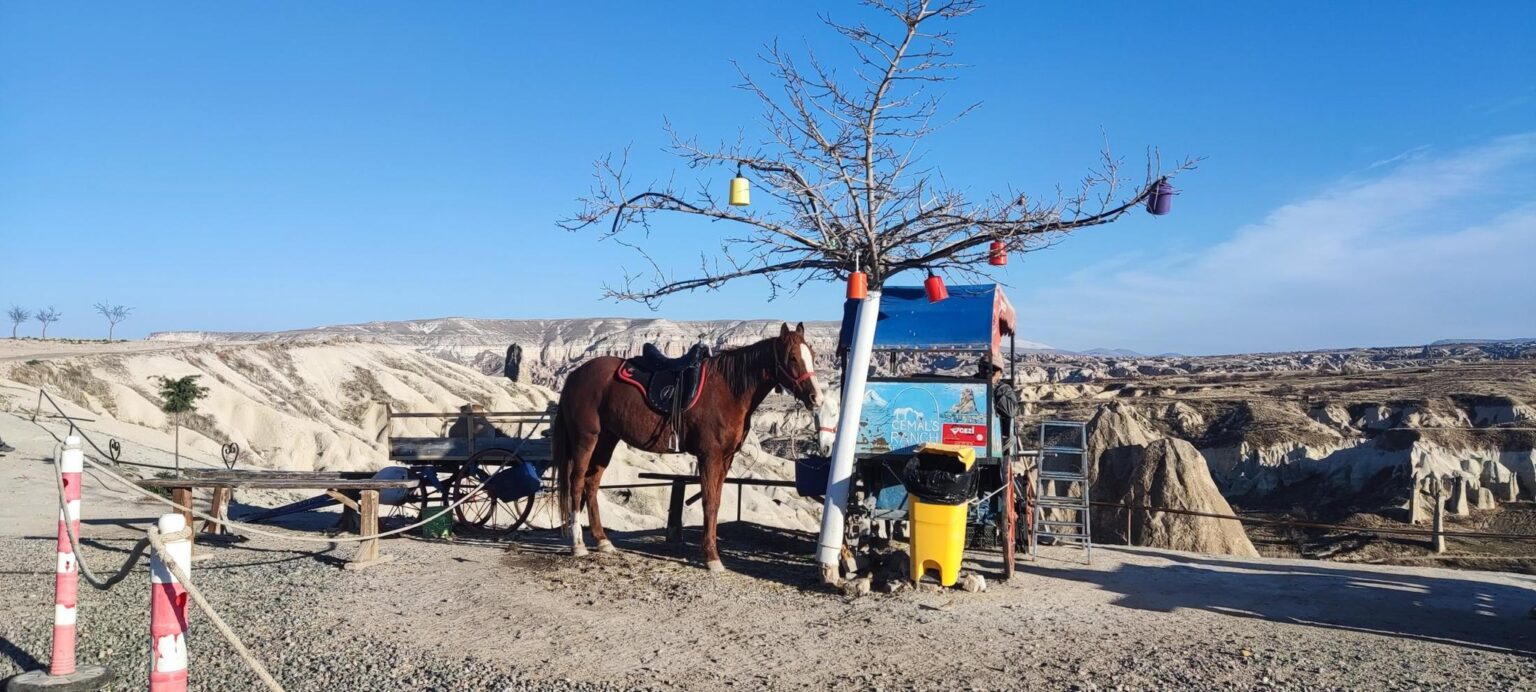
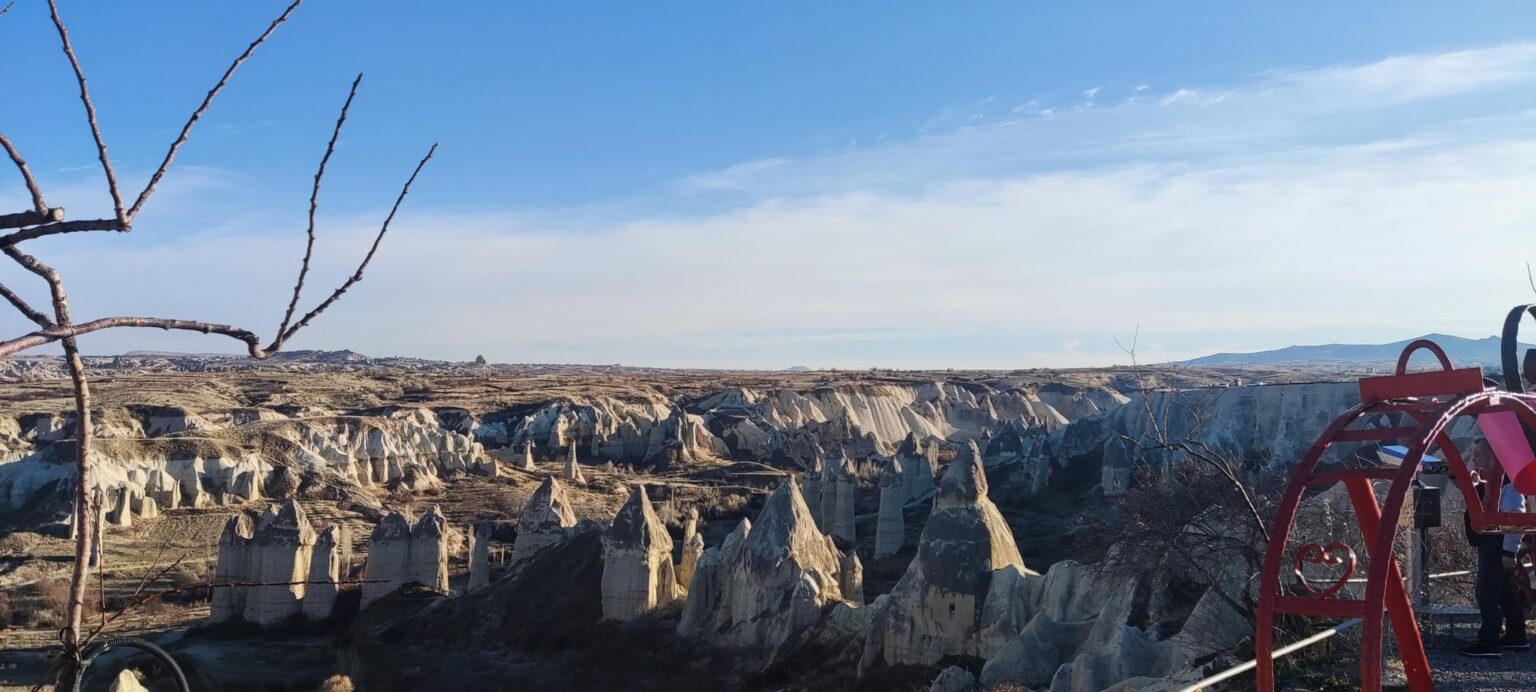
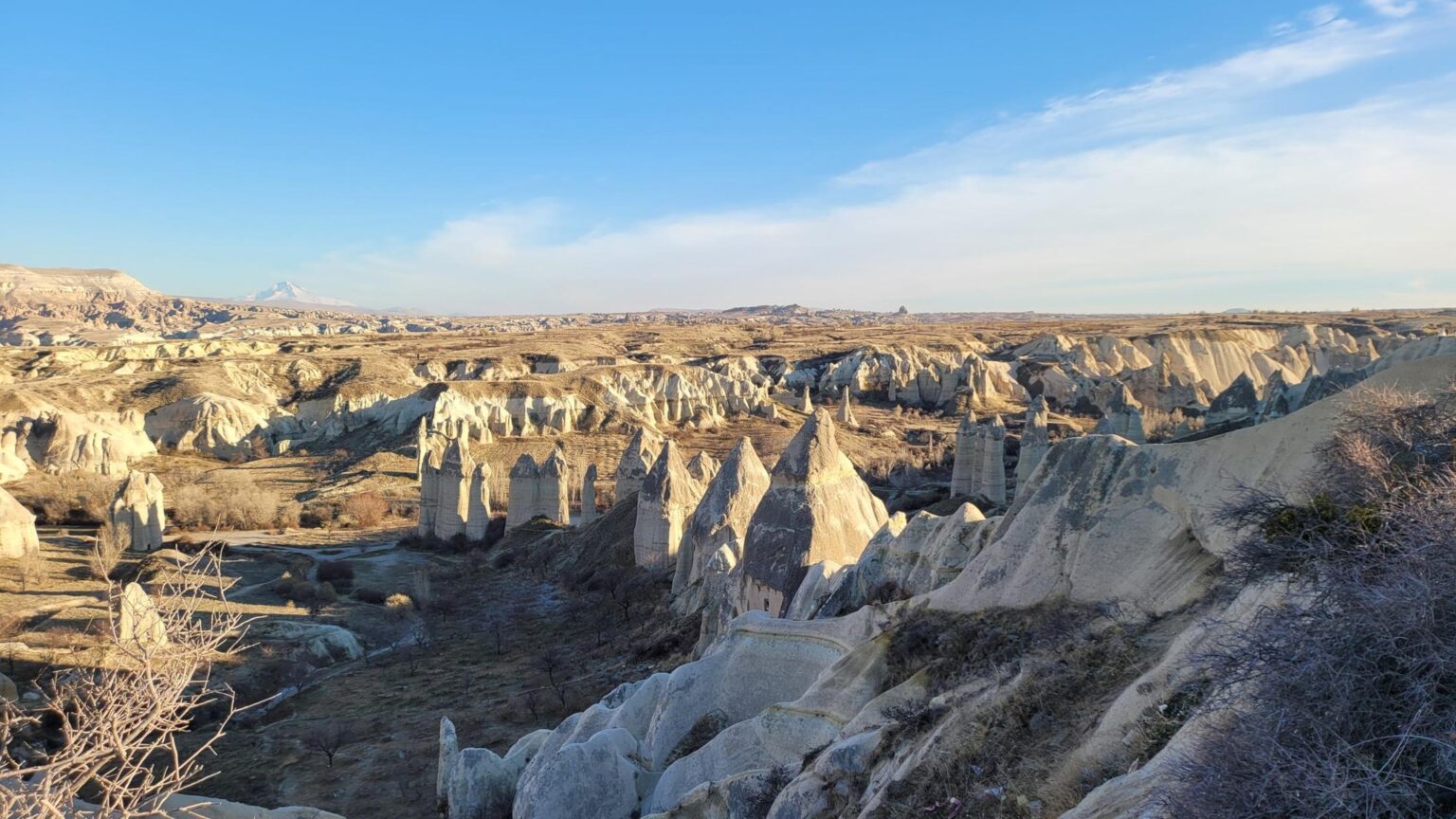
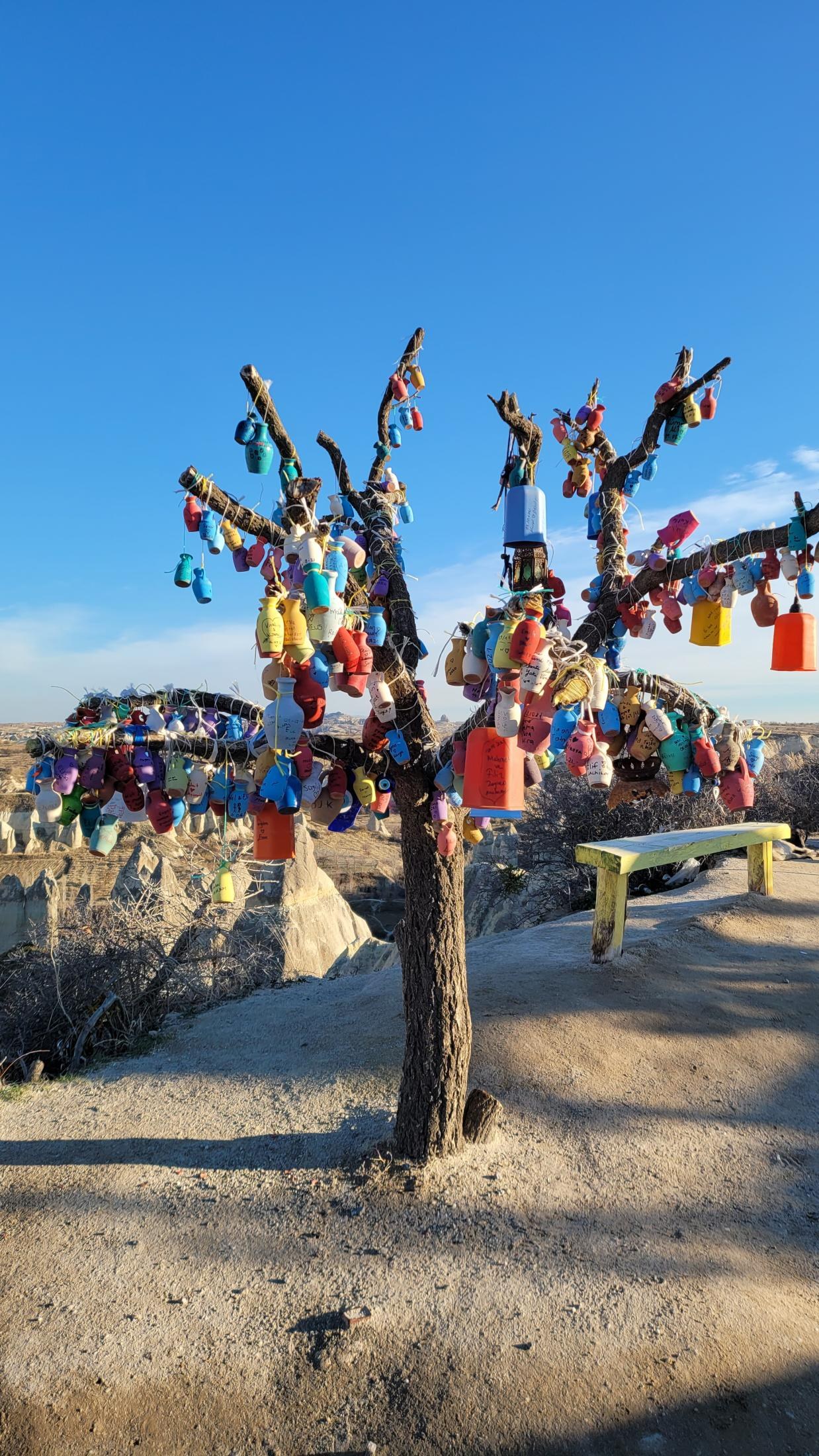
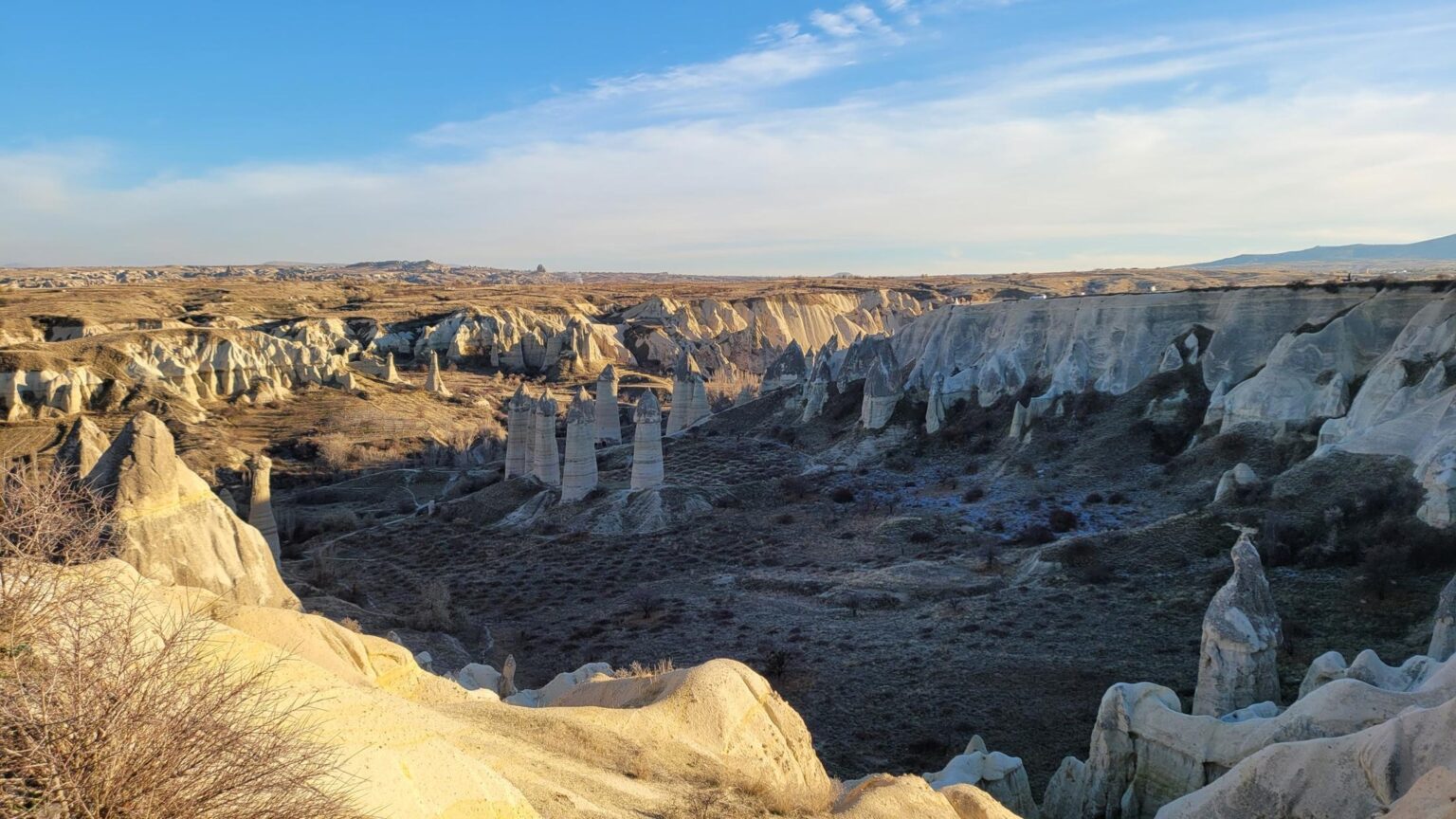
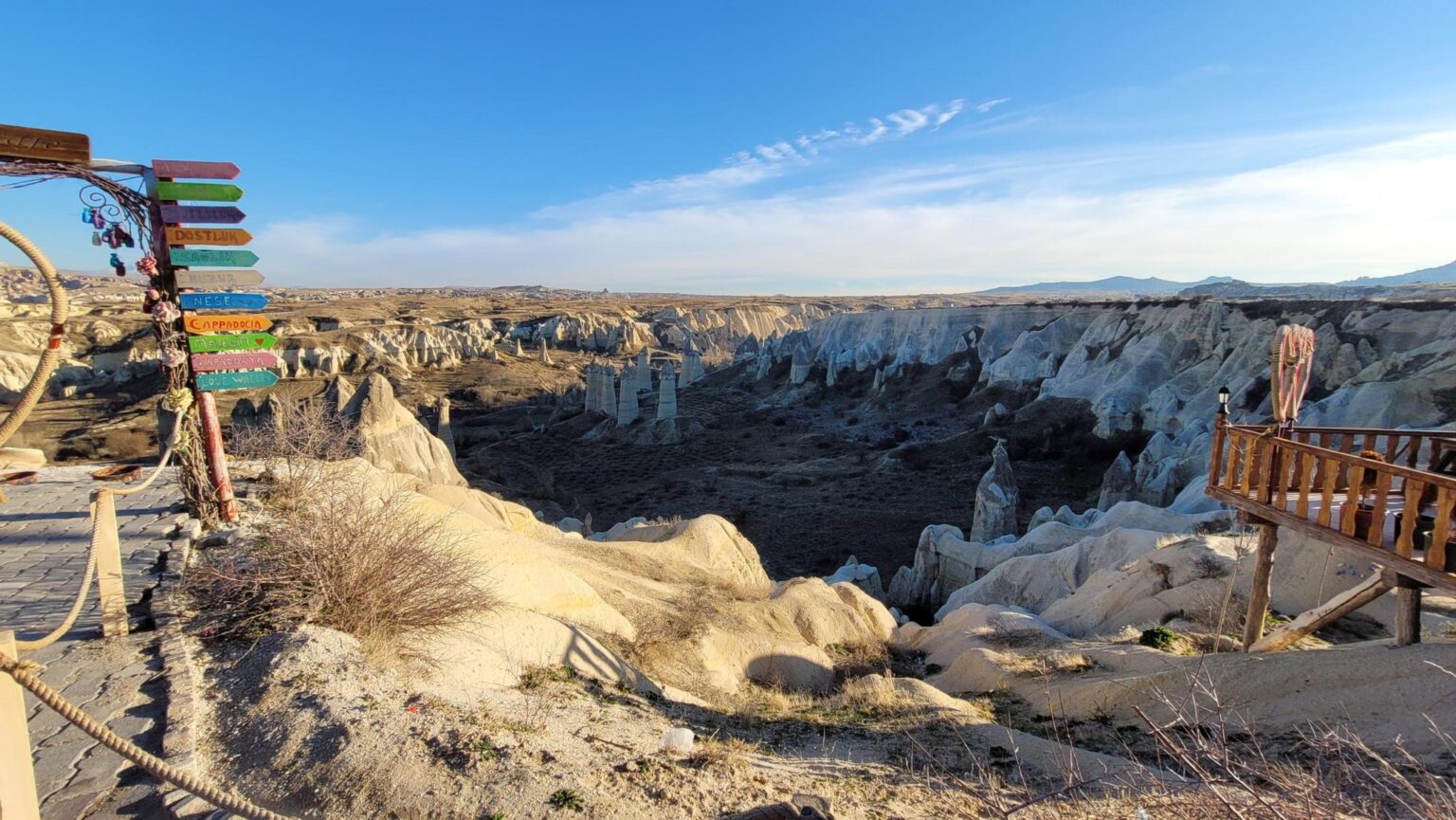
The day is both full and freer, and nowhere near as punishing. Whew.
500 kilometres, 8–9 hours on the coach.
Ugh. Let’s write this one off as a rainy day. Eight or nine hours on the coach, plus another hour or two of stops.
Day 6: A walk around Antalya
150 kilometres, two and a half hours on the coach.
Here comes a brutal minus for Premio Travel. It may well apply to the other operators too, but Premio — or their guide acting on his own initiative — forcibly stole three or four hours of our lives. I may be wrong; you can be the judge. We start at 08:30 on the coach. They’re taking us shopping. Whether we want to or not. The shopping is on the edge of the city — and remember, in Türkiye everything is enormous, so the edge of the city is 20 kilometres from the centre, which means like it or not, we’re going shopping. It might be fun up to a point, let’s give it a chance. It isn’t fun. They take us to see branded leather jackets and gold. In theory everything should be cheap; in practice we know how things work around bus stops. The jackets start at the equivalent of over 600 leva. Right, we’ll see later in Antalya what they actually go for. The jackets are nice, that’s a fact, no lie and no trick. They put on a fashion show with models and serve us cocktails. But the prices run from 600 to over 2,000 leva. Somehow it doesn’t sit right to be on a relatively budget trip that isn’t even a charter flight and be pitched fairly expensive goods. I’m not sure anyone bought a jacket; perhaps one or two were sold, but out of a group of 40 people that’s a negligible share. Thirty-eight of us loitered outside for an hour and a half so that one or two could buy jackets. The gold was worse. Türkiye is known for cheaper jewellery. They took us to a brutally boutique shop, which is reflected directly in the prices: a pair of small earrings, 2 or 3 grams at a push, started at 300 to 400 leva in our money and went up from there. It was sad — elderly women buying small expensive trinkets on credit. Another 90 minutes of loitering, plus the drive. We could have been in Antalya between 08:30 and 09:30; they dropped us in the centre at 13:00. I don’t find that acceptable. It should have been agreed with us, the customers. I don’t know whether it comes from Premio or from the local guide they chose, but those three or four hours felt wrong. Anyway. Water under the bridge. We reach Antalya.
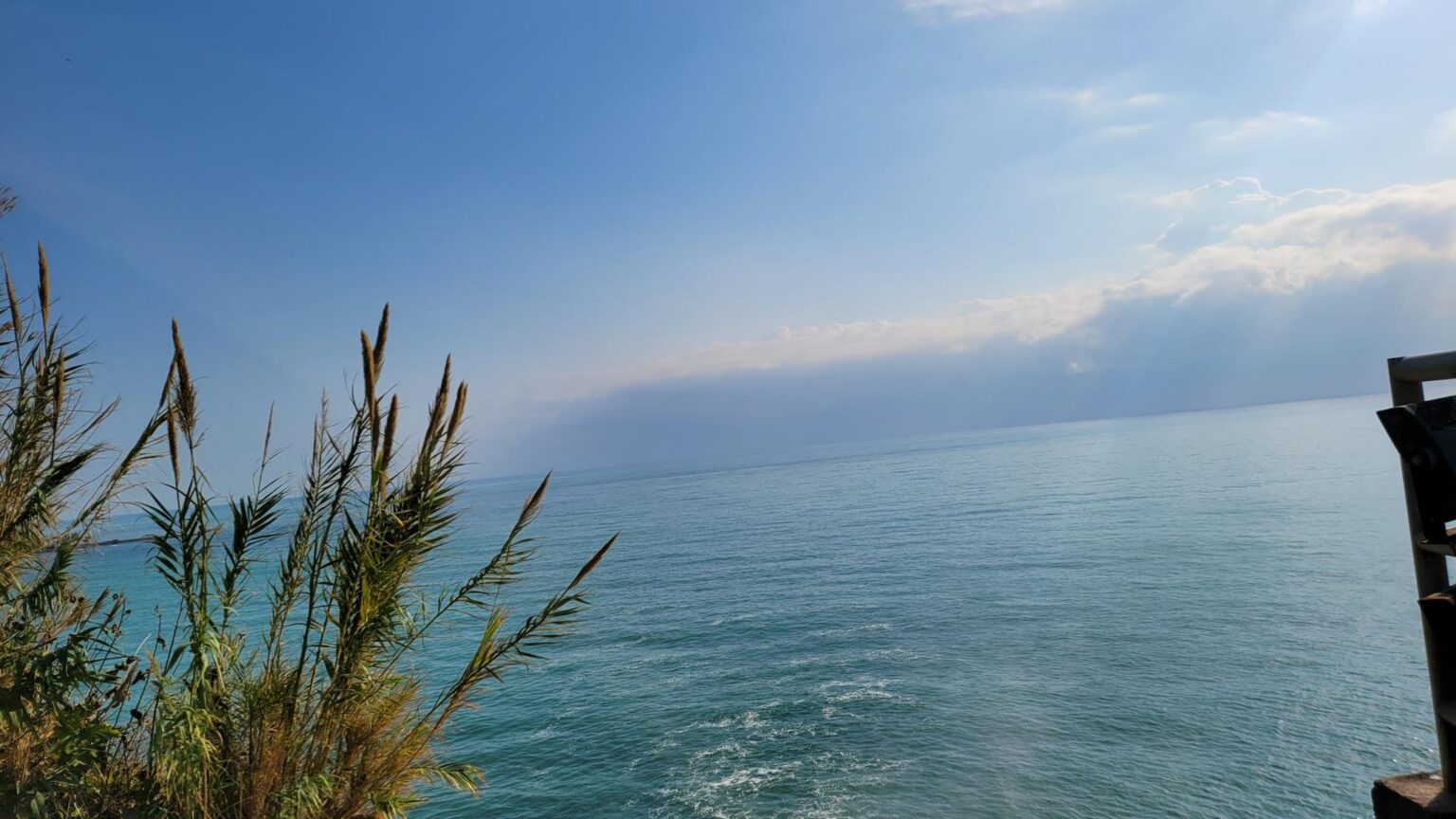
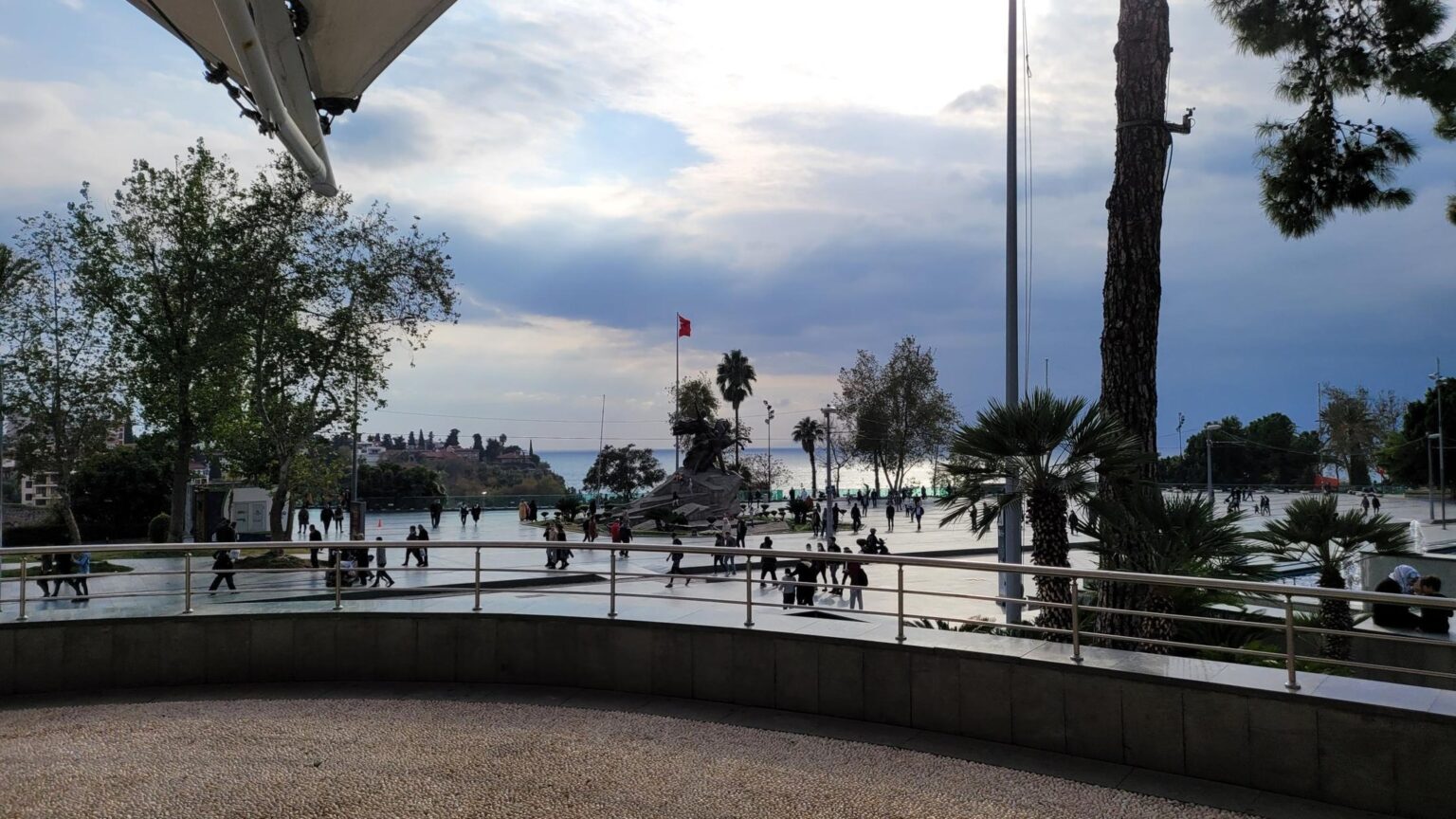
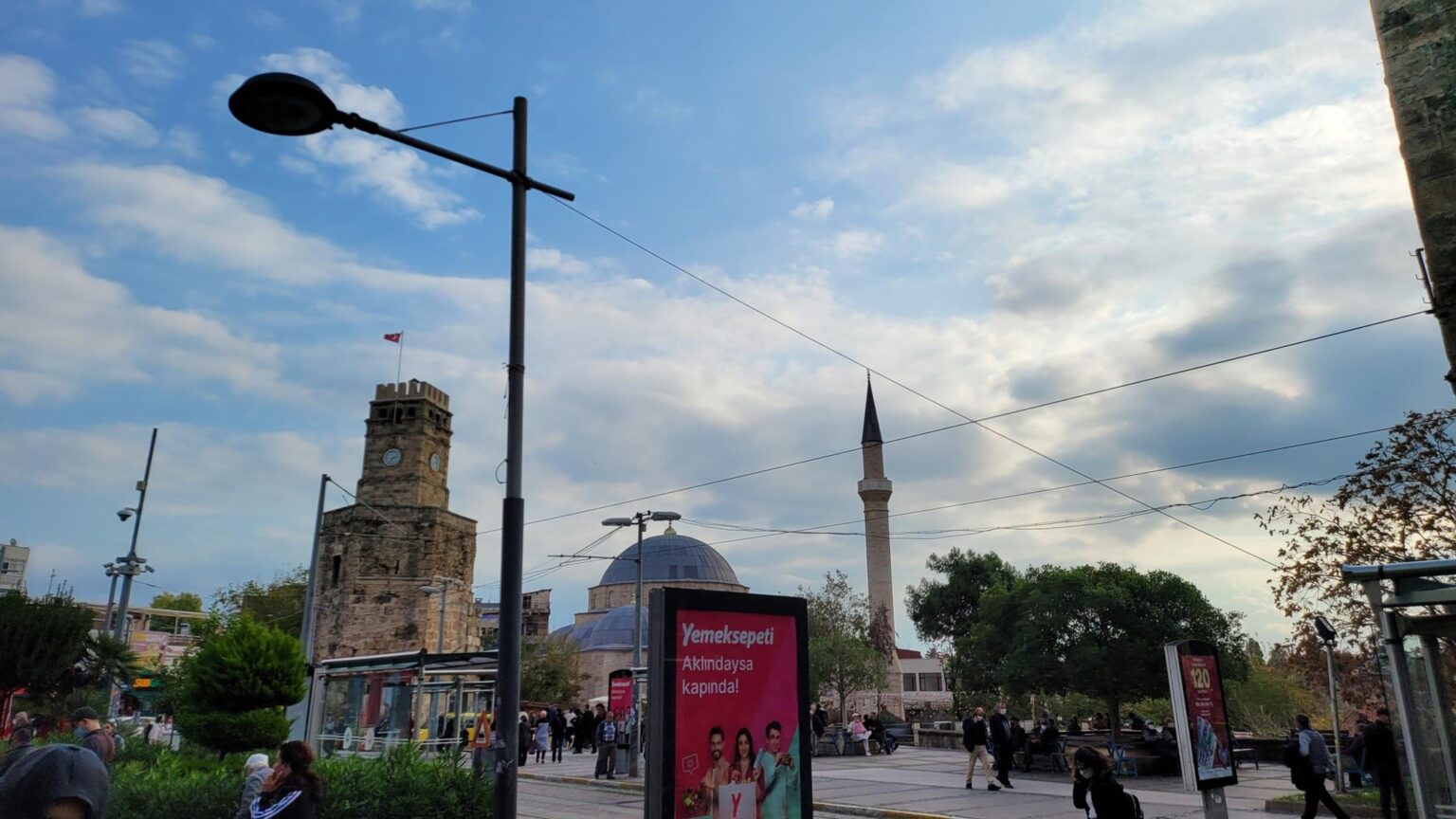
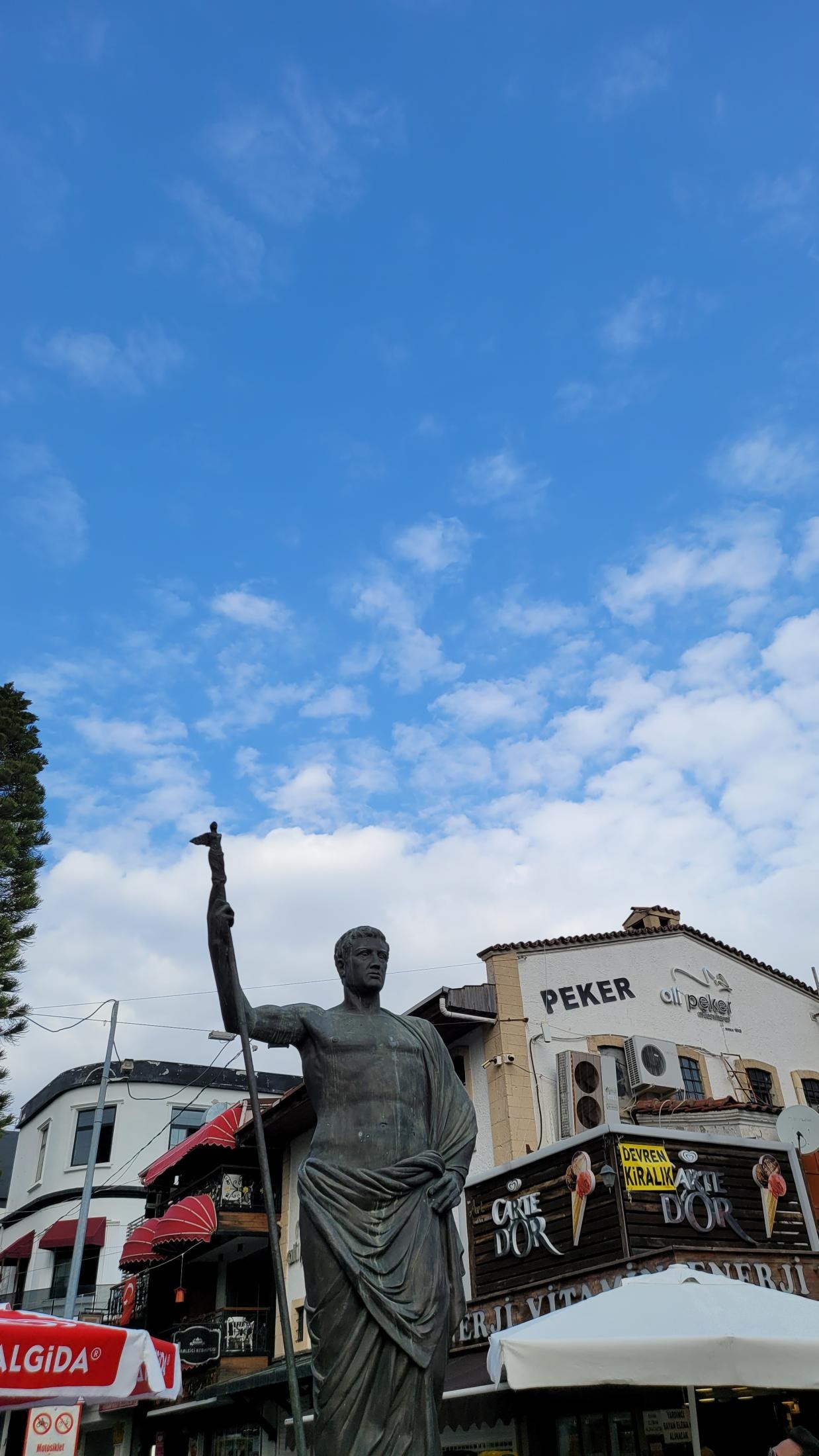
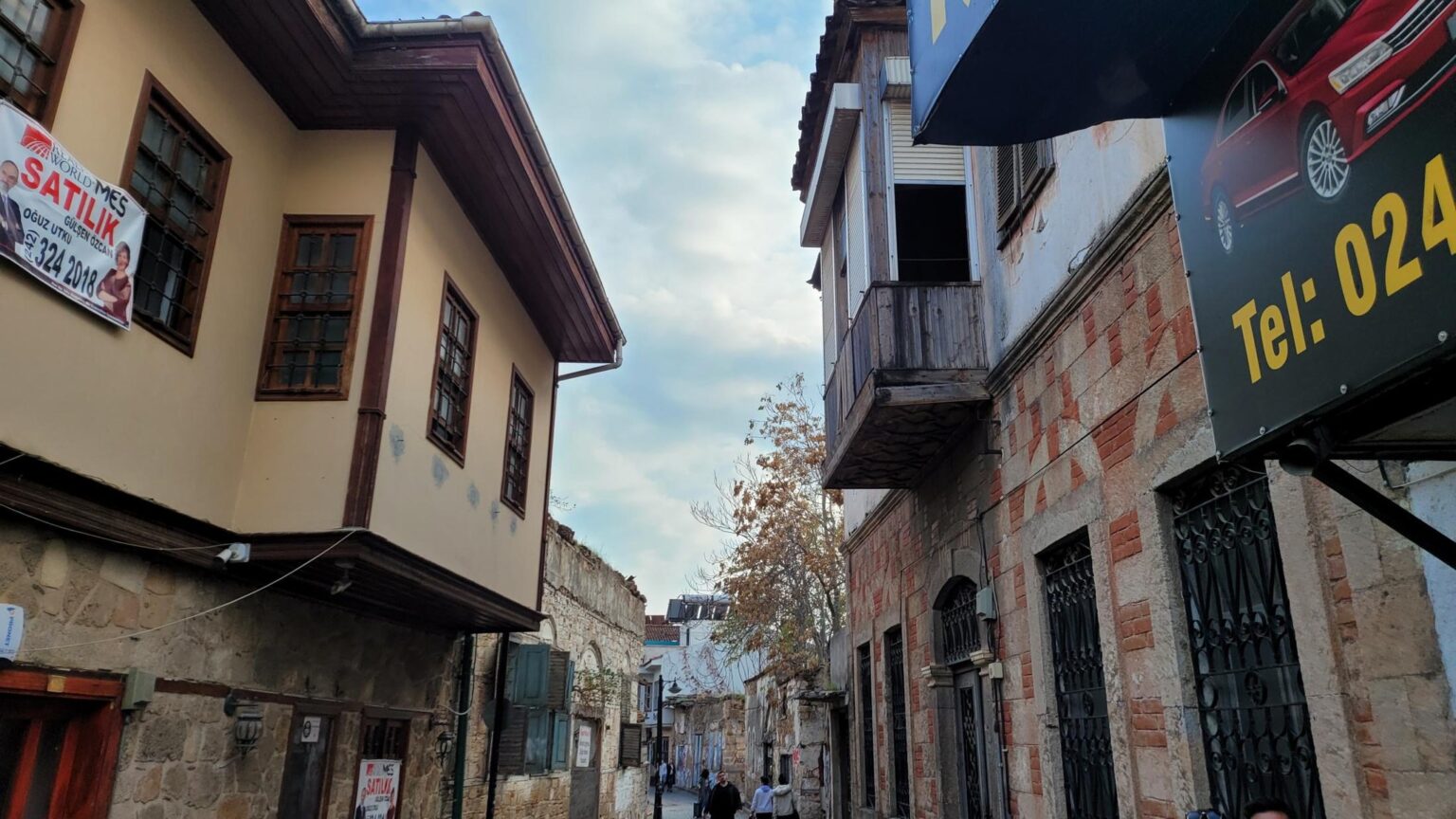
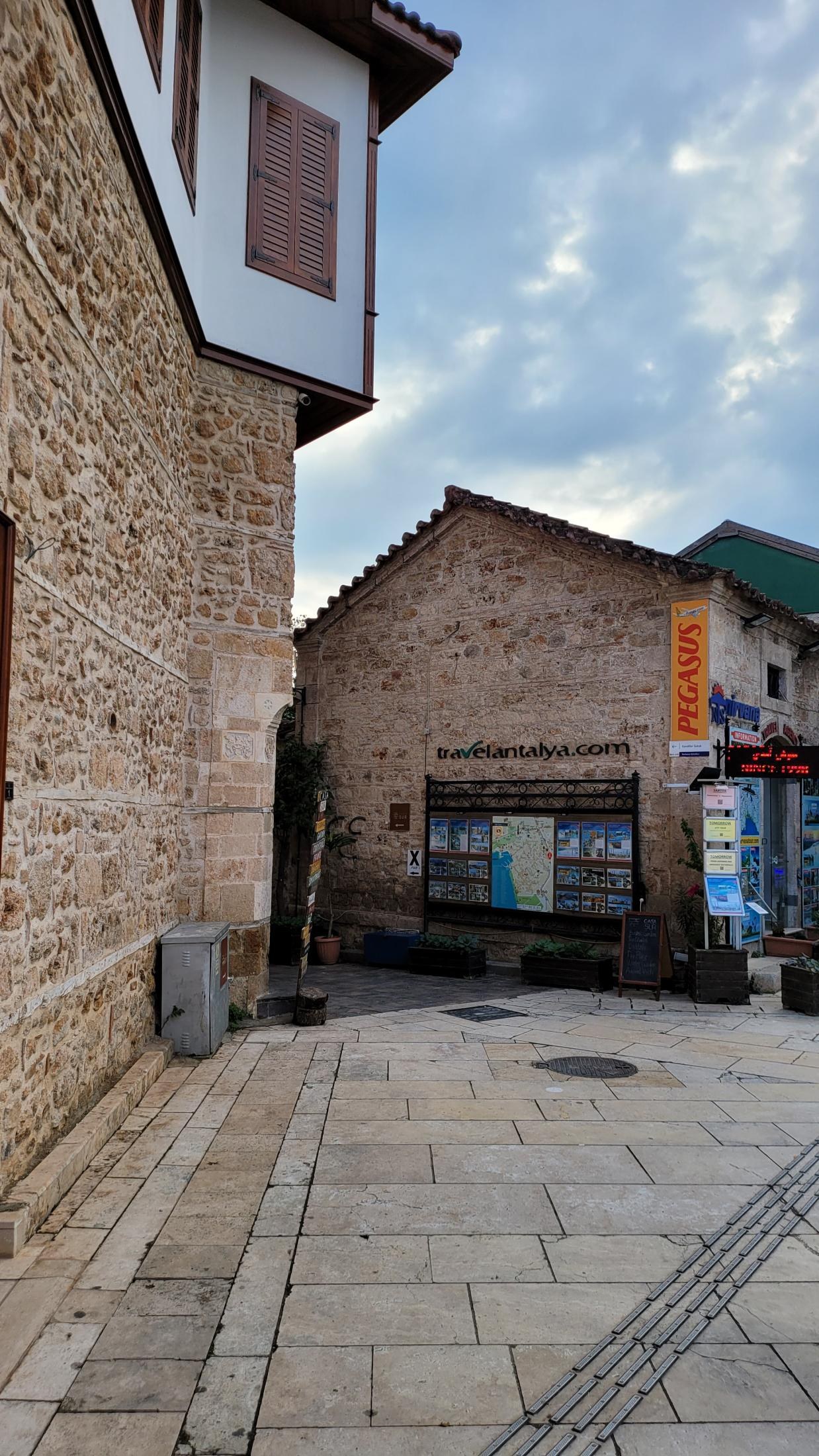
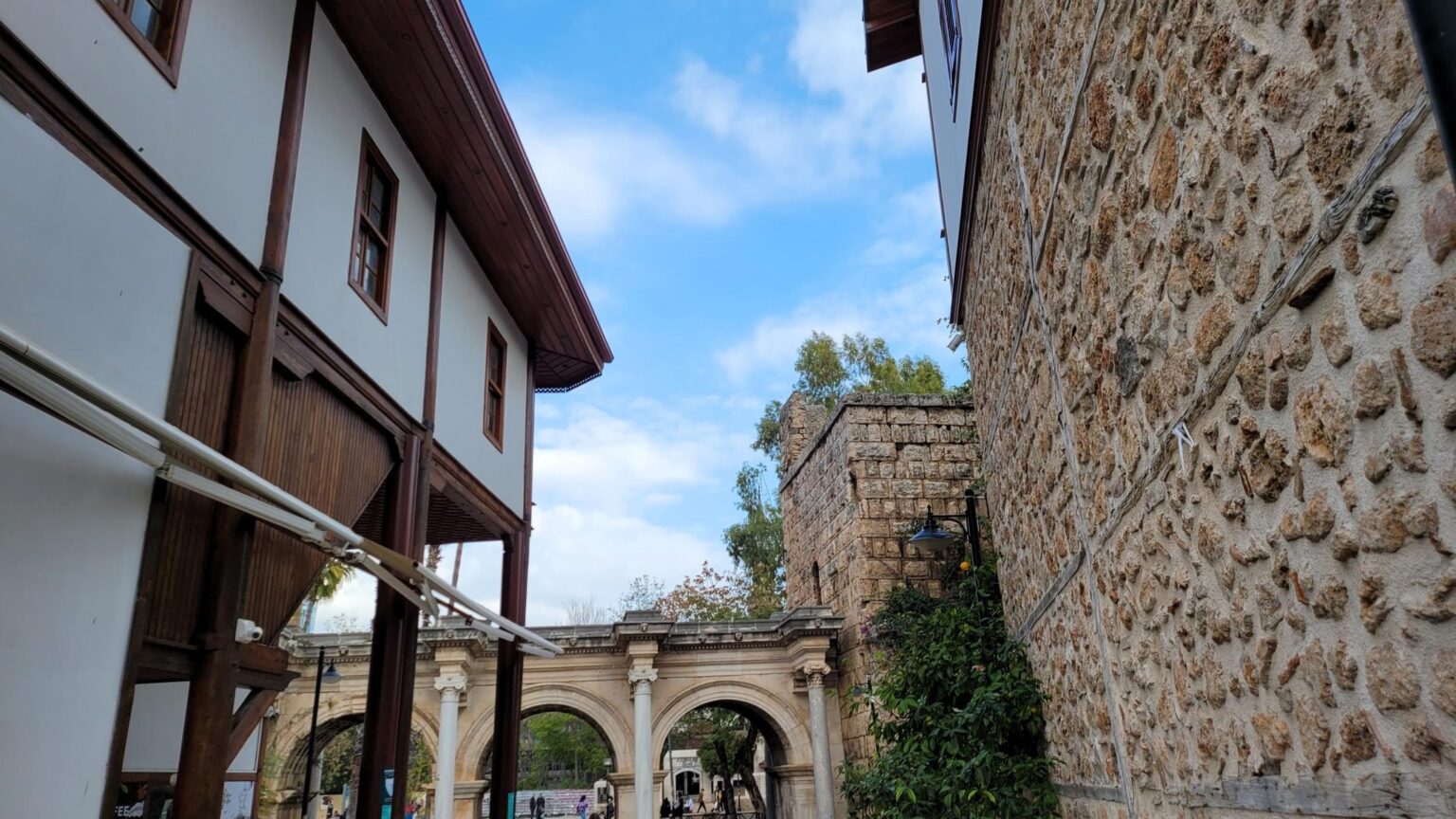
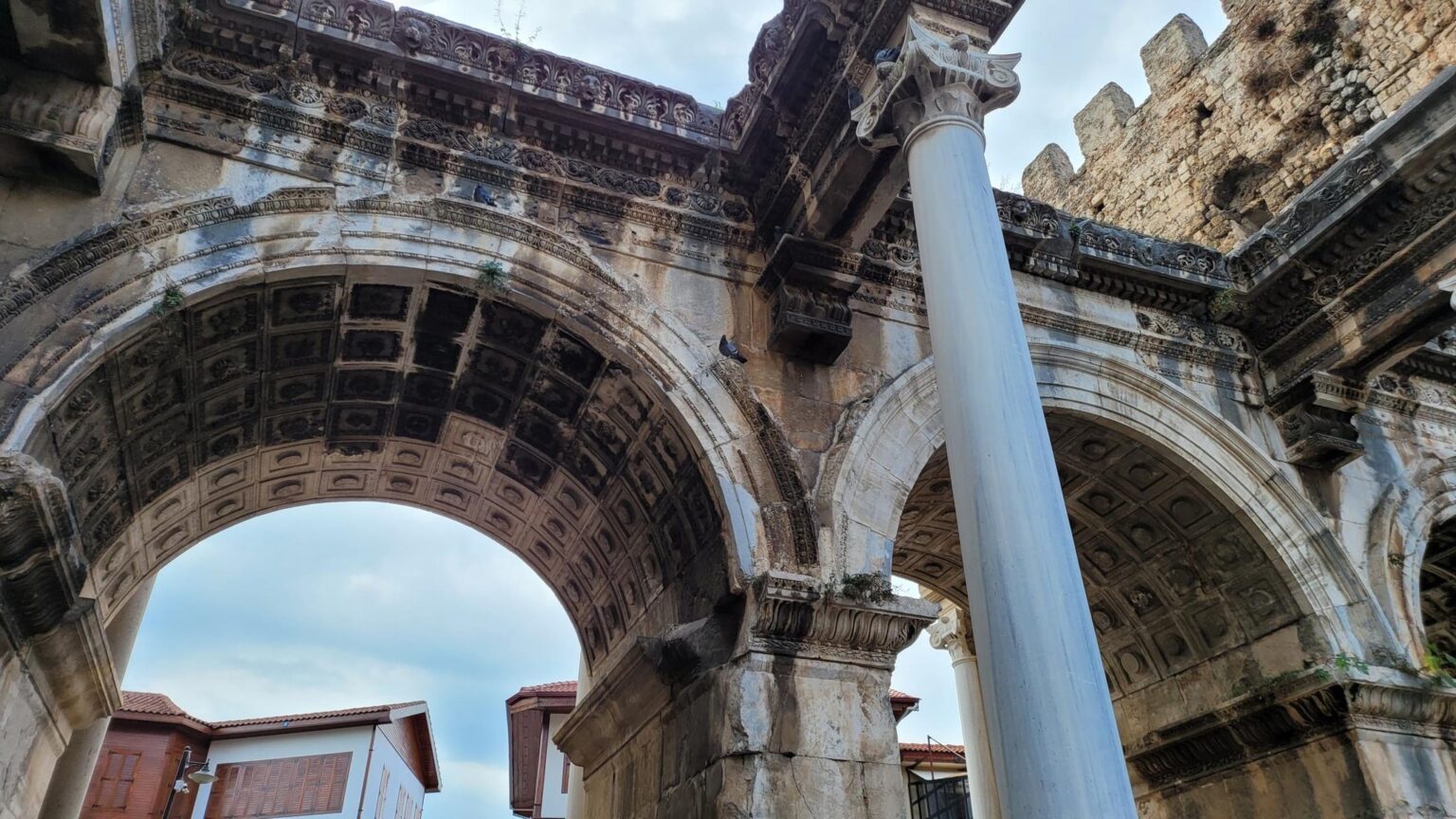
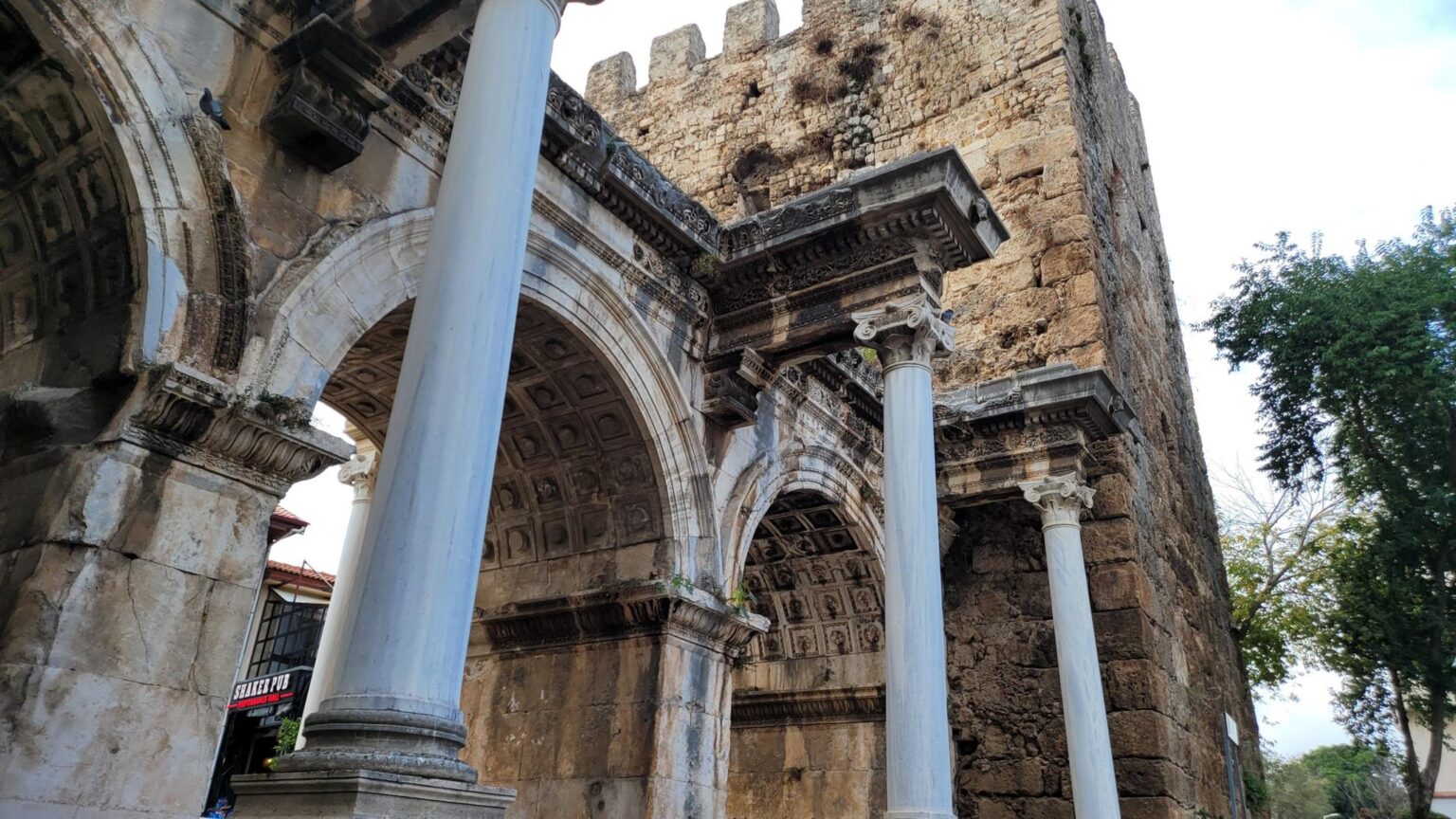
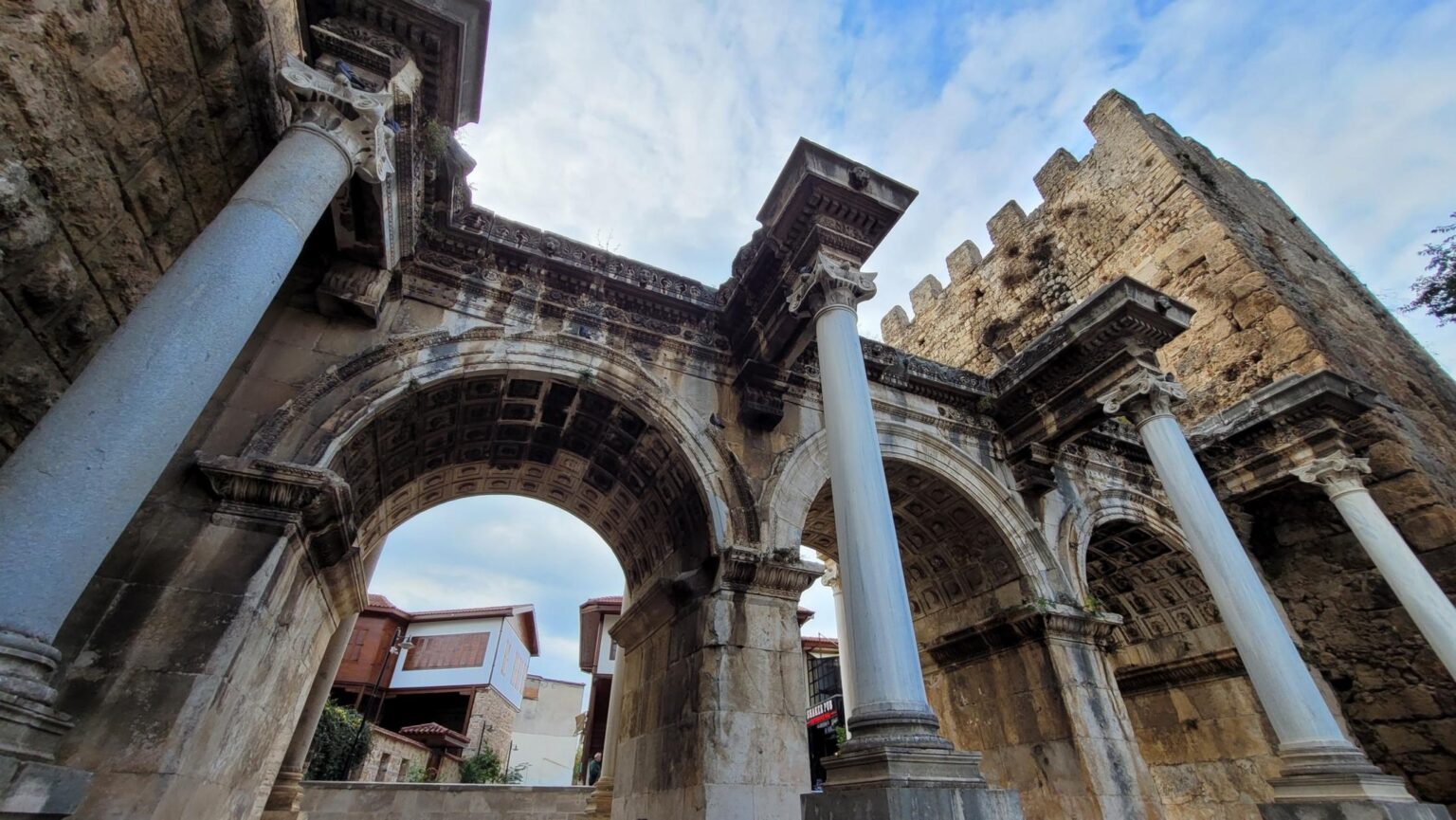
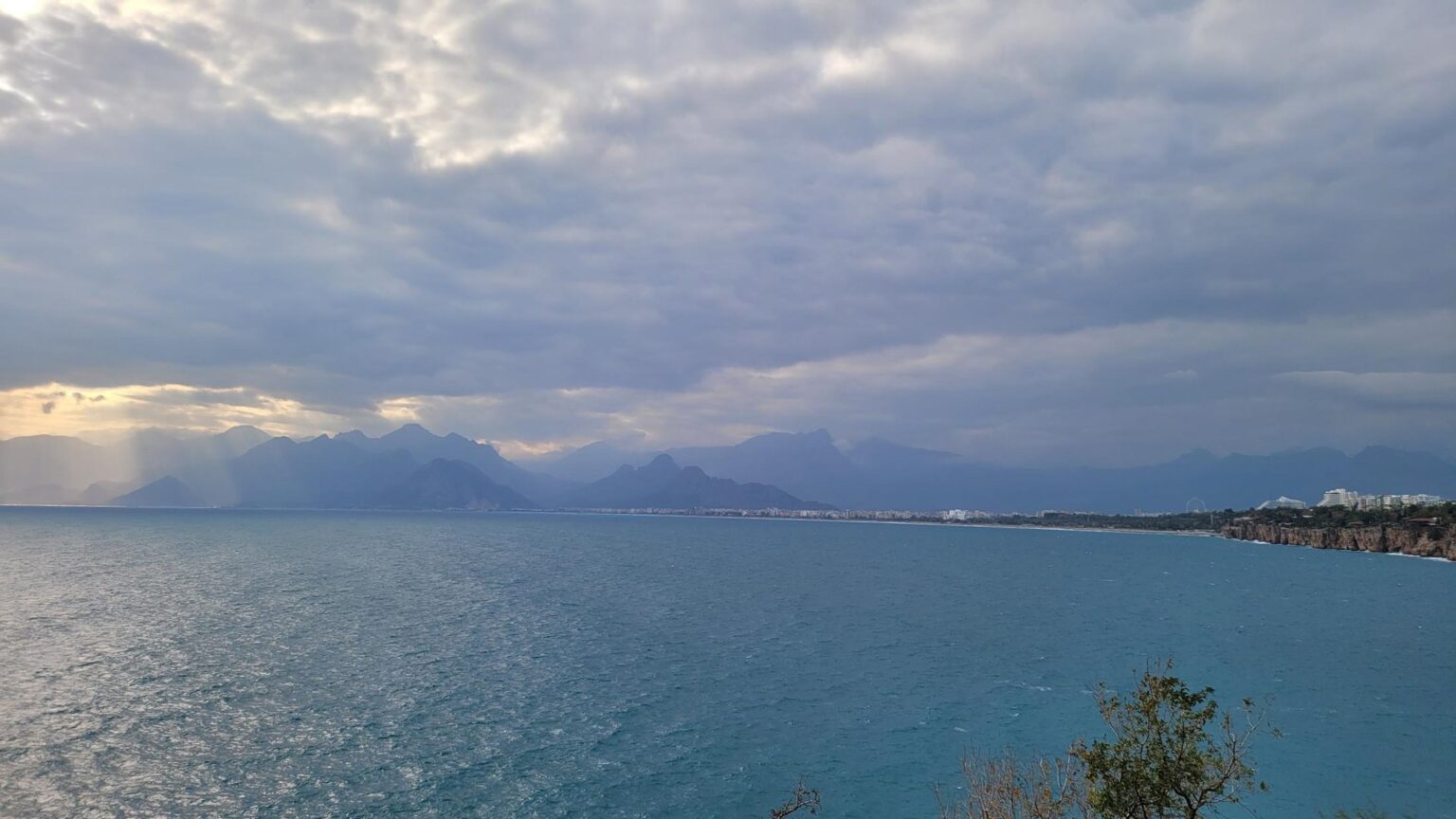
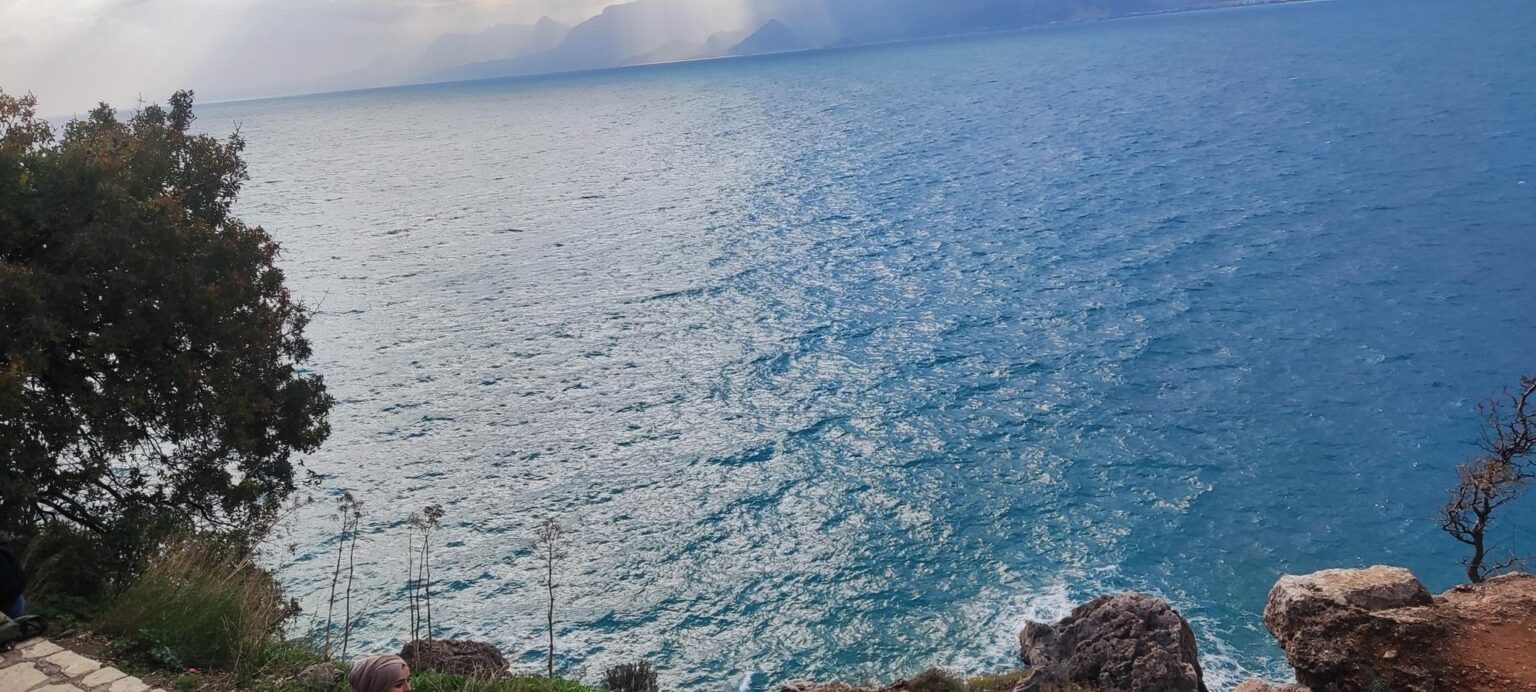
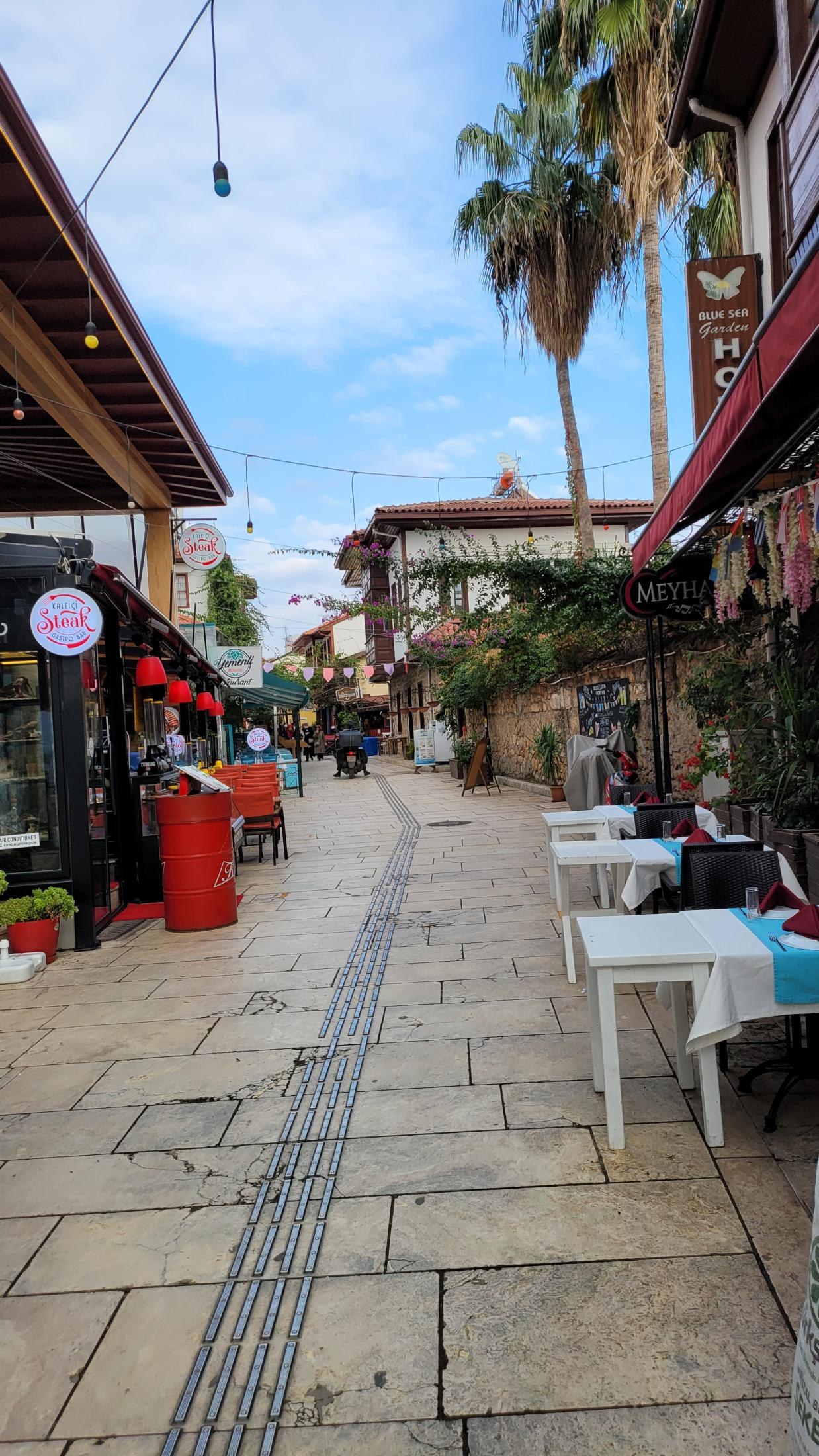
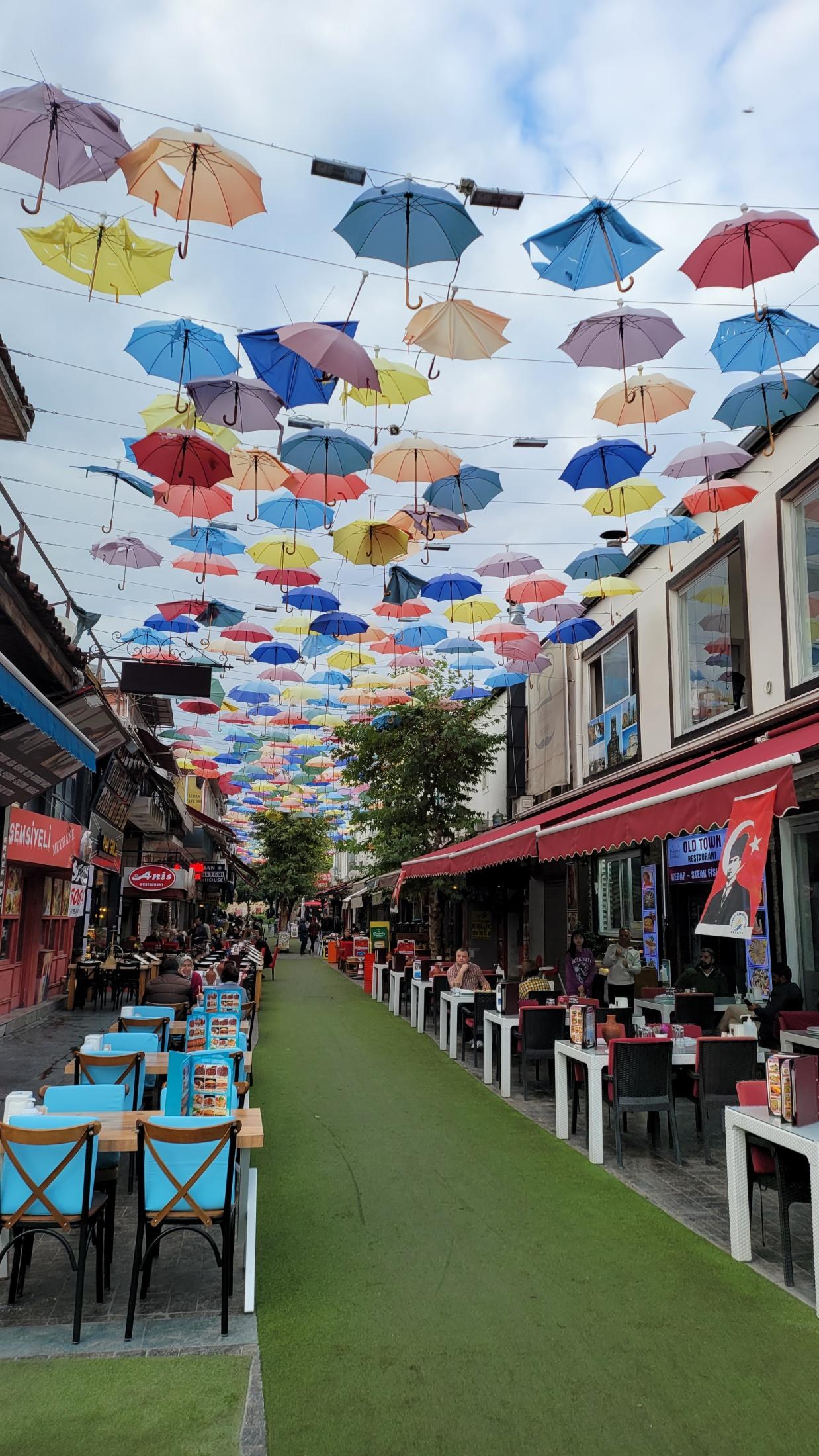
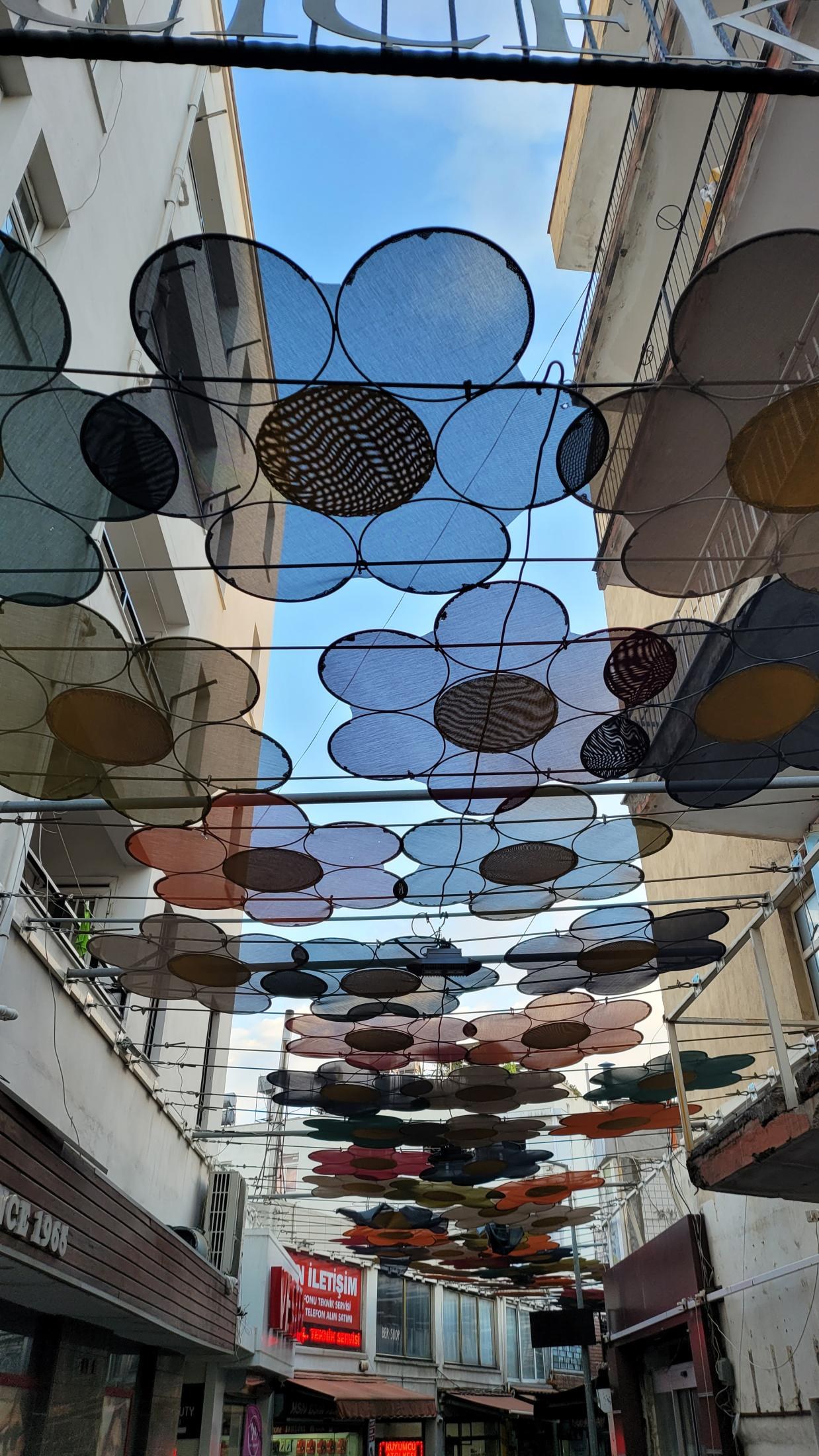
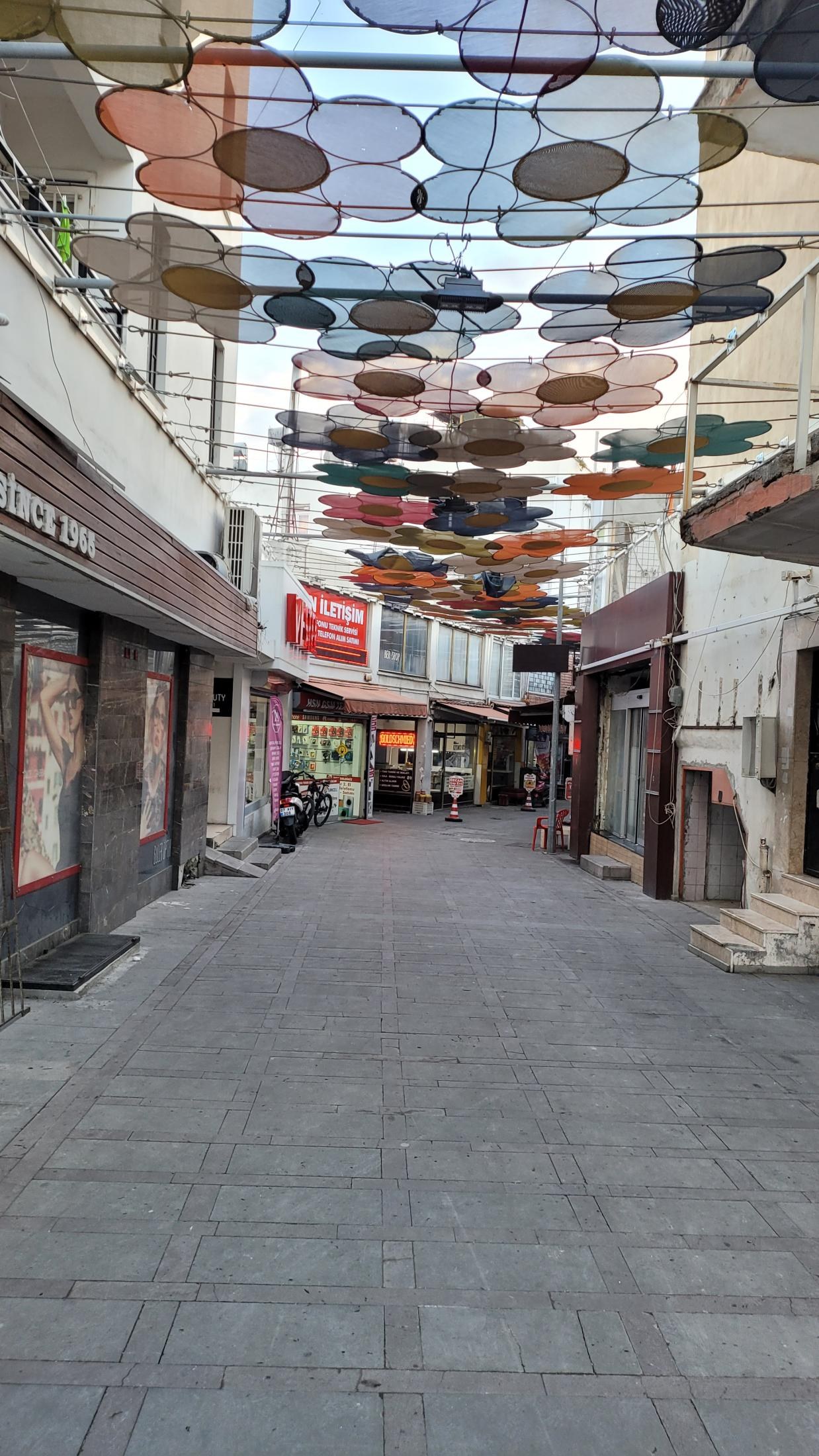
Antalya wins the wow of our personal rankings. Enormous, incredible, layered with cultures — Persian things, Roman things, Byzantine things, Greek things, Turkish things. Everything is there. The history starts before Christ. Modern things collide with ancient things: roads, buildings, fortifications. It’s a wow. Waterfalls, endless sky. Parks. Markets. Restaurants with cheeky names. Shops, stalls, cheap, expensive, coffee, a museum, endless squares and parks. We discover a chocolate bomb — 100 grams of brutal chocolate doughnut, but not quite a doughnut, for pocket money. They give us three hours of free time. Enough to get a feel for the place and work out where you’d want to go. Enough, too, to establish that:
the prices of gold and leather jackets in town can be quite competitive. Not endlessly cheap, but there are decent offers. Eye-catching jackets from 150 to 250 leva. Gold from 40 leva a gram. Well done, tour operator.
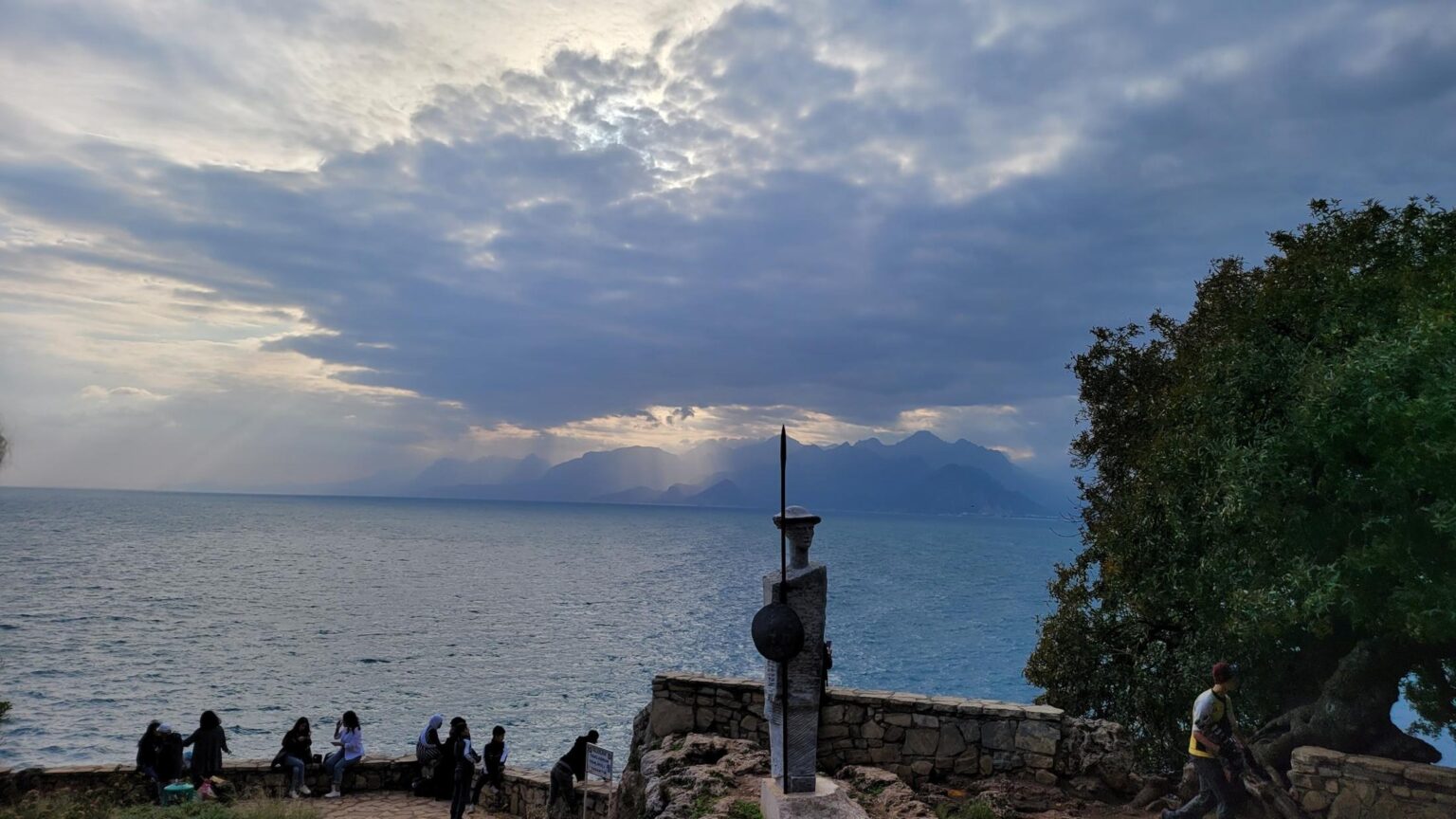
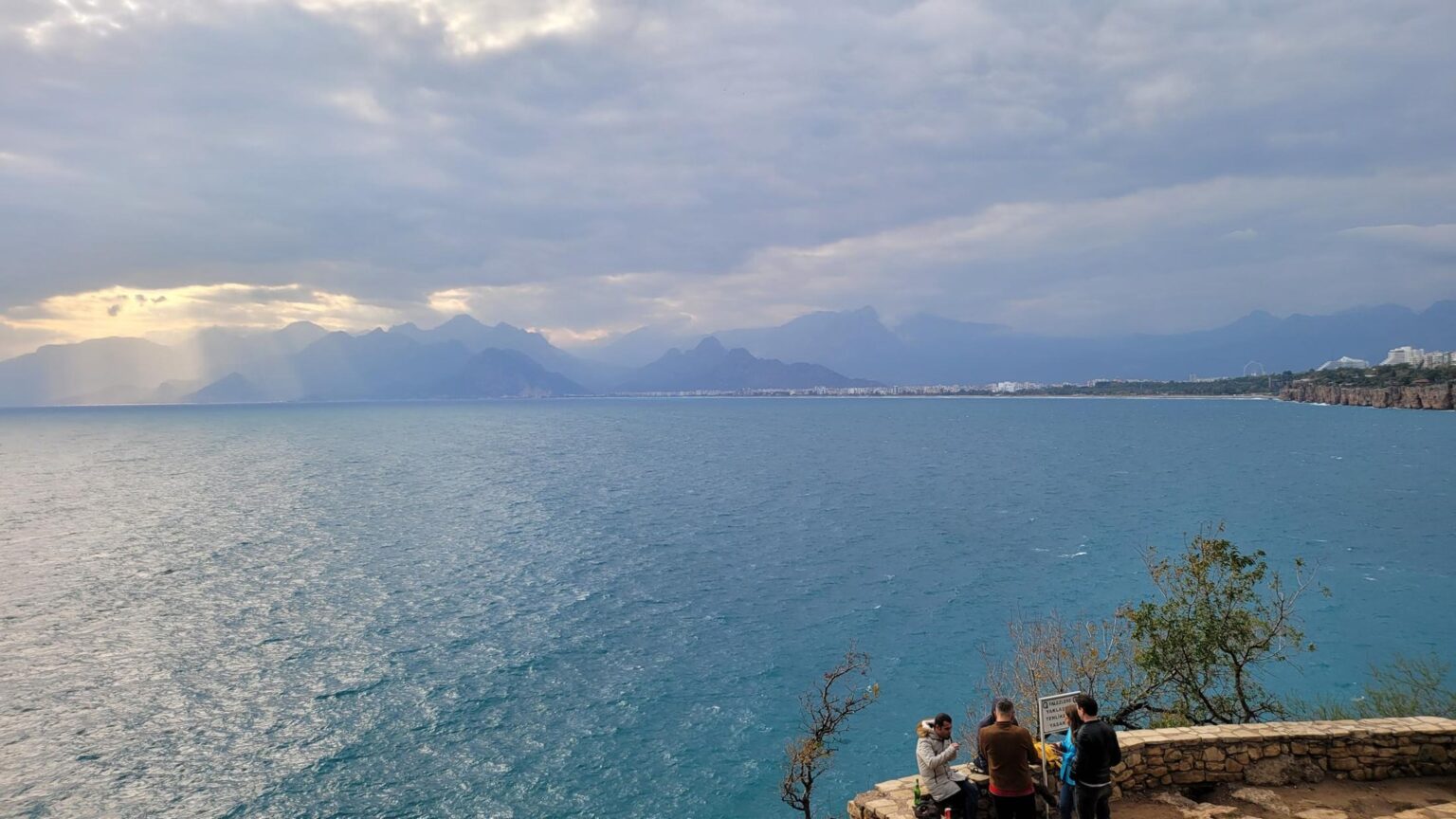
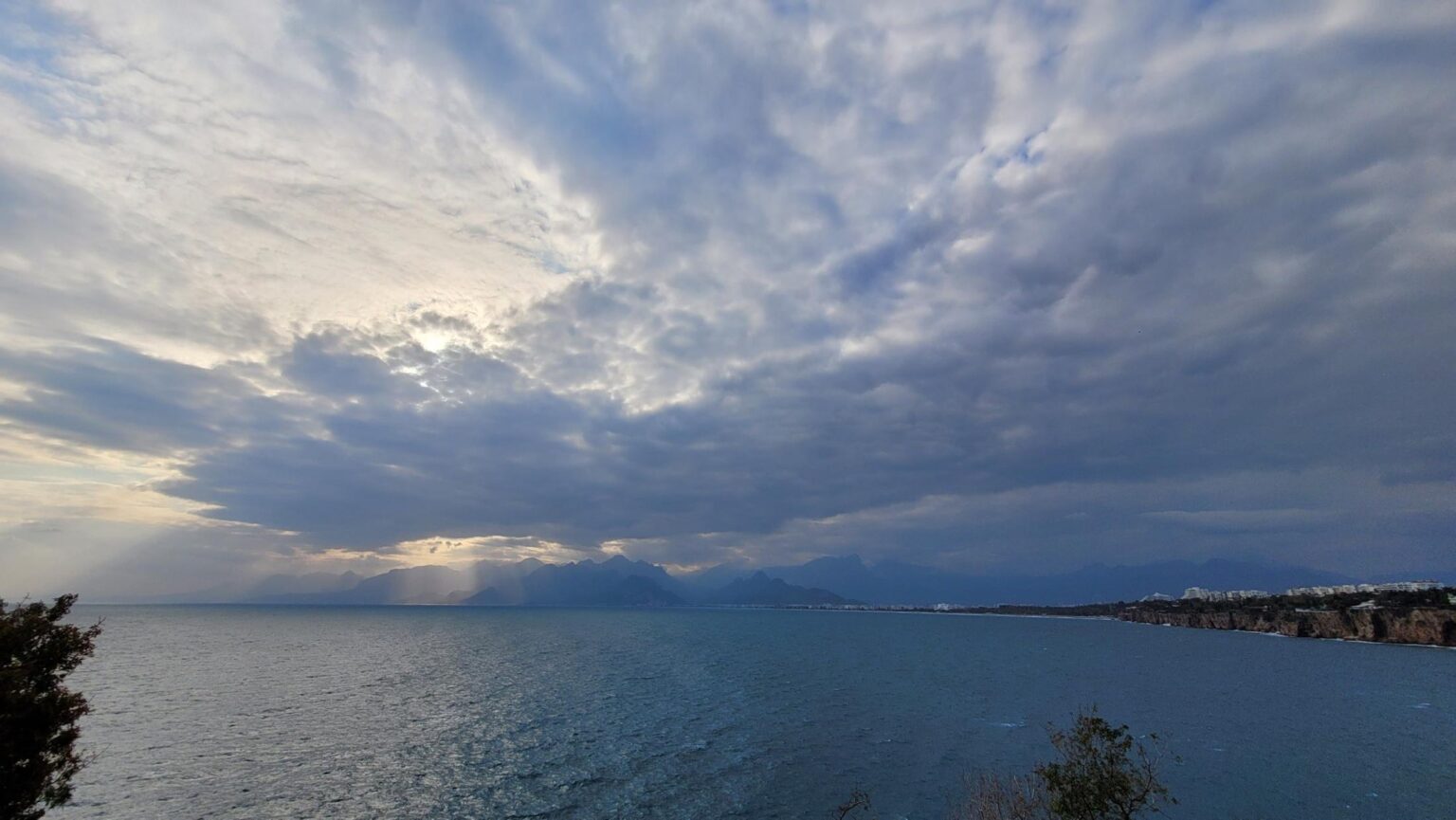
I’m attaching 50 or 60 photos of the variety that Antalya offers. It can’t be squeezed into one paragraph. Cats. We’ll be coming back here by car, or by plane and rental car.
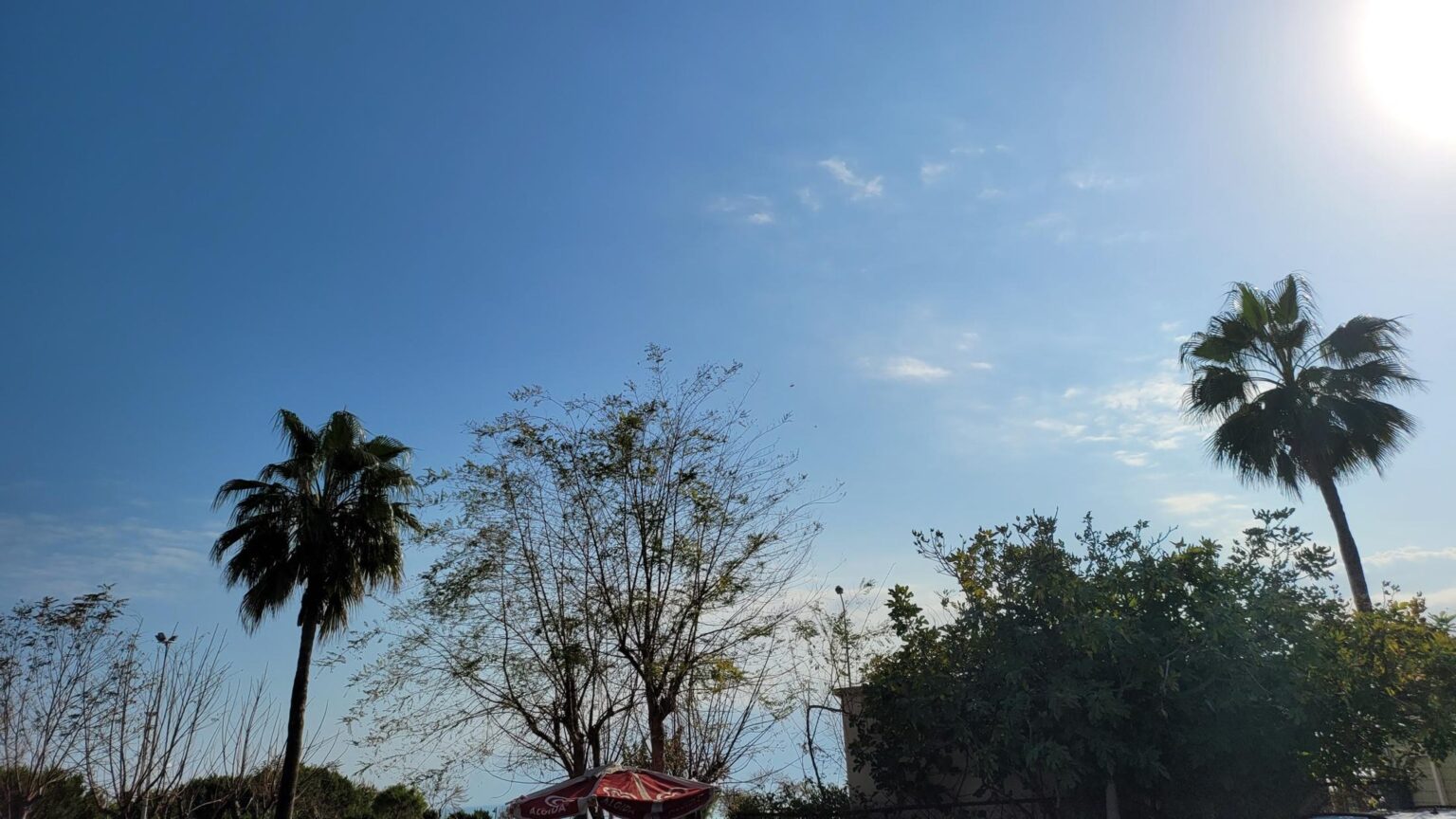
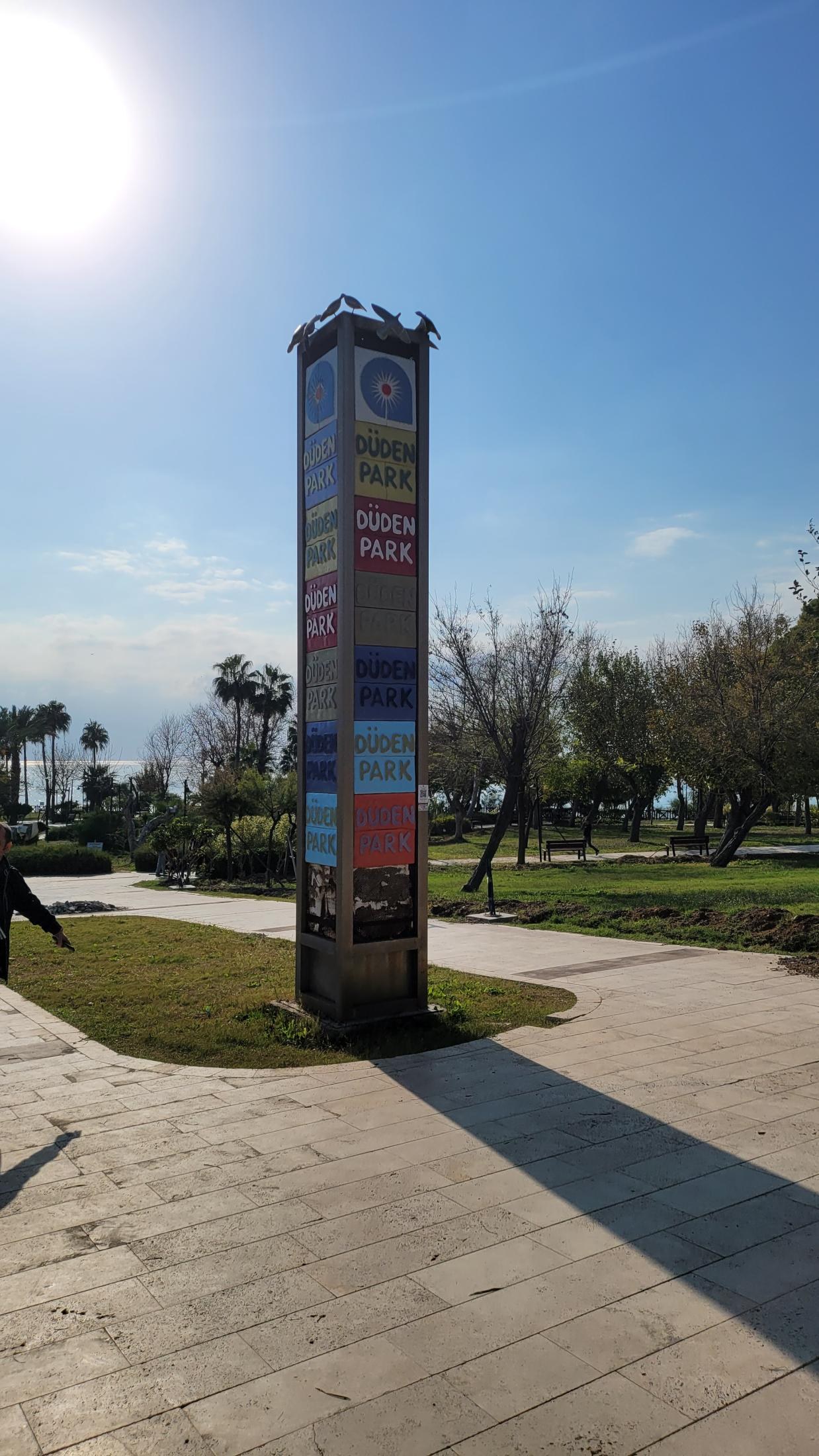
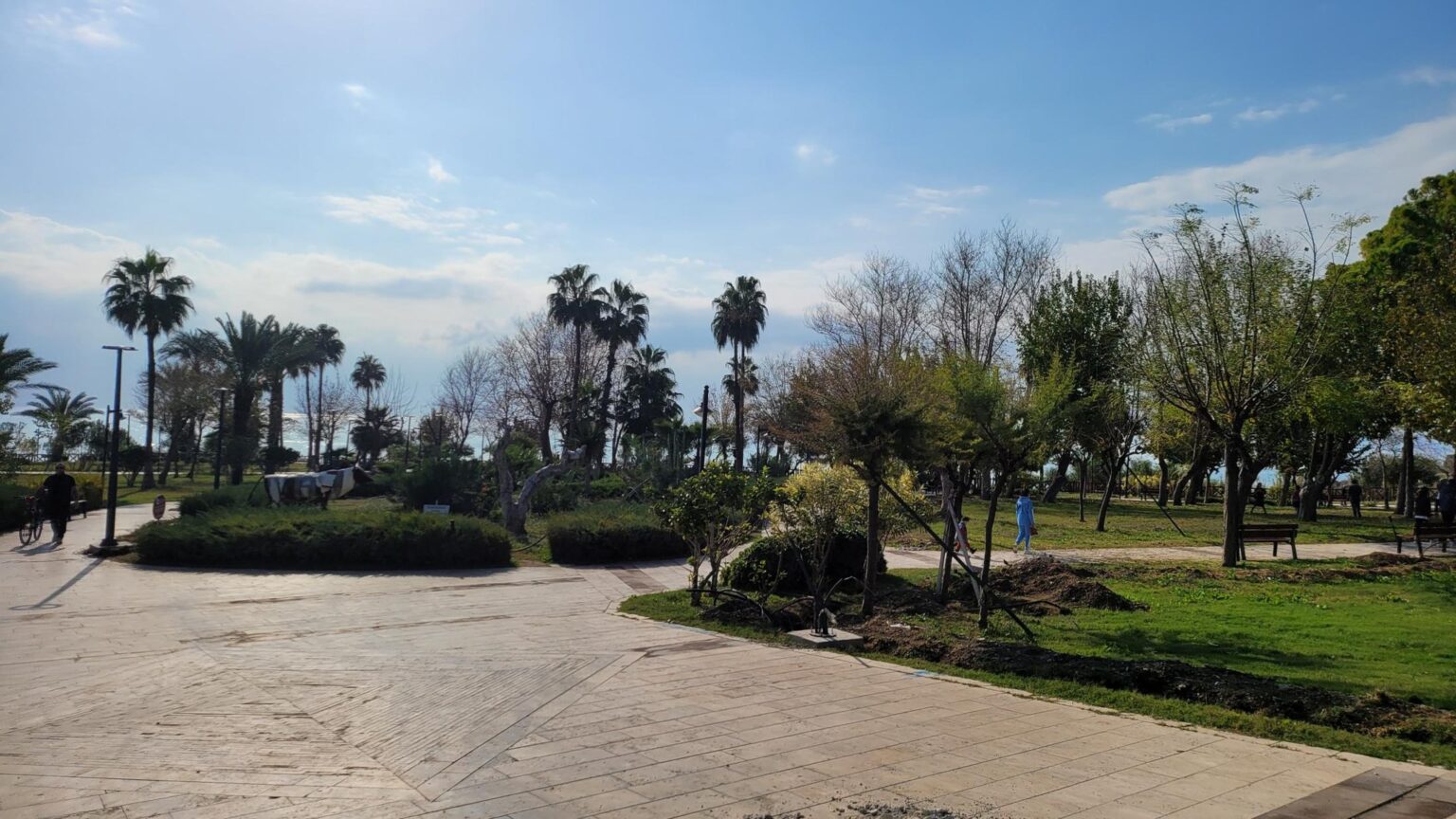
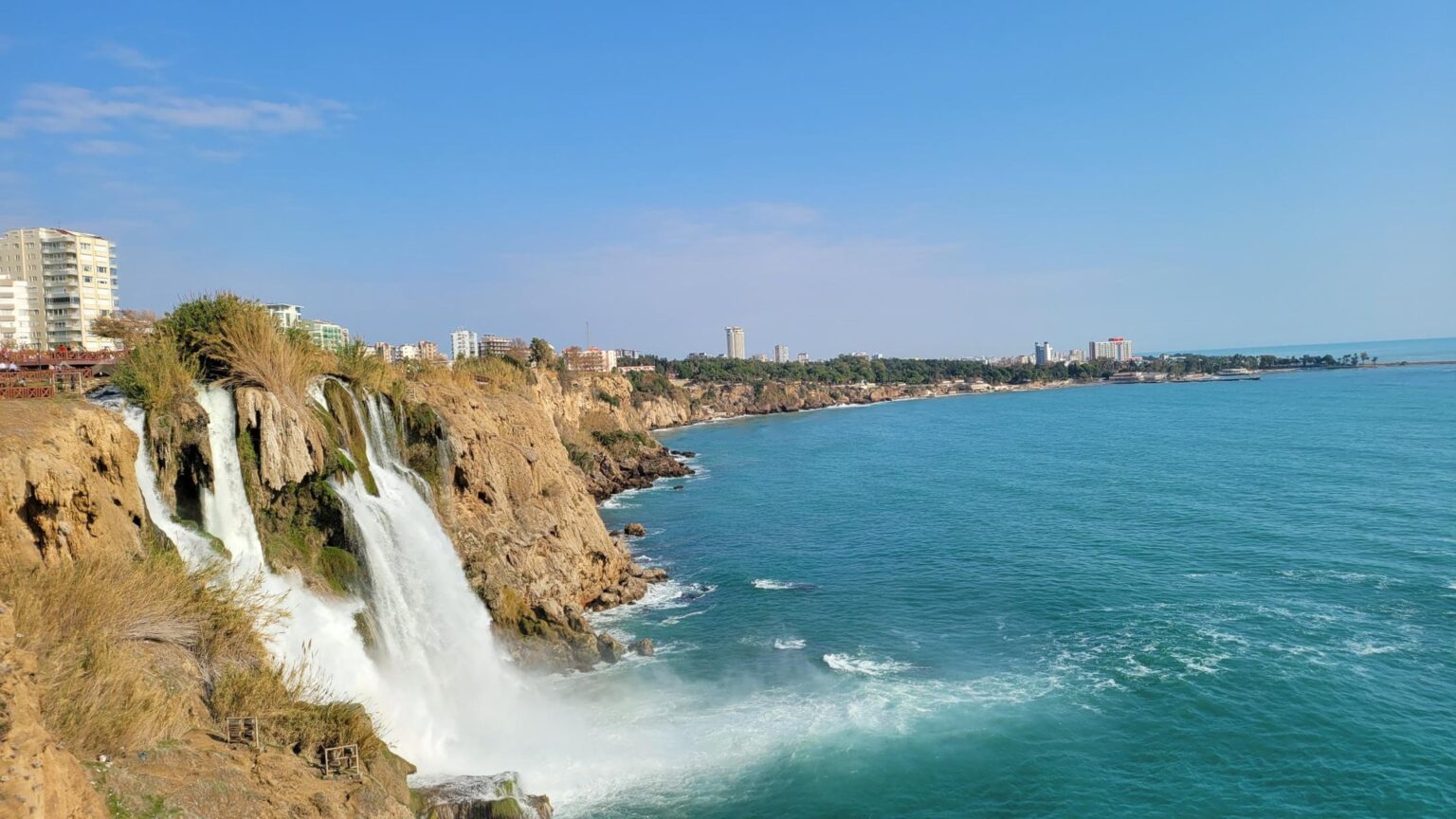
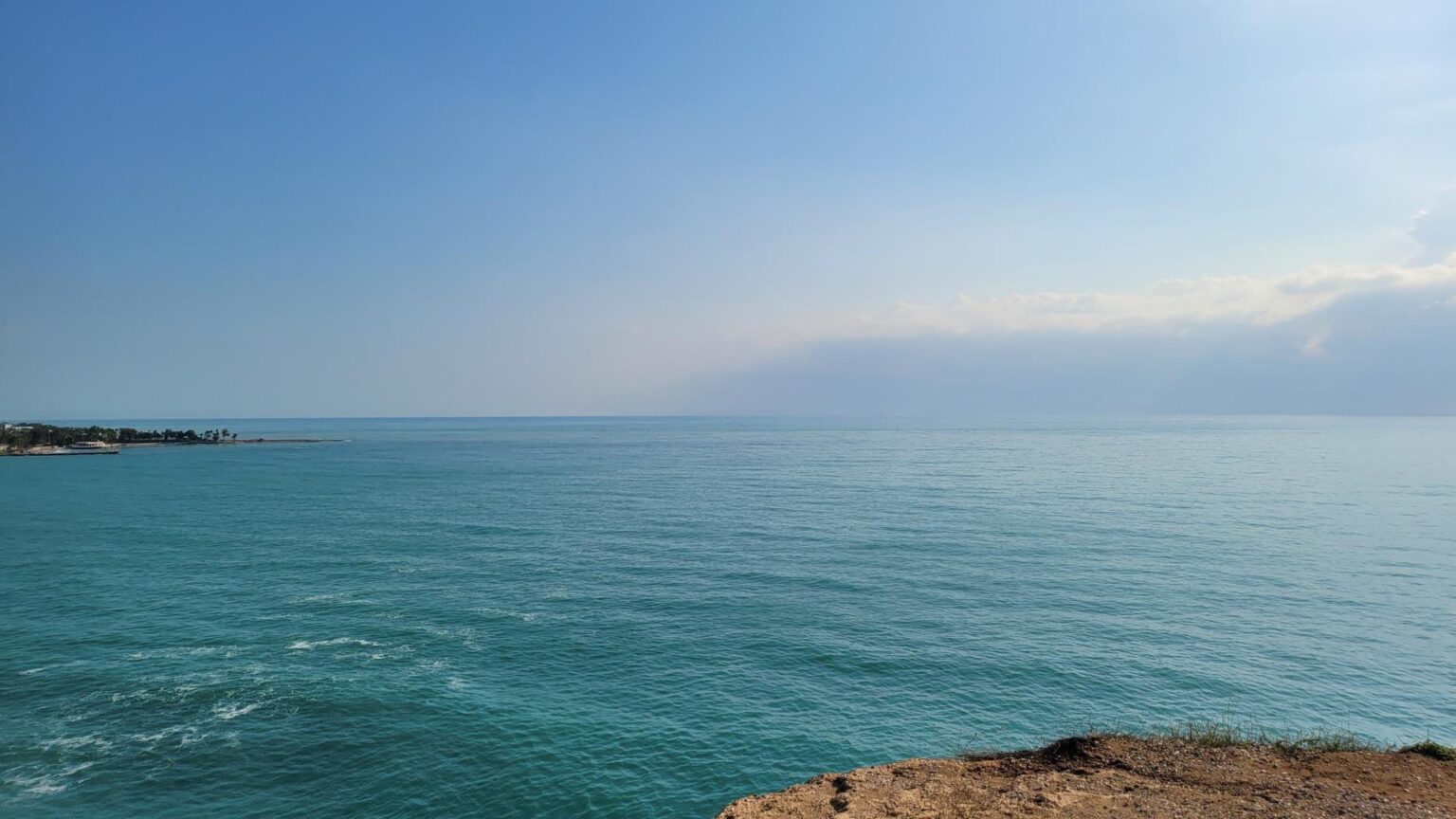
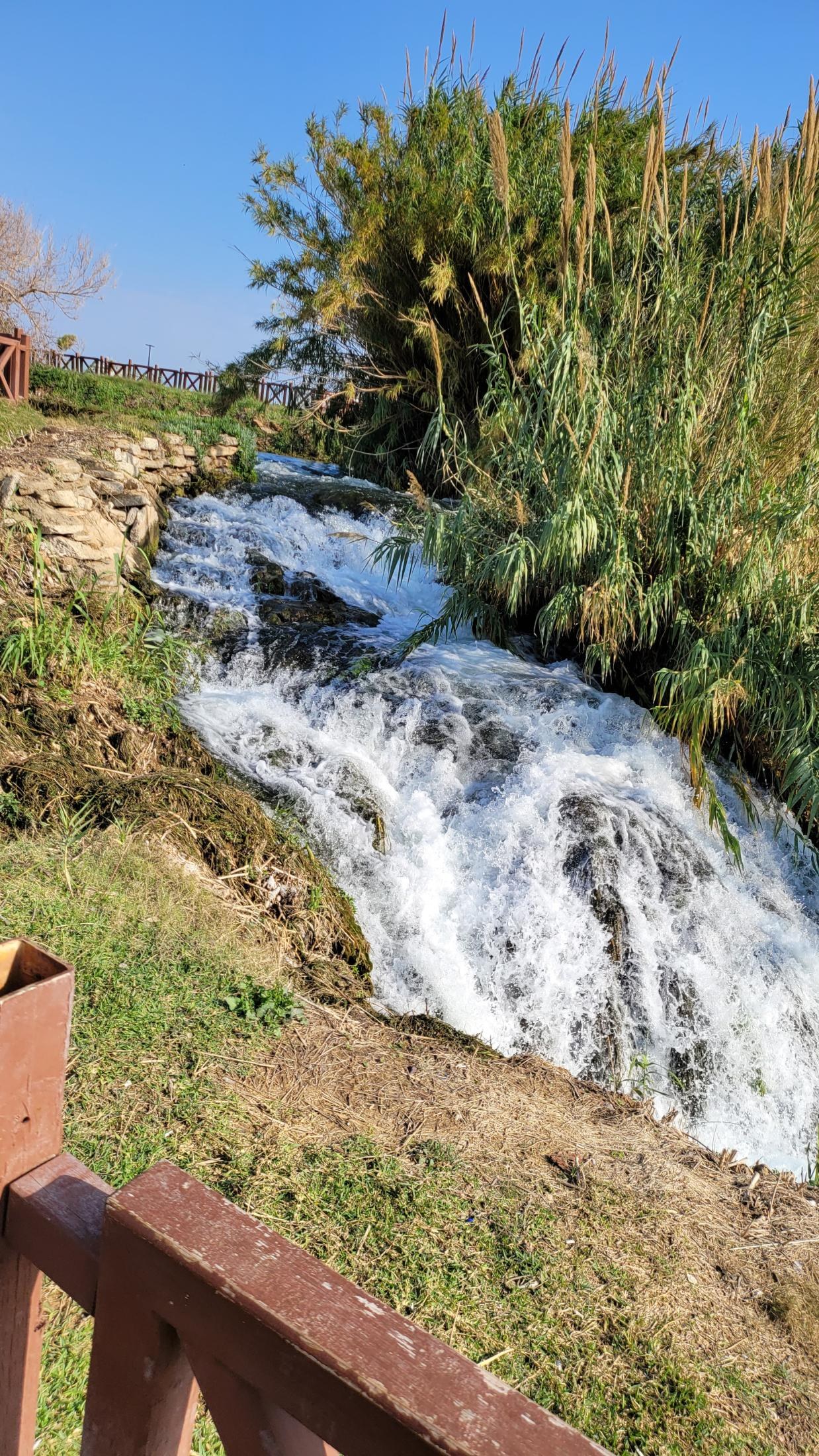
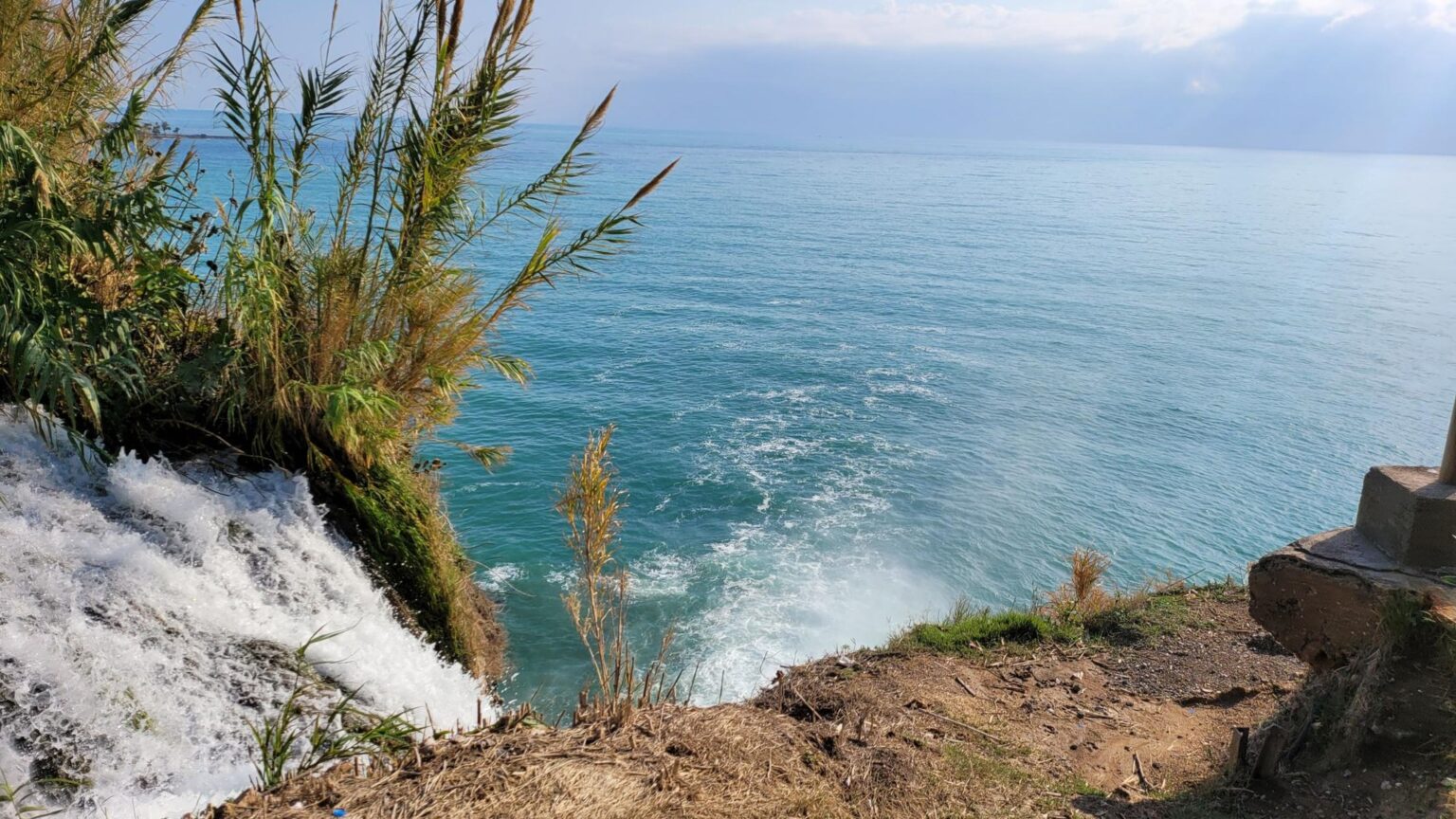
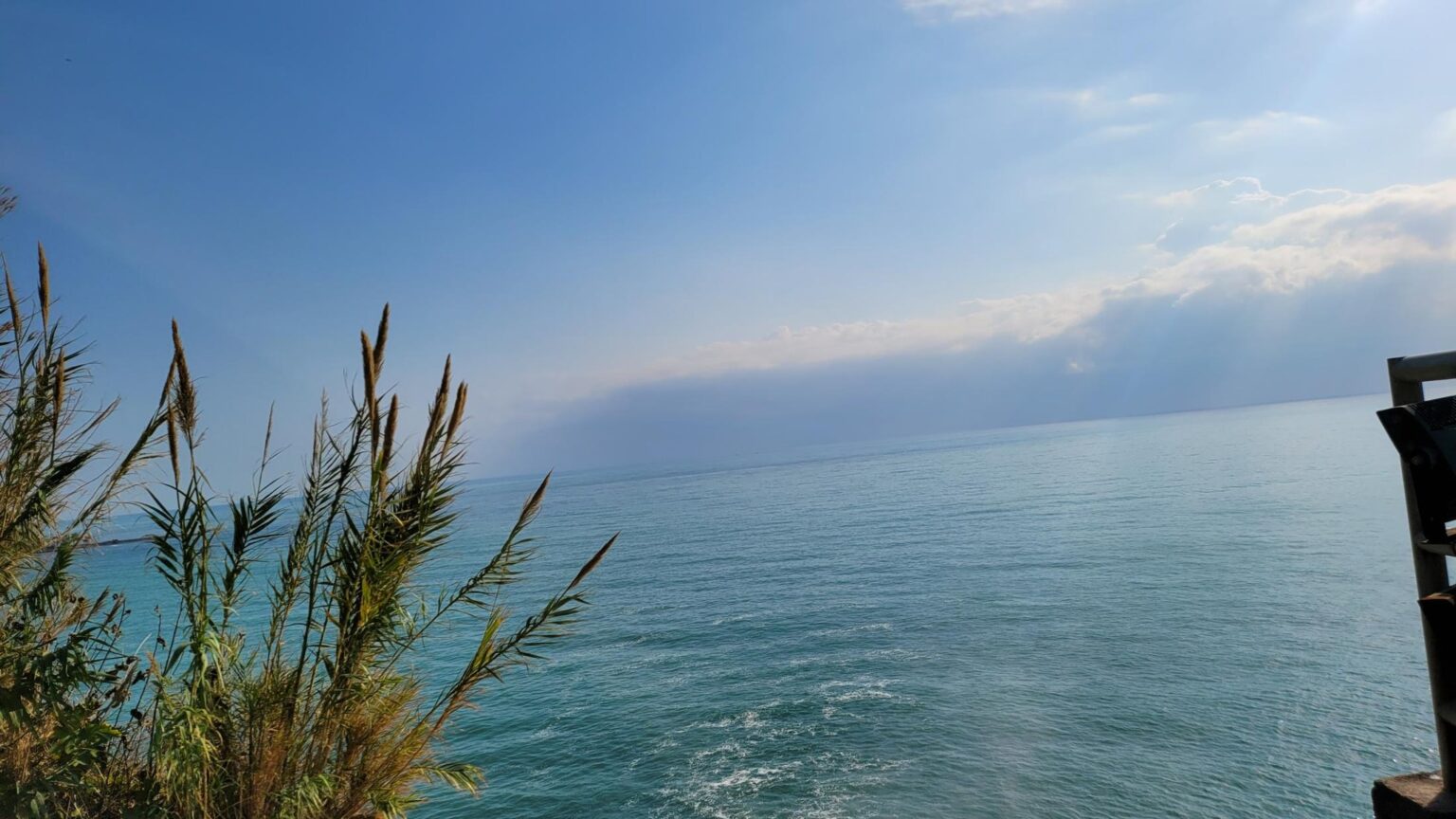
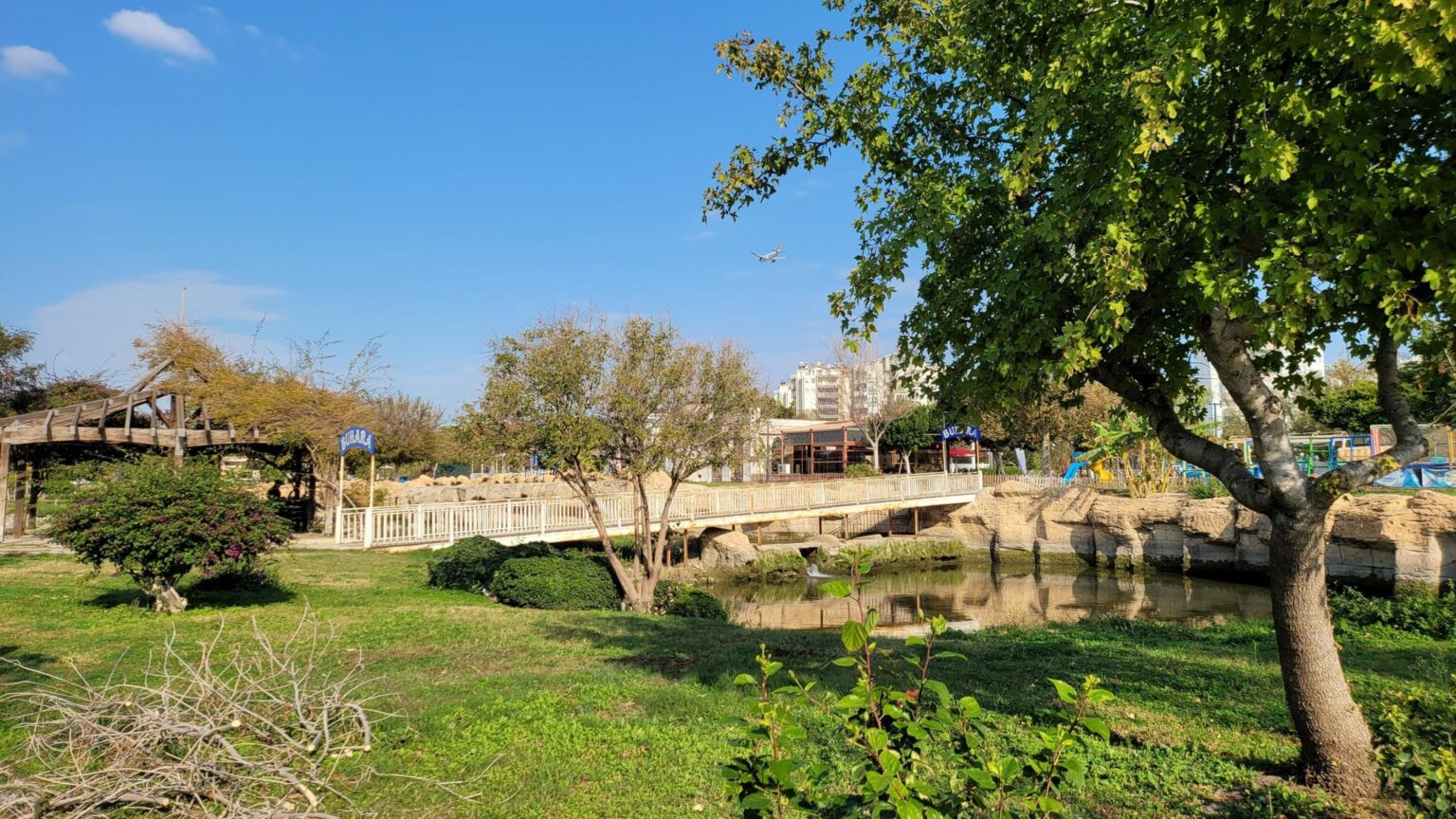
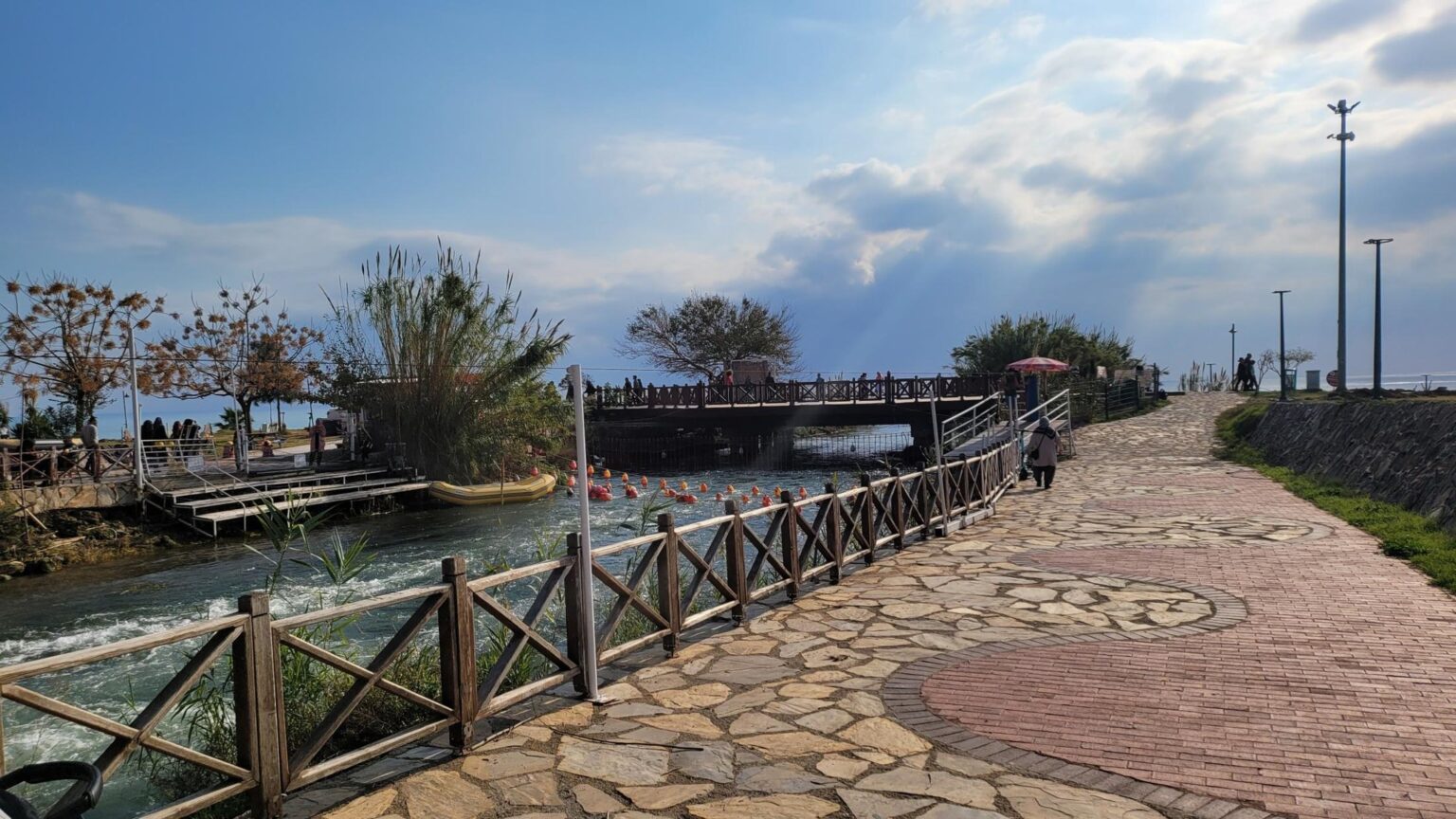
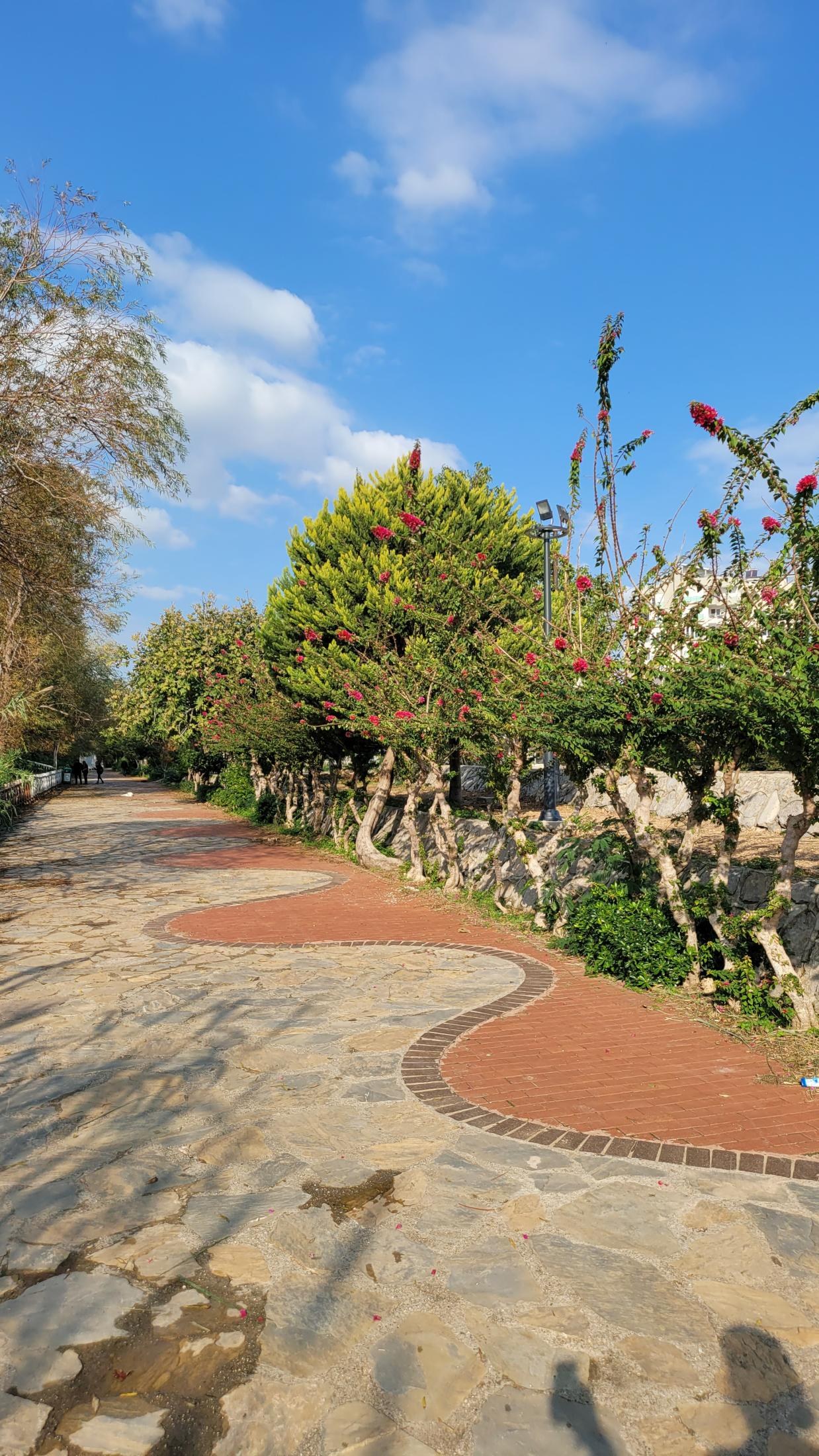
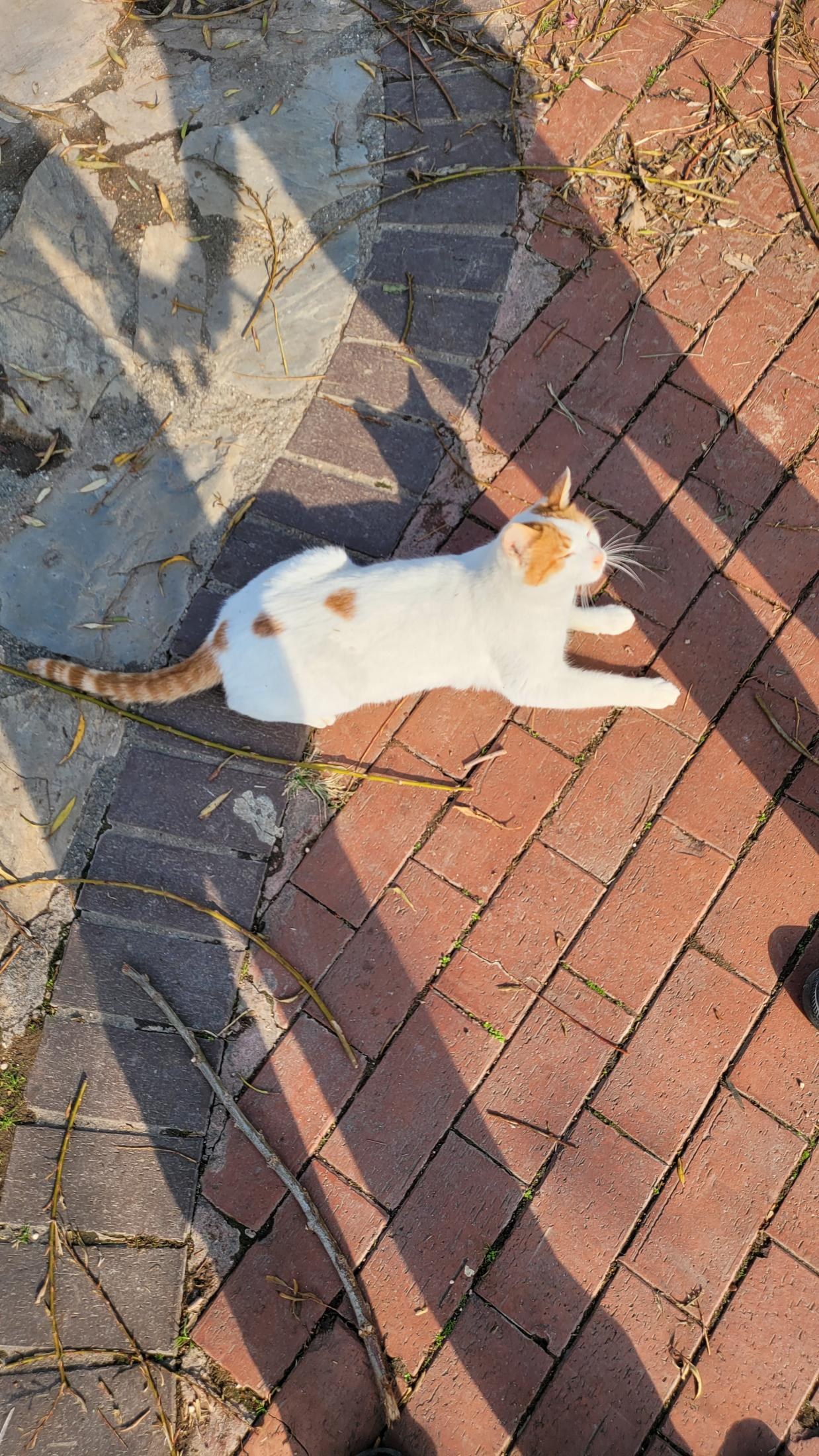
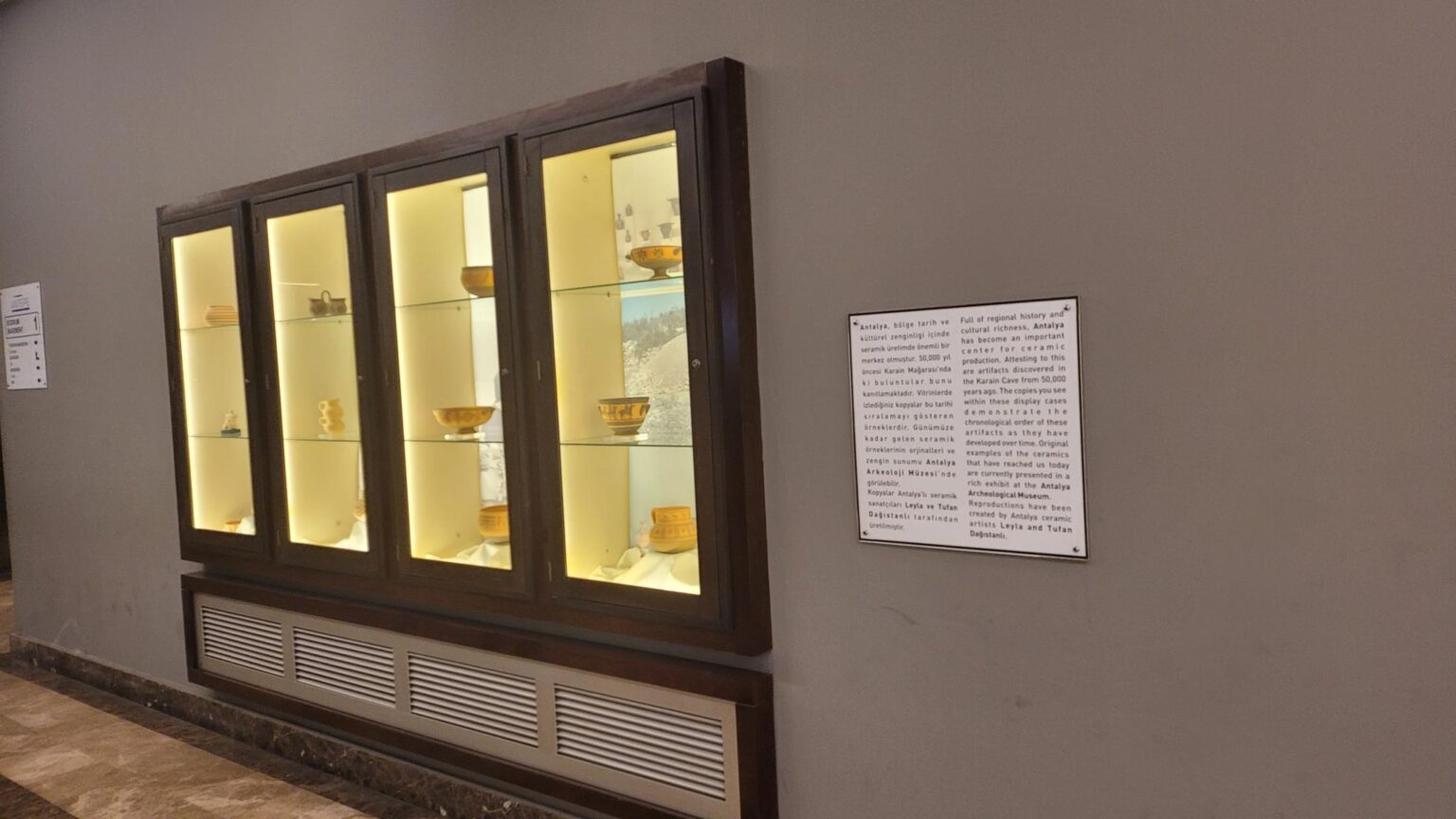
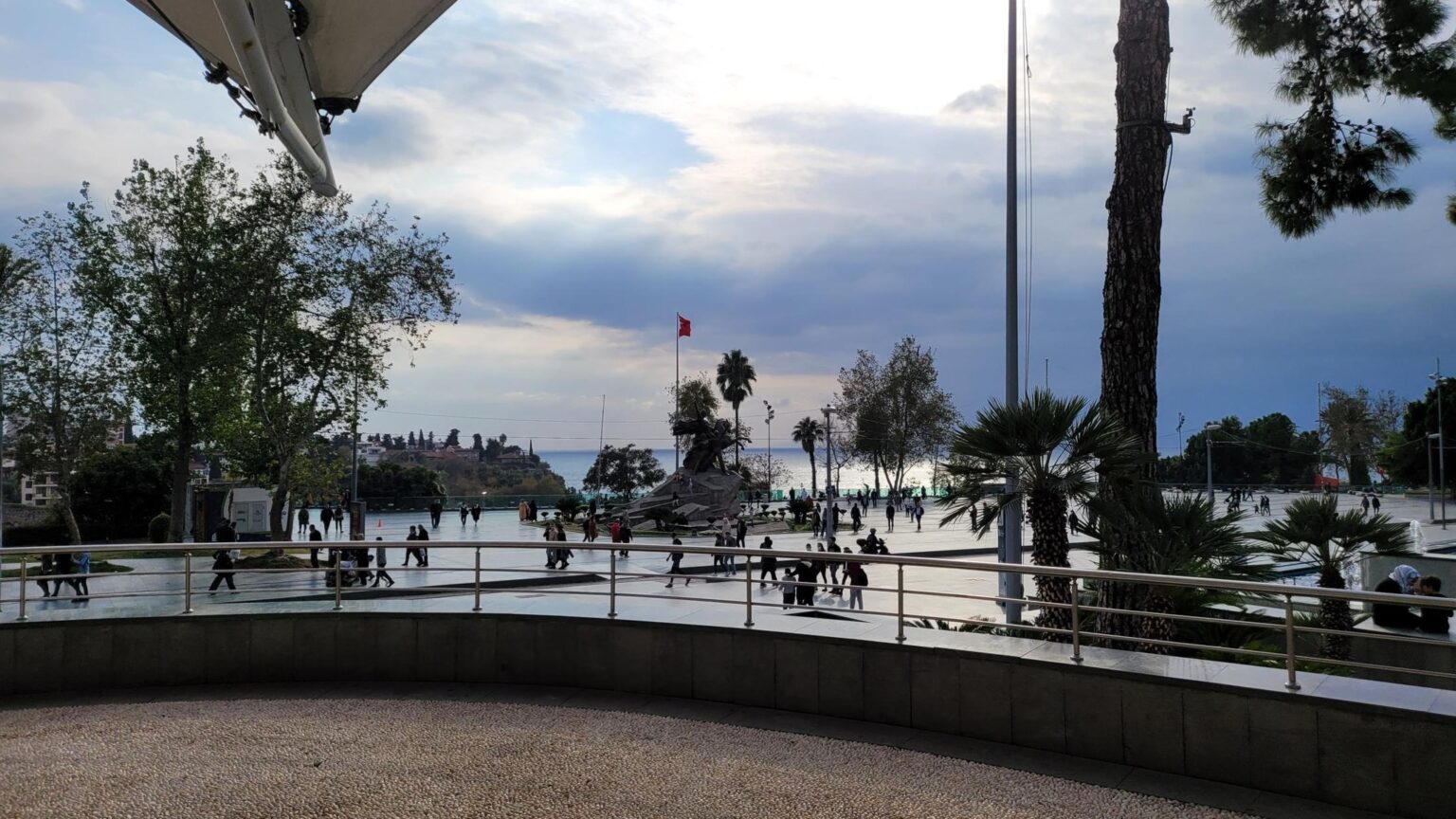
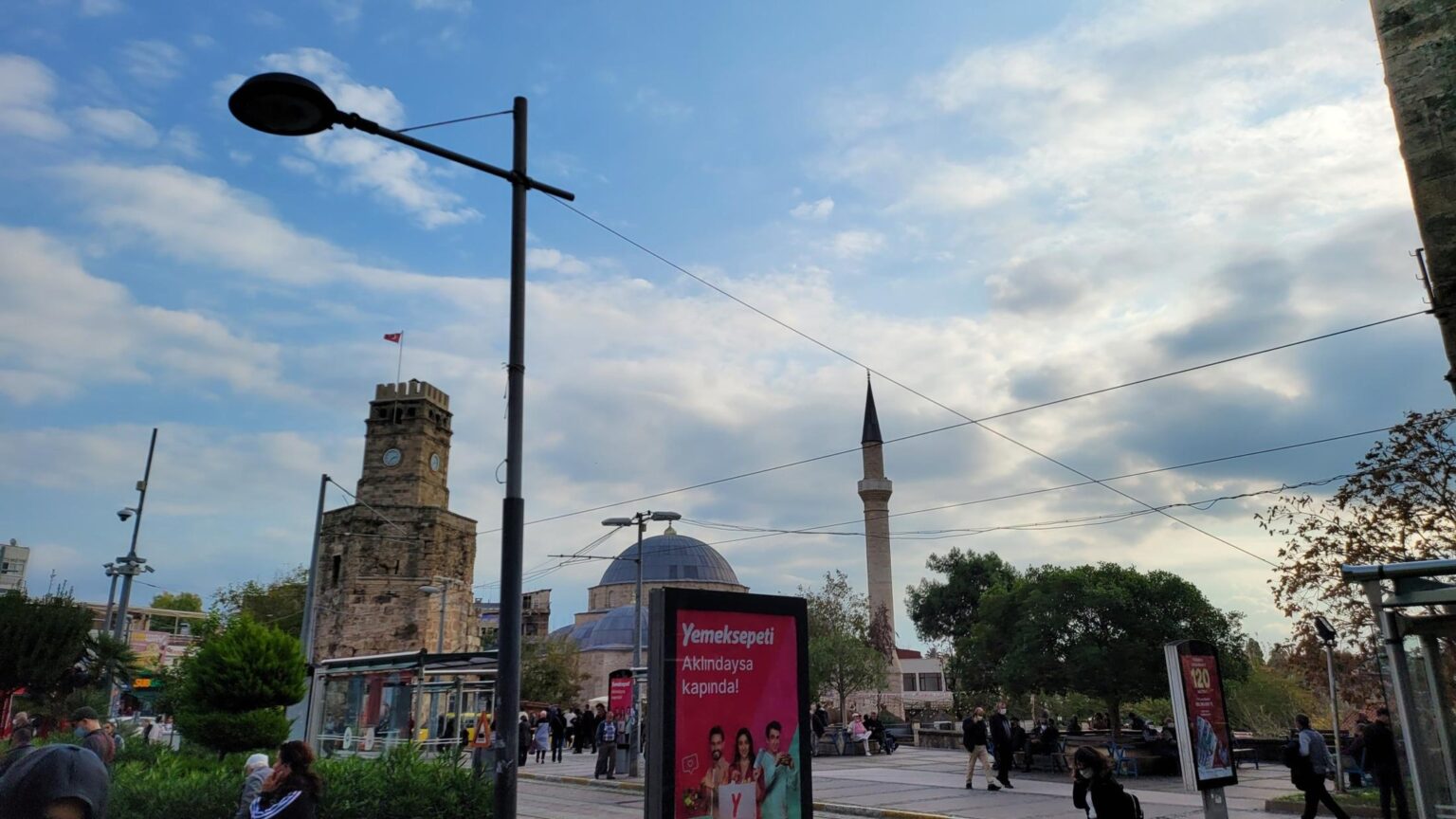
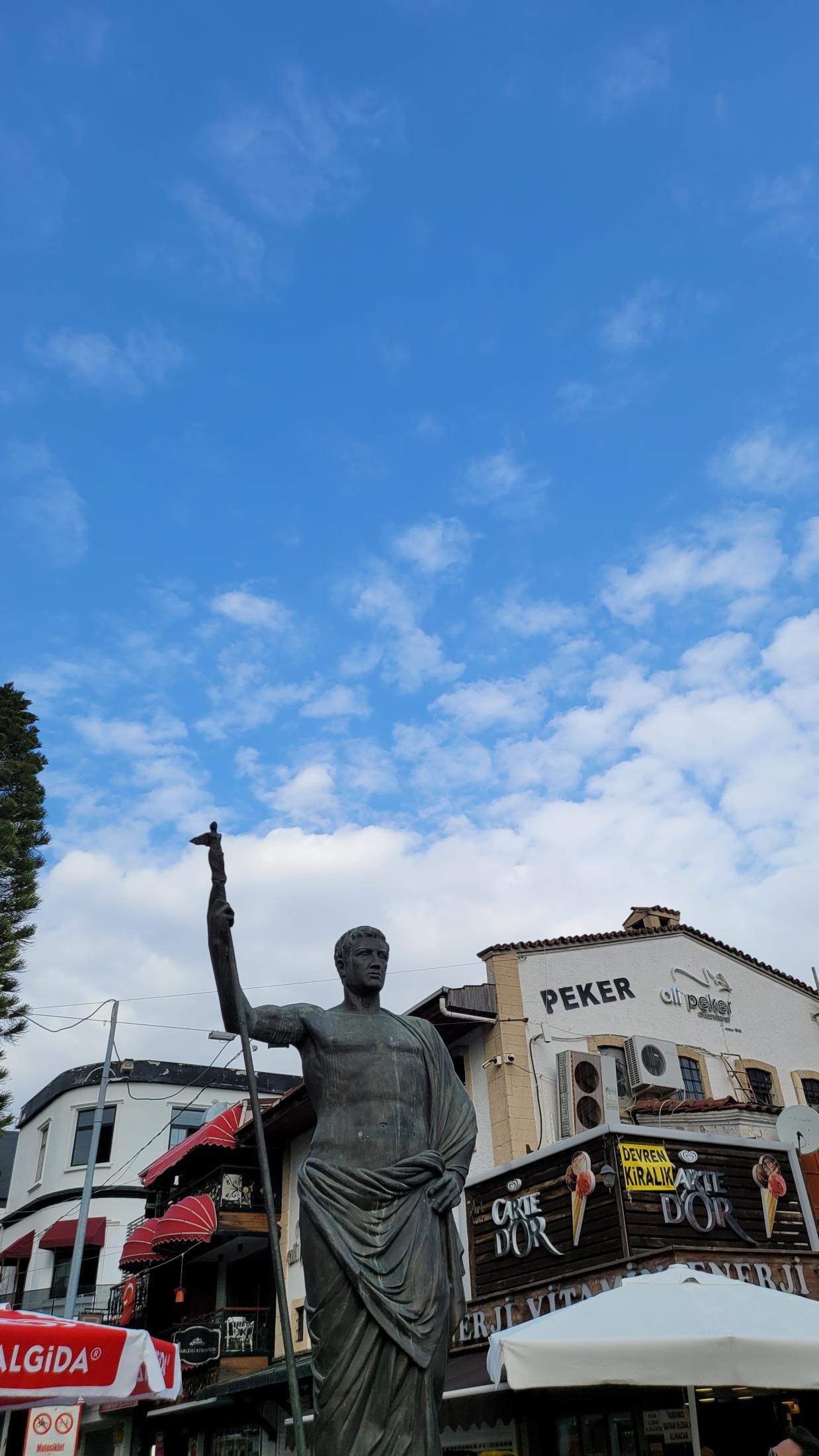
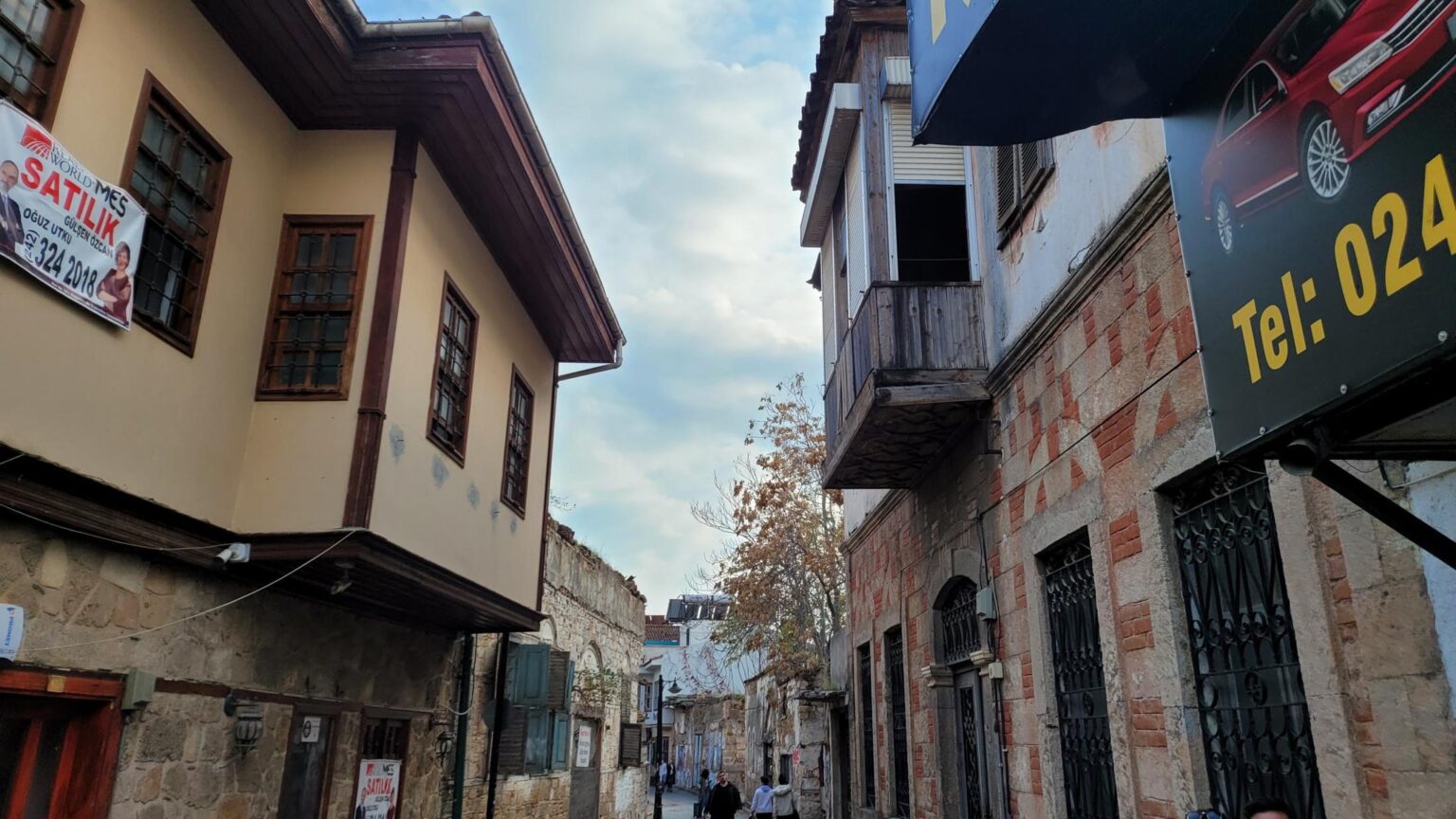
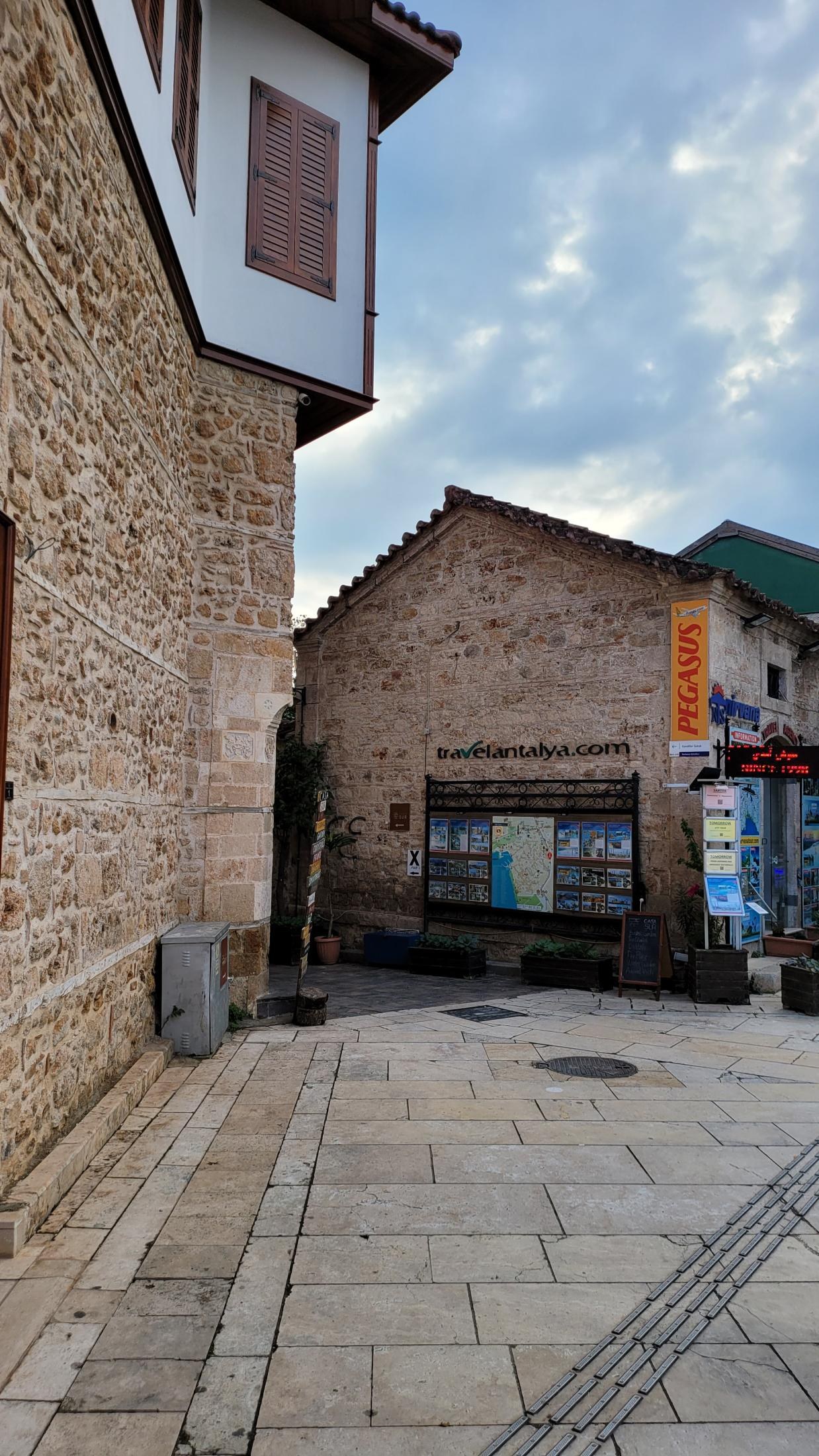
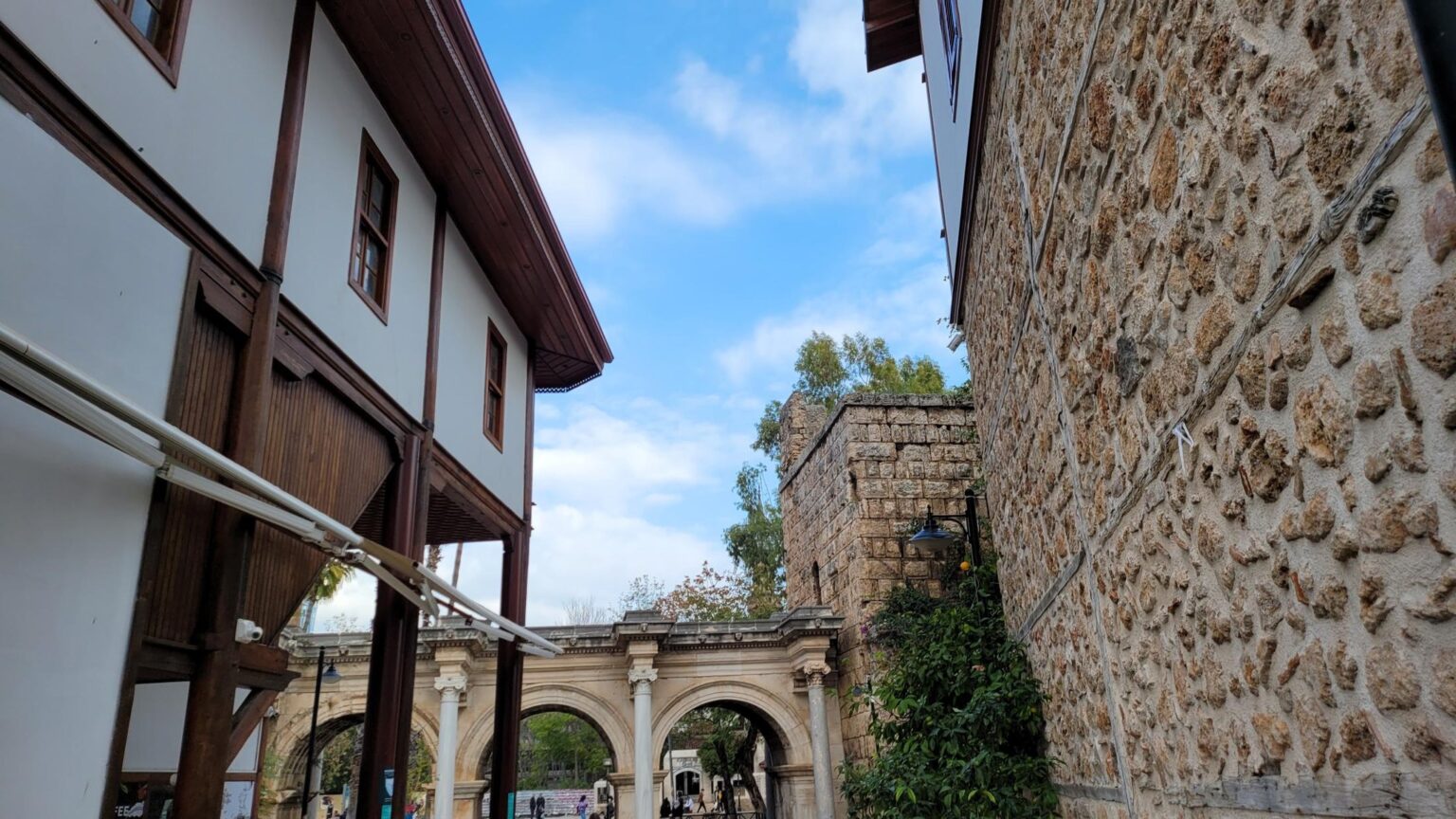
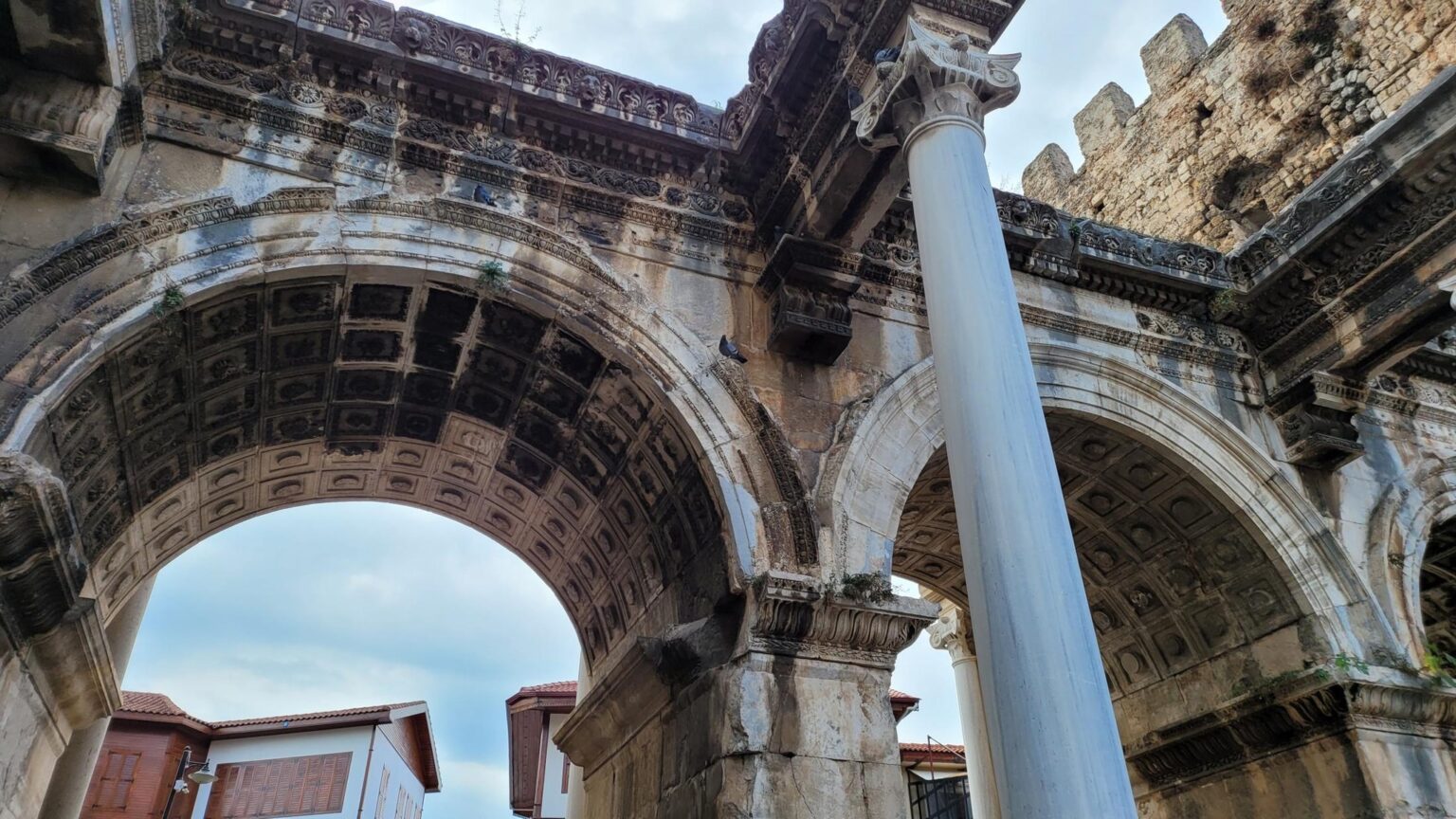
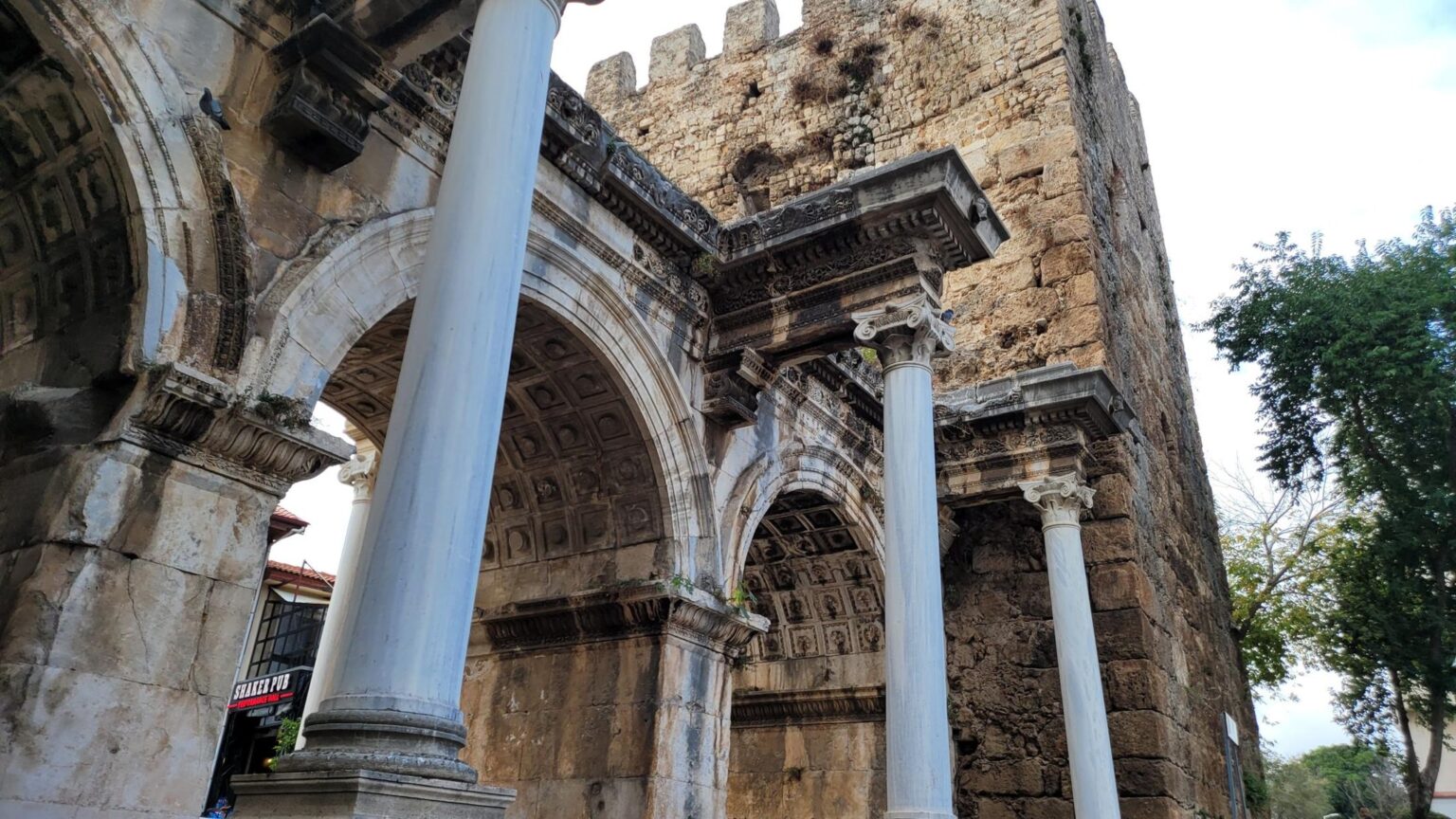
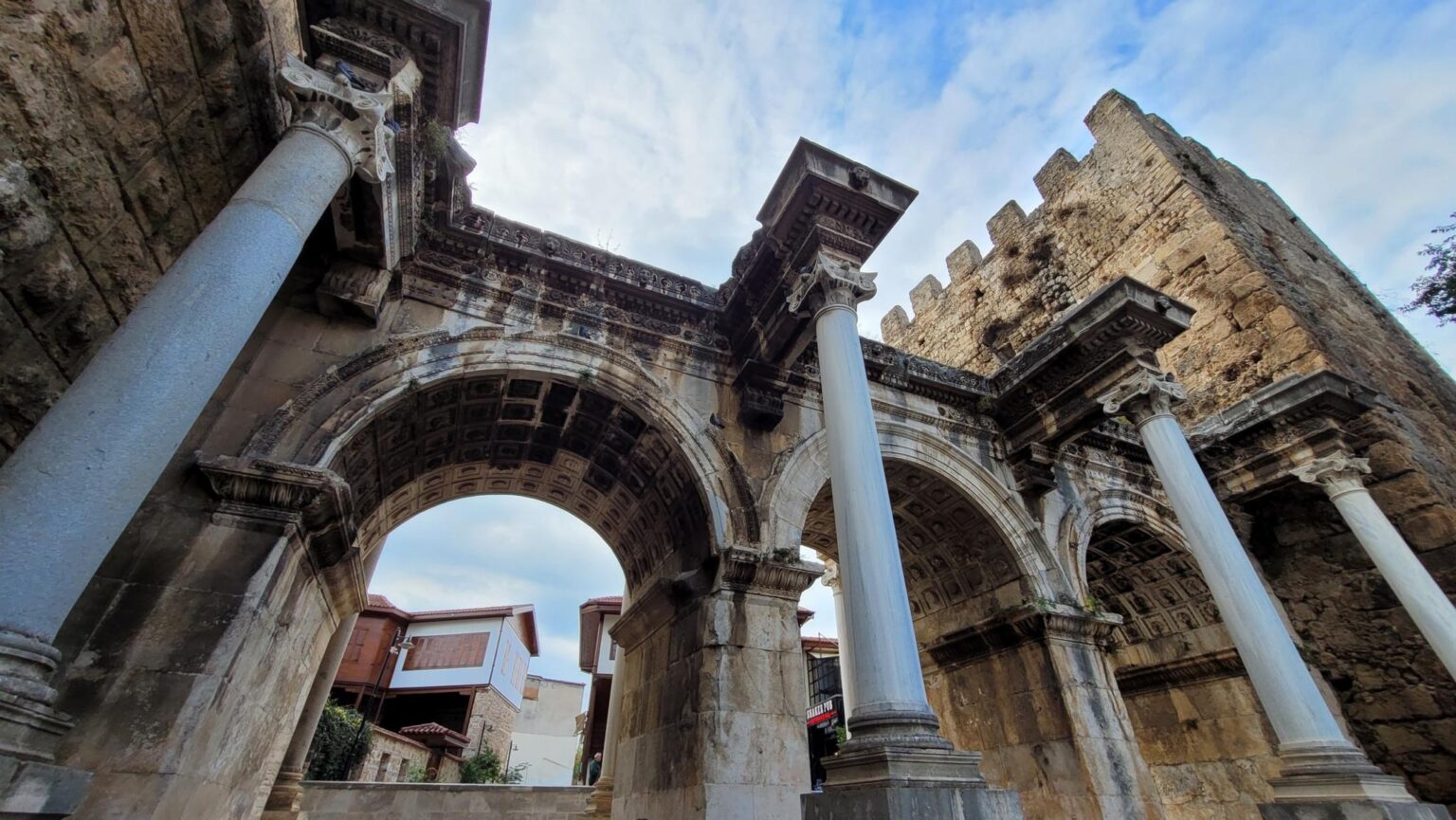
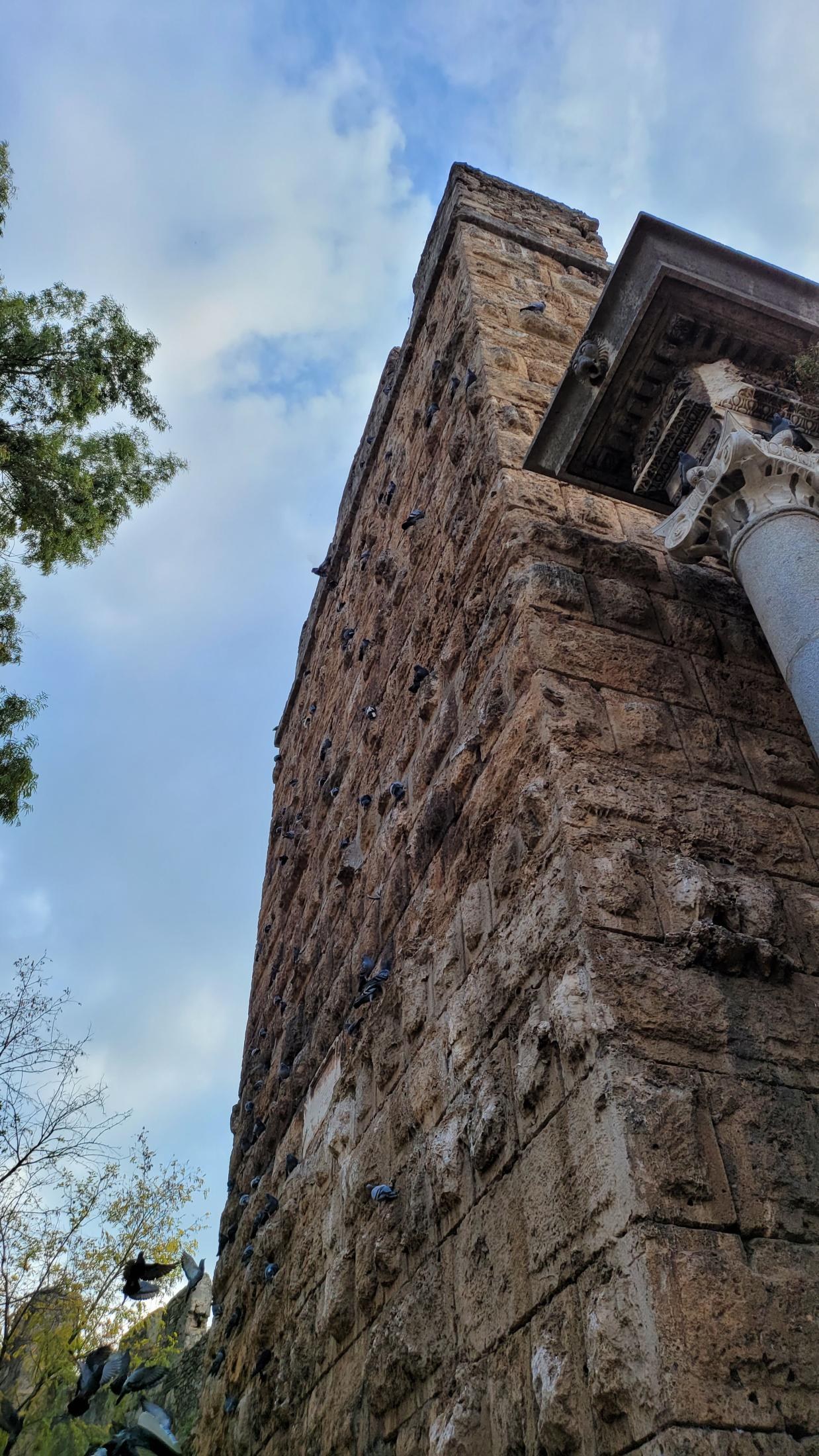
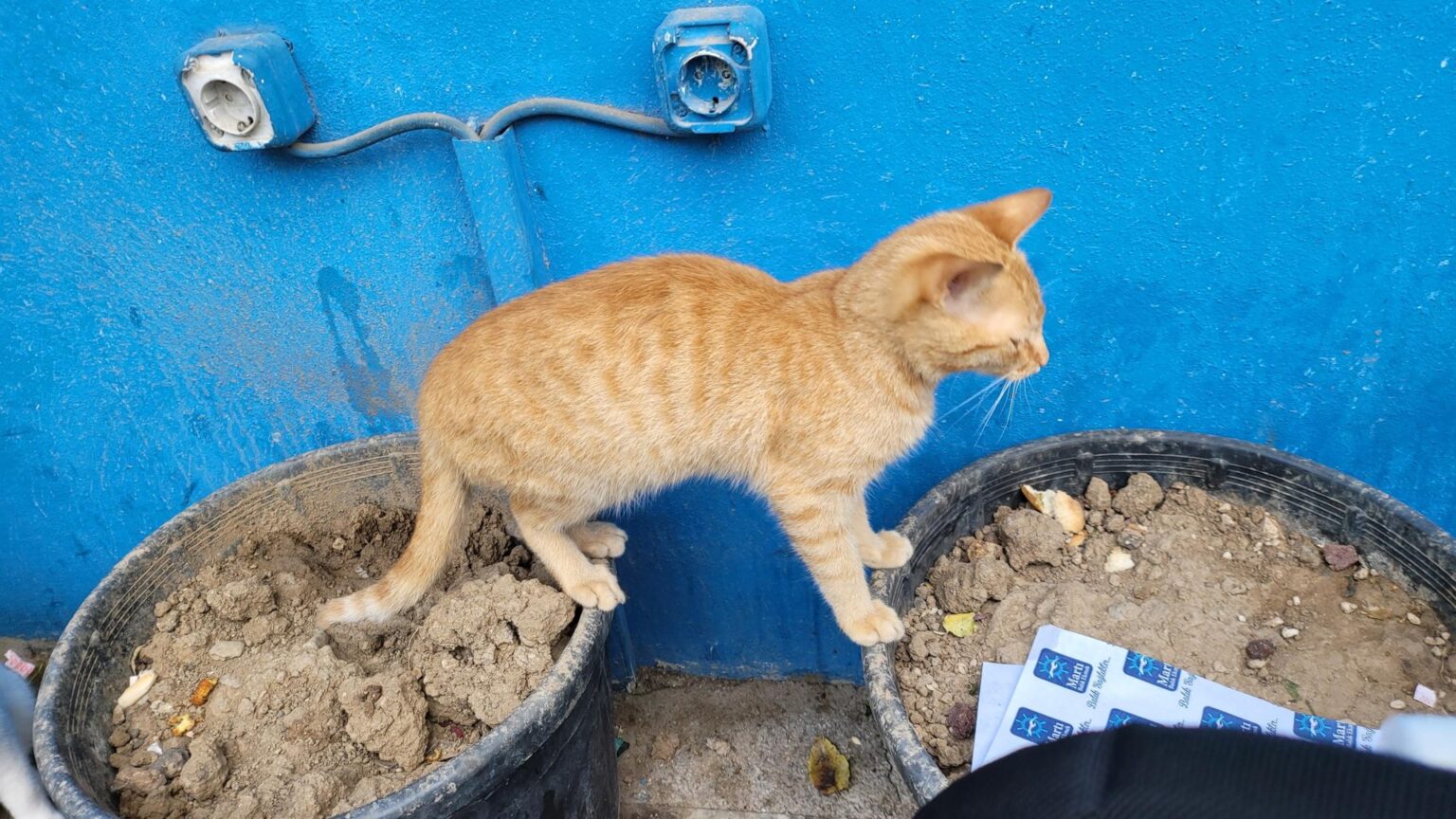
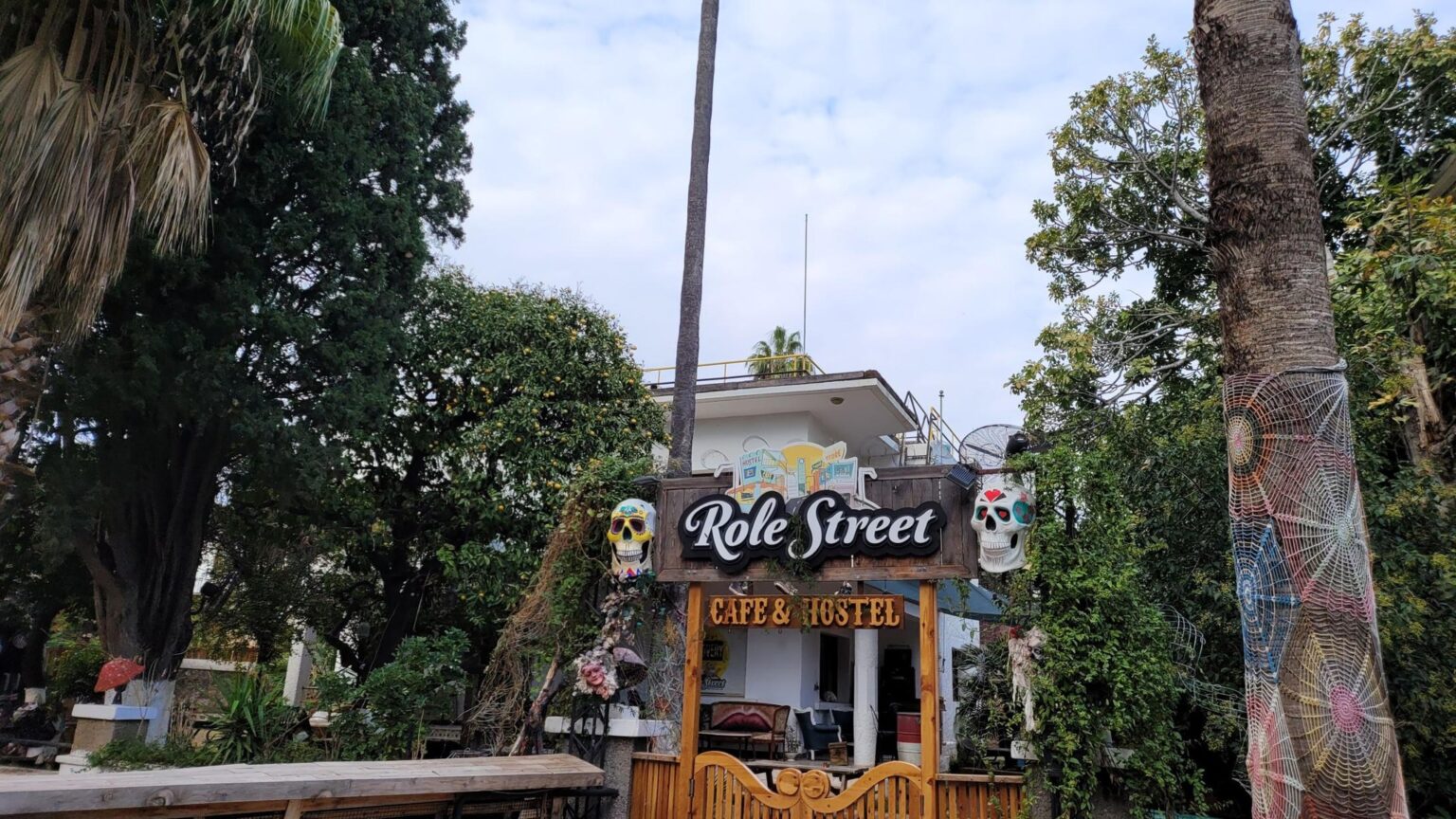
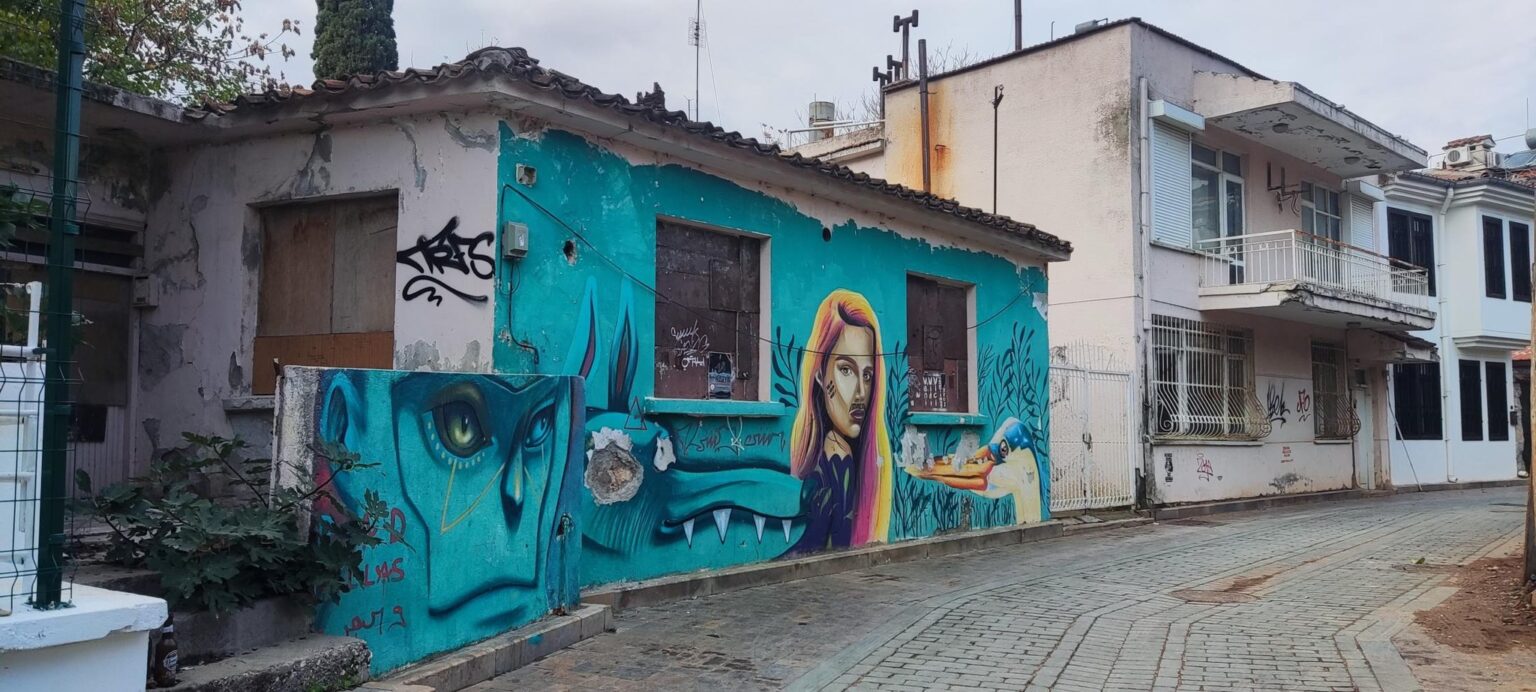
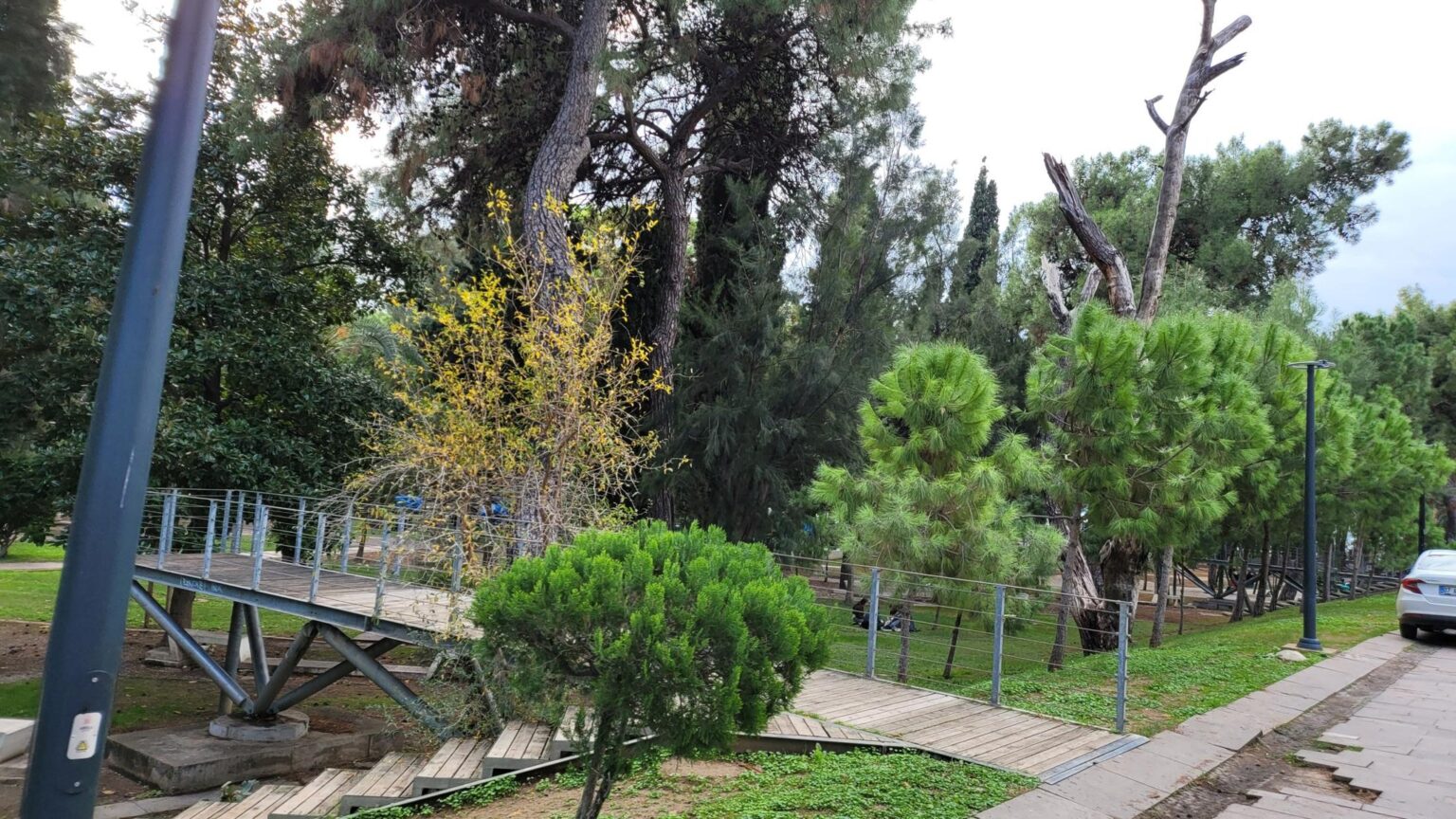
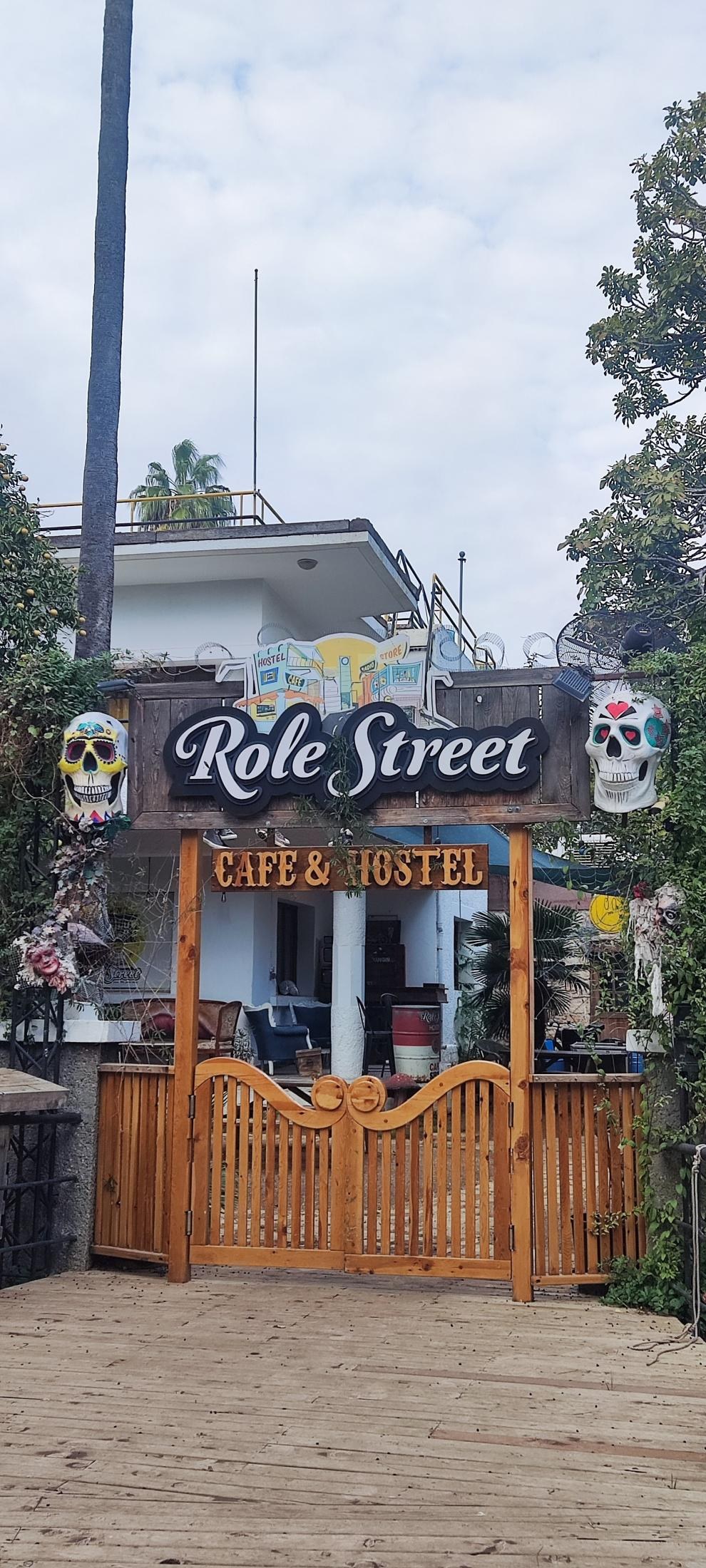
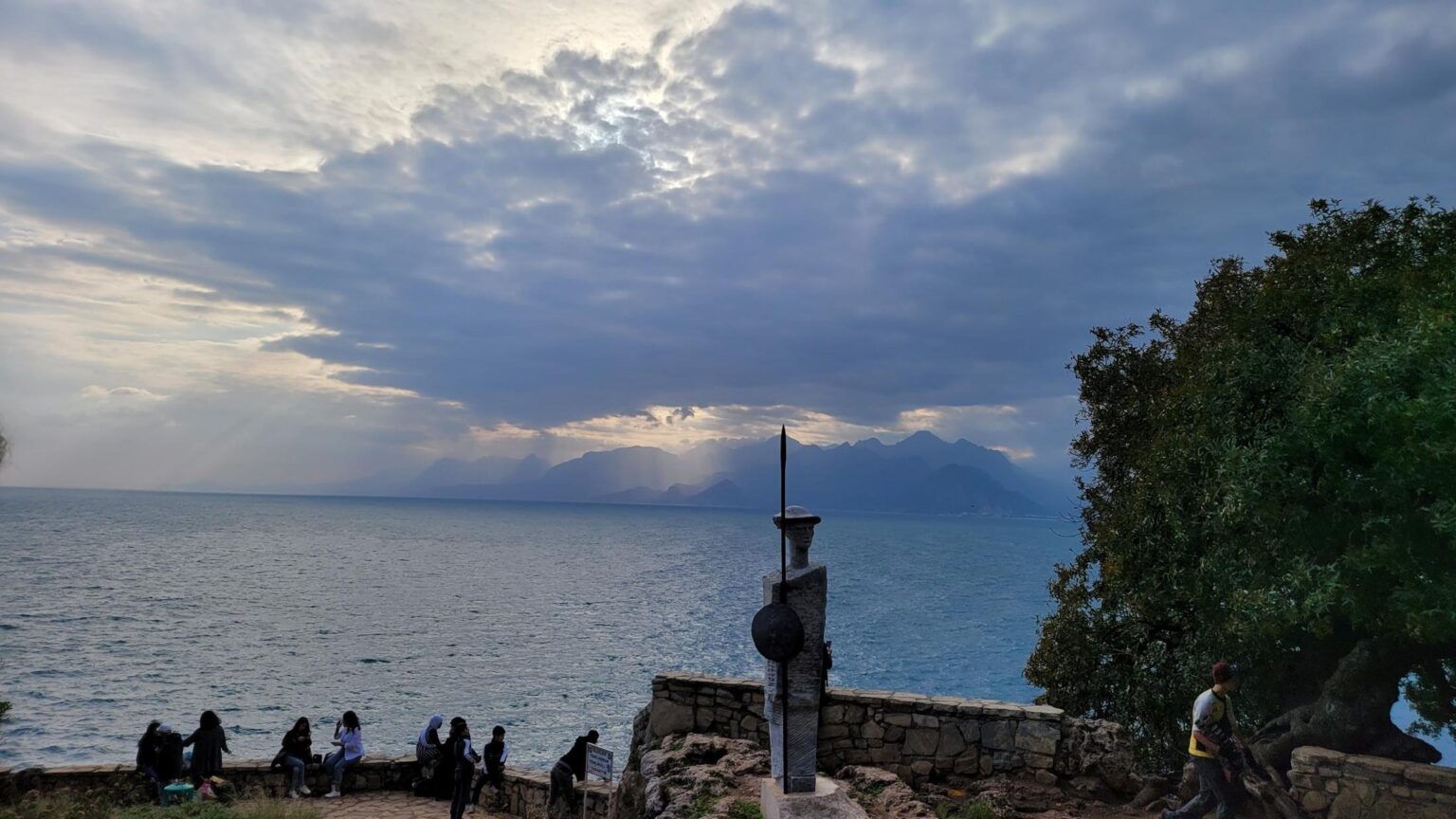
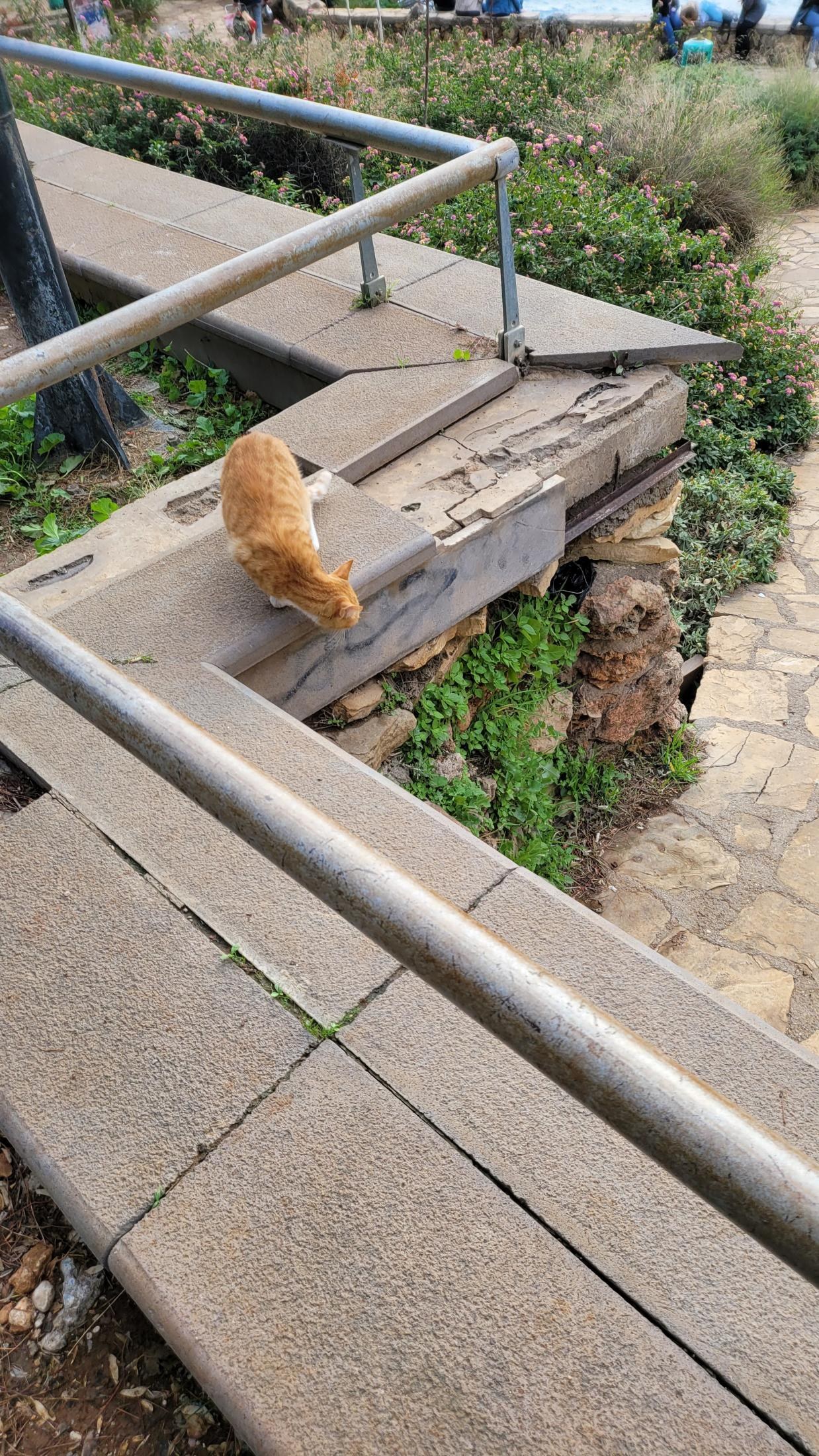
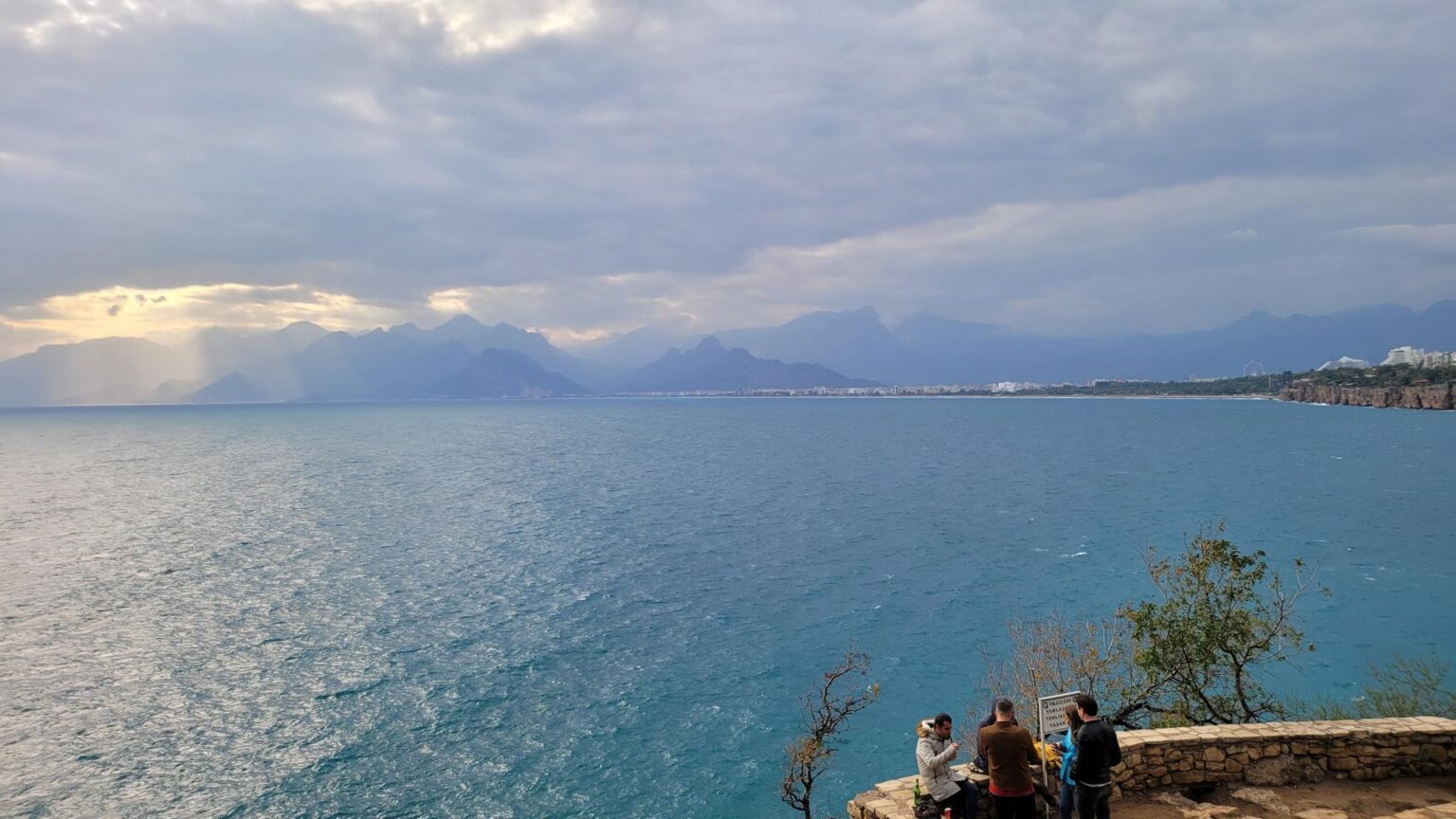
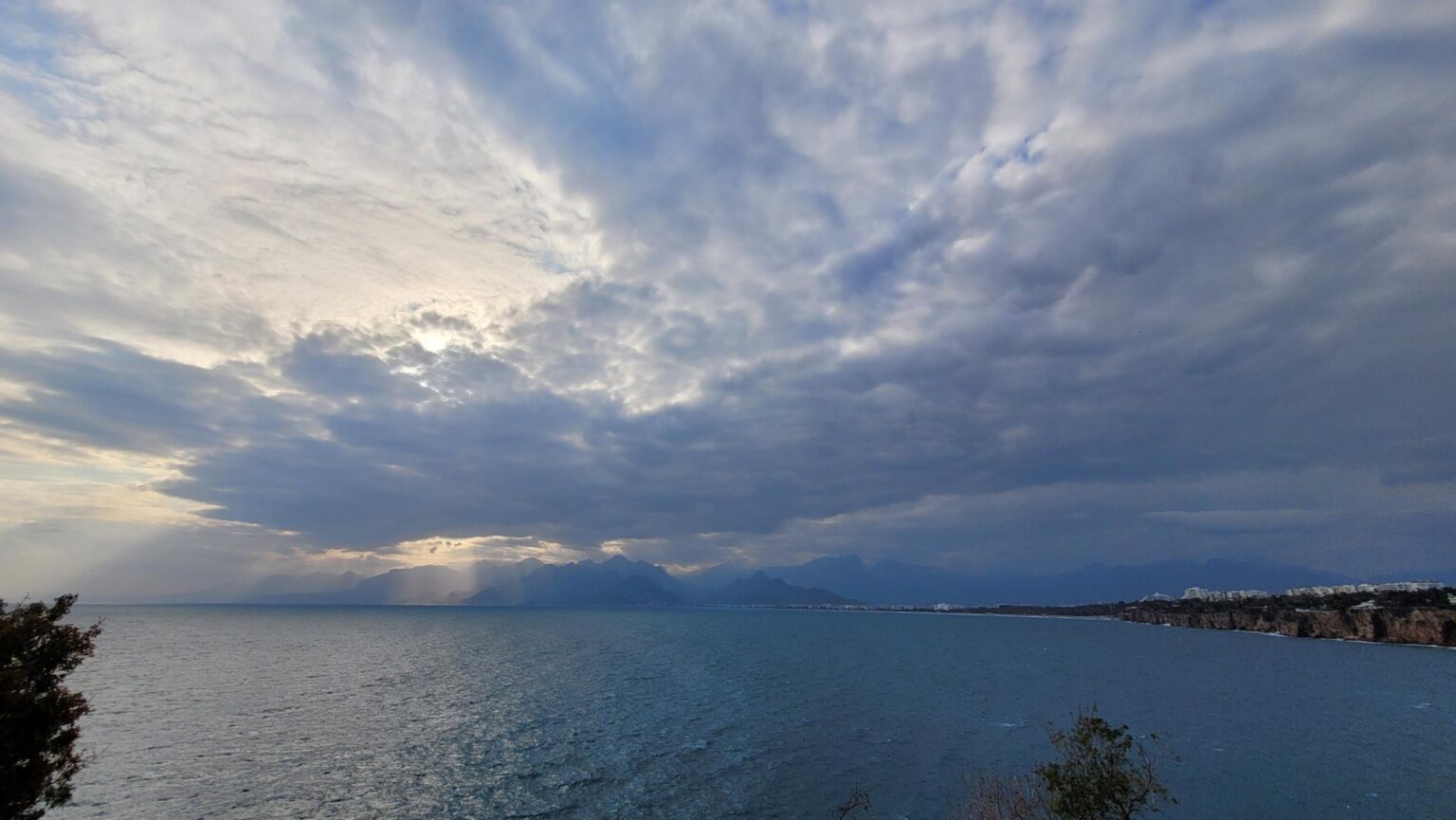
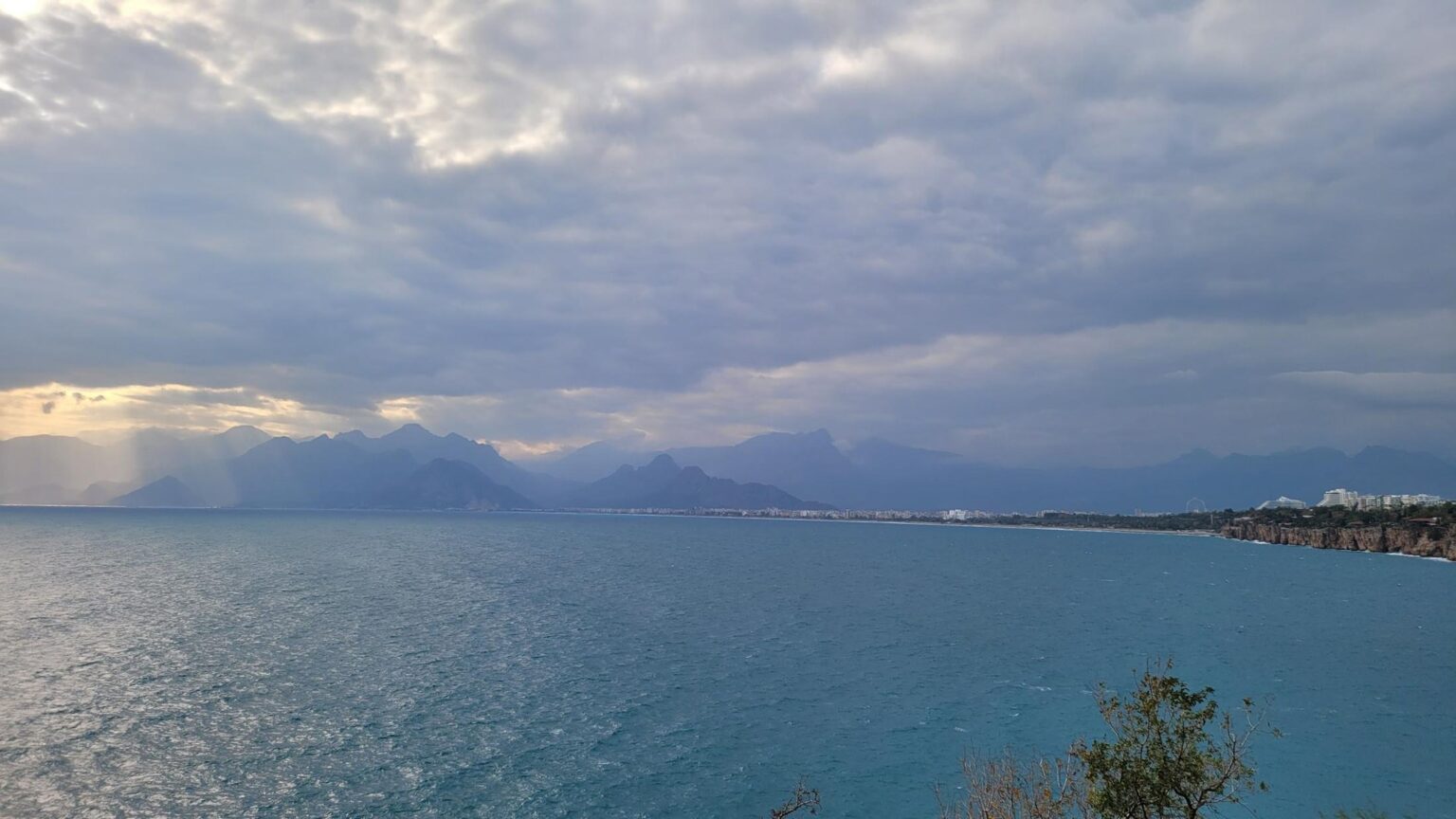
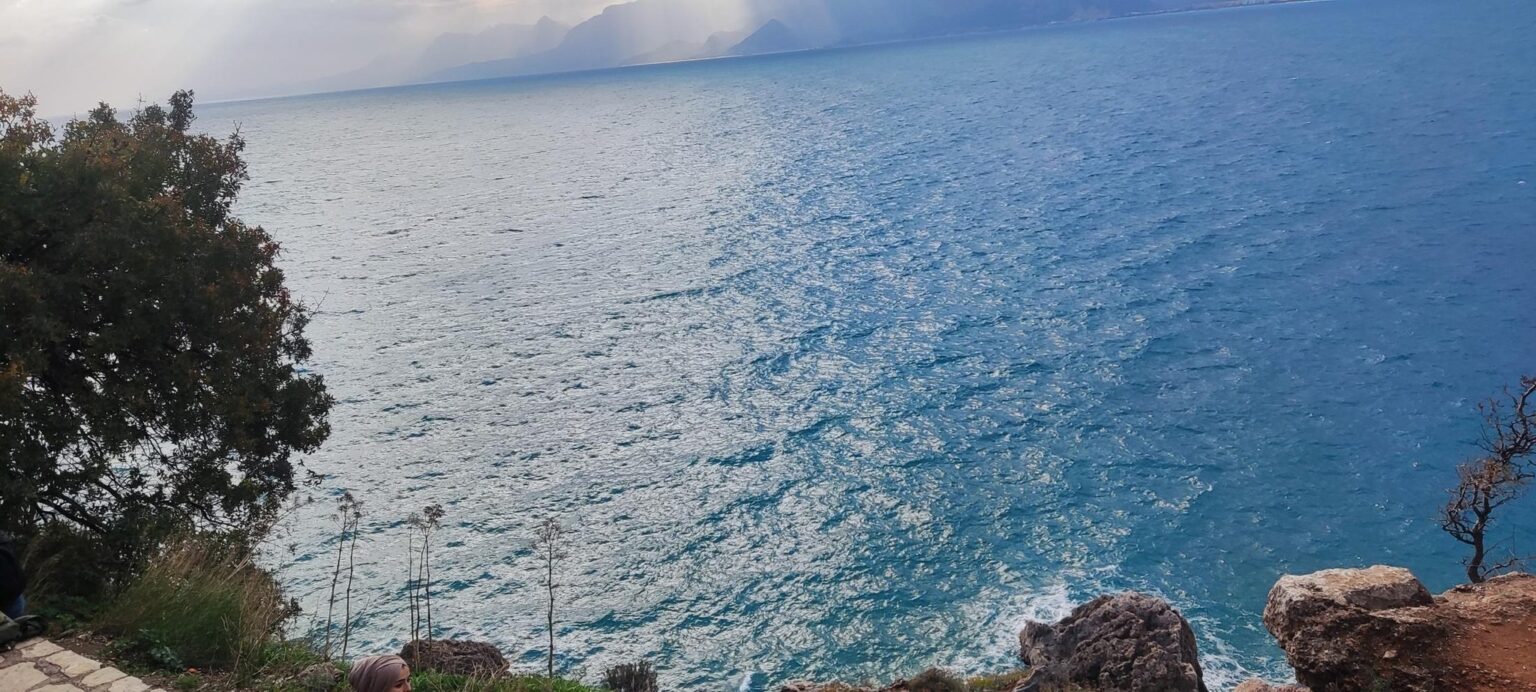
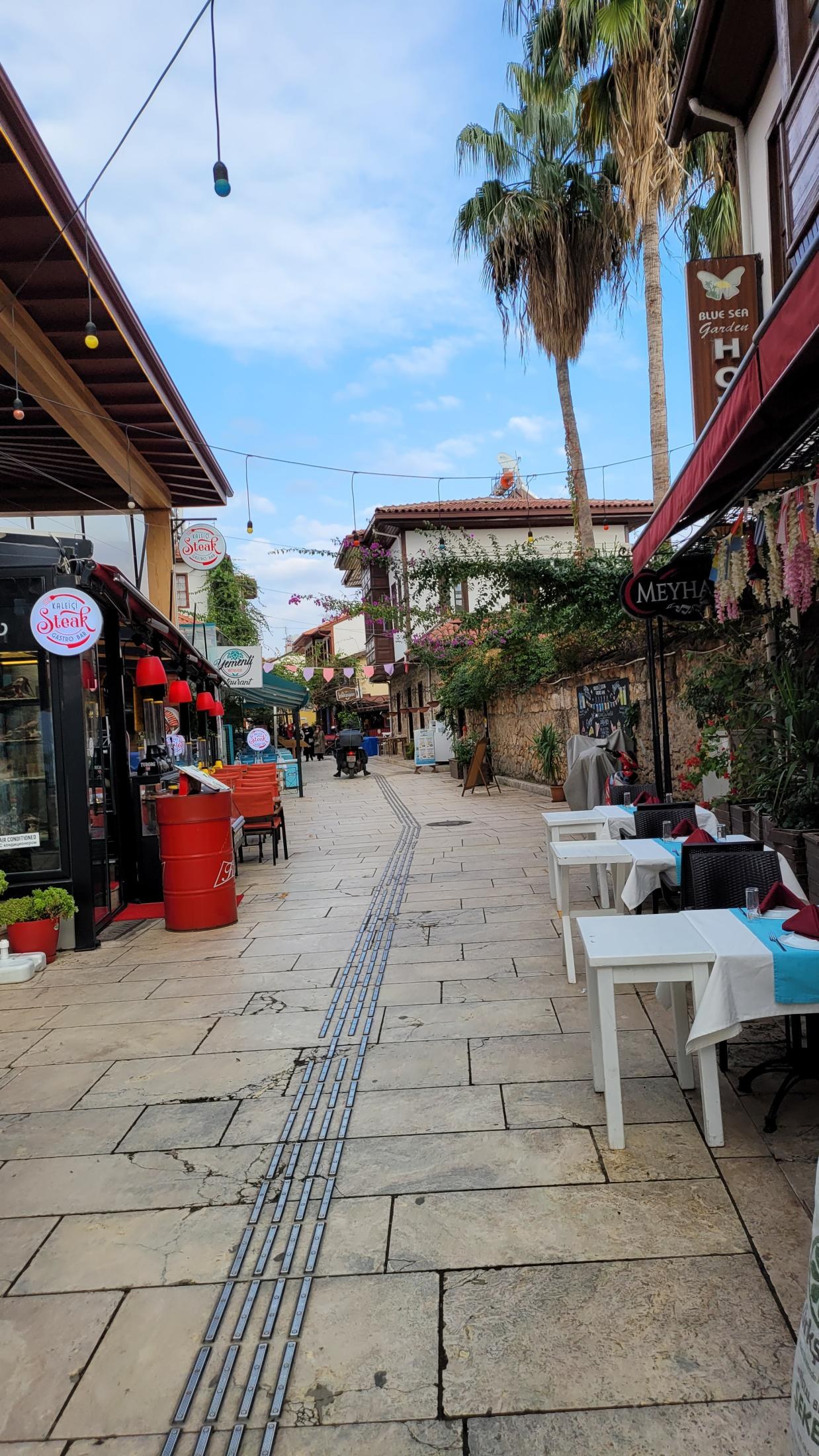
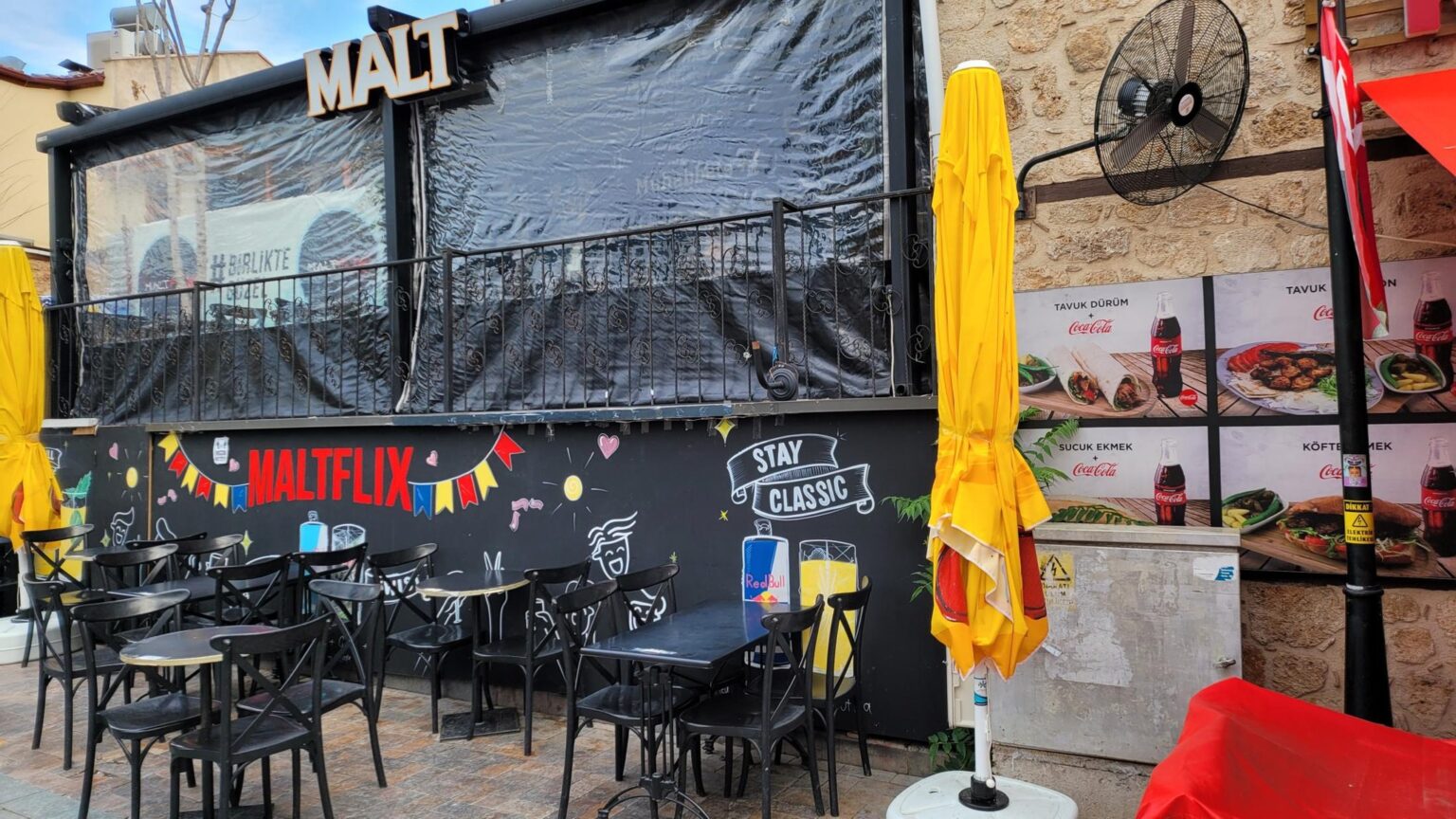
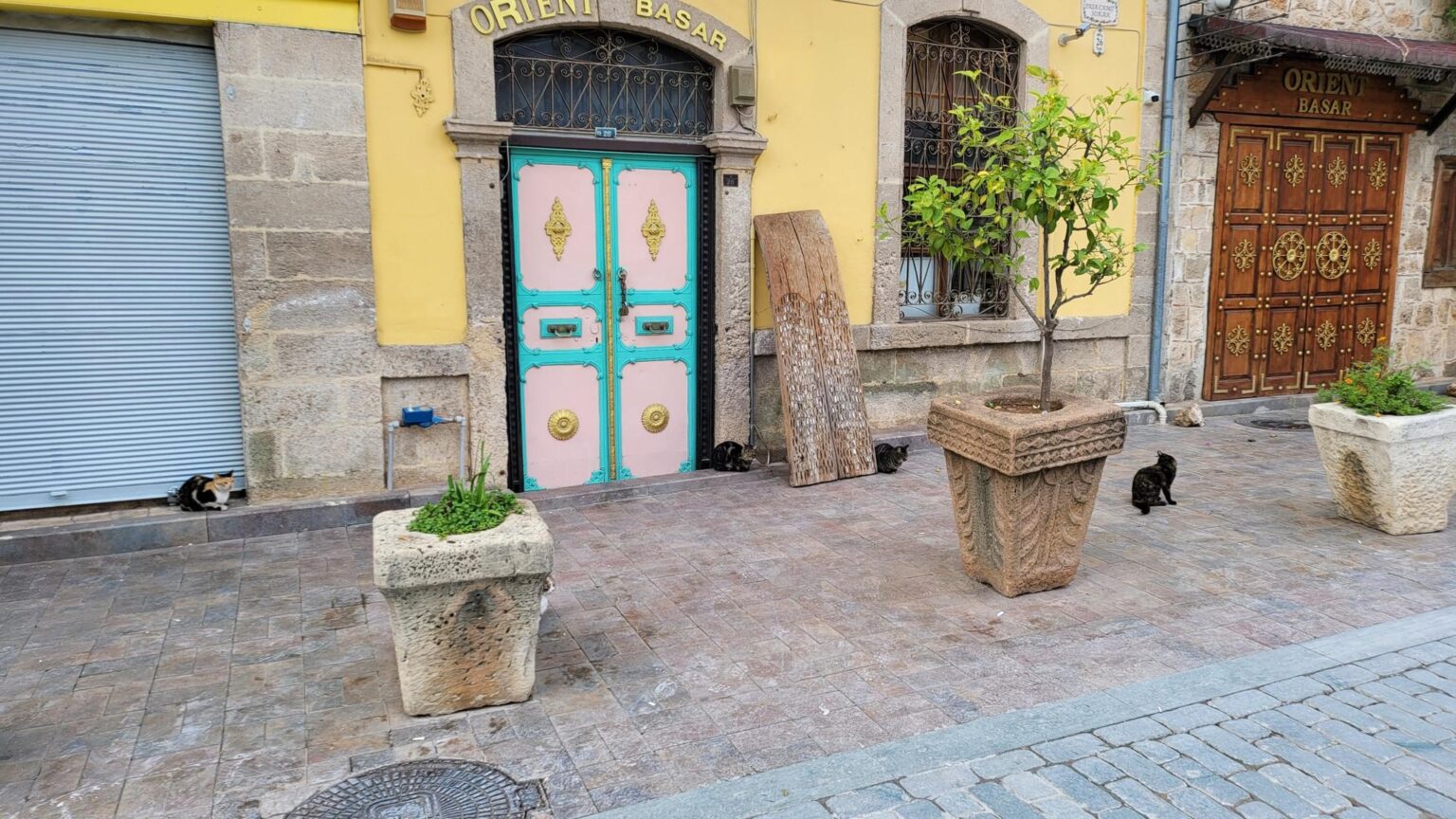
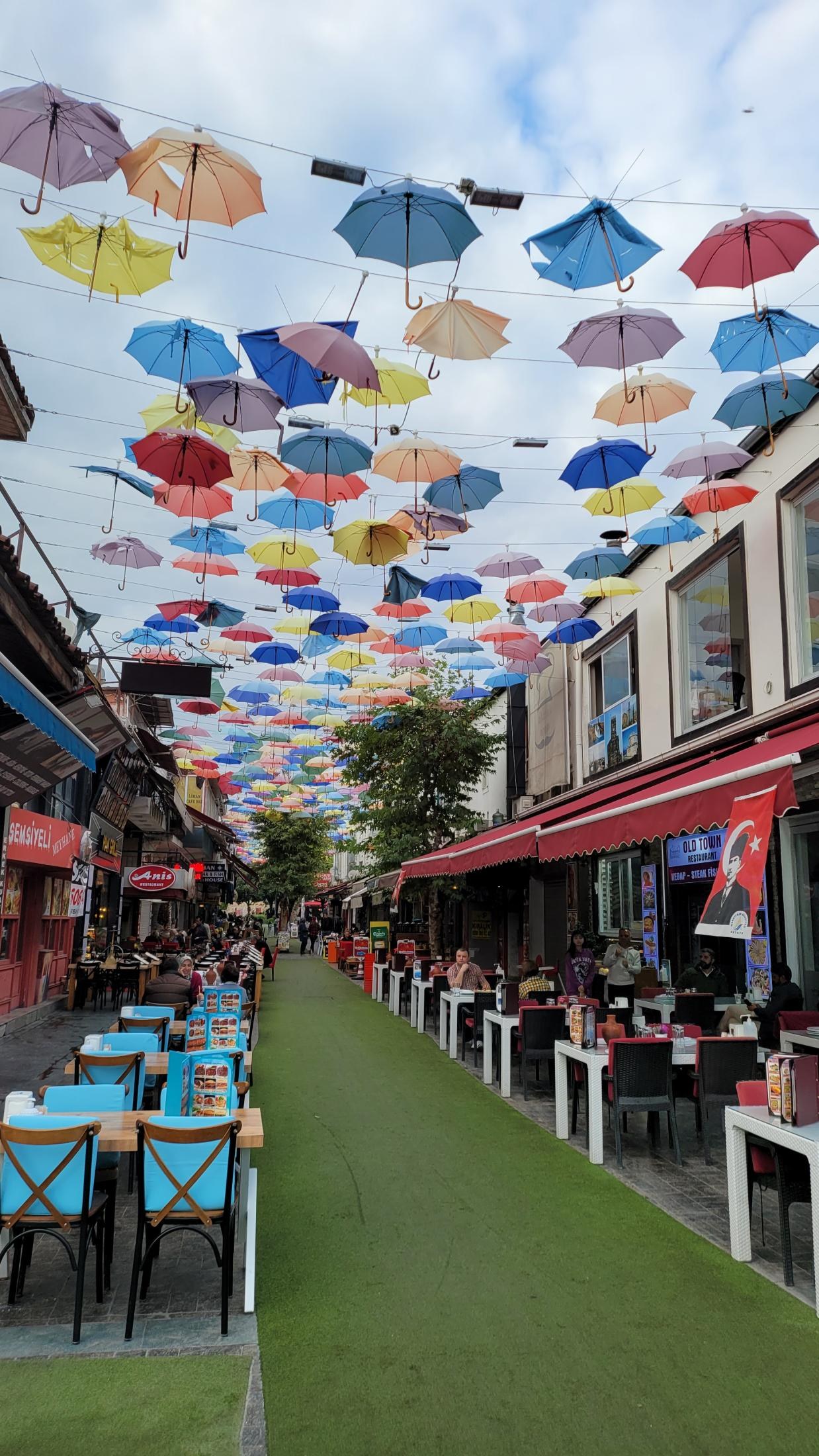
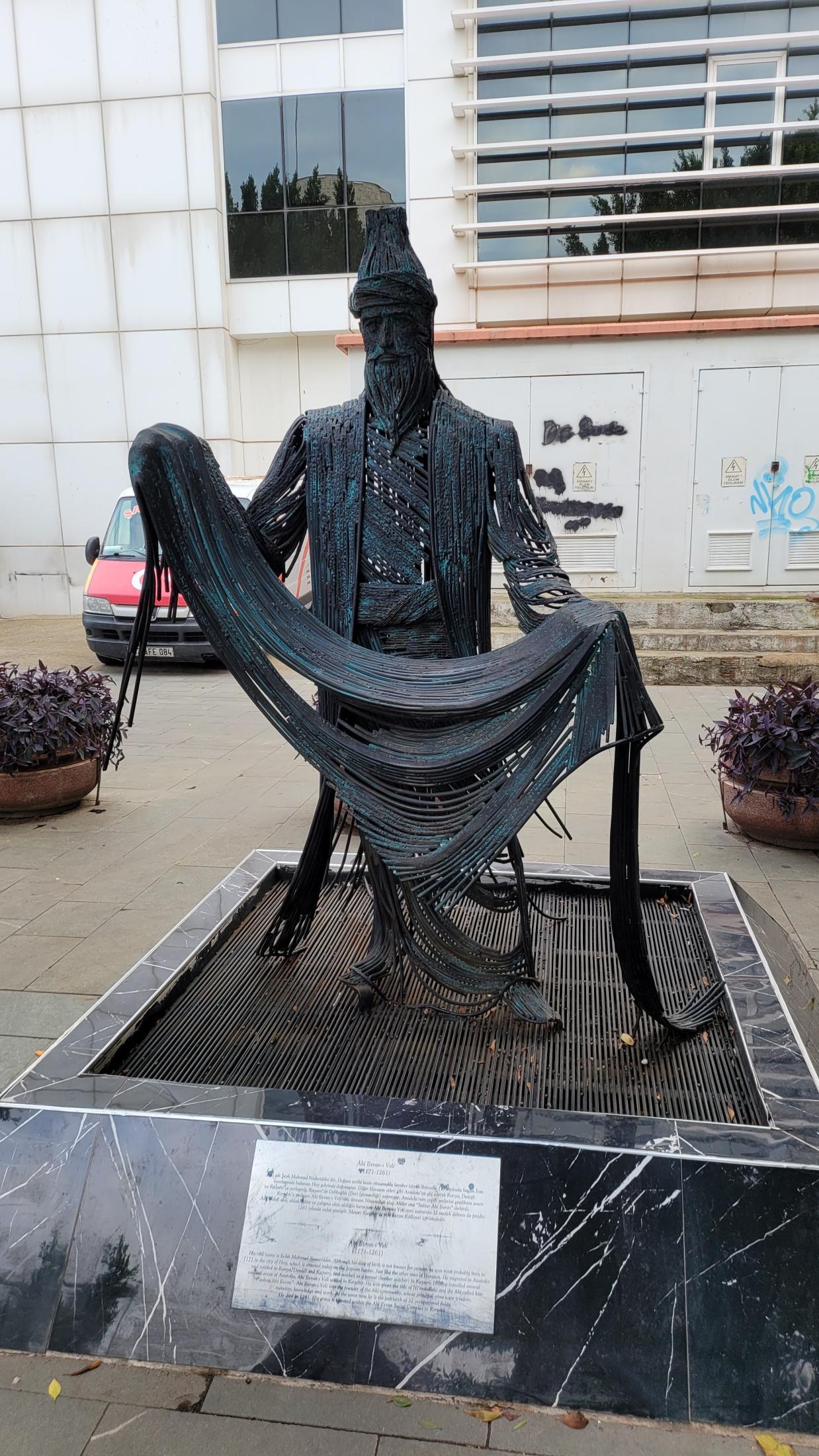
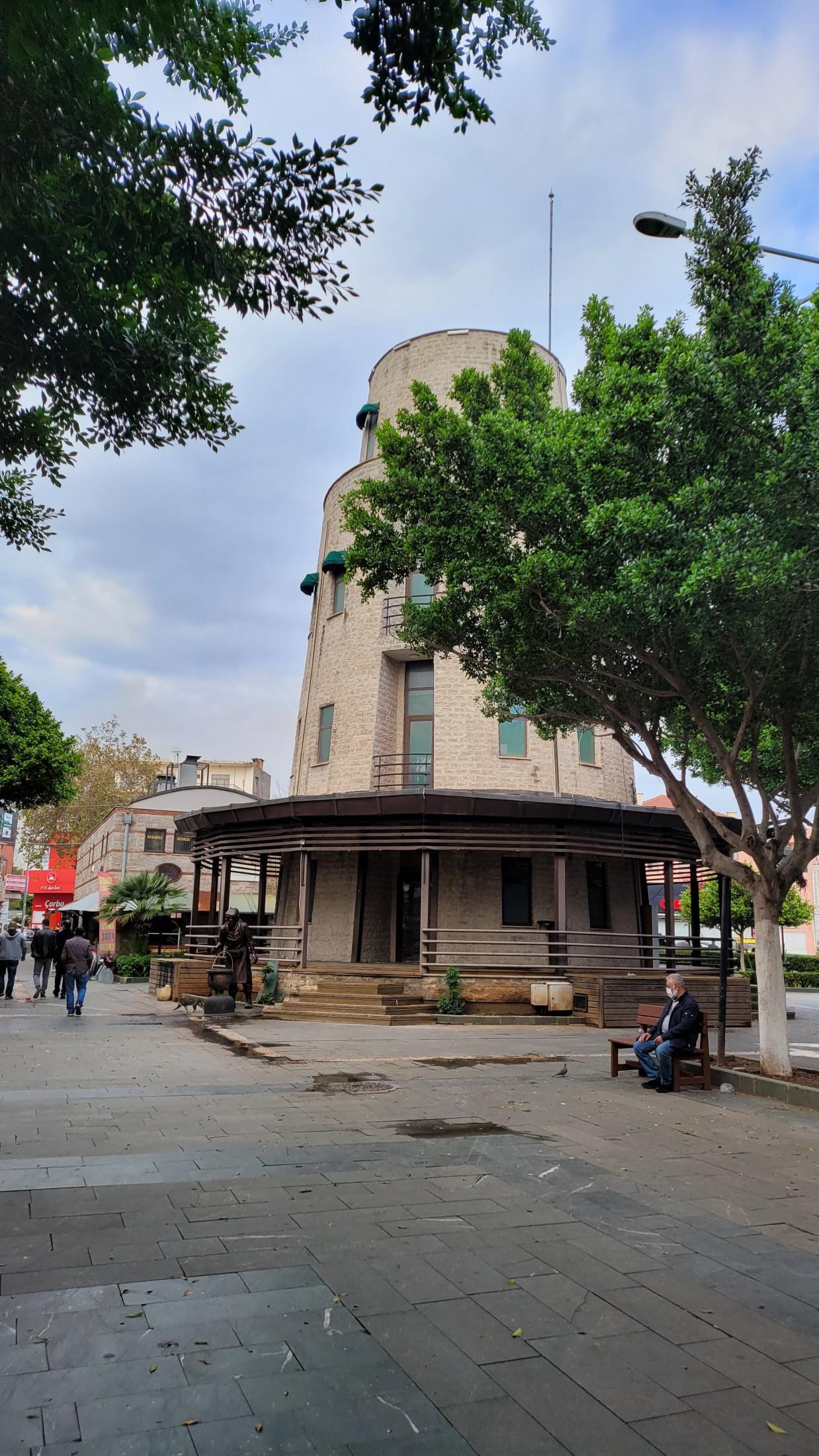
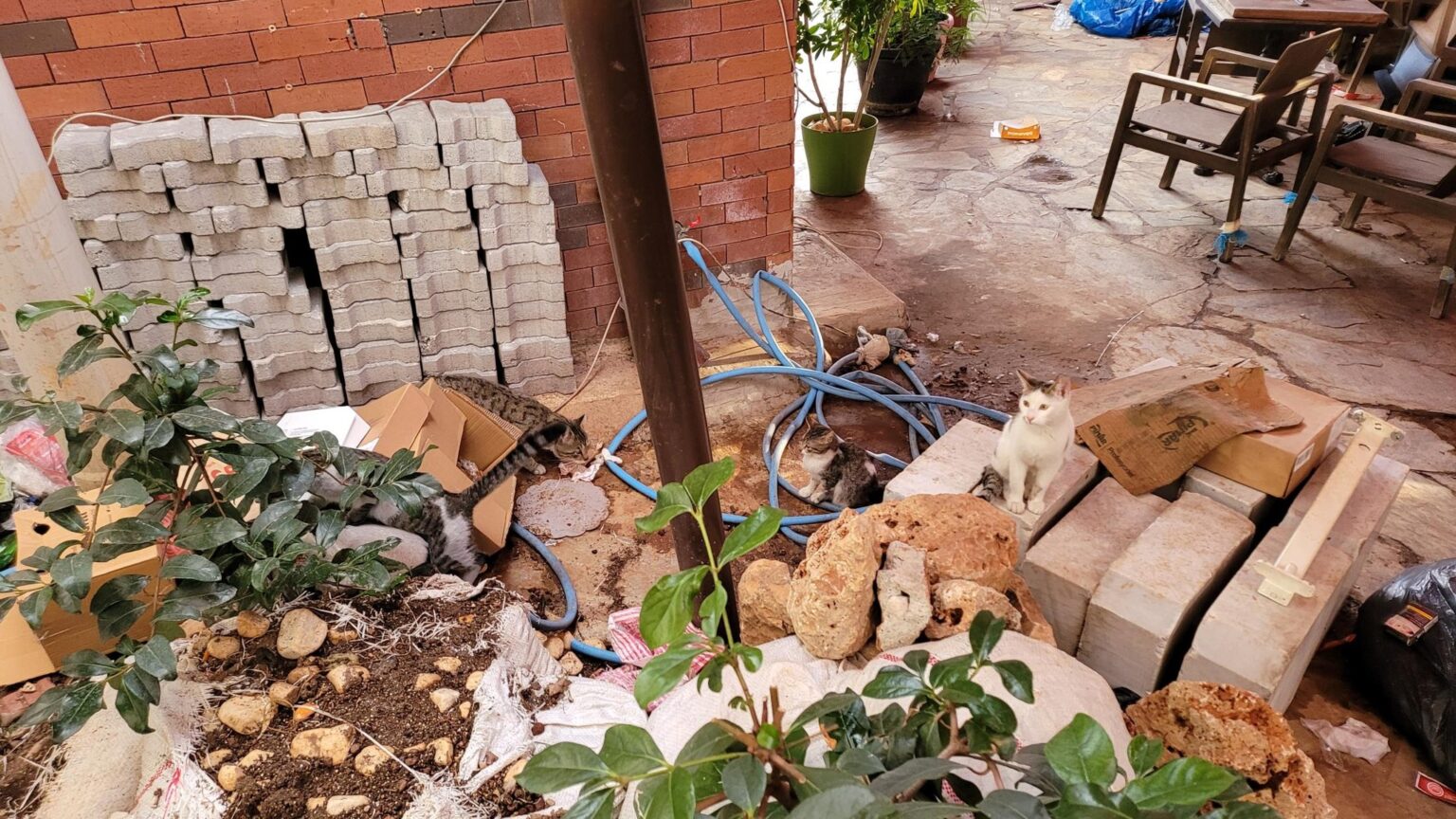
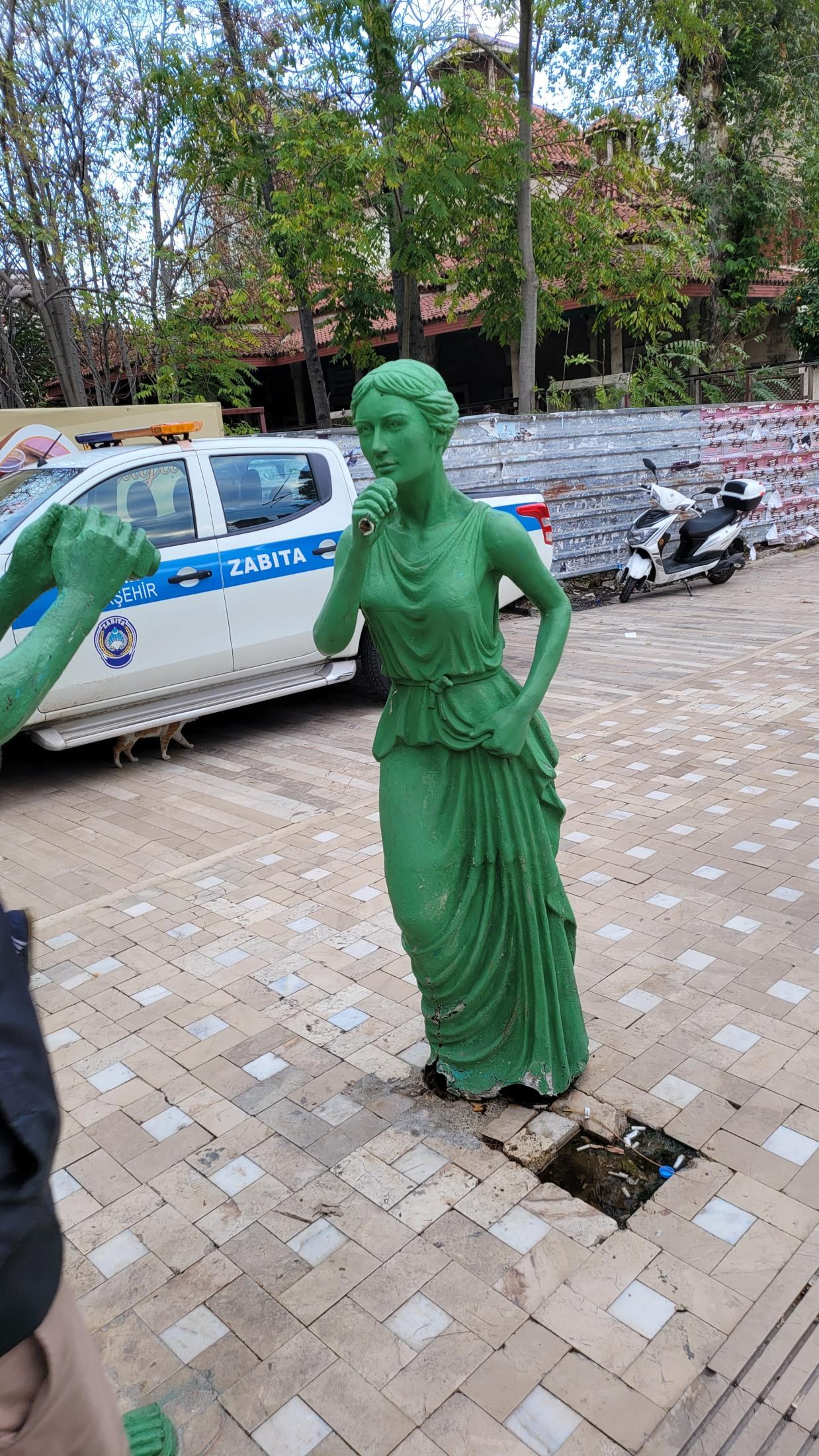
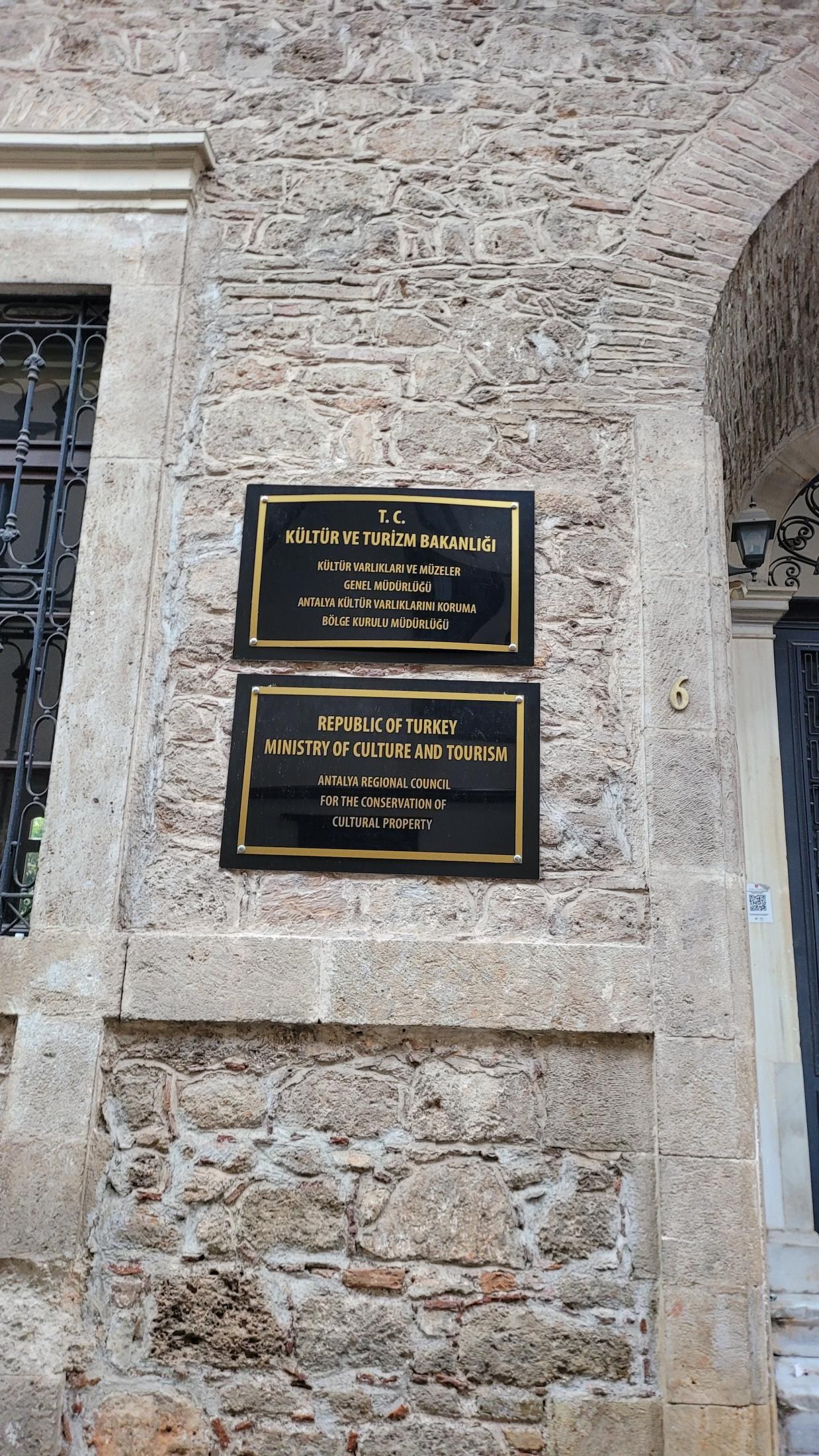
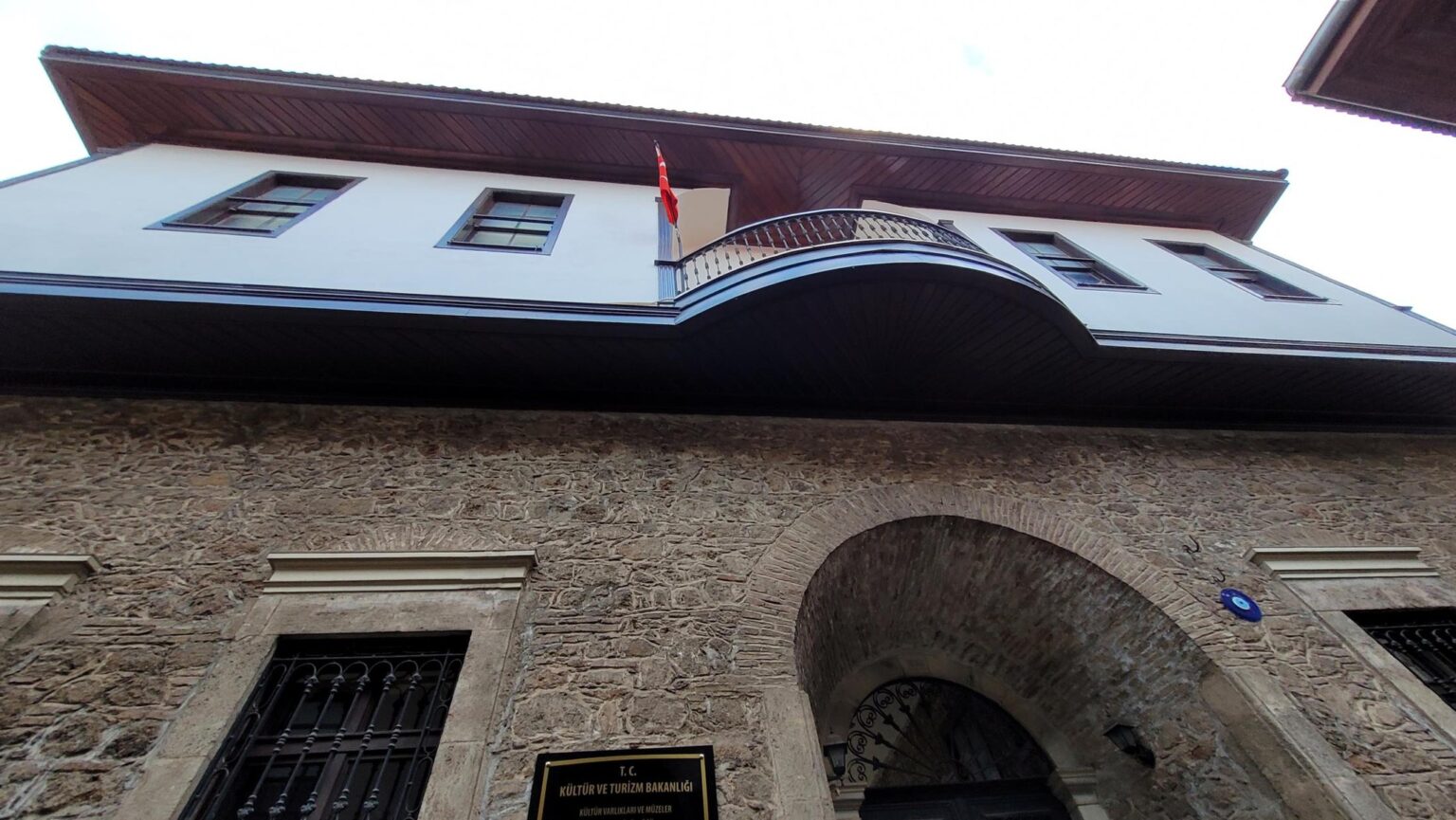
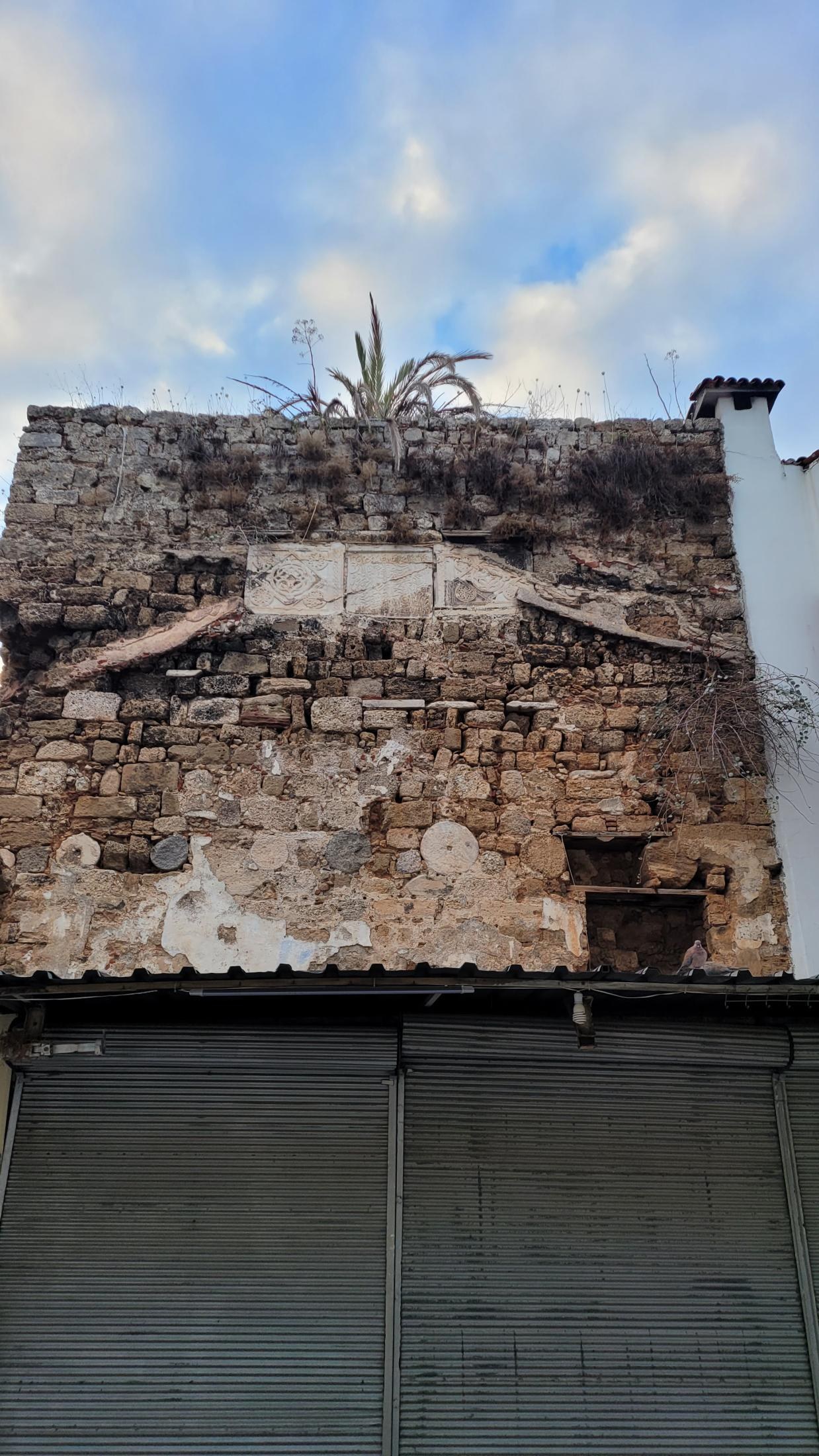
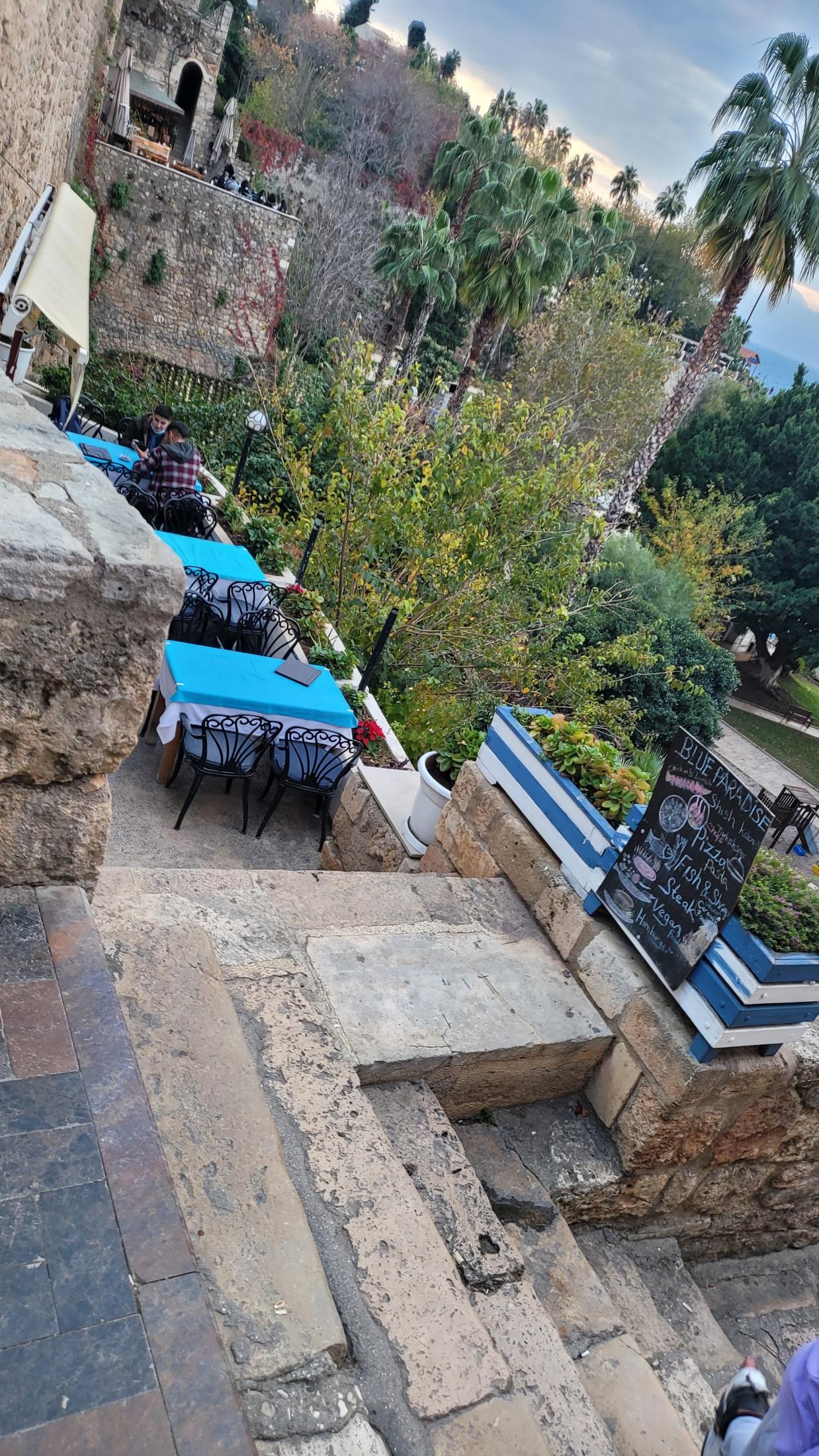
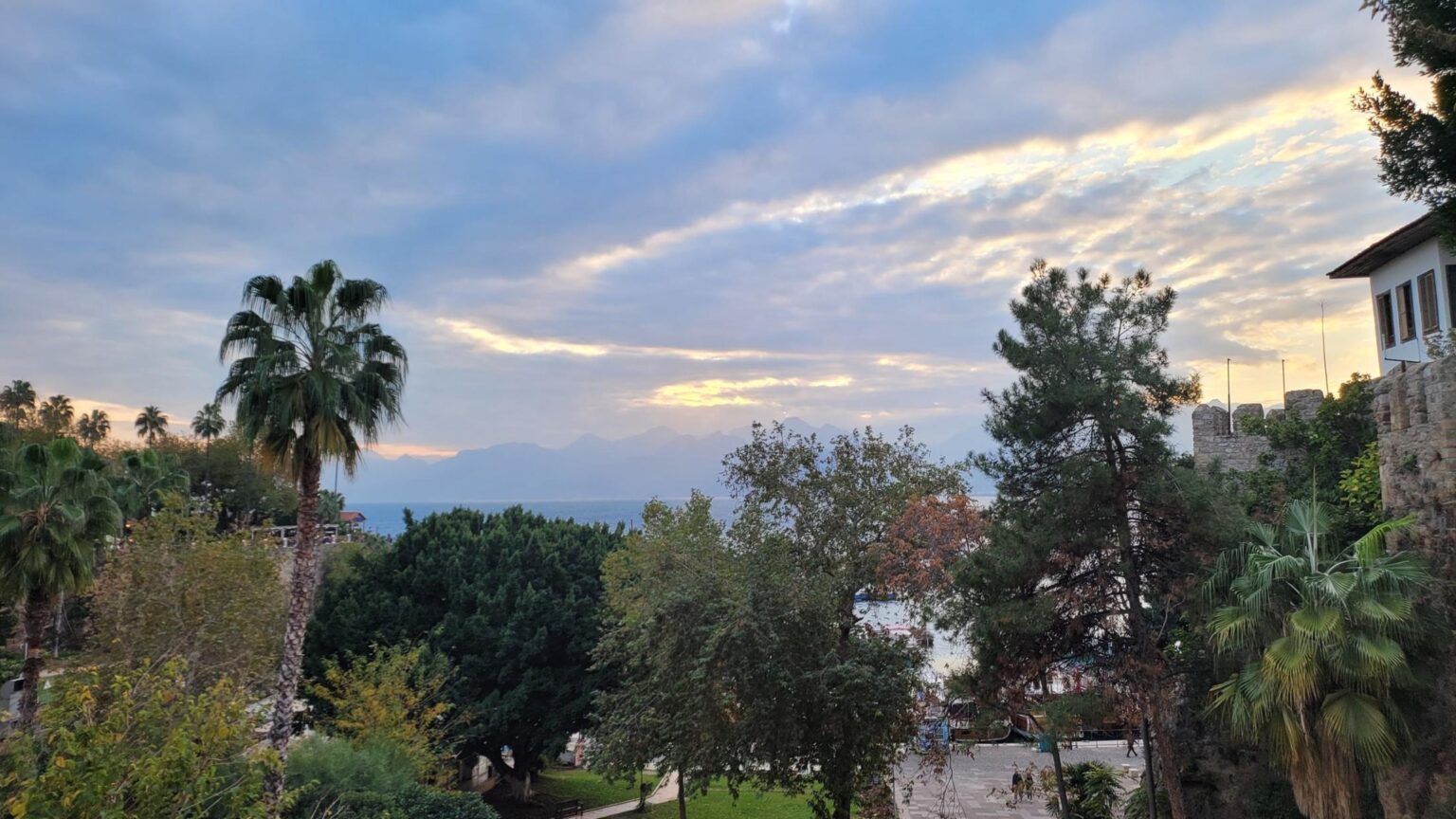
They take us back while it’s still light, sadly. We could have spent another hour or two in Antalya. Even though it’s the start of December the temperature was over 20°, which is ideal for walking and looking around.
40 kilometres, 2 hours in minibuses.
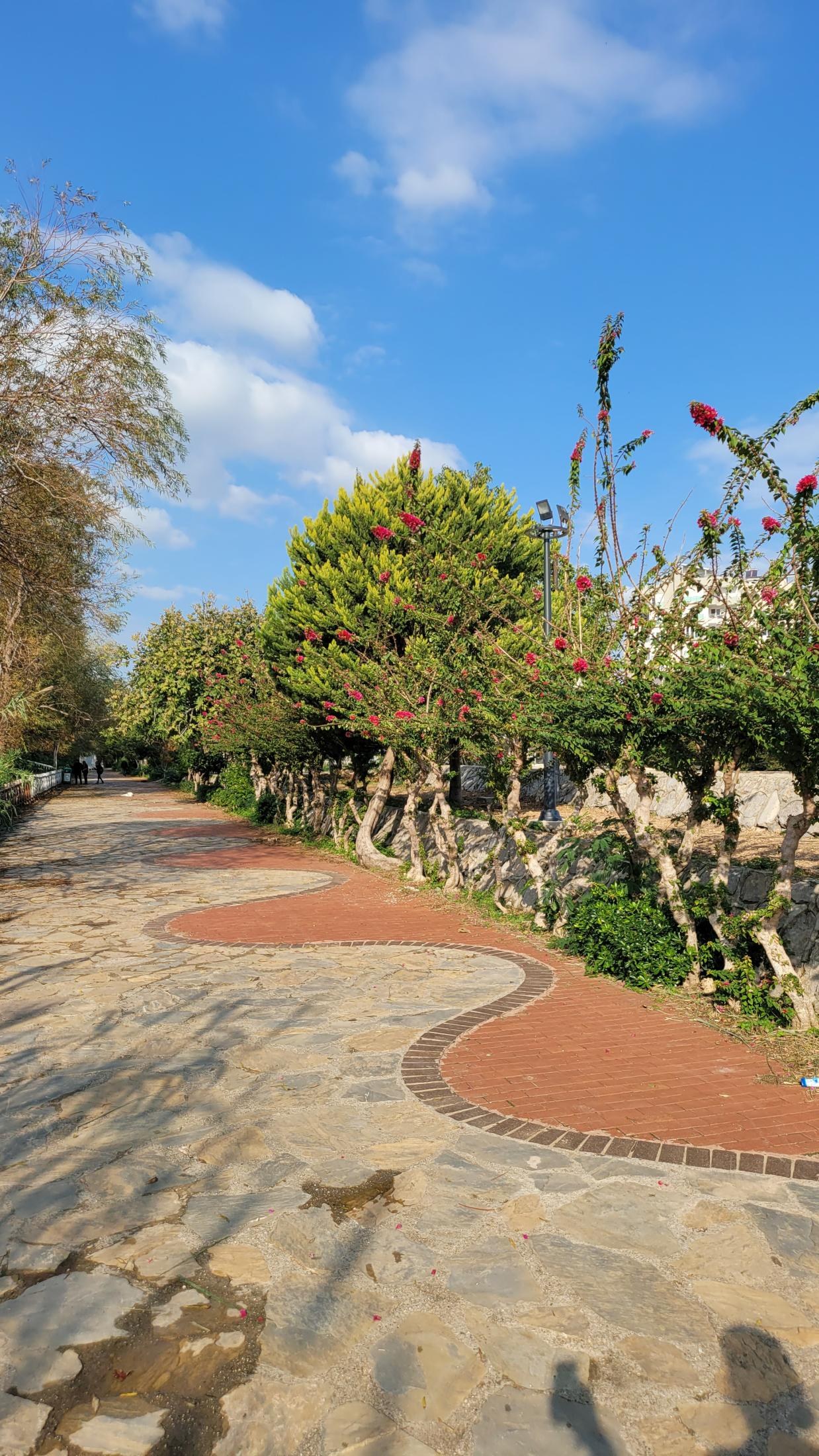
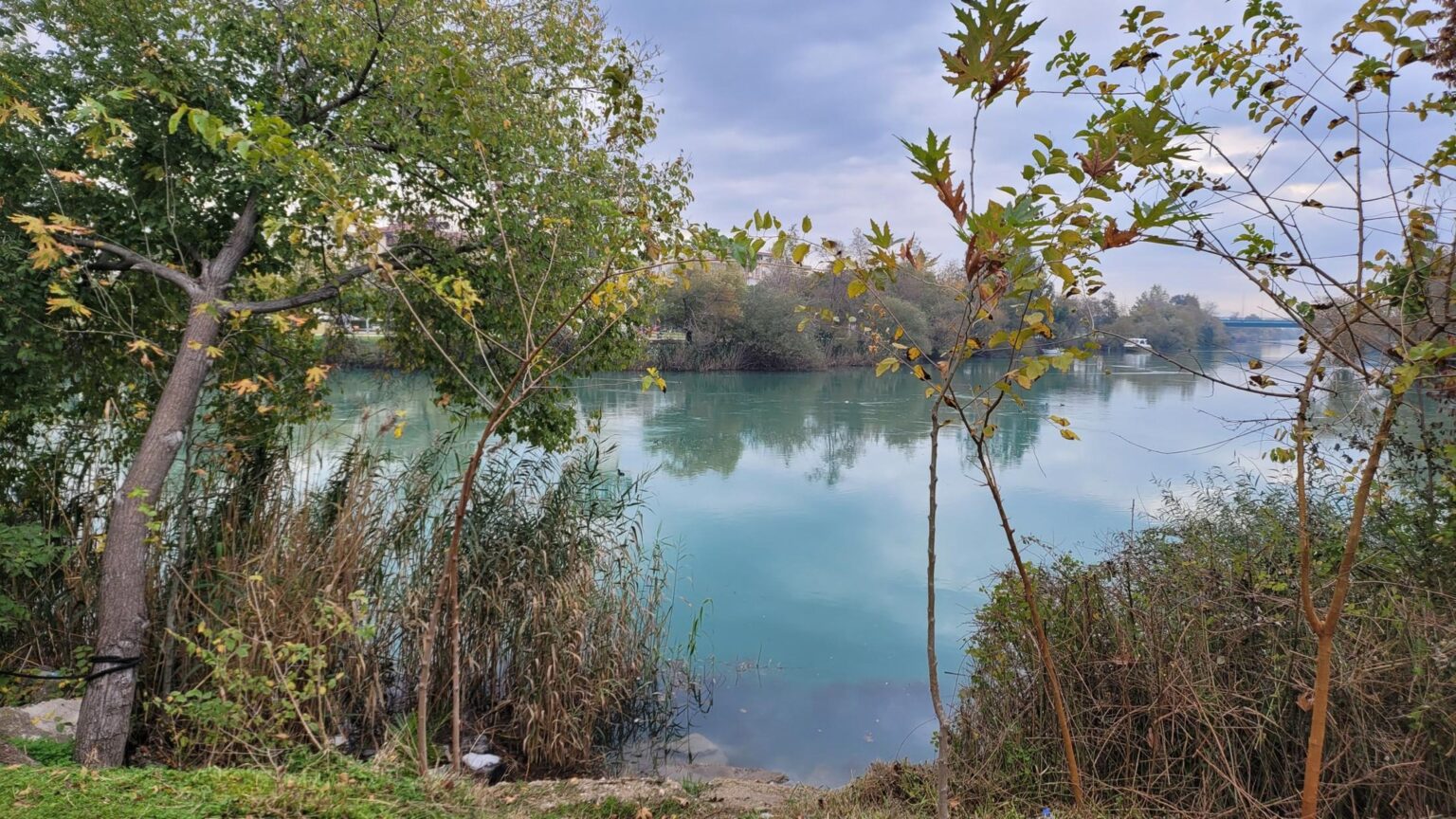
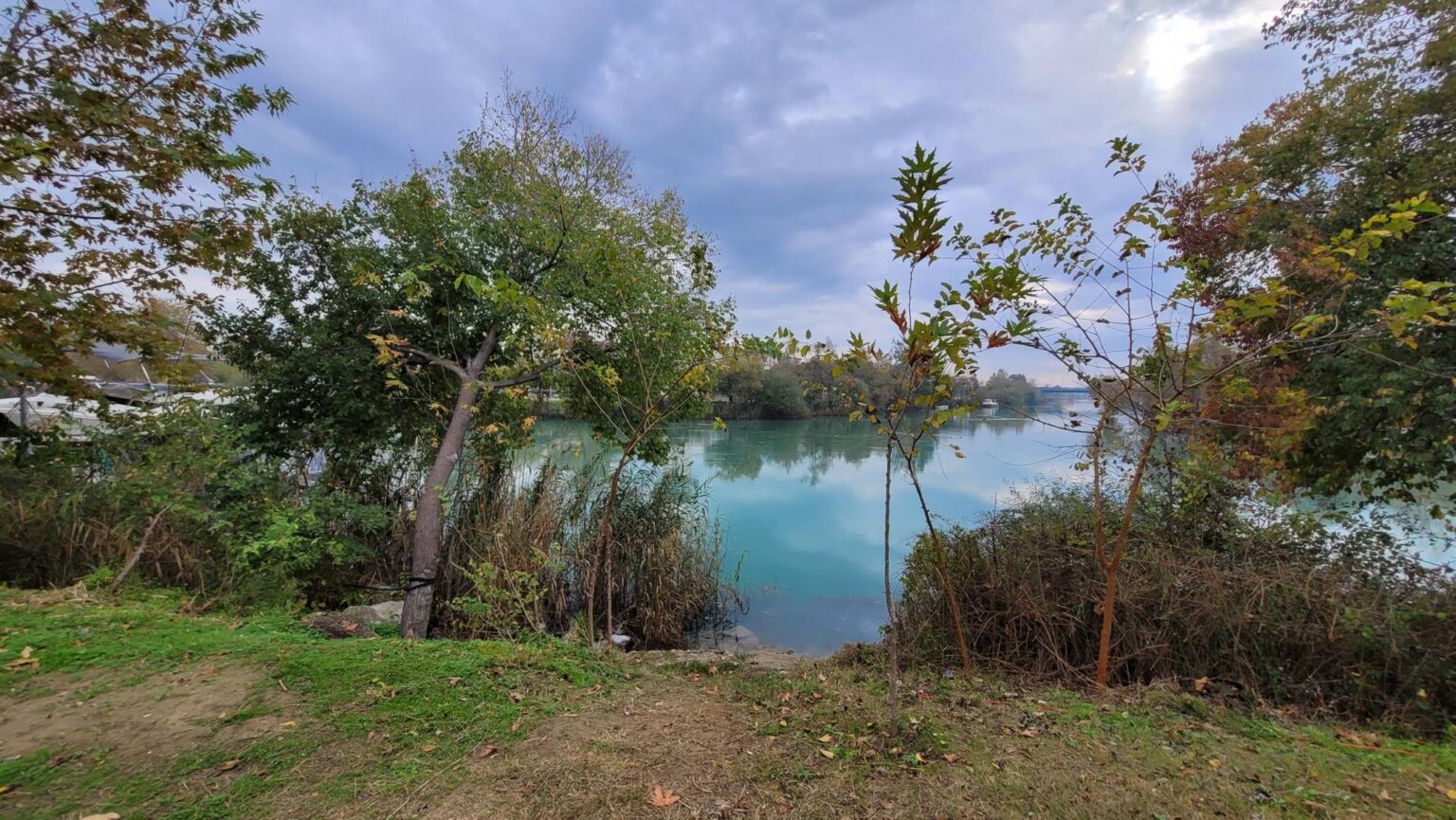
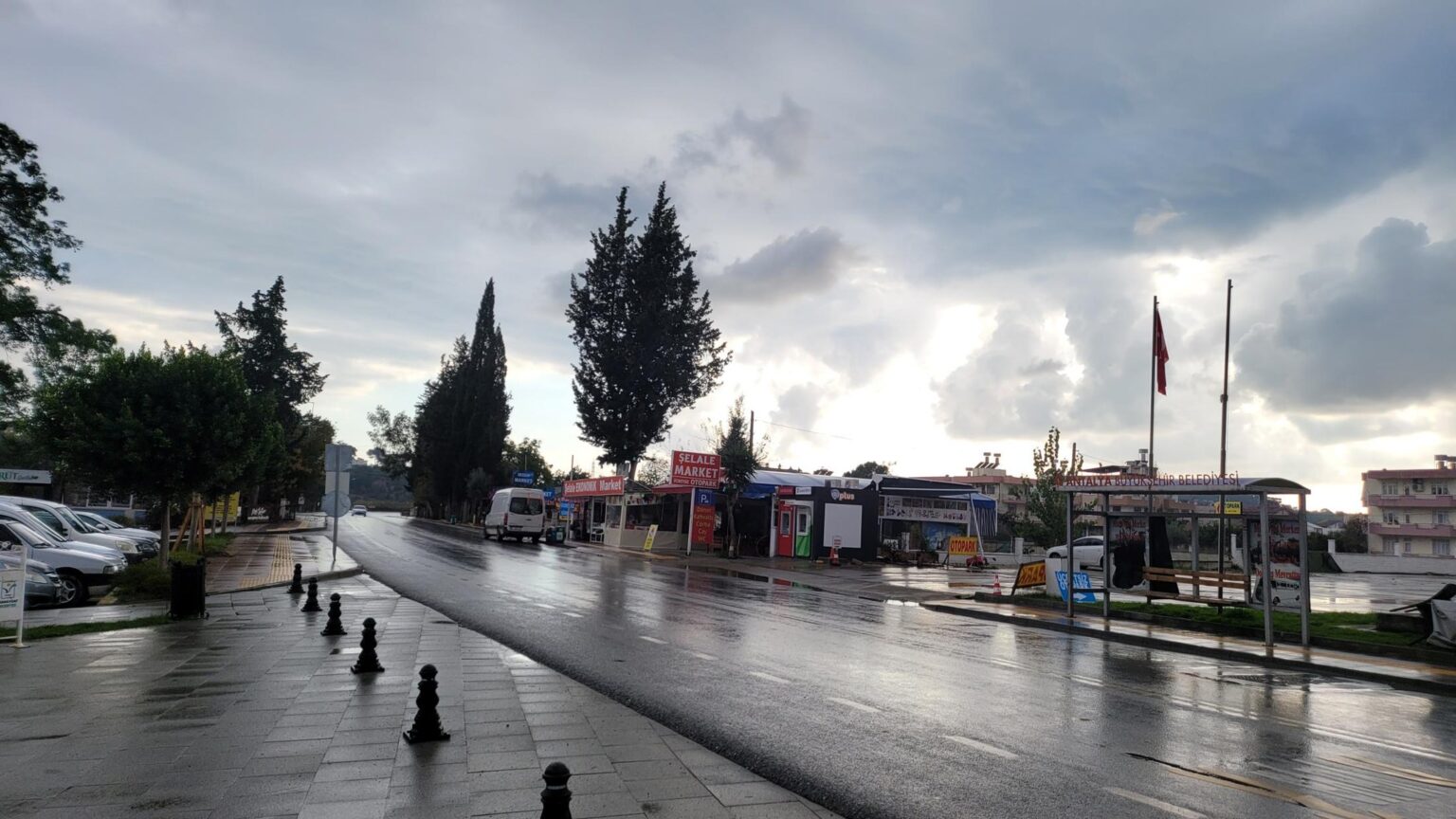
Seven days in Türkiye. The surroundings and the atmosphere already feel familiar. We’re not going to rely on the tour operator. Time to dive into something more authentic. We simply organise our own walk around Manavgat itself. Public transport is a little strange, but with help from the hotel reception it all becomes clear. There aren’t routes as such — no bus number 5 — but there are dolmuş minibuses passing constantly on a reasonably clear schedule.
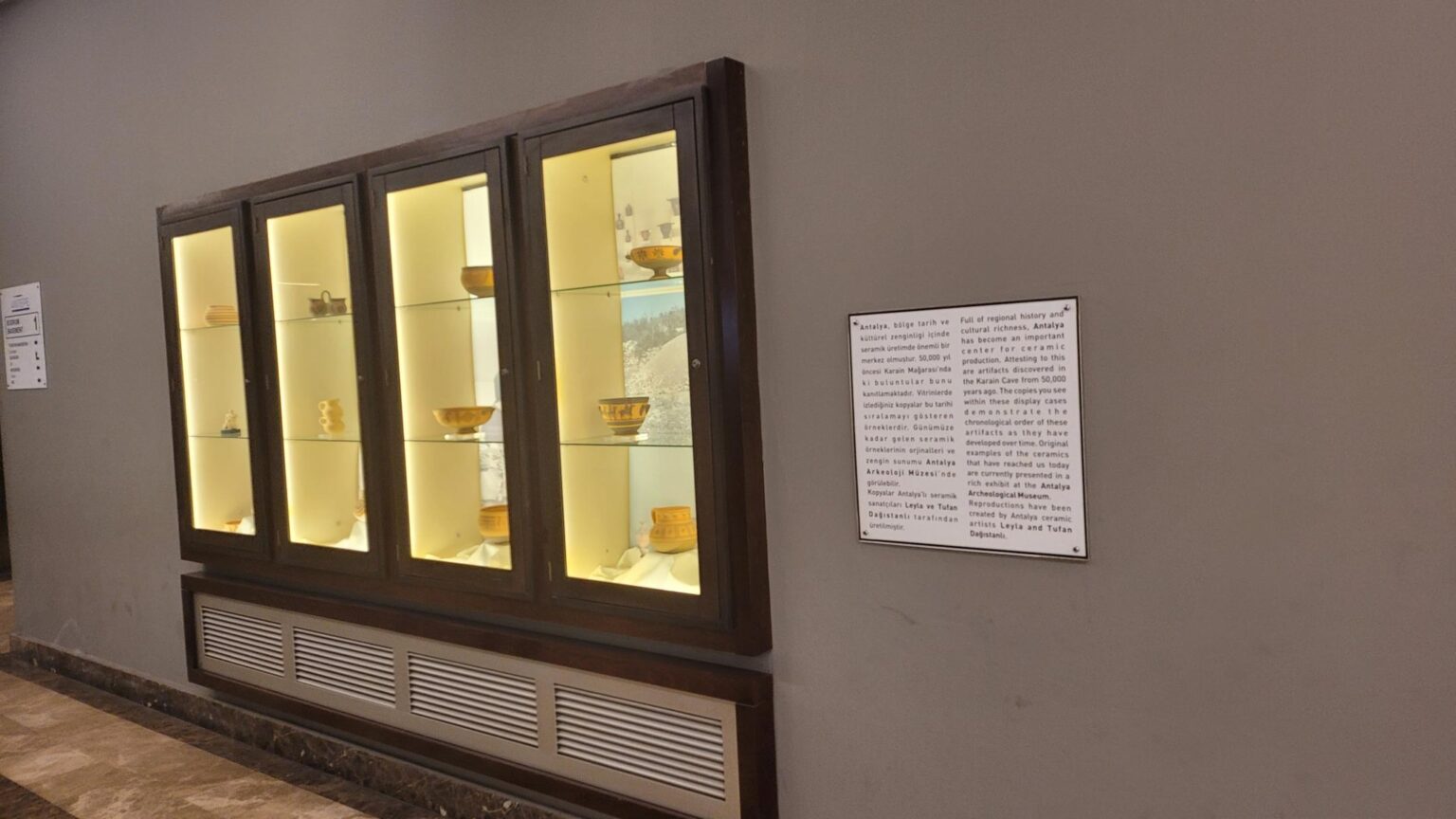
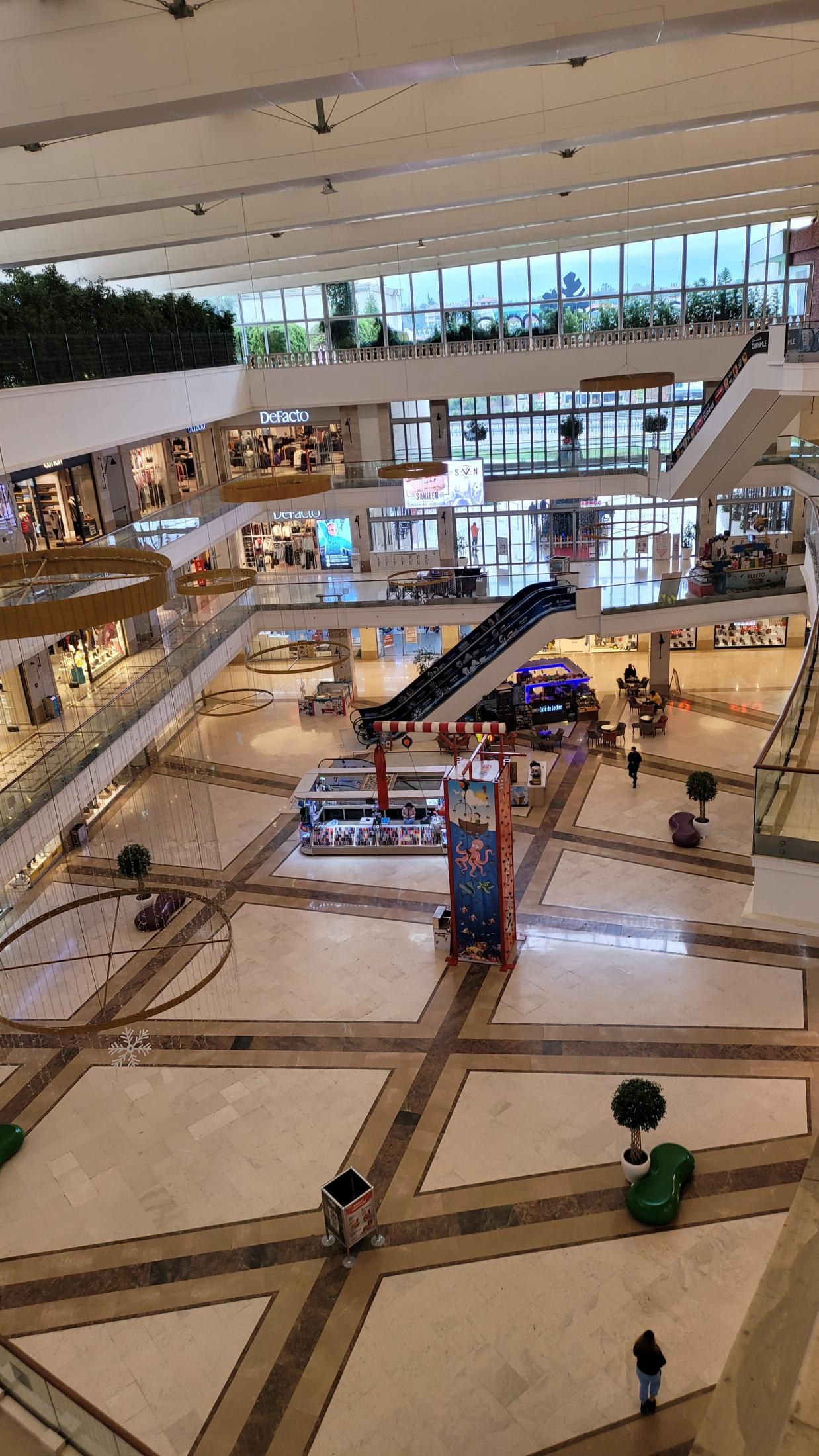
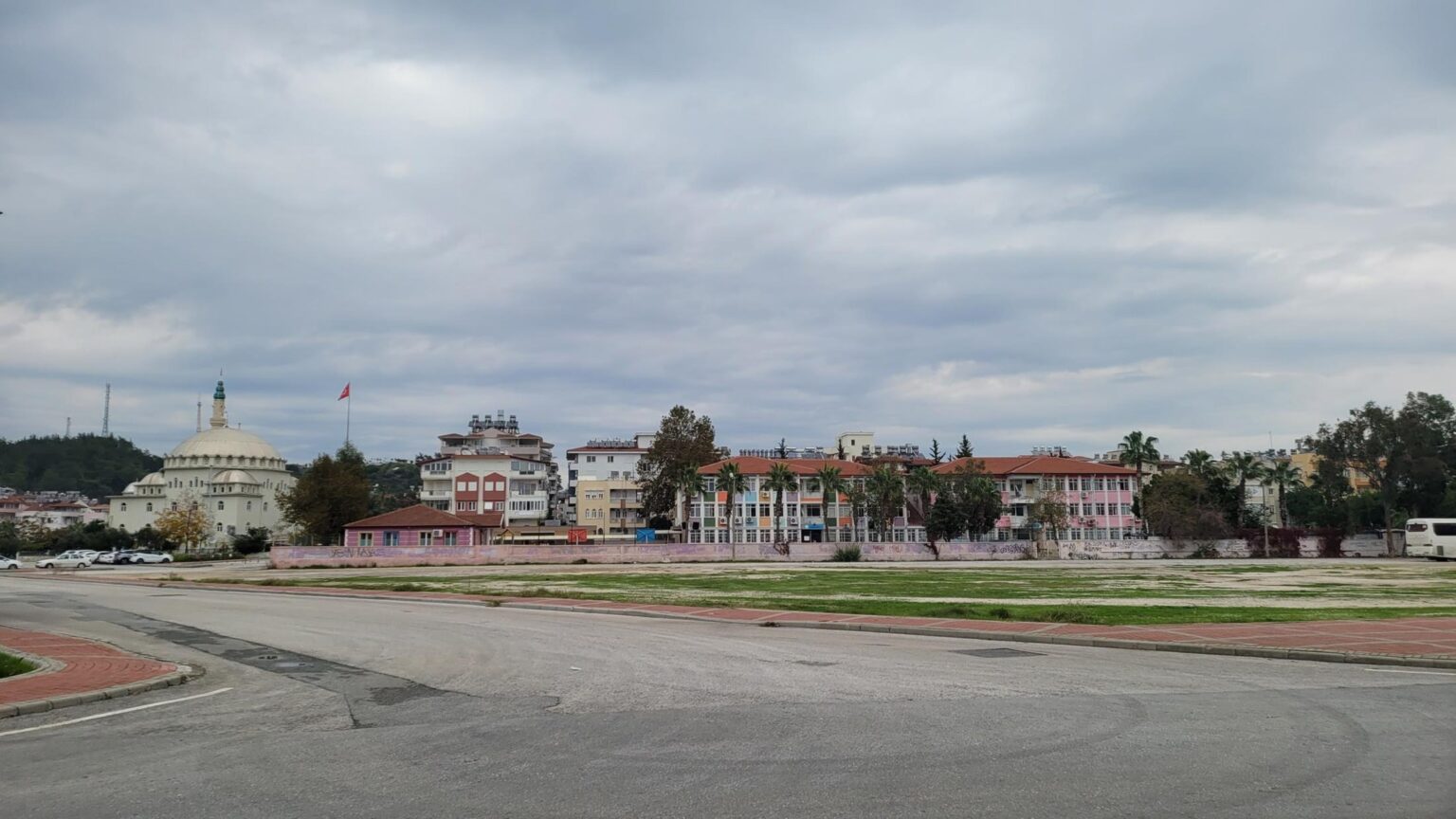
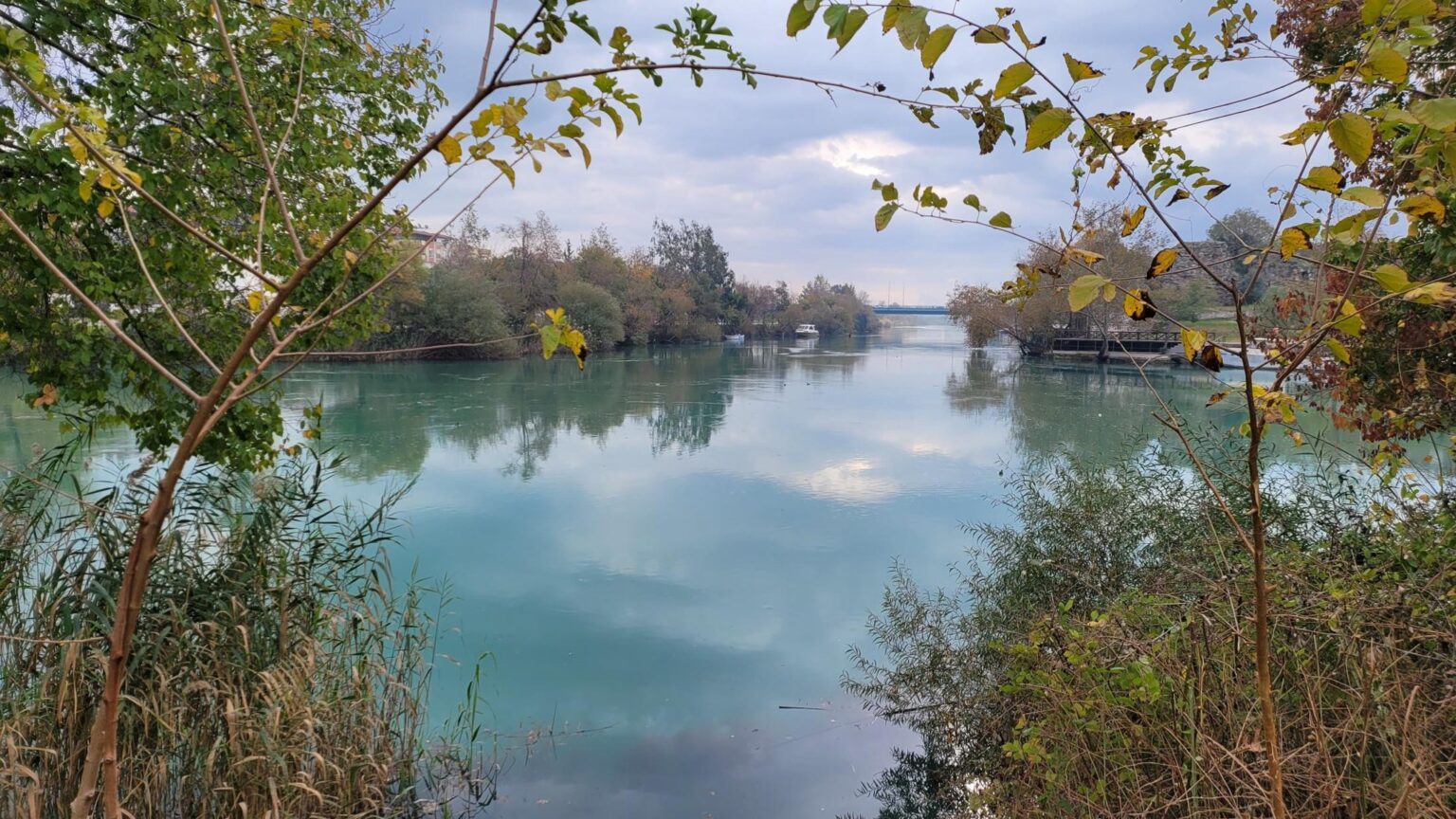
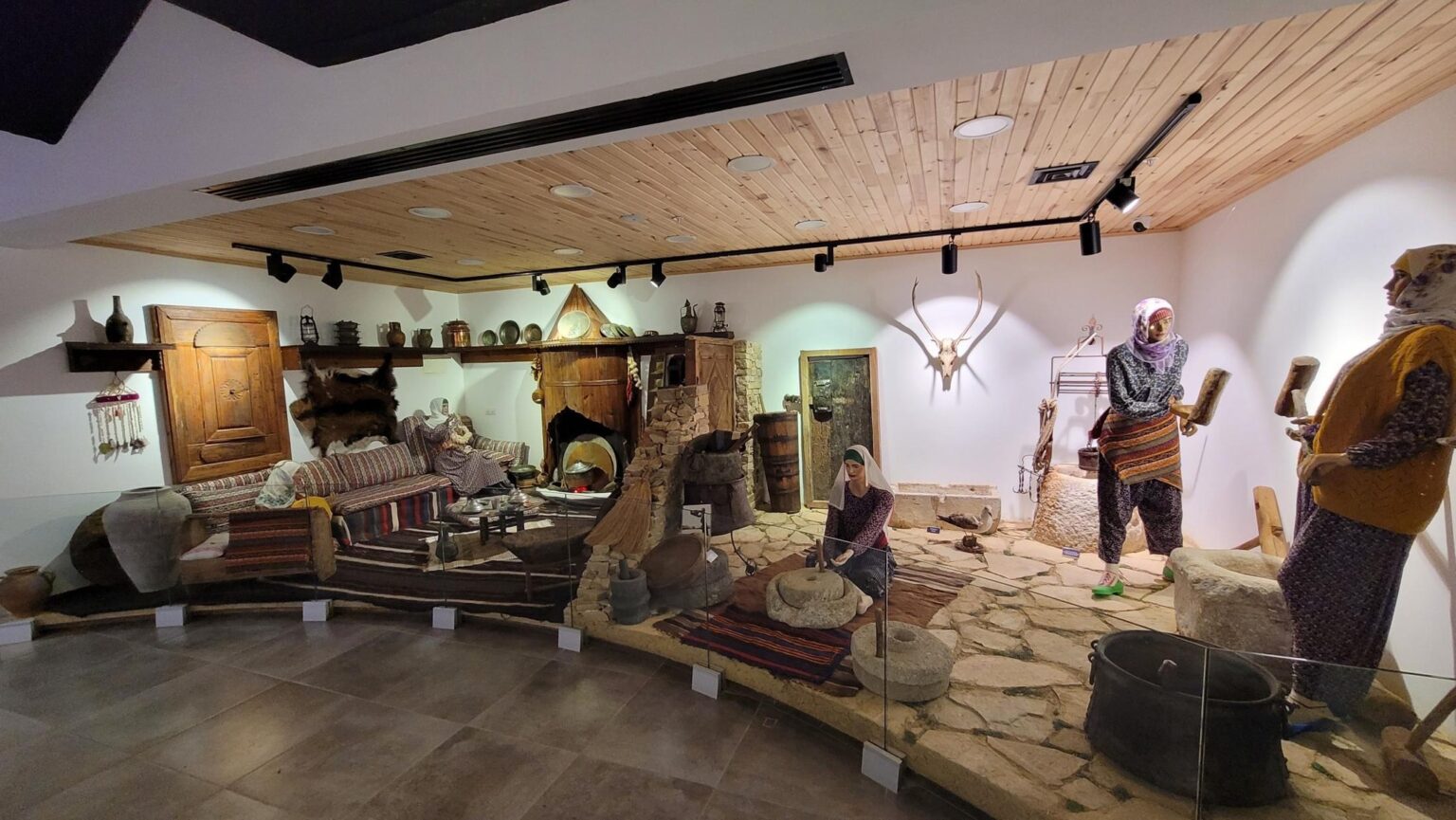
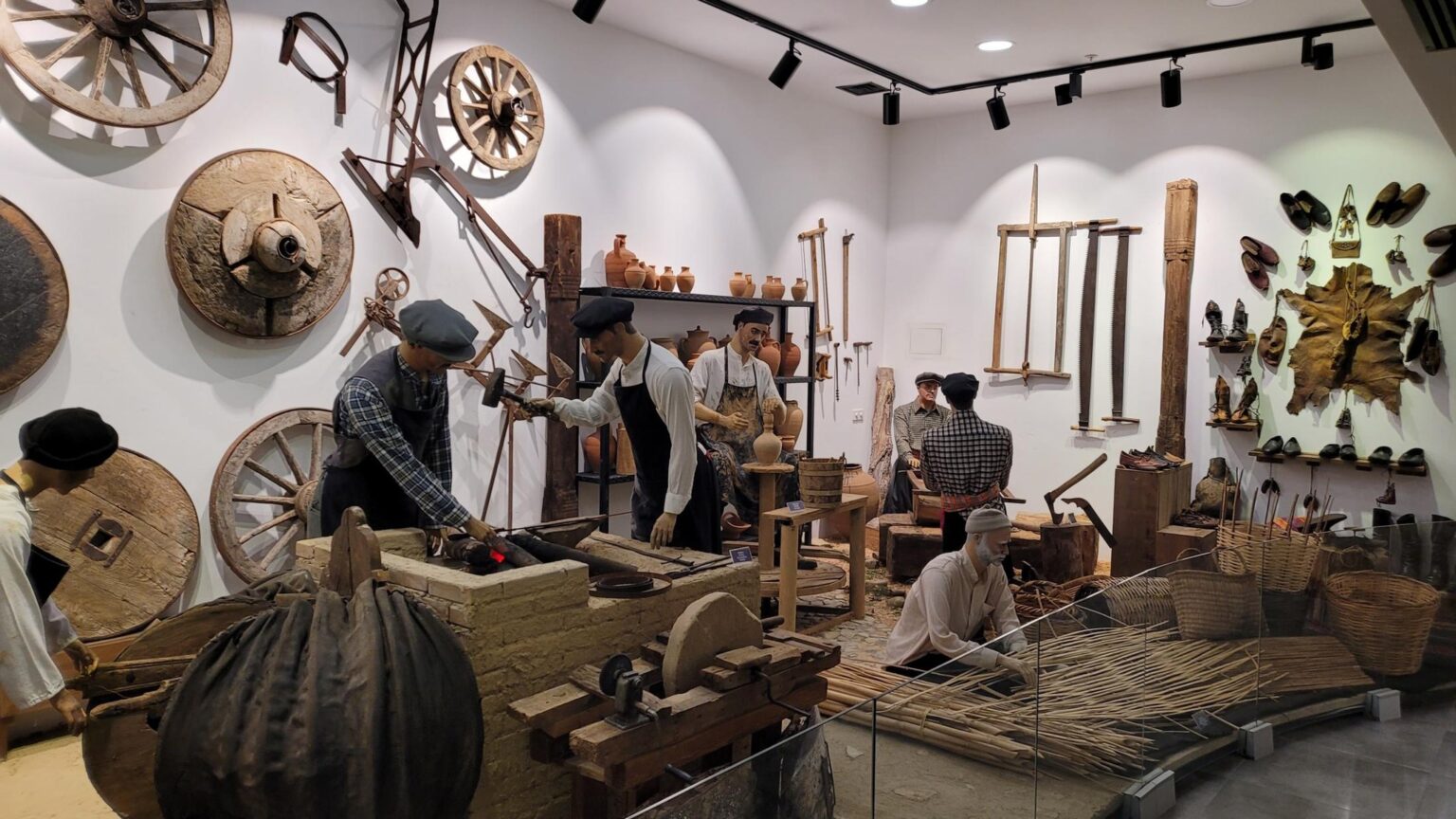
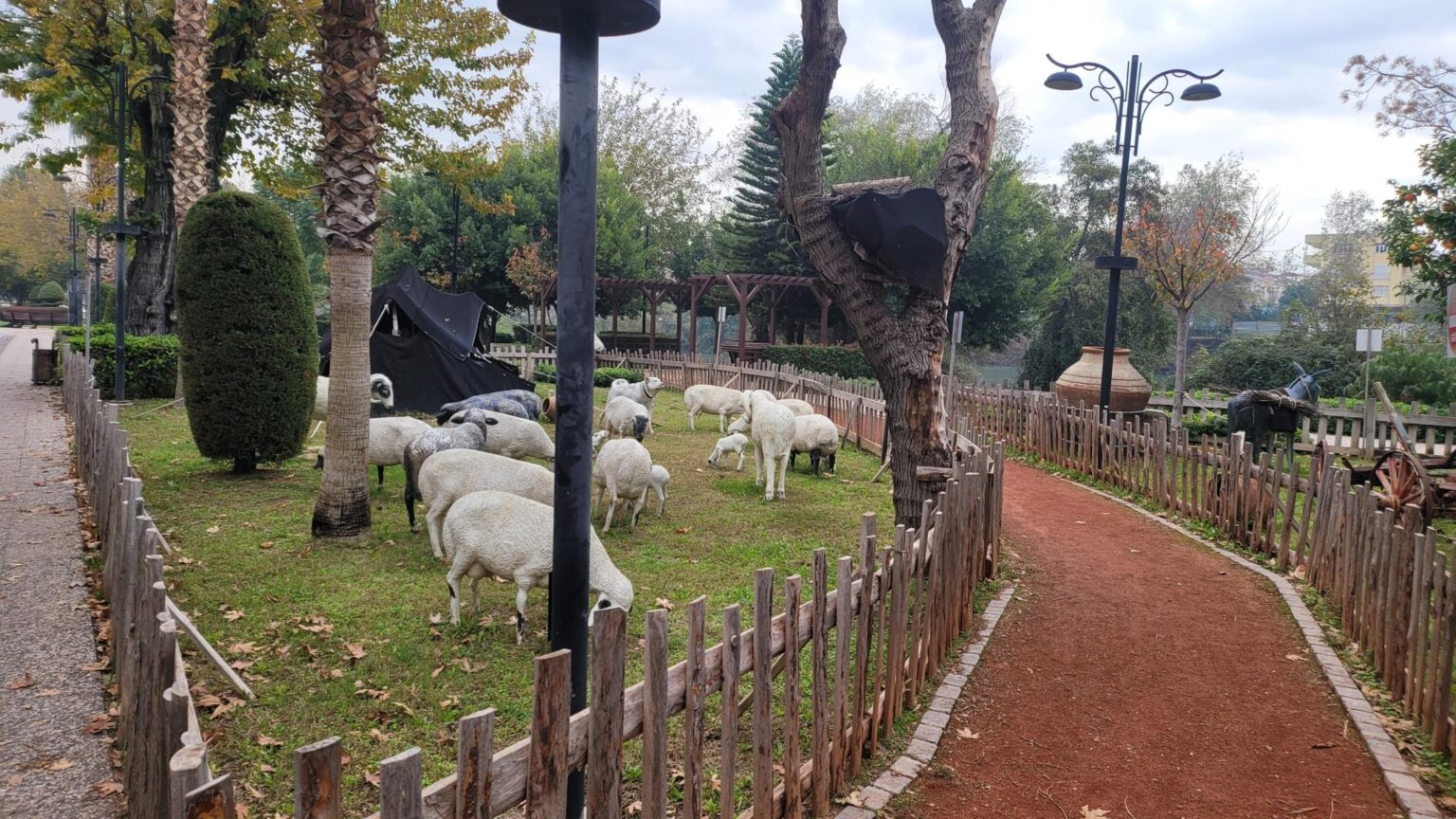
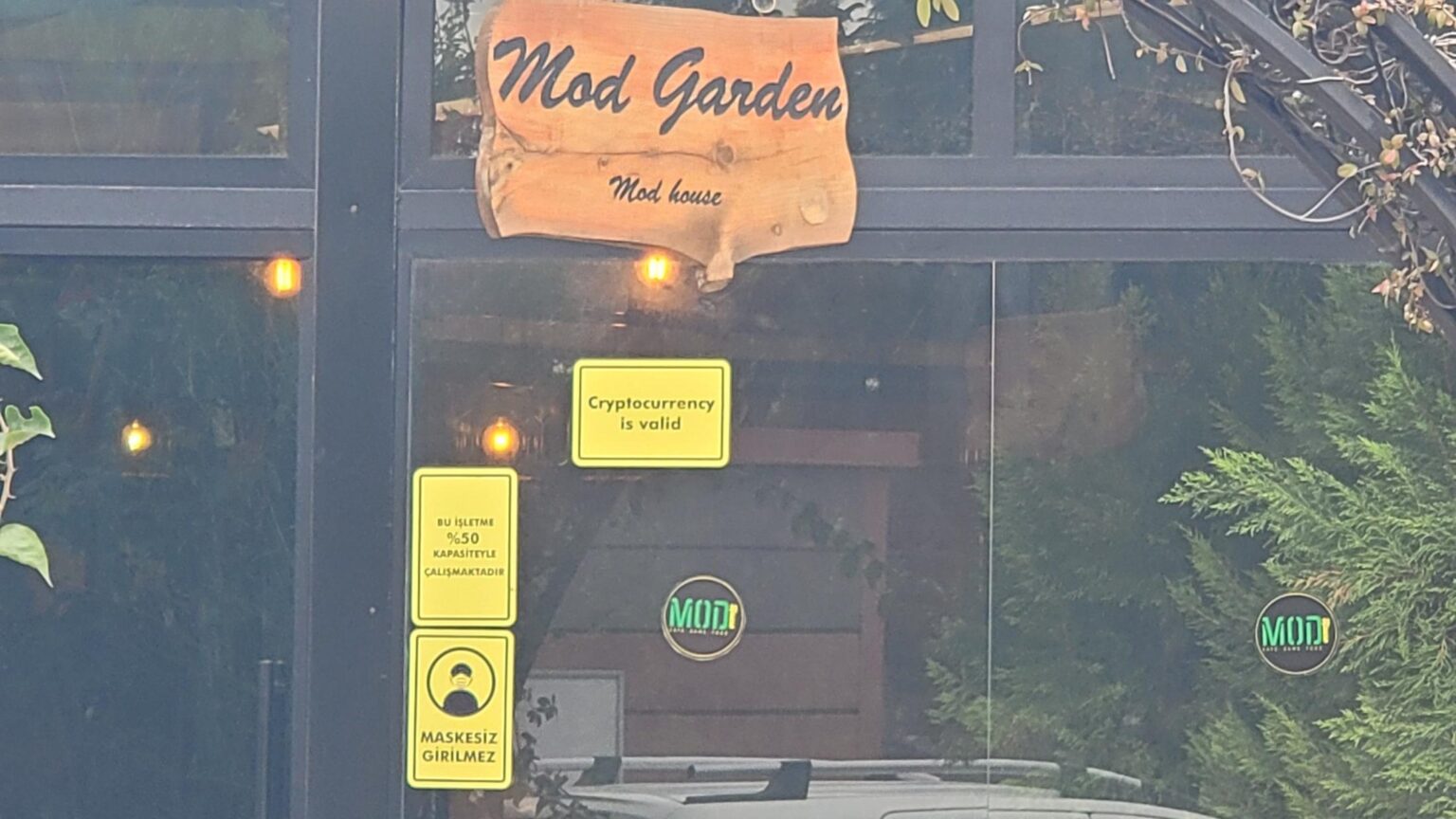
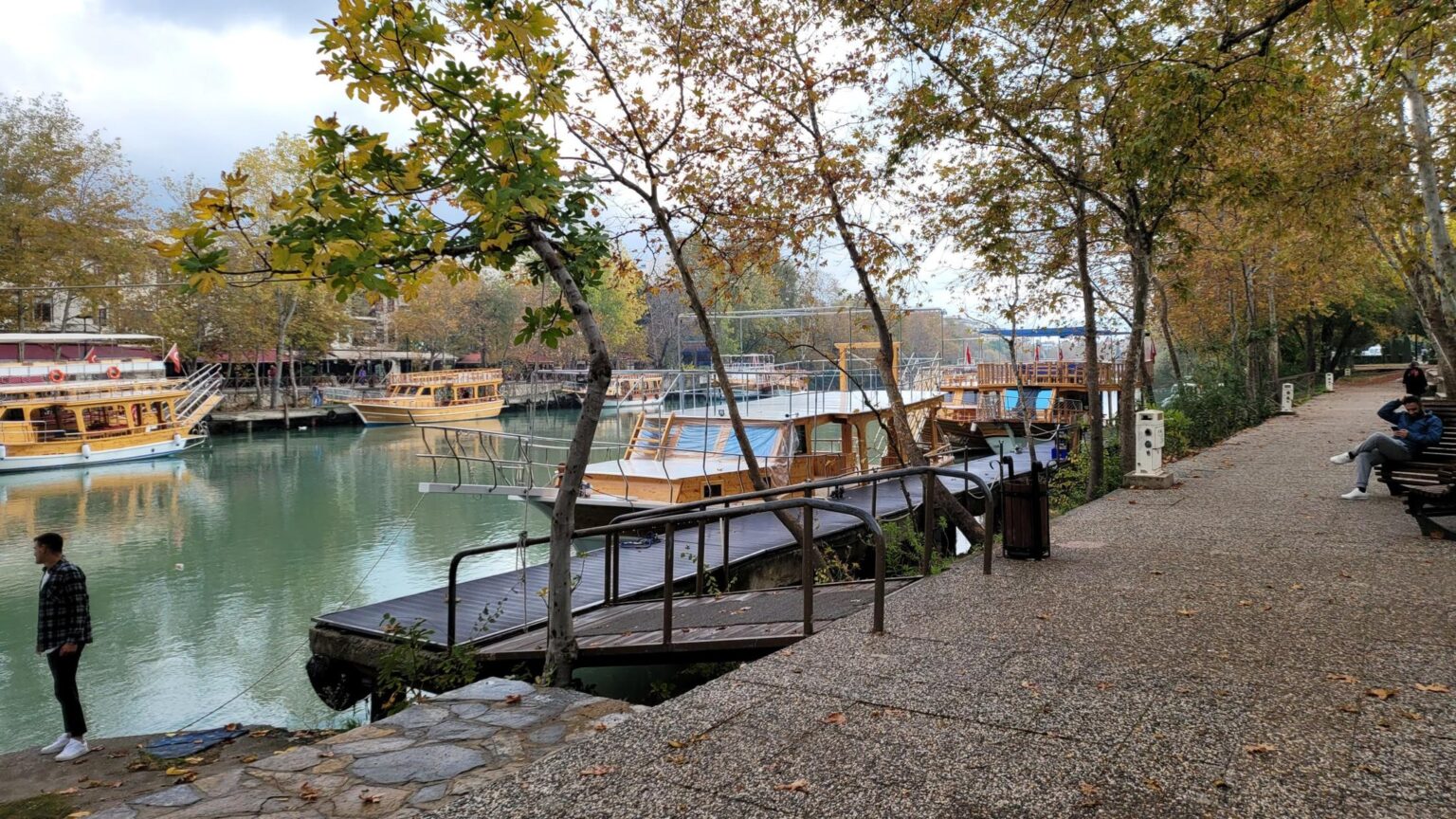
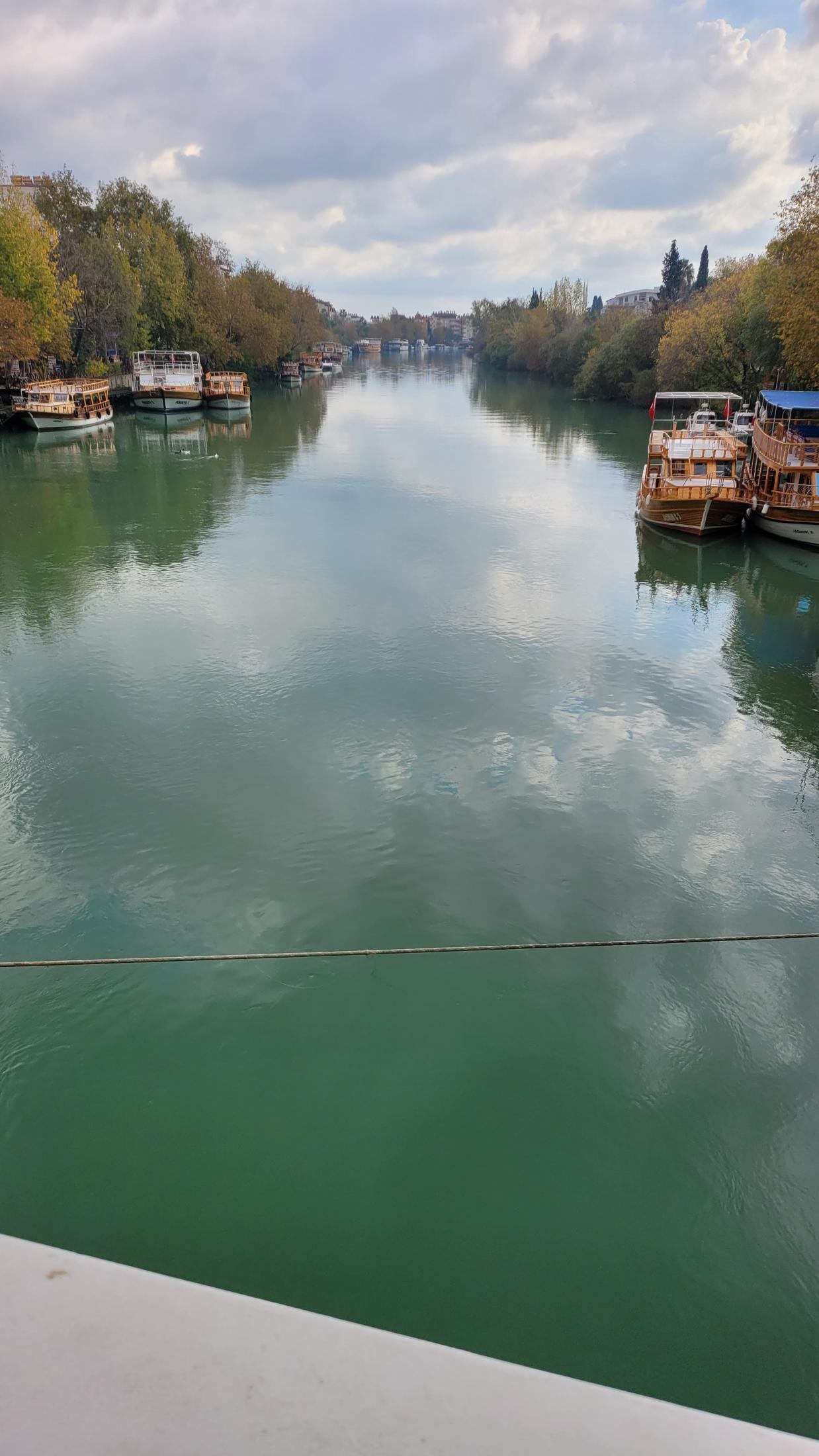
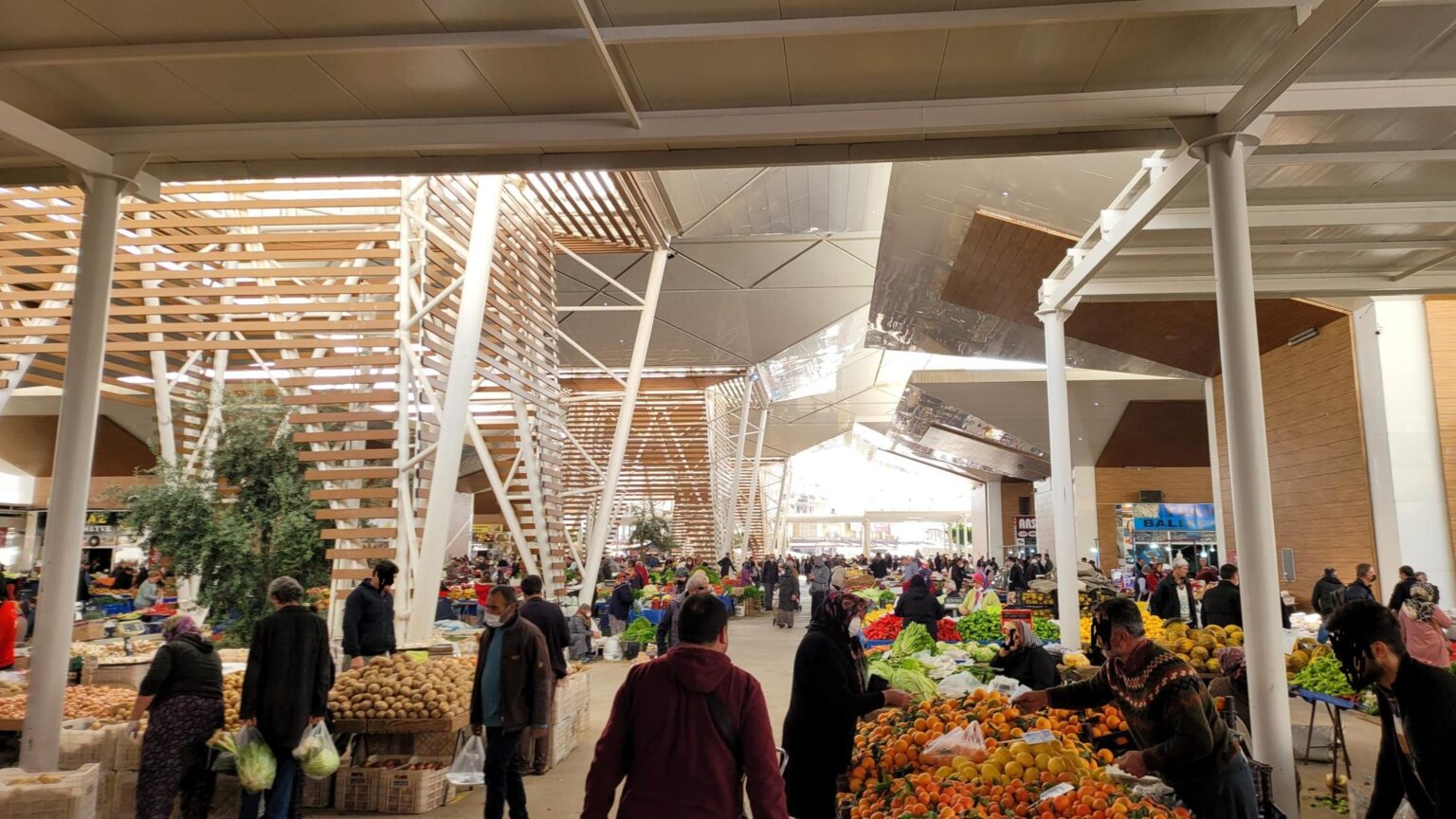
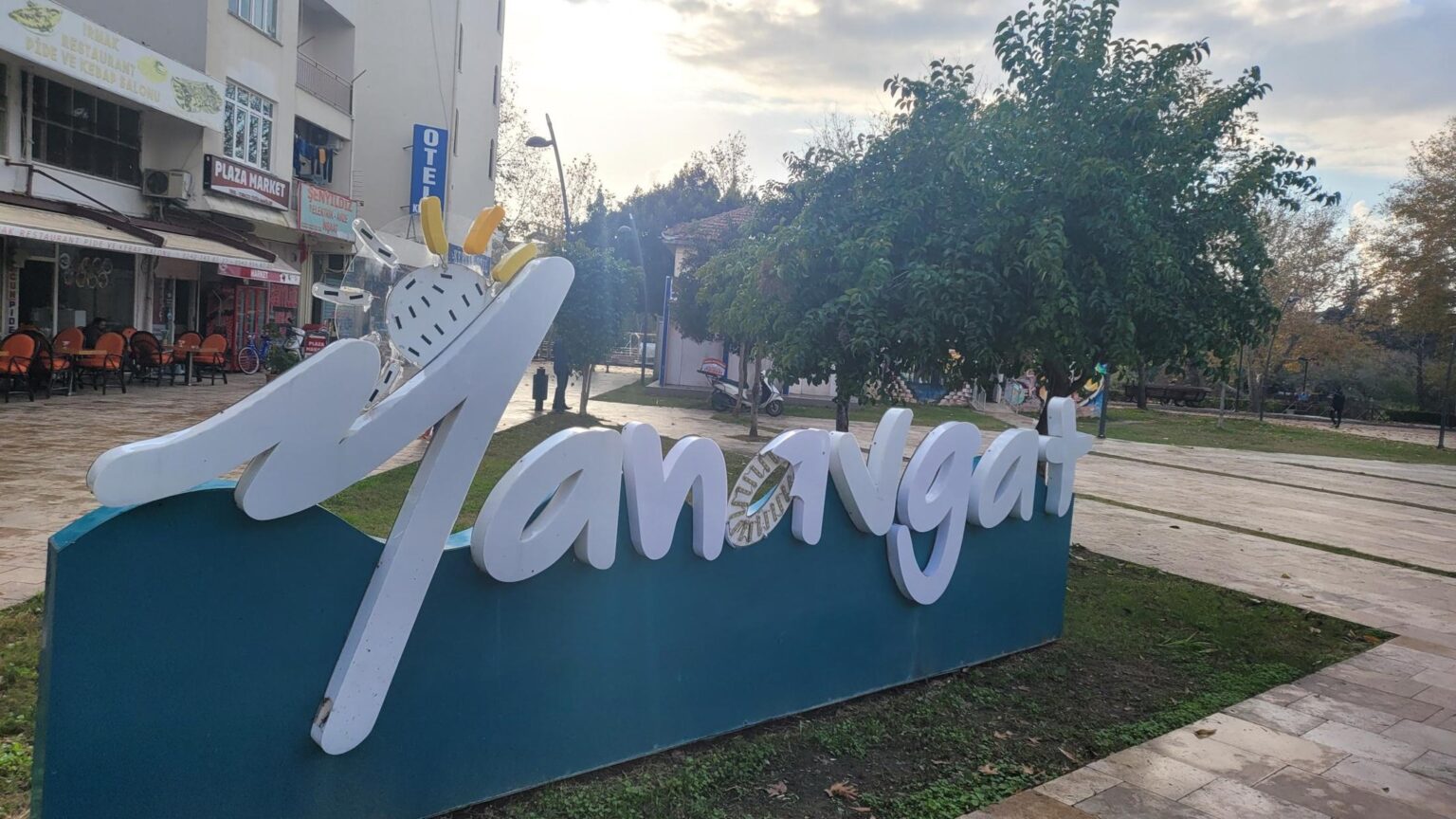
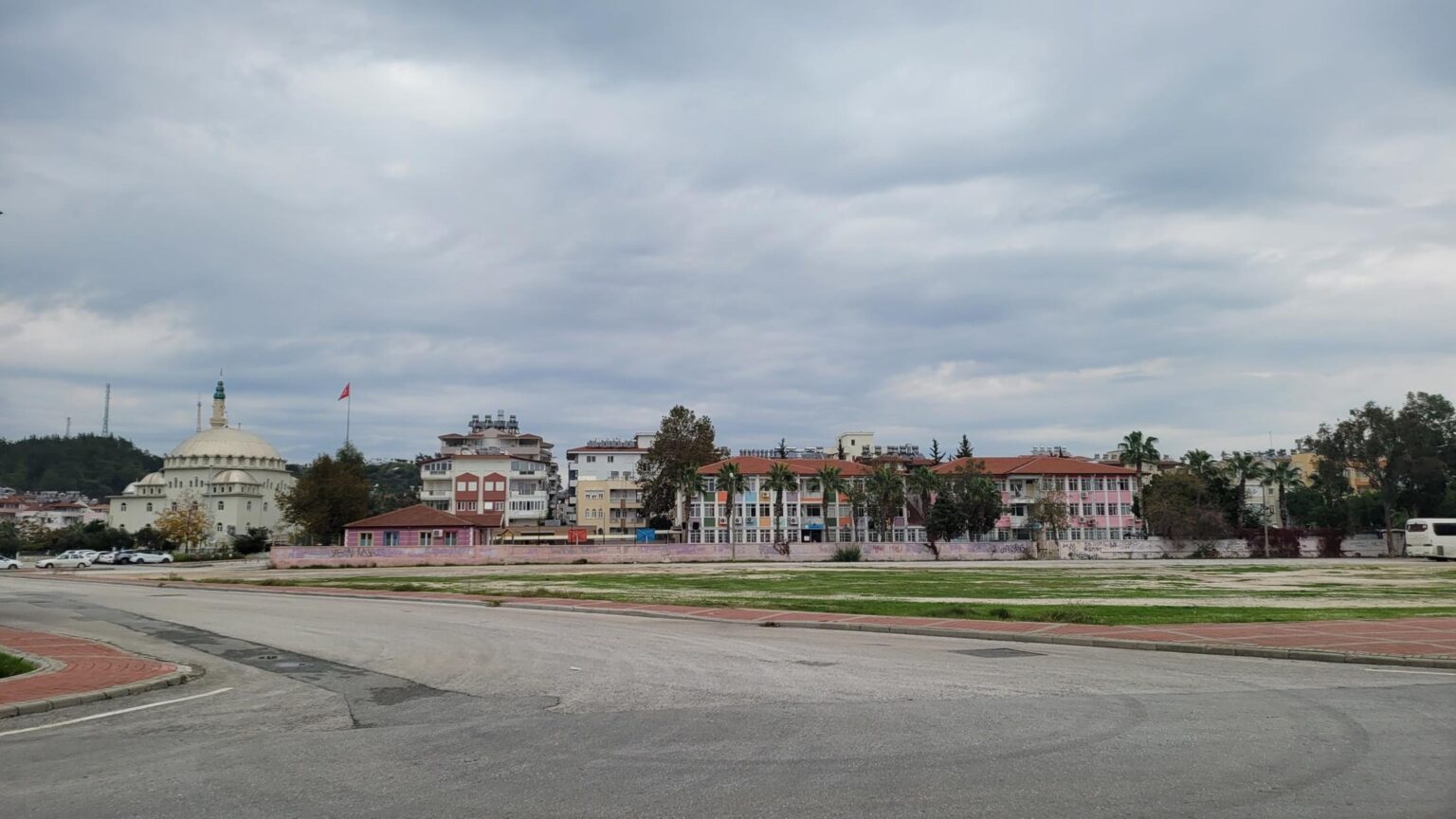
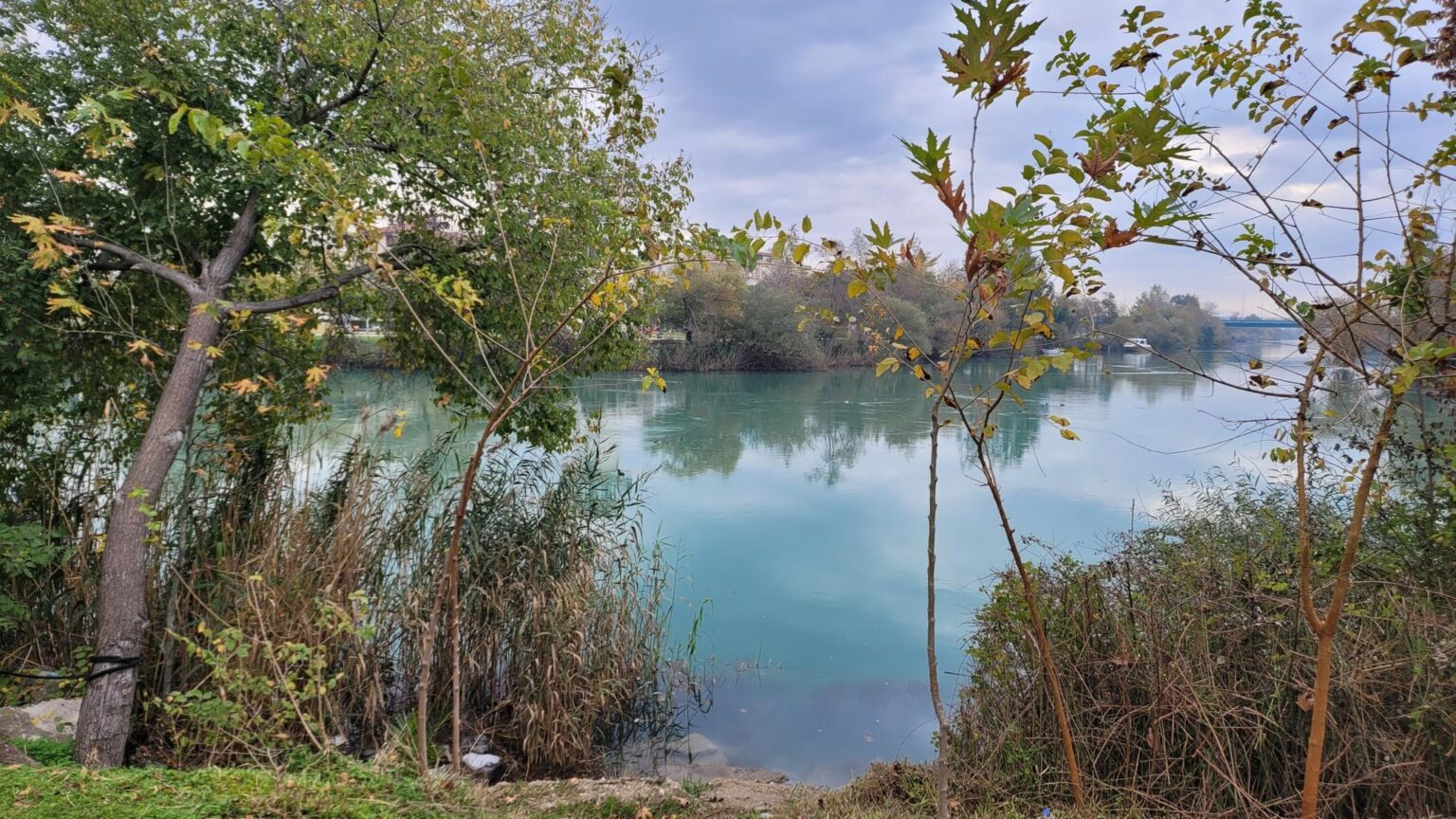
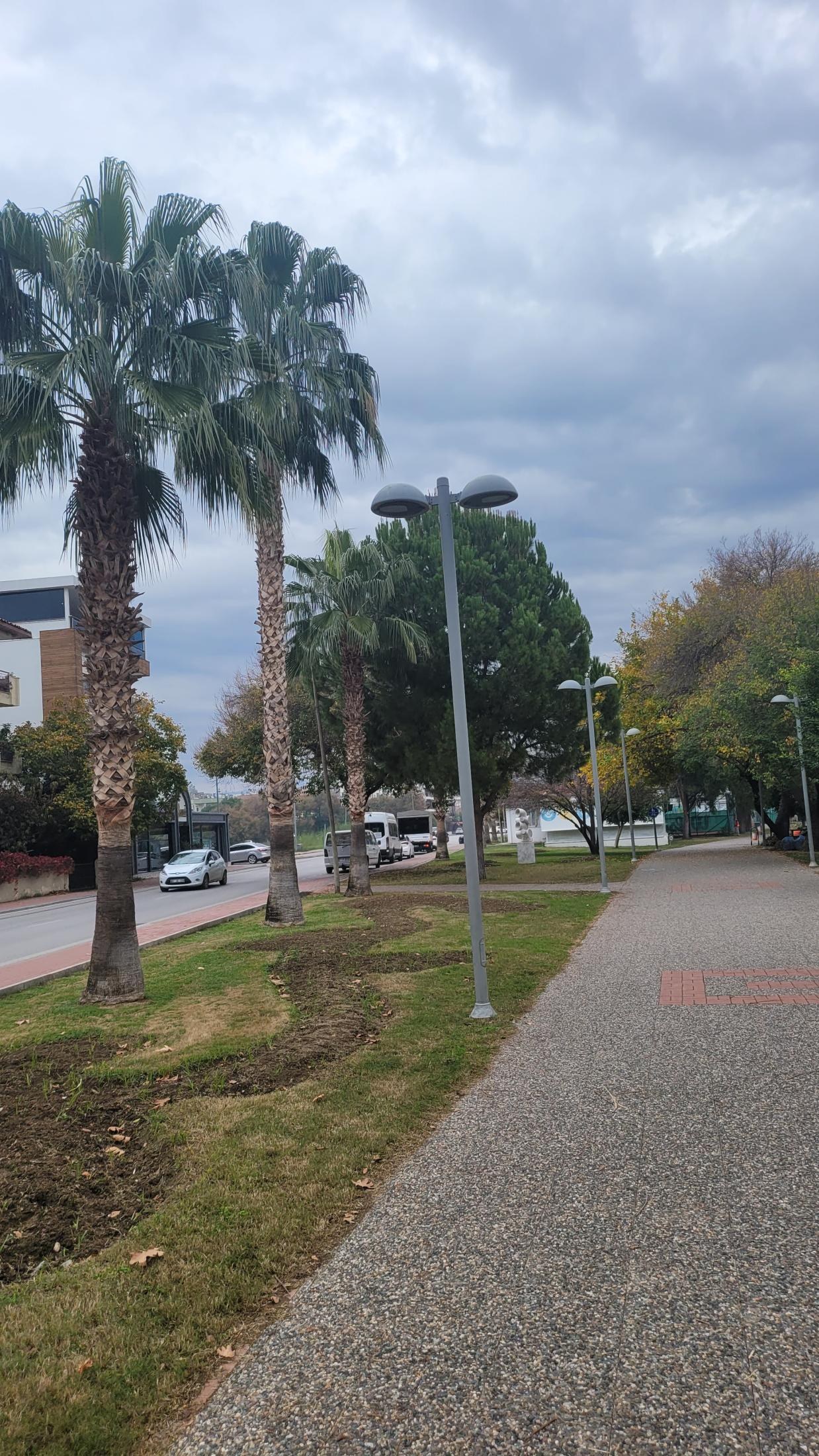
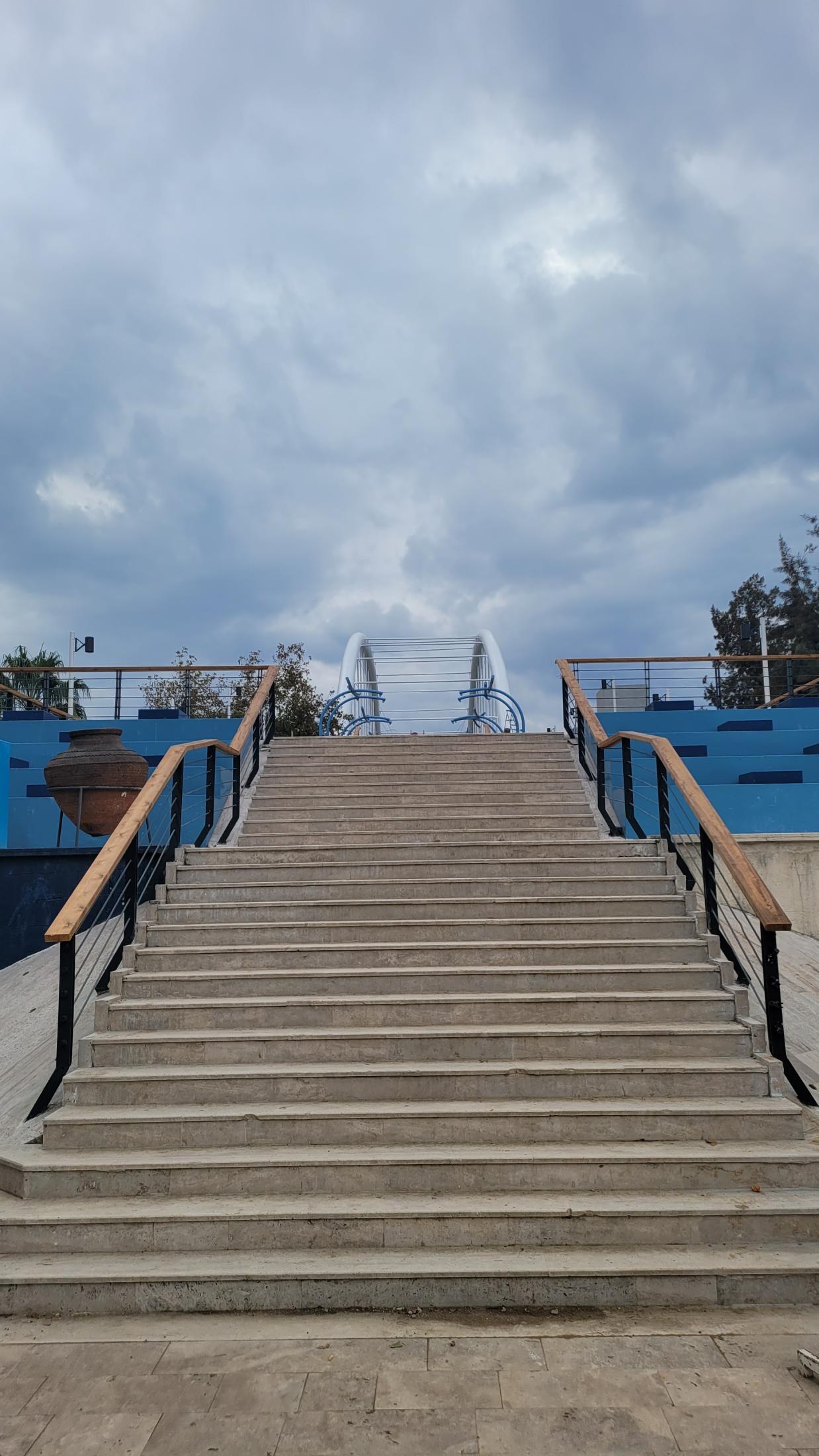
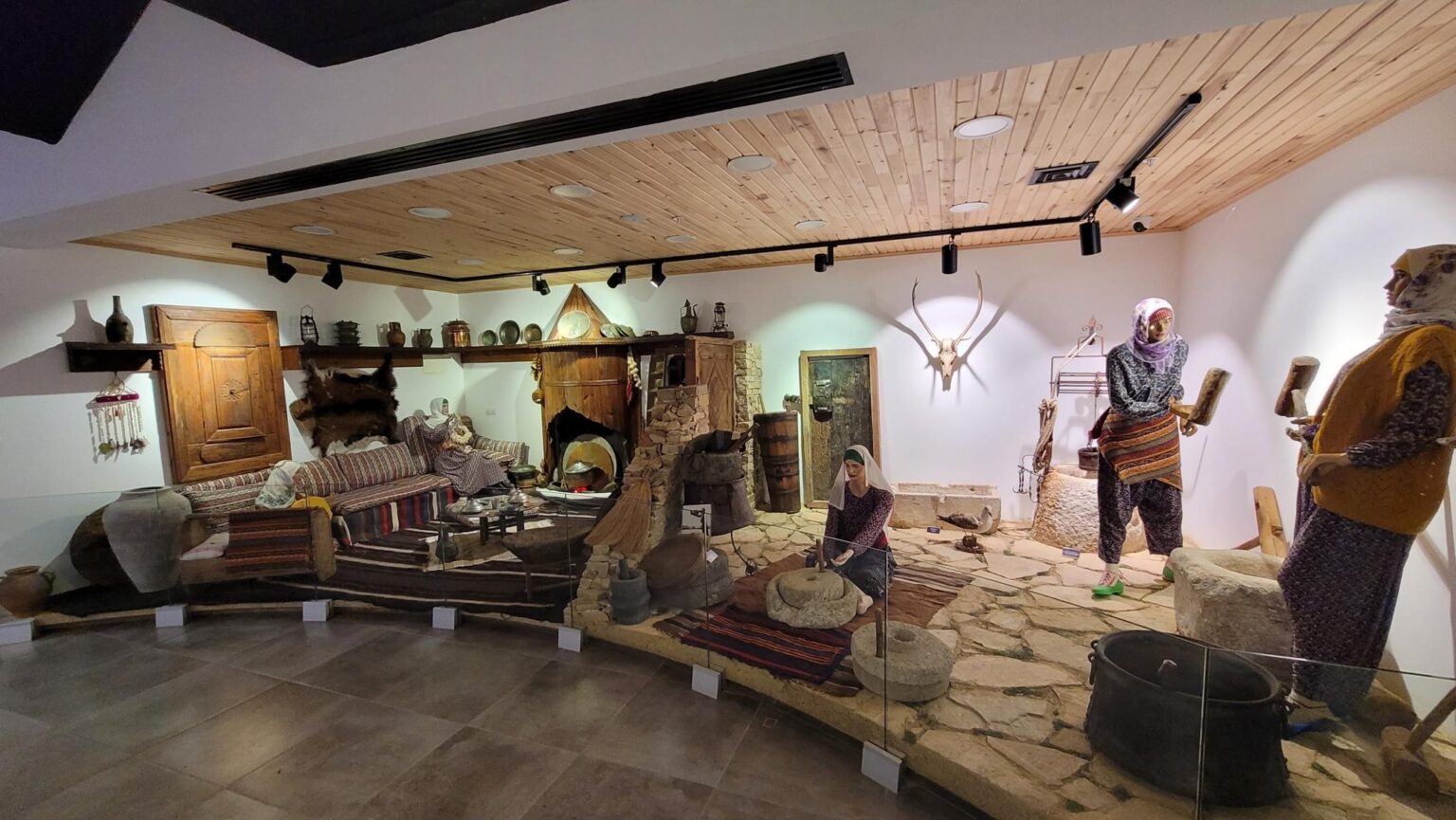
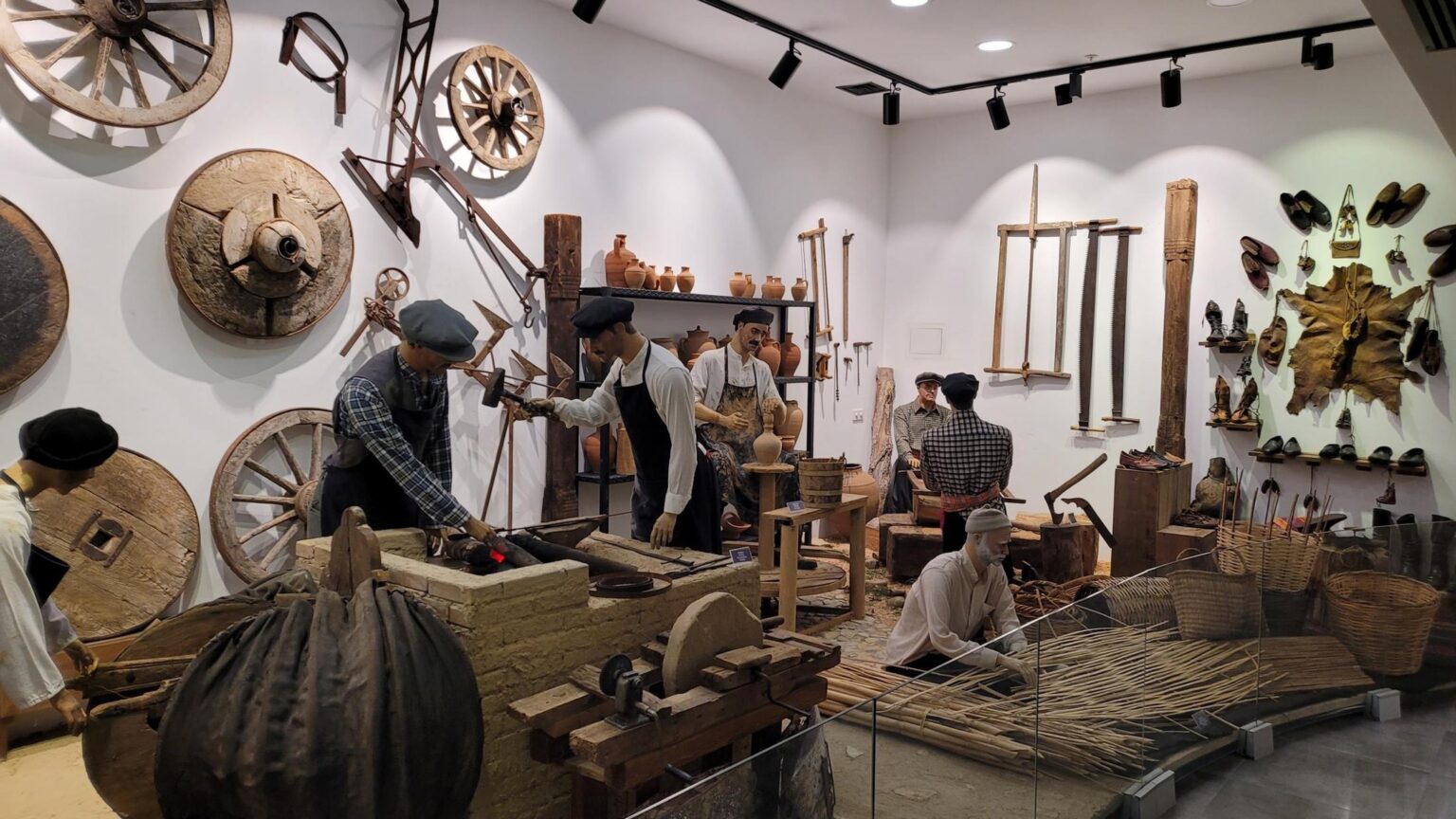
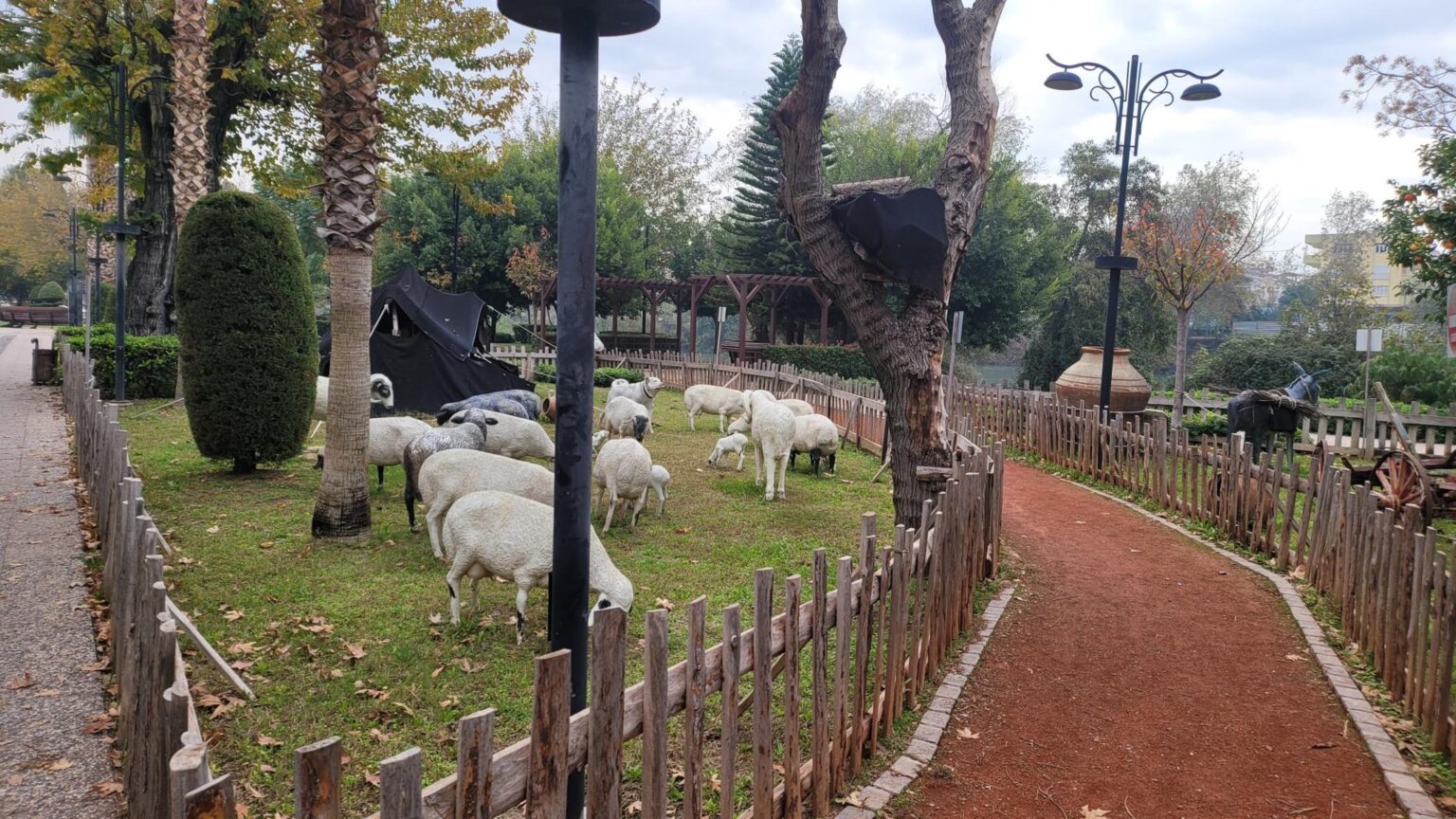
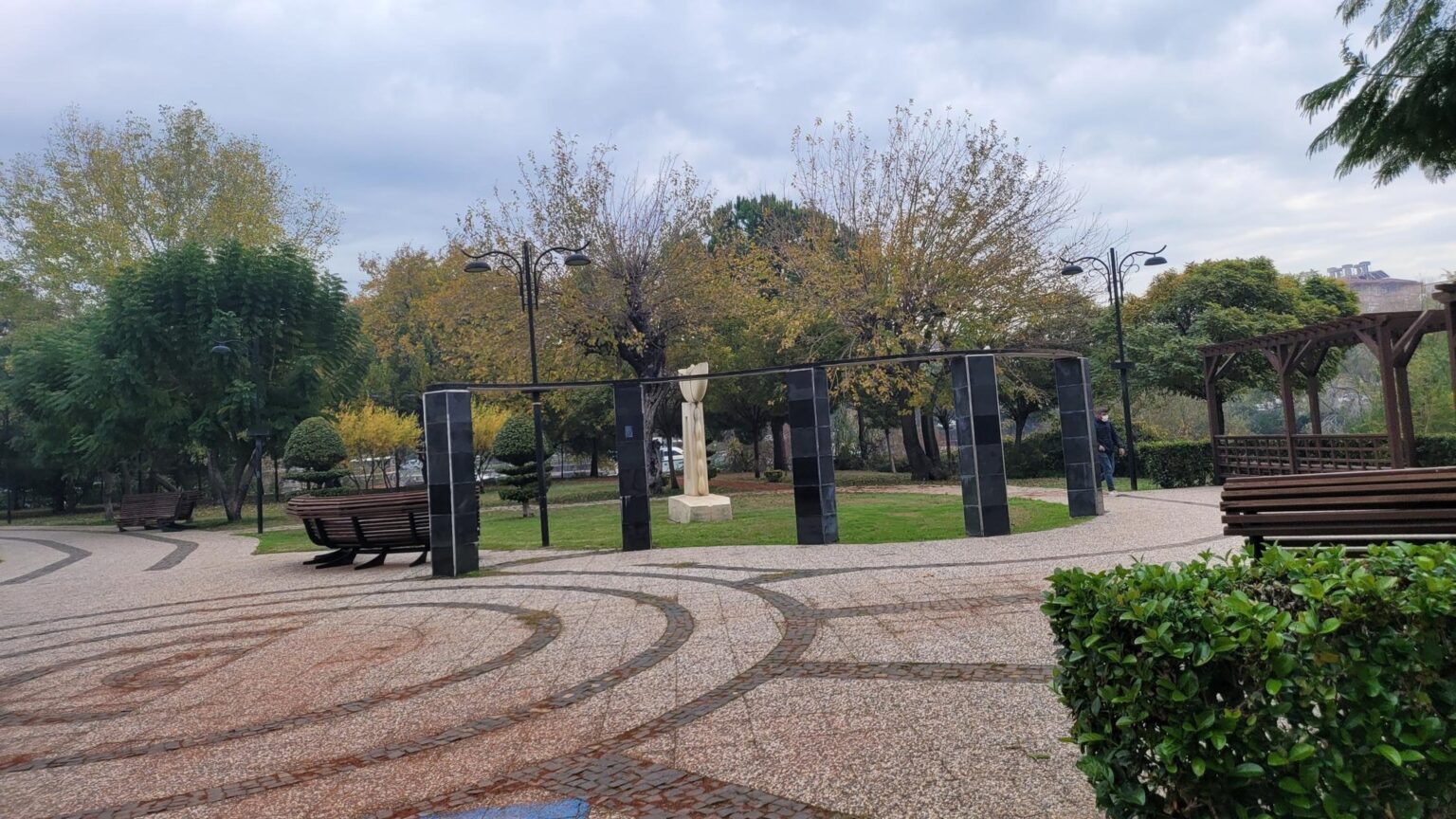
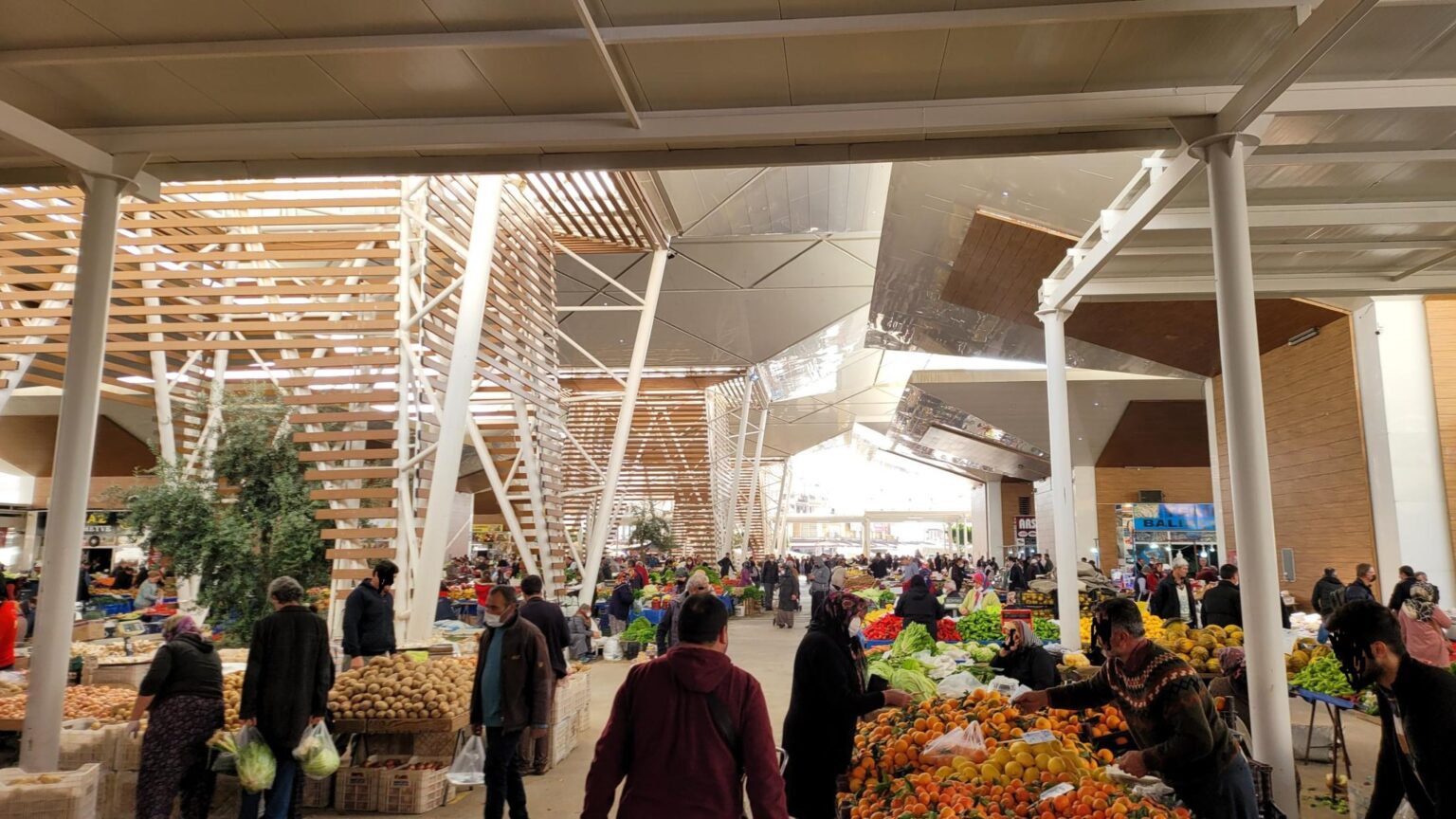
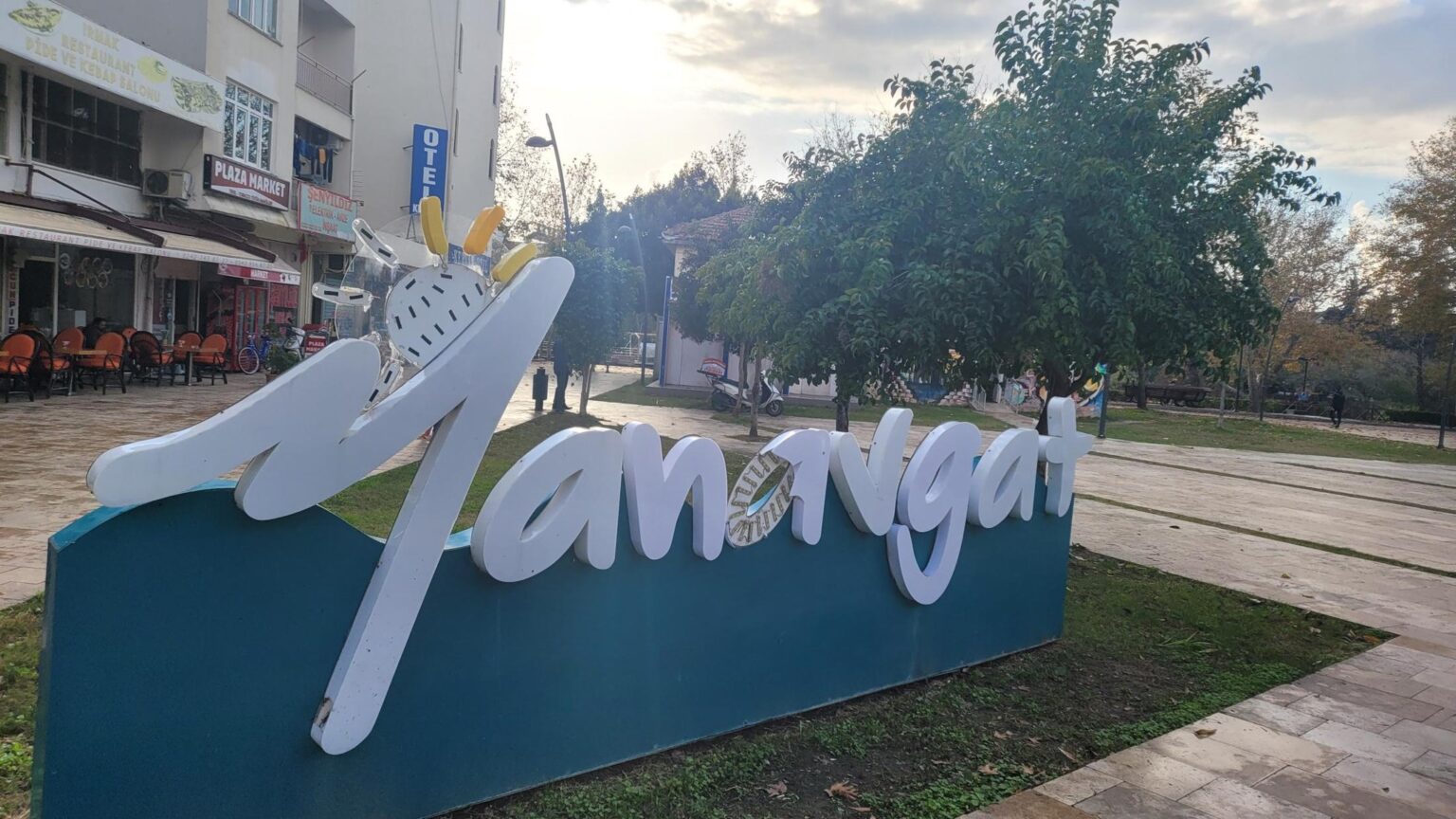
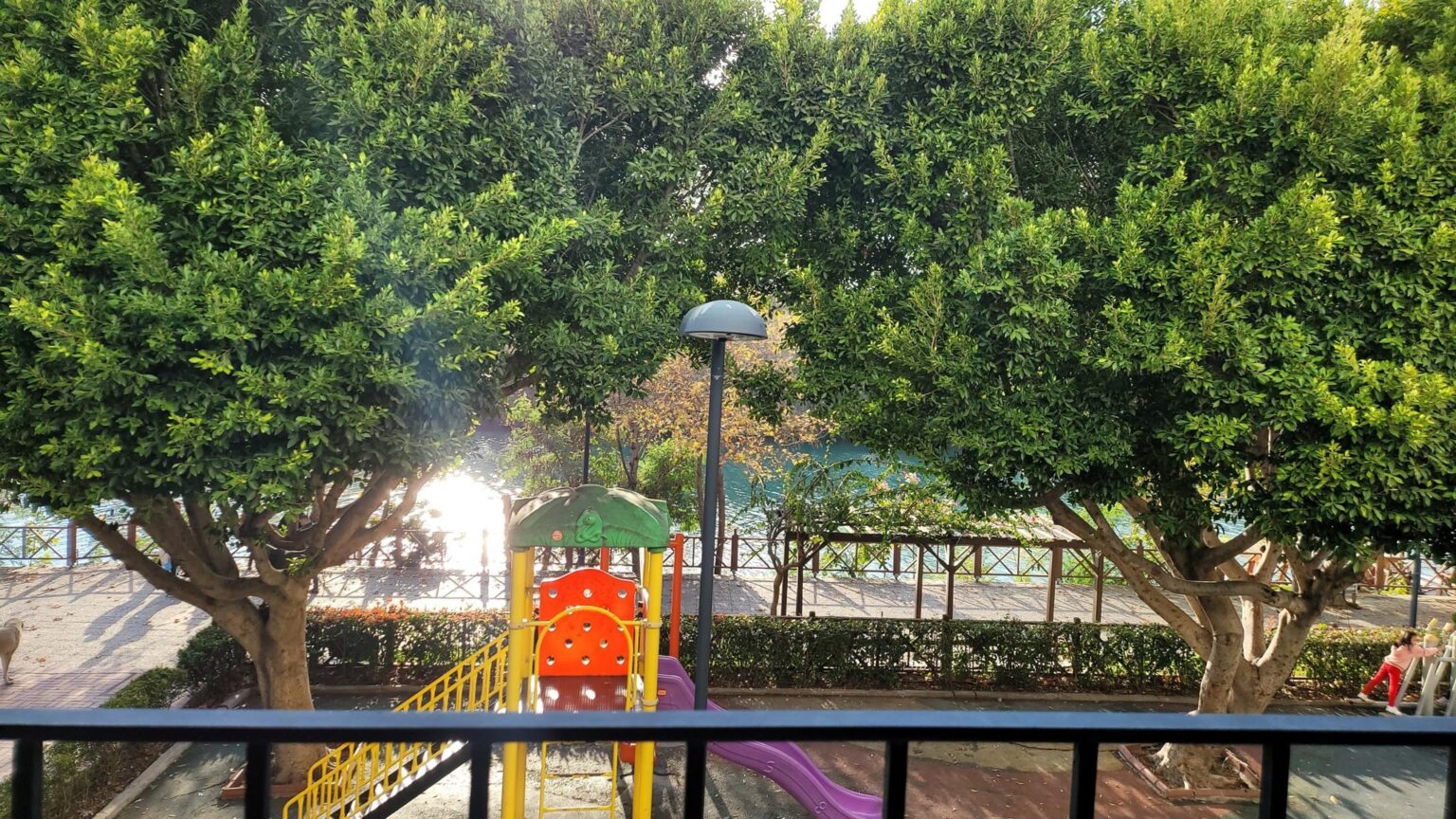
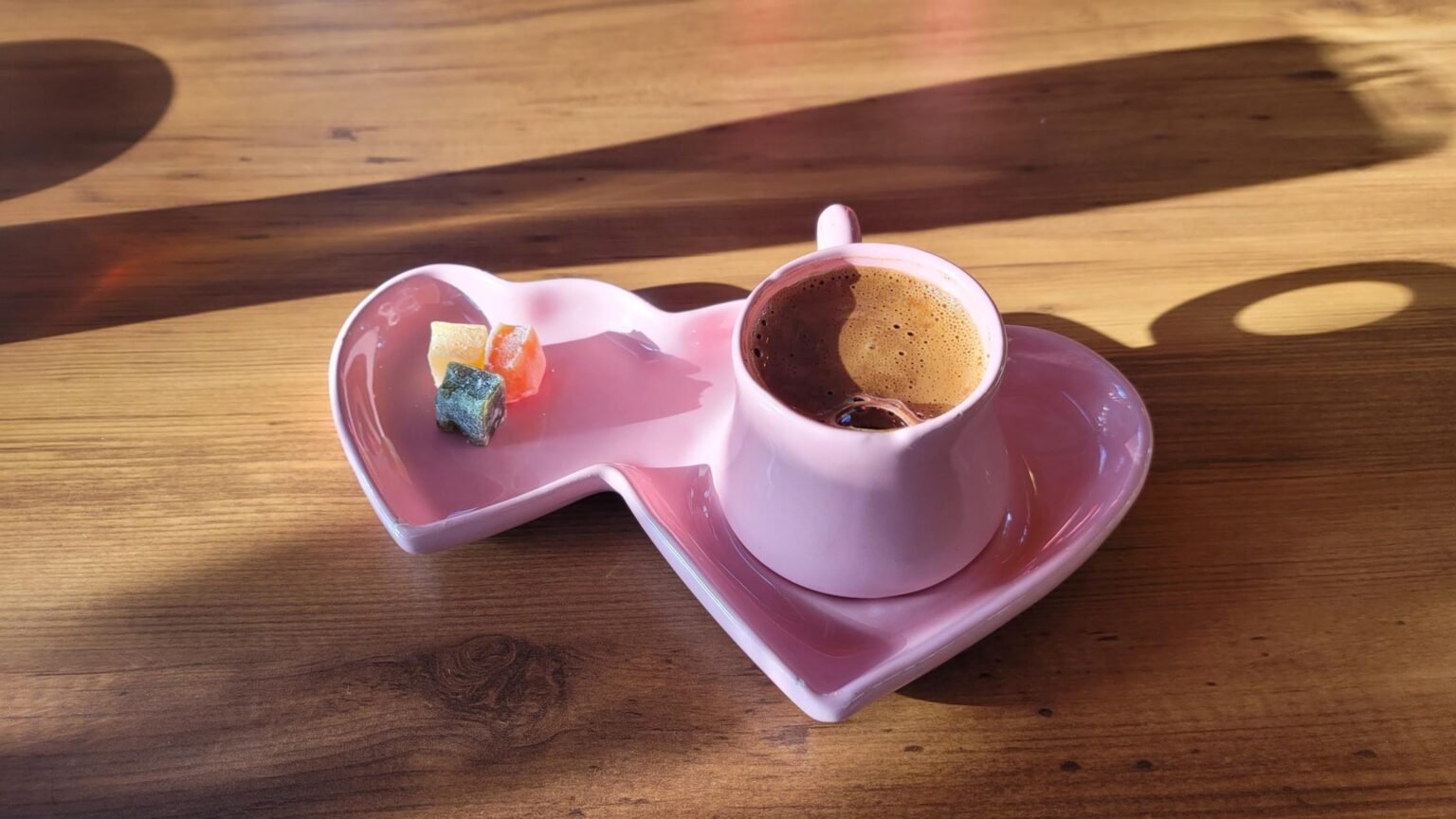
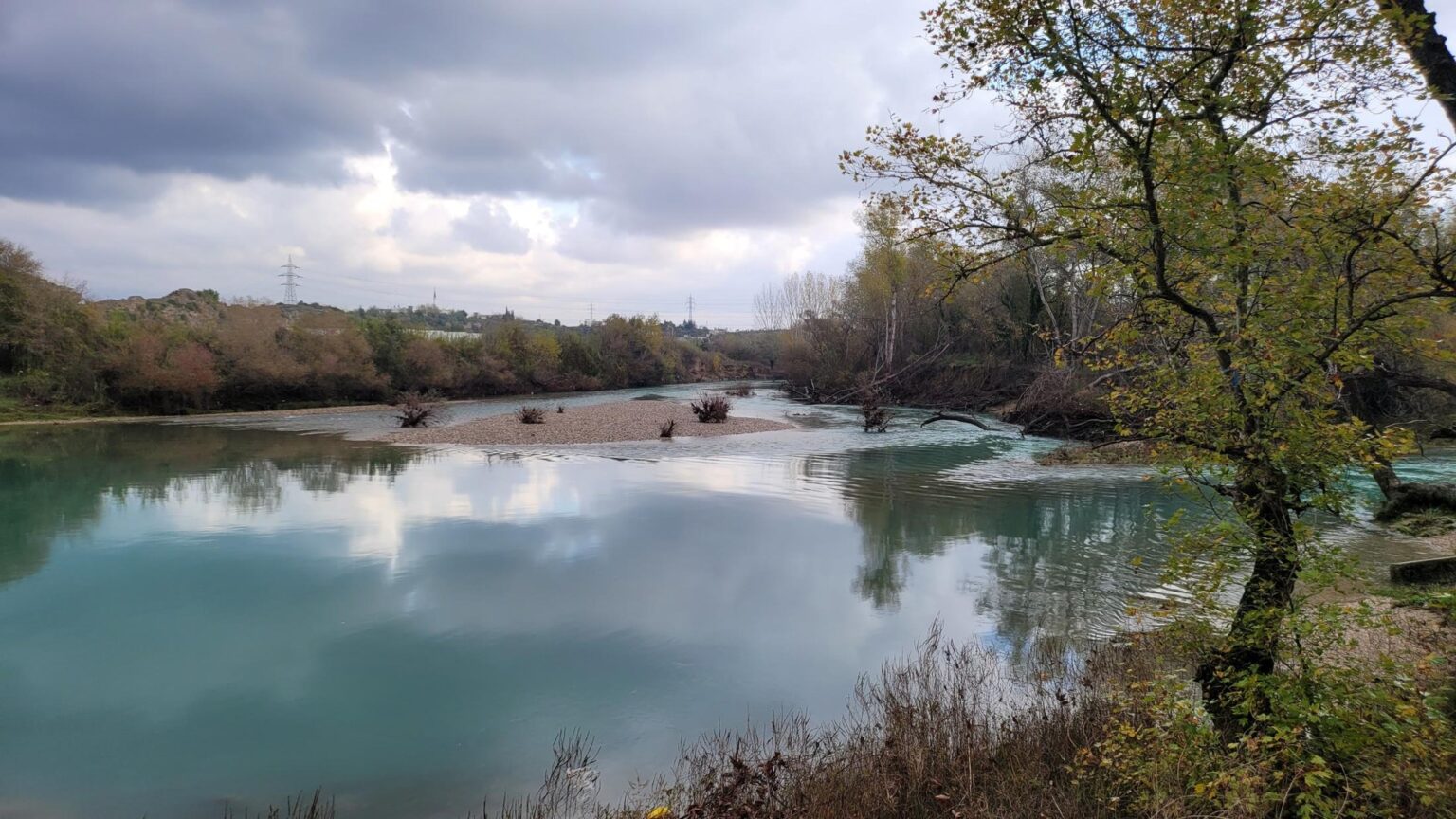
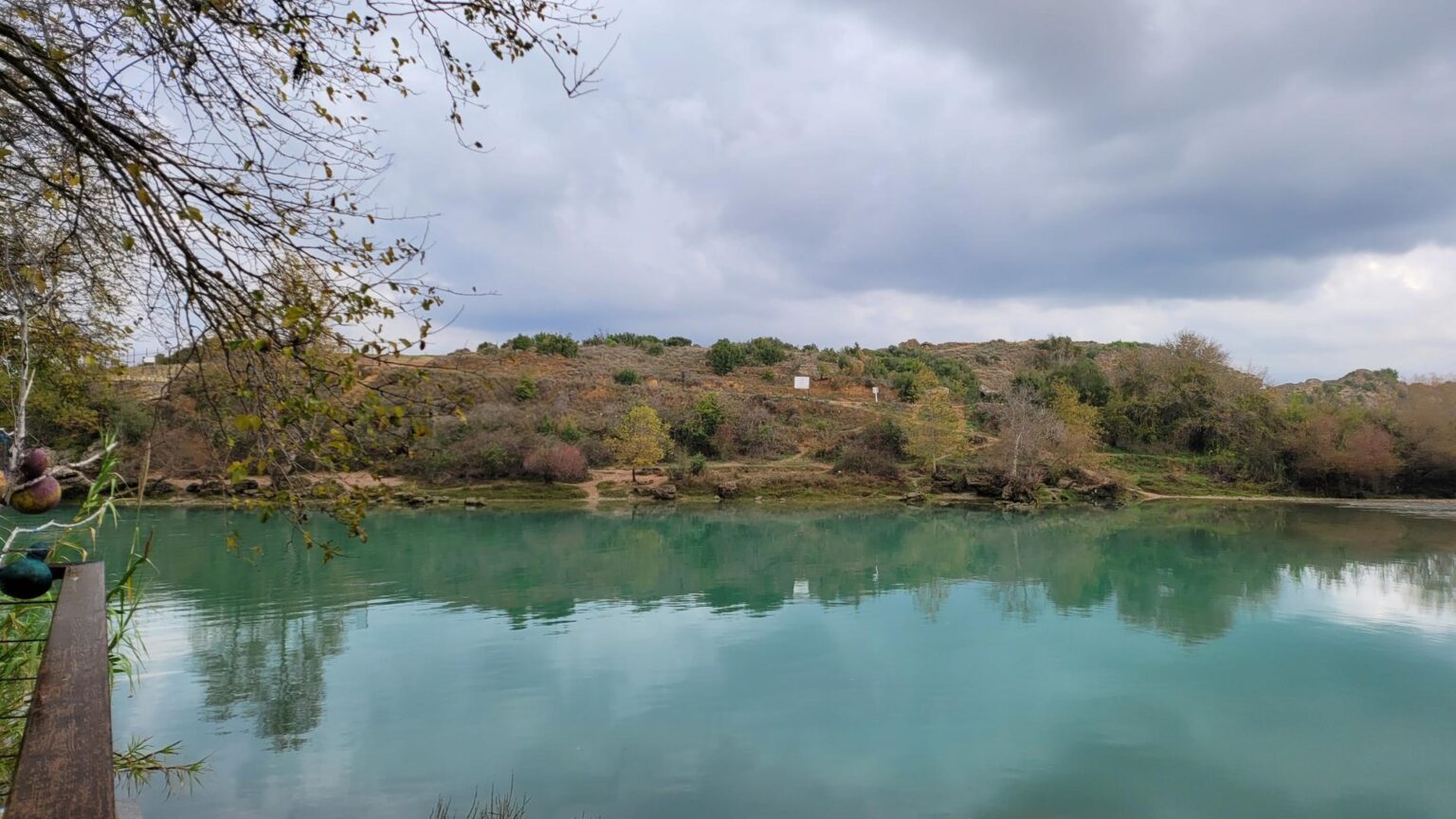
For the price of a coffee we’re at Nova Mall in Manavgat. Everything works, the prices are familiar to us, and there isn’t a living soul in it. You know the drill — Türkiye — enormous — enormous mall. Thirty minutes or so and we discover the city museum. The museum is something genuinely local. Everything is in Turkish, with no information in English at all. It’s clearly tied to the history of the town. In one hall a projector runs a presentation, again in Turkish, but you follow it — farmers, livestock keepers, evidently the history of the town itself. Entry was a token amount. Towards the centre: little gardens, clean, orderly, tidy. A café that accepts payment in cryptocurrency, look how modern. The centre is heaving, people everywhere. A gigantic market. Their unpretentious mini-market in a small town is the size of a serious wholesale market back home. A river splits the town and there’s something faintly Venetian about the setting. Plenty of boats offering trips.
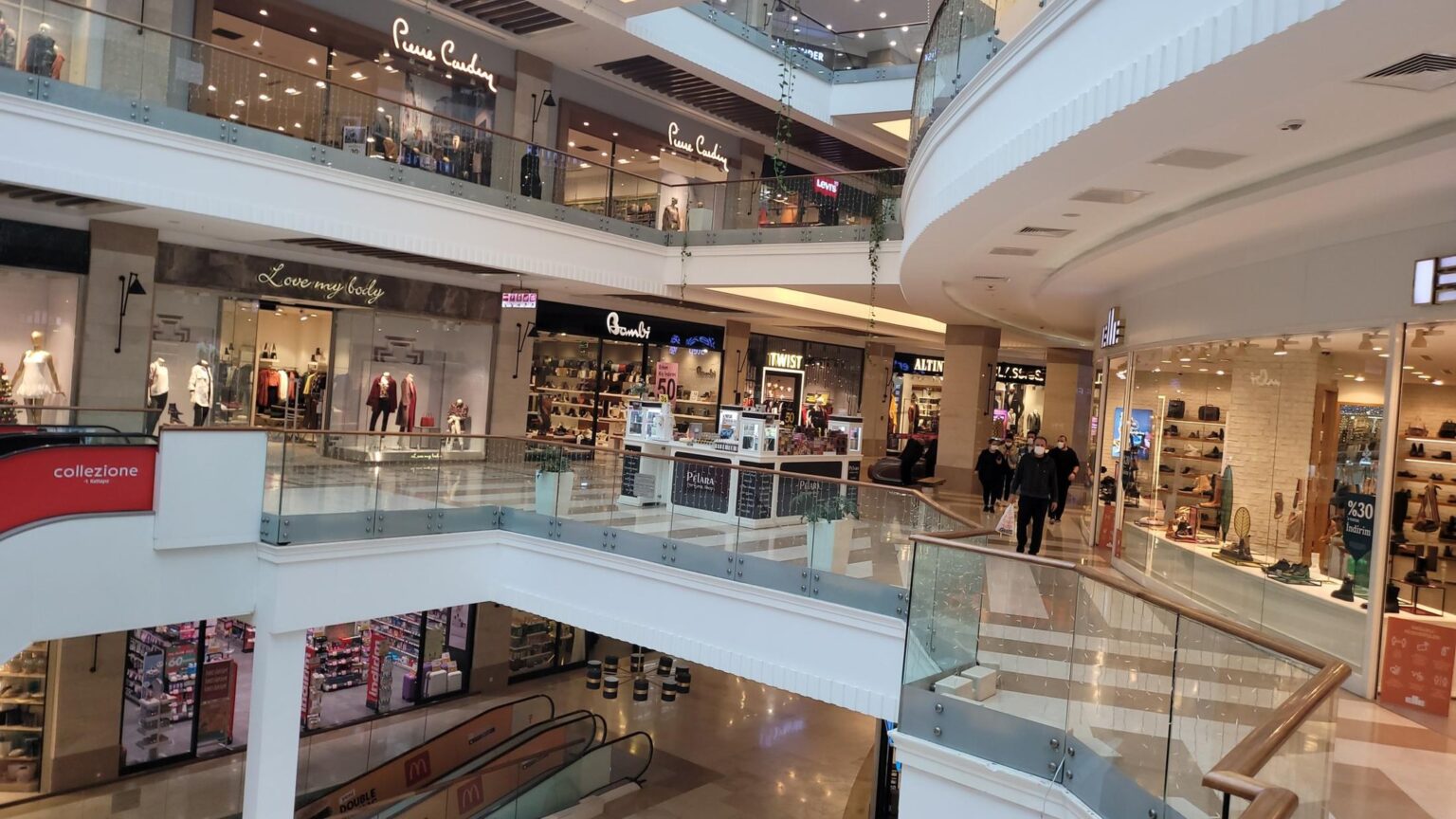
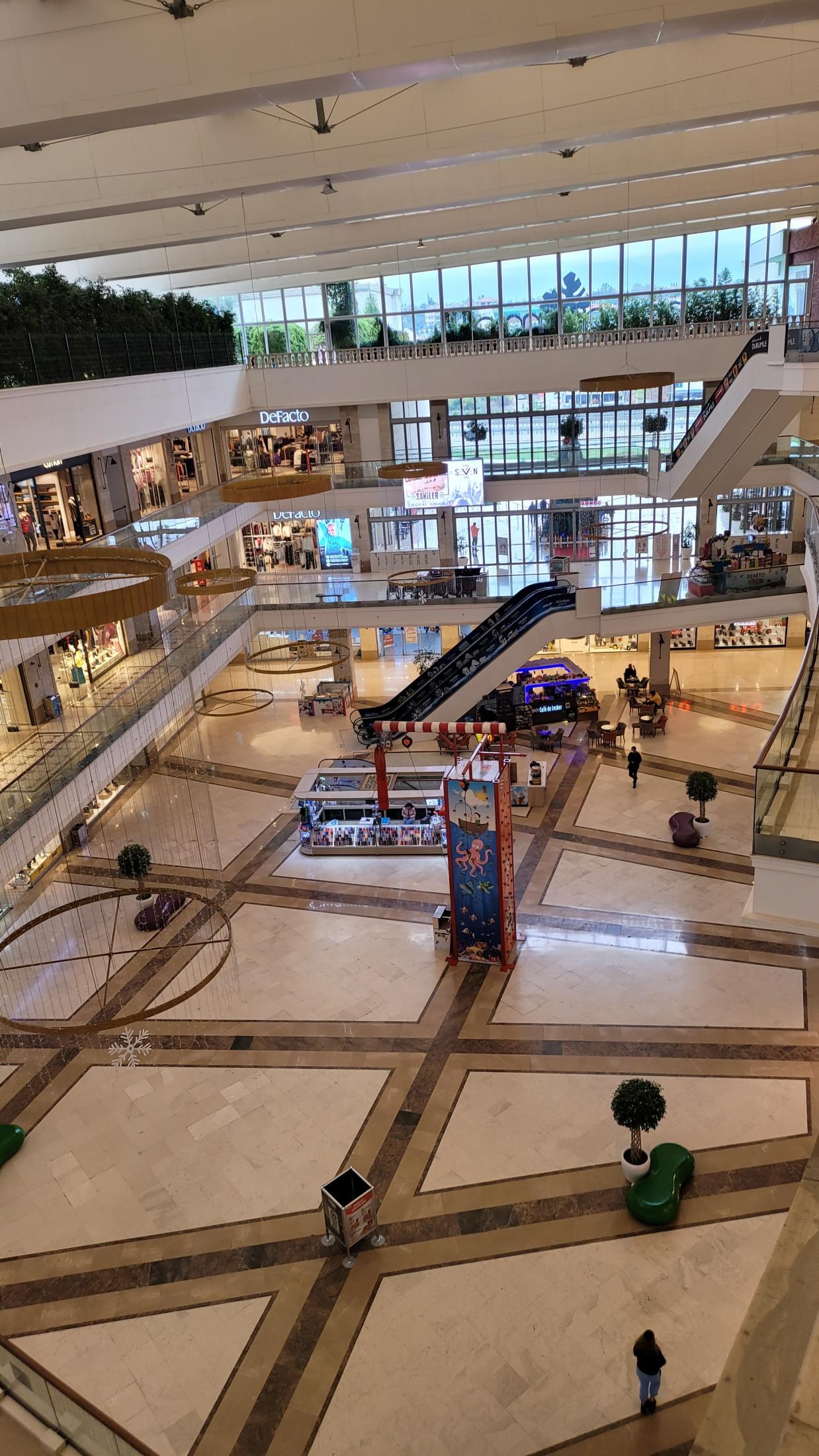
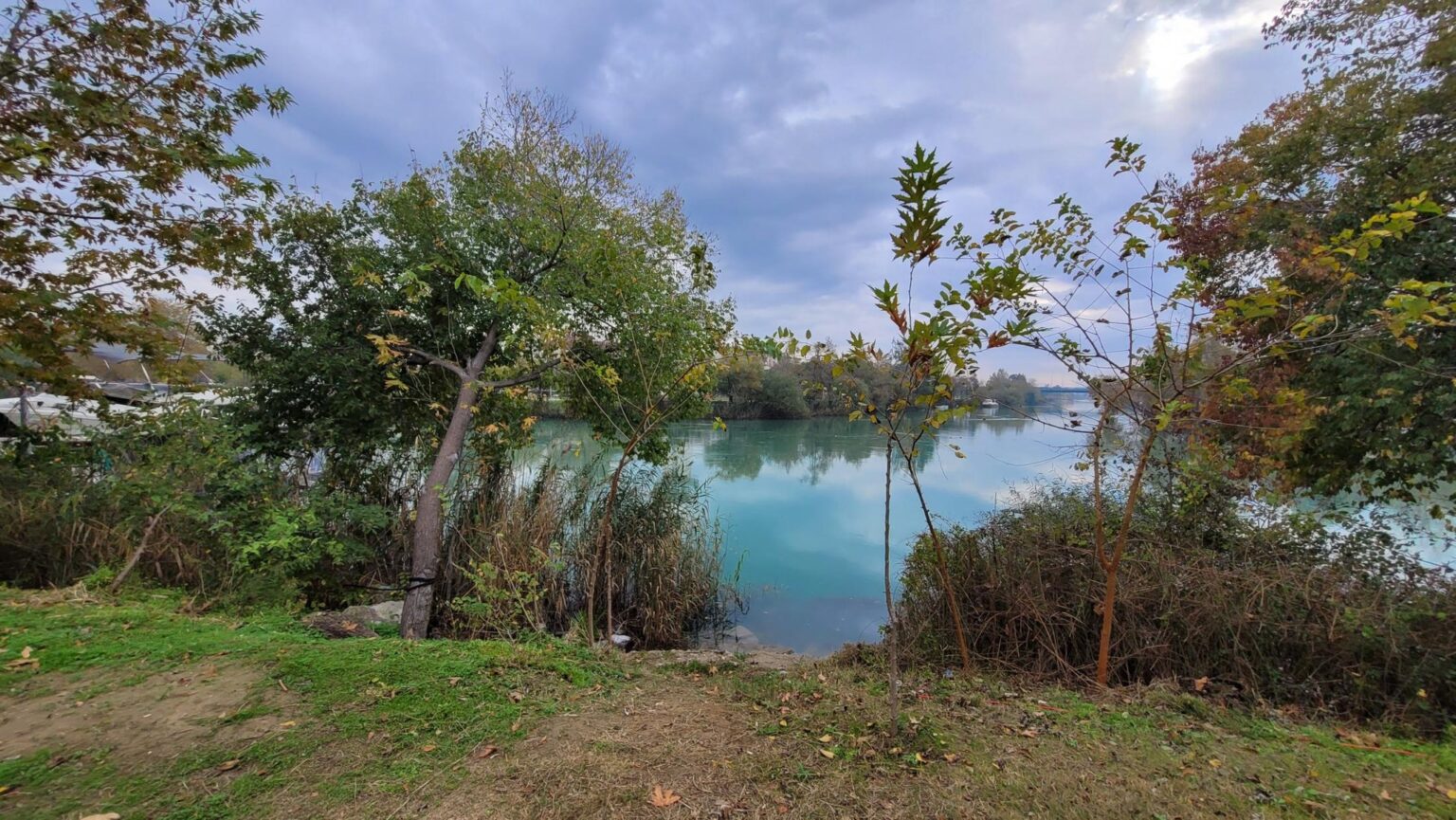
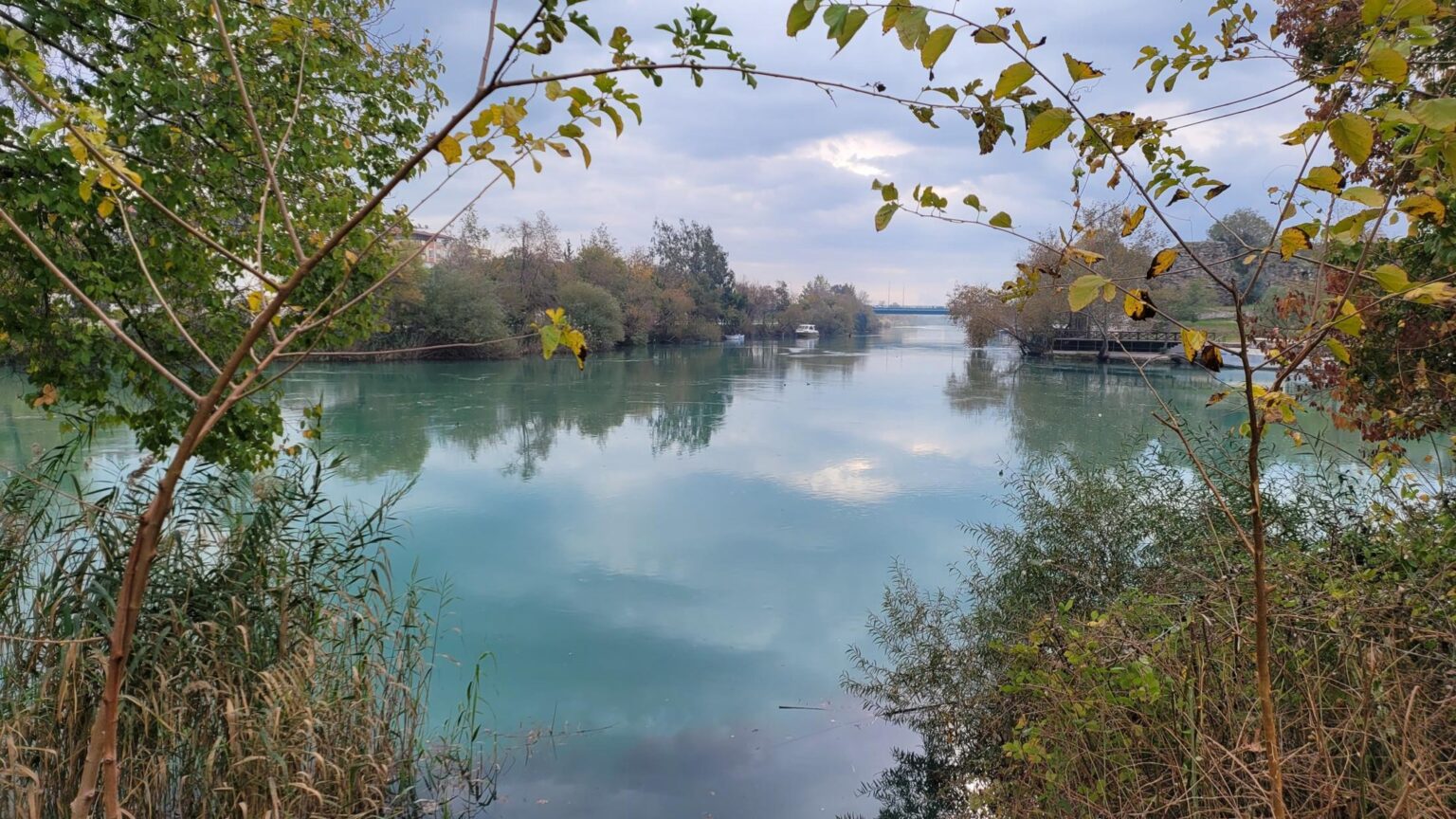
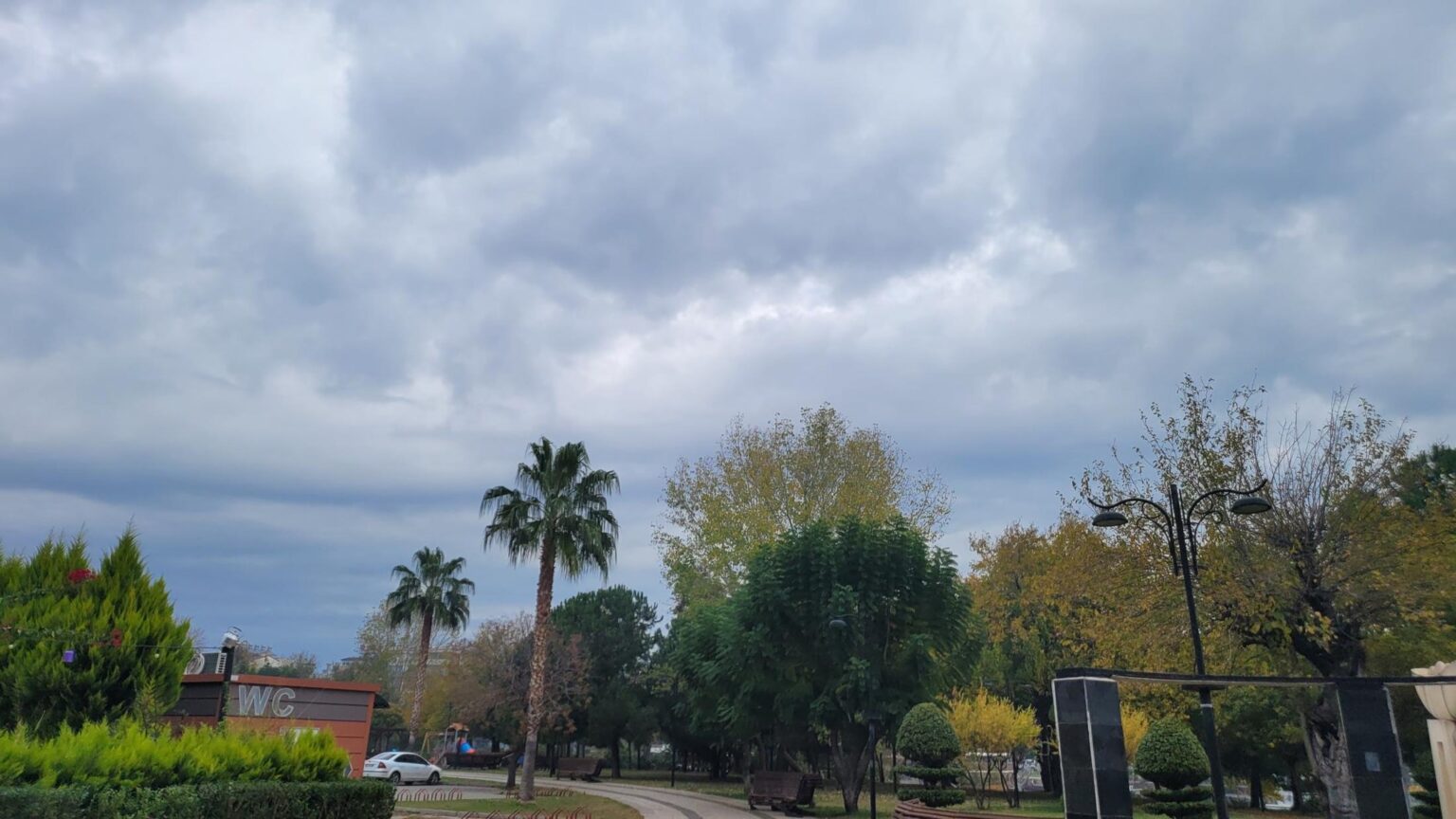
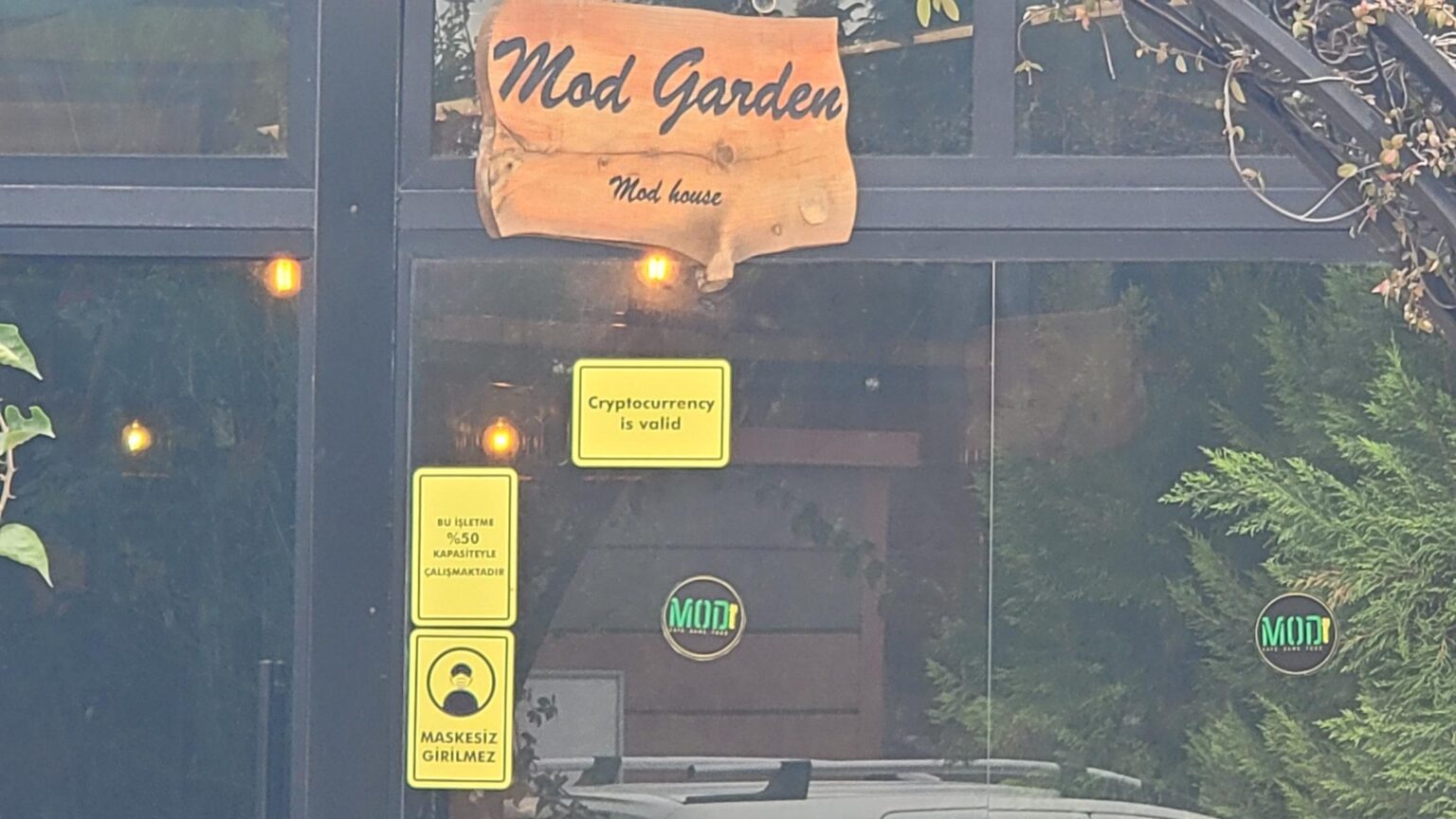
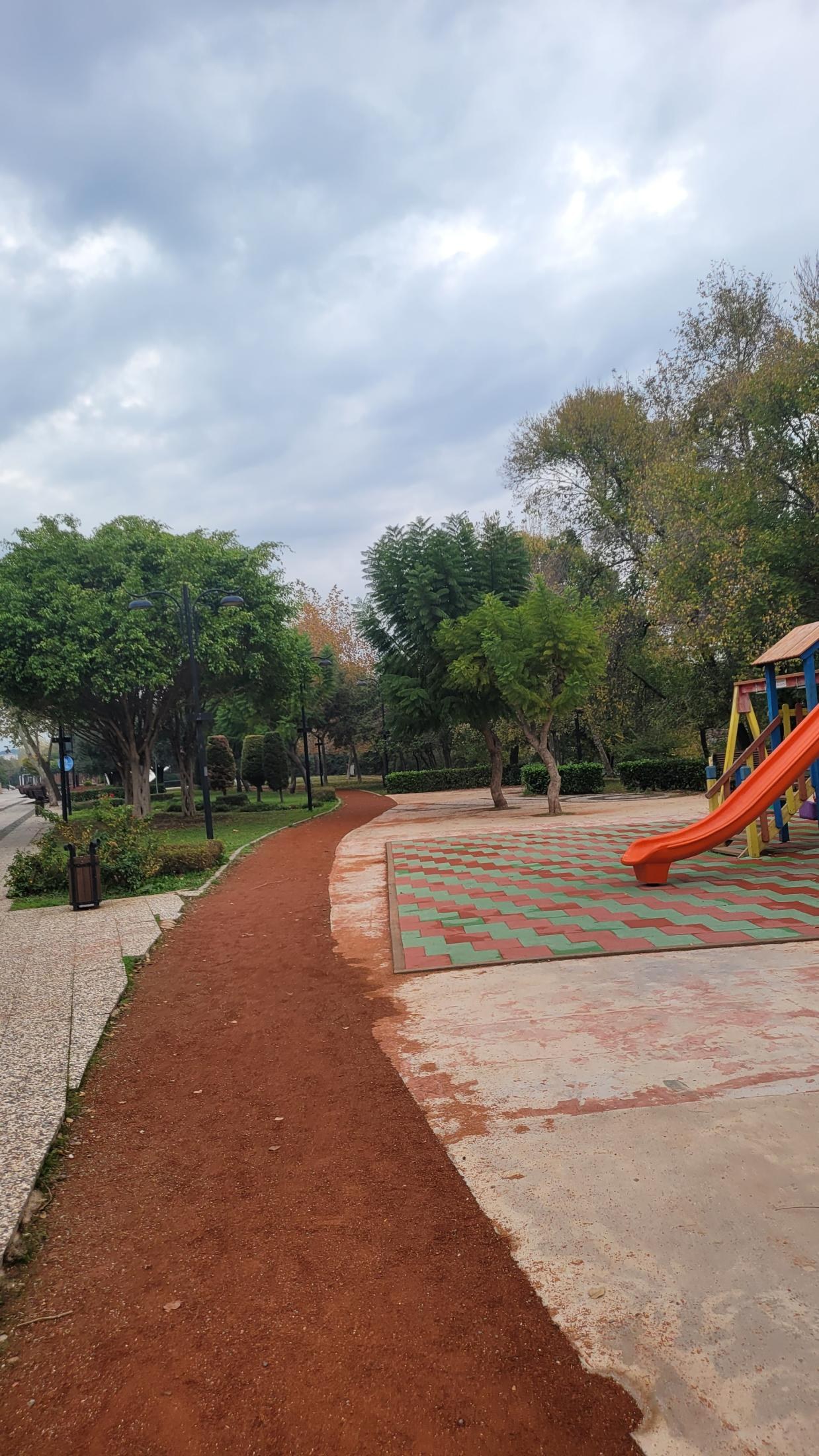
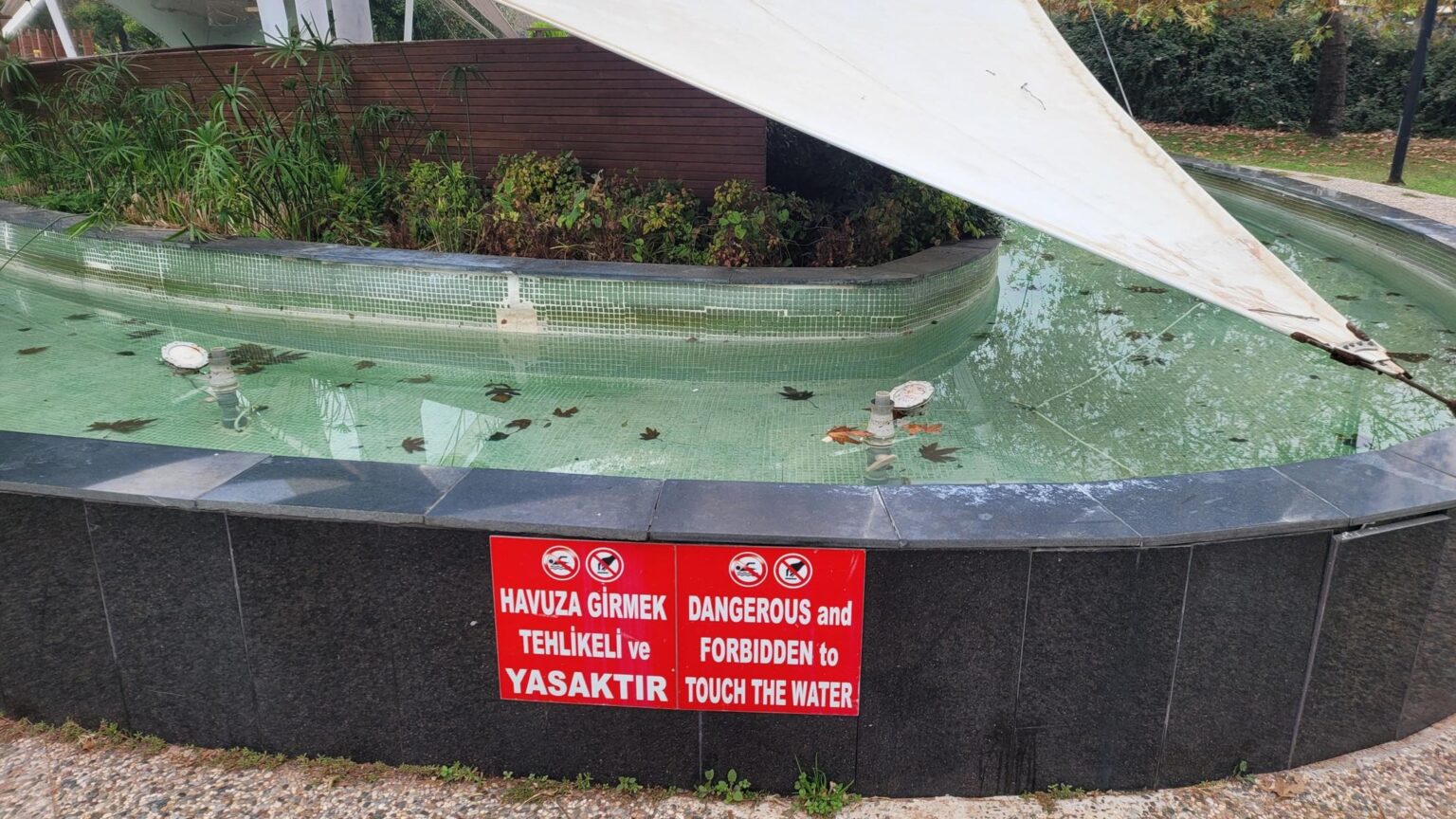
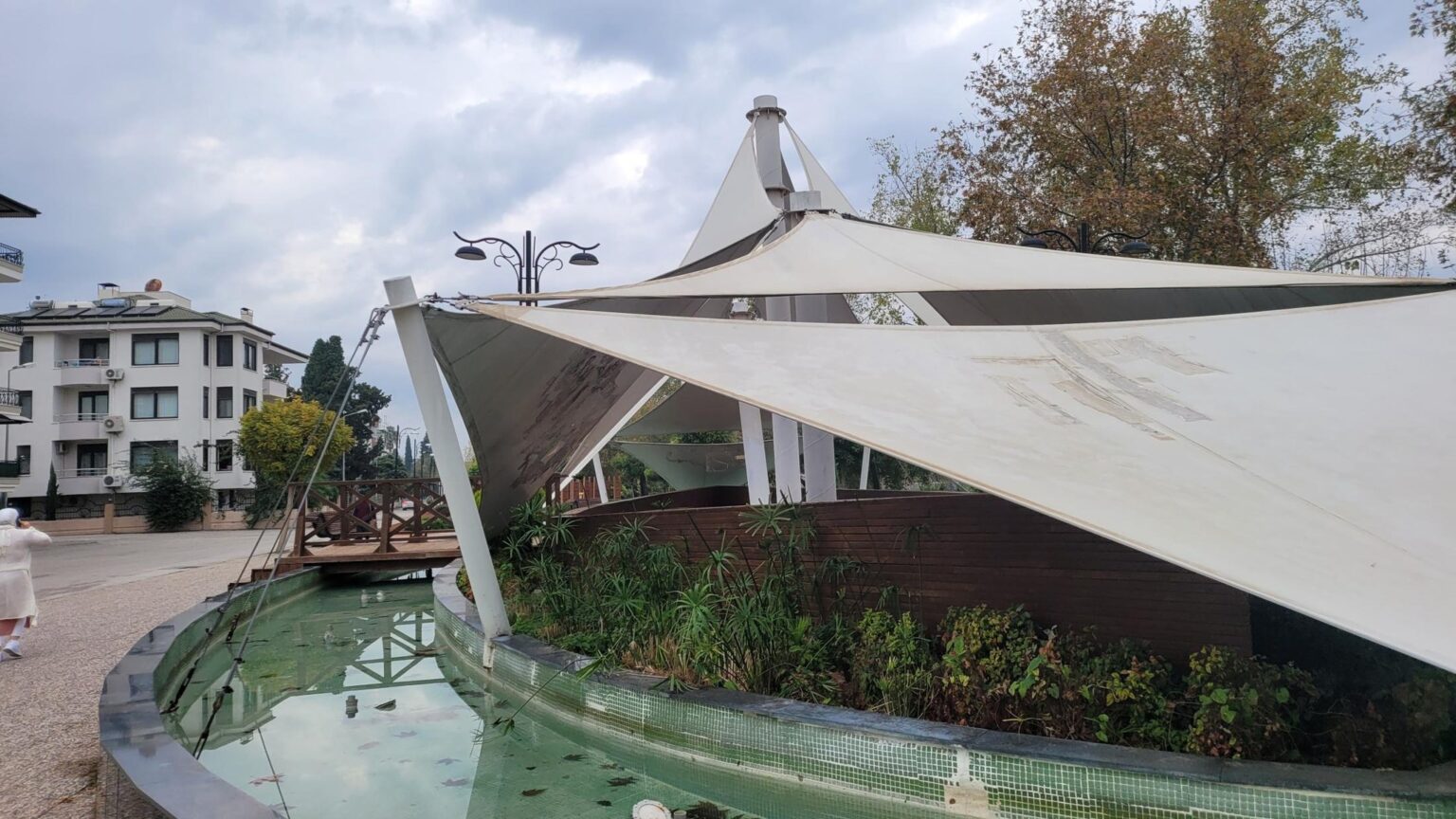
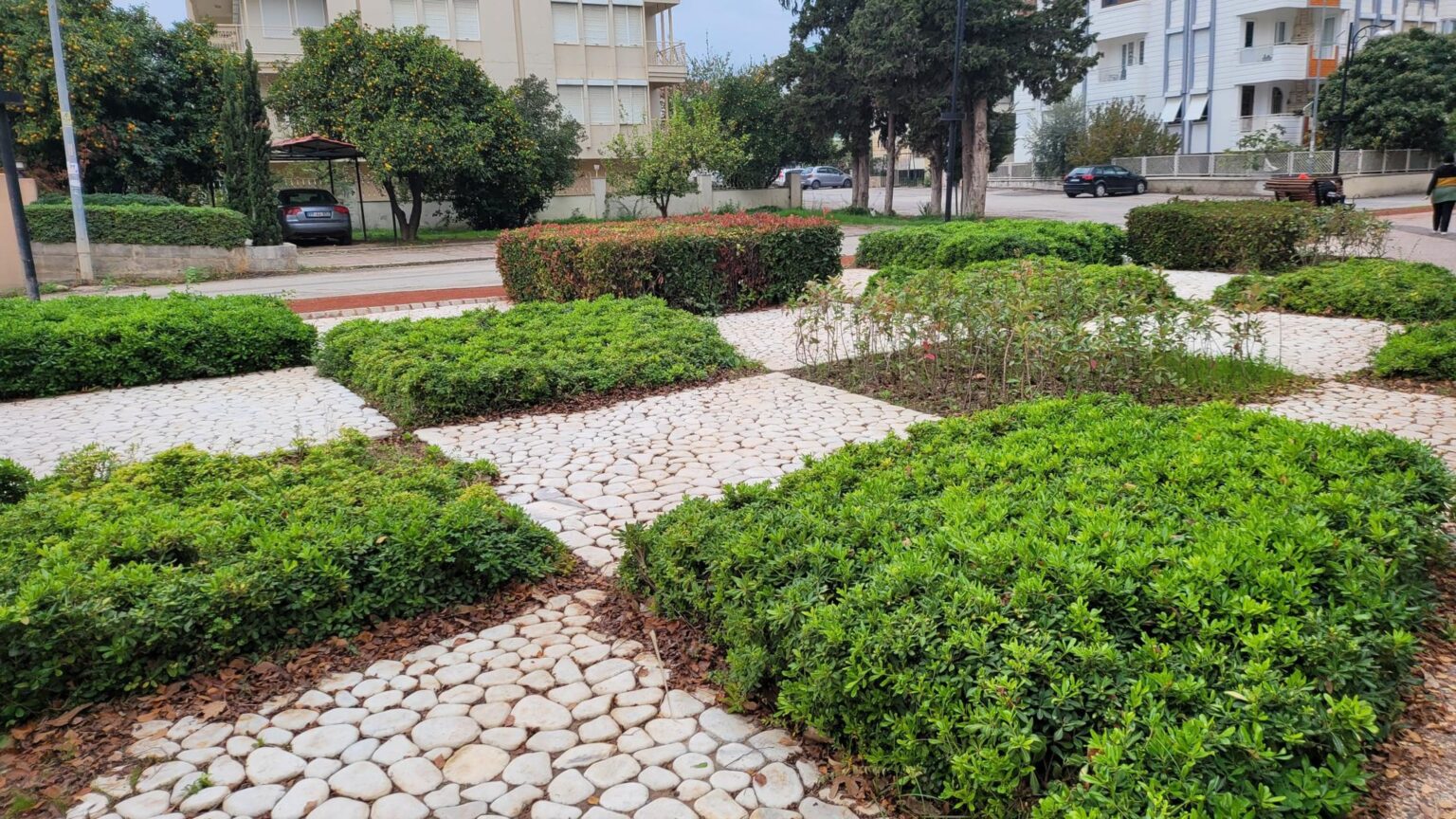
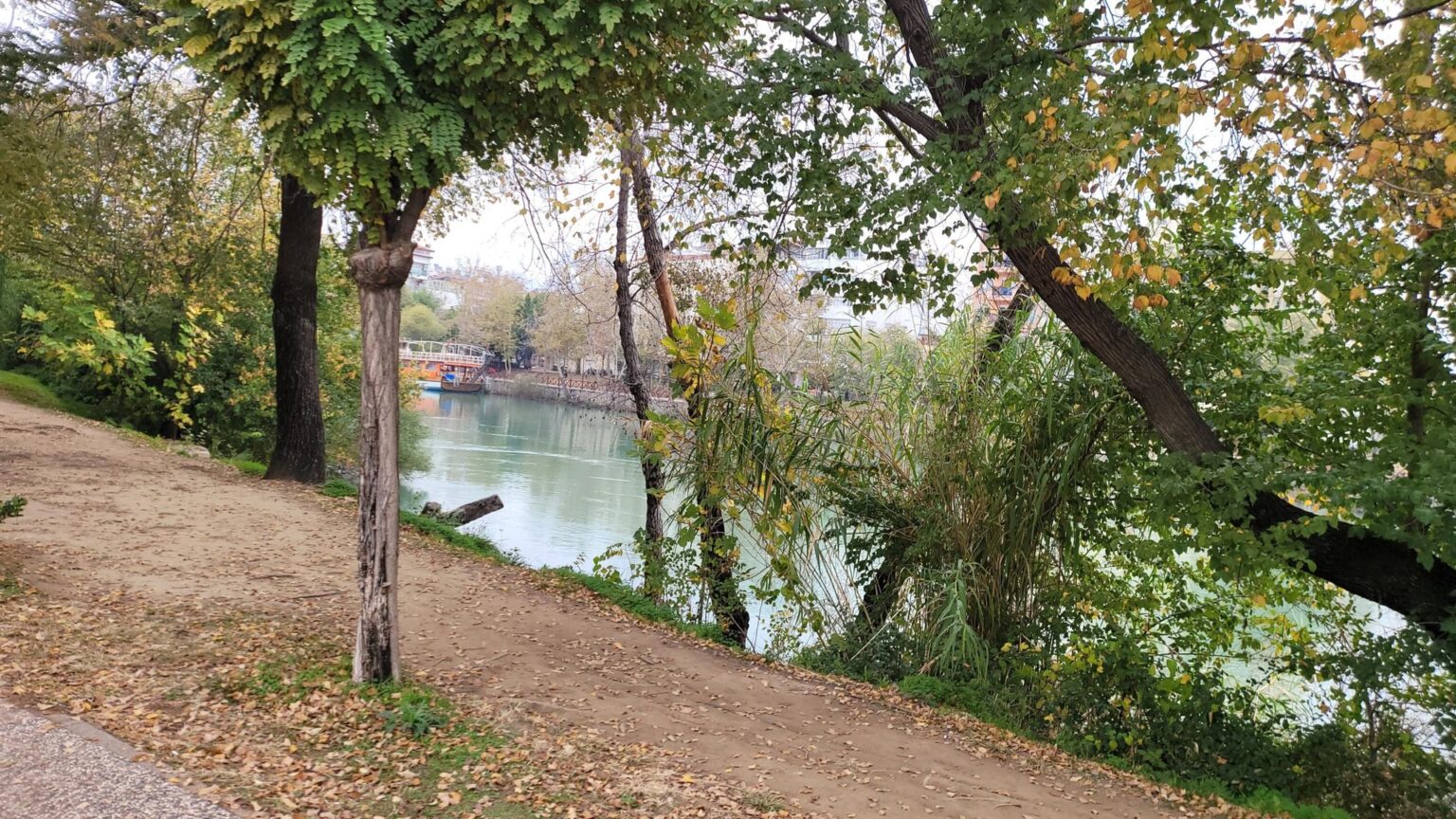
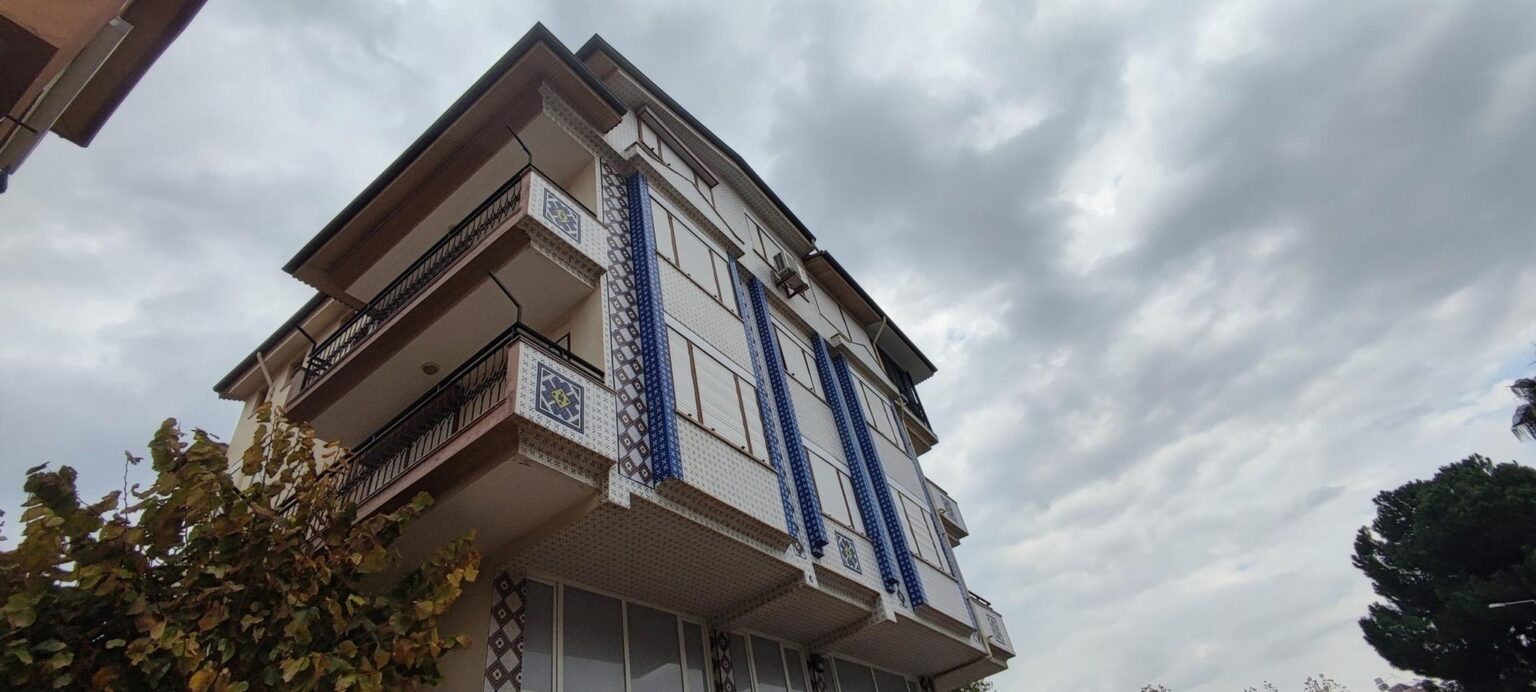
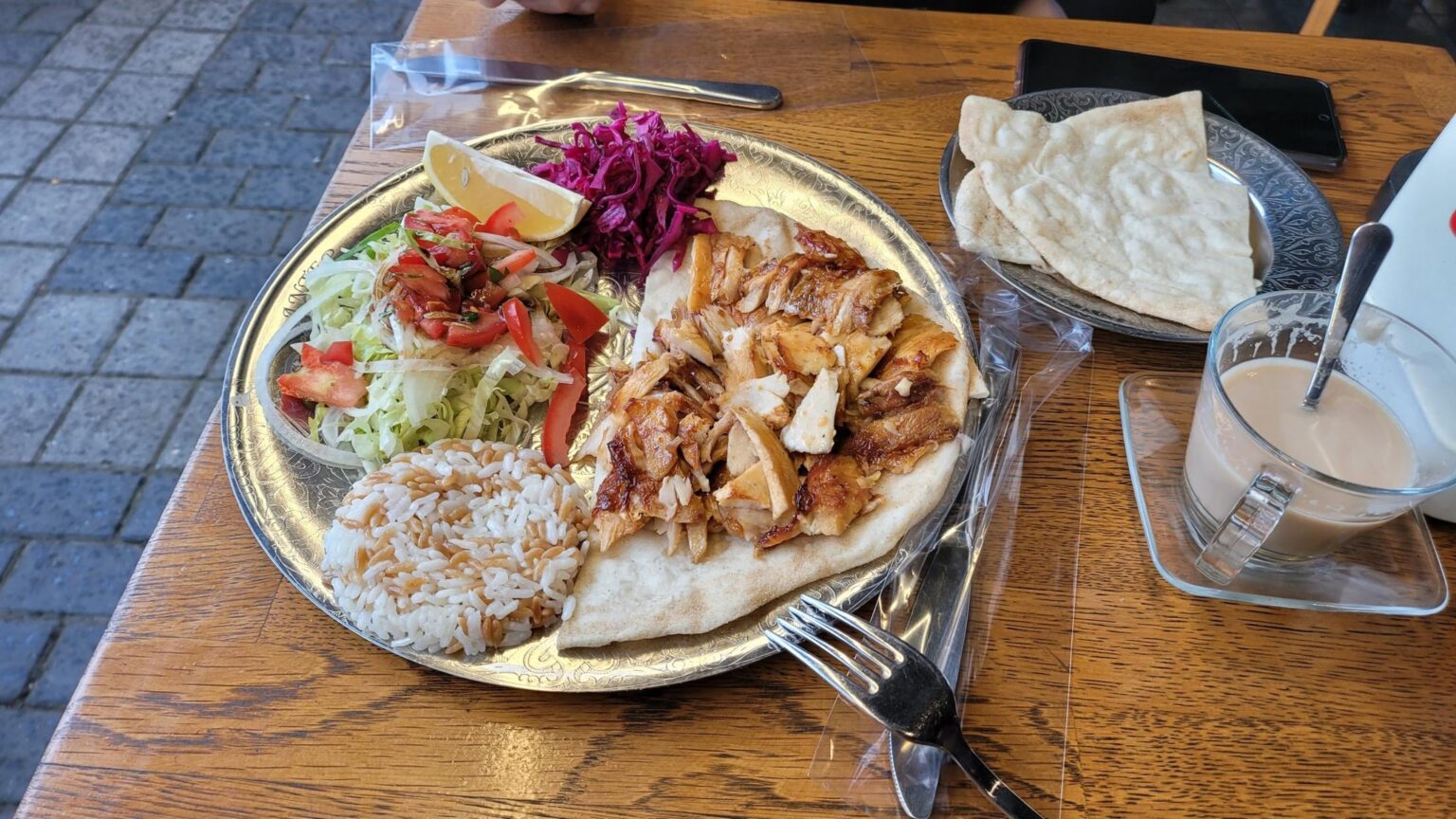
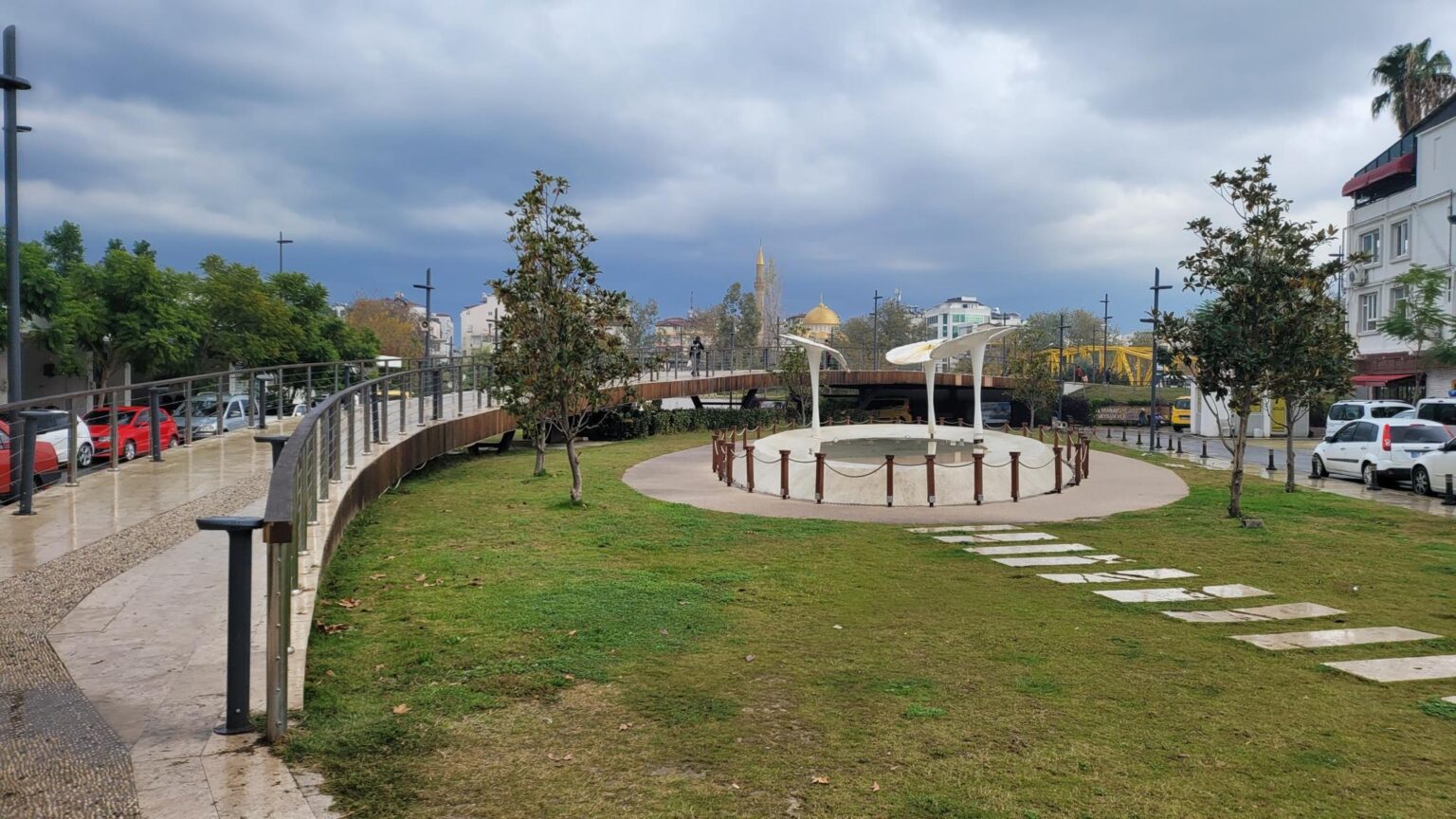
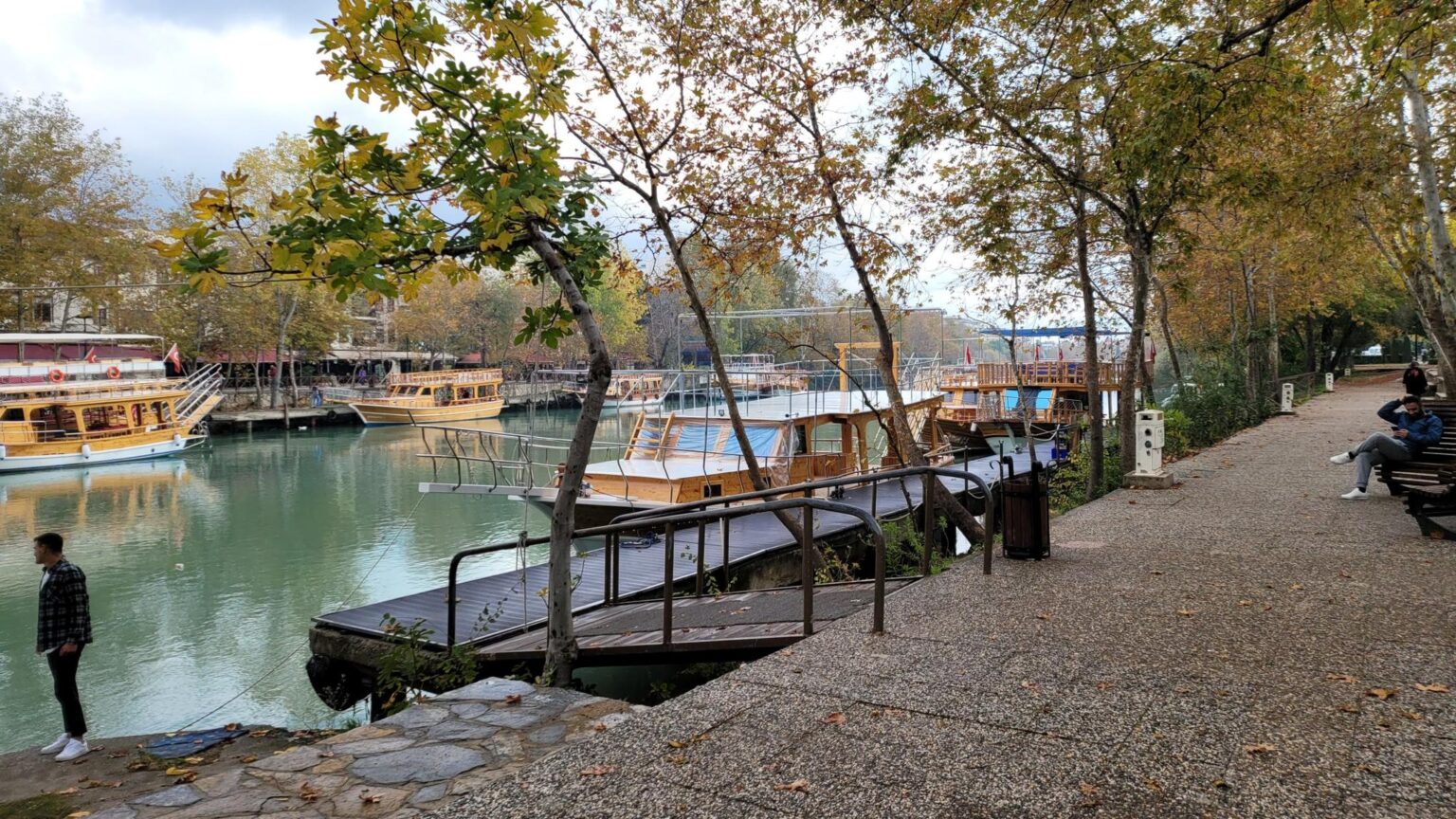
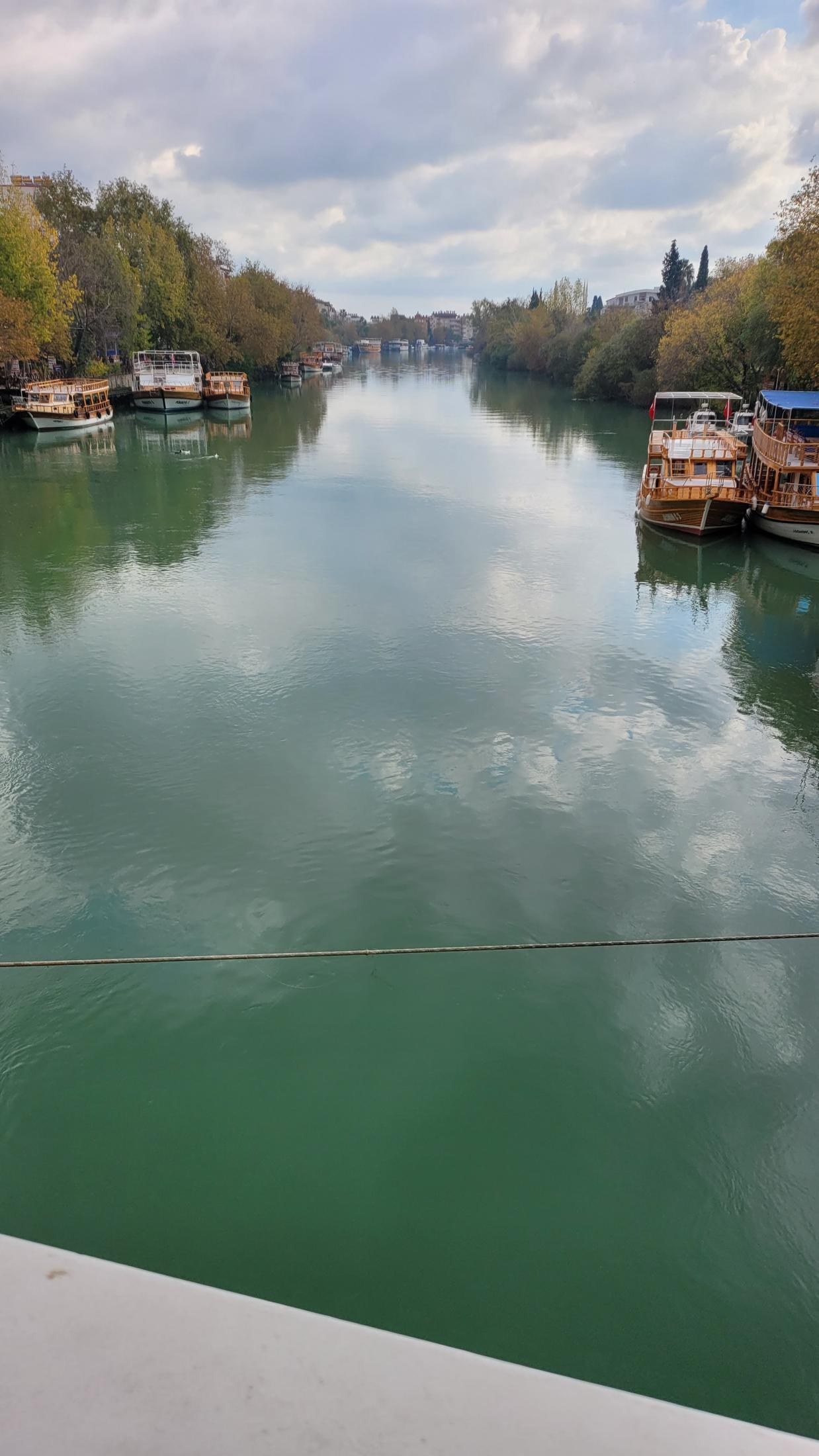
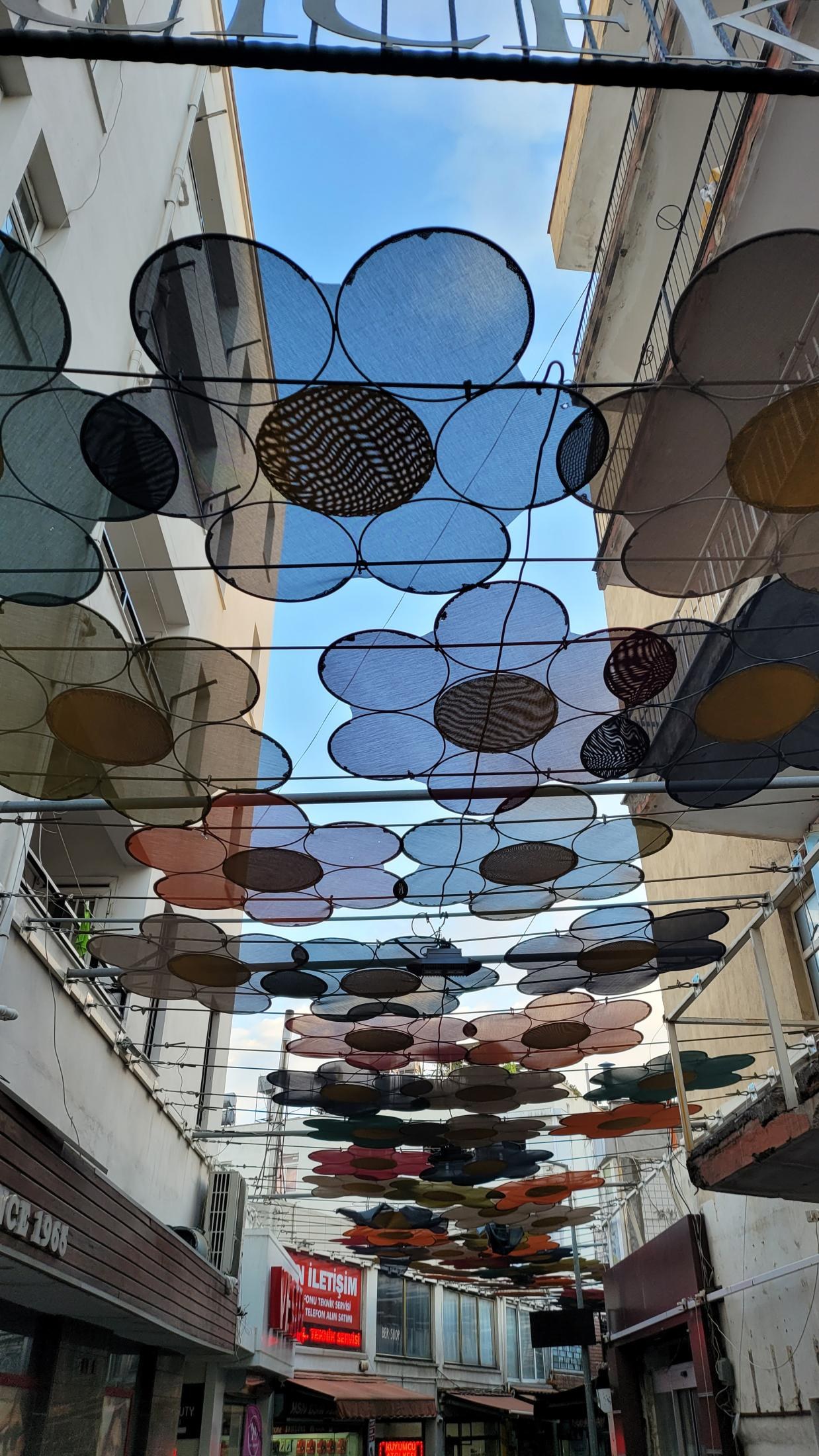
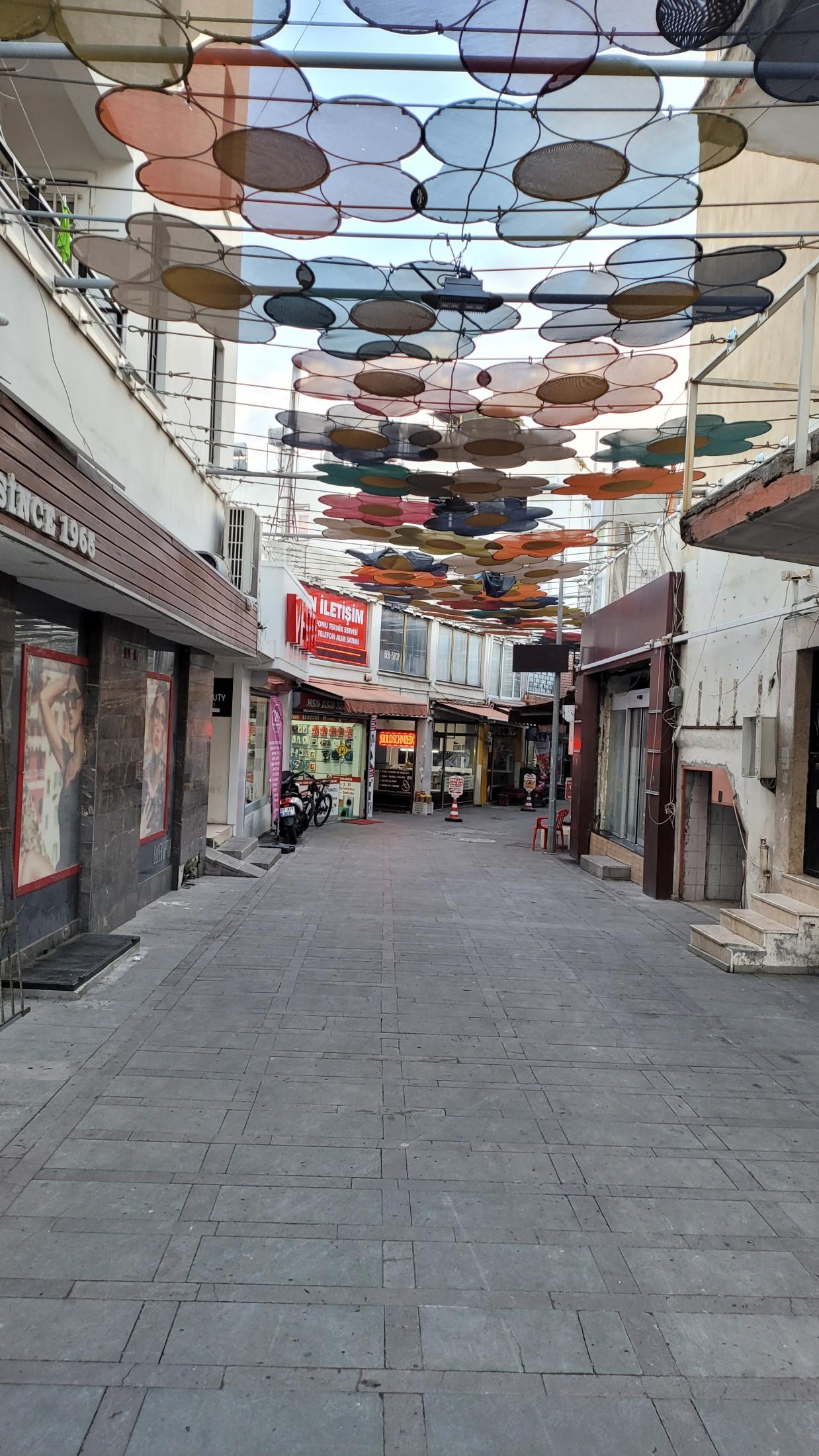
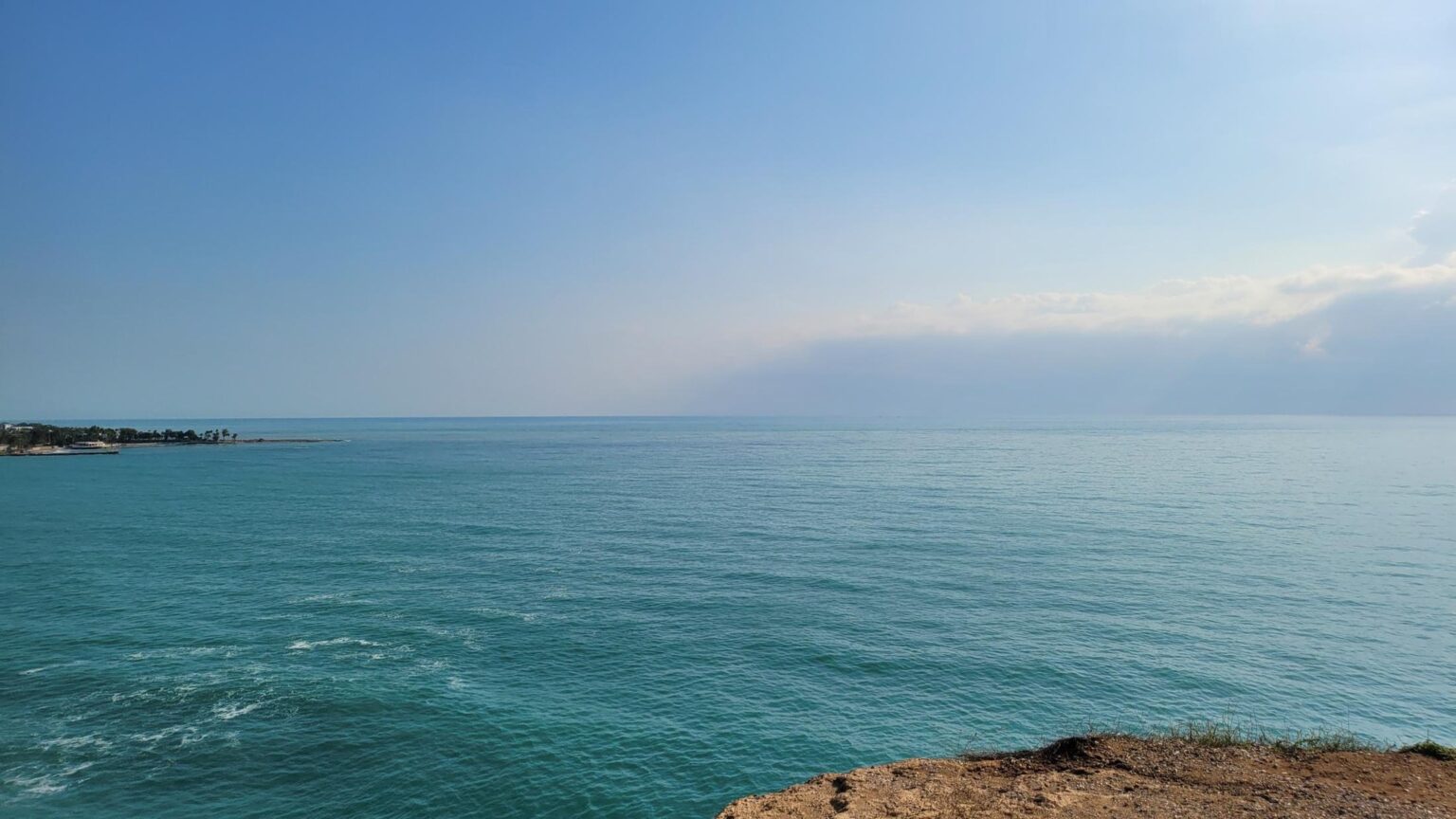
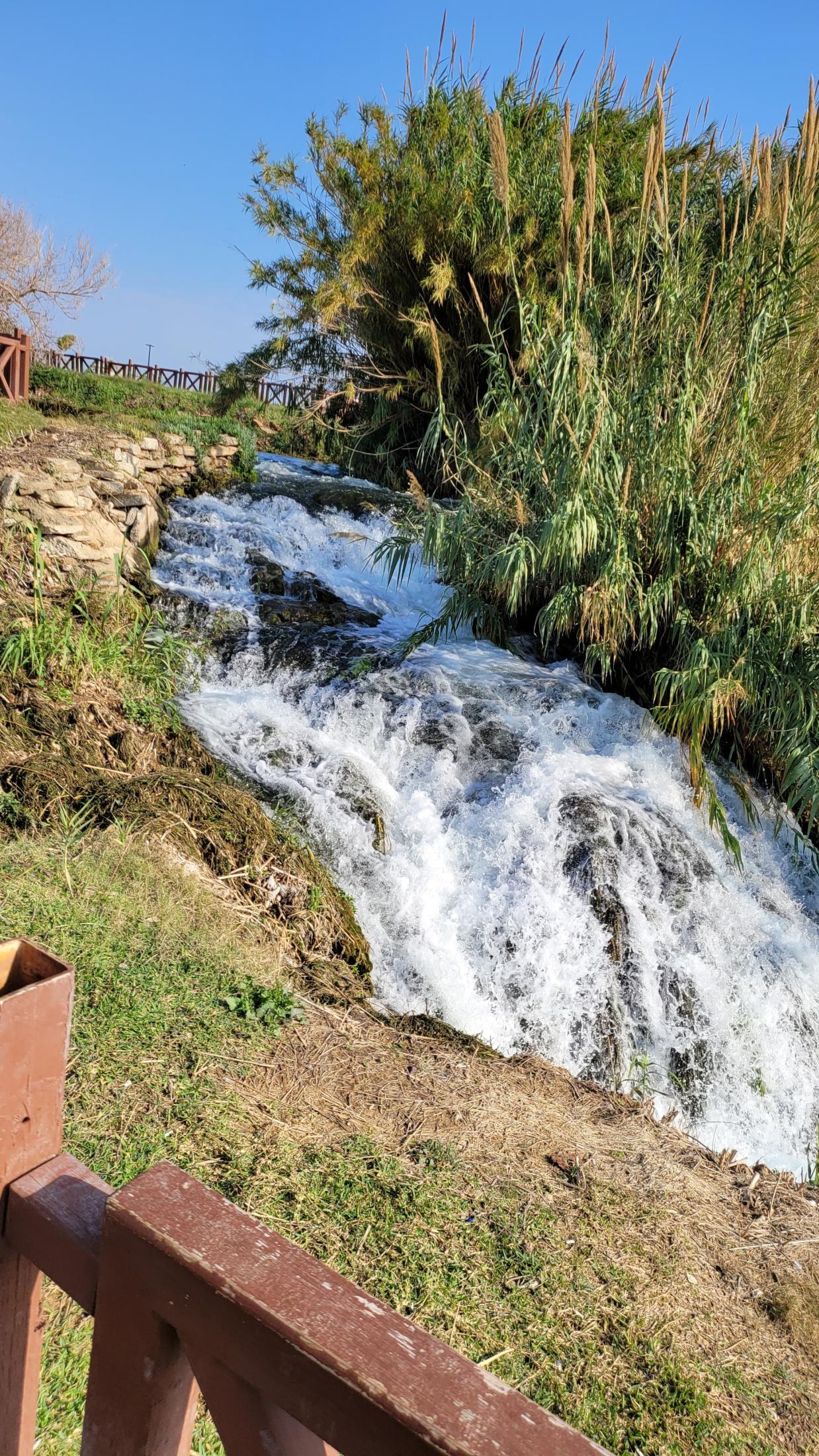
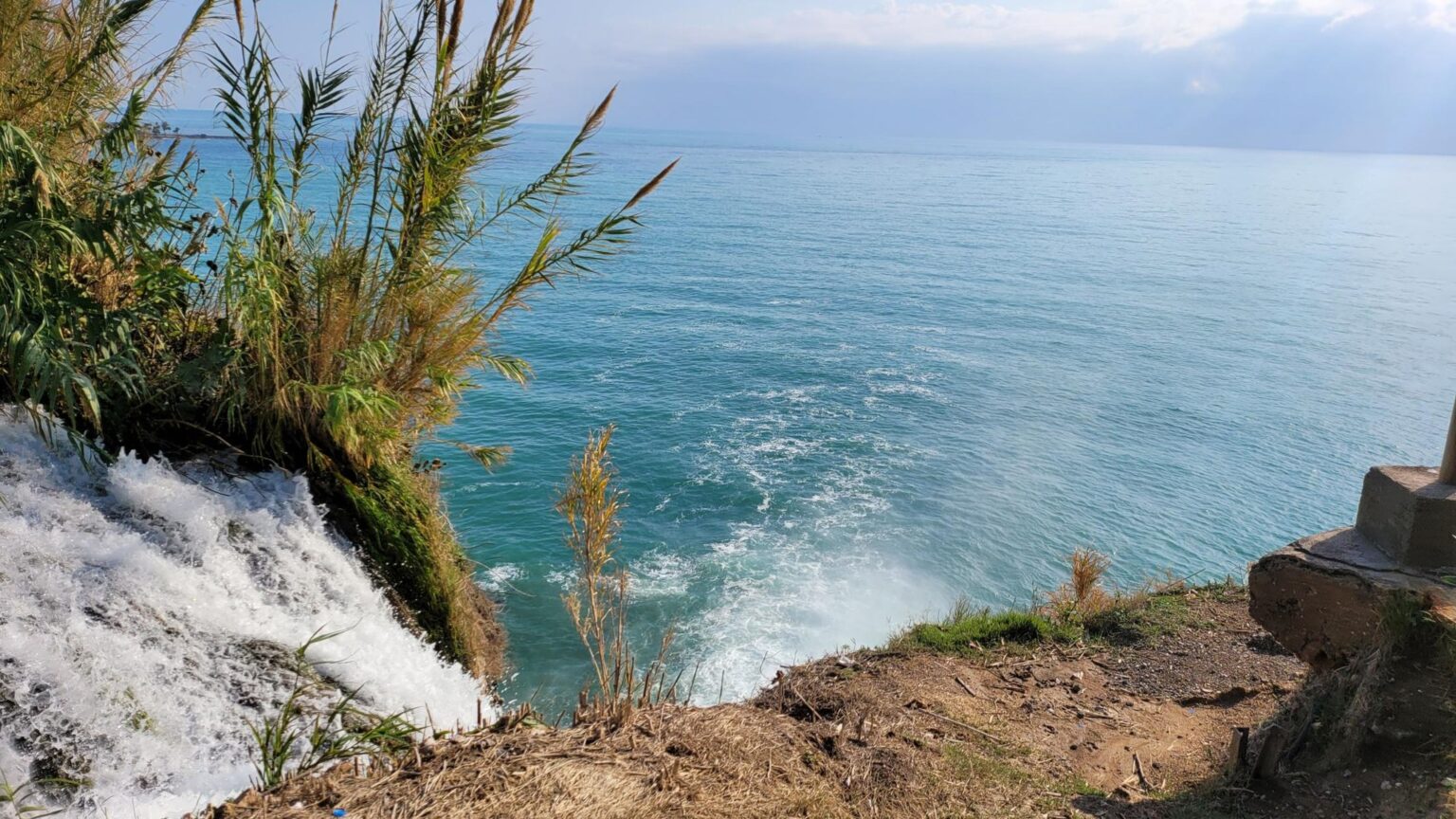
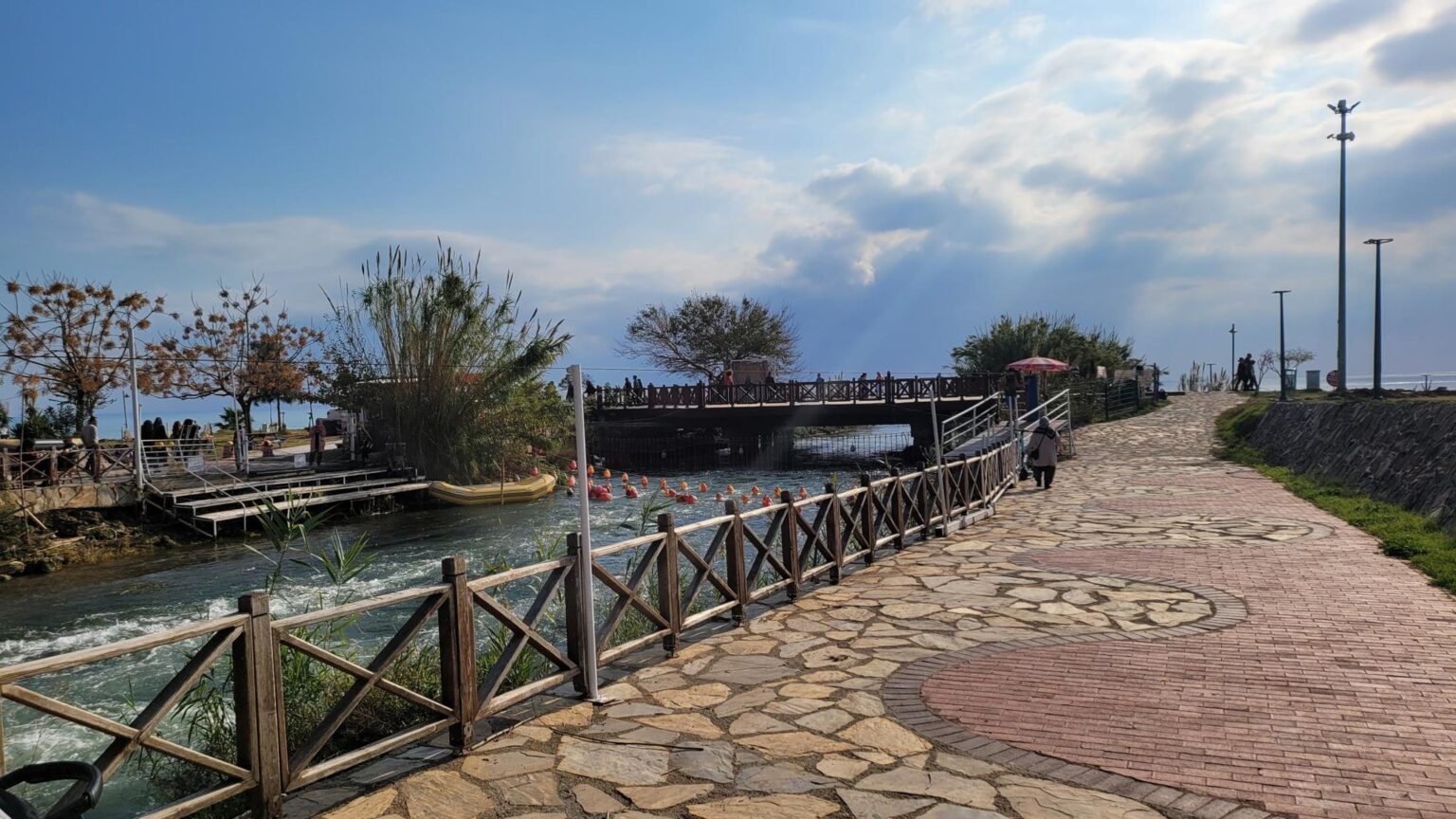
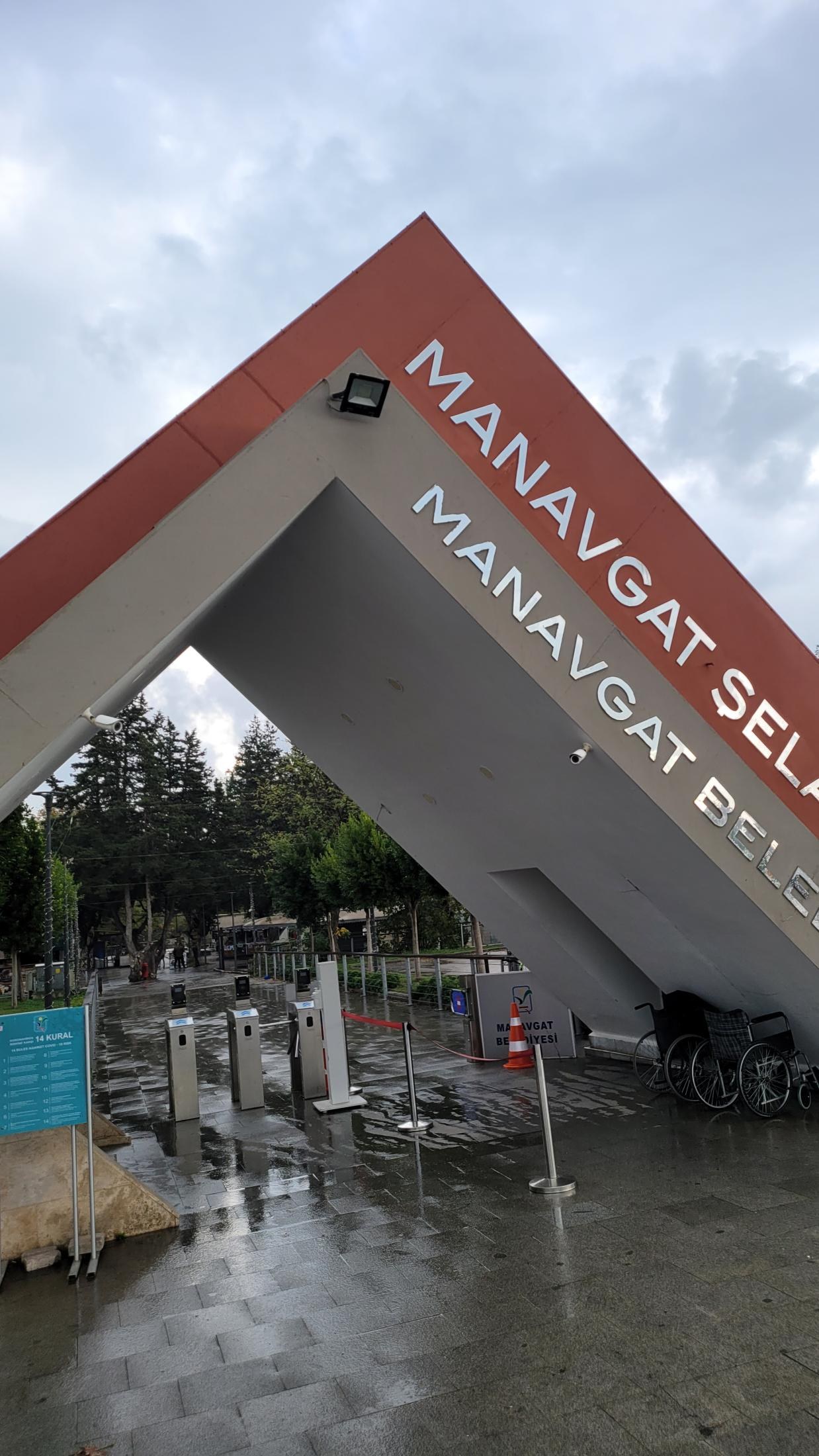
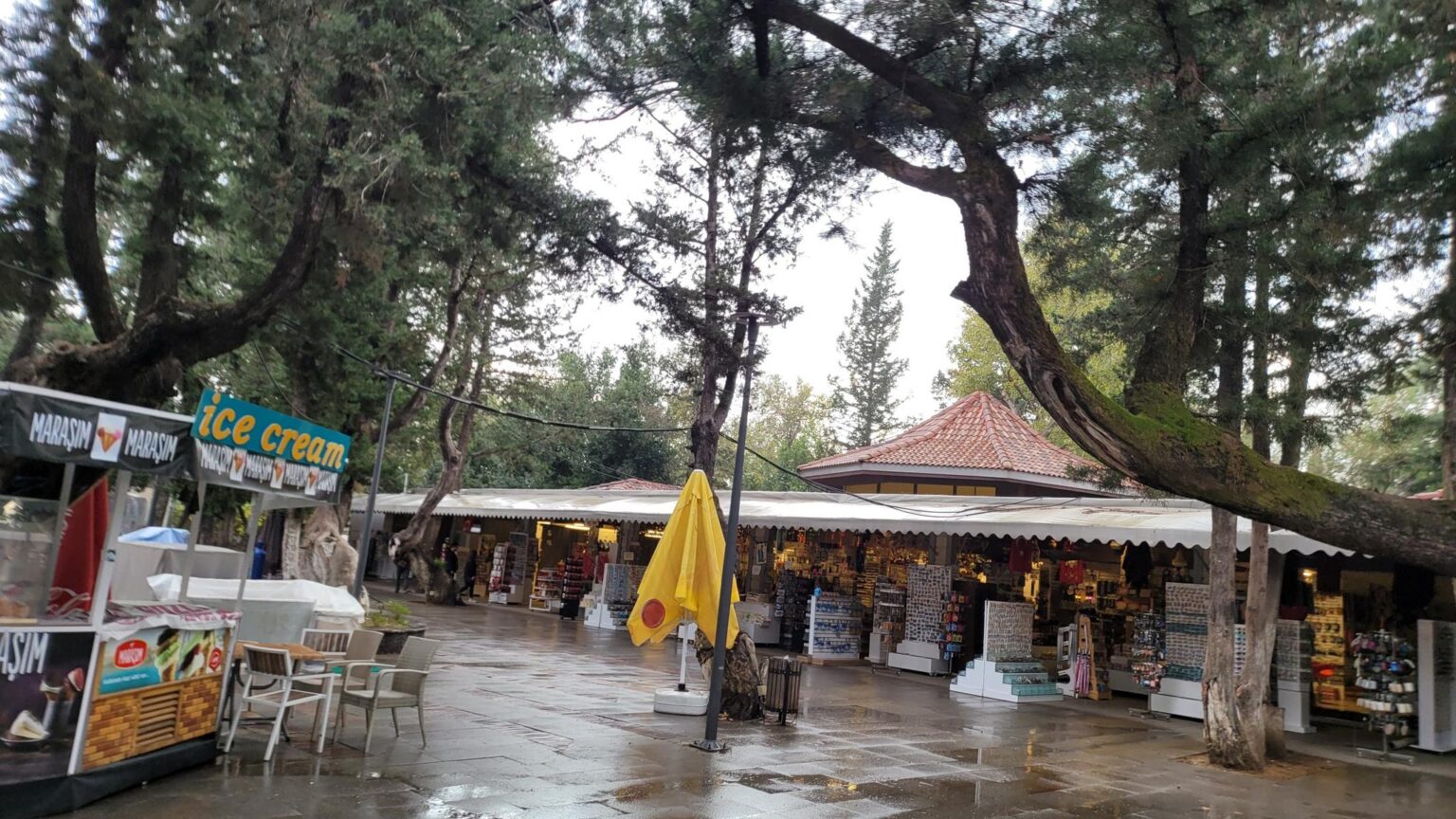
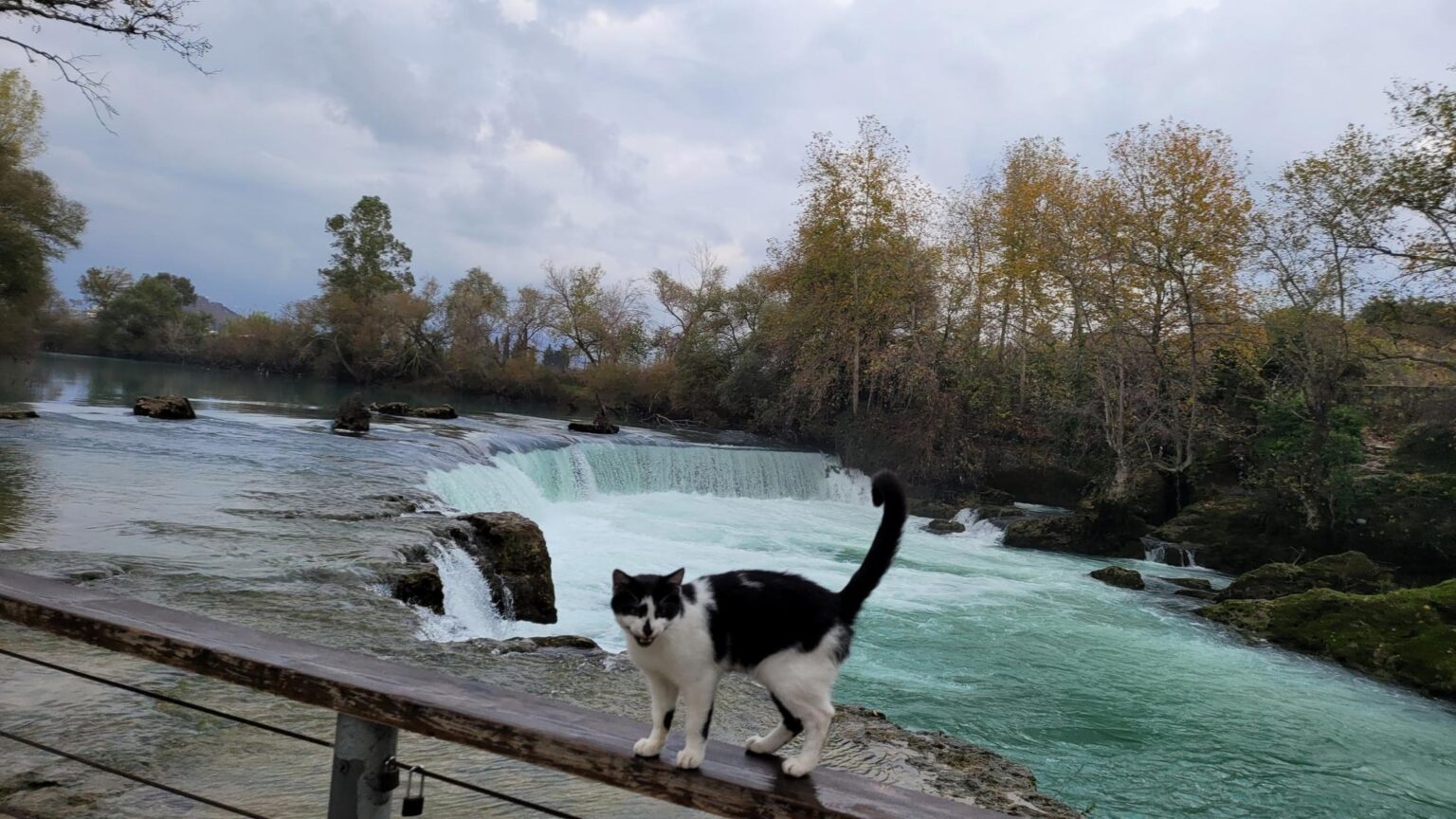
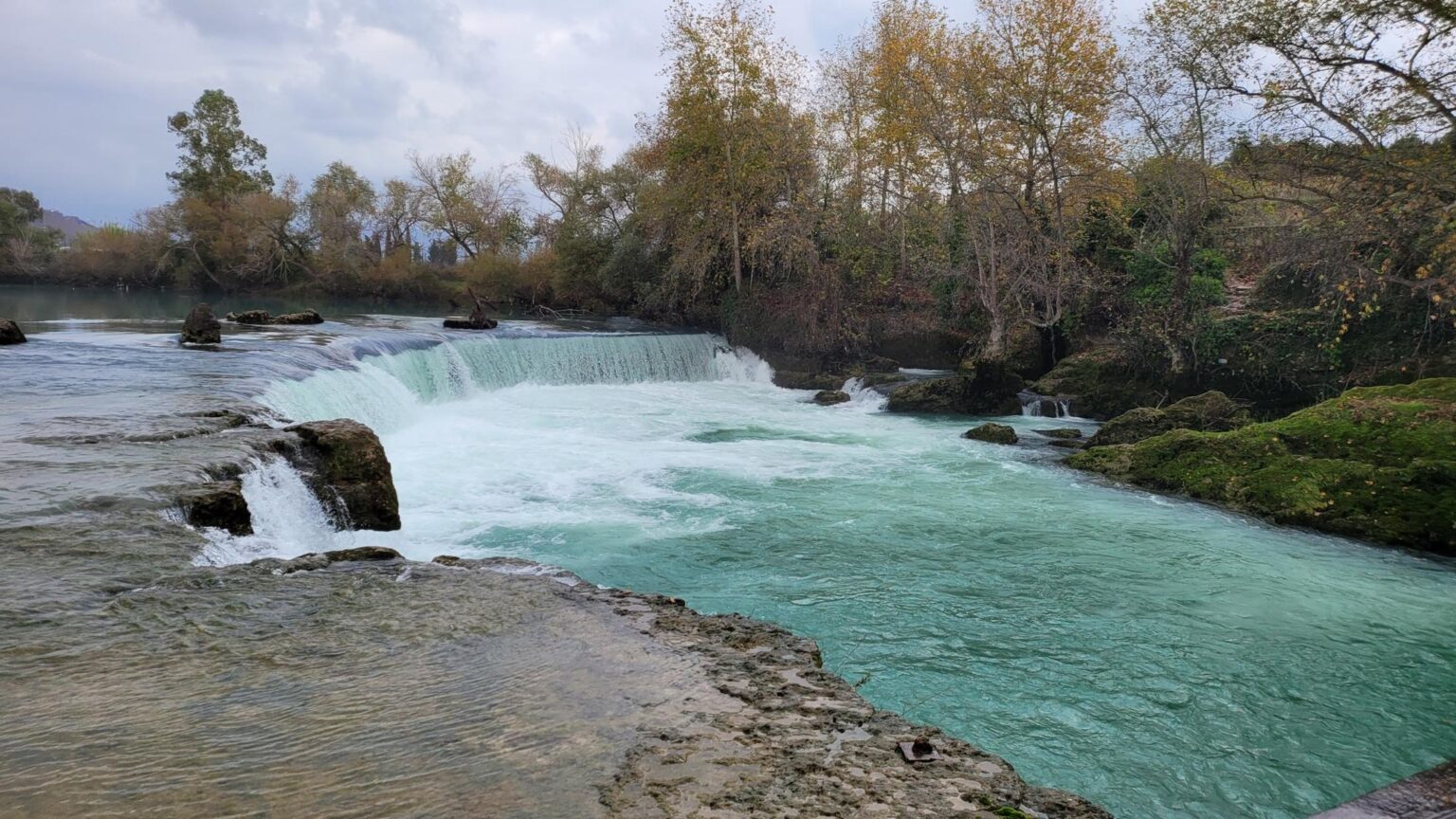
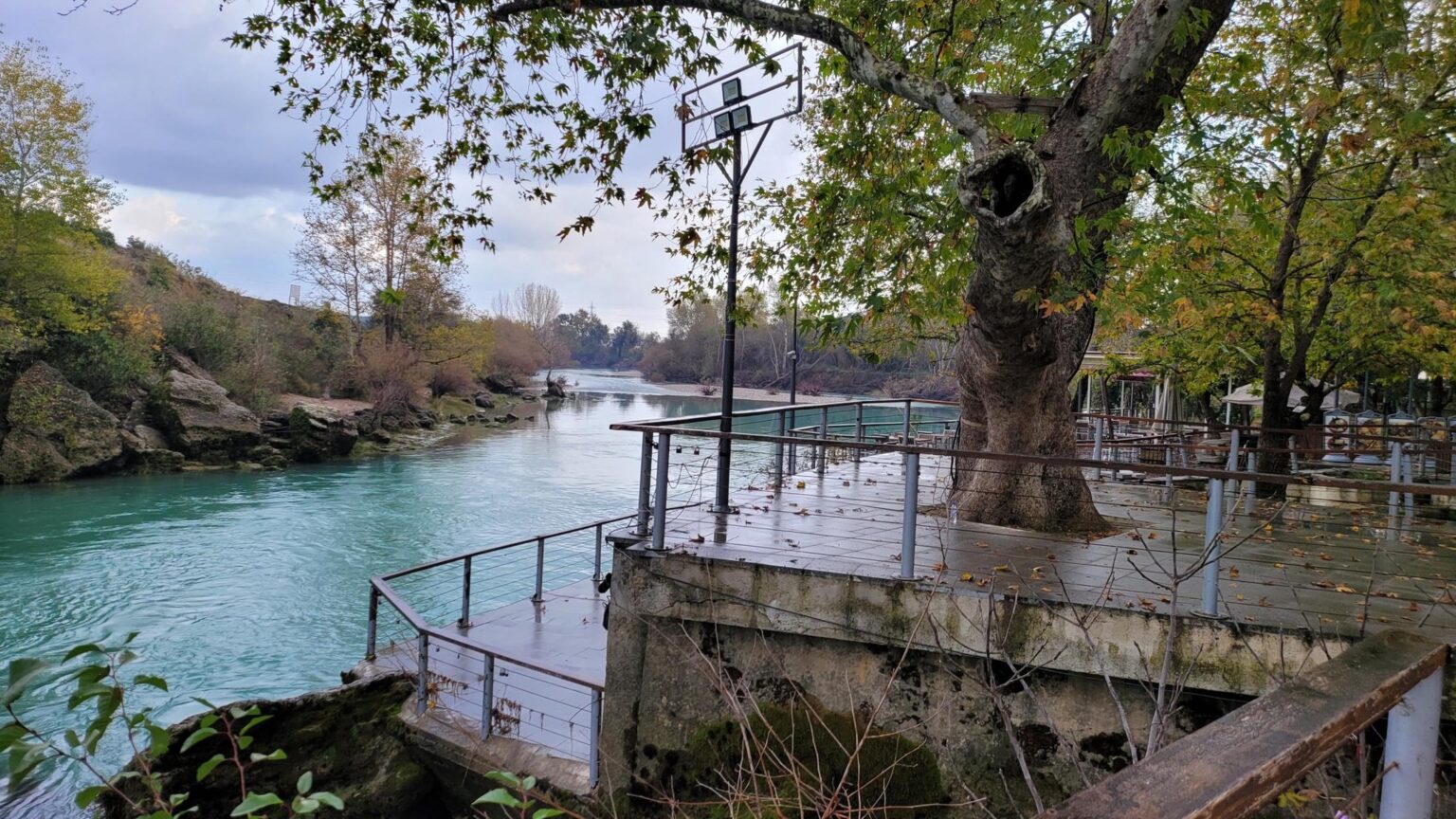
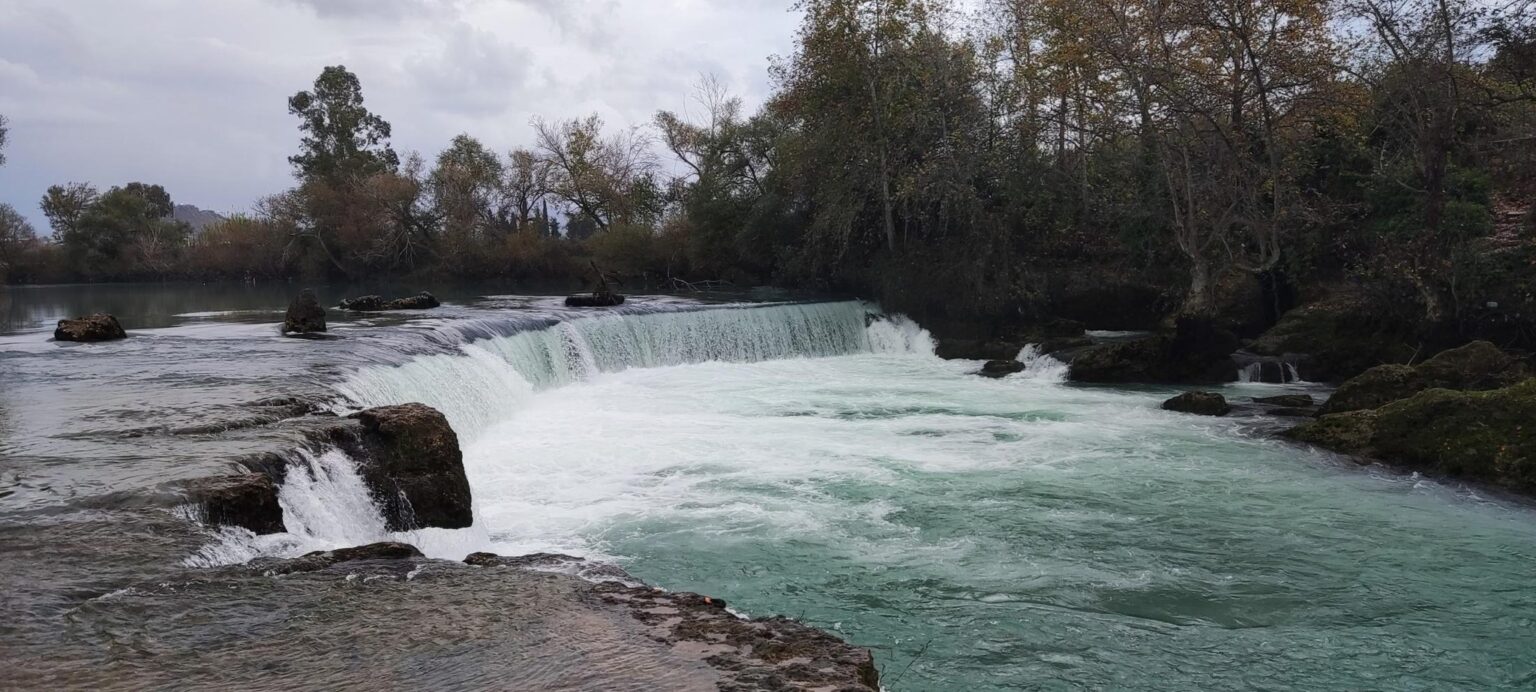
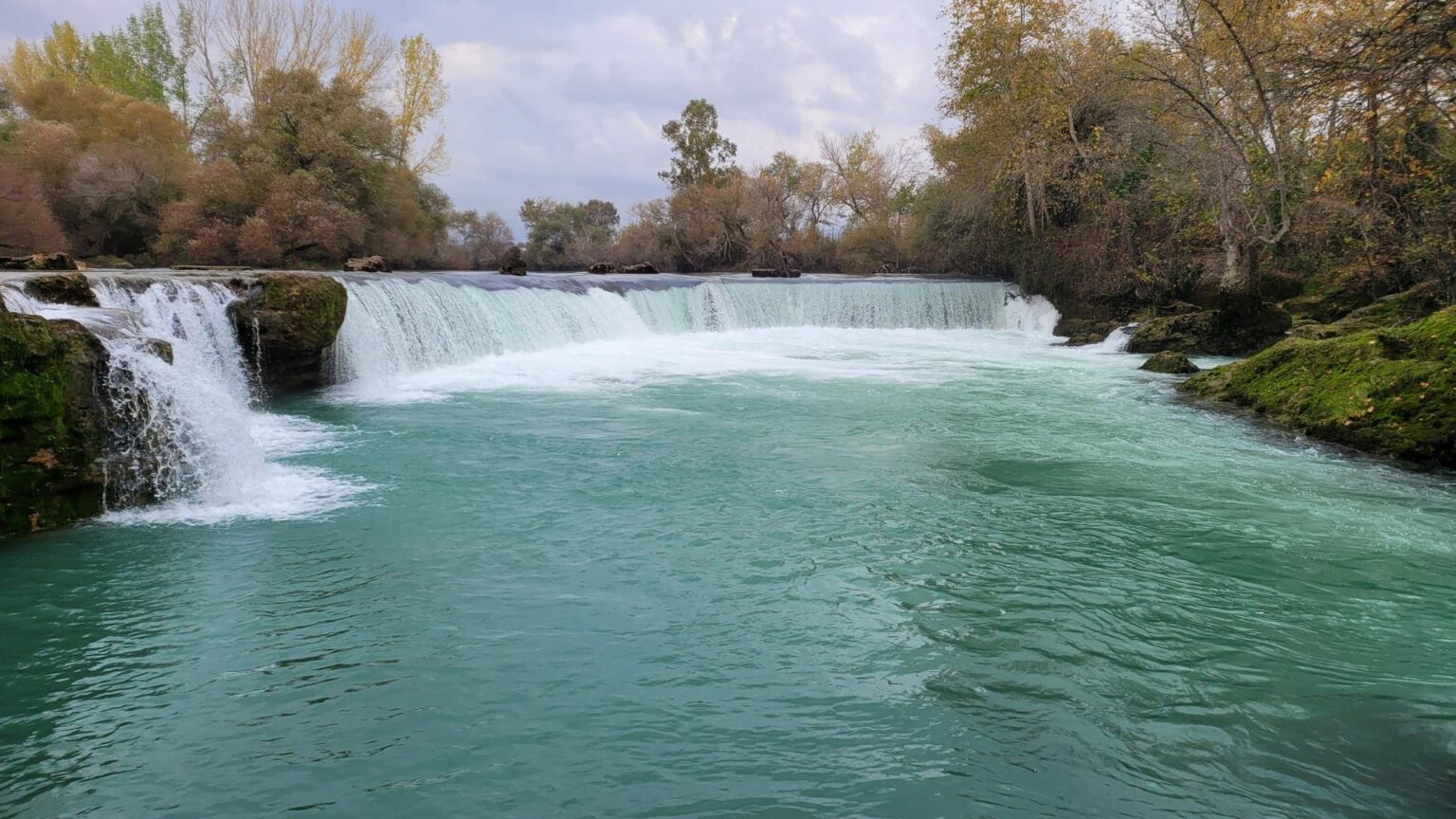
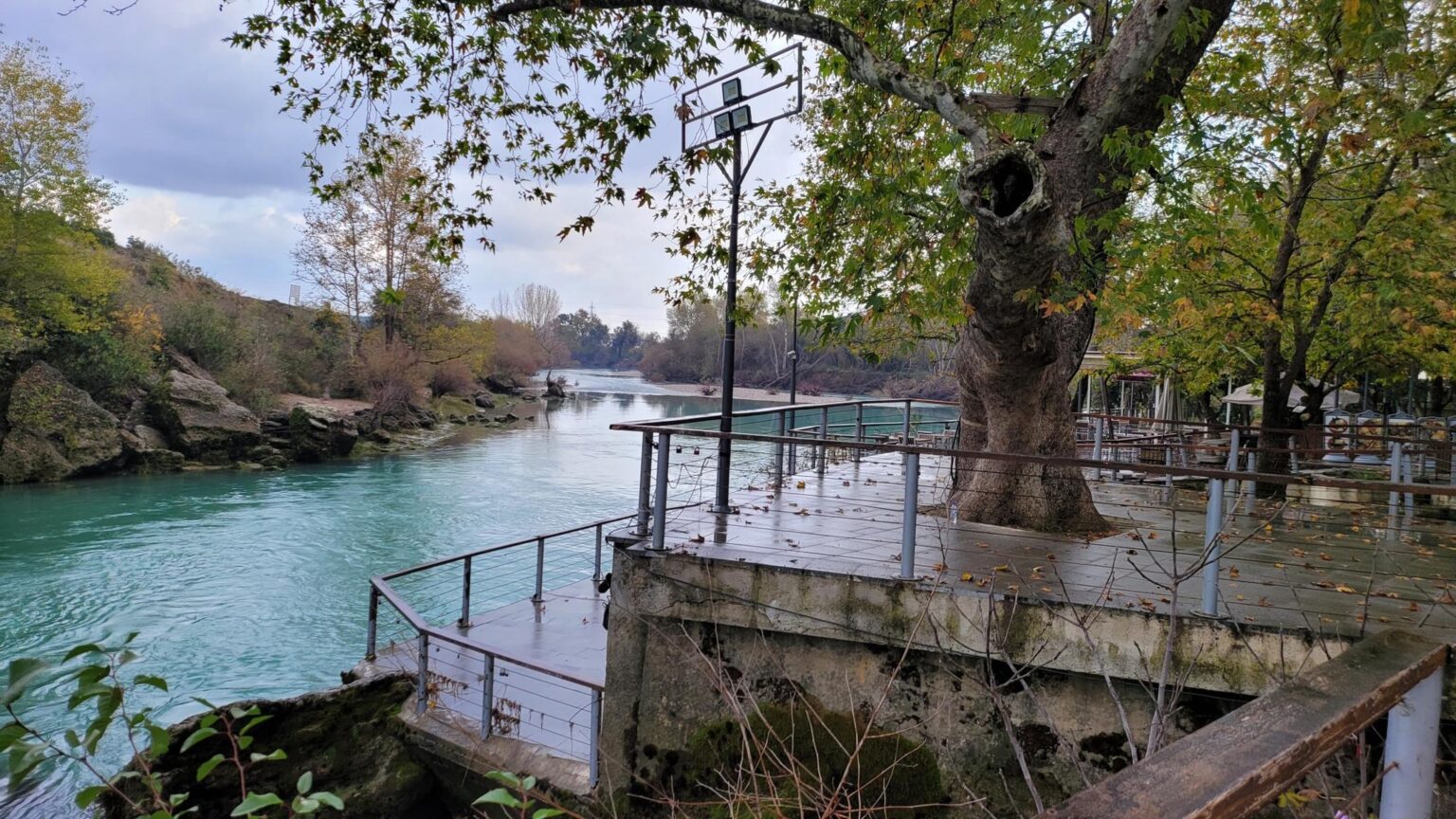
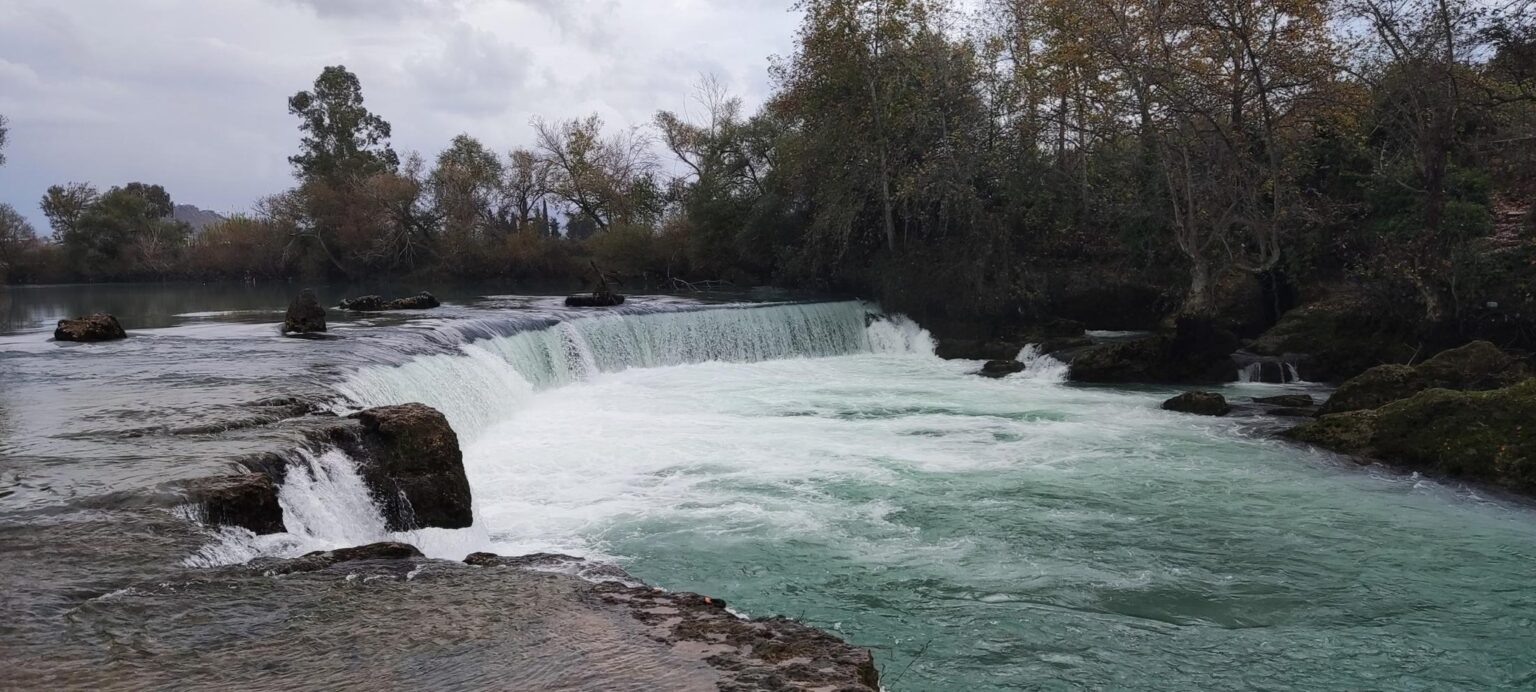
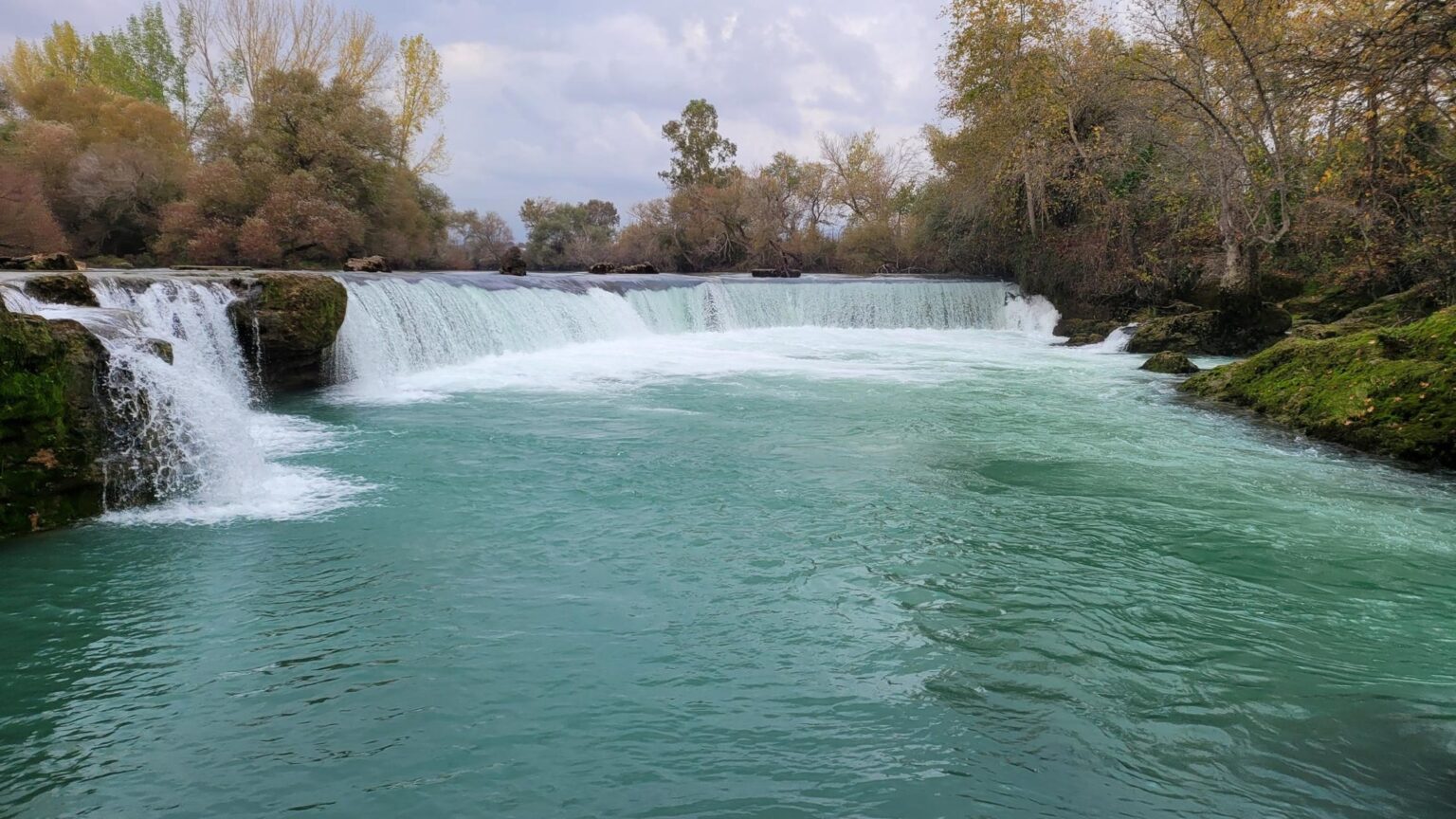
A quick look online: there’s a waterfall about half an hour away by minibus. It looks interesting and apparently it was once printed on banknotes. It’s open. For a token entry fee you go into what amounts to a mini park with a few cafés and souvenir stalls. Naturally, cats are waiting for us. There’s an ice cream stand and they put on a show. My clip shows the faces of strangers, but to give you the idea I’m attaching what I watched live and what one poor woman went through, blushing.
The waterfall itself… what can I tell you, it’s a waterfall. Not bad, a nice little park, pleasant. It isn’t a wow, but it’s a pleasant addition to the atmosphere. If you don’t sit down to eat or drink coffee, there’s nothing to do beyond half an hour.
Update 2026: the 5-lira tickets for the city museum and the waterfall park are ancient history as figures, though both remain genuinely cheap by any European standard. The waterfall park charges a small entrance fee at the gate, and the dolmuş remains the sane way to get there.
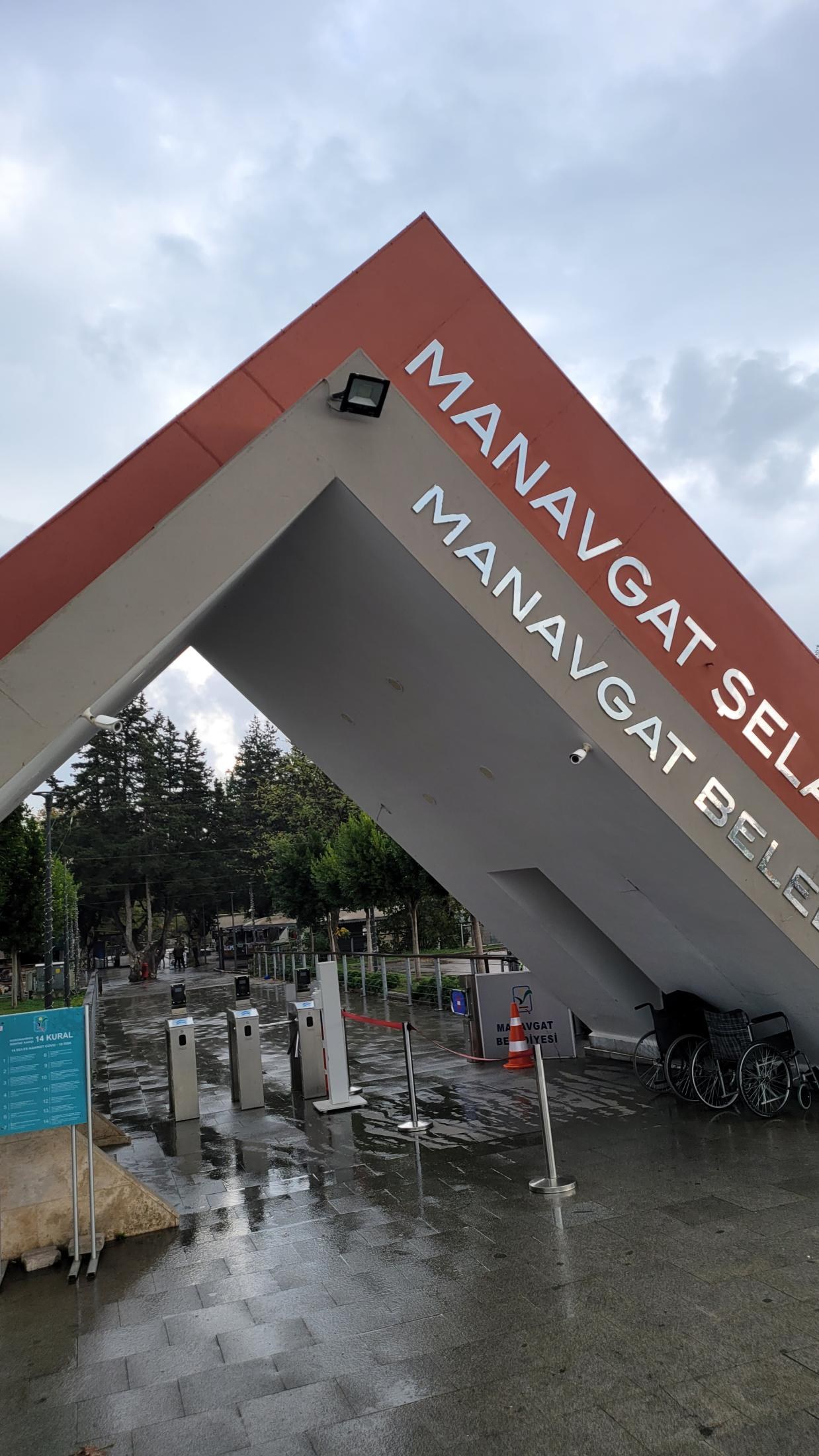
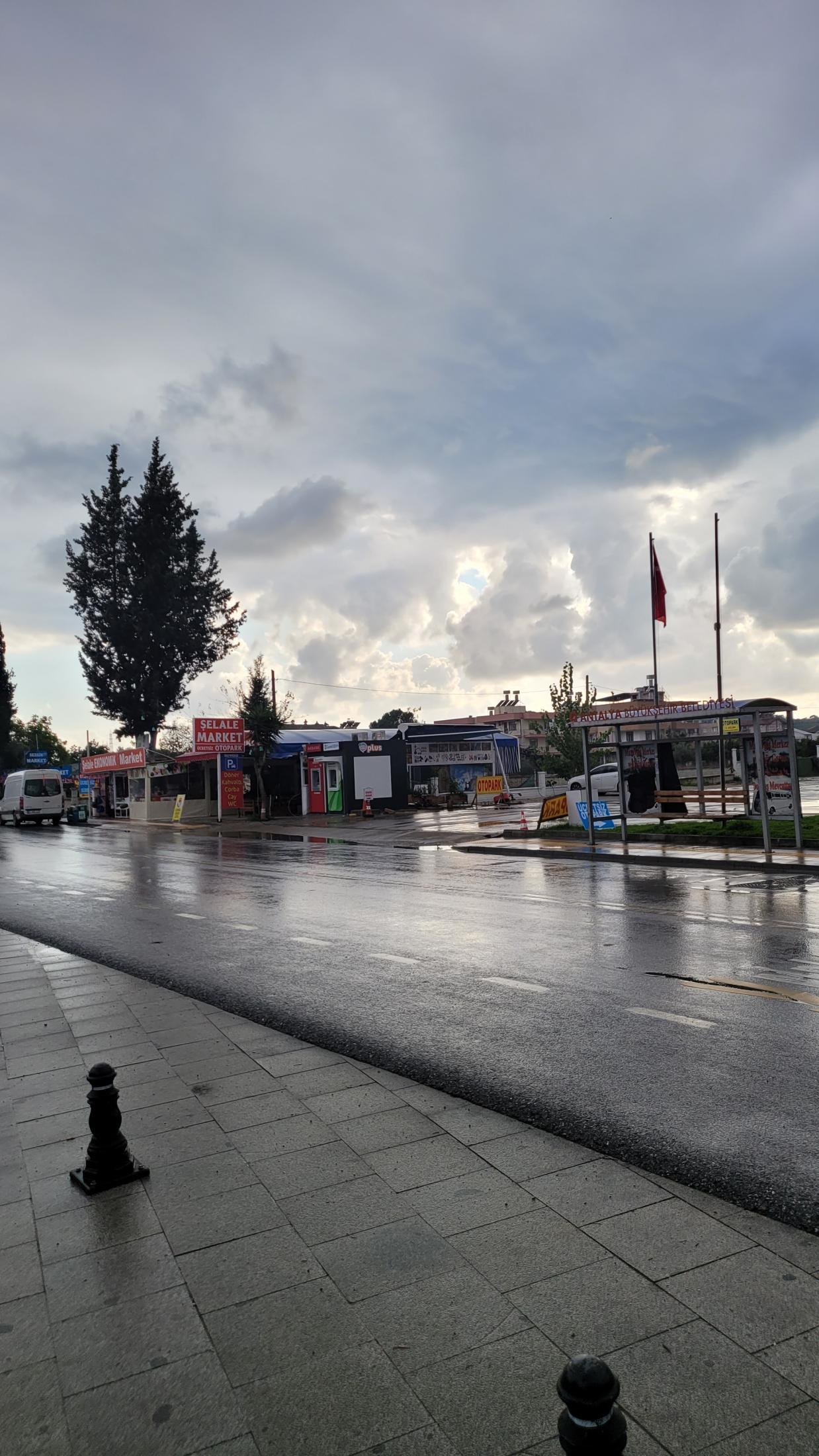
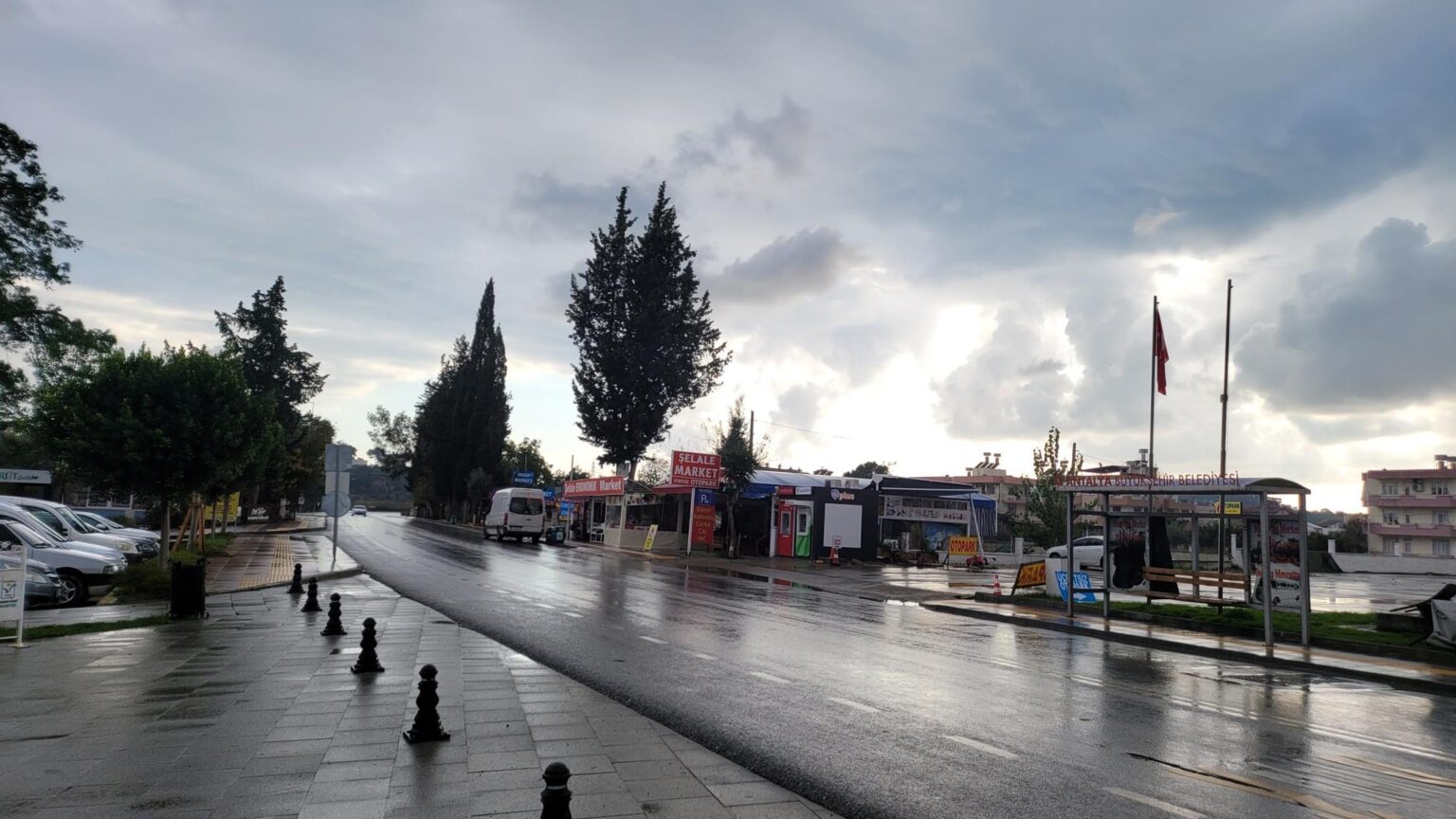
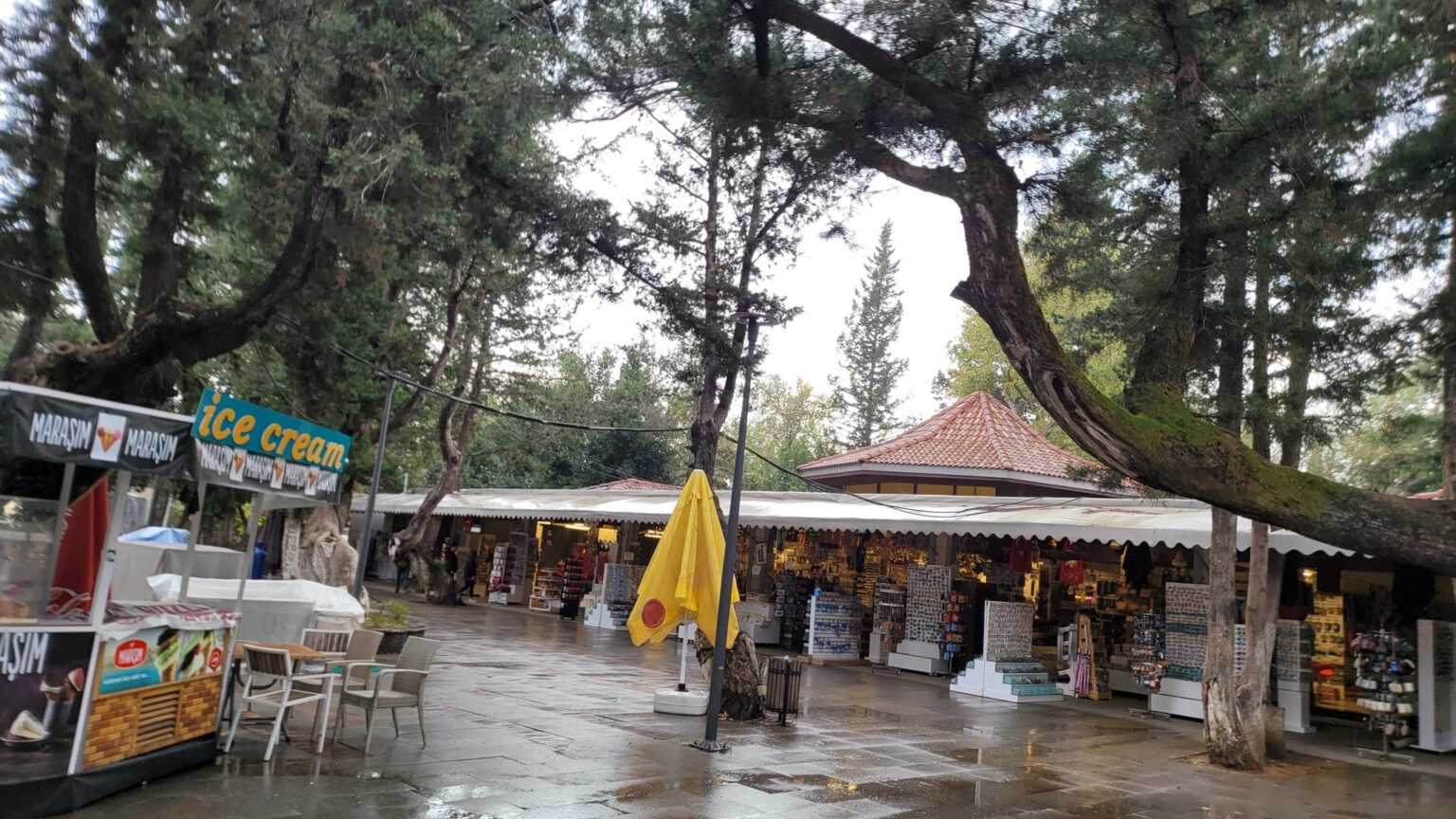
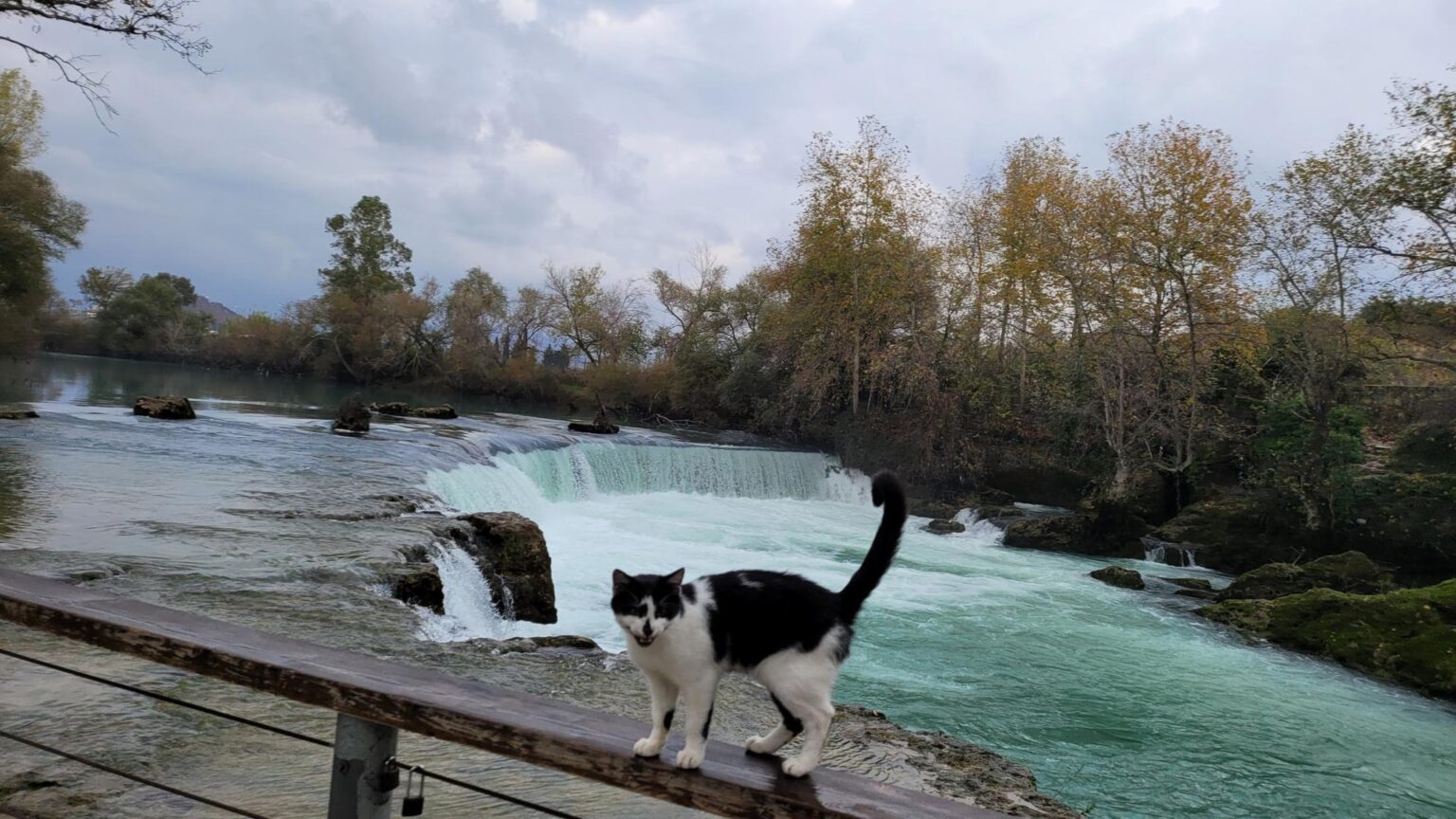
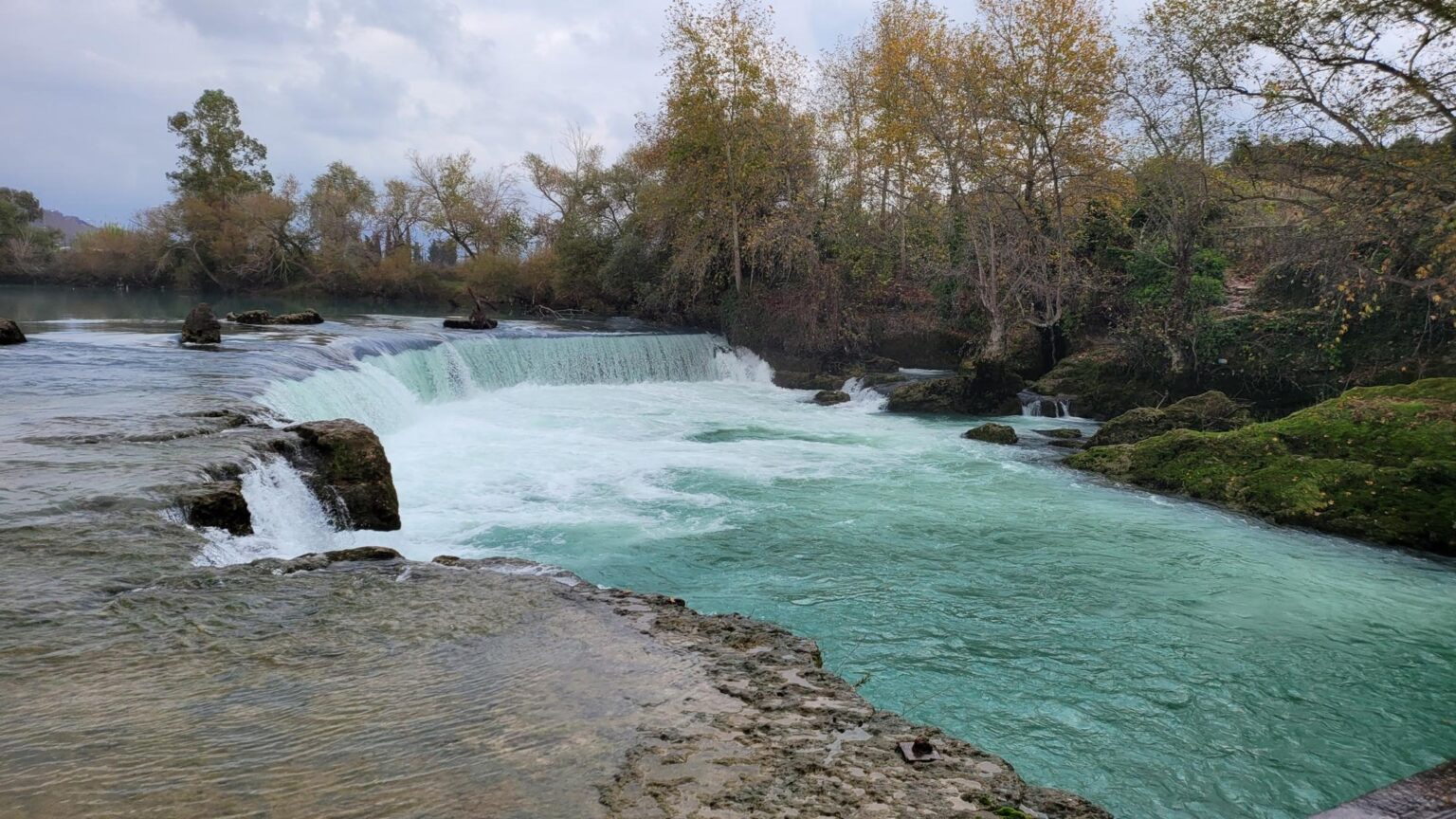
Look, a minibus for next to nothing, heading to:
Side
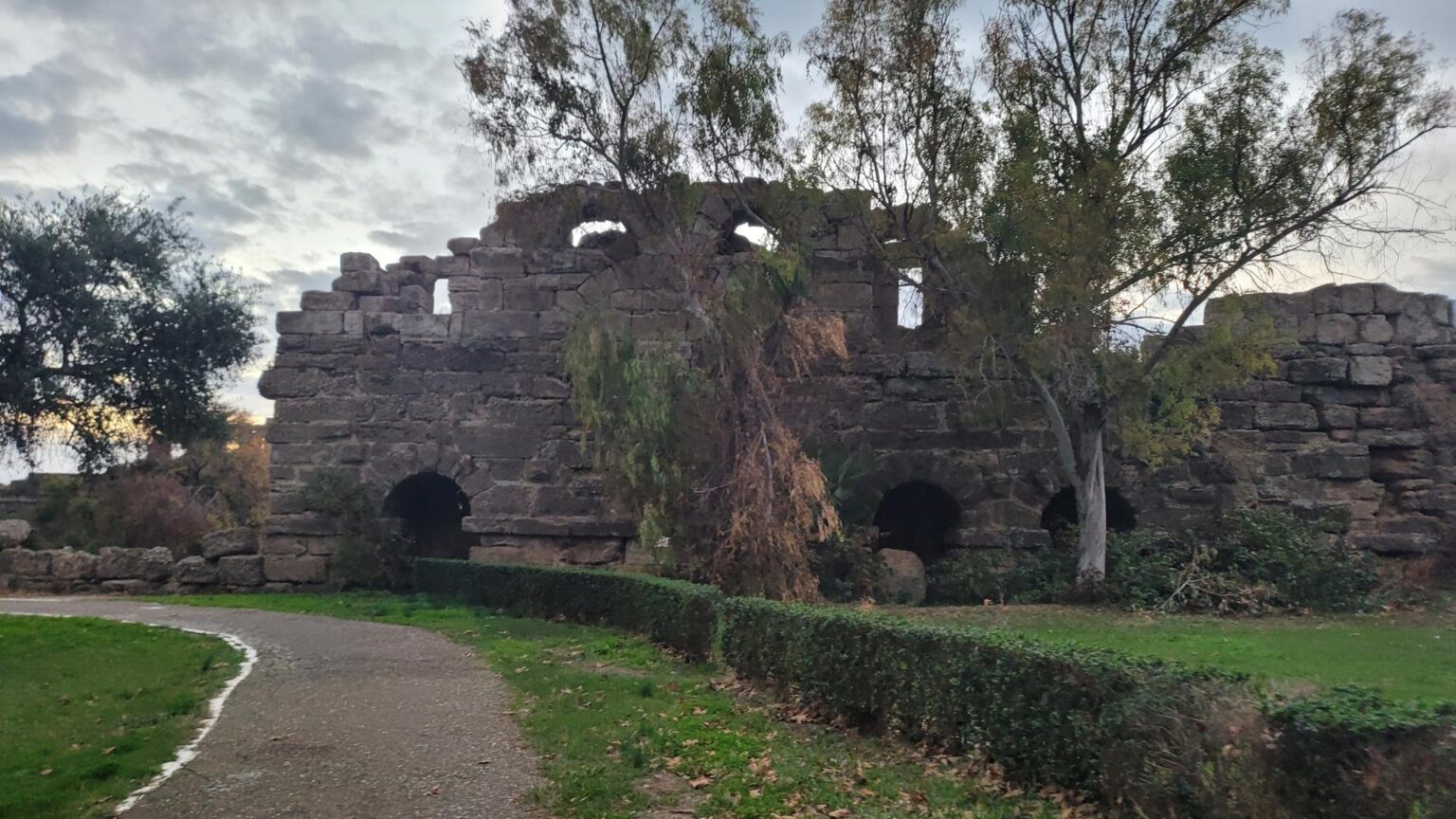
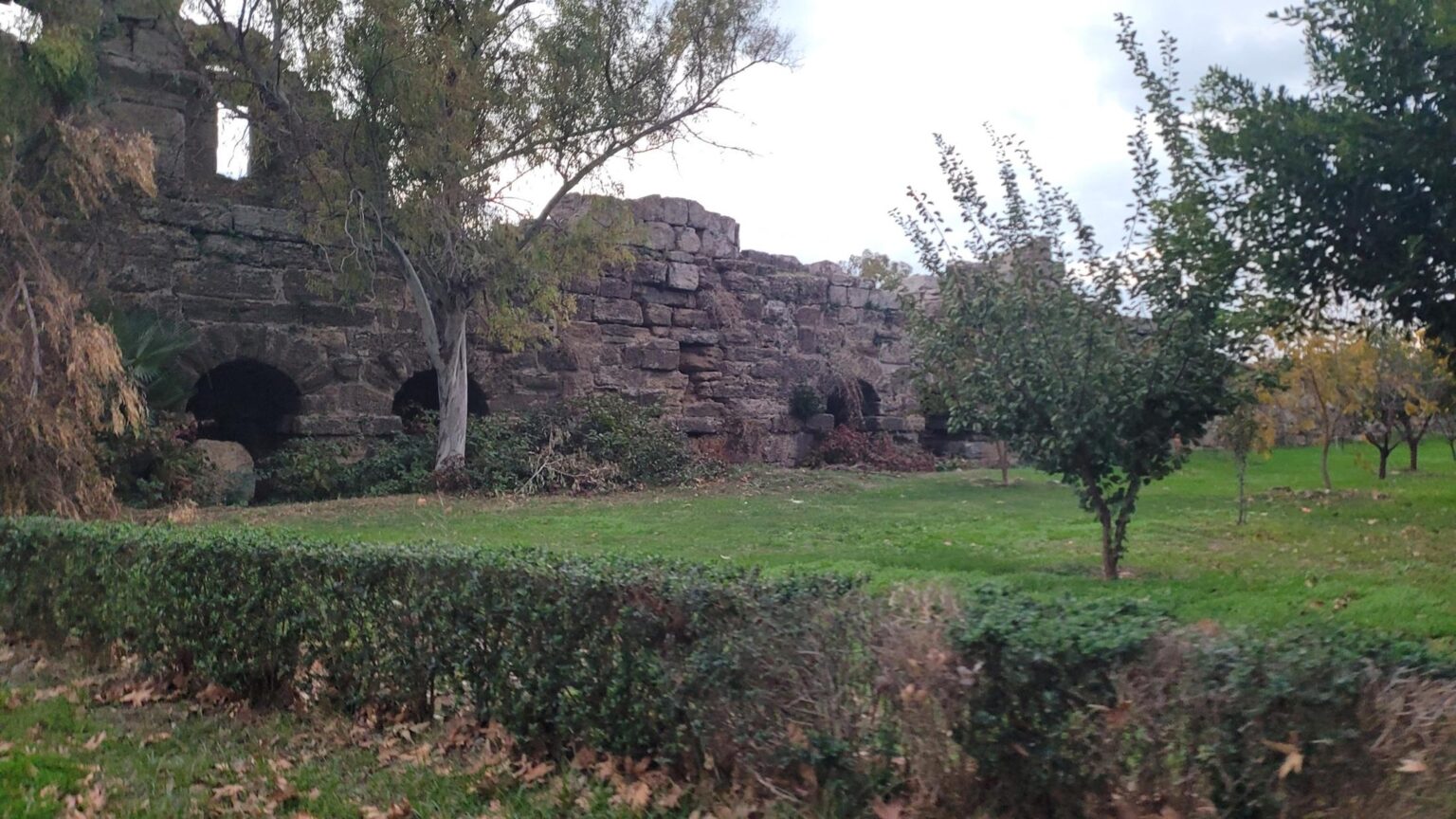
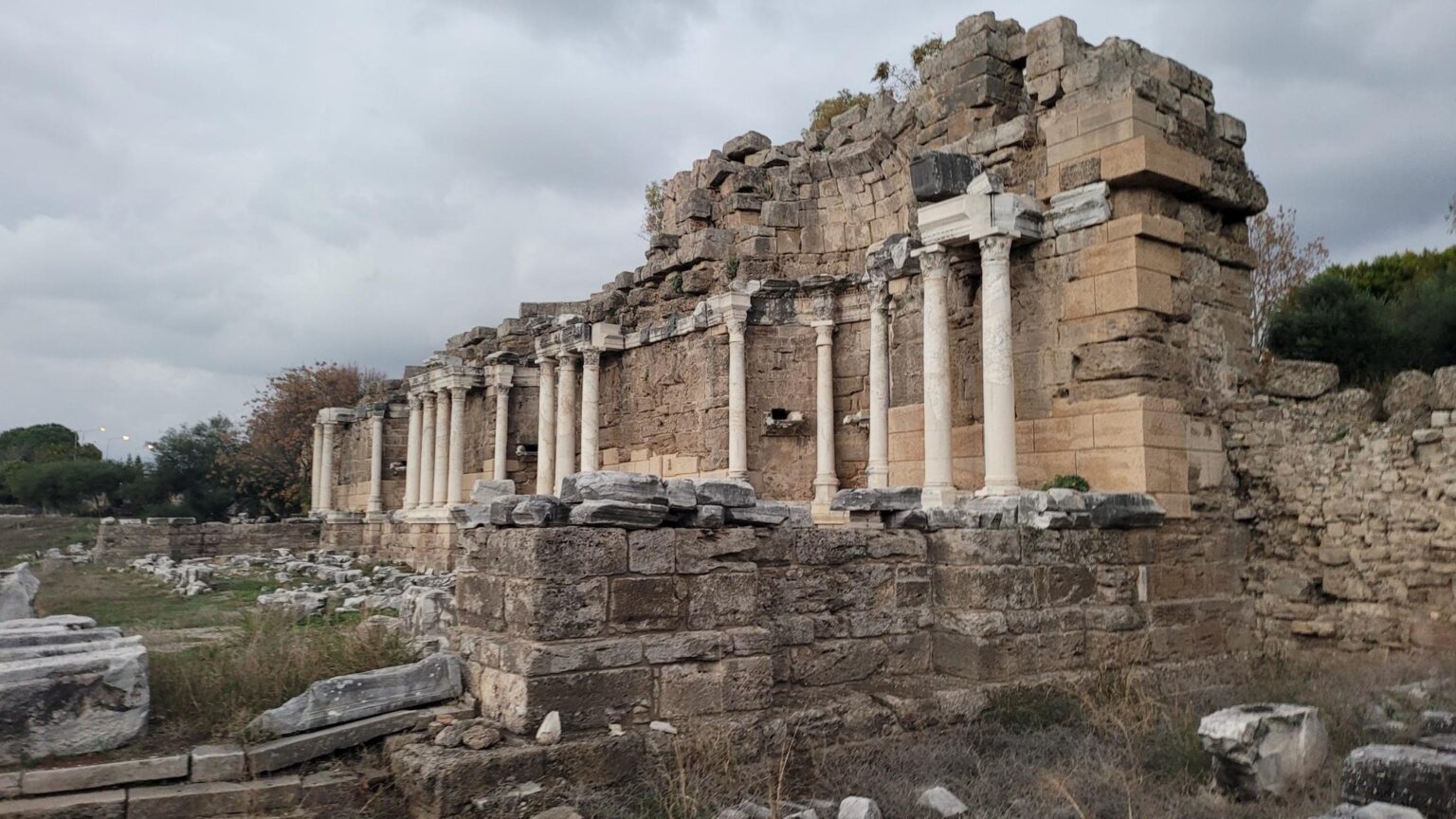
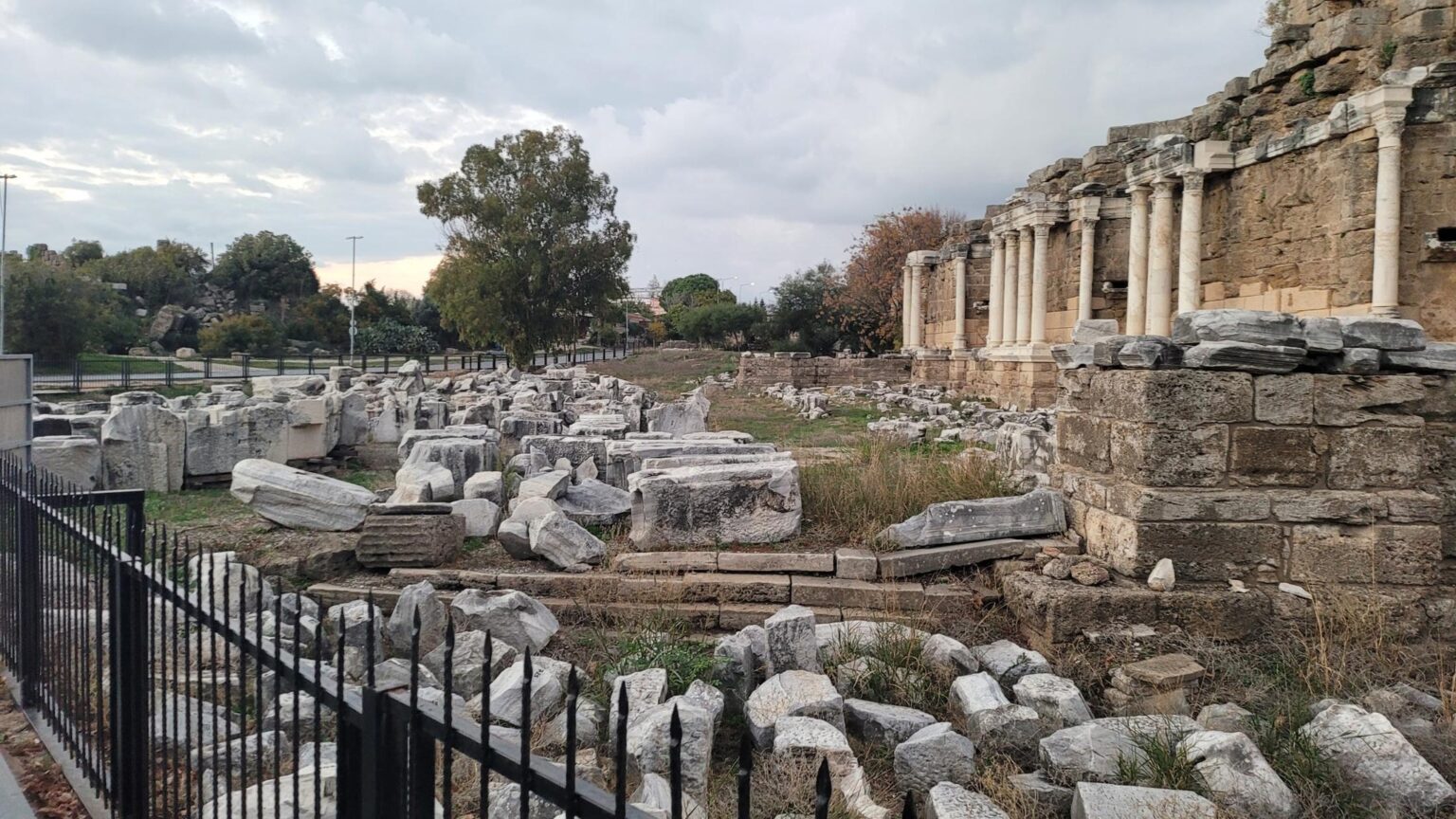
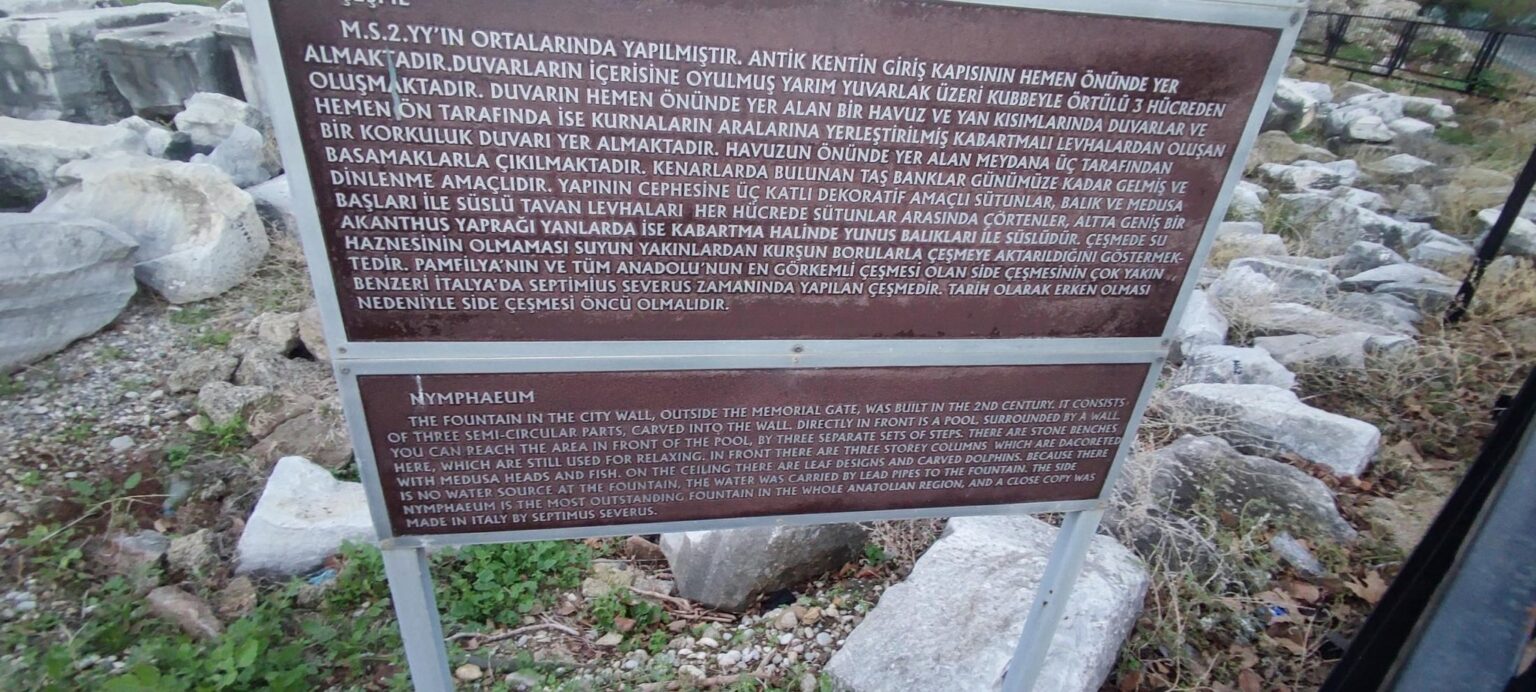
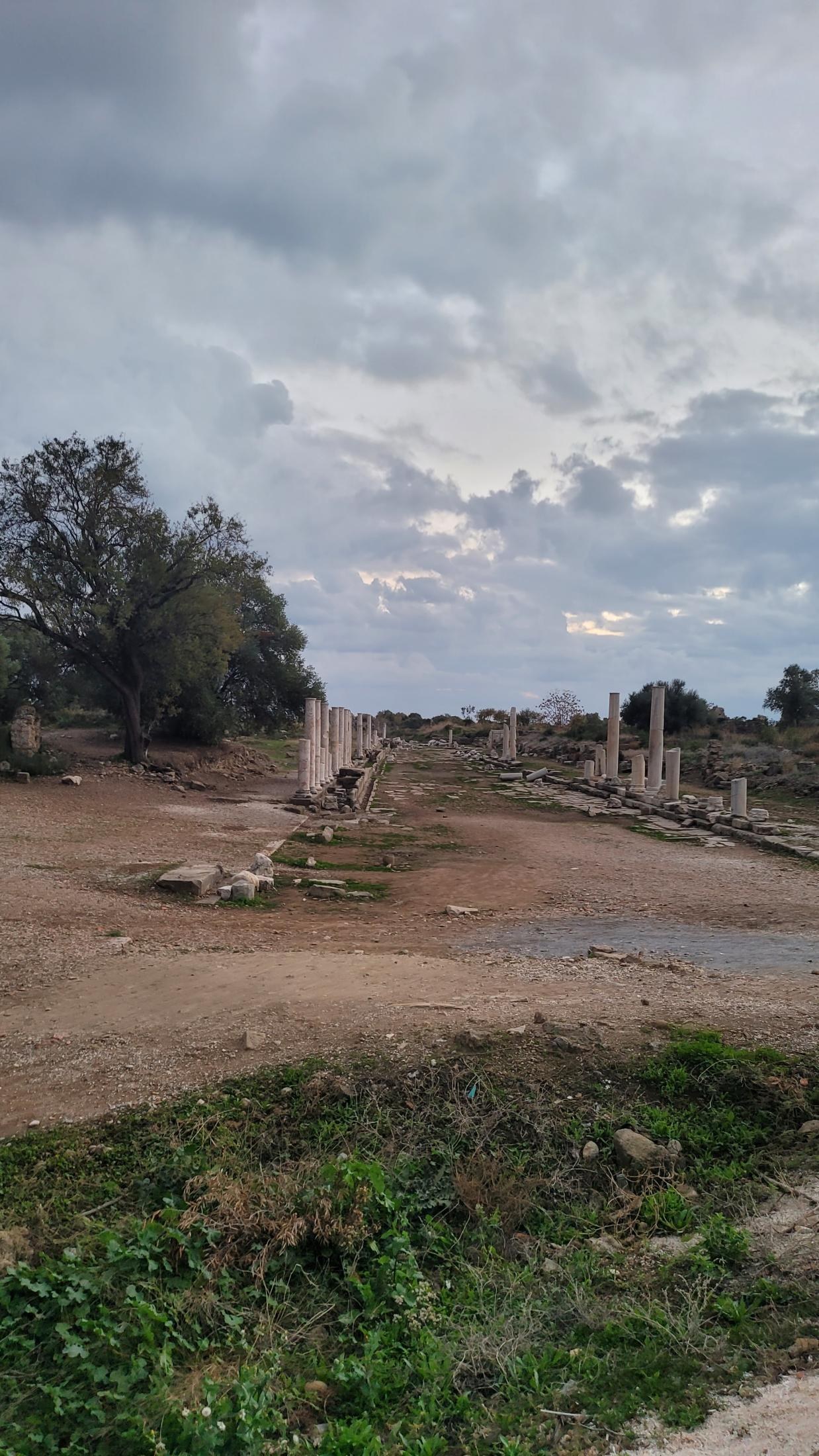
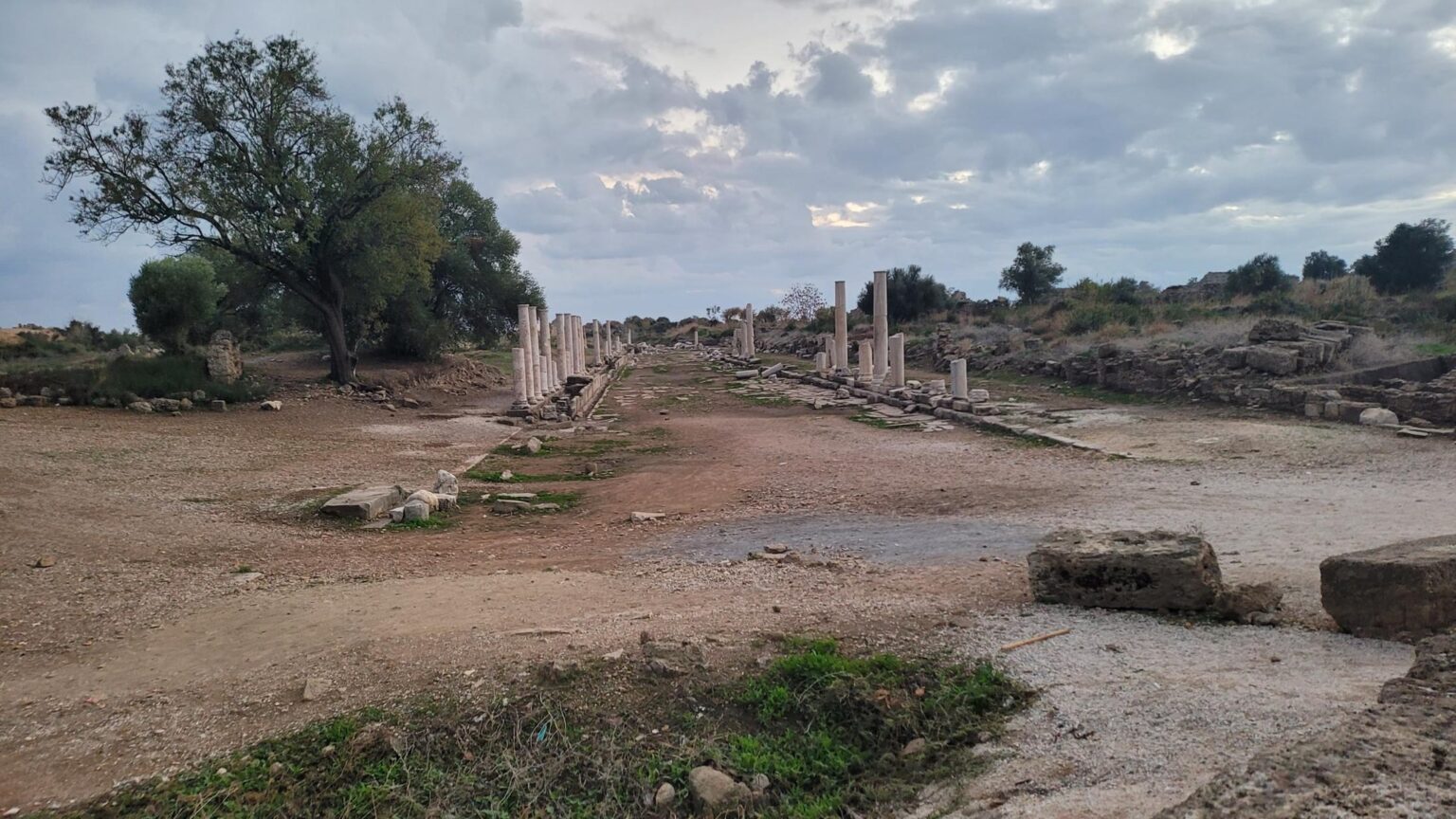
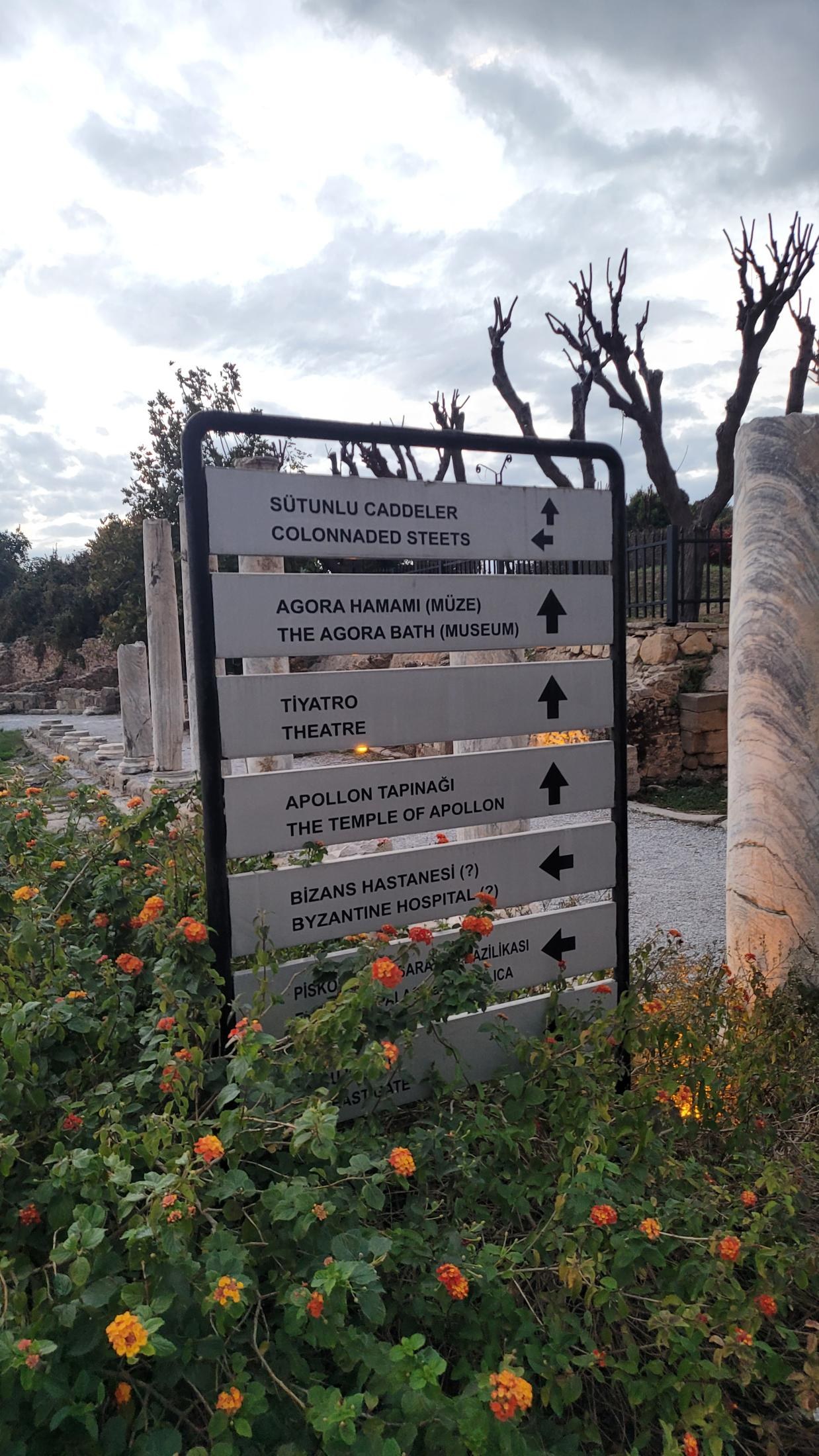
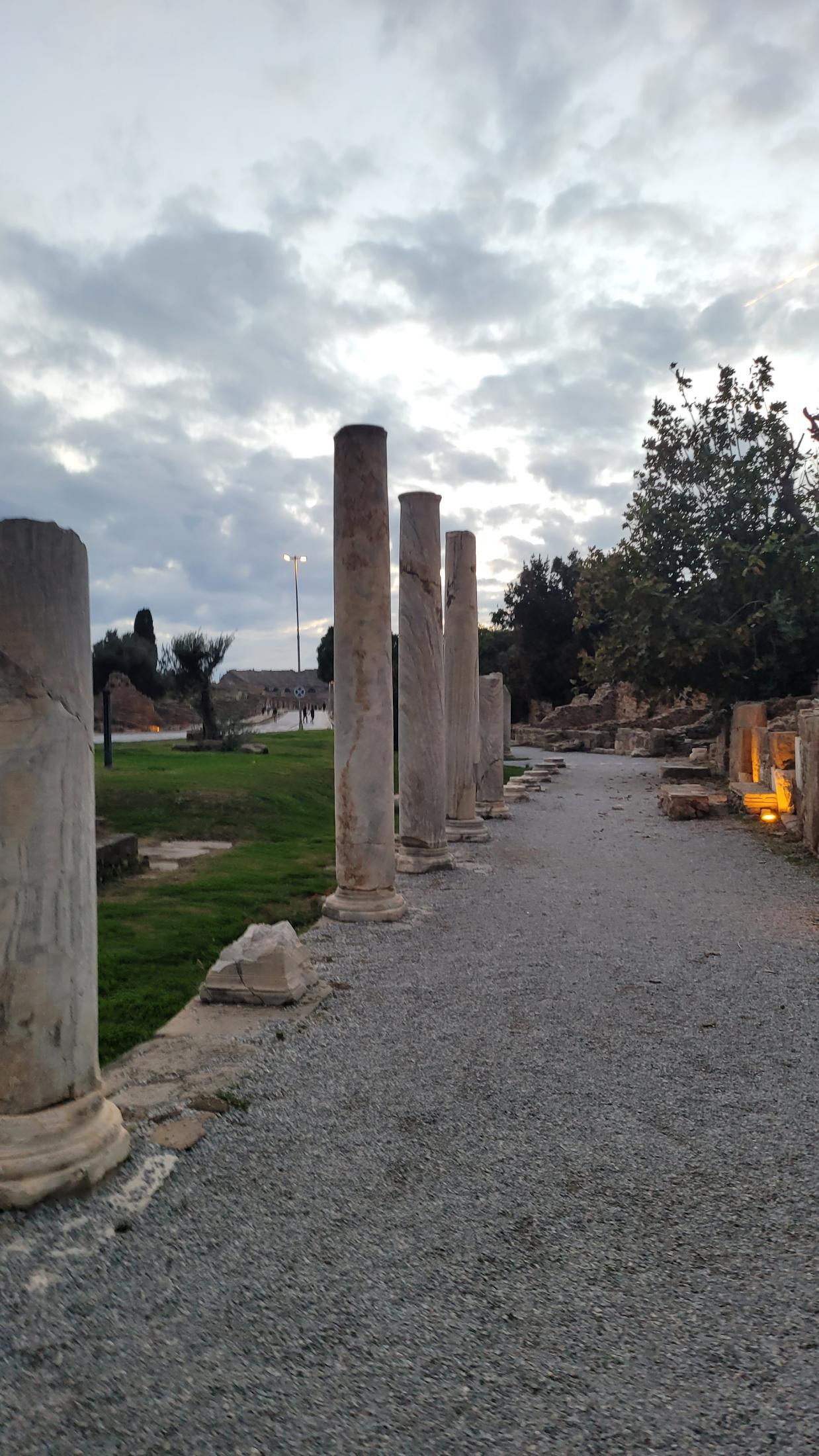
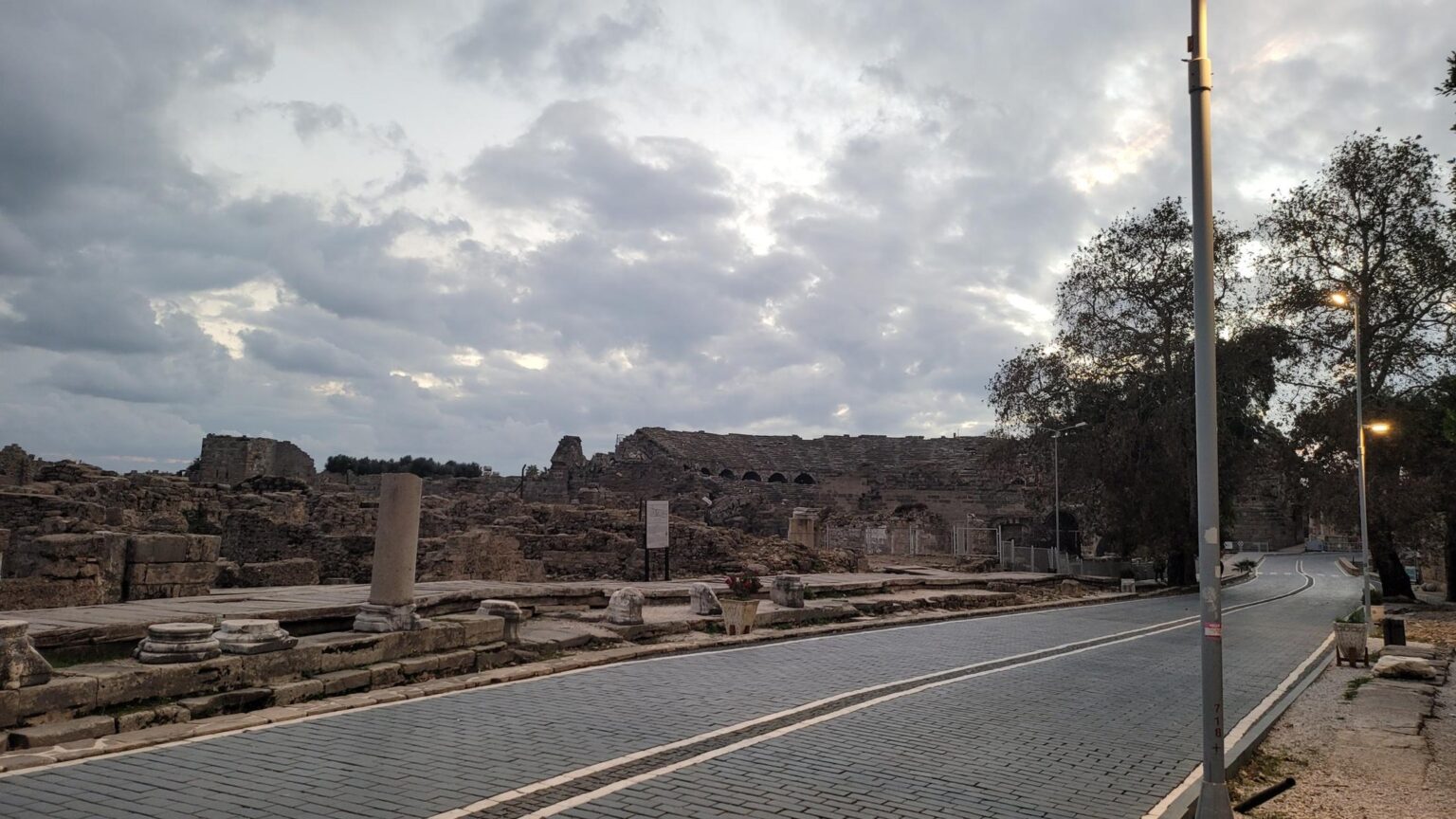
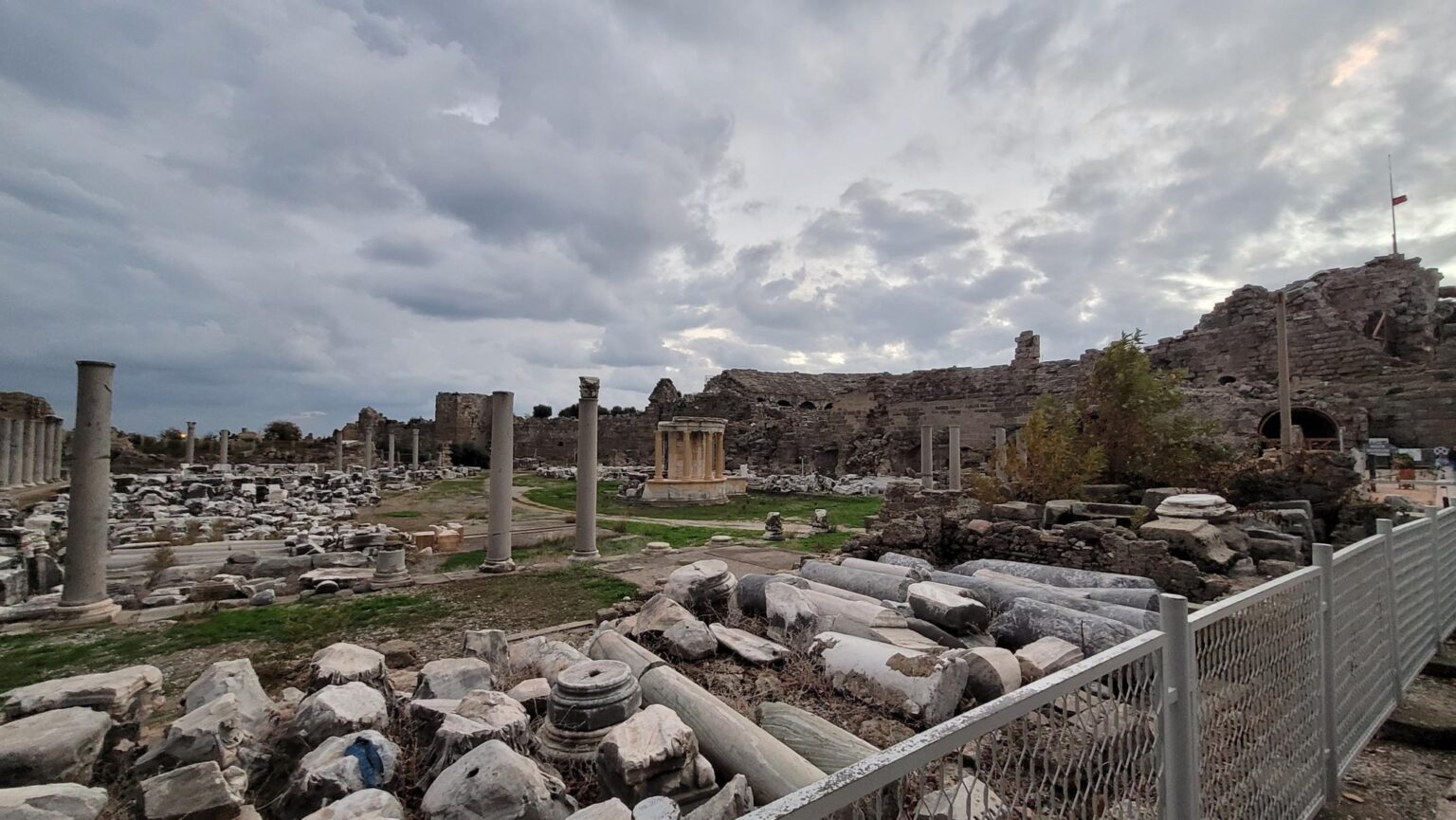
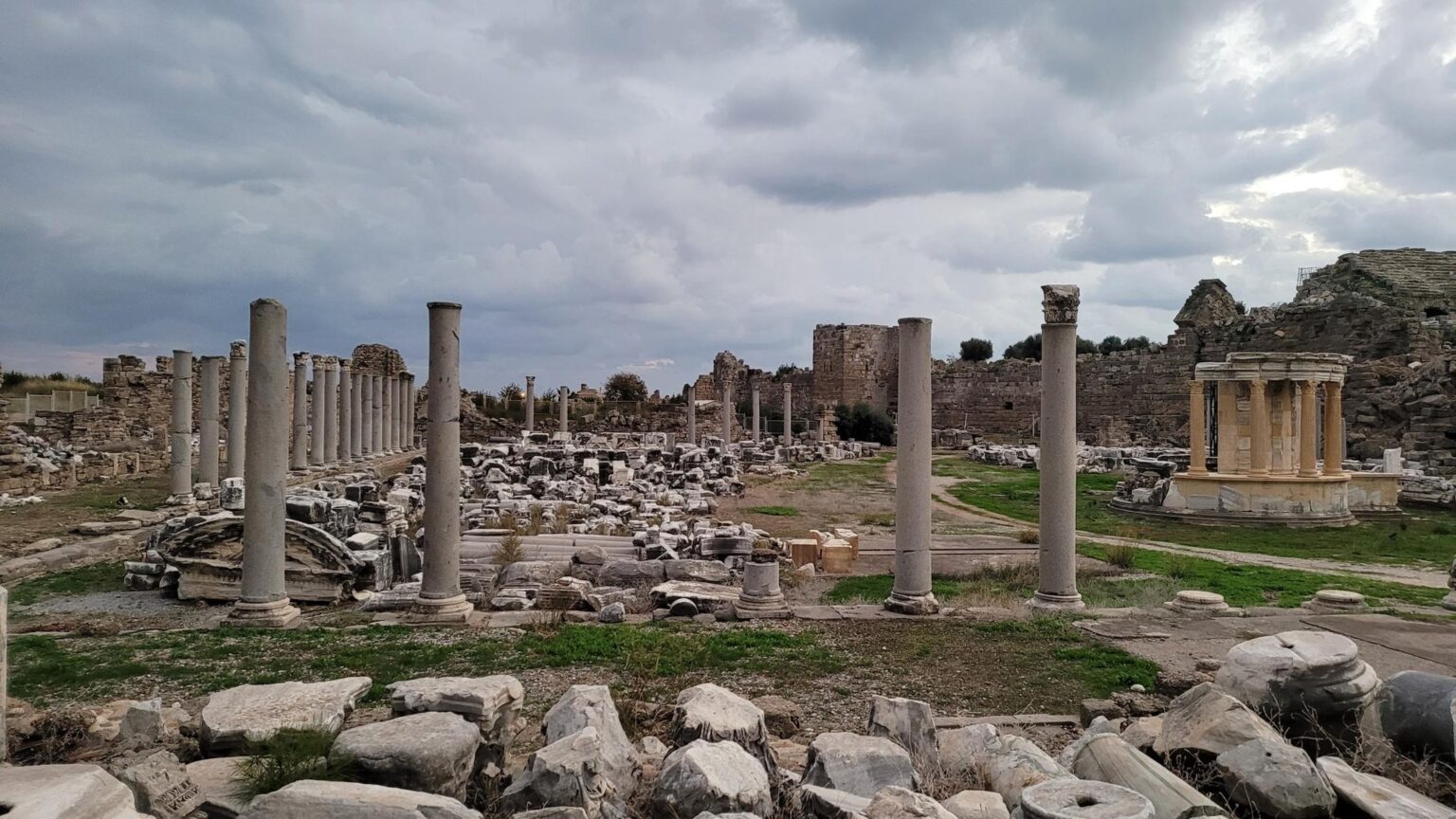
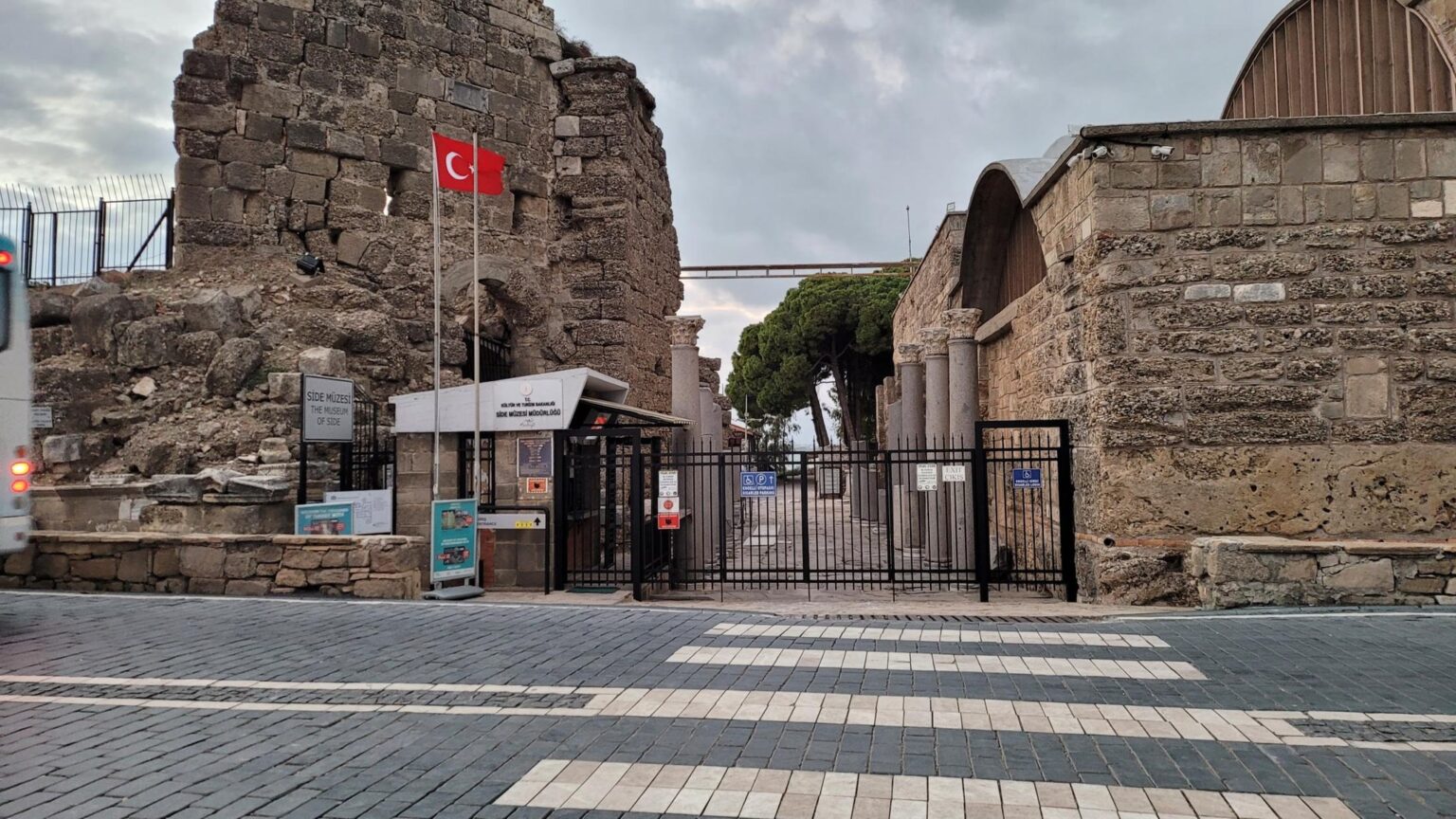
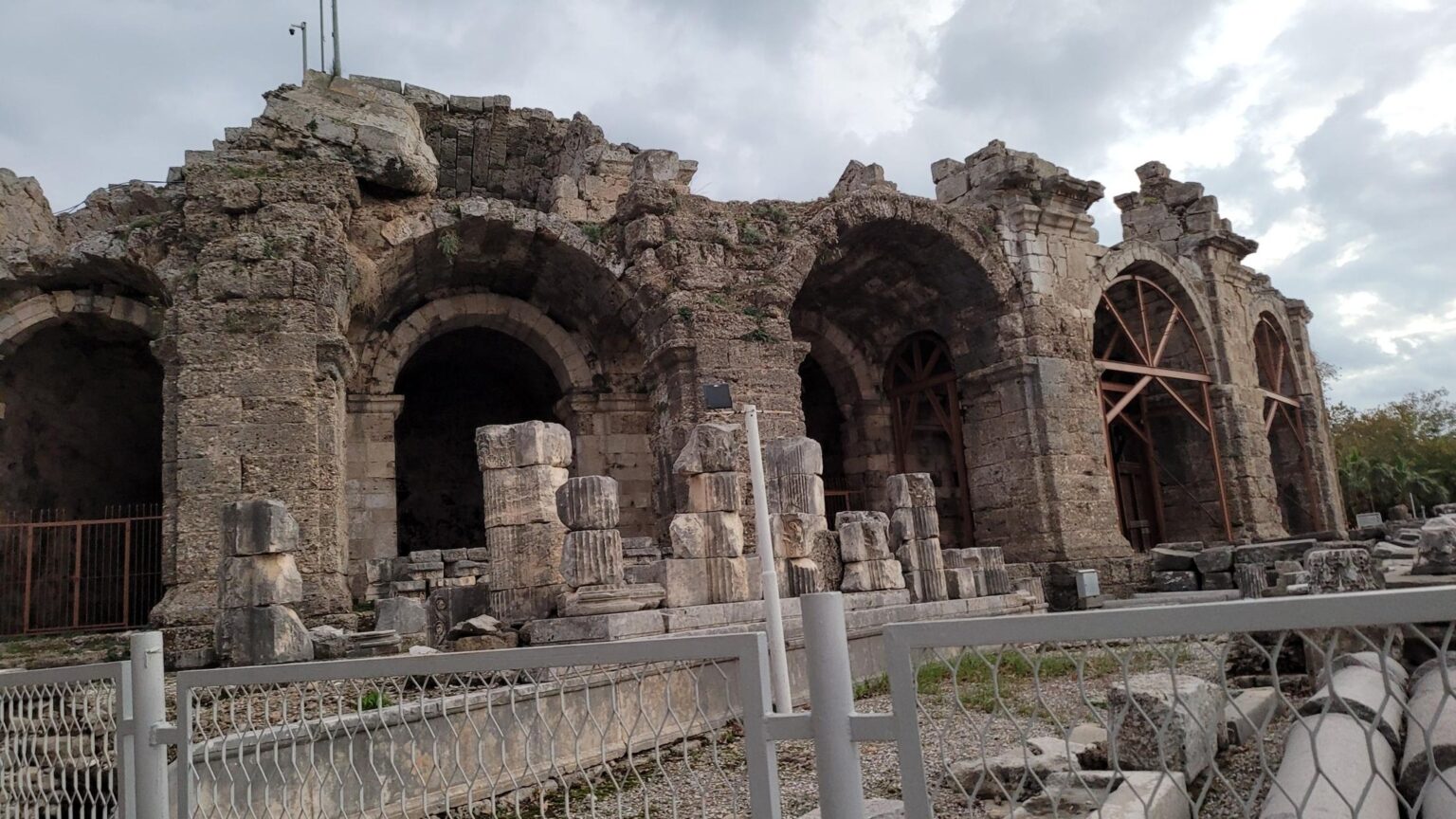
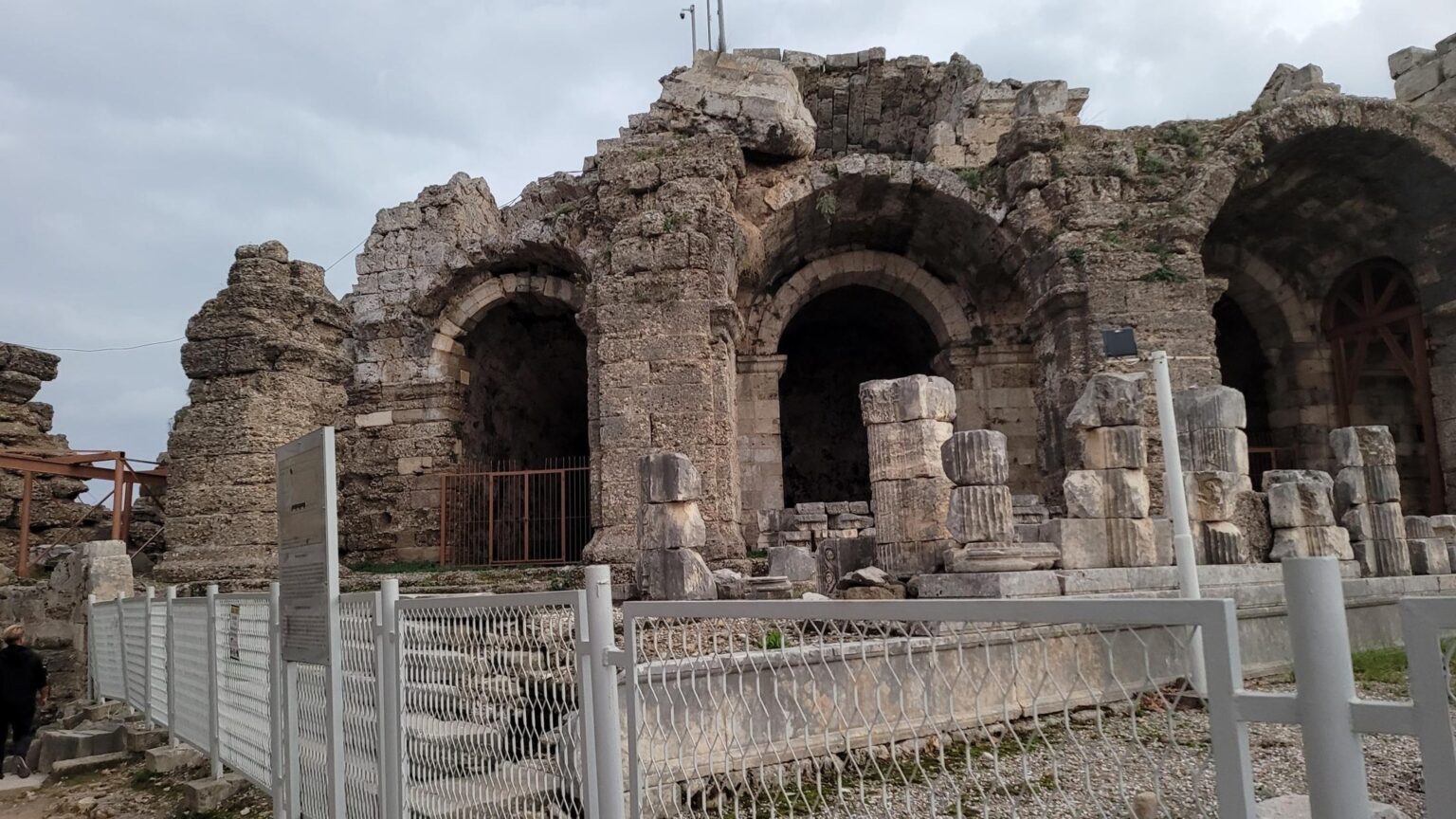
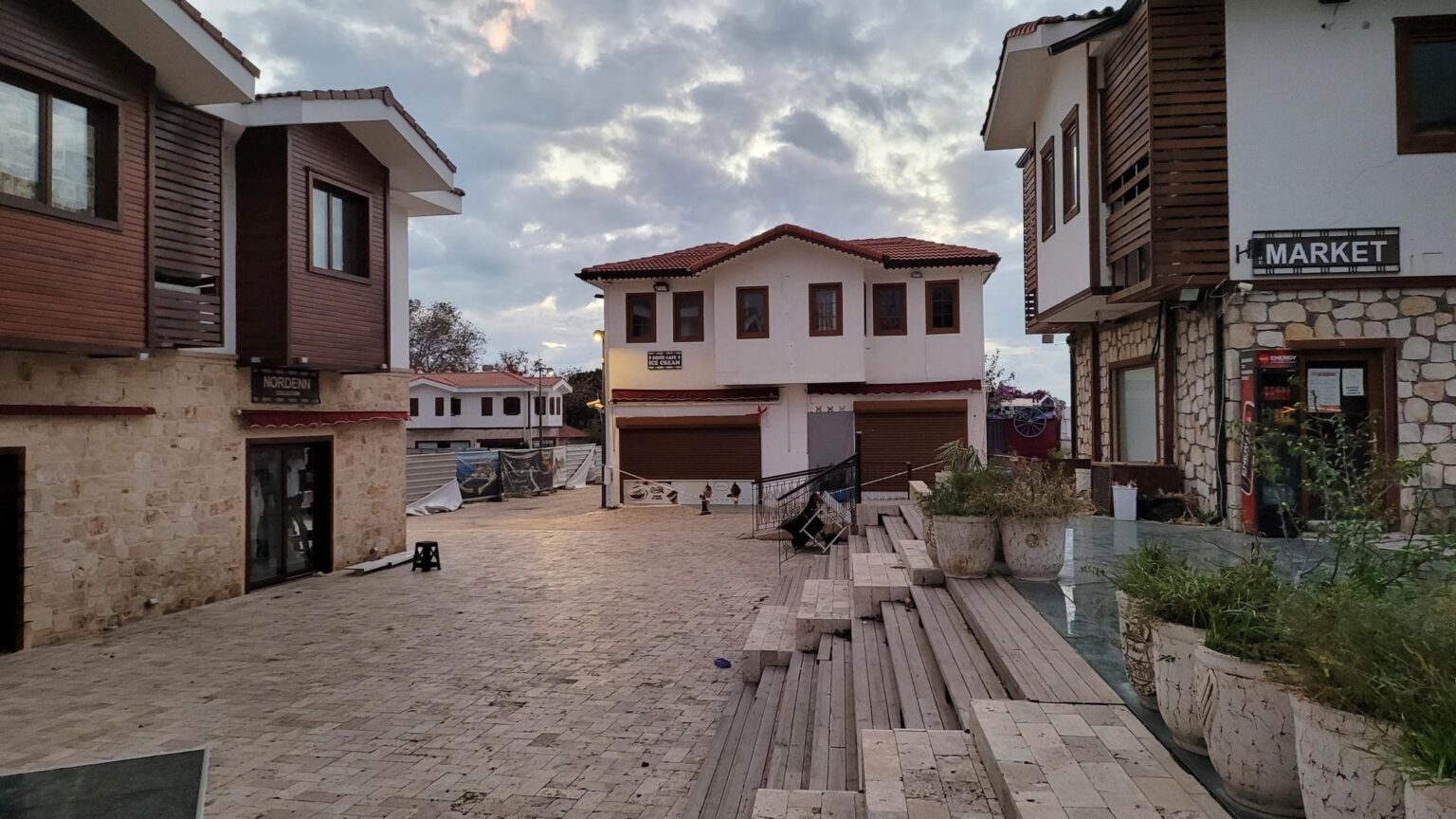
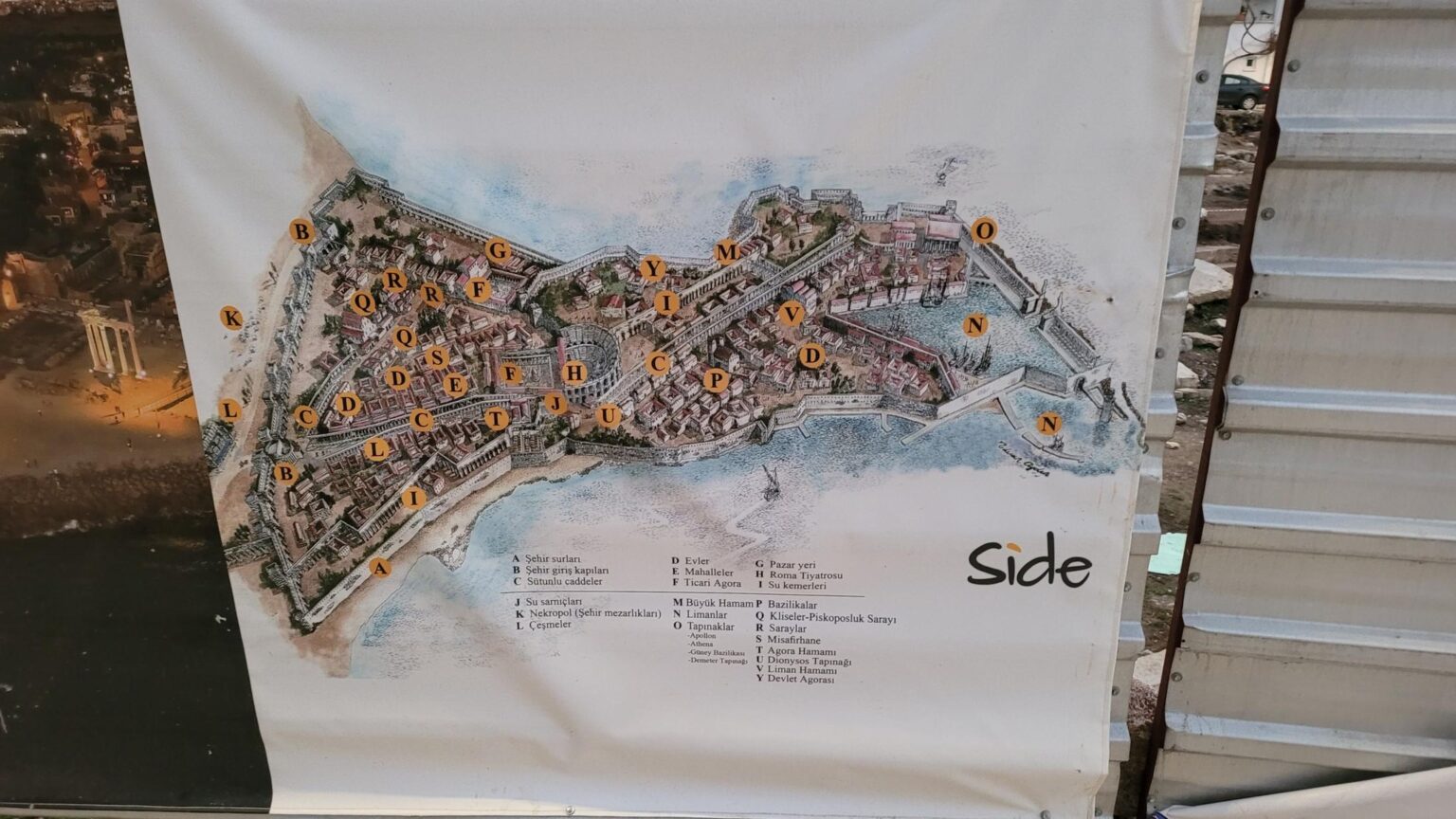
Side is noticeably more touristy. It resembles the old town of Sozopol or the old town of Nessebar — Nessebar more so, because it sits on something resembling a peninsula. There are structures dated to the 7th century BC. It’s ancient. History, history, history. Look, a temple of Apollo raised in honour of Cleopatra and Mark Antony.
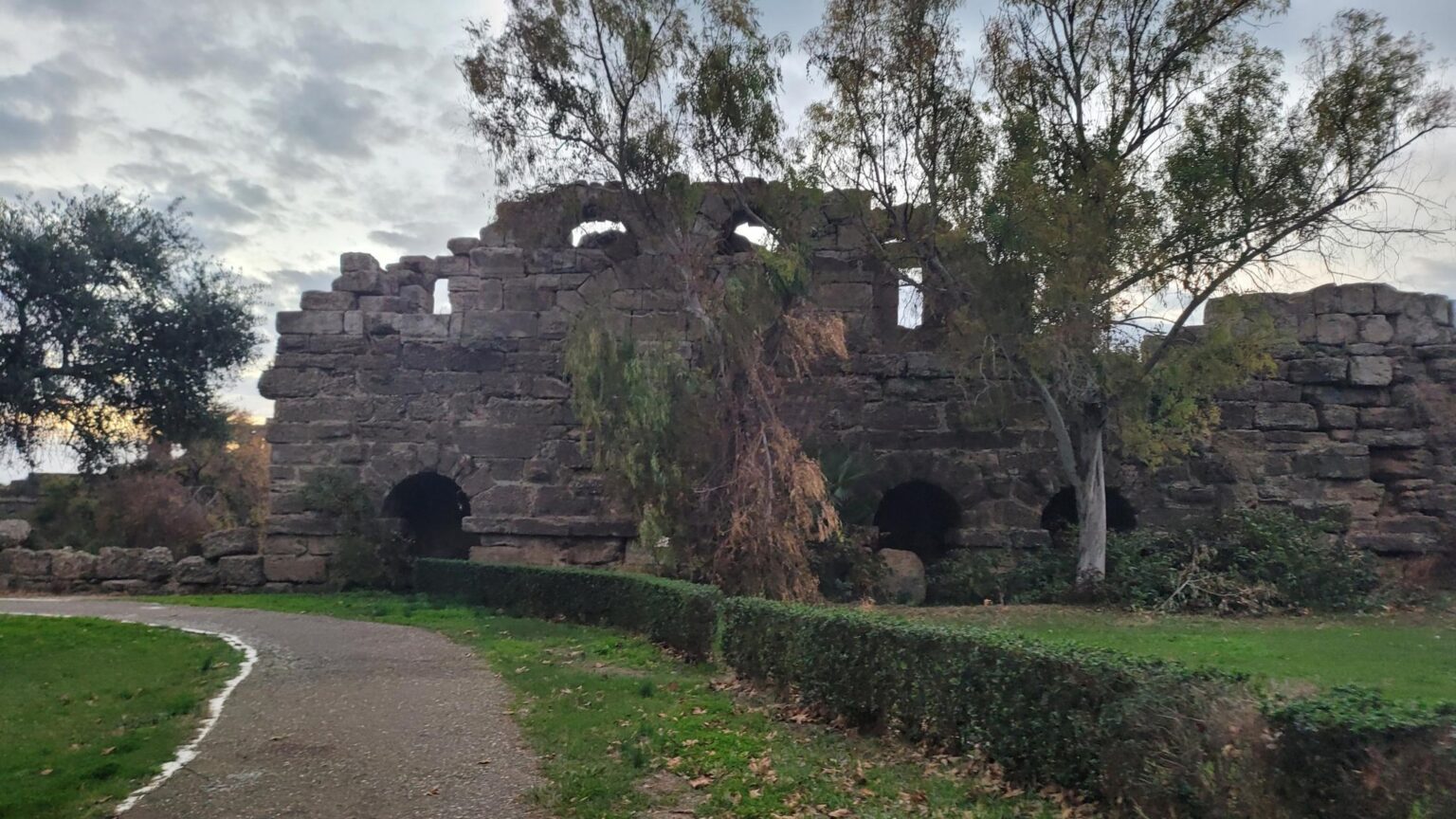
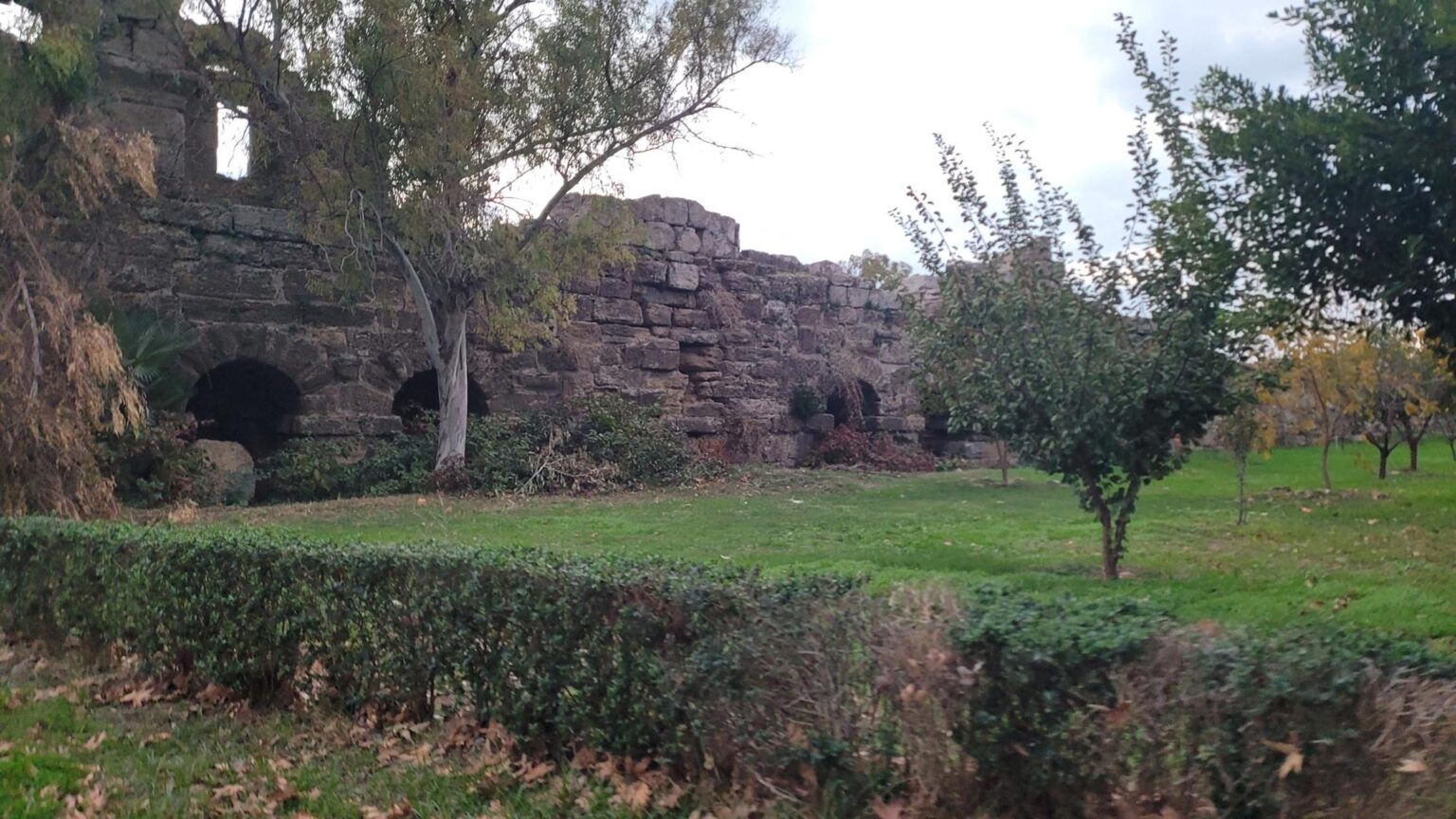
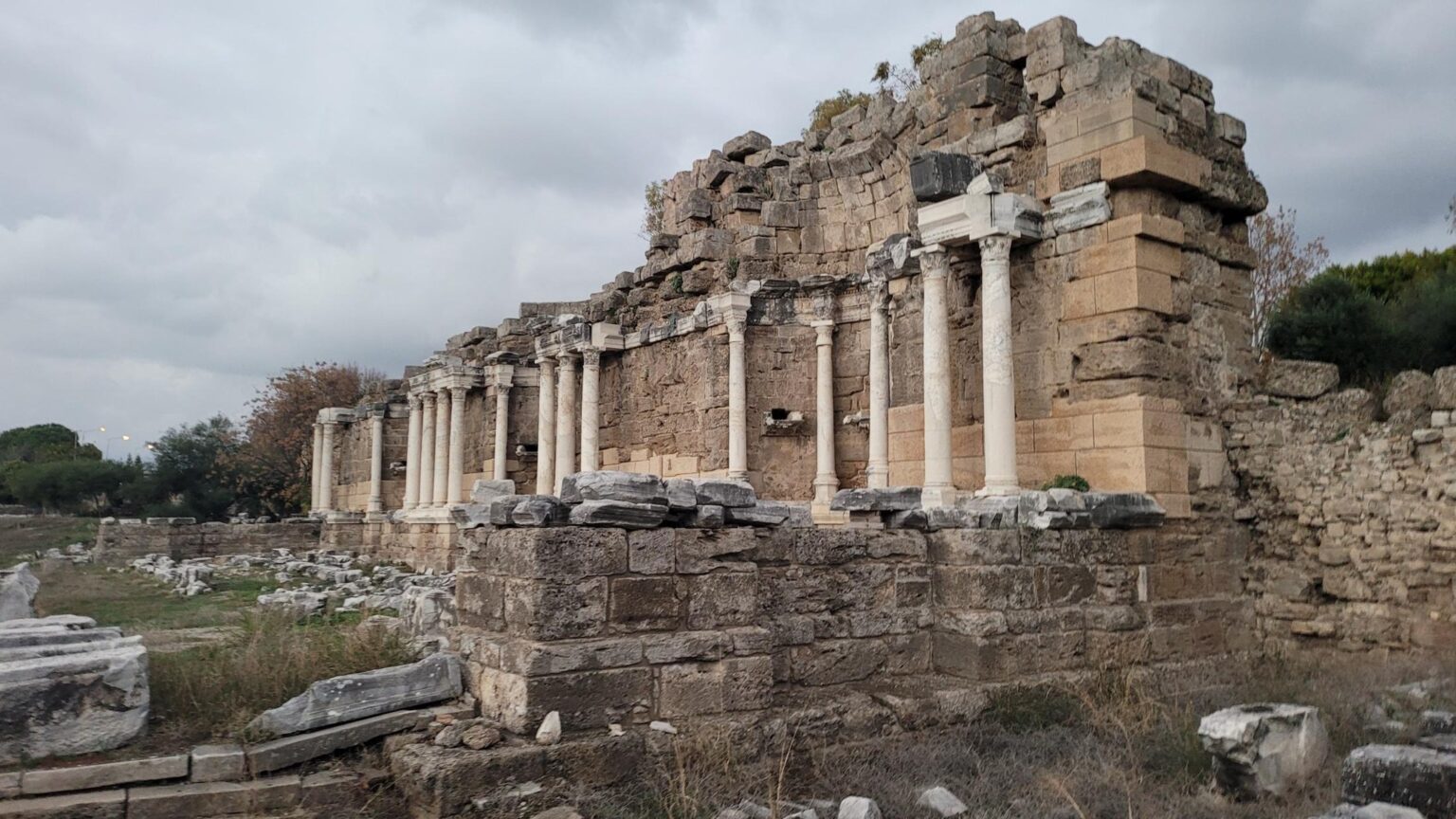
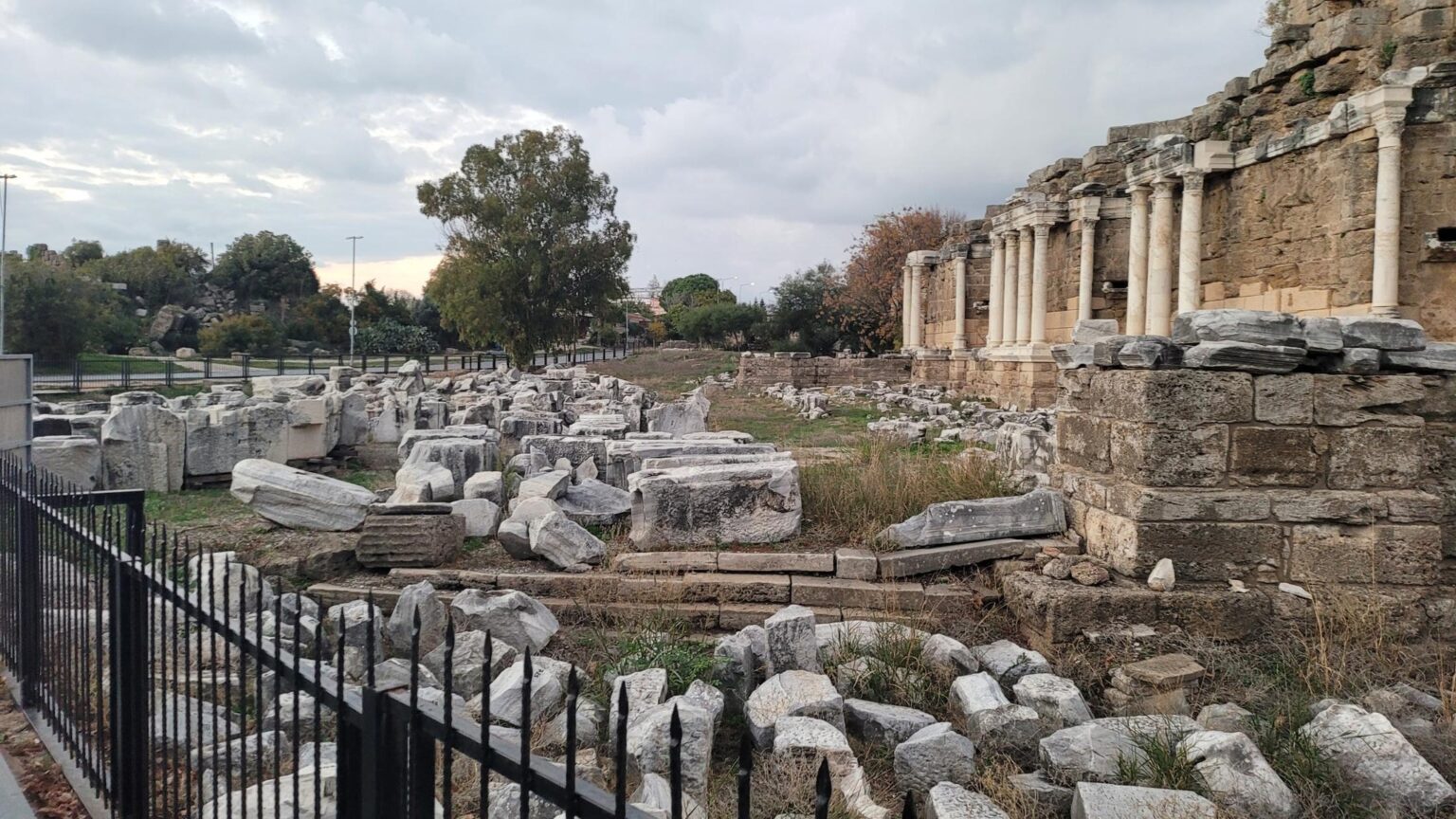
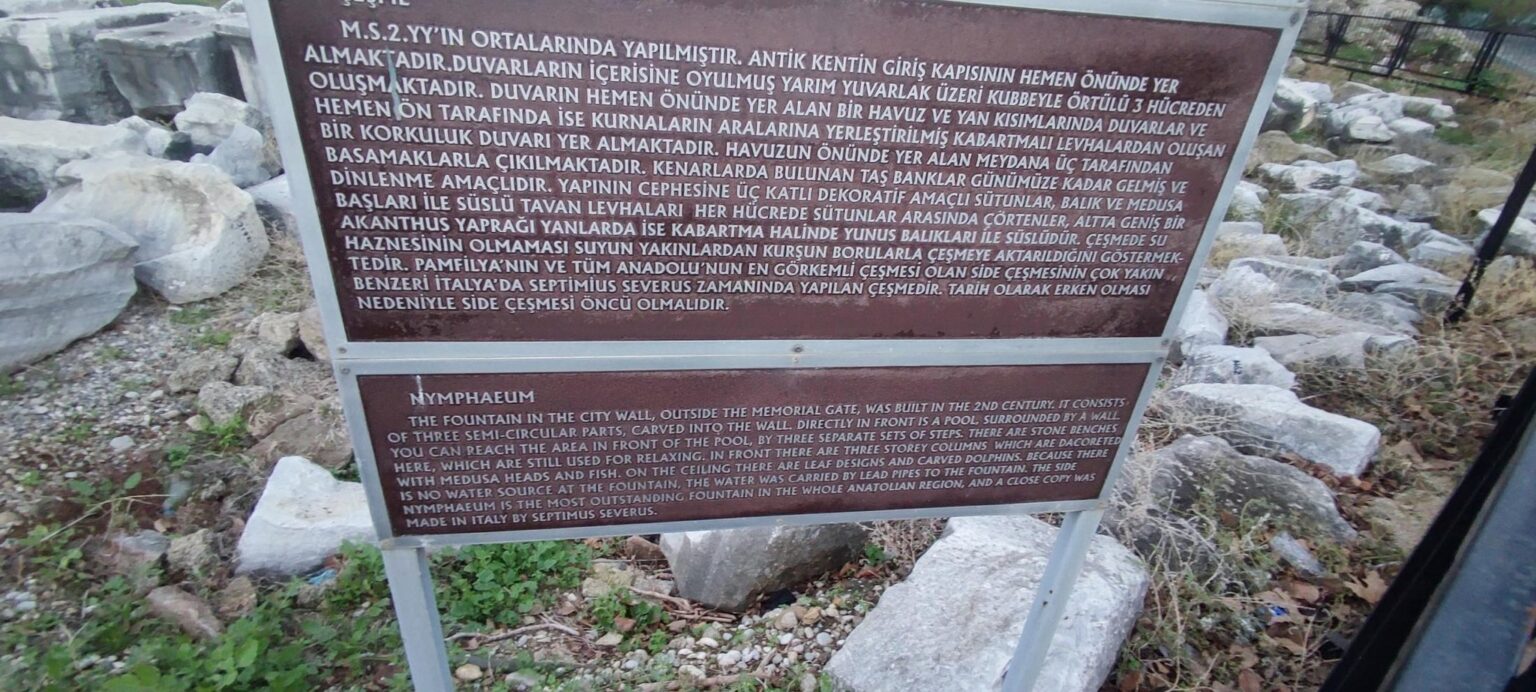
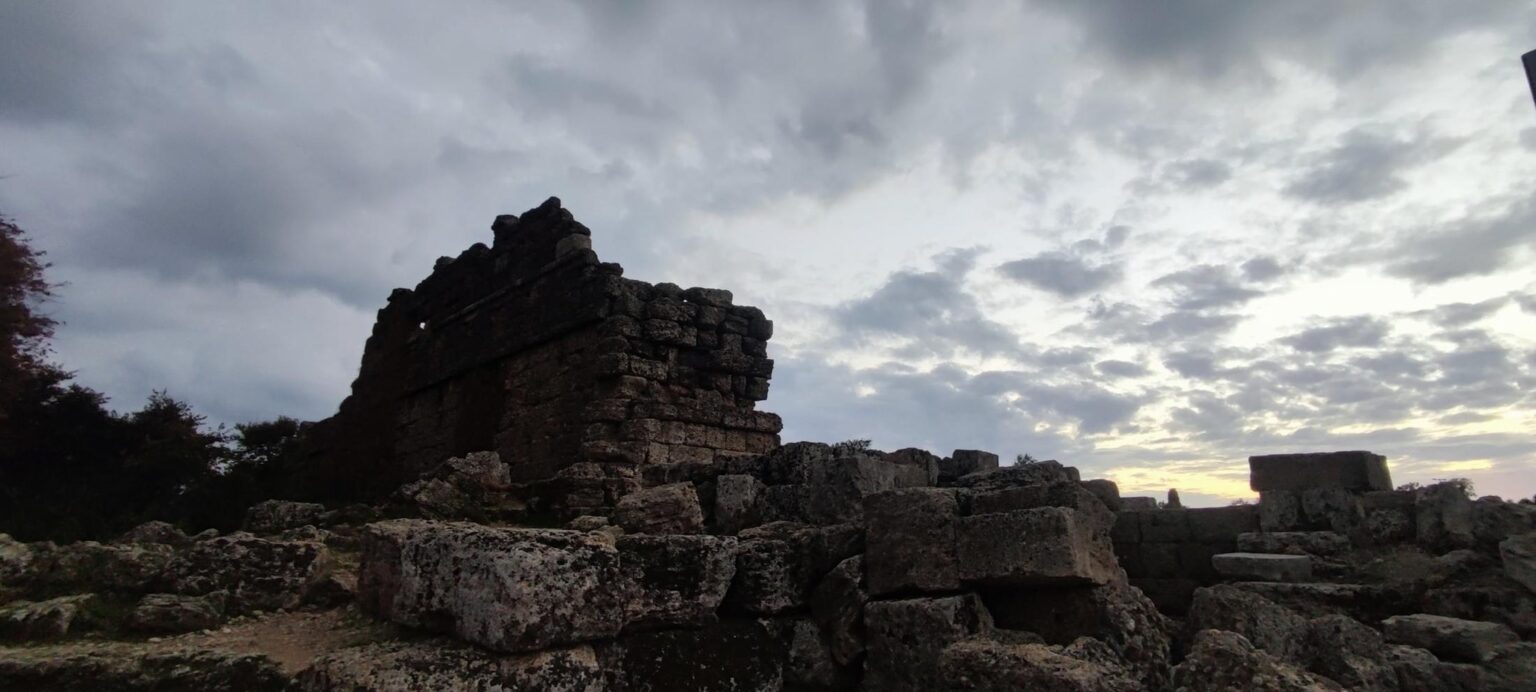
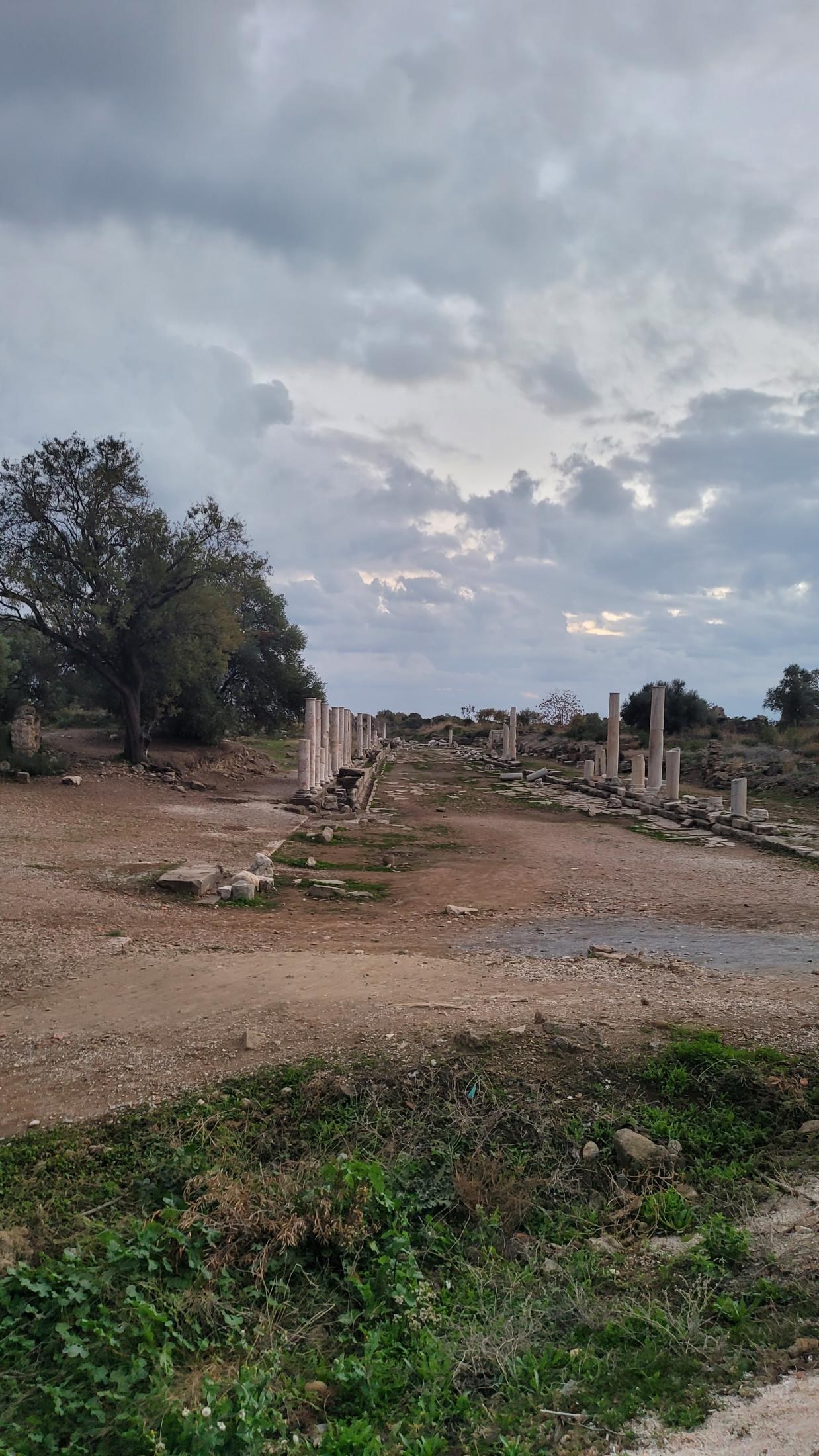
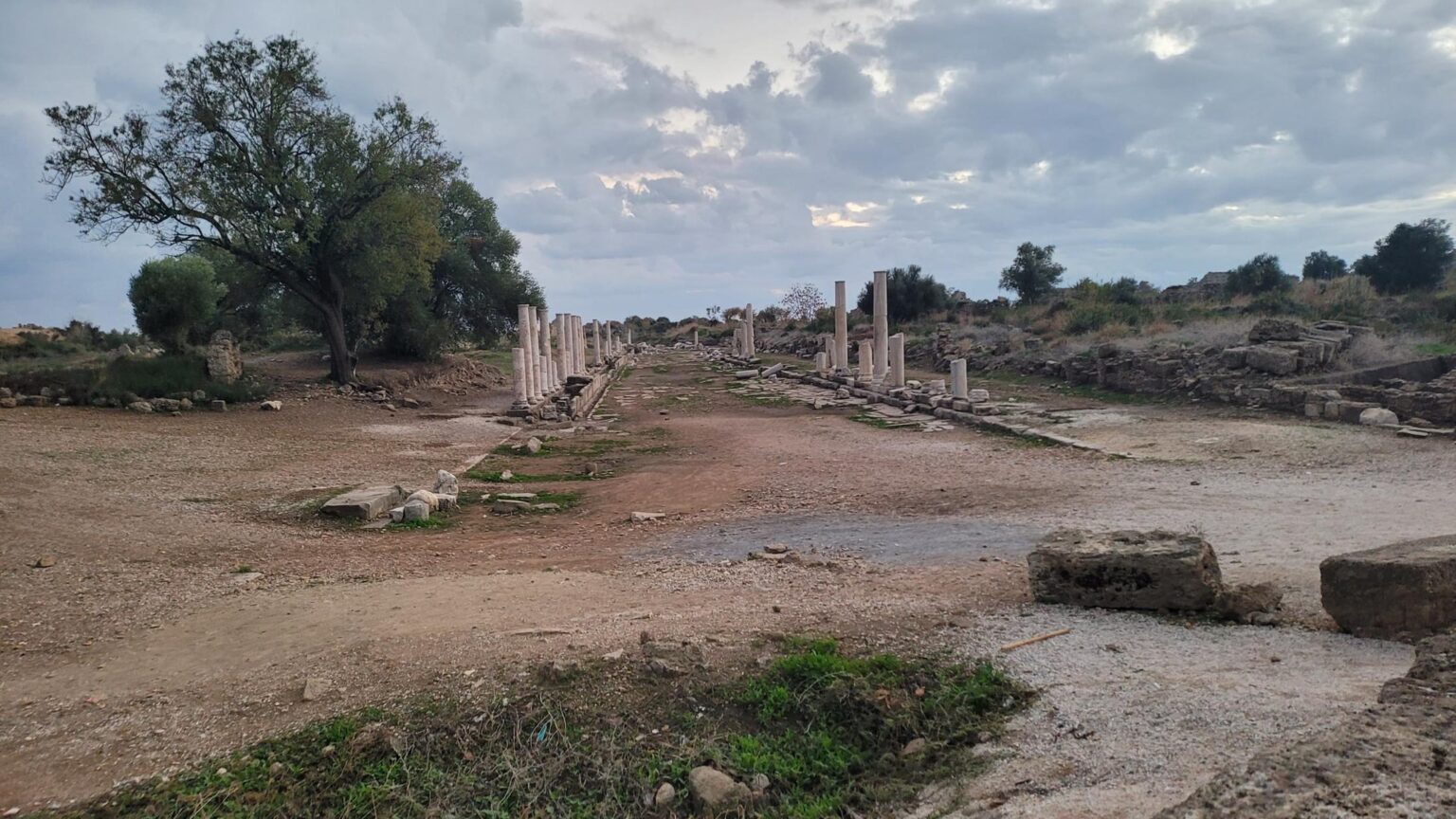
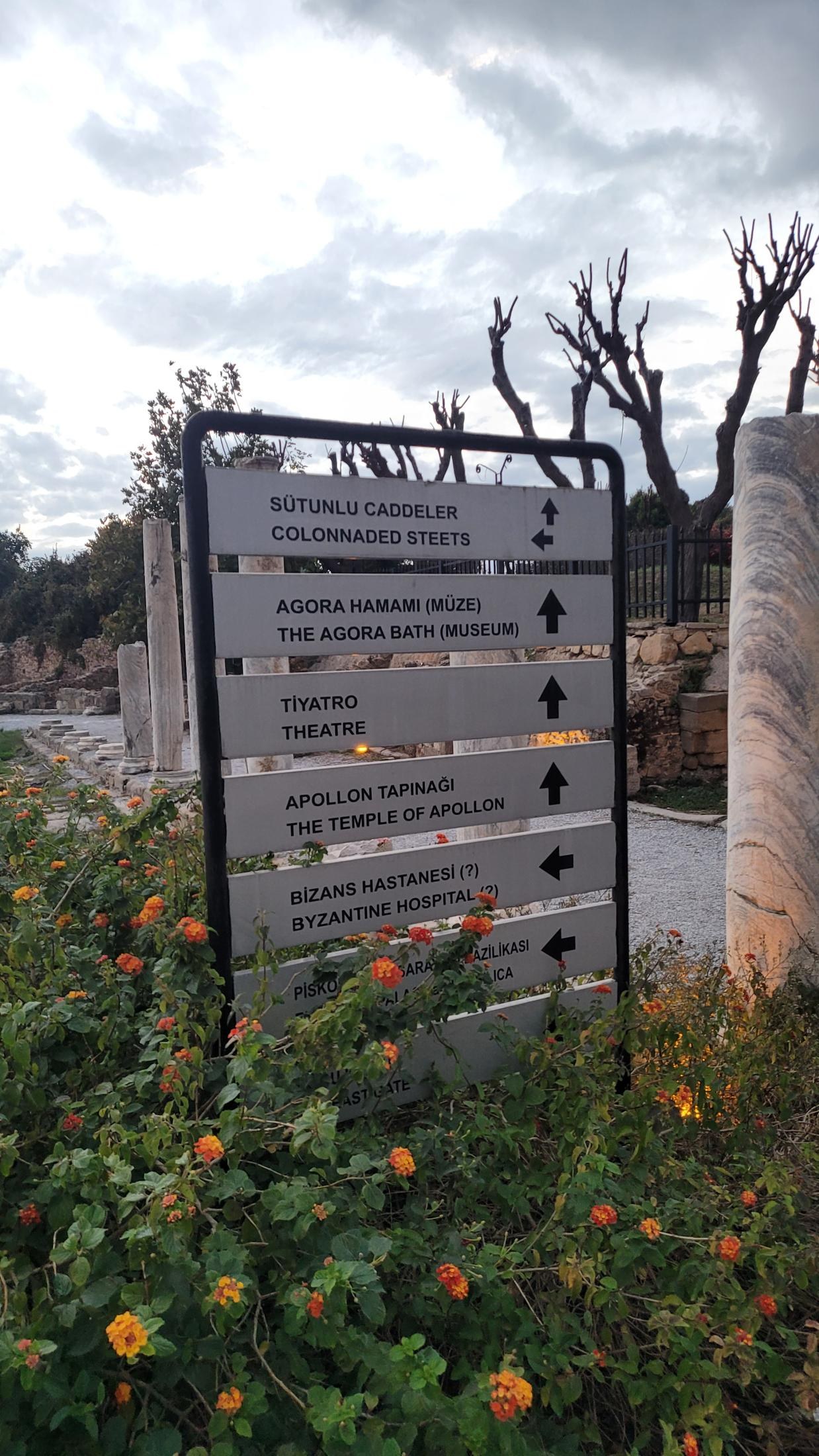
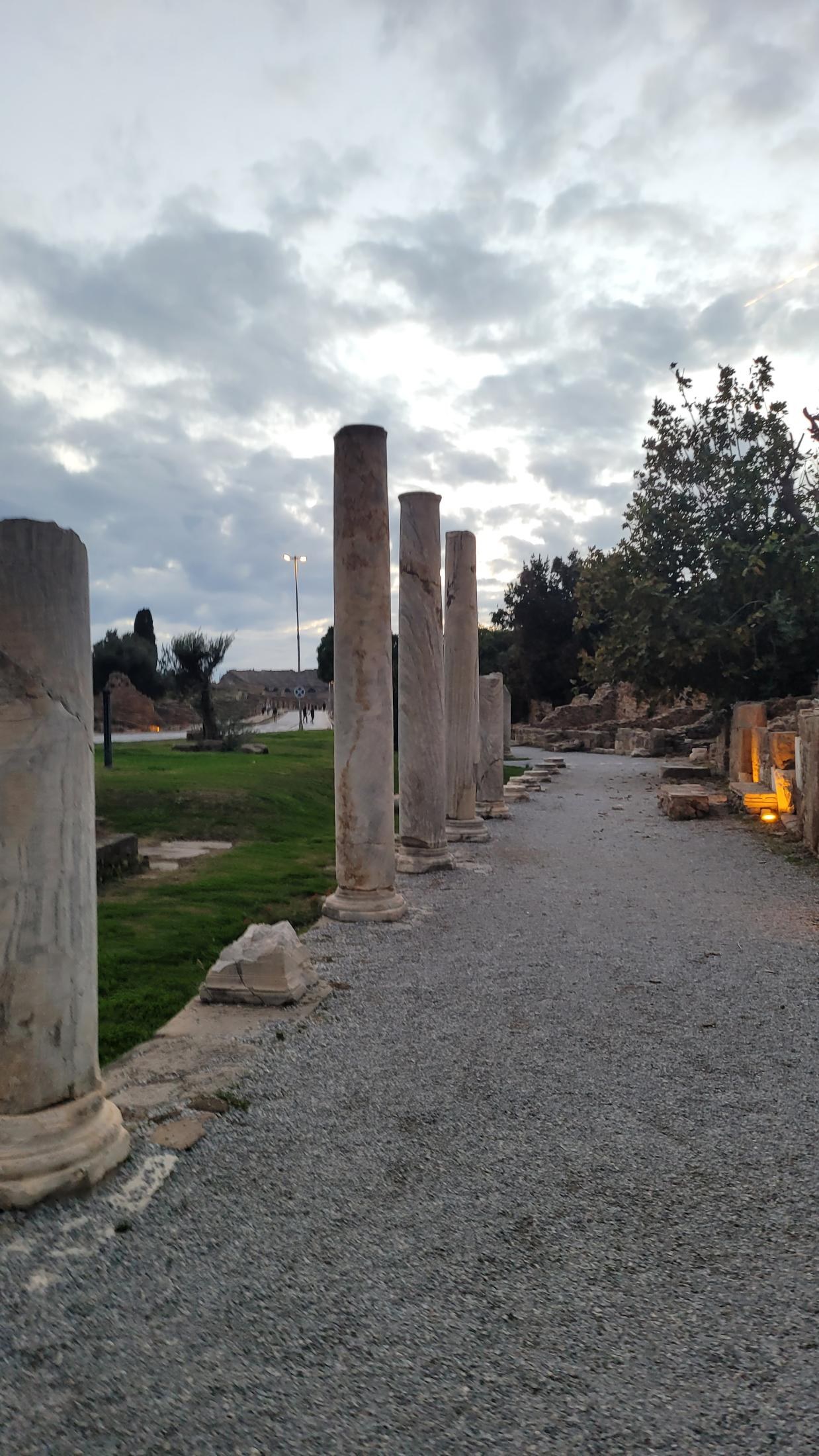
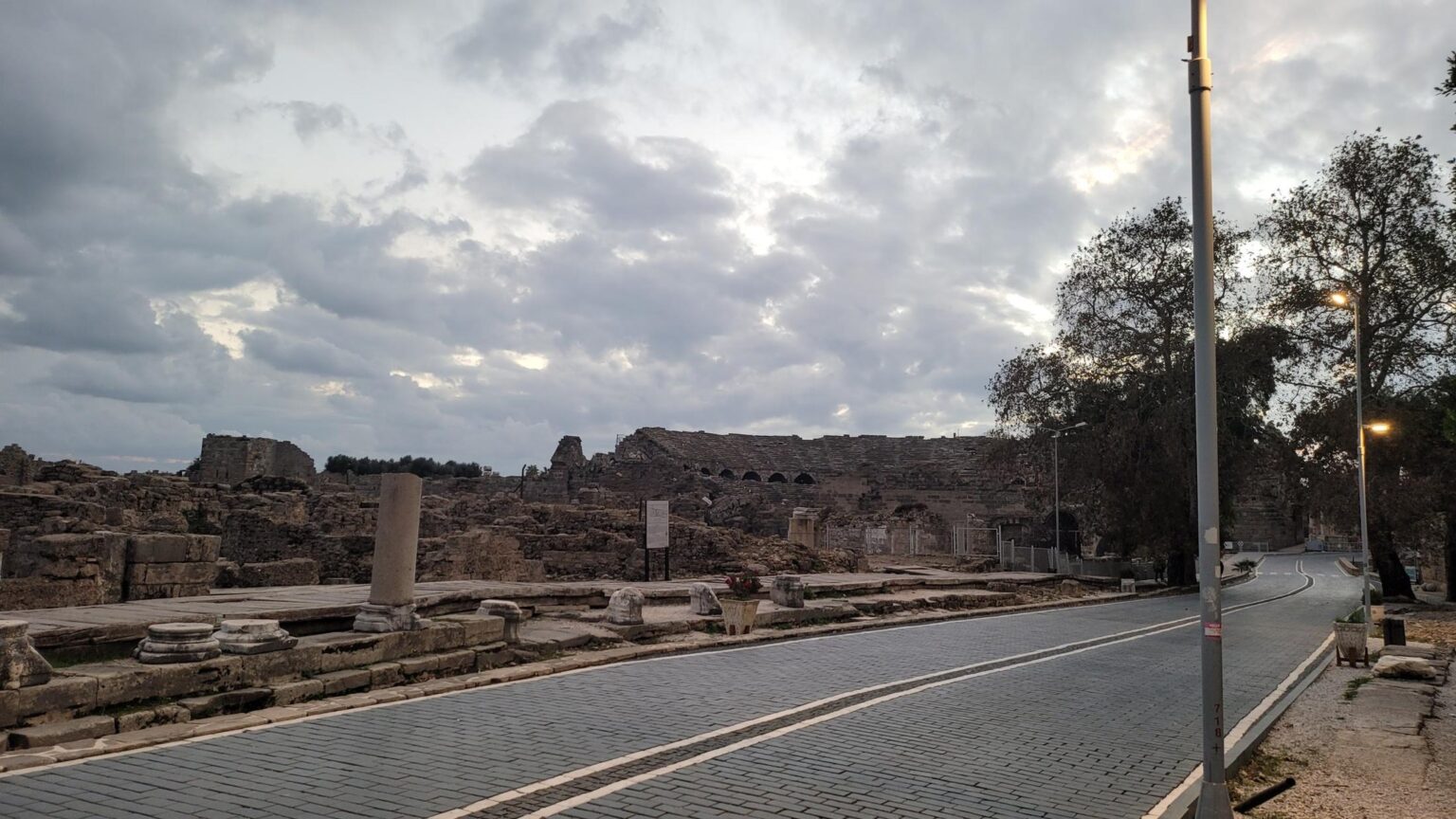
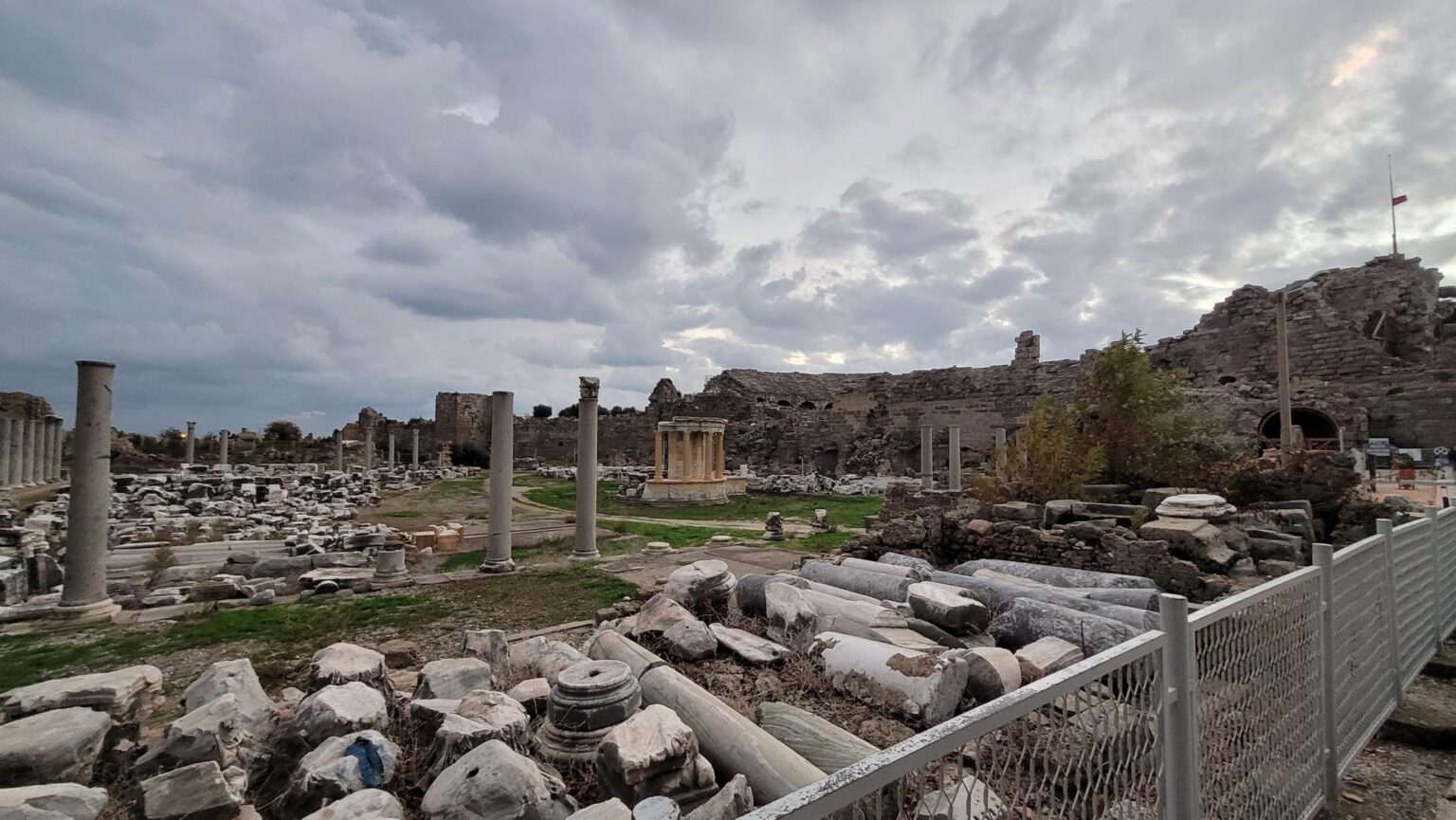
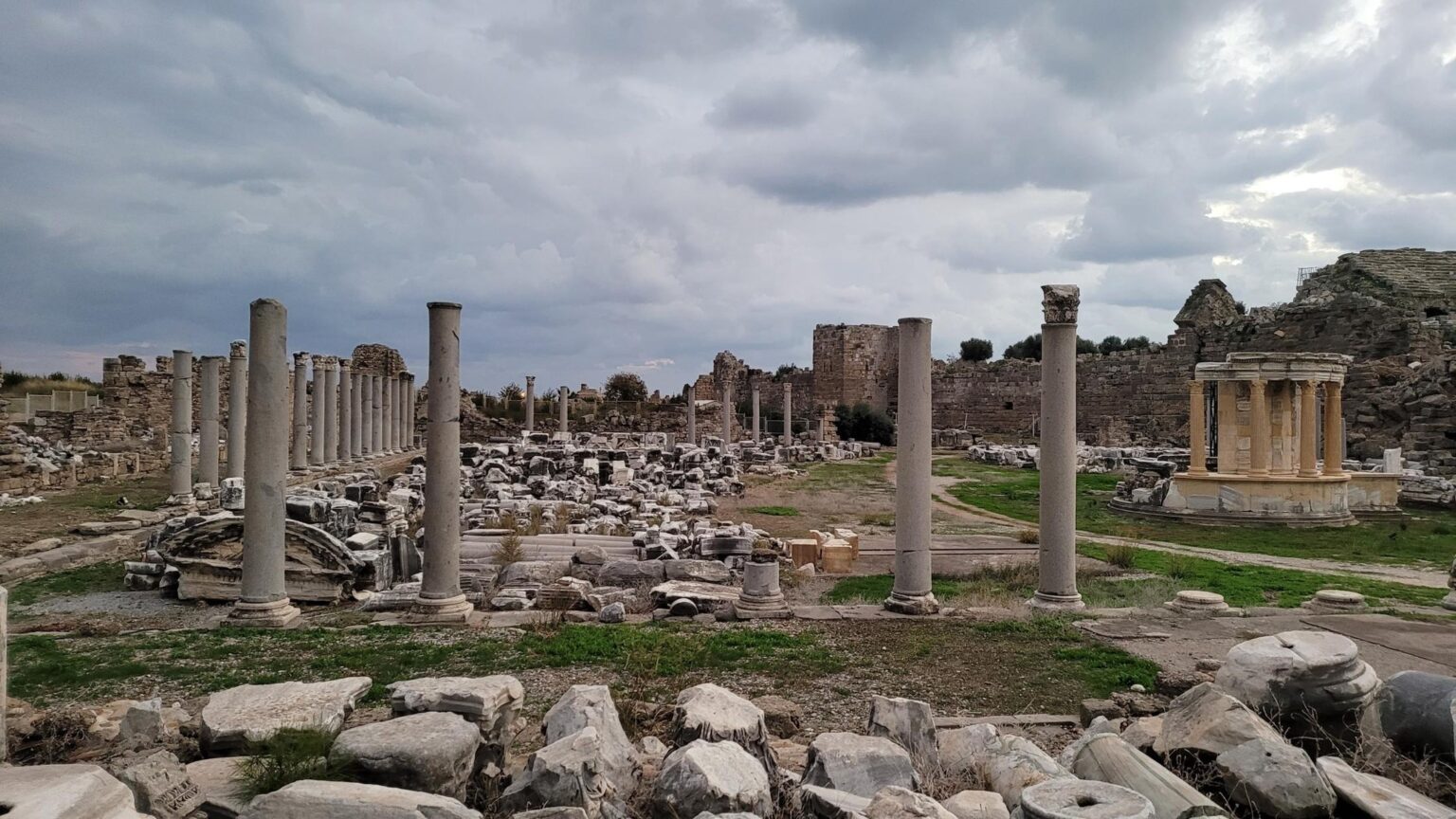
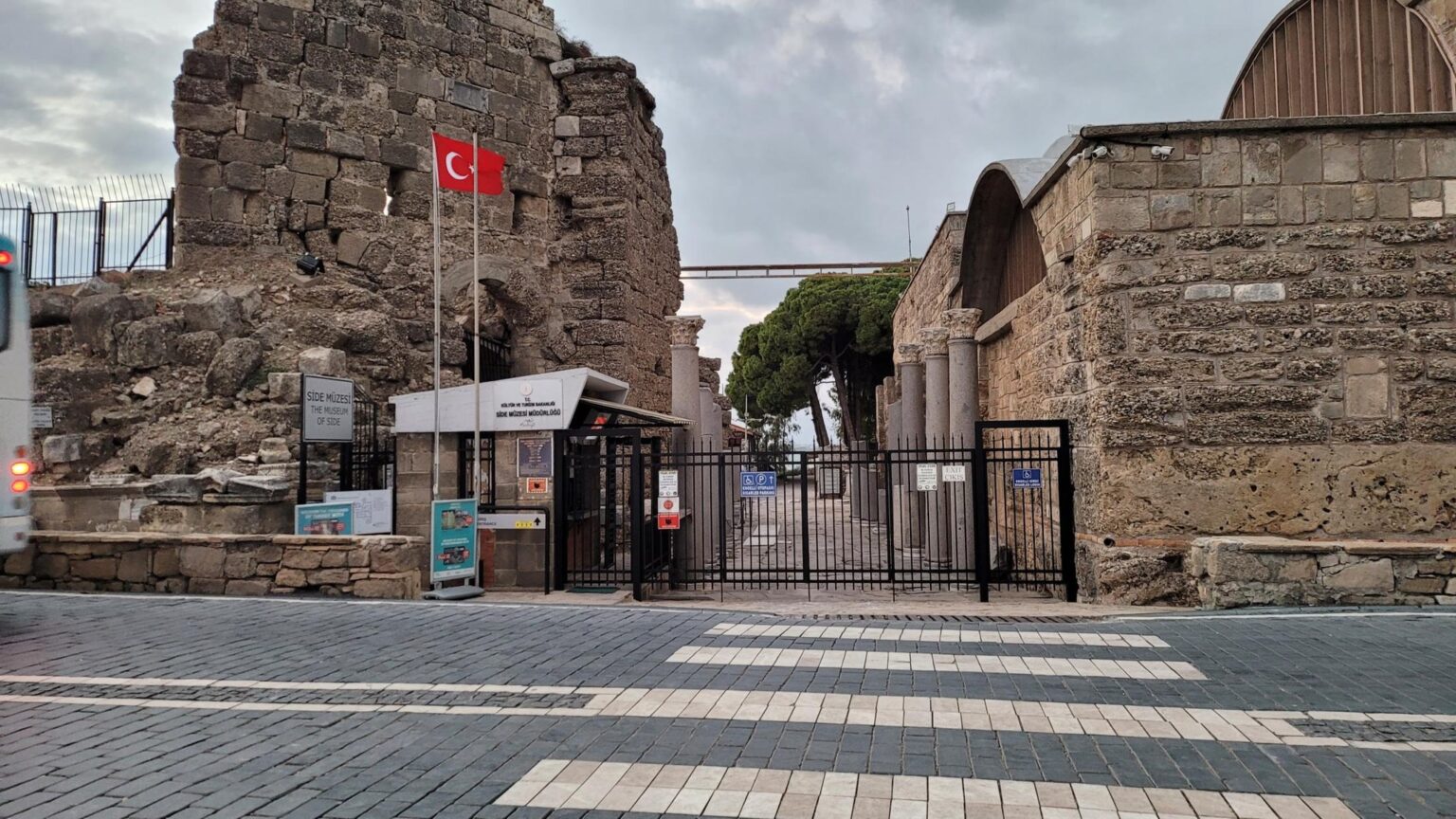
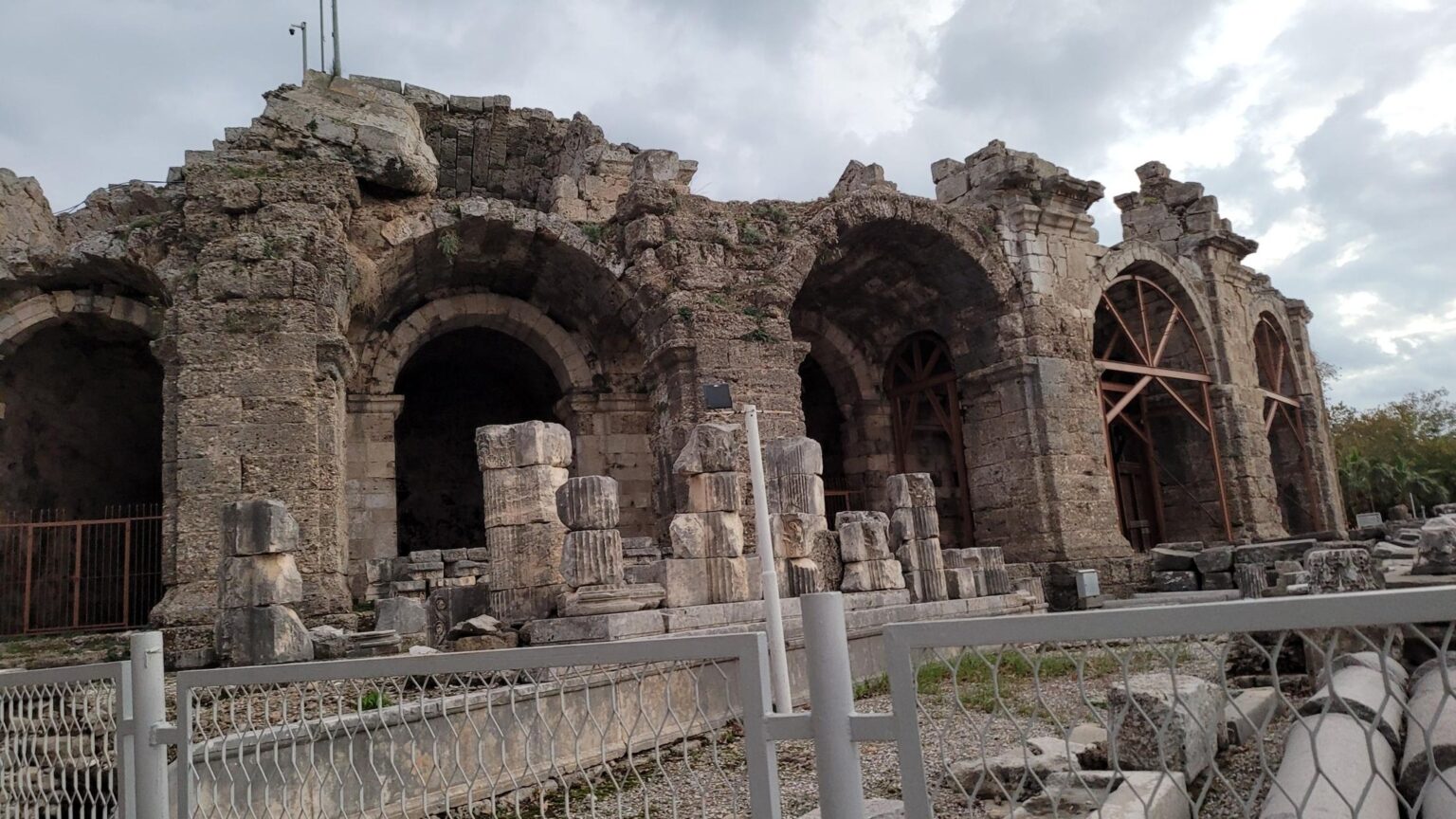
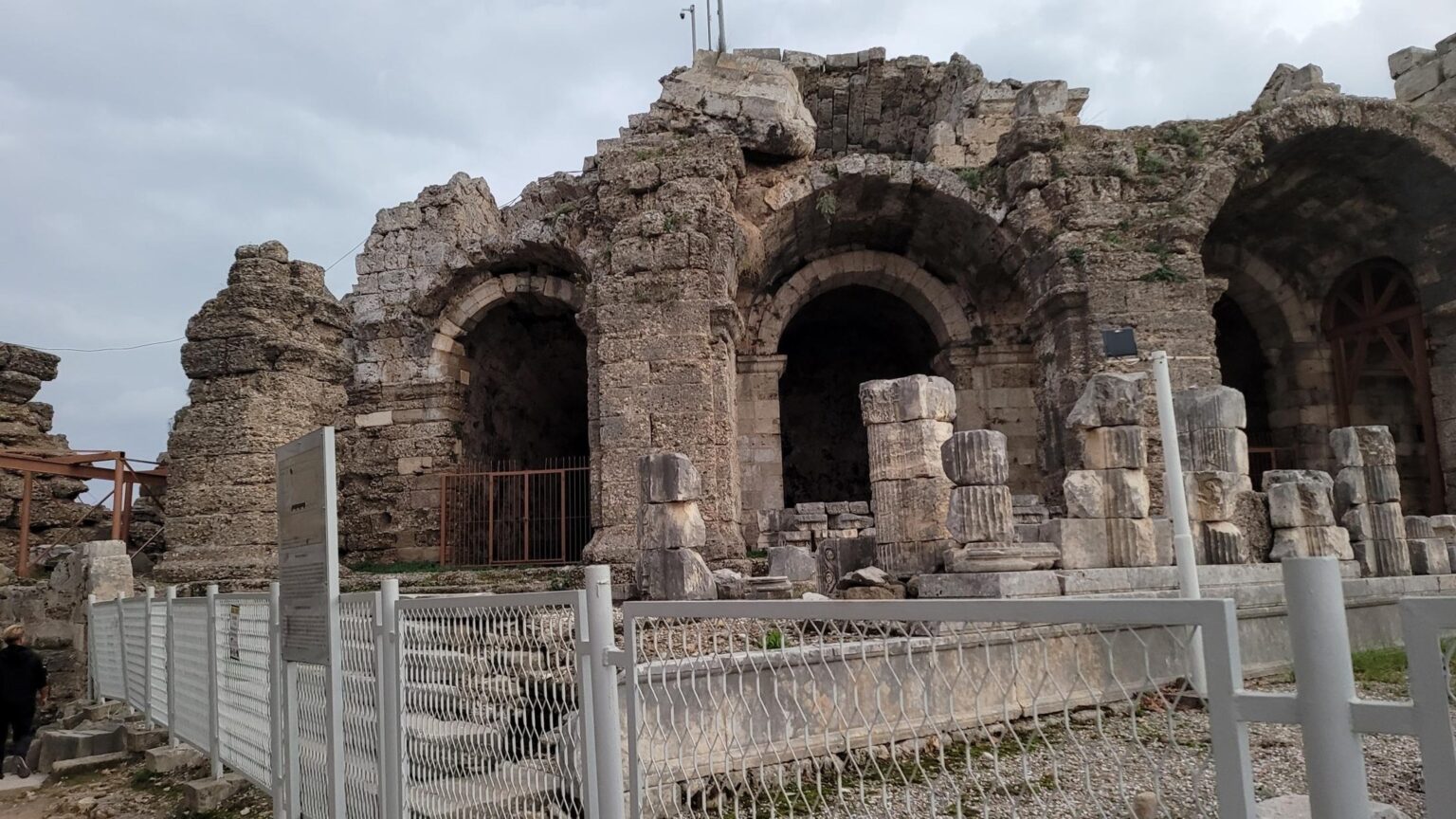
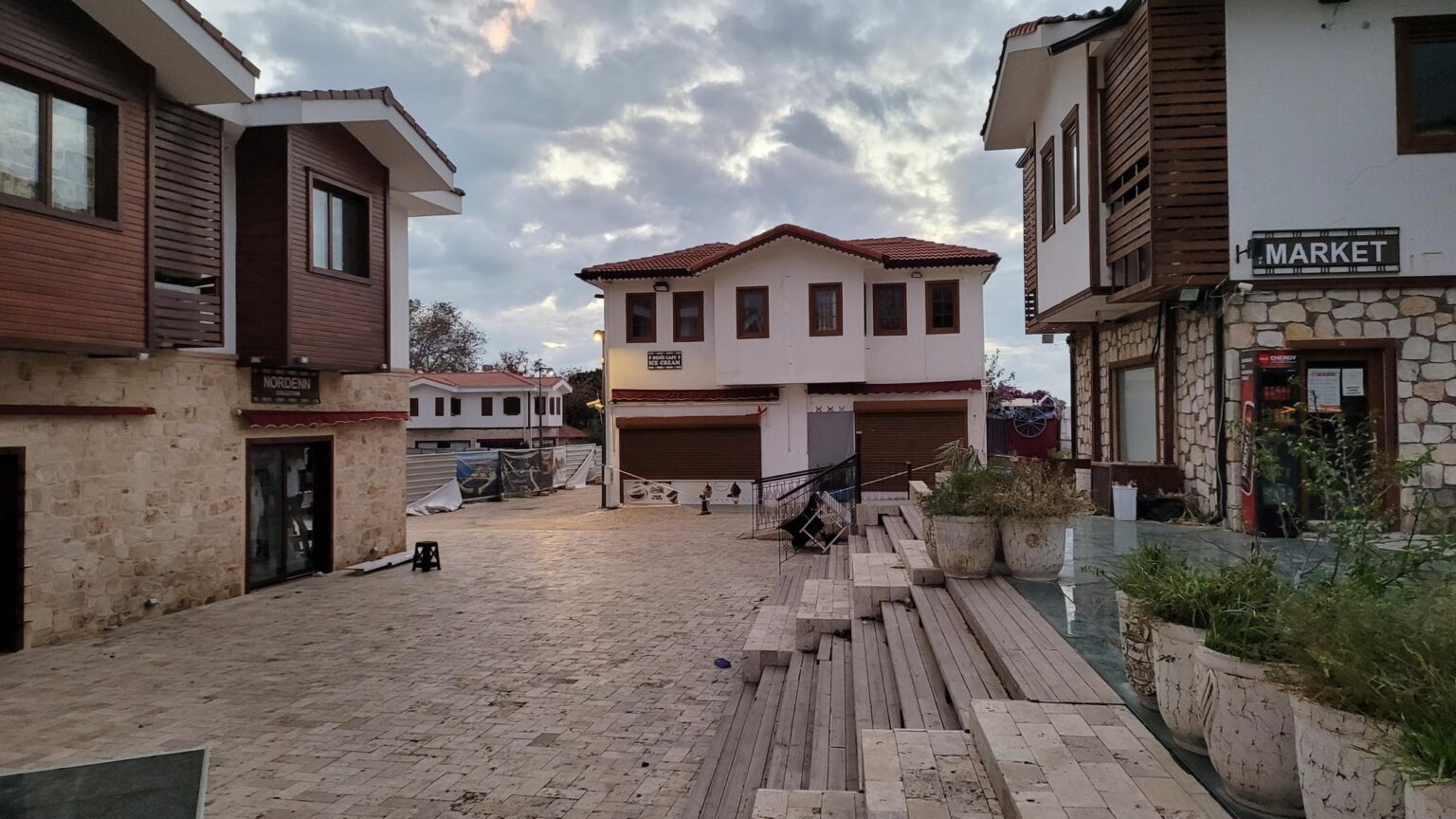
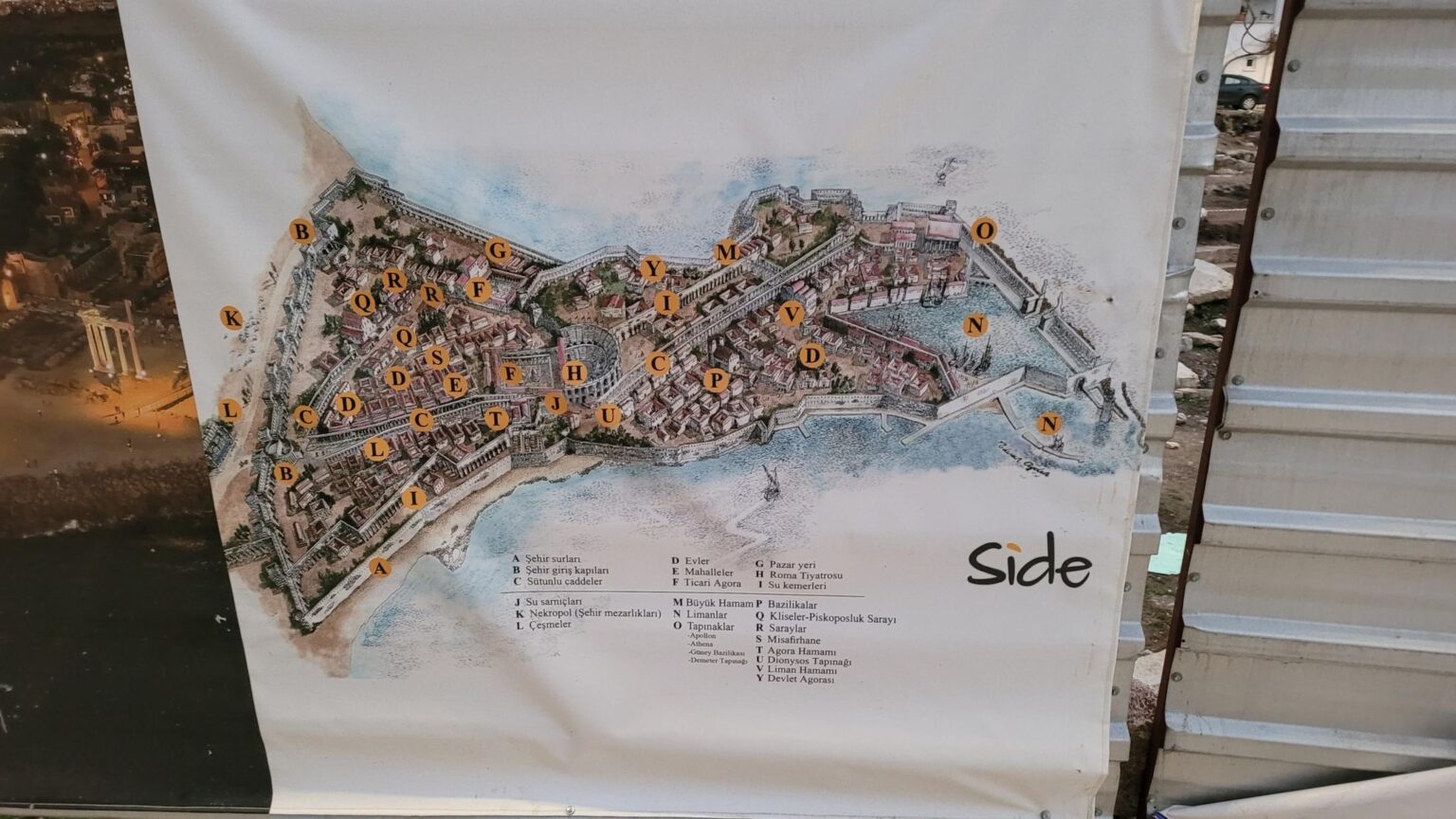
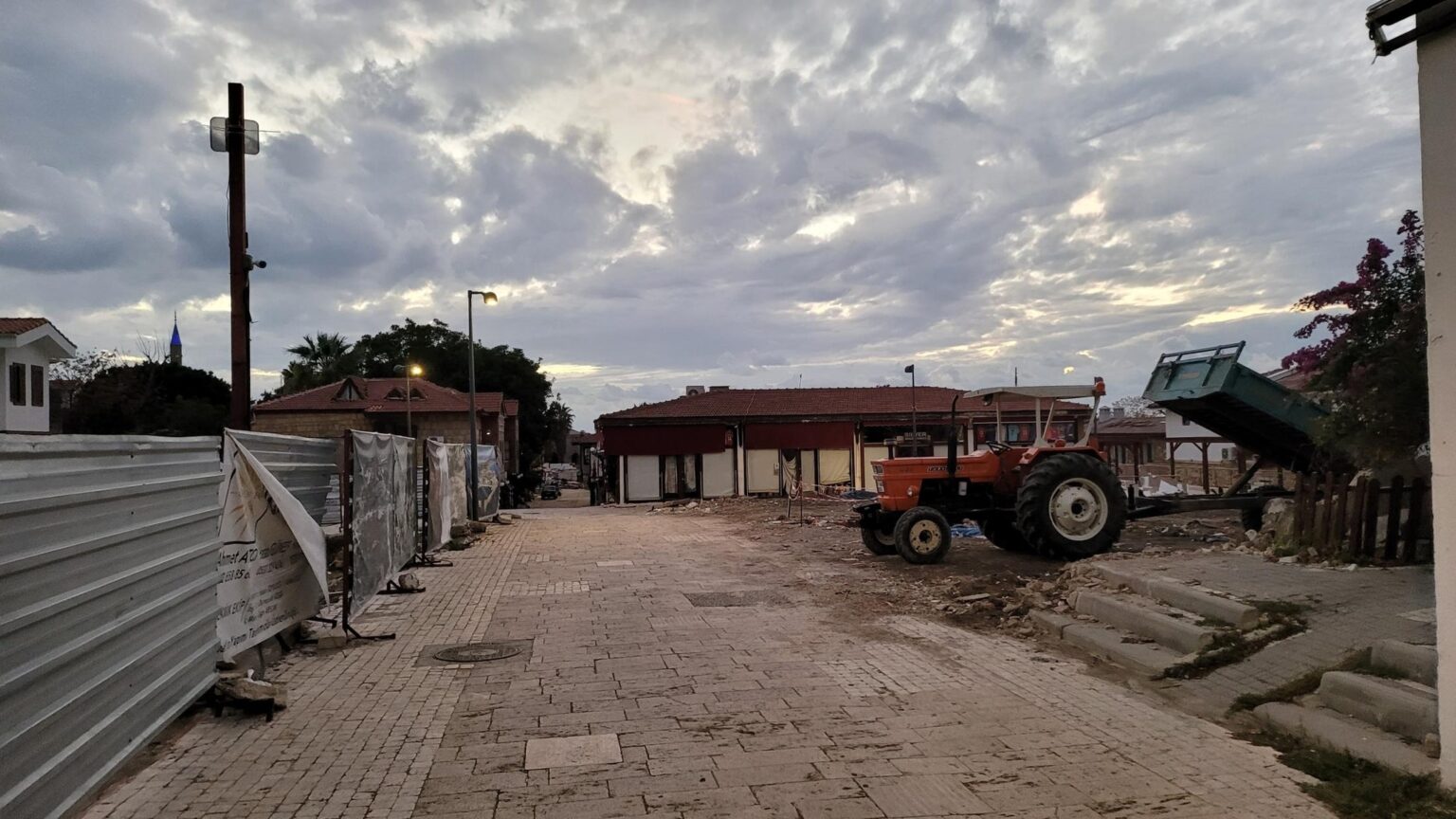
Sadly we’re firmly out of season here and the place is completely deserted, like a ghost town. We’ll have to come back one summer.
Day 8: Going home
80 kilometres, 1 hour on the coach.
The weather is on our side. About five hours, one connection, and Antalya to Istanbul to Sofia passes off without incident.
Budget
The trip itself came to between 700 and 1,000 leva per person, depending on which promotion you catch and how far ahead you book. That covers all transfers, plane tickets, accommodation with breakfasts and buffet dinners, and even entry to some of the sites. It sounds impossible, but this article is living proof that it’s true.
On top of that, and in practice genuinely compulsory, are the balloons. That’s where you’ll shell out another 100 to 200 leva, again depending on the offer you find.
Everything else is entirely optional, and at the time everything in Türkiye was relatively cheap. Realistically 1,000 to 1,200 leva for eight days including souvenirs should have been plenty. In other words, 125 to 150 leva per person per day.
Update 2026: in euros those 2021 figures come to roughly €360–510 for the package, €50–100 for the balloon, and €510–615 all in for the eight days. The package price is the part that has held up best; the balloon is the part that has not, and it alone can now cost more than the trip’s daily budget did back then. Reckon on €150–300 for a standard flight in season, €80–150 in winter. Site entries in Cappadocia have also moved into euro pricing — Göreme alone is €20. A realistic 2026 budget for the same eight days, package aside, is closer to €400–600 rather than €150.
Of course, Türkiye is enormous, and you can quite comfortably buy yourself a ten-gram gold necklace for a small fortune. Objectively, though, the figures above are enough.
Difficulty
Murder by road. Let’s do the sums, as mentioned above. A little over 1,500 kilometres (which feel like 3,000, for dramatic effect). Around 30 hours on a coach. It’s a road, and although the coaches are comfortable, roomy and perfectly decent, it’s exhausting.
The first days of the programme are quite rich, starting at 08:30 and finishing after 18:00, constantly moving and on your feet. There’s free time left for resting, but my logic is this: we’re 1,500 kilometres from Sofia out in the middle of nowhere, better to be looking at things than drinking coffee.
The sights around Cappadocia — the underground city, the castles and the rock houses and monasteries — are quite narrow and claustrophobic. In practice you’re climbing narrow, slippery stairs.
Things to know
Documents
At the end of 2021 the following were required for Türkiye:
- A passport
- A certificate of a second dose of Covid vaccine
- Completed documents stating the purpose of your stay — if you’re using a tour operator, they’ll fill these in for you automatically
Update 2026: both of the first two have changed. The Covid requirements are long gone. And since 27 July 2022, under a Turkish presidential decree, Bulgarian citizens can enter Türkiye on a national ID card alone — no passport needed — for tourism or transit, for up to 90 days within any 180-day period. That’s still the rule today. A passport is still worth having if you’re travelling independently and want fewer arguments at a counter, but it is no longer required. The current official list of documents is on the Bulgarian Ministry of Foreign Affairs page for Türkiye — check it before you travel, since this is exactly the kind of thing that changes quietly.
Money
My experience so far is only with the organised trip. You can genuinely get through this with no spending or close to none. My observation is that tour operators want payment in euros on the spot. If you try to pay them in Turkish lira, their exchange rate is unfavourable.
Take €100–200 for excursions, in case you spot something from the operator — but treat the operator as an adversary on price. See the examples of their markups above.
Update 2026: two things have changed here. First, Bulgaria adopted the euro on 1 January 2026, so there’s no double conversion any more — you’re carrying the currency the operators and the balloon companies quote in anyway. Second, the lira. One euro now buys around 56 lira, against roughly 15 at the end of 2021, but Turkish inflation has run above 30% a year through that period, so local prices in lira have climbed to match. Türkiye is still cheaper than Bulgaria on food, coffee and transport, but the “everything costs pennies” era described above is over. Cards are accepted almost everywhere; take some cash for markets, dolmuş fares and small museum entries, and change it locally rather than at the airport.
Health insurance
You’ll have it from the tour operator. If you’re going independently, buy some — a trivial piece of advice, but worth saying. Your European Health Insurance Card is no use here; Türkiye is outside the EU.
Medication
Although it’s sold as a flying trip, the operator does everything possible to bury the coach component. Looking at the map, there are some 1,500 kilometres of bus involved. So if you have problems with motion sickness, pack something for it before you leave.
Tech
Power bank. As mentioned, you’ll spend some 30 hours on the coach. Your phone — music, films, internet — will be a constant companion. Add the hundreds of photos you’ll almost certainly take and your battery will most likely die twice a day.
Internet and calls. Türkiye sits outside any favourable roaming terms from the Bulgarian operators. Back then I recommended picking up a prepaid Turkish SIM at the airport, which had very good packages.
Update 2026: the advice still stands, but there’s a better option now. Türkiye is not in the EU roaming zone and “roam like at home” does not apply, so your Bulgarian plan will bill you at international rates unless you buy a specific add-on. A local tourist SIM from Turkcell, Vodafone or Türk Telekom runs roughly 1,300–1,800 lira (about €23–32) for 20 GB with a few hundred domestic minutes, and airport counters charge more than the town shops. A travel eSIM bought before you fly is usually cheaper for a week-long trip — a few euros for 5–10 GB — and it connects the moment you land. One thing worth knowing about local SIMs: a foreign handset used with a Turkish SIM gets blocked after around 120 days unless you register it with customs and pay a tax. Irrelevant for a week, relevant if you keep coming back. Either way, keep your Bulgarian SIM for calls and use data messaging apps for the week.
Luggage
Every offer I looked at was with Turkish Airlines and included checked baggage up to 20 kg. You can go wild and pack everything you need in comfort. On the other hand — as mentioned — Türkiye is fairly cheap, so you can travel out light and come back heavier. Shopping, I believe they call it.
Conclusion
WOW. Incredible. It’s a fact that I have a lot of the world left to see, but it isn’t as if I’ve been bored so far. Türkiye is deeply impressive. They simply have a great deal of history, dating from well before Christ. There are many layers of culture. In parallel, I don’t know what exactly they’re doing right now, but they are building and renovating at a brutal pace. It’s a strange thing to picture: imagine landing in some Bulgarian village with 30 permanent residents and finding brand new roads, three churches, two schools, a motorway, a mall, three hospitals and two new neighbourhoods going up. That’s the feeling. And among the builders — cats everywhere. Now picture that nobody torments them. Everyone loves the cats and looks after them: they feed them, they put out little shelters for them in the cold. It sounds like paradise. In parallel — you want sea, they’ve got sea. You want mountains, they’ve got mountains. You want plains and valleys, they’ve got those too. Türkiye’s area is seven times that of Bulgaria. There aren’t seven times as many things, but there is certainly plenty to see.
Gallery
A little game: find all the photos of cats.