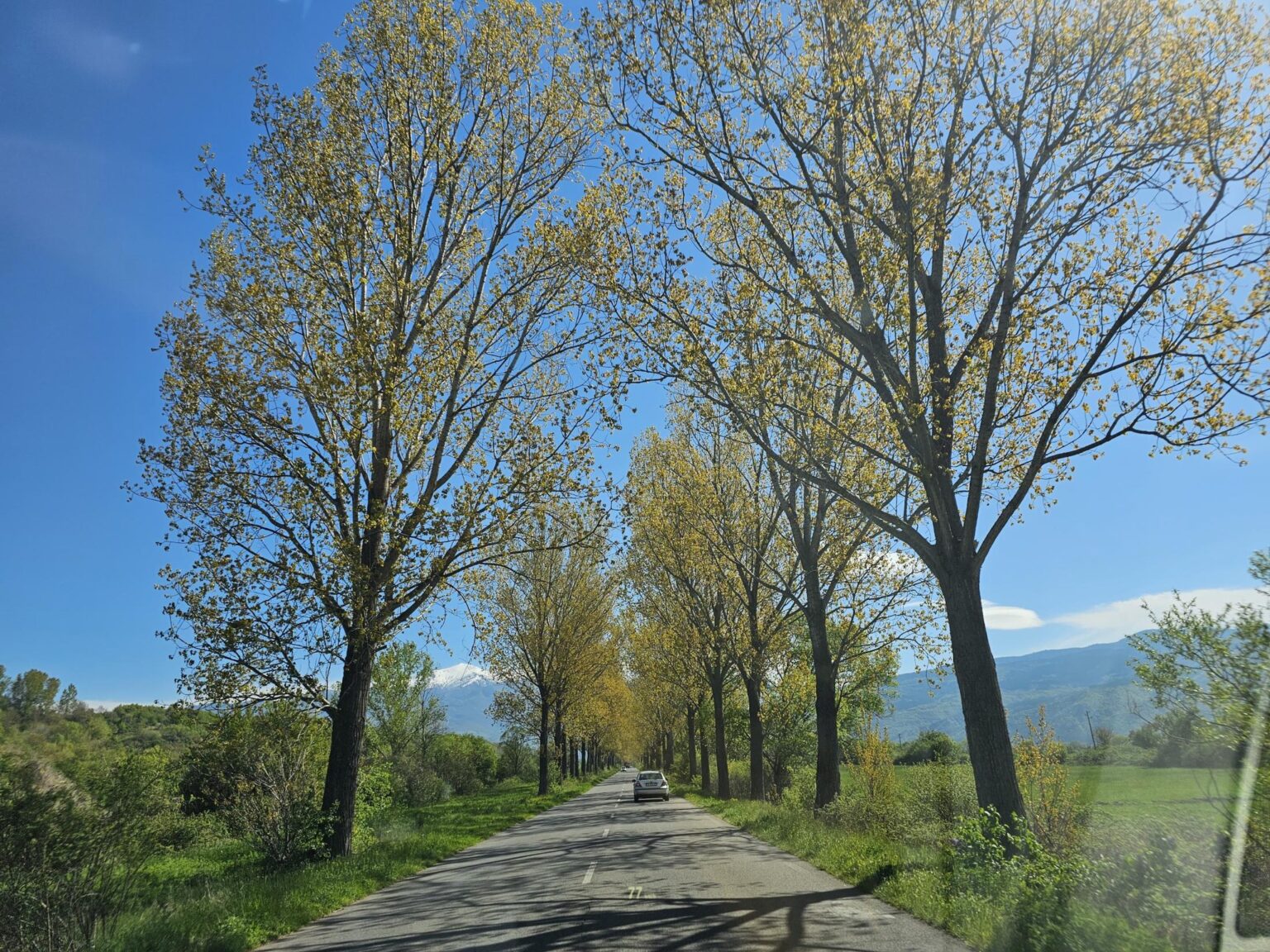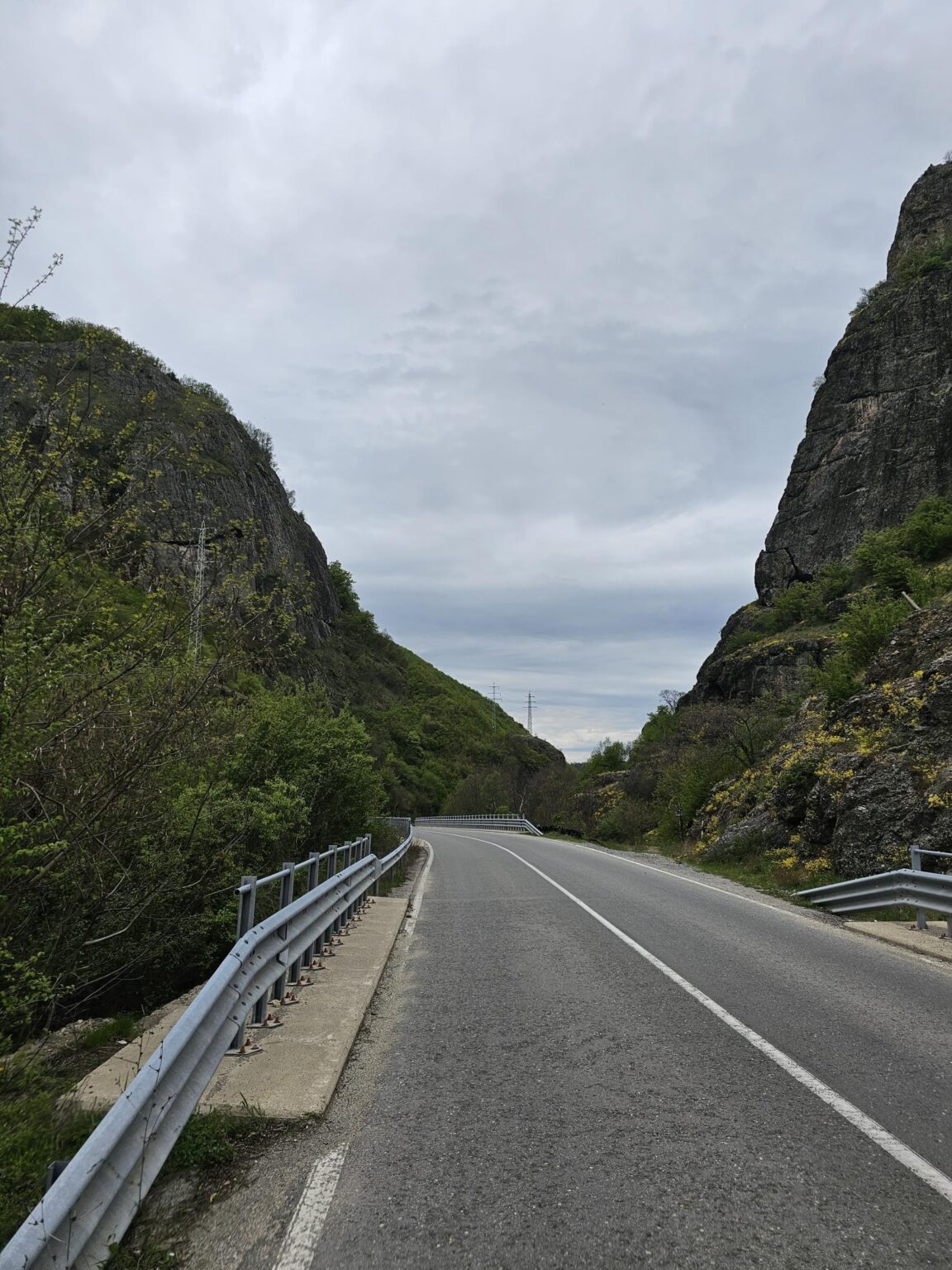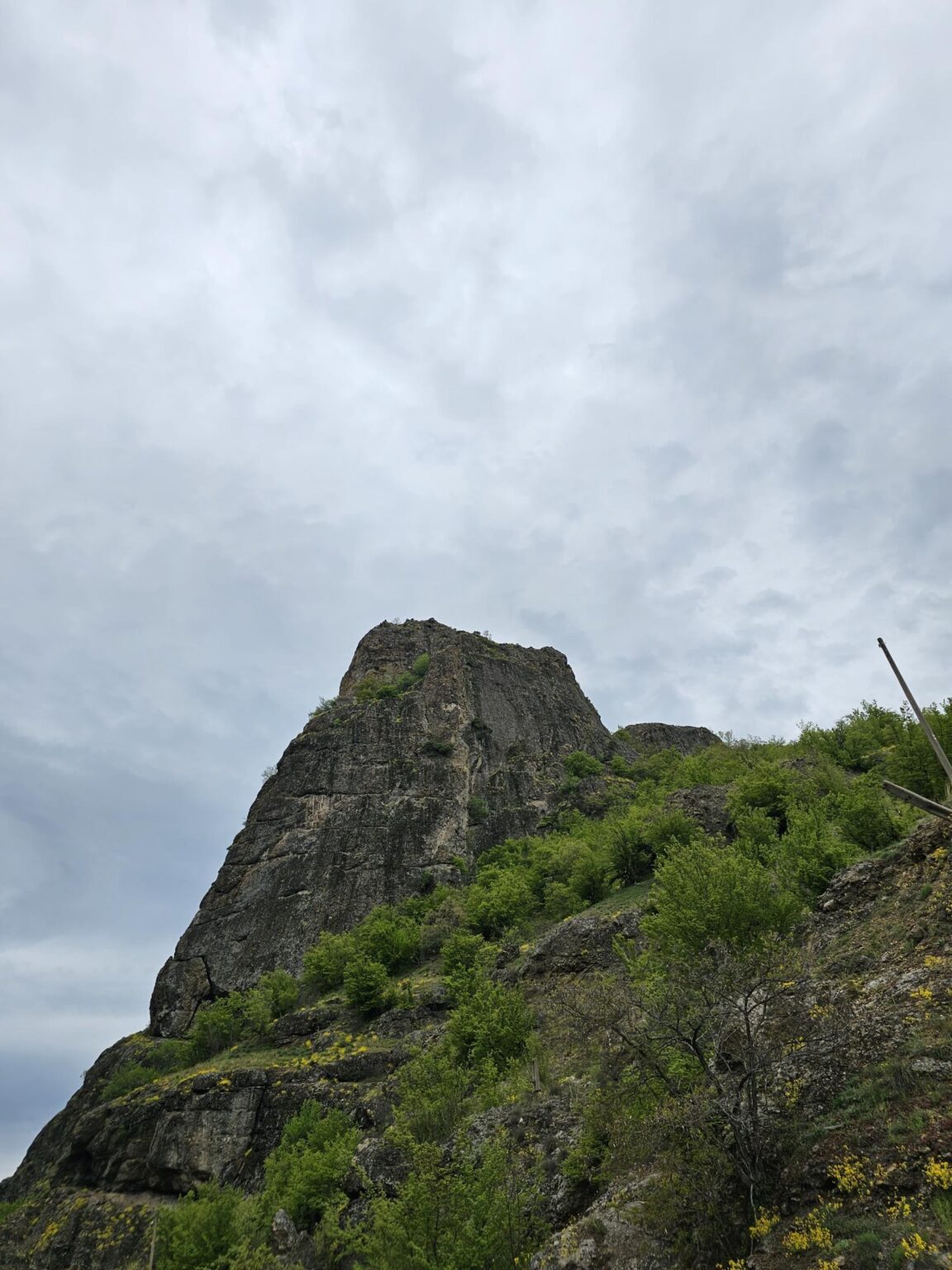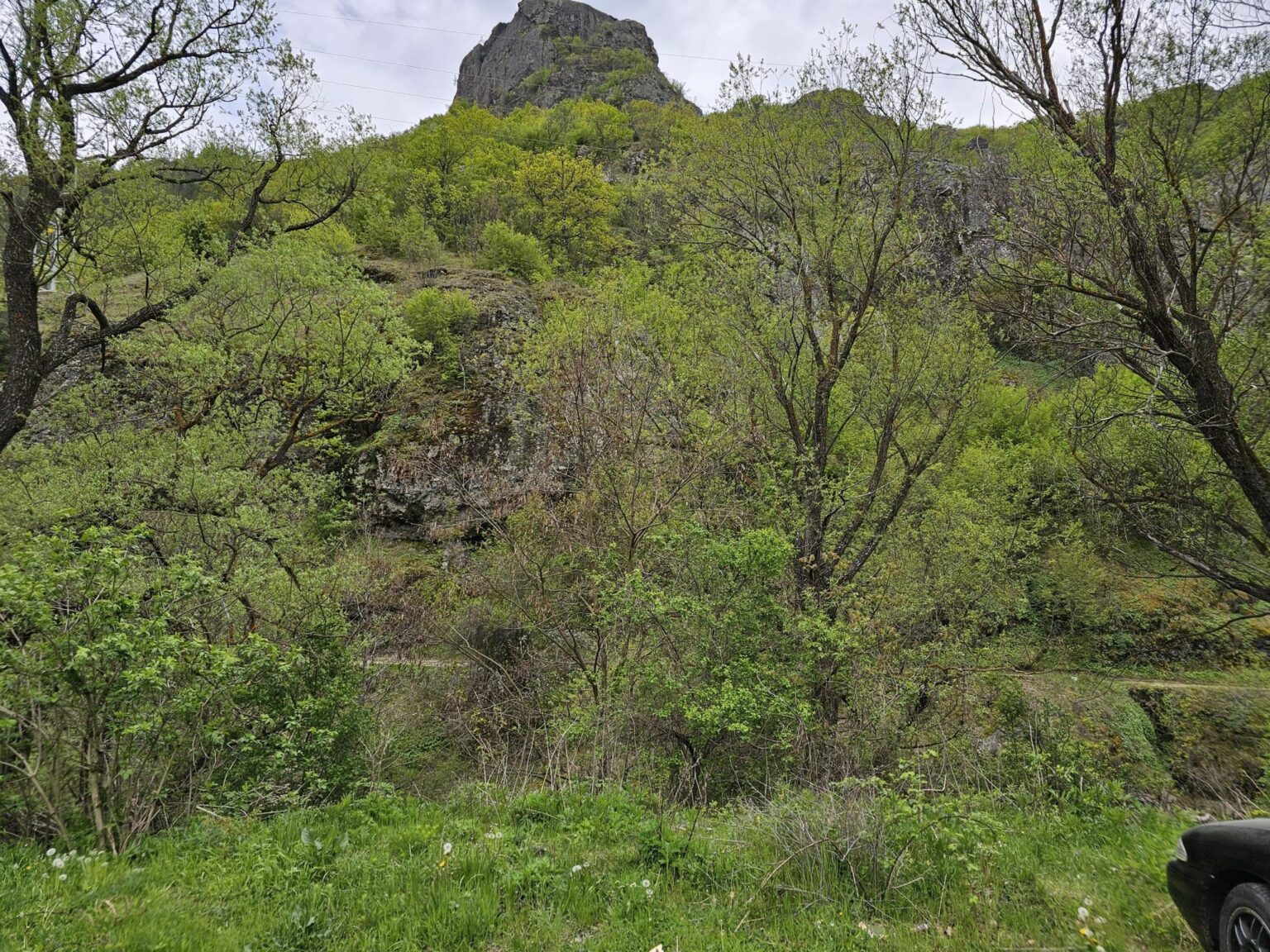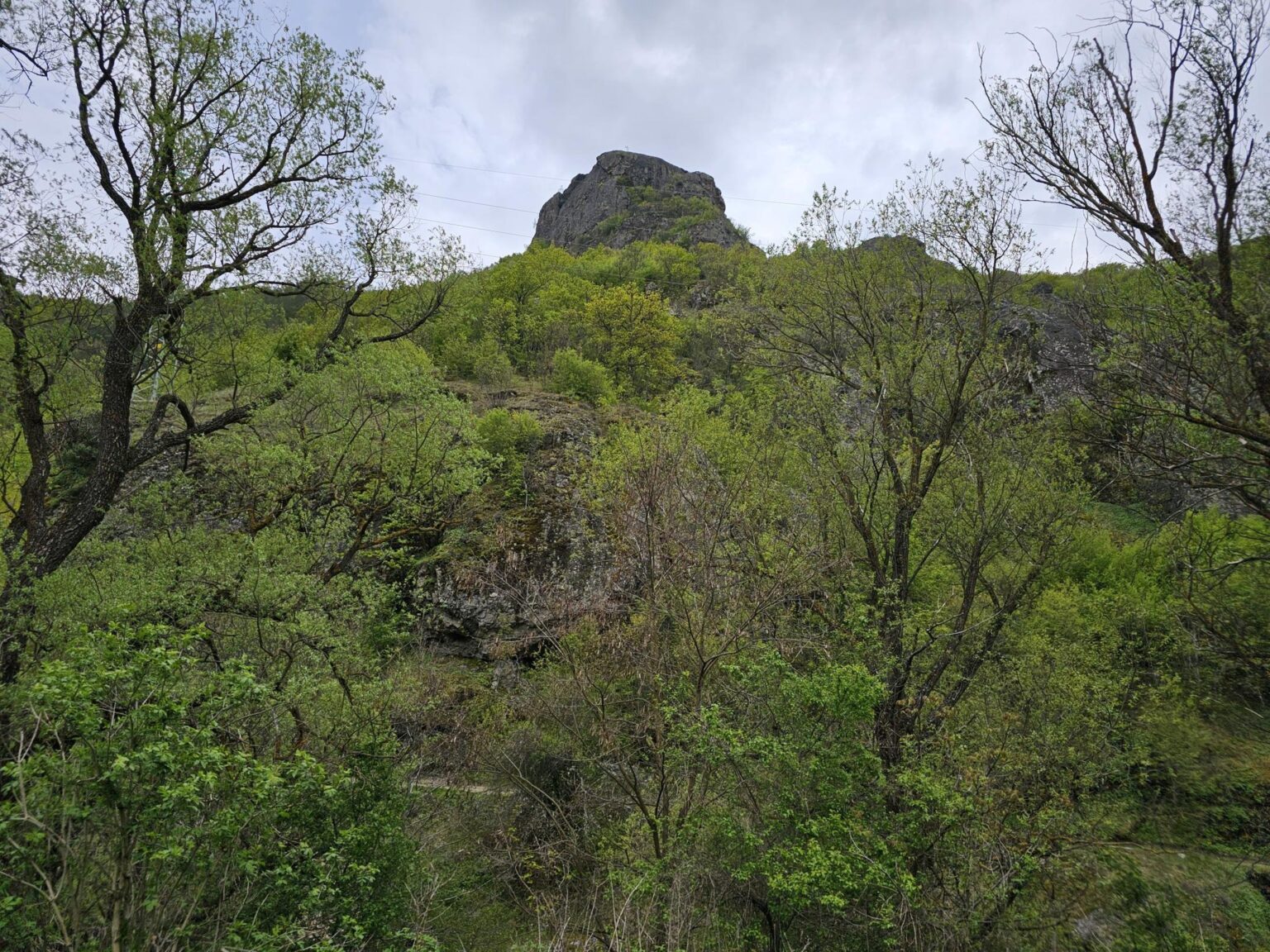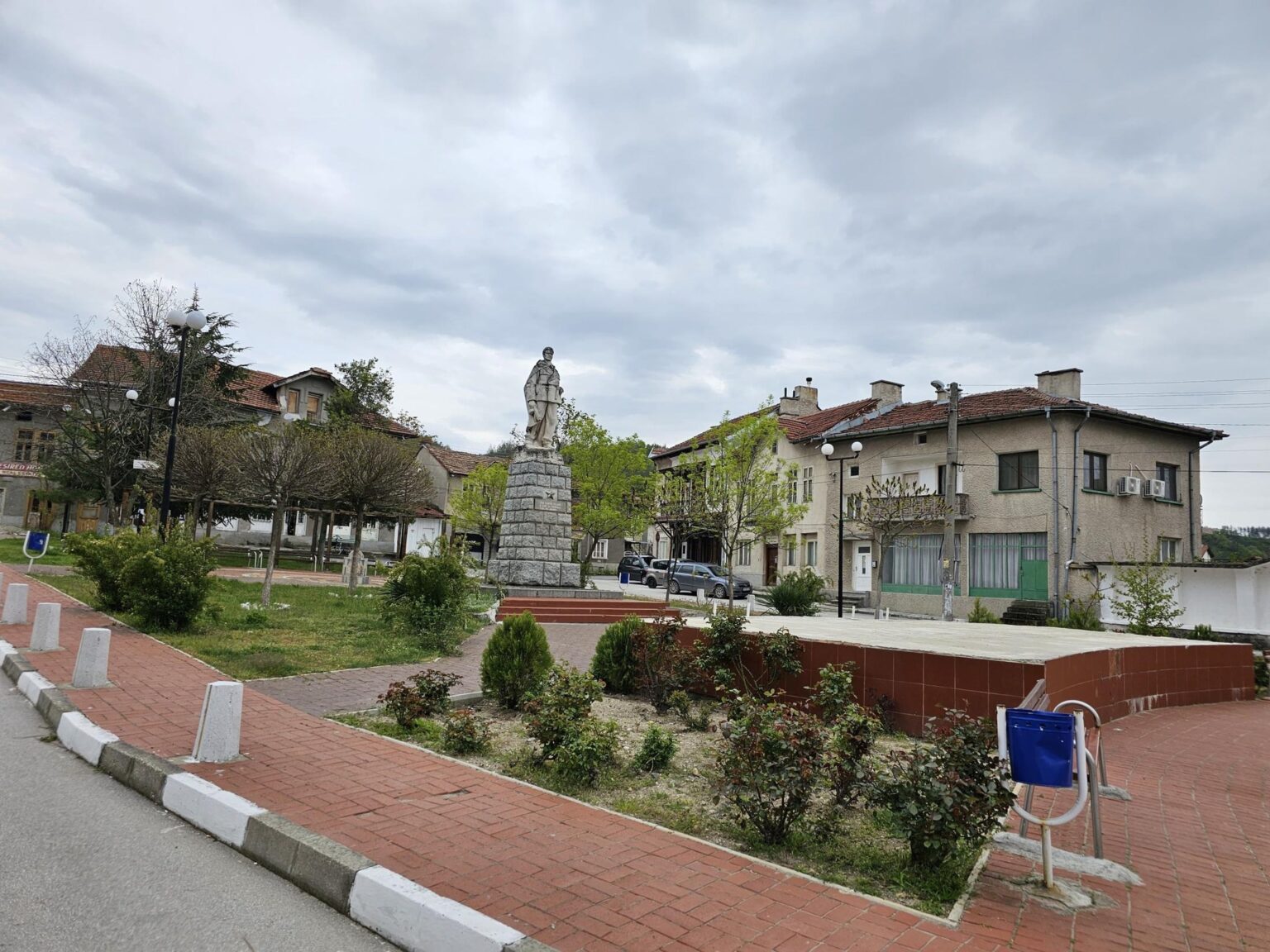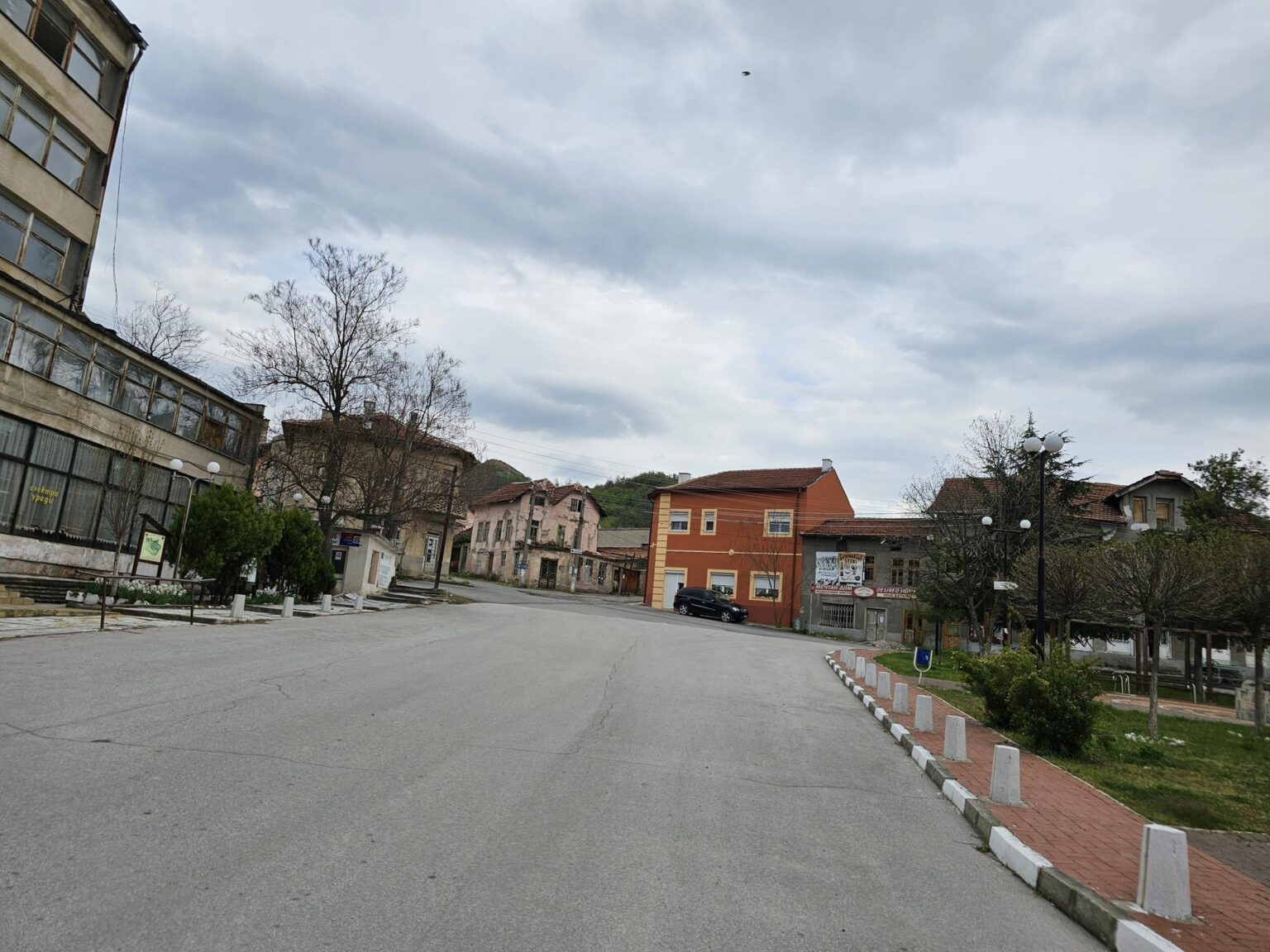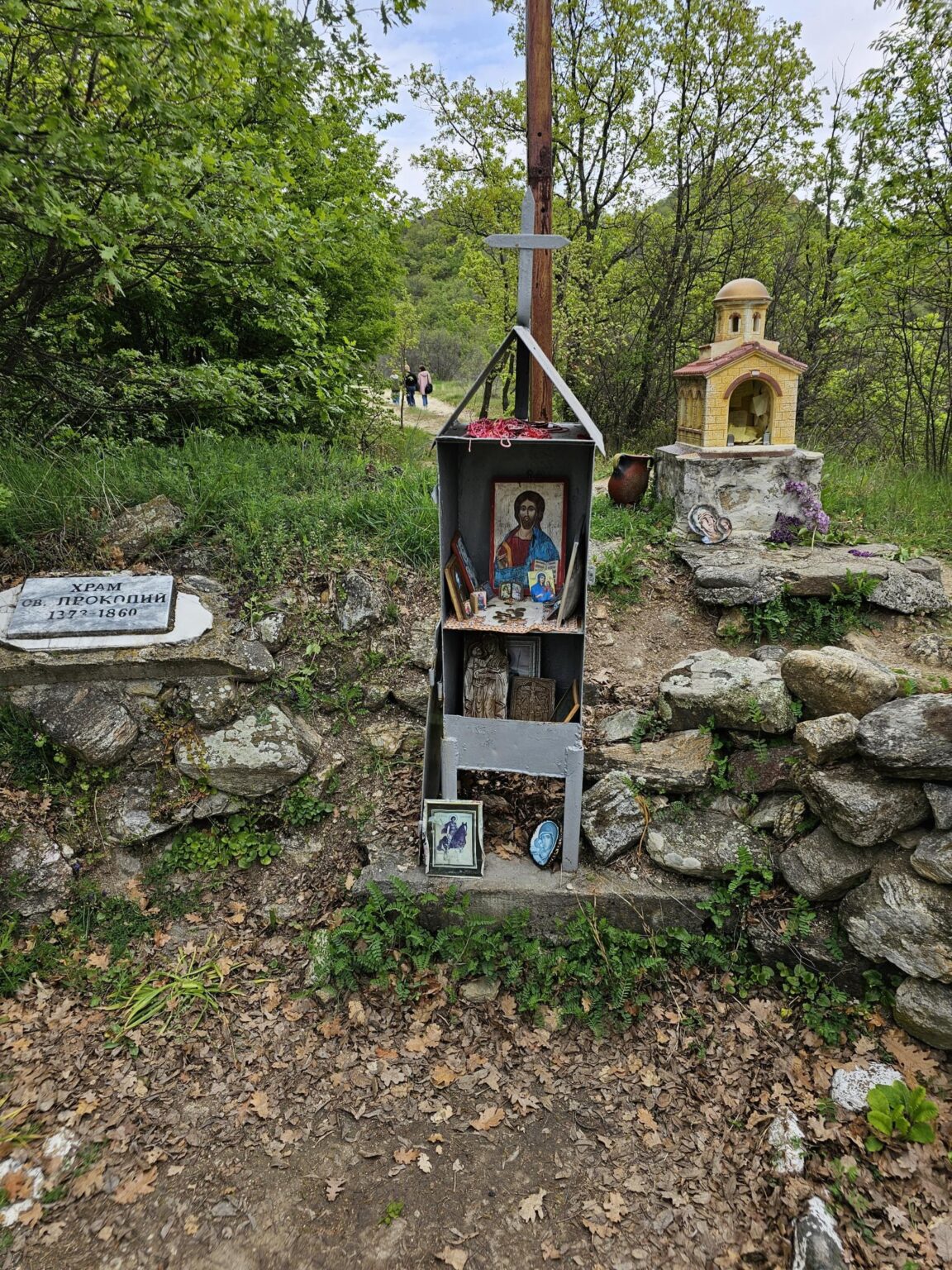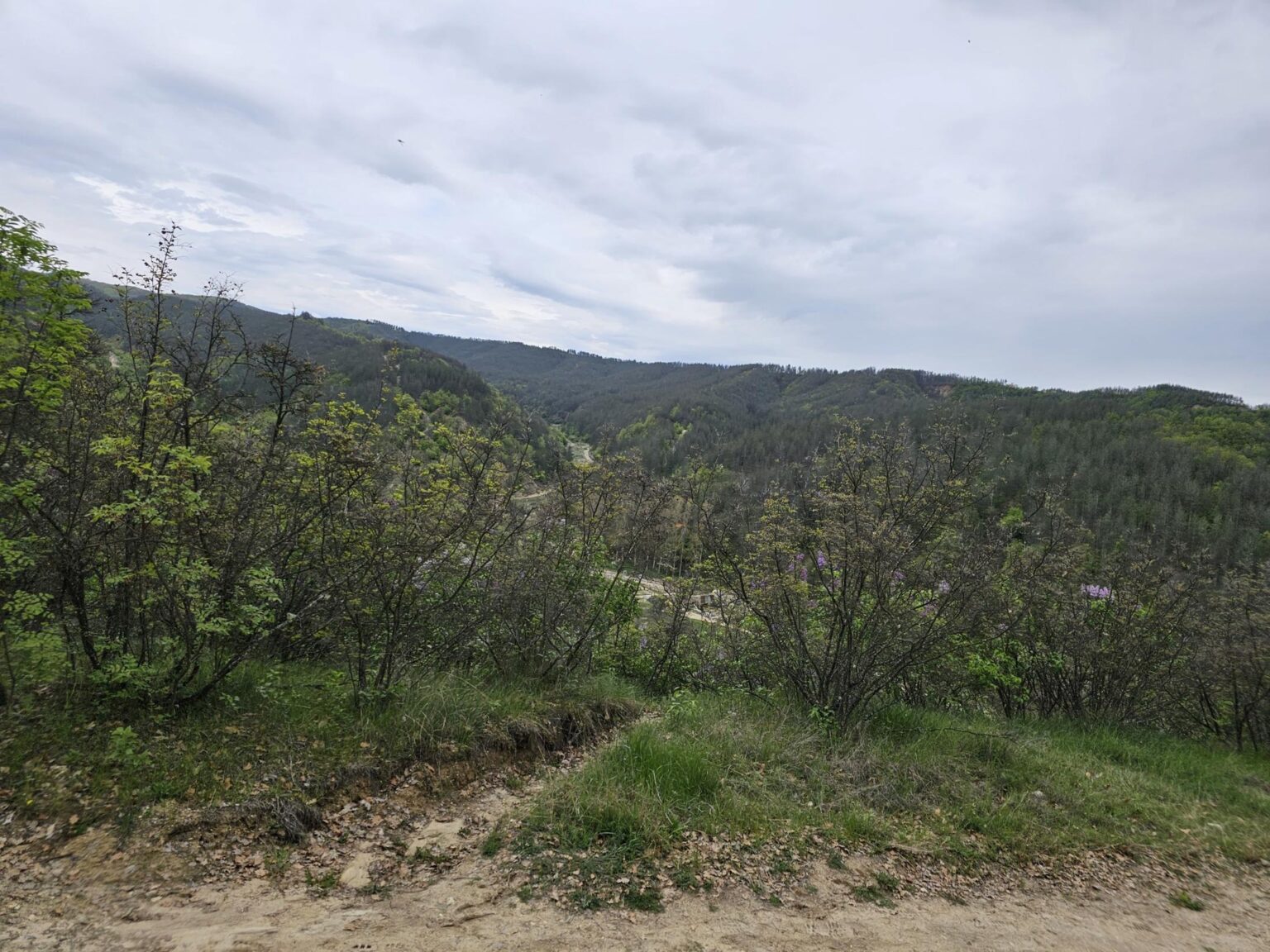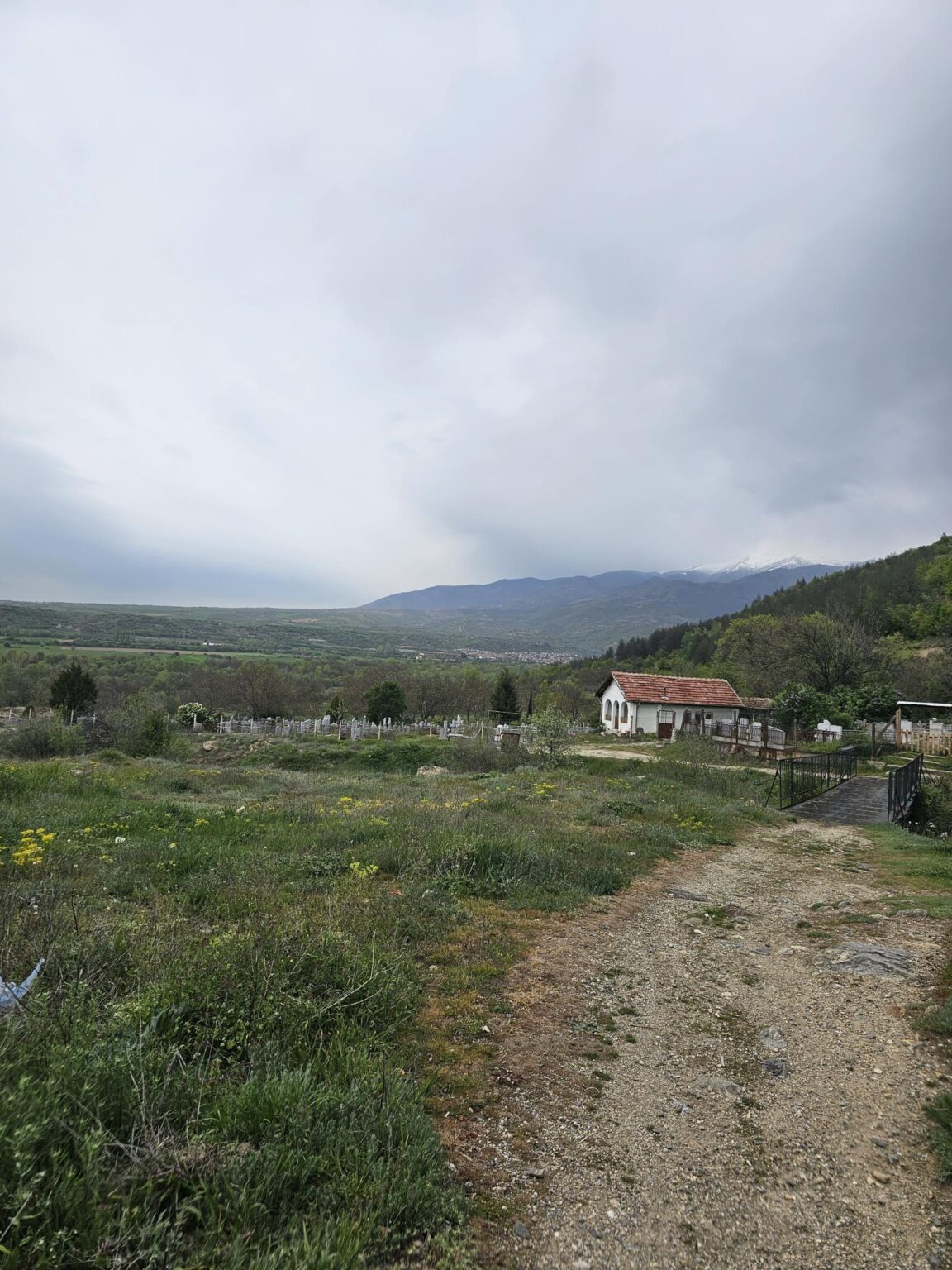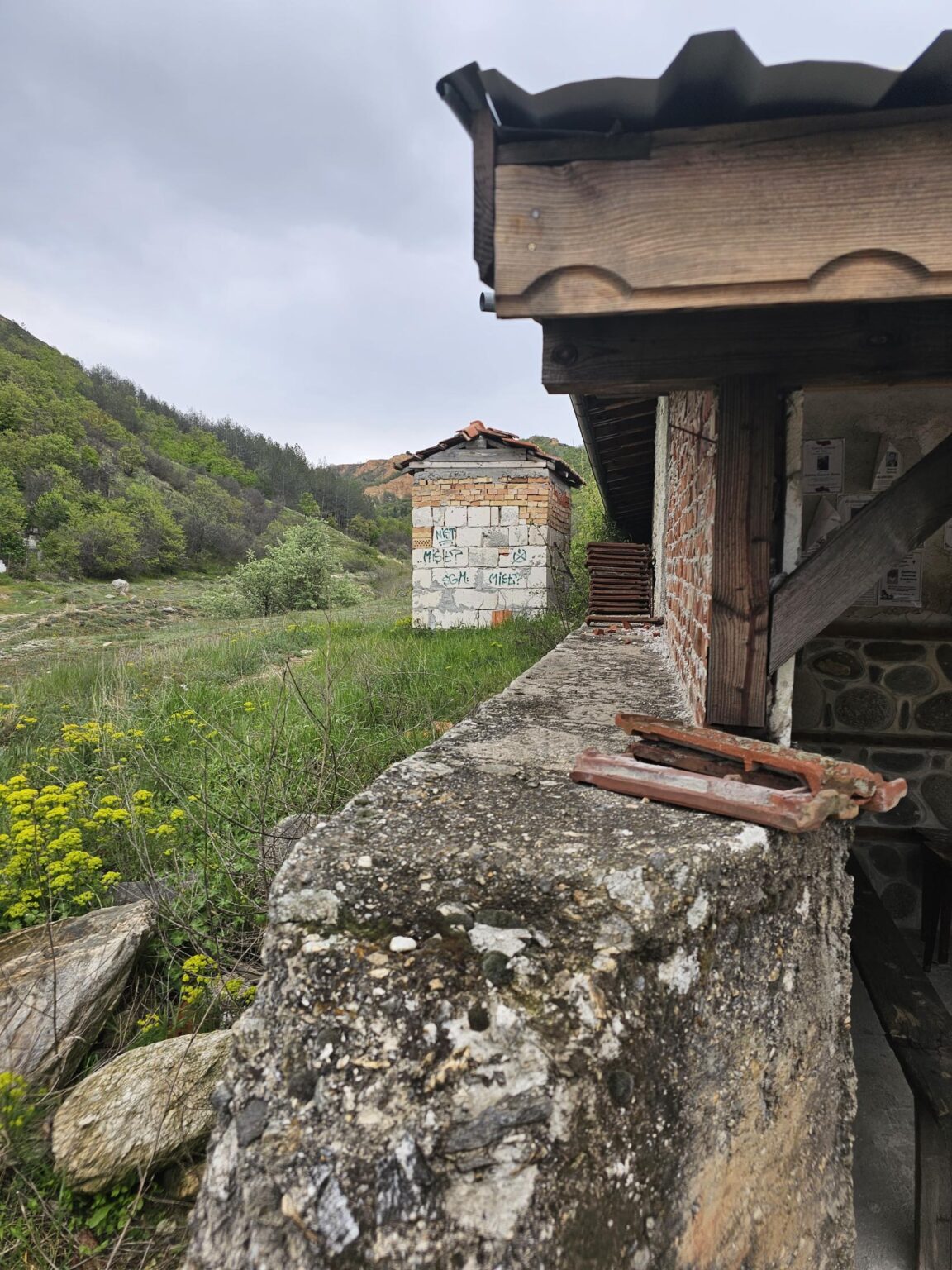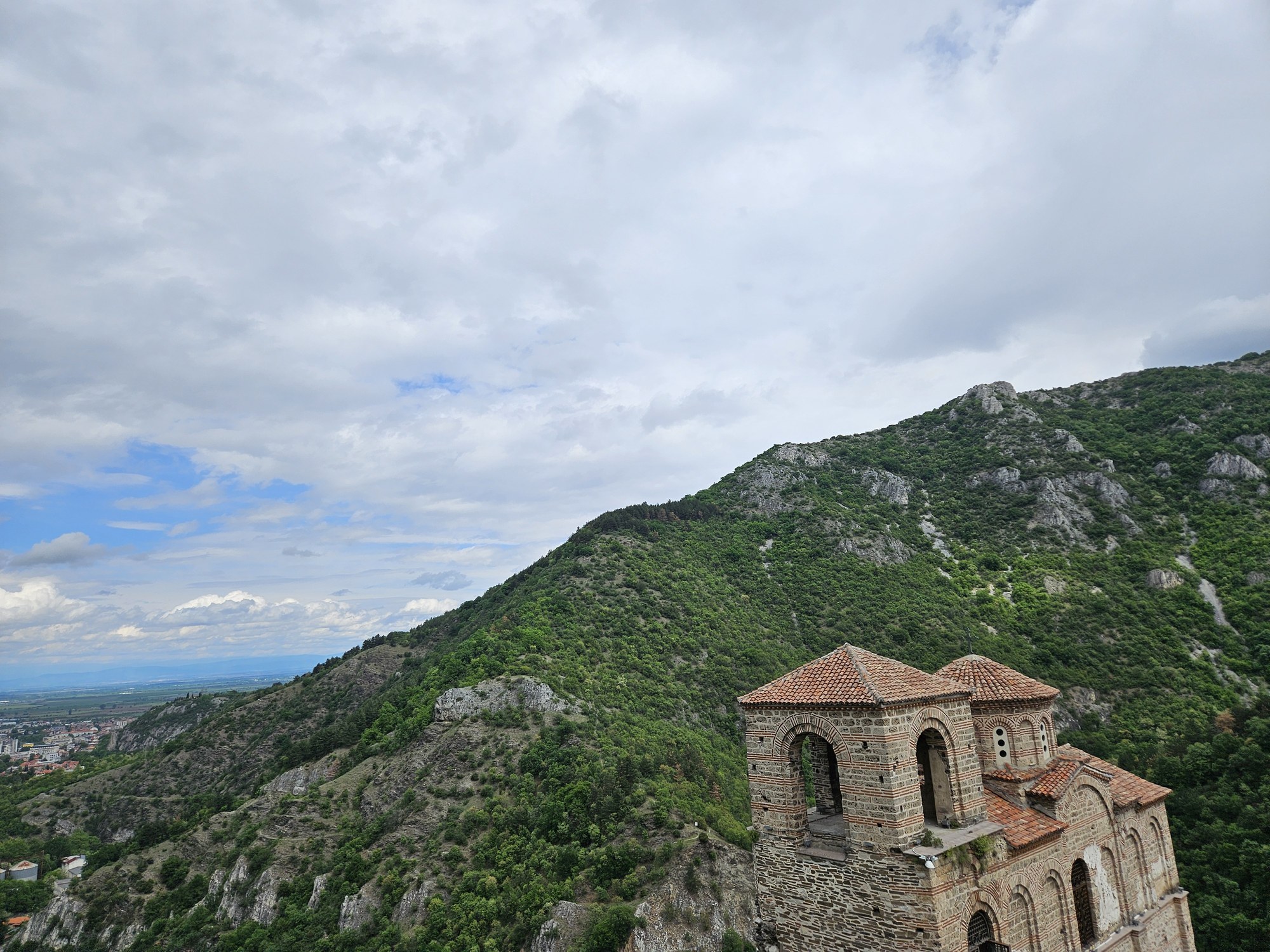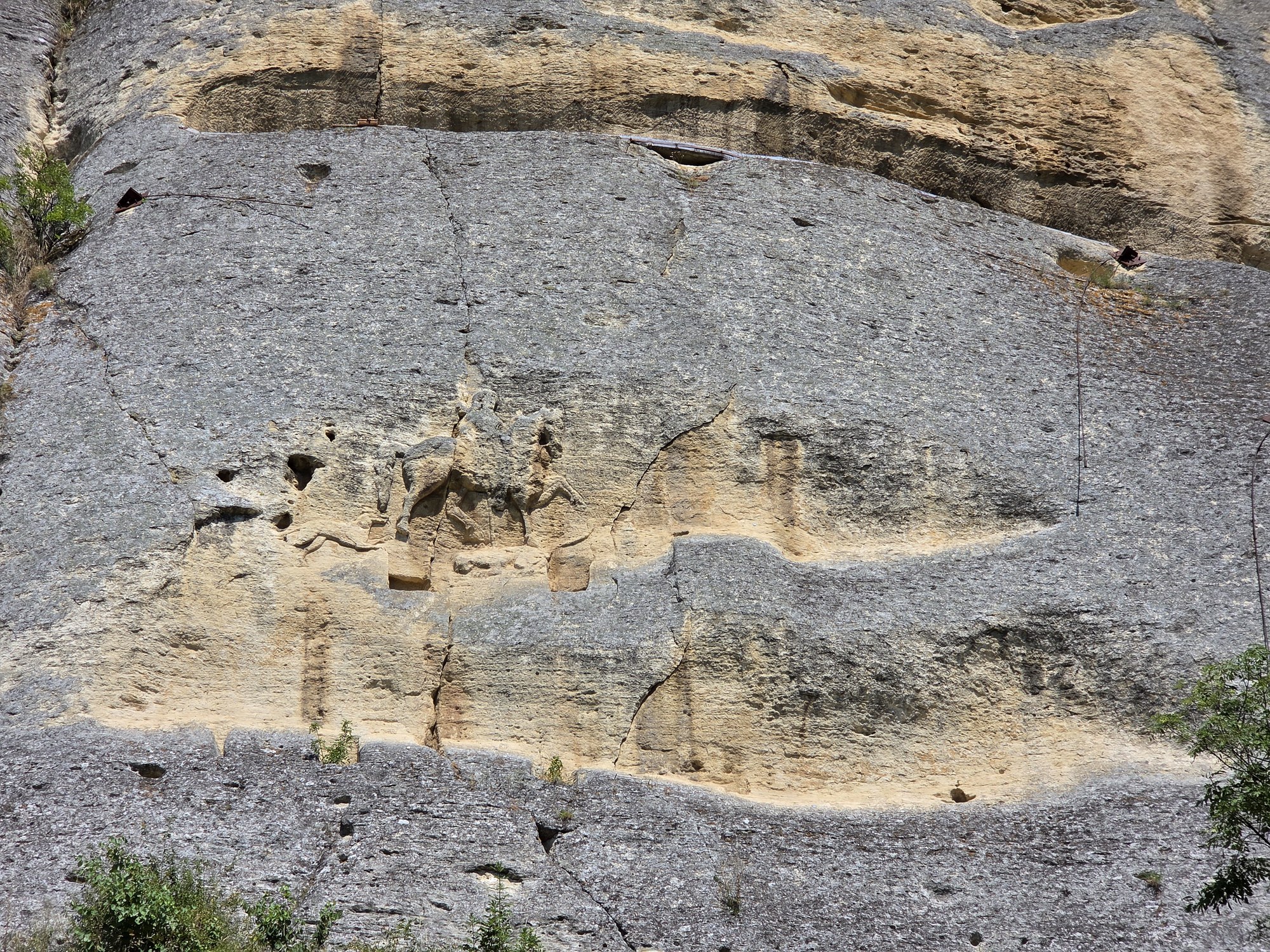
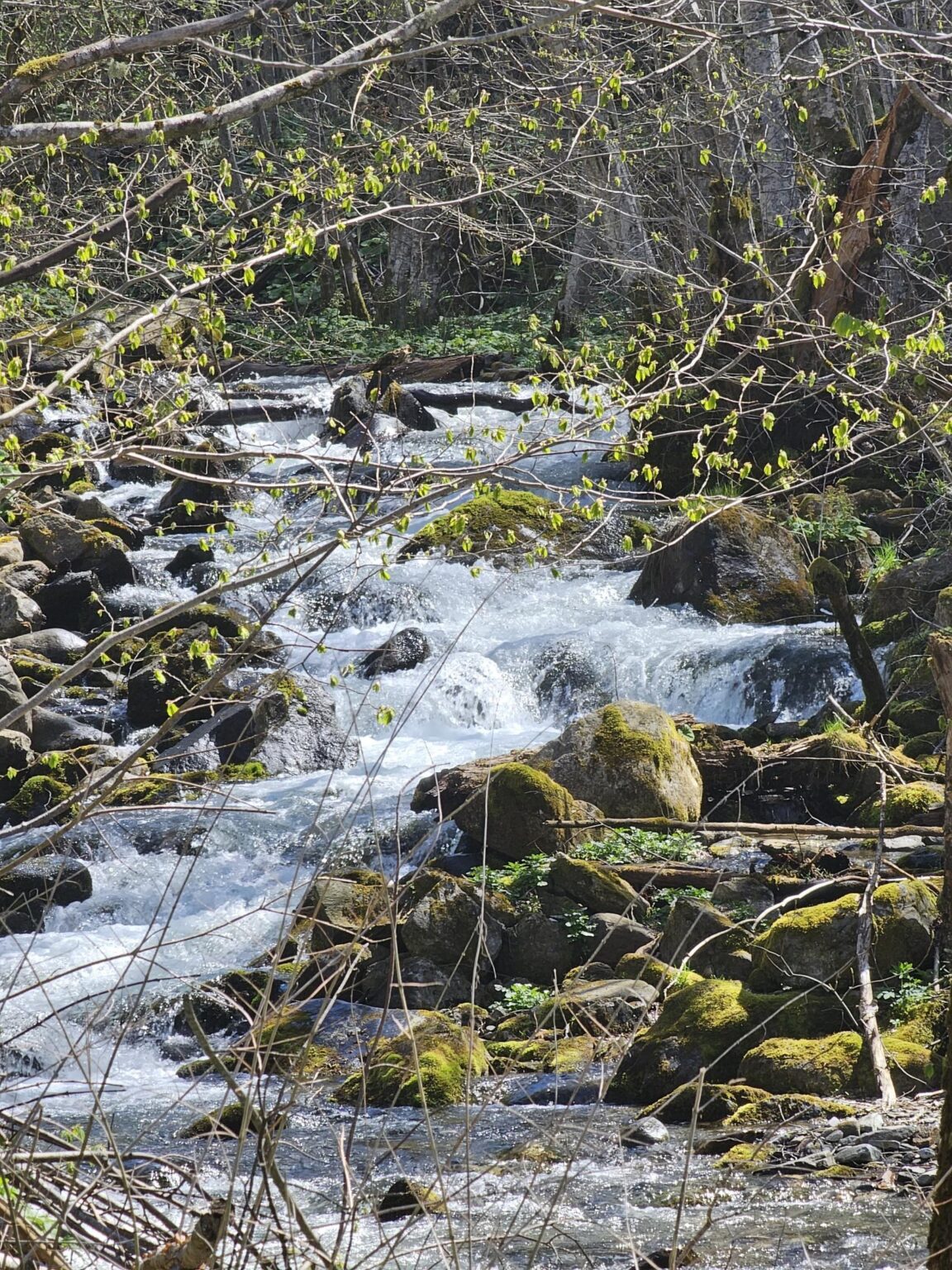
Pyramids, pharaohs and trails worth millions! Well, what do you say? That was our idea for an alternative title, but Google was never going to love it 😀
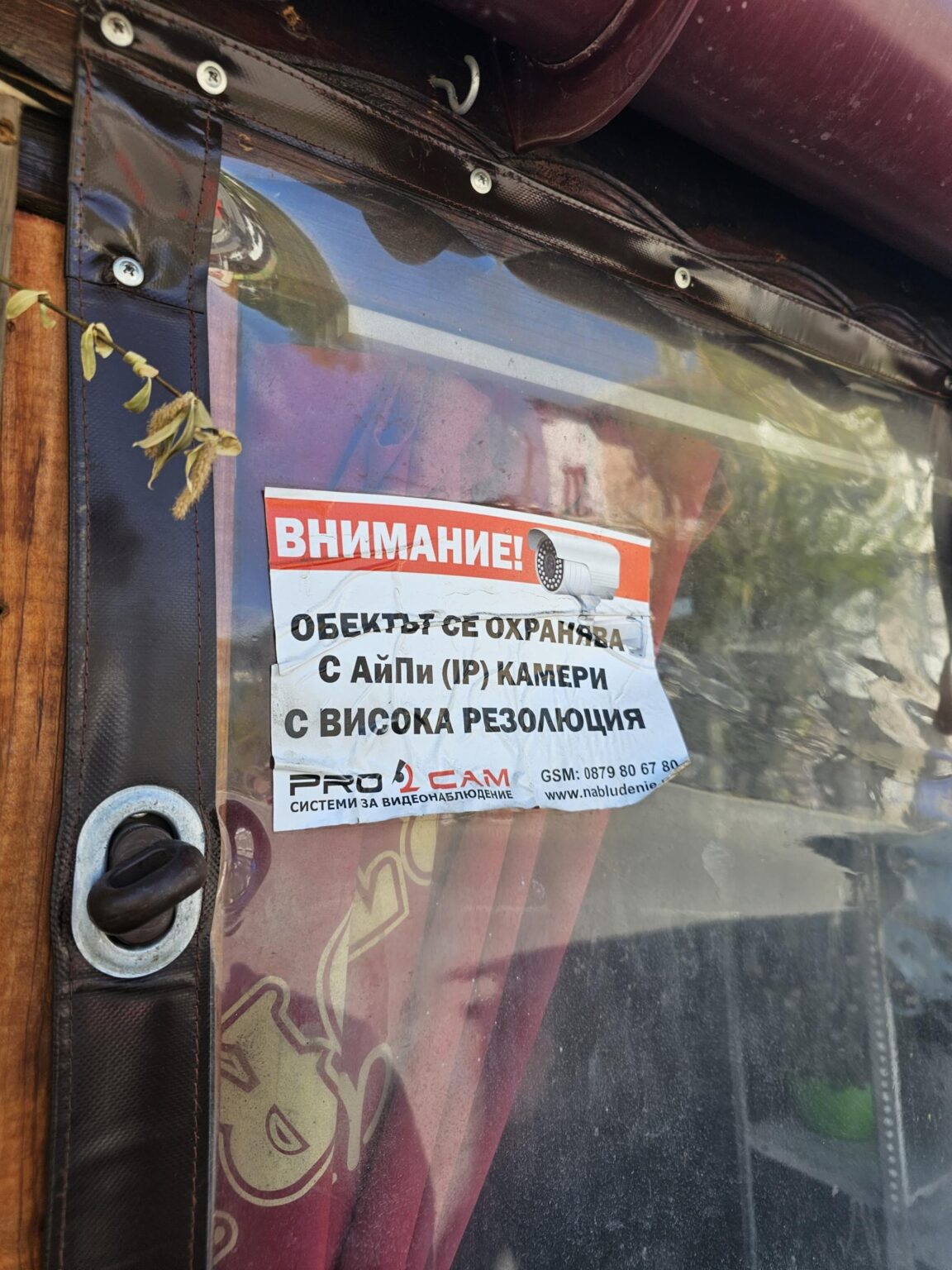
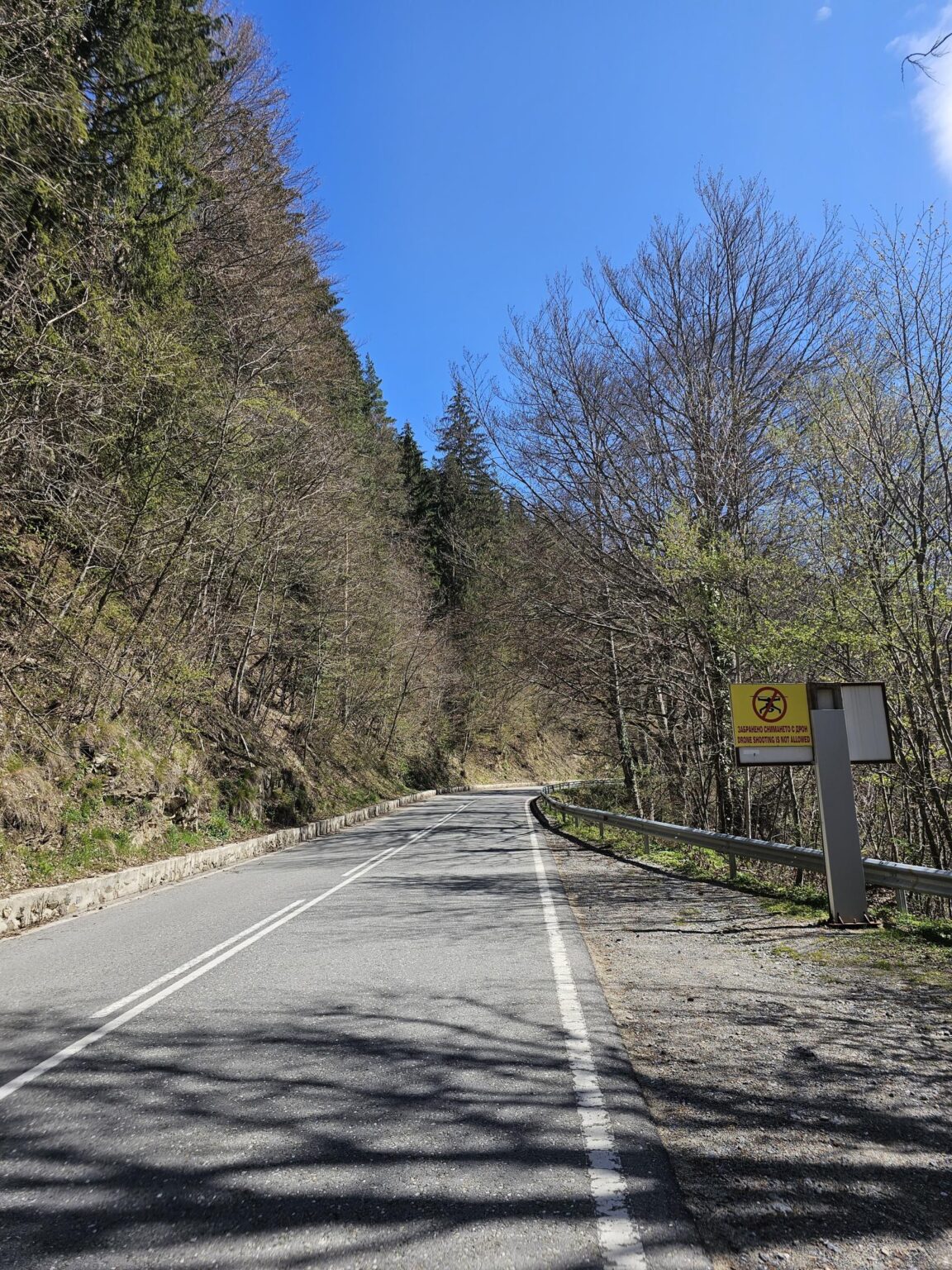
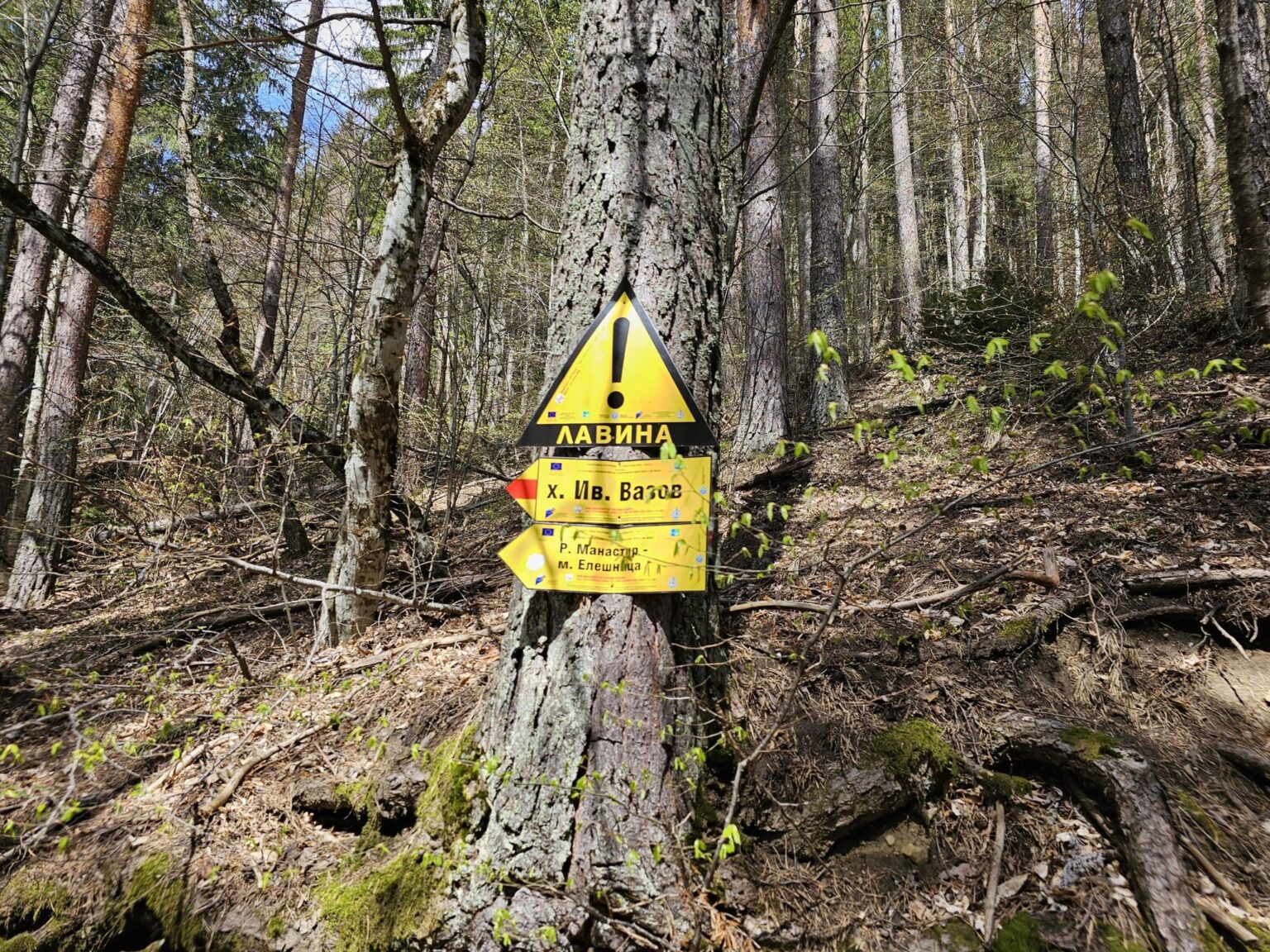
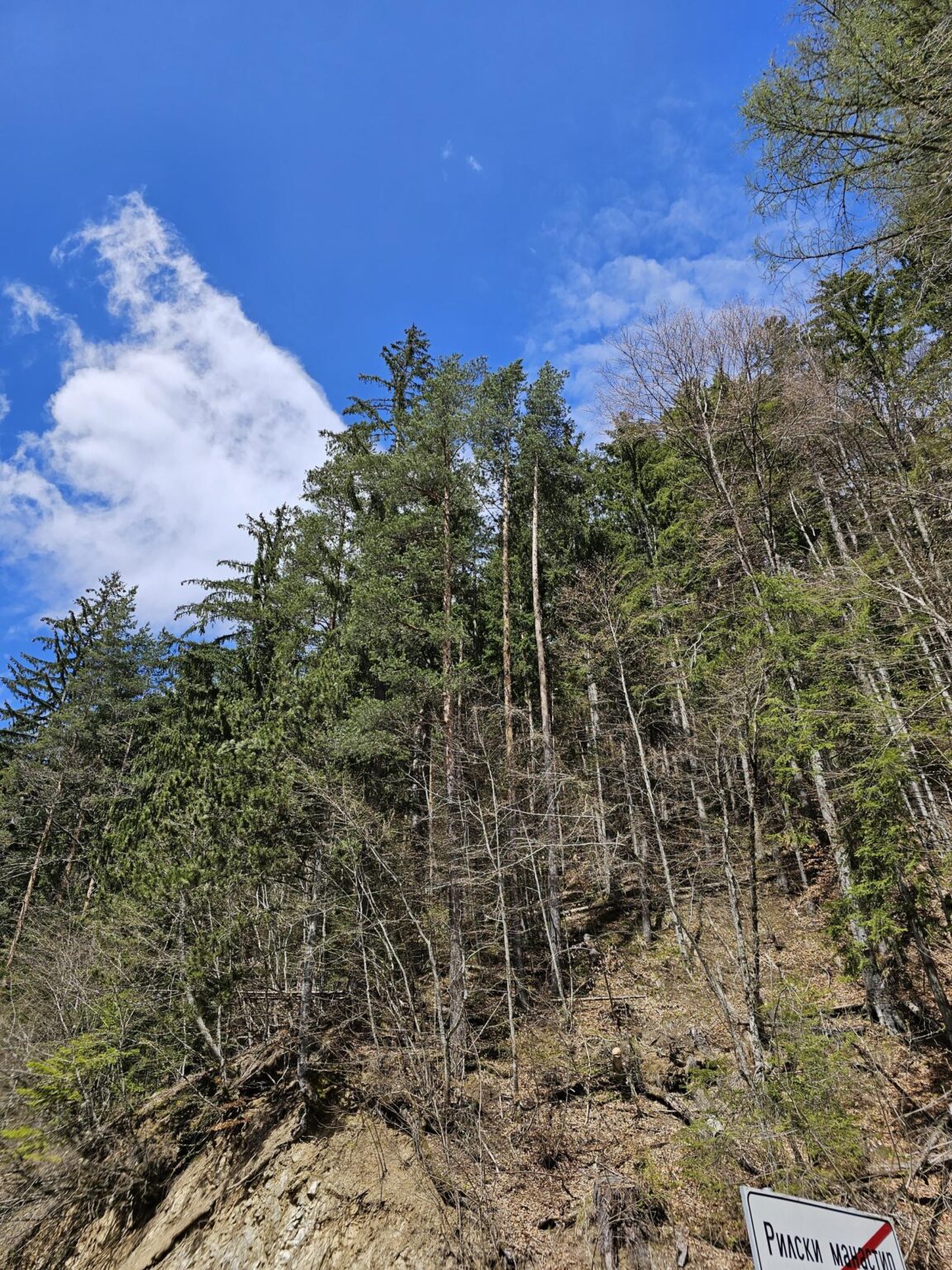
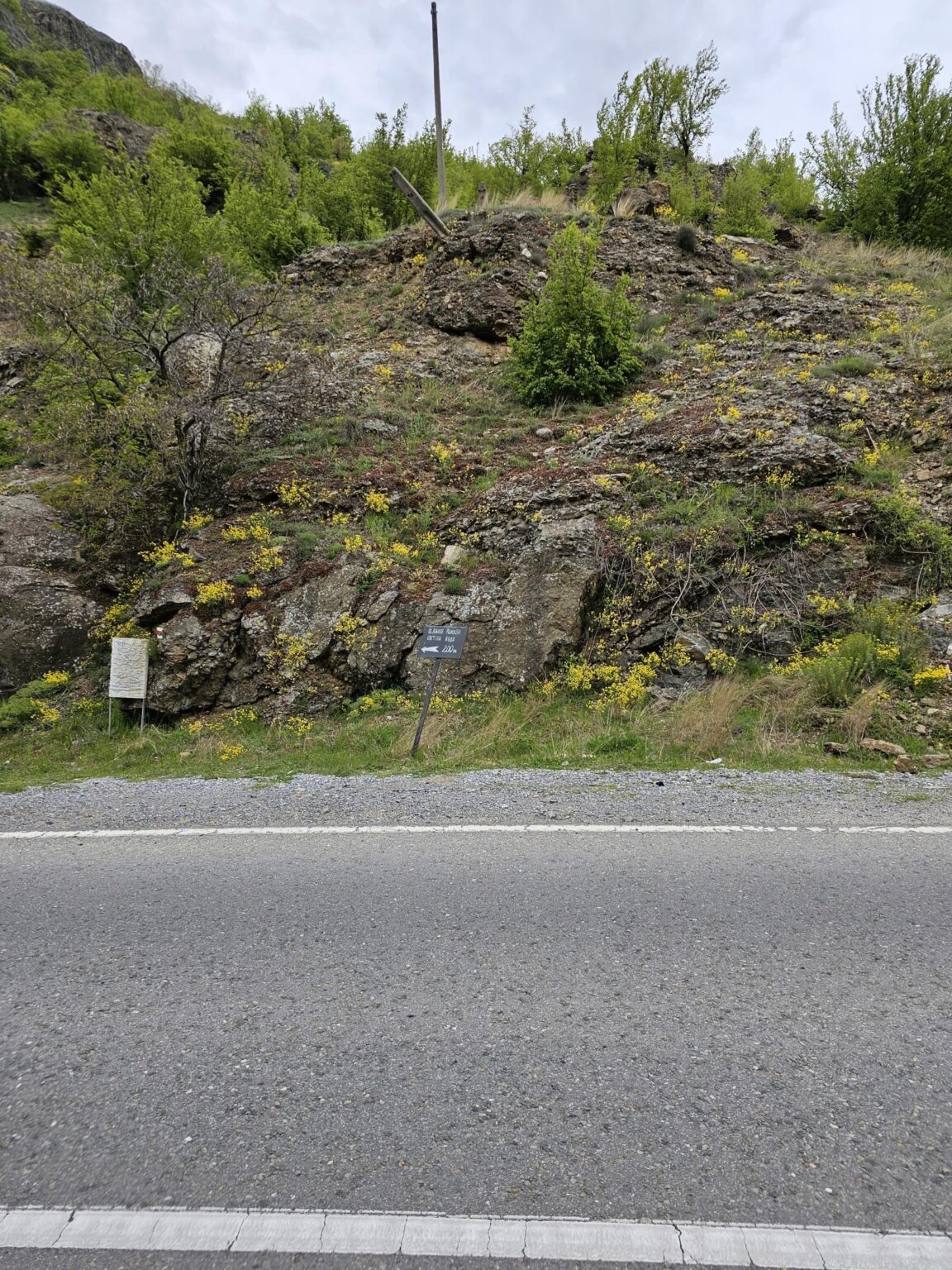
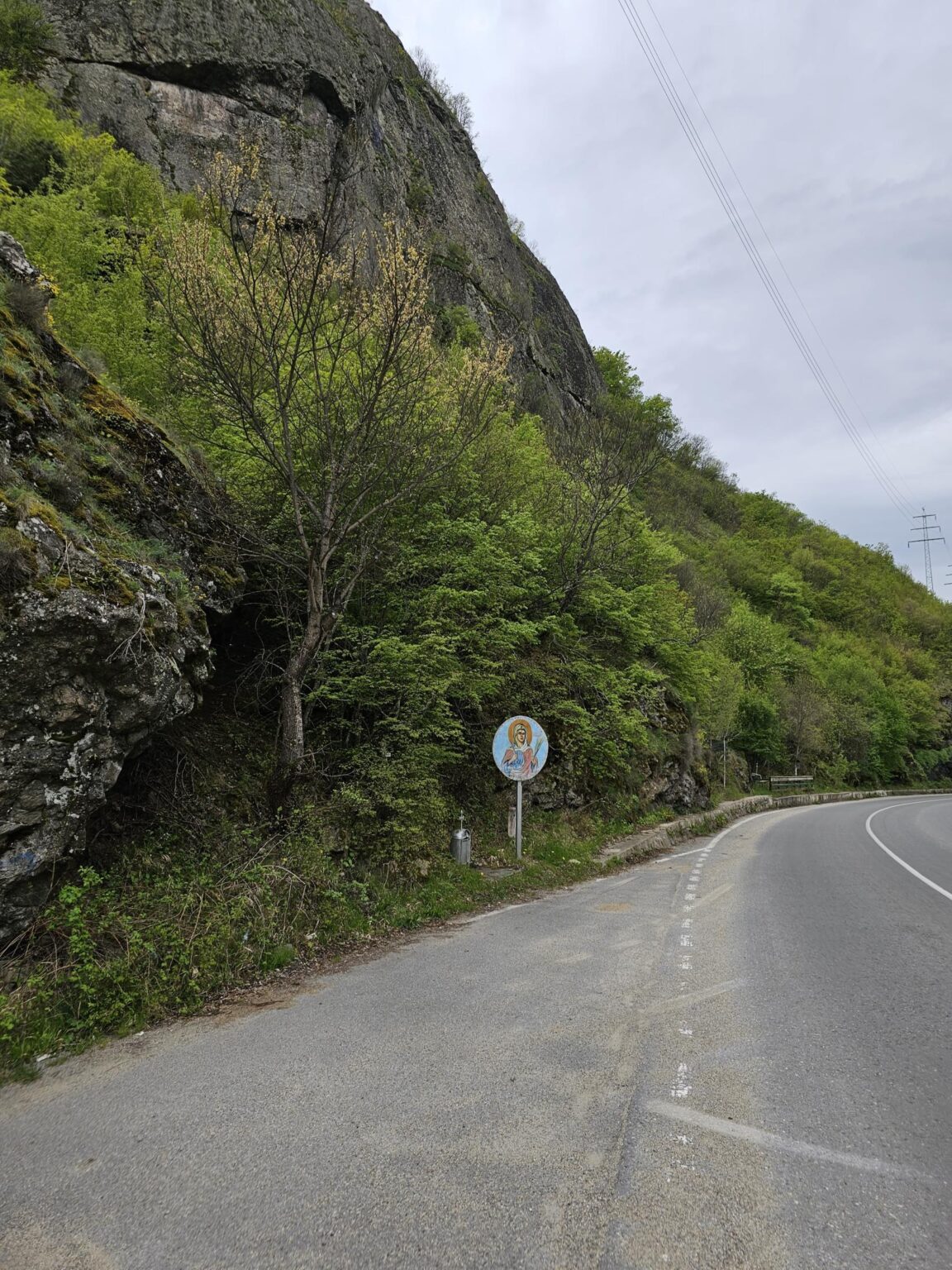
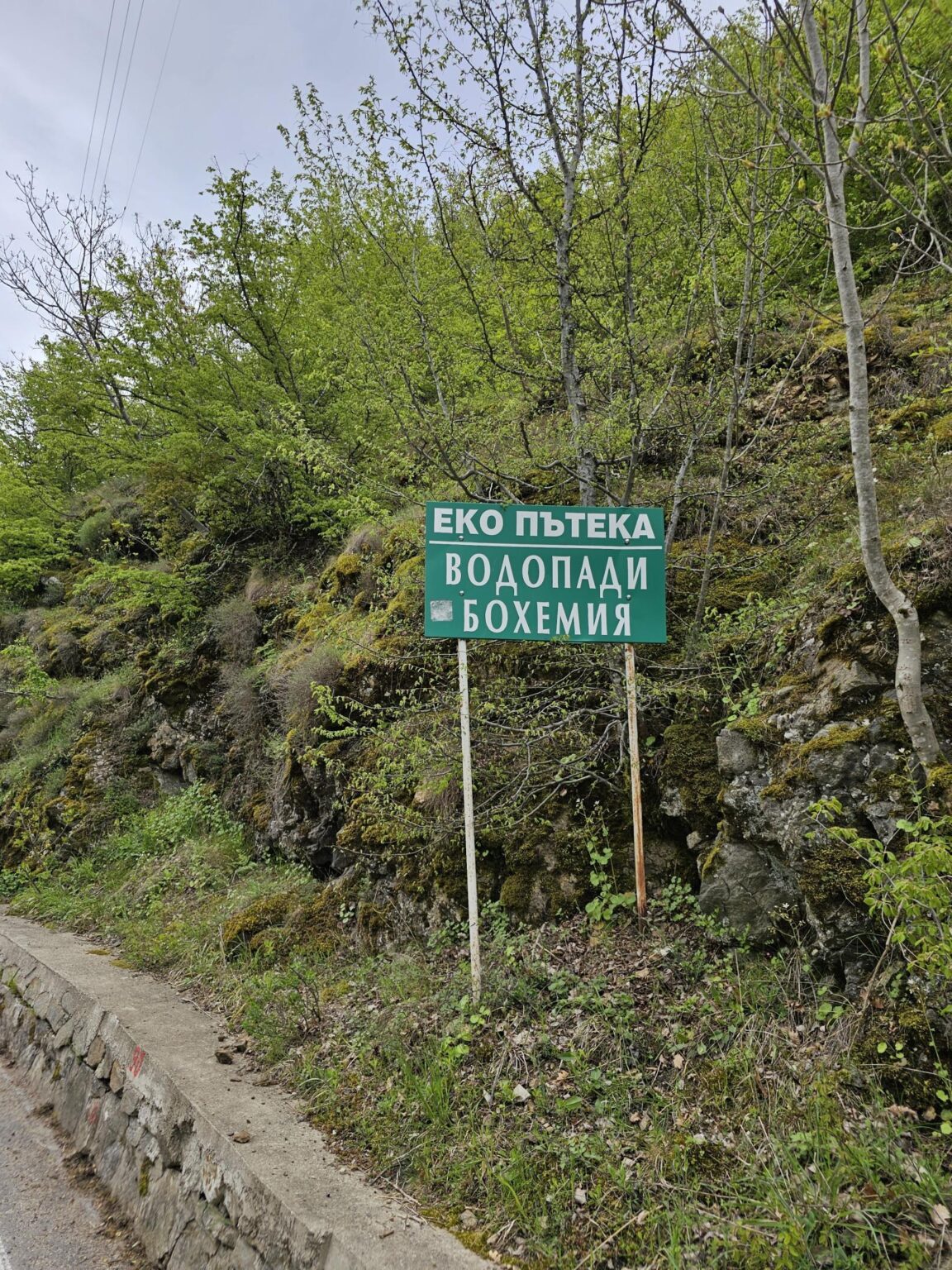
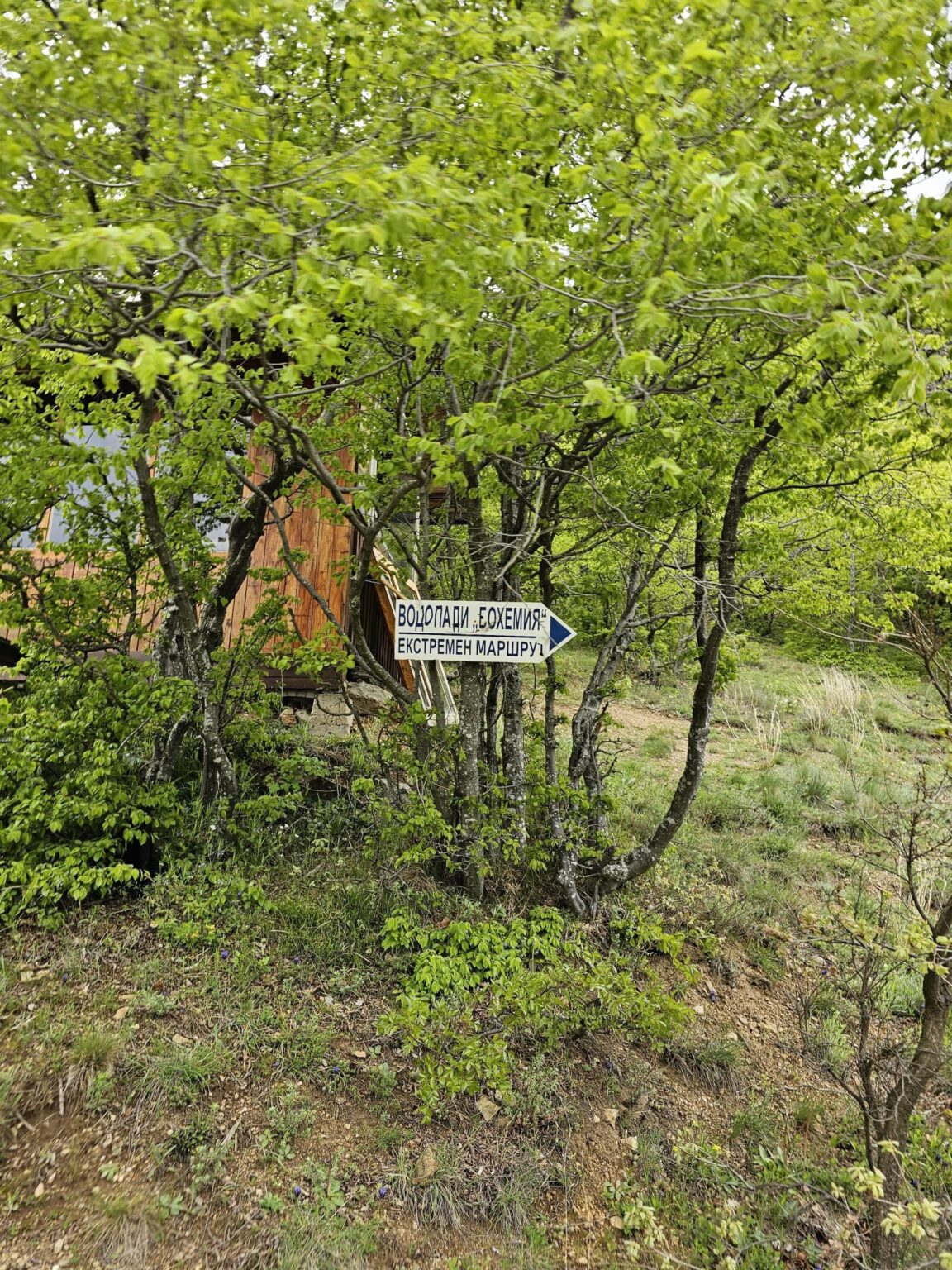
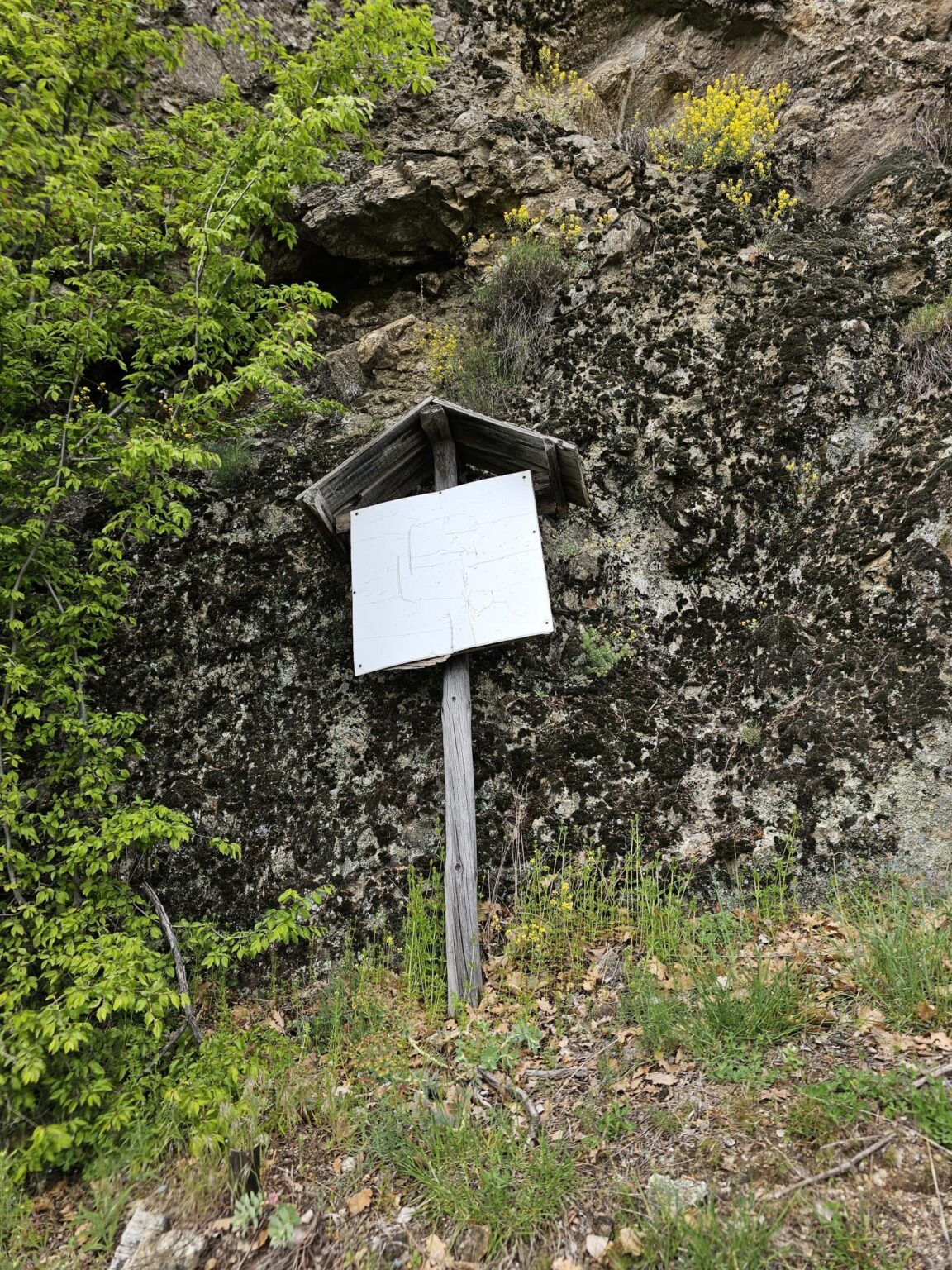
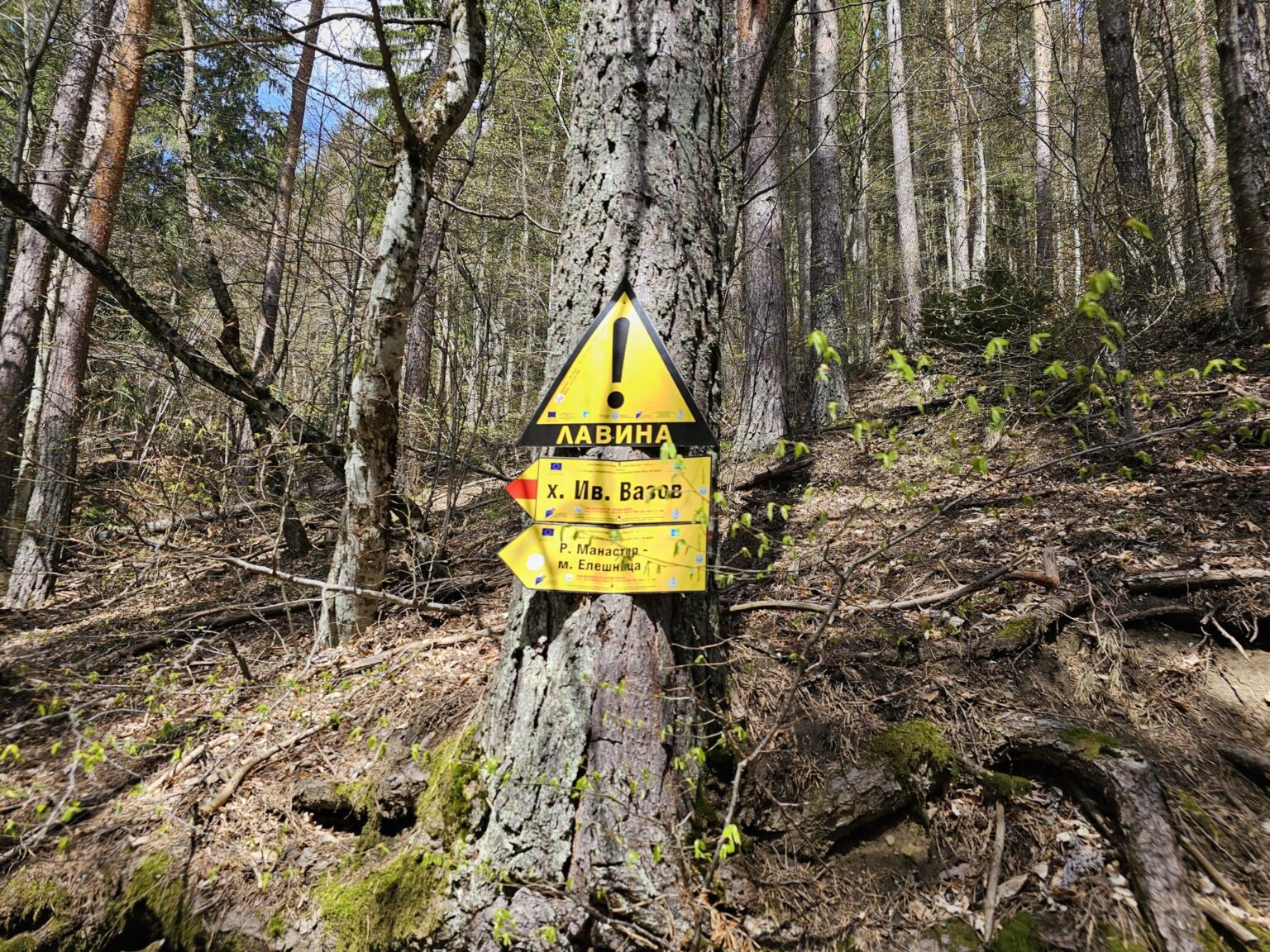
Somehow the word extreme doesn’t sit intuitively next to a blog about walks and day trips. And yet, listen and look, because what follows is nine to ten hours of adventure and adrenaline, roughly four of them spent in the car covering some 250 kilometres from the capital and back. It all begins as the idea for a light Saturday stroll, squeezed in right before a week-long trip to Pamukkale in Turkey. The plan runs exactly as planned — mekitsi at Rila Monastery — and then it keeps running, straight into an initially funny and entirely unexpected sign.
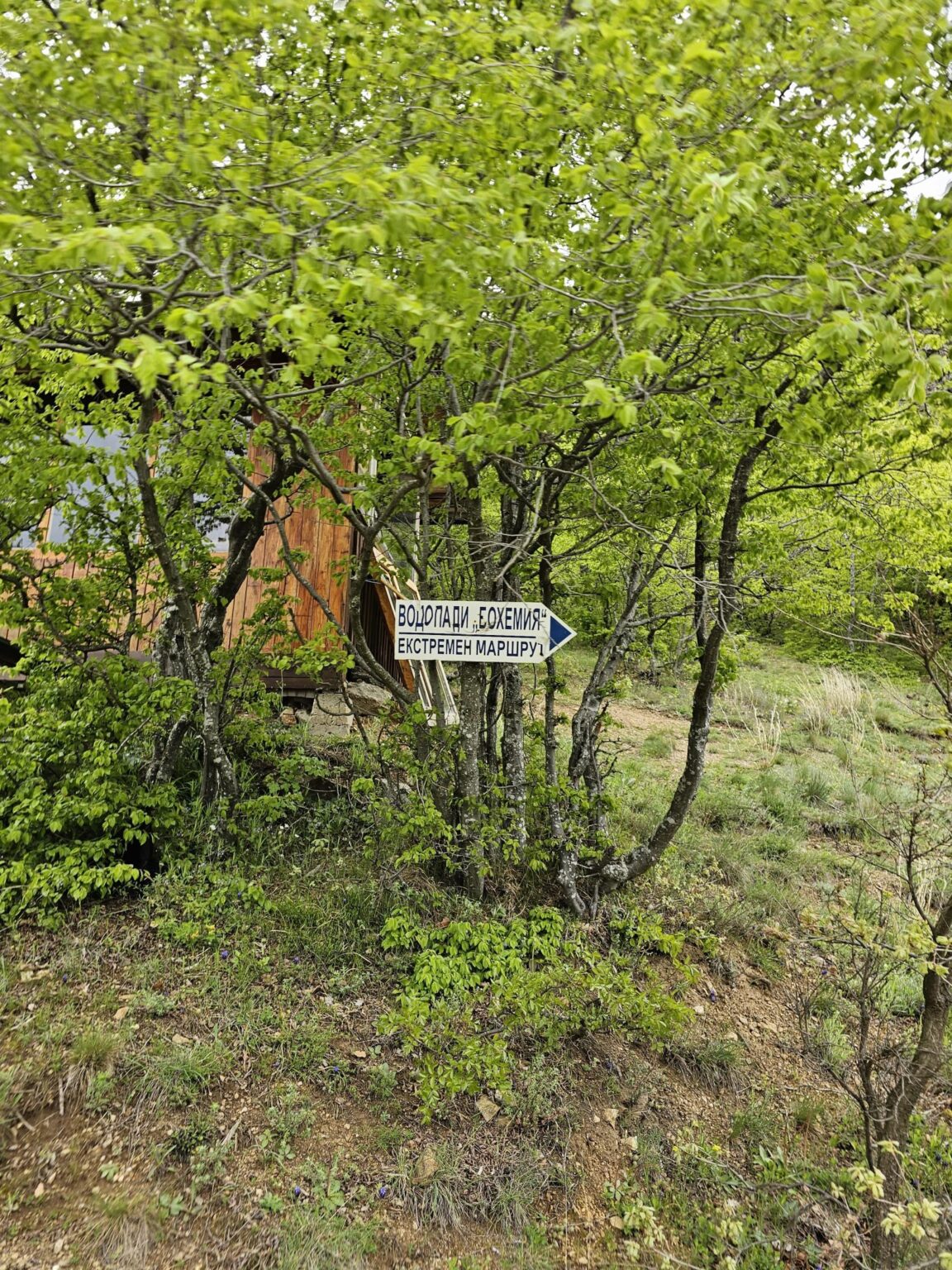
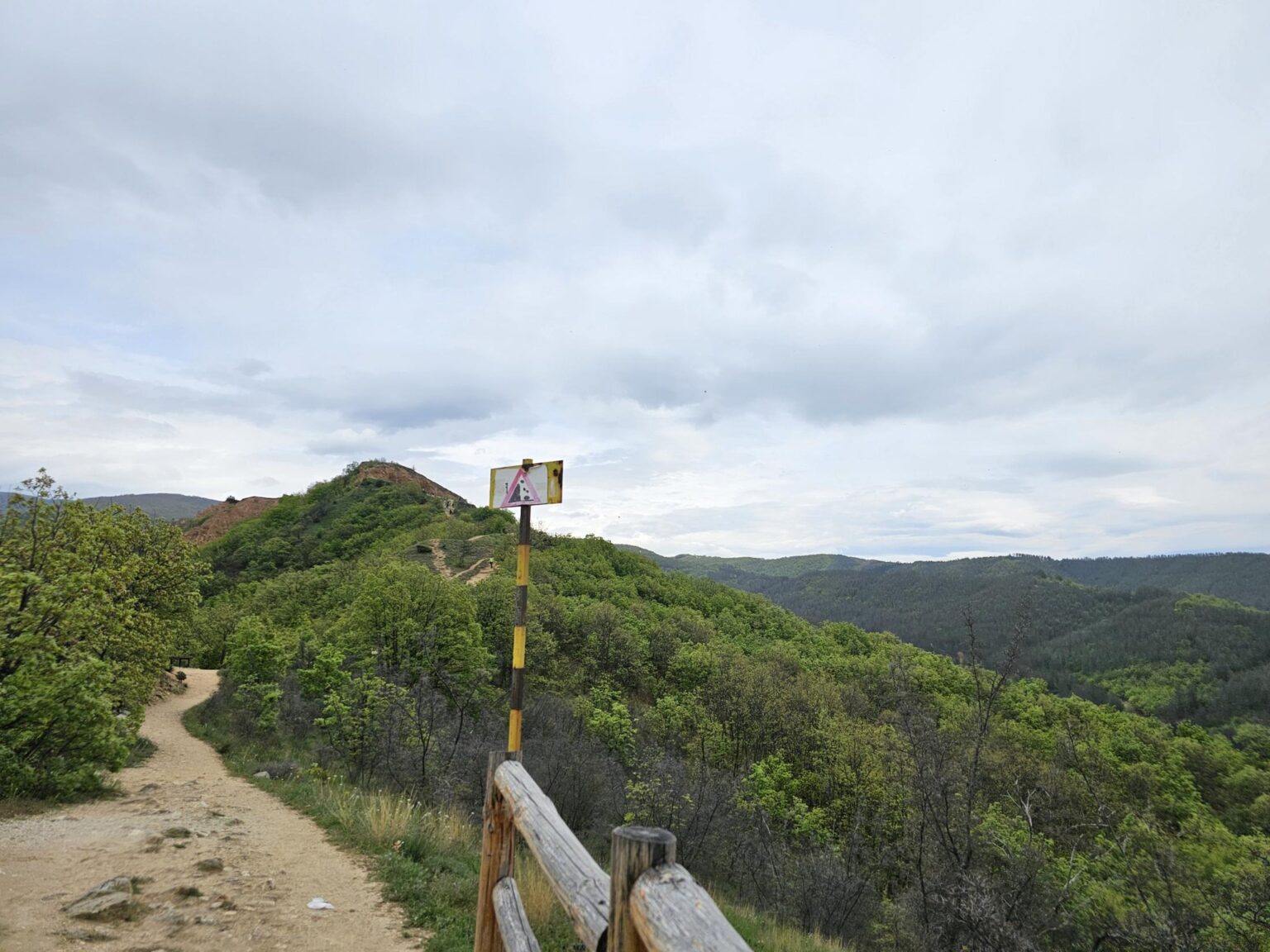
What exactly is hiding behind that sign? Well, further down we’ll see 🙂
Quick facts
| Where | Near the town of Rila and the village of Stob · Rila Monastery, the Bohemia waterfalls, the Cross eco-trail, the Stob Pyramids |
| From Sofia | ~250 km for the whole day · about 4 hours behind the wheel (~120 km one way to the monastery) |
| Format | Full day — 9–10 hours with all four stops |
| Total ascent | over 450 m · around 20,000 steps |
| Ascent by site | Bohemia ~90 m (hard) · the Cross ~150 m (easy) · the Pyramids ~220 m (moderate) |
| Difficulty | High for one day · ropes and drops at Bohemia, where a careless step is a genuine injury |
| Stamps | No. 28 (Rila Monastery) and No. 28a (Stob Pyramids) from the 100 National Tourist Sites |
| Entry | Monastery grounds free · Church-Historical Museum €5 · combined ticket for all monastery exhibitions €10 · a small fee at the Stob Pyramids |
| Parking | Free at the Pyramids and at the pull-off before Rila · paid at the monastery, with a free stretch of road 150–200 m before it |
| Good to know | Bohemia is a wild trail on ropes — not for small children · monastery + pyramids on one day and the two trails on another is the saner split |
Museum prices are taken from the monastery’s own site and checked in September 2026. The fee at the Pyramids is collected on the spot and we could find no official tariff for it, so bring a little cash and check the board at the trailhead.
Rila Monastery
The monastery
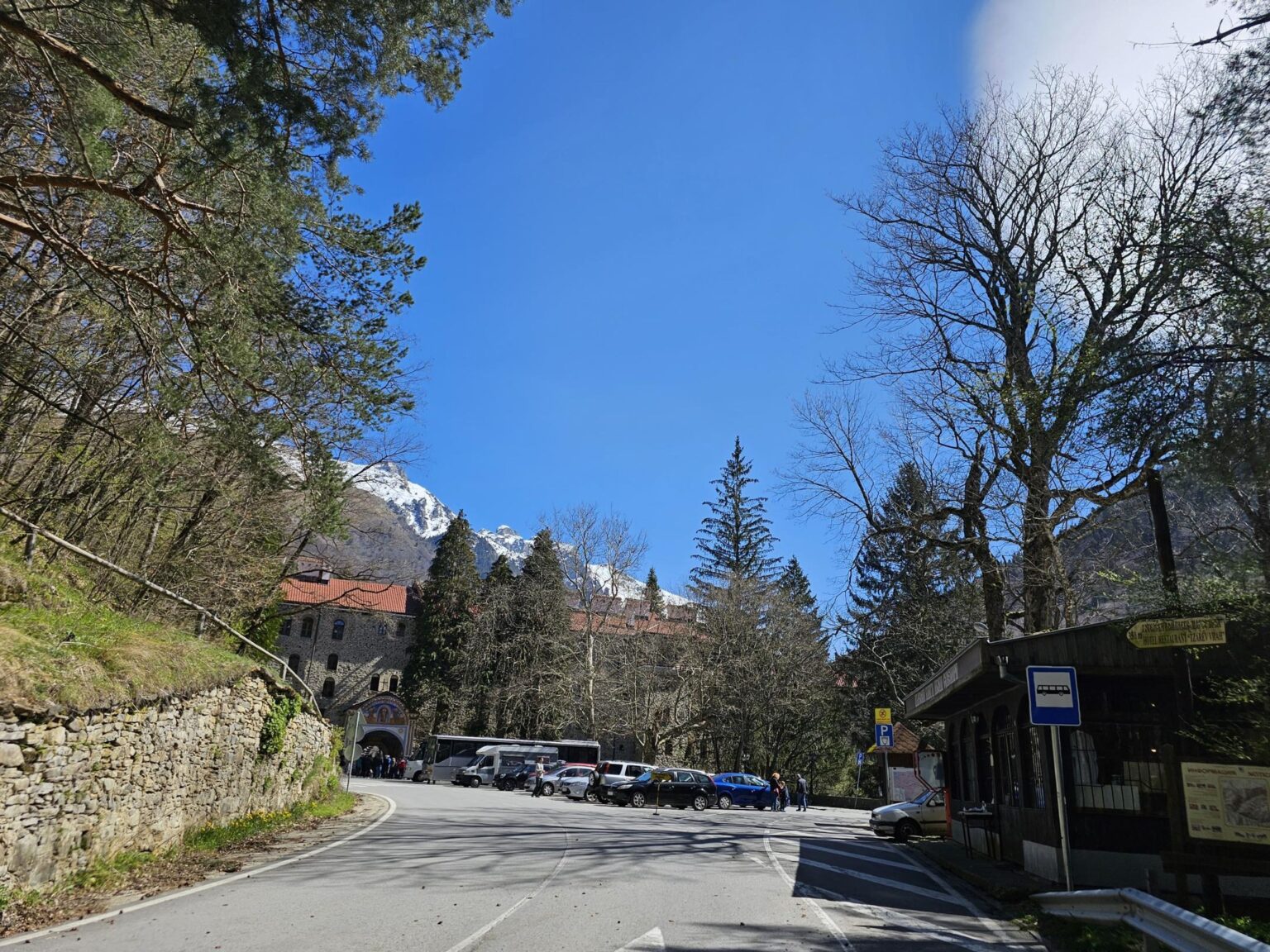
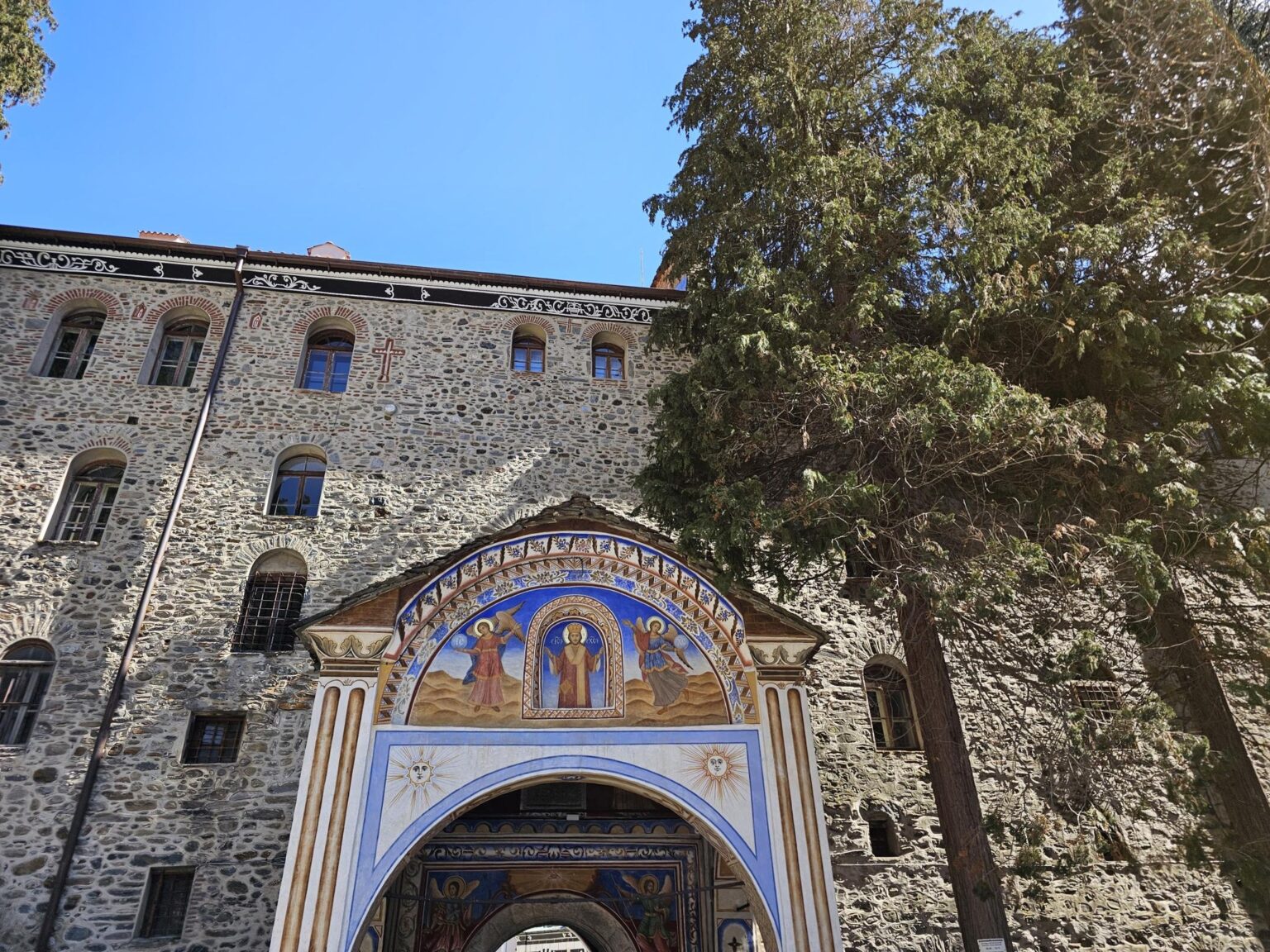
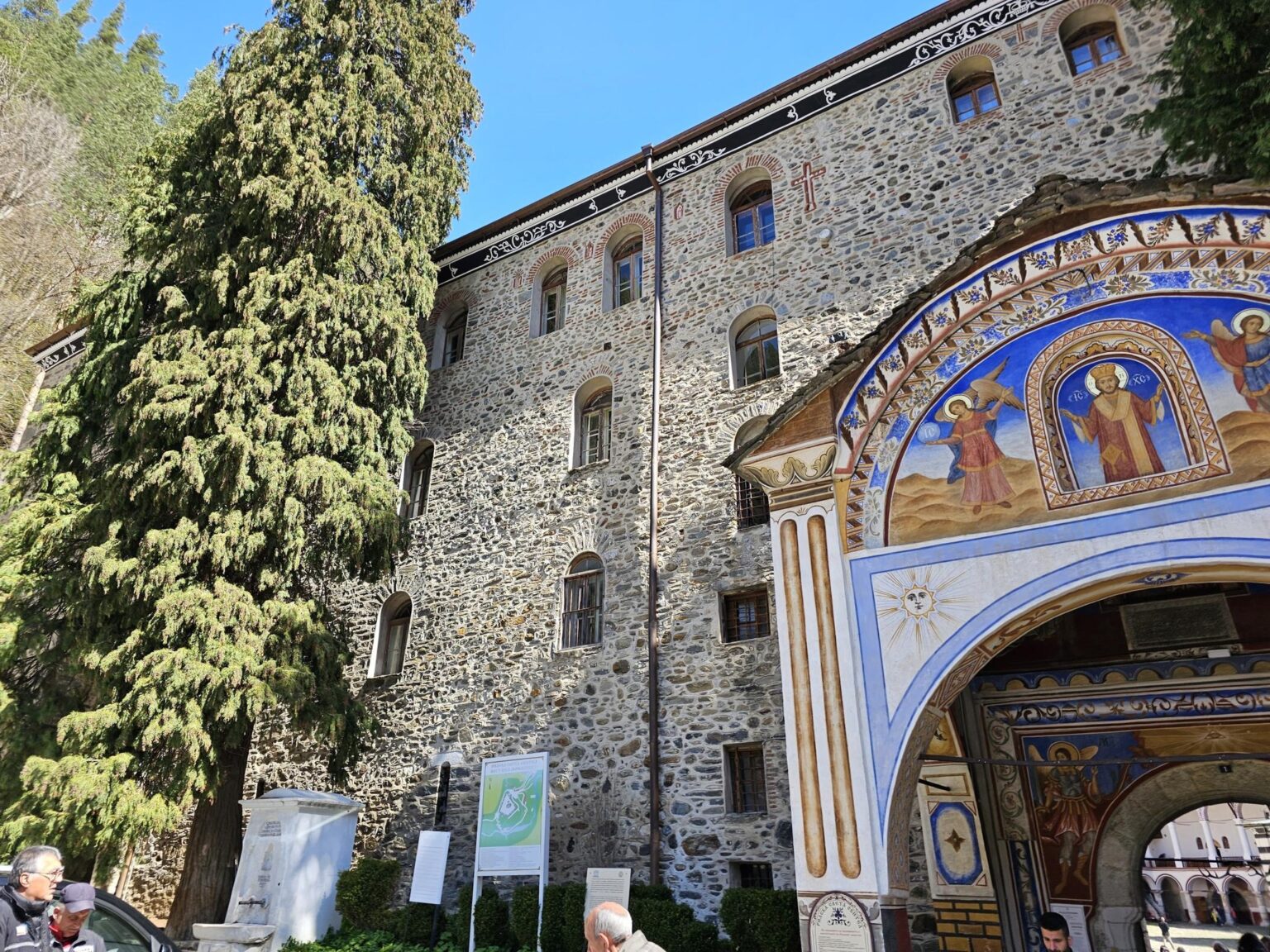
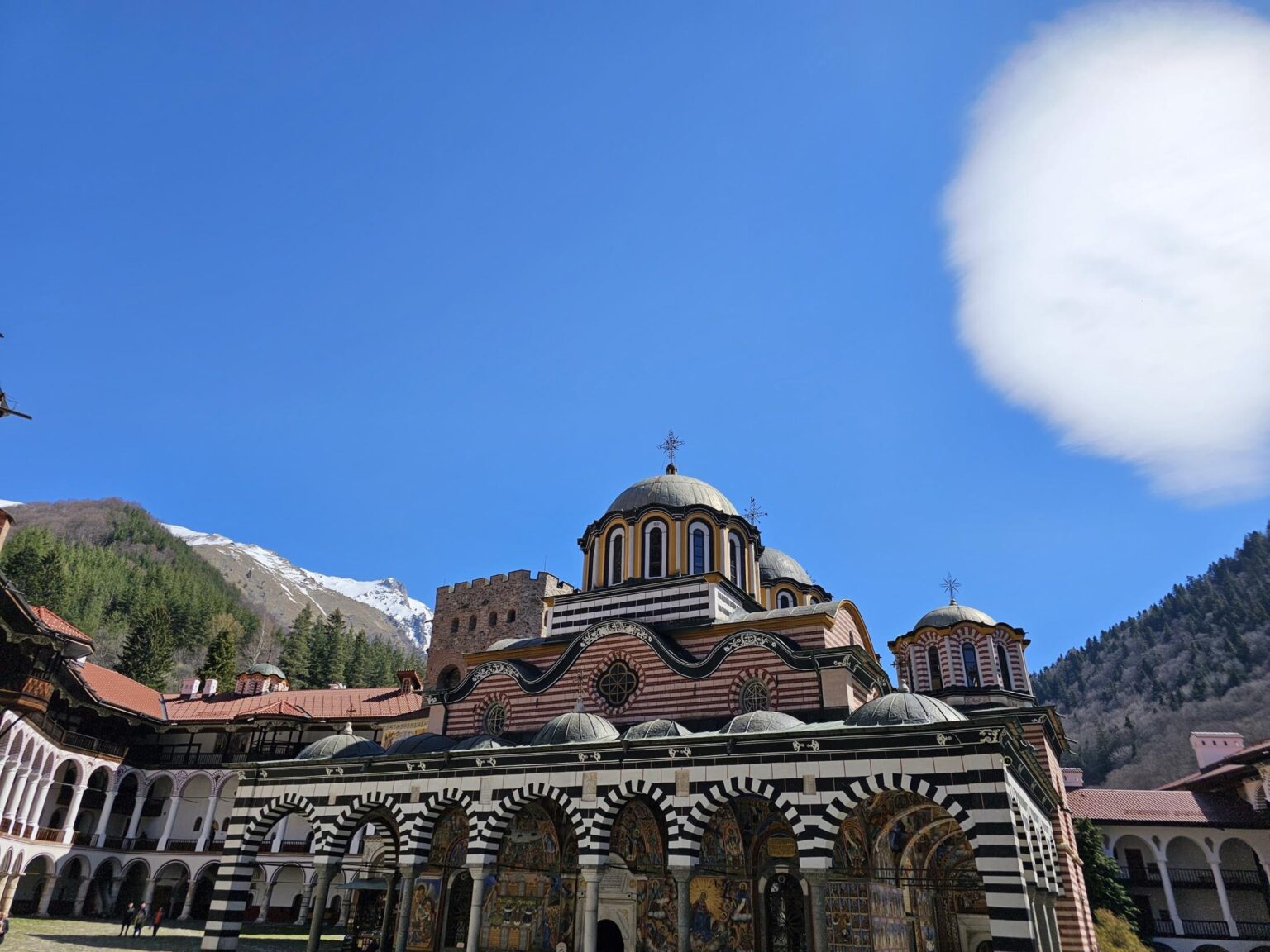
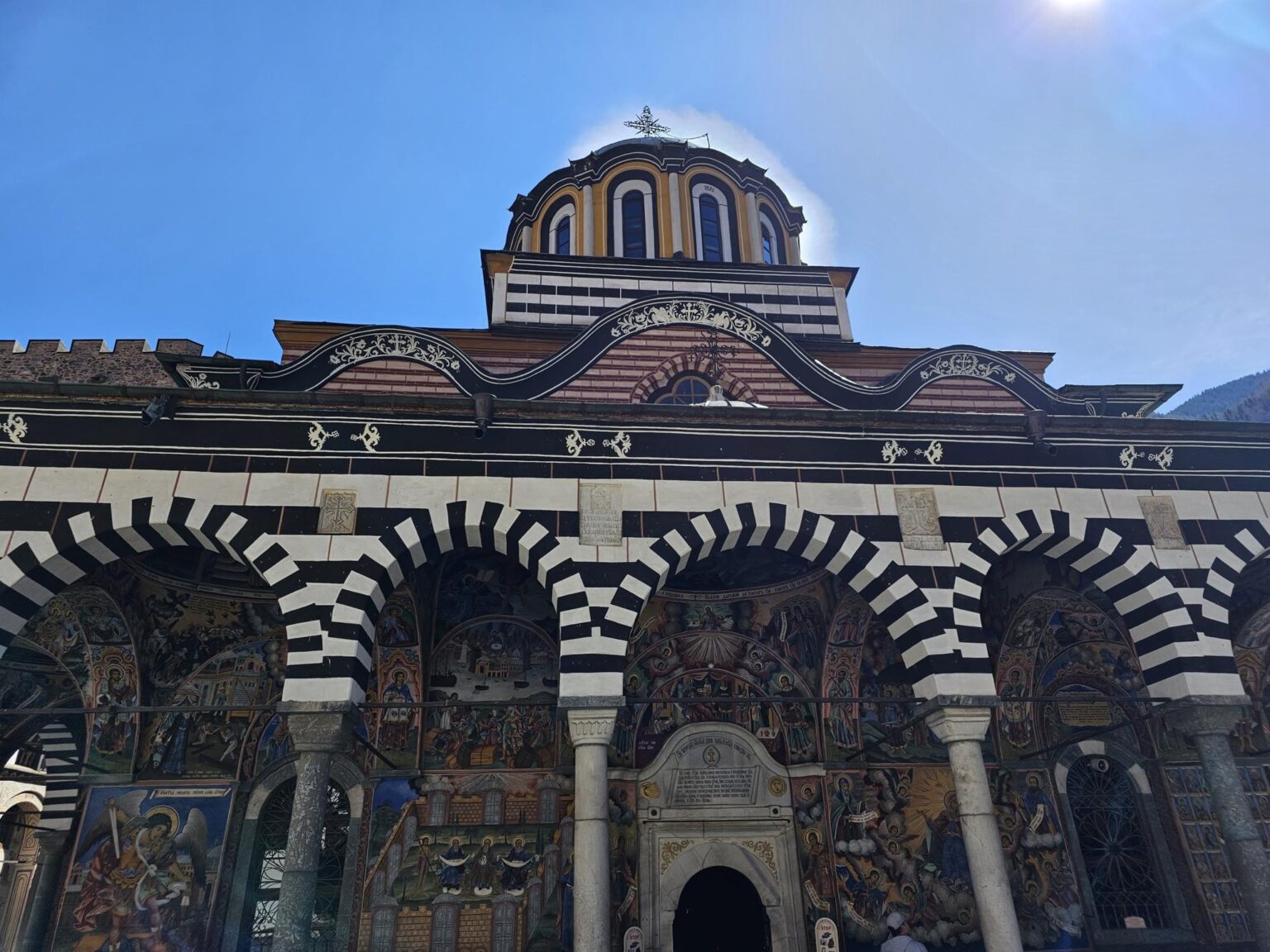
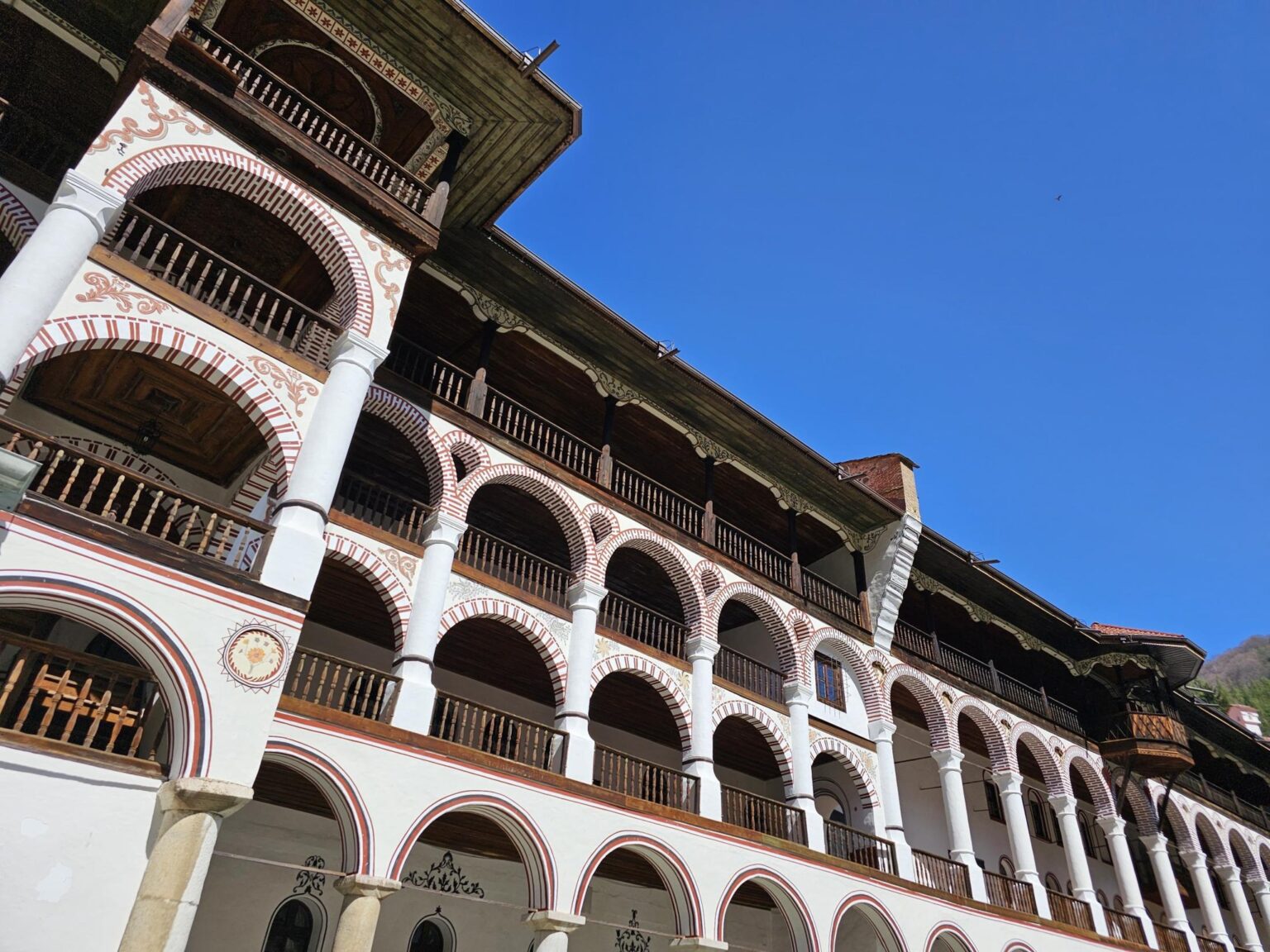
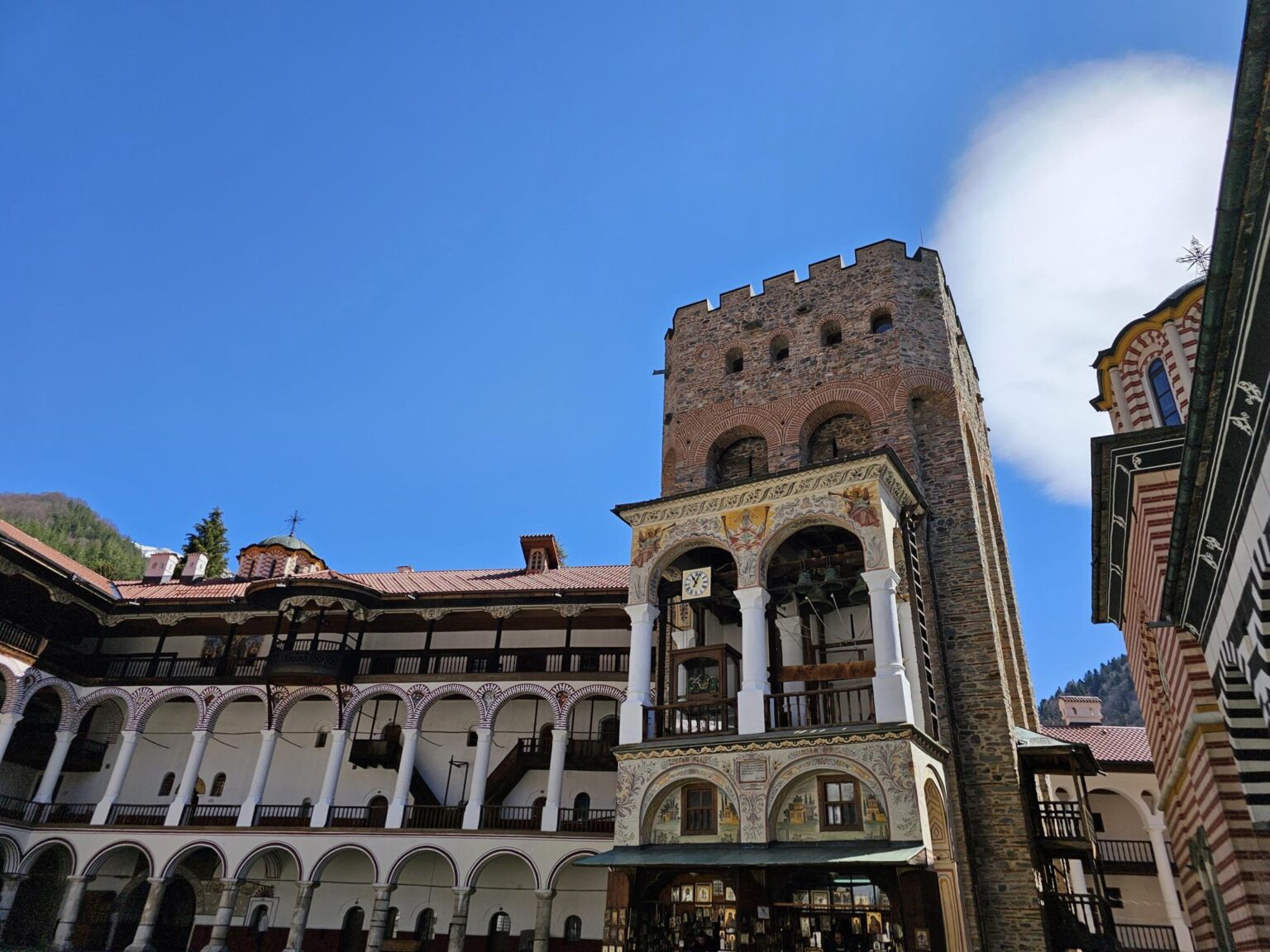
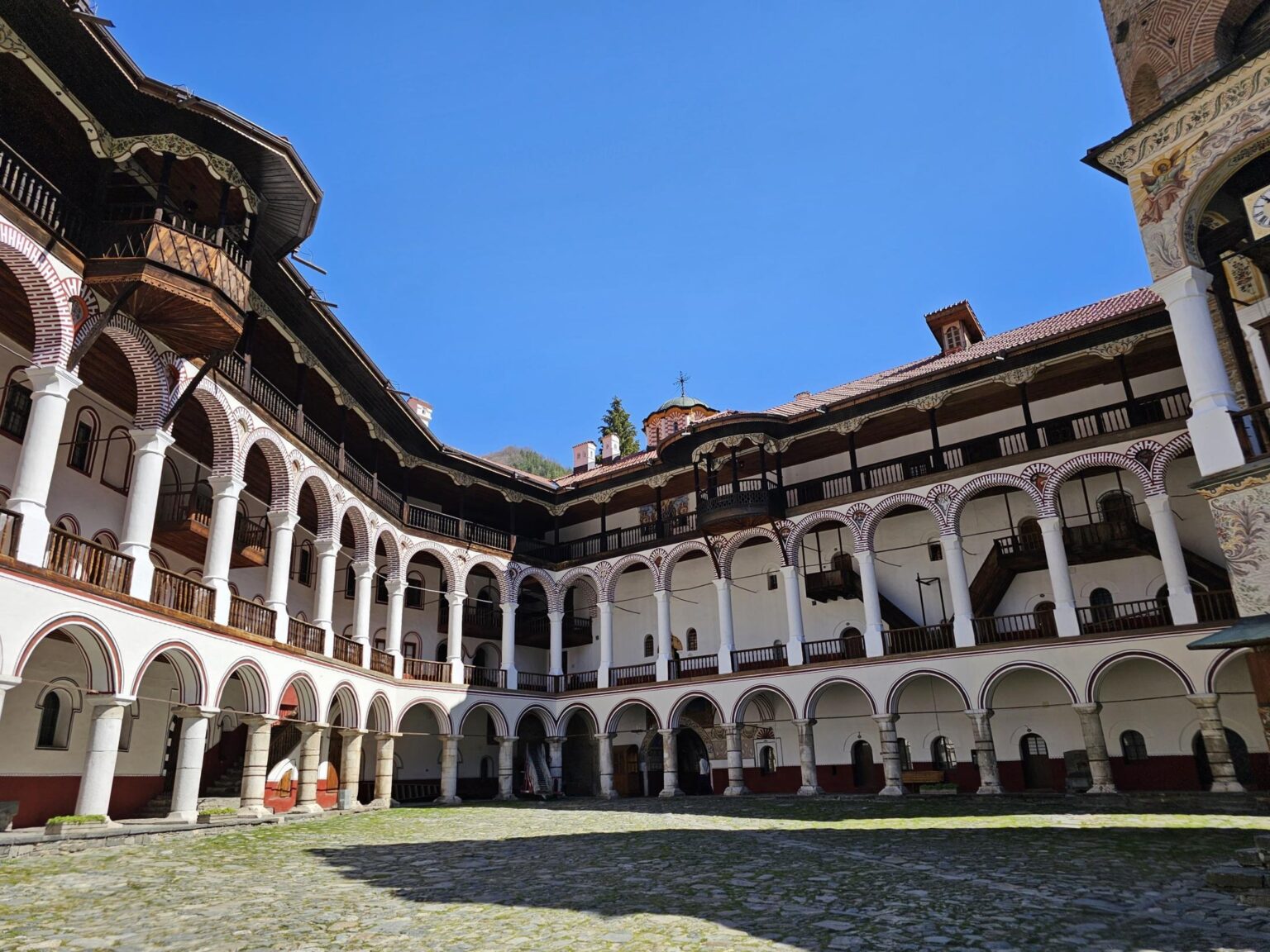
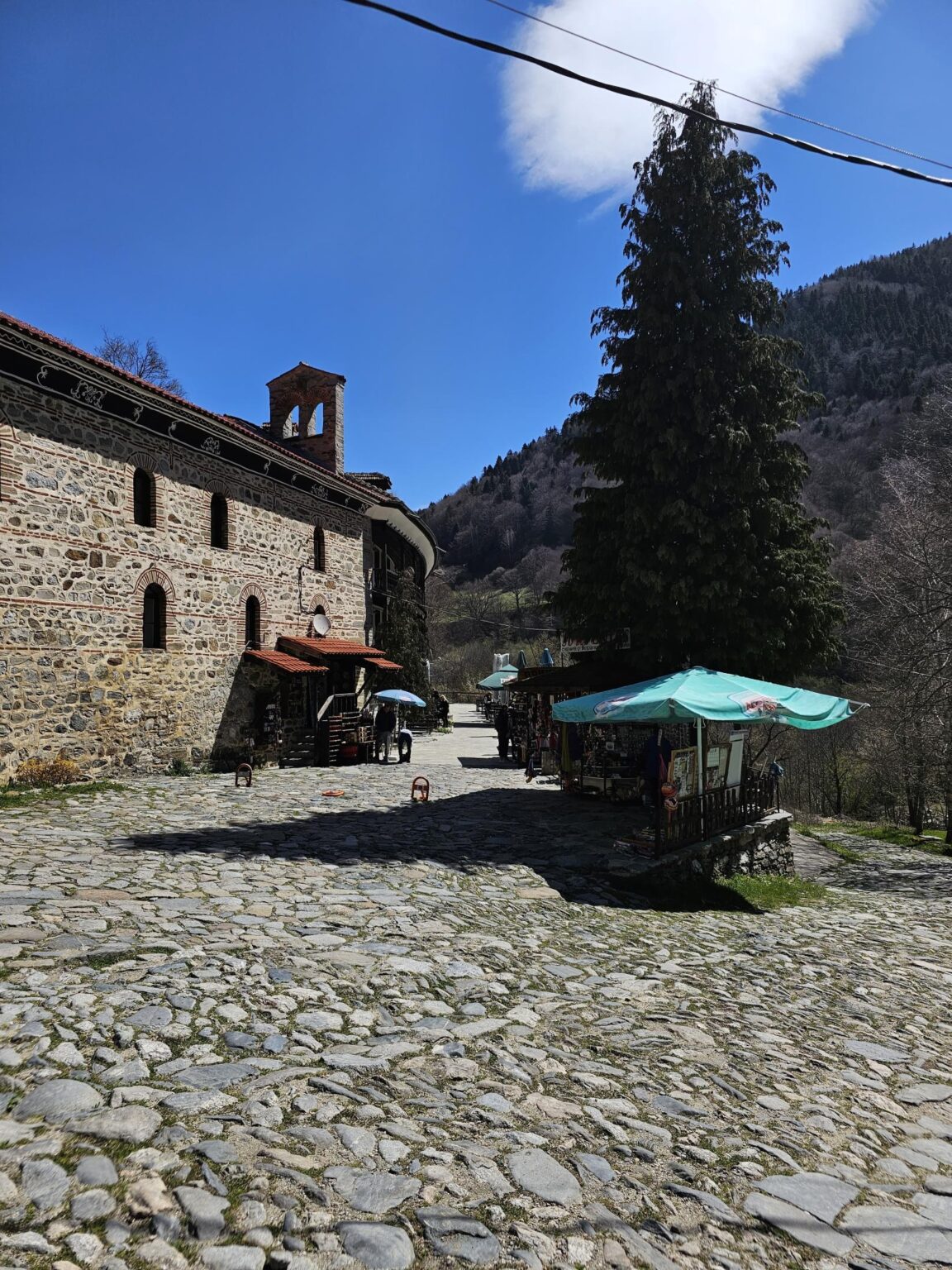
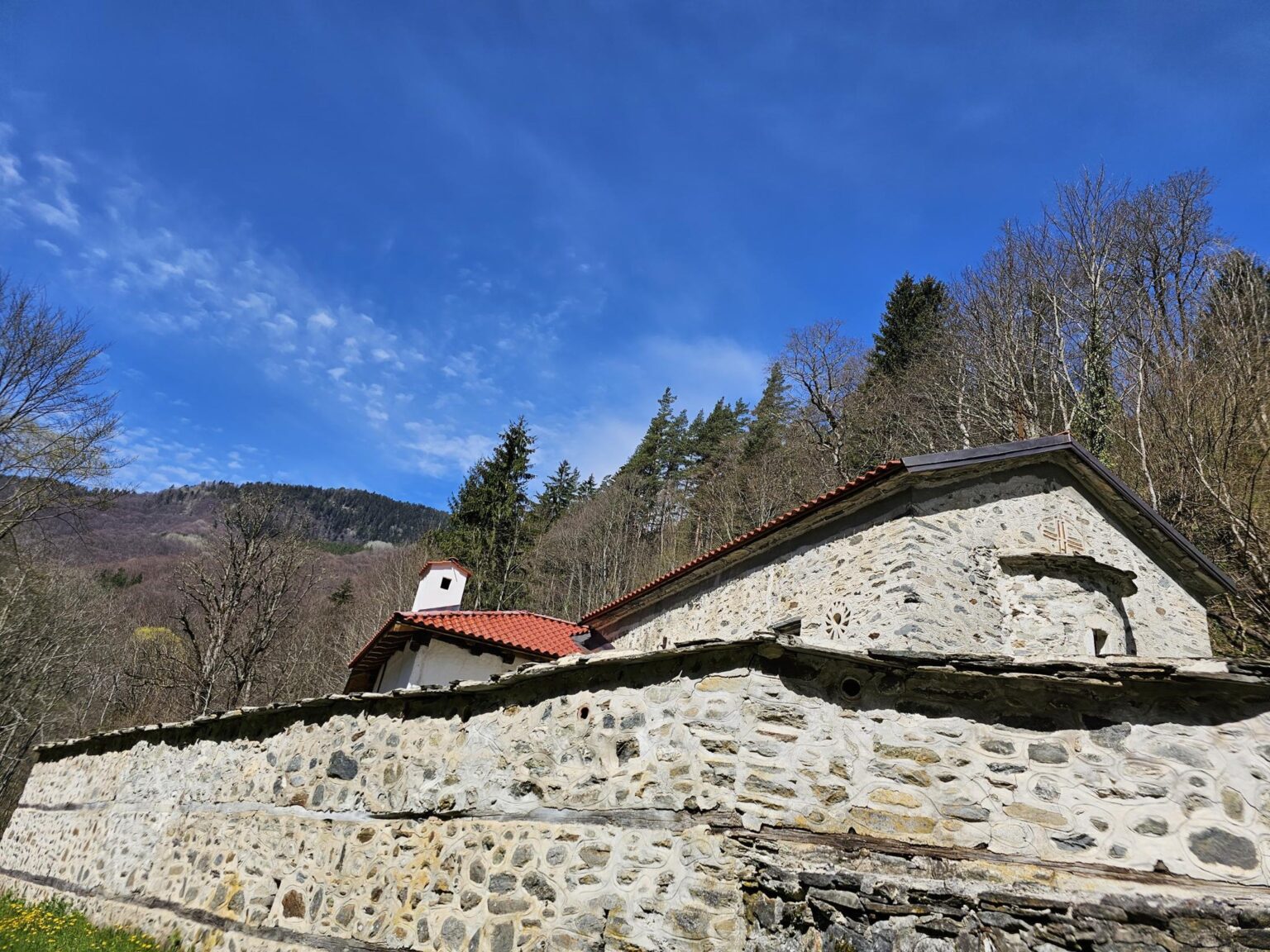
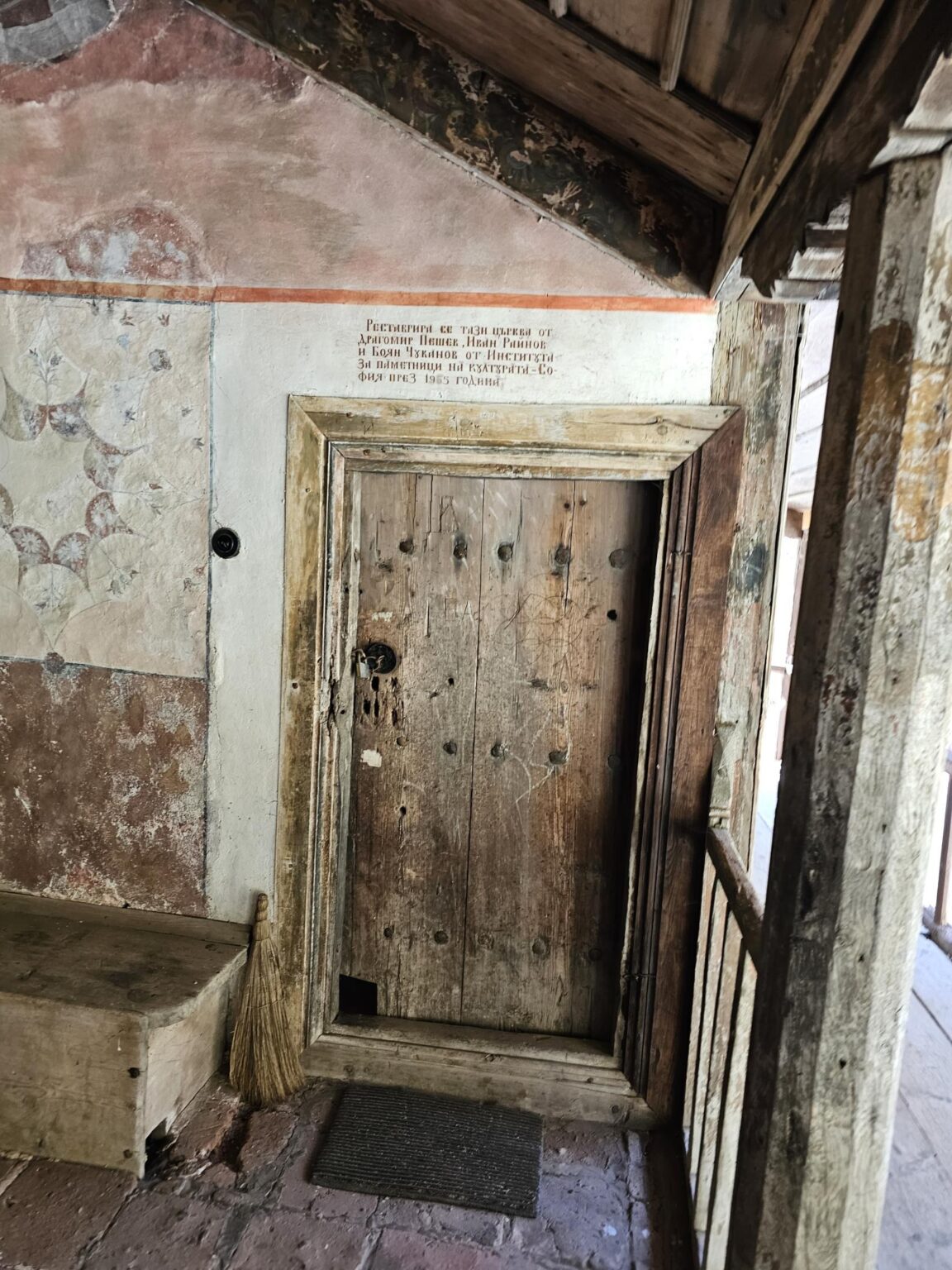
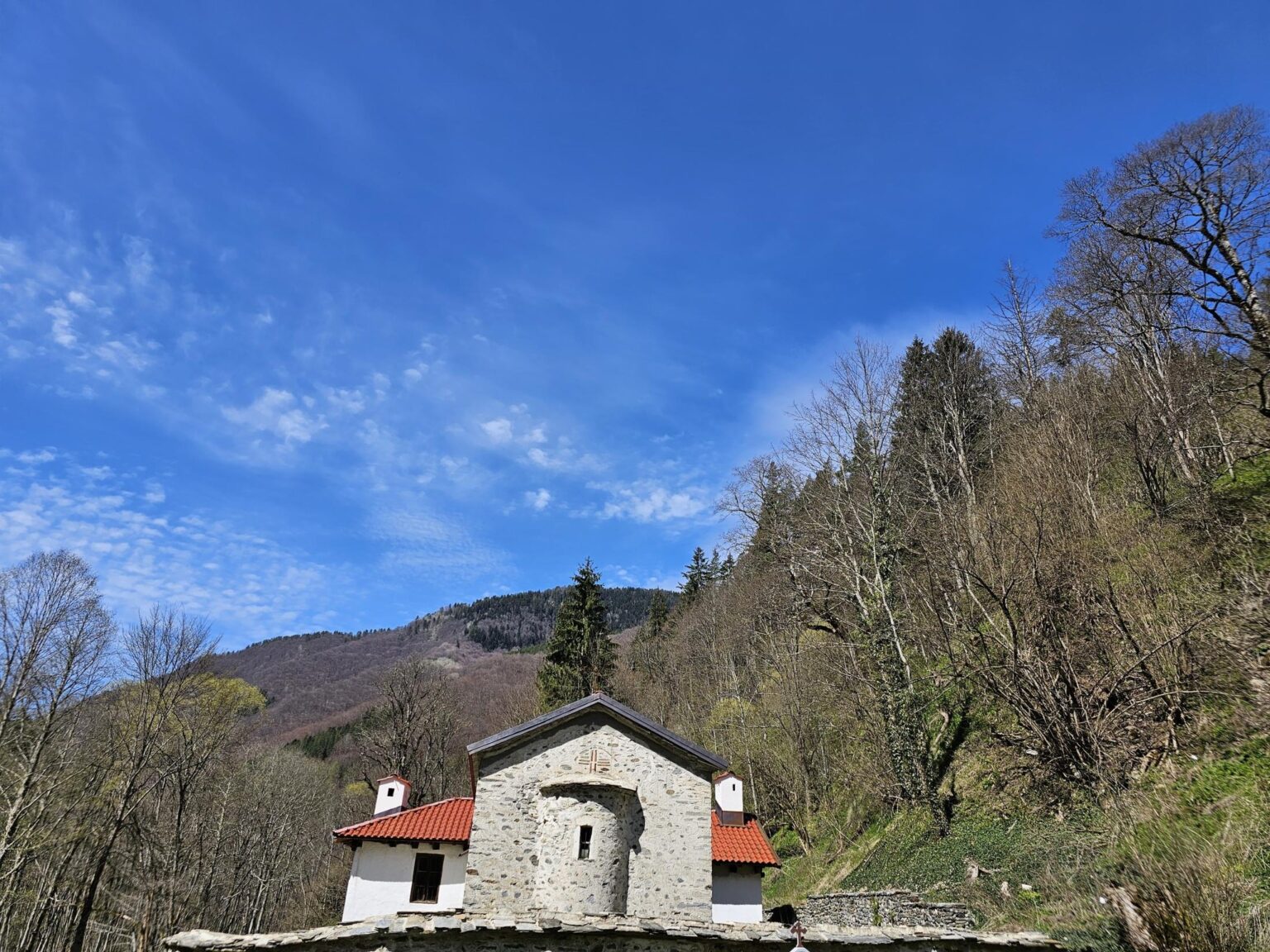
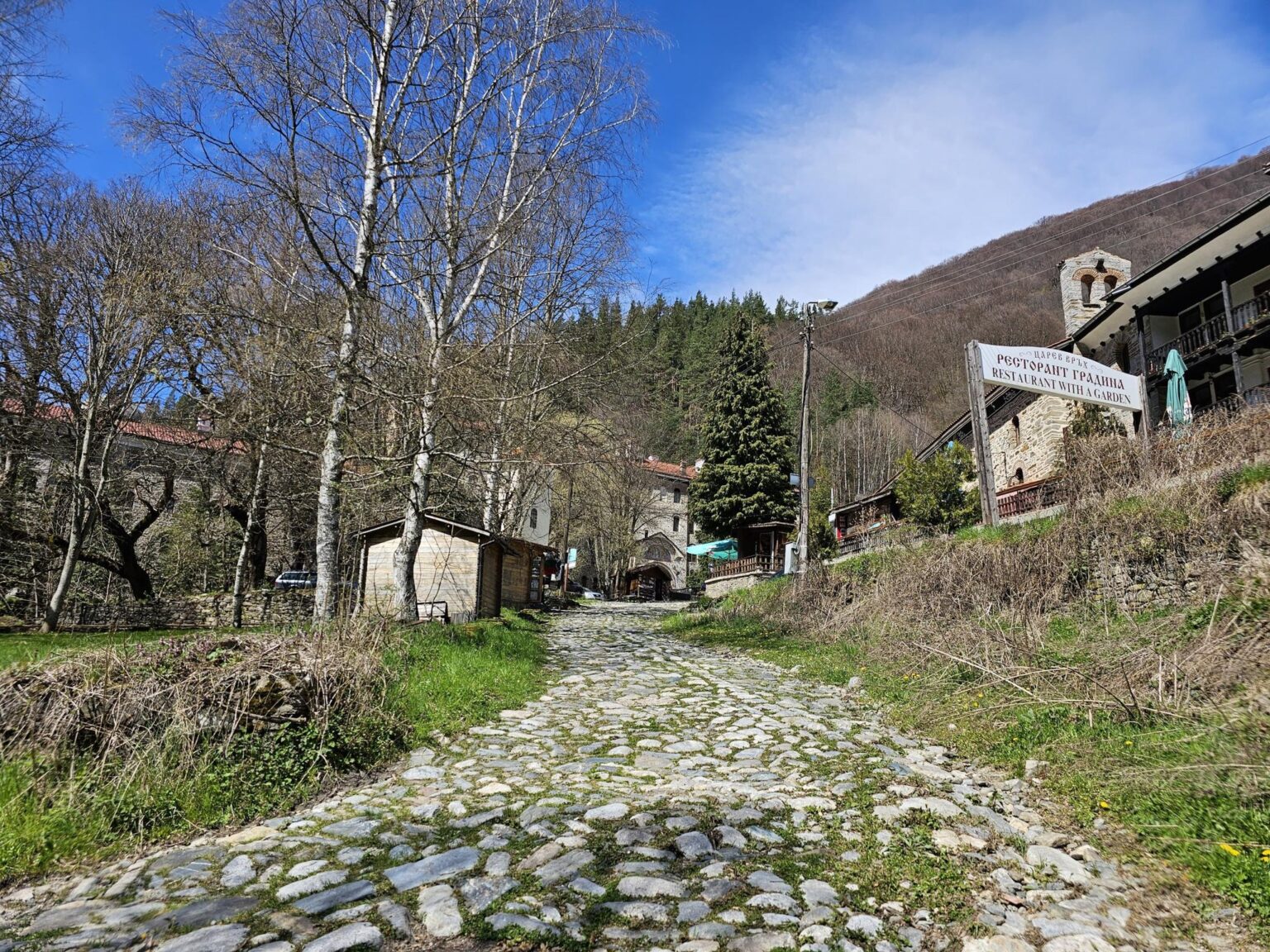
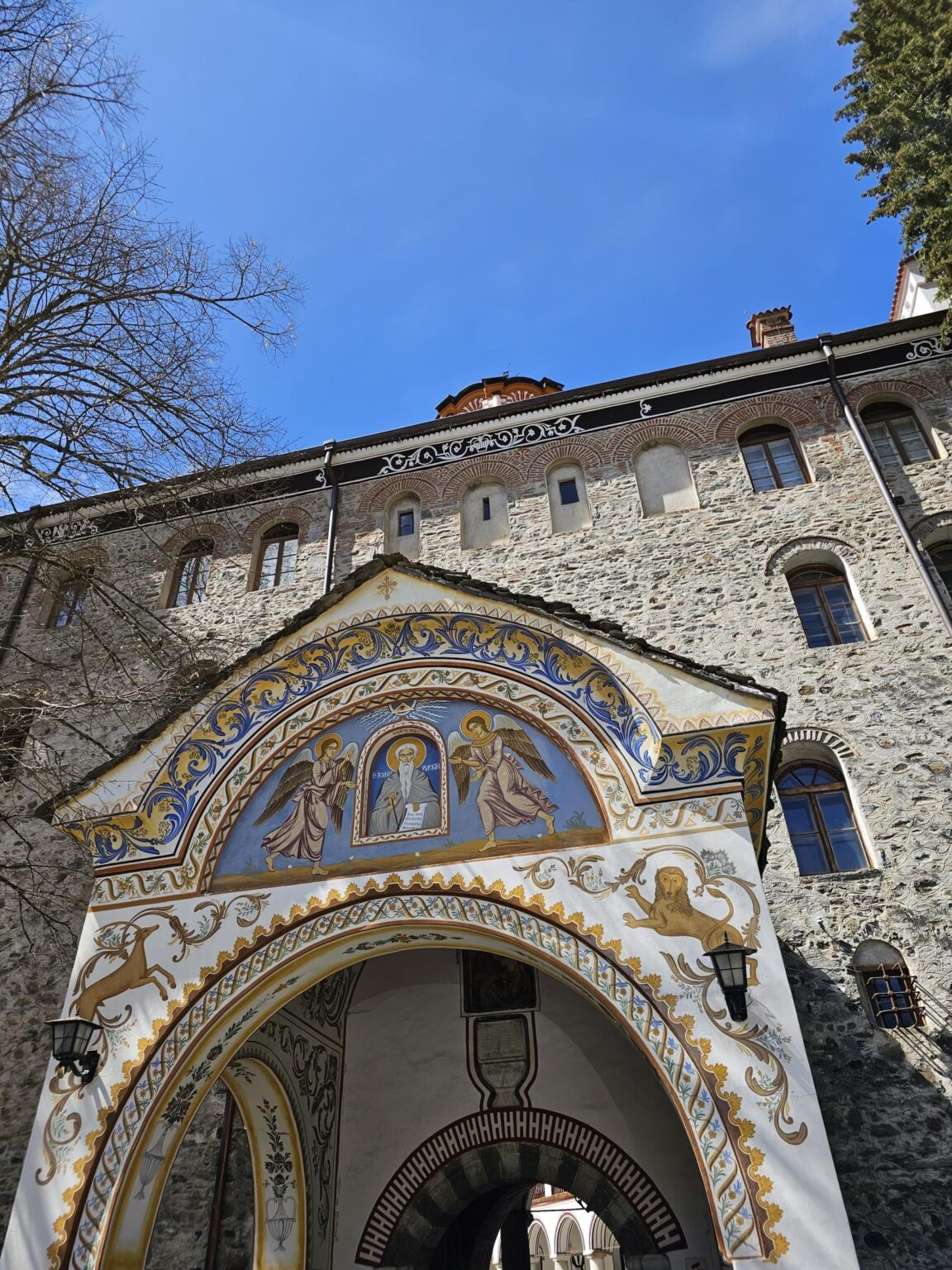
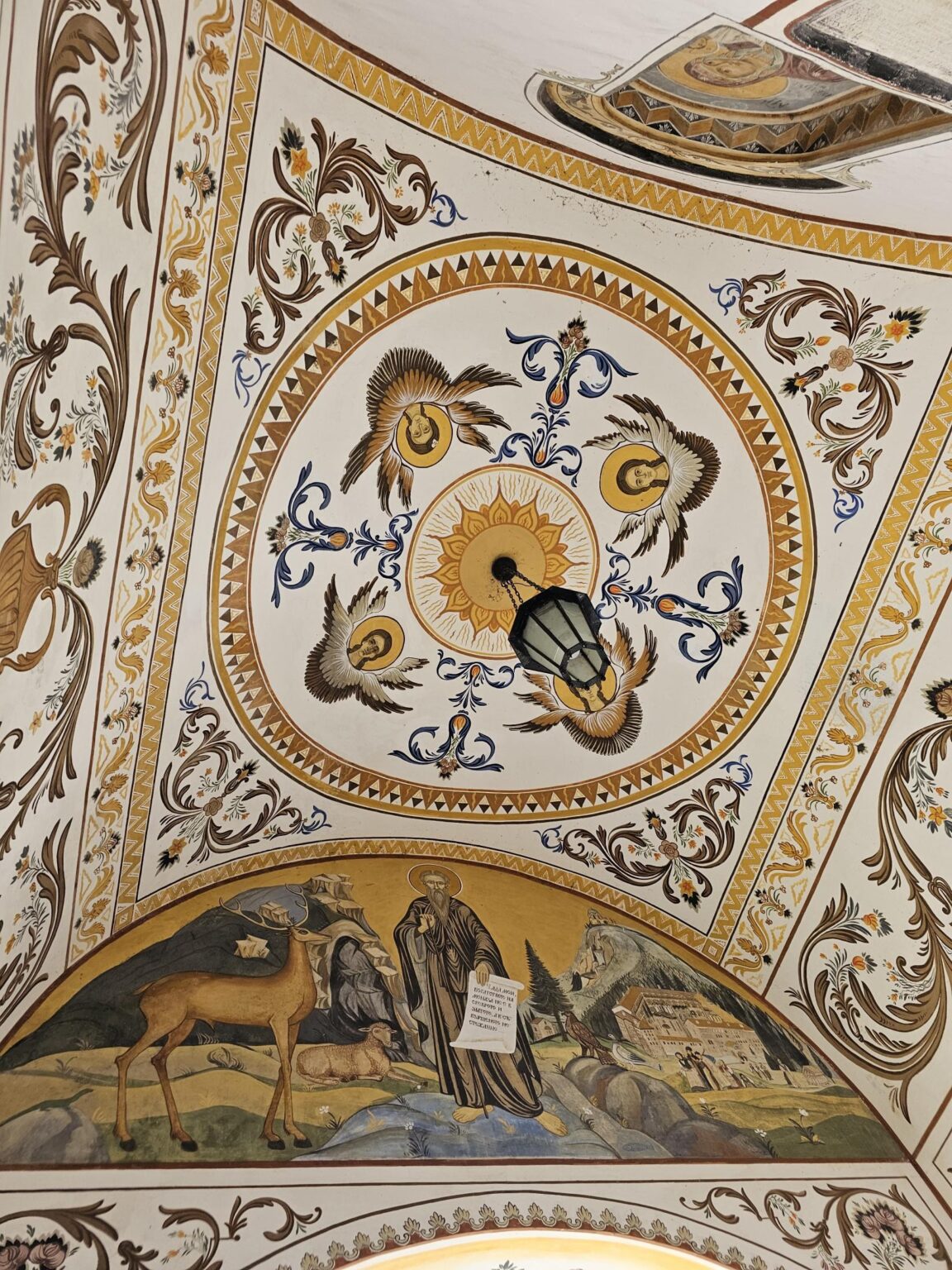
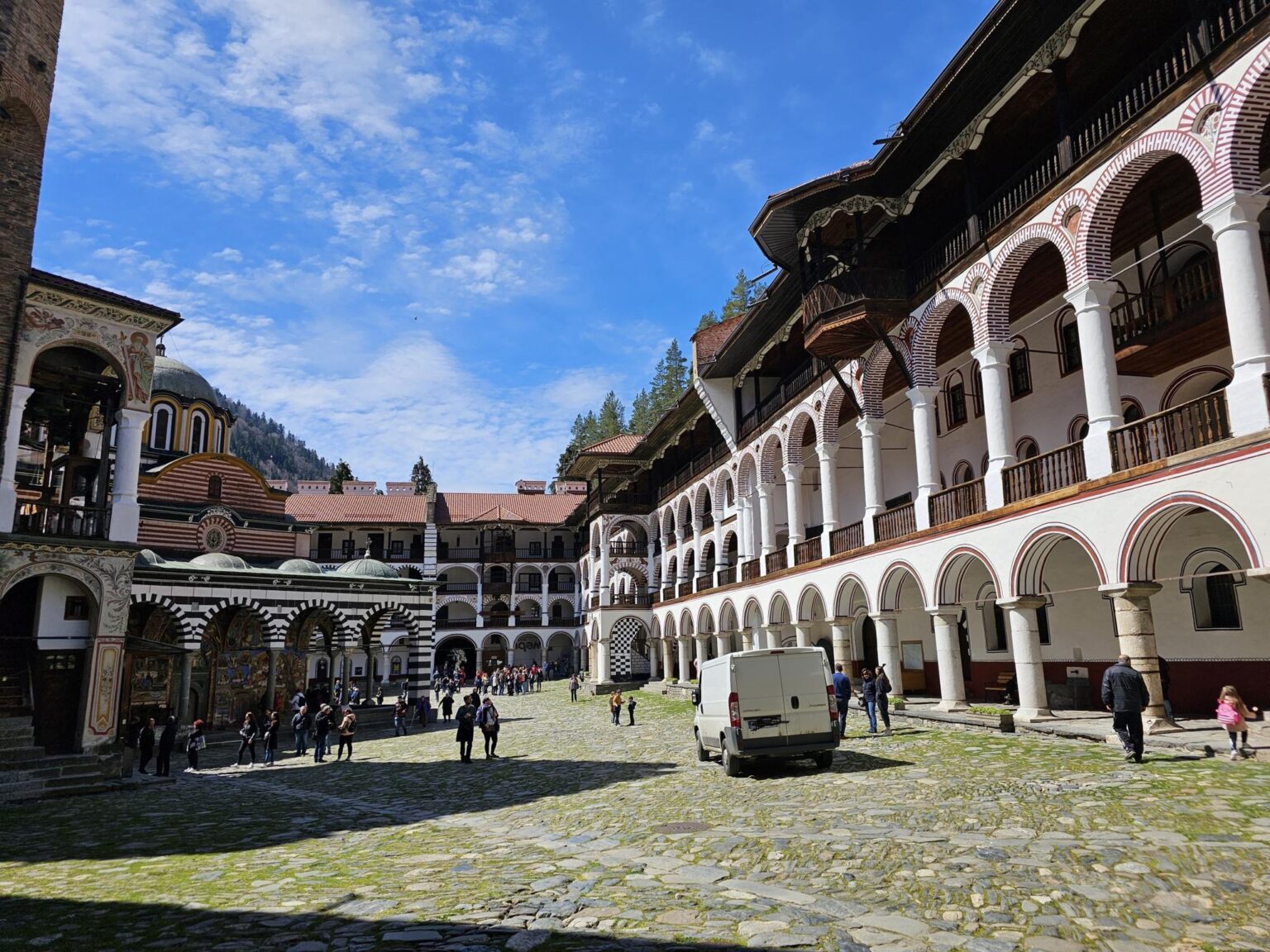
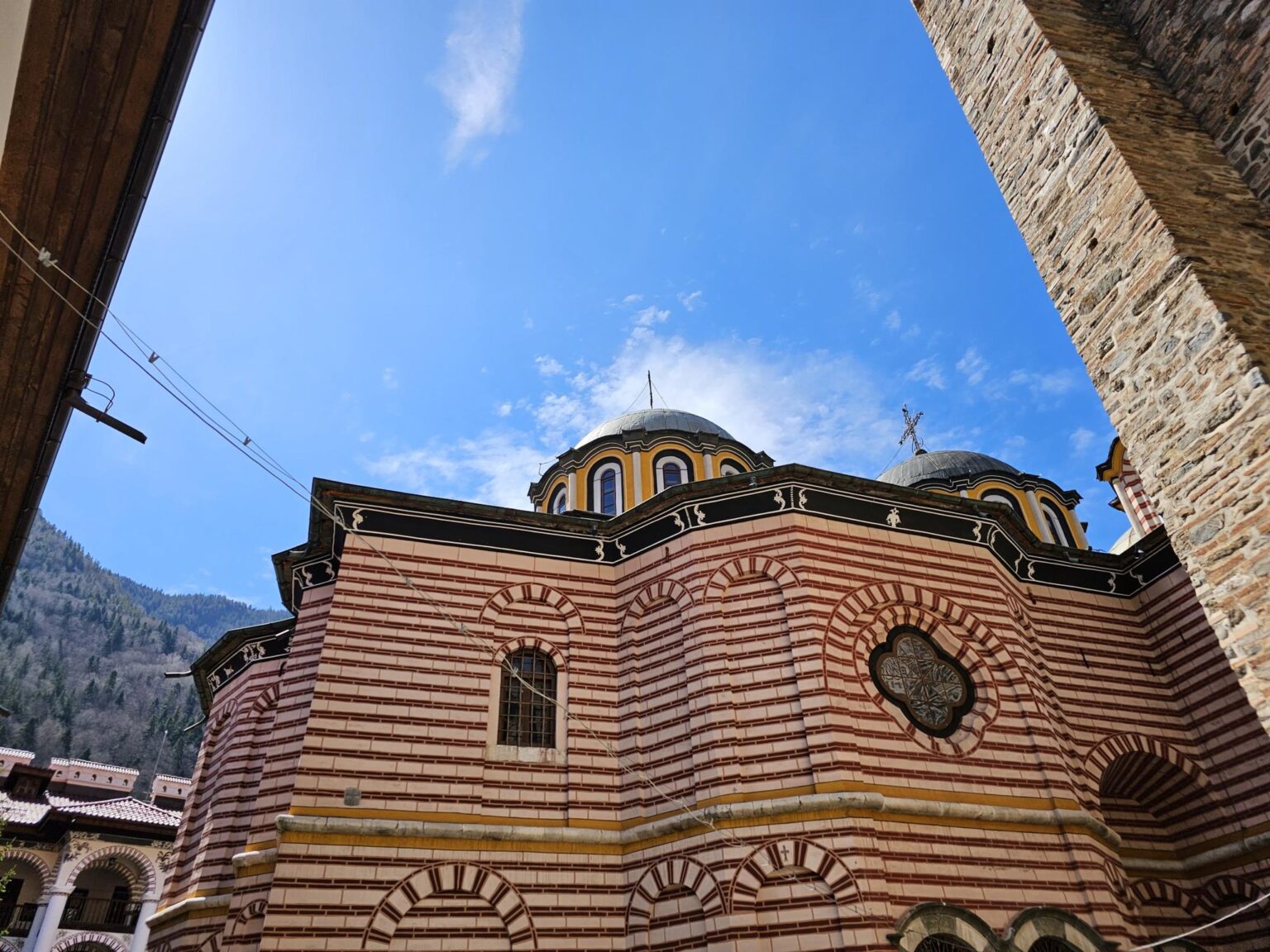
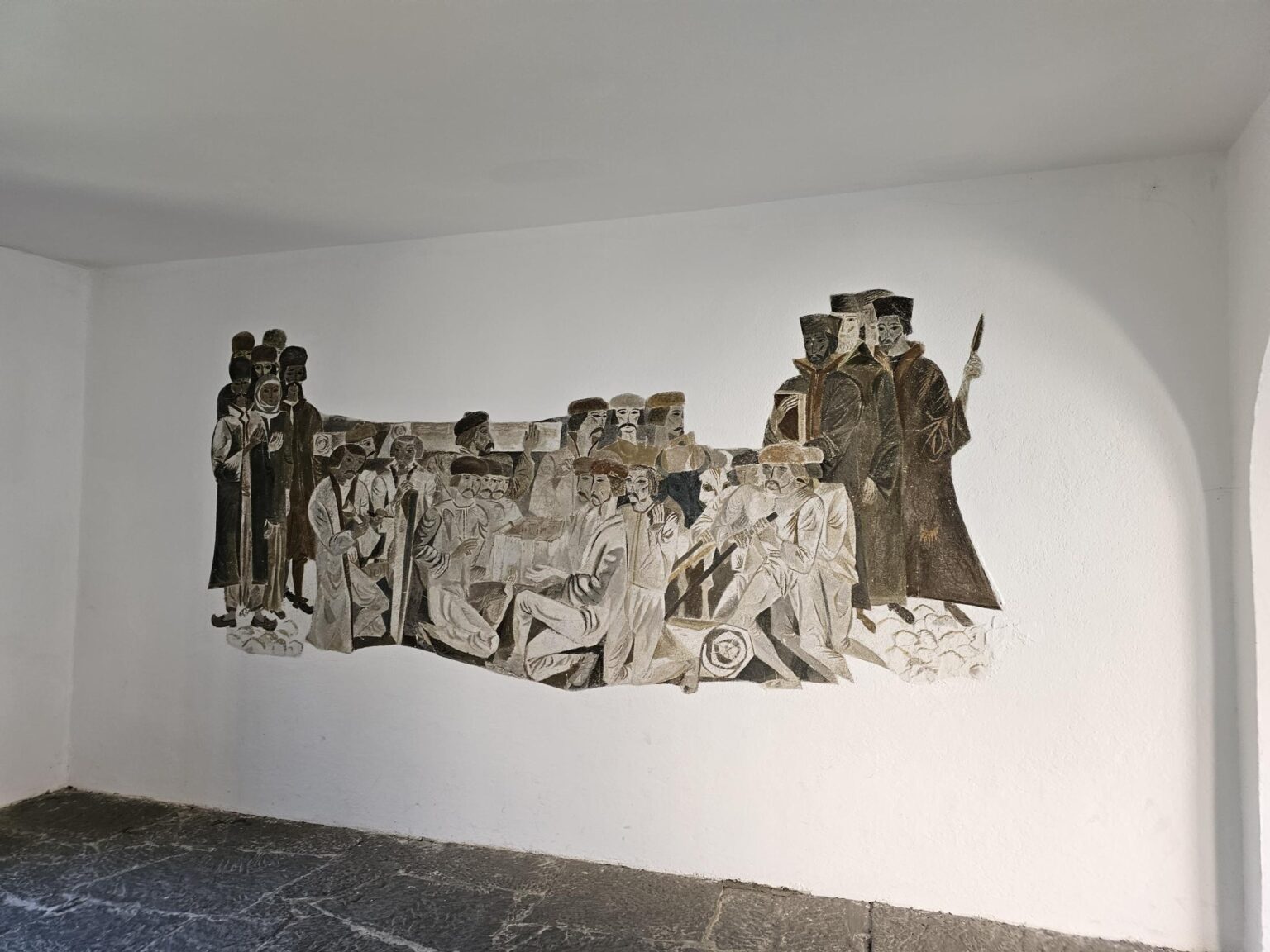
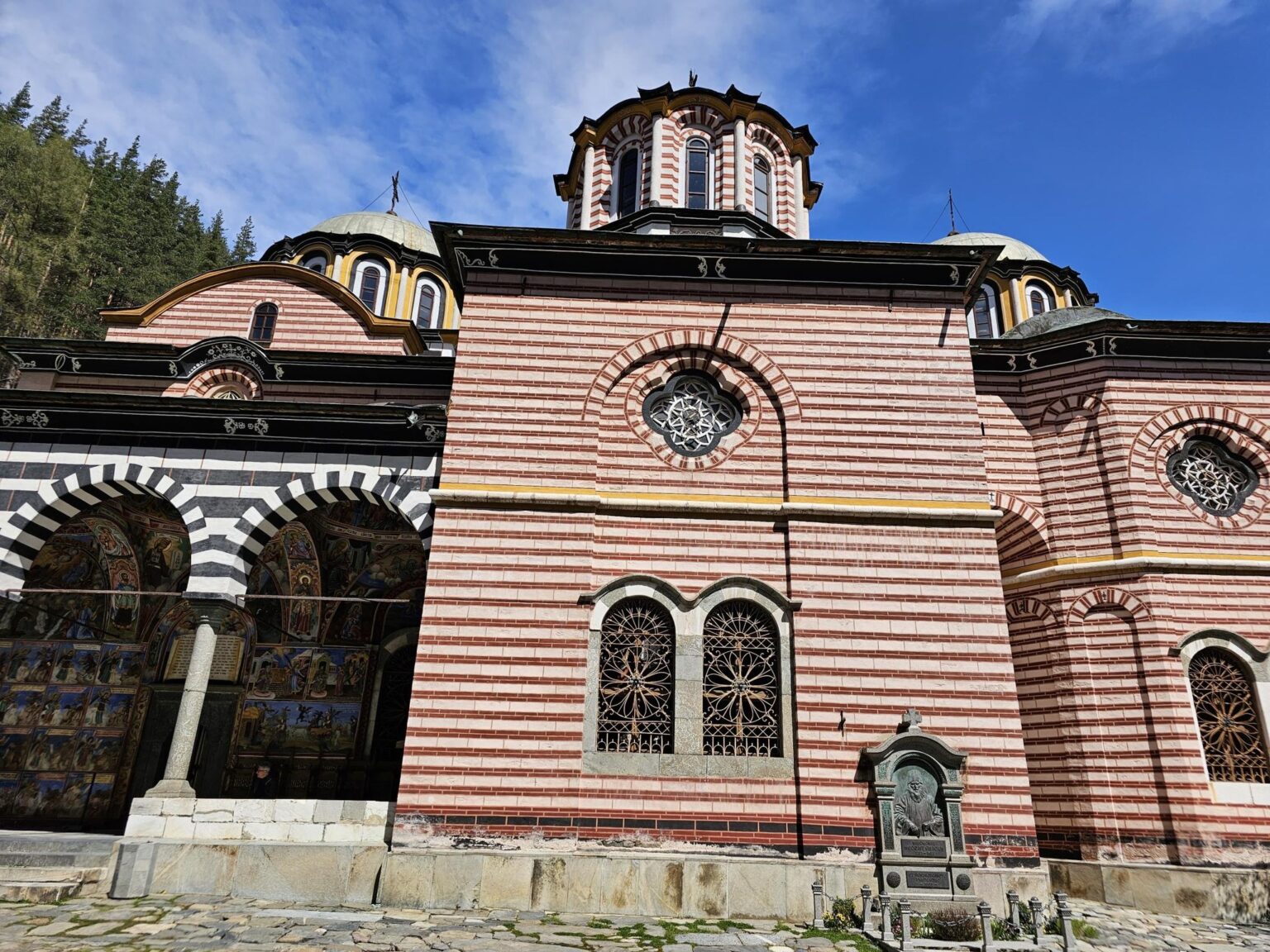
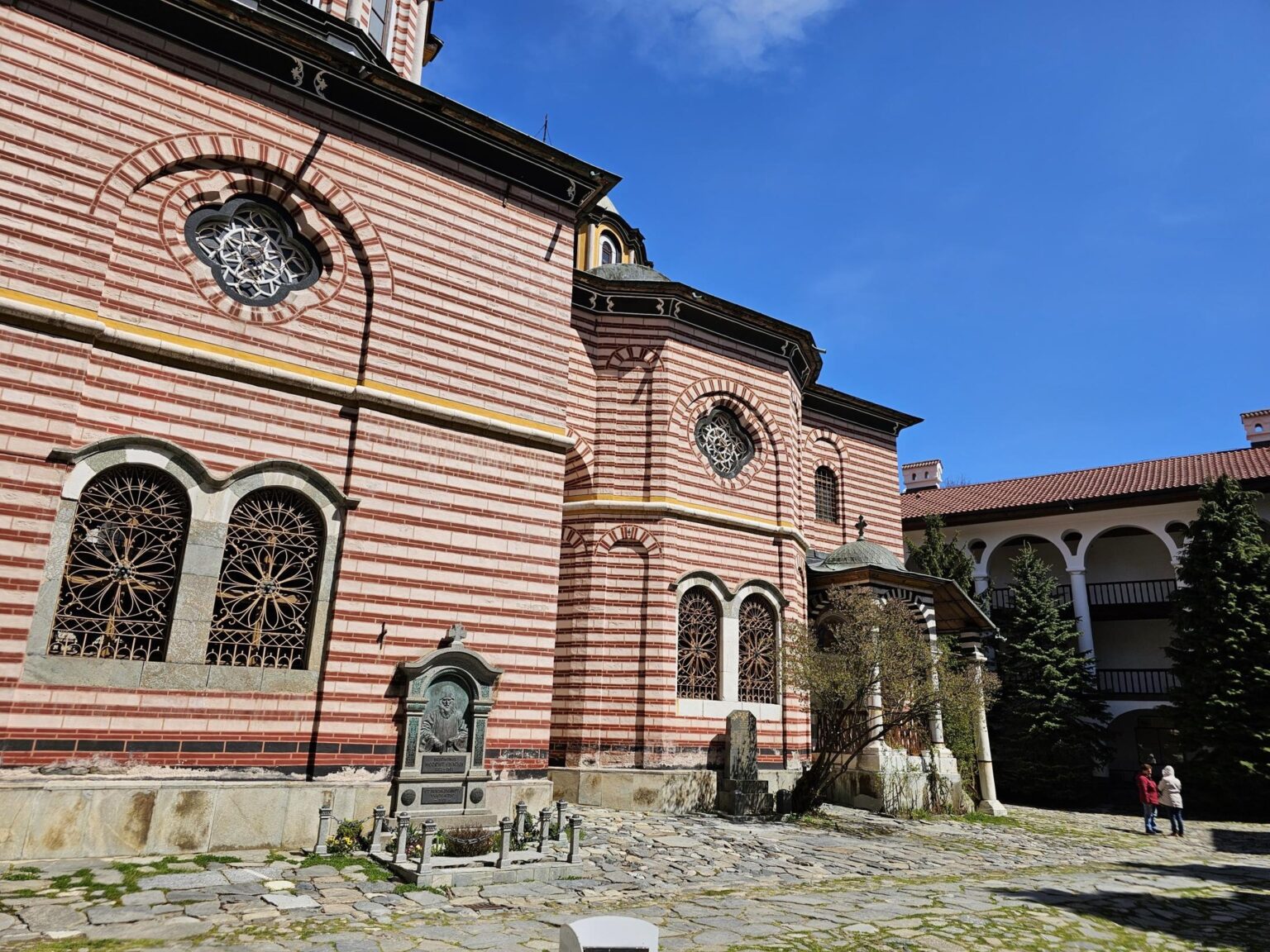
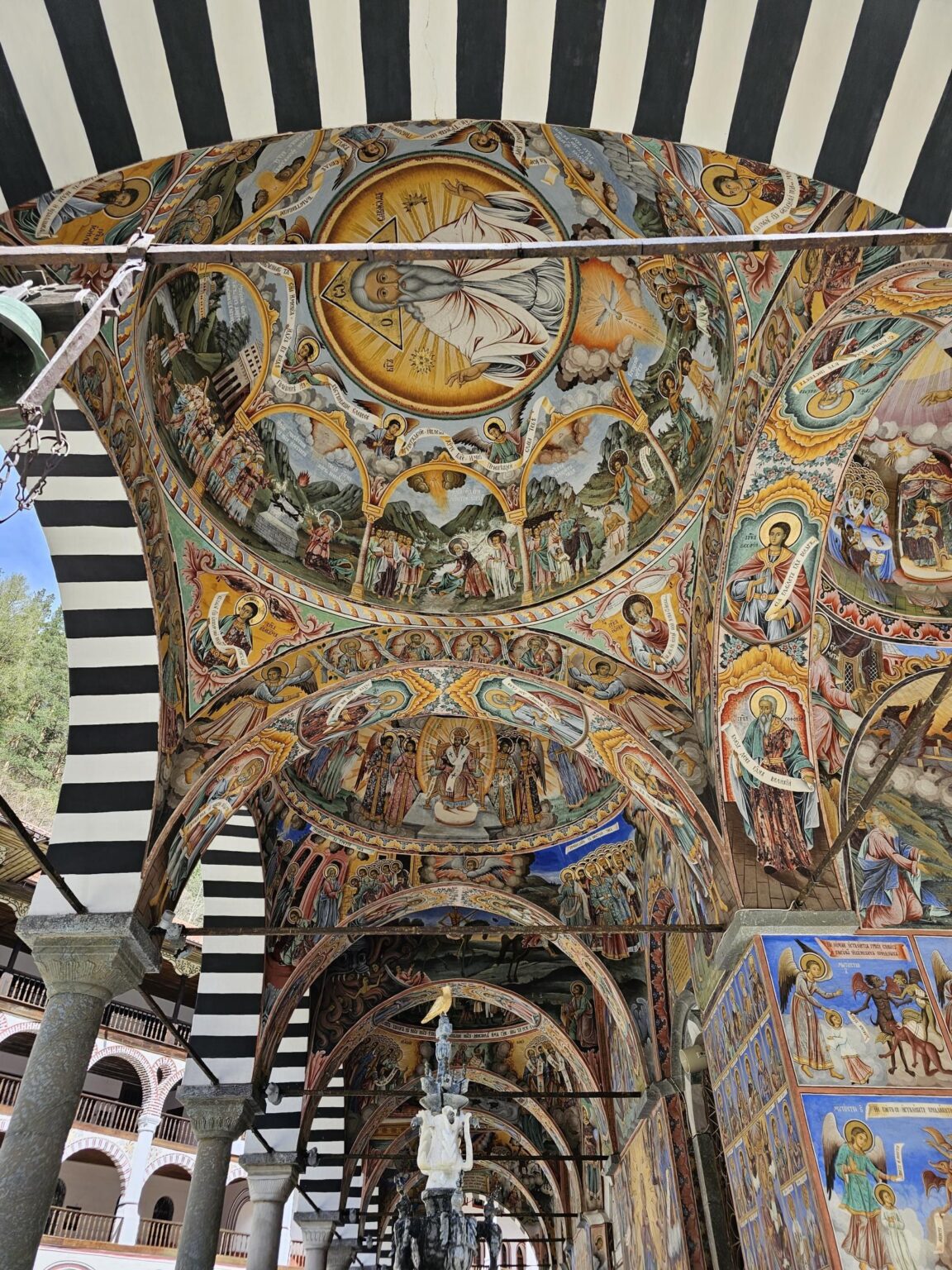
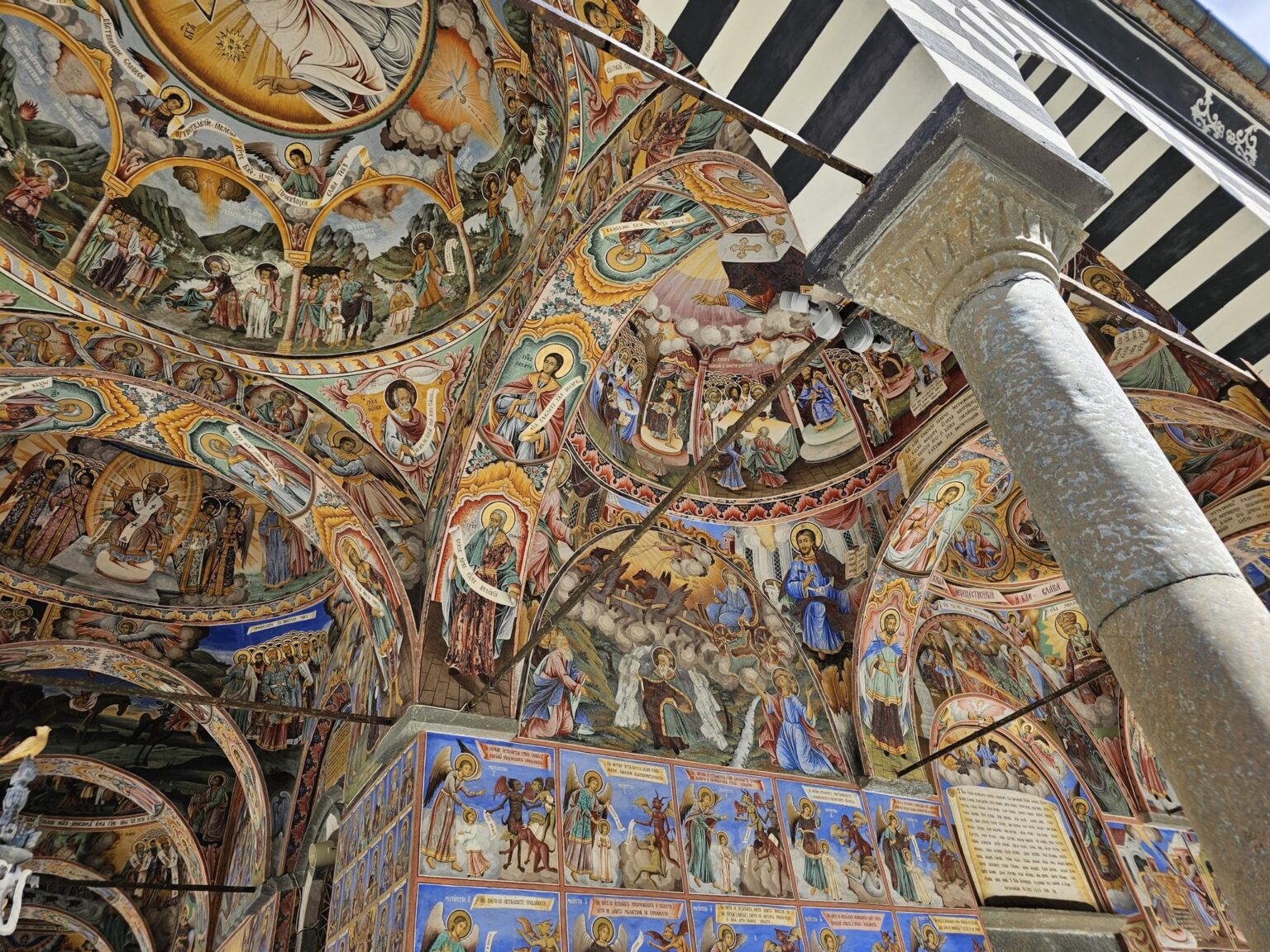
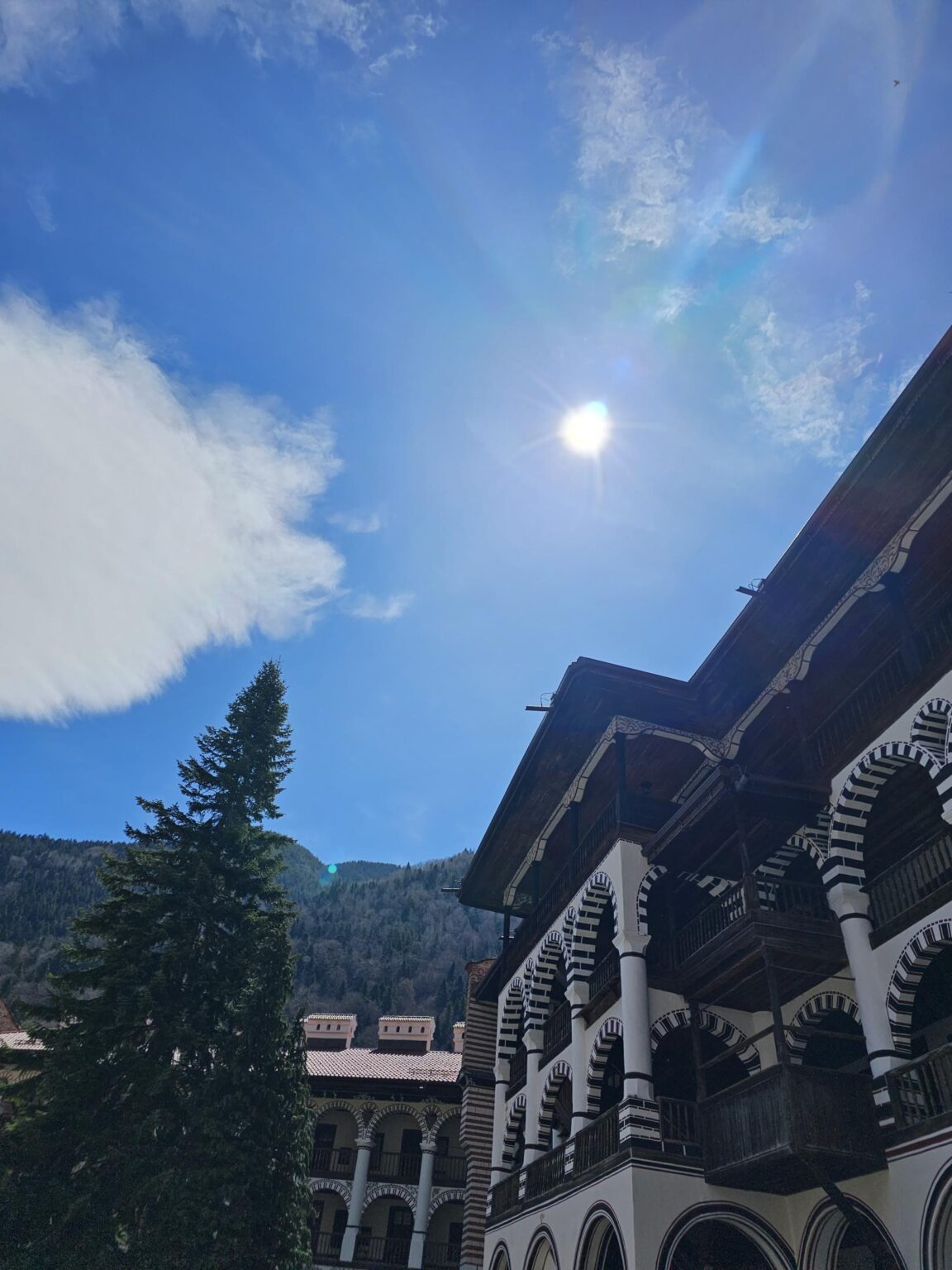
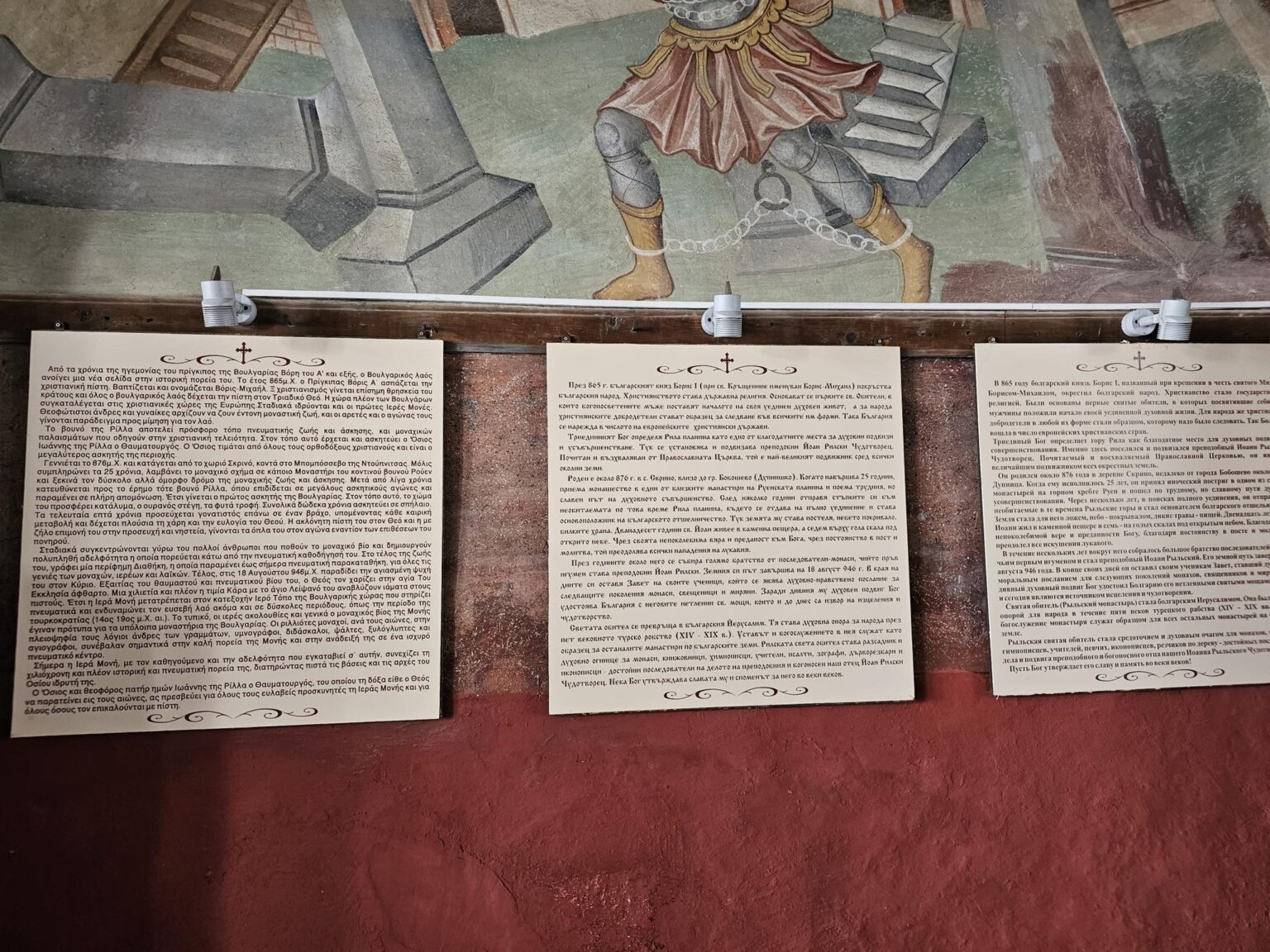
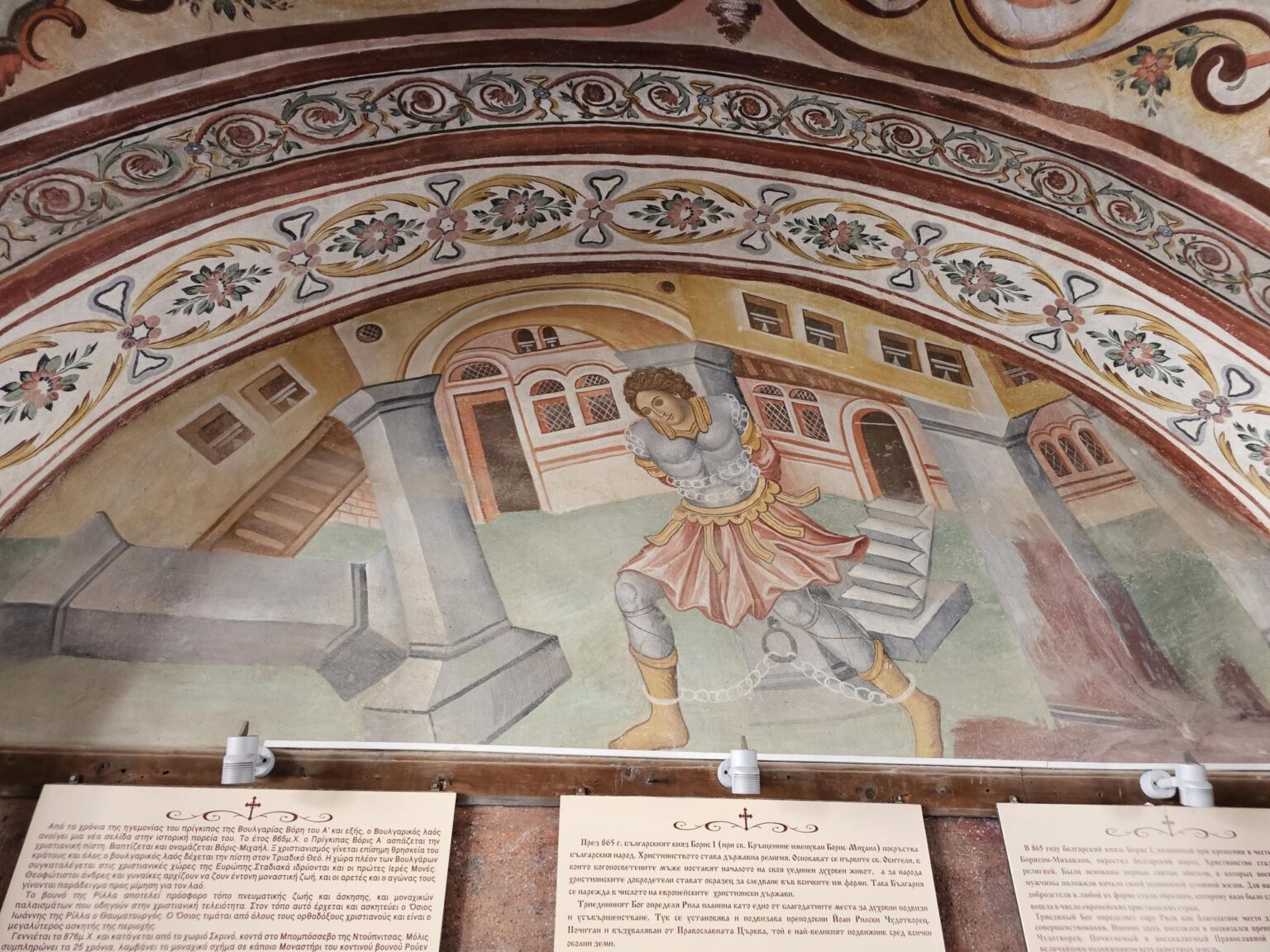
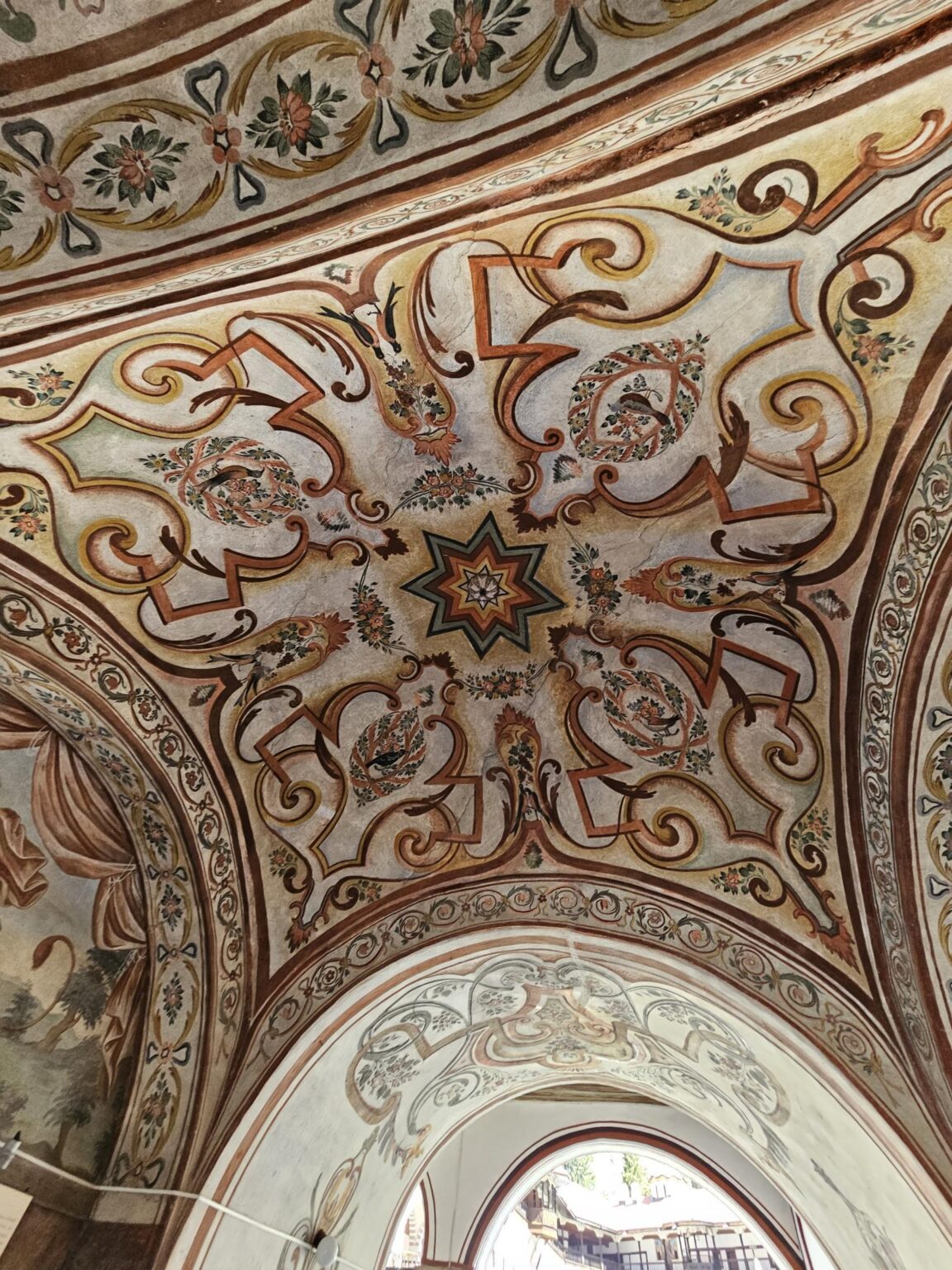
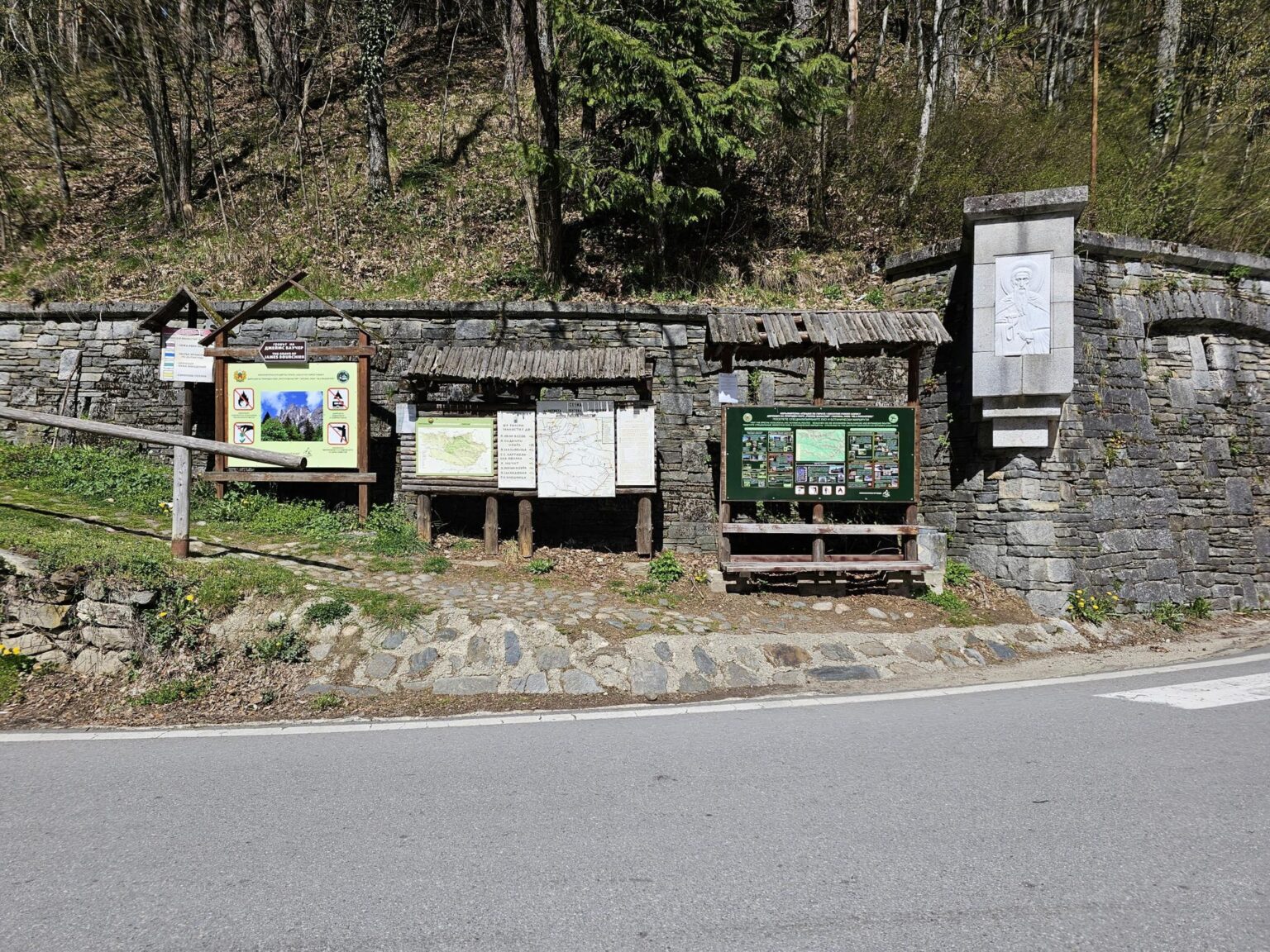
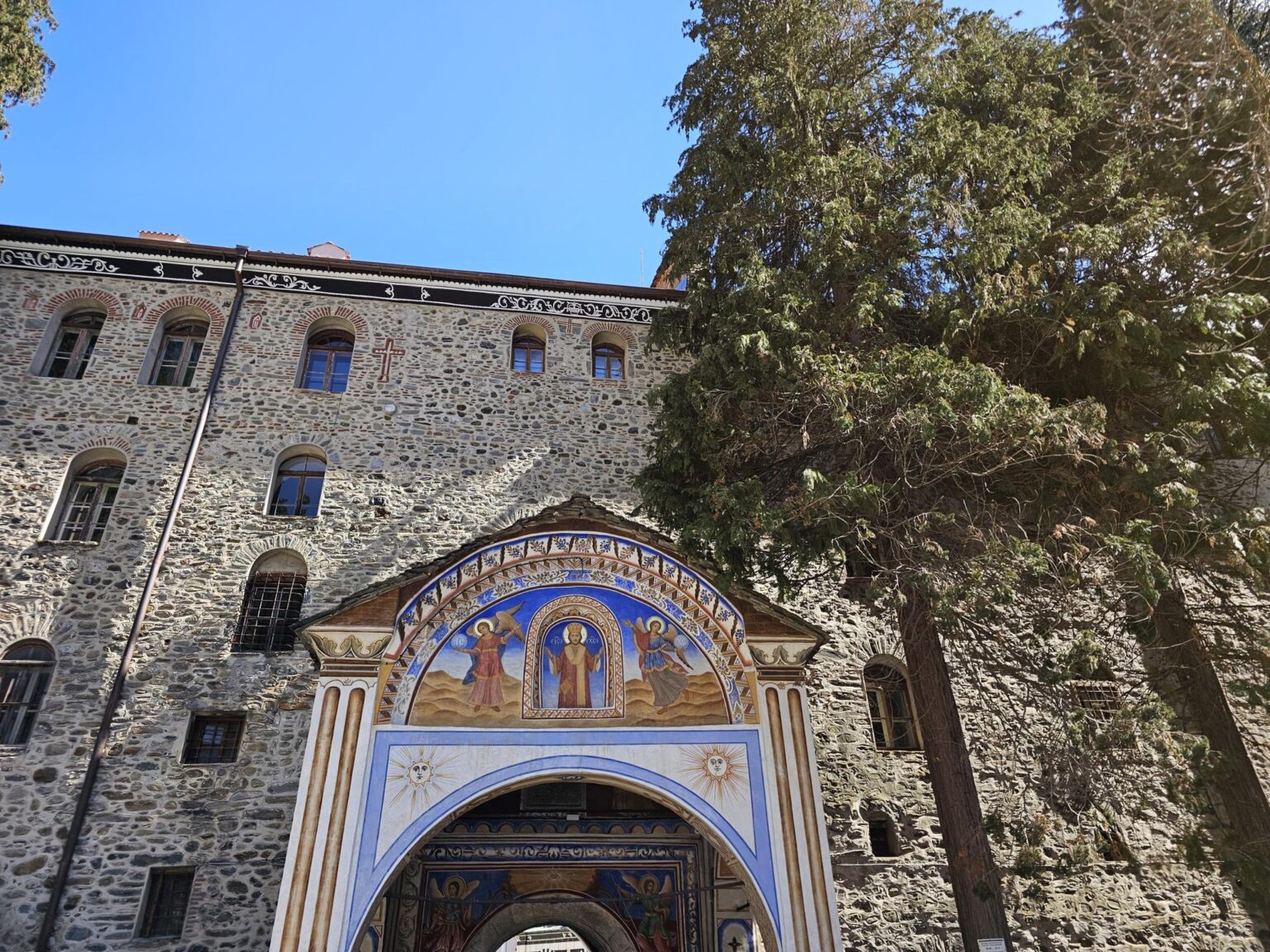
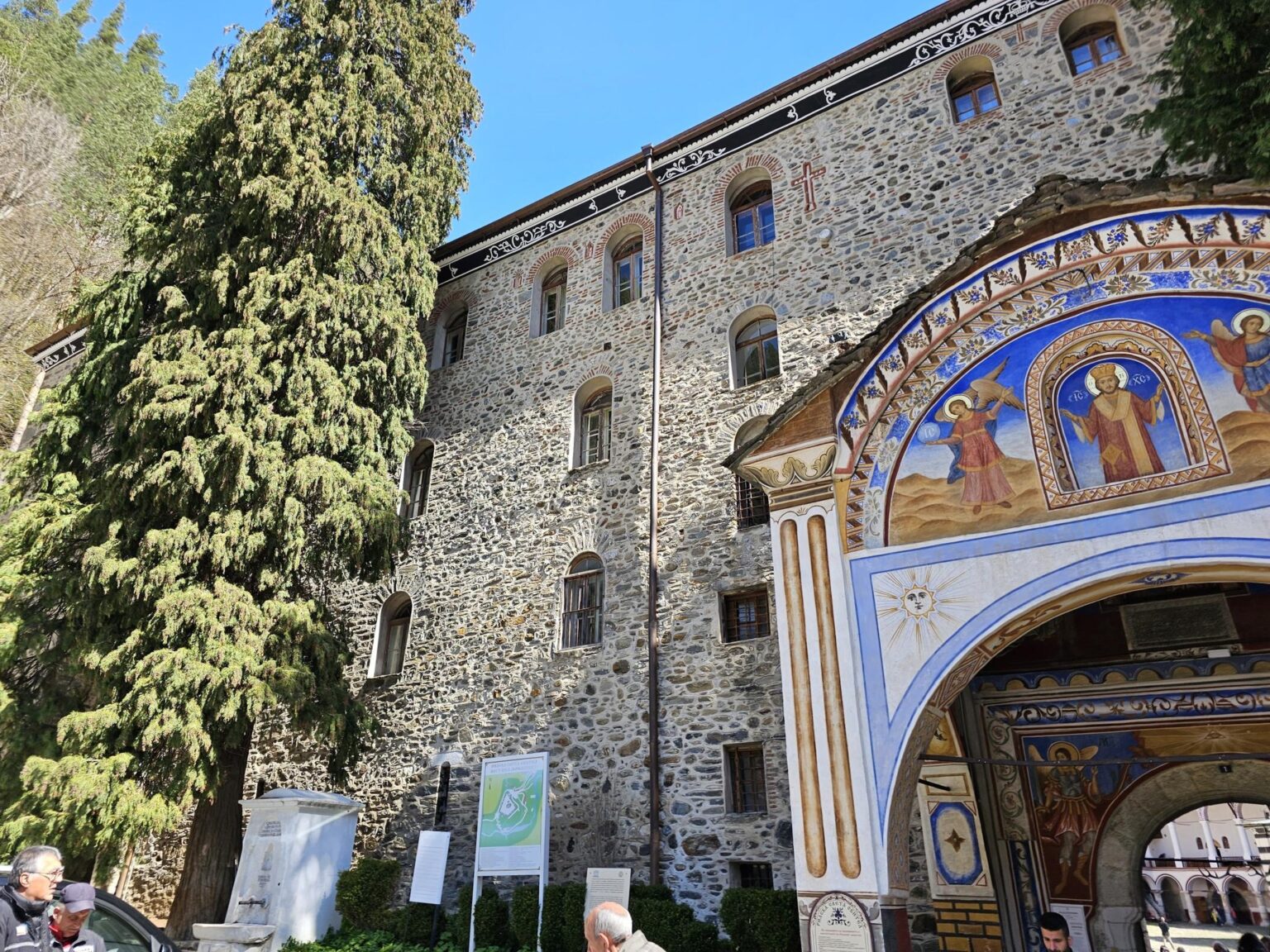
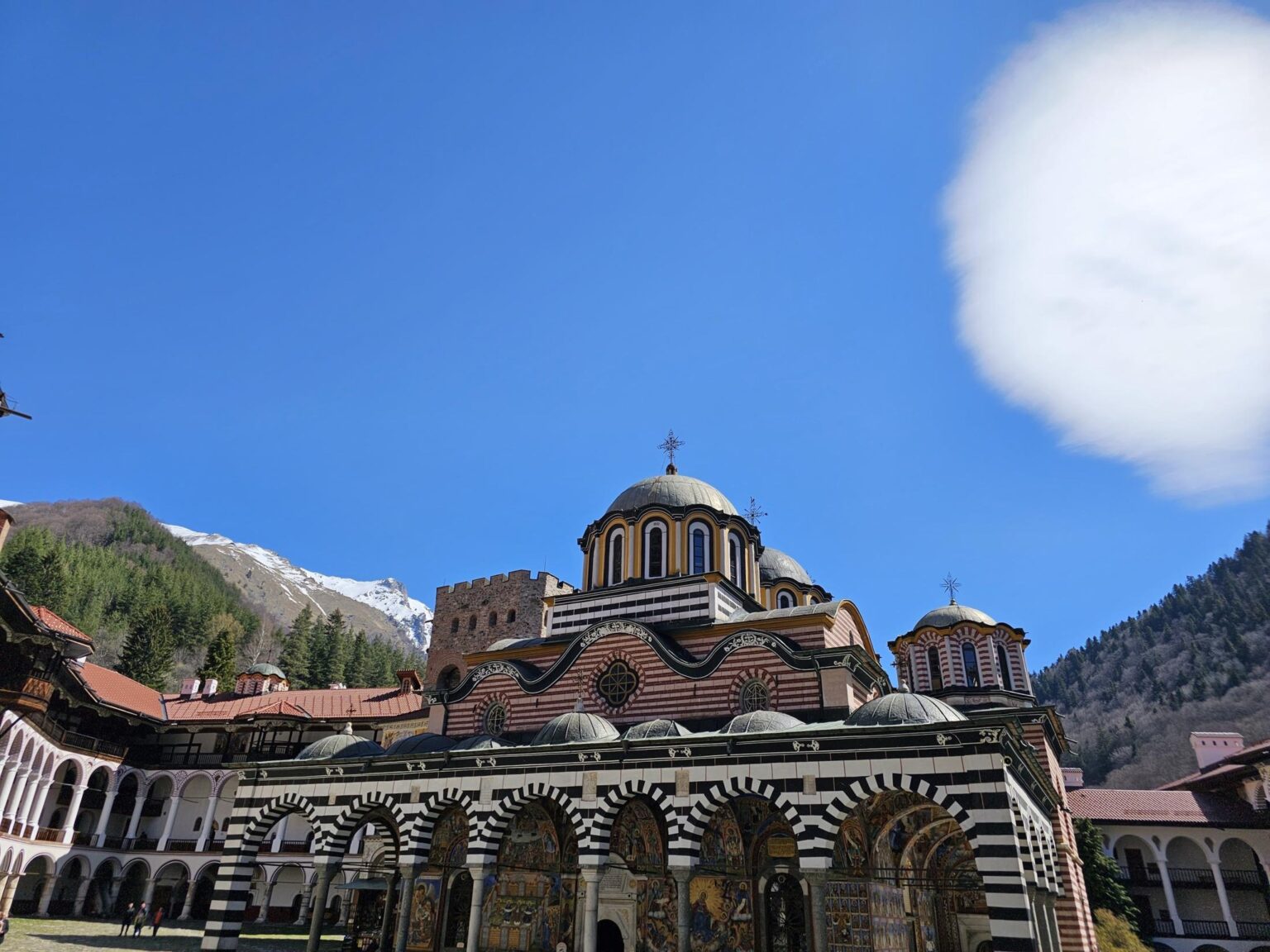
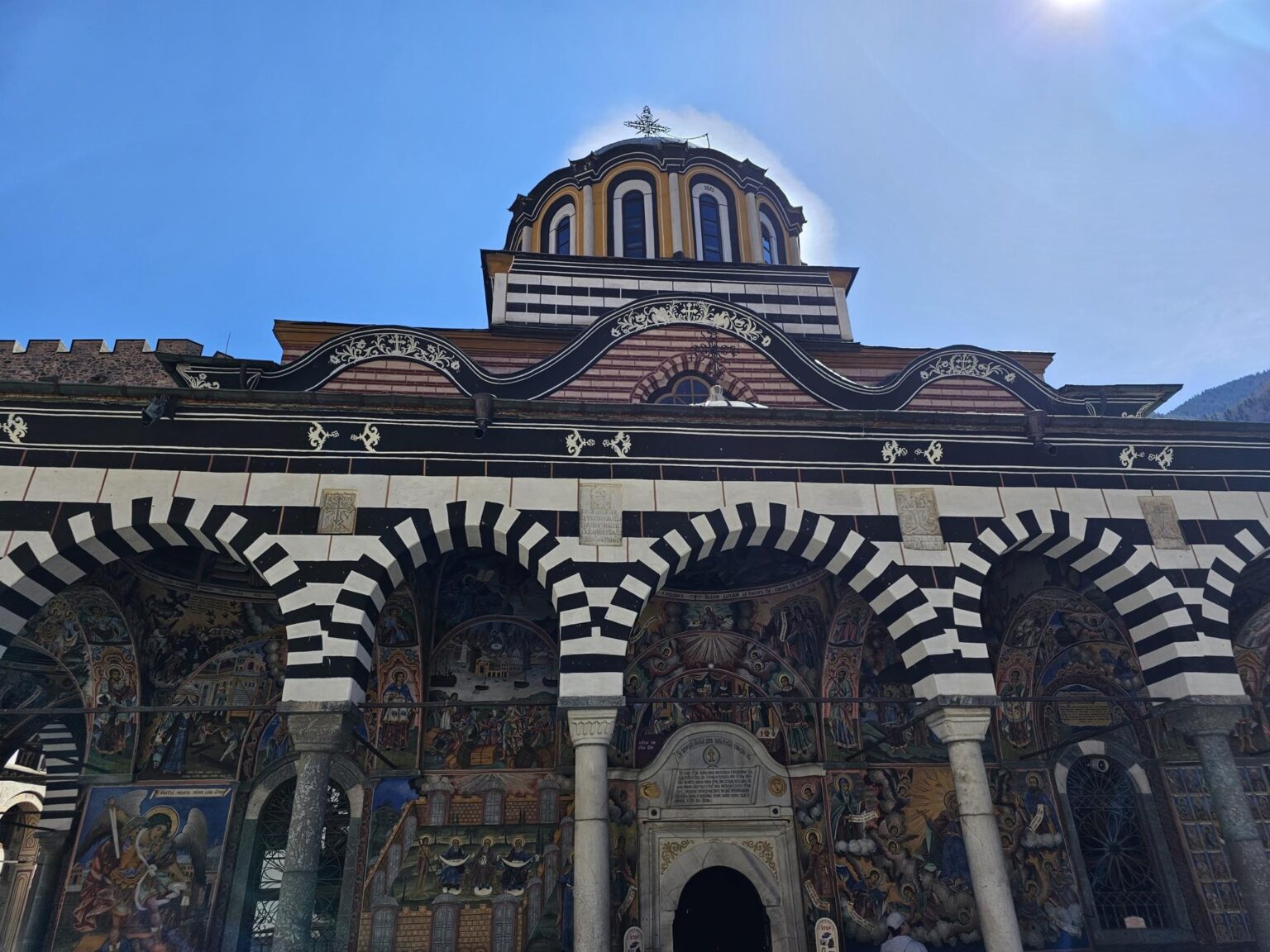
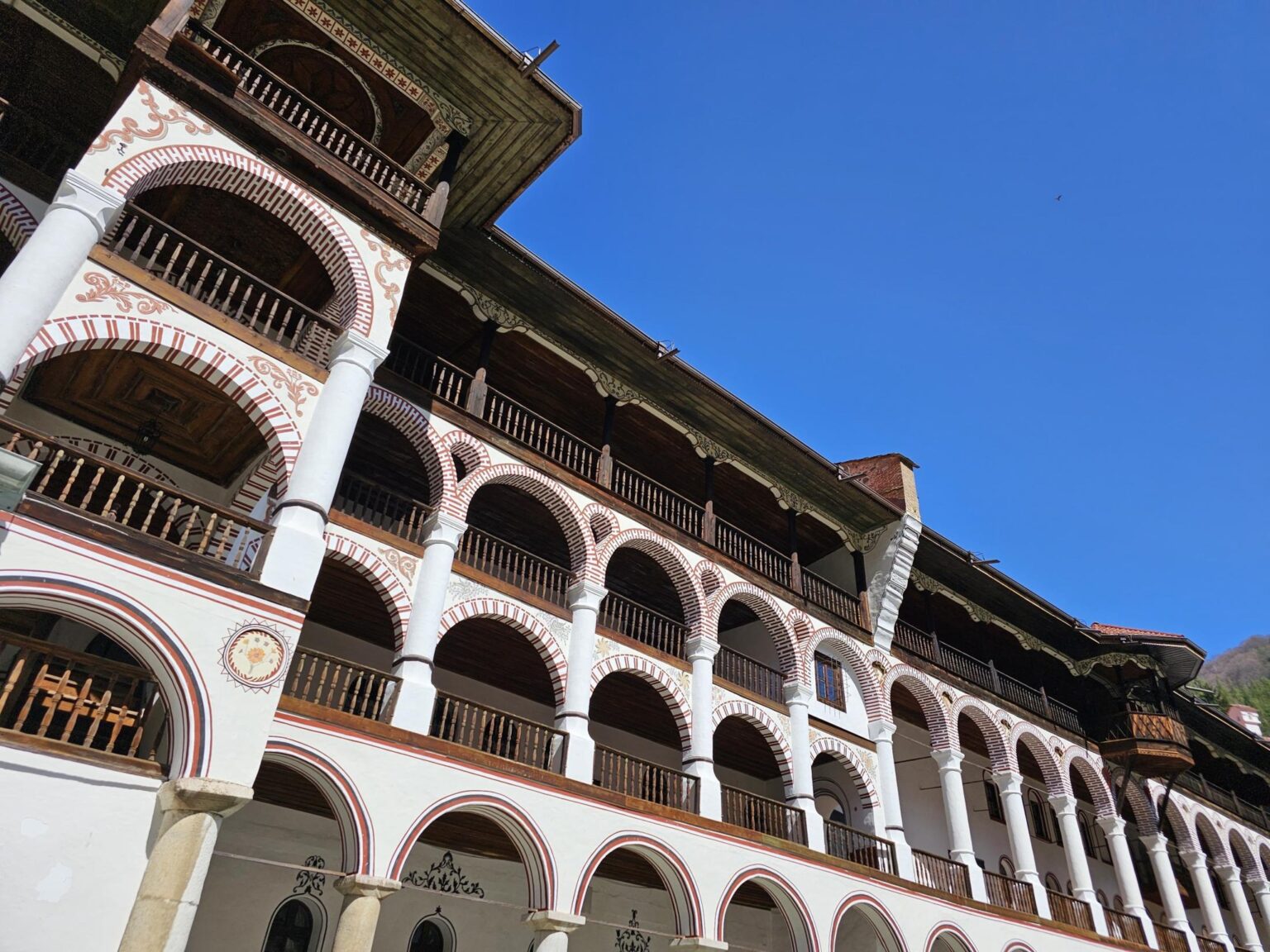
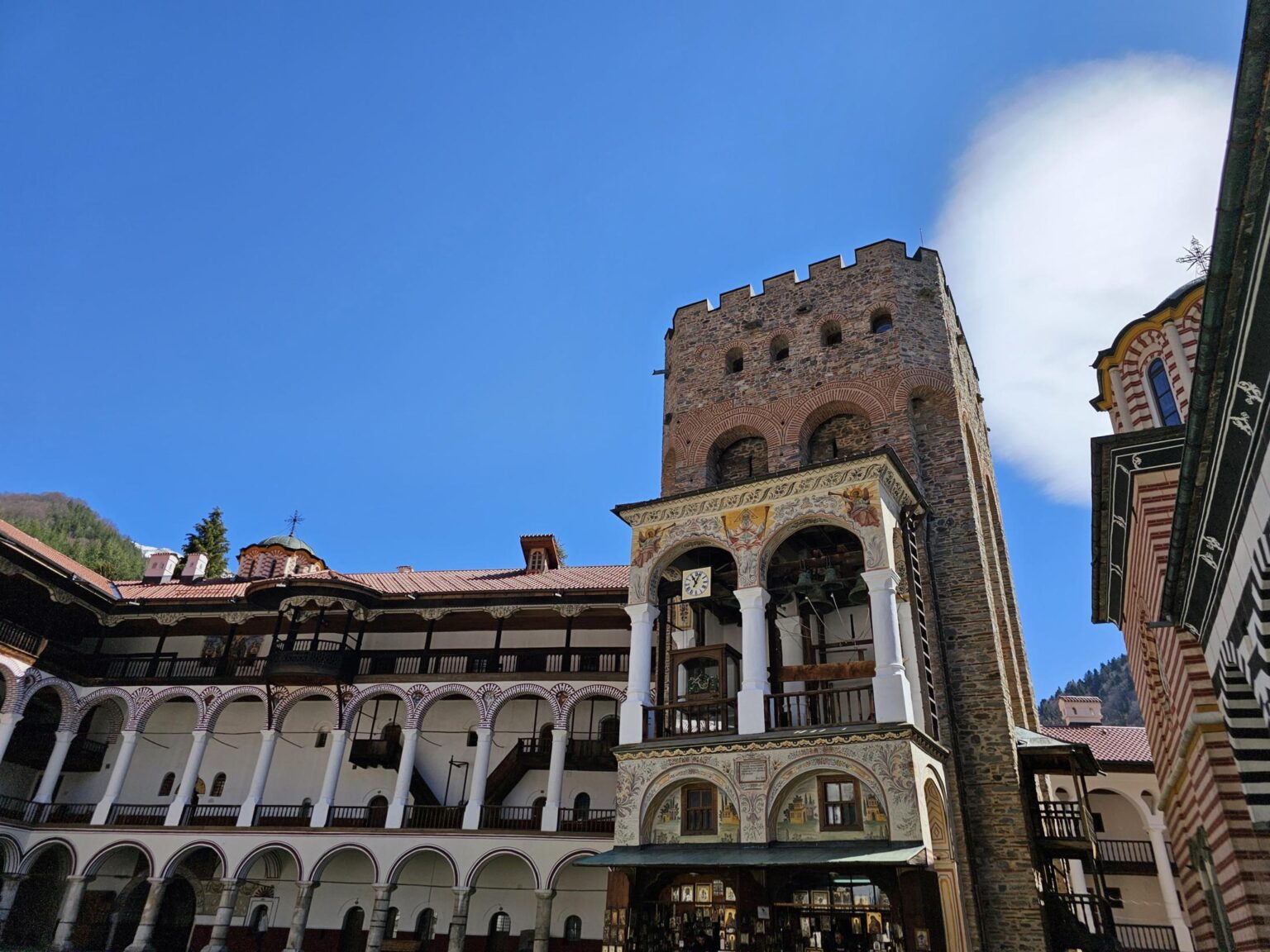
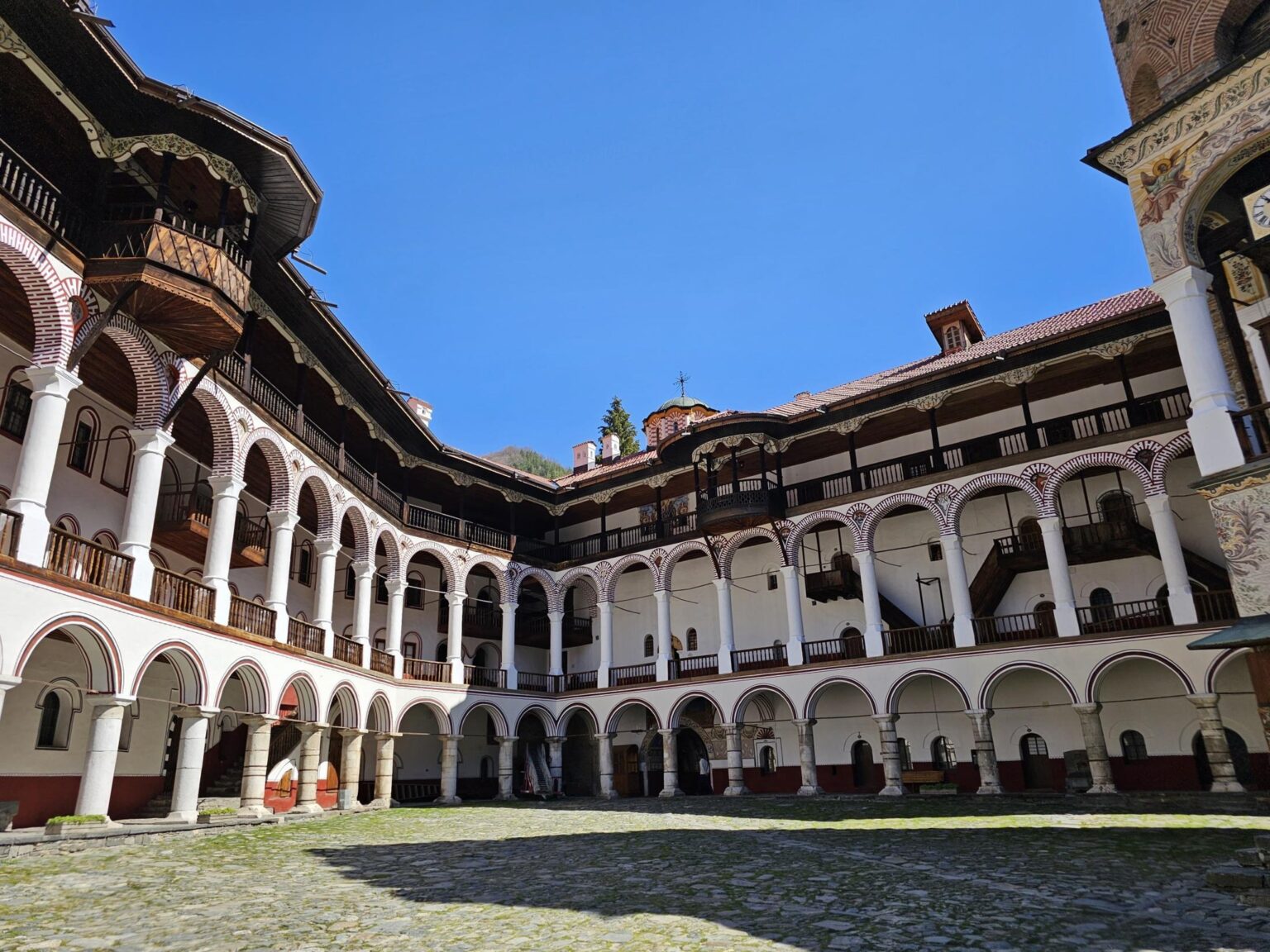
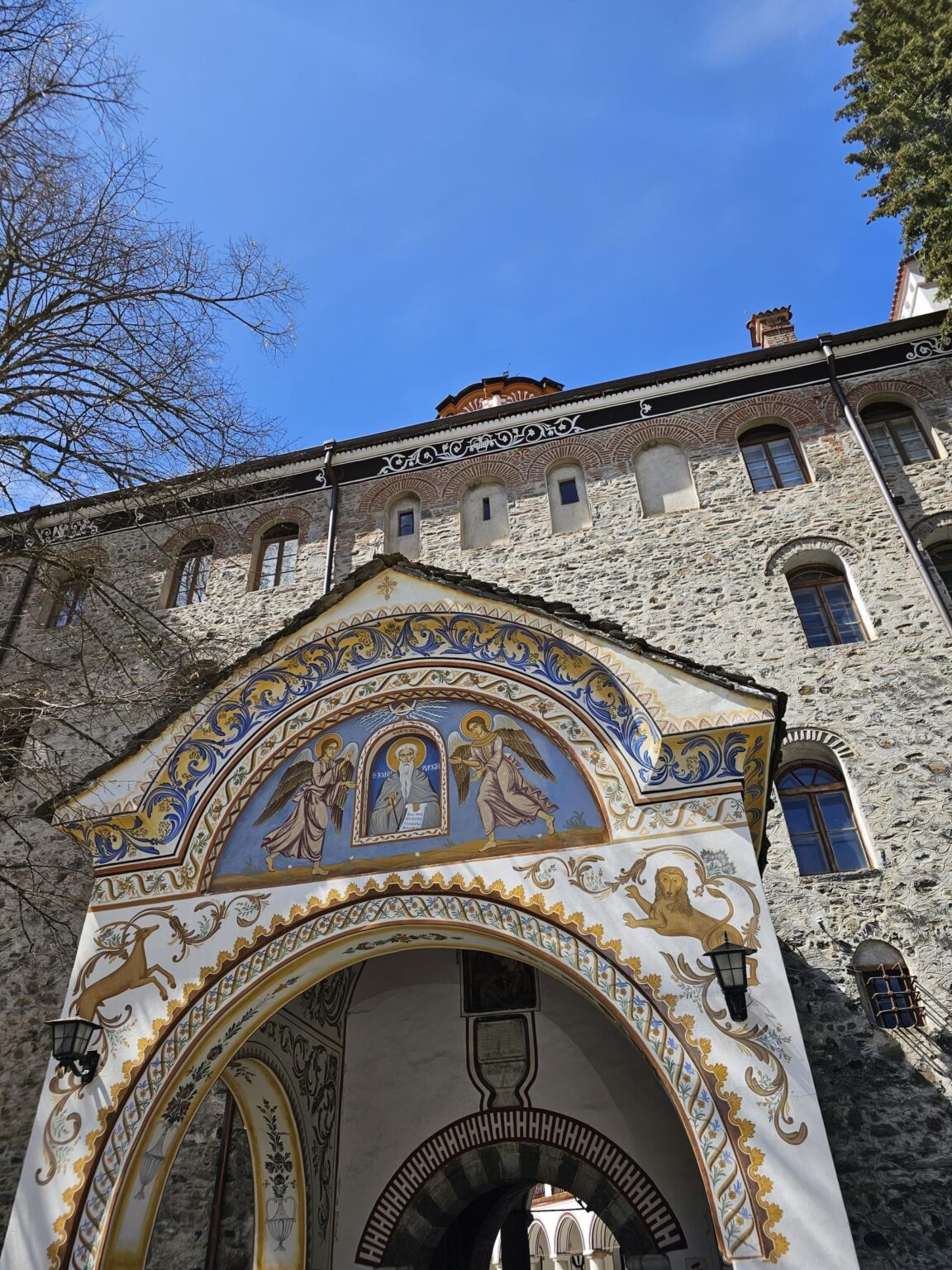
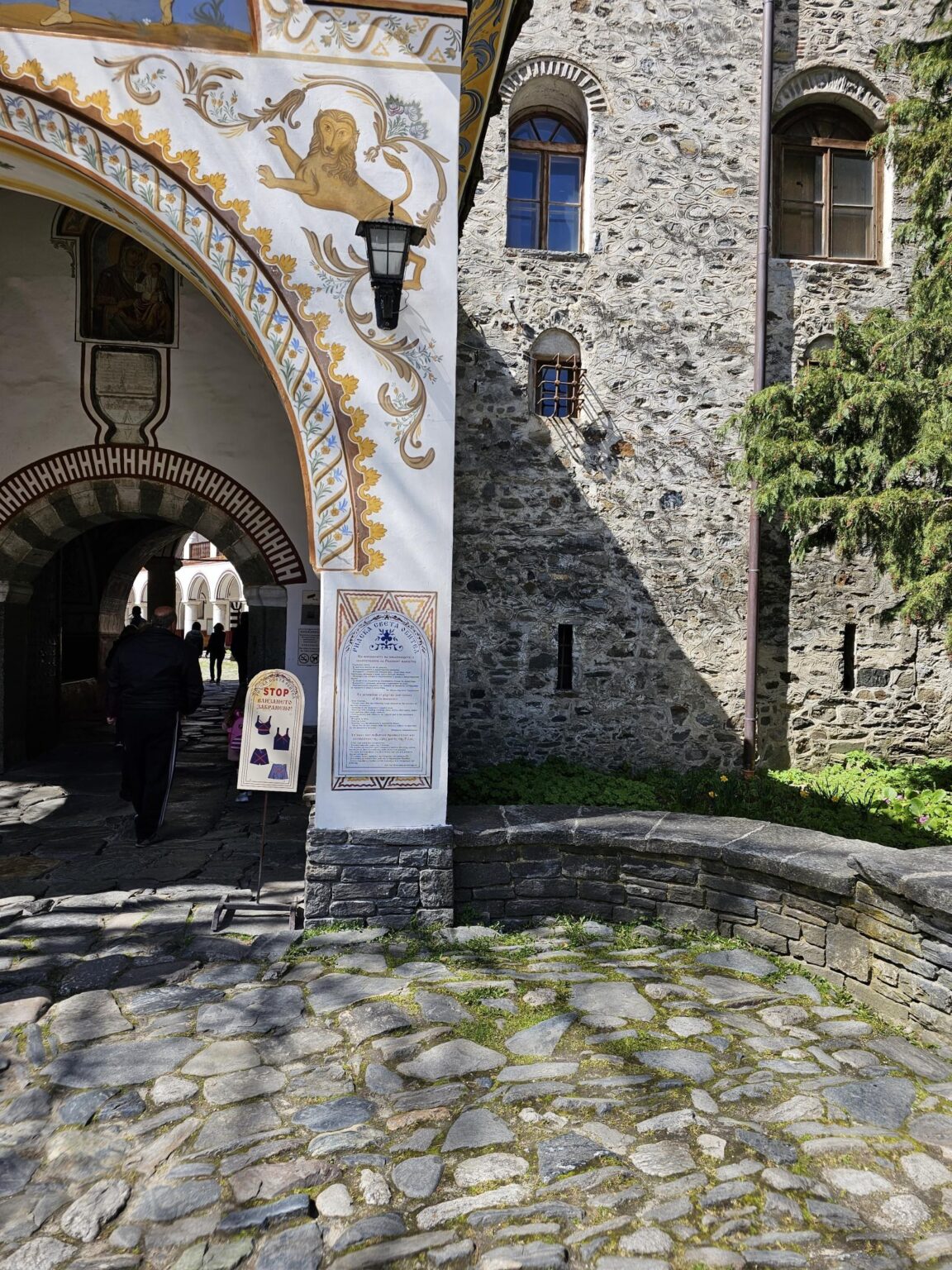
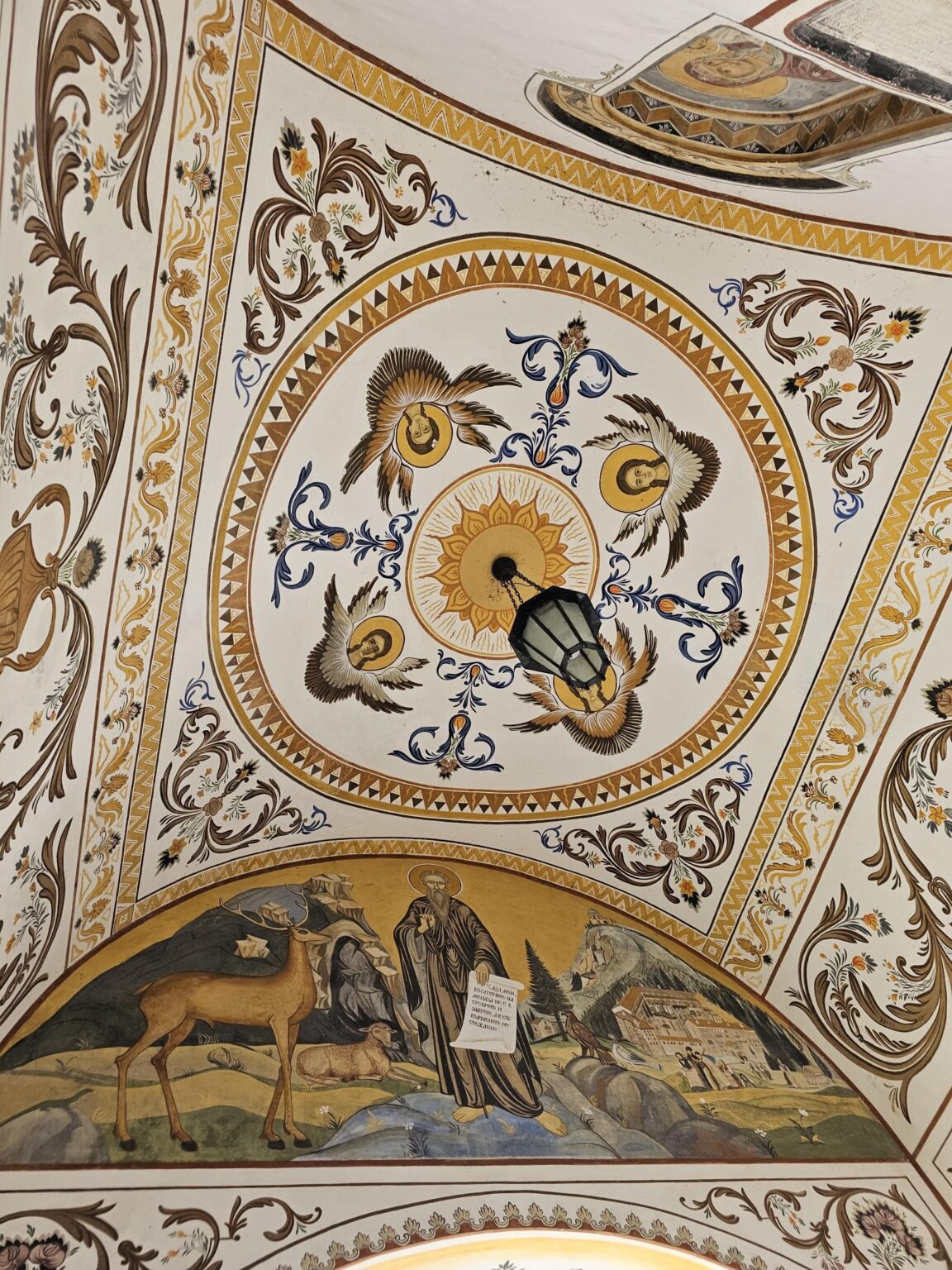
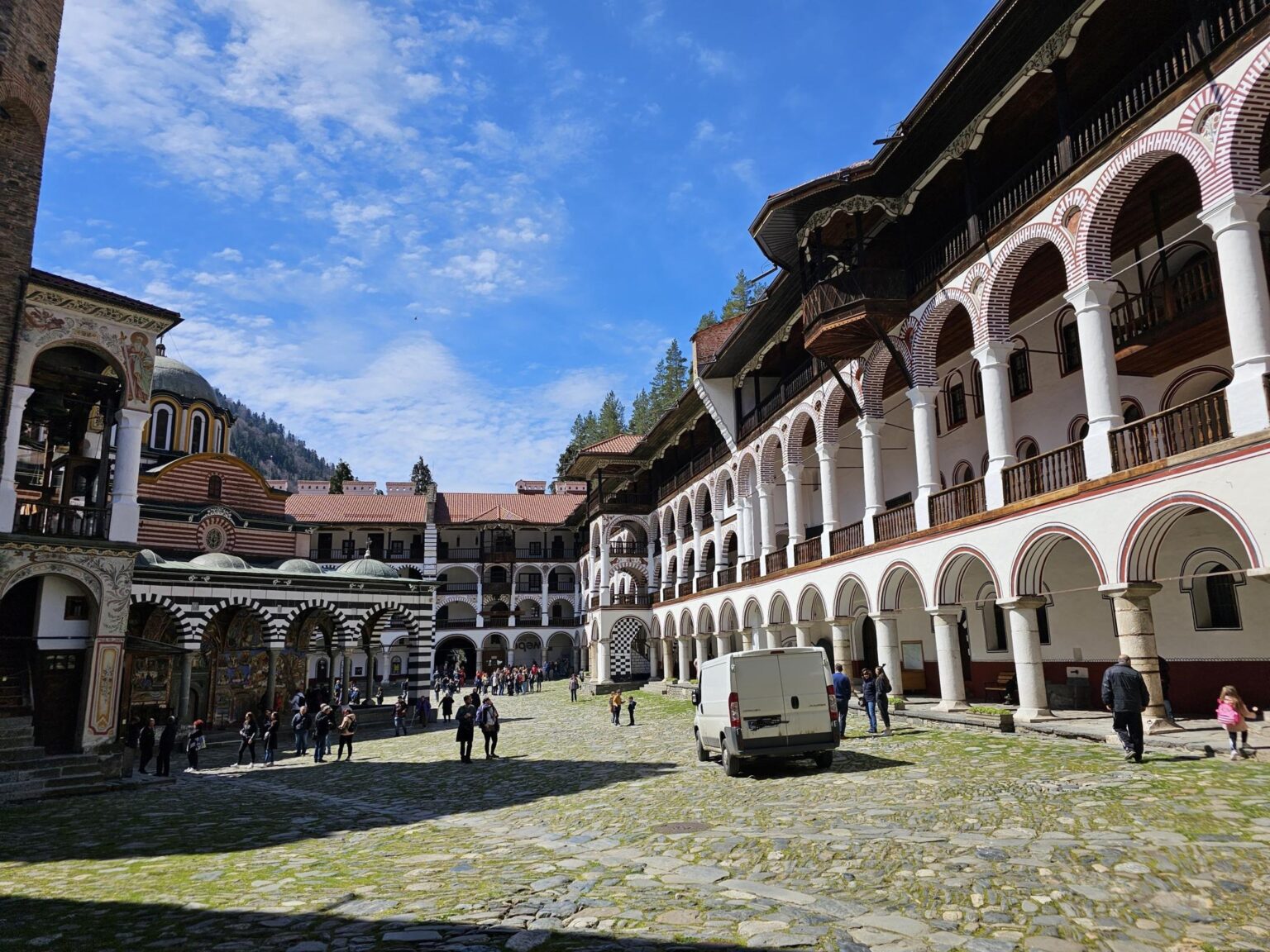
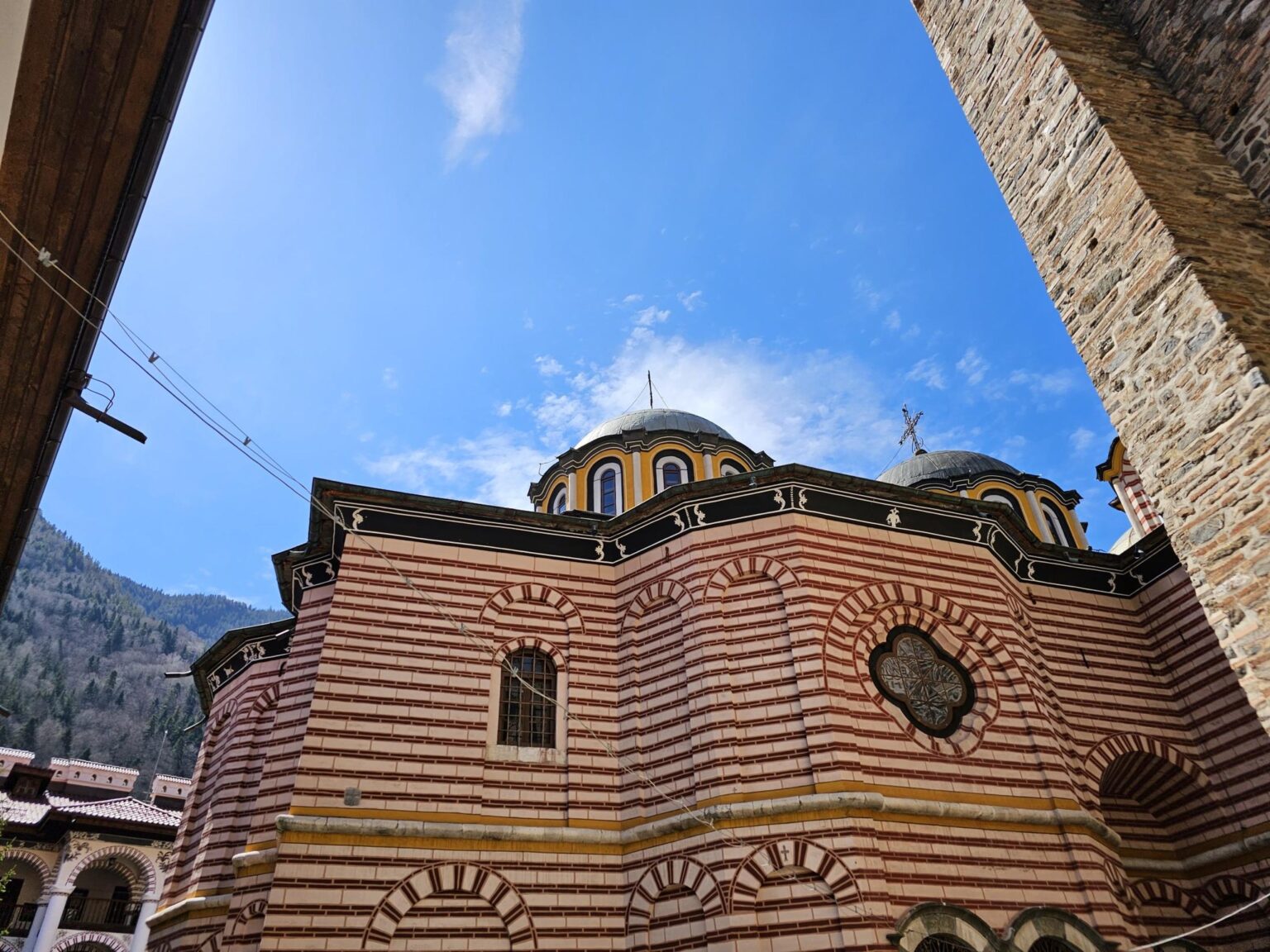
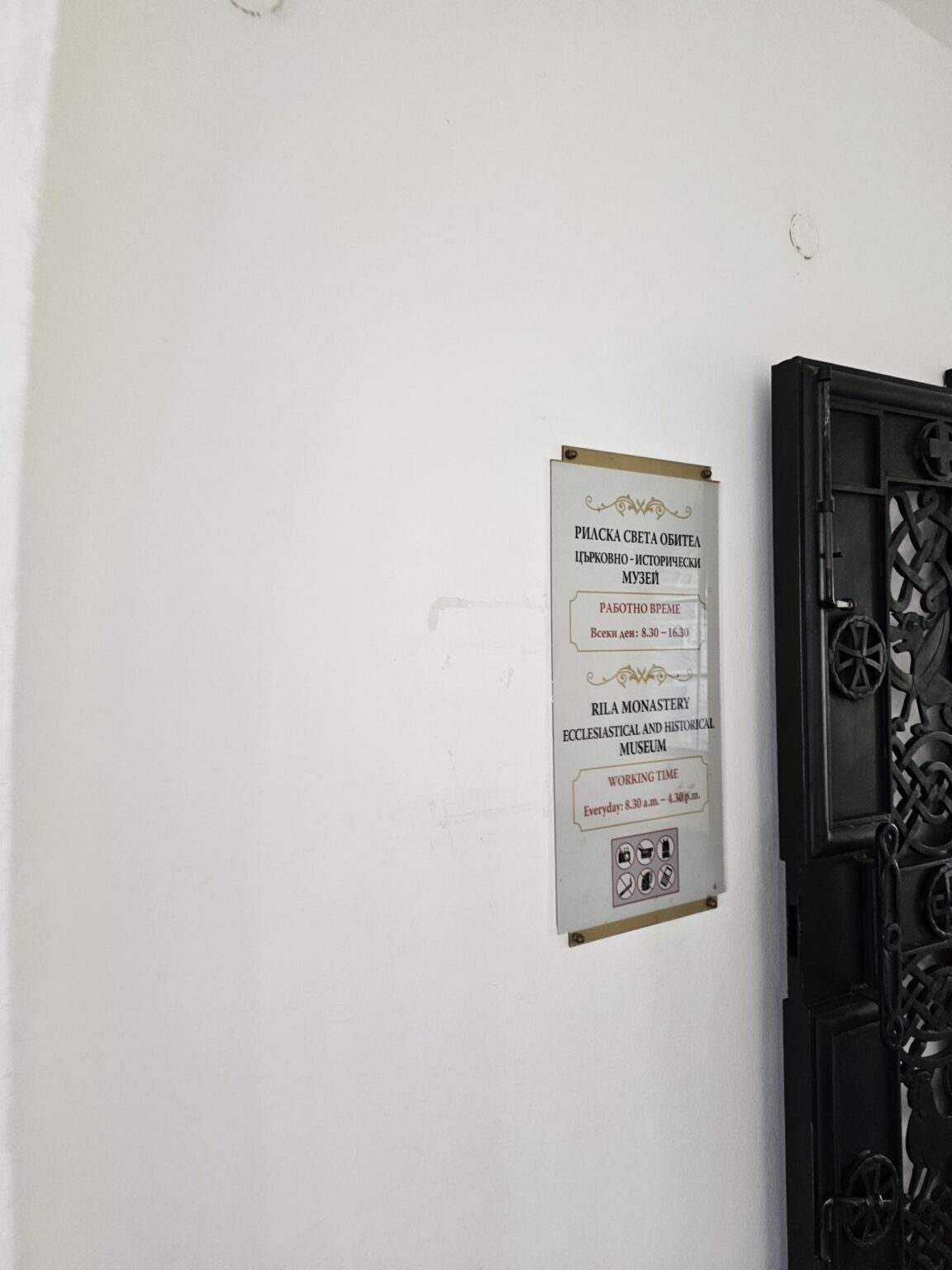
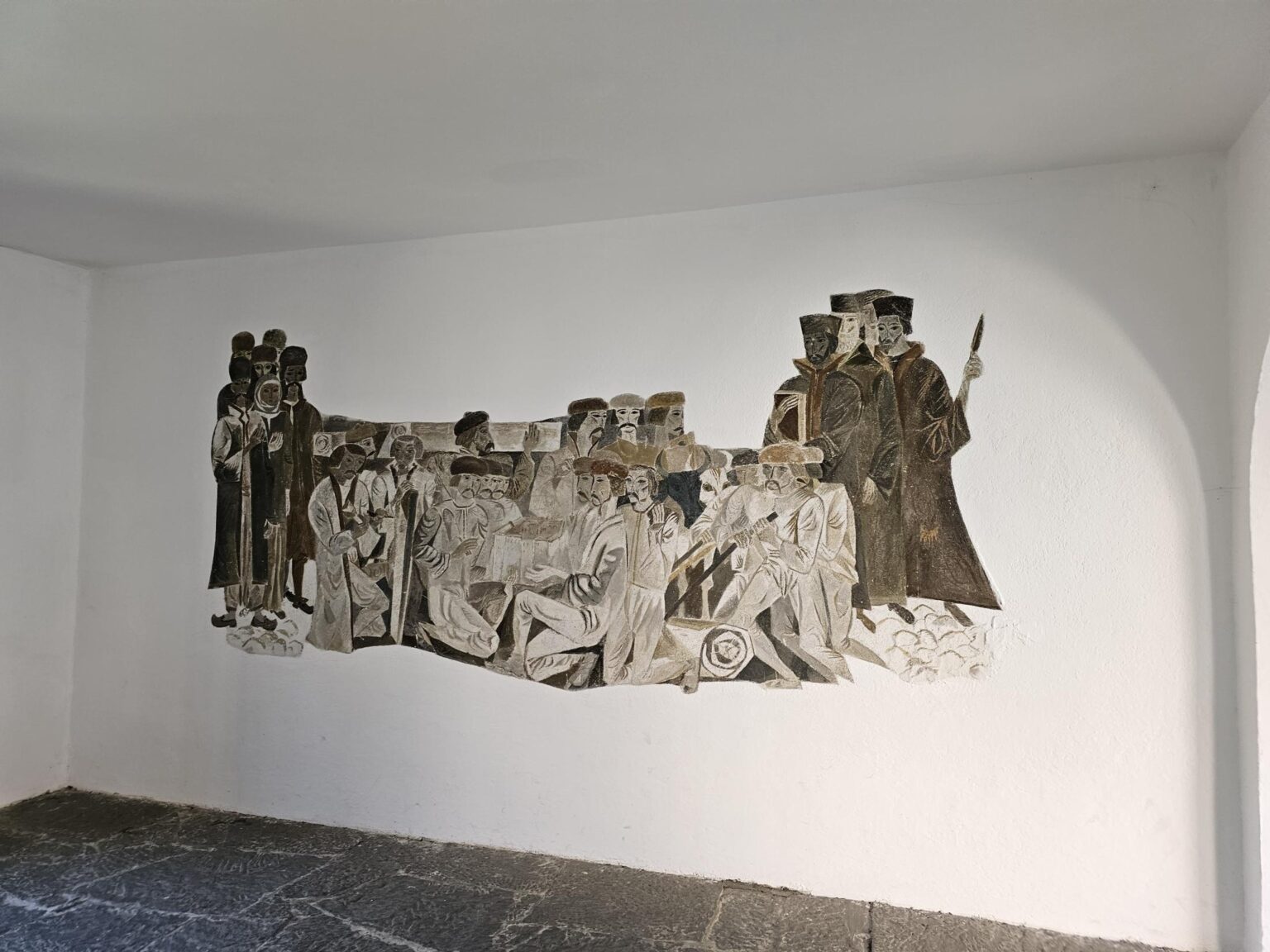
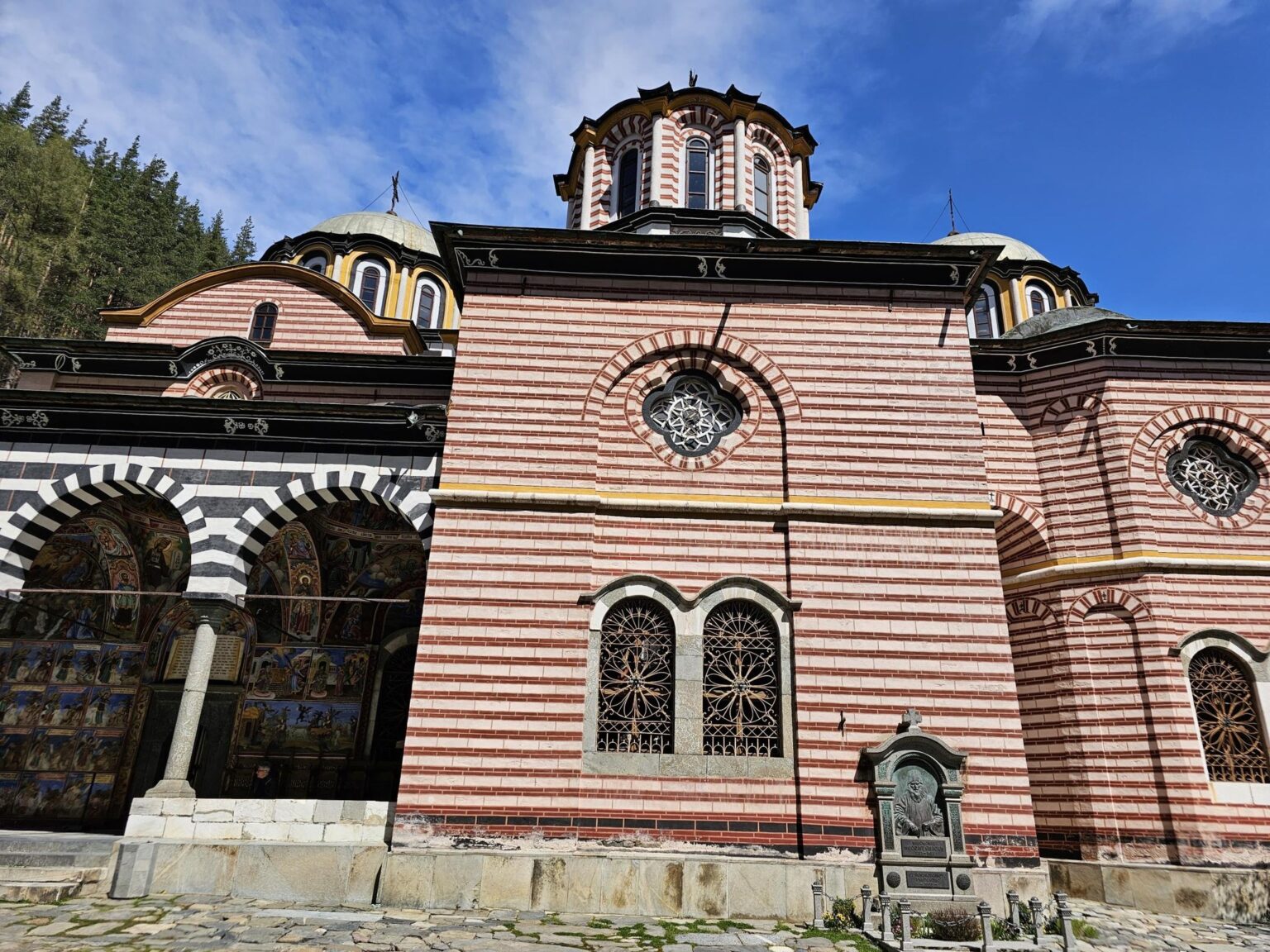
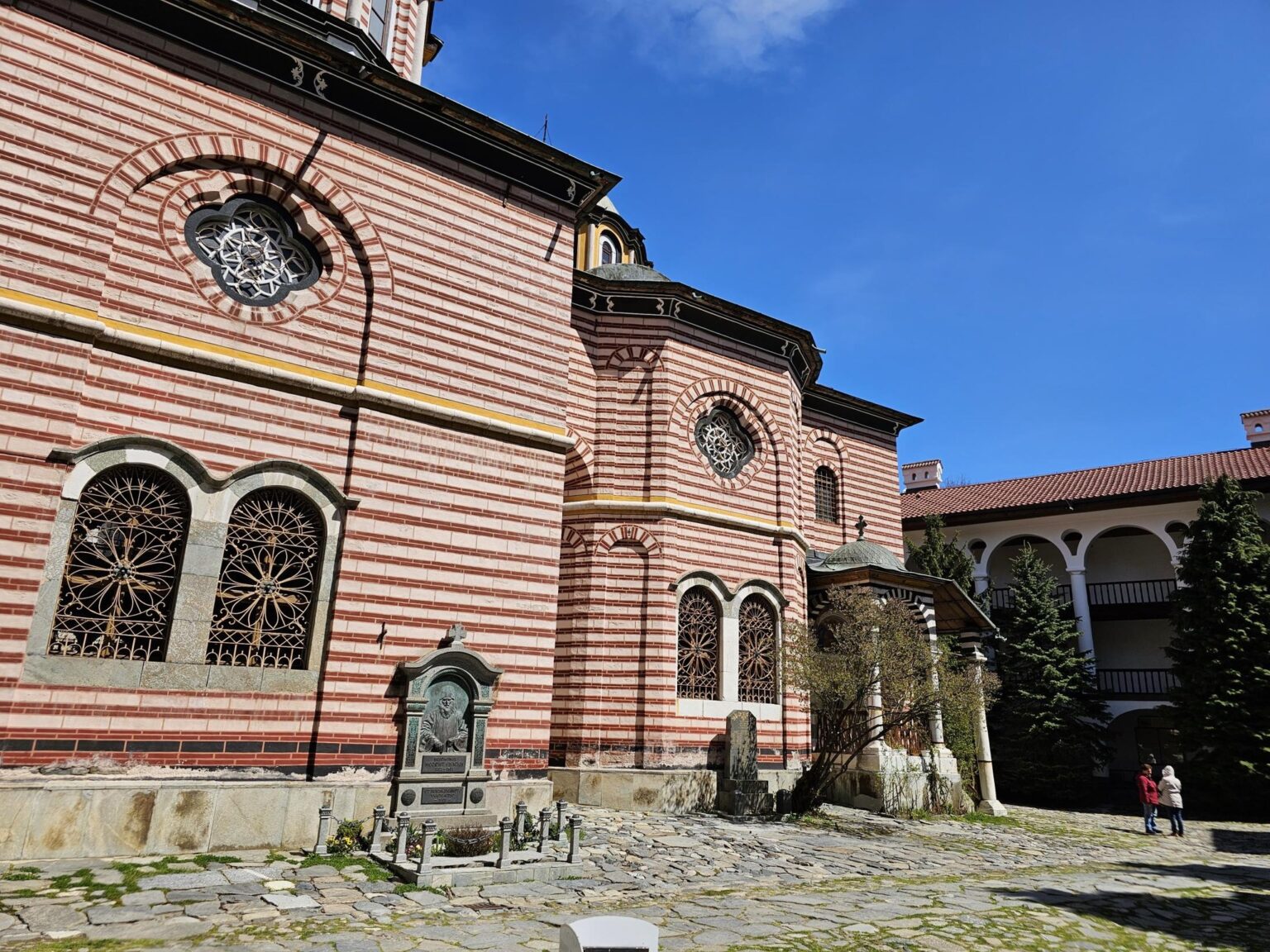
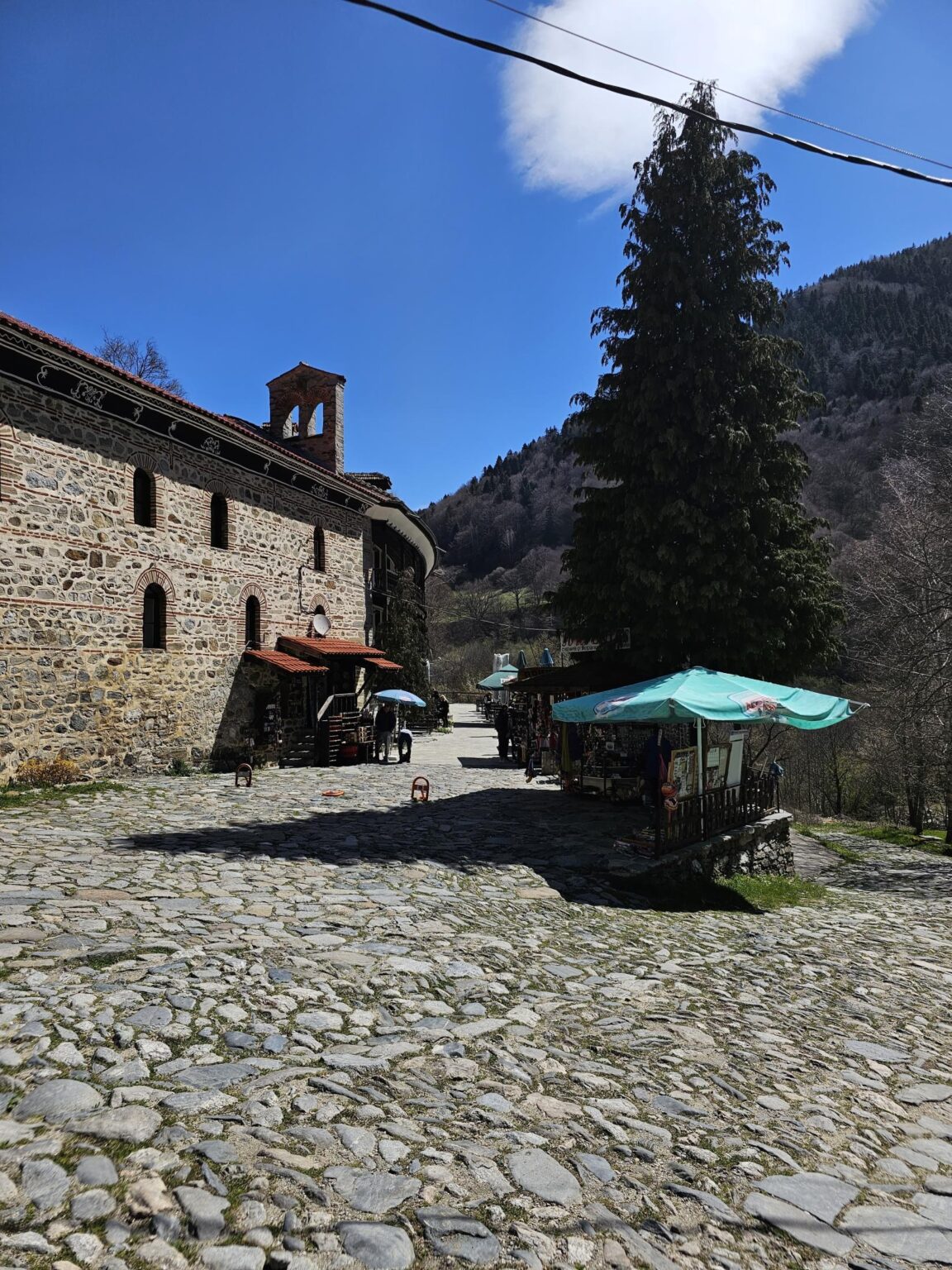
Two hours and 120 kilometres from the capital sits the very well known Rila Monastery. We won’t spill much ink on it, because it is genuinely VERY famous — a top destination in Bulgaria, one of the country’s UNESCO World Heritage sites and so on. There is information about it above and below every road. We, however, are the practical sort, so we’ll cover it from a different angle in the paragraphs right after the little gallery:
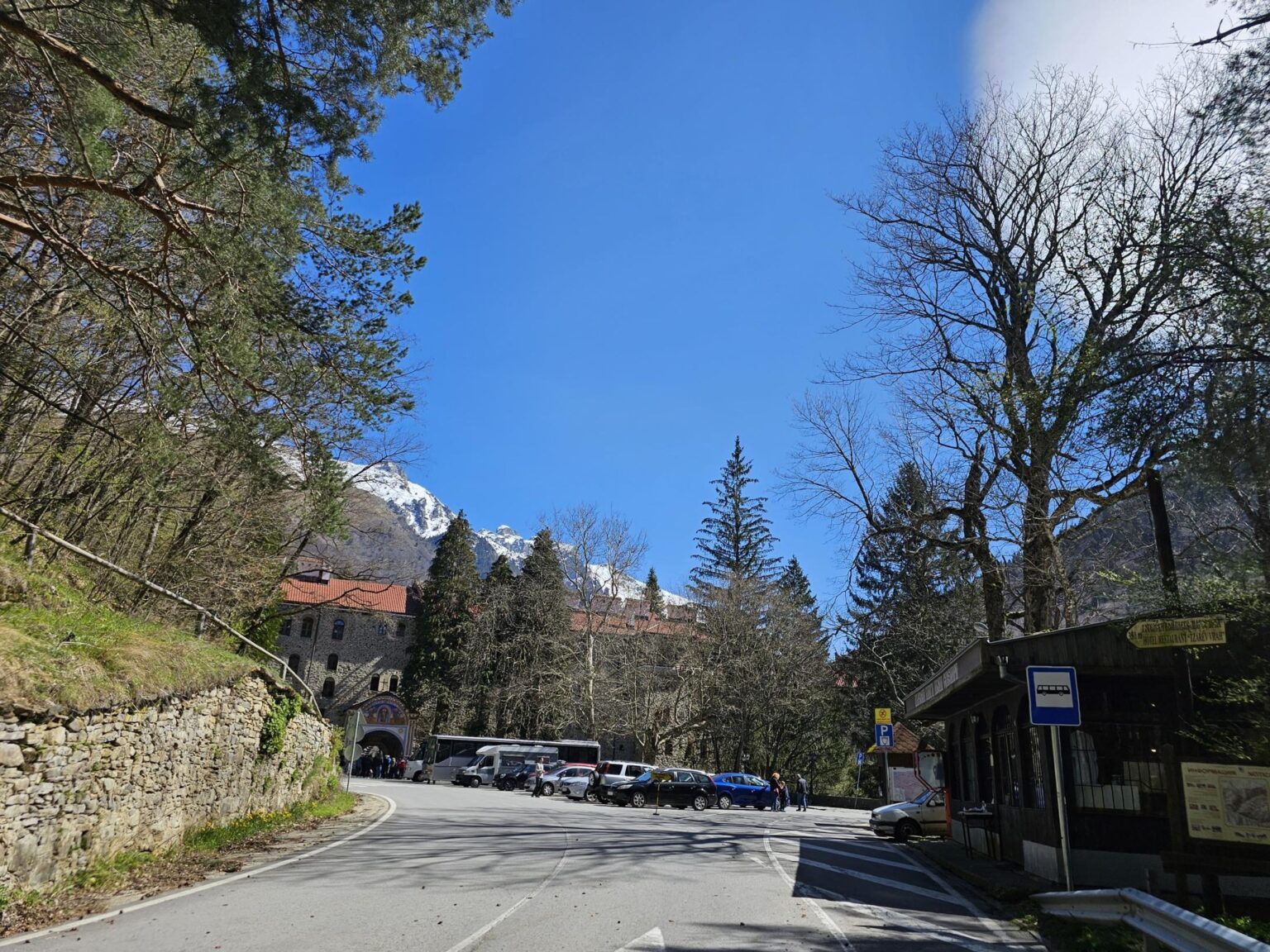
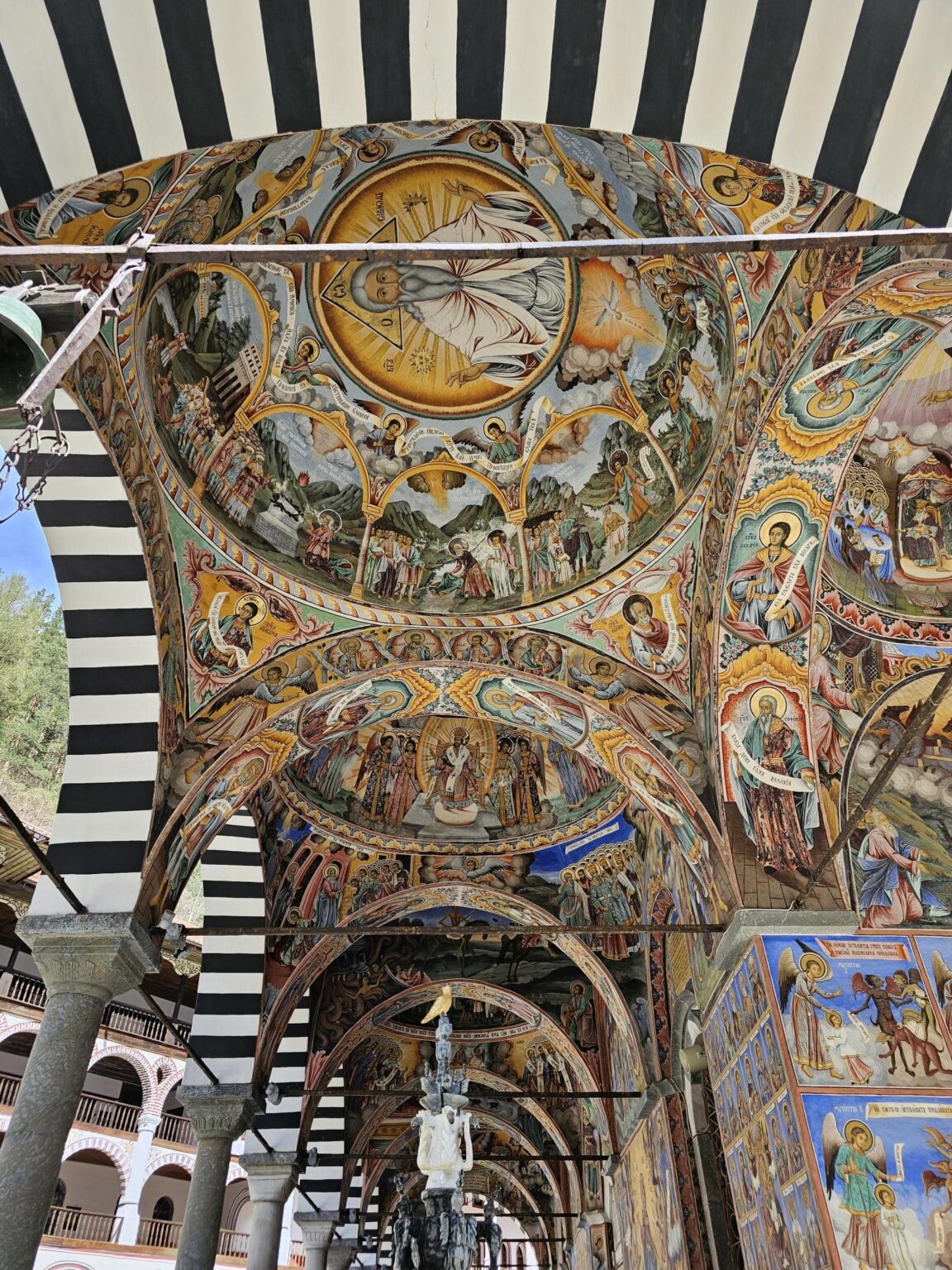
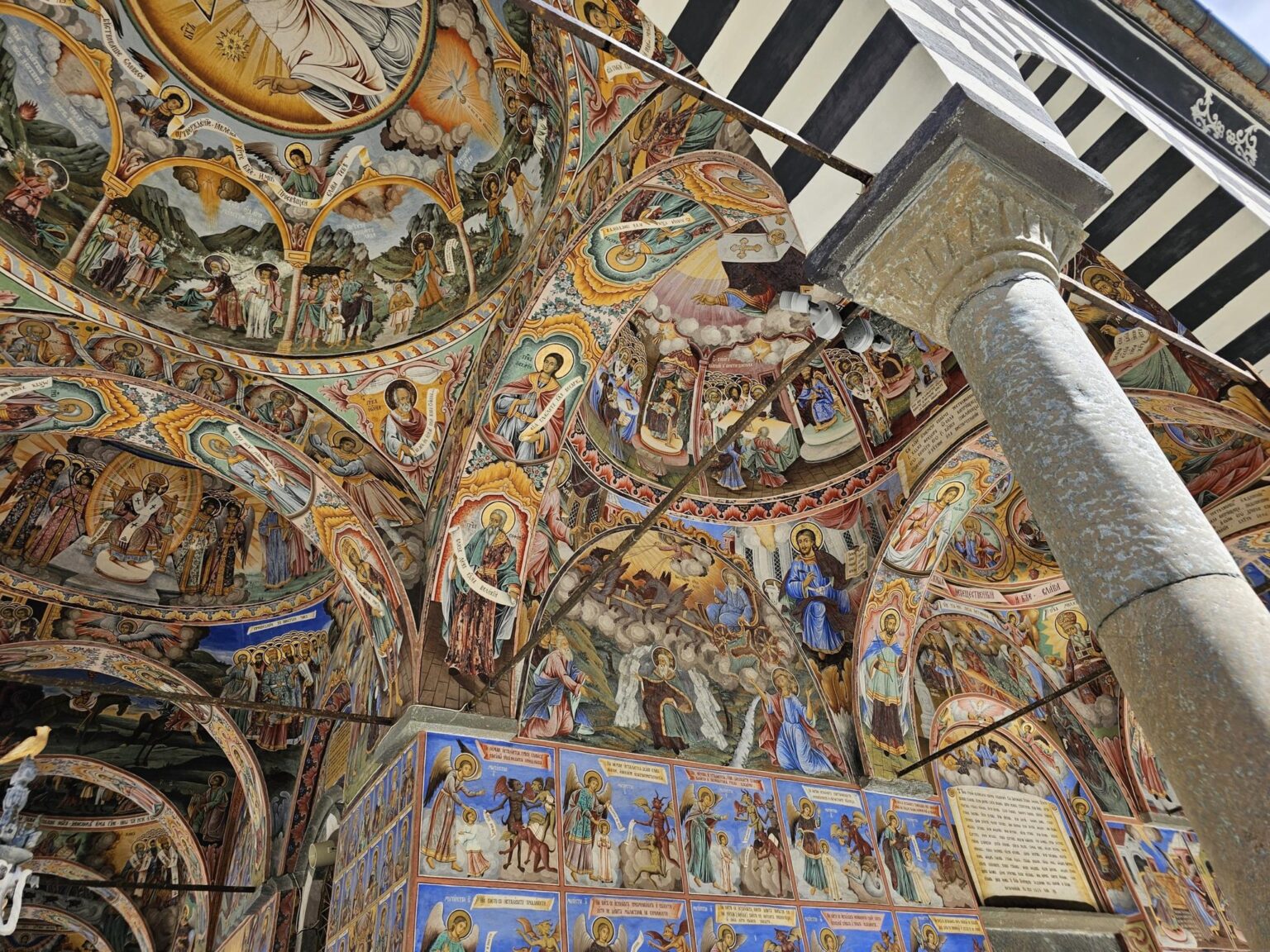
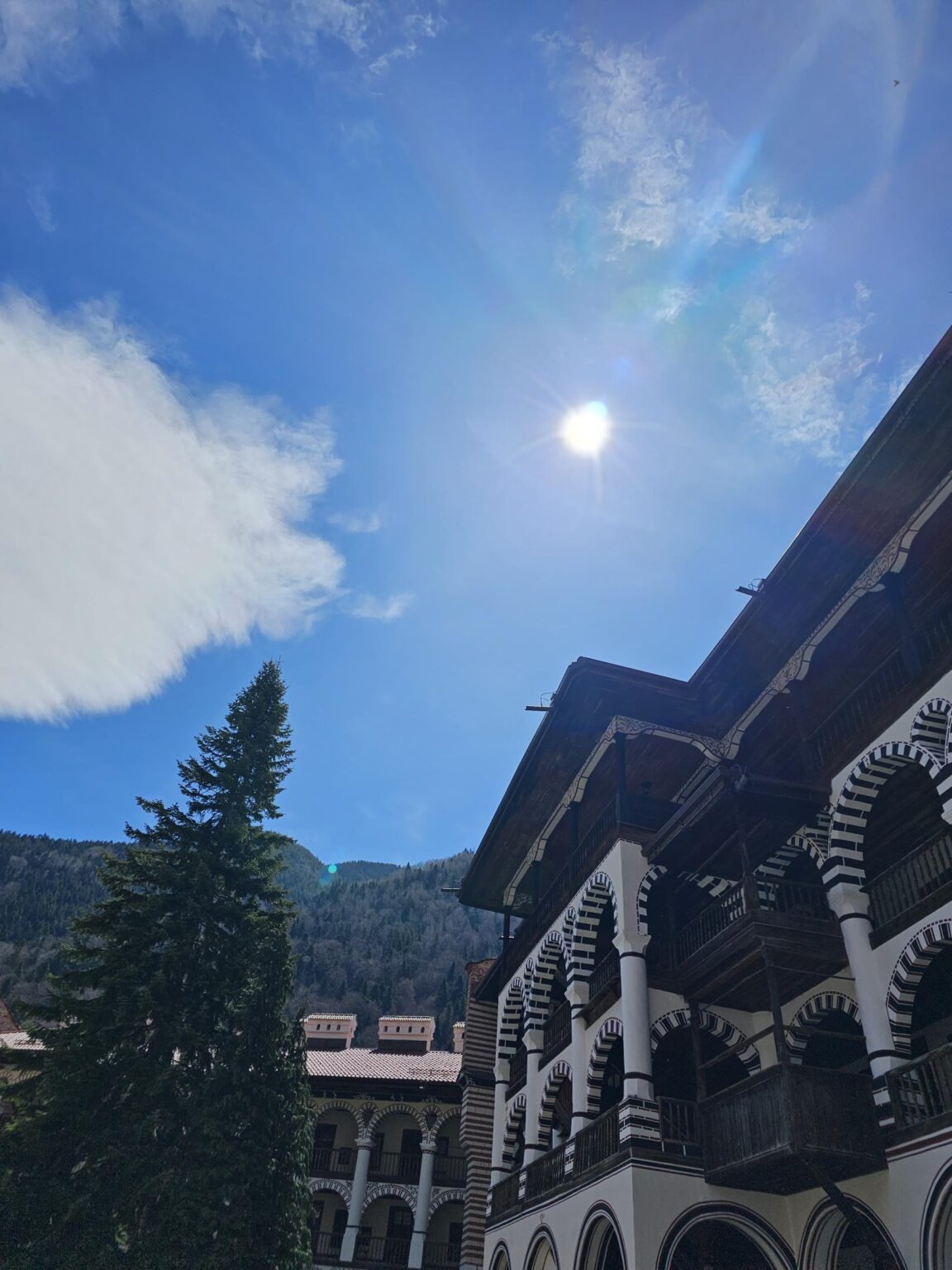
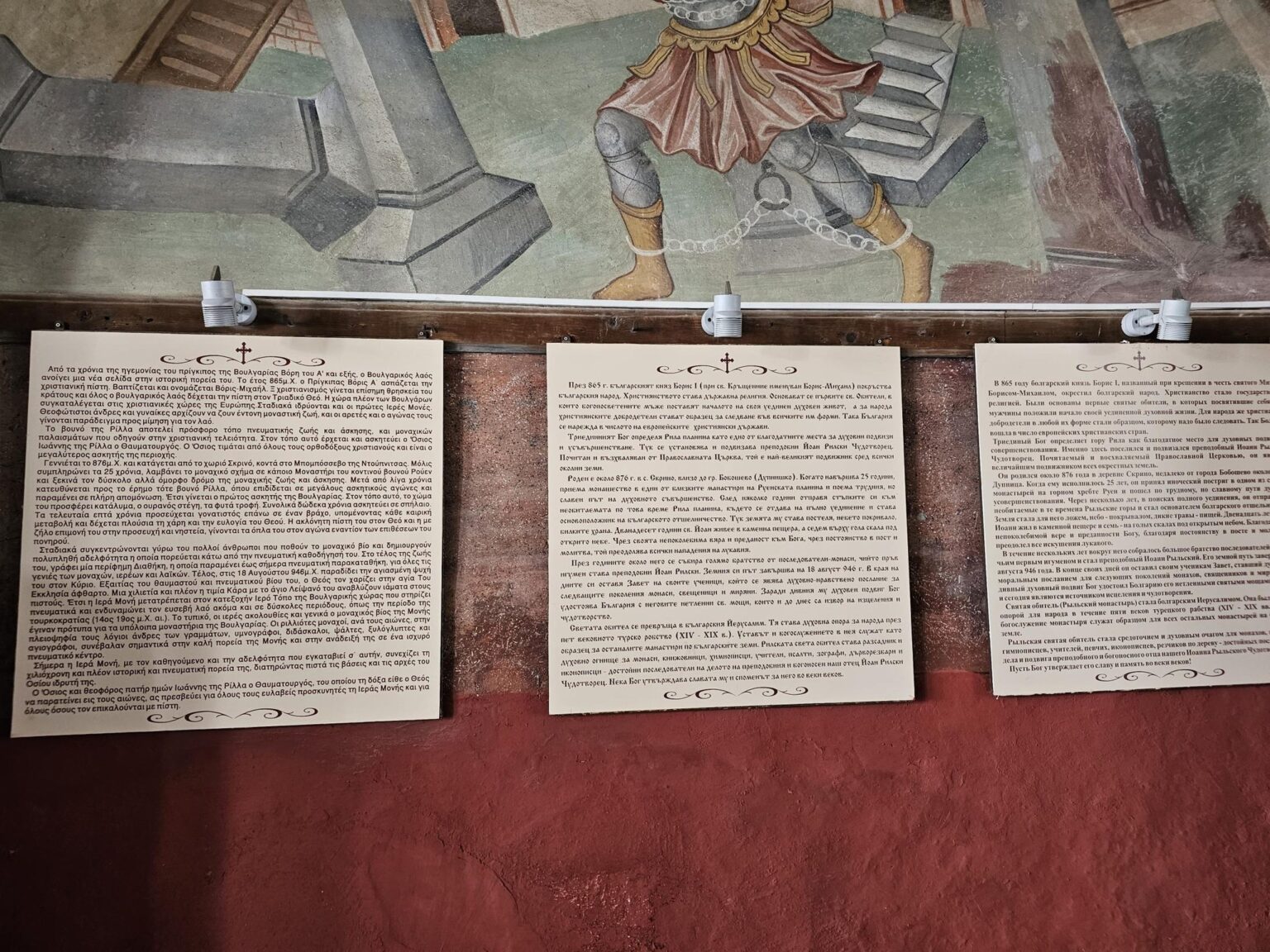
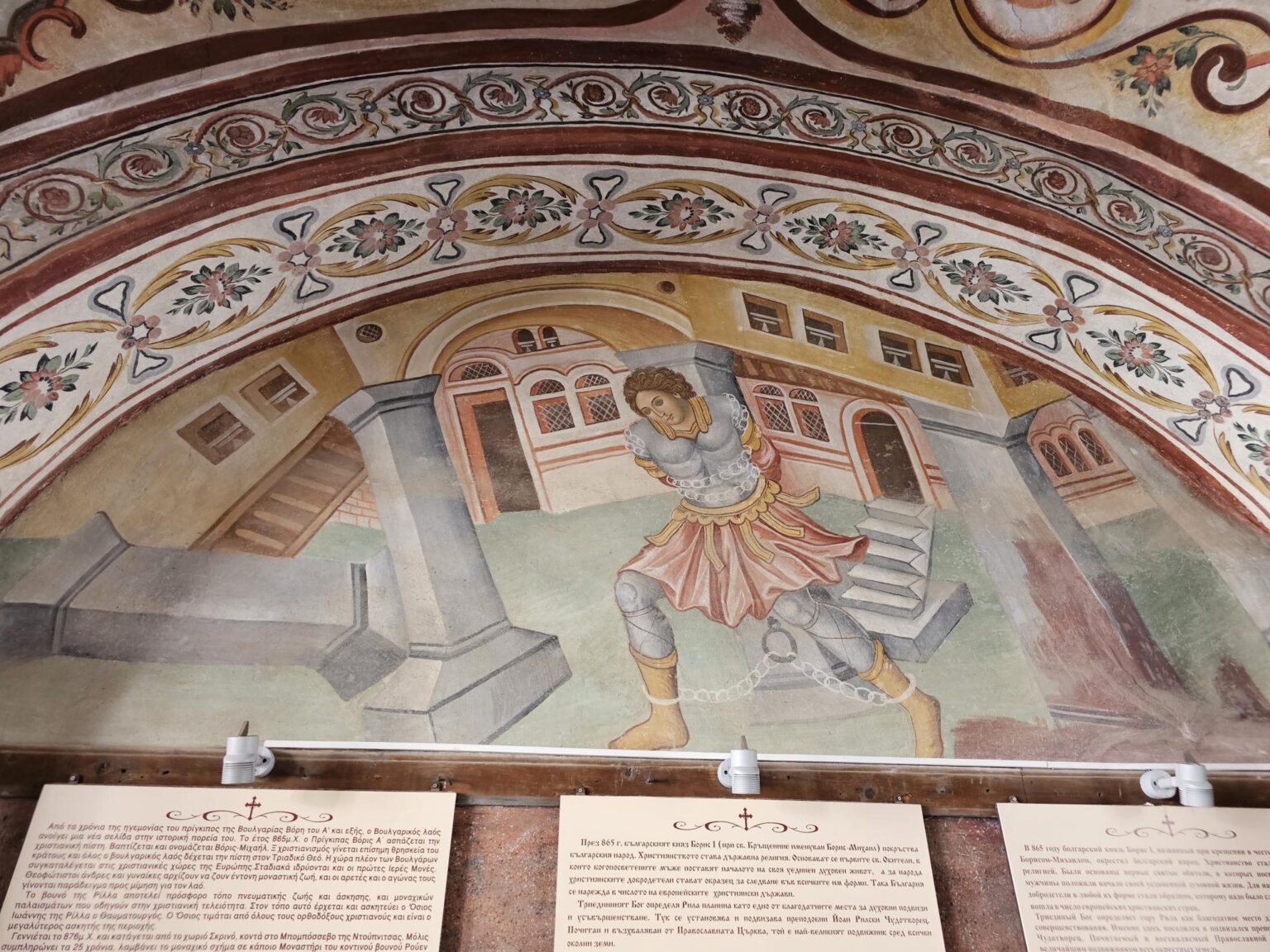
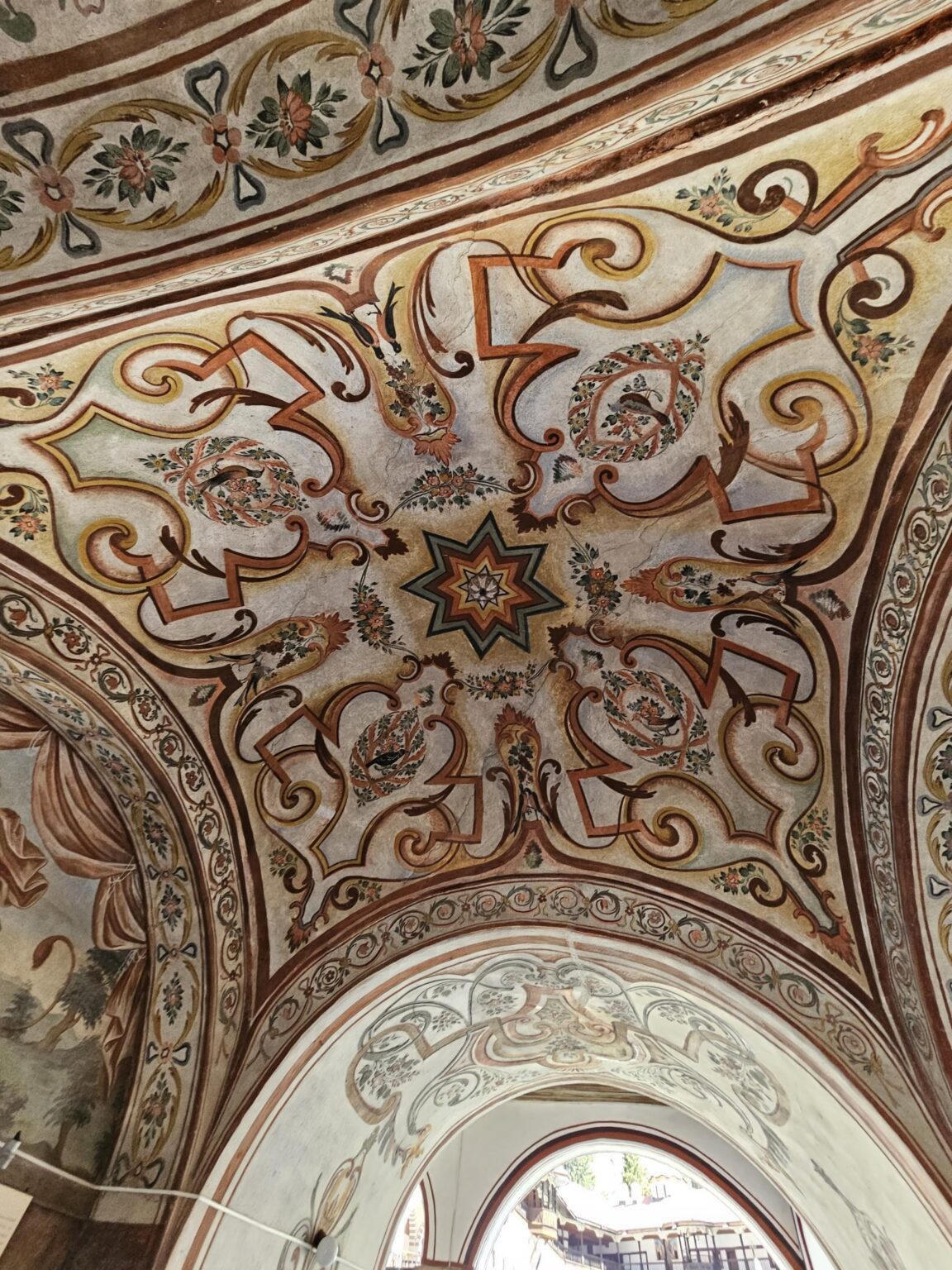
Now the practical part:
- parking: there is a paid car park at the monastery itself, but if you arrive a touch earlier — ergo, before 11:00 — some 150–200 metres back down the road you’ll see a sign for the monastery and a stretch where you can leave the car for free. From there it’s a 3–4 minute walk along the road to the gate (here’s the little yellow man on Google Maps).
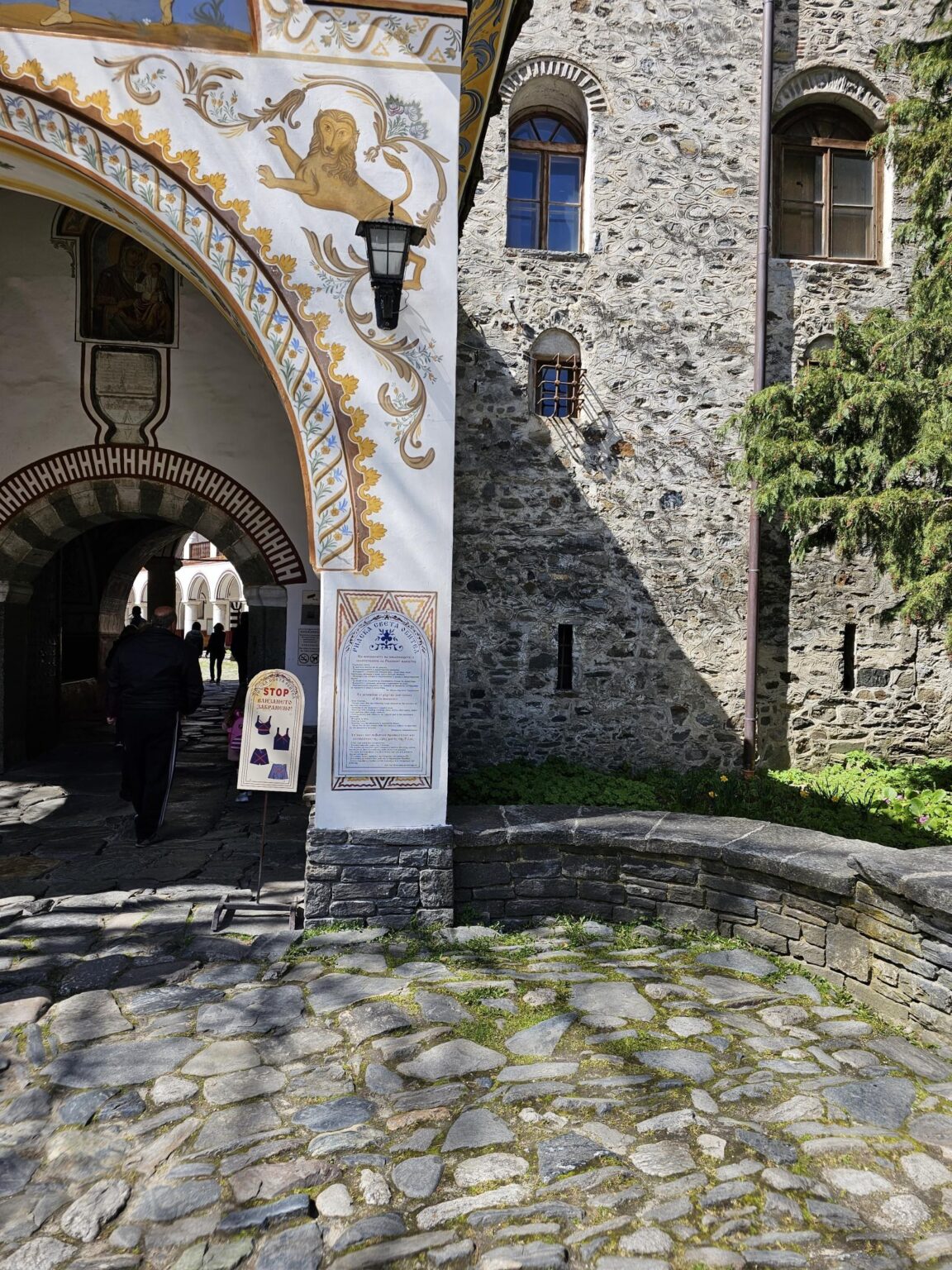
- entry: walking around the complex is free and there is no entrance fee. It is a working monastery, so it’s worth keeping to the dress code and behaving accordingly.
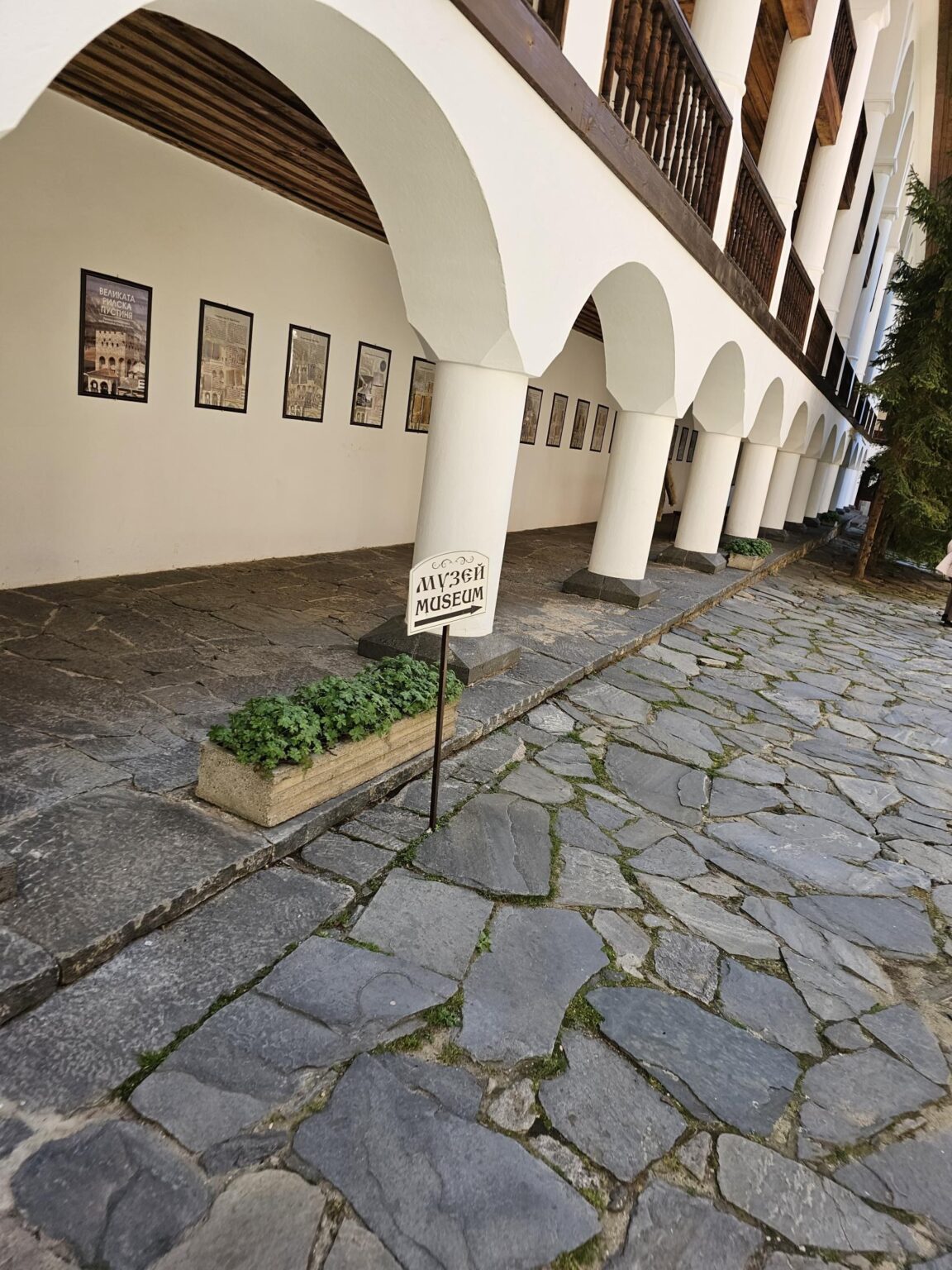
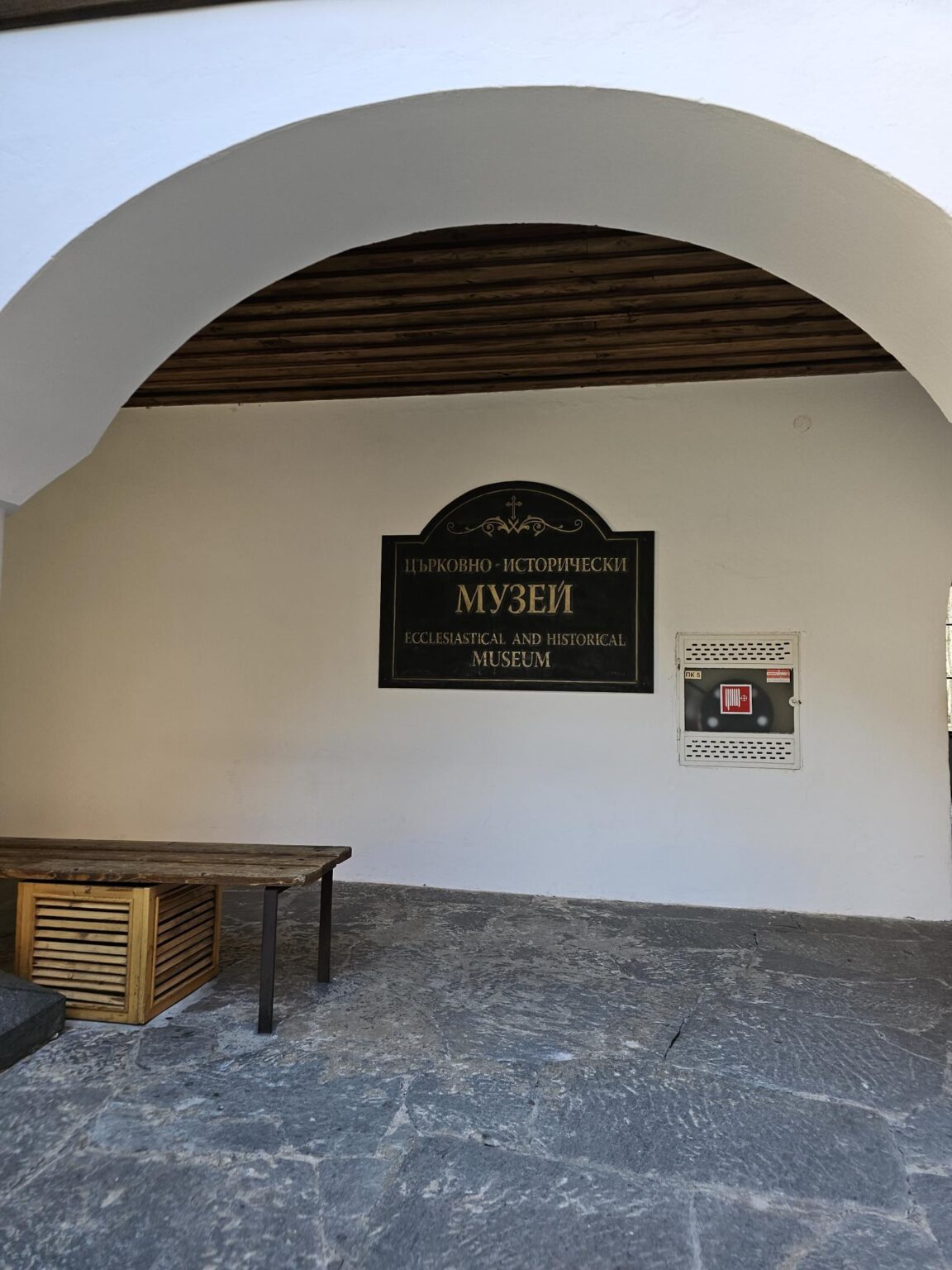
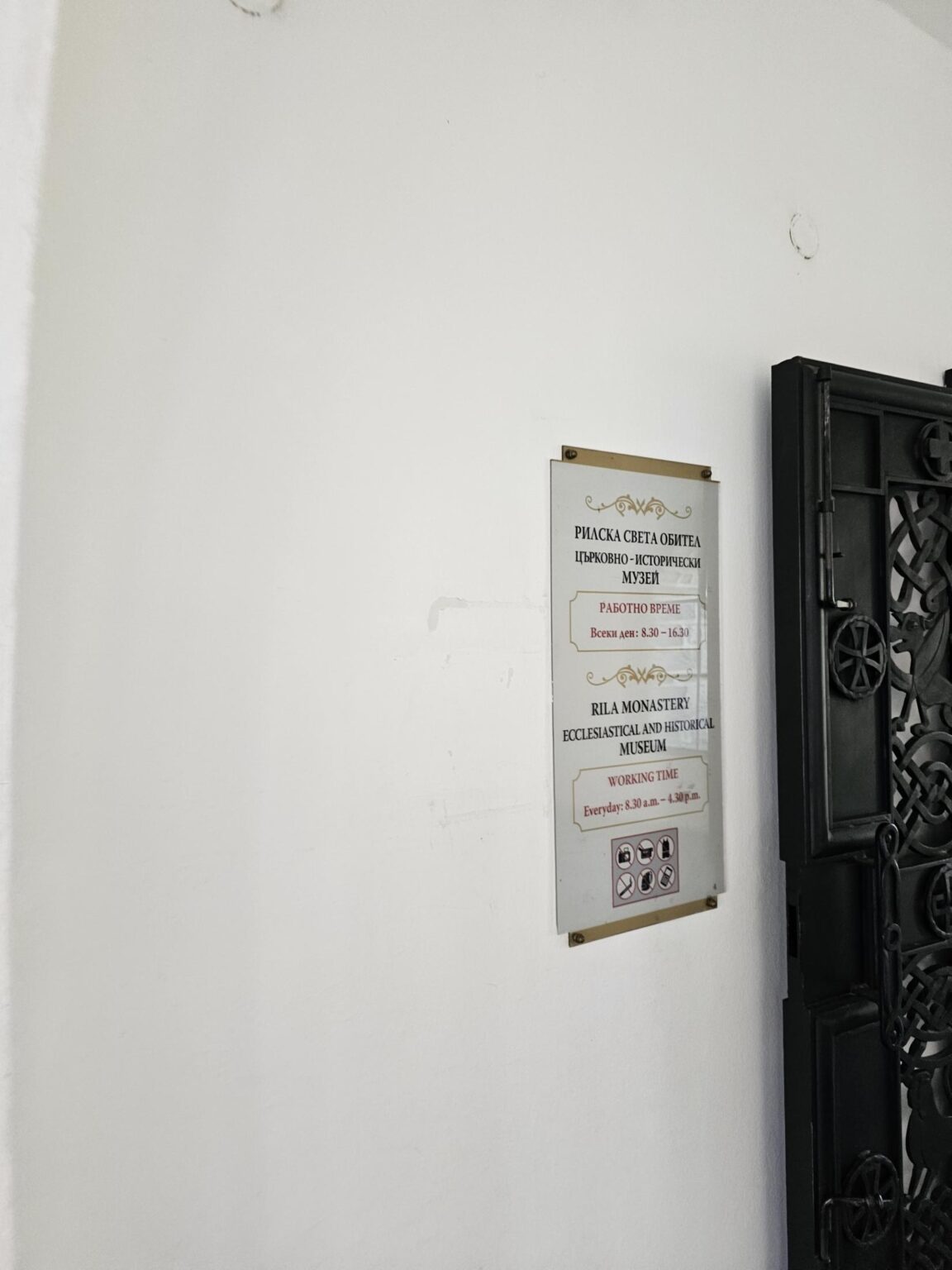
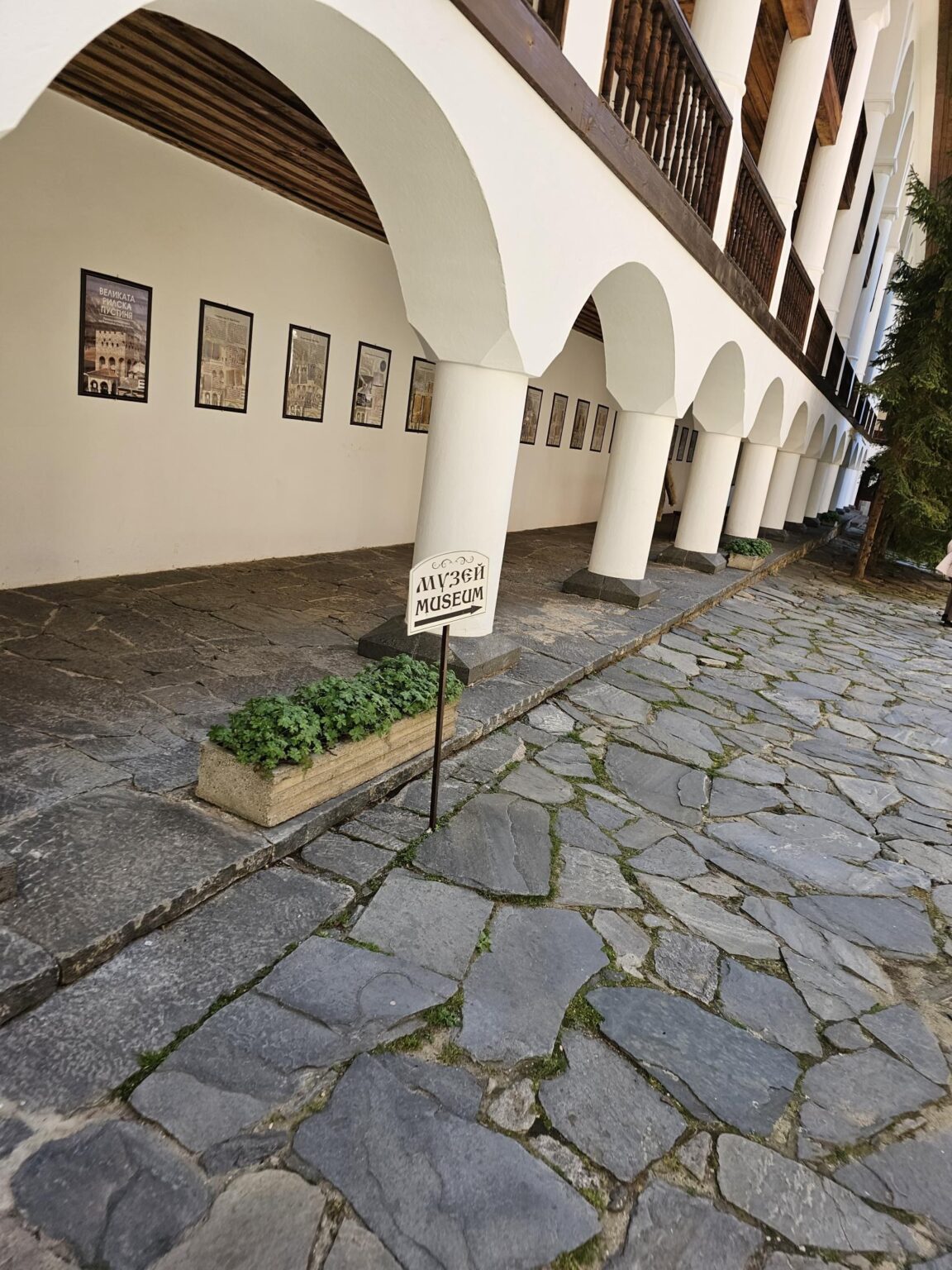
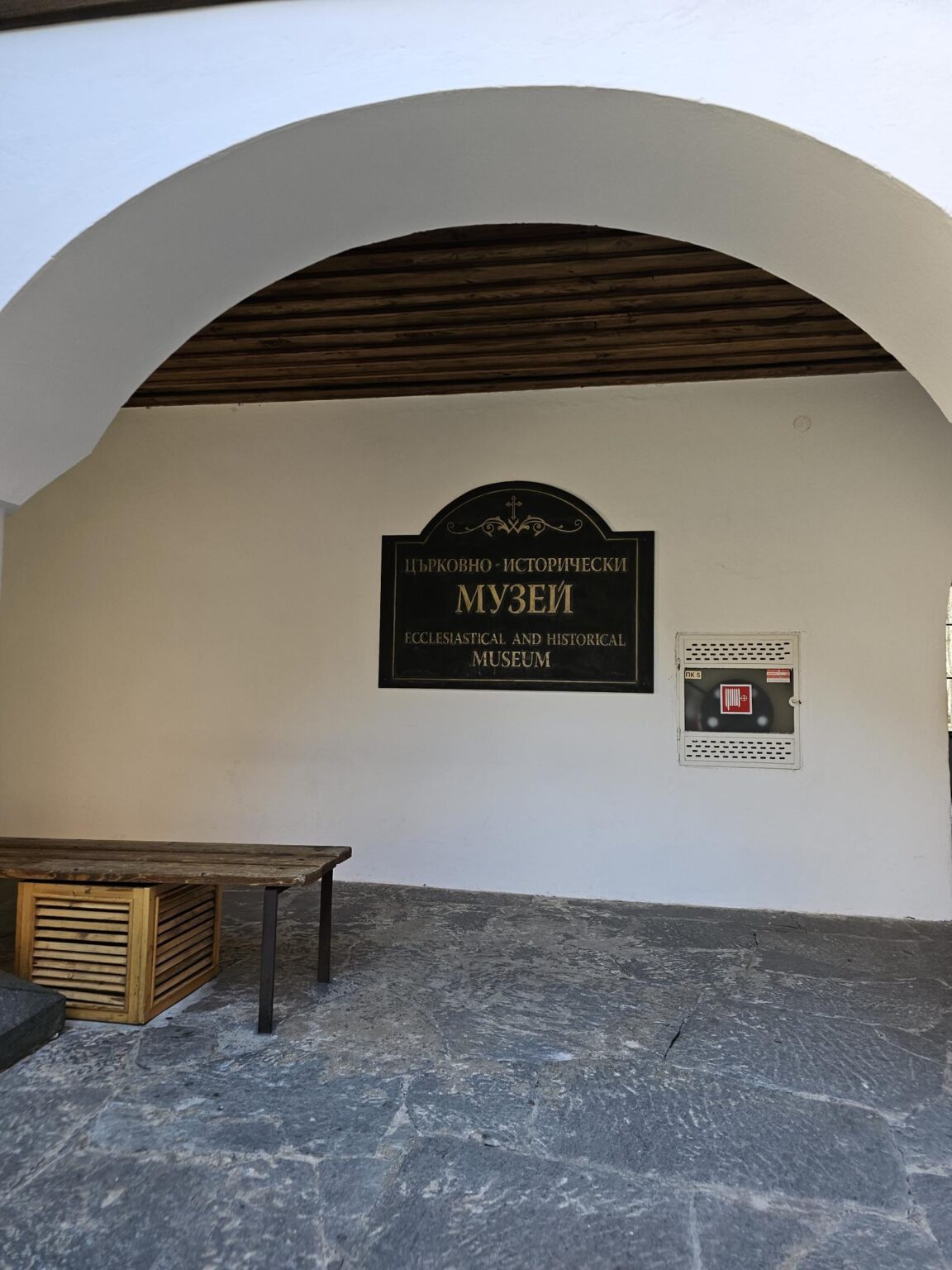
- museum and stamp: inside the complex is the Church-Historical Museum, €5 for adults, and this is stamp number 28 from the 100 National Tourist Sites booklet. If you want to see everything — the Church-Historical Museum, the 19th-century Monastery Farm, the icon collection, the ethnographic exhibition and the guest rooms — there is a combined ticket at €10. Half an hour is enough for the historical museum and the stamp; all five exhibitions will take you two and a half to three hours. If you collect museums in general, we’ve listed a few more in our top 10 museums in Bulgaria.
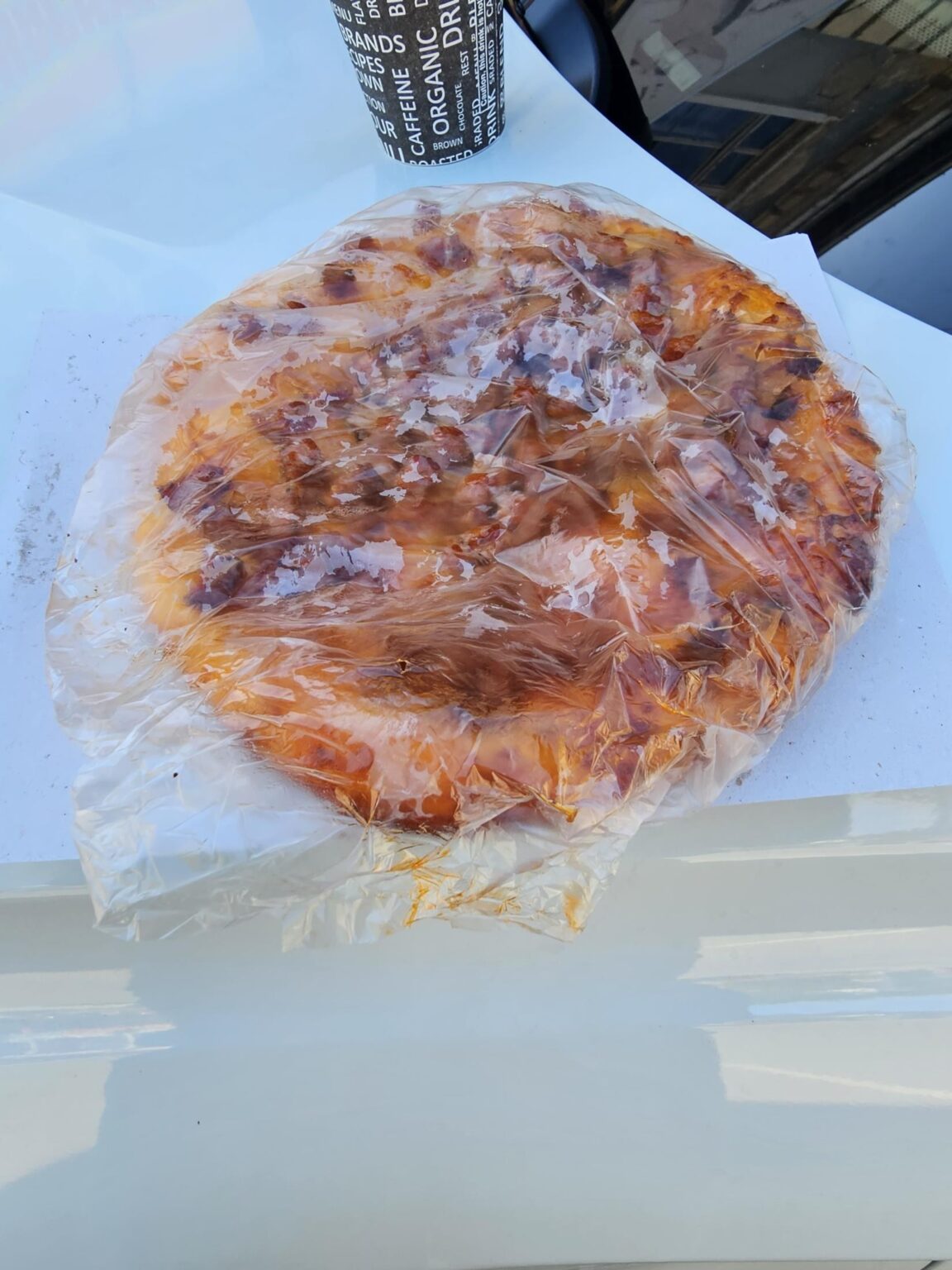
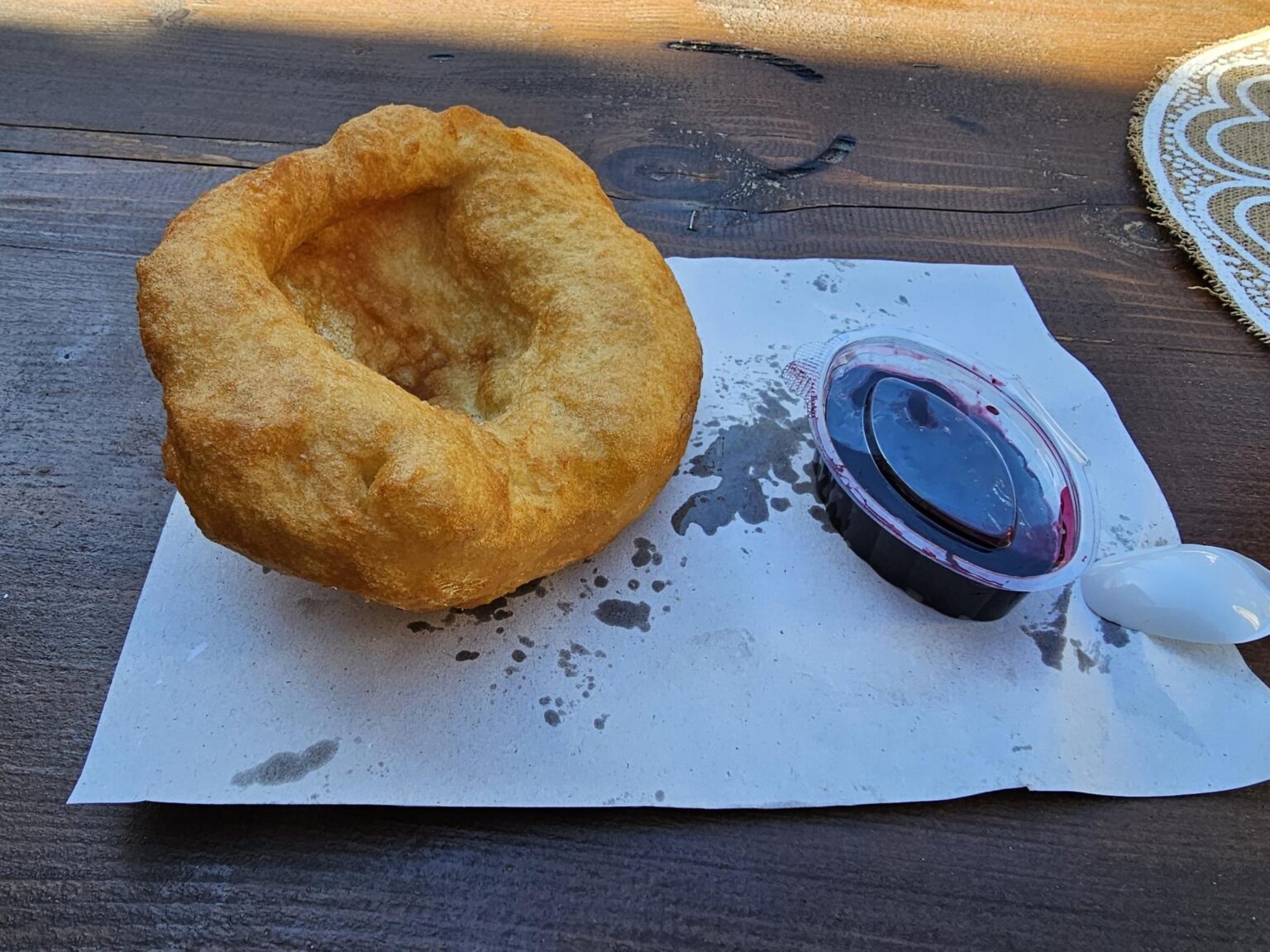
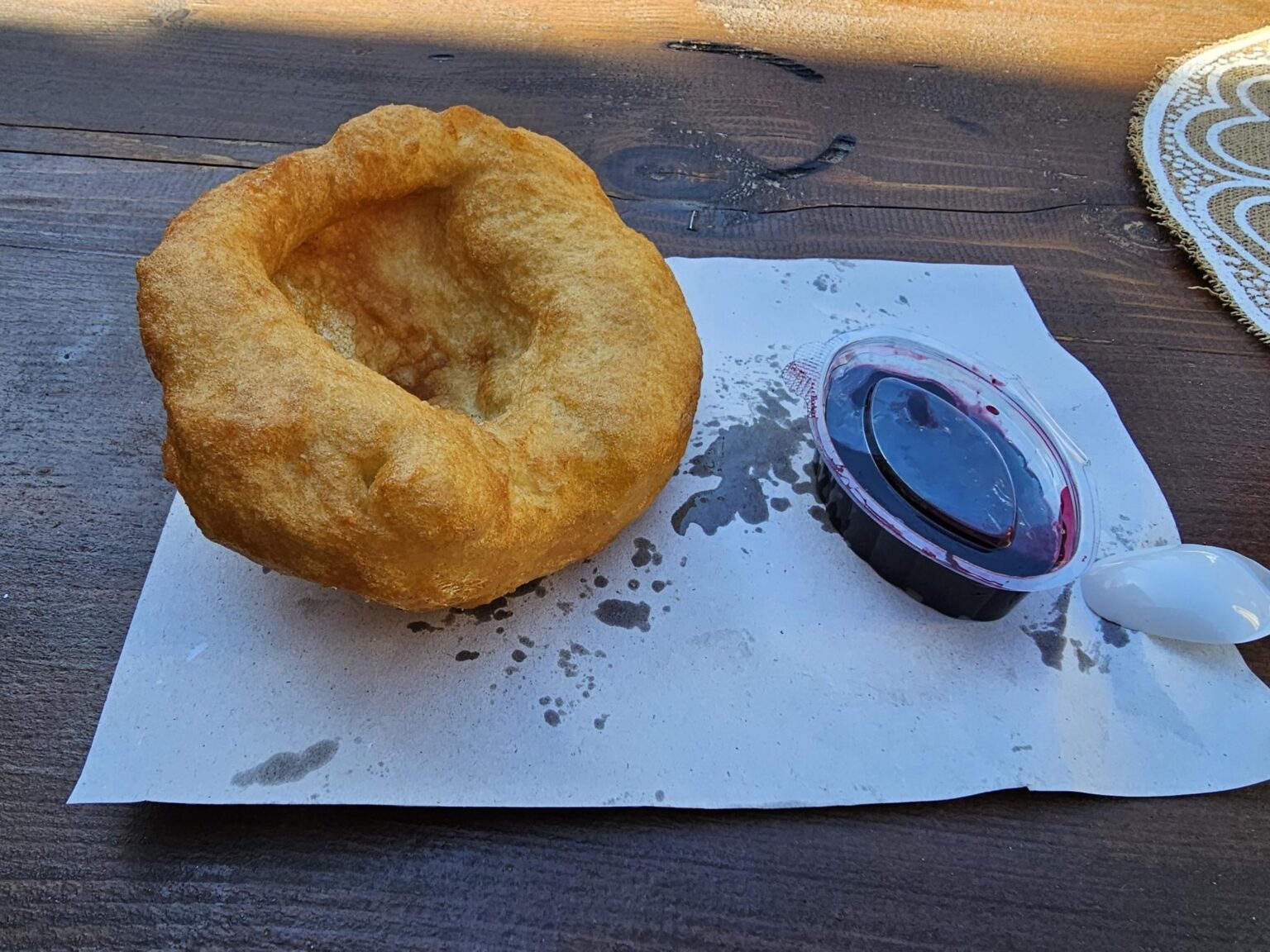
- mekitsi: do try the mekitsi by the monastery’s exit. They hold their own against the Serbian ones, and a portion with homemade jam costs about as much as a coffee.
The ossuary
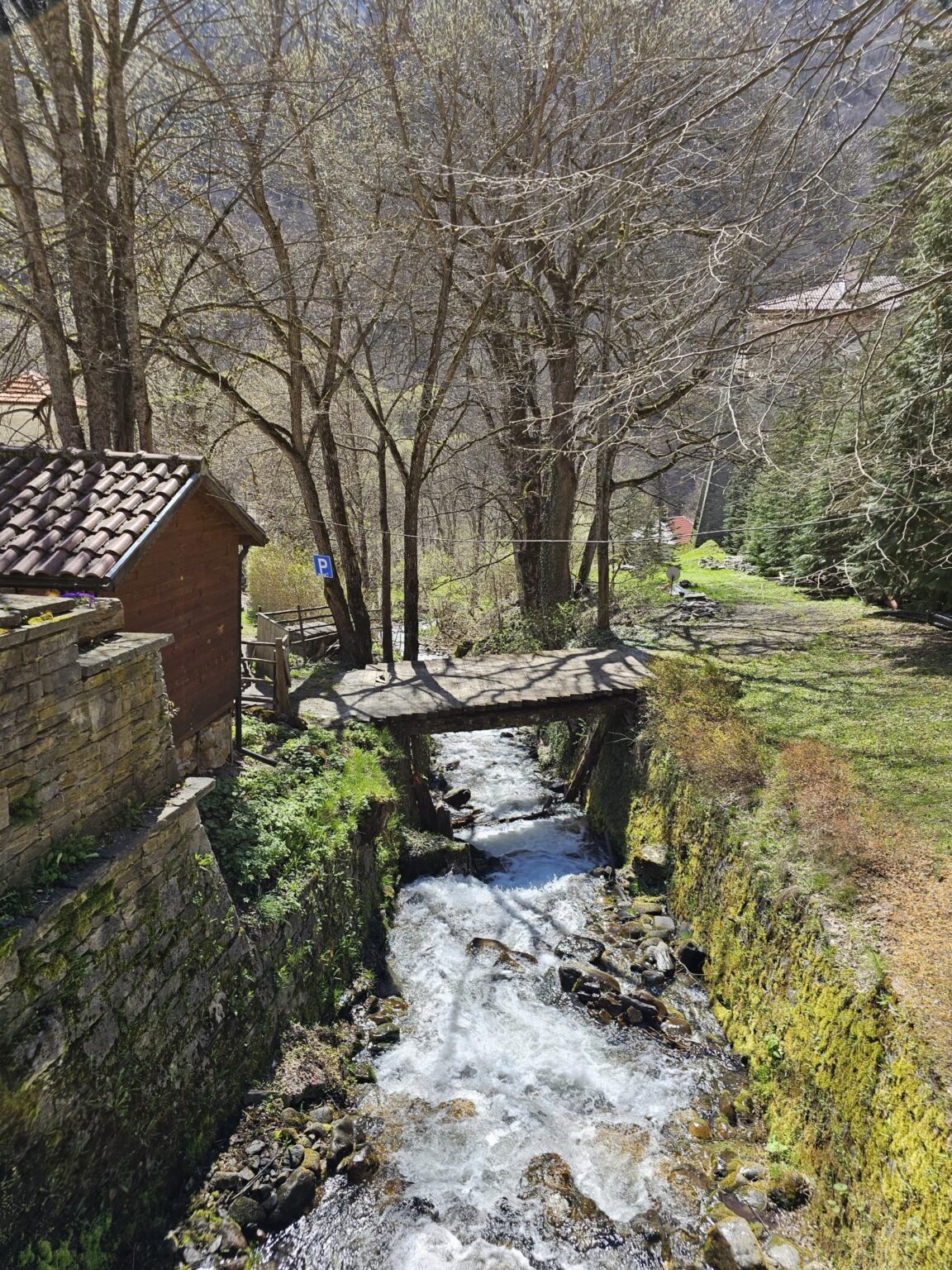
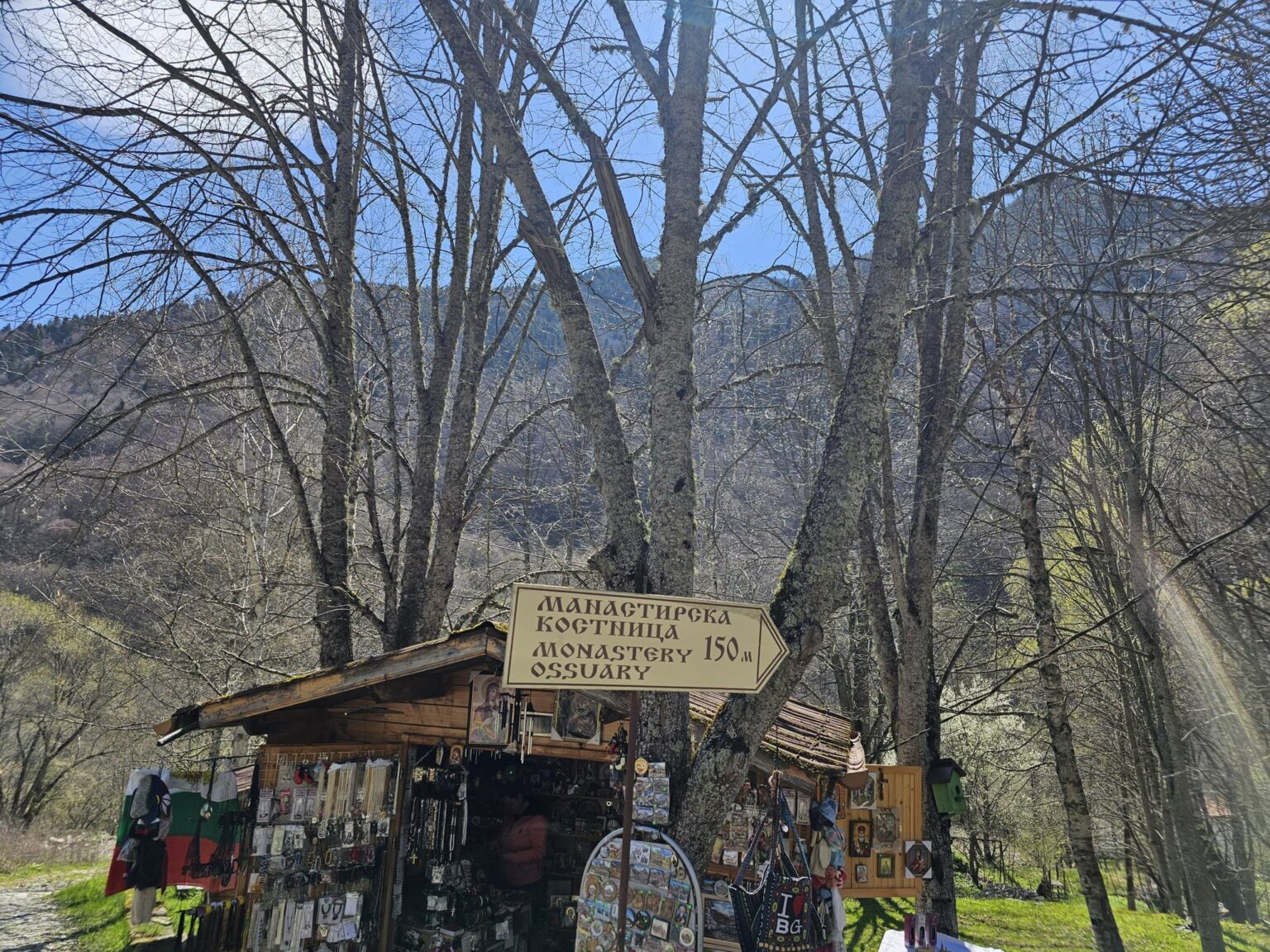
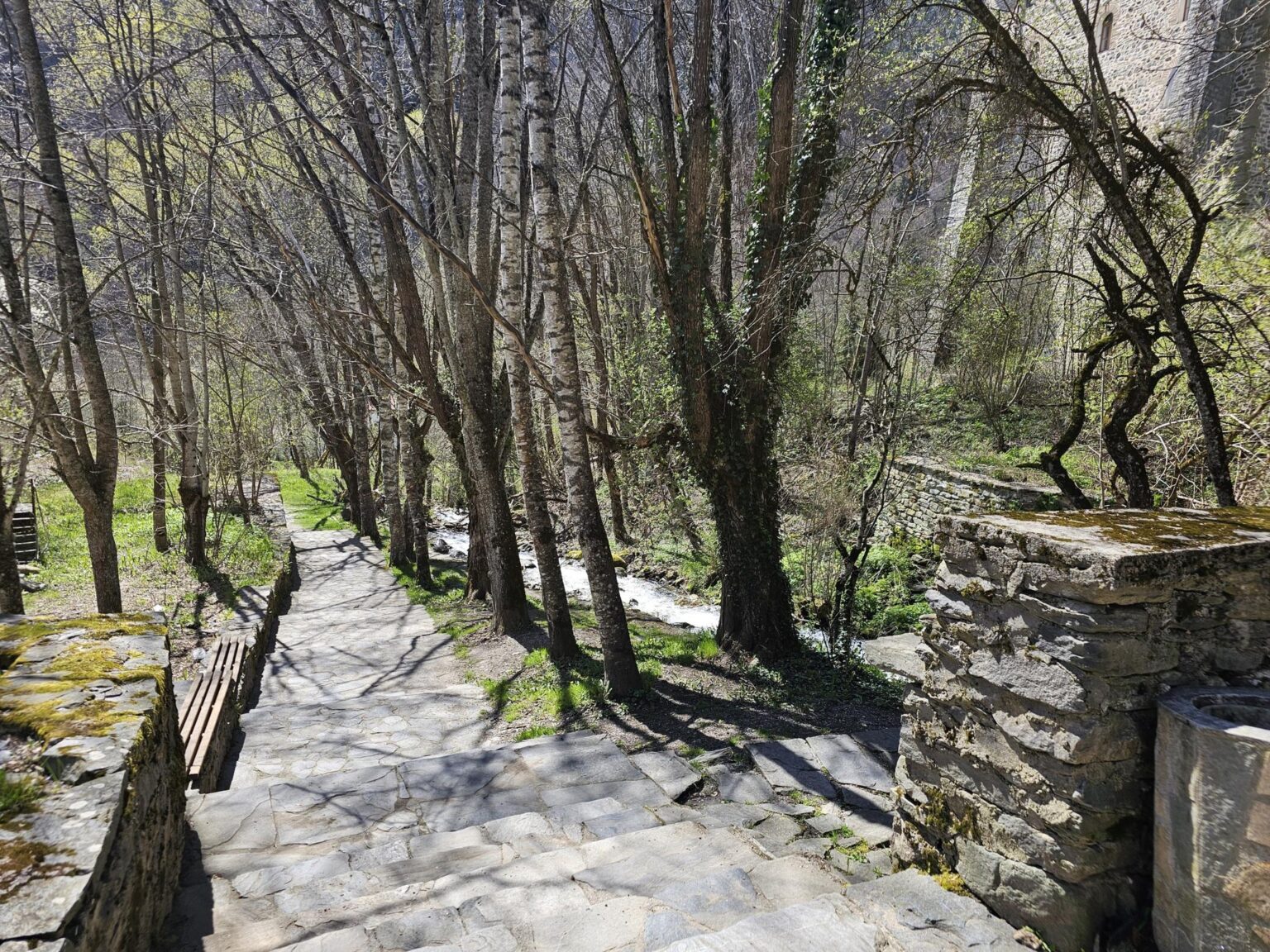
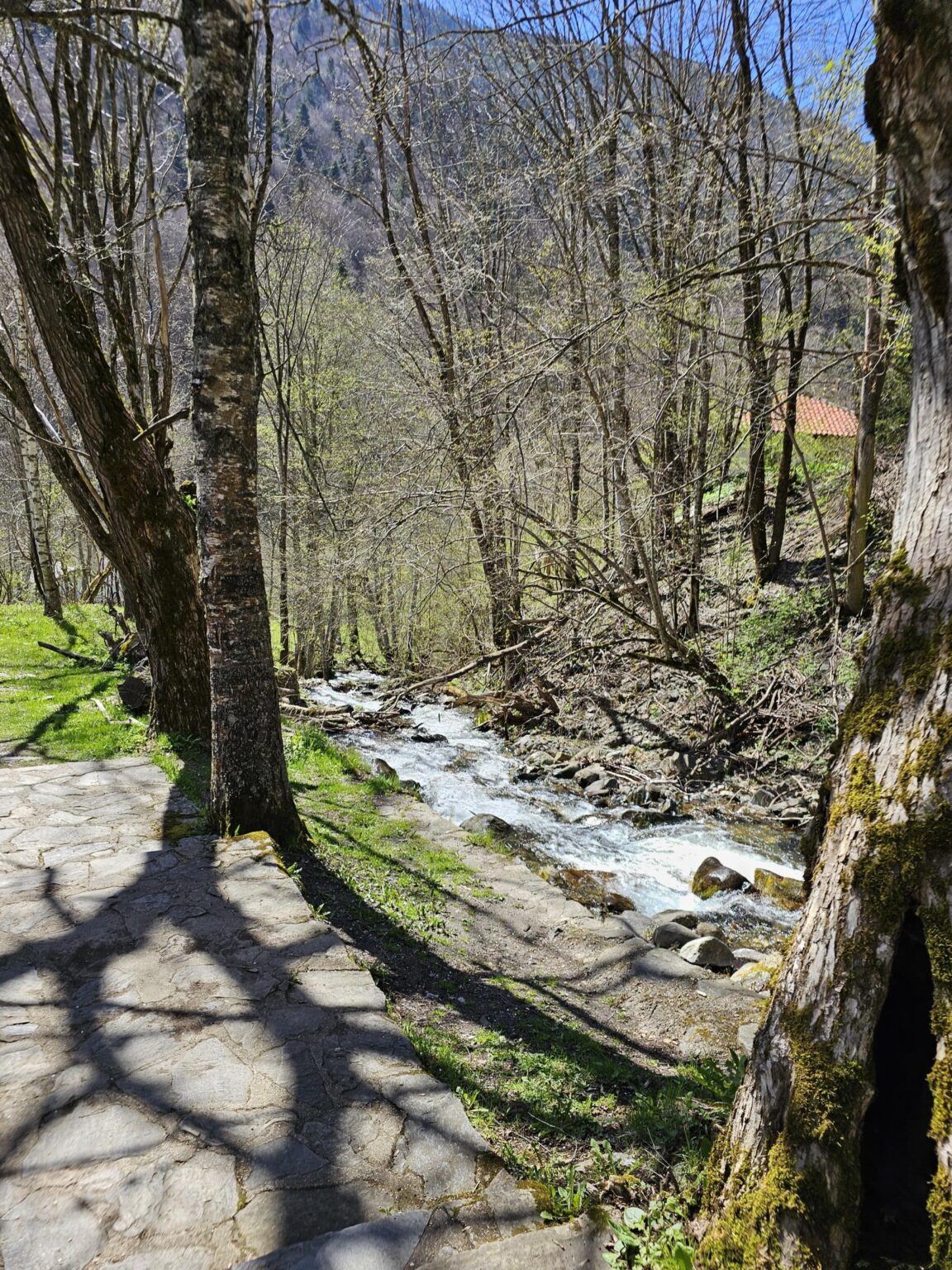
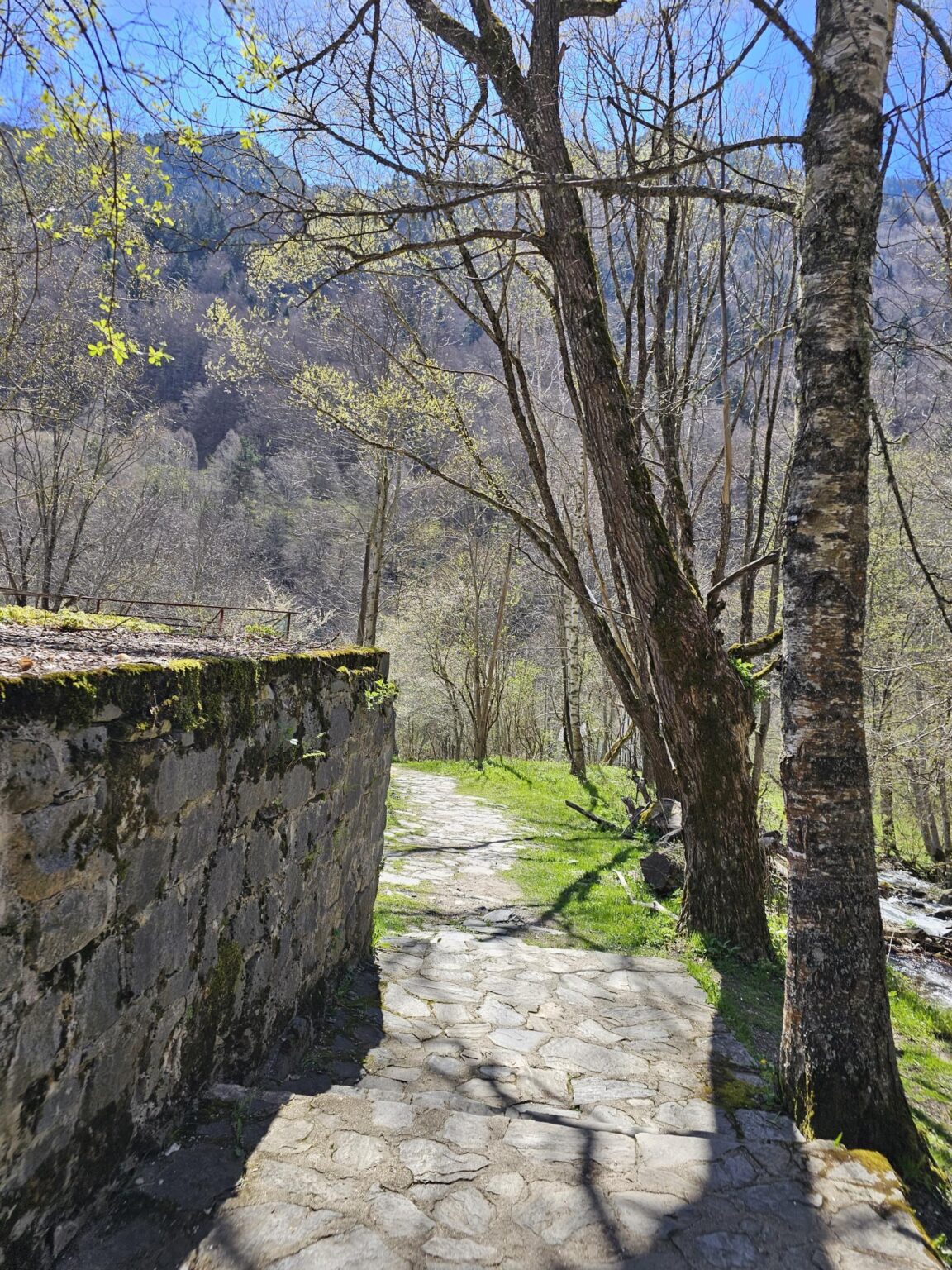
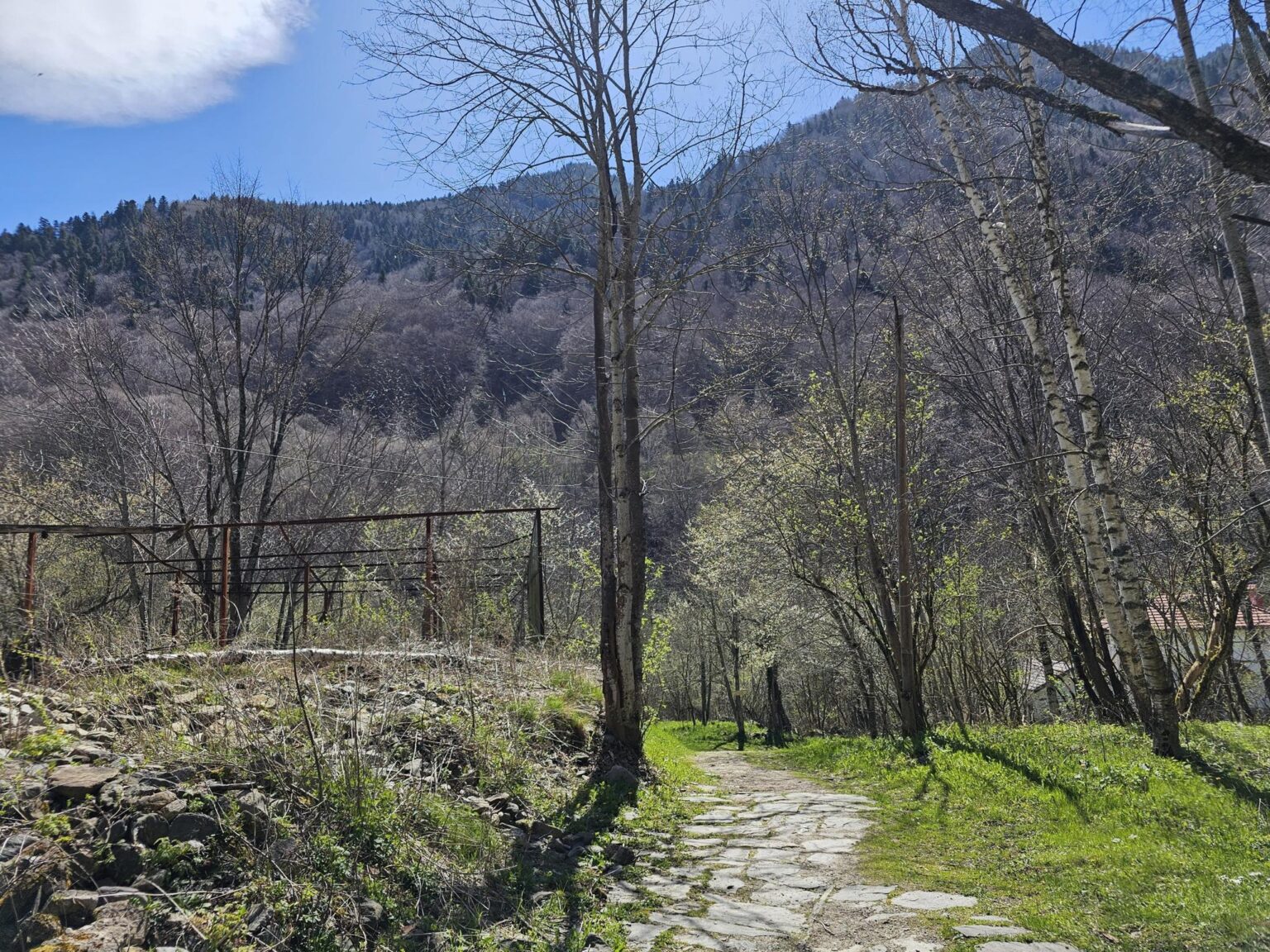
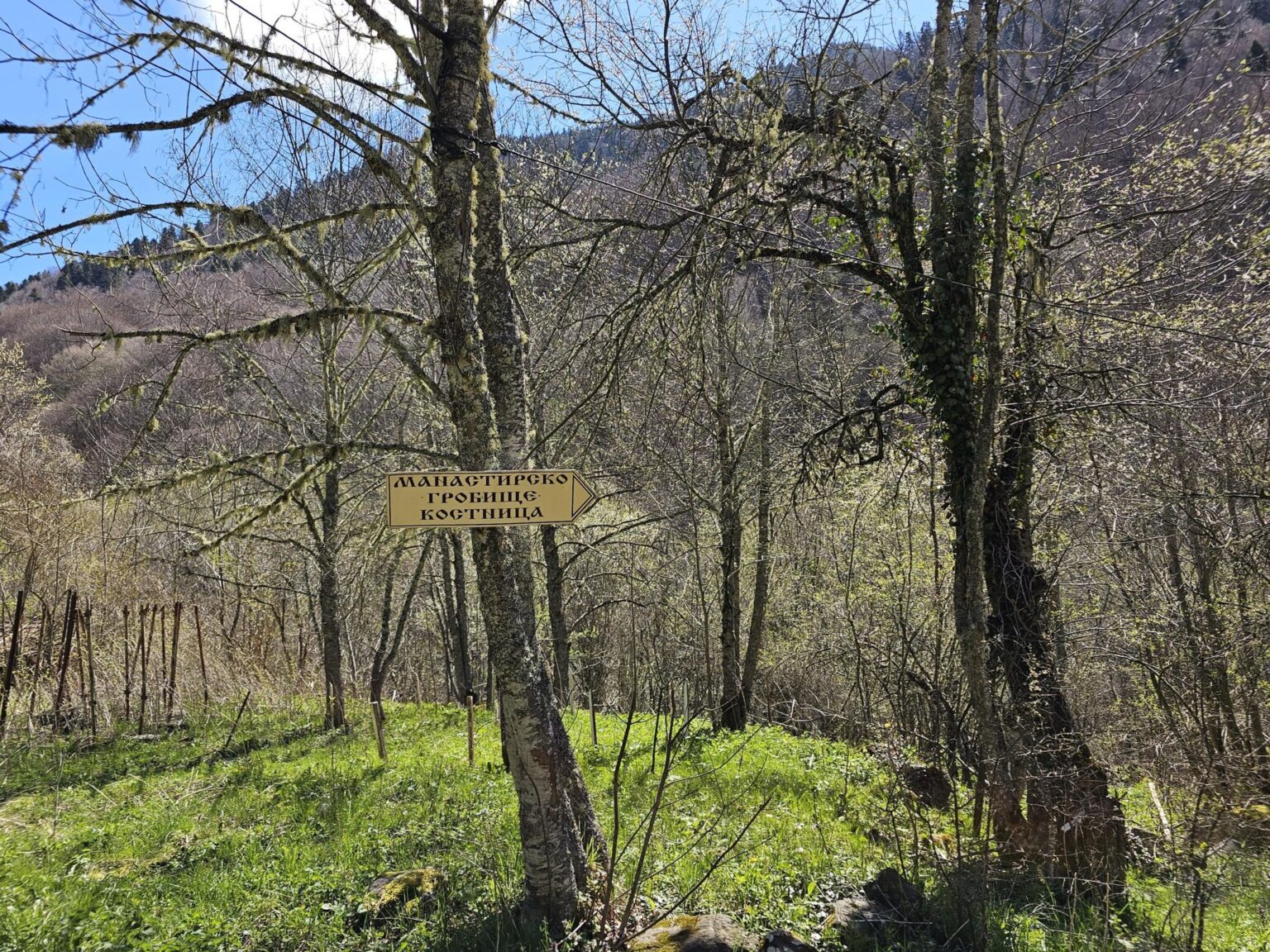
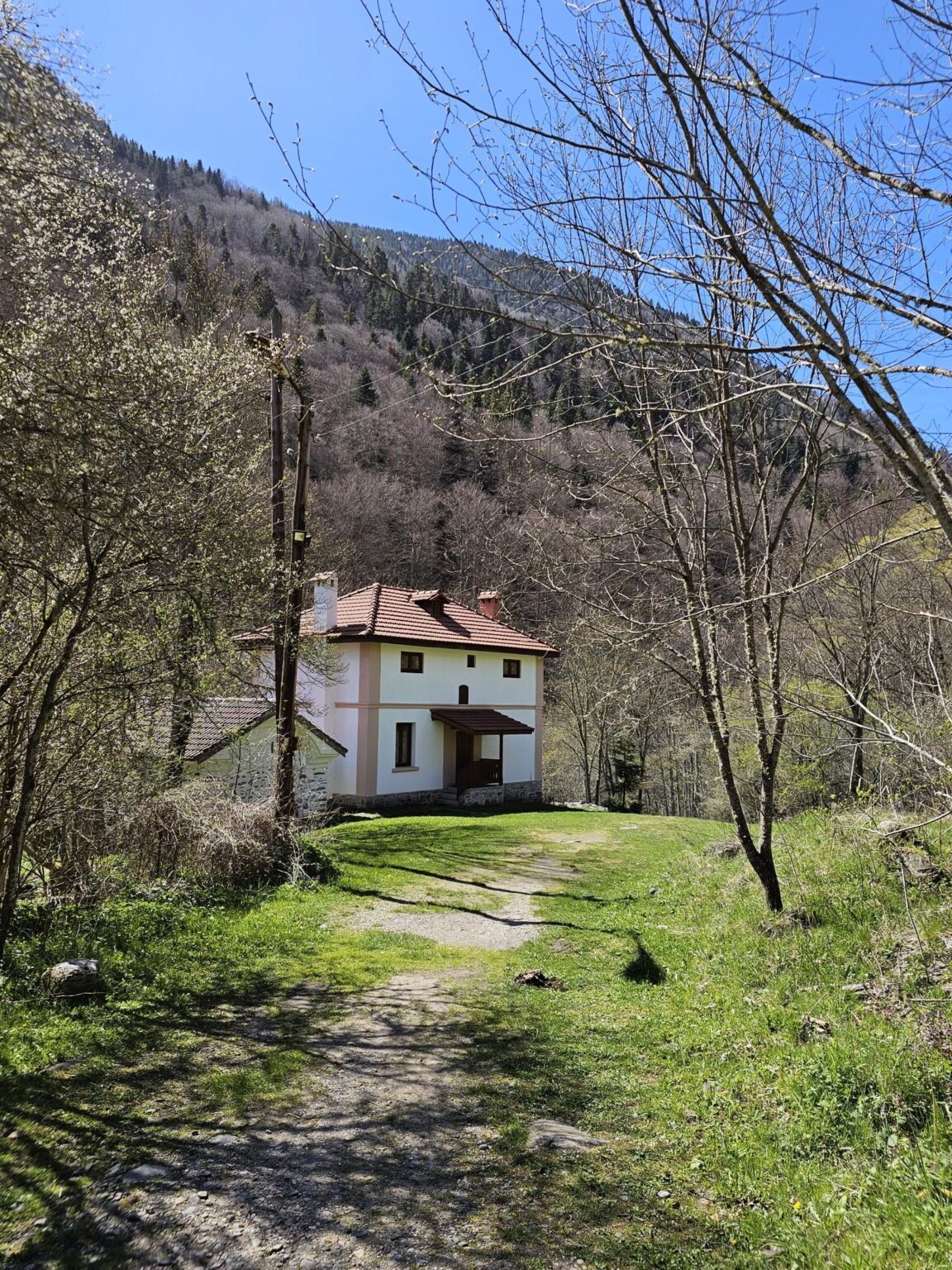
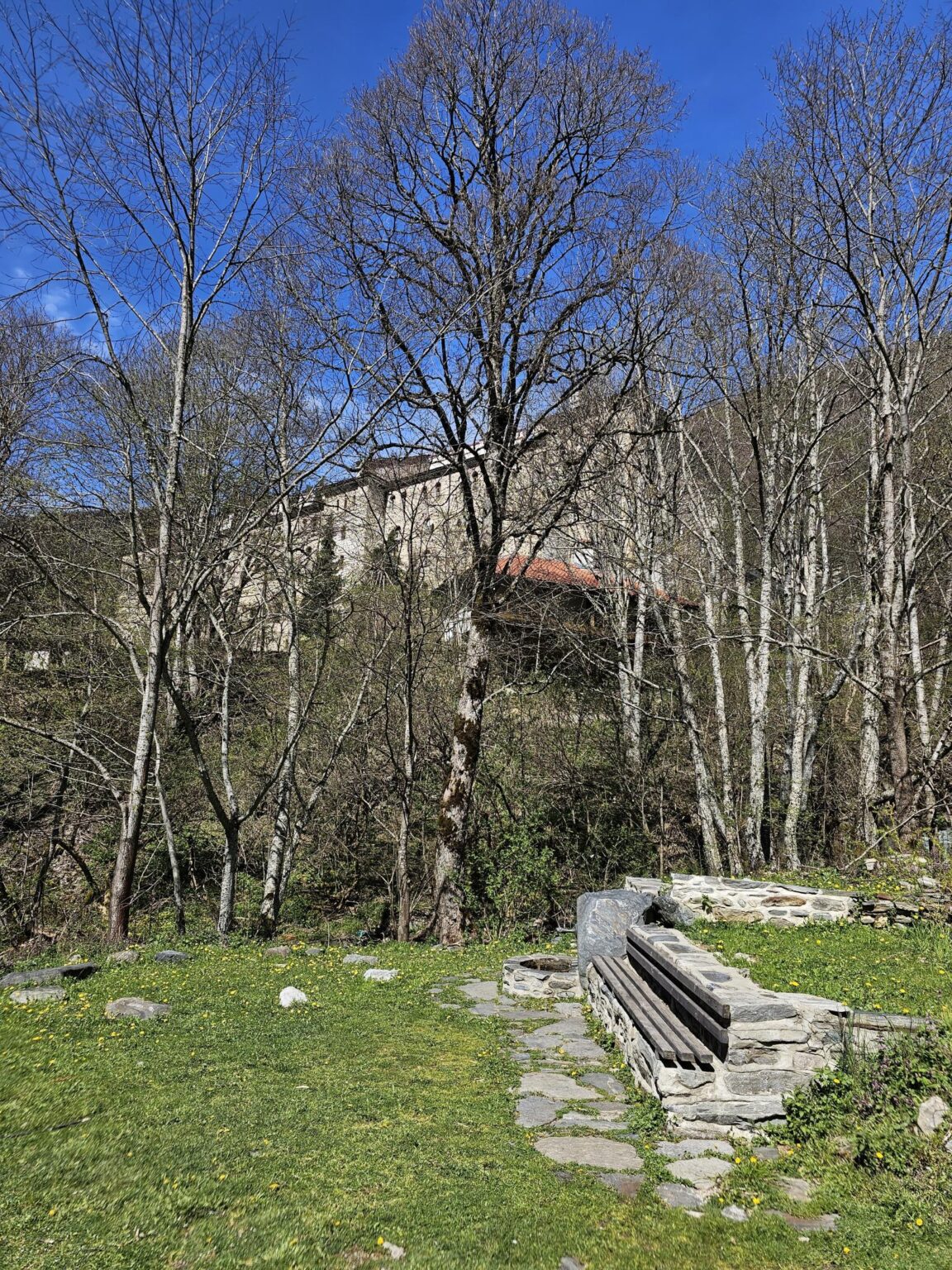
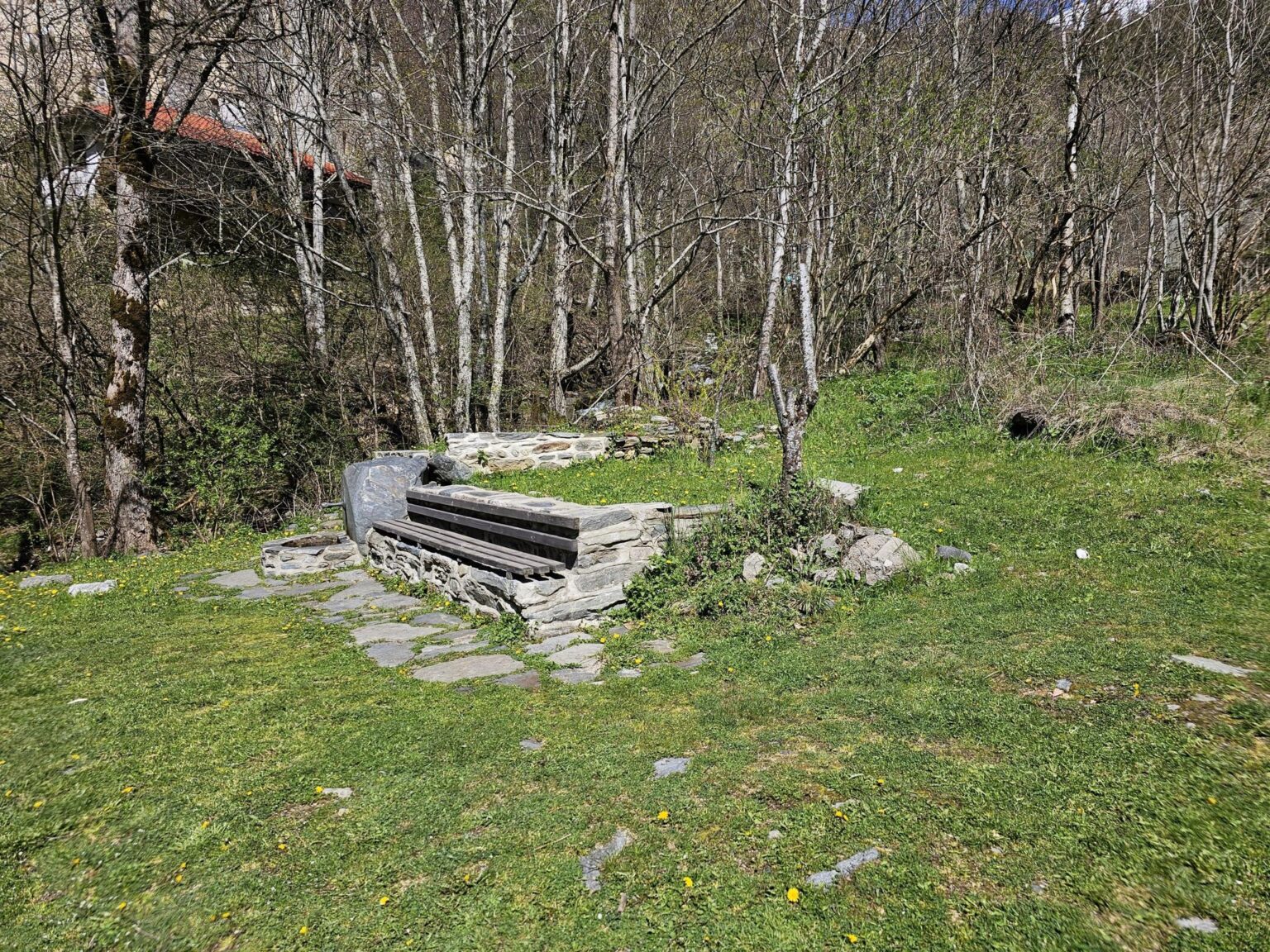
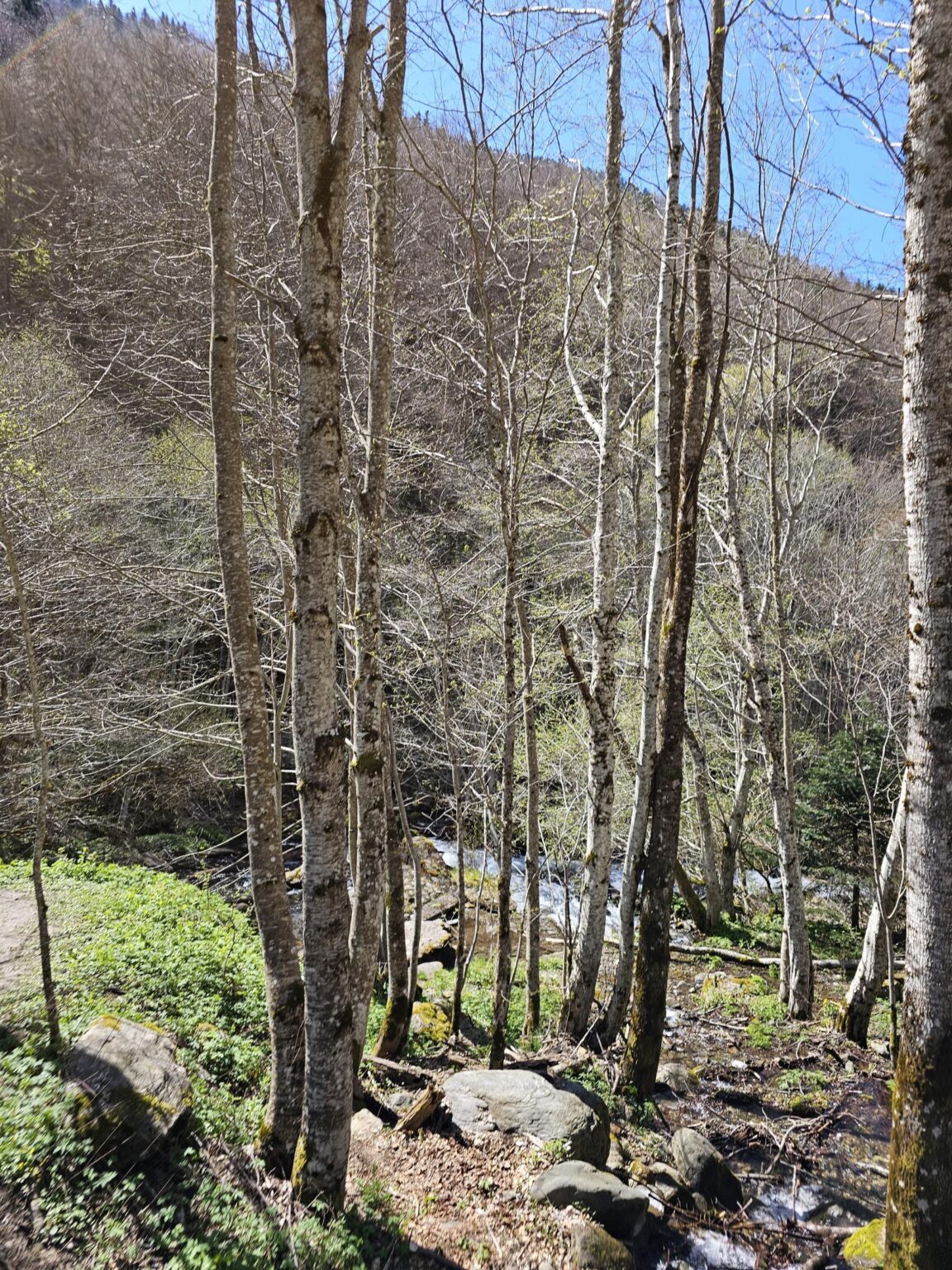
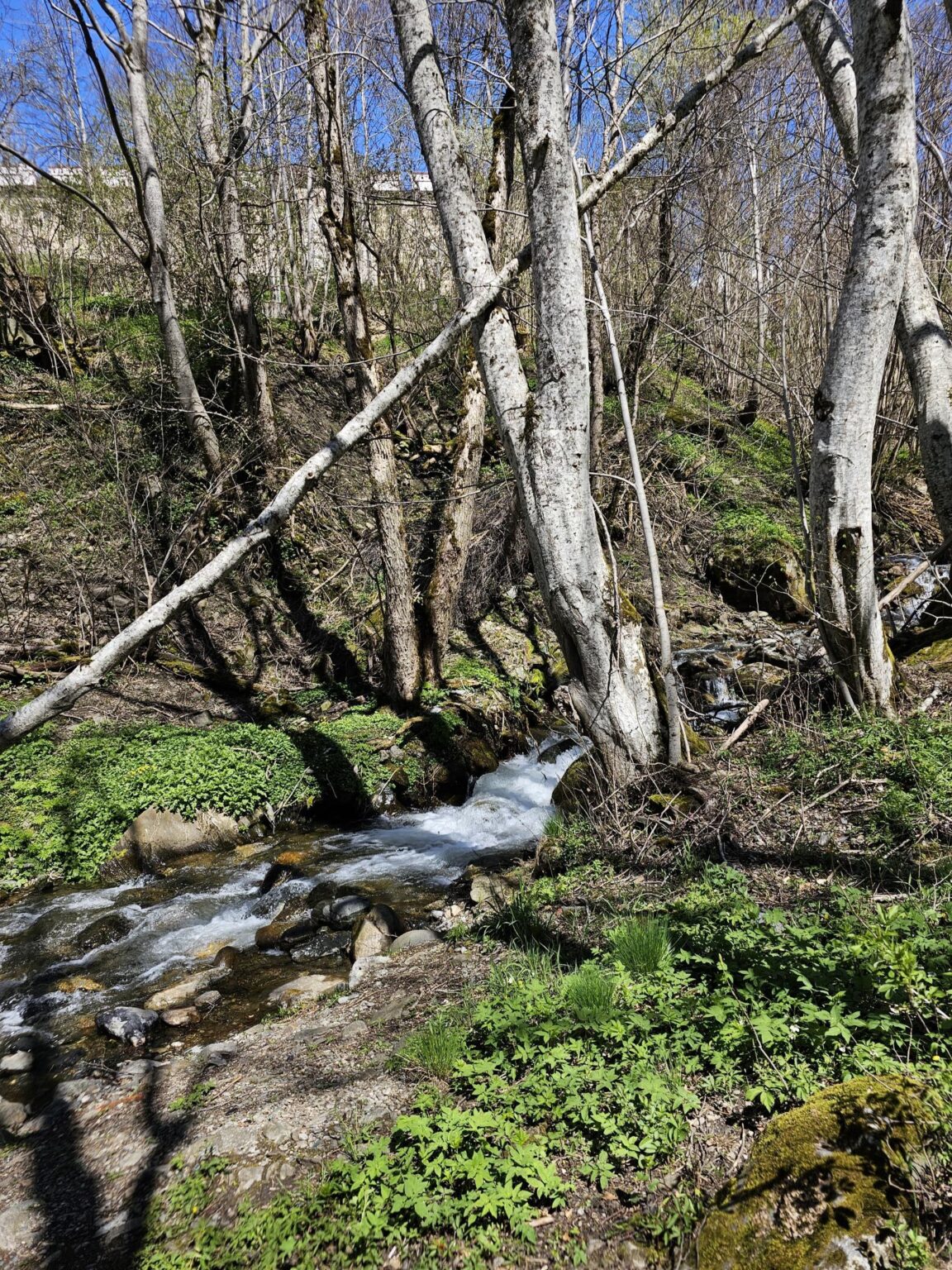
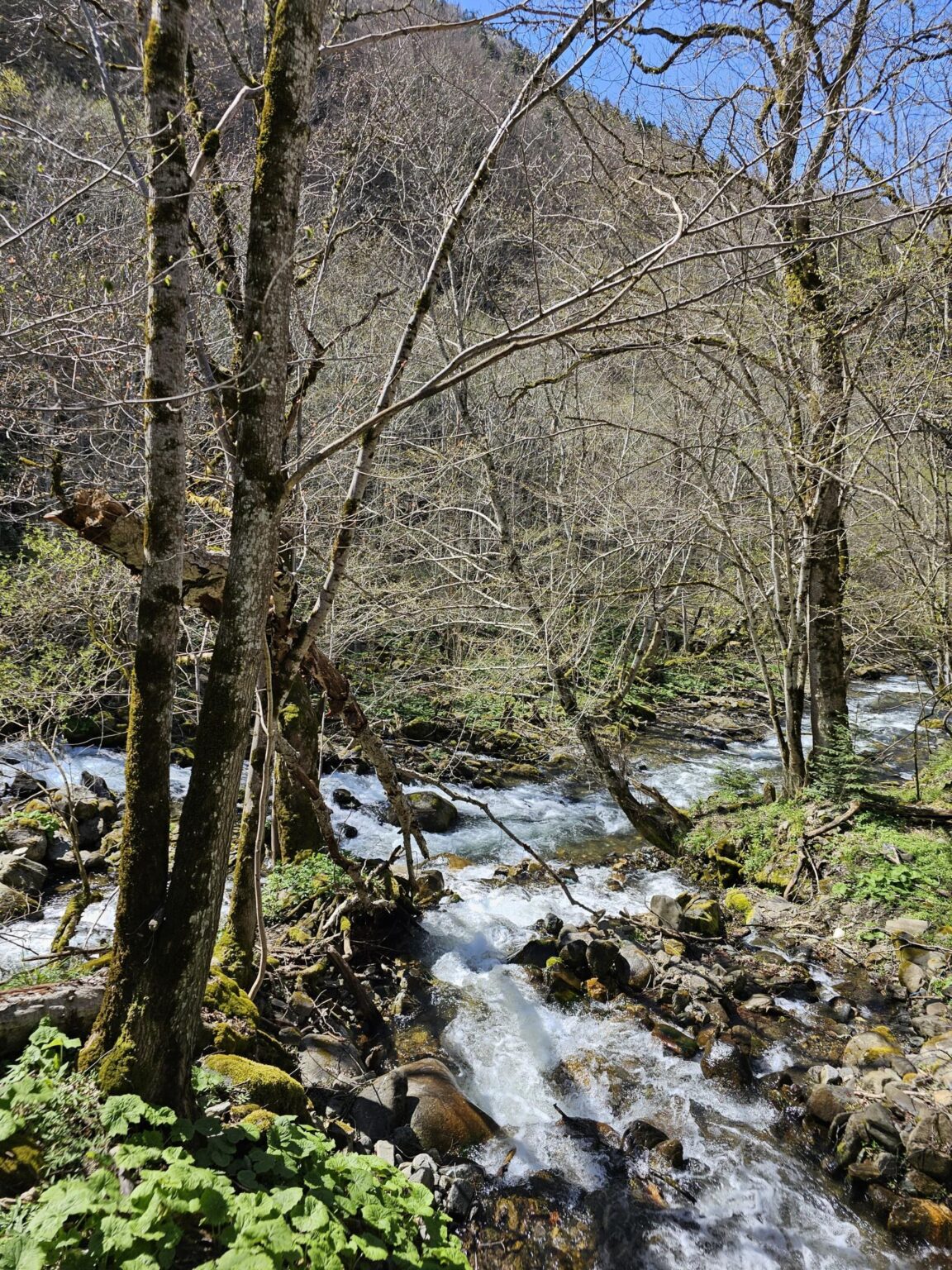
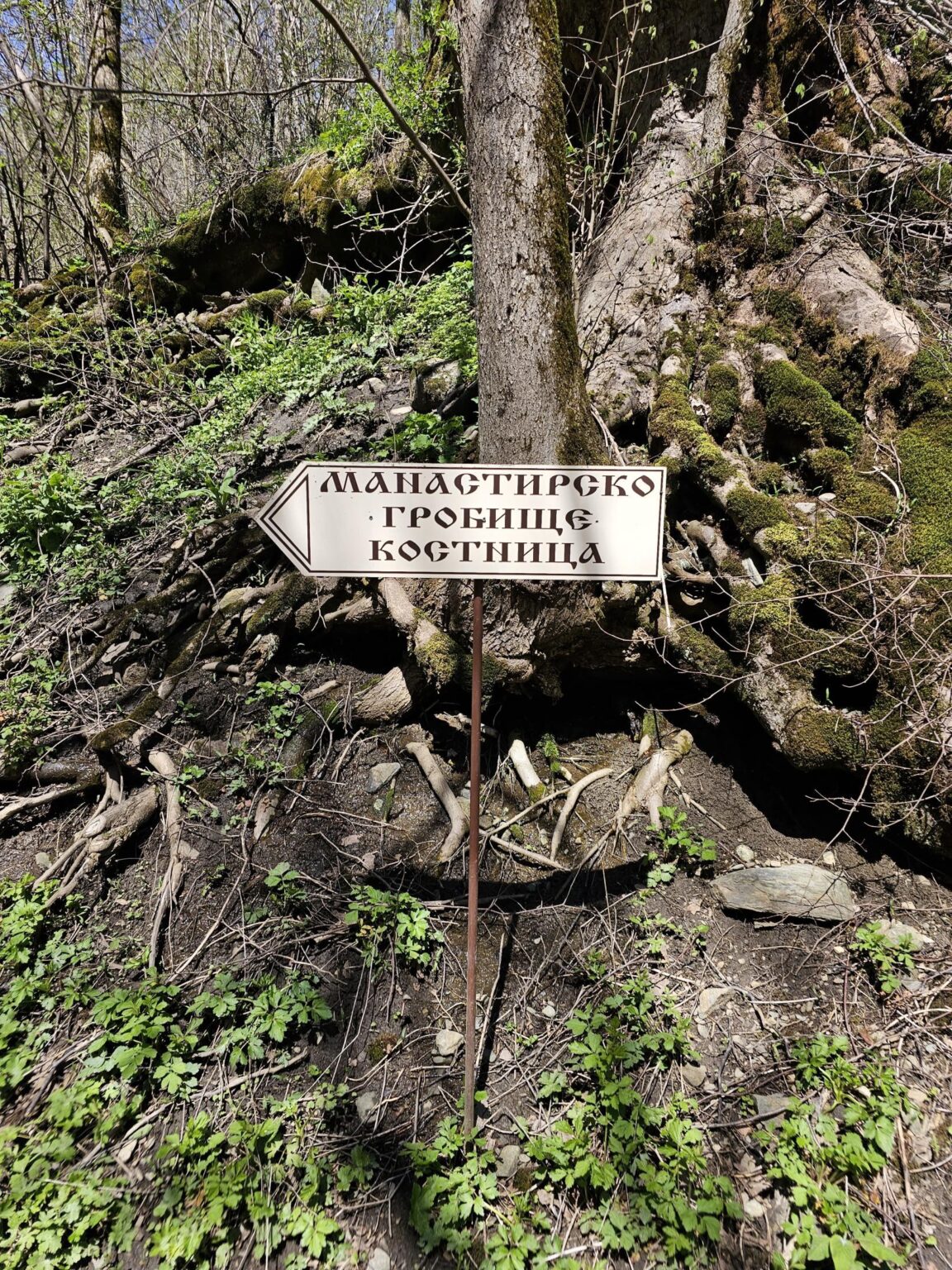
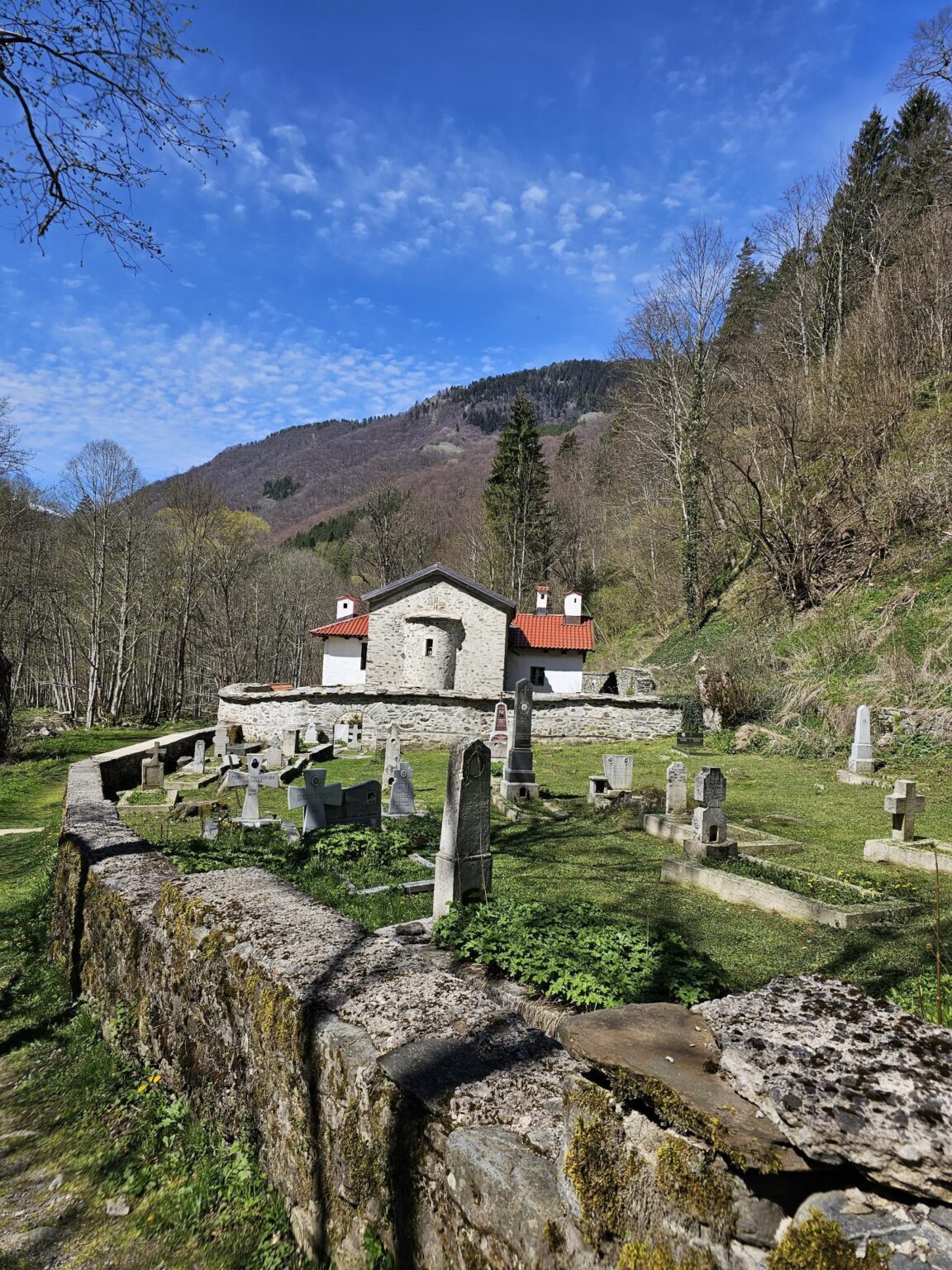
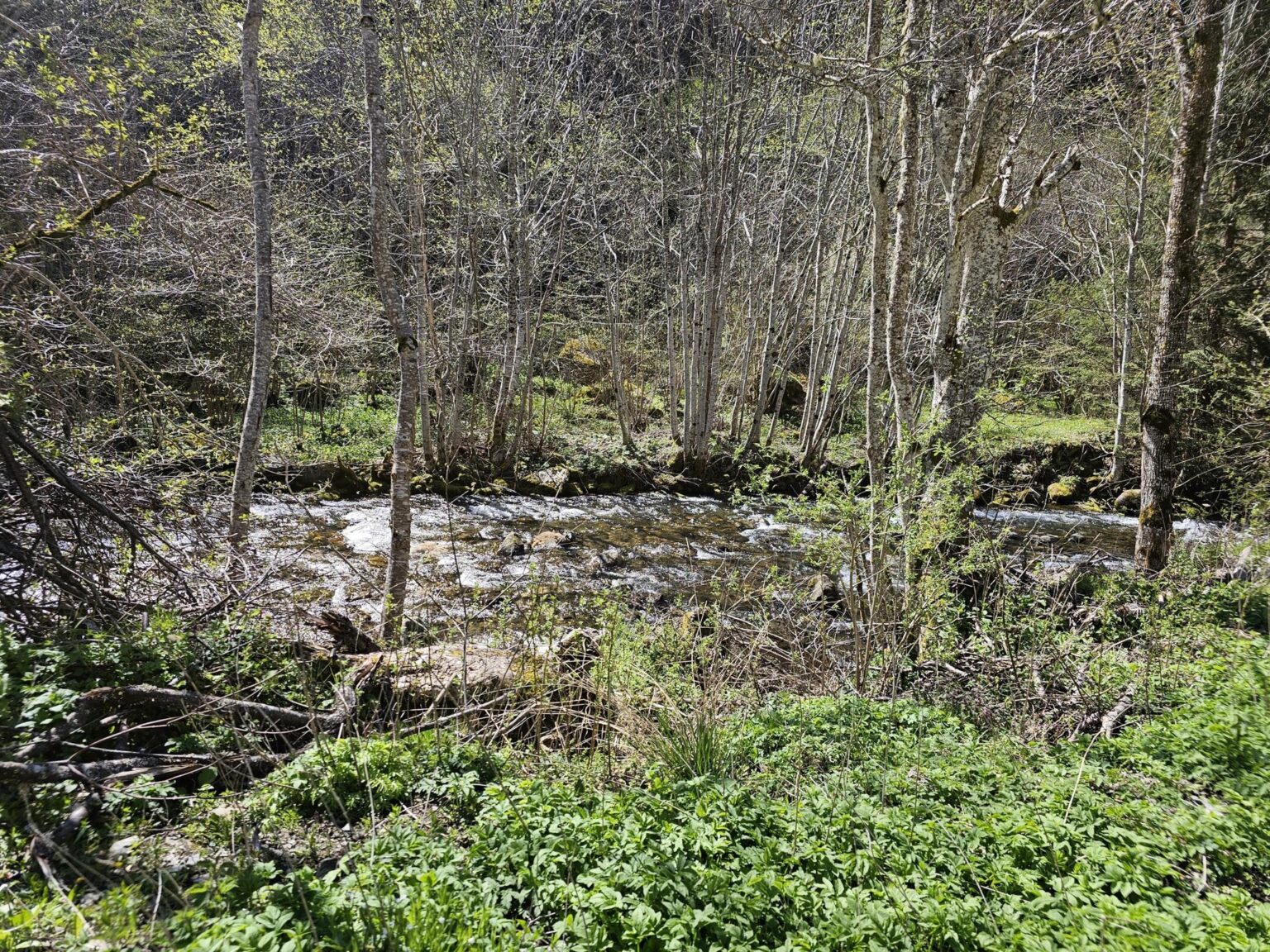
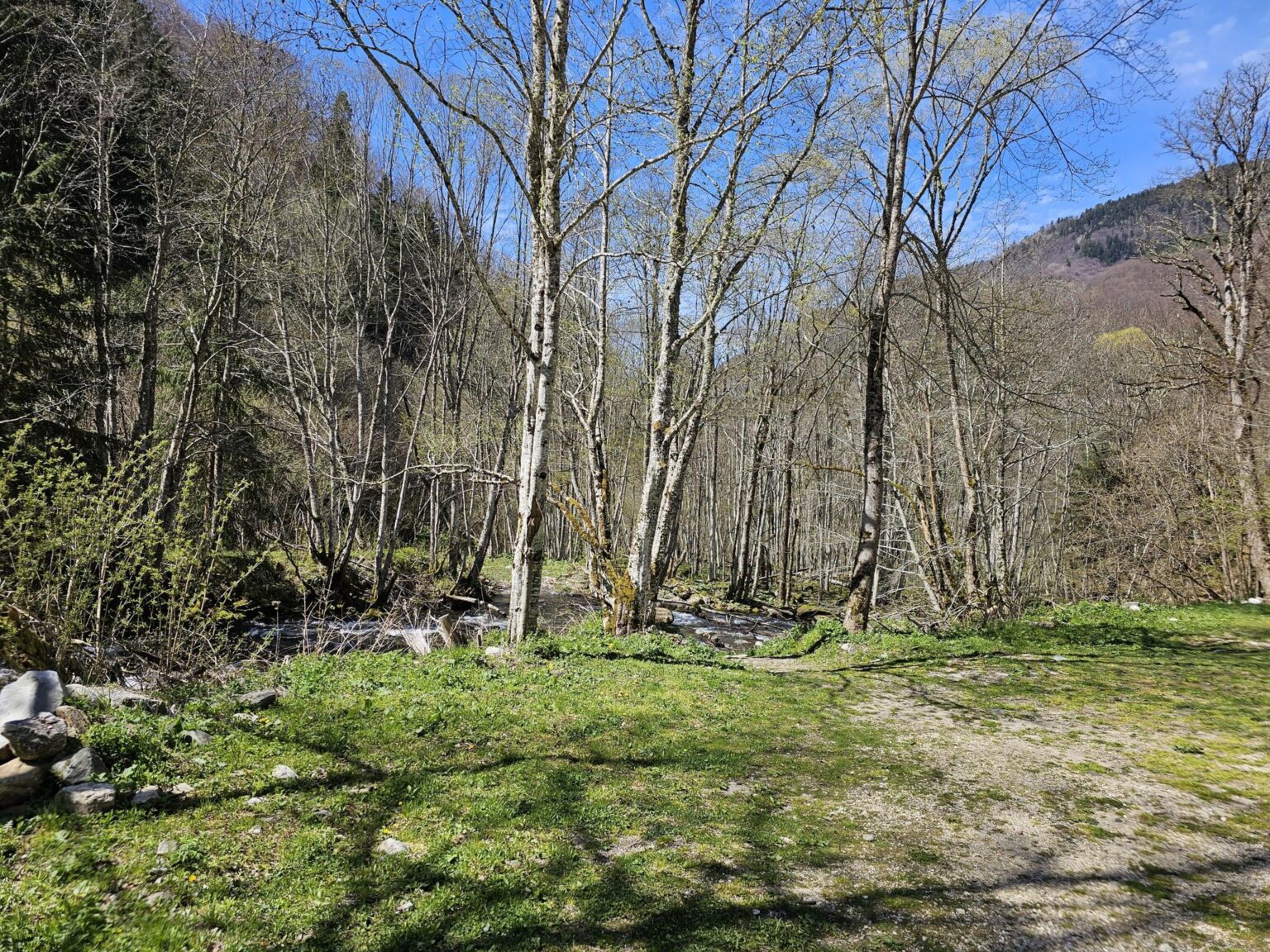
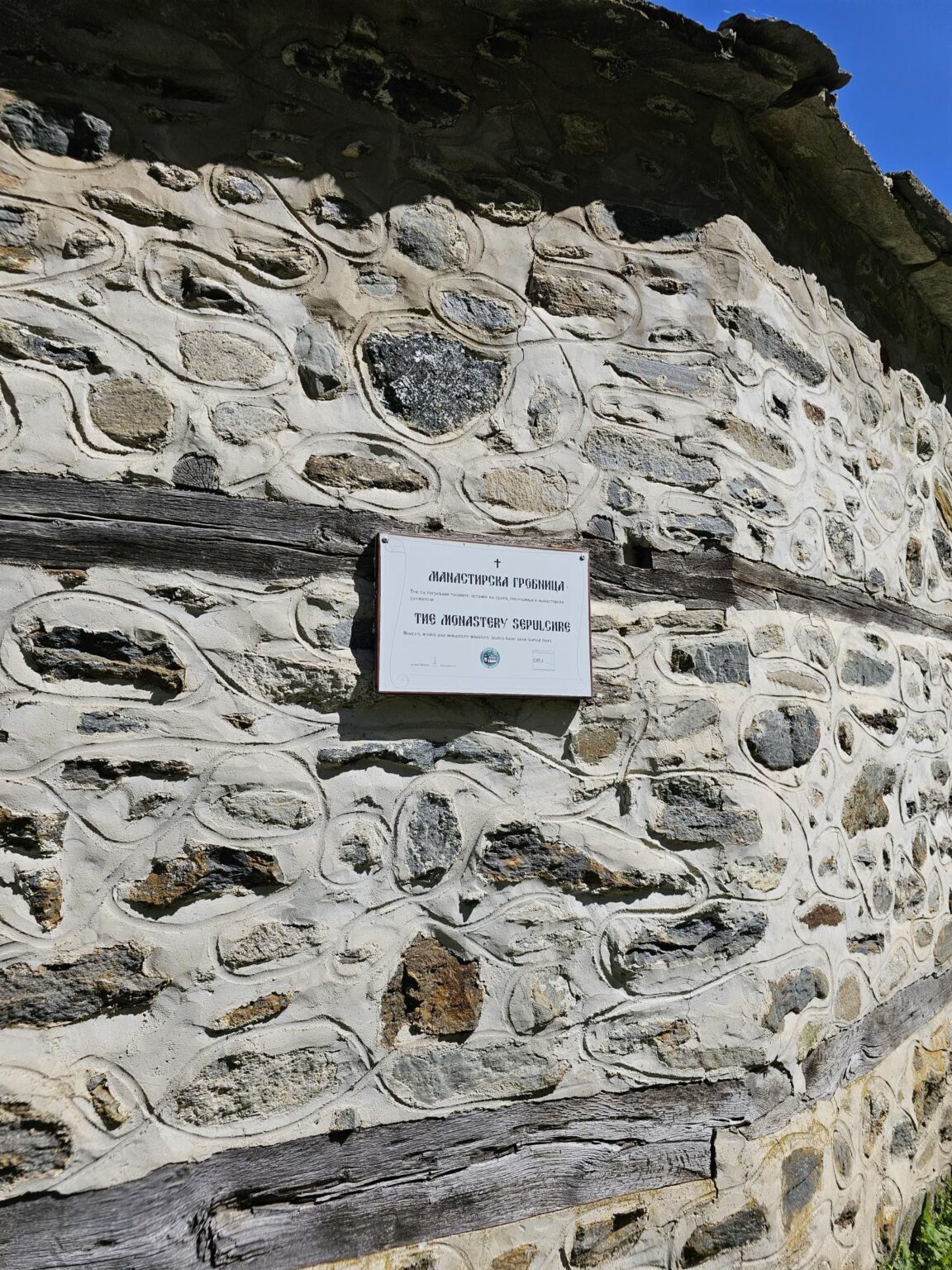
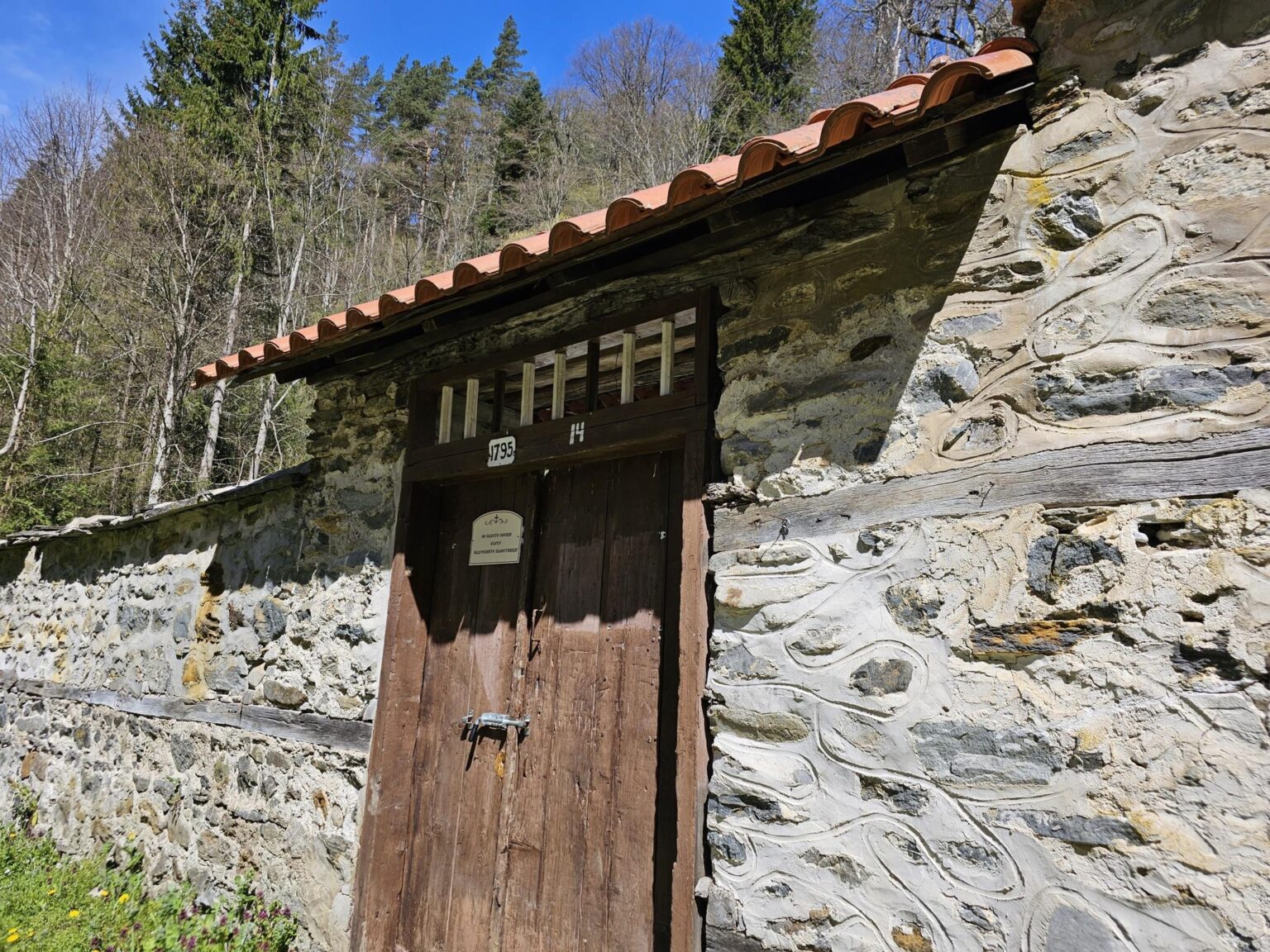
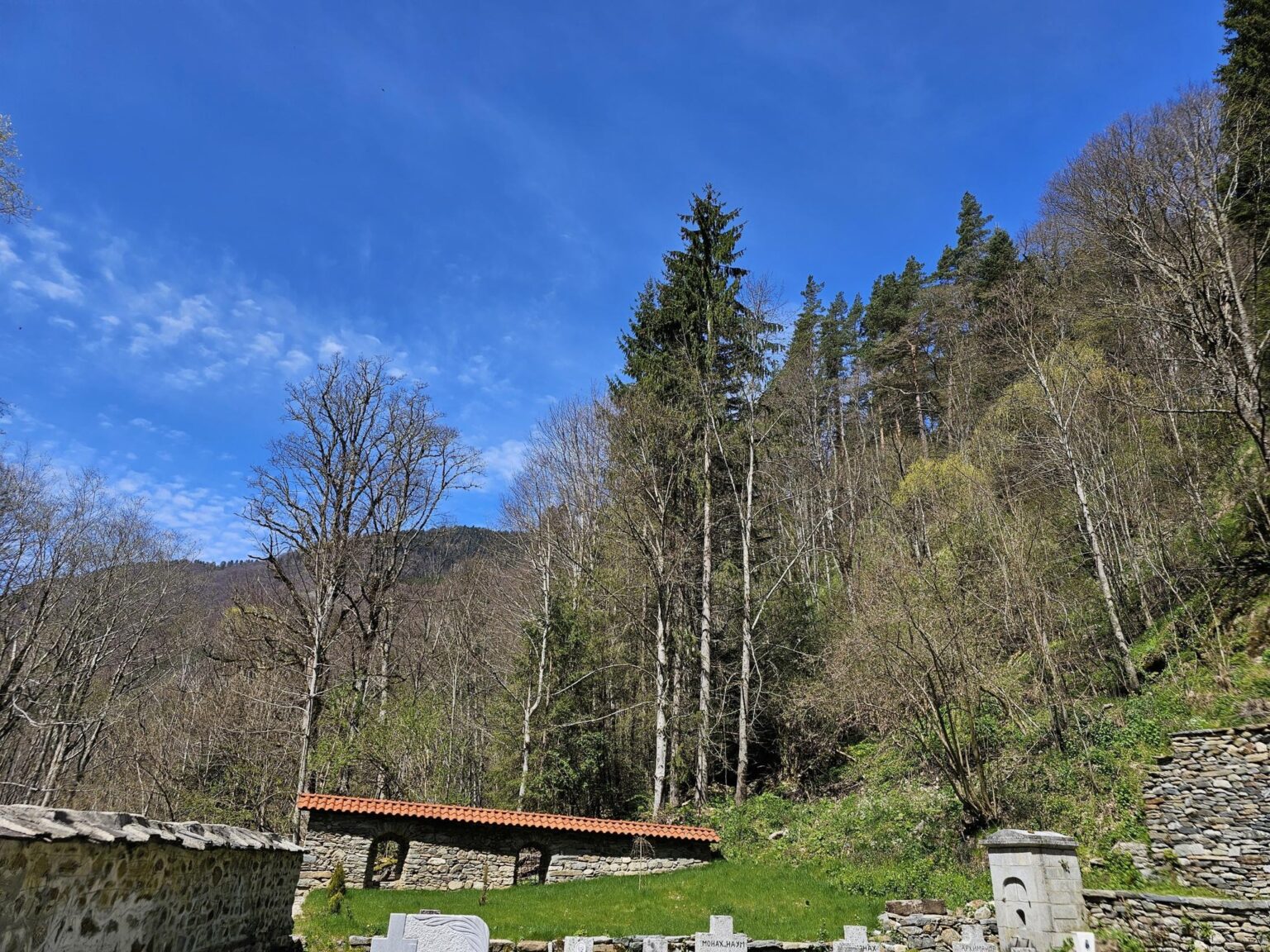
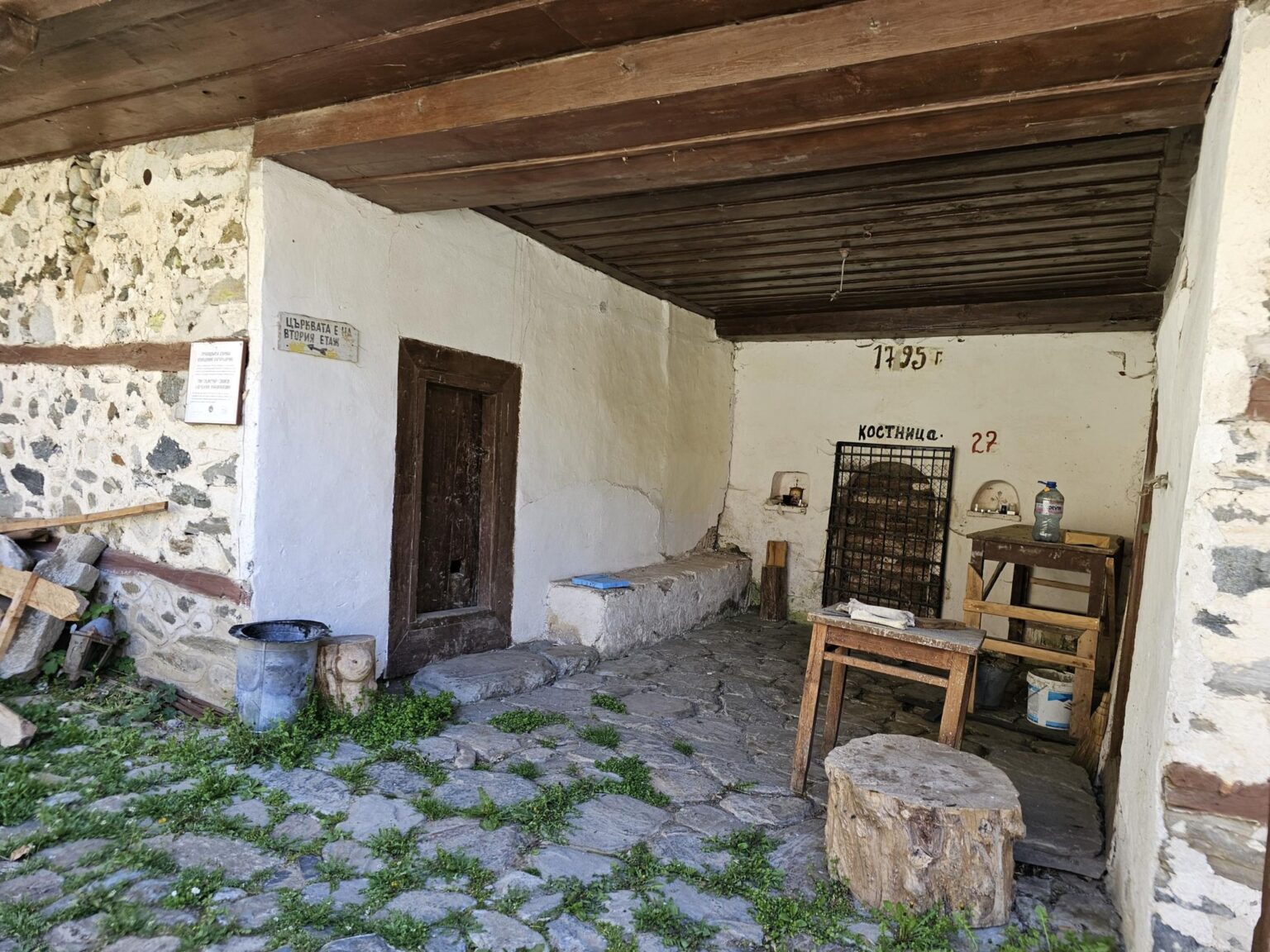
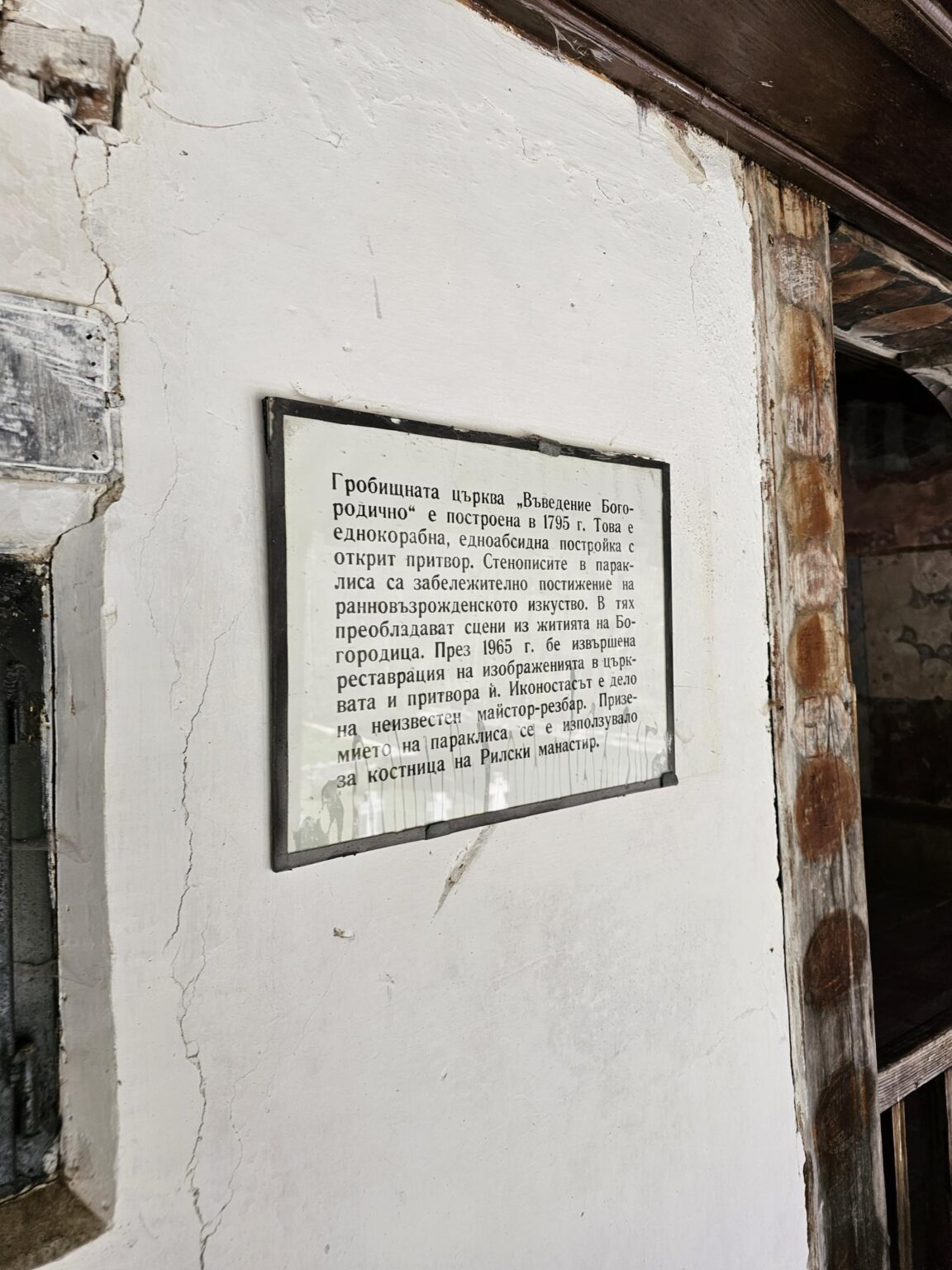
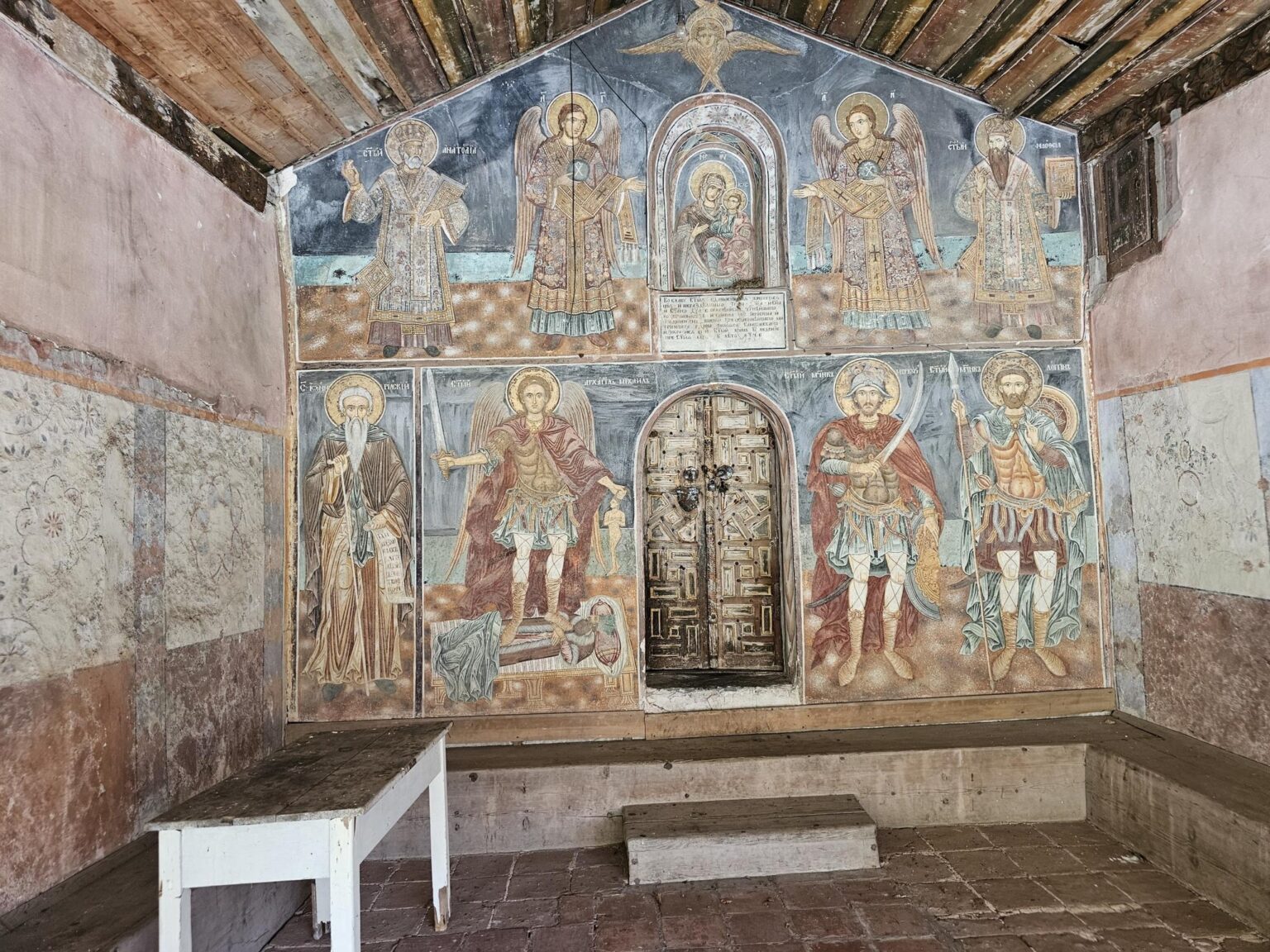
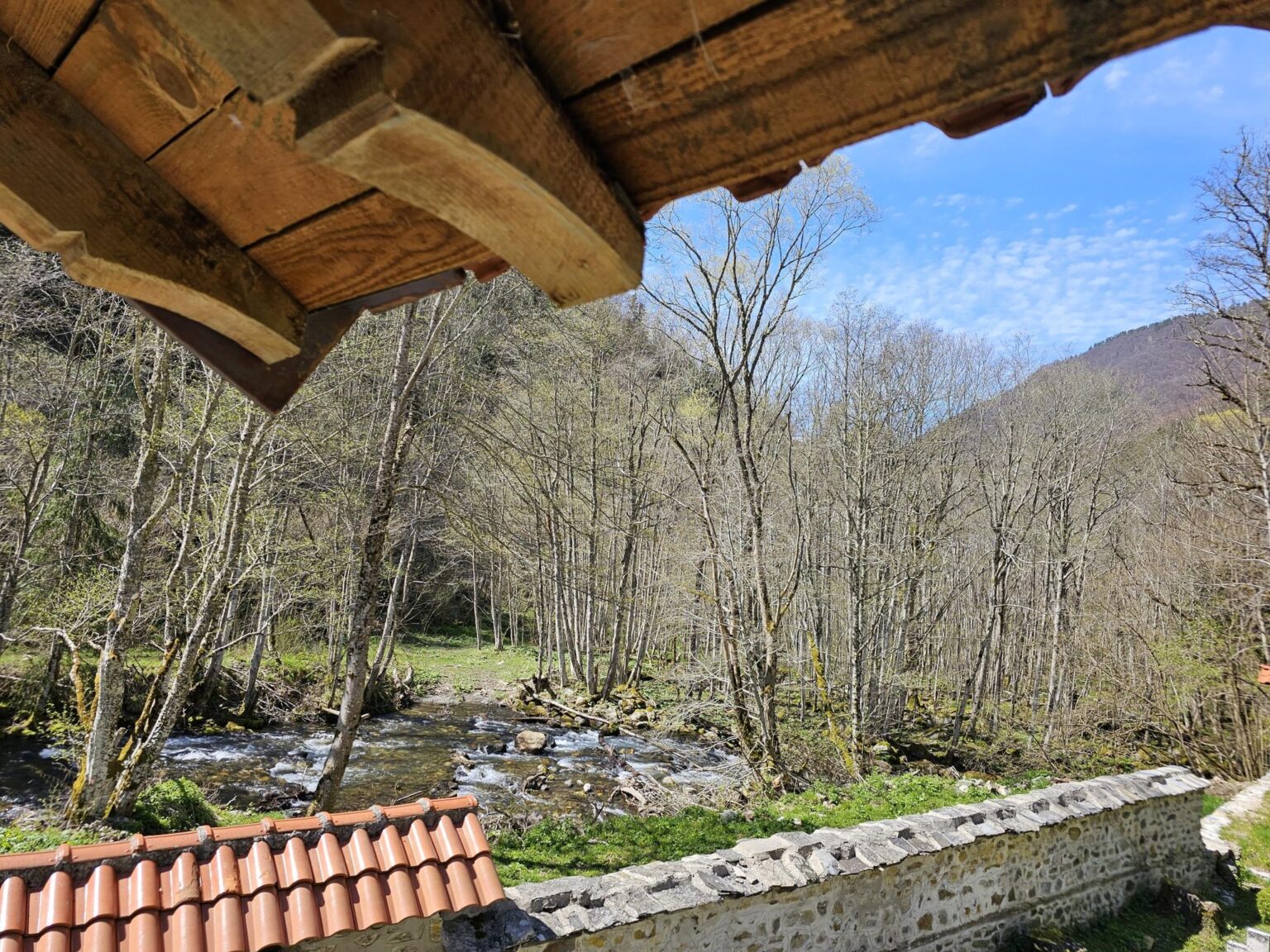
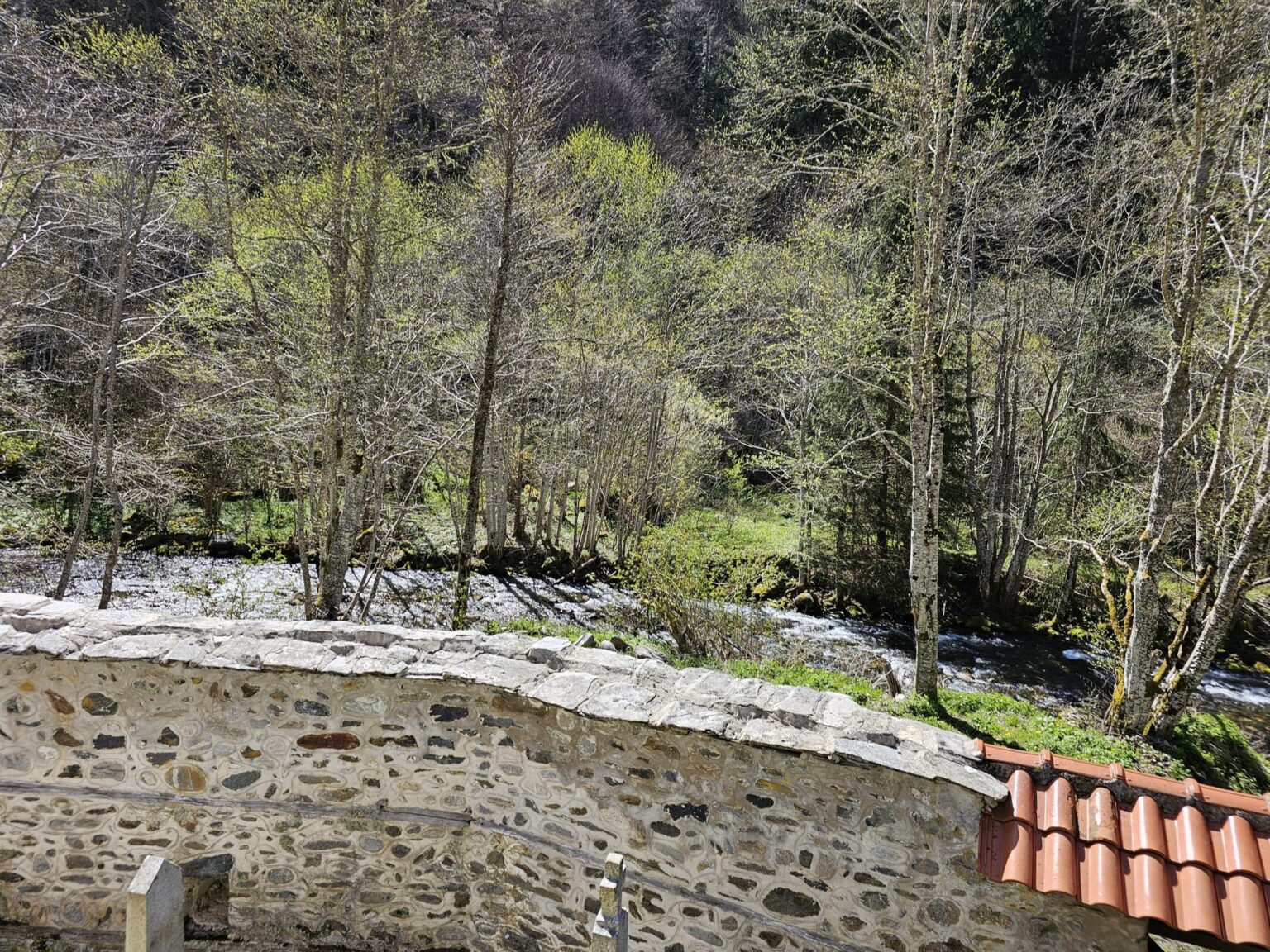
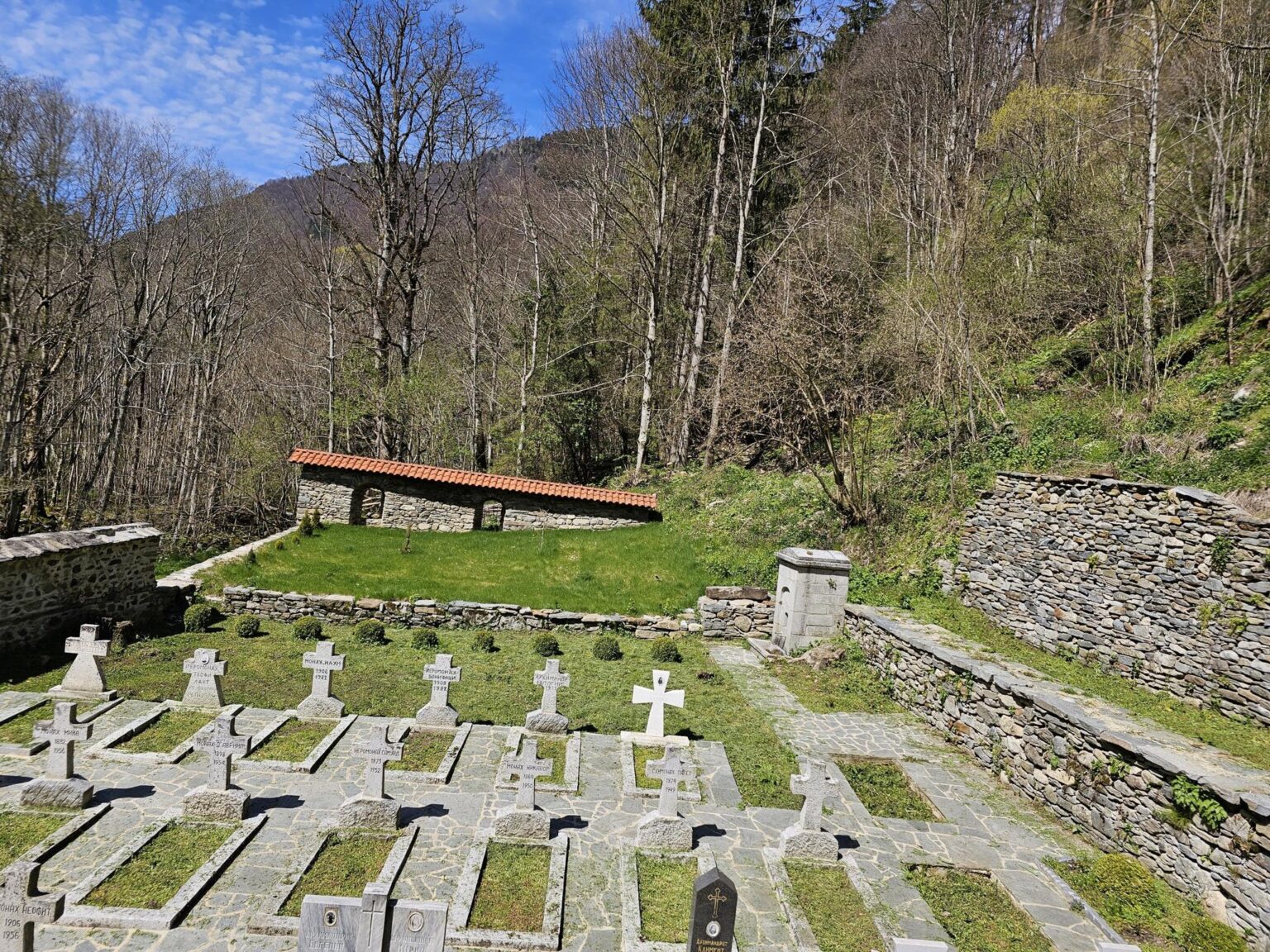
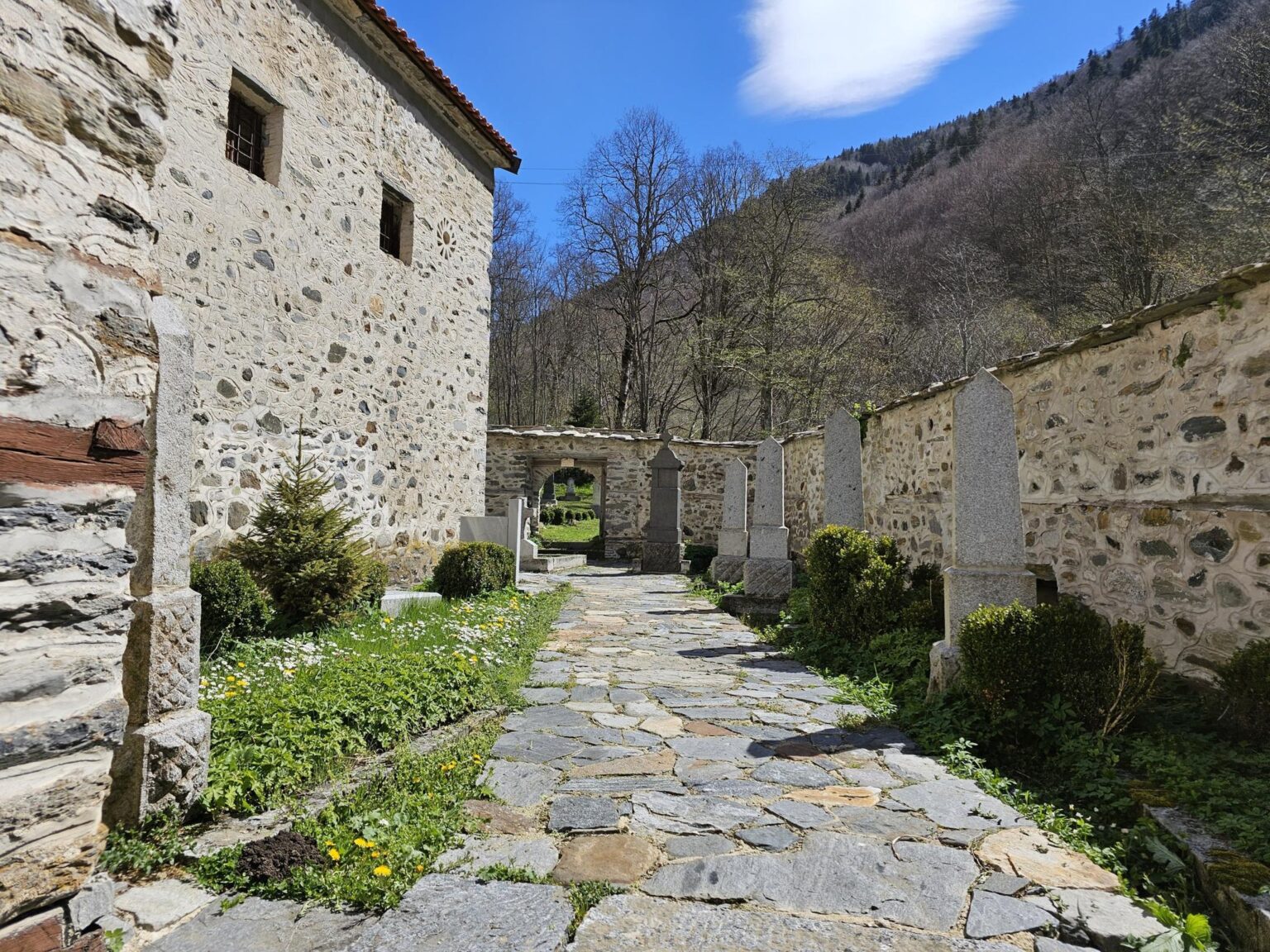
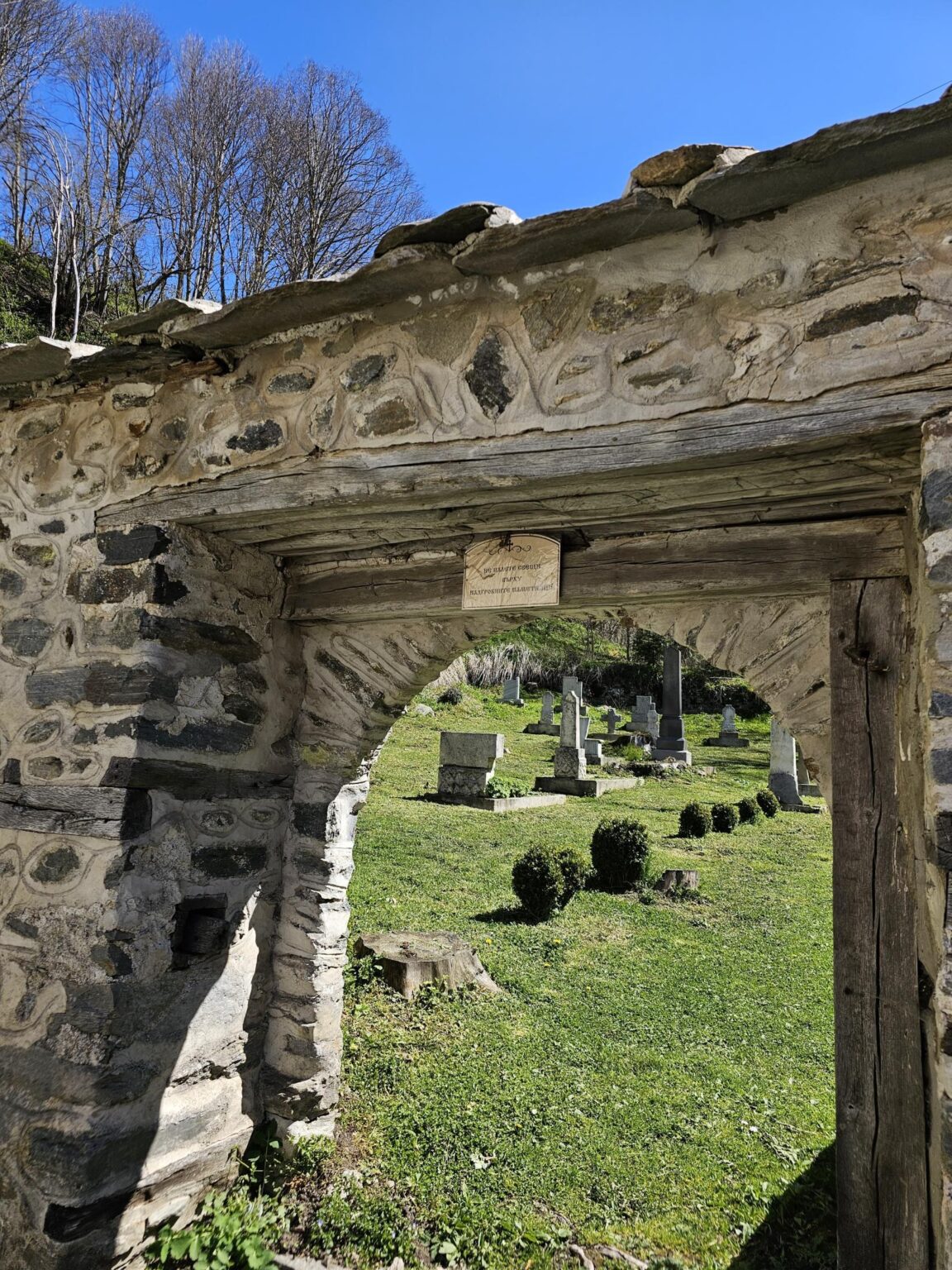
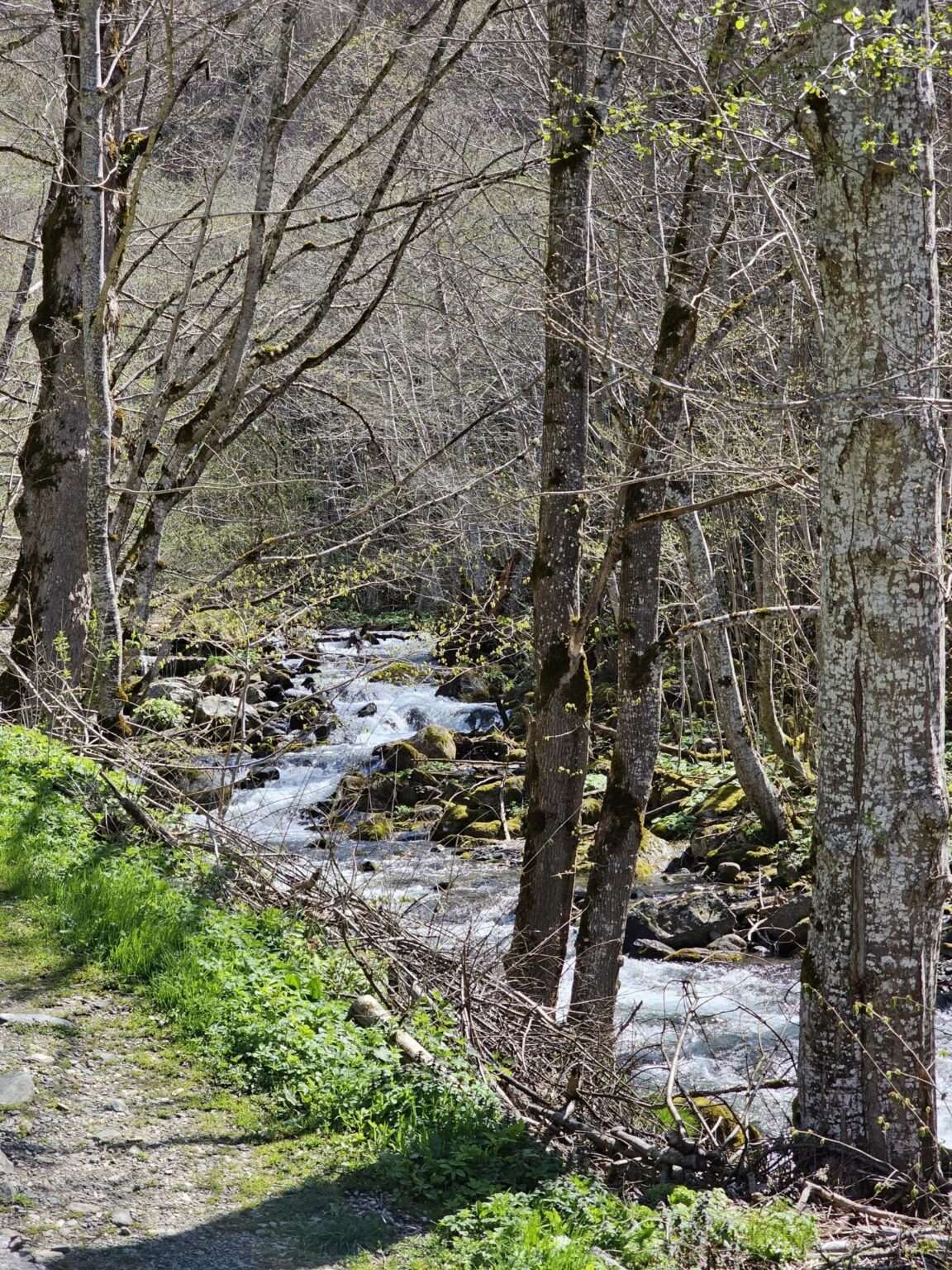
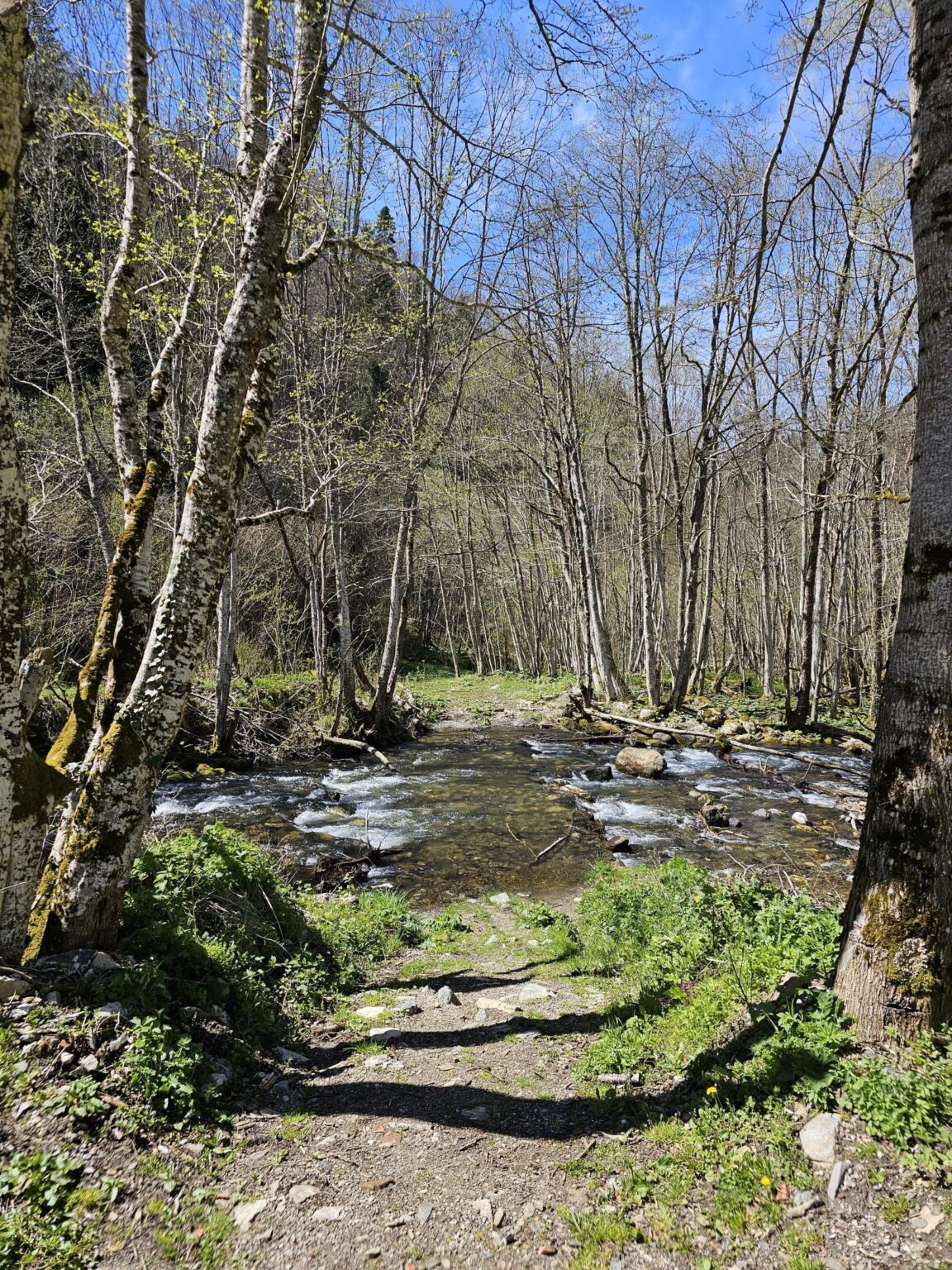
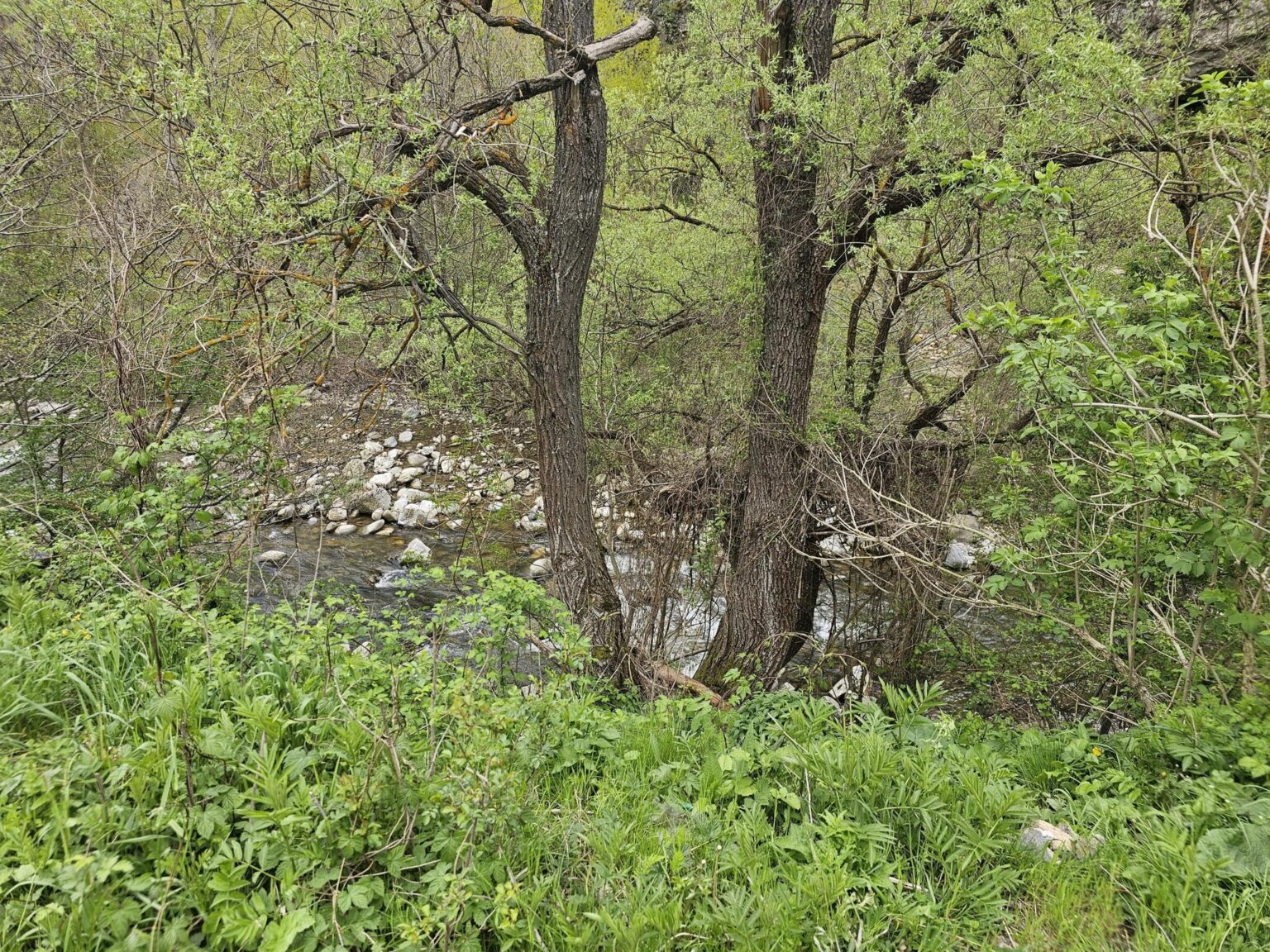
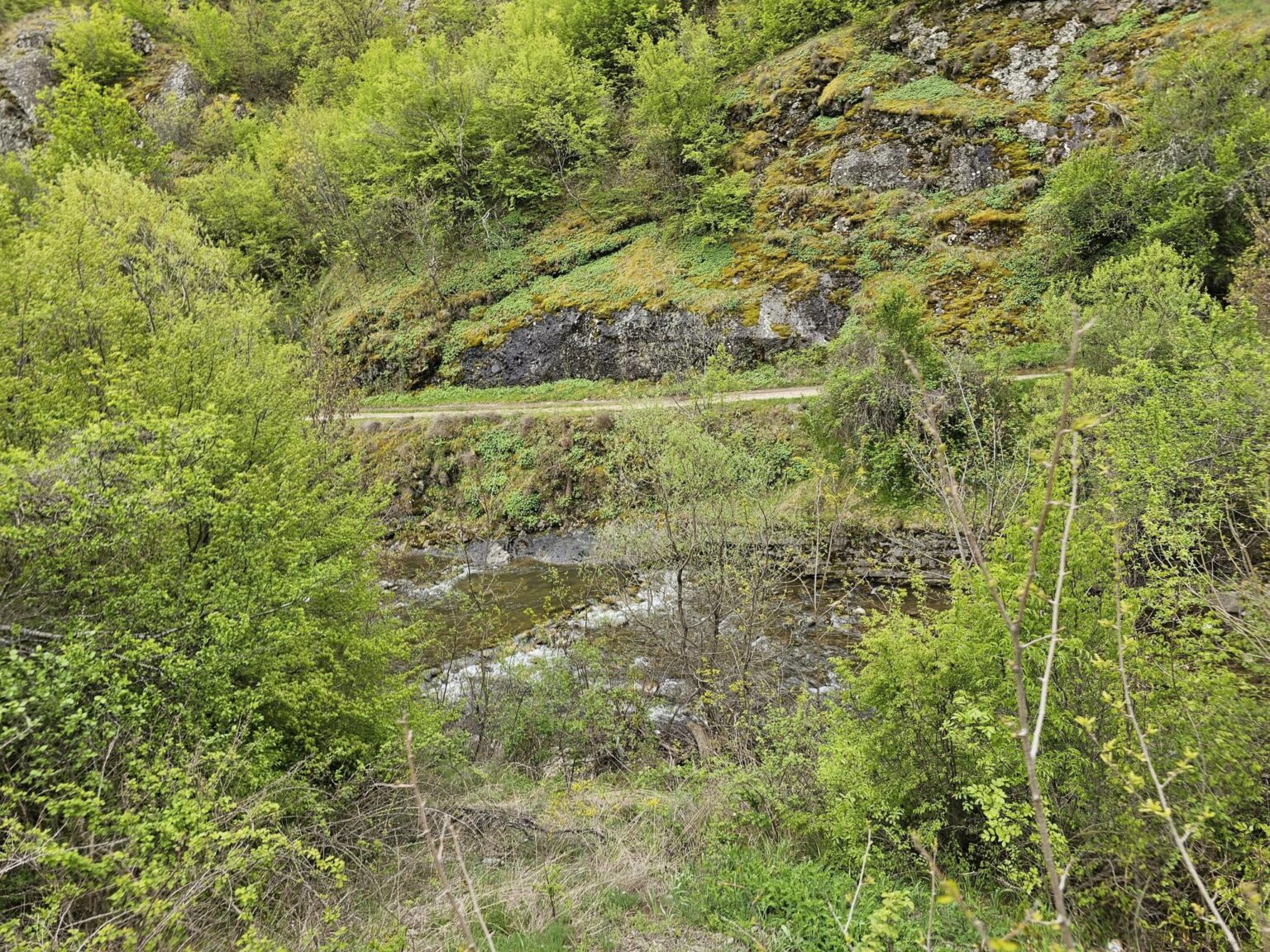
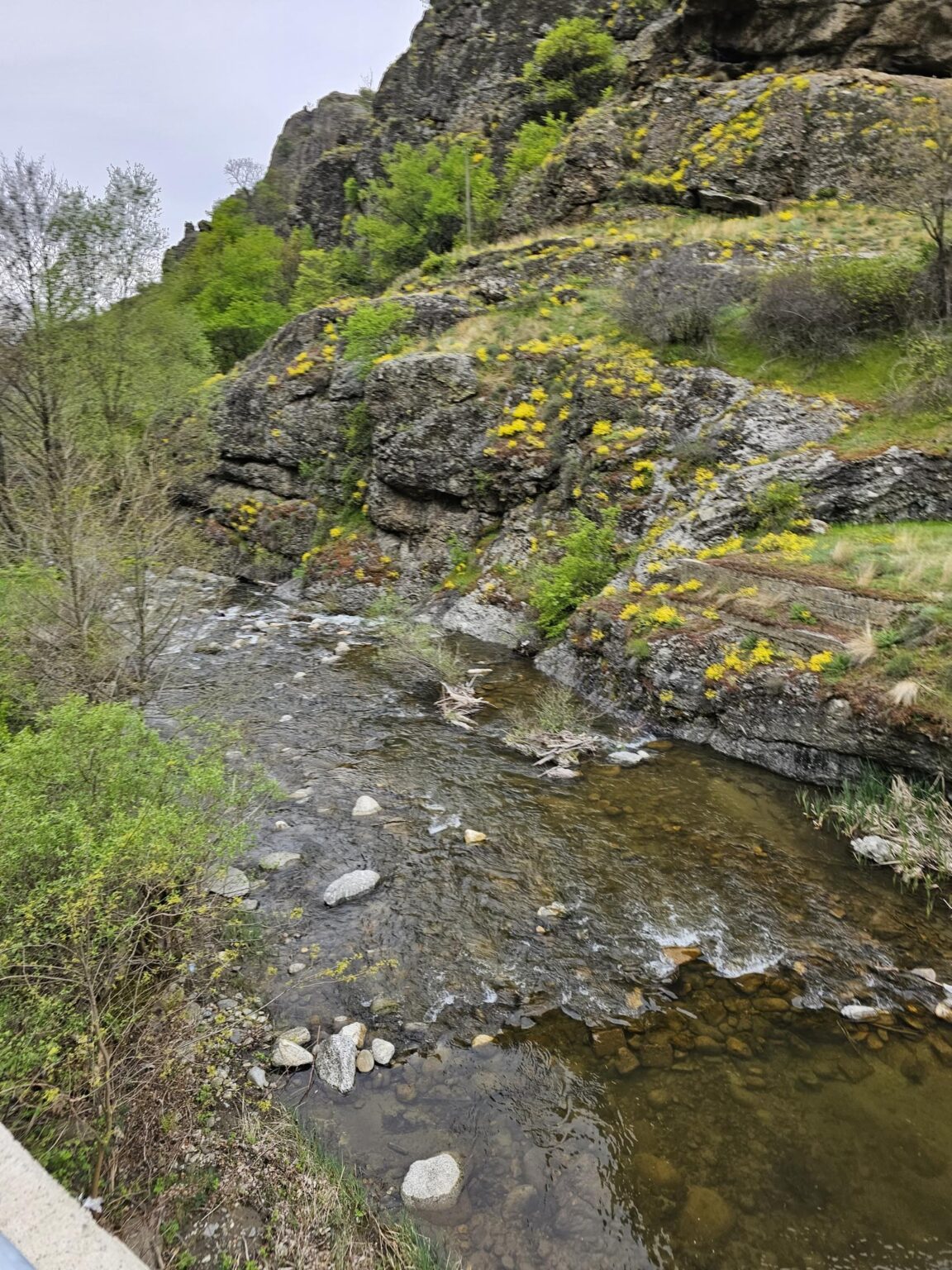
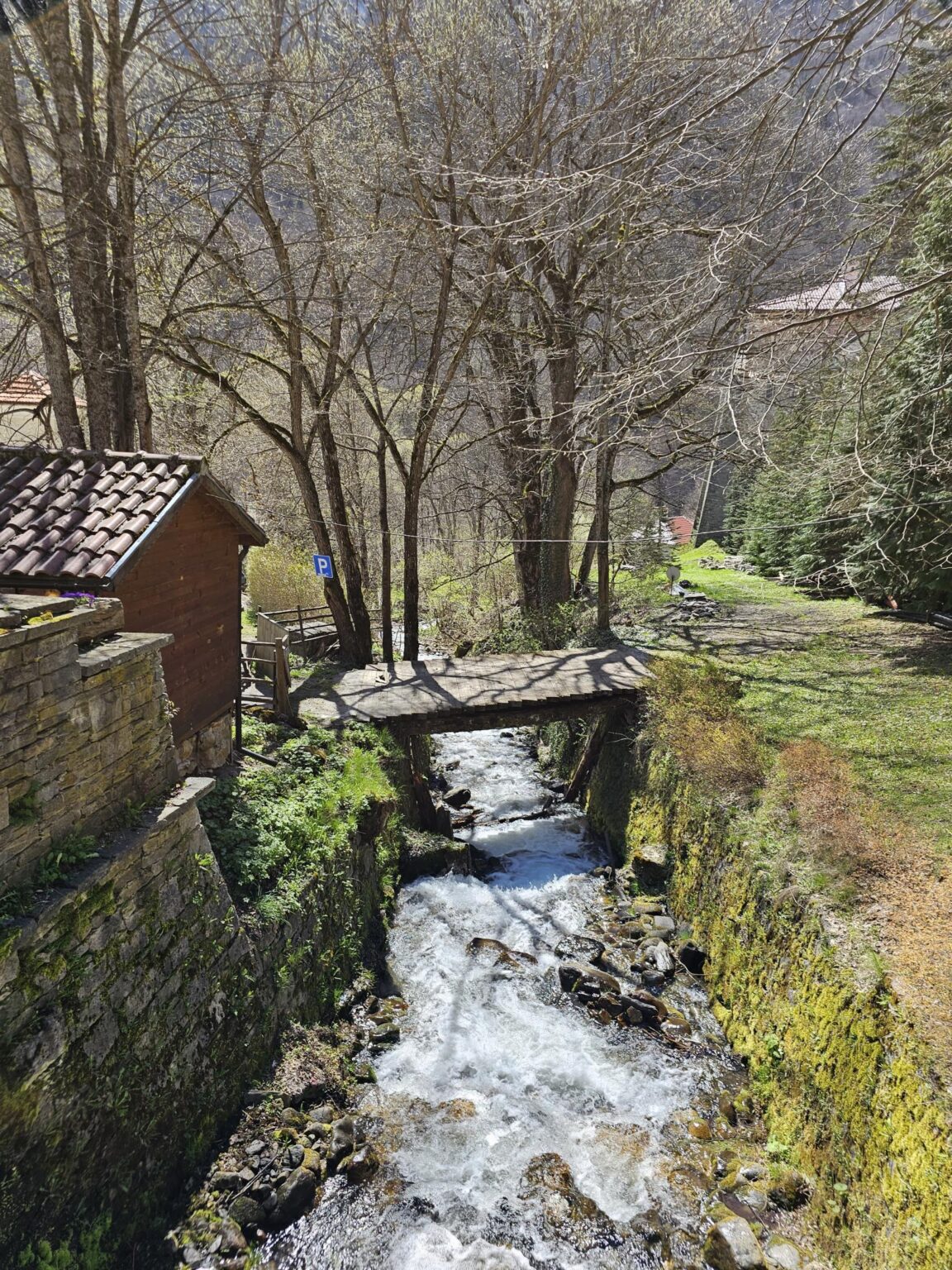
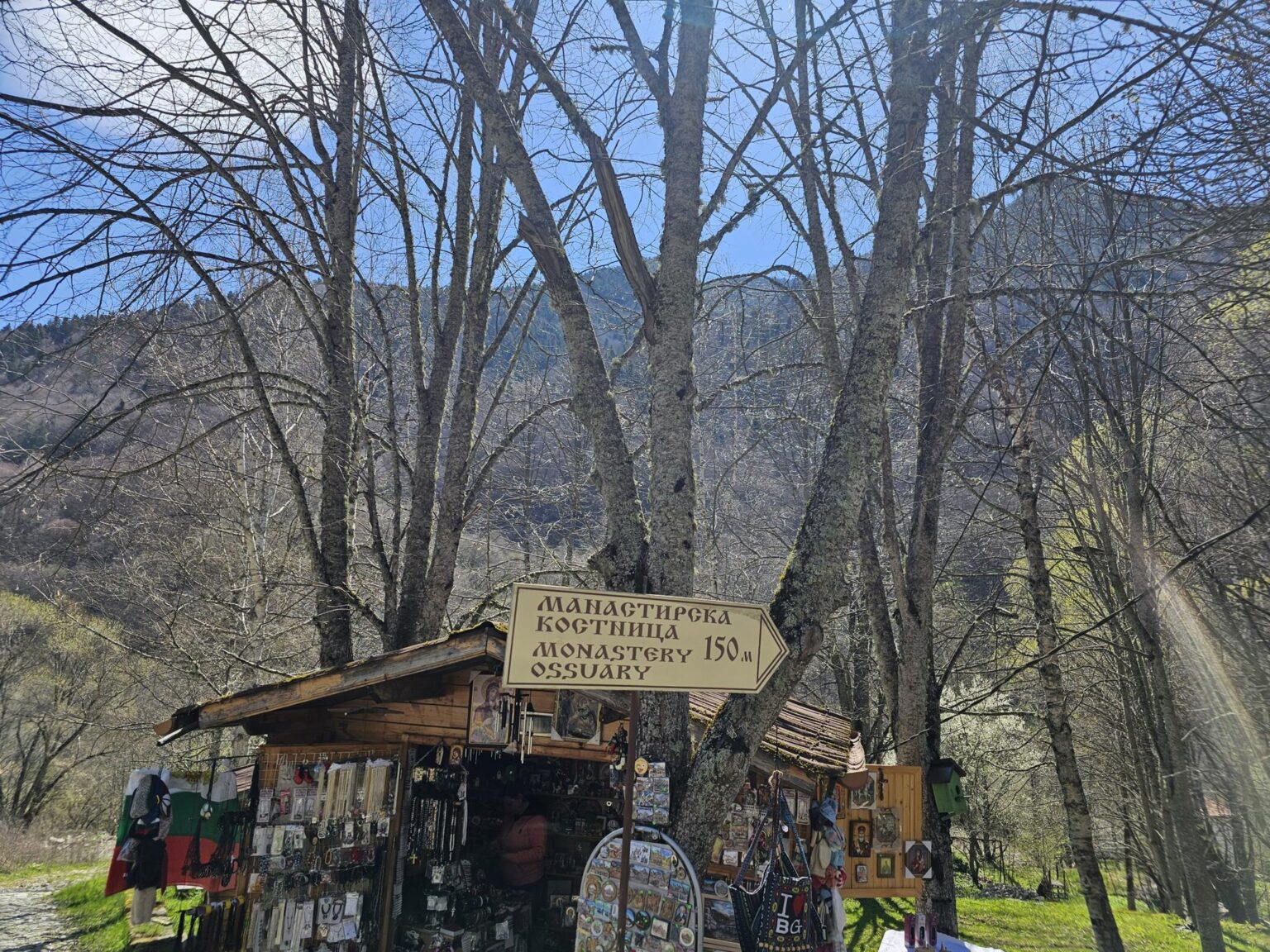
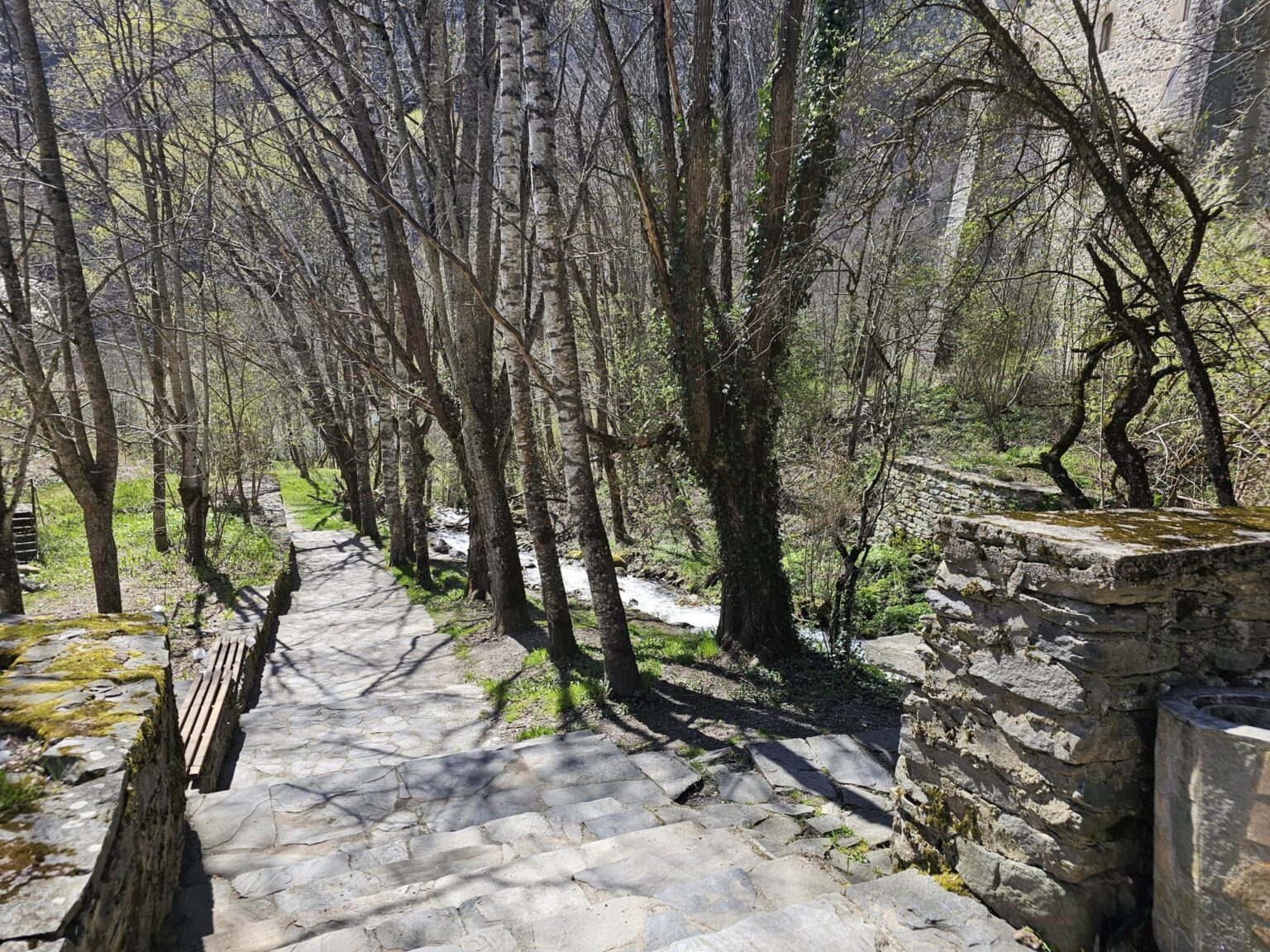
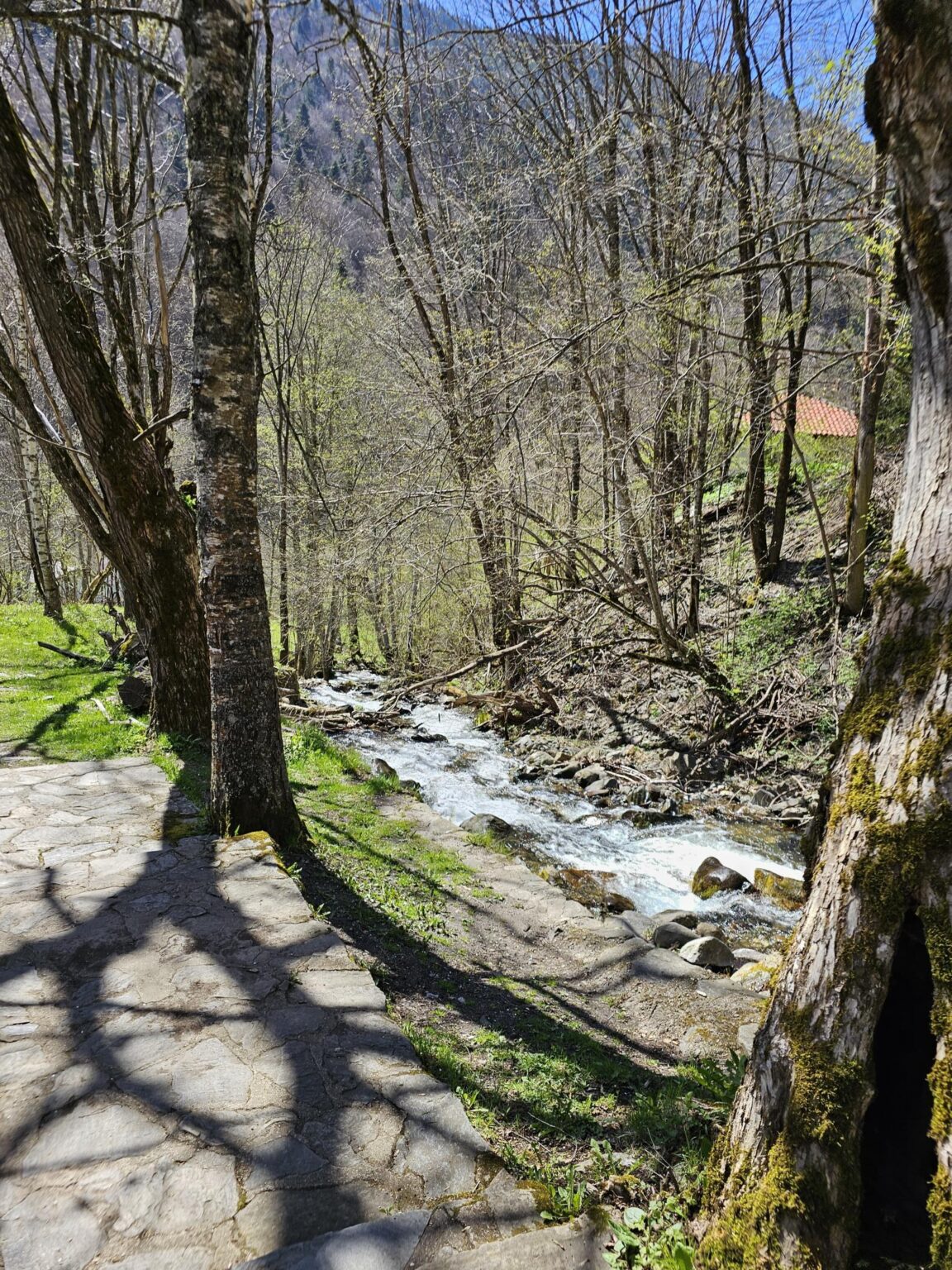
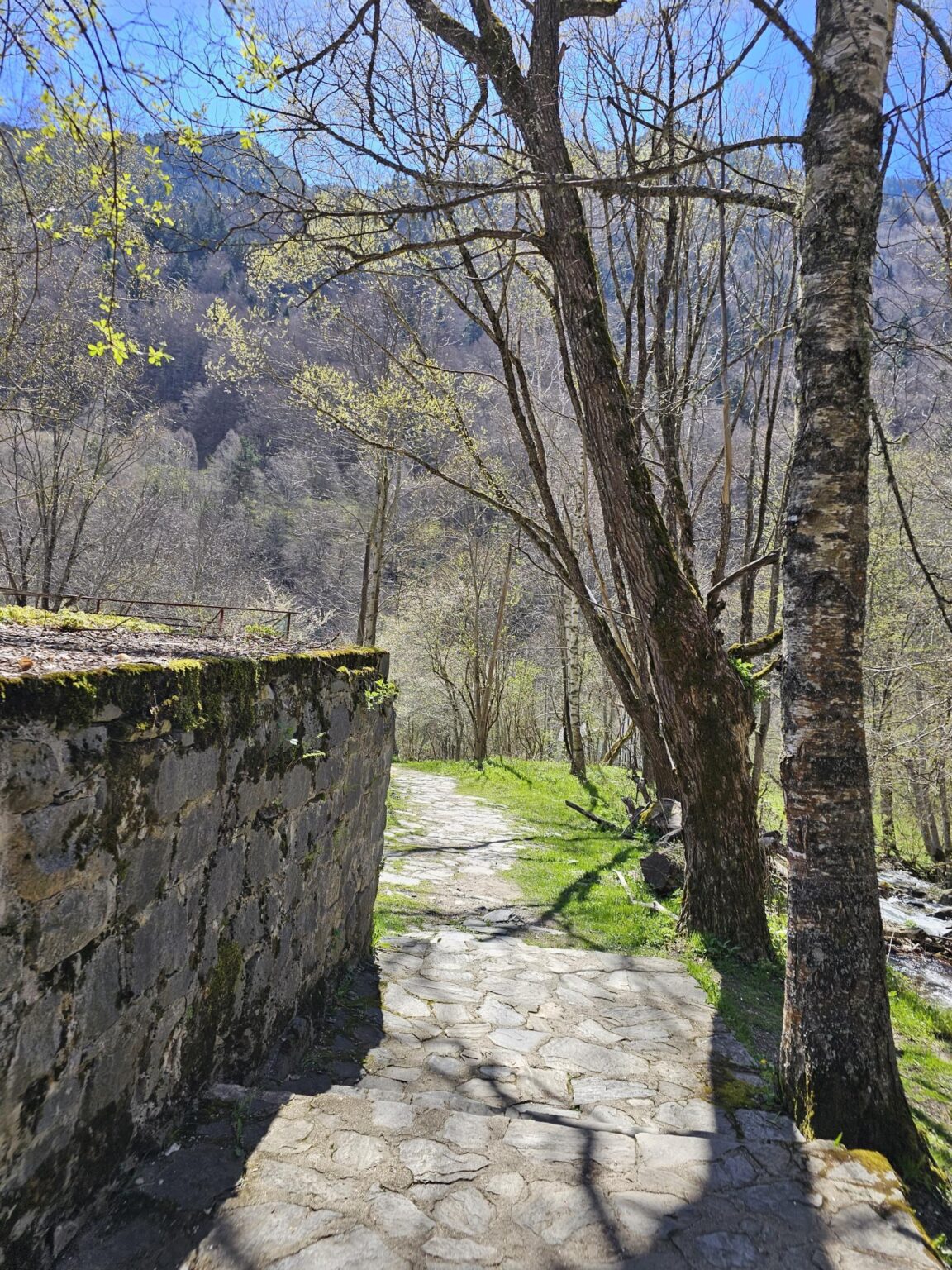
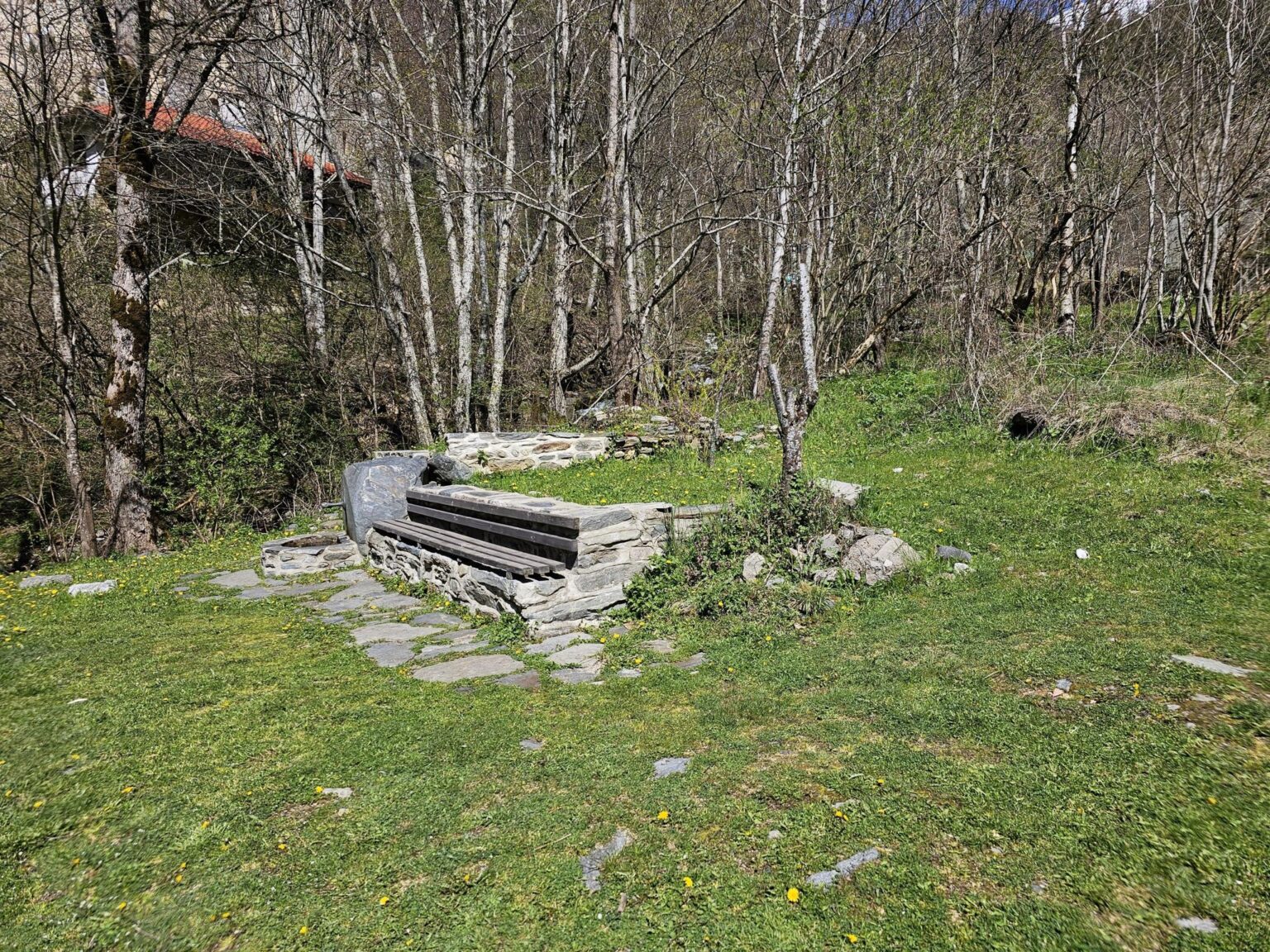
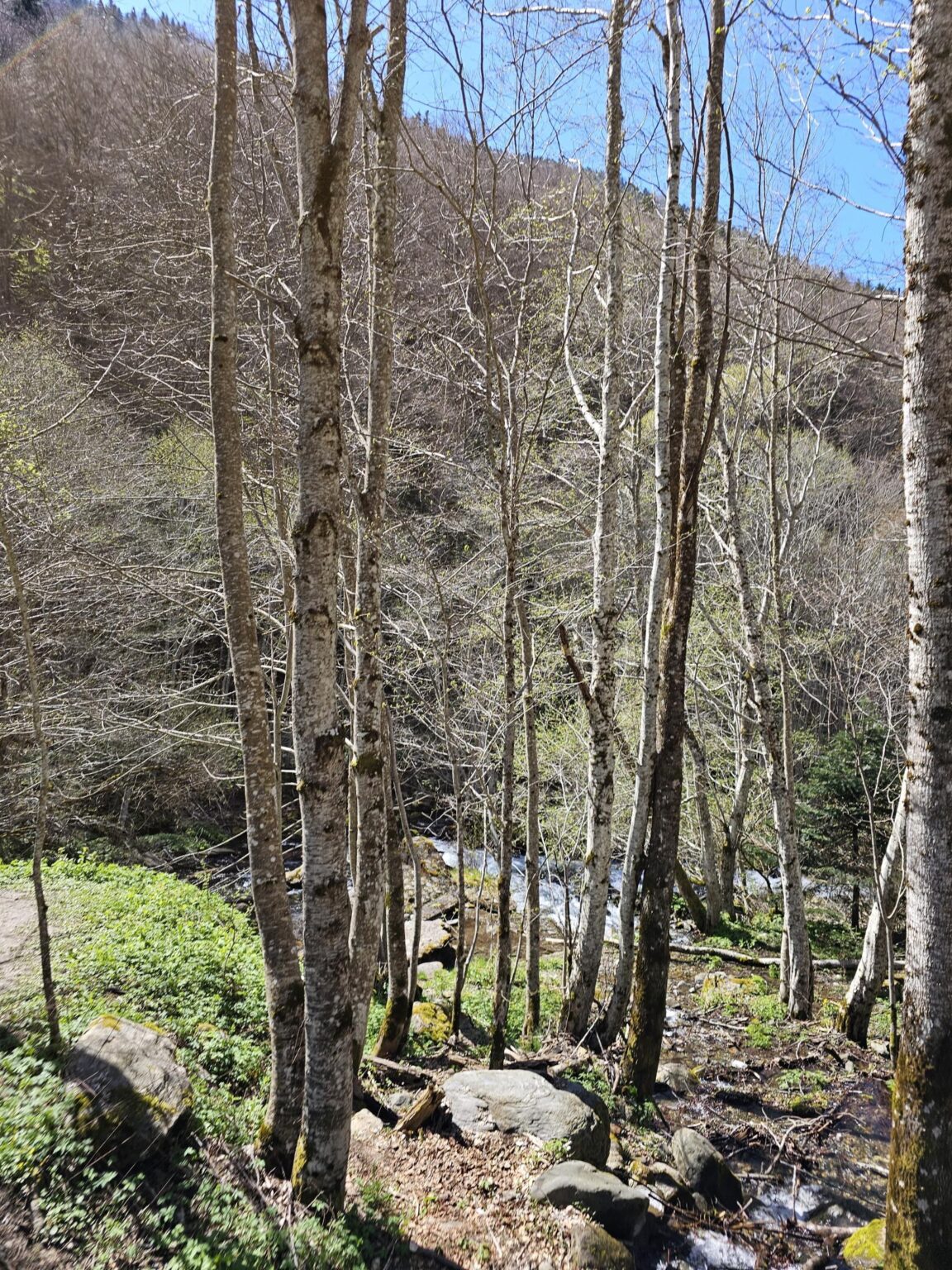
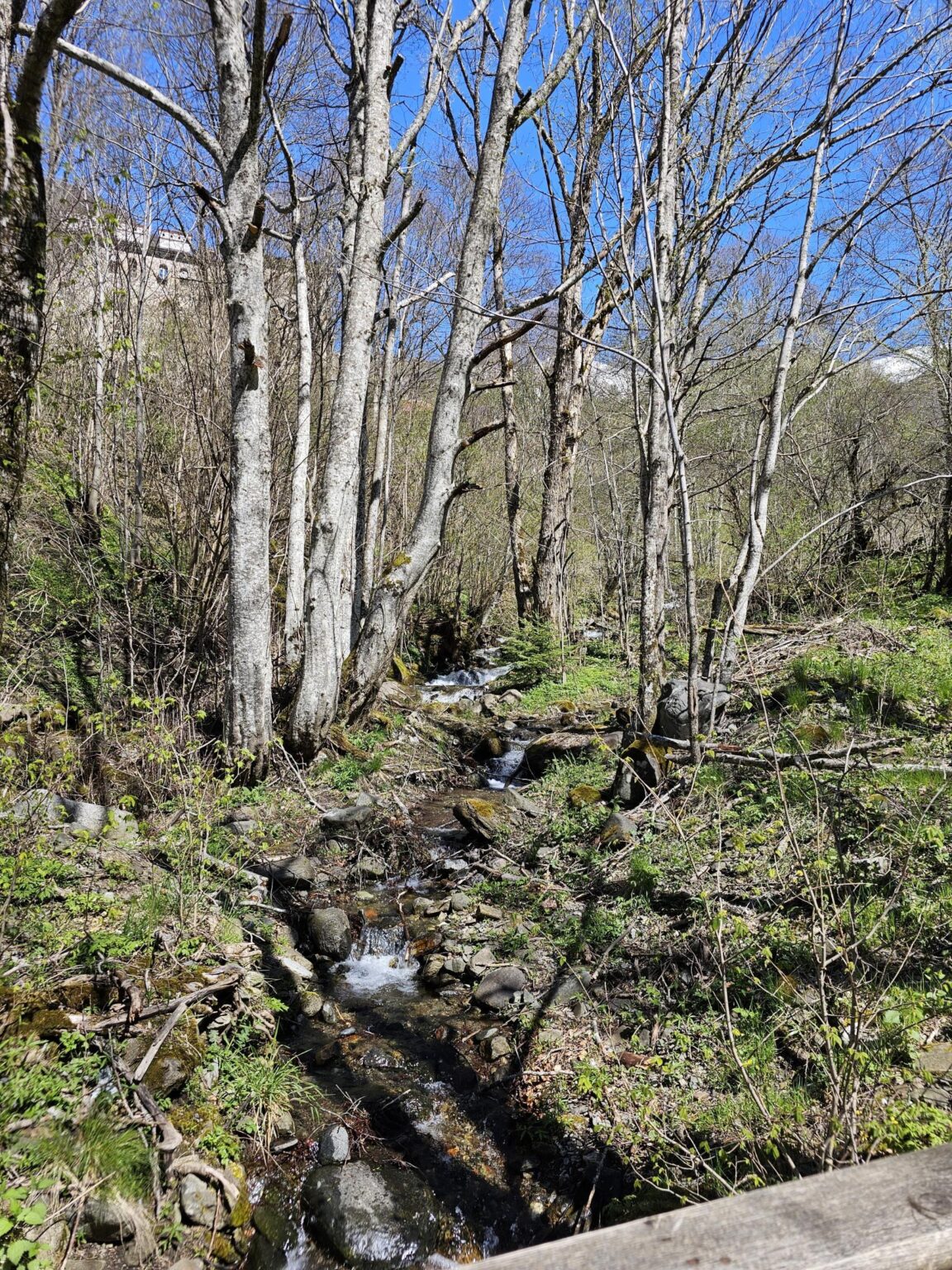
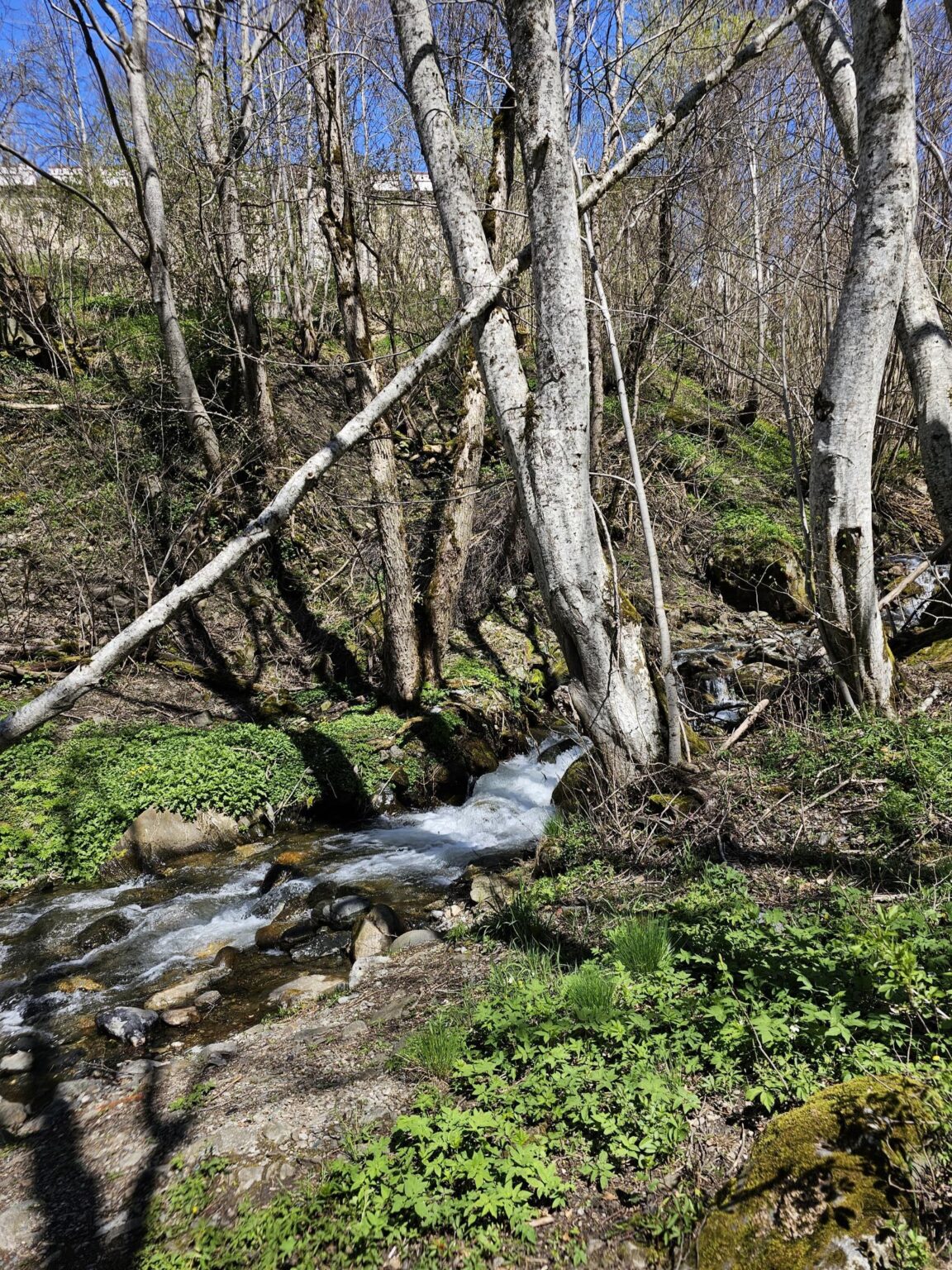
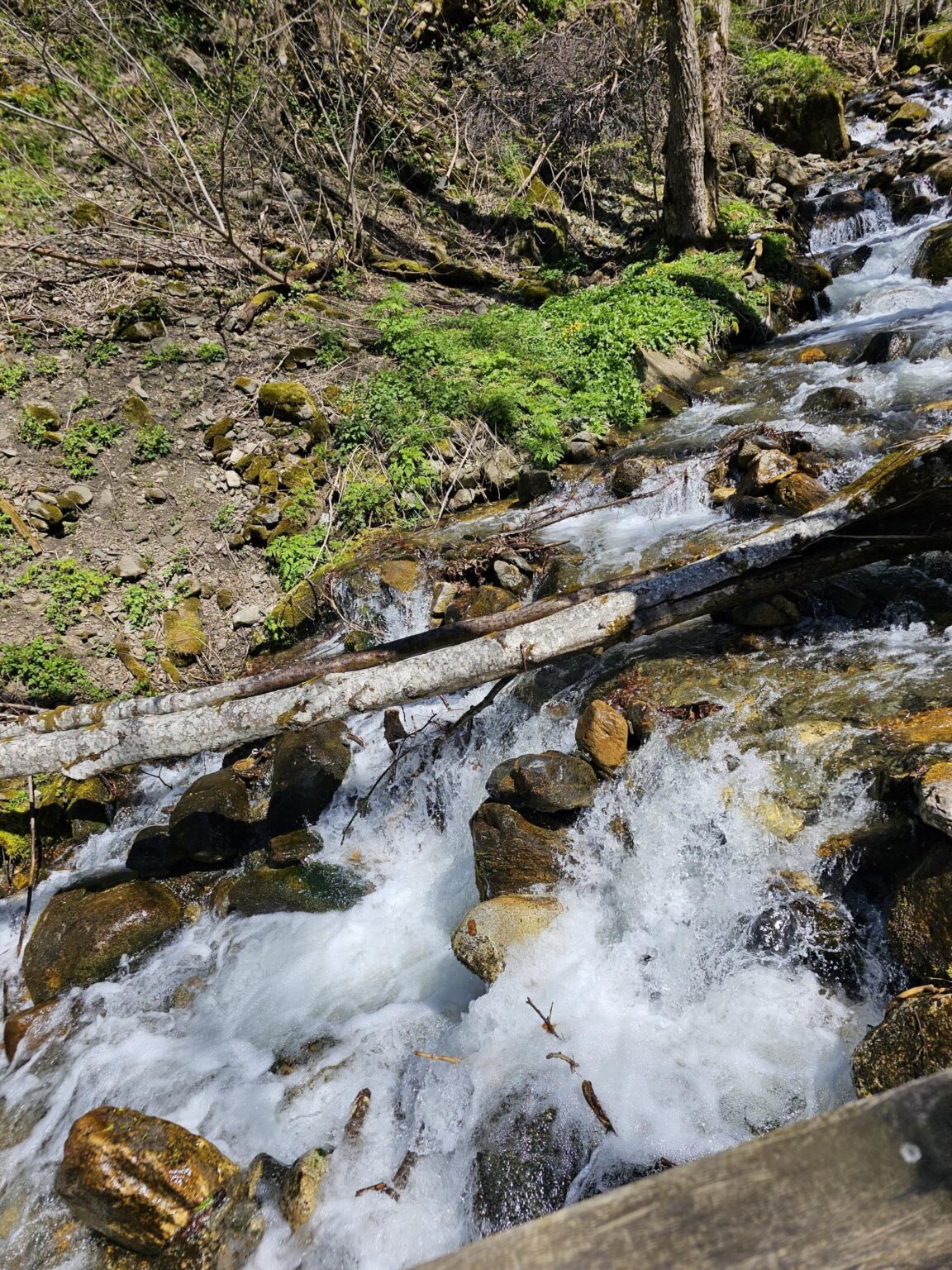
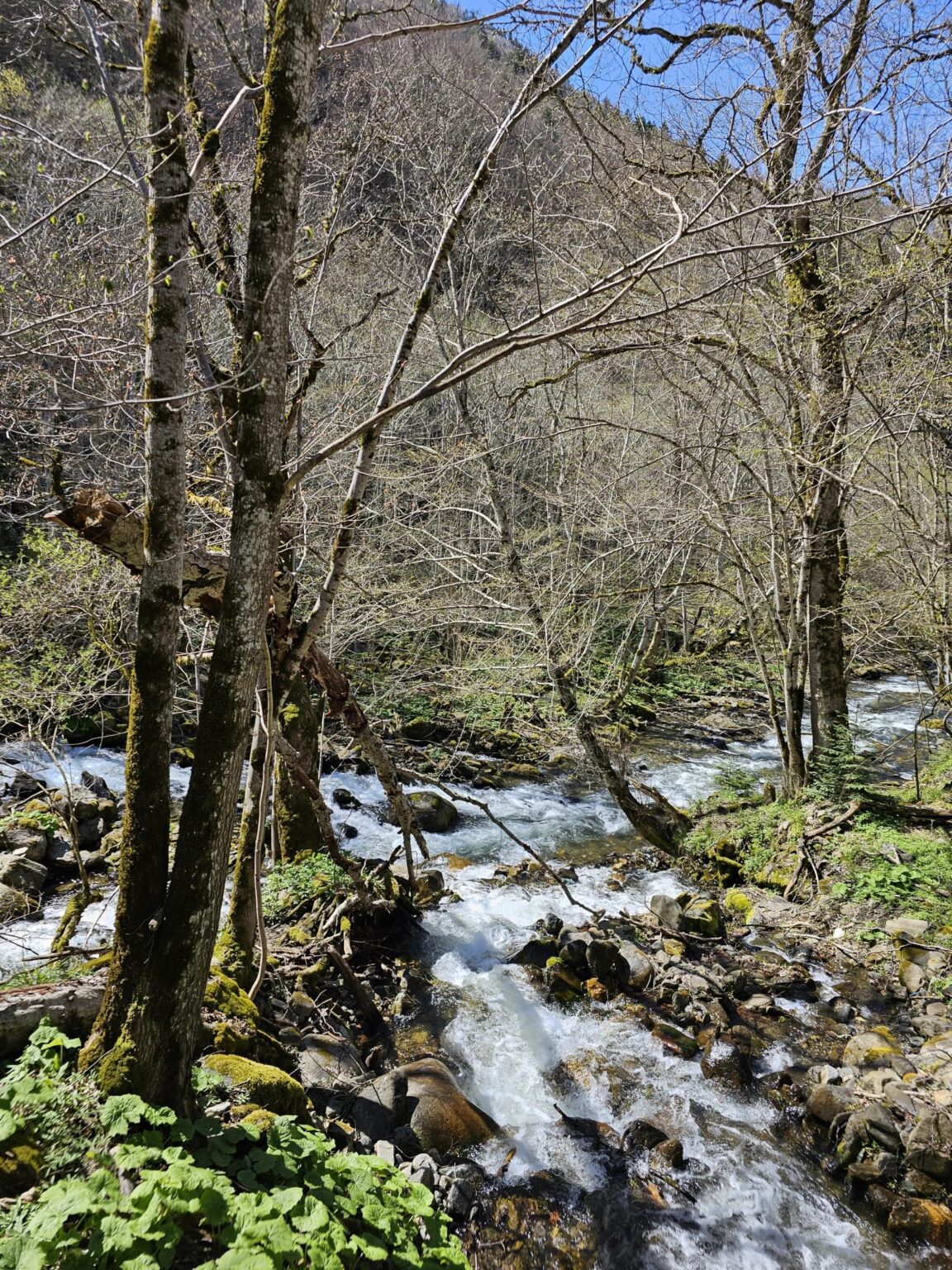
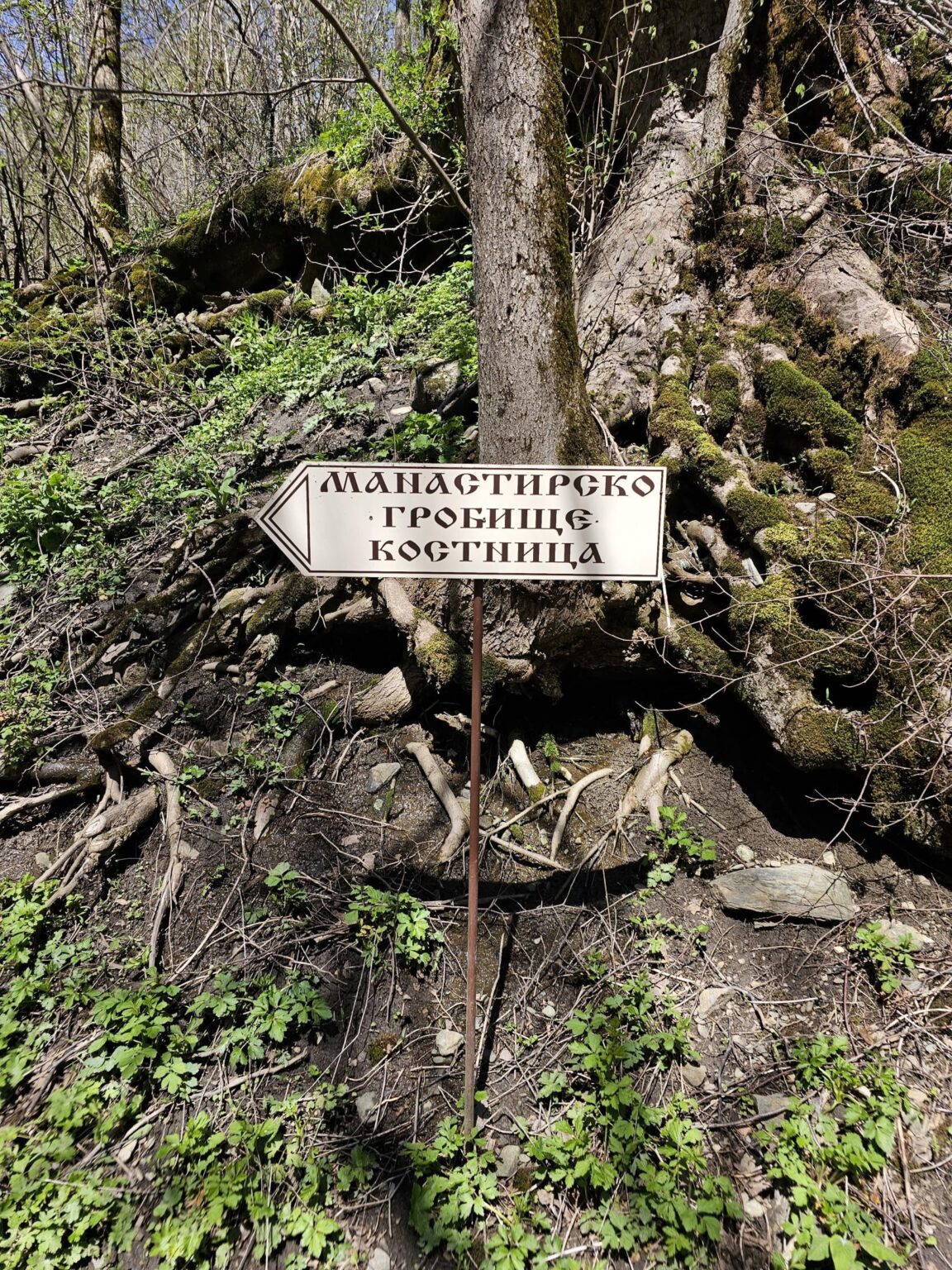
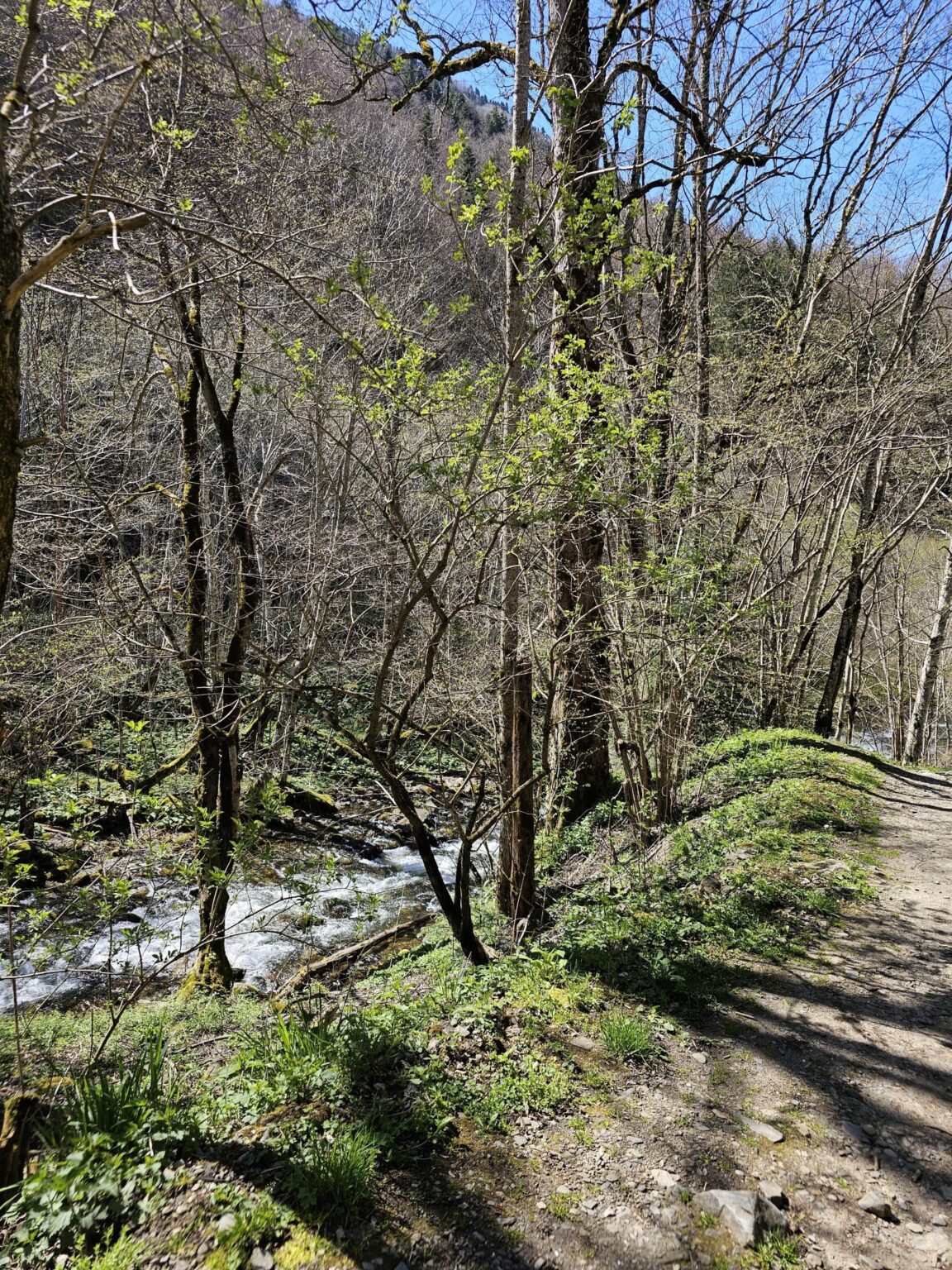
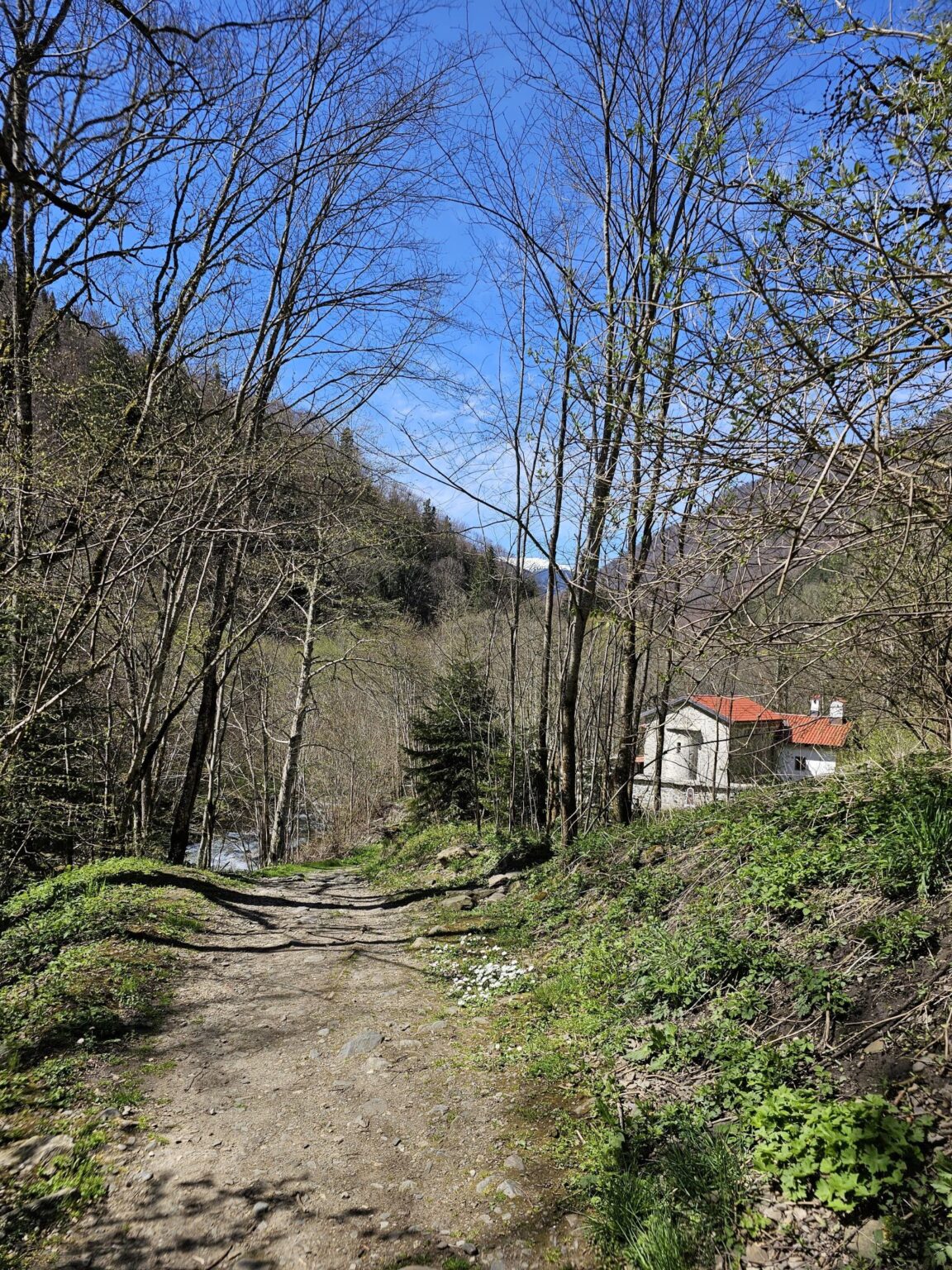
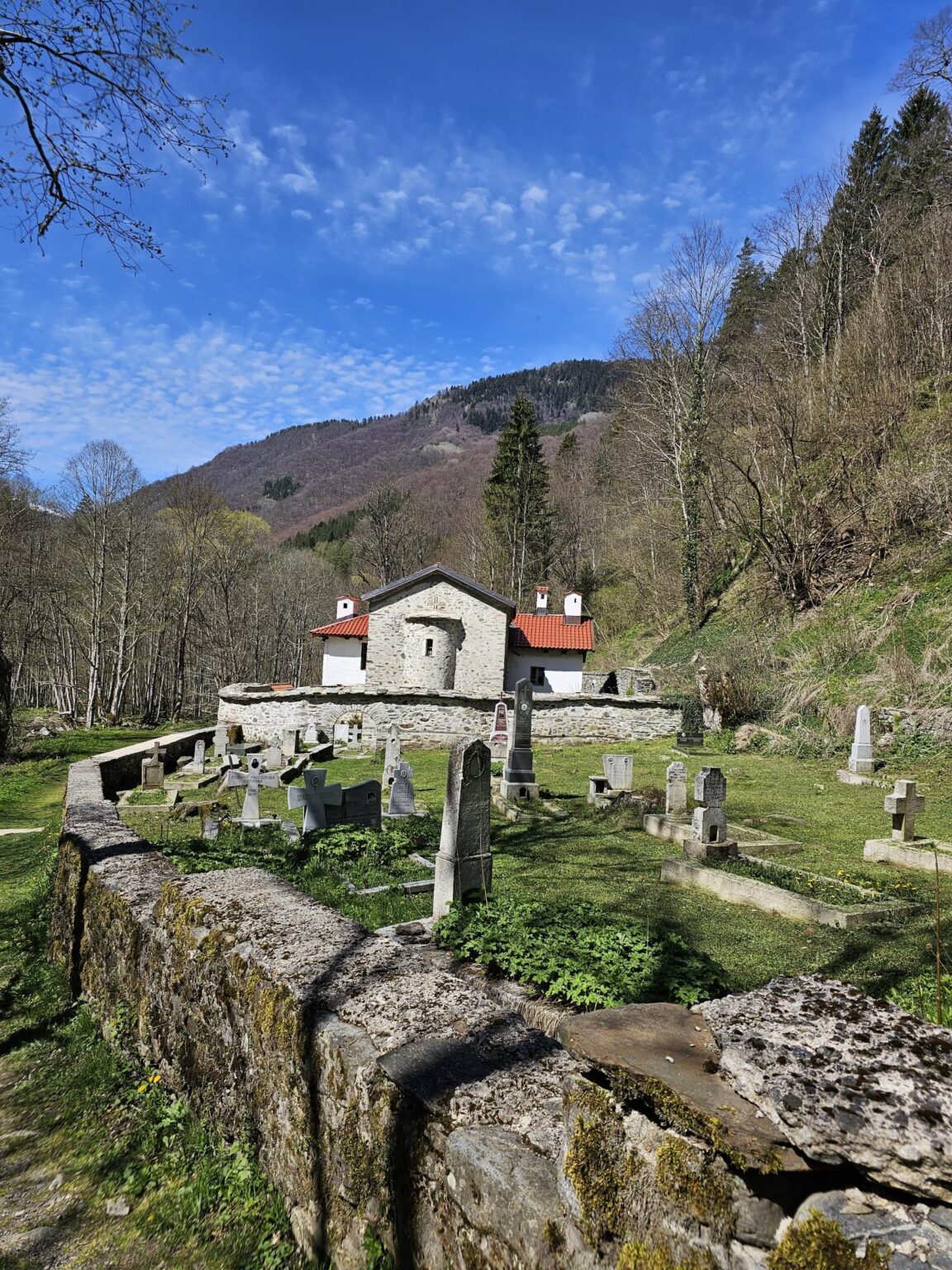
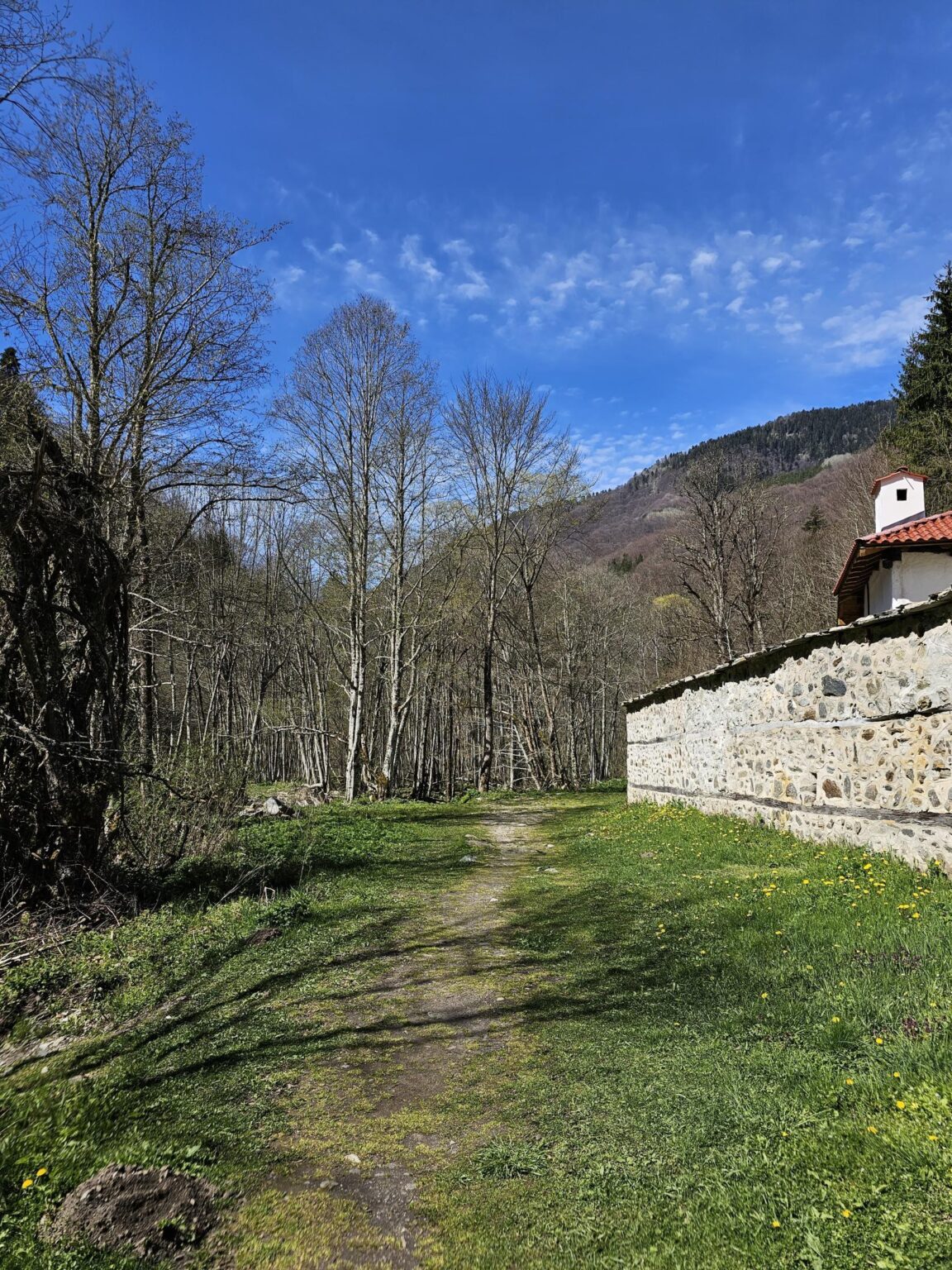
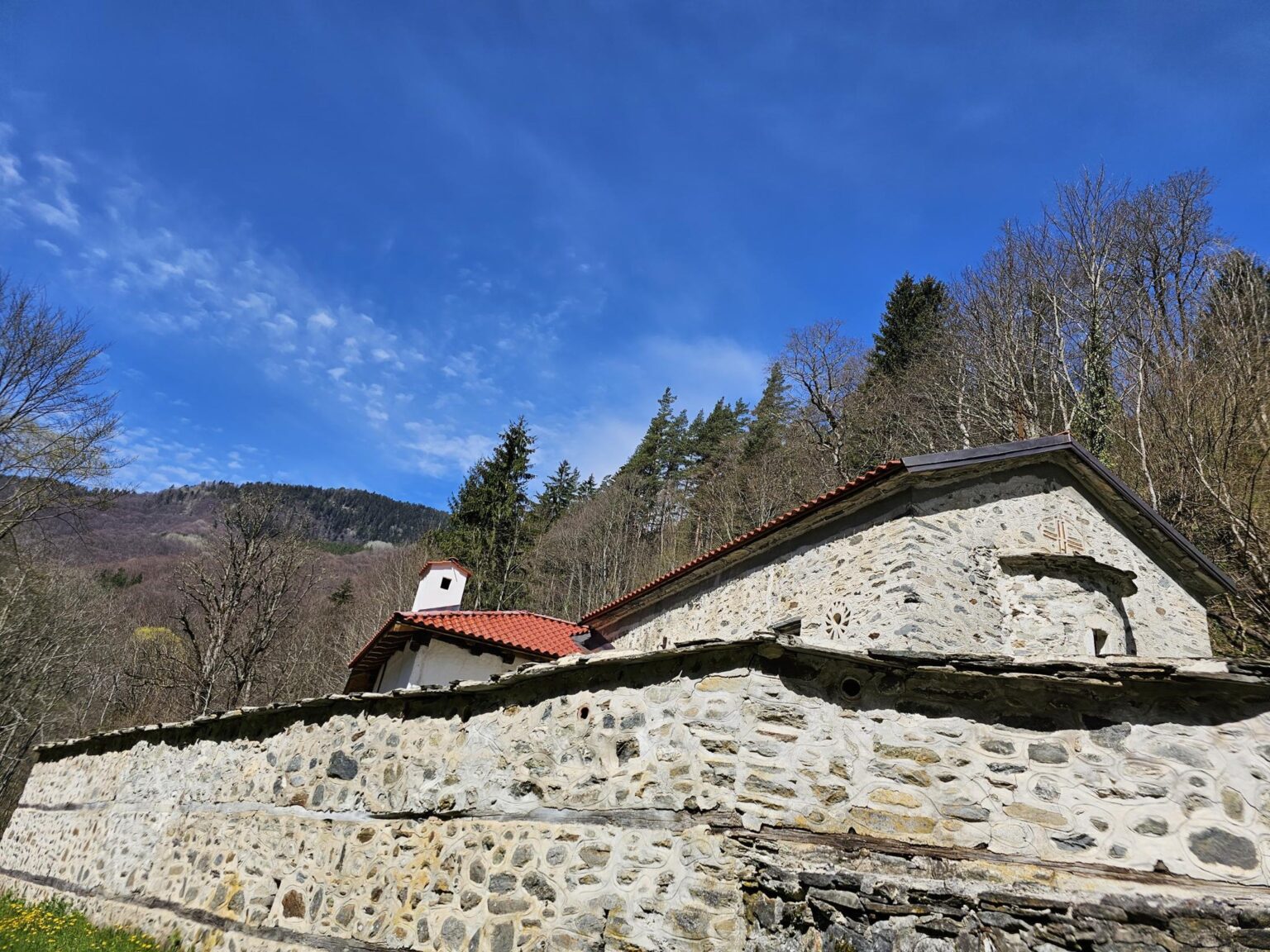
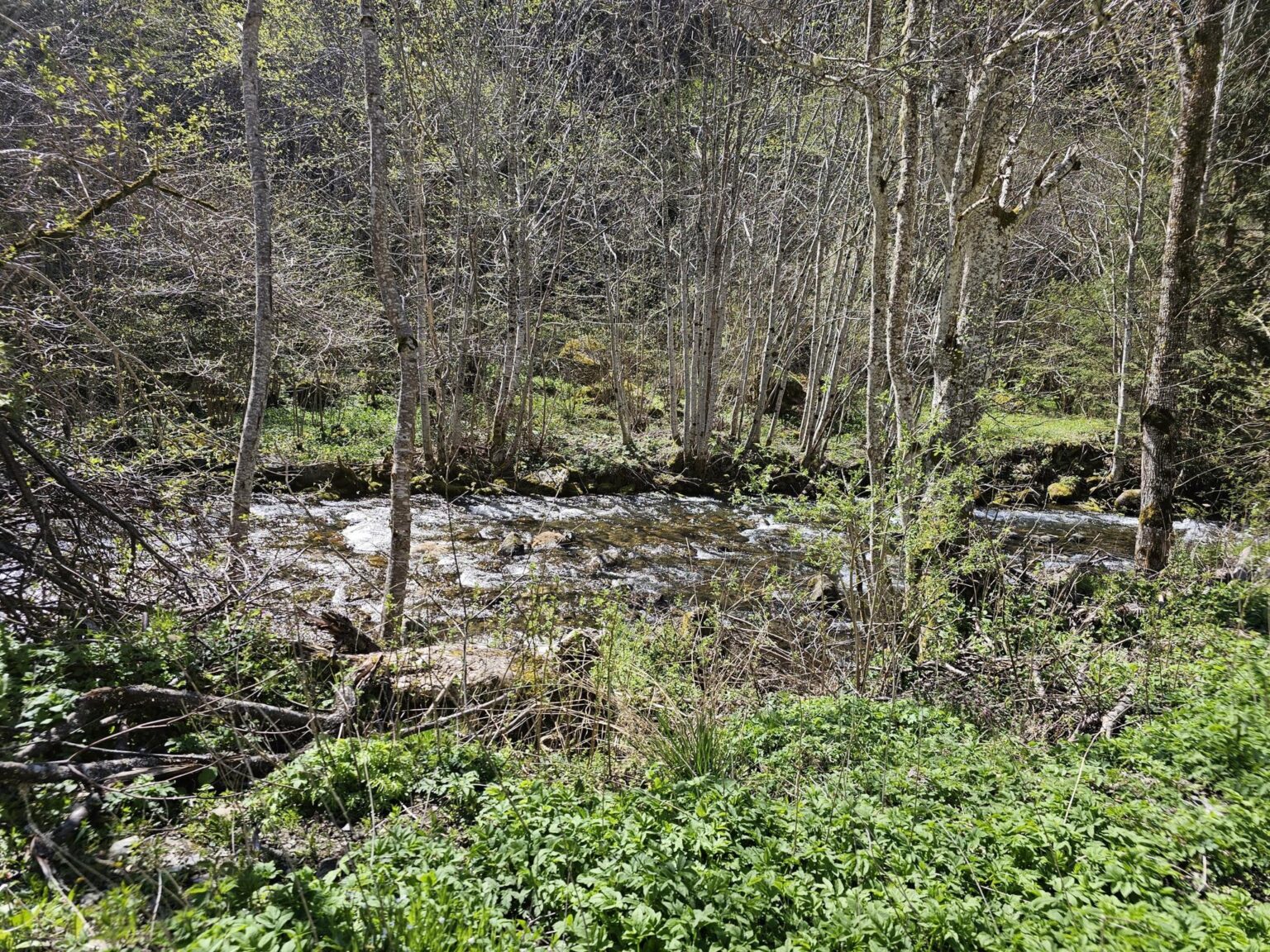
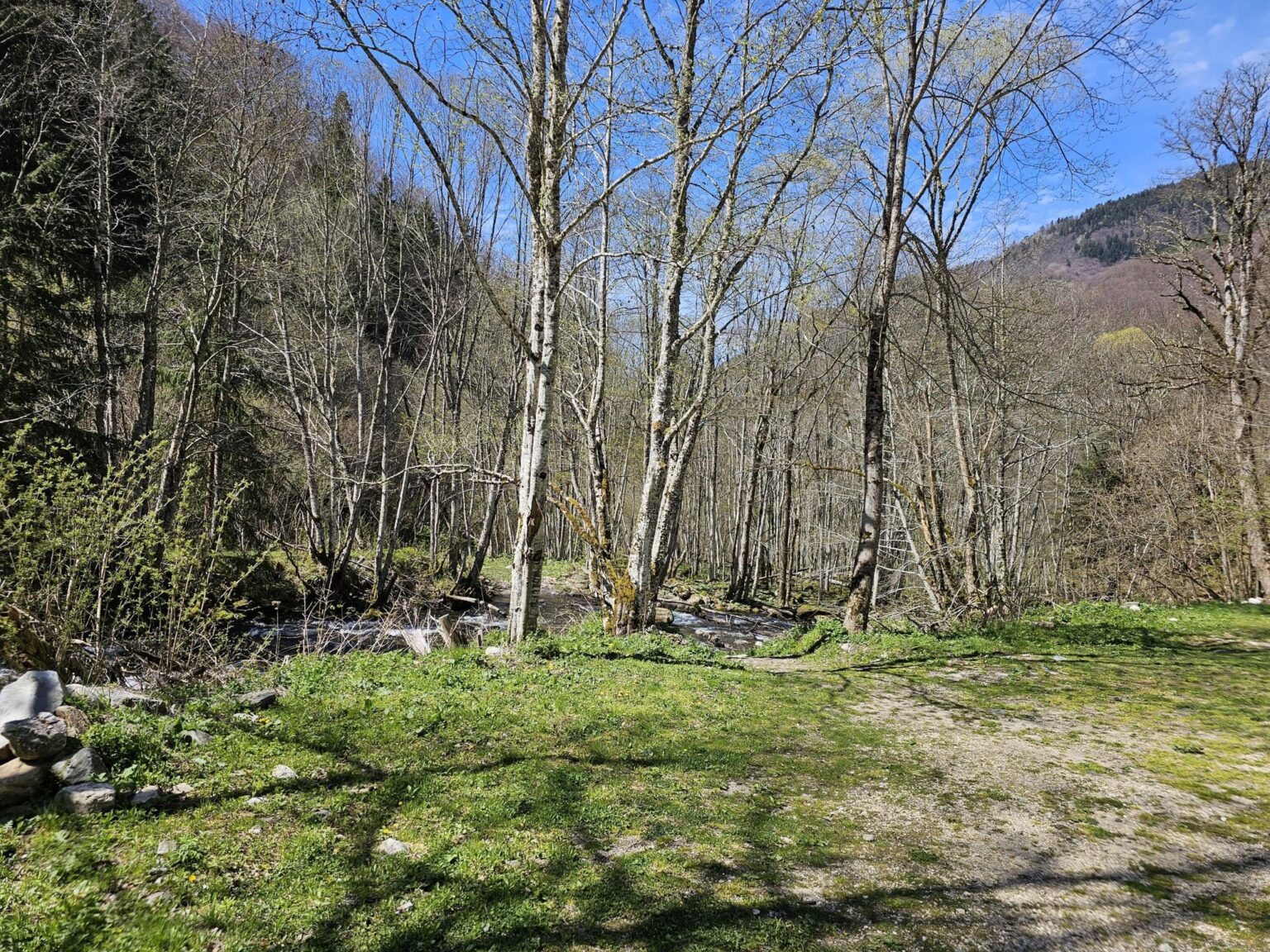
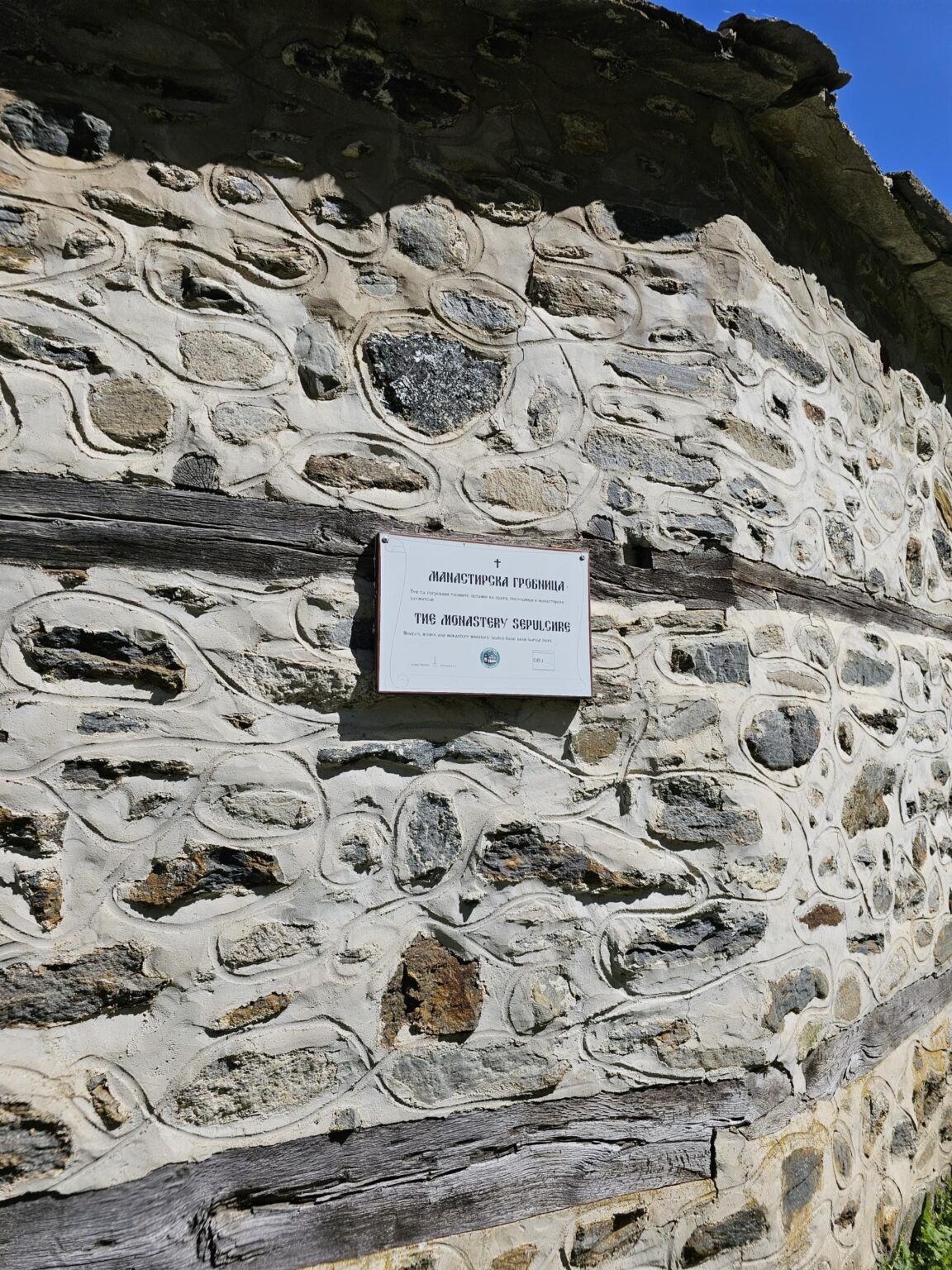
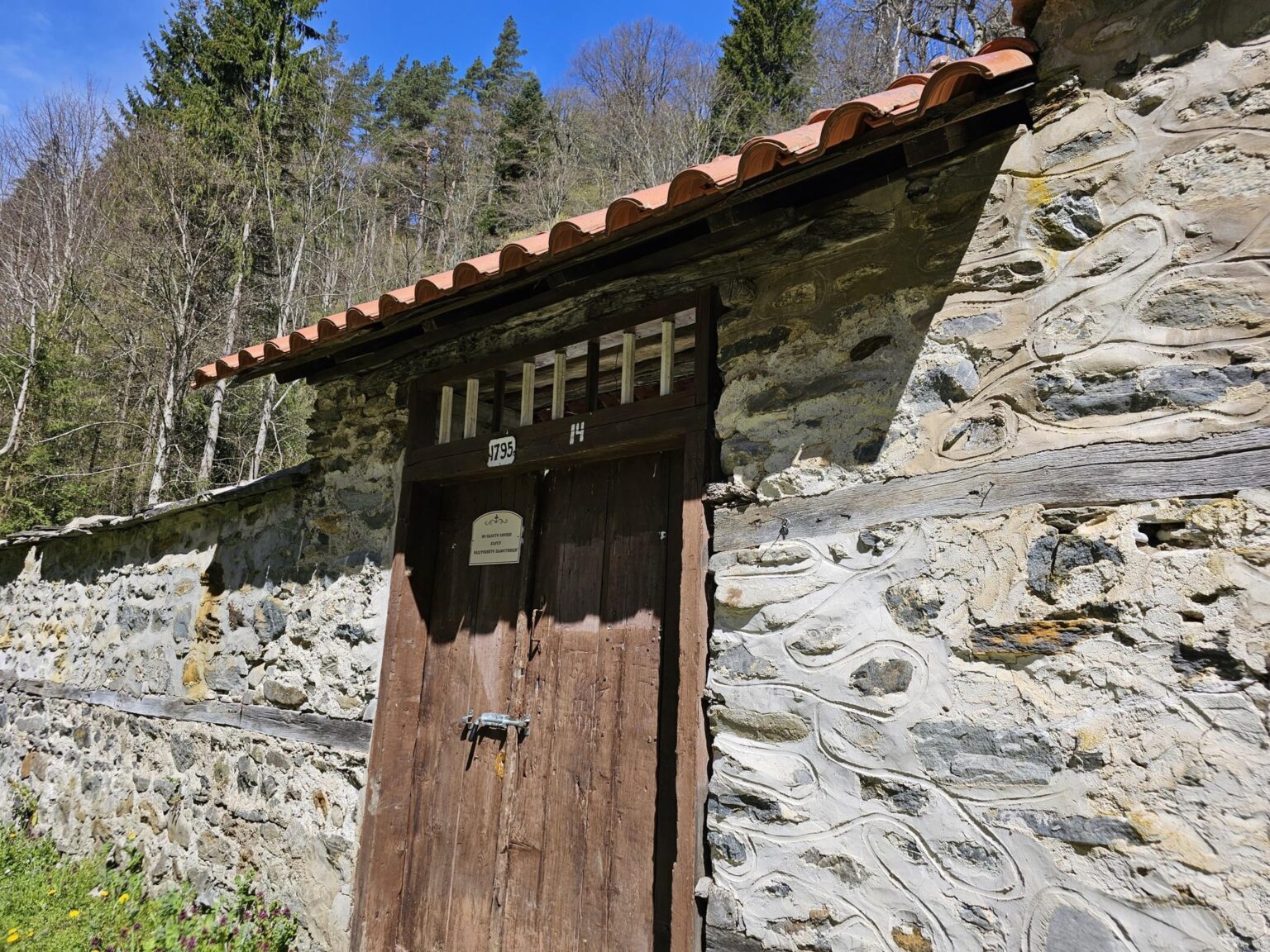
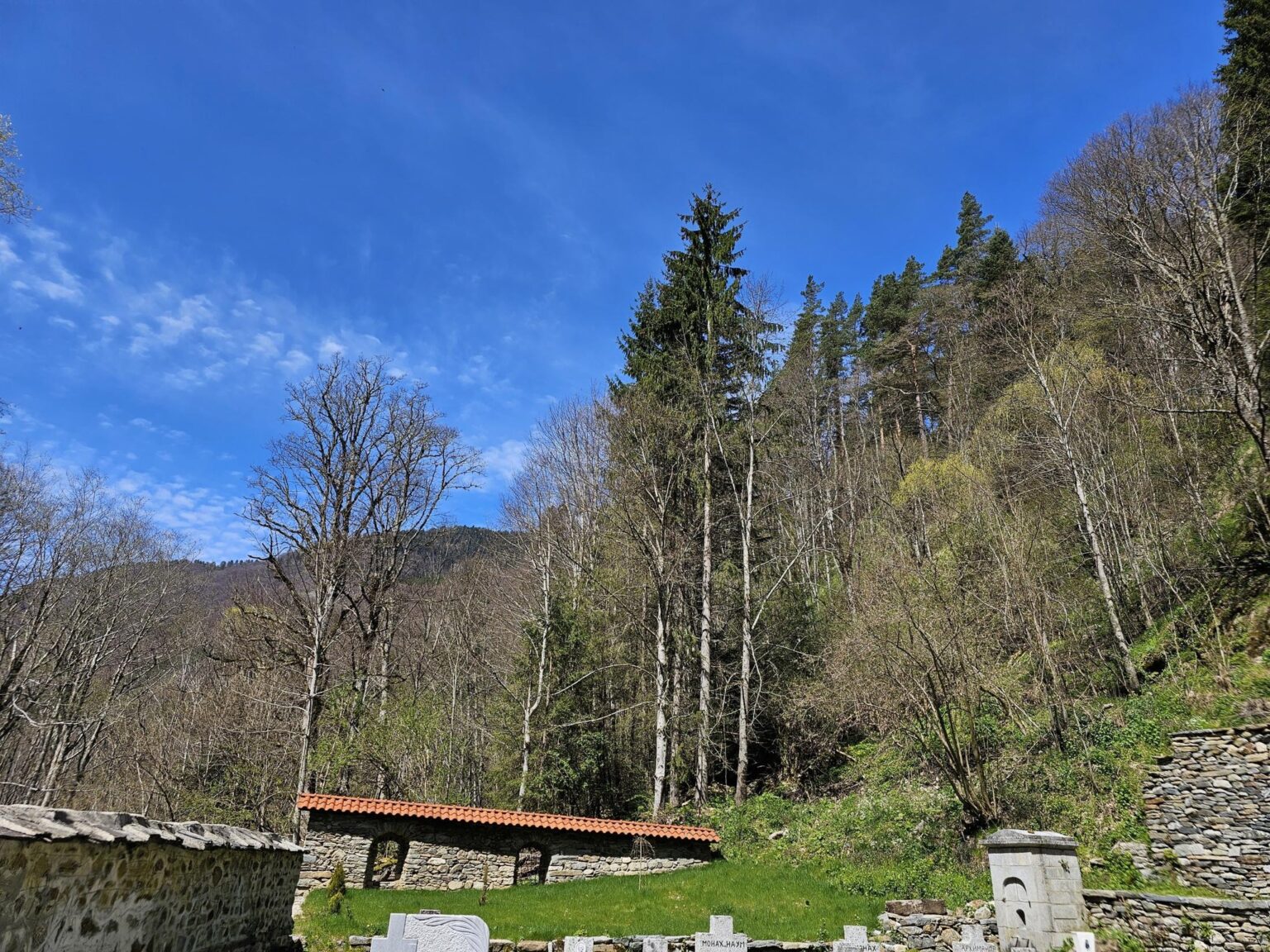
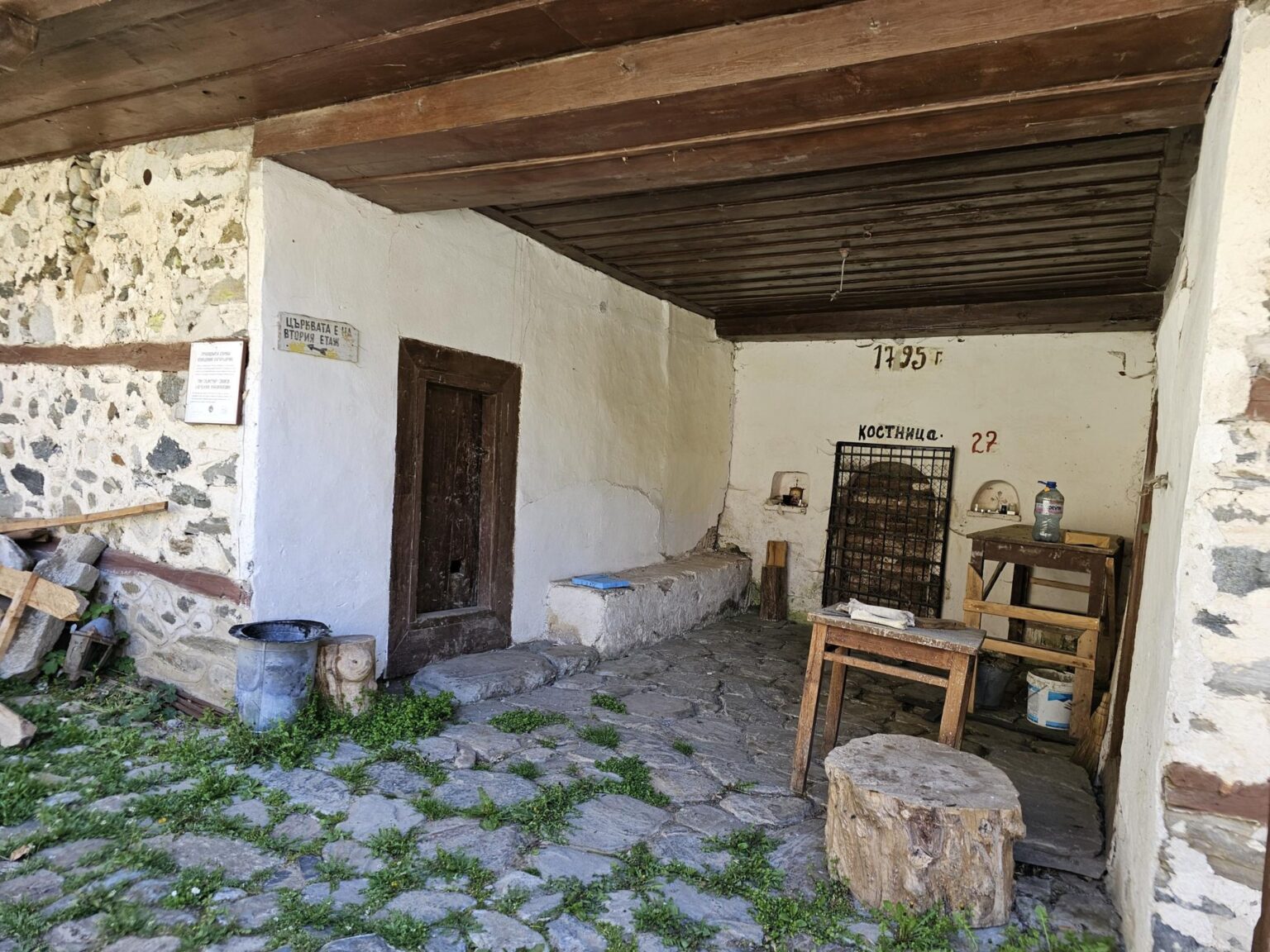
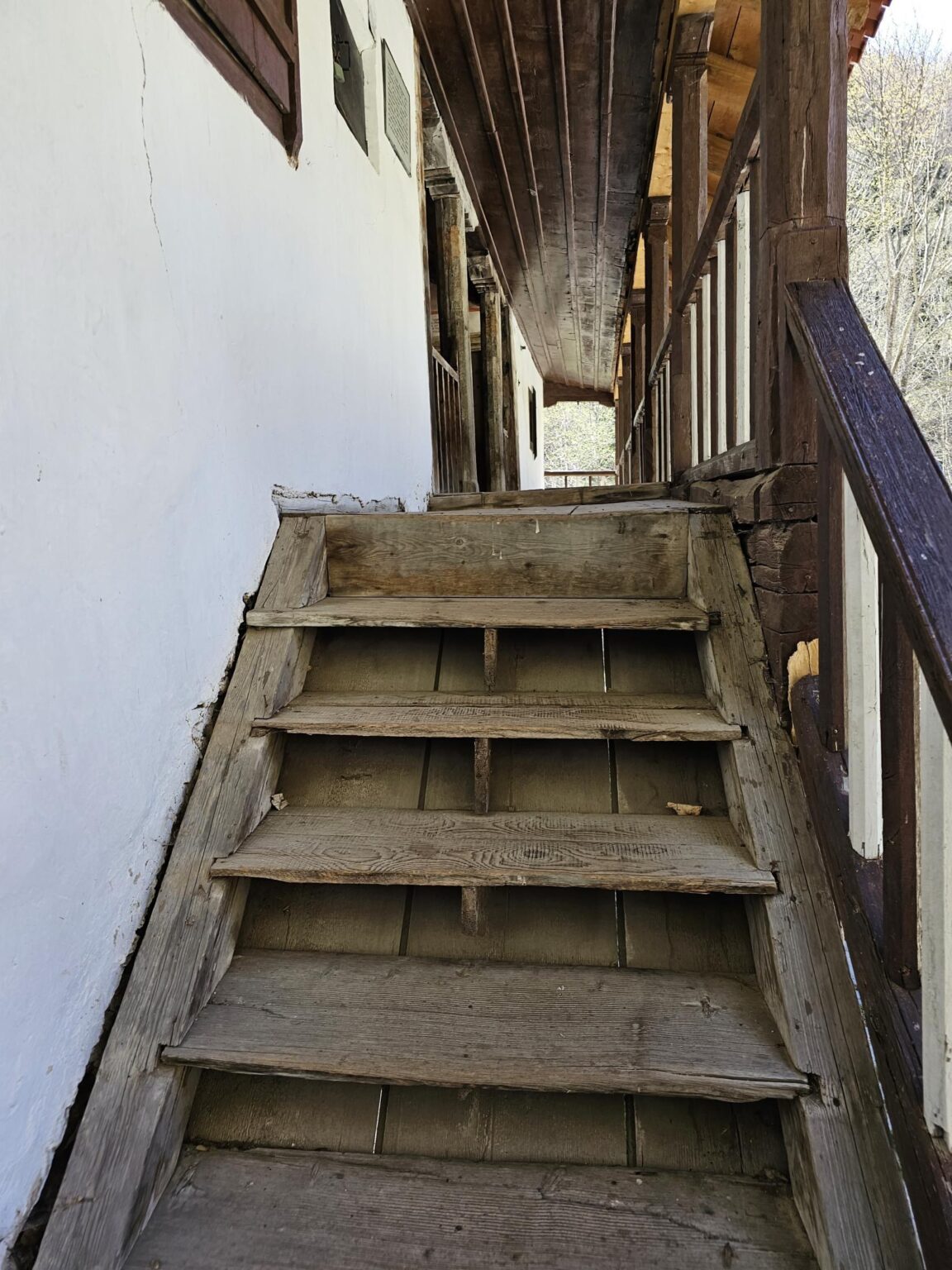
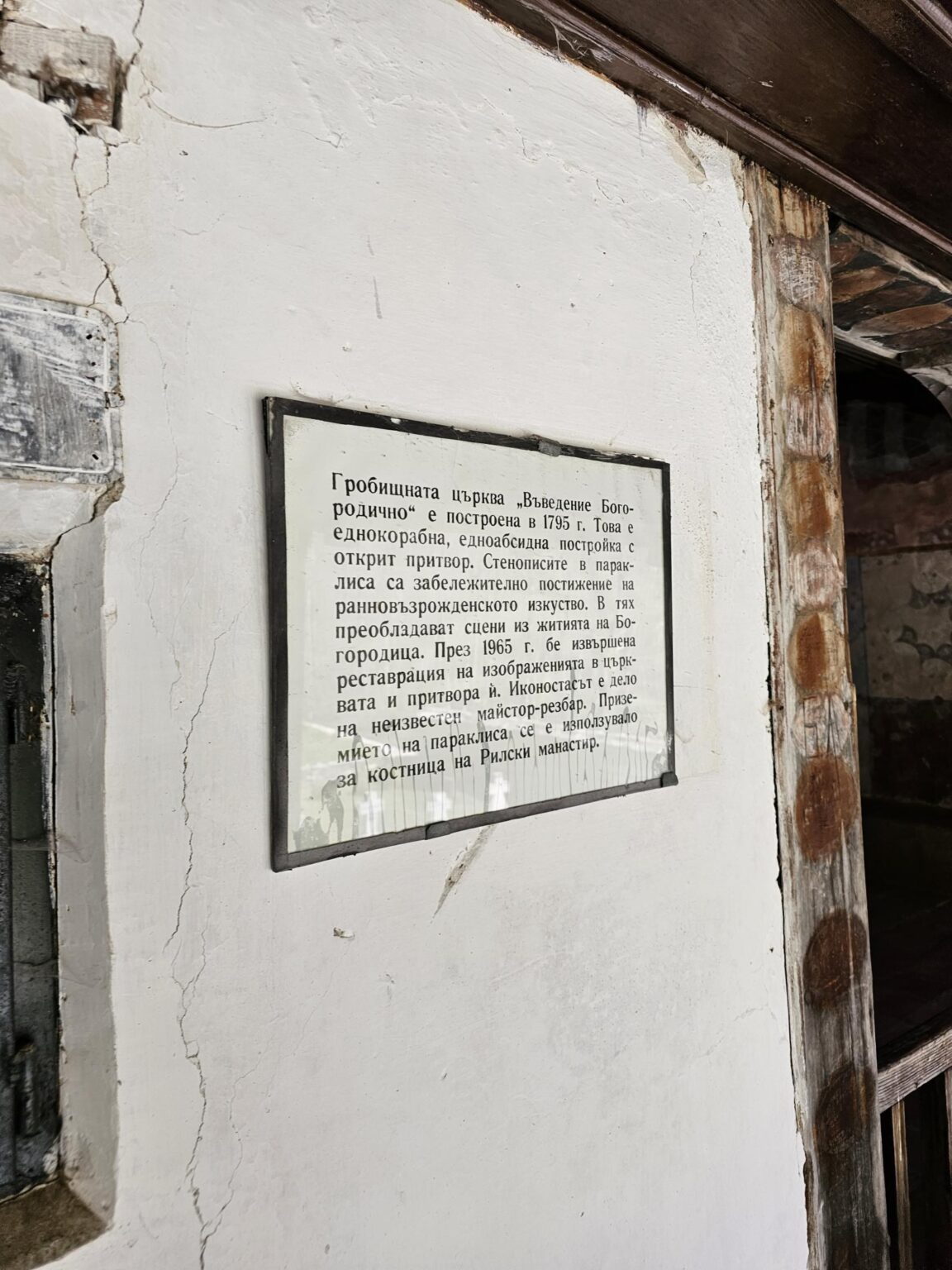
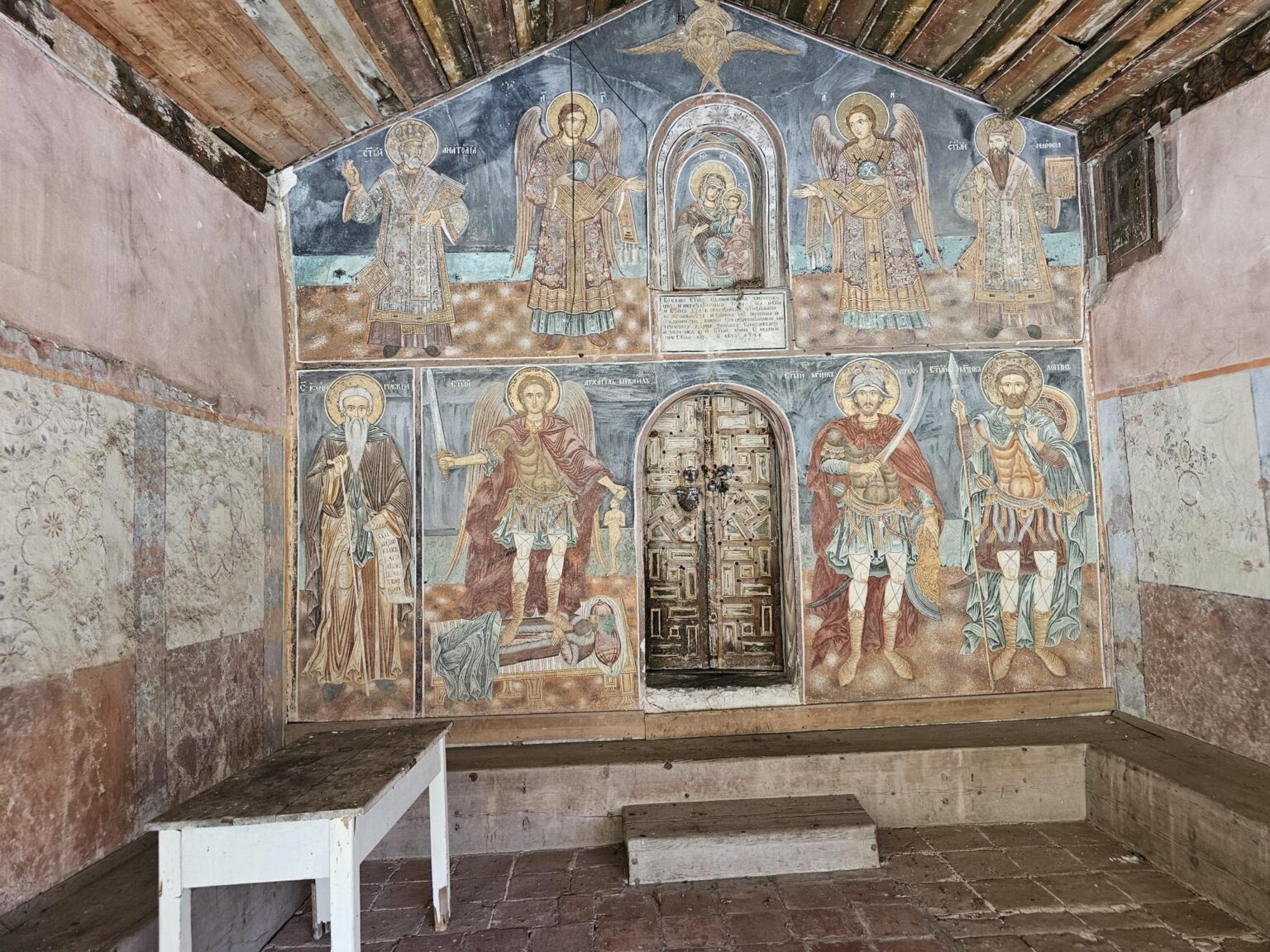
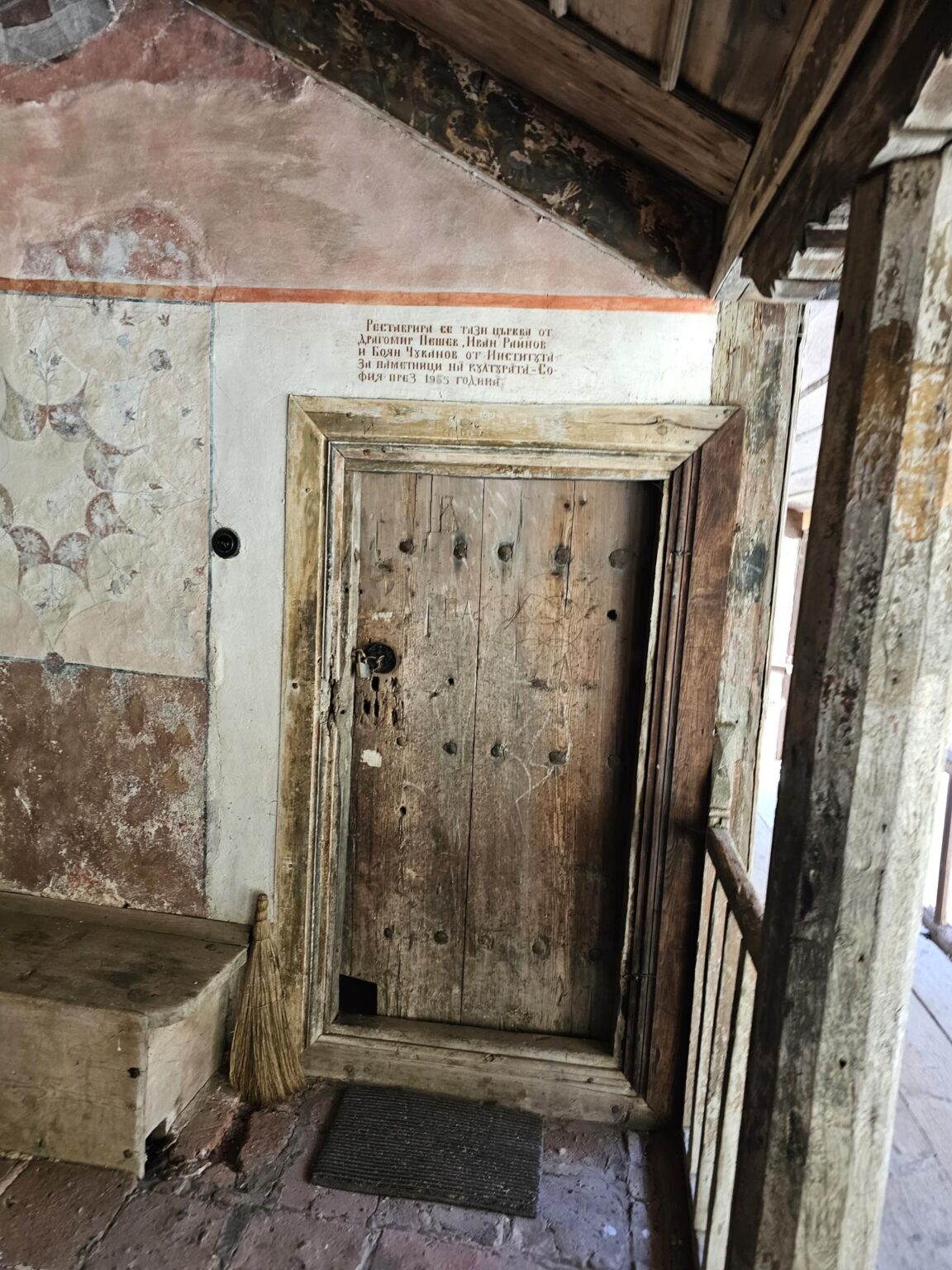
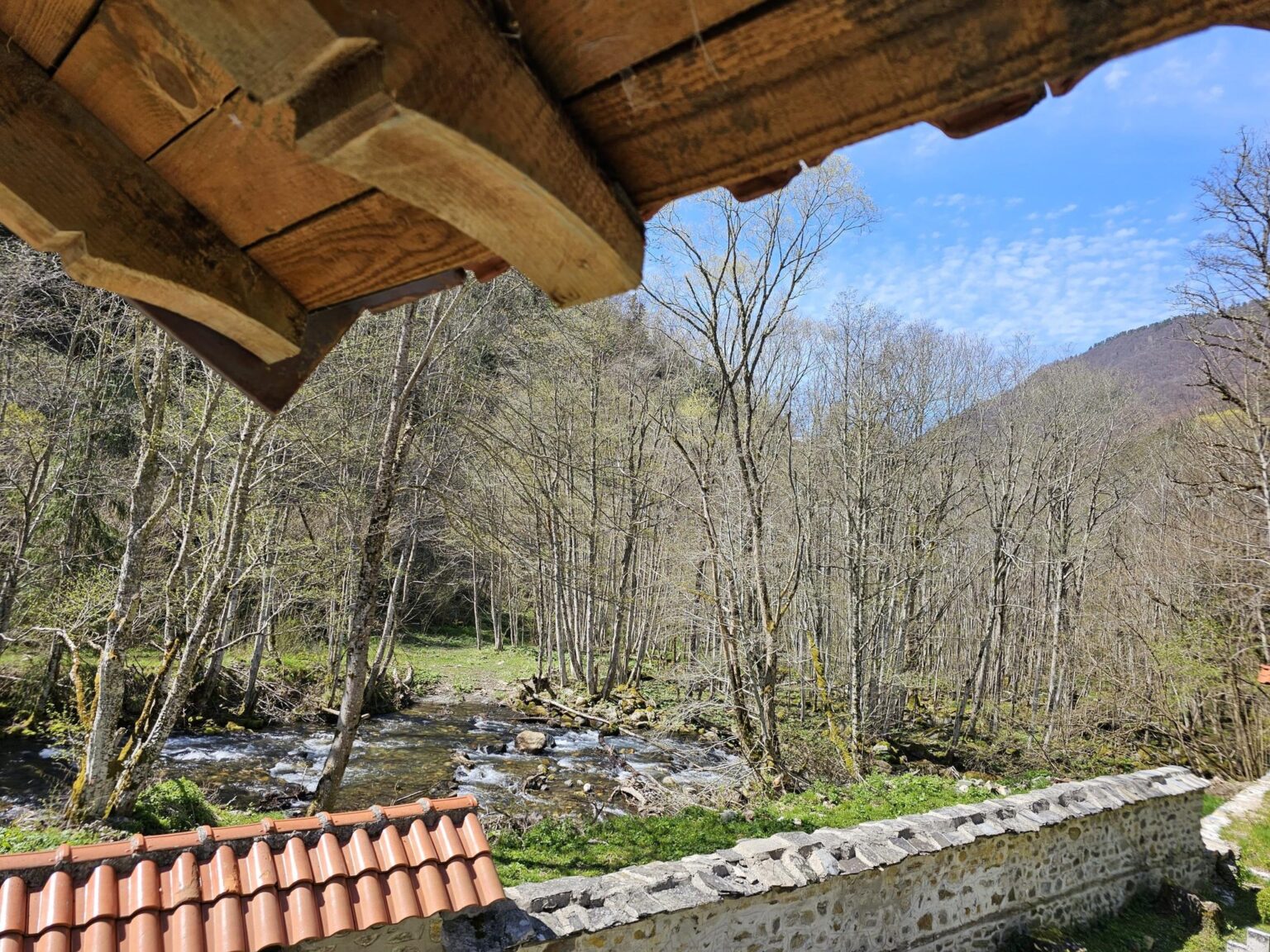
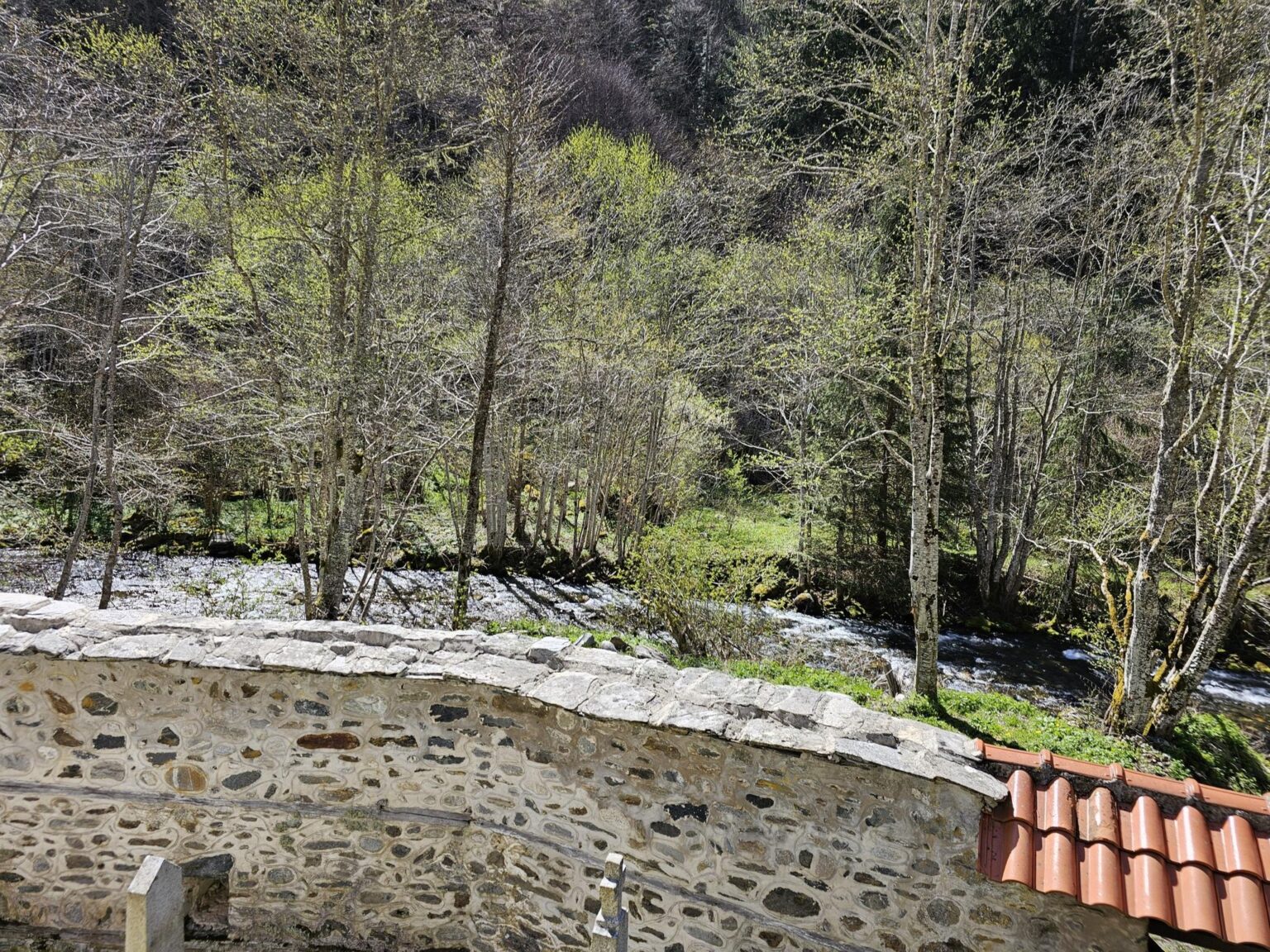
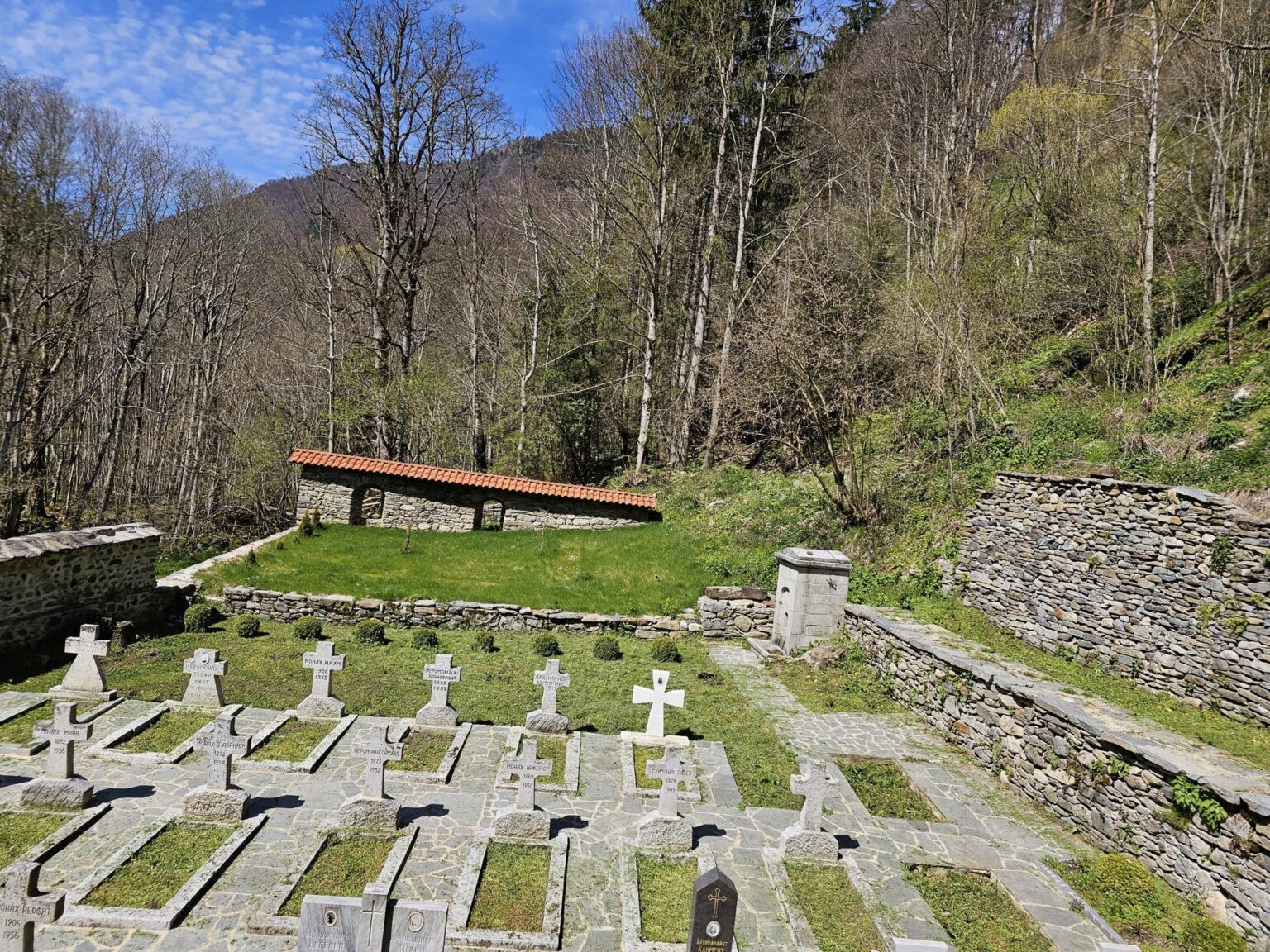
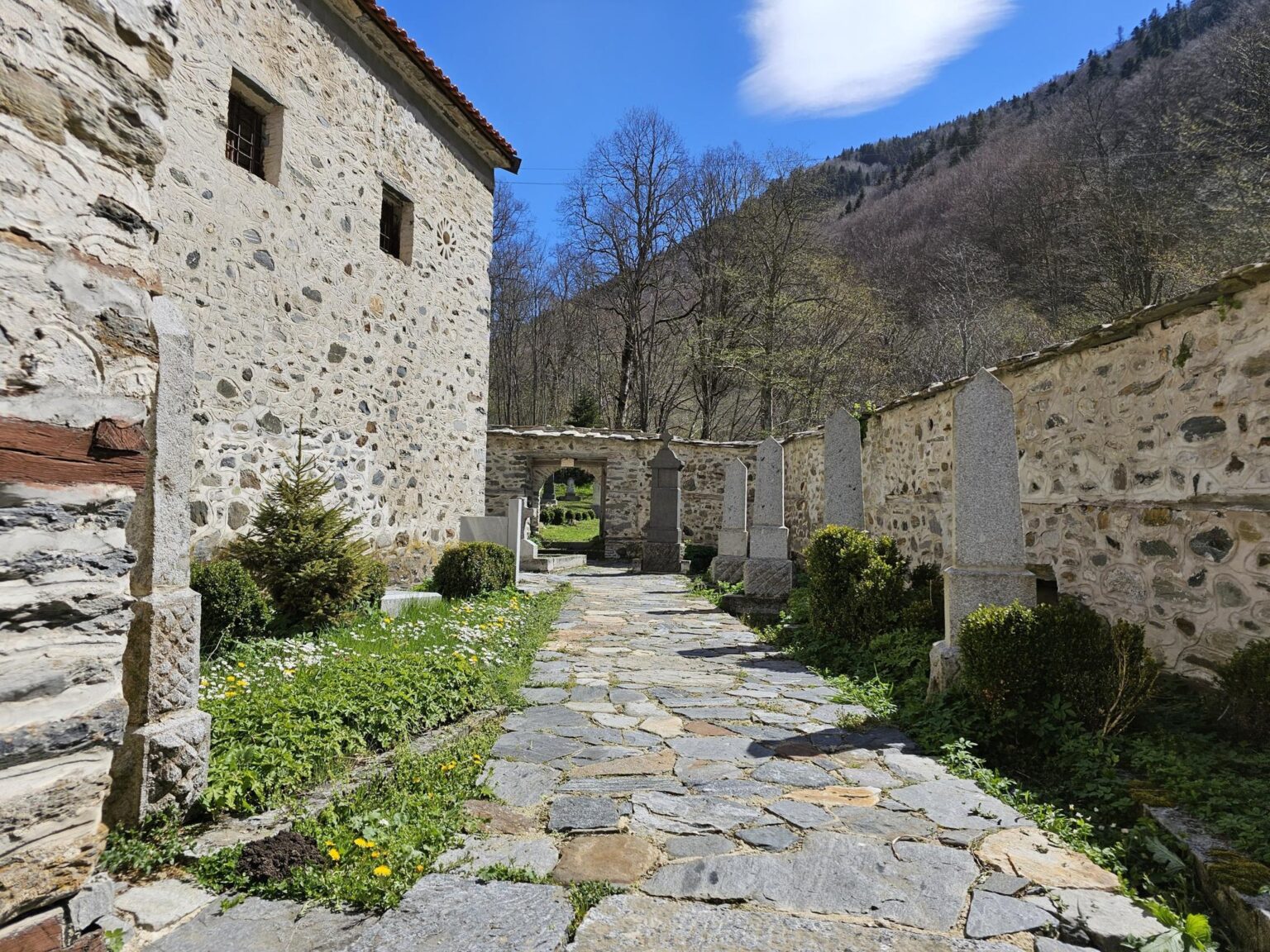
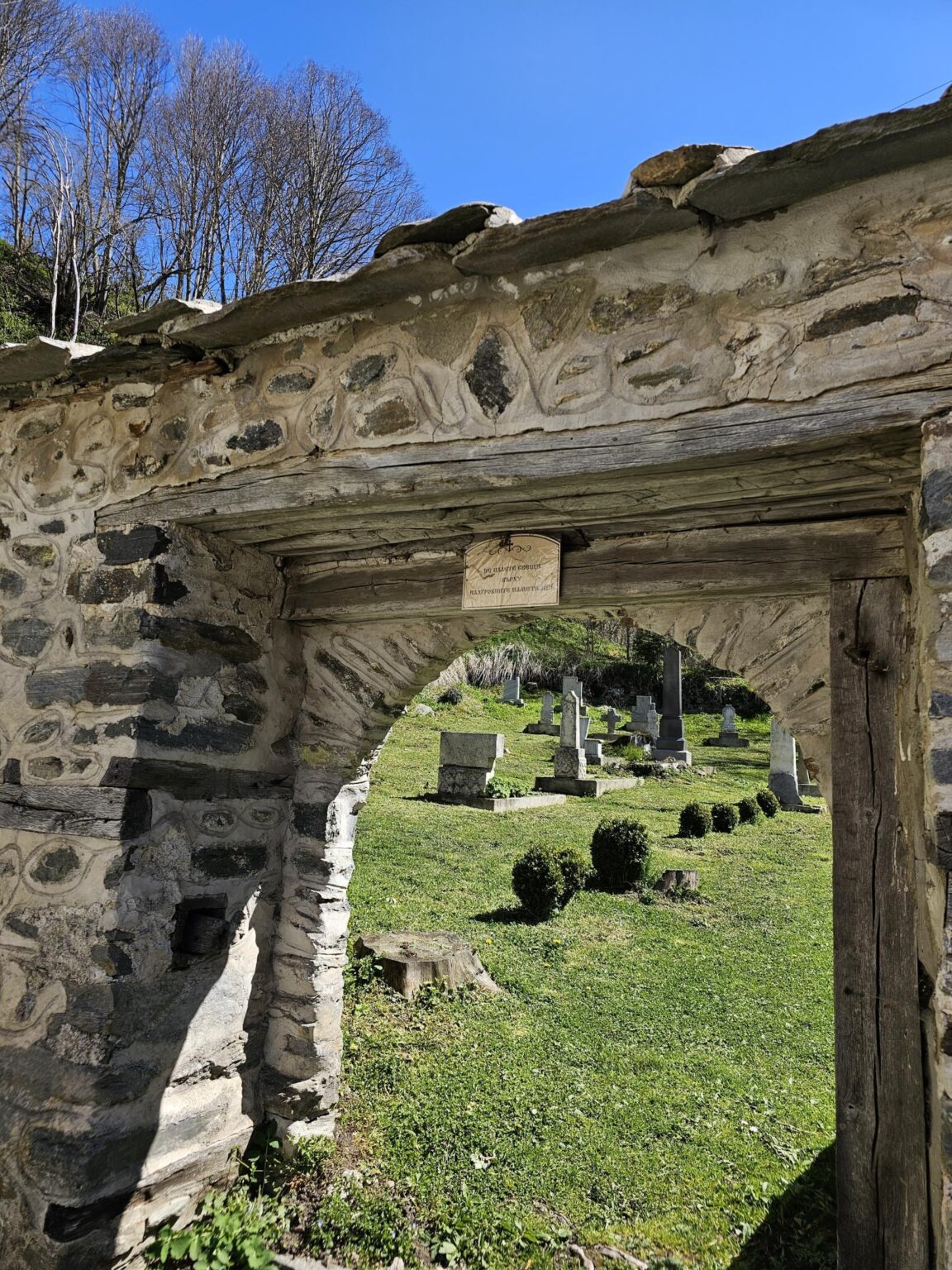
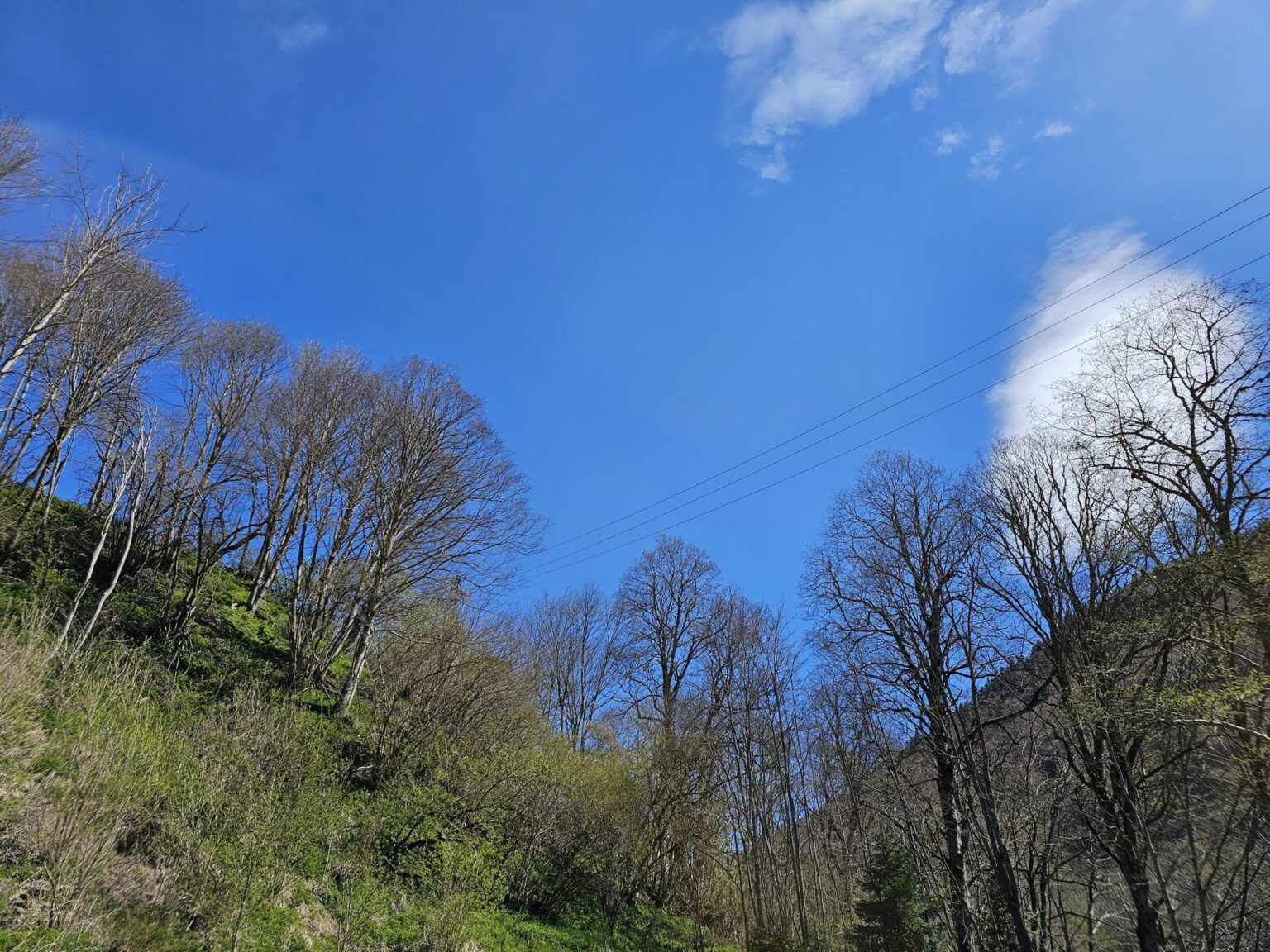
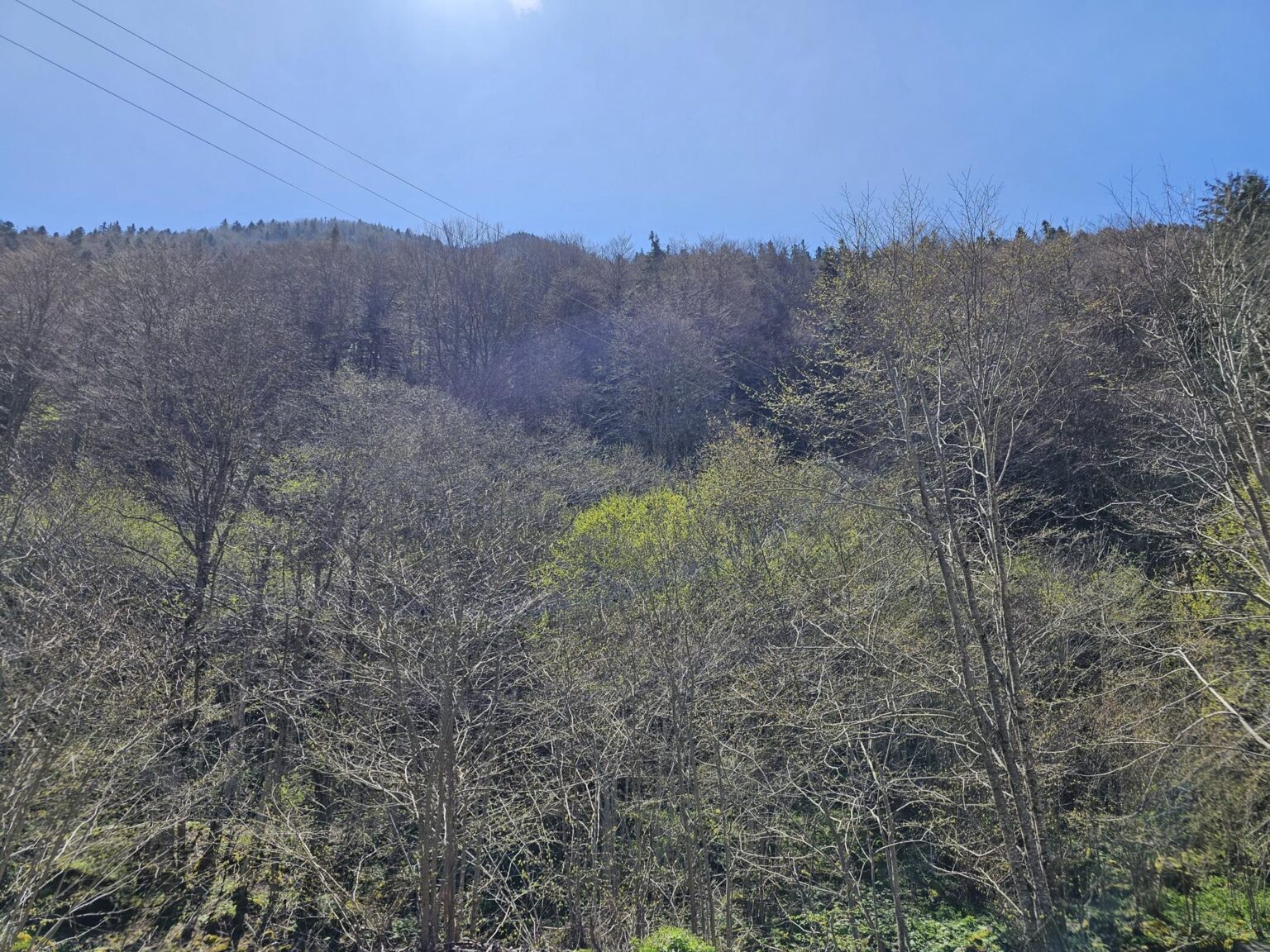
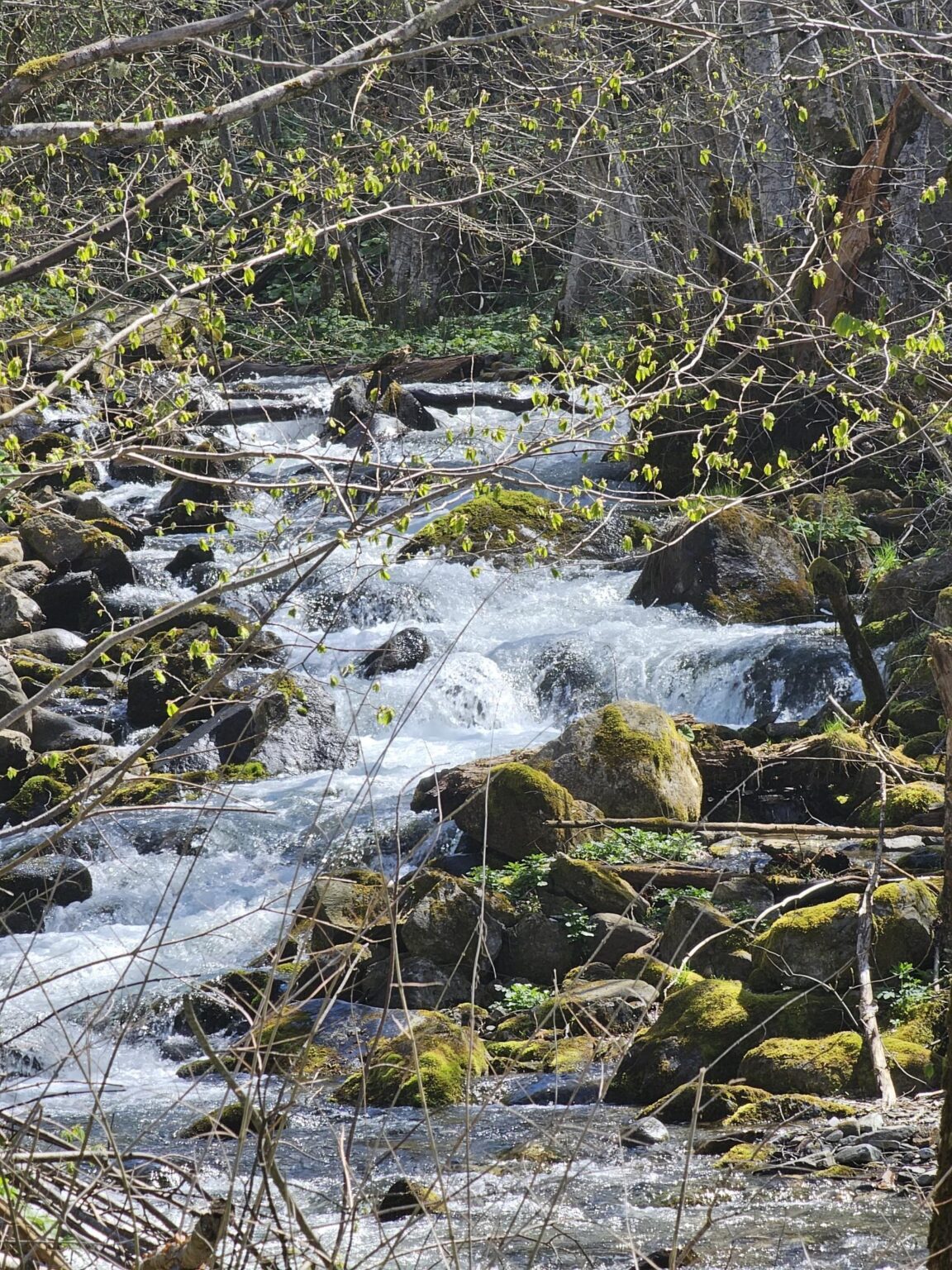
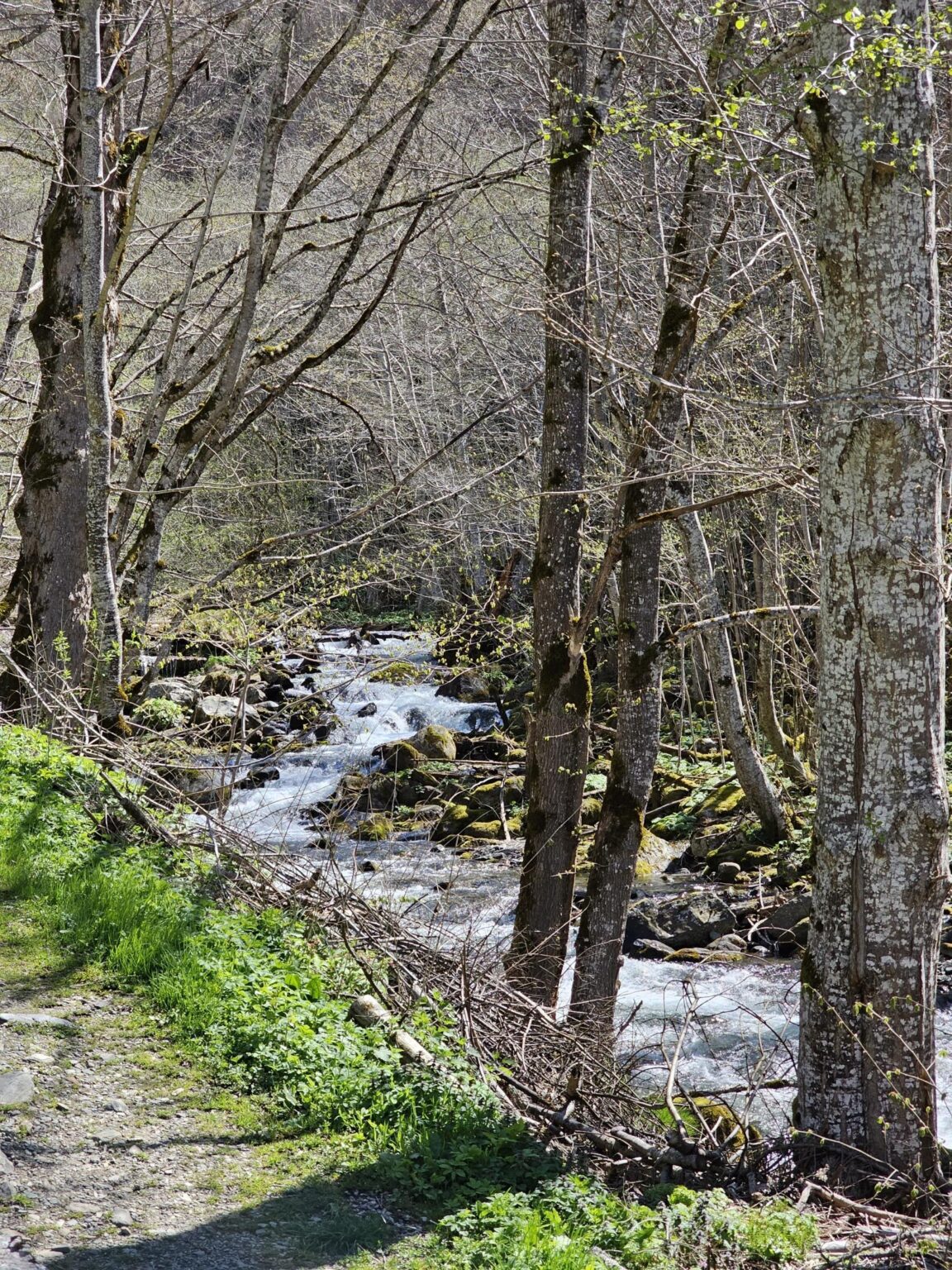
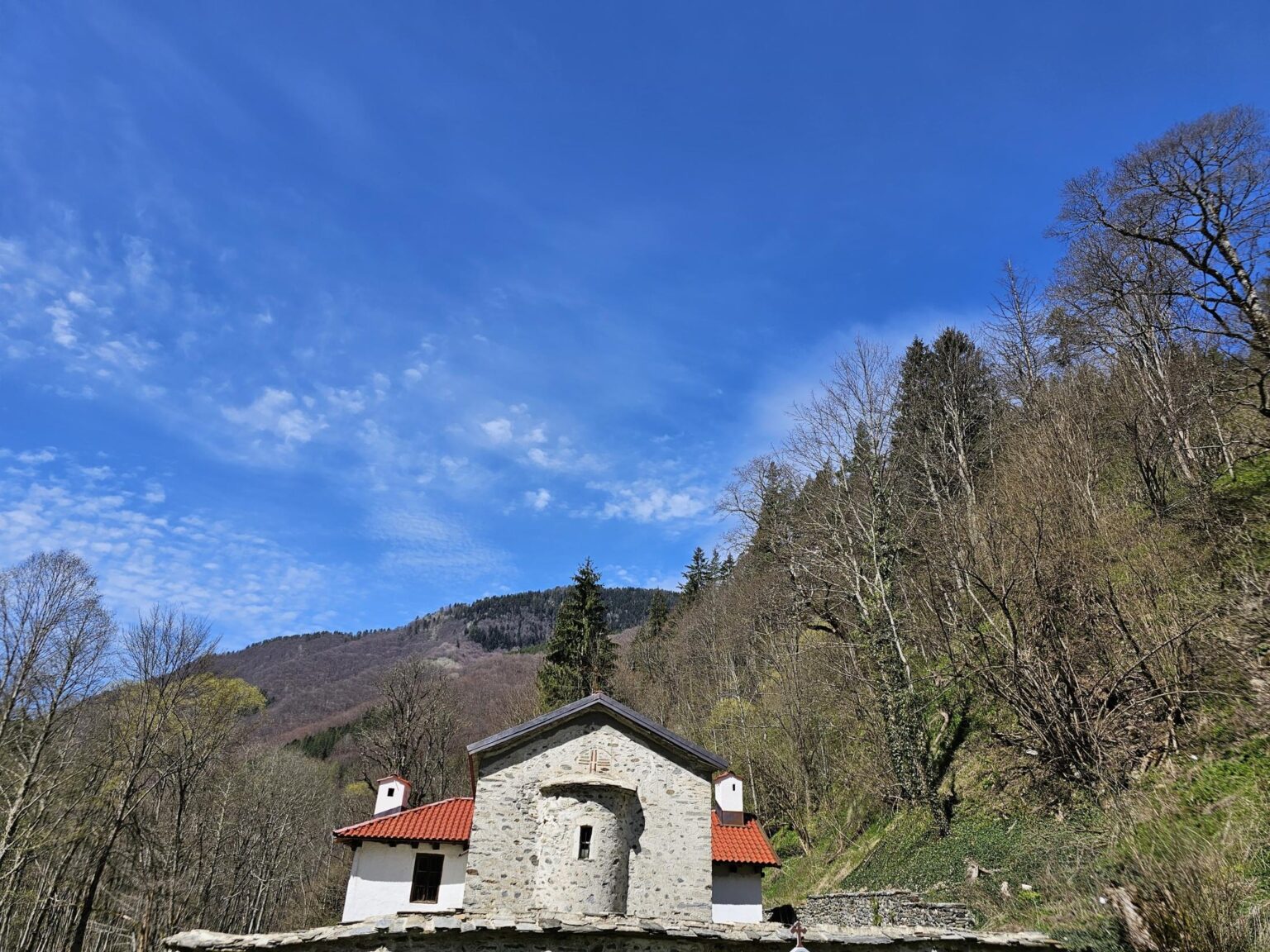
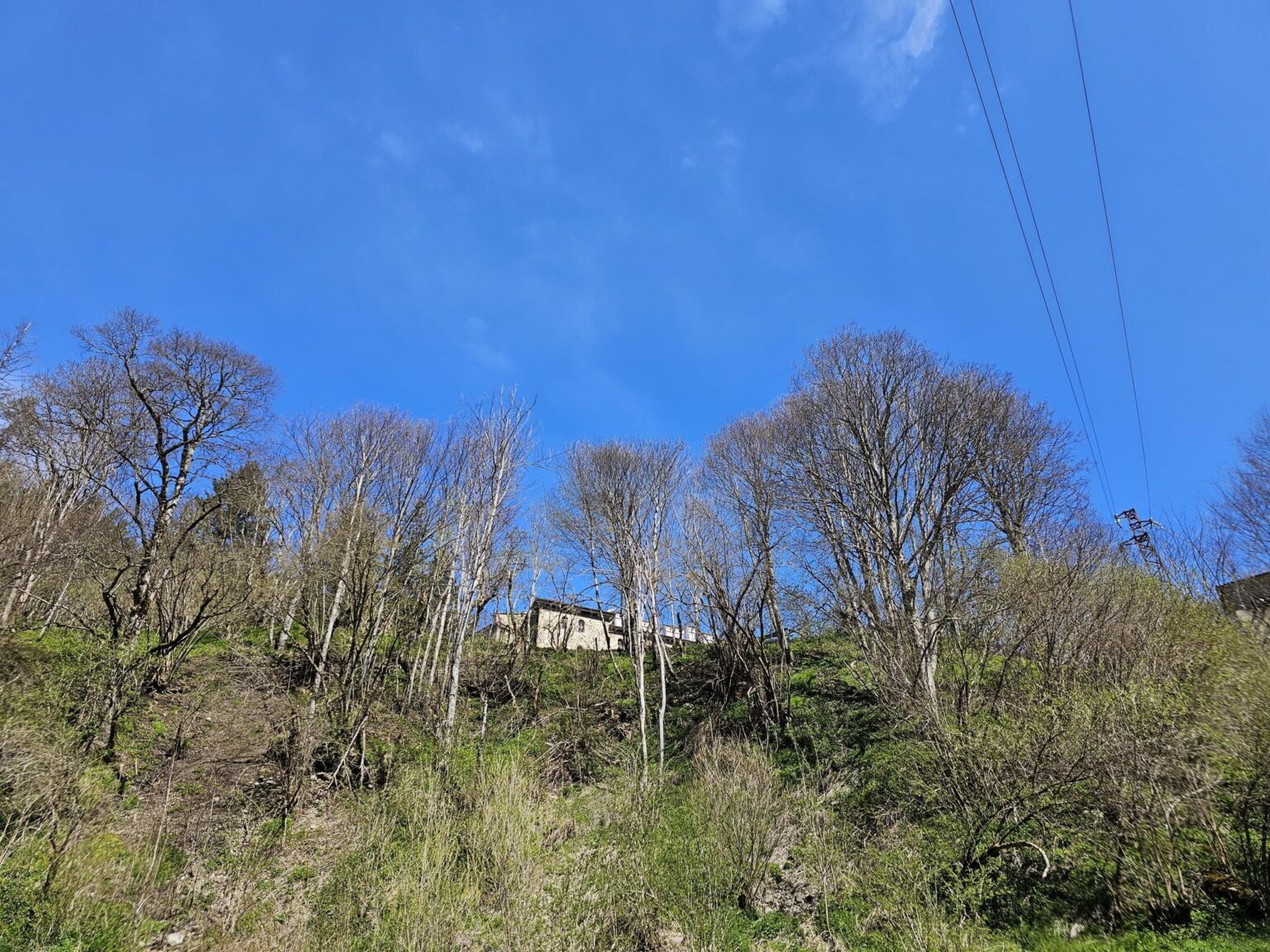
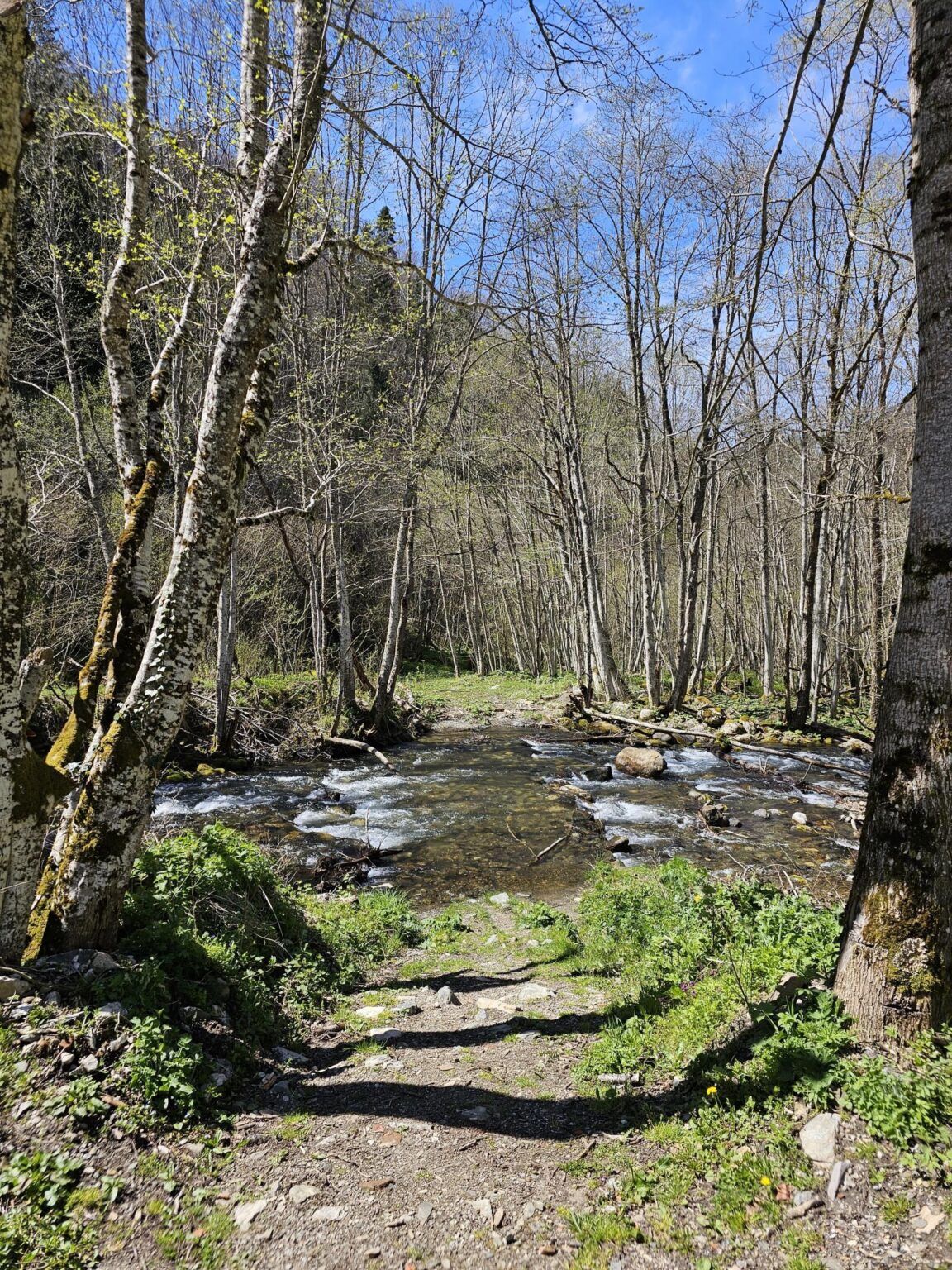
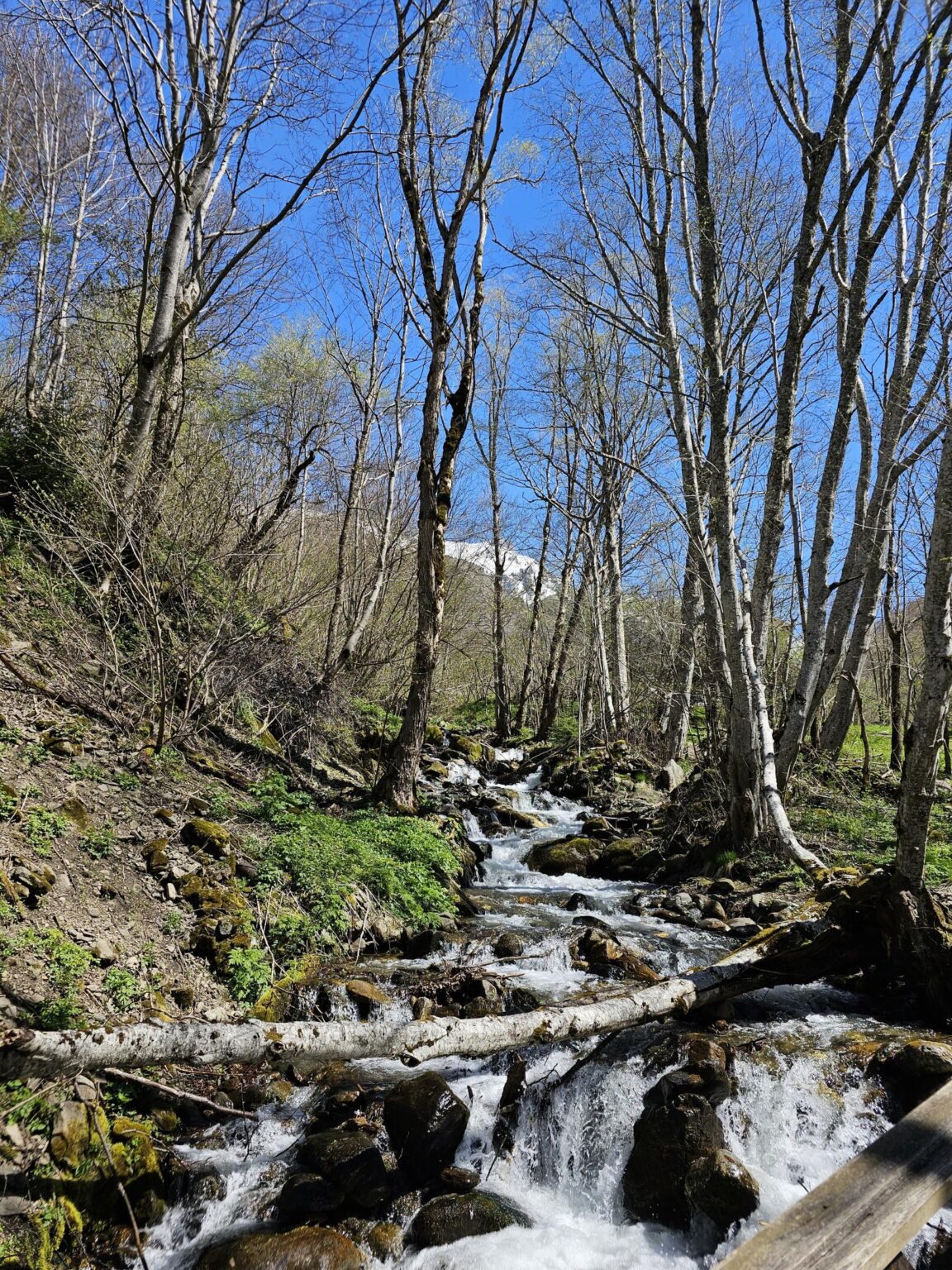
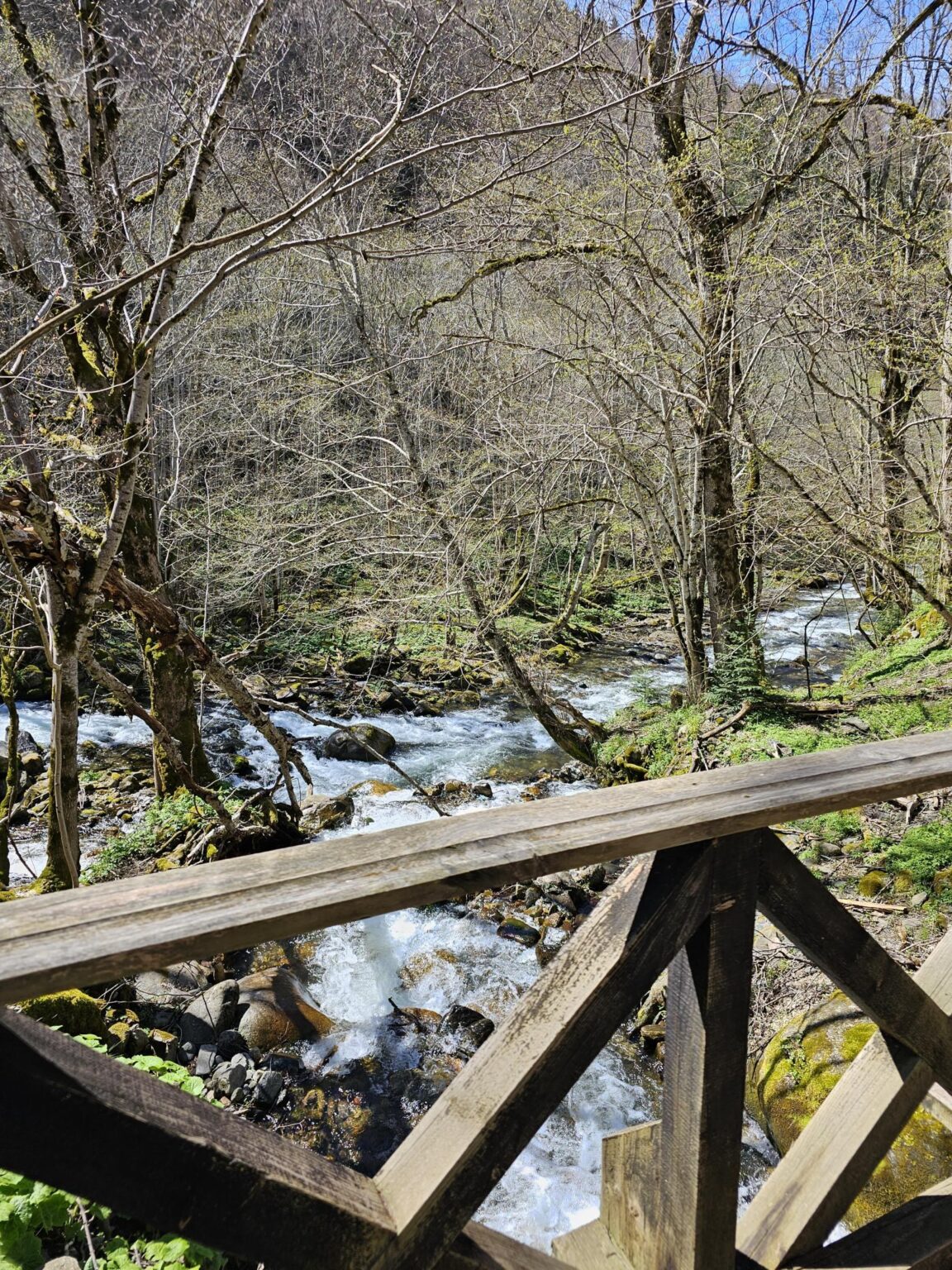
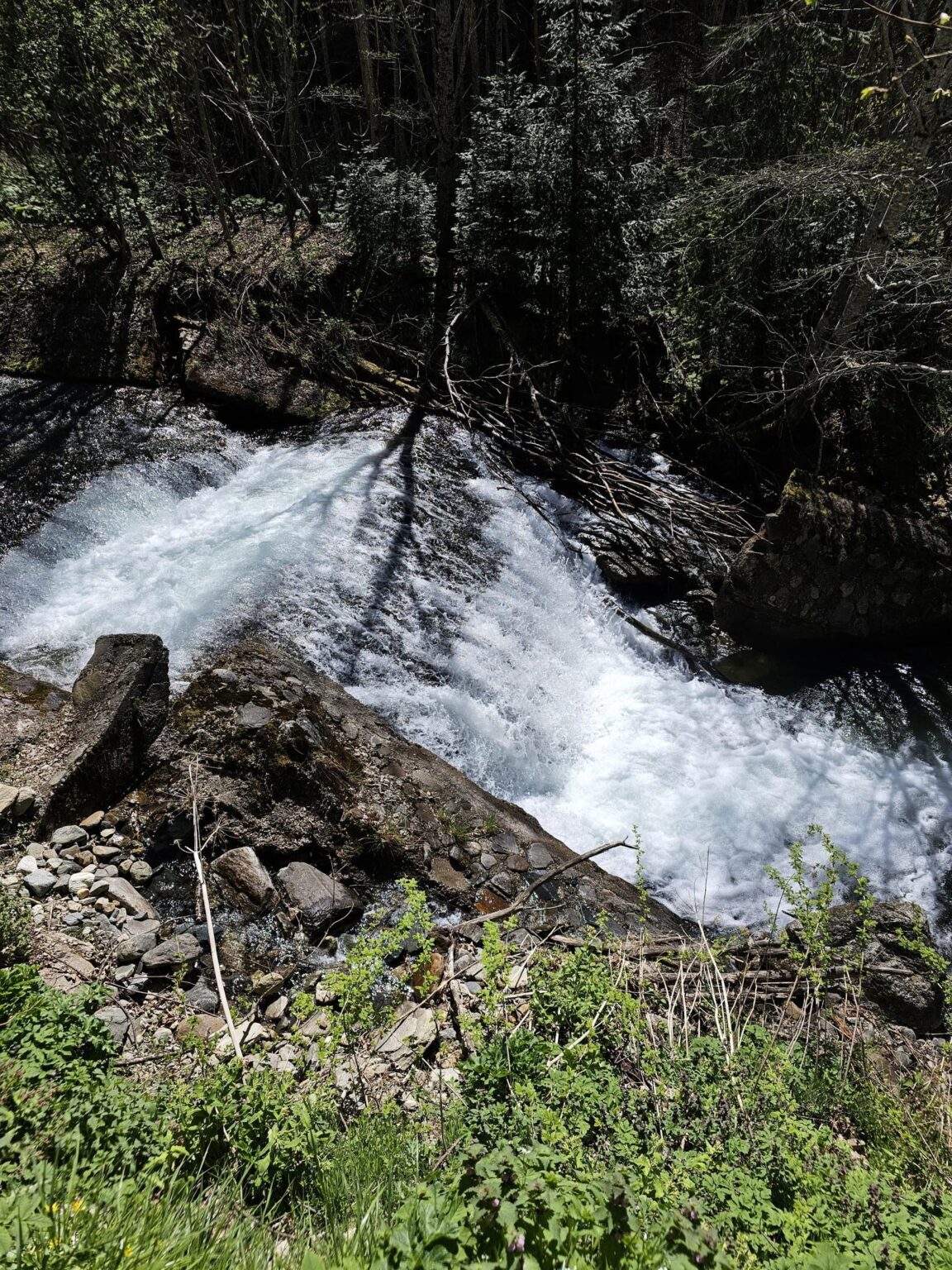
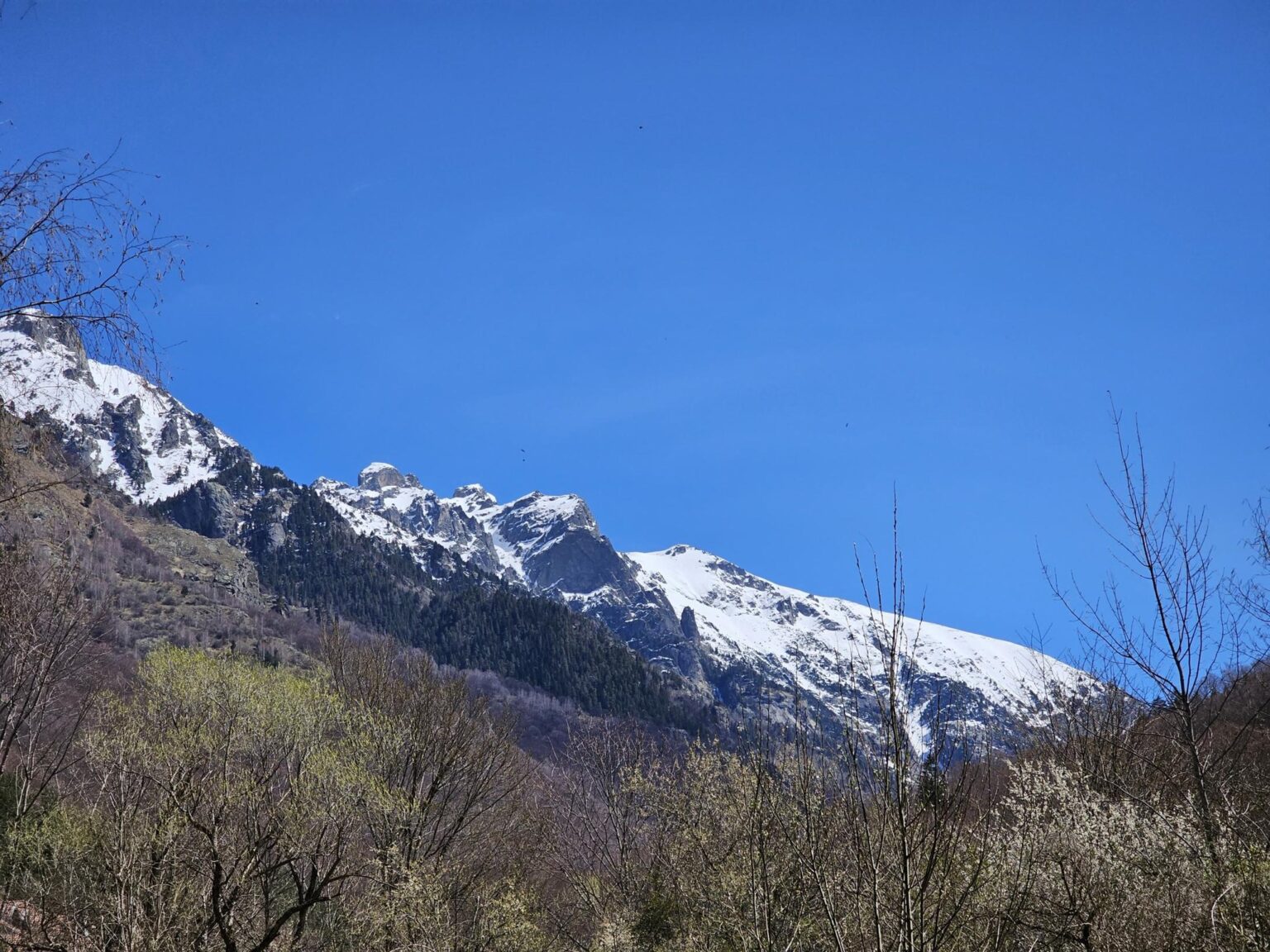
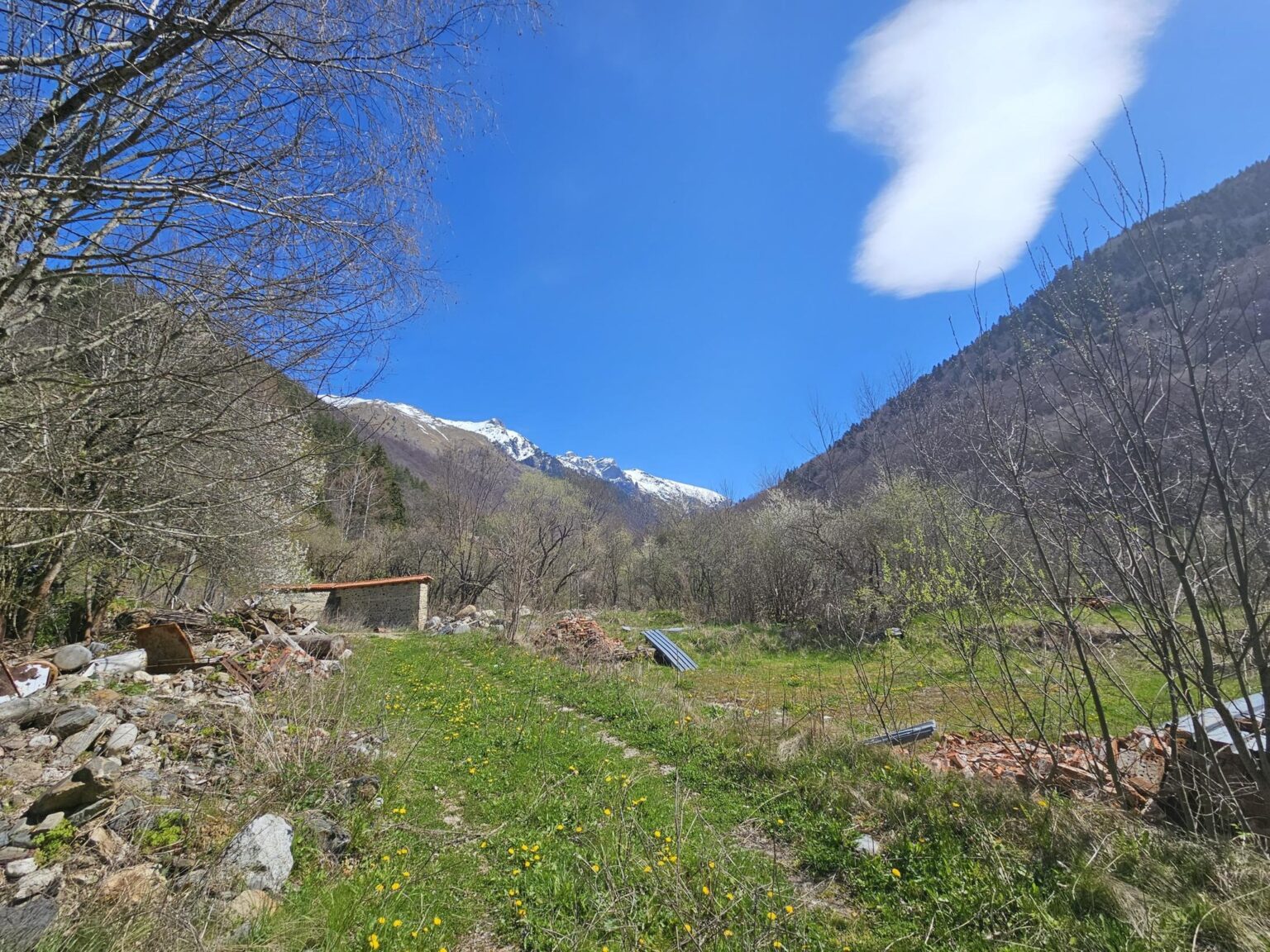
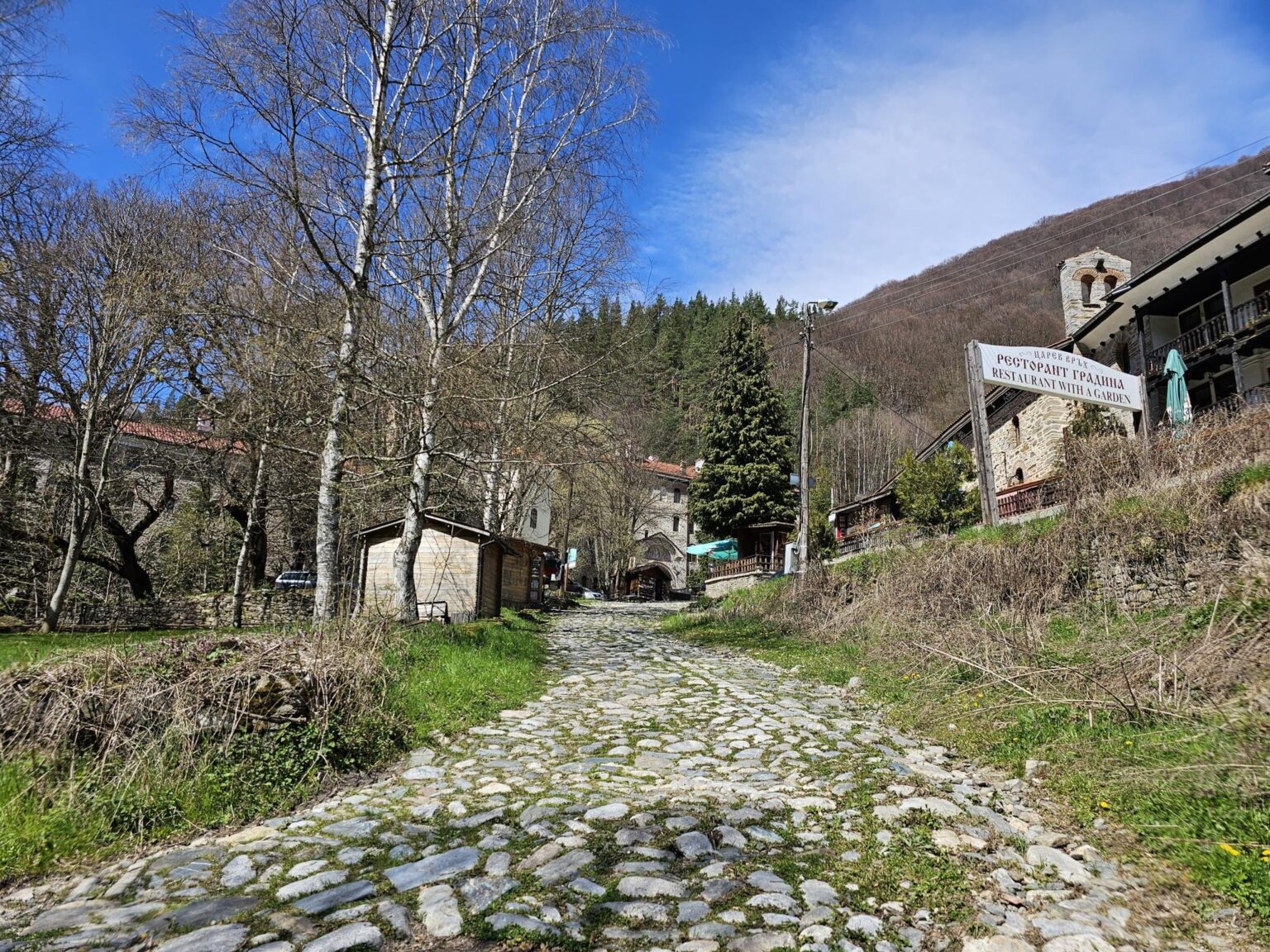
With the practical part done, we naturally head for something less famous. Around the mekitsi stand — that is, by the monastery exit — there’s a small sign for the monastery ossuary. Follow it and you drop down a few steps. In barely five minutes Rila’s nature opens up in full glory, complete with a river and a bonus waterfall.
Beautiful.
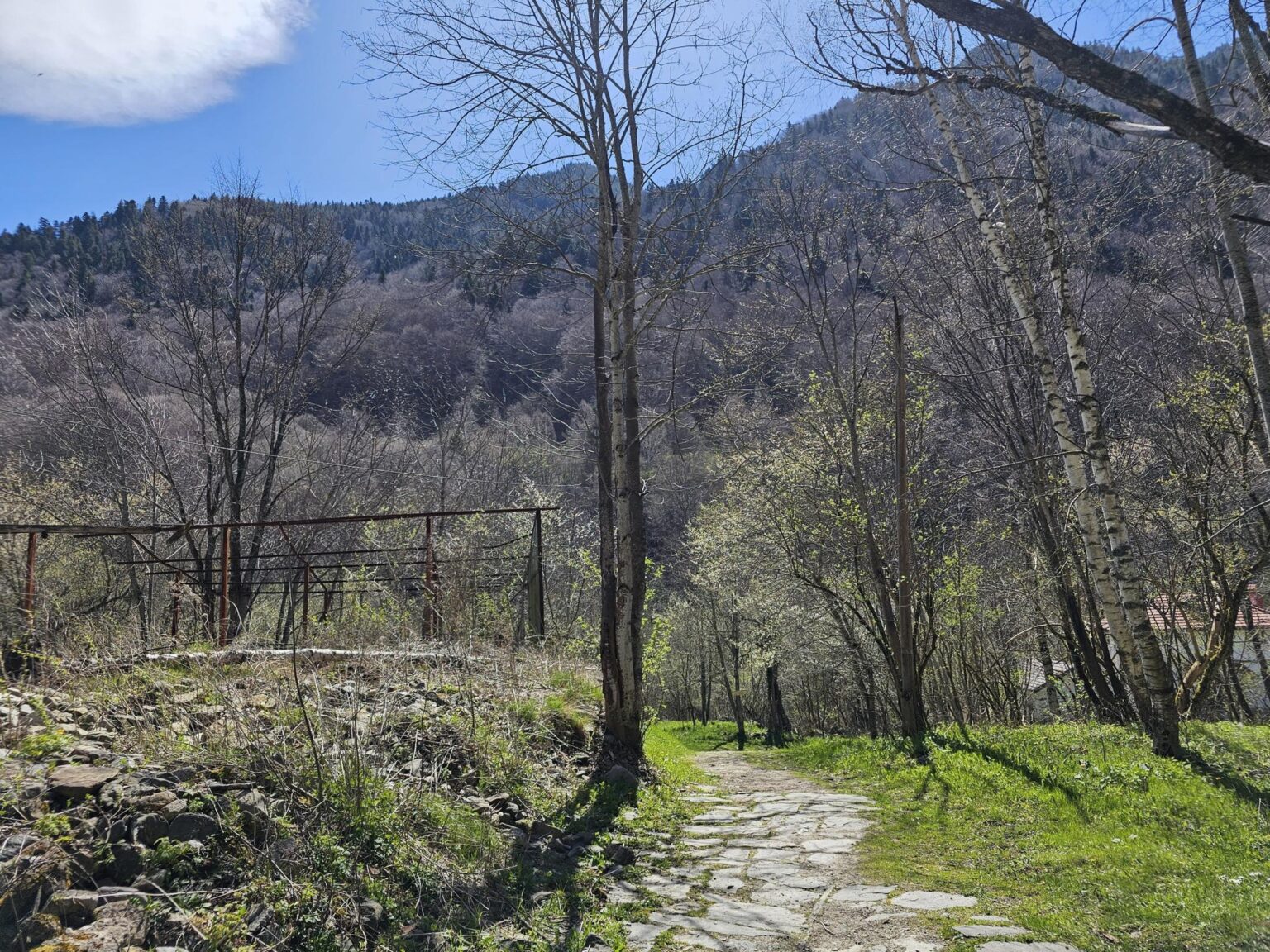
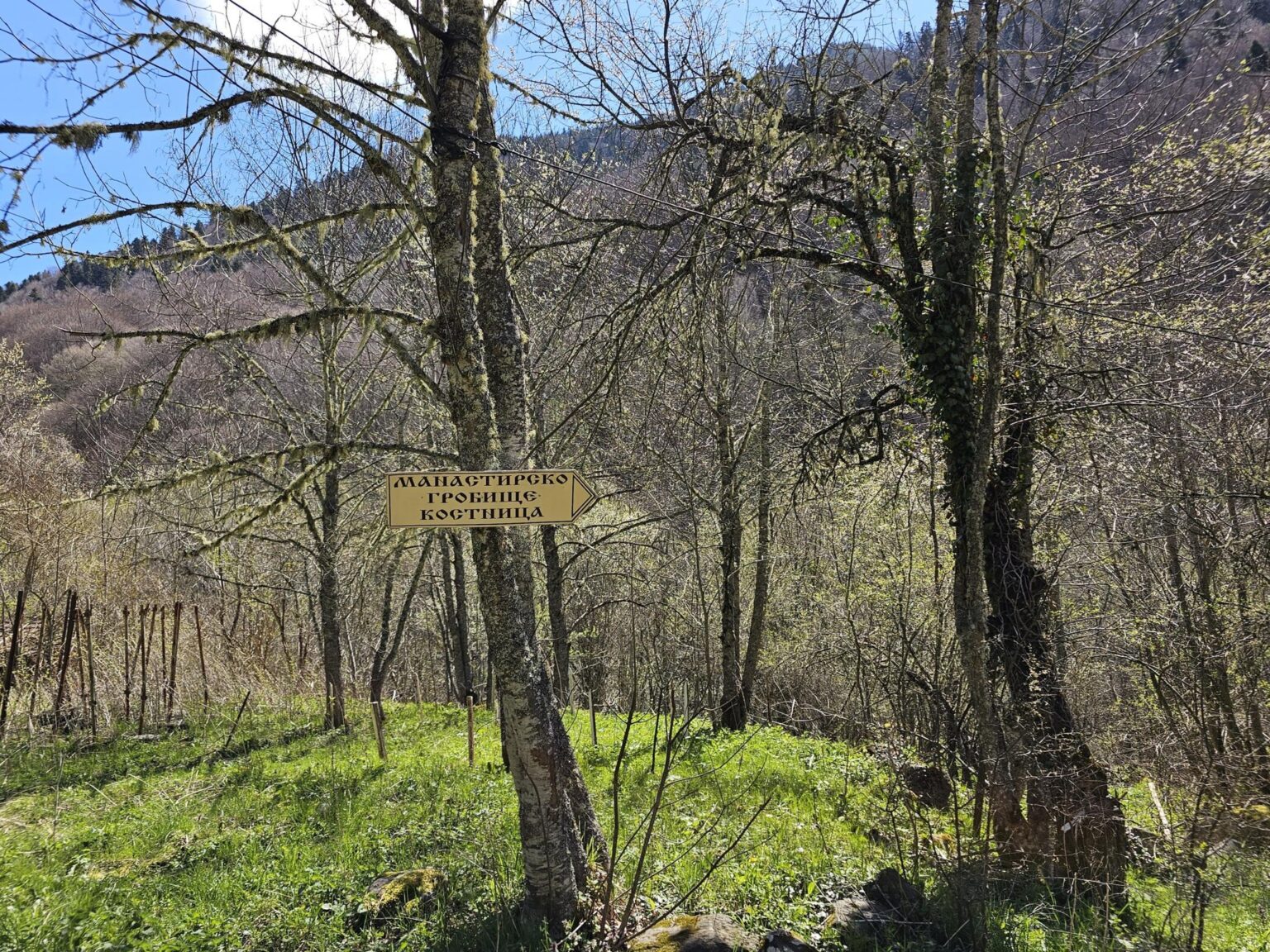
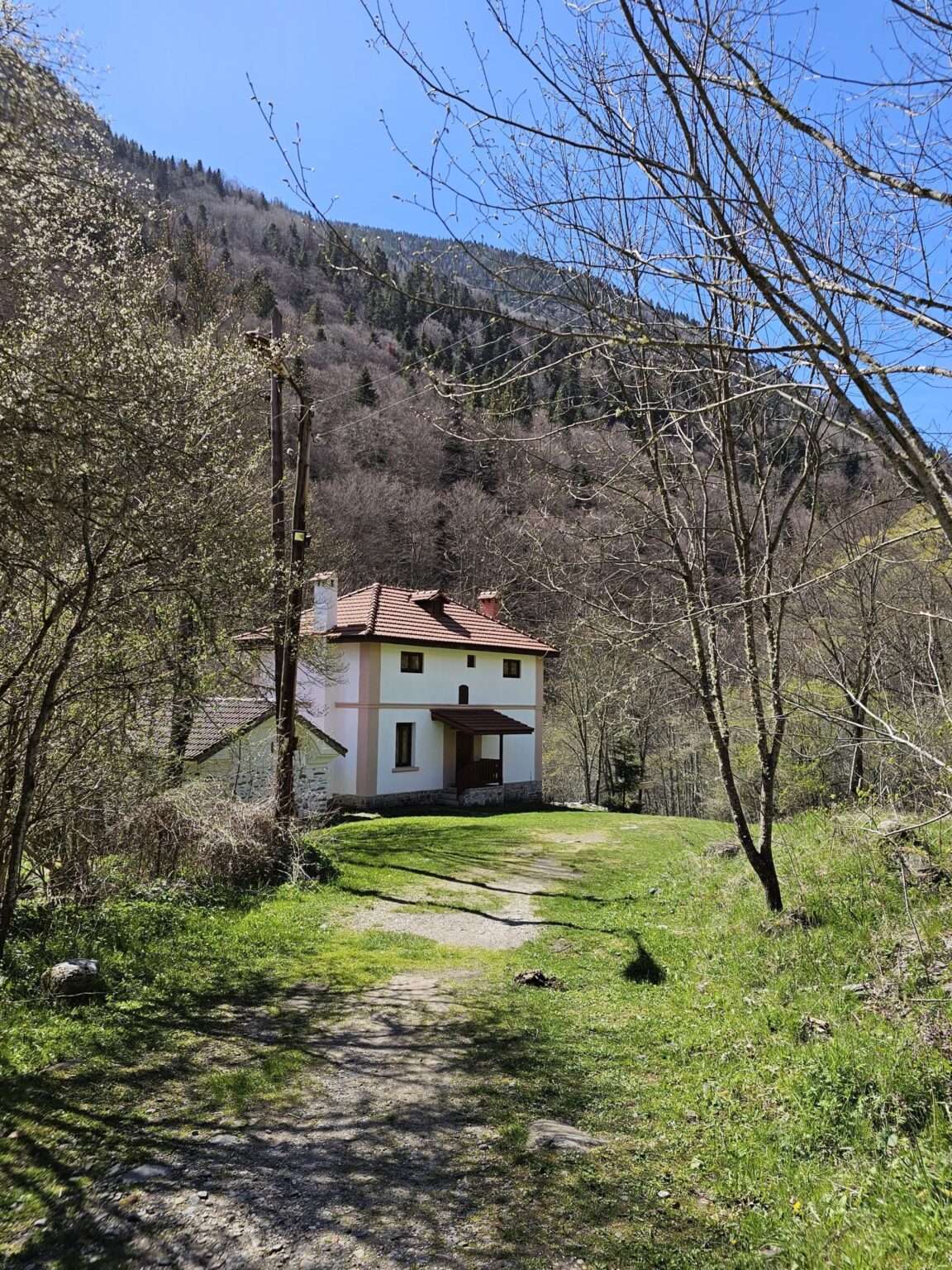
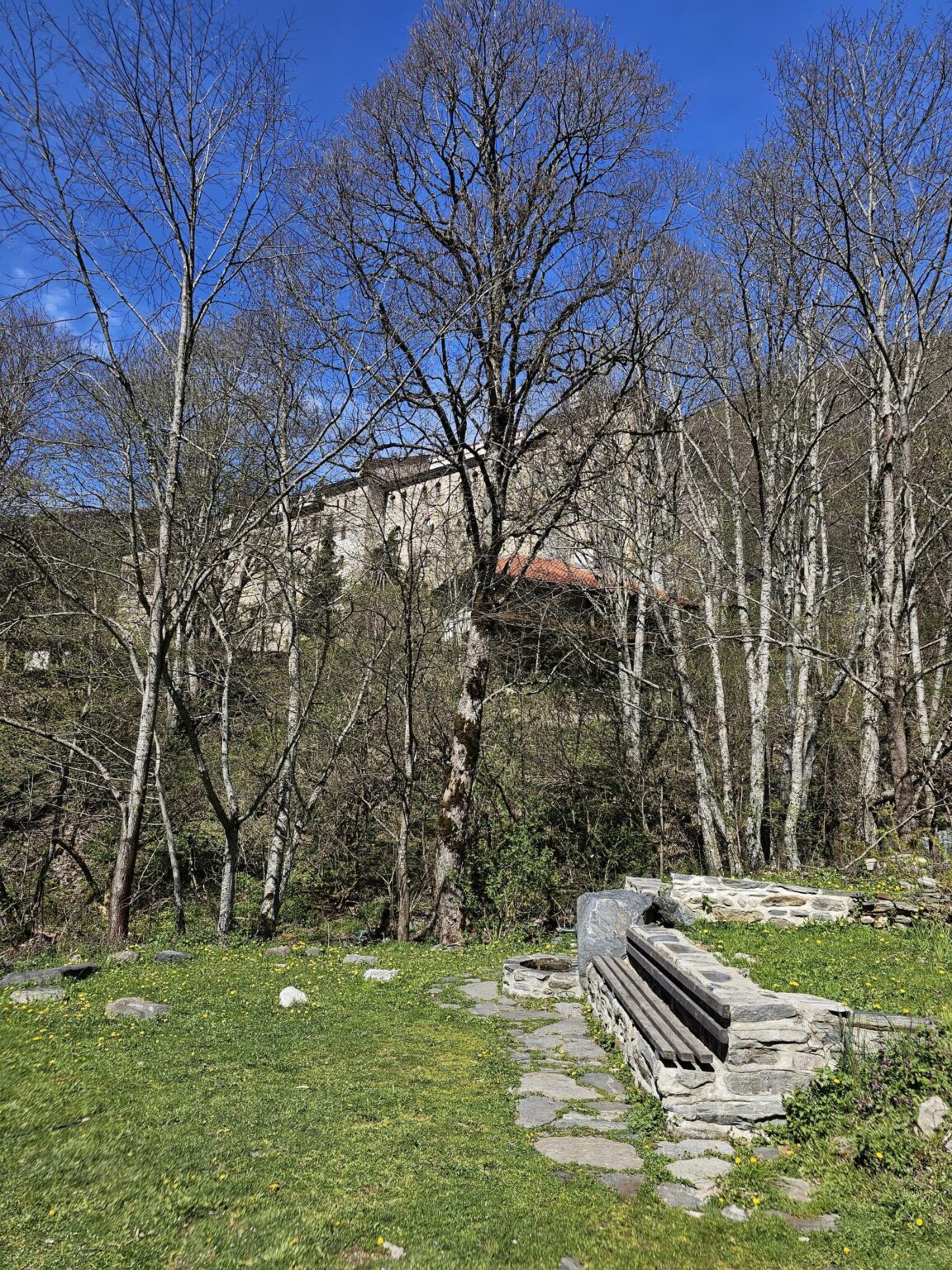
Trails and hikes around the monastery
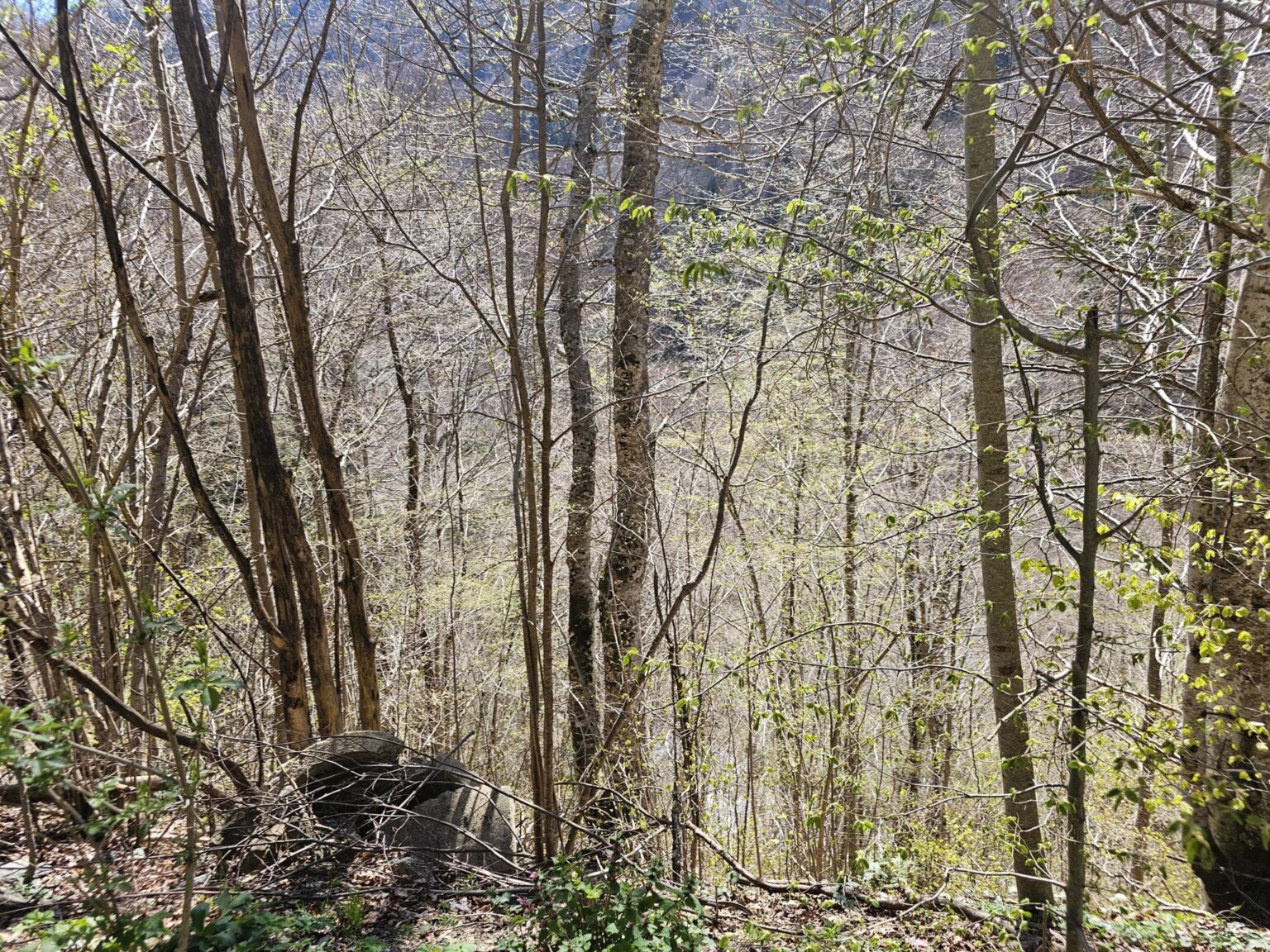
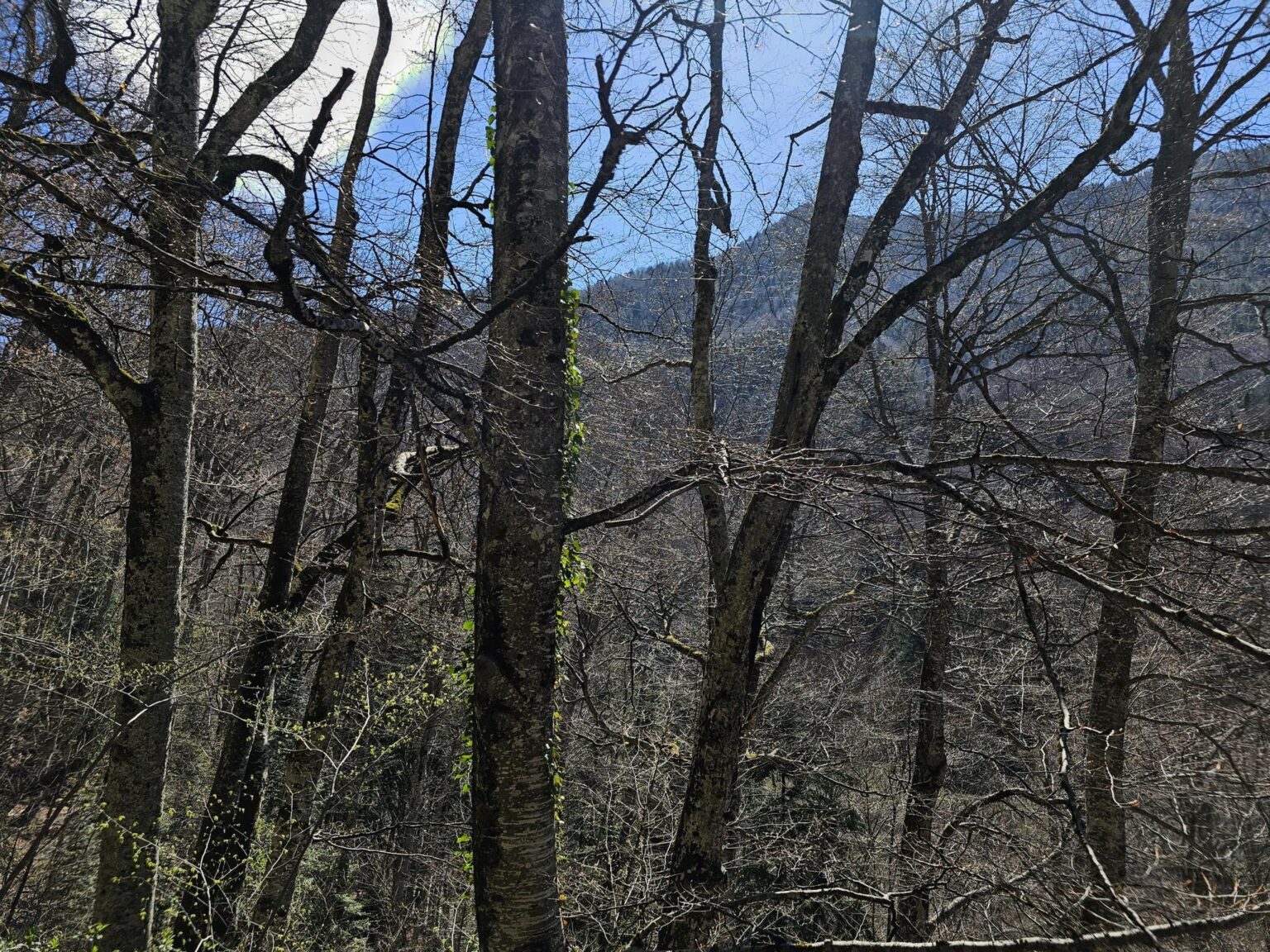
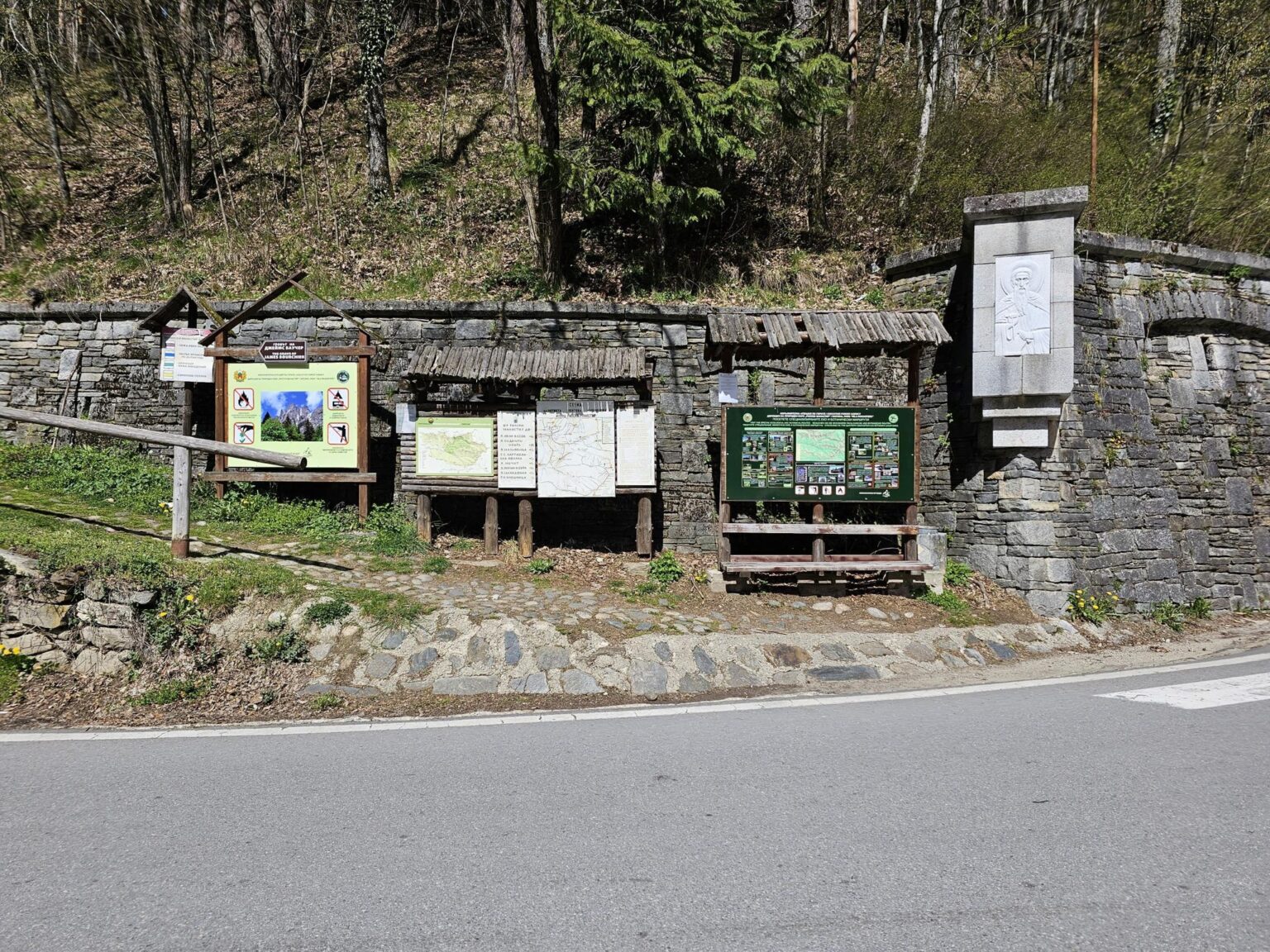
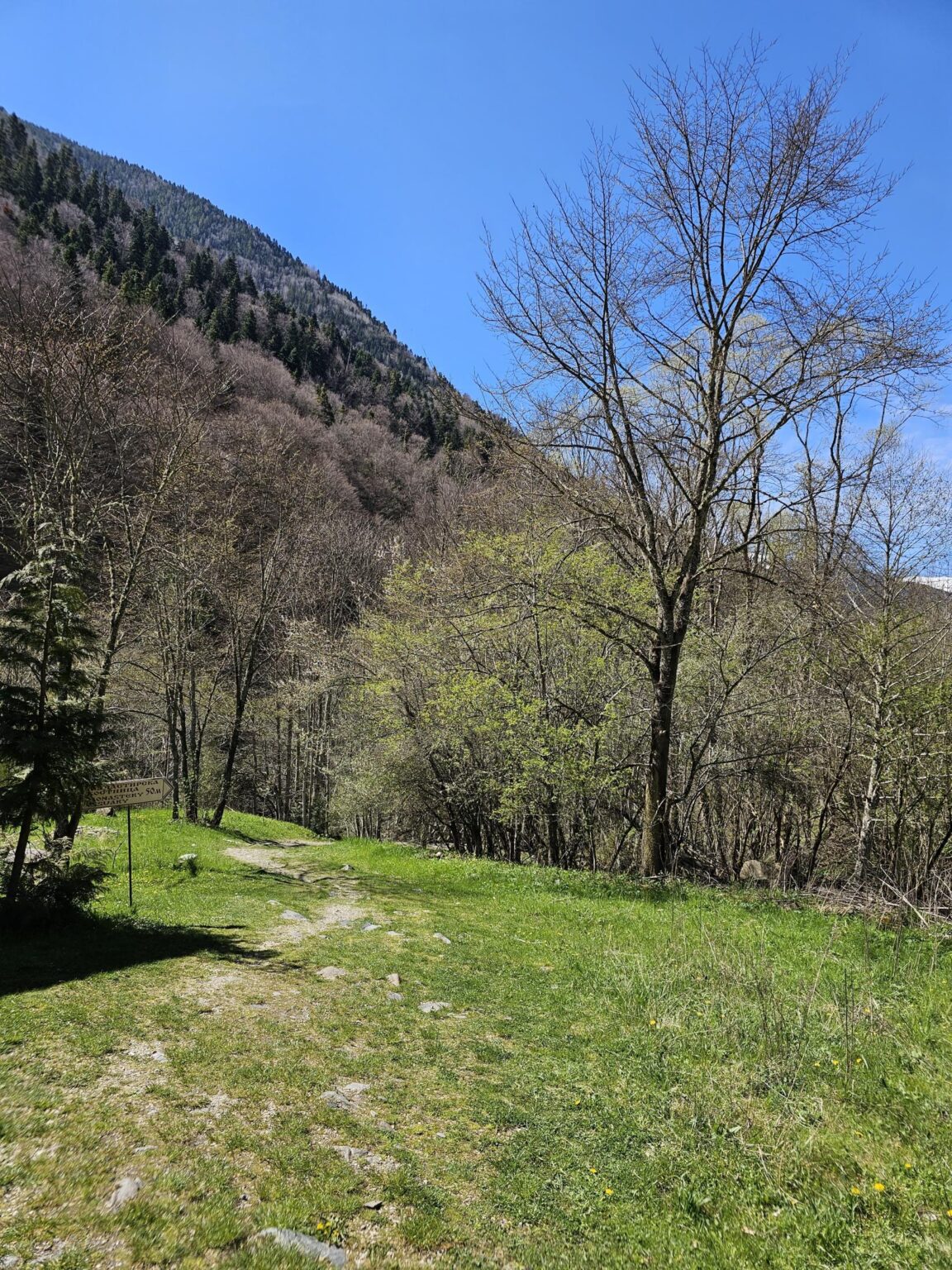
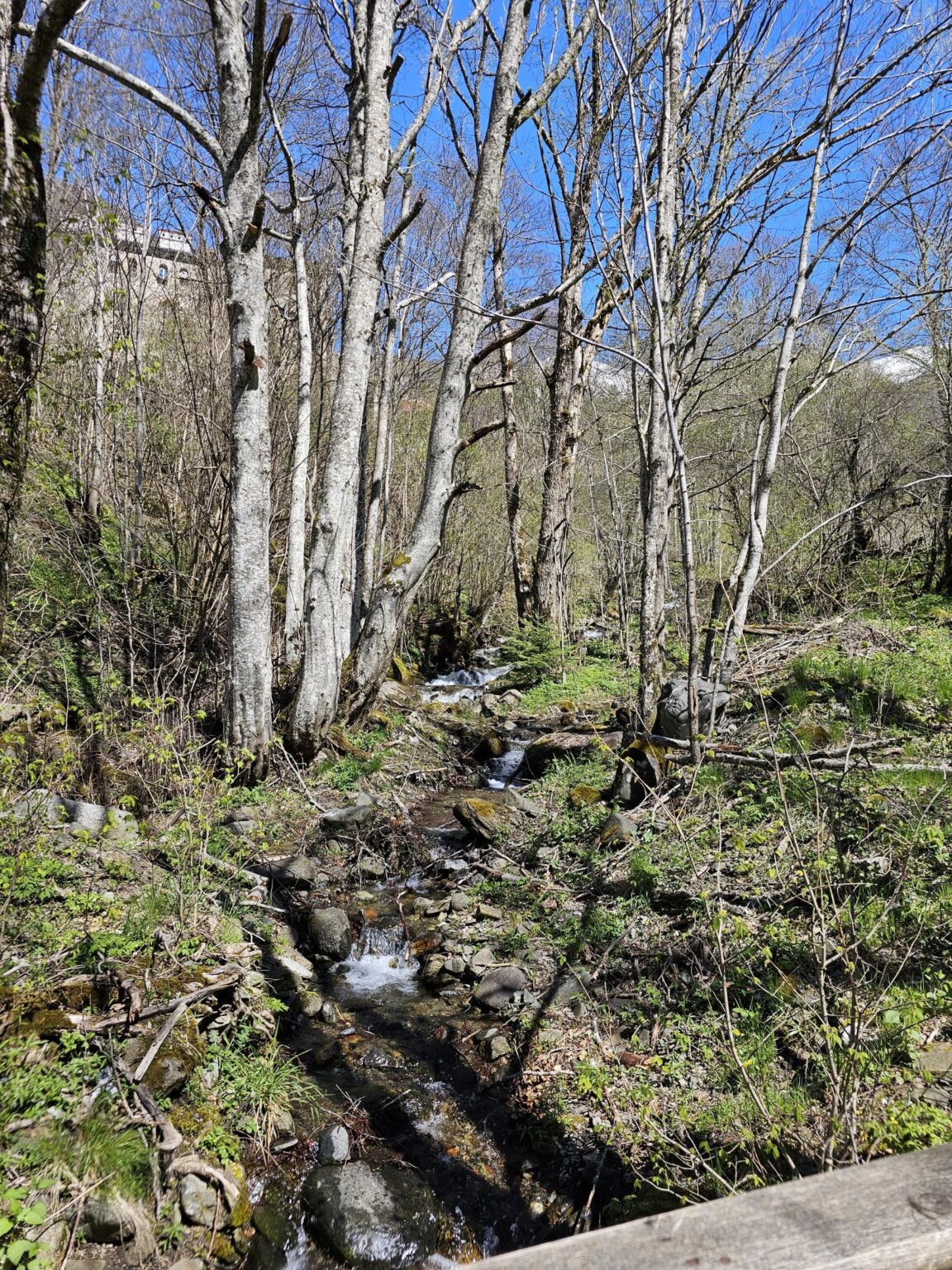
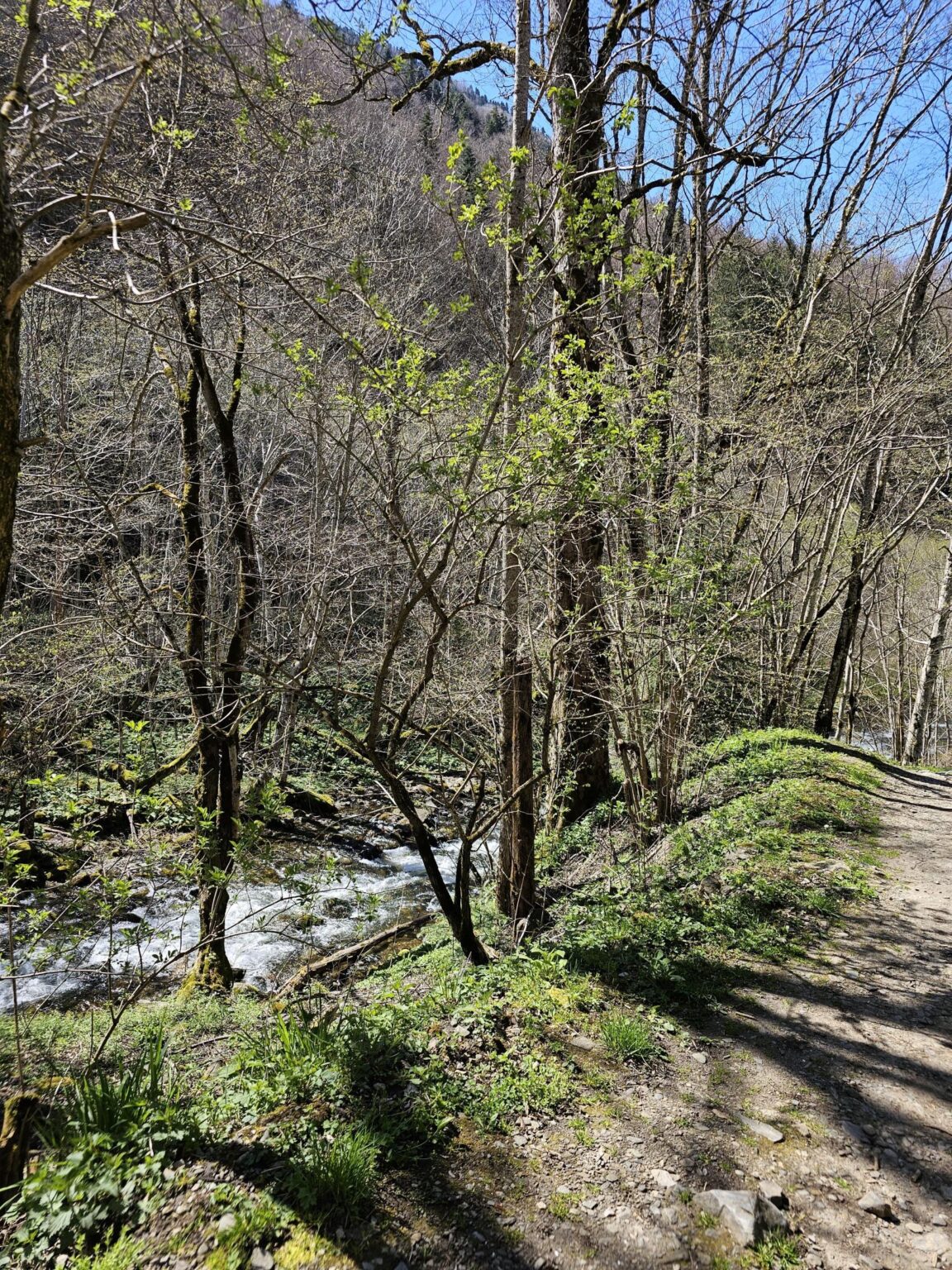
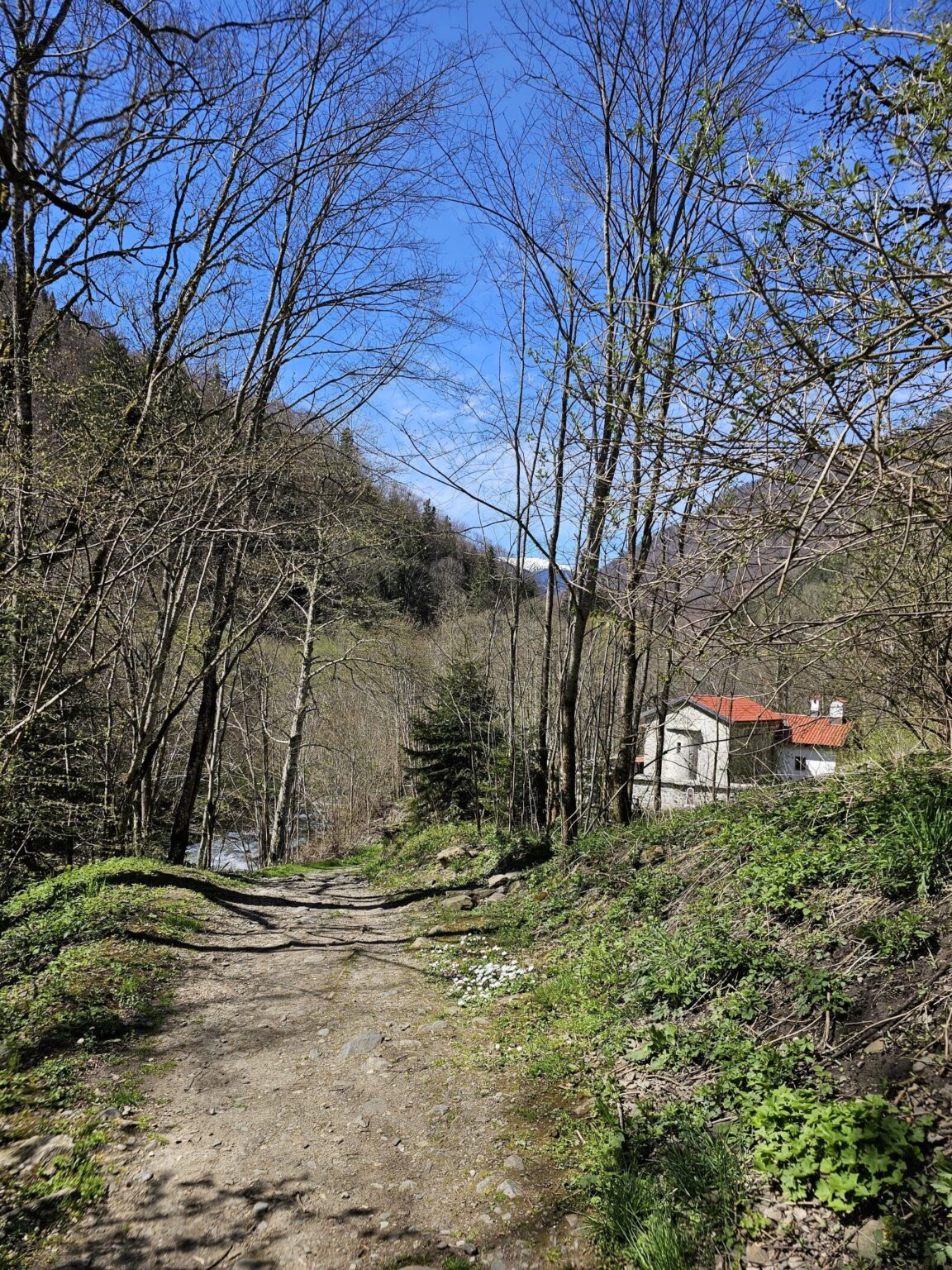
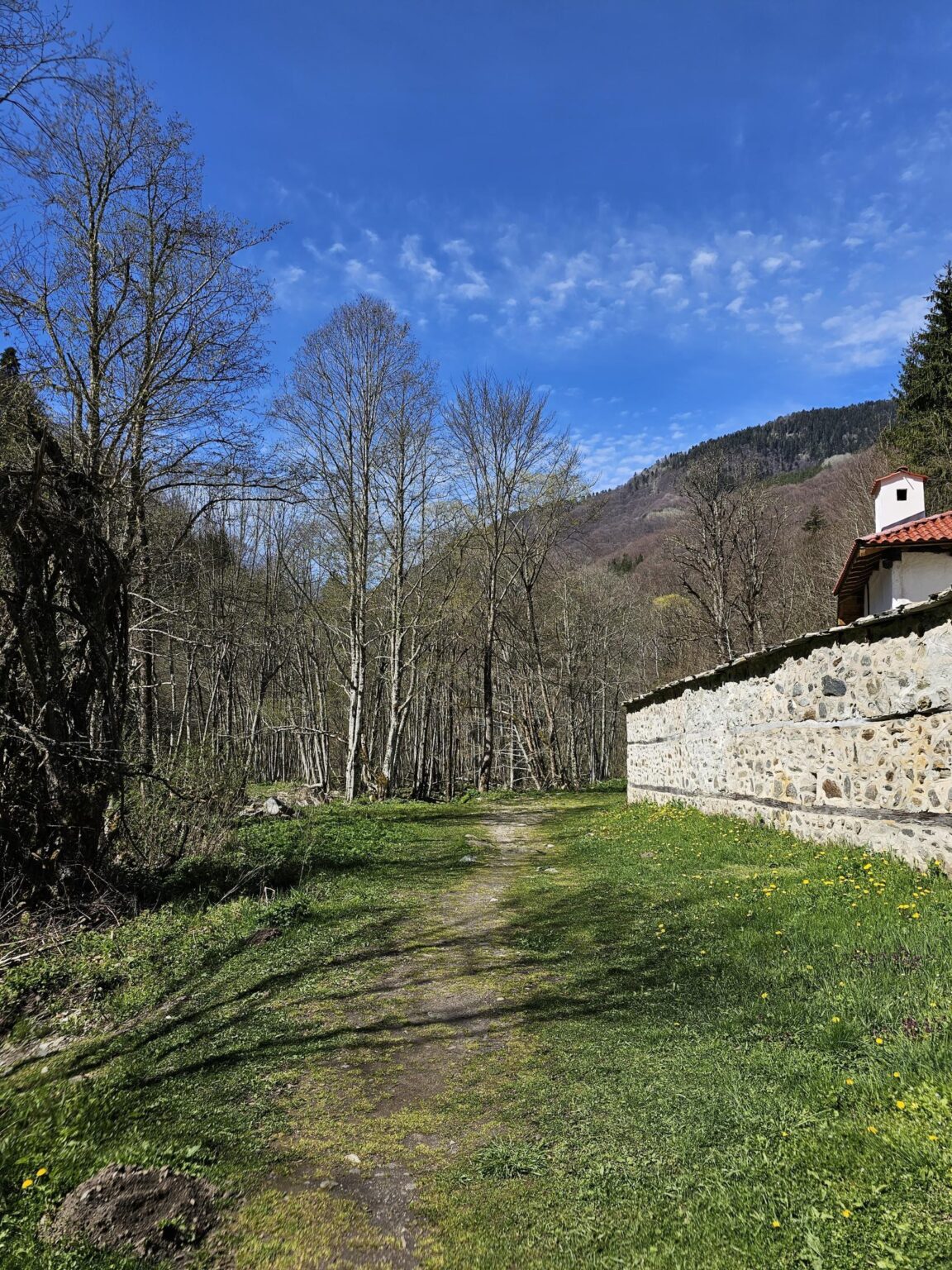
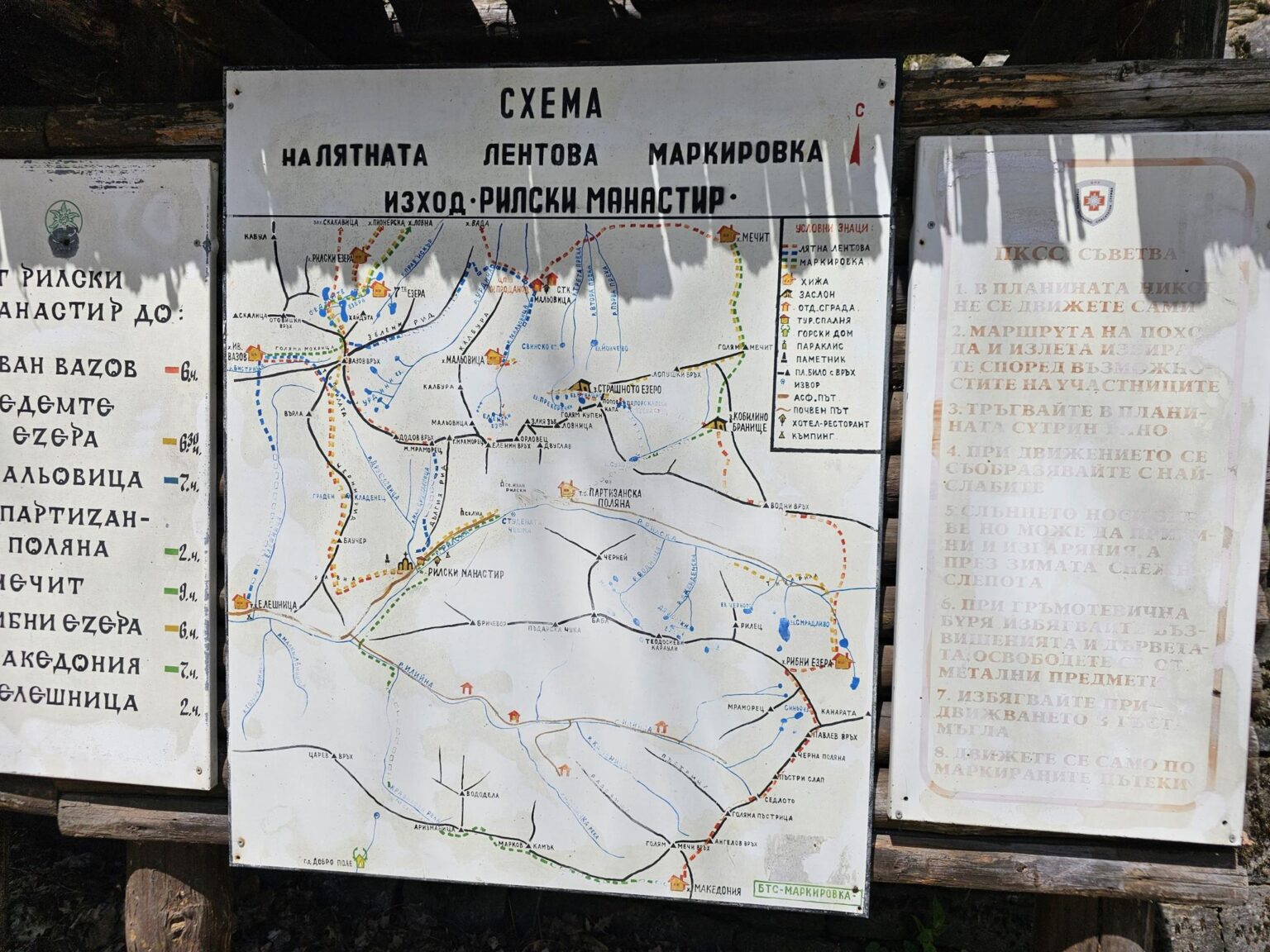
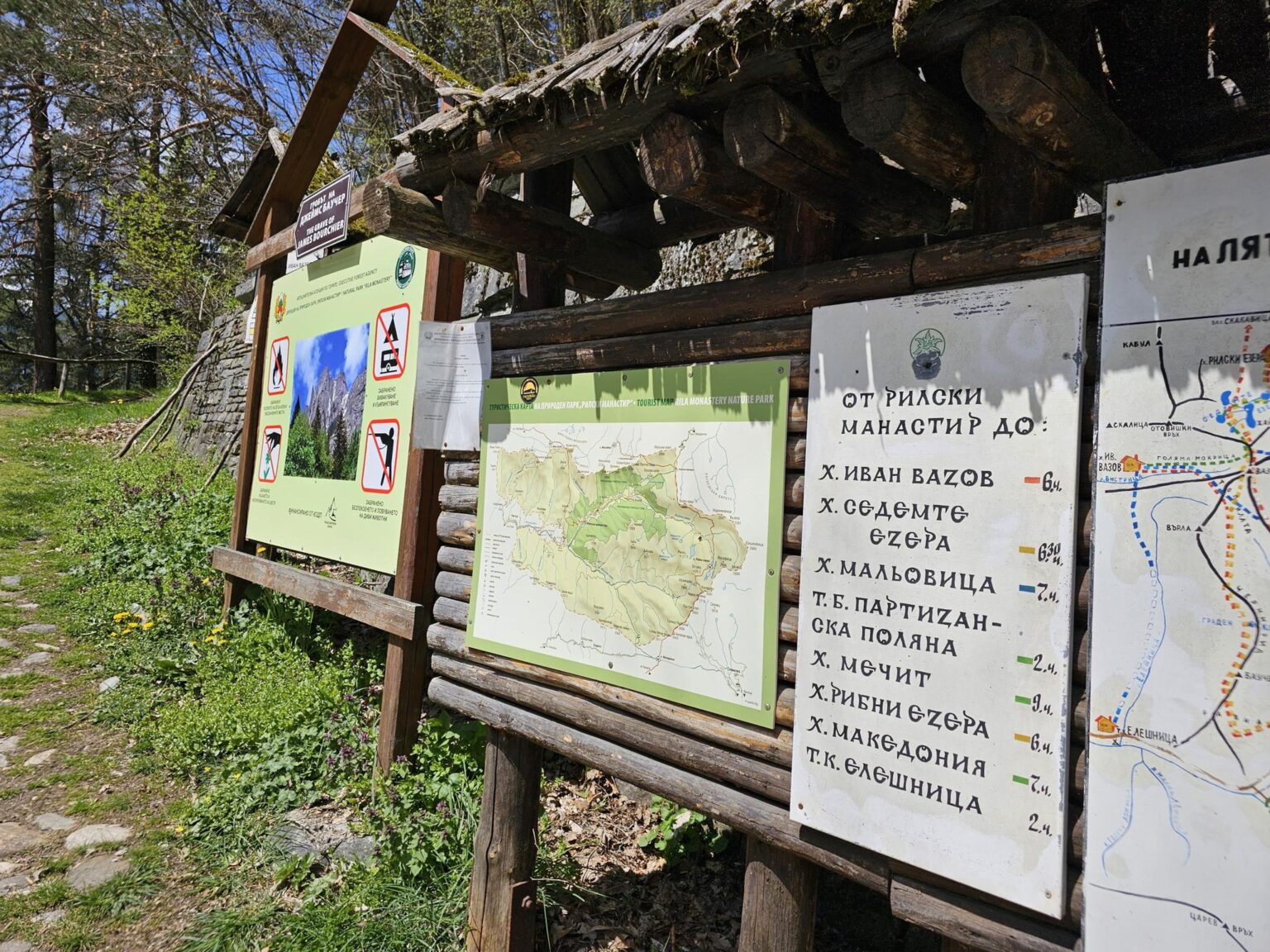
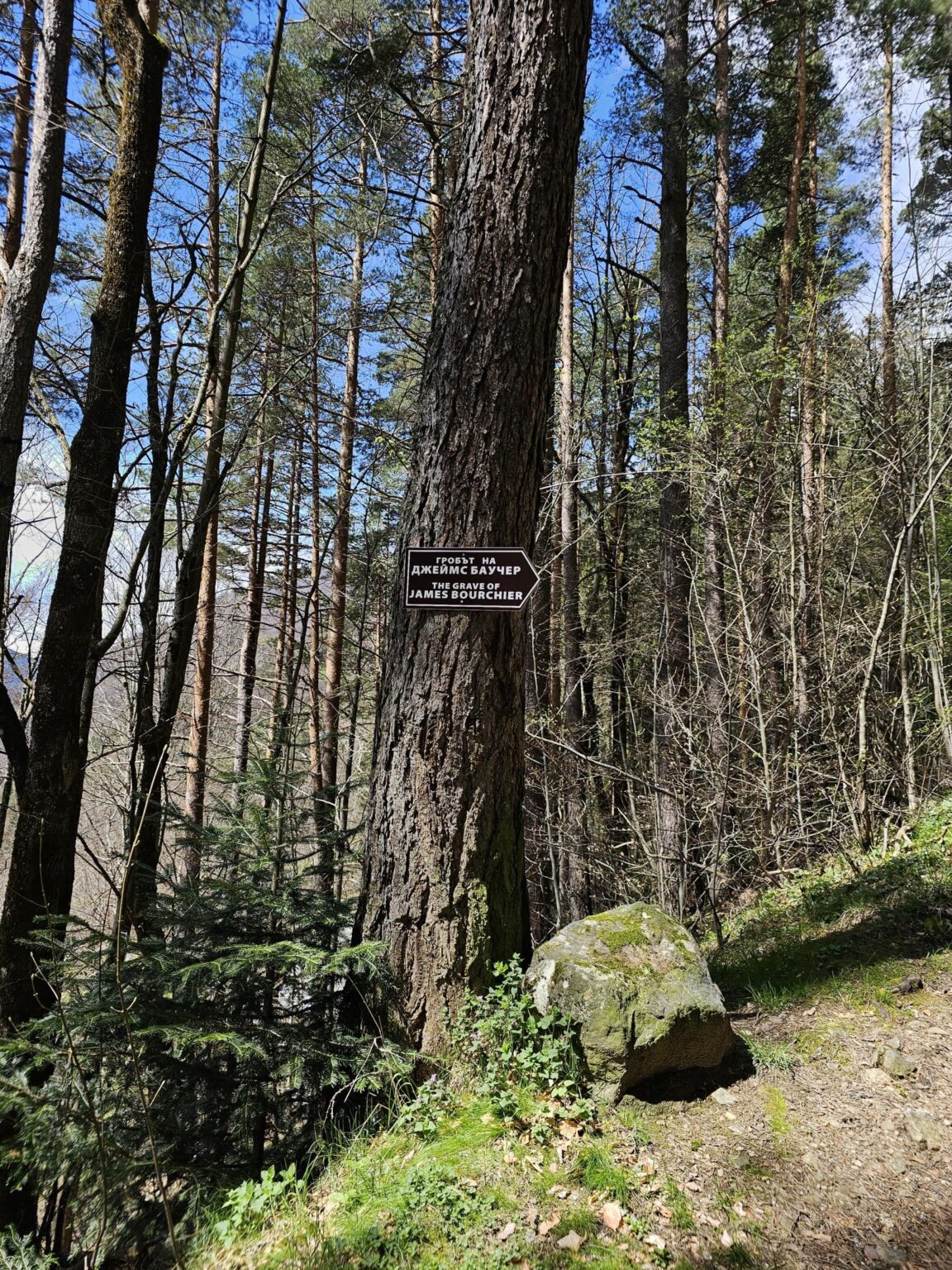
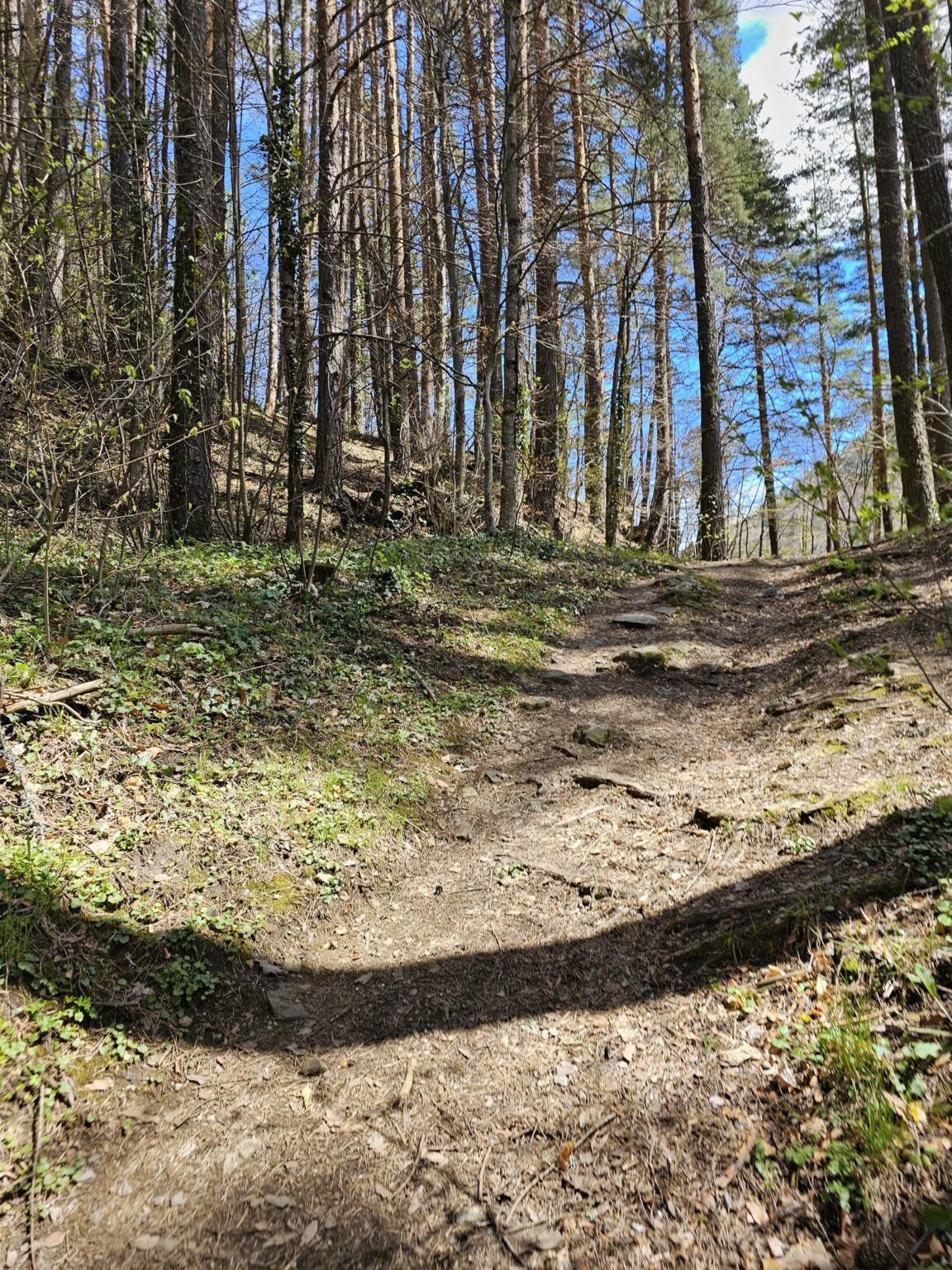
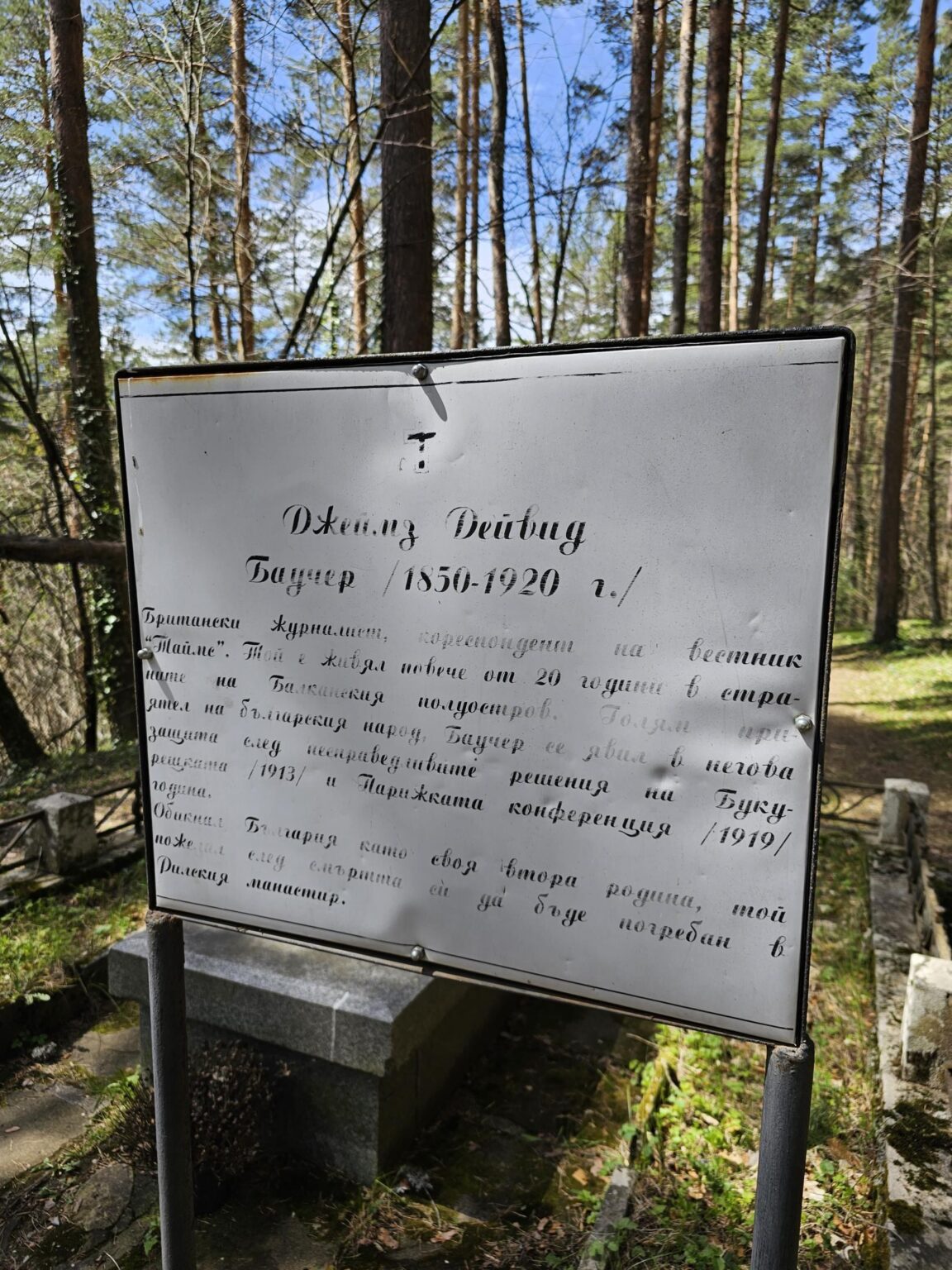
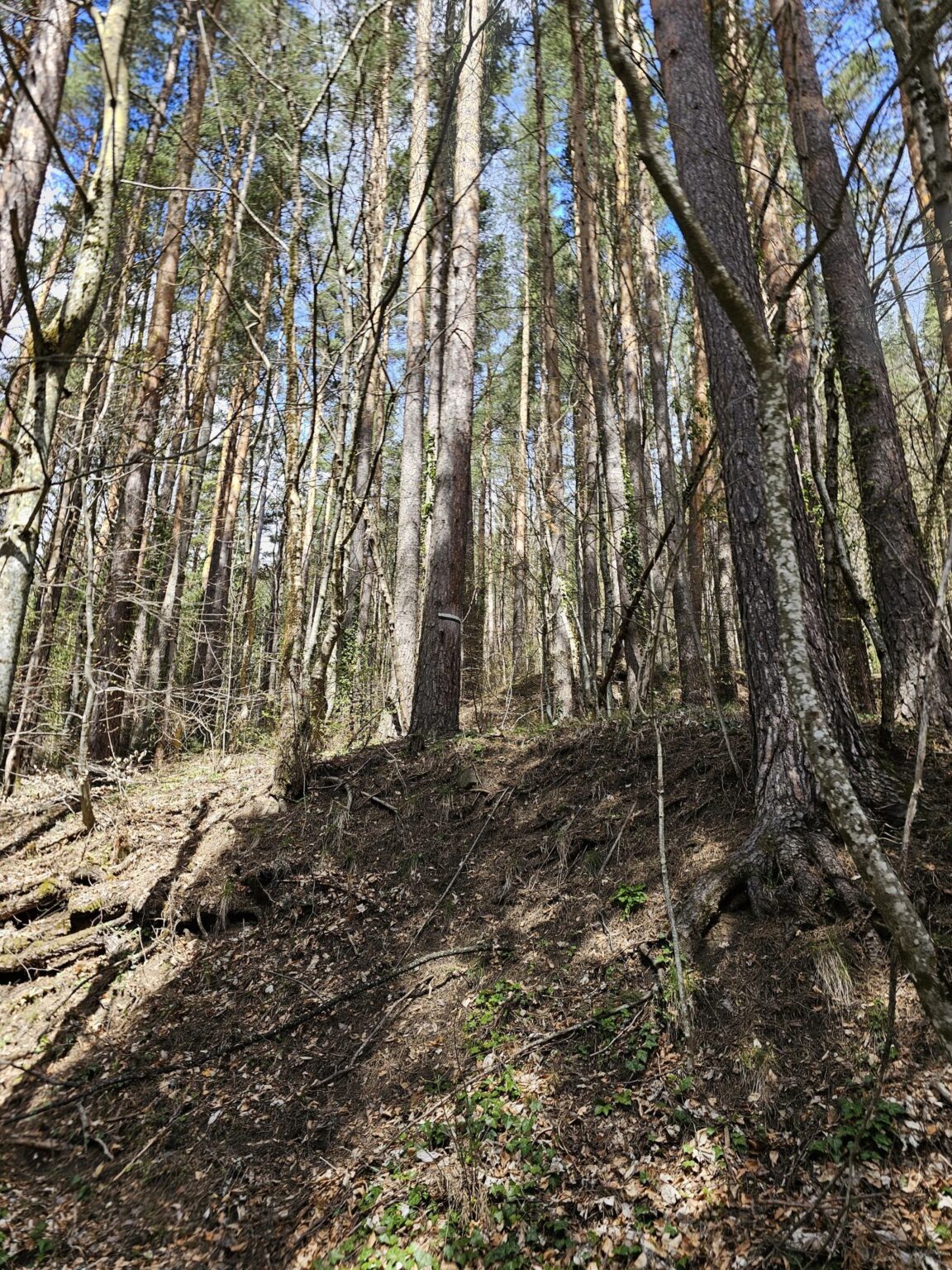
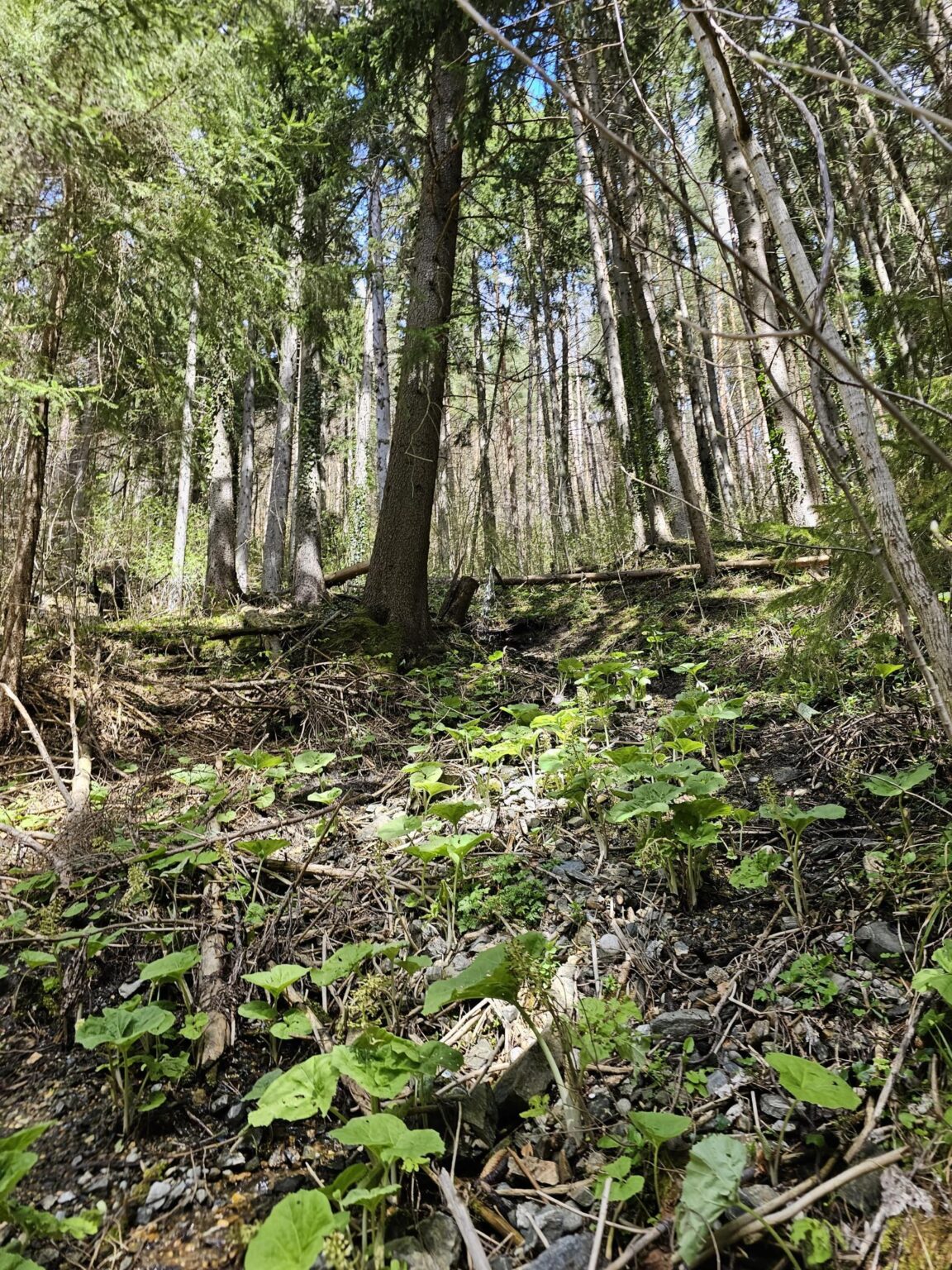
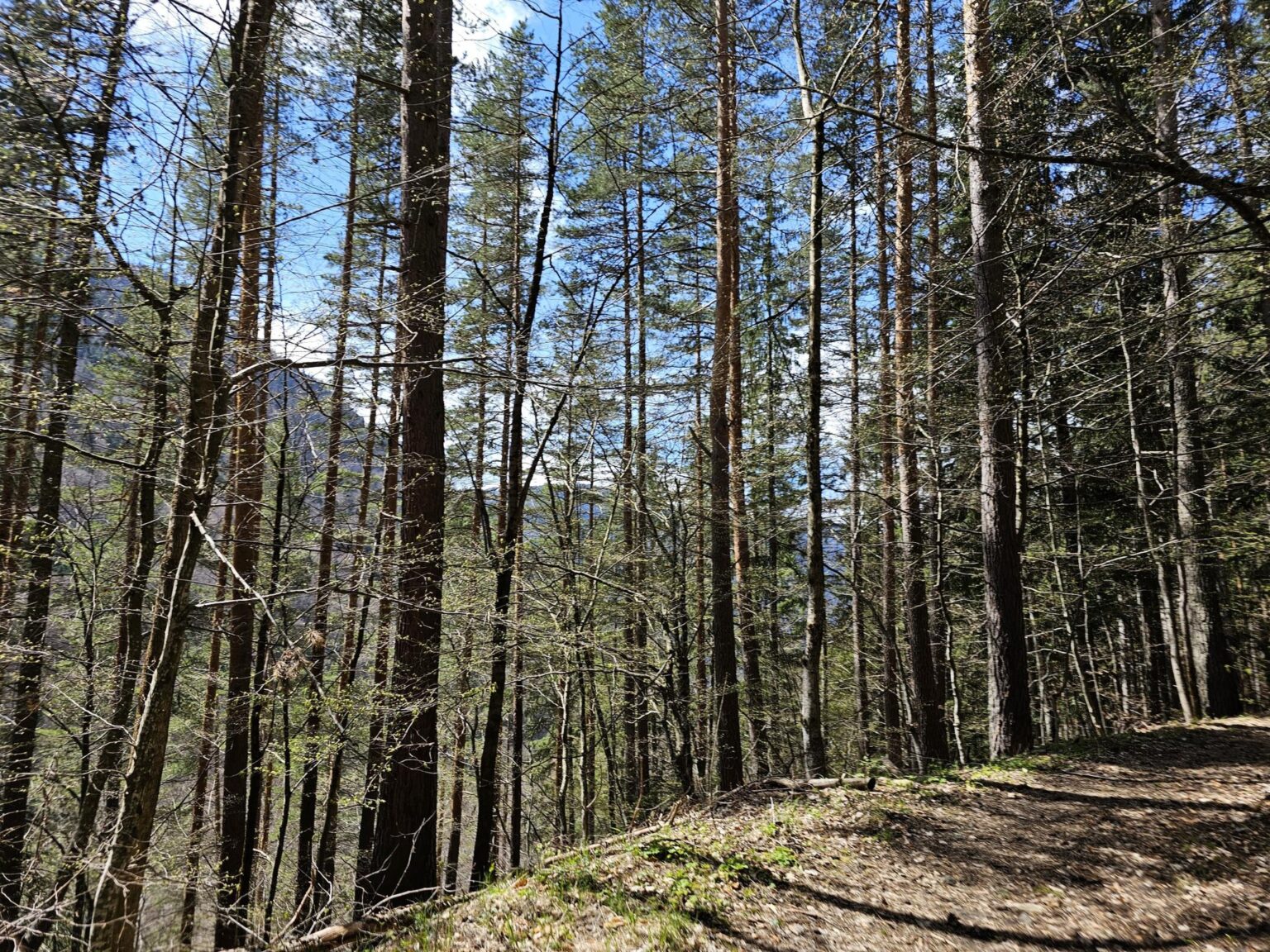
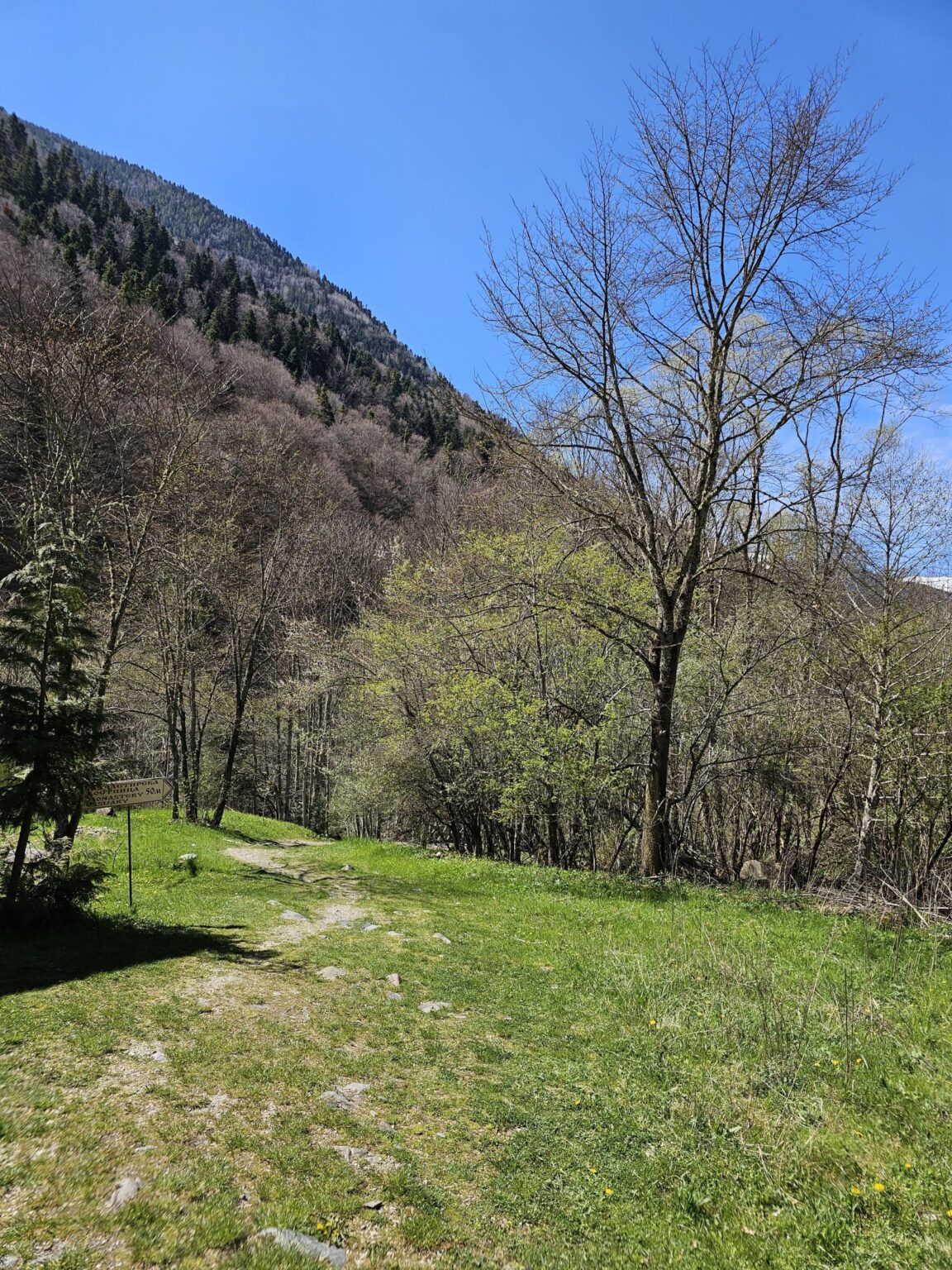
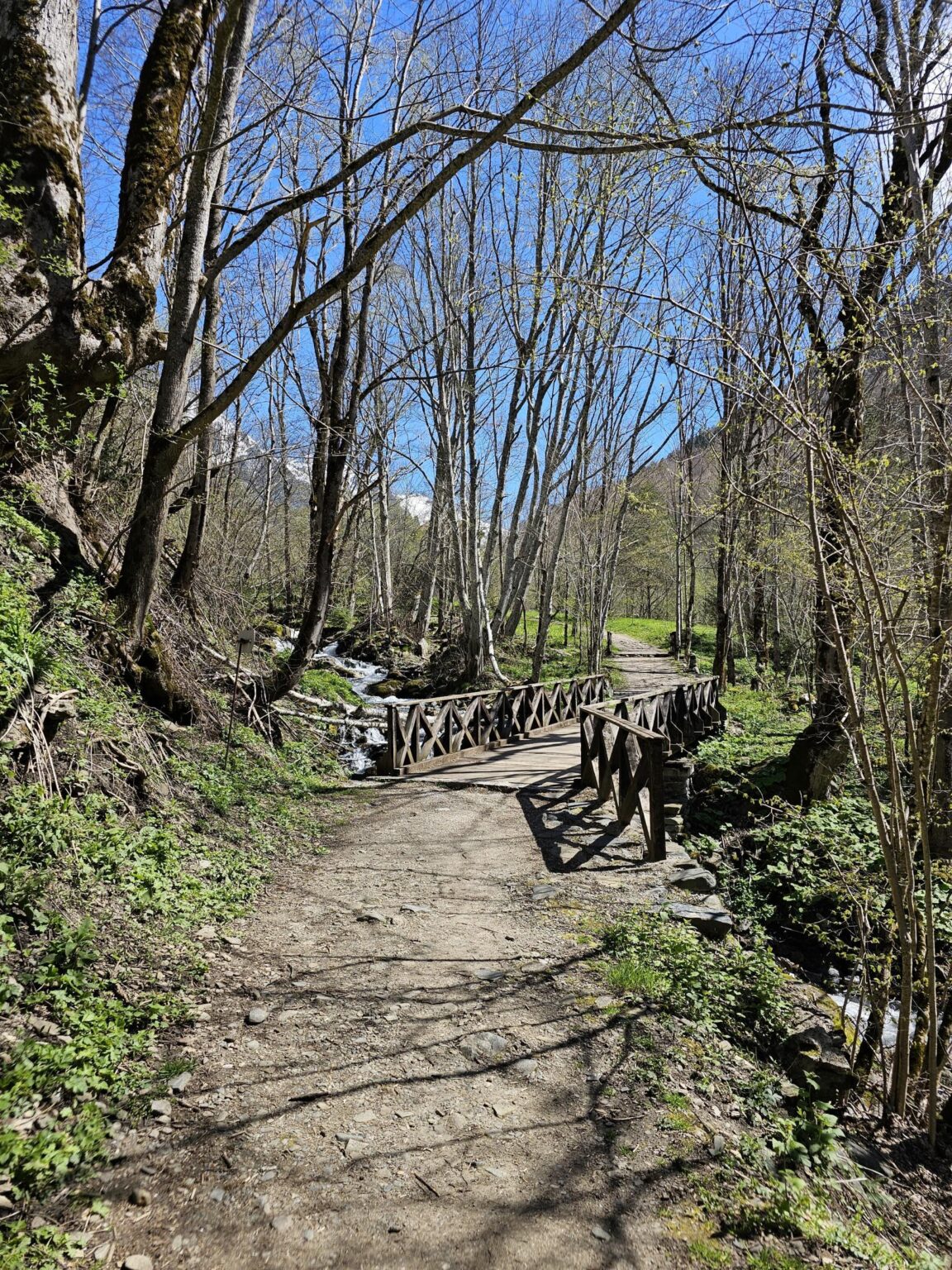
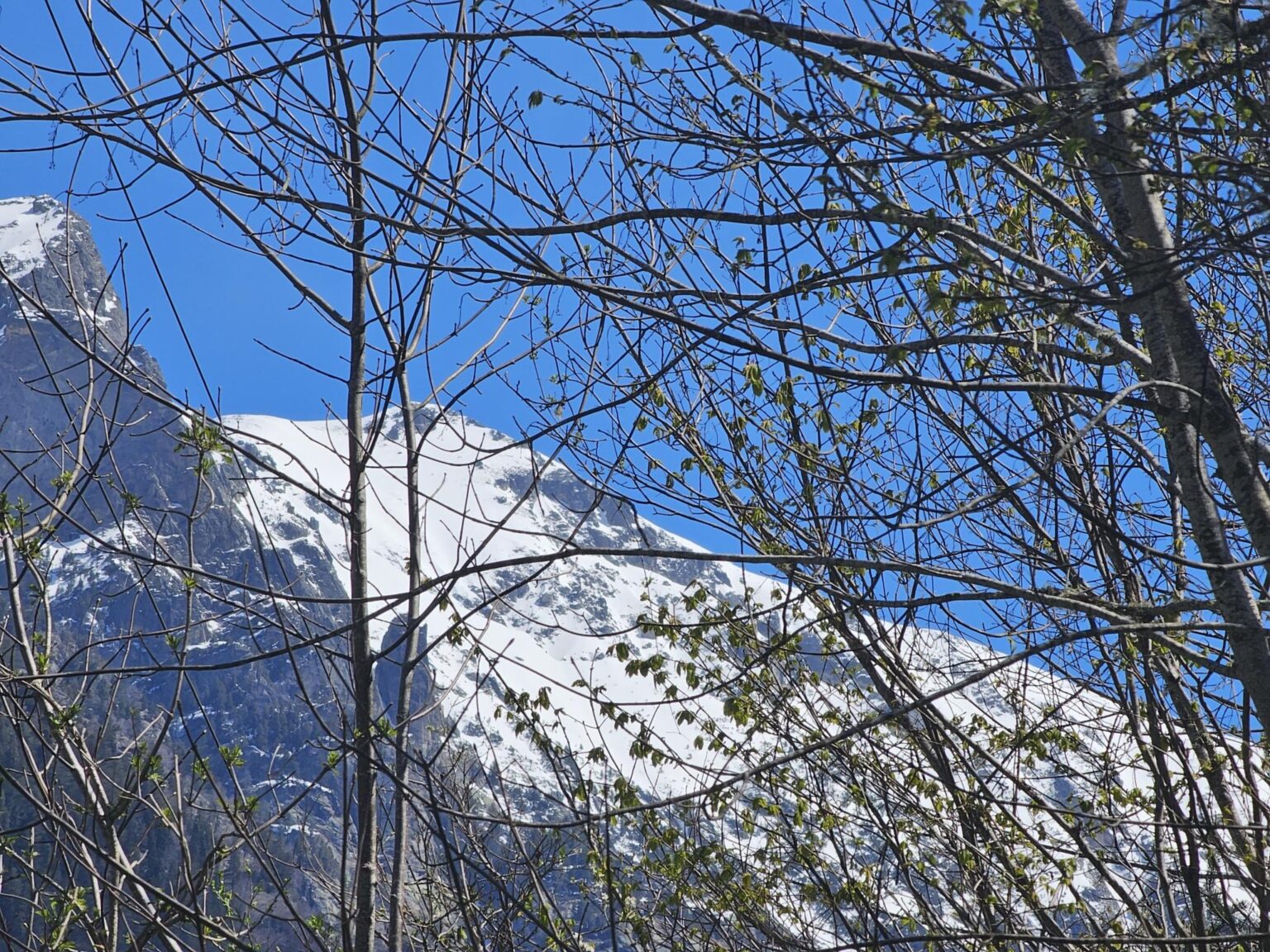
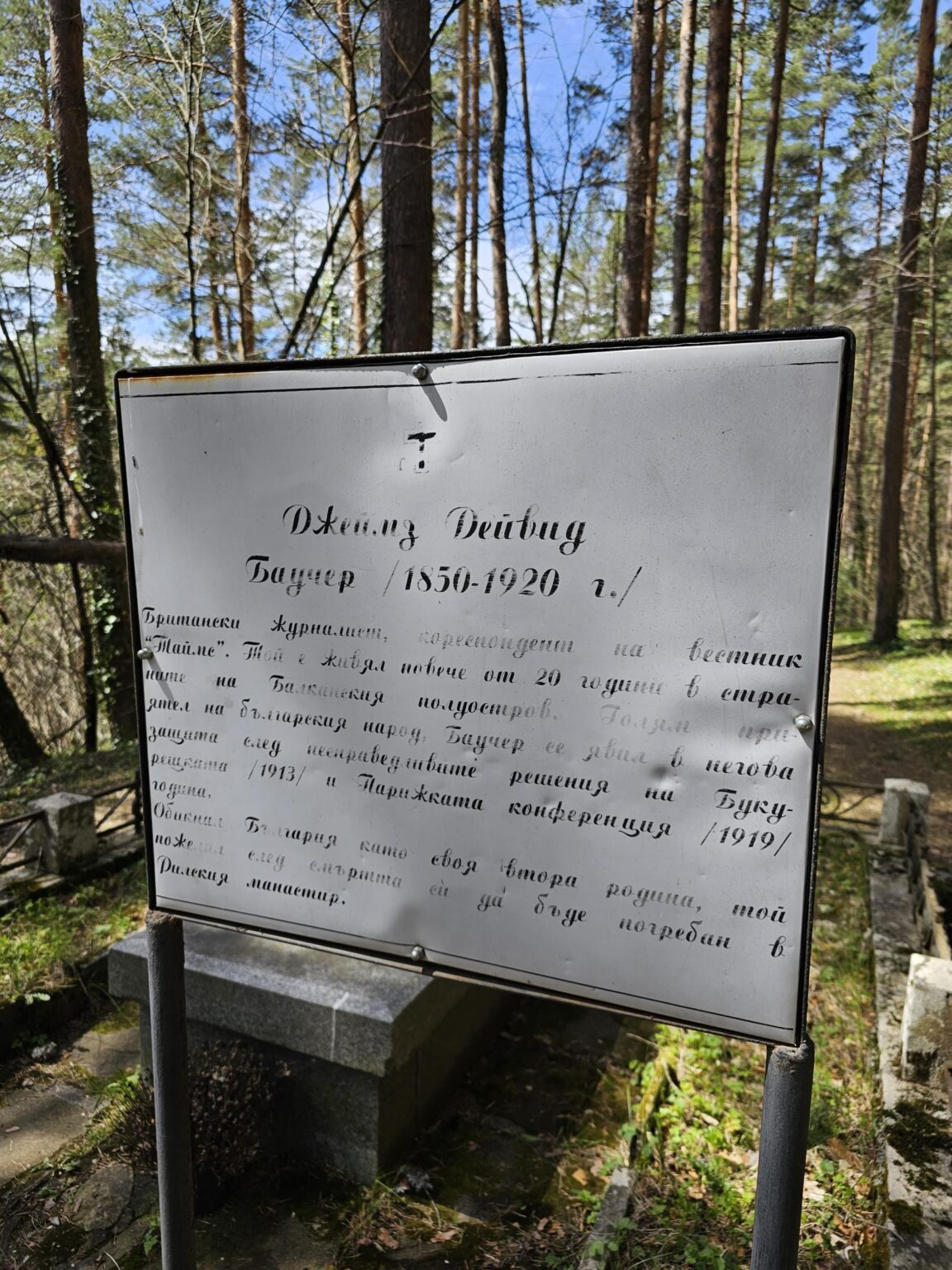
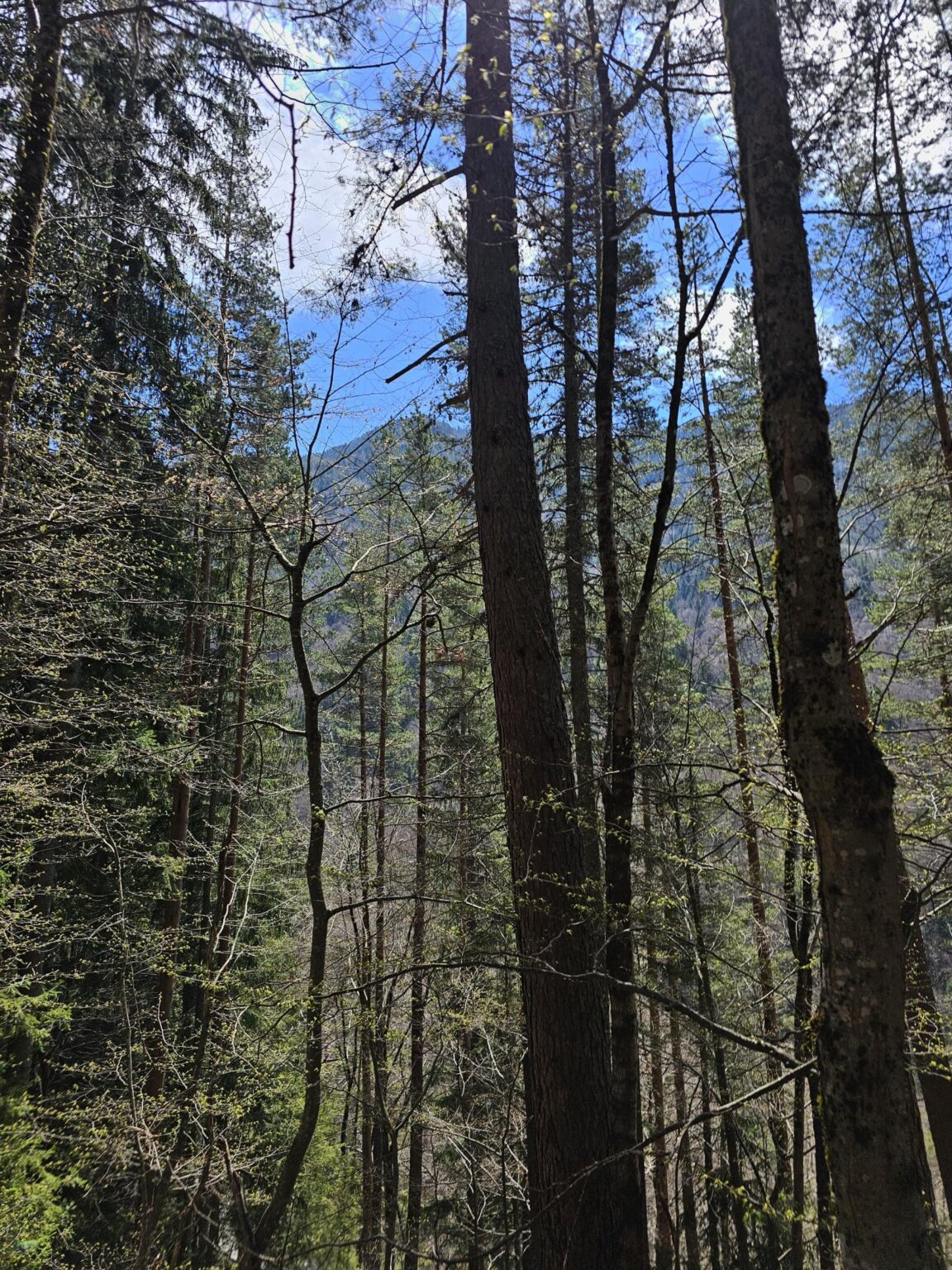
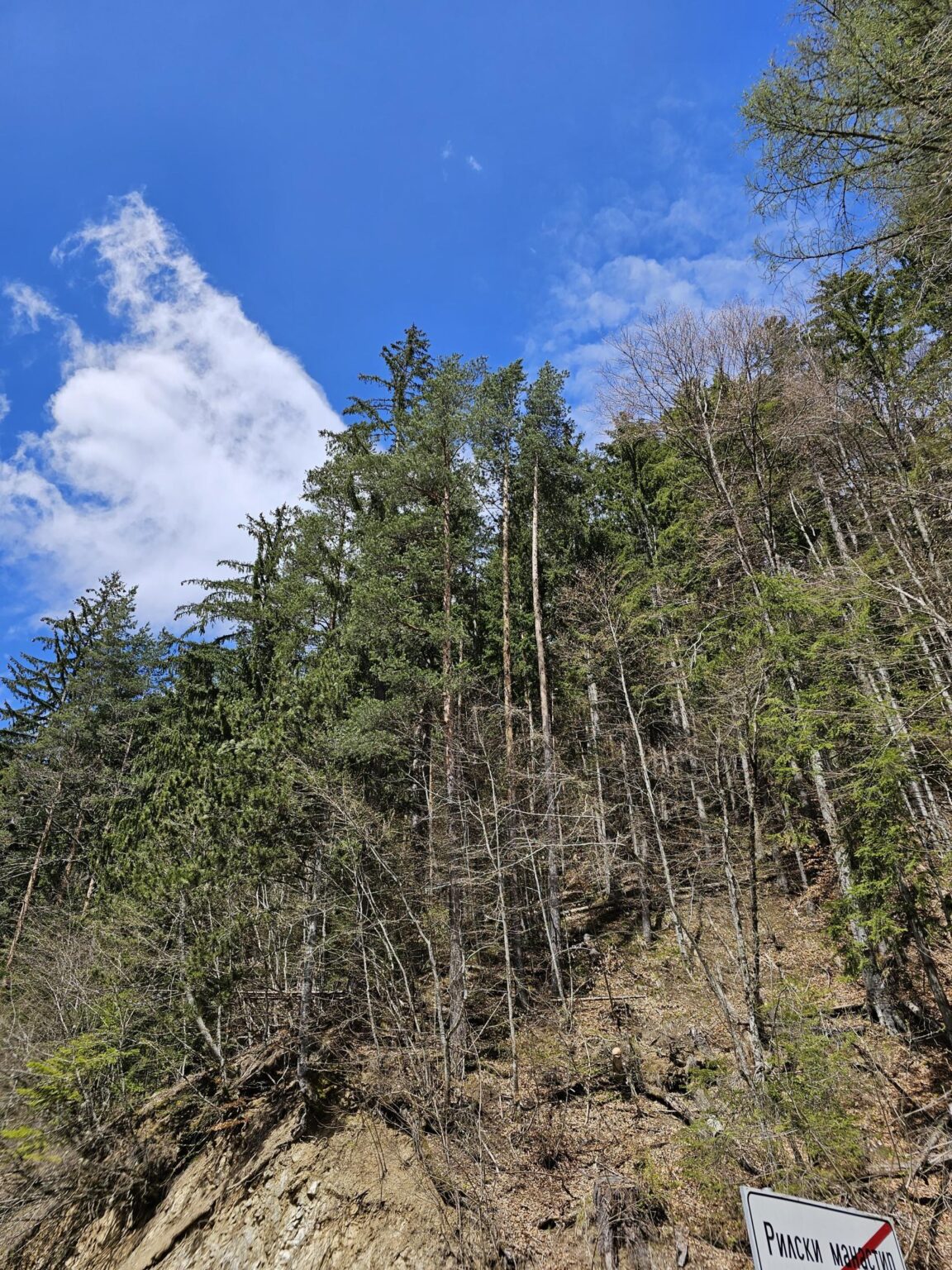
From the direction of the main gate, several different trails and hikes set off. They are visibly longer and most of them ask for more preparation than a pair of trainers and optimism. The other classic Rila option is the Seven Lakes, but that is not today’s target. Within three minutes you can reach the grave of James Bourchier, the Irish correspondent of The Times and the only foreigner buried here. And a ten-minute walk in the direction of the mountain huts looks roughly like this:
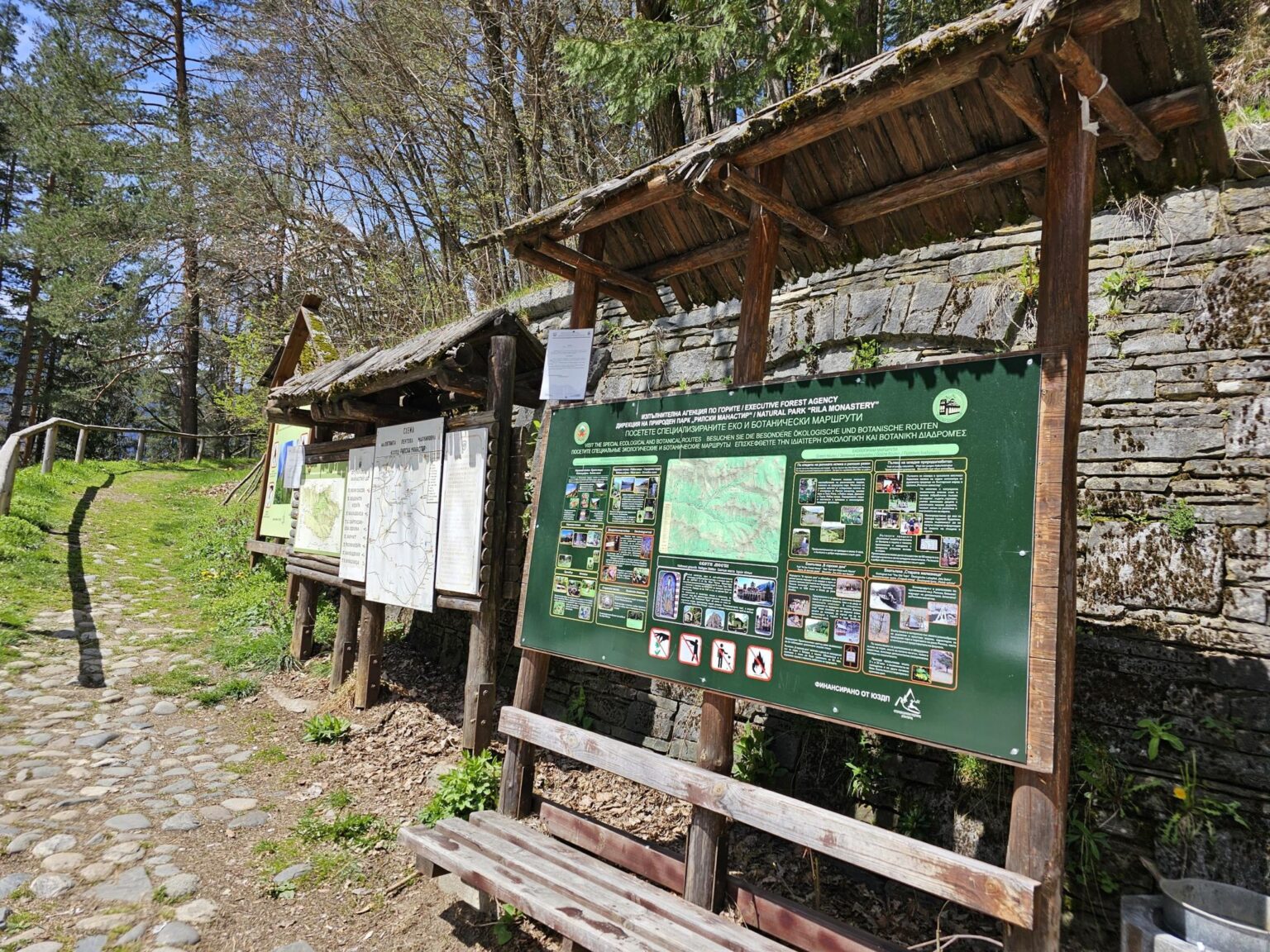
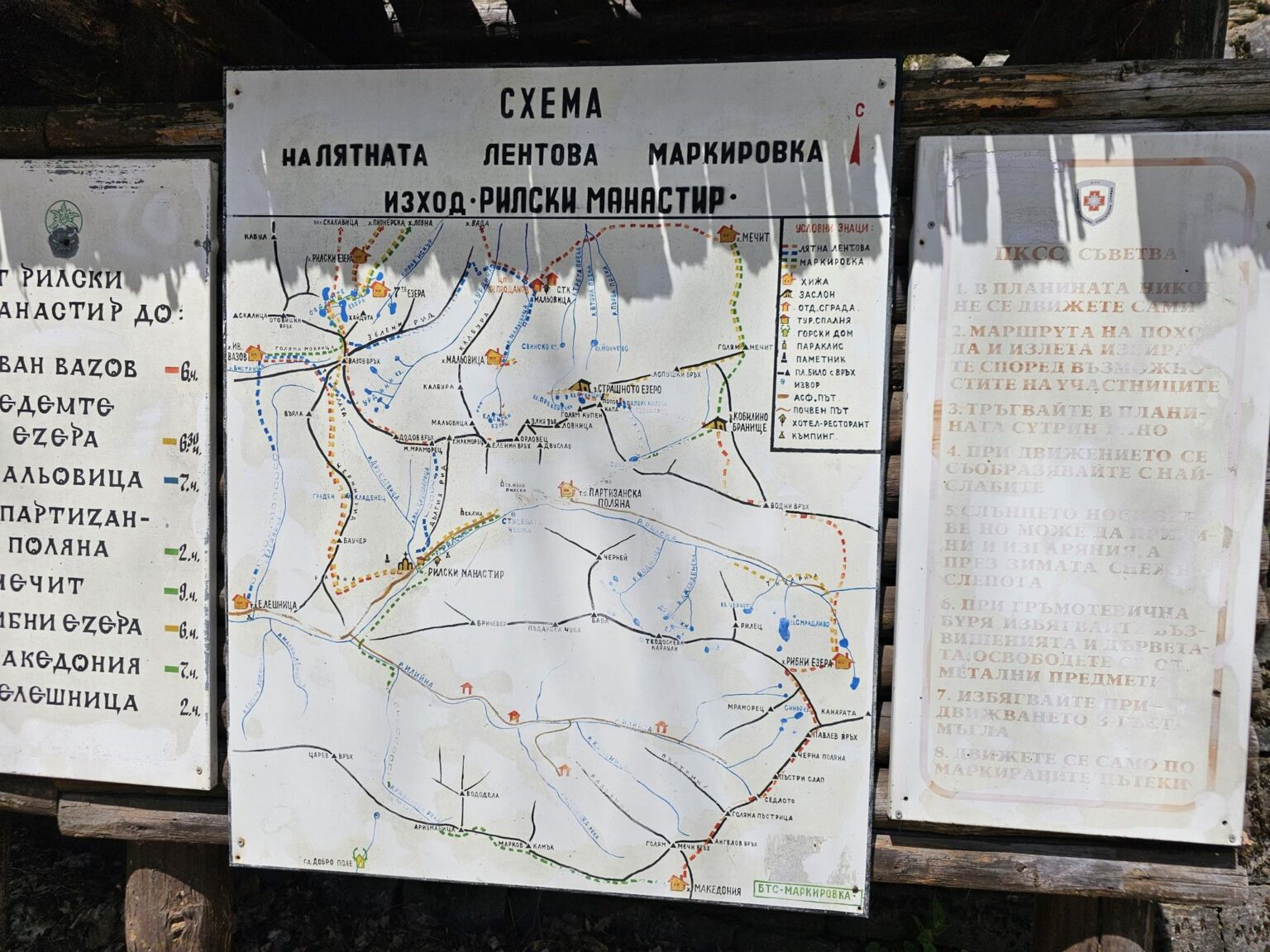
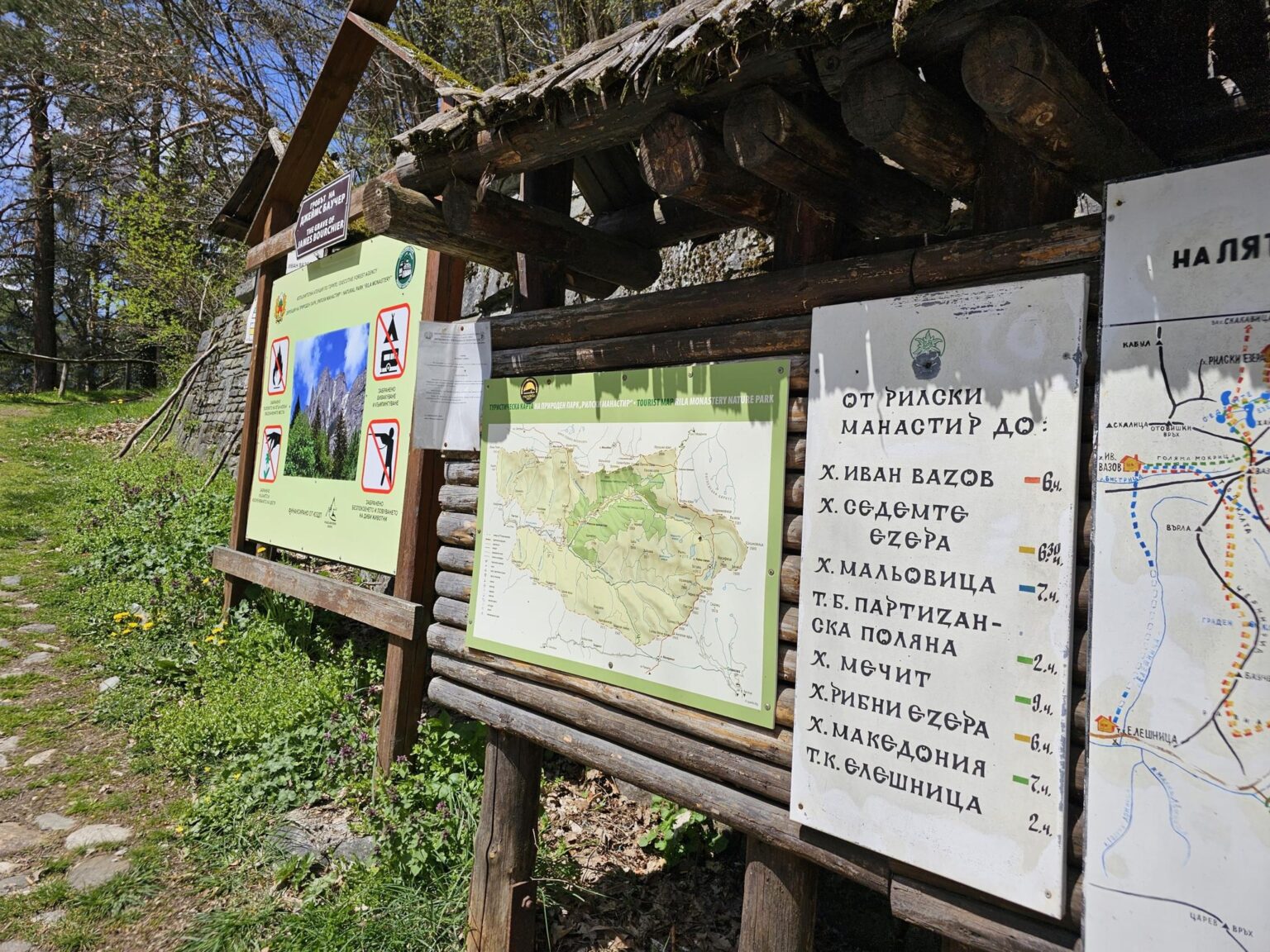
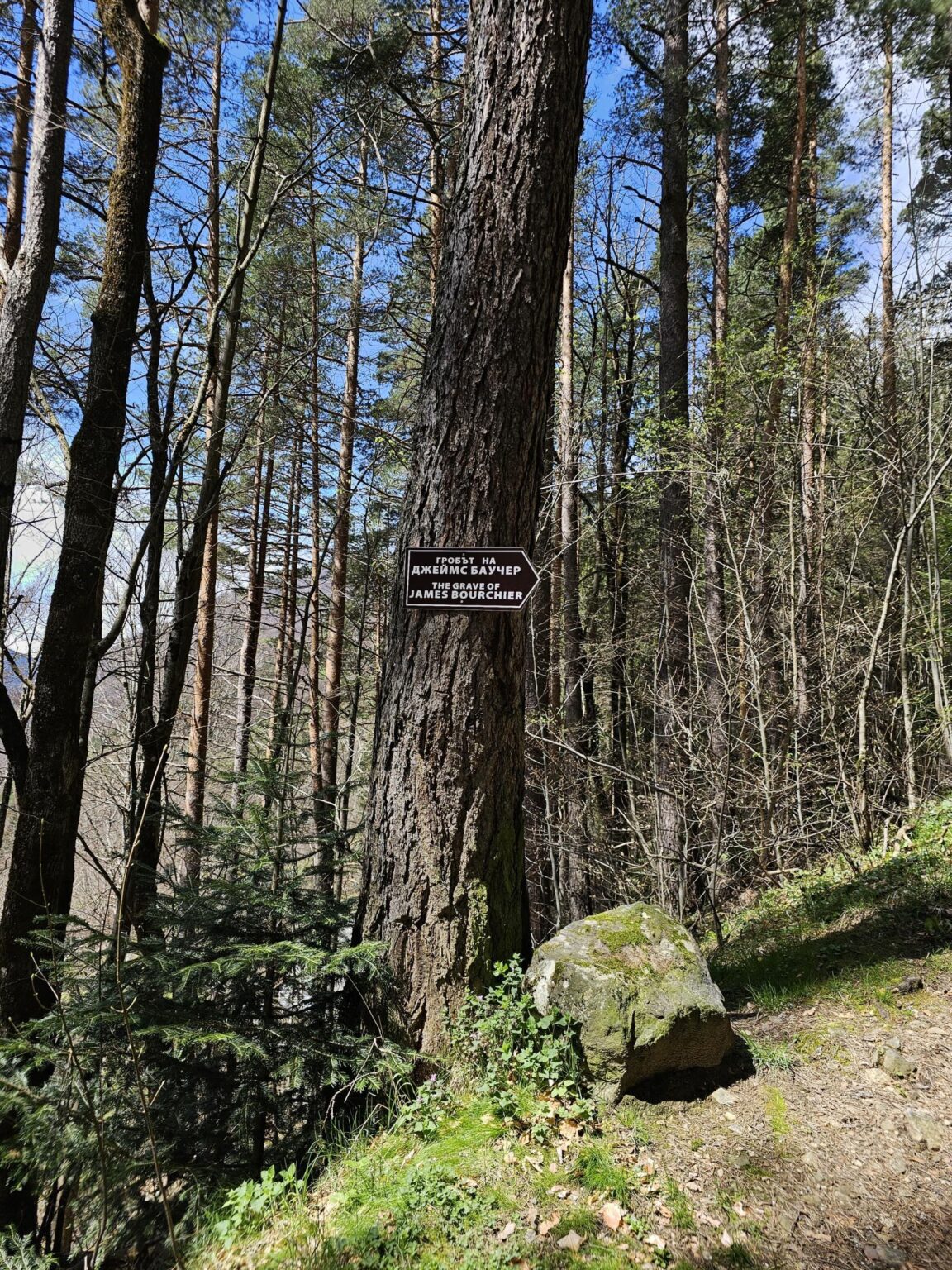
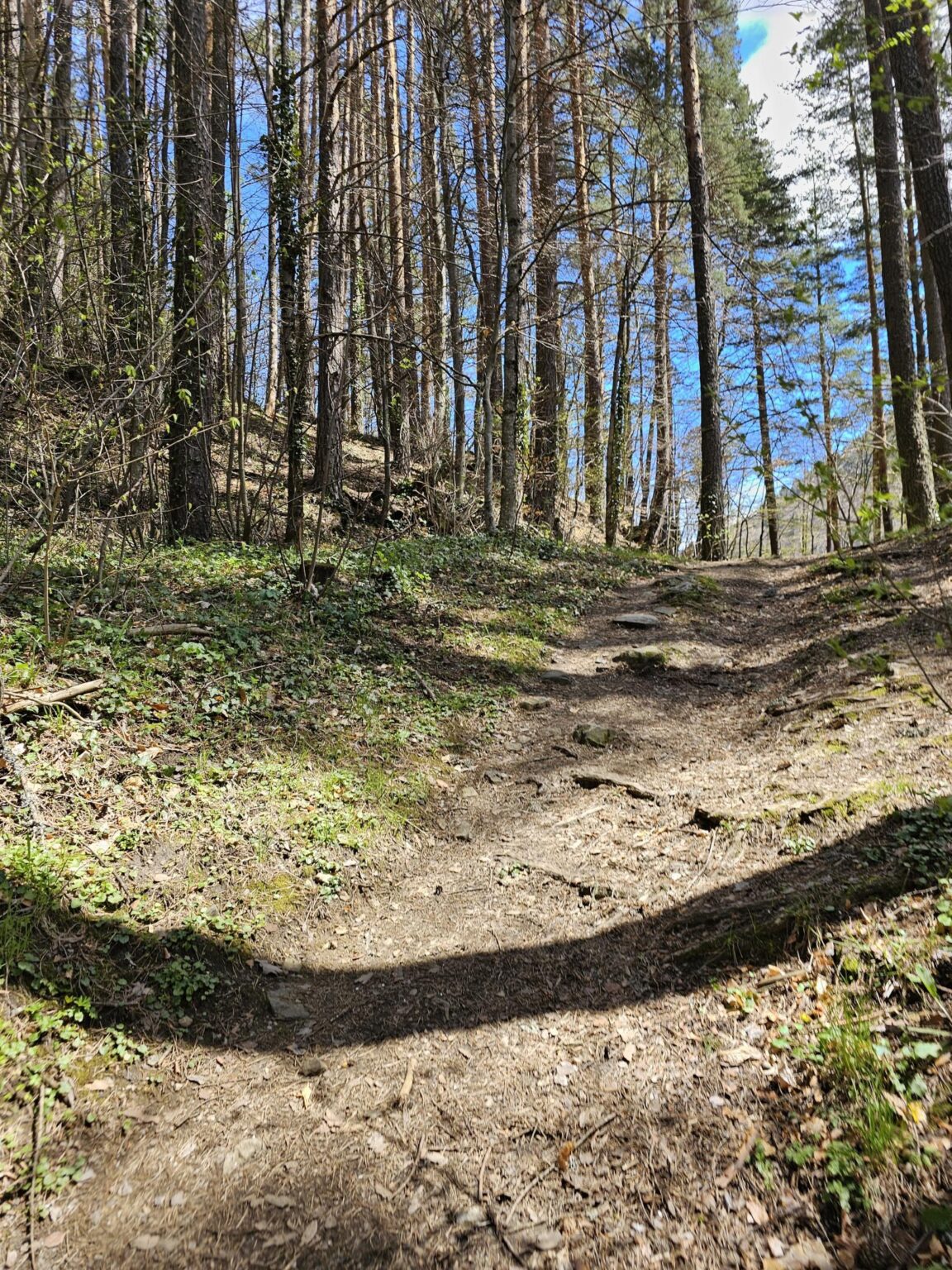
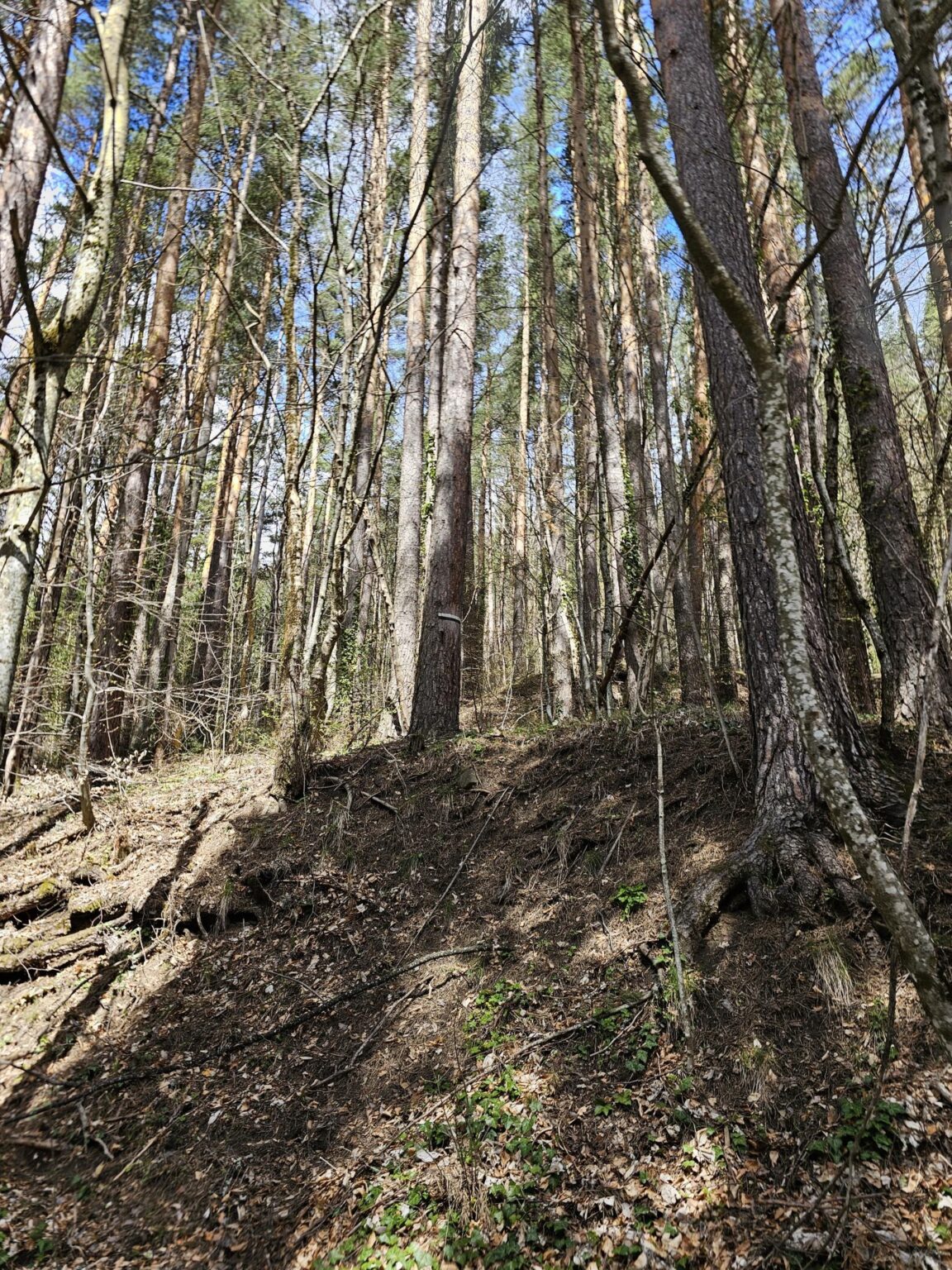
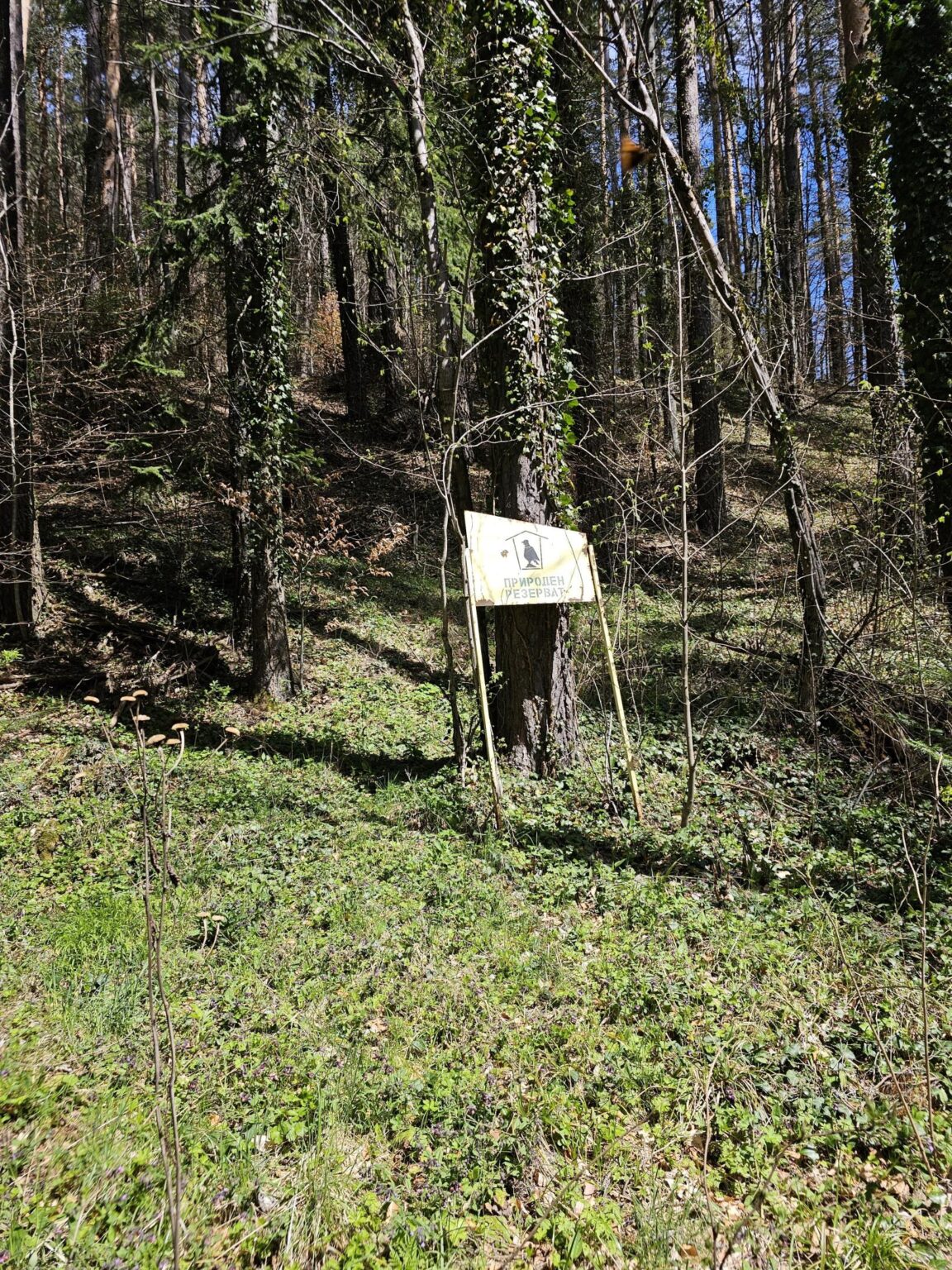
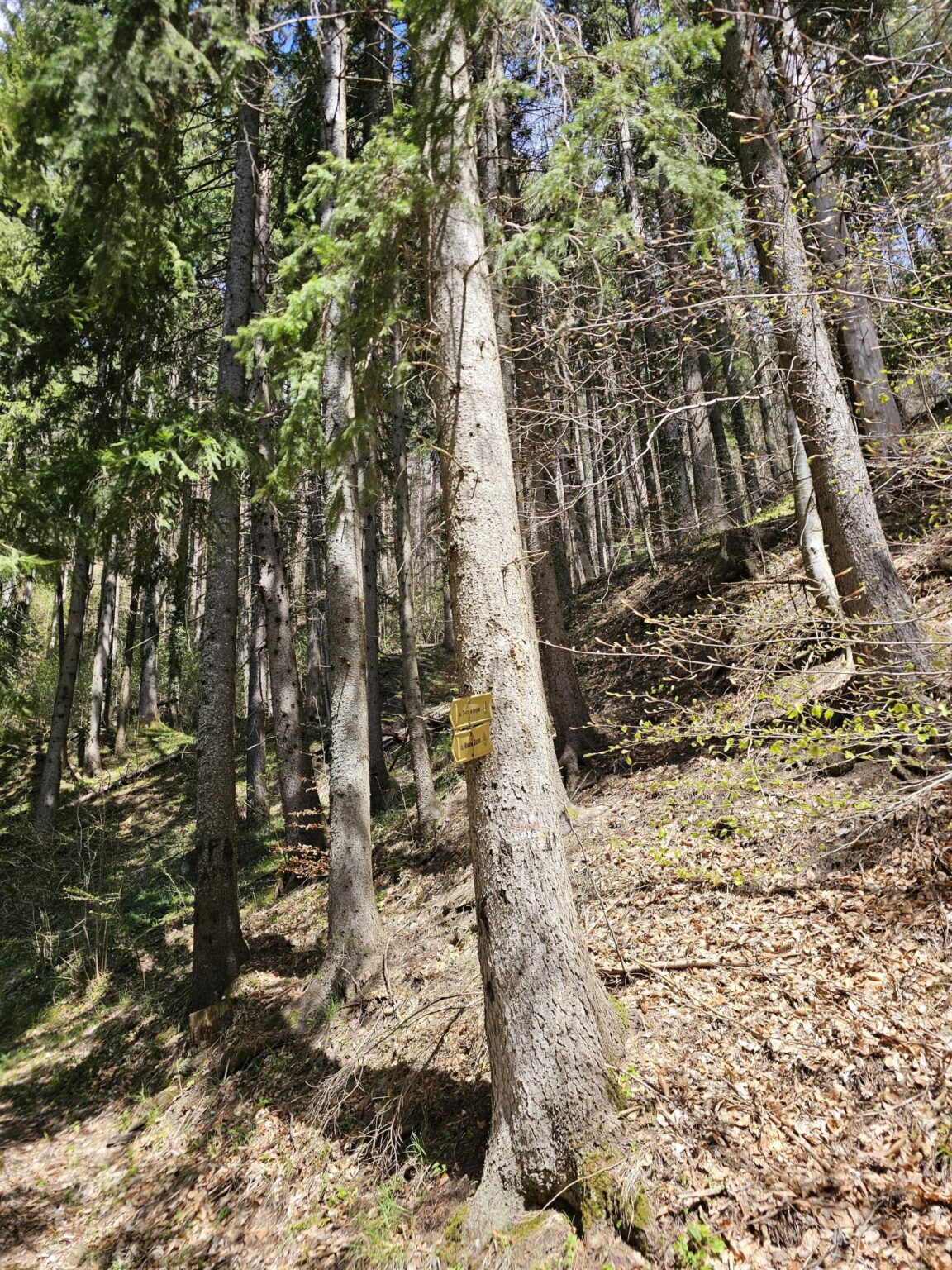
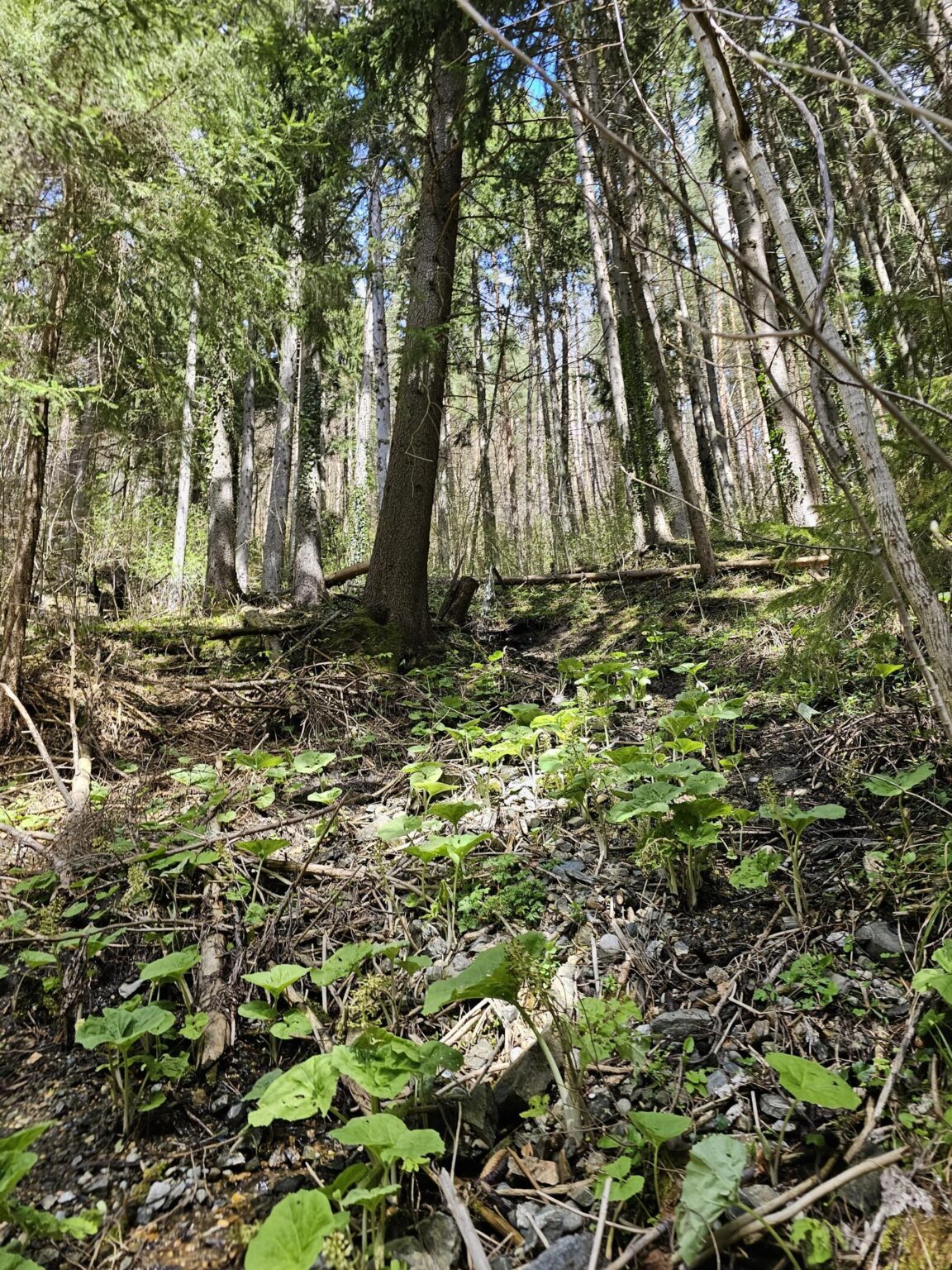
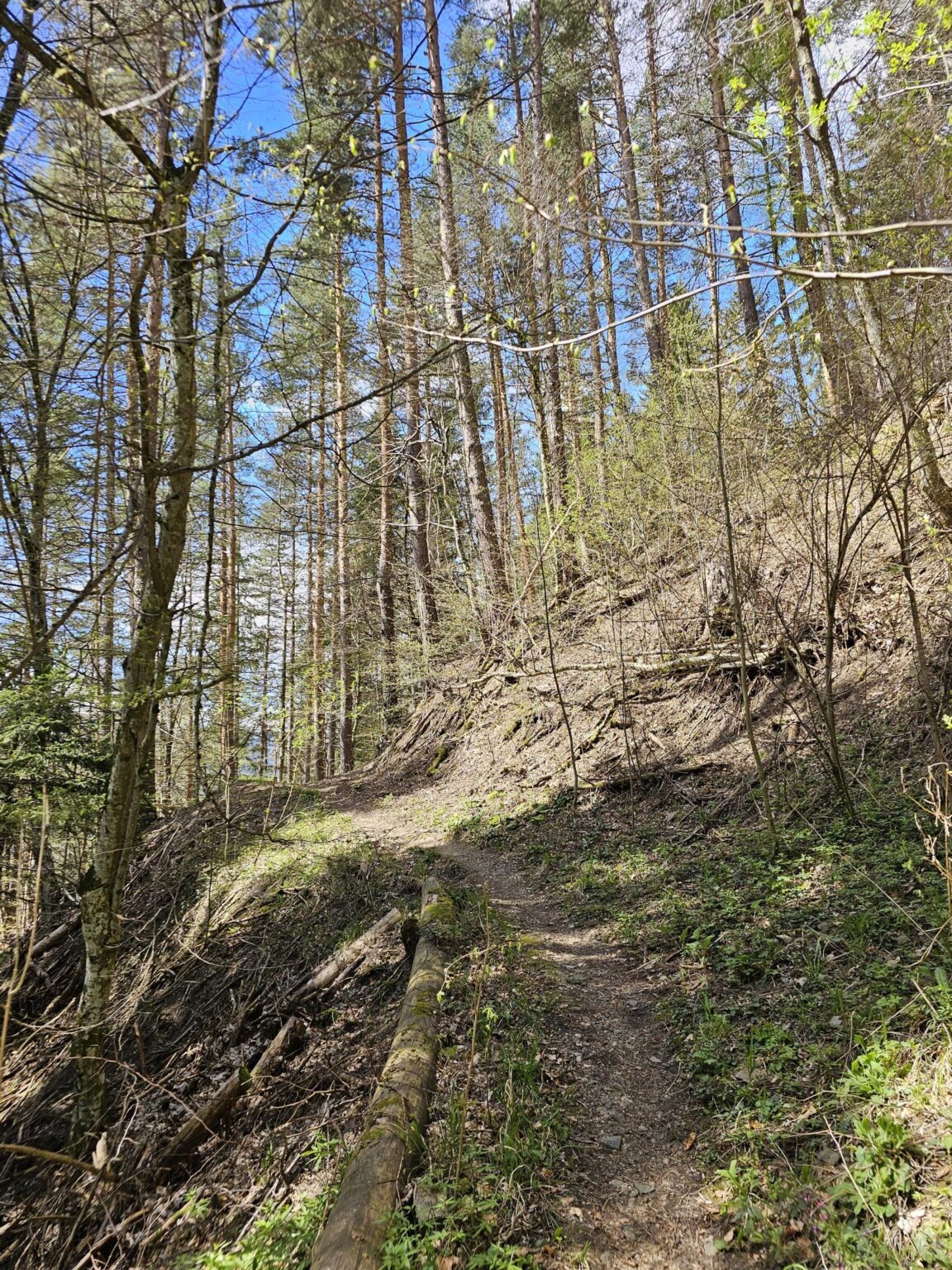
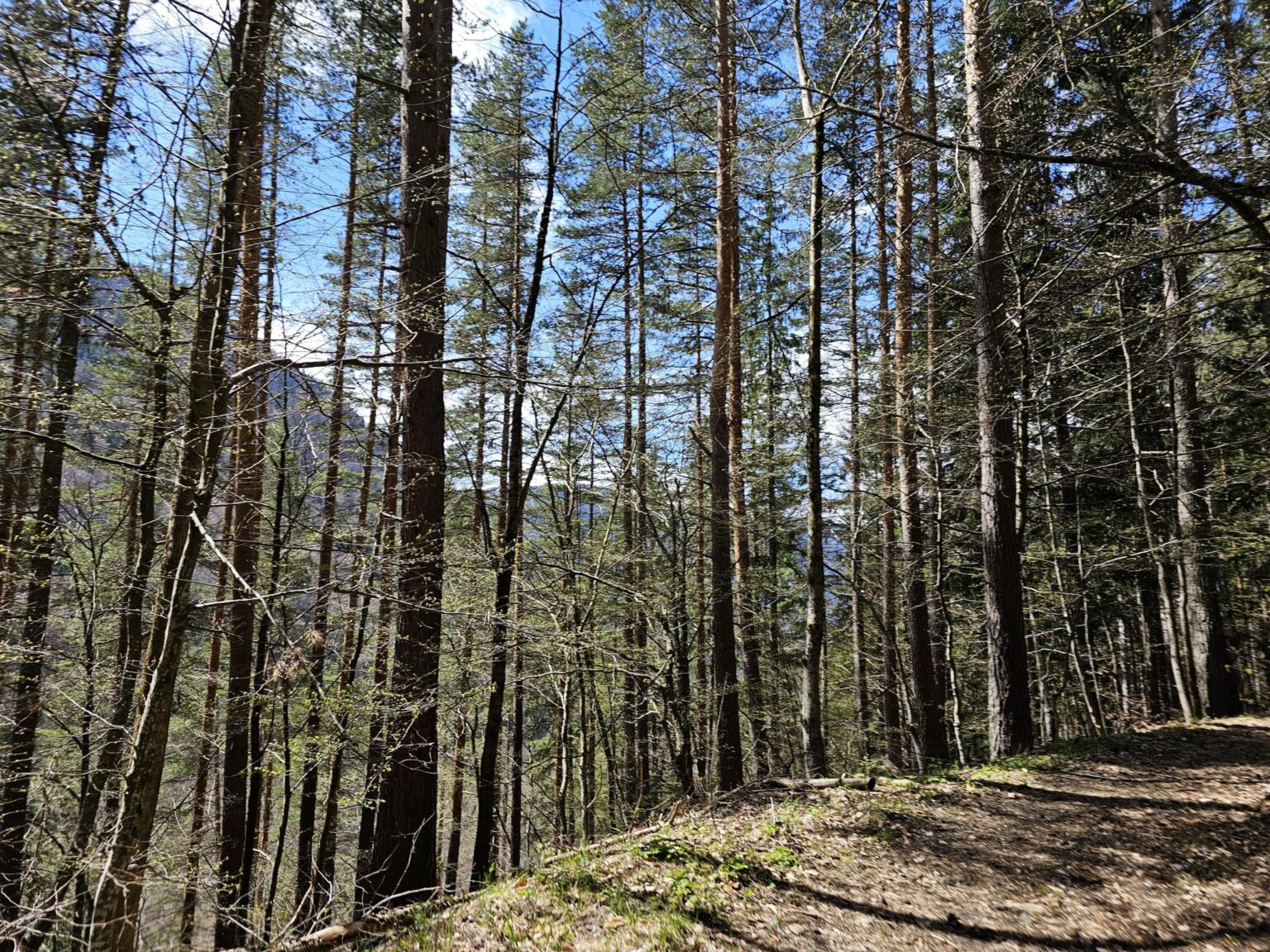
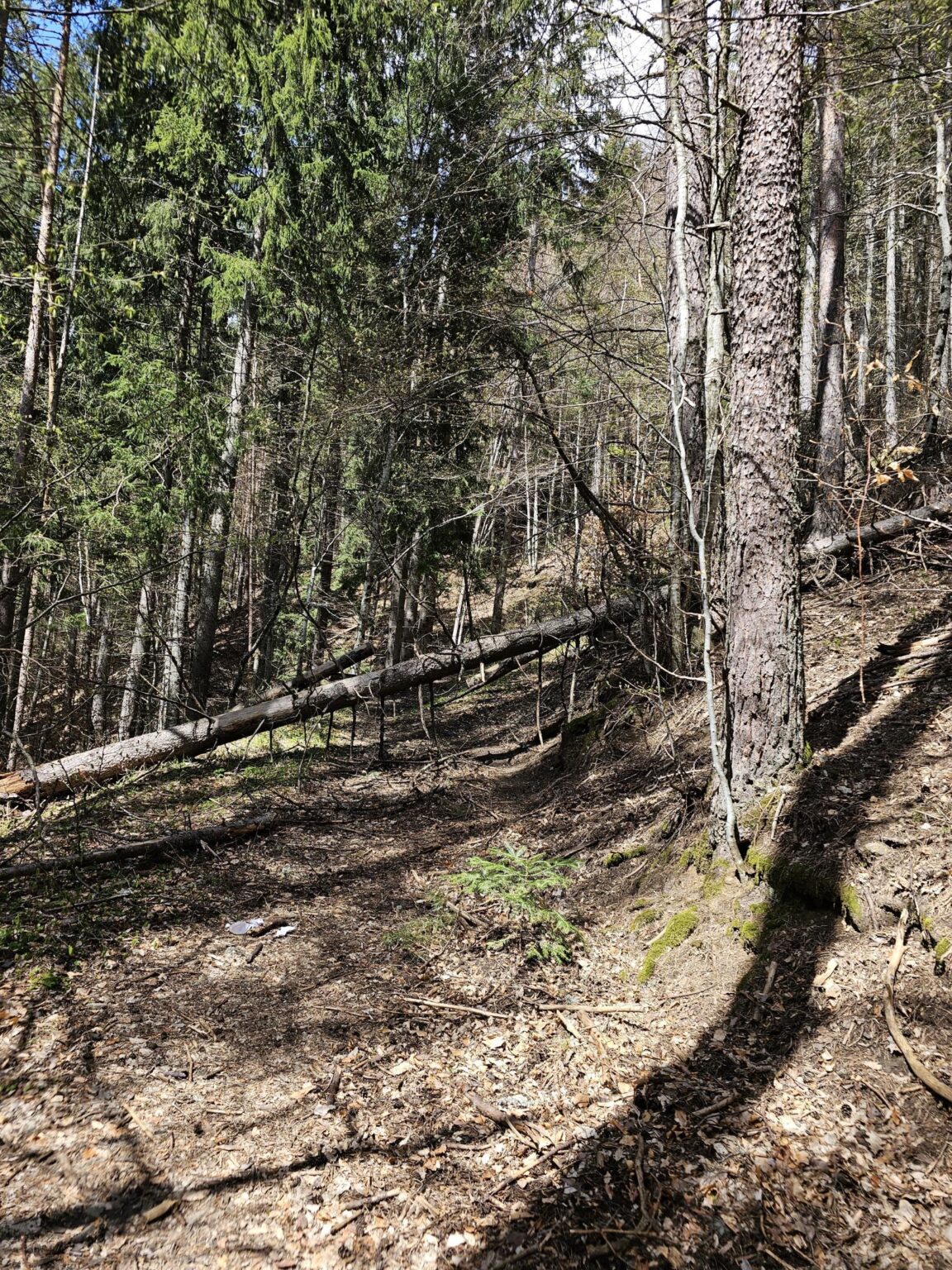
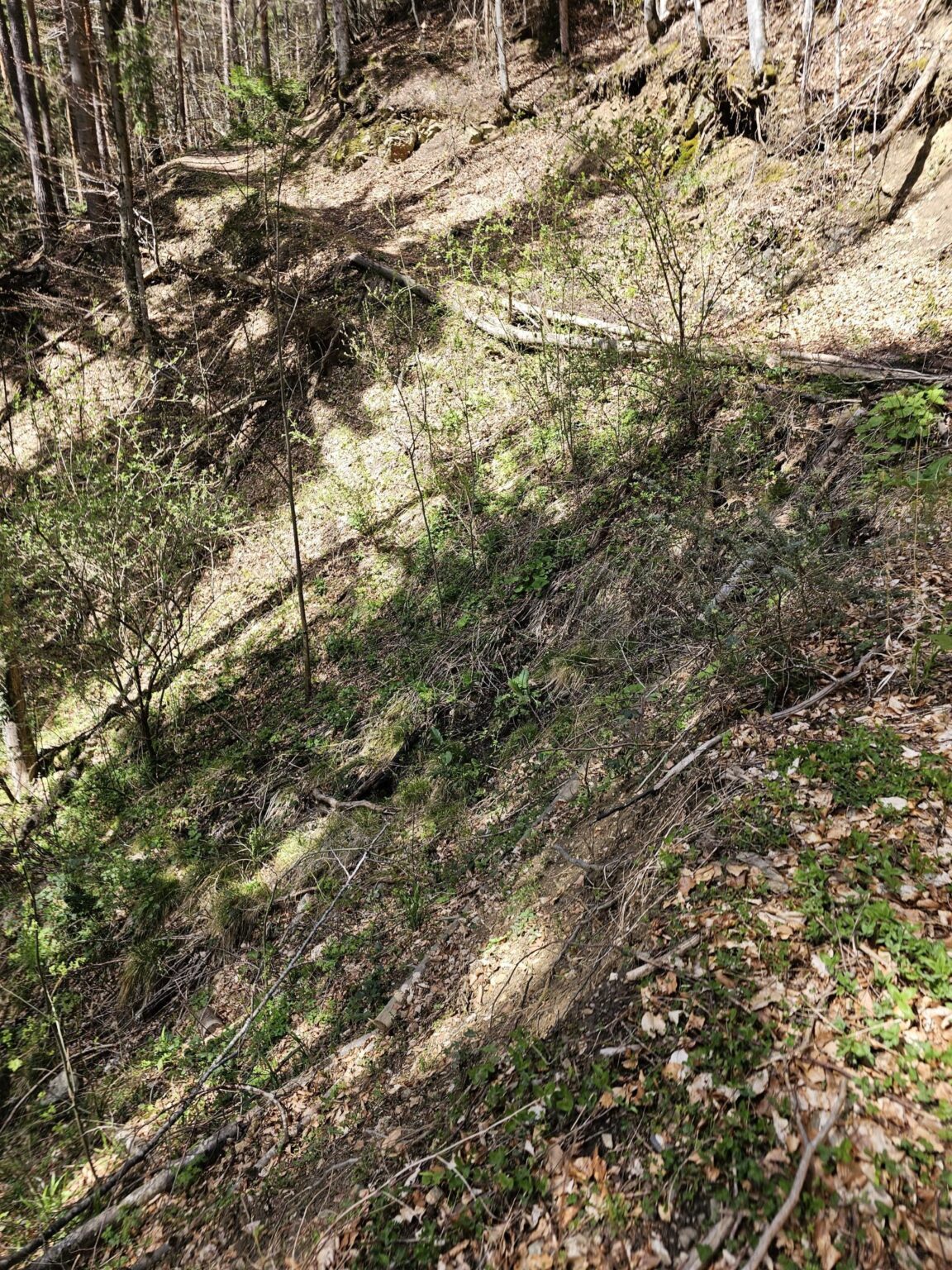
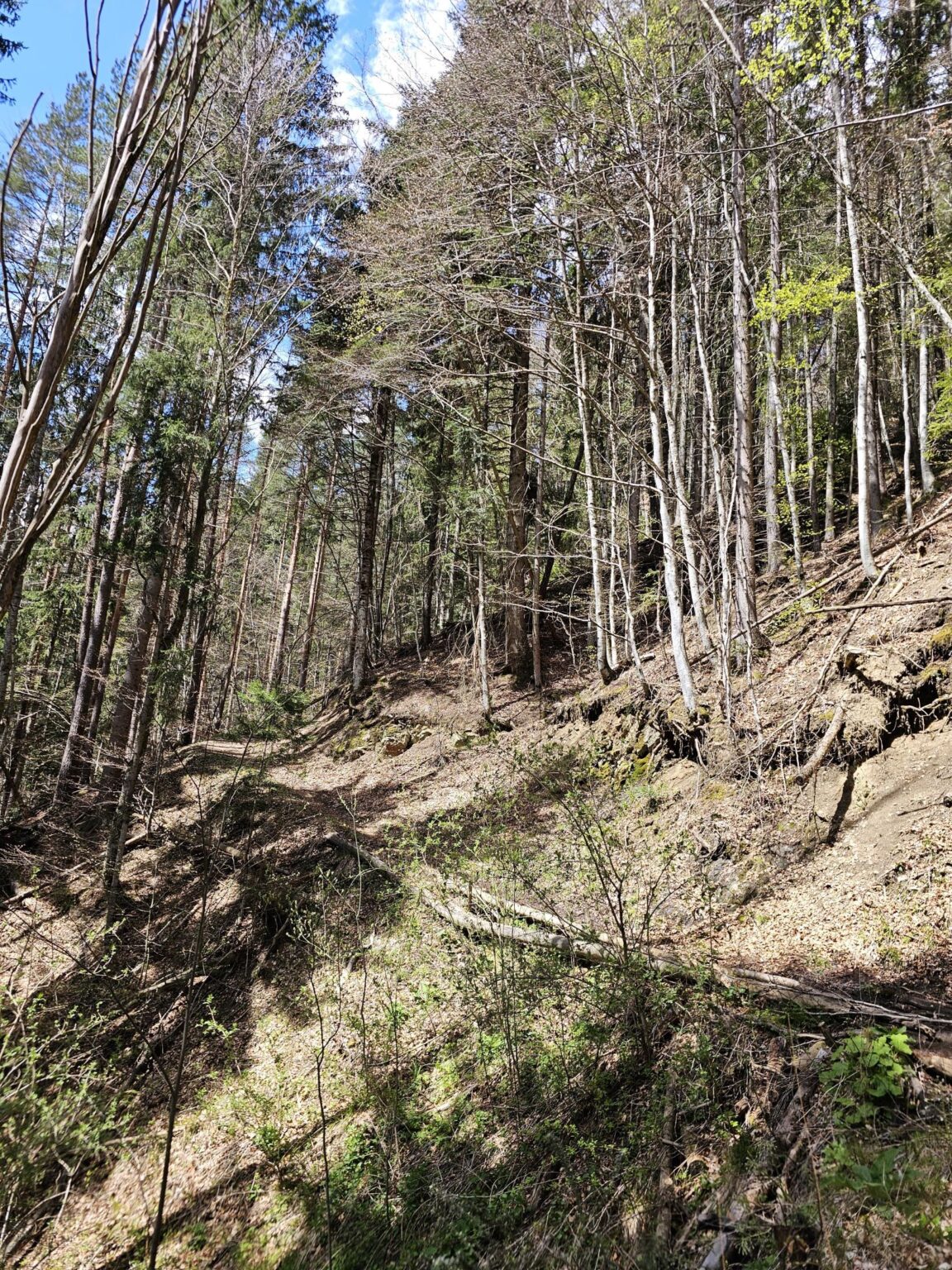
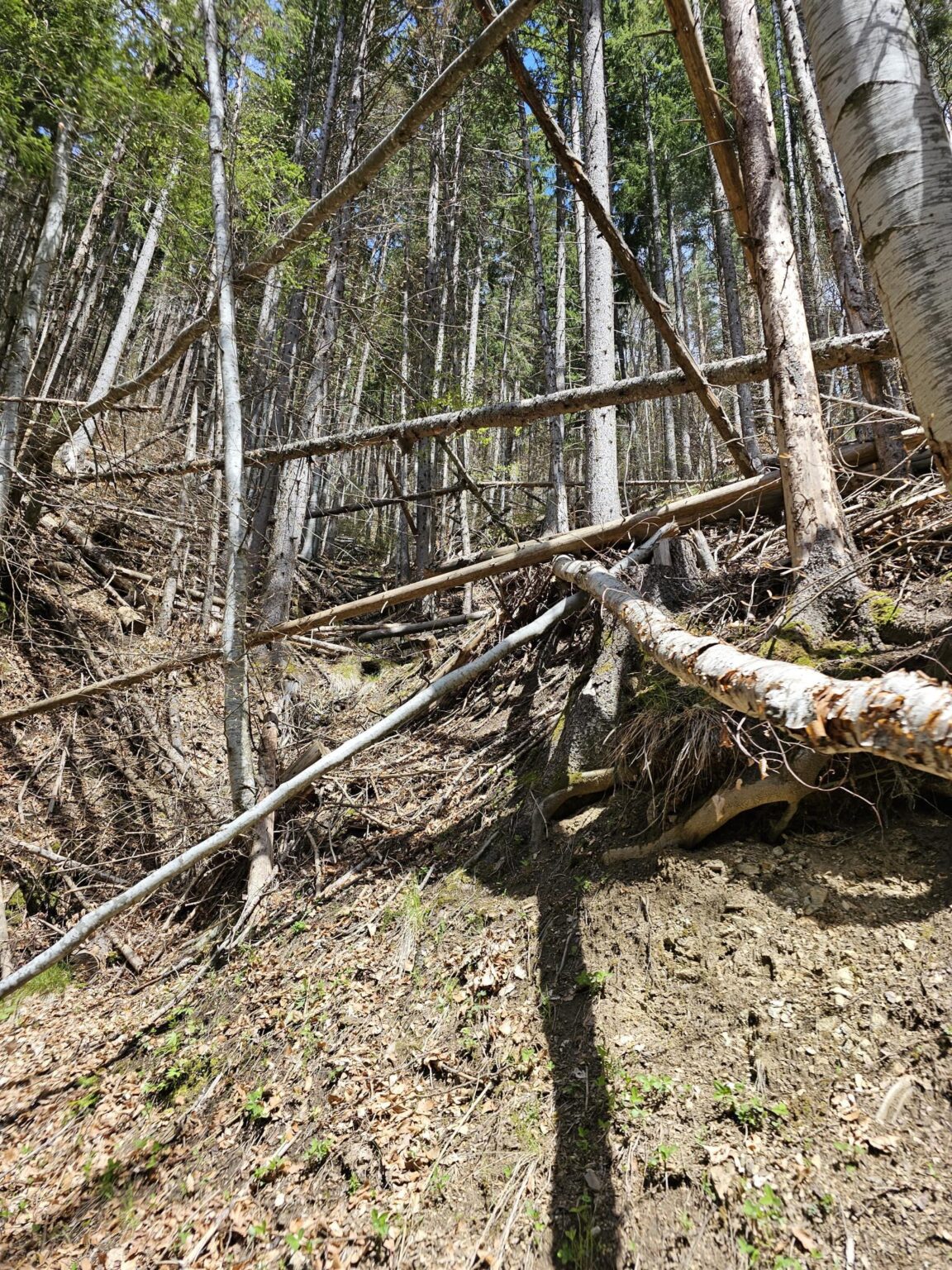
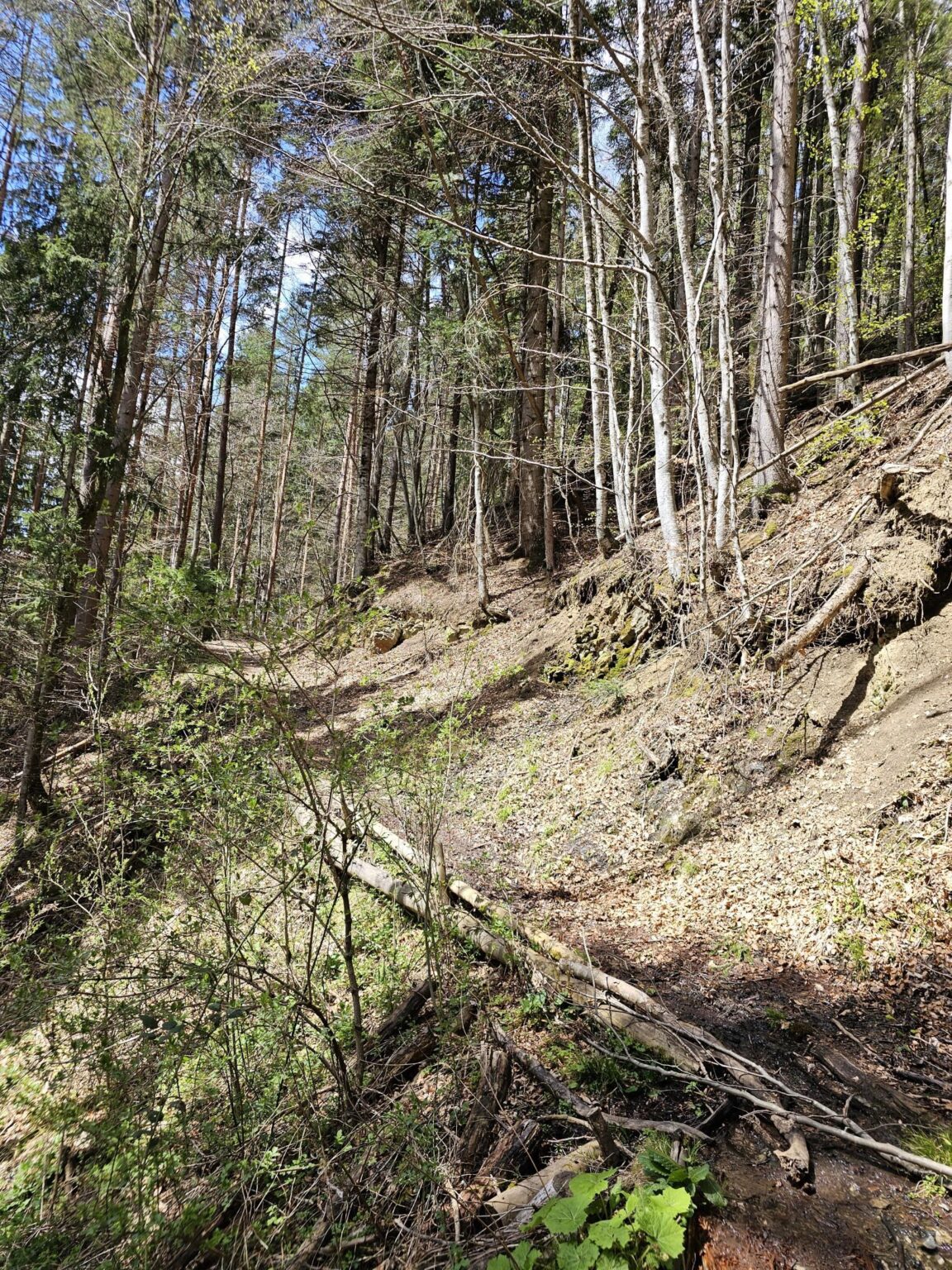
Last October we came here more purposefully and walked about thirty minutes towards the huts. There had been landslides and the fallen trees made the paths hard going. Nothing has improved since — if anything it’s worse.
The Bohemia Waterfalls and the Cross eco-trail
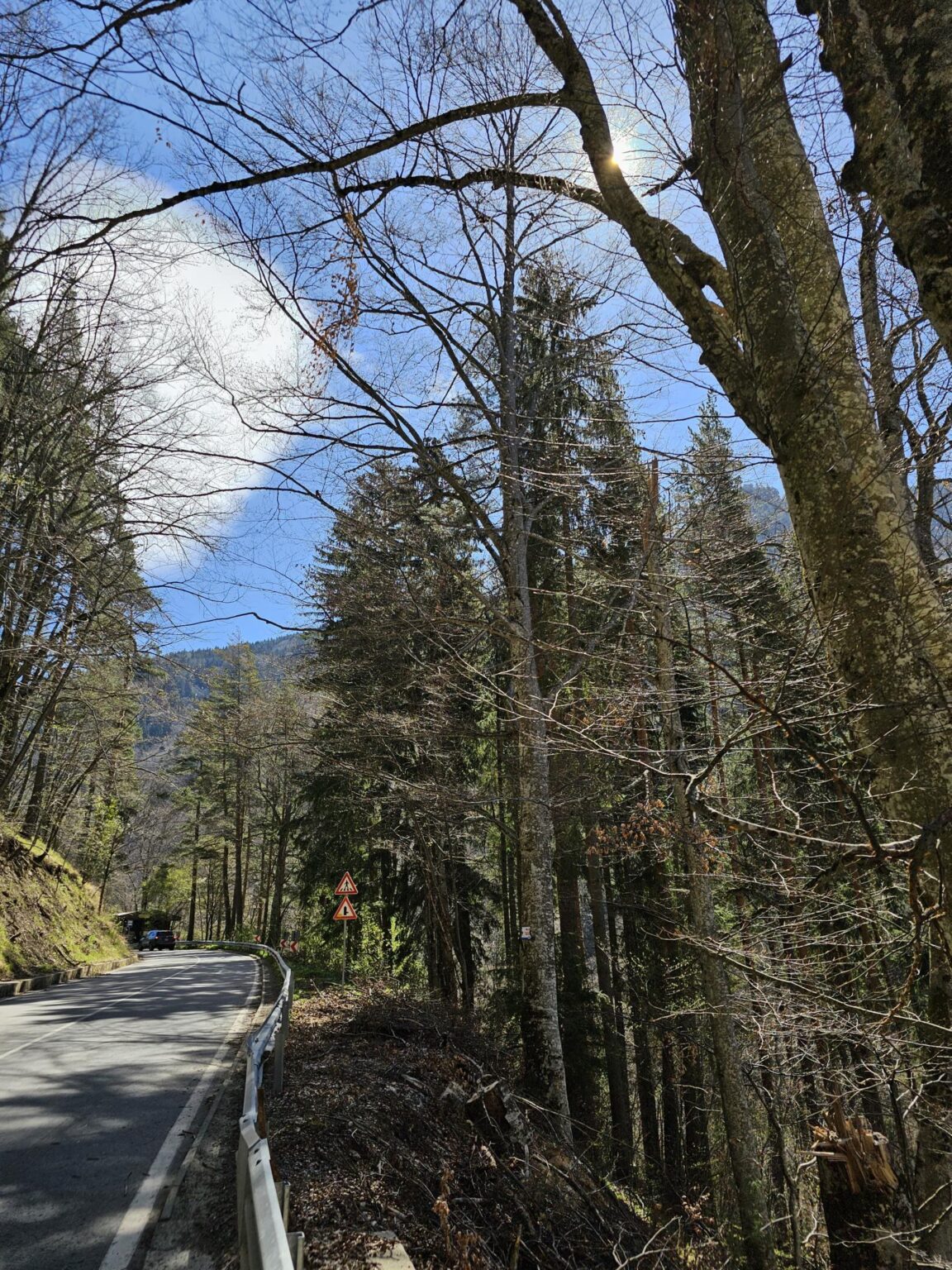
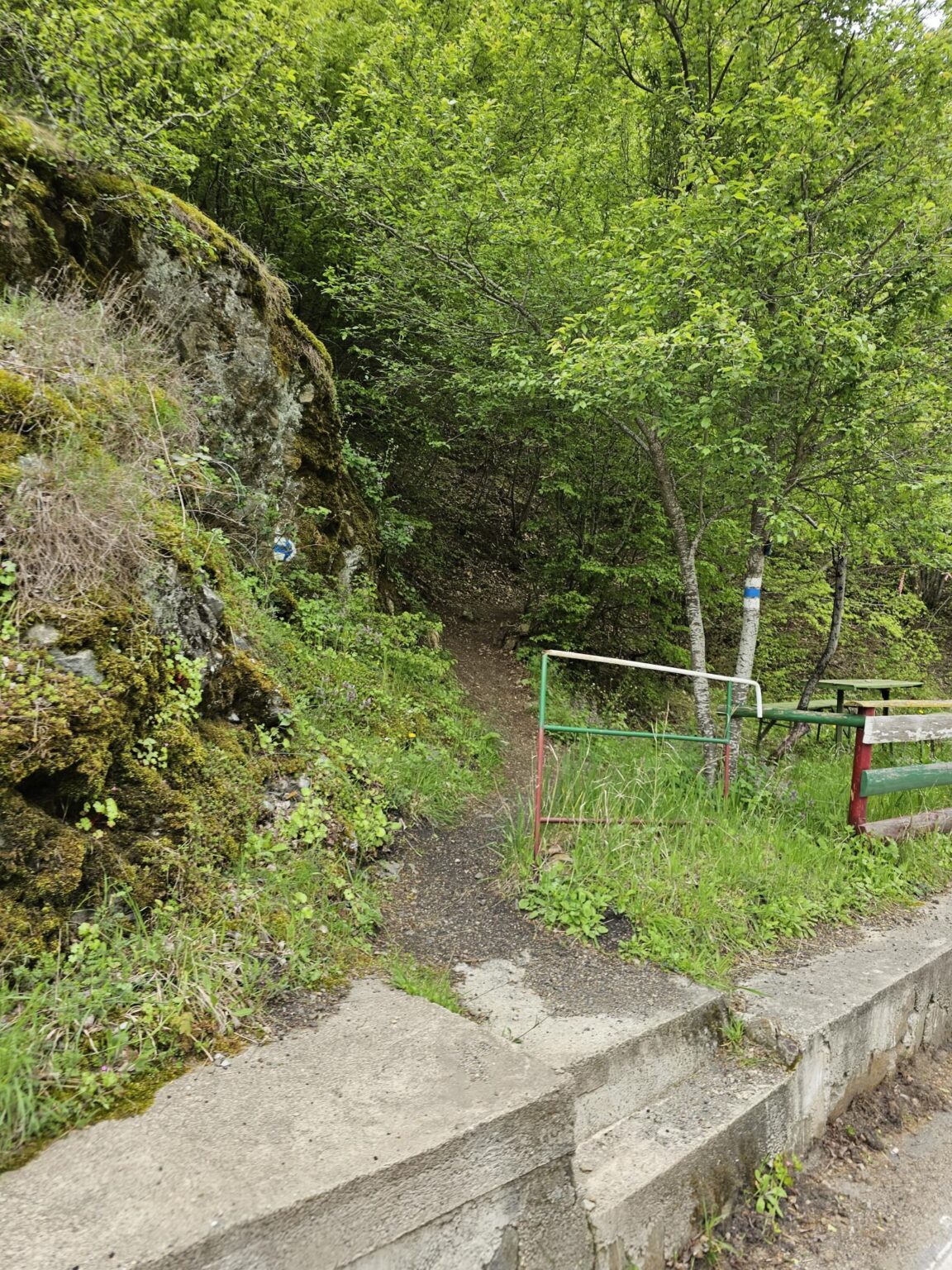
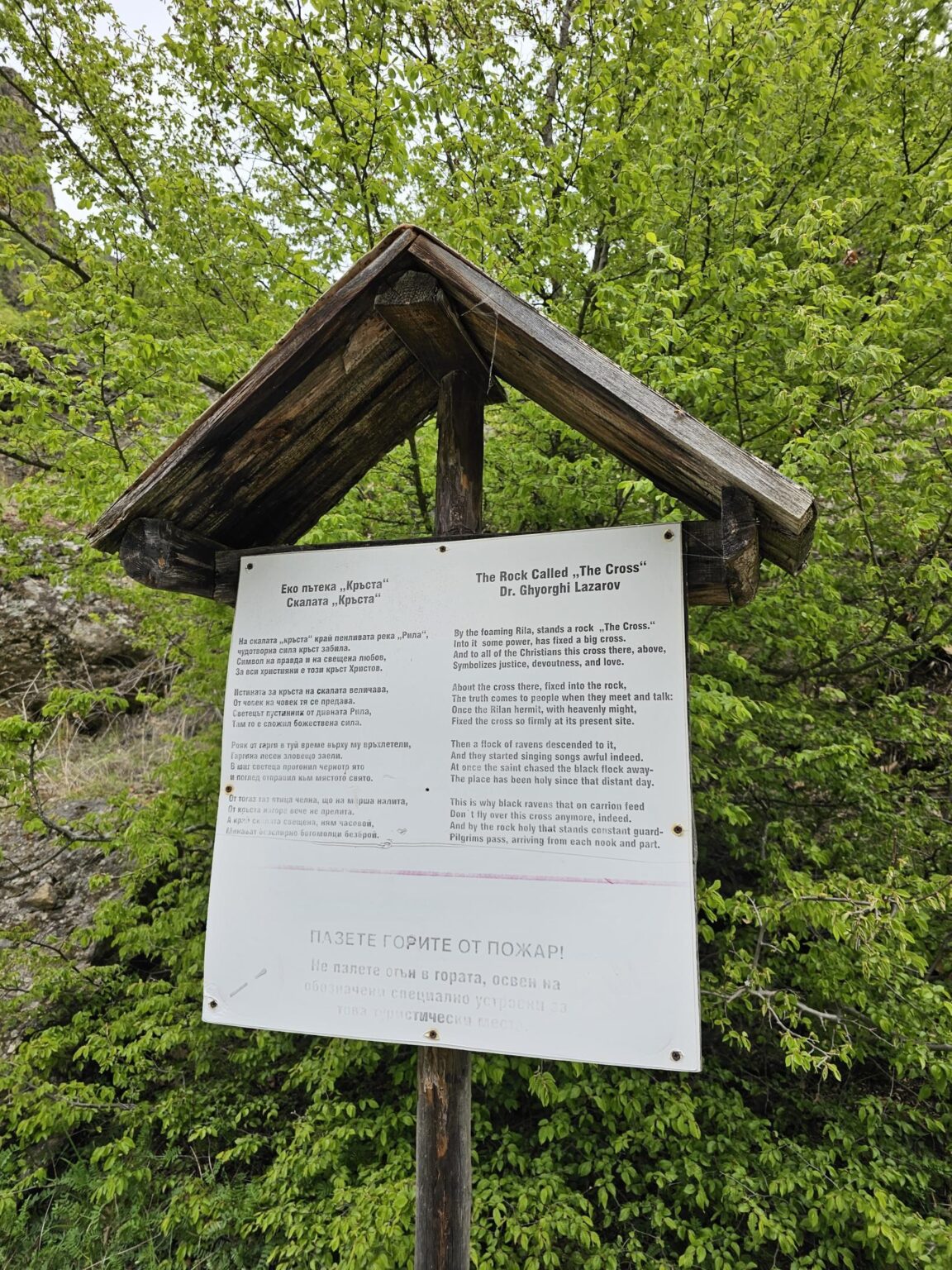
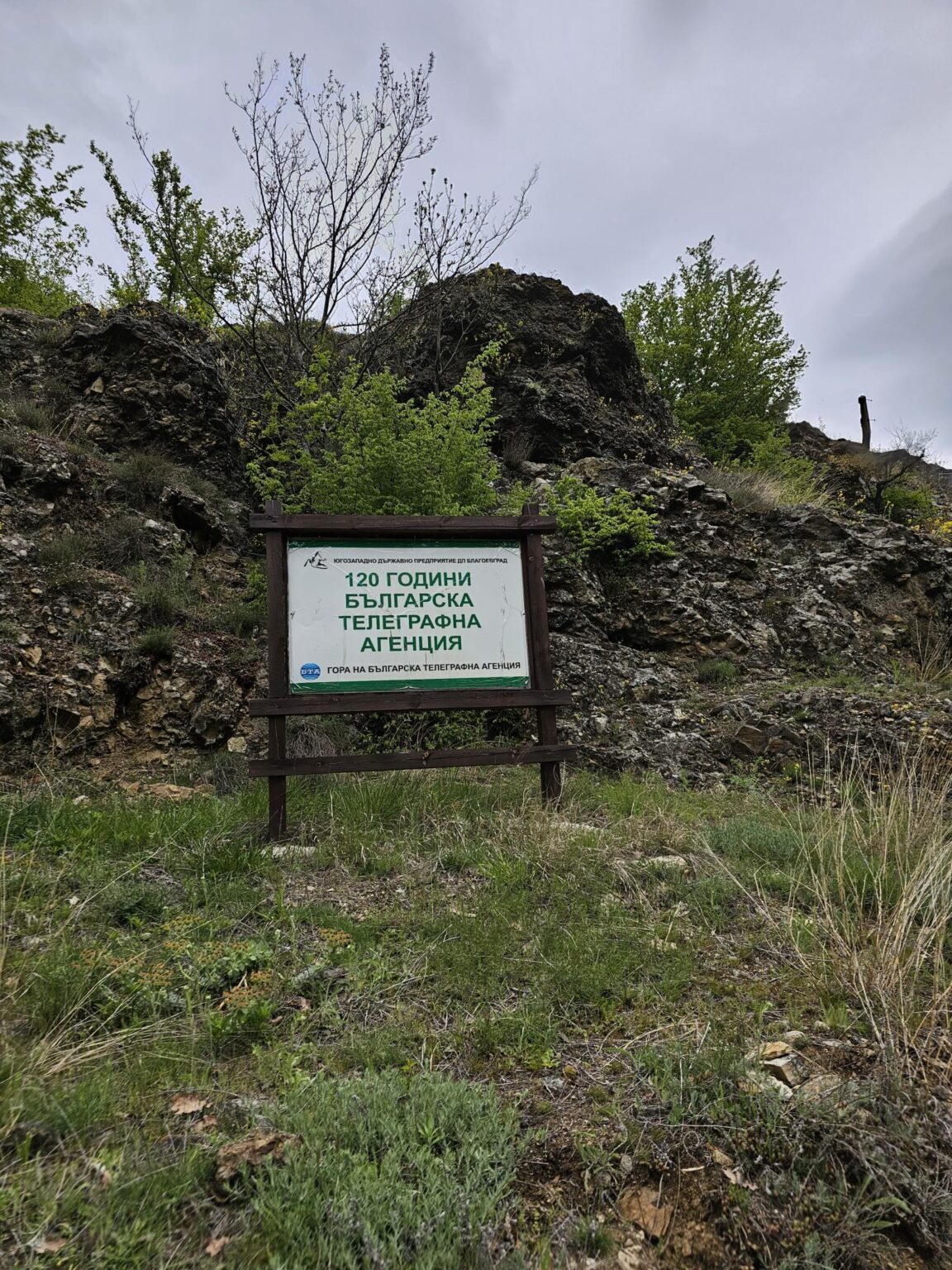
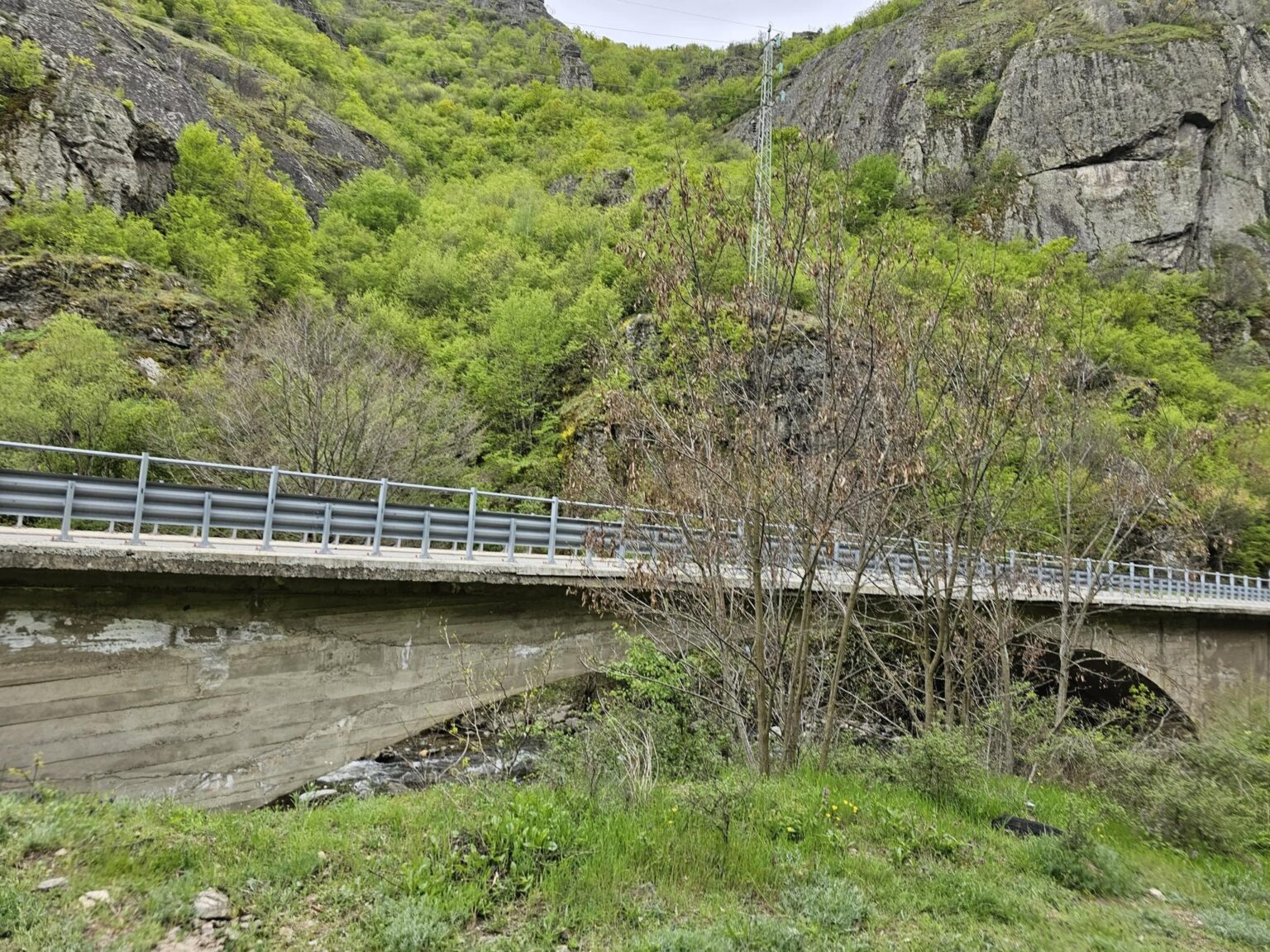
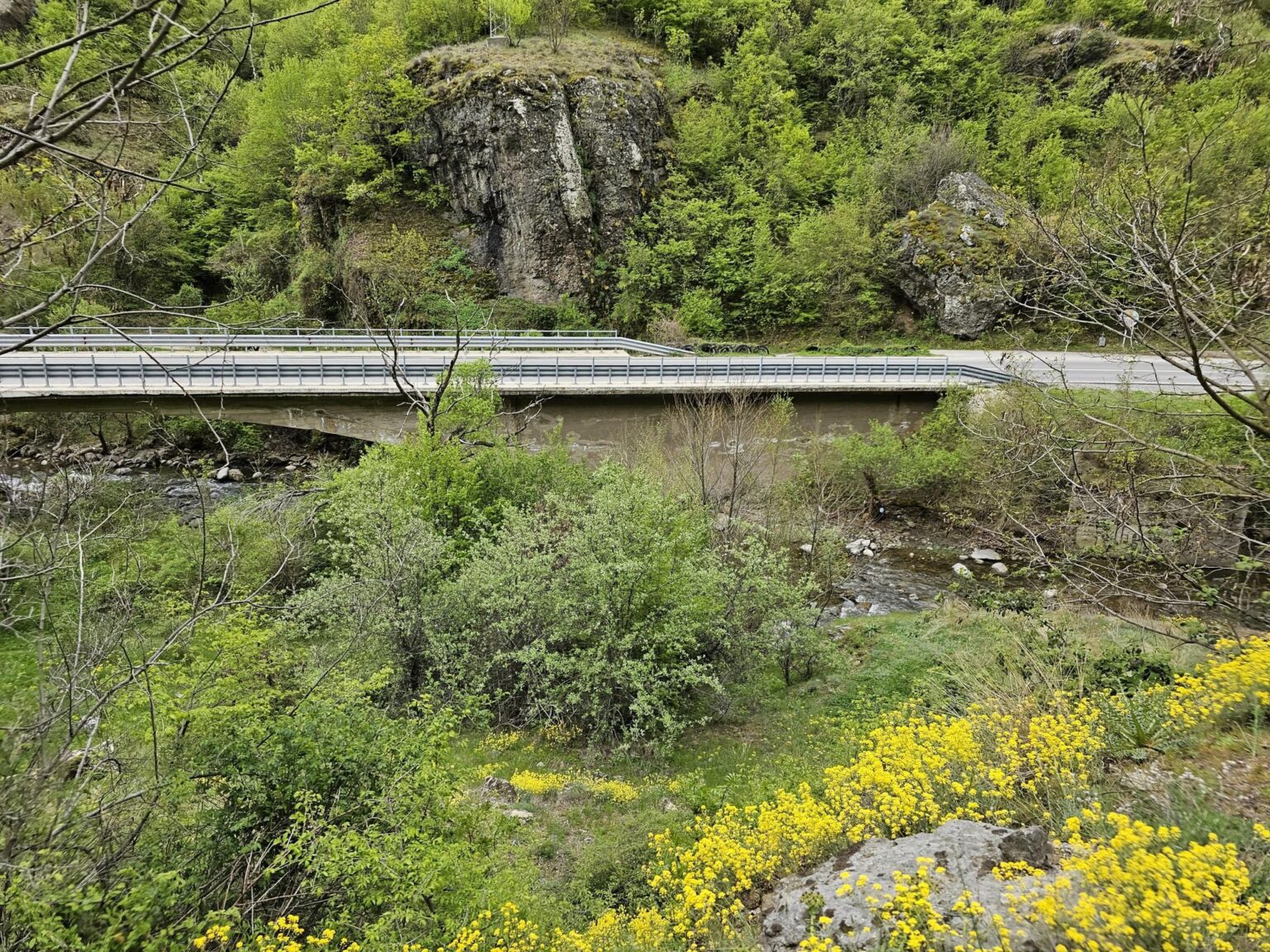
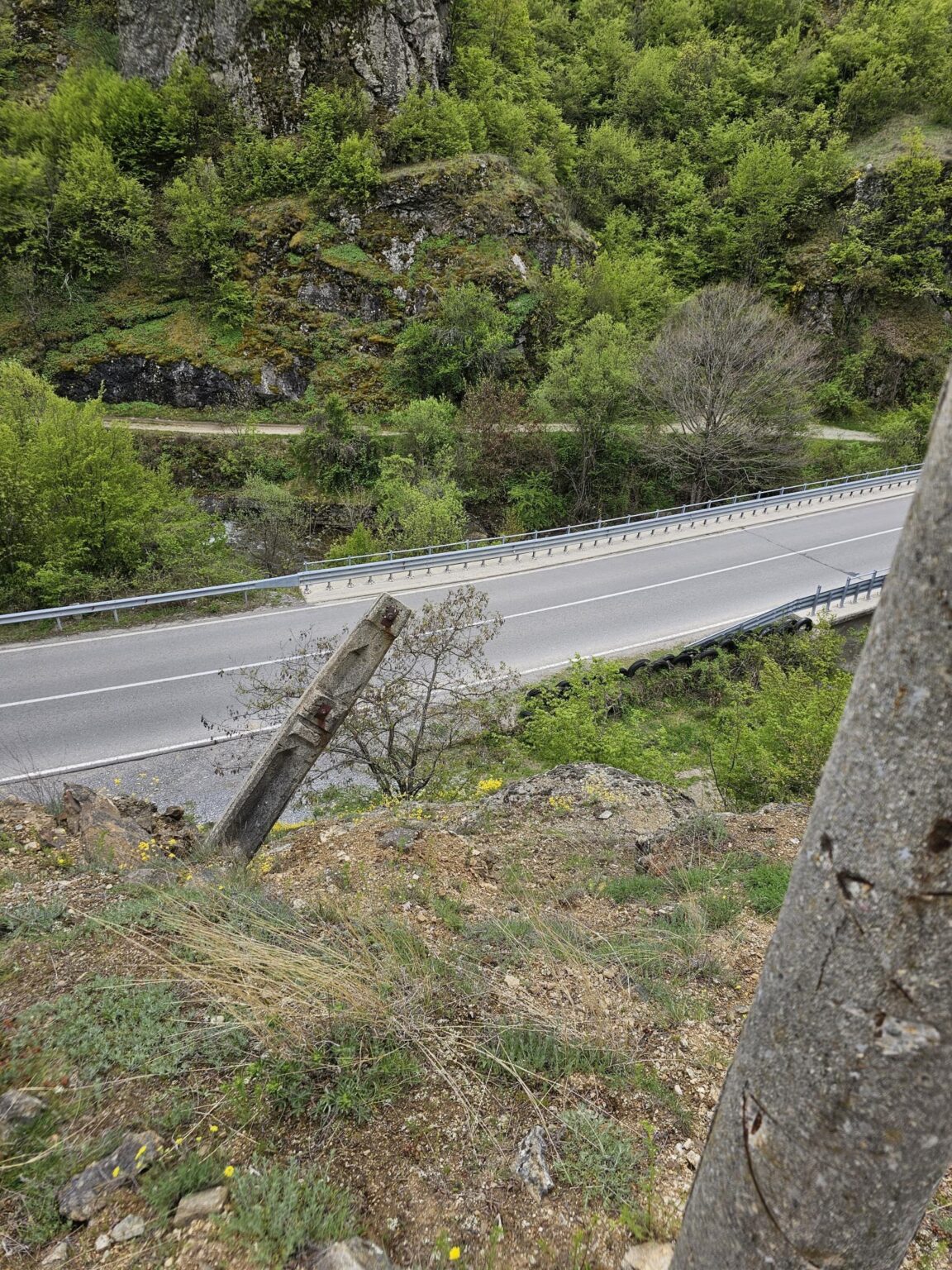
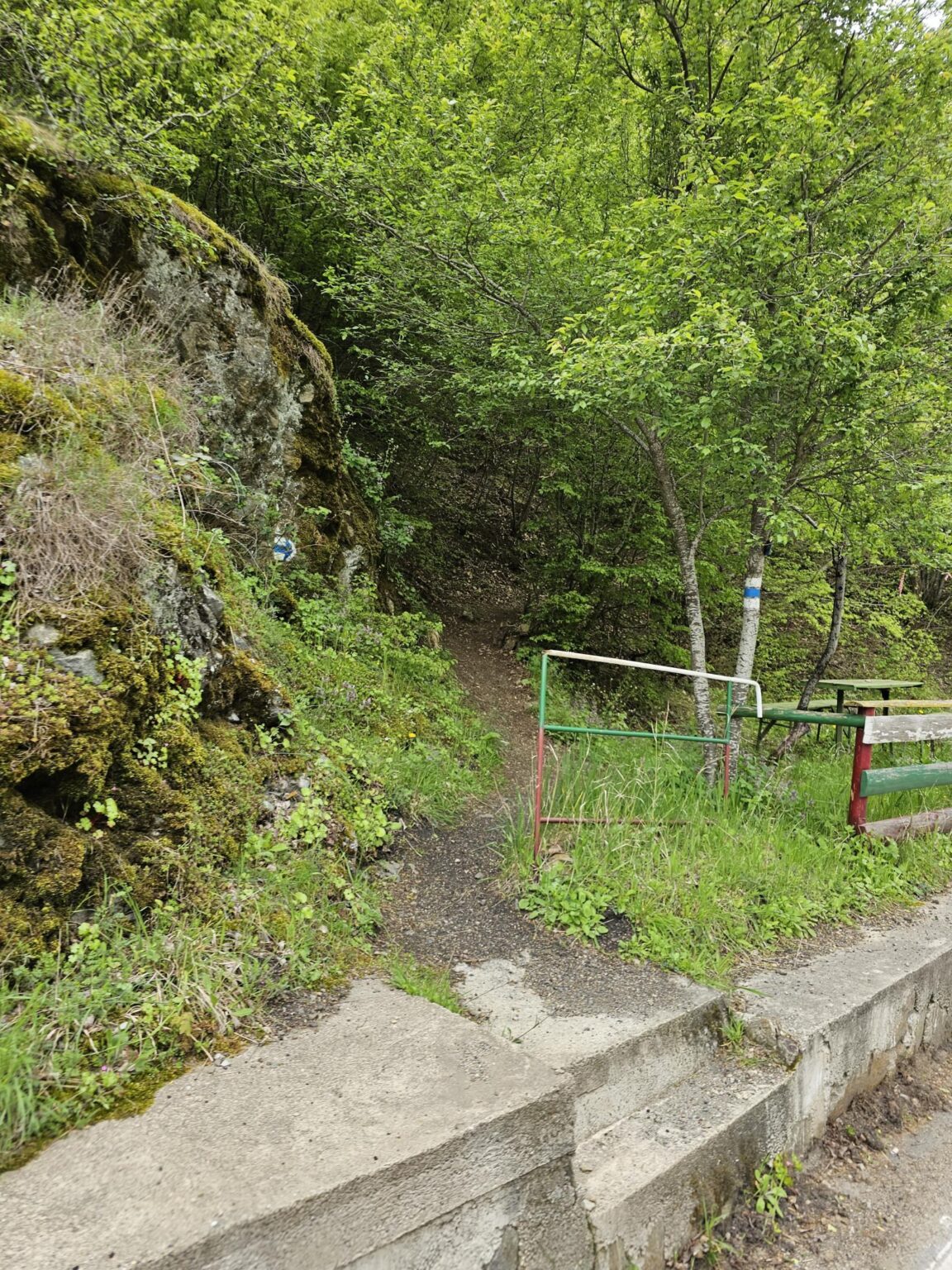
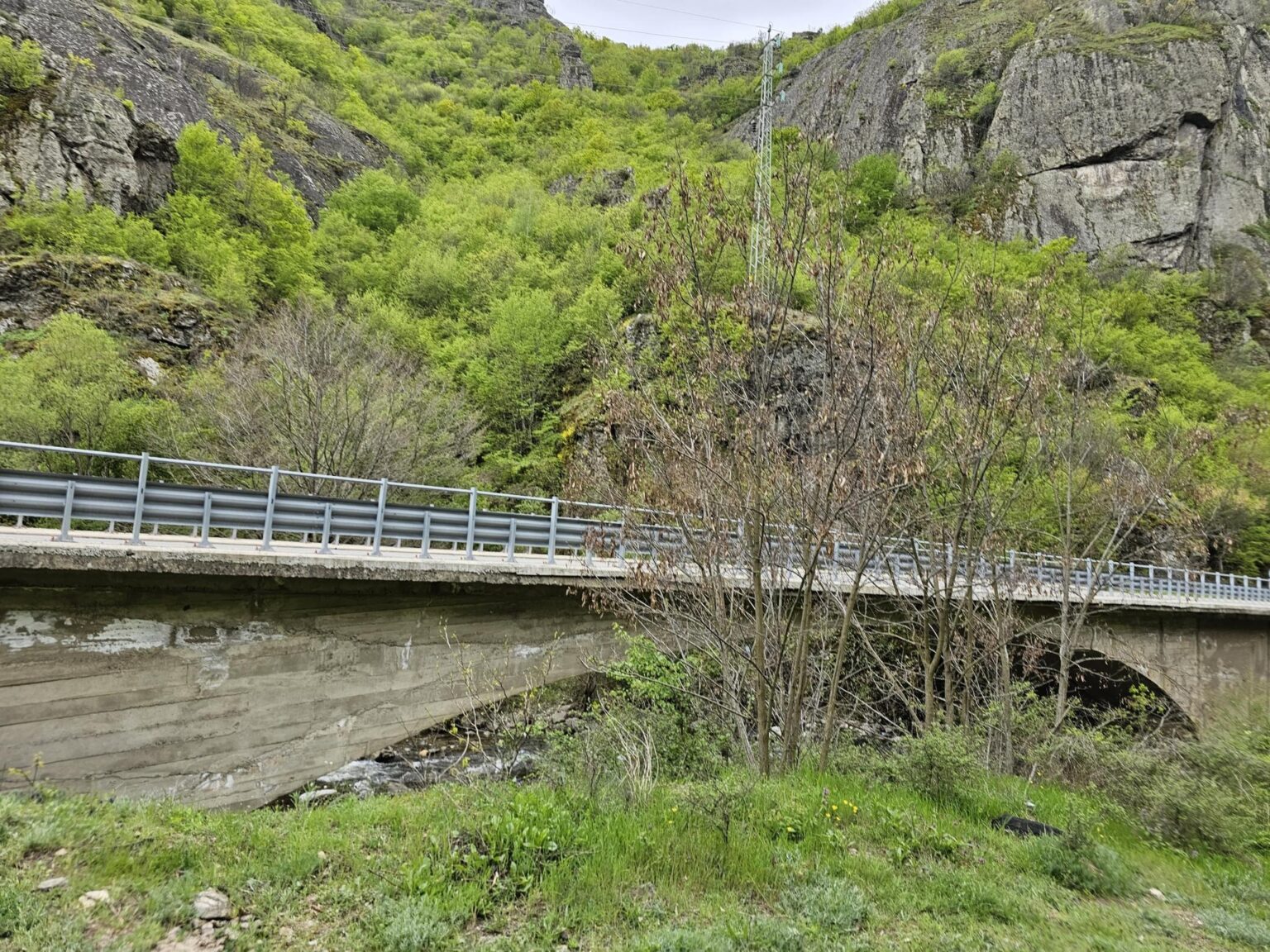
From the monastery we drive back towards the town of Rila. Just before the town, well marked on Google Maps, the road widens into a pull-off where you can park without any drama — here it is on the map and here at street level. Stand there facing the town: on your left begins the eco-trail to the Bohemia waterfalls, on your right the Cross eco-trail.
There is no wrong order. The waterfalls are about 90 metres of near-extreme elevation gain, while the Cross climbs 150 metres that are noticeably gentler and more even.
The waterfalls
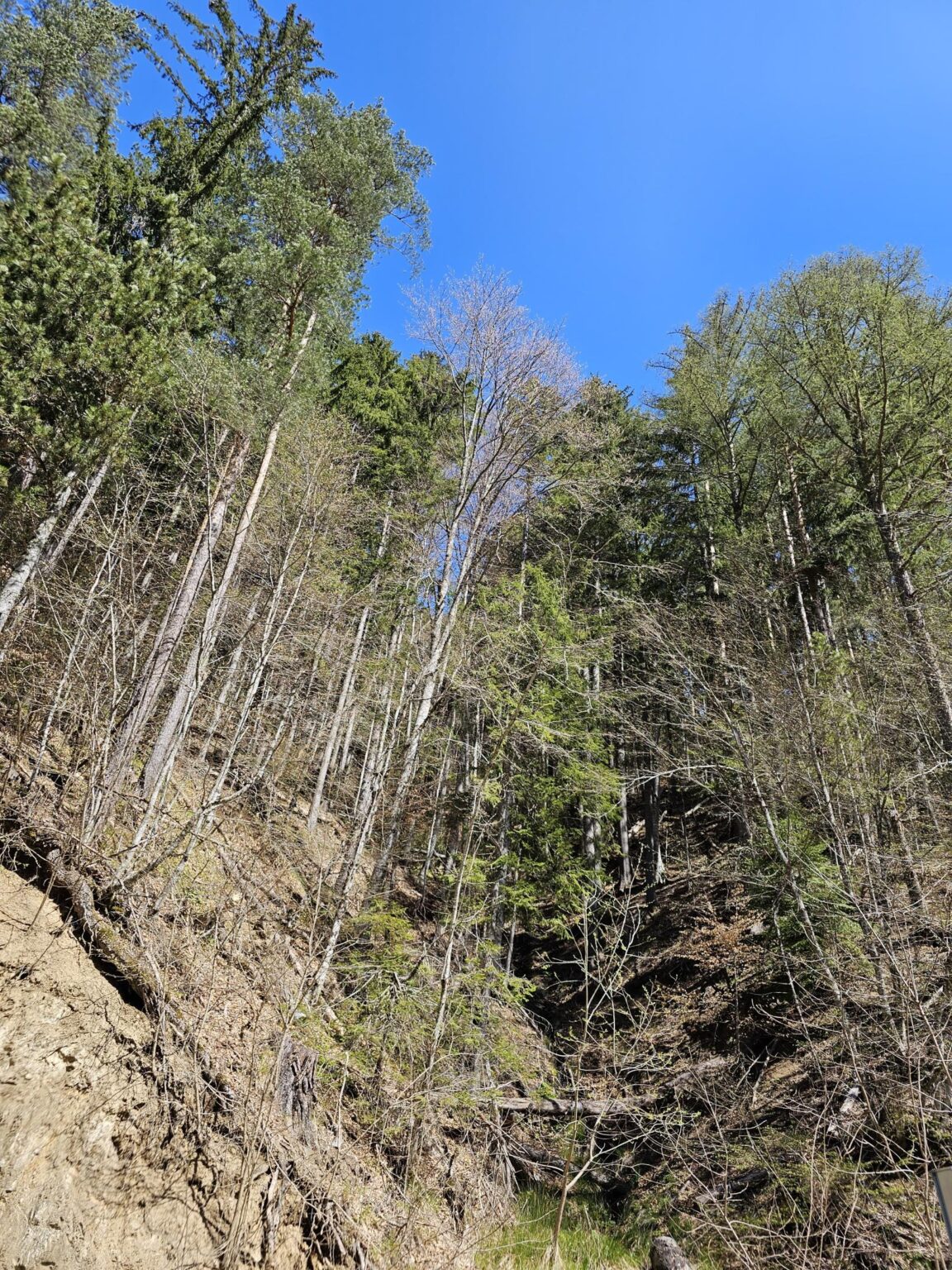
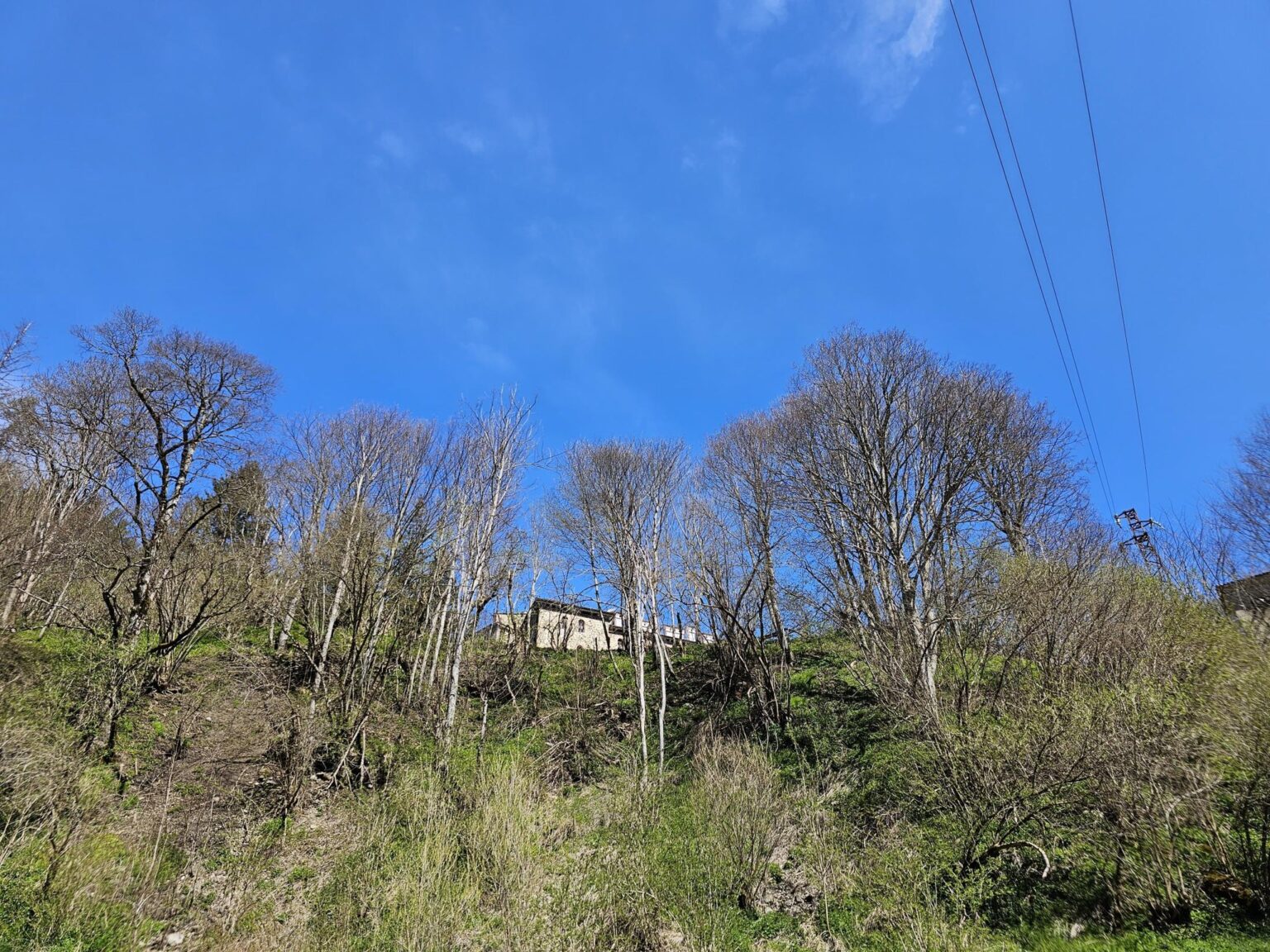
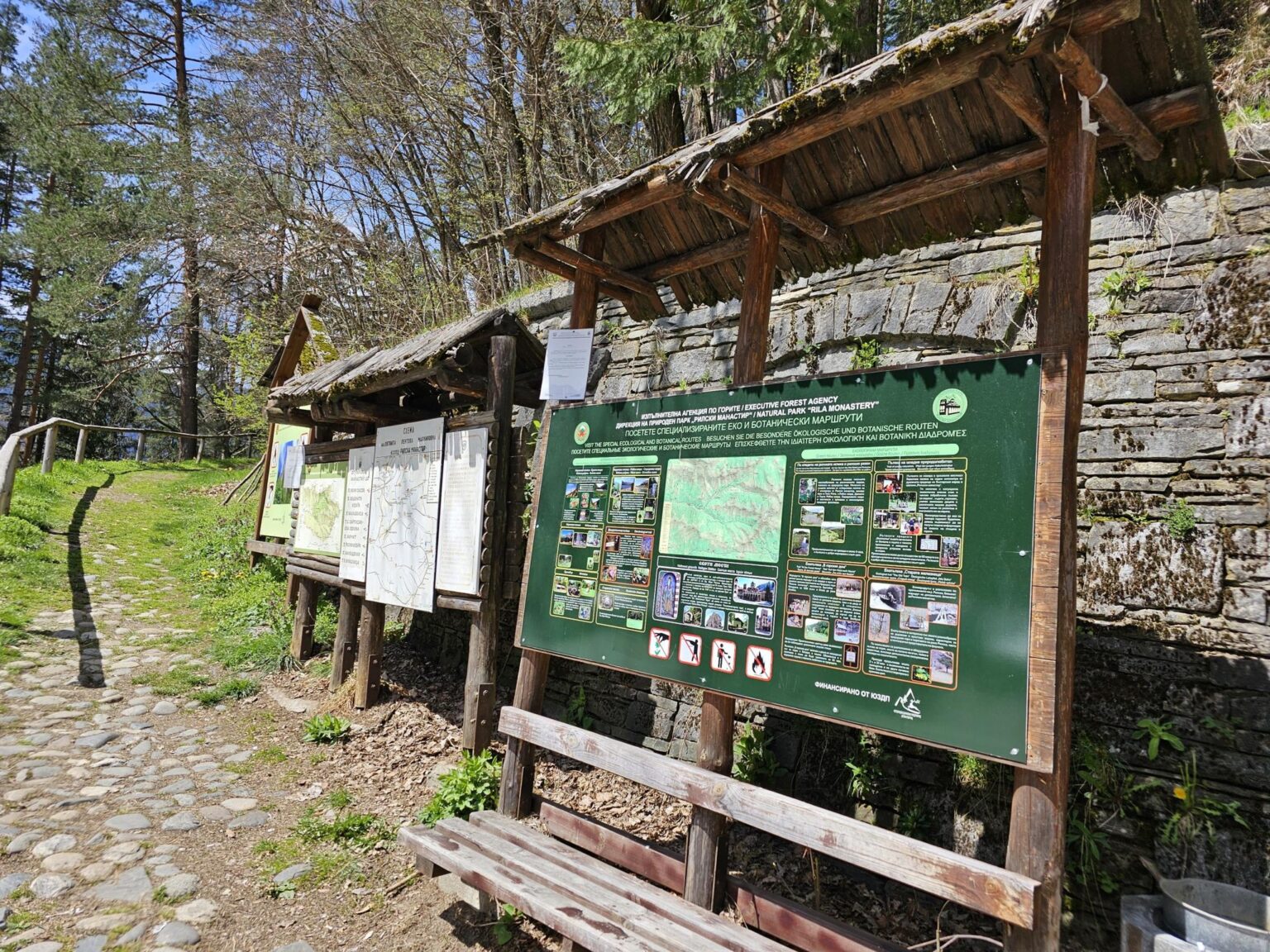
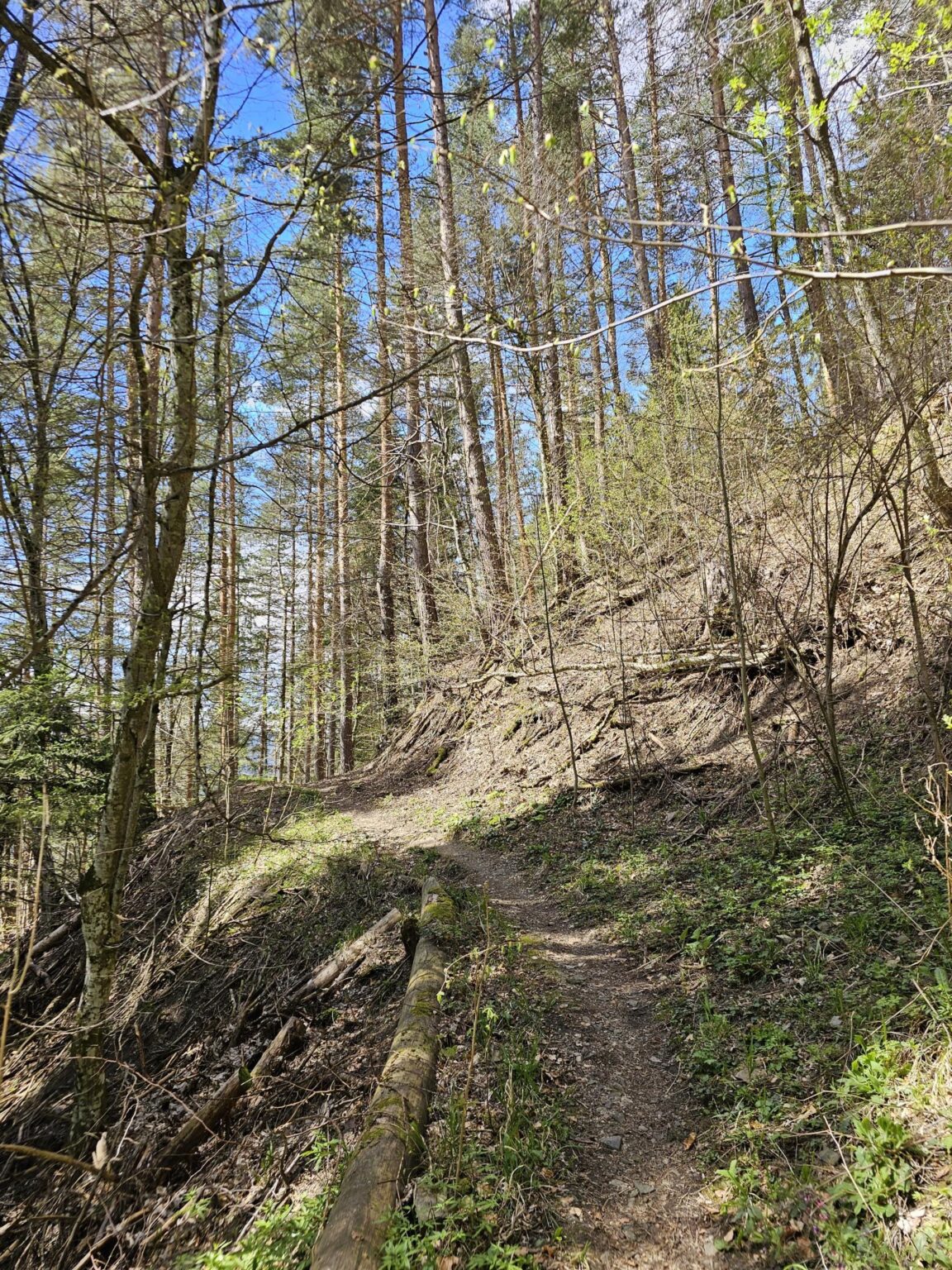
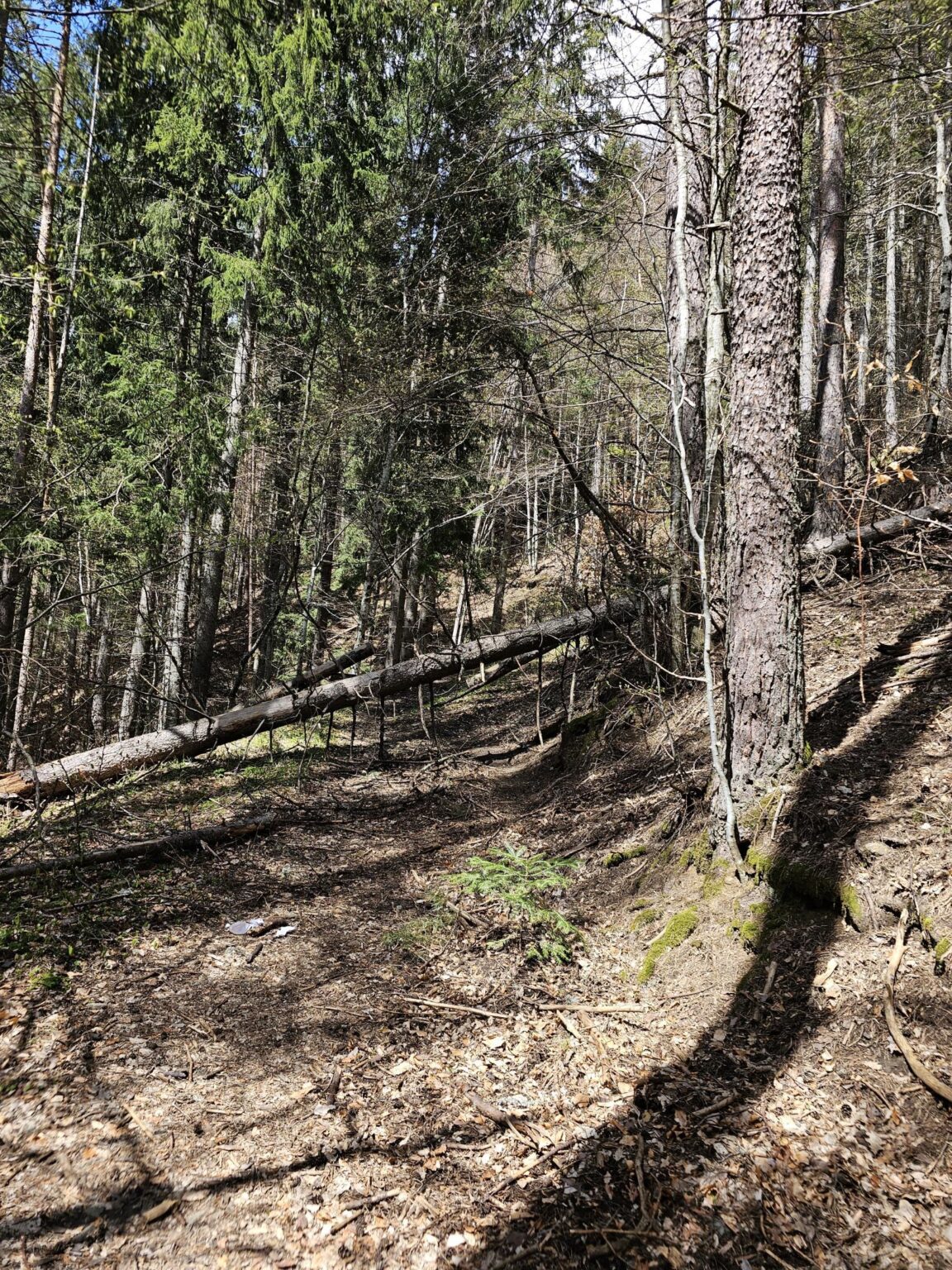
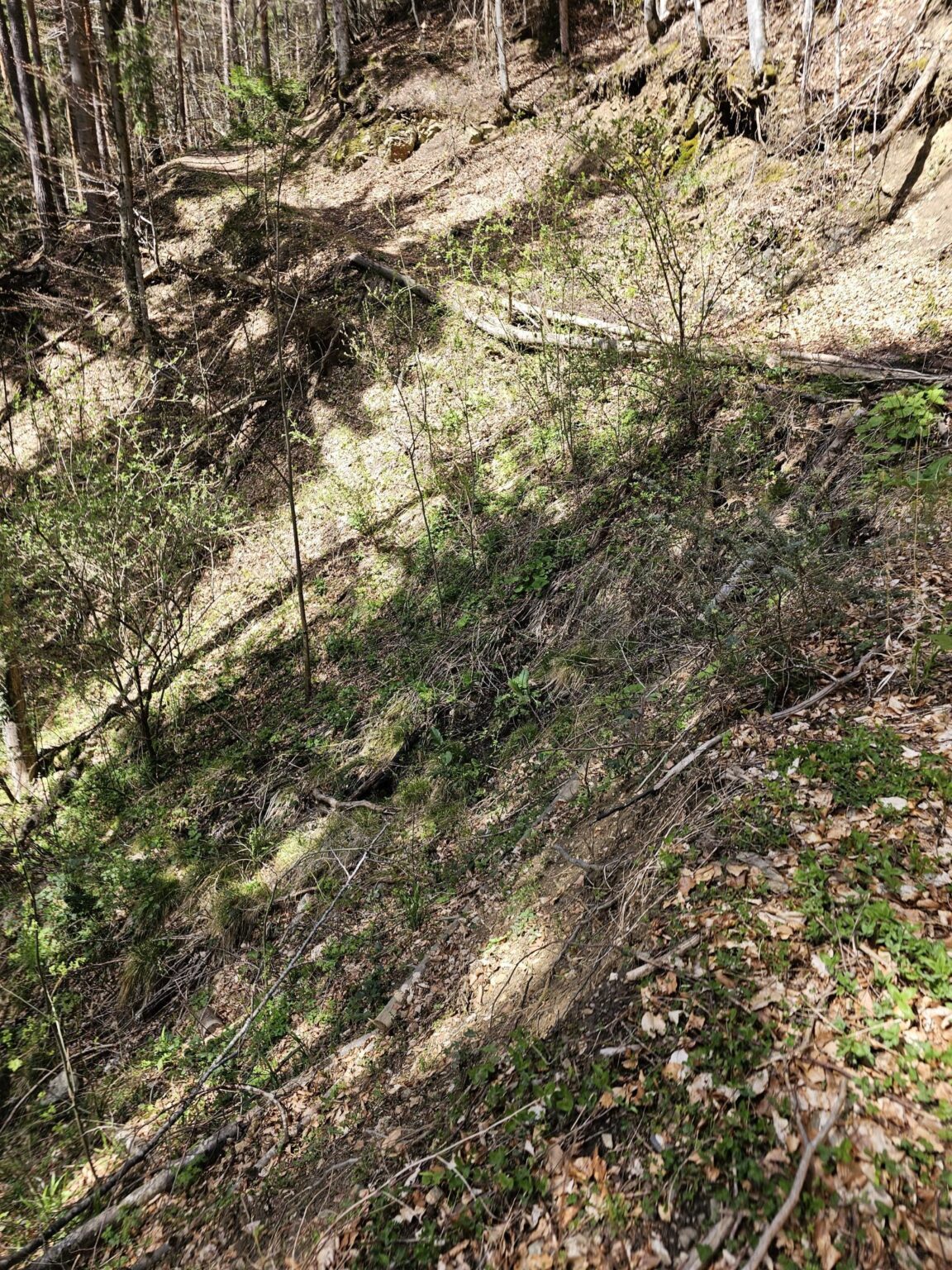
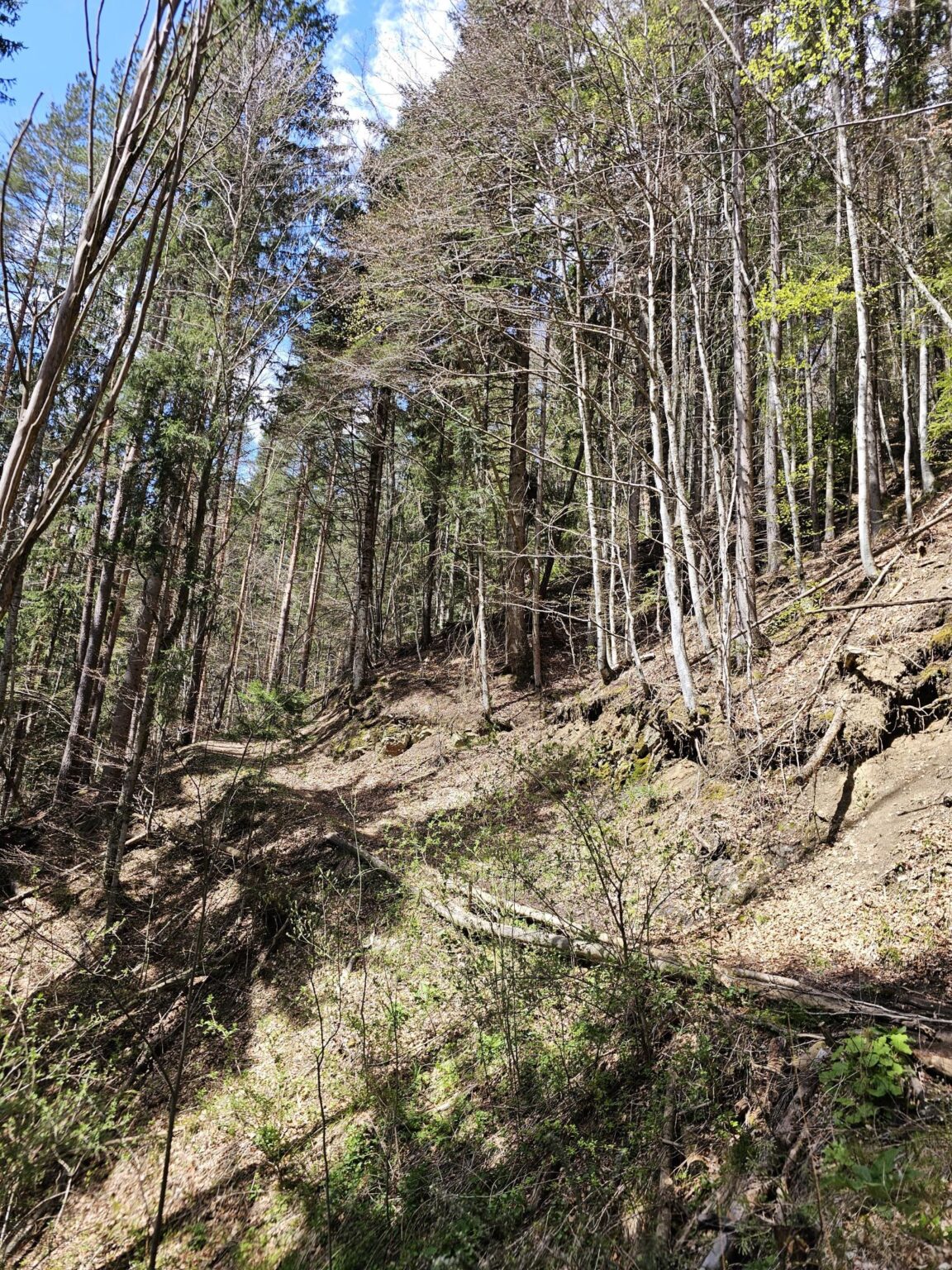
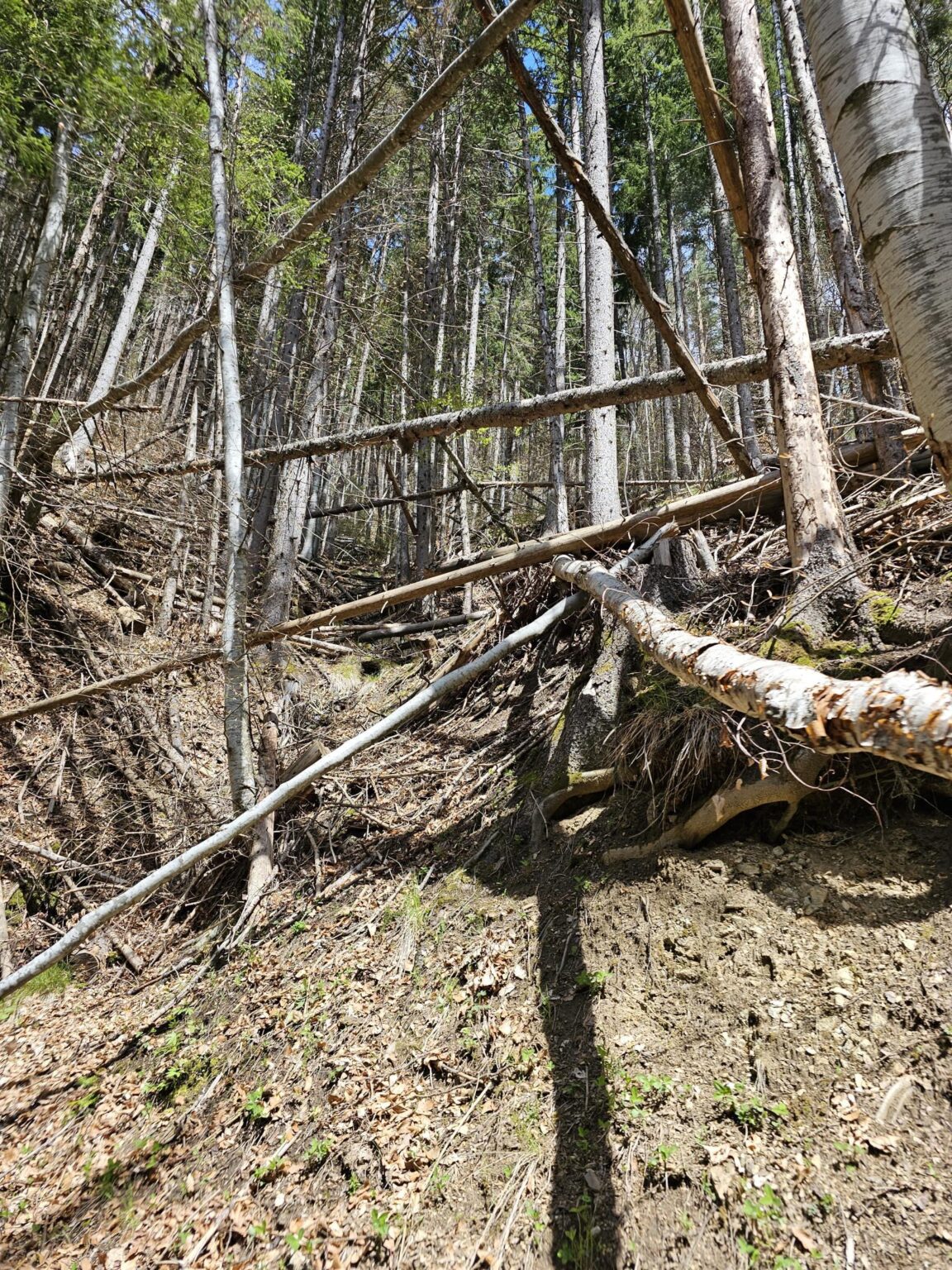
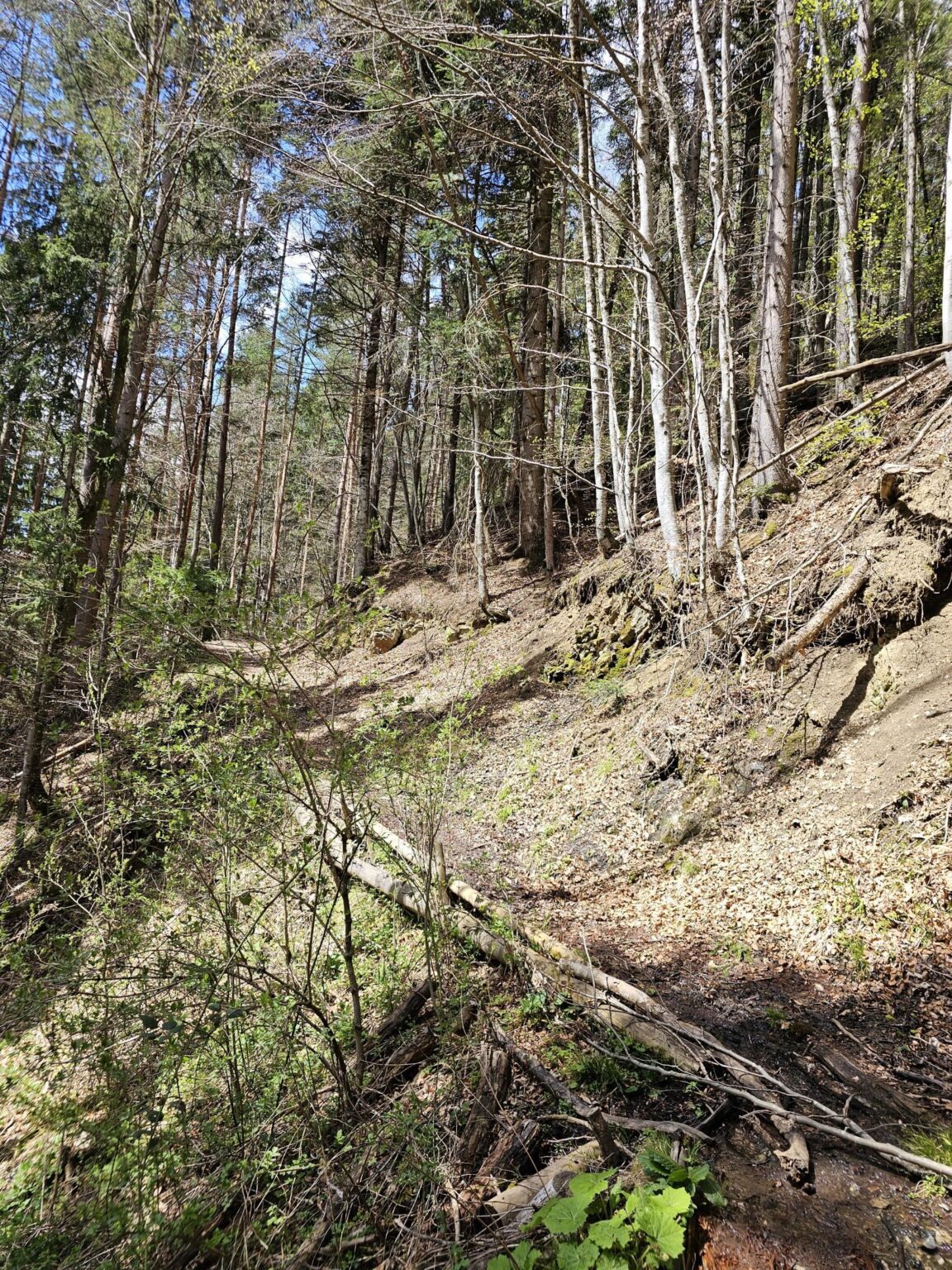
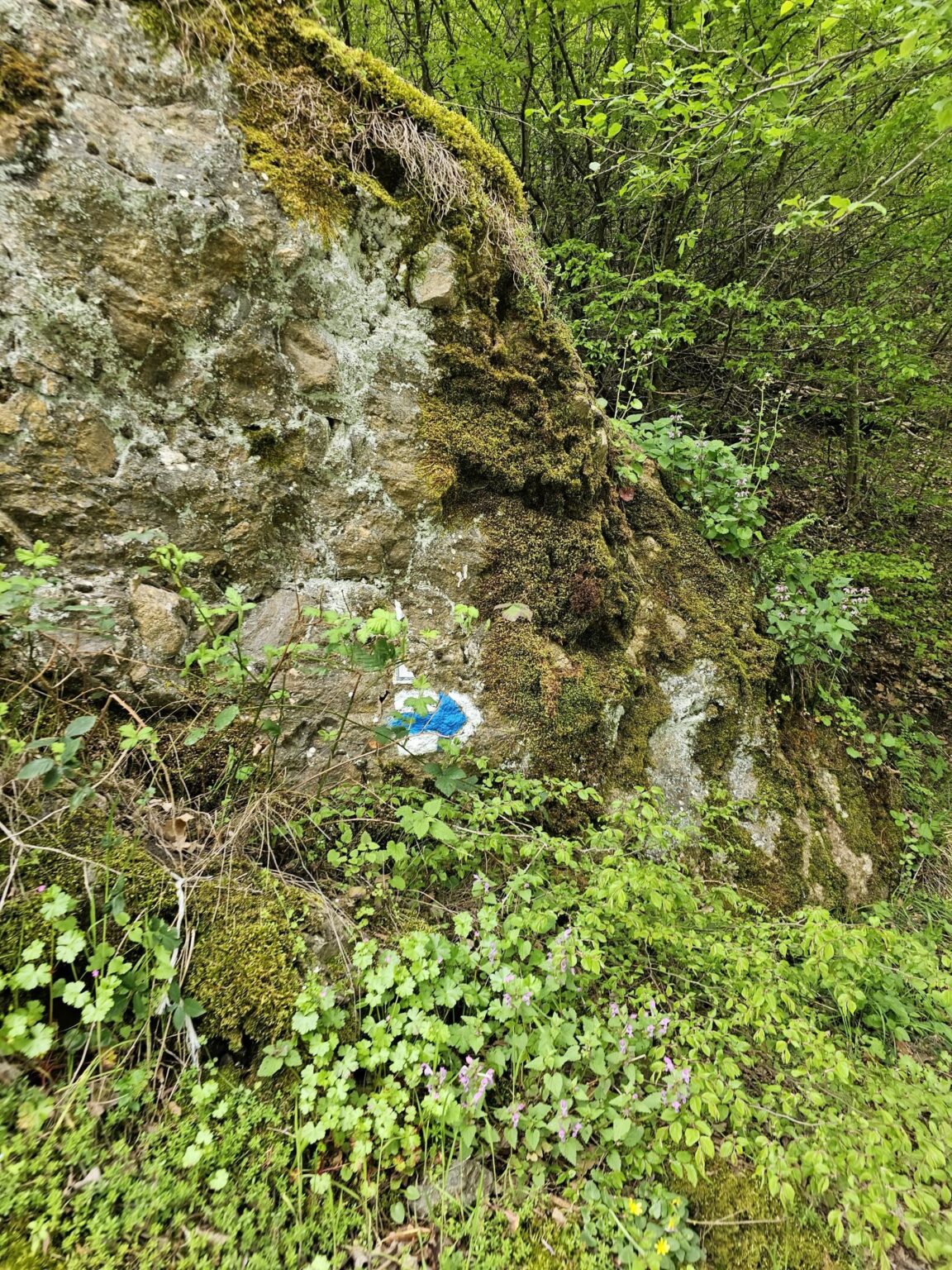
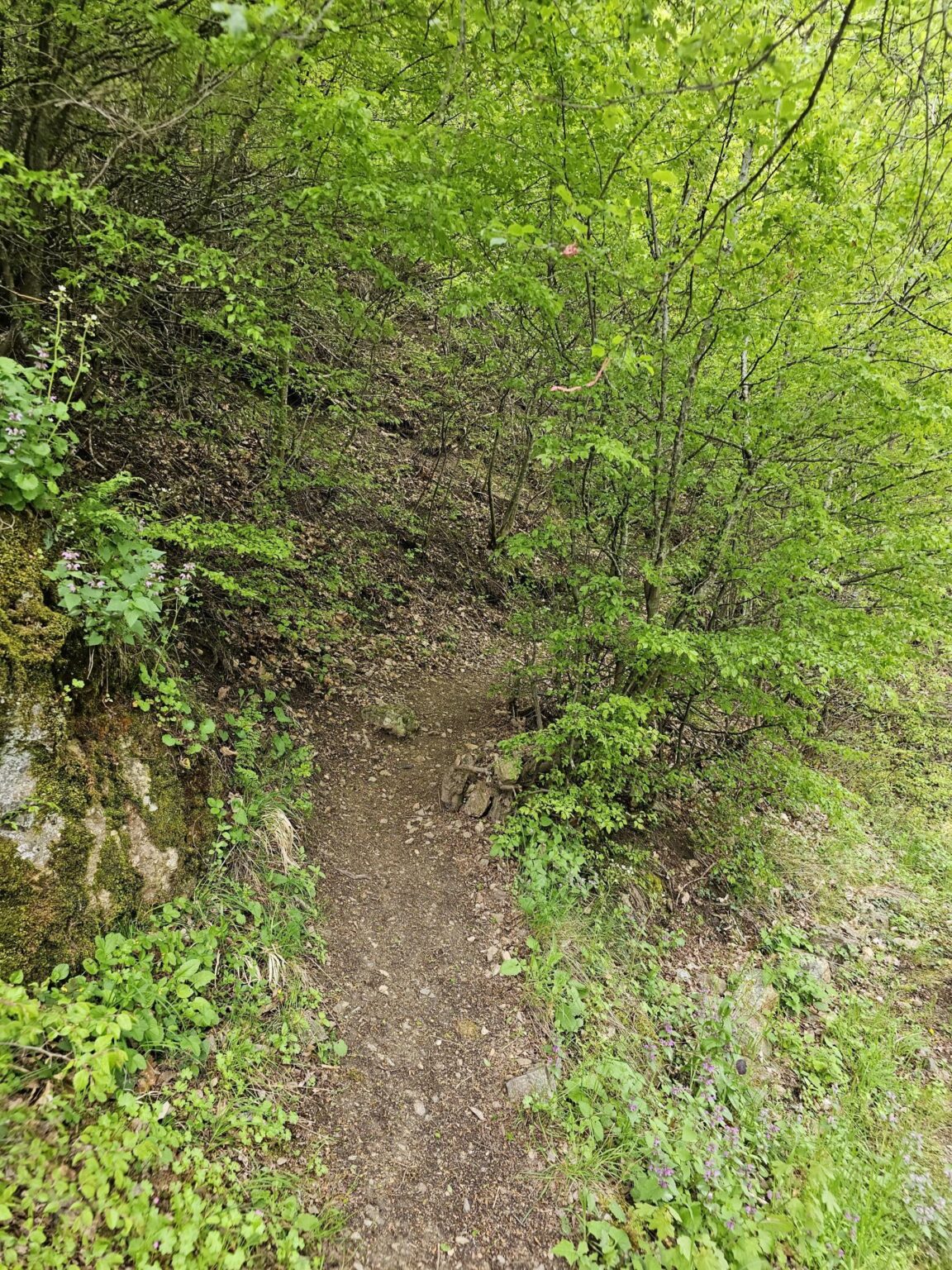
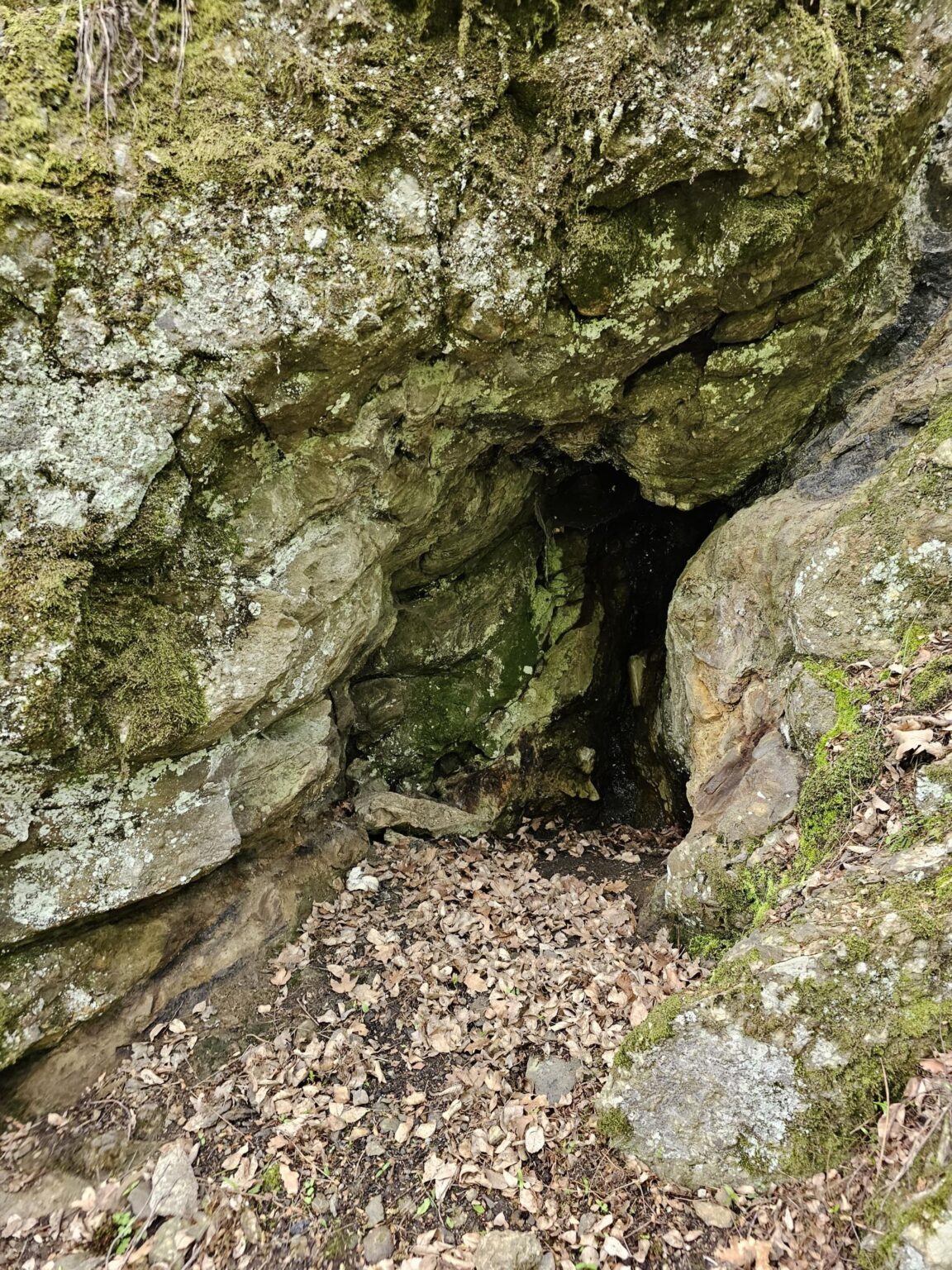
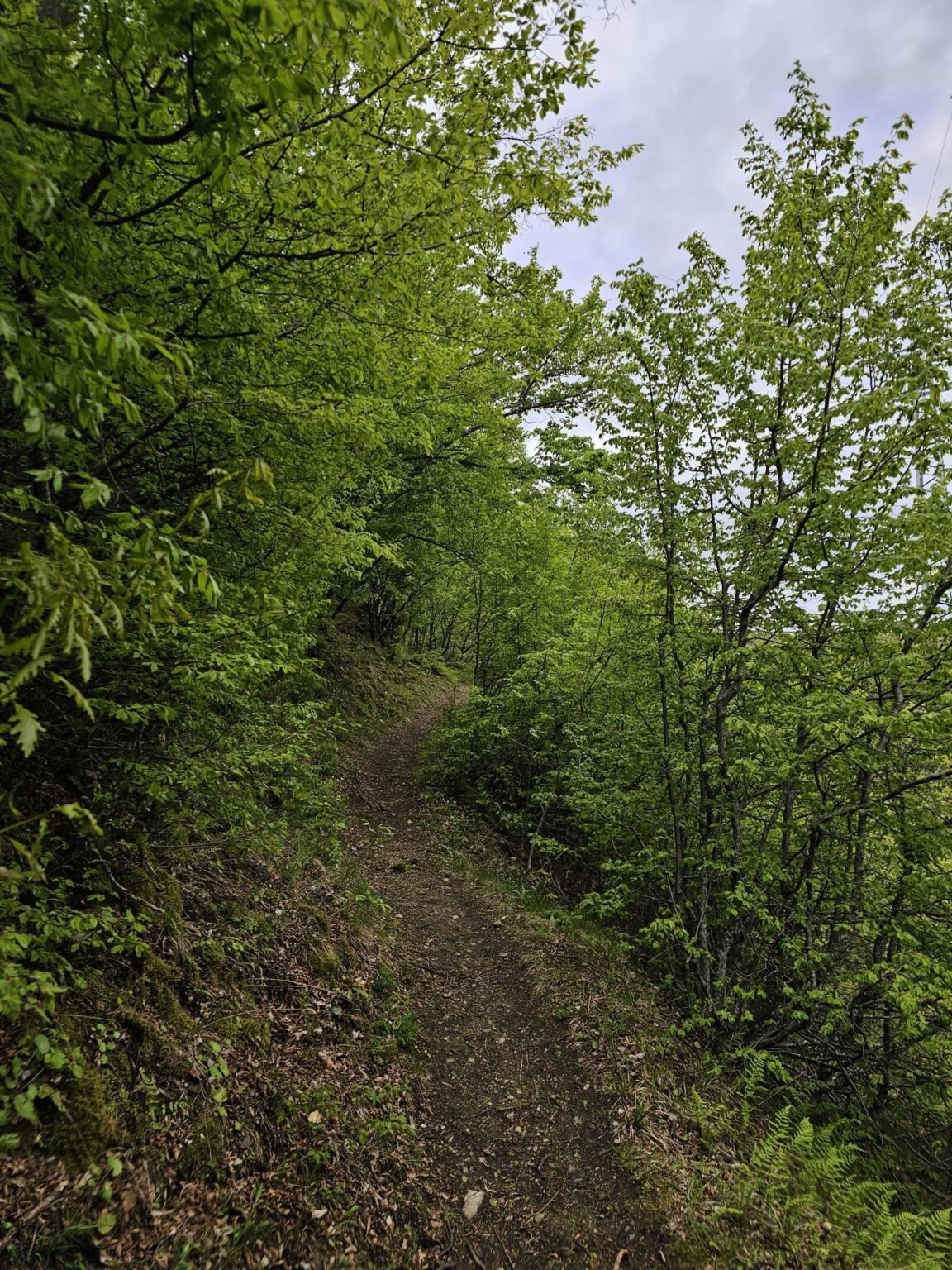
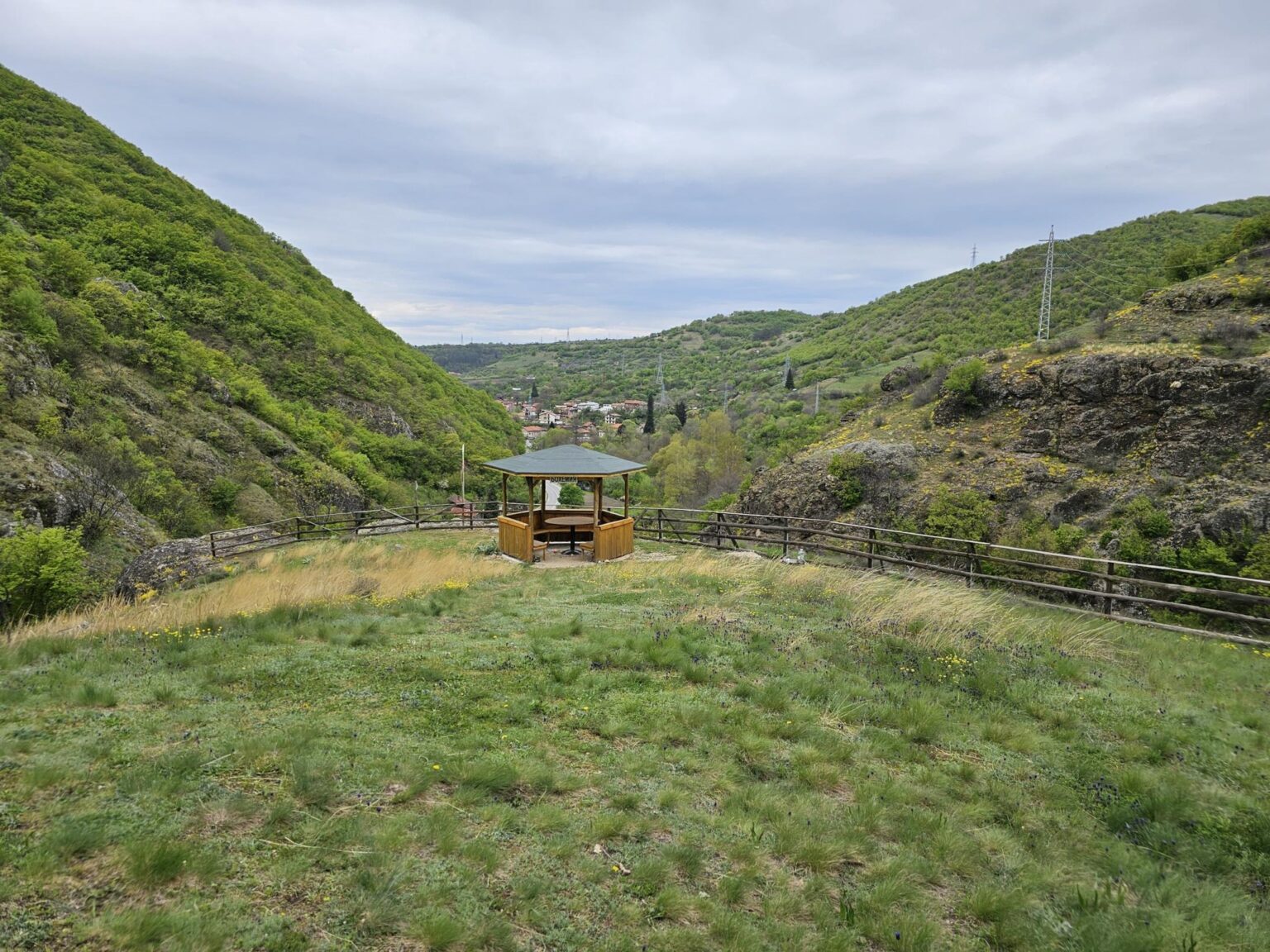
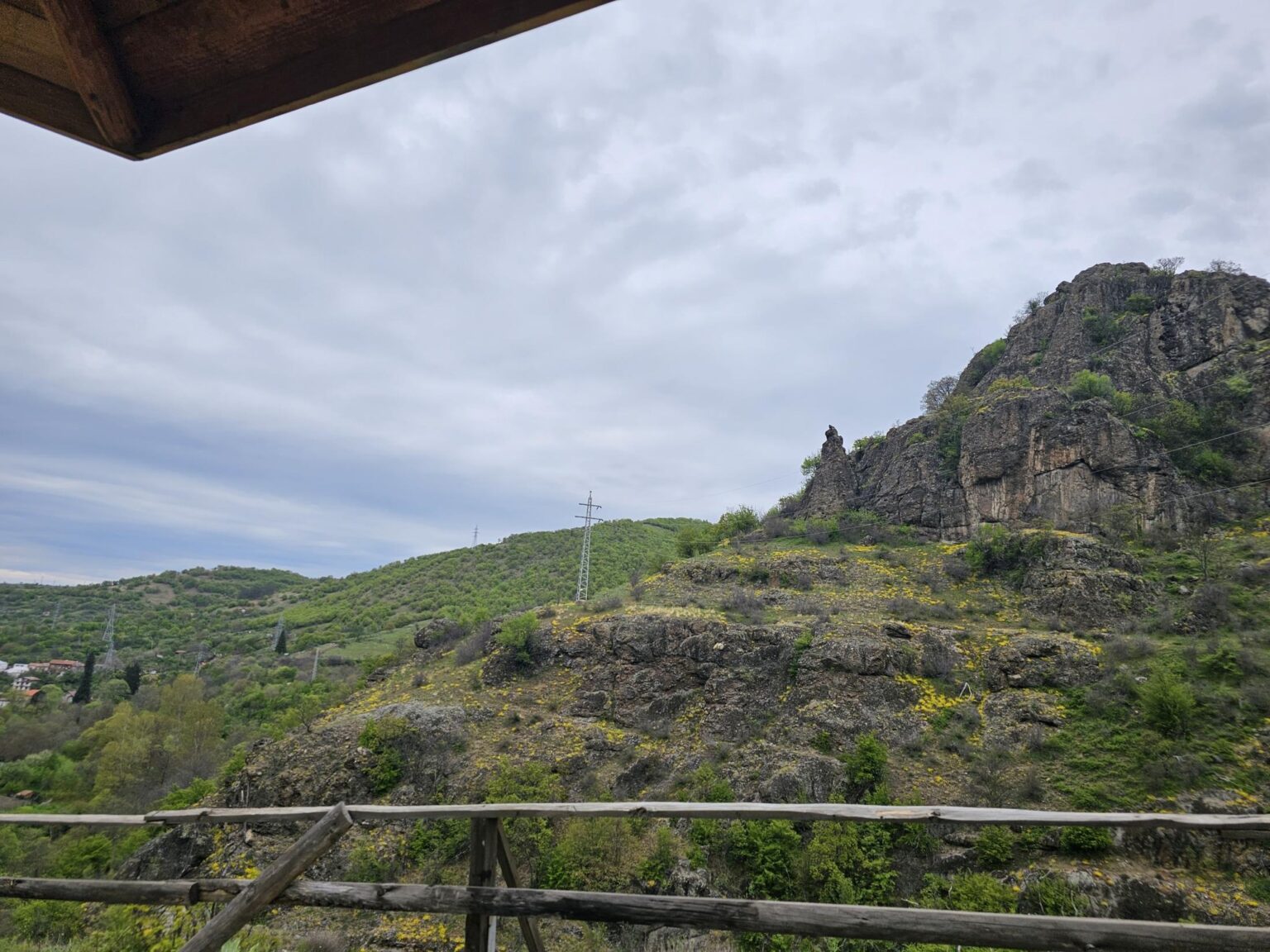
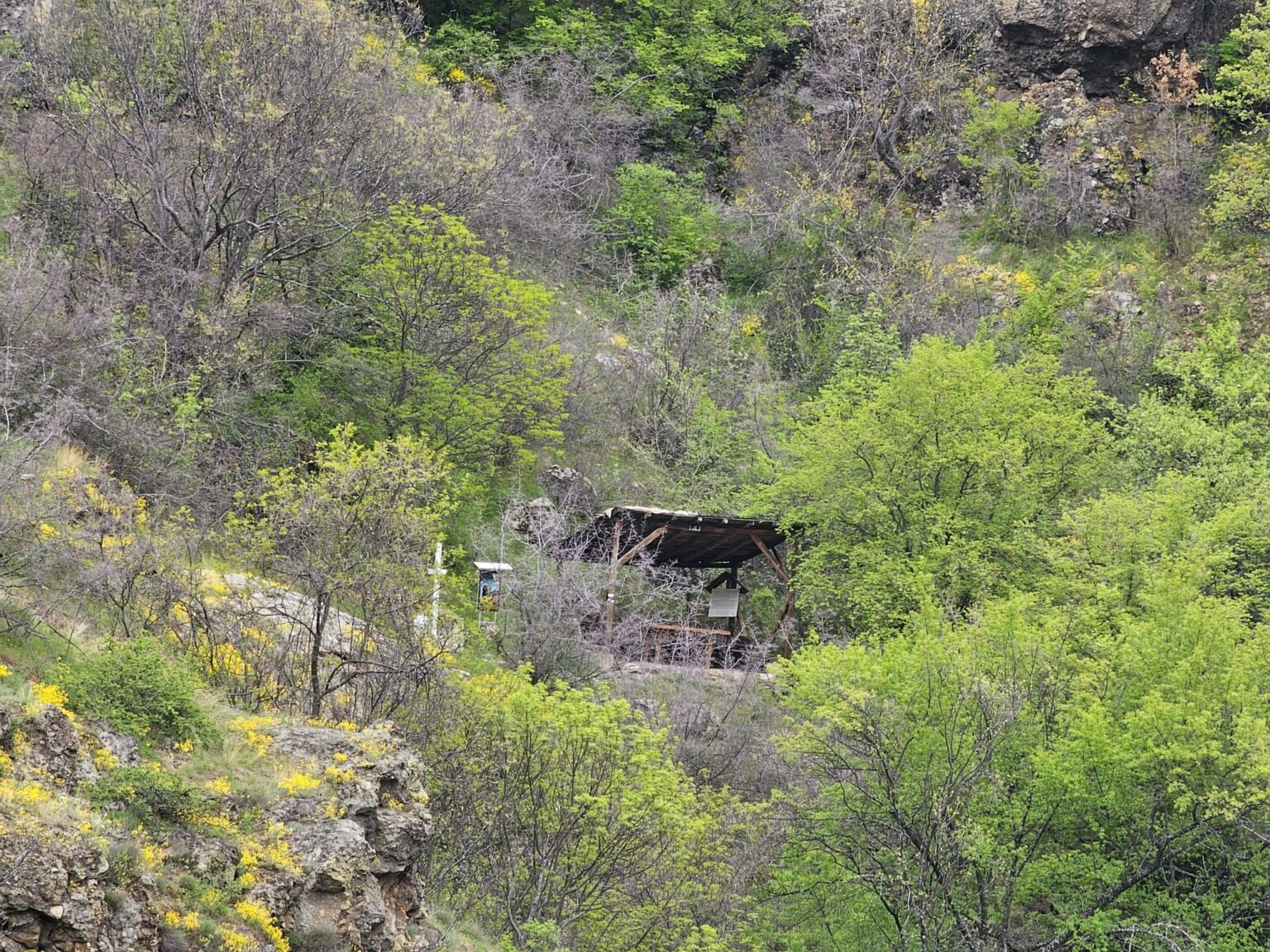
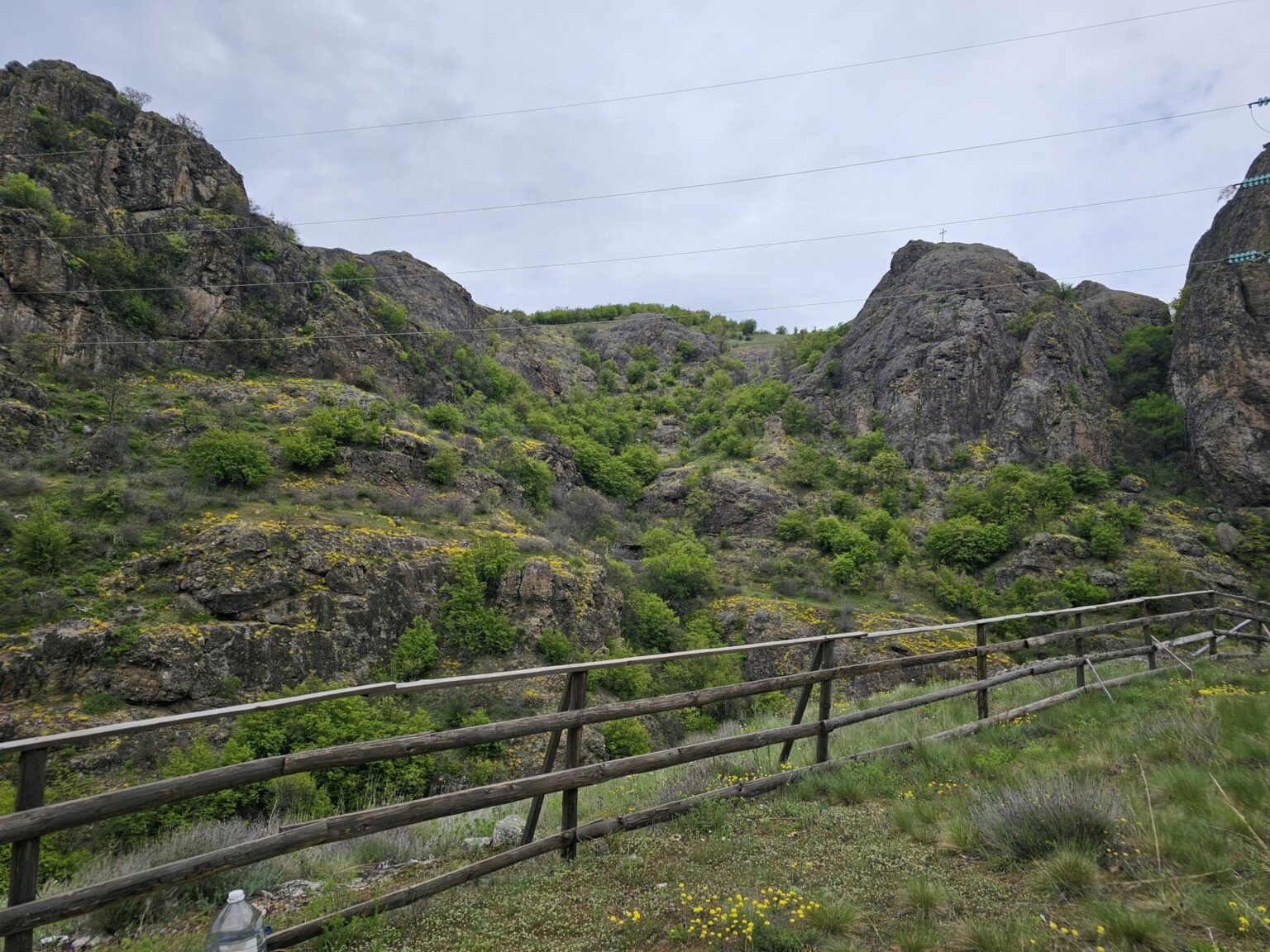
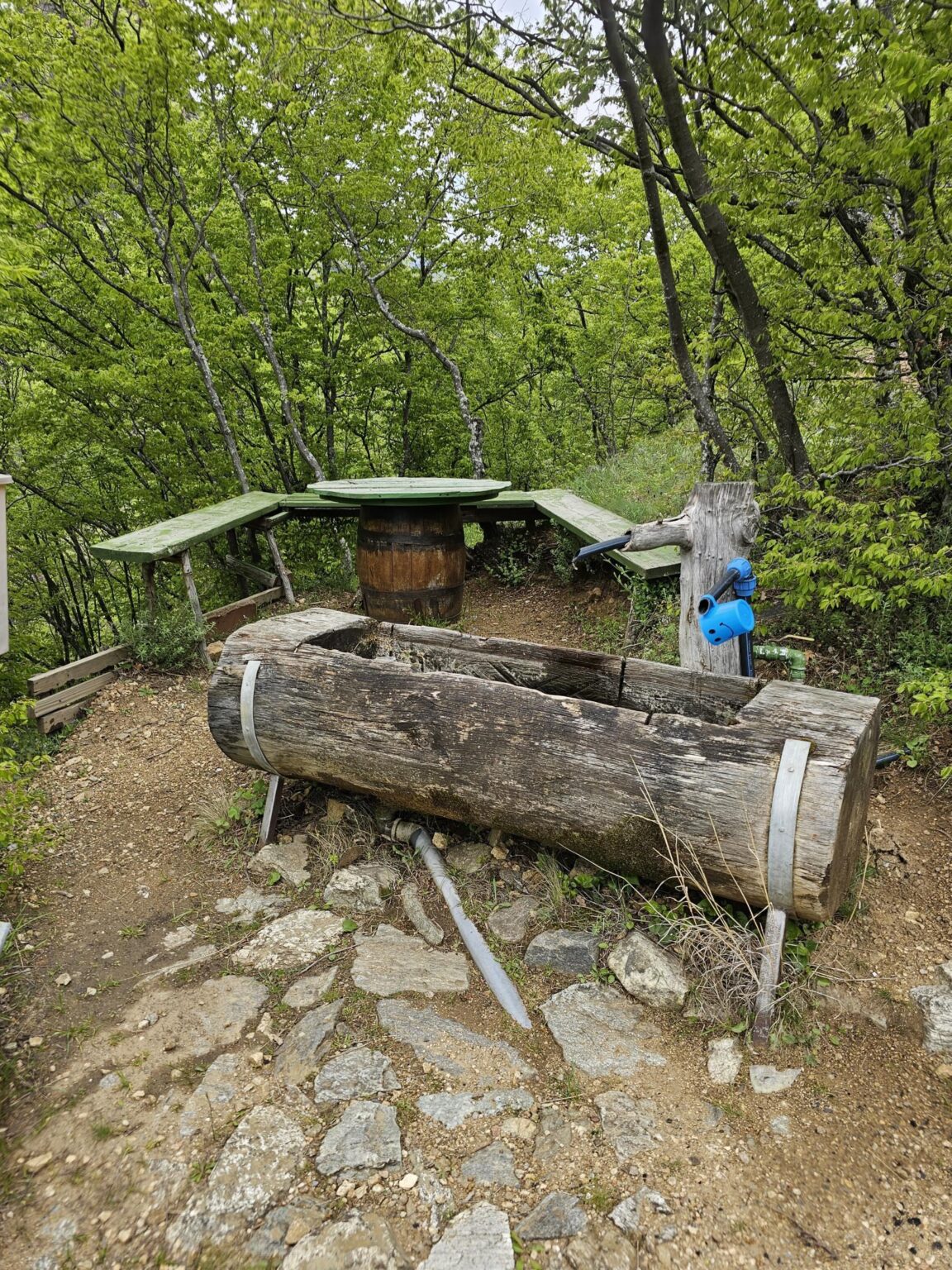
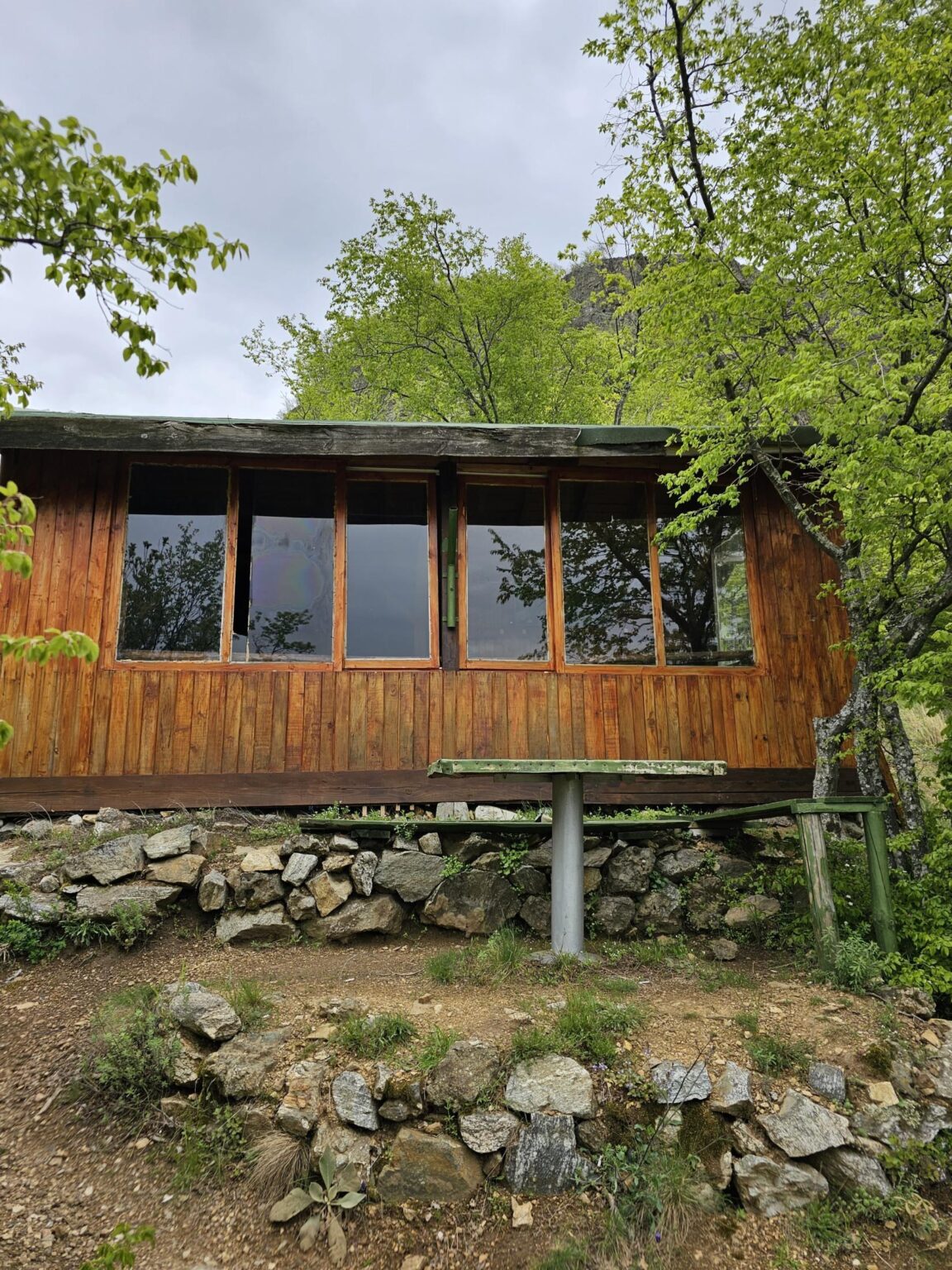
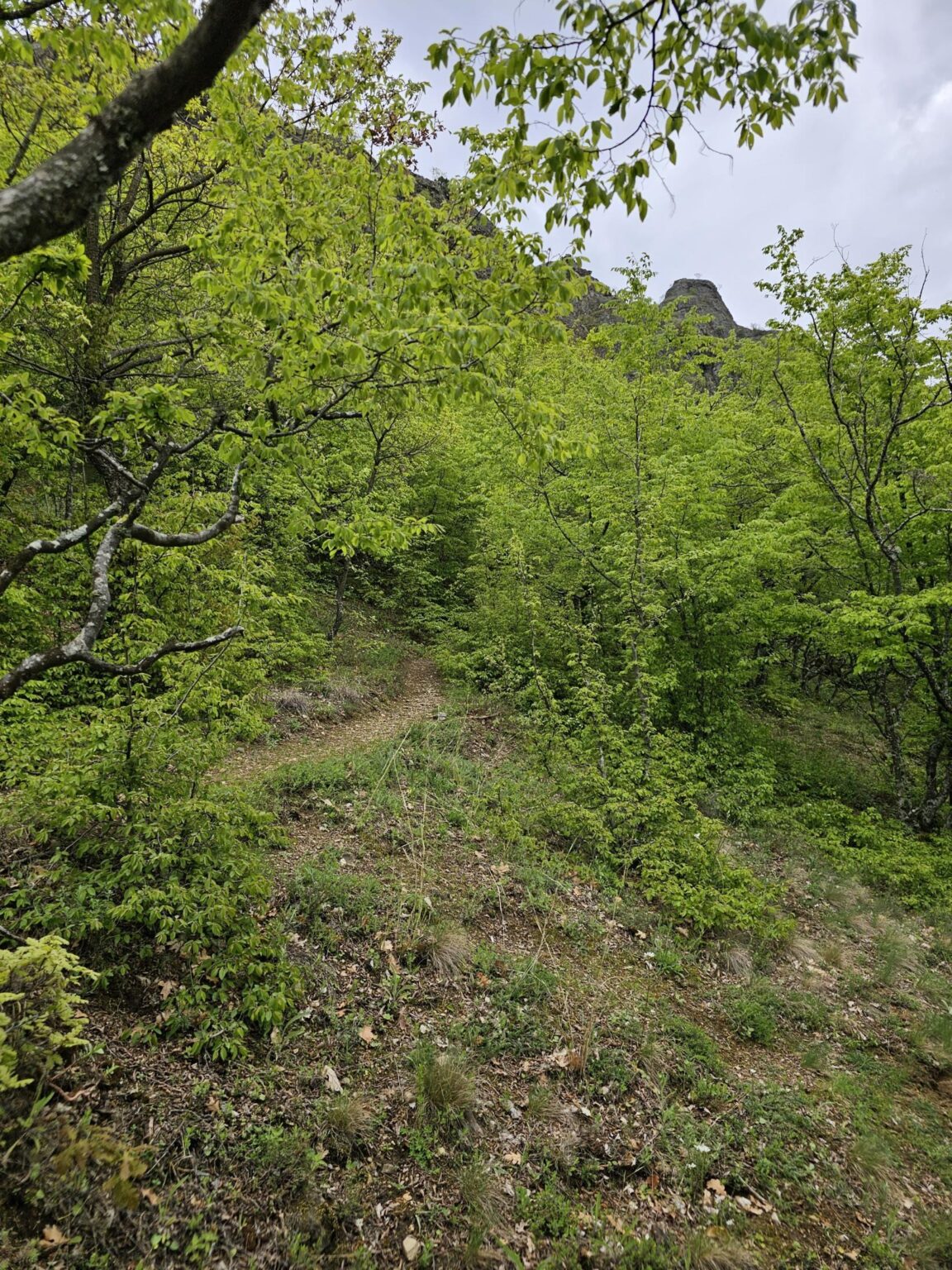
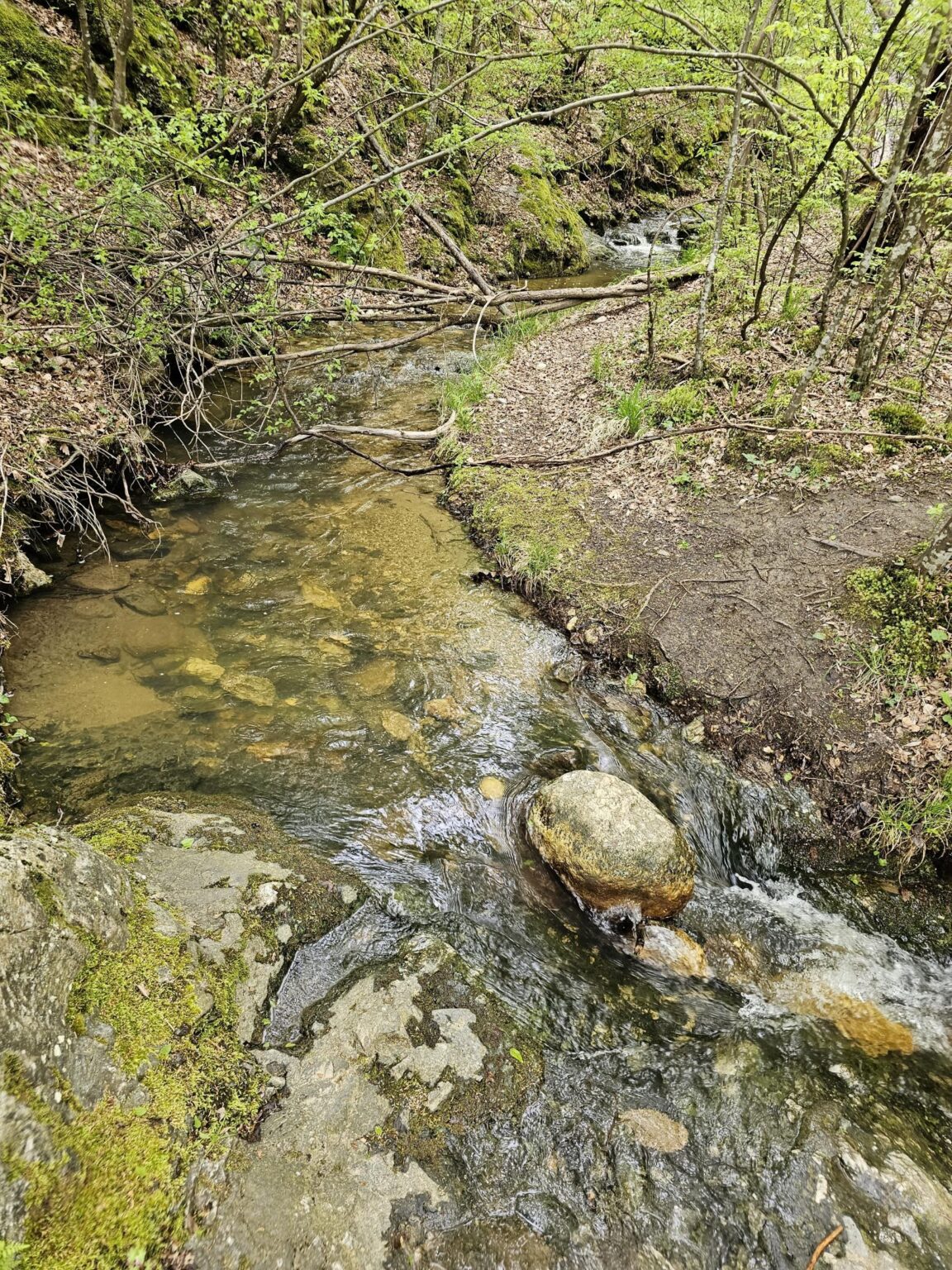
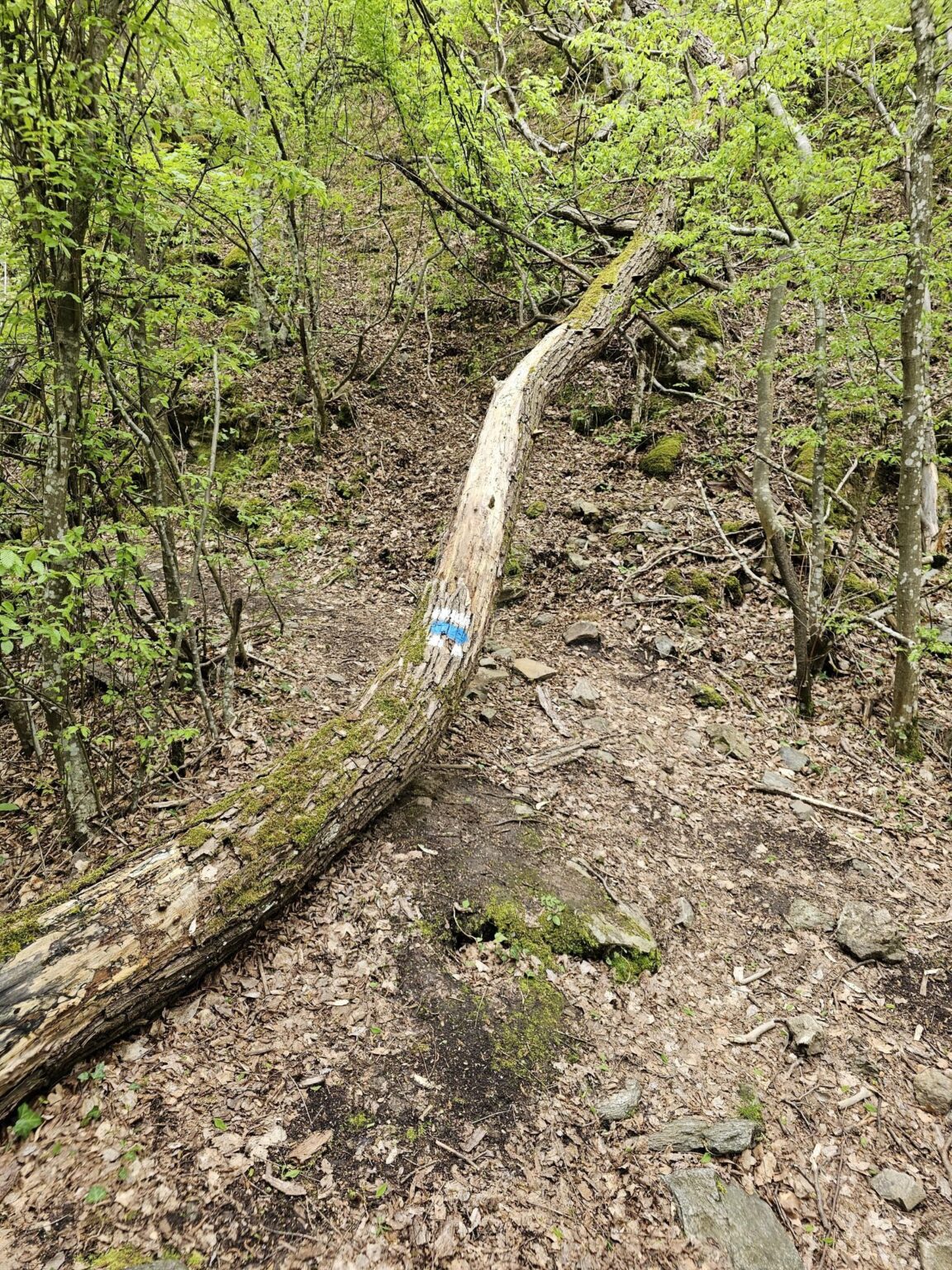
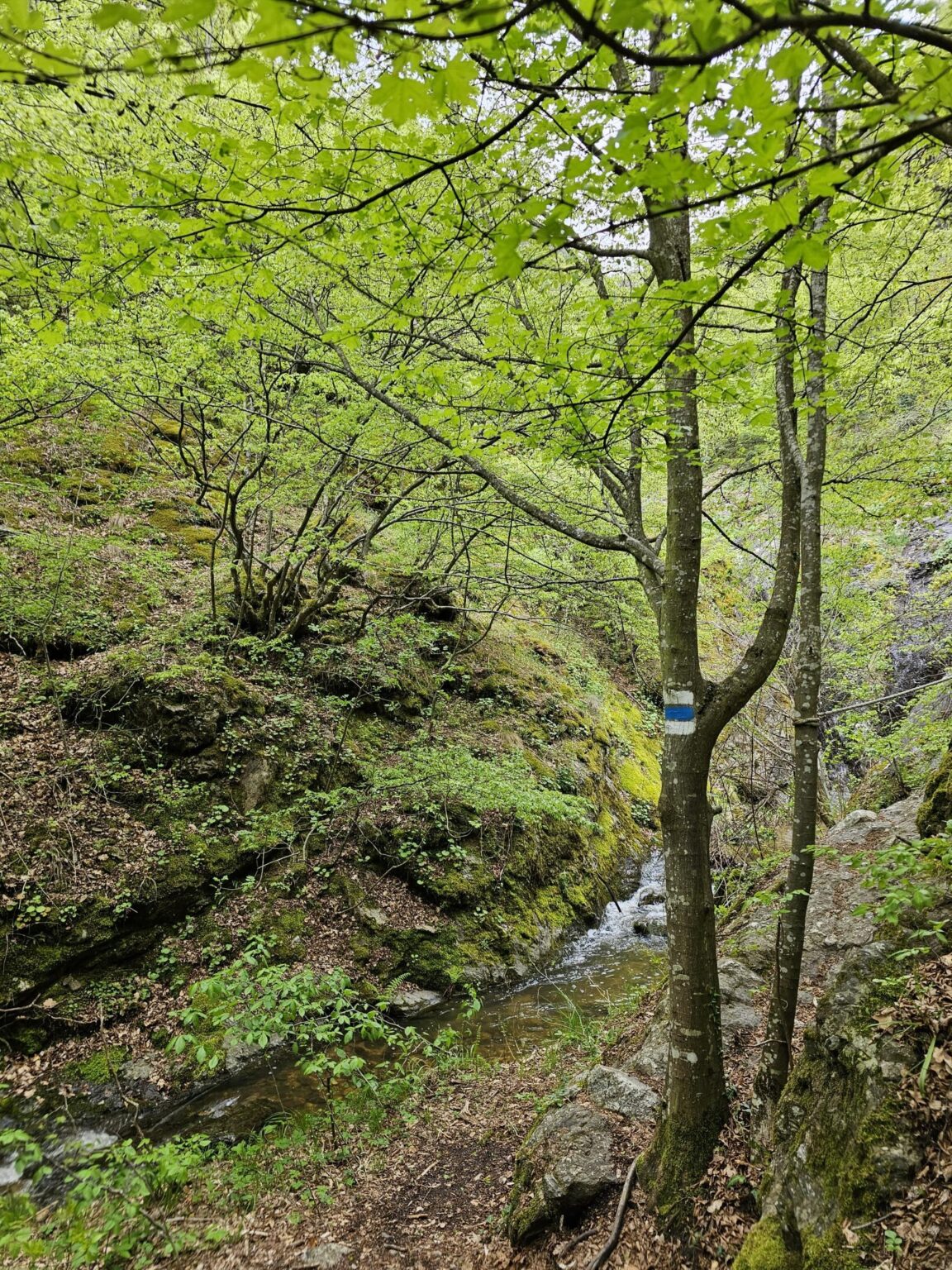
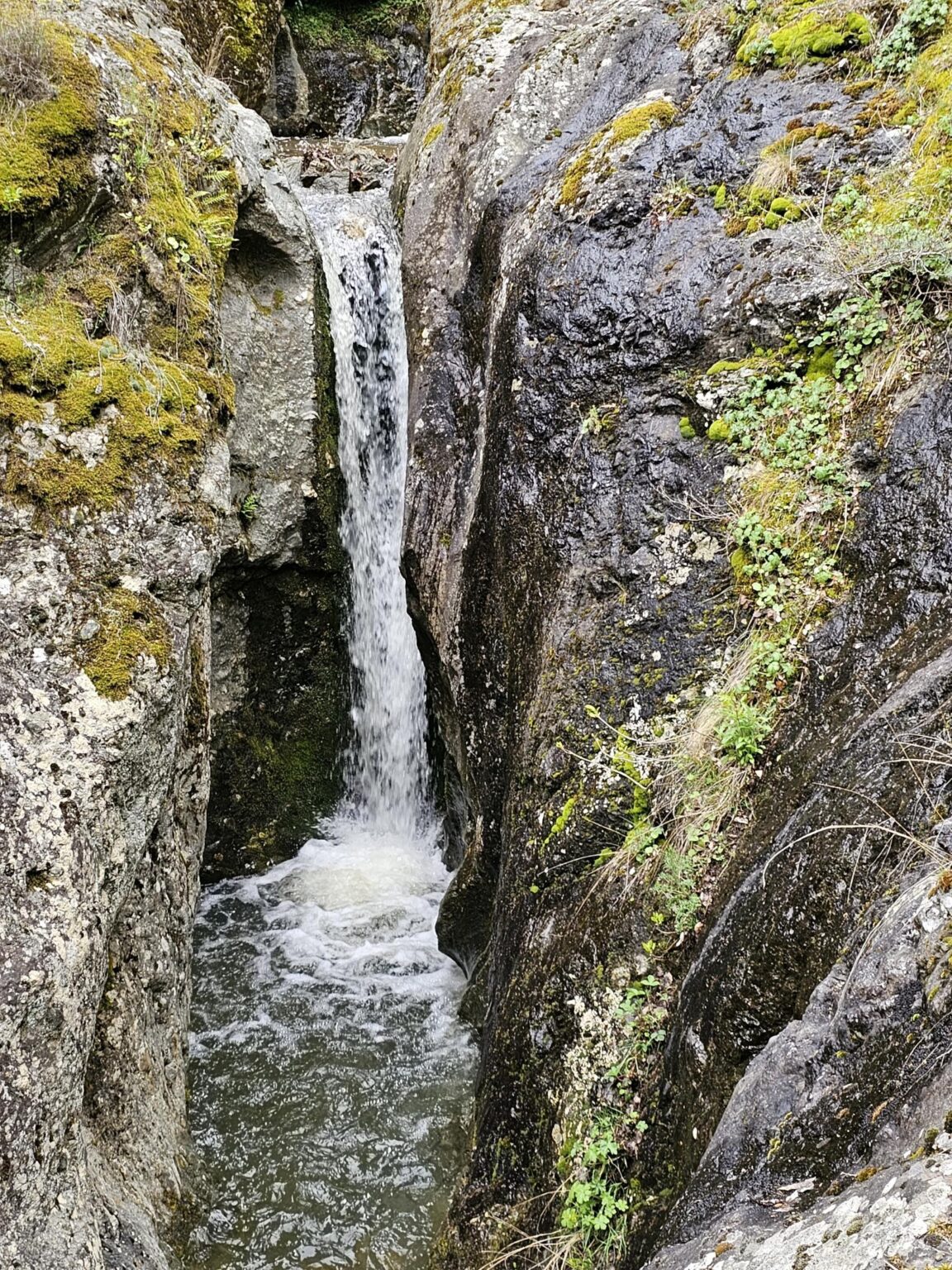
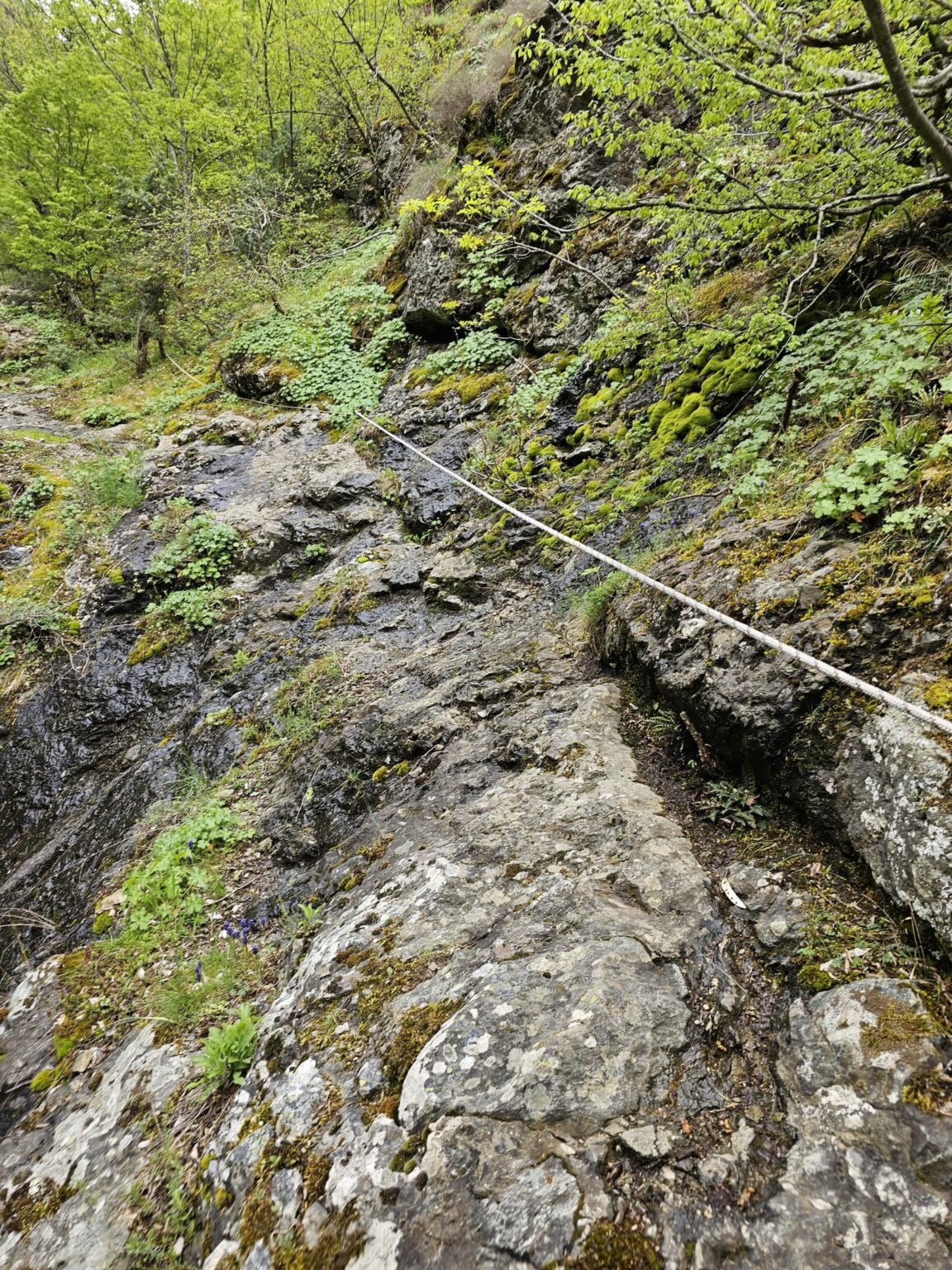
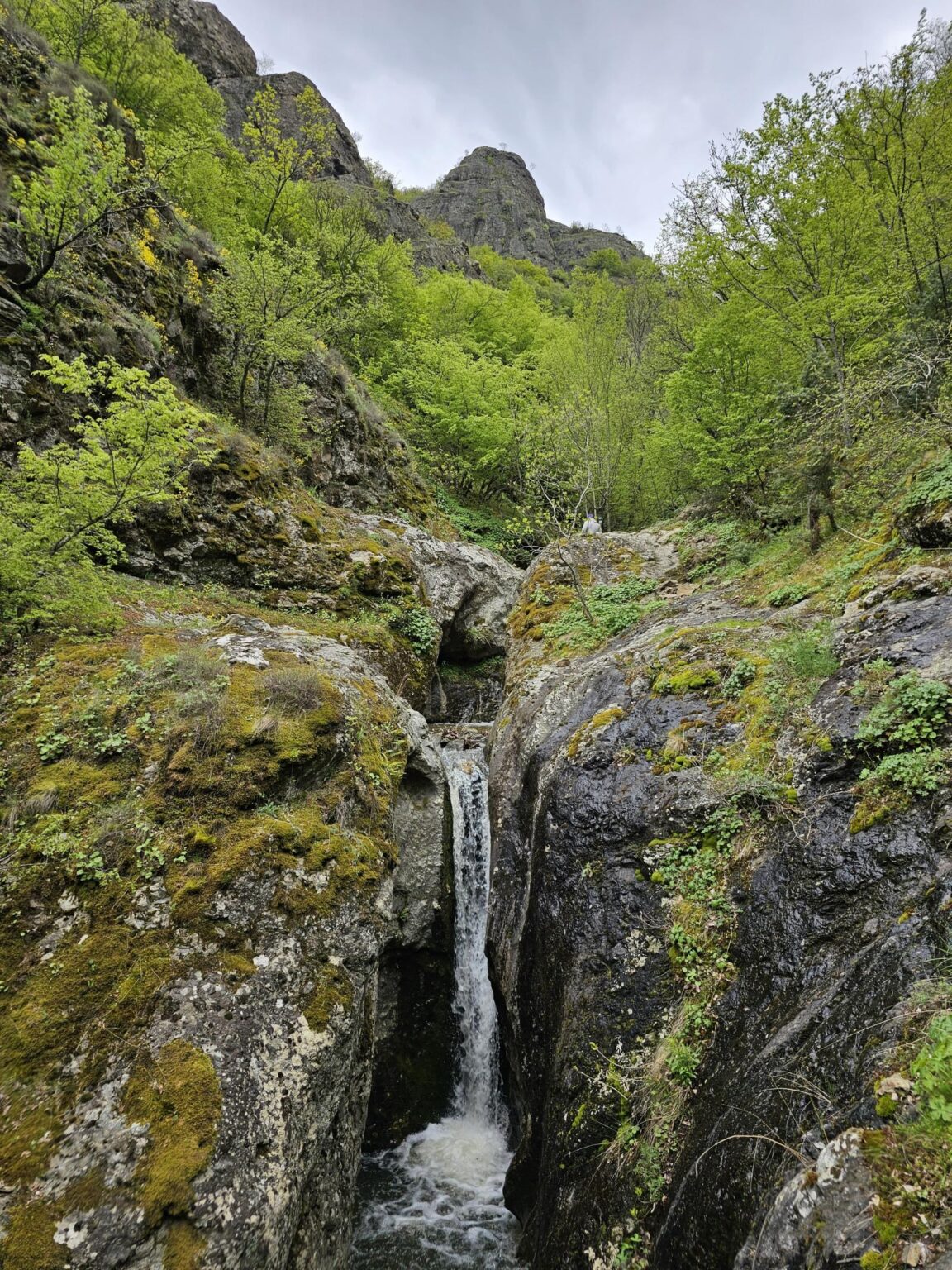
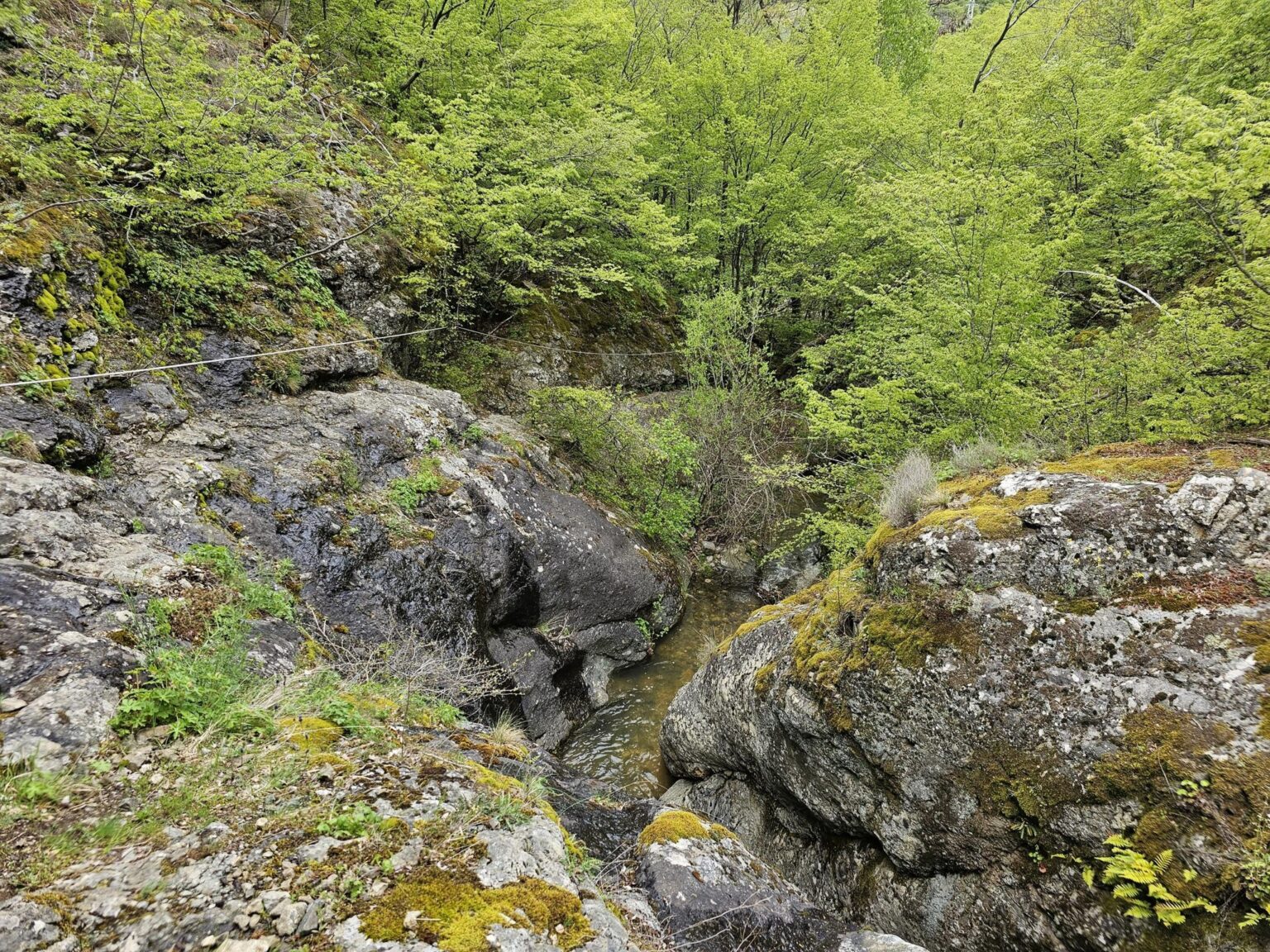
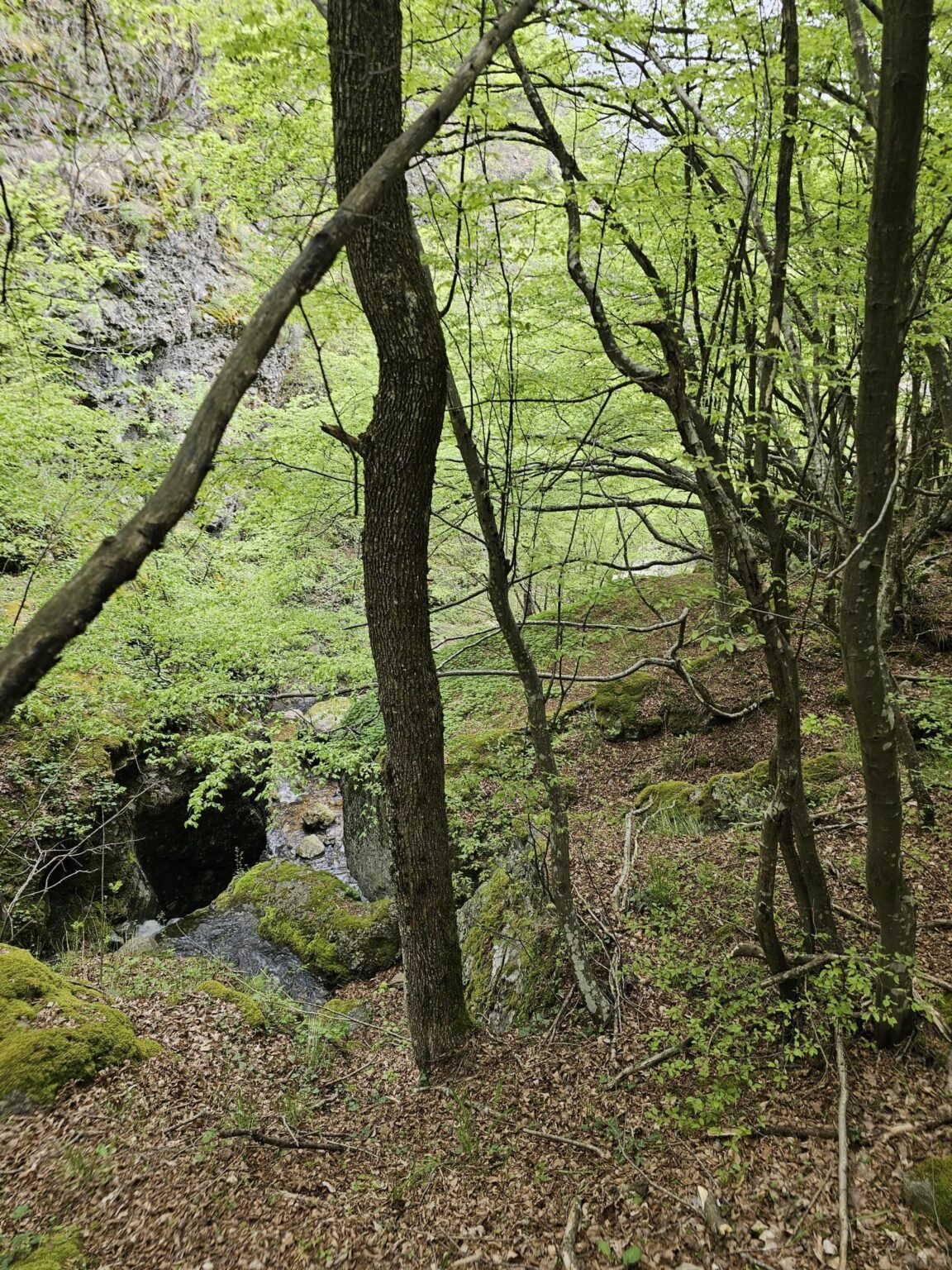
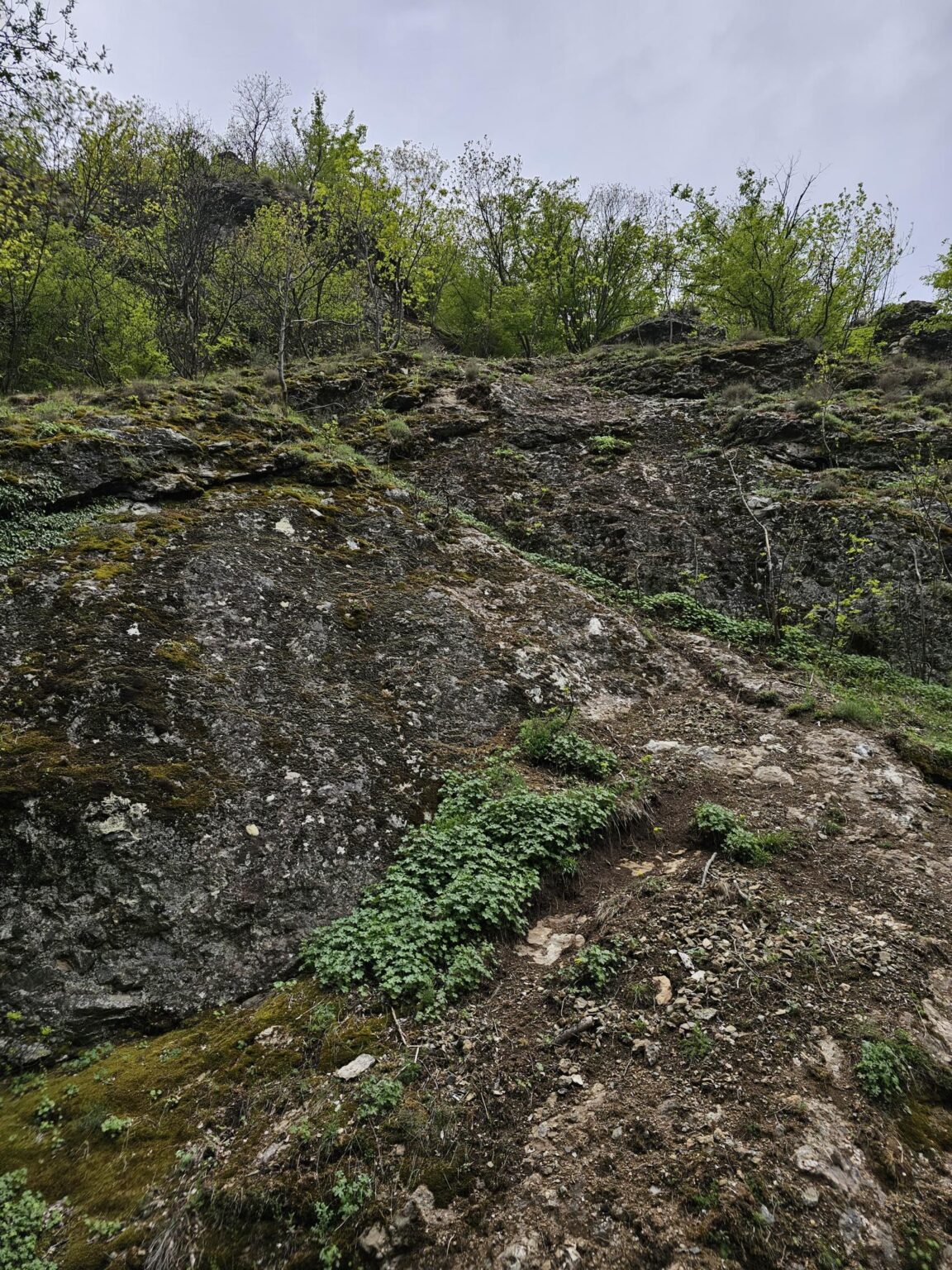
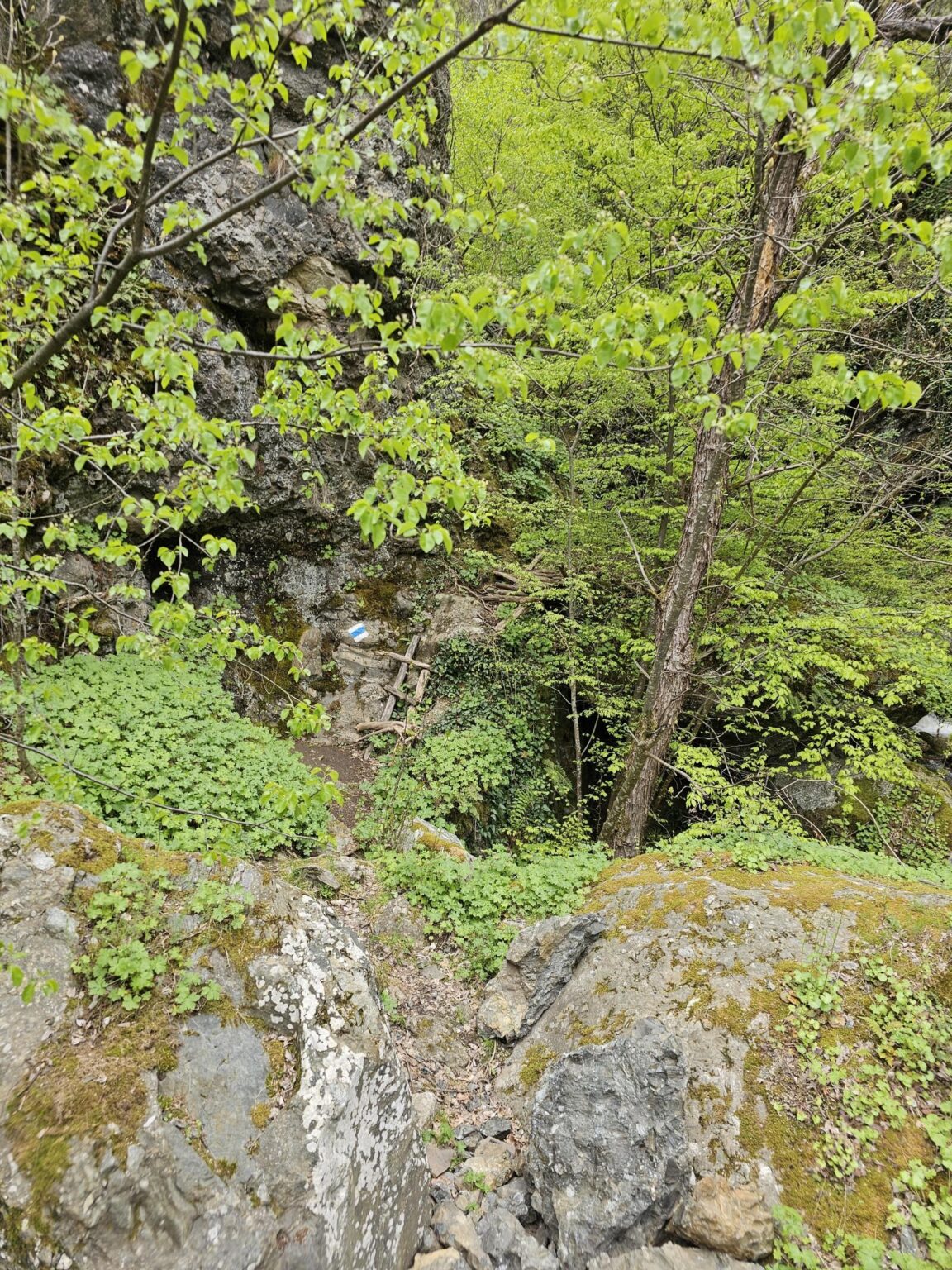
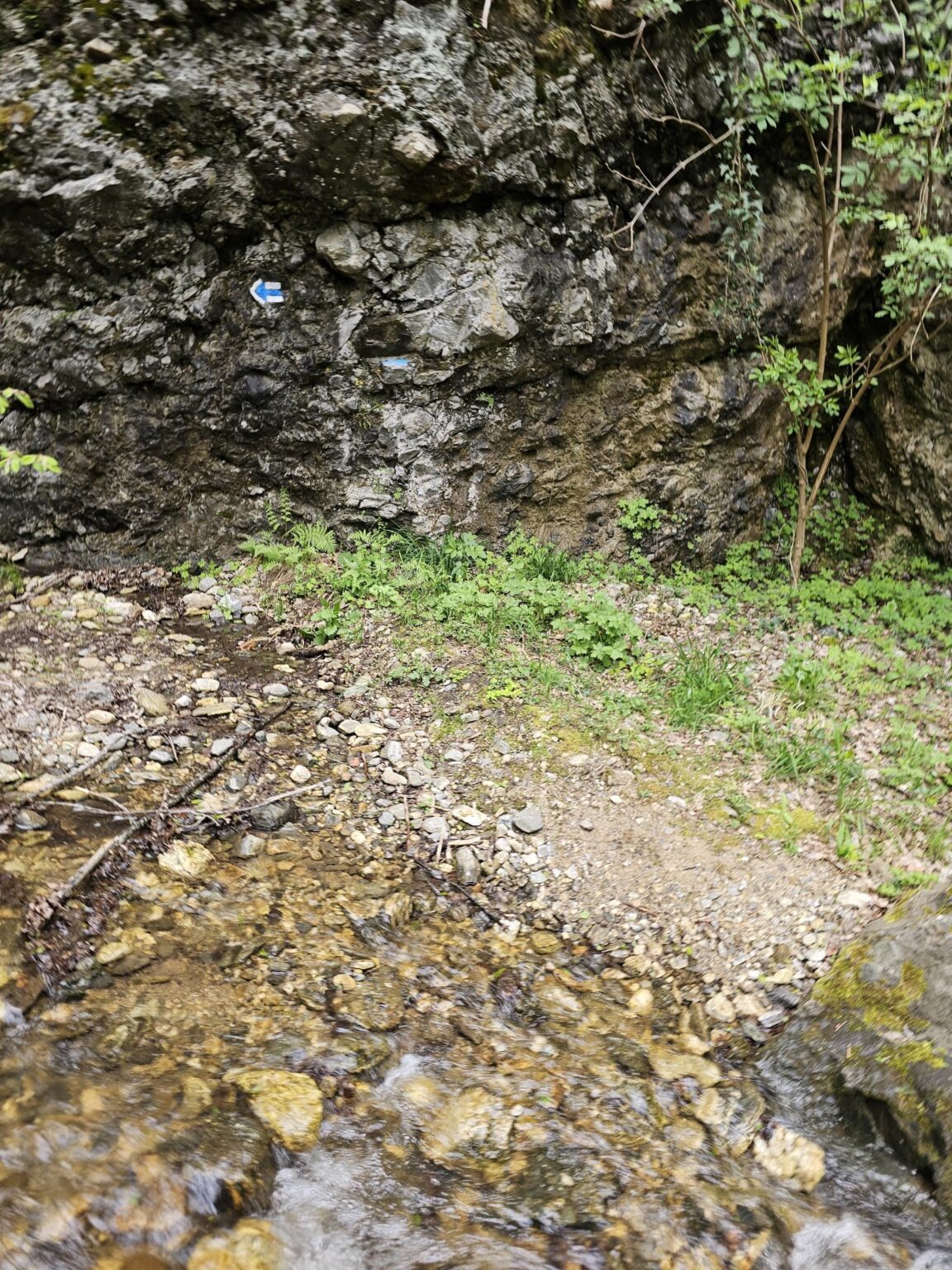
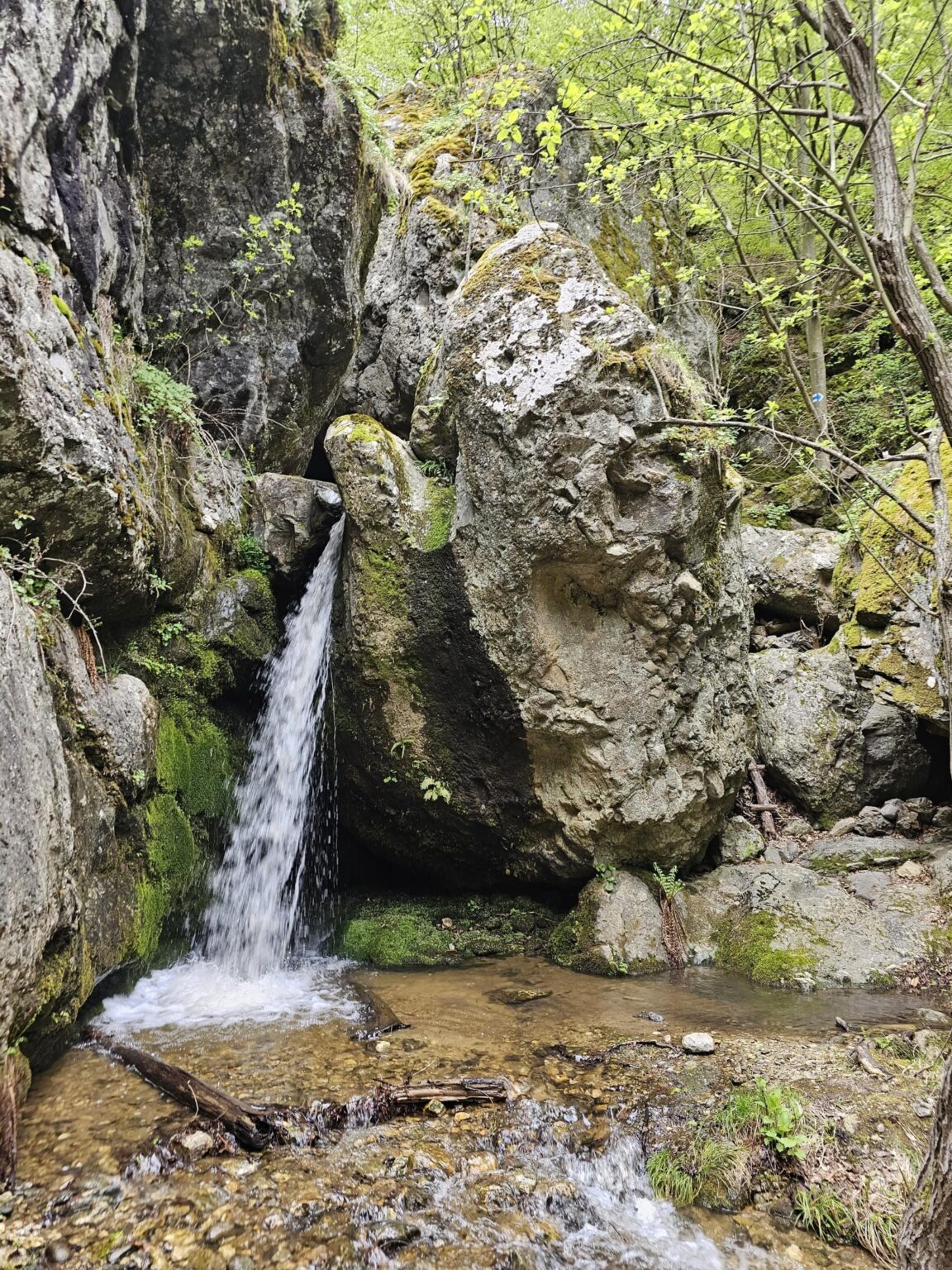
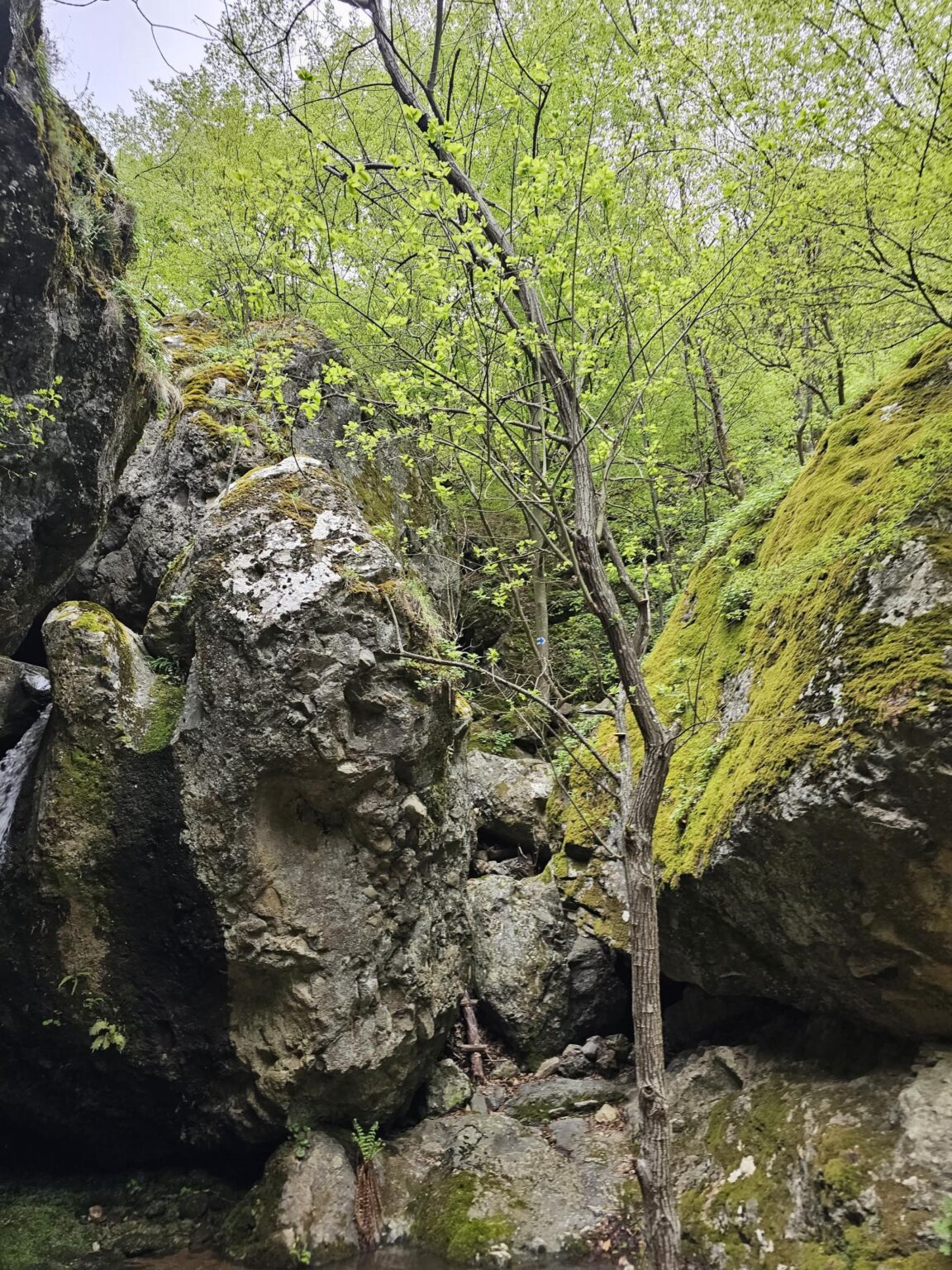
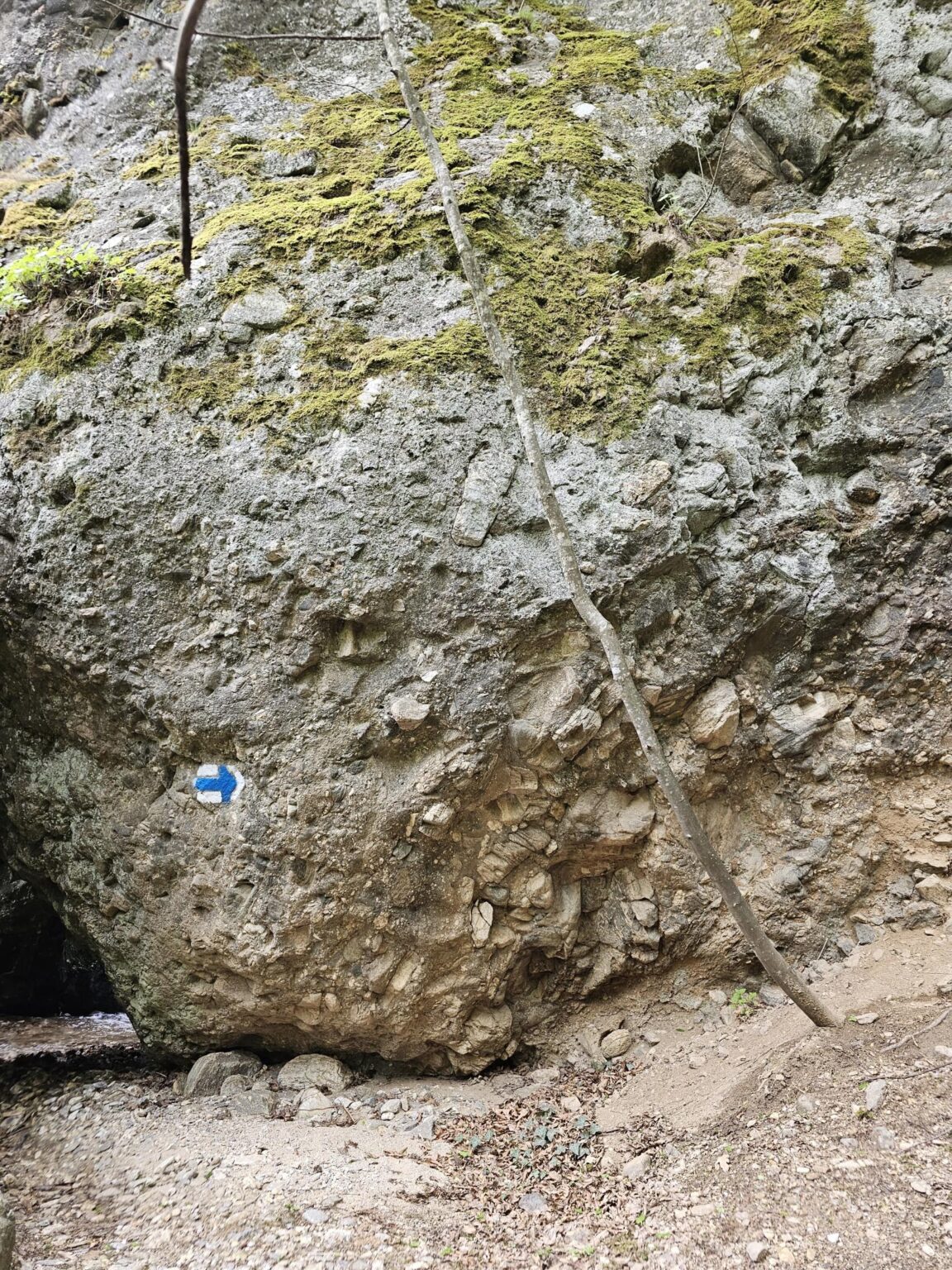
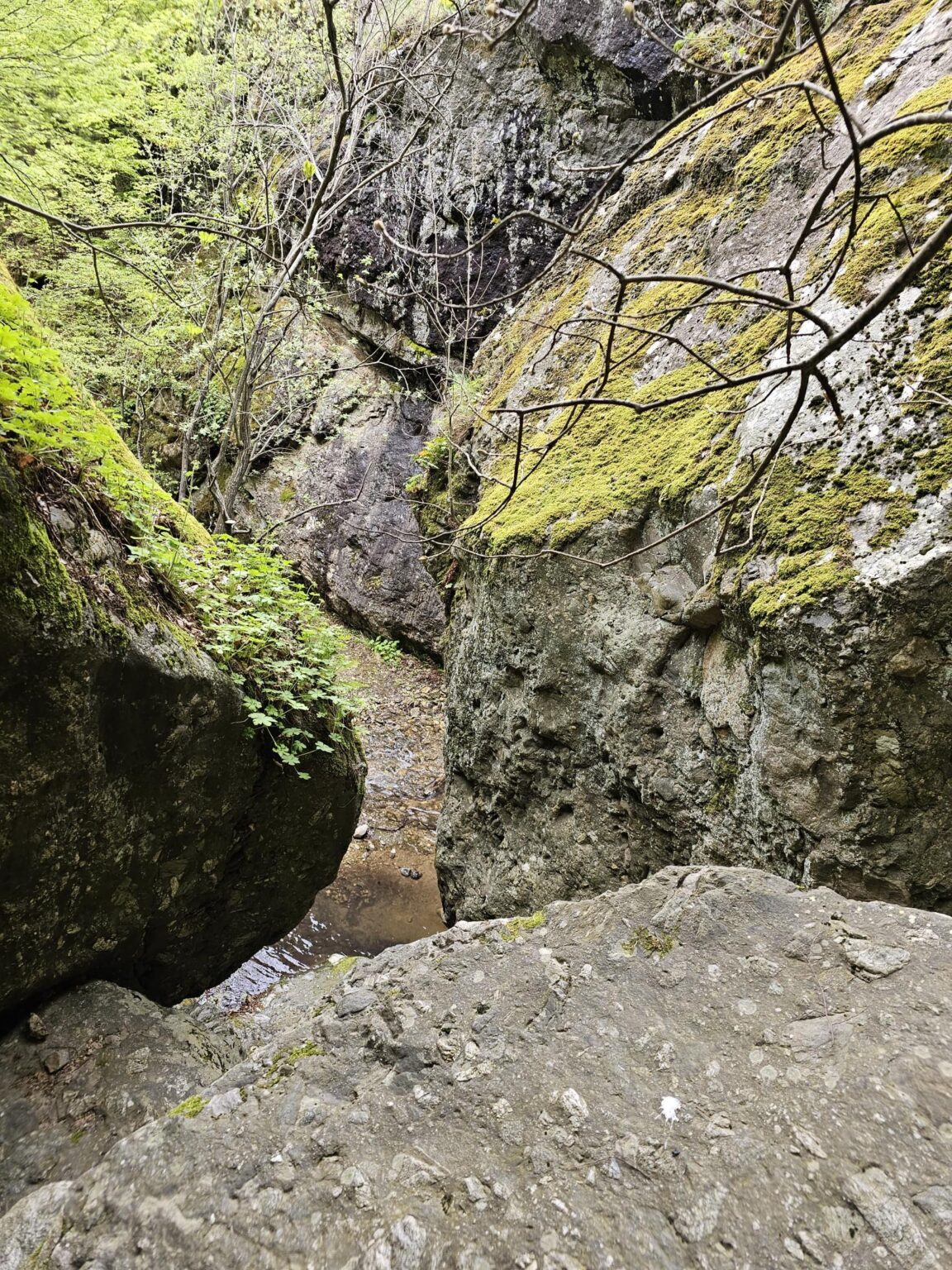
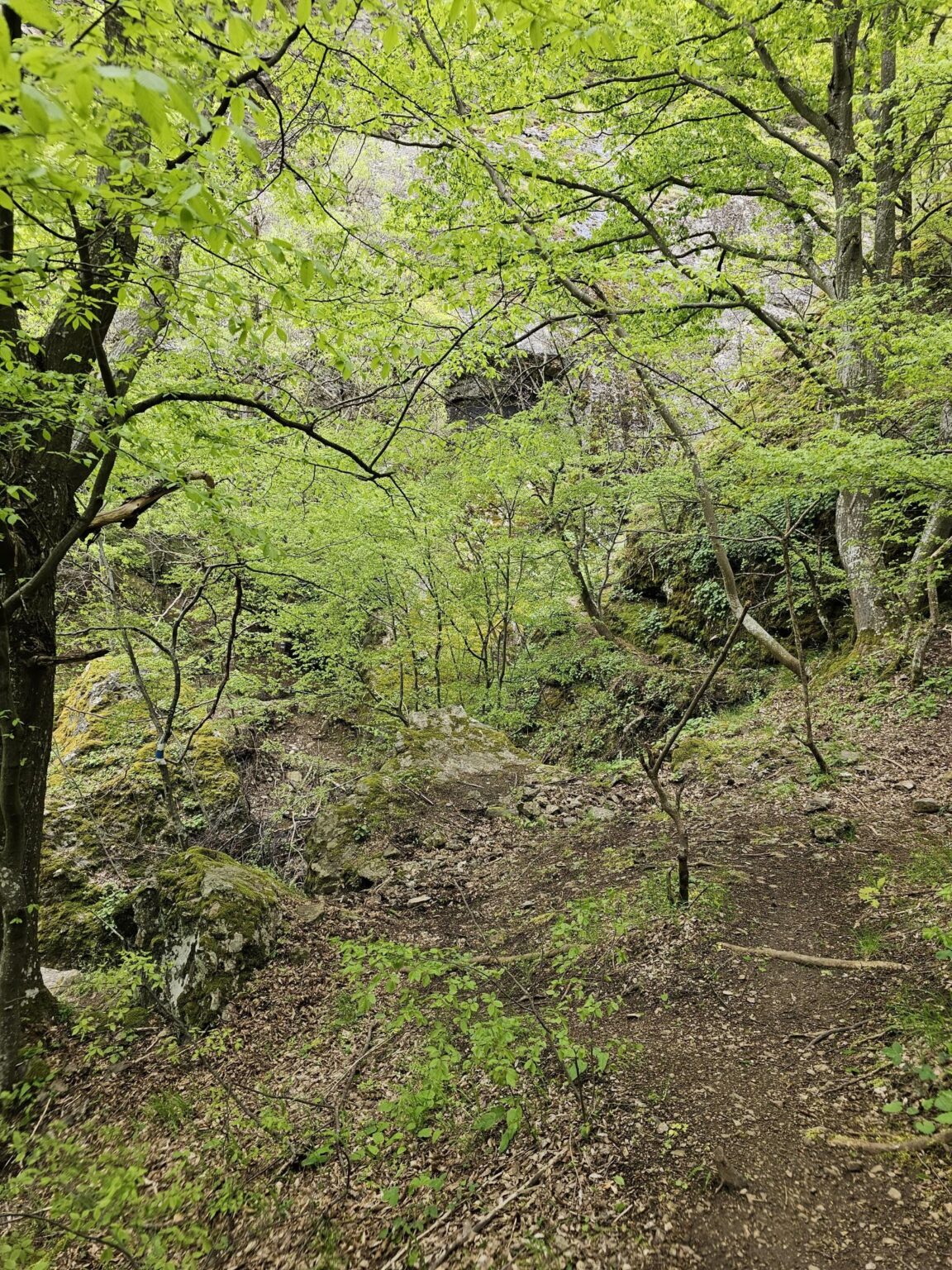
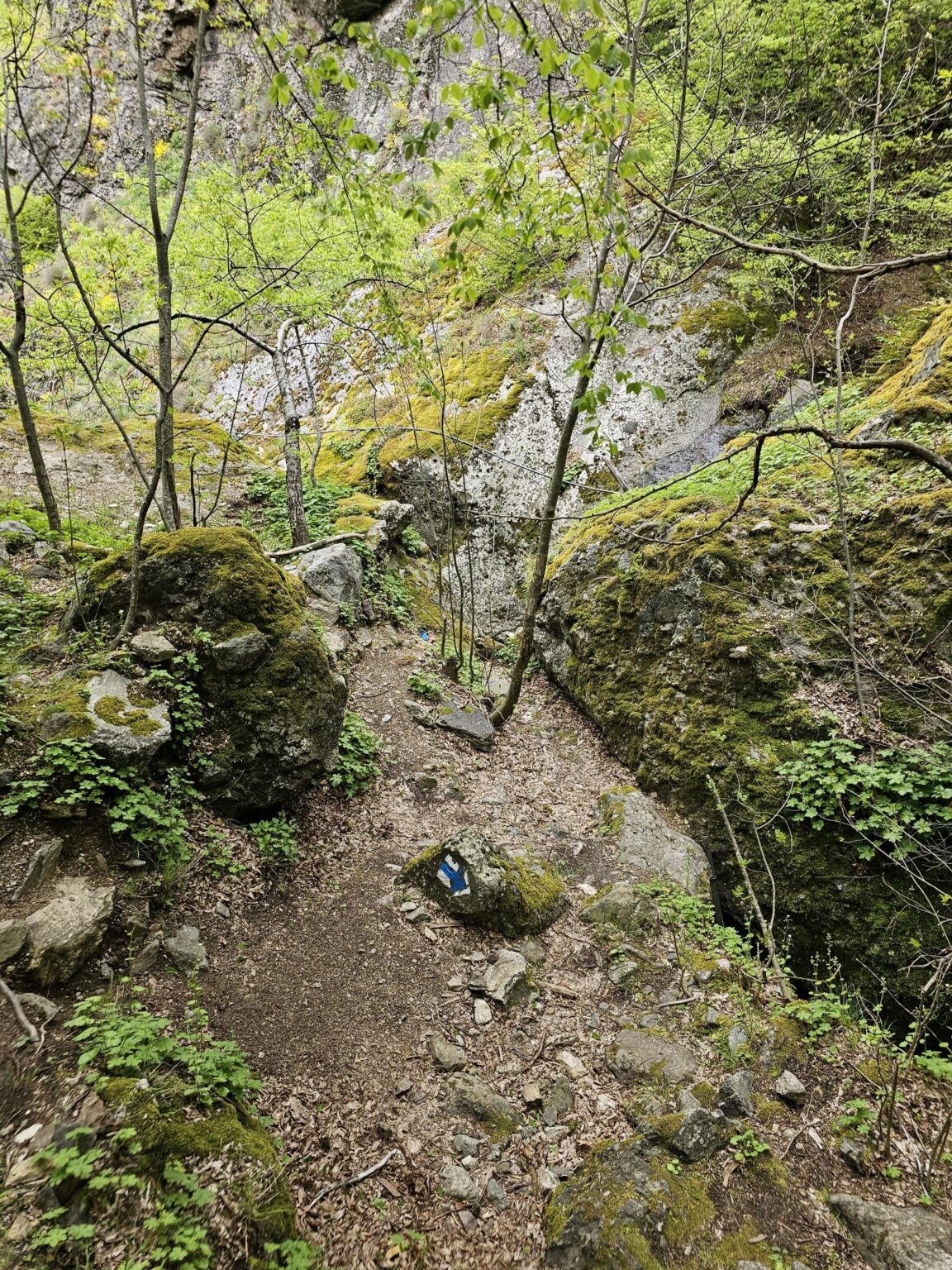
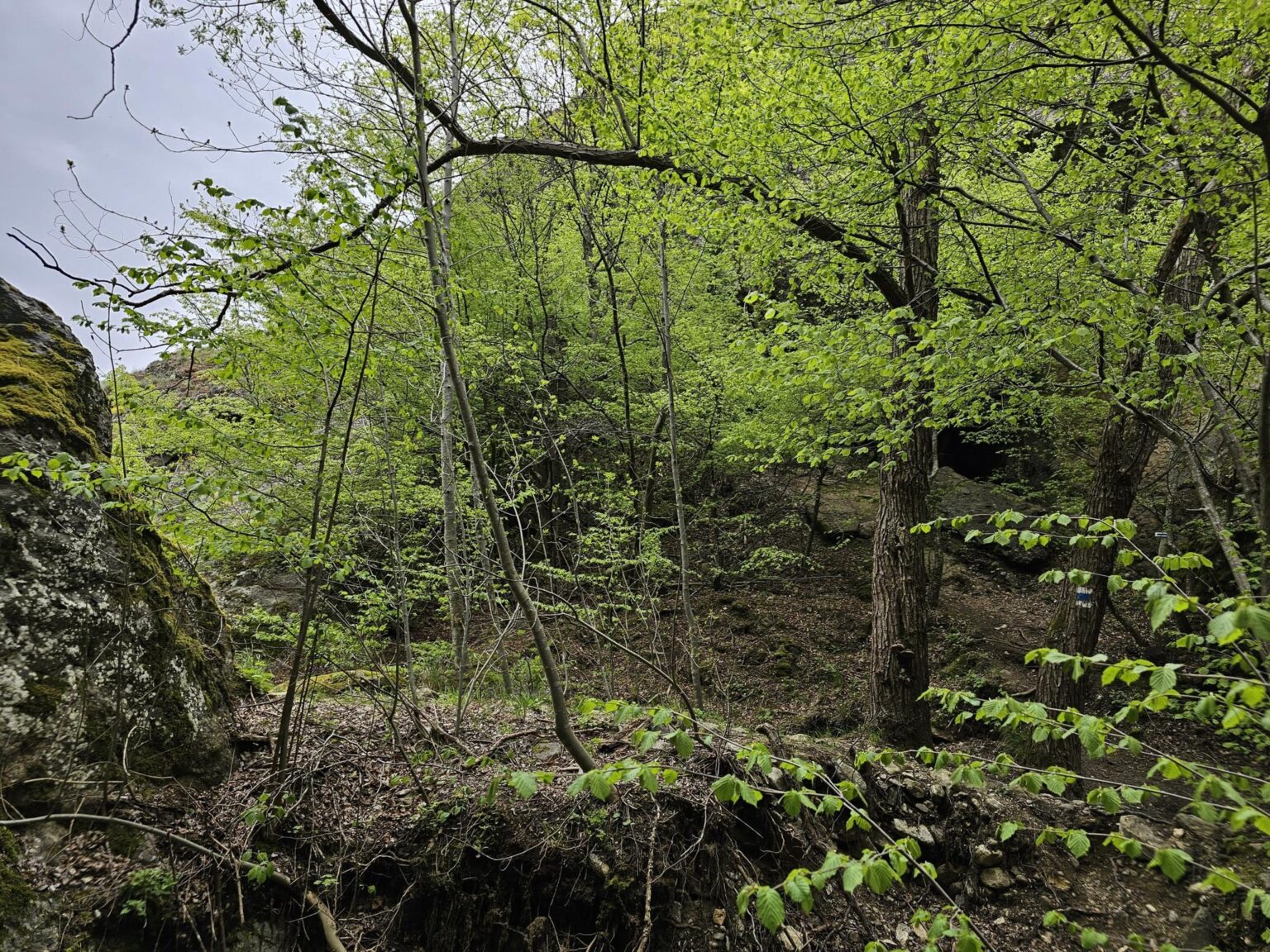
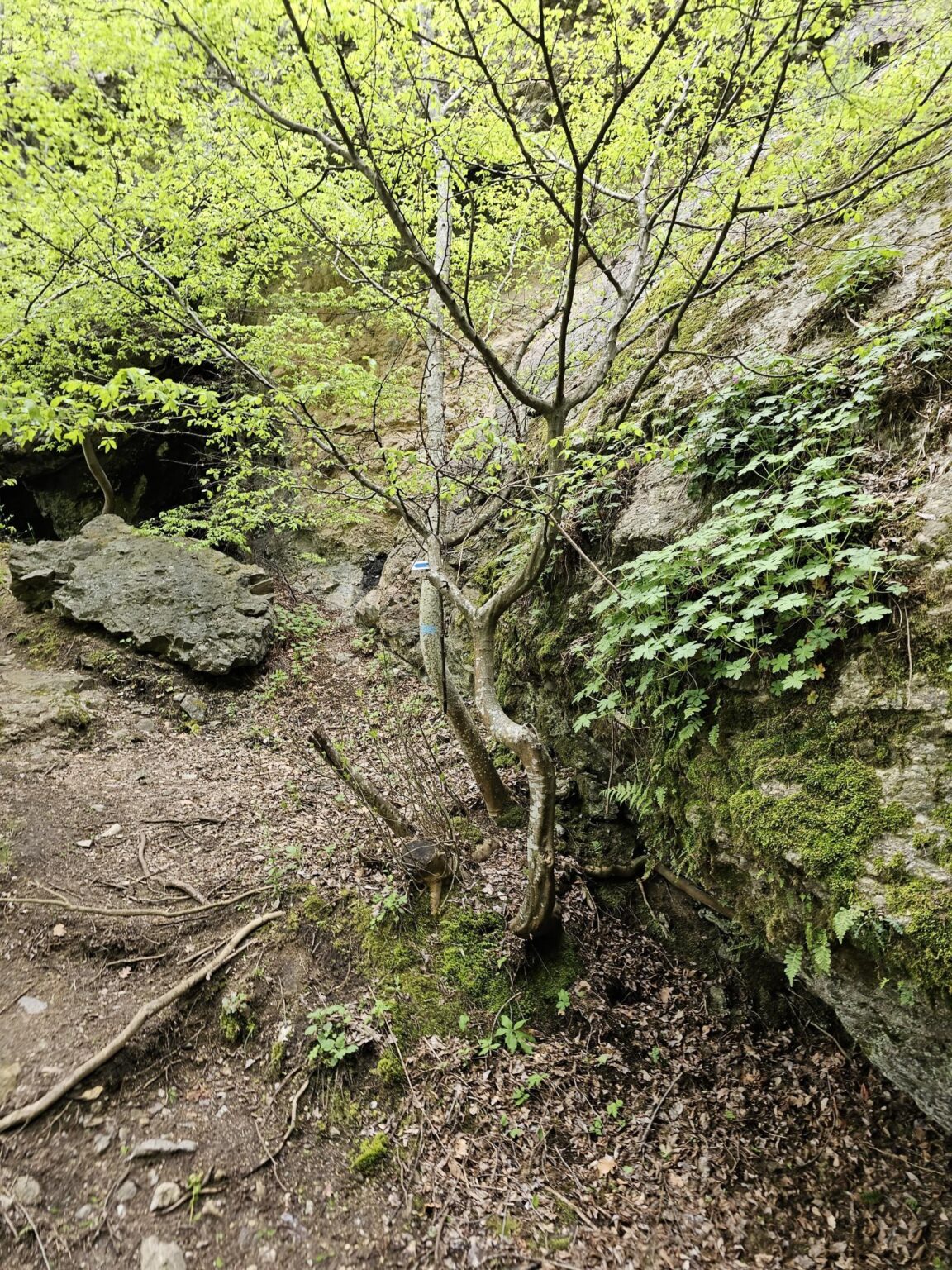
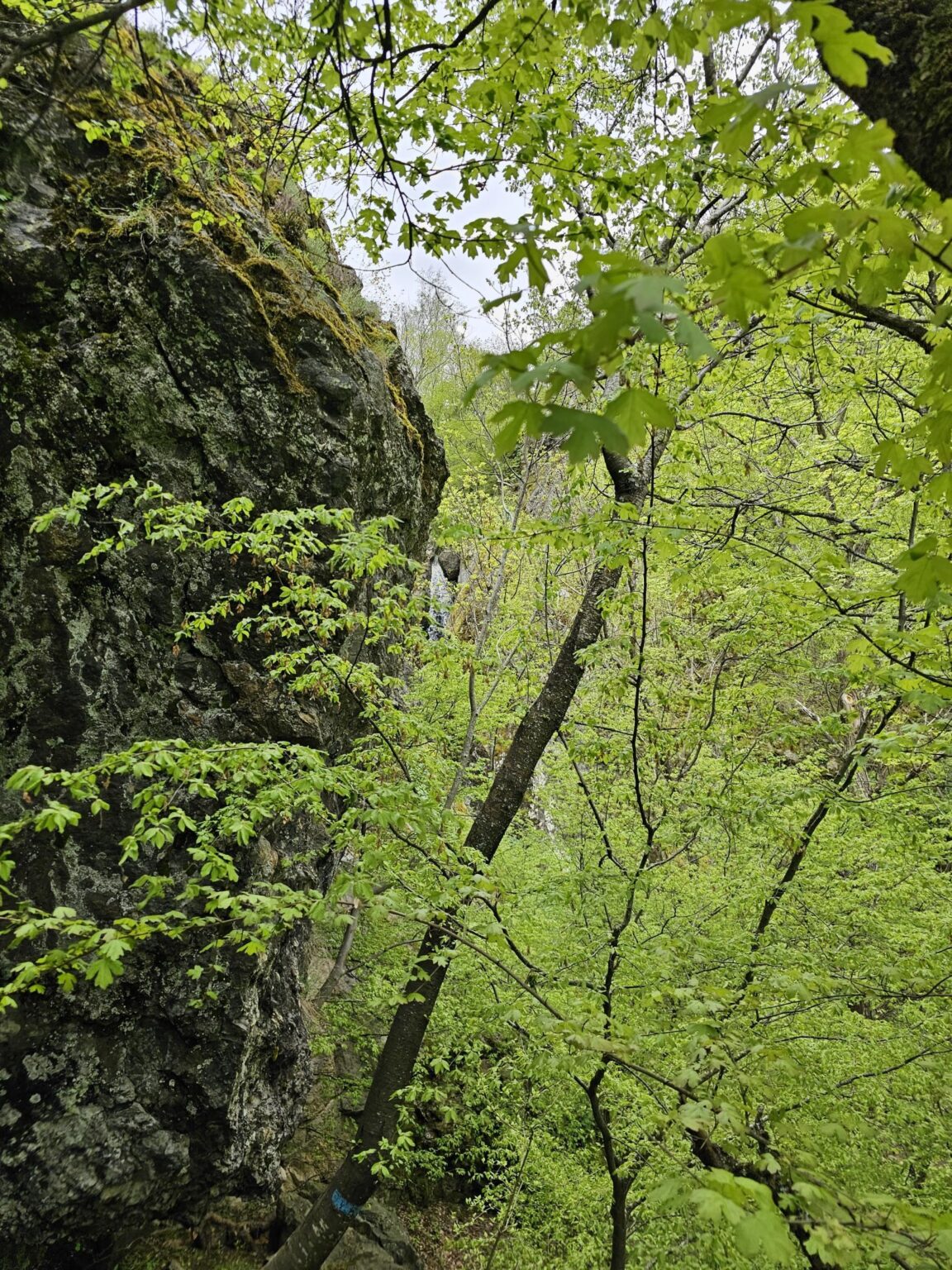
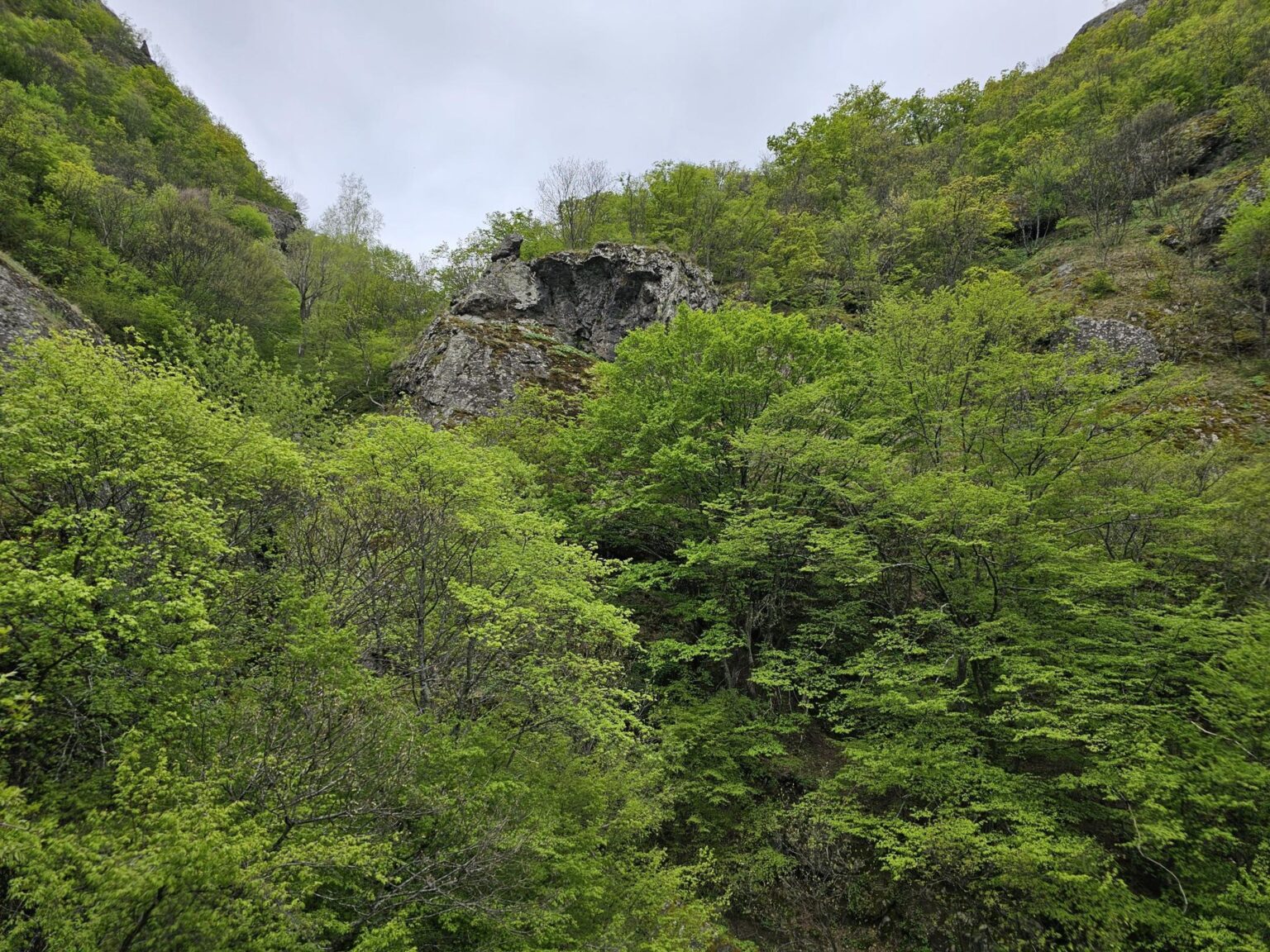
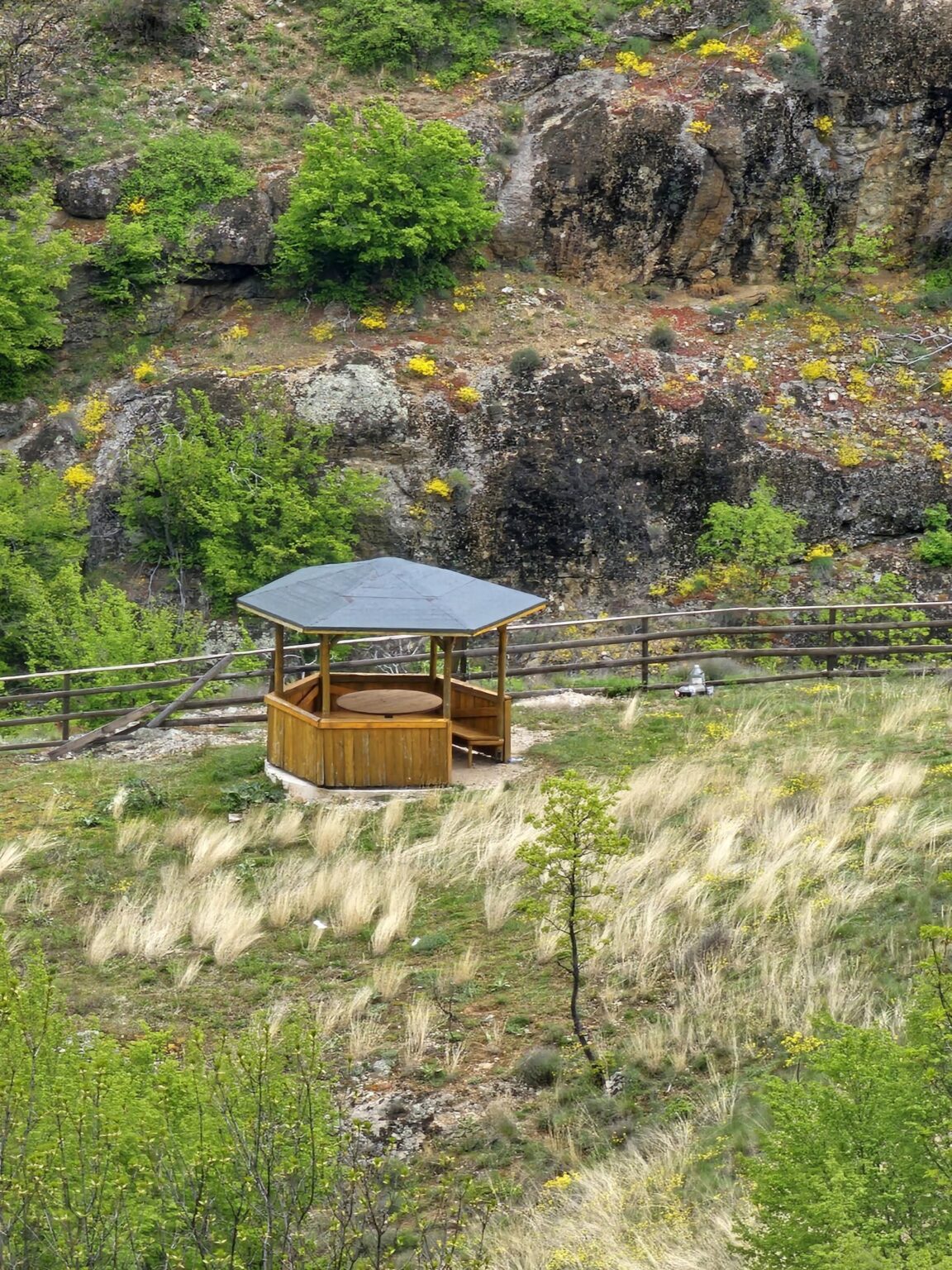
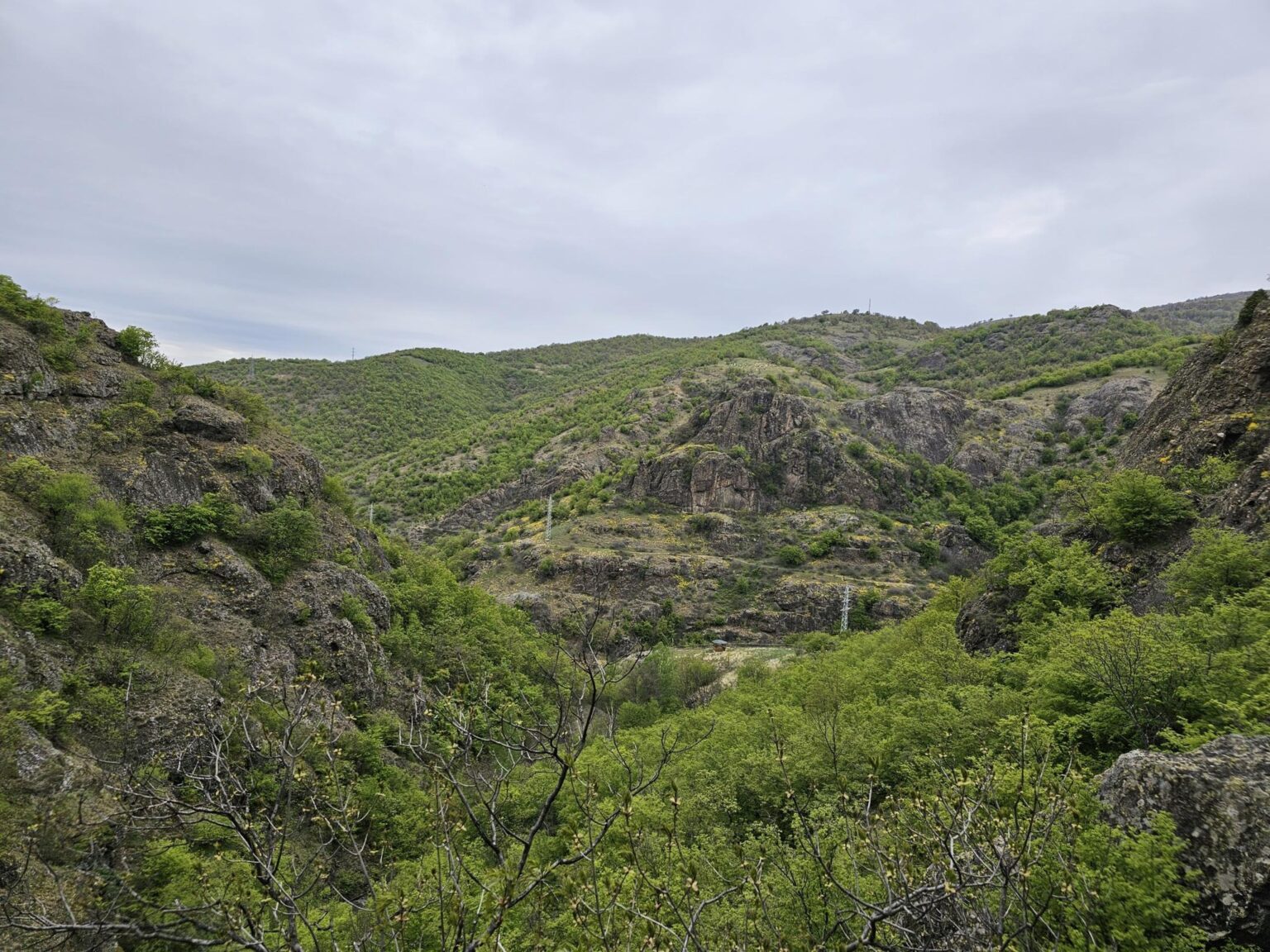
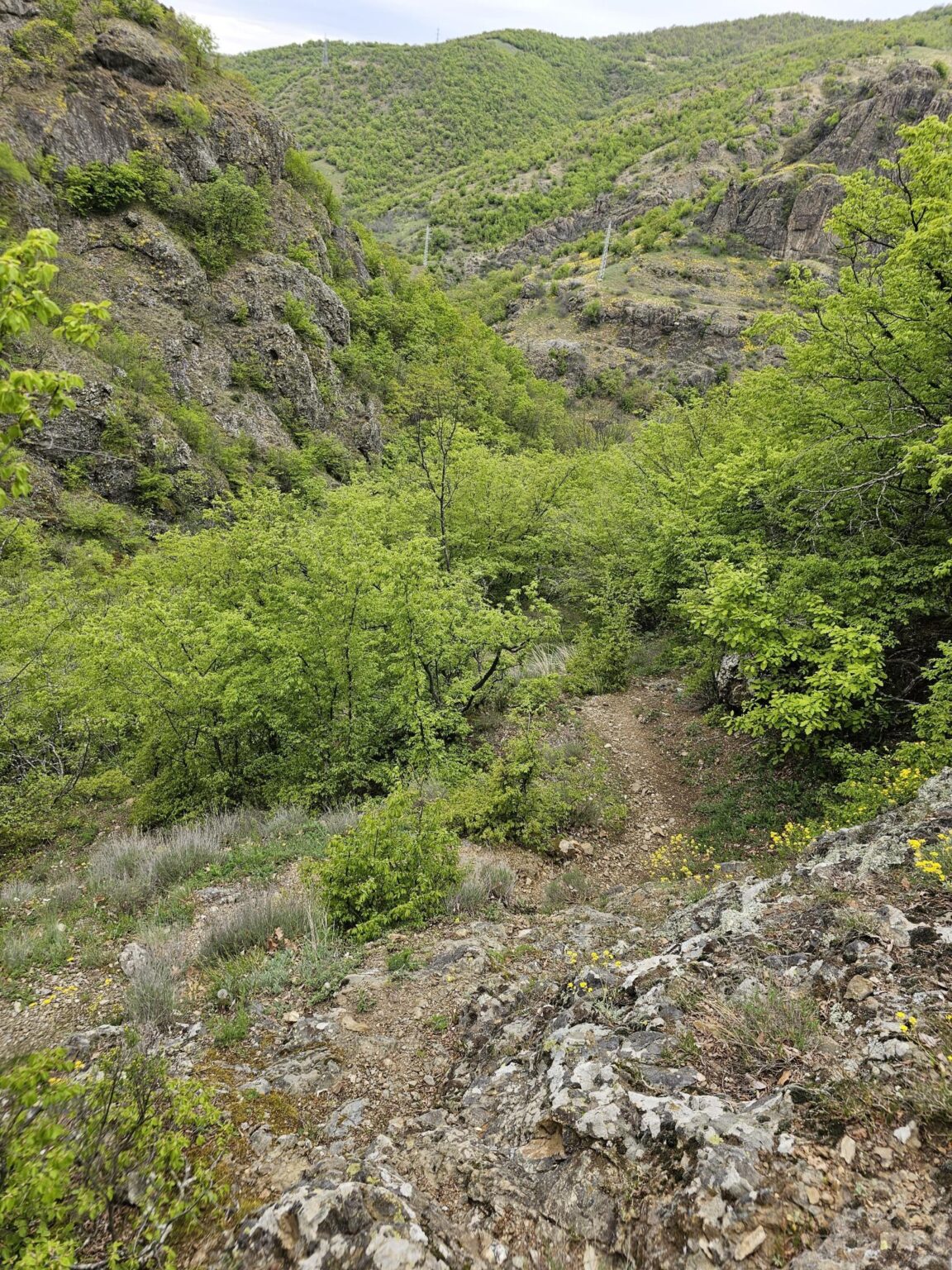
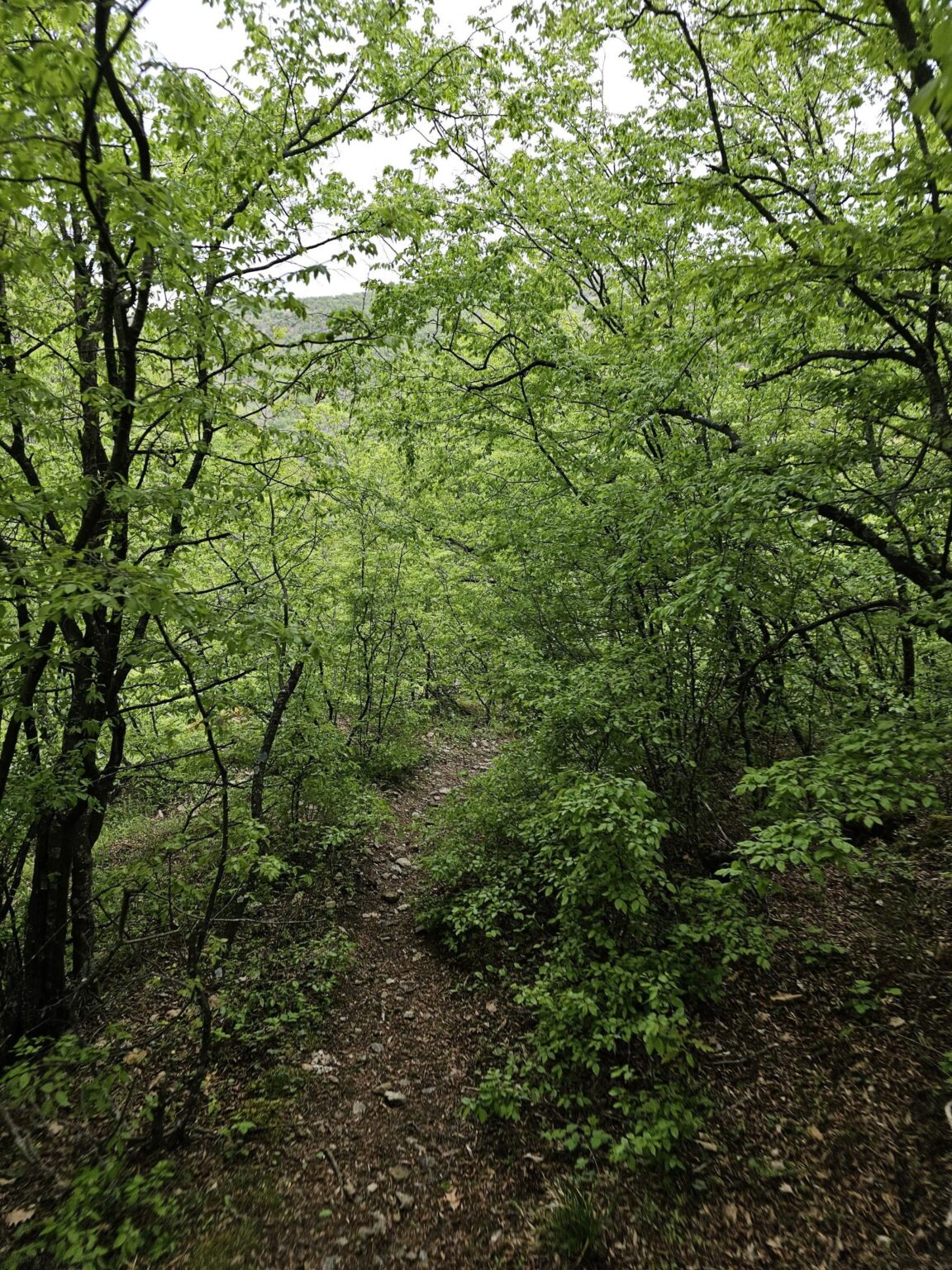
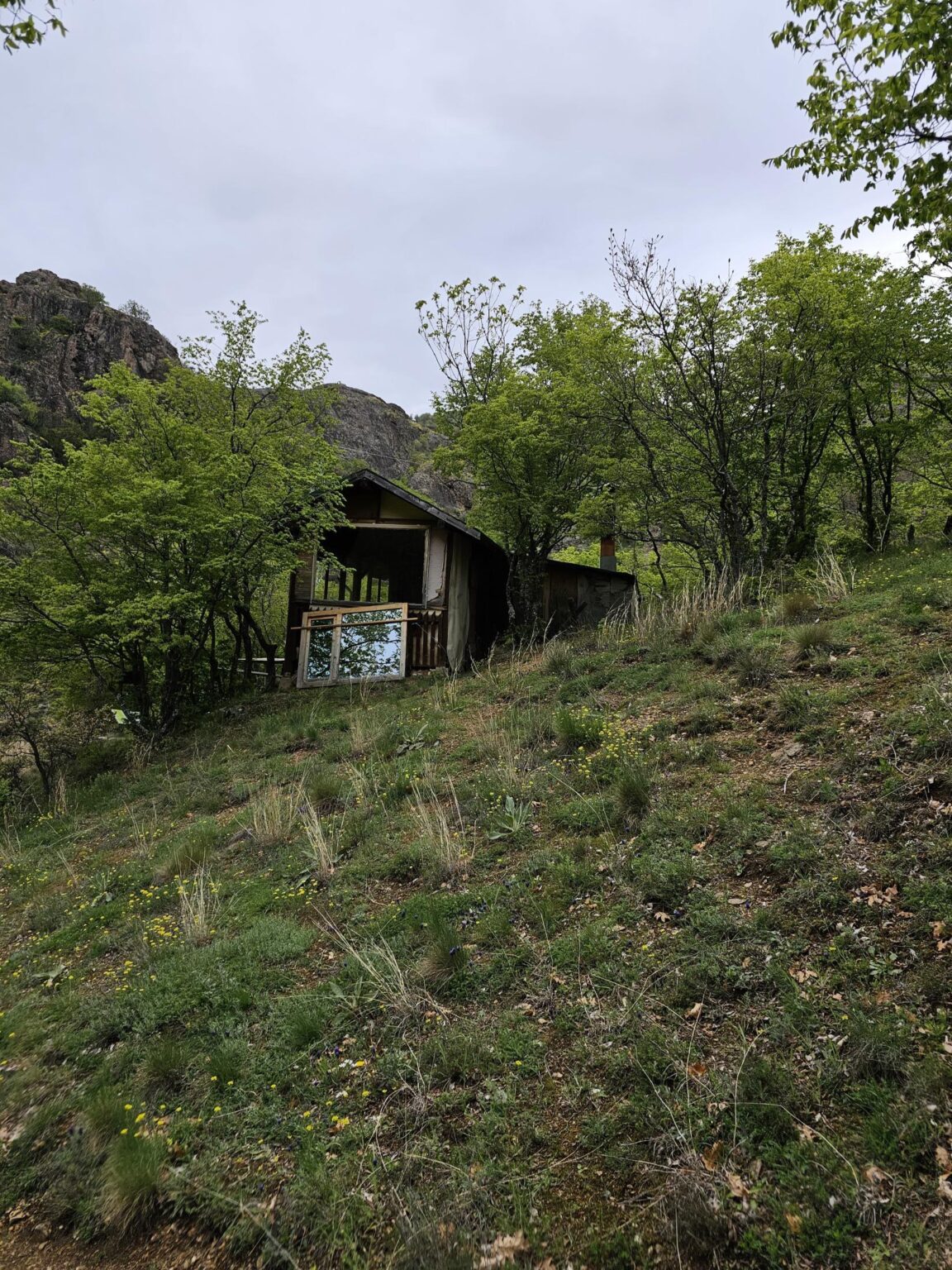
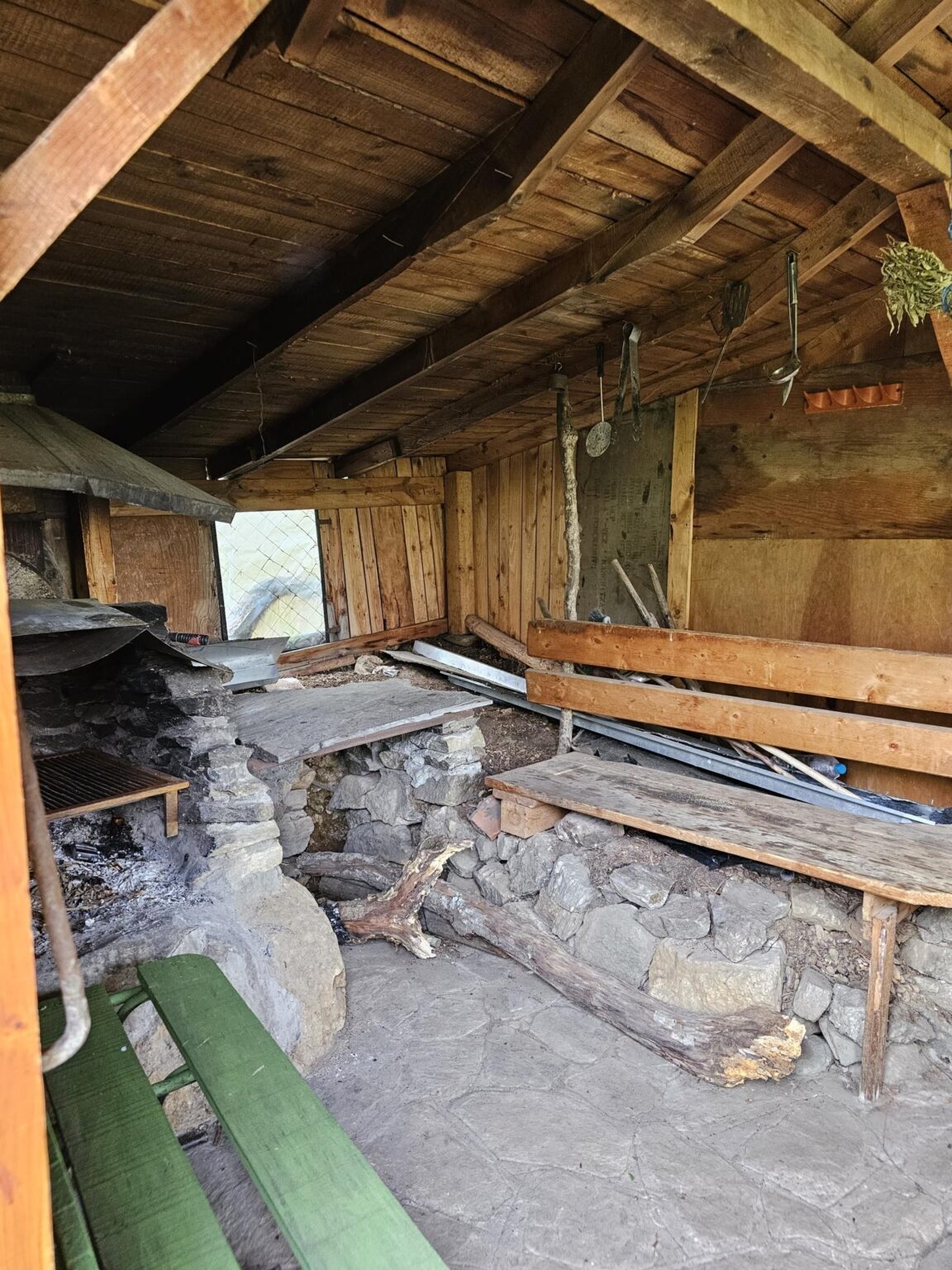
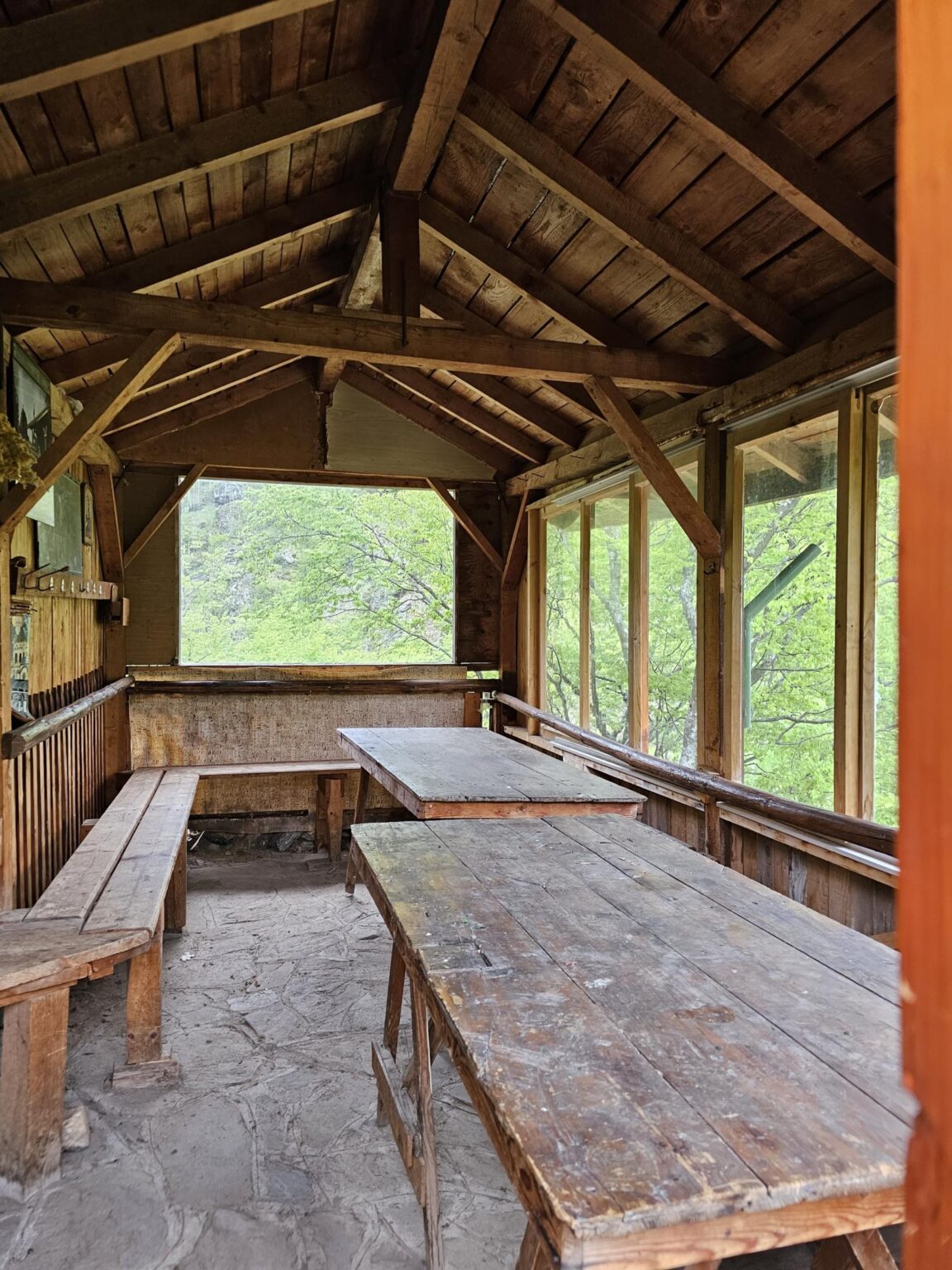
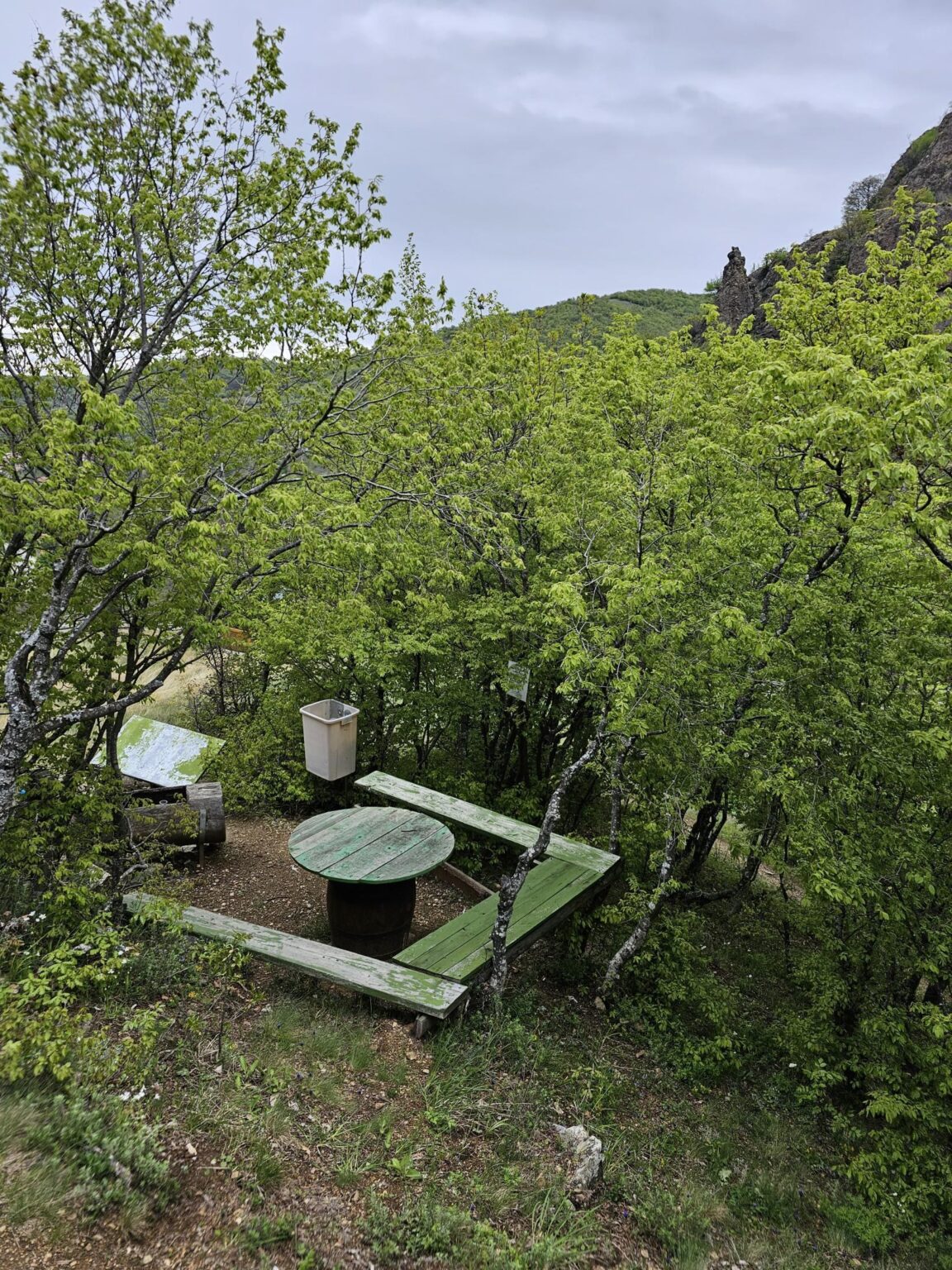
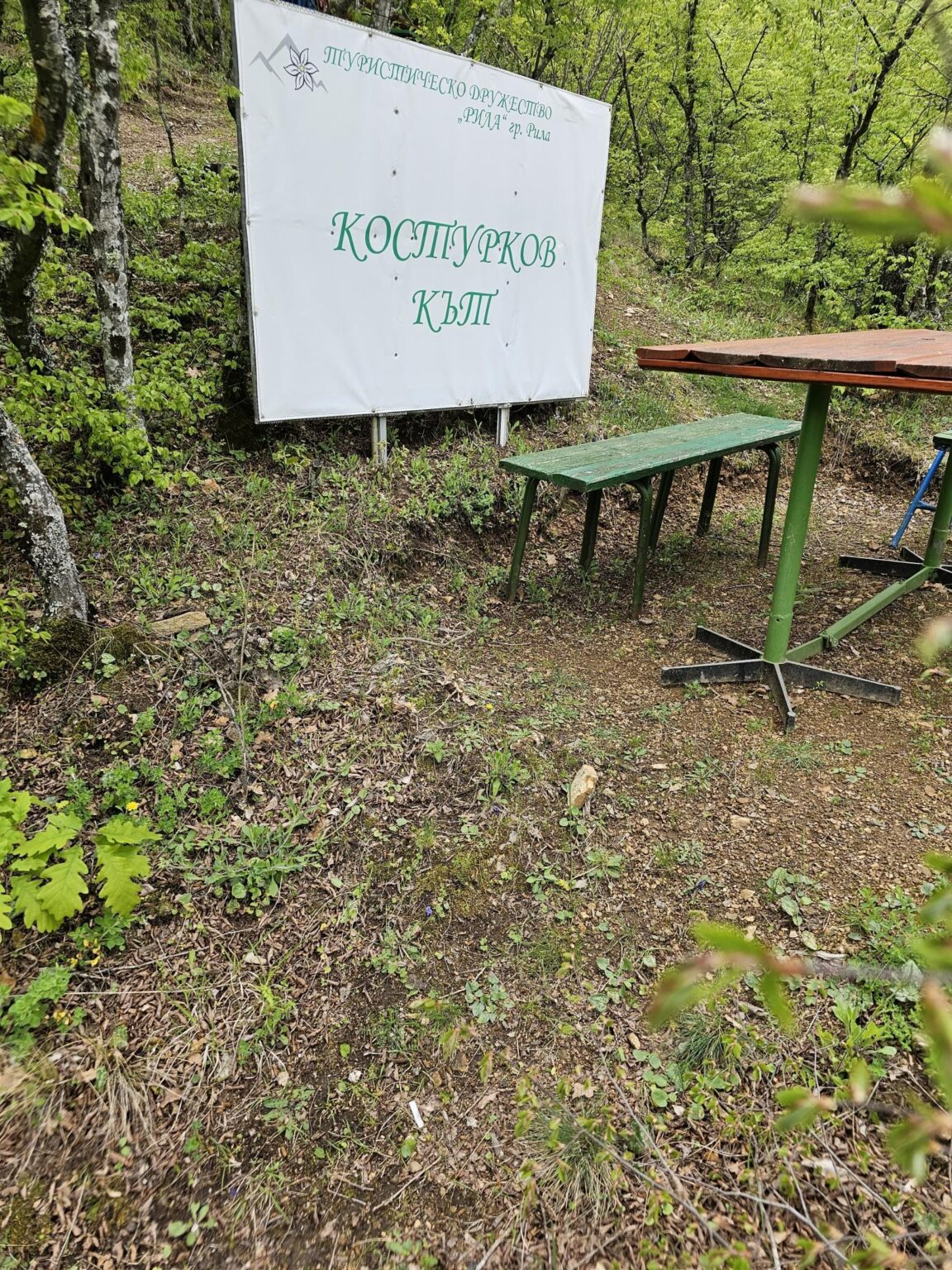
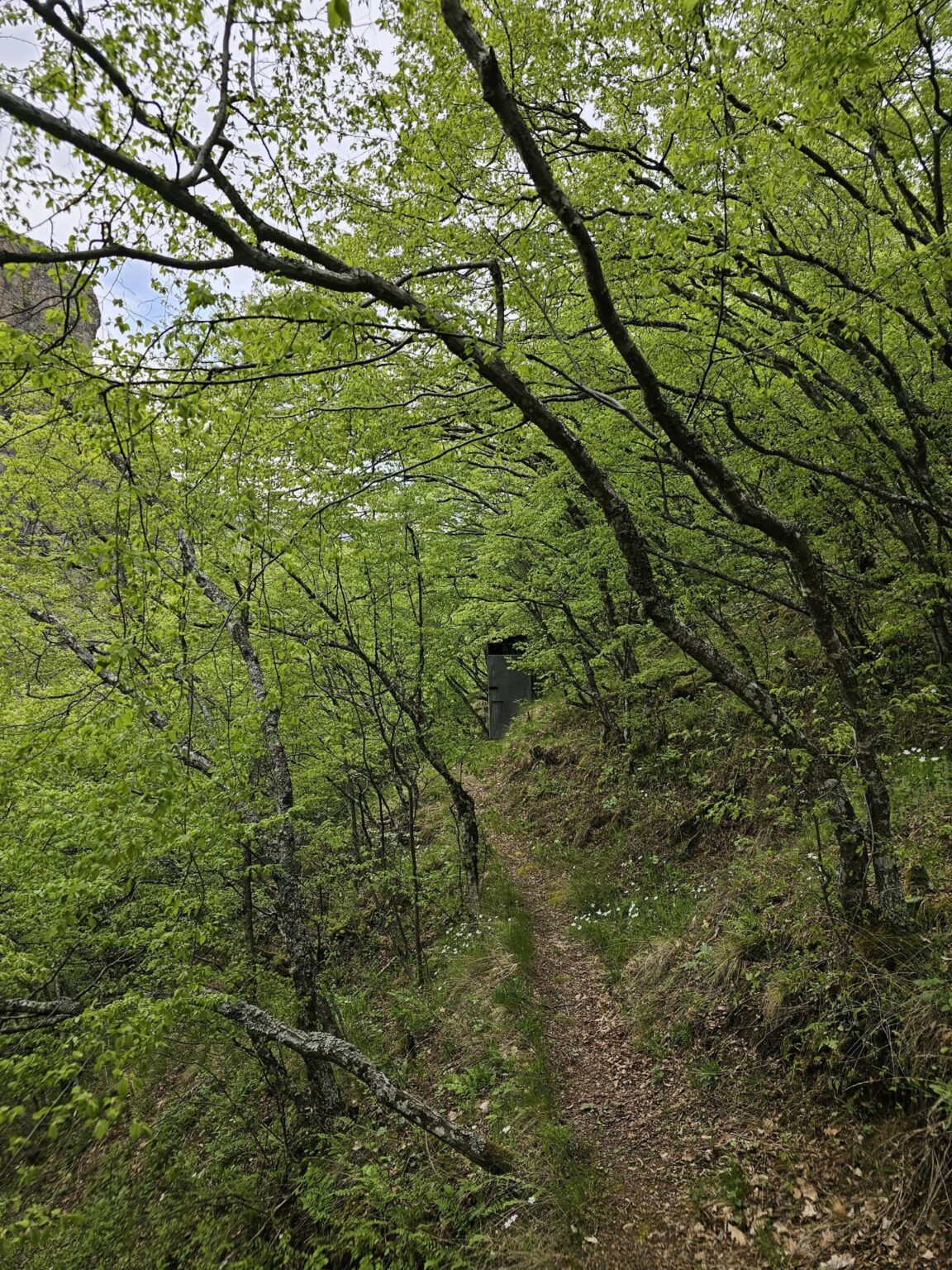
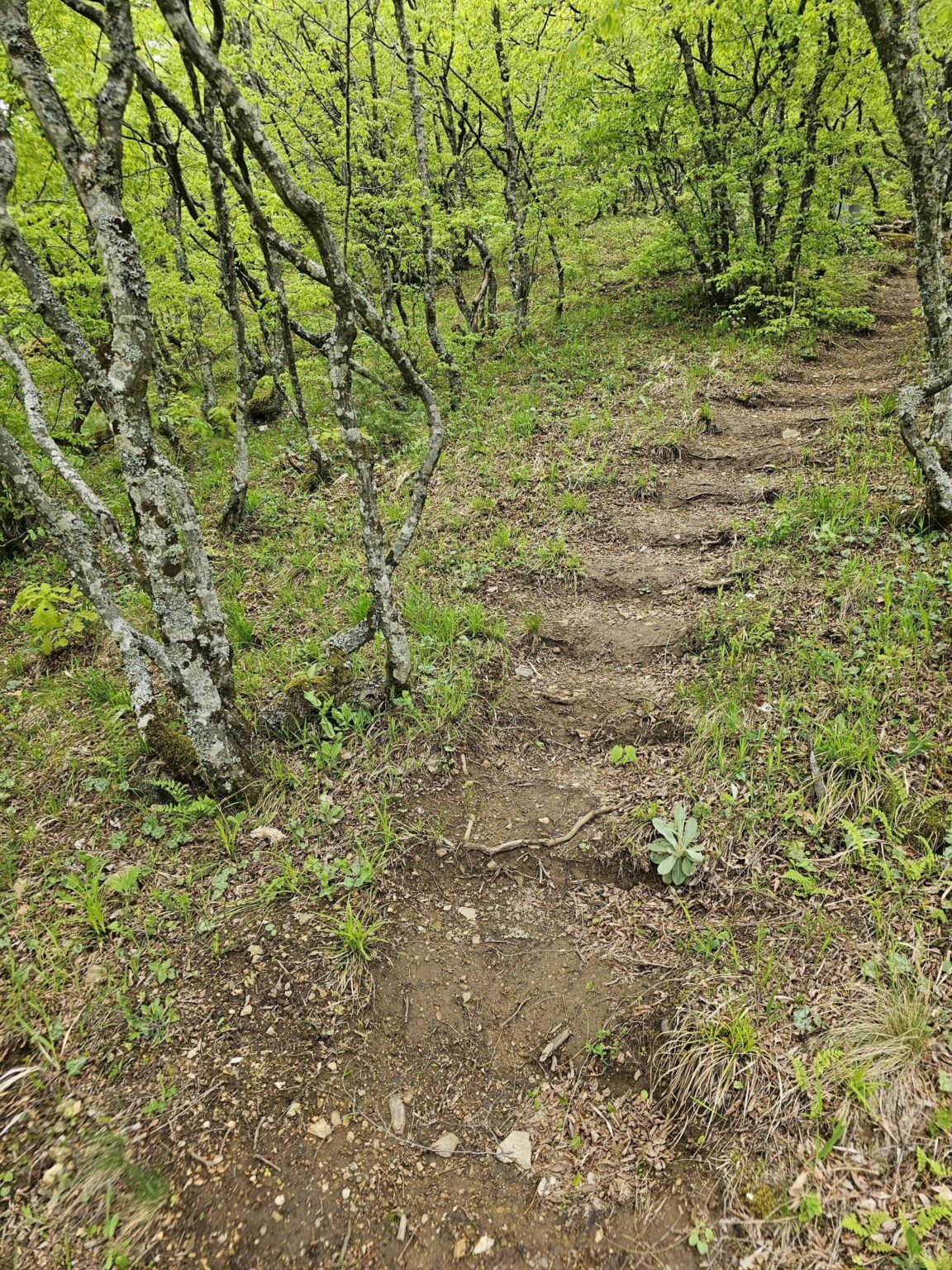
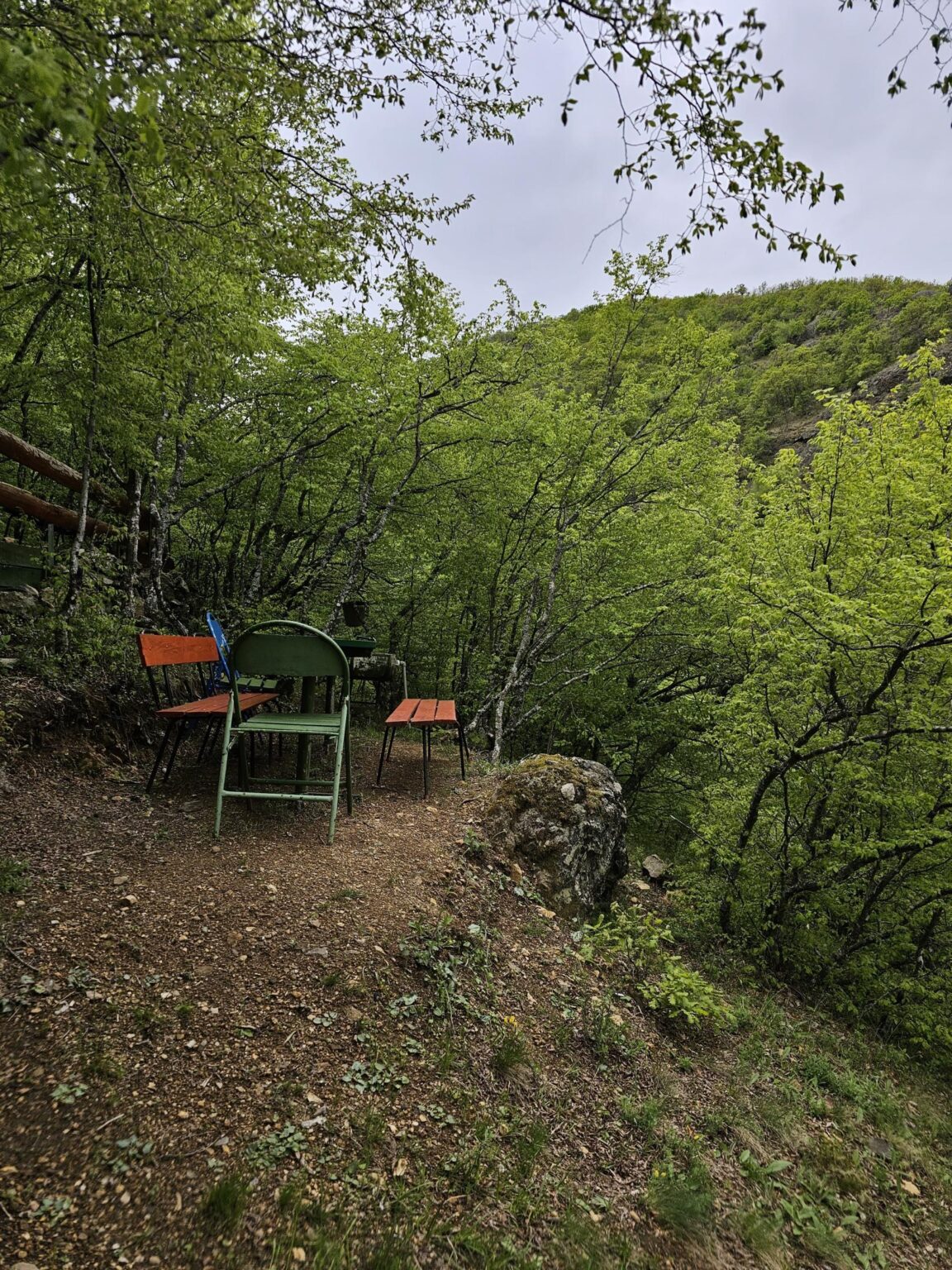
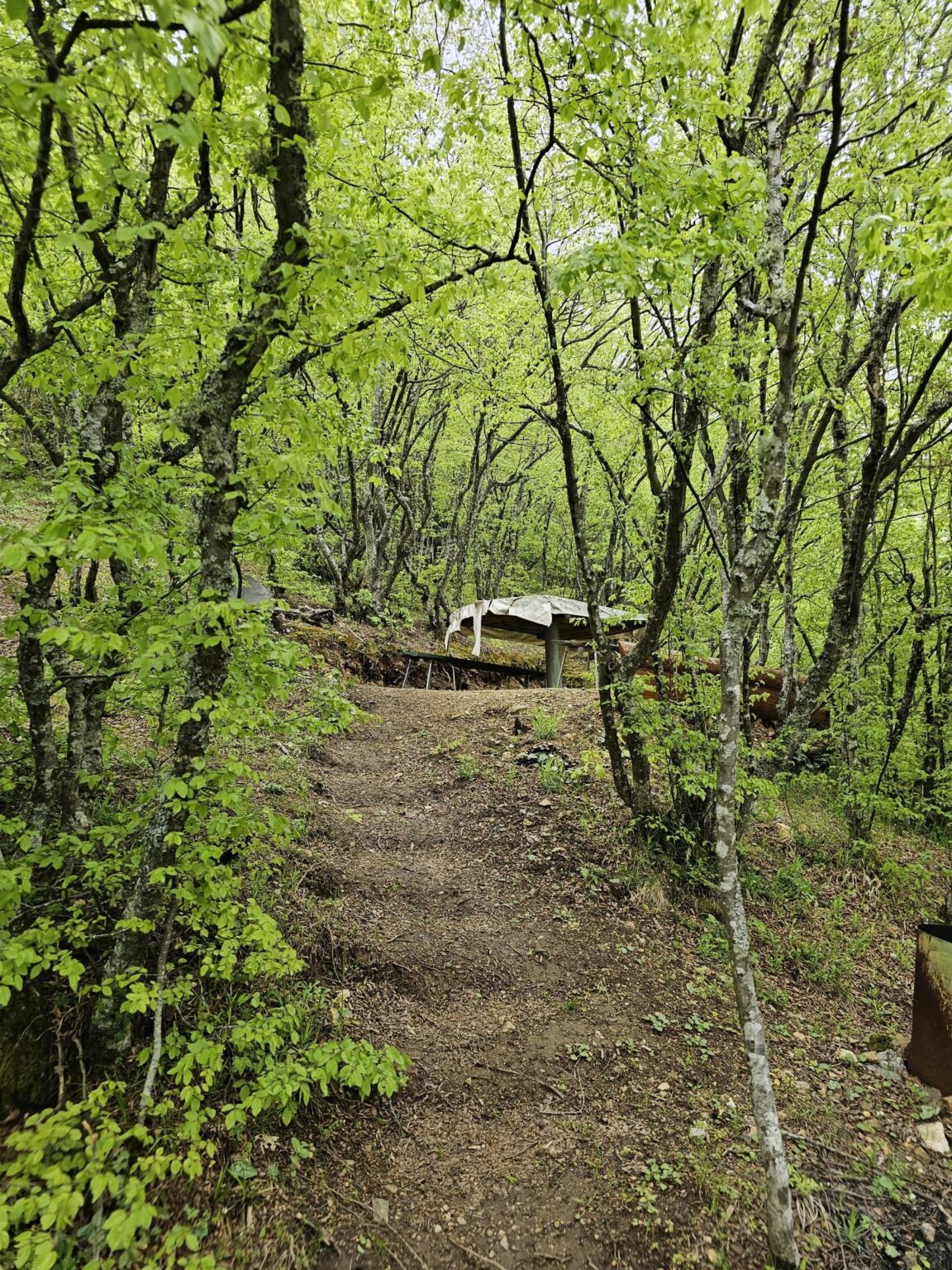
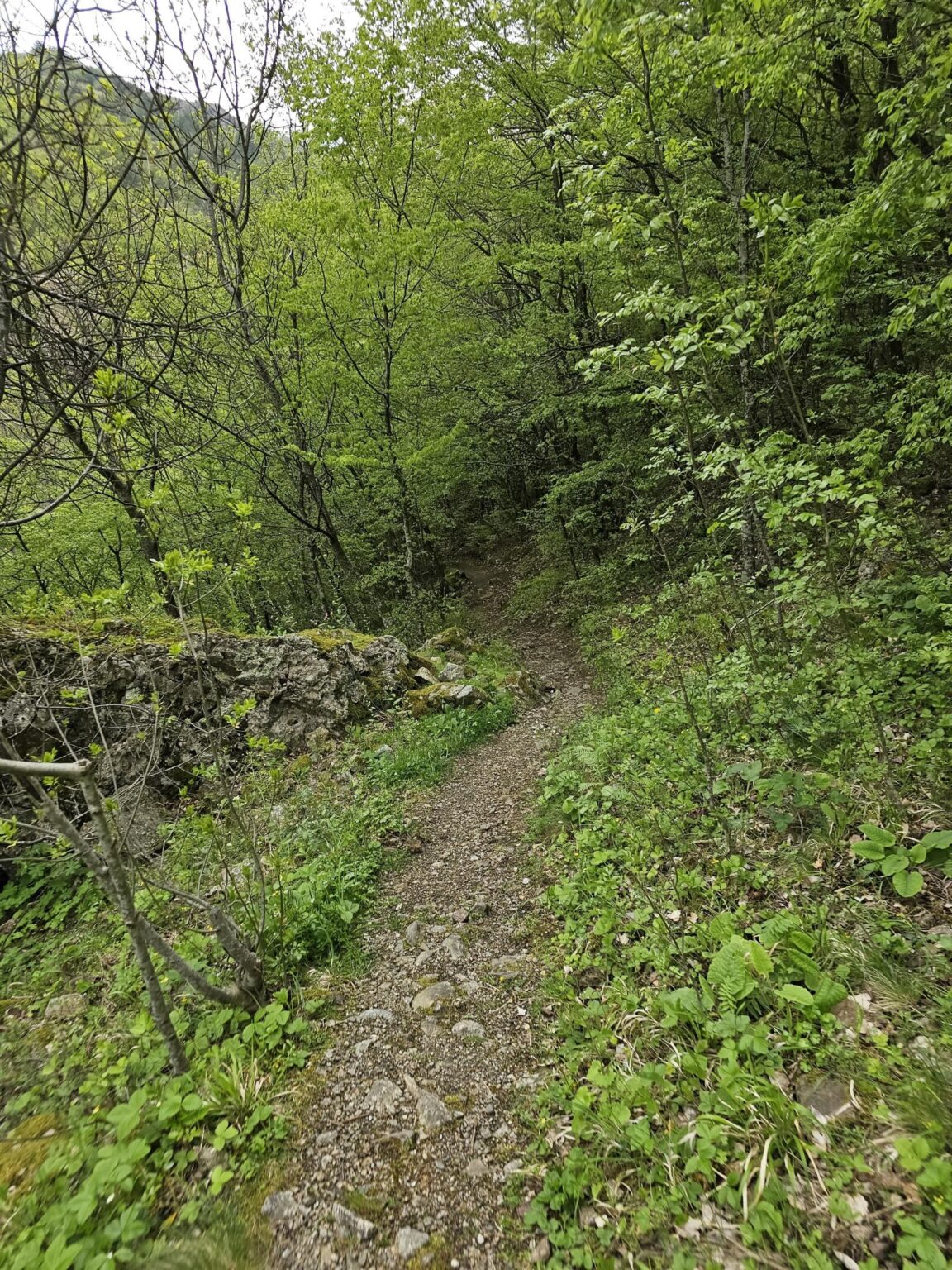
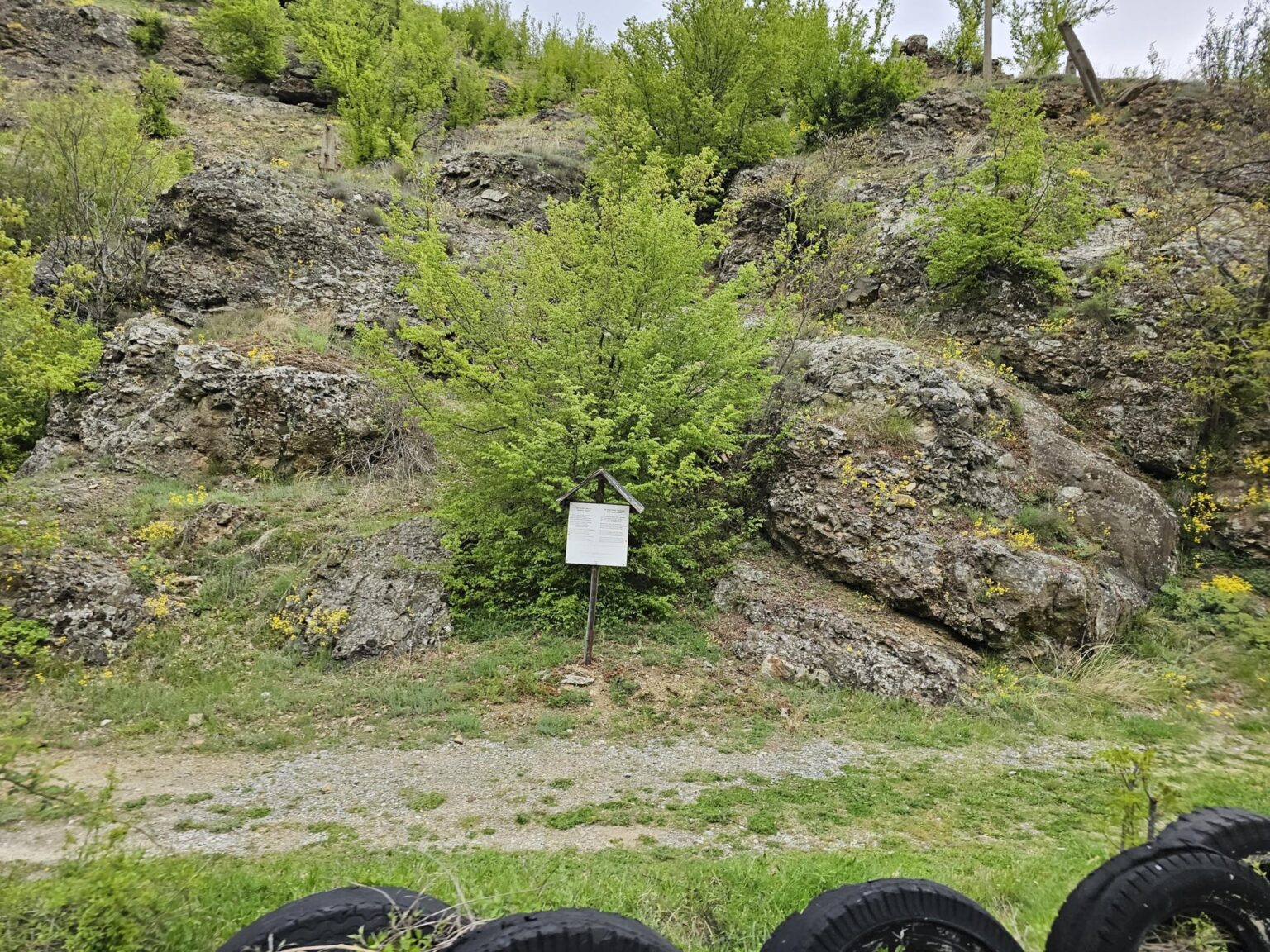
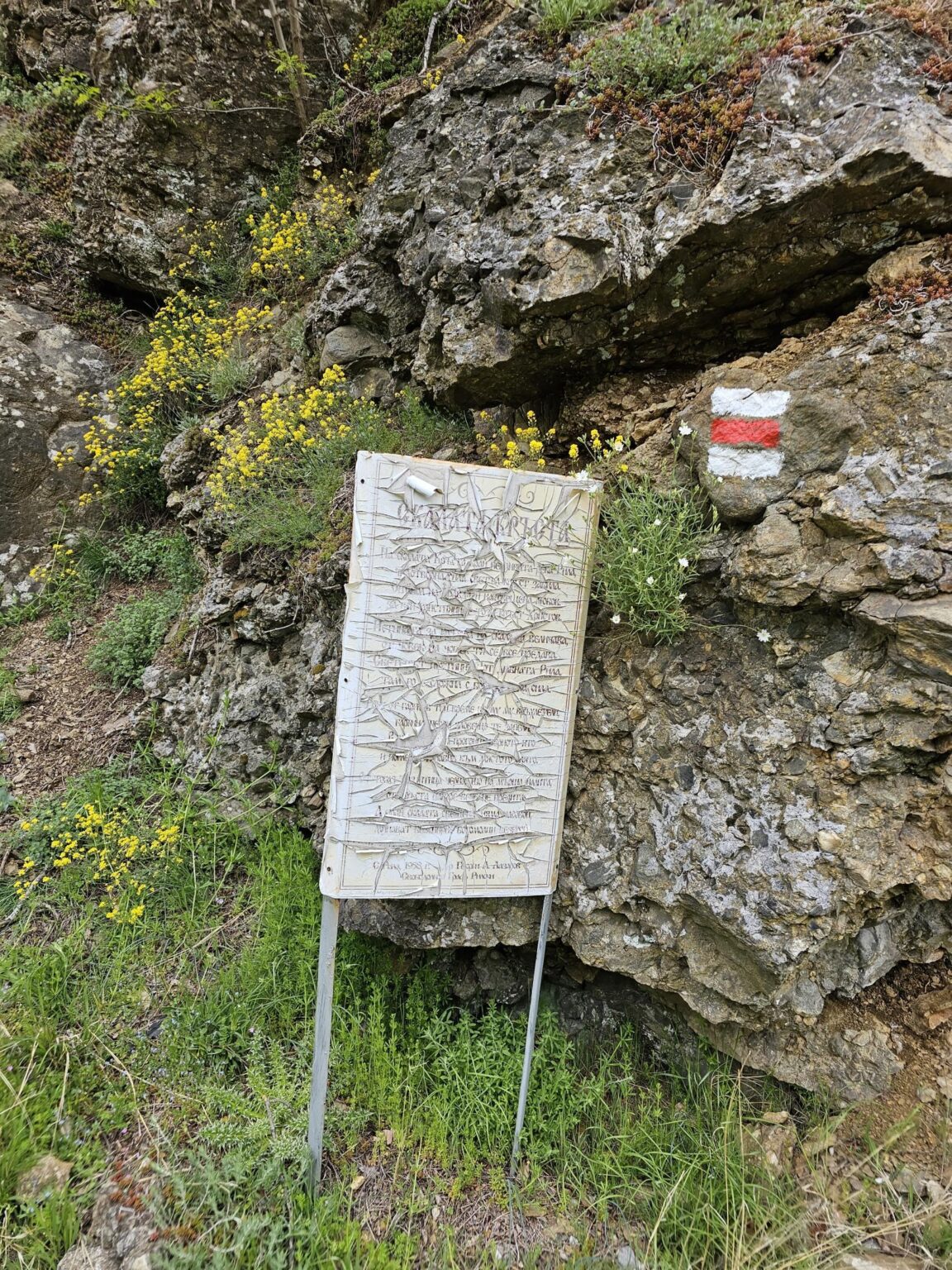
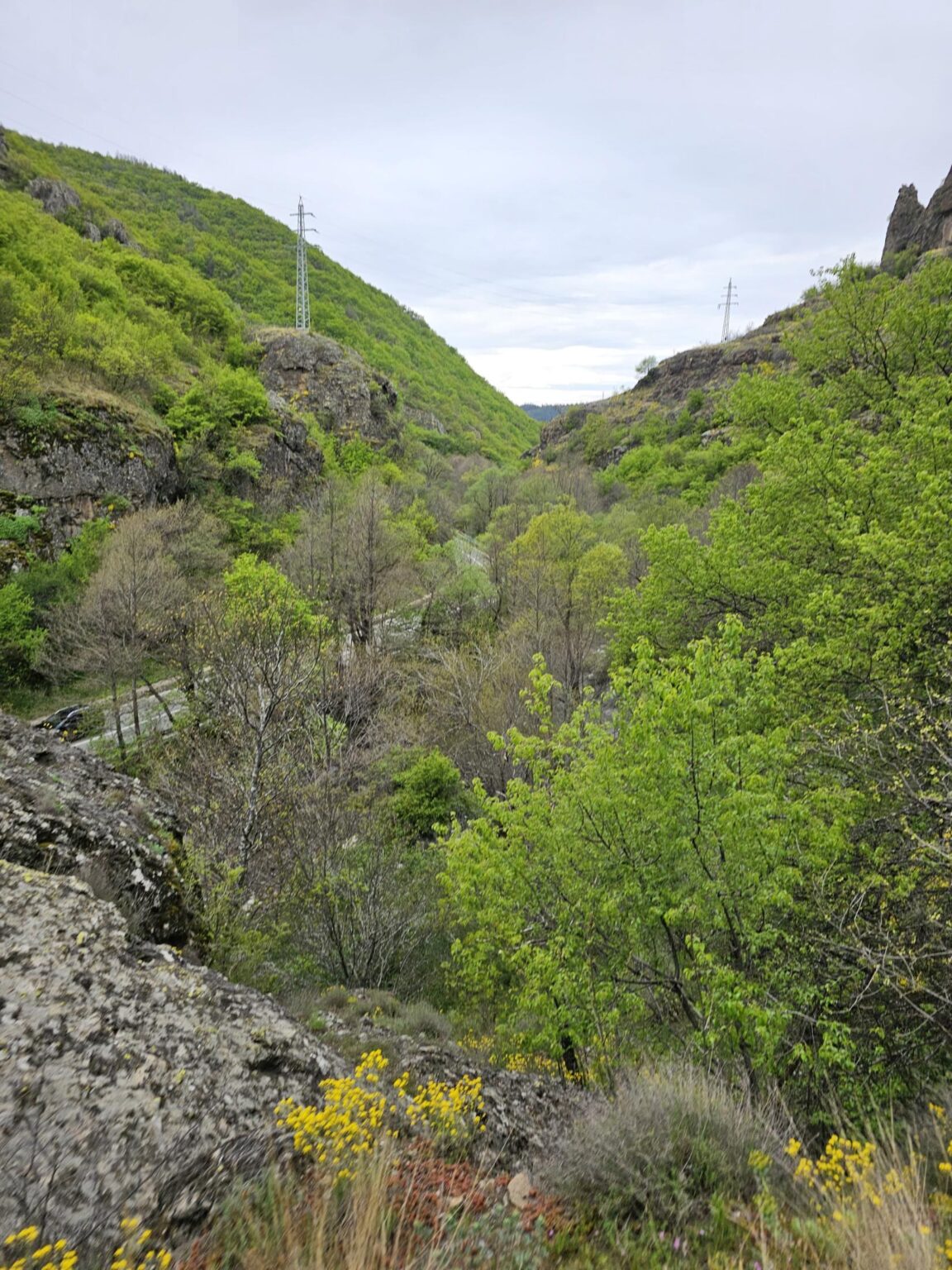
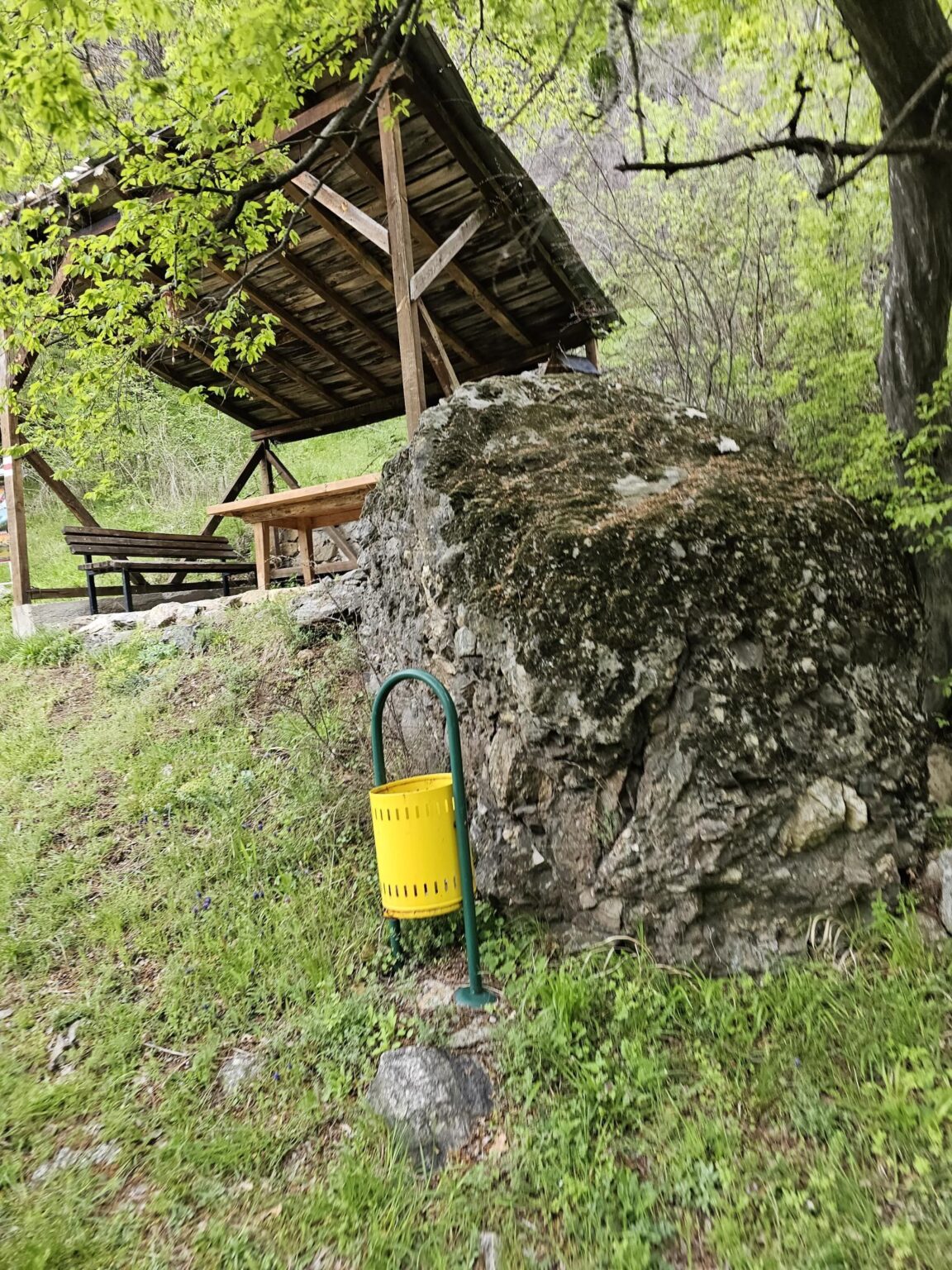
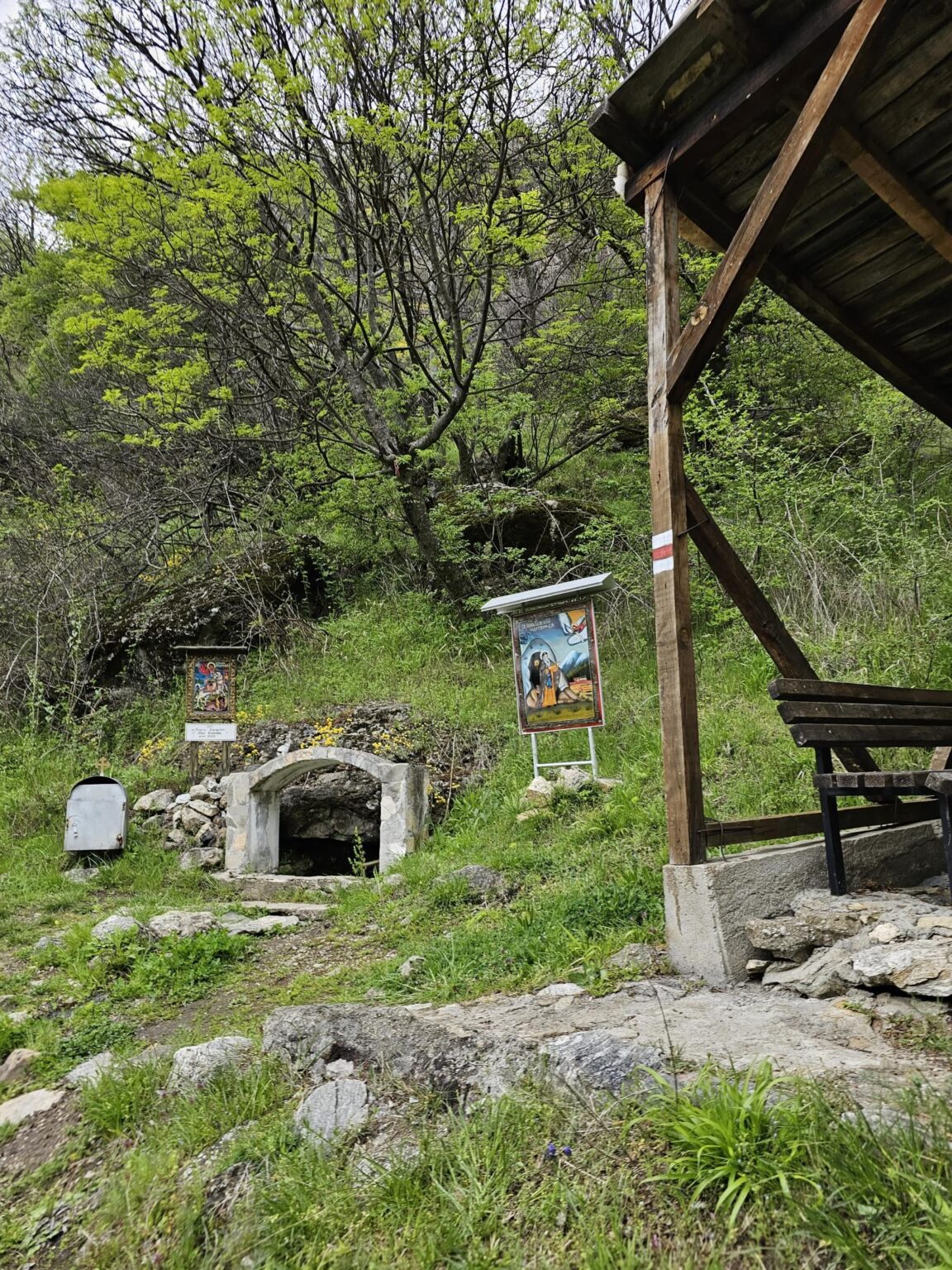
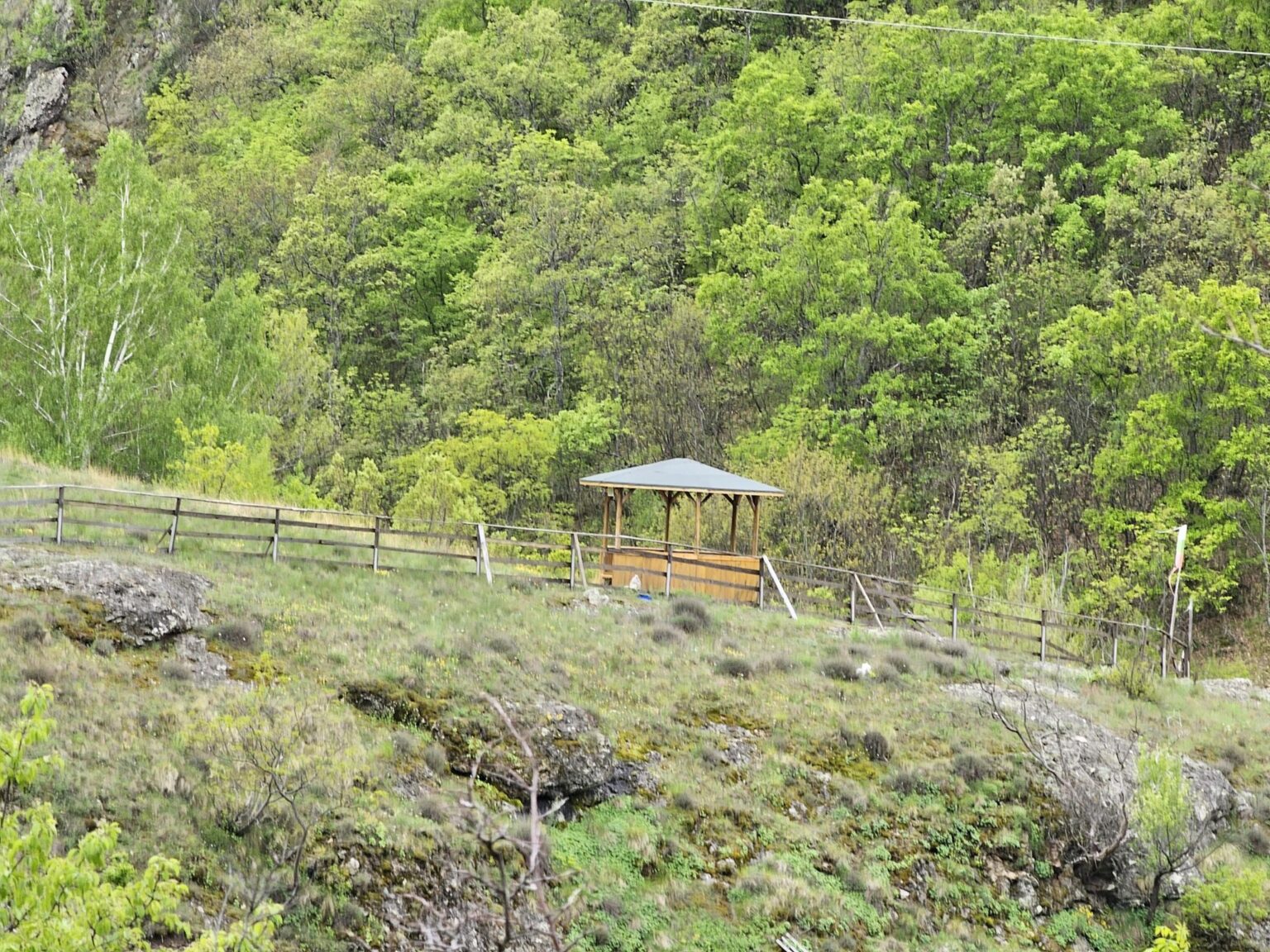
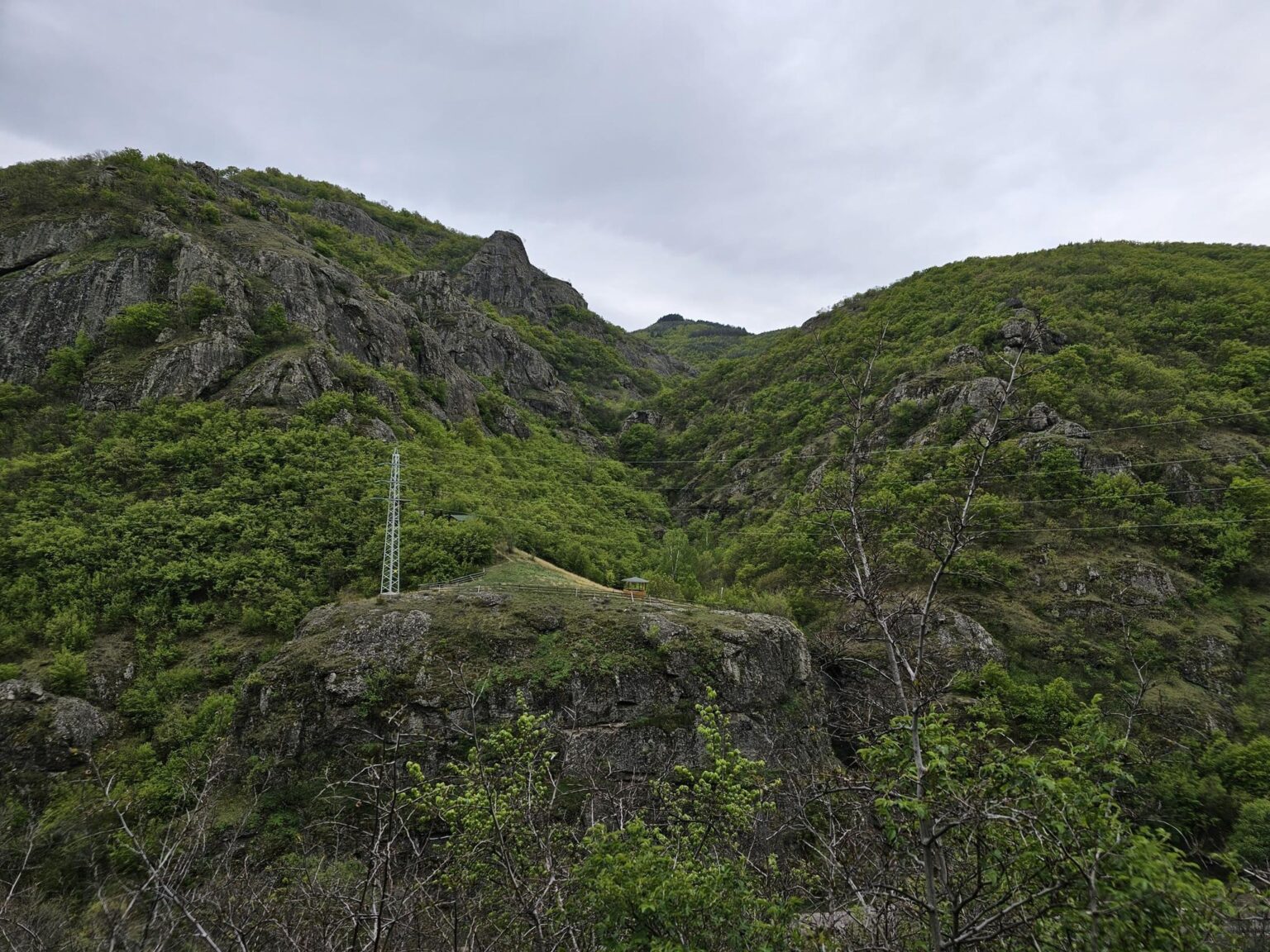
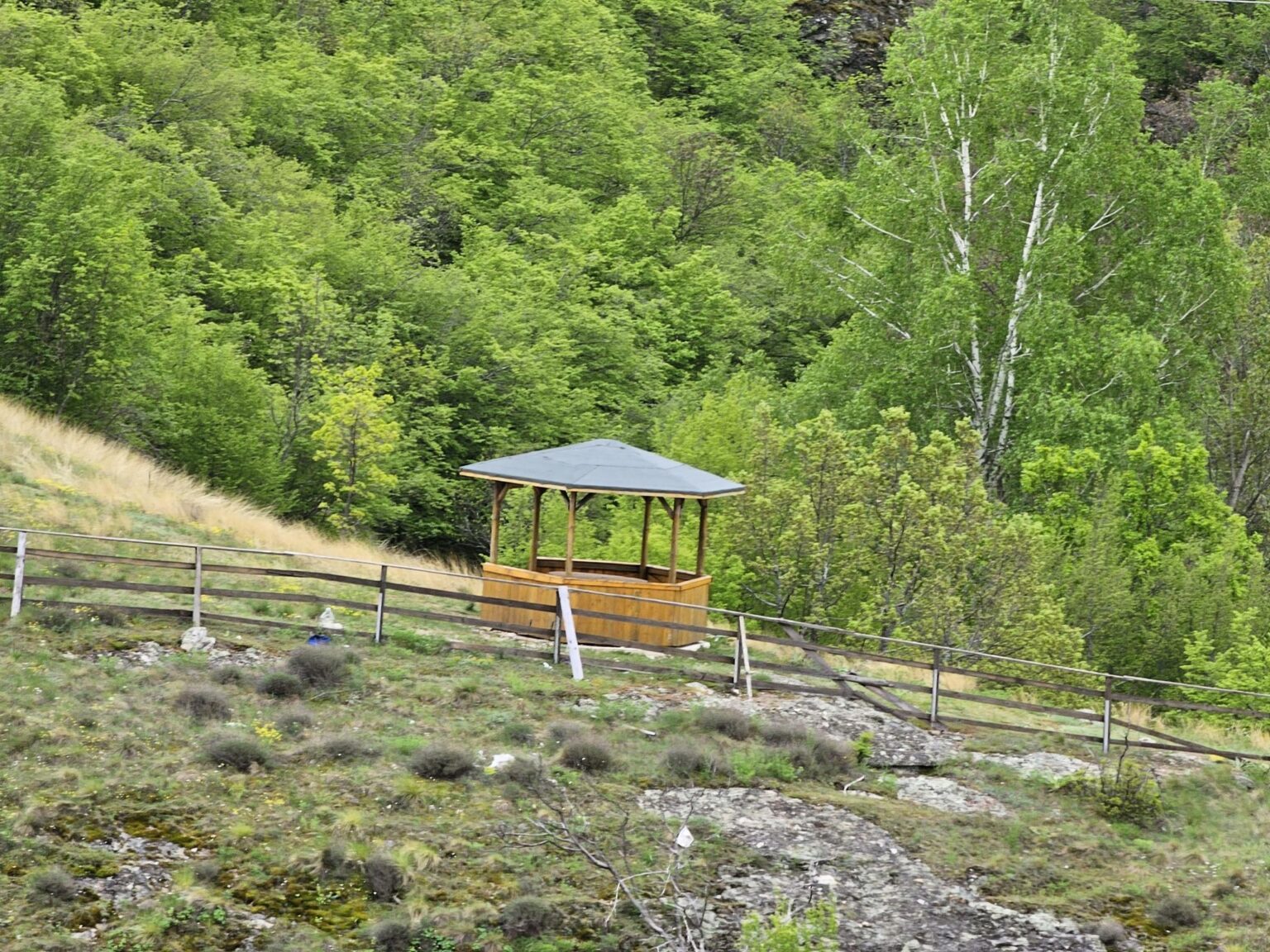
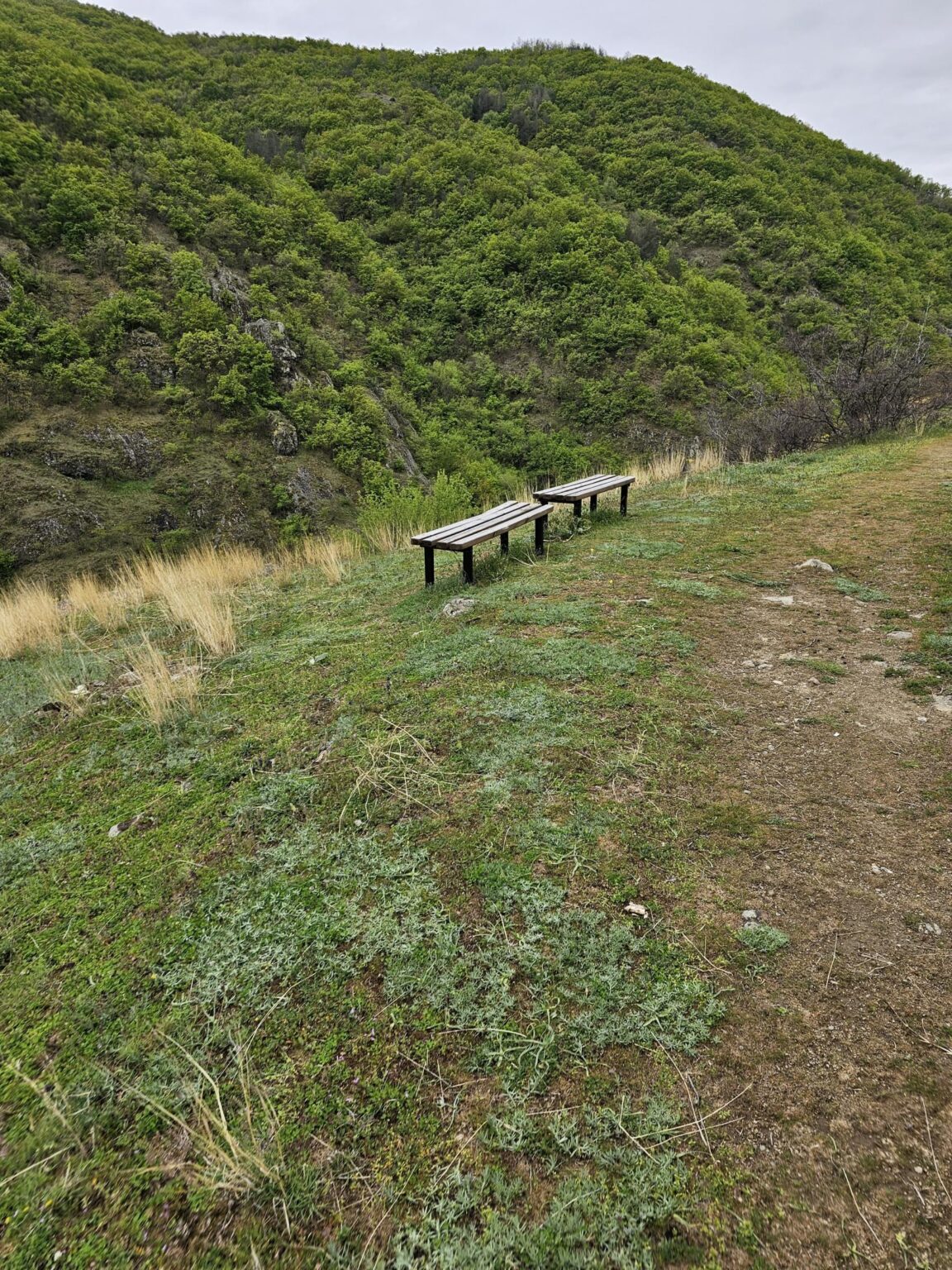
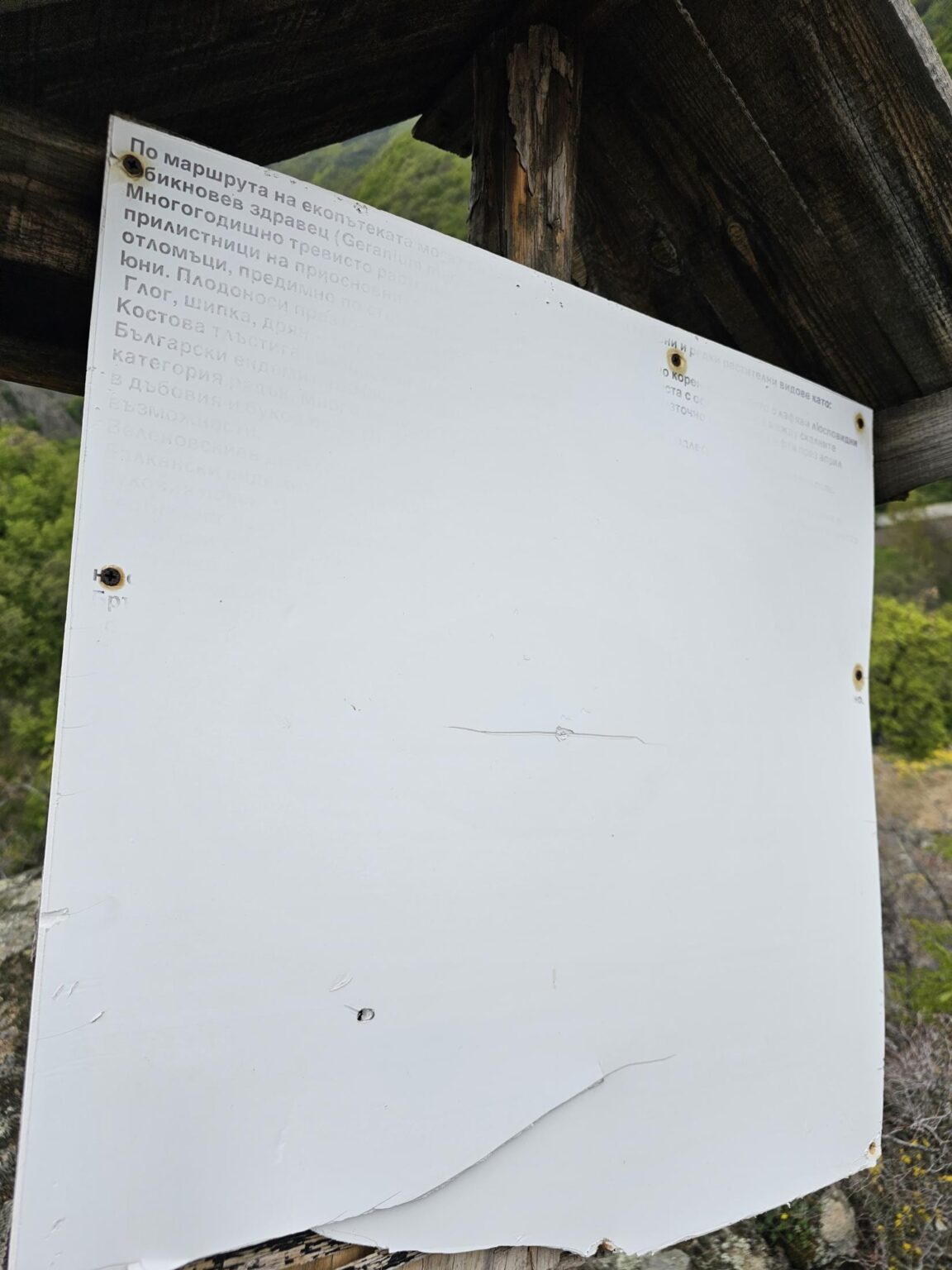
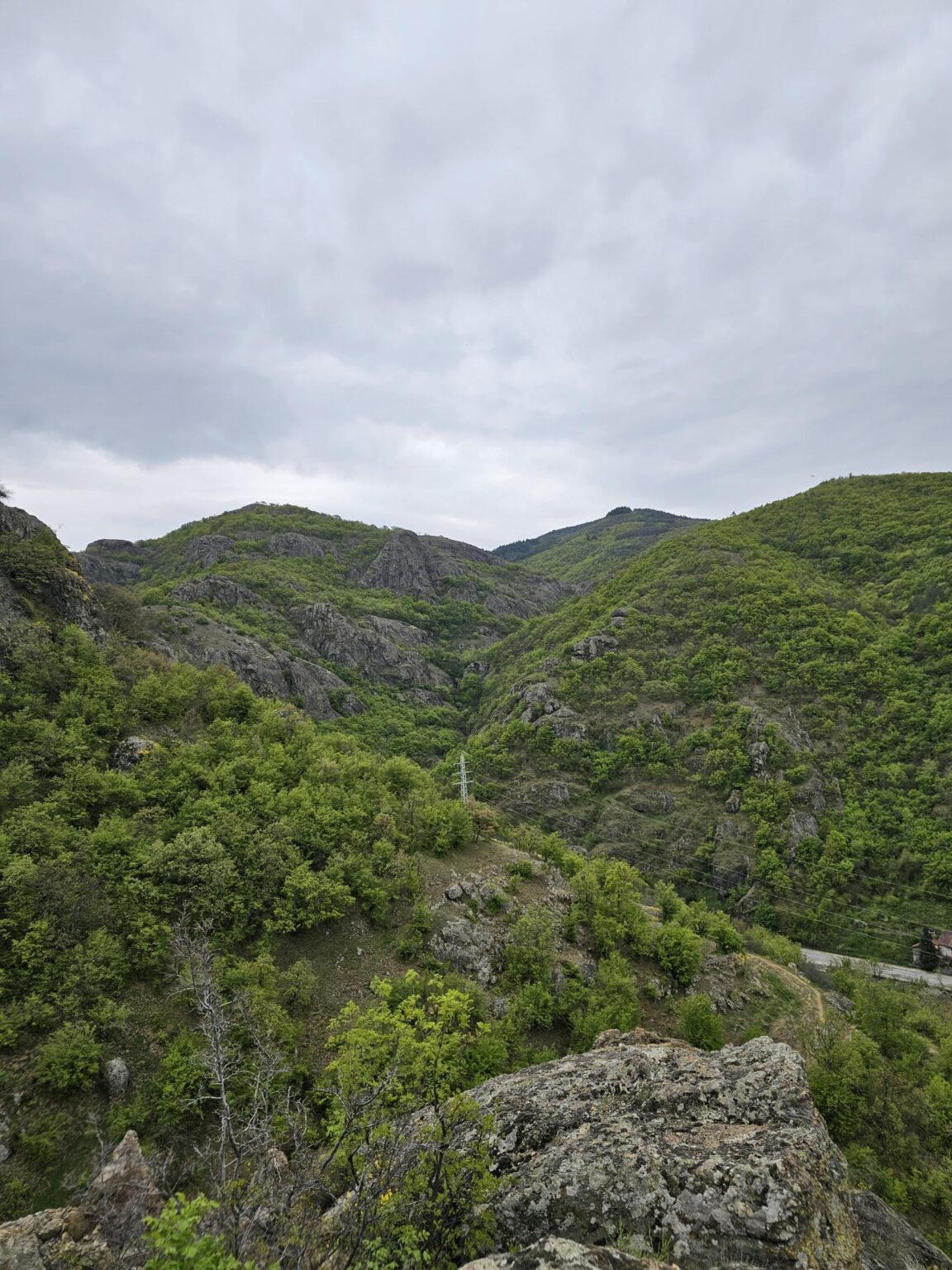
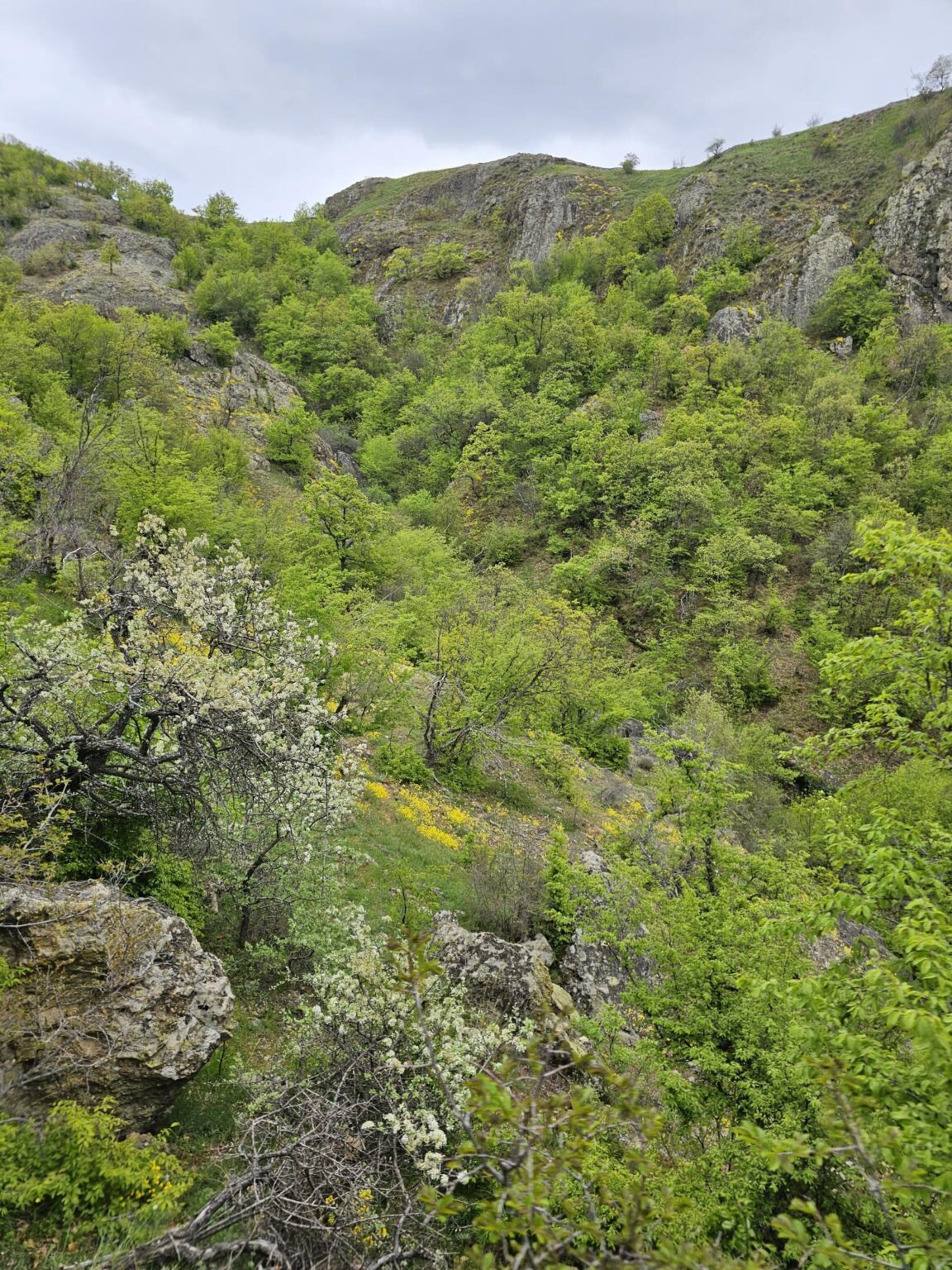
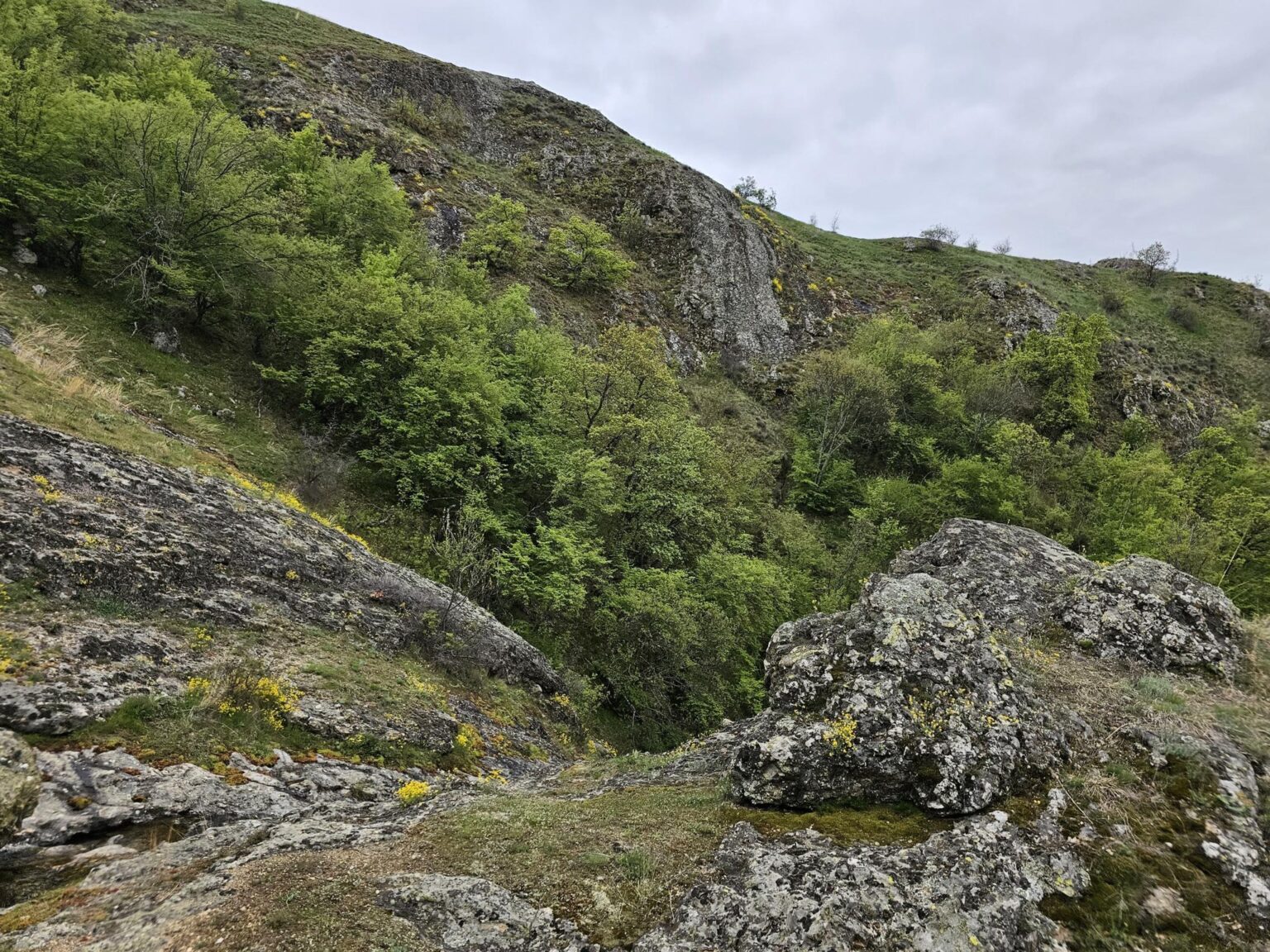
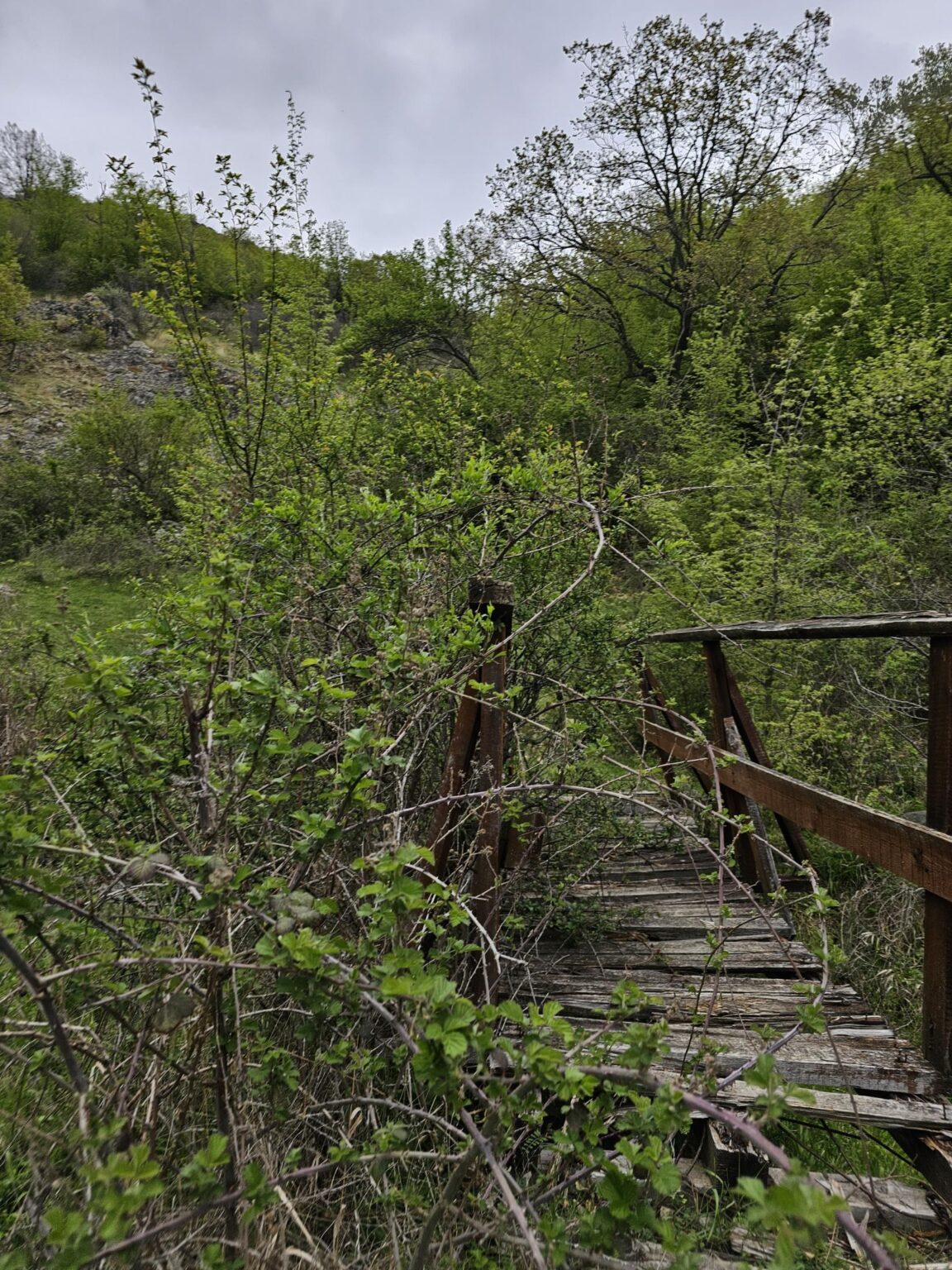
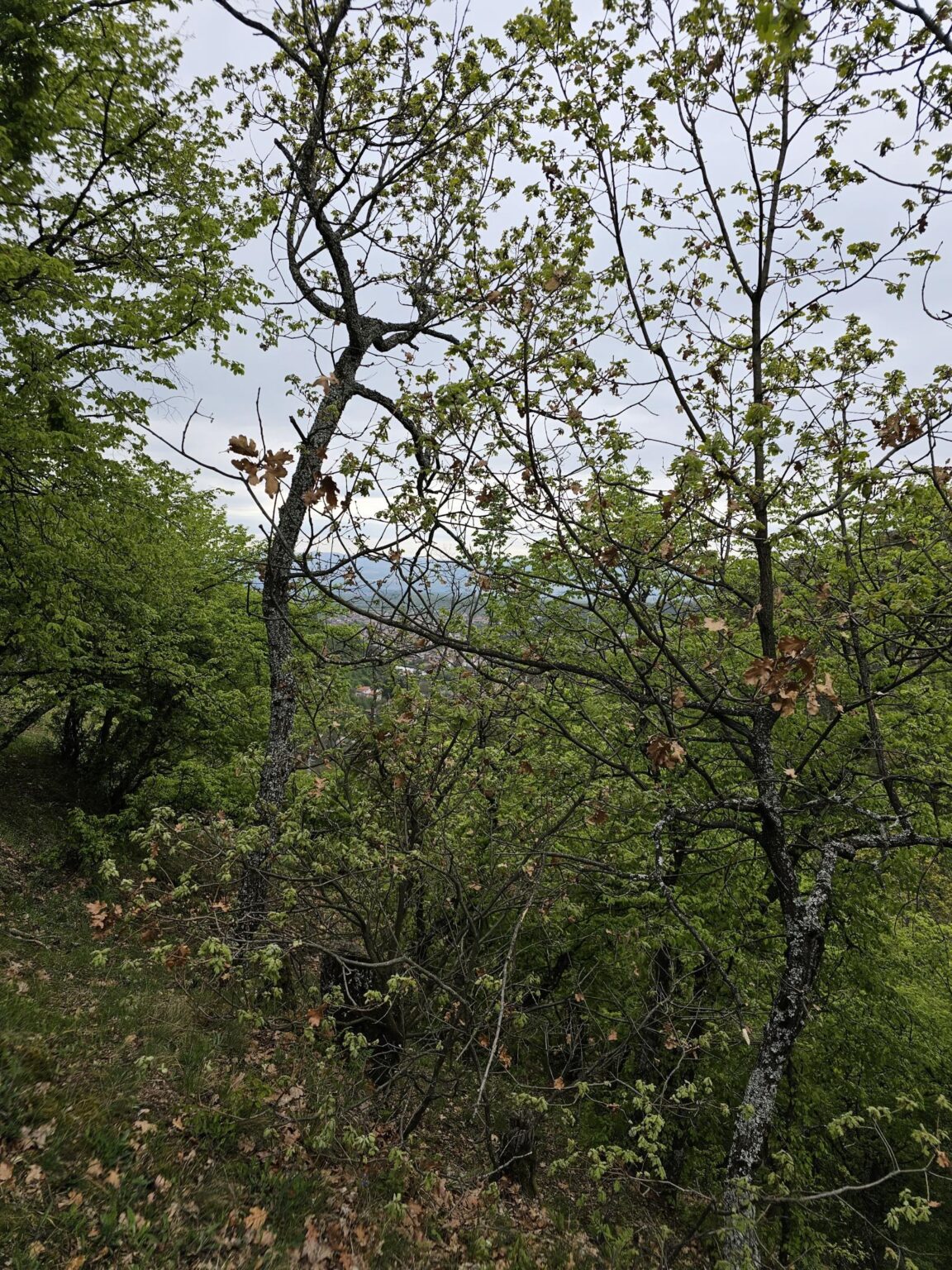
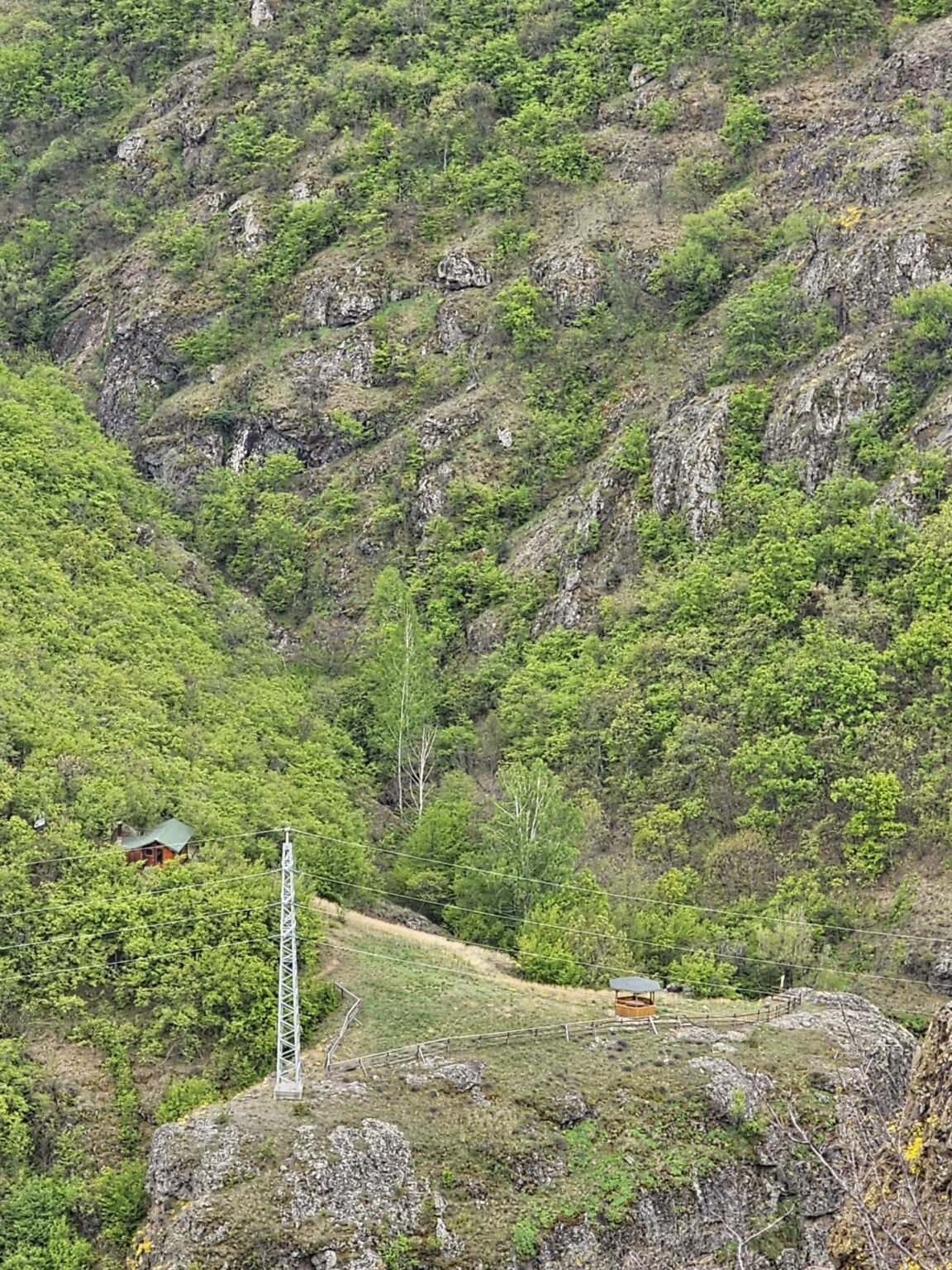
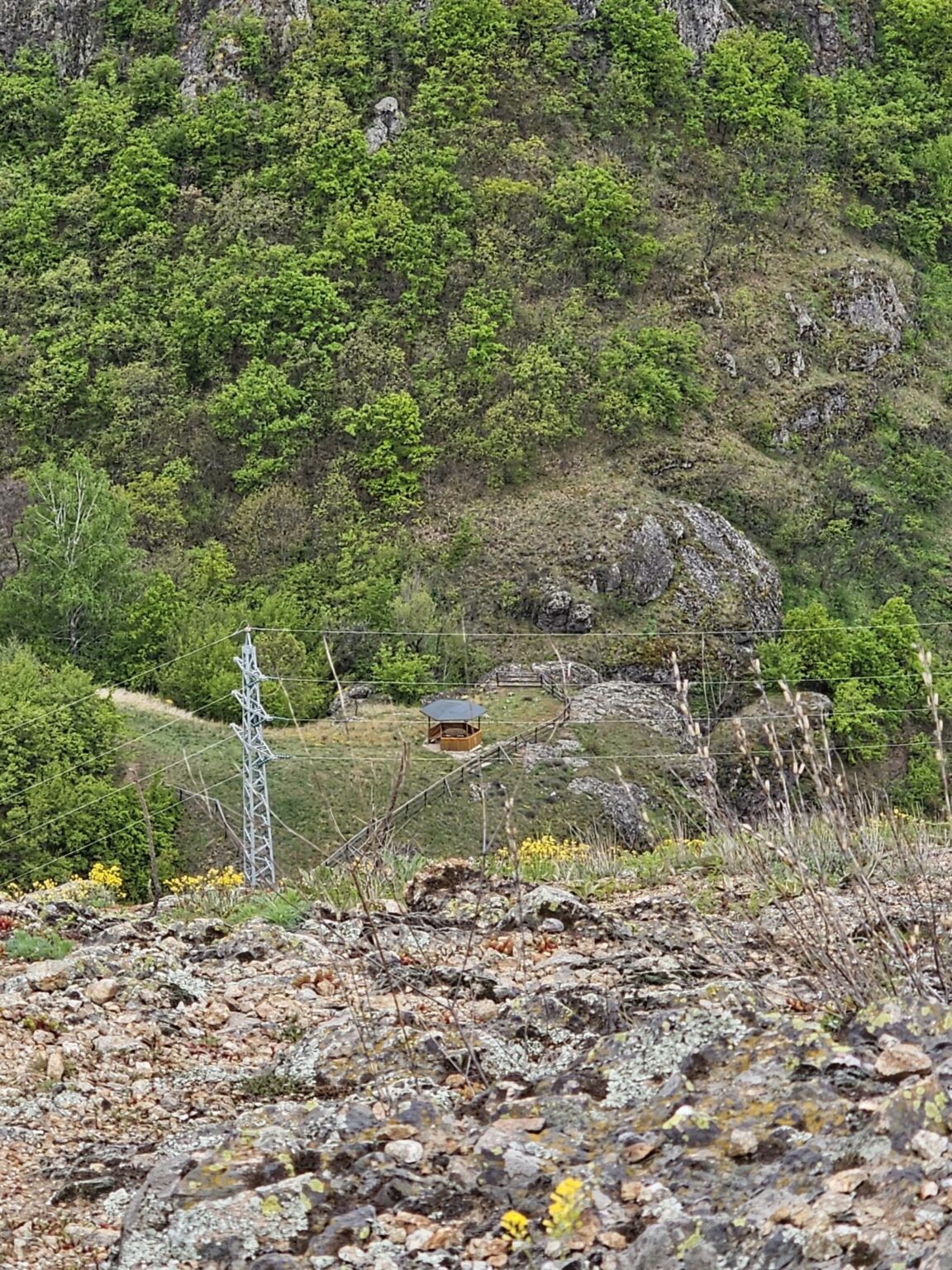
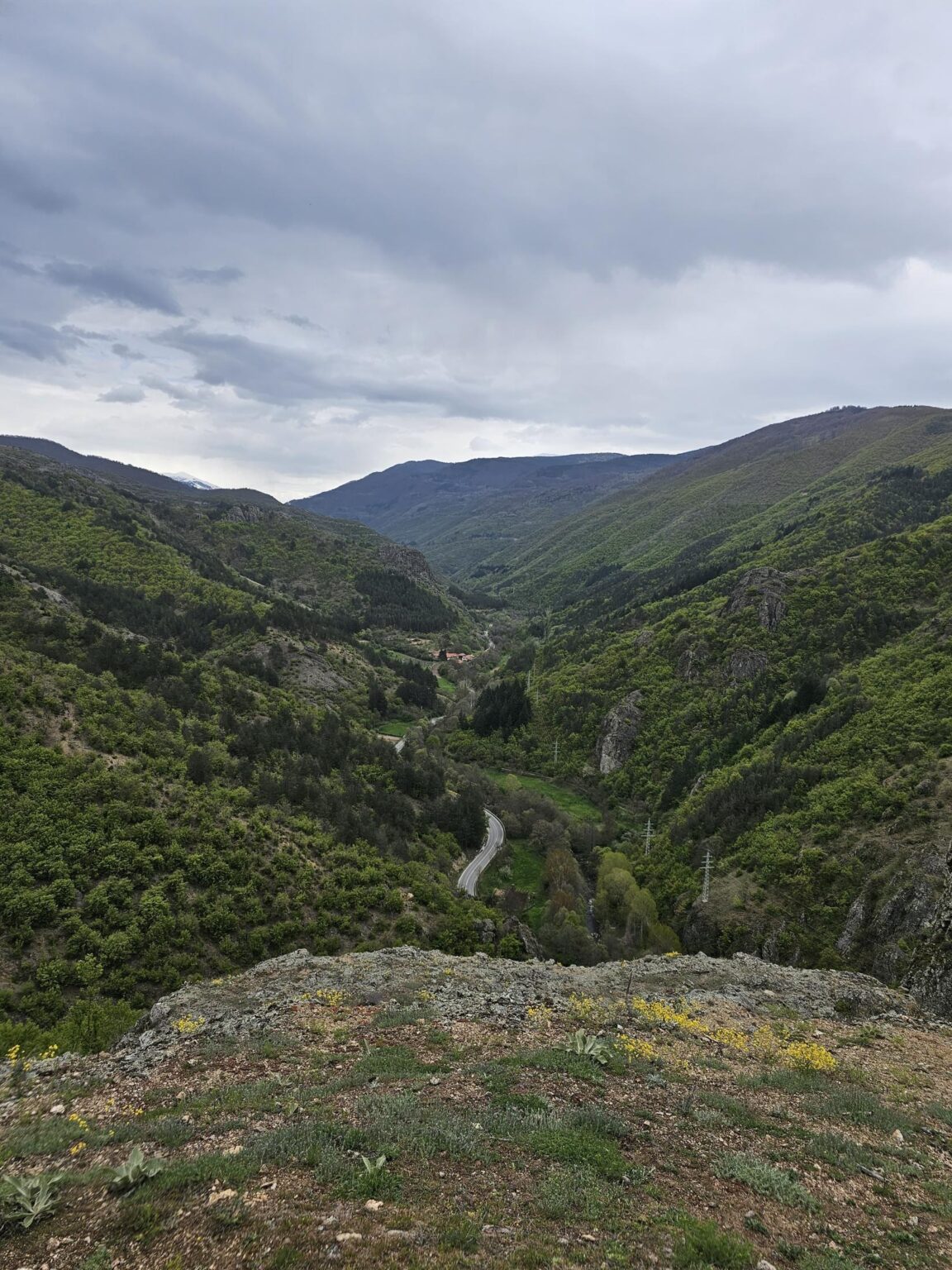
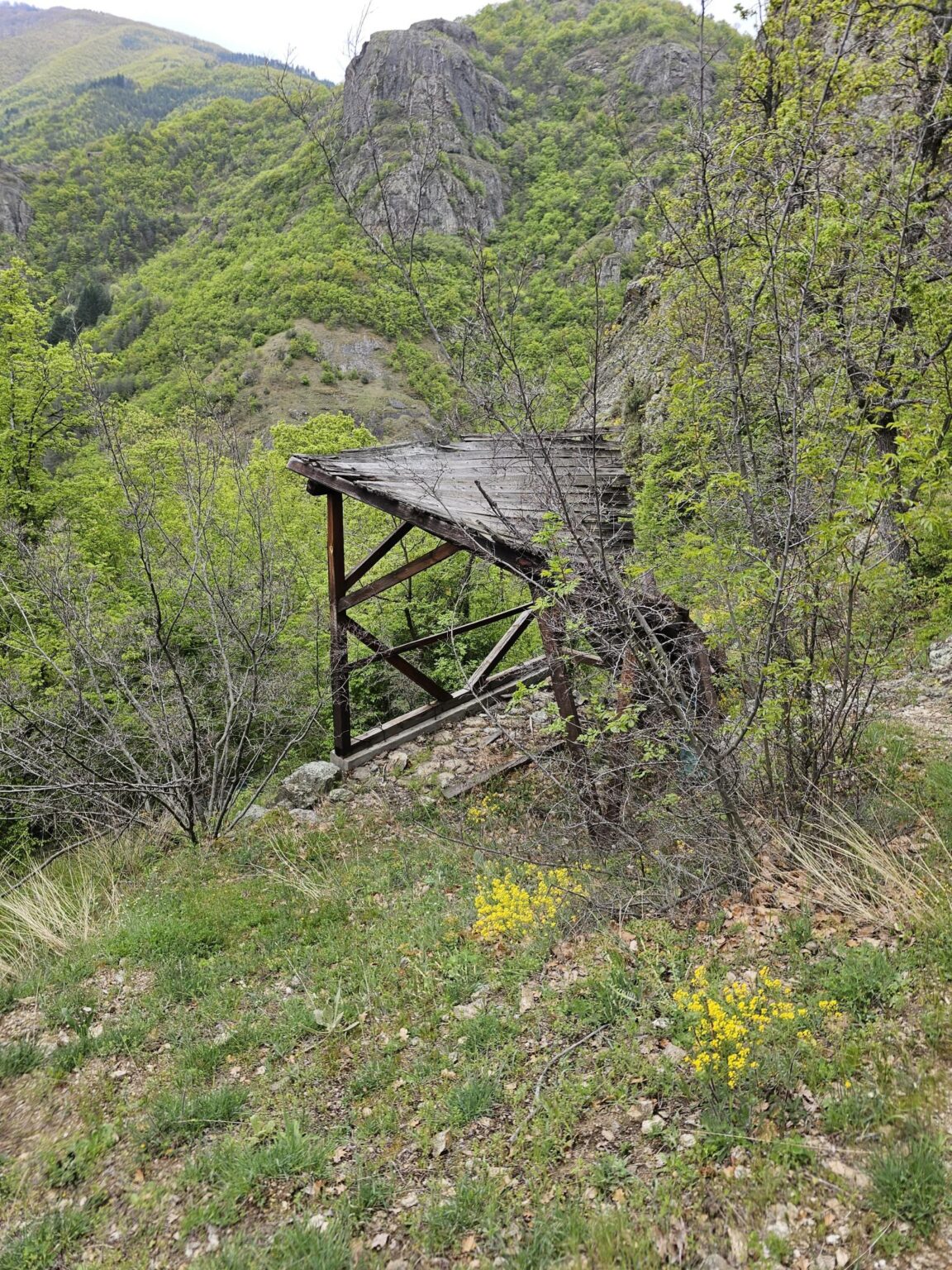
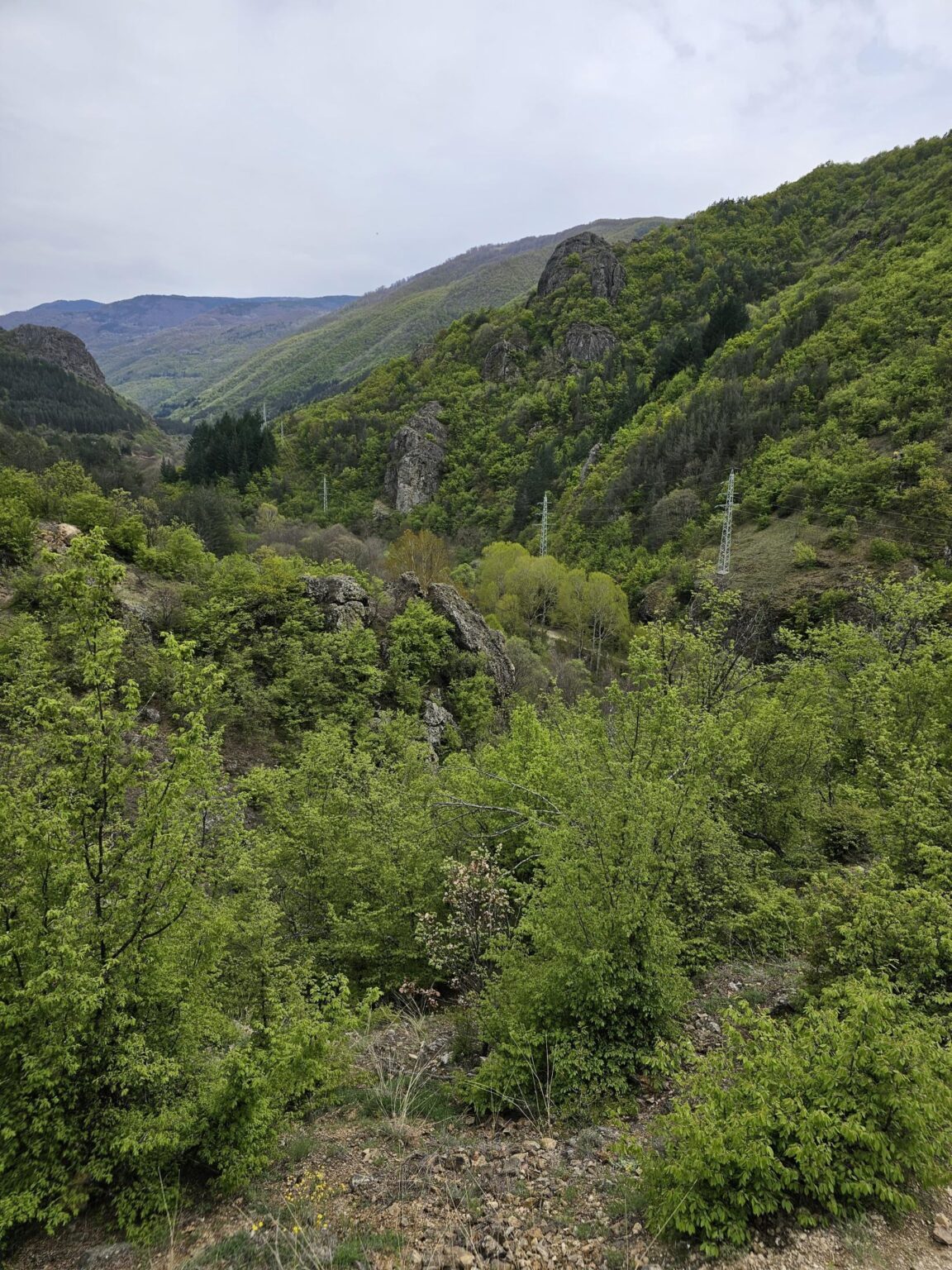
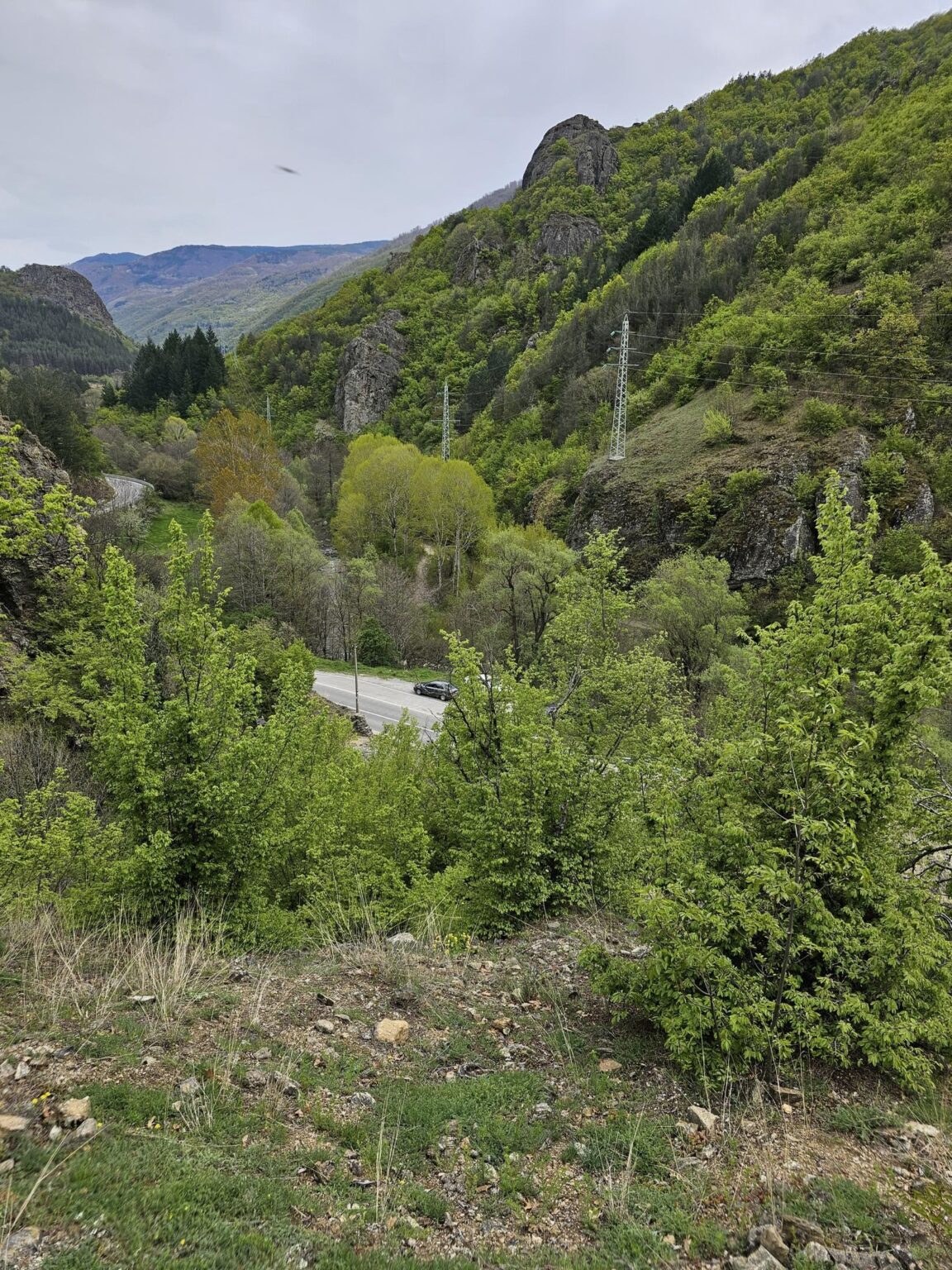
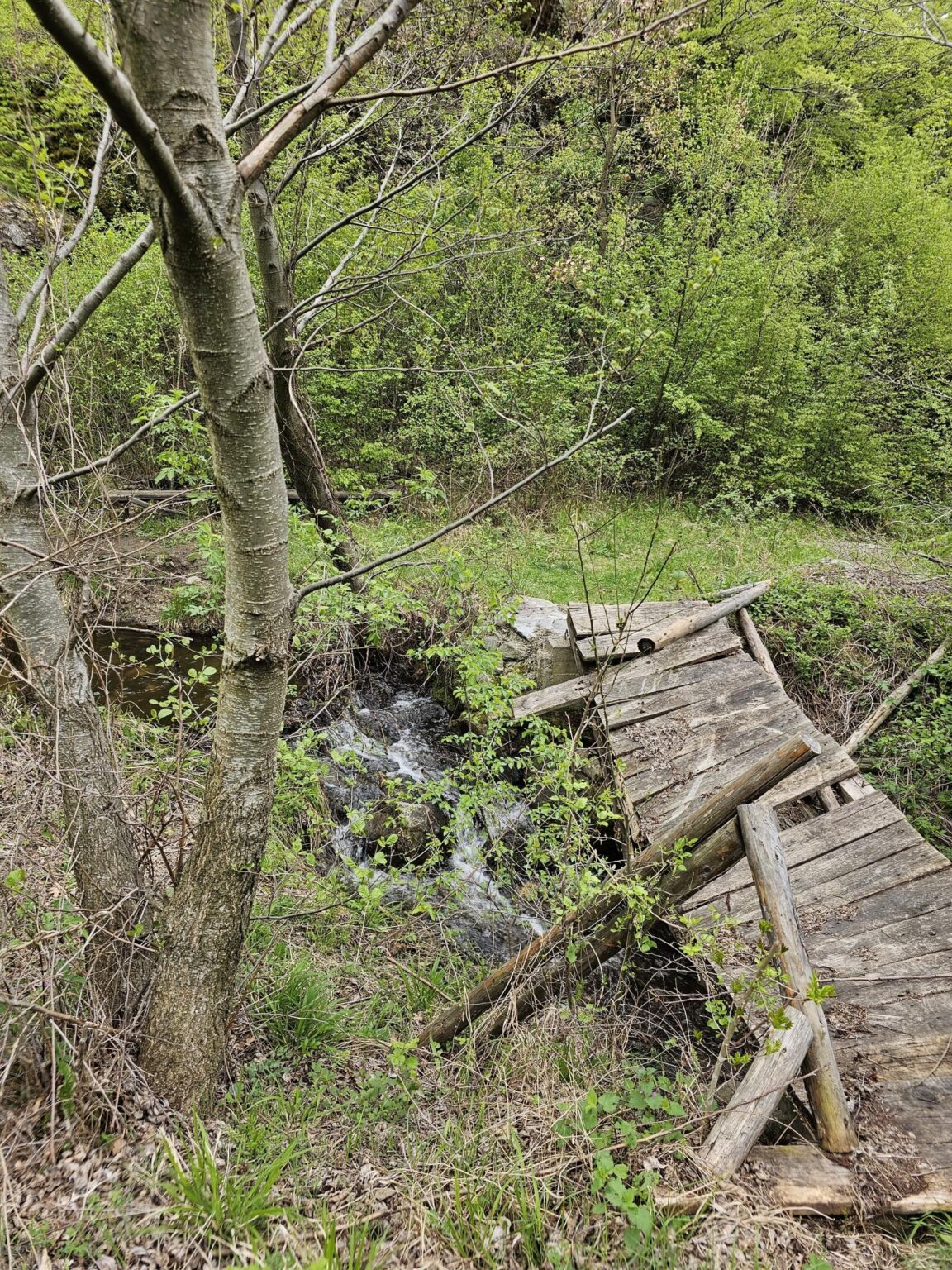
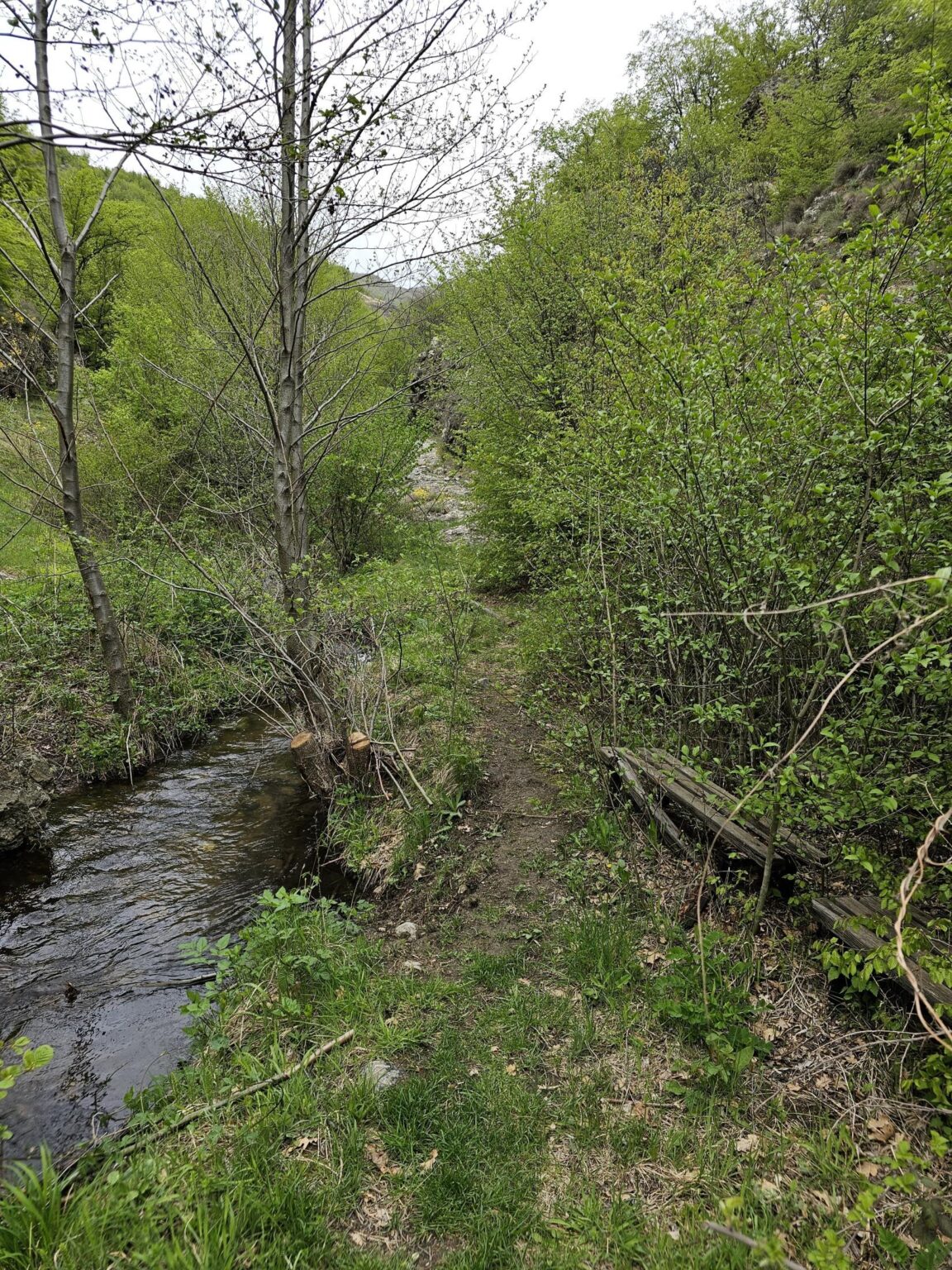
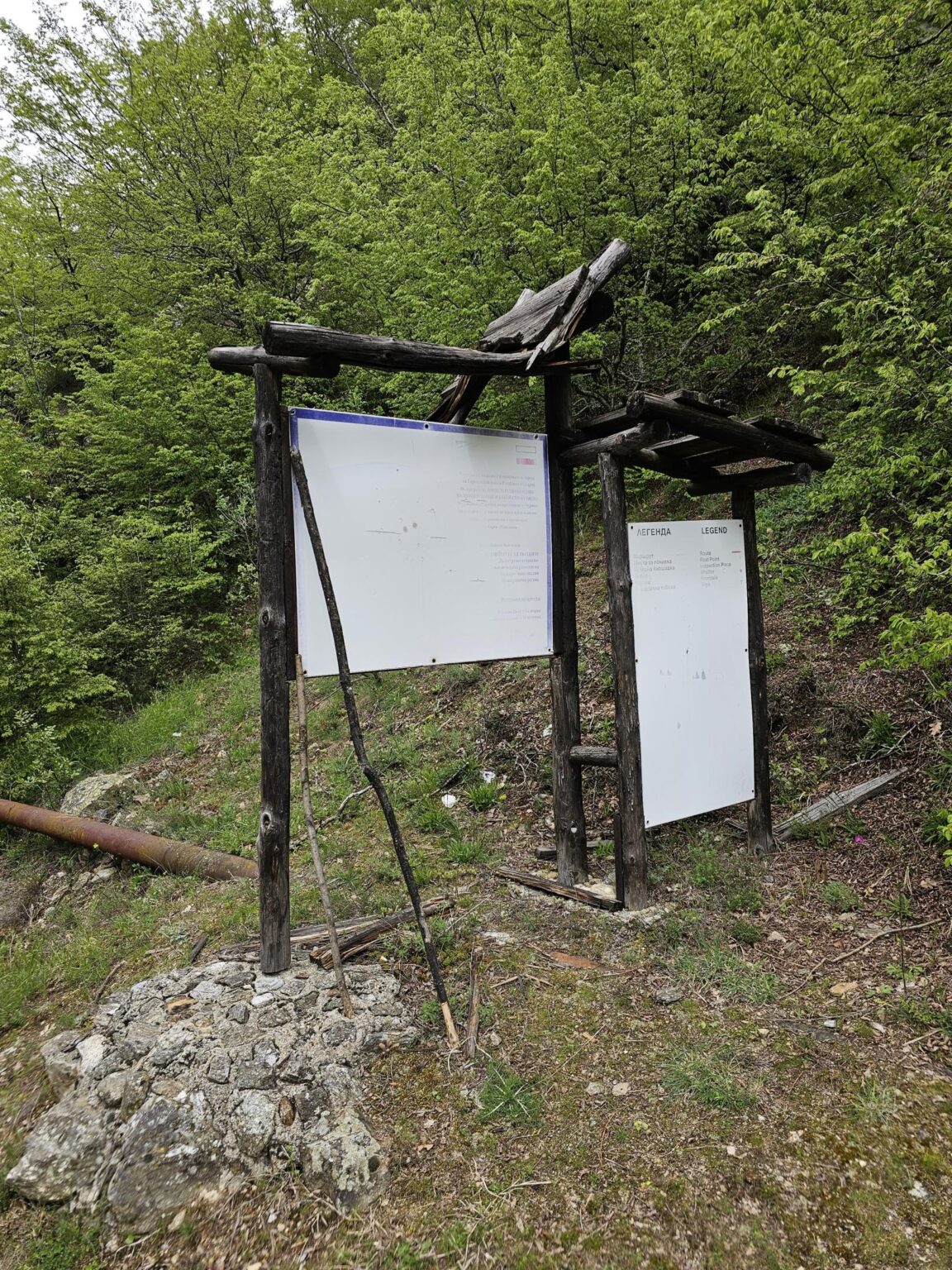
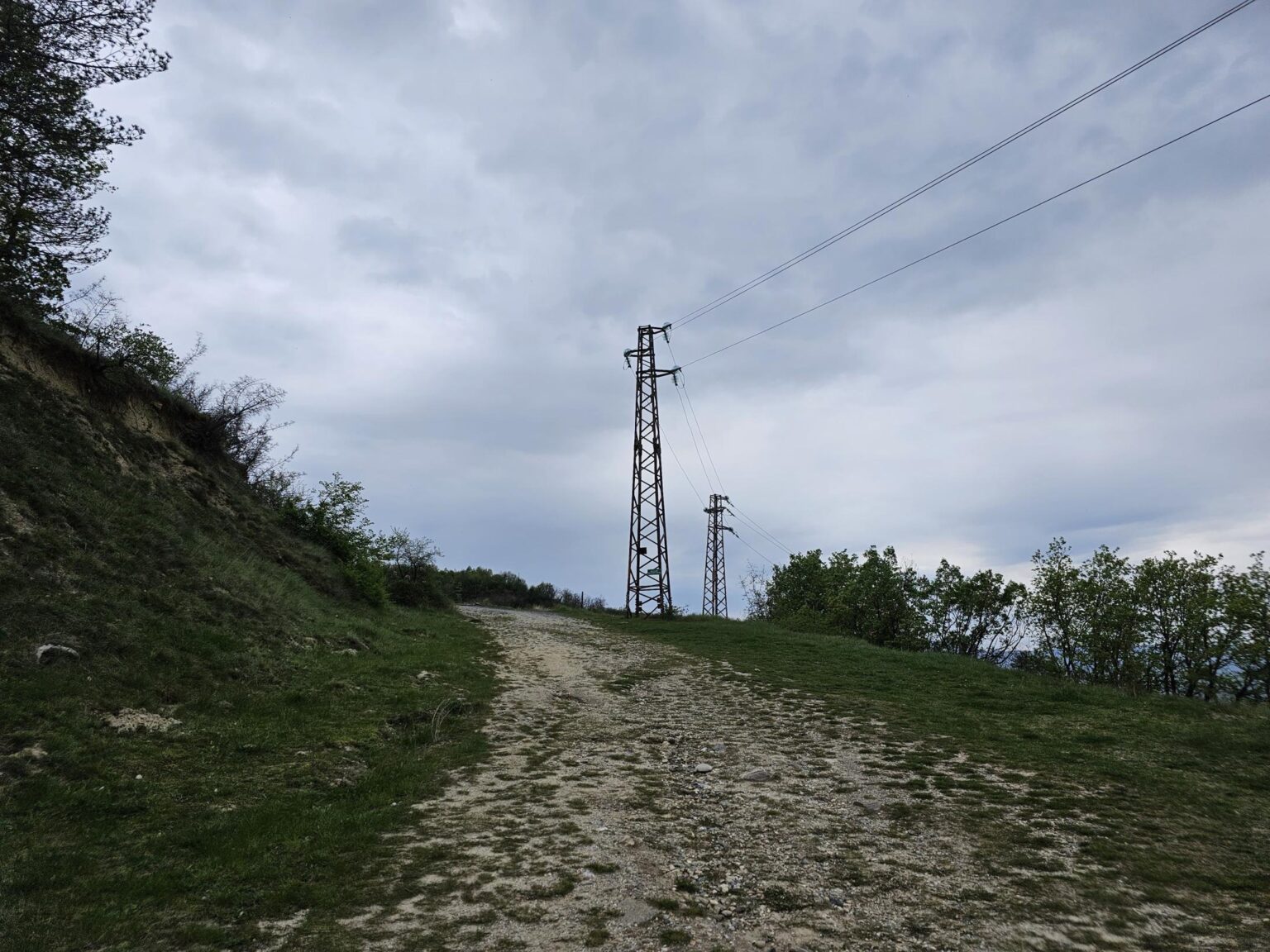
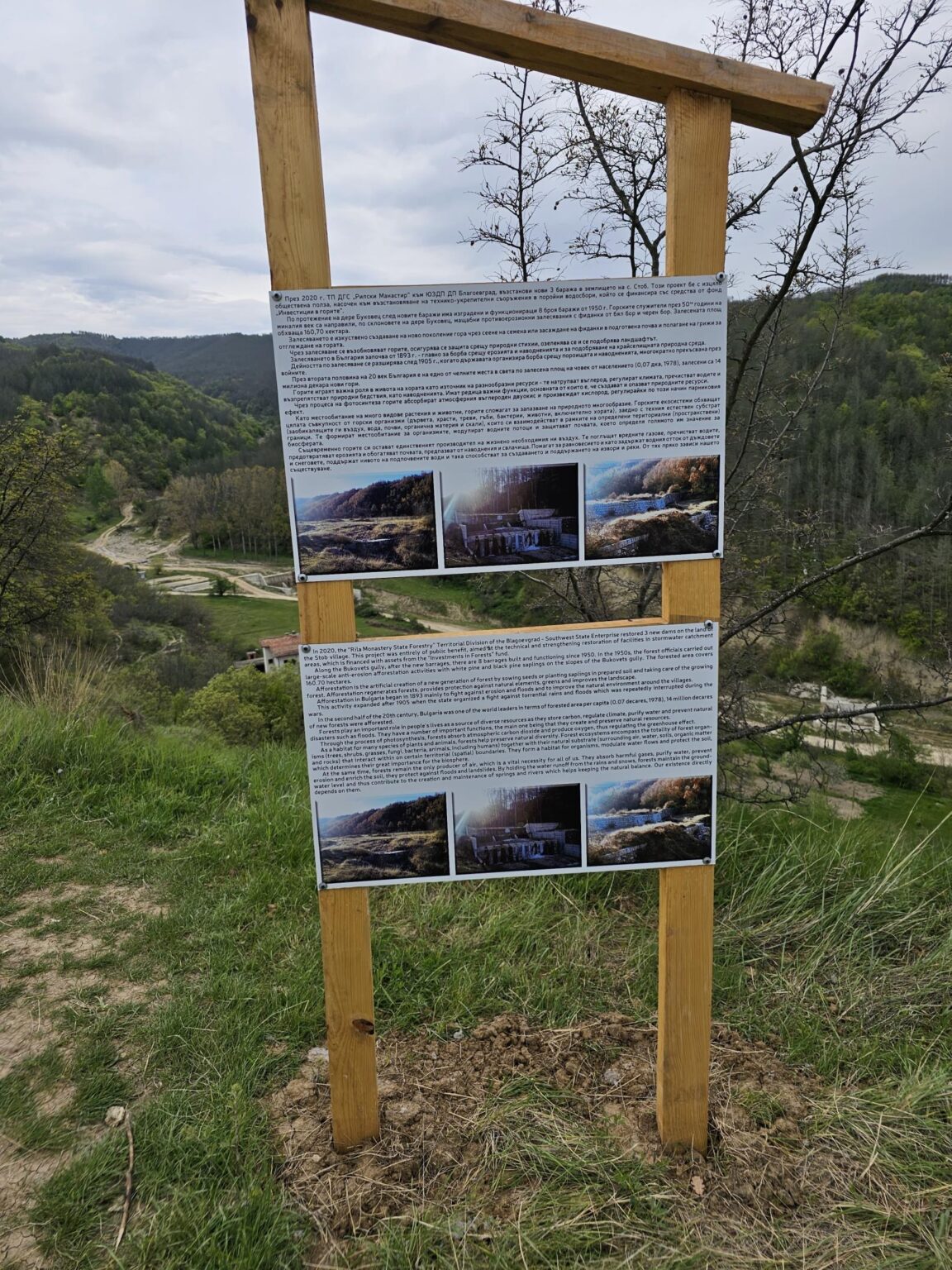
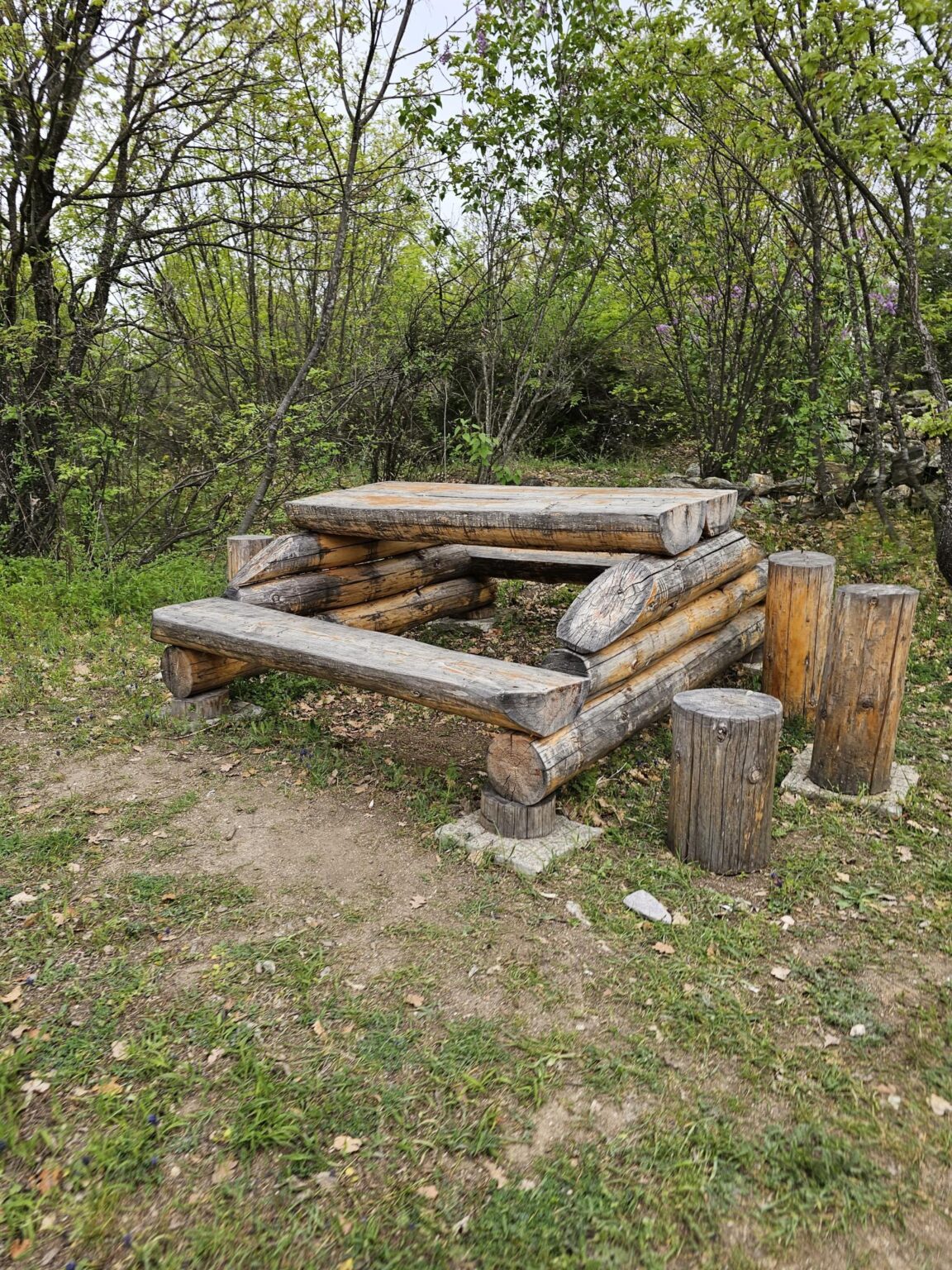
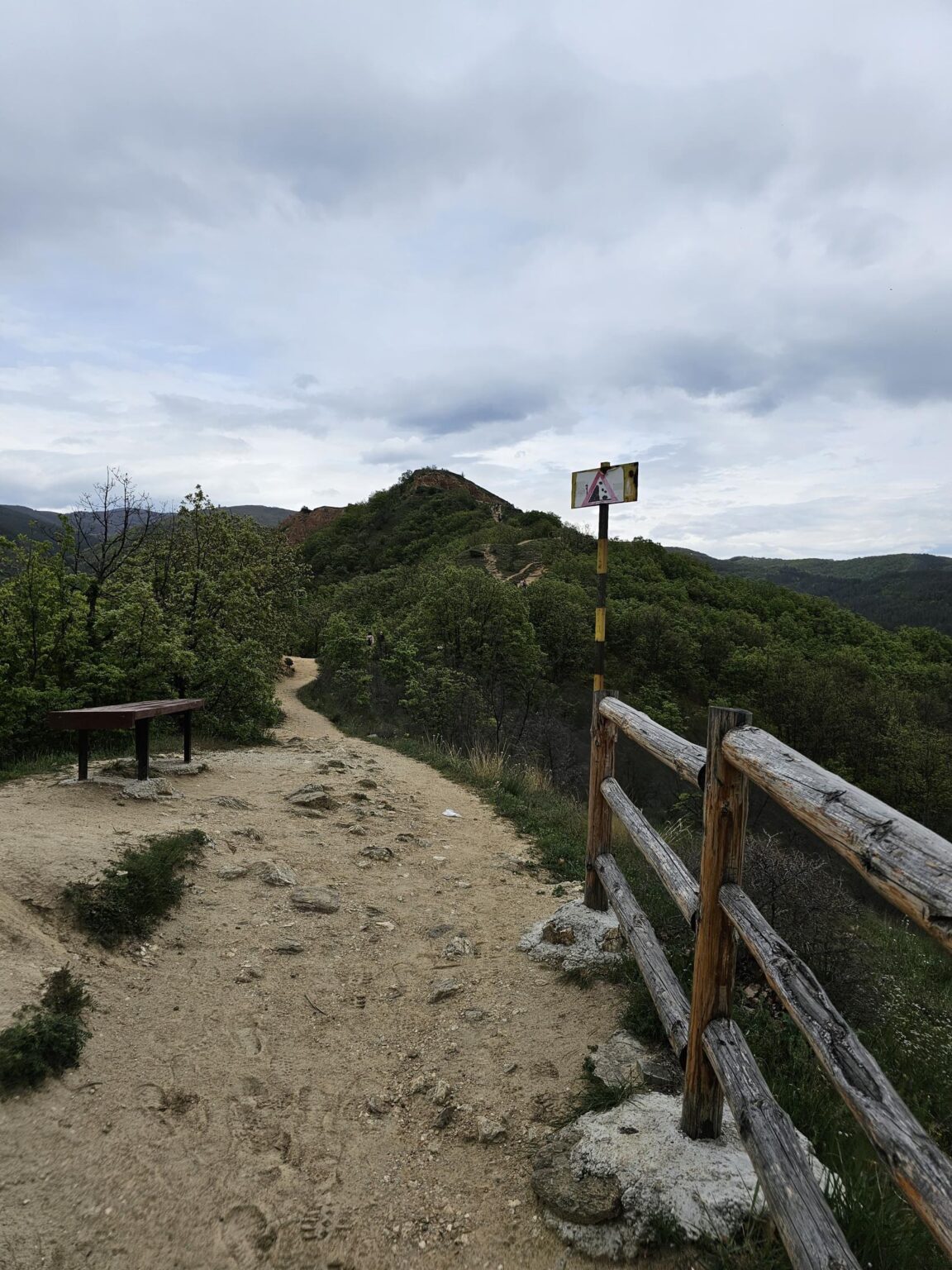
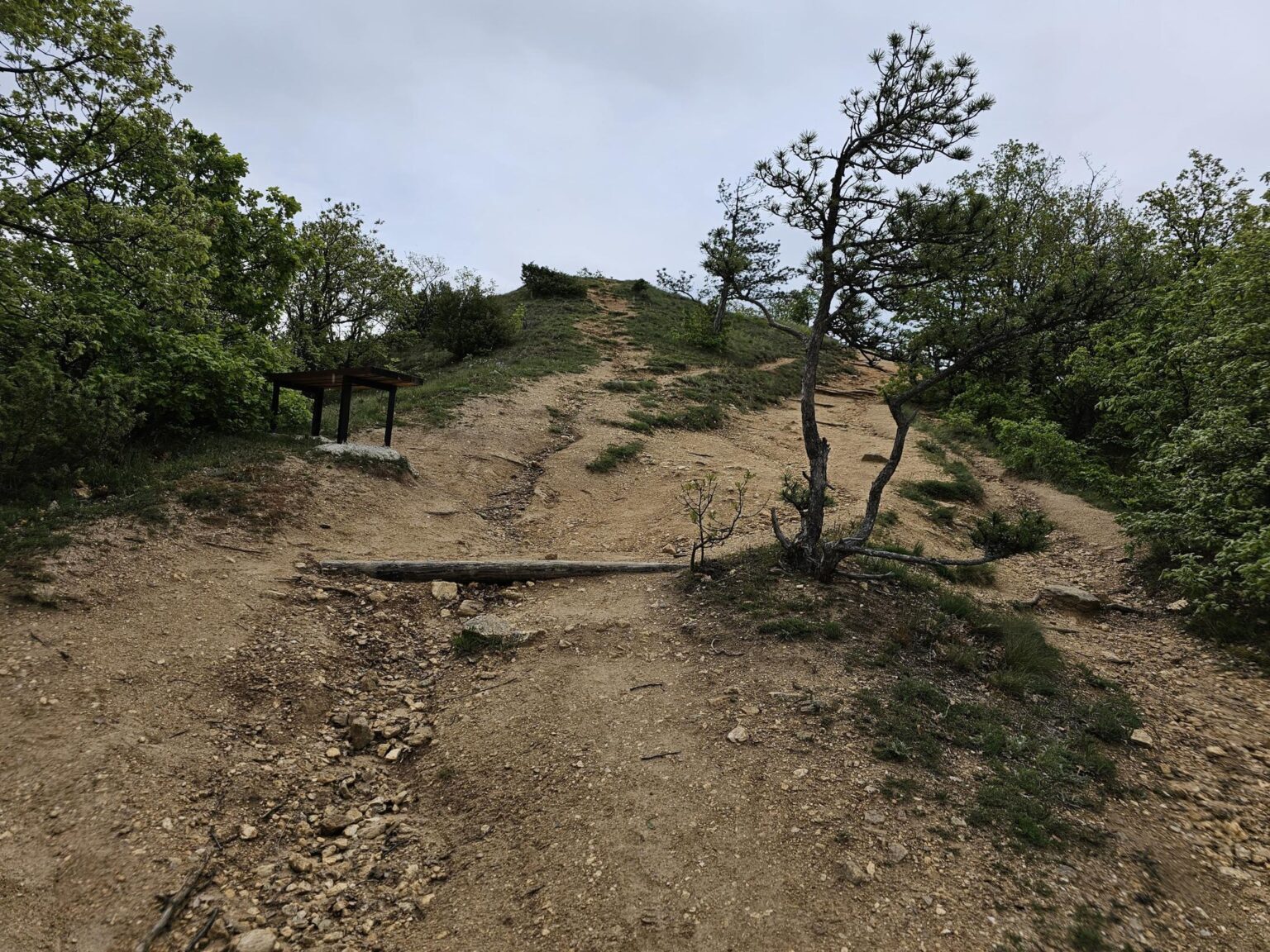
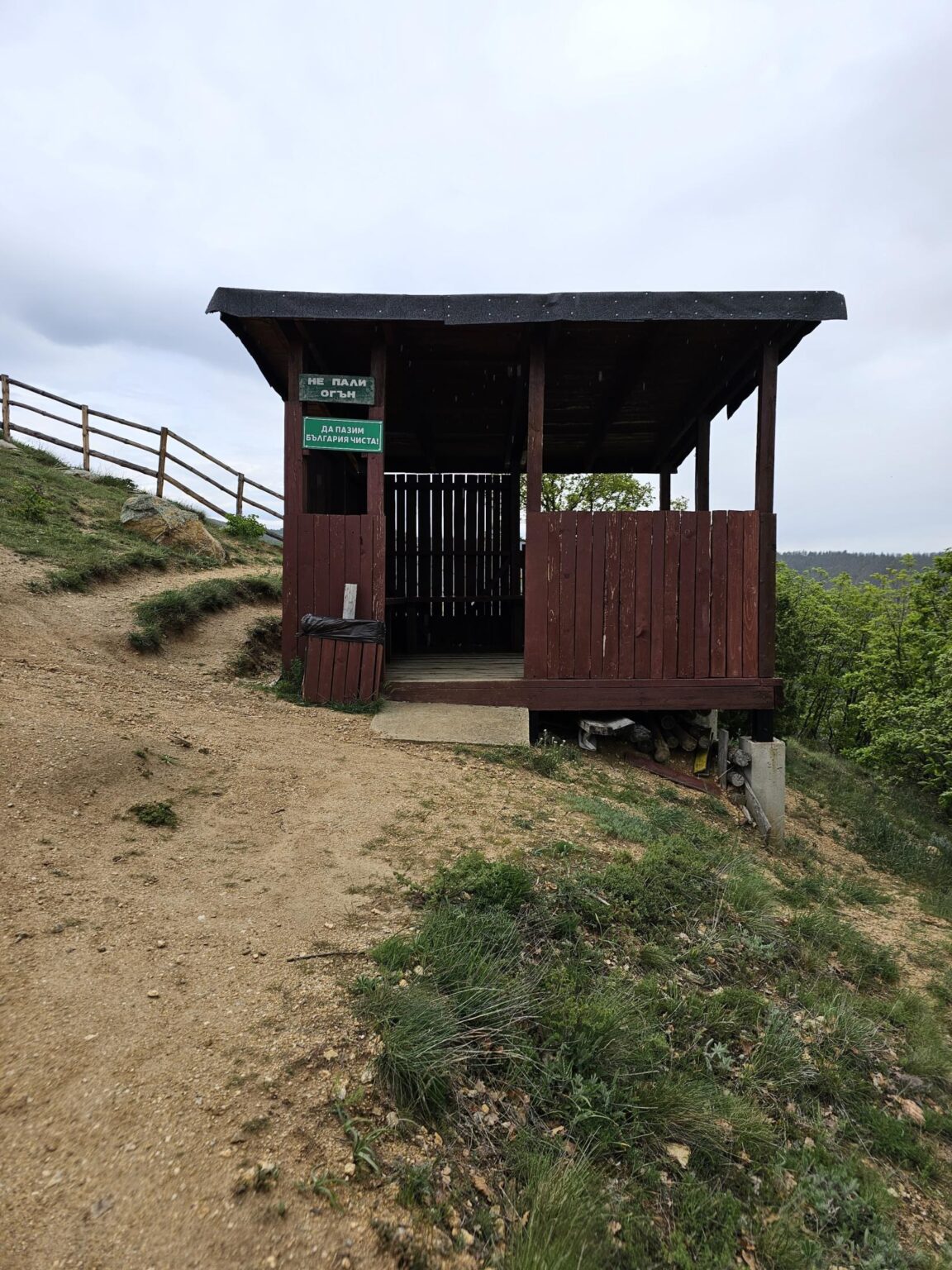
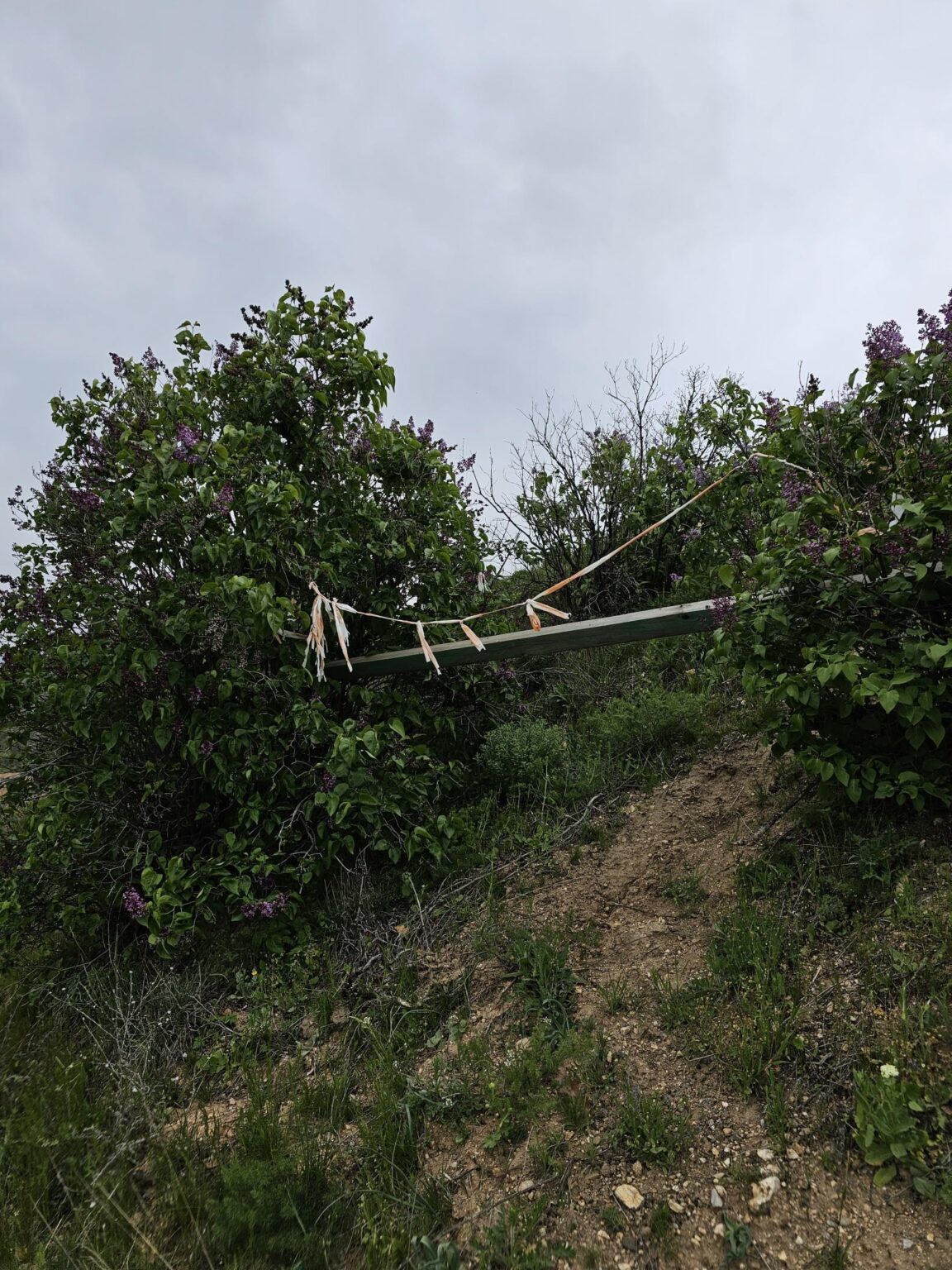
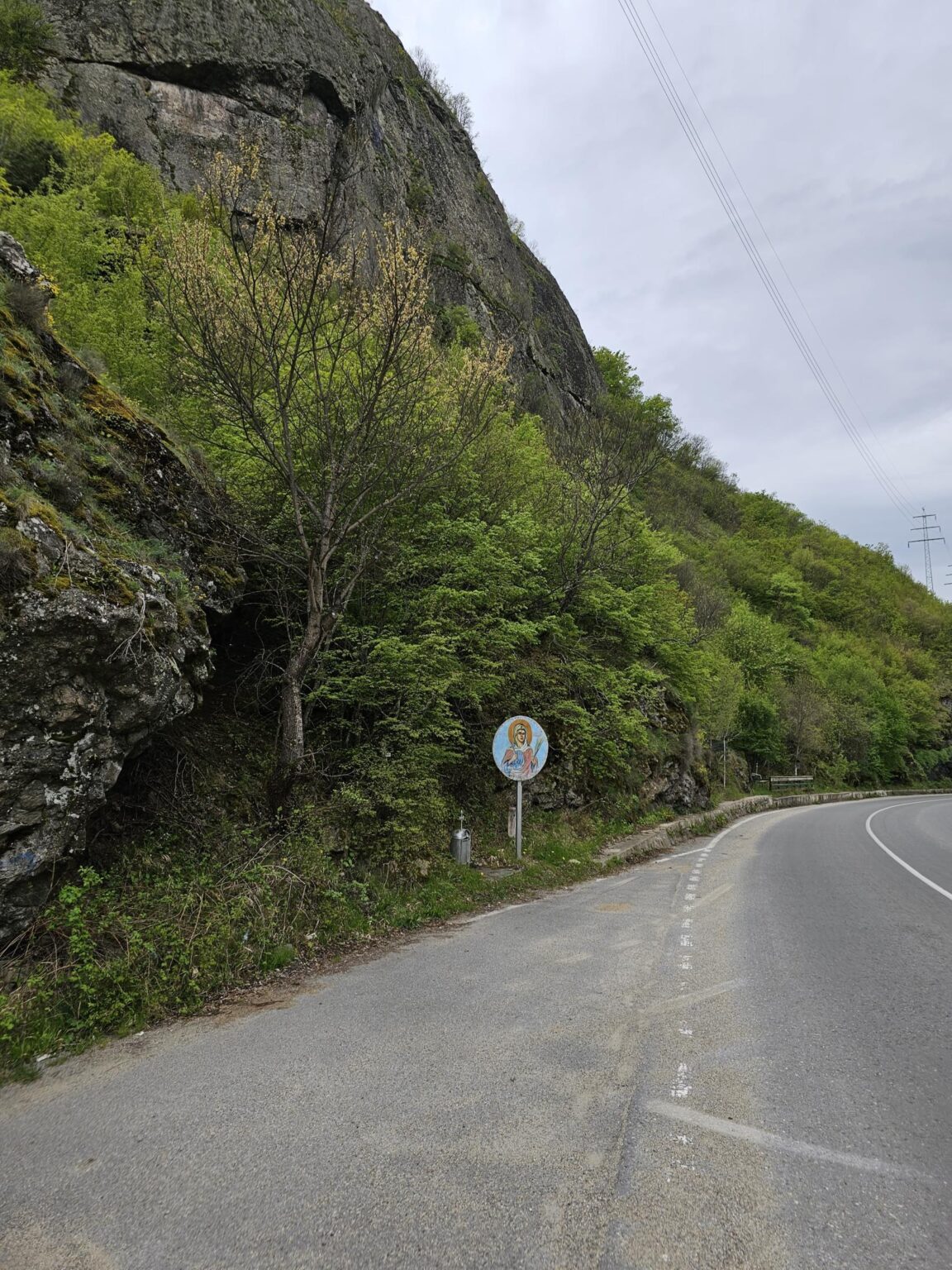
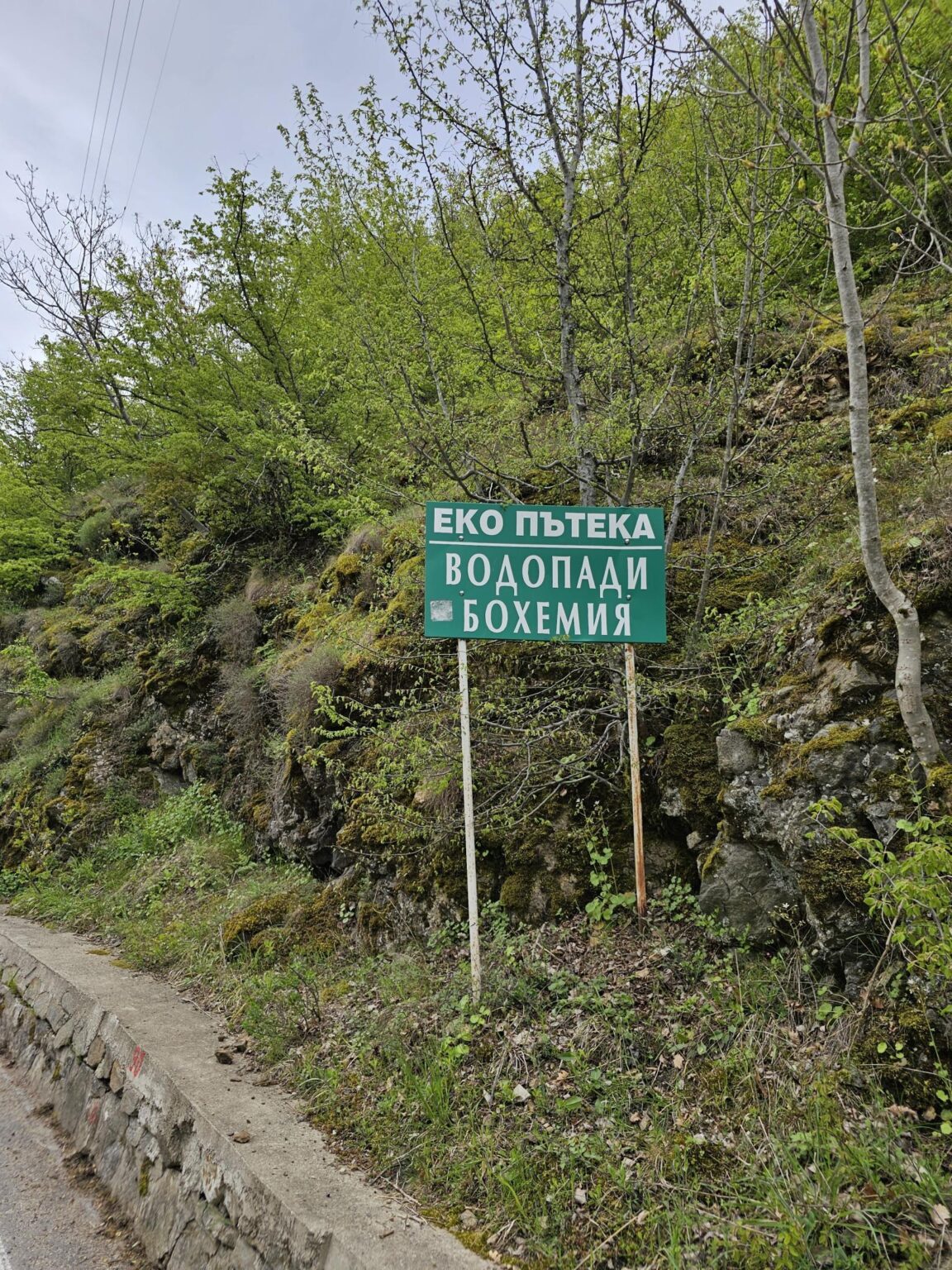
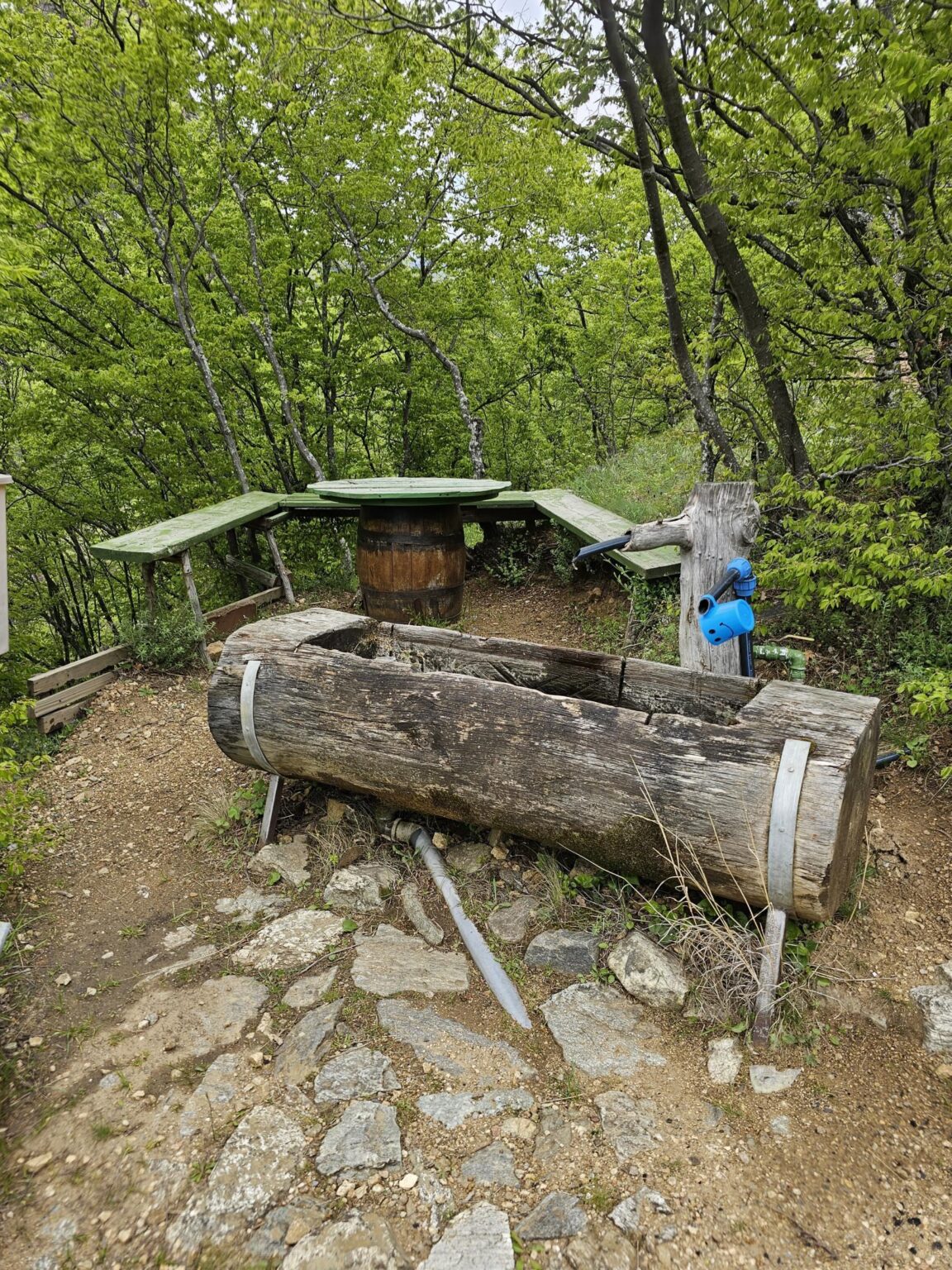
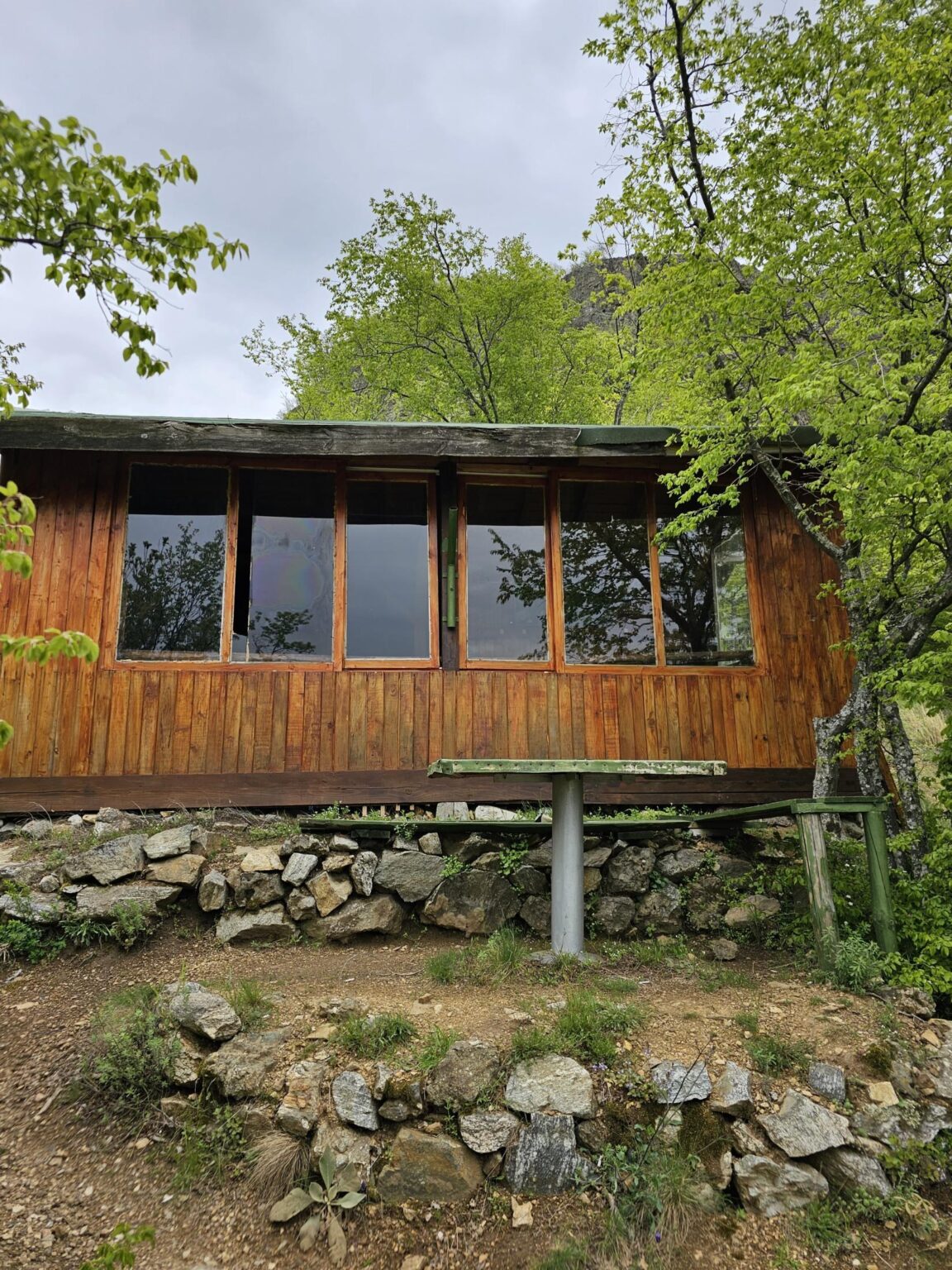
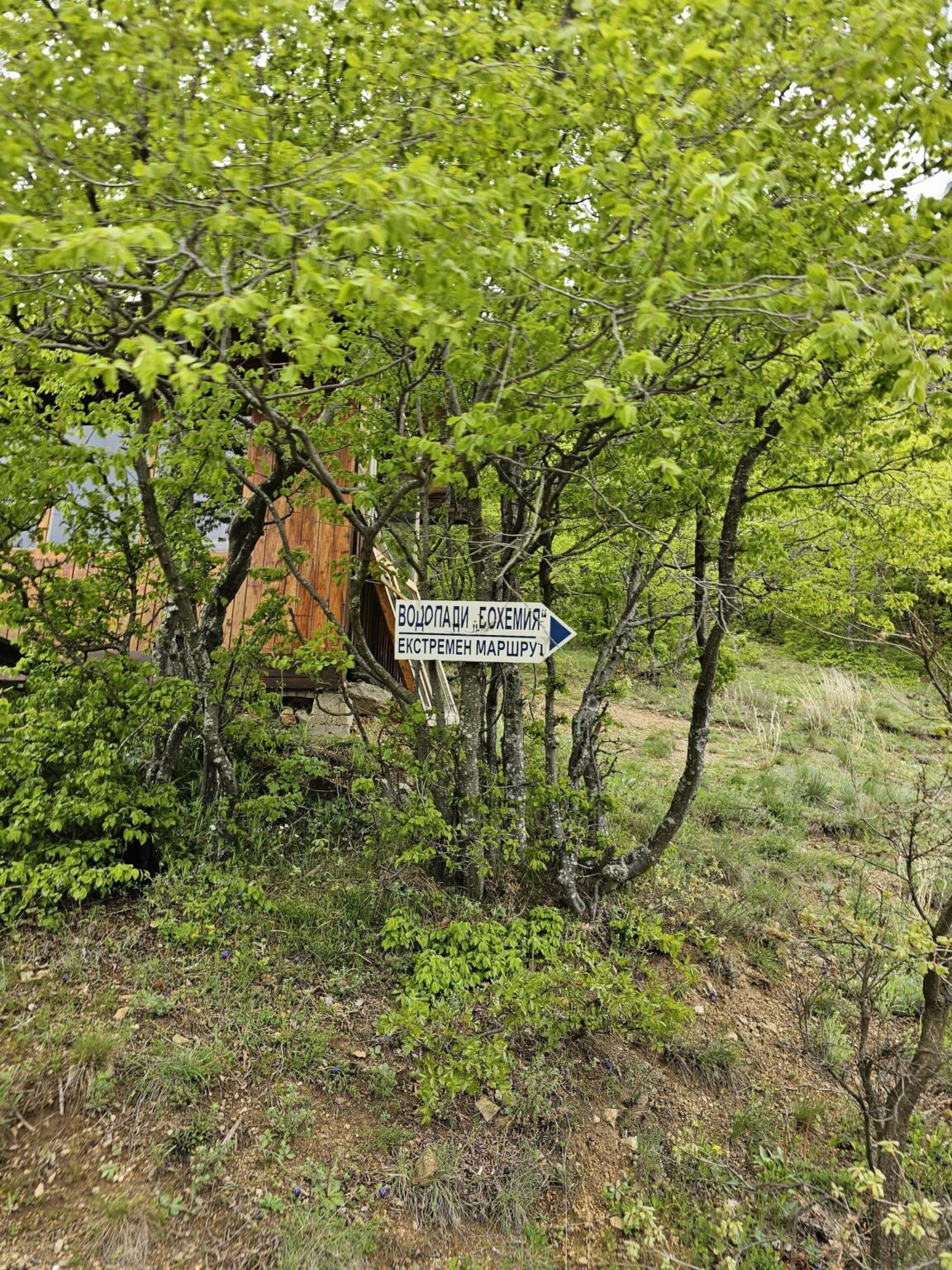
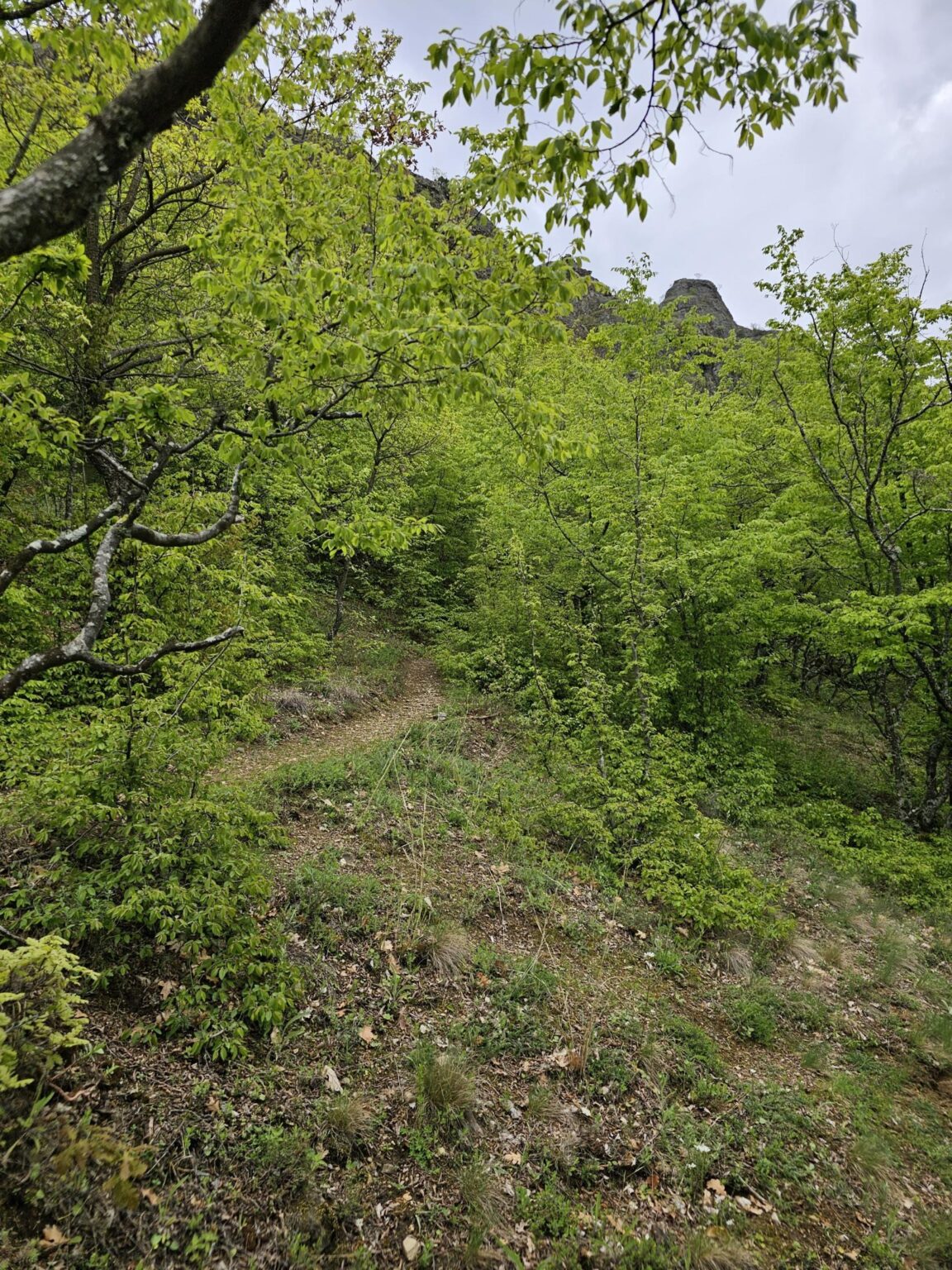
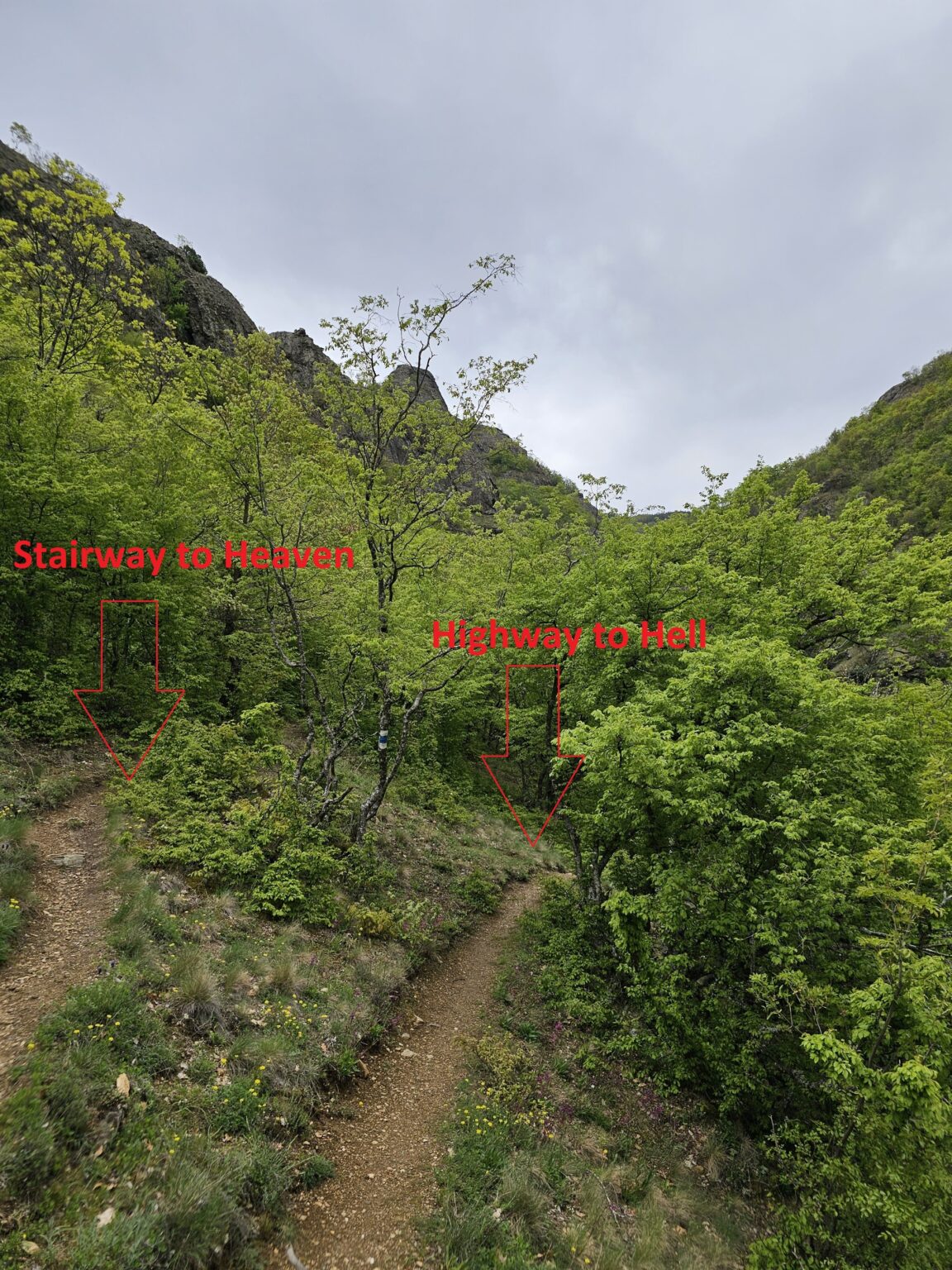
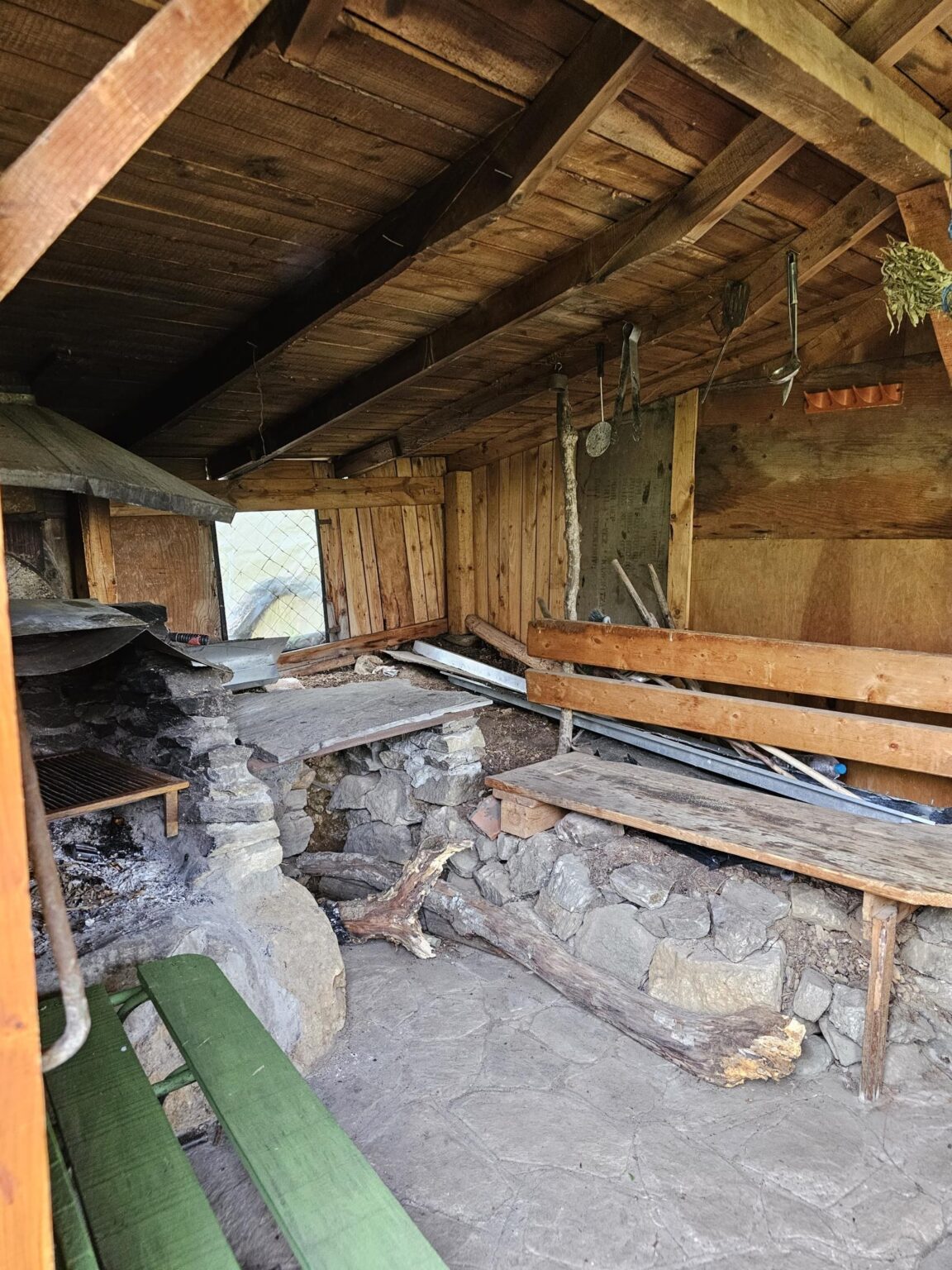
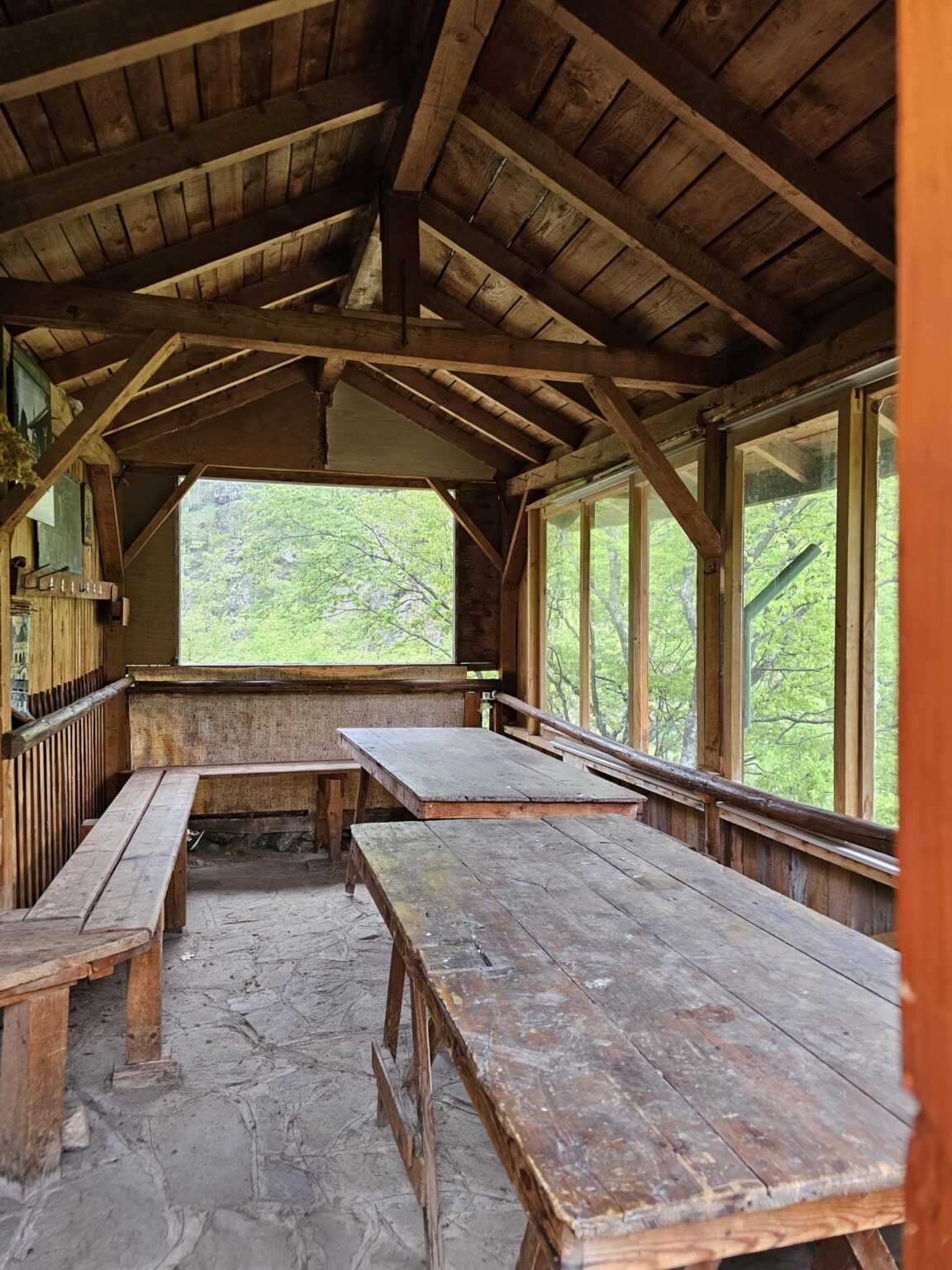
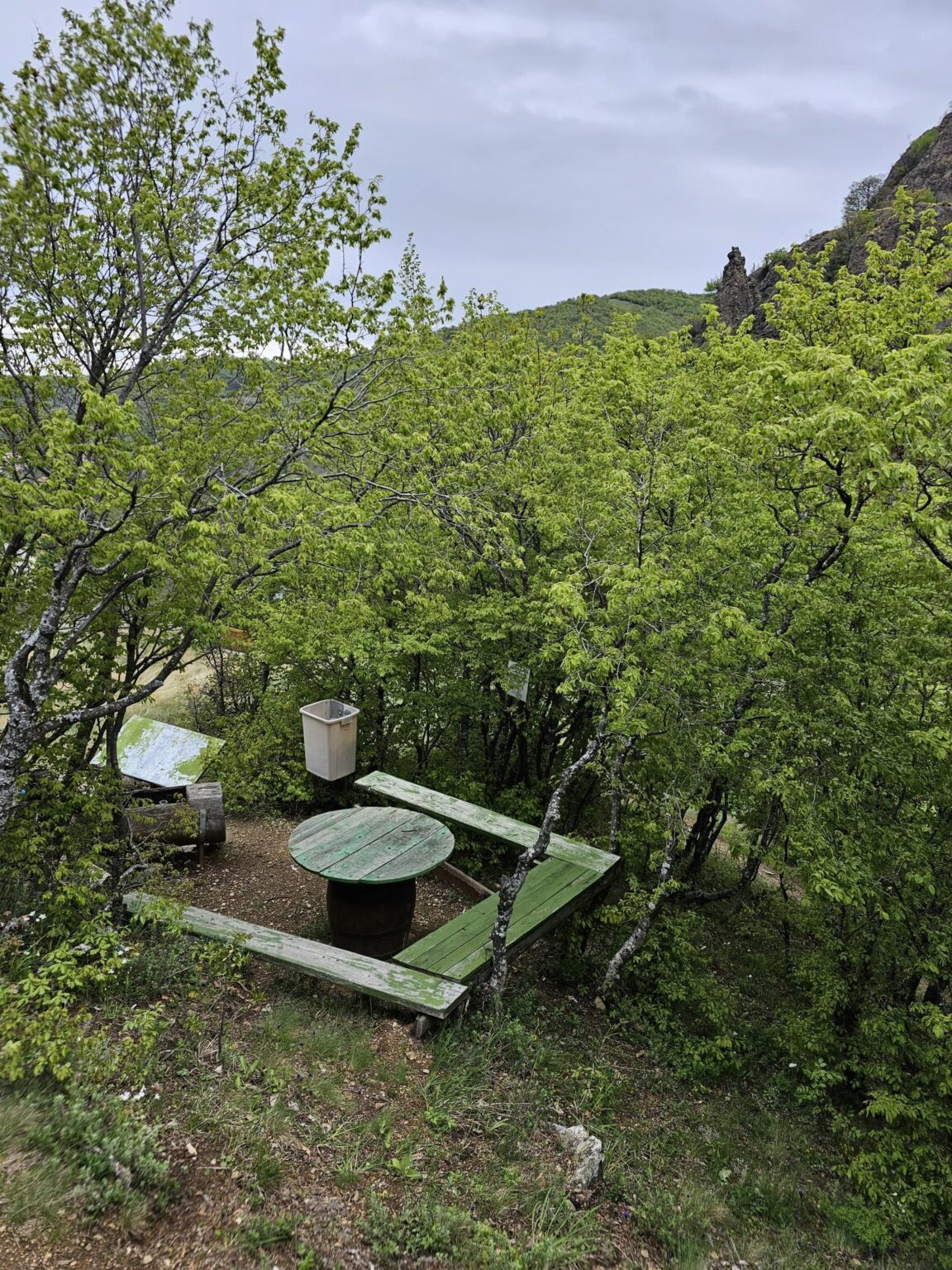
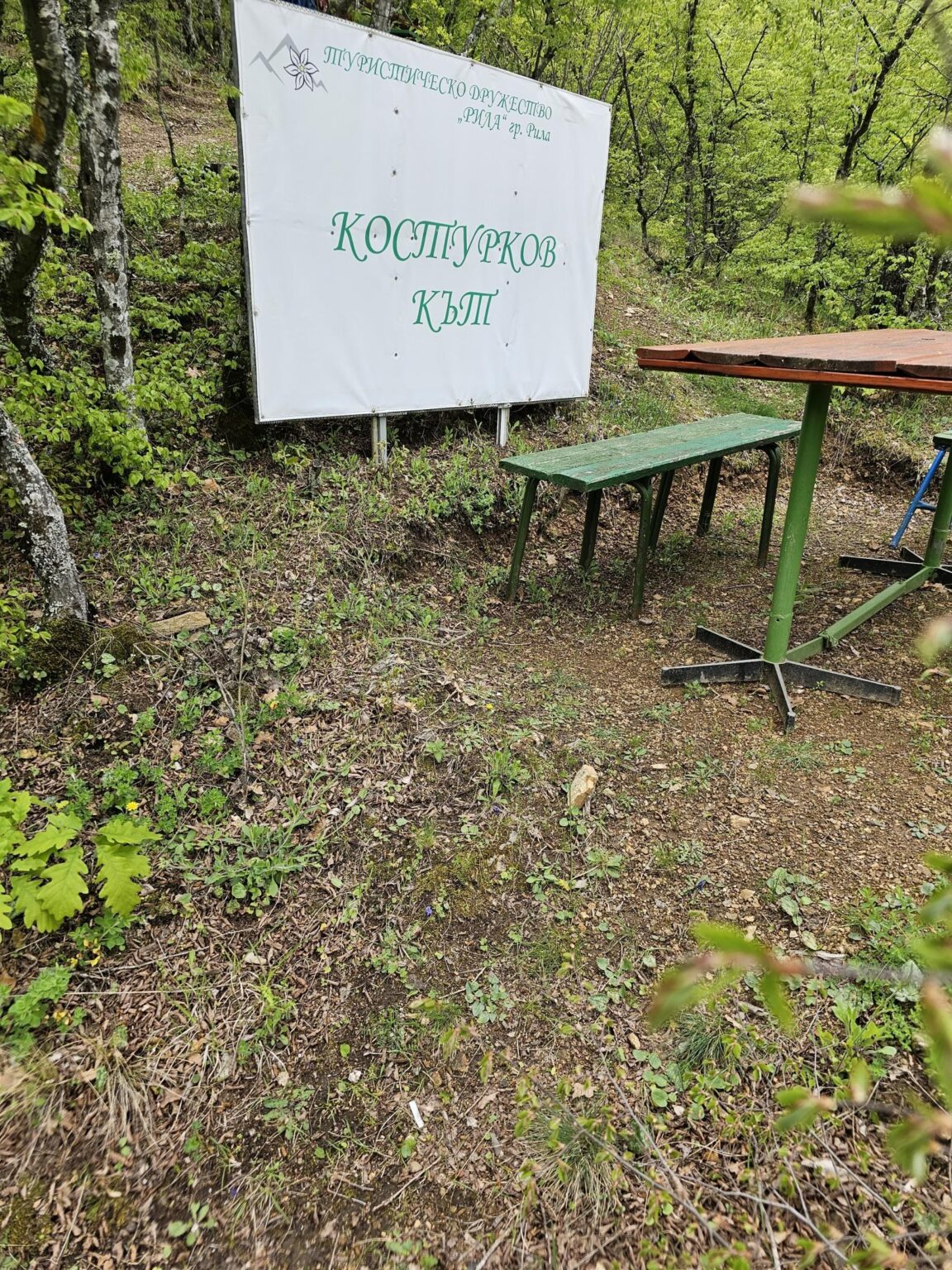
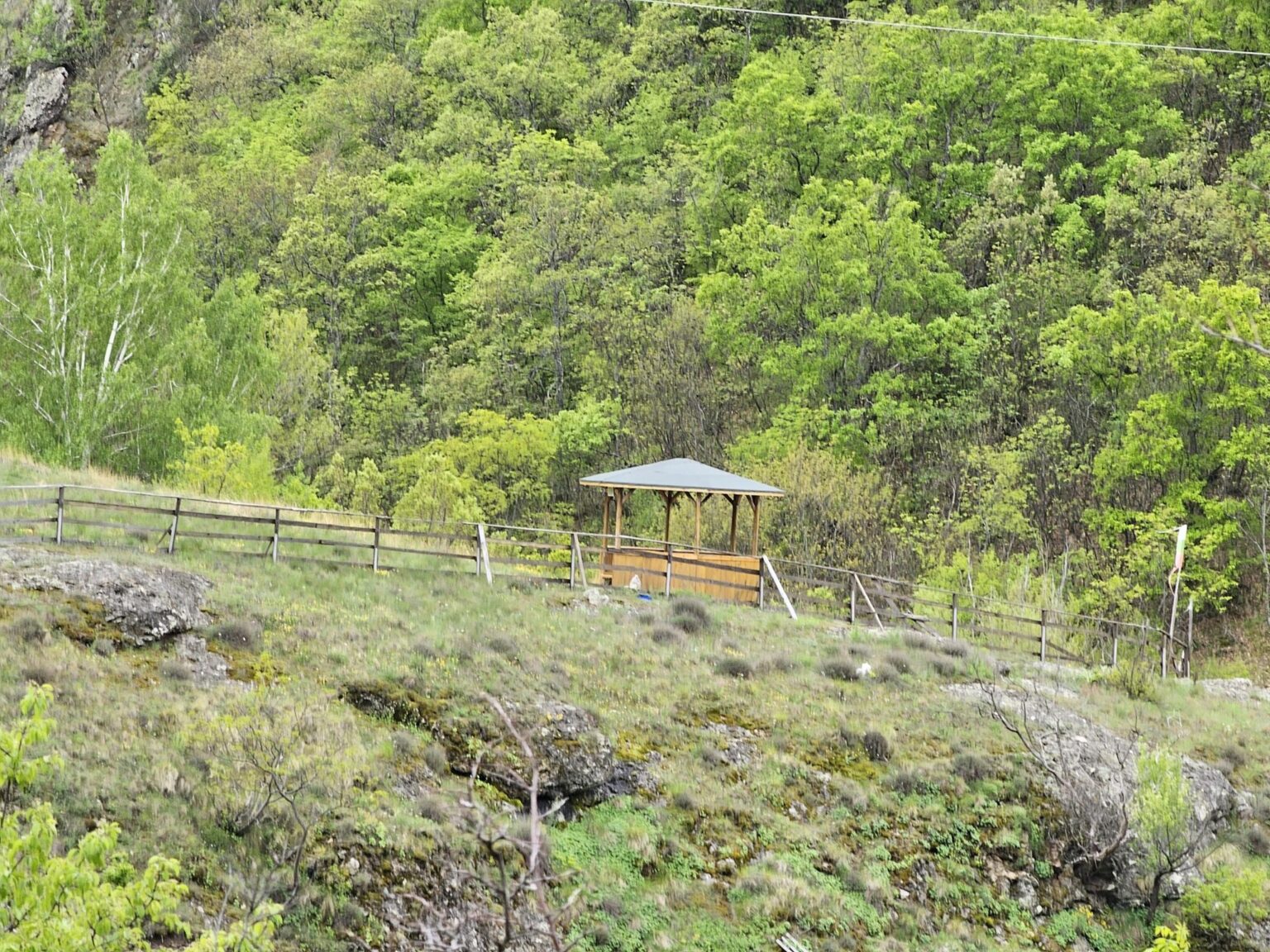
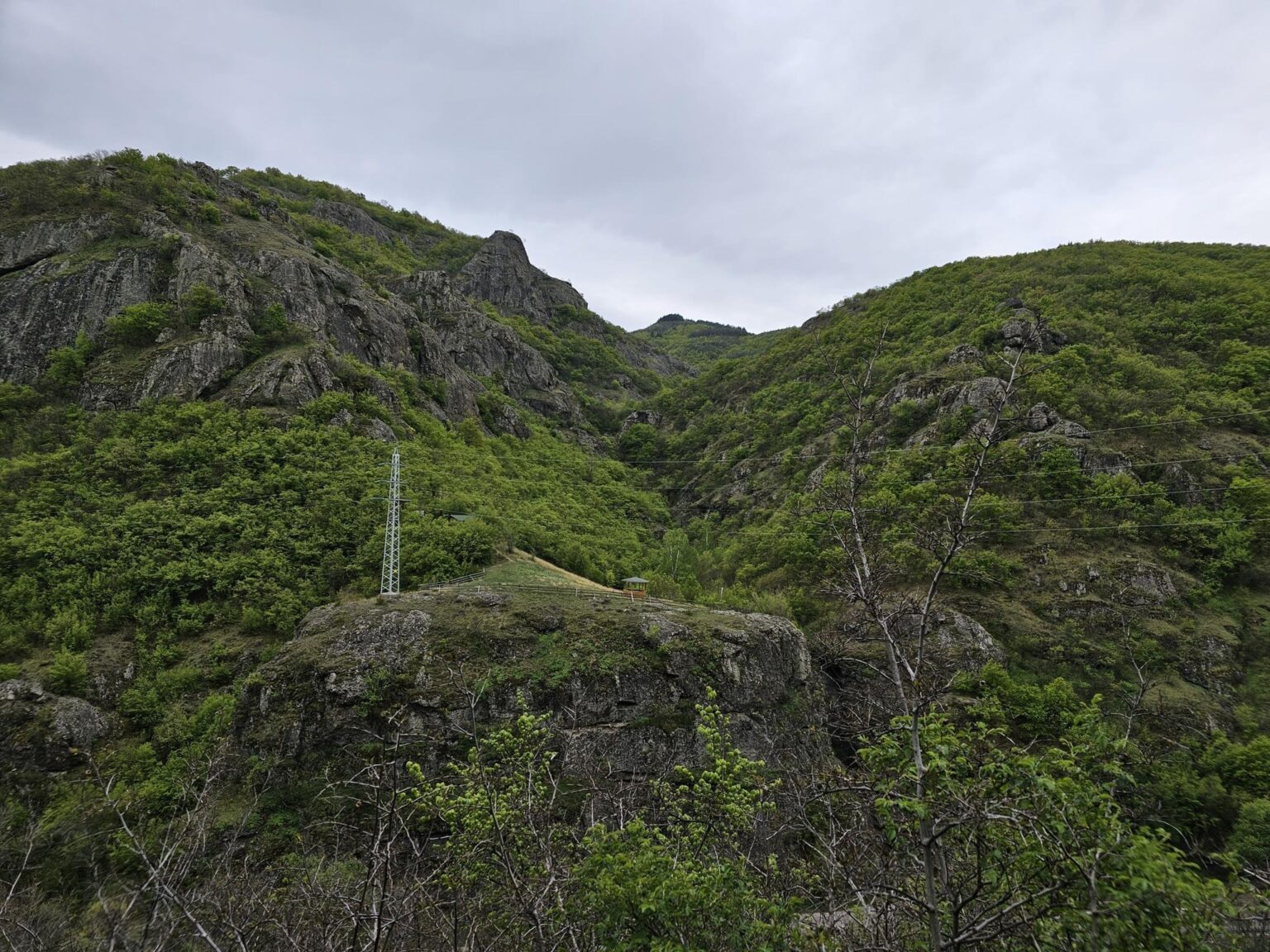
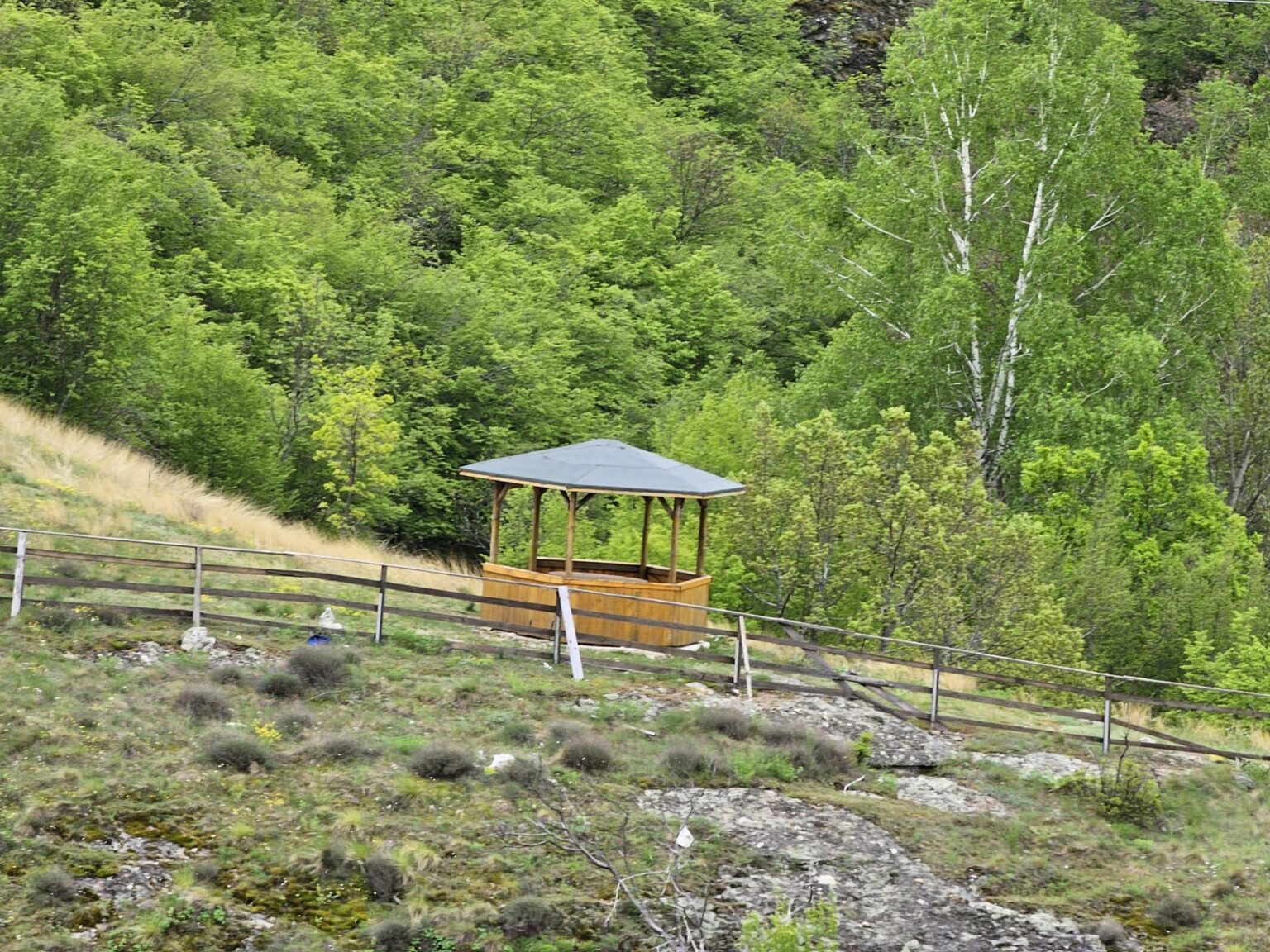
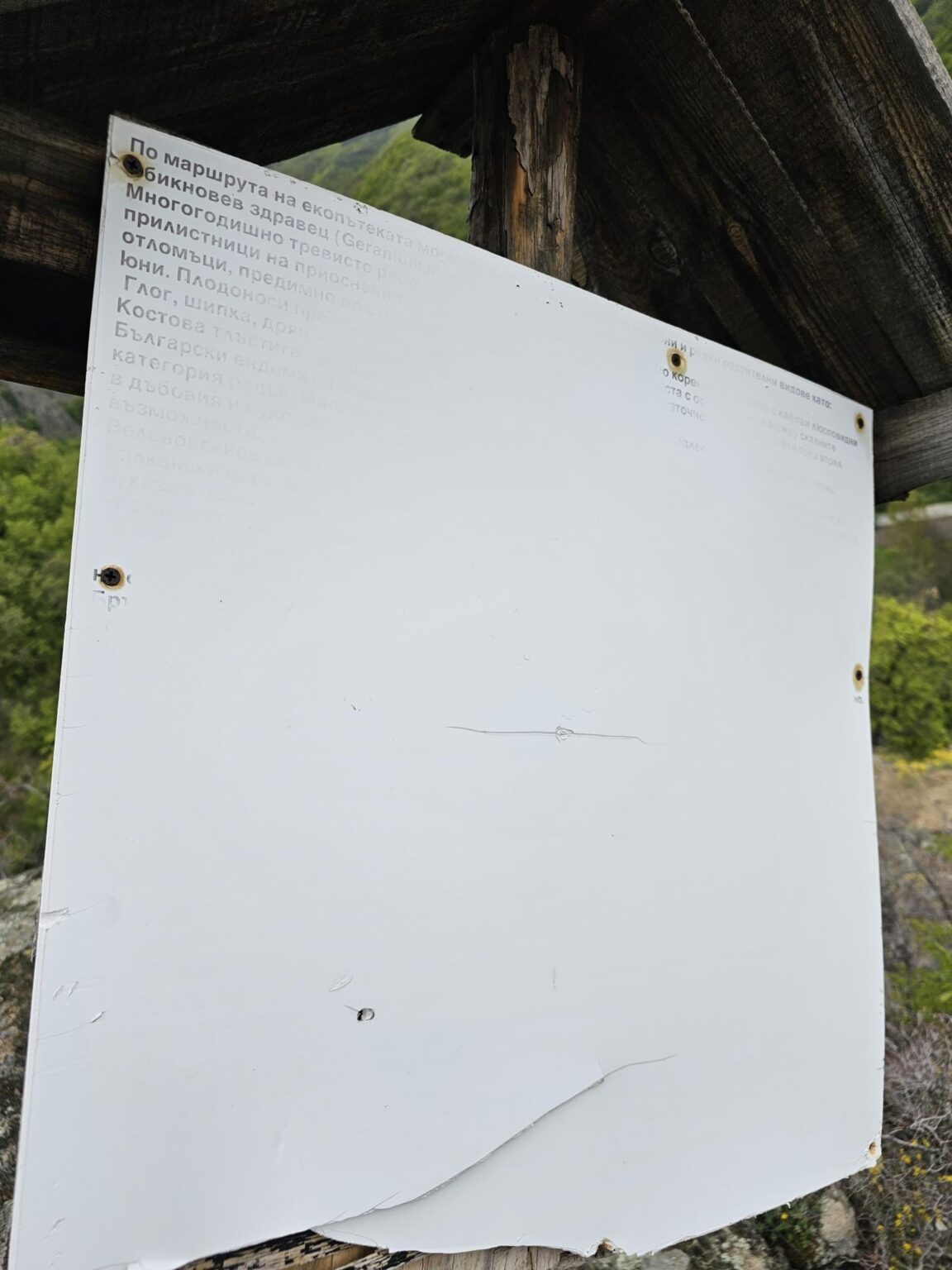
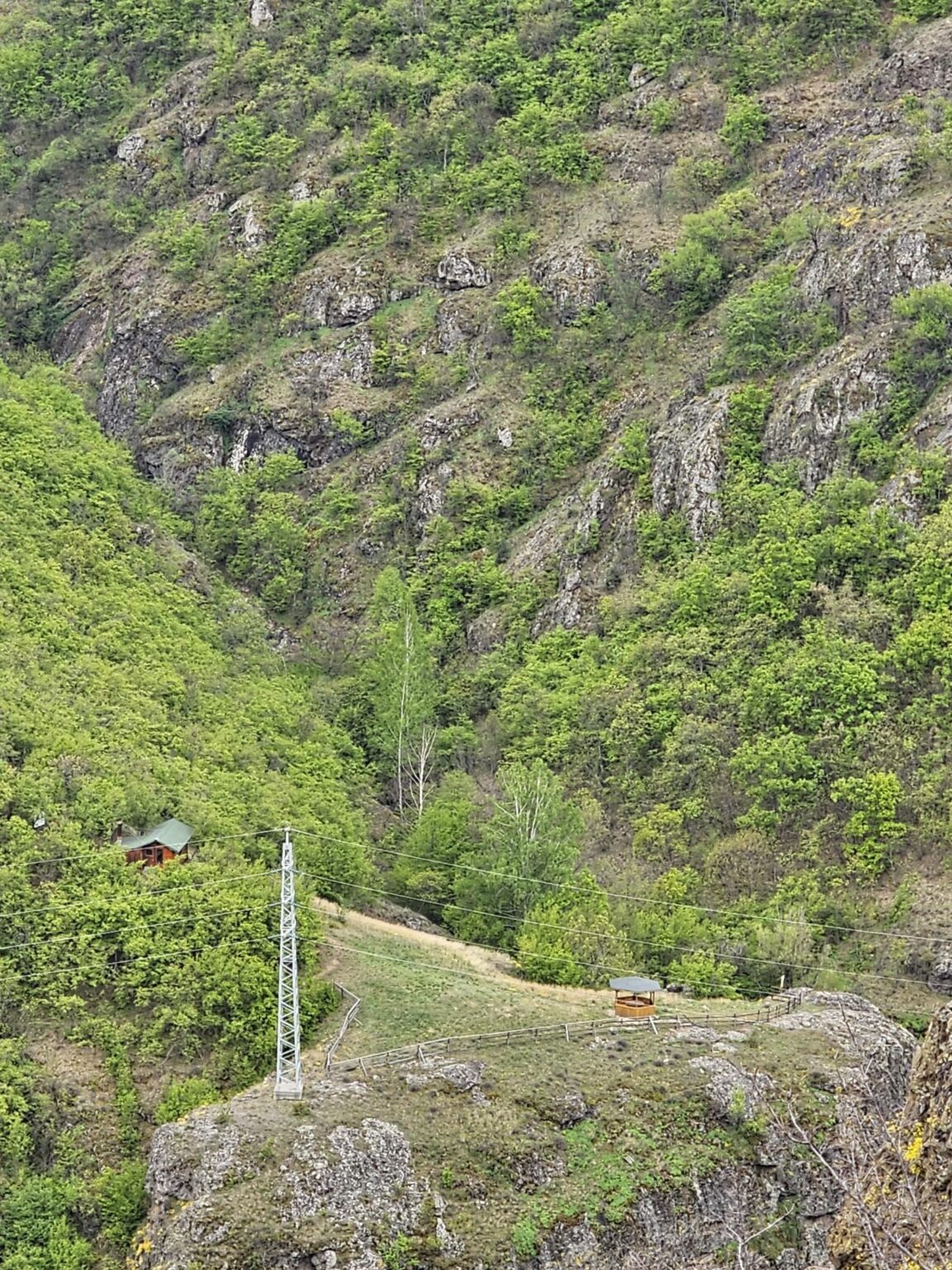
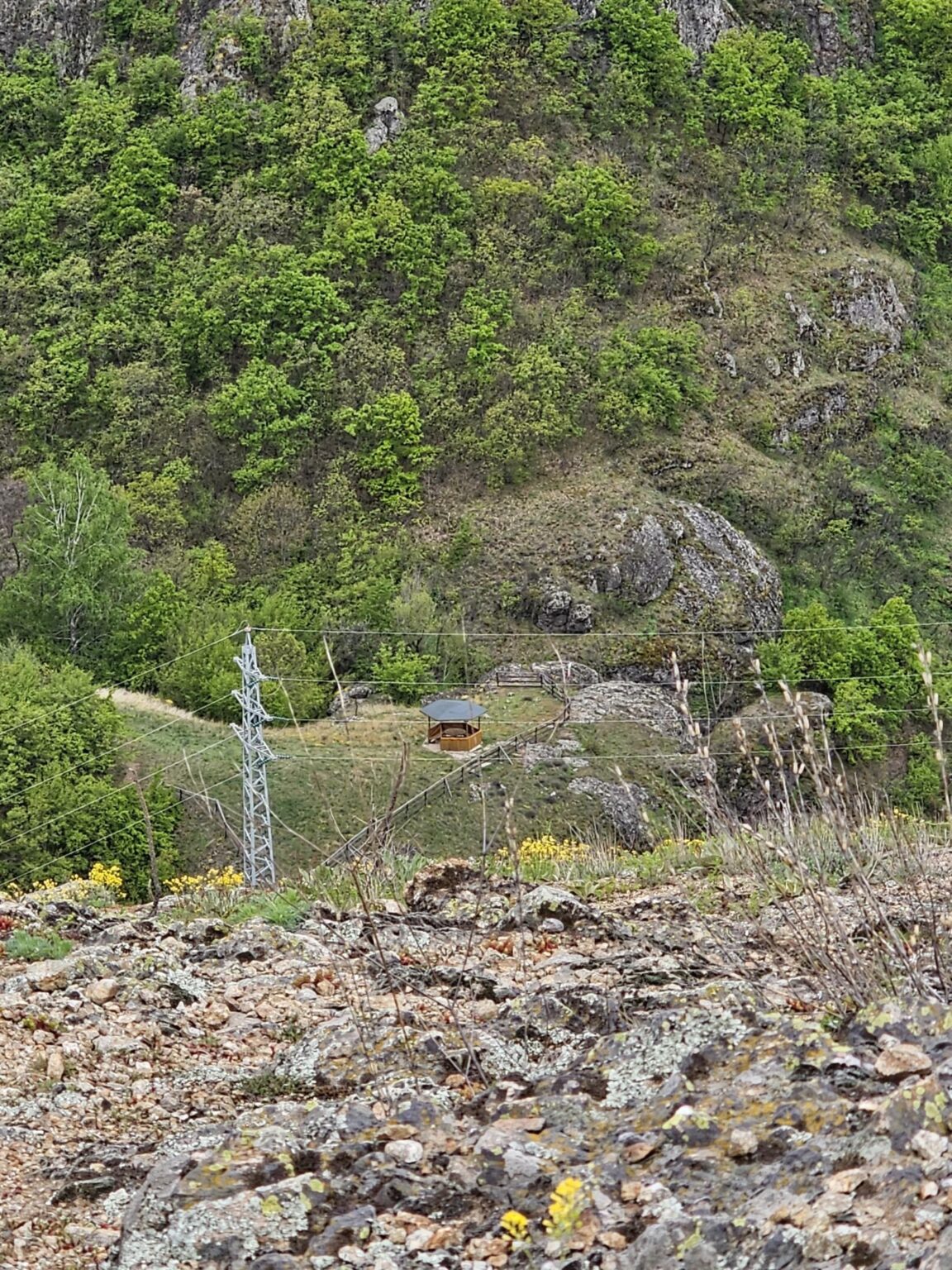
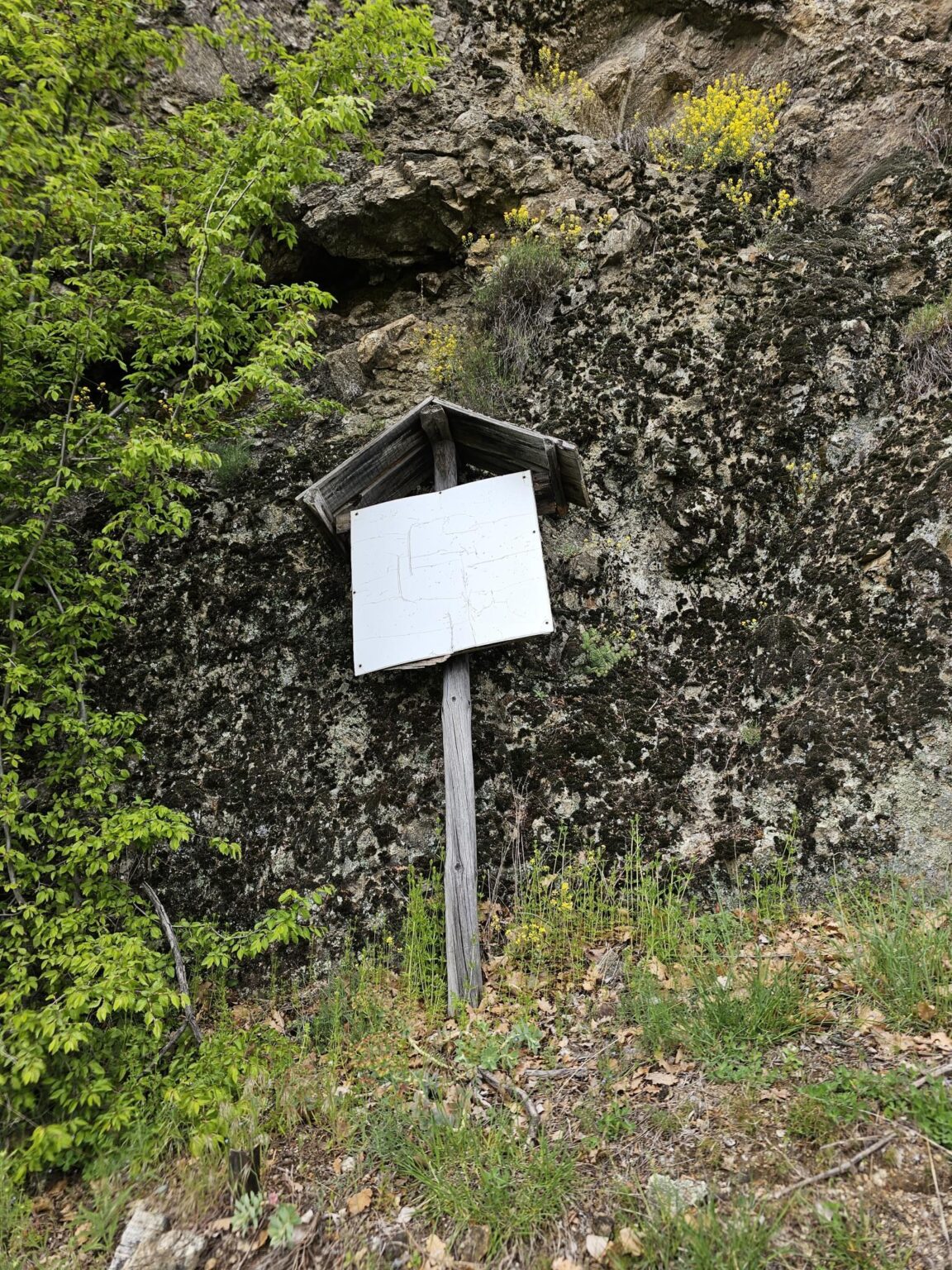
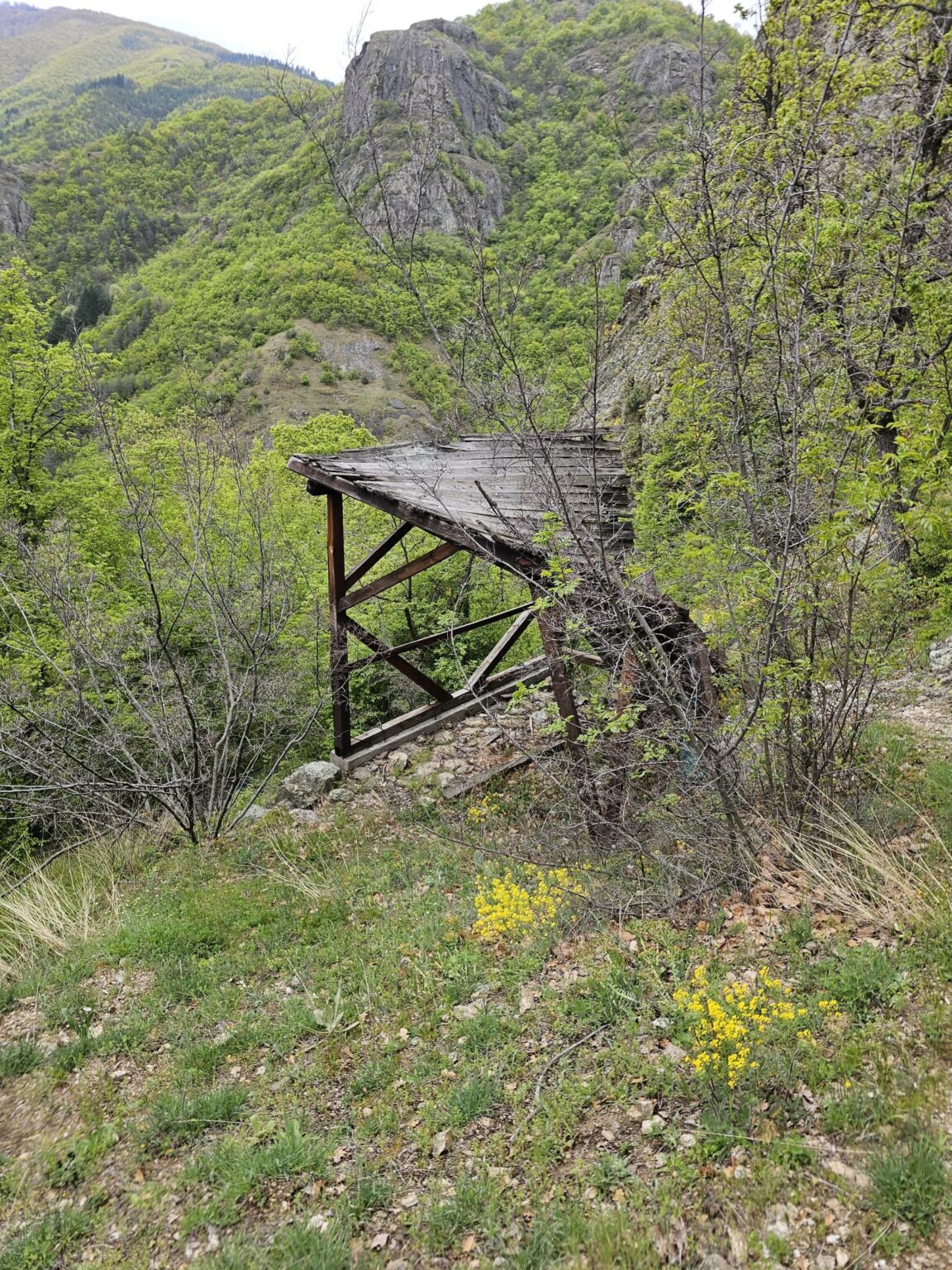
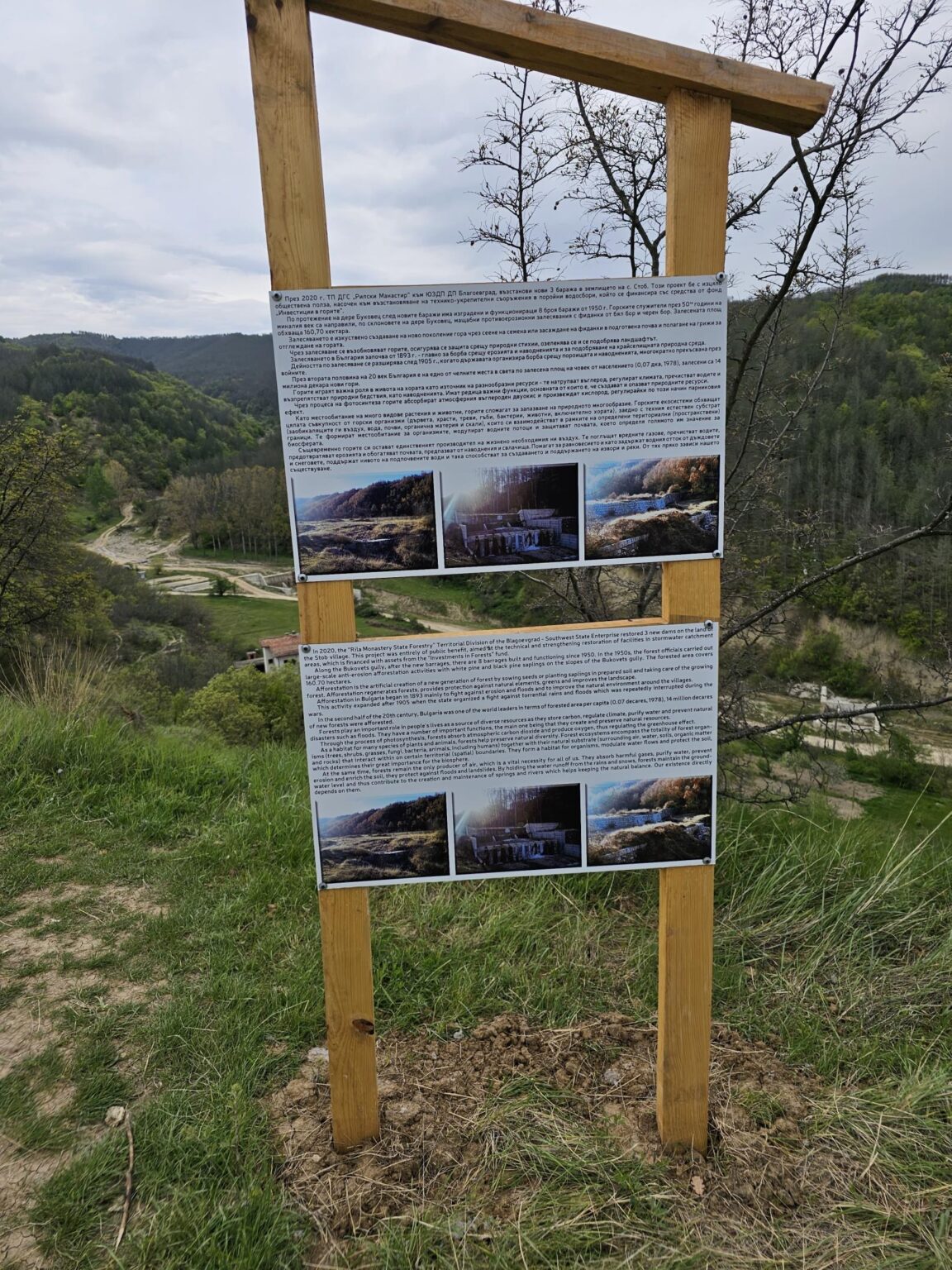
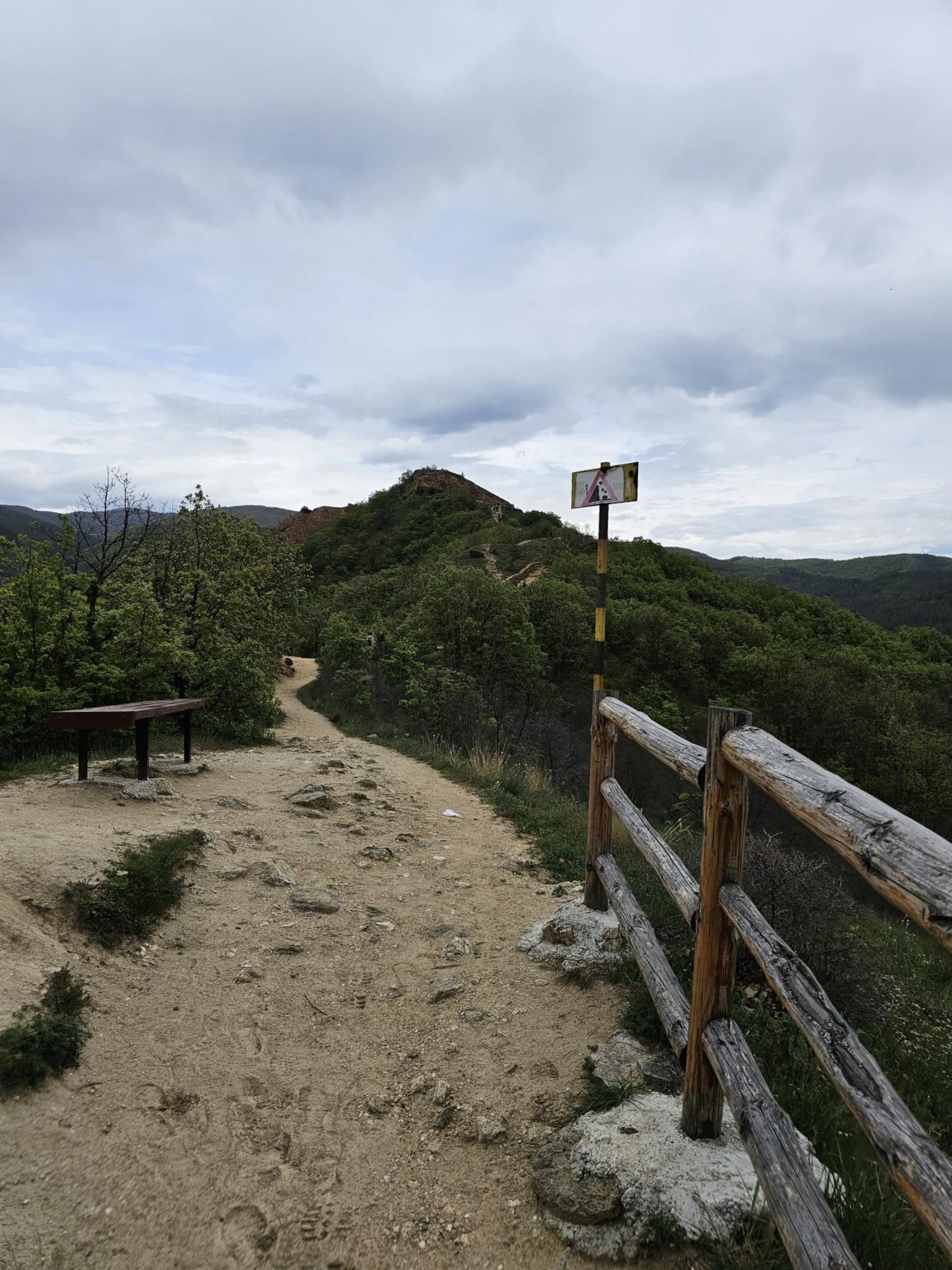
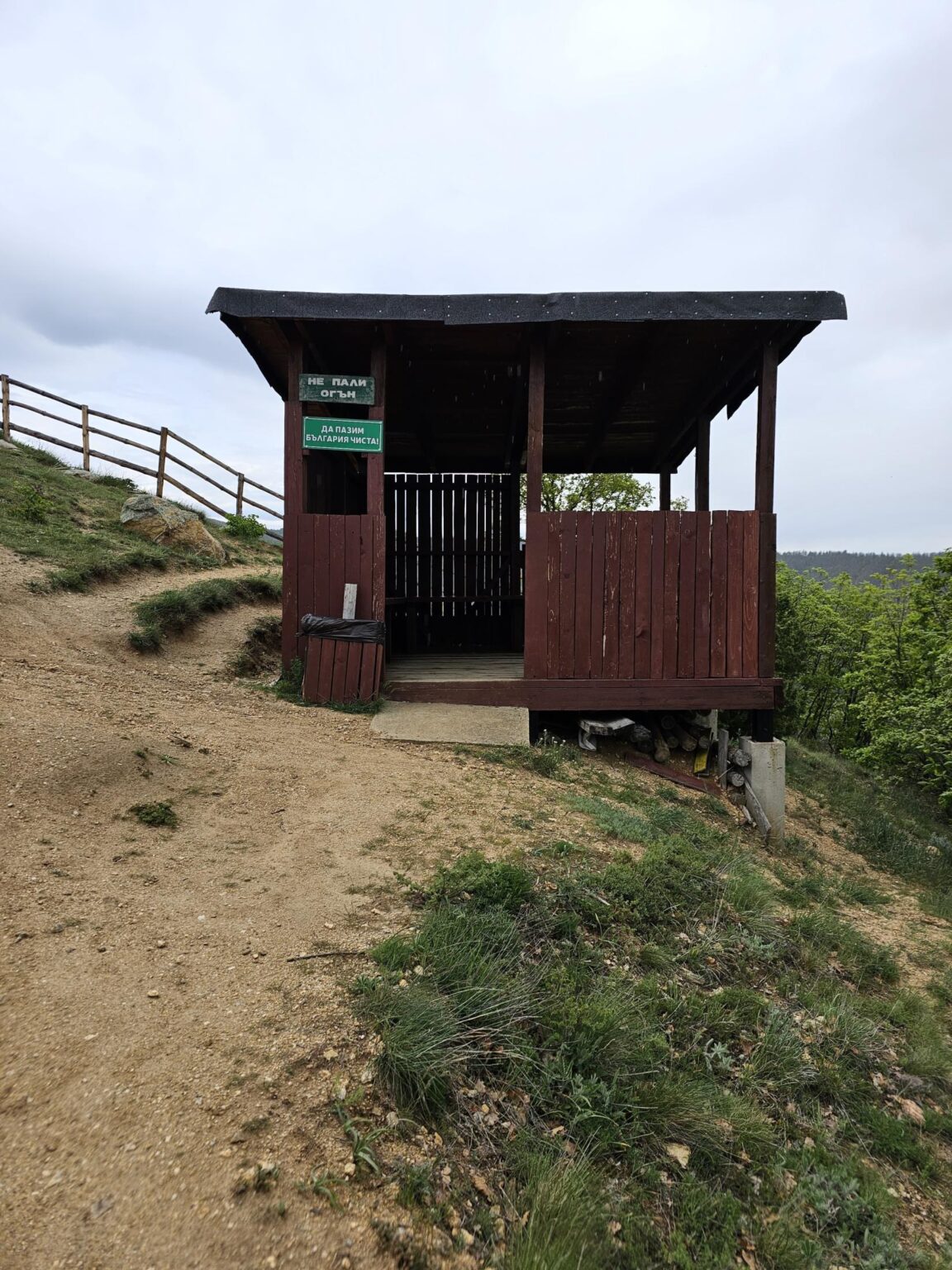
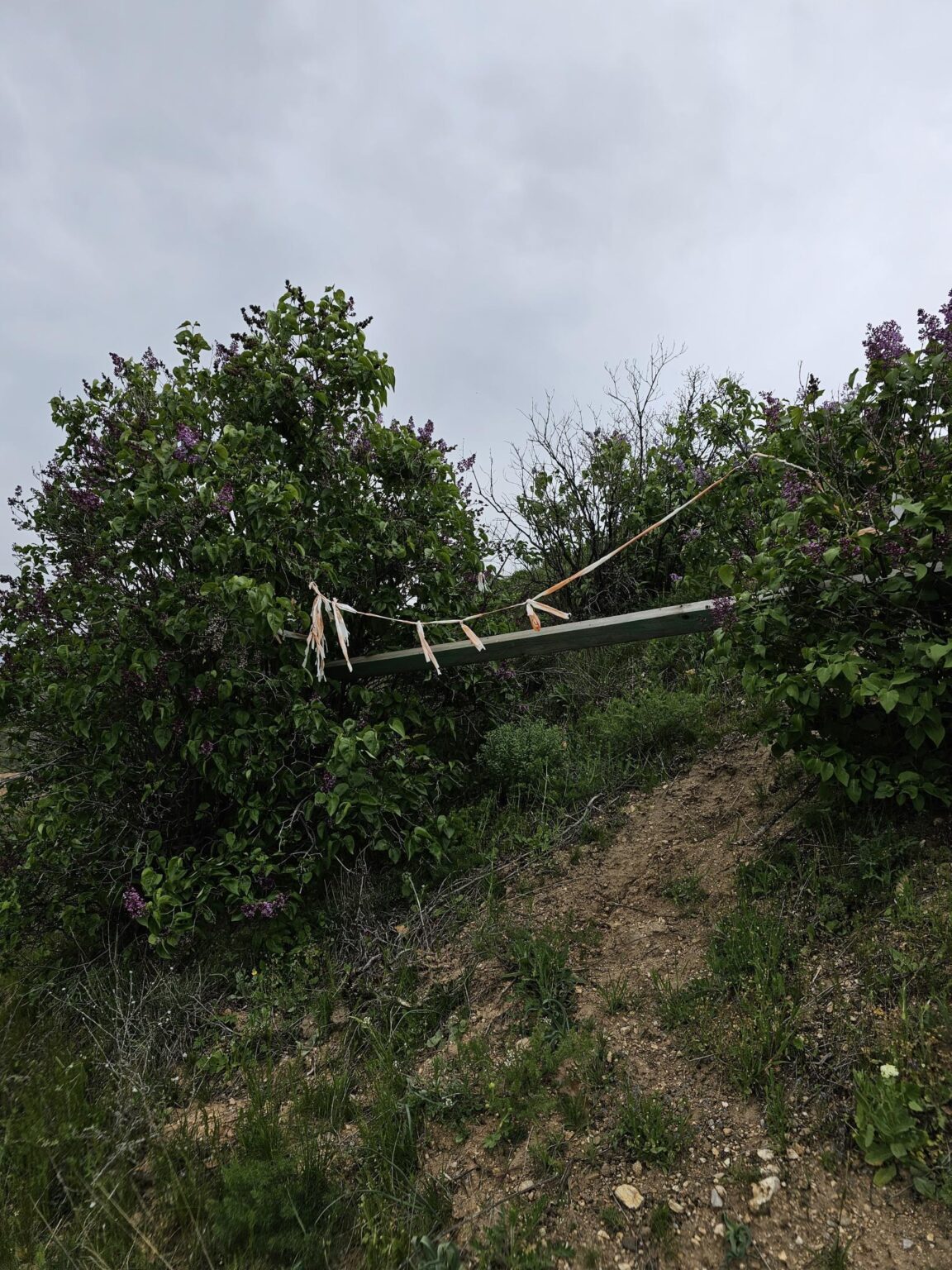
We start with the waterfalls. Along the way you’ll see a sign reading ECO-TRAIL BOHEMIA WATERFALLS, visibly heading into the mountain and somehow towards nothing in particular. Everything begins lightly and pleasantly on a narrow, overgrown path. A normal climb of under ten minutes brings you to a panoramic platform with a gazebo. It’s lovely up there — shelter, benches with a proper view, information boards explaining that the spot was built up by the local hiking club (long may they live). Look across the valley and you’ll spot another gazebo; remember it 😀 Later you’ll be looking back from that one at this one. And here the sign from the top of this article appears, the one about the extreme route. Extreme, extreme — how extreme can it be? Well. It is extreme, but thanks to the club it is passable. It’s still fun, interesting and dangerous. There are plenty of places where you can slip and fall a long way.
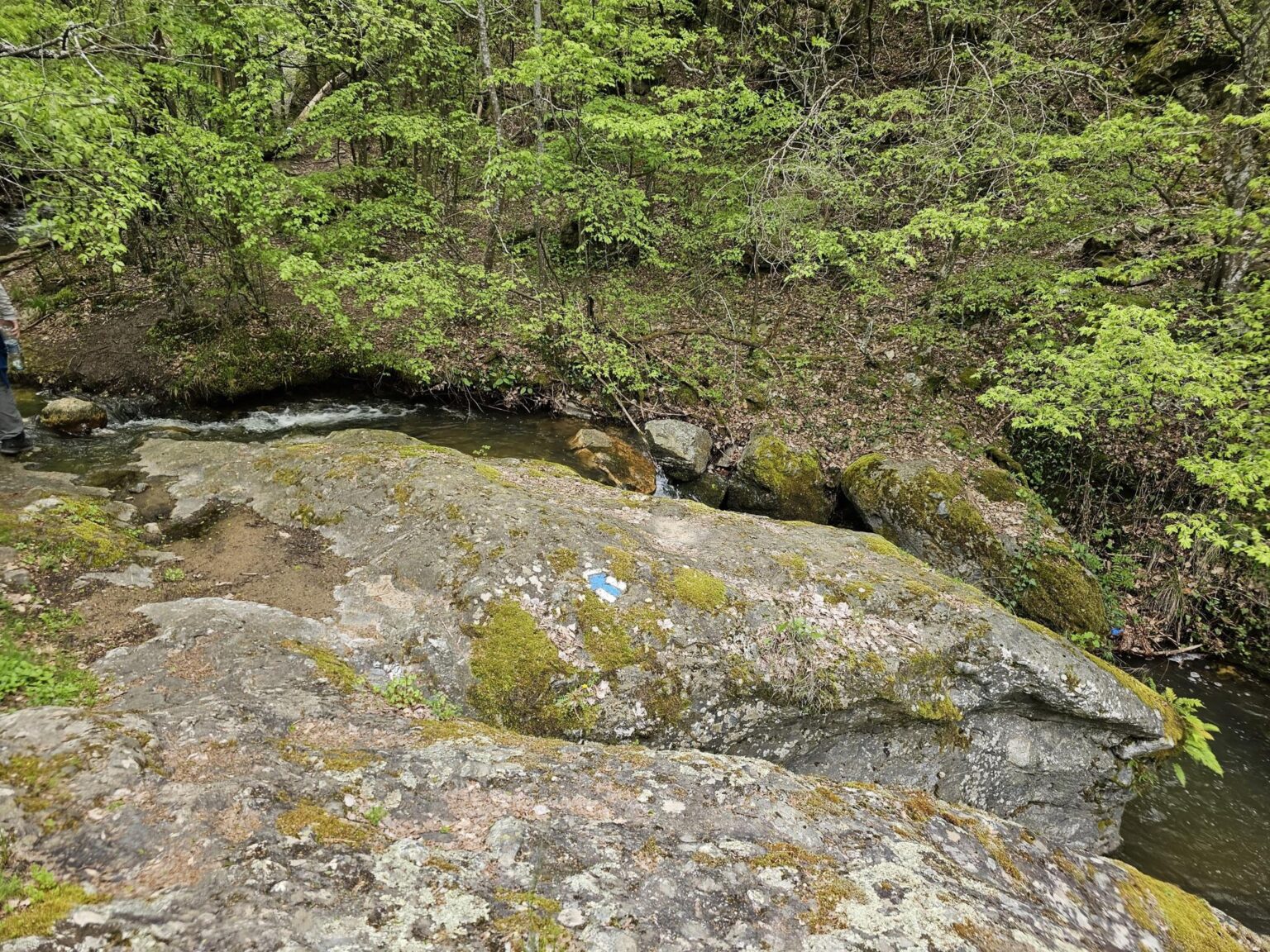
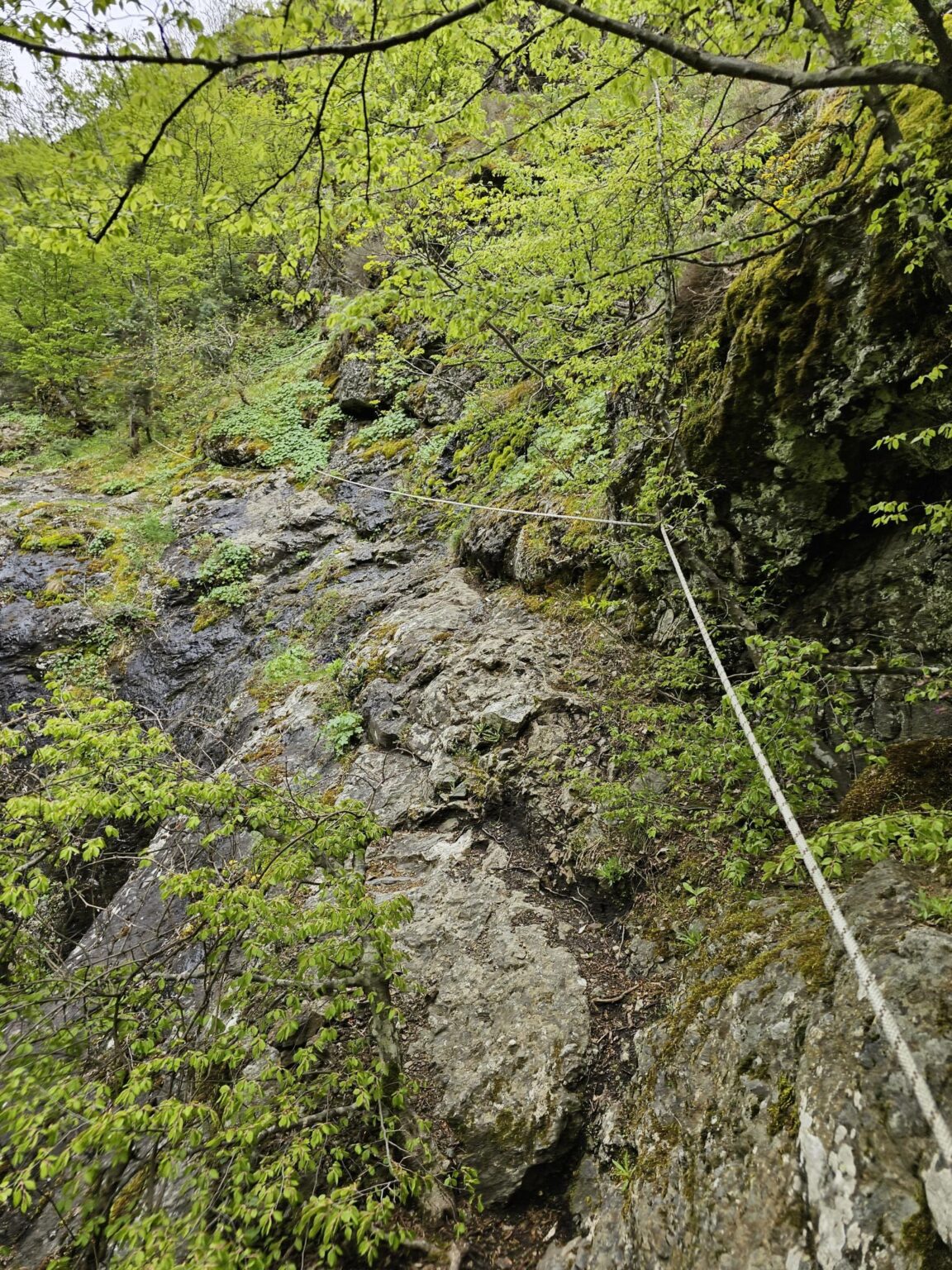
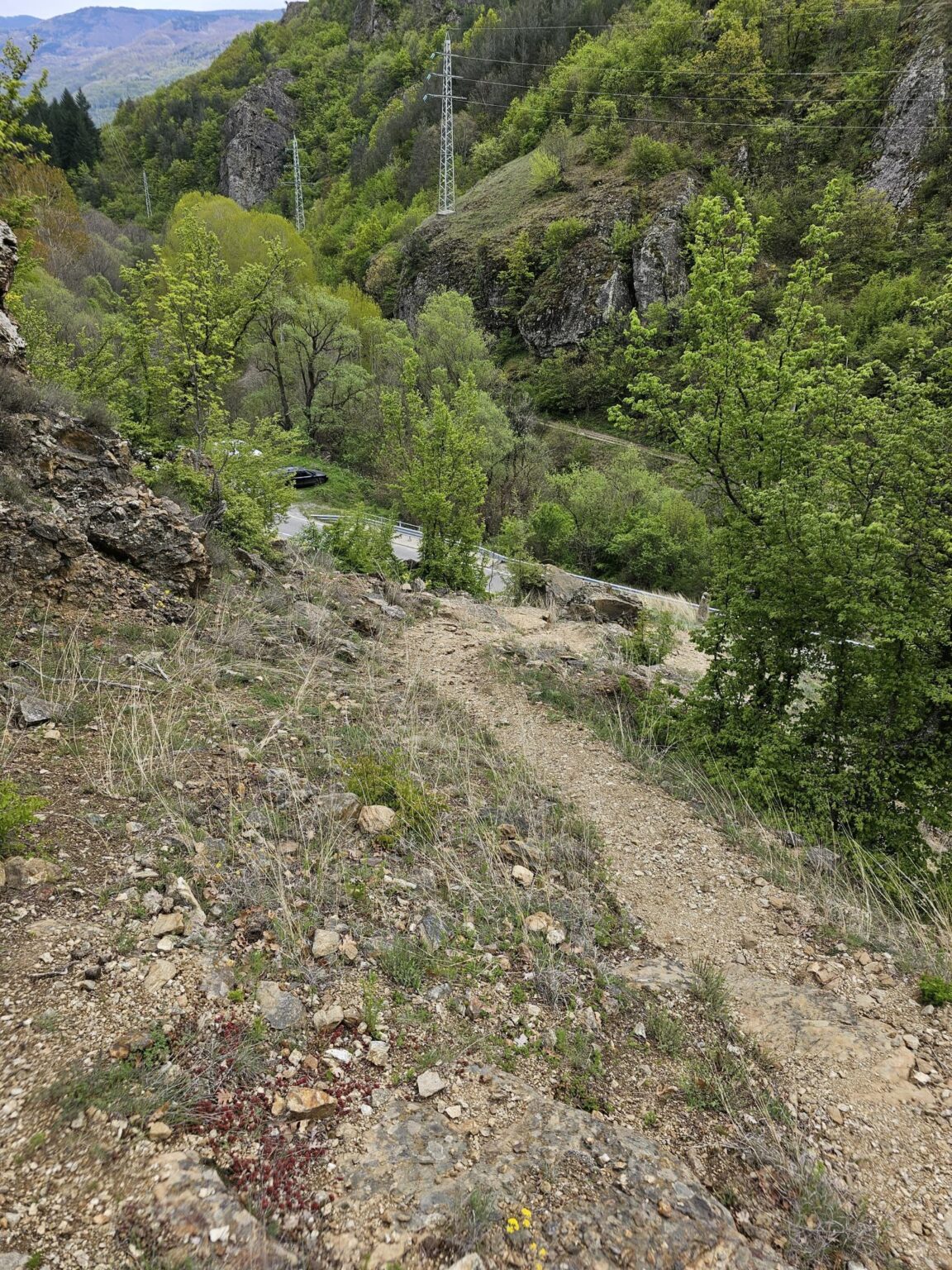
For example:
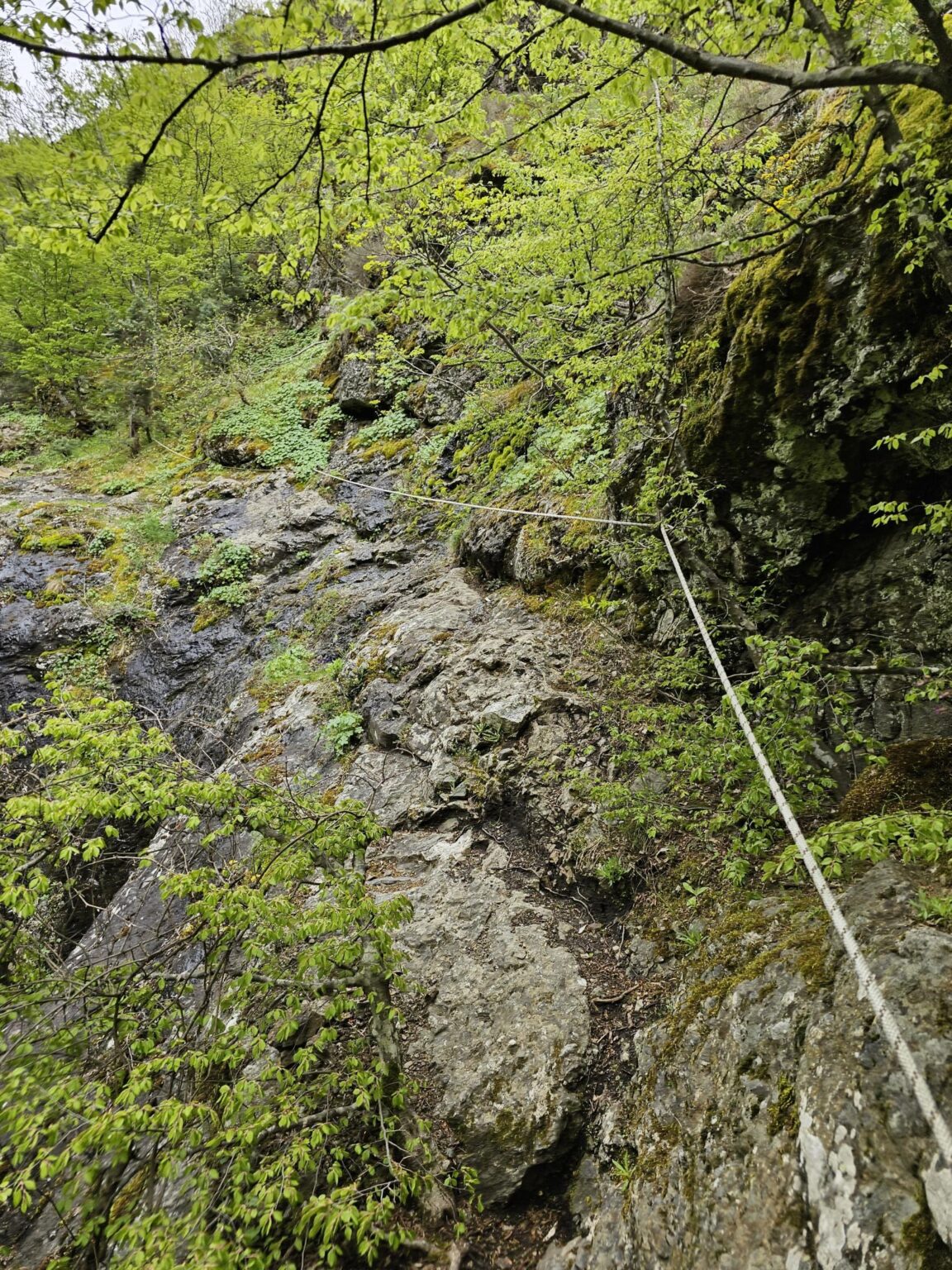
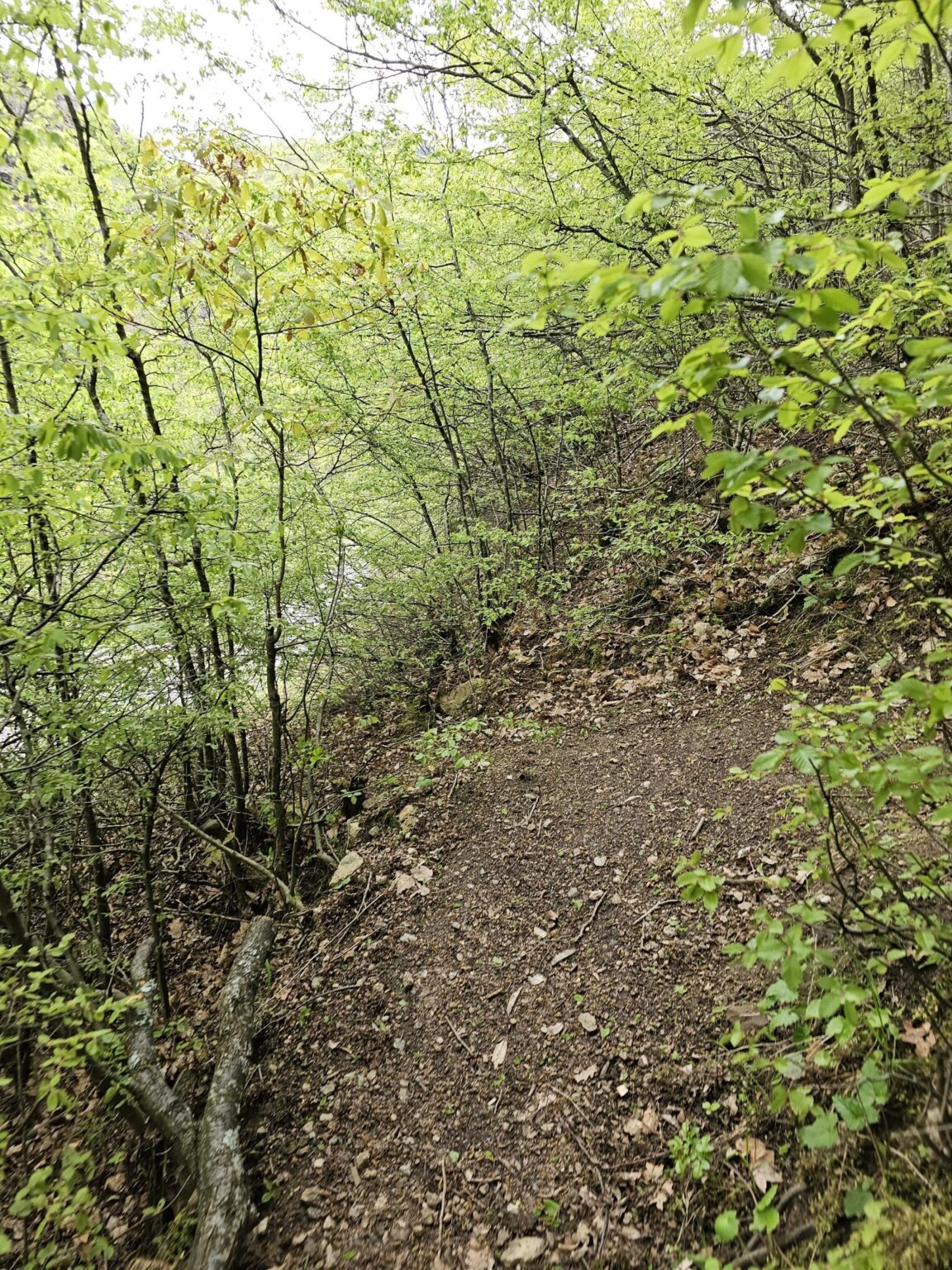
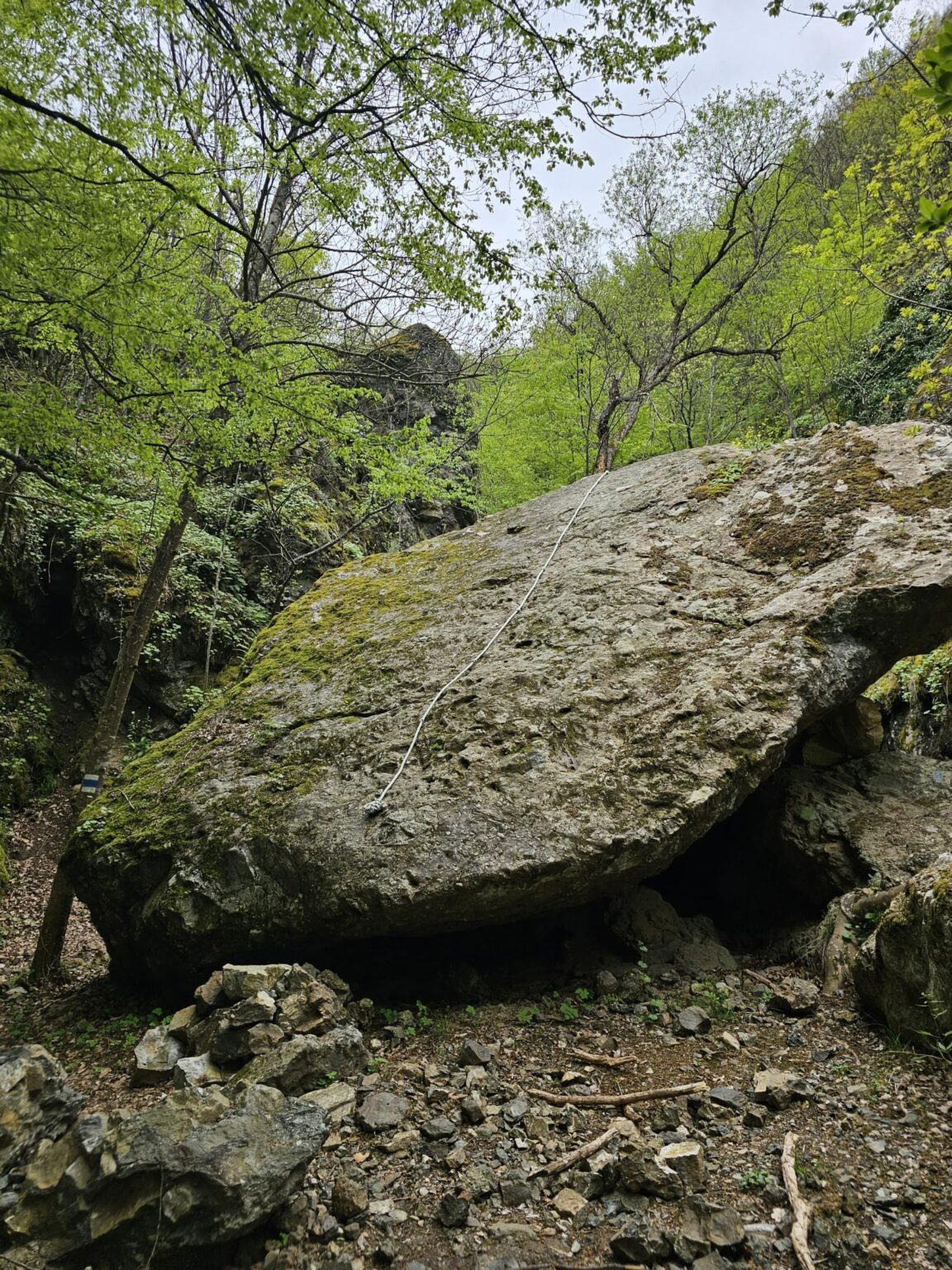
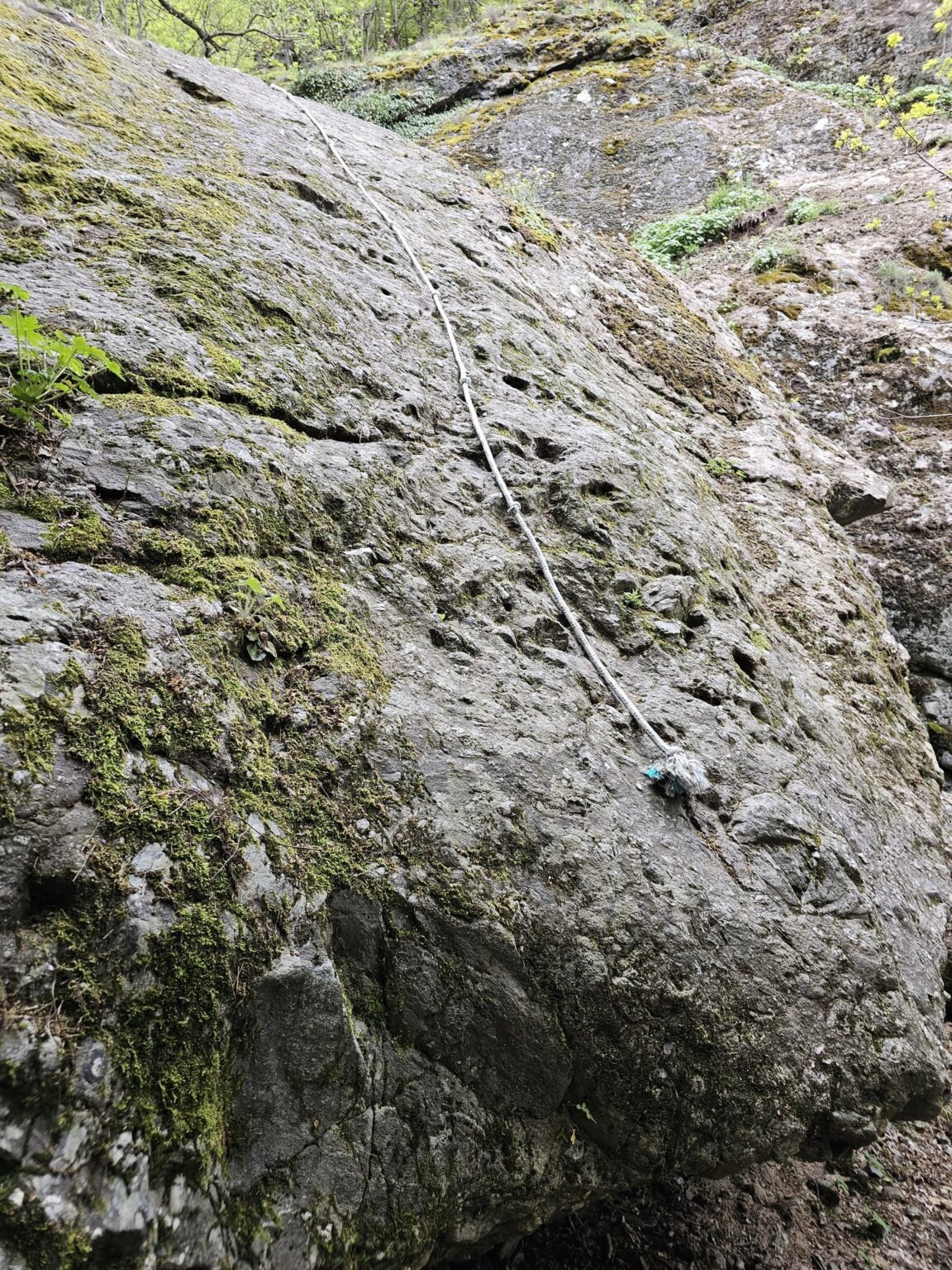
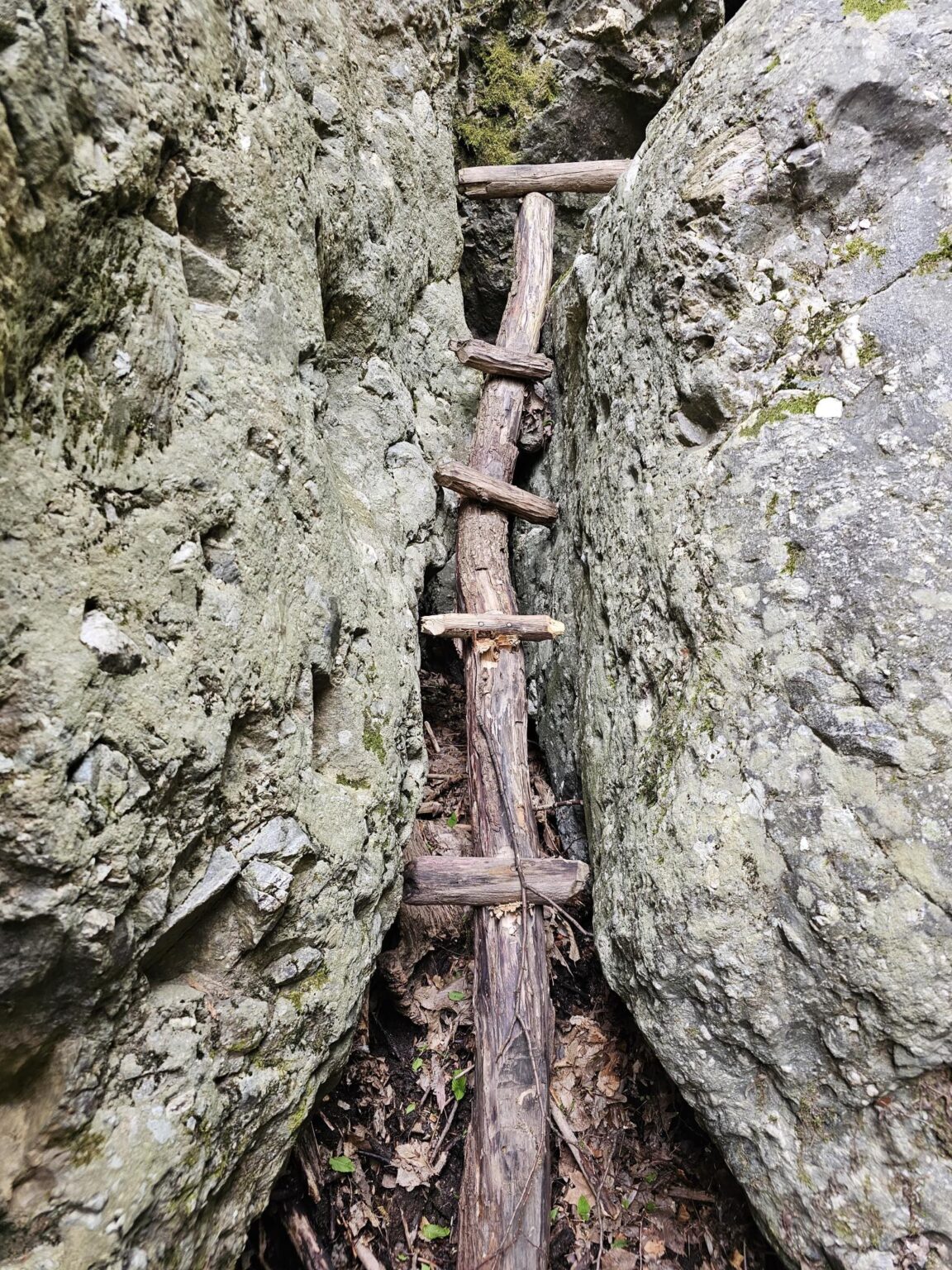
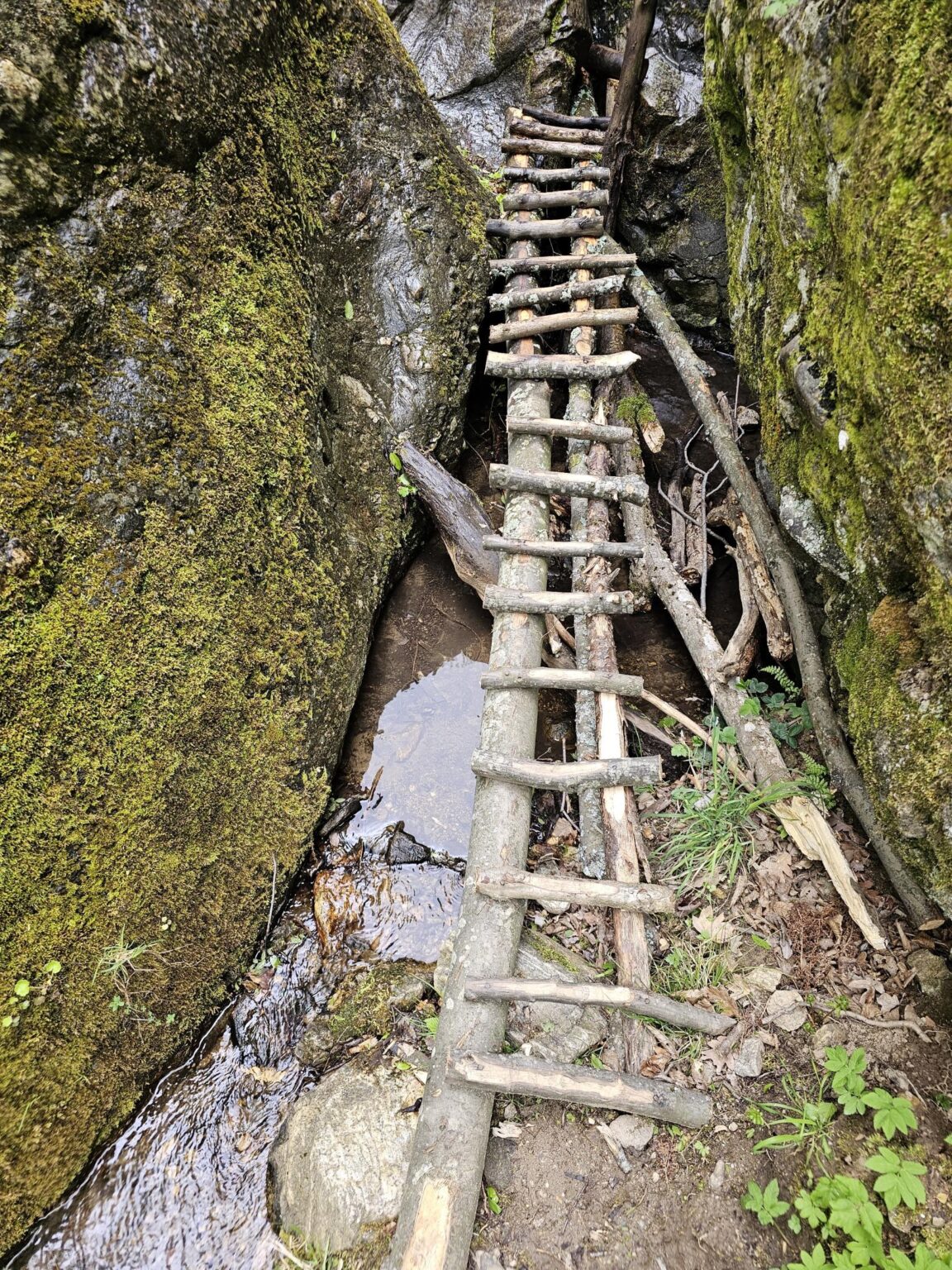
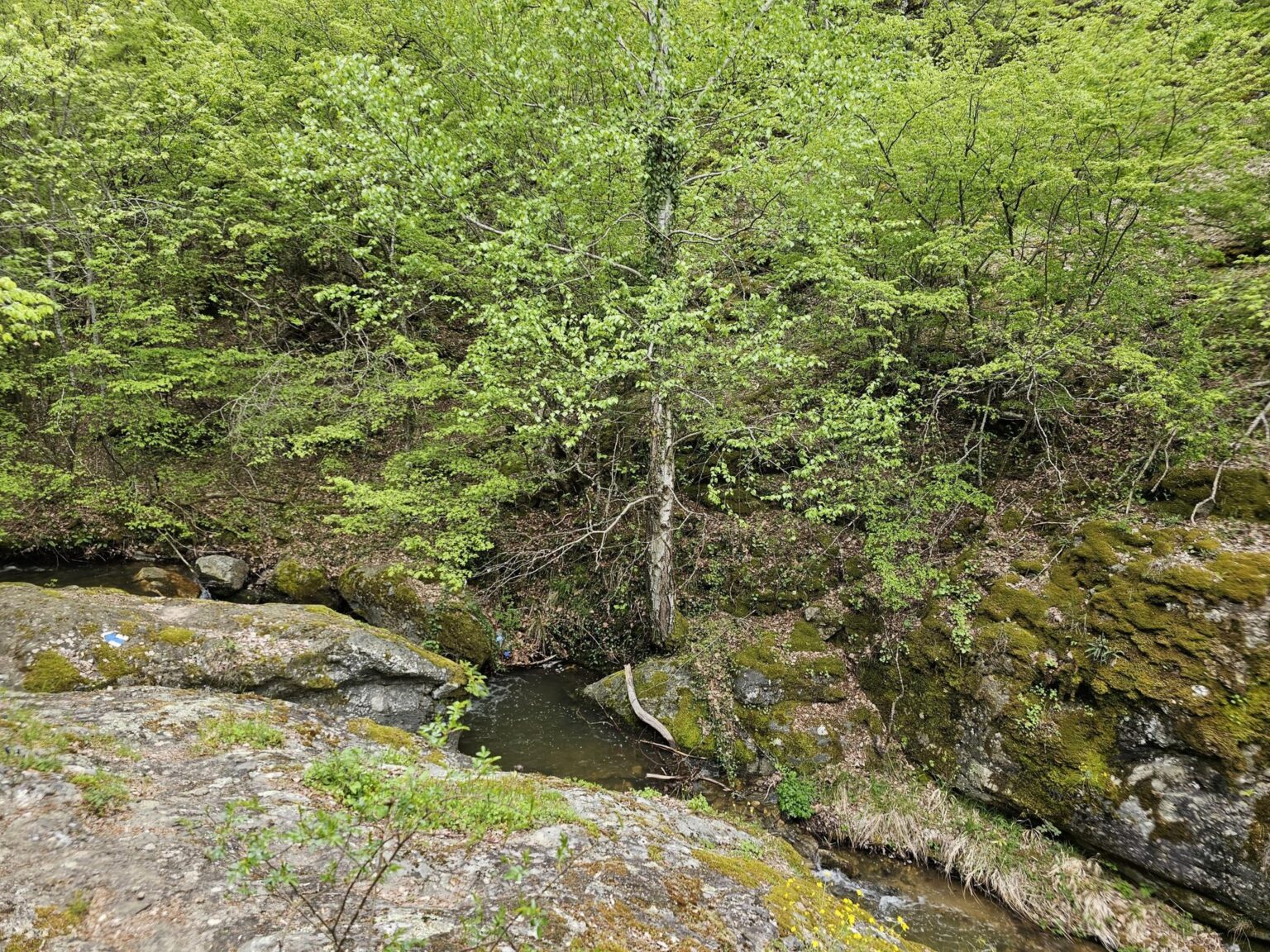
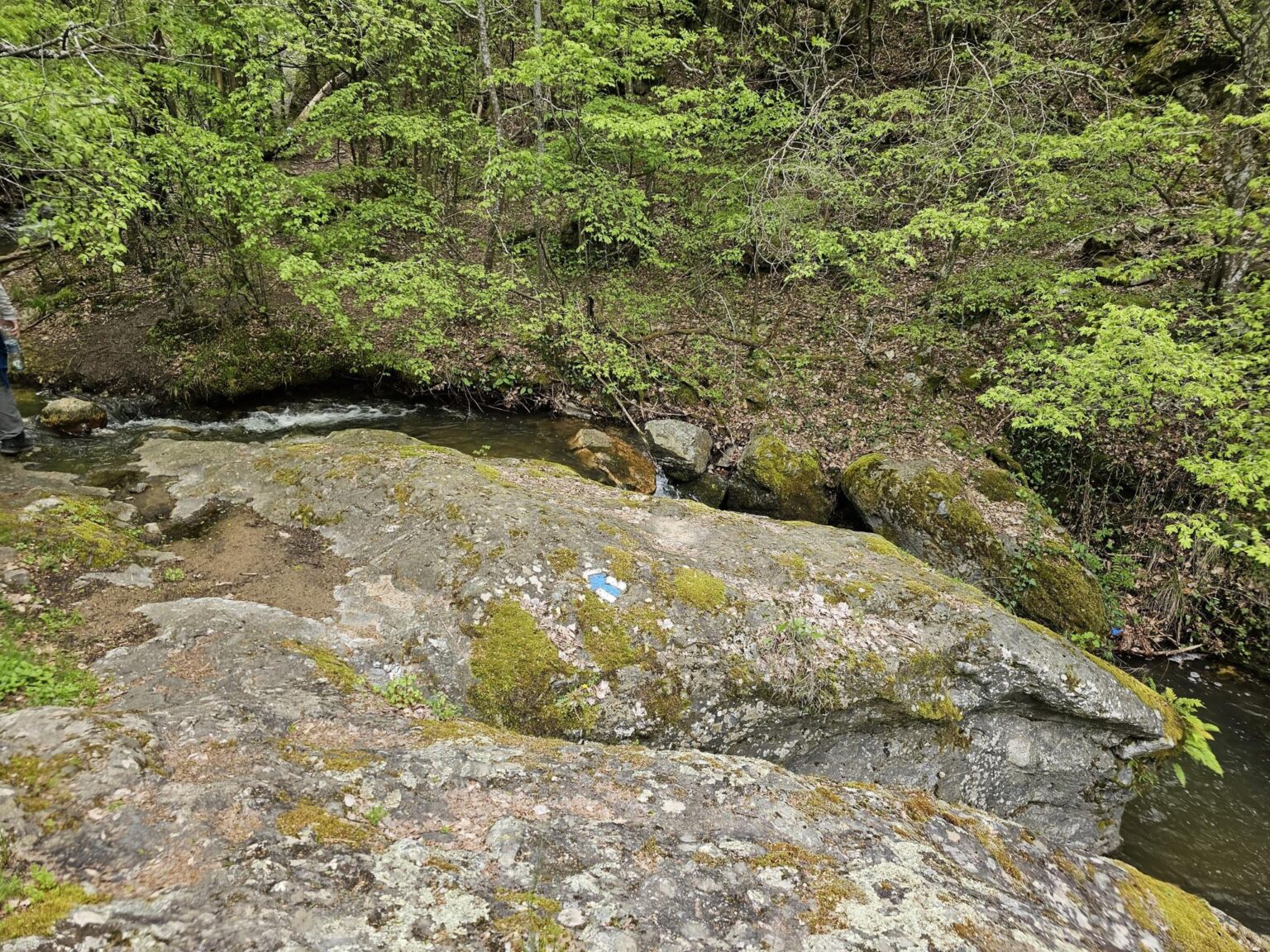
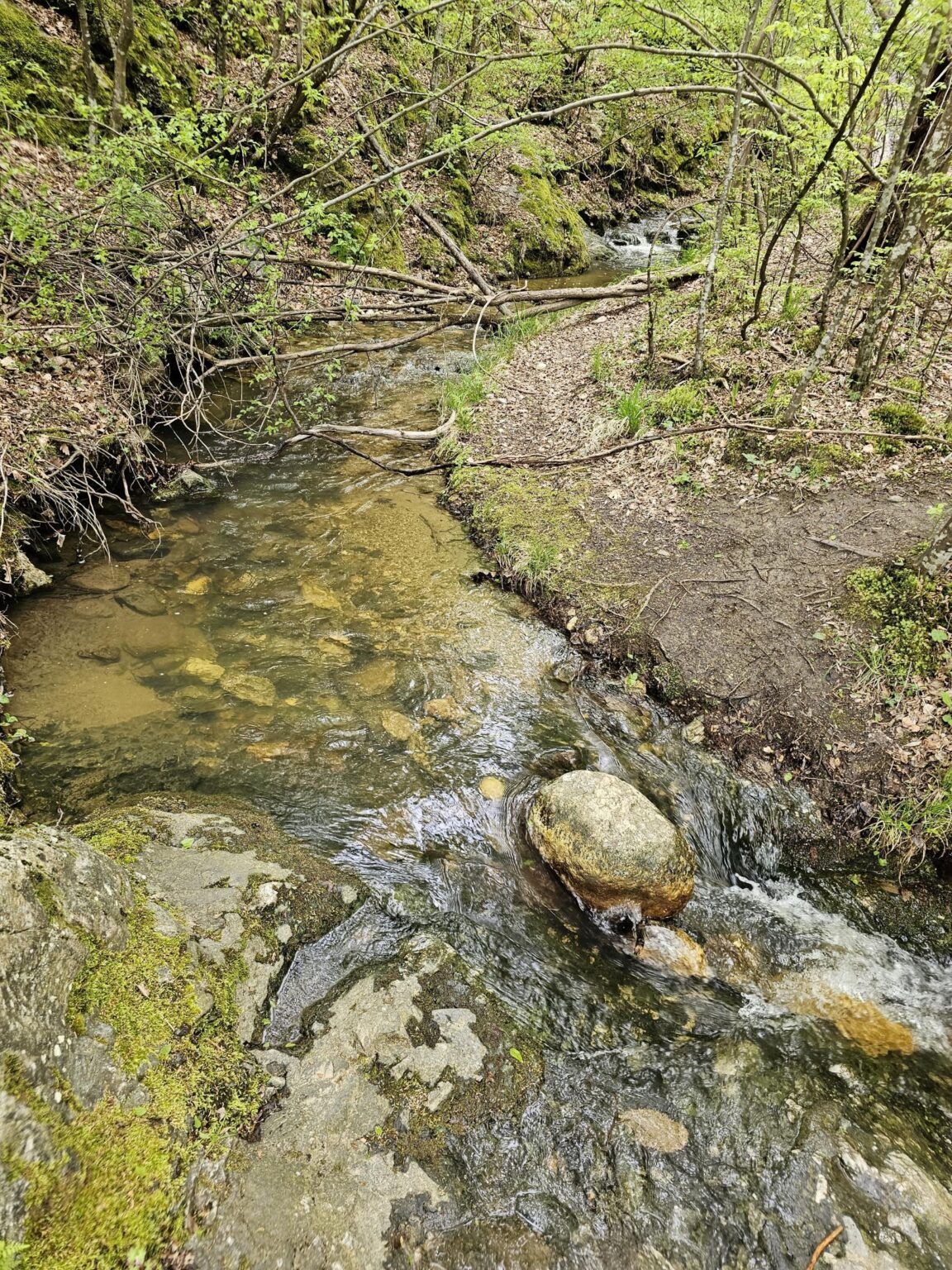
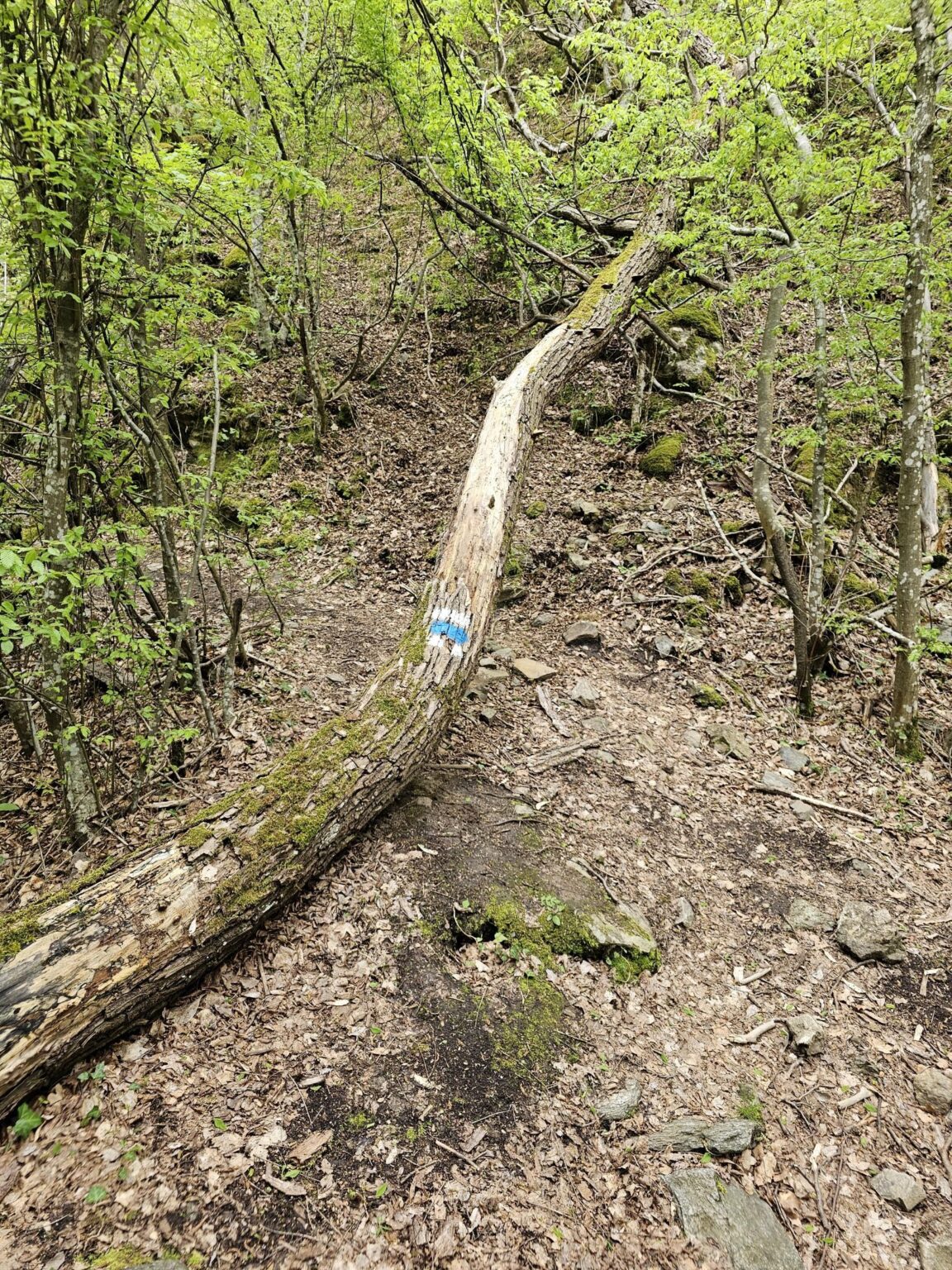
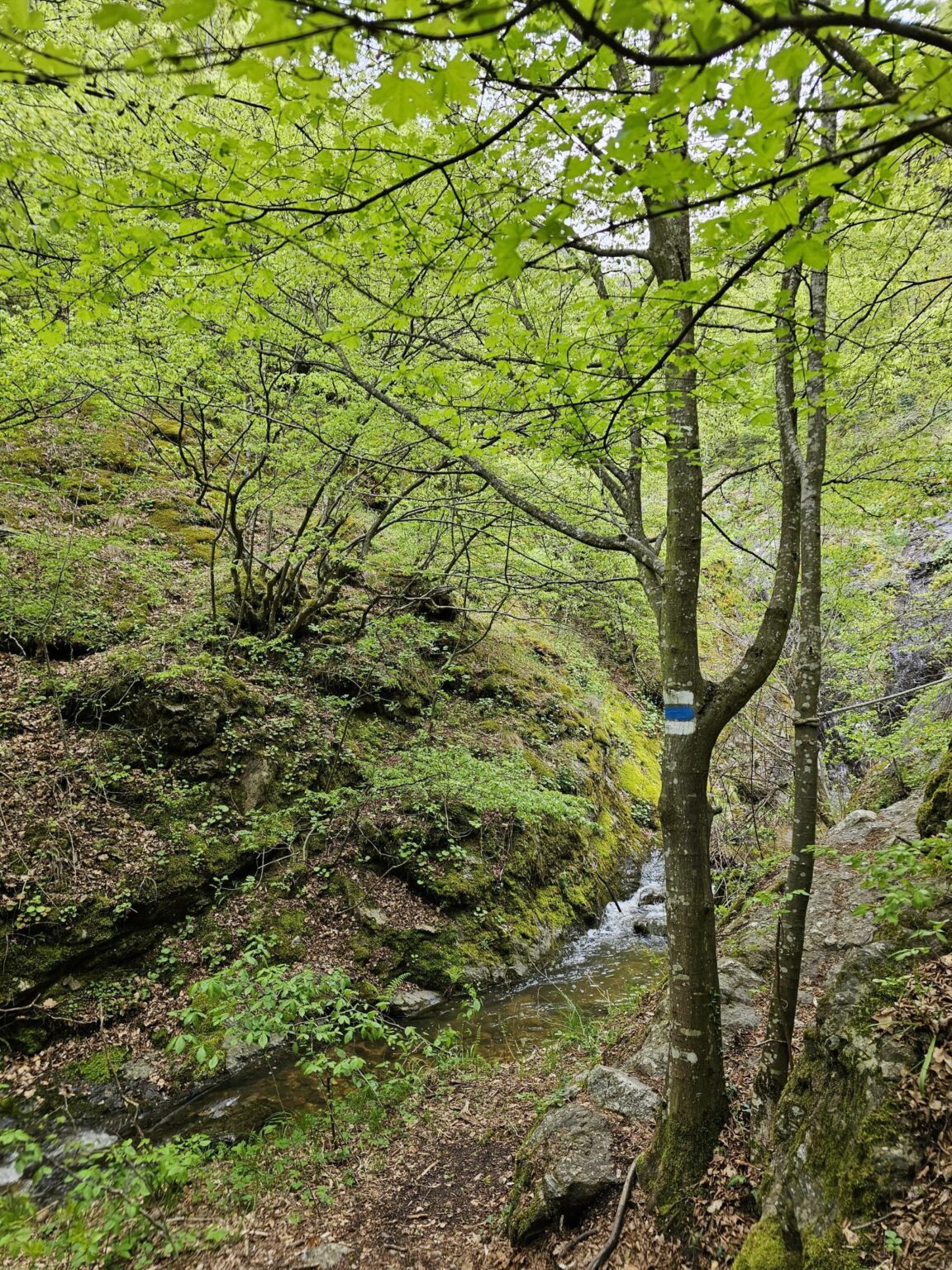
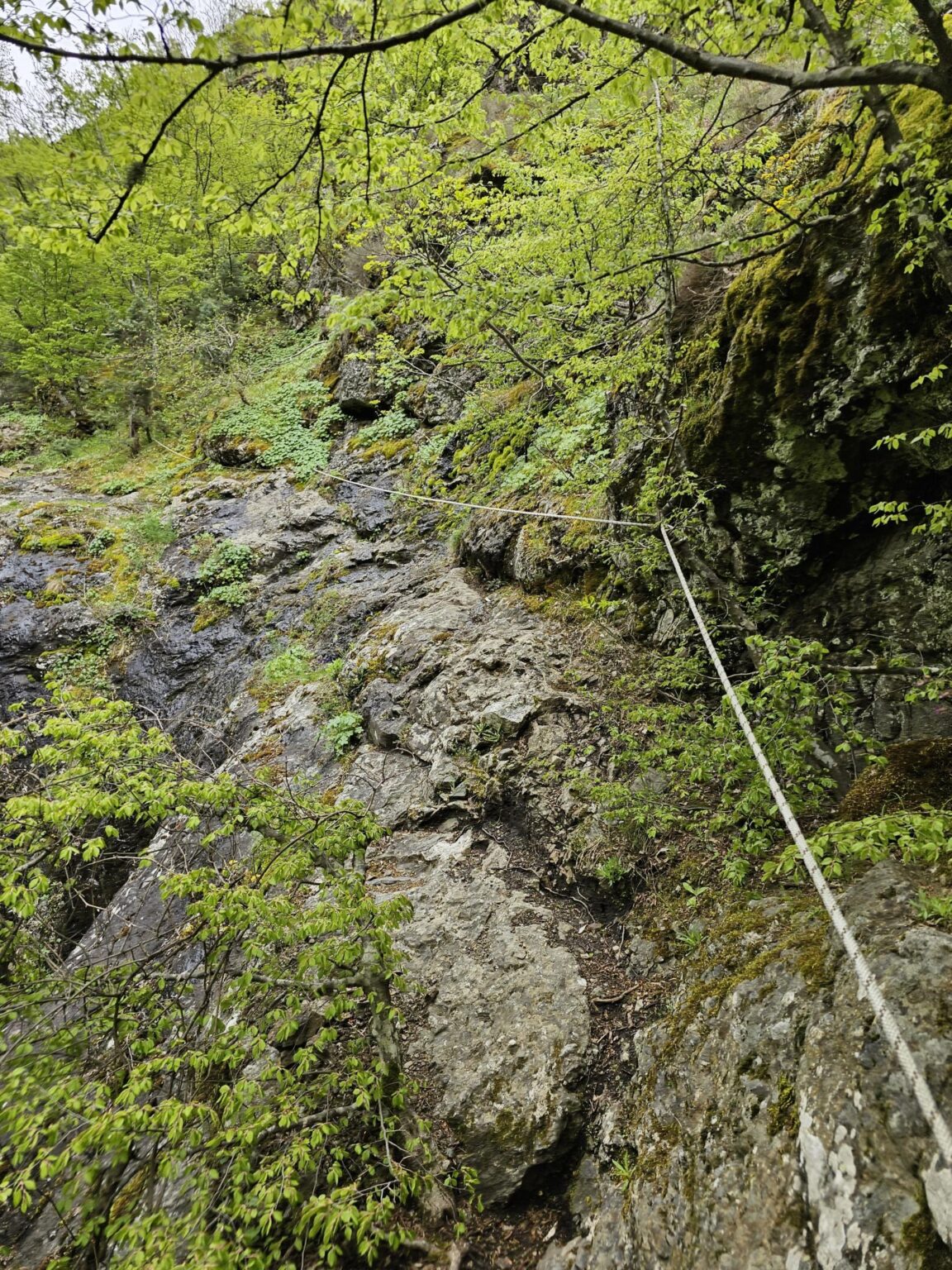
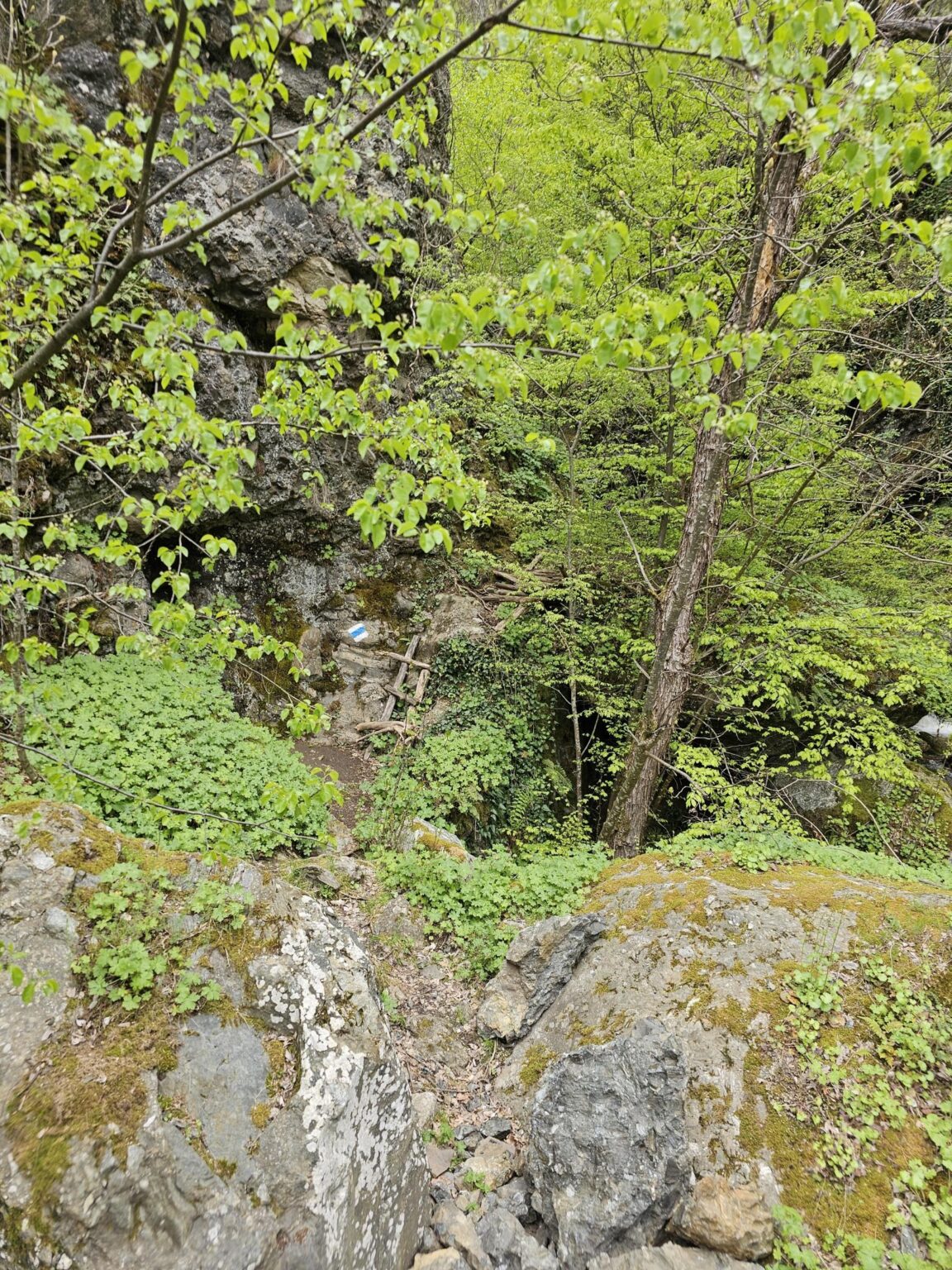
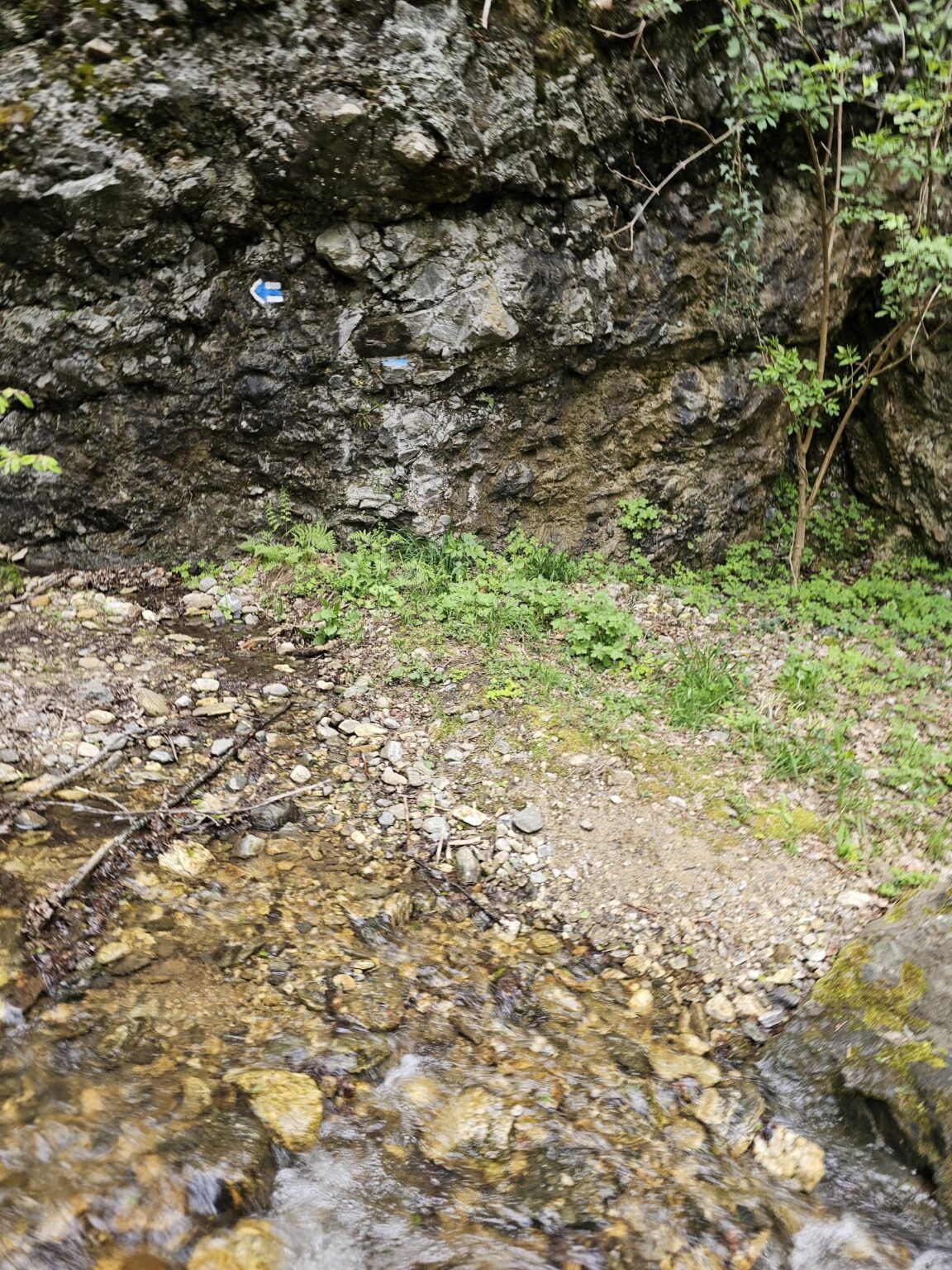
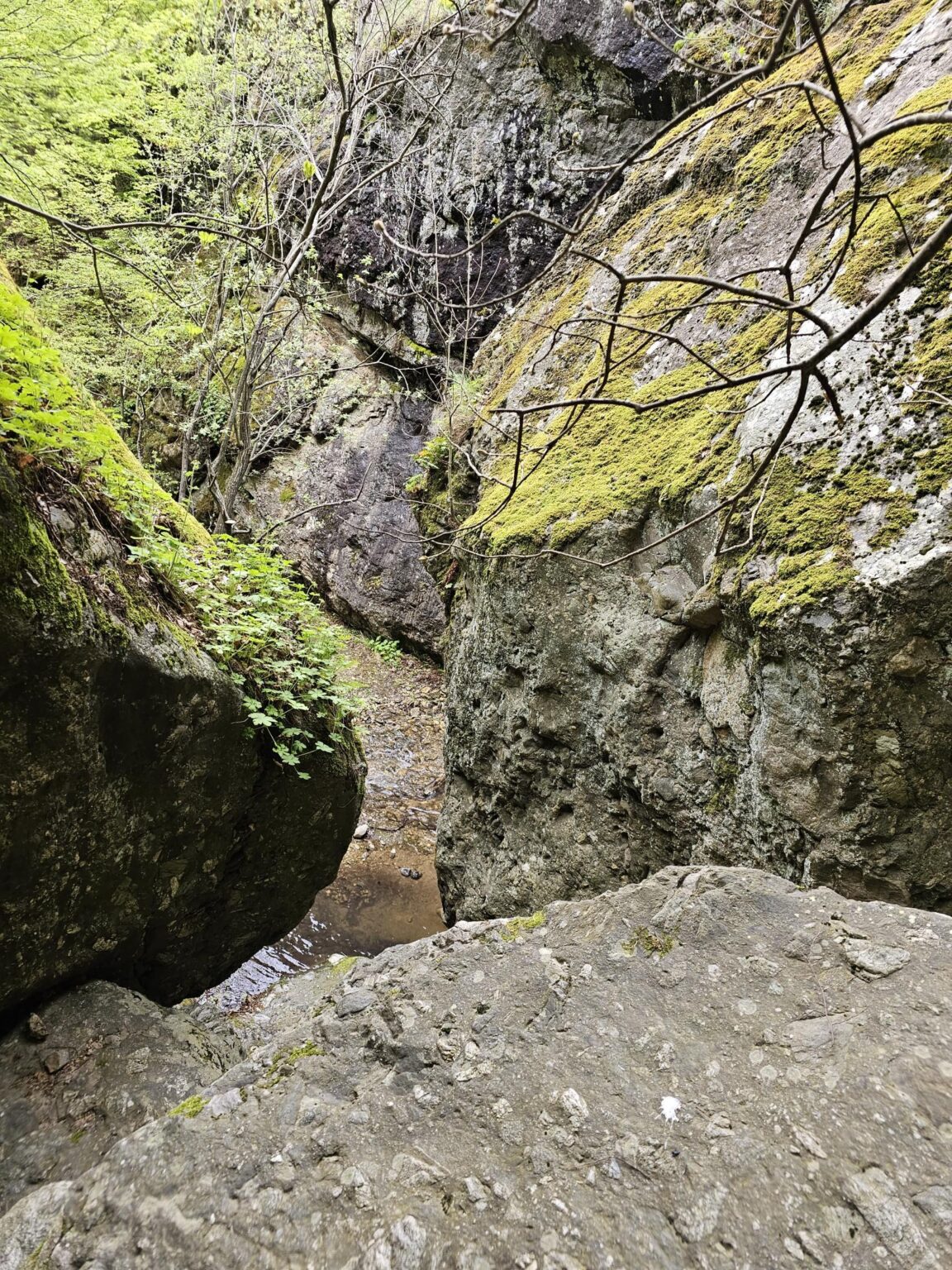
Moderately comfortable to cross, and by no means the only spot of its kind on the path. Ropes are fixed wherever it’s possible, and wooden steps where it isn’t, and yet this remains the most dangerous trail we have ever walked. Our favourite part is a rock that cannot be skirted, so you haul yourself up it on a rope, which is a bit of a double-edged sword (technically there is also a ladder, but it lives in the toilet and is not really an option). The worrying thing about the rope is how it’s anchored: it rubs over the edge while you climb, and there’s no telling whether it’s fraying underneath.
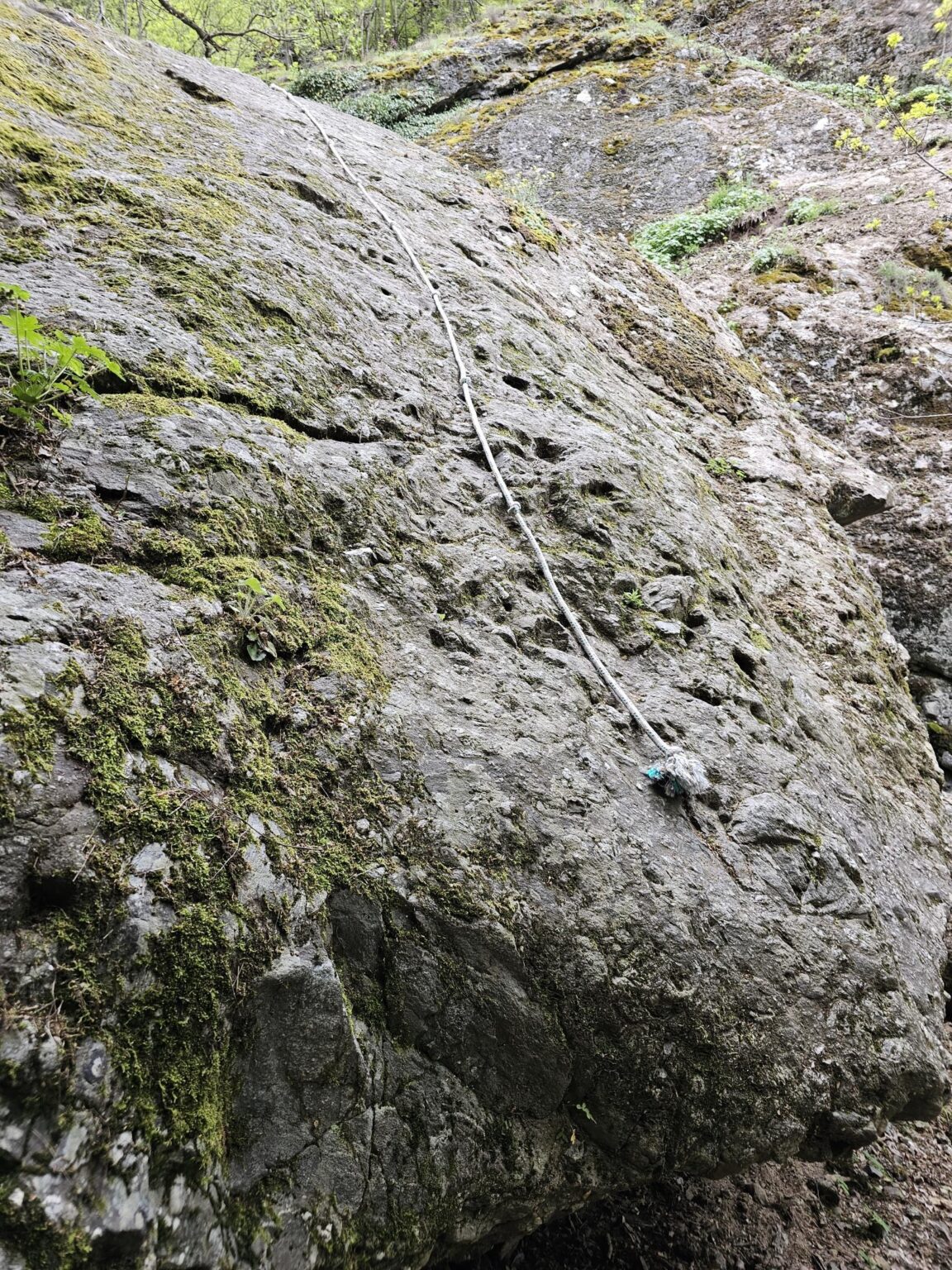
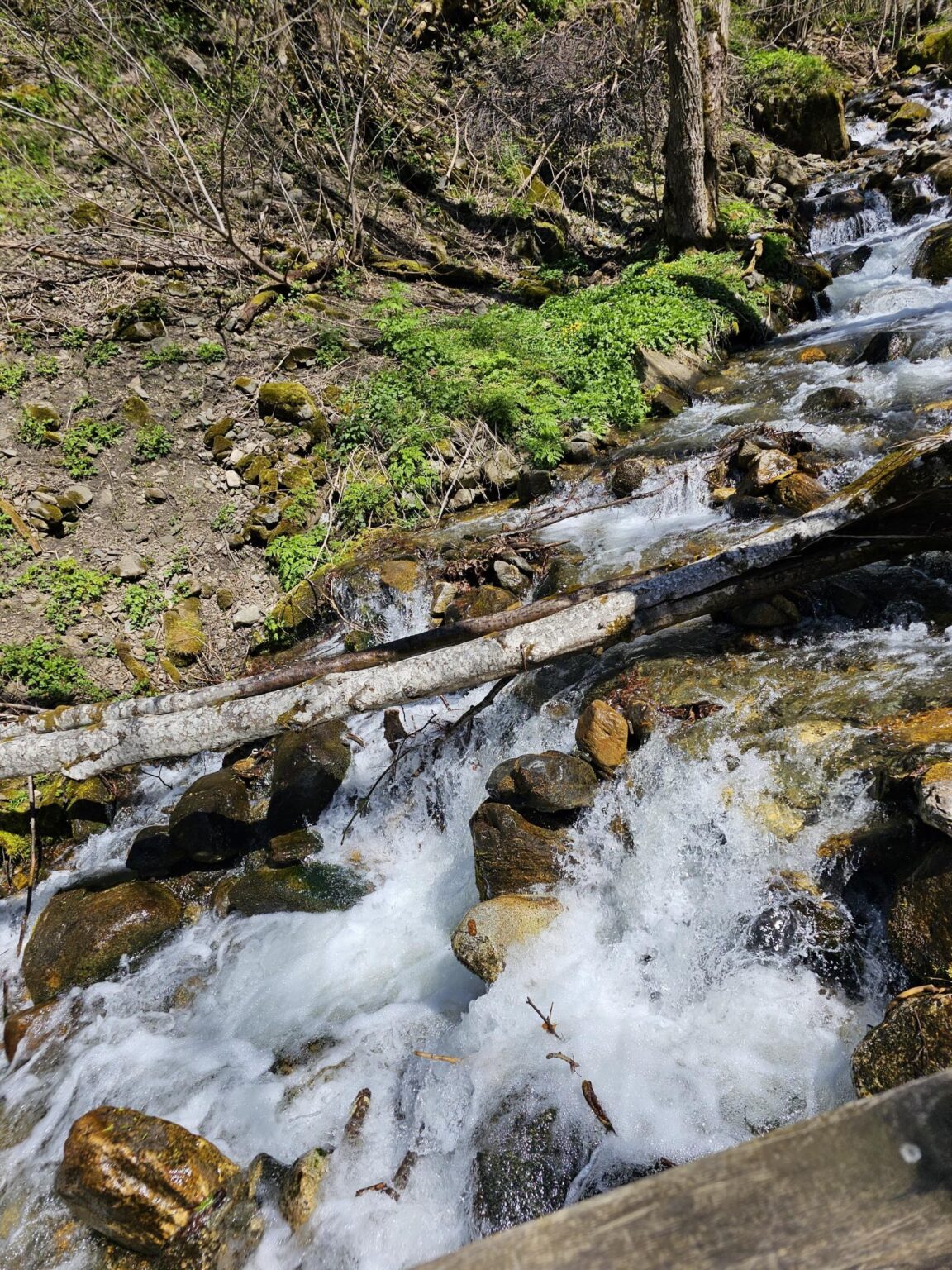
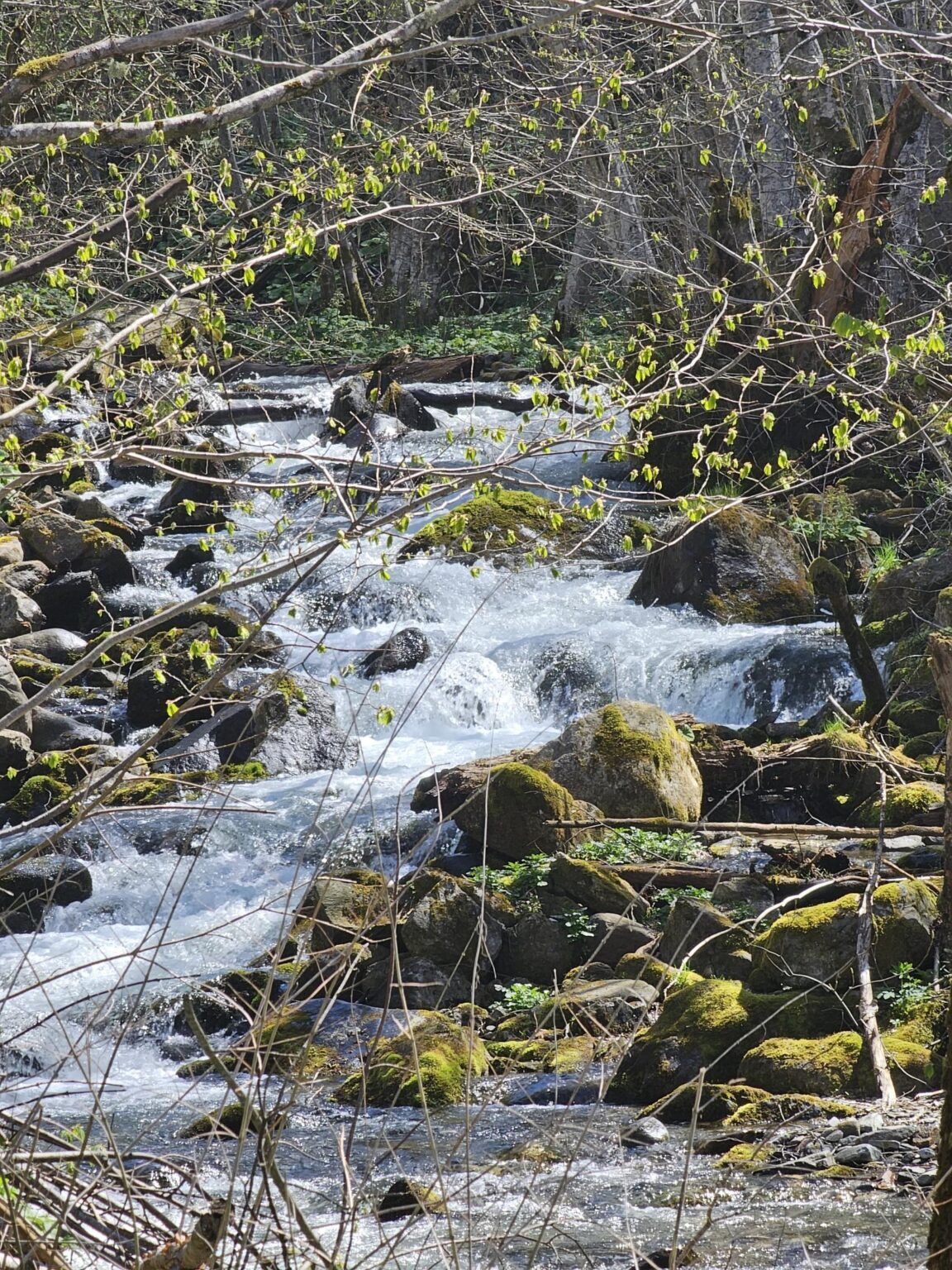
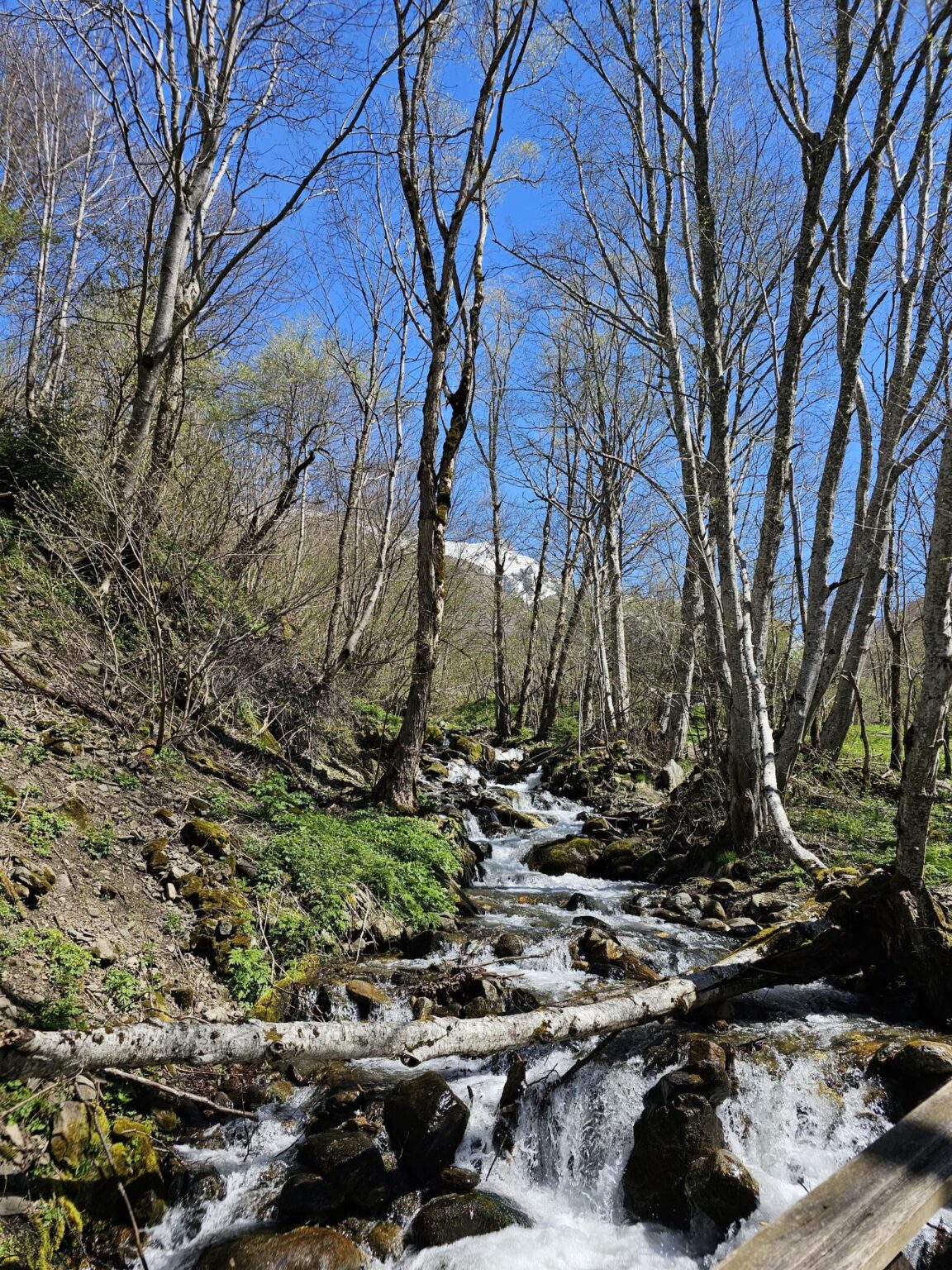
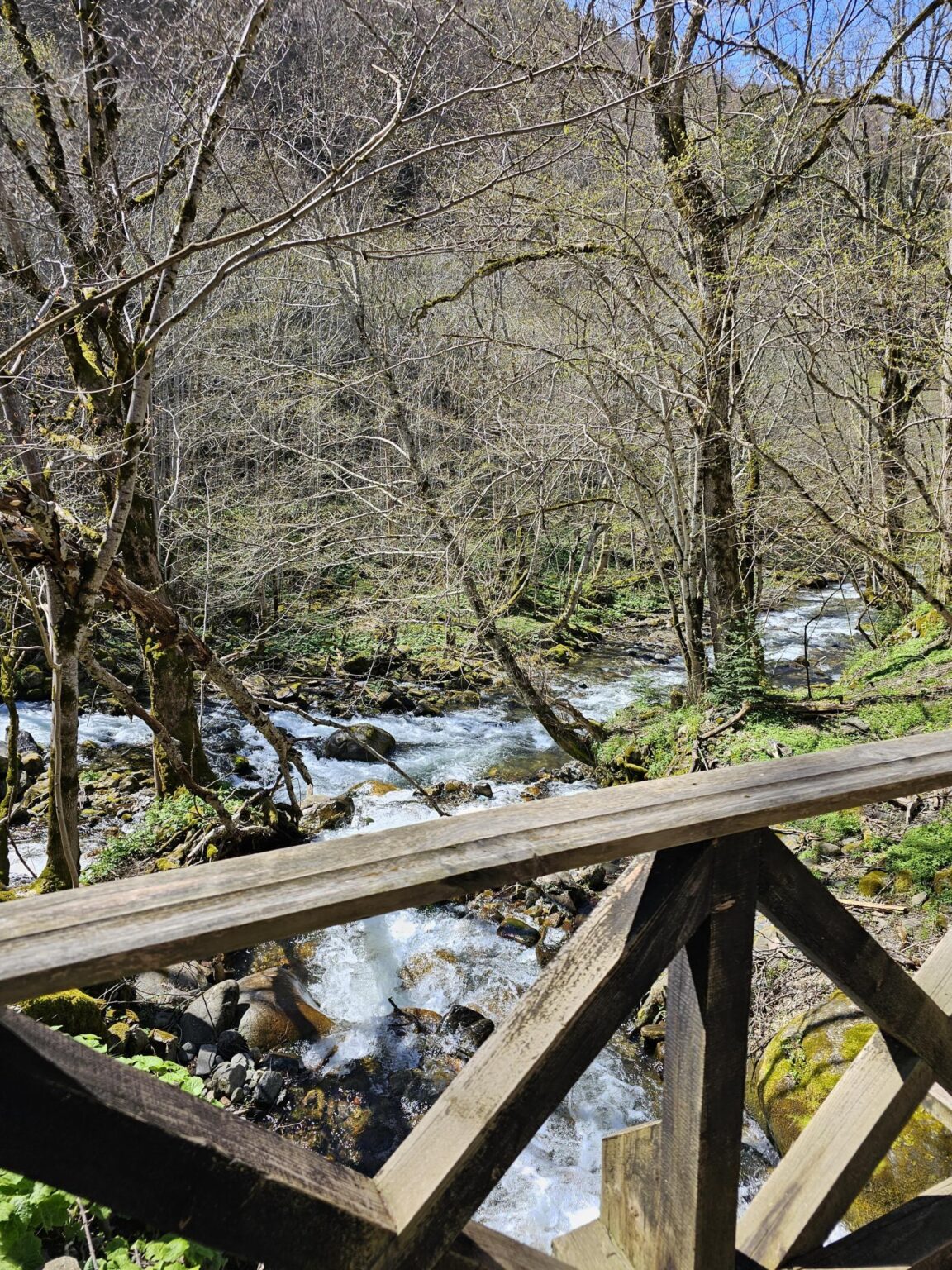
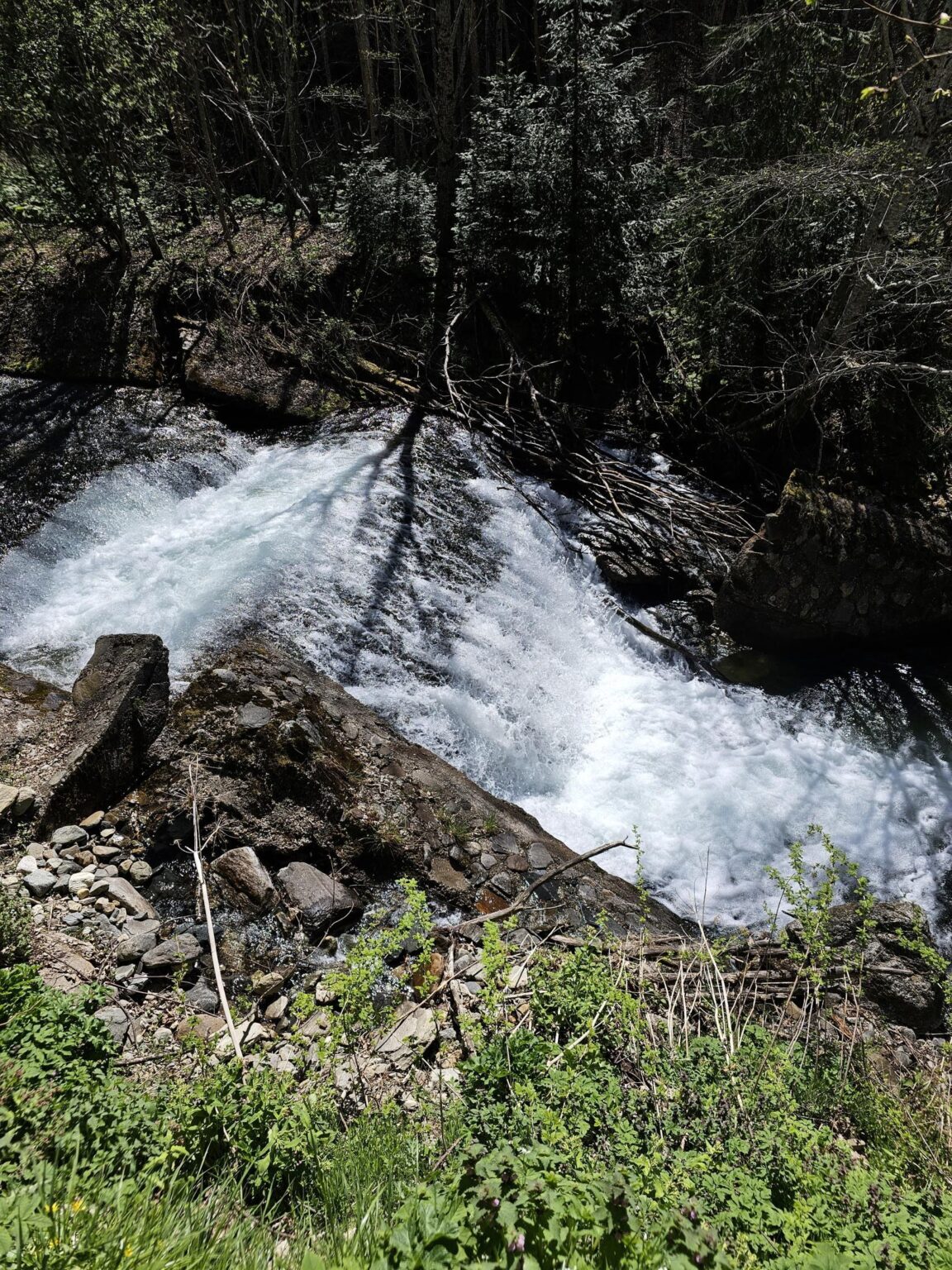
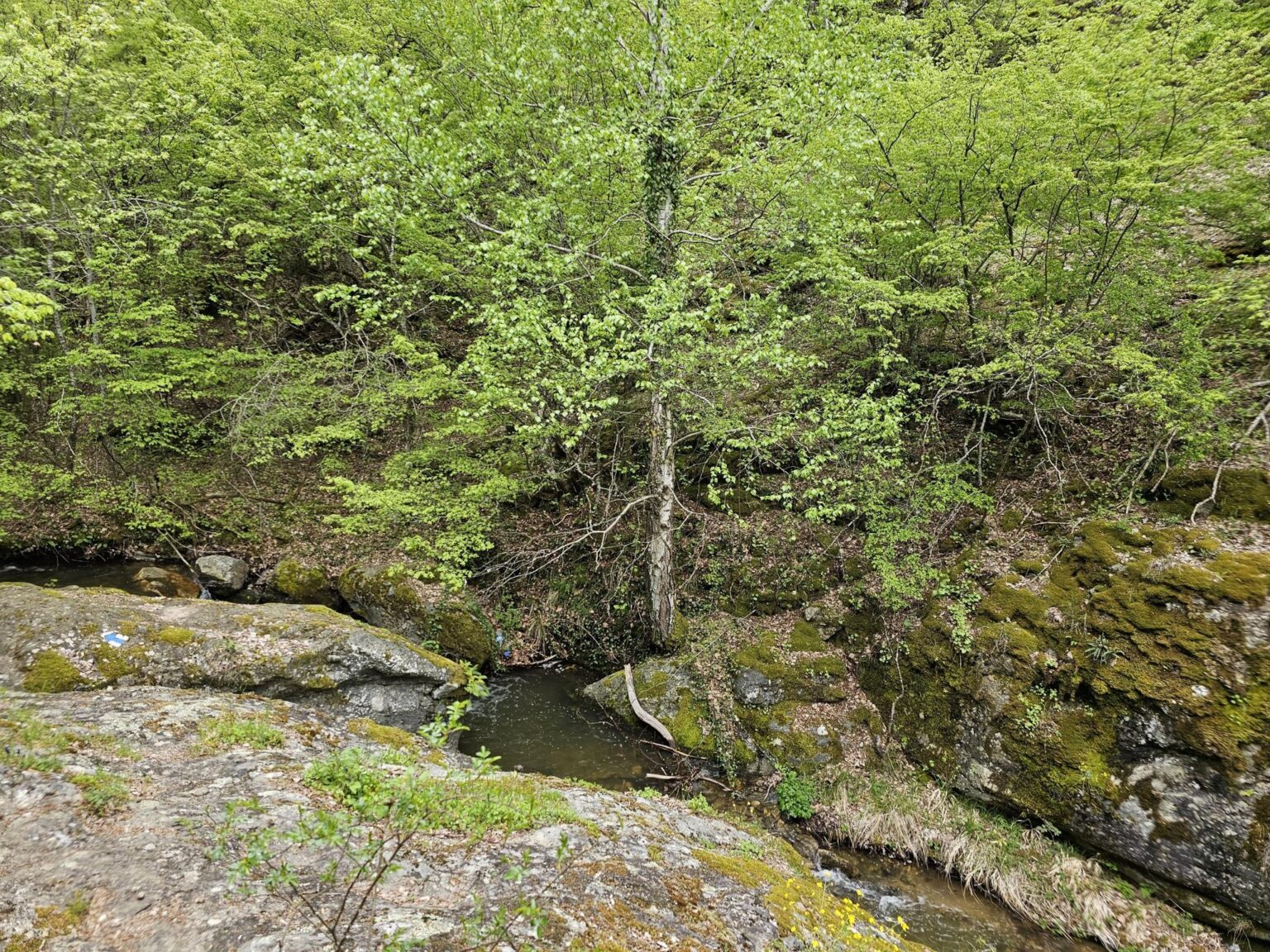
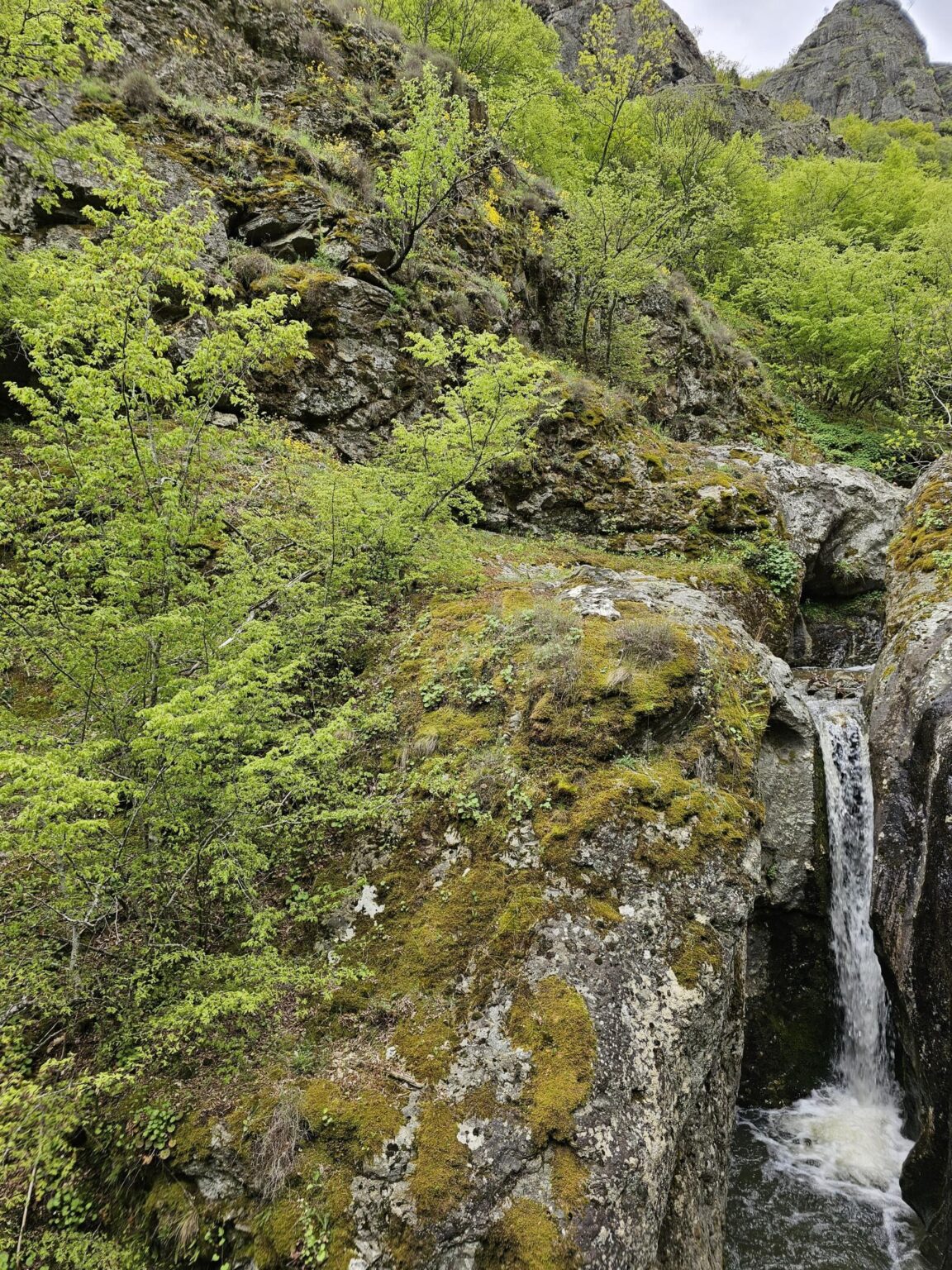
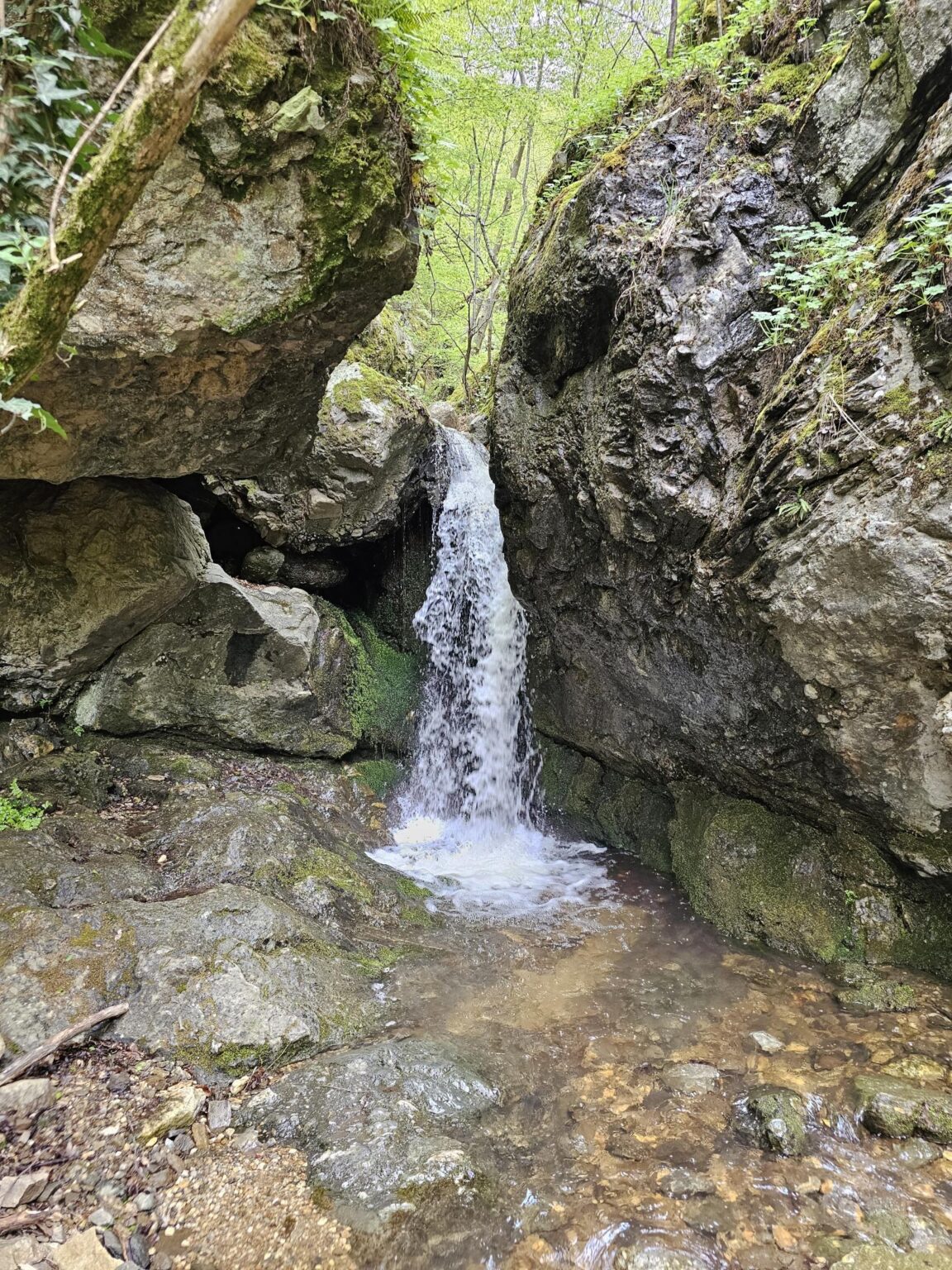
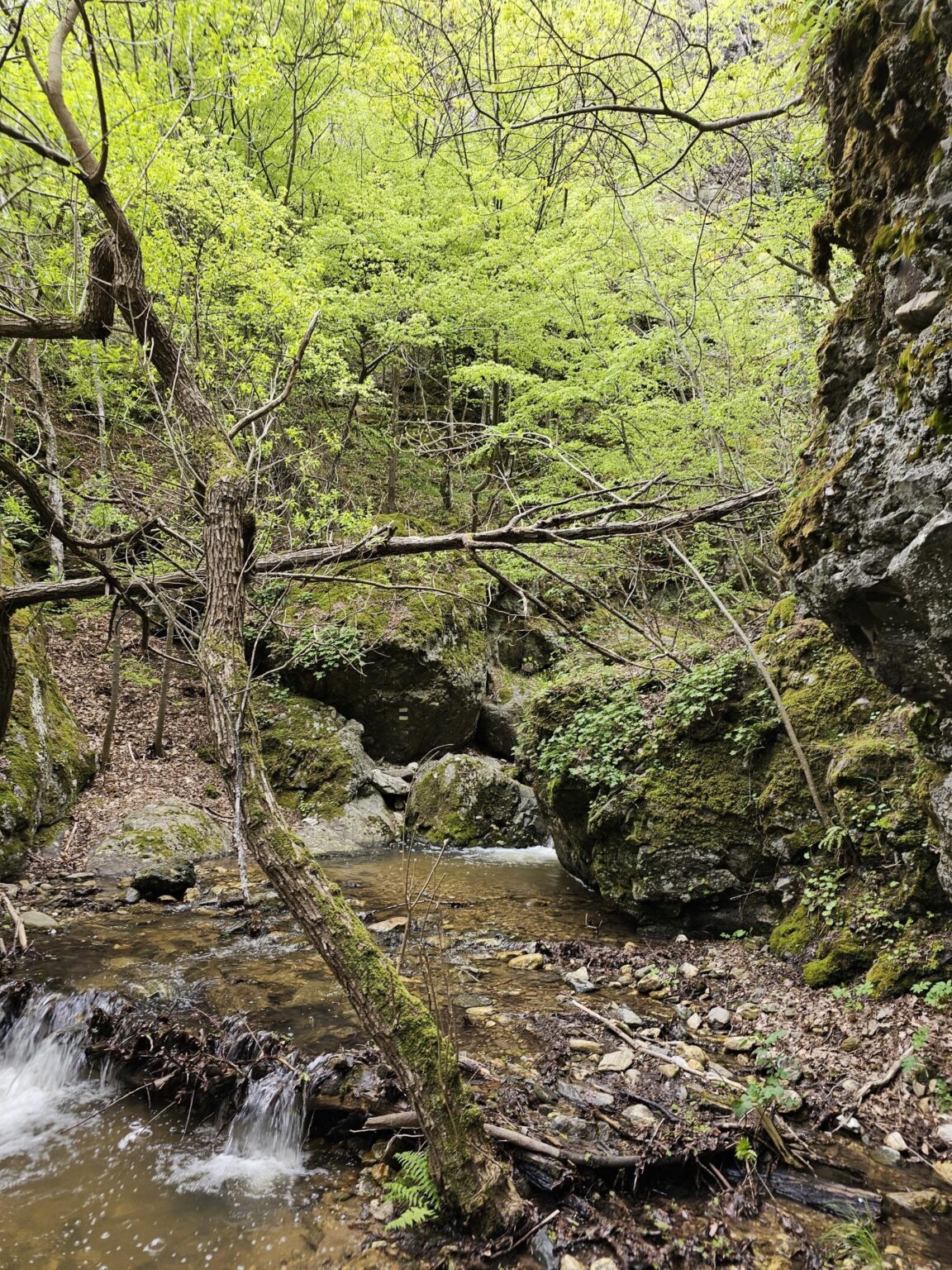
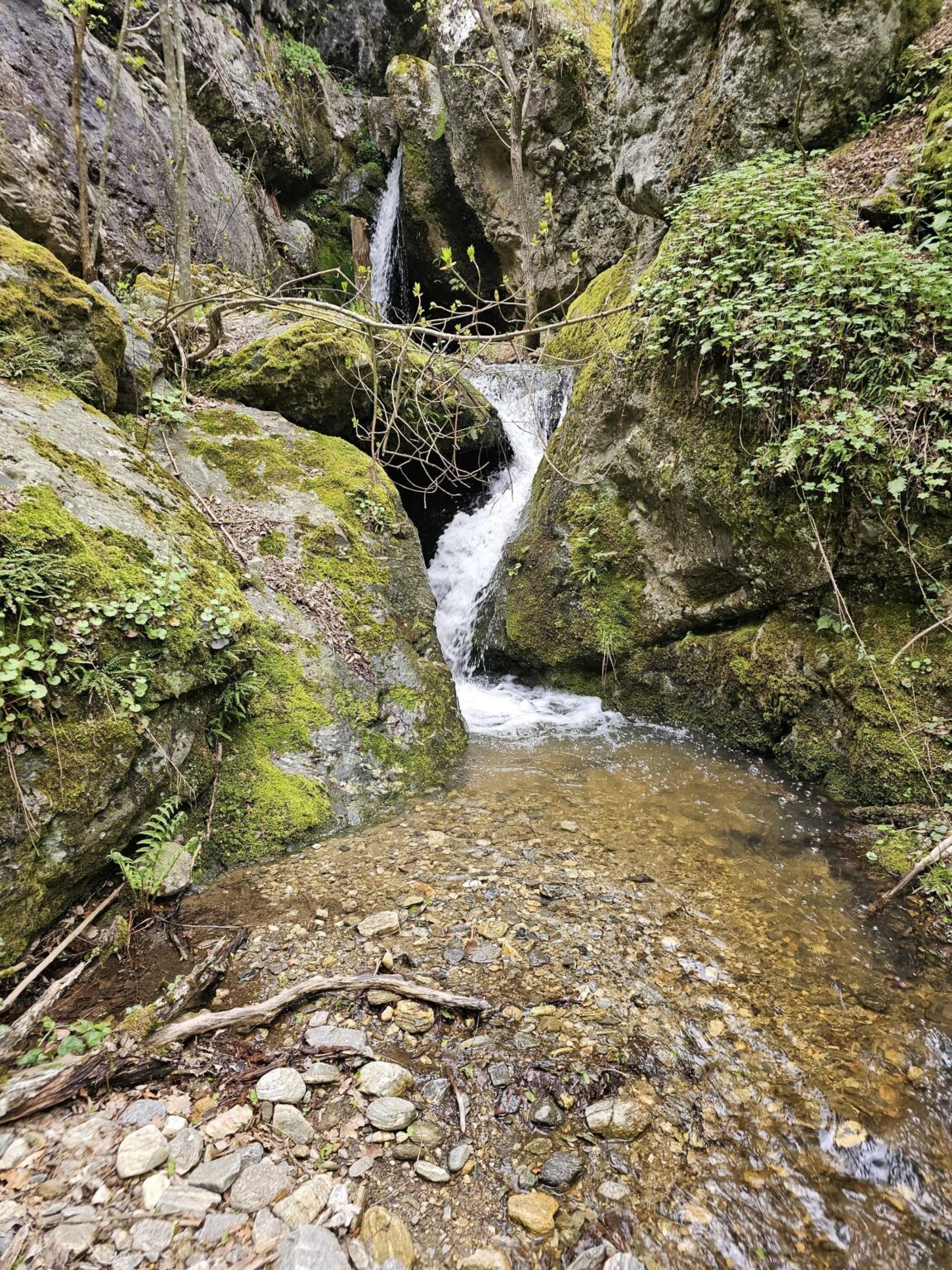
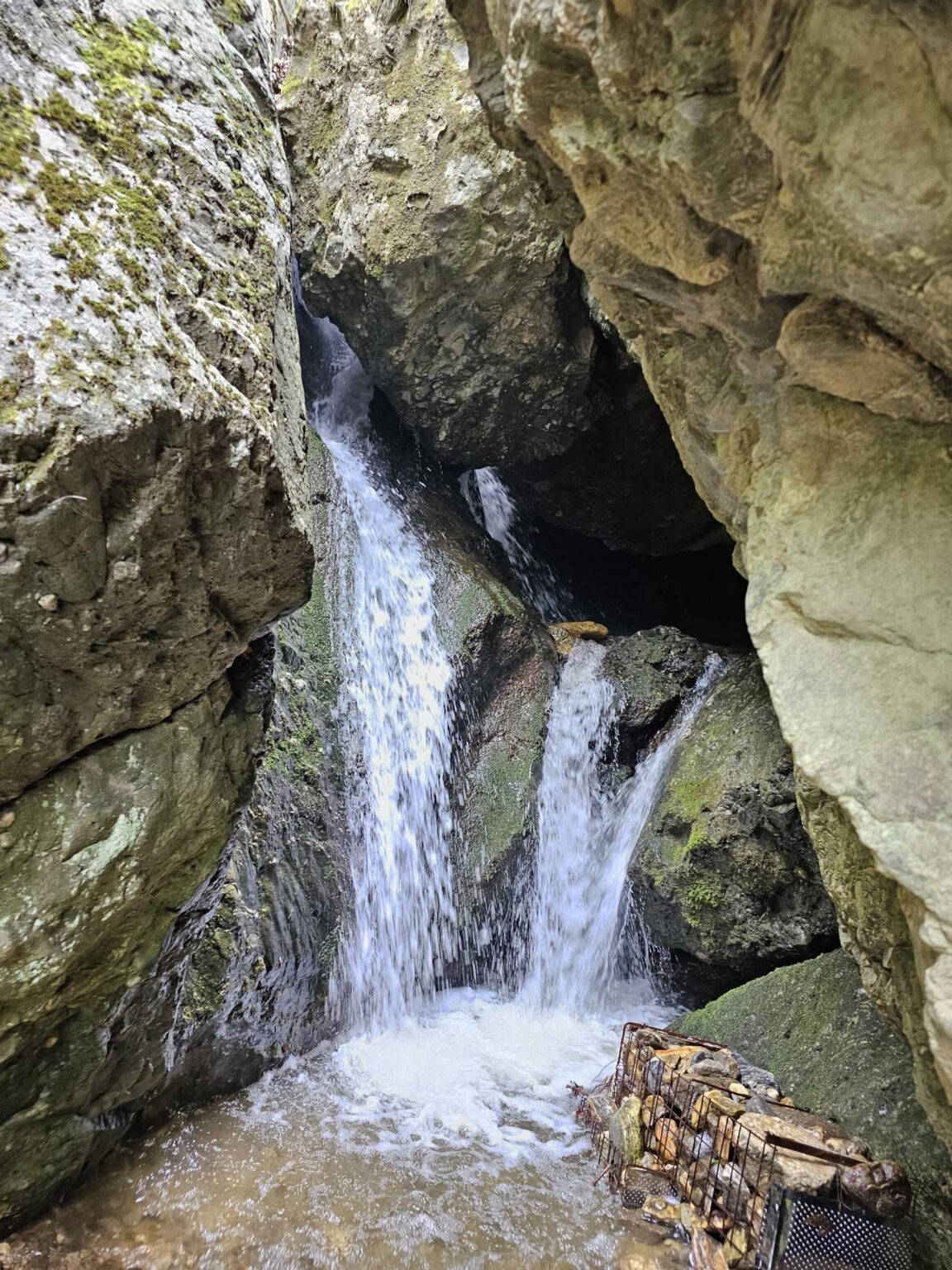
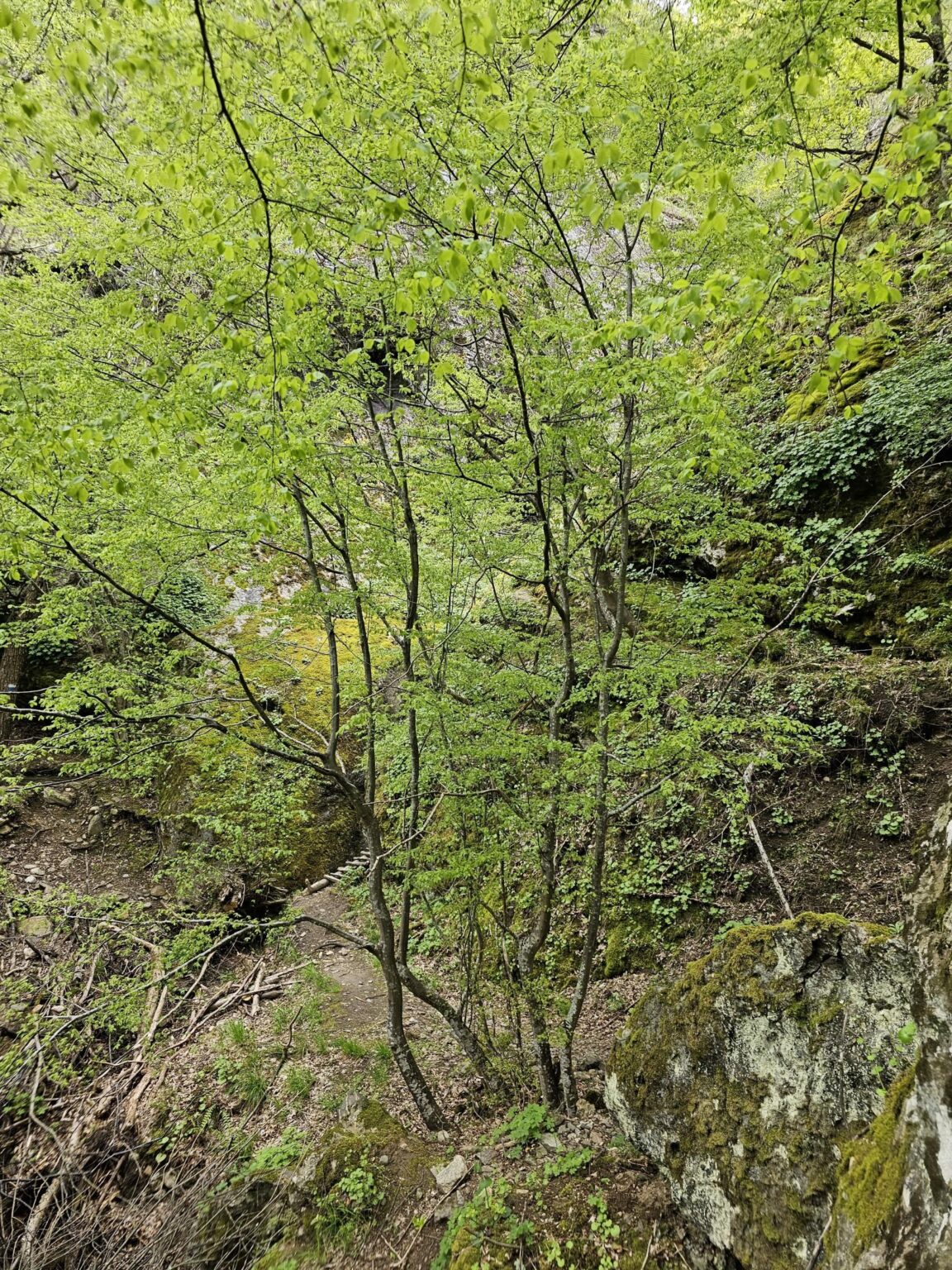
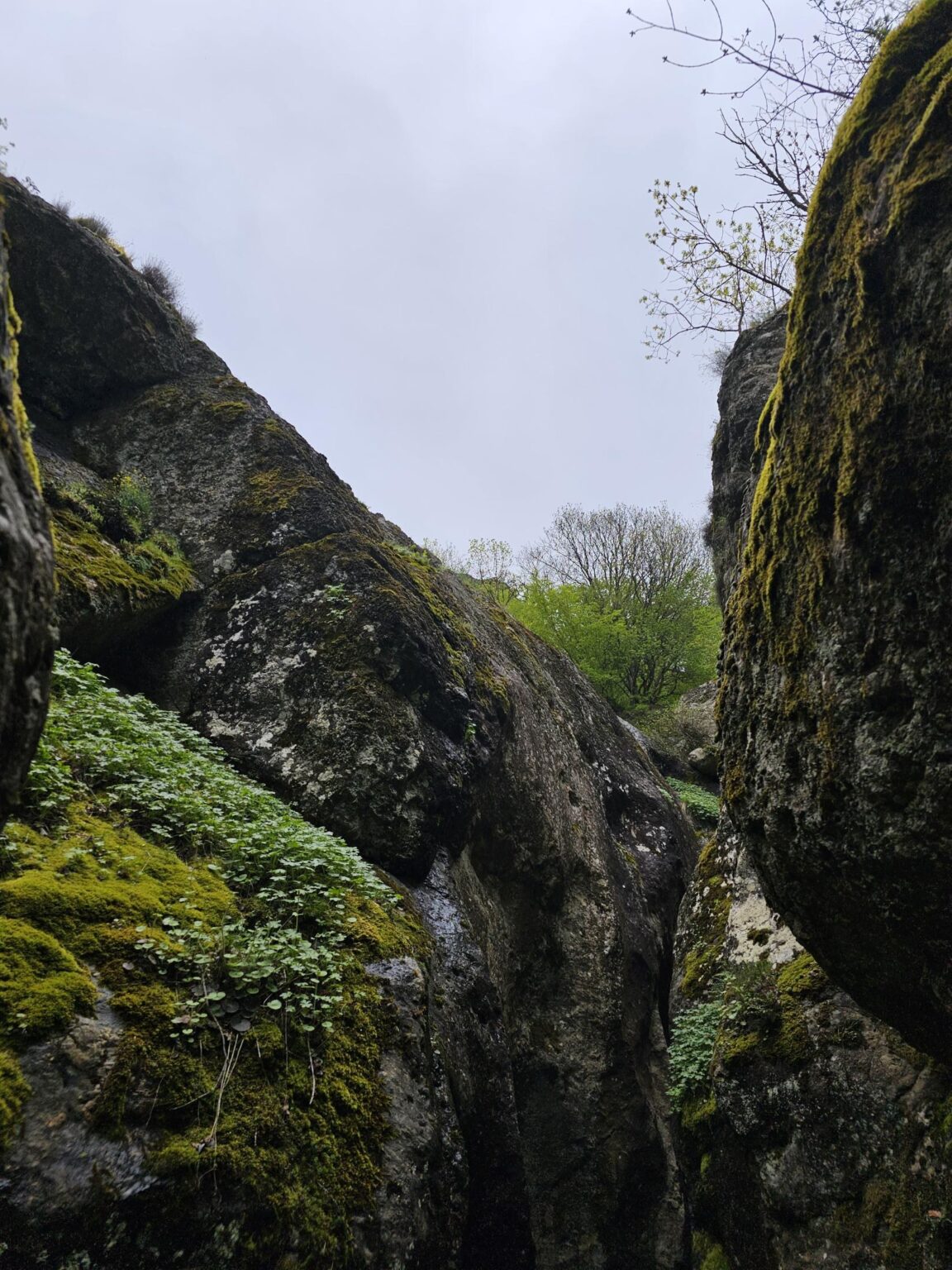
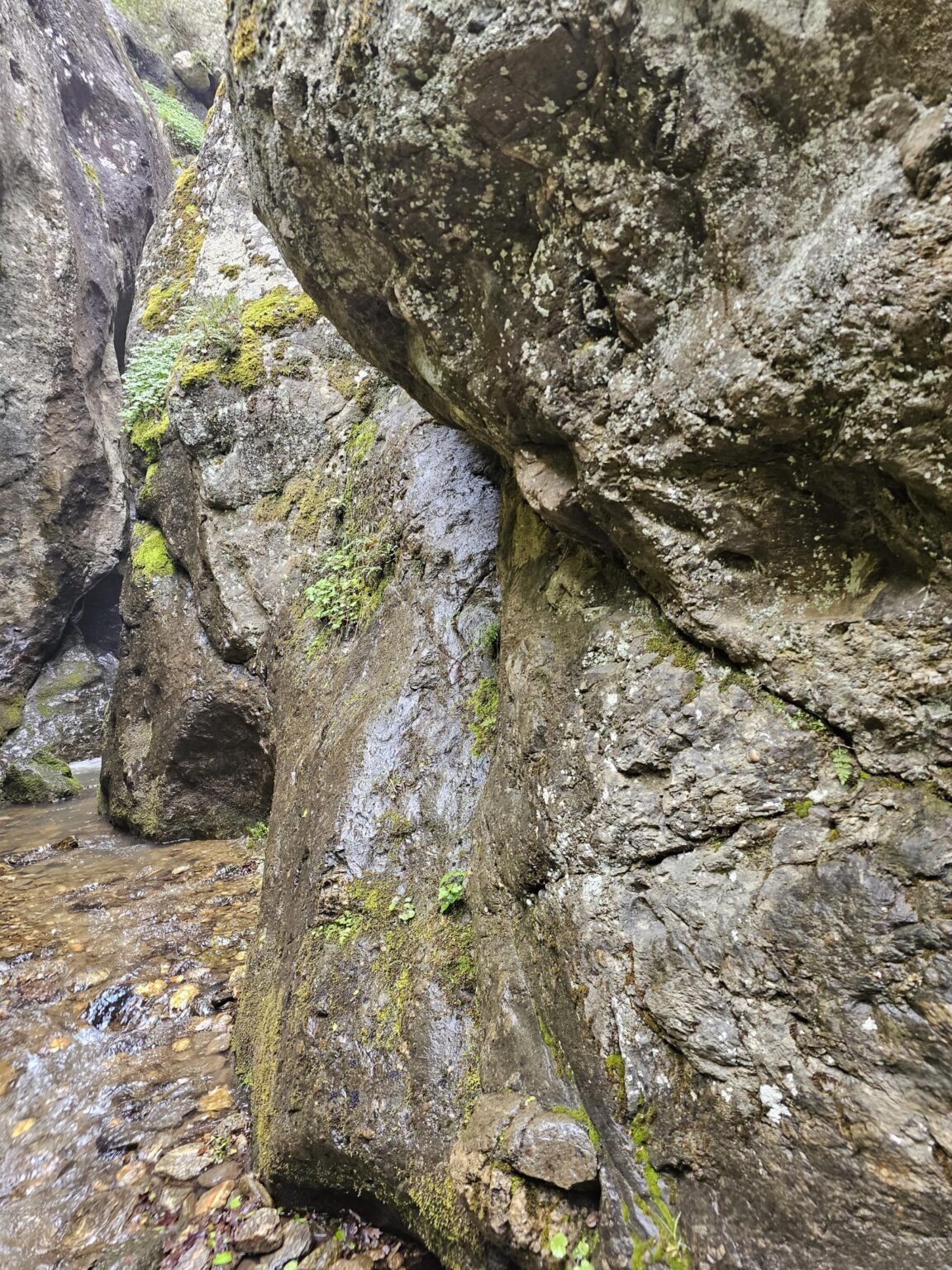
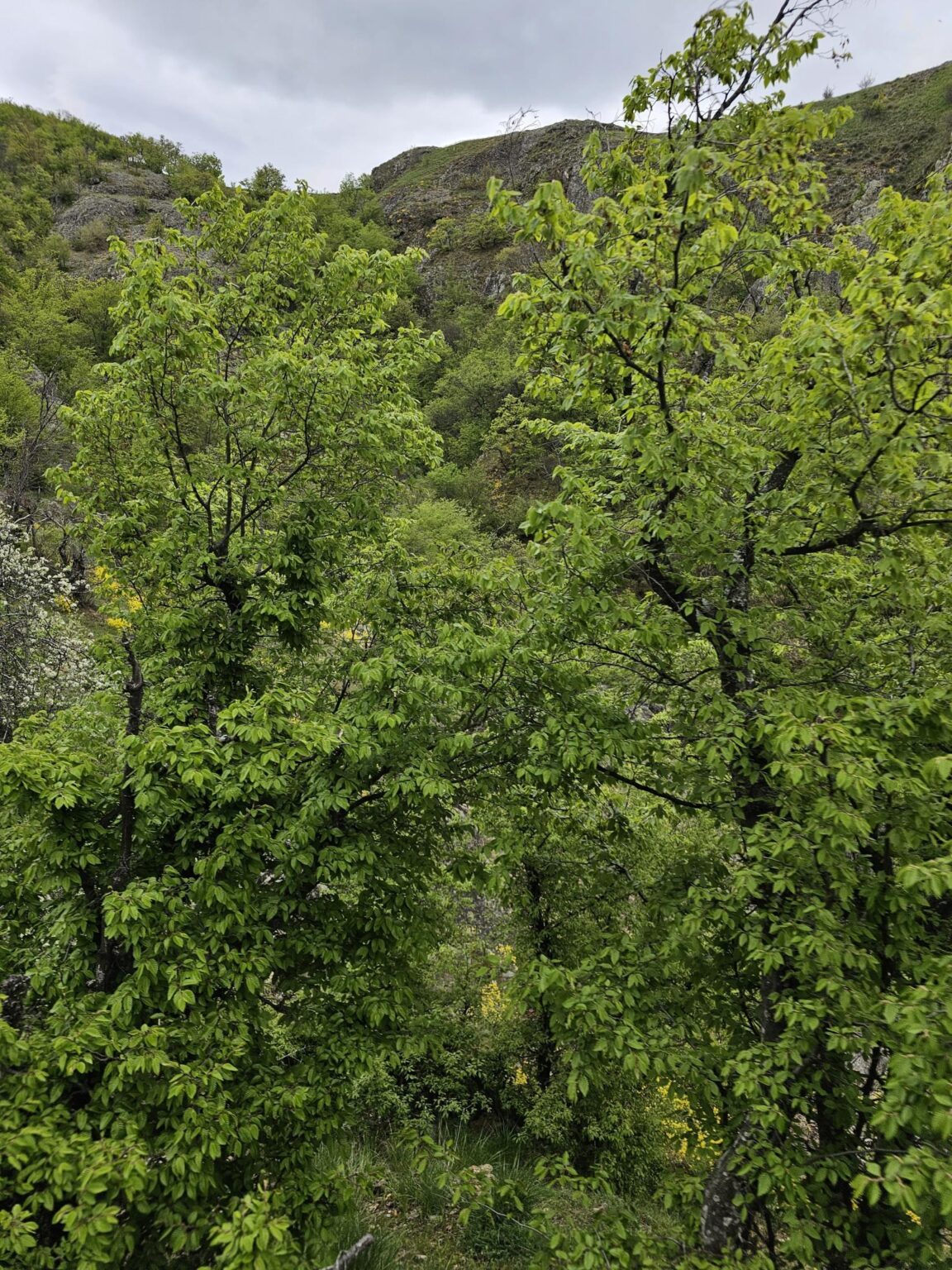
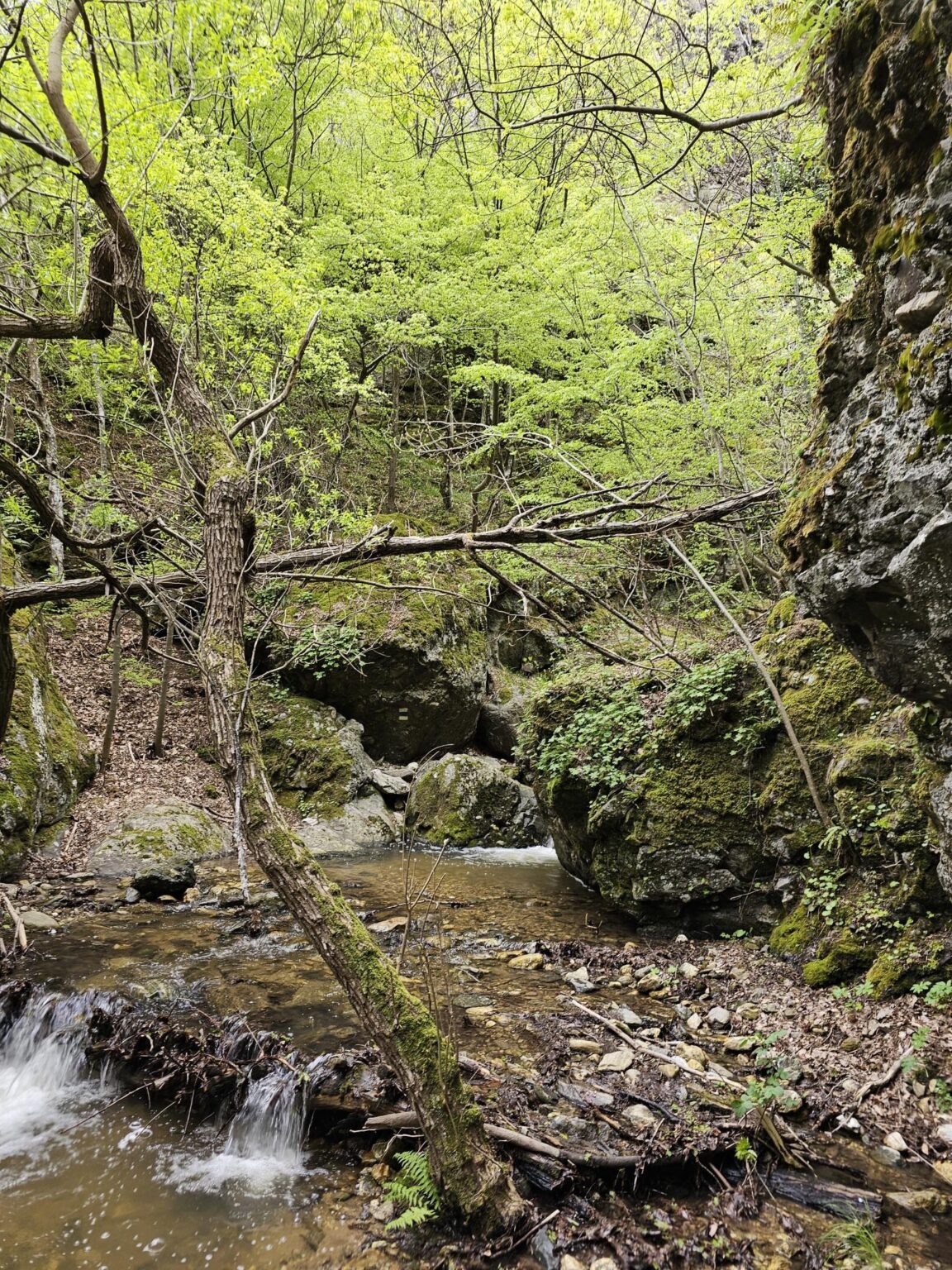
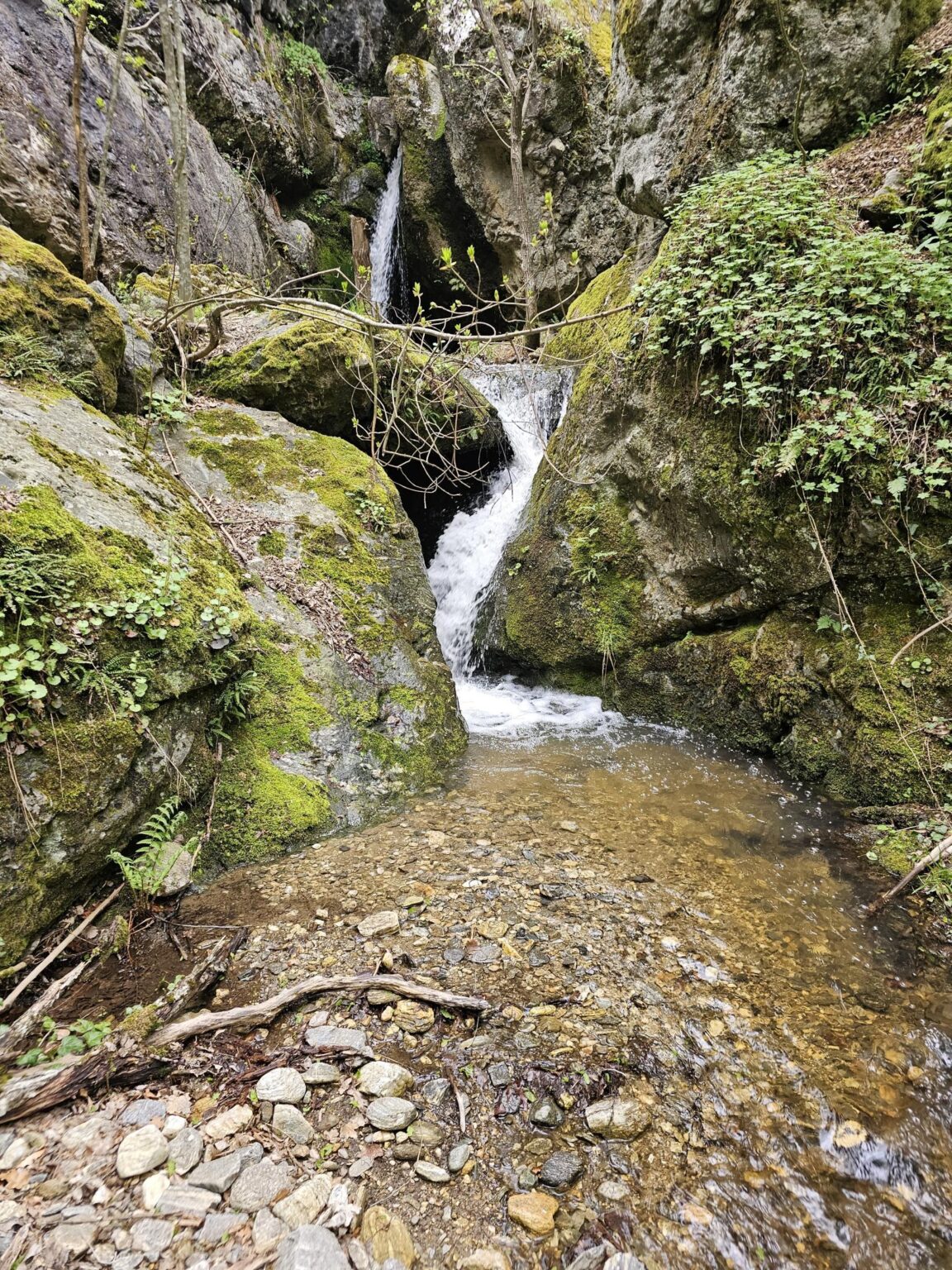
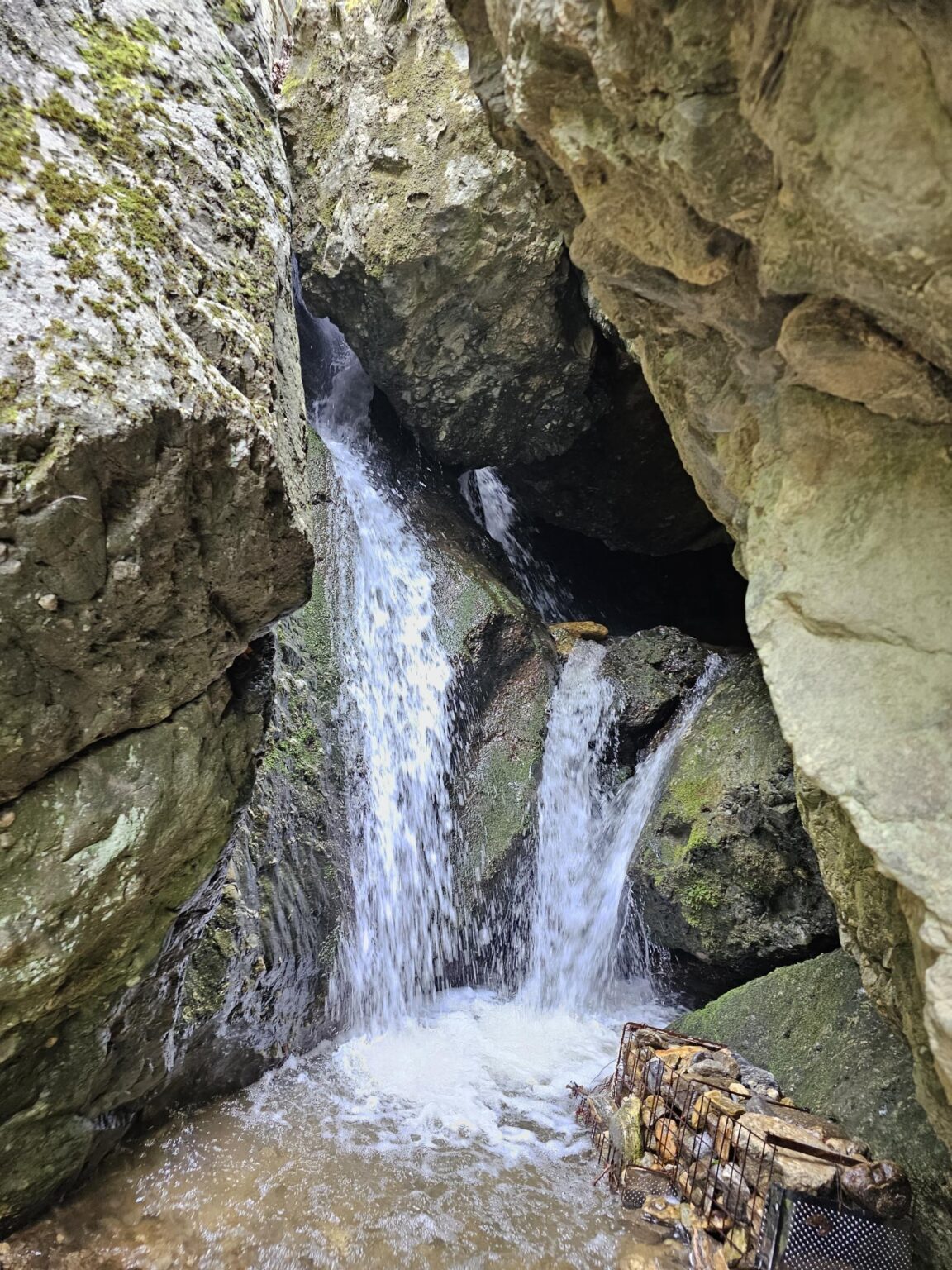
Slowly and carefully and it all works out. A little further along there’s a similar rock, this time with no rope and two half-broken wooden steps instead. In exchange for the difficulty, every few metres a new stage of the cascade opens up, and it is properly beautiful — as you can both see and hear.
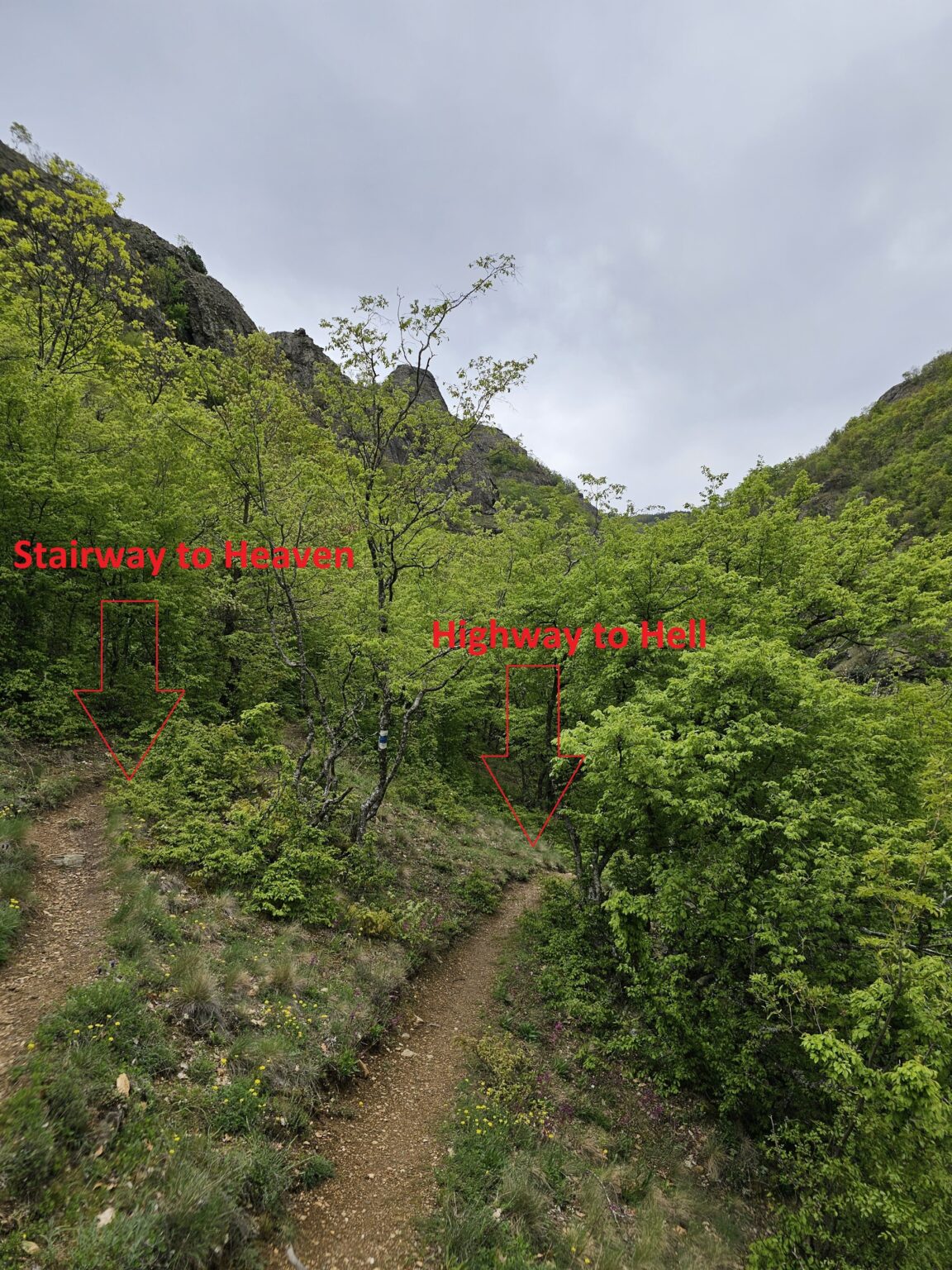
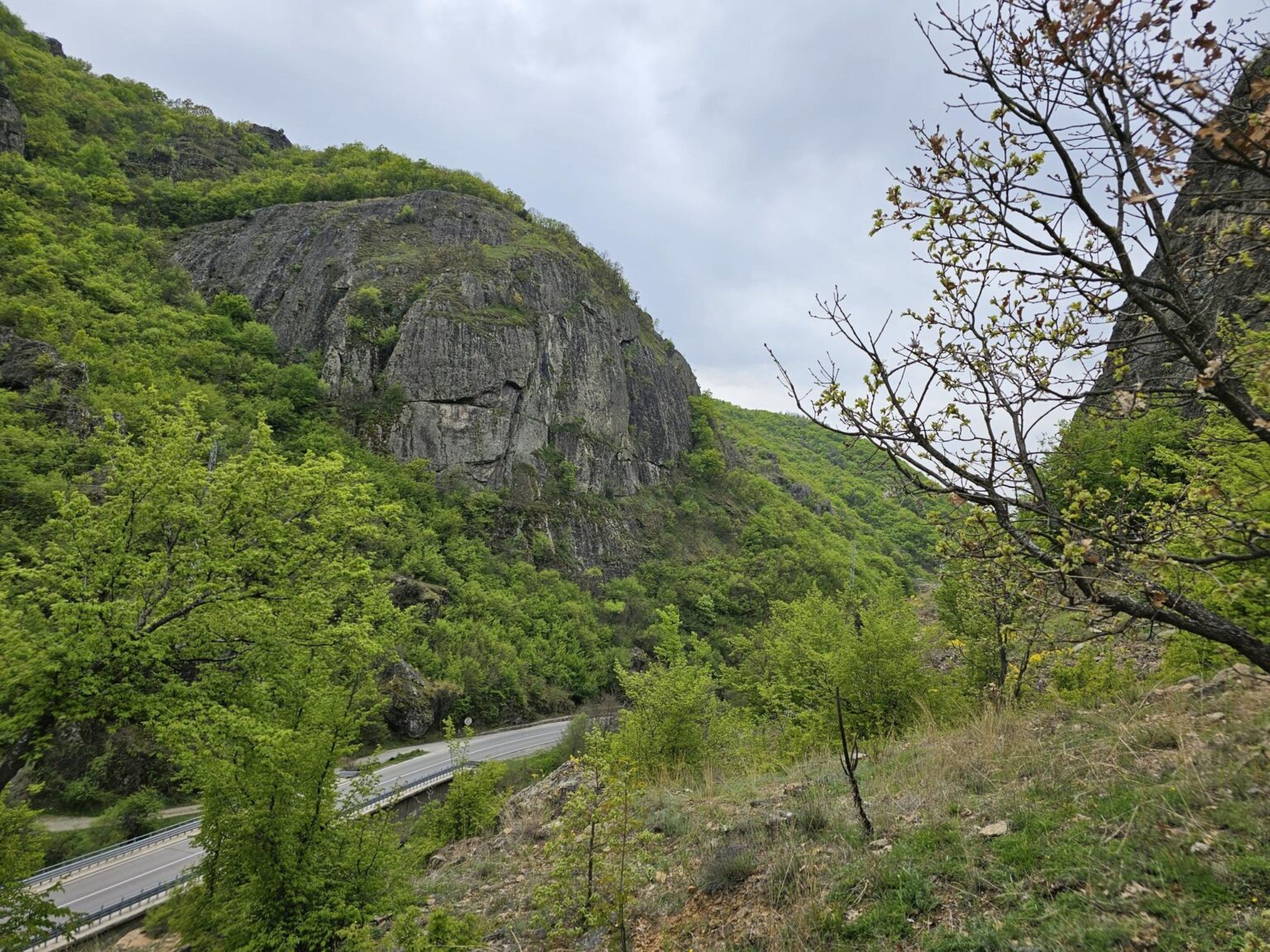
The curious part is that we met at least four other people up here, which is more than we’ve seen on far gentler routes. The climb itself is short — the trail isn’t long, it’s simply steep and awkward. Going up takes 25–30 minutes; coming back down is under ten and feels like a walk in the park. After we’ve been up and returned, we look back and see this:
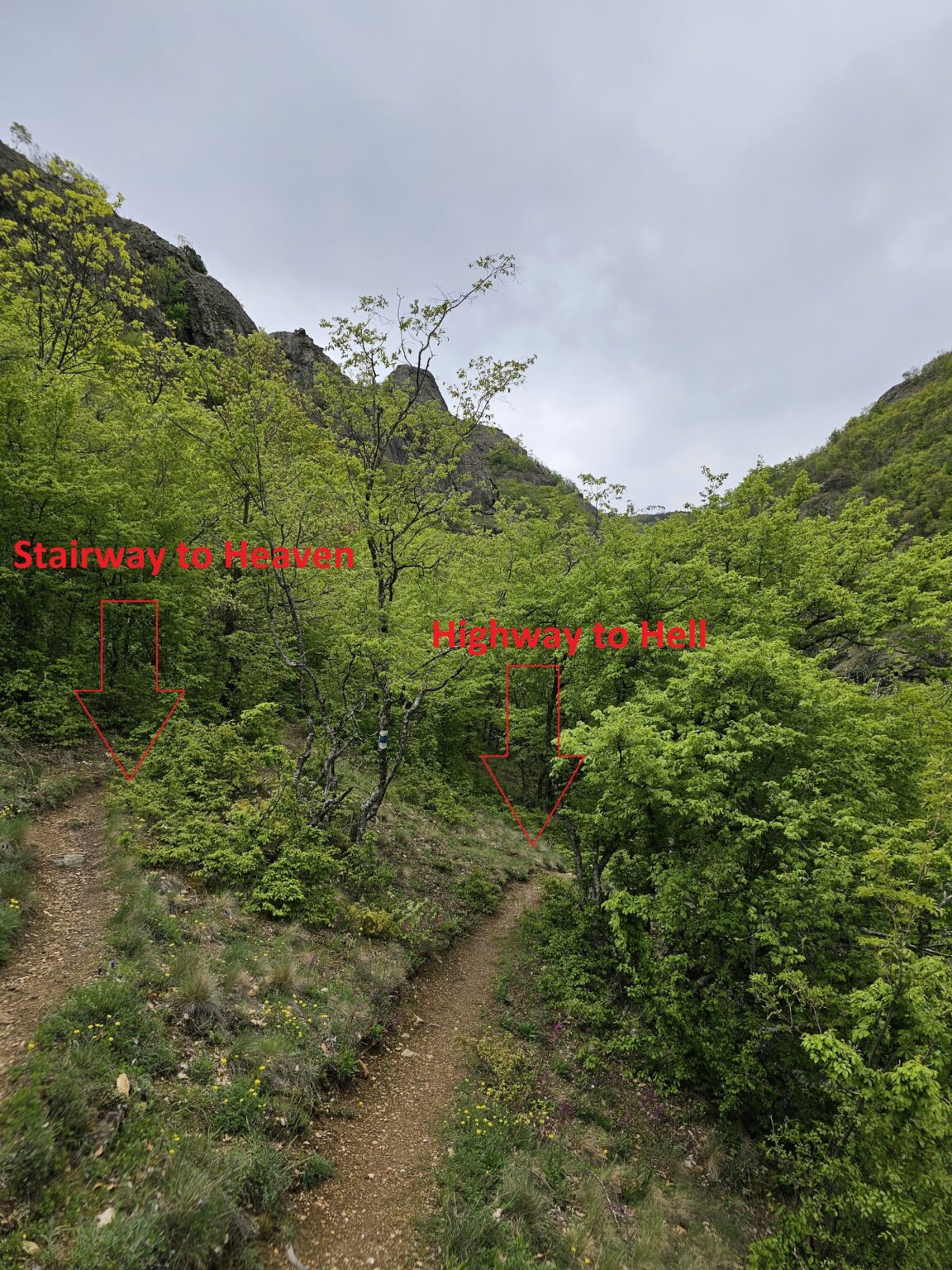
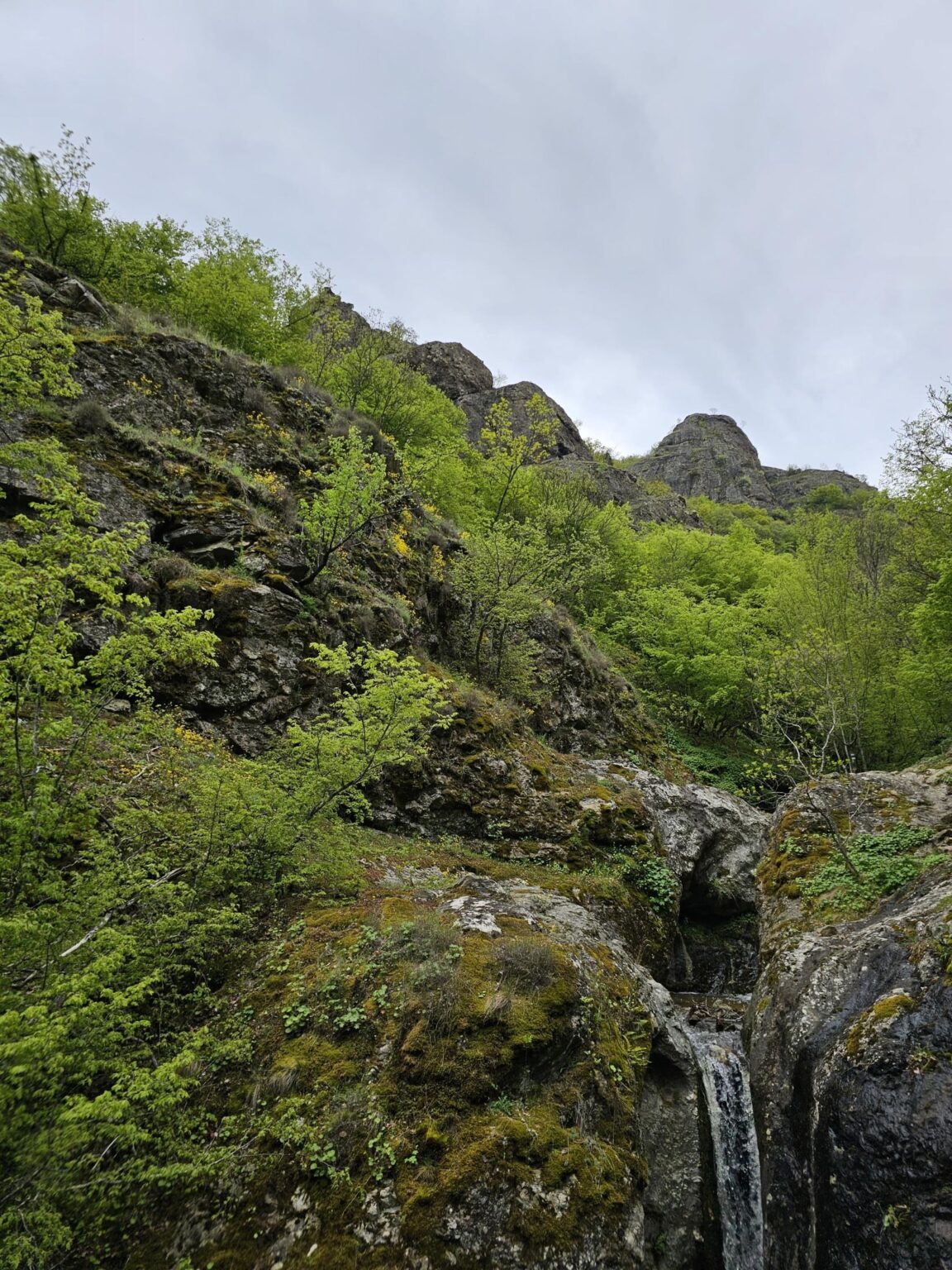
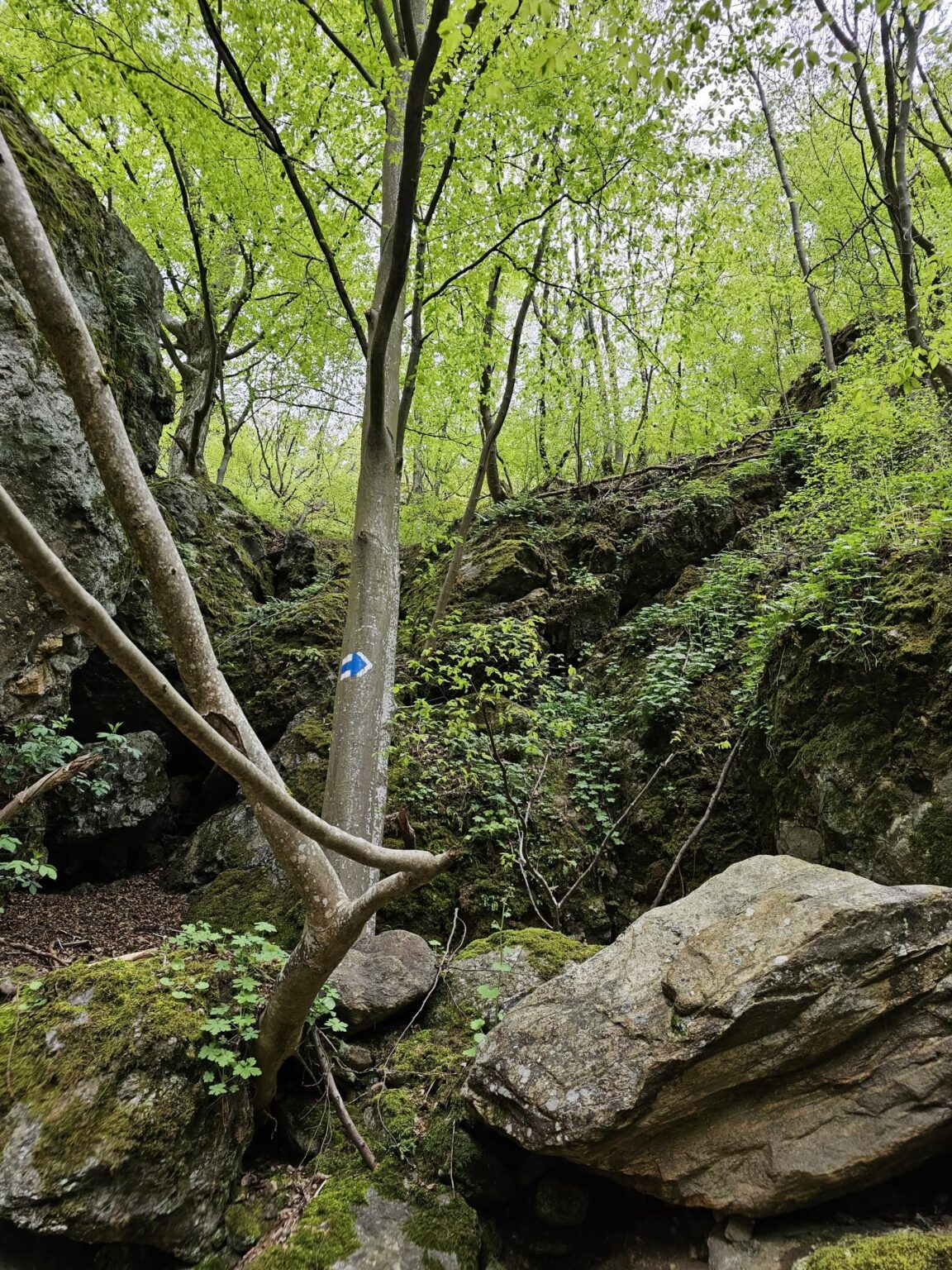
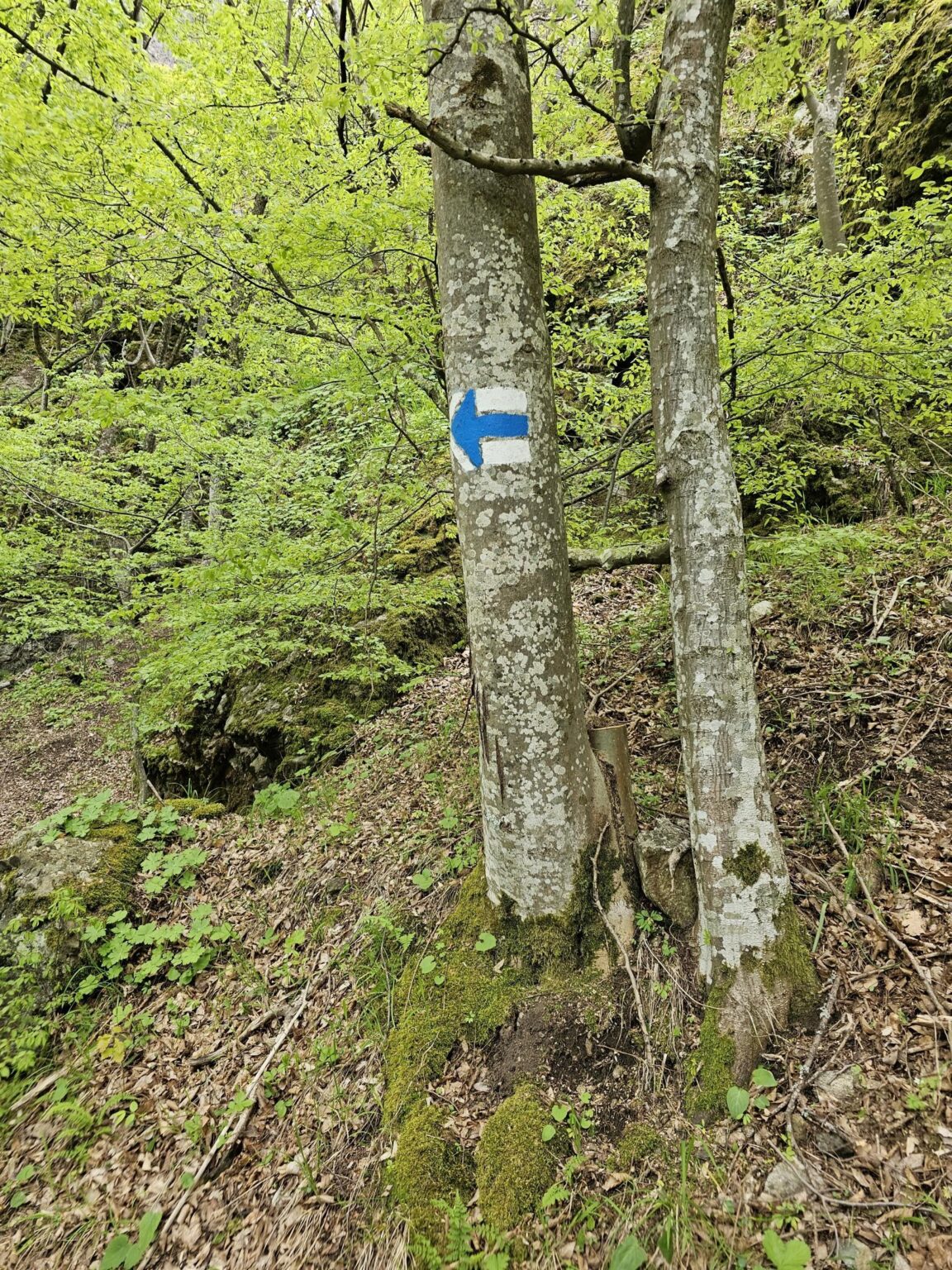
Stairway to Heaven and Highway to Hell, in one frame. And it’s true: if you take the left-hand route instead, you can stroll calmly for ten minutes or so and still see around 30% of the Bohemia cascade. The path with all the obstacles, on the other hand, looks like this:
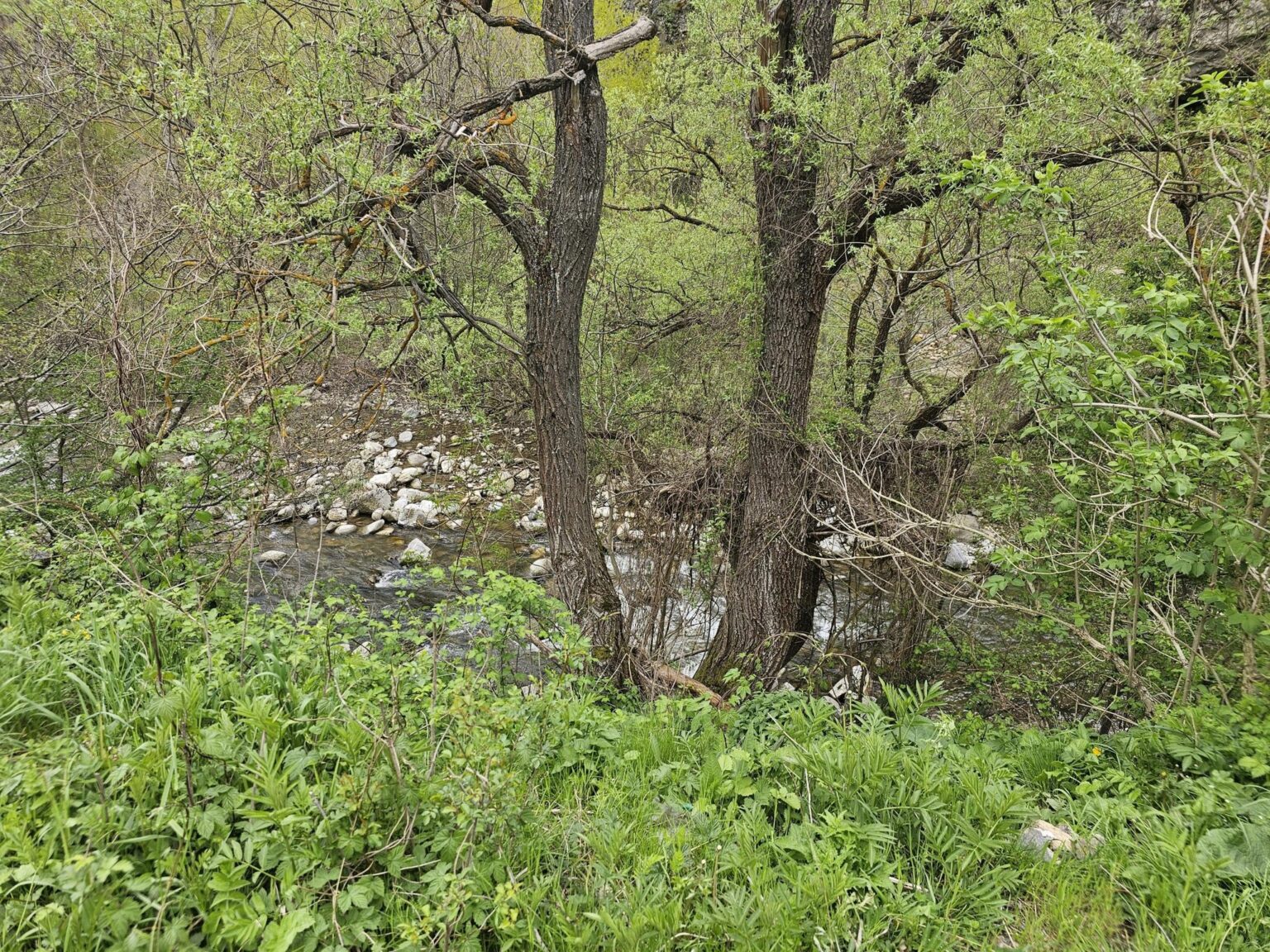
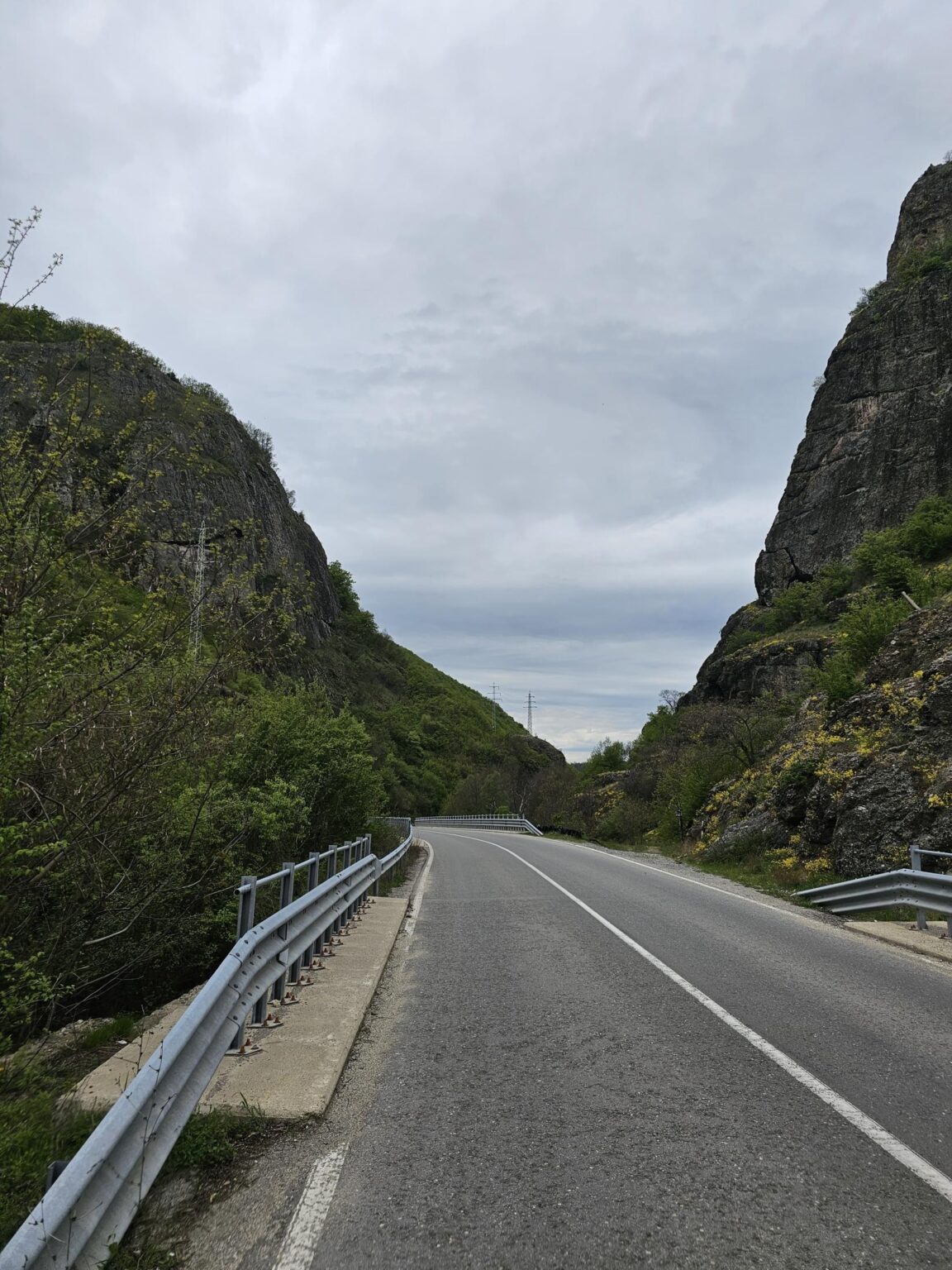
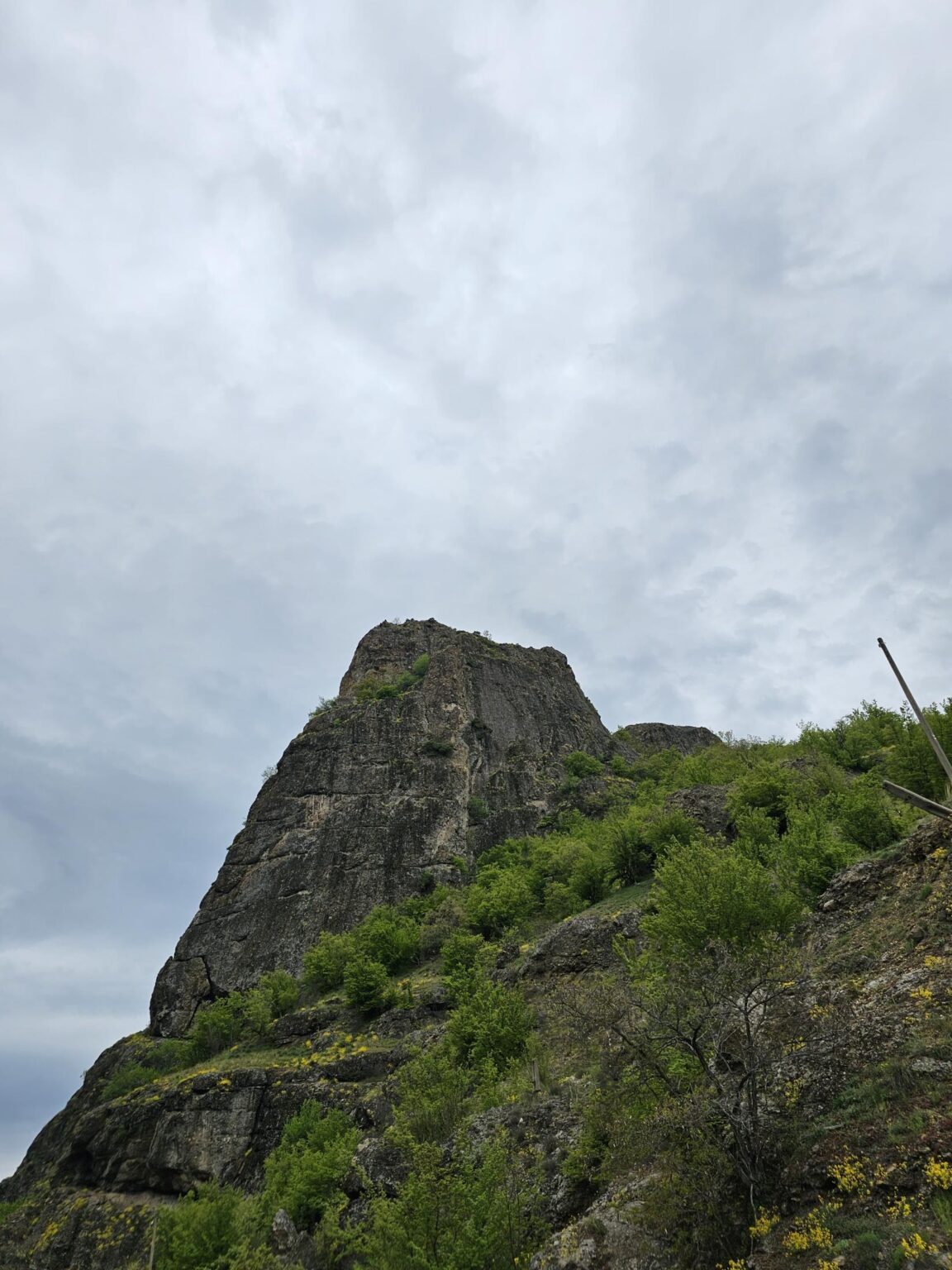
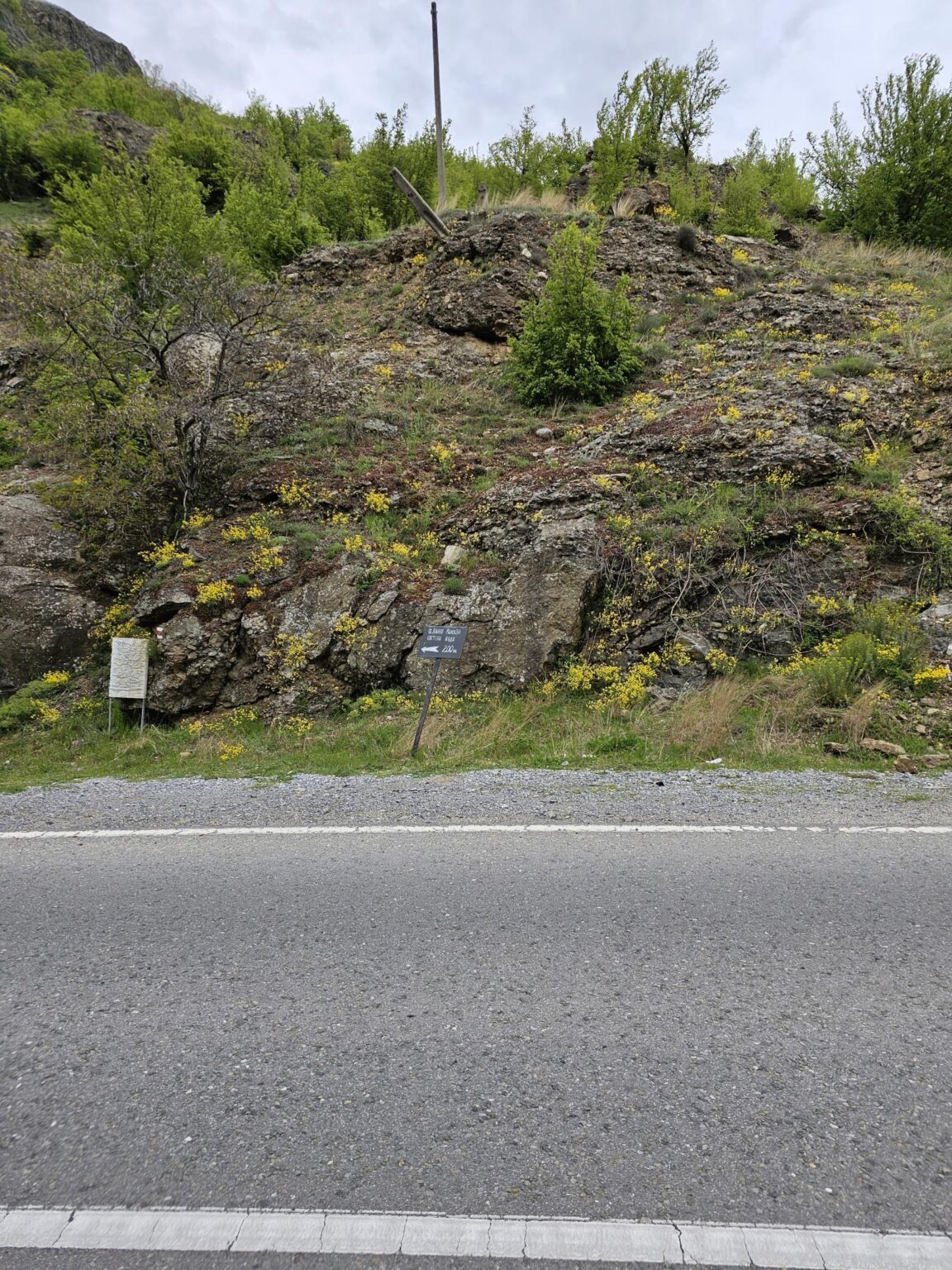
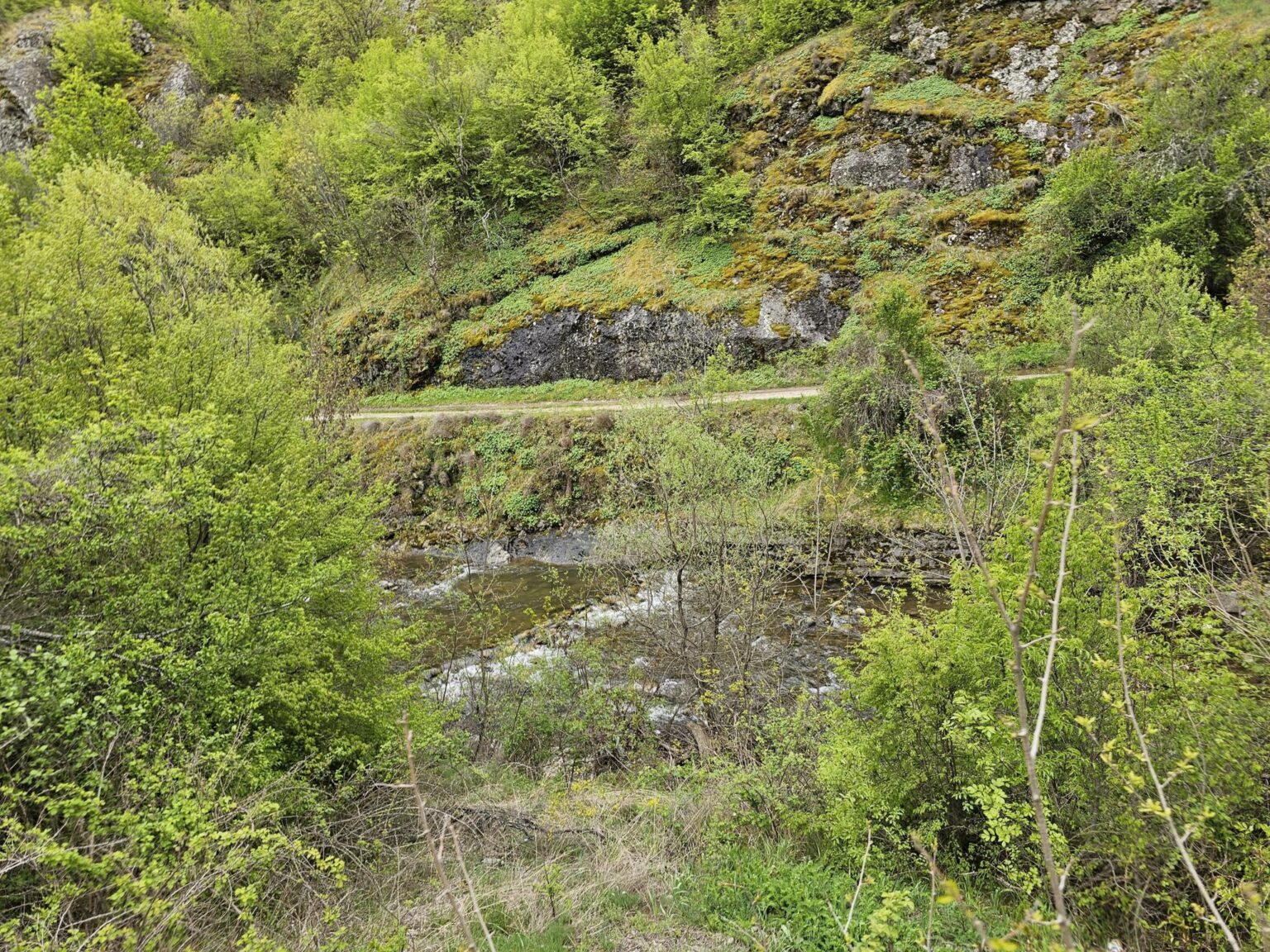
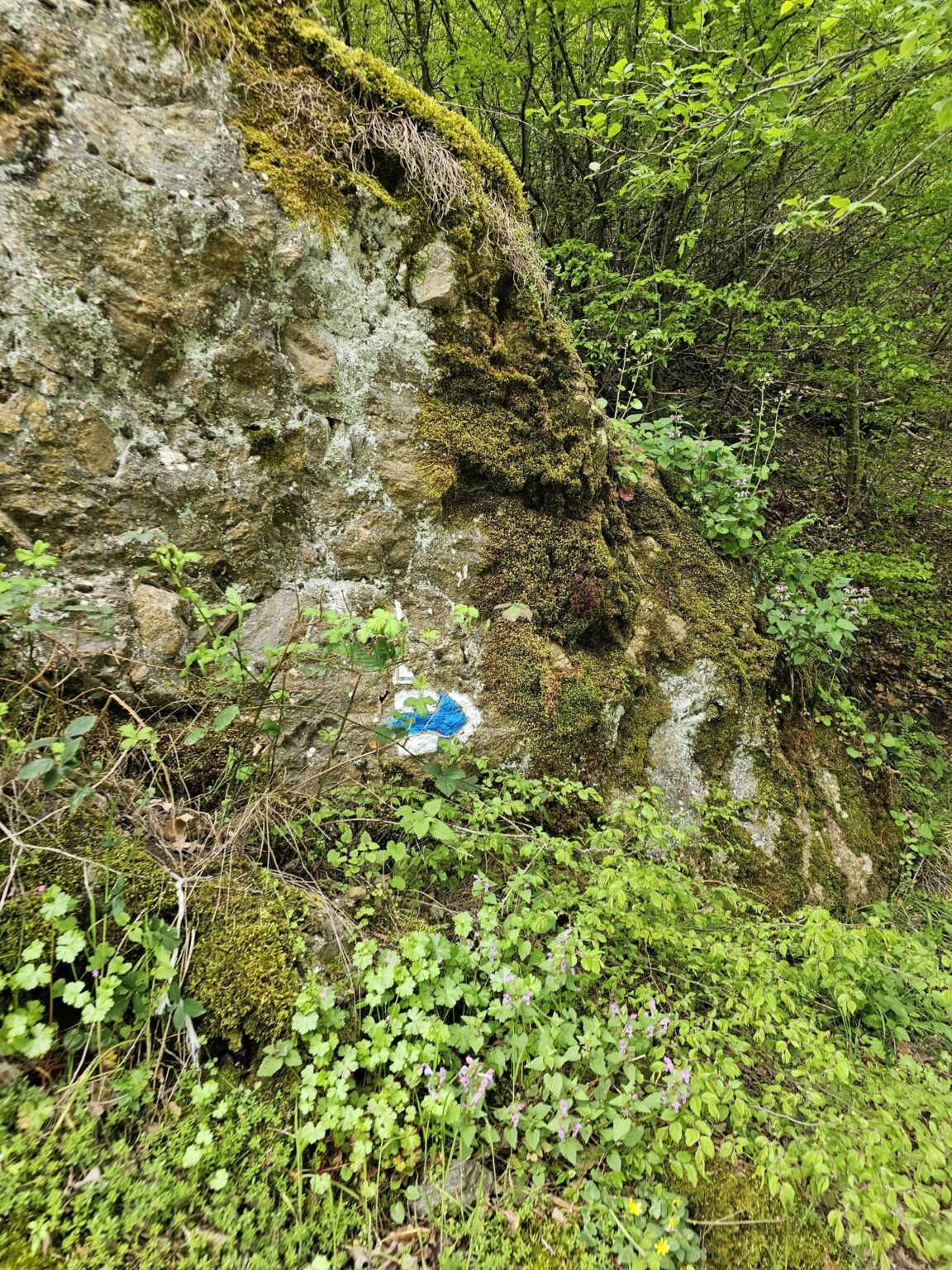
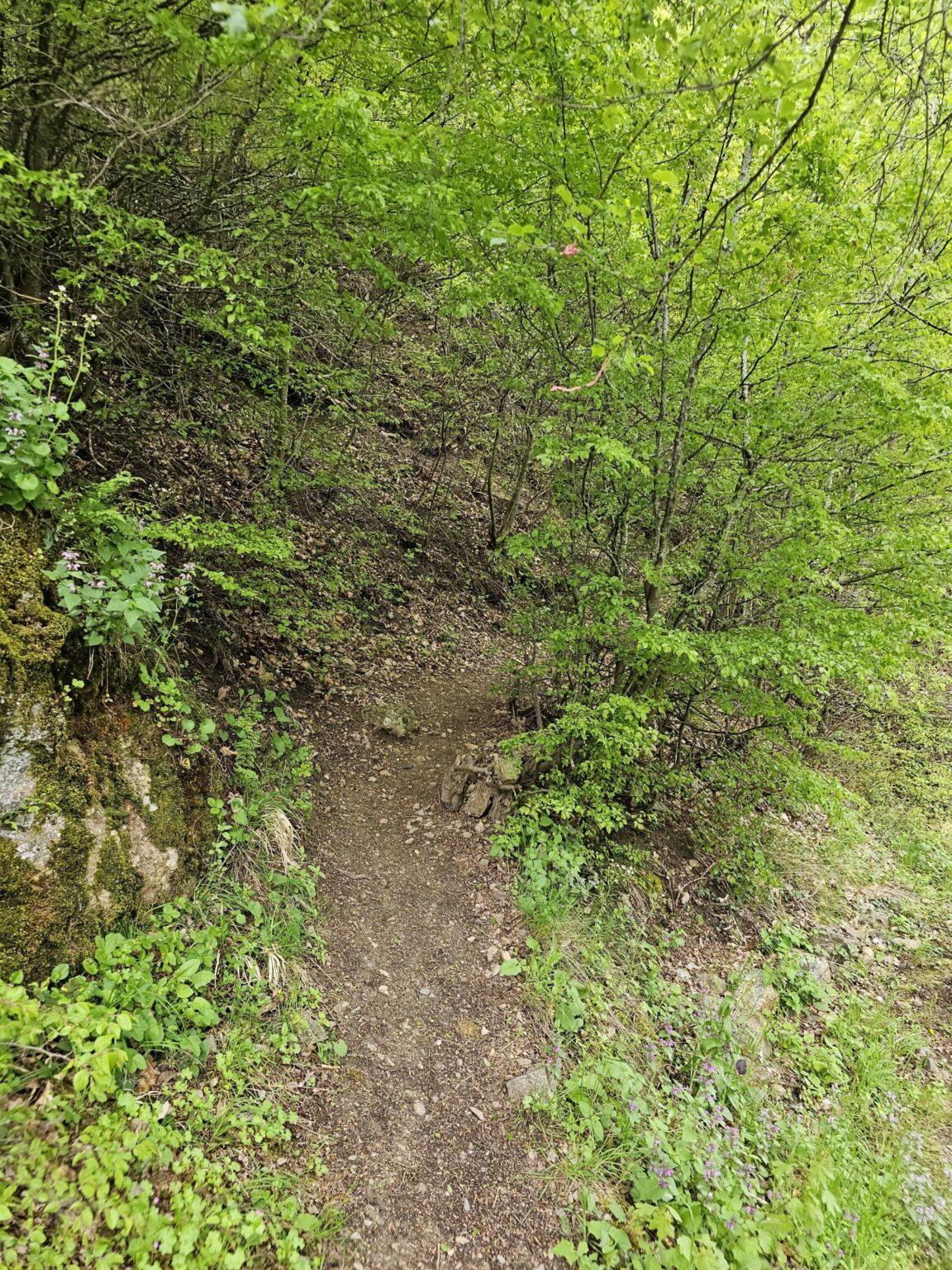
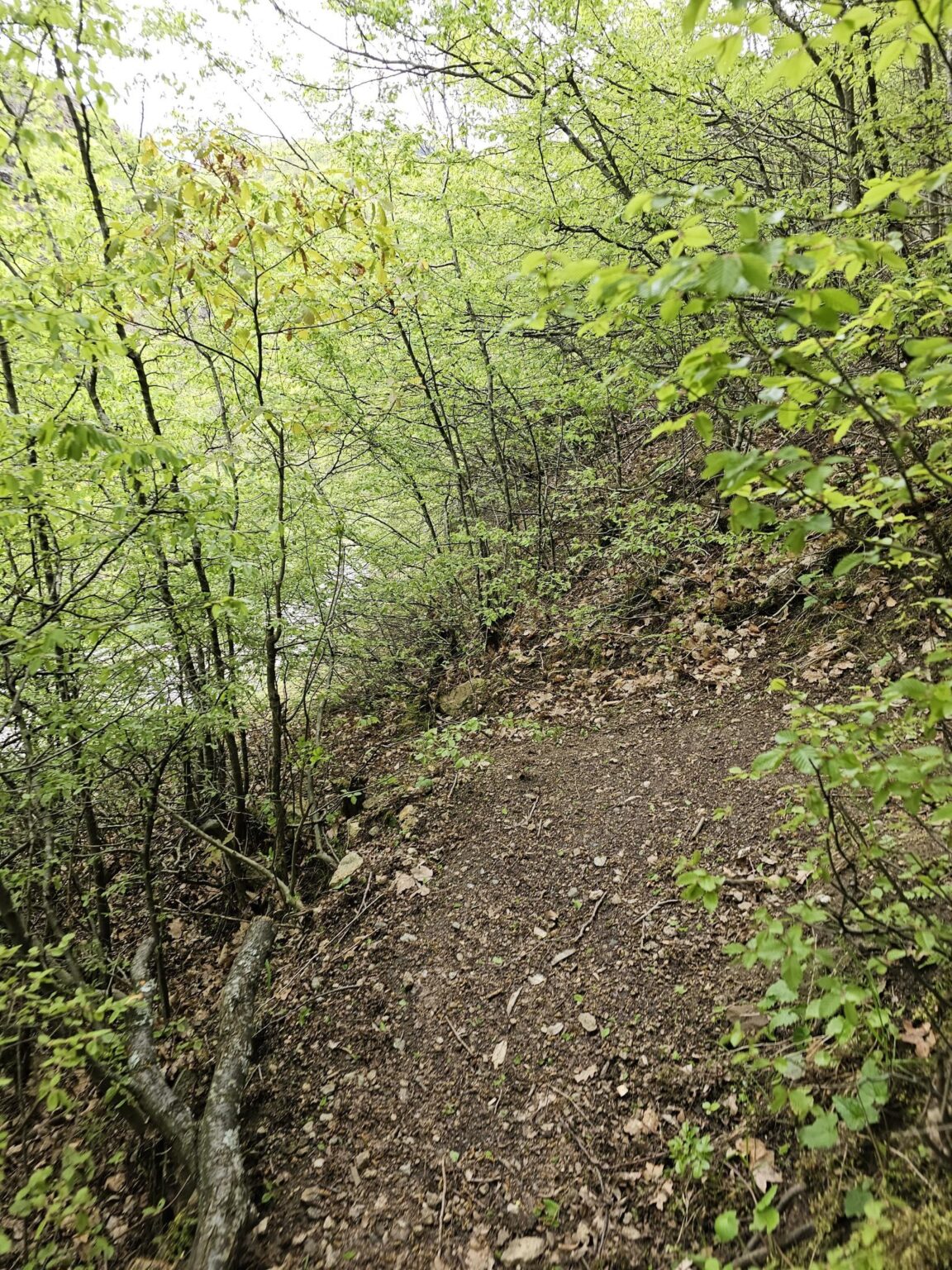
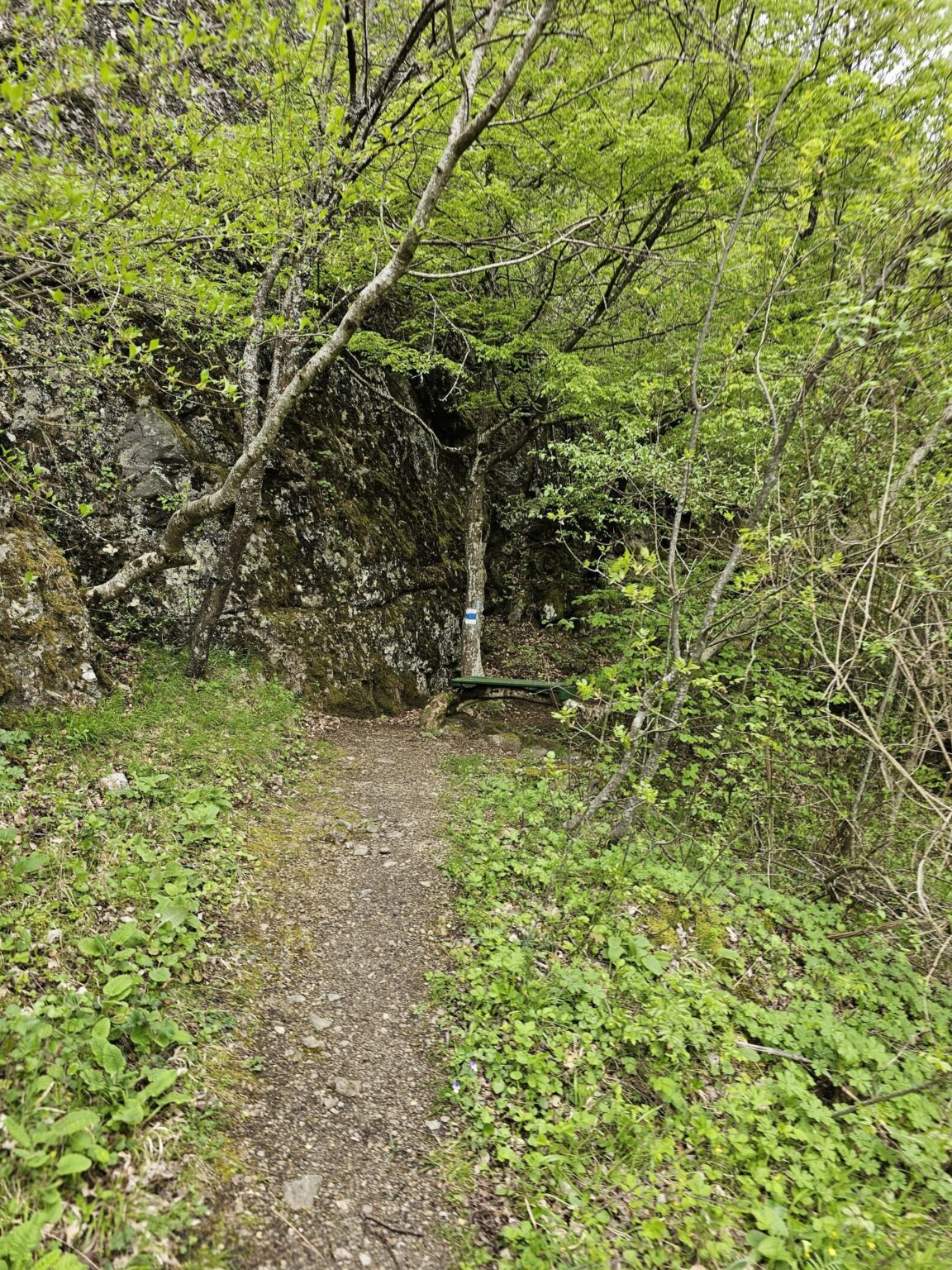
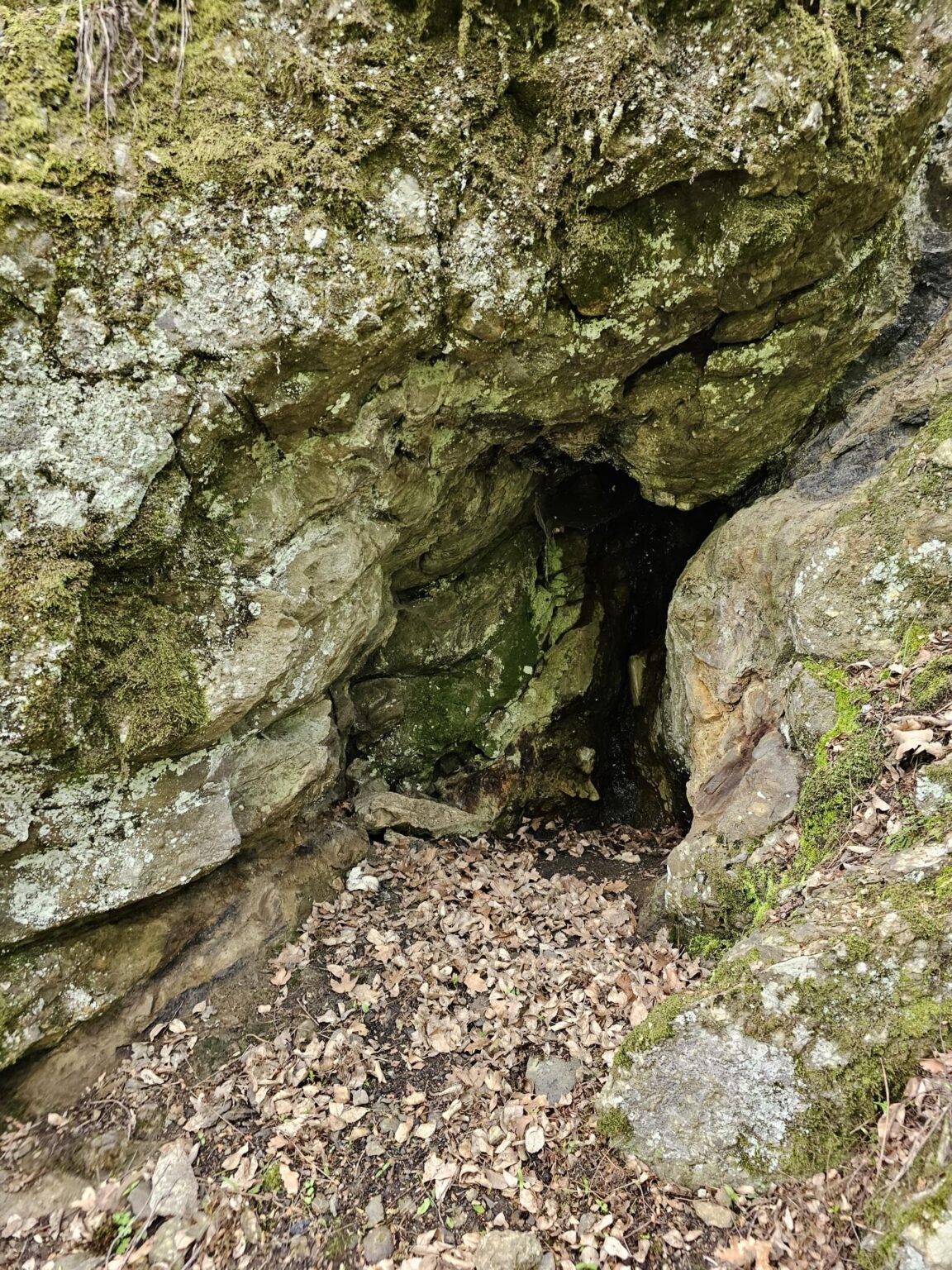
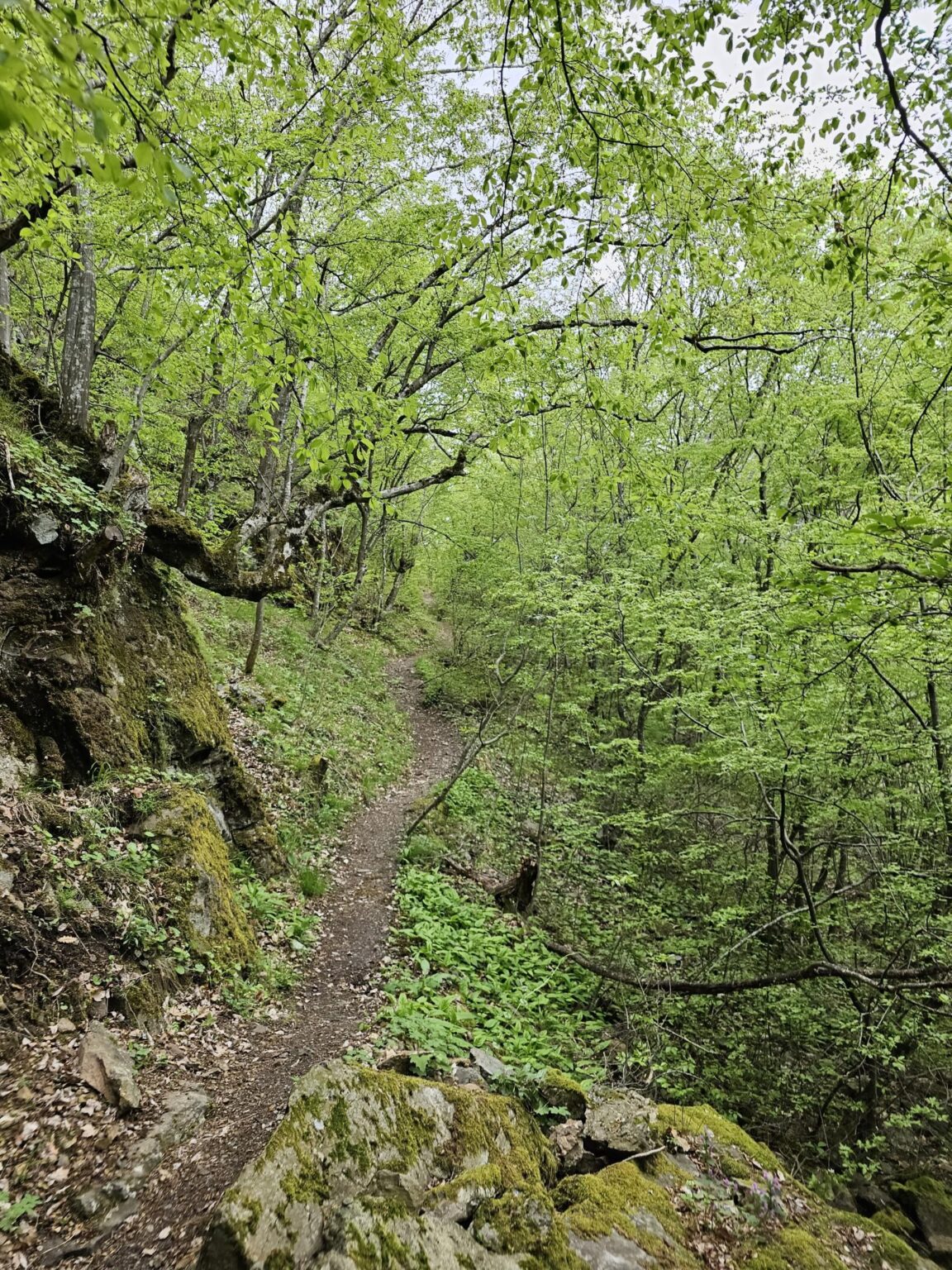
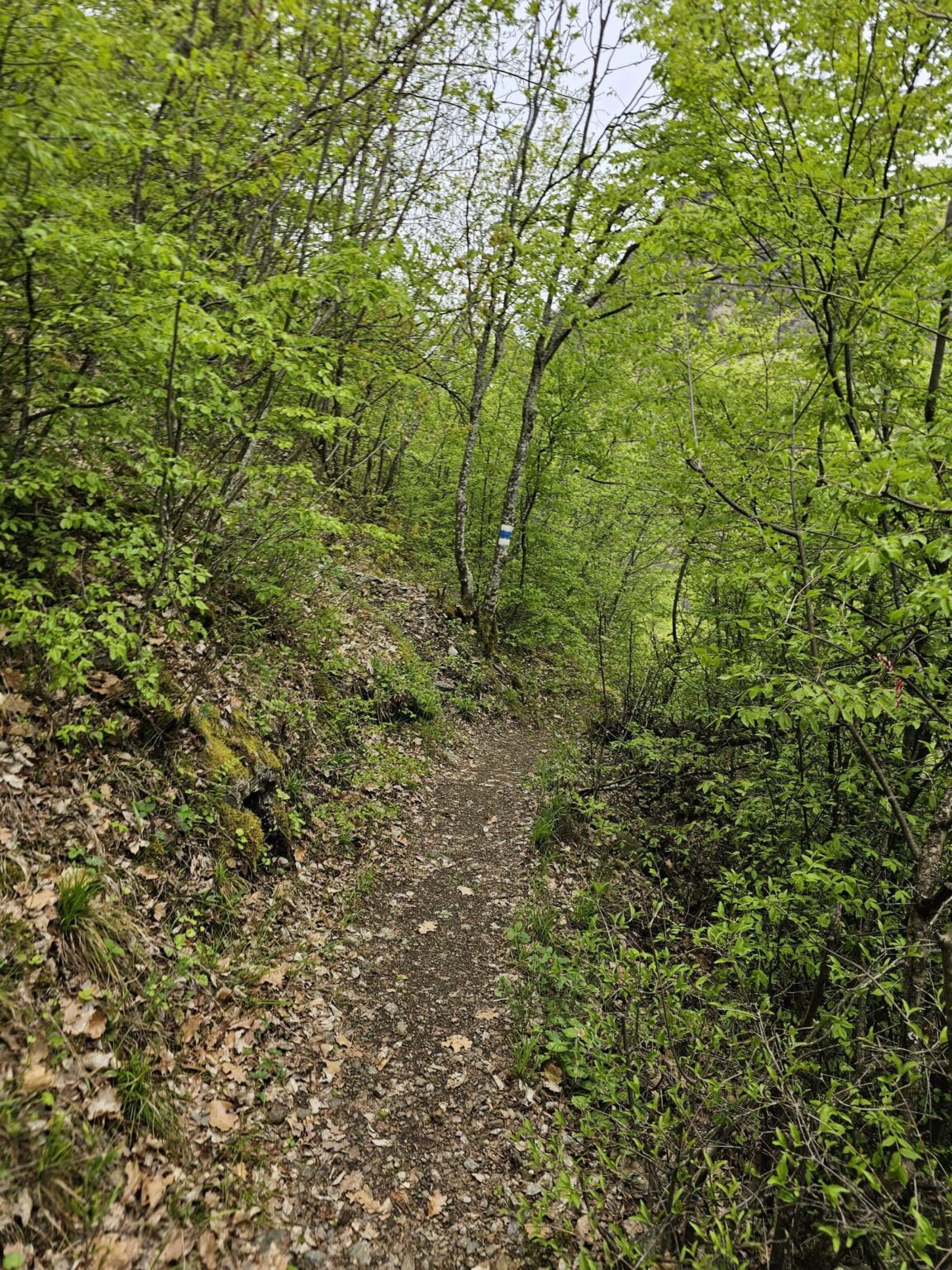
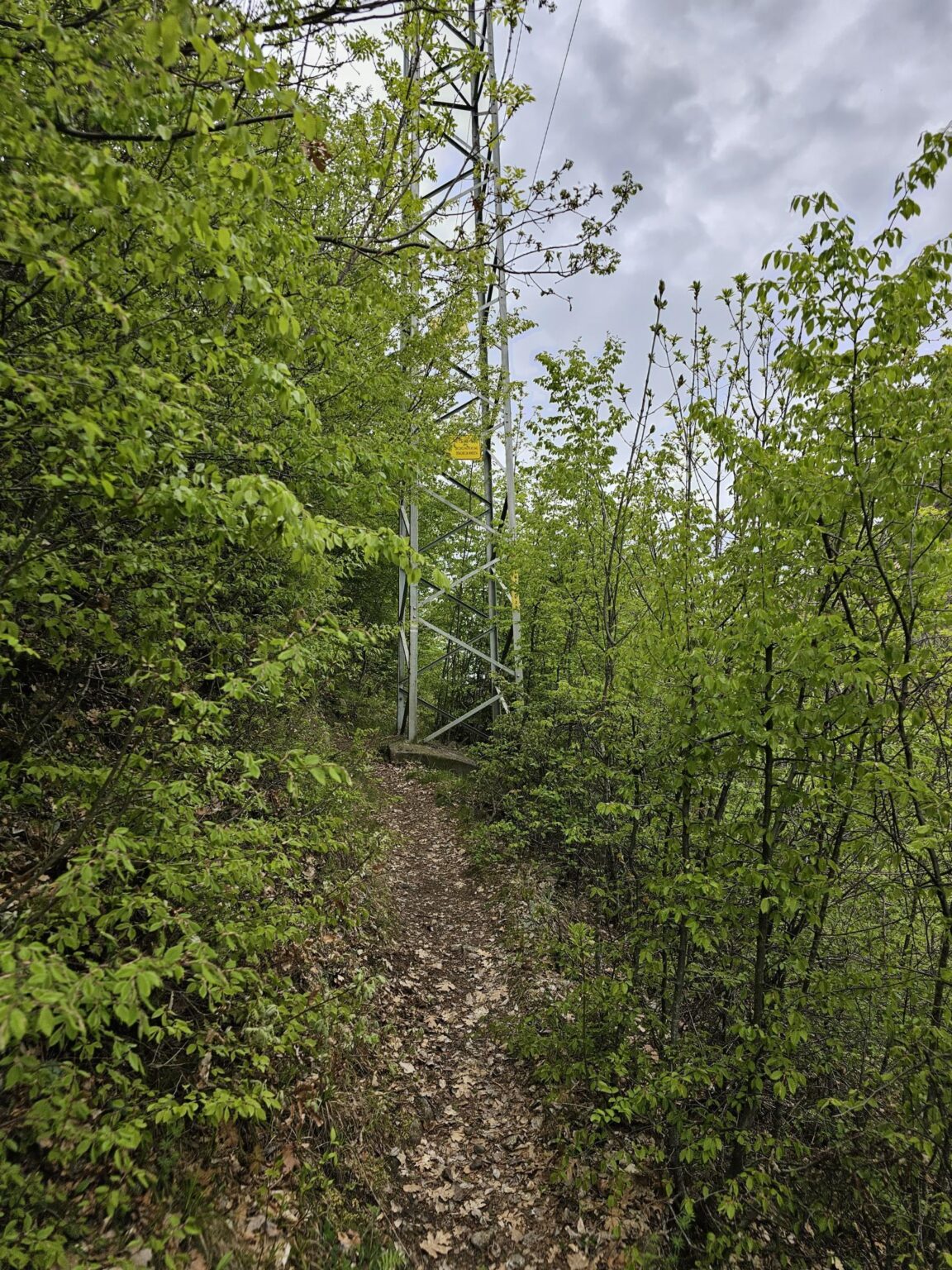
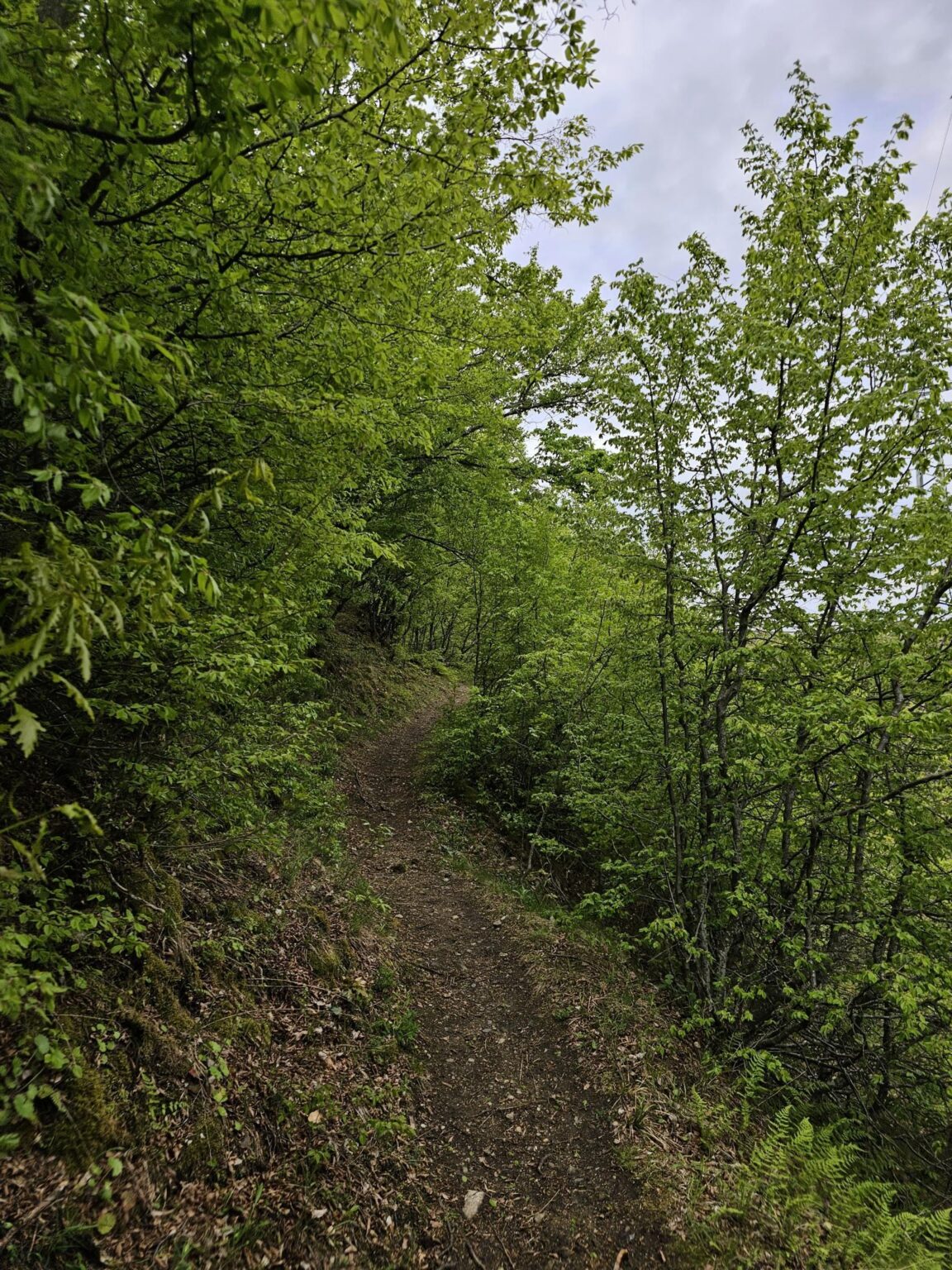
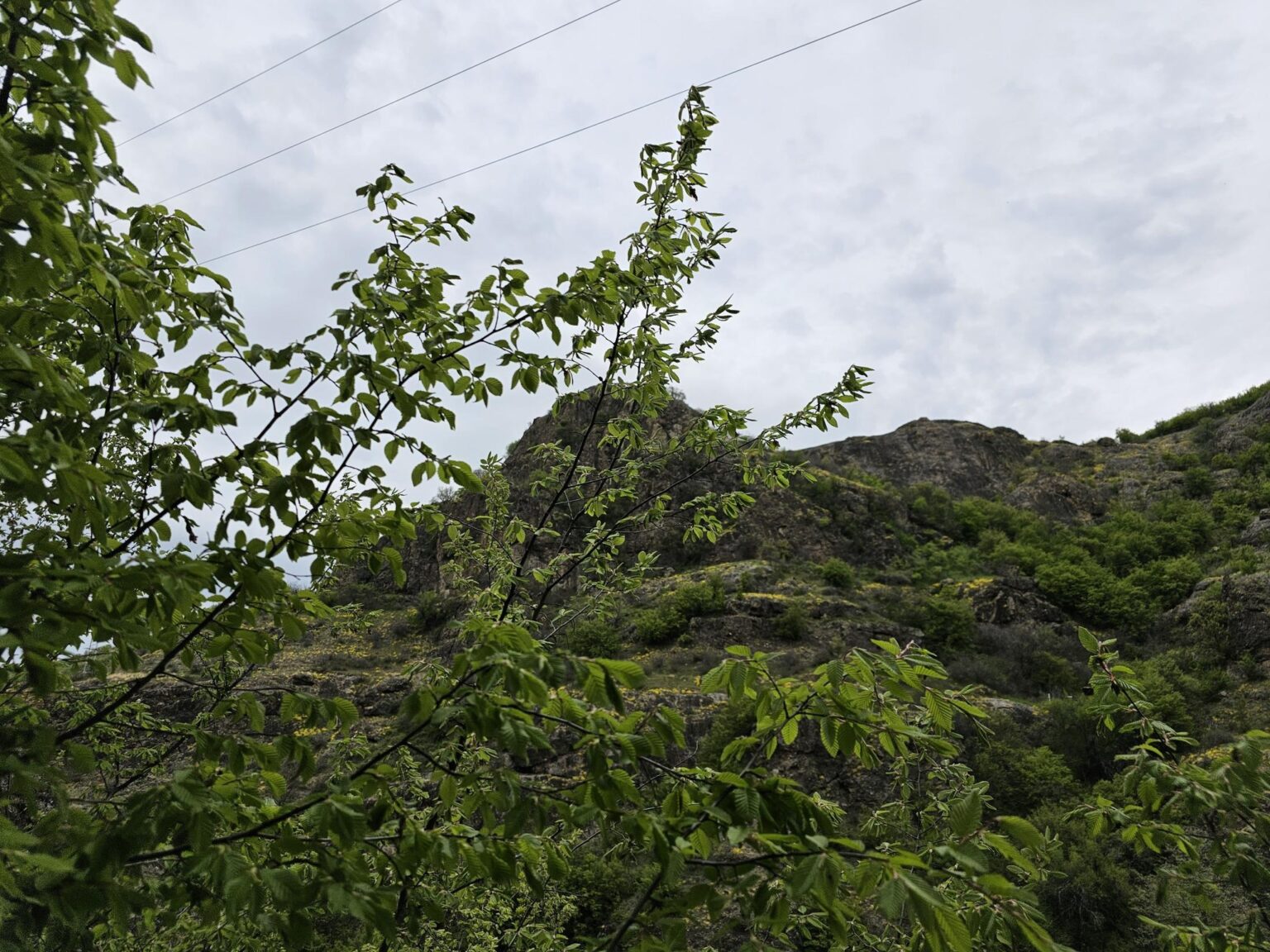
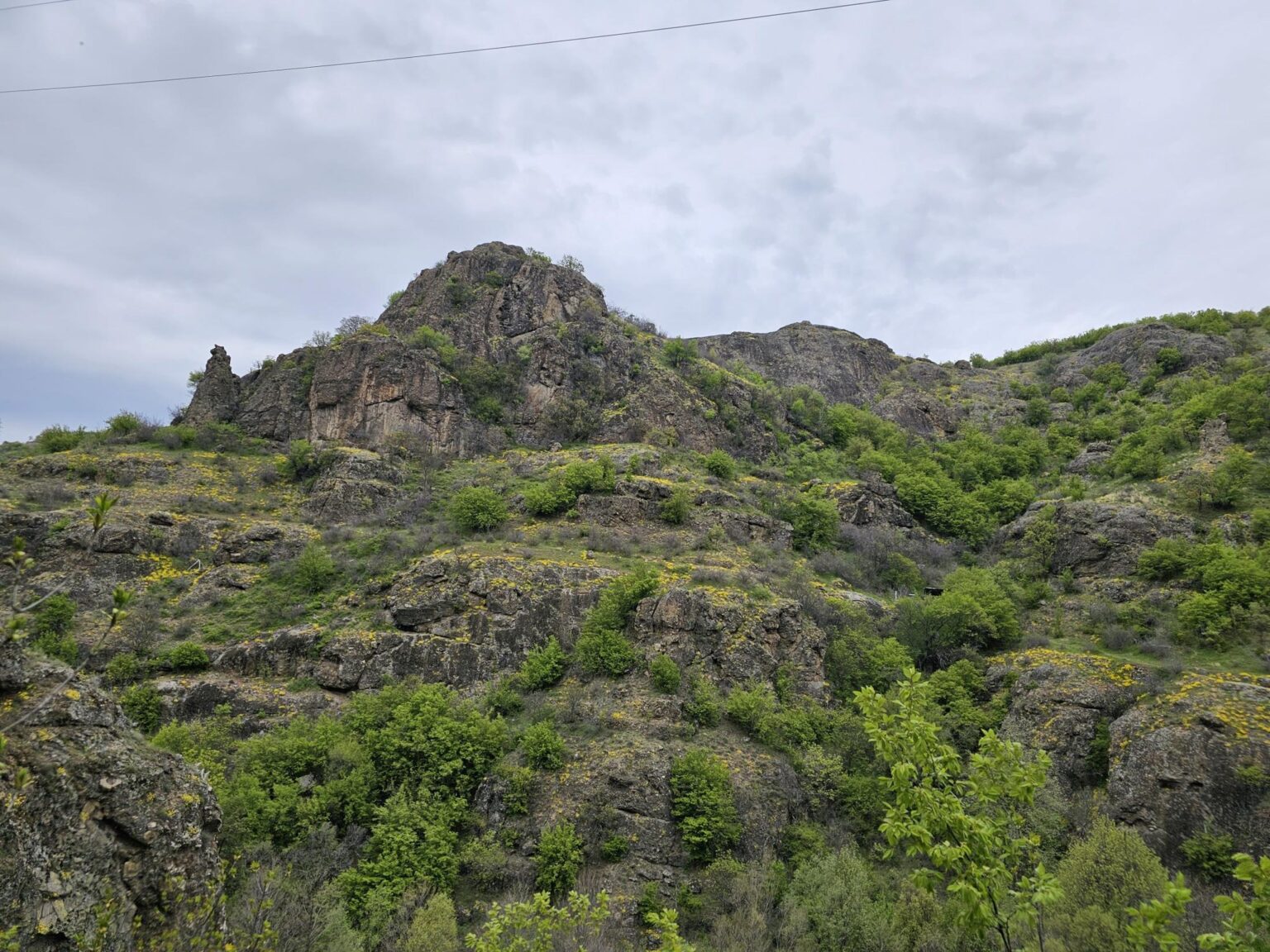
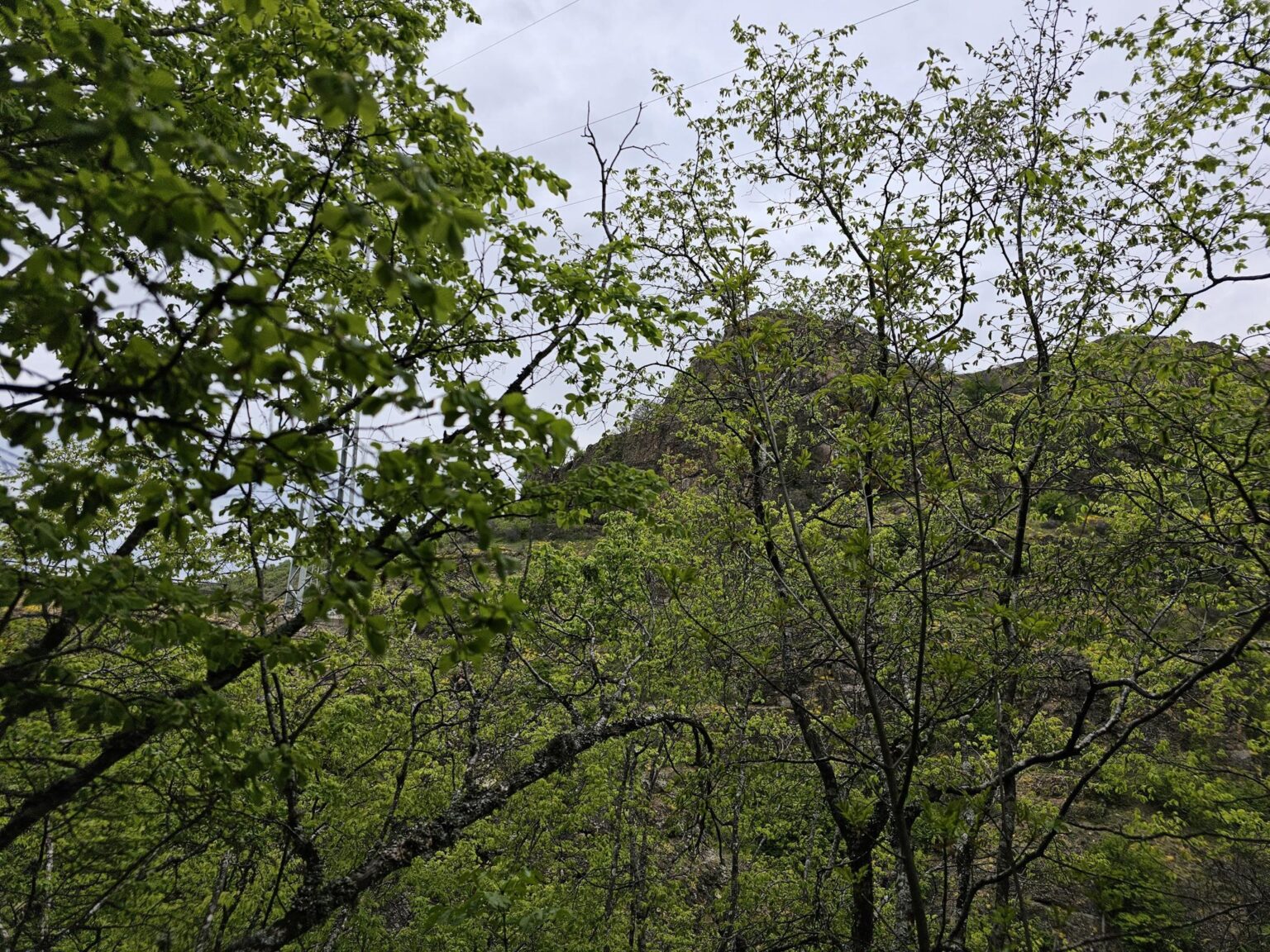
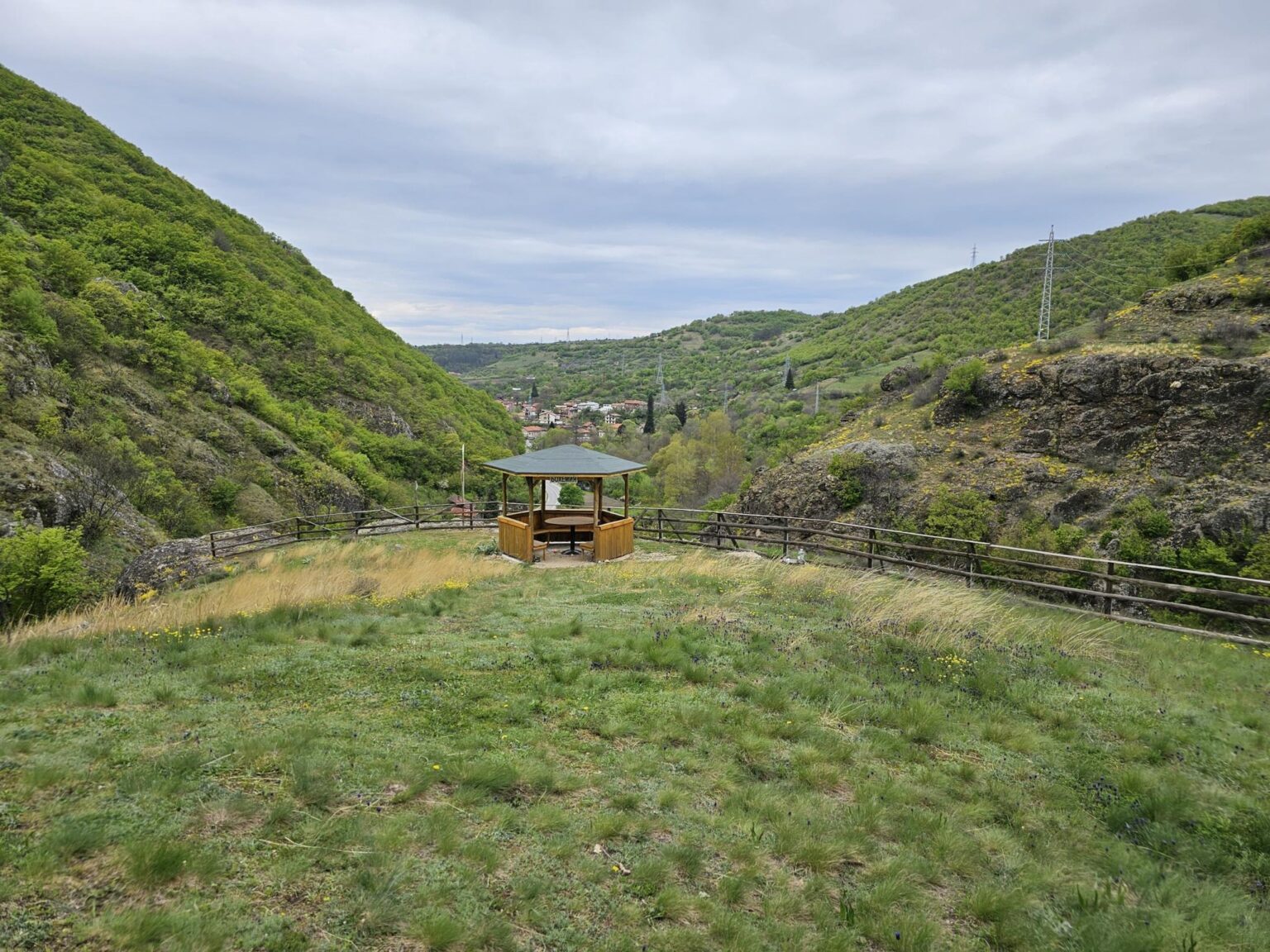
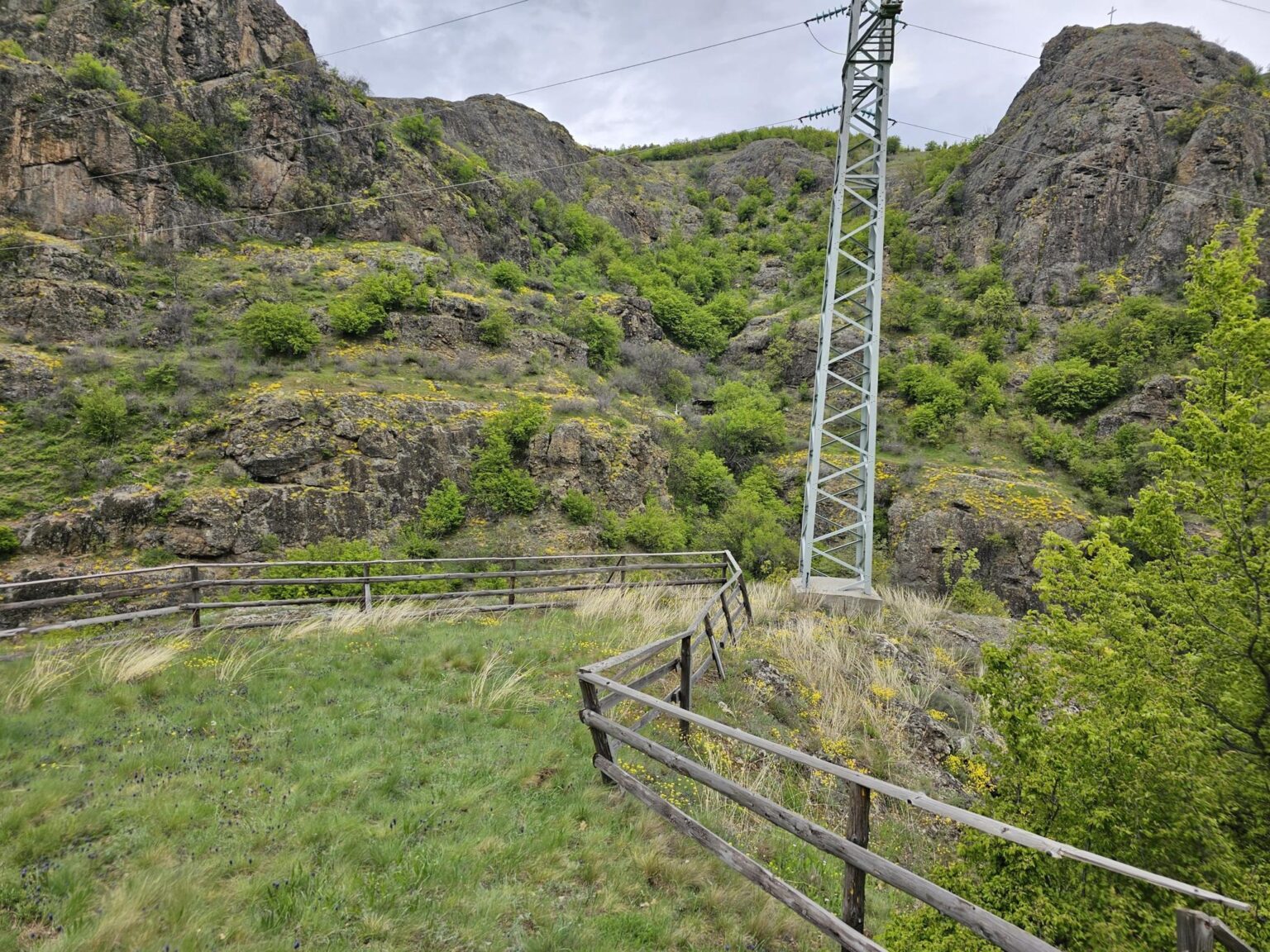
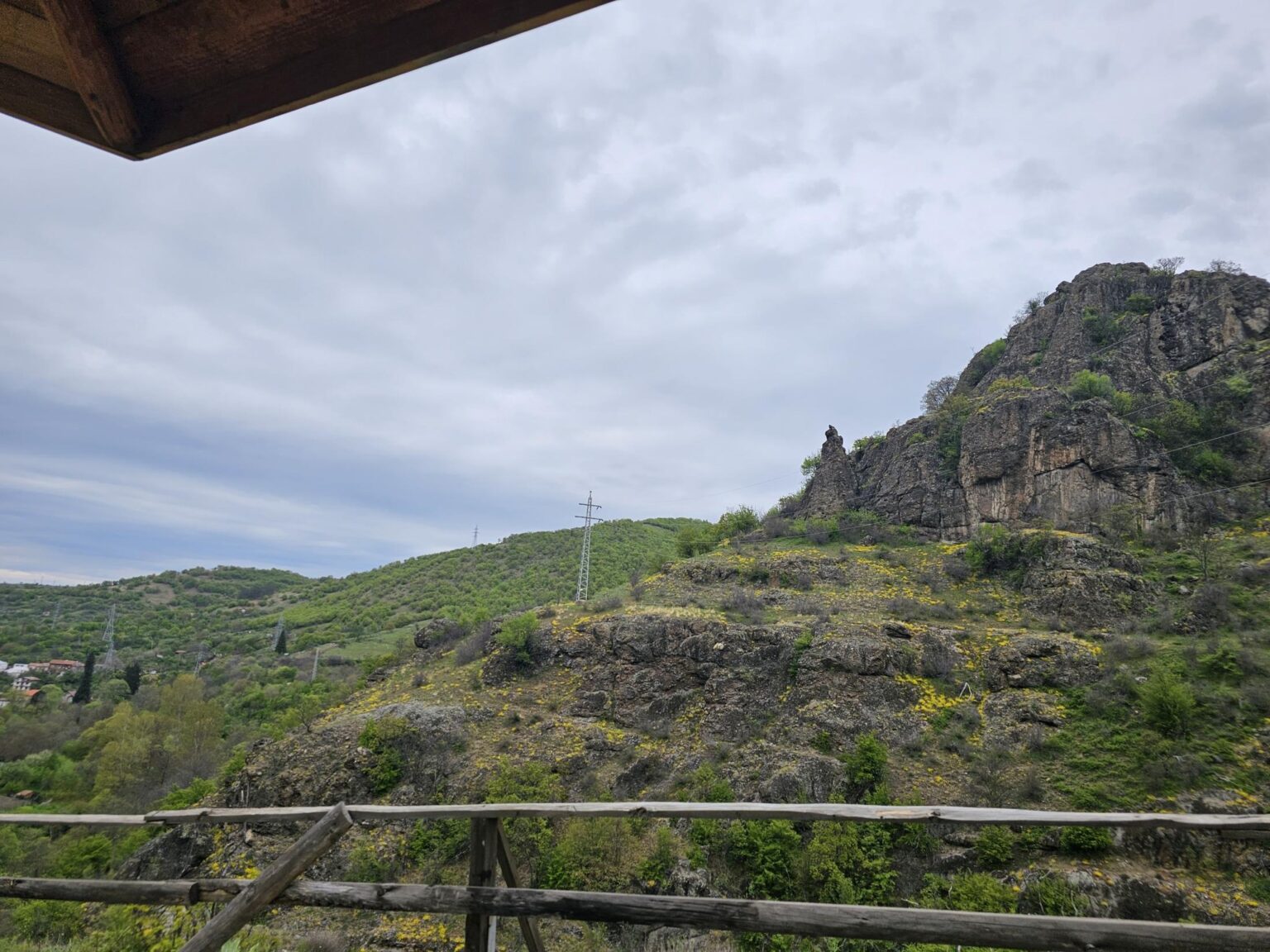
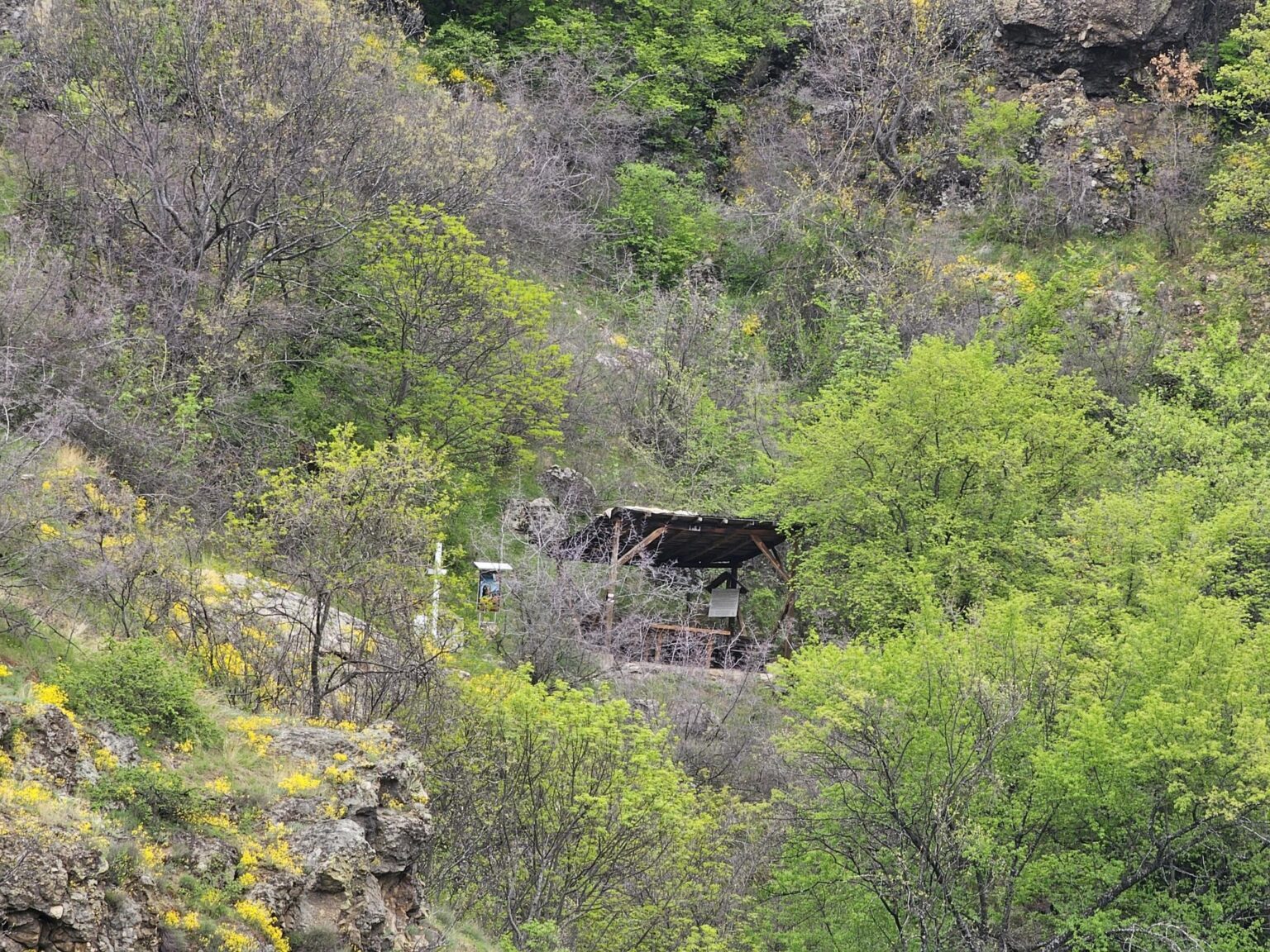
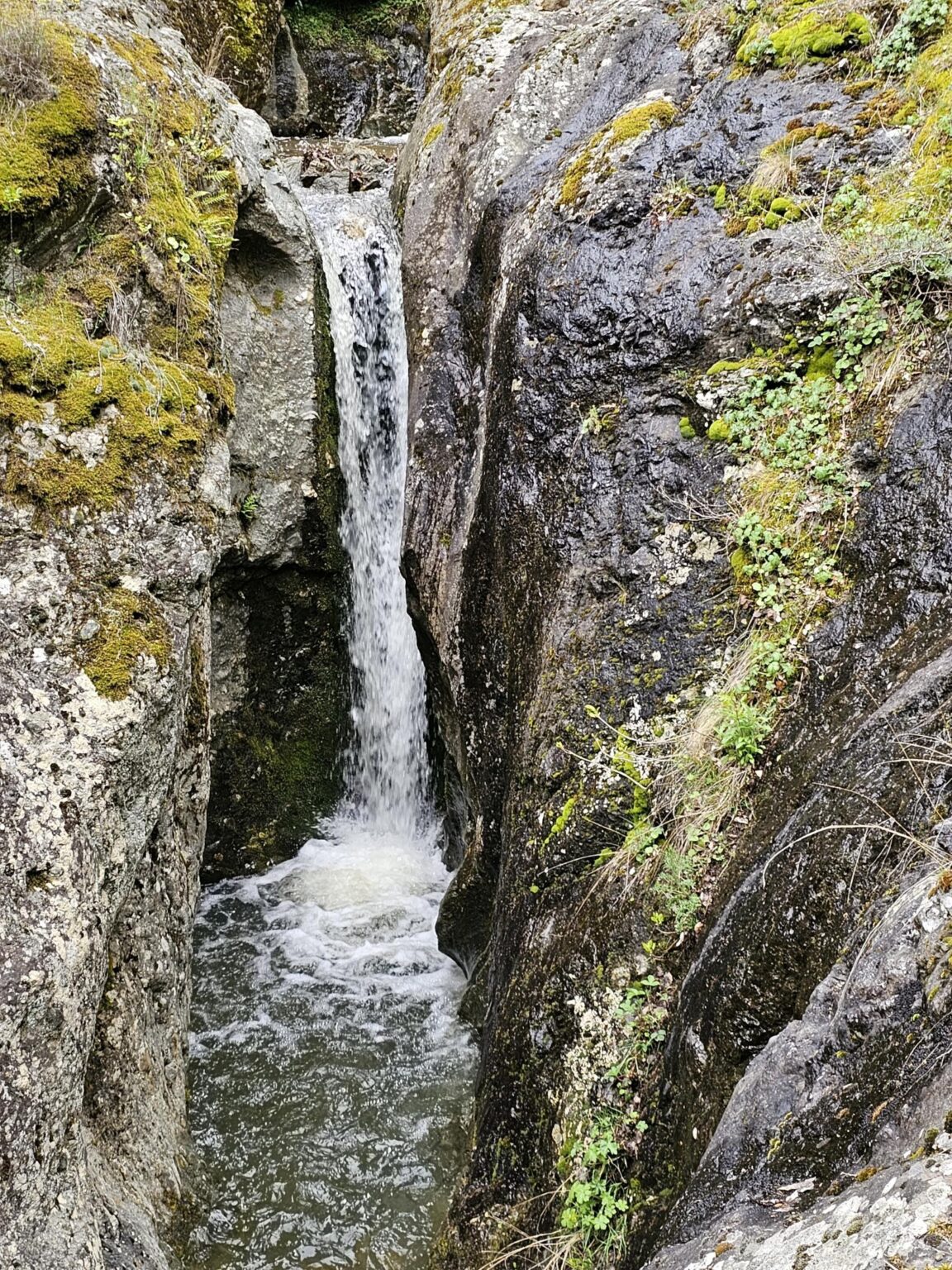
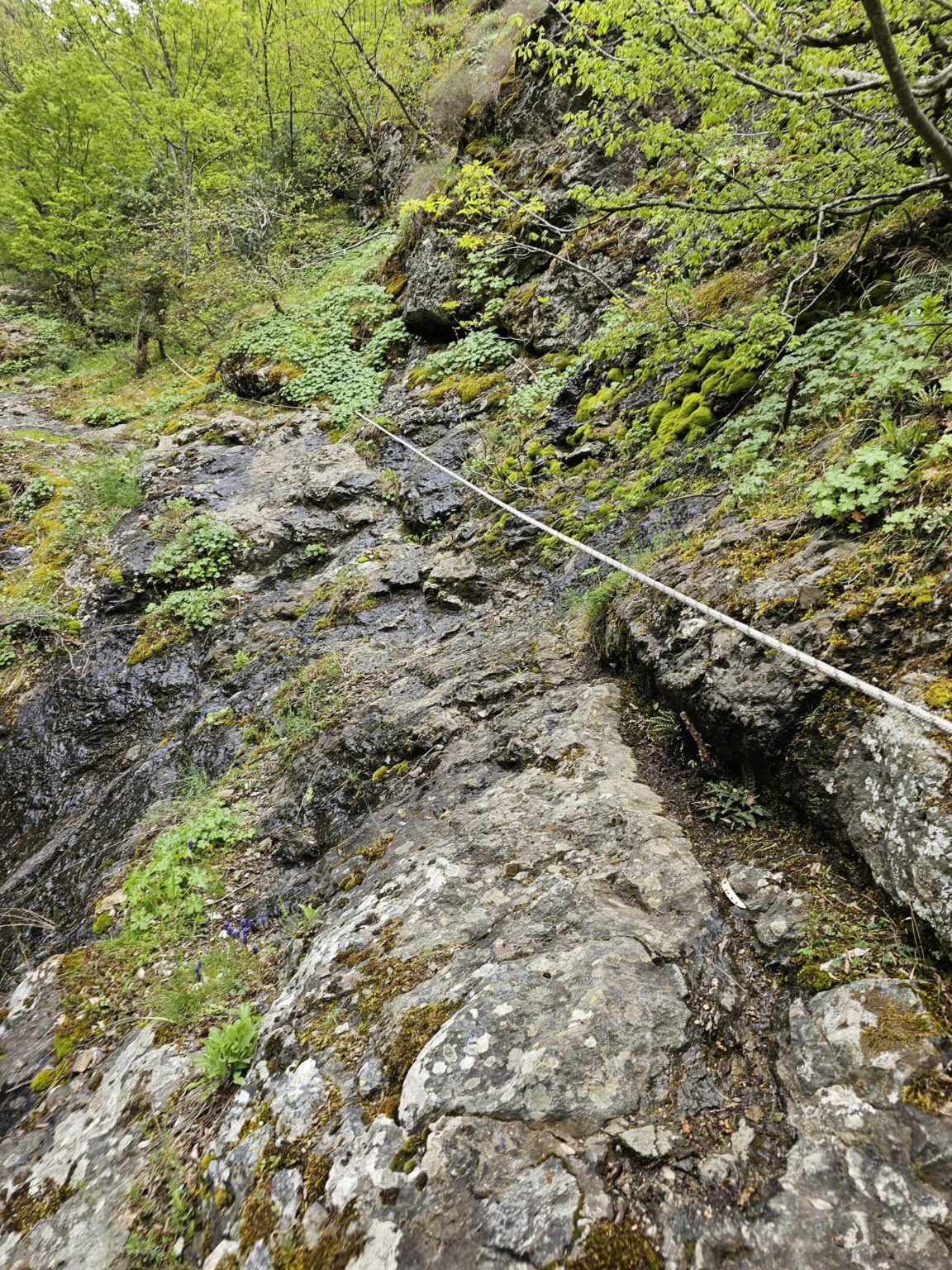
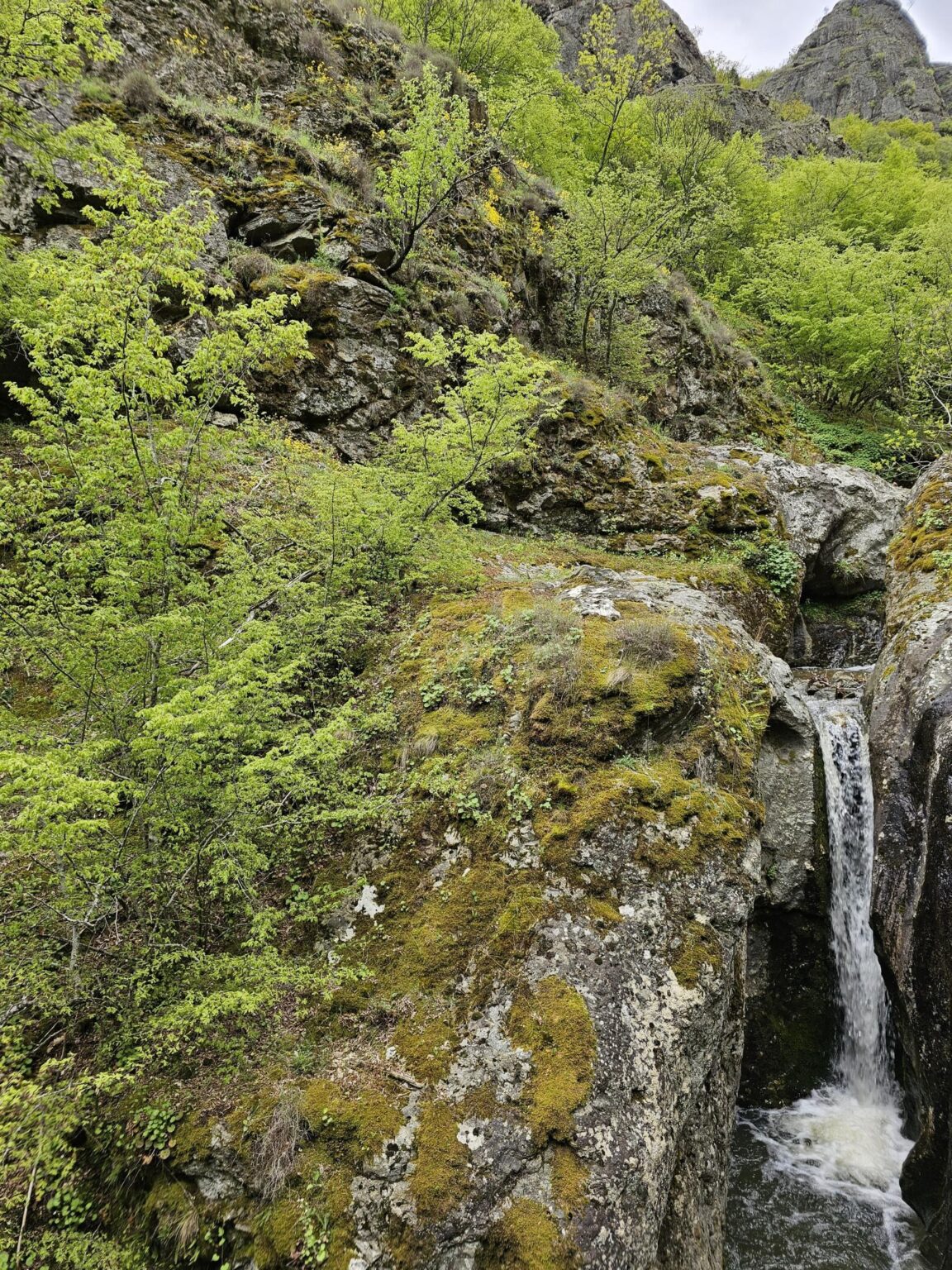
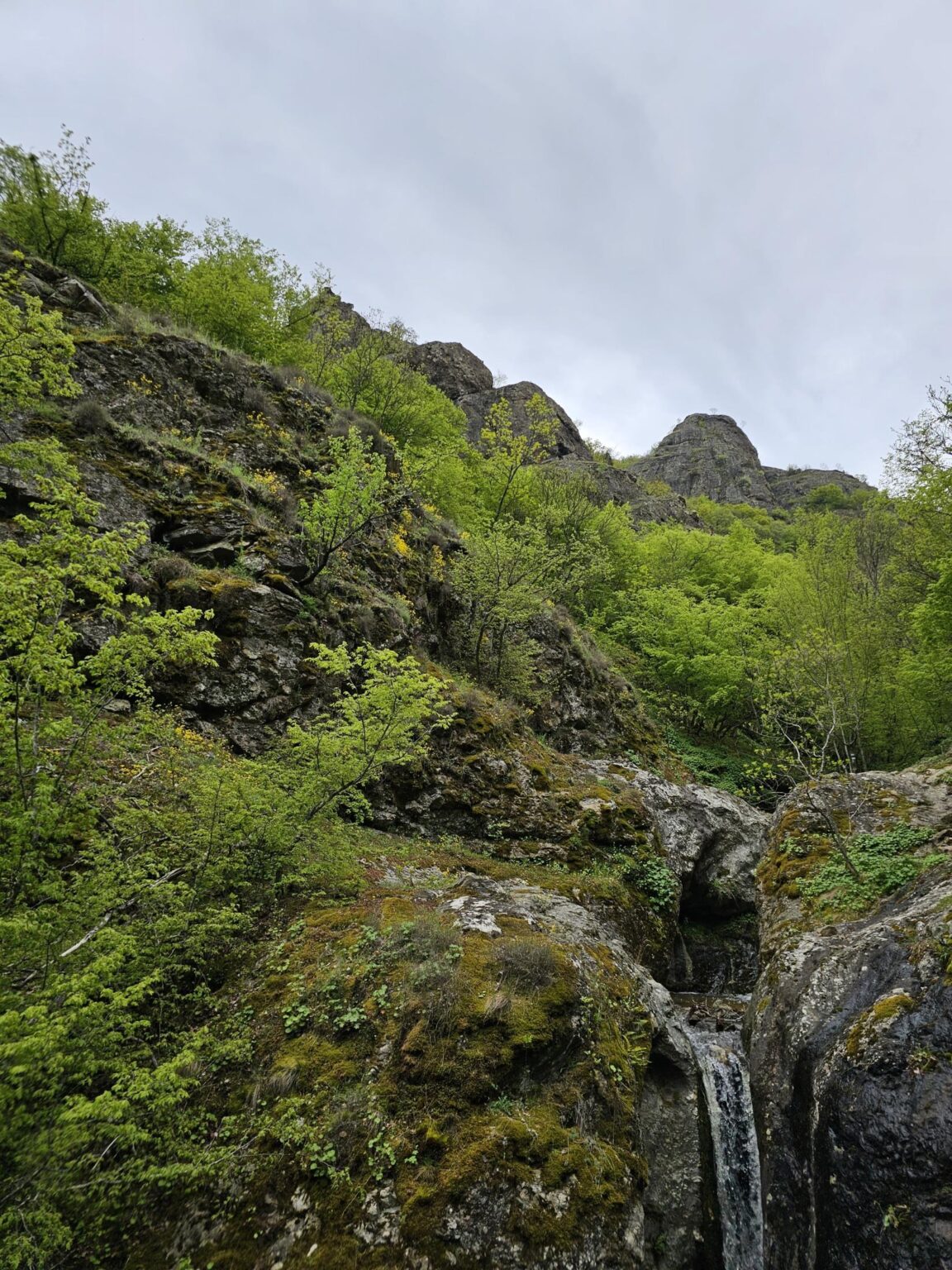
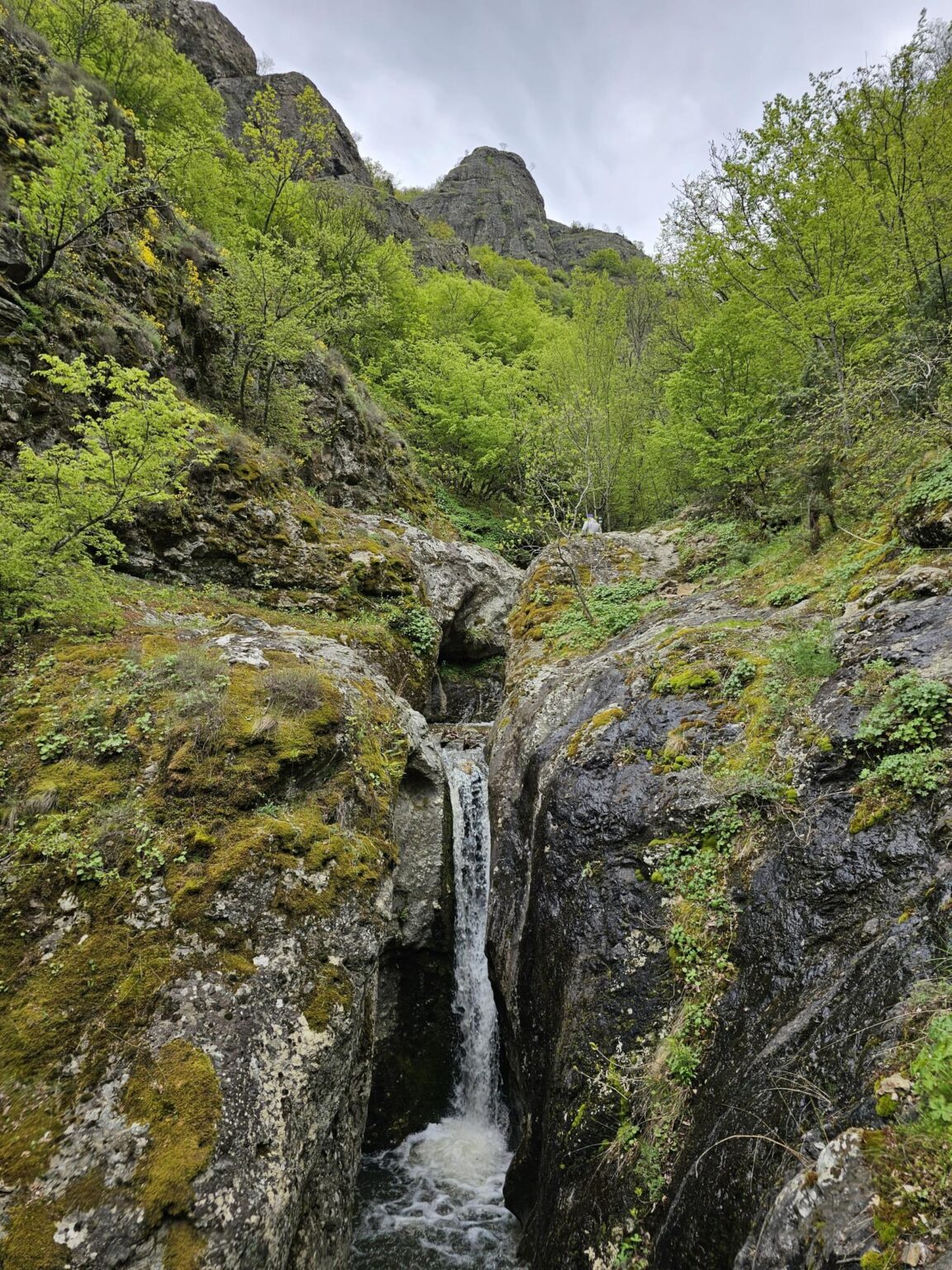
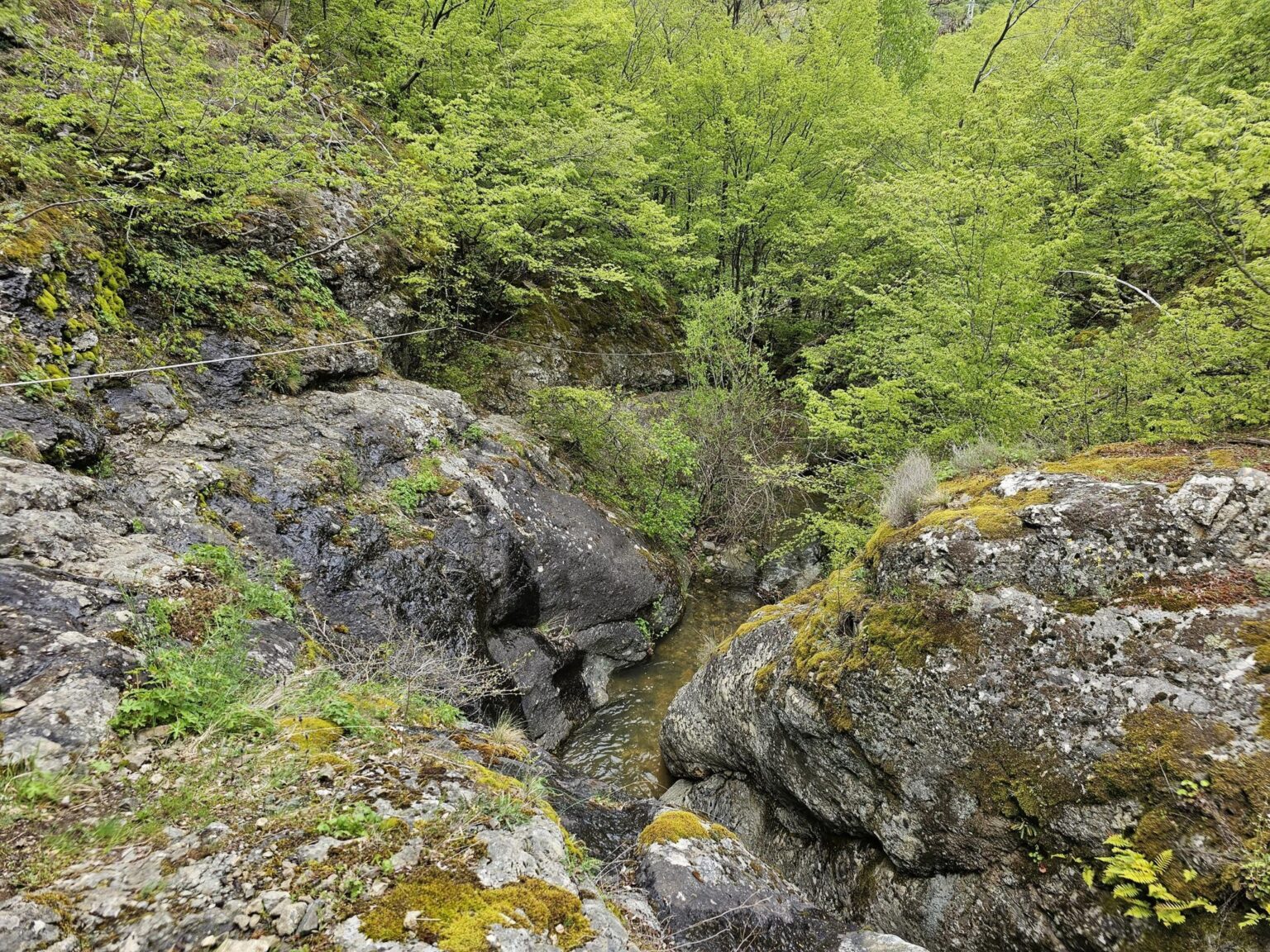
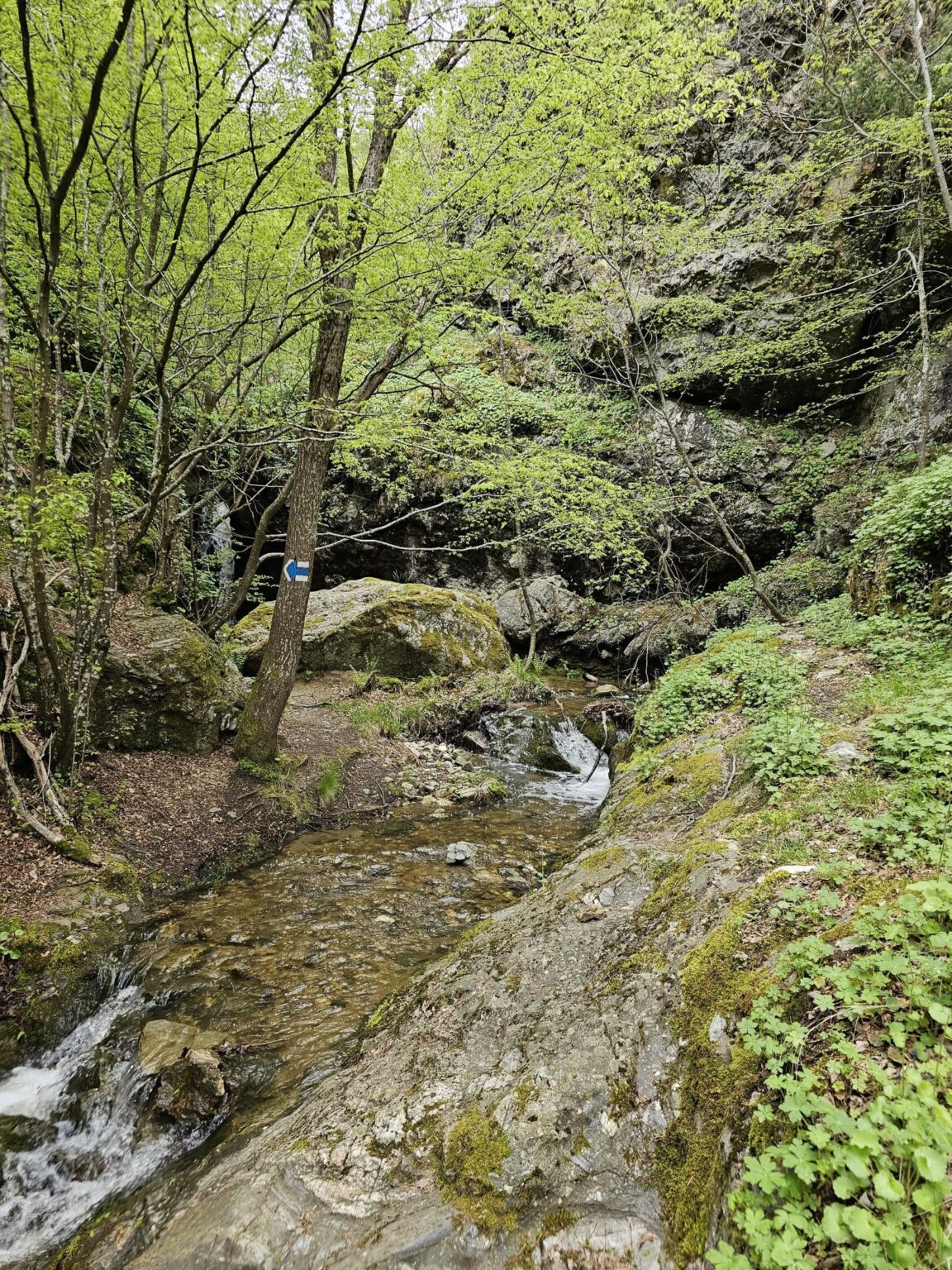
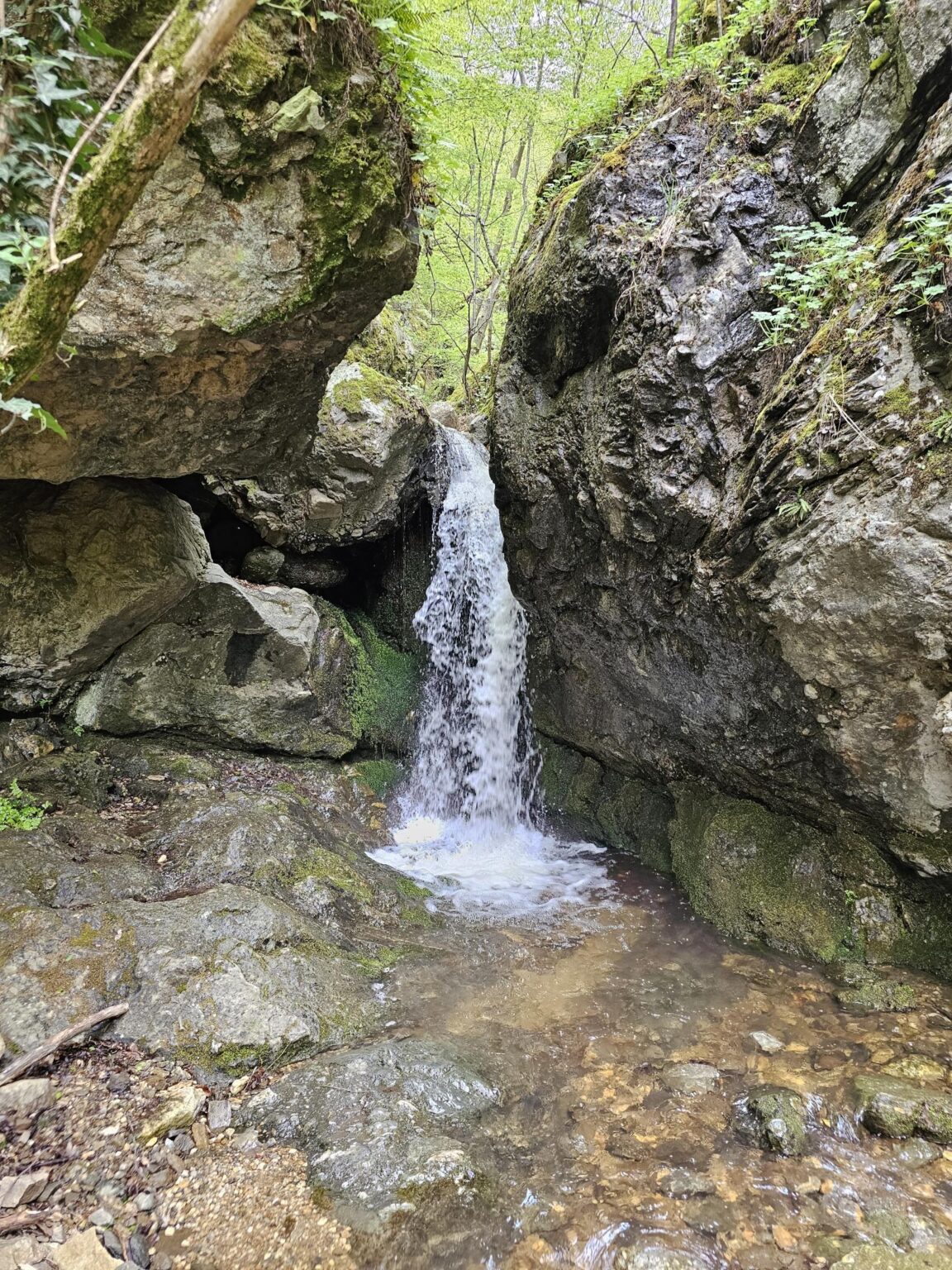
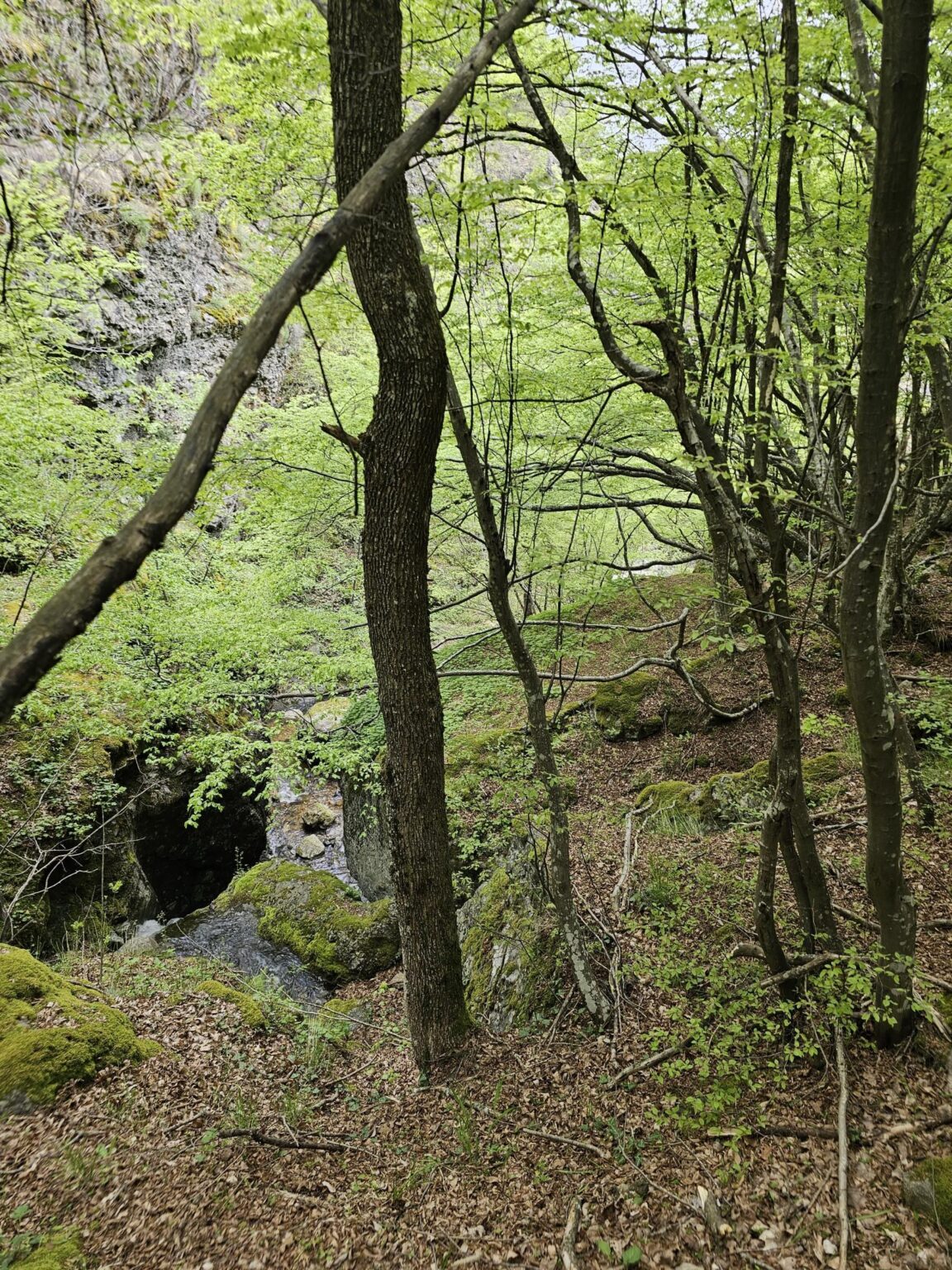
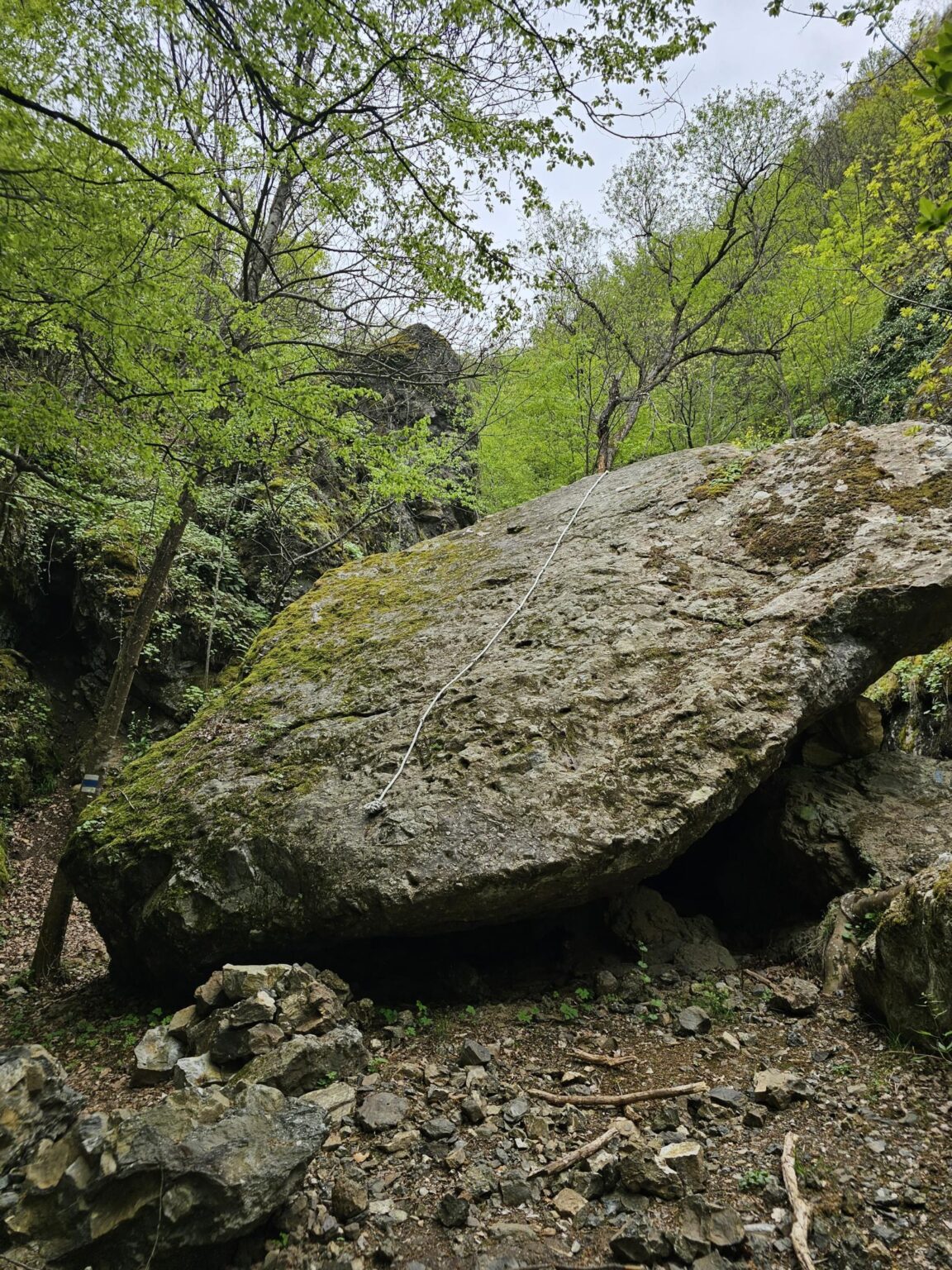
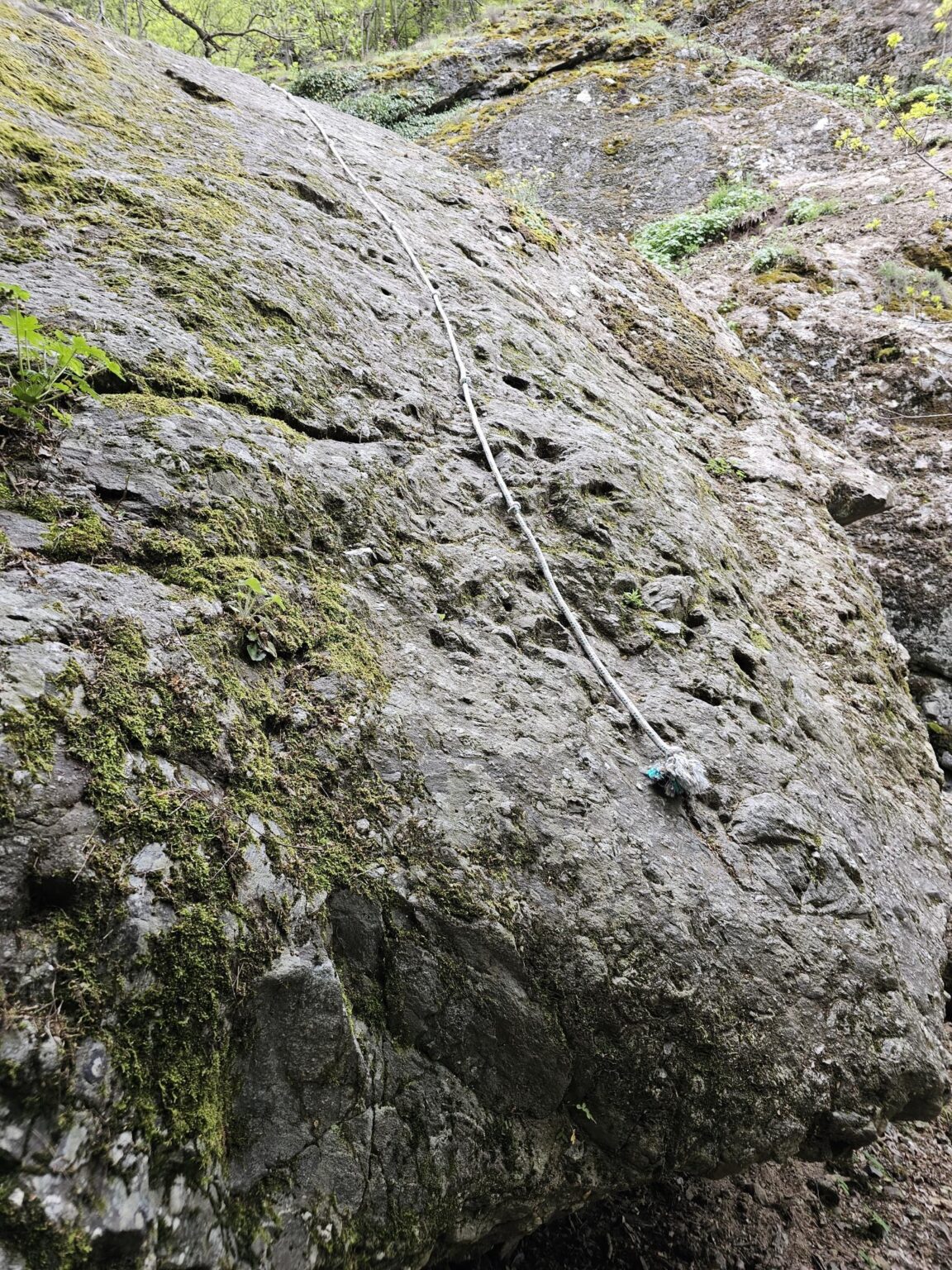
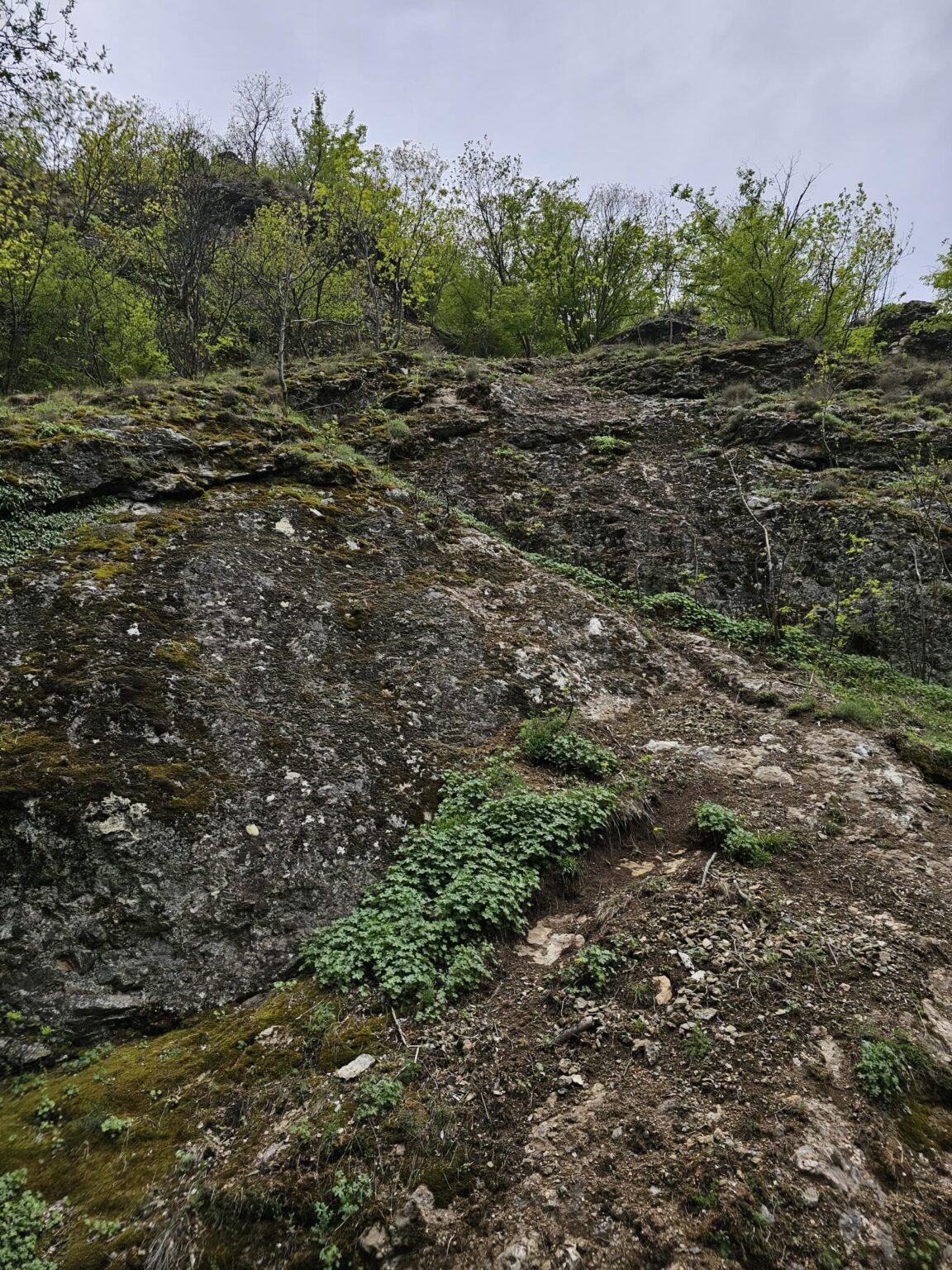
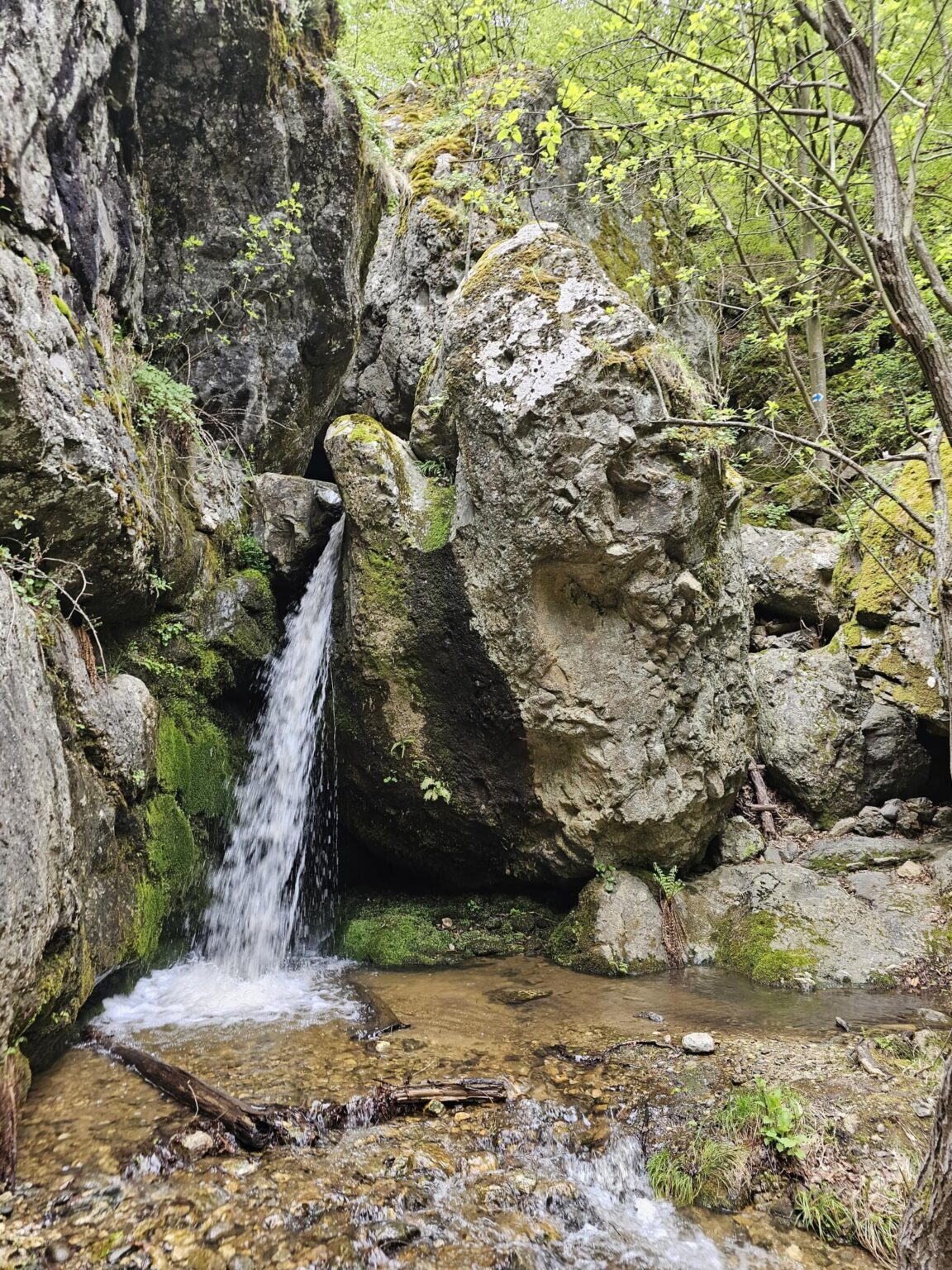
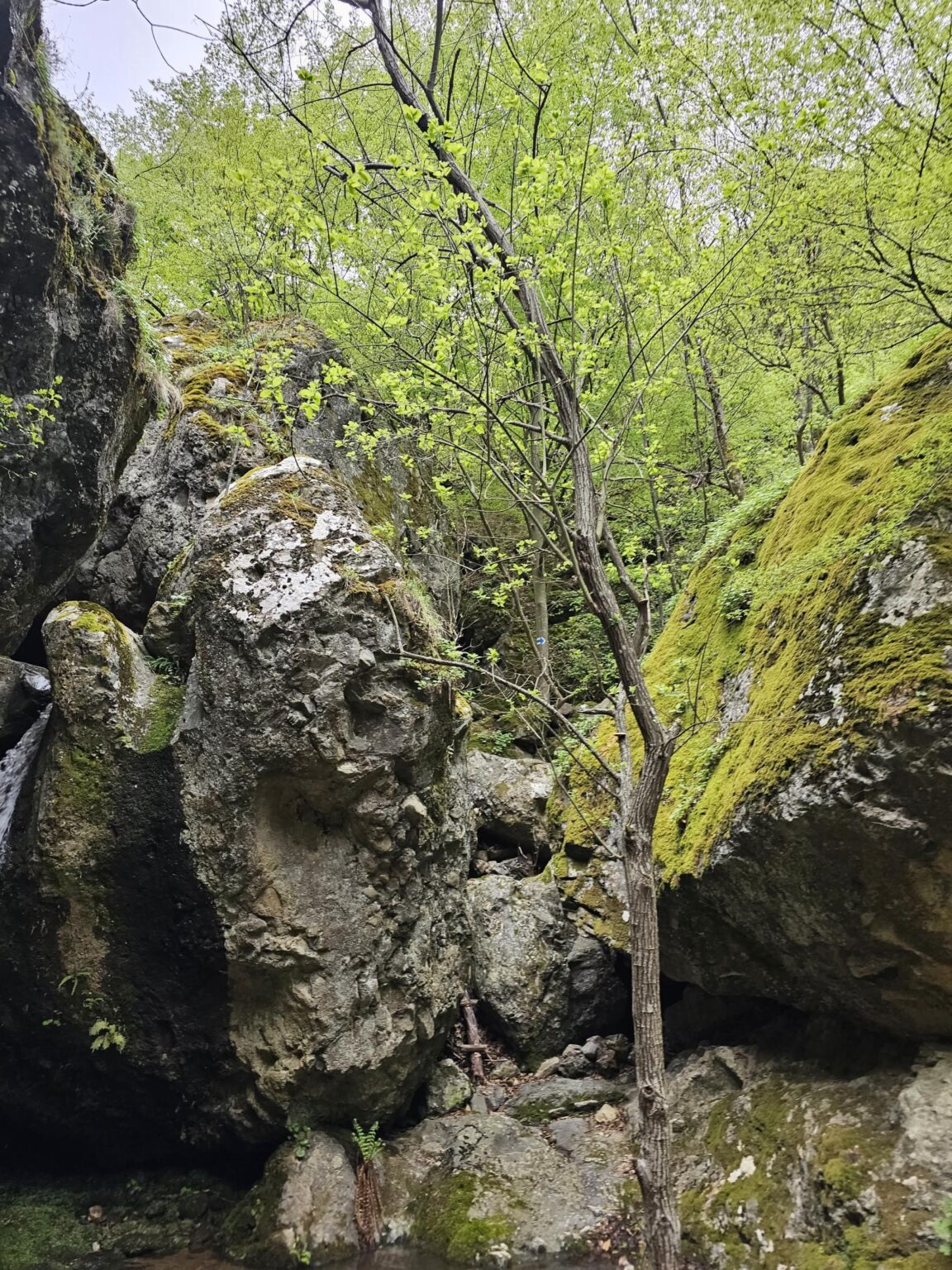
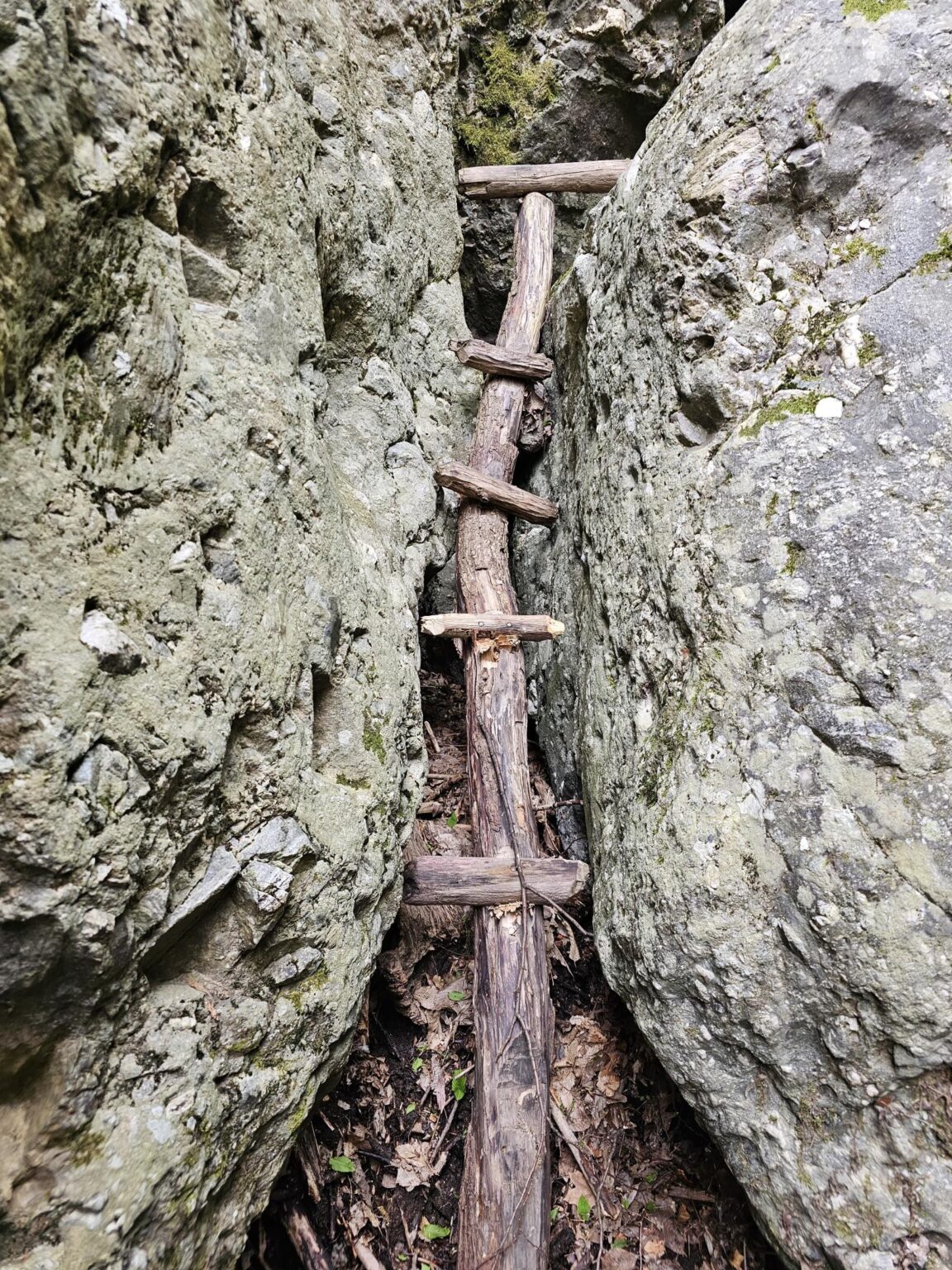
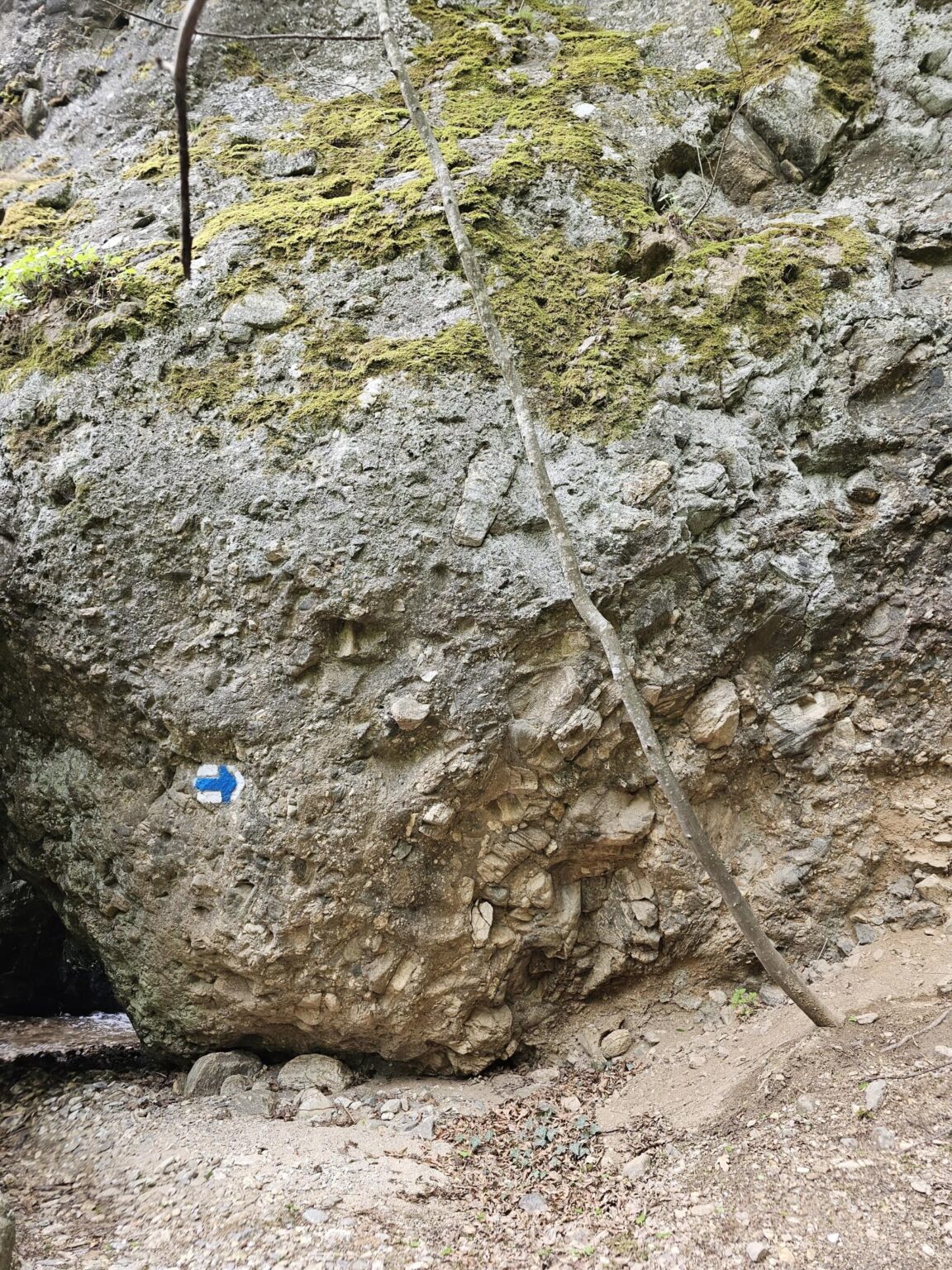
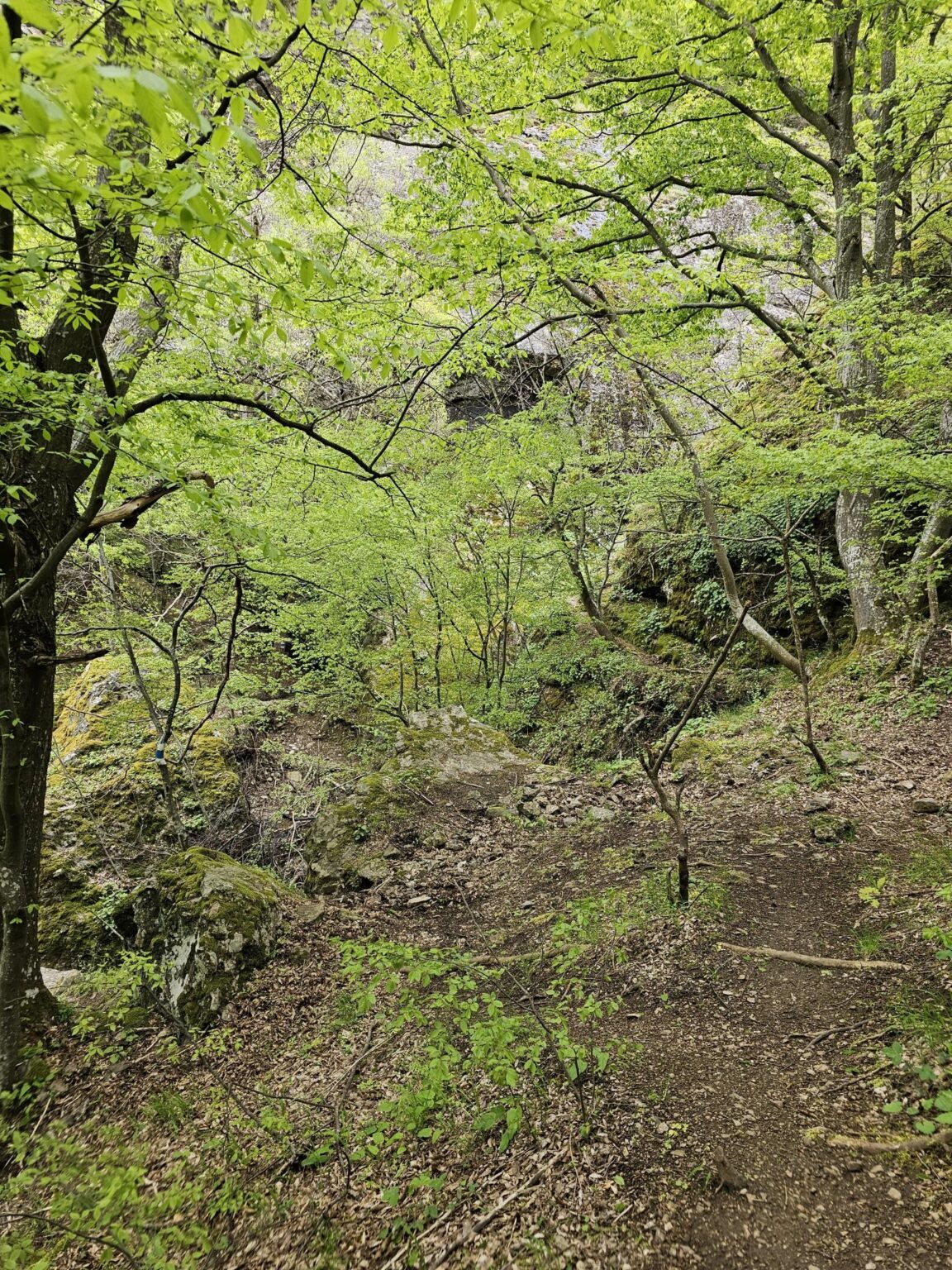
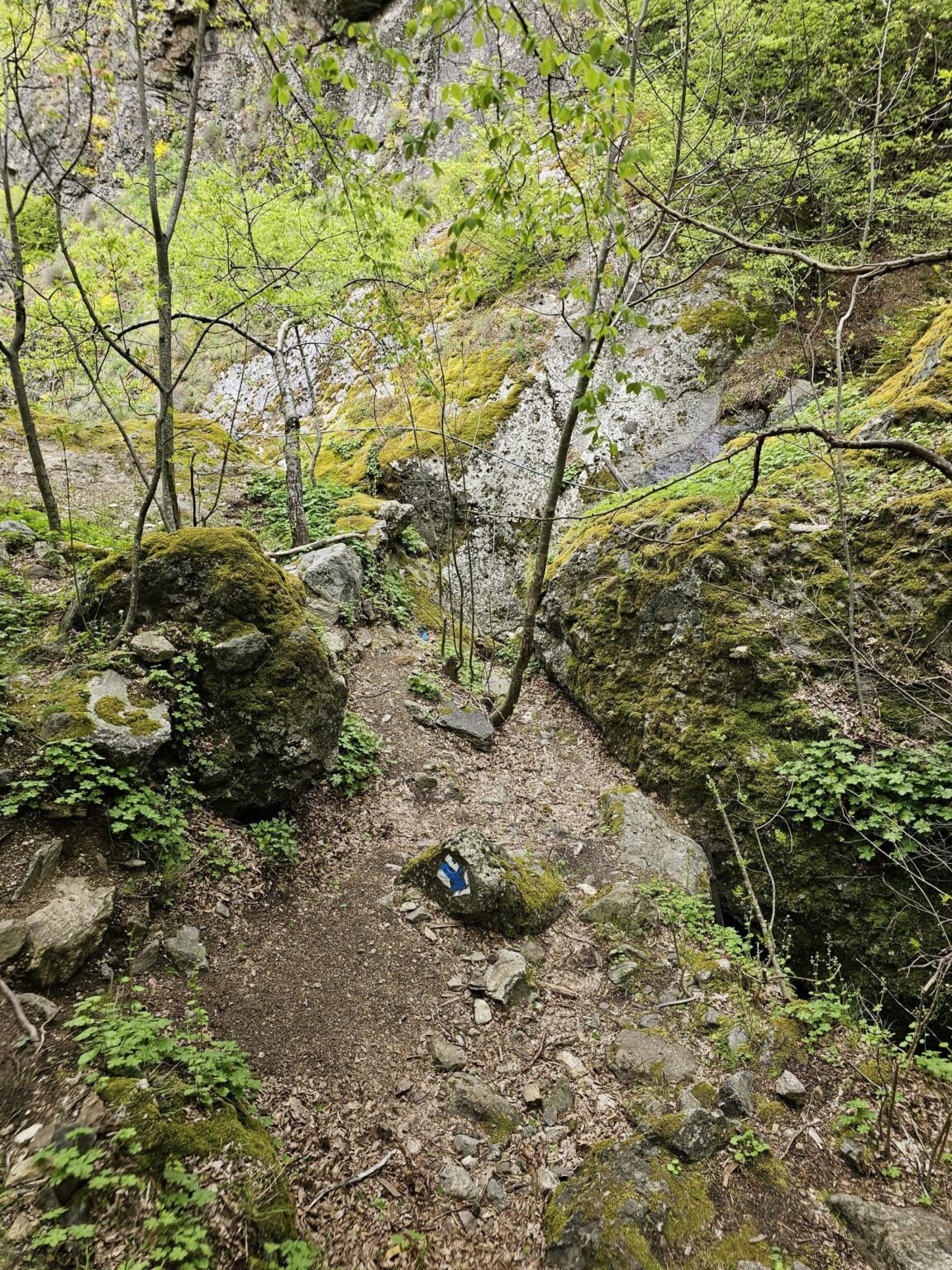
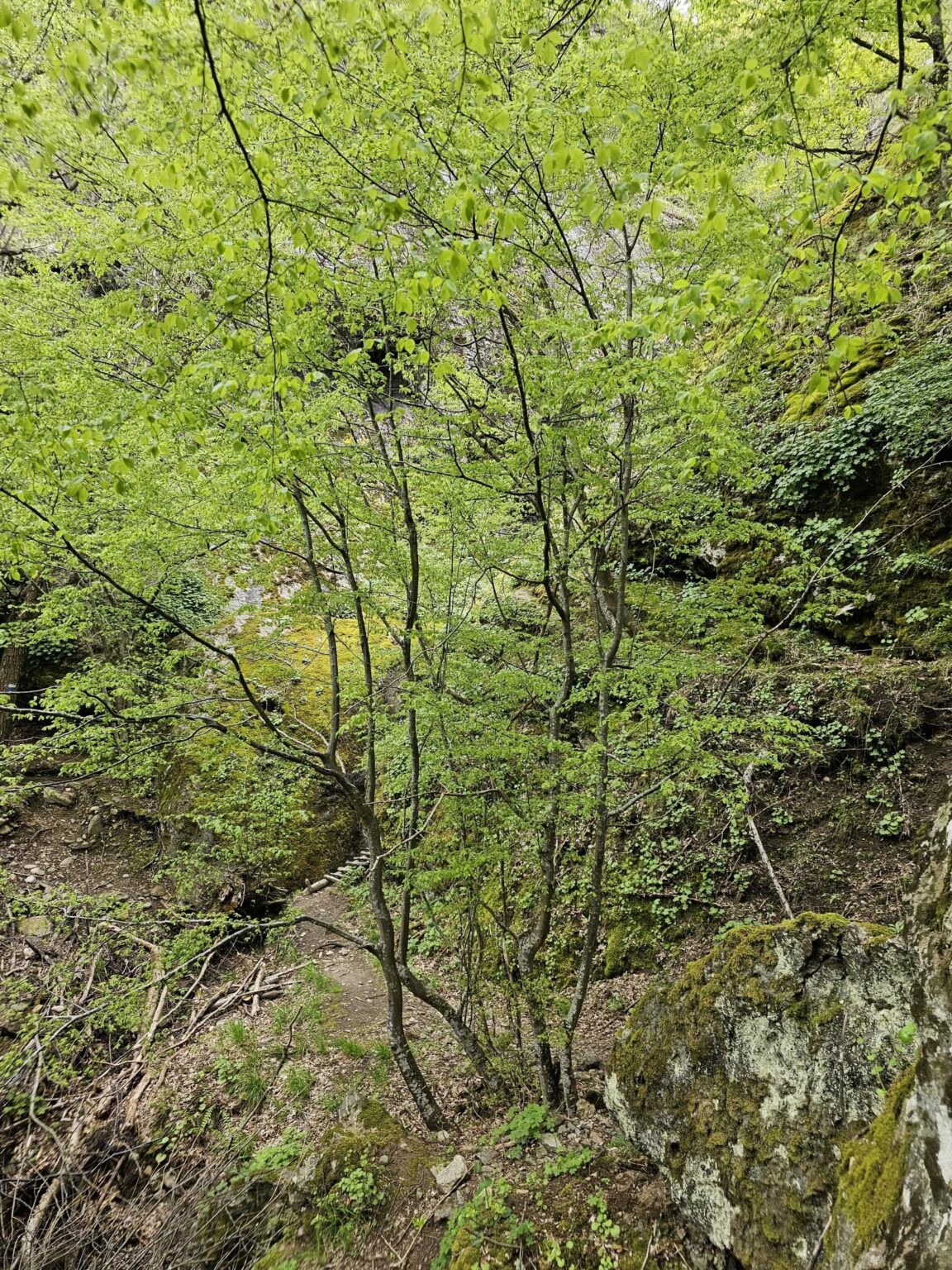
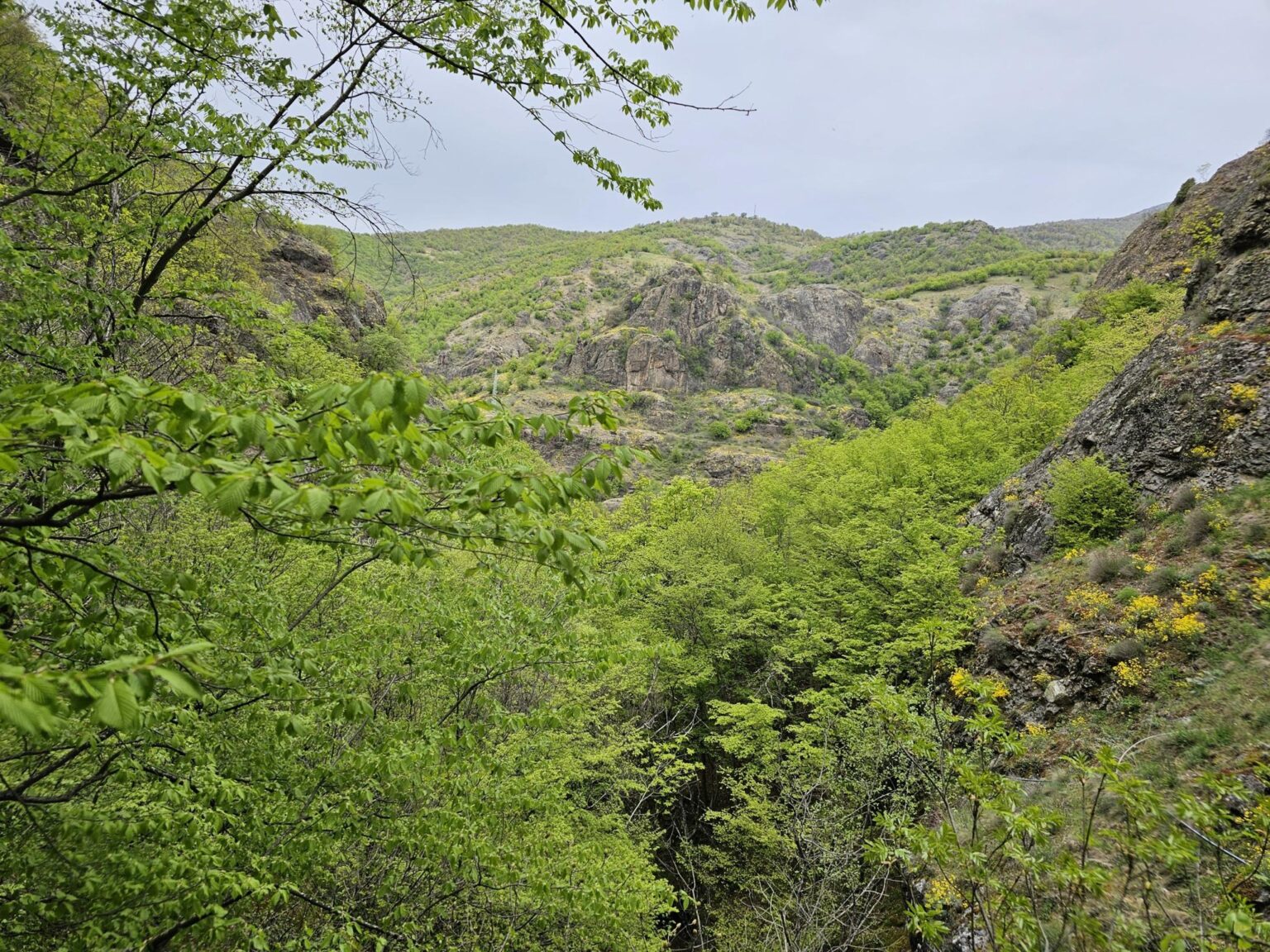
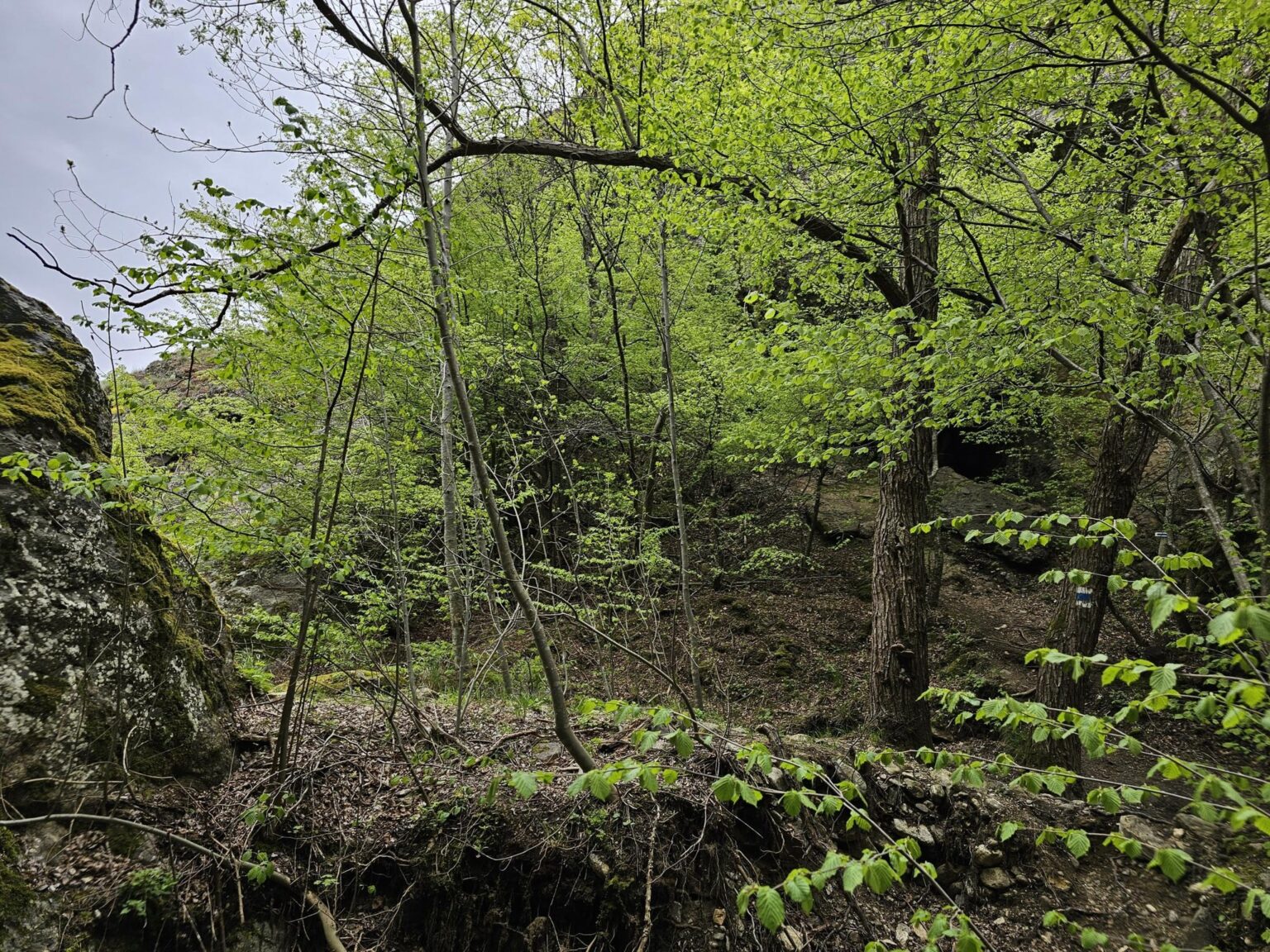
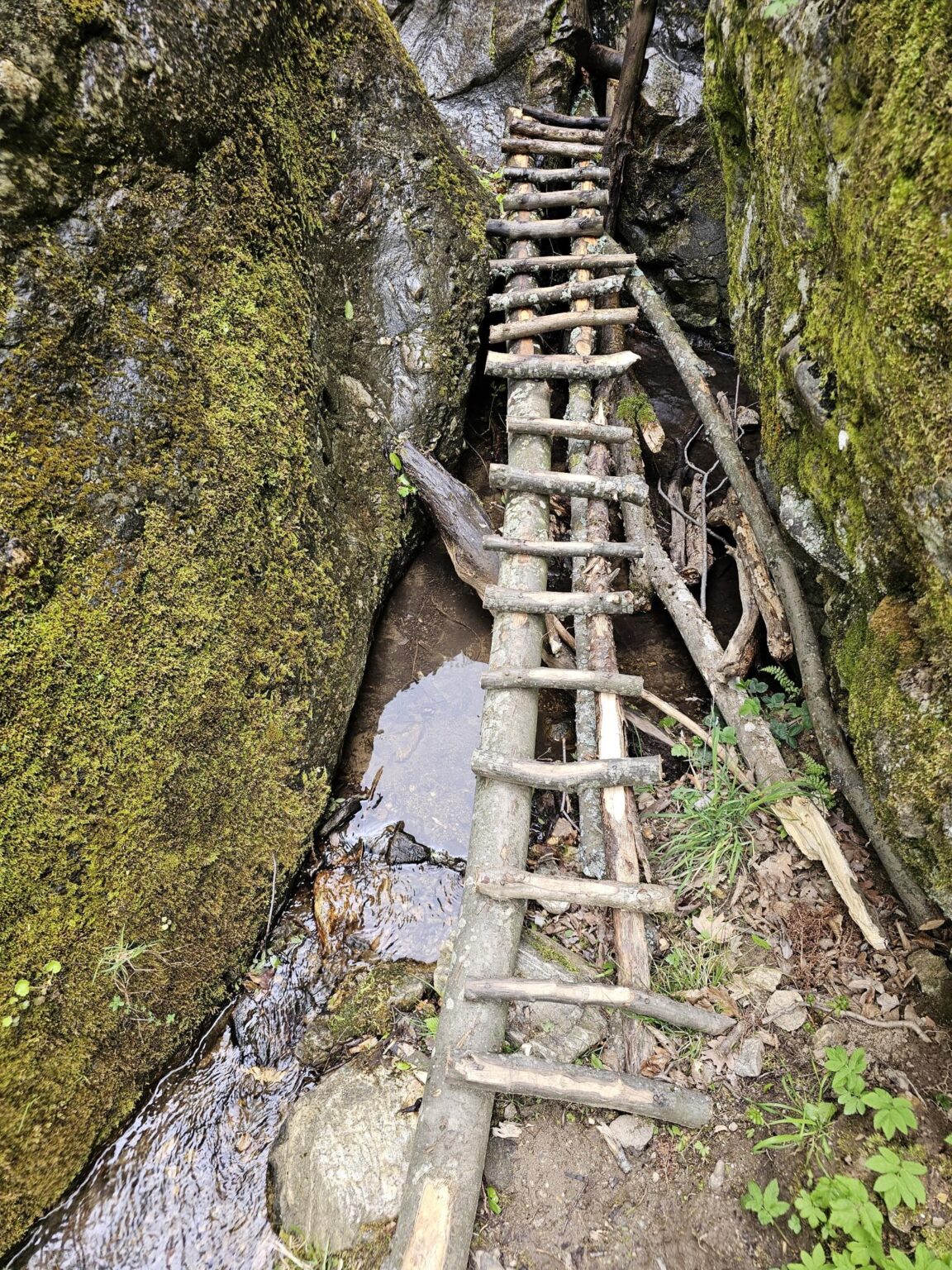
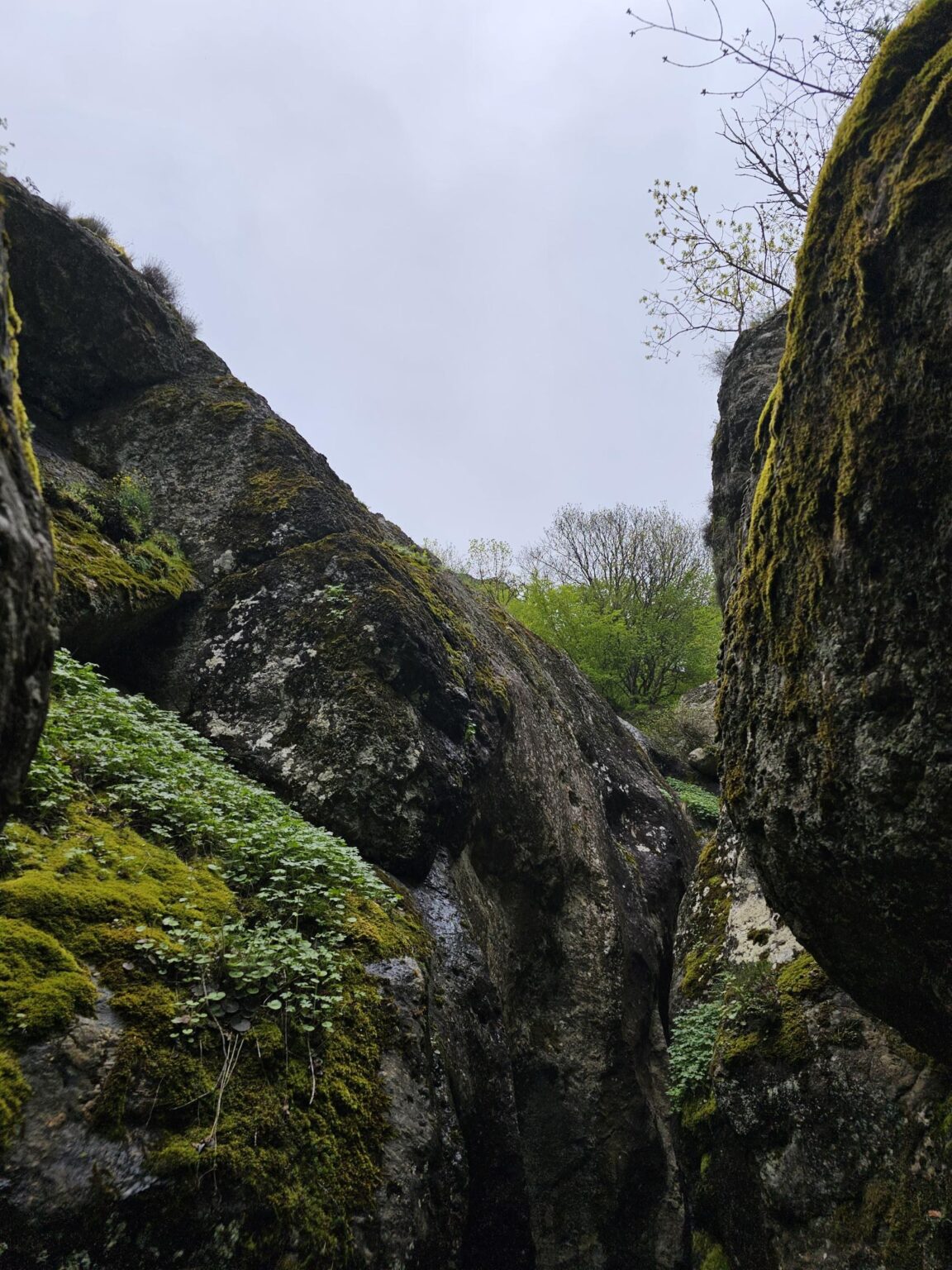
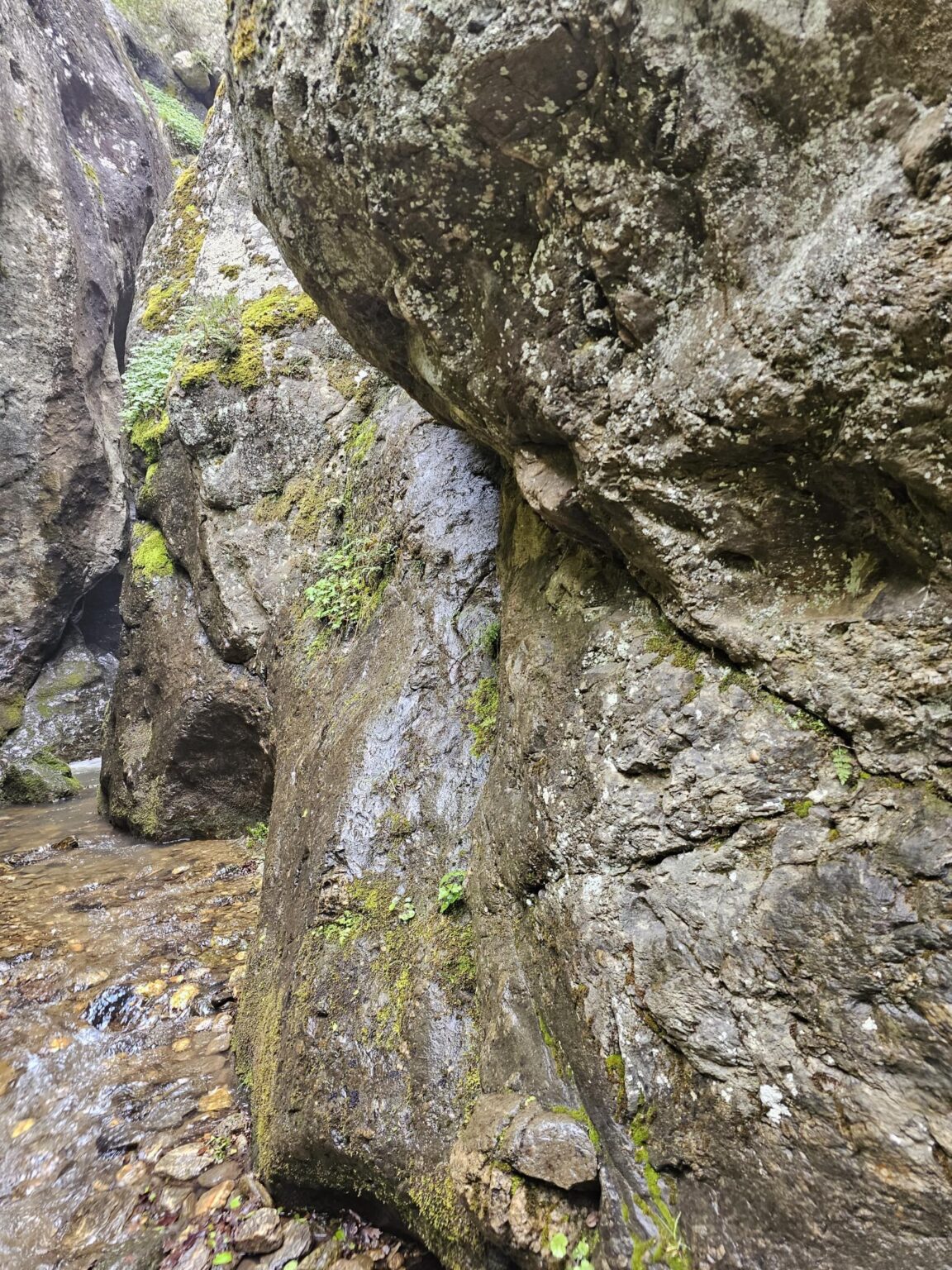
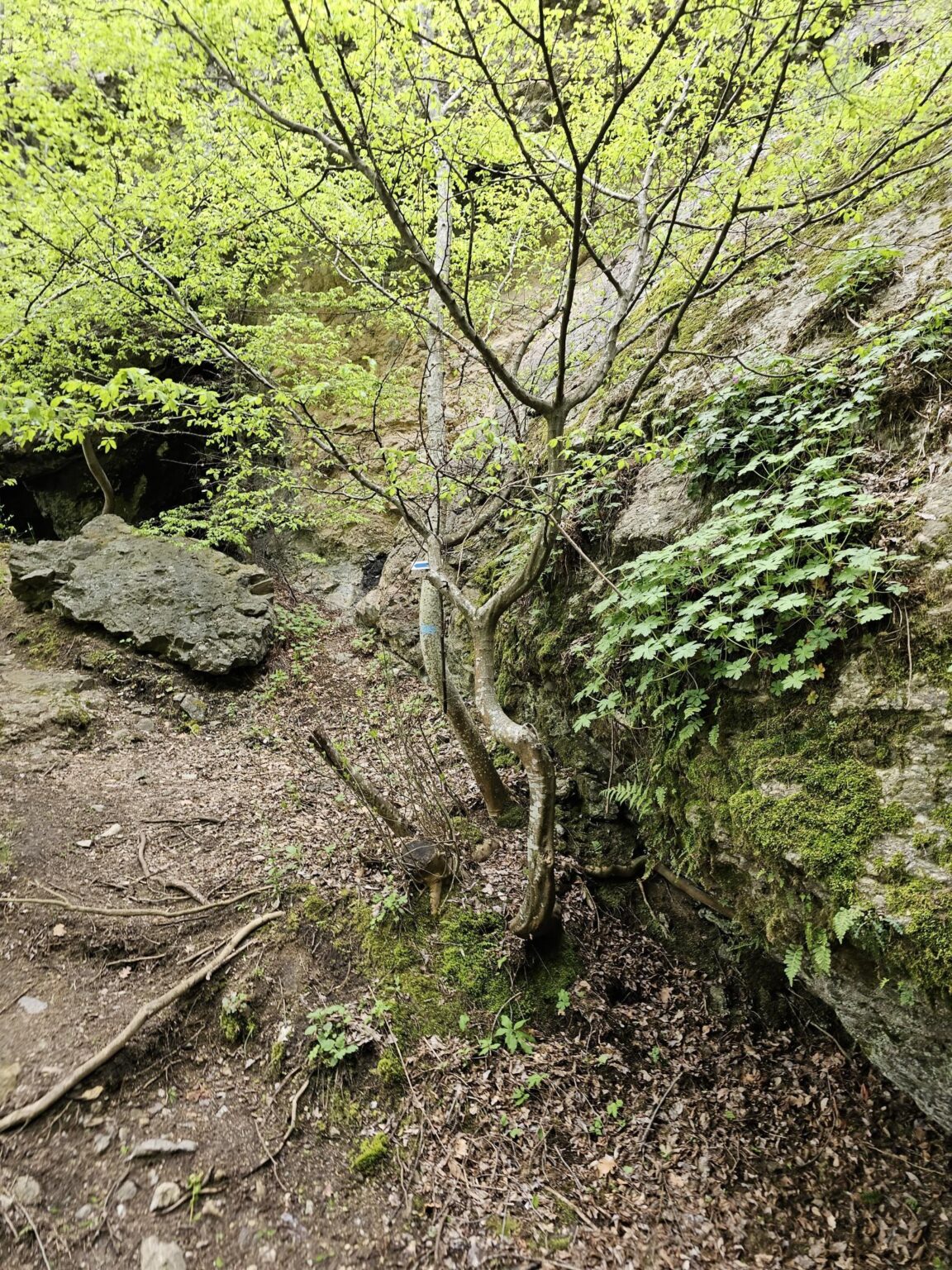
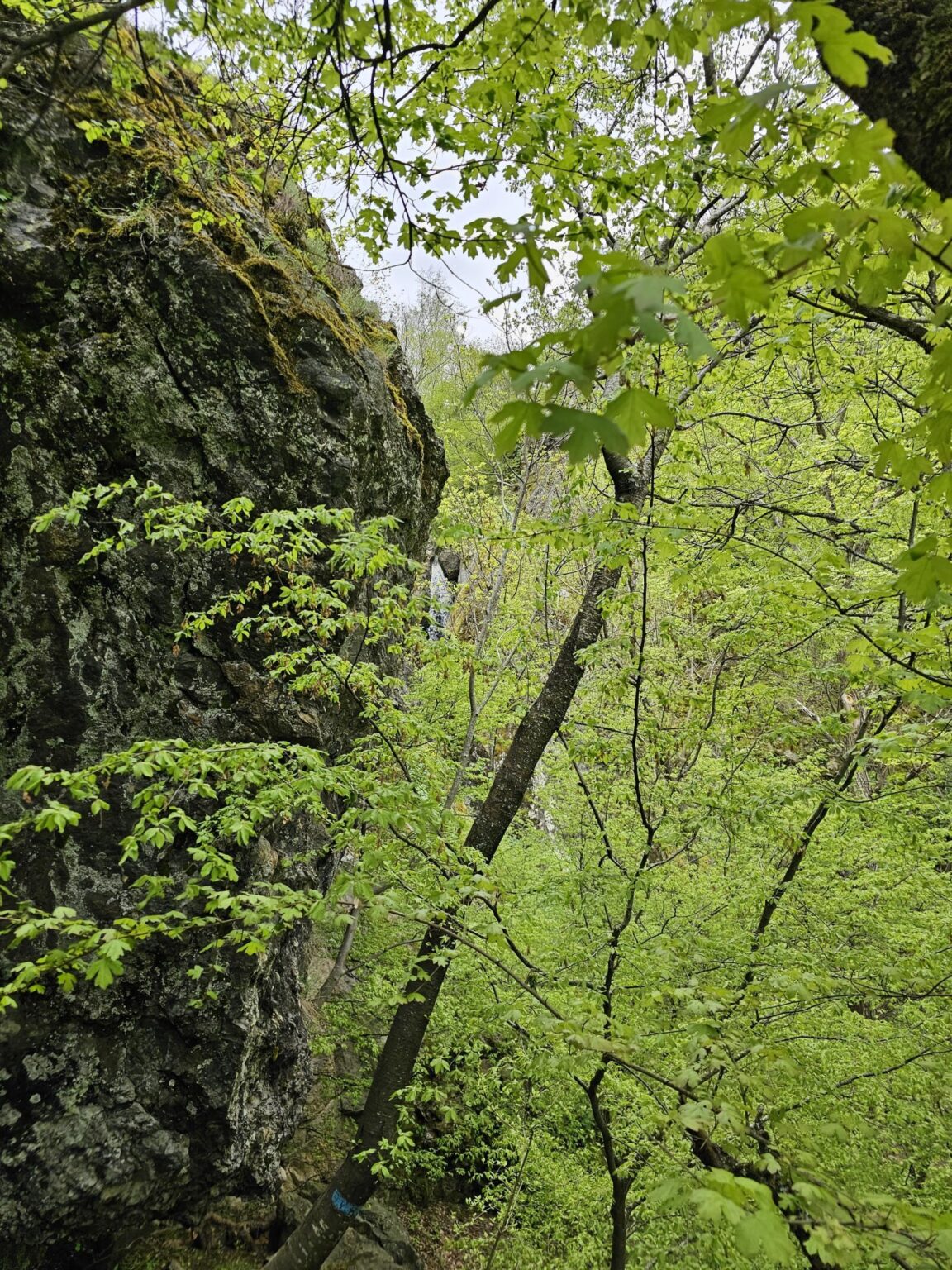
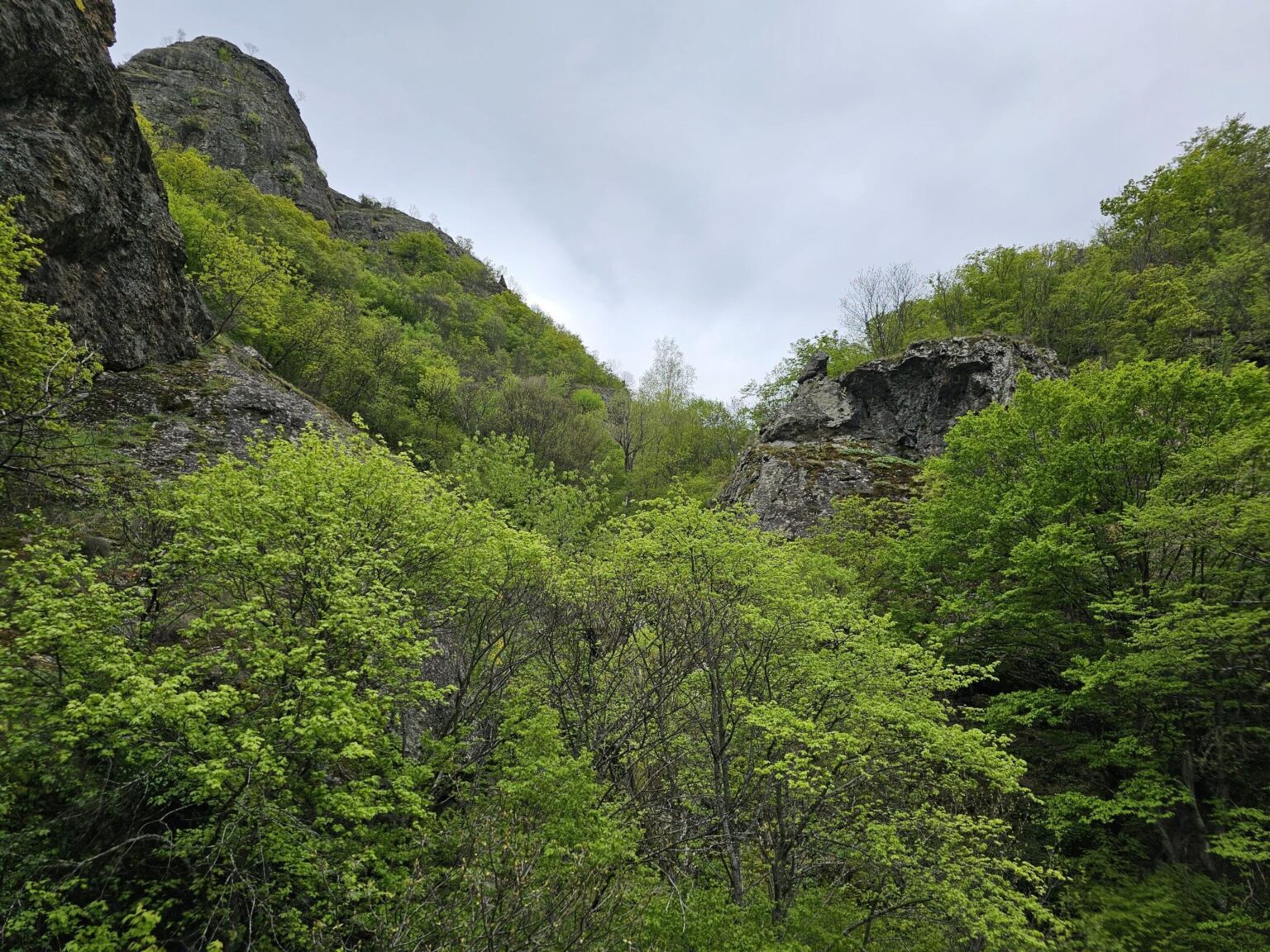
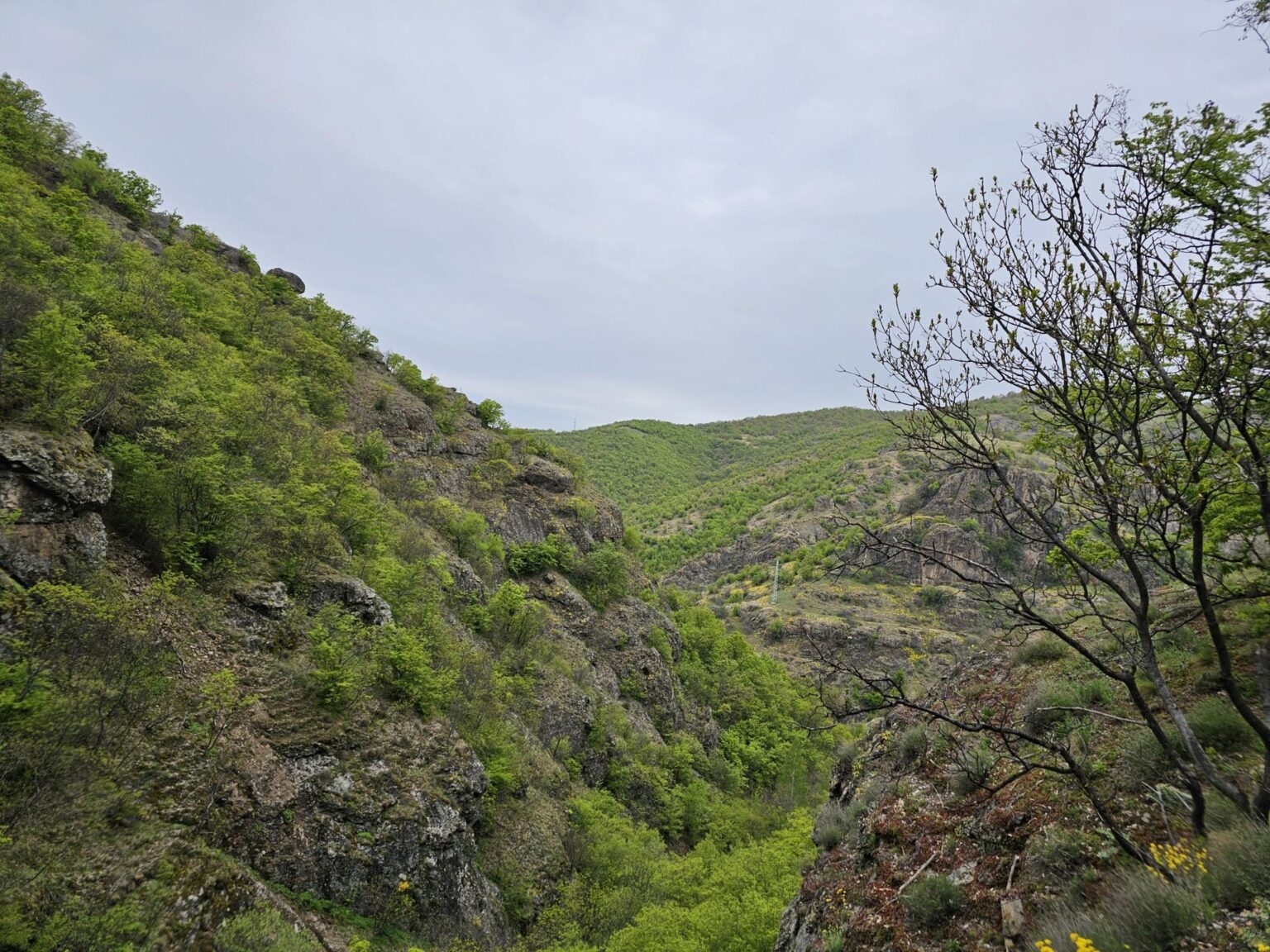
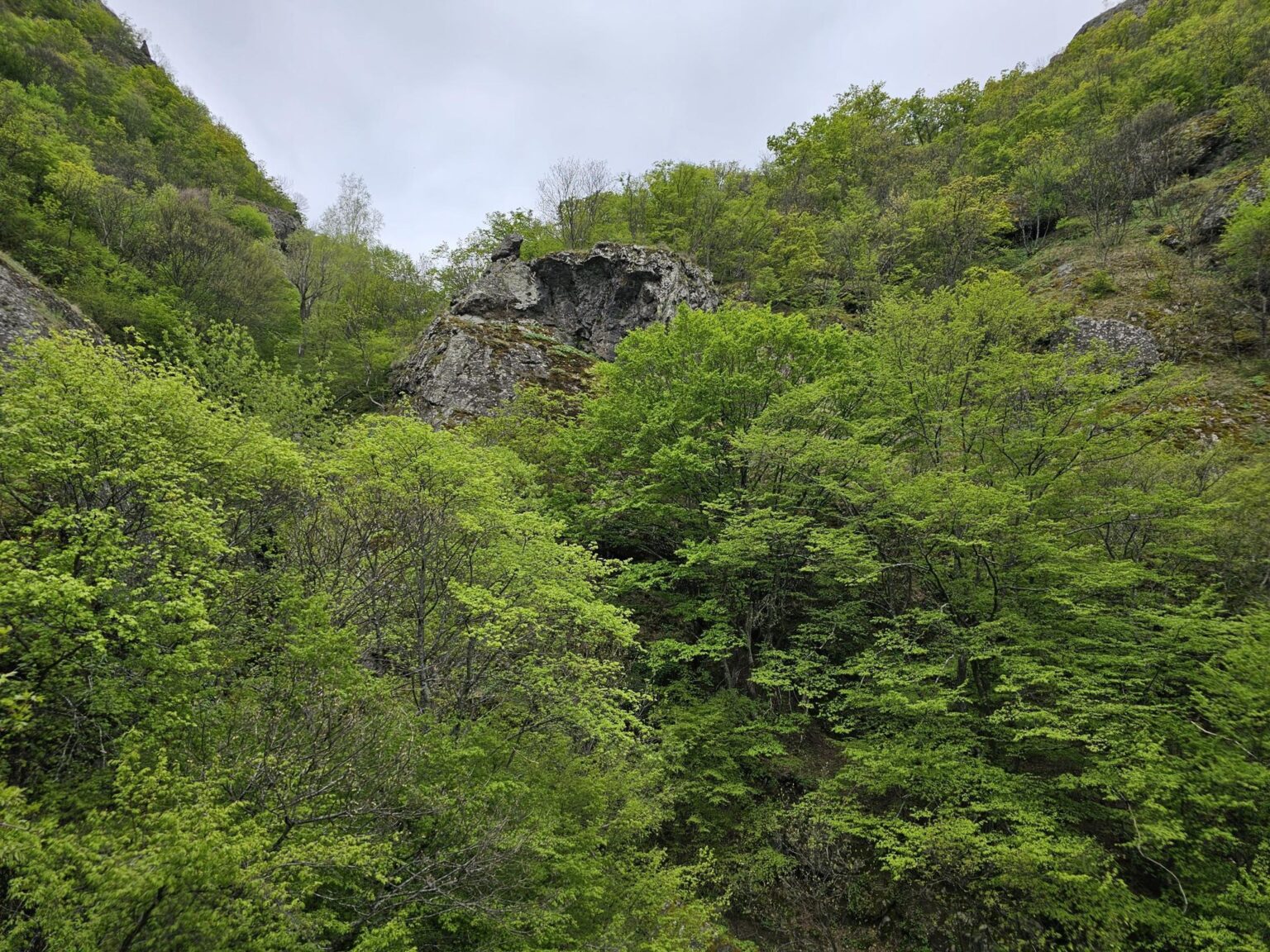
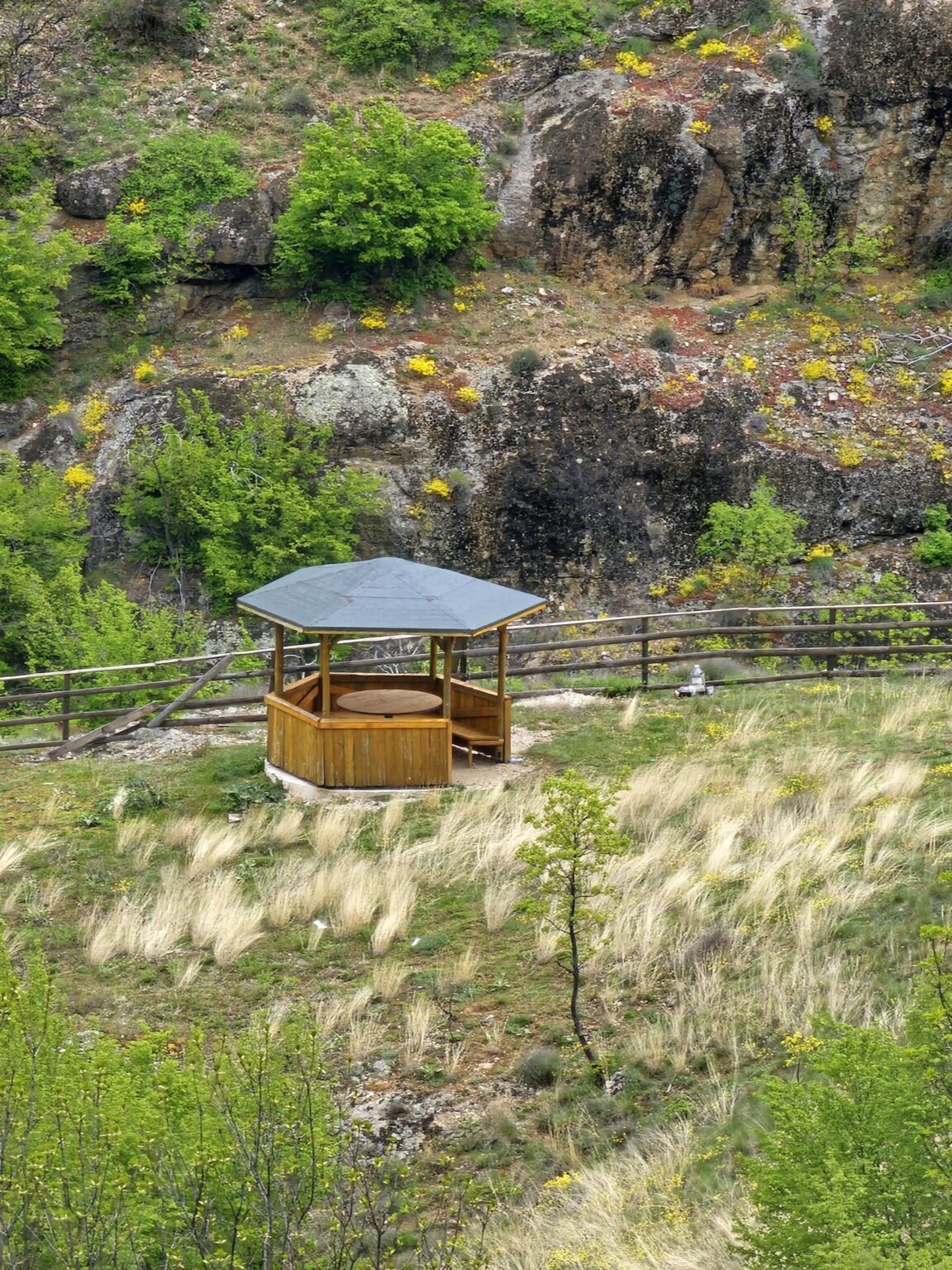
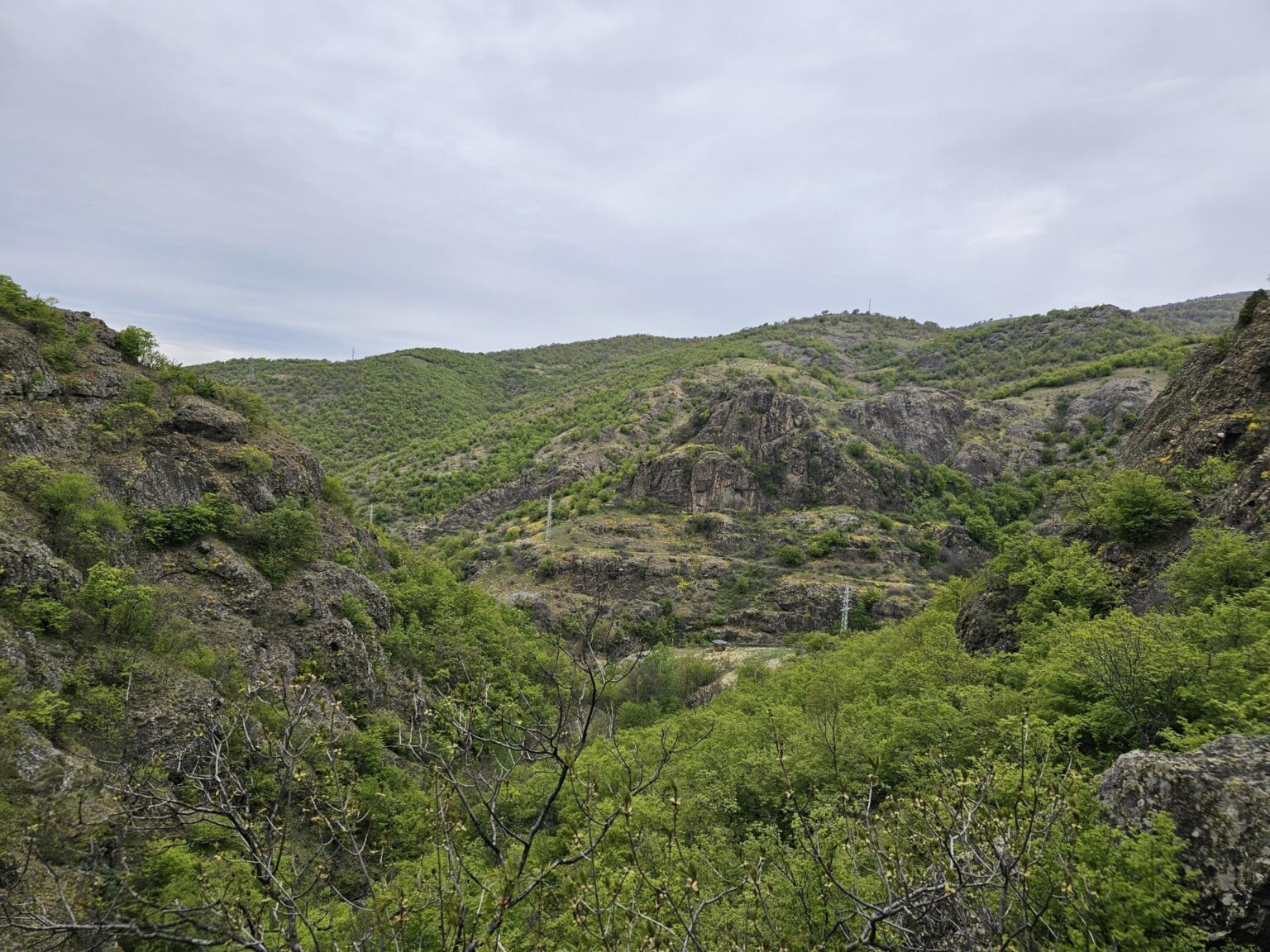
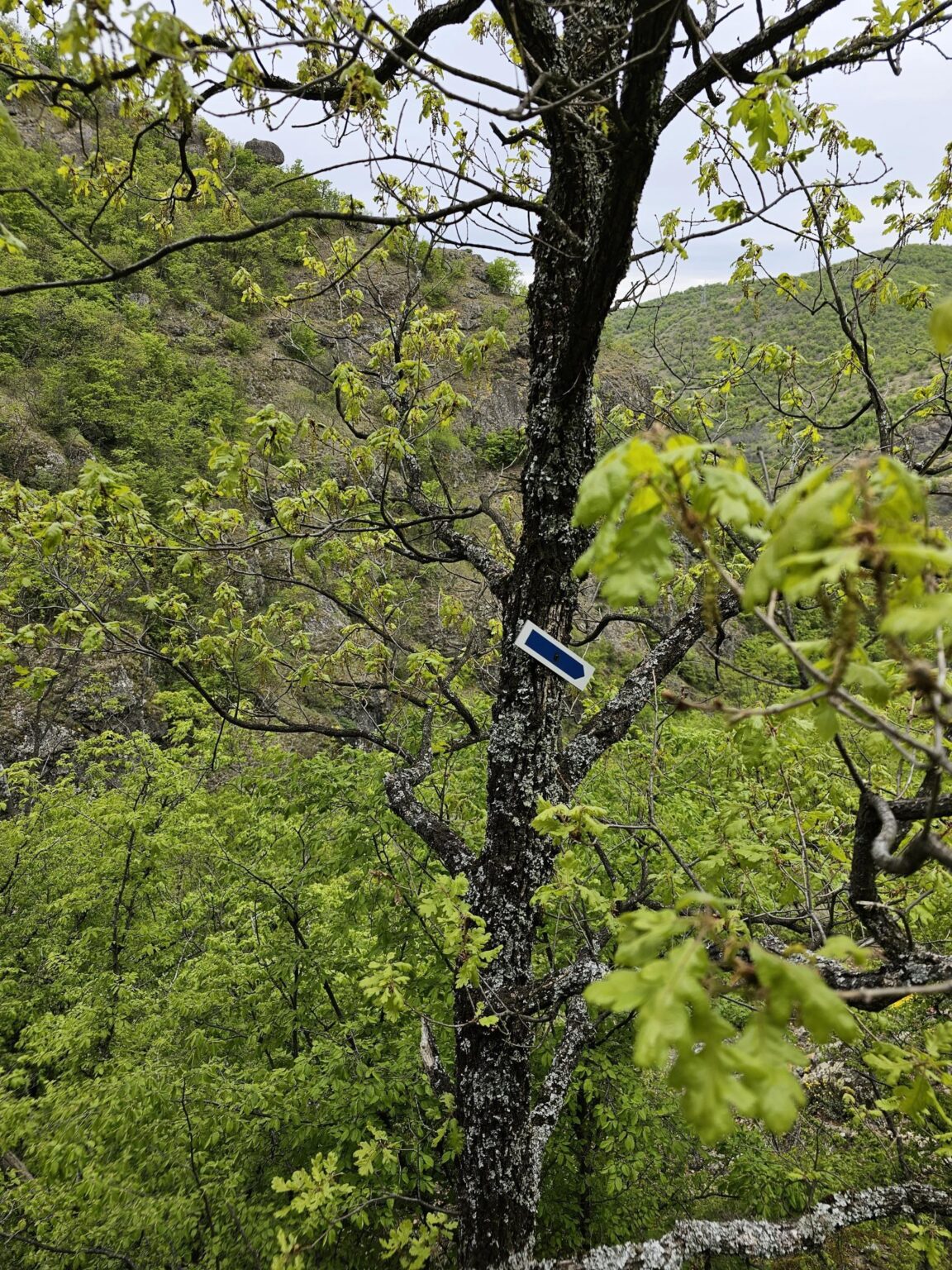
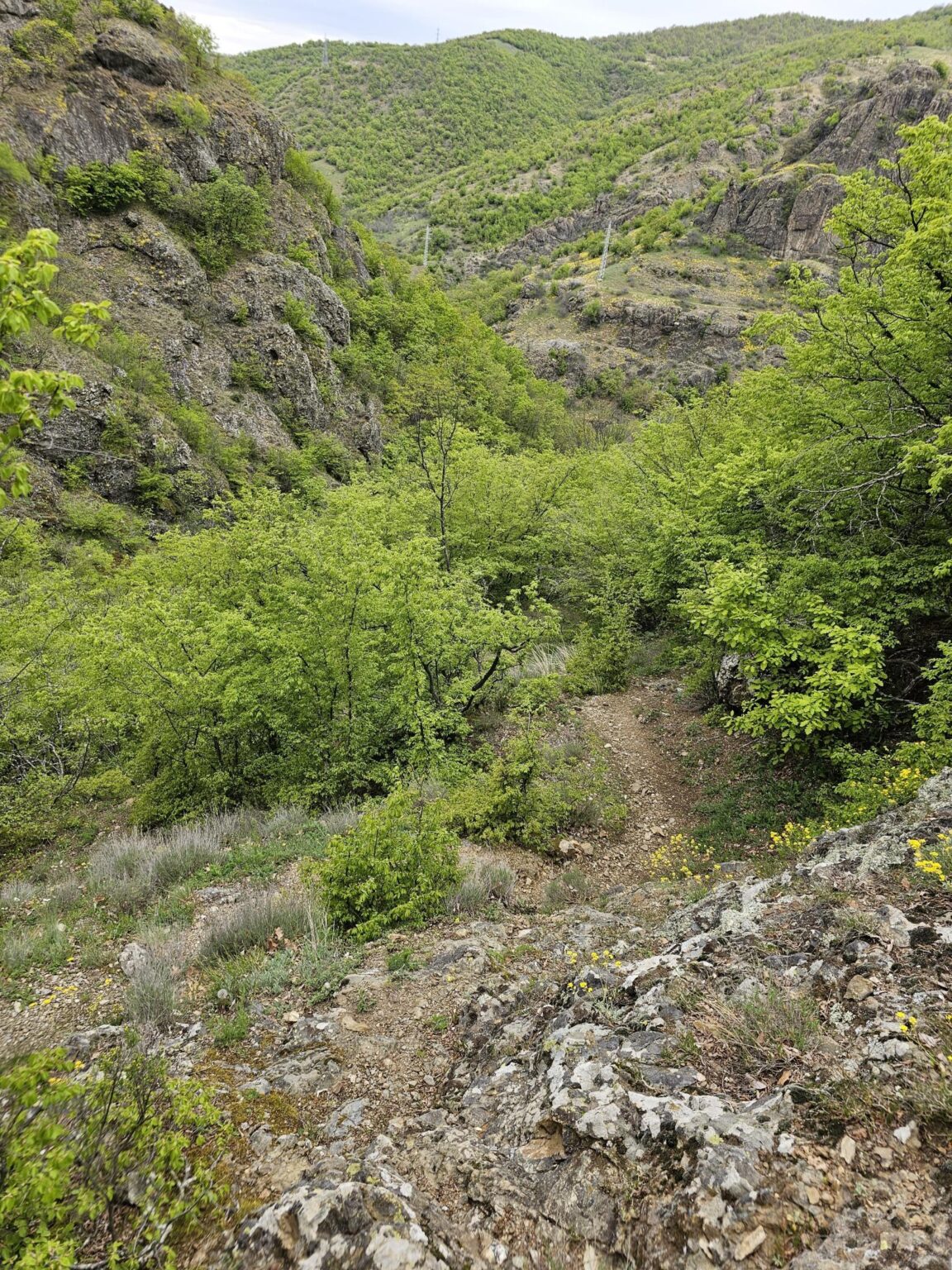
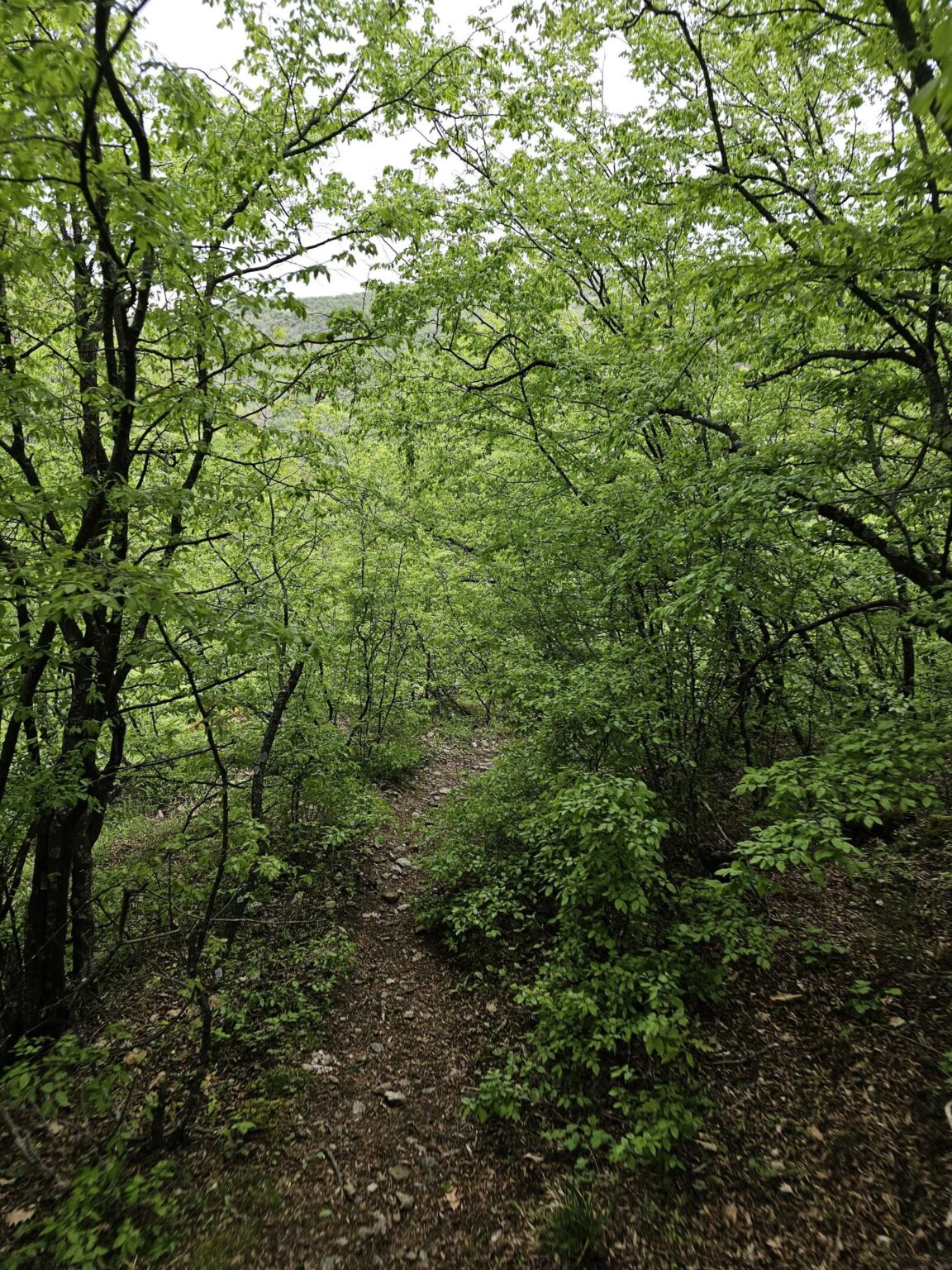
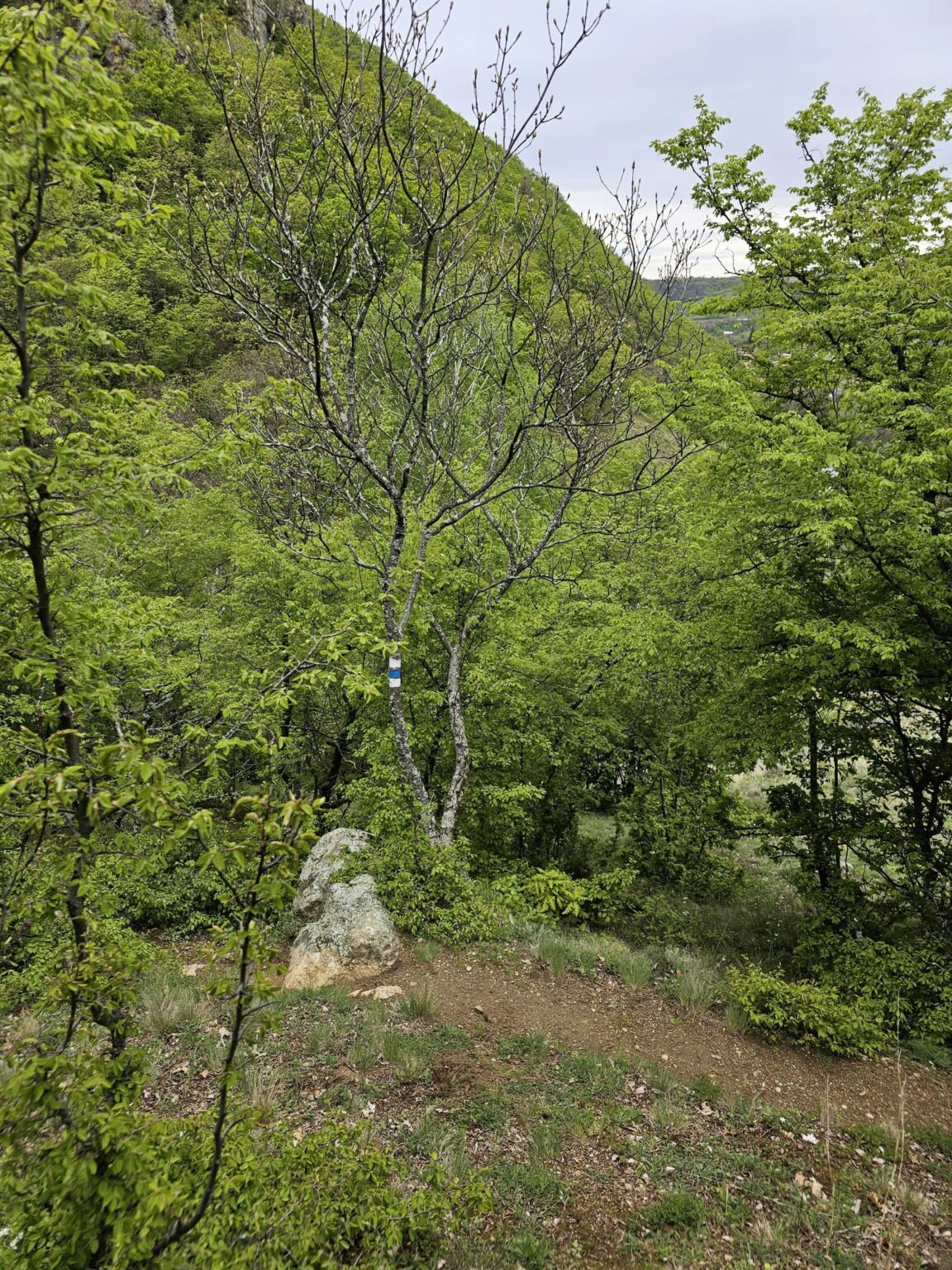
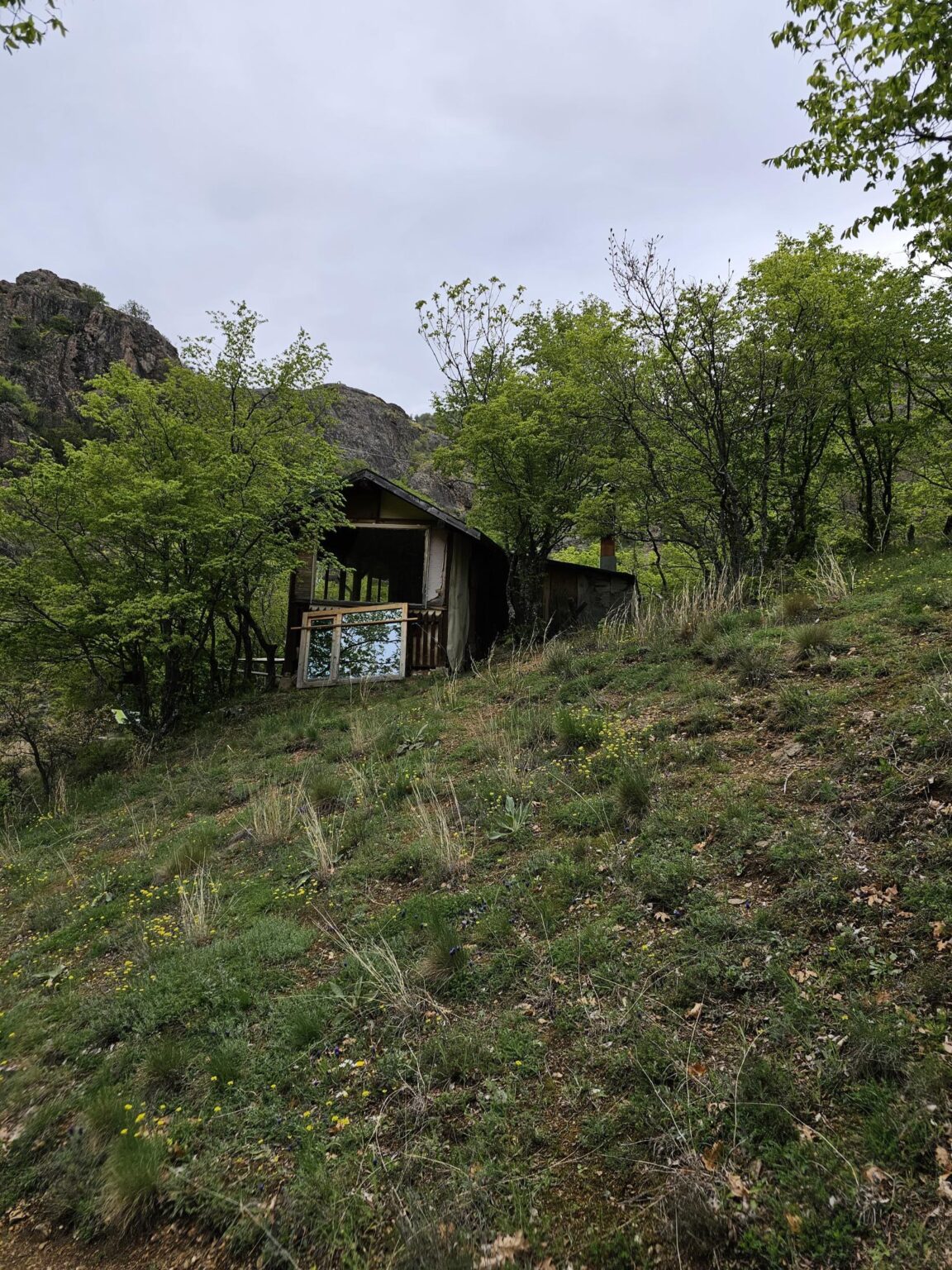
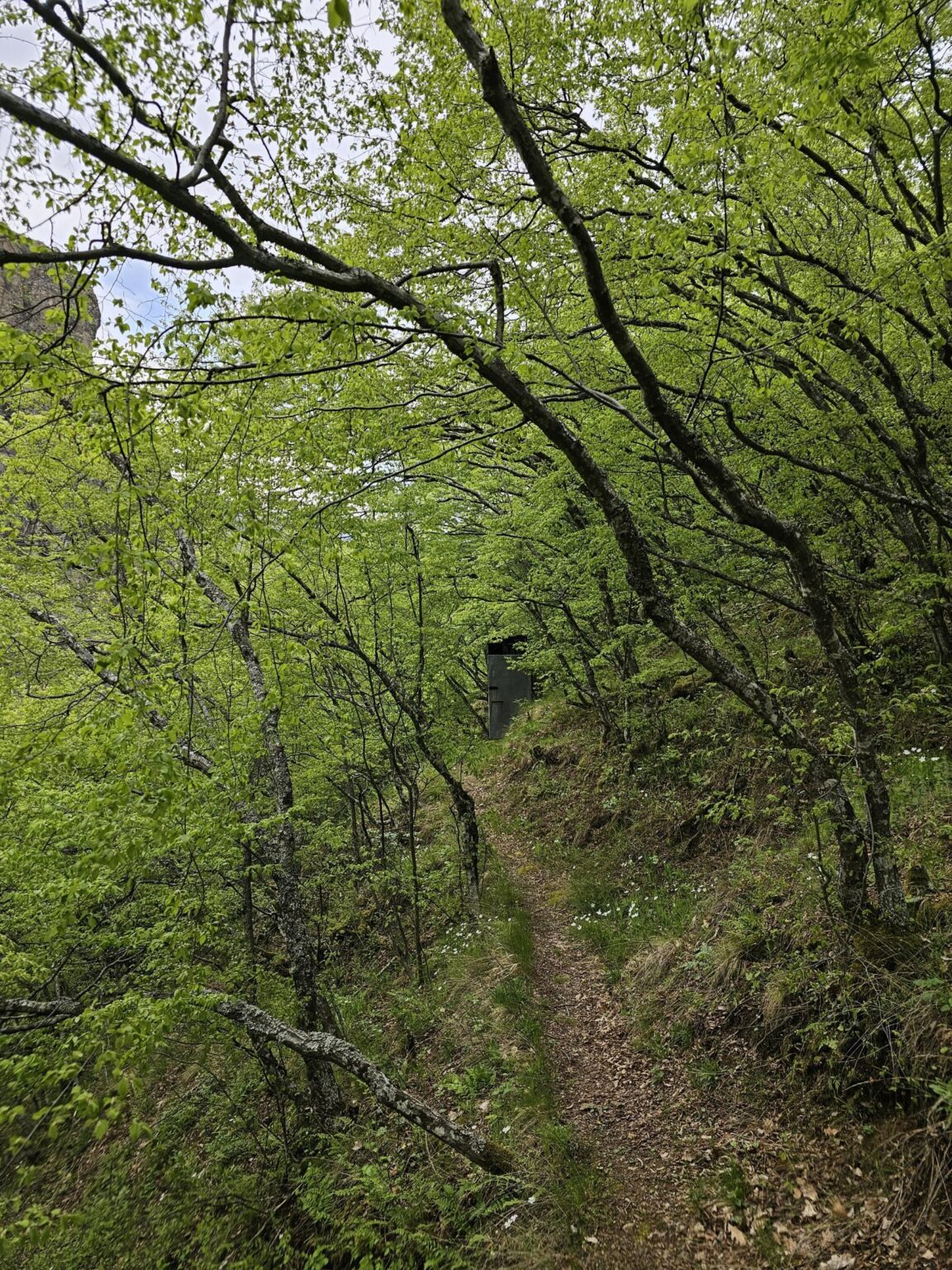
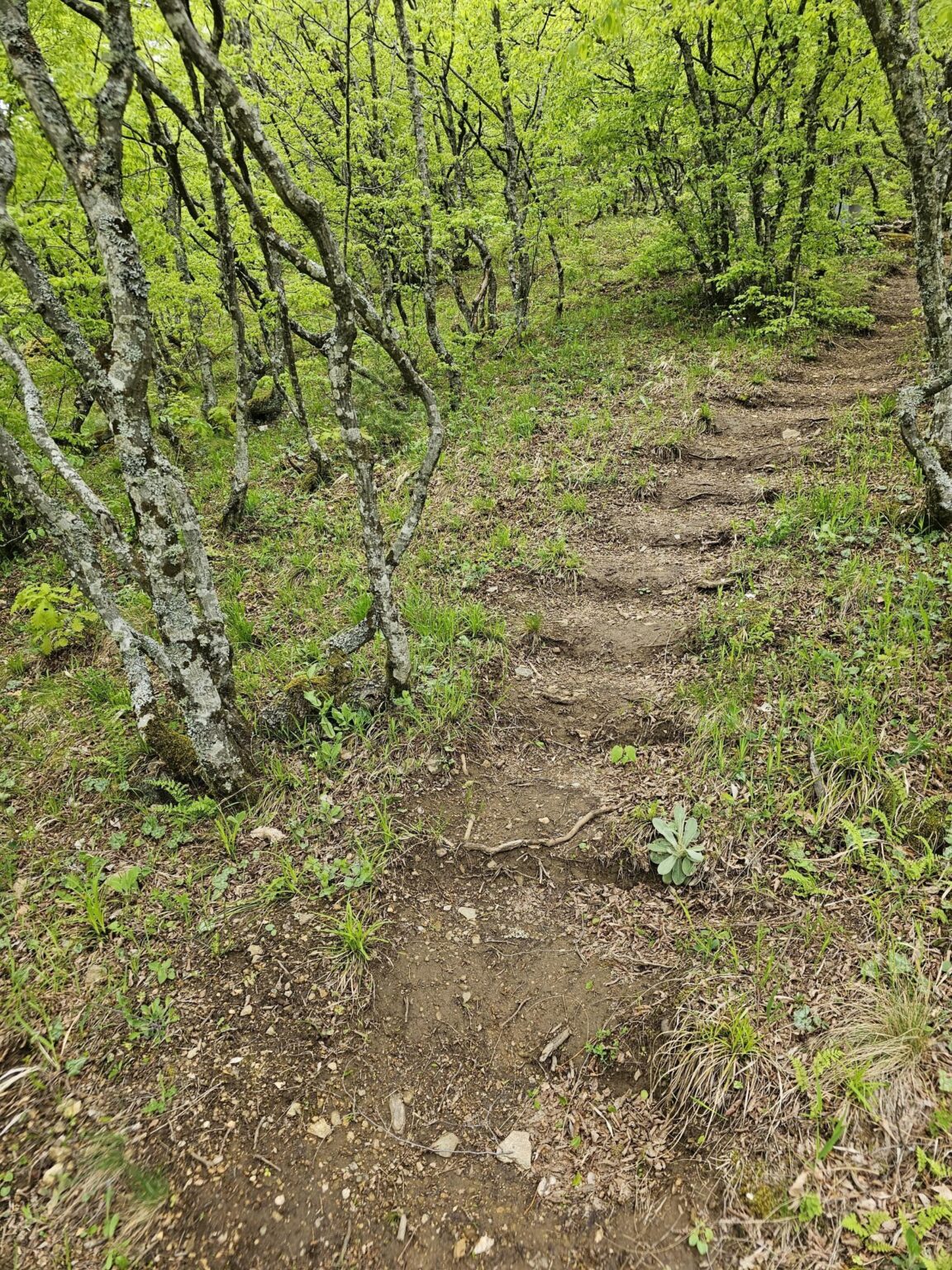
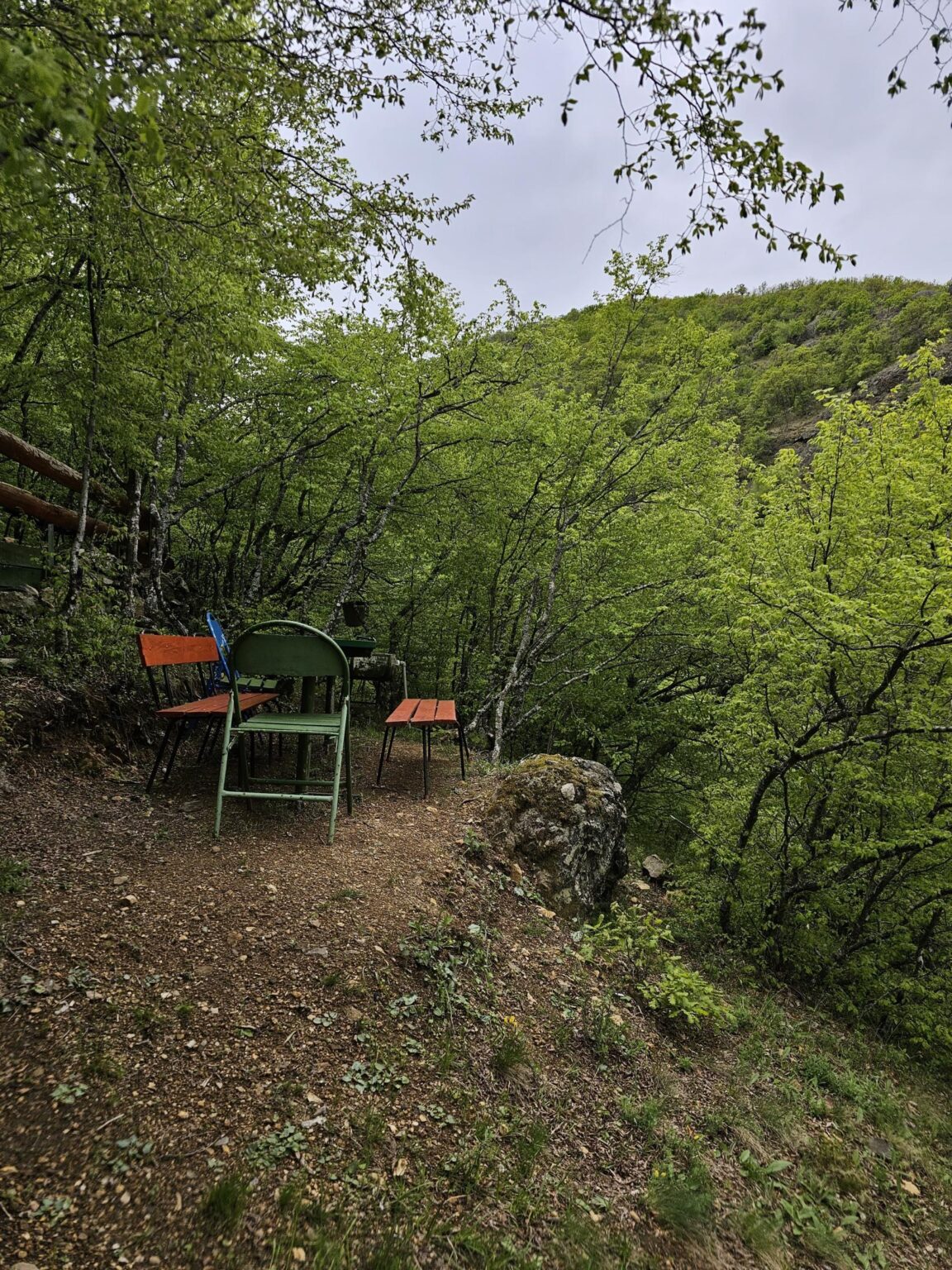
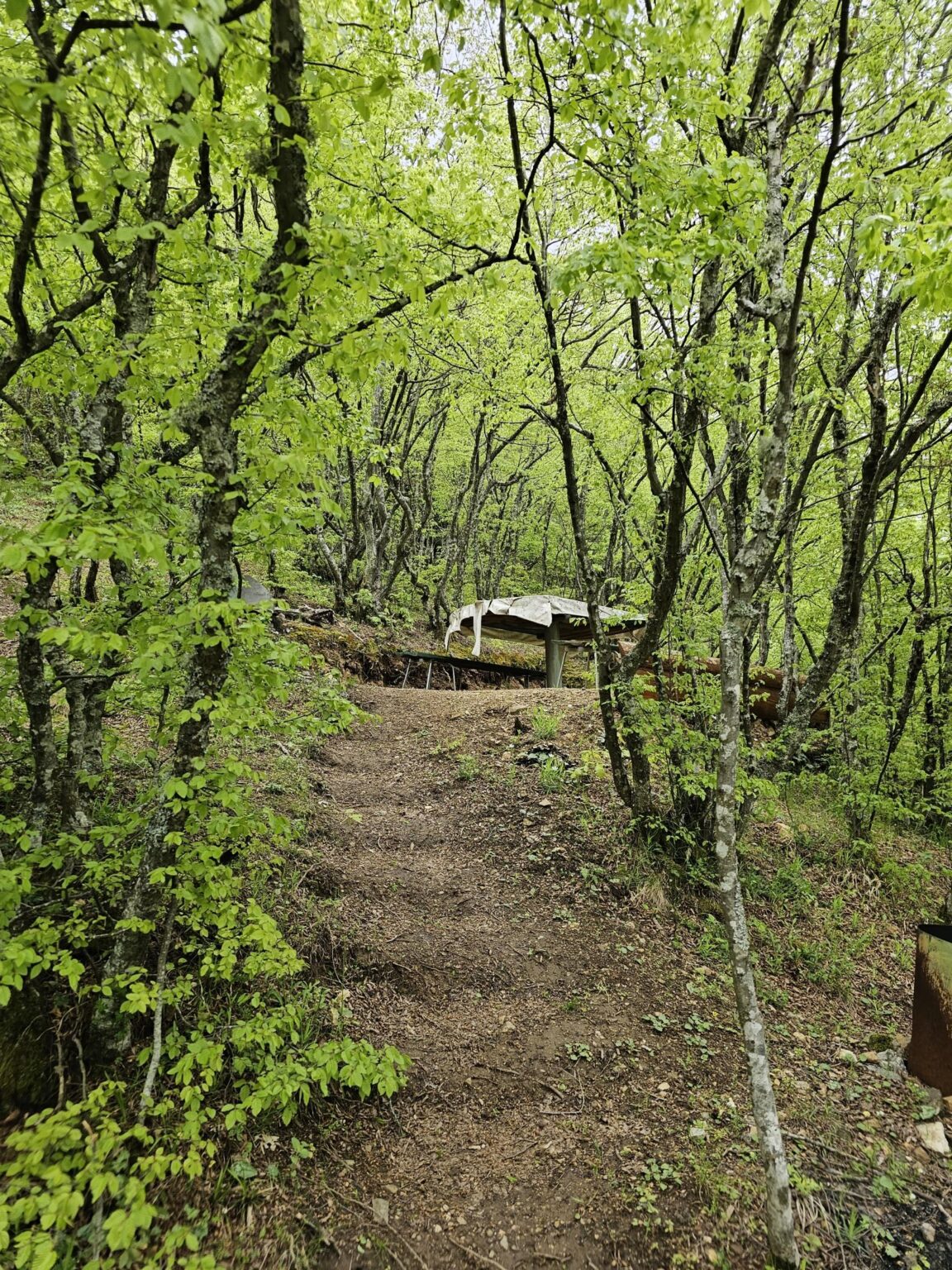
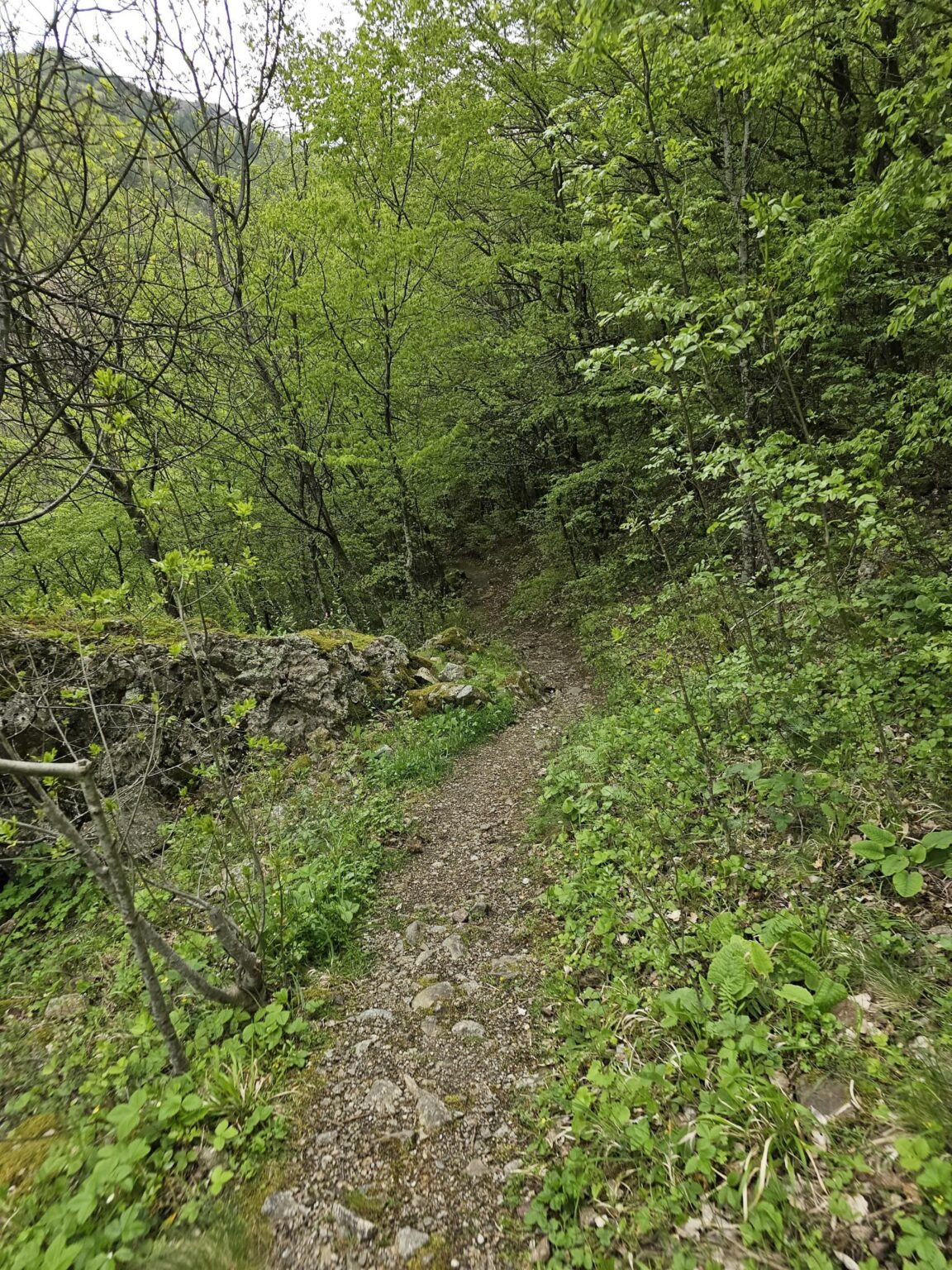
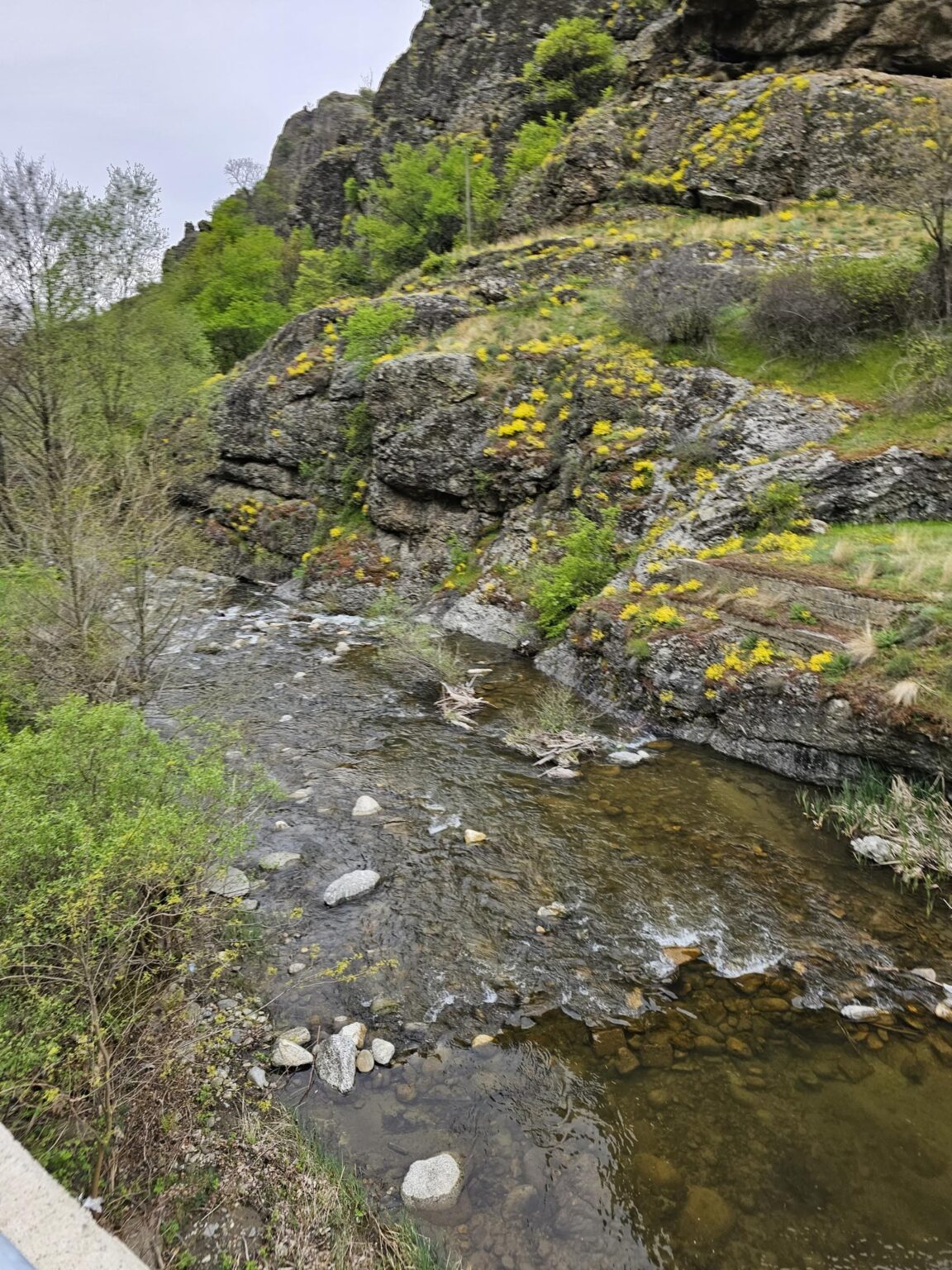
So — we survive the hour it takes in both directions, with small breaks, and we carry on.
The Cross eco-trail
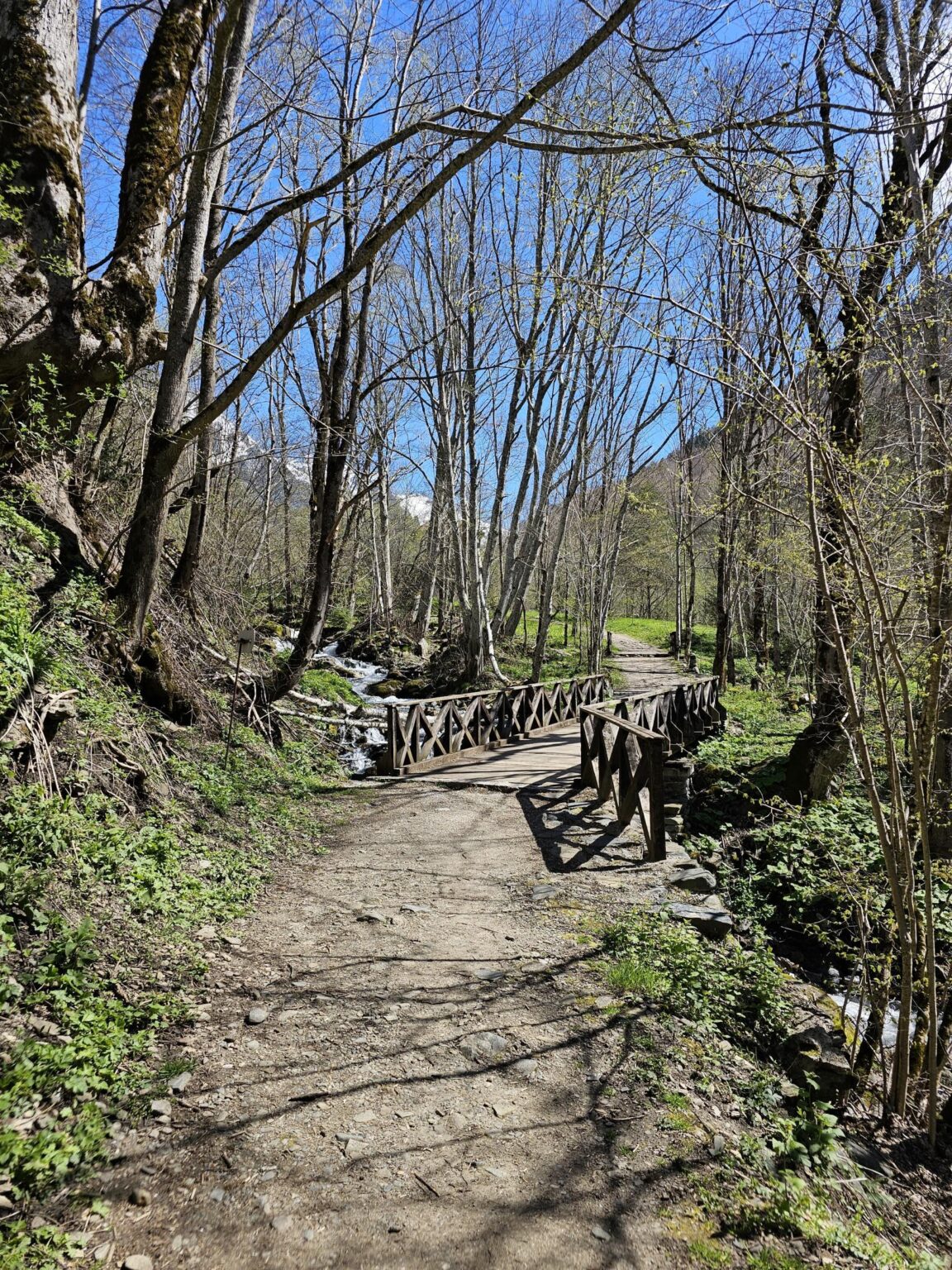
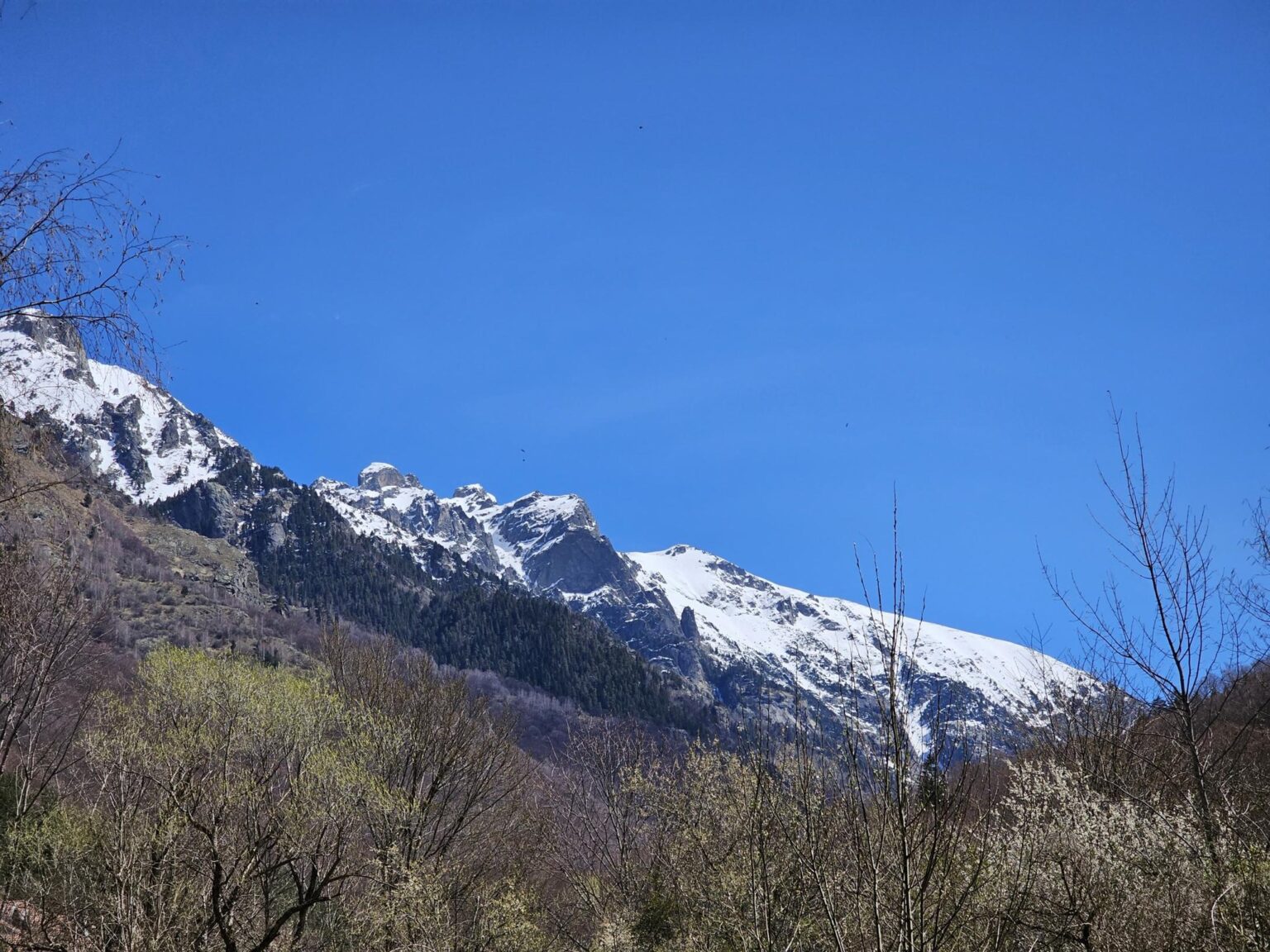
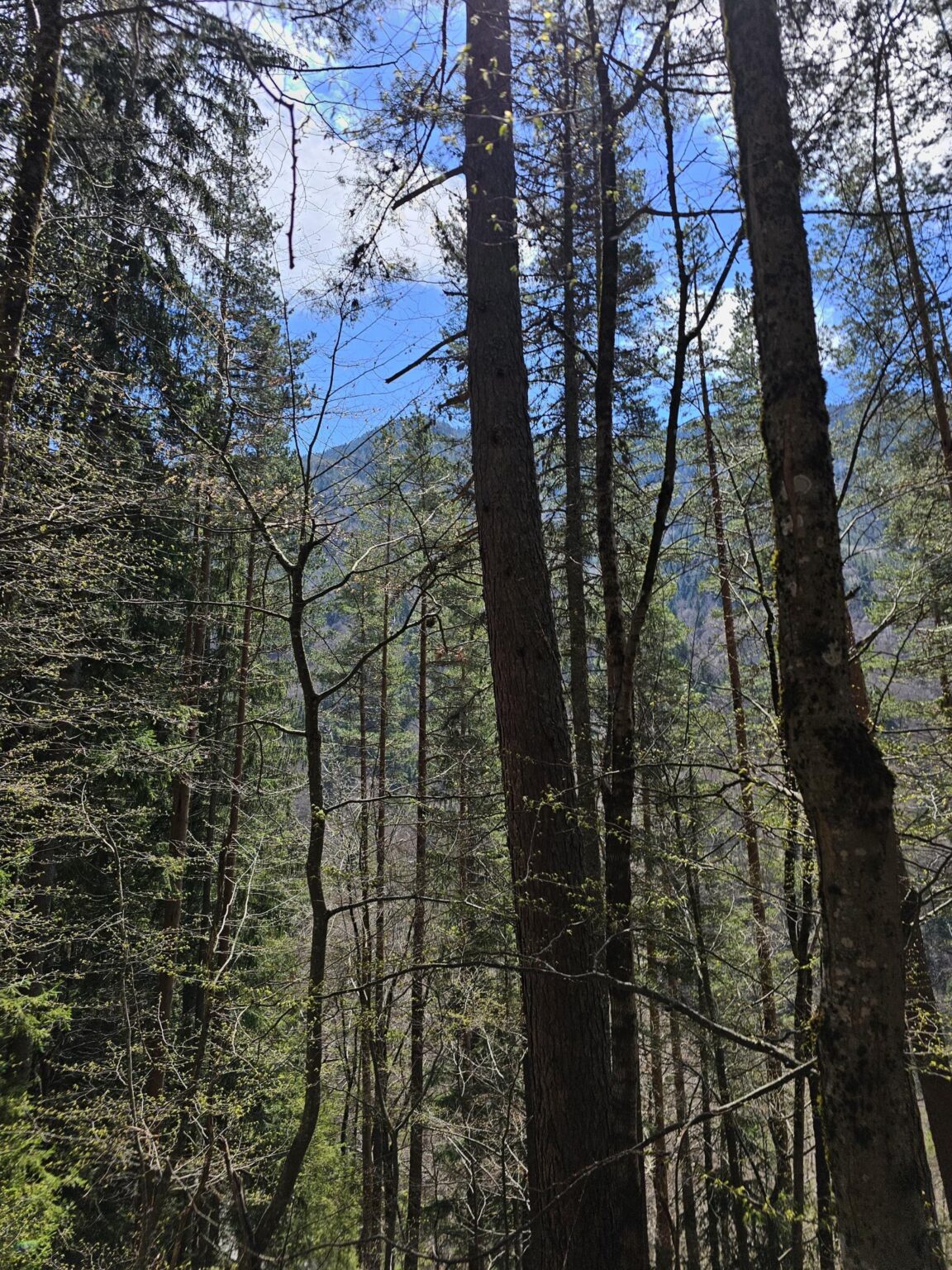
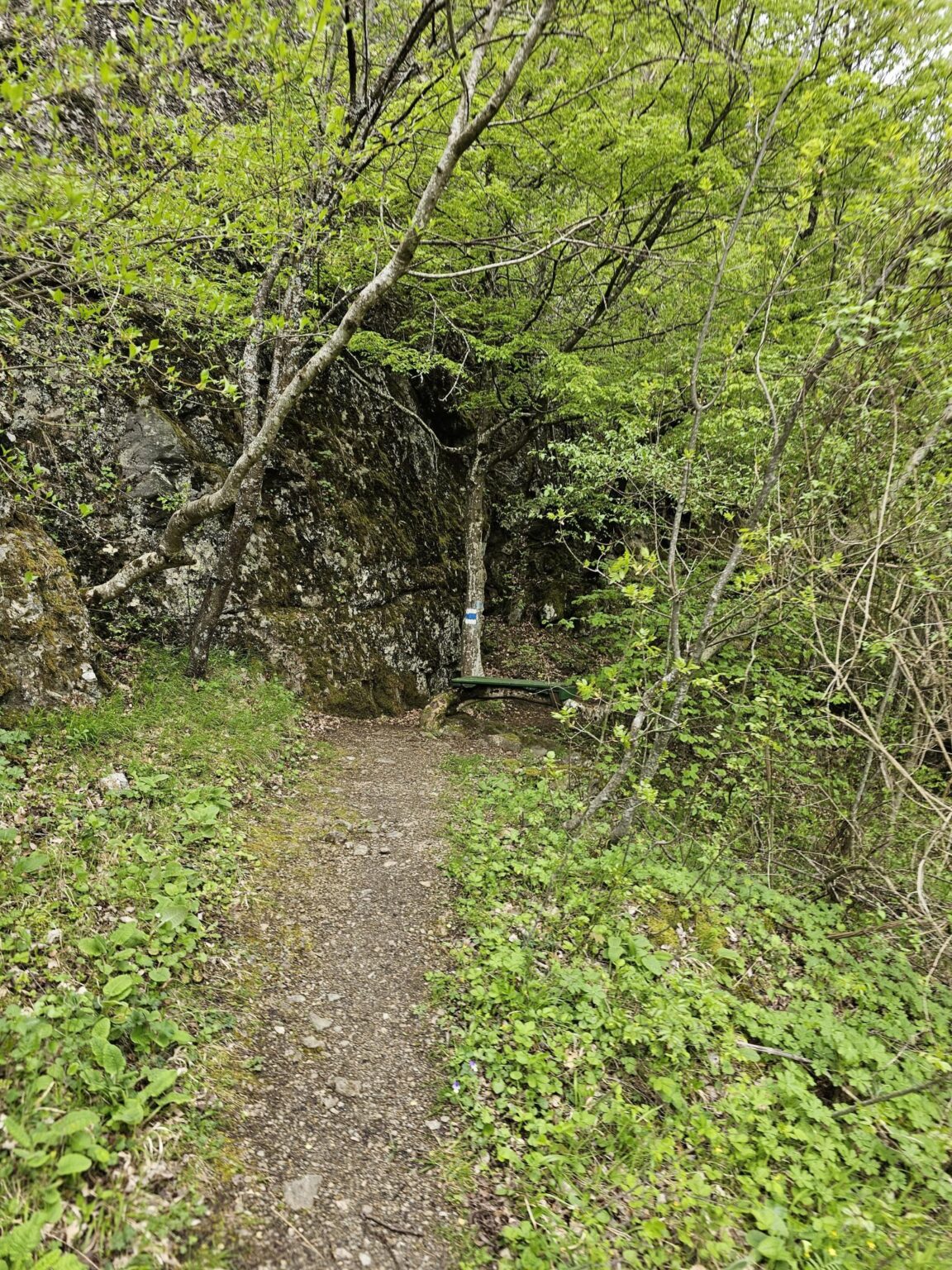
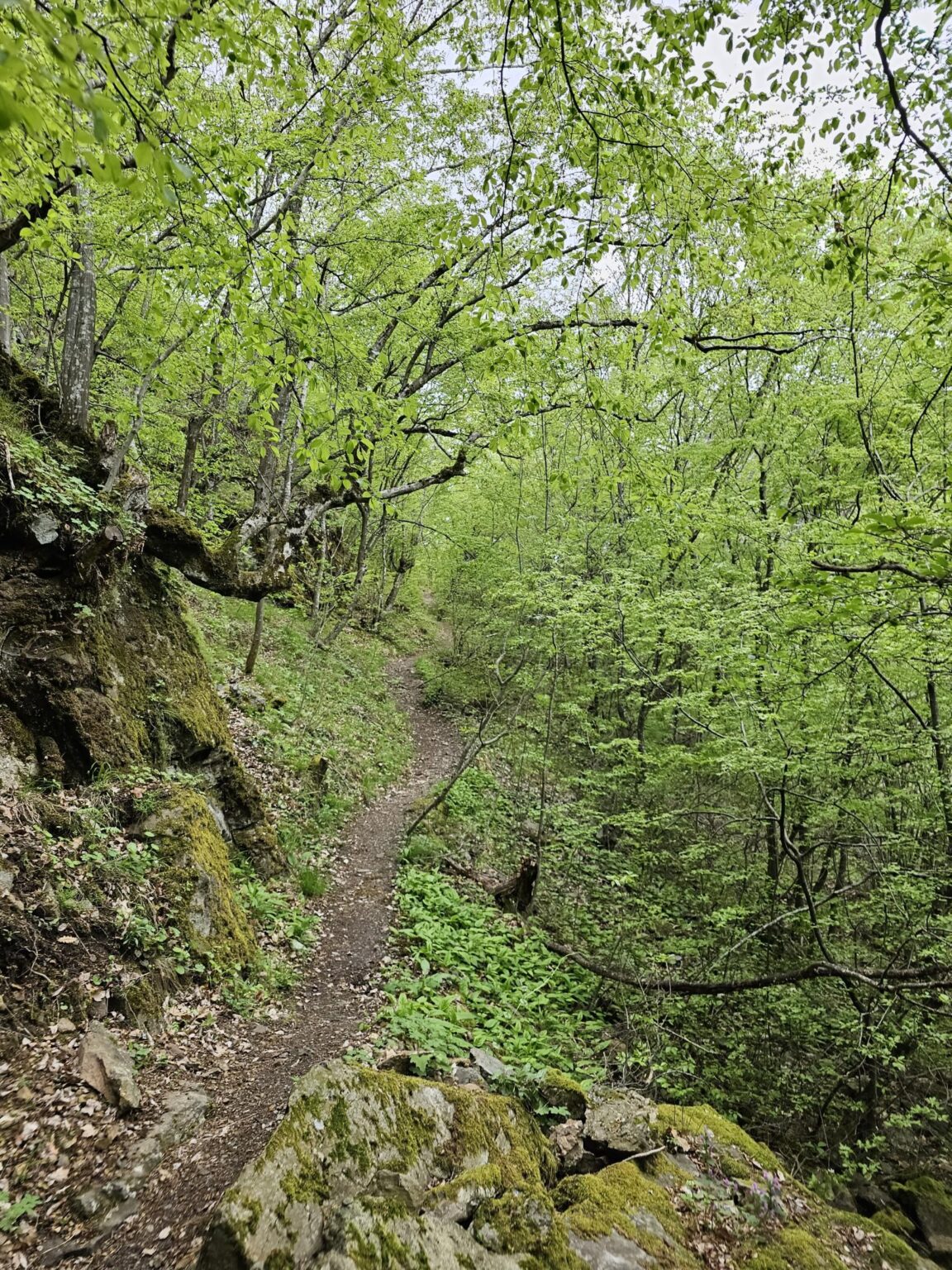
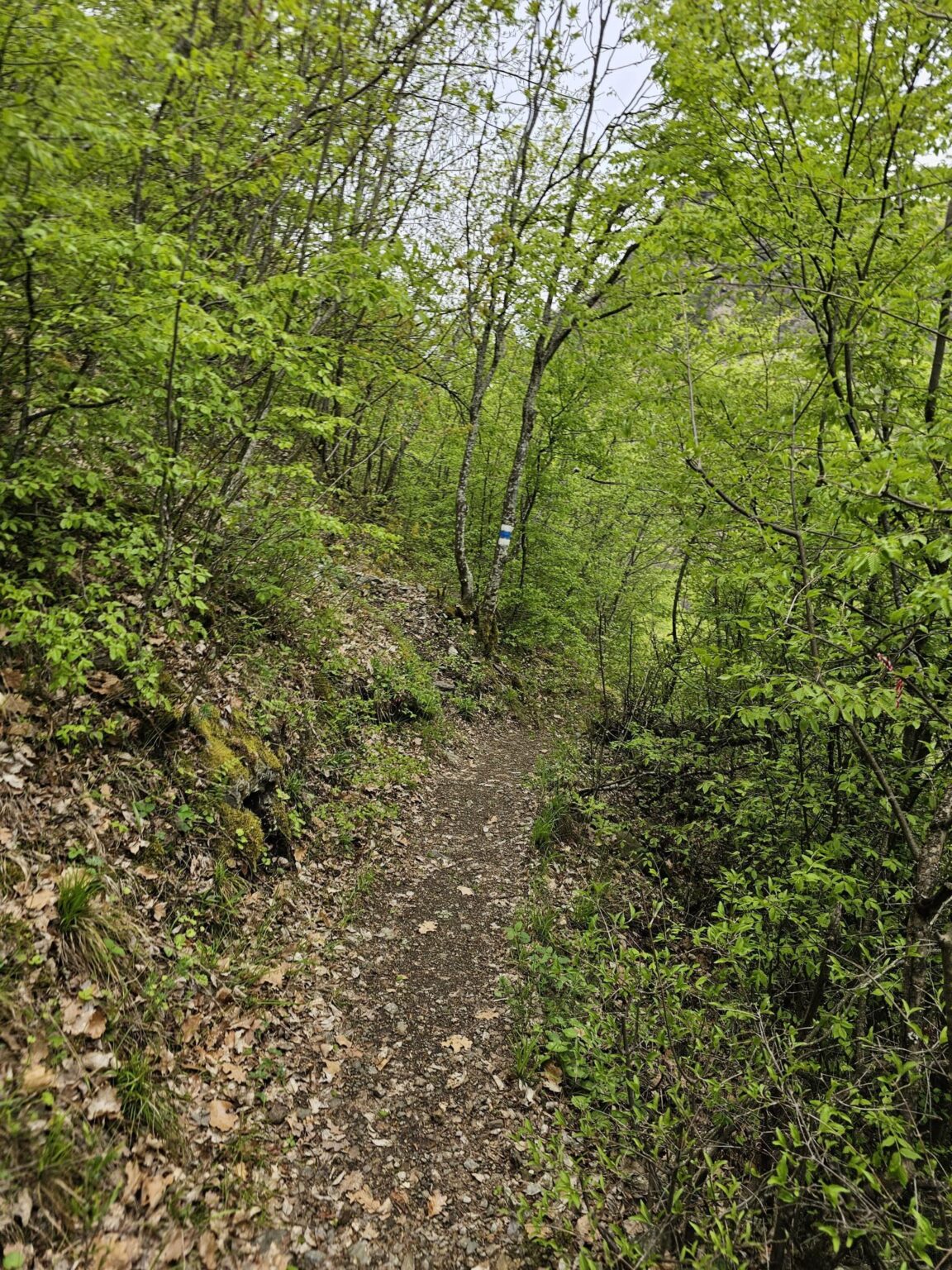
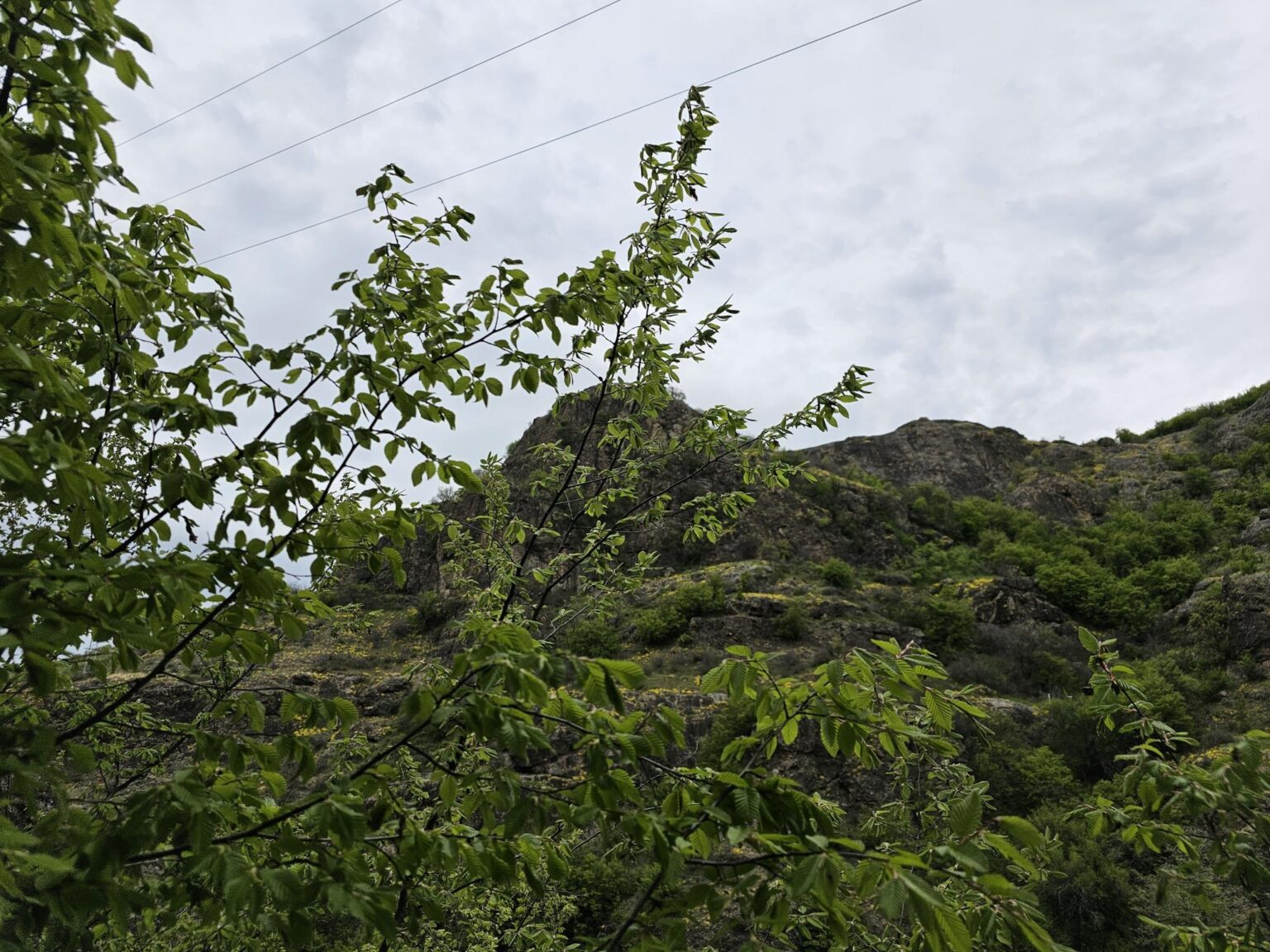
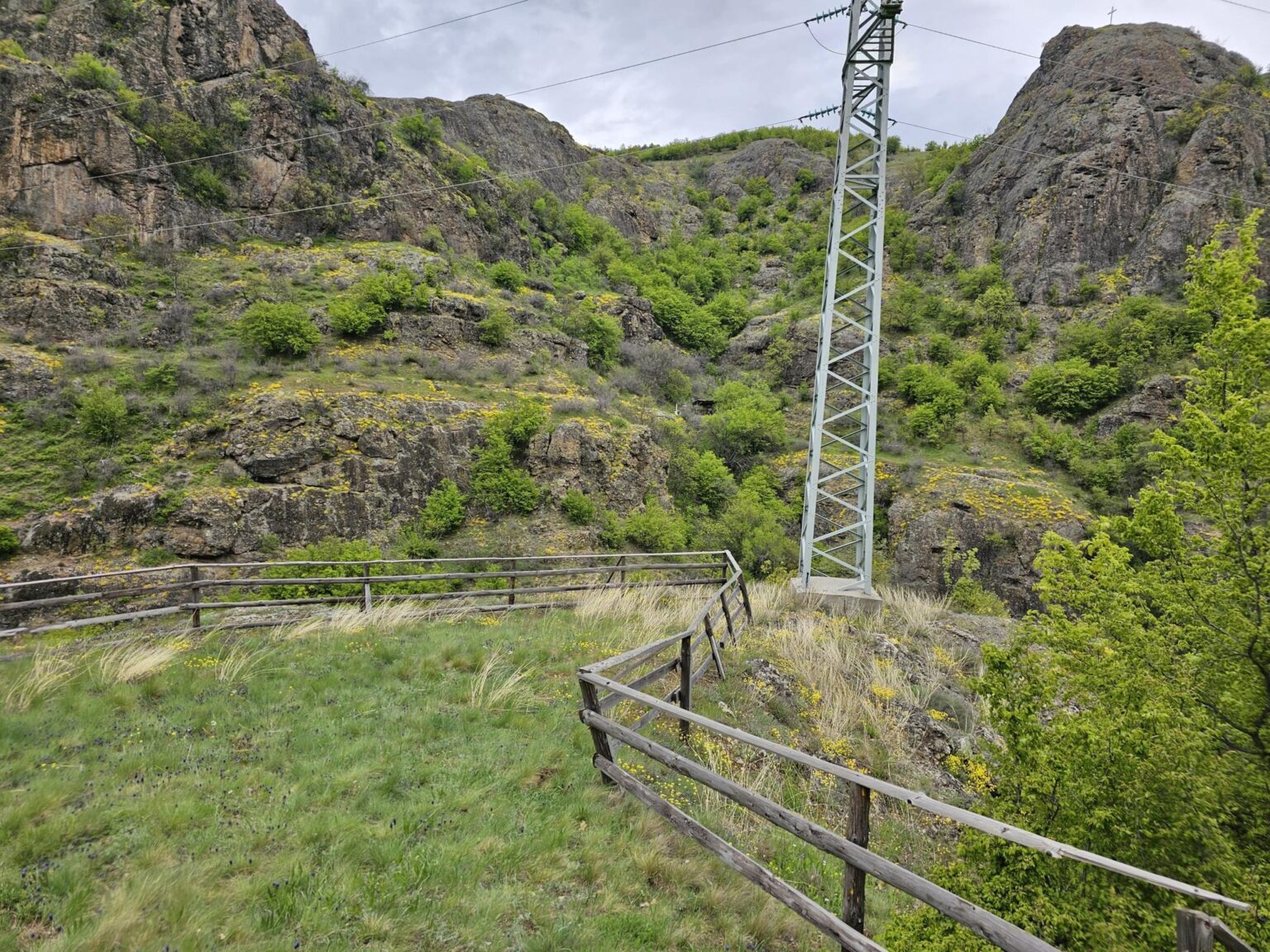
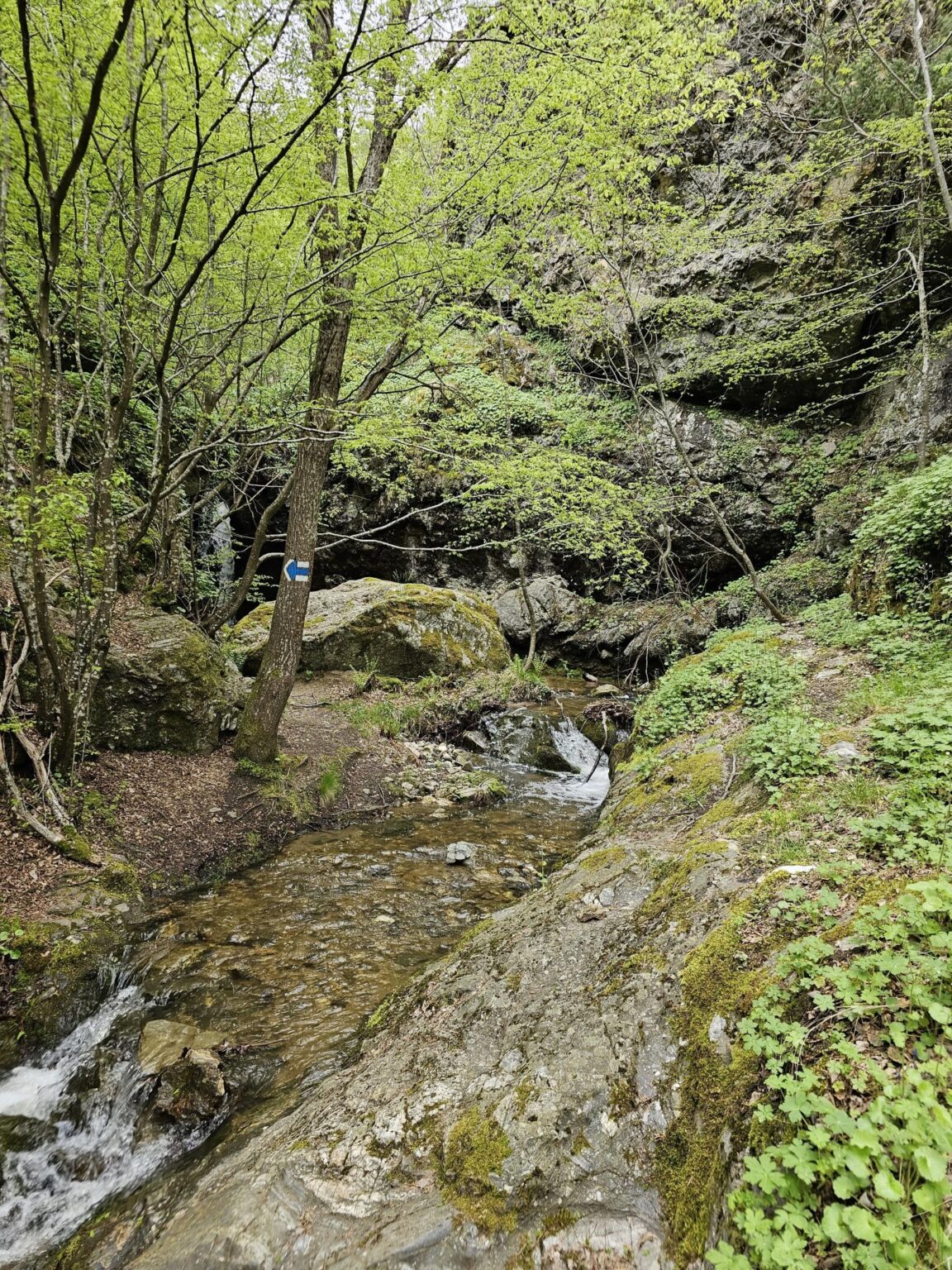
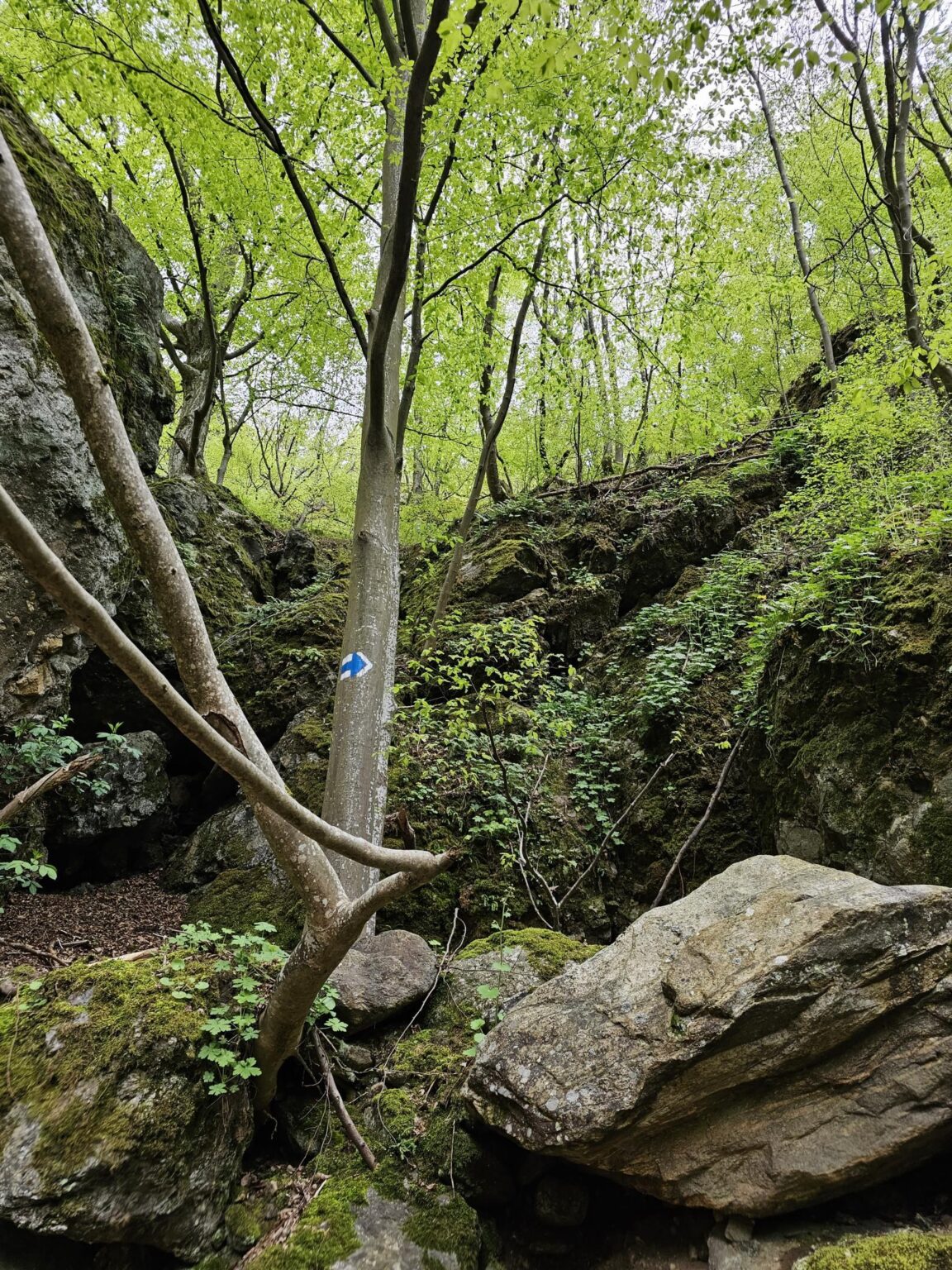
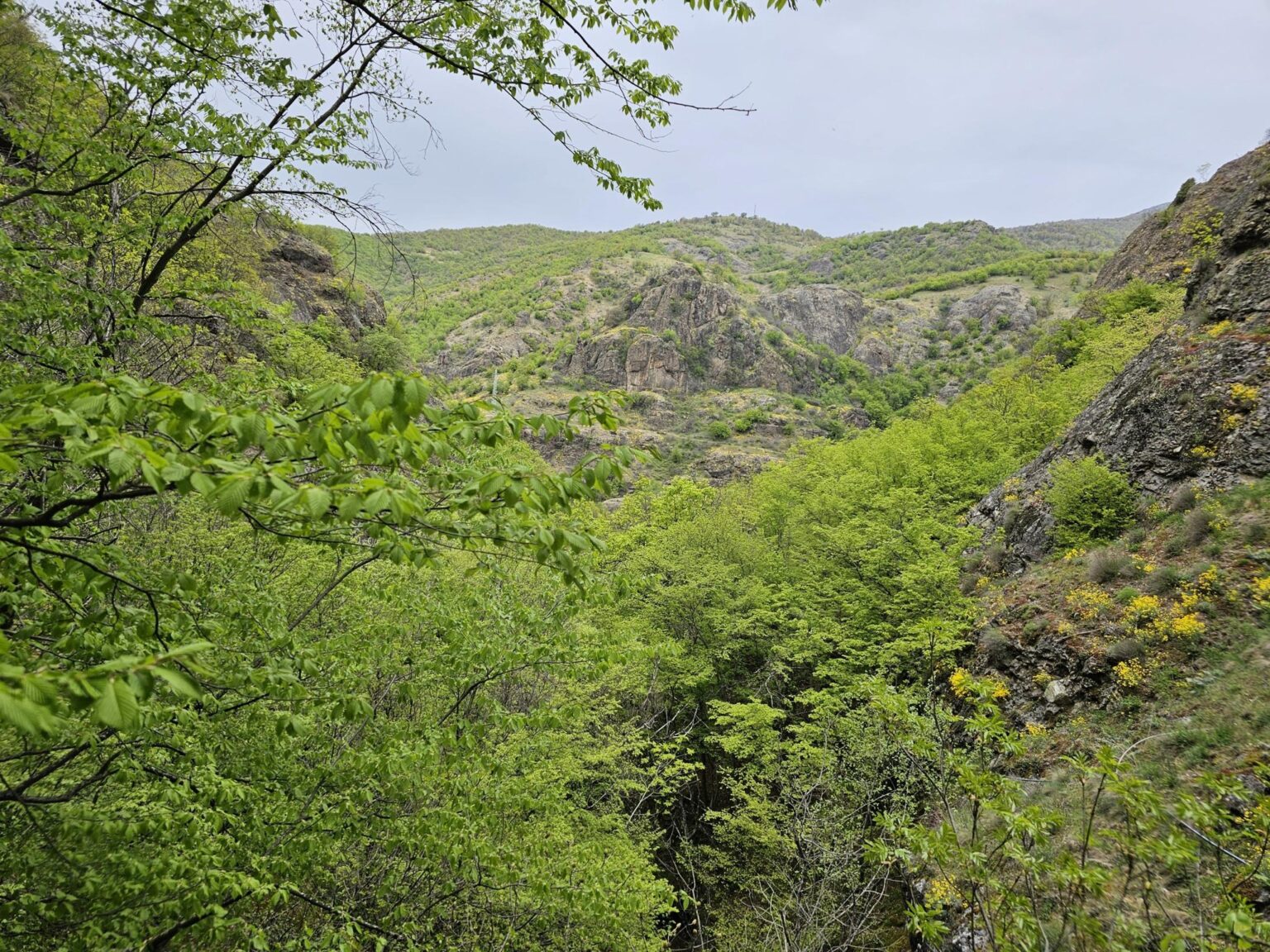
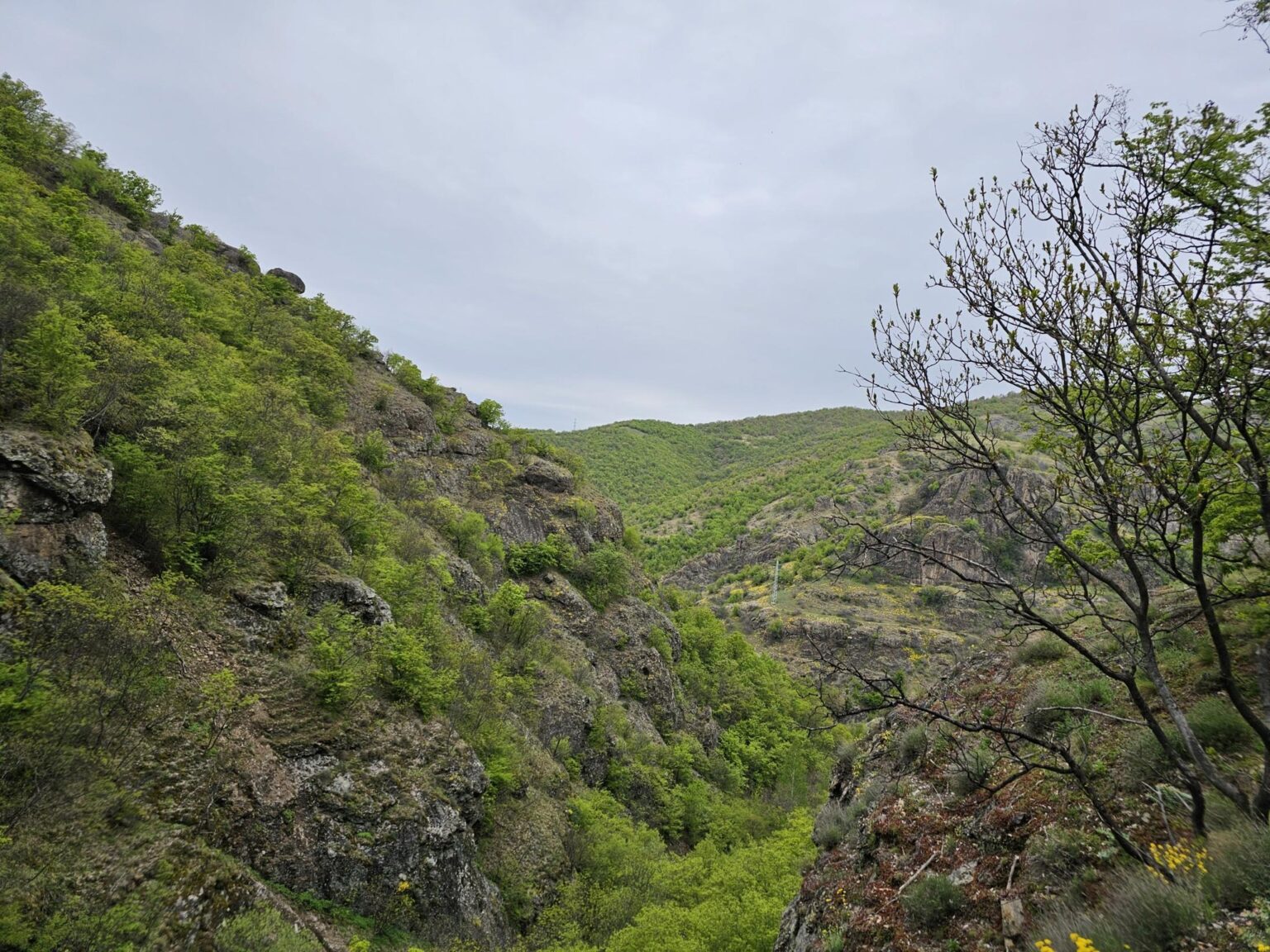
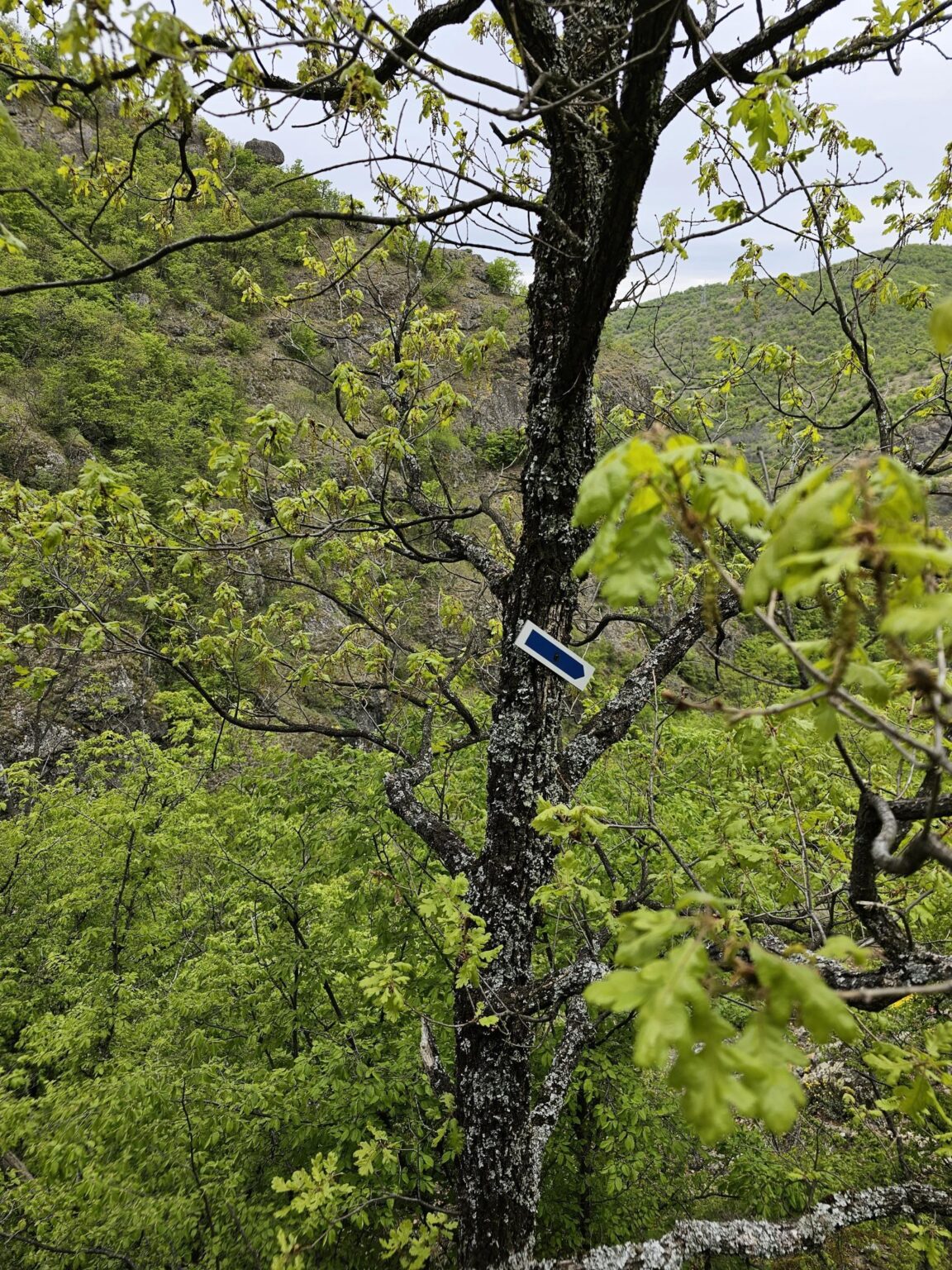
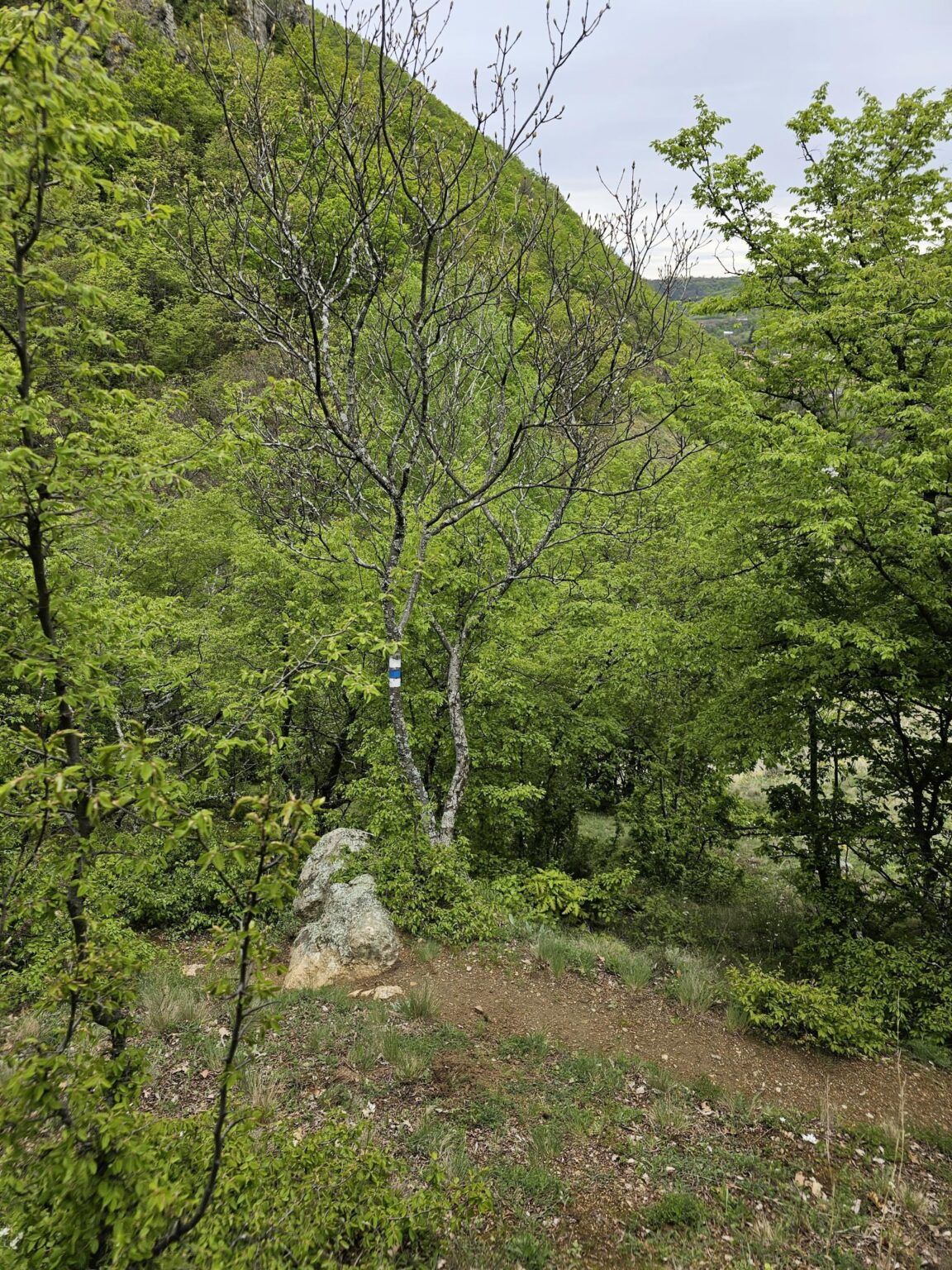
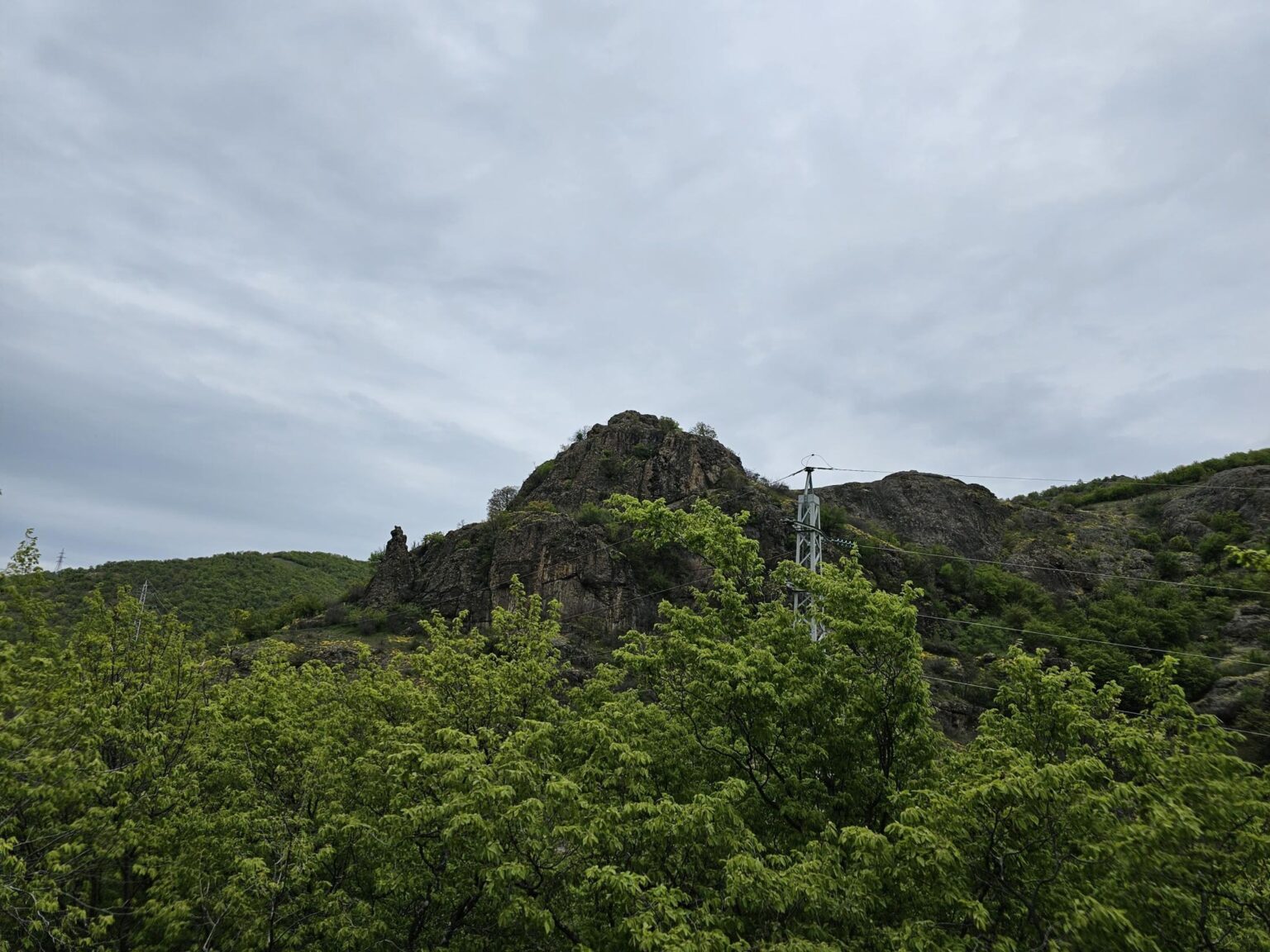
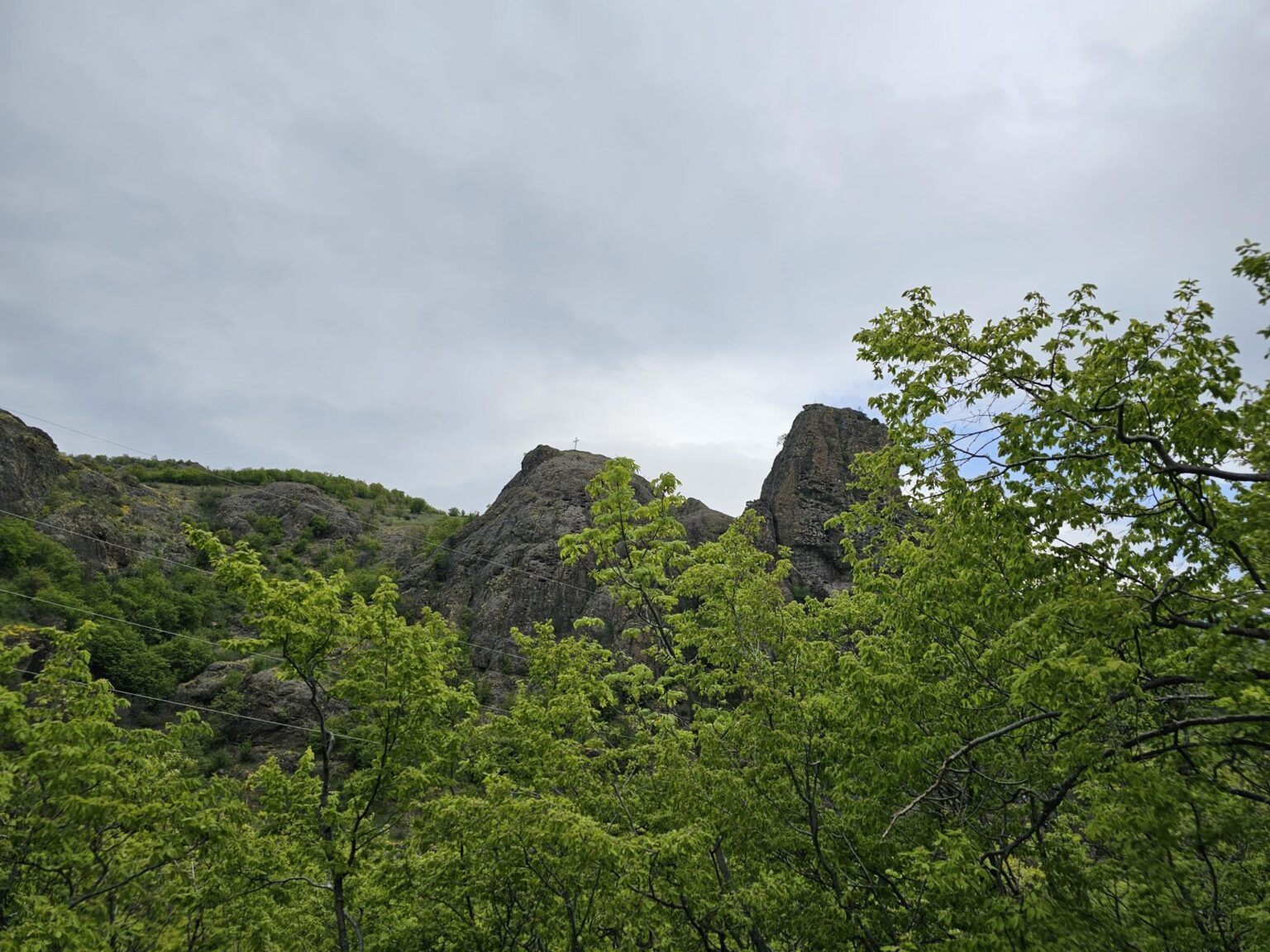
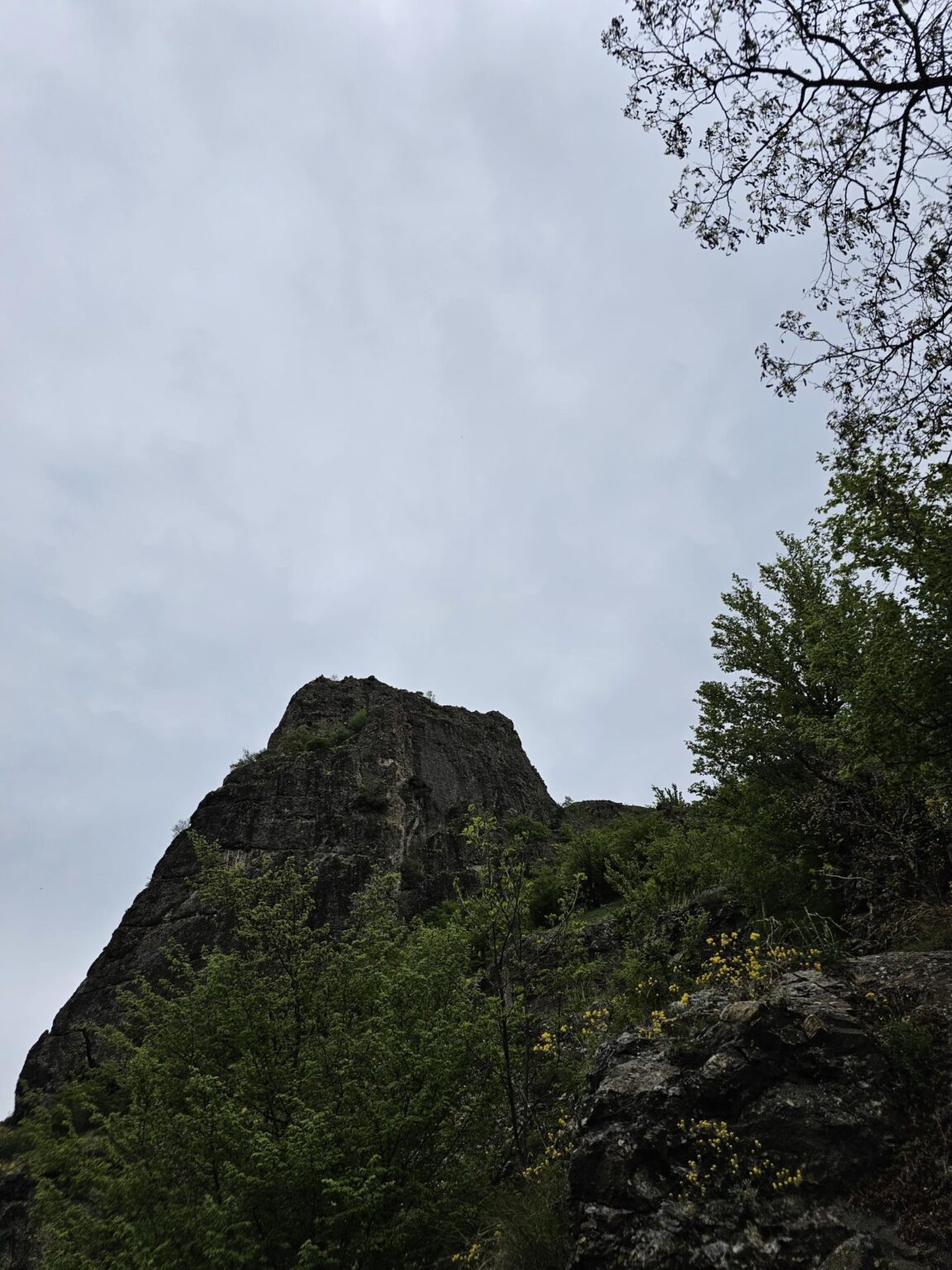
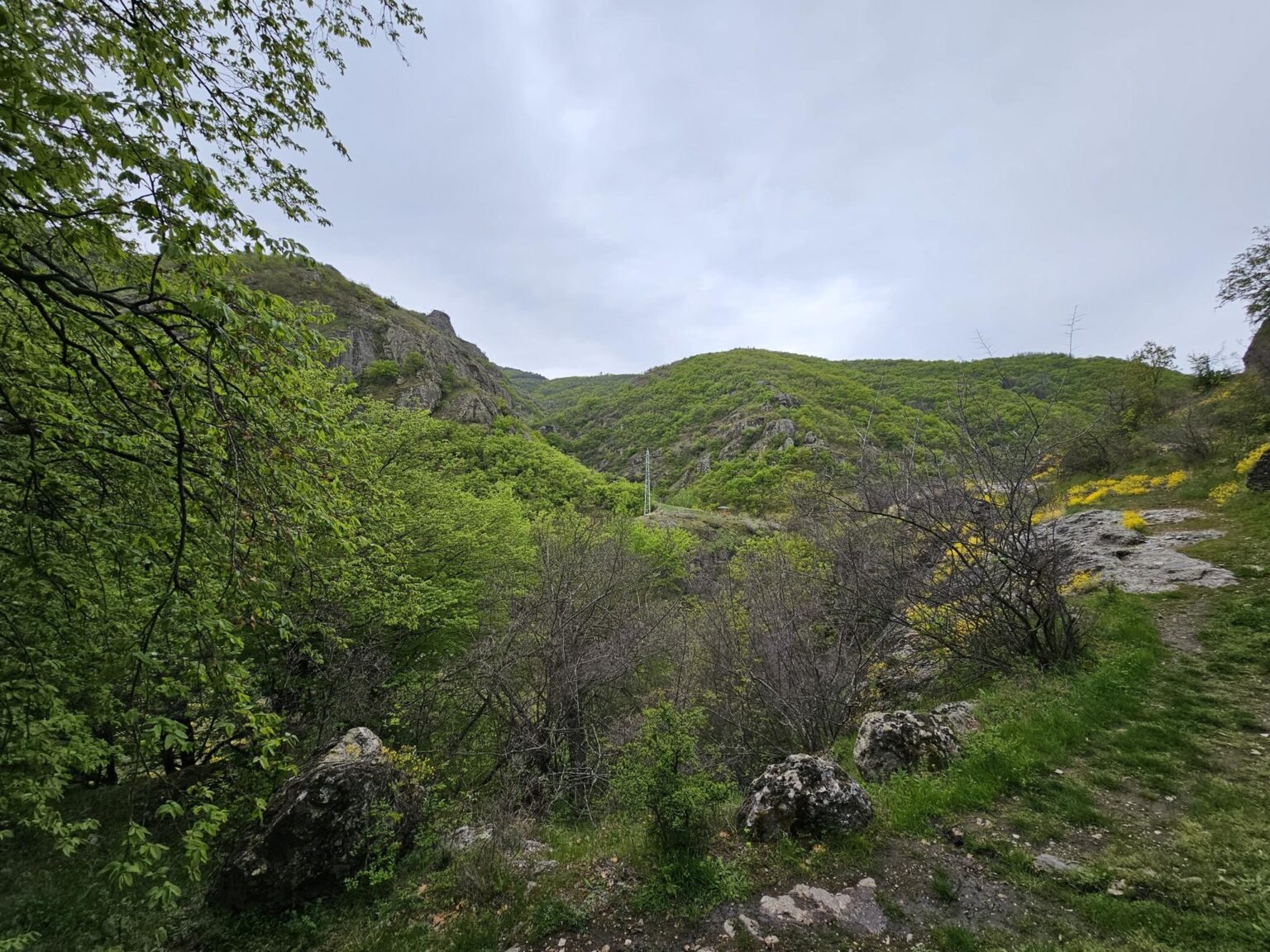
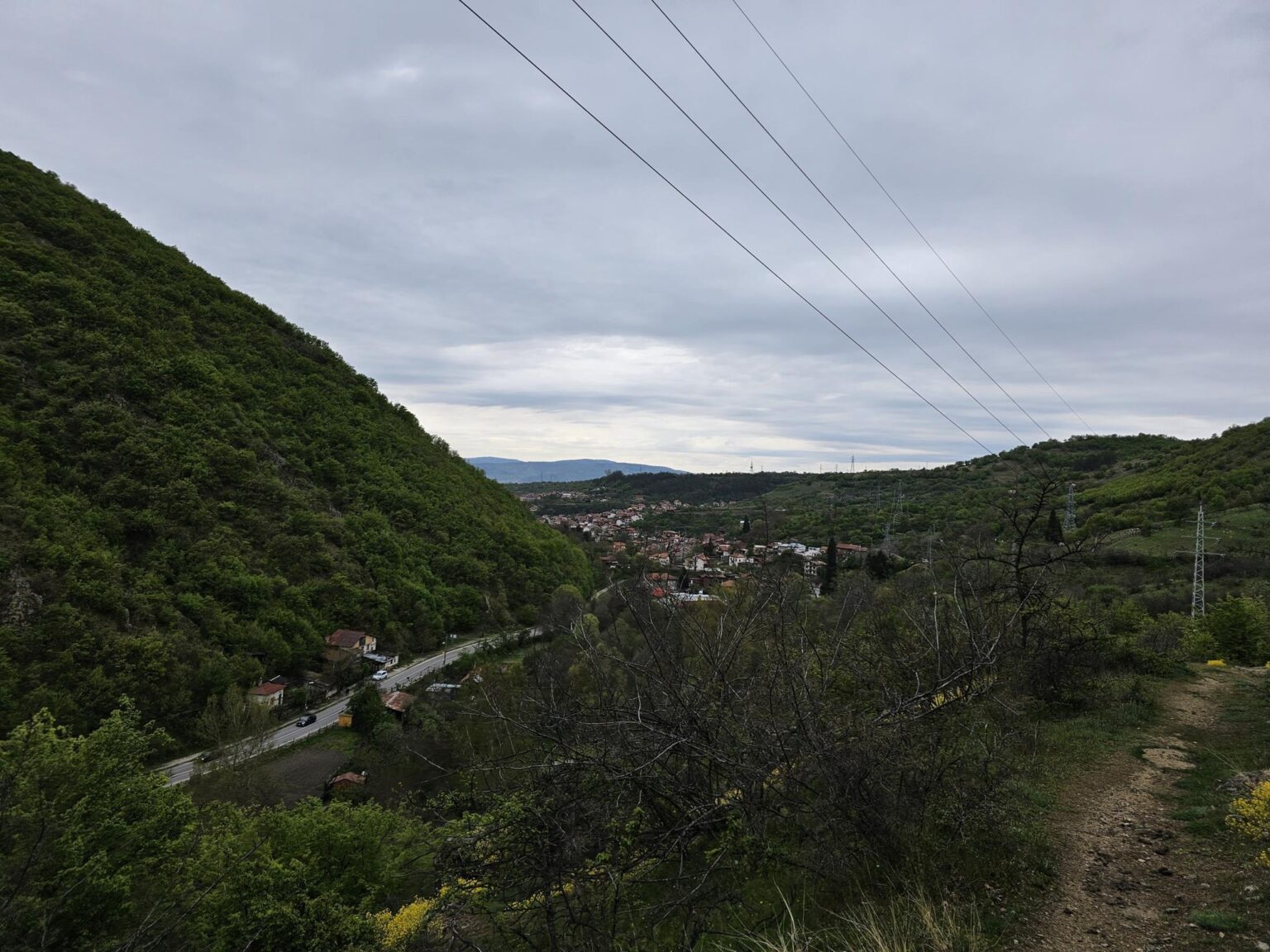
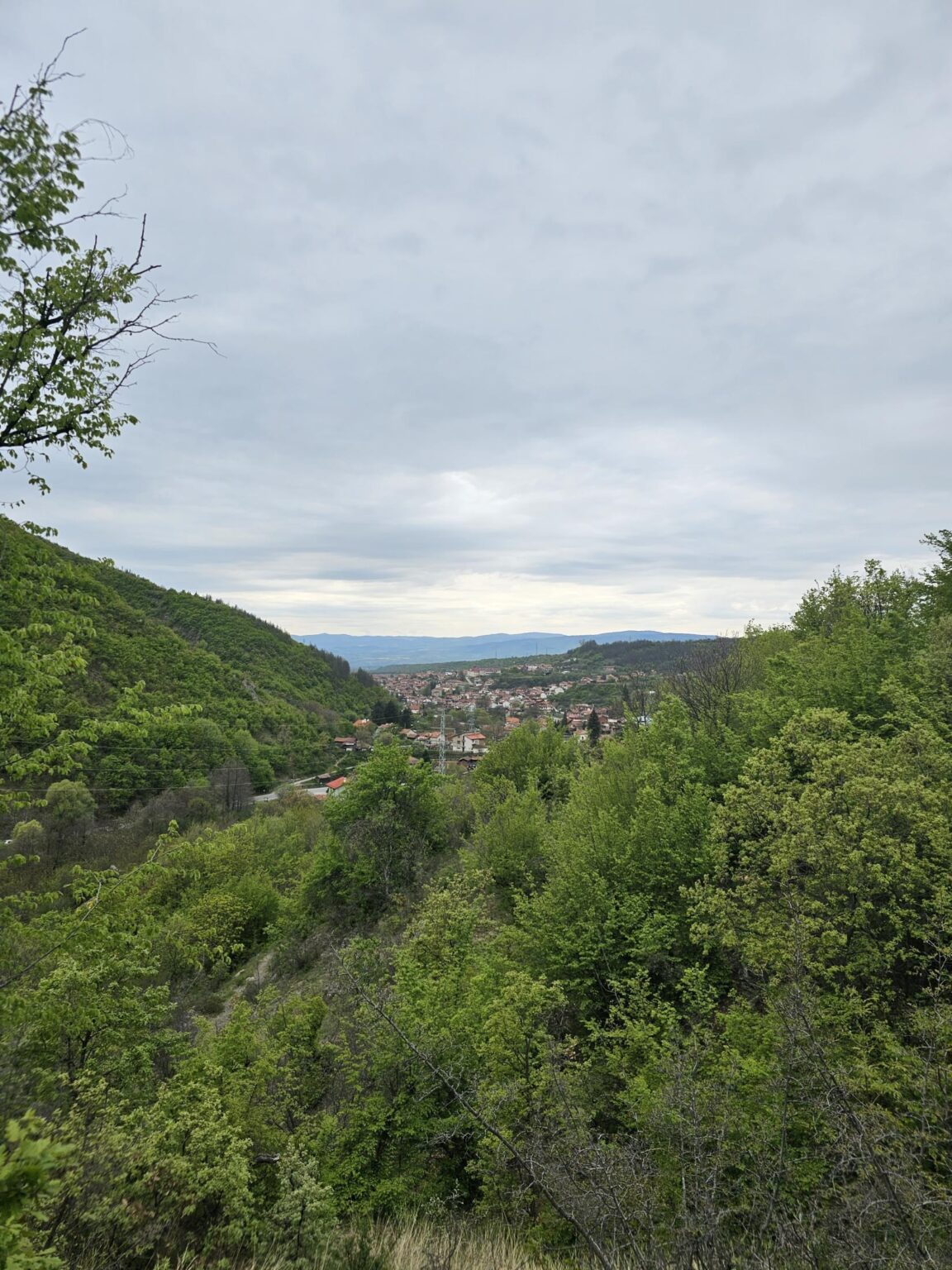
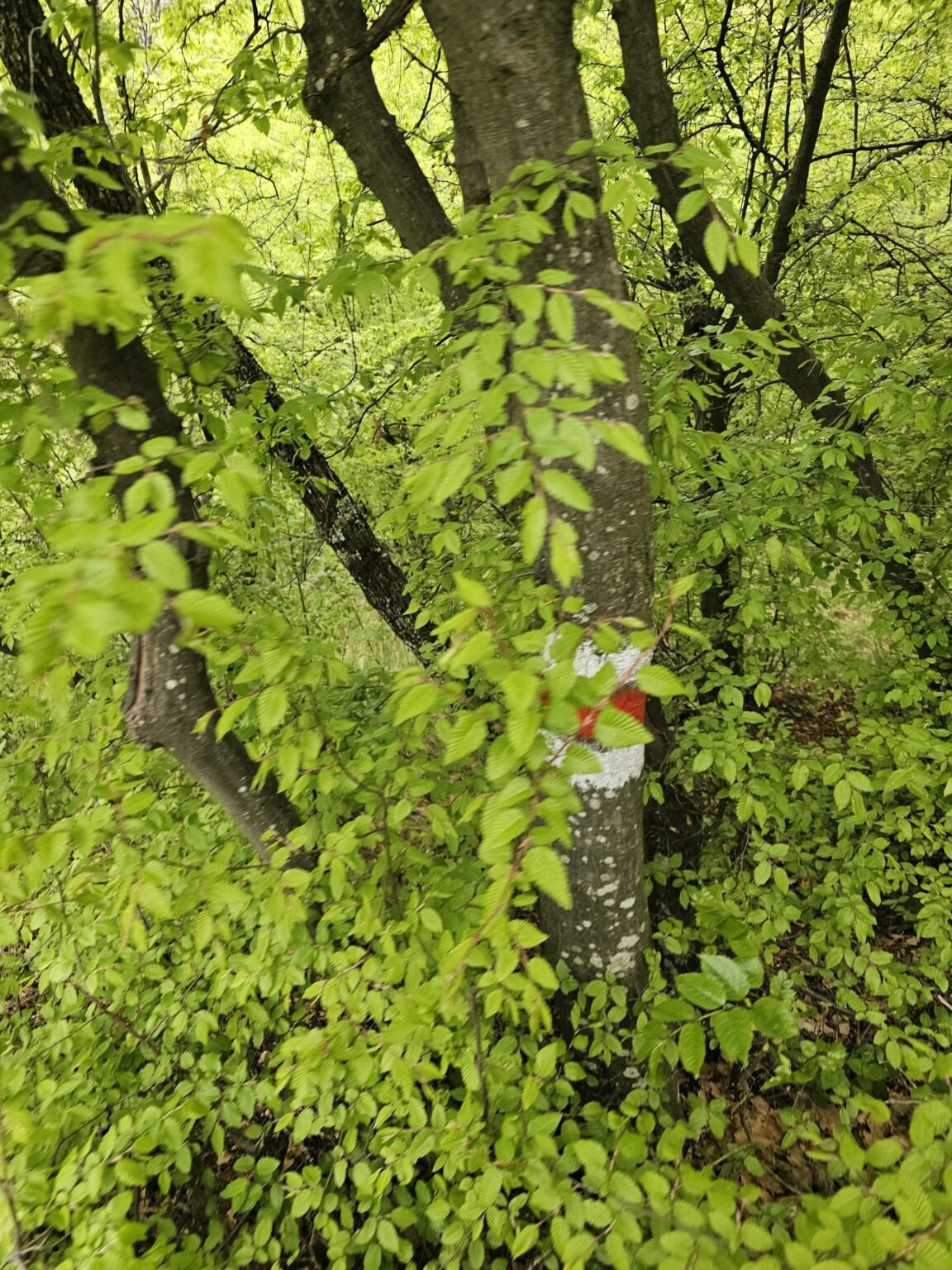
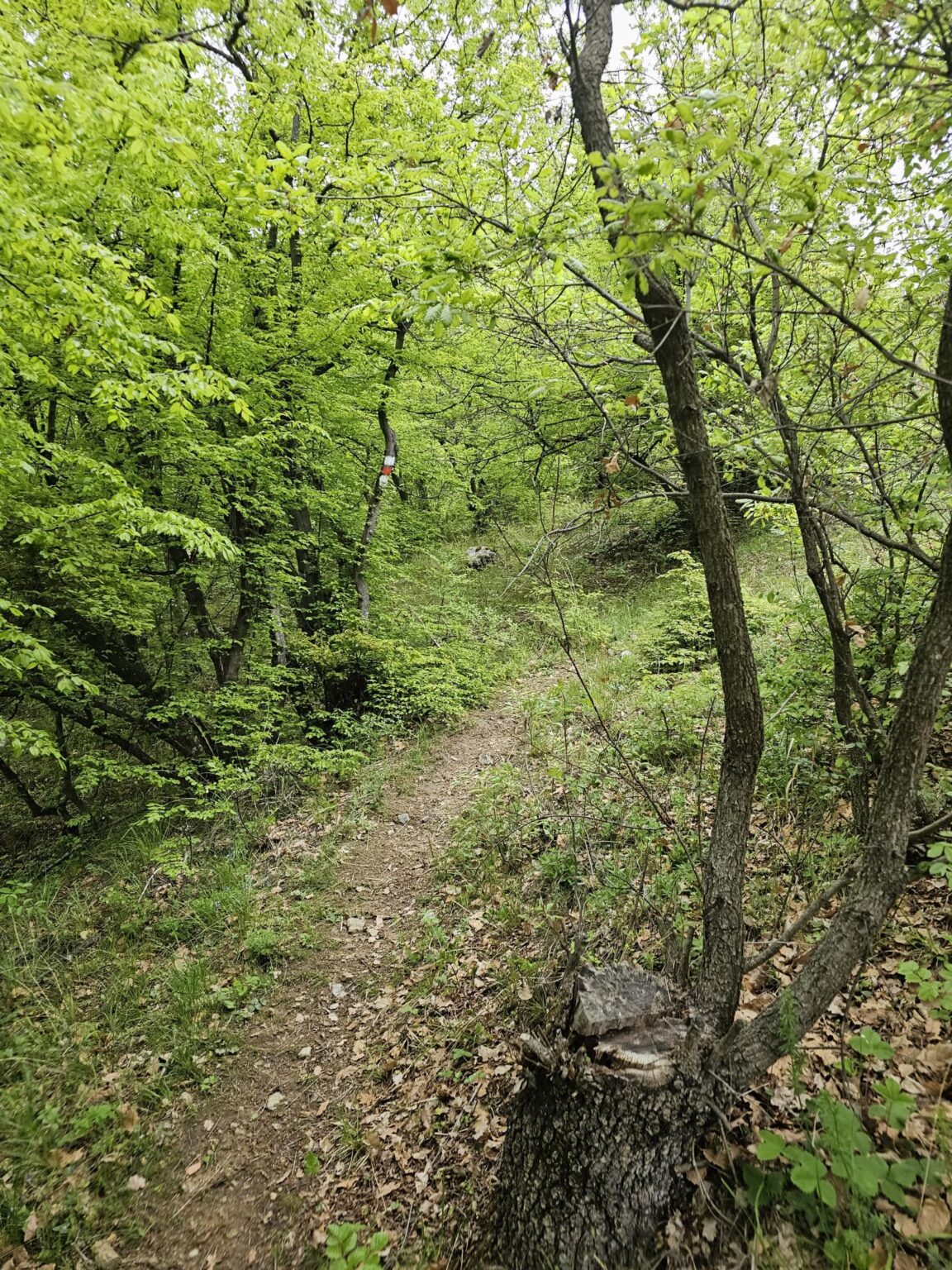
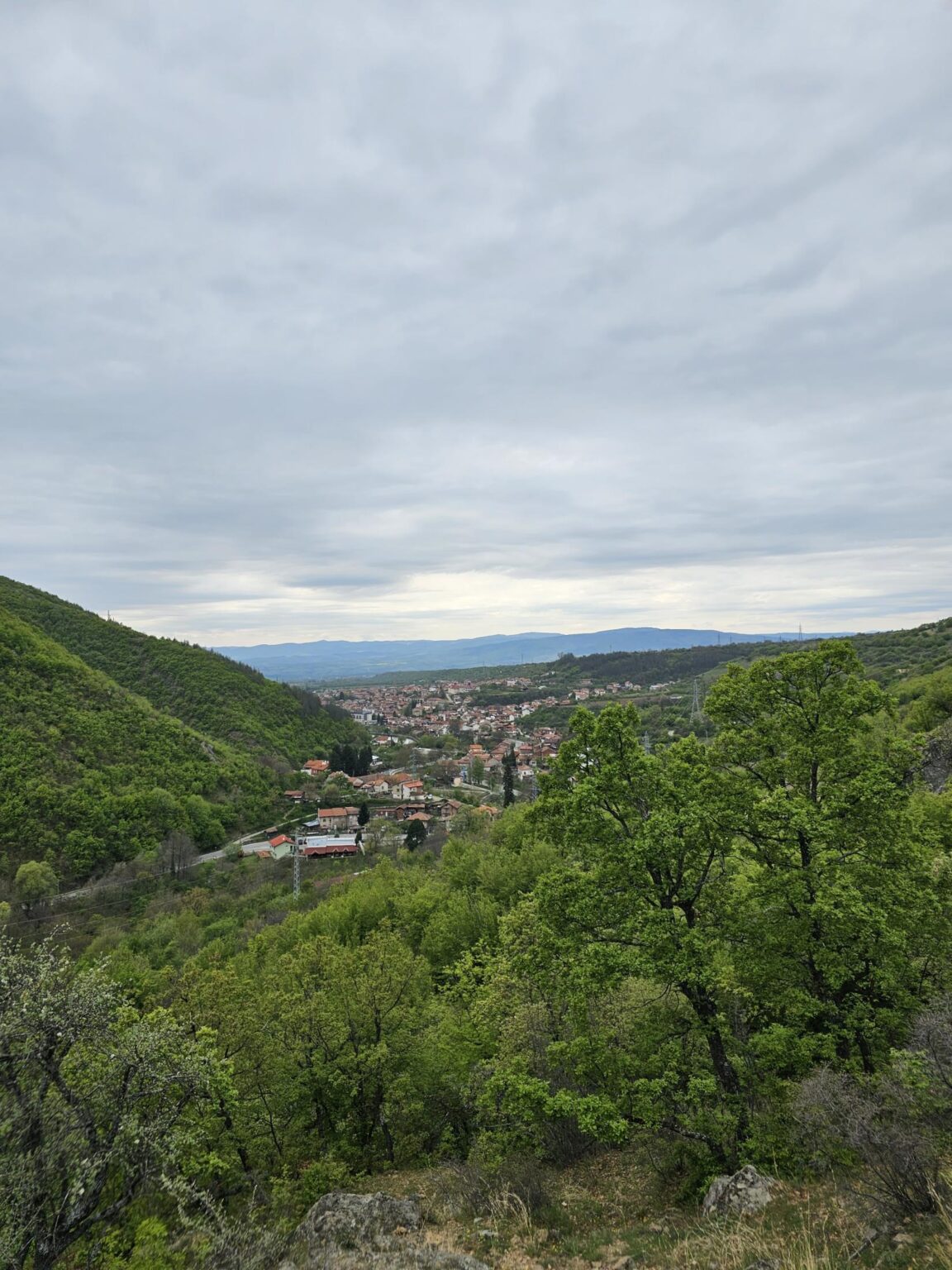
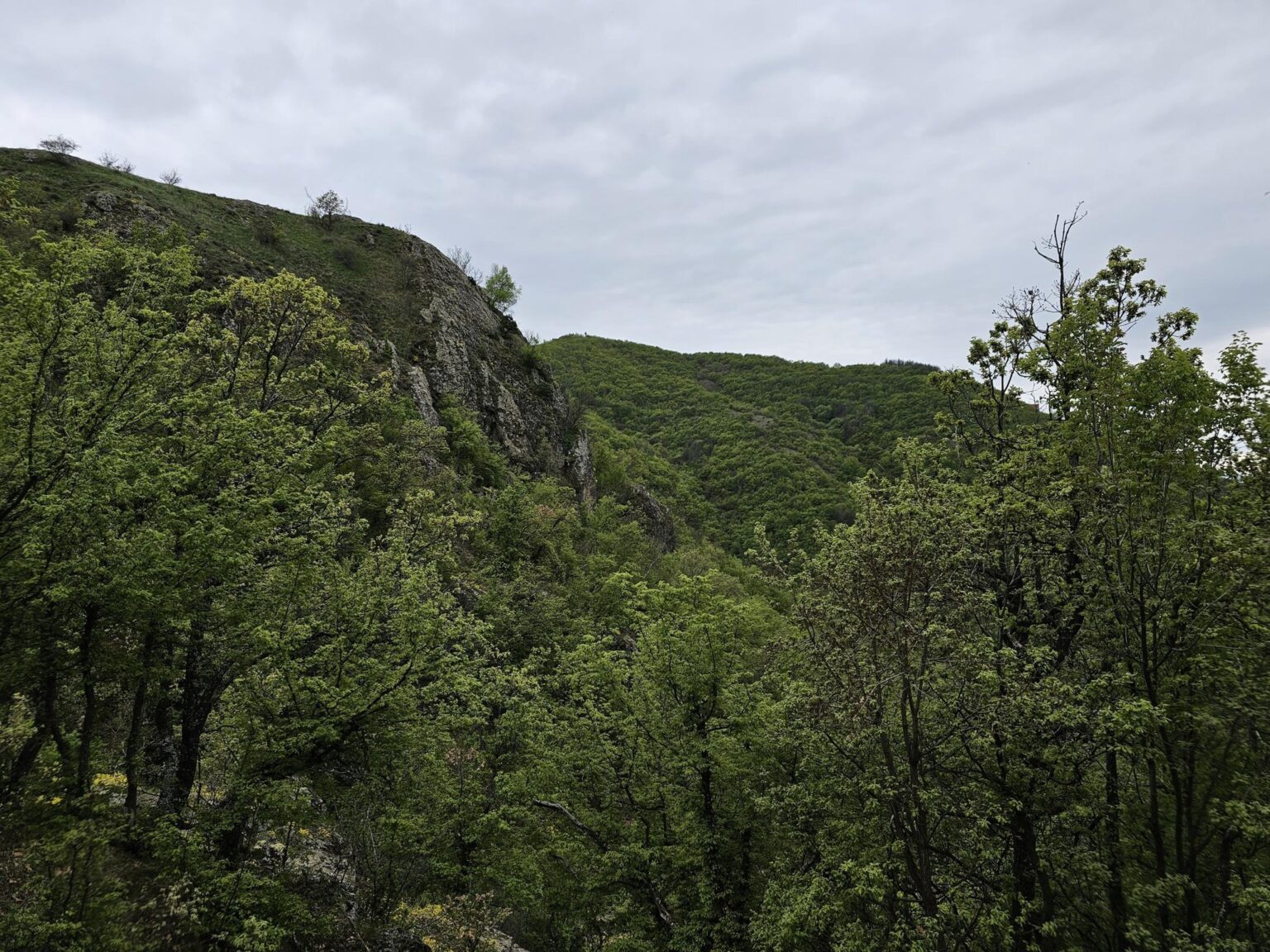
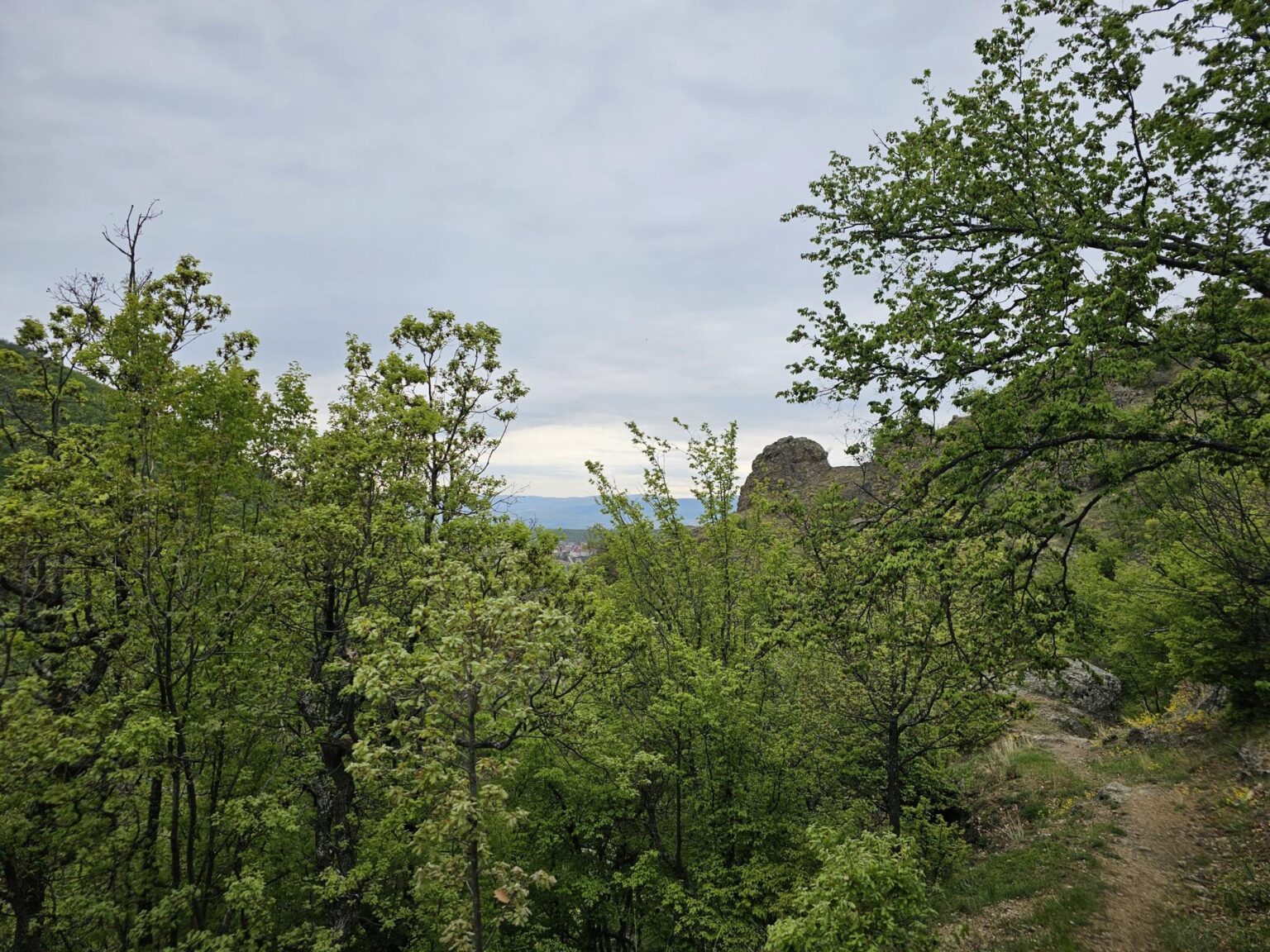
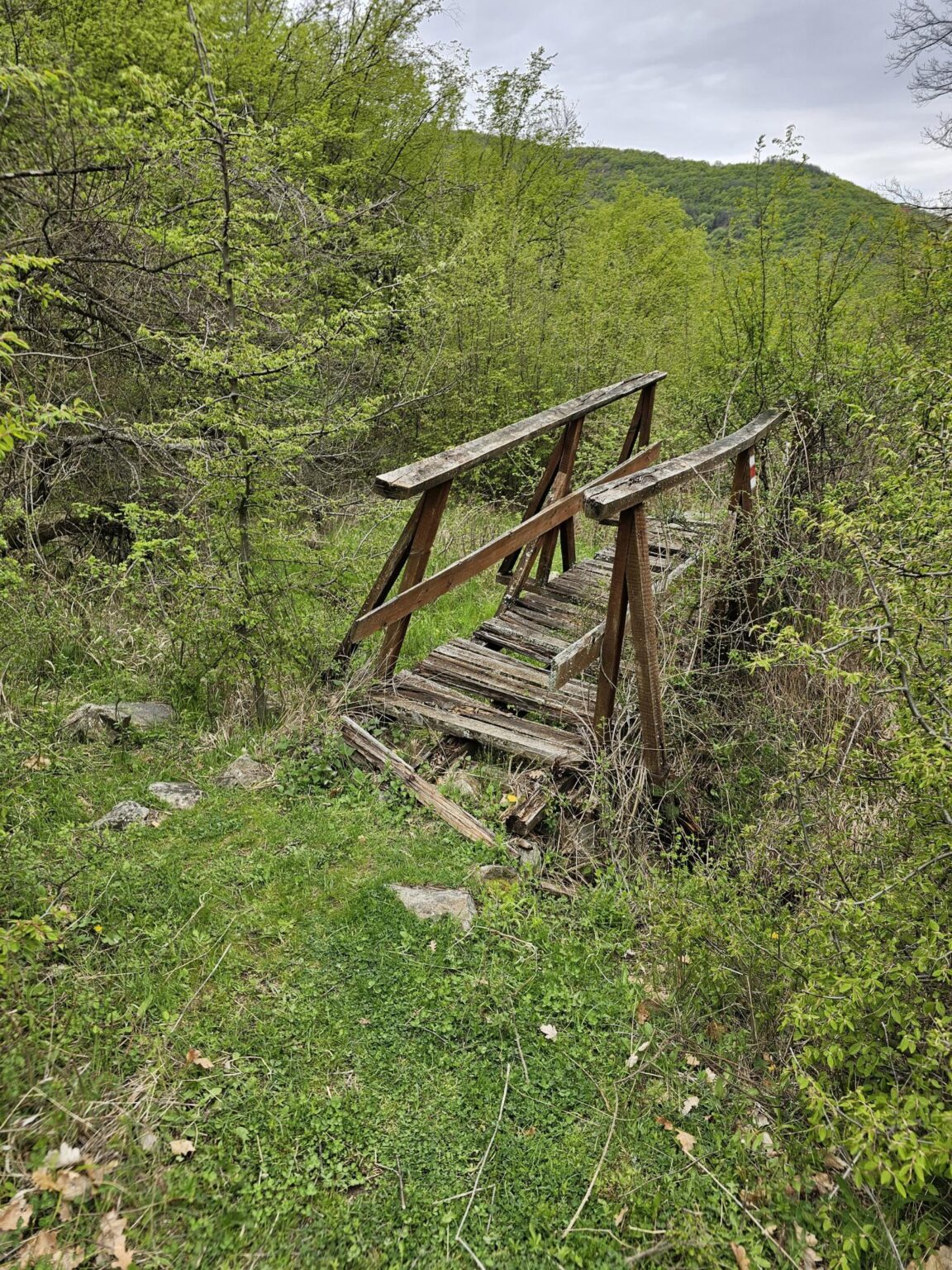
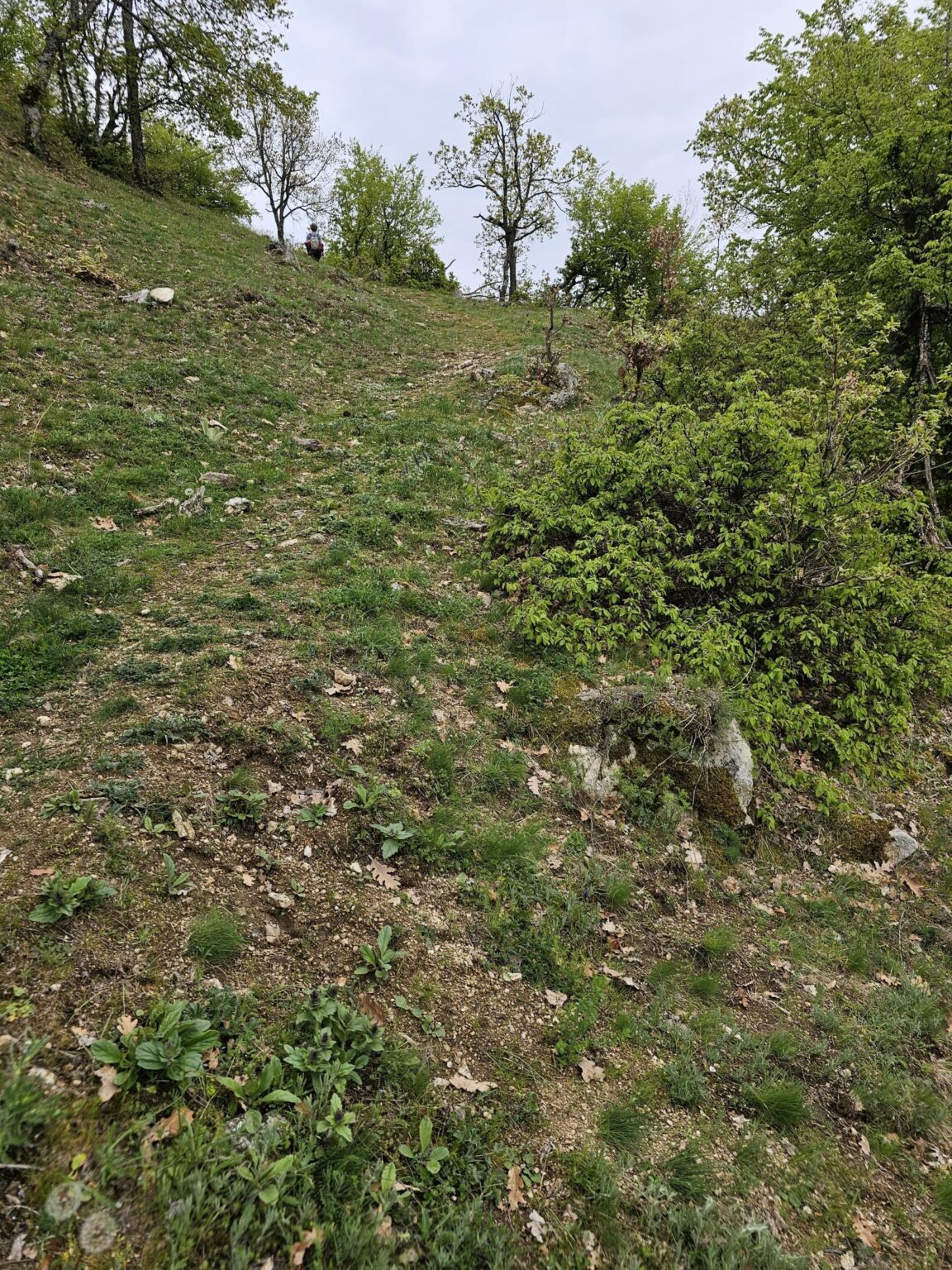
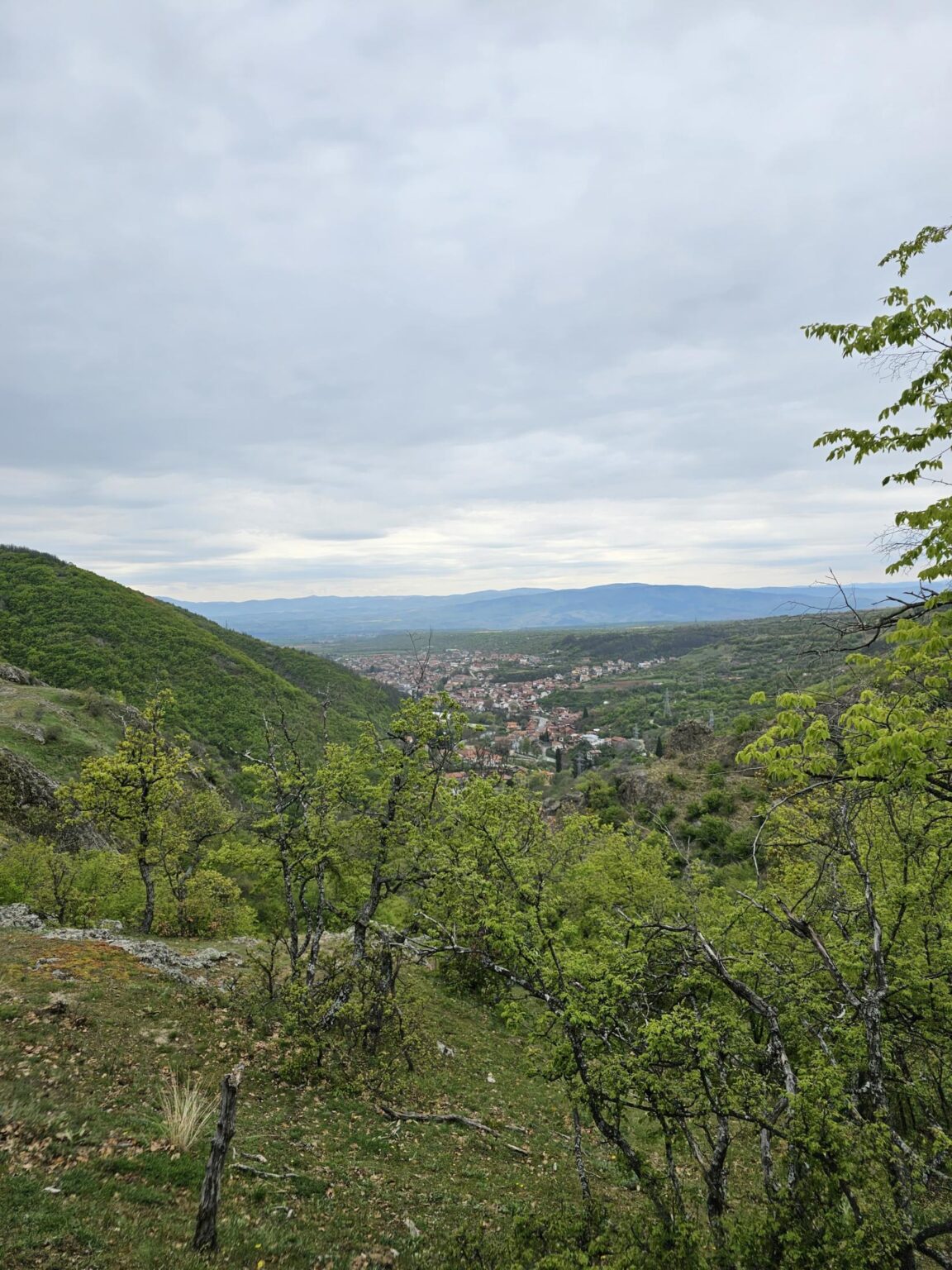
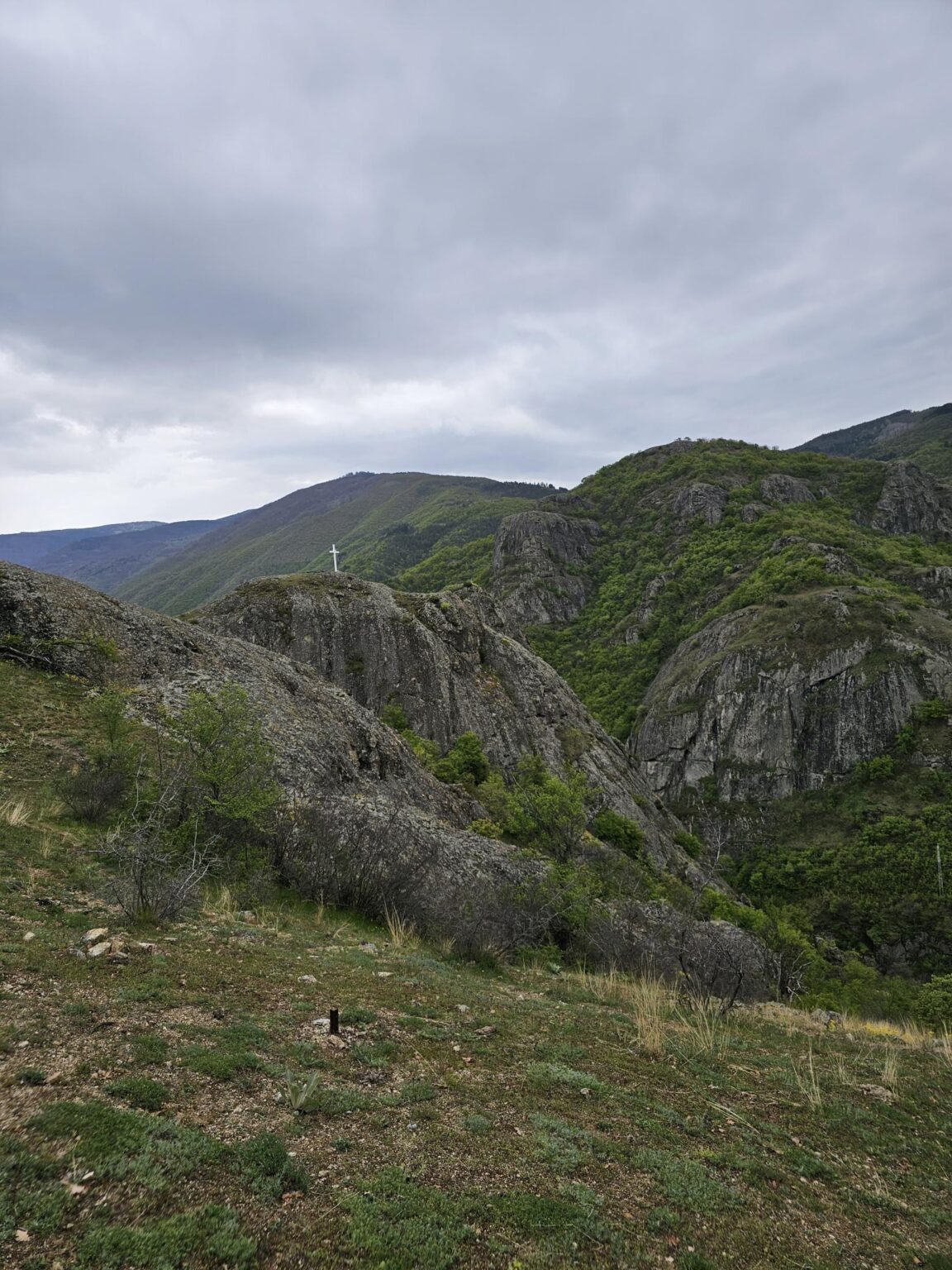
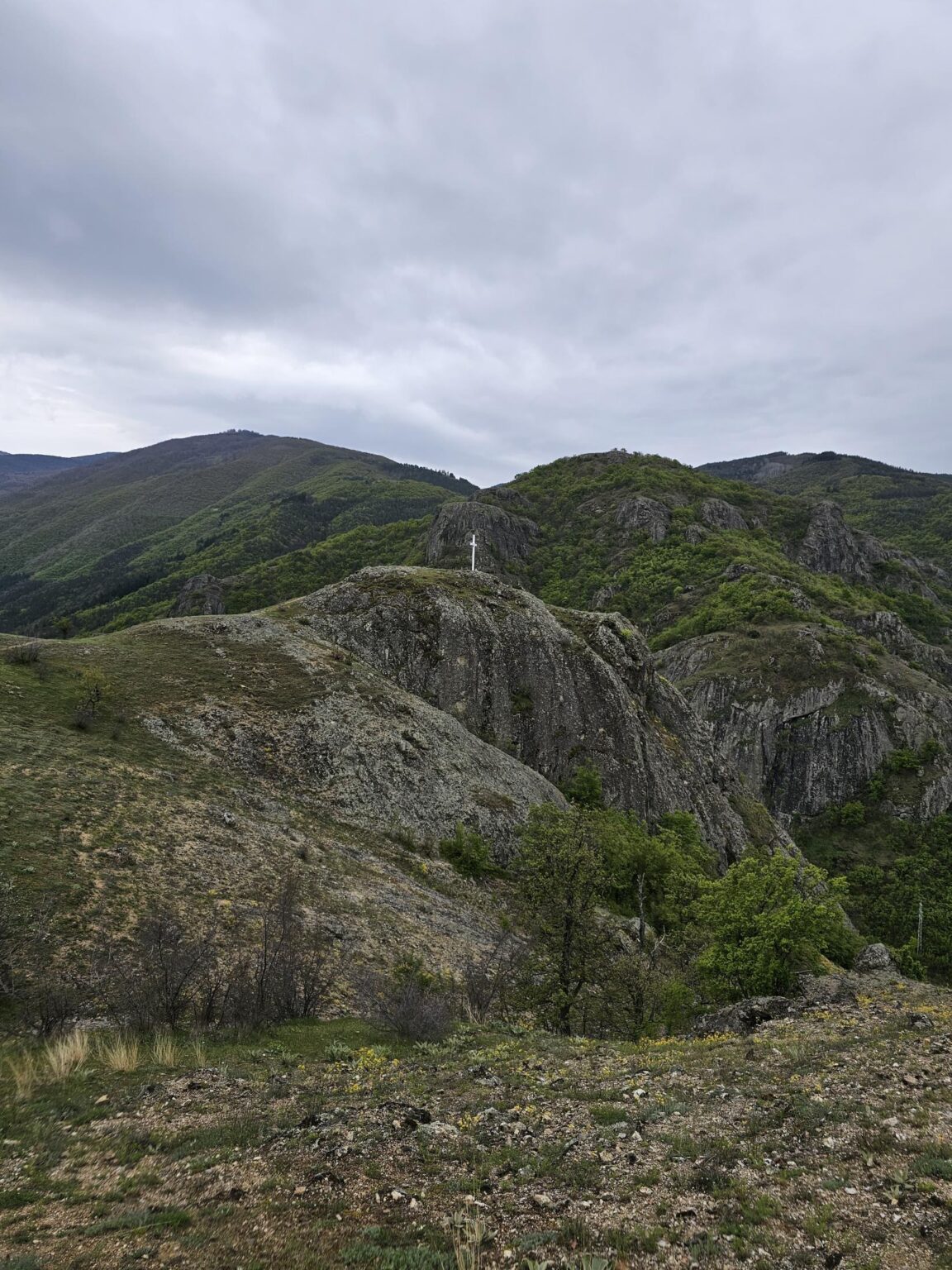
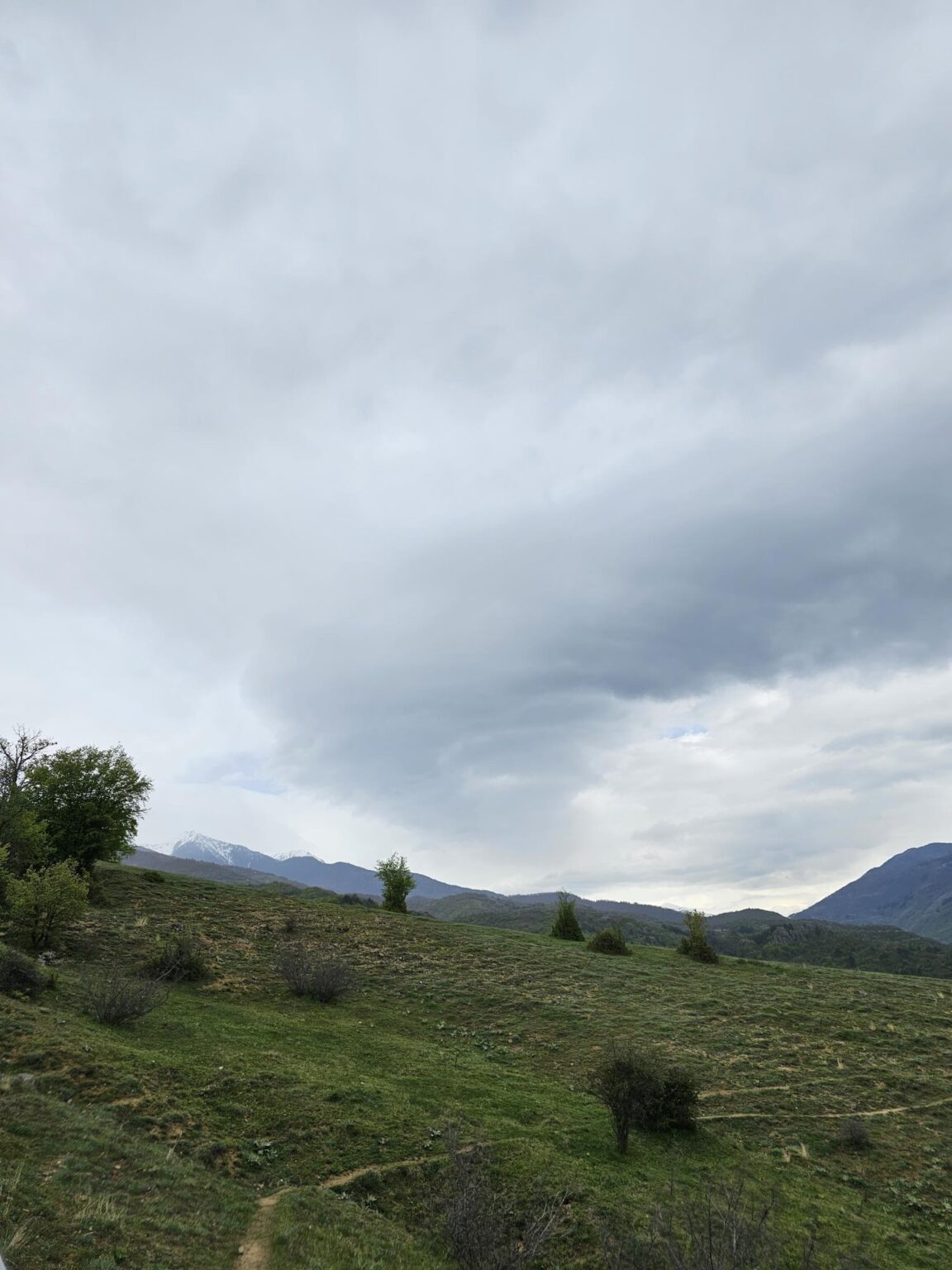
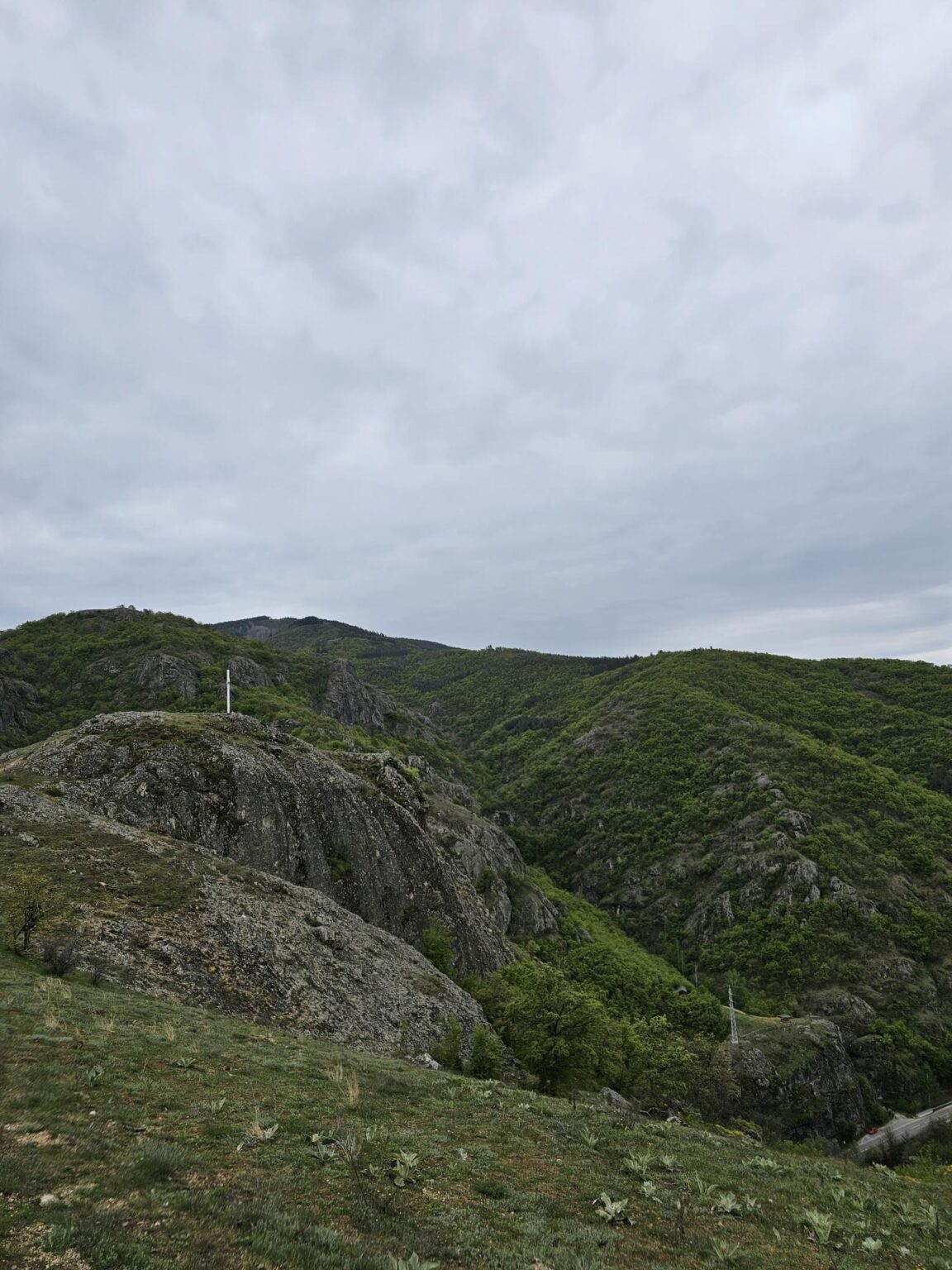
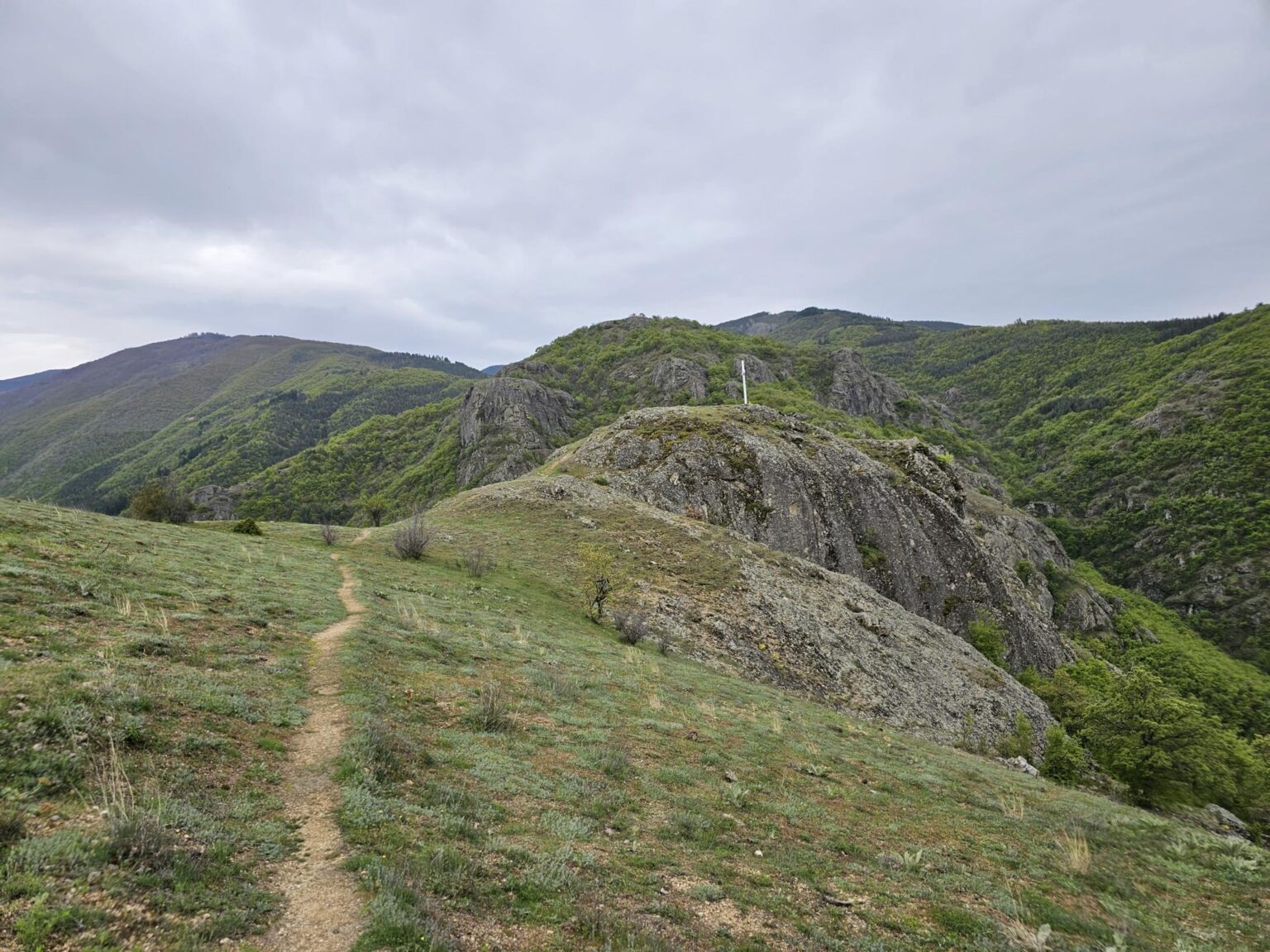
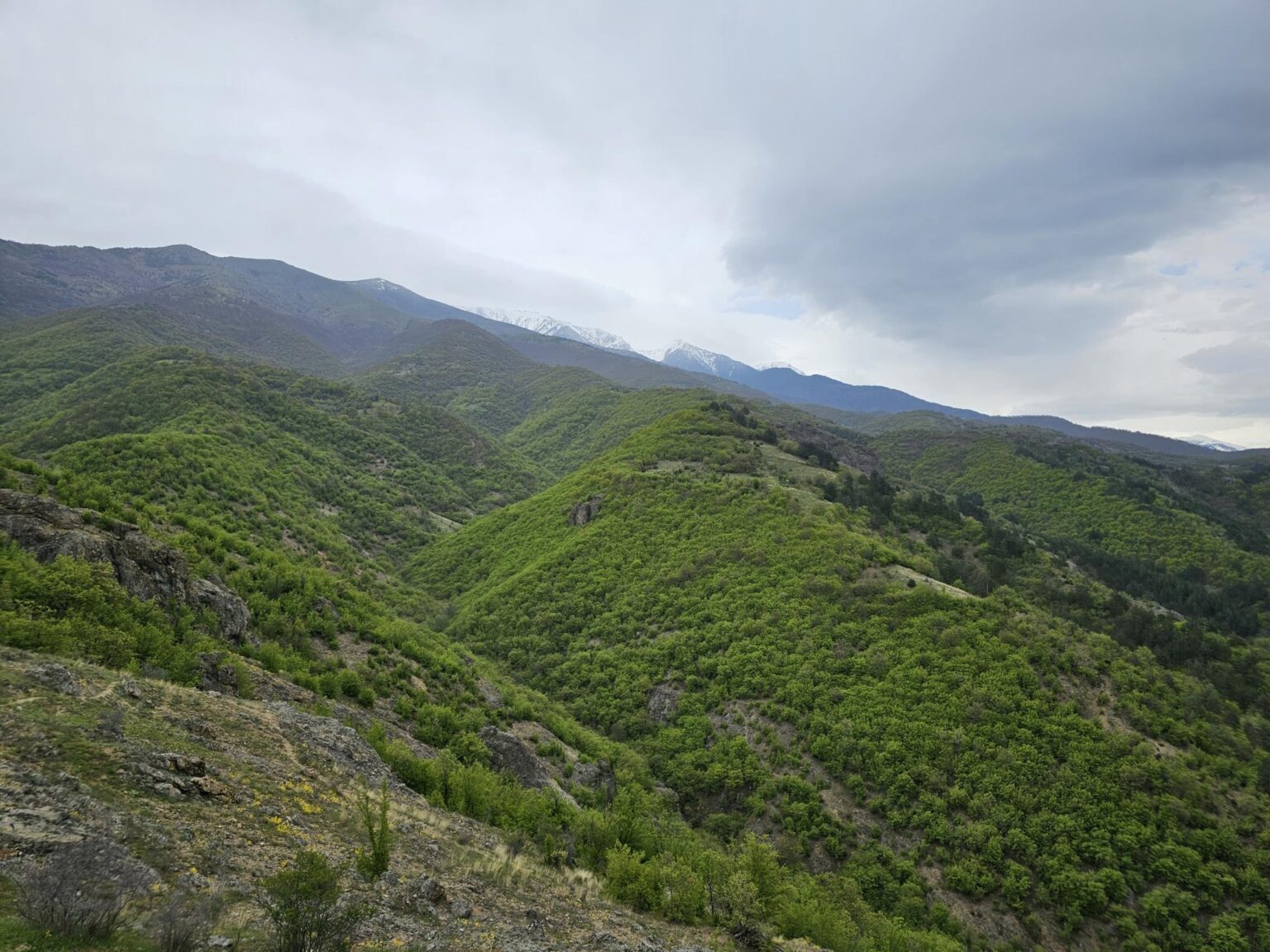
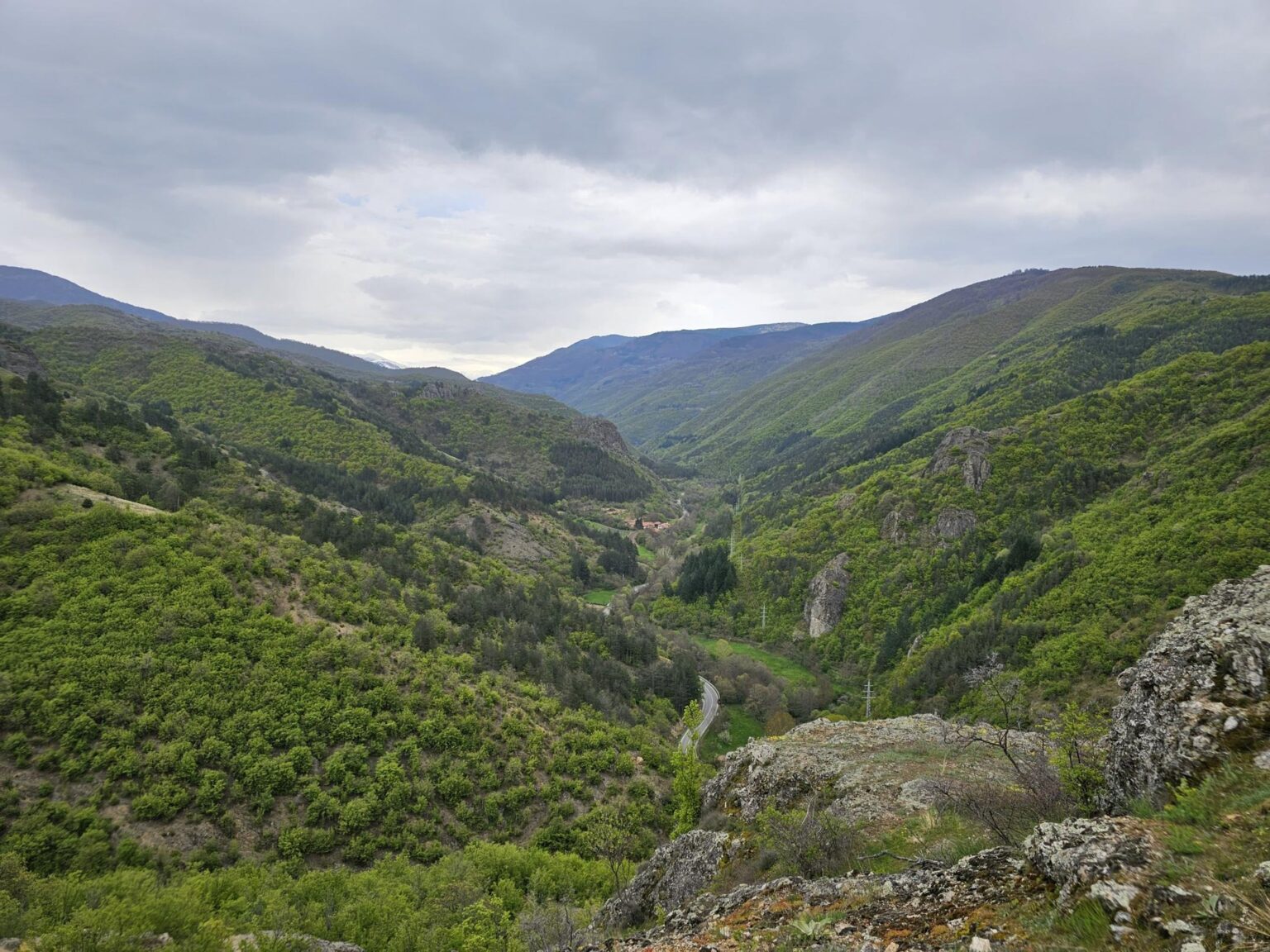
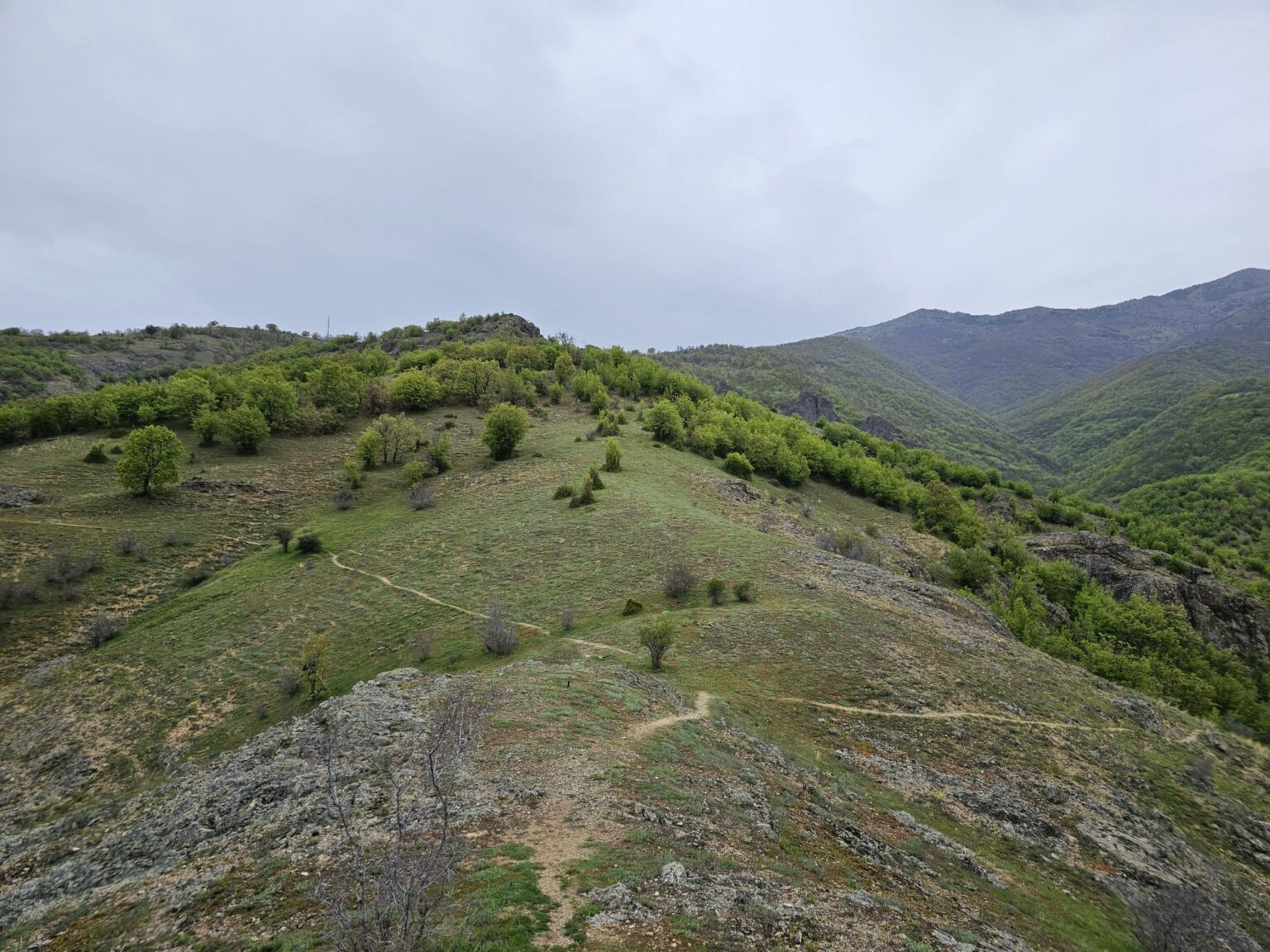
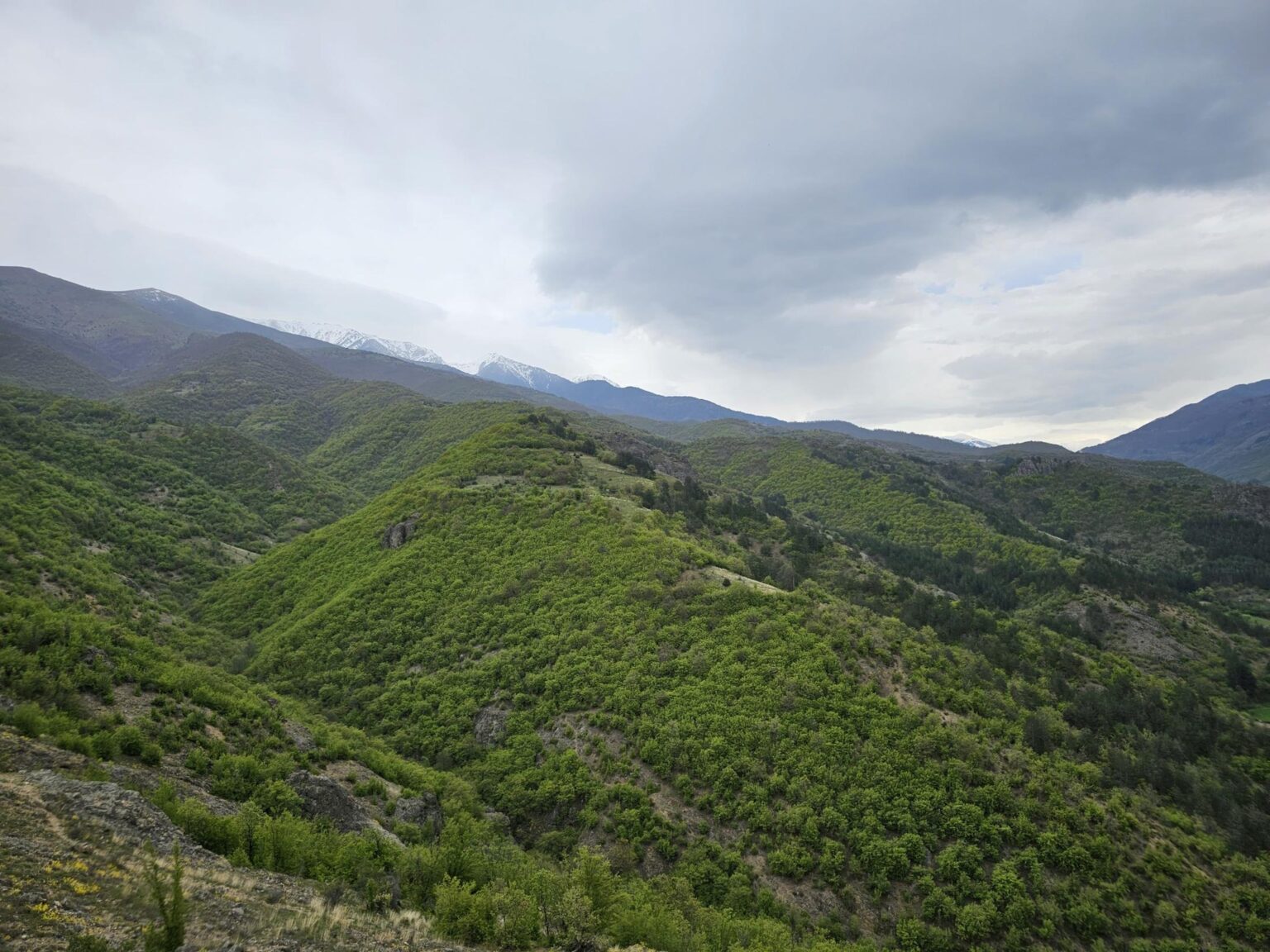
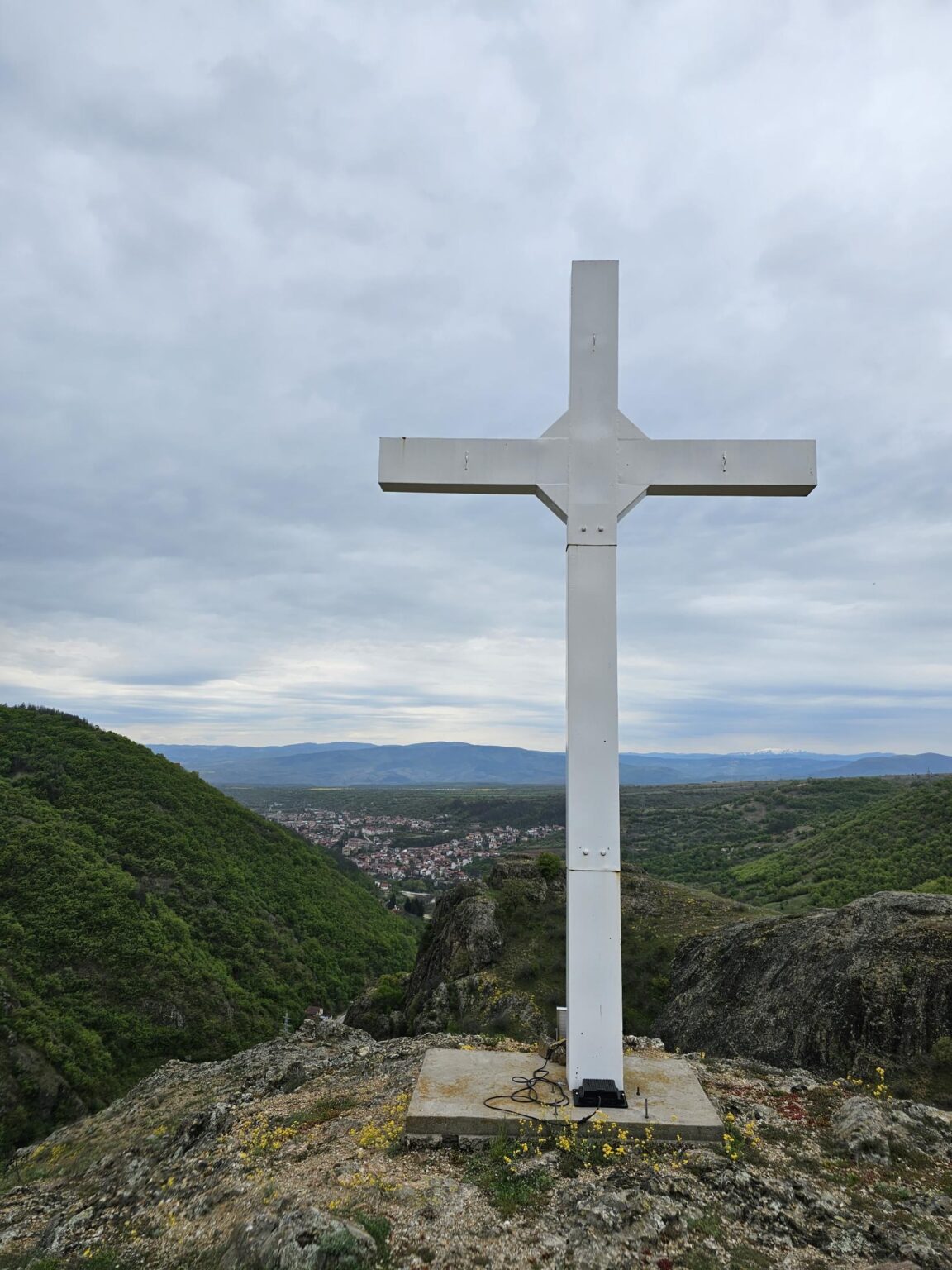
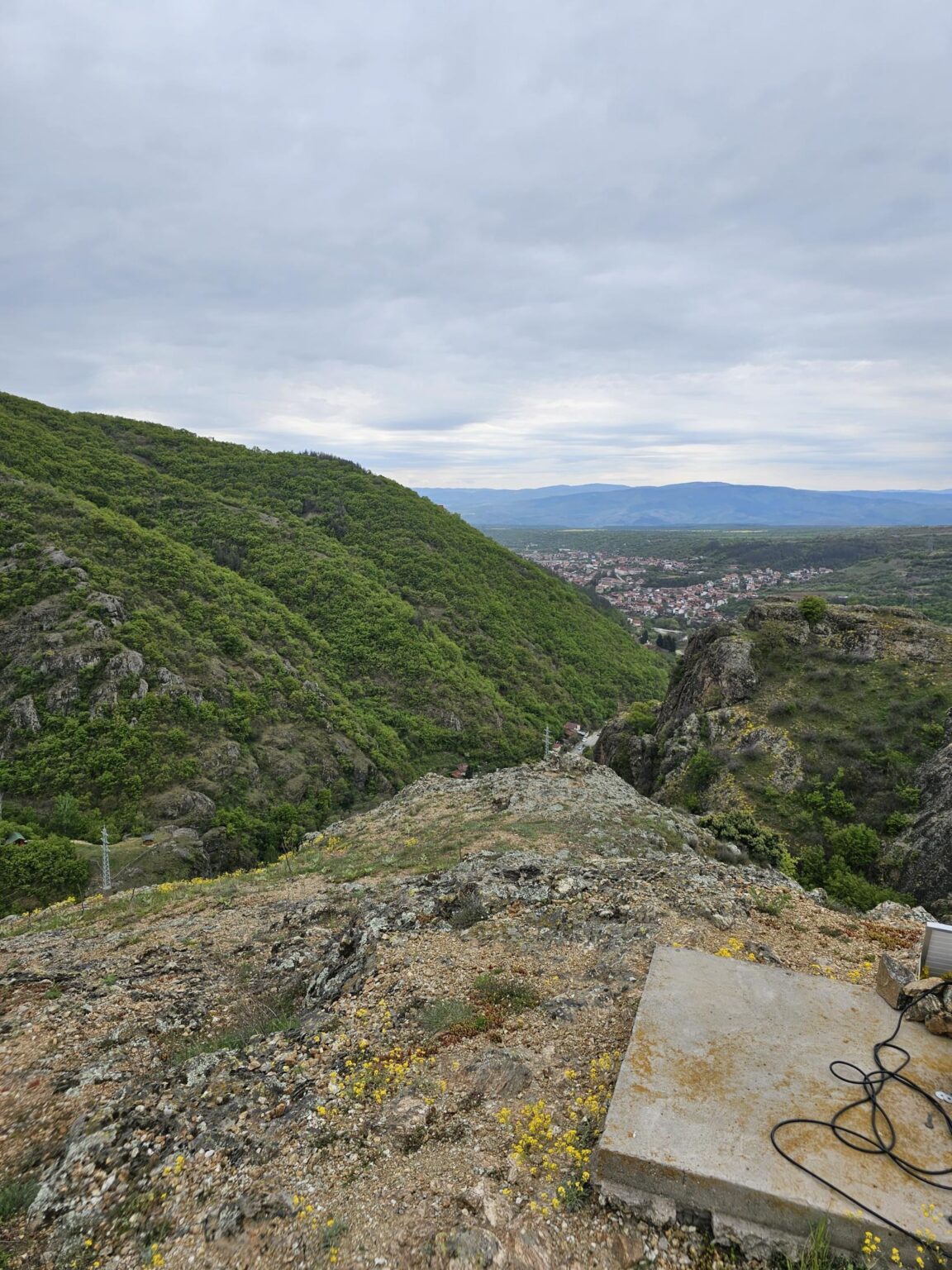
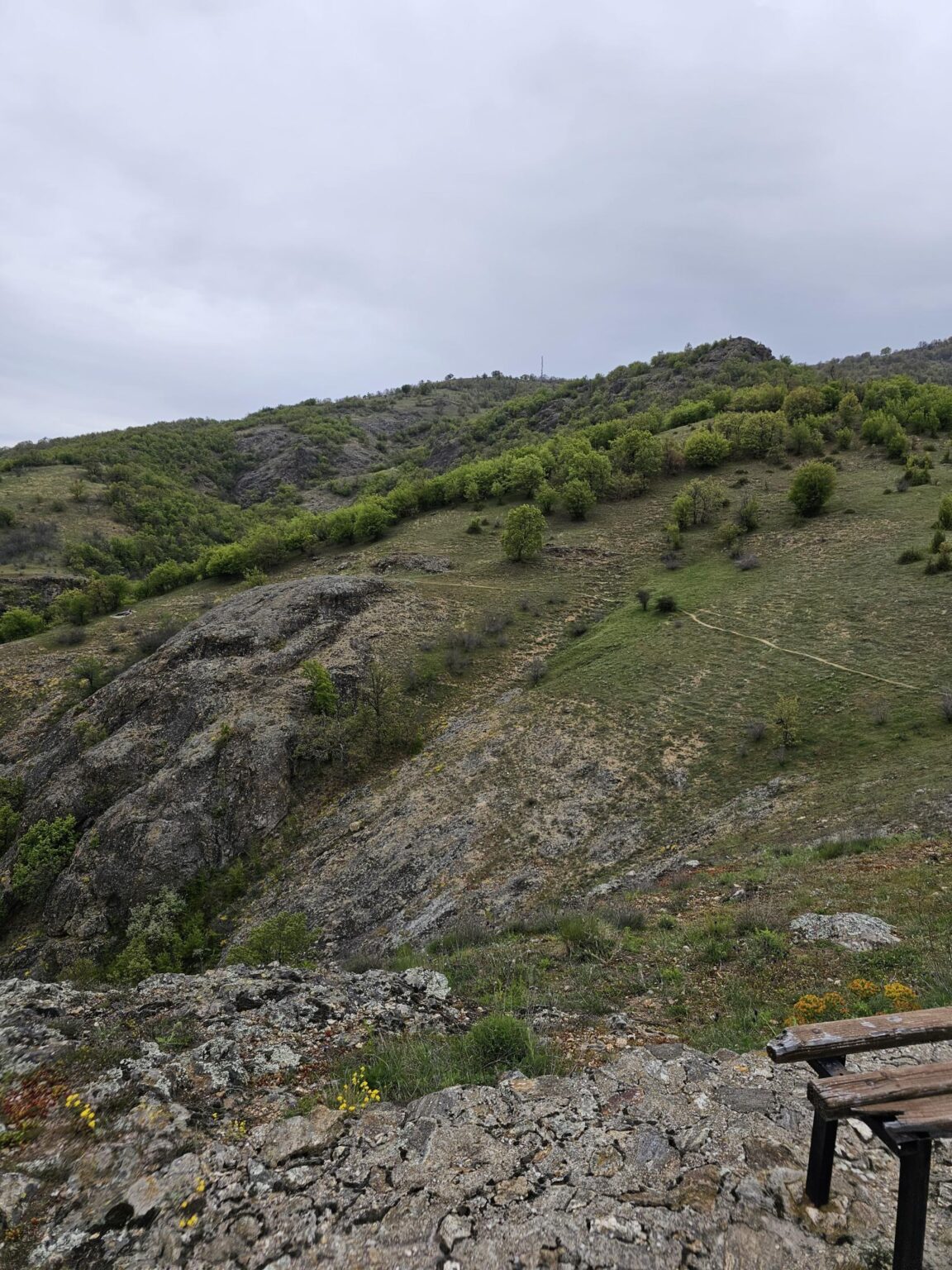
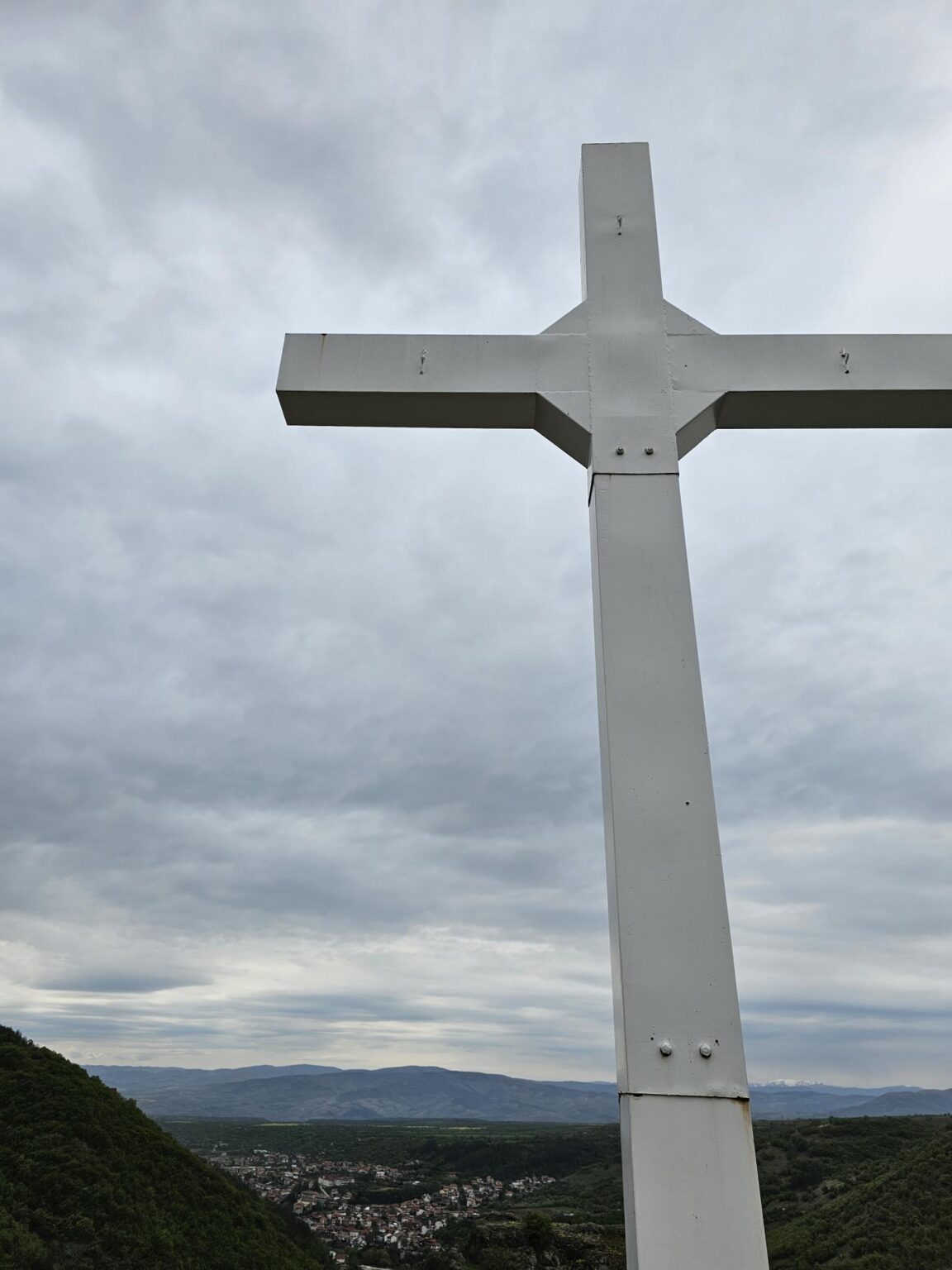
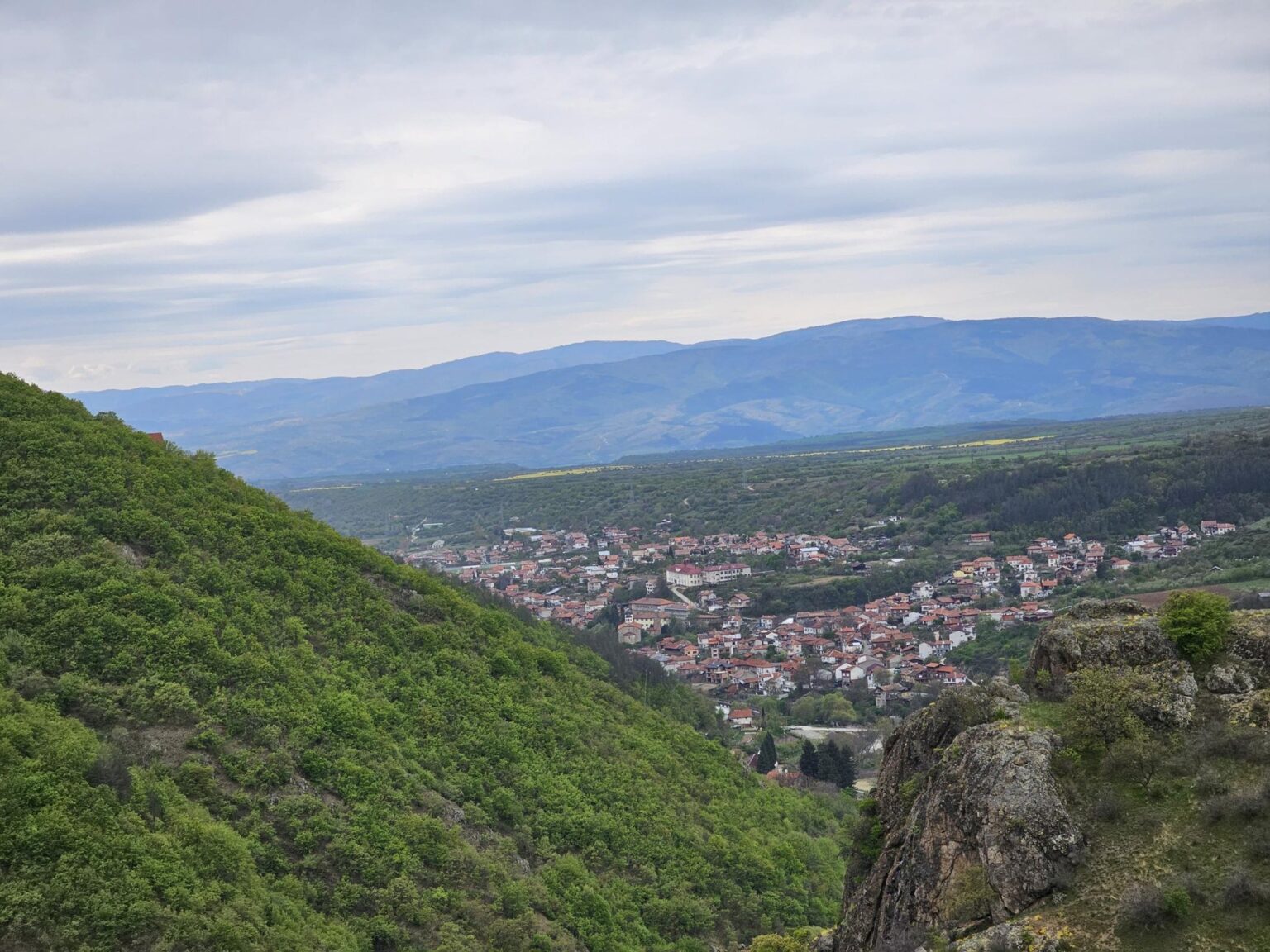
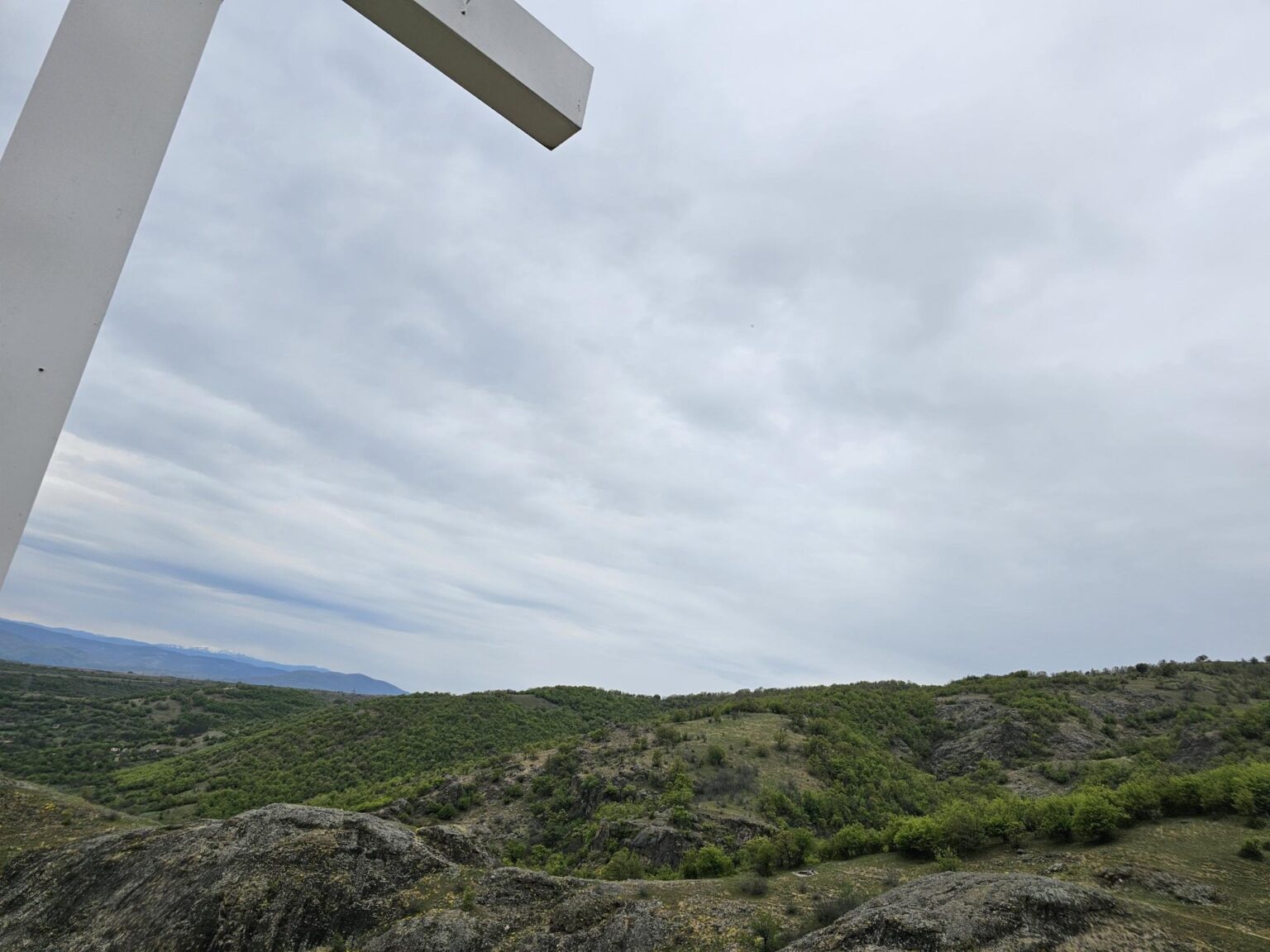
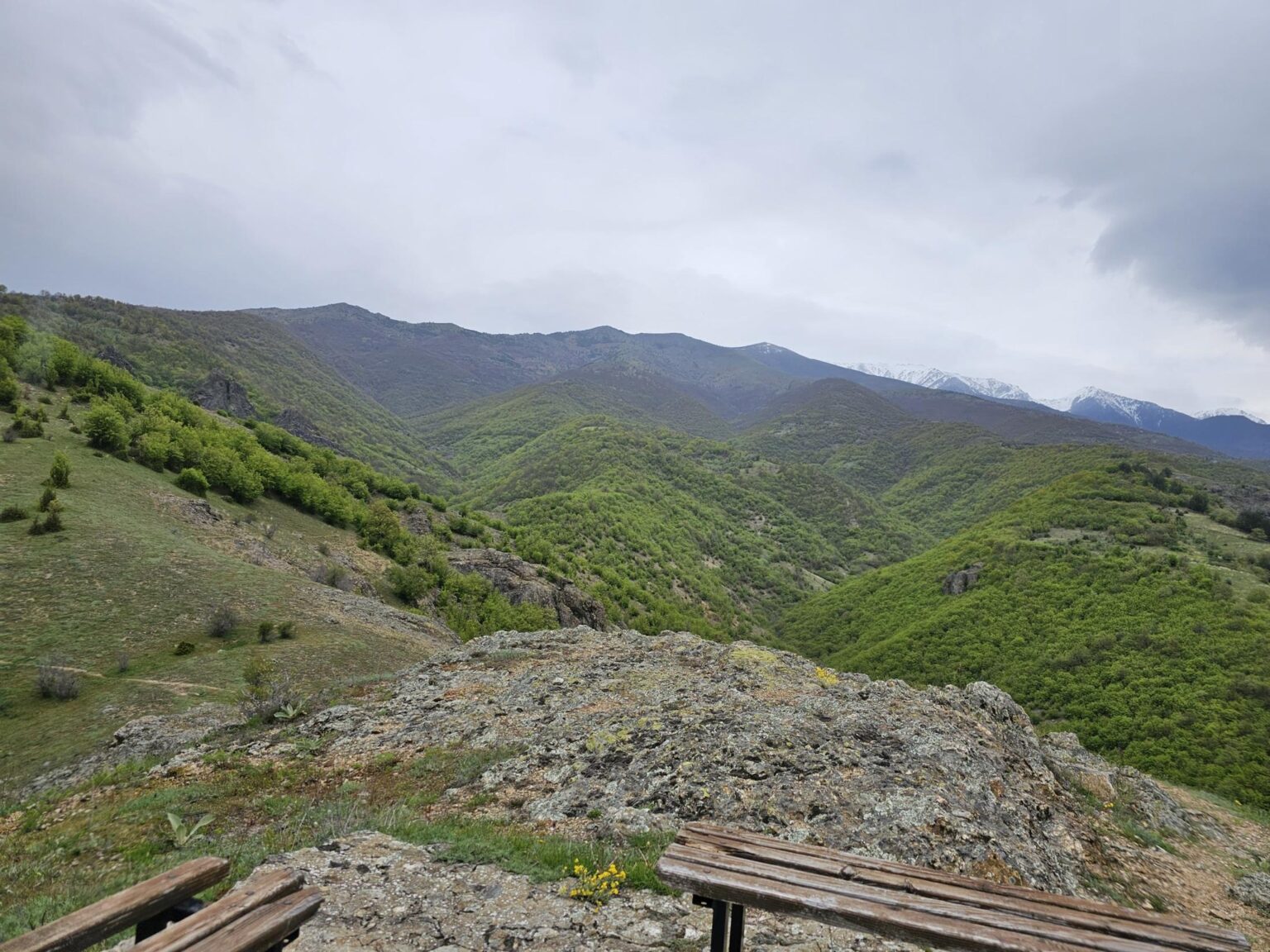
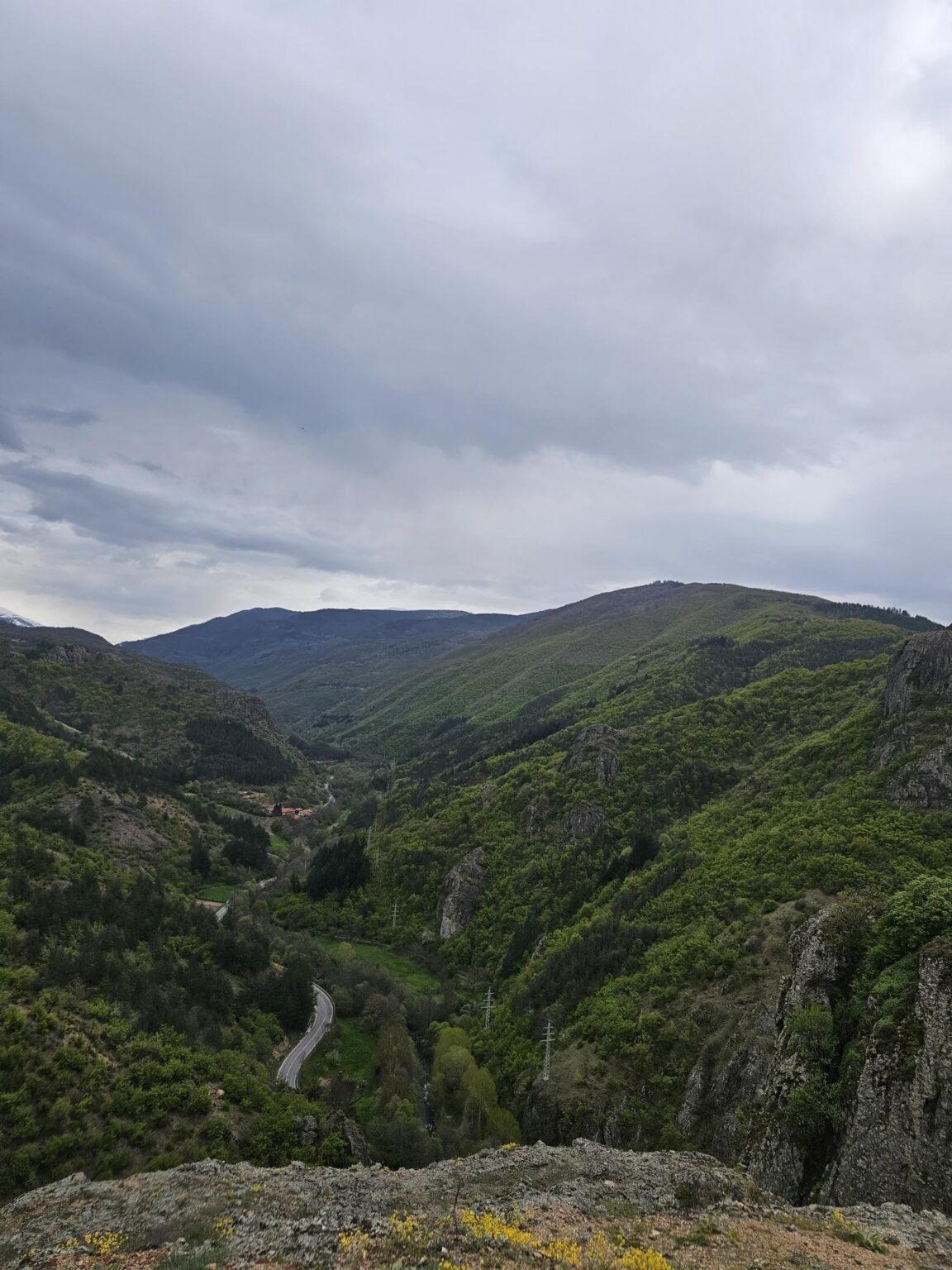
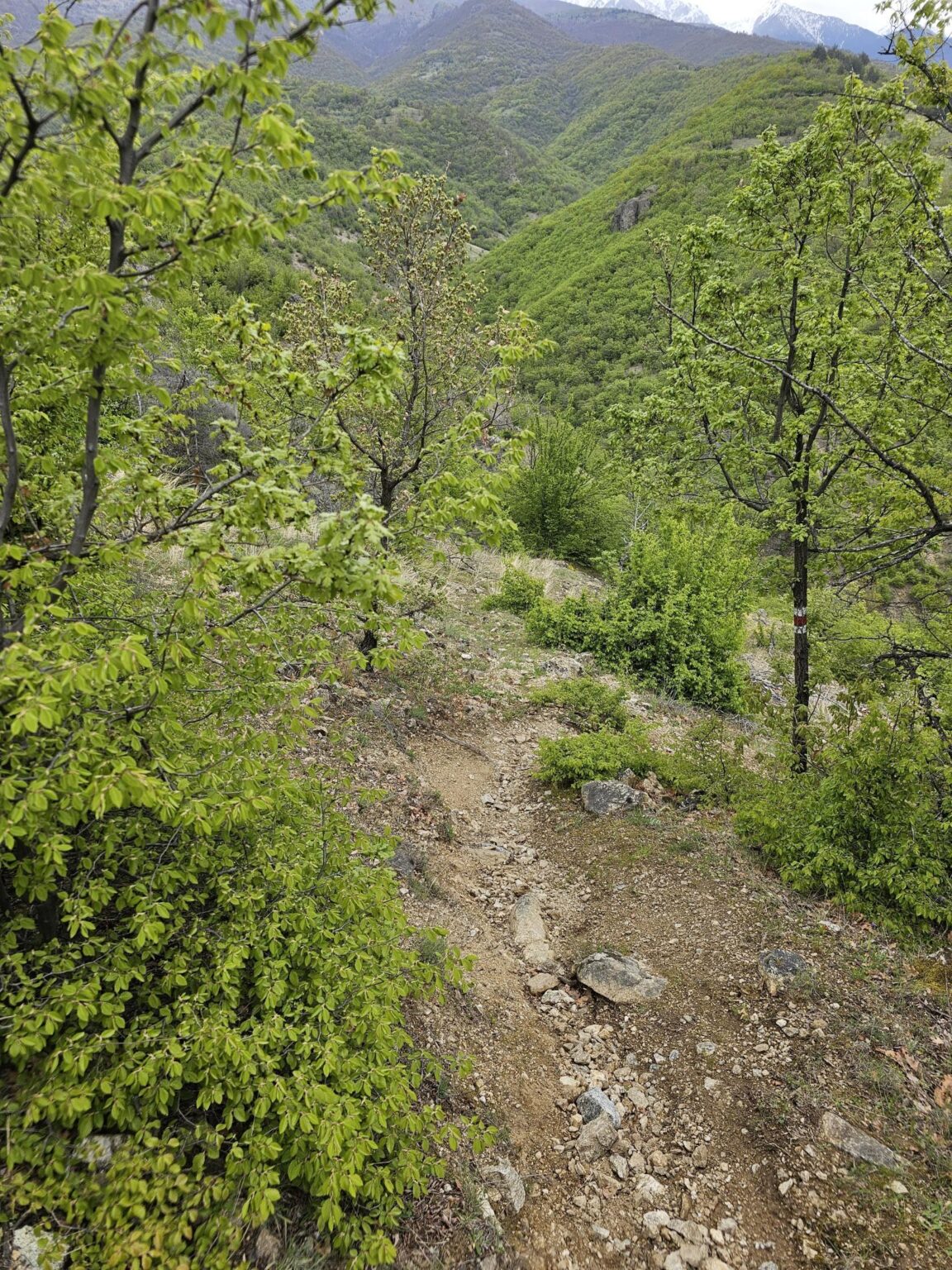
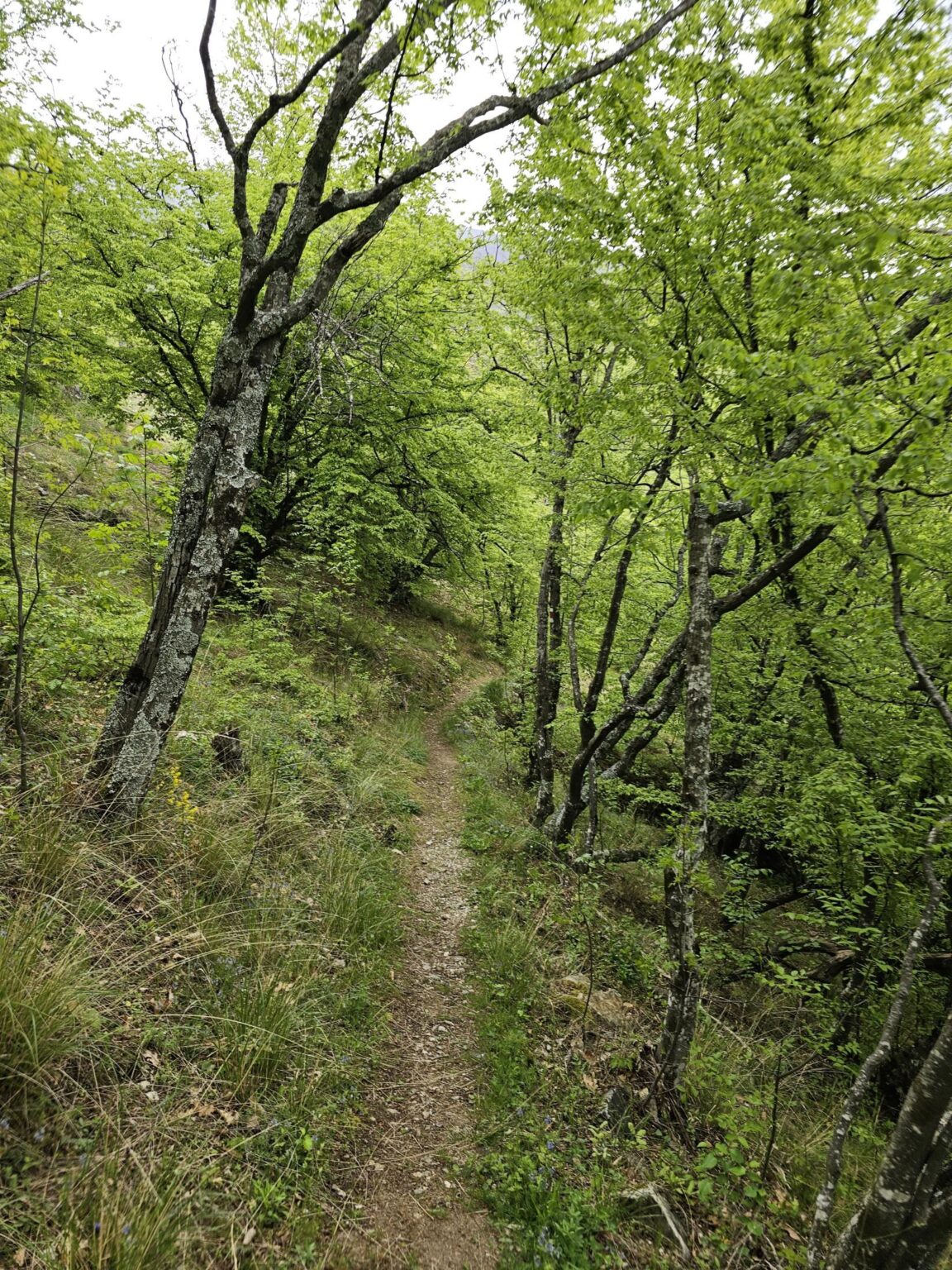
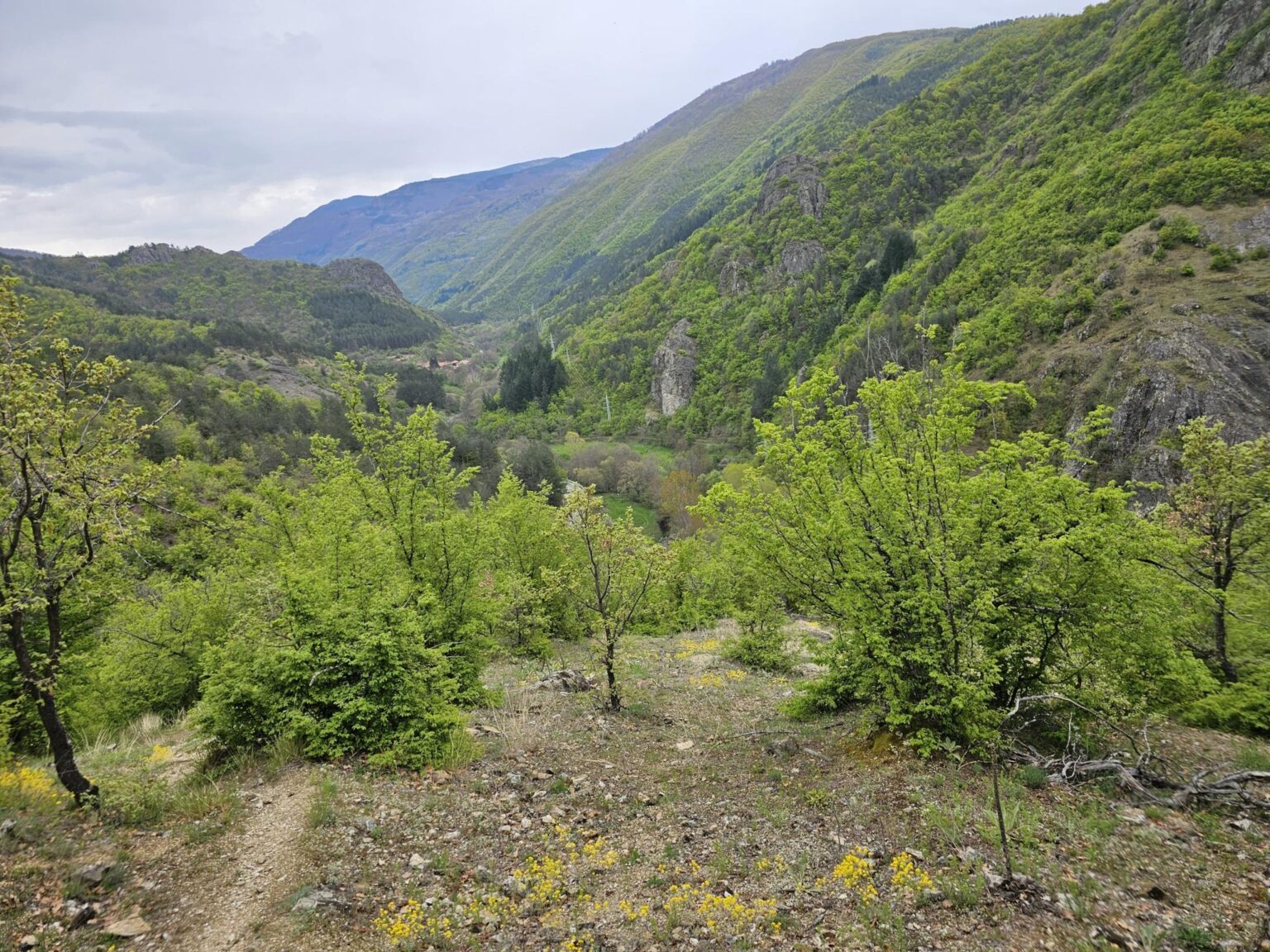
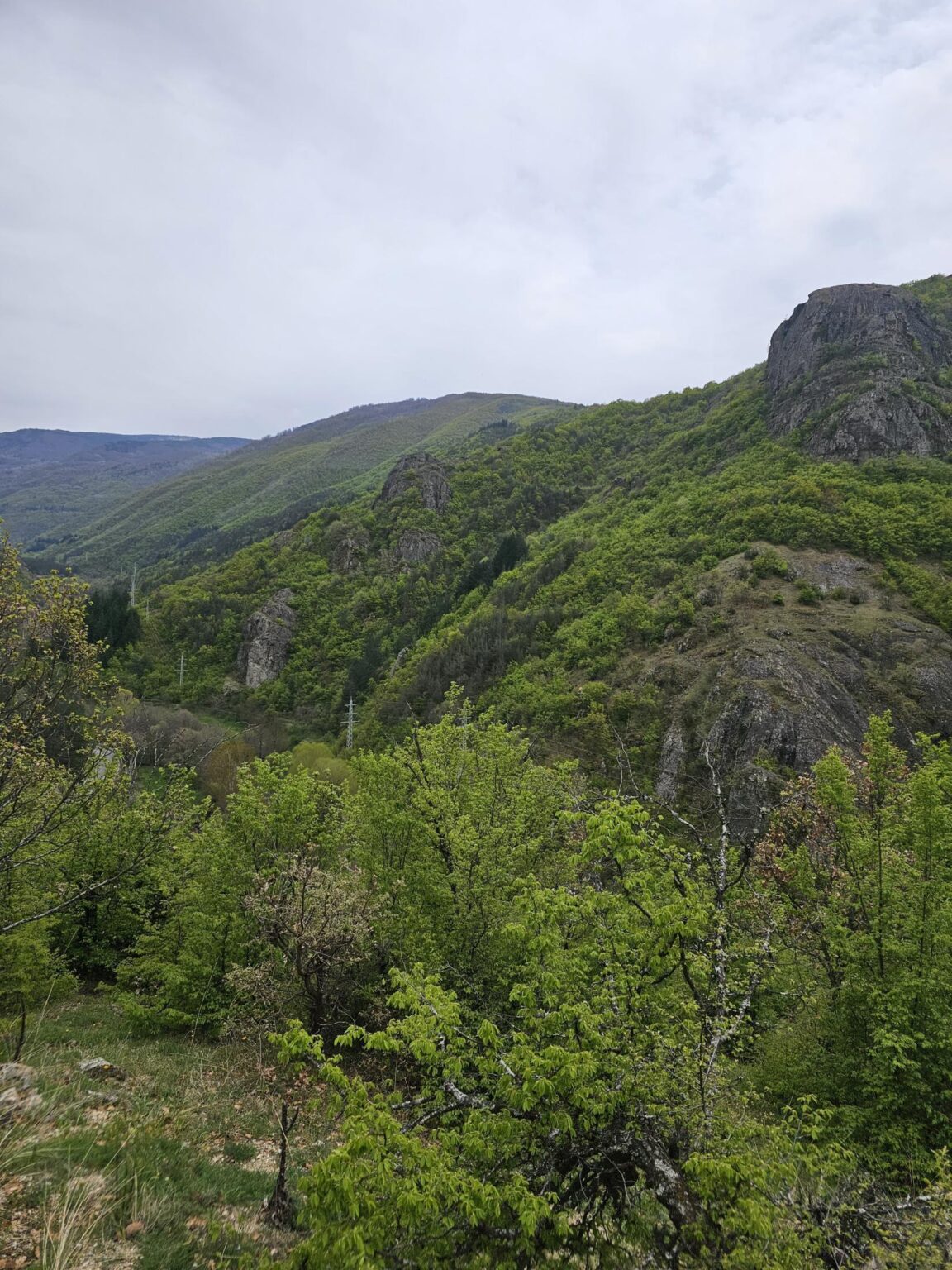
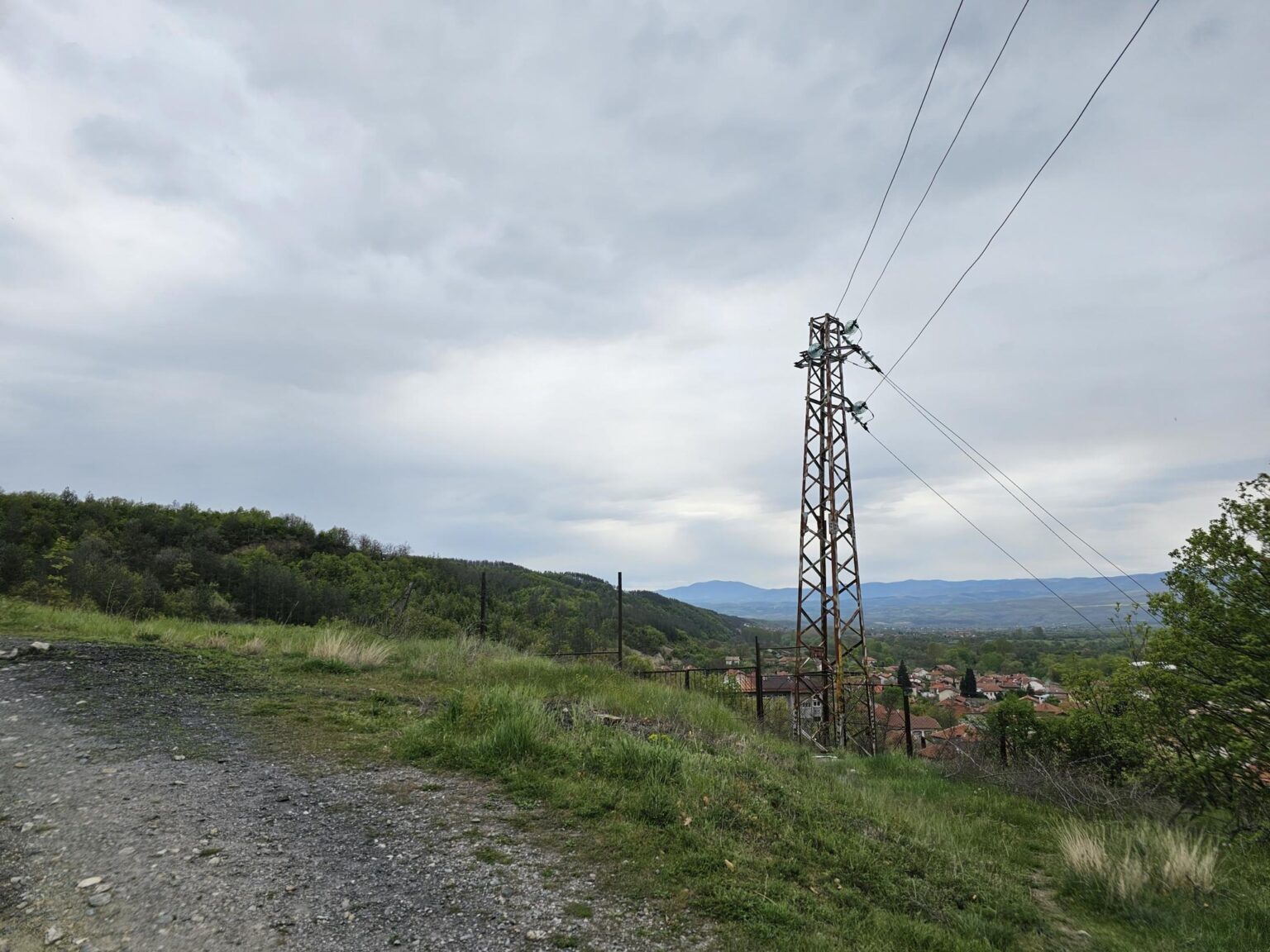
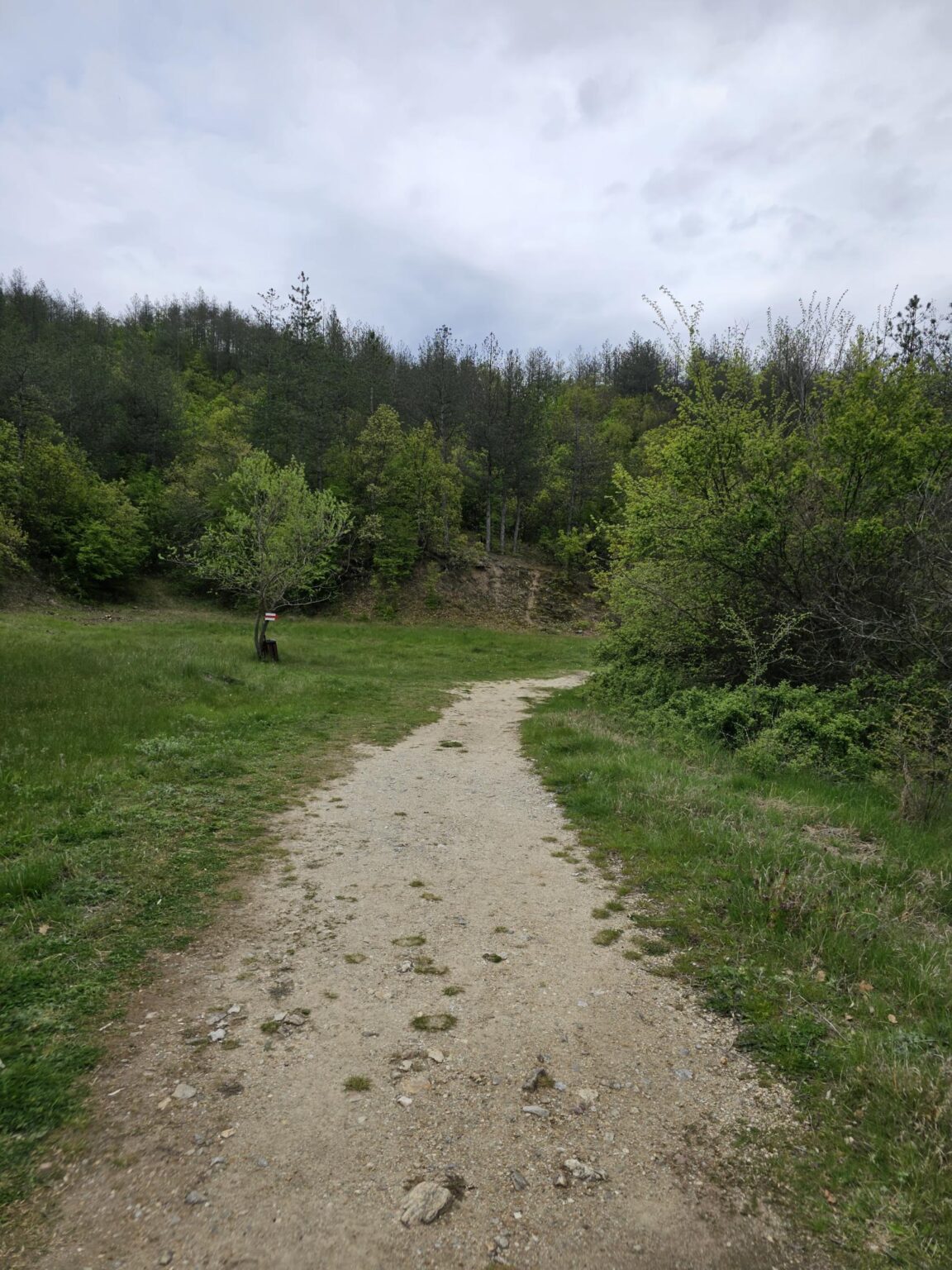
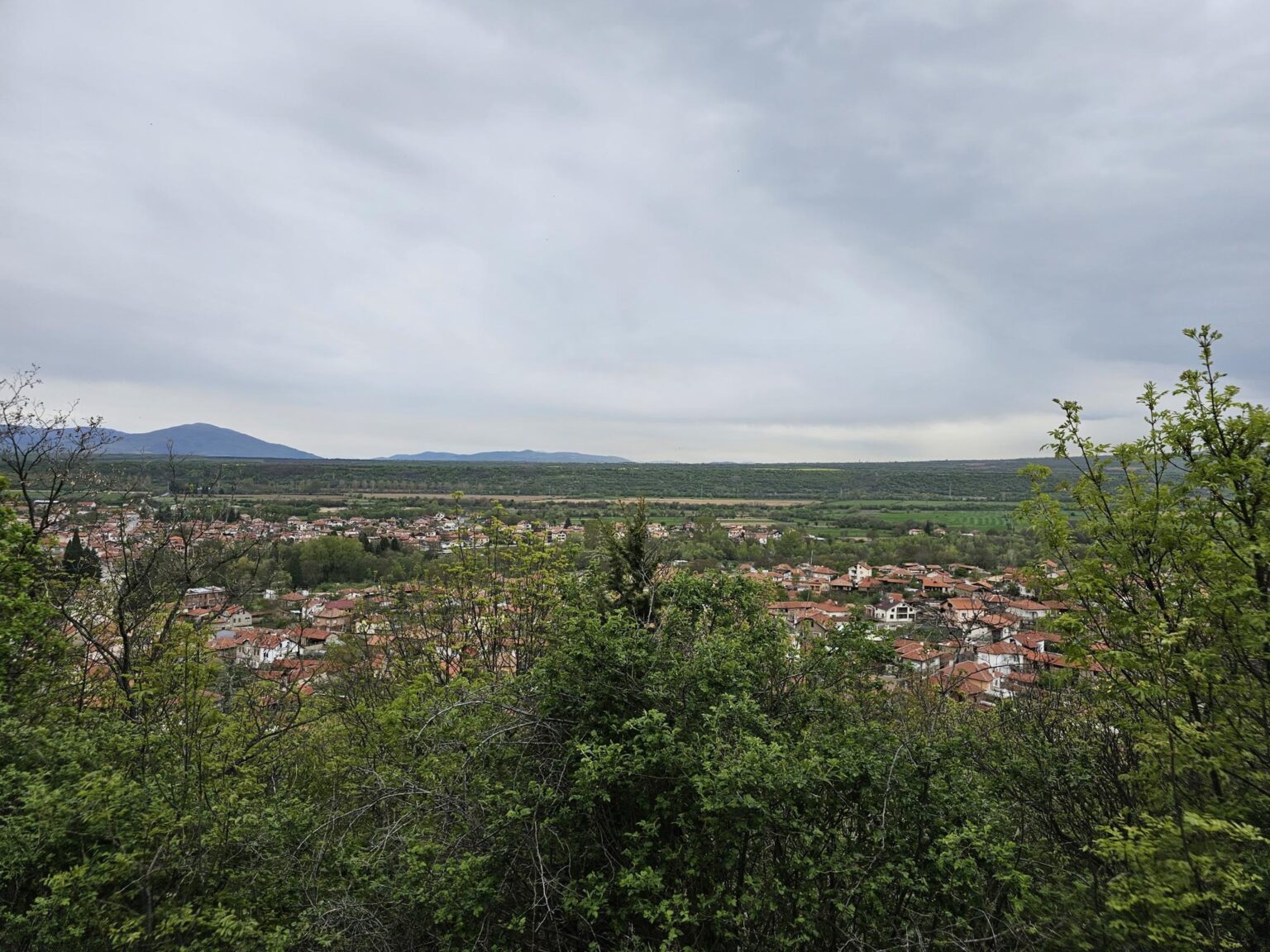
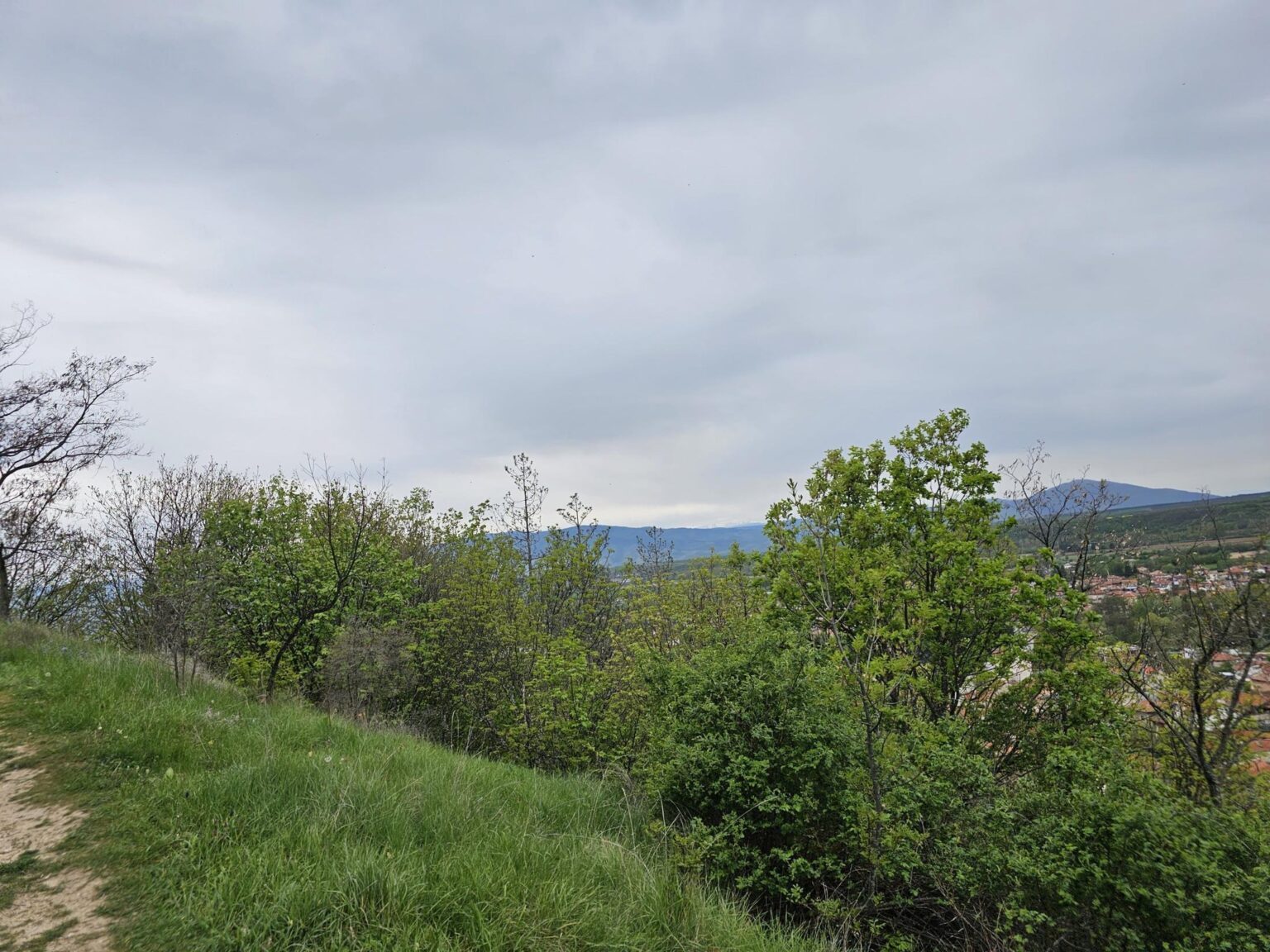
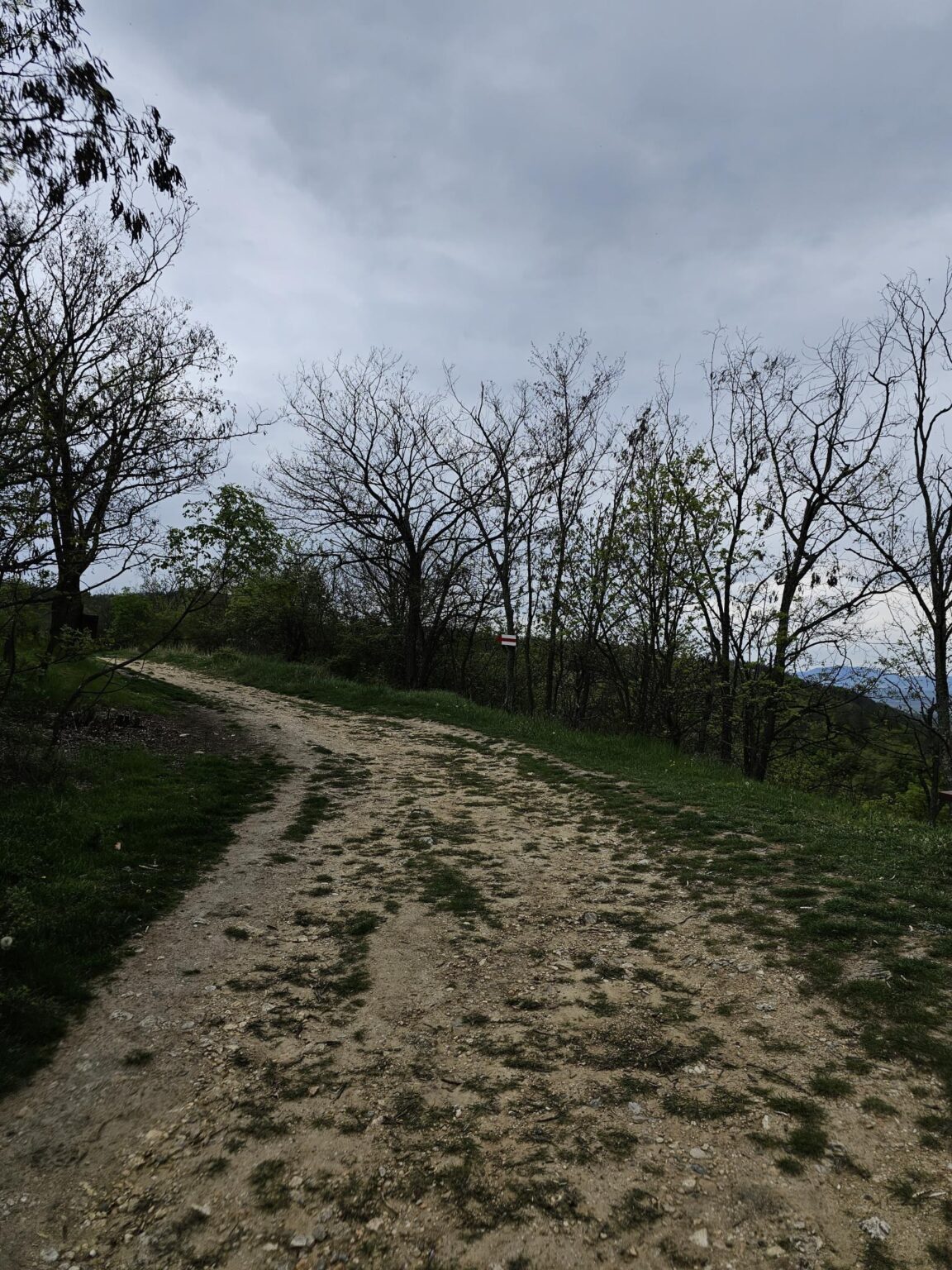
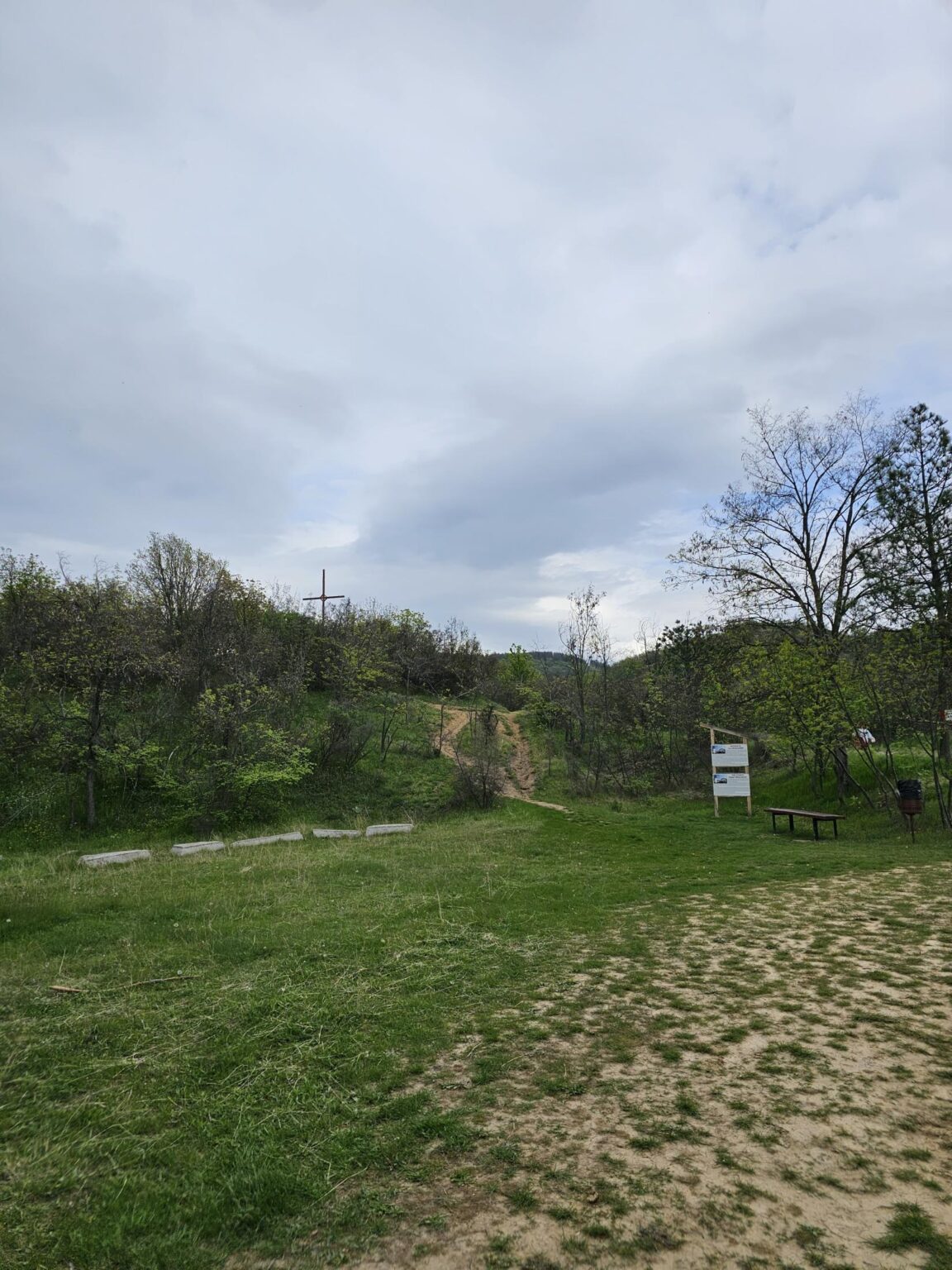
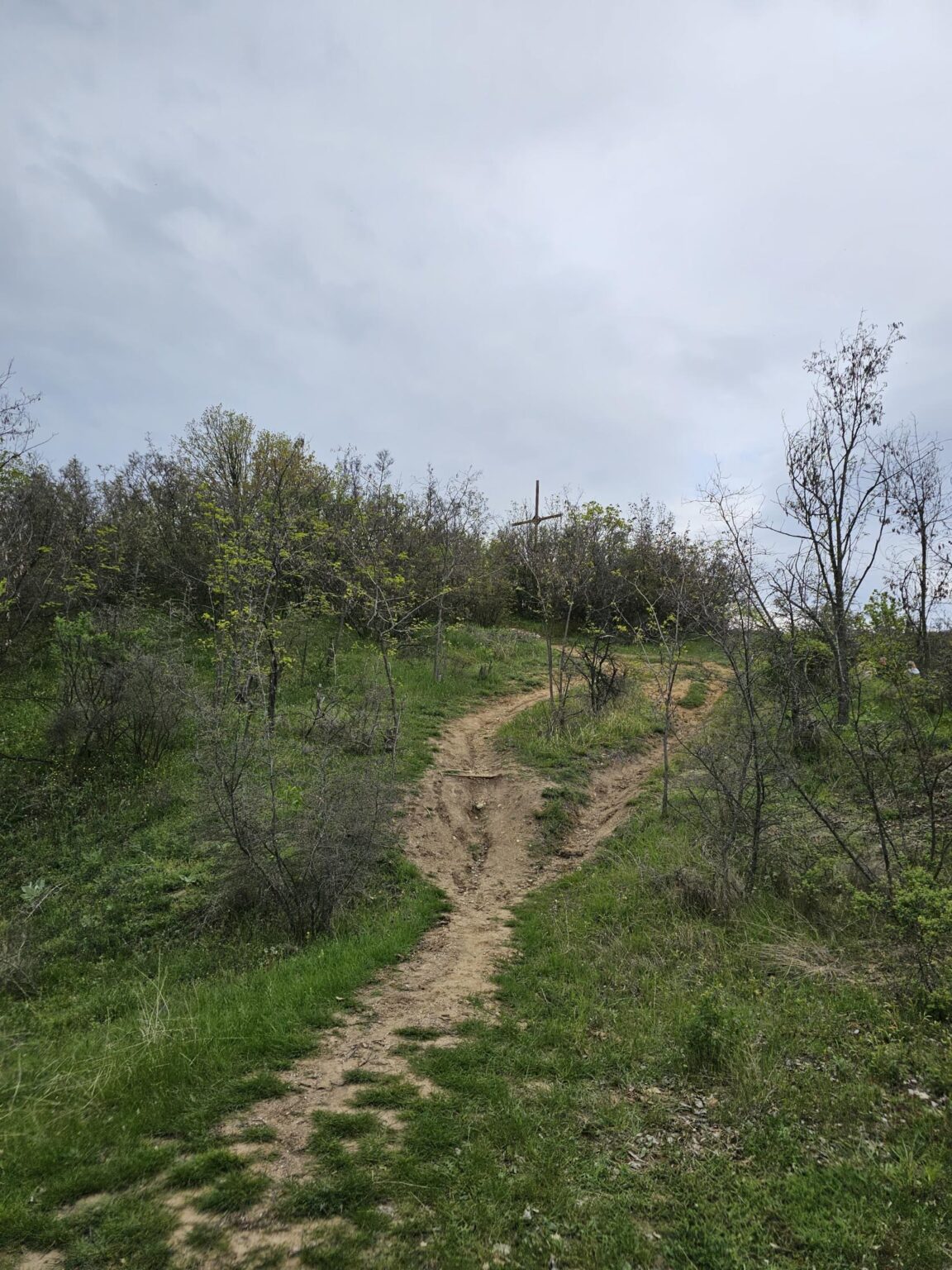
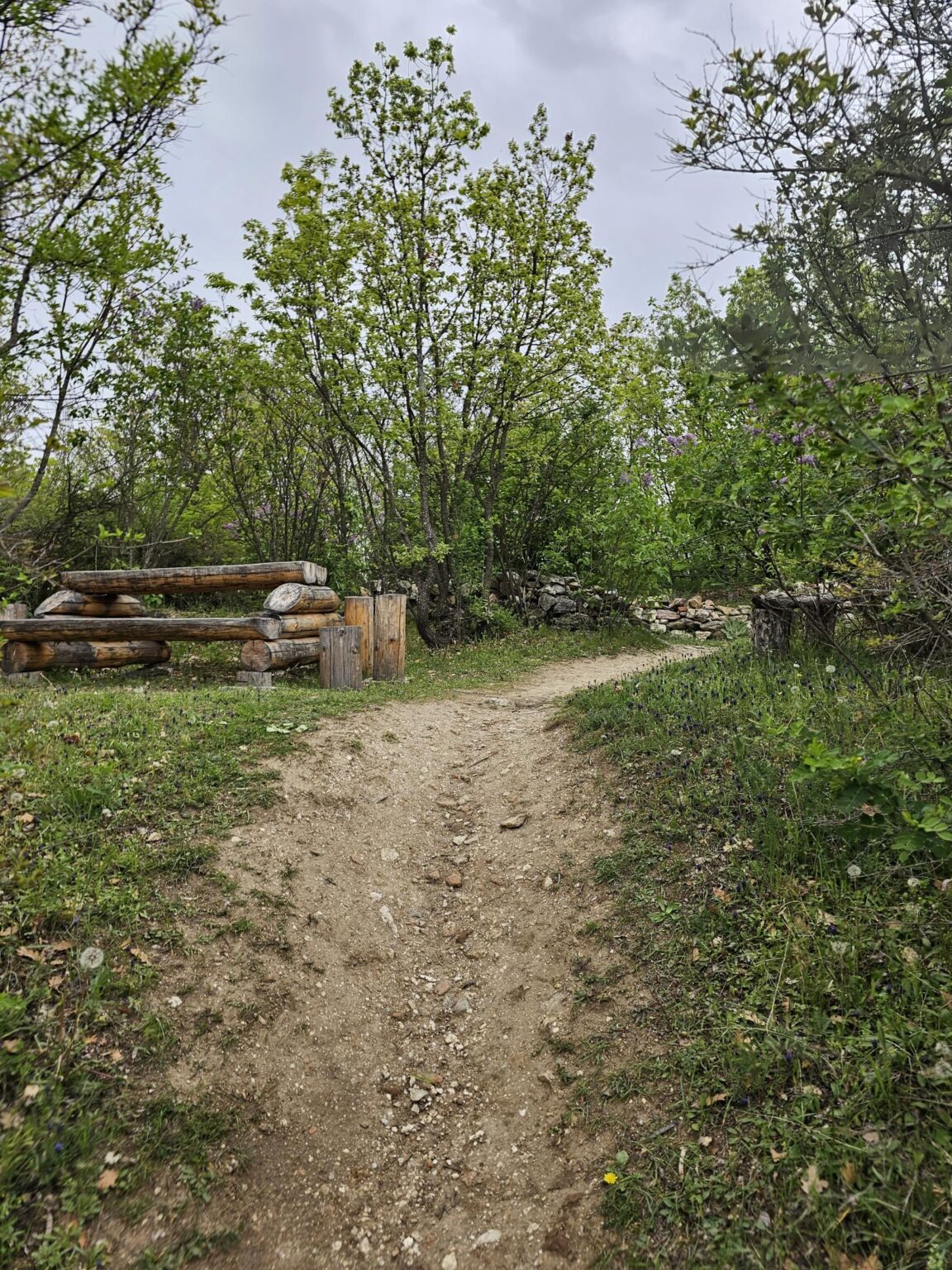
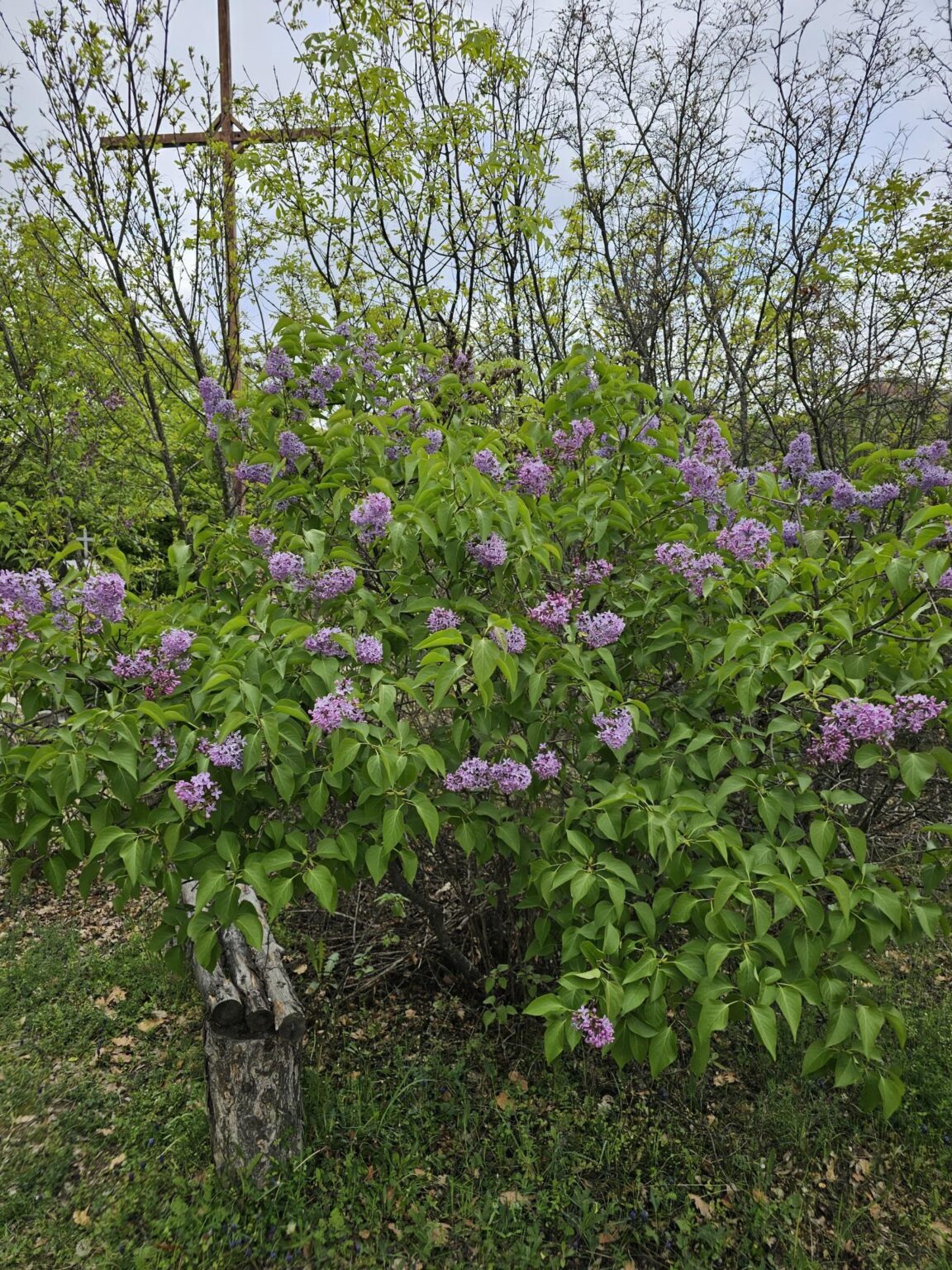
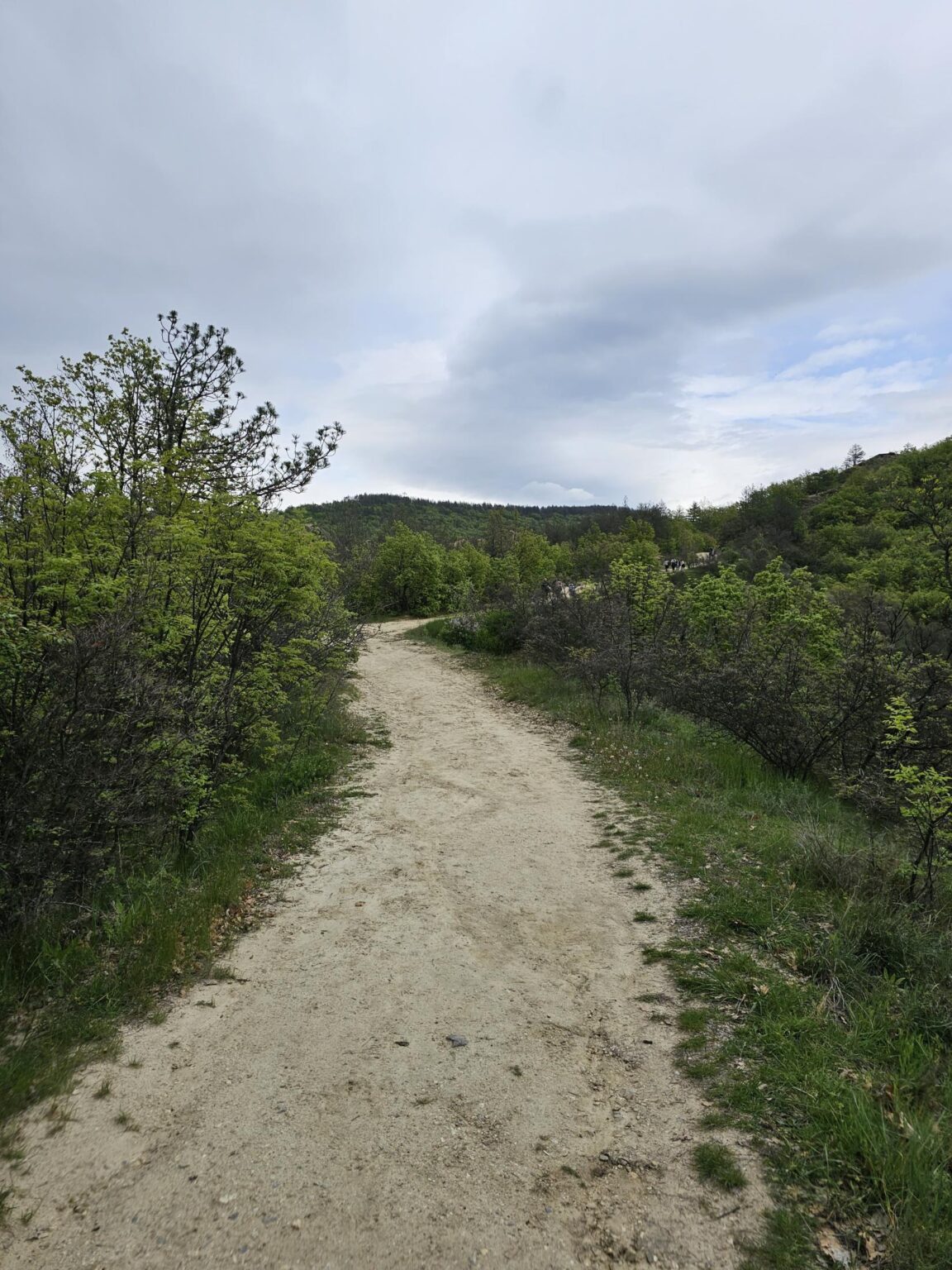
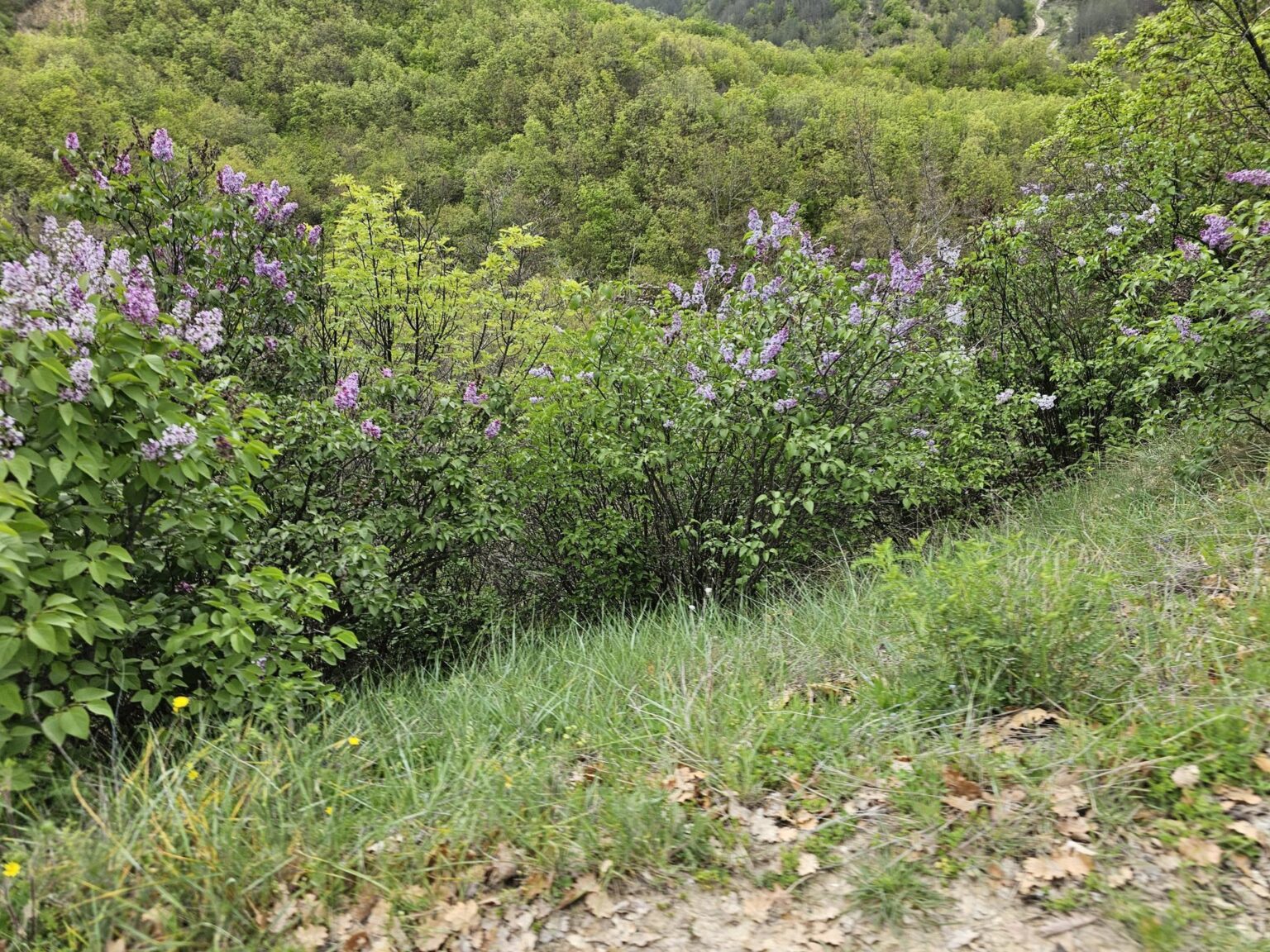
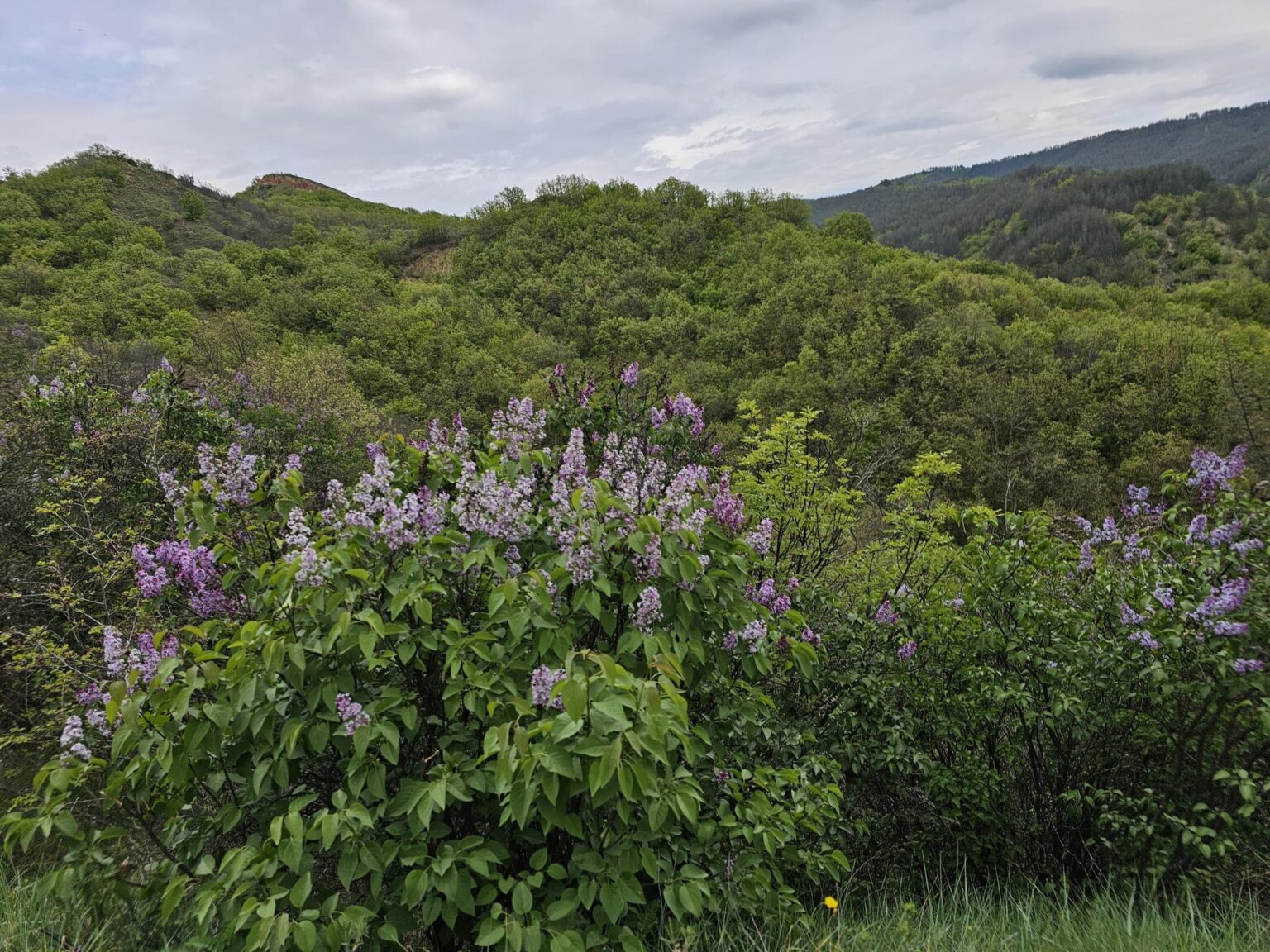
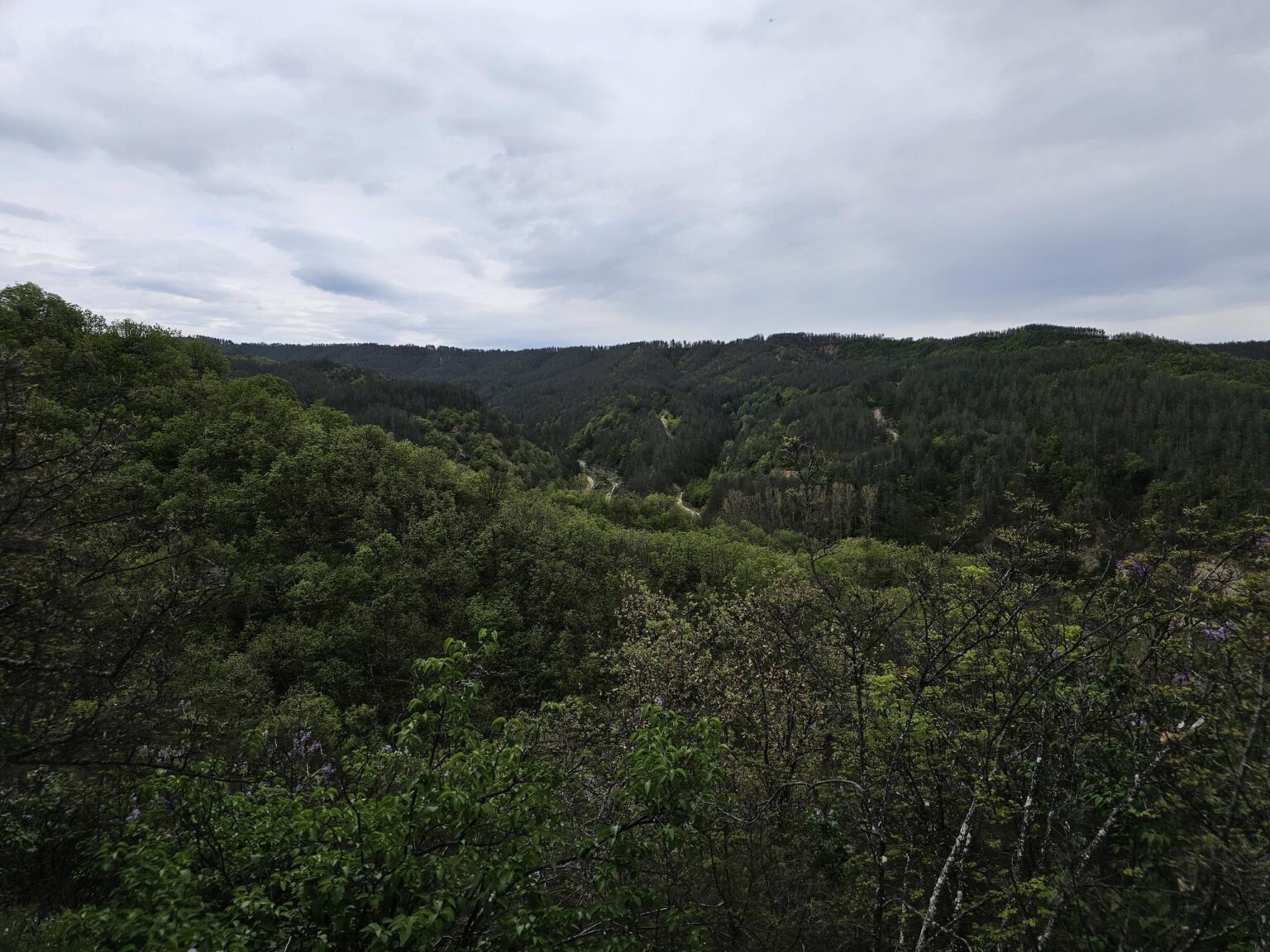
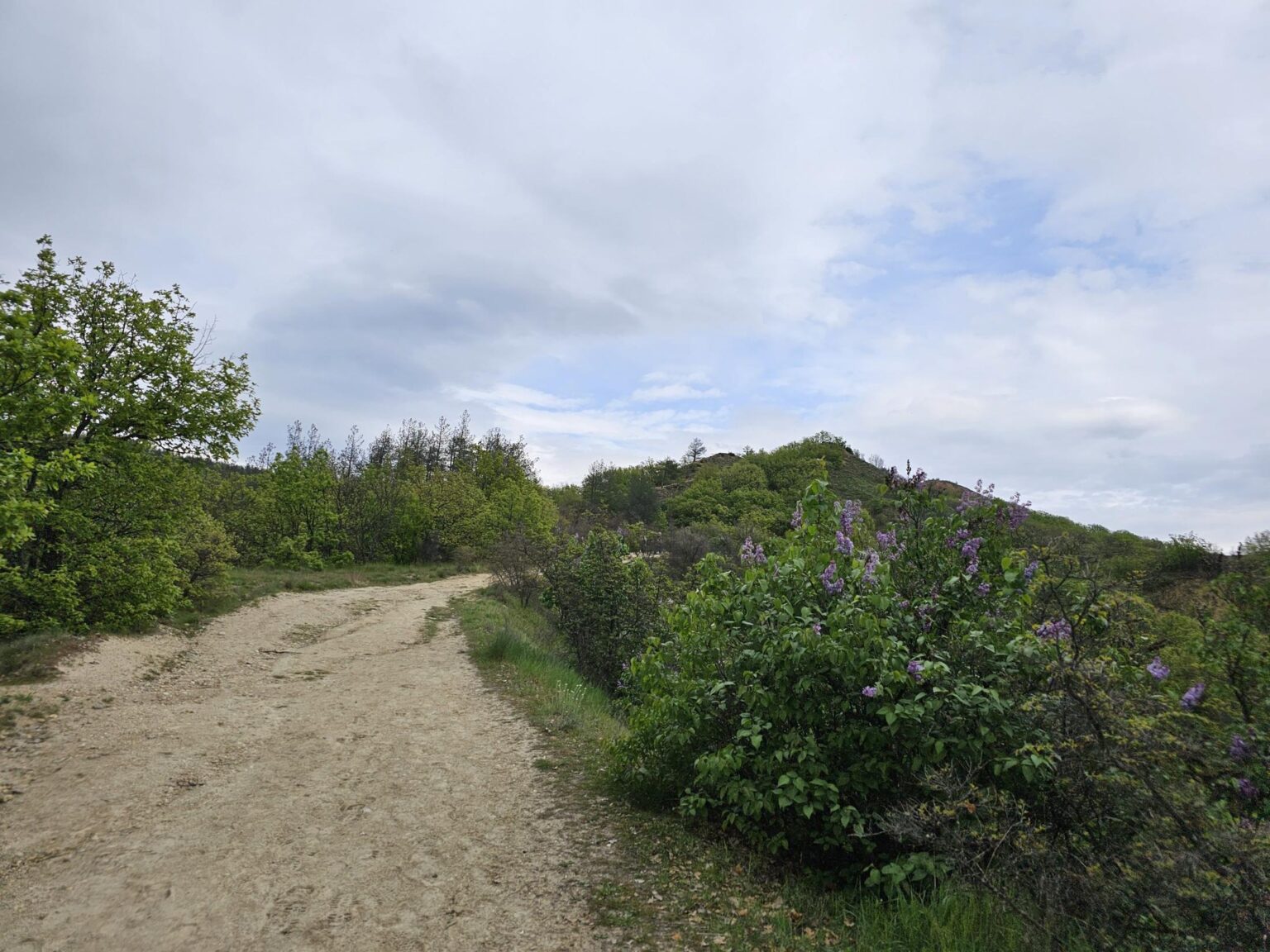
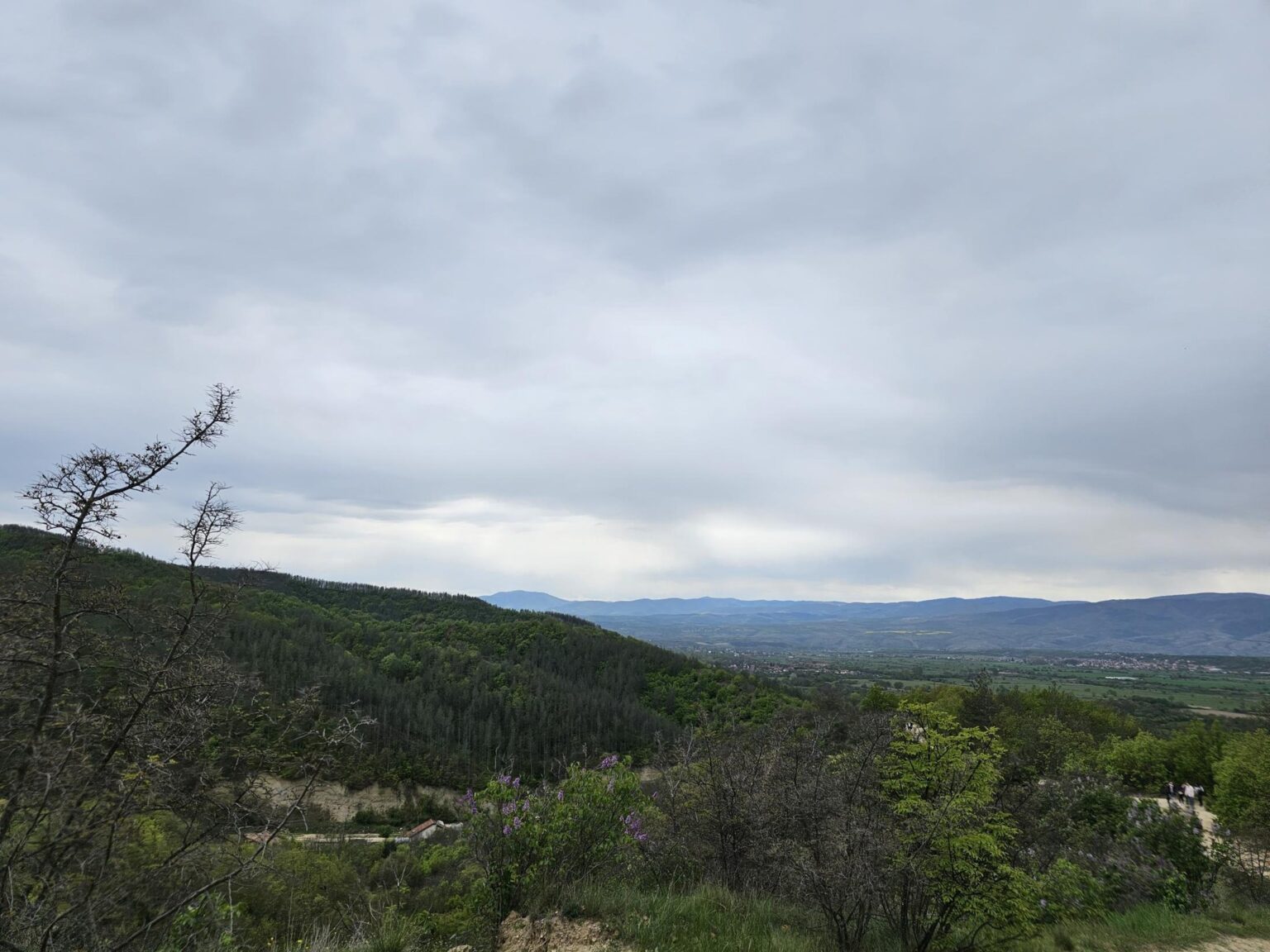
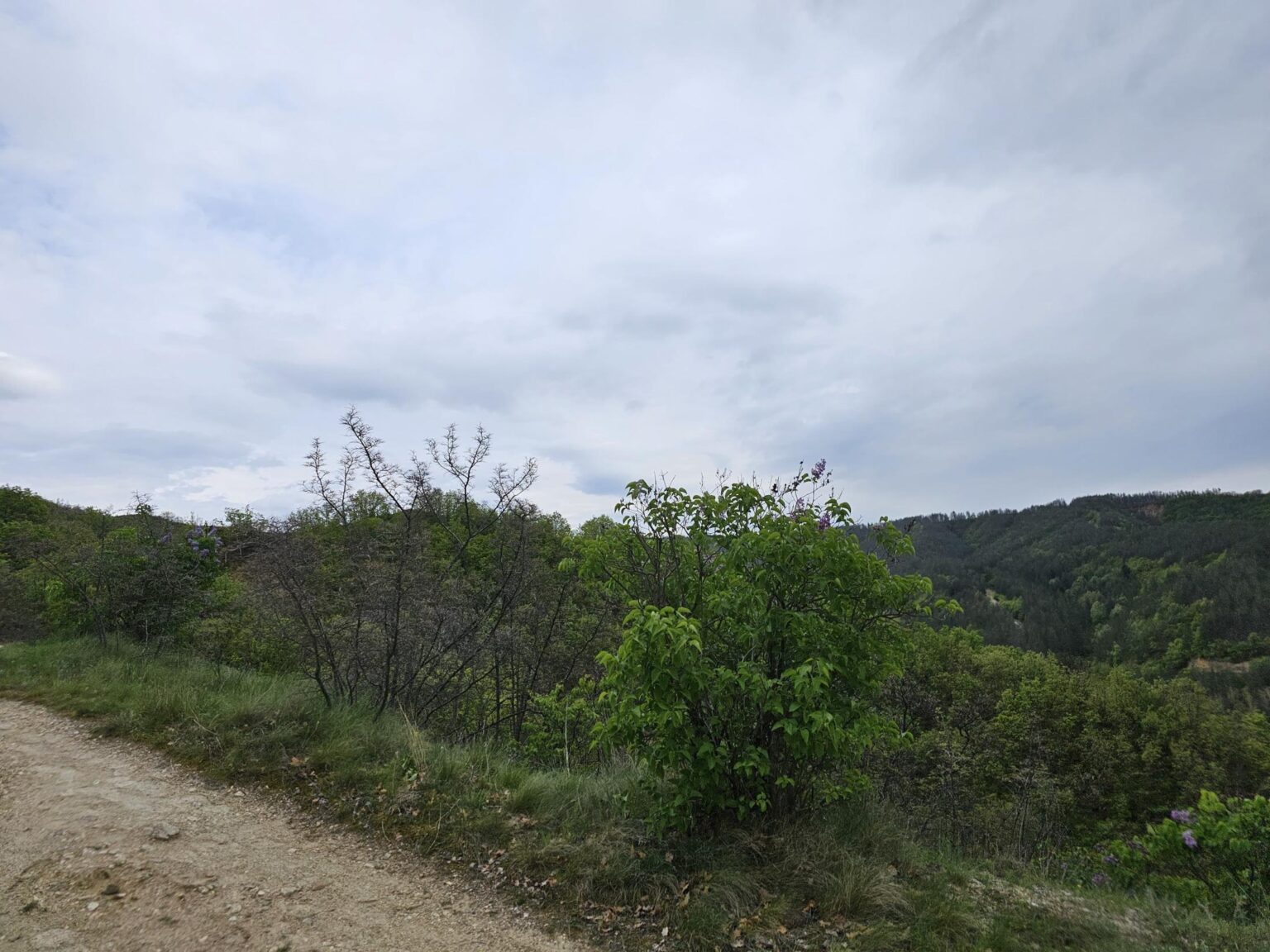
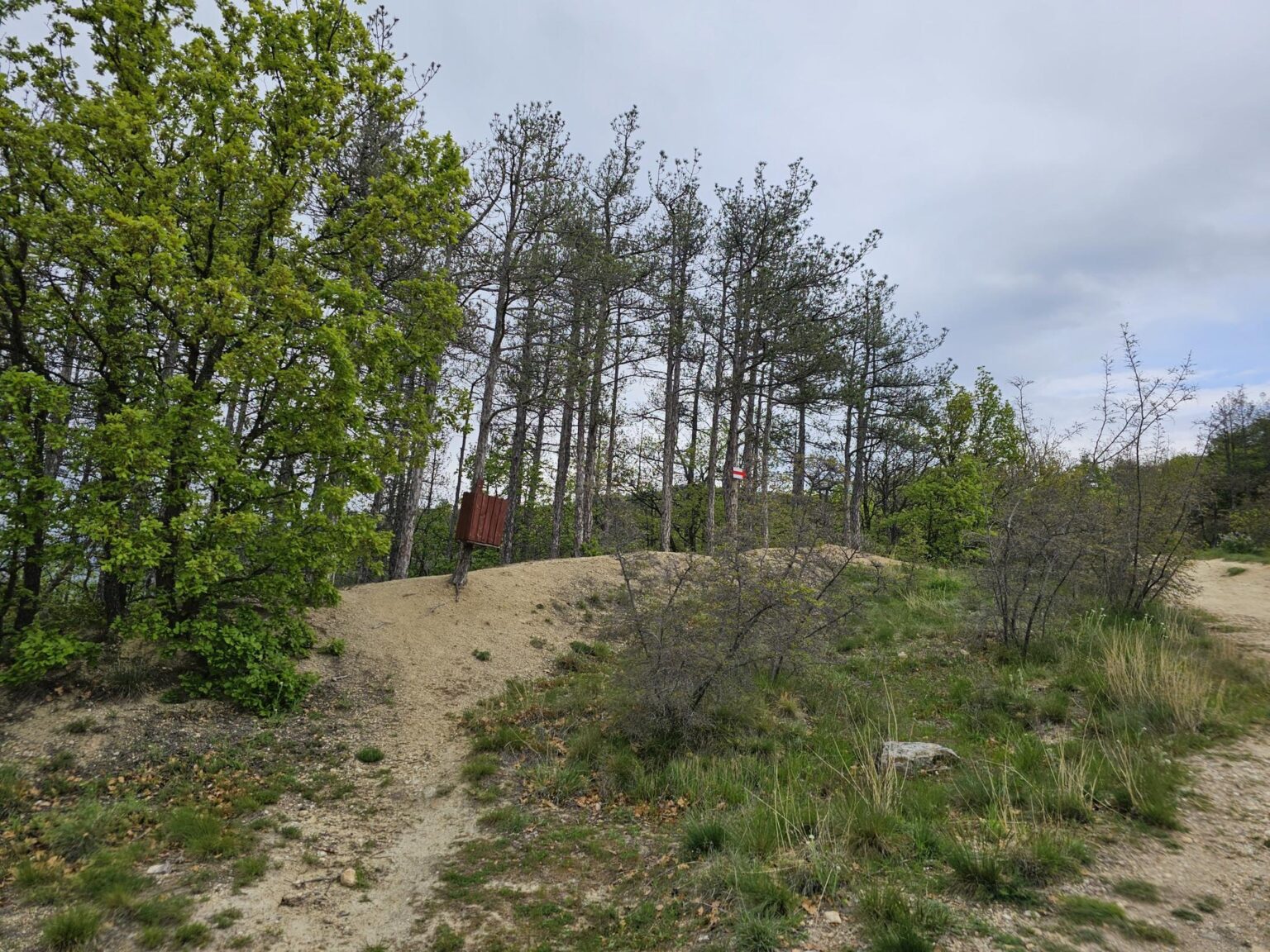
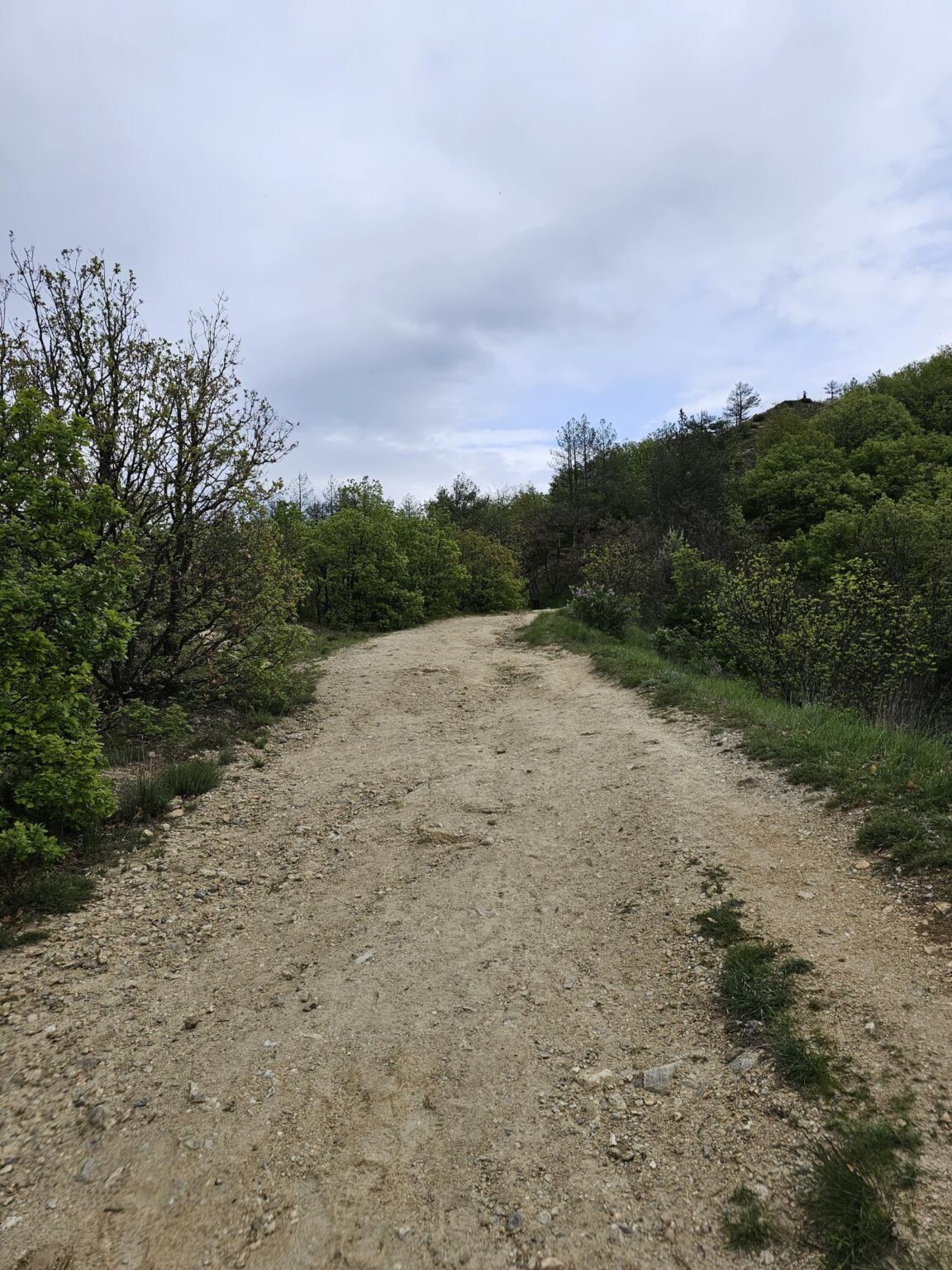
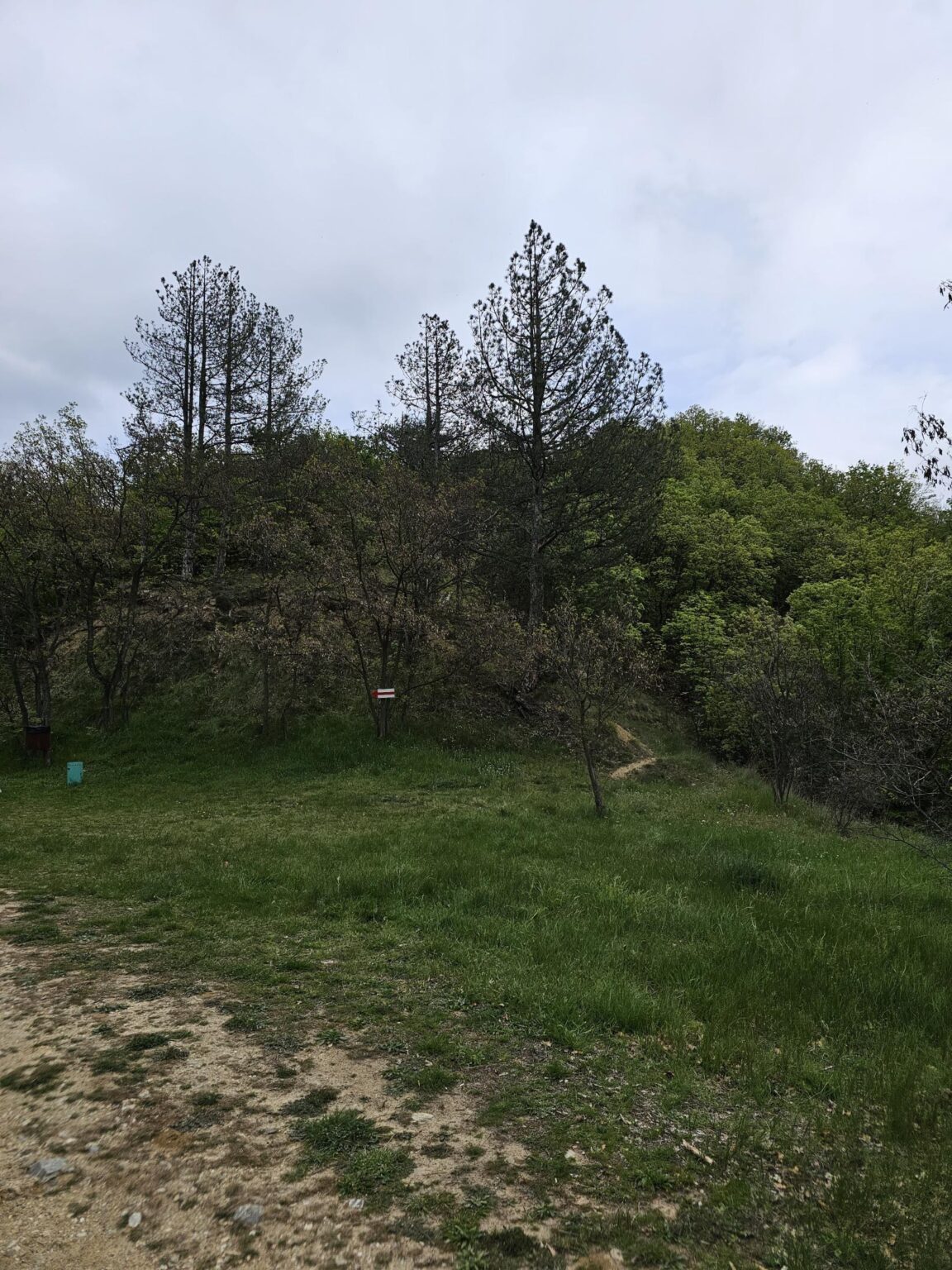
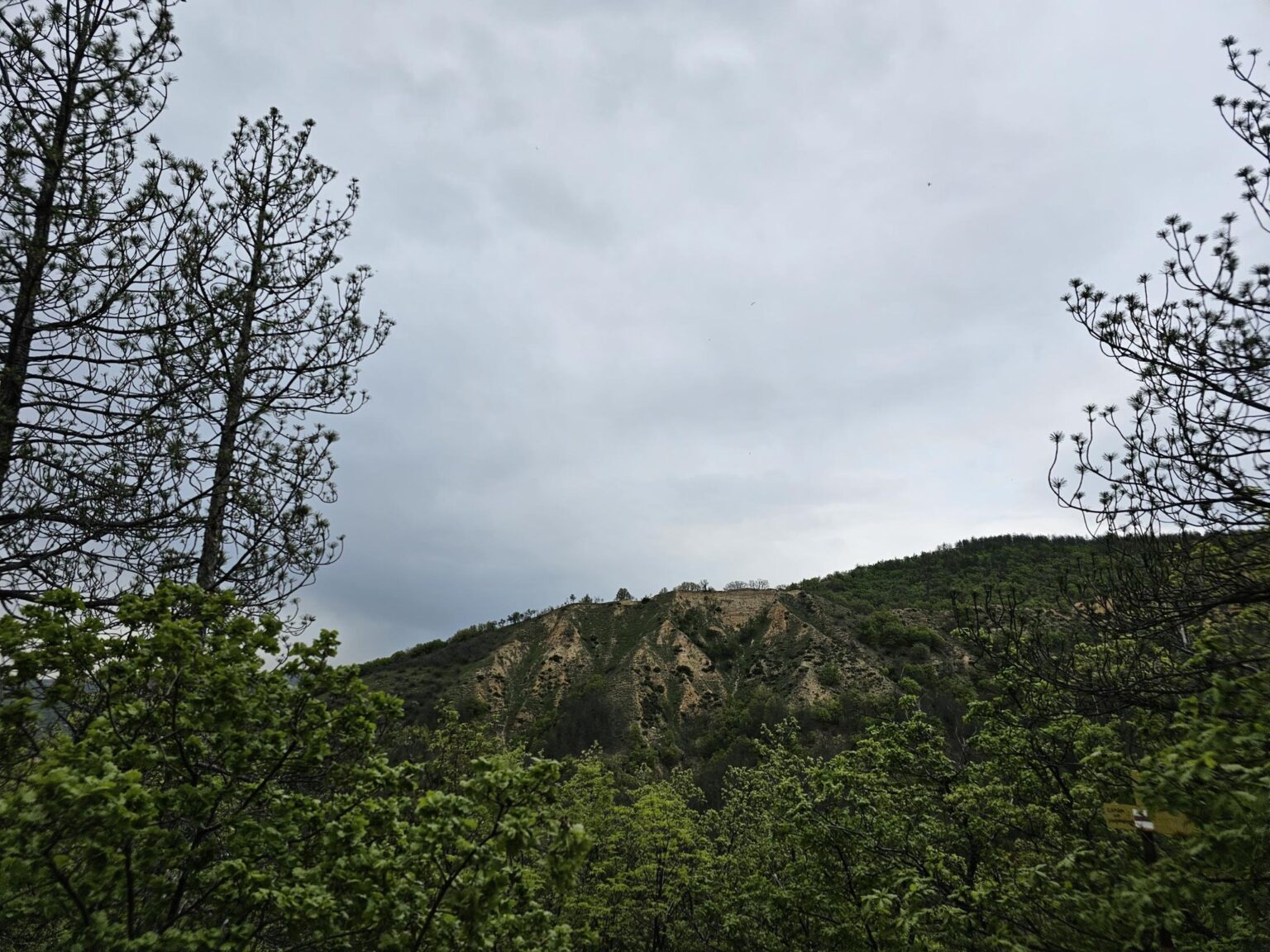
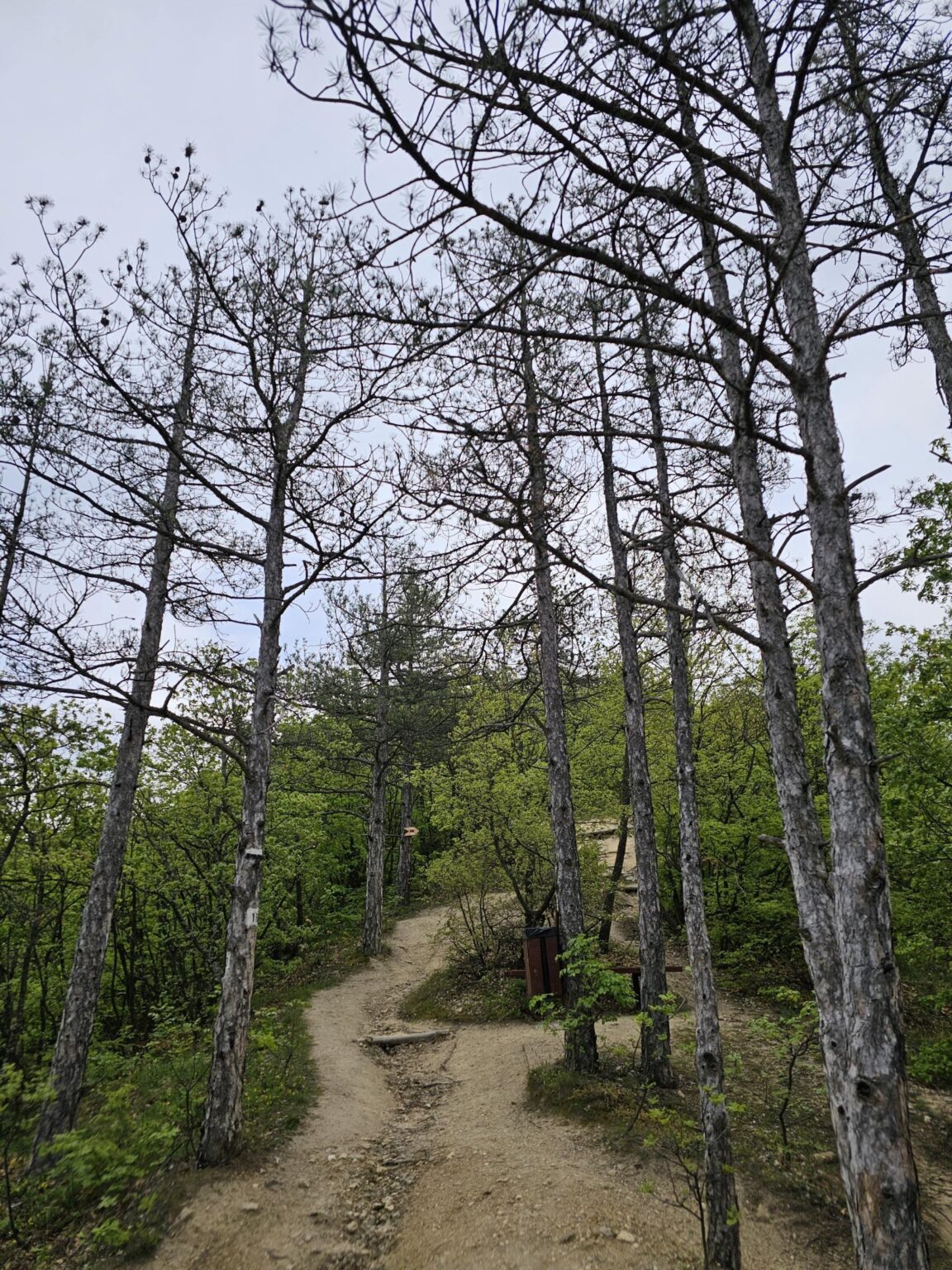
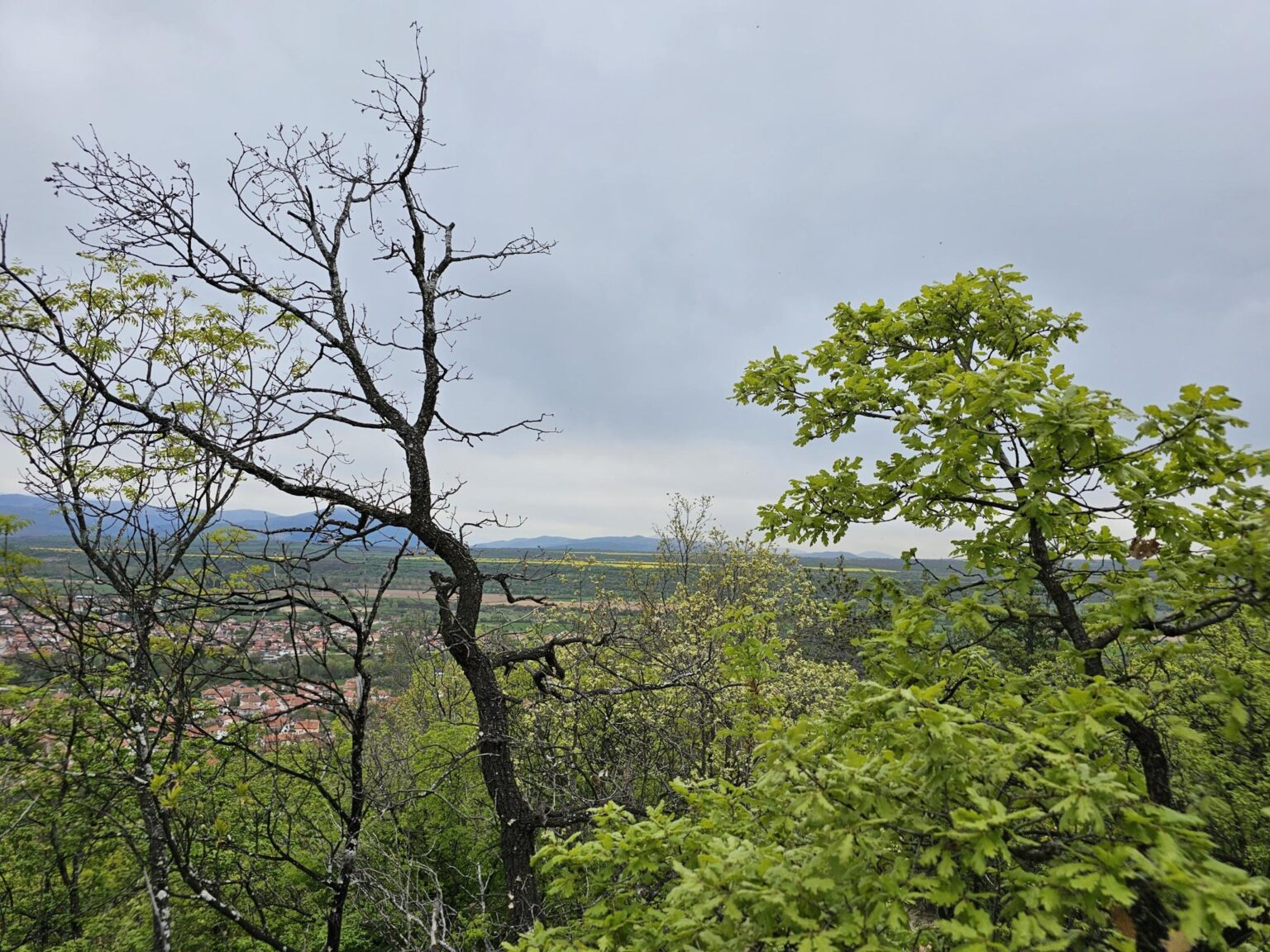
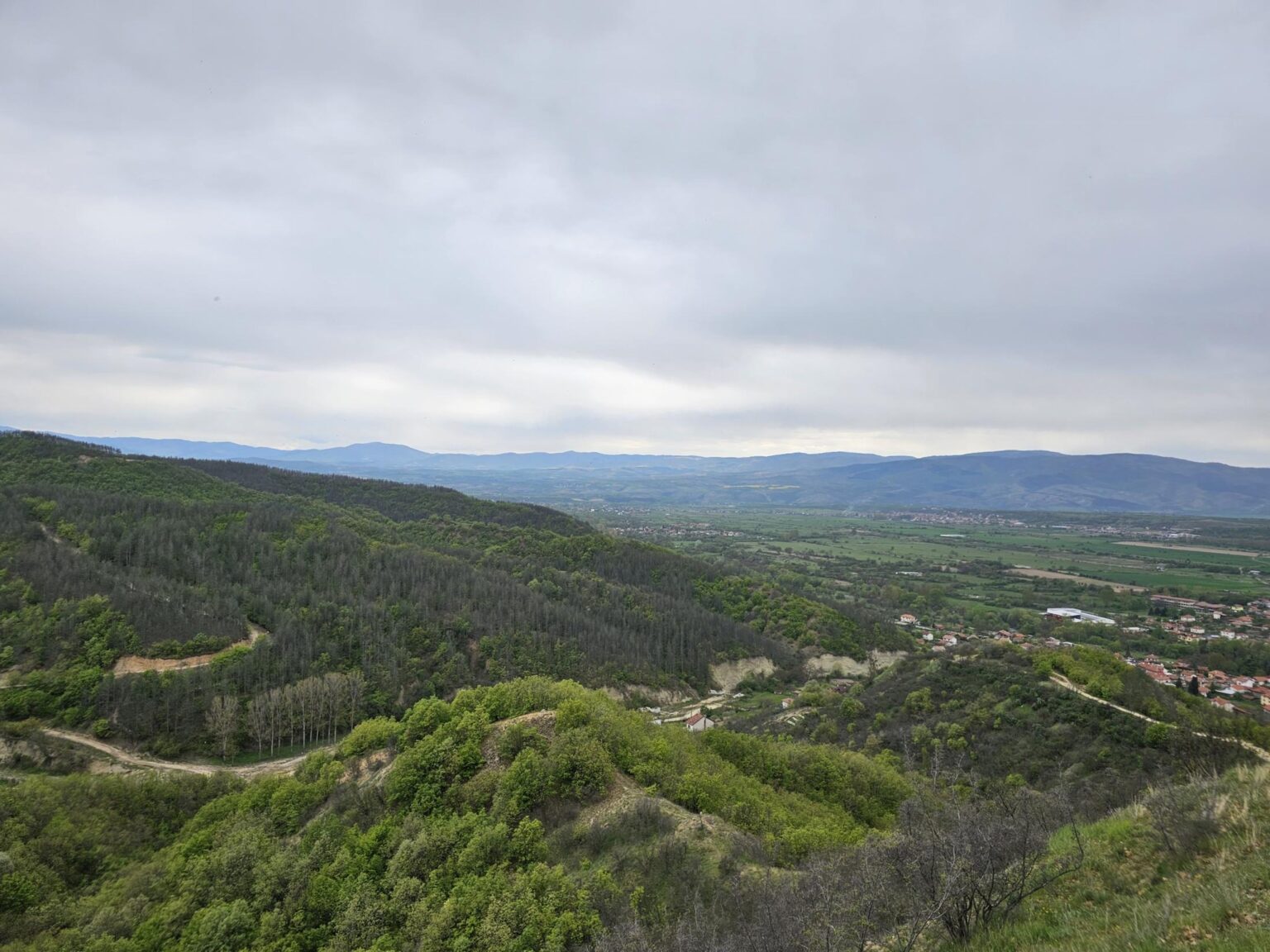
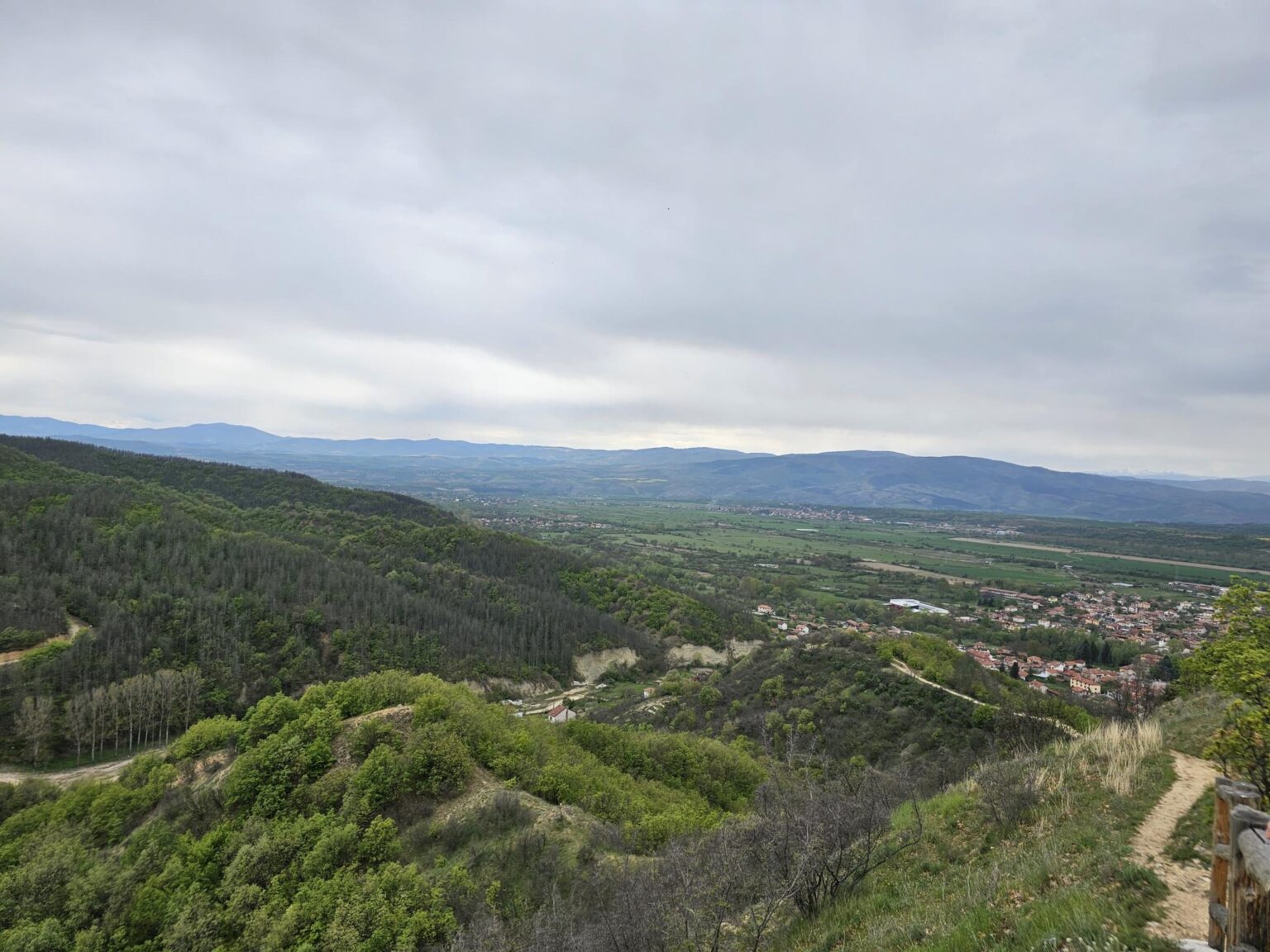
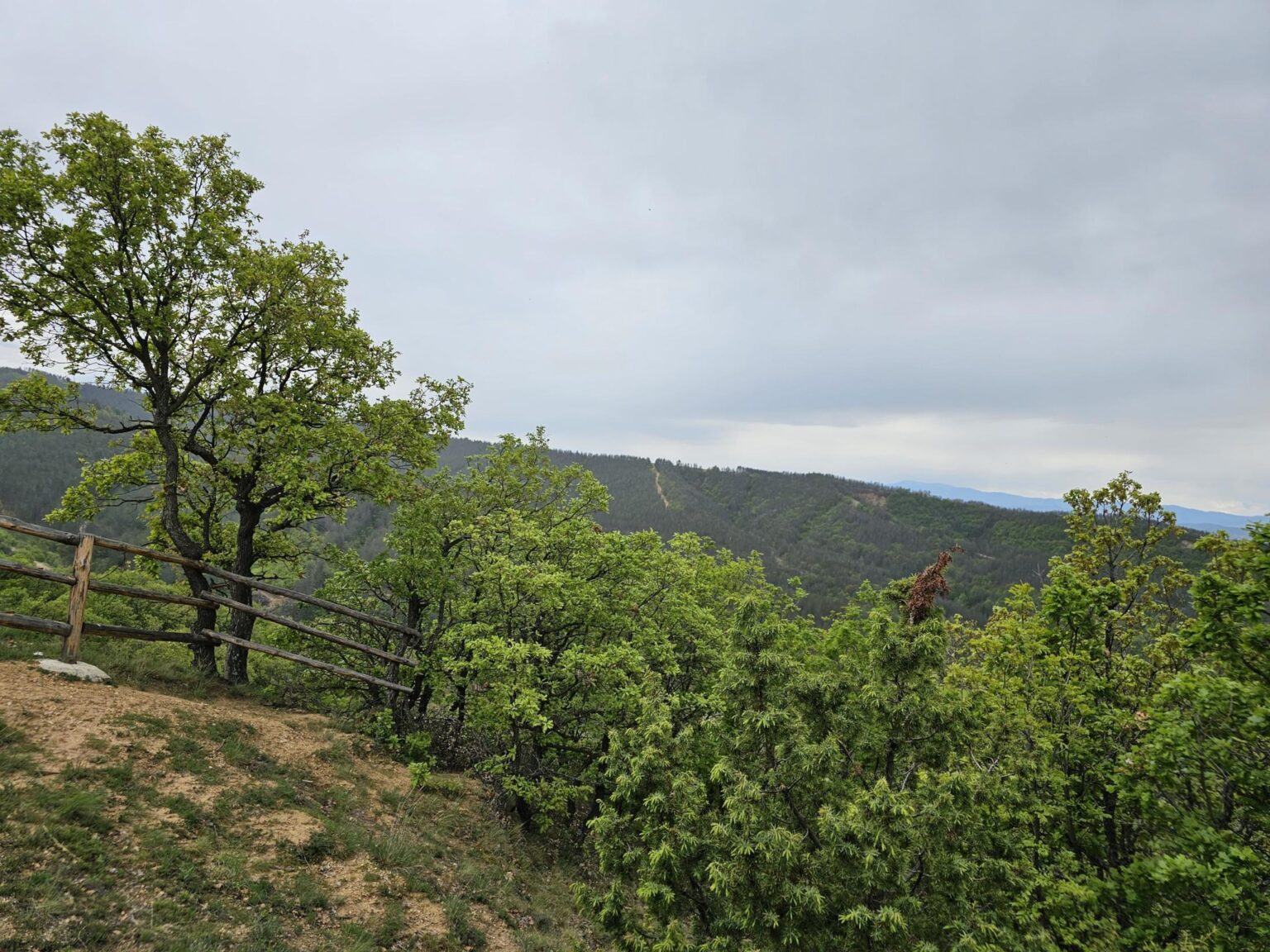
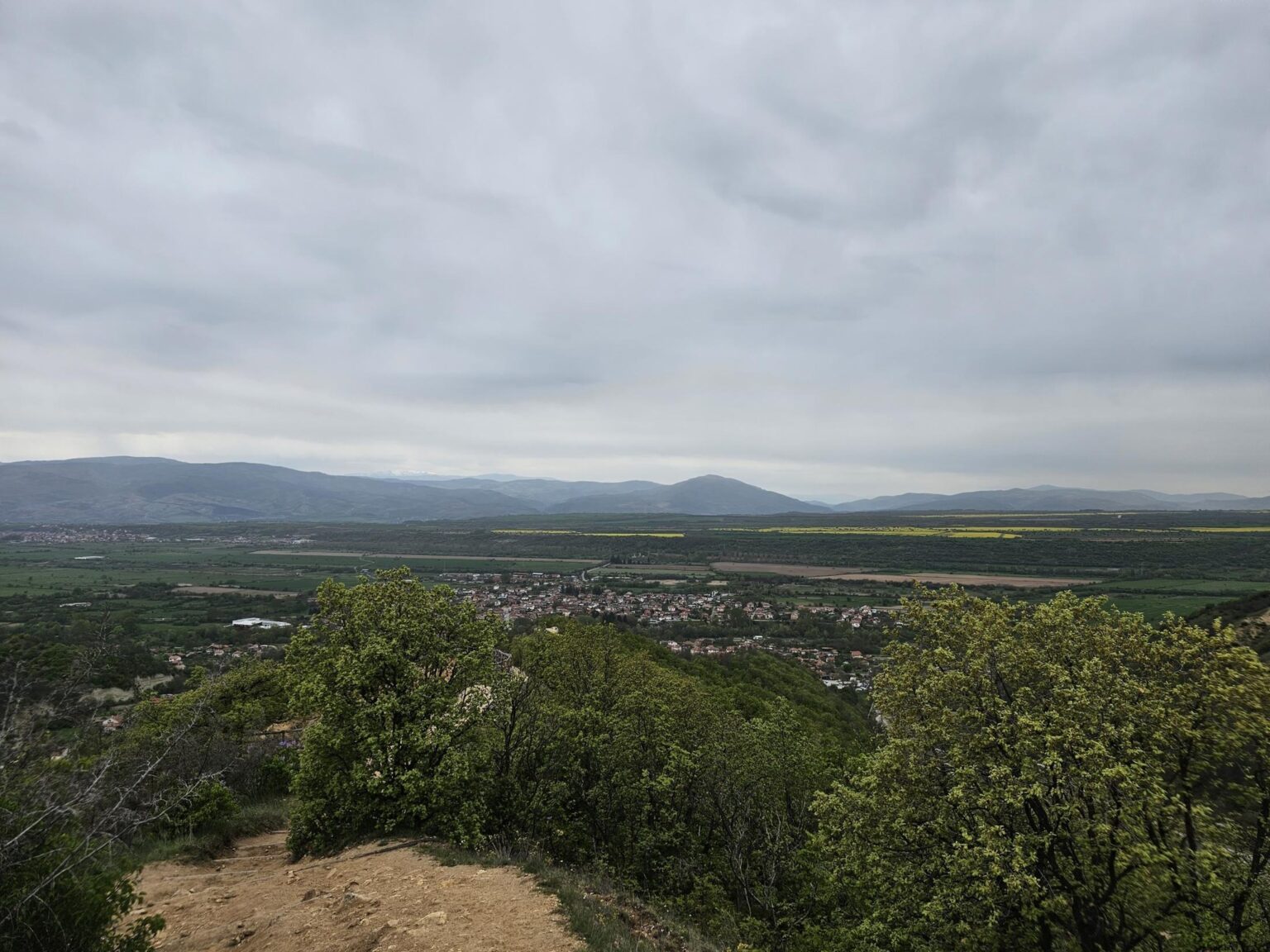
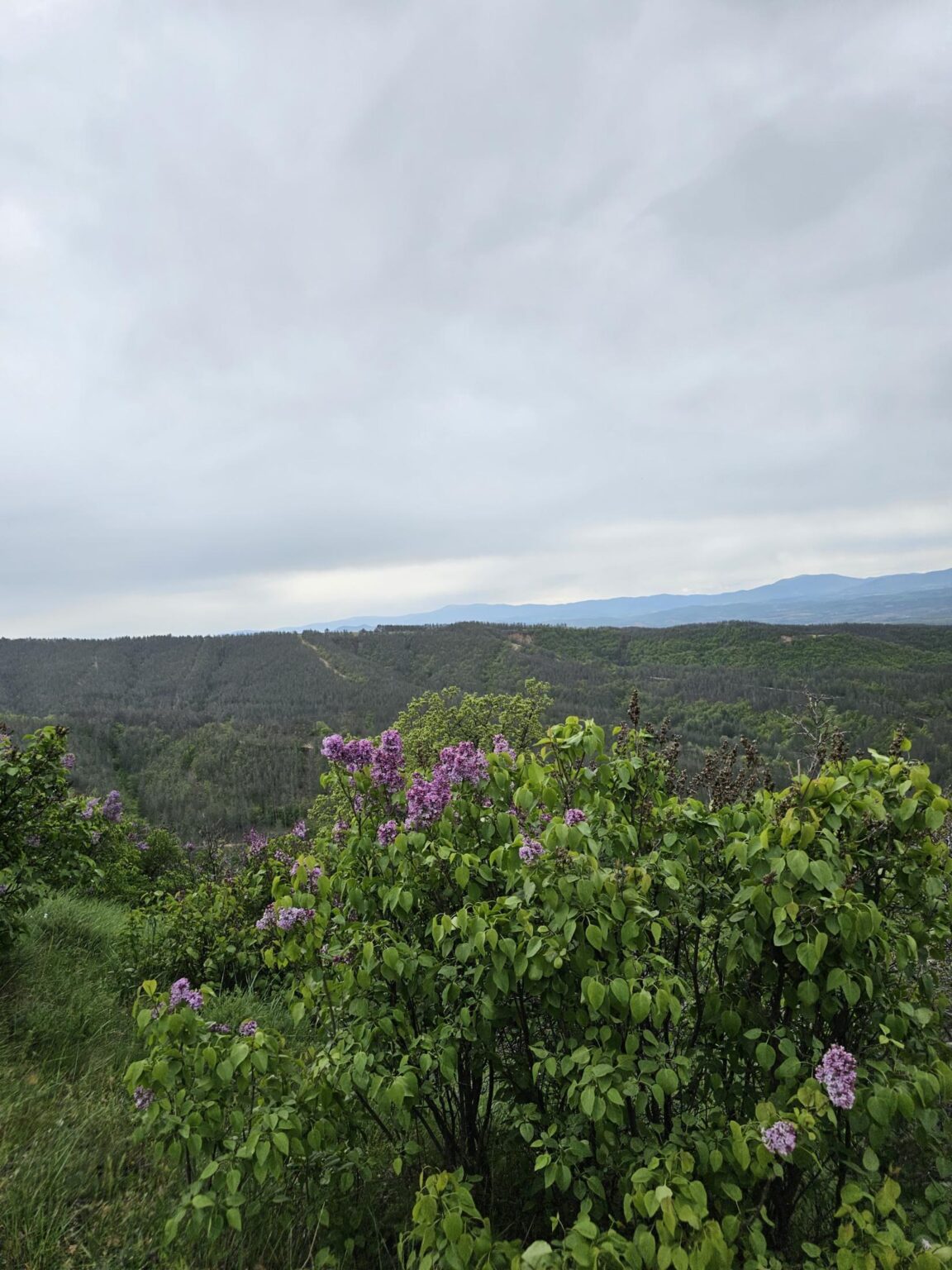
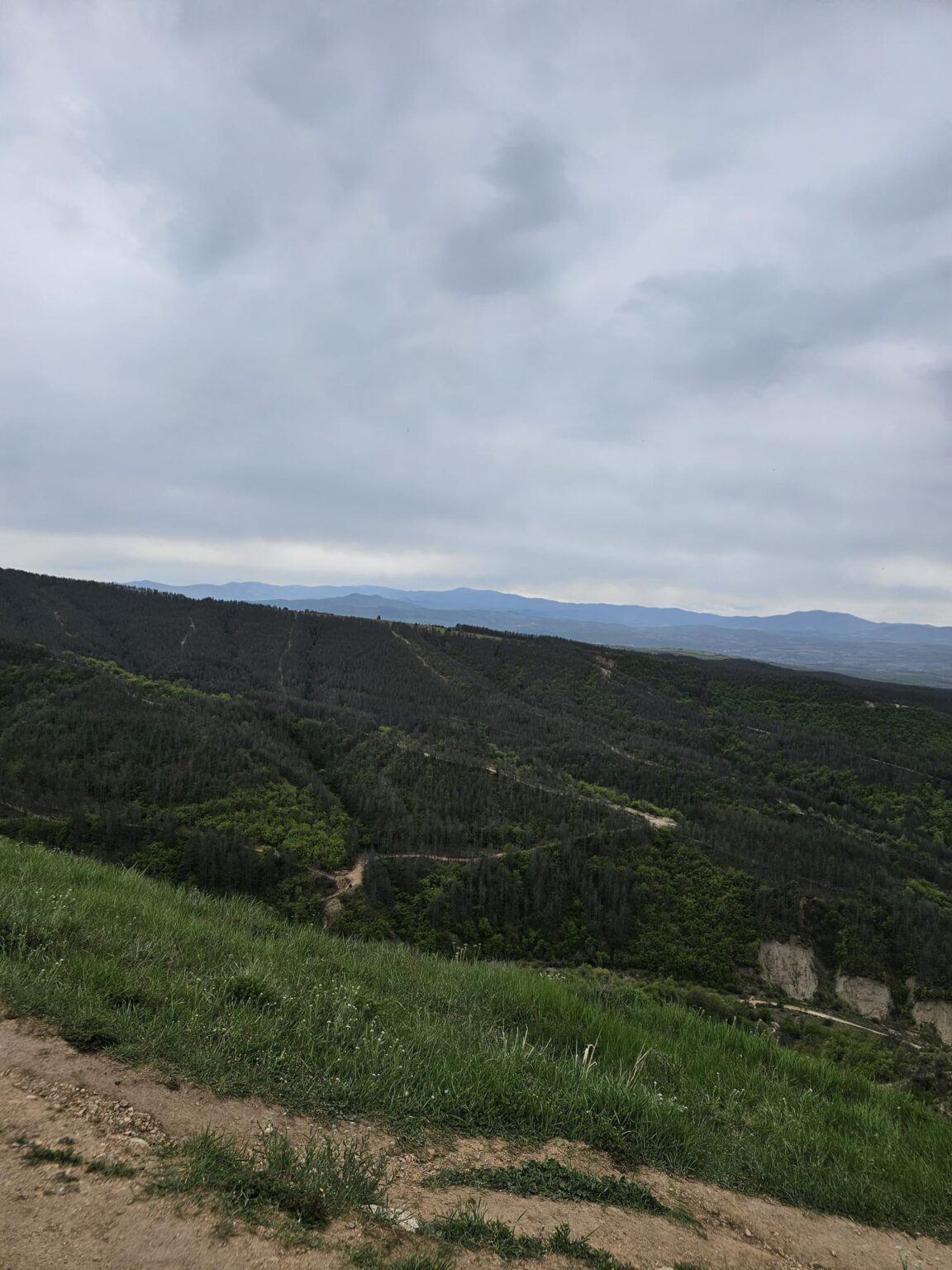
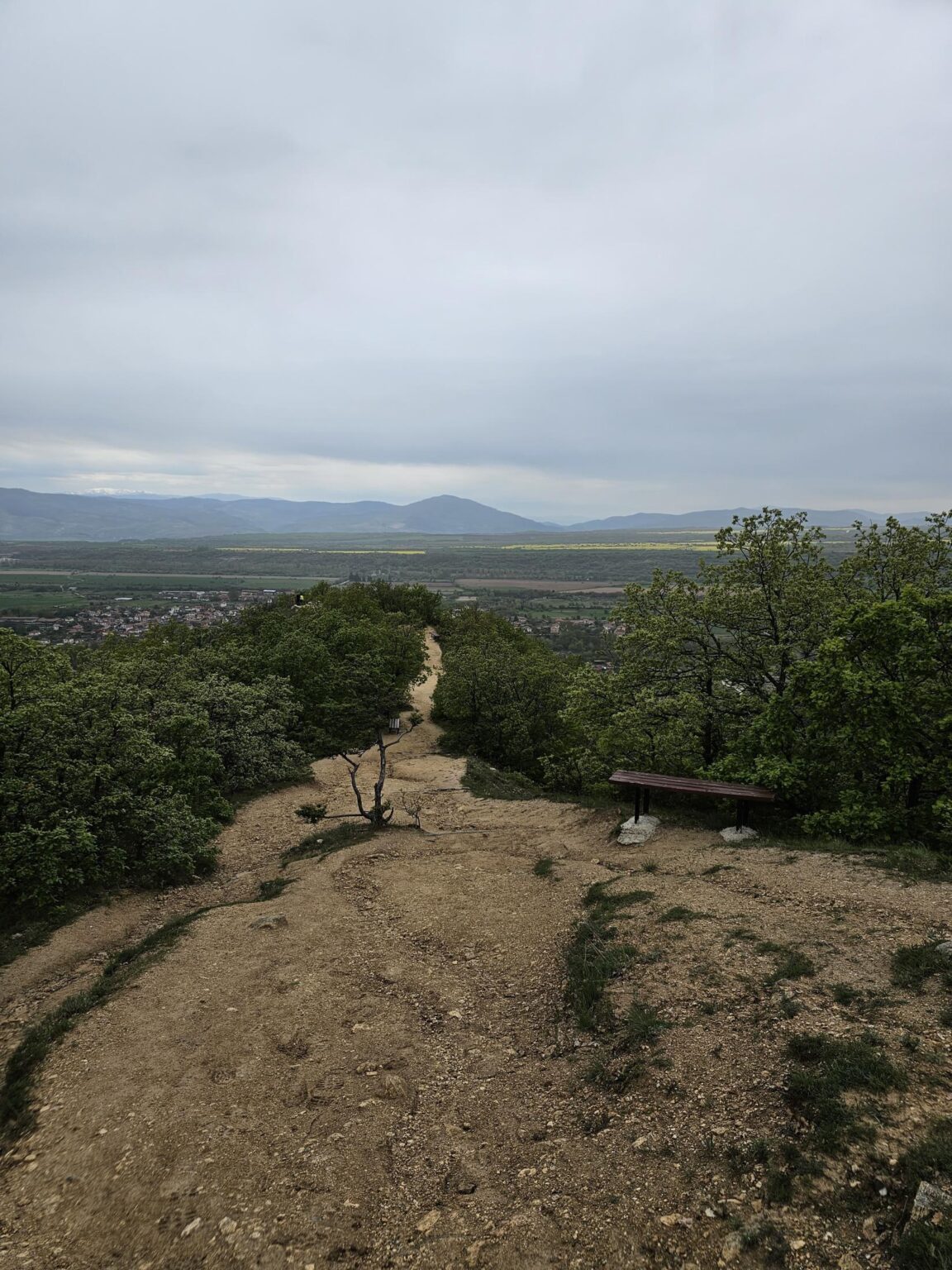
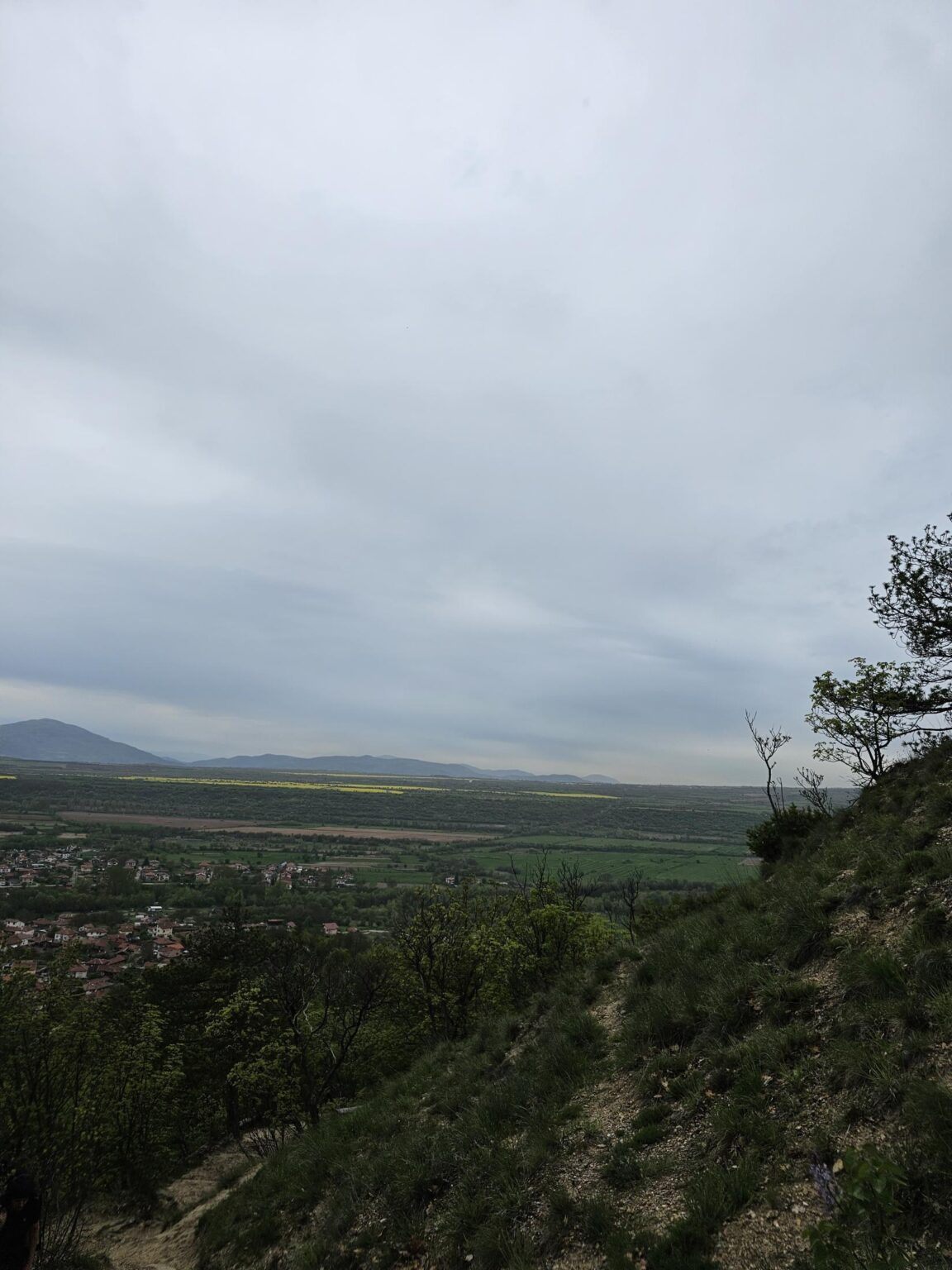
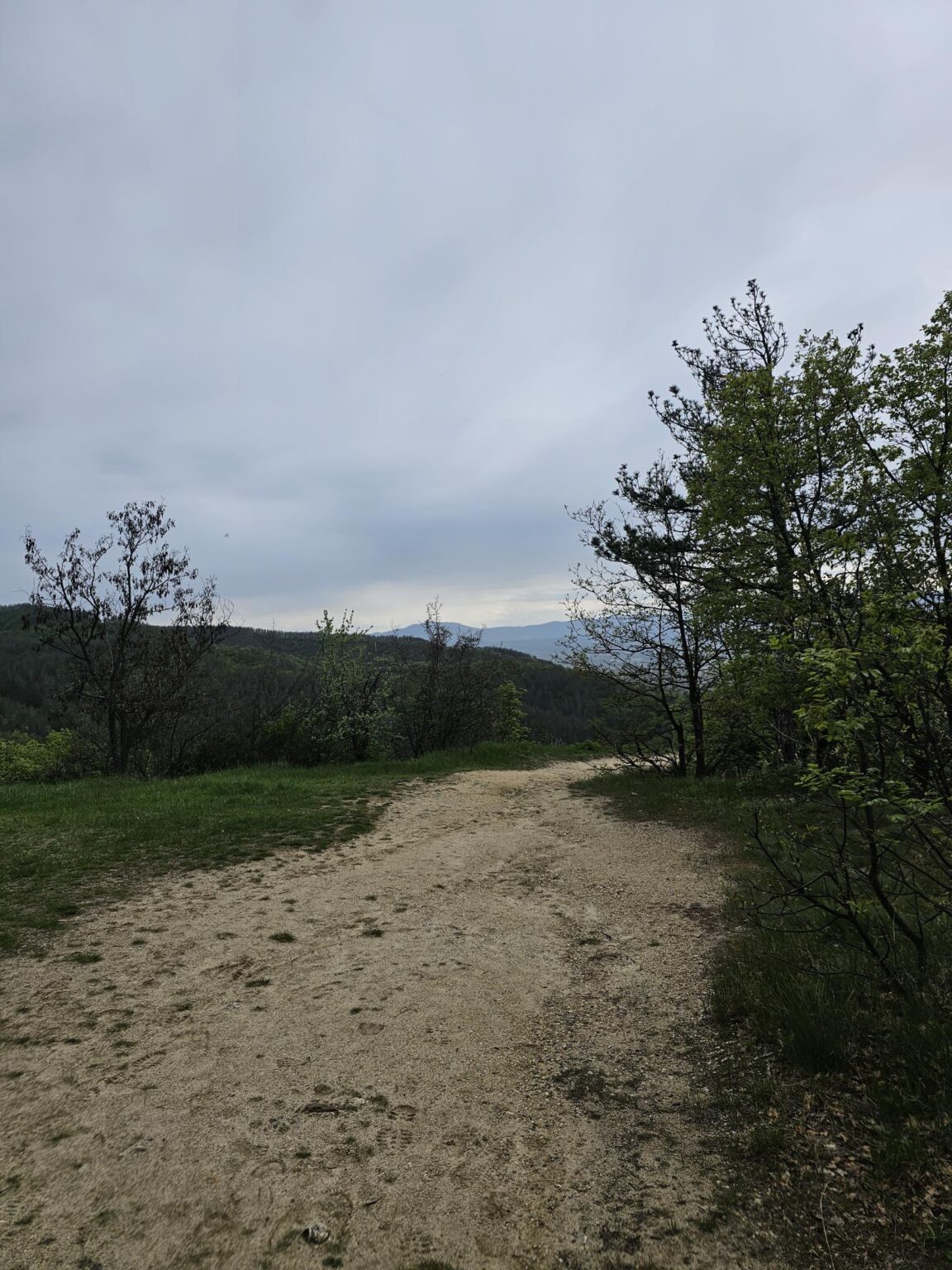
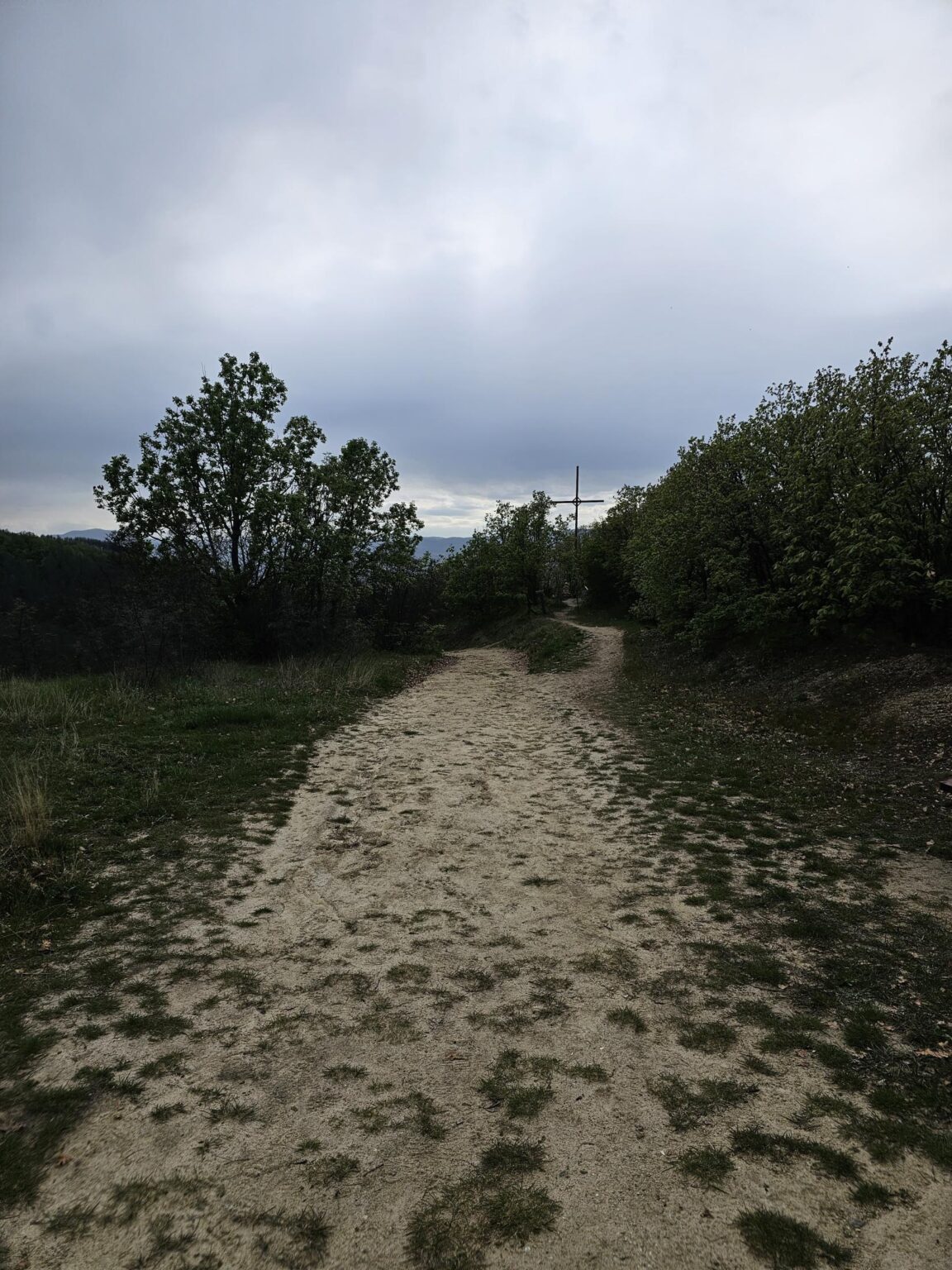
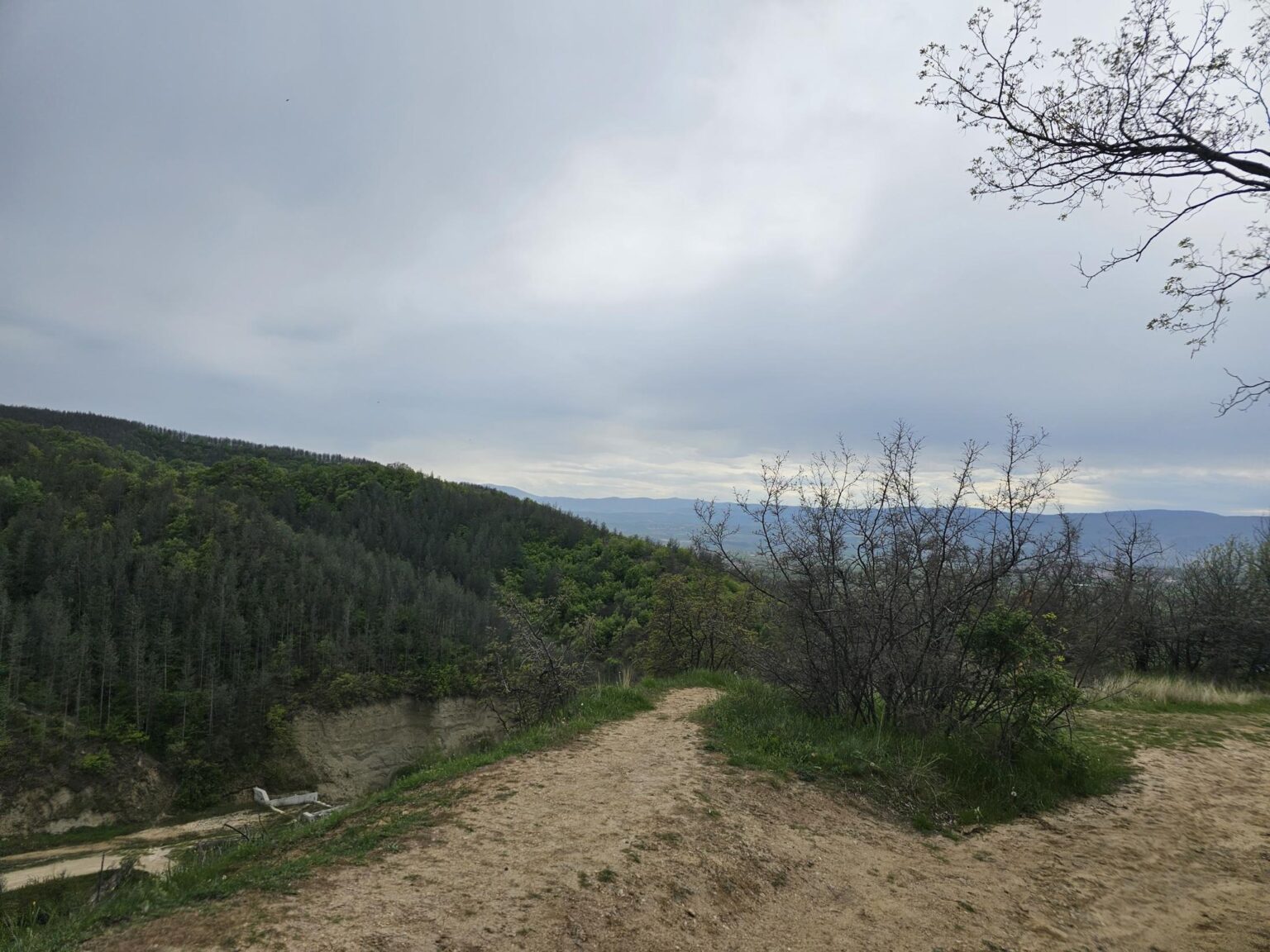
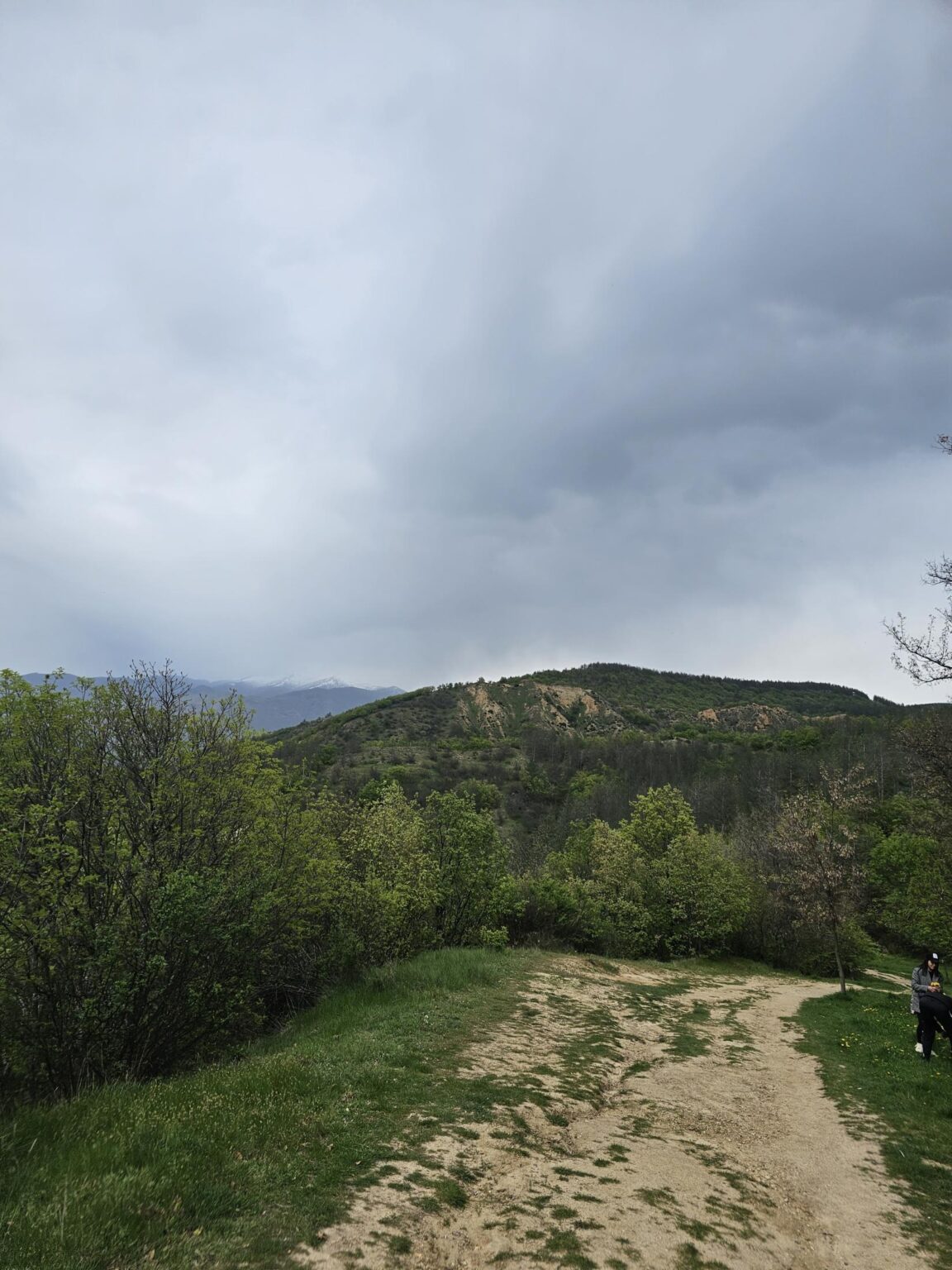
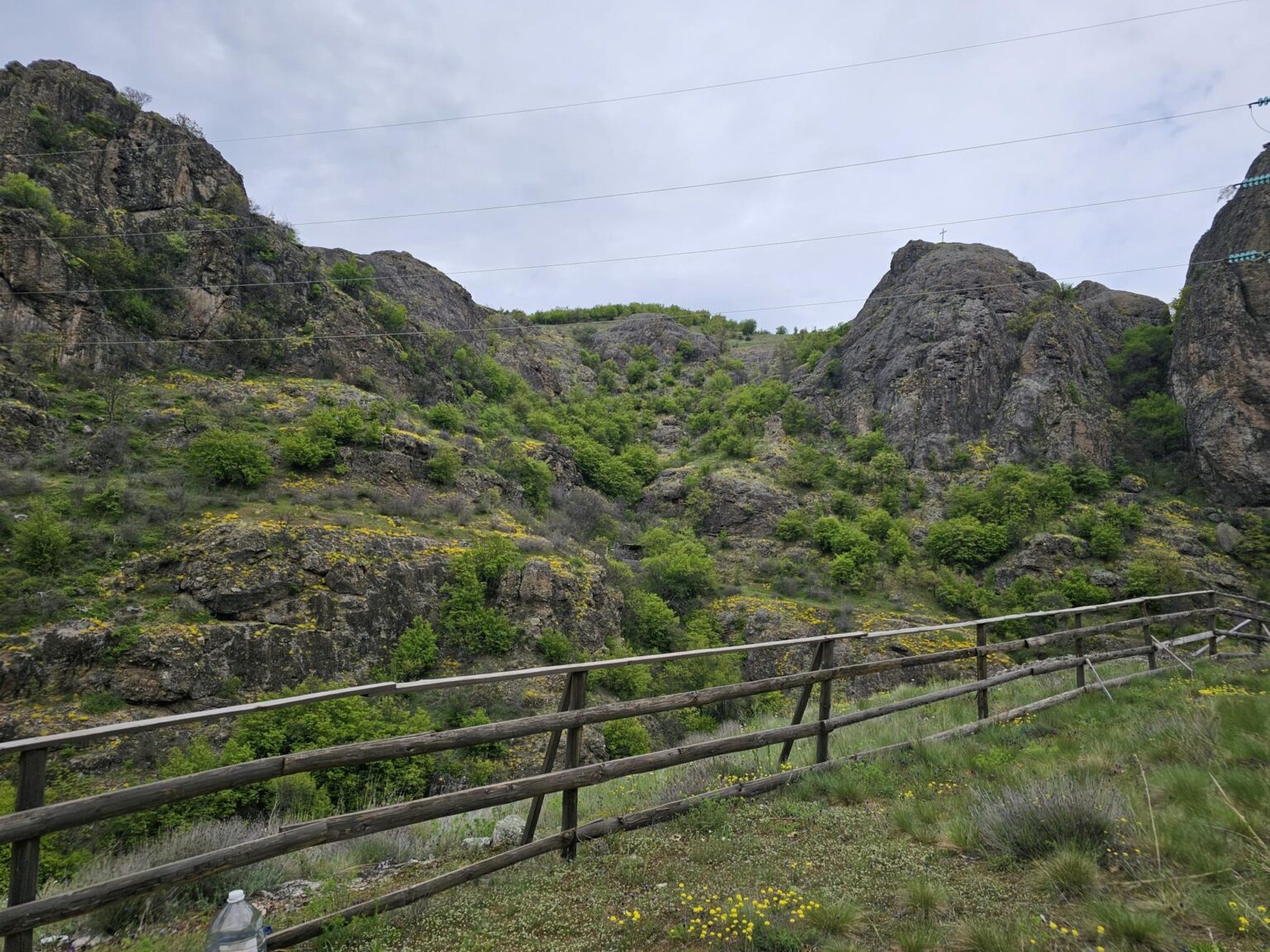
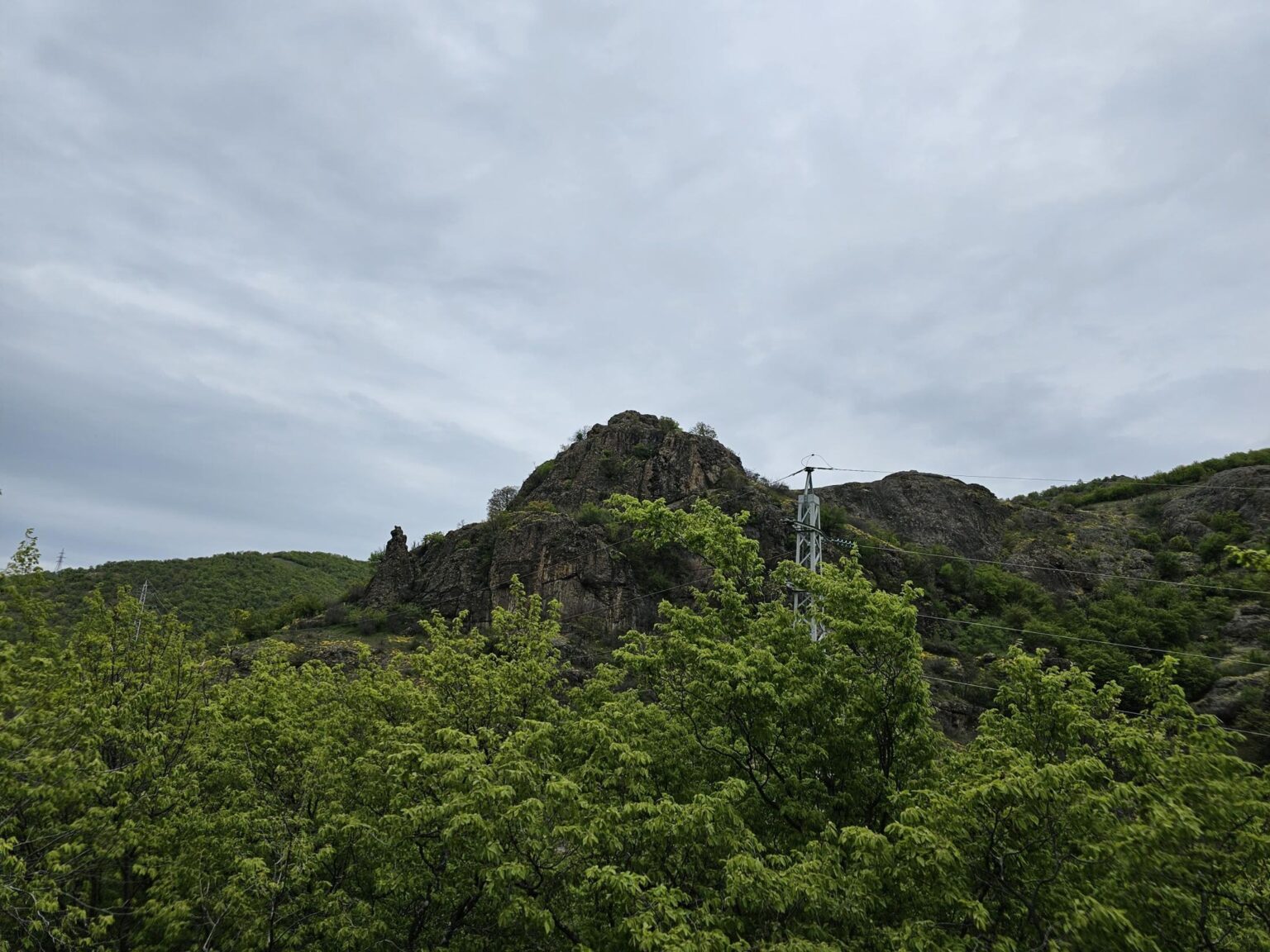
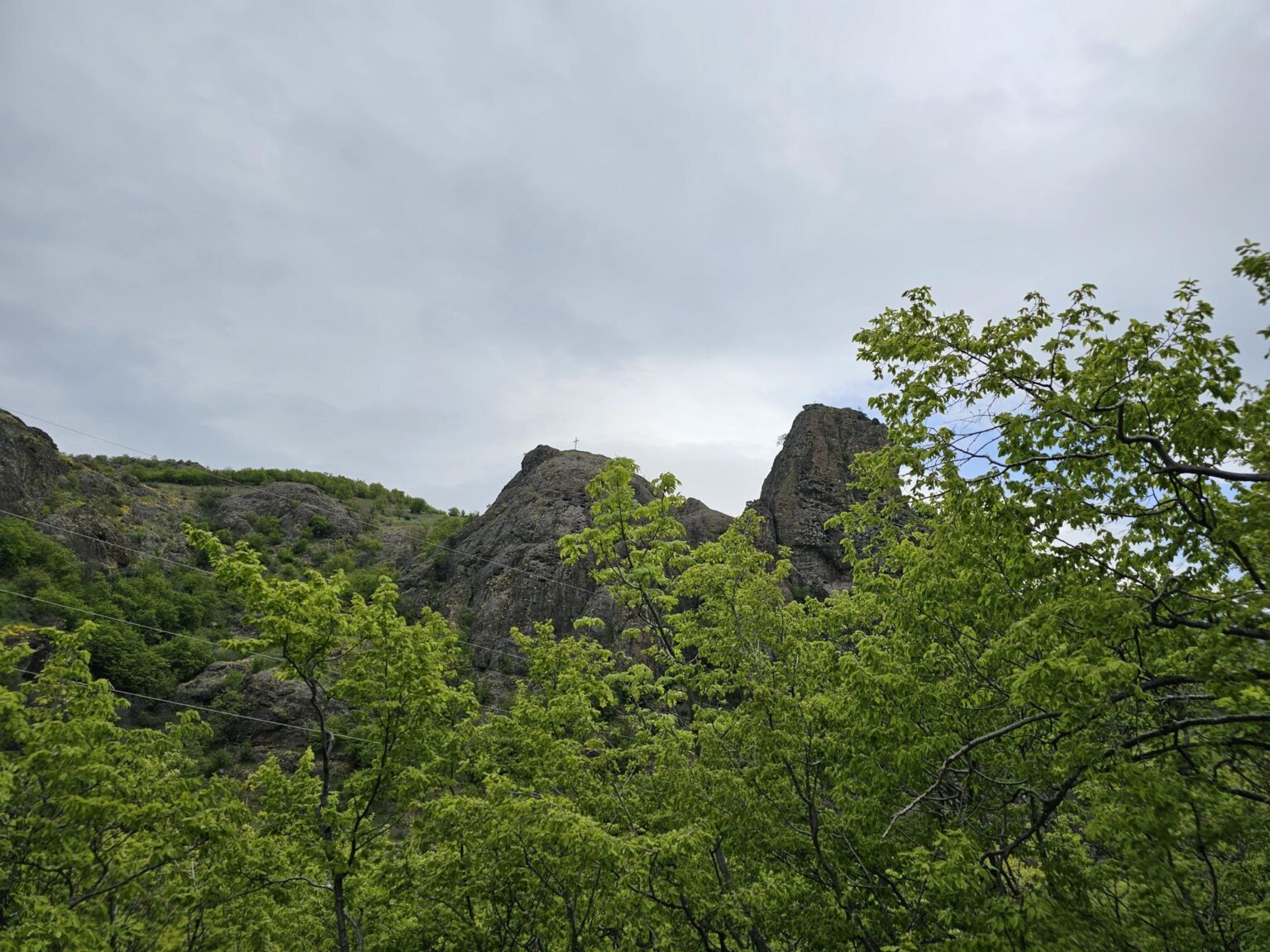
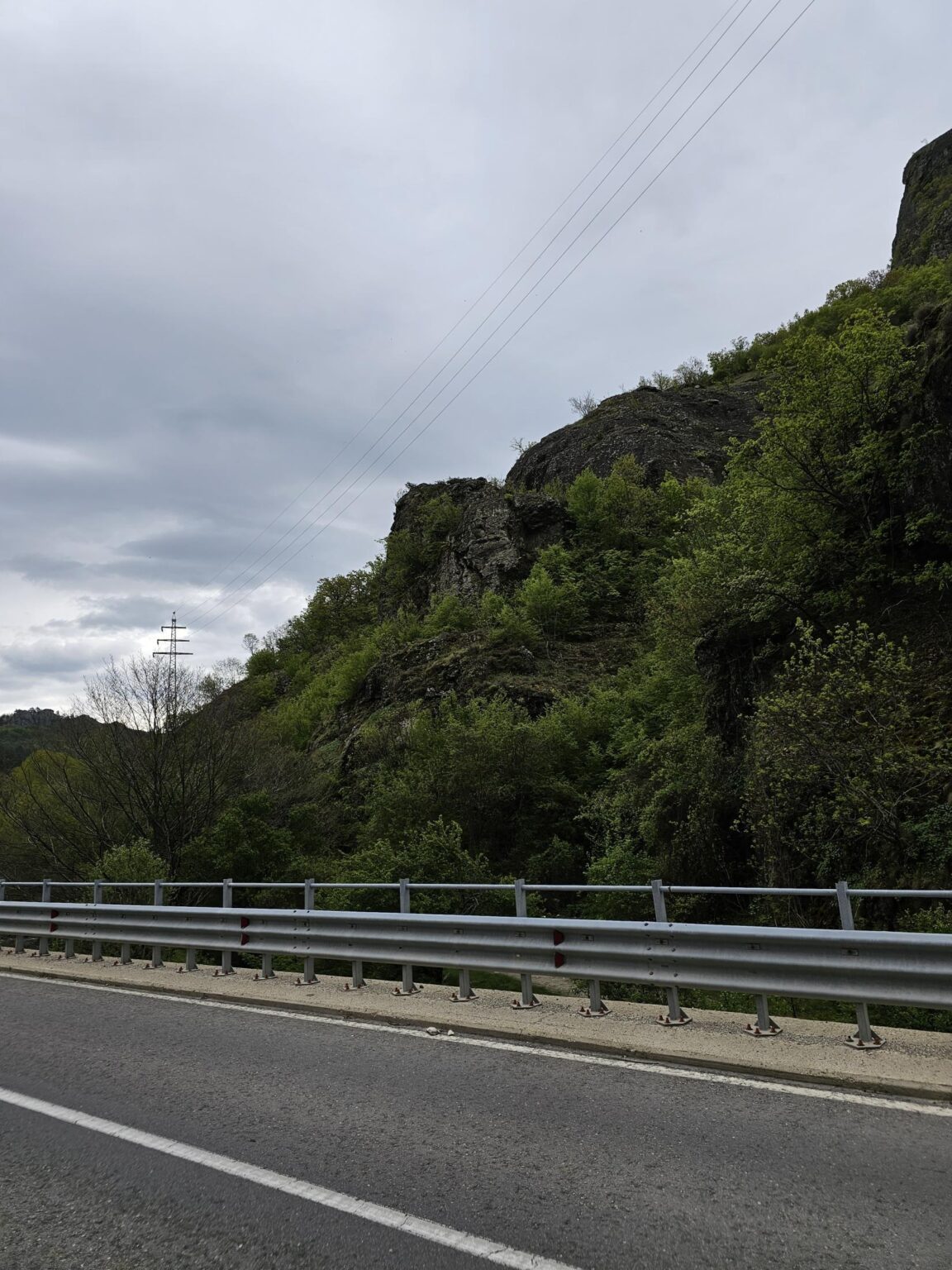
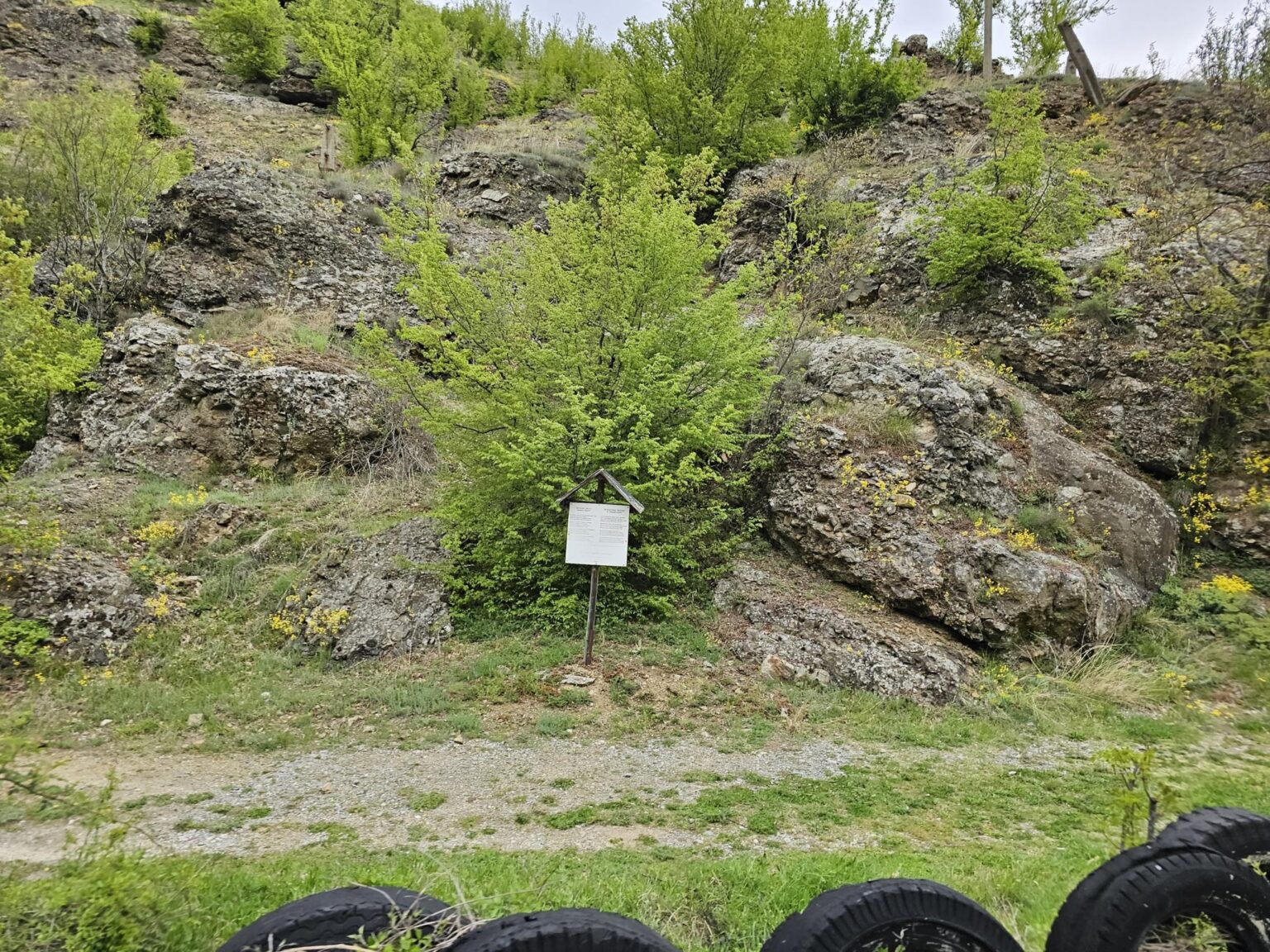
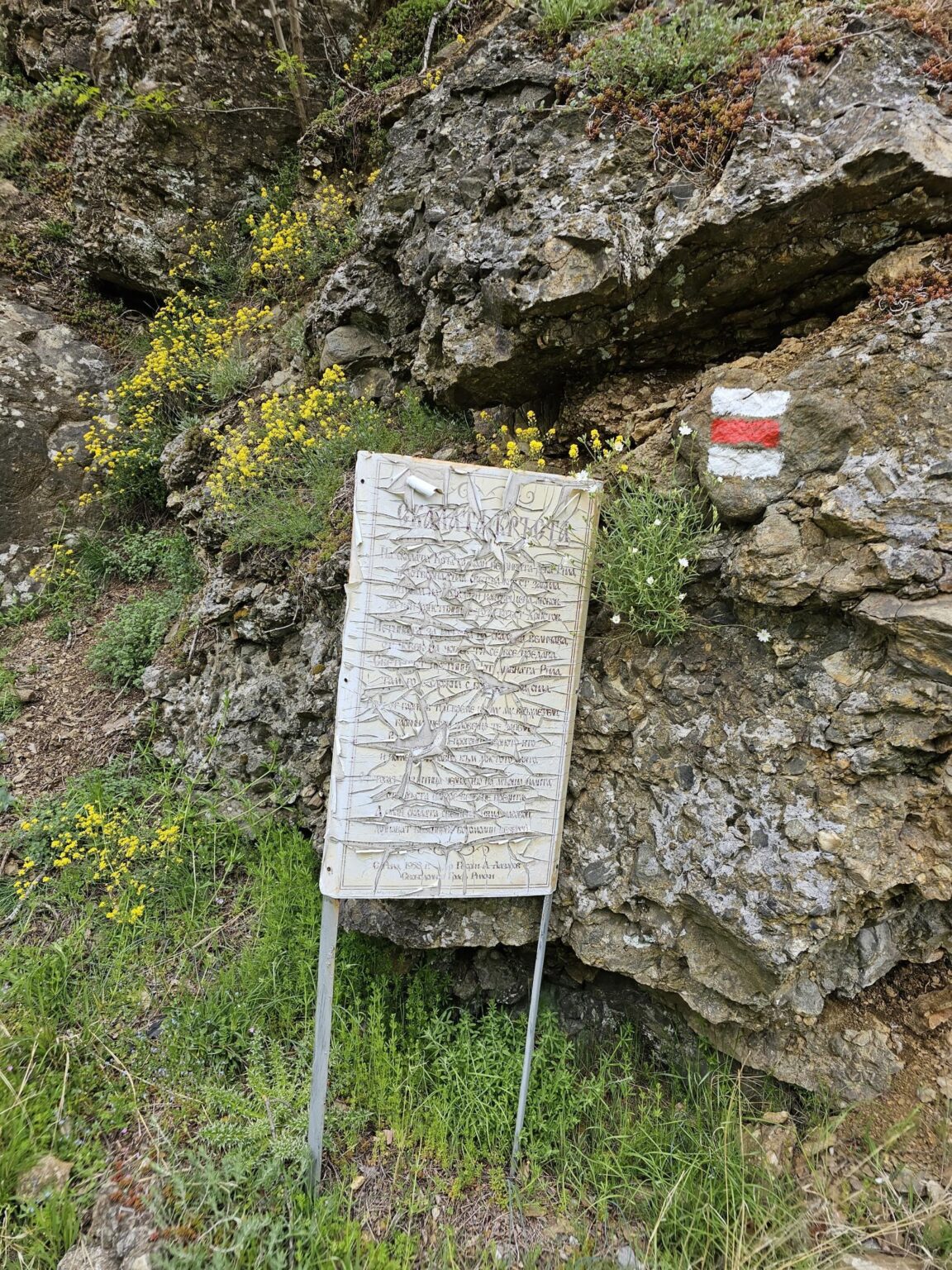
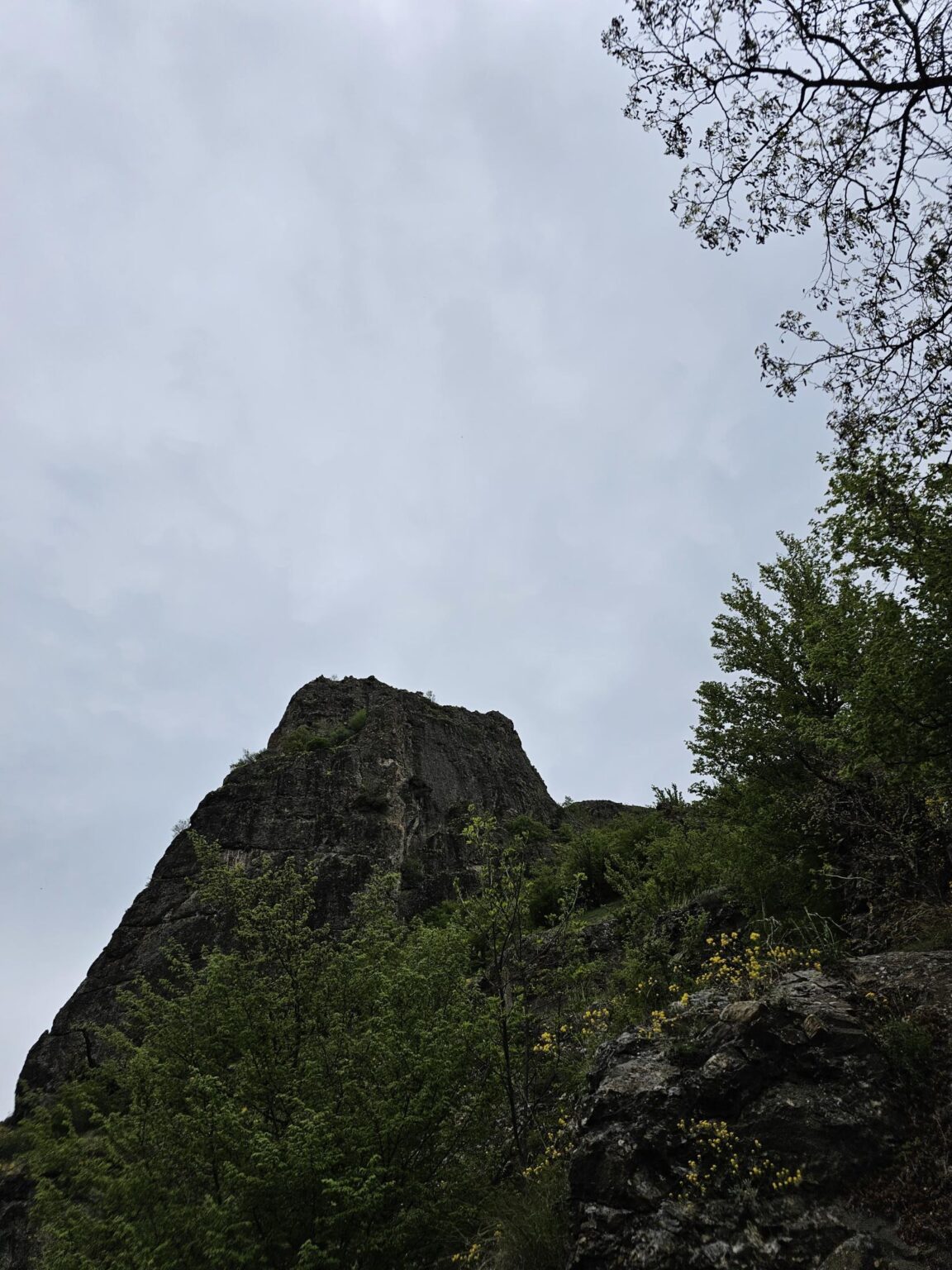
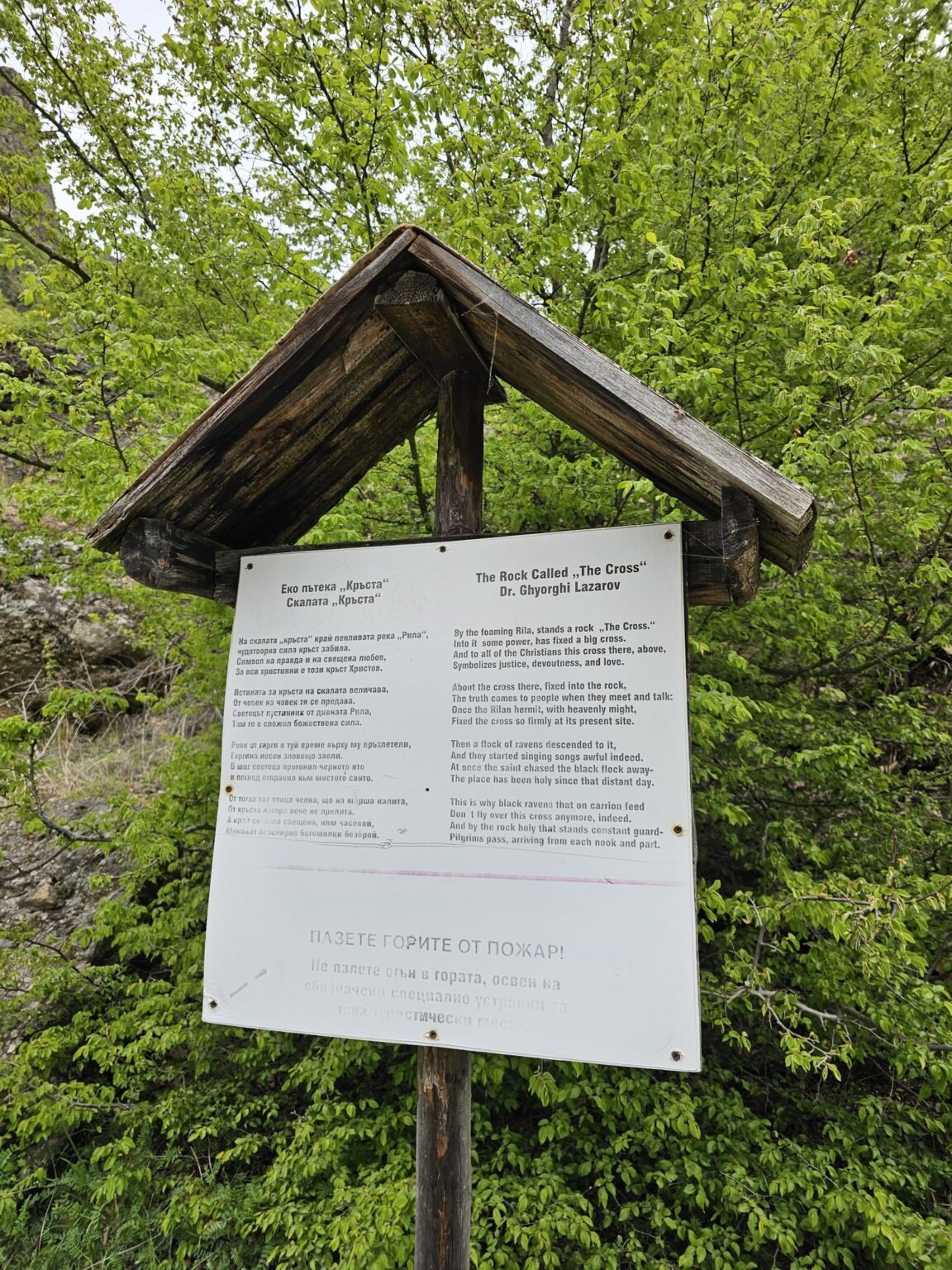
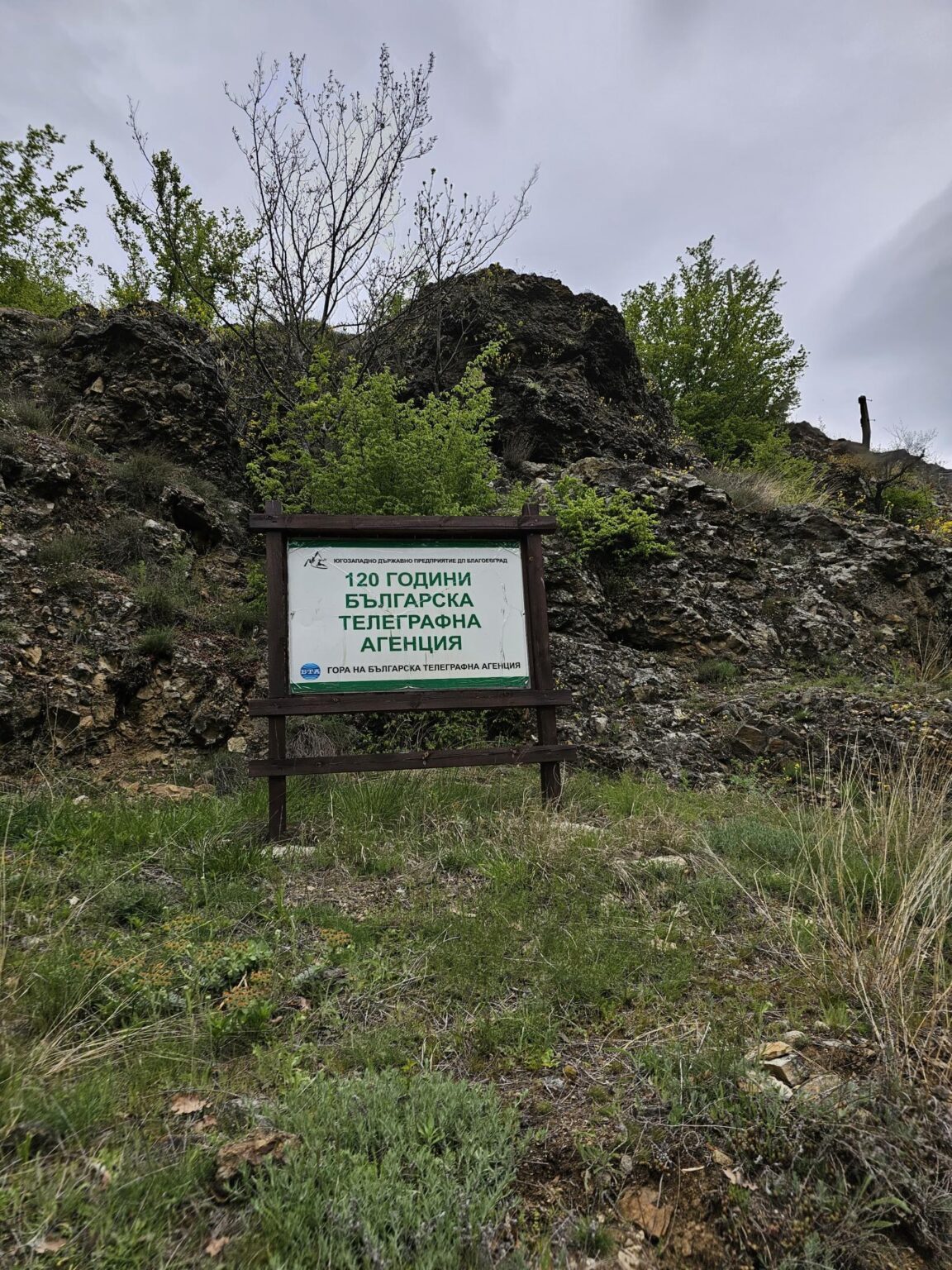
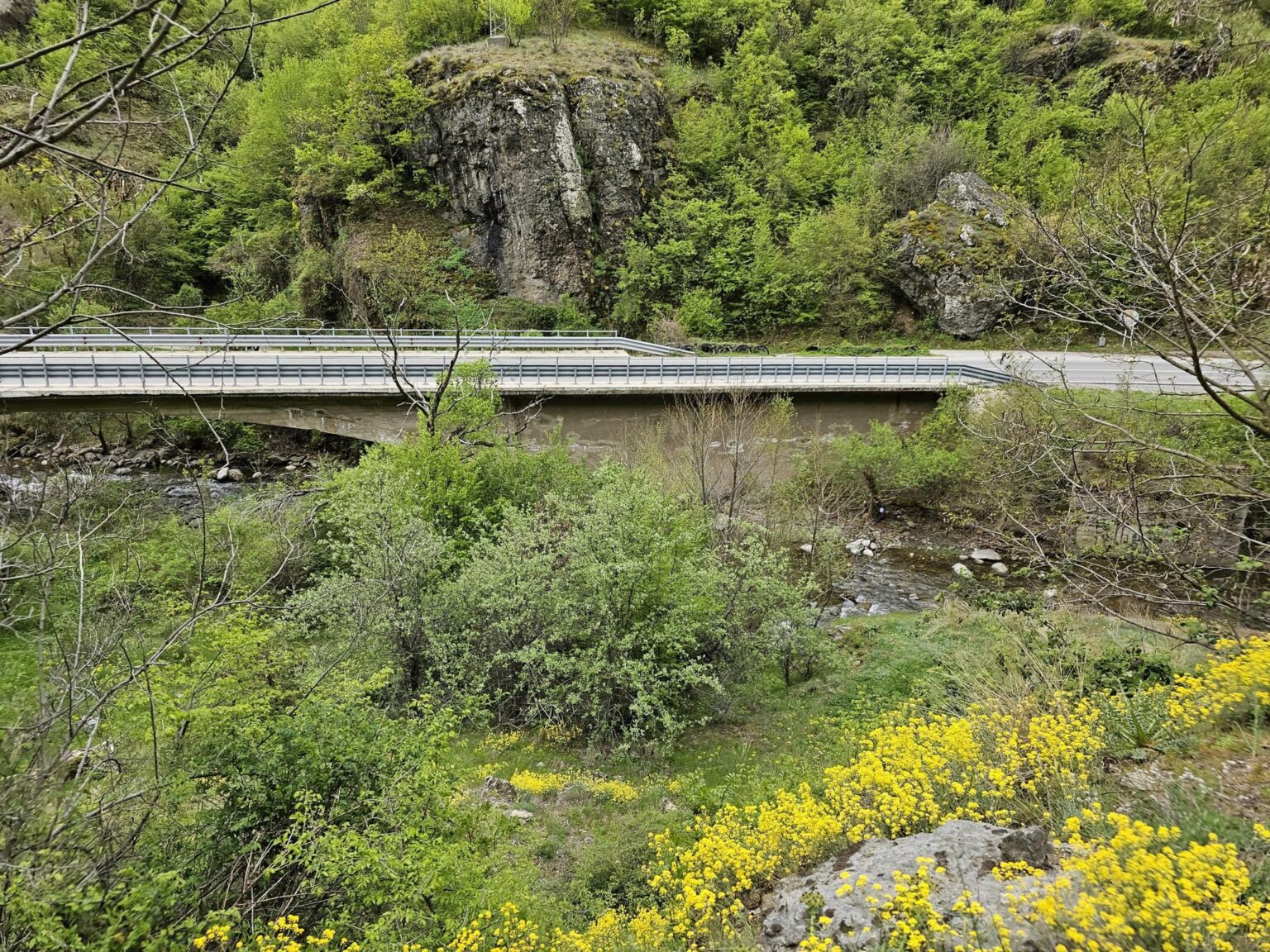
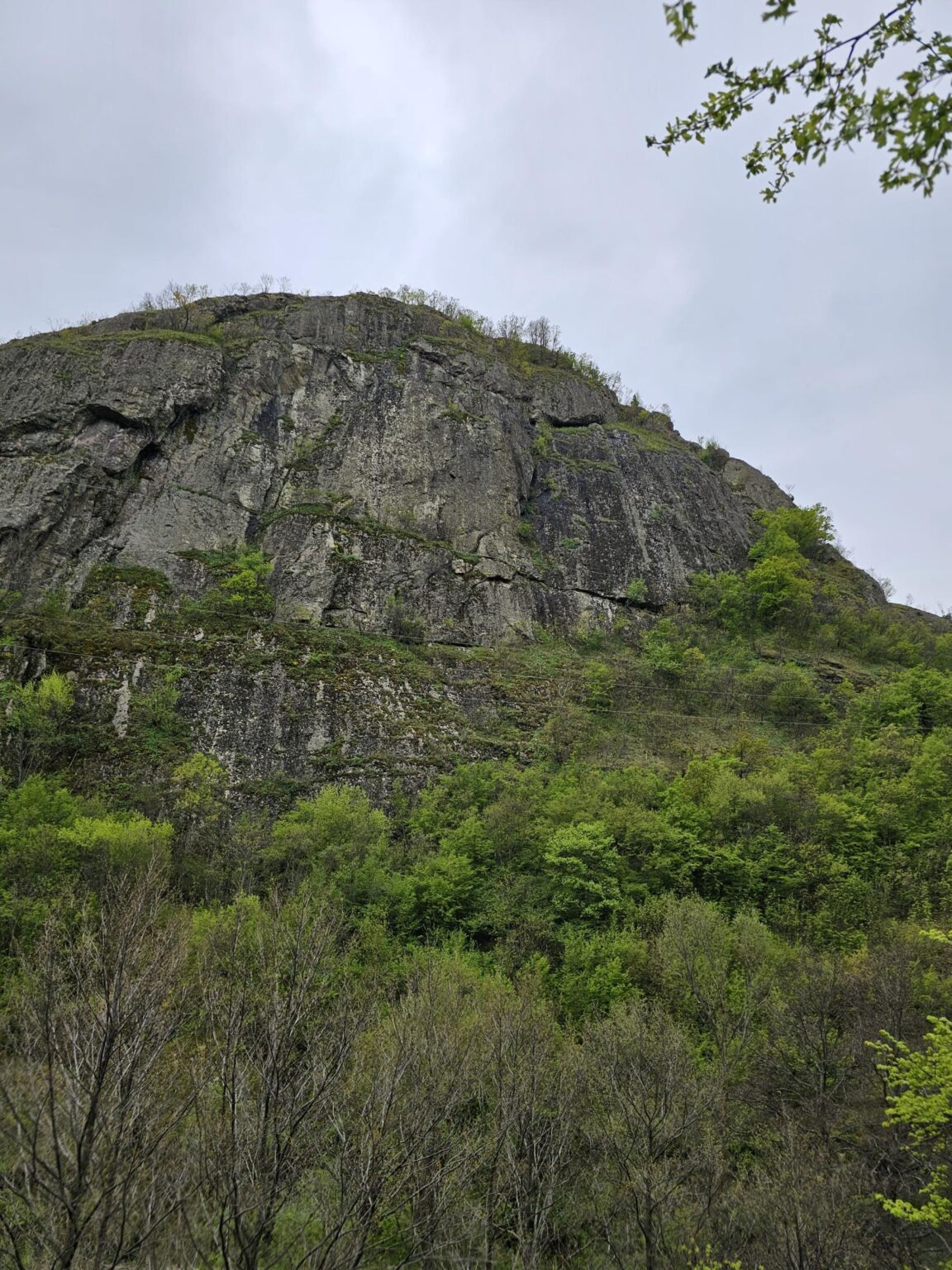
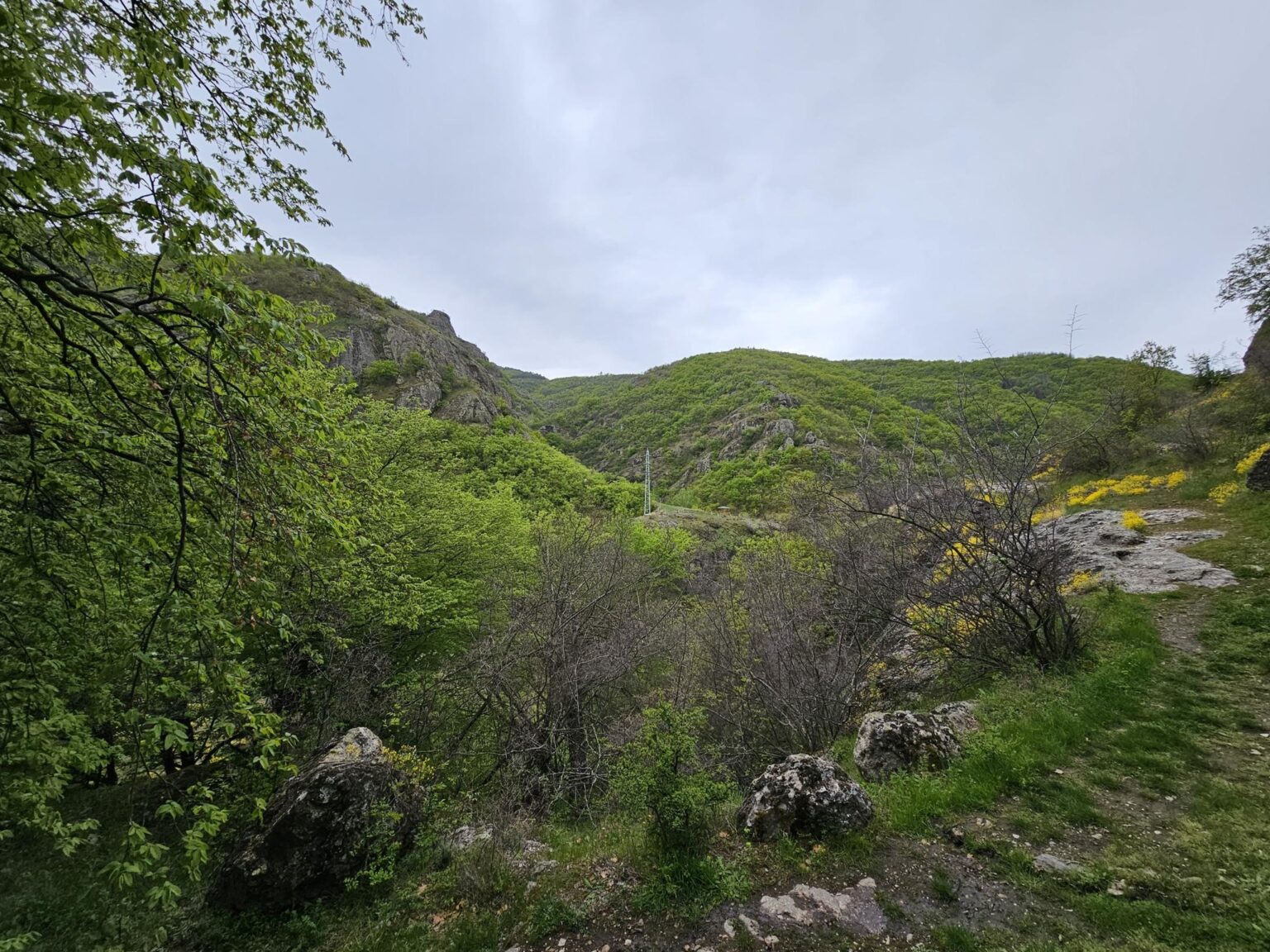
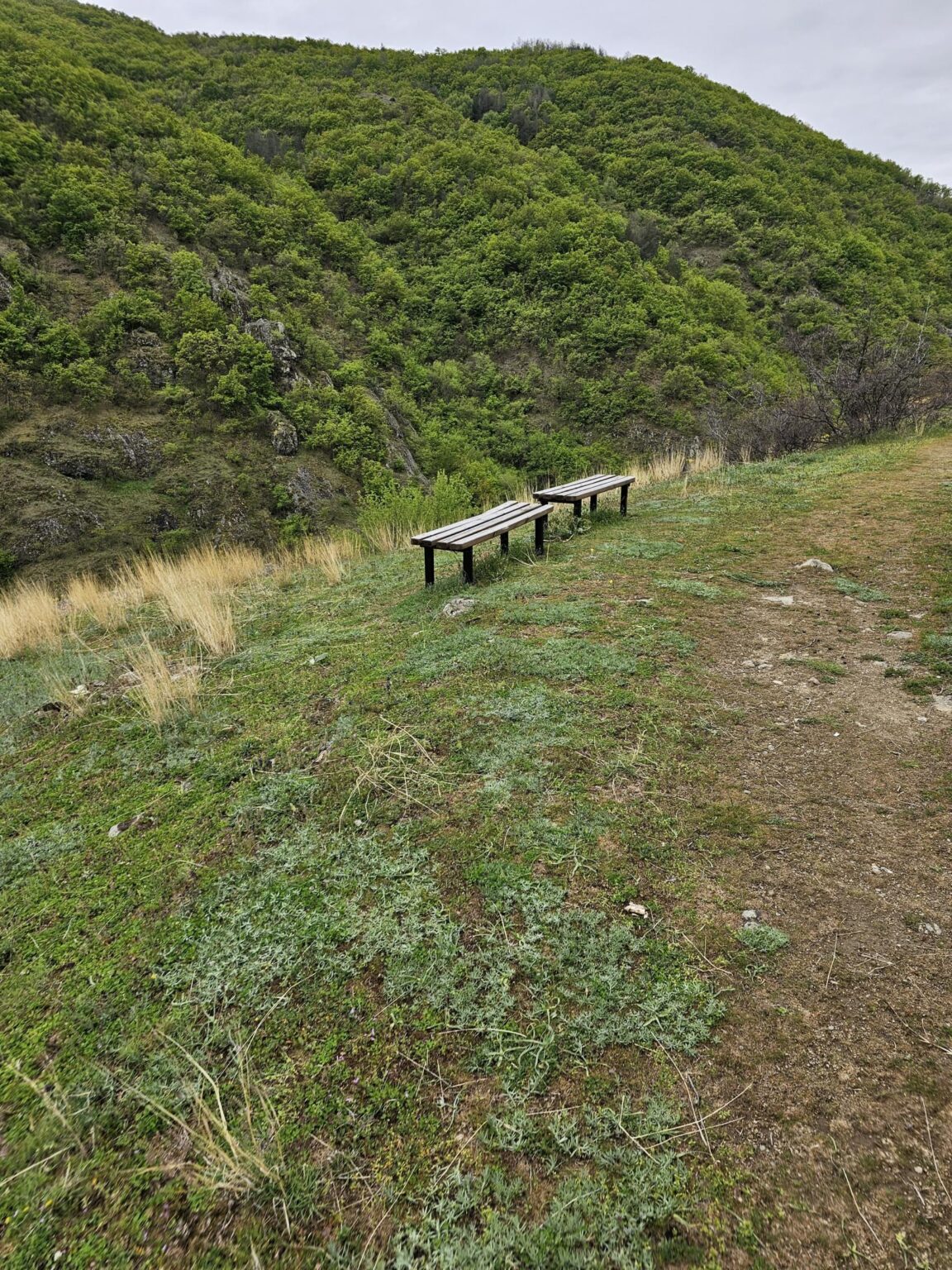
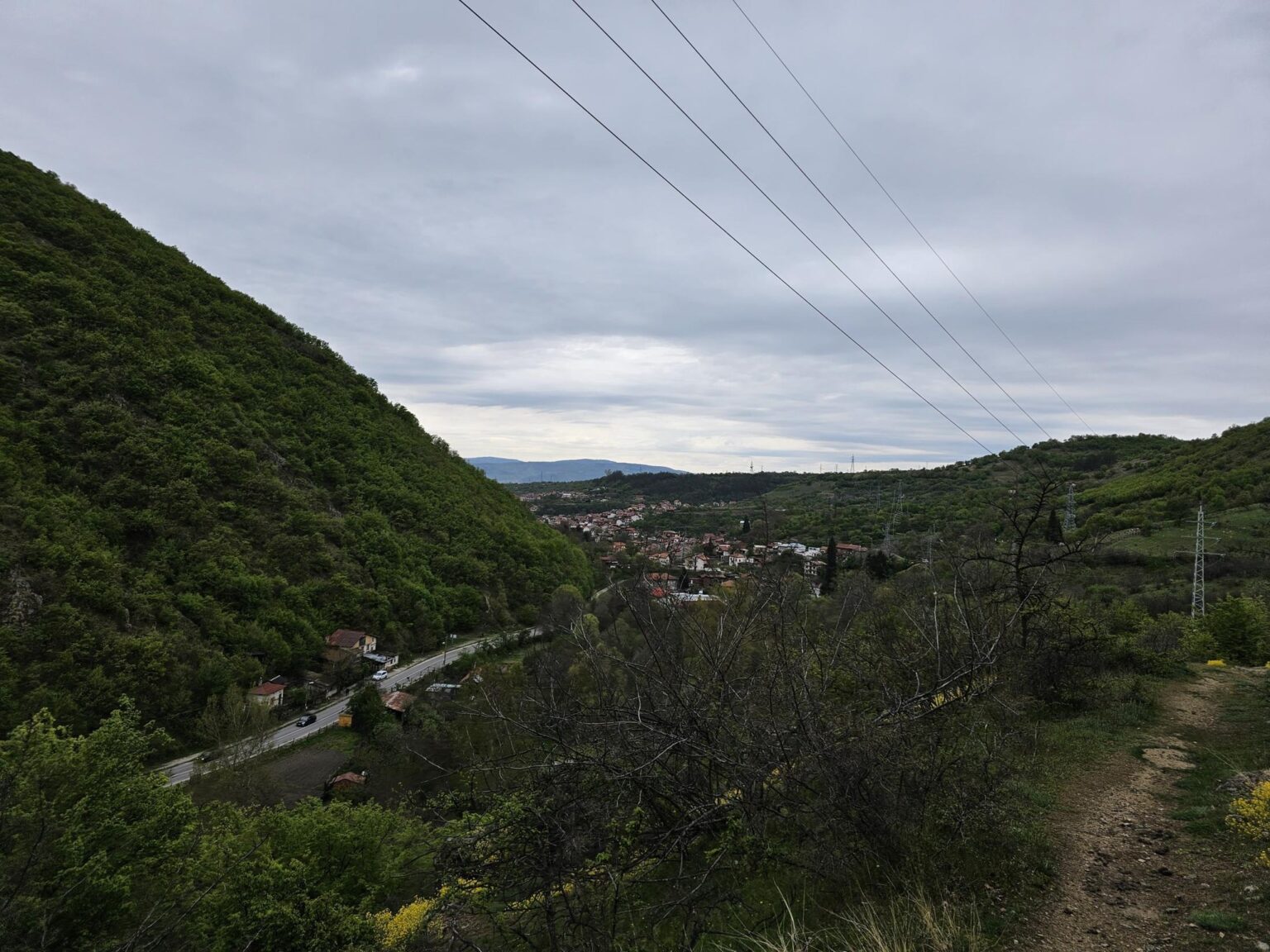
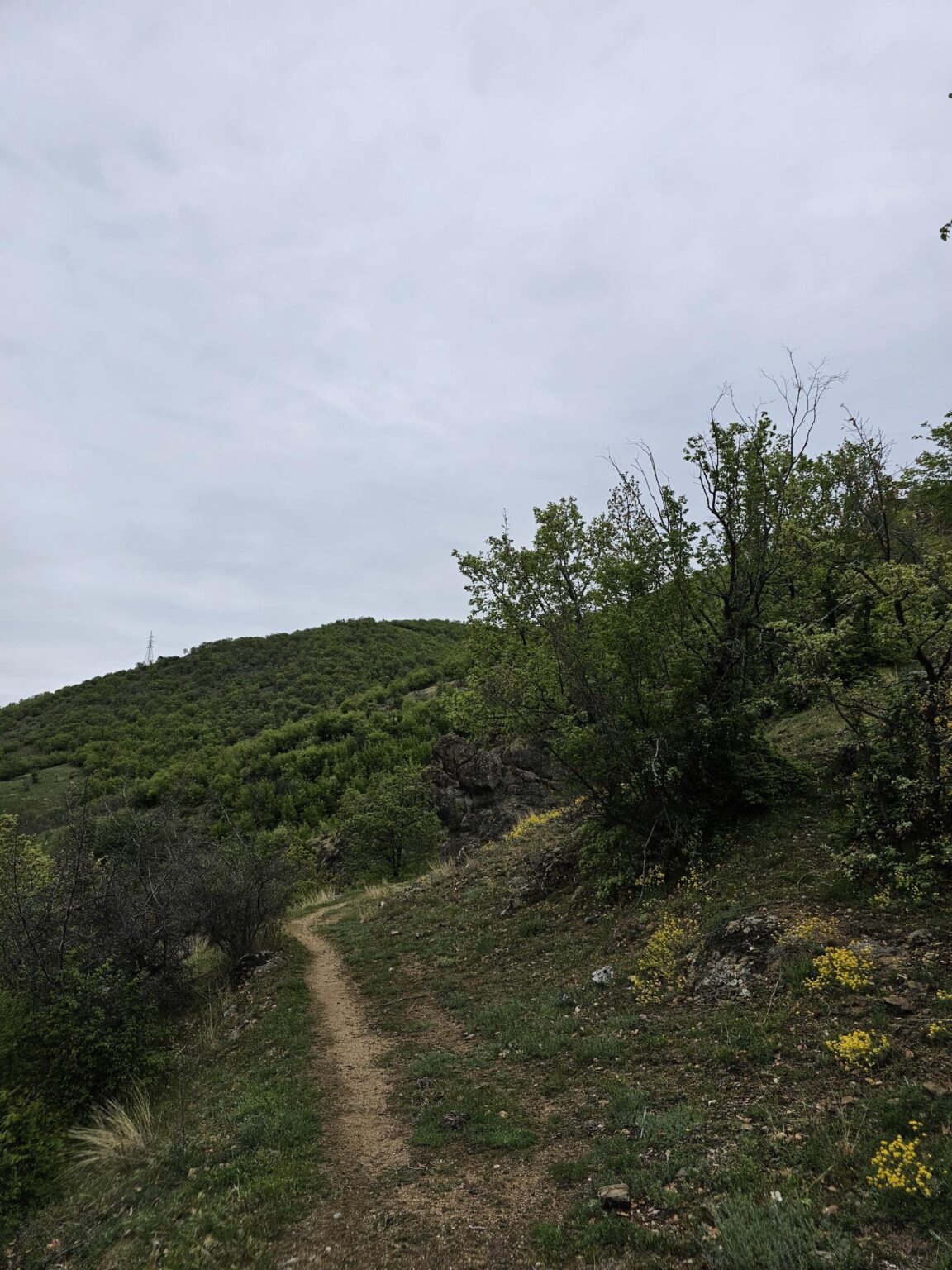
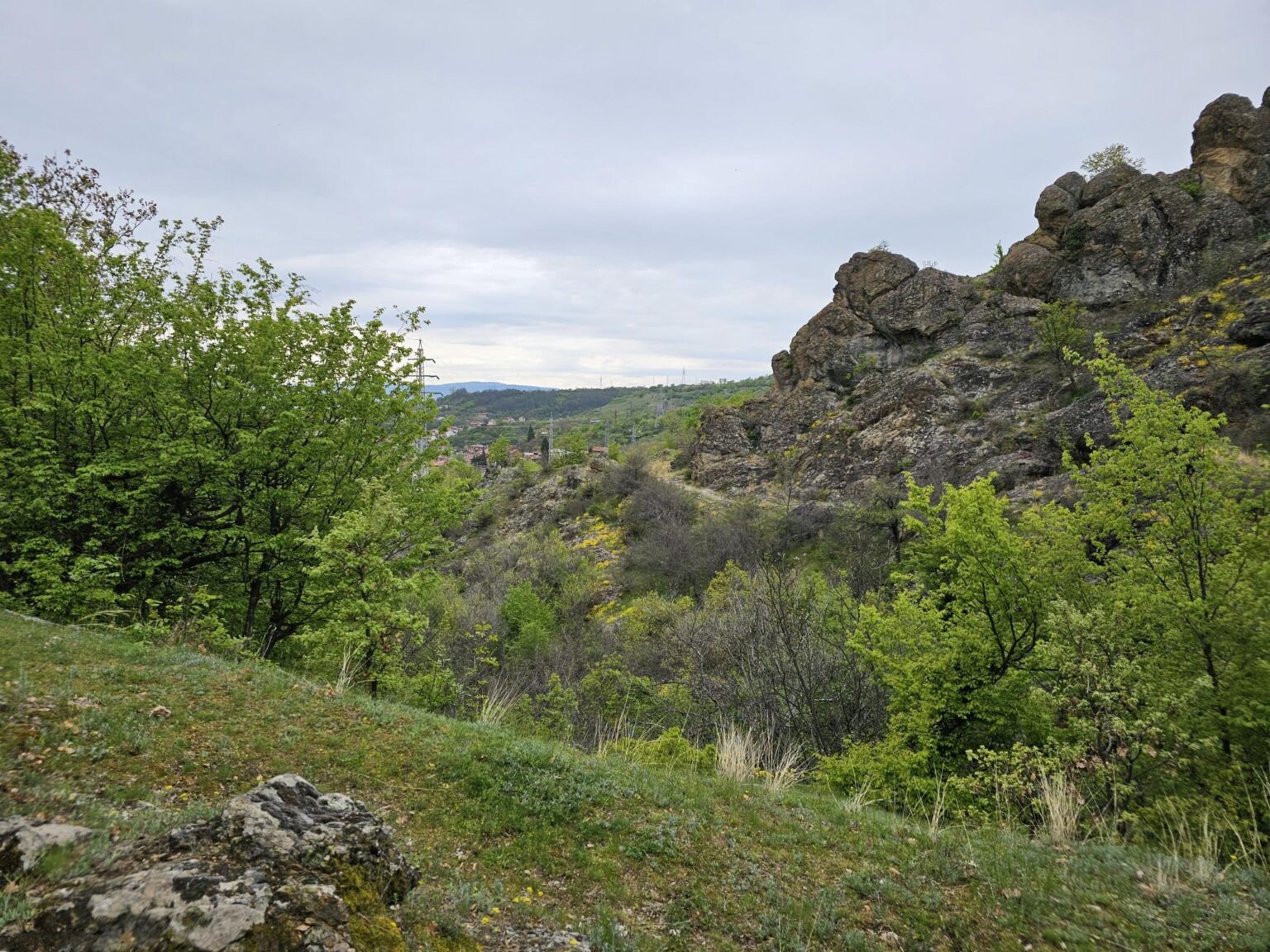
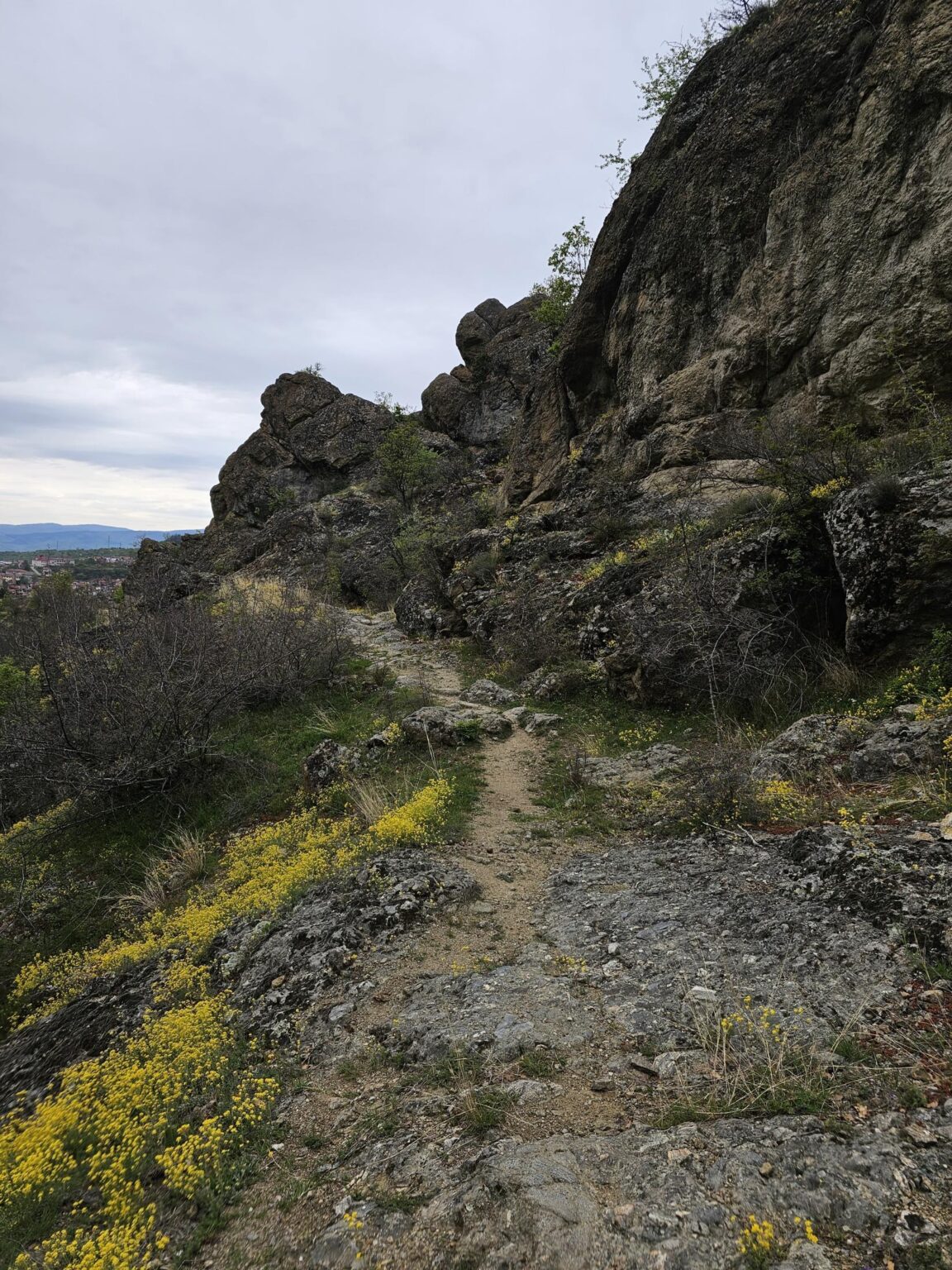
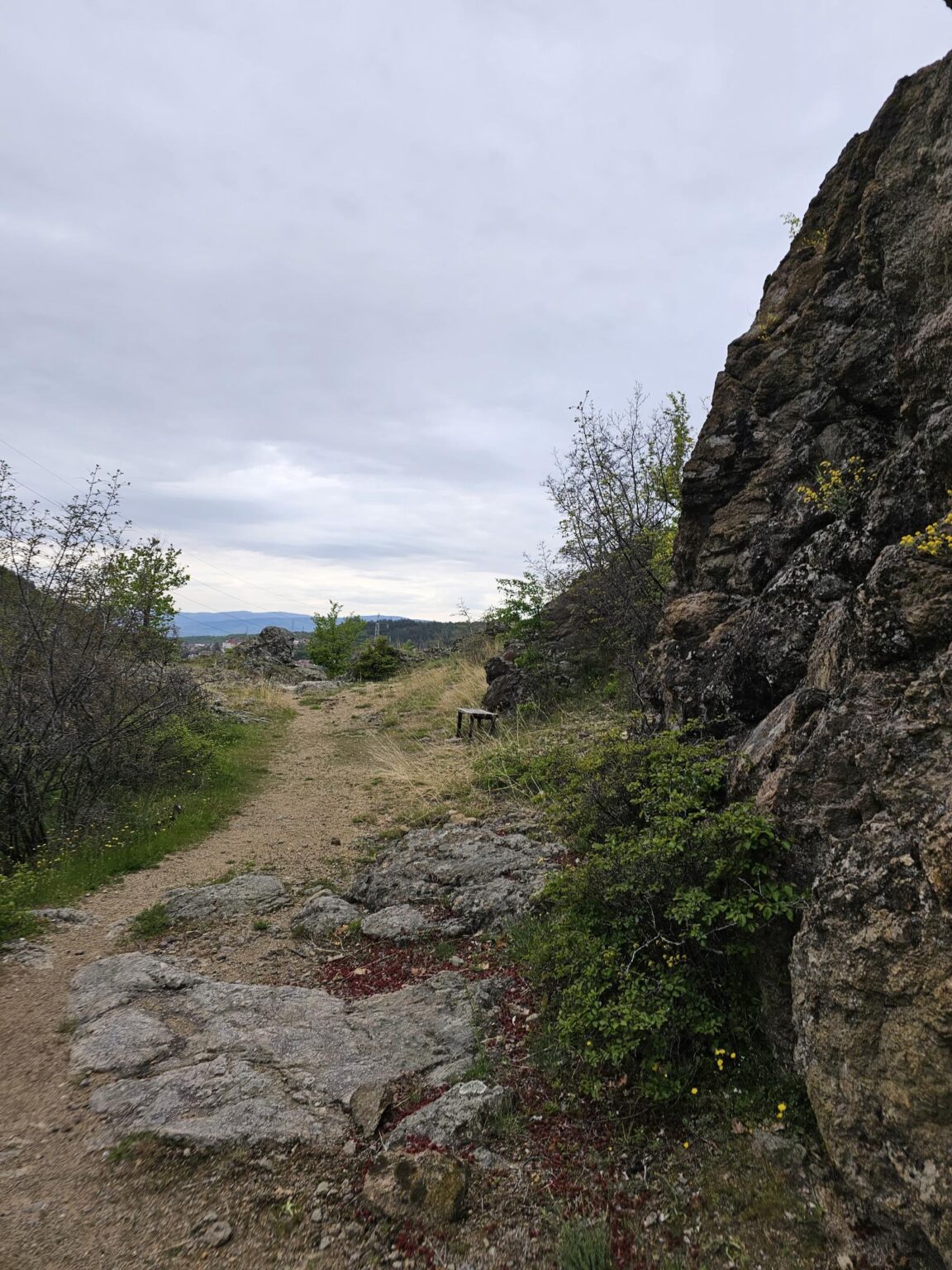
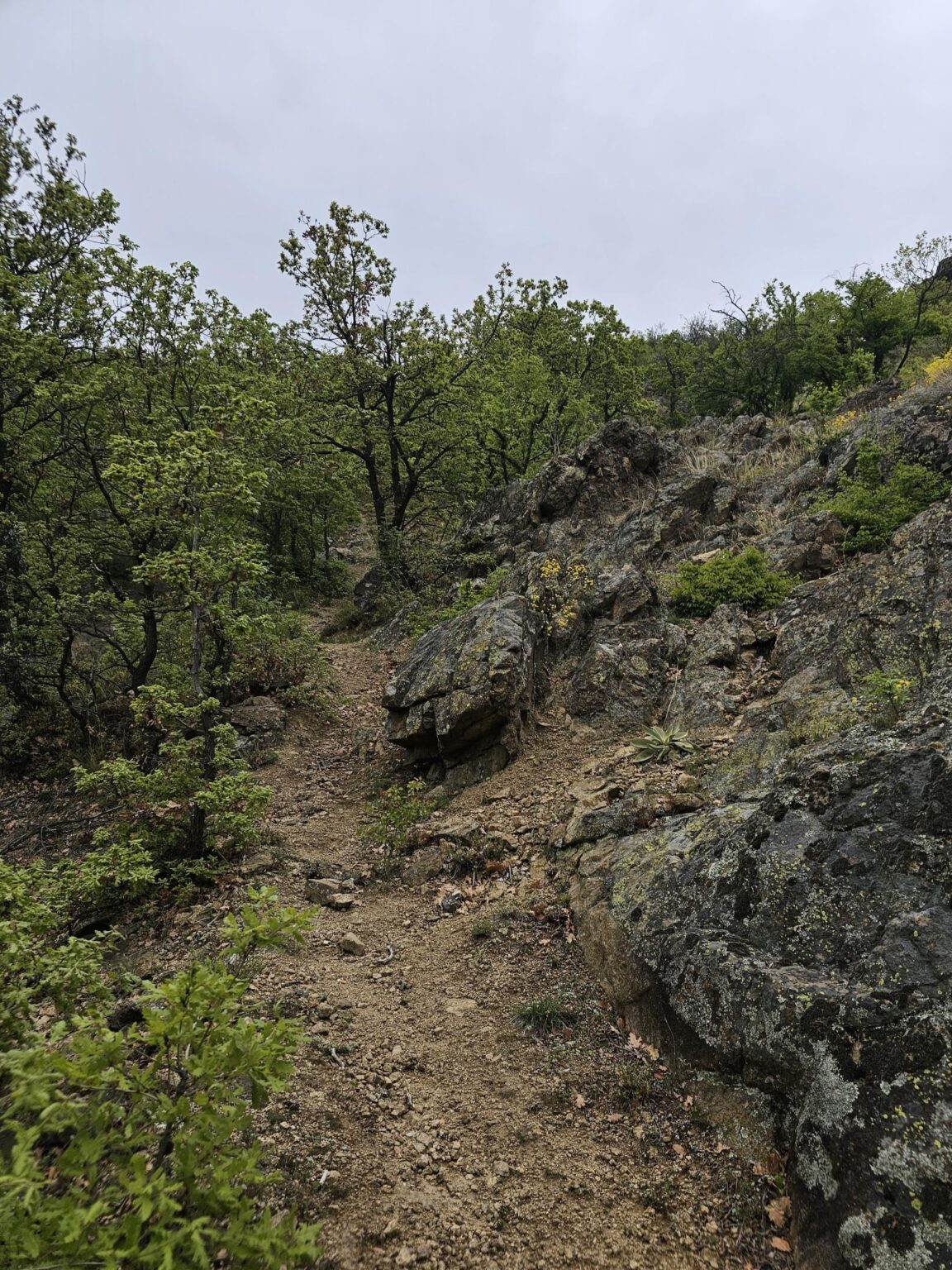
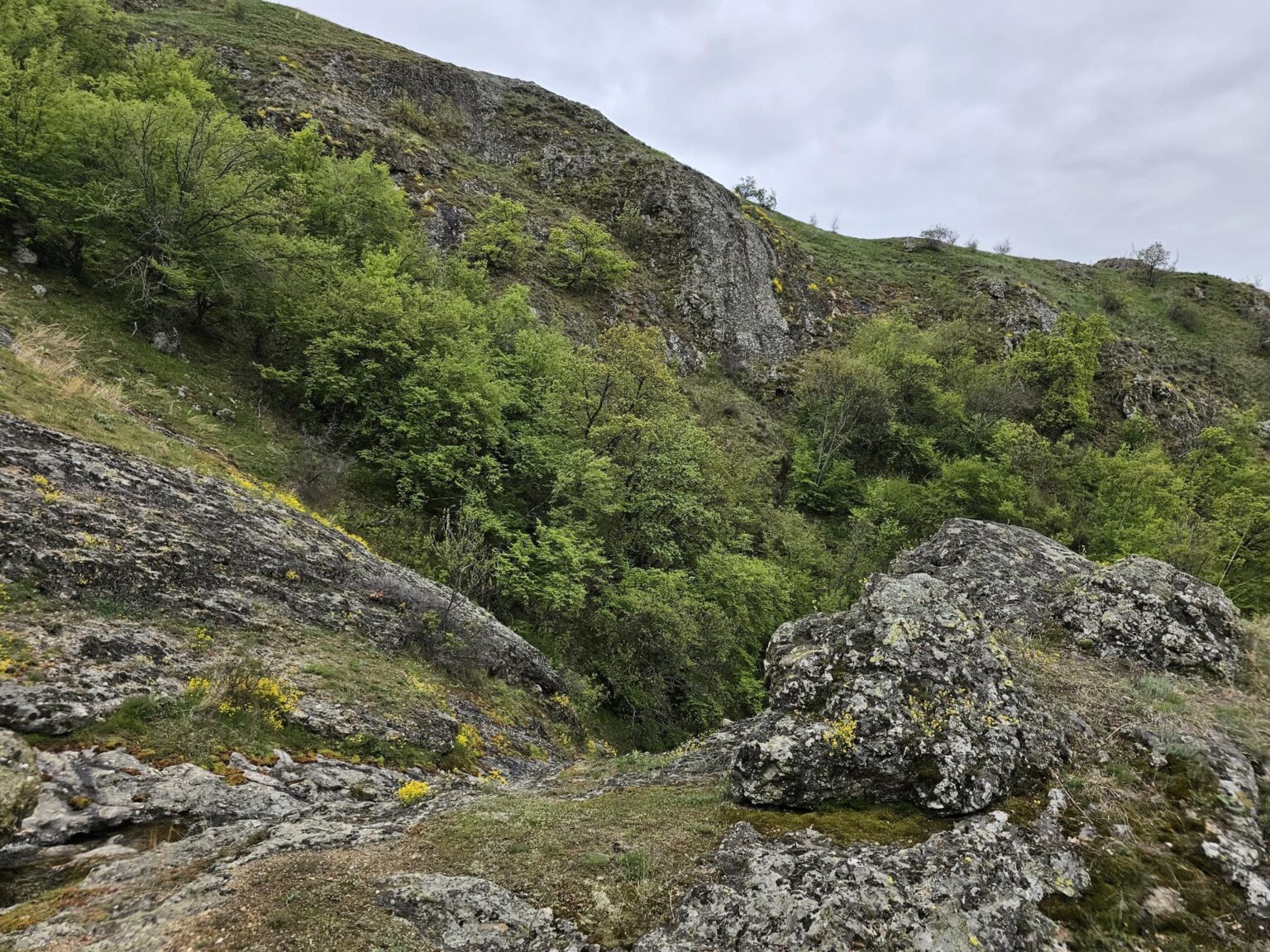
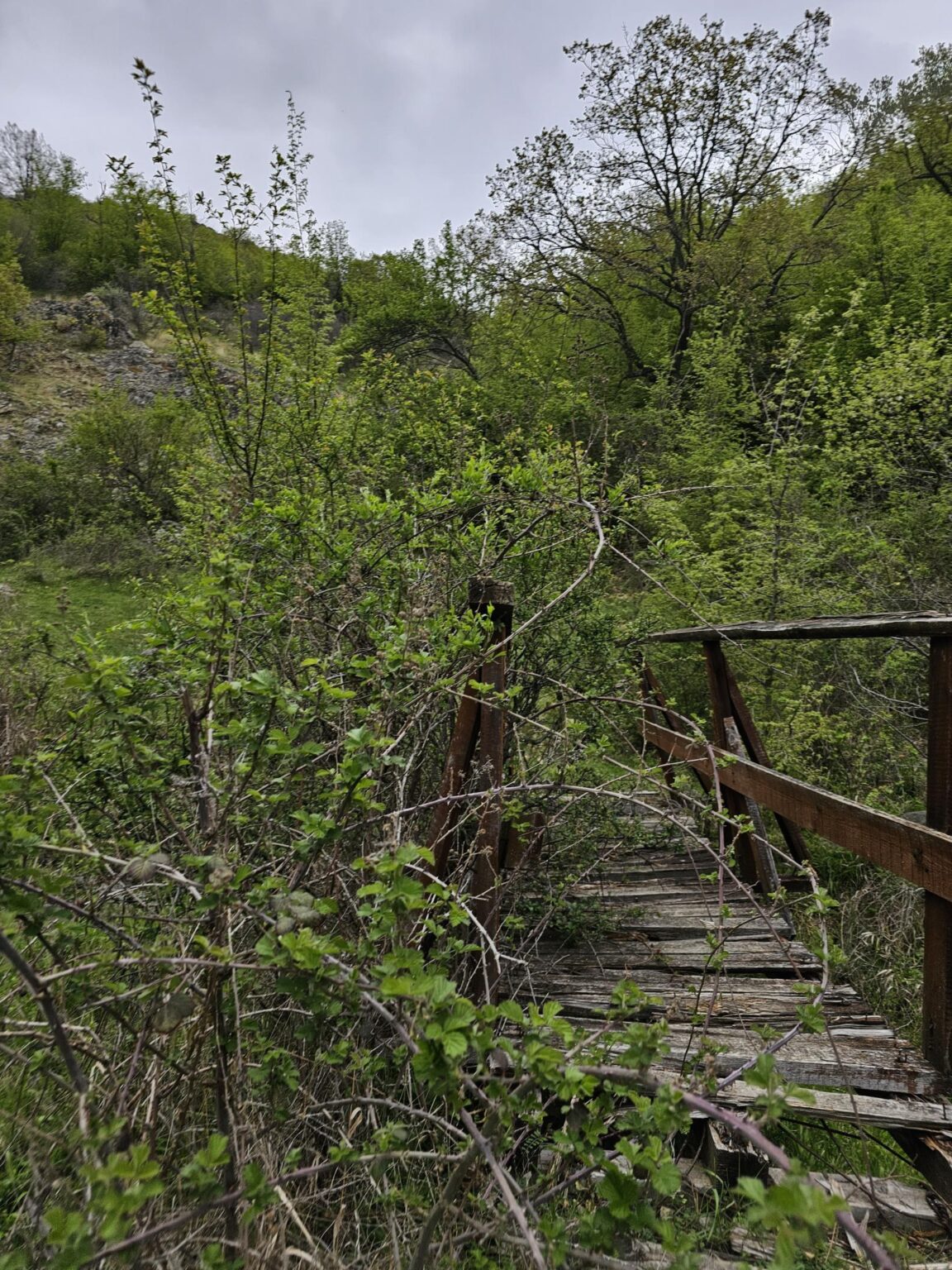
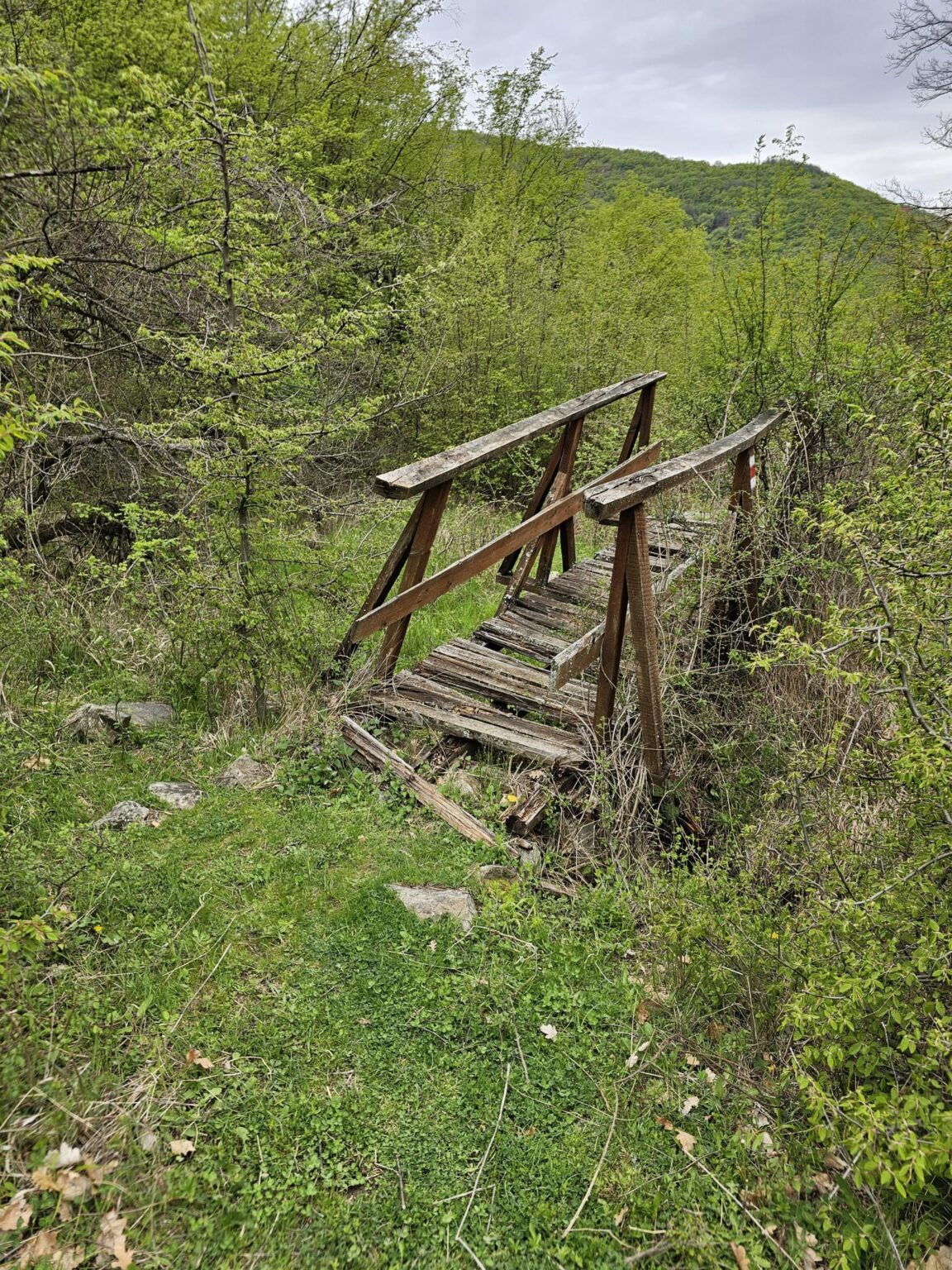
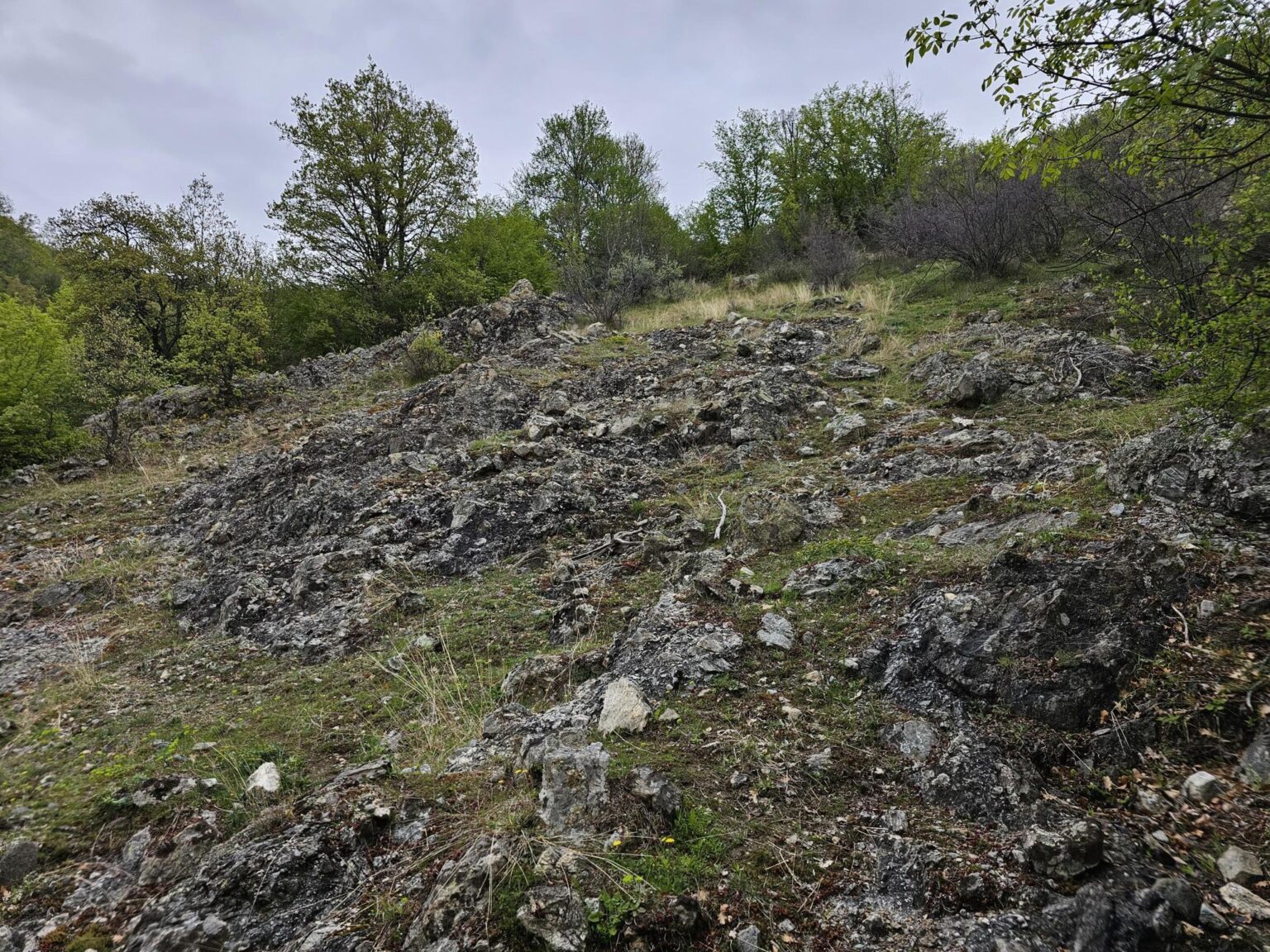
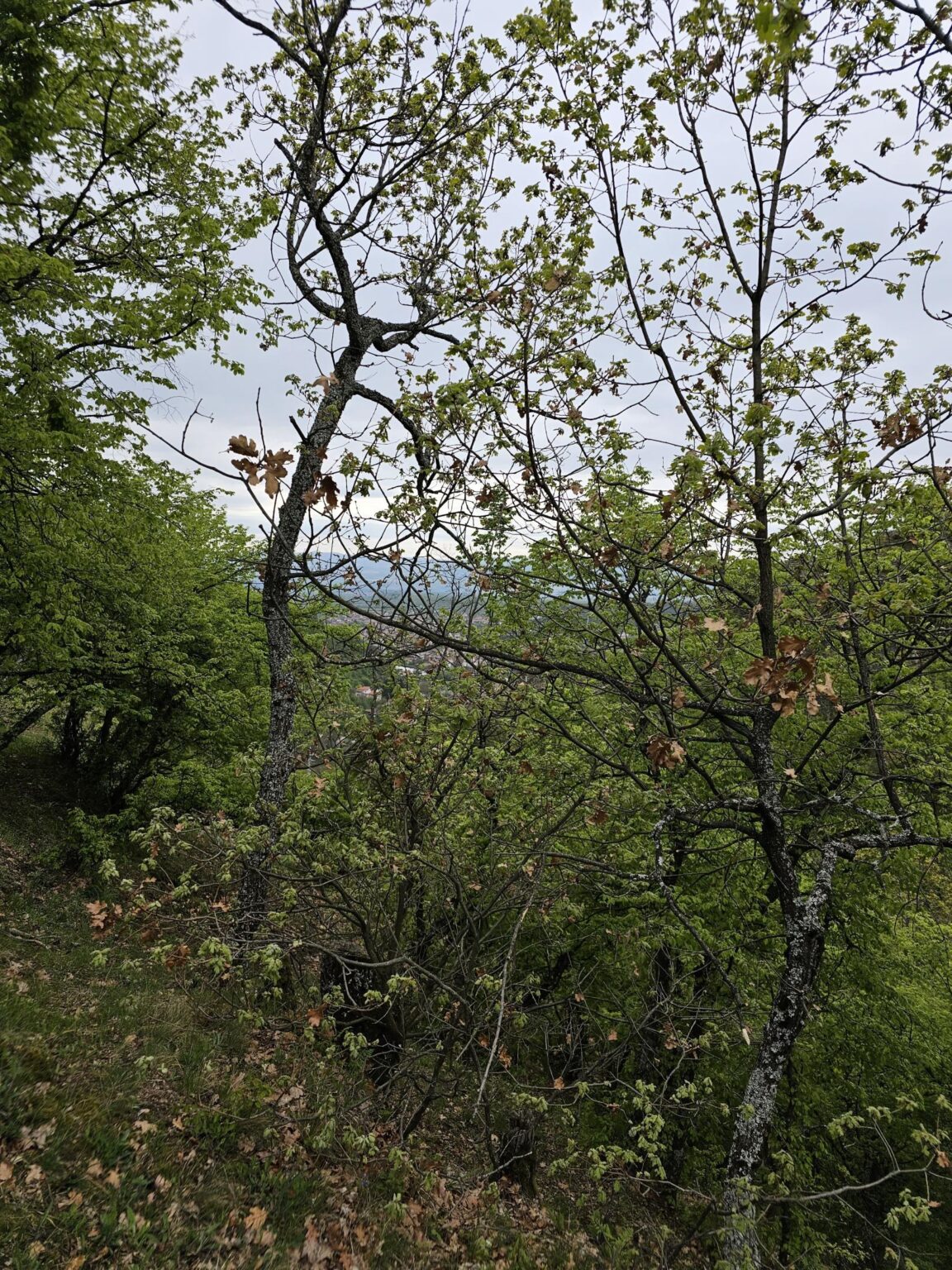
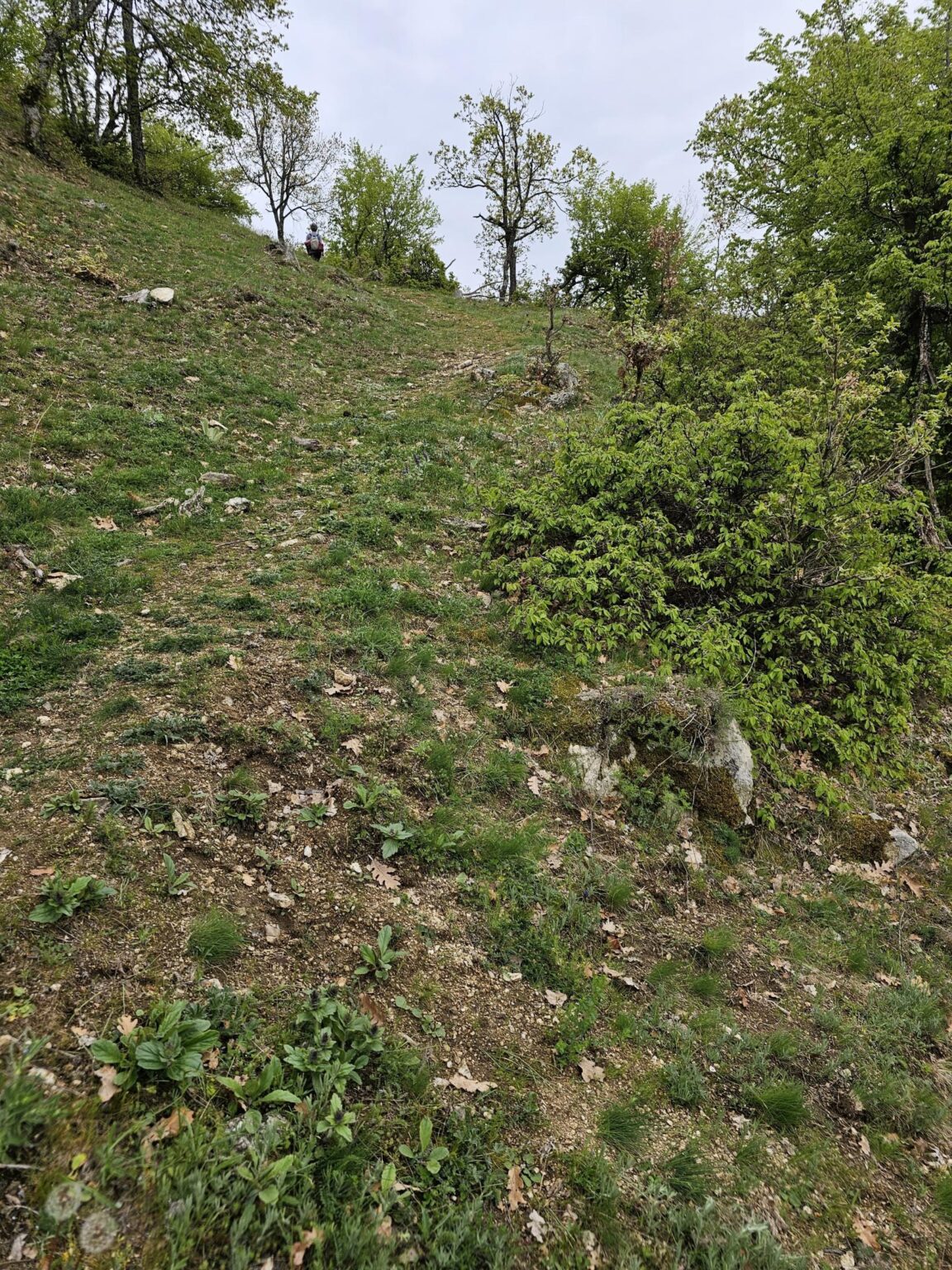
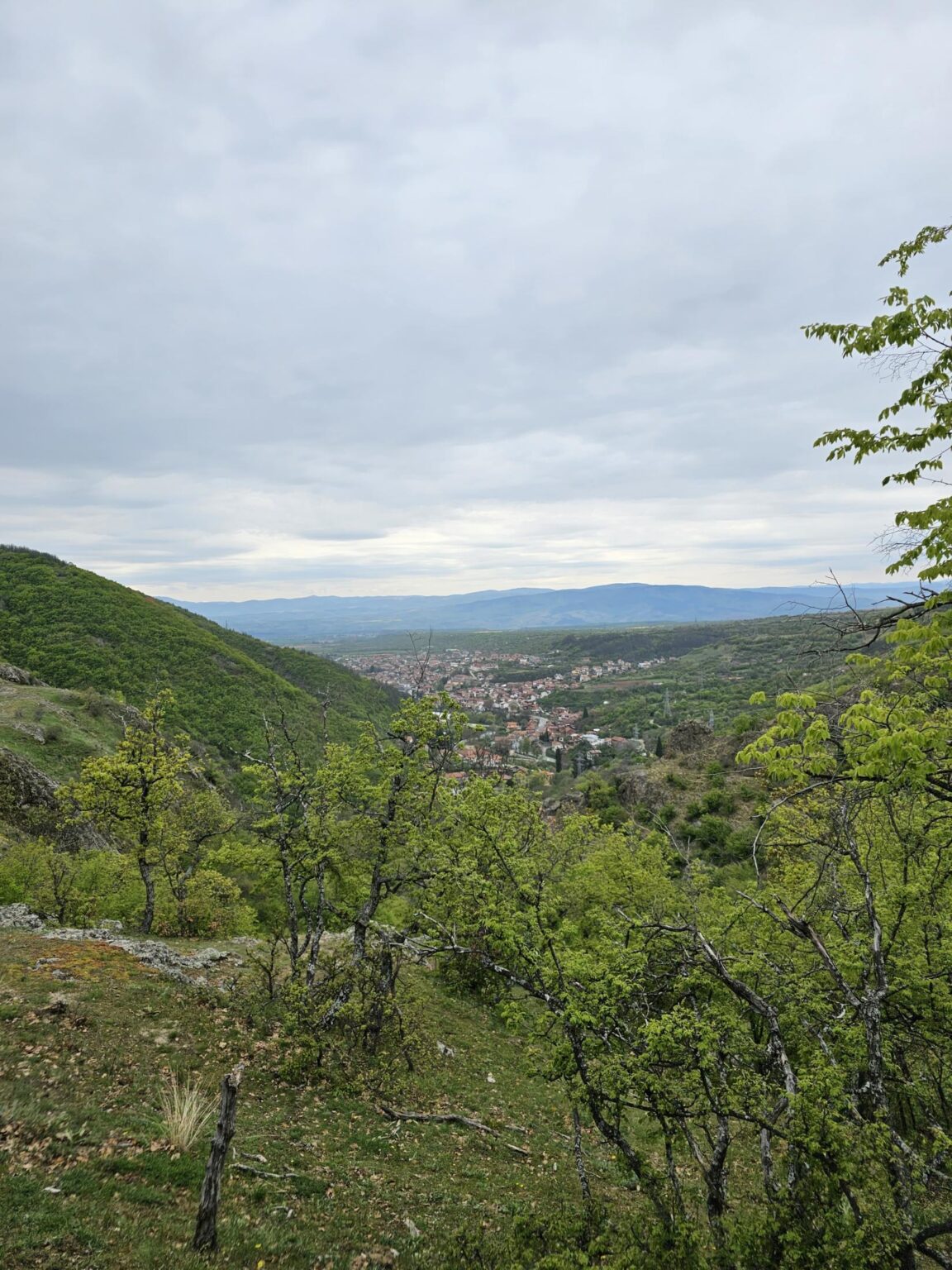
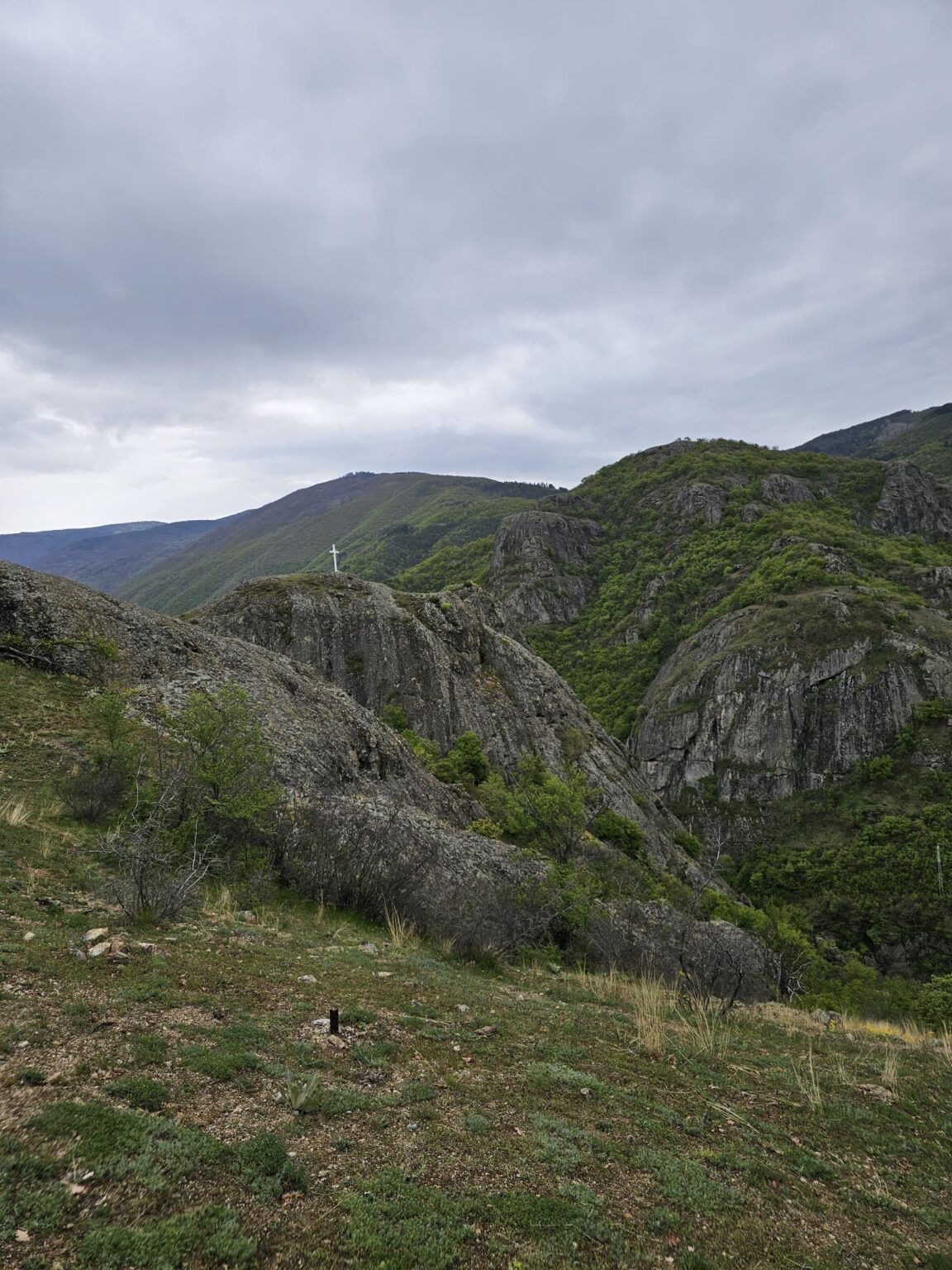
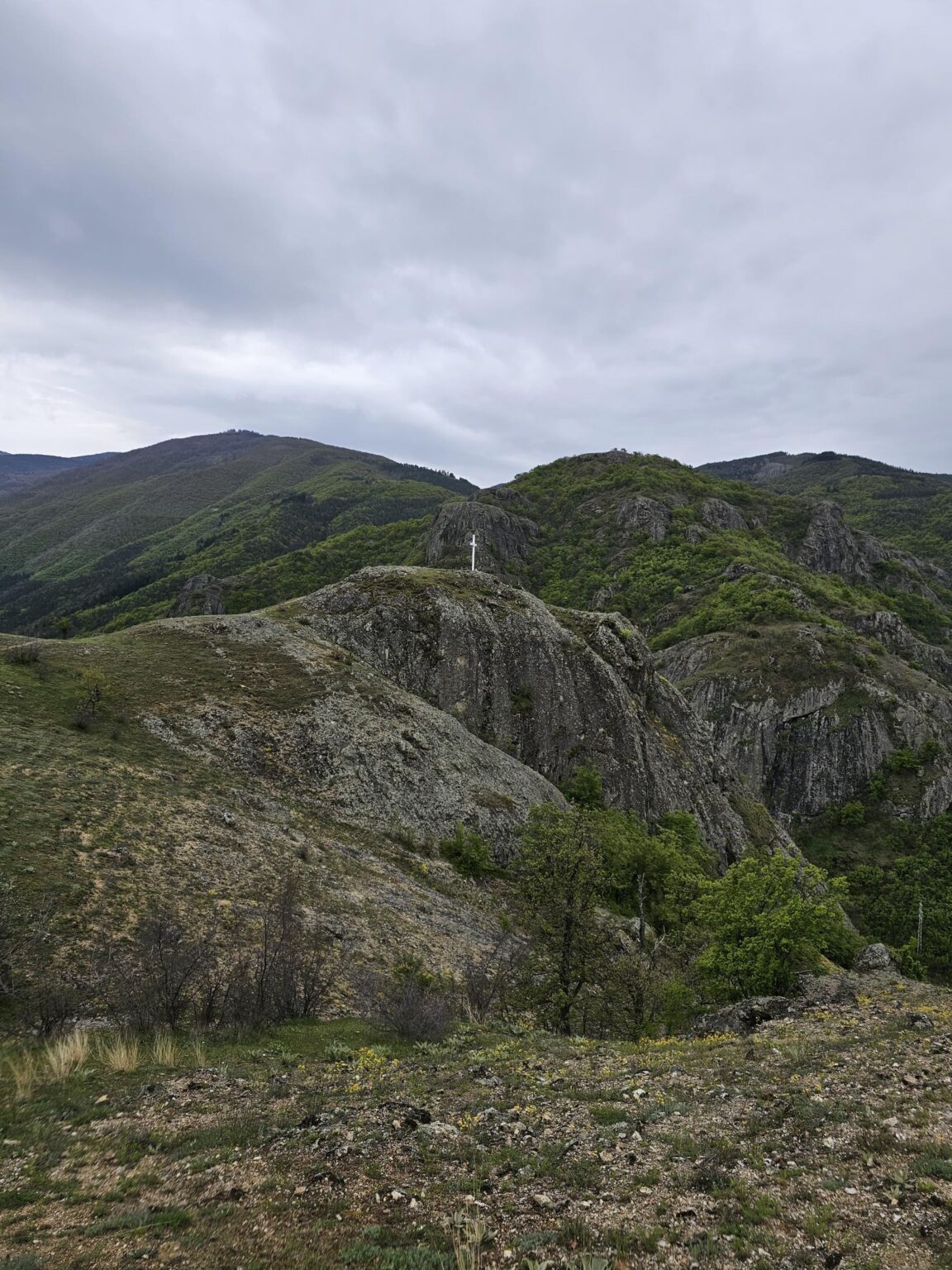
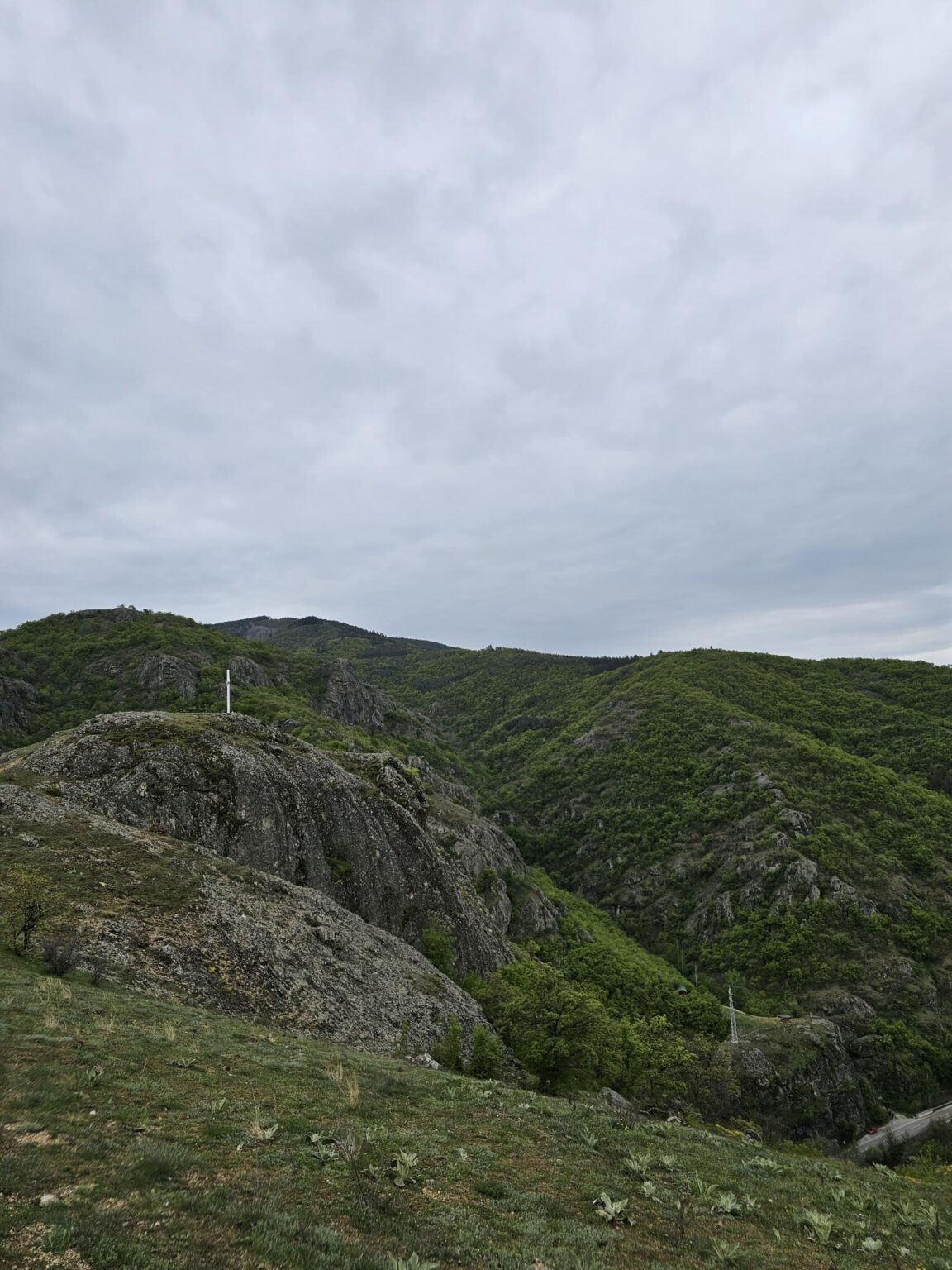
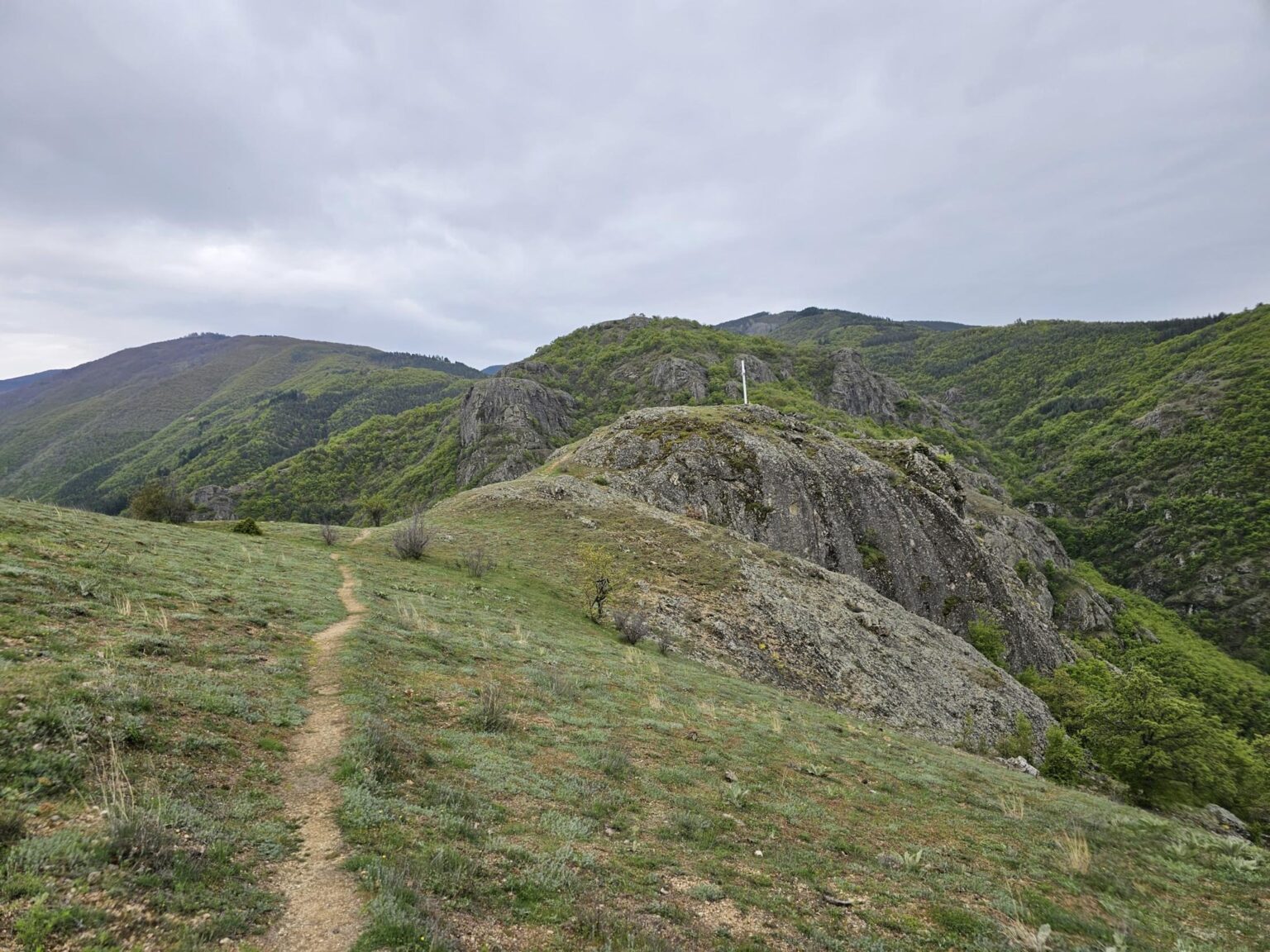
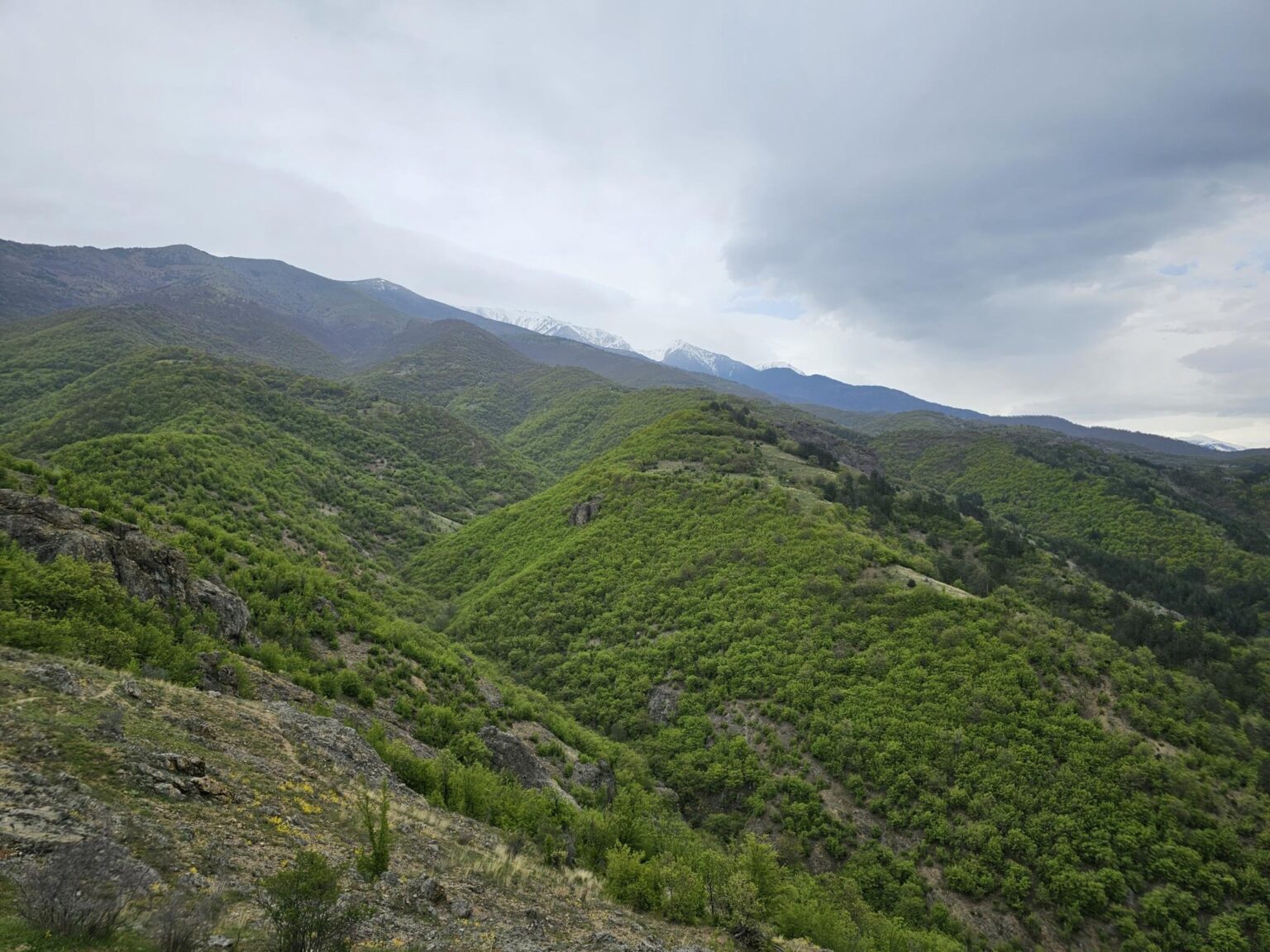
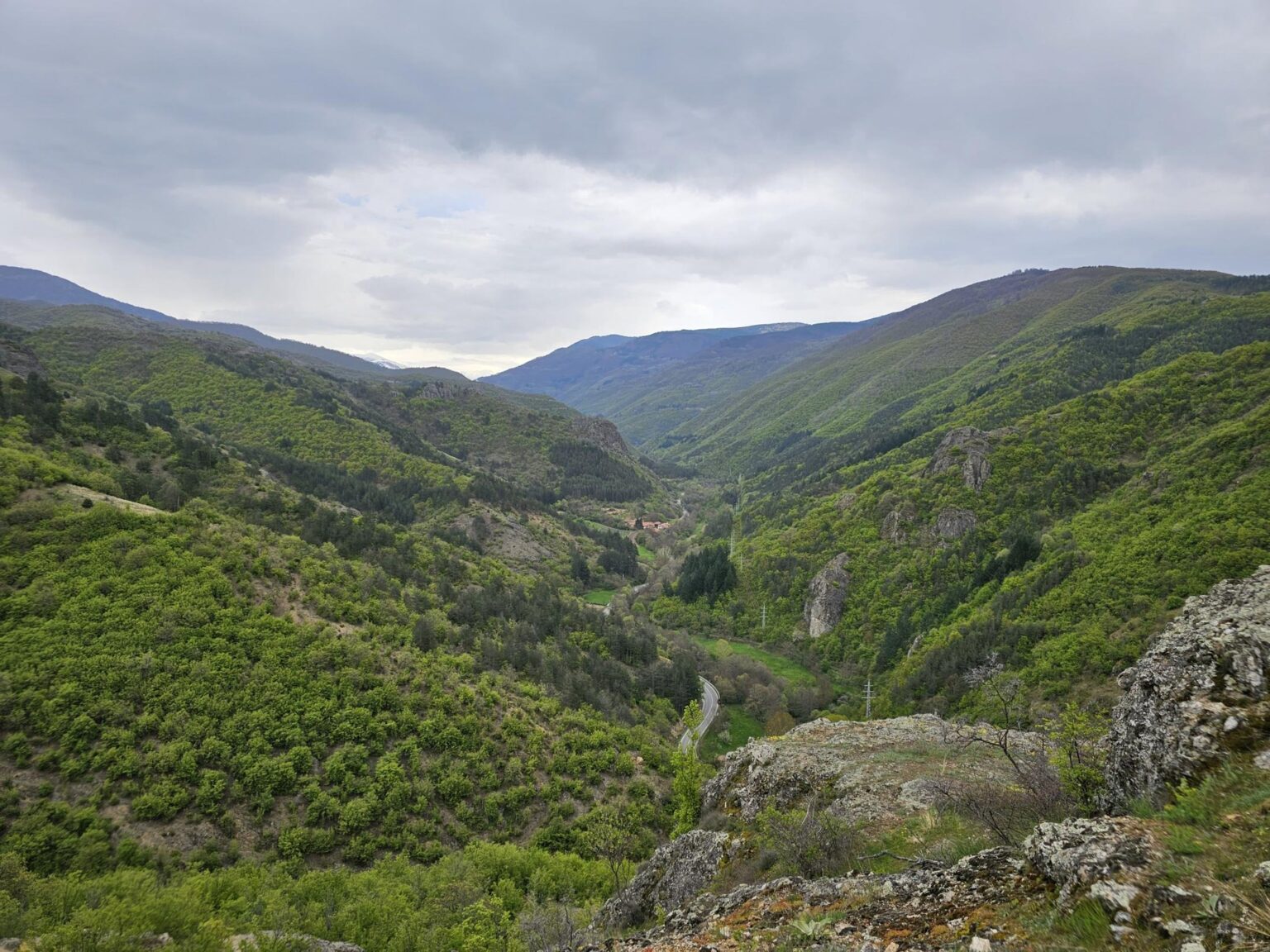
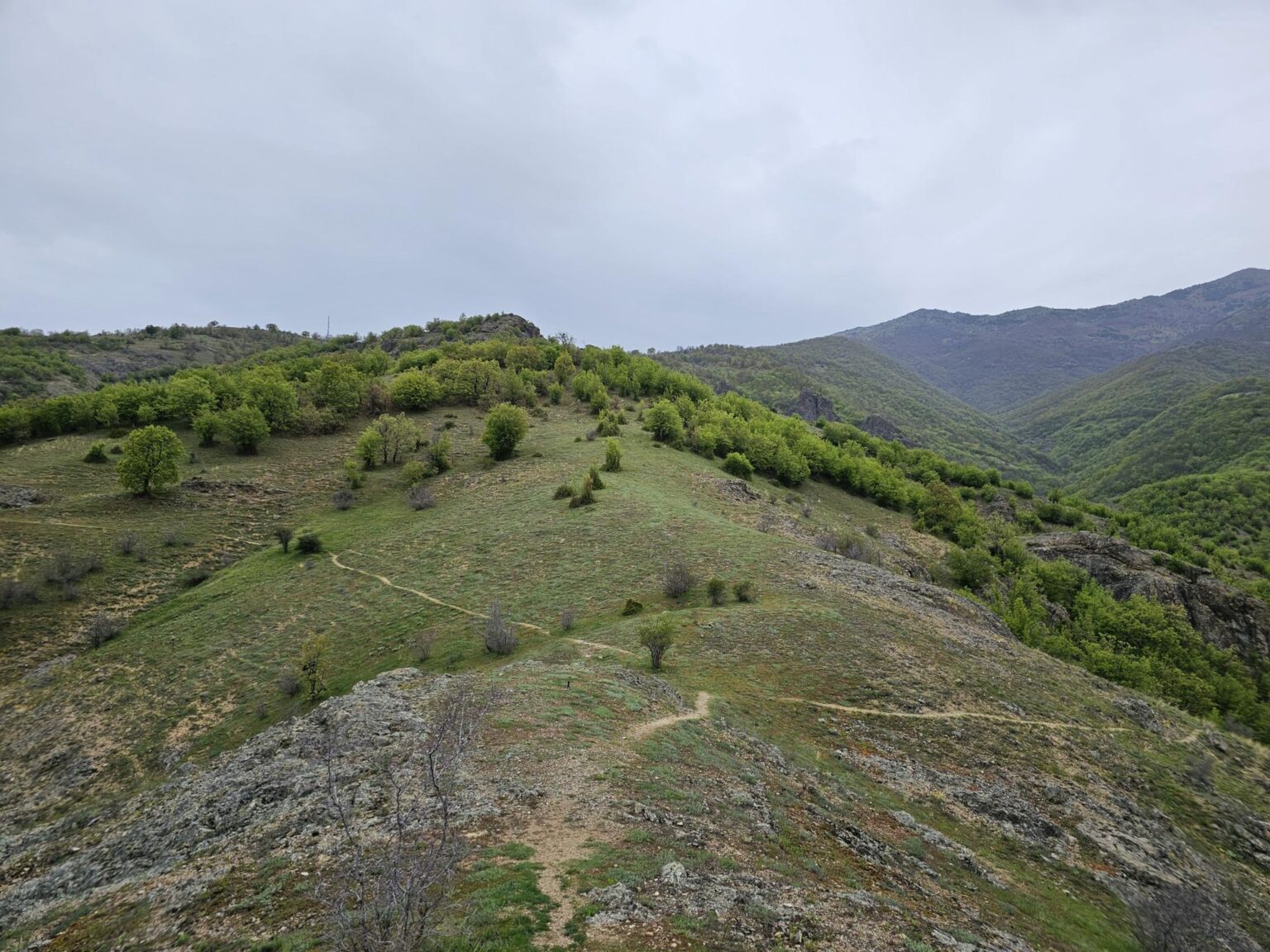
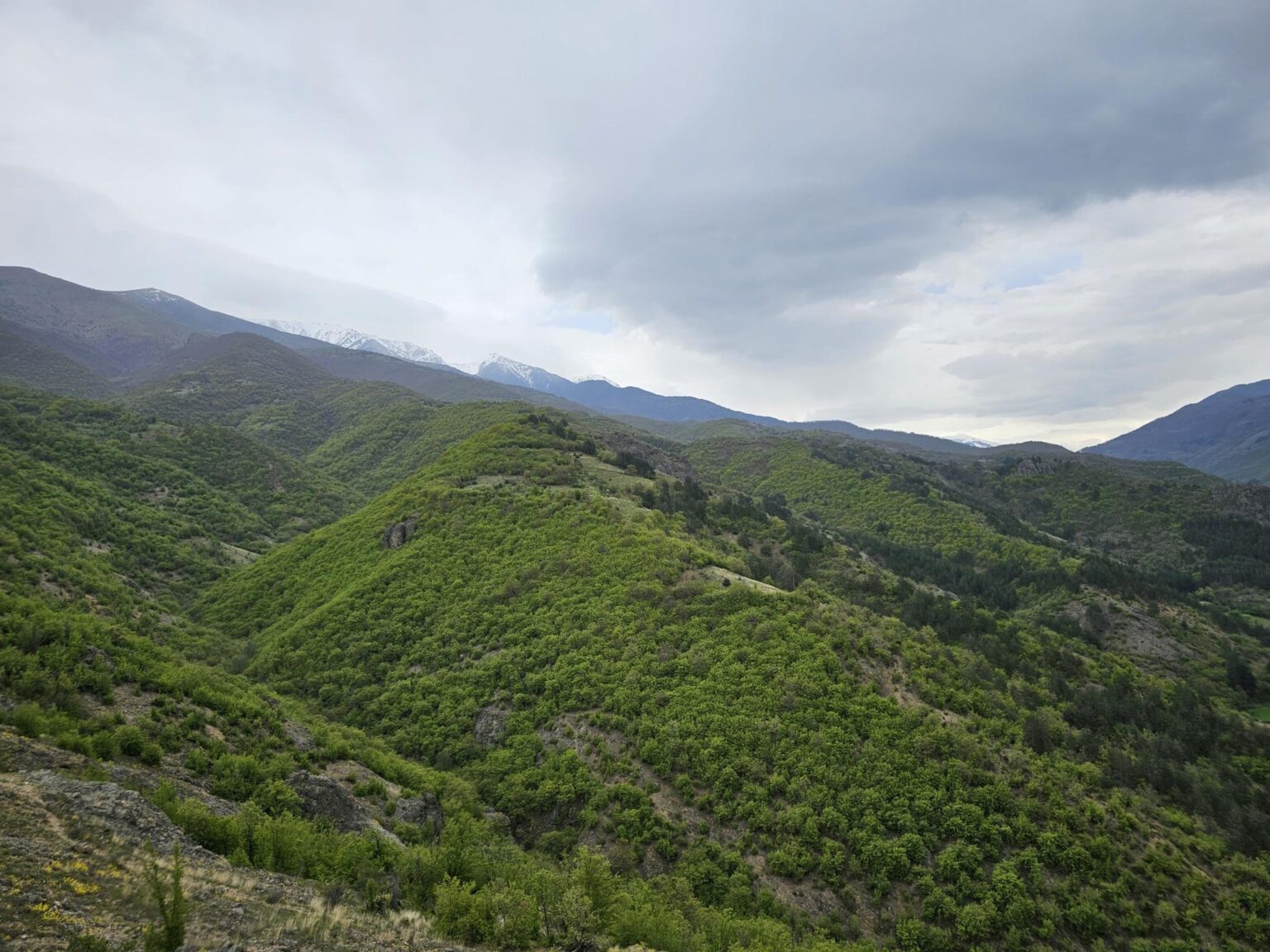
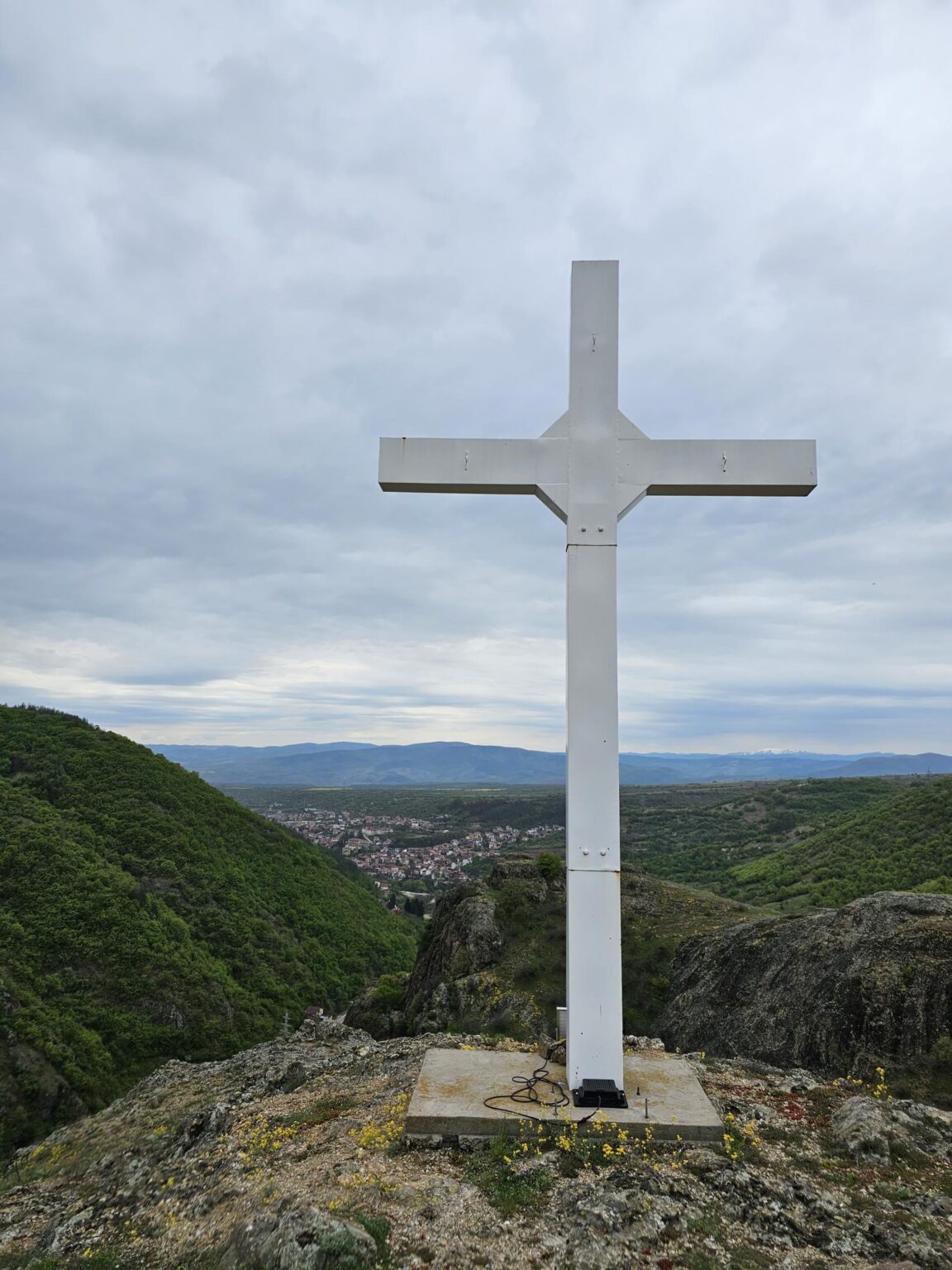
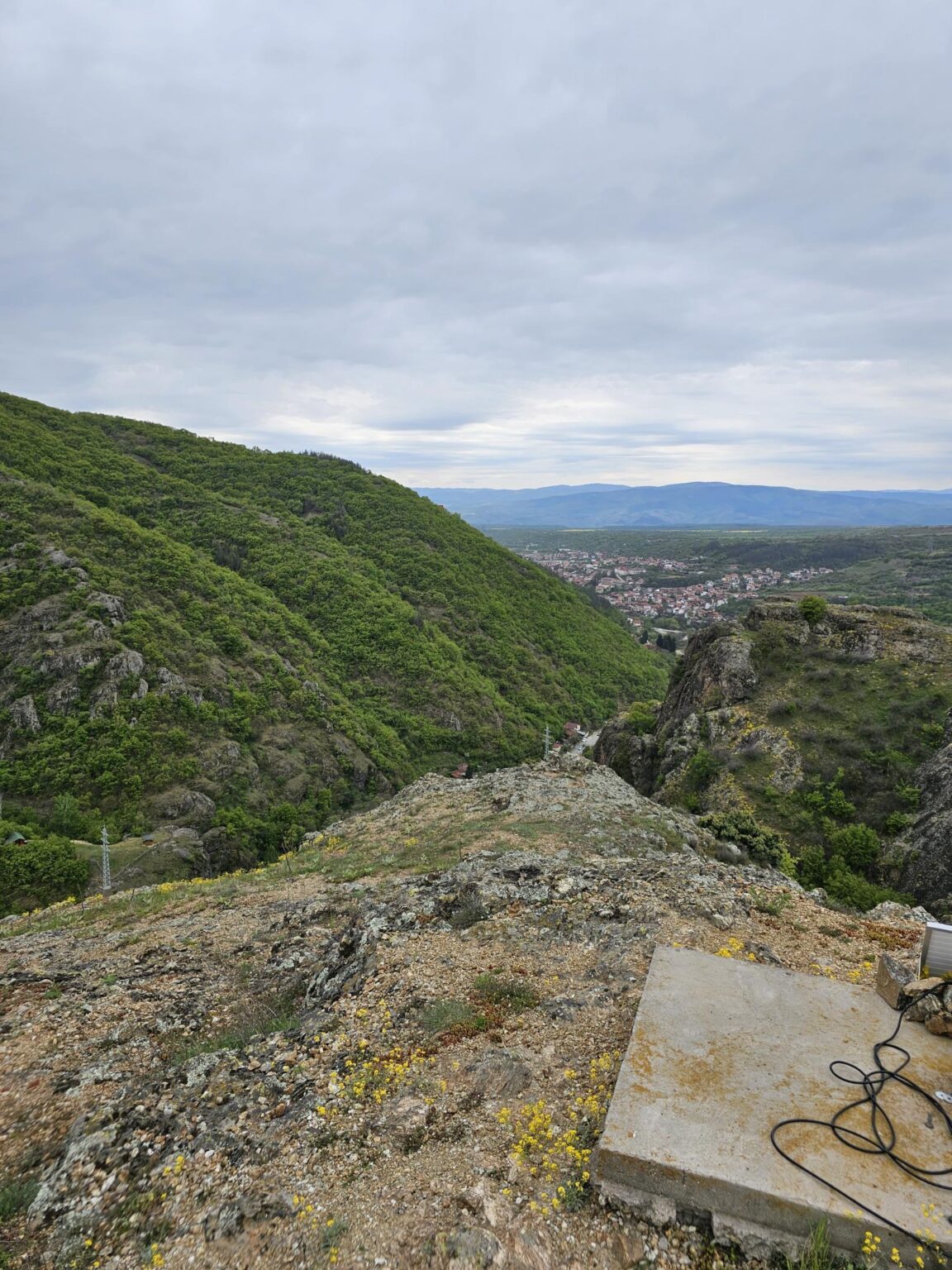
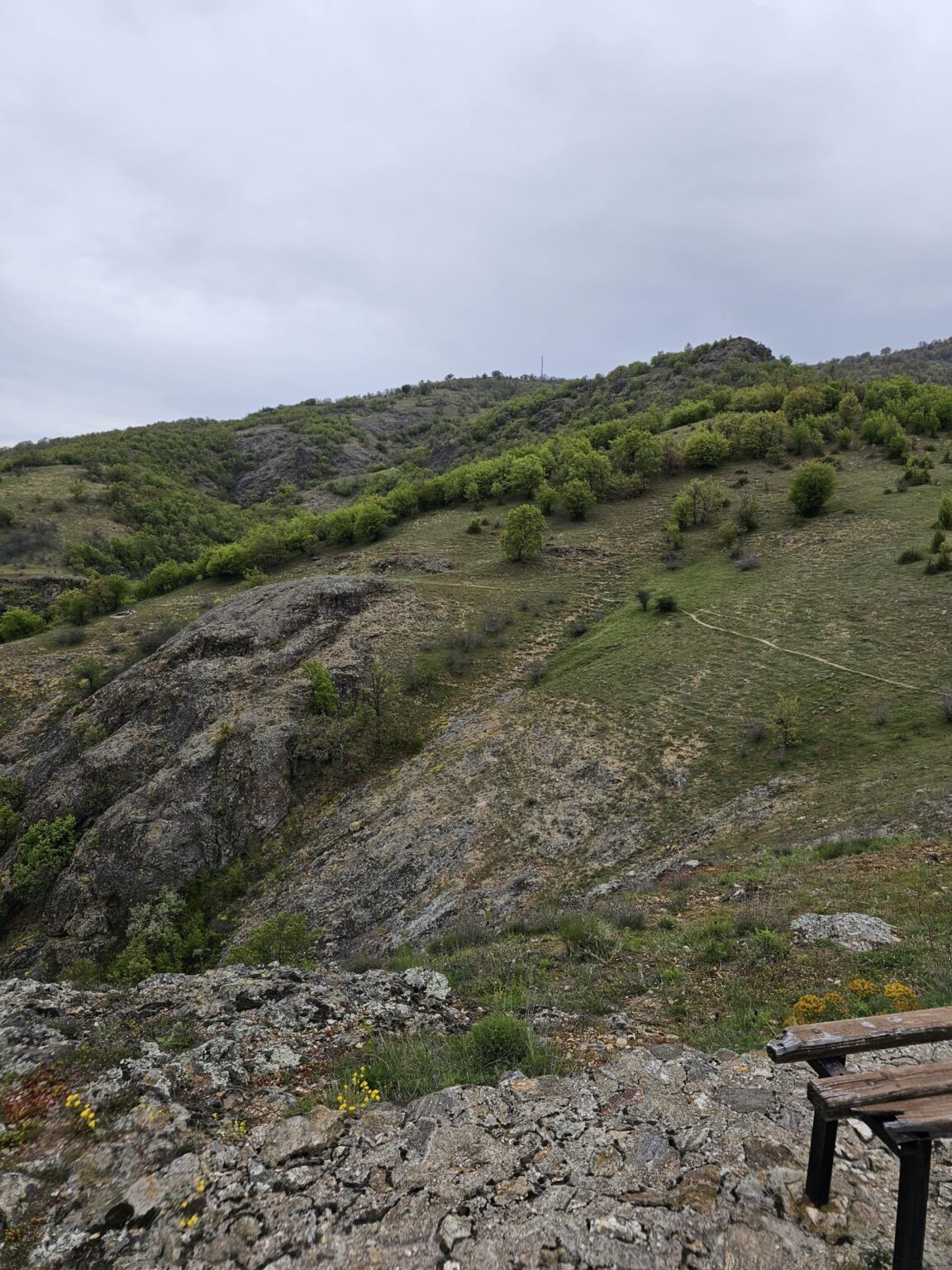
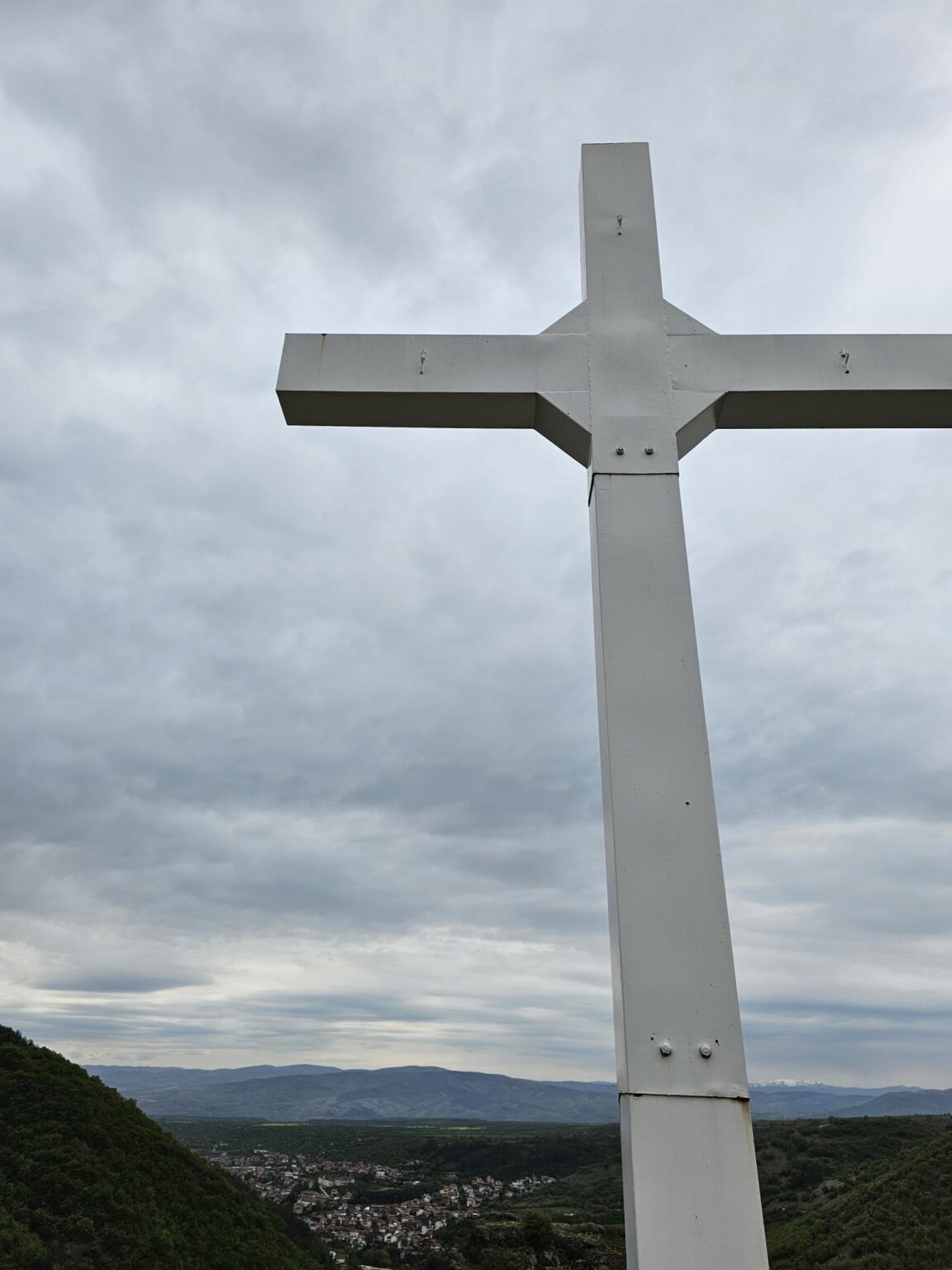
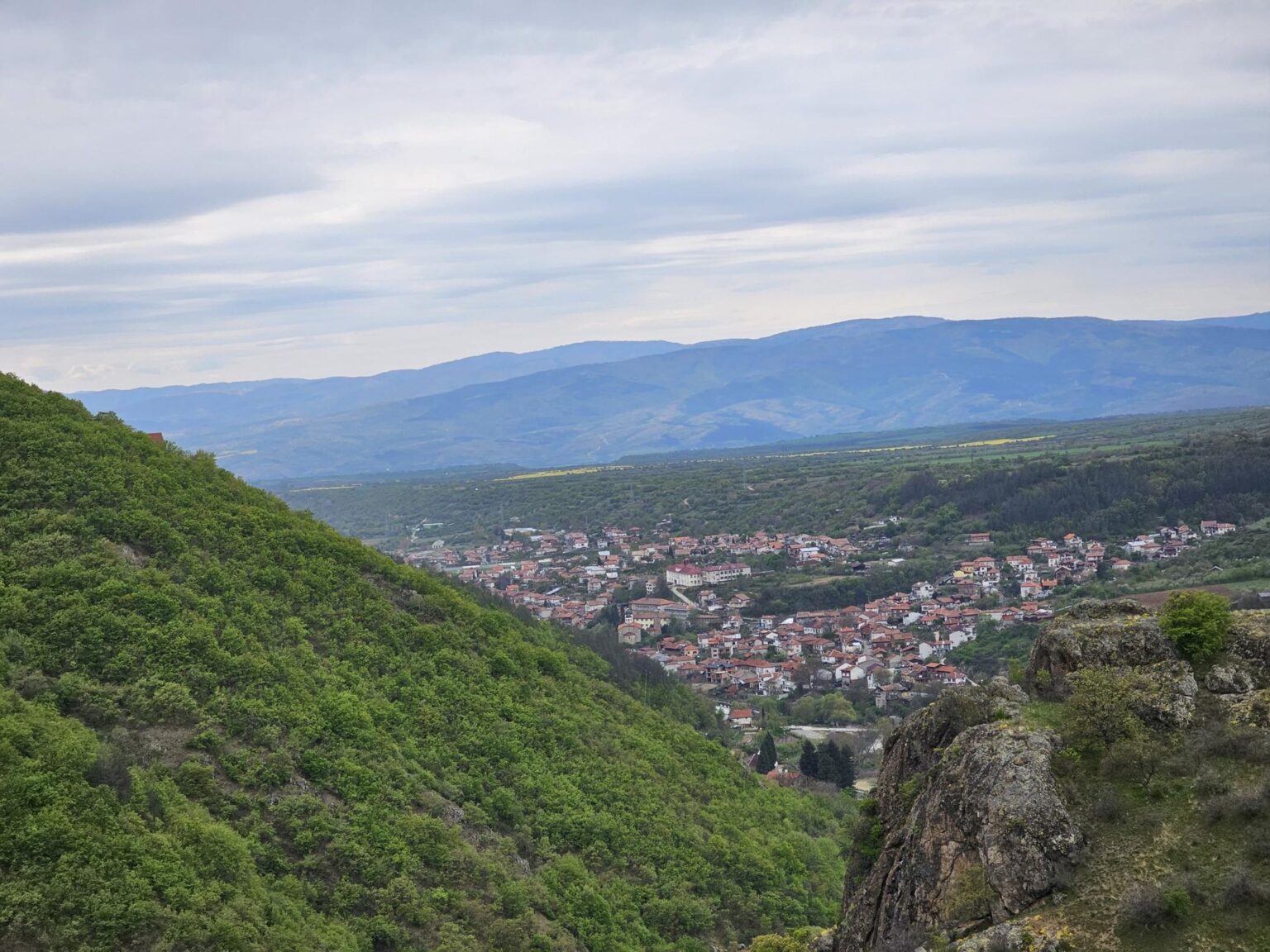
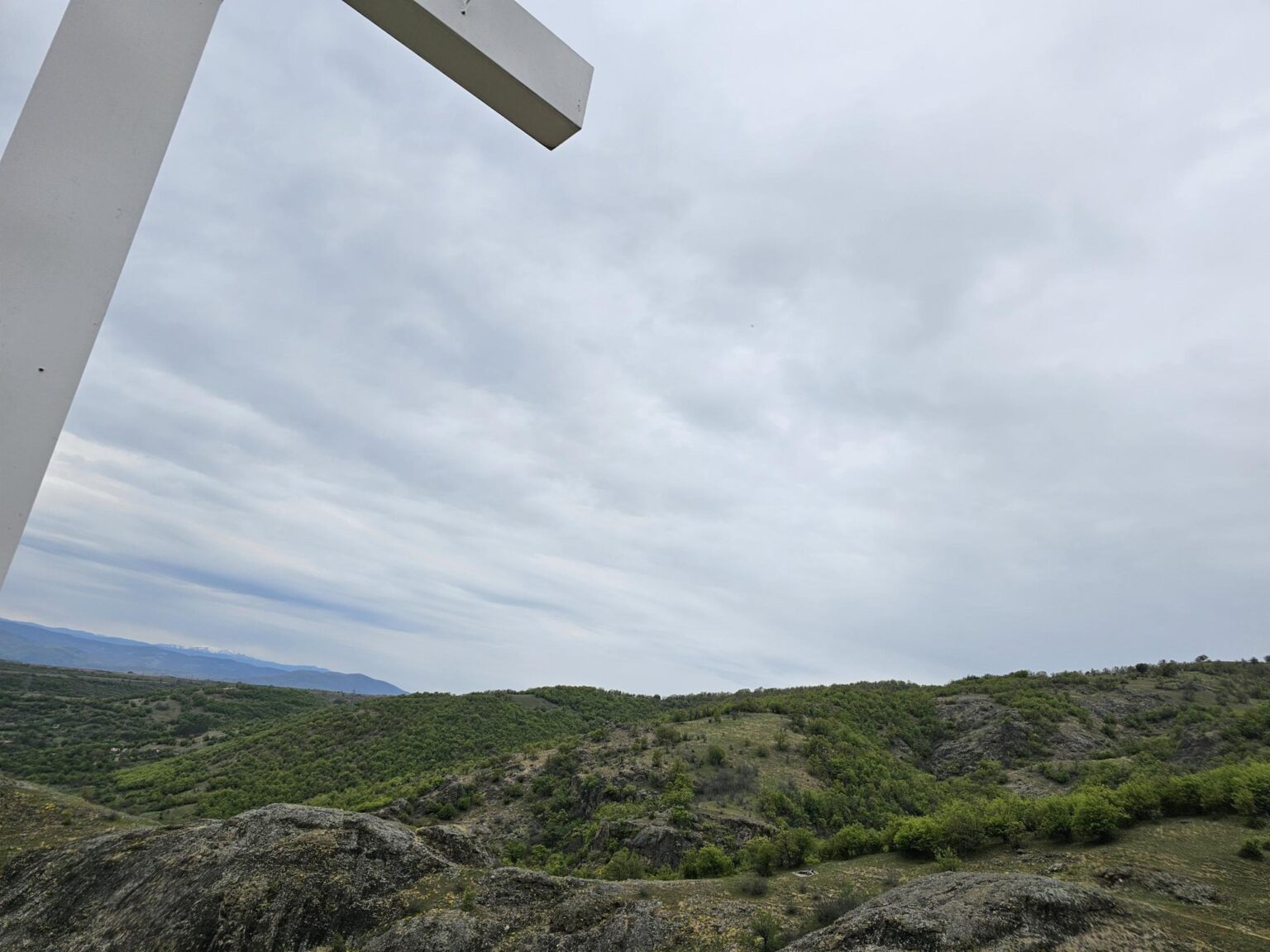
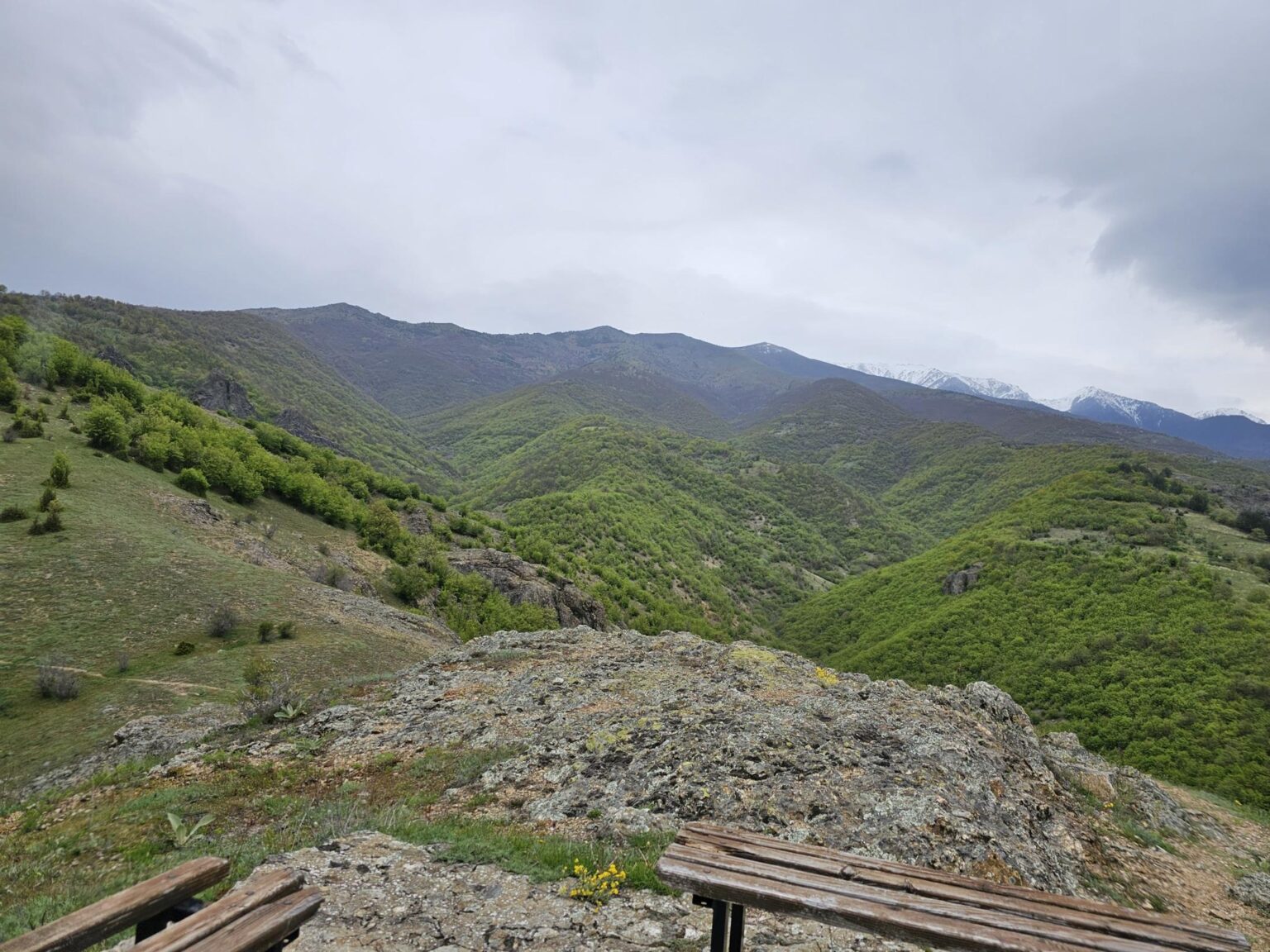
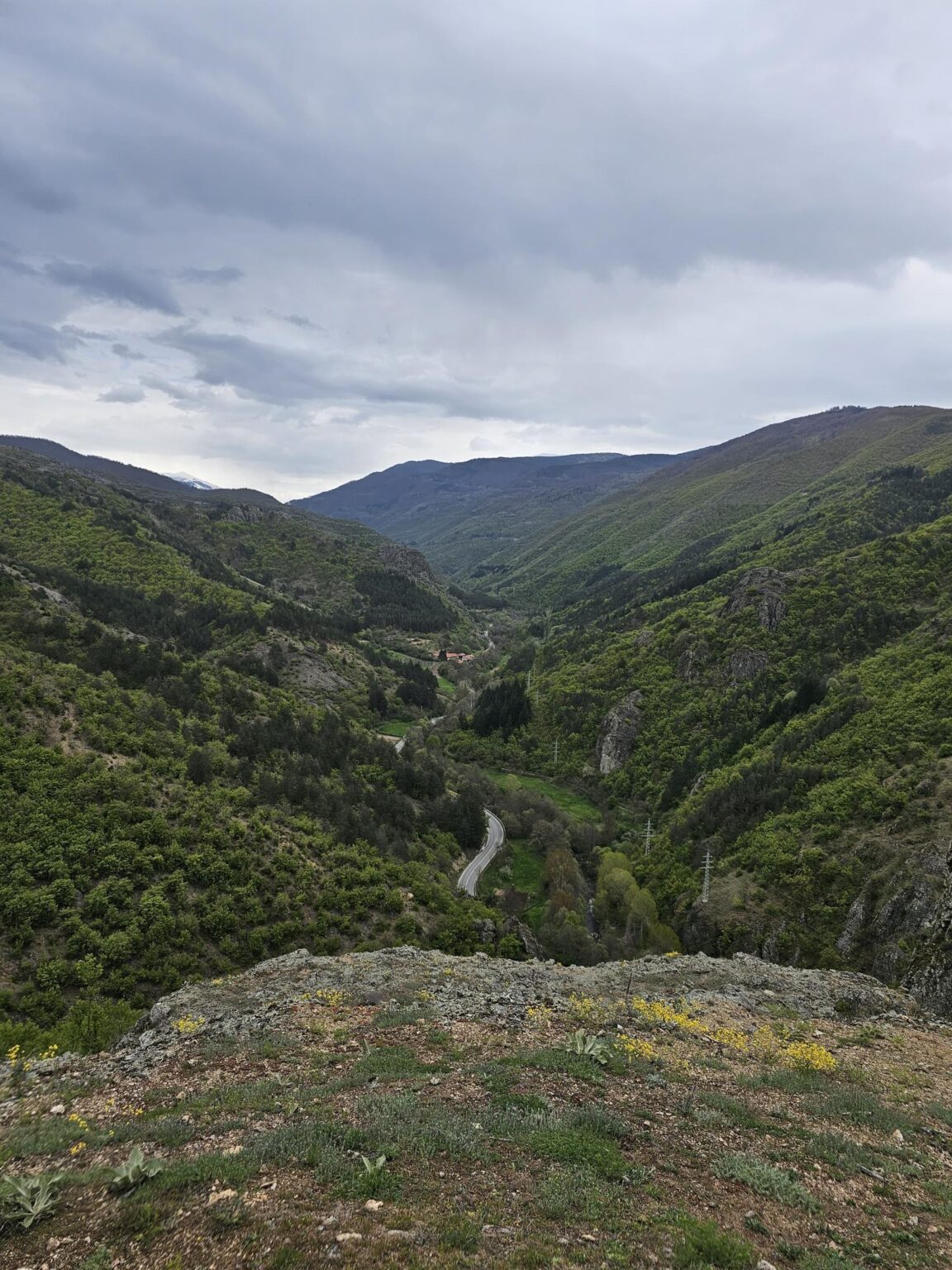
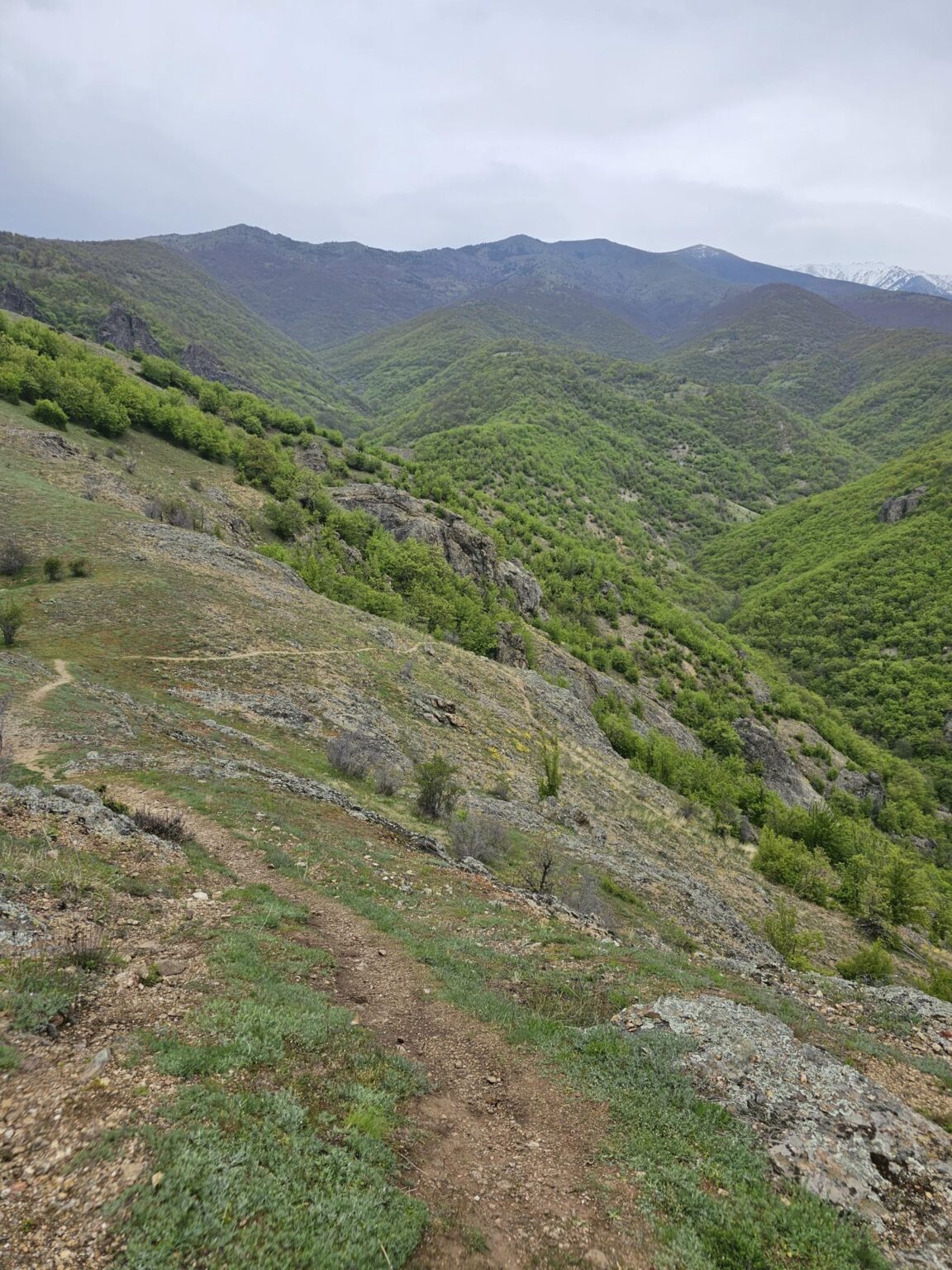
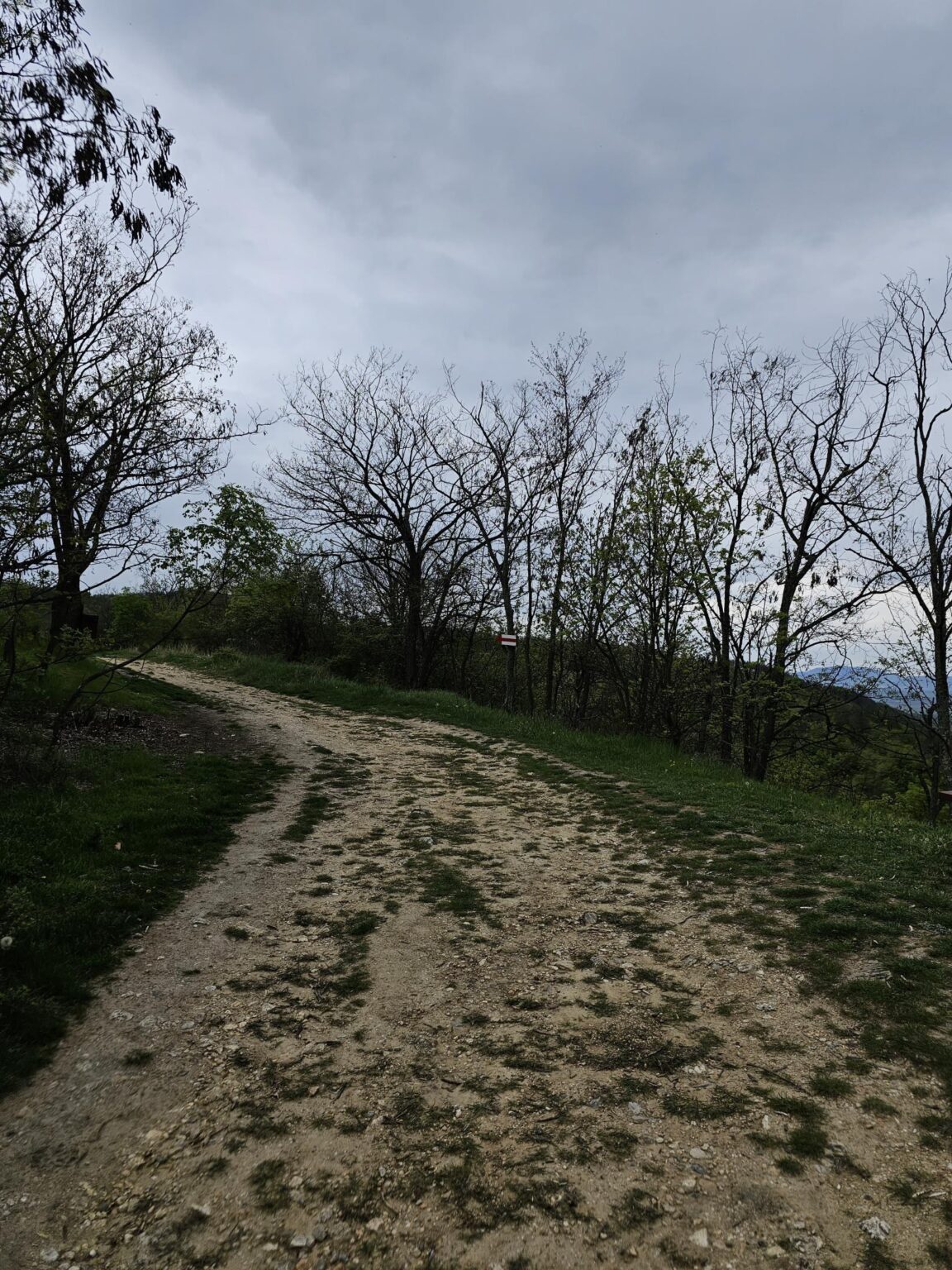
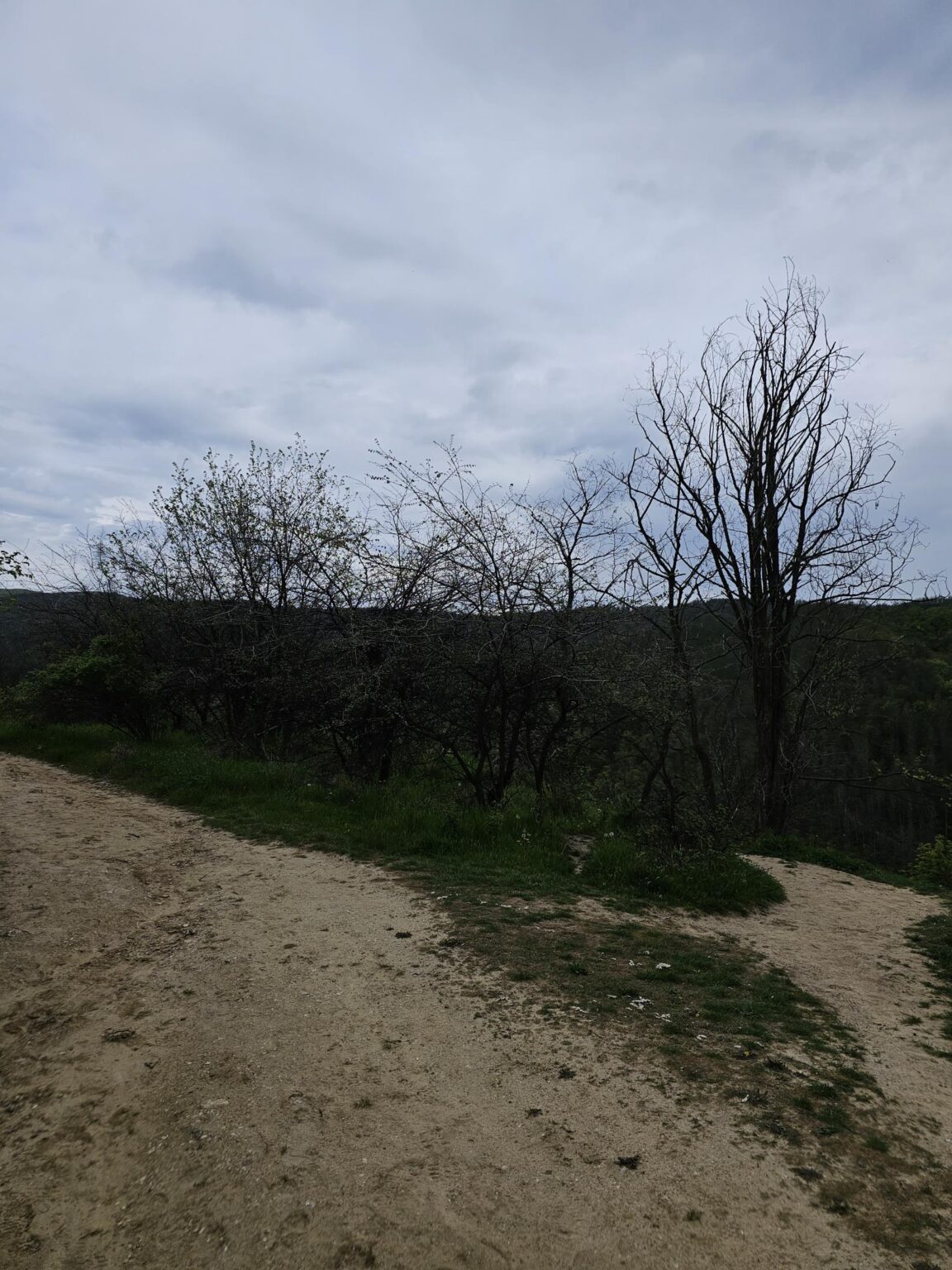
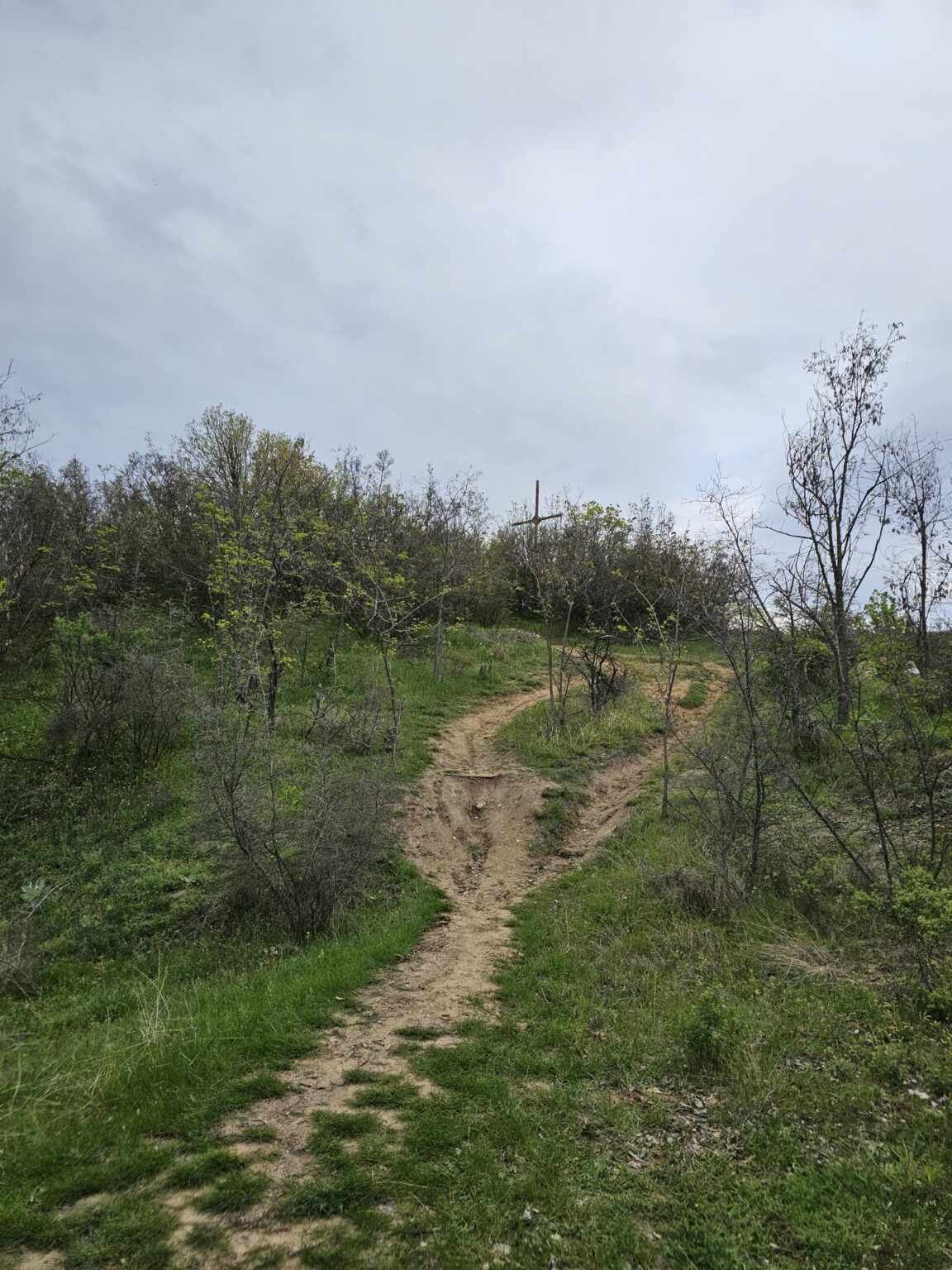
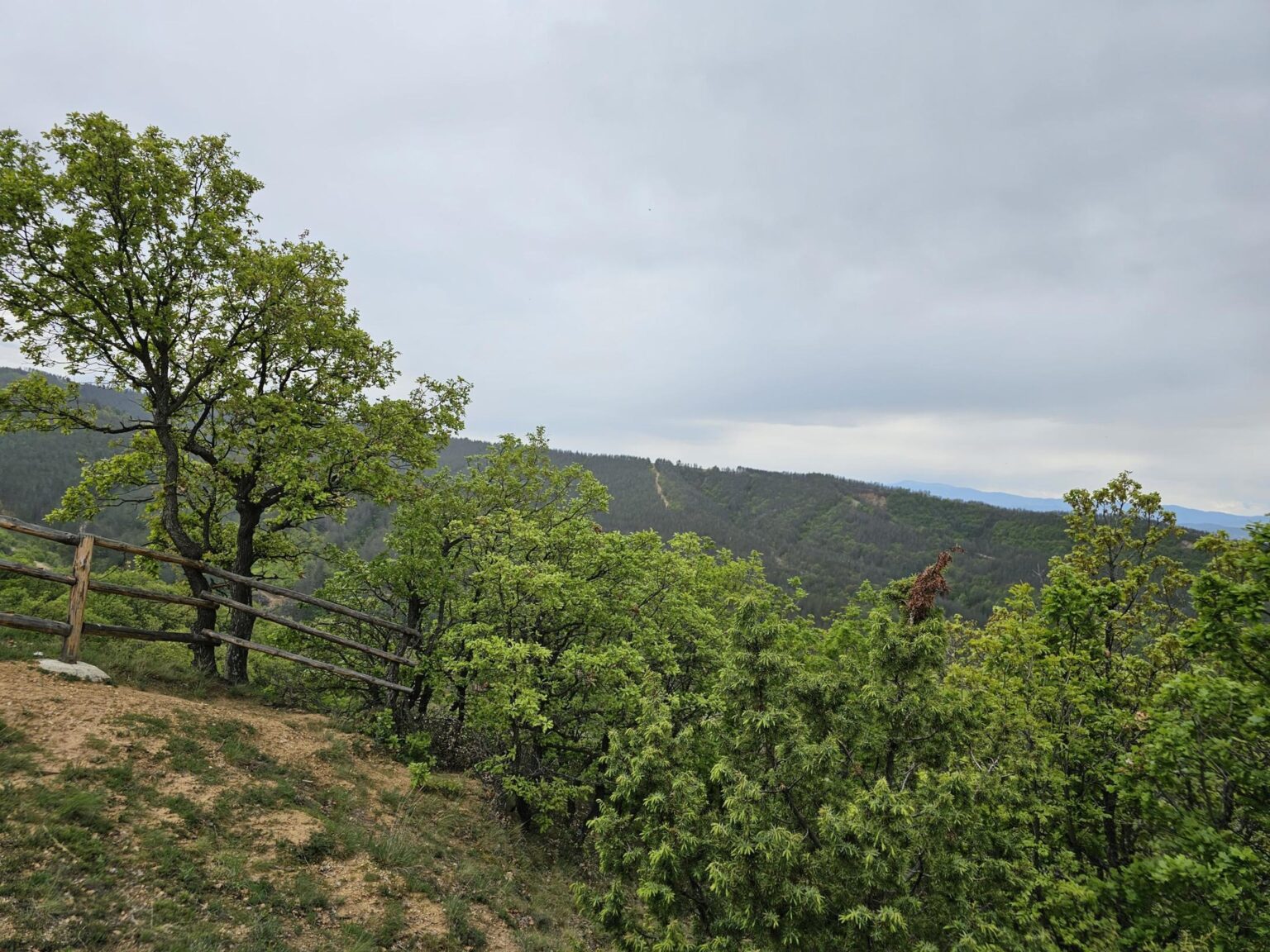
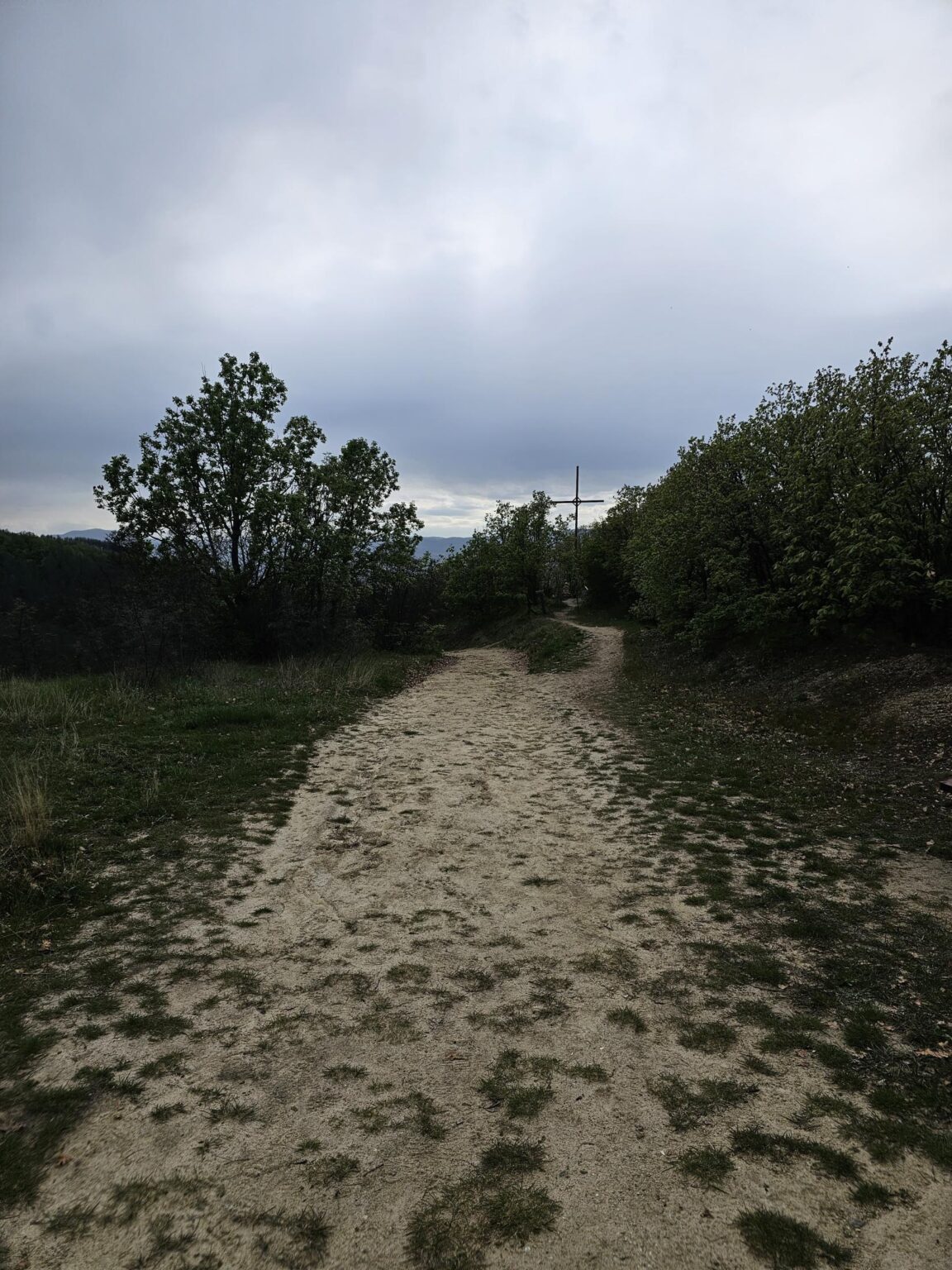
Back down the way we came, we cross the road right by the bridge where we parked, follow the sign and set off on the Cross trail. This one is noticeably more boring, which after the previous half hour is frankly a feature rather than a bug 😀 It starts on a path with standard tourist marking — white-red-white. Pleasant, light, gently sloping. In under ten minutes you reach the gazebo you were looking at from the waterfalls. Another seven or eight minutes and you need to turn right onto a path where the marking is much less obvious. The climb steepens a little, but it’s still perfectly edible. Another 25–30 minutes and you’re at the highest point of the trail. So the ascent takes around 40–45 minutes and opens up a panorama like this:
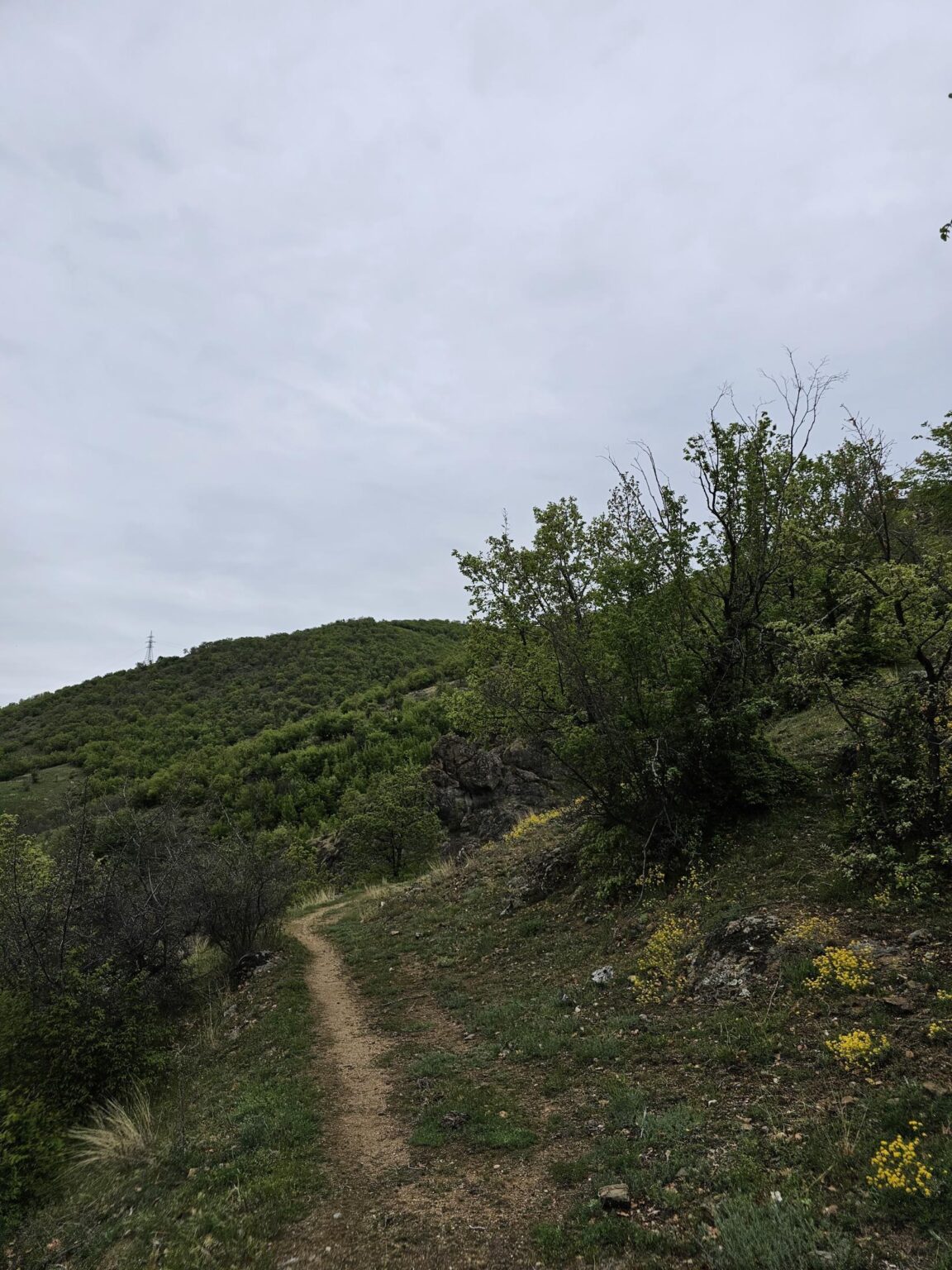
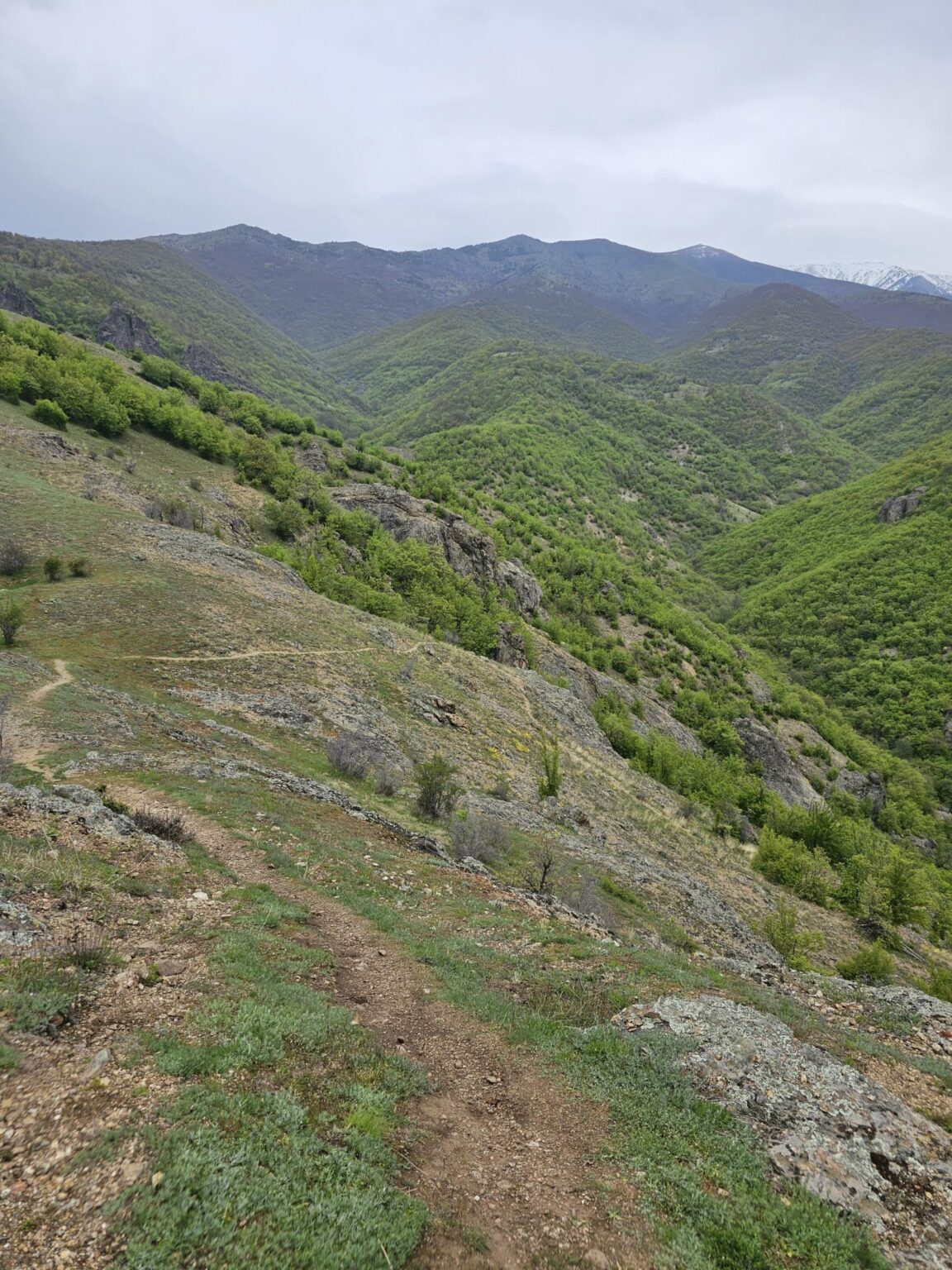
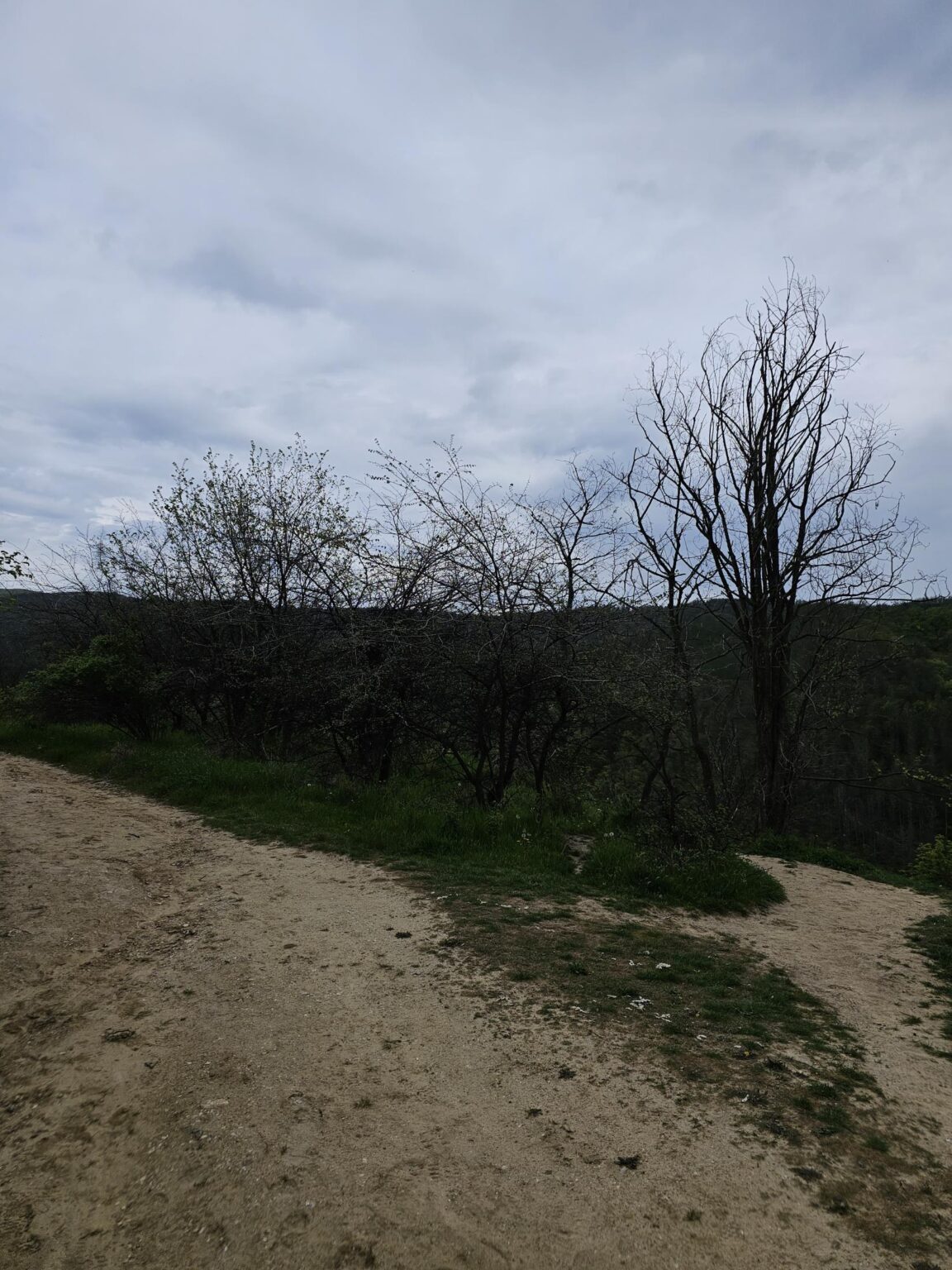
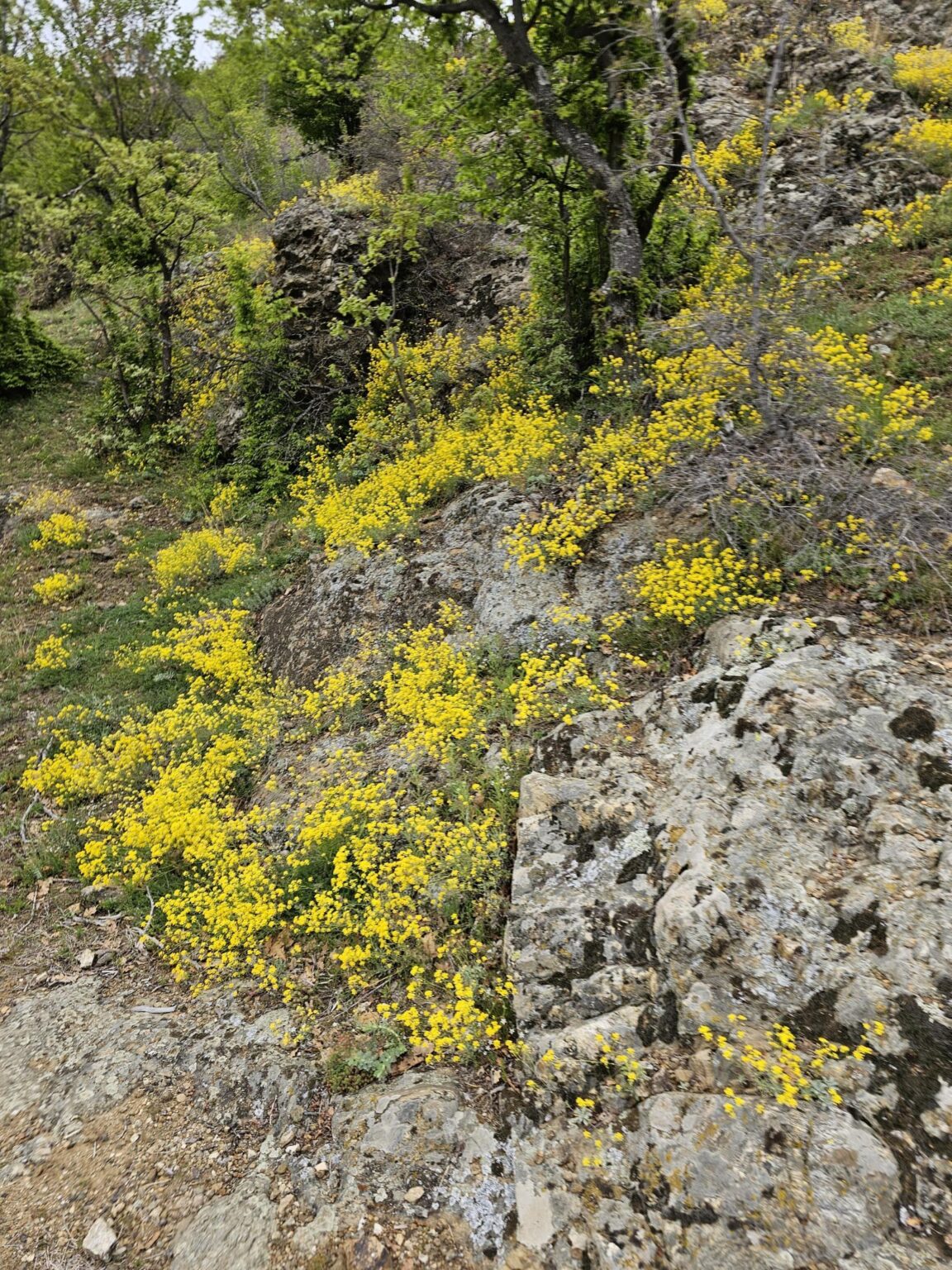
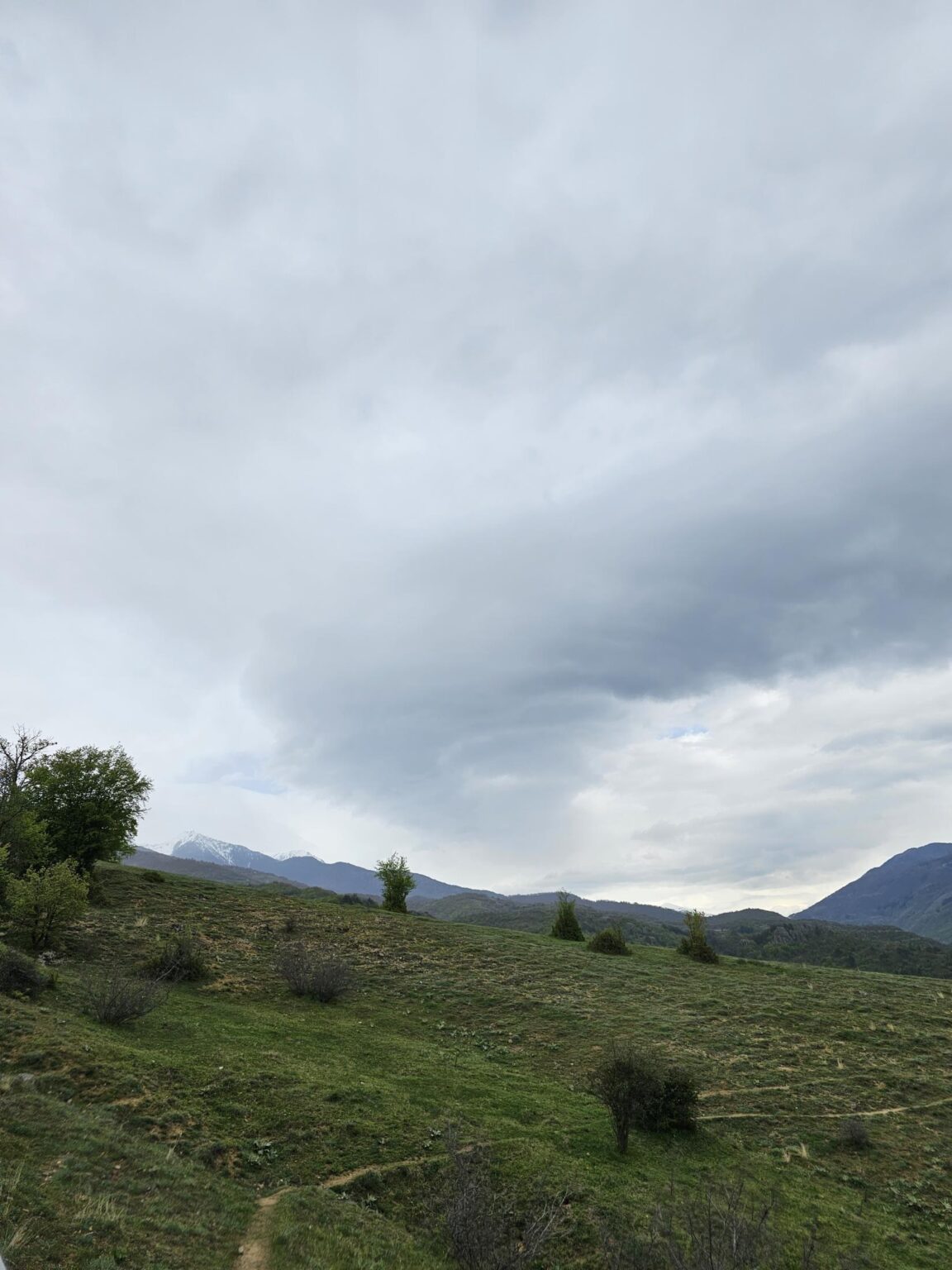
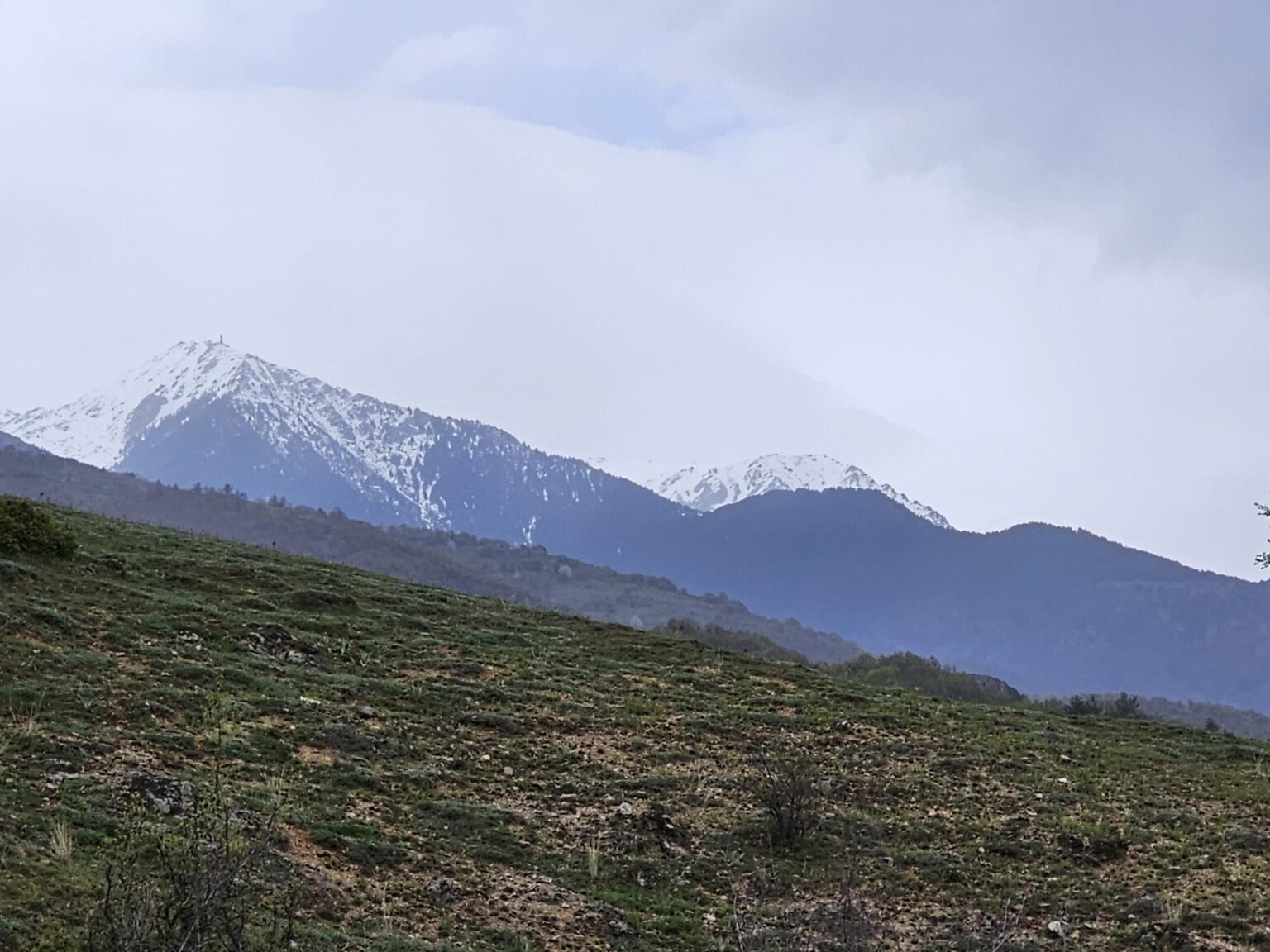
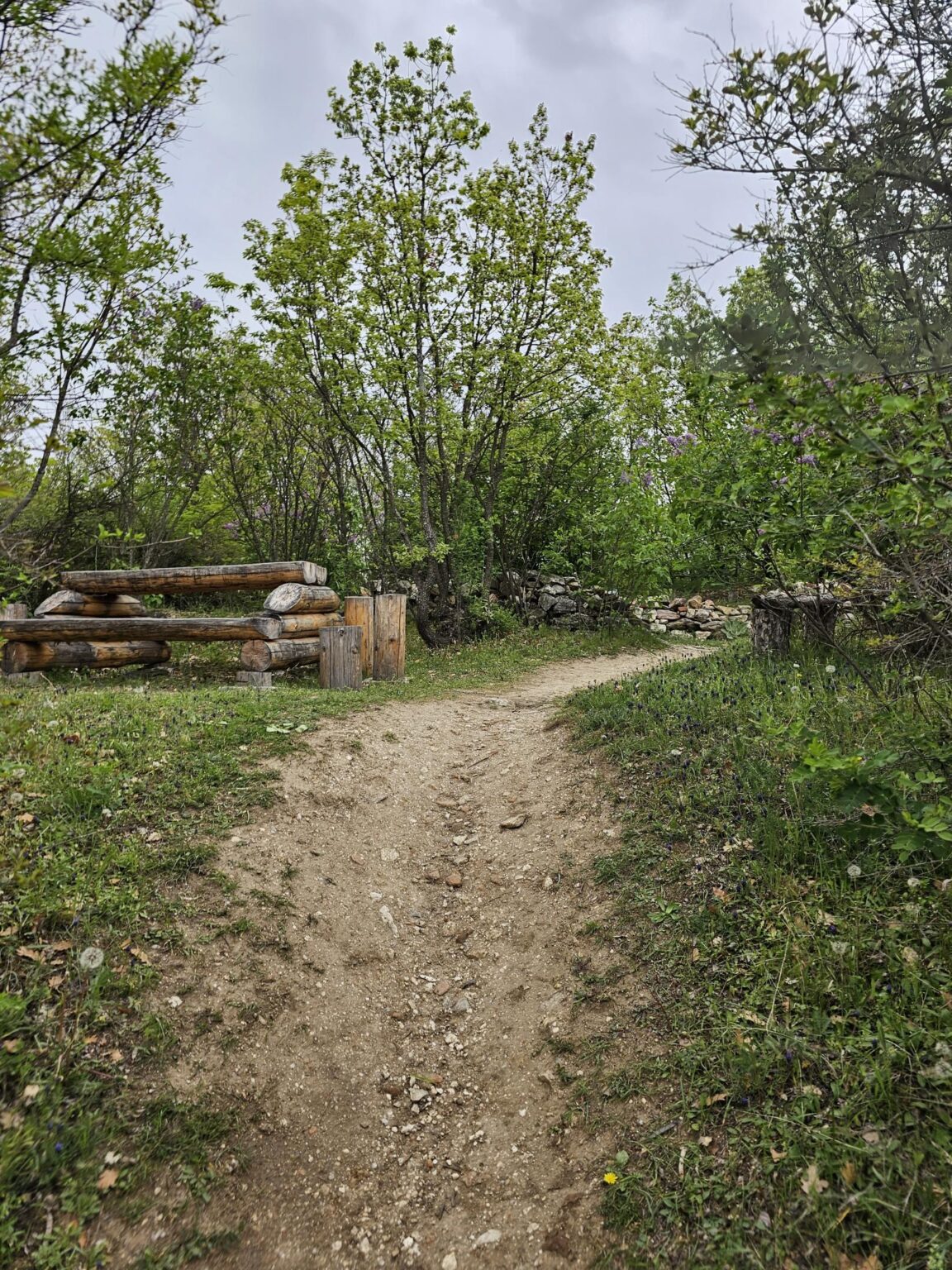
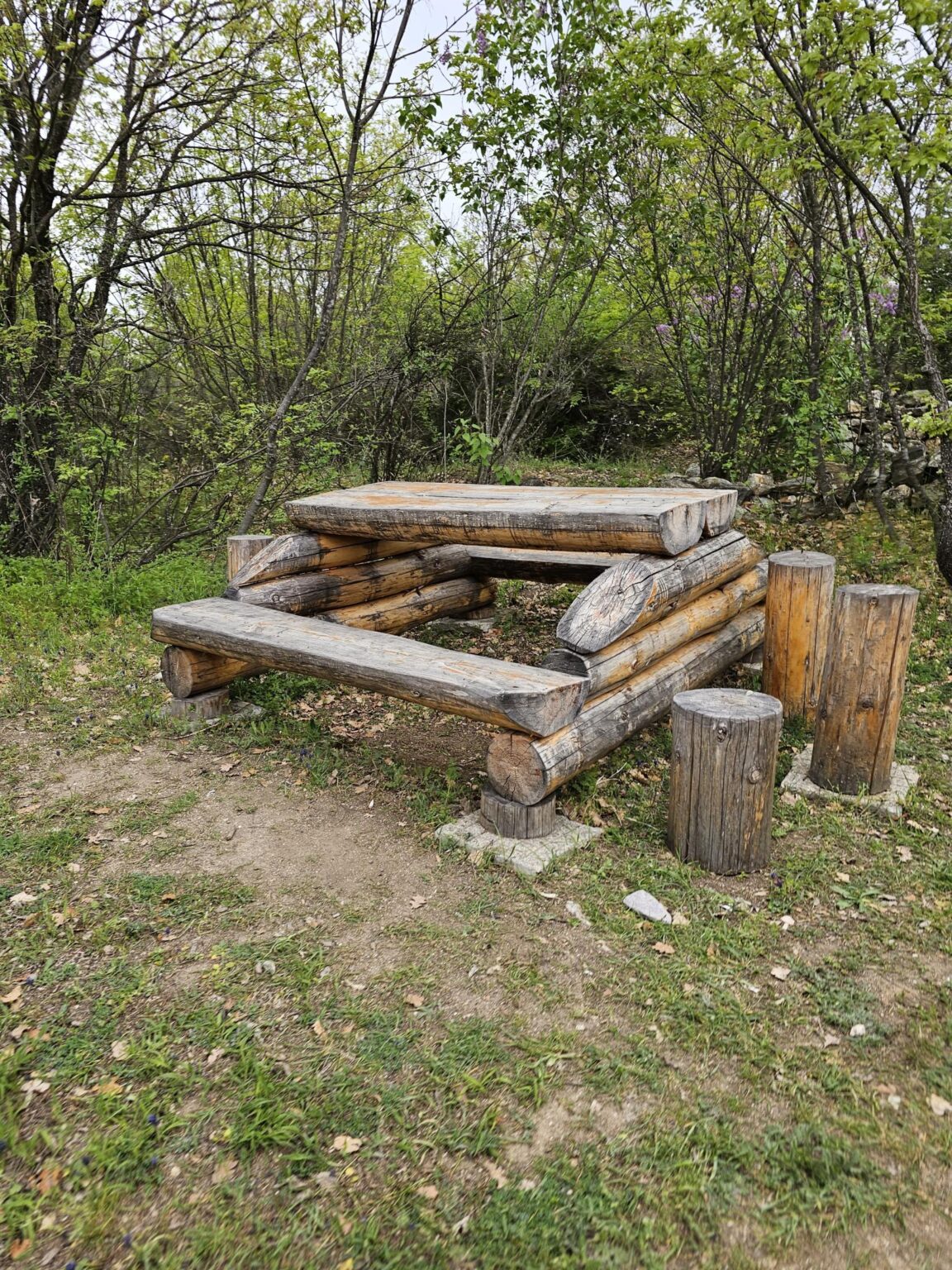
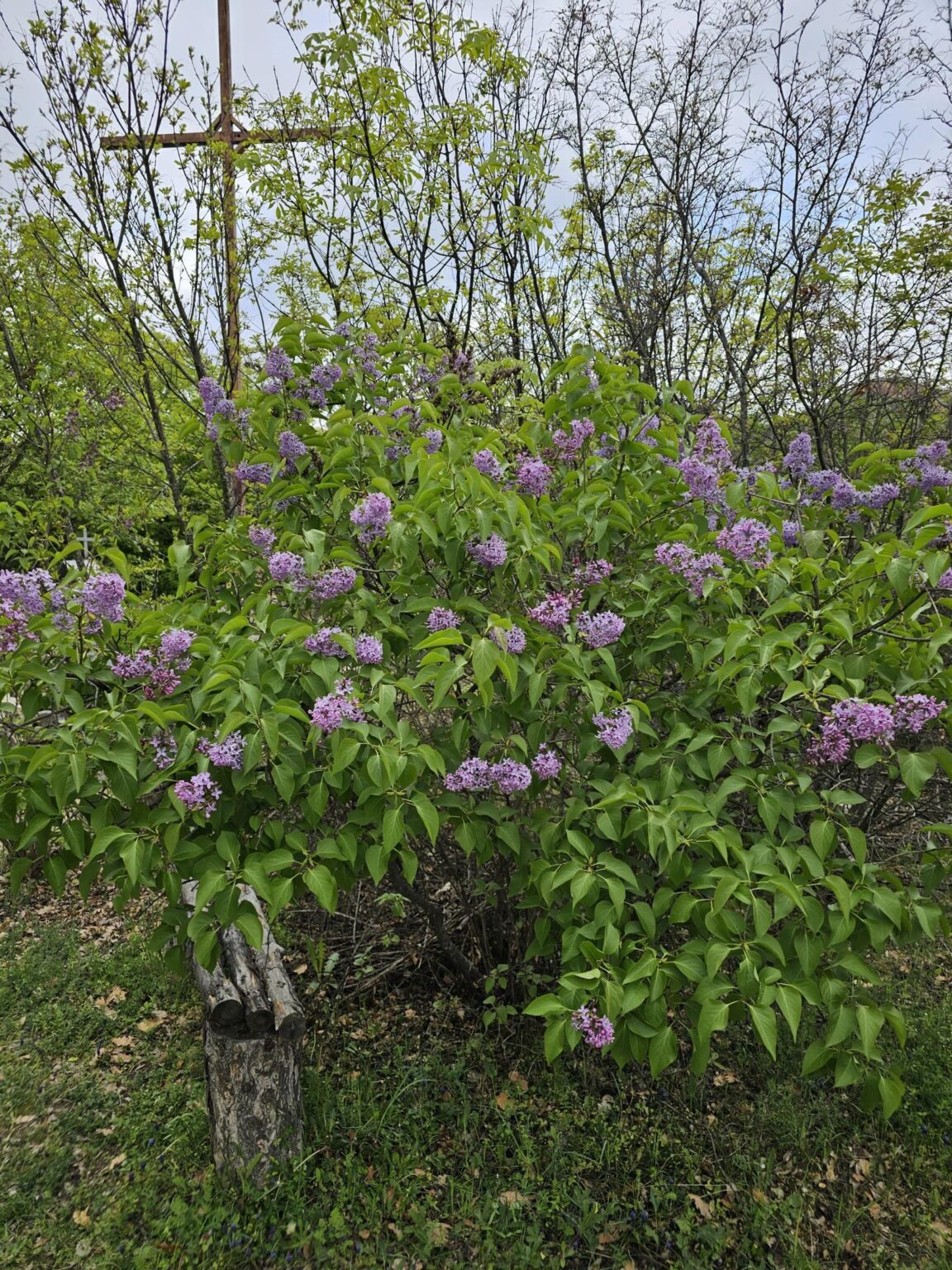
Total elevation gain according to the smart tracker is about 150 metres. From the cross you can descend by a different path — there’s no way to lose it — which closes an almost complete circle and drops you exactly at the pull-off where the car is. The way down is noticeably quicker, 20–25 minutes. The whole trail is in the gallery:
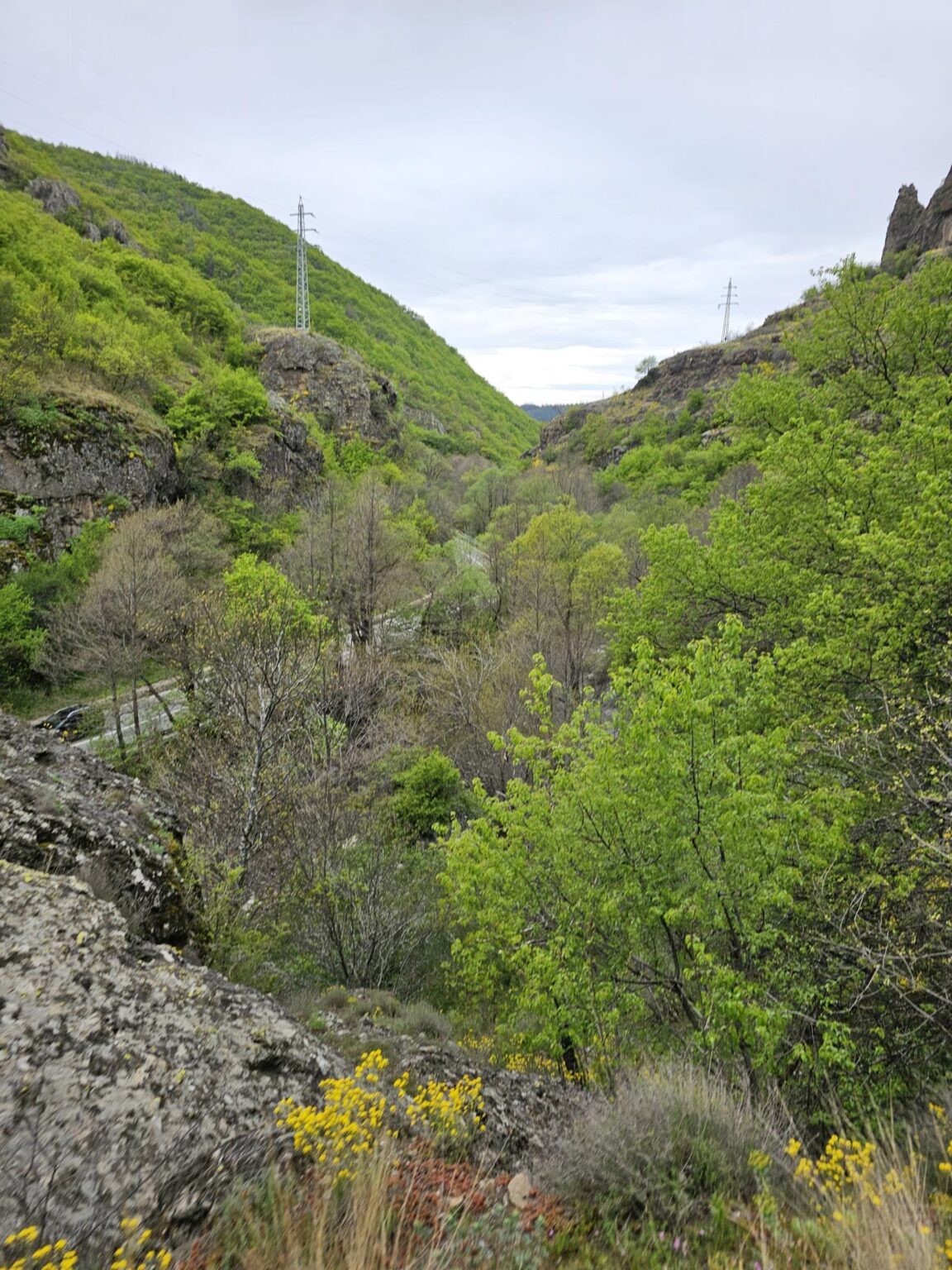
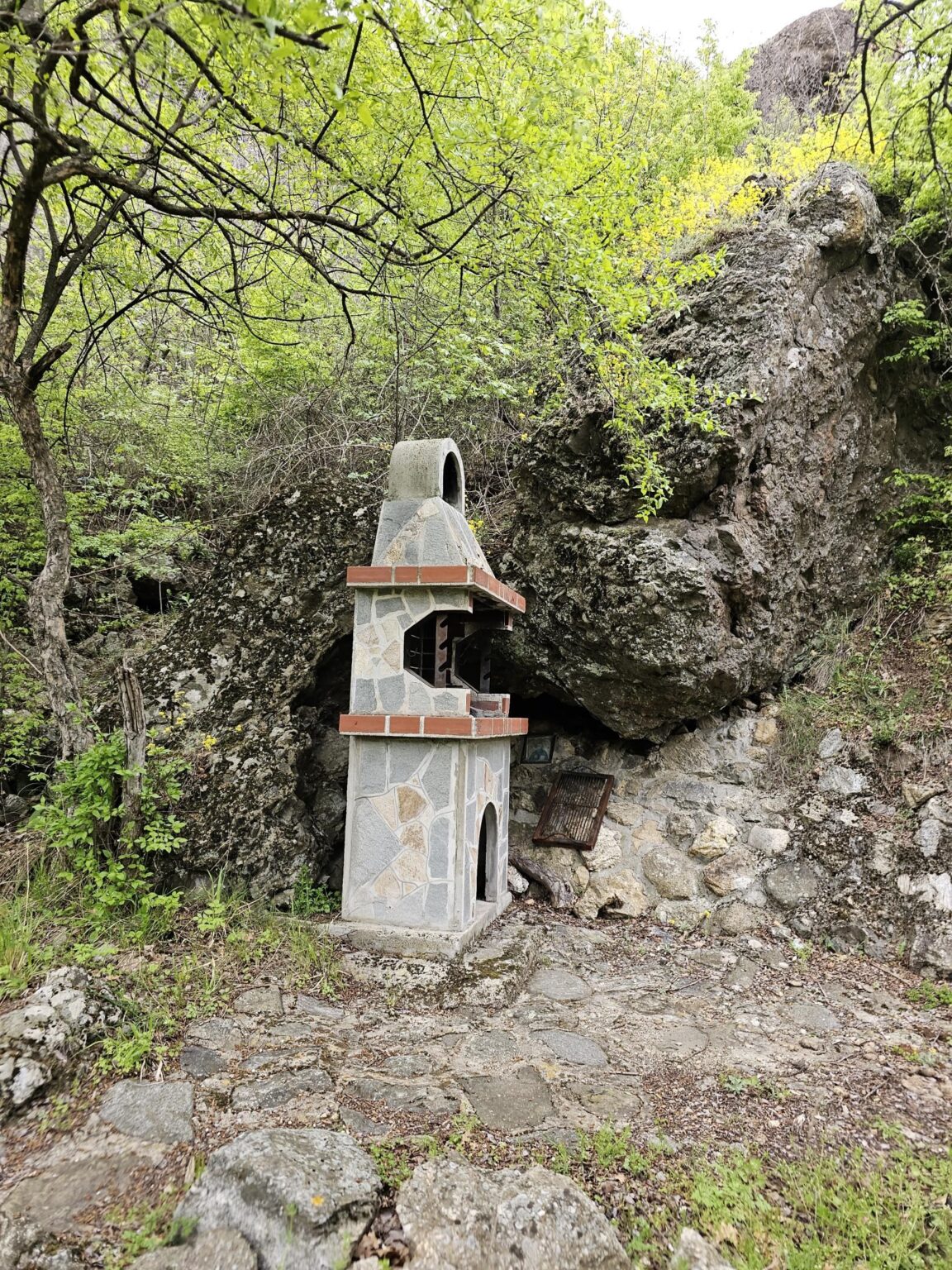
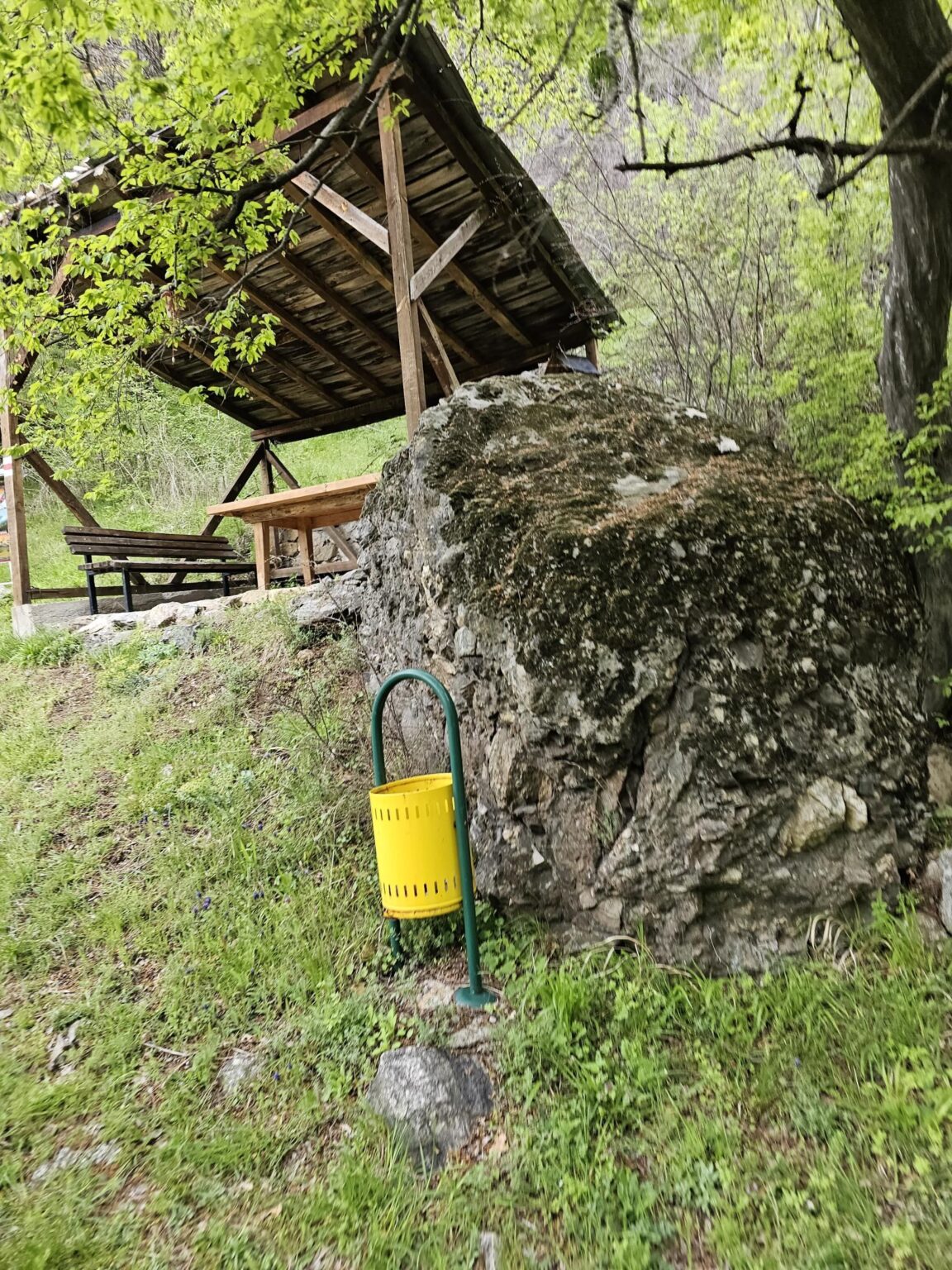
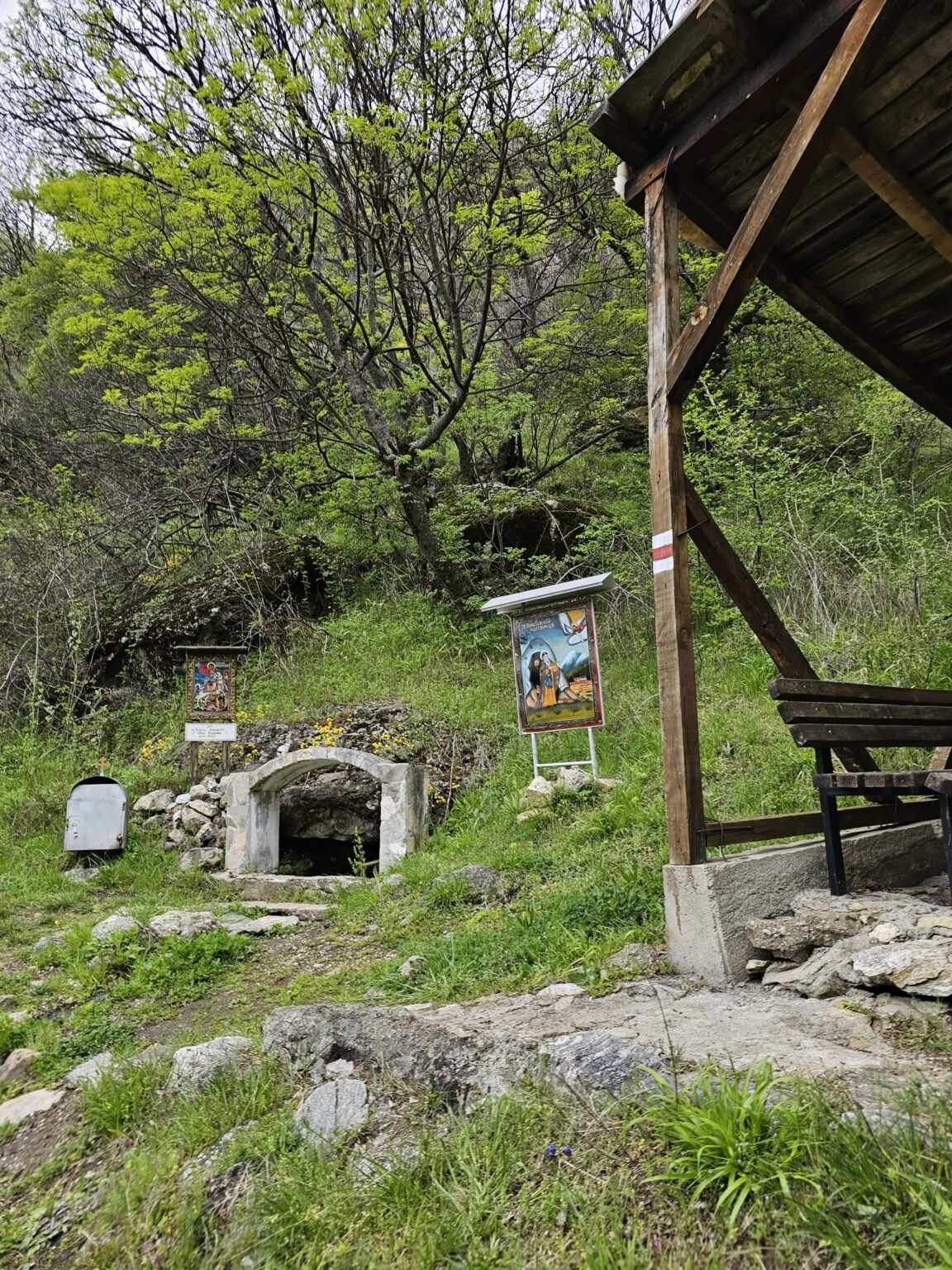
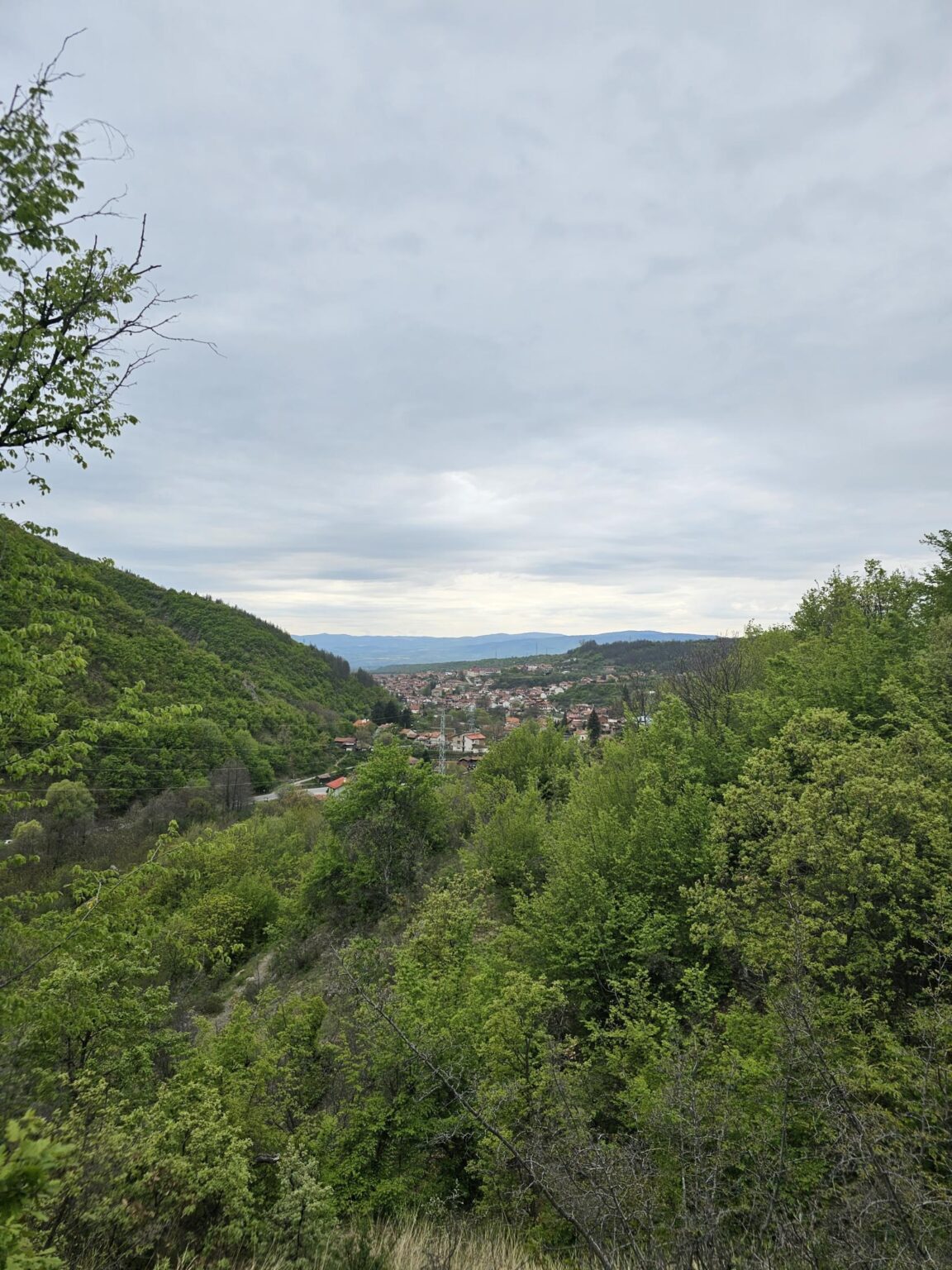
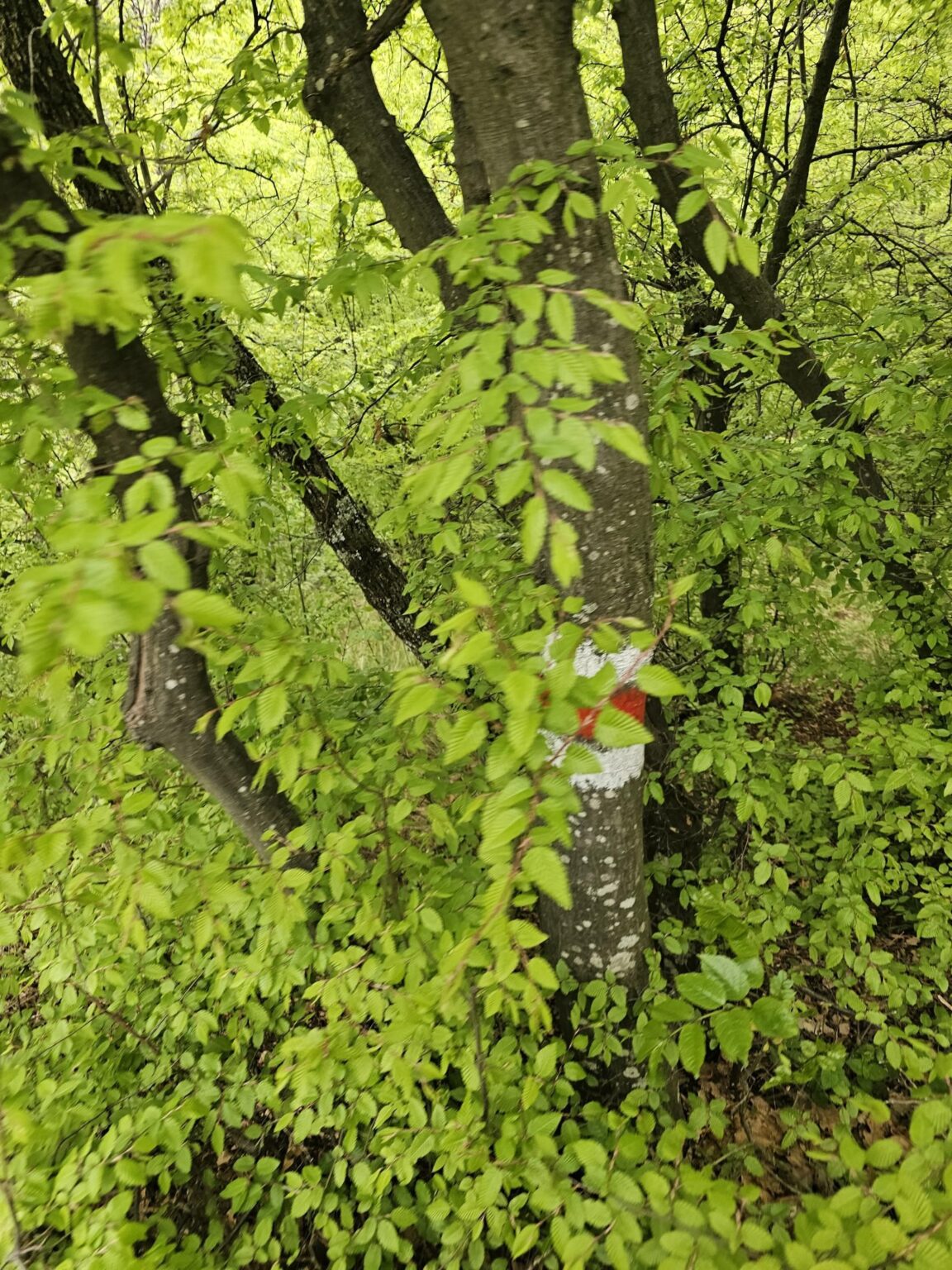
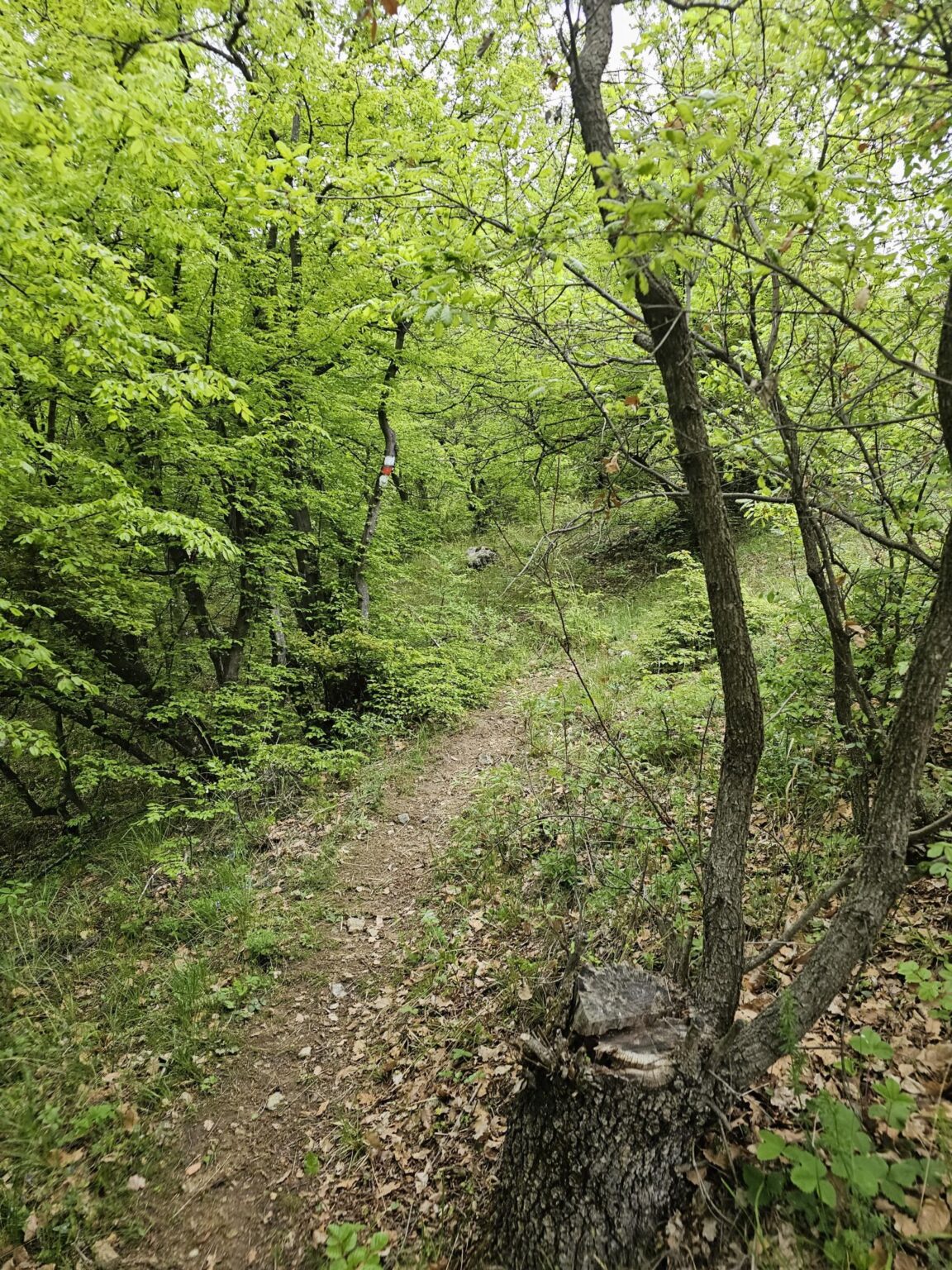
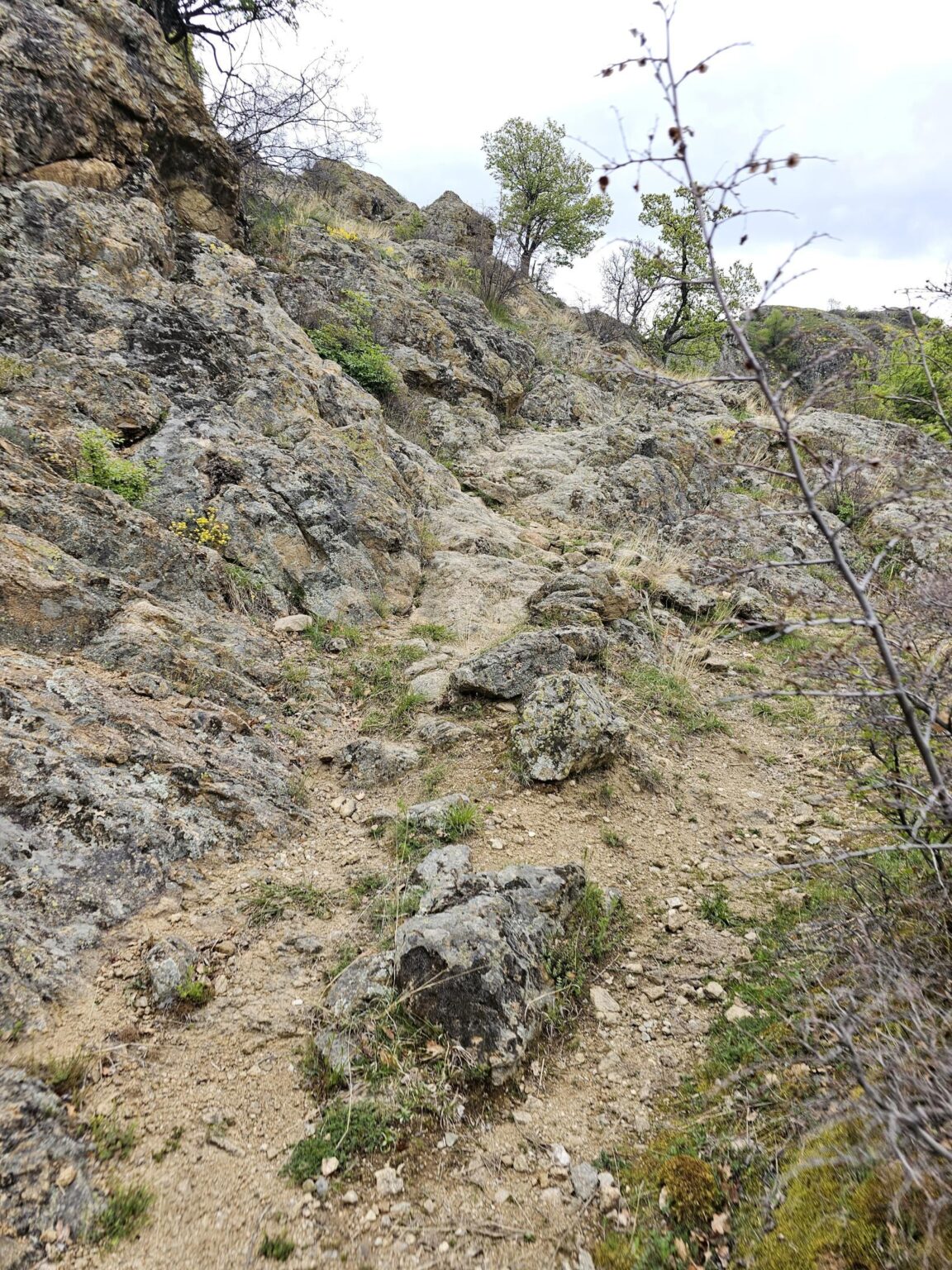
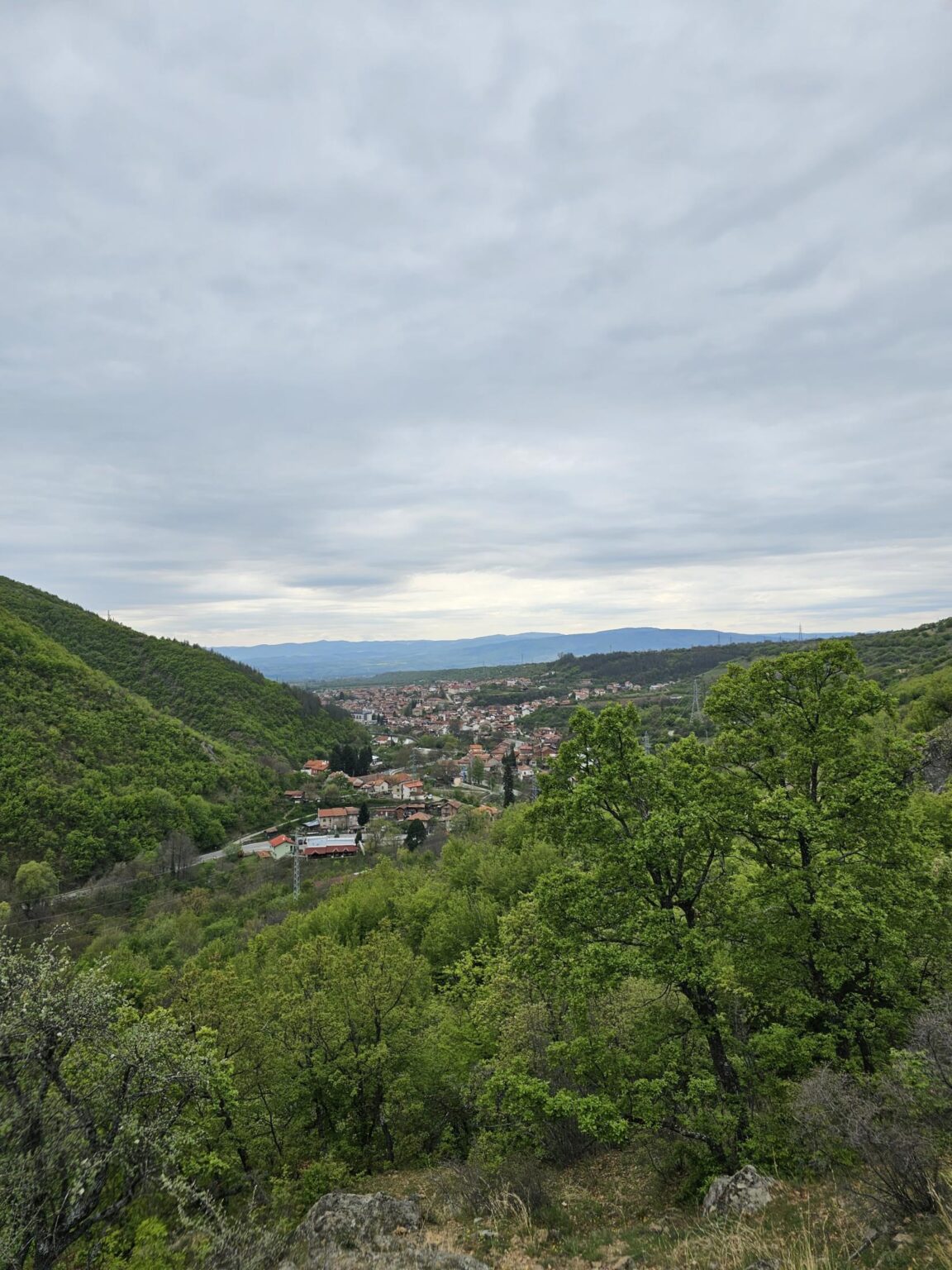
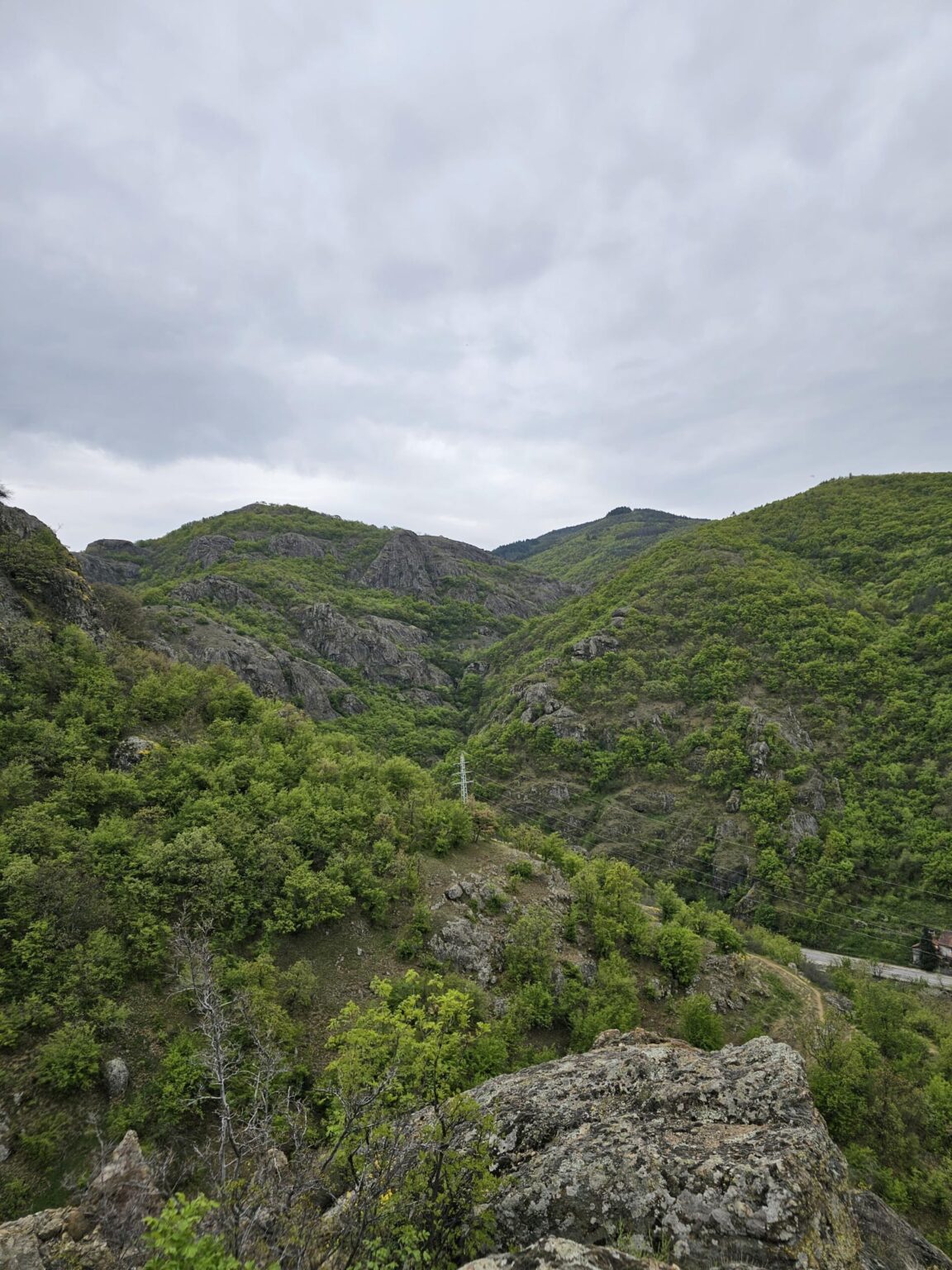
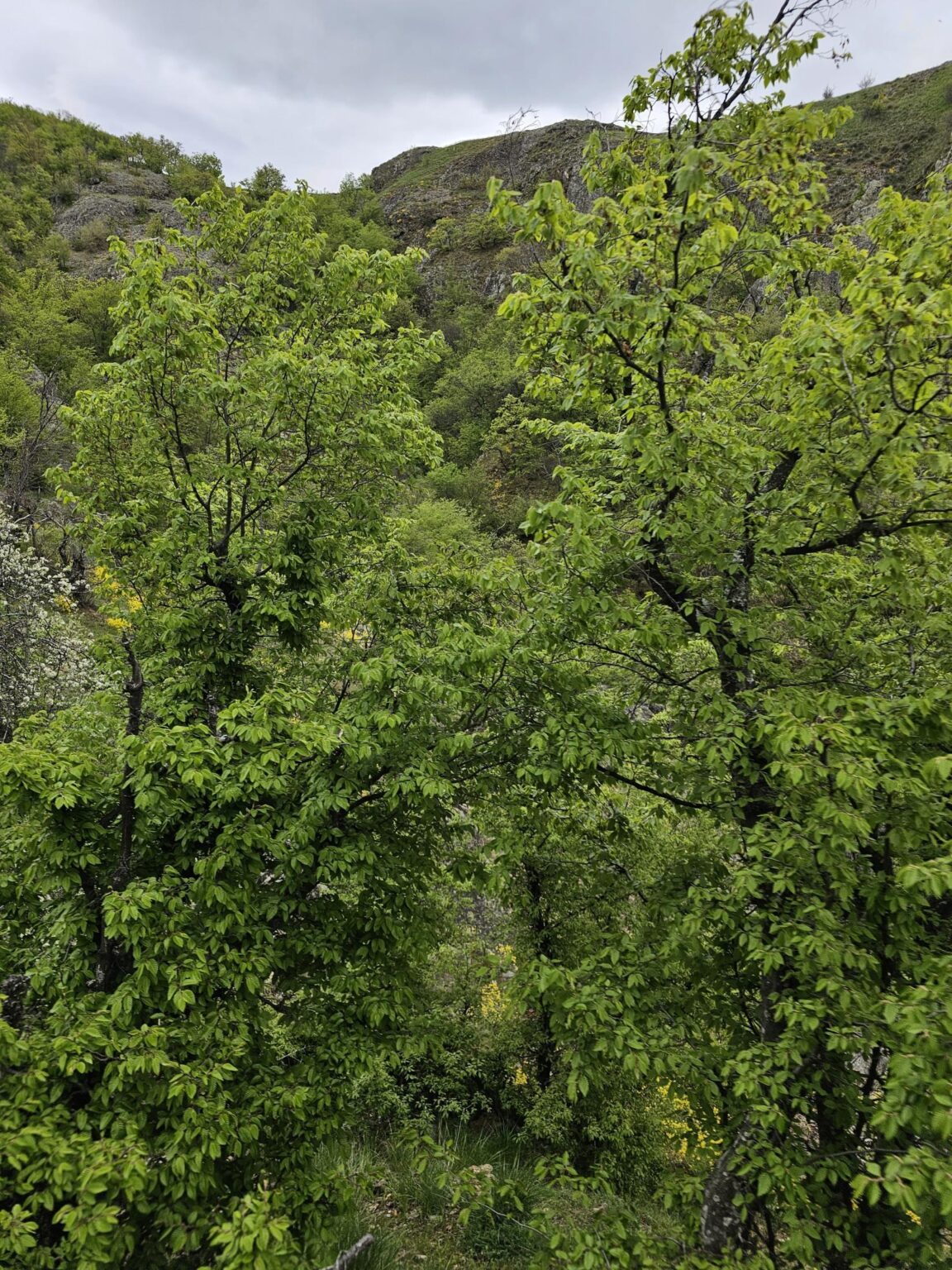
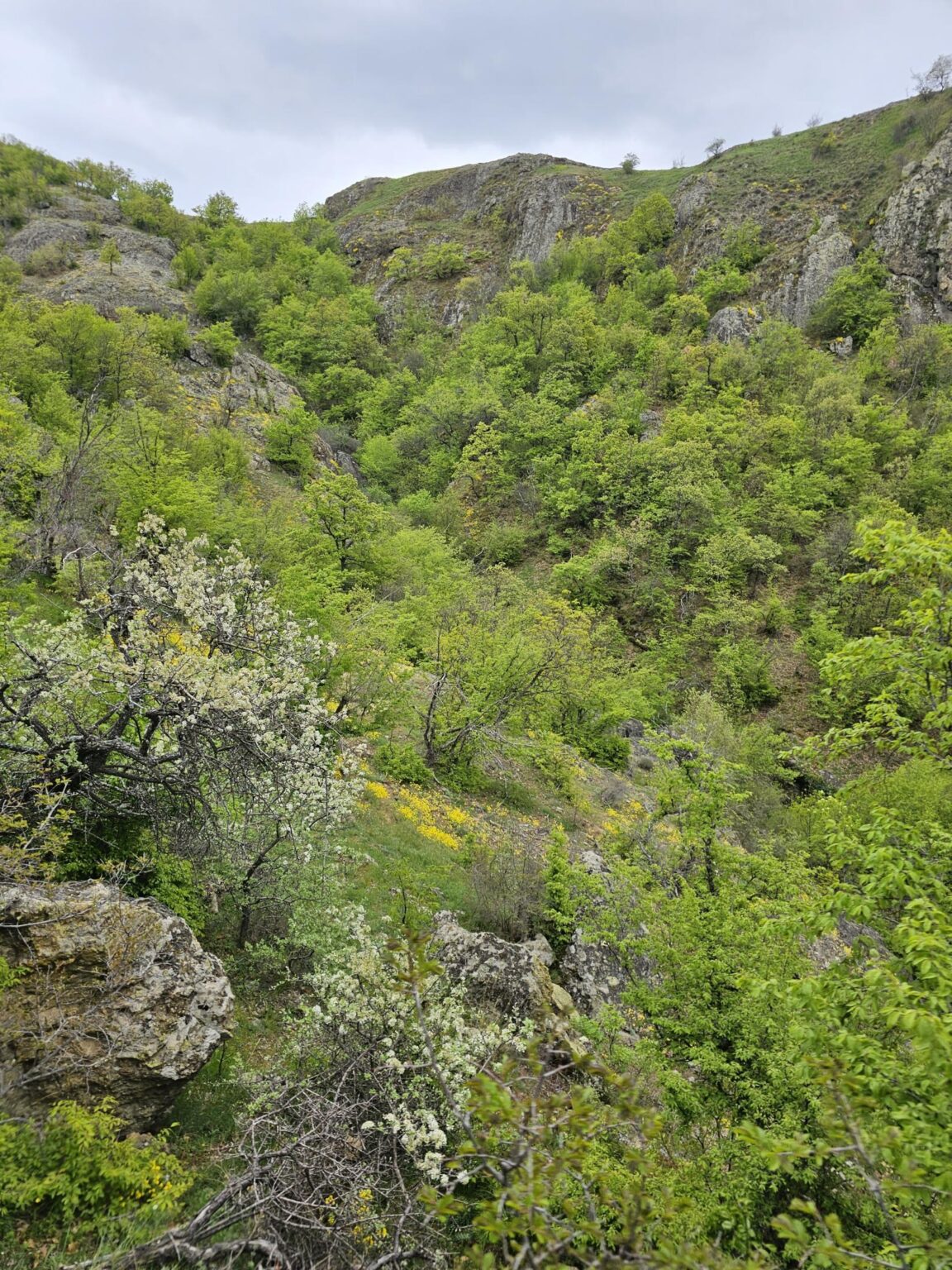
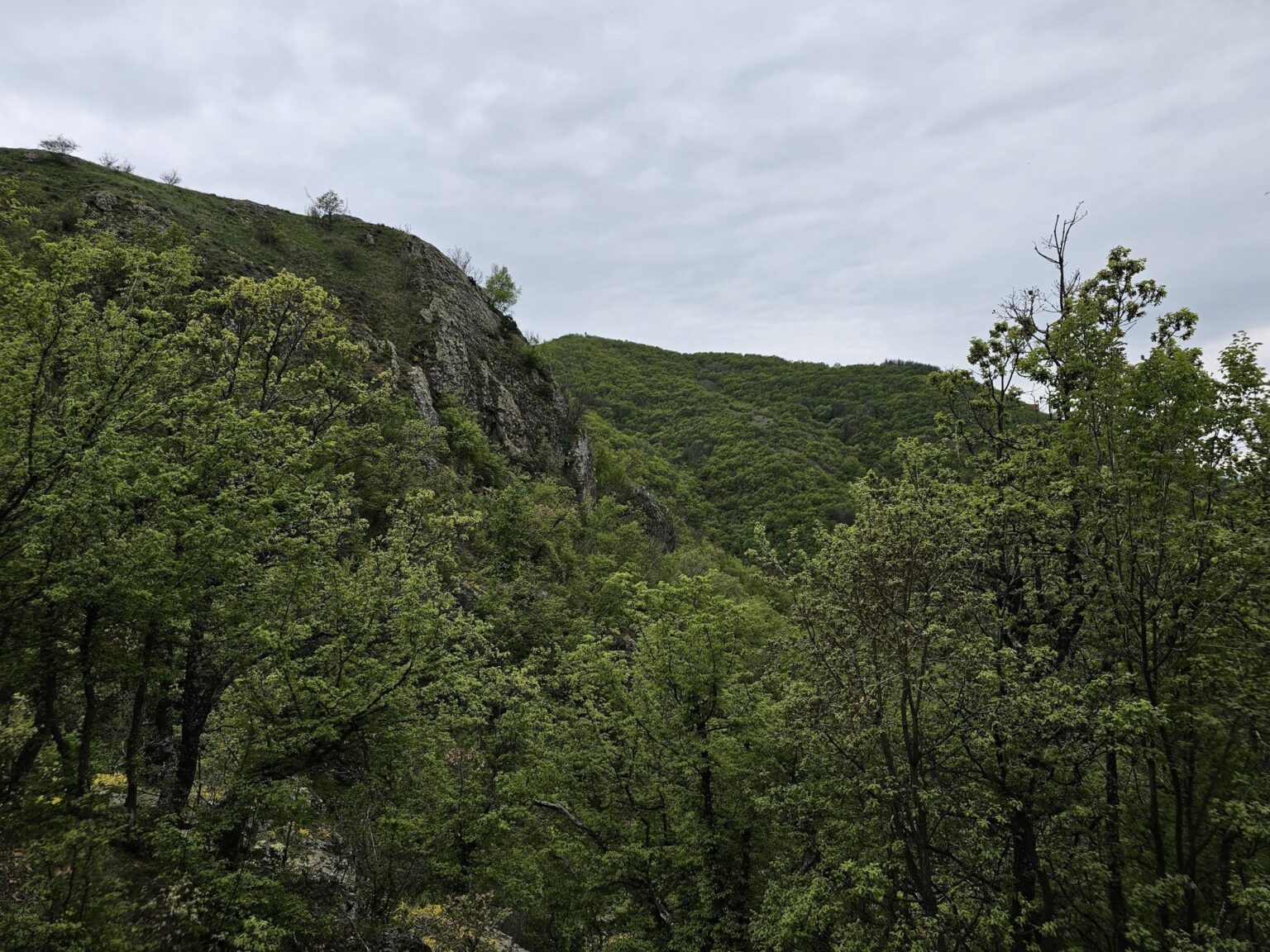
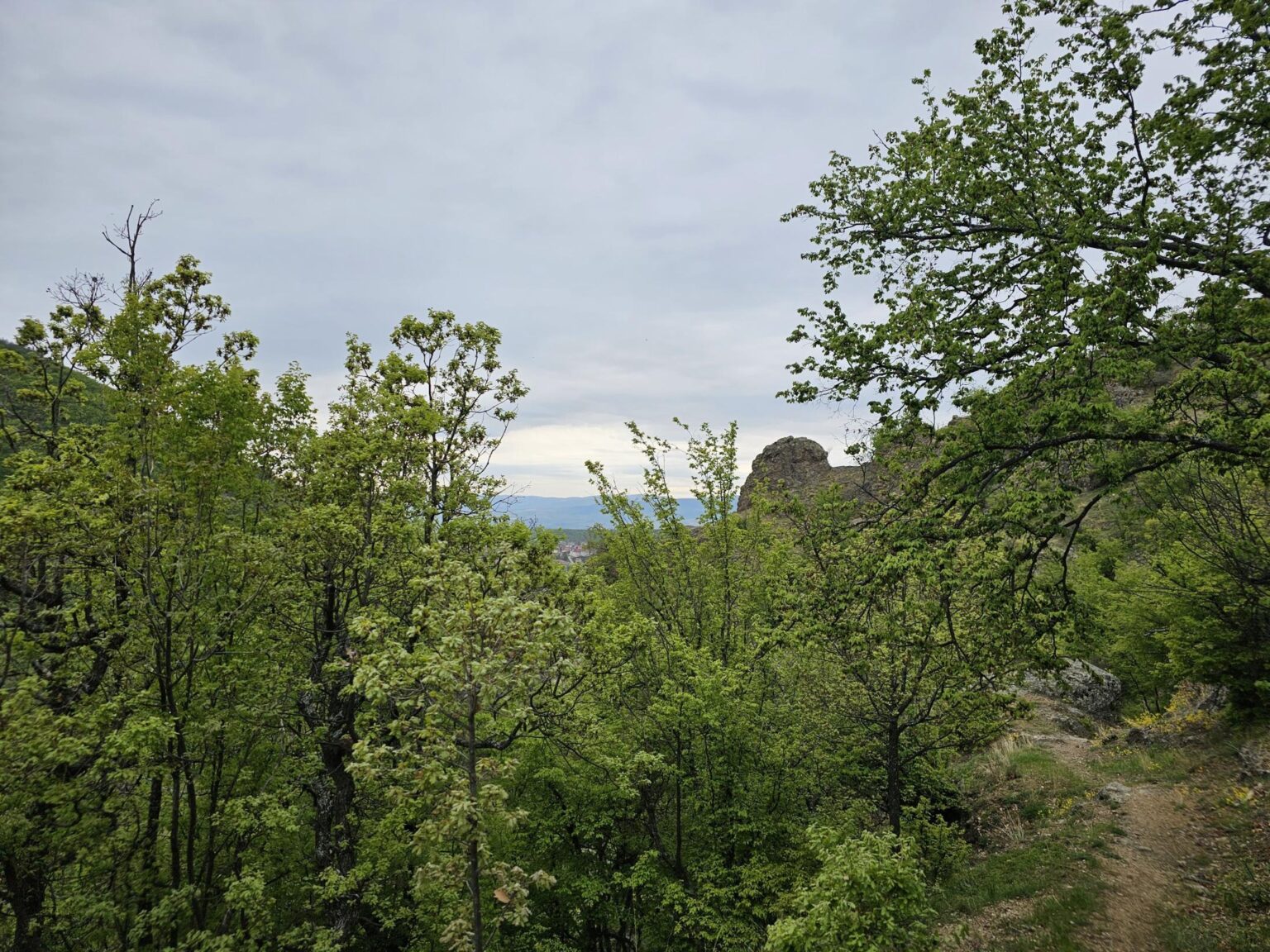
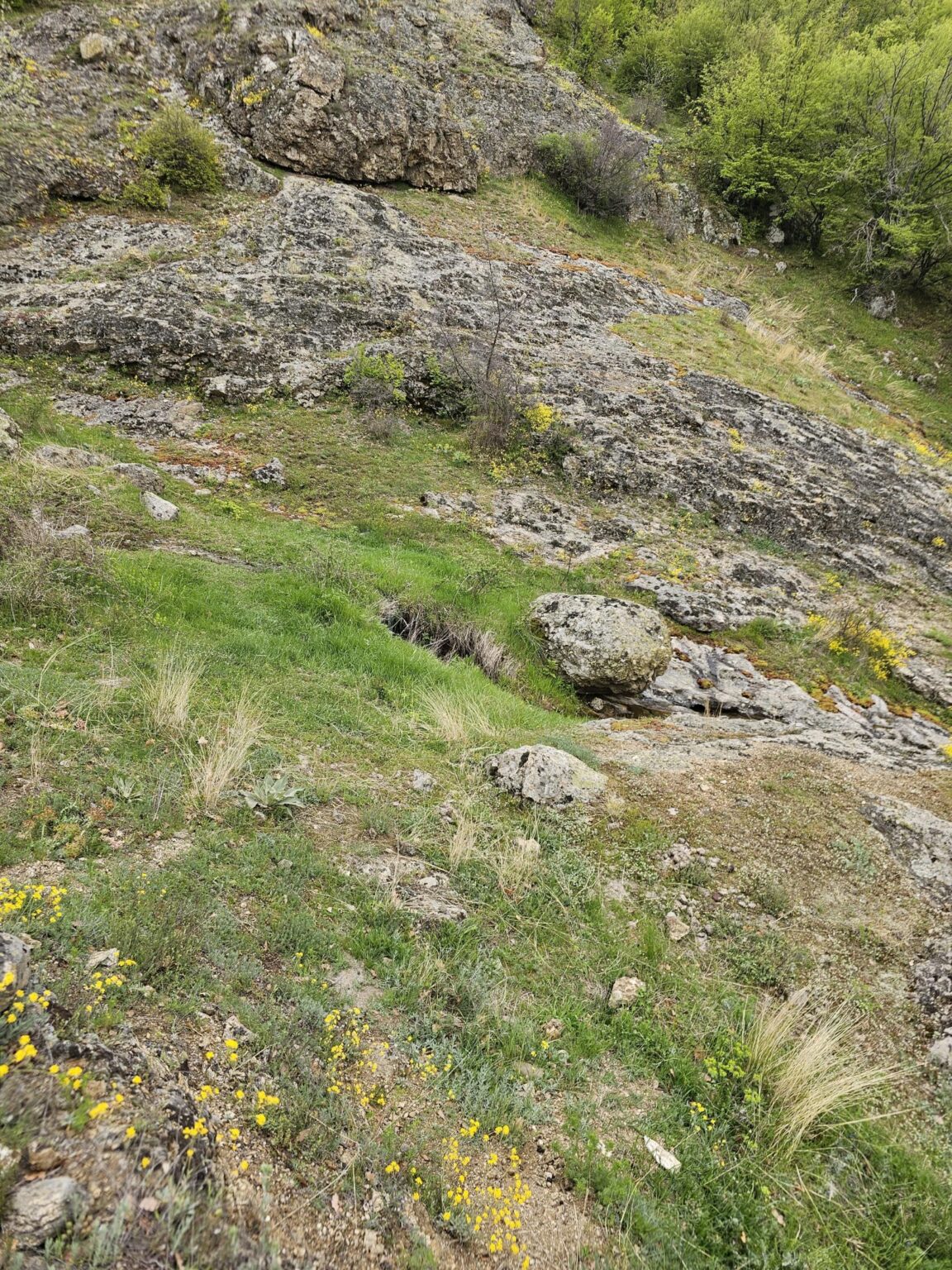
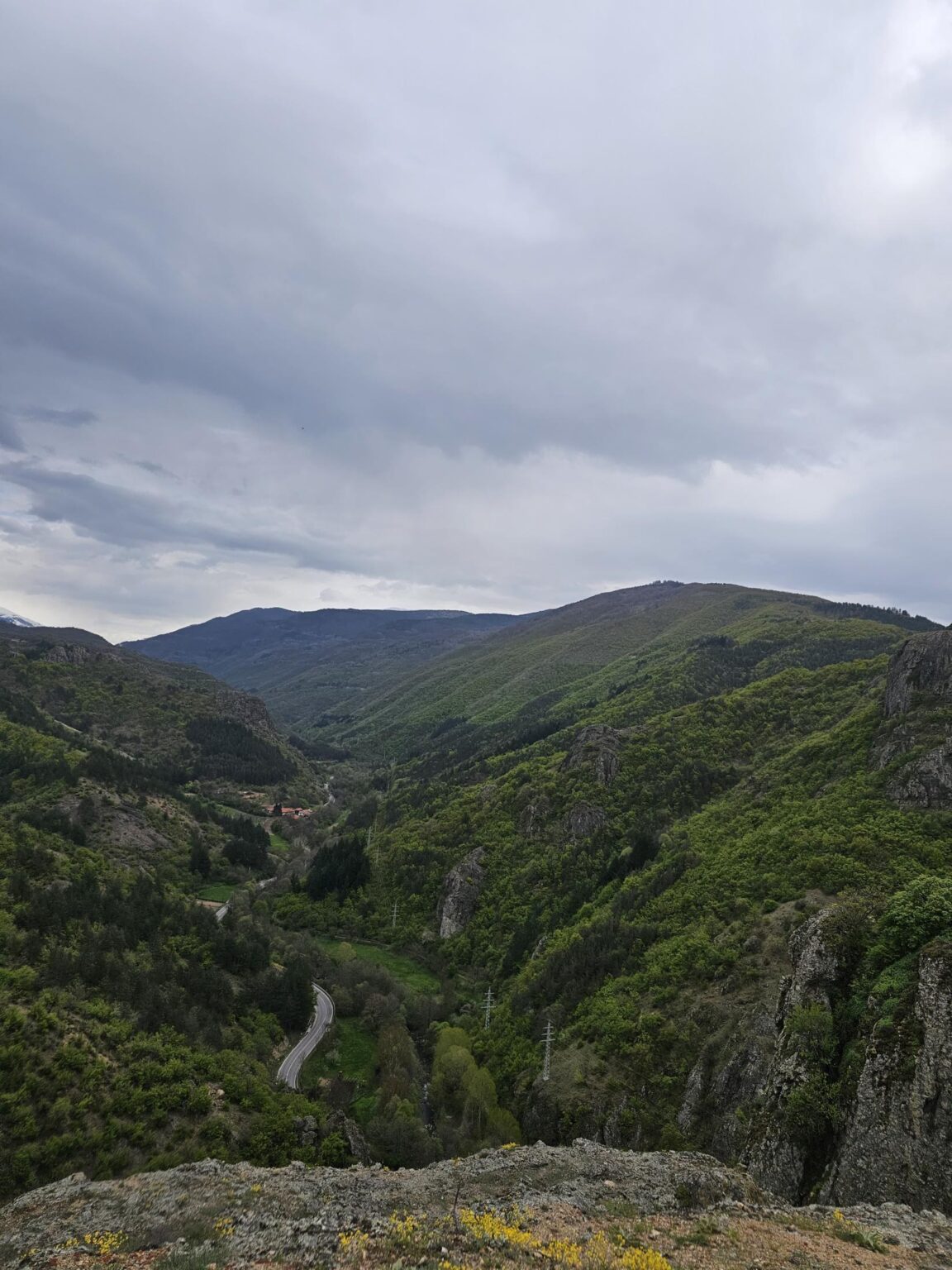
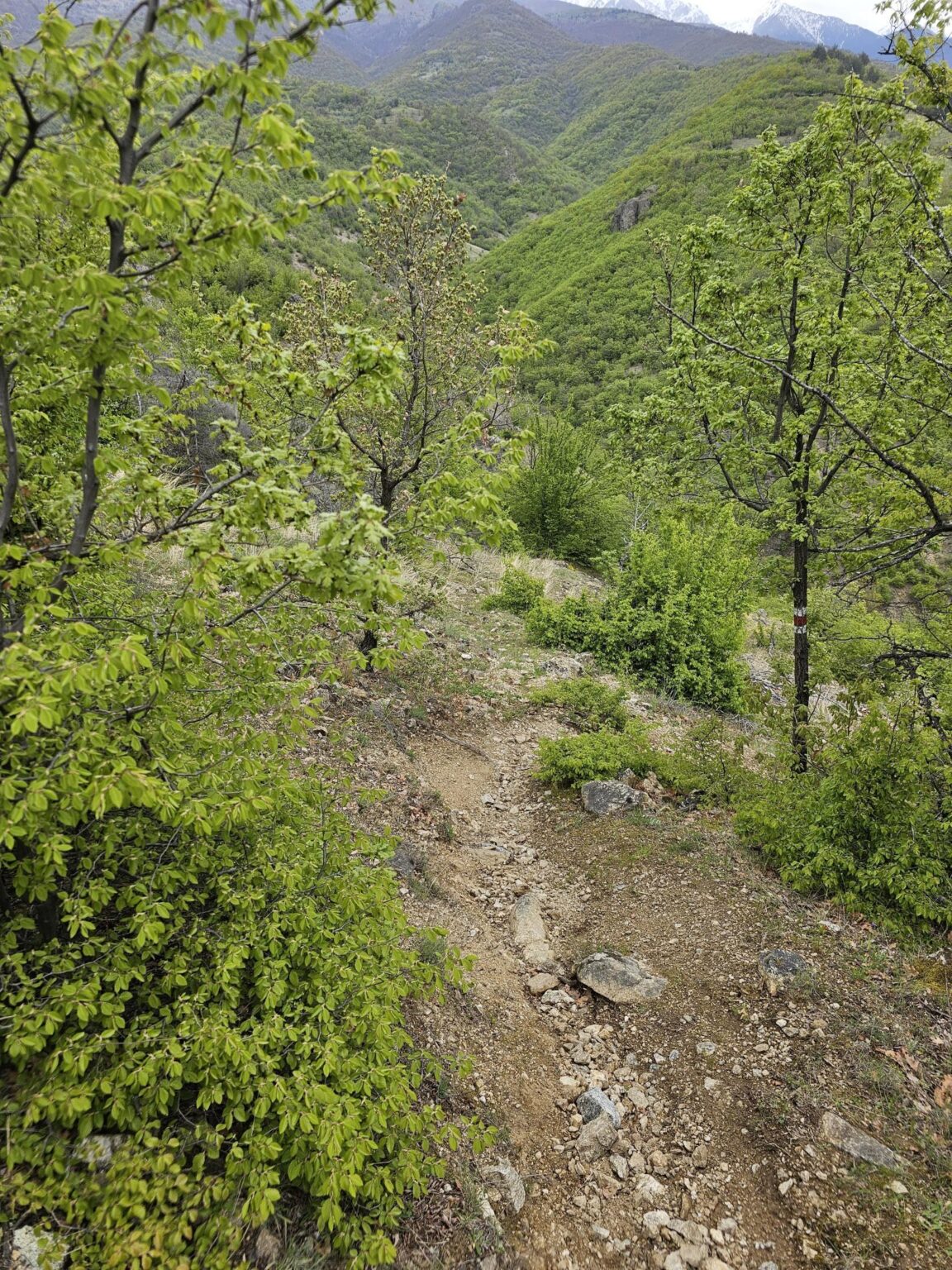
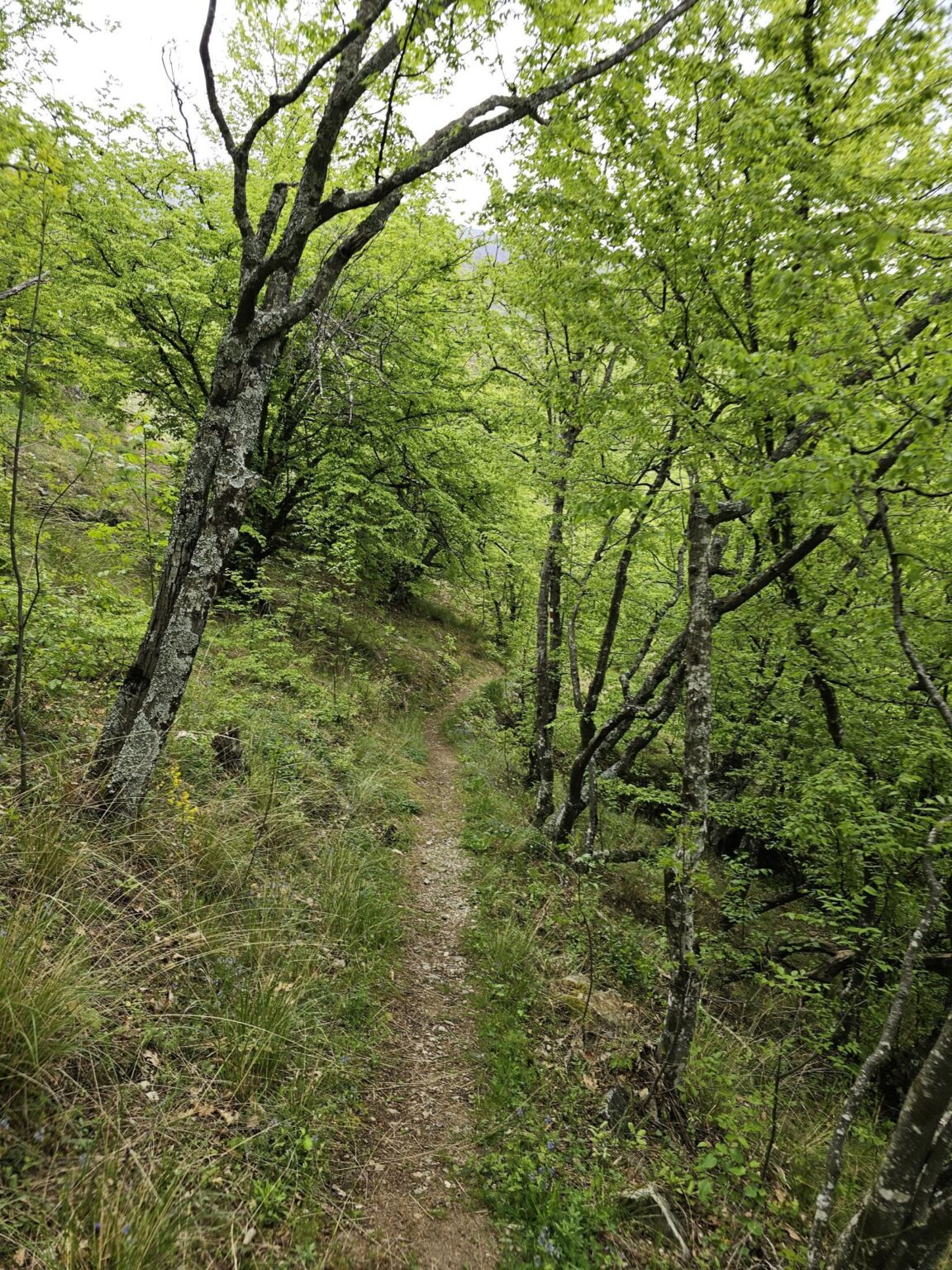
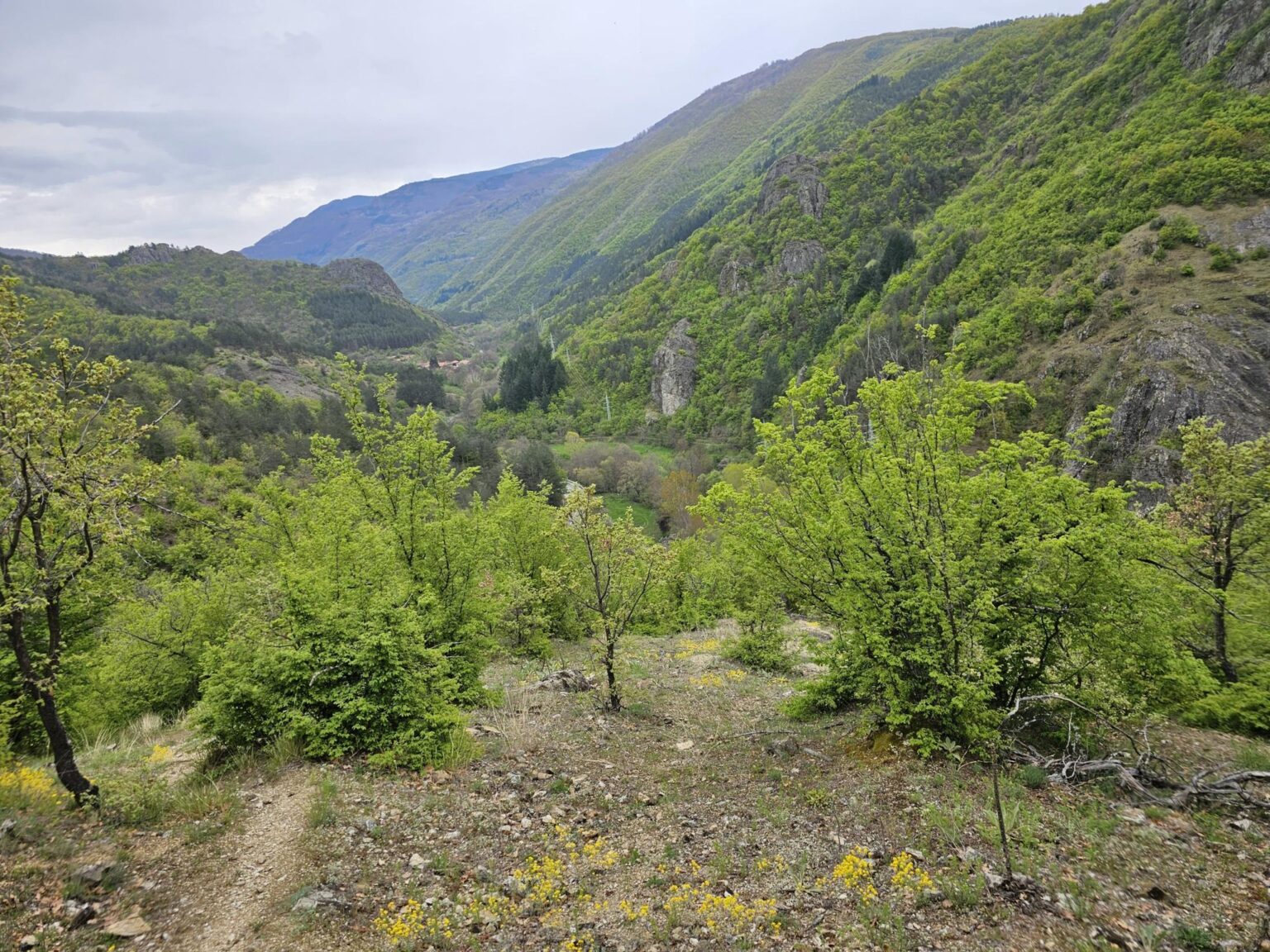
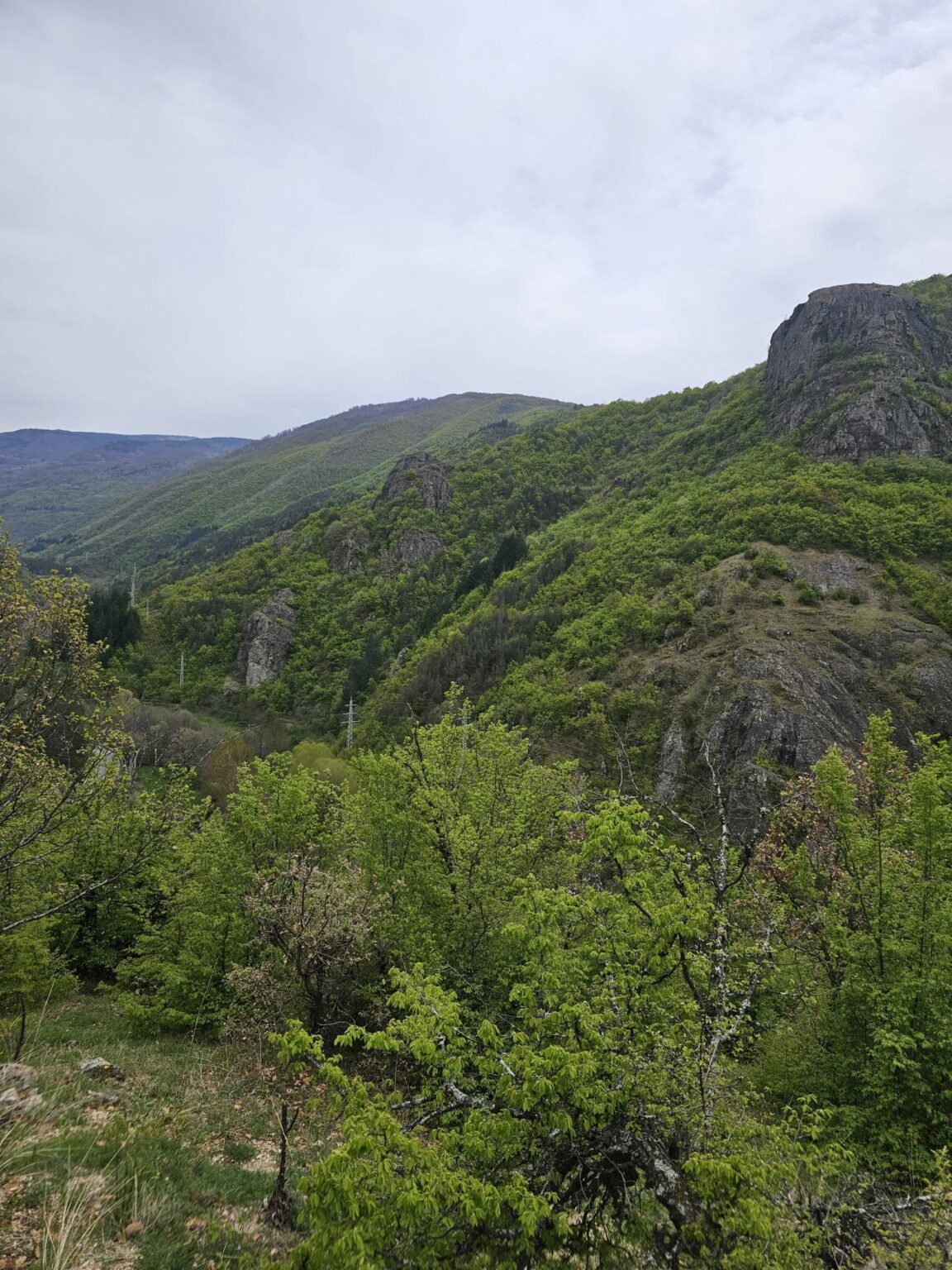
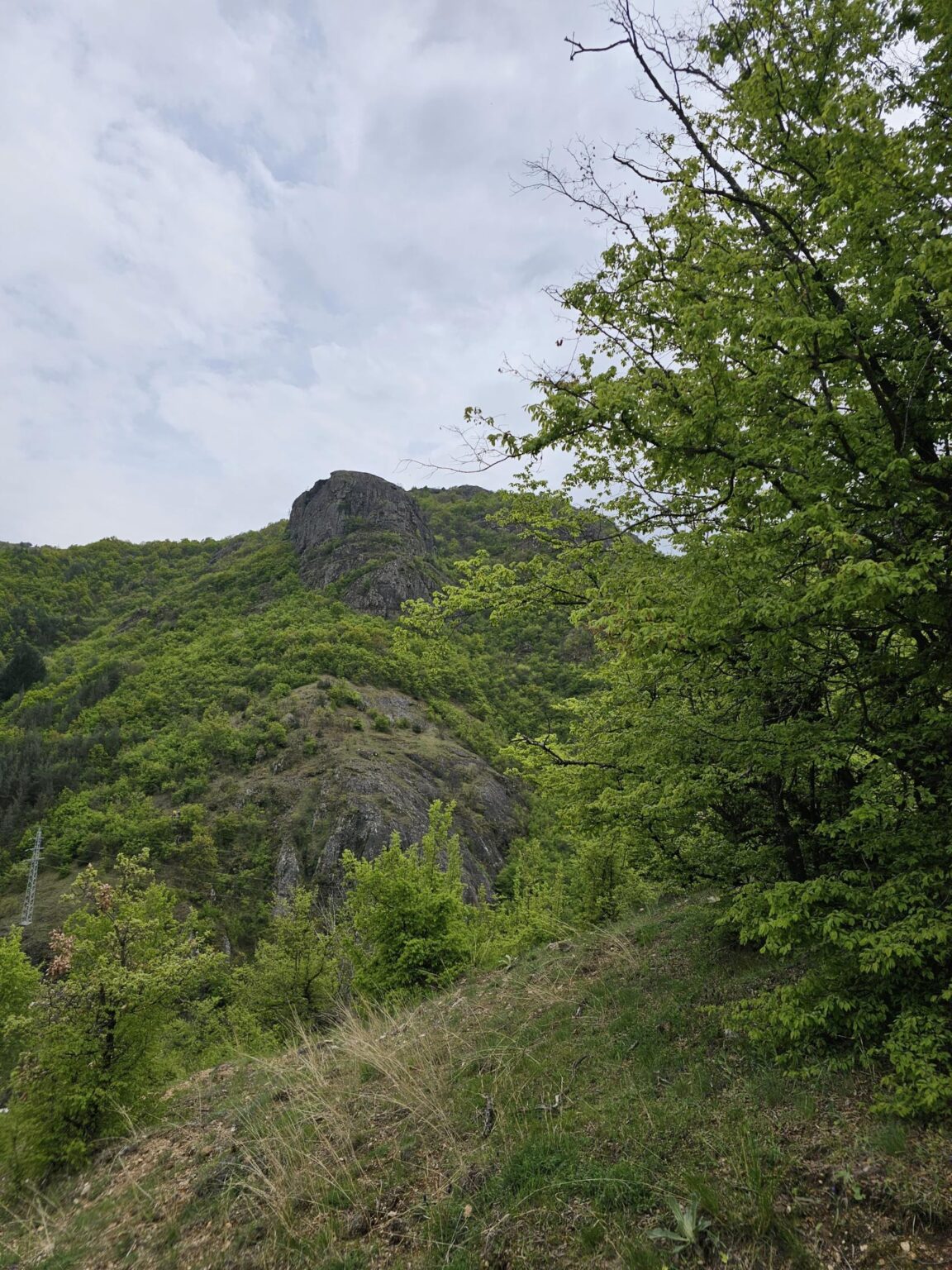
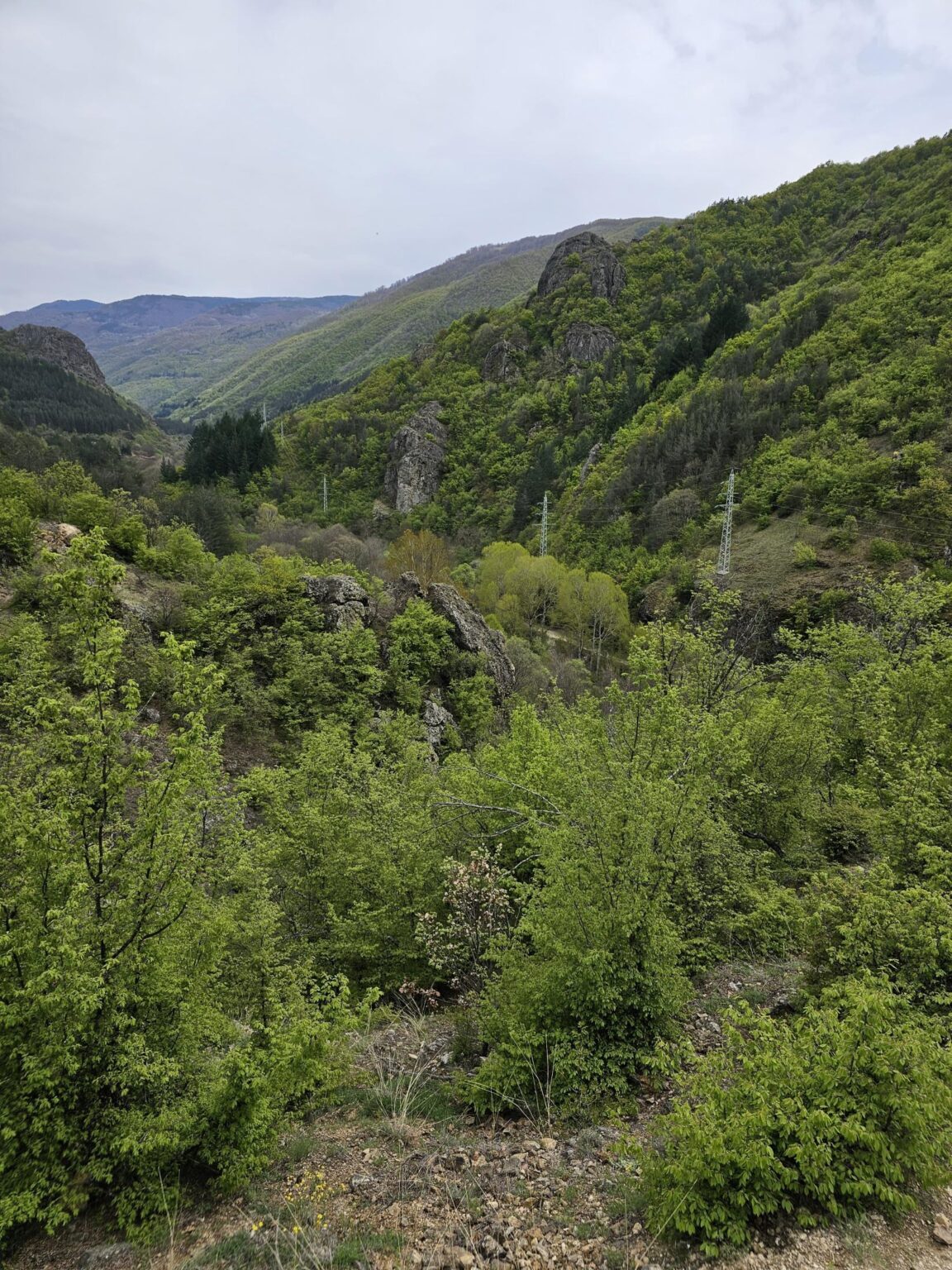
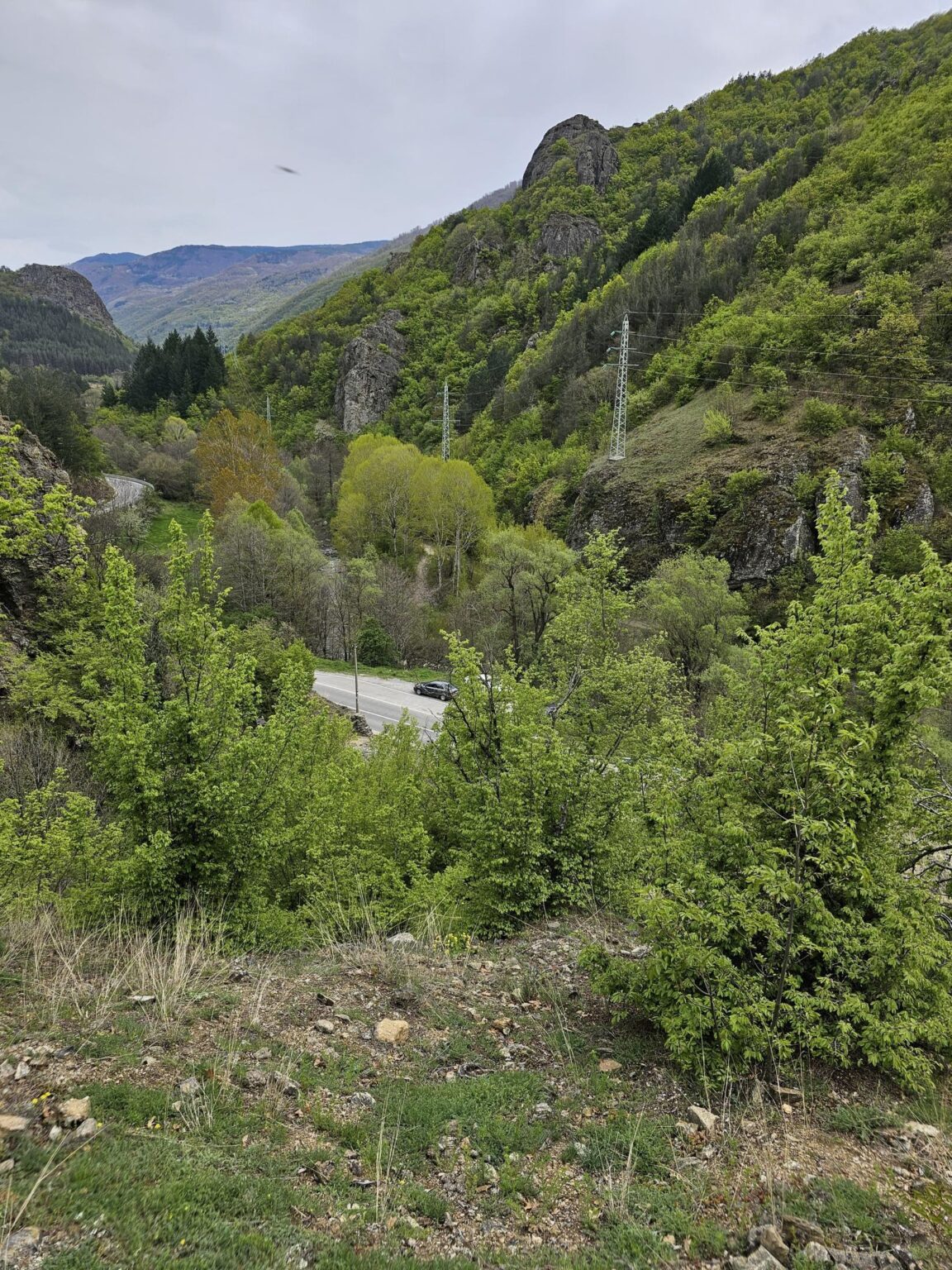
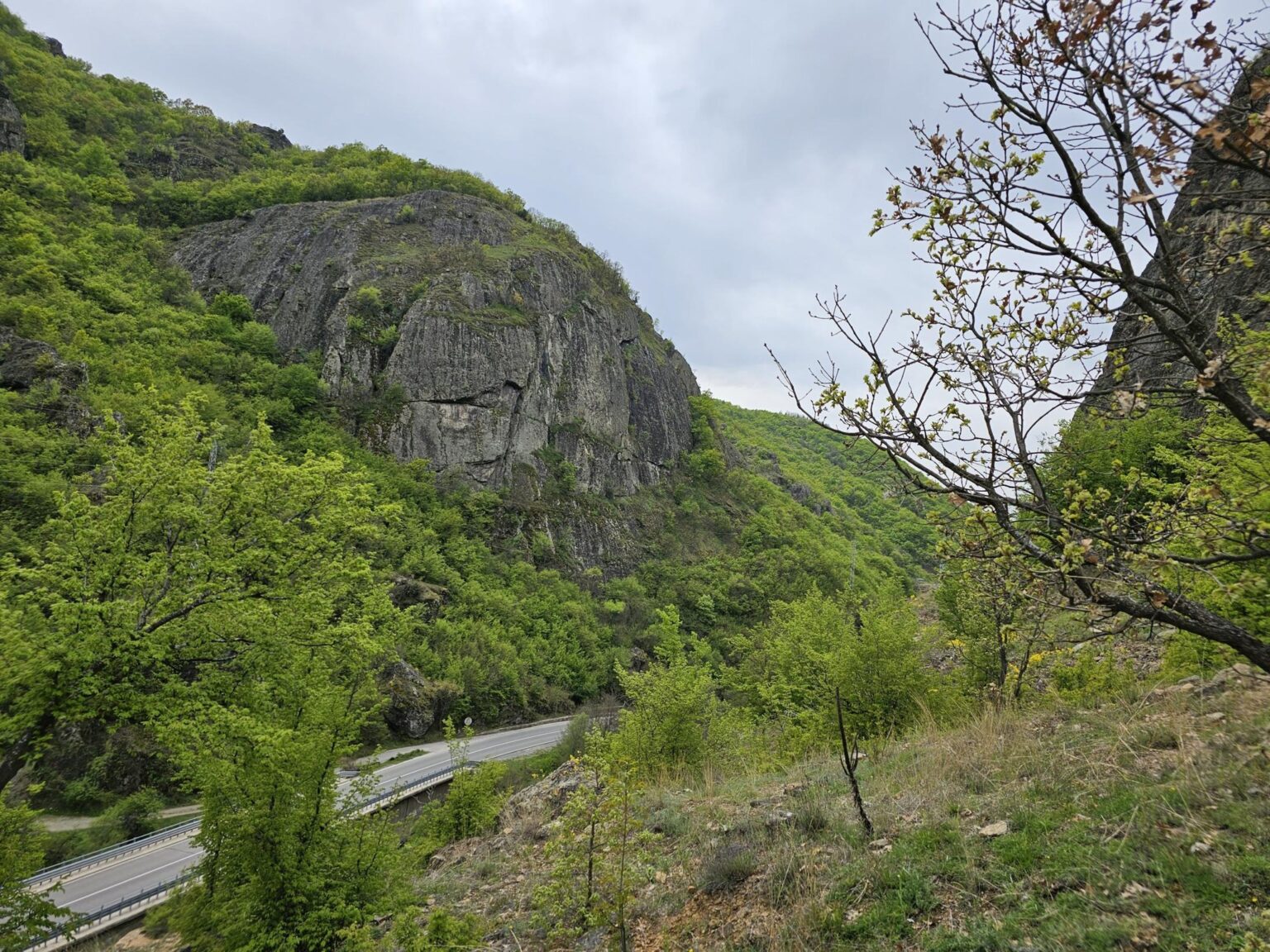
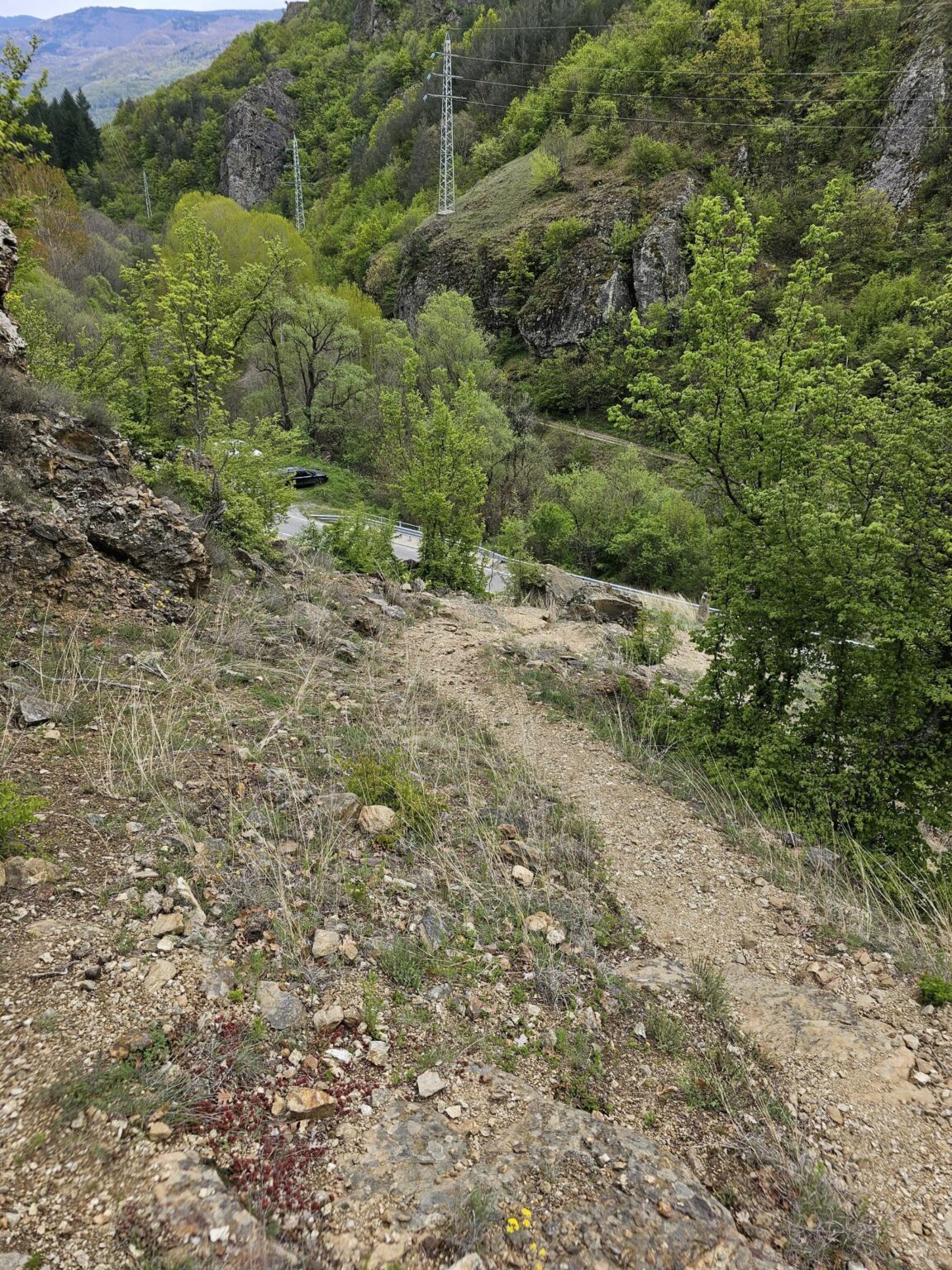
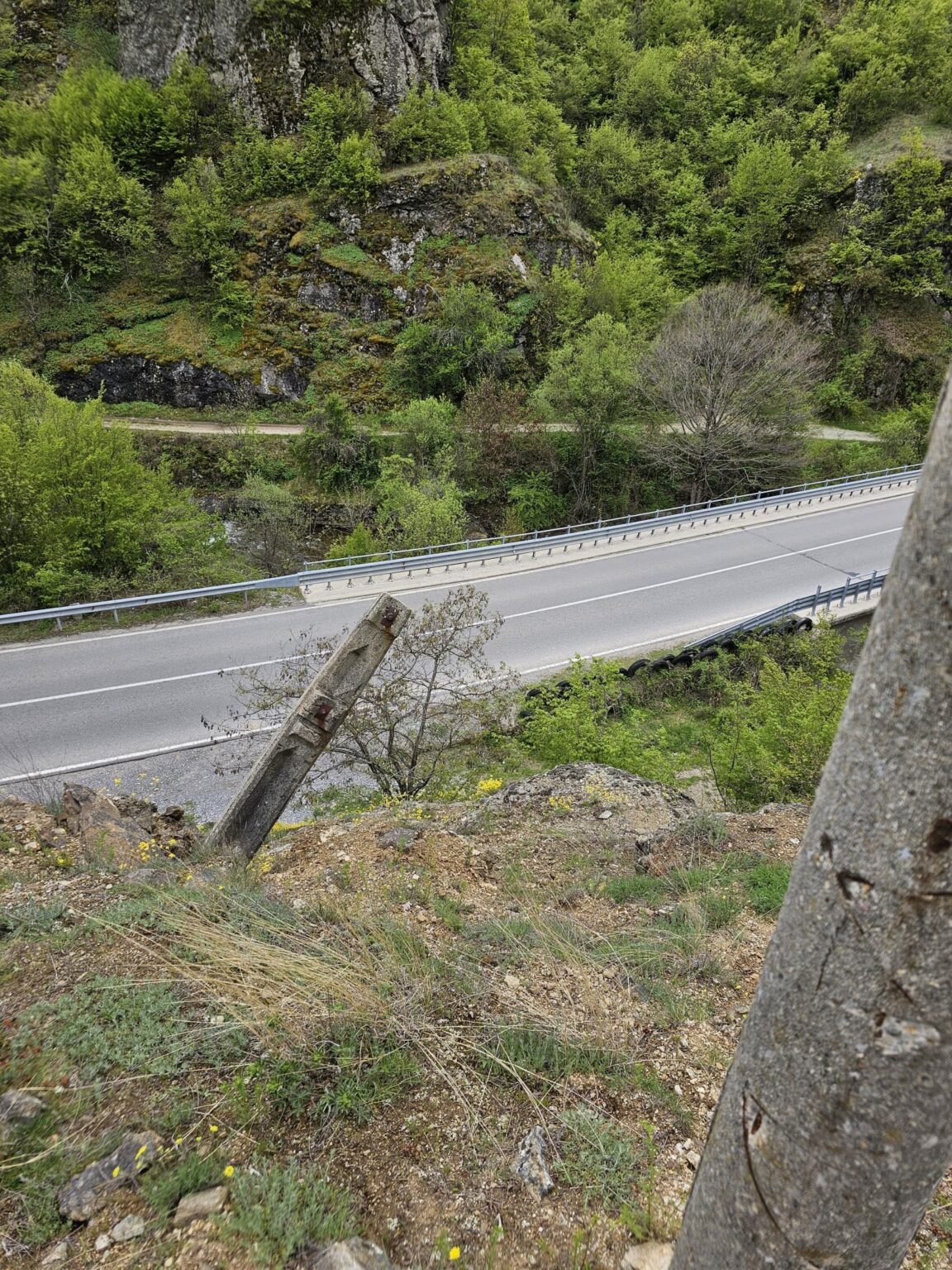
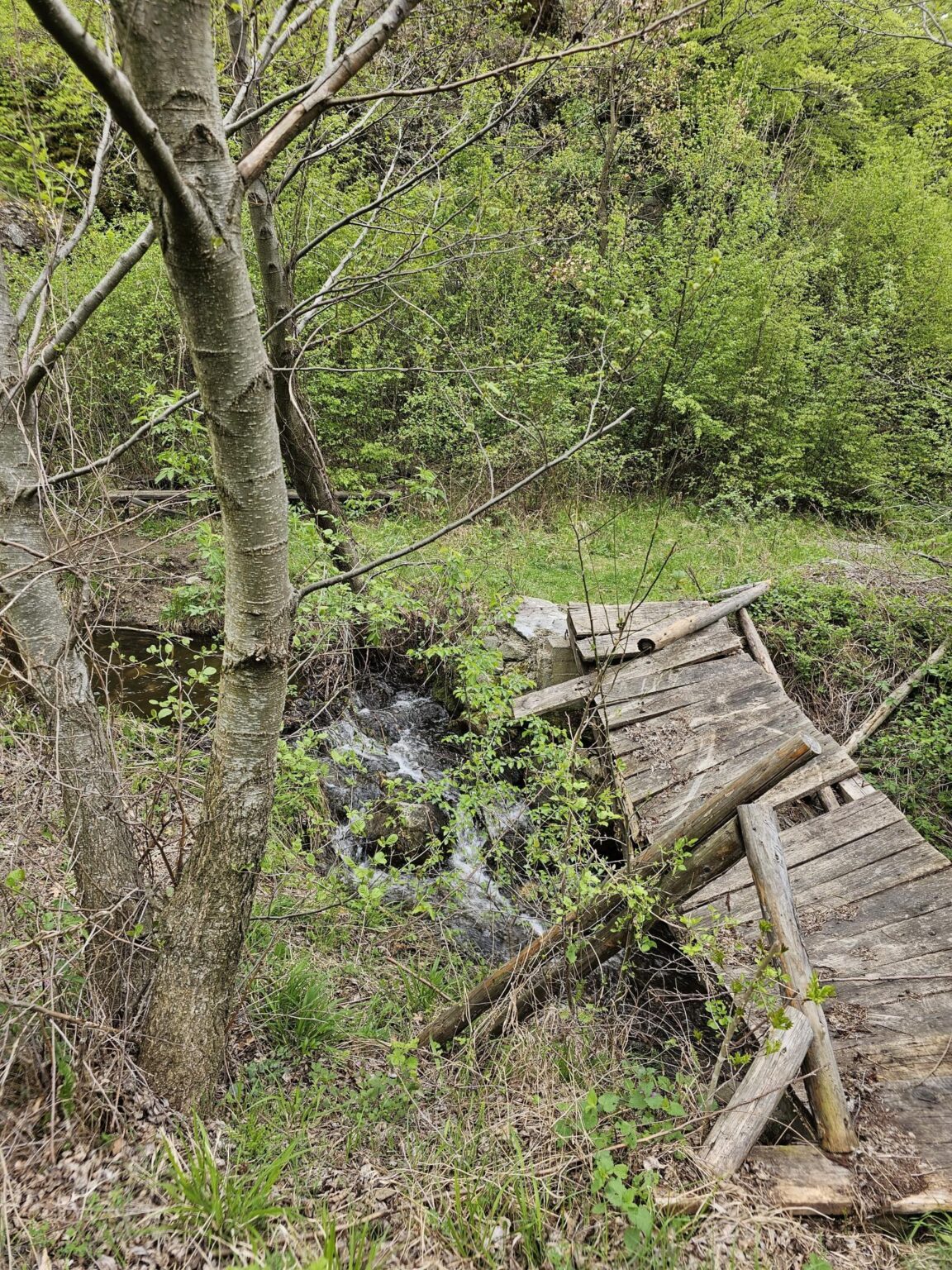
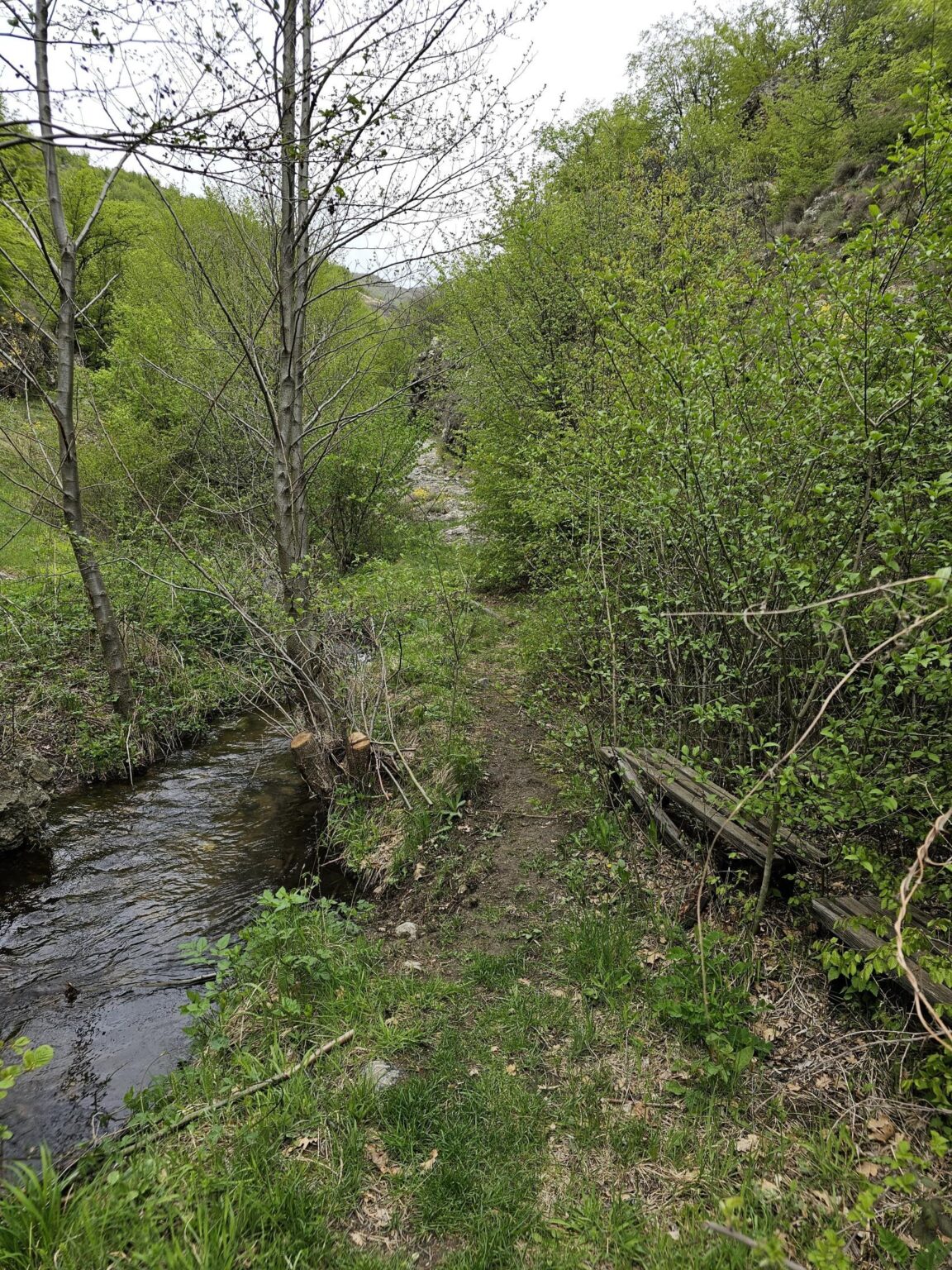
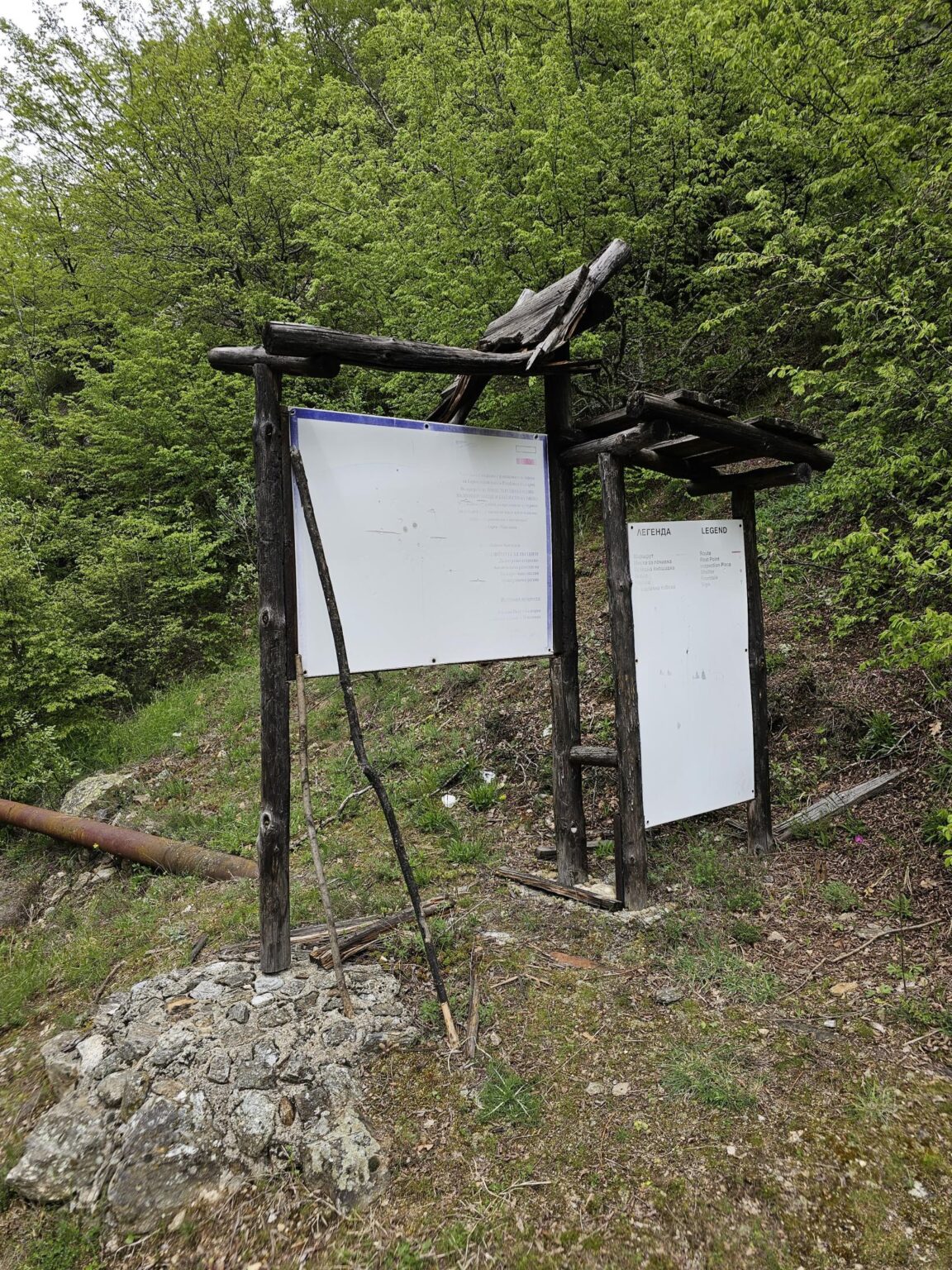
A certain sense of being disassembled and weightless is starting to make itself heard, but so is the sense of duty to you, dear reader. Photos must be taken, things must be looked at and written down, so that later it’s easier for you — or, failing that, at least good for a laugh 😀 Onwards to:
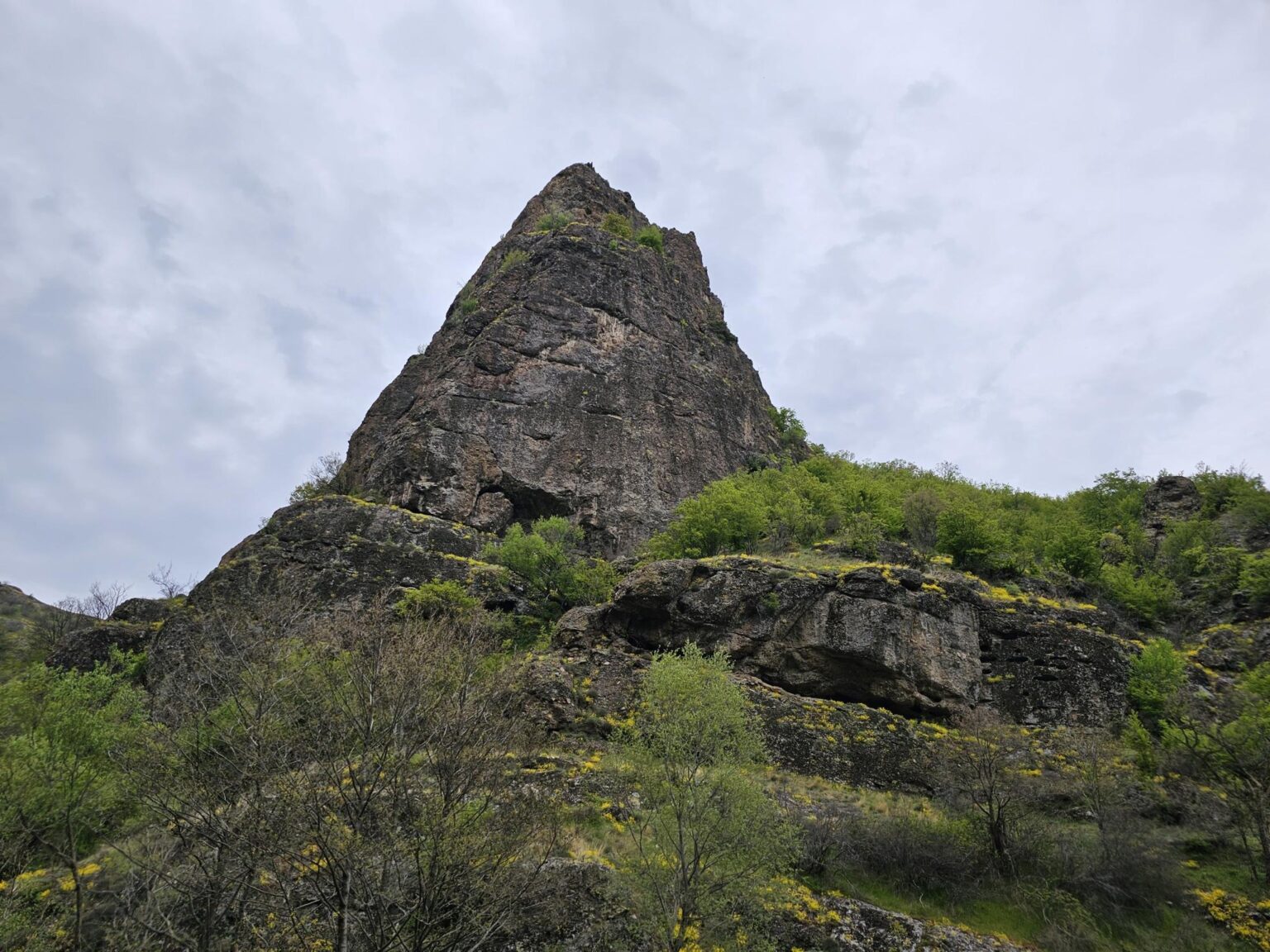
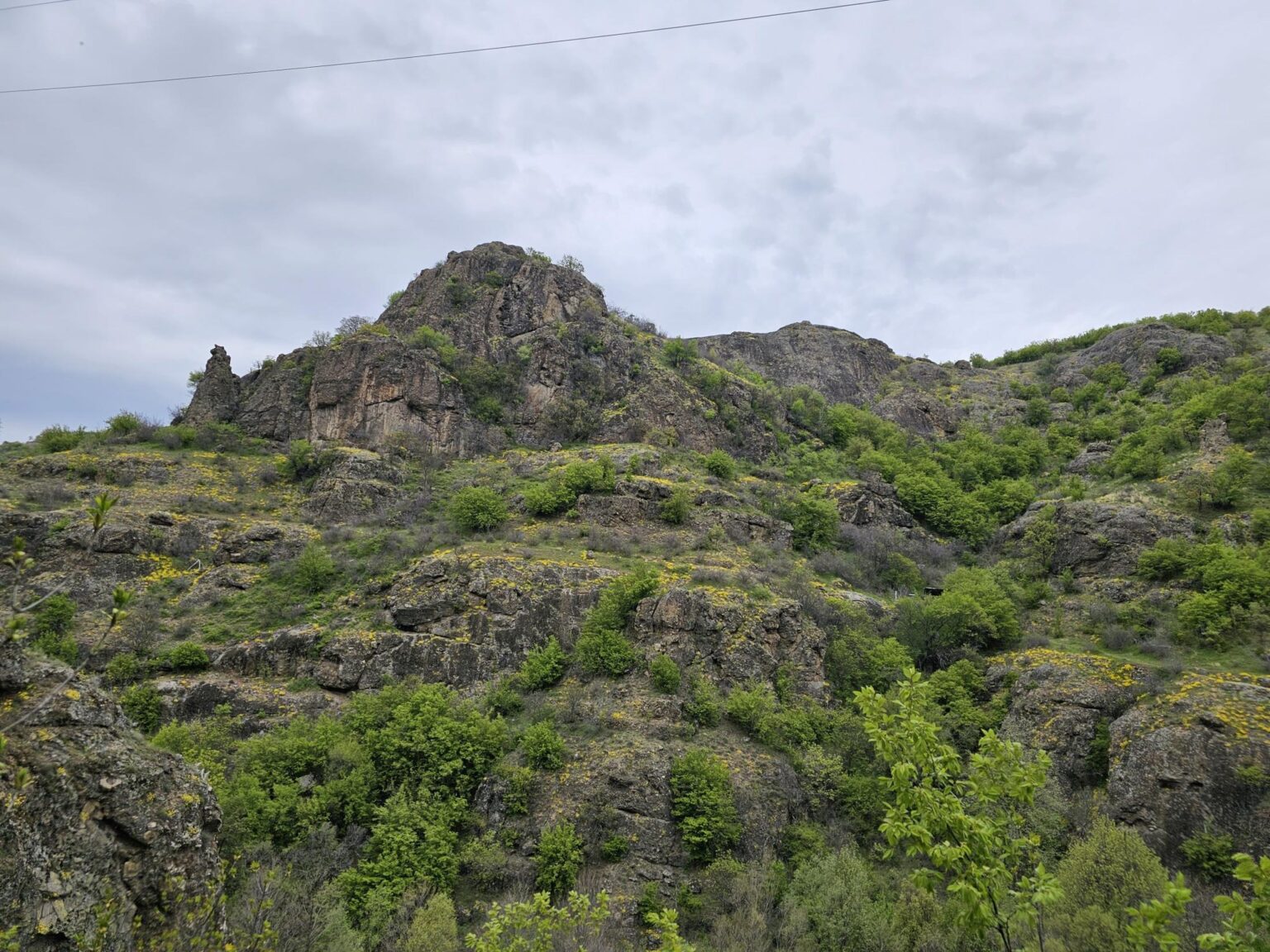
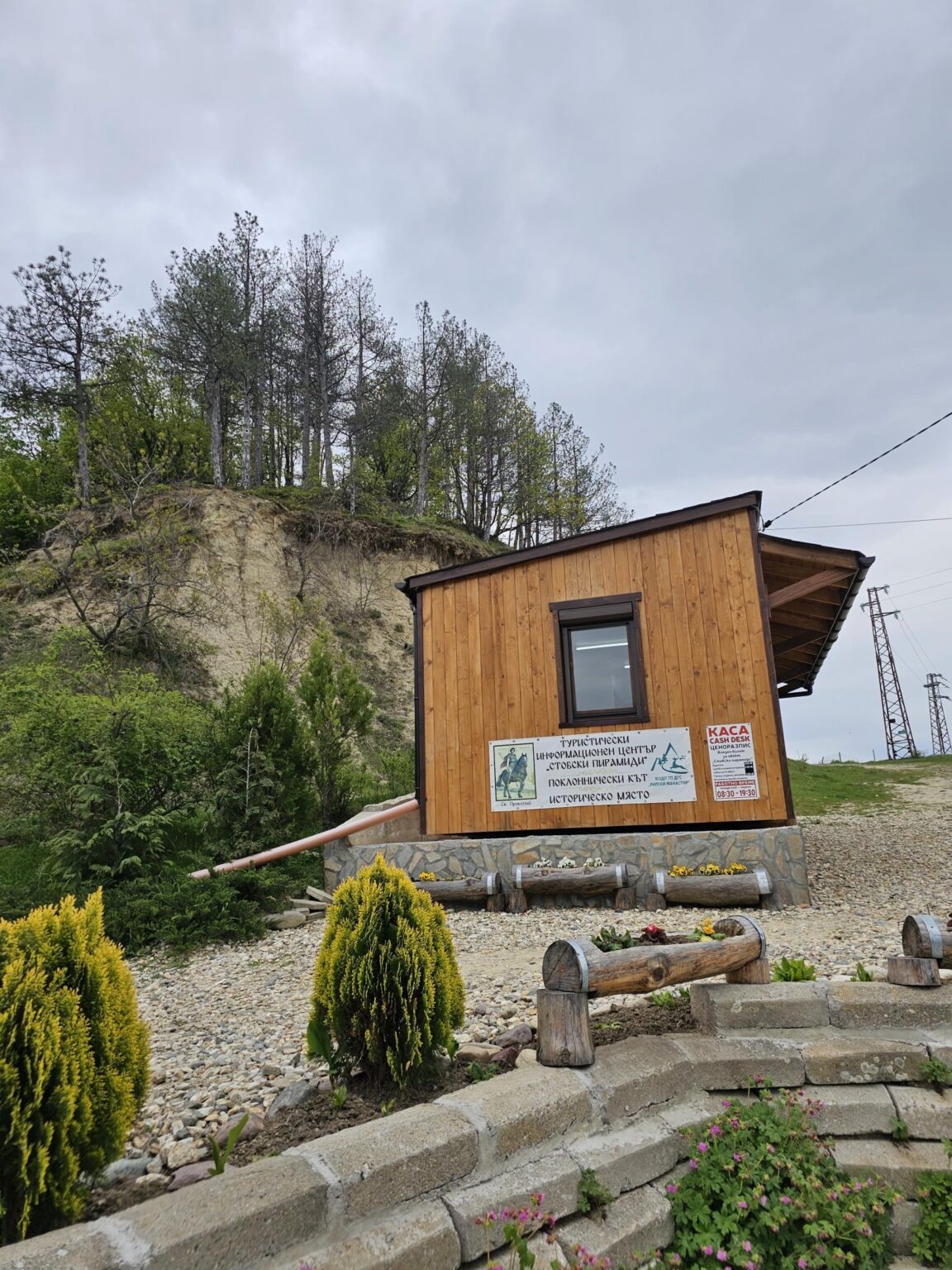
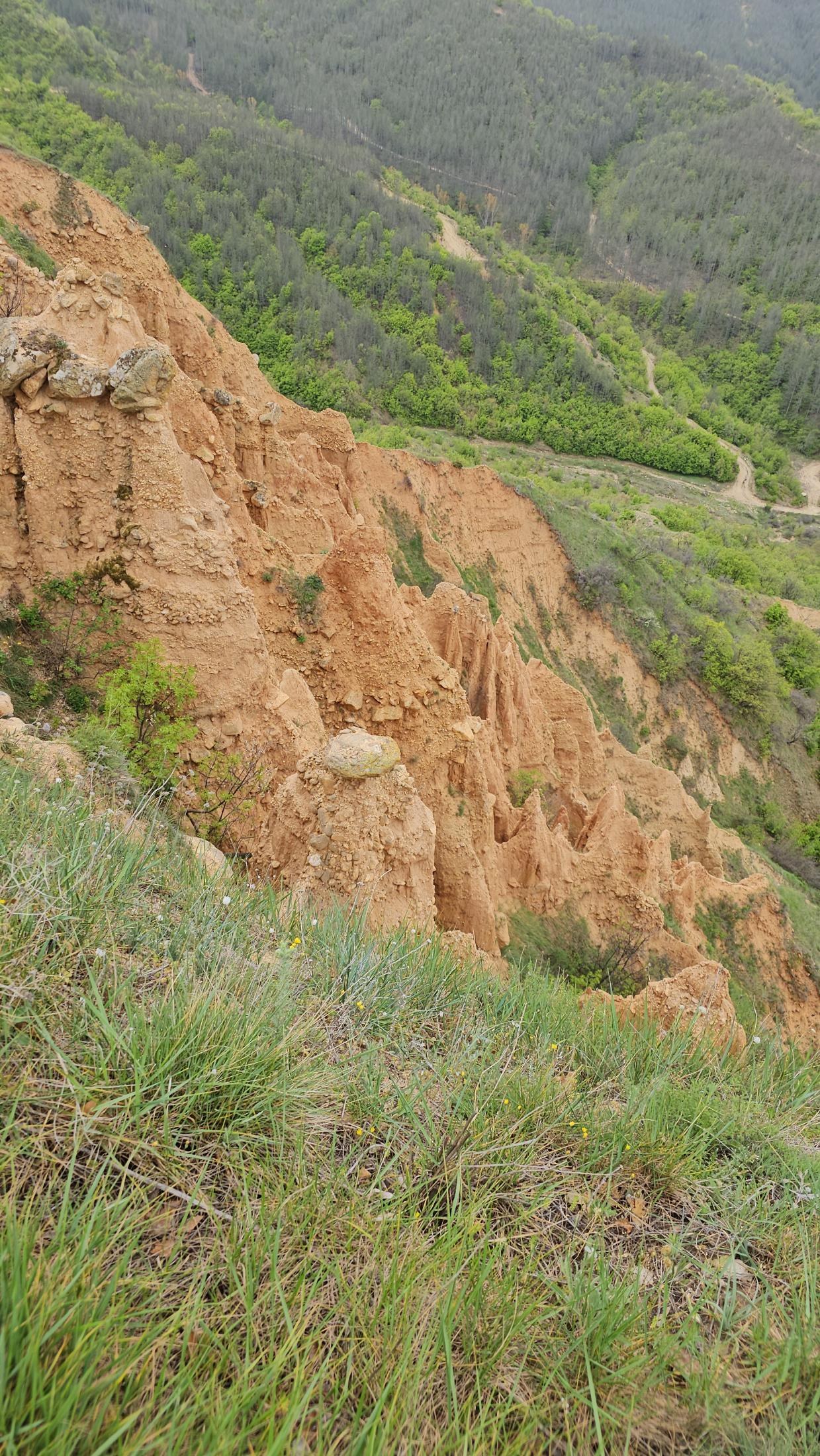
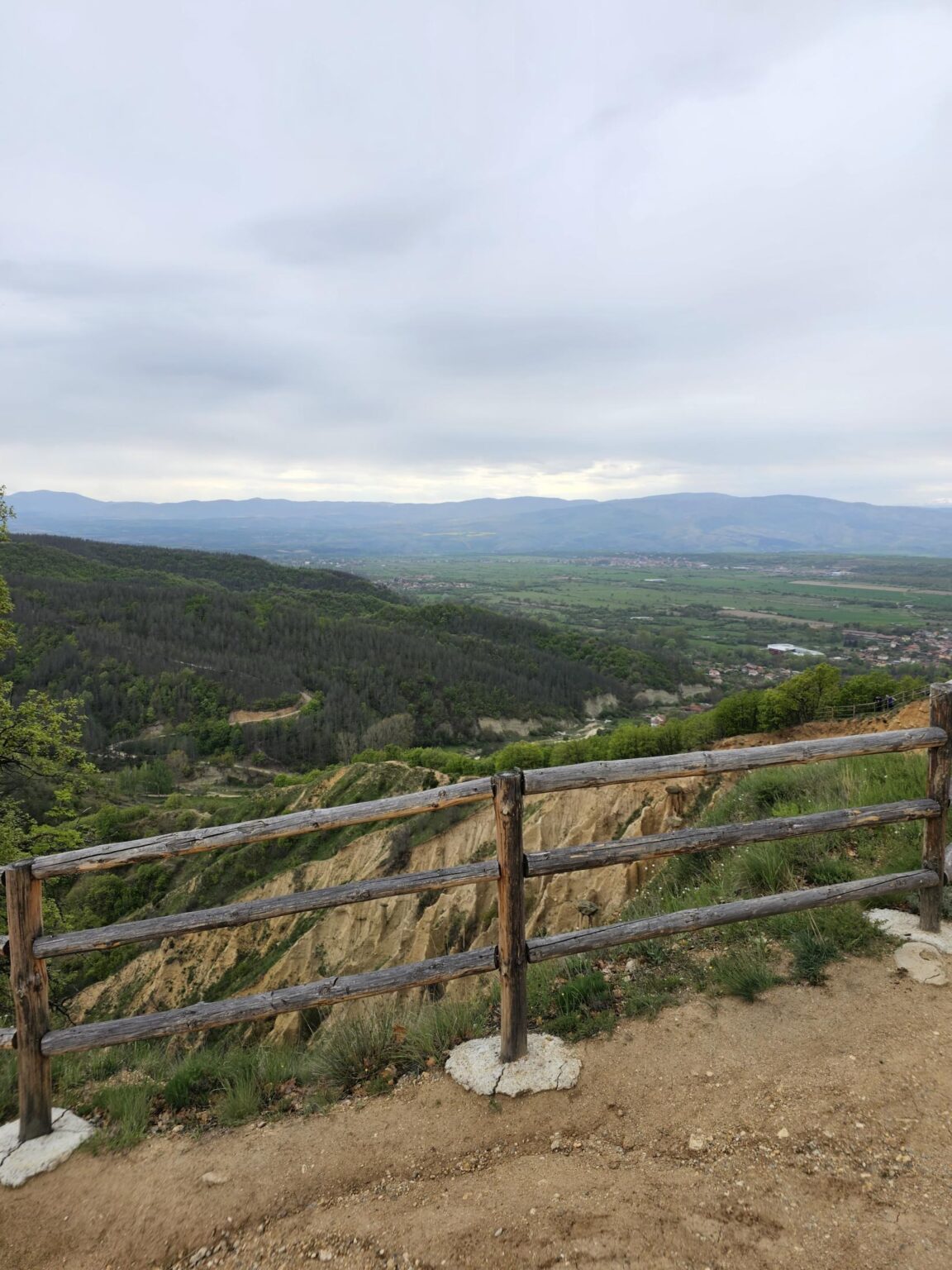
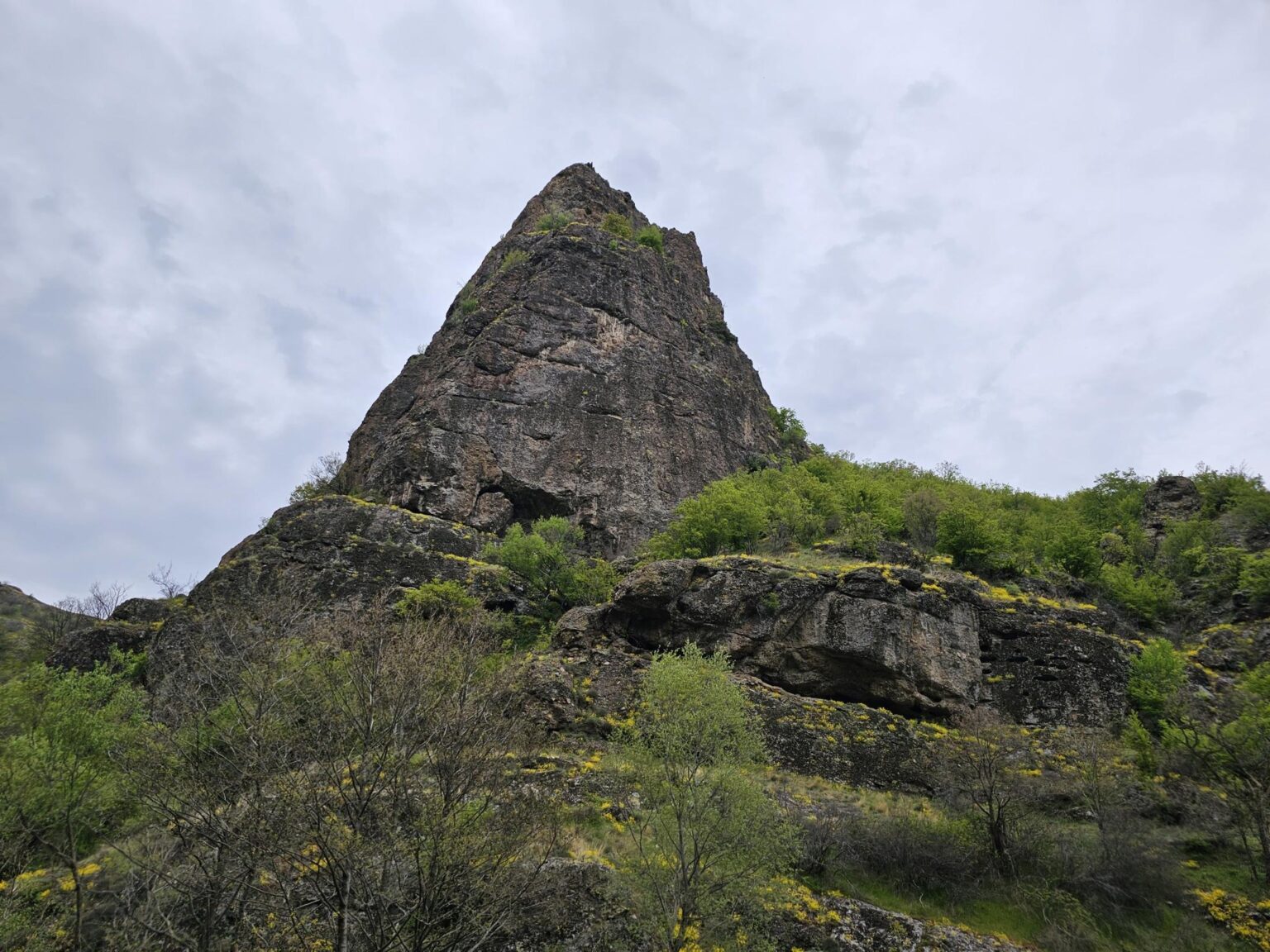
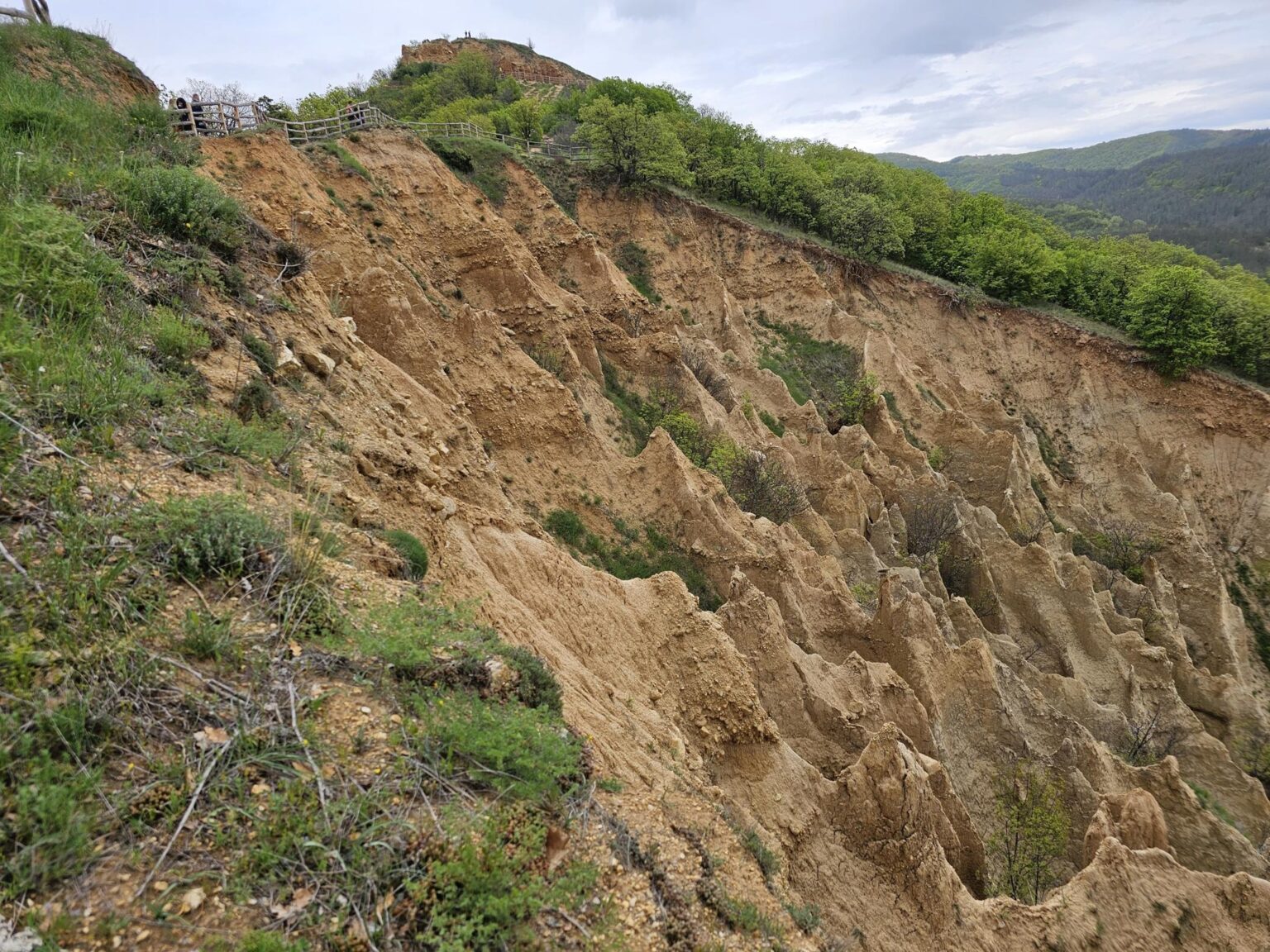
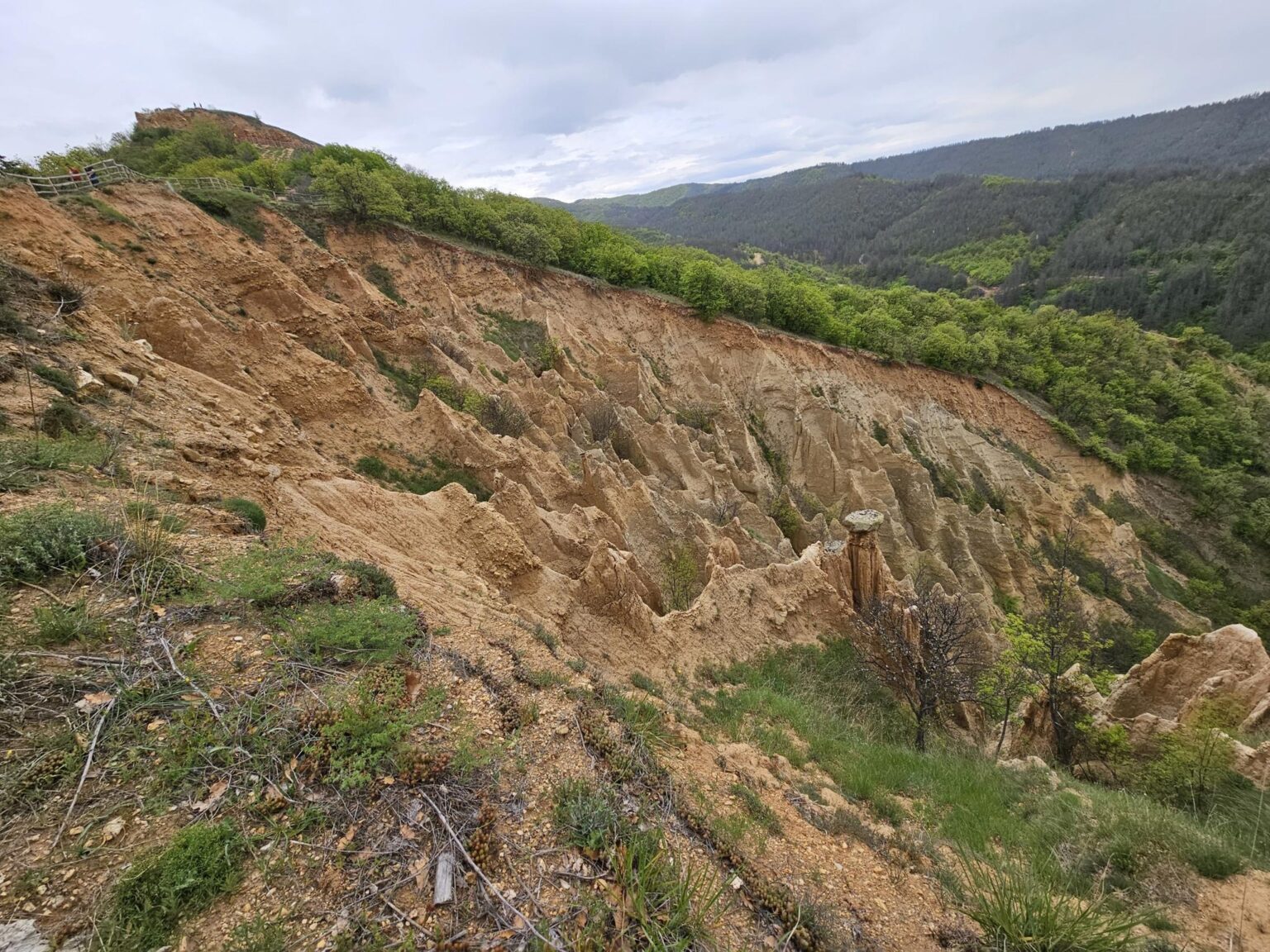
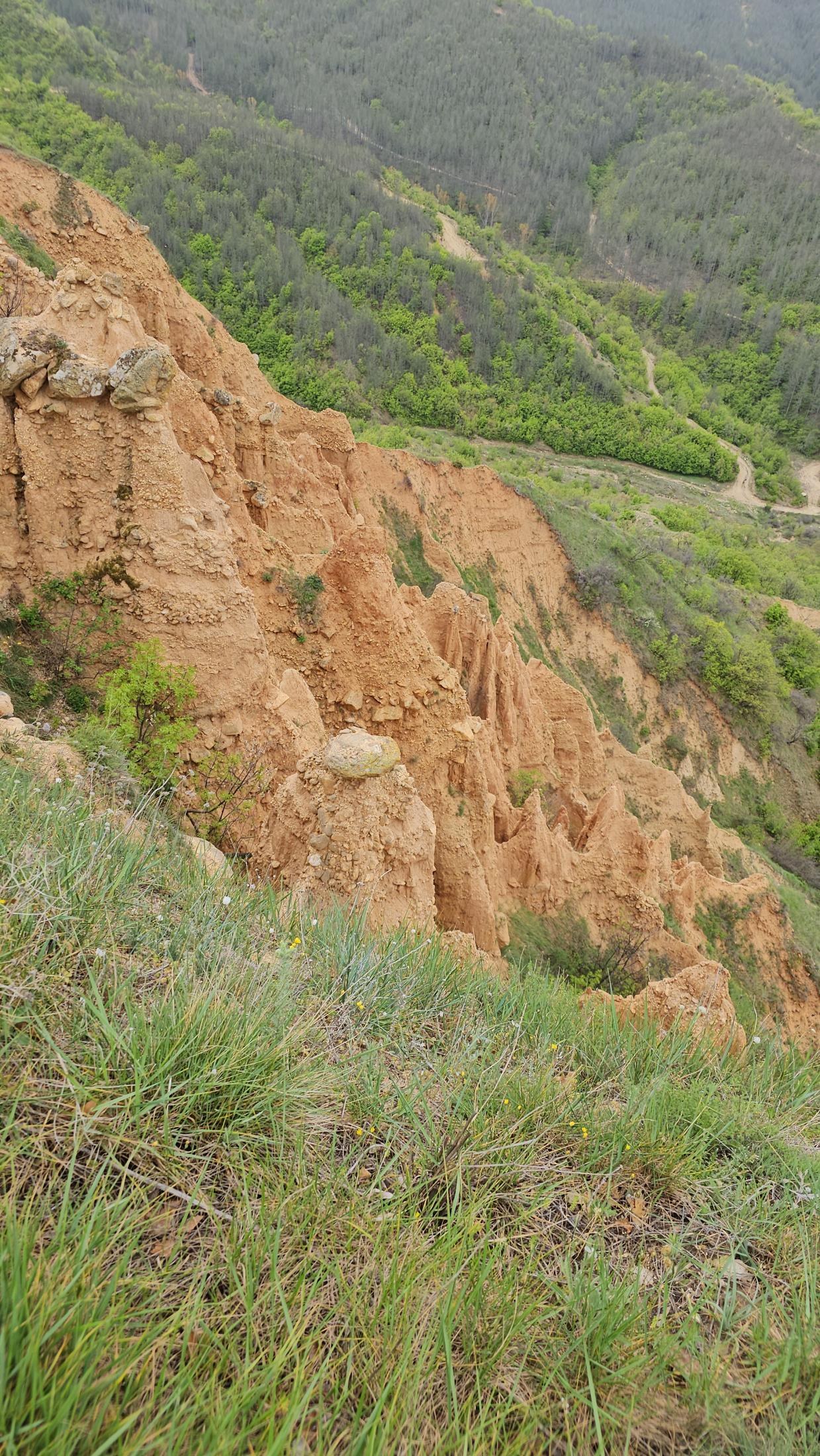
The Stob Pyramids
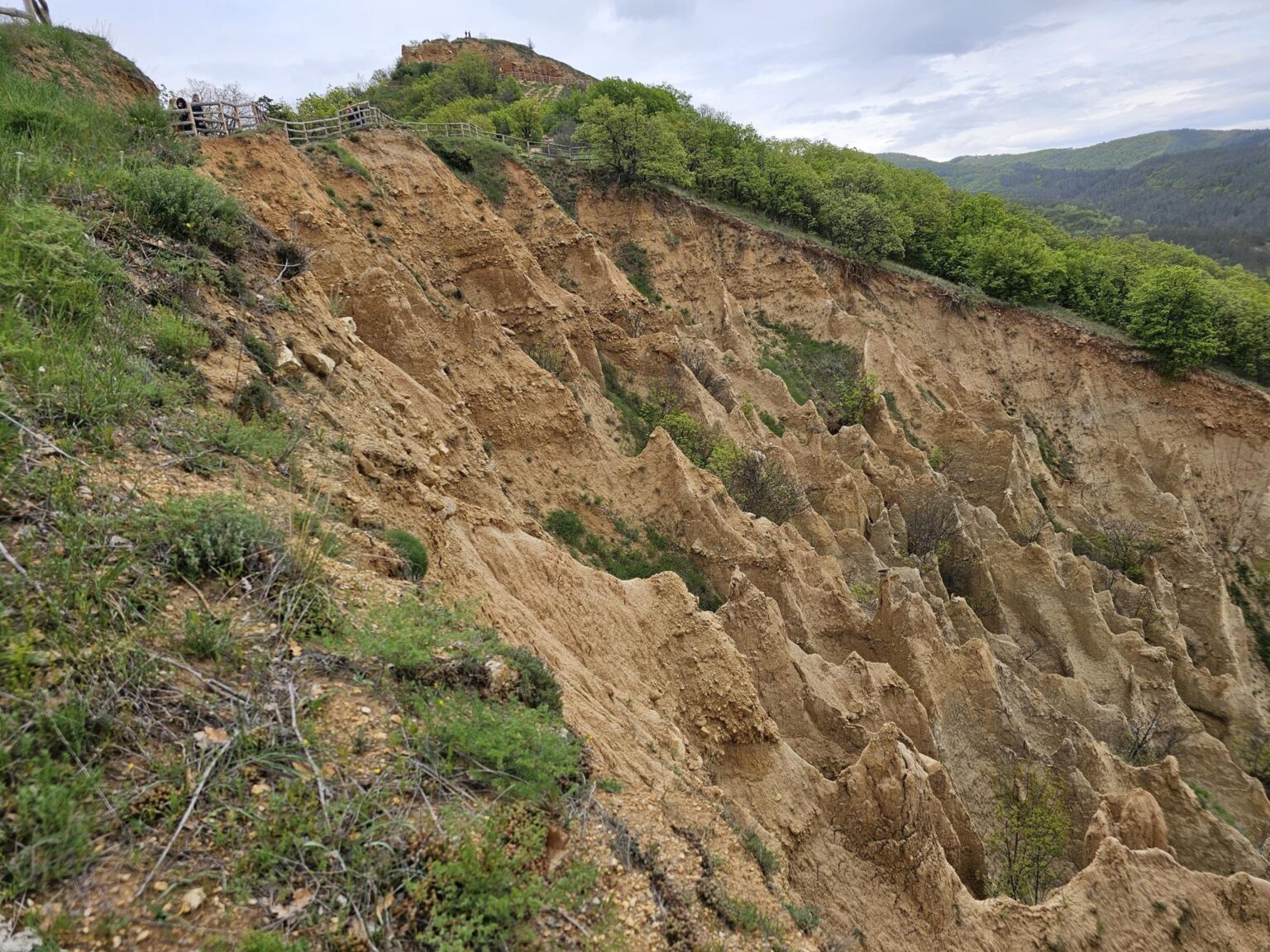
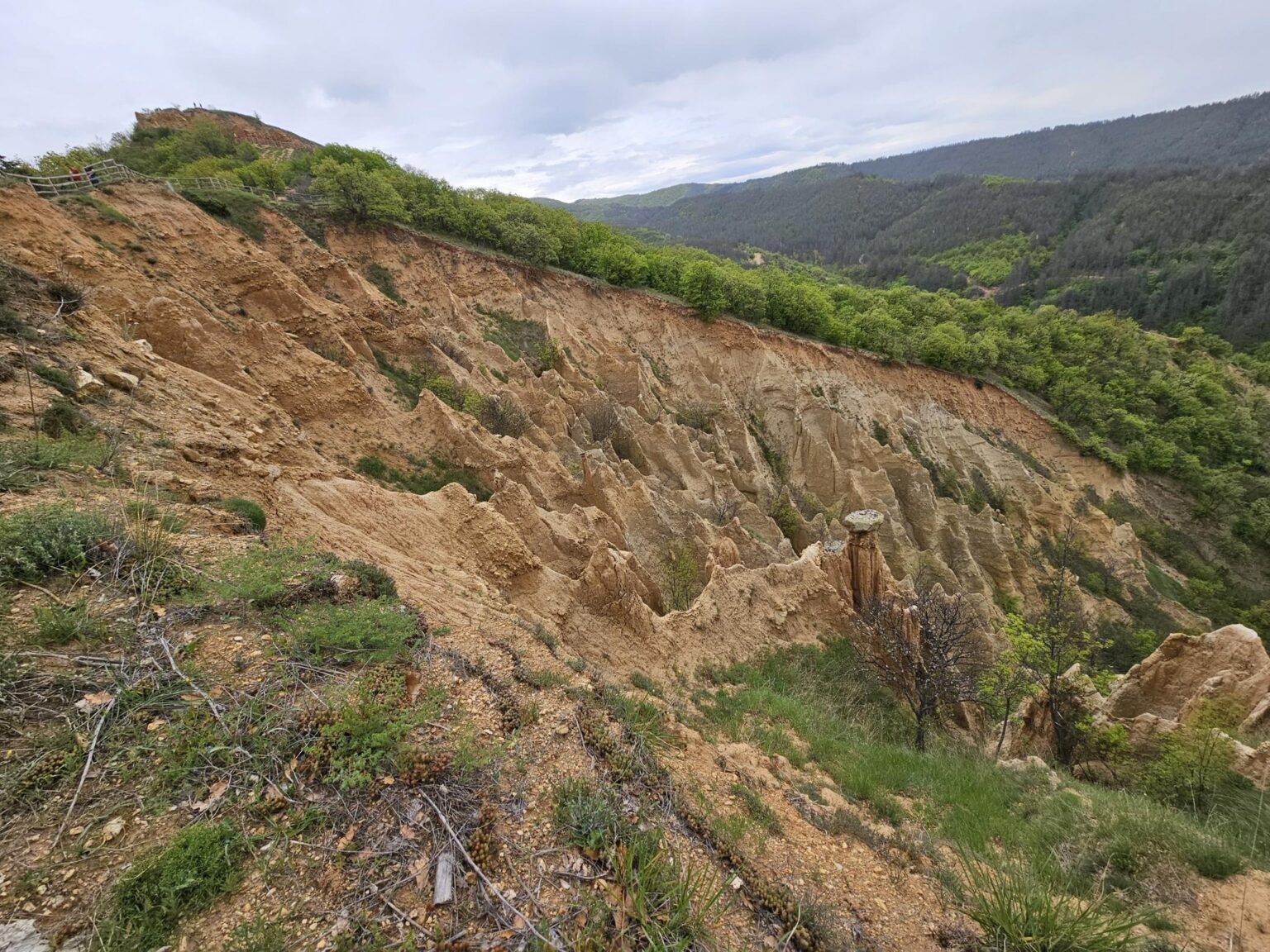
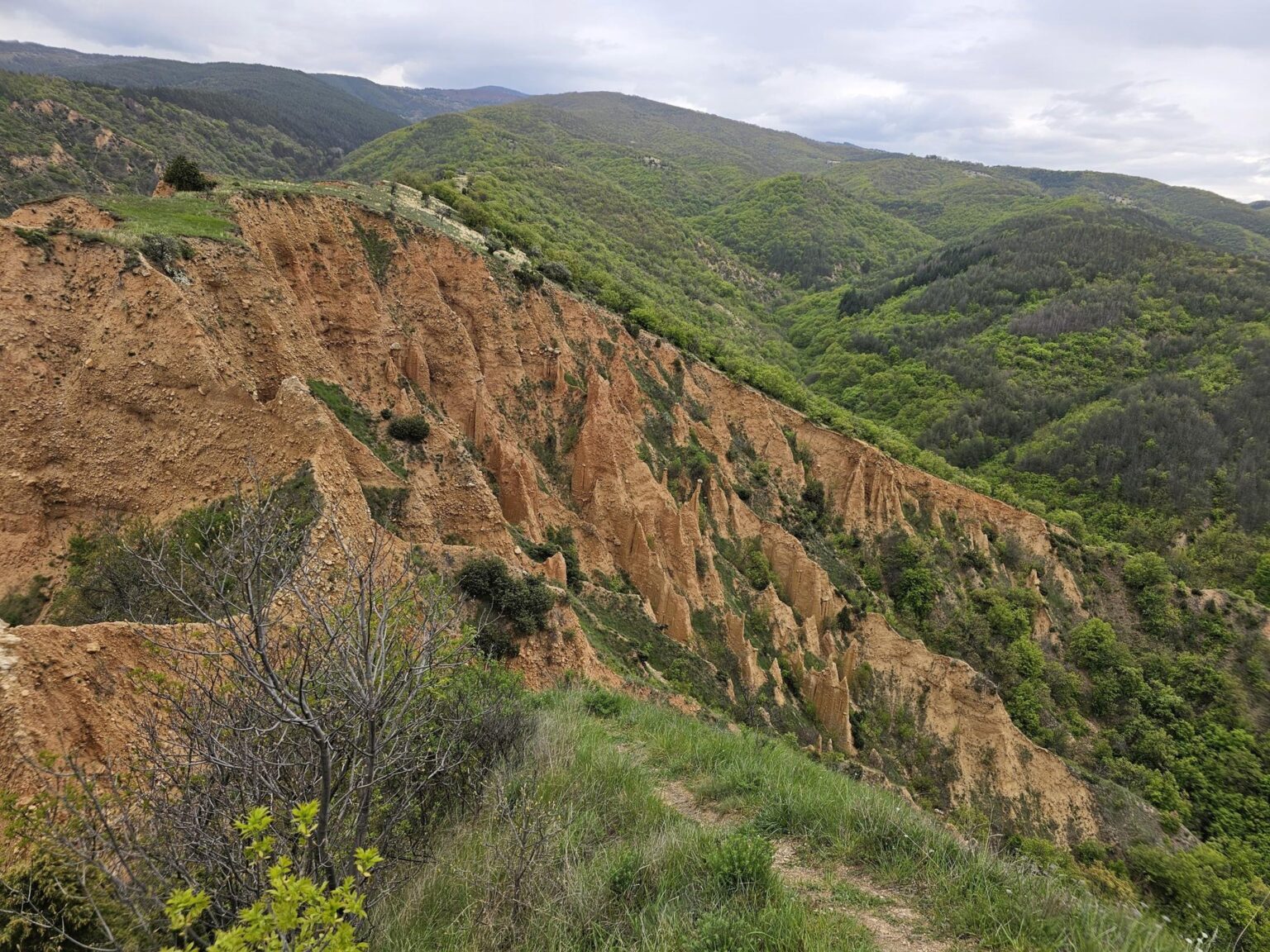
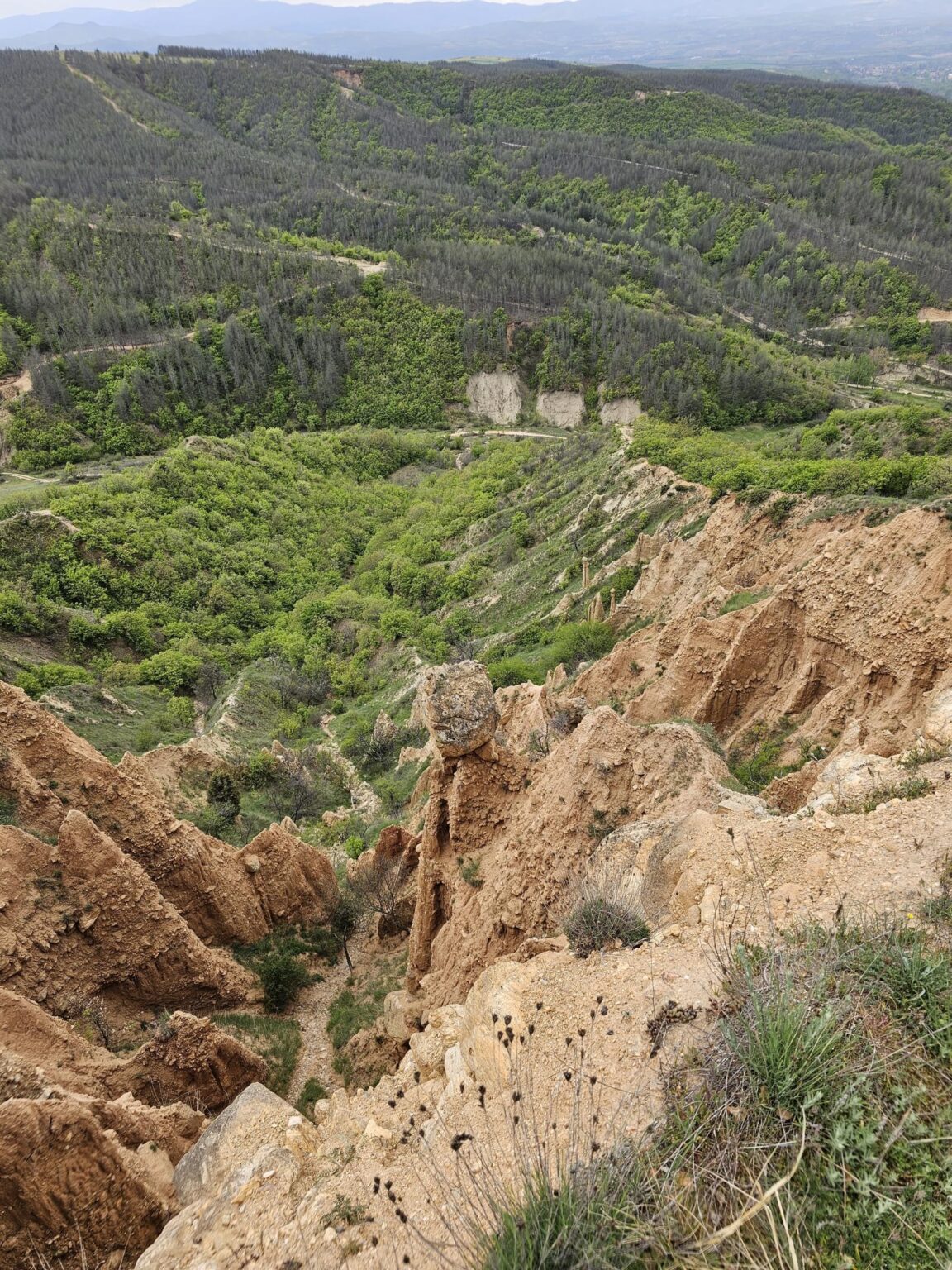
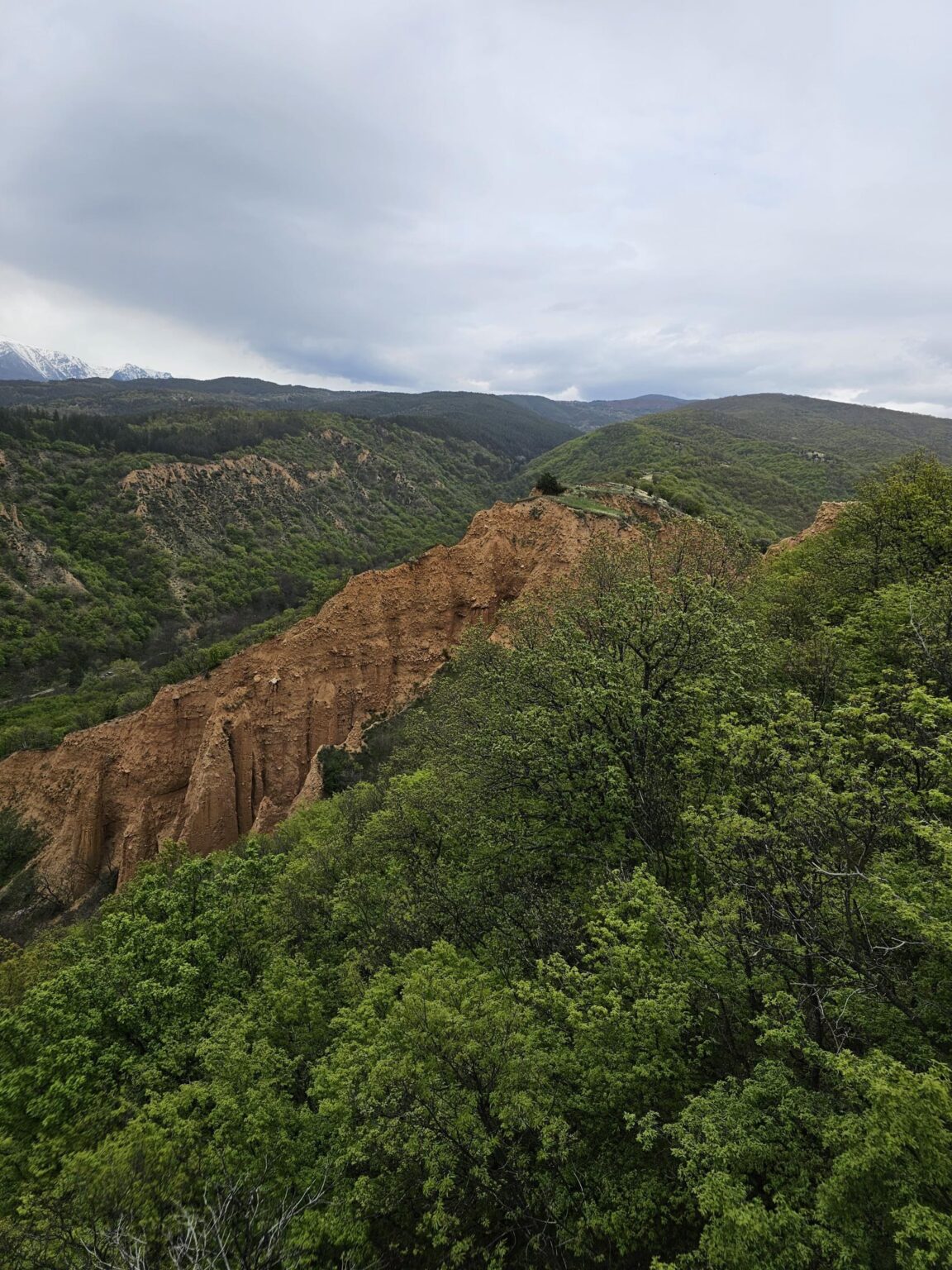
Much like Rila Monastery, this is an extremely well known destination. The Stob Pyramids, as we can read, are:
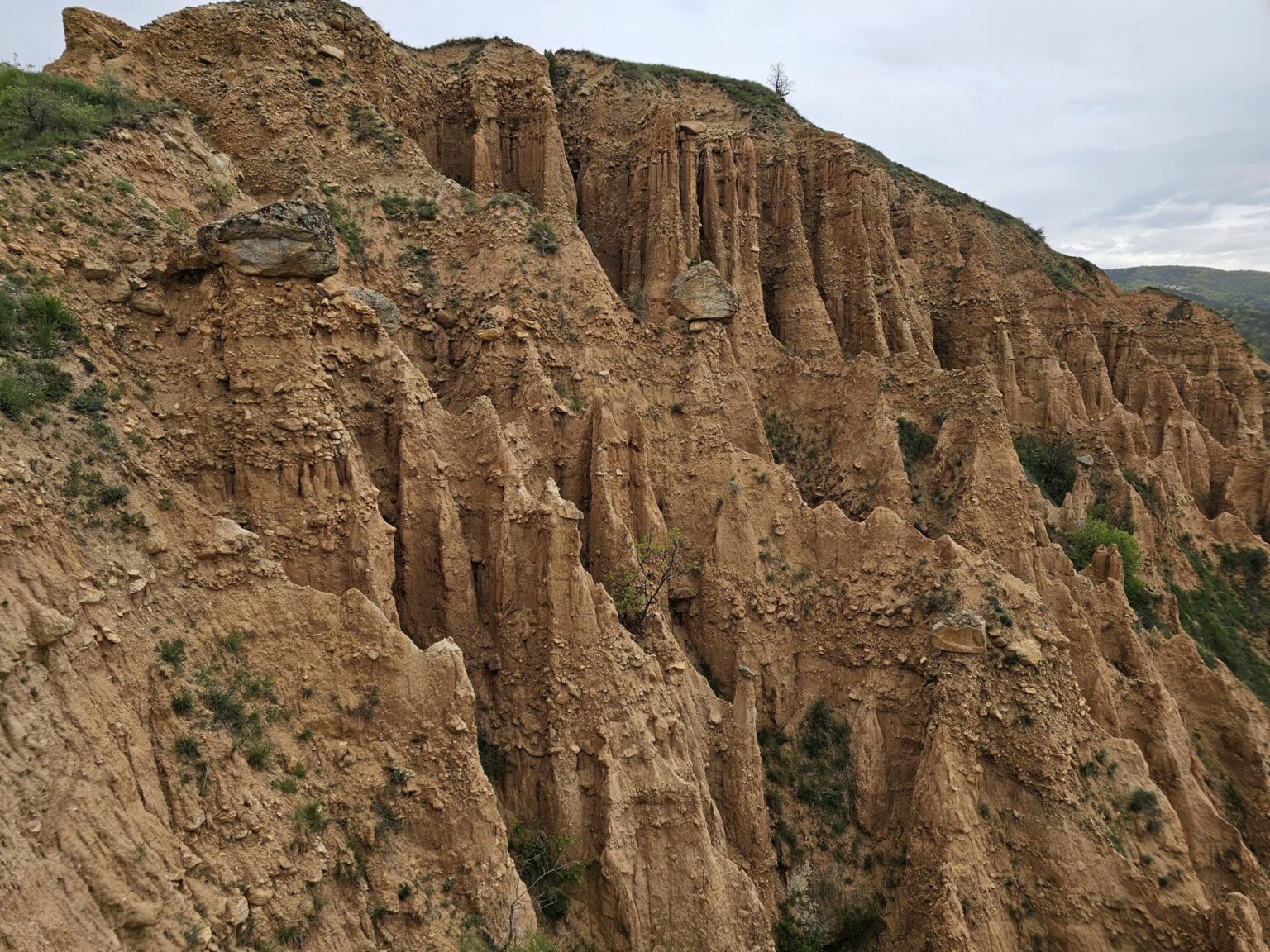
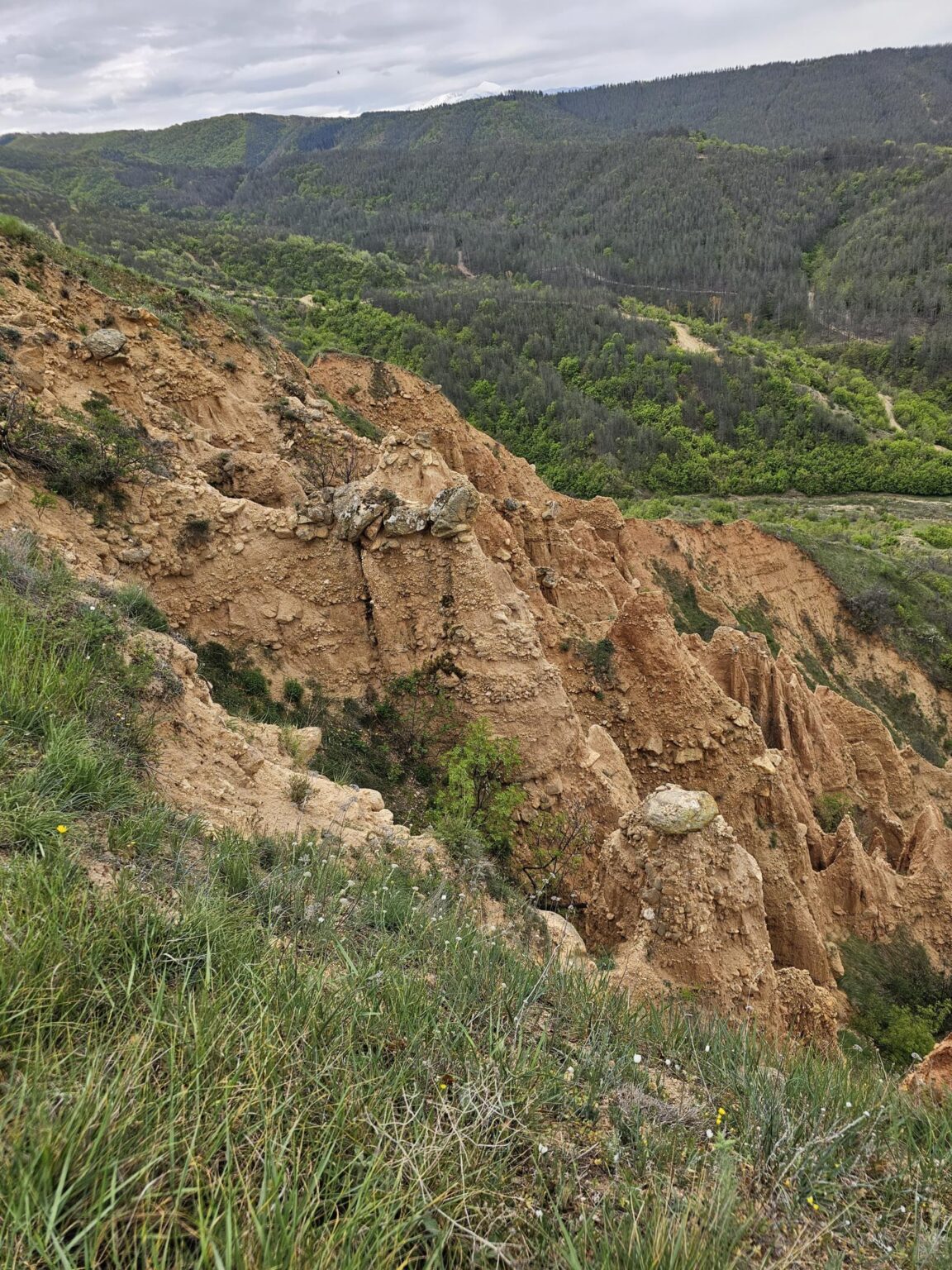
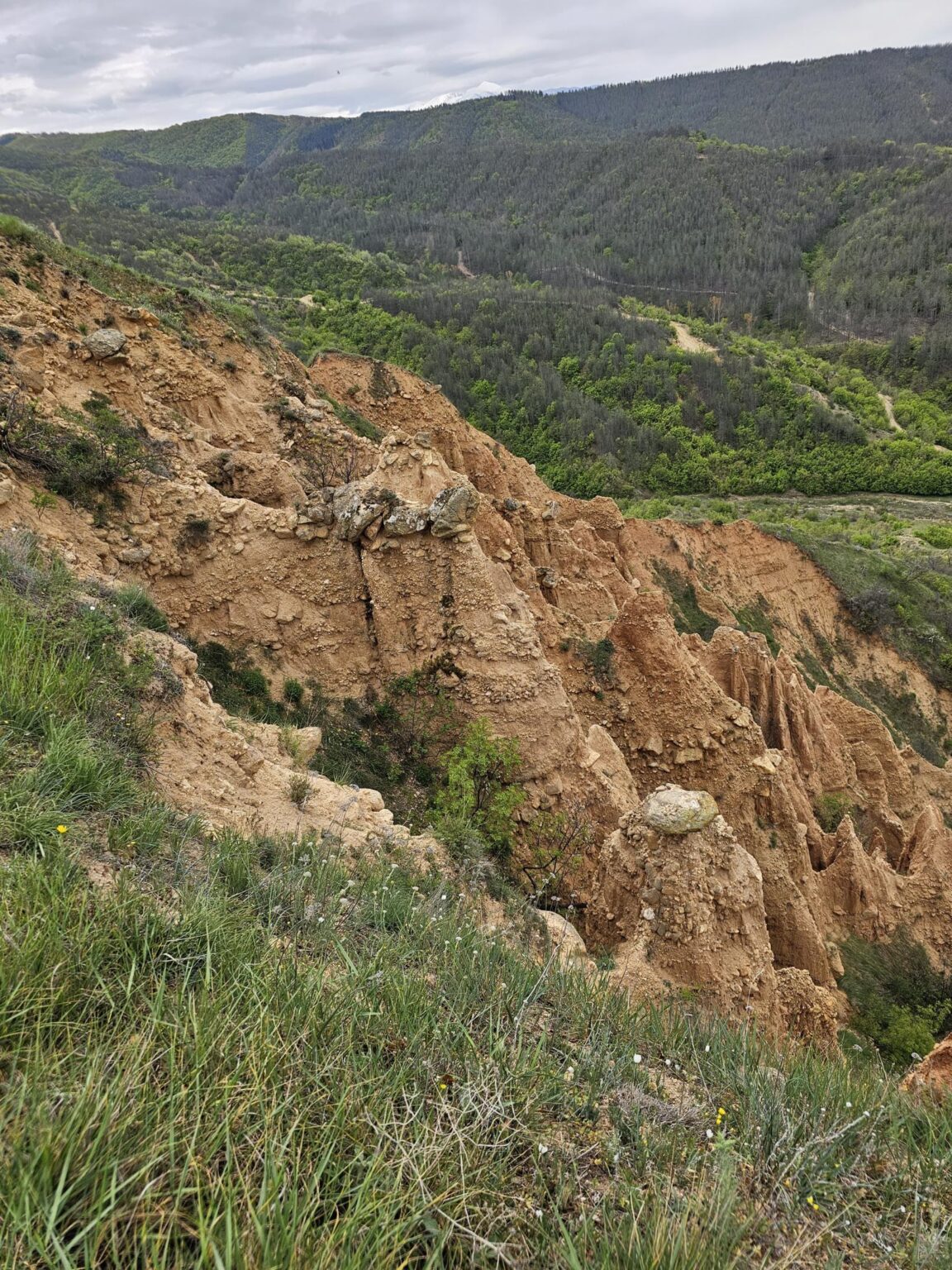
Early Quaternary Villafranchian fluvioglacial deposits up to 30–40 m thick
And indeed, even to an untrained eye it’s obvious that’s exactly what they are. No, seriously — we dare you to read that sentence out loud 😀 History and background are plentiful online, so we go straight to the practical part:
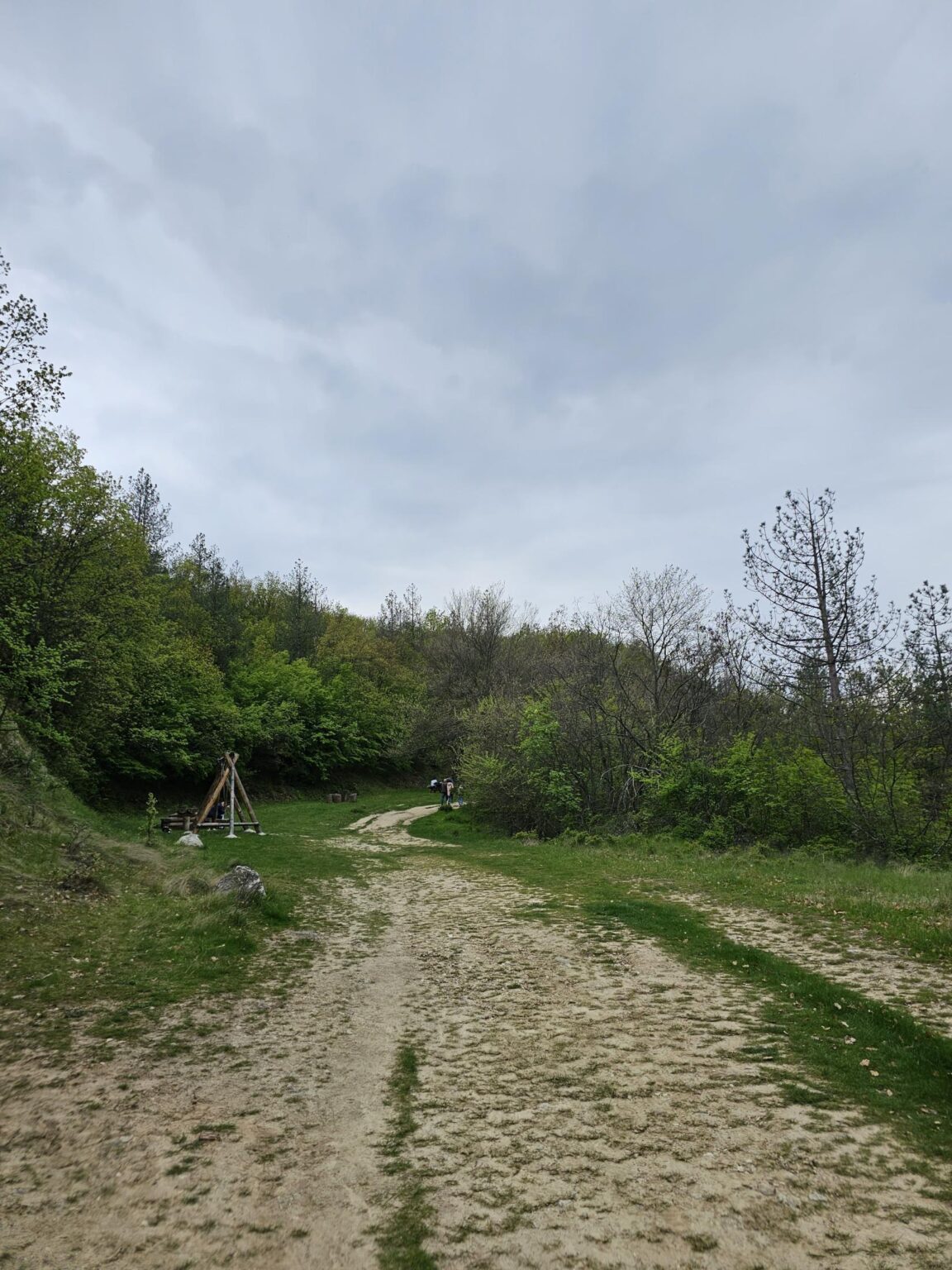
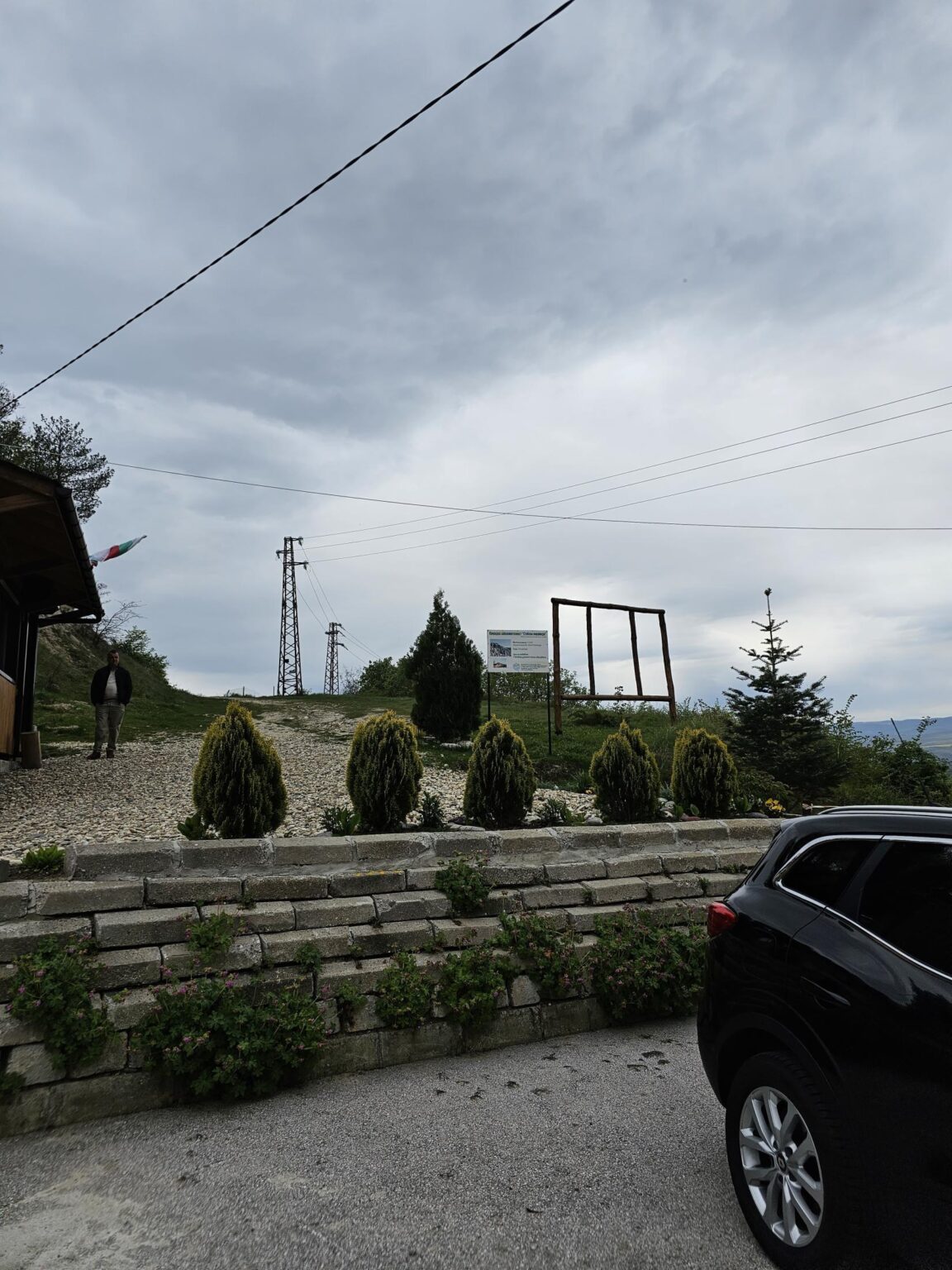
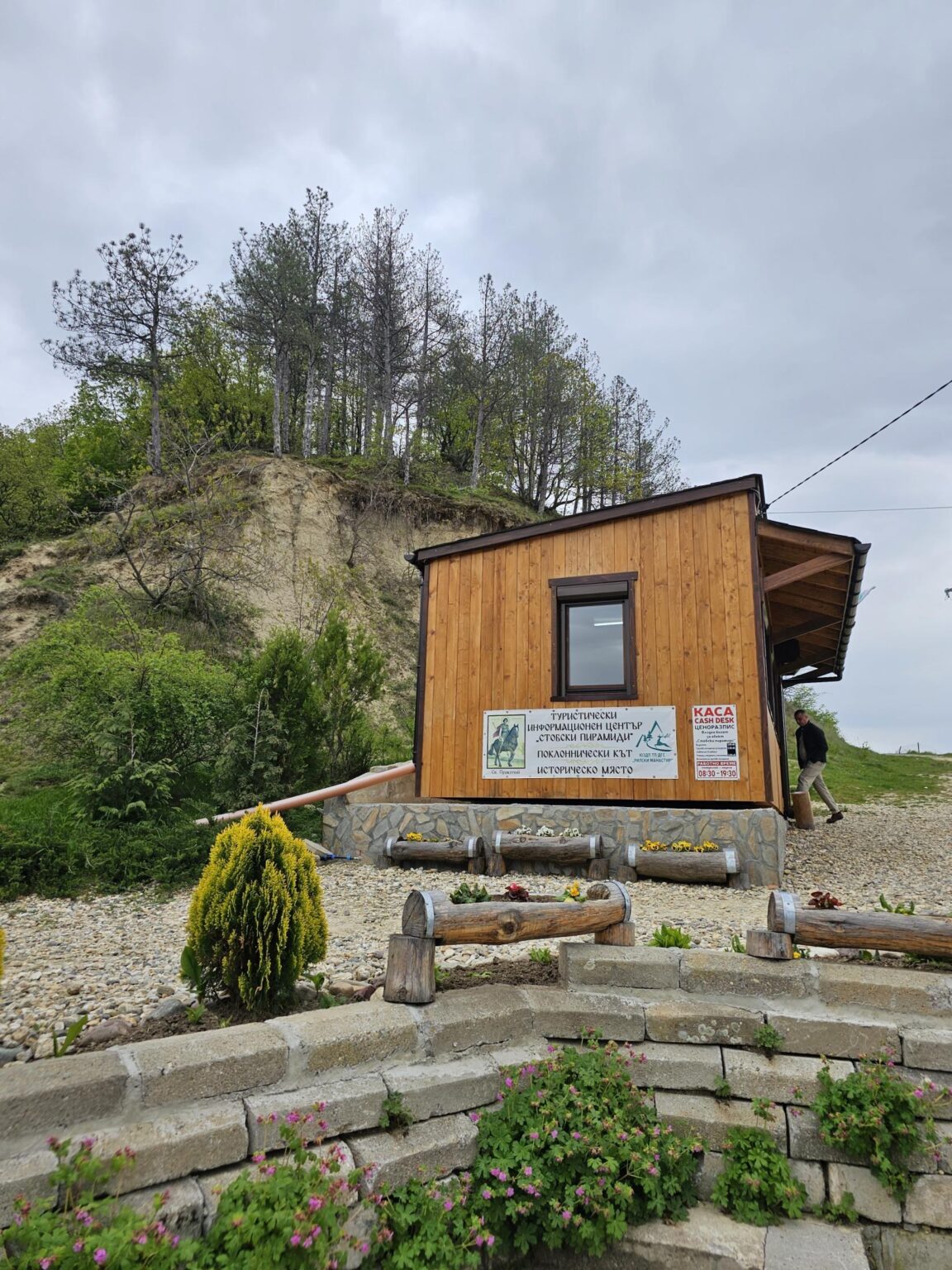
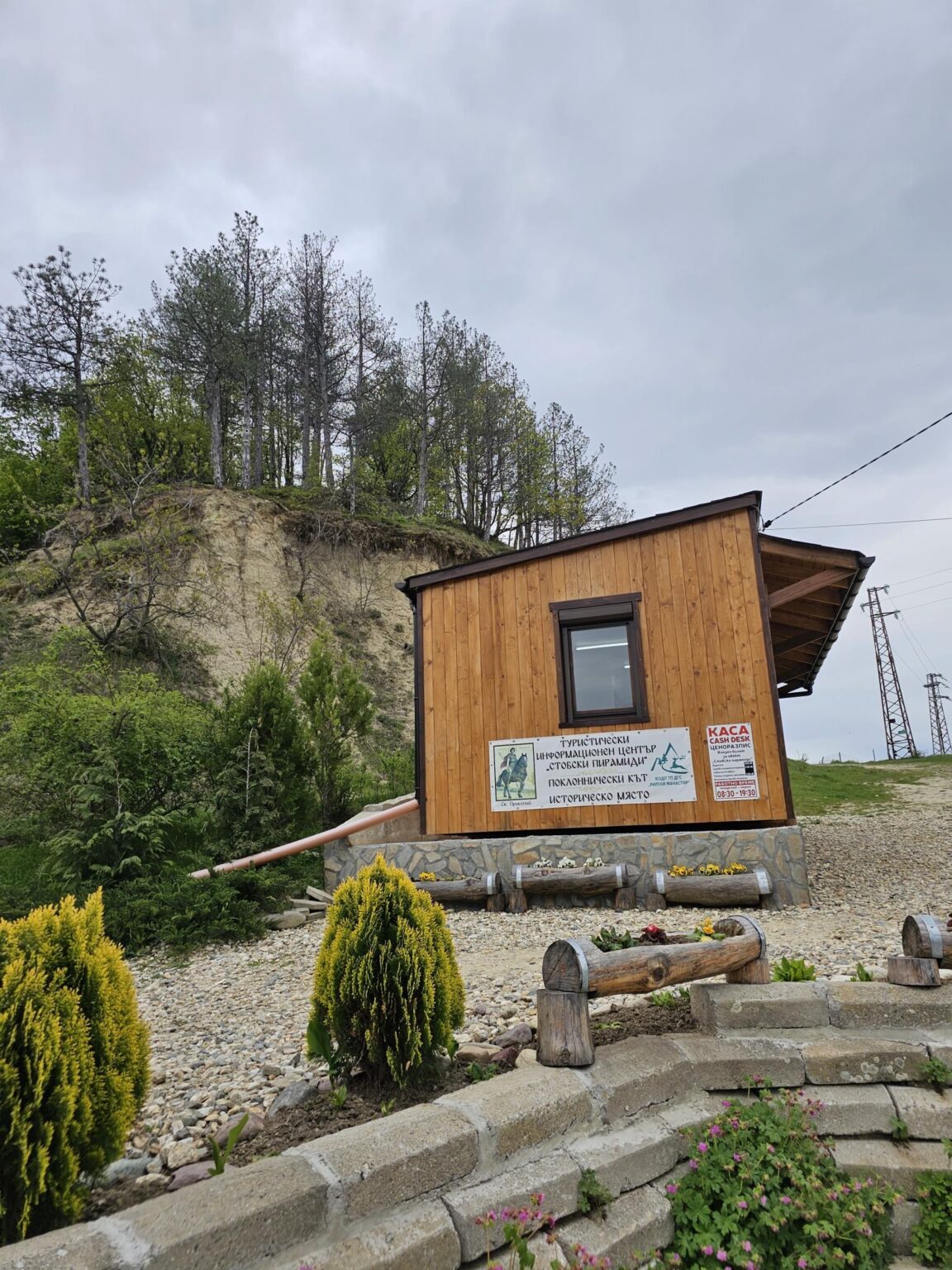
- parking: free, right at the start of the trail.
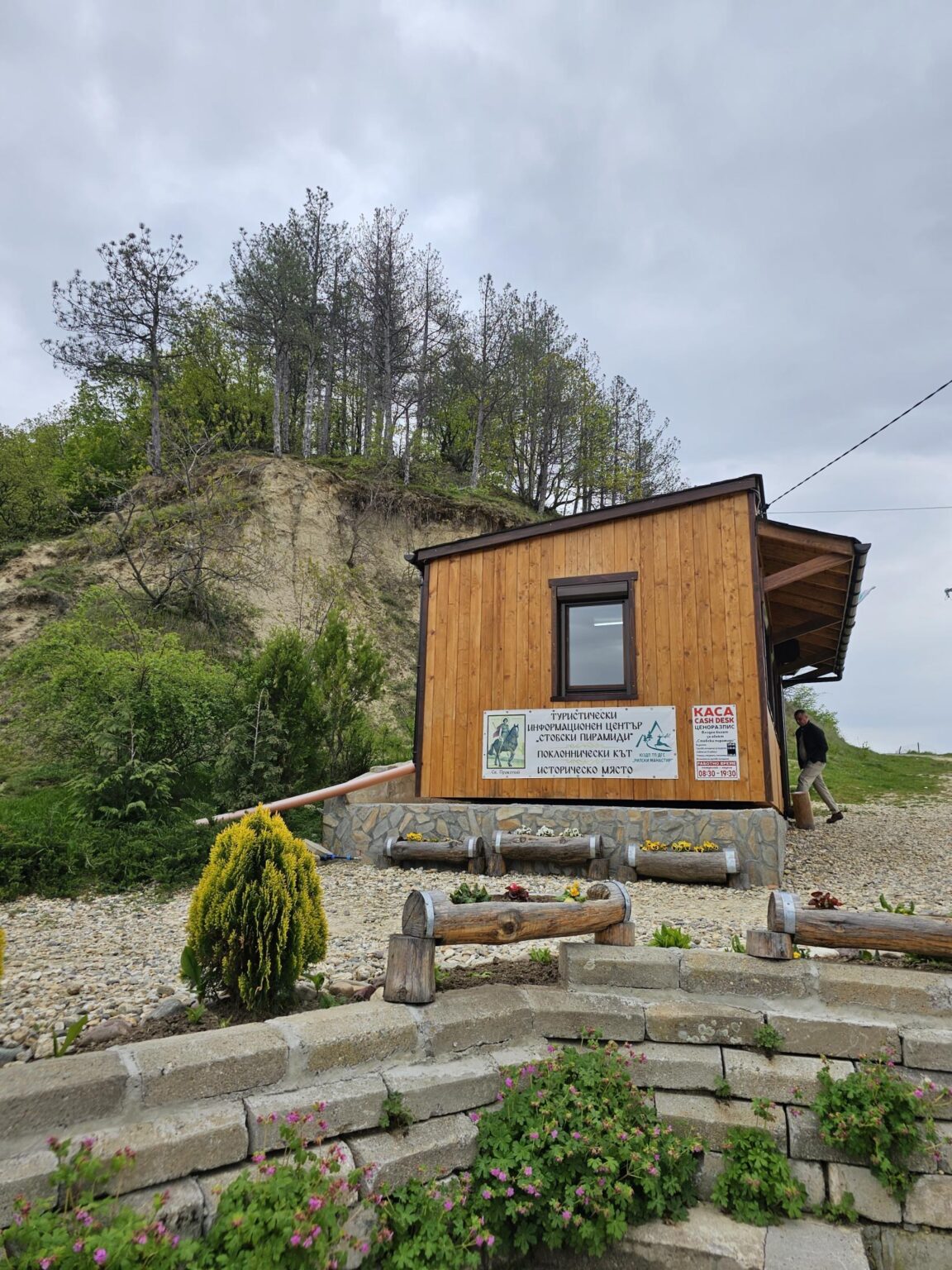
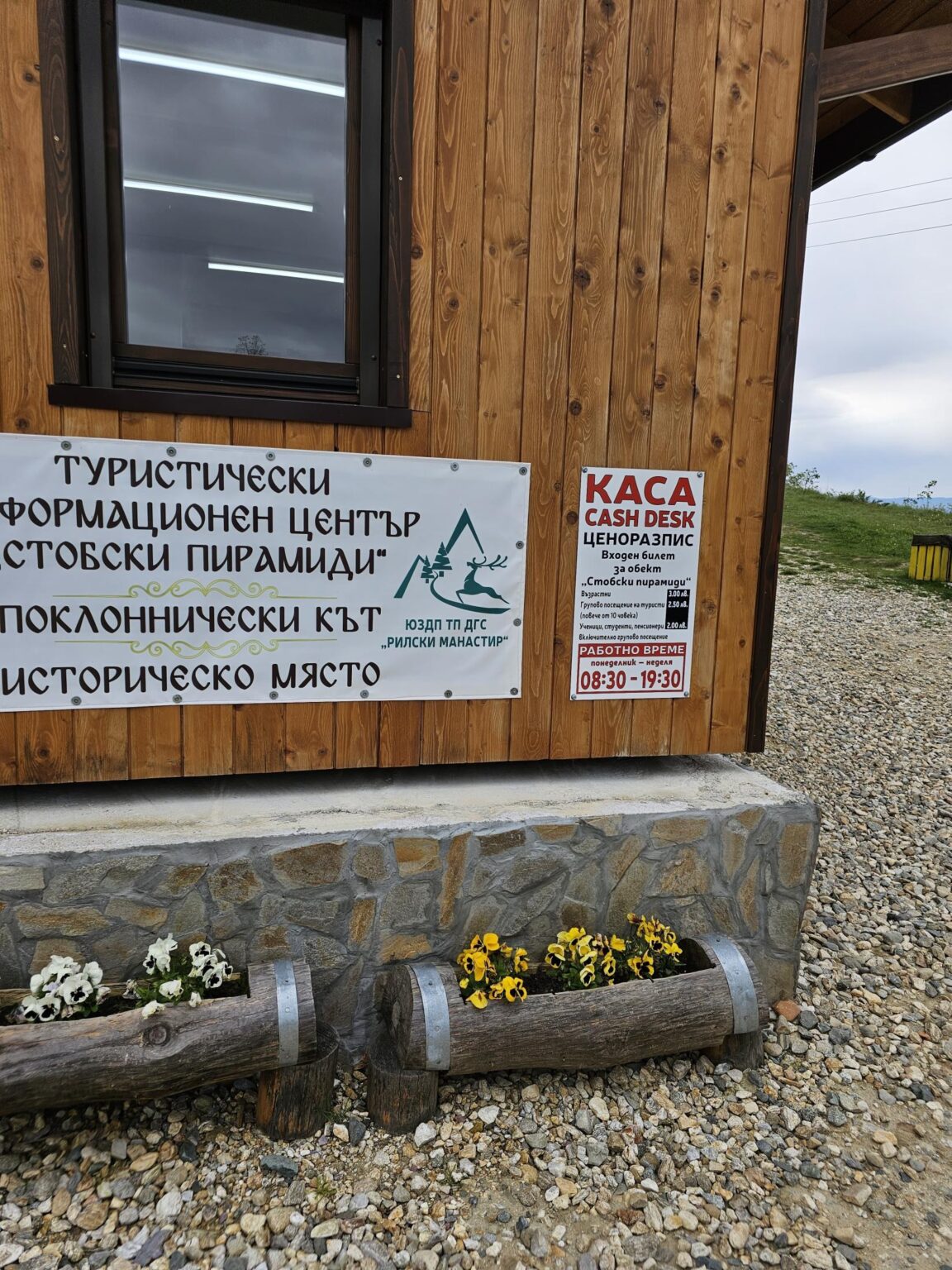
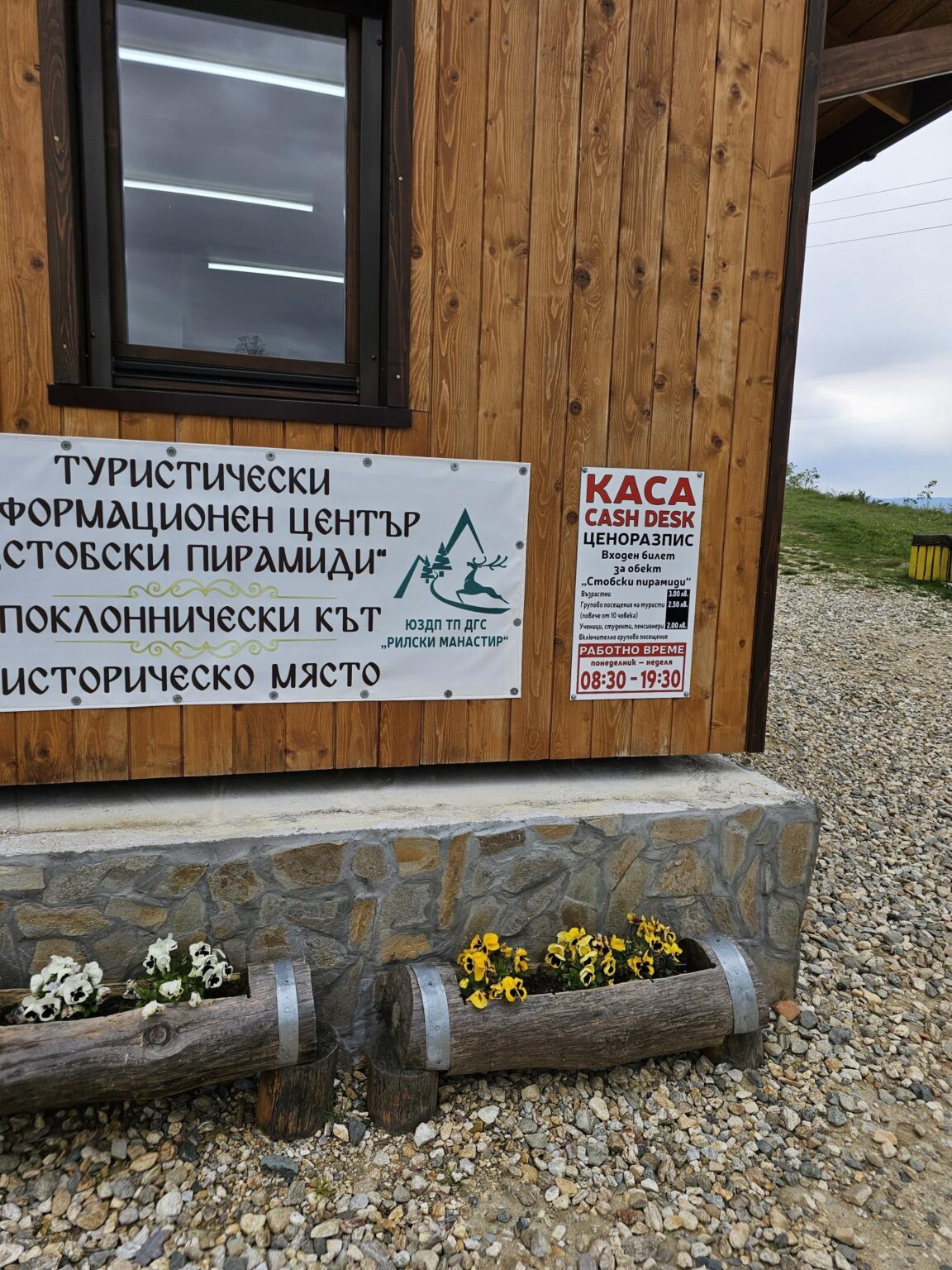
- entry: there’s a small fee for adults, collected at the trailhead. We couldn’t find an official published tariff, and the figures floating around online contradict each other, so take cash and expect a couple of euros.
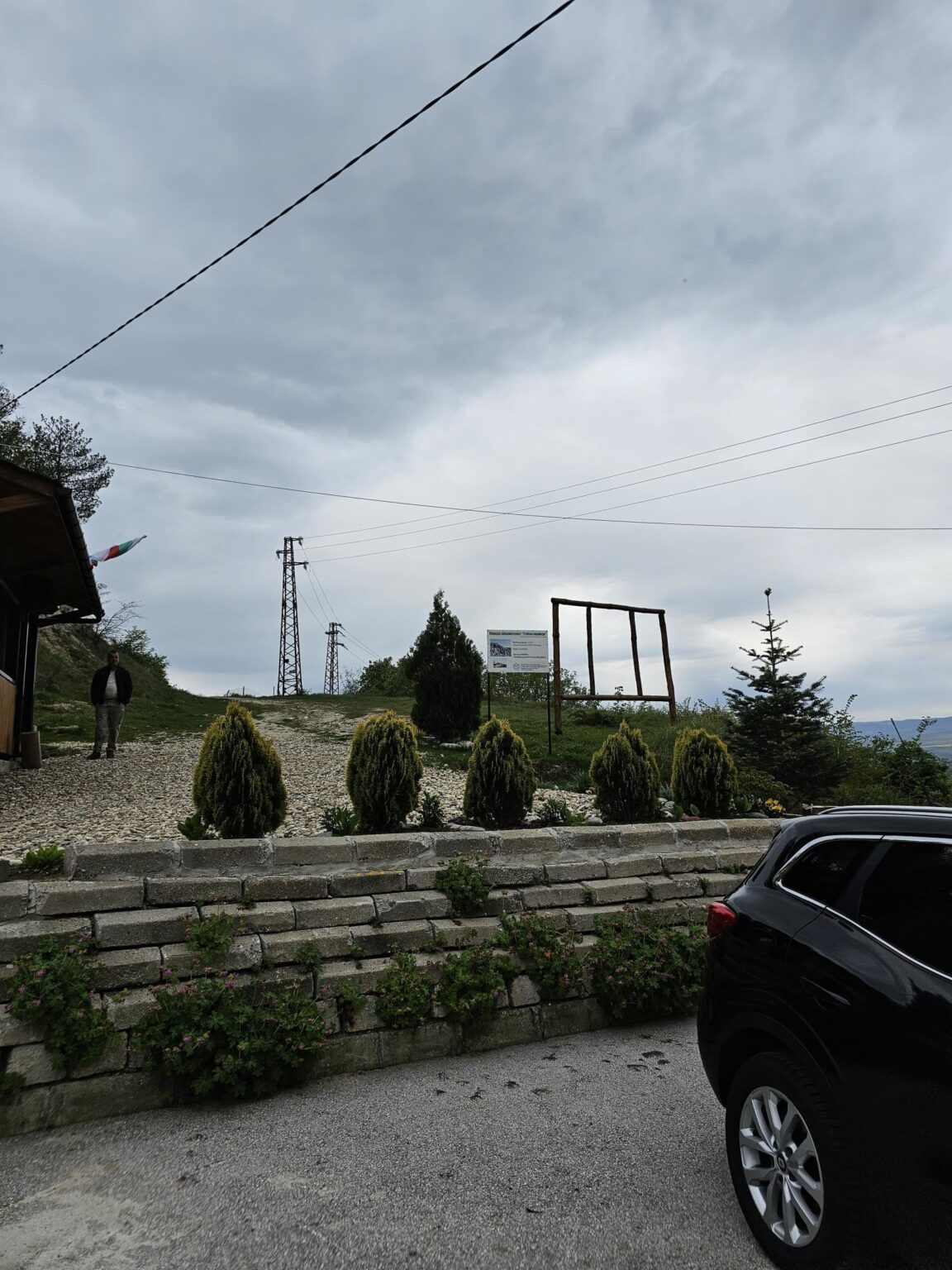
- stamp: No. 28a from the 100 National Tourist Sites — an ideal companion to Rila Monastery if you combine them in one day. If you’re collecting stamps, the Fotinovo waterfalls are on the list too.
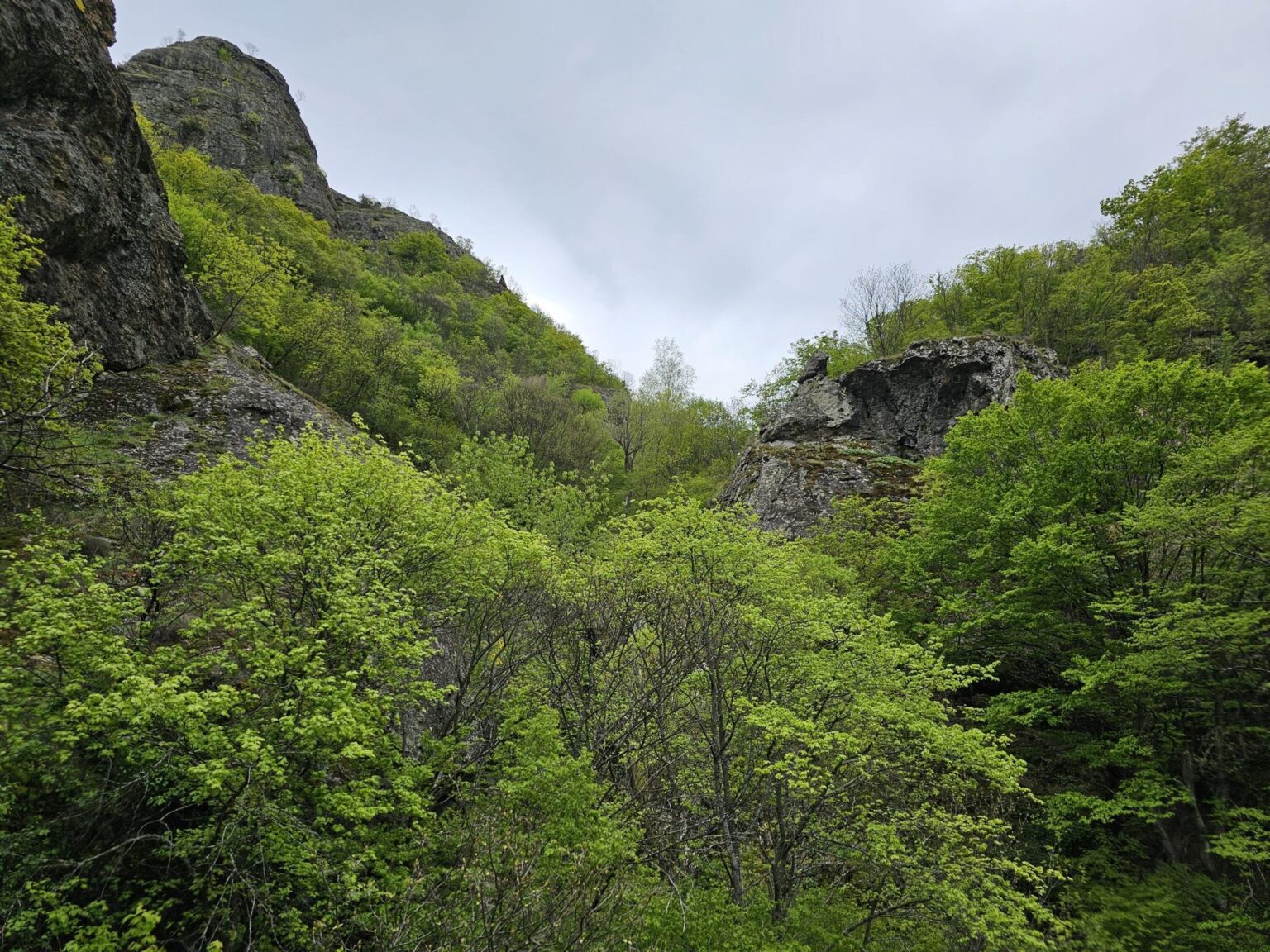
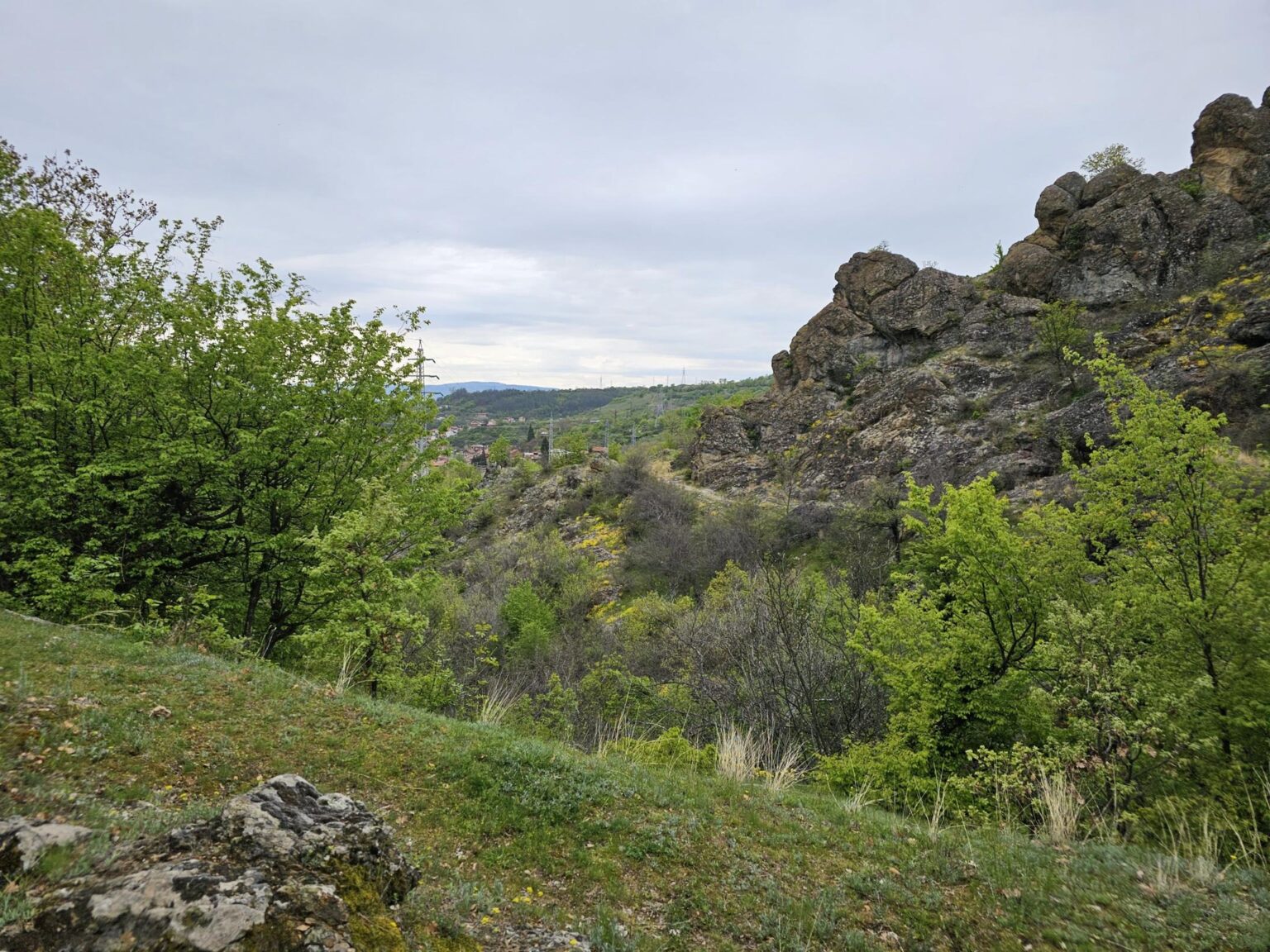
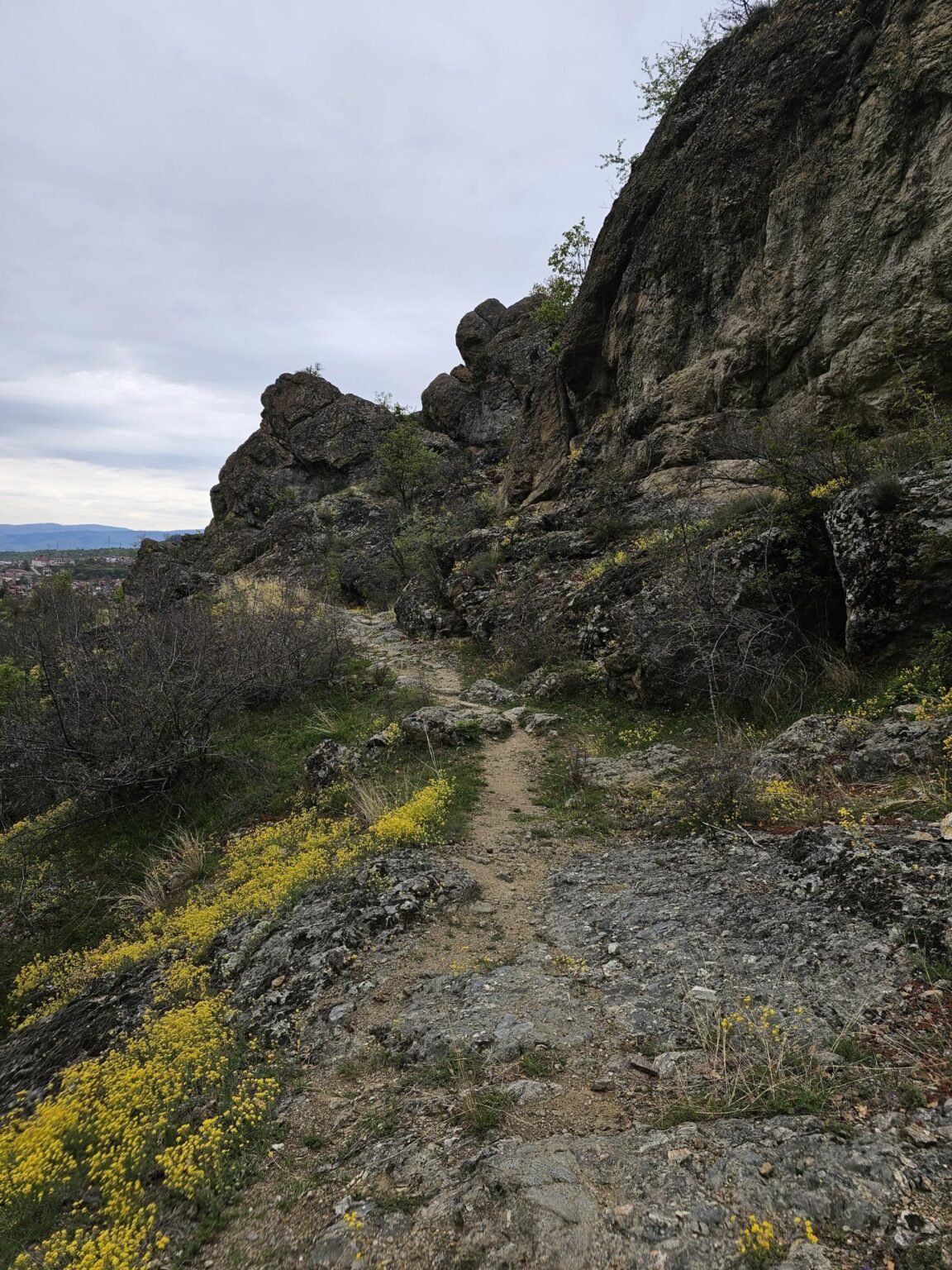
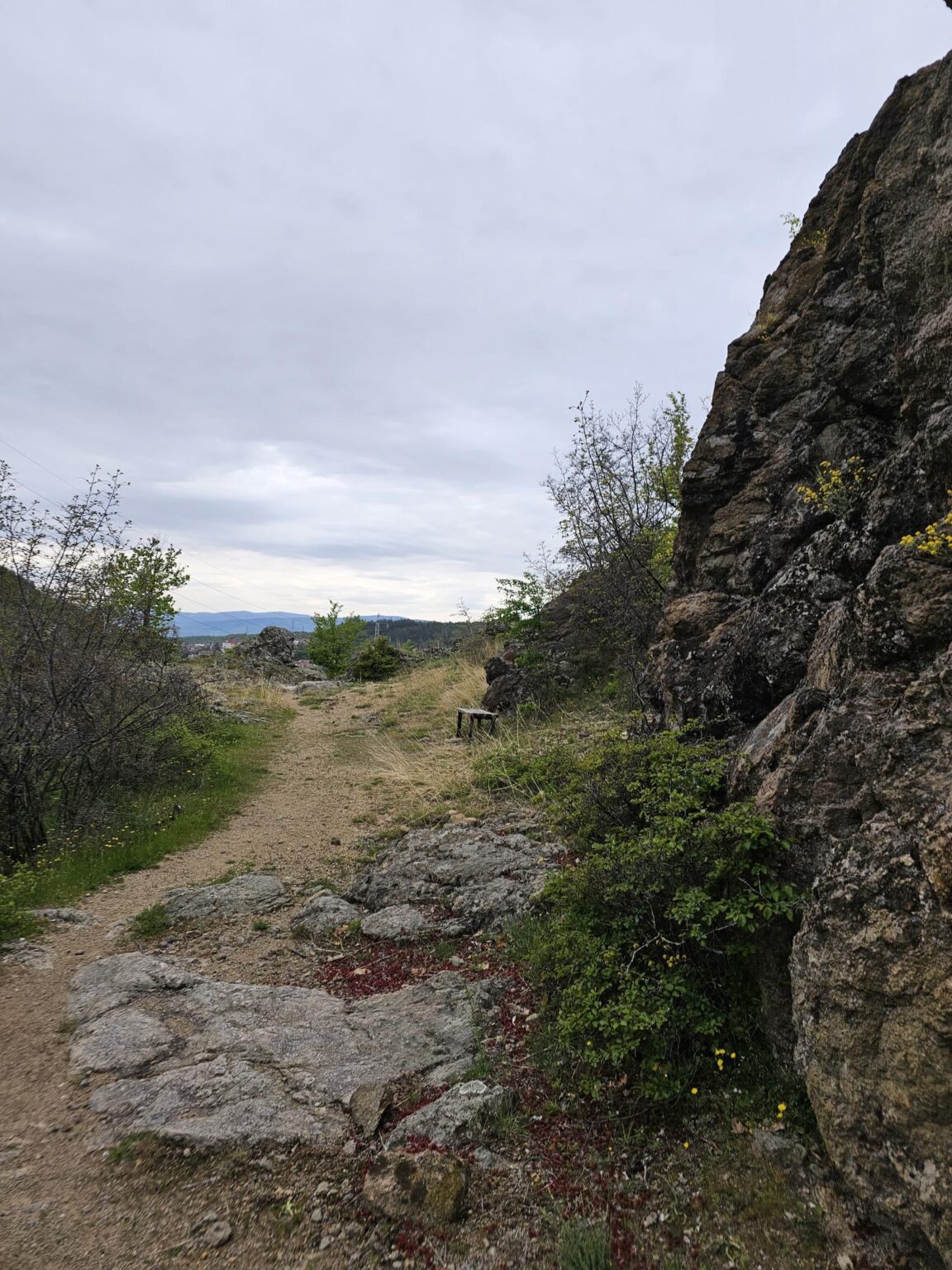
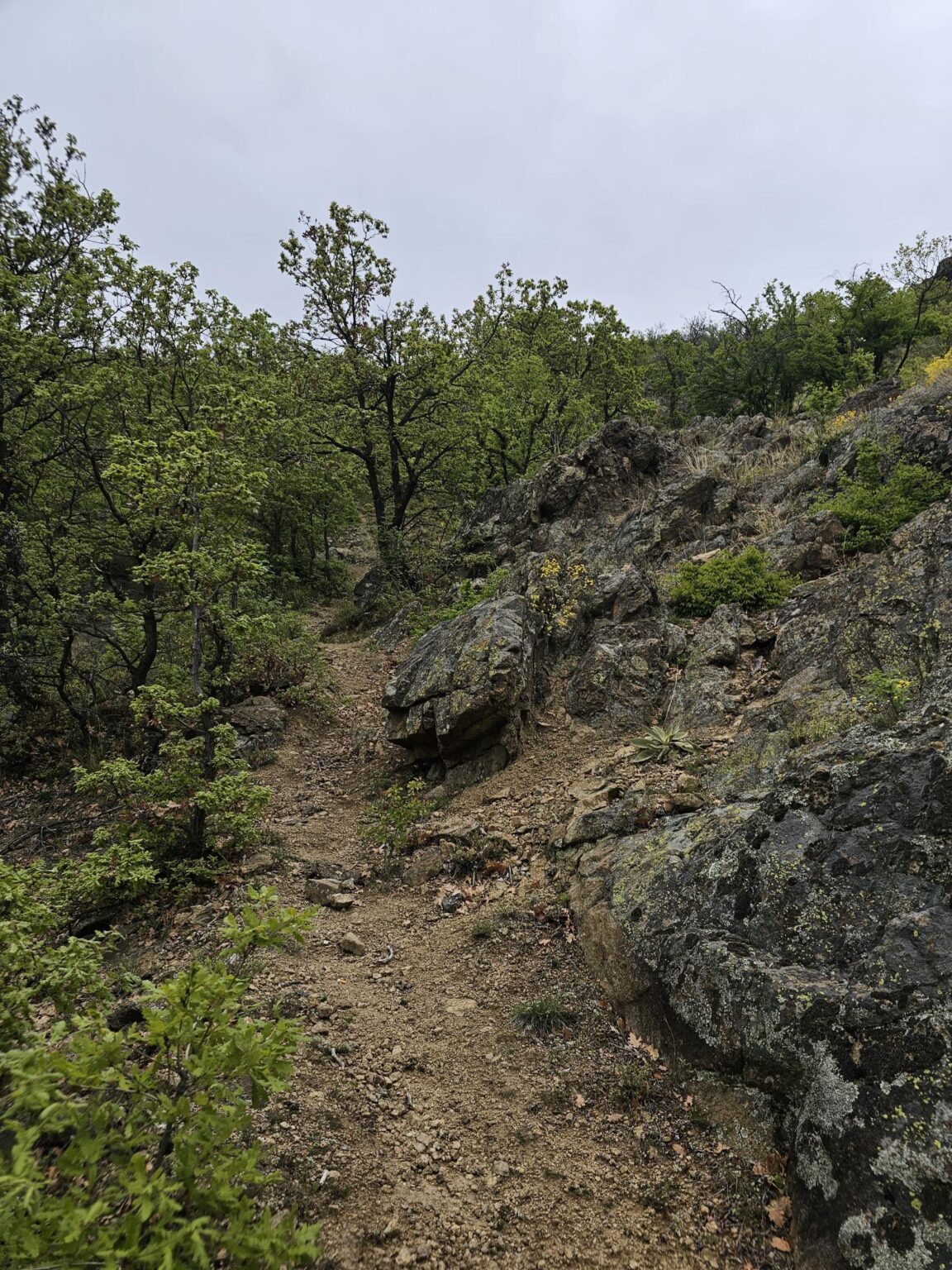
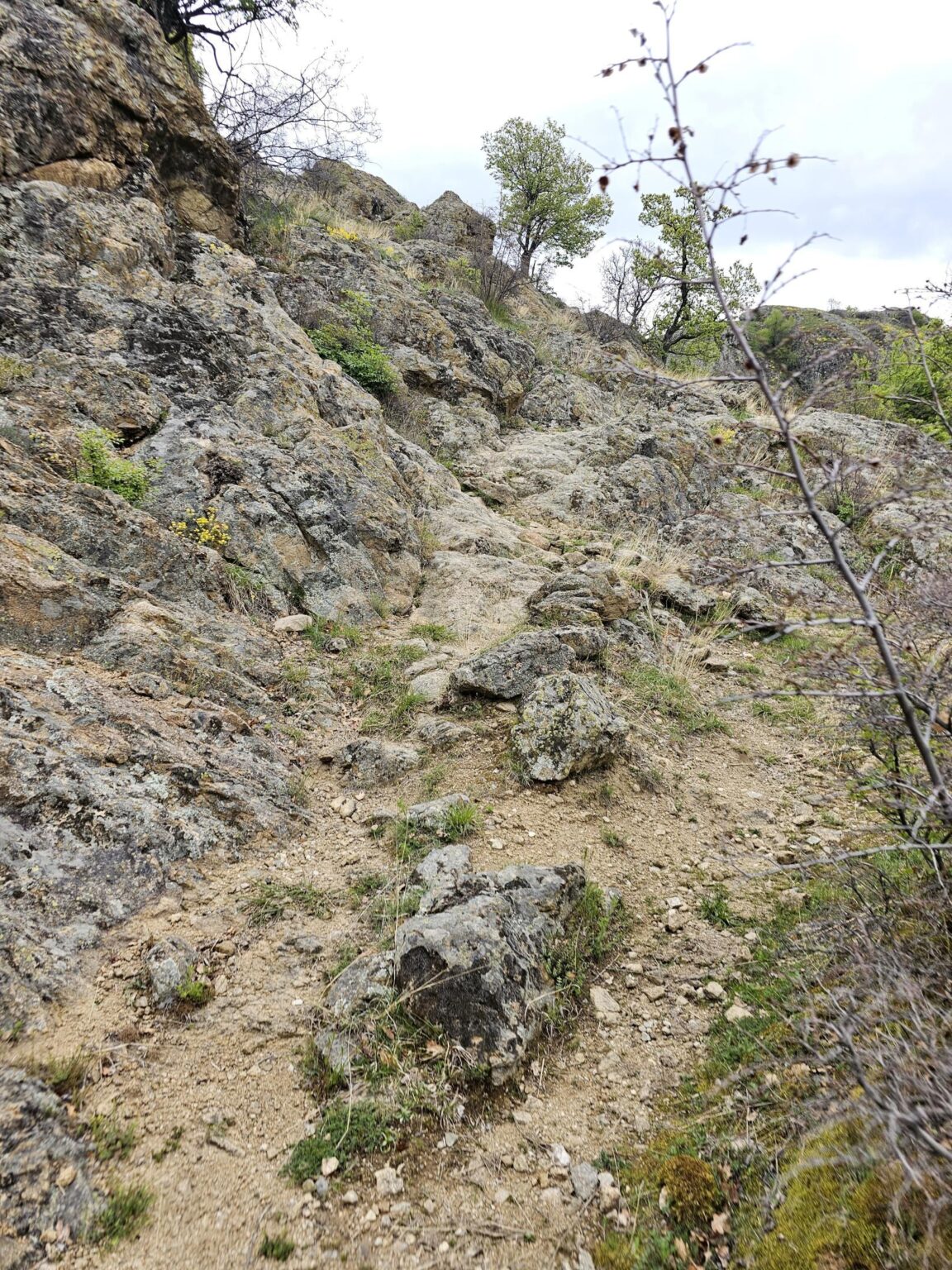
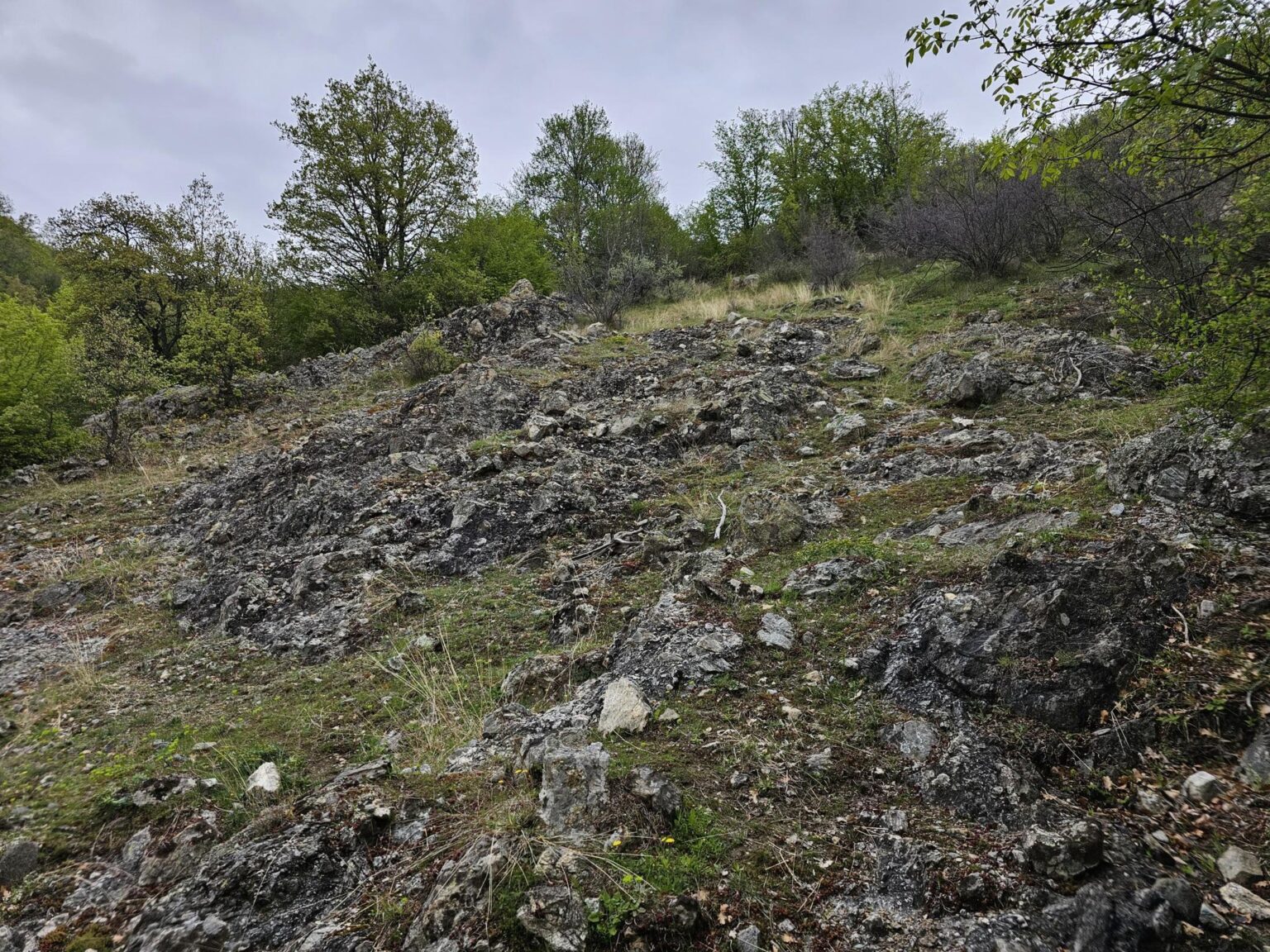
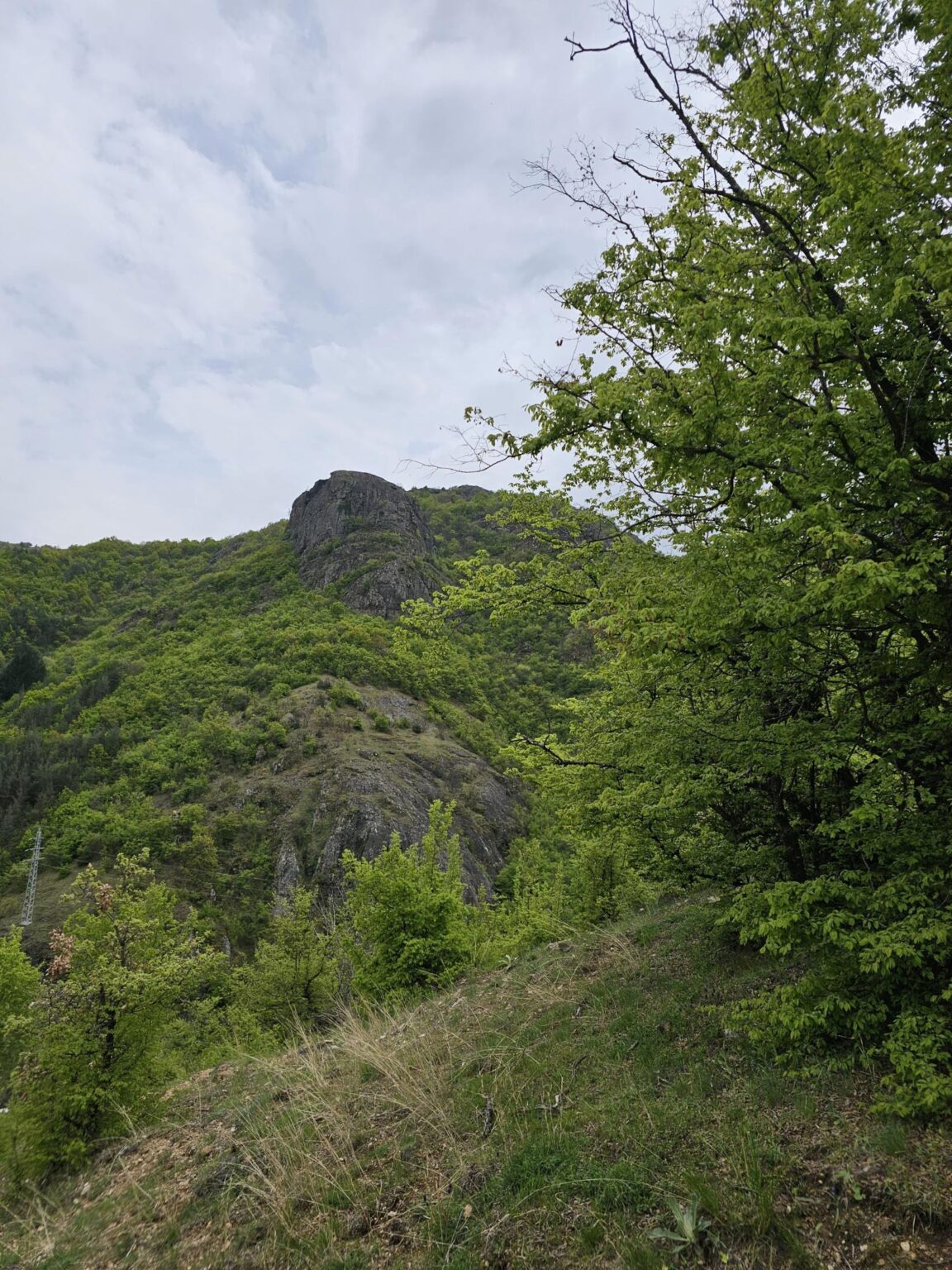
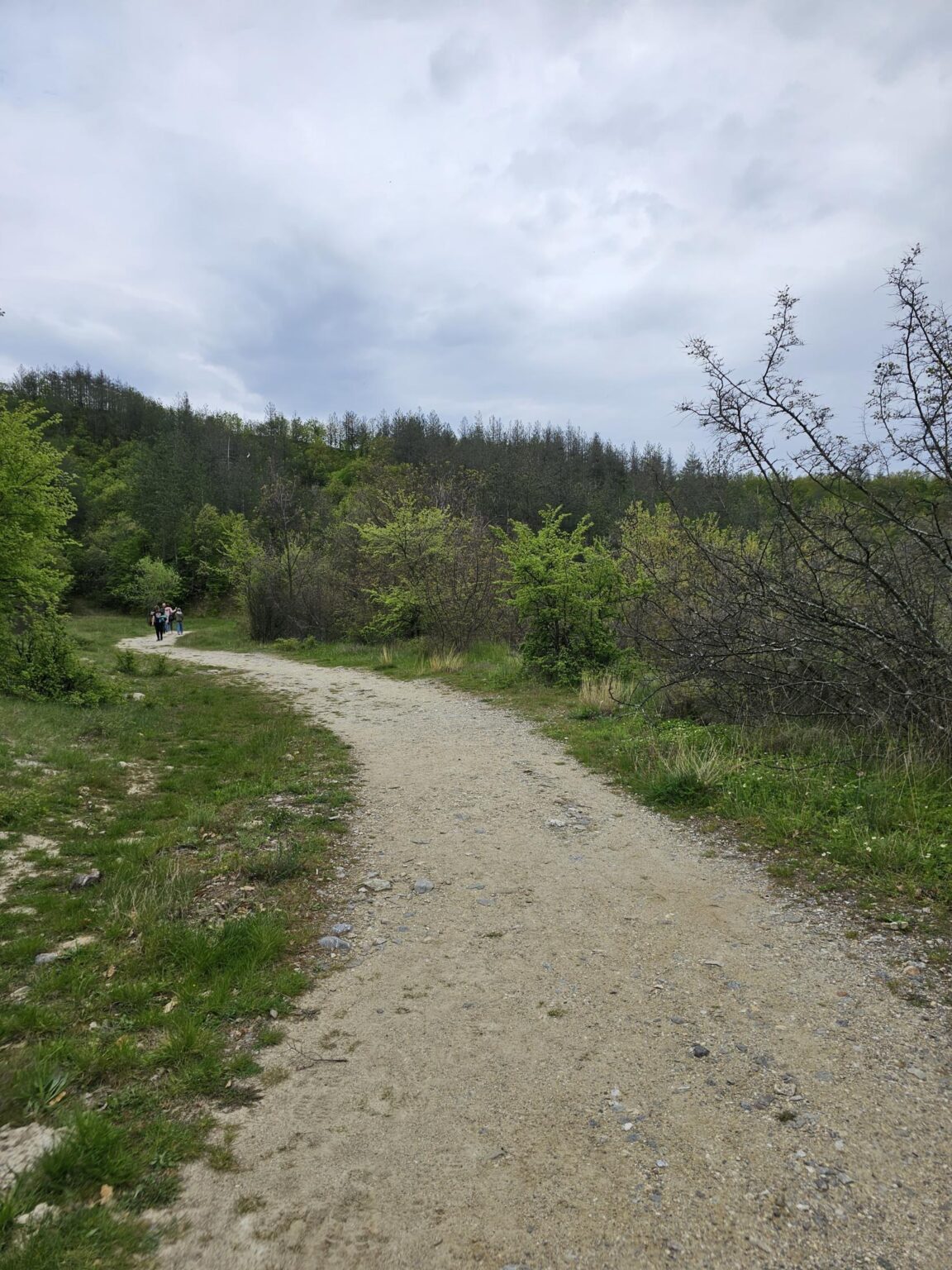
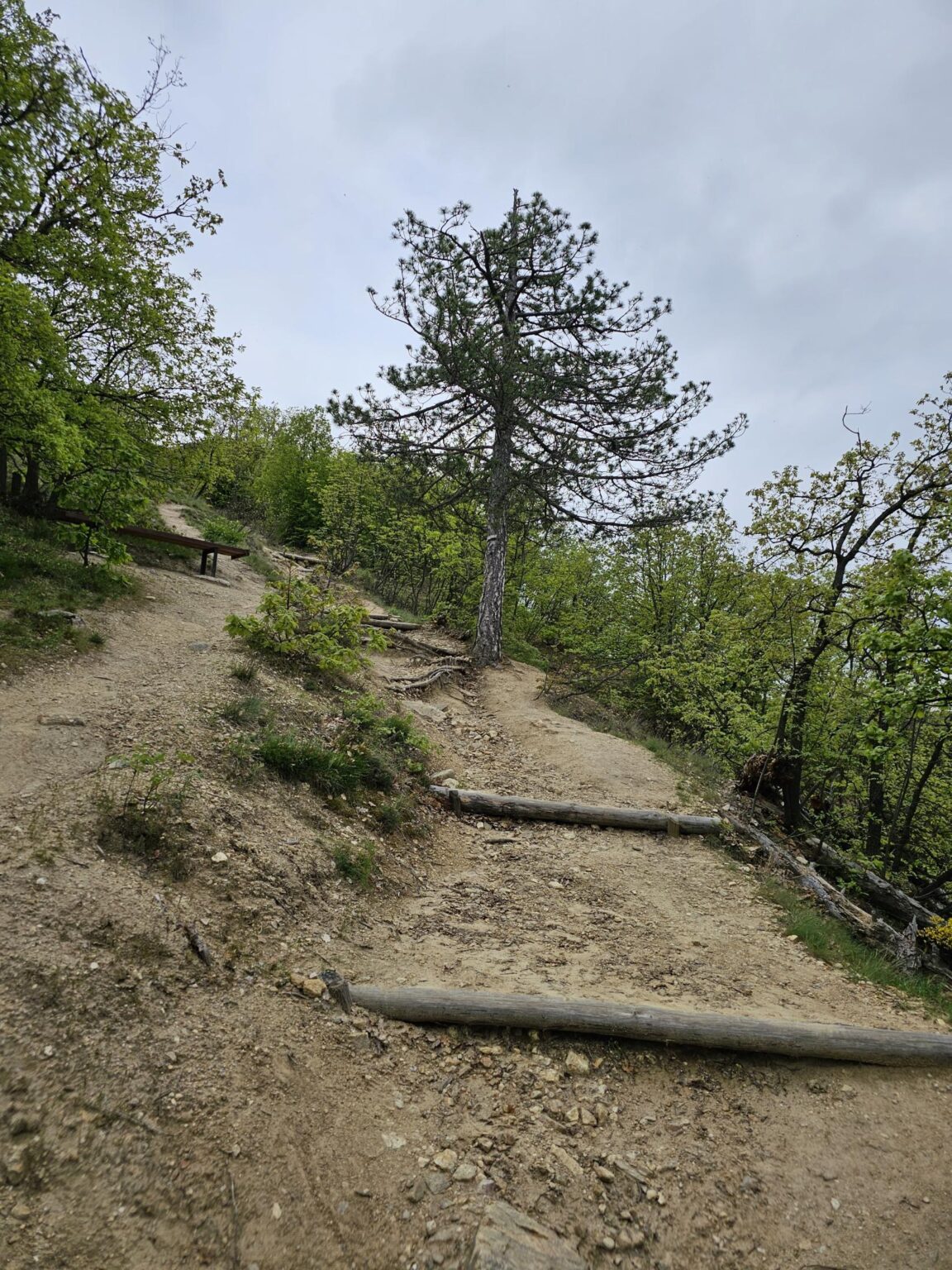
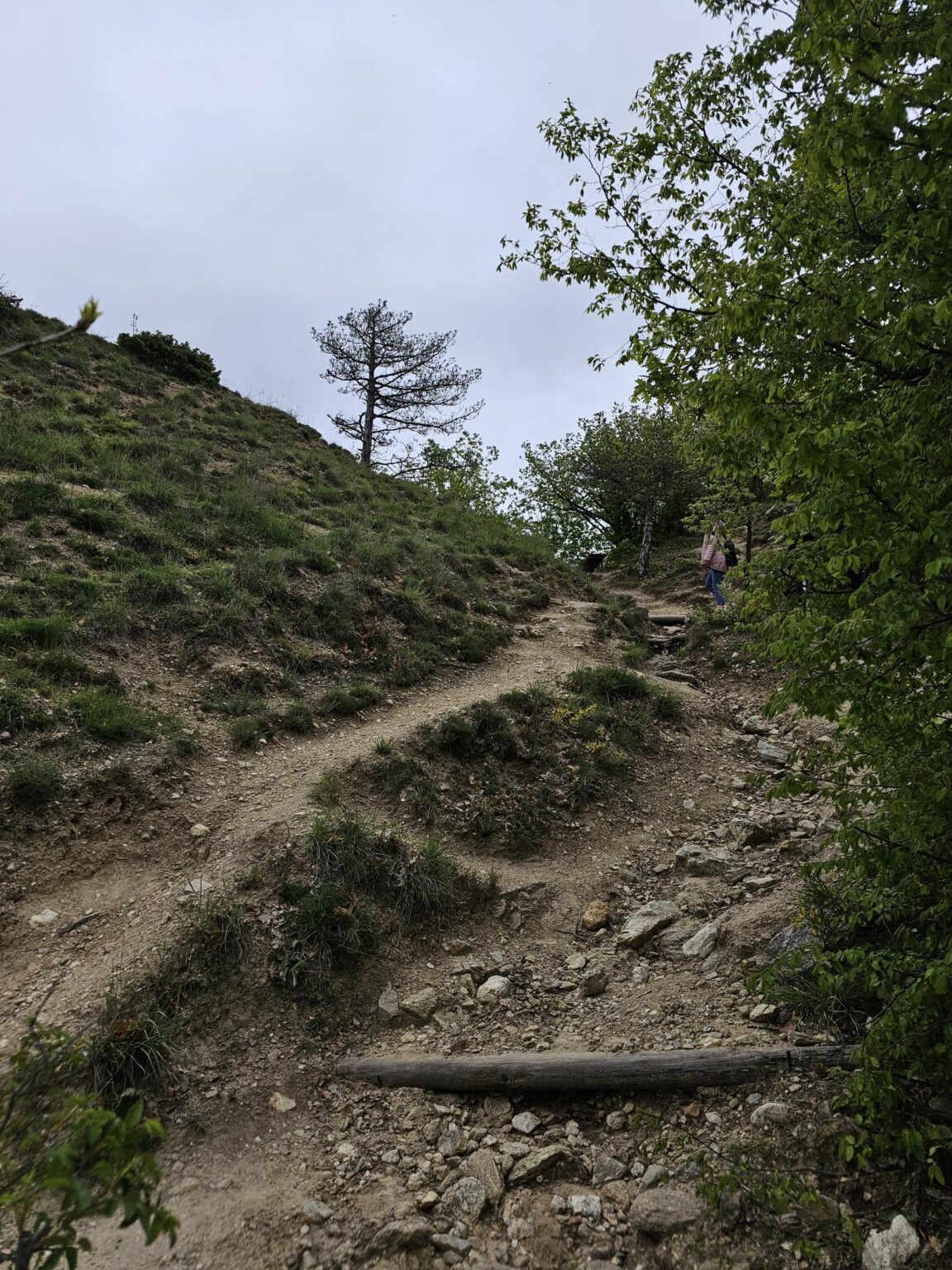
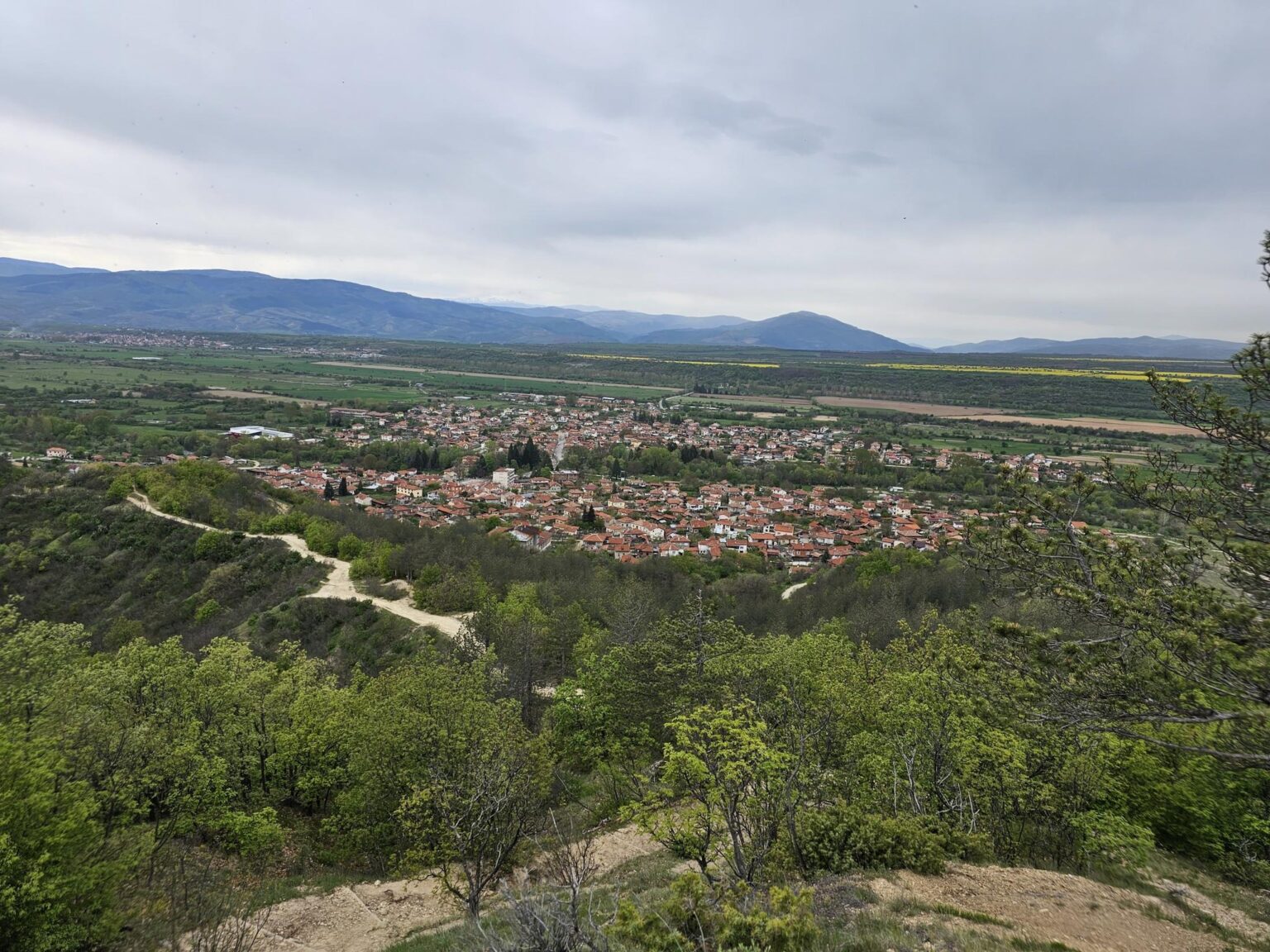
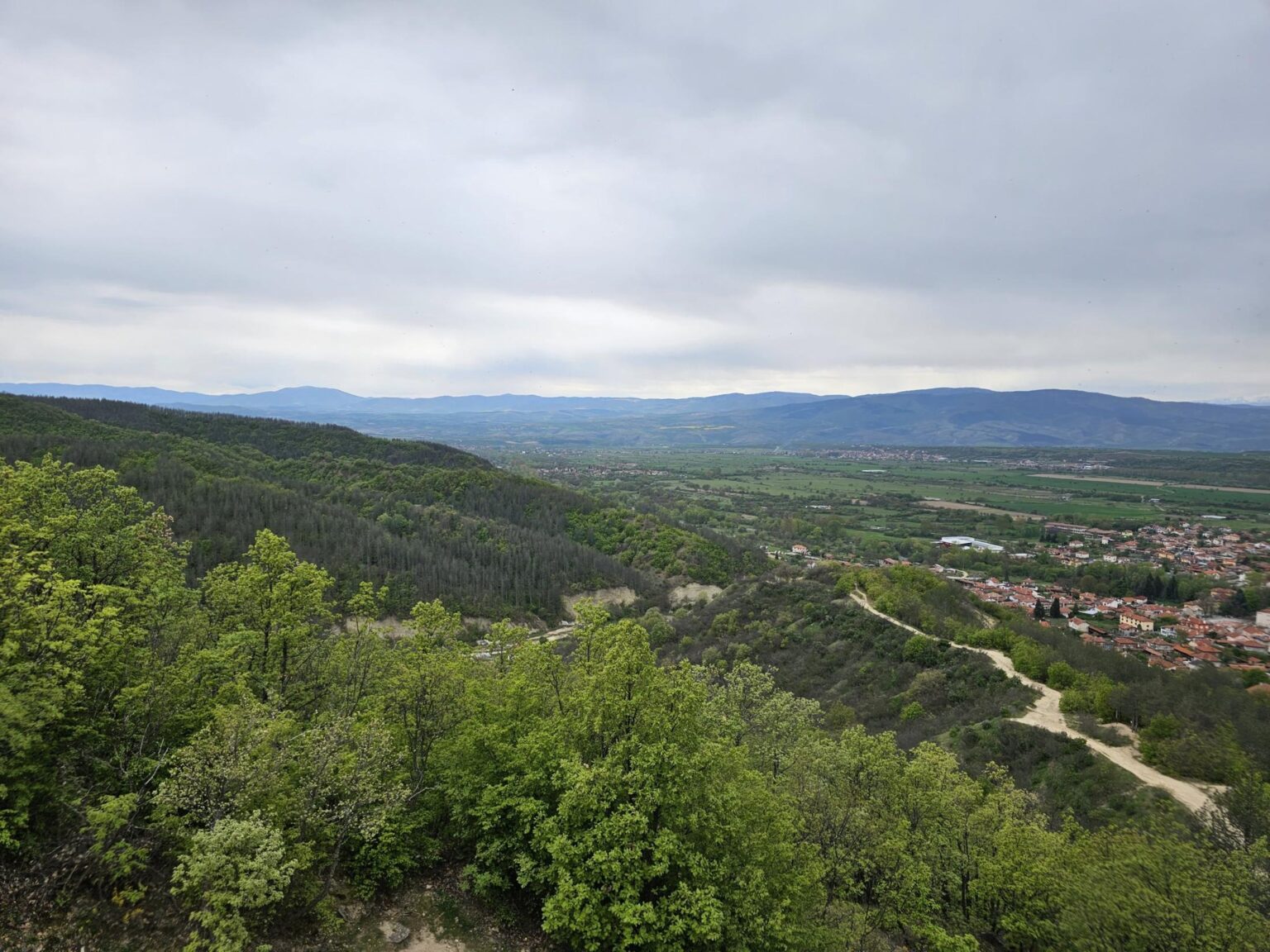
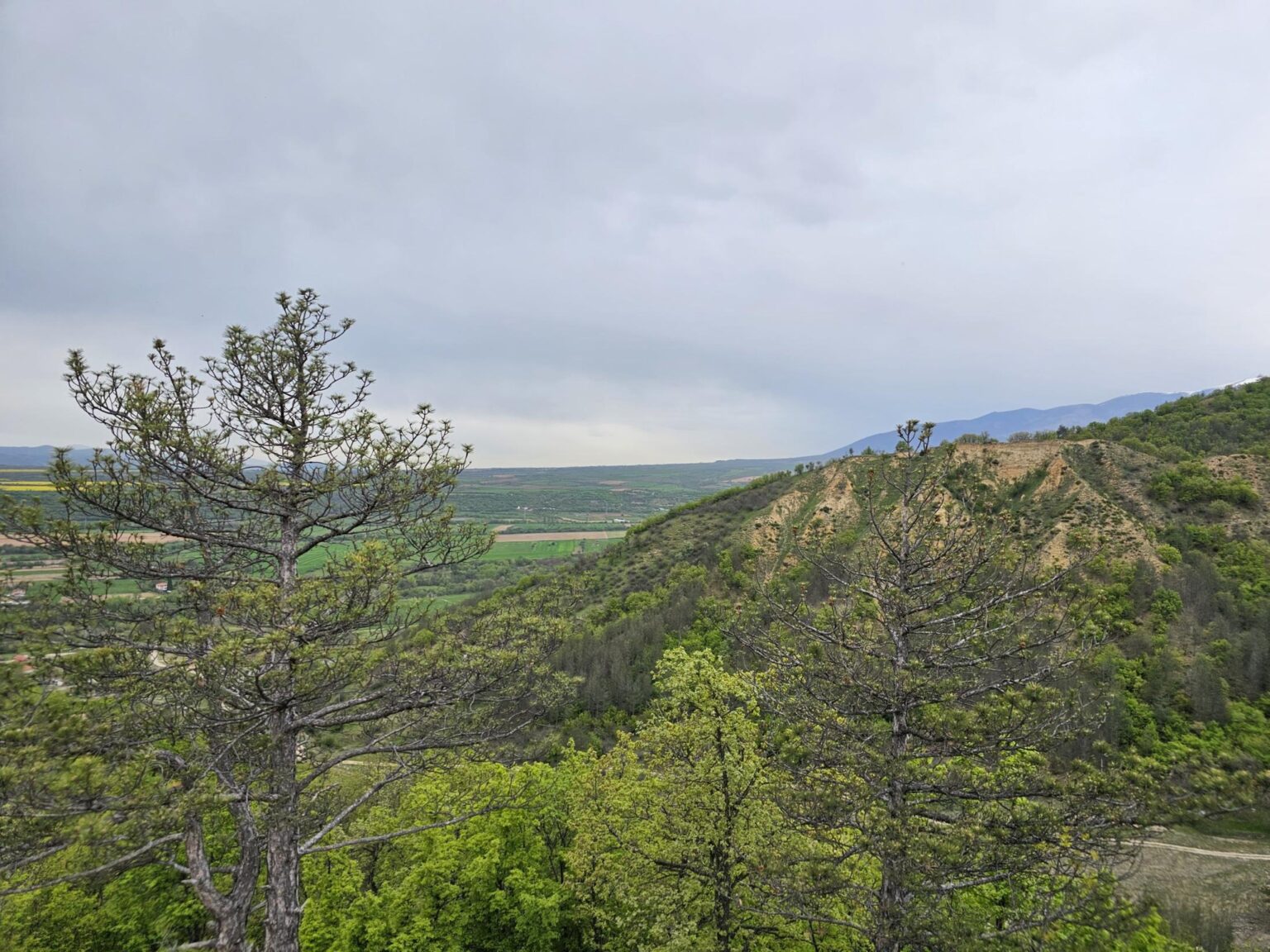
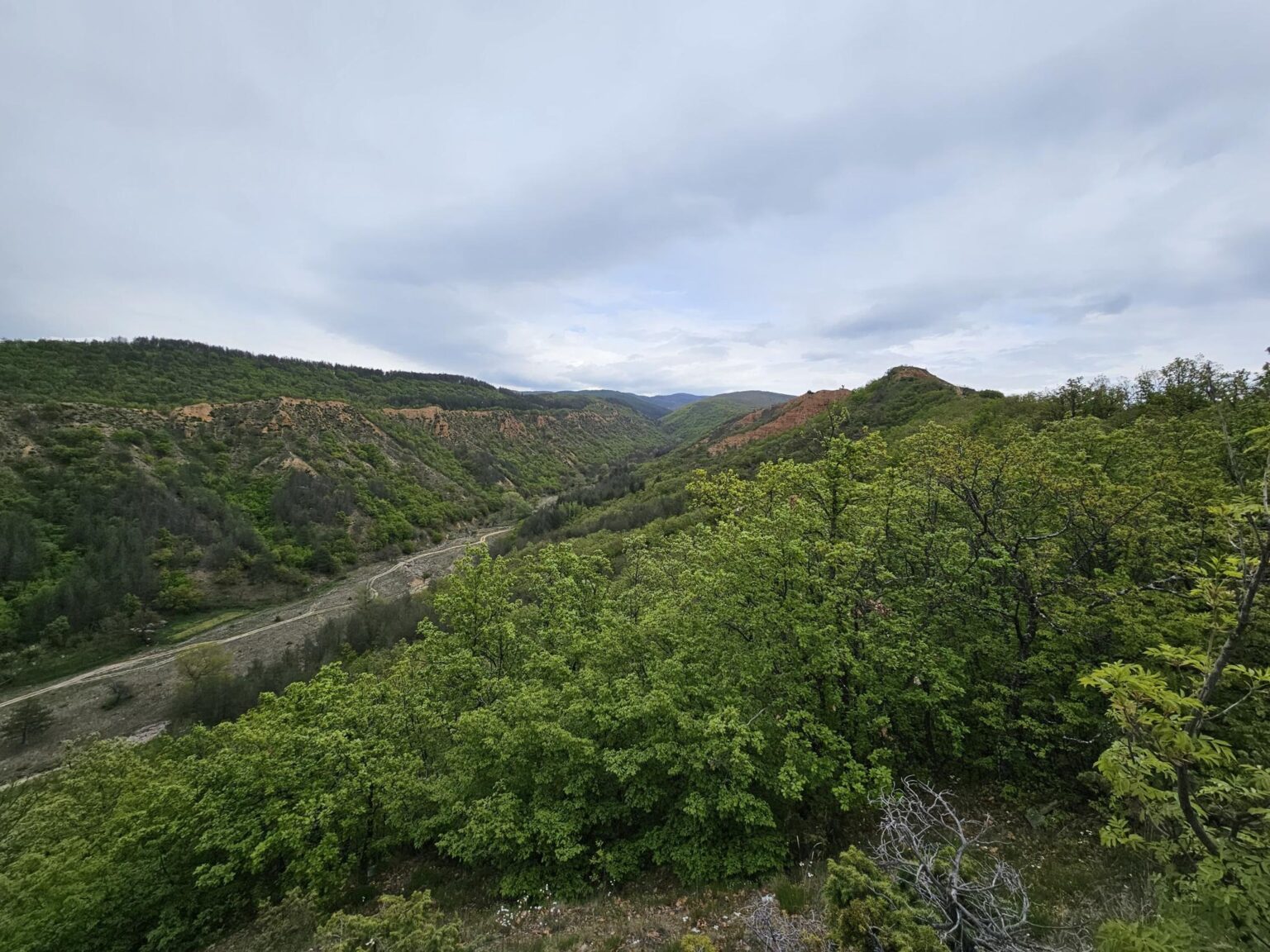
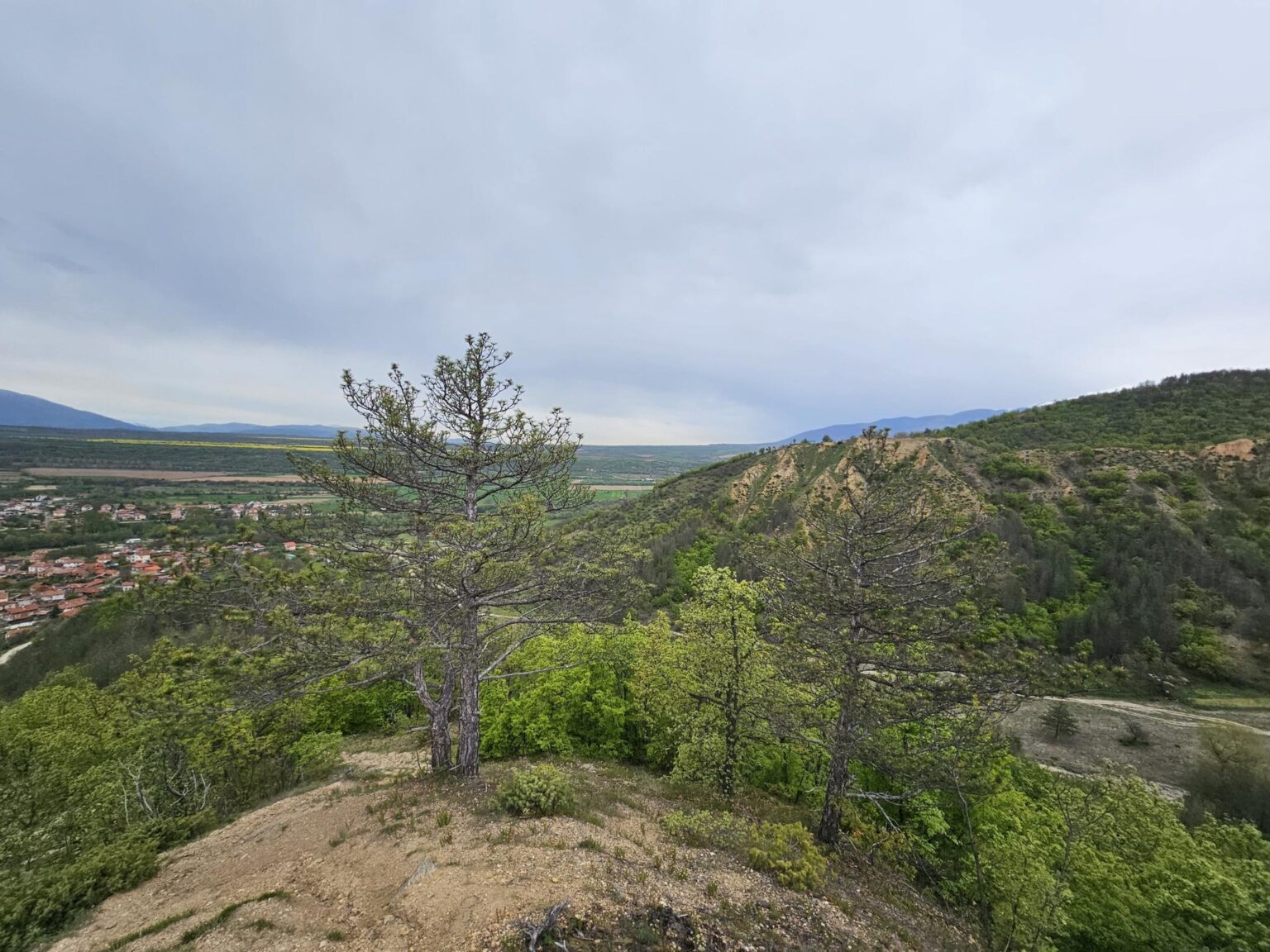
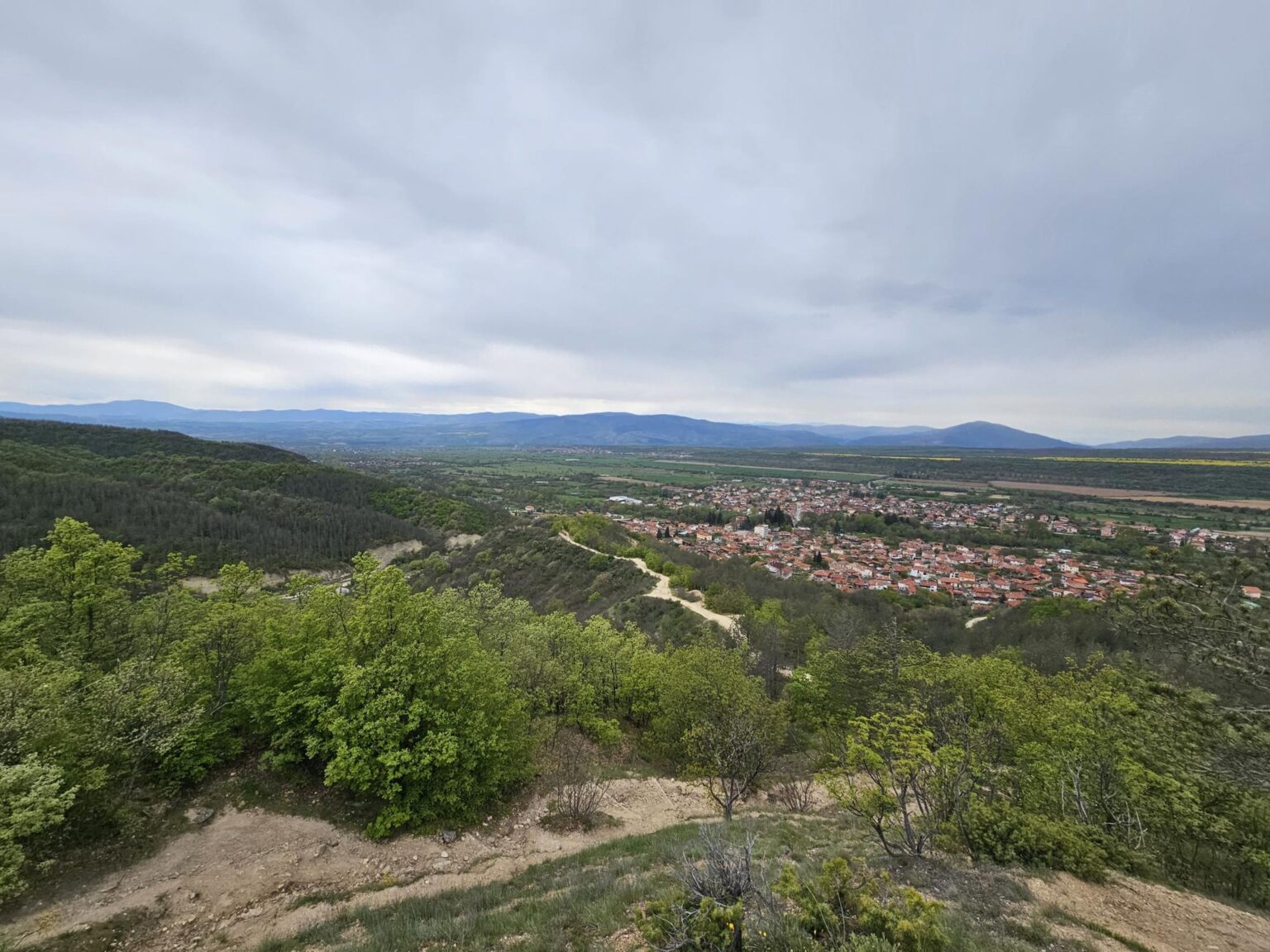
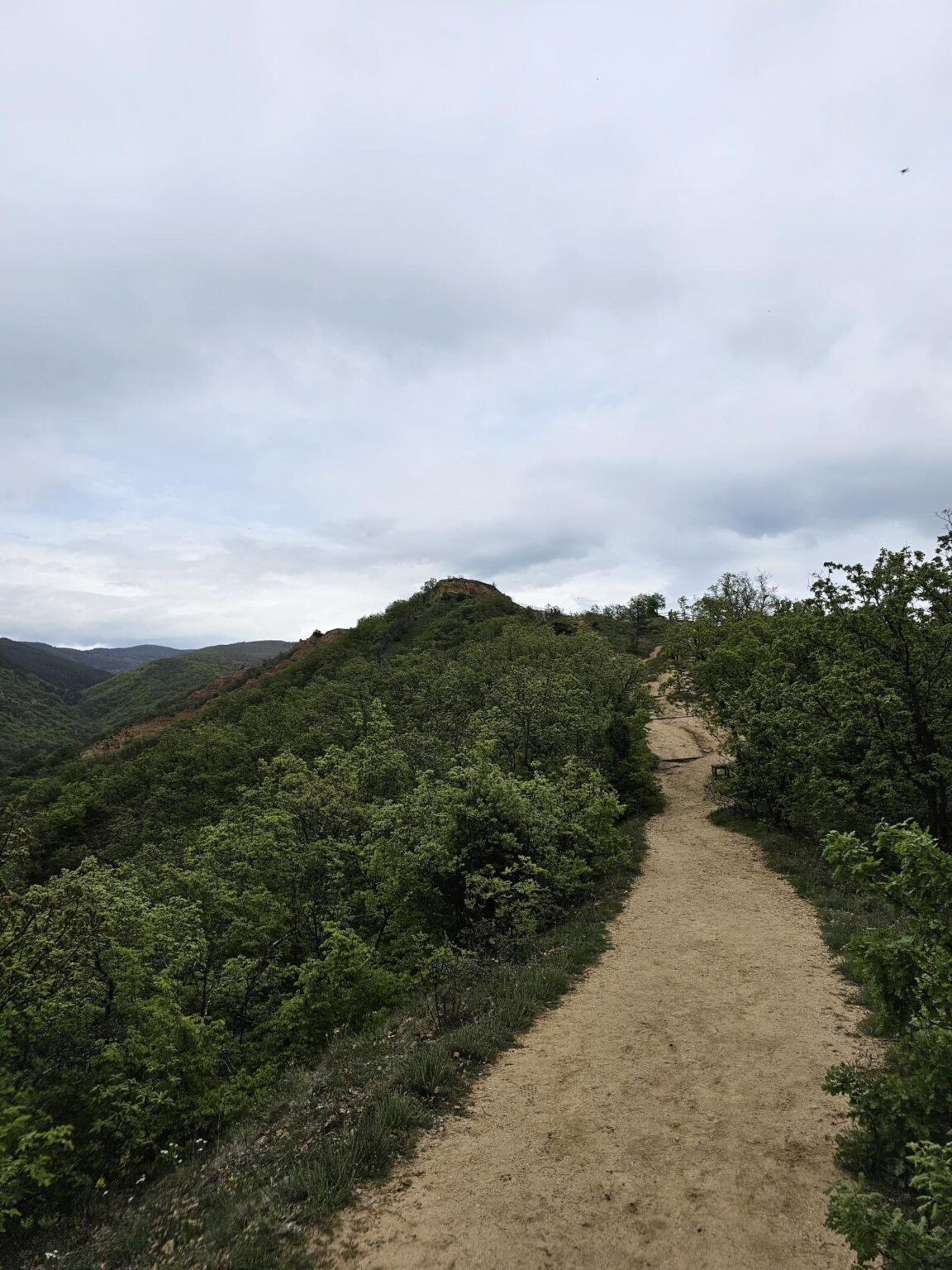
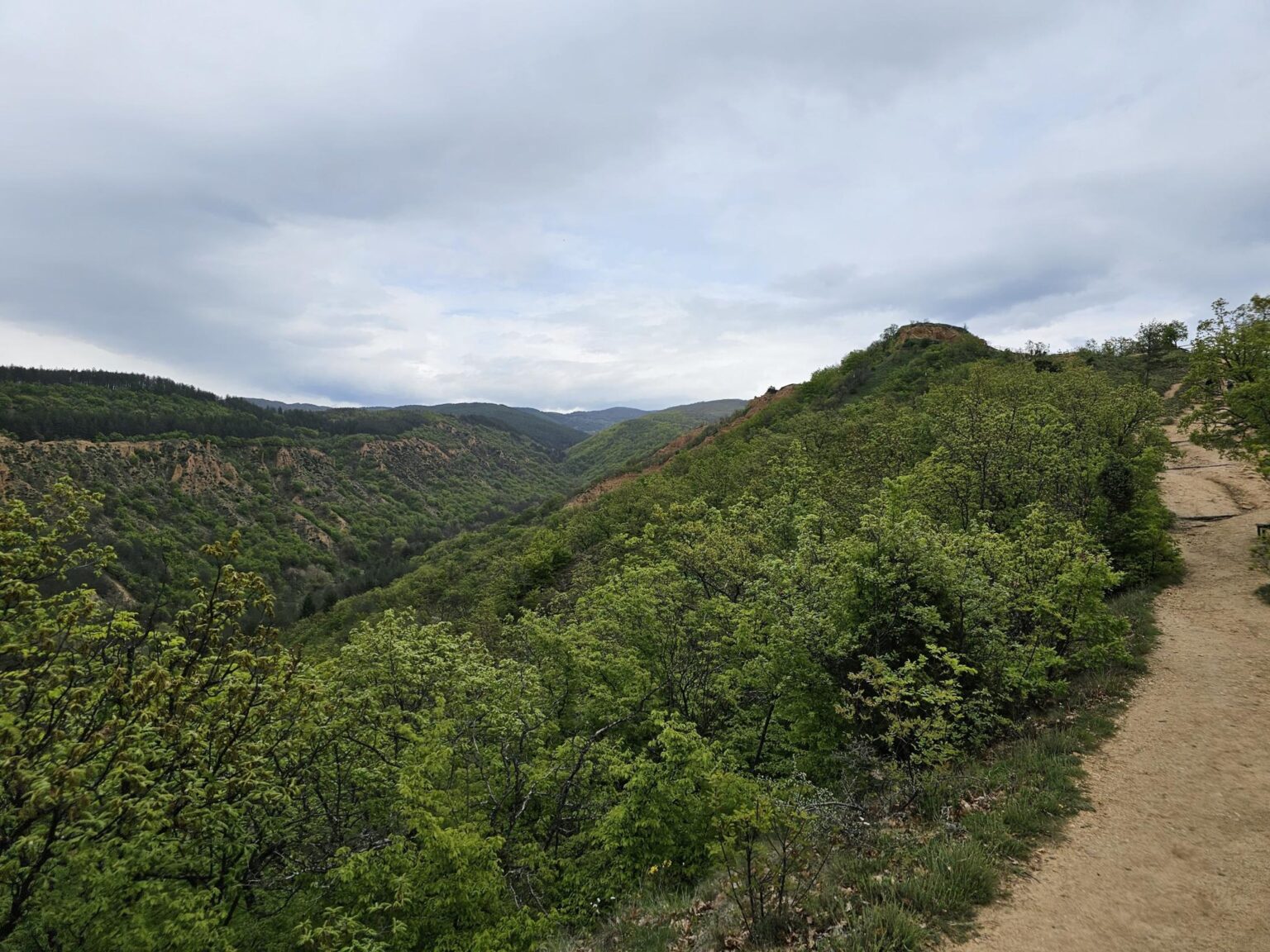
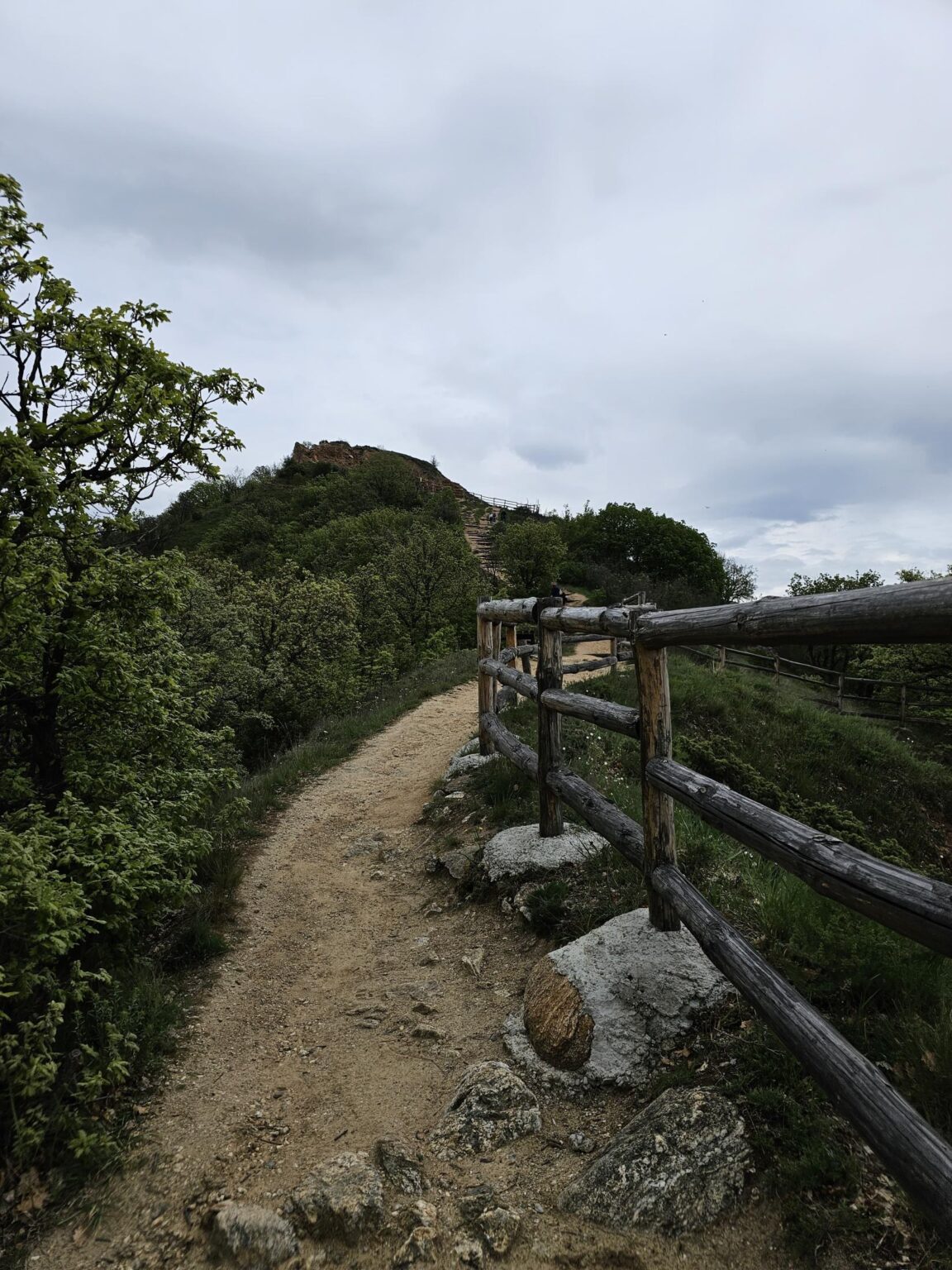
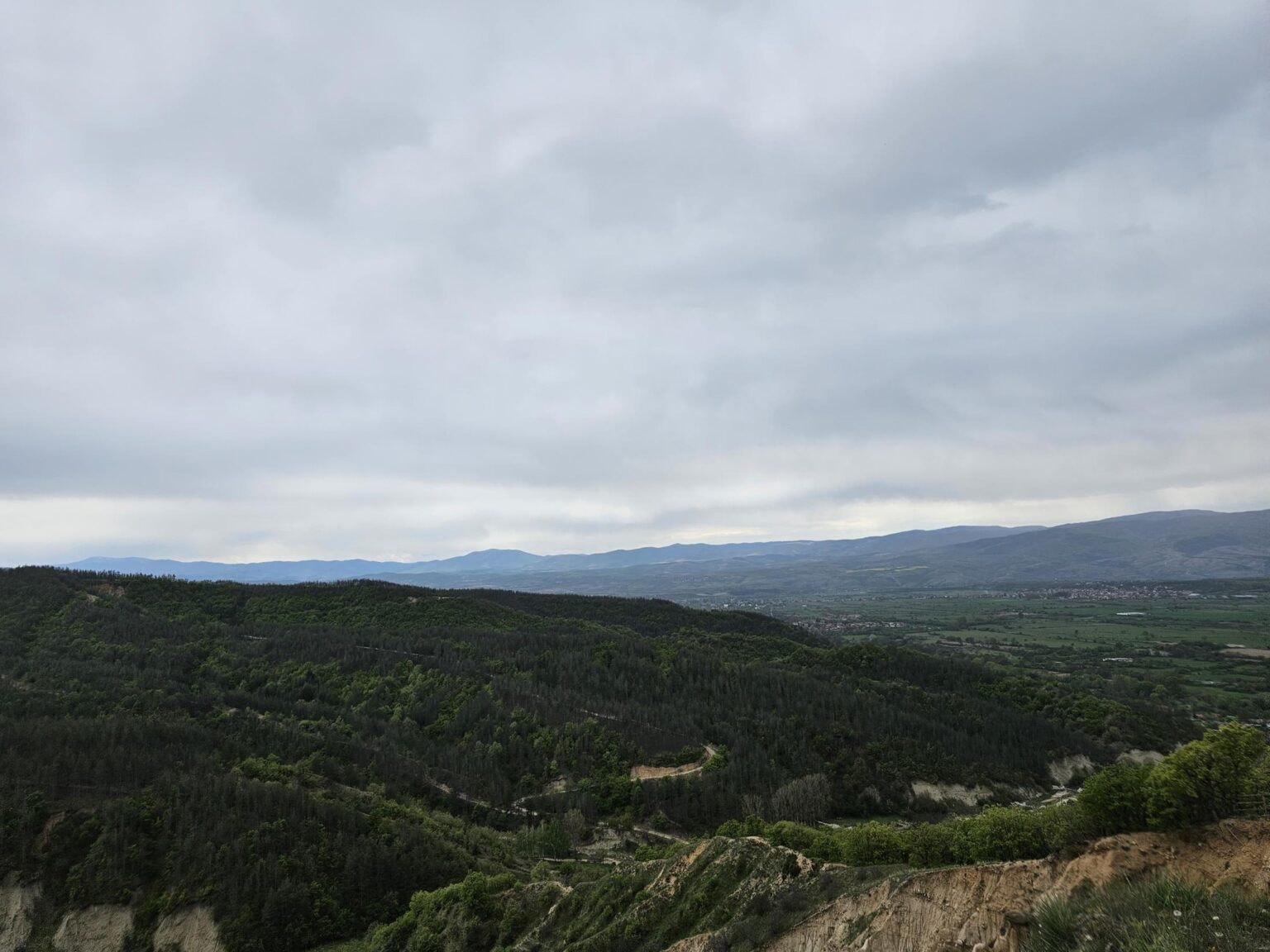
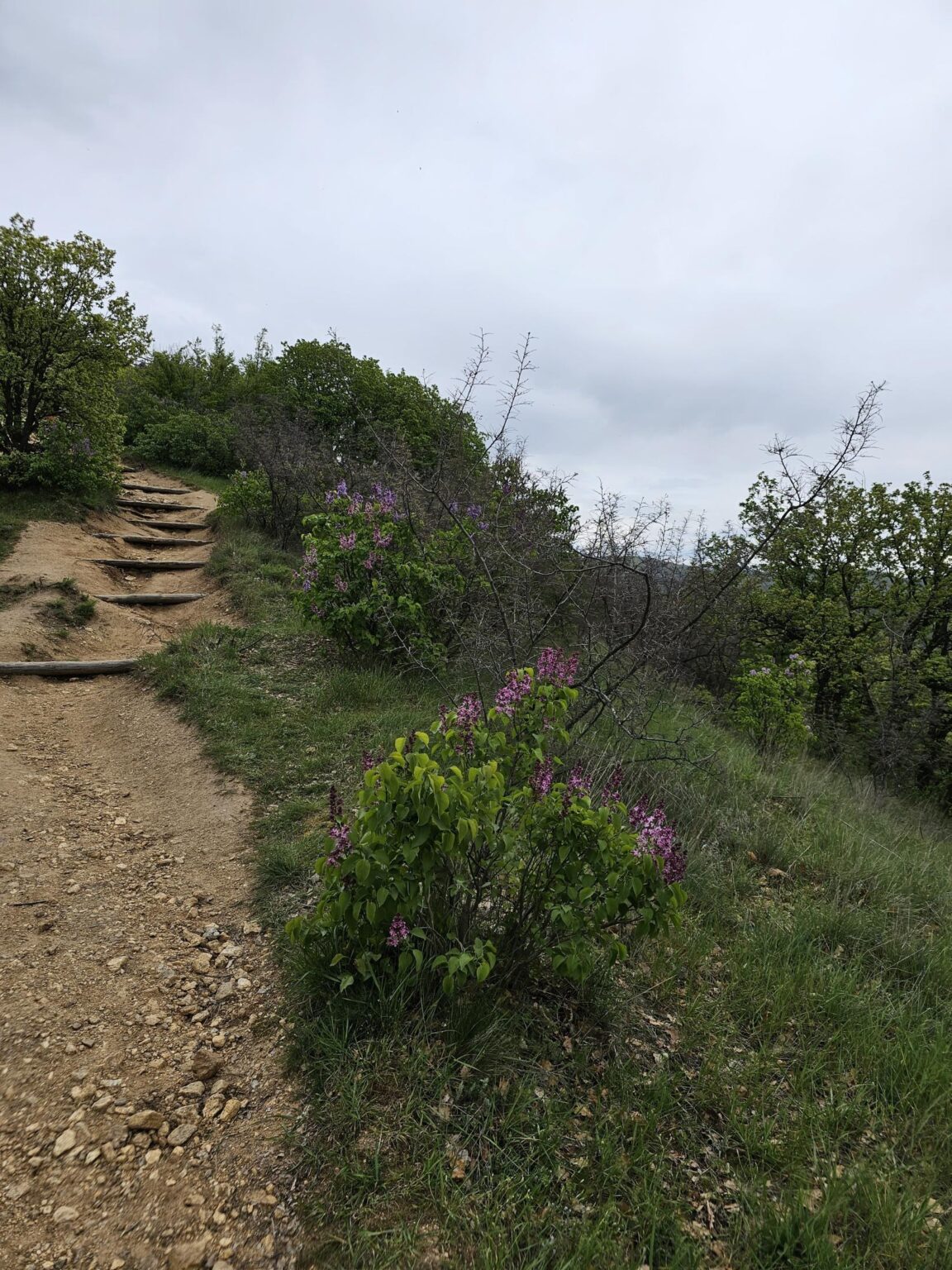
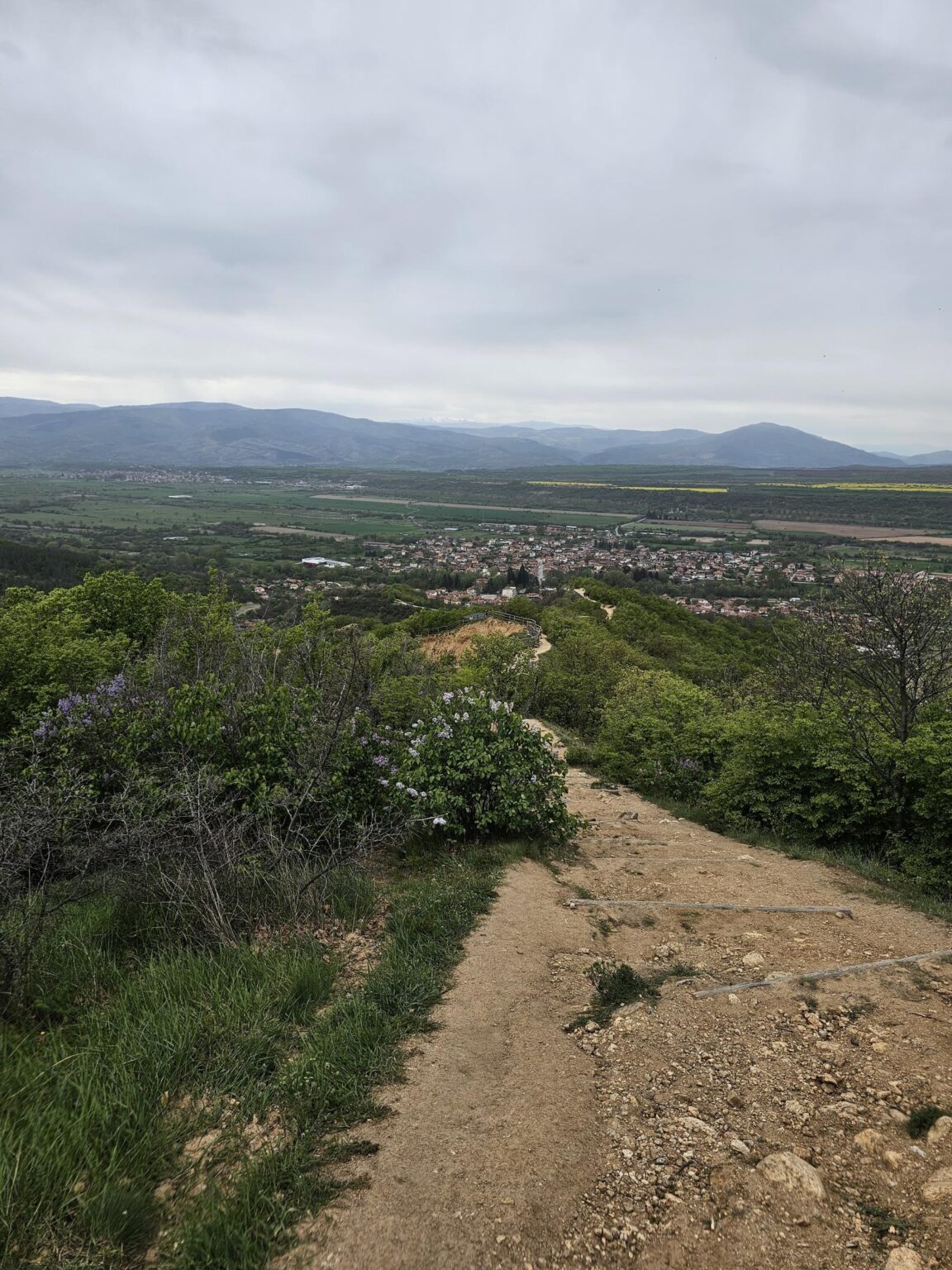
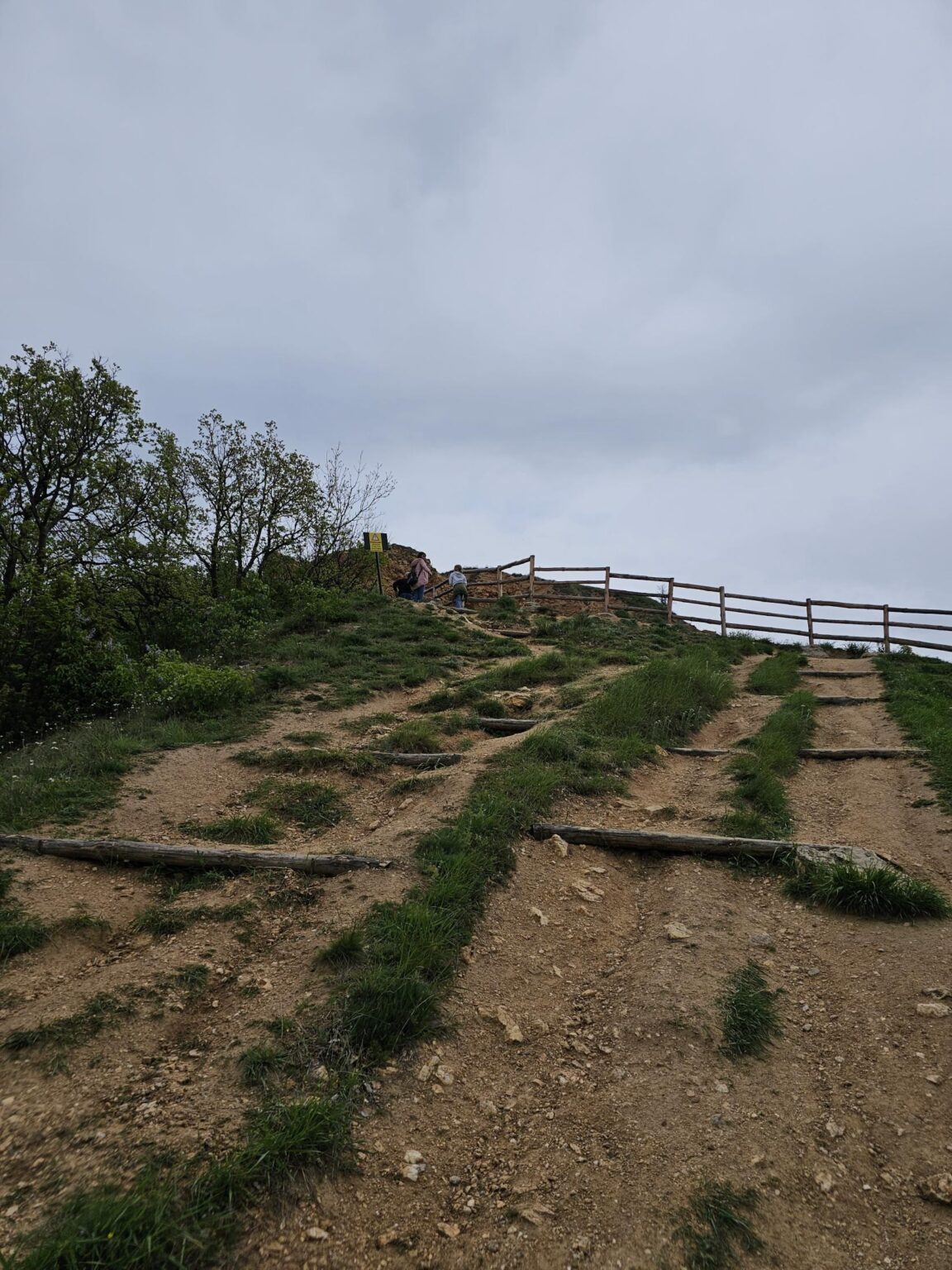
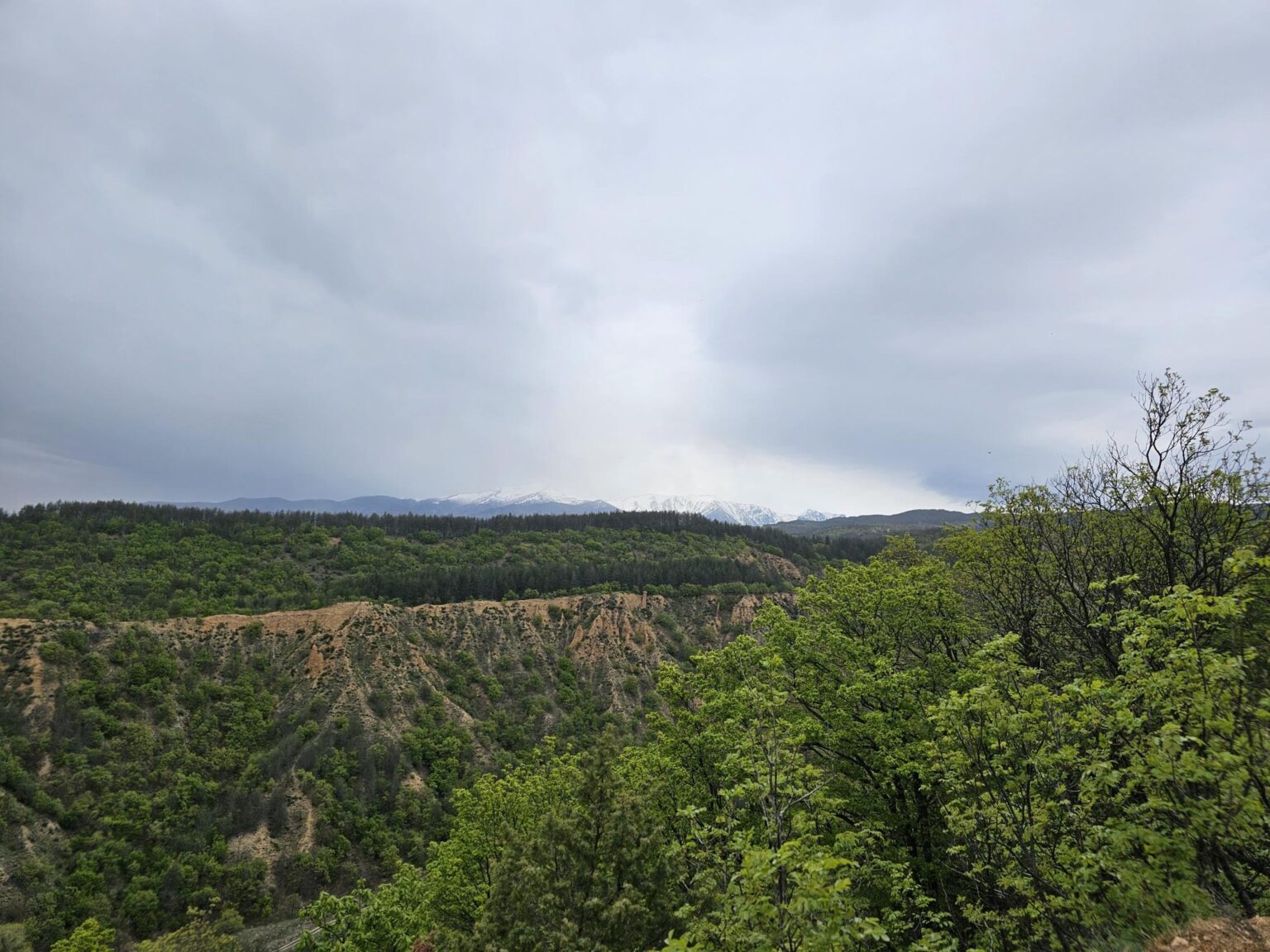
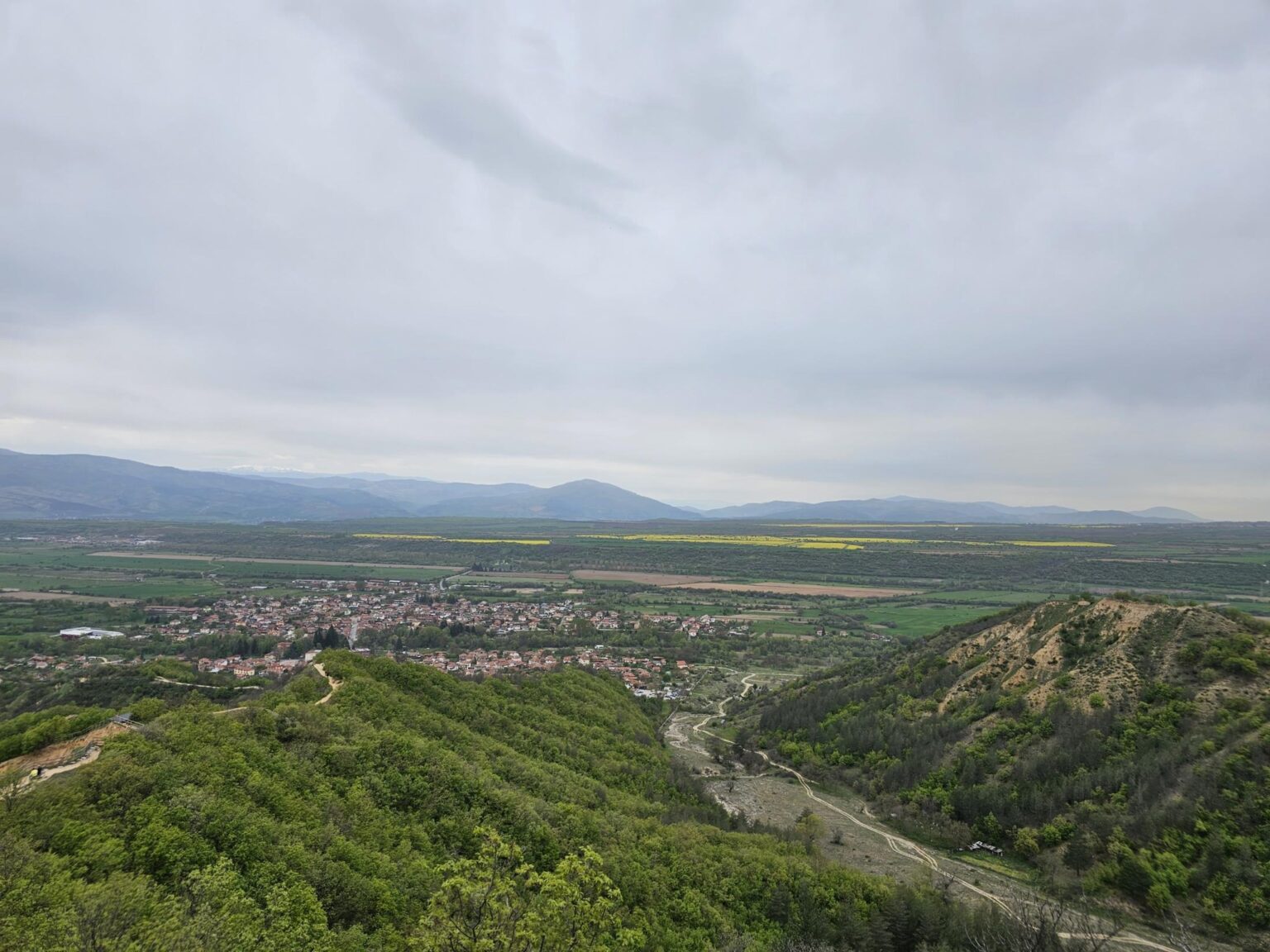
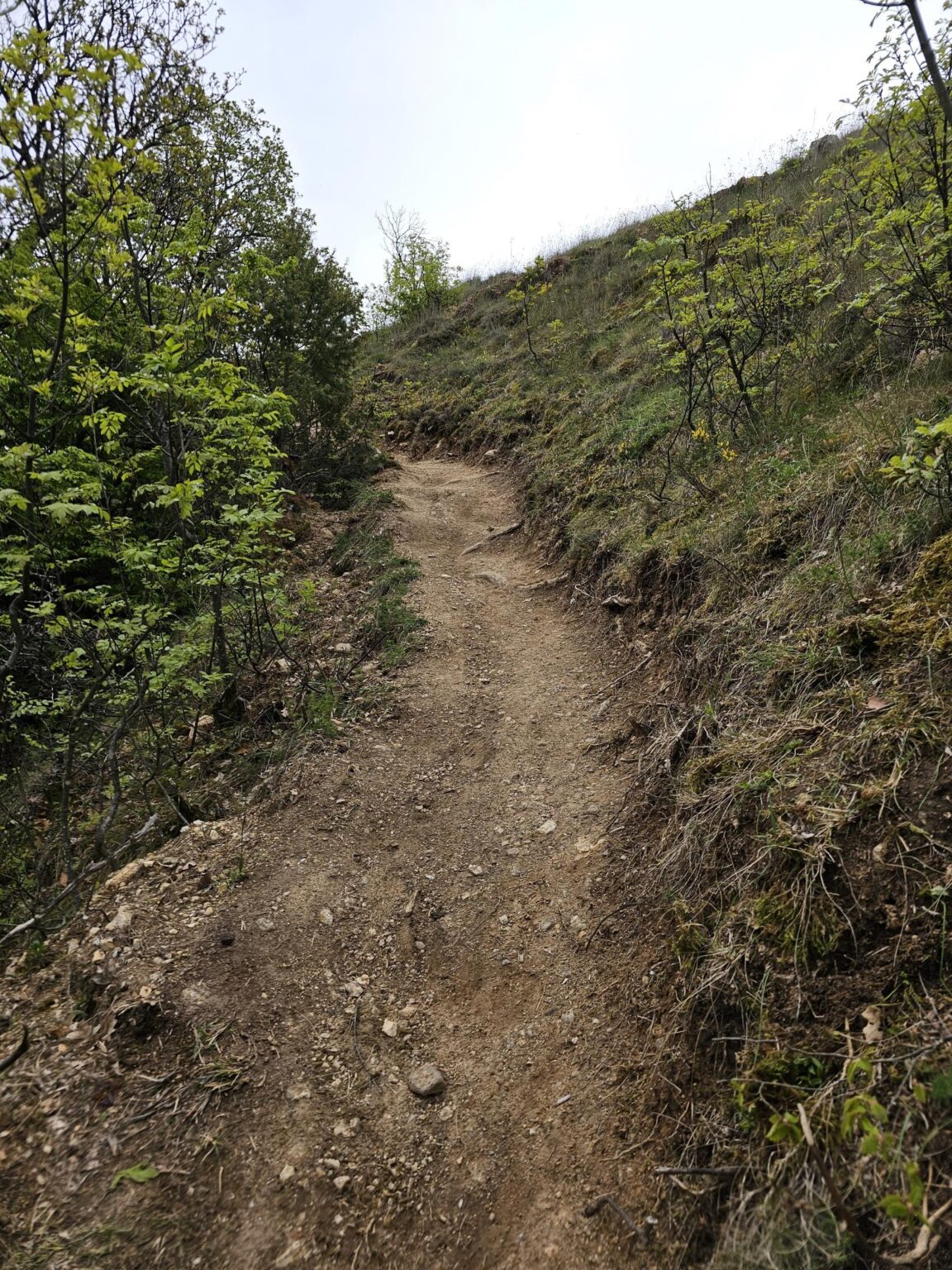
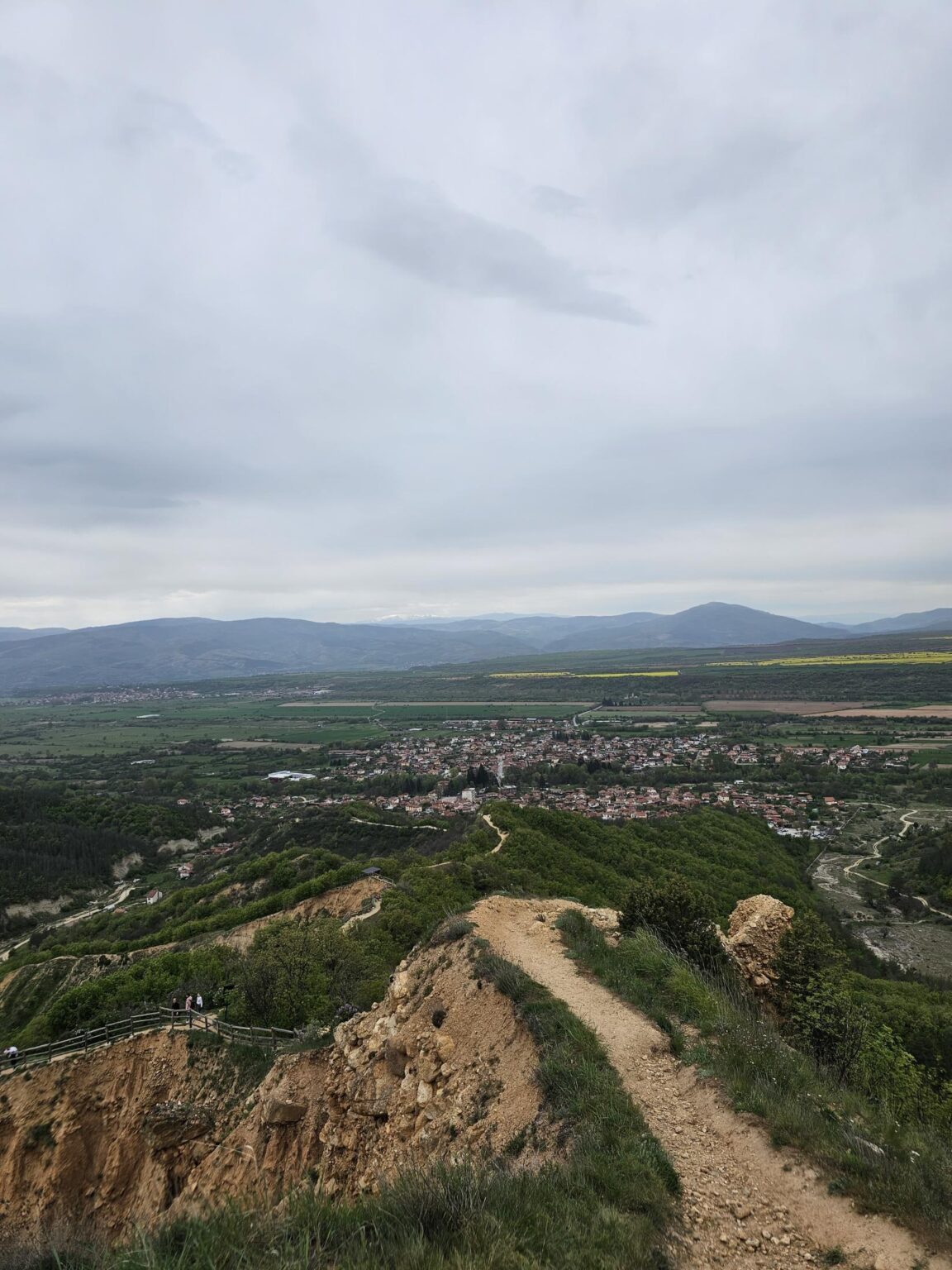
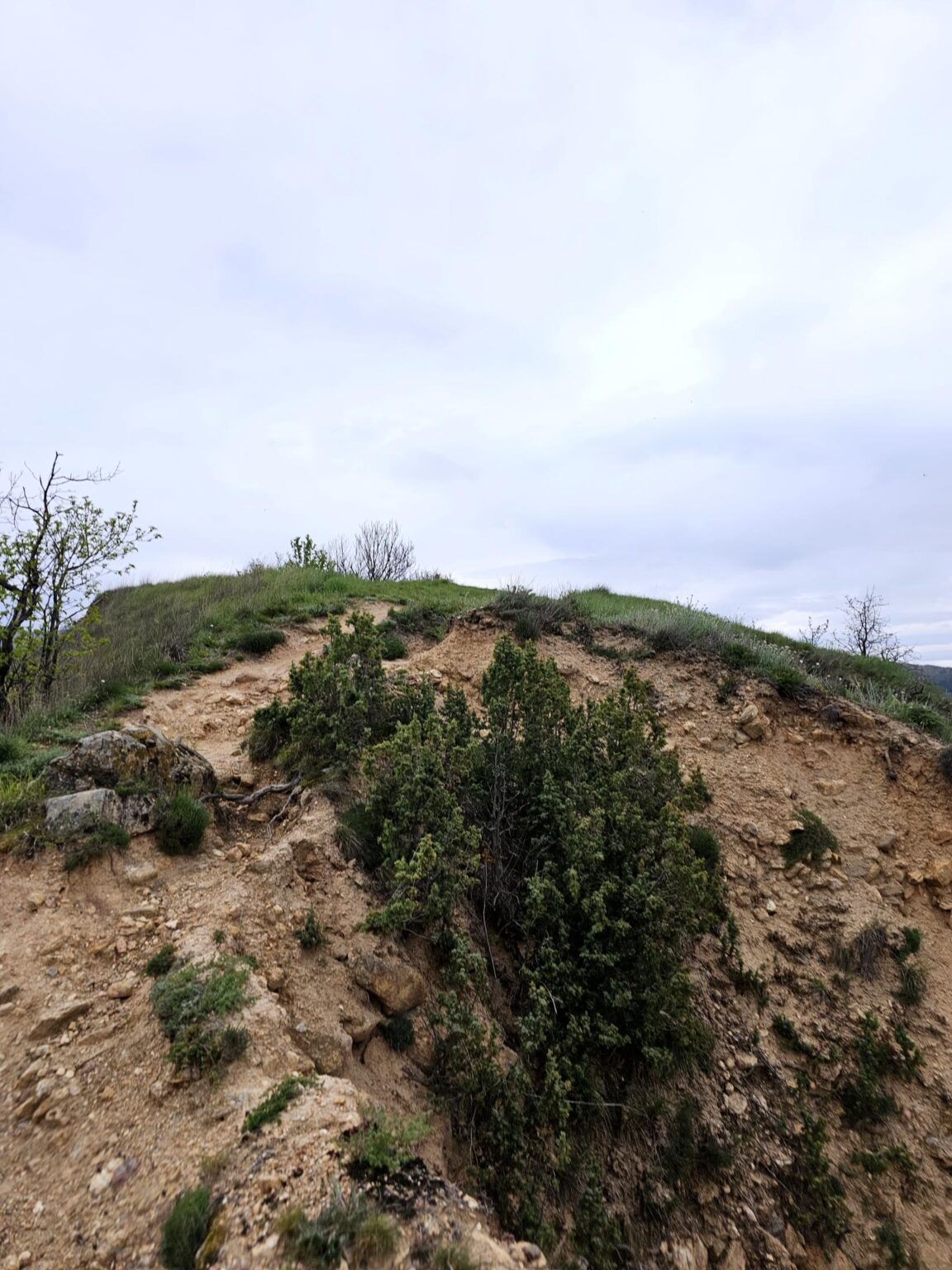
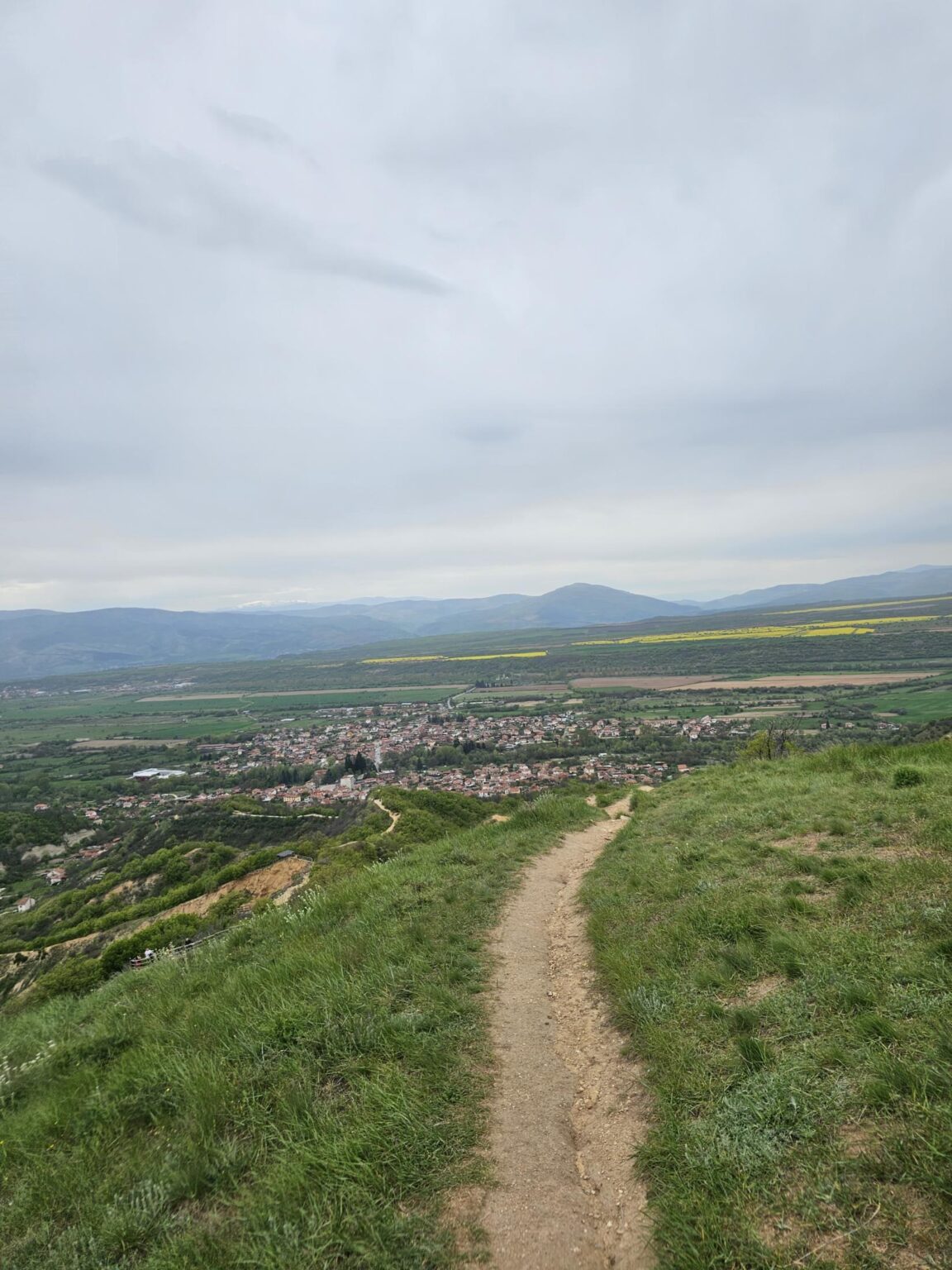
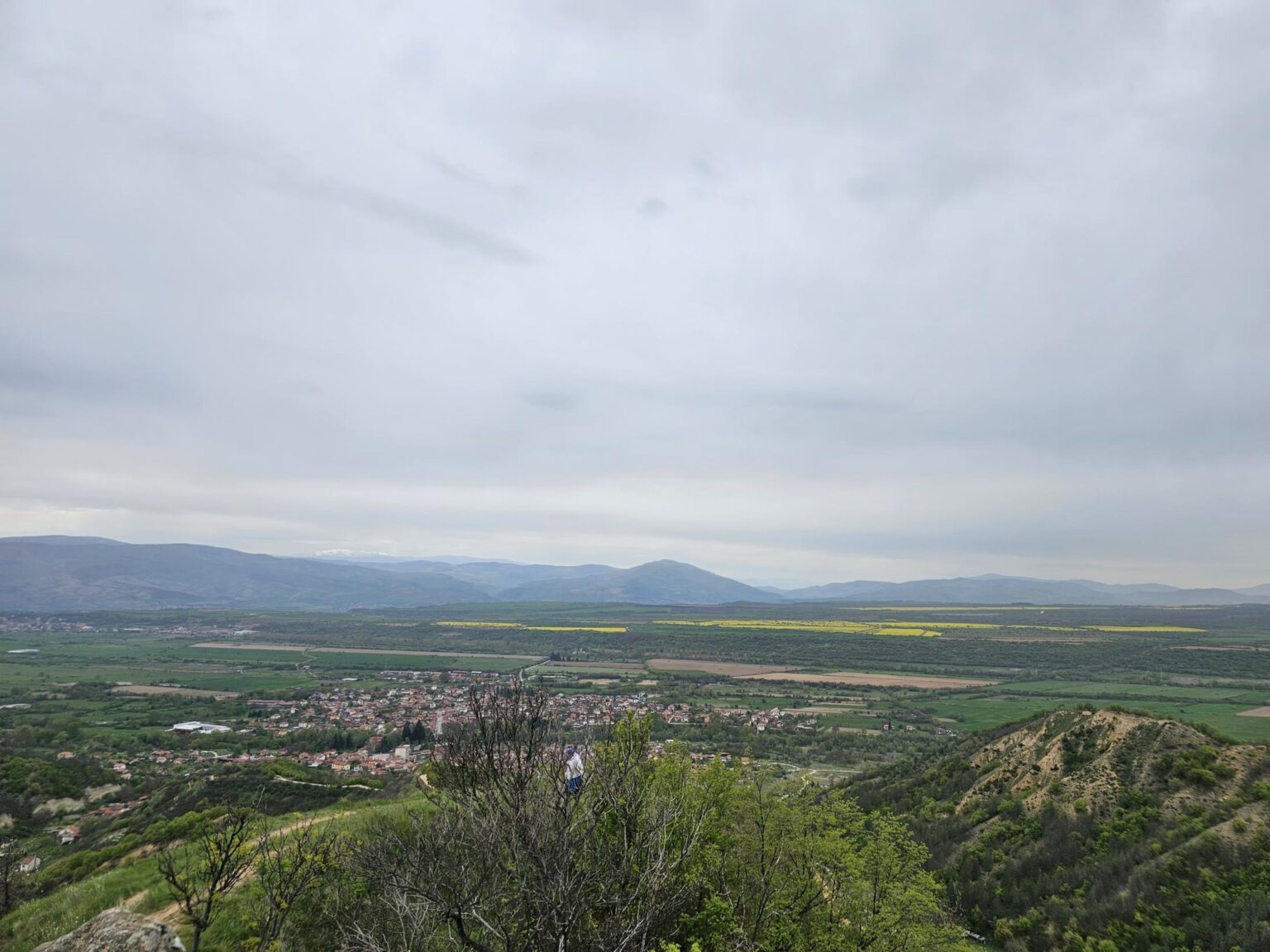
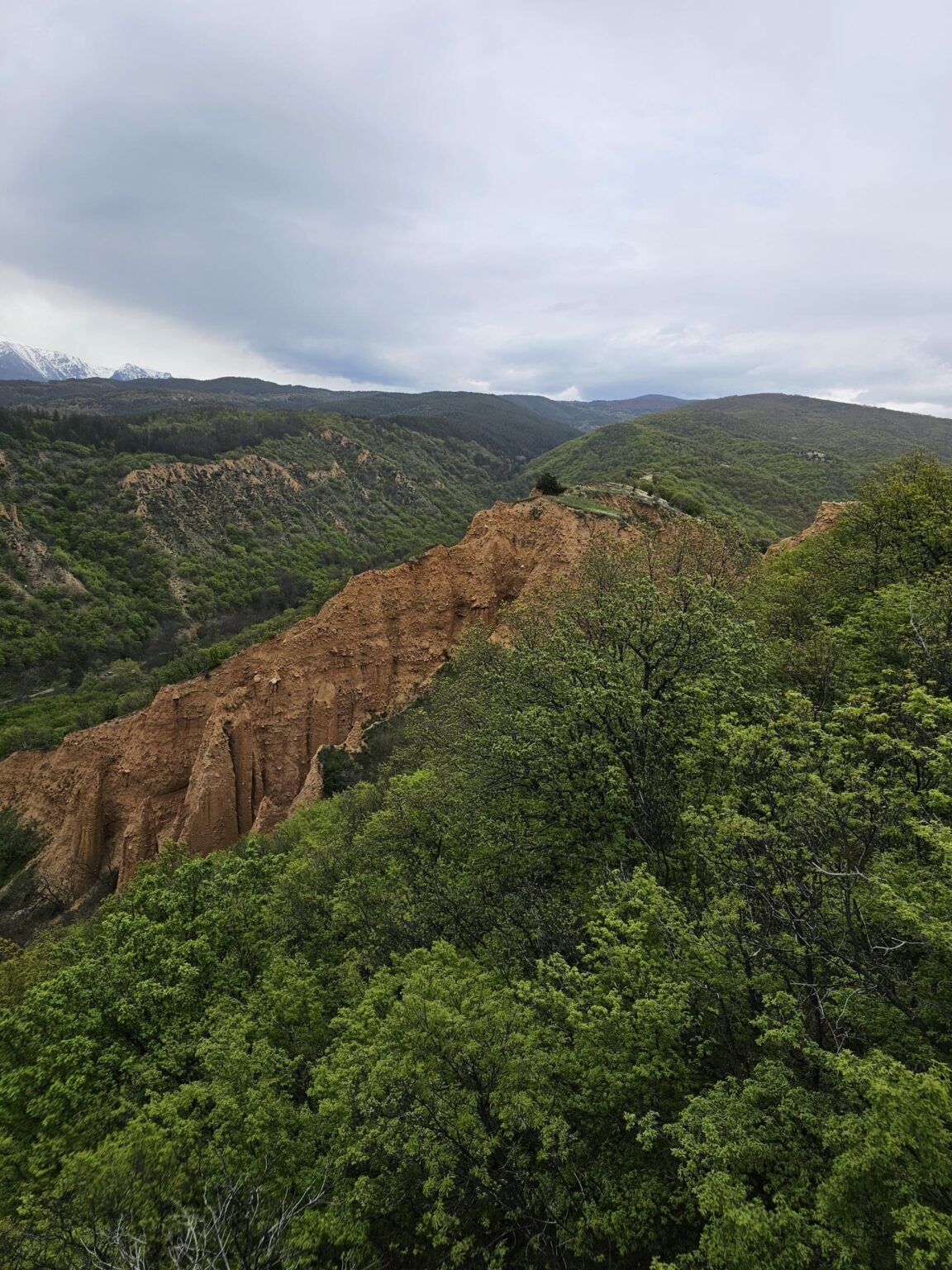
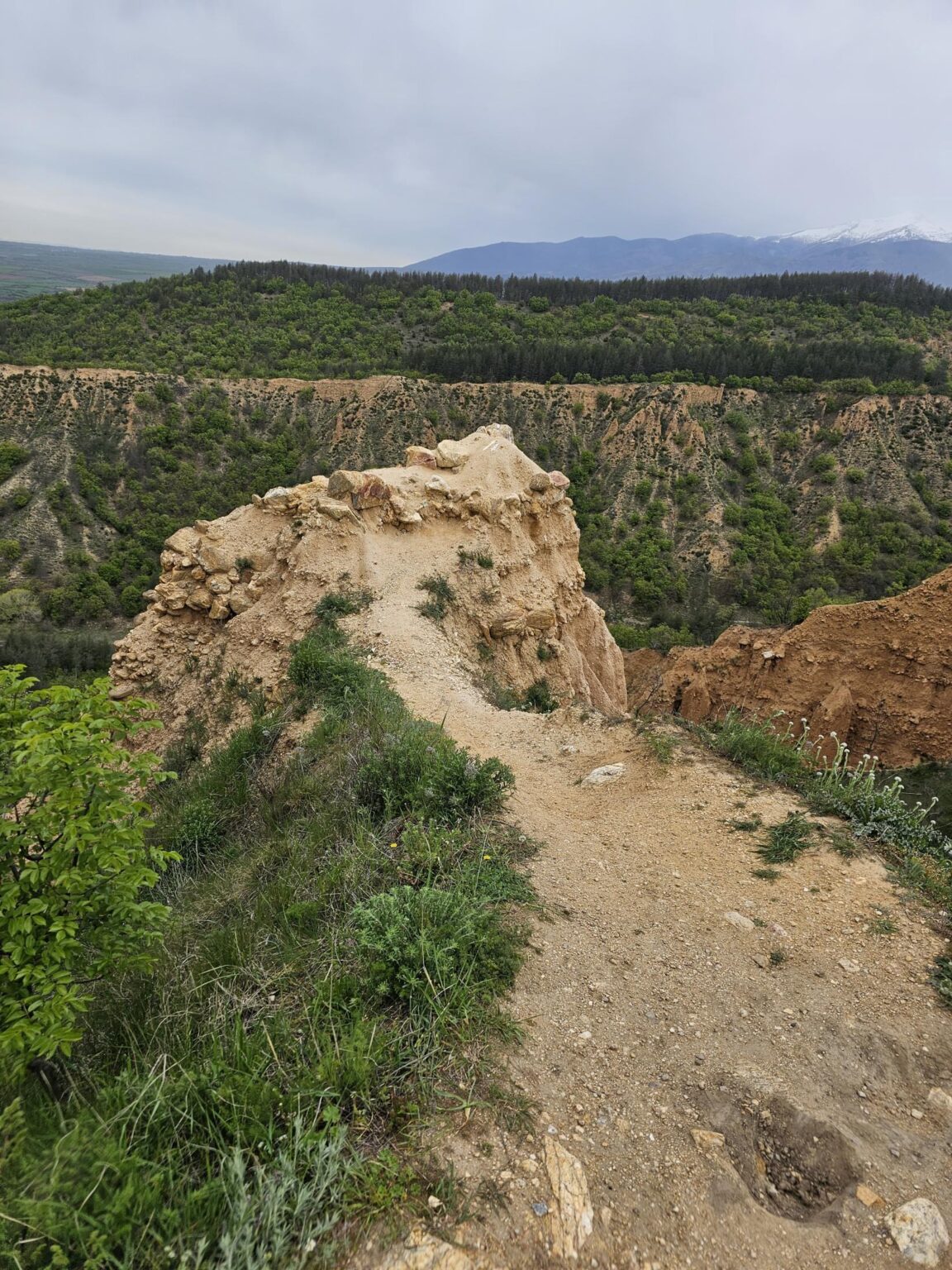
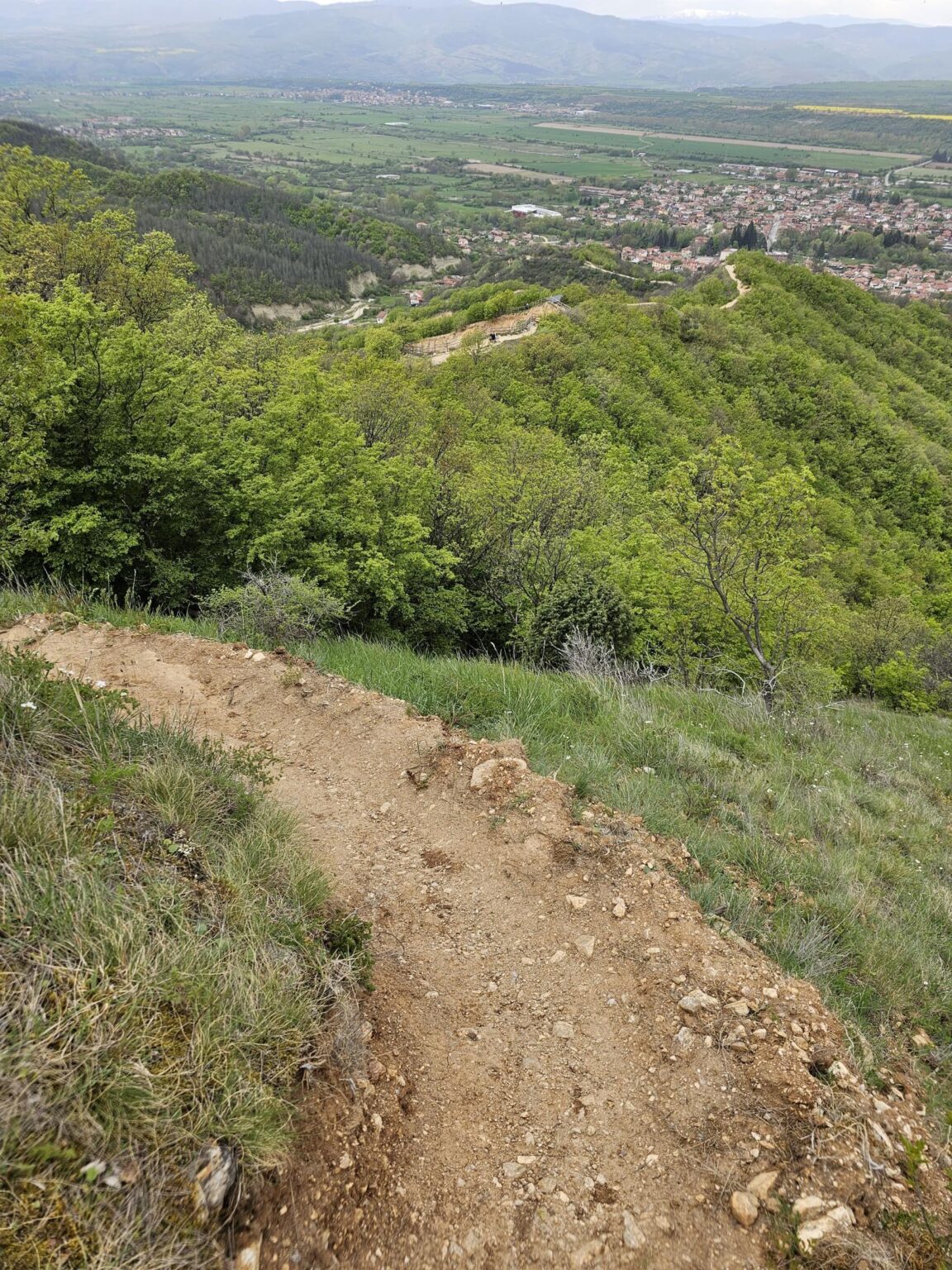
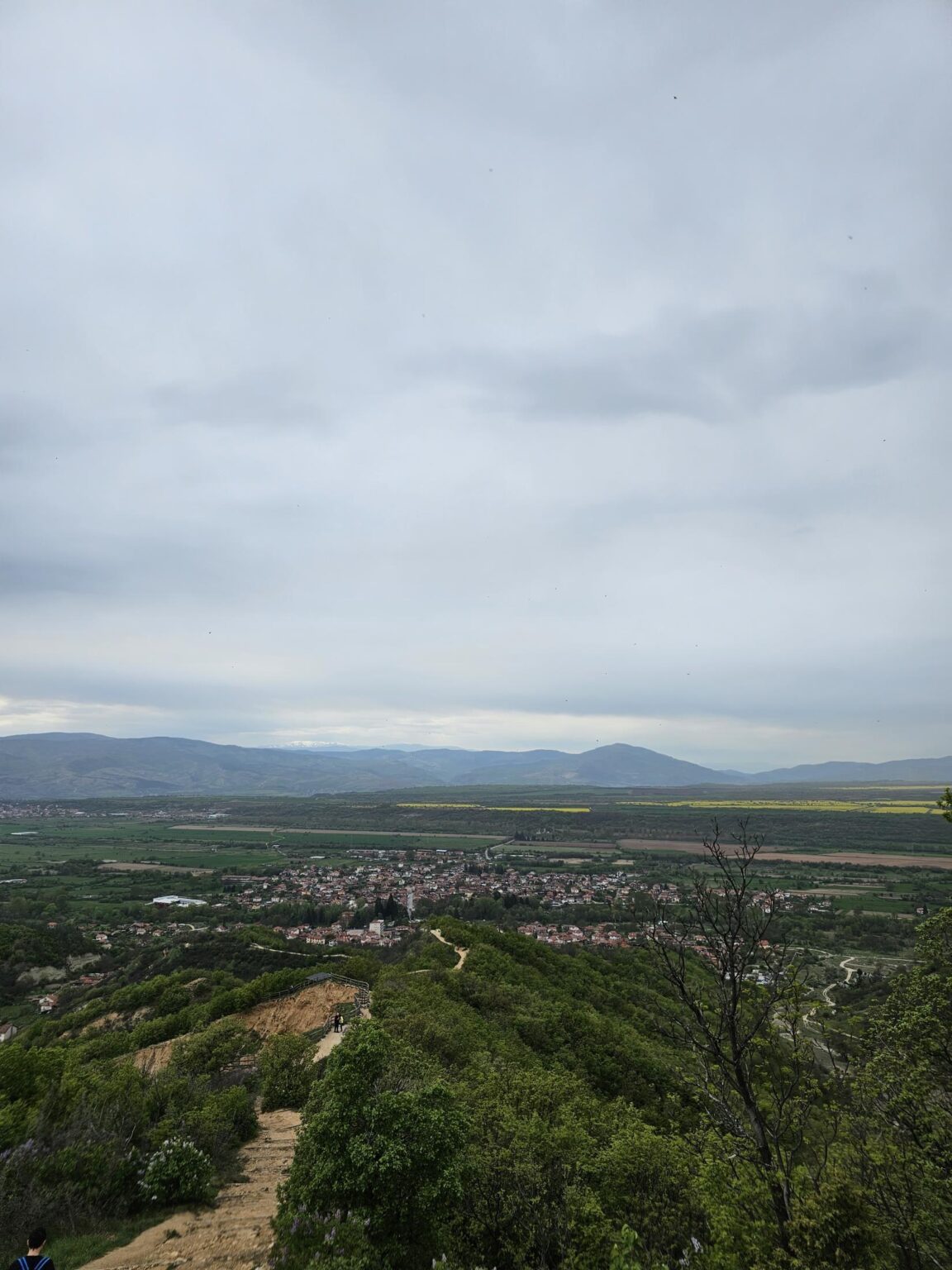
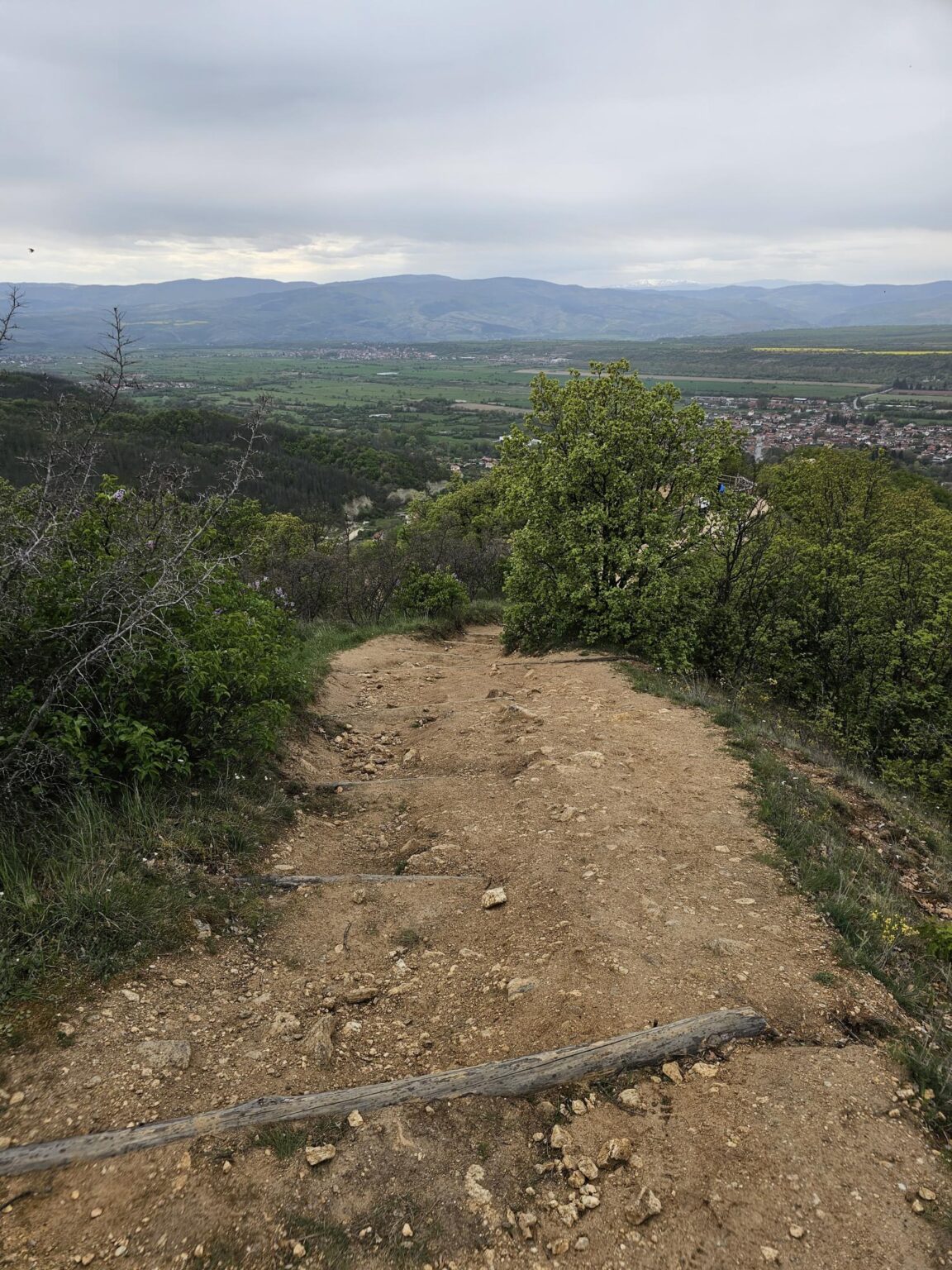
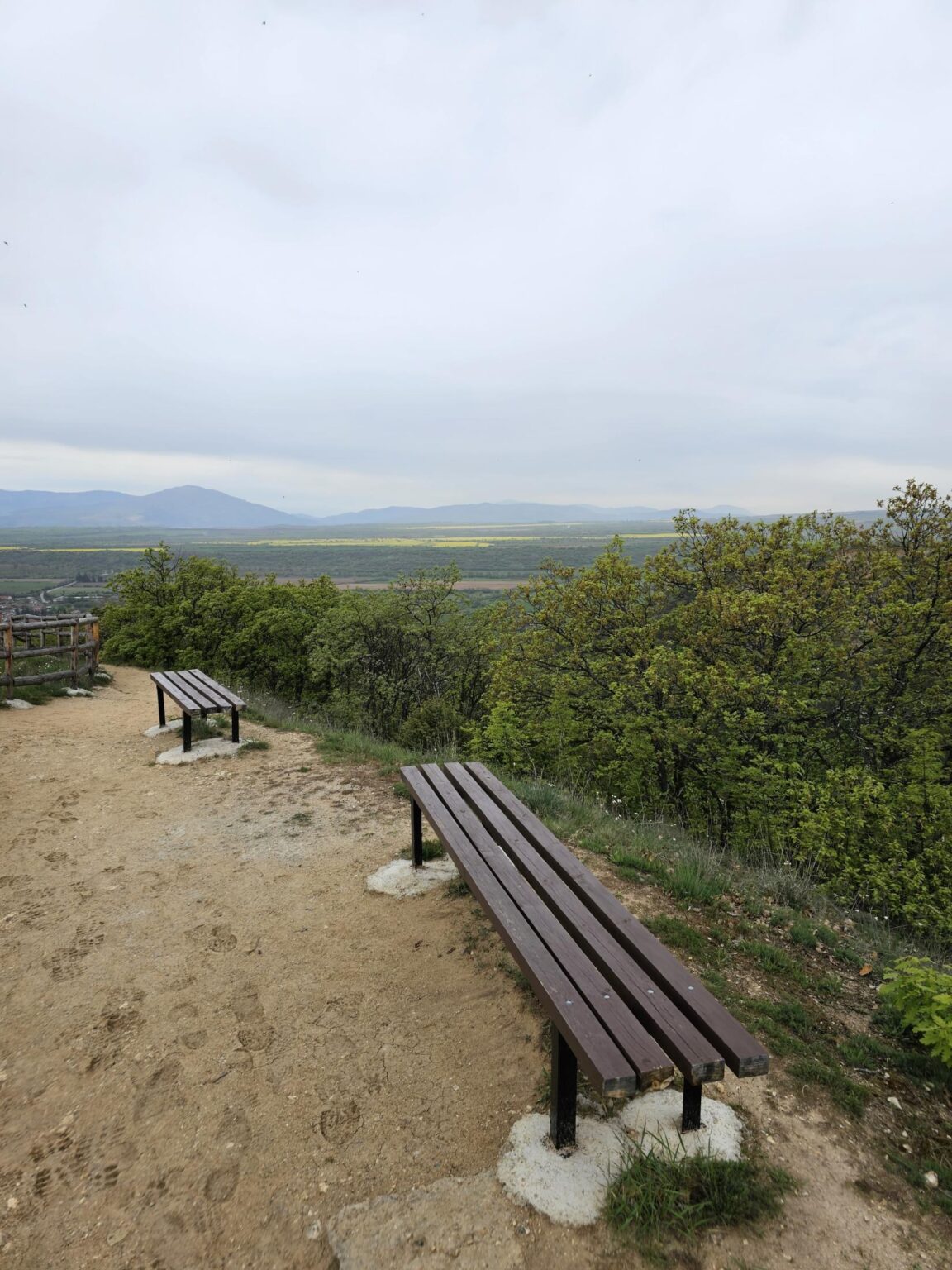
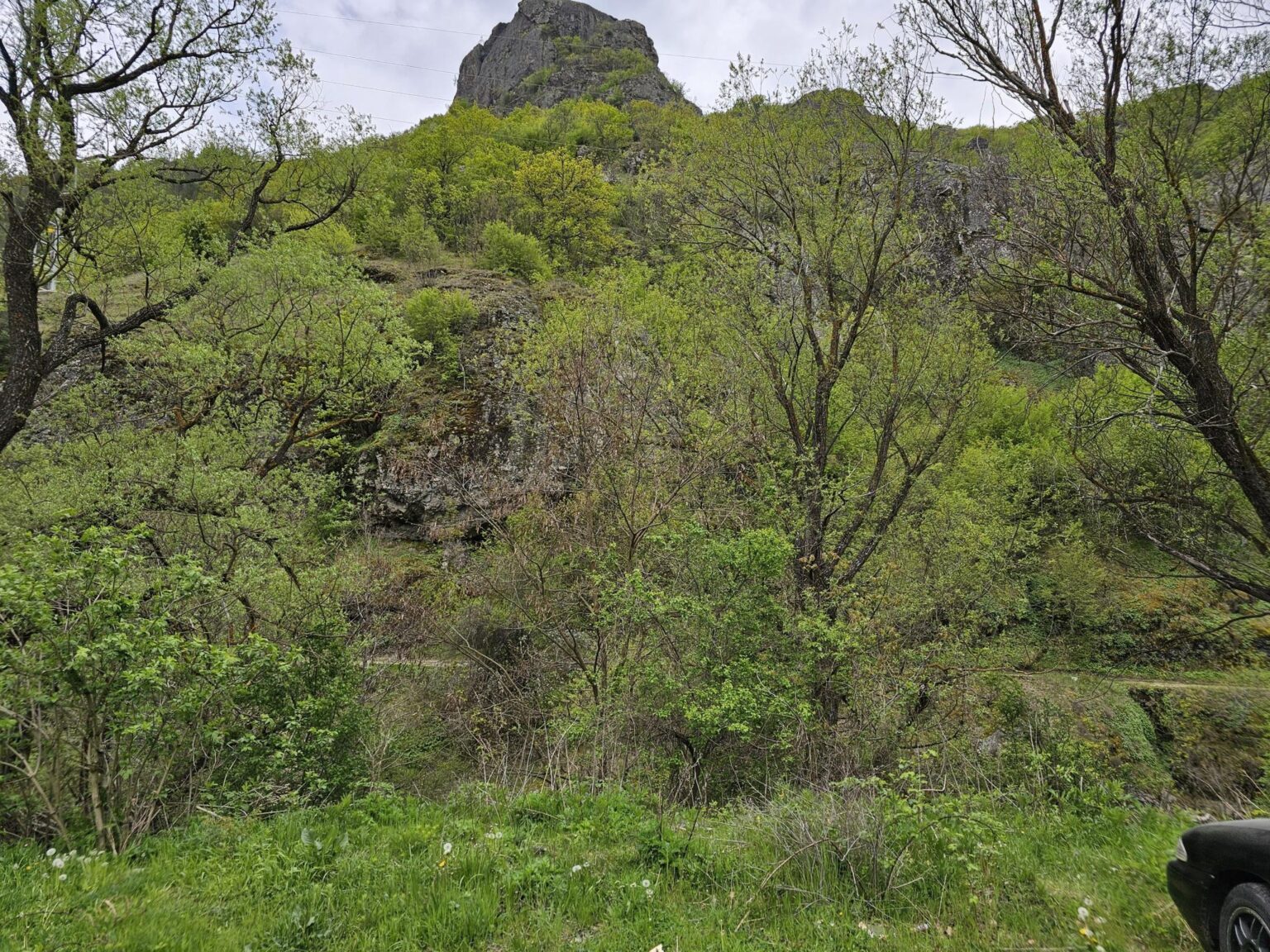
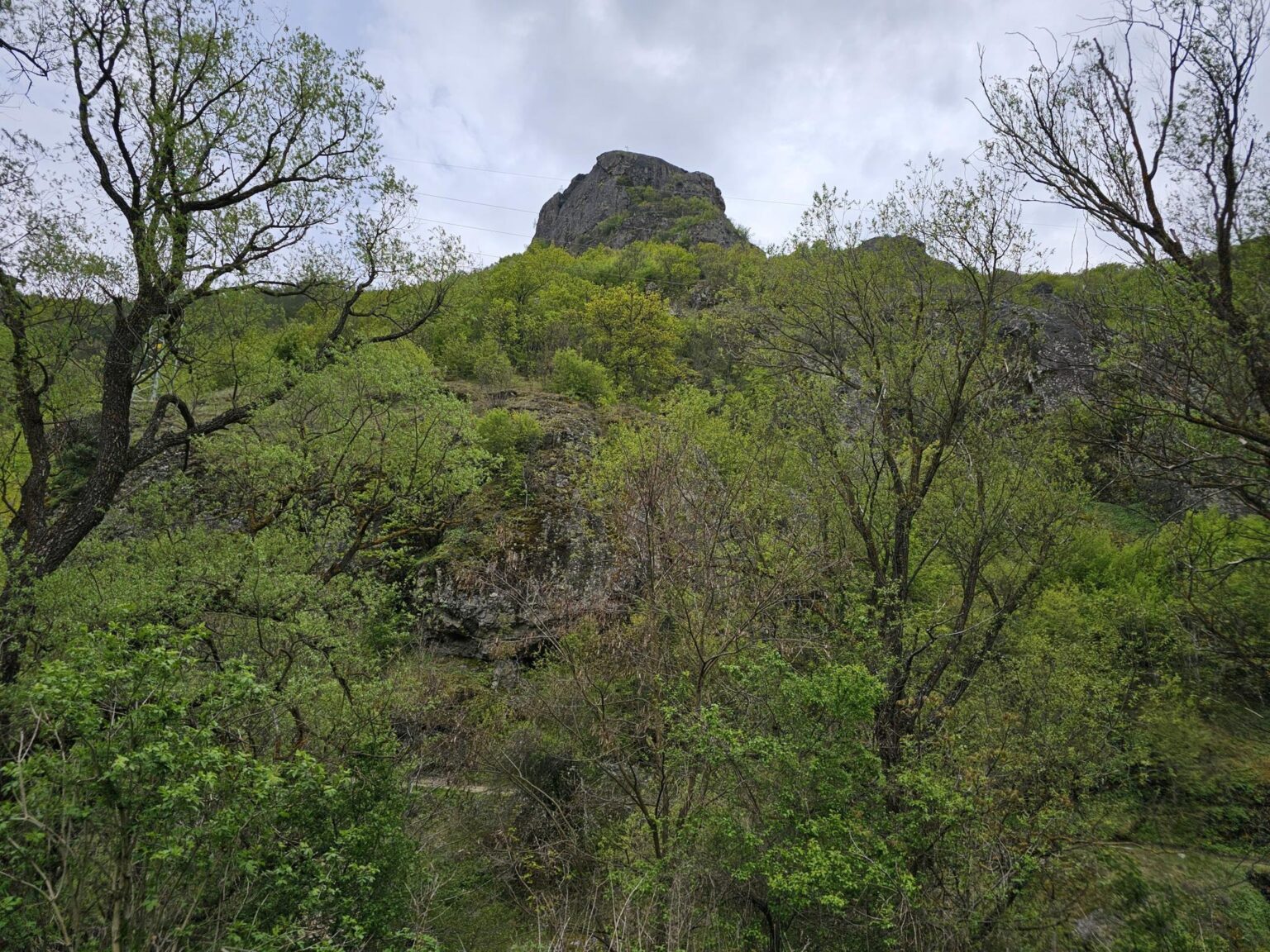
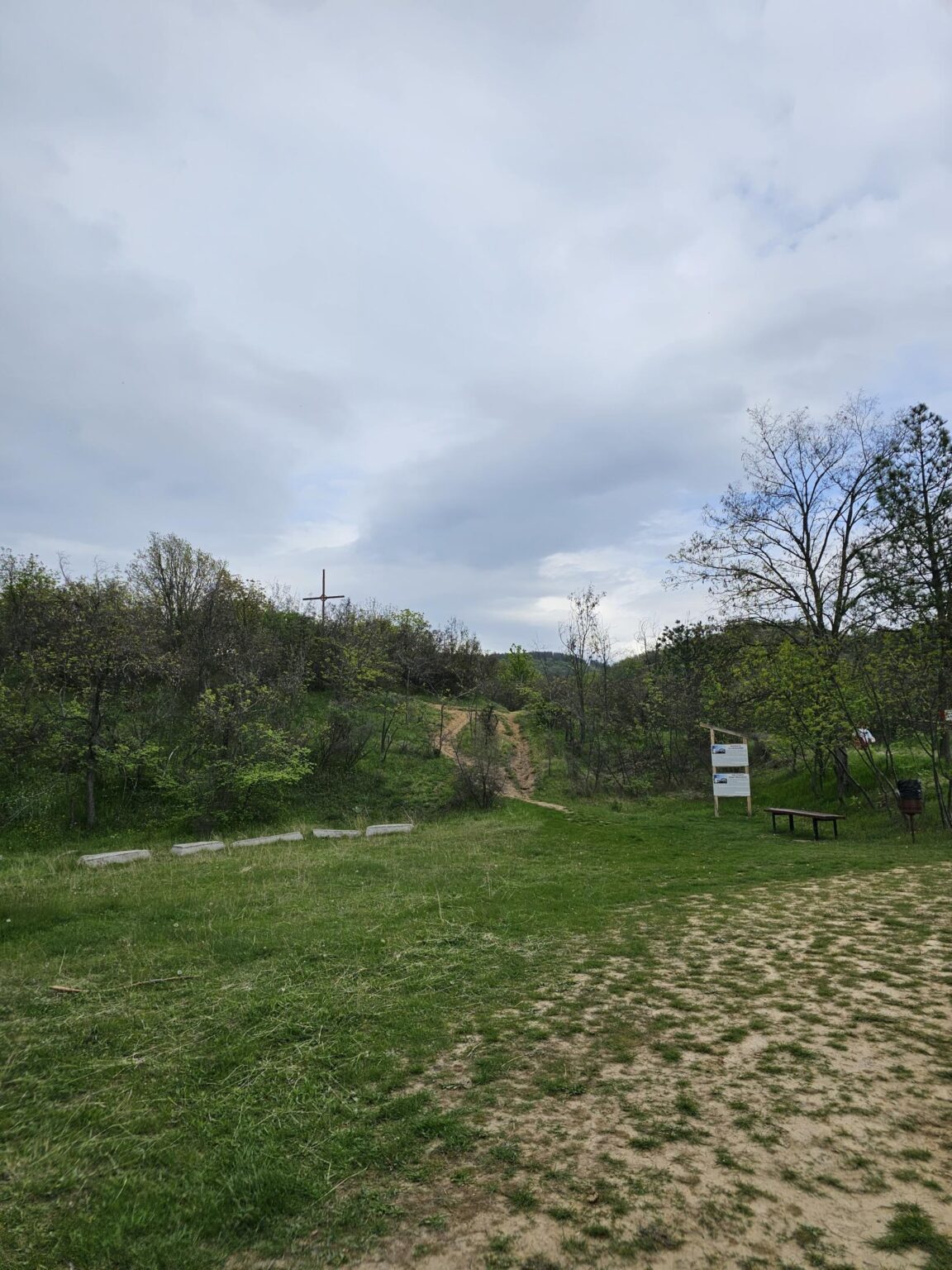
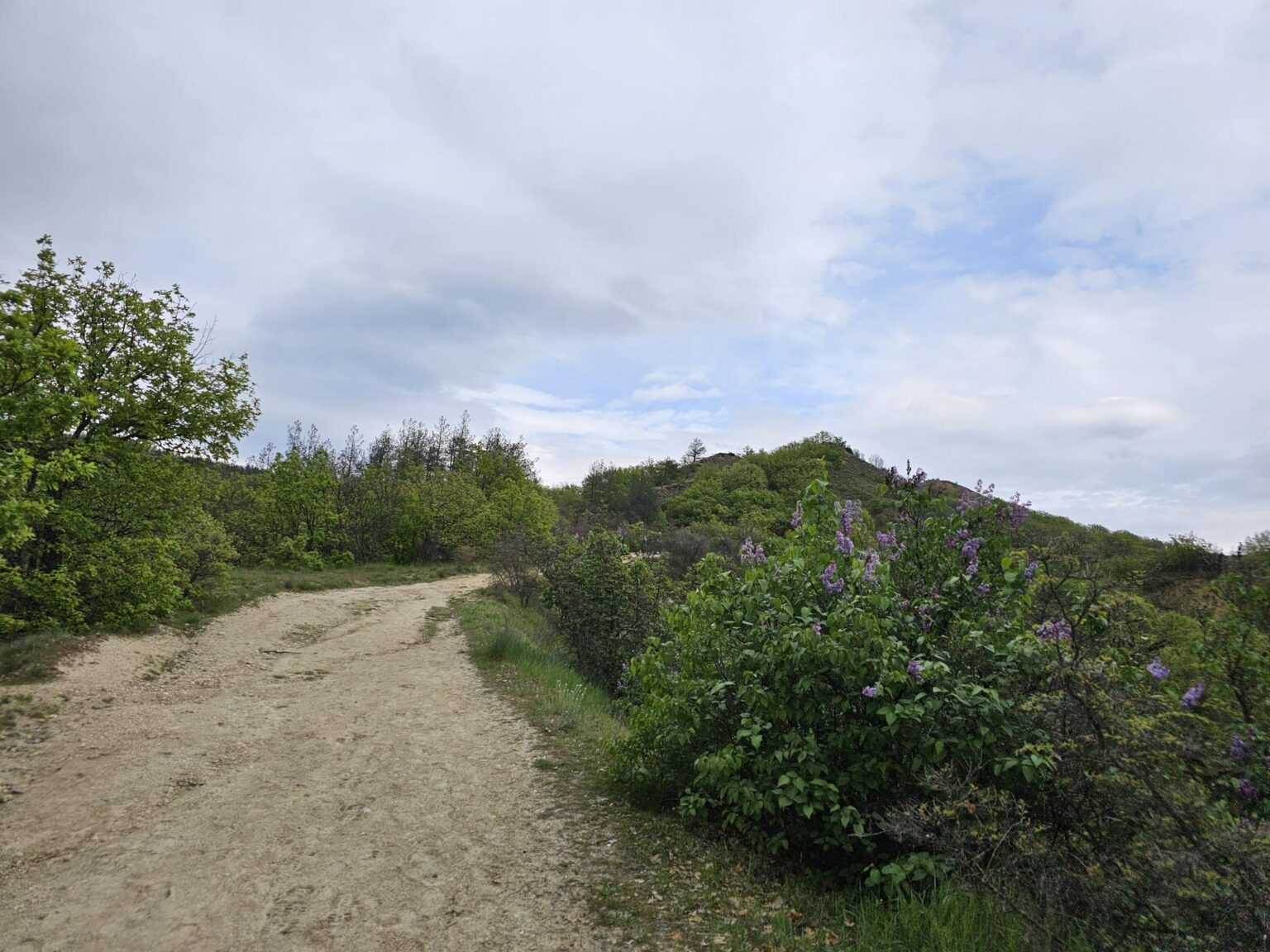
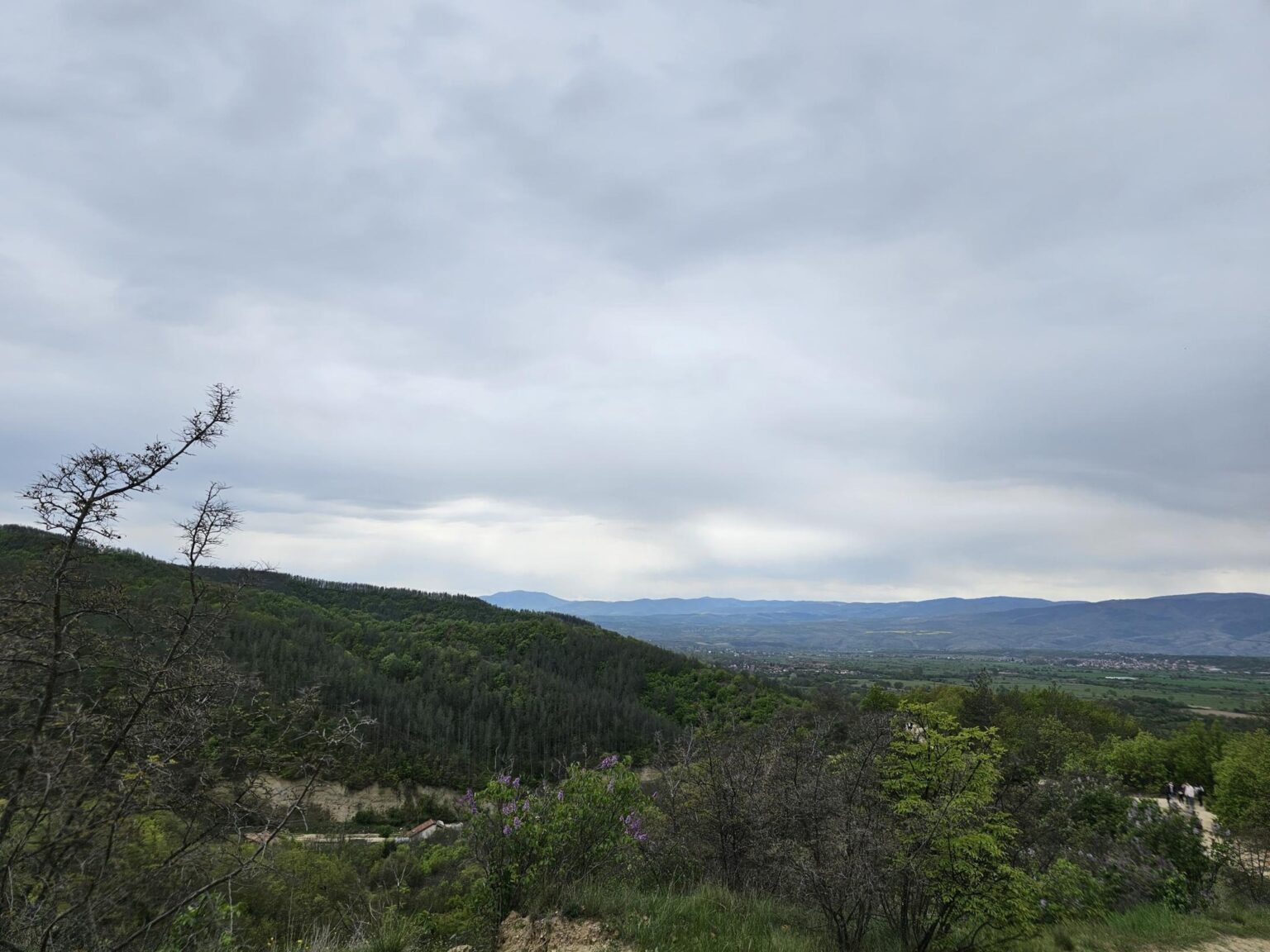
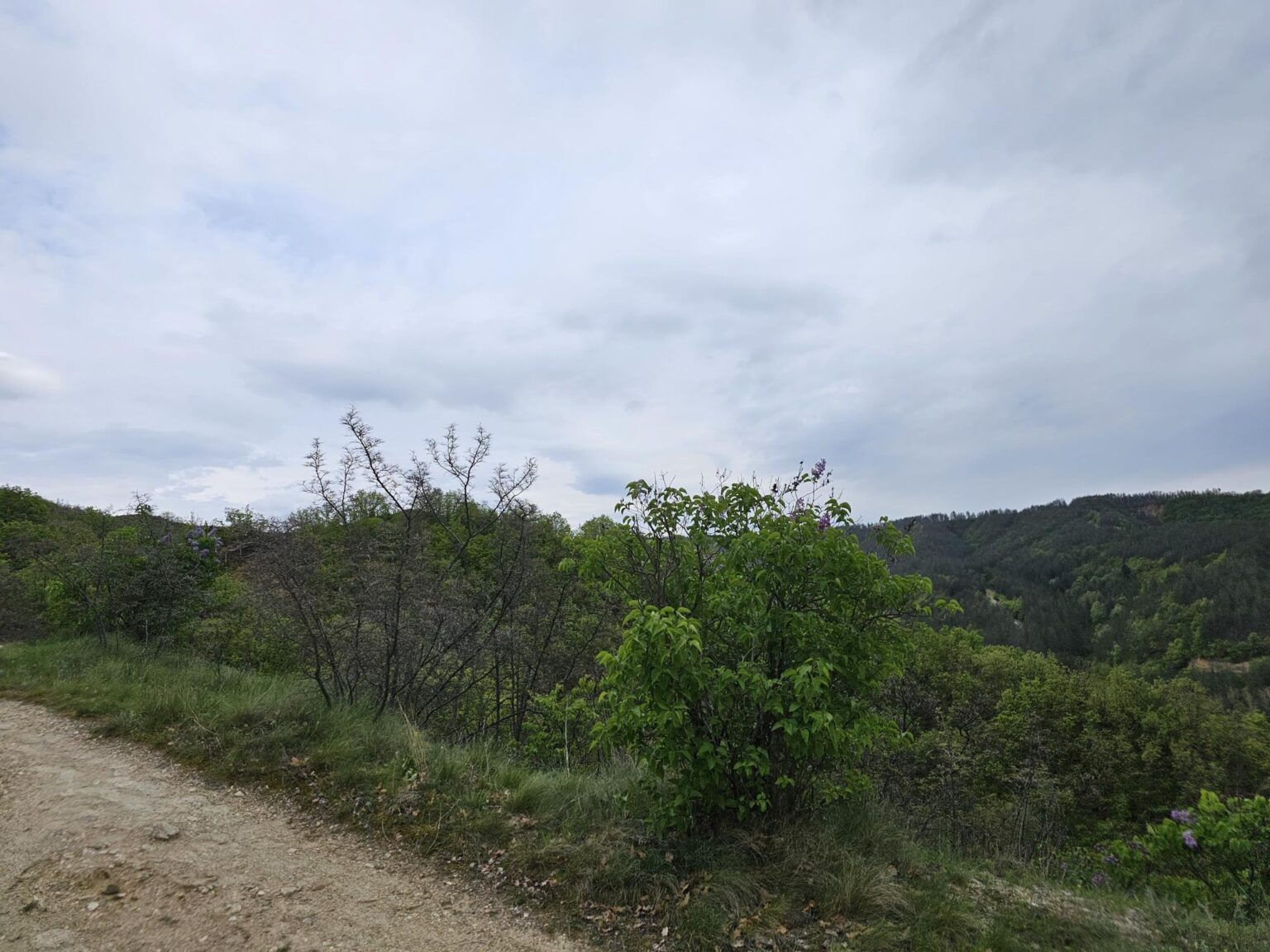
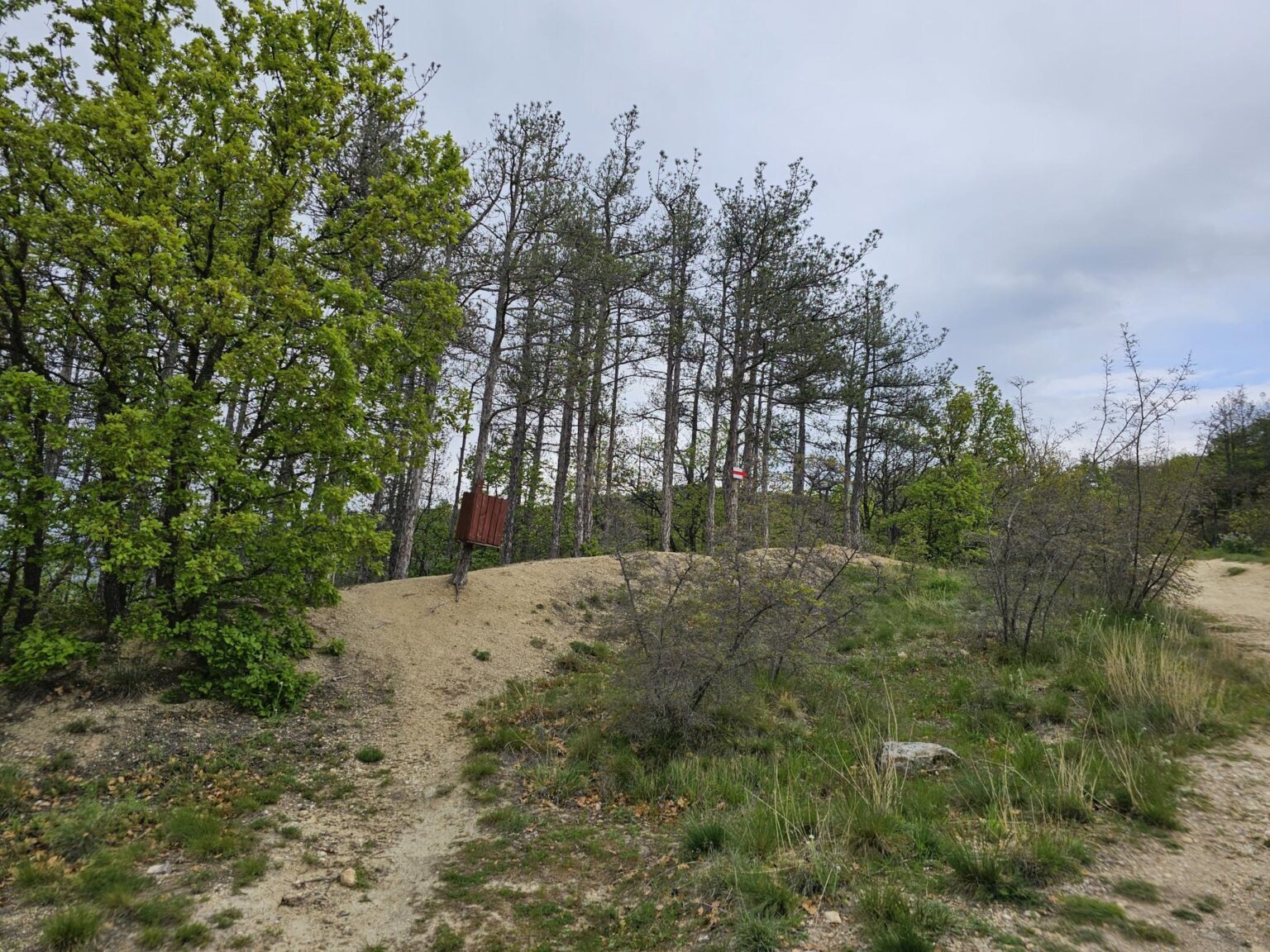
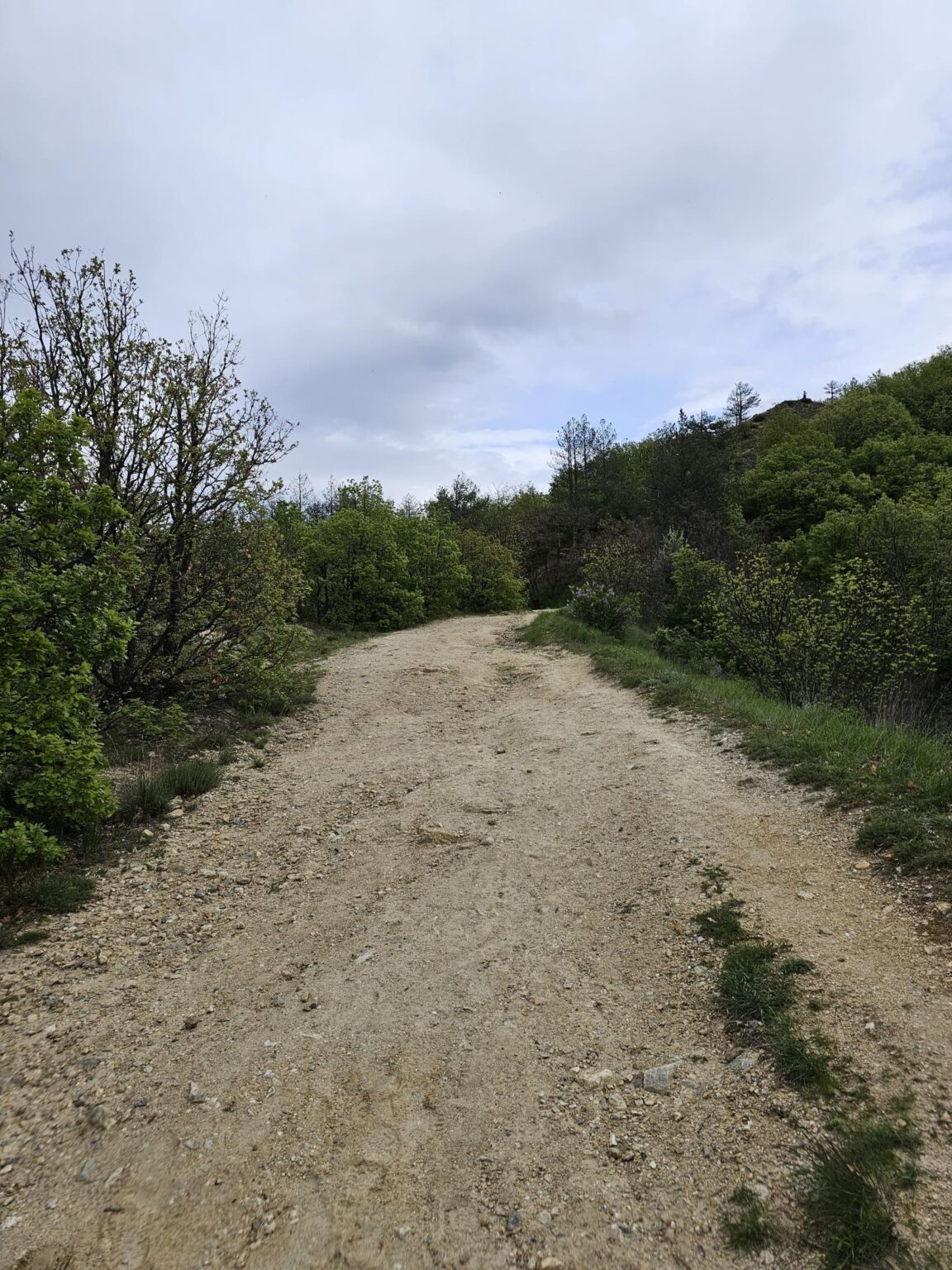
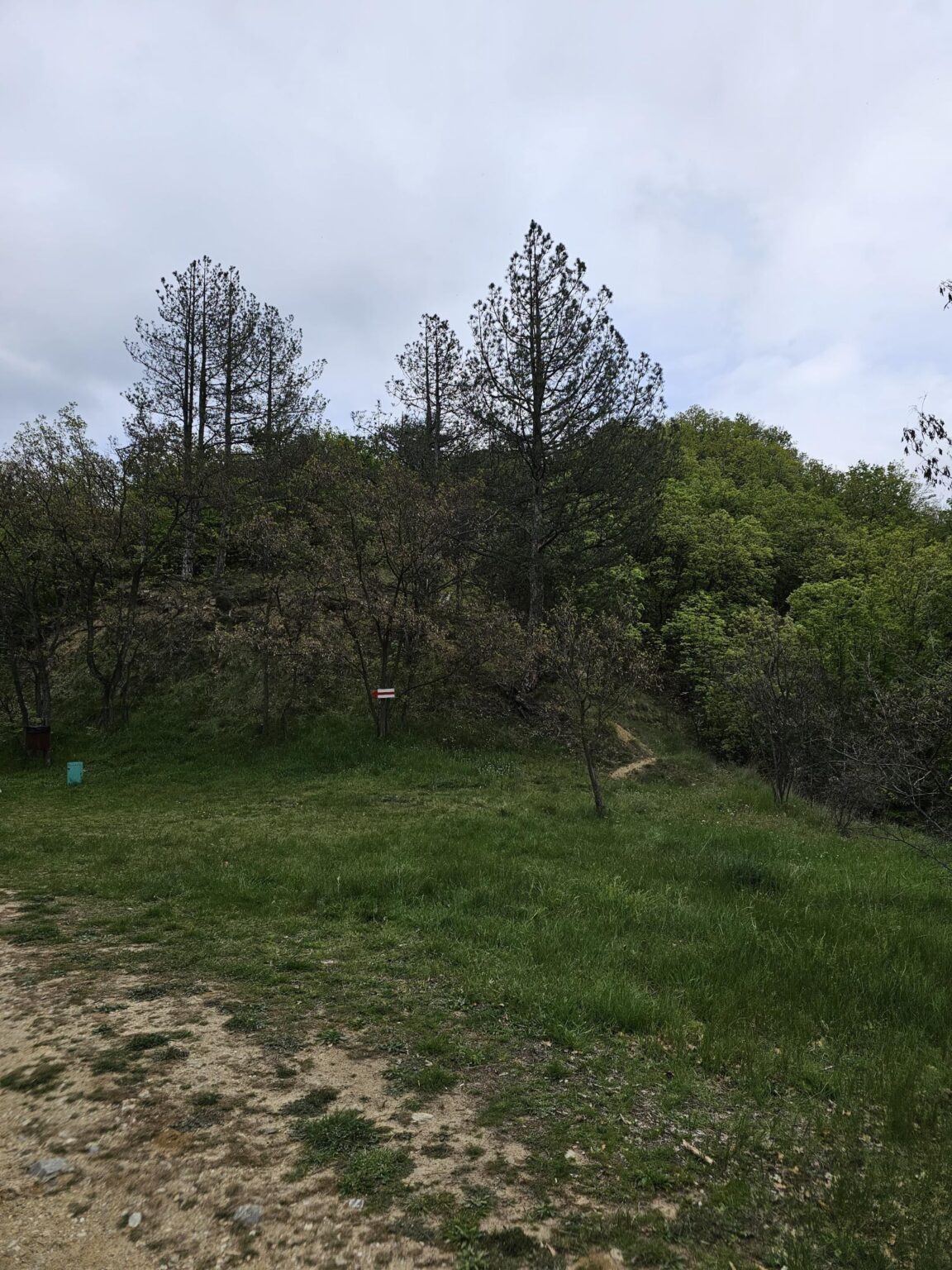
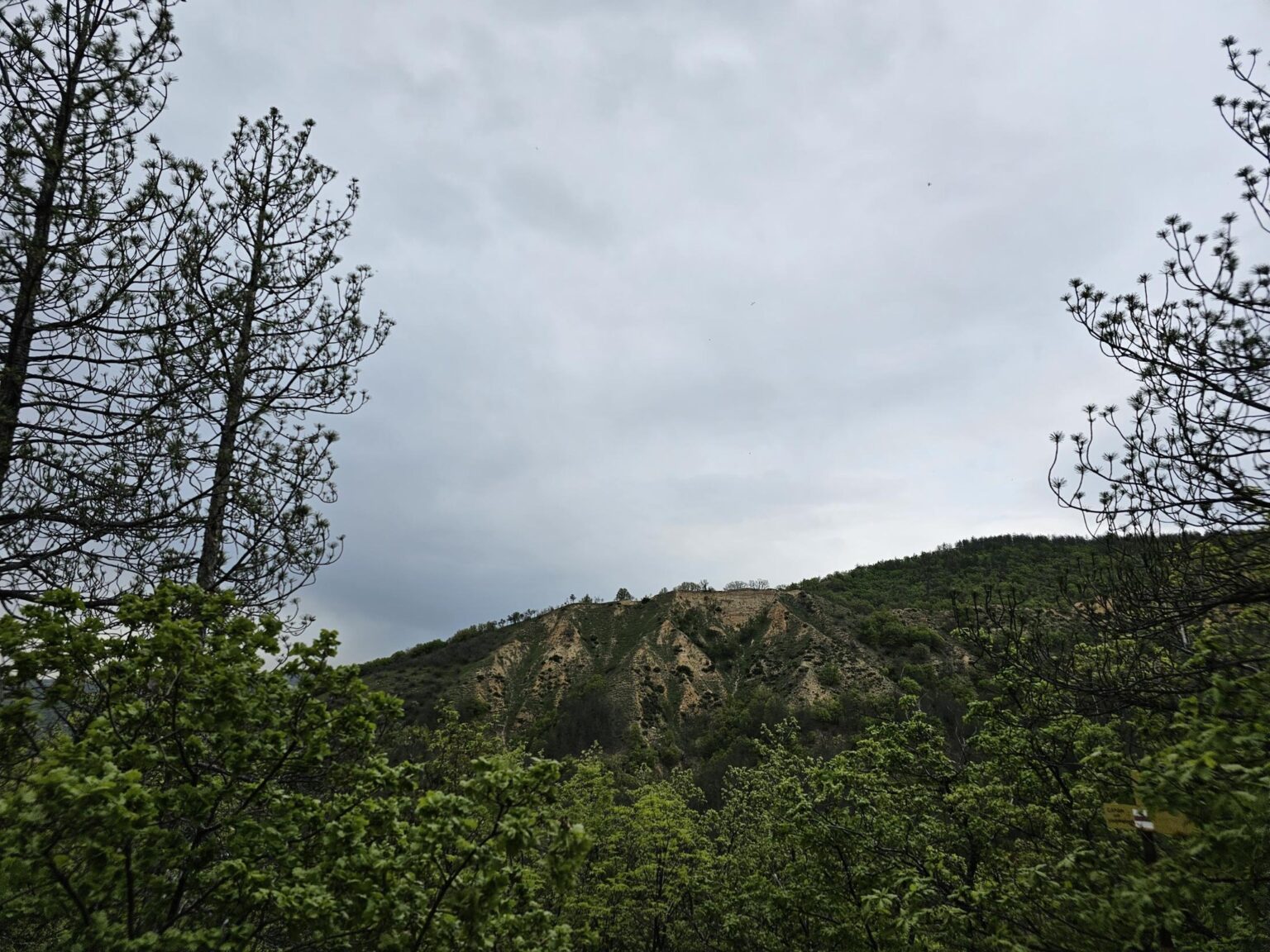
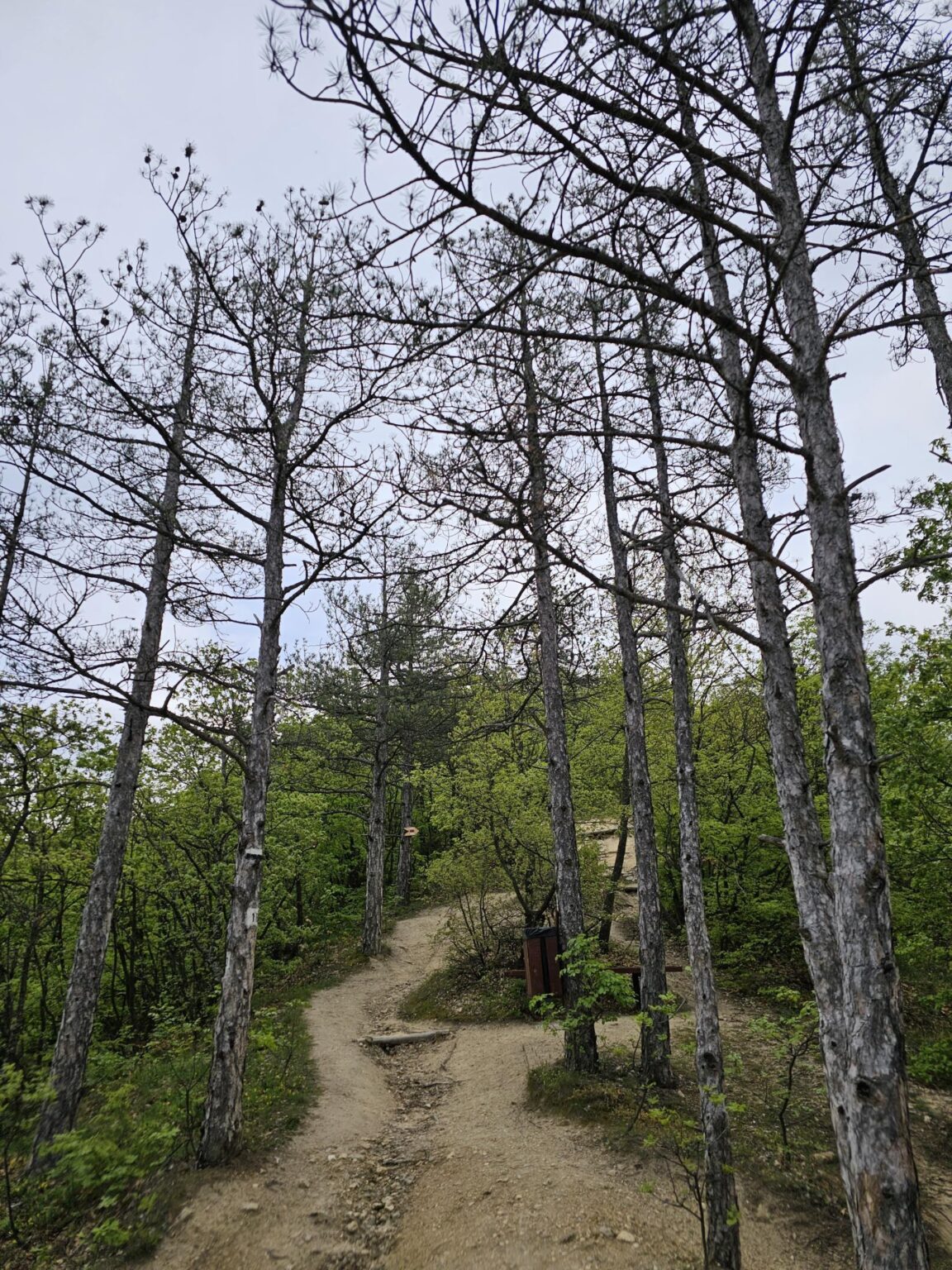
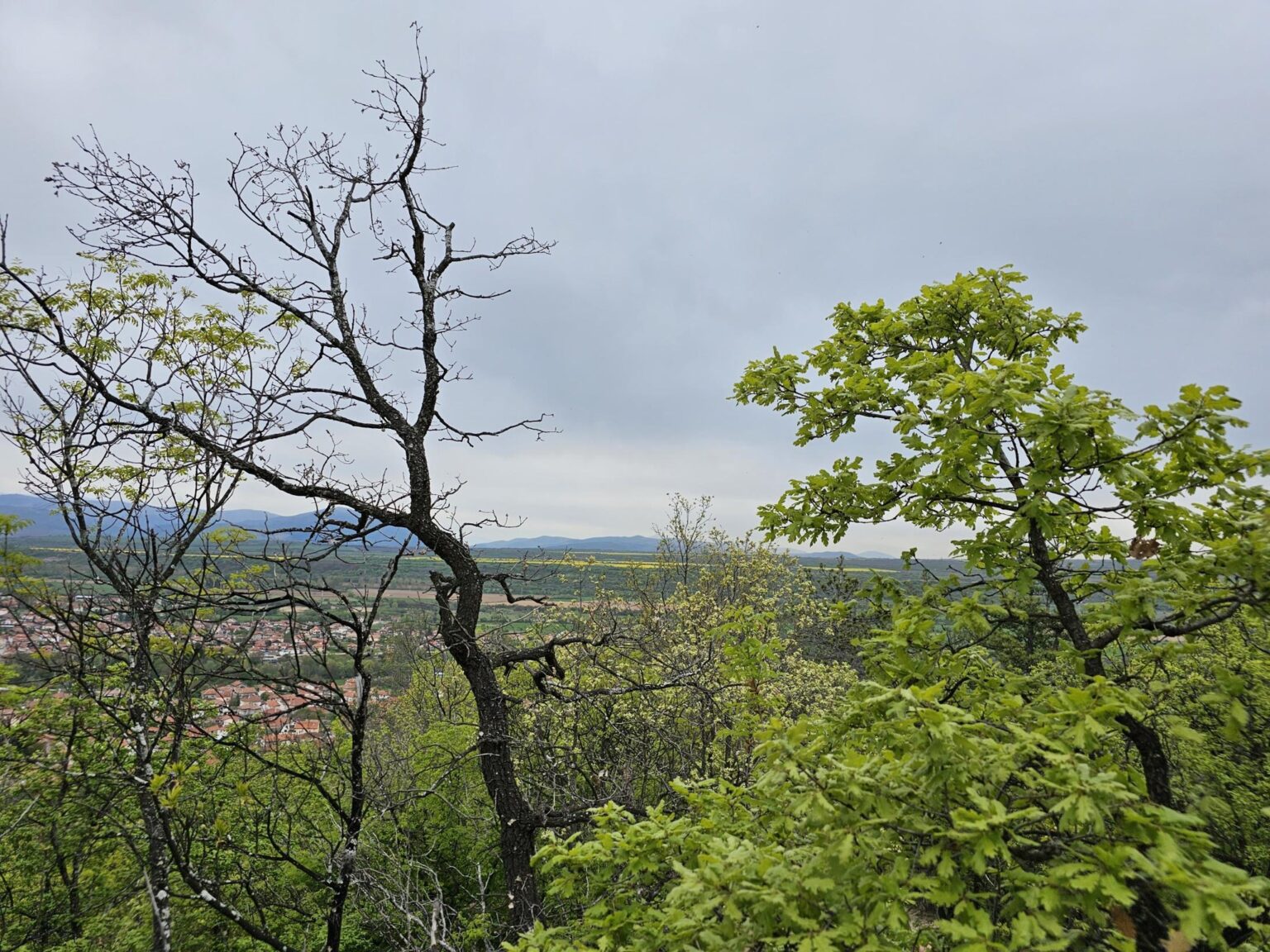
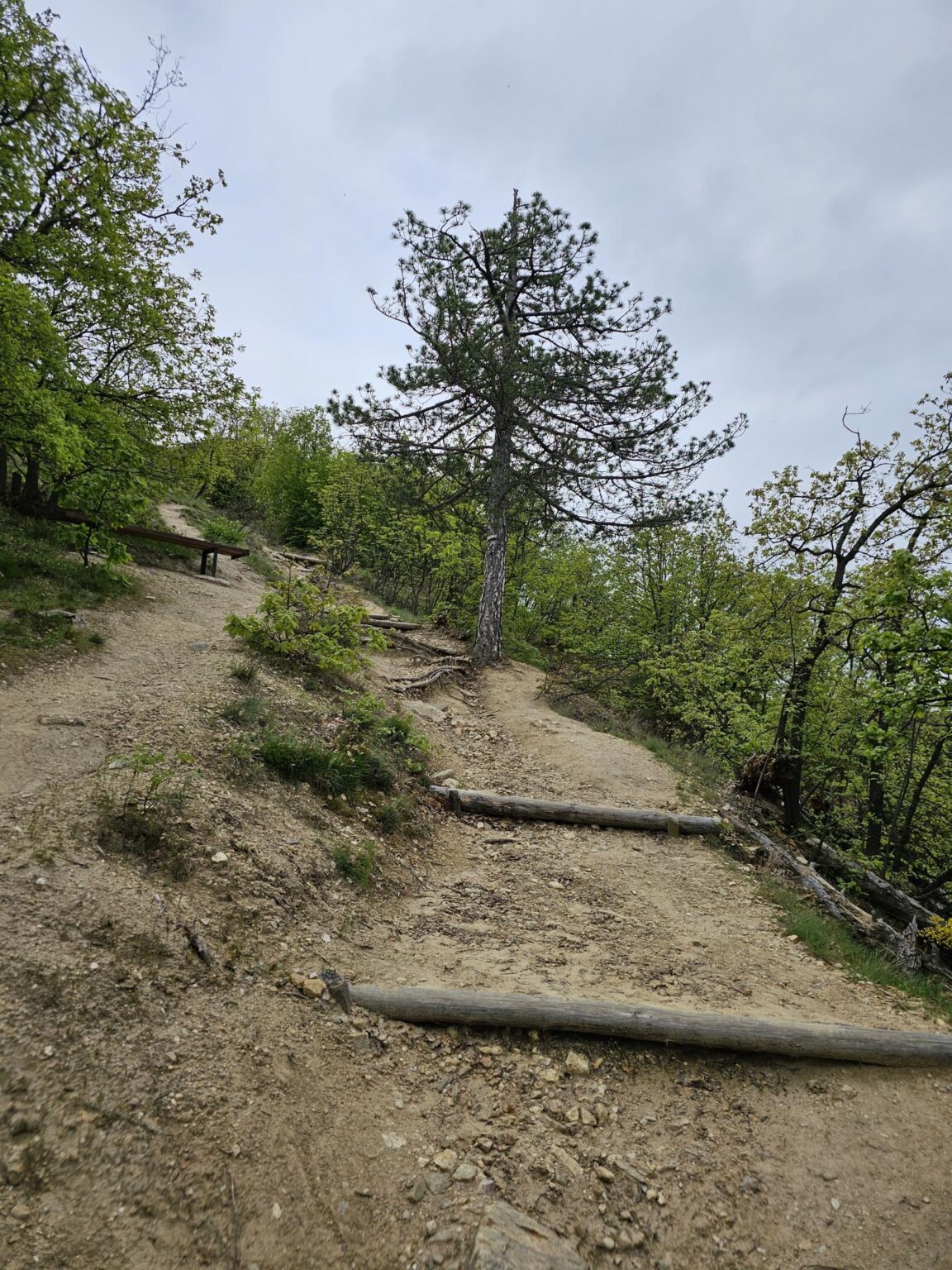
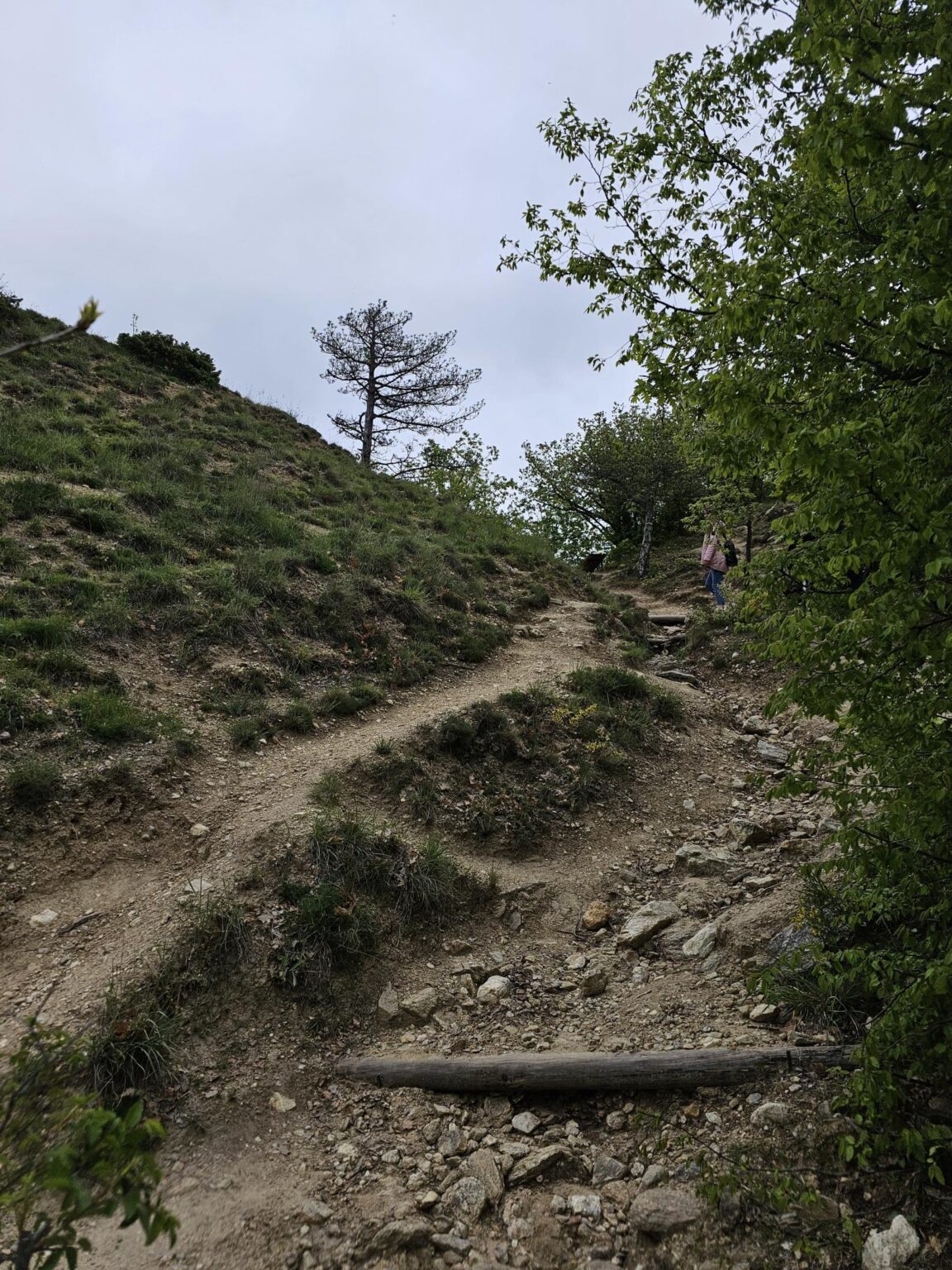
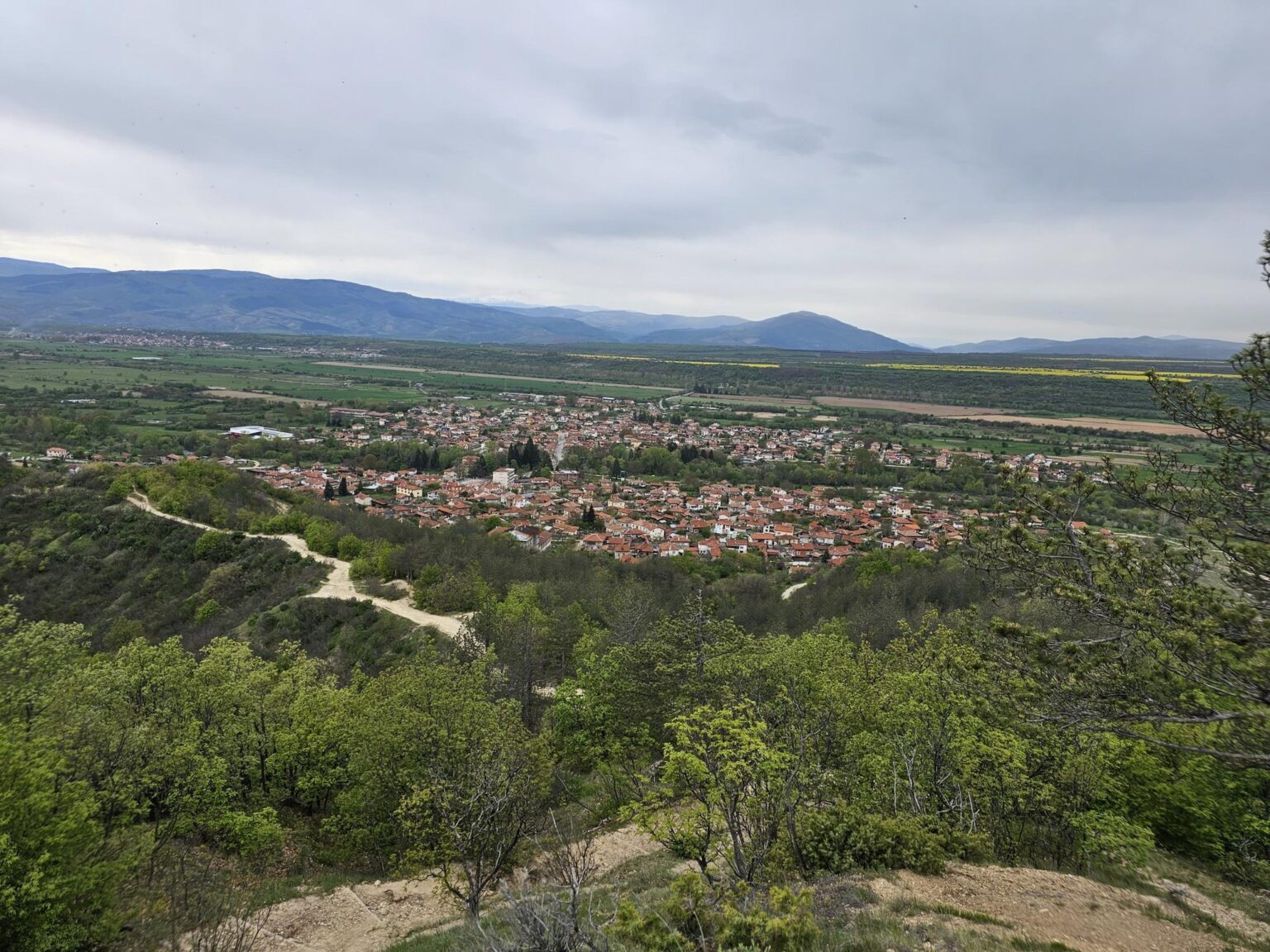
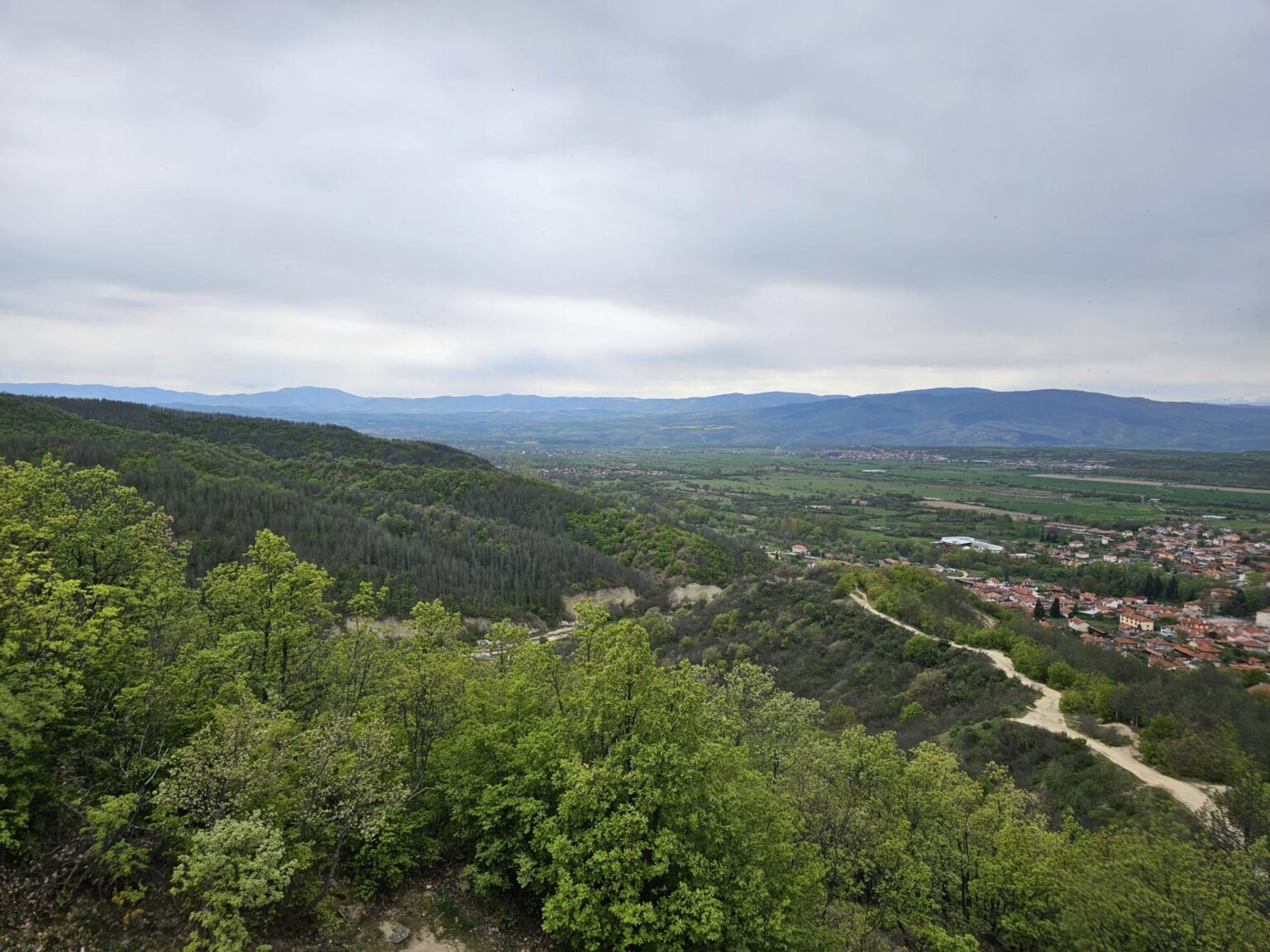
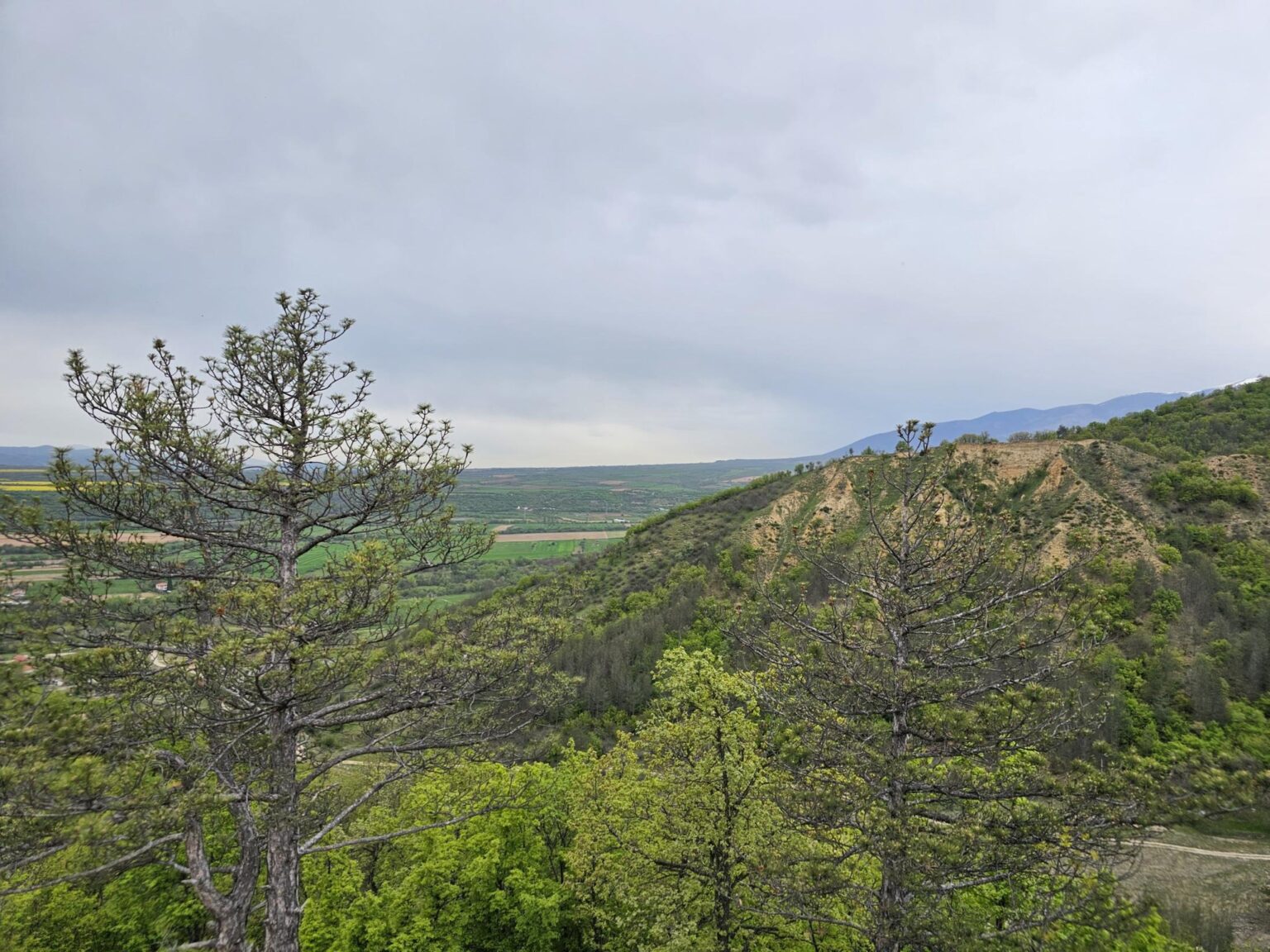
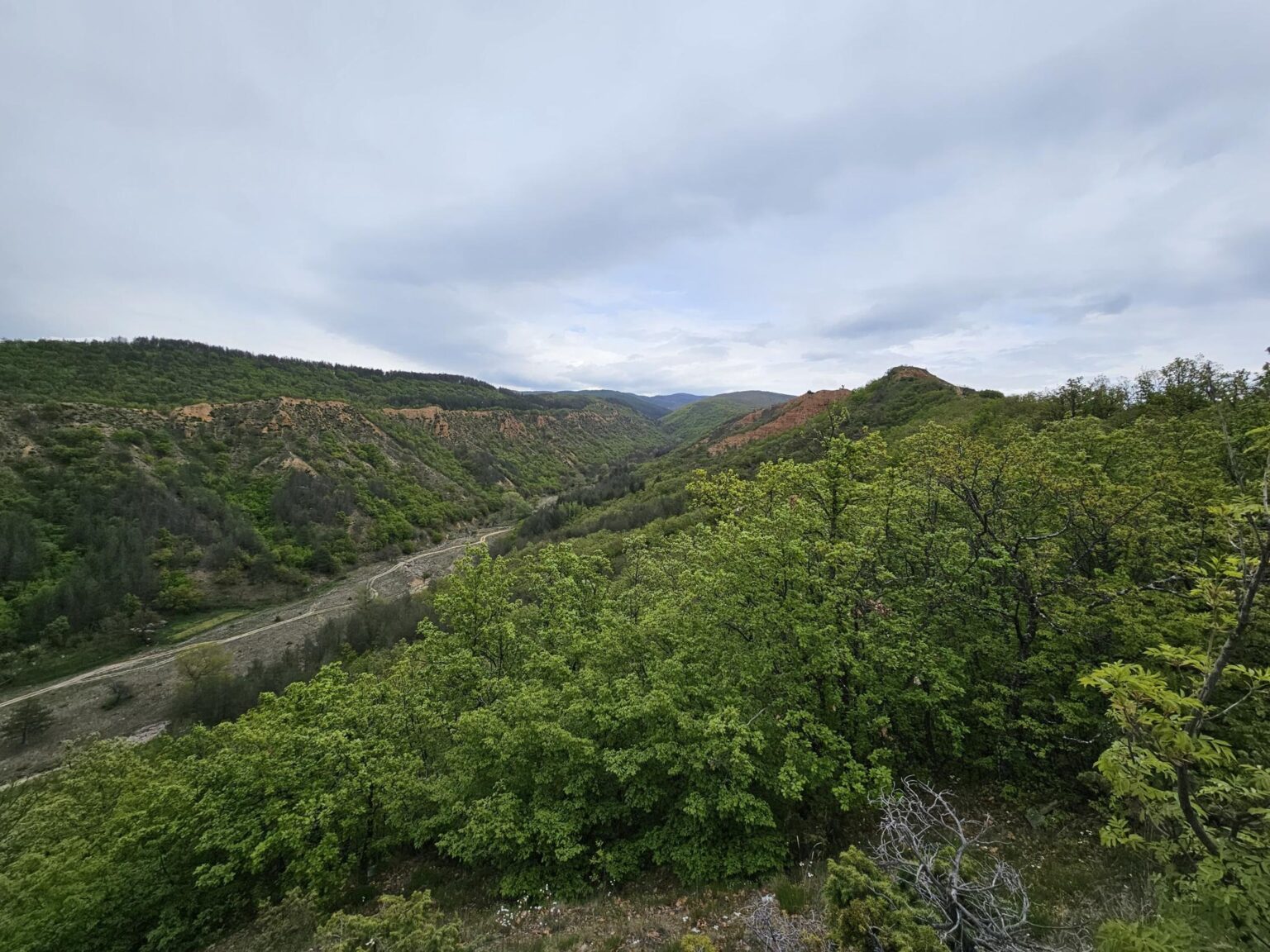
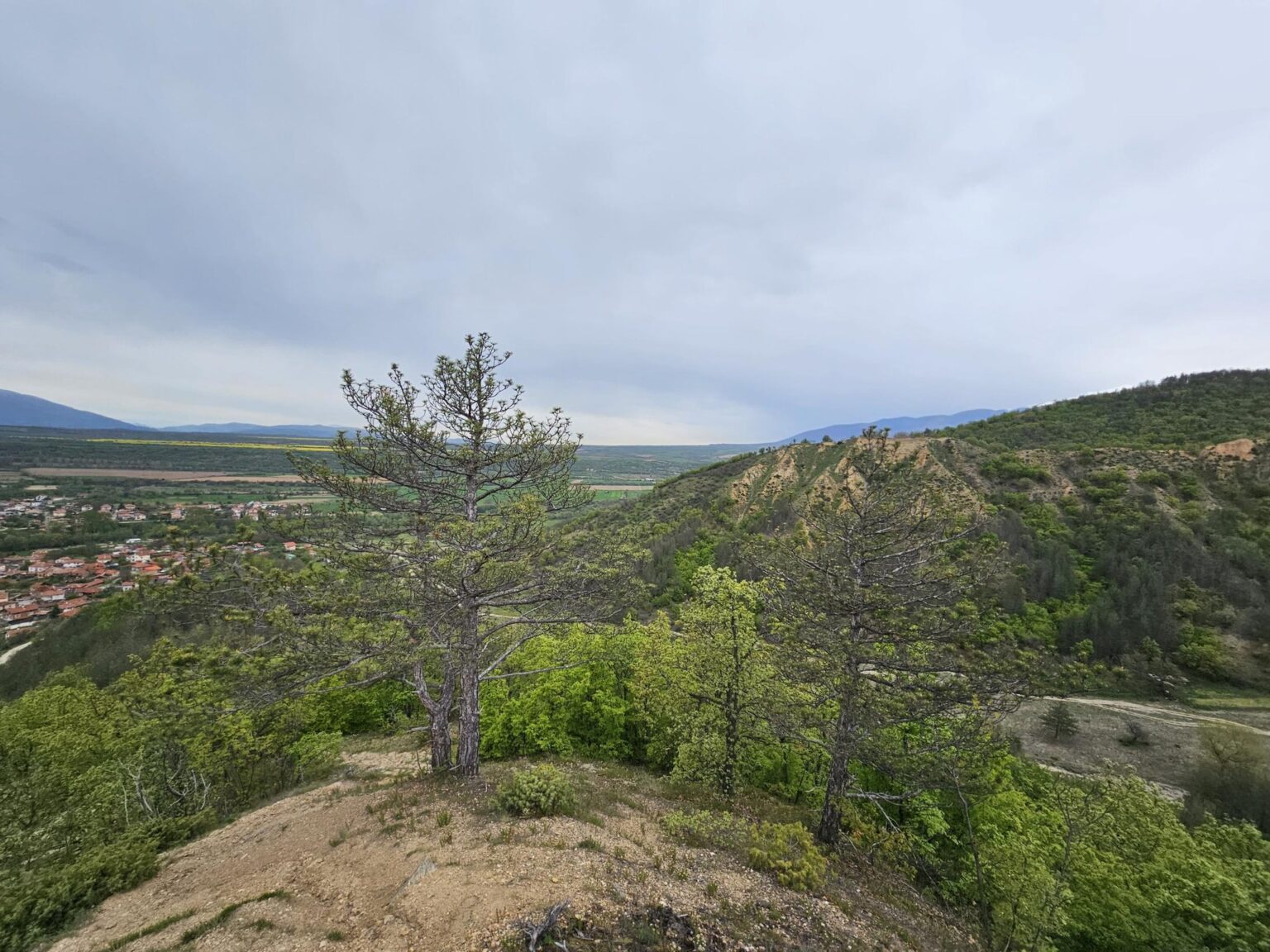
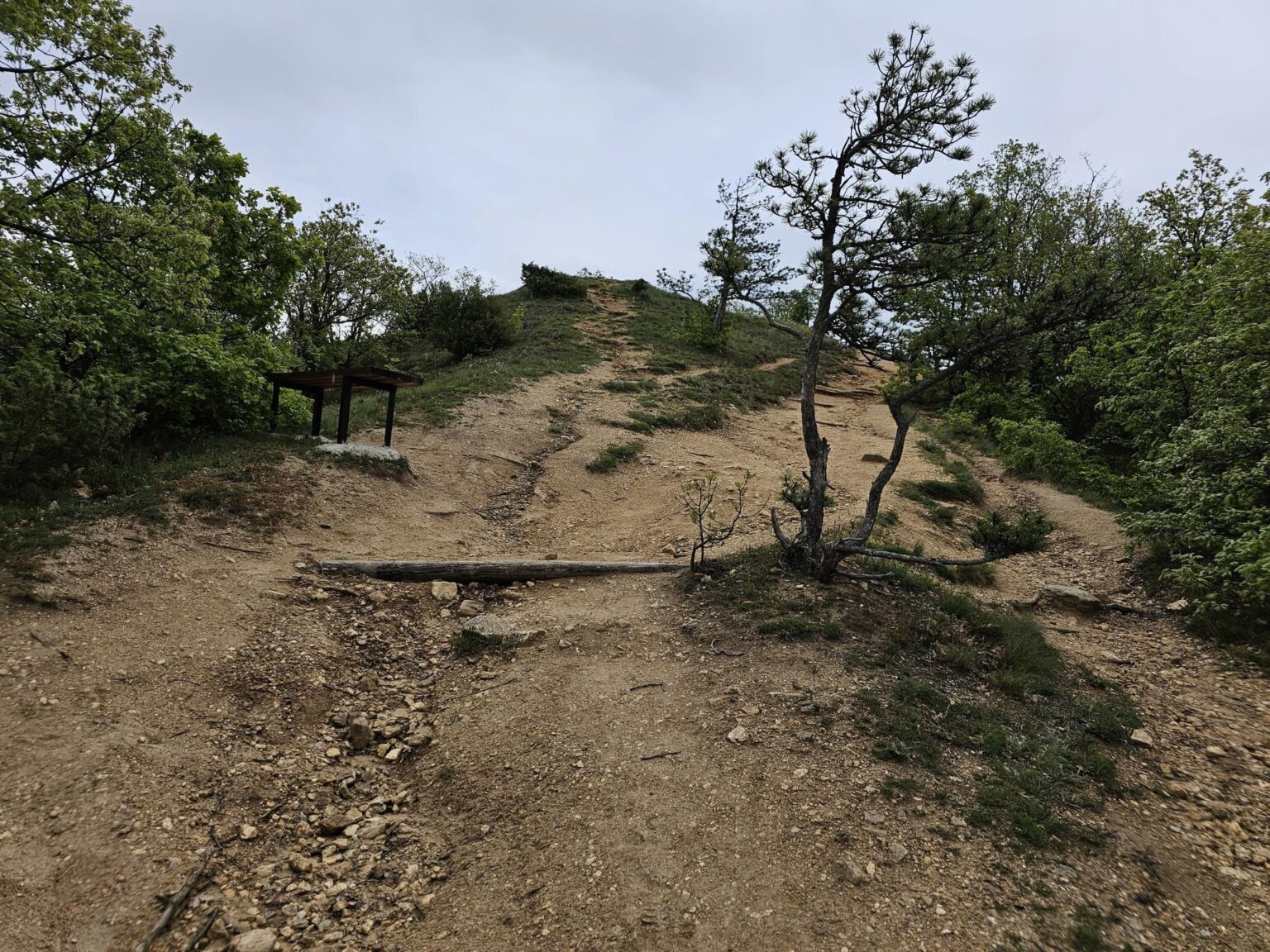
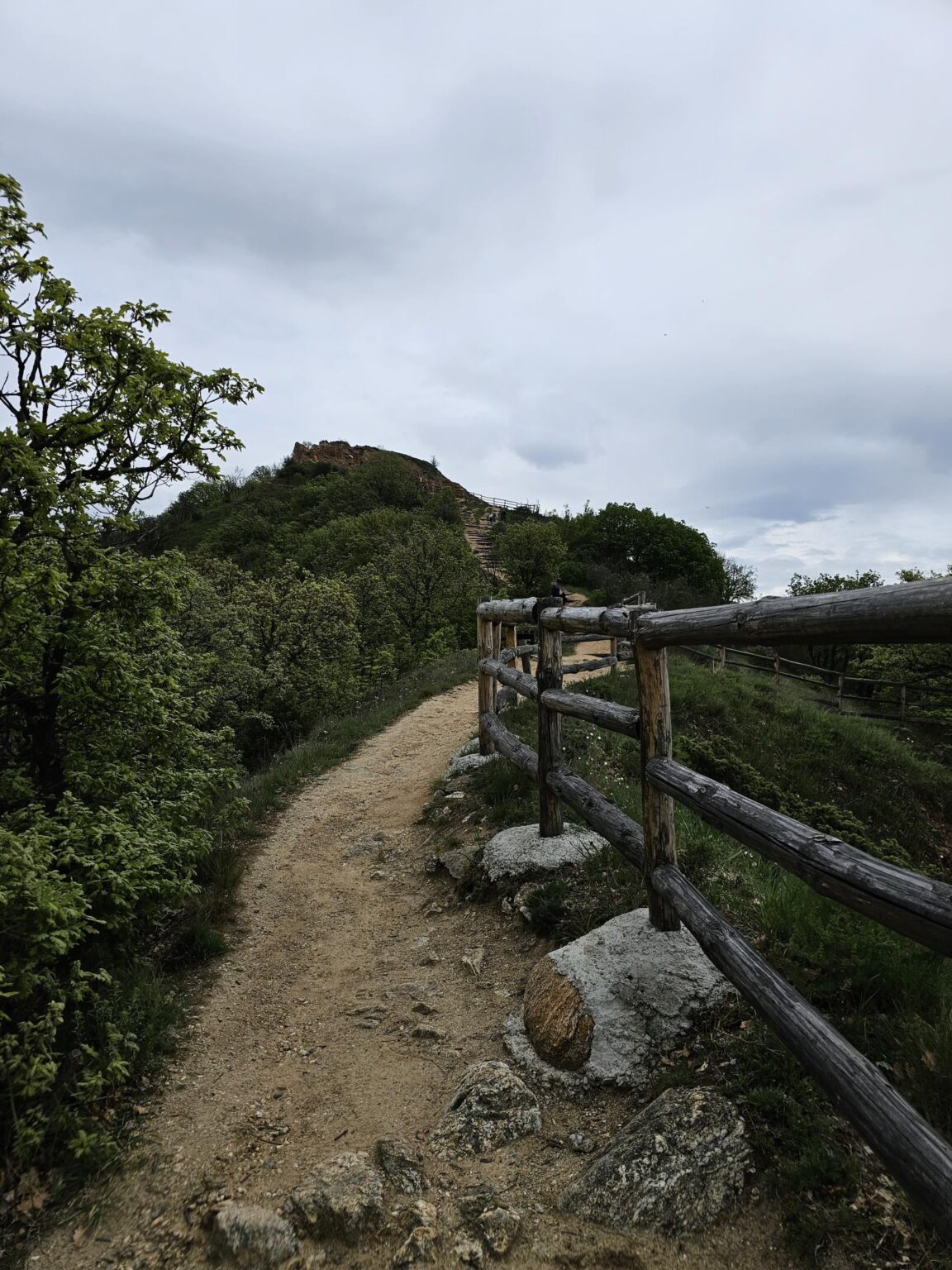
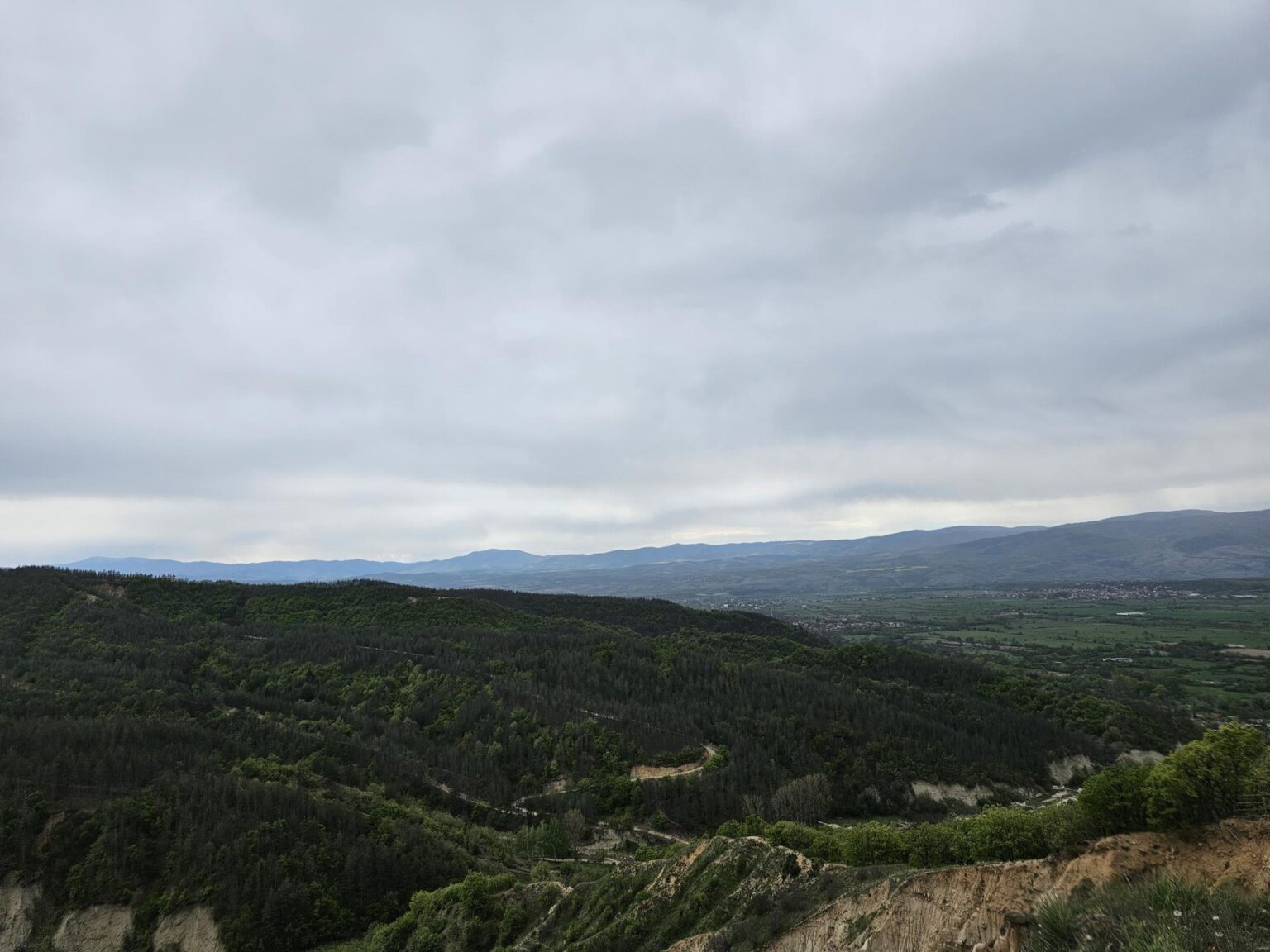
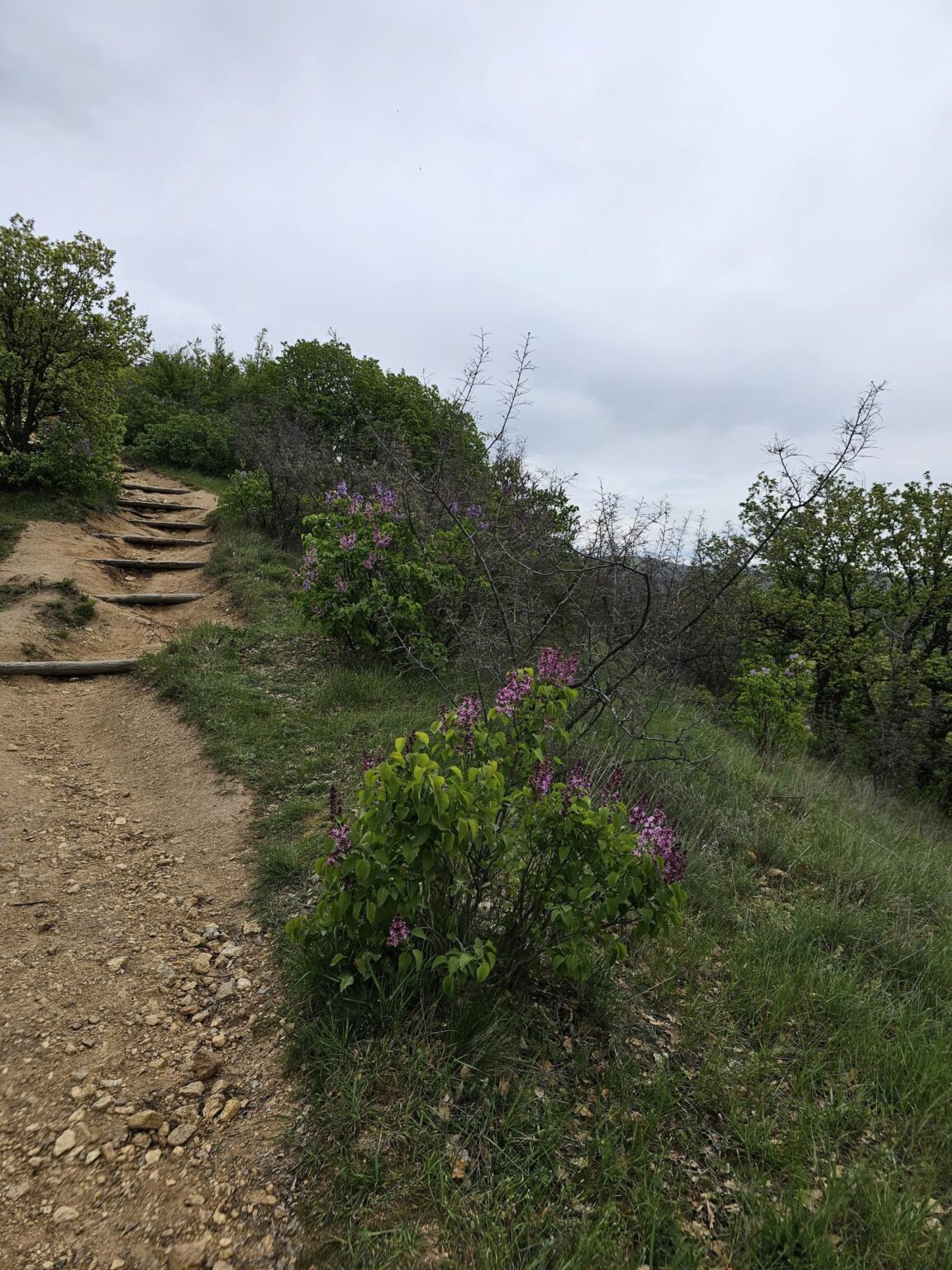
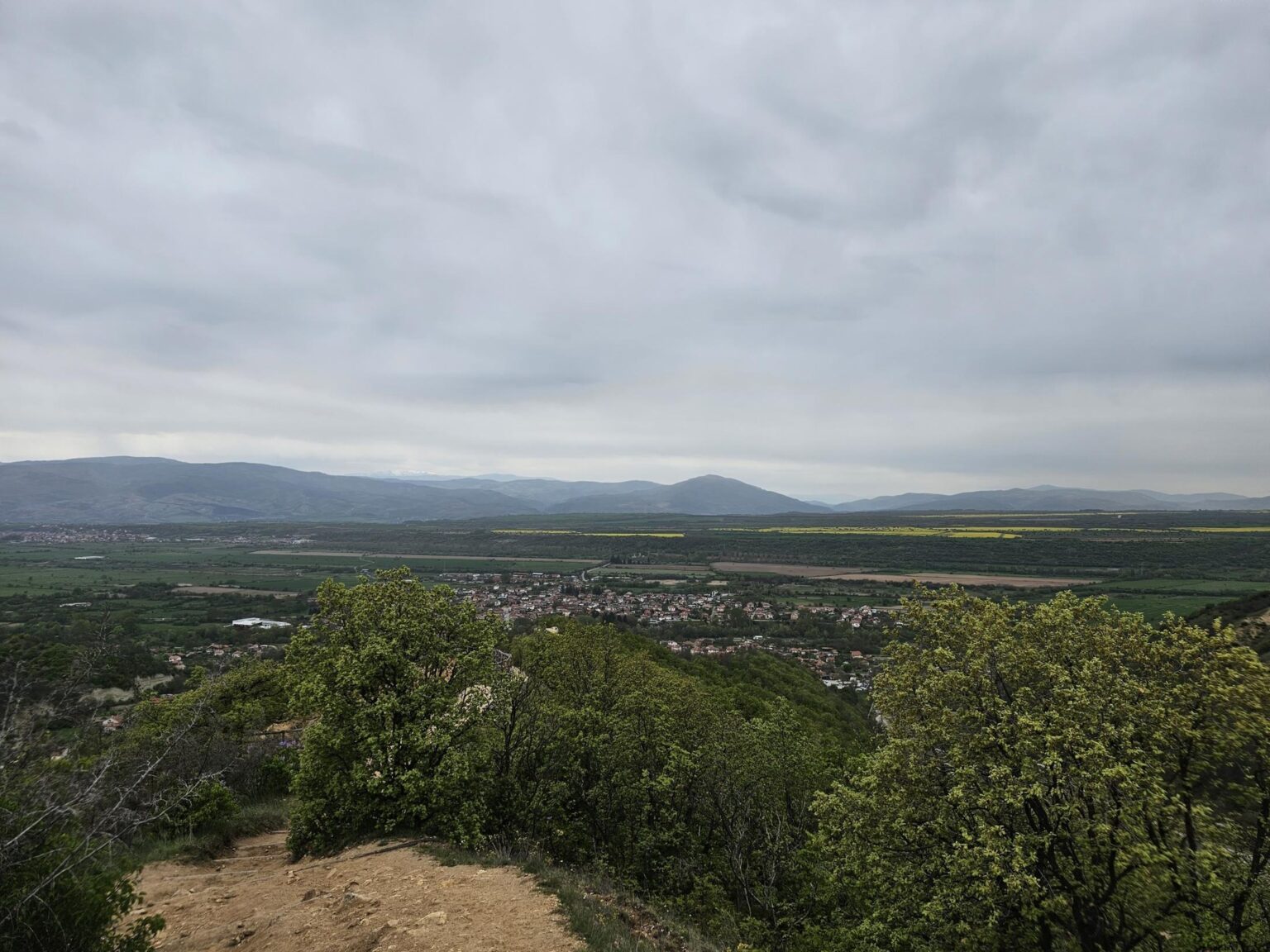
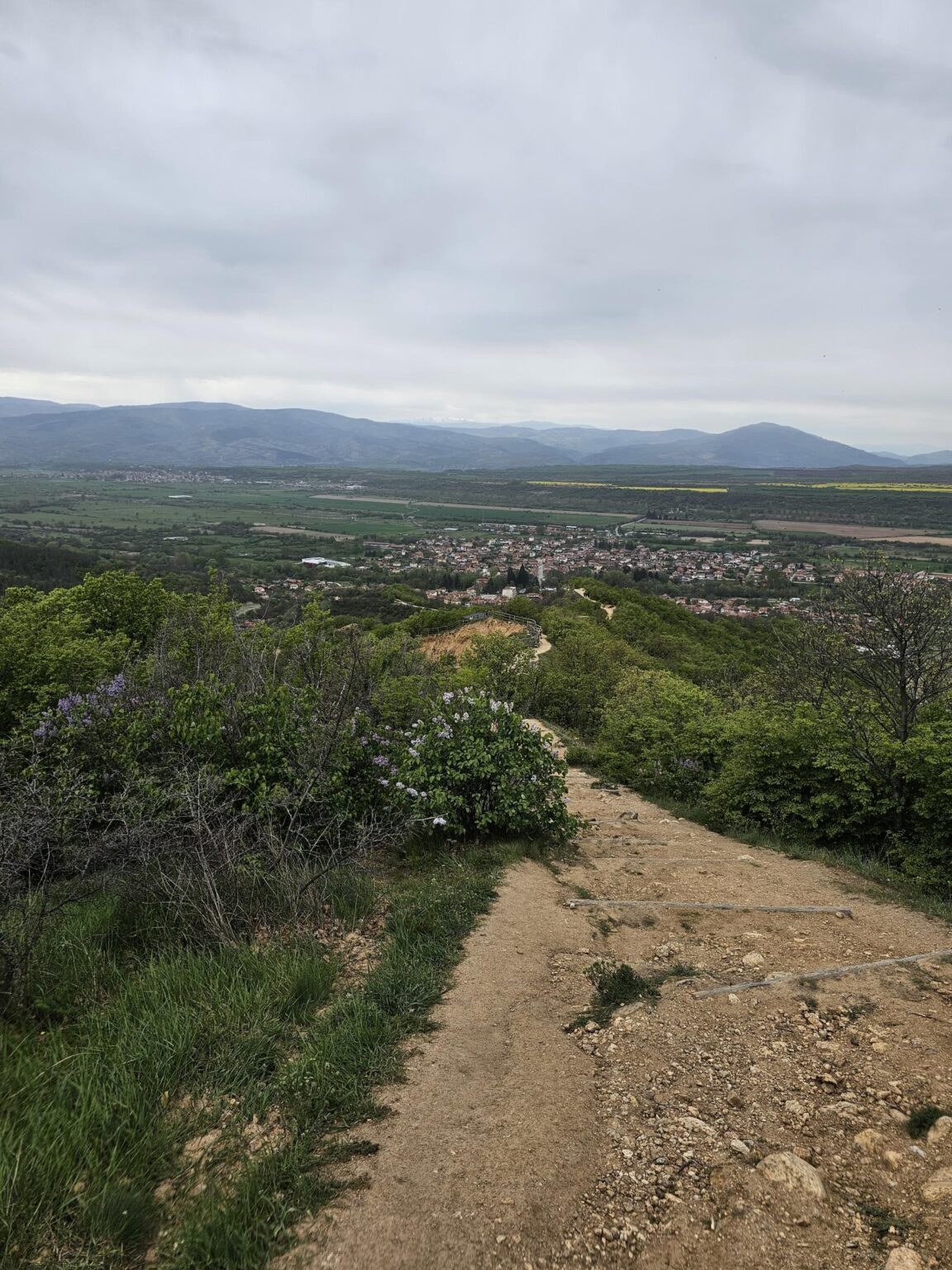
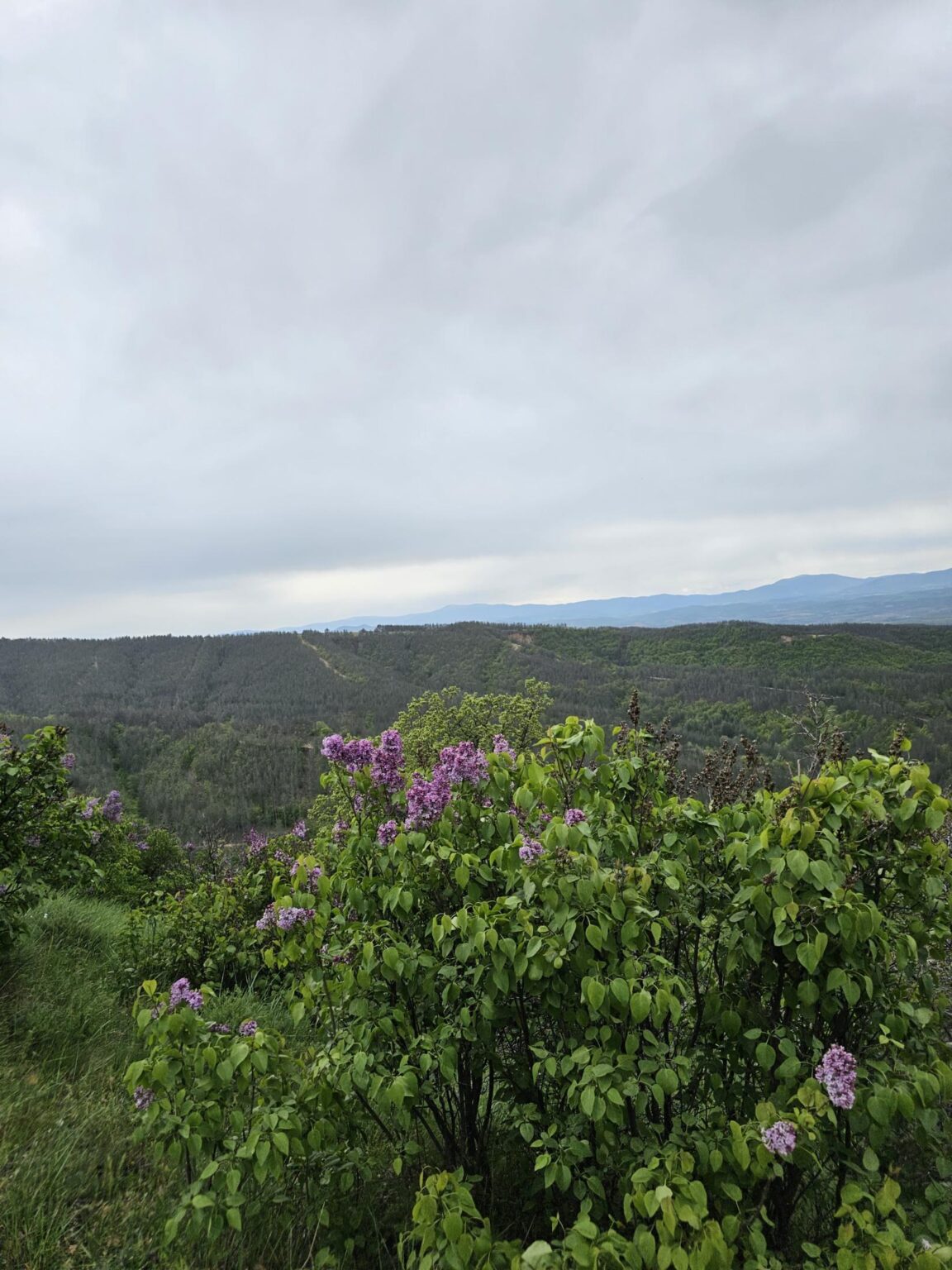
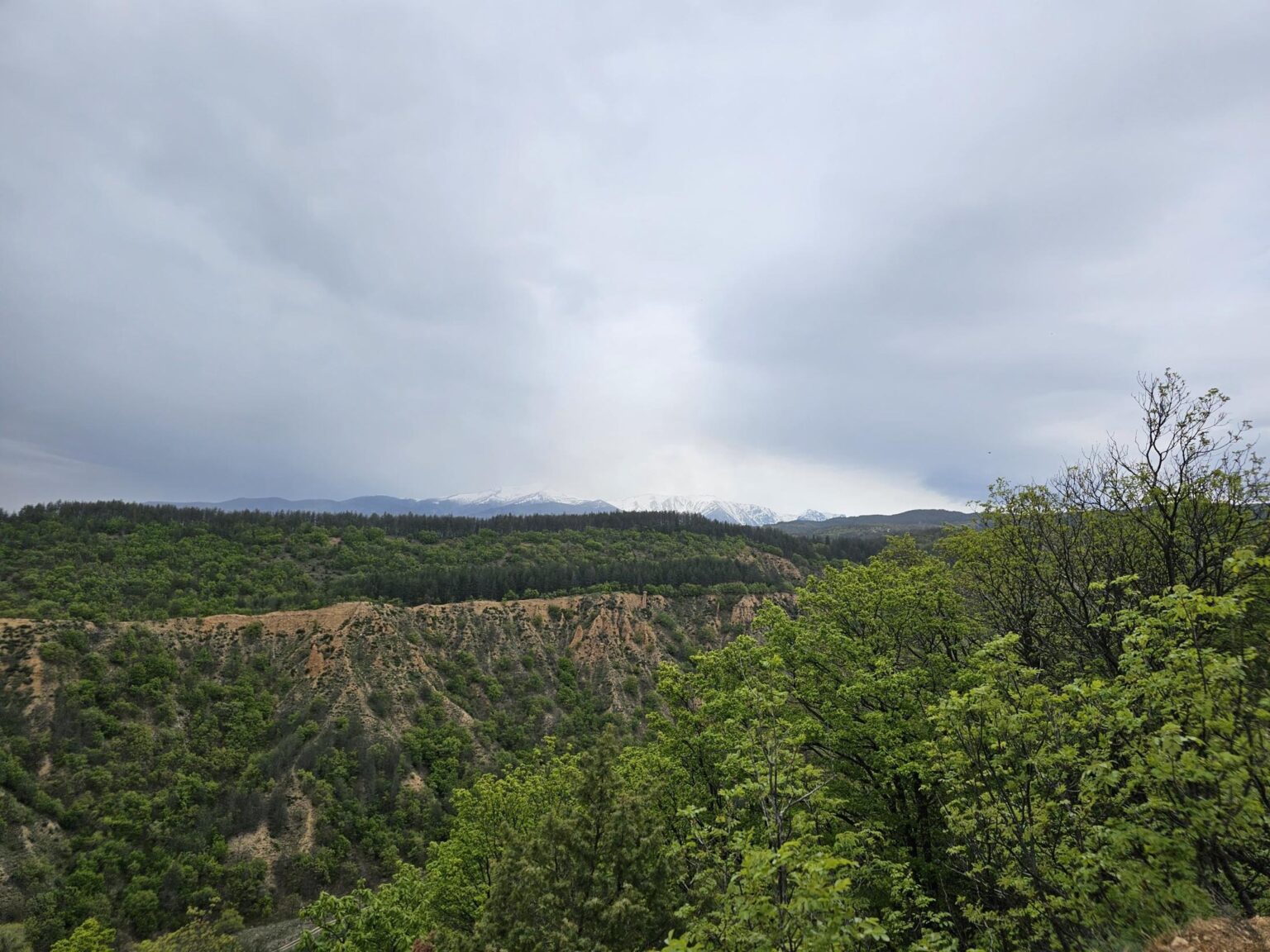
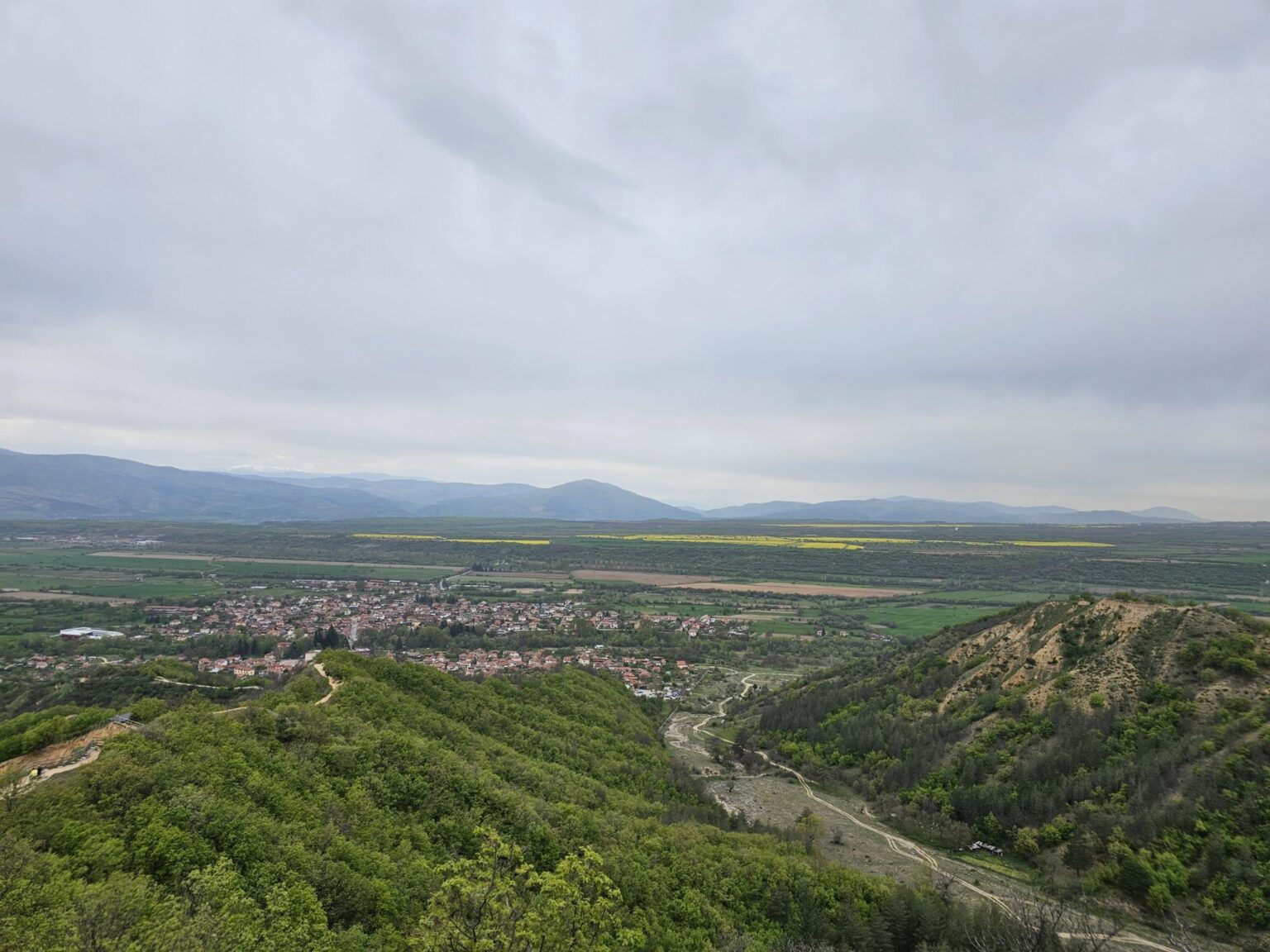
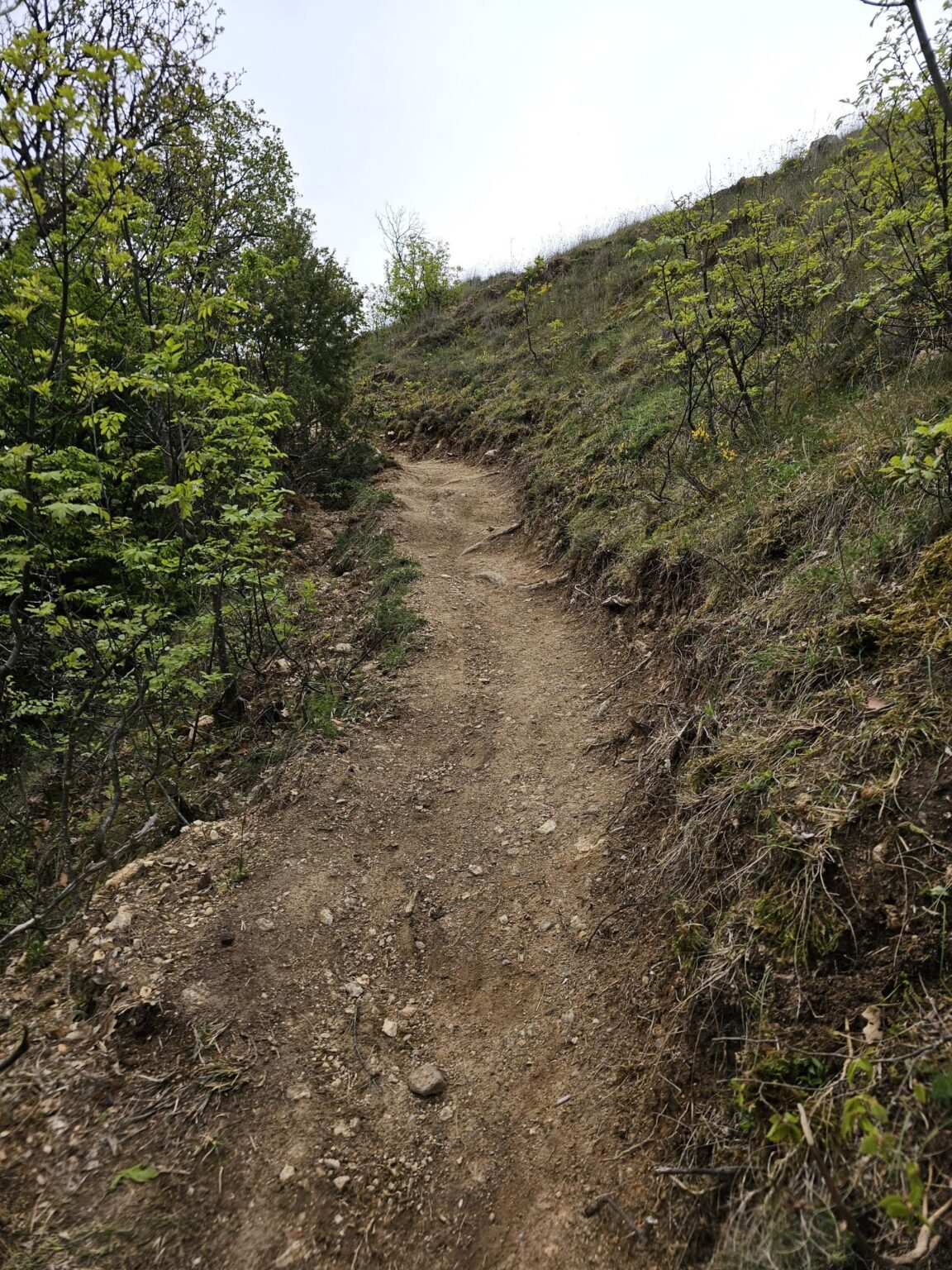
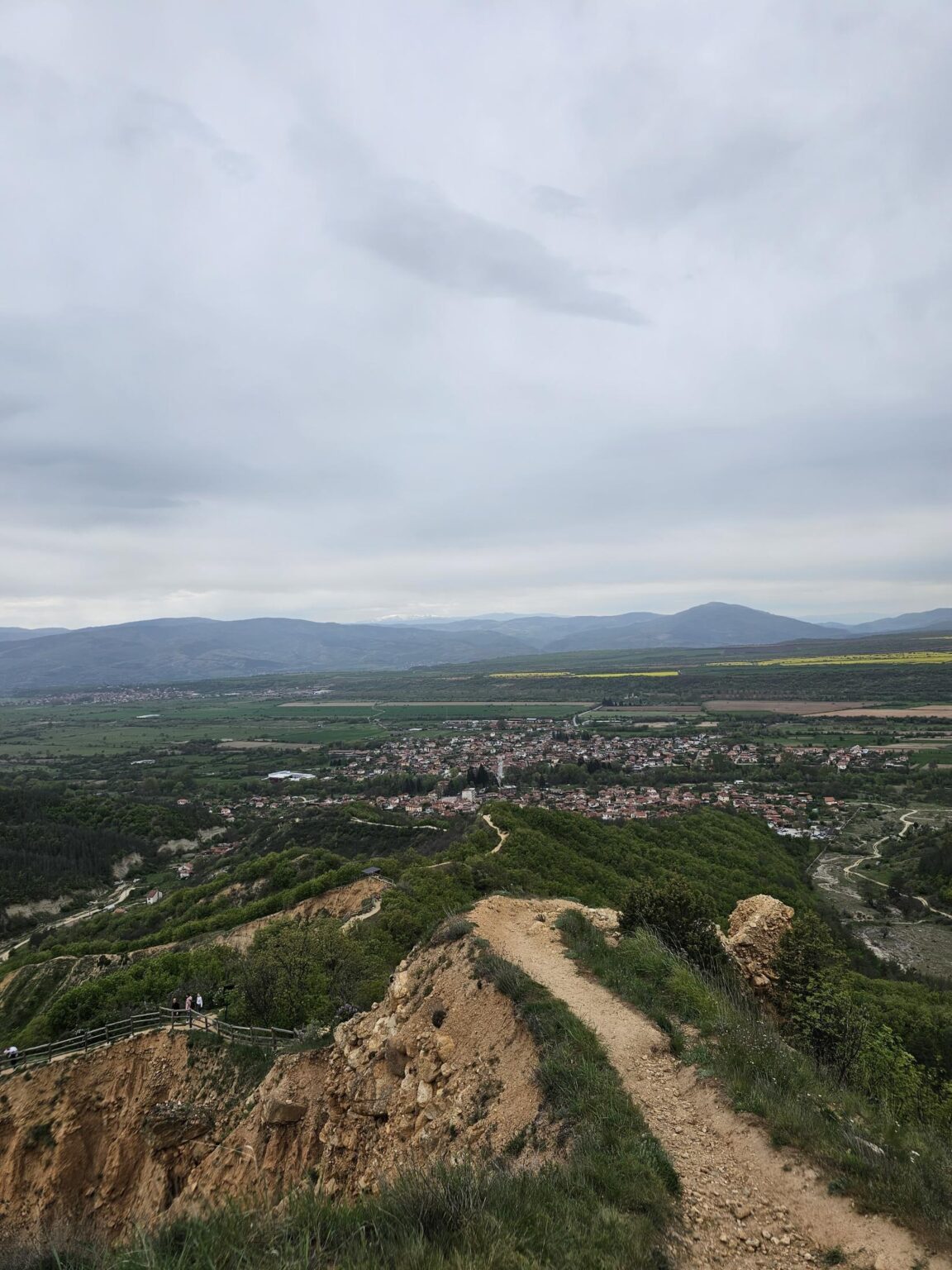
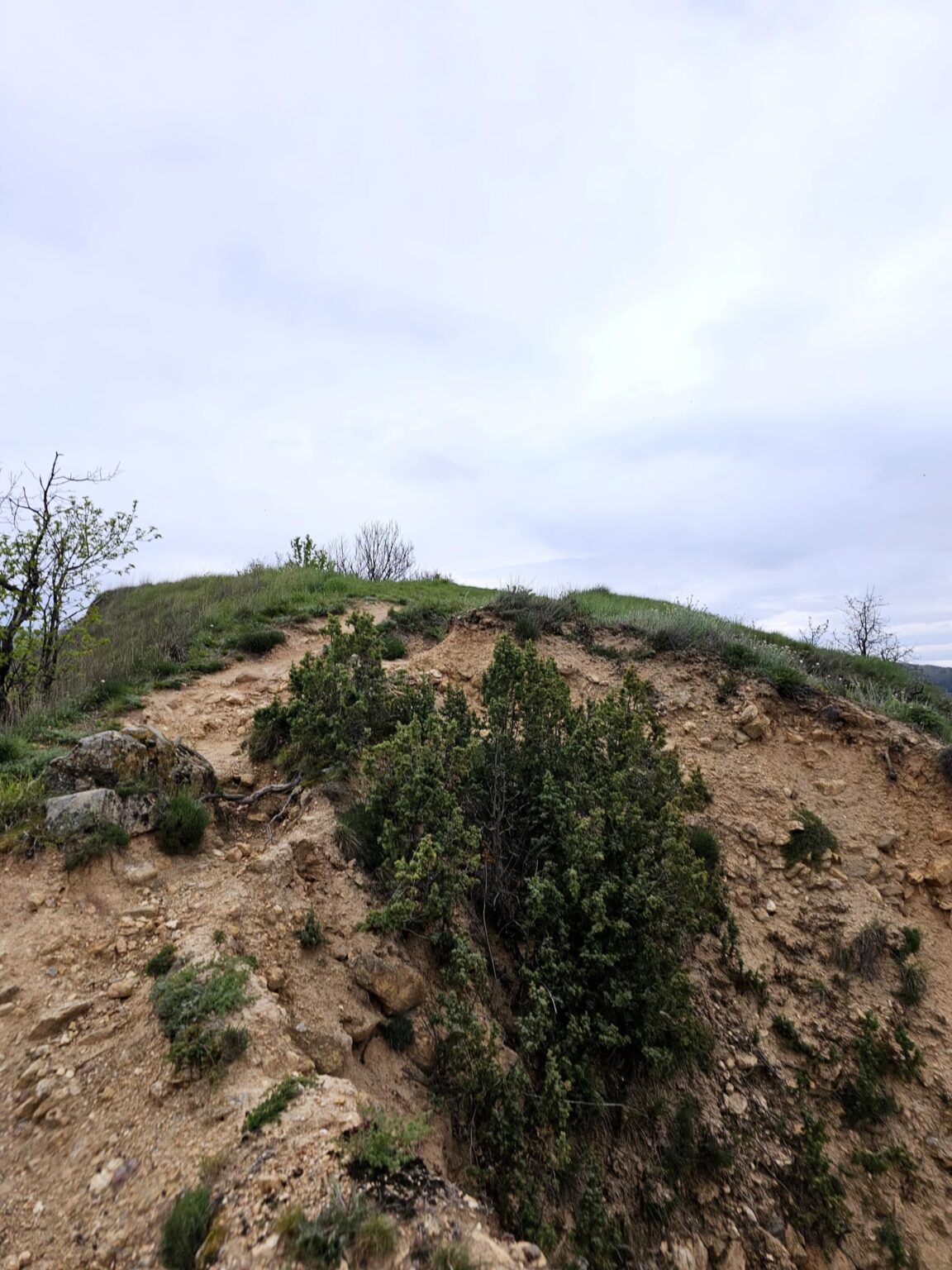
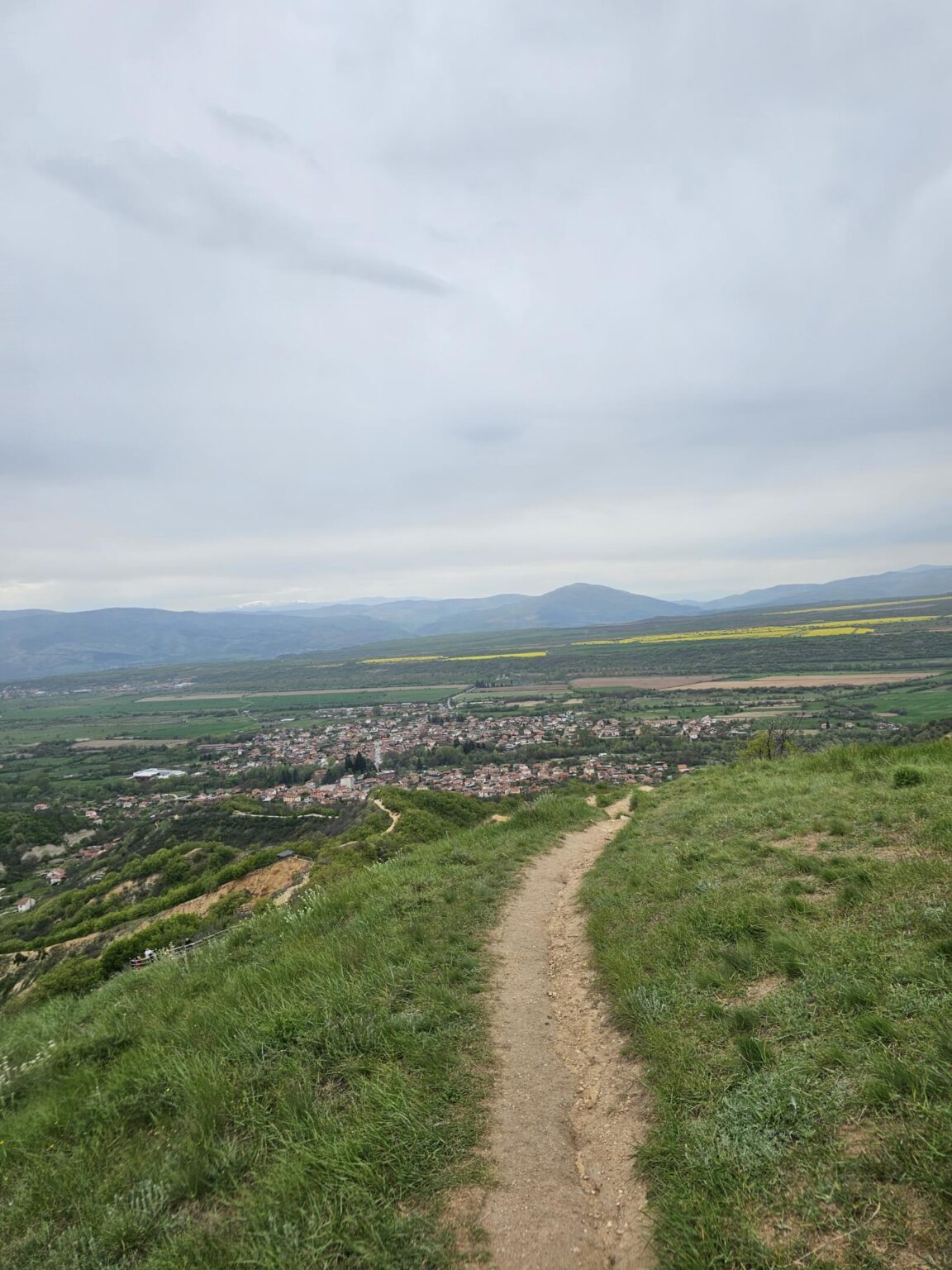
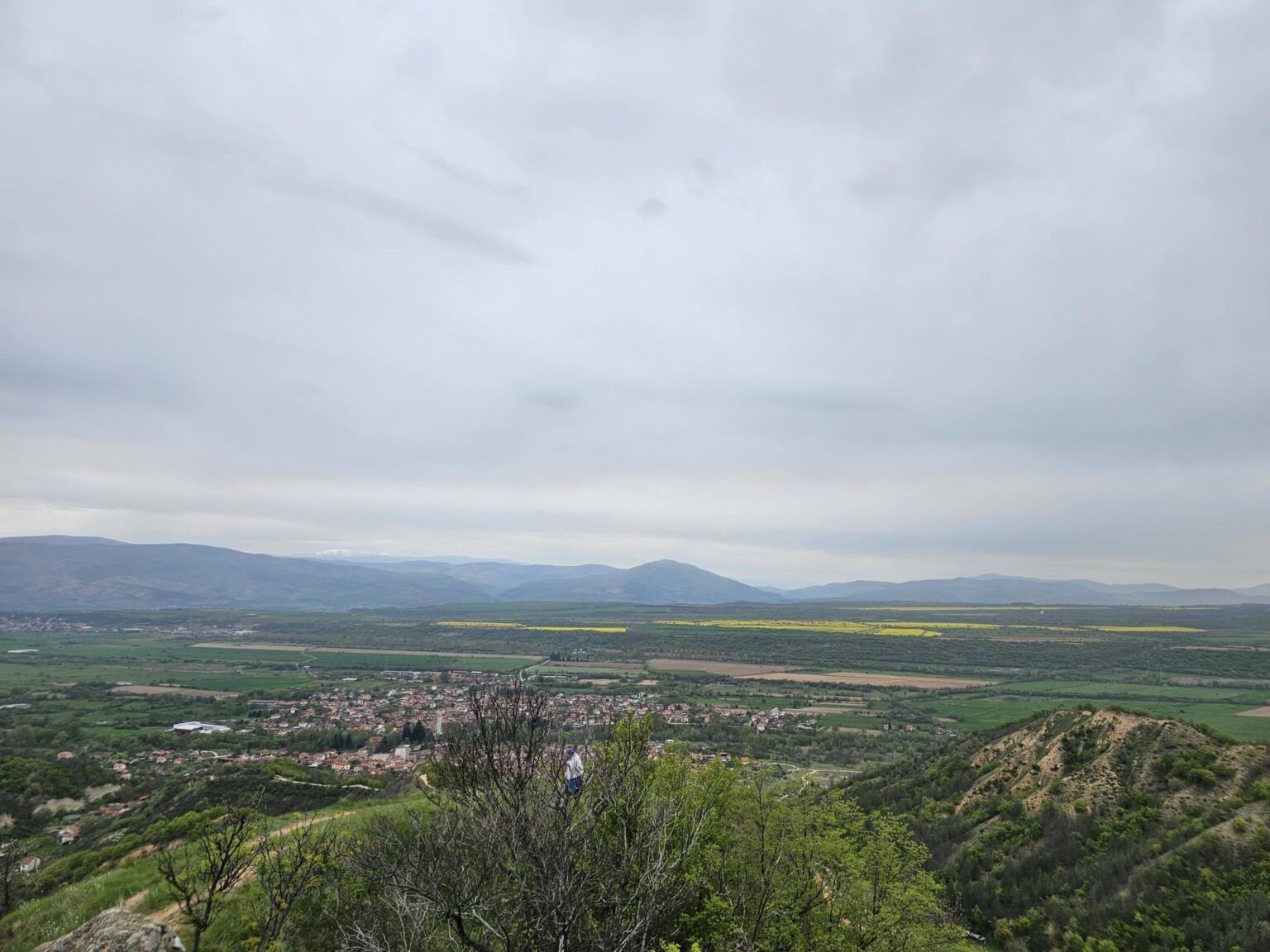
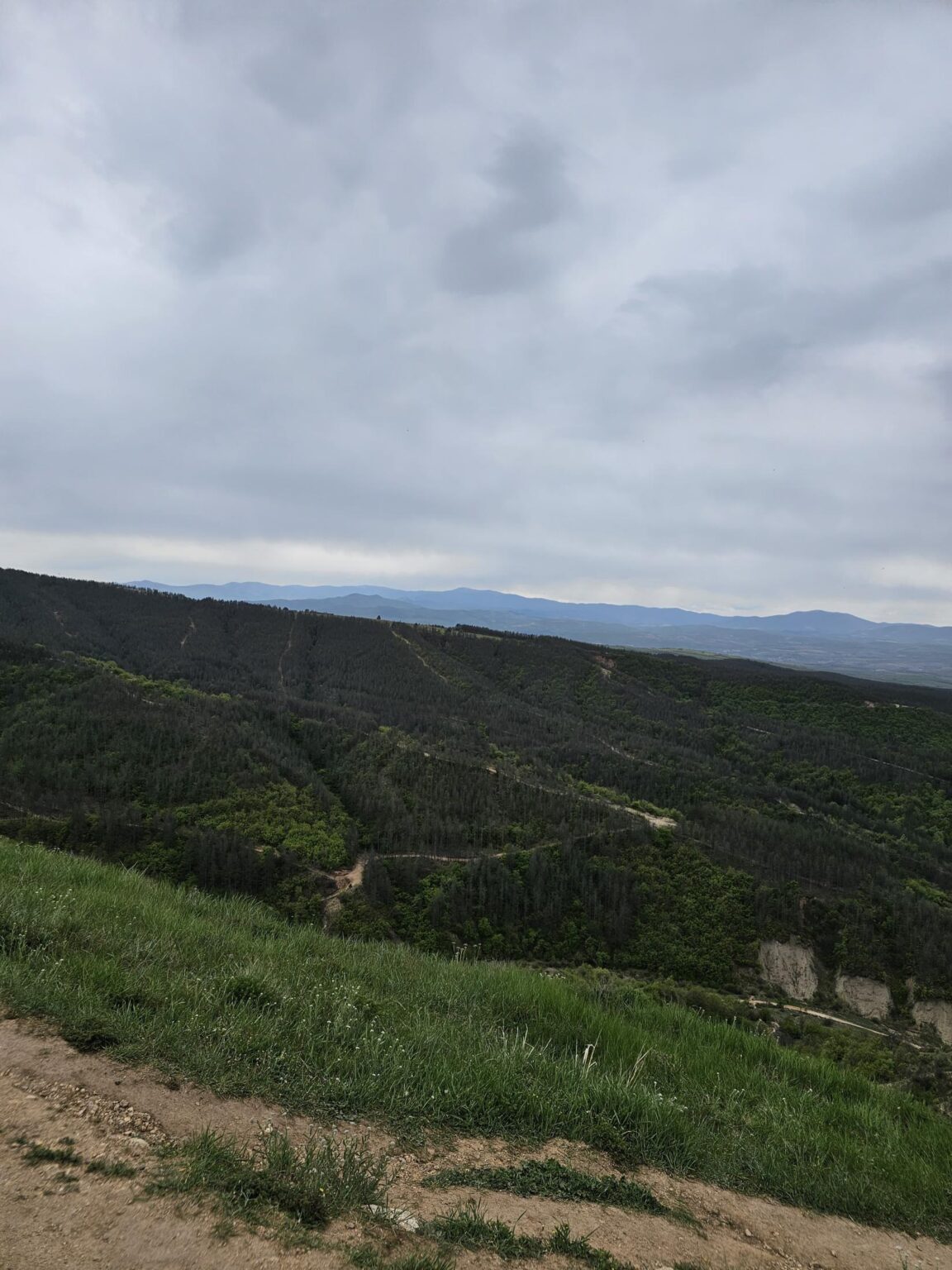
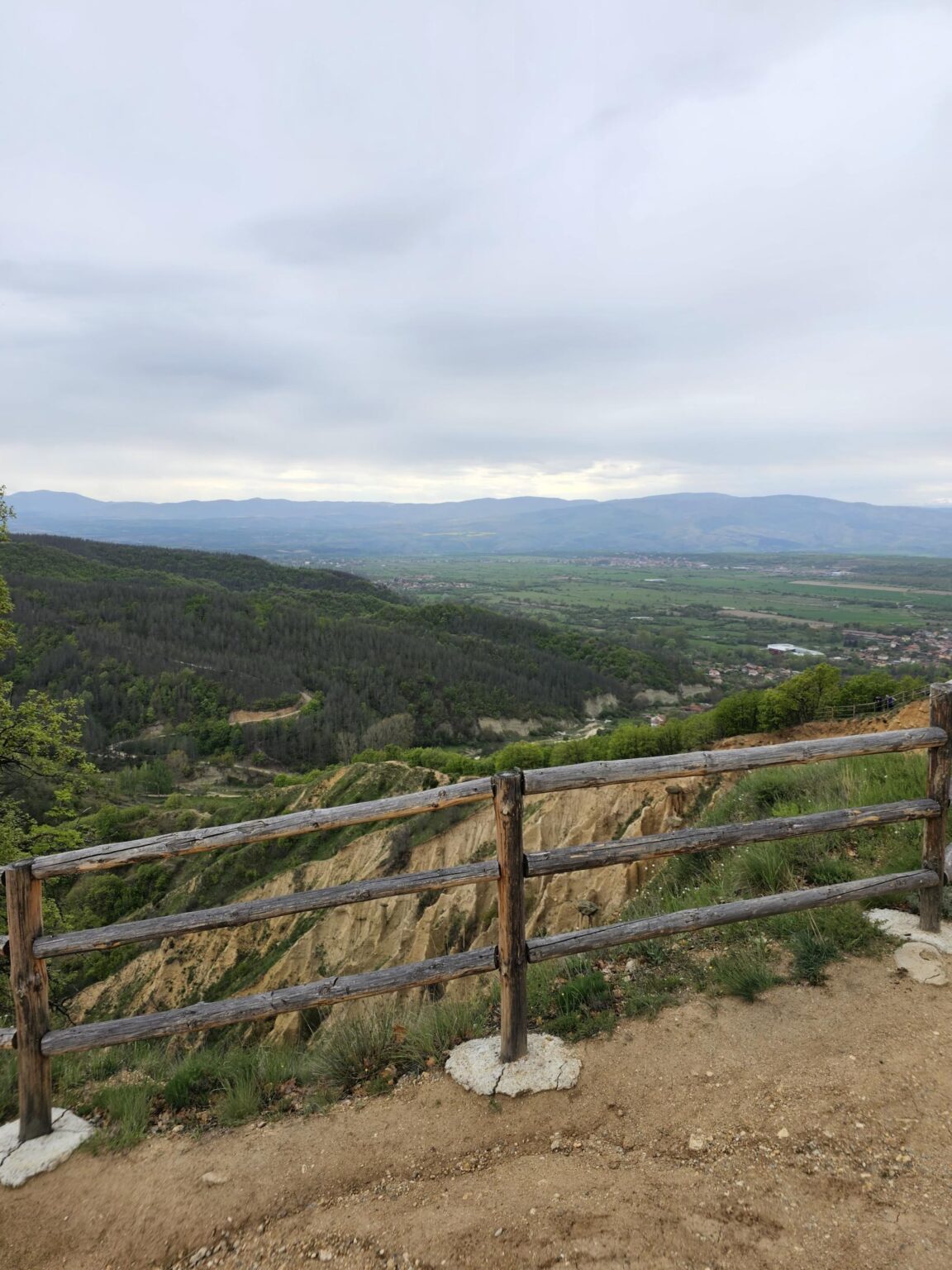
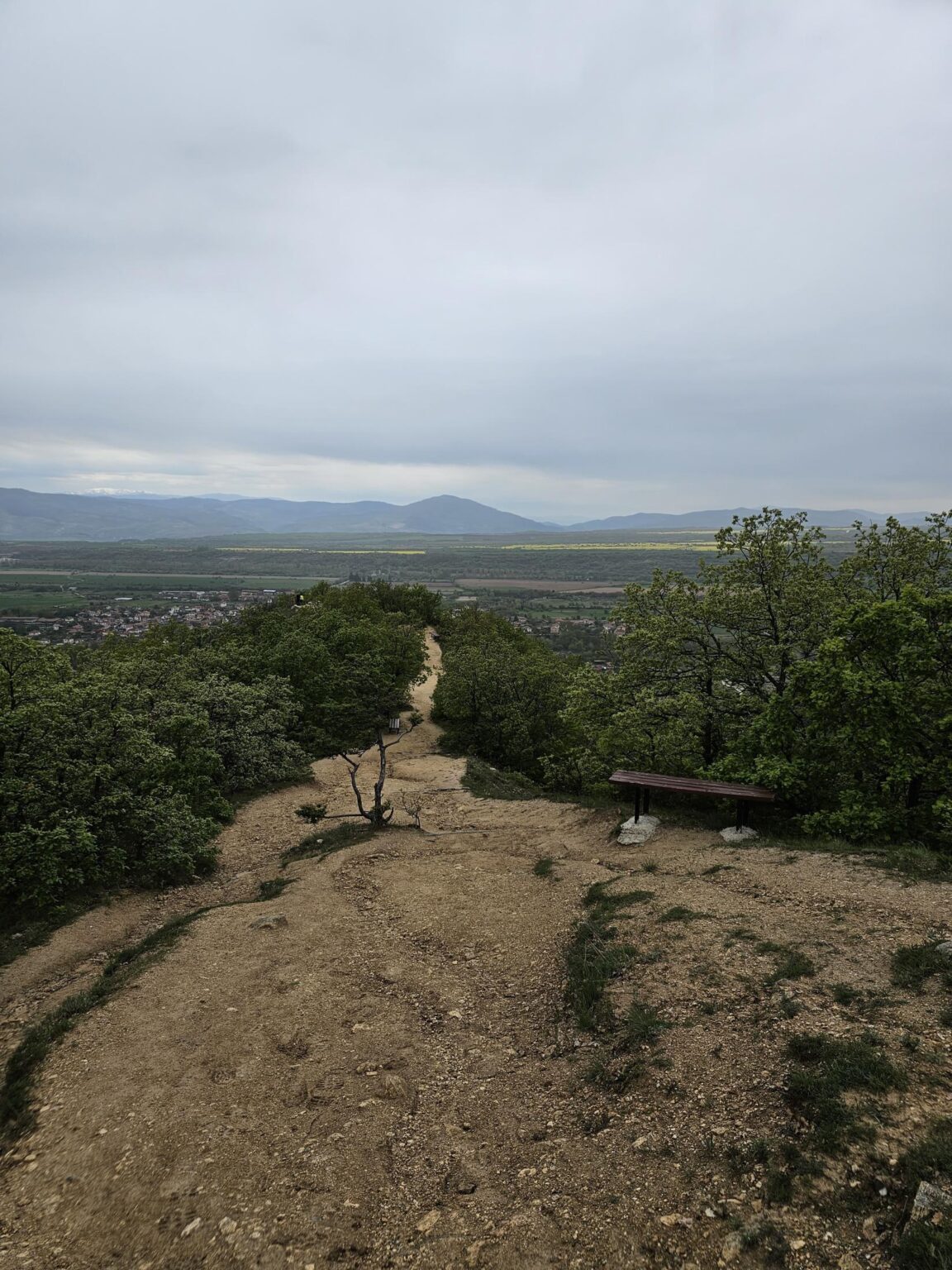
The trail starts gently and takes 30–40 minutes, even though it’s barely over a kilometre long. The last 300 metres, however, turn into a challenge — abruptly steeper and more exposed. As at the waterfalls, there are steep, narrow sections bordering a drop. The views from the highest point are, predictably, unbelievable.
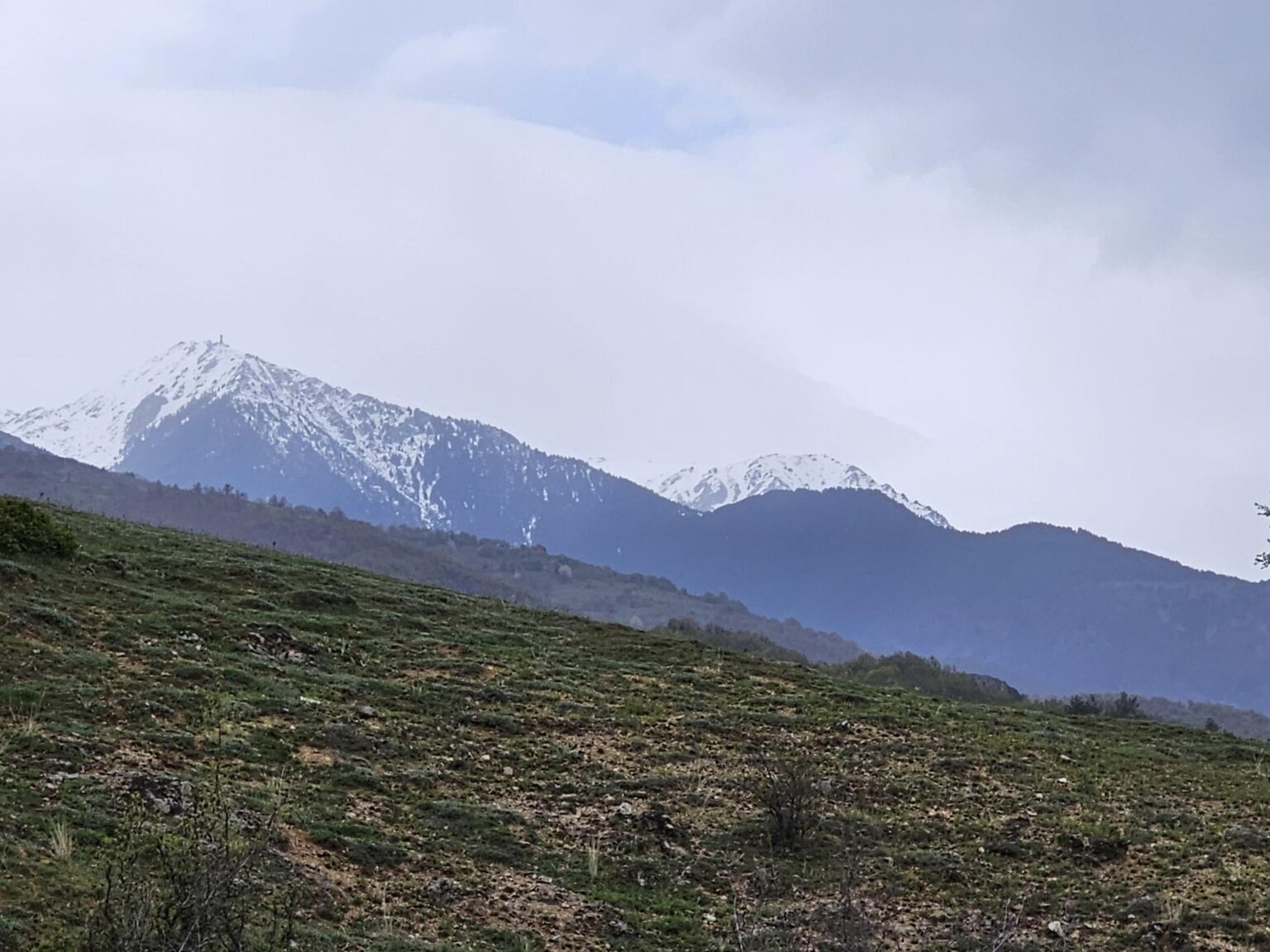
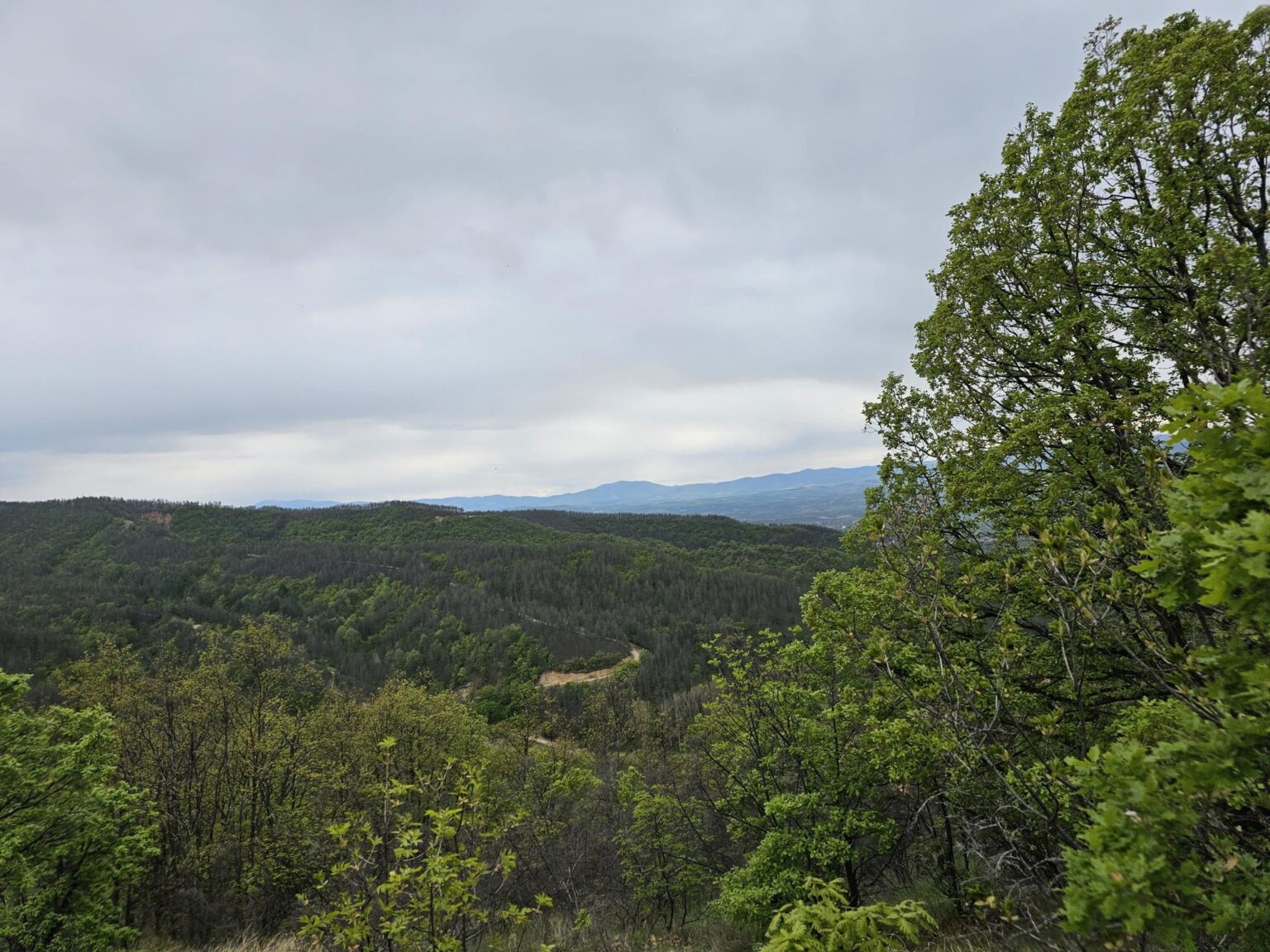
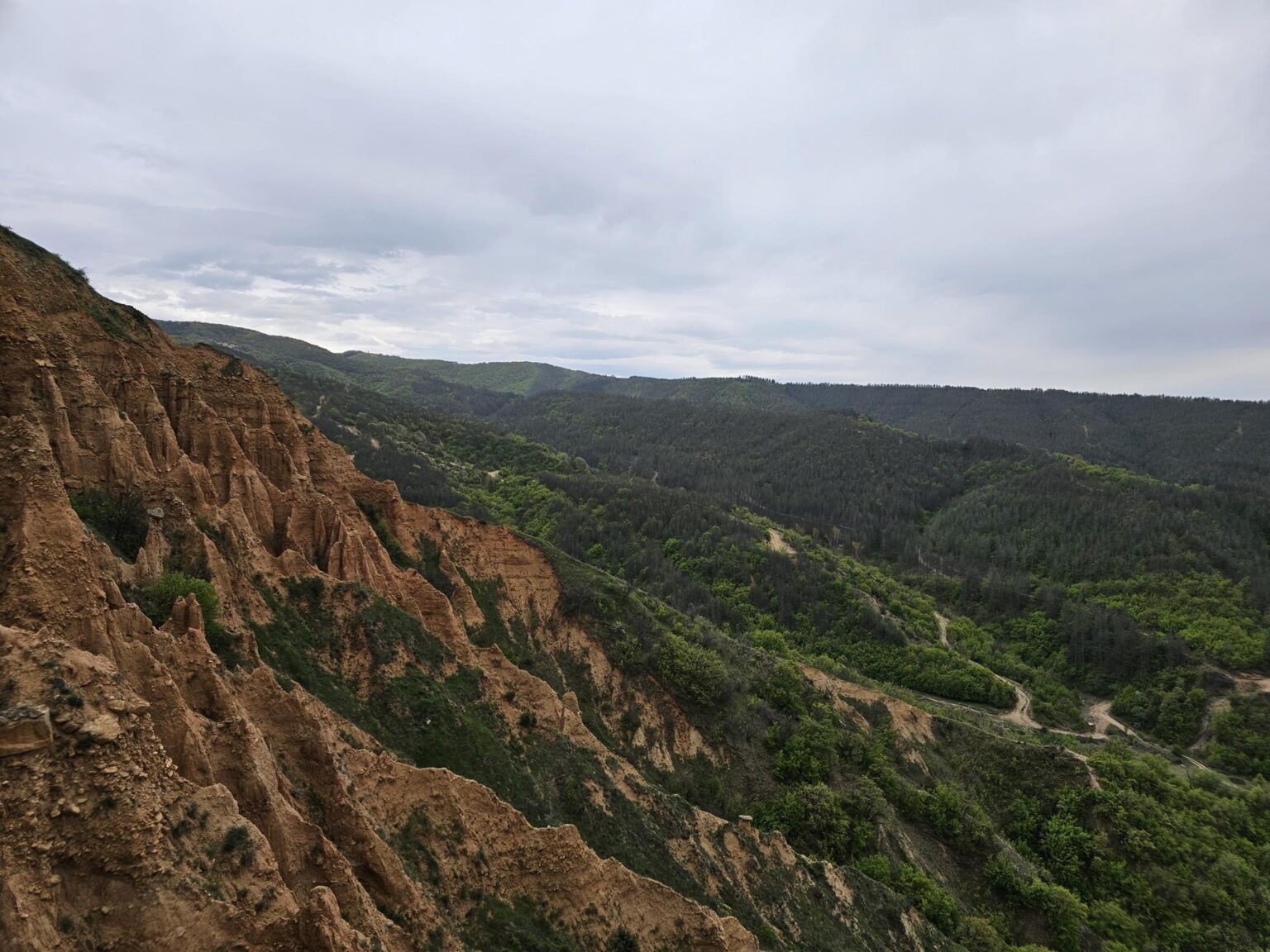
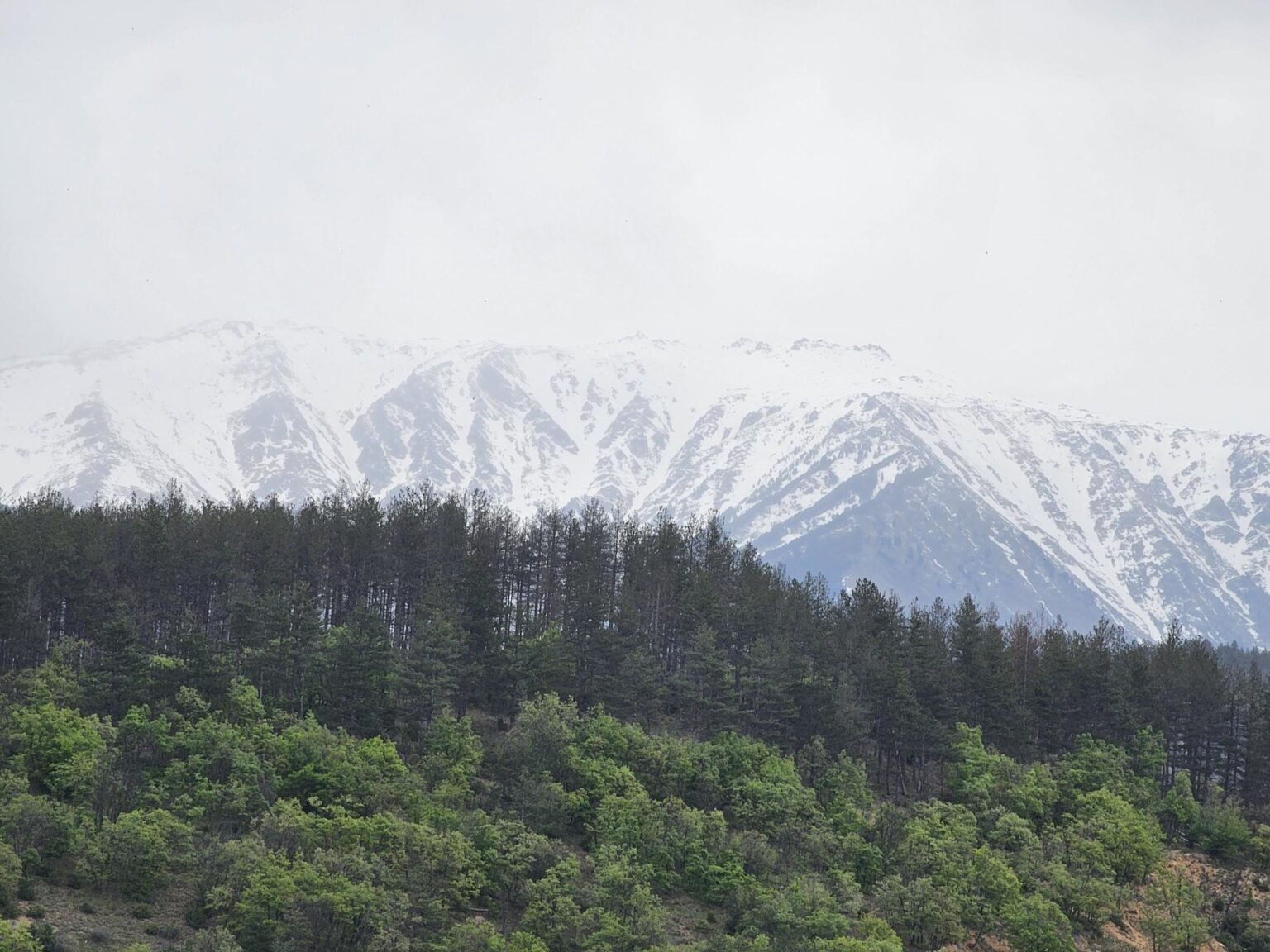
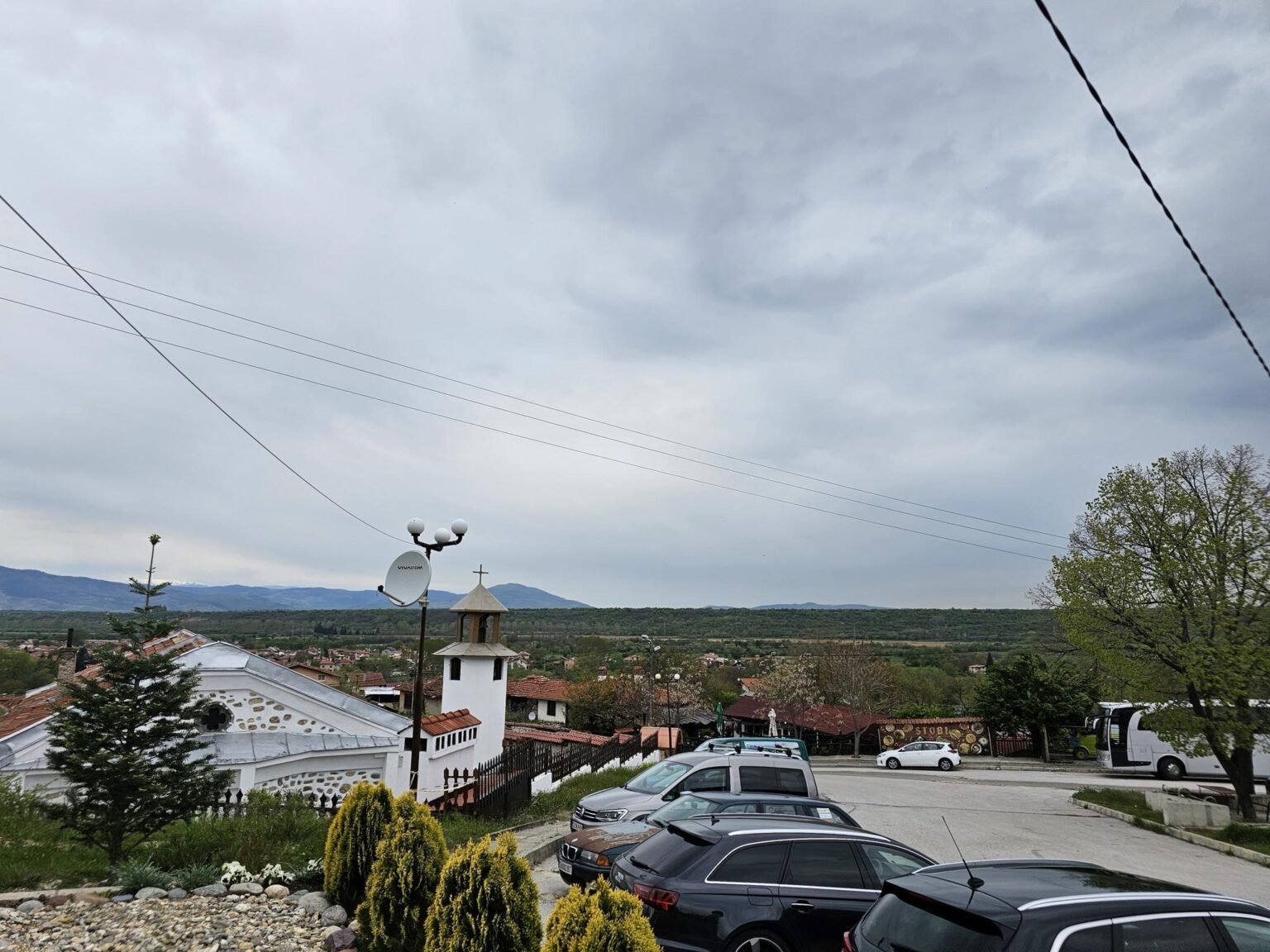
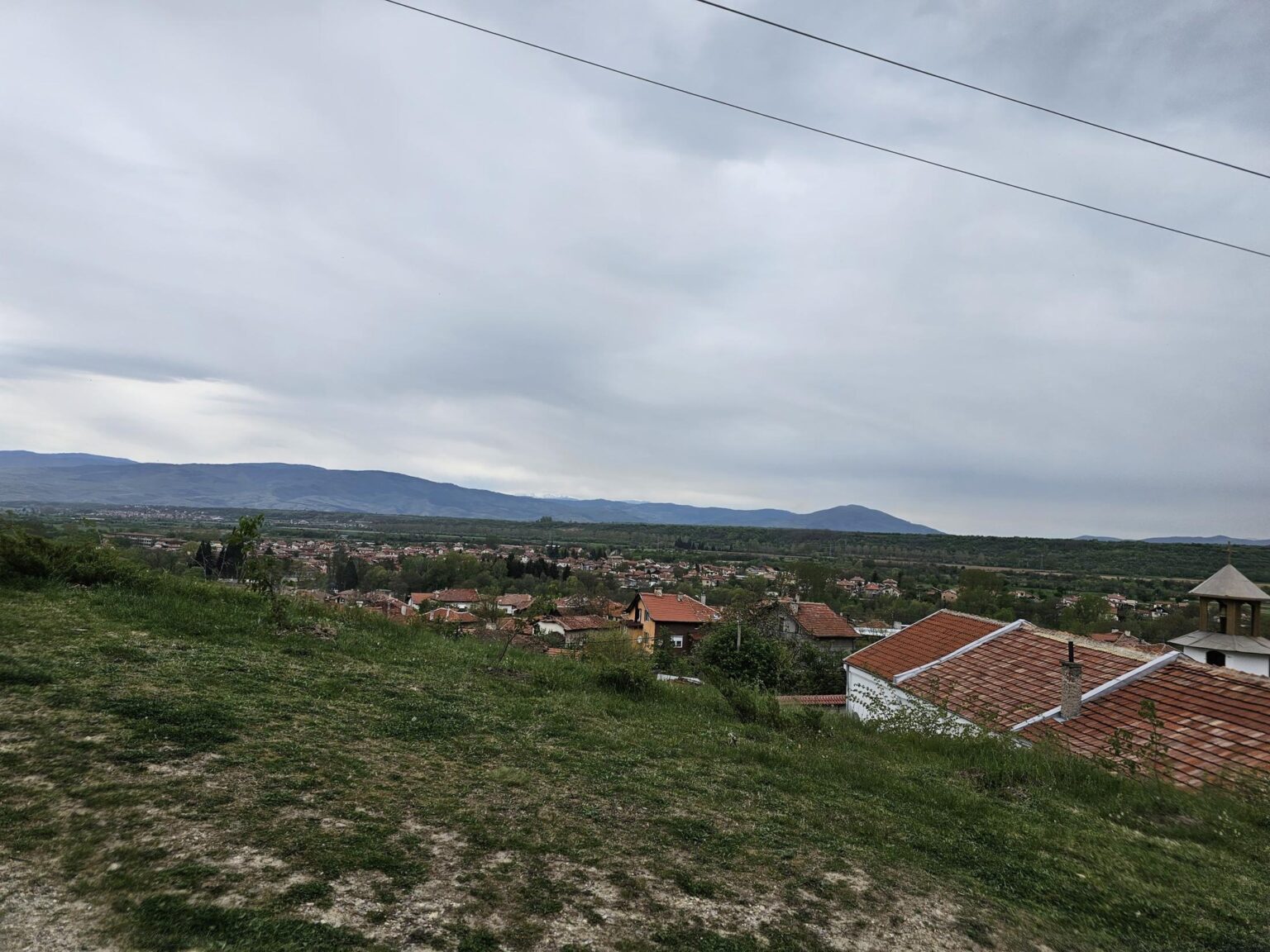
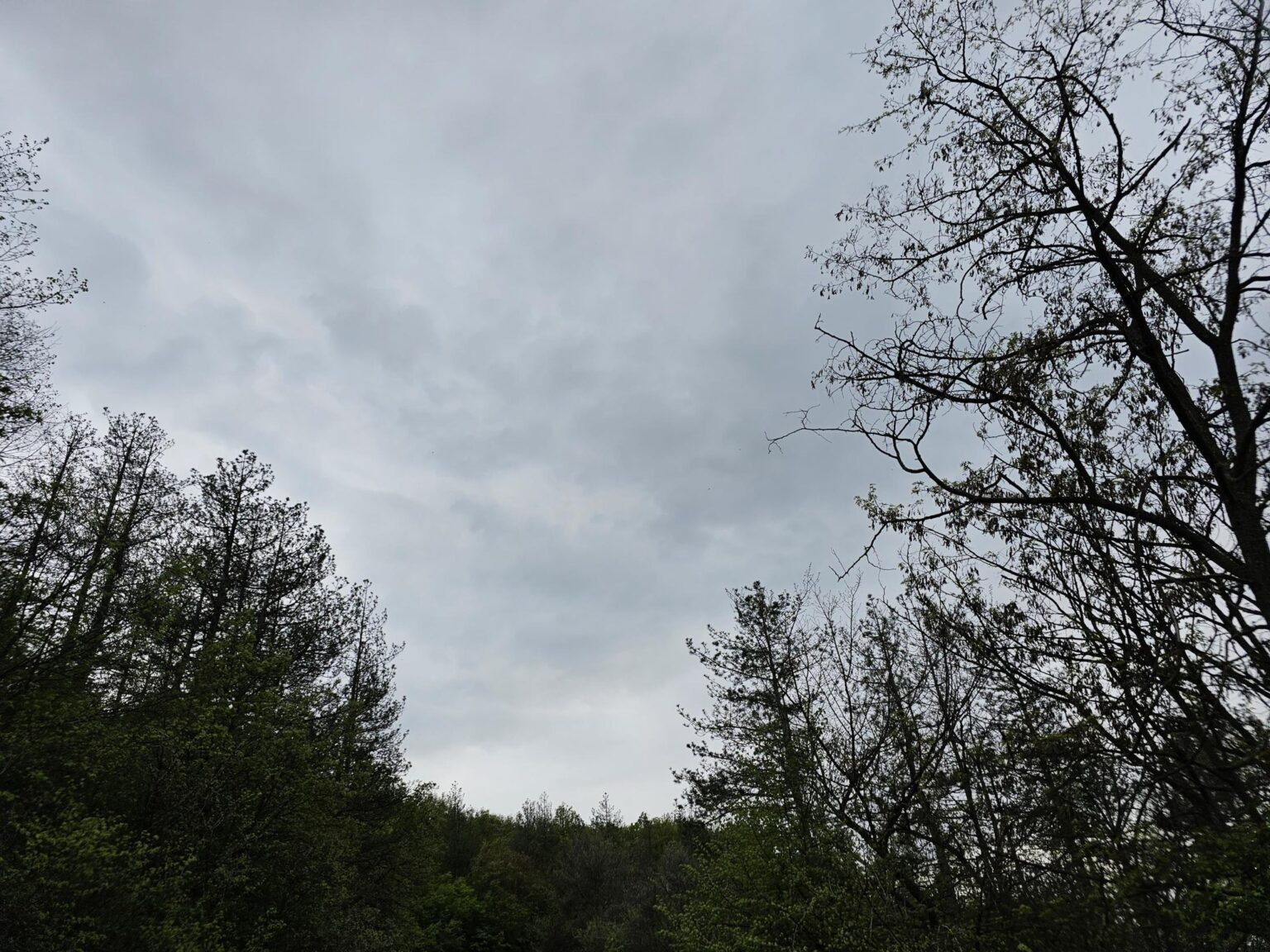
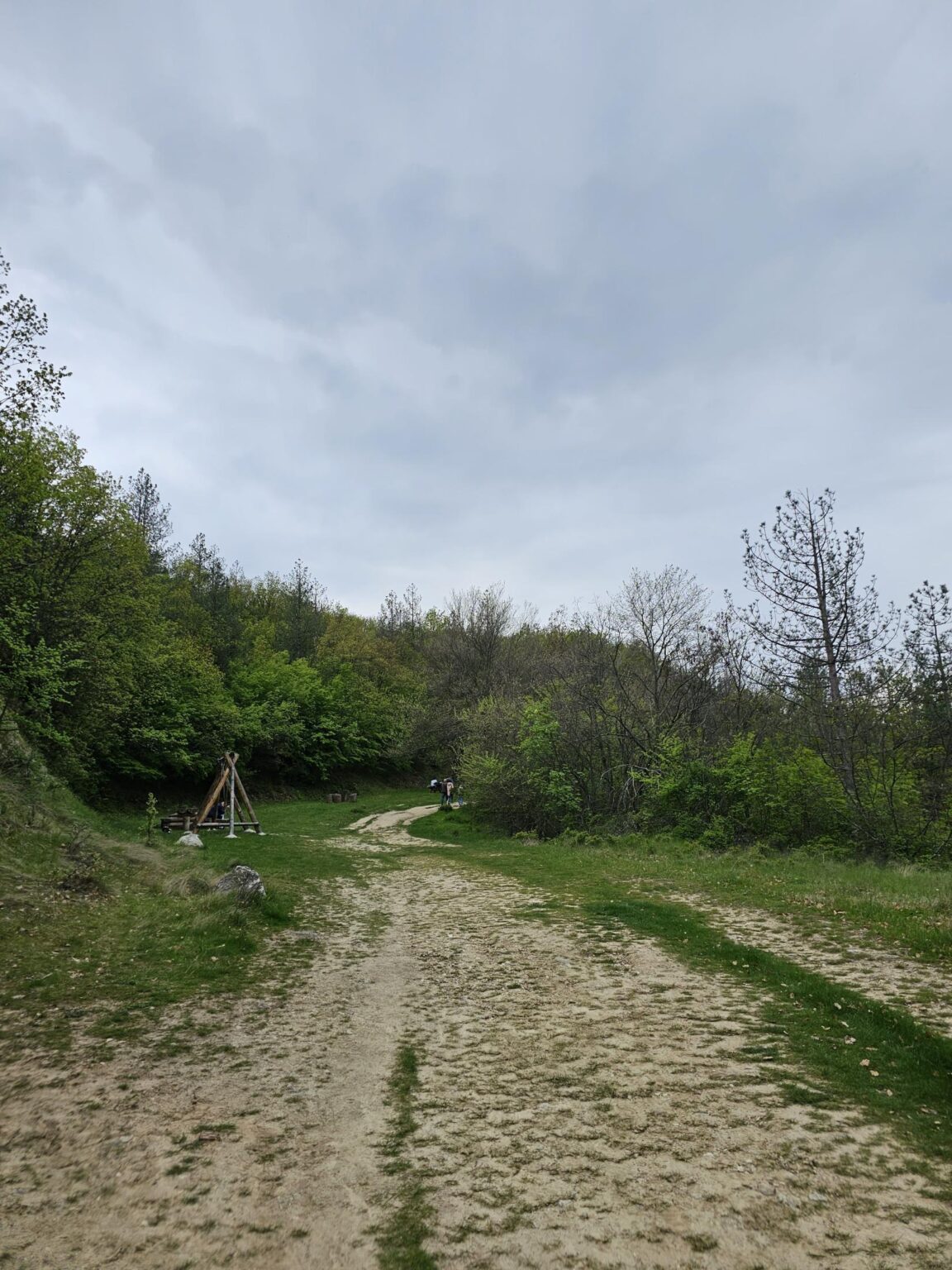
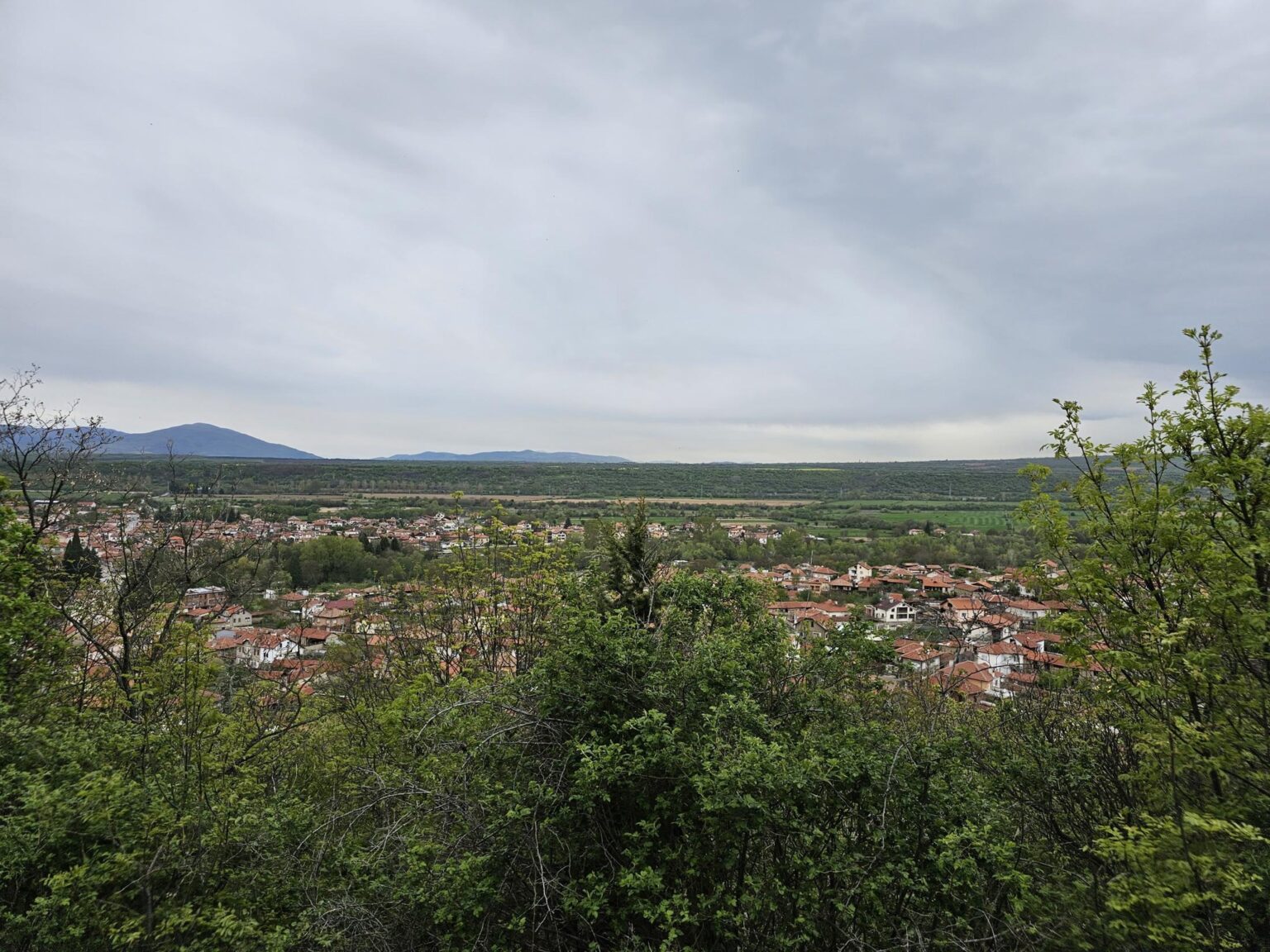
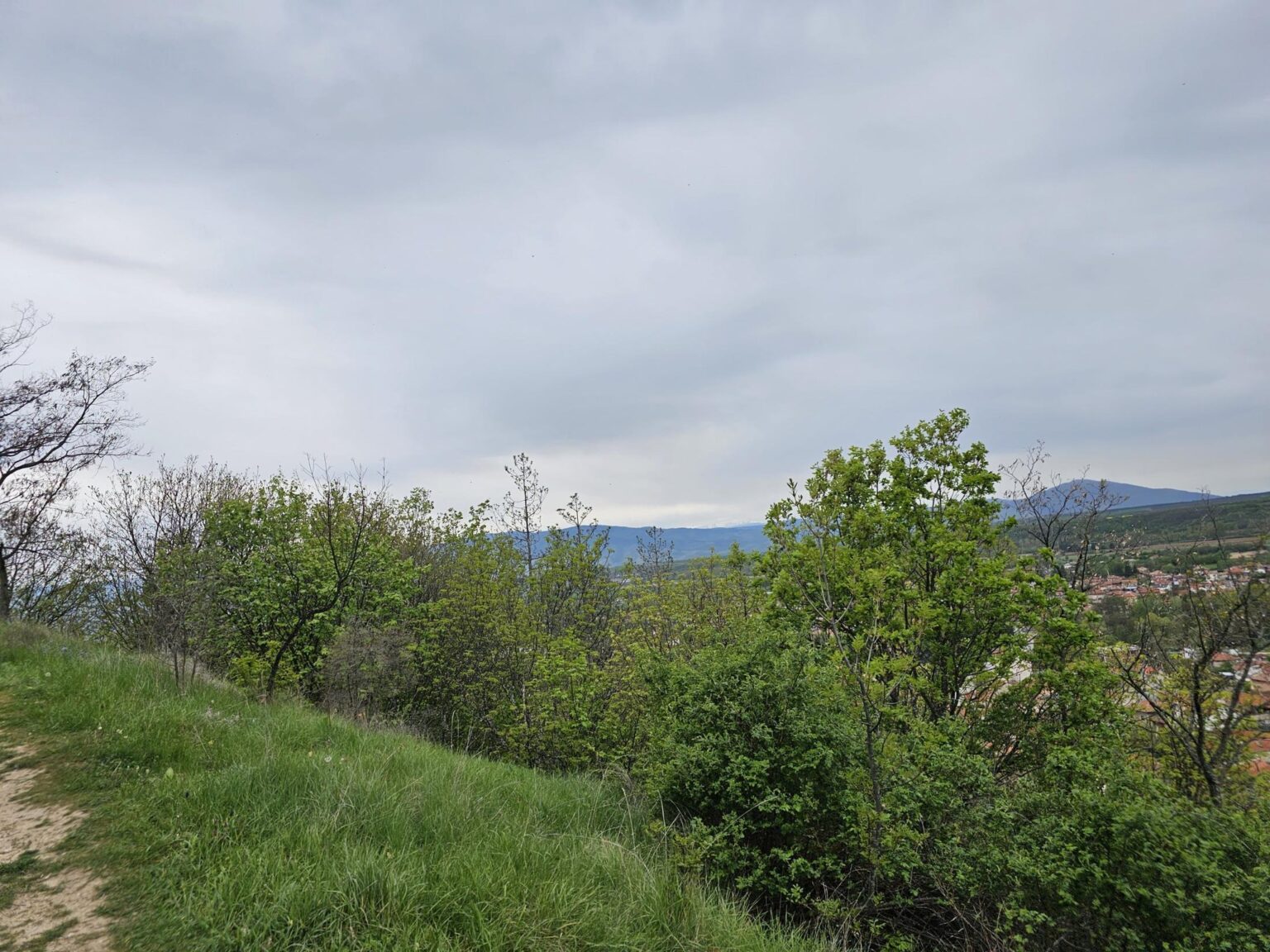
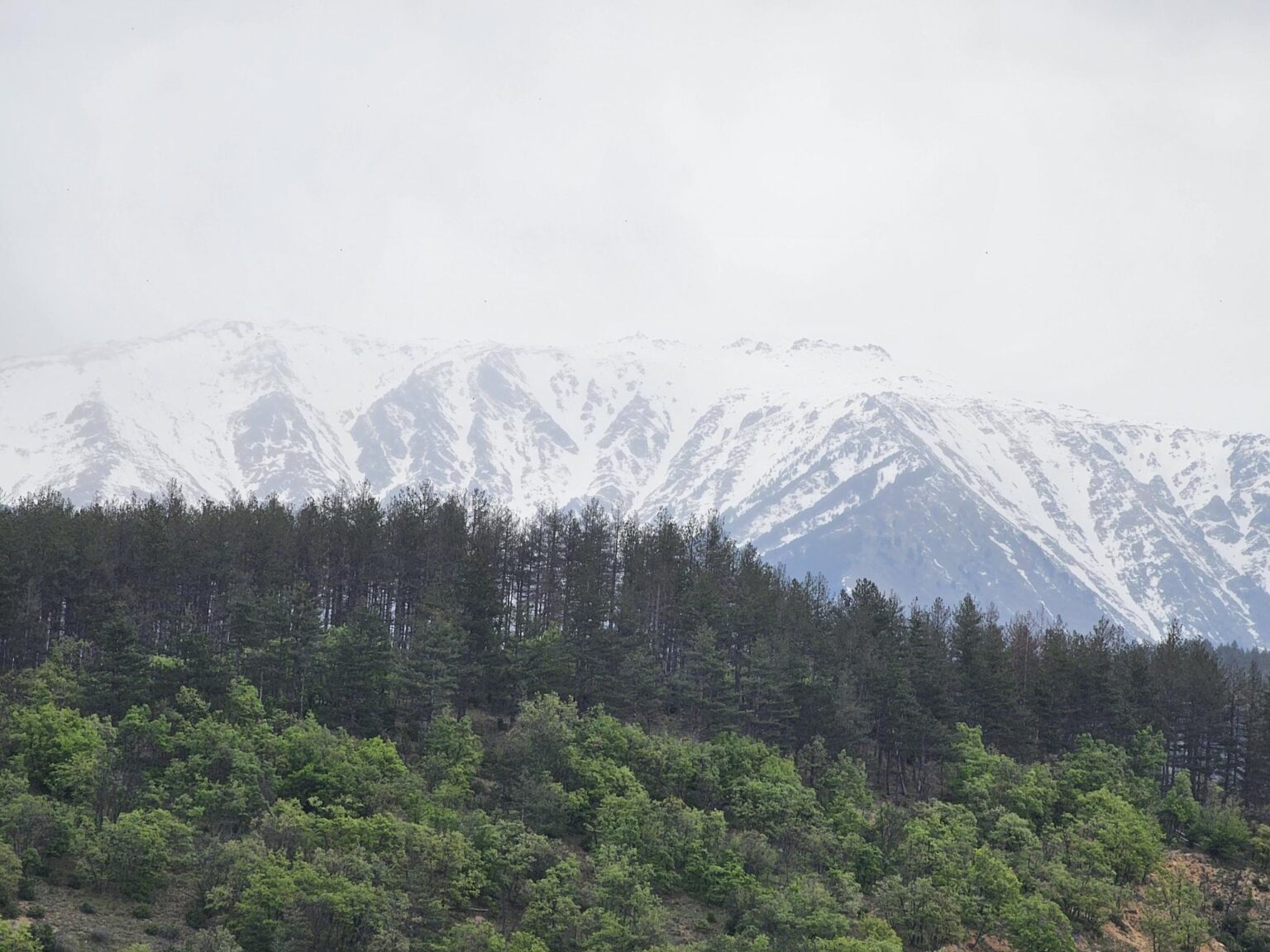
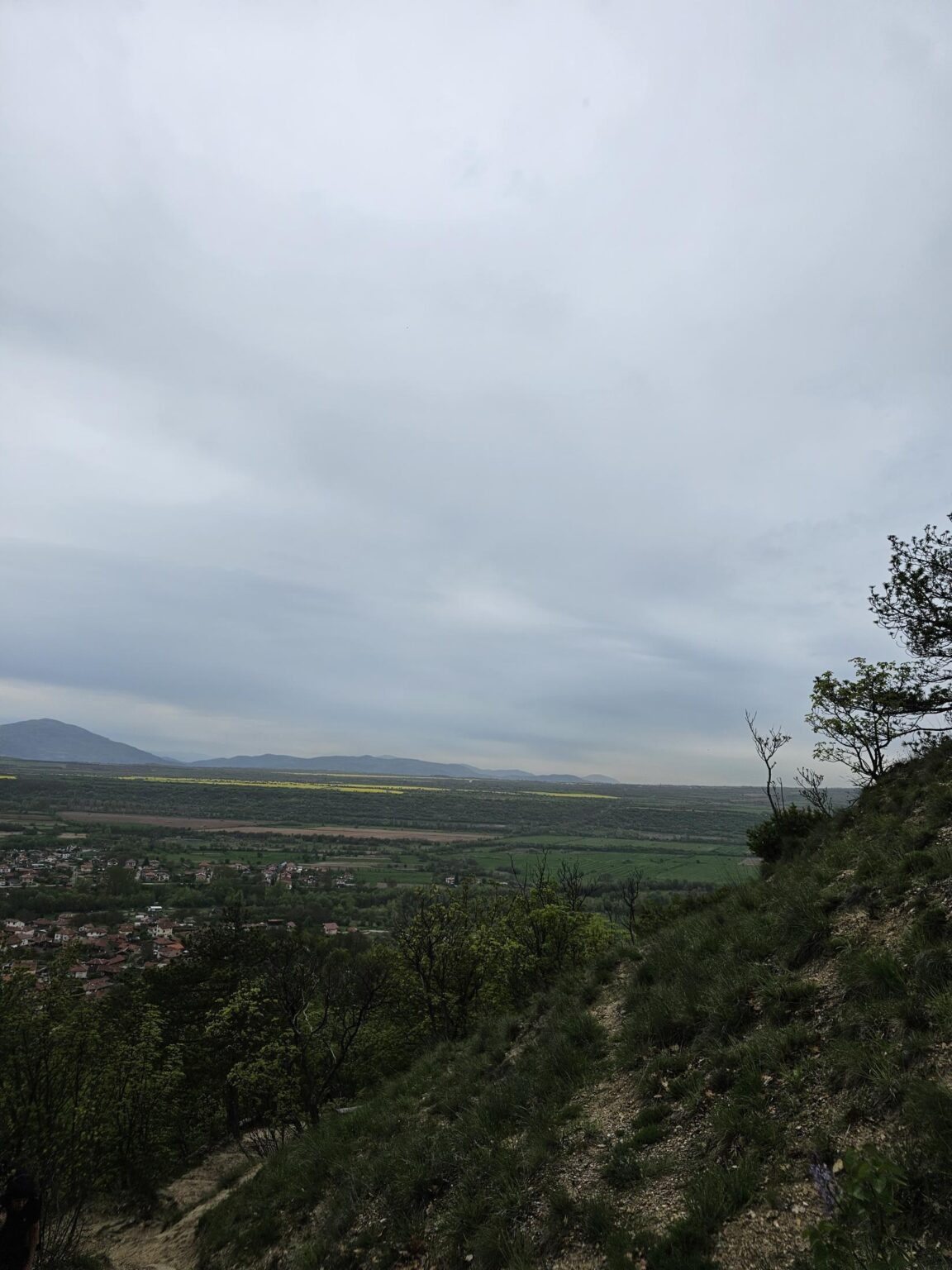
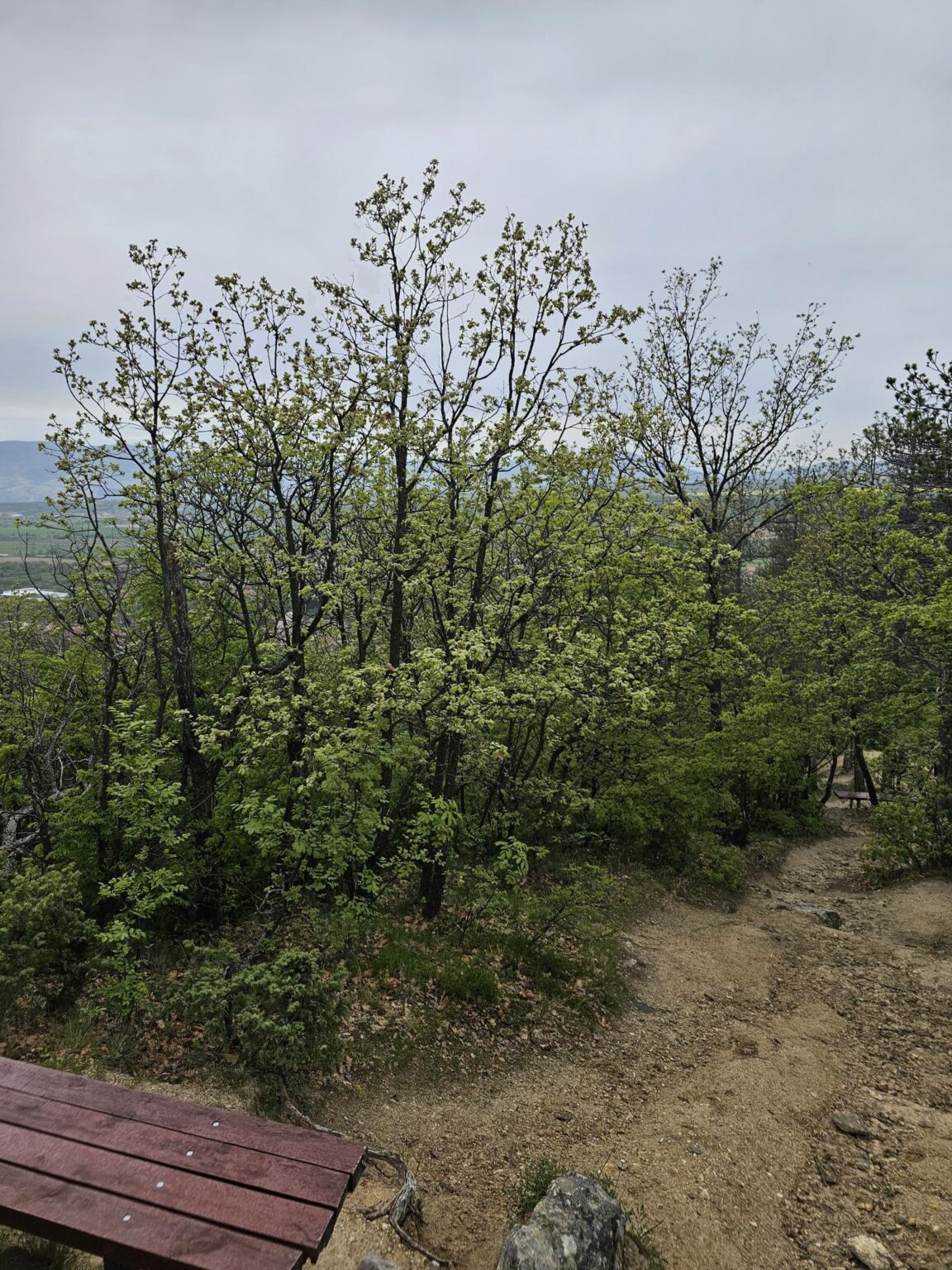
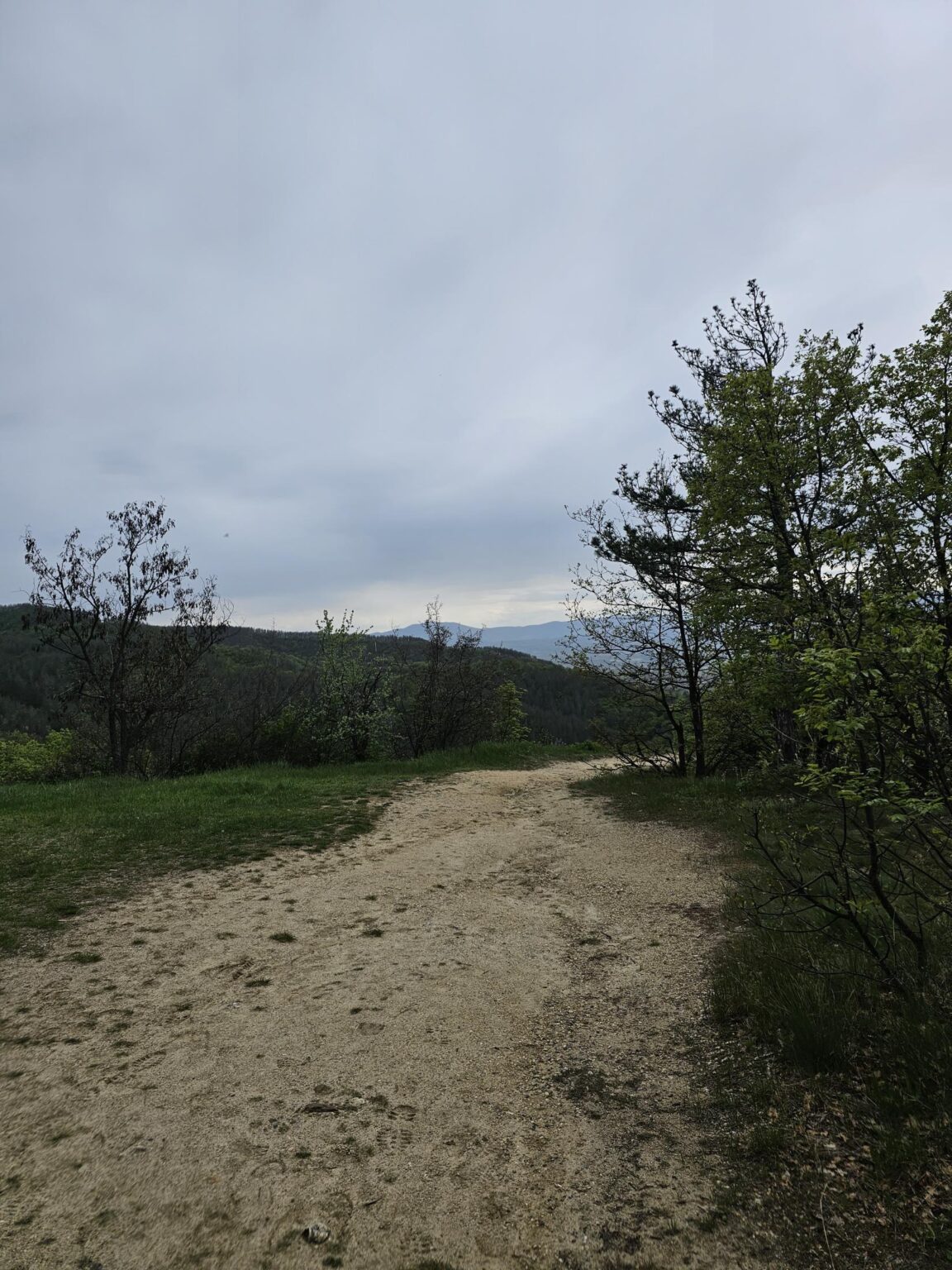
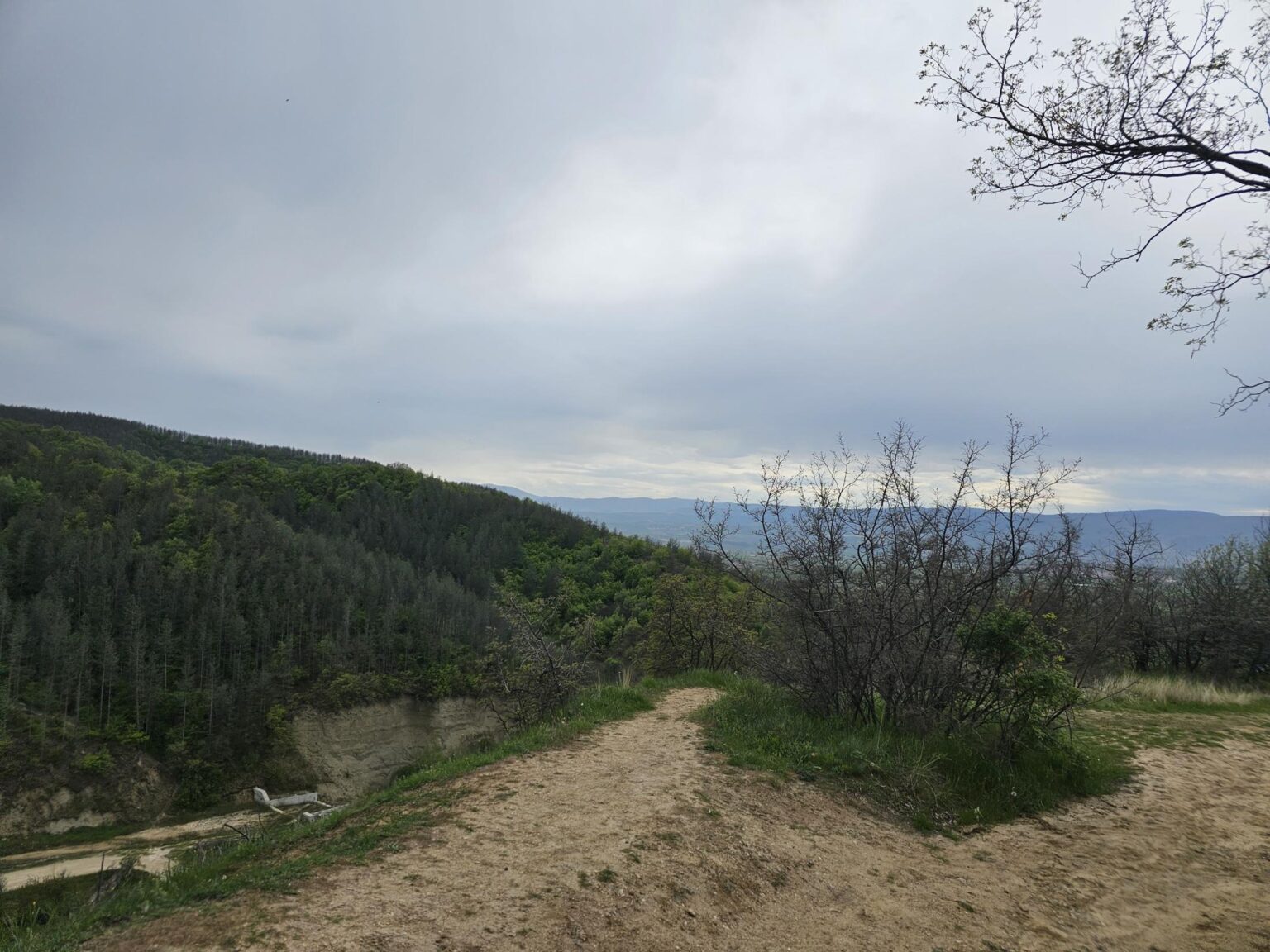
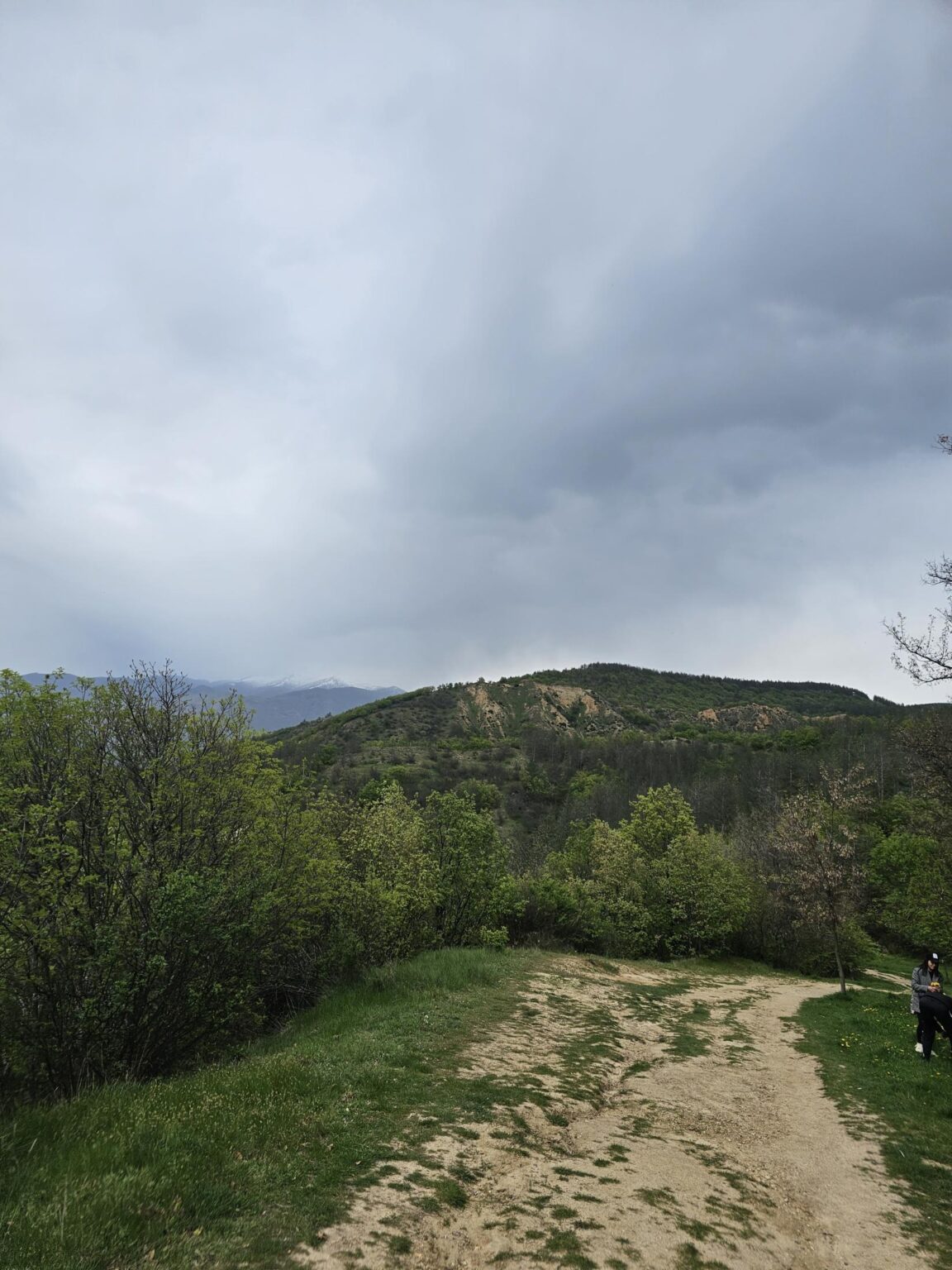
Knees complaining or not, the descent is noticeably faster — around 20 minutes. On the way up, from about the twentieth minute of walking, panoramas open in every direction, as you can see:
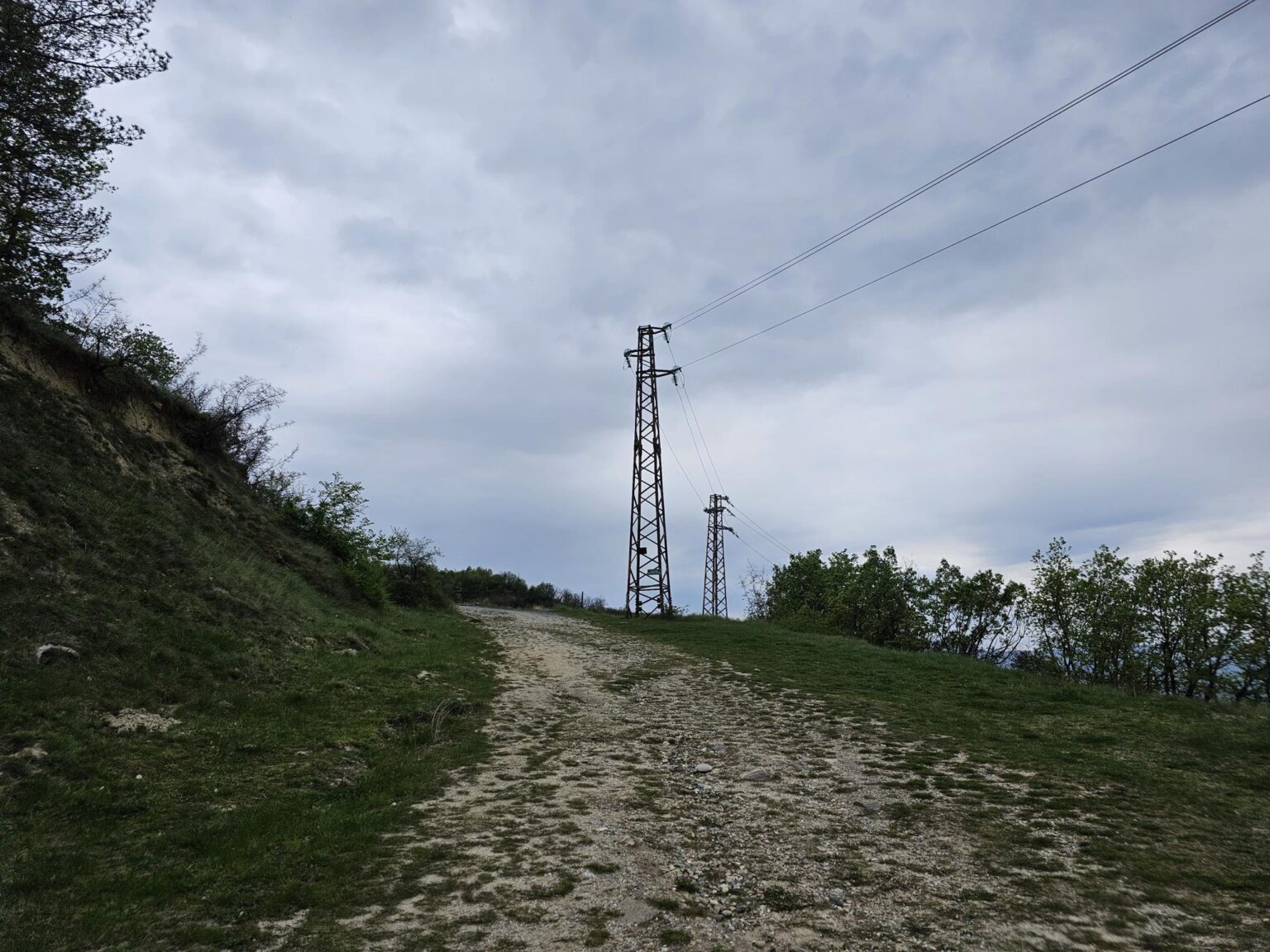
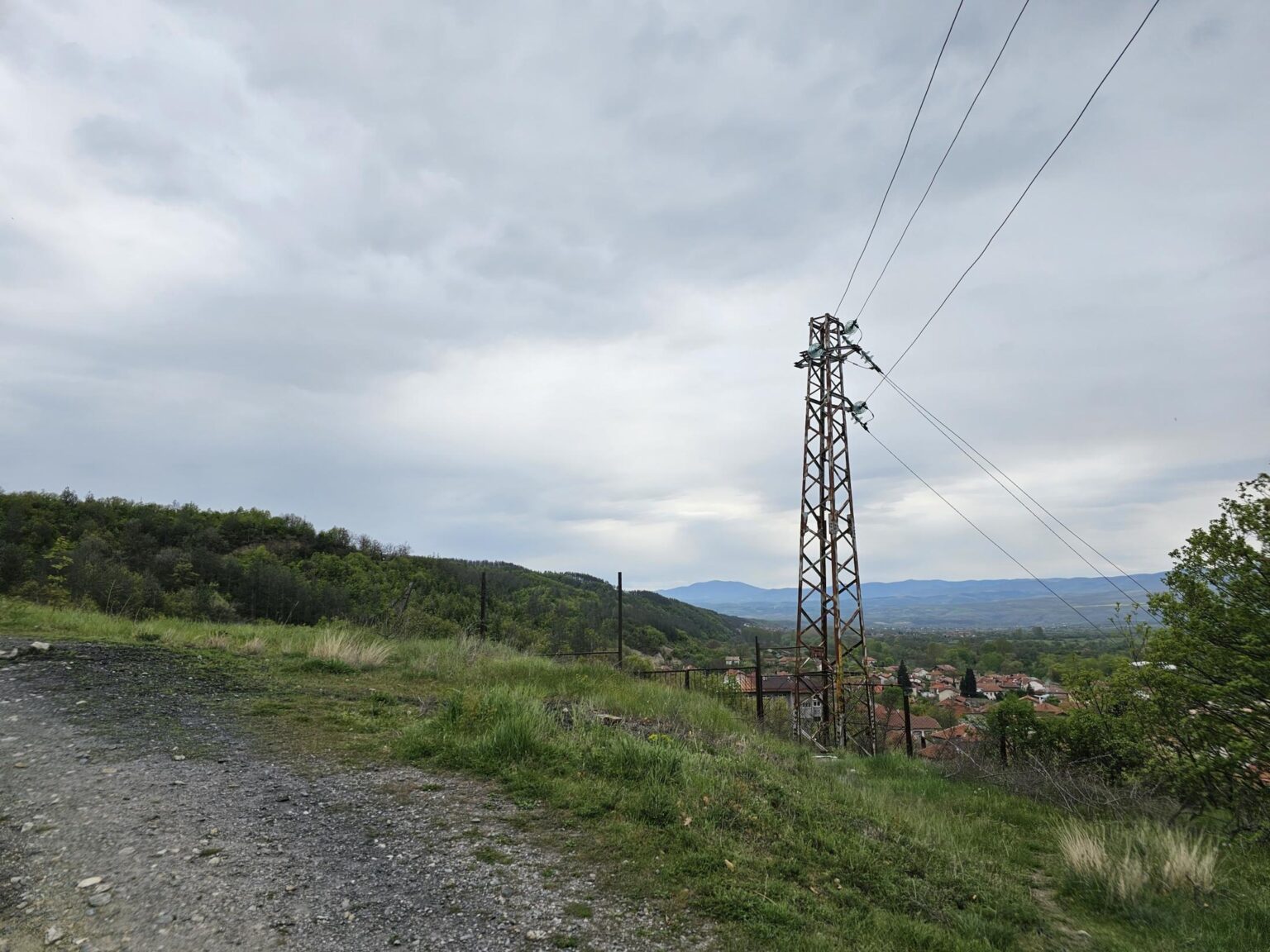
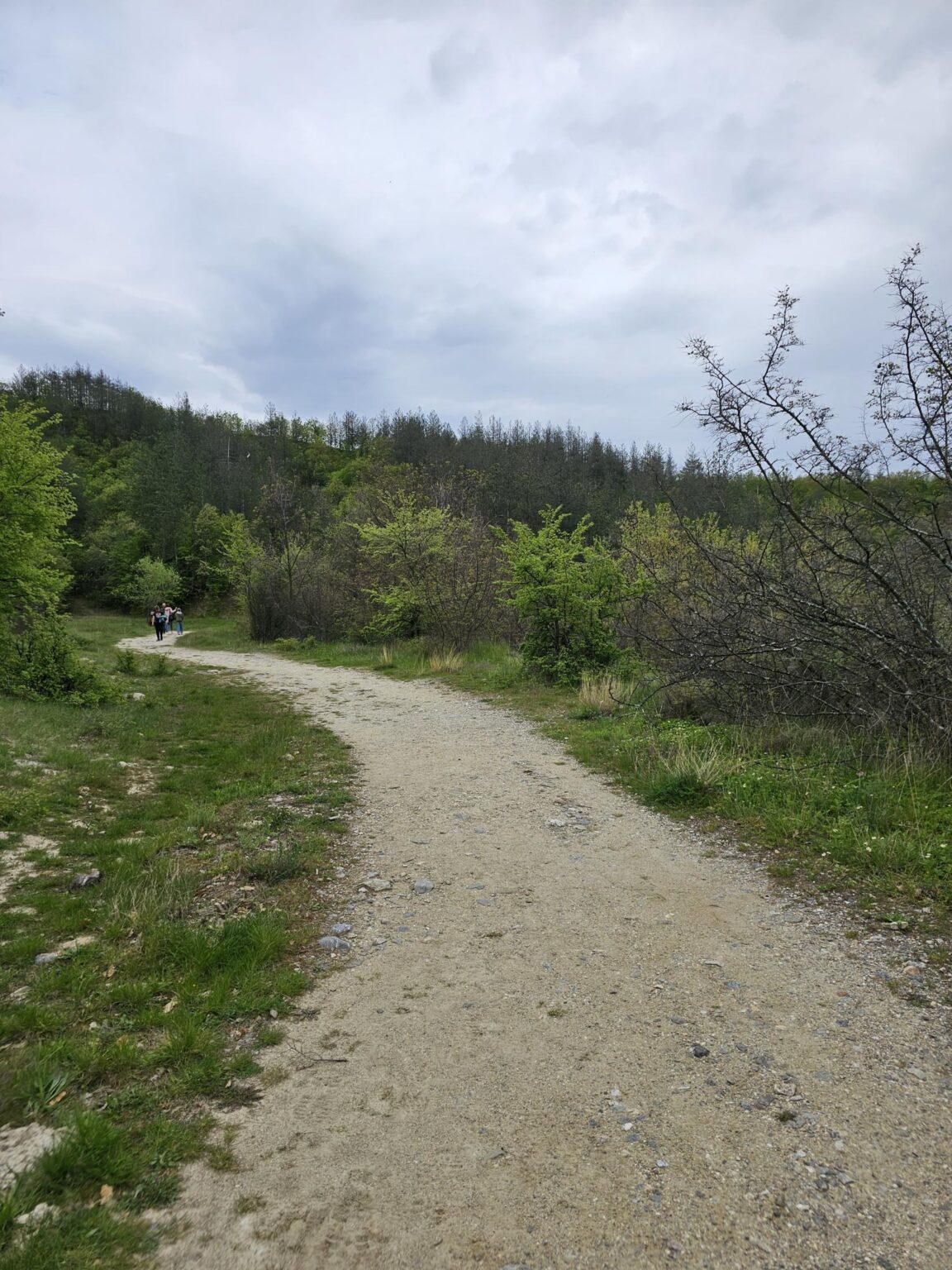
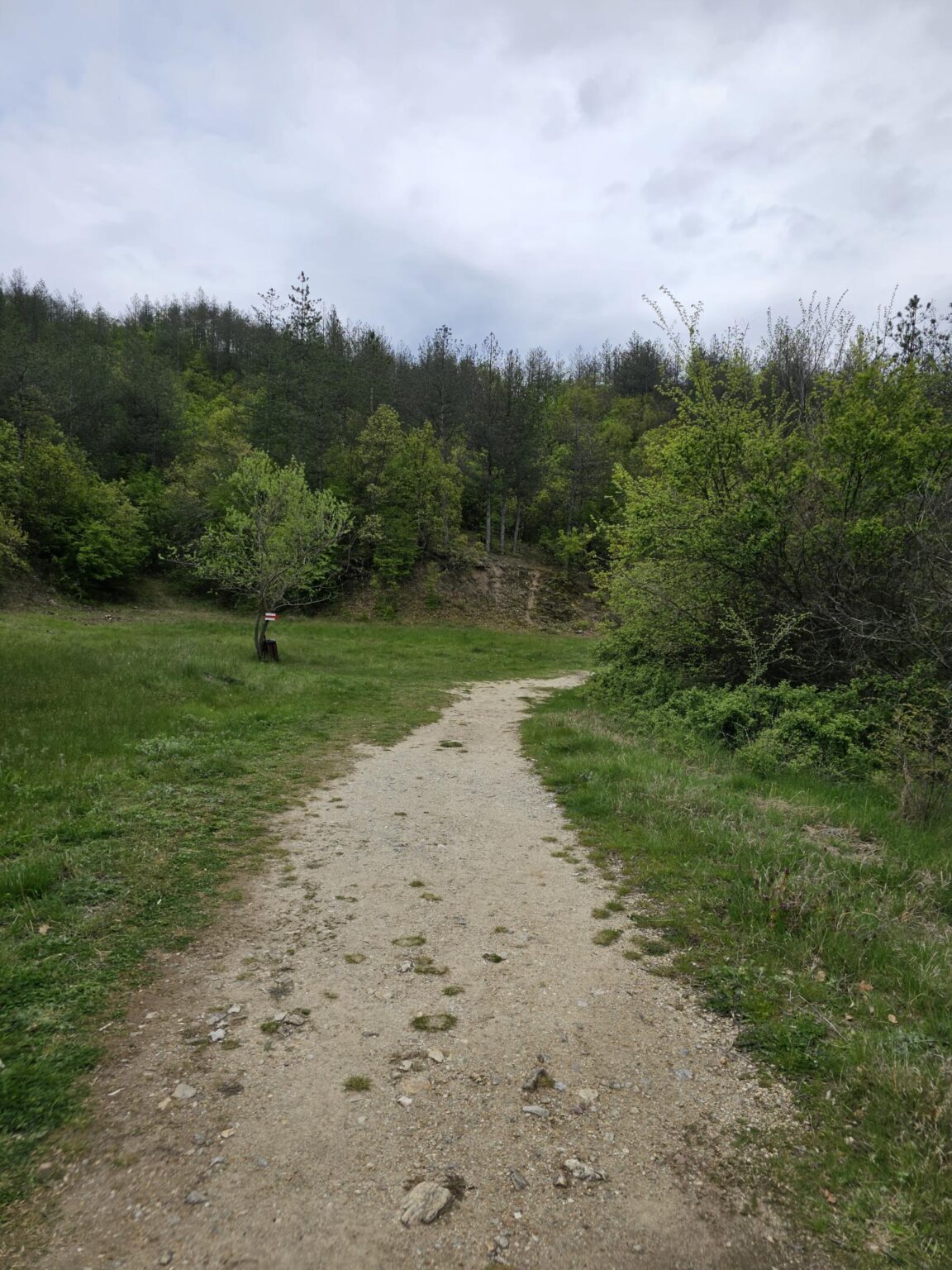
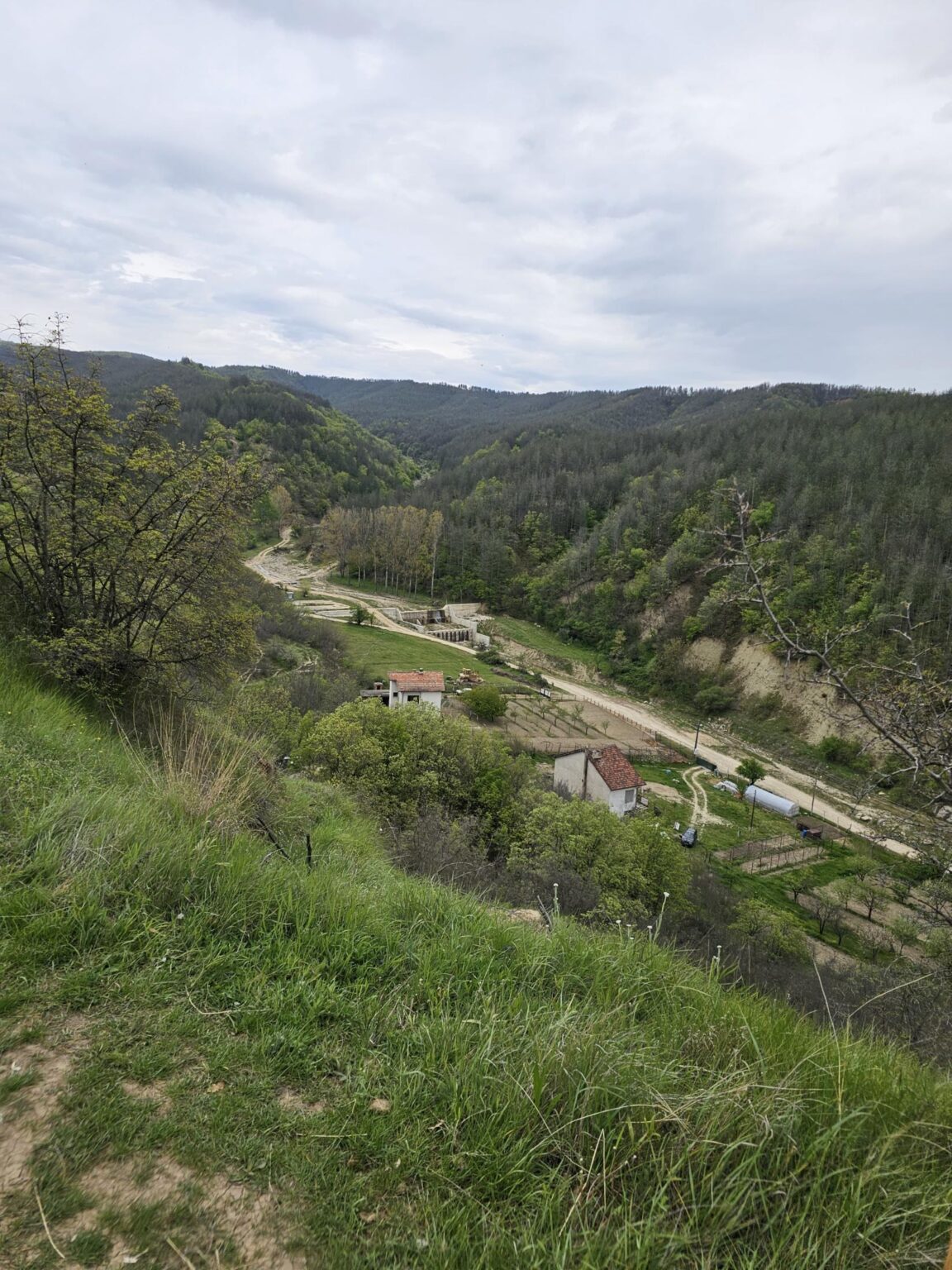
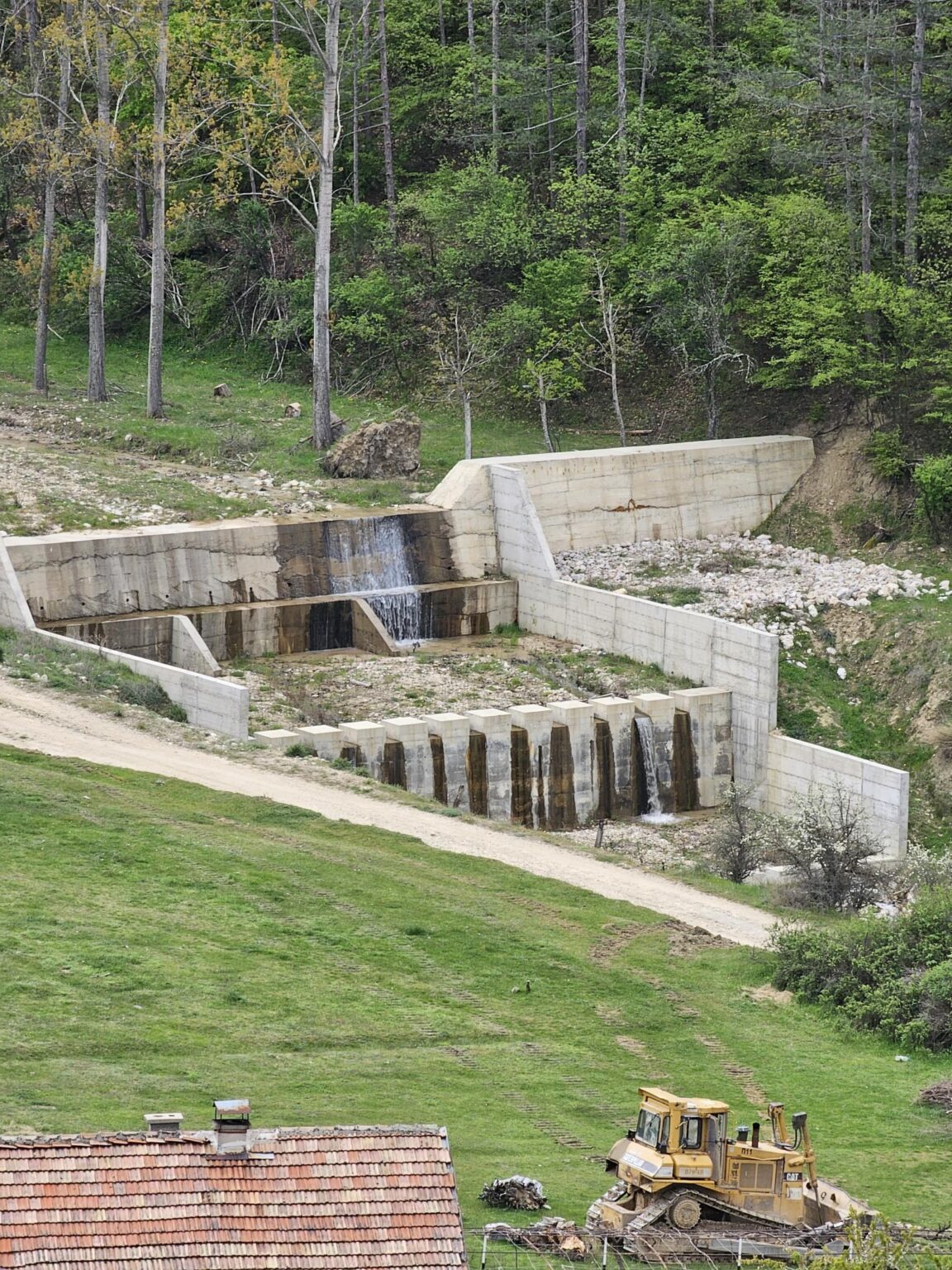
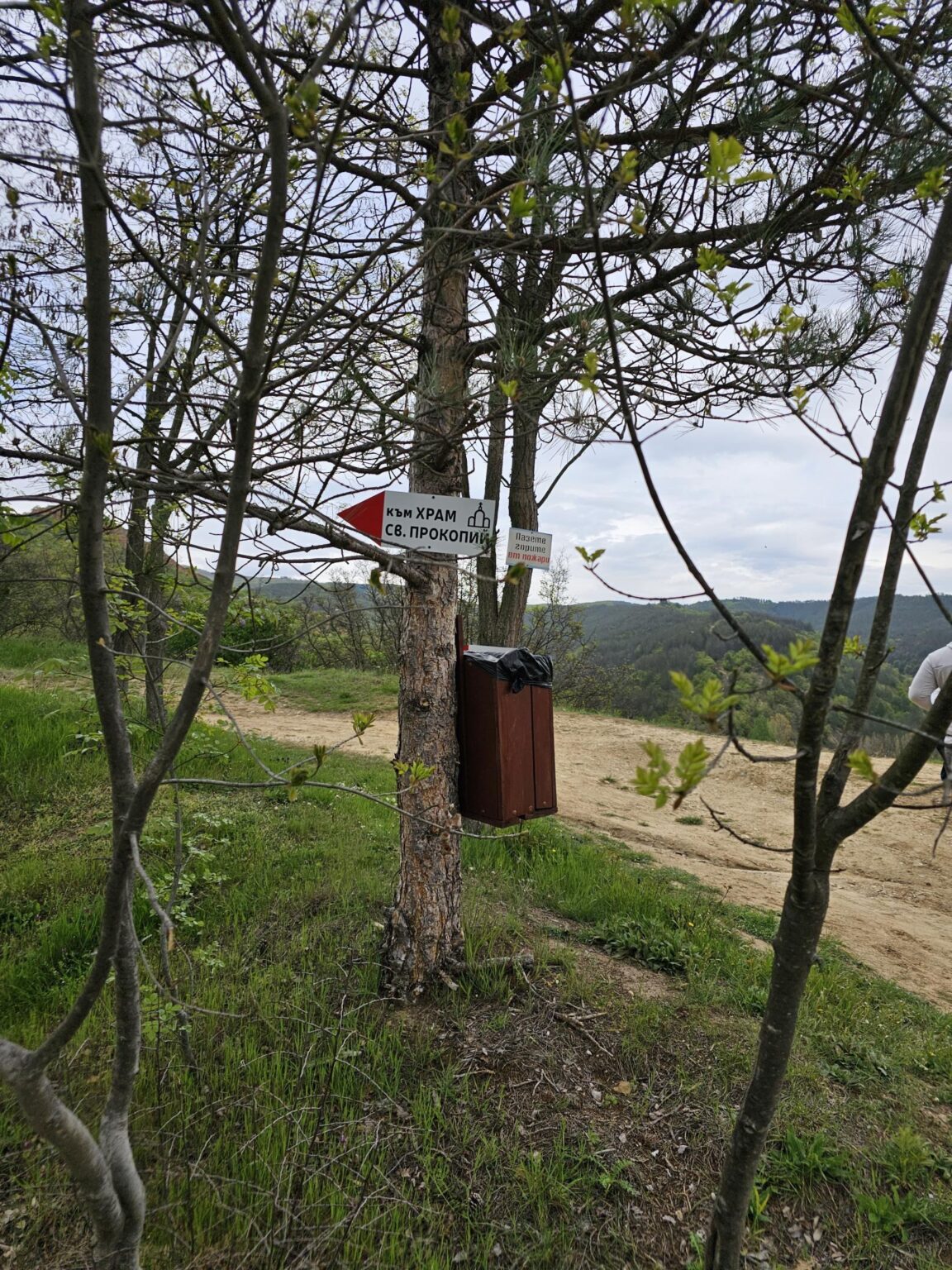
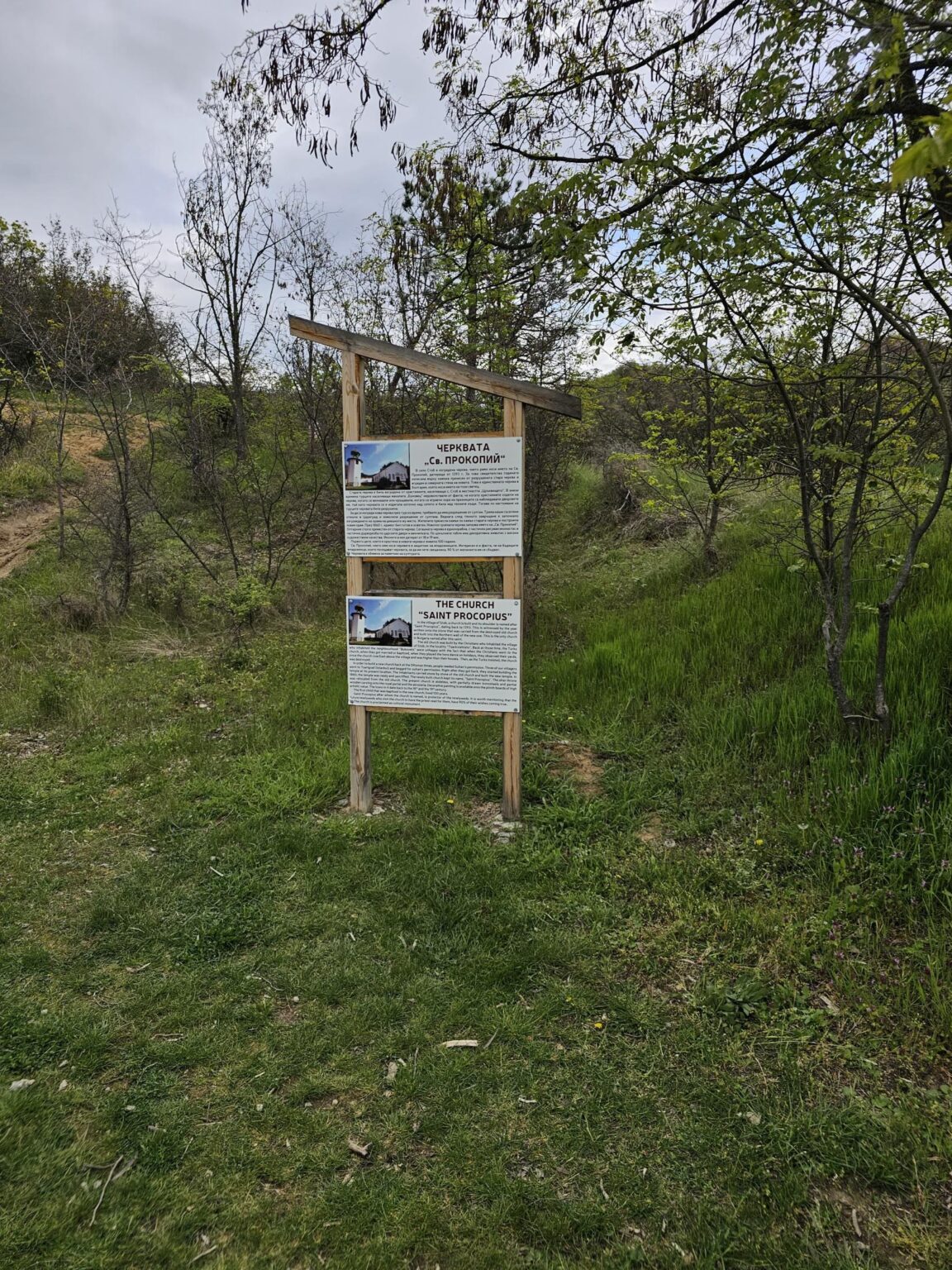
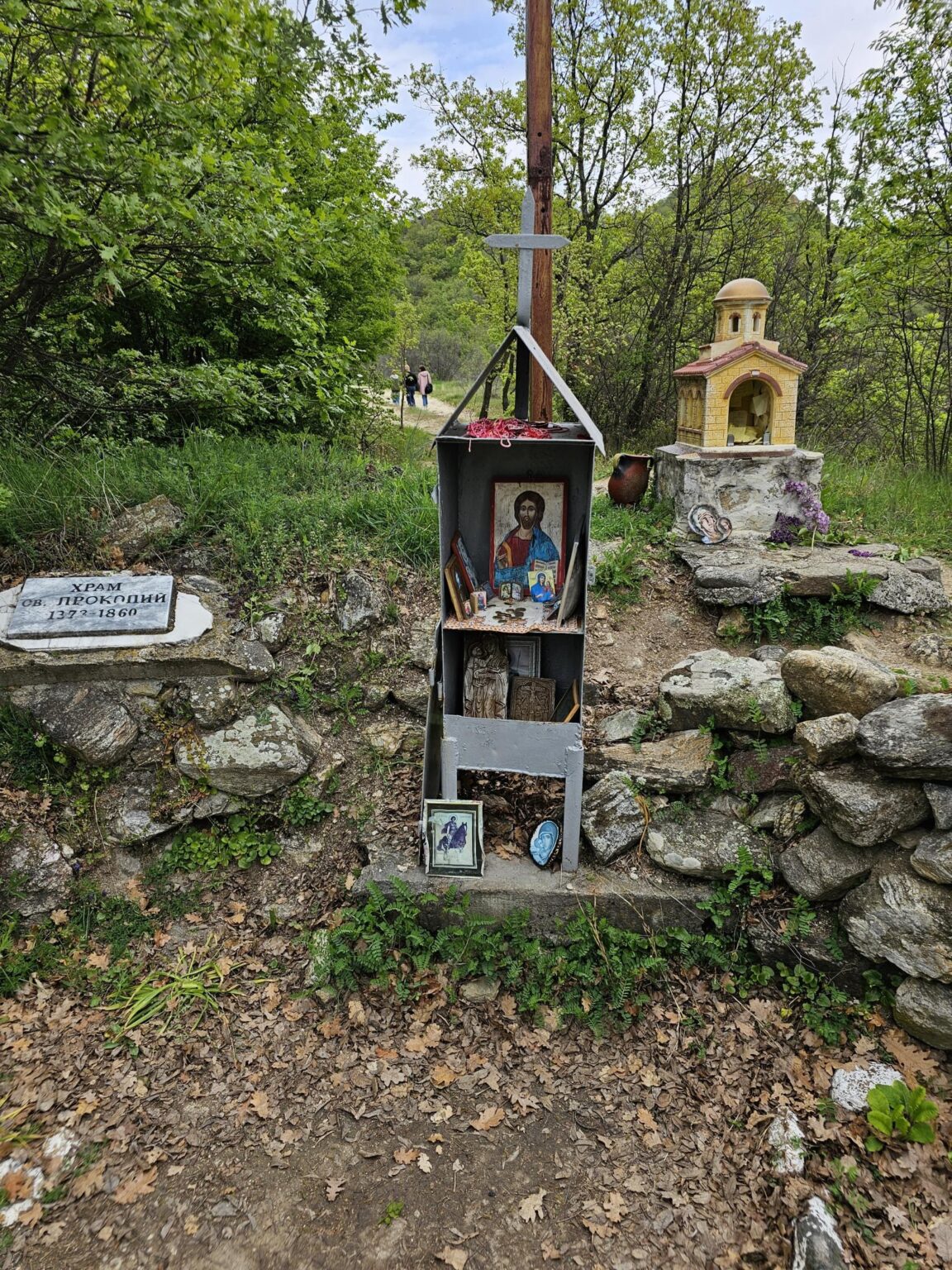
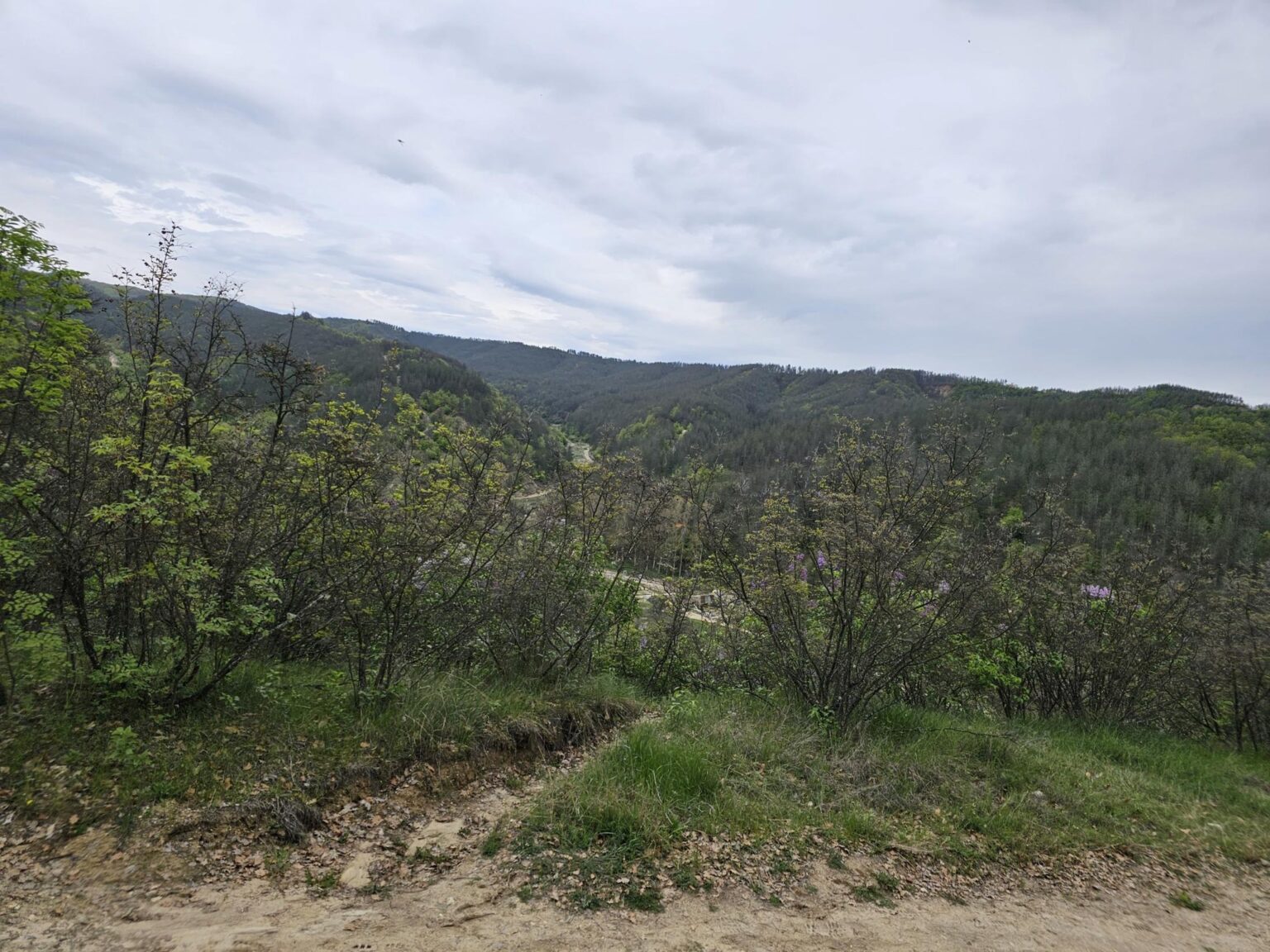
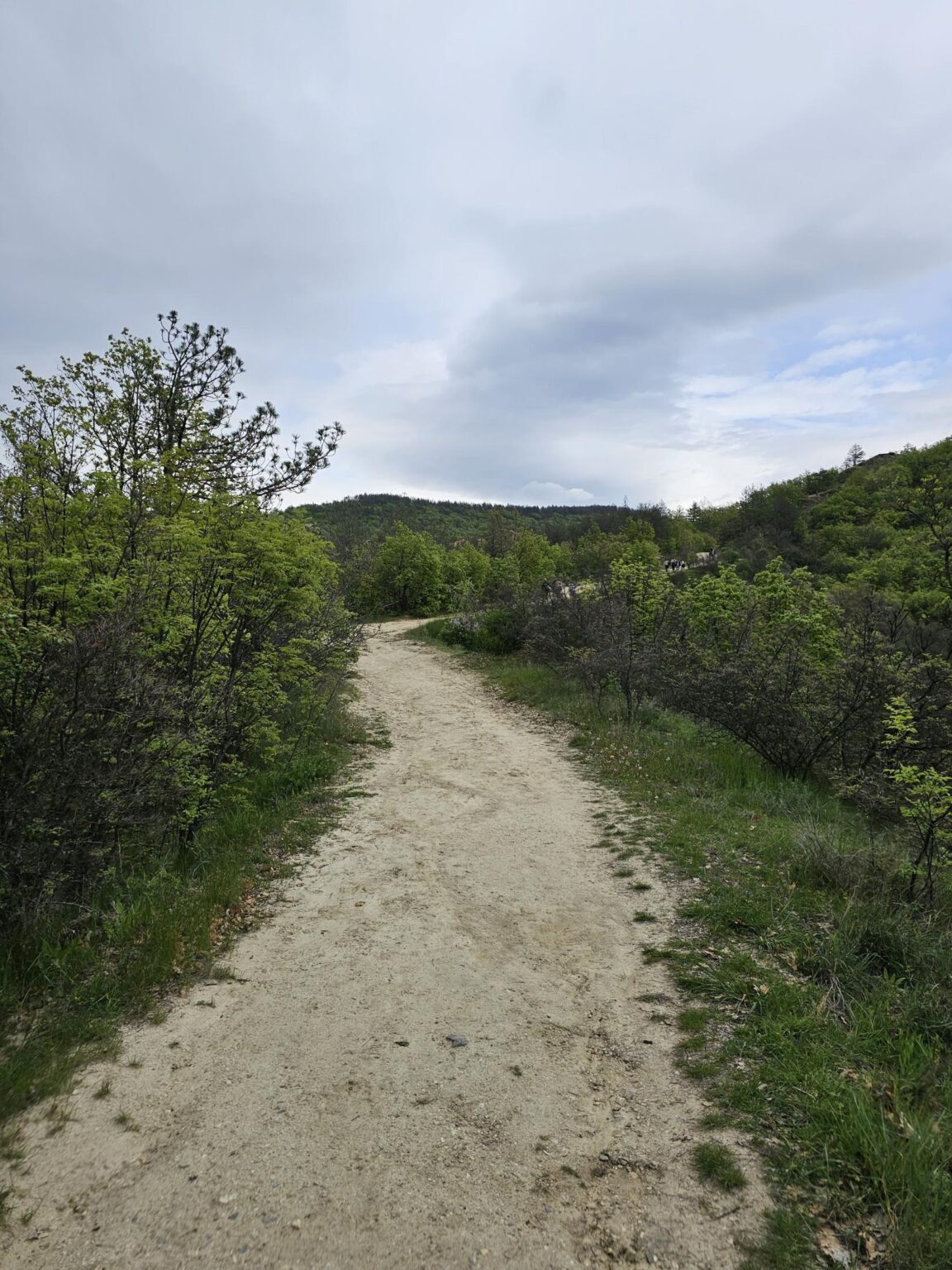
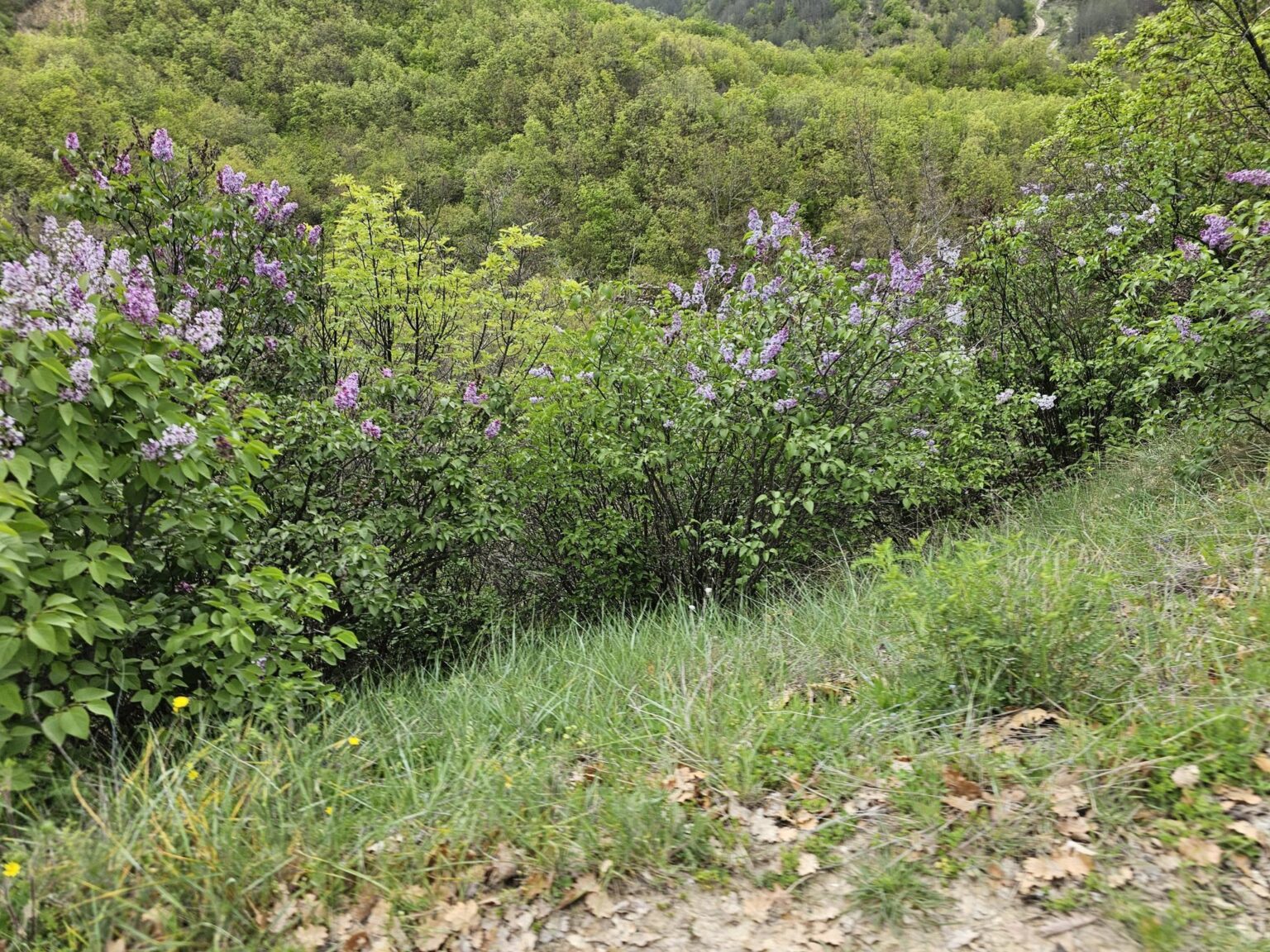
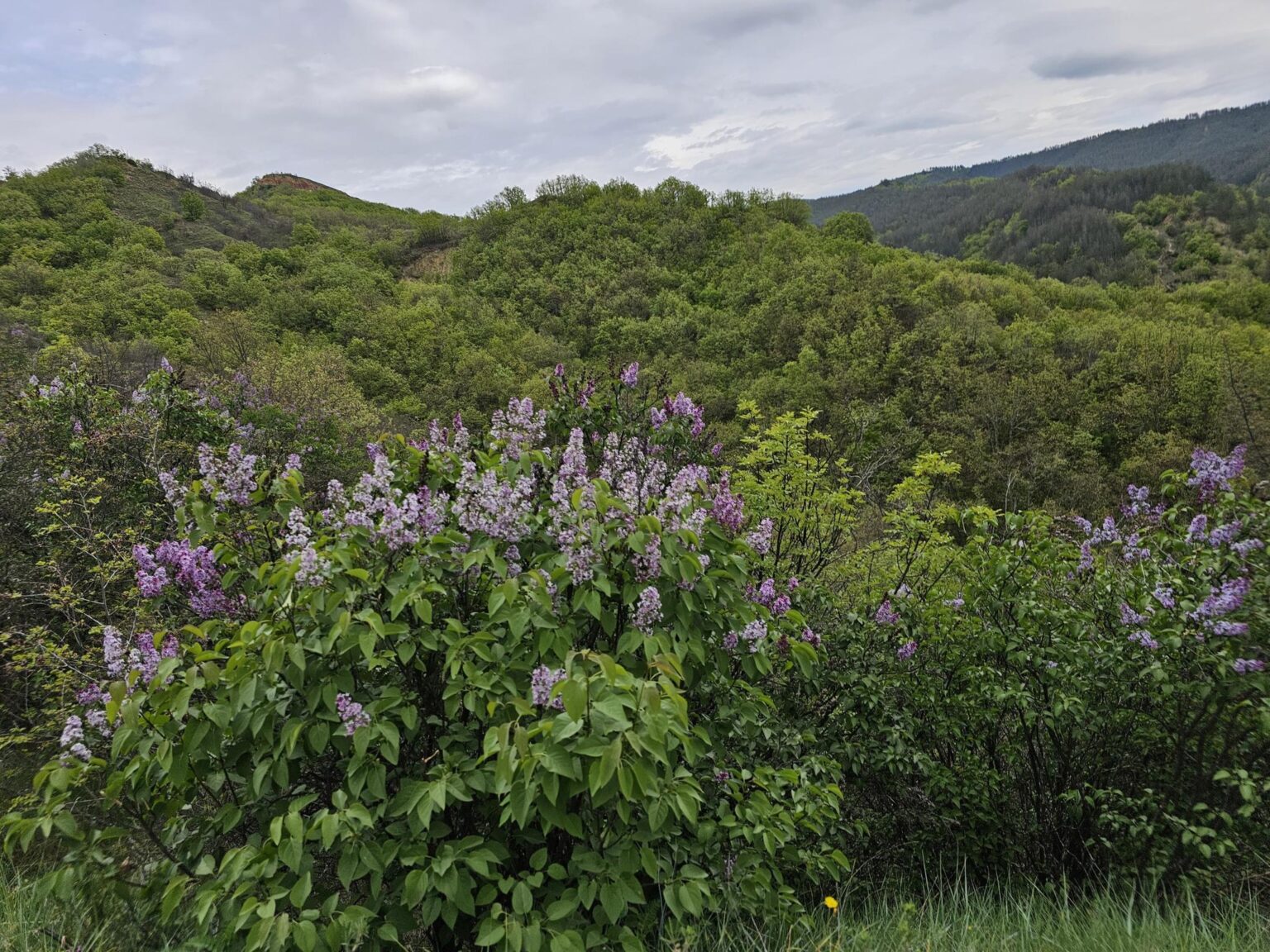
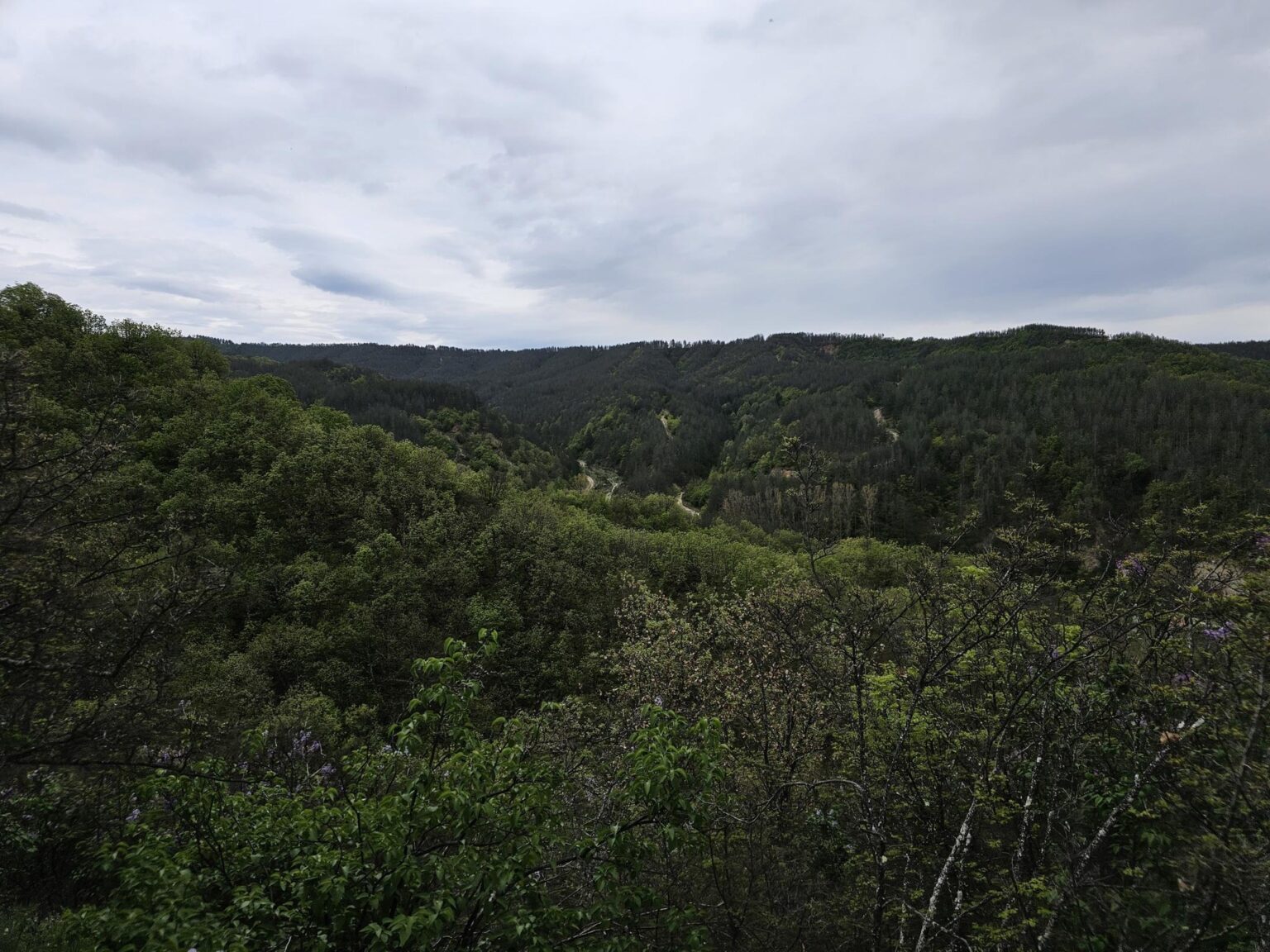
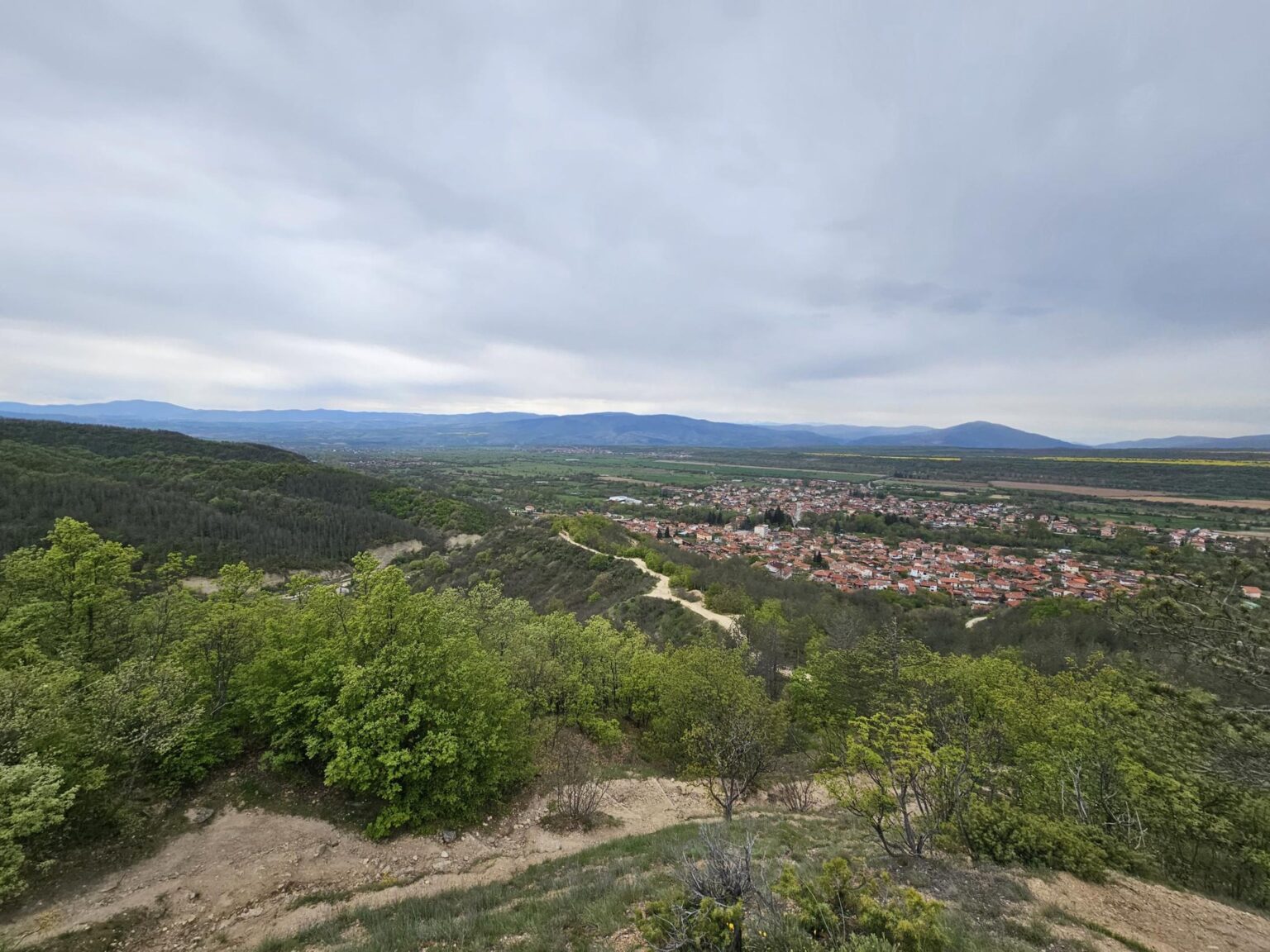
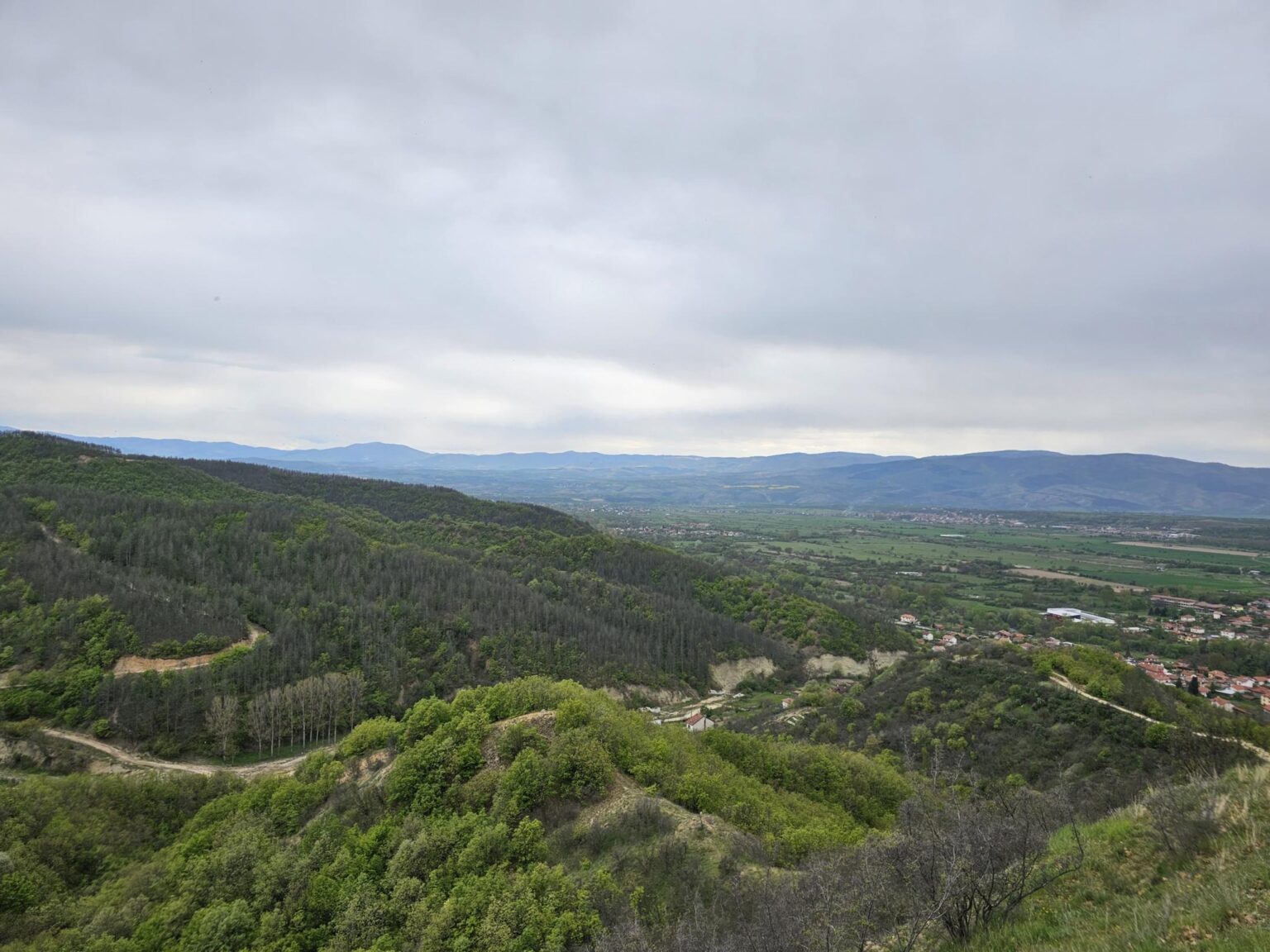
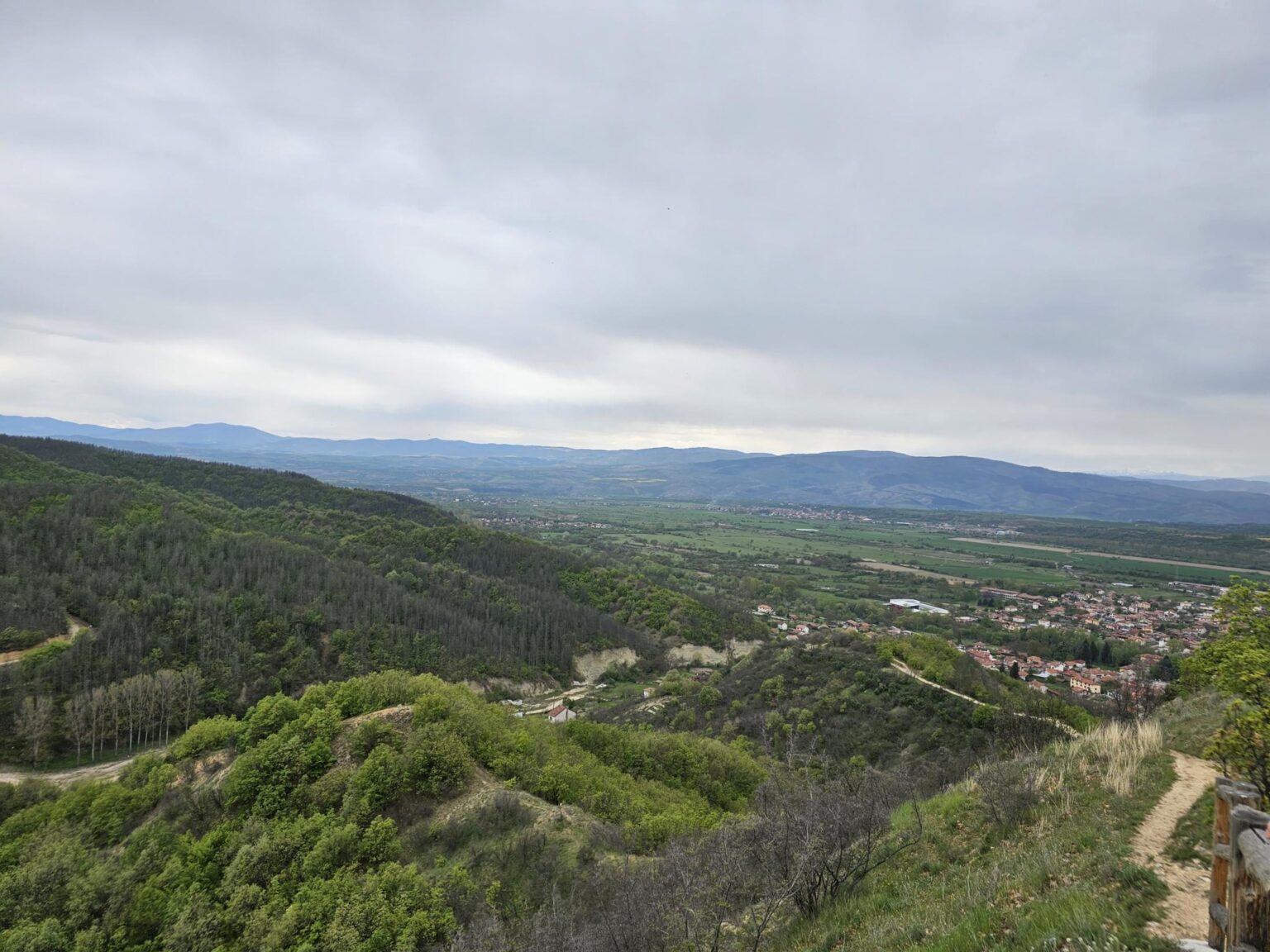
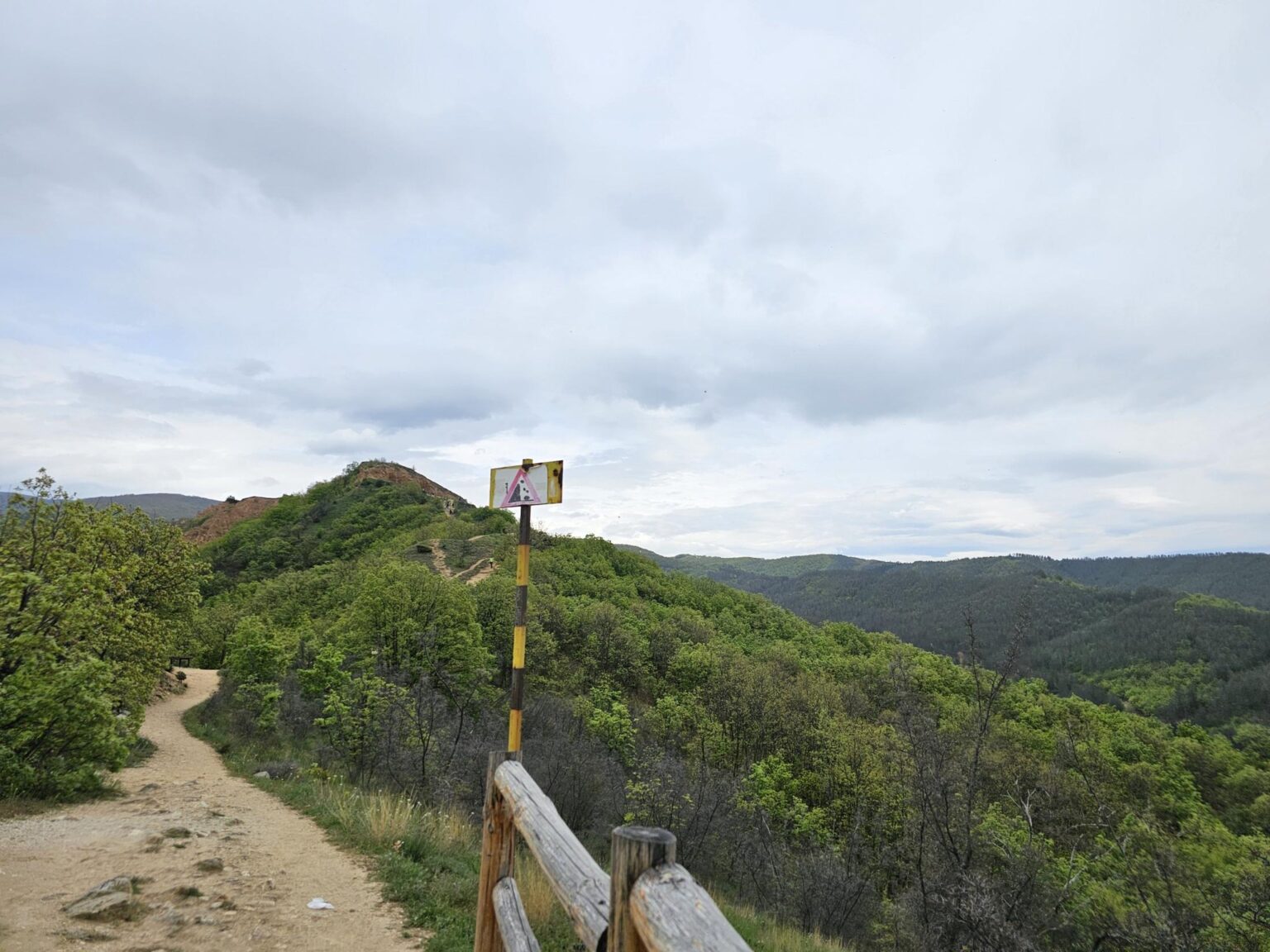
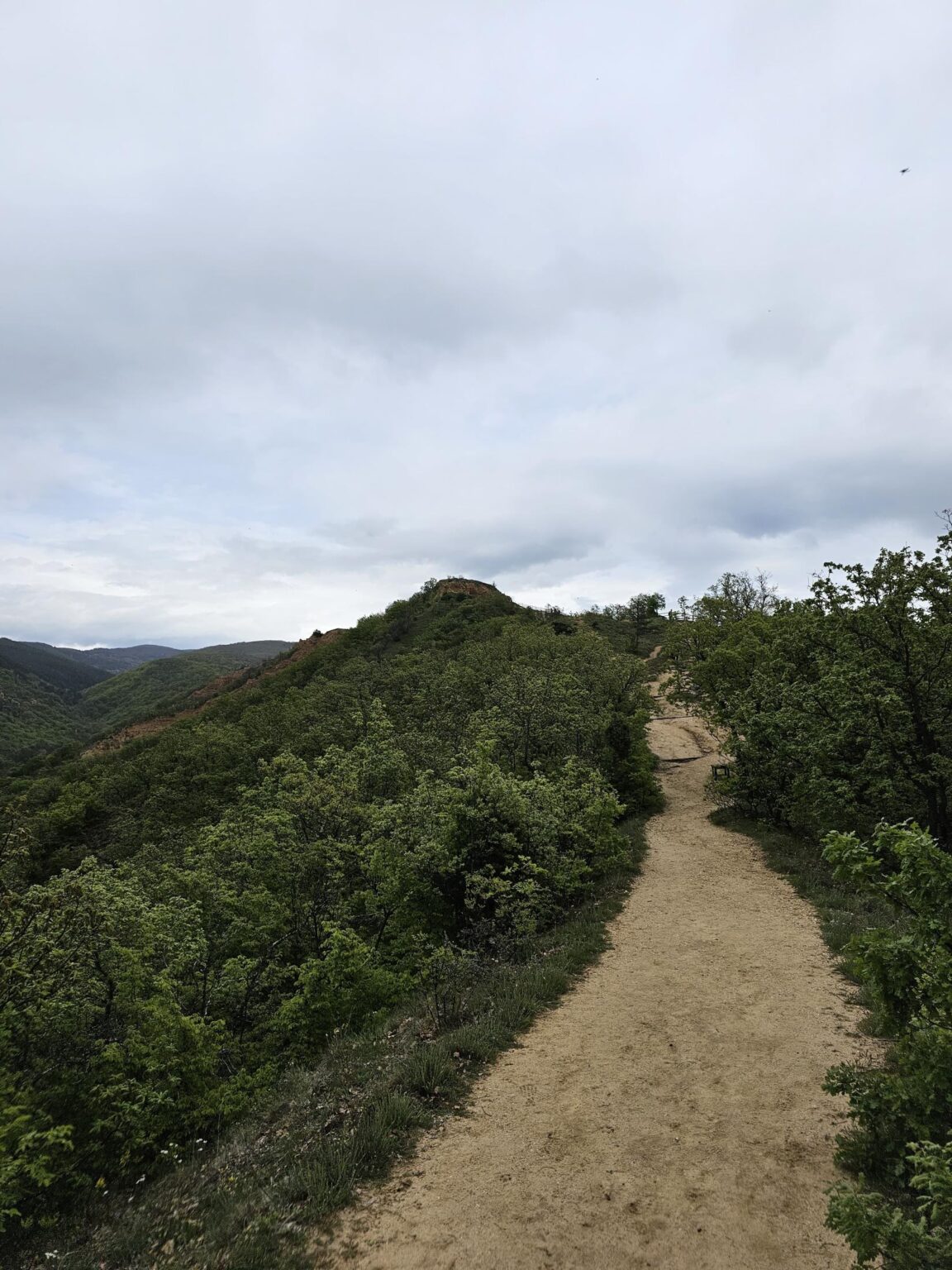
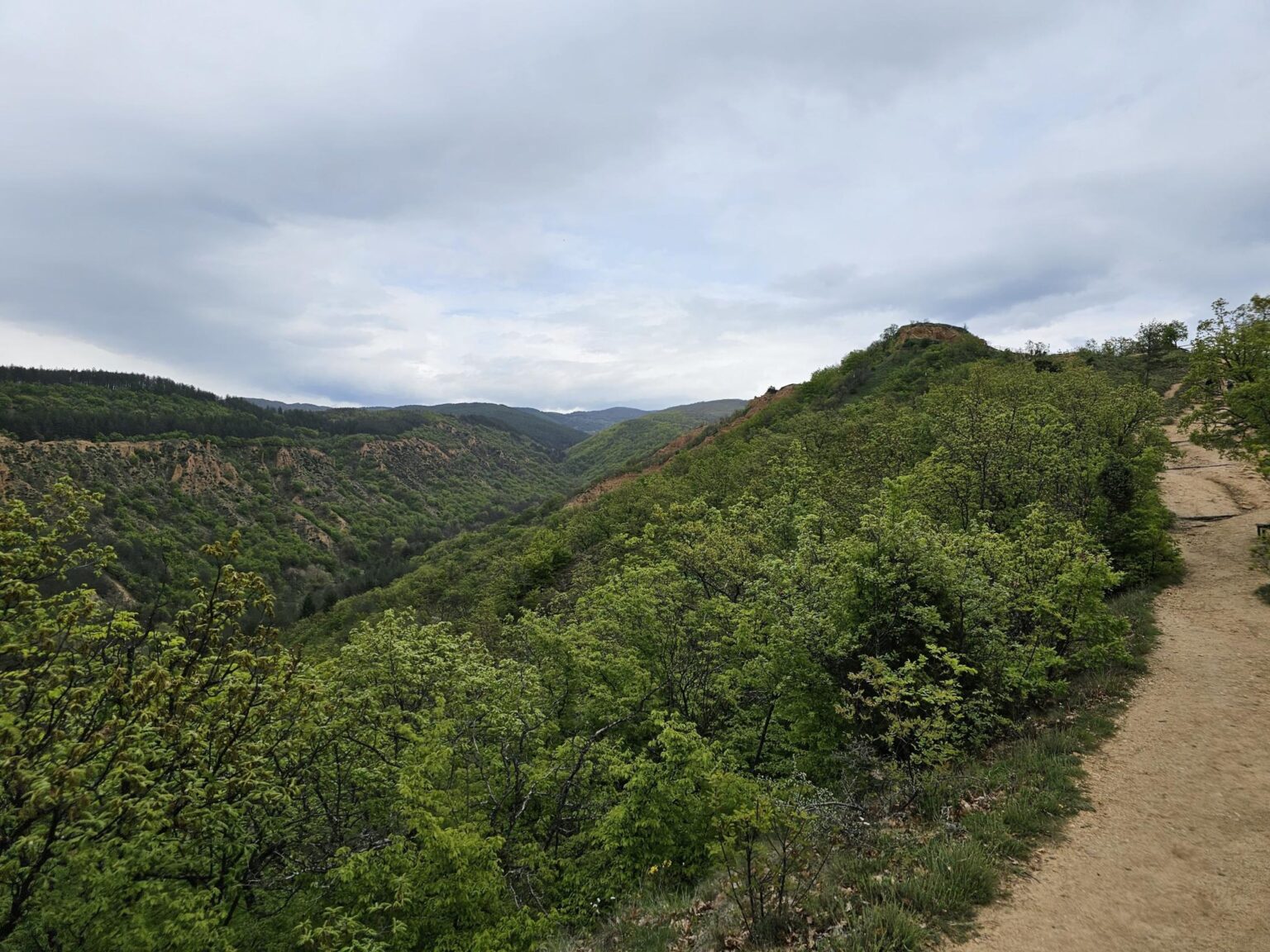
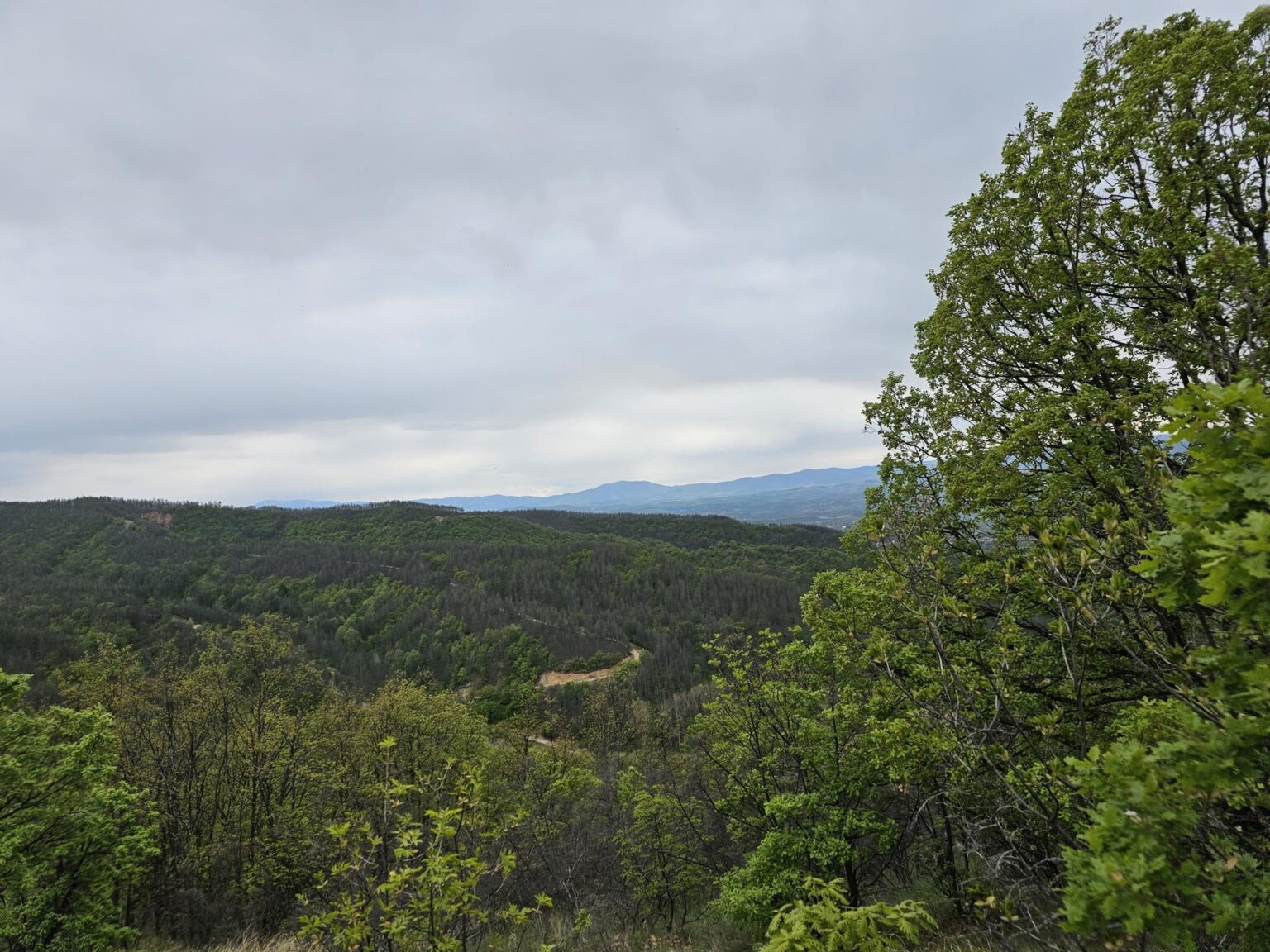
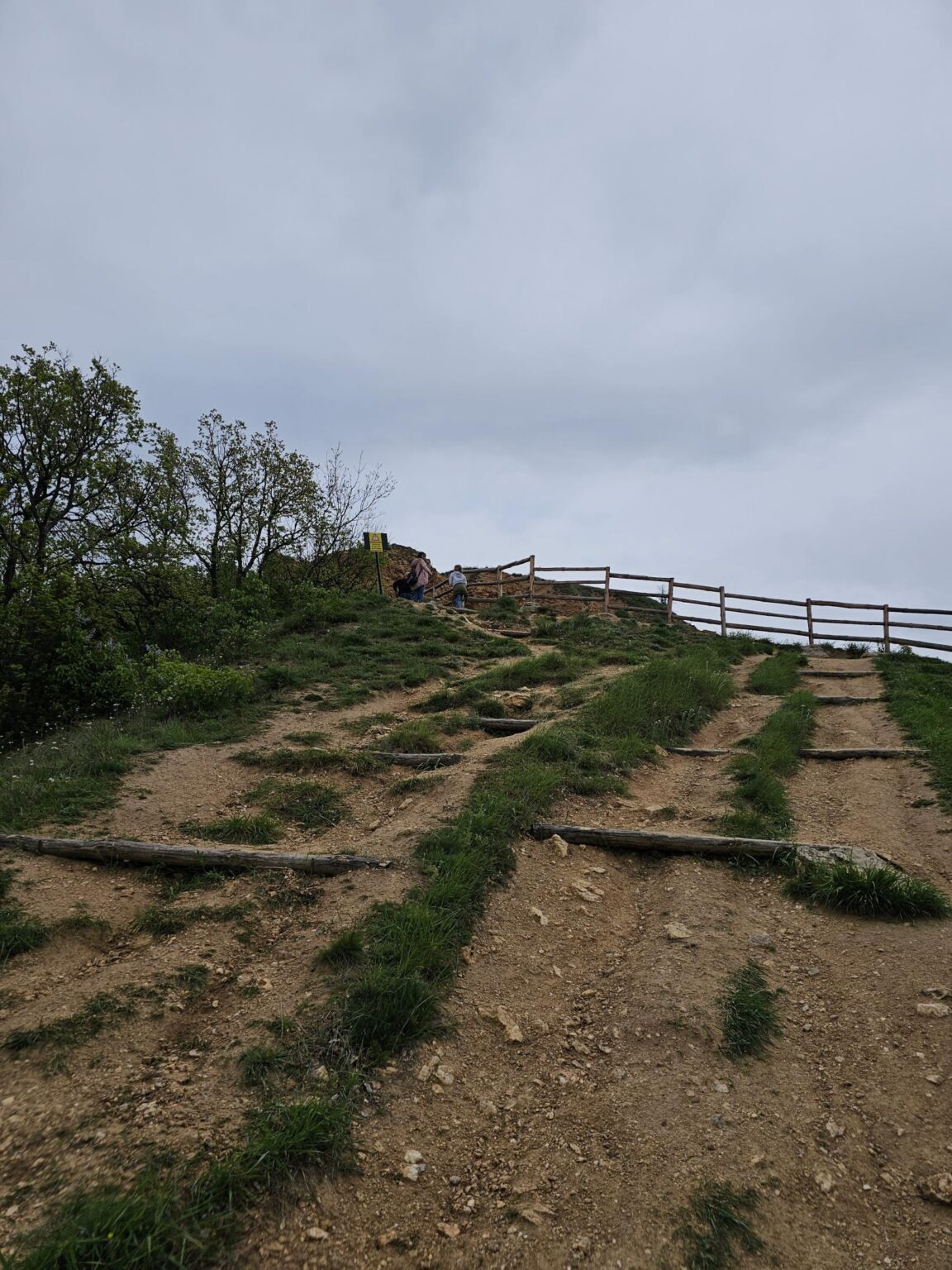
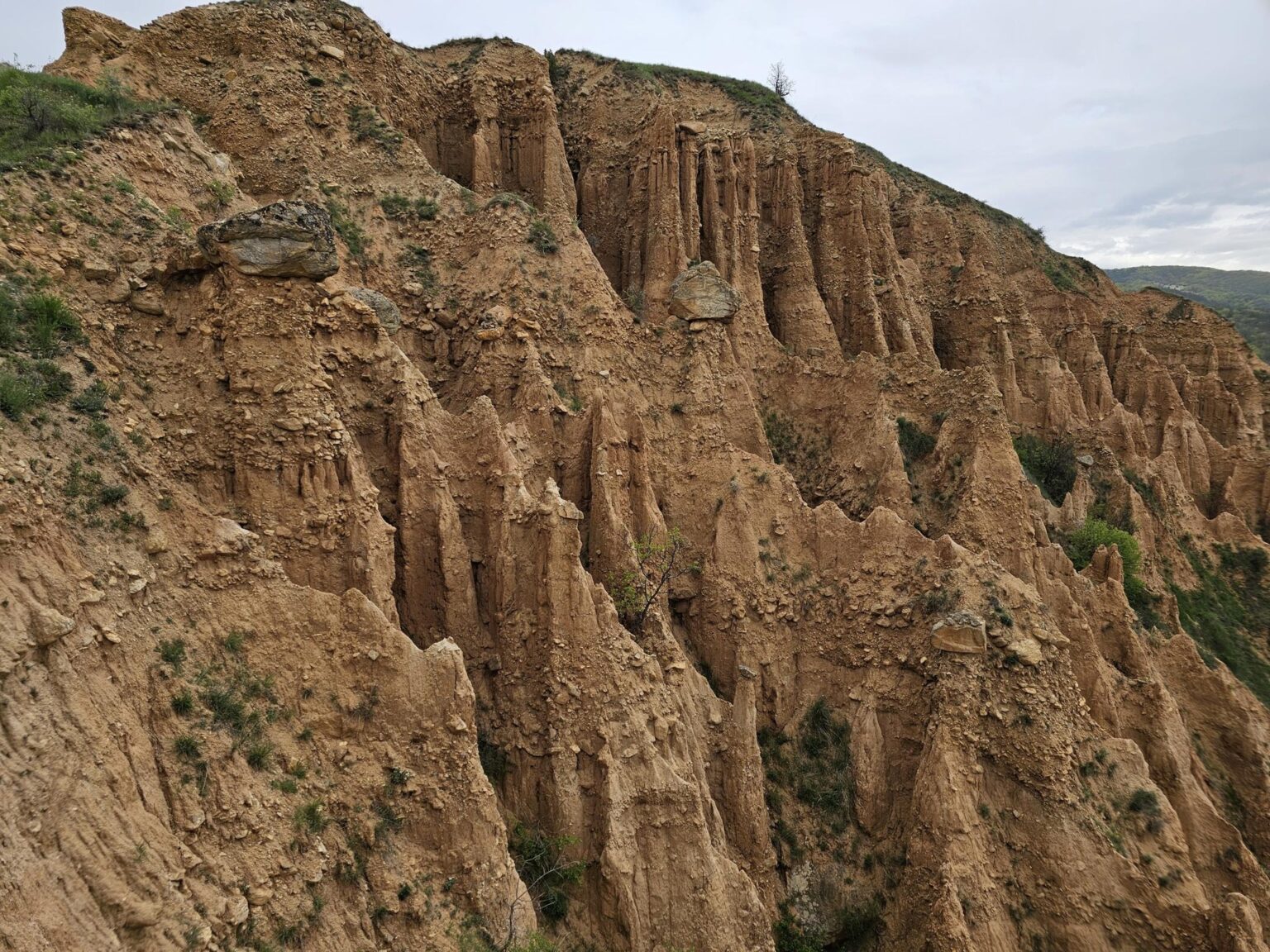
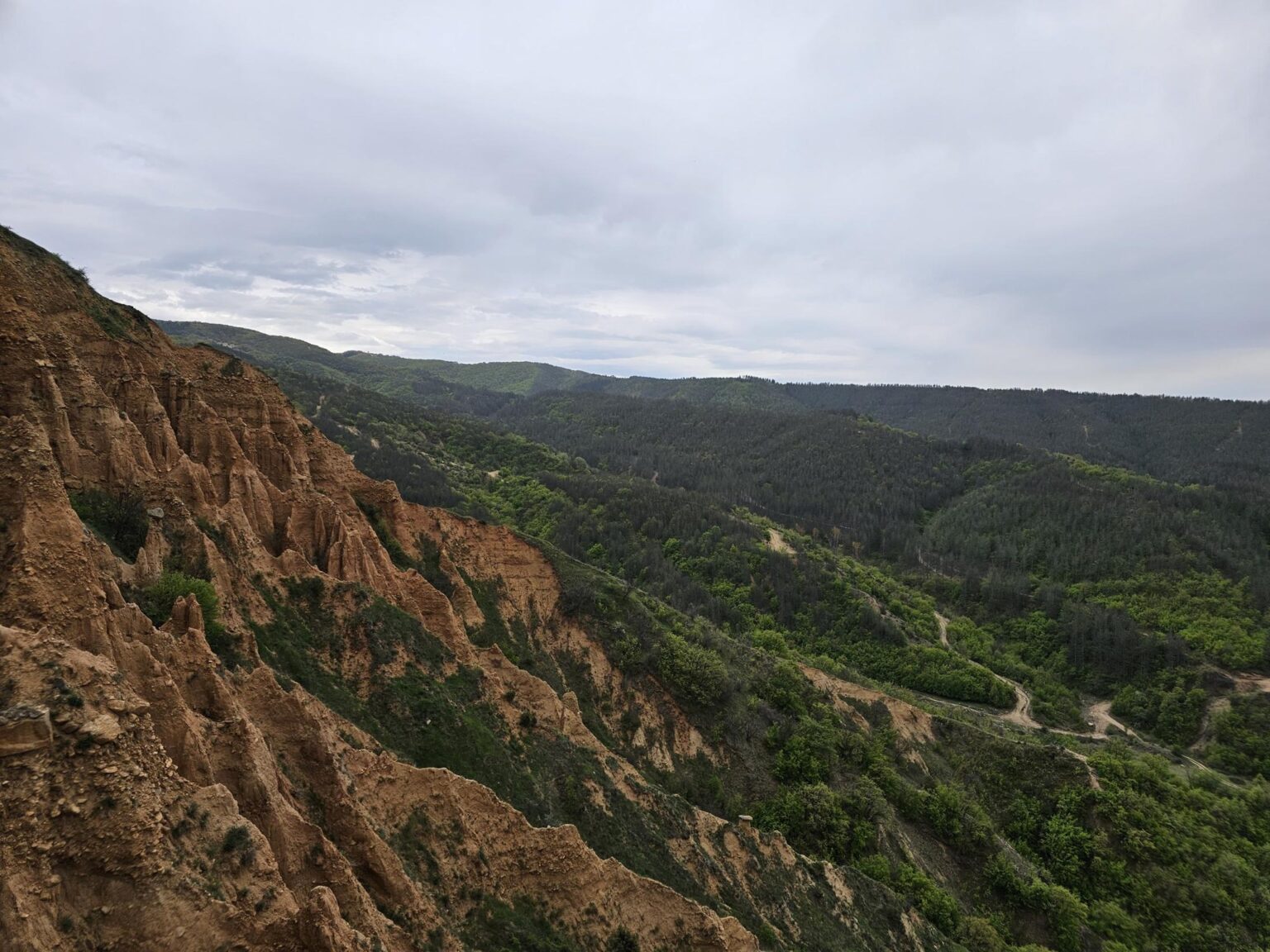
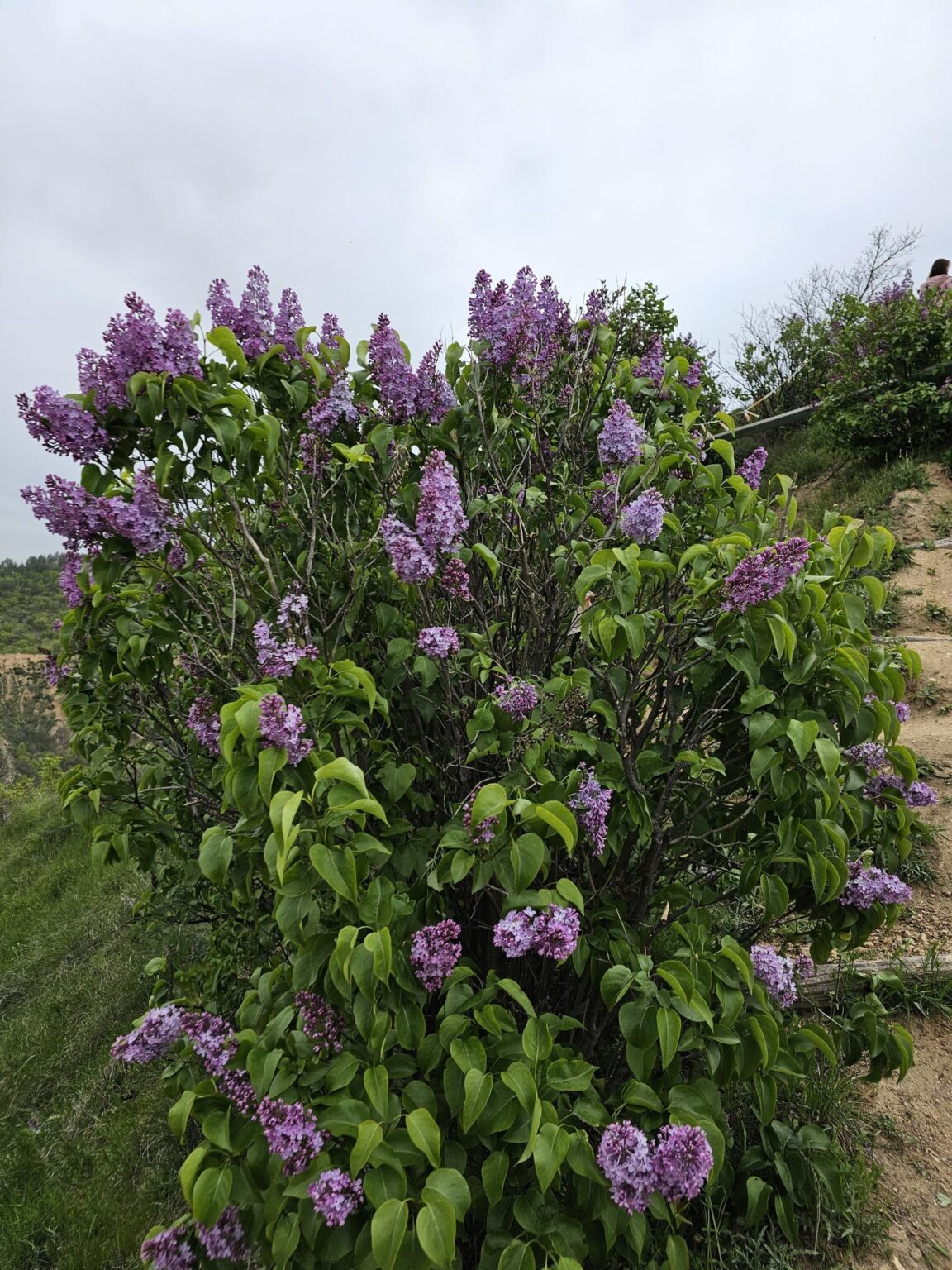
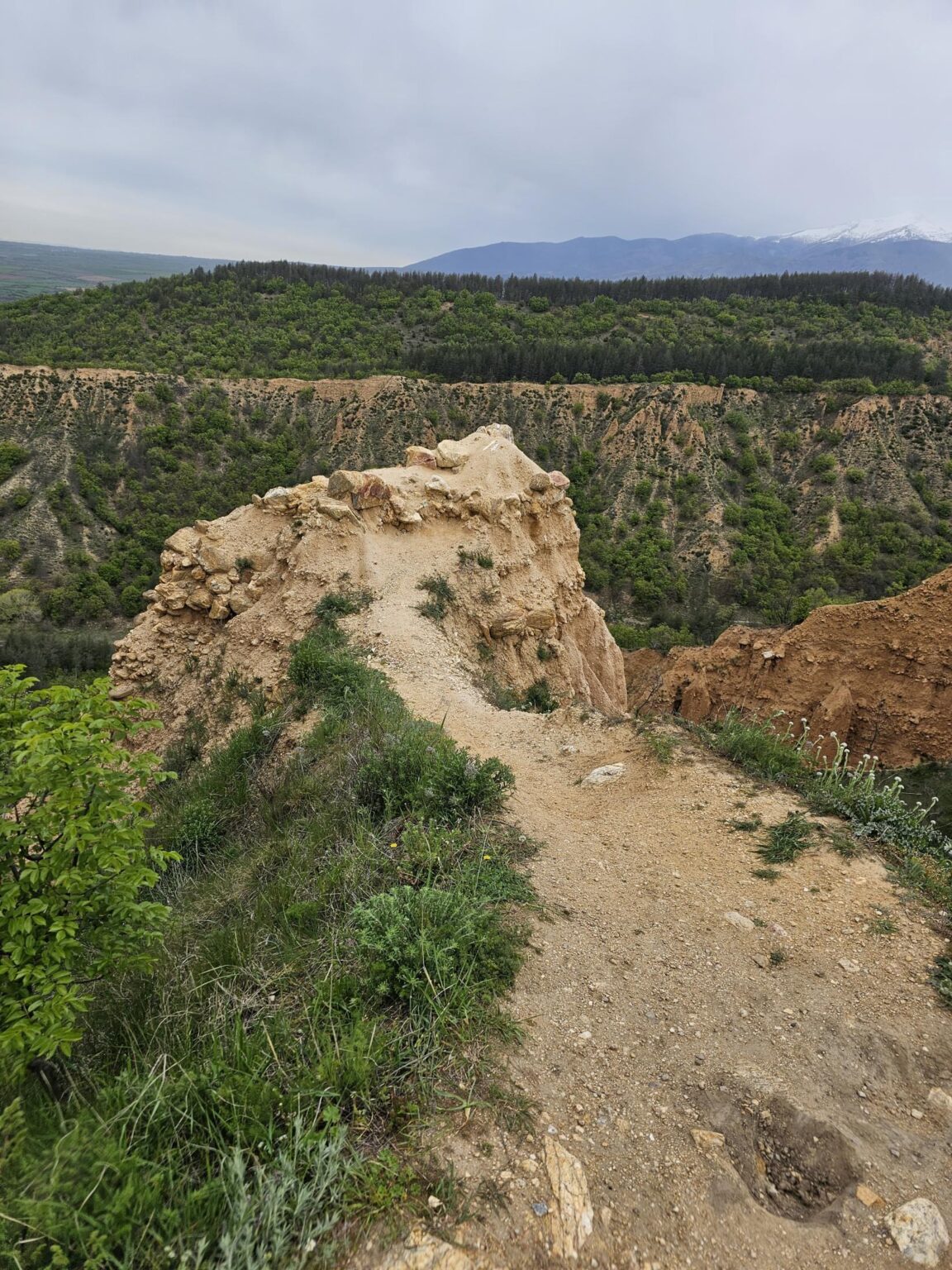
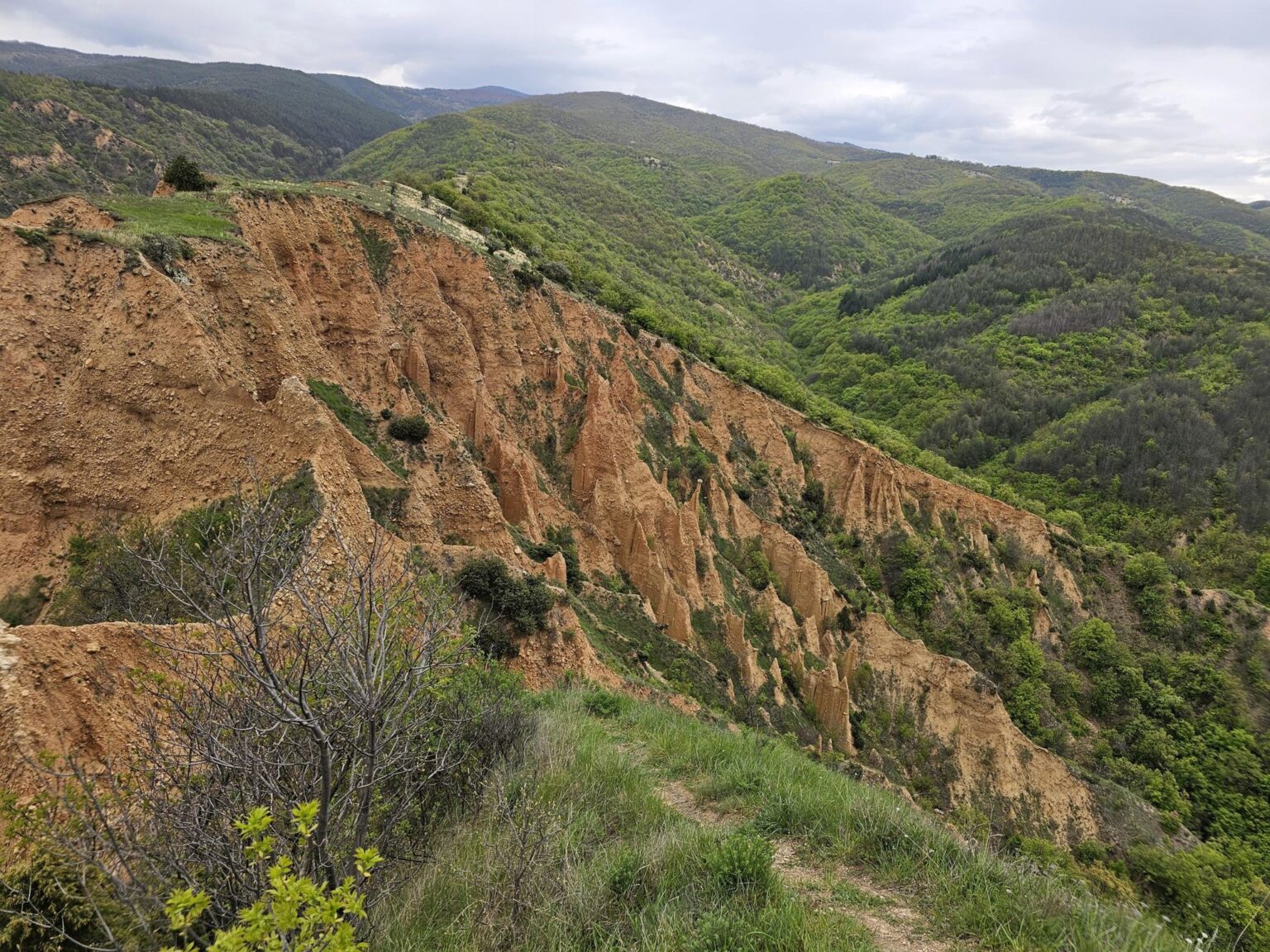
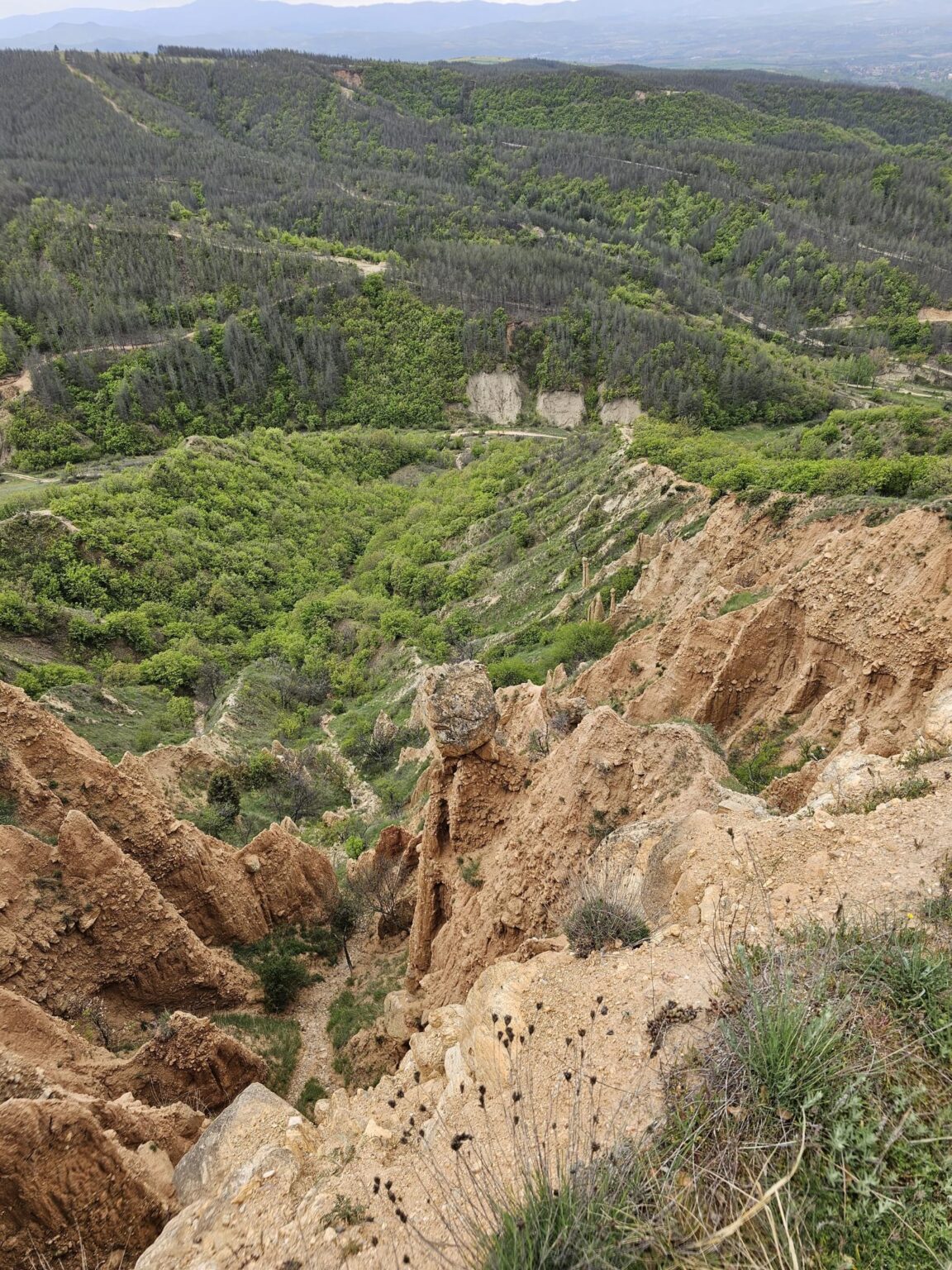
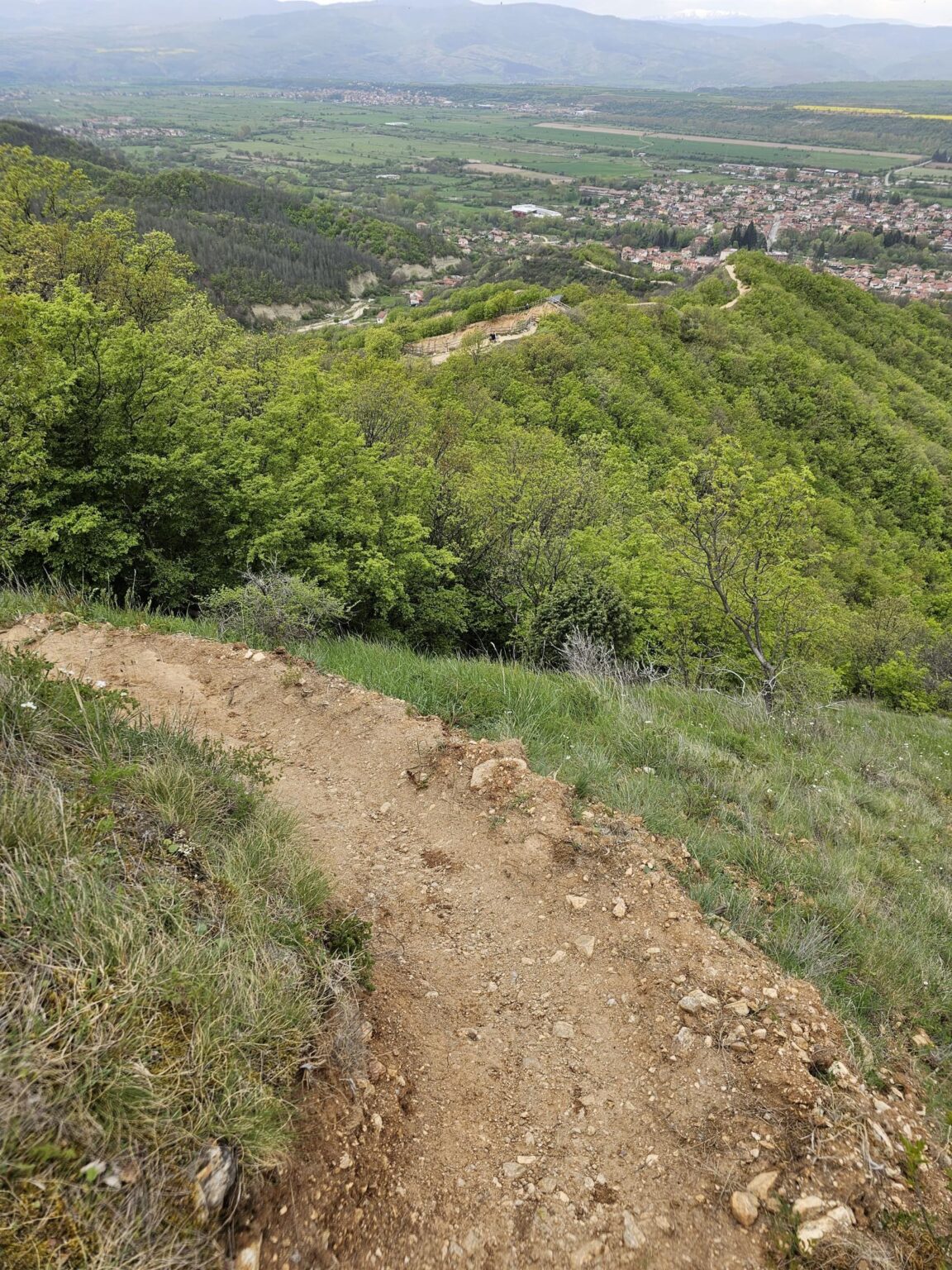
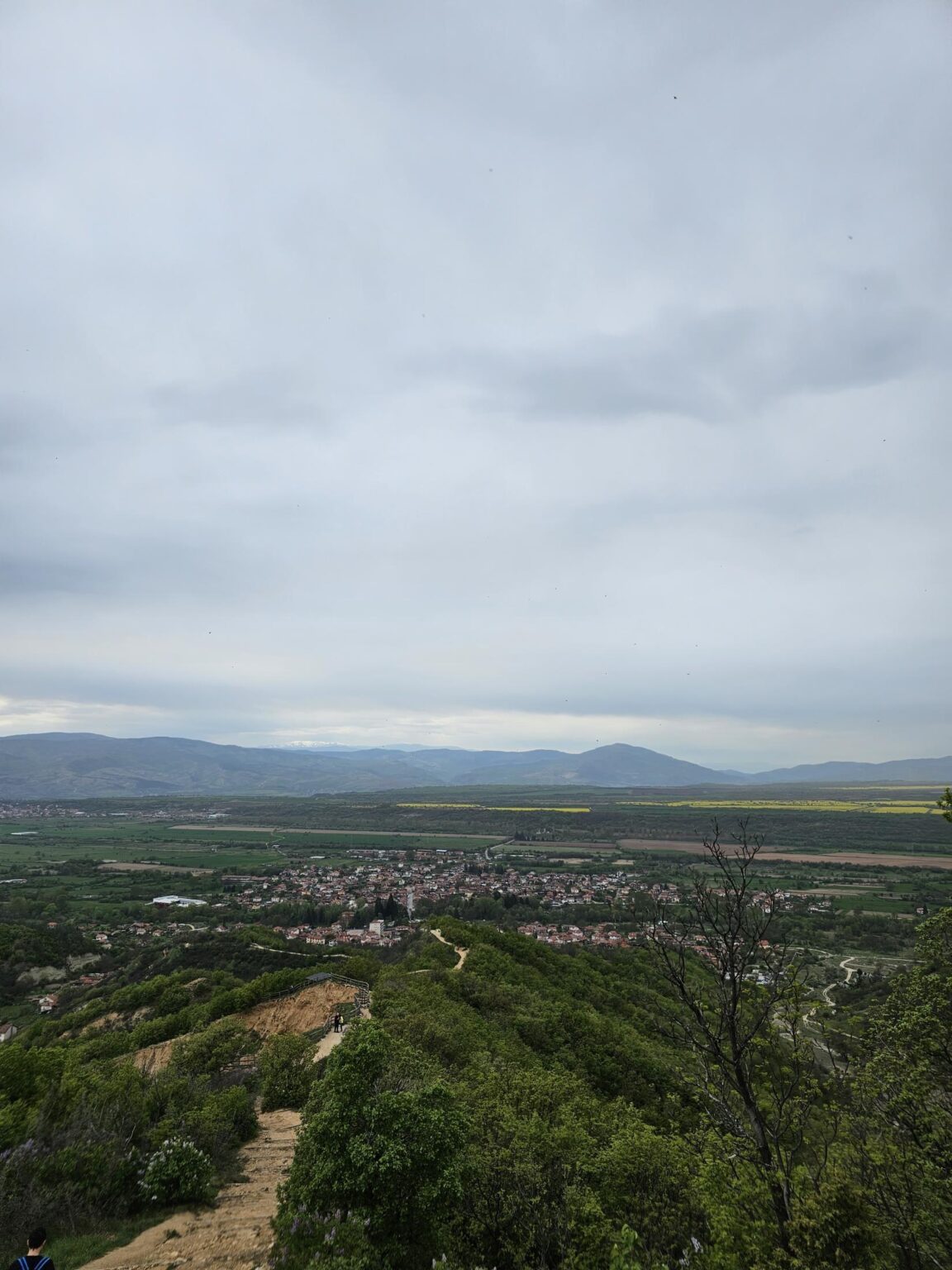
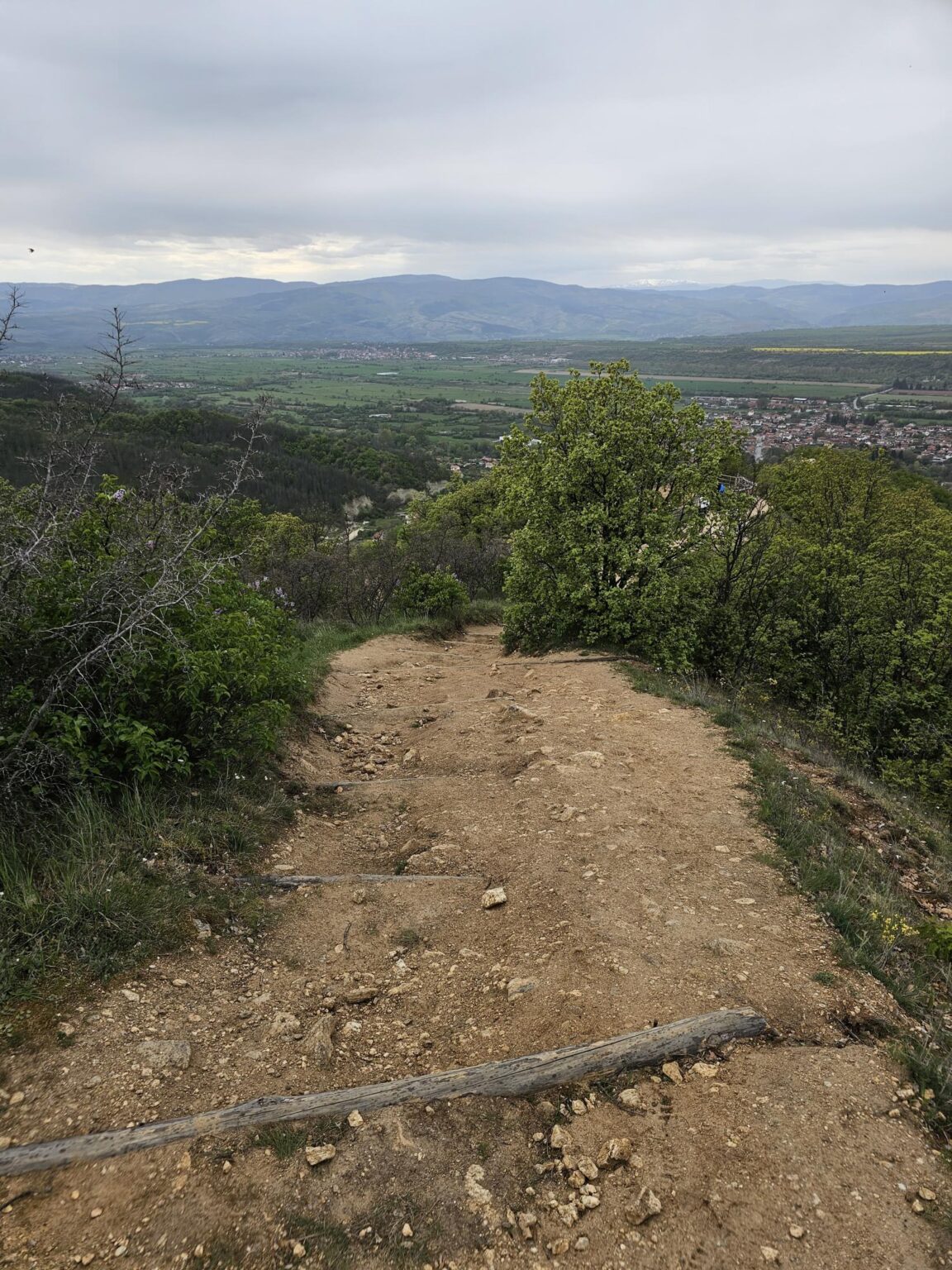
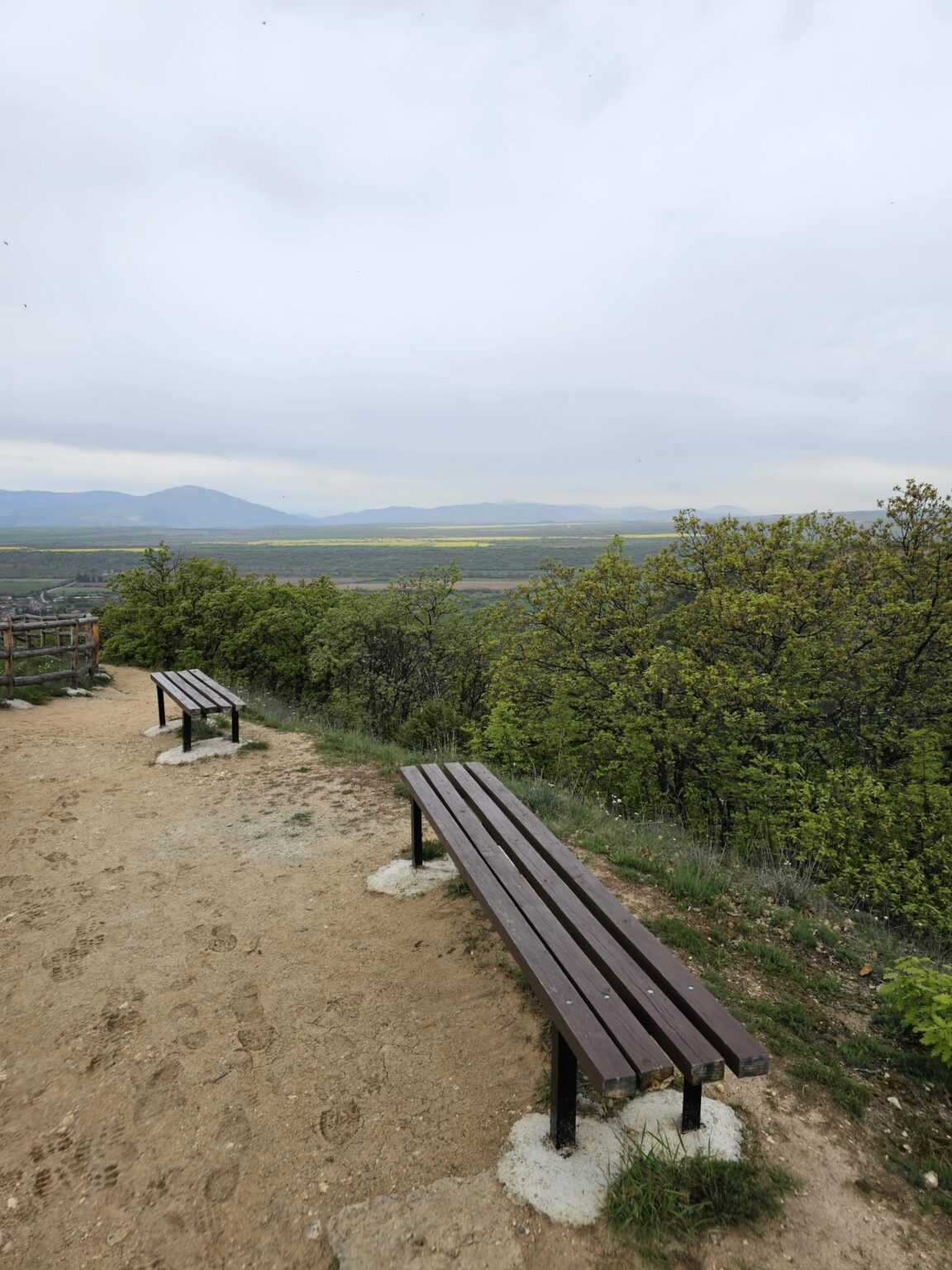
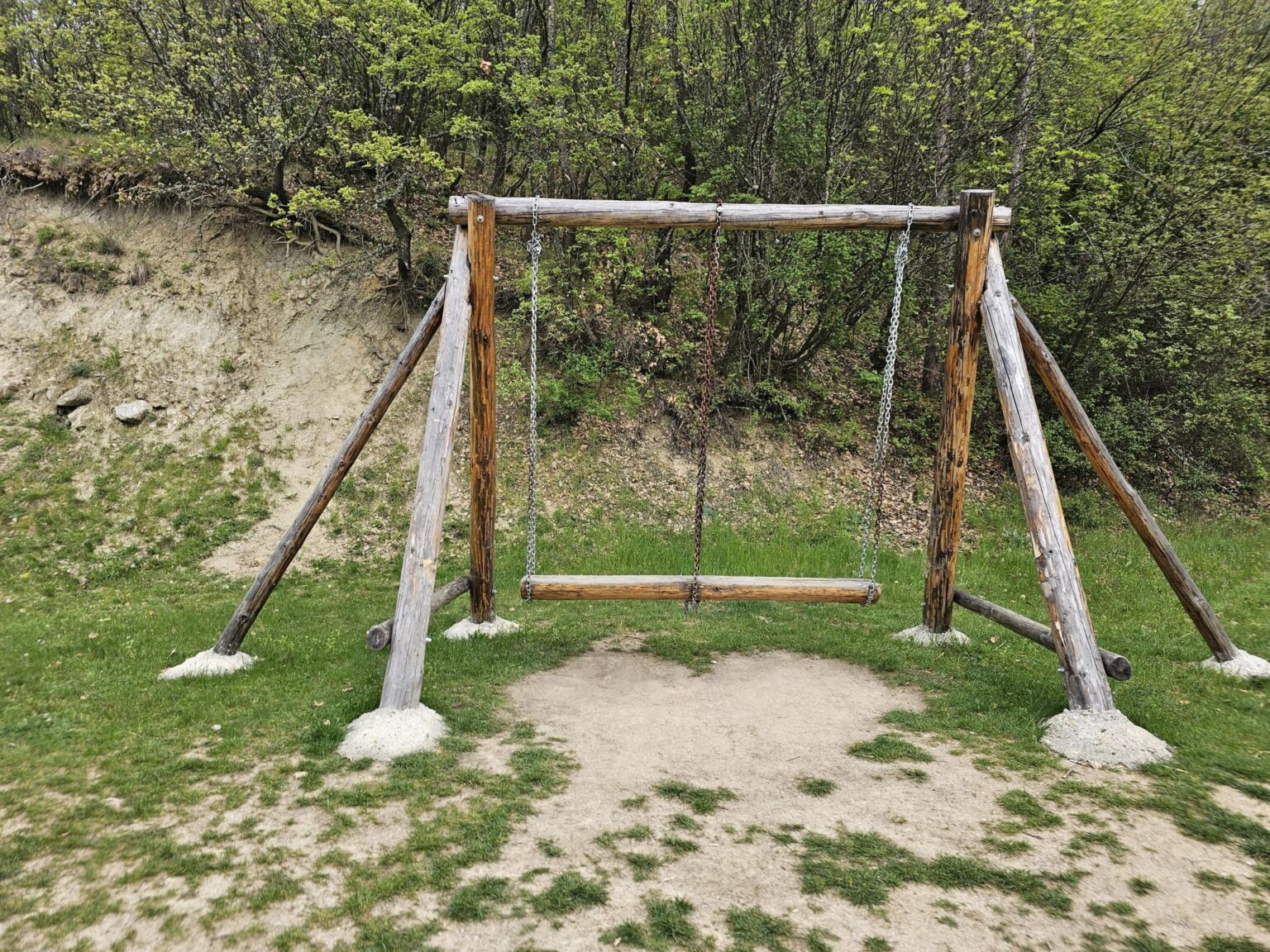
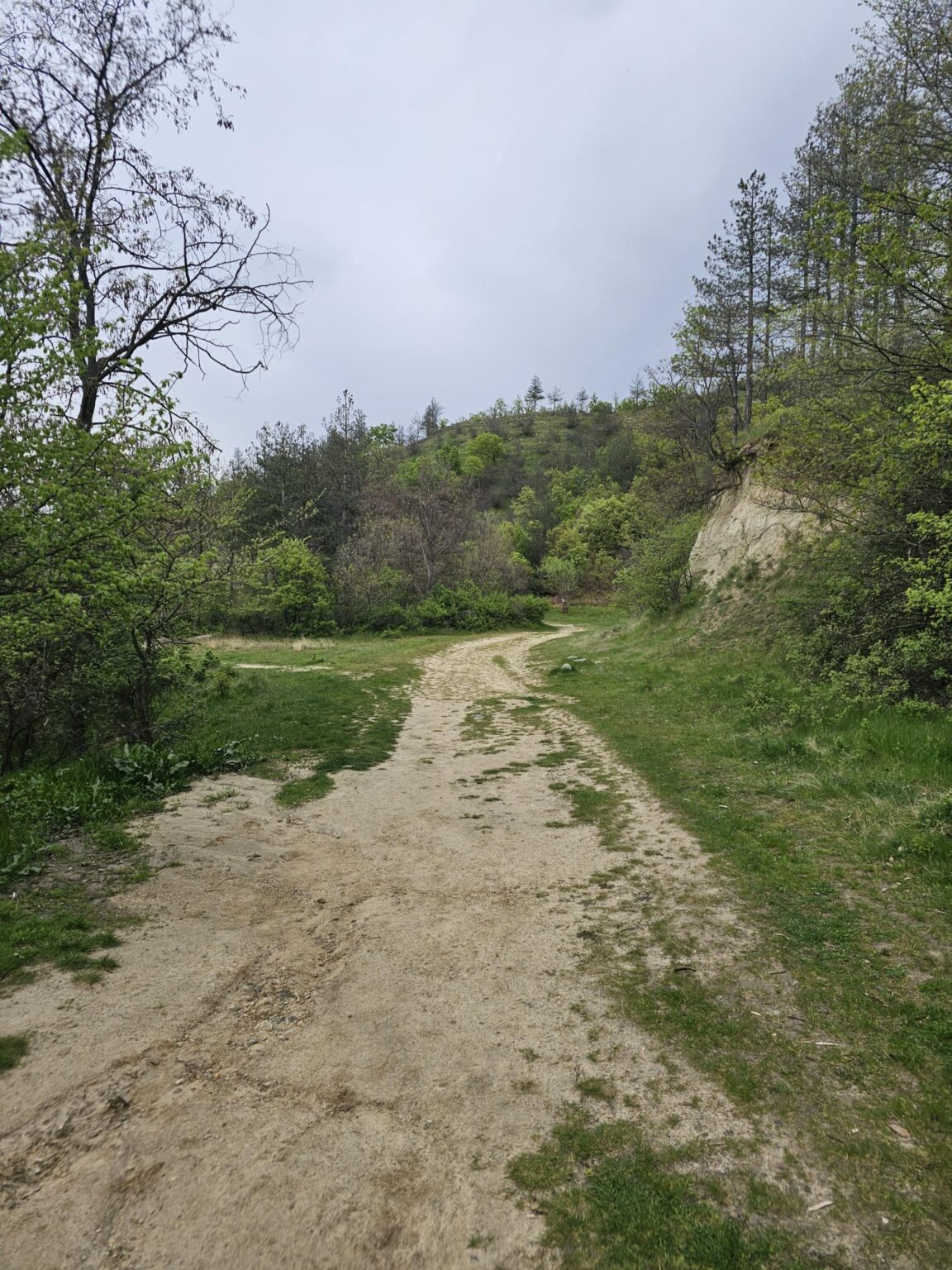
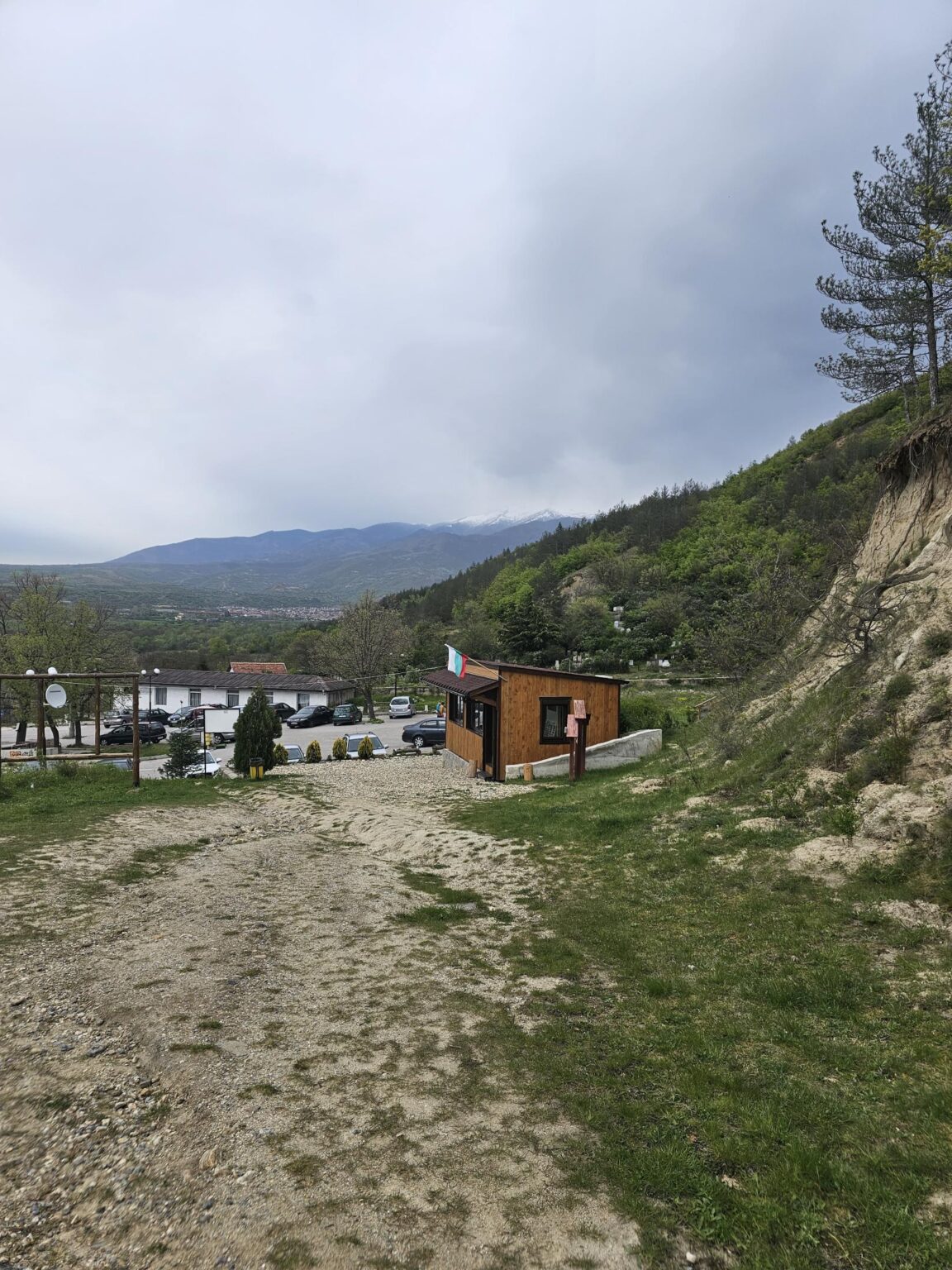
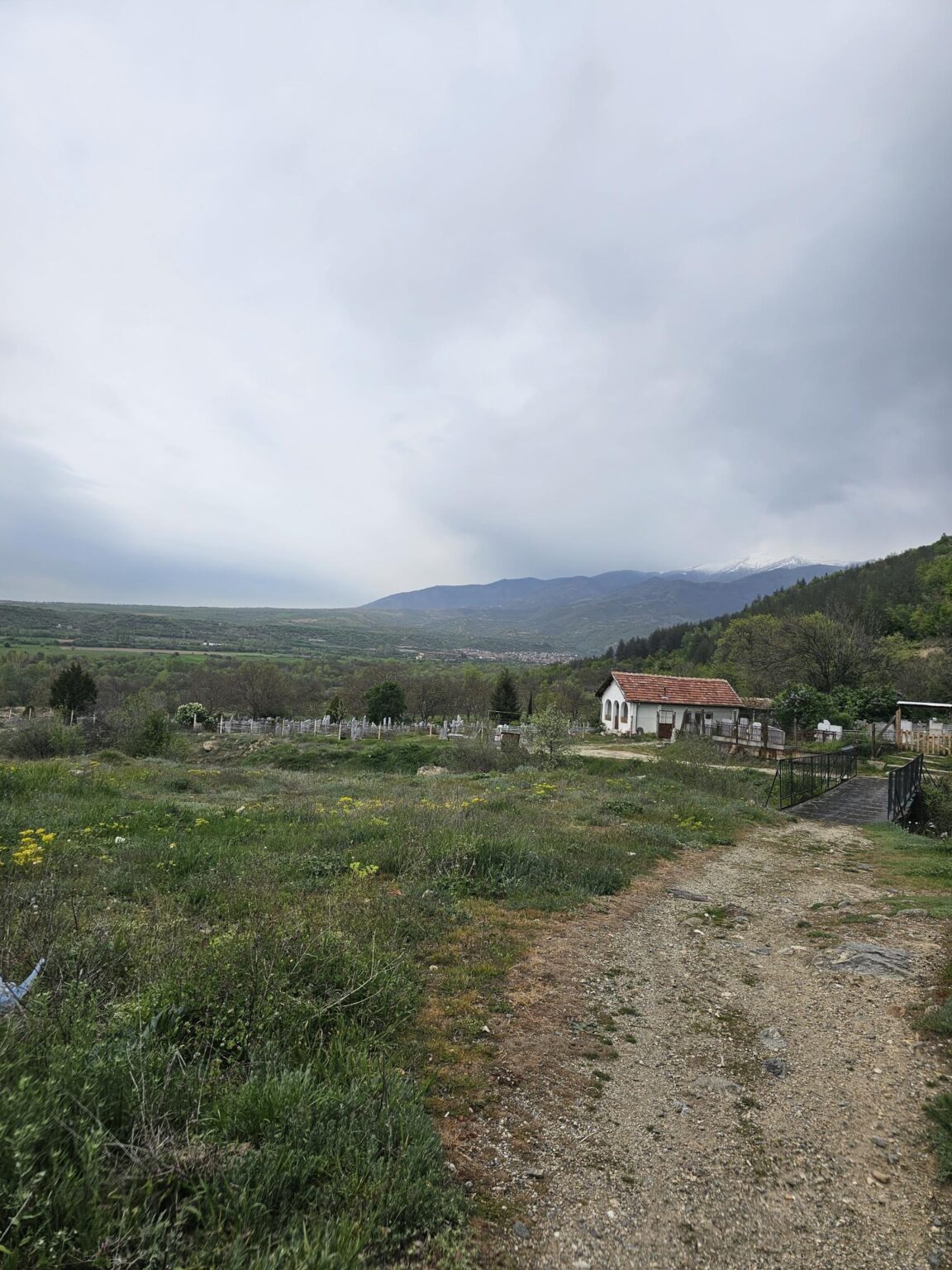
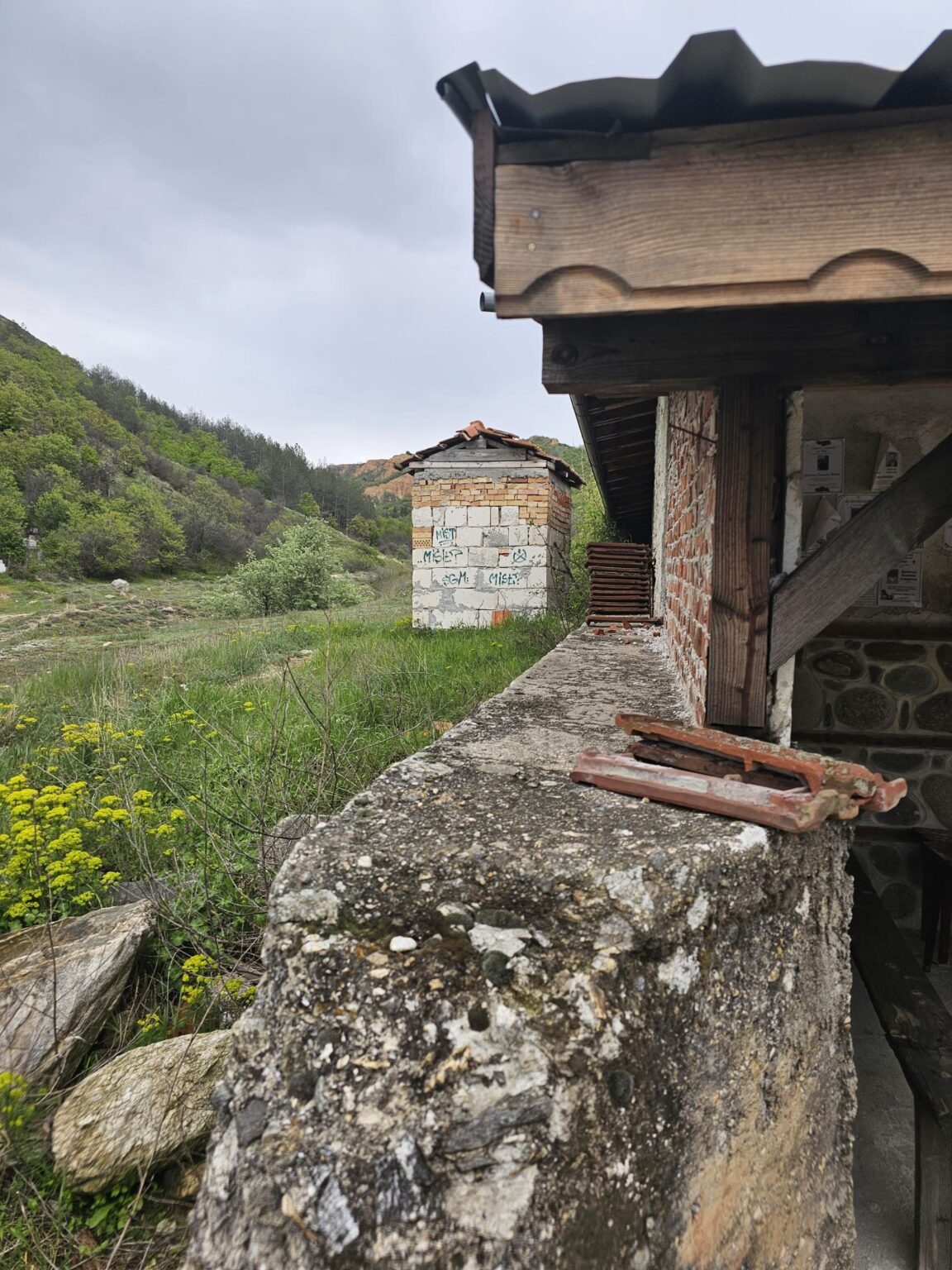
And with that, the walking is done.
How hard is it, really
In this format — four things in one day — the difficulty is high. Arguably unnecessarily high. The elevation gains break down like this:
- Bohemia waterfalls — about 90 metres, but difficult ones.
- The Cross eco-trail — about 150 metres, easy.
- The Stob Pyramids — about 220 metres, moderately hard.
(the figures above come off a Garmin watch and are approximate)
Our honest advice is to split it: Rila Monastery plus the Stob Pyramids on one visit, and the two trails, which share a starting point, on another. That’s the fatigue side of things.
In parallel, the Bohemia waterfalls trail is relatively wild, and despite everything the local club has done to improve it, there are many places where a moment of carelessness ends badly. The Stob Pyramids are definitely more civilised, but the same applies to the topmost section.
Conclusion
An incredible day of adventure. Nearly four hours of driving, over 450 metres of climbing and 20,000 steps. Adrenaline around the waterfalls. We can already picture the trailer for the action-film version, with exploding rocks and snapping ropes 😀 — directed by the man behind Transformers, Michael Bay.
If you’d rather keep the adrenaline and lose the four-hour drive, steal a few ideas from our top 10 adrenaline activities in Bulgaria, or from our top 10 hiking ideas for something distinctly more humane.
Gallery
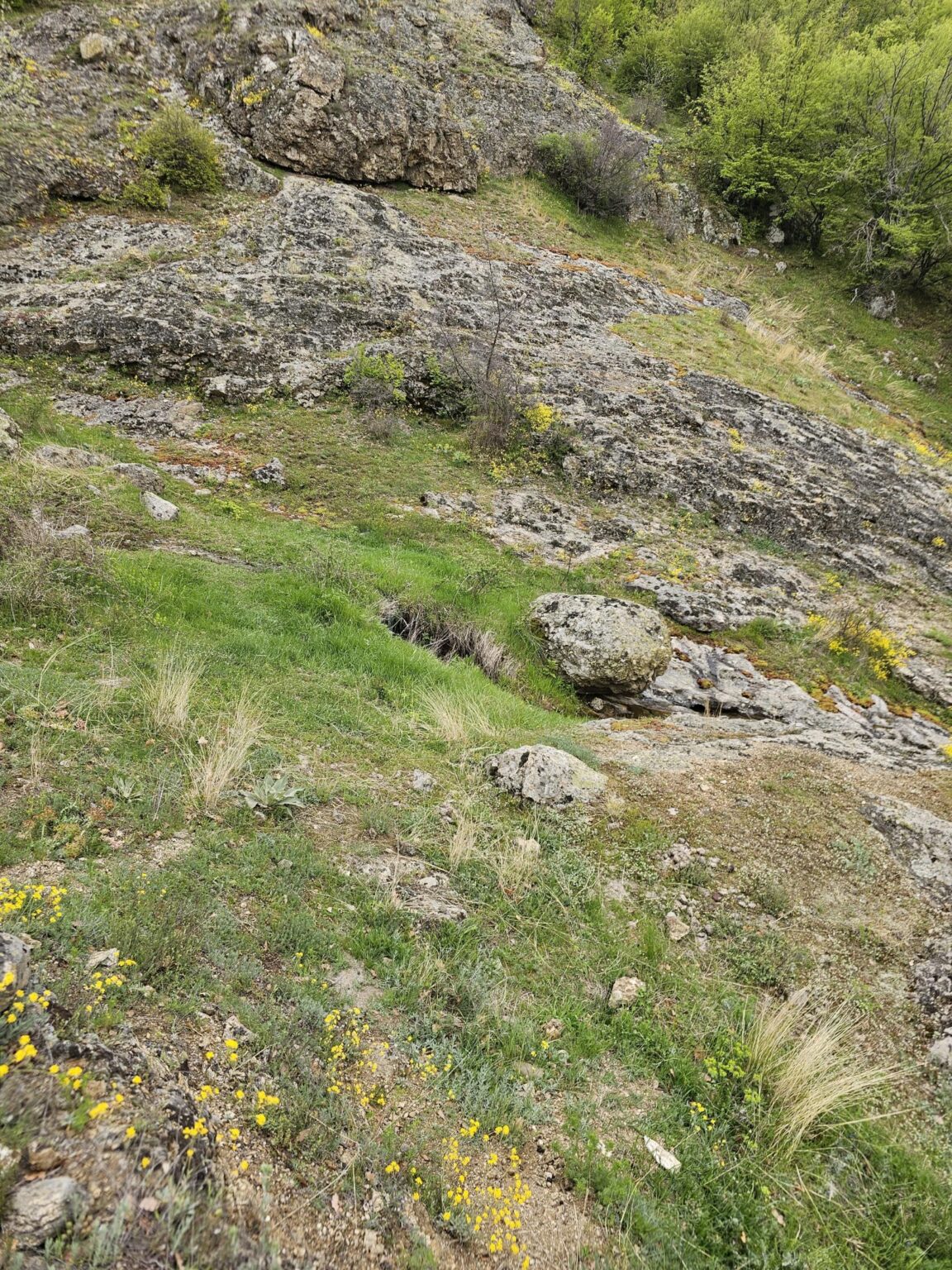
The whole gallery in one place: