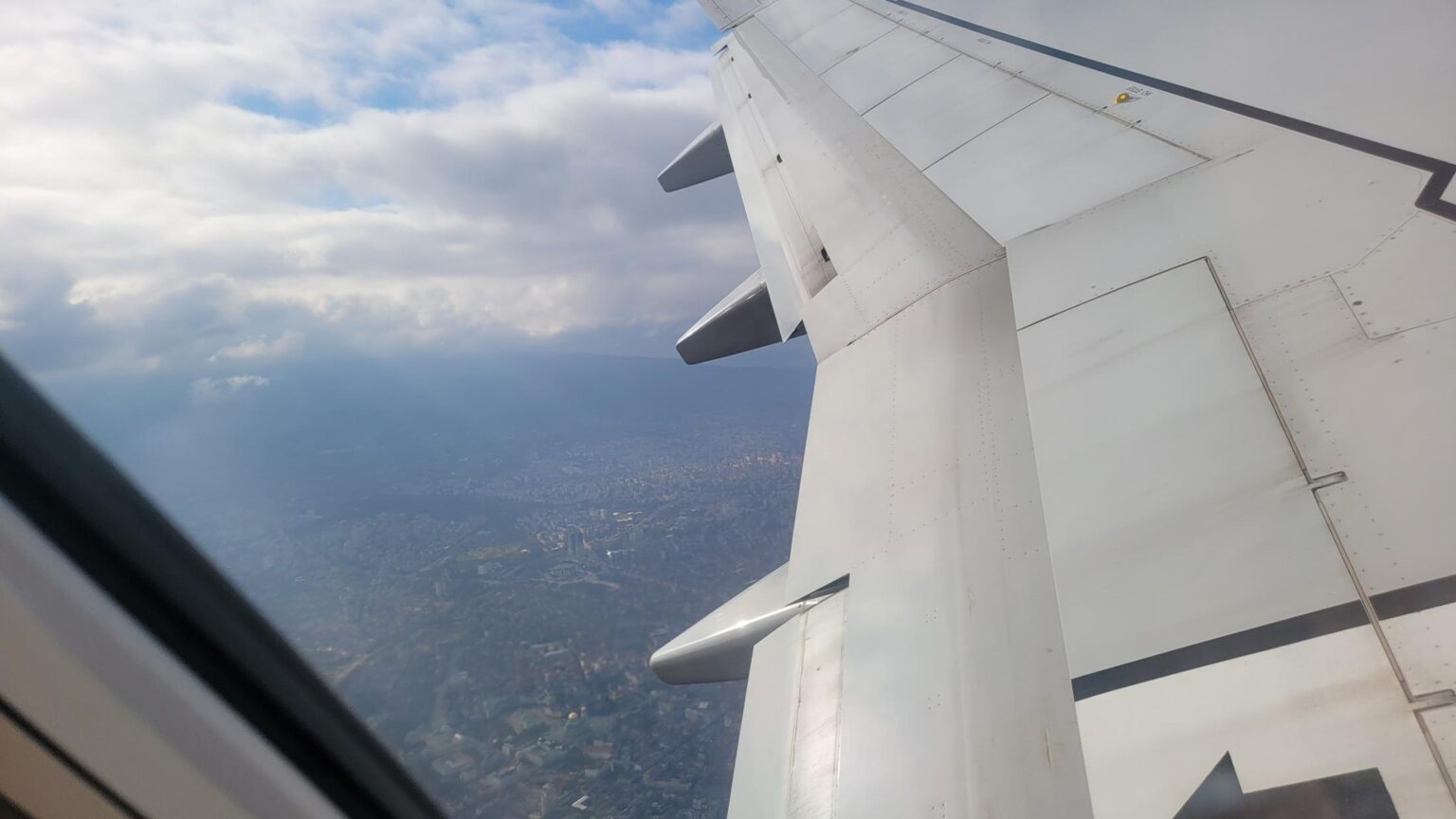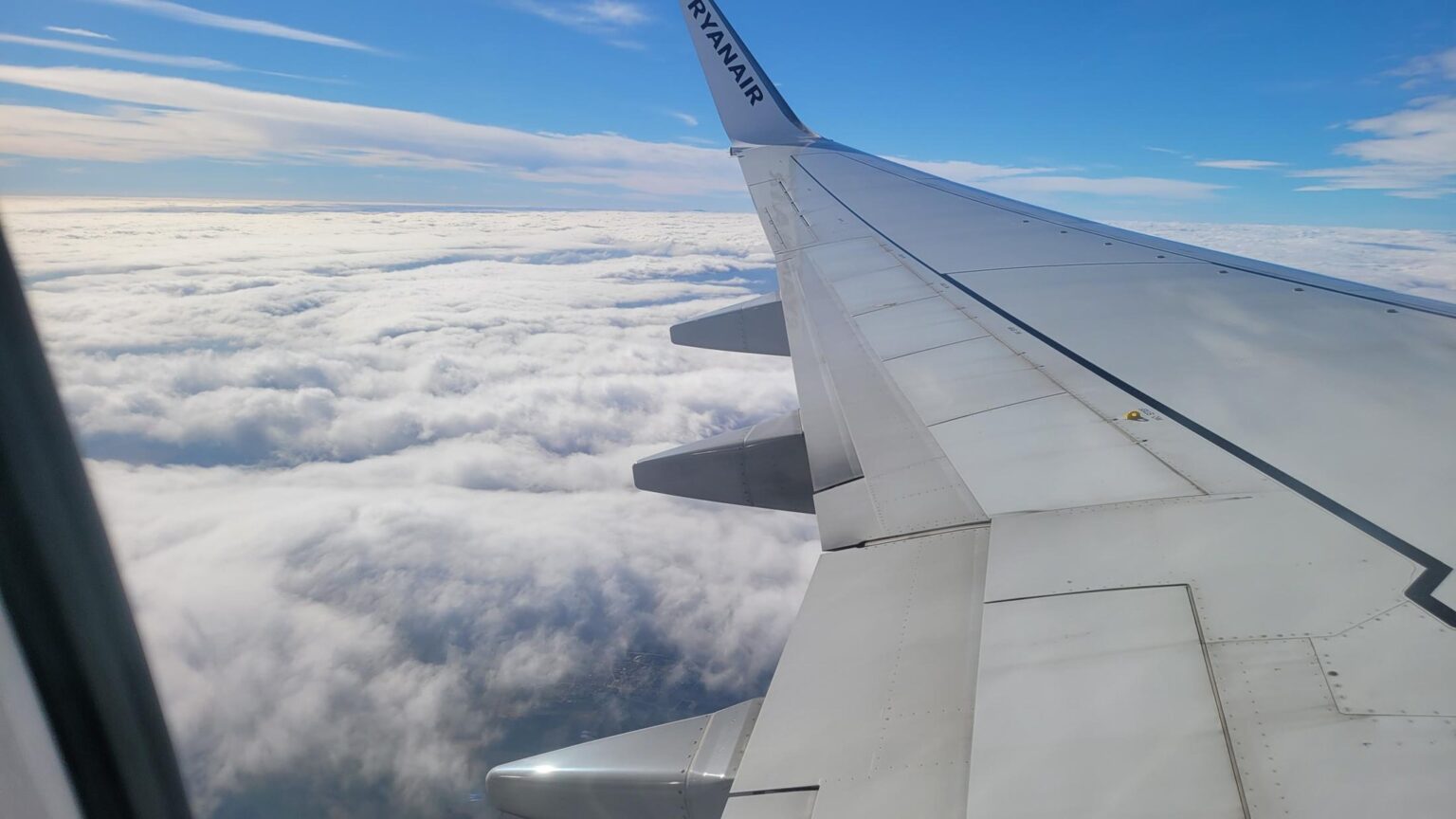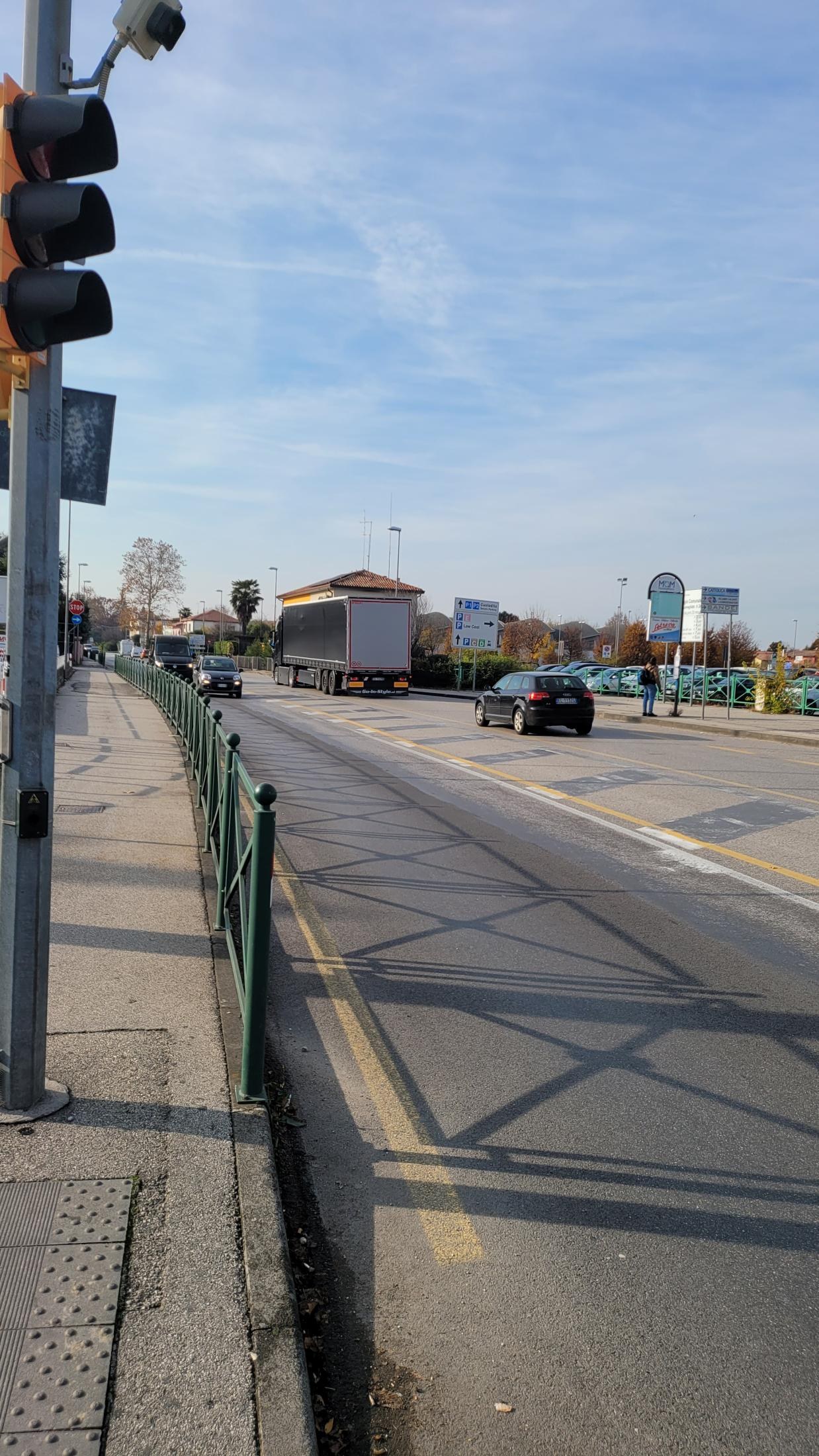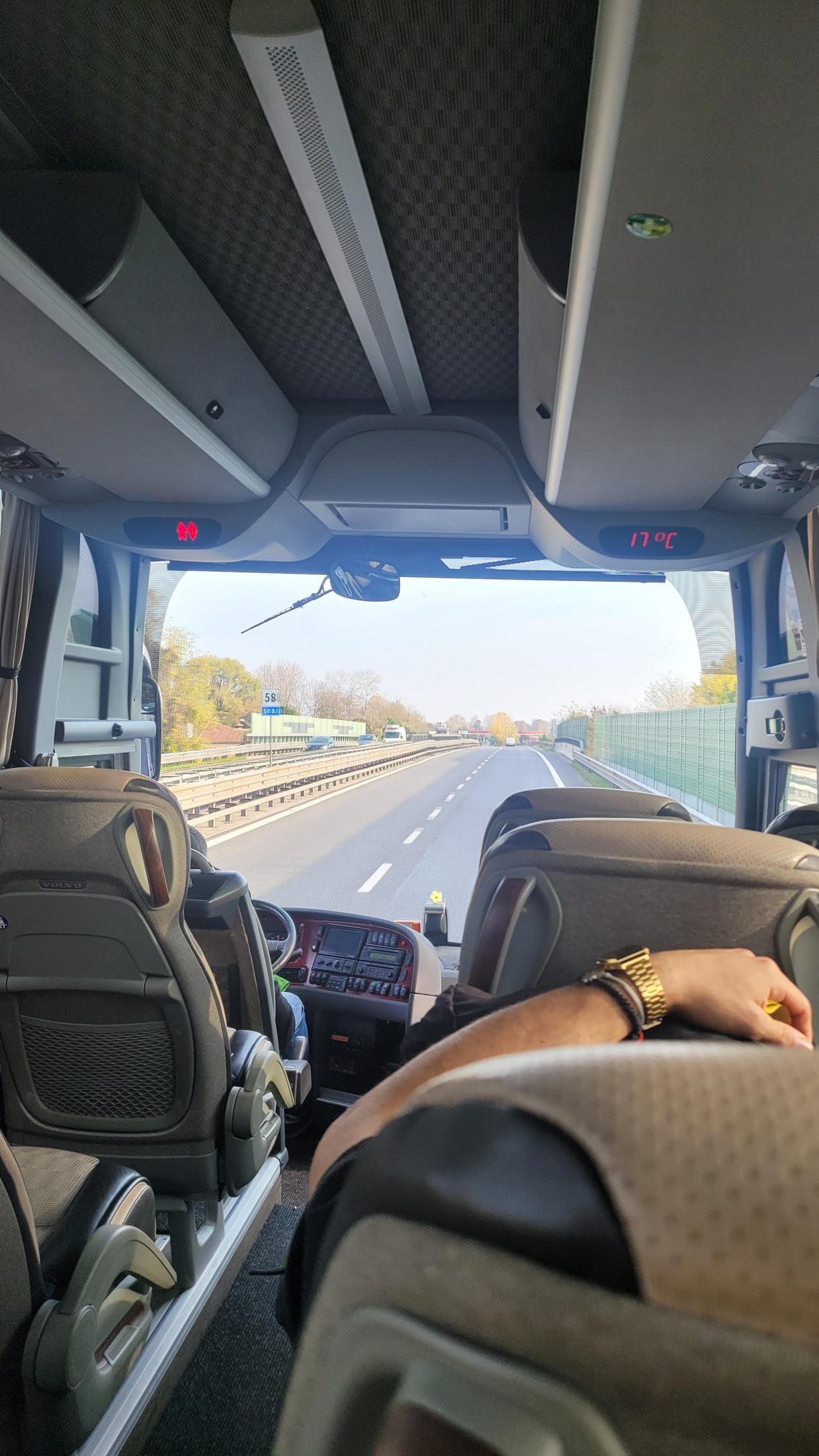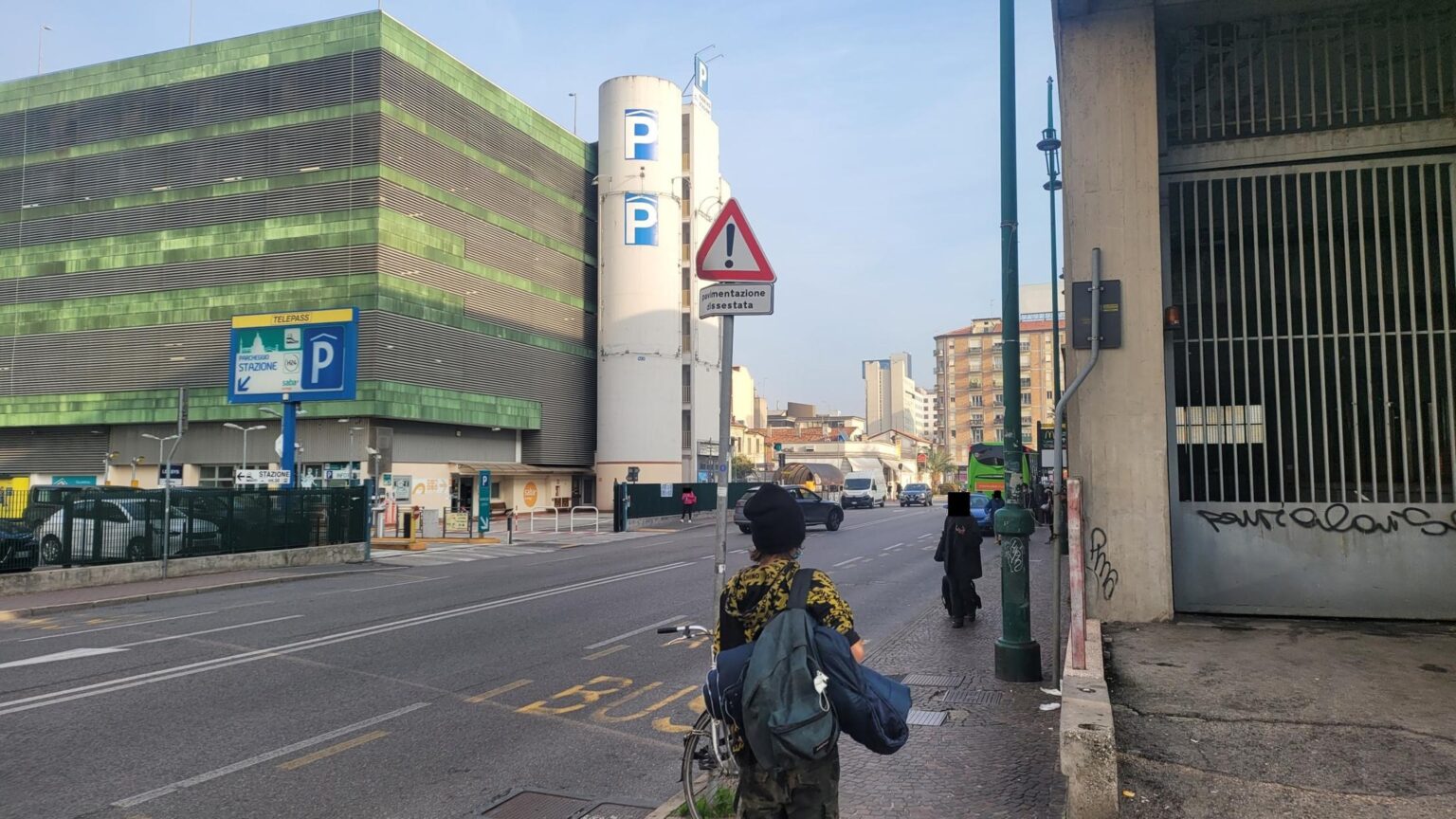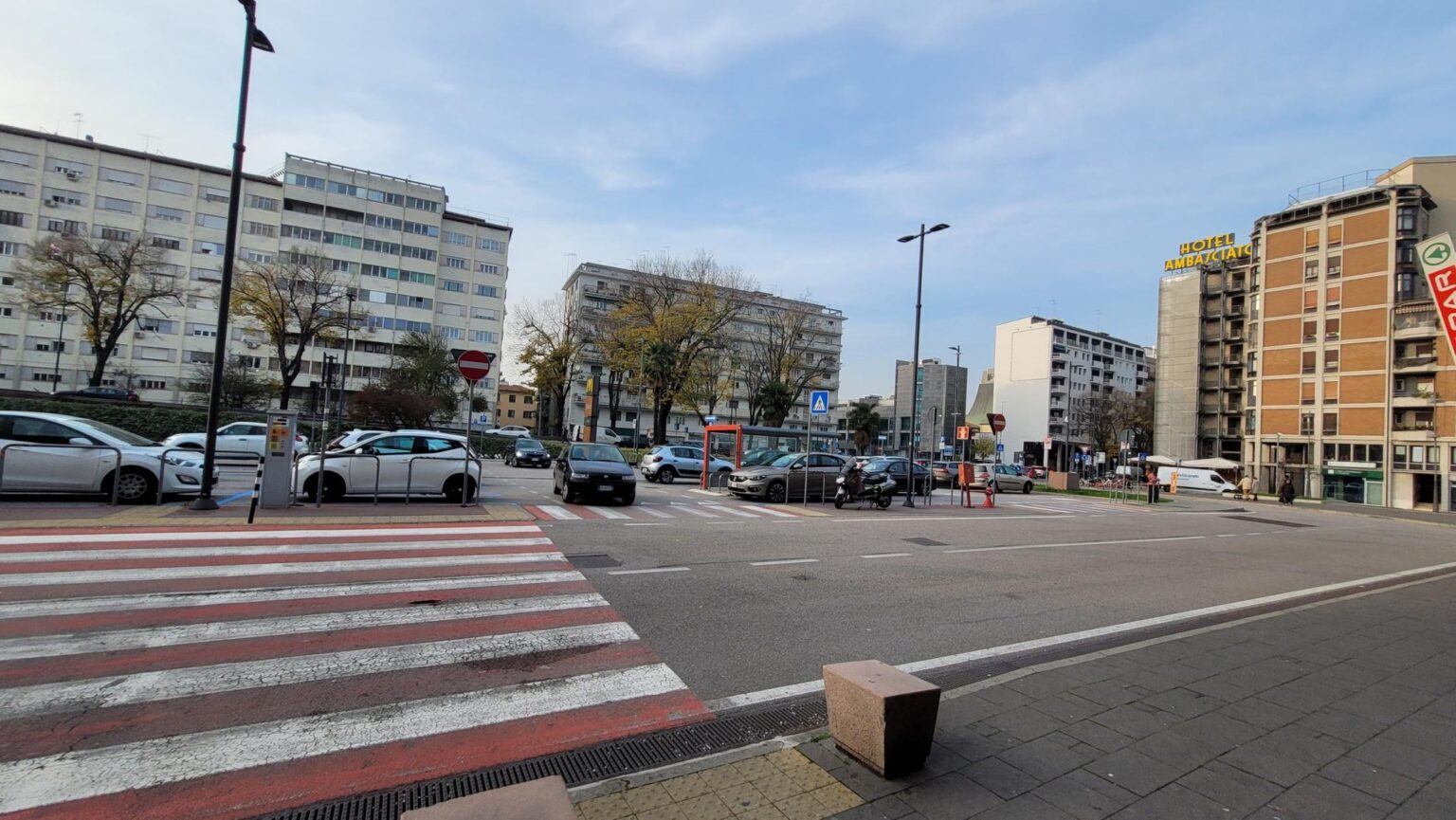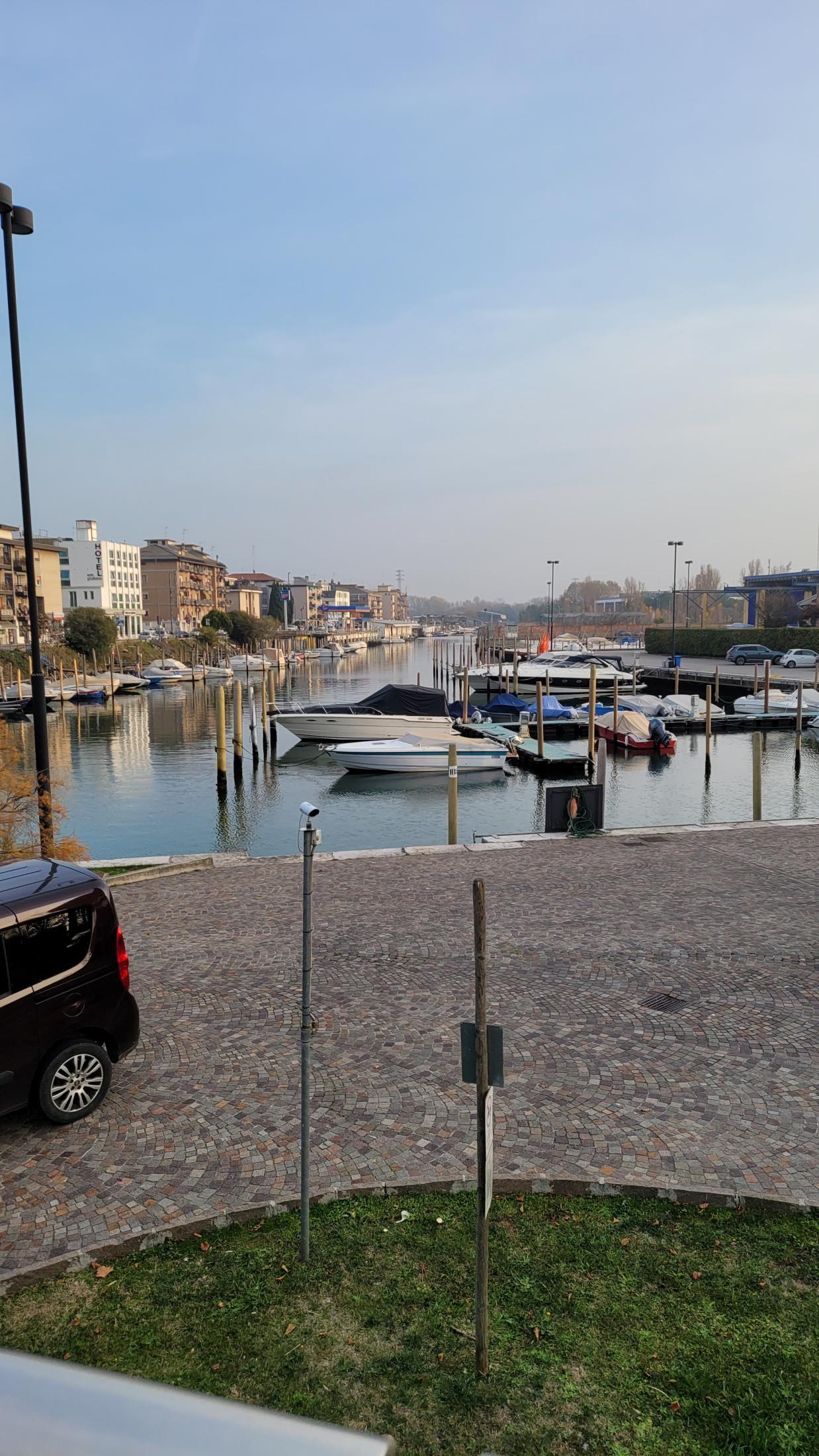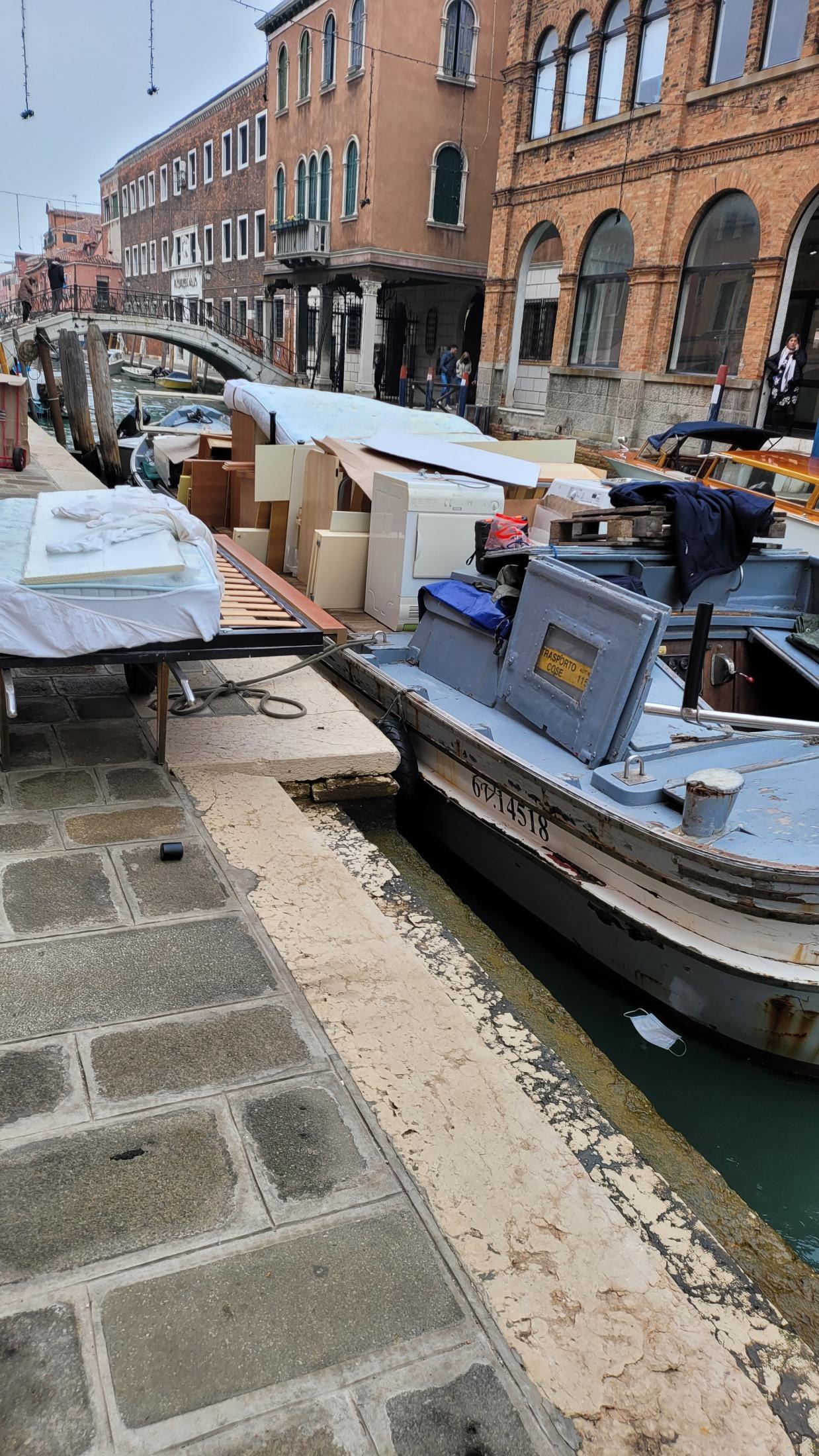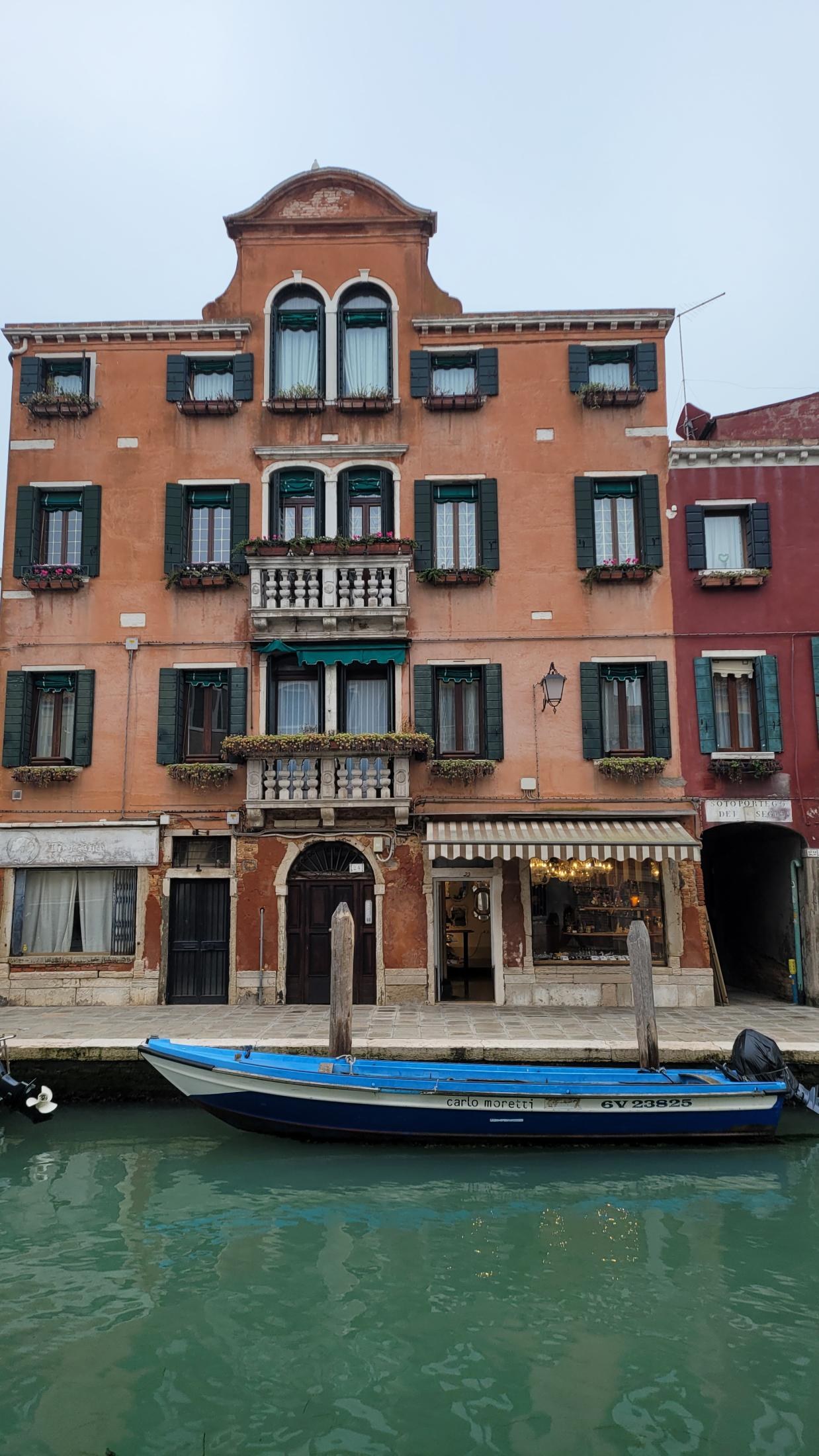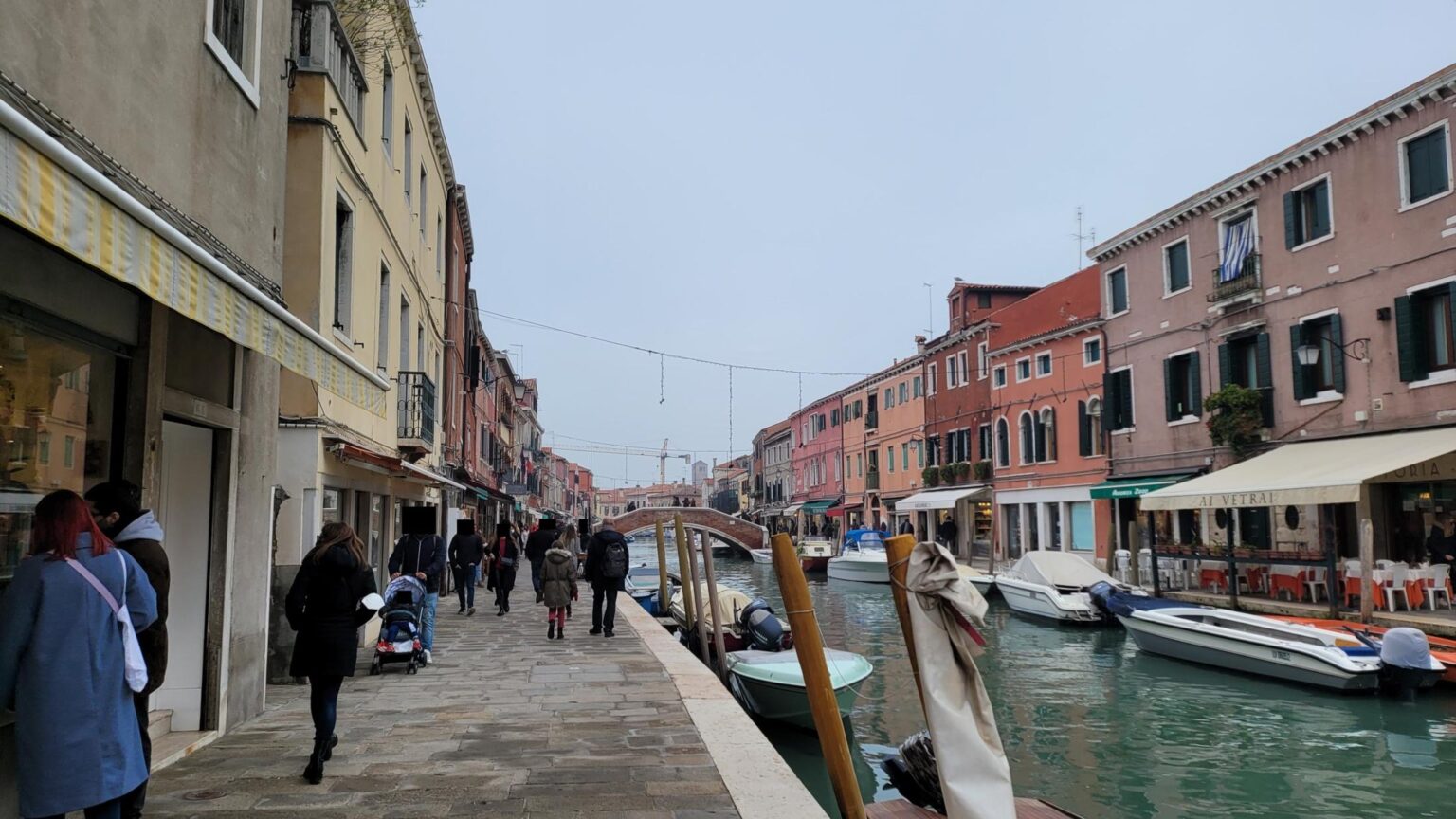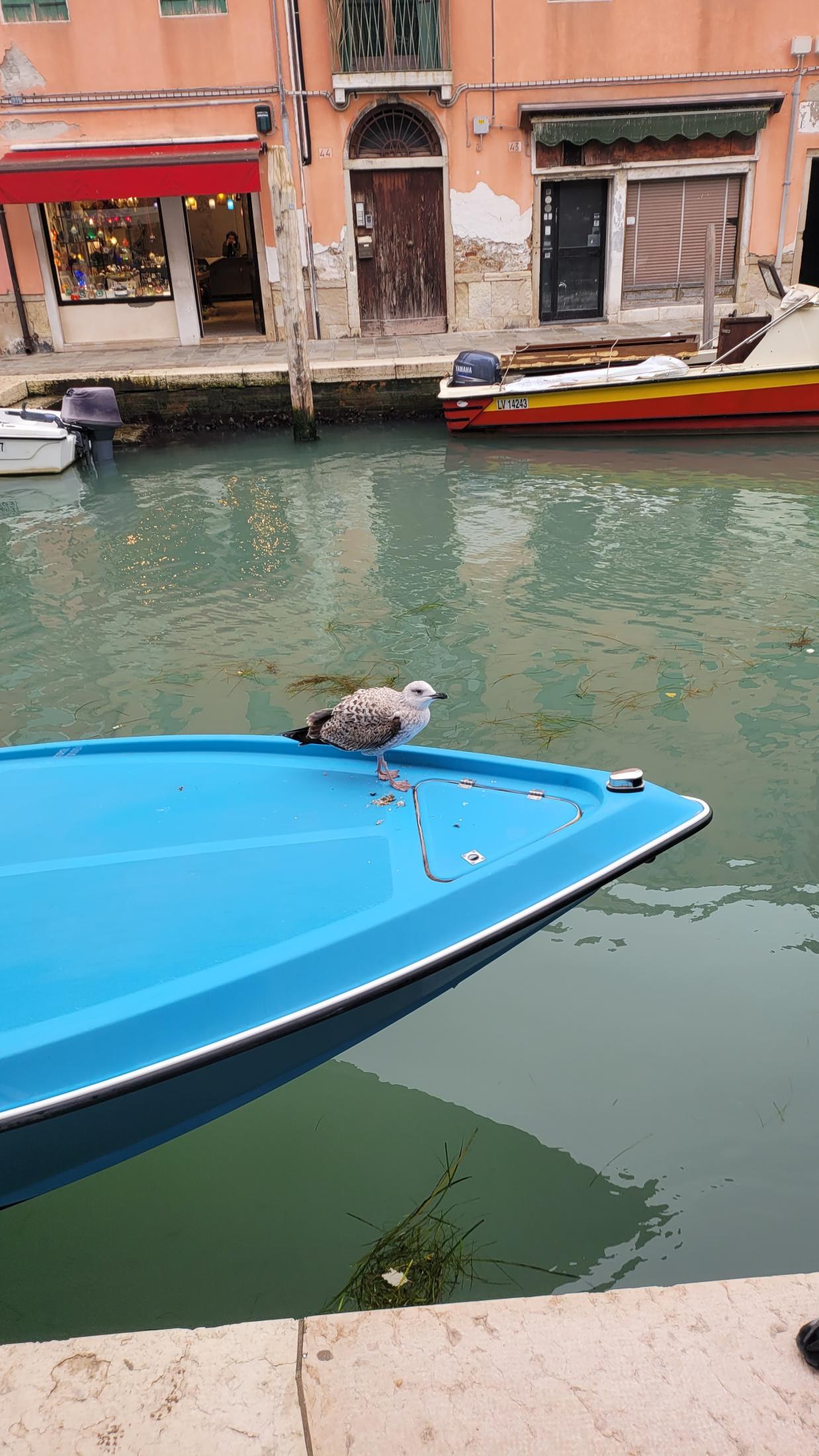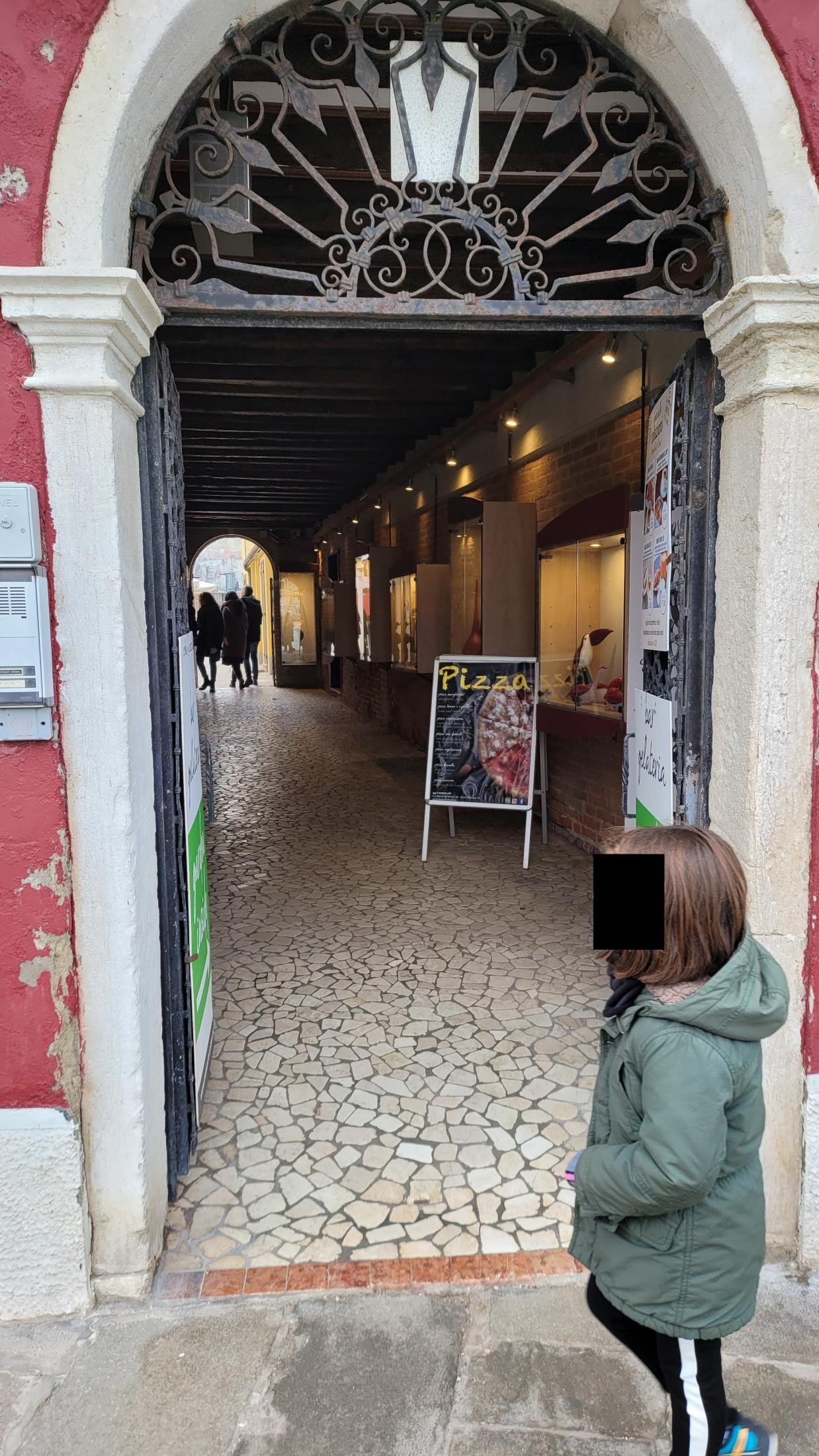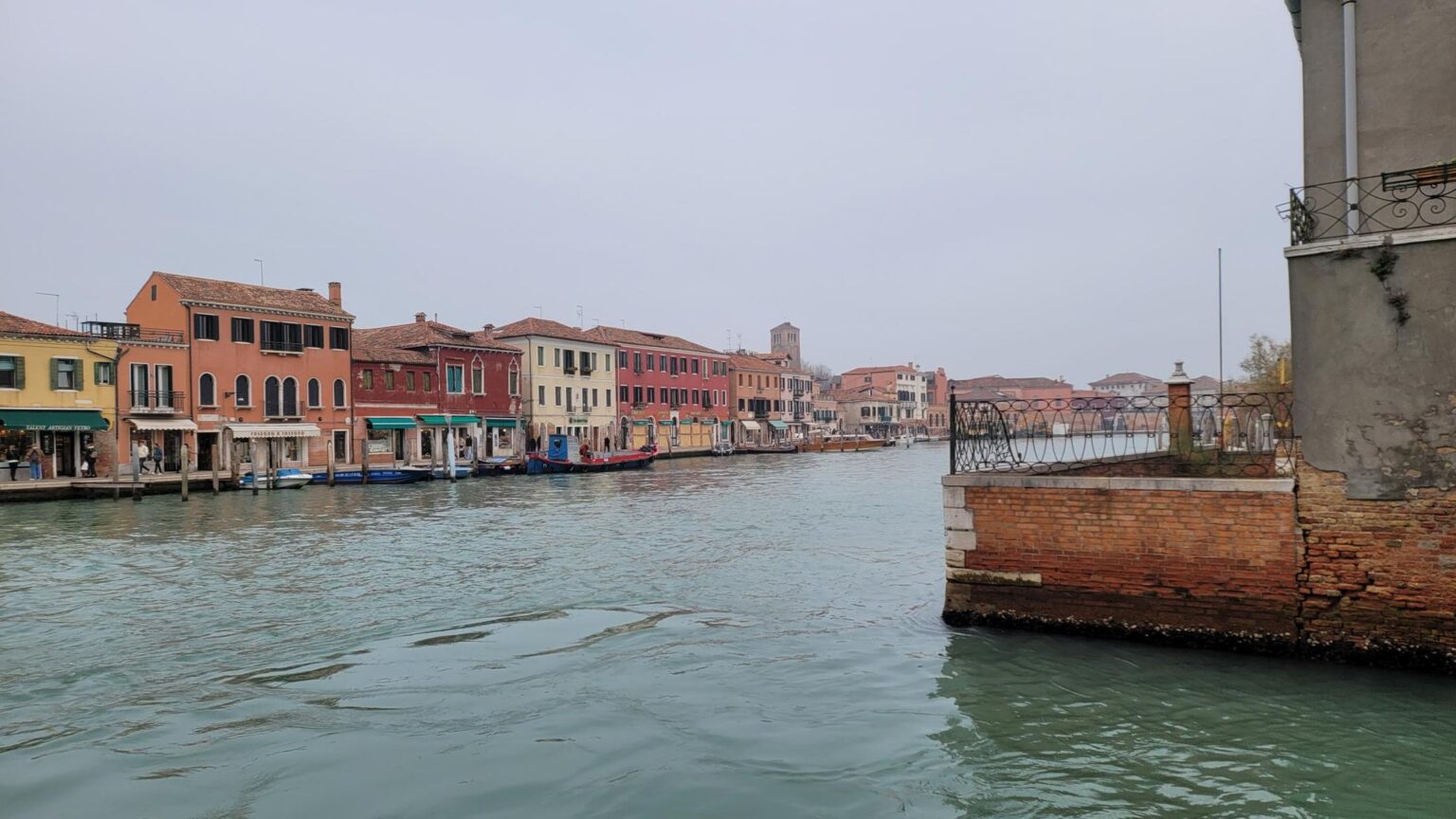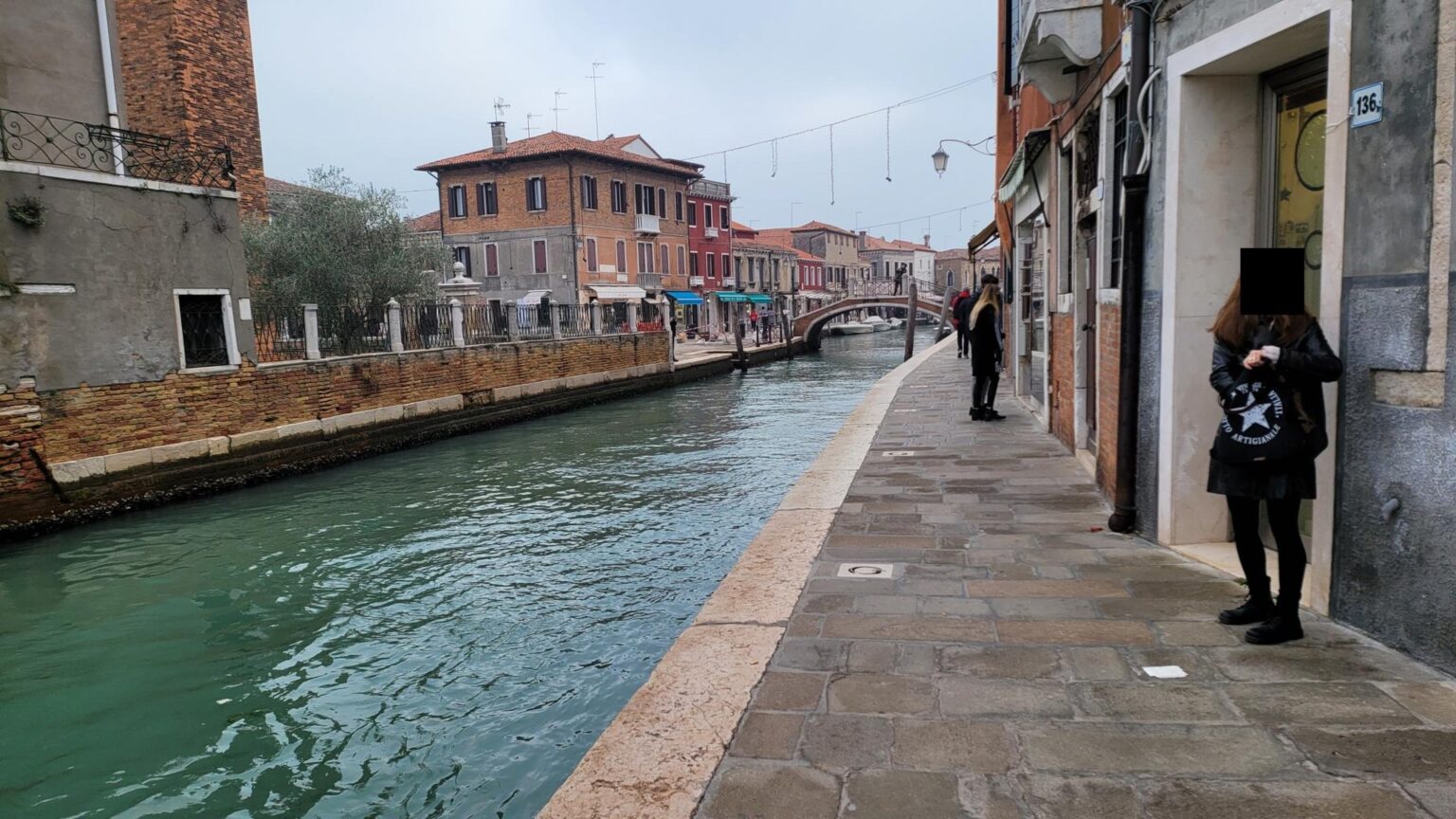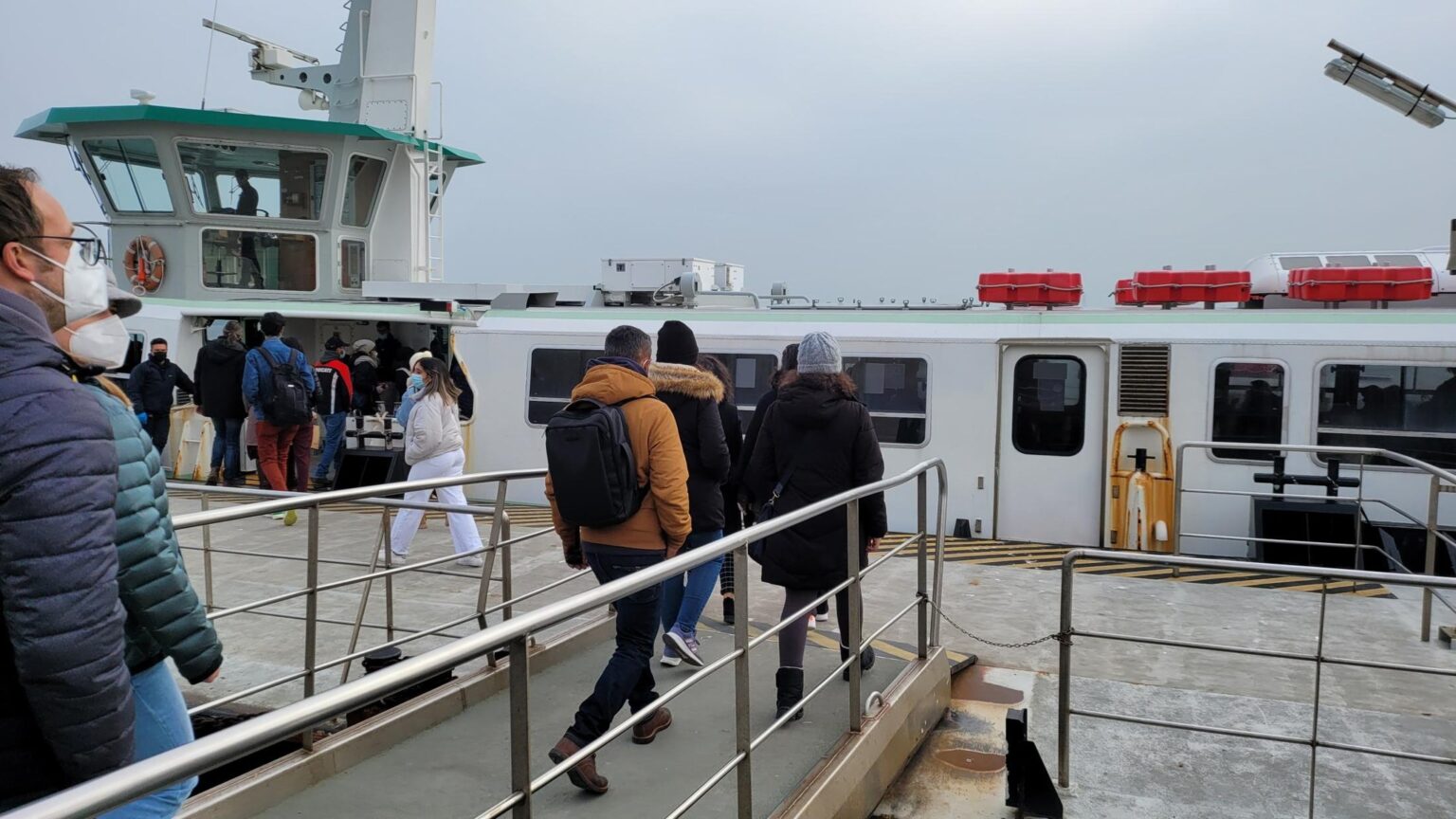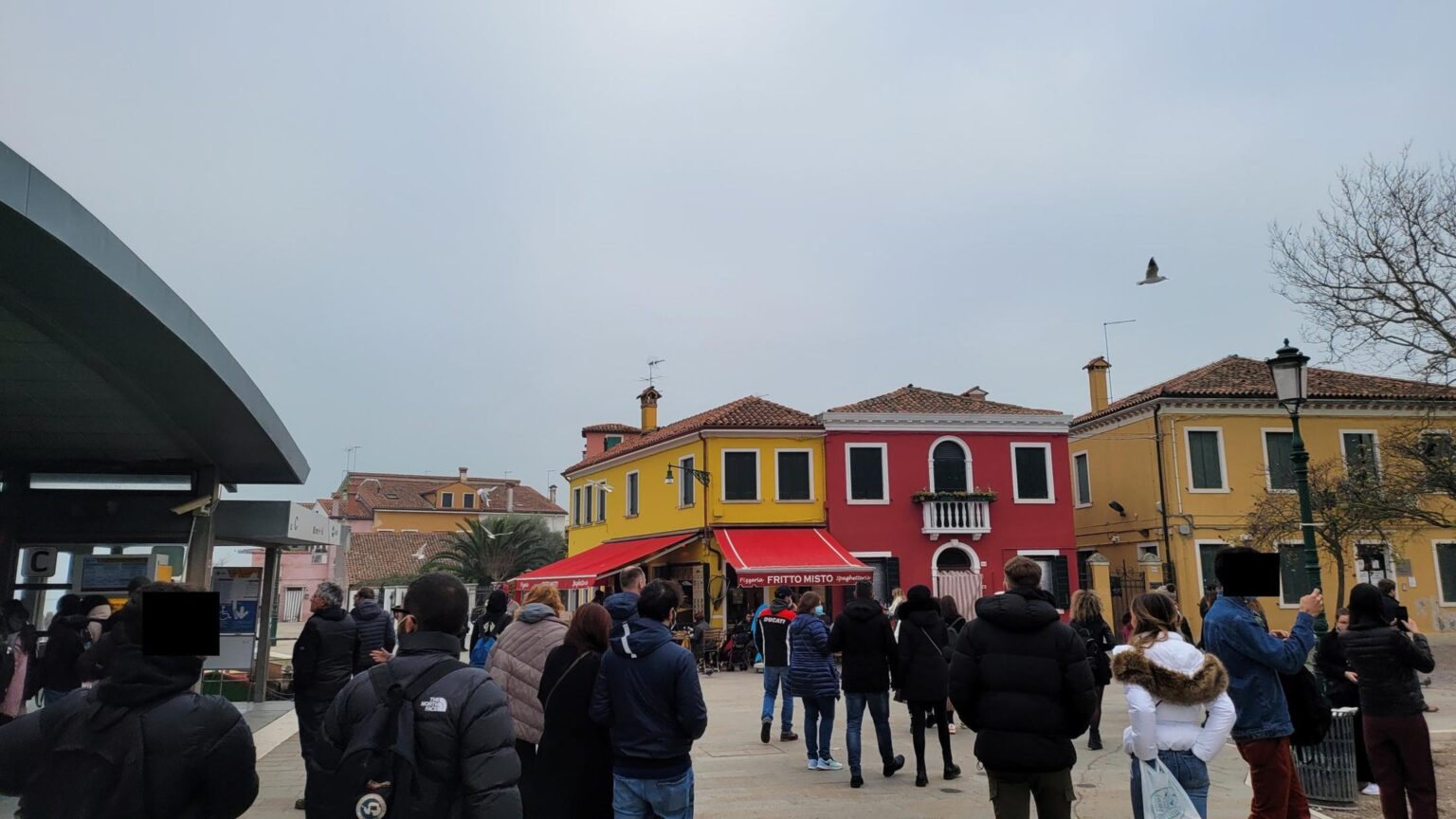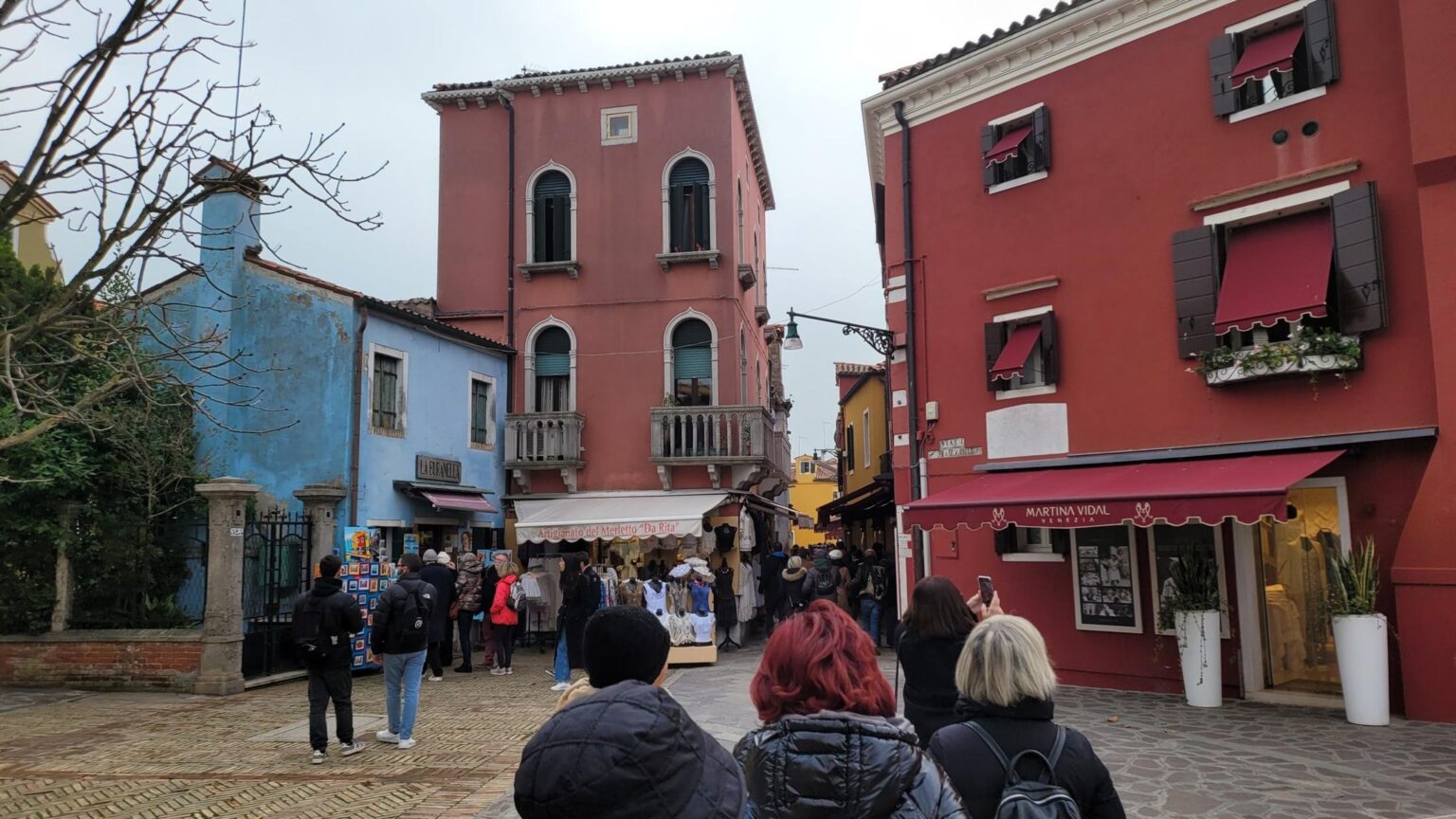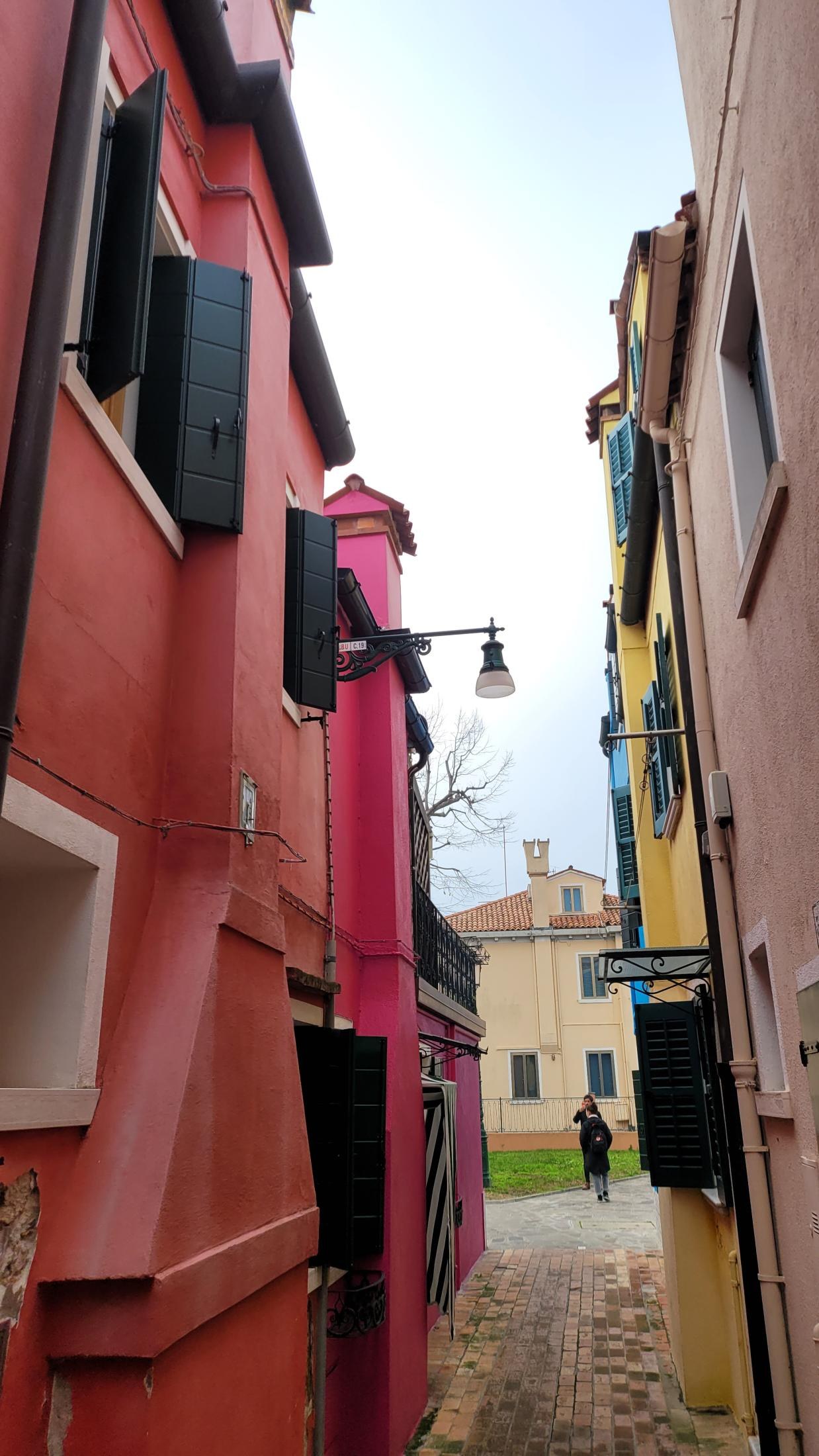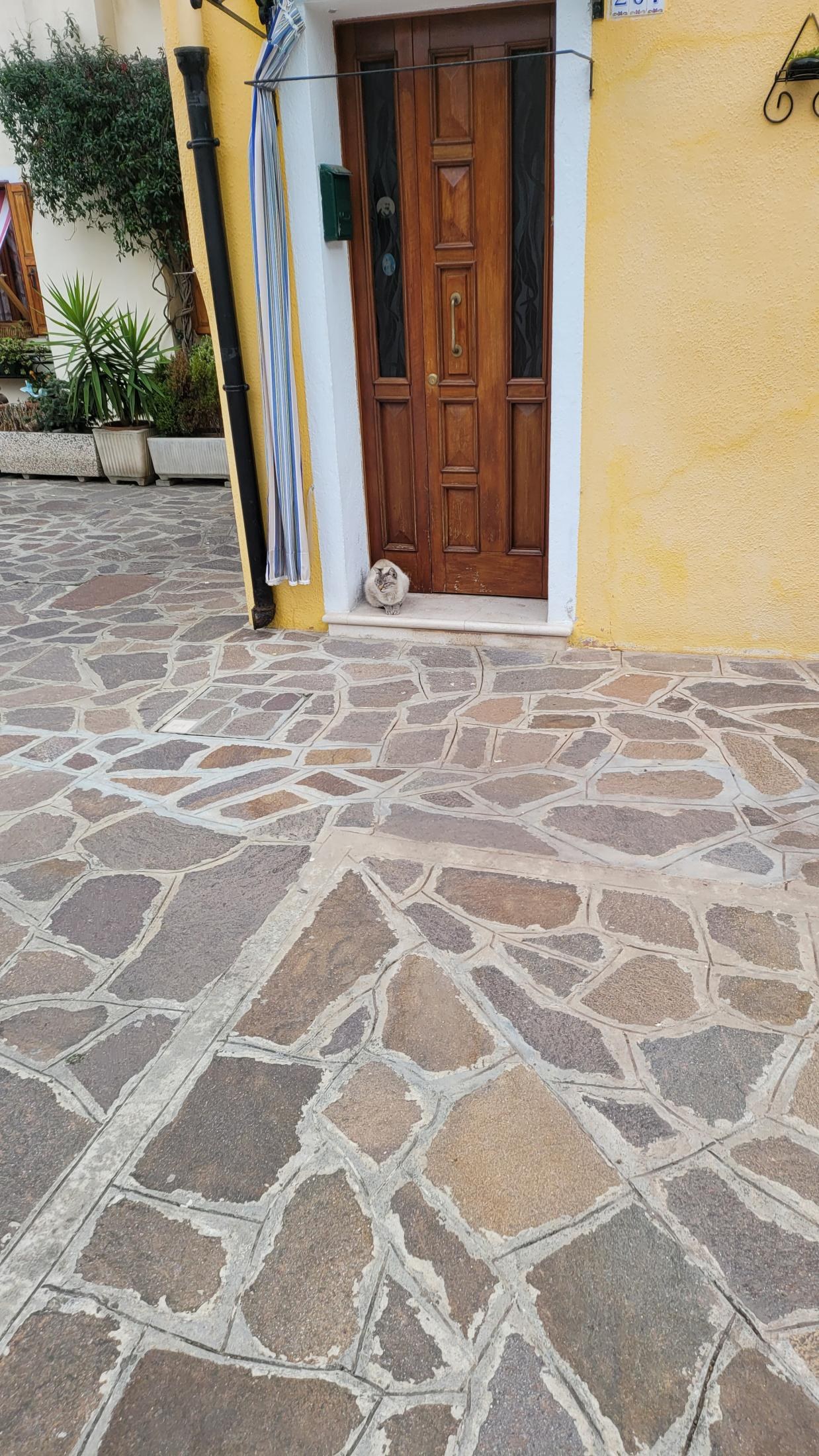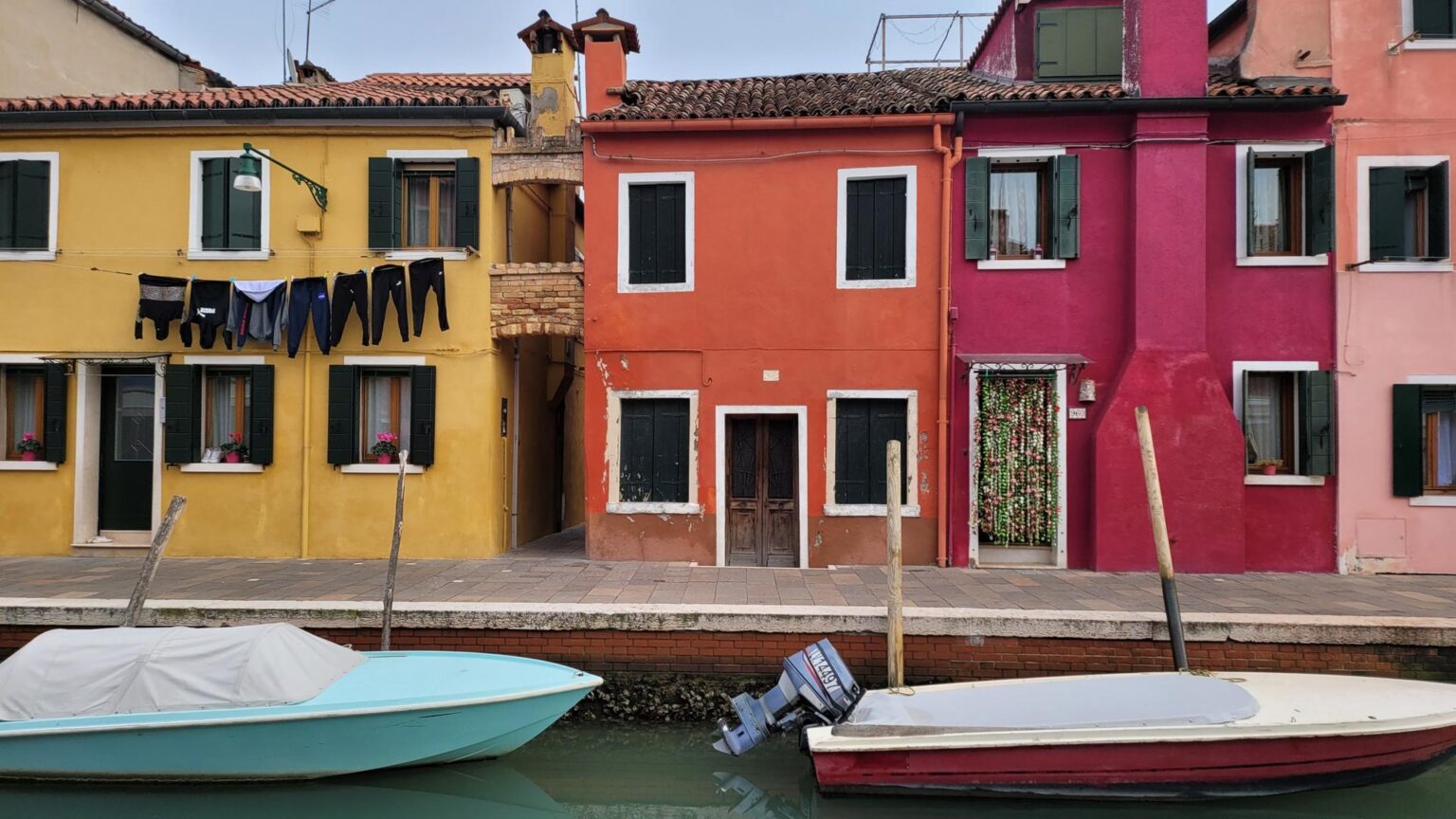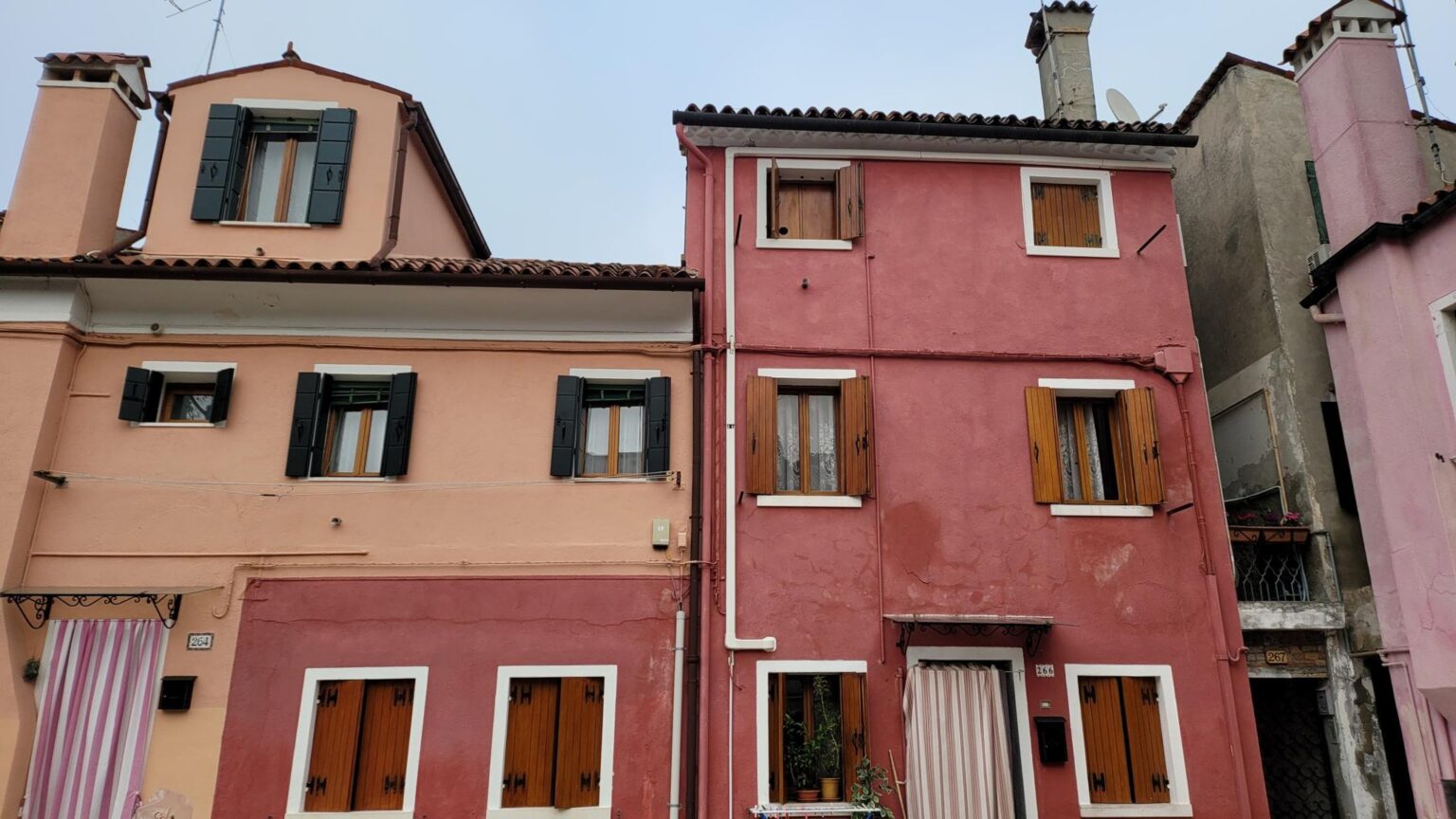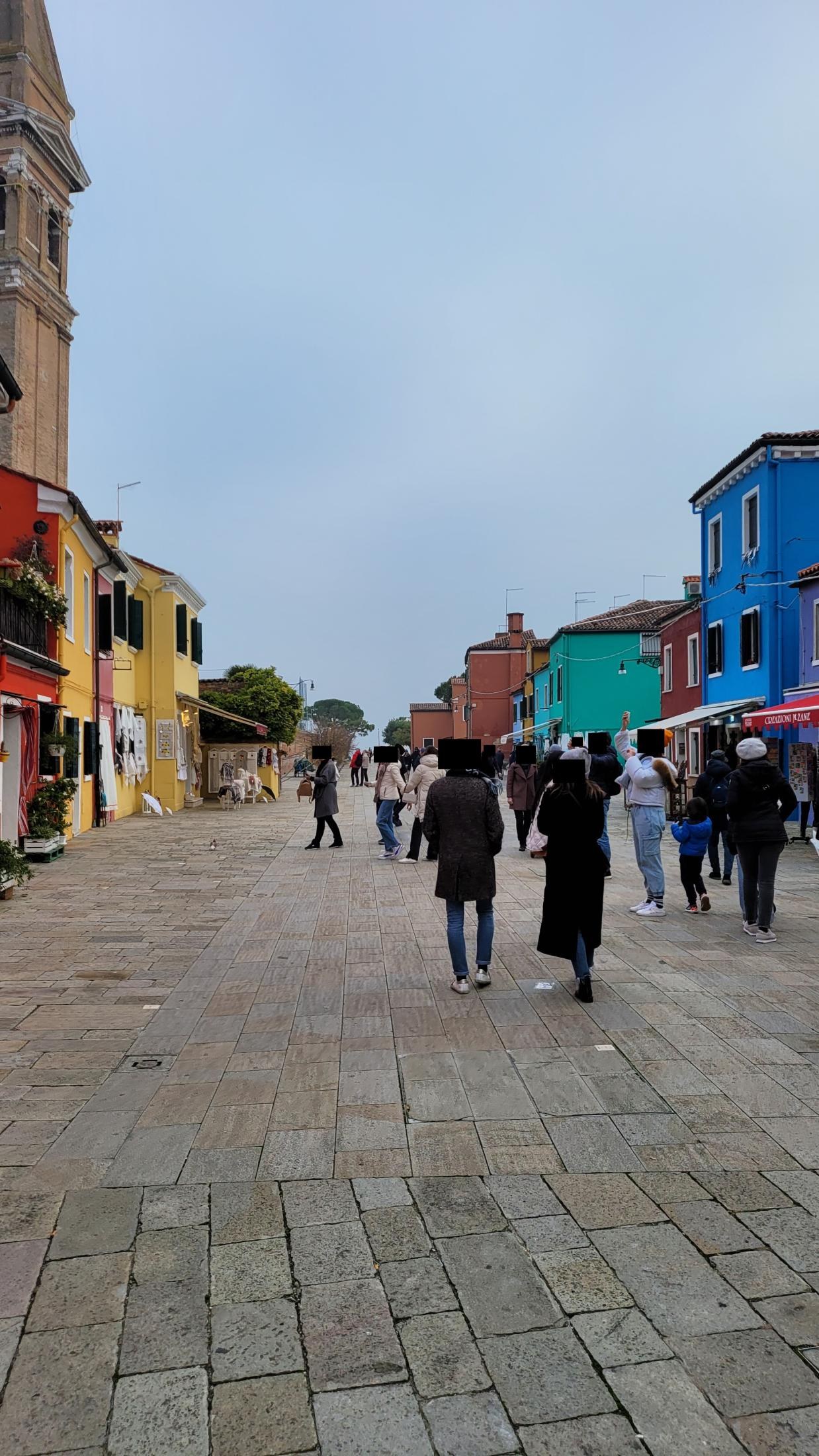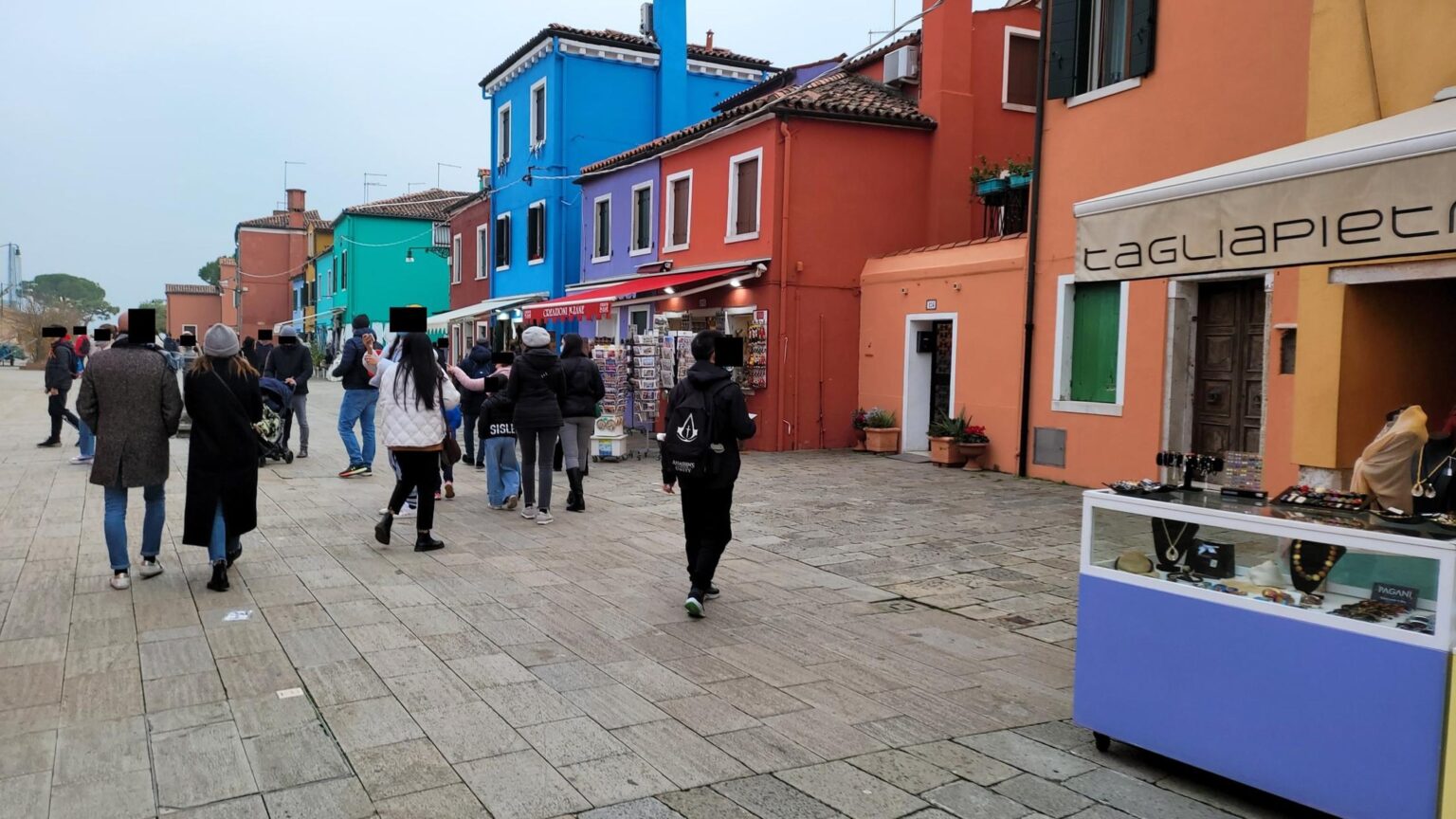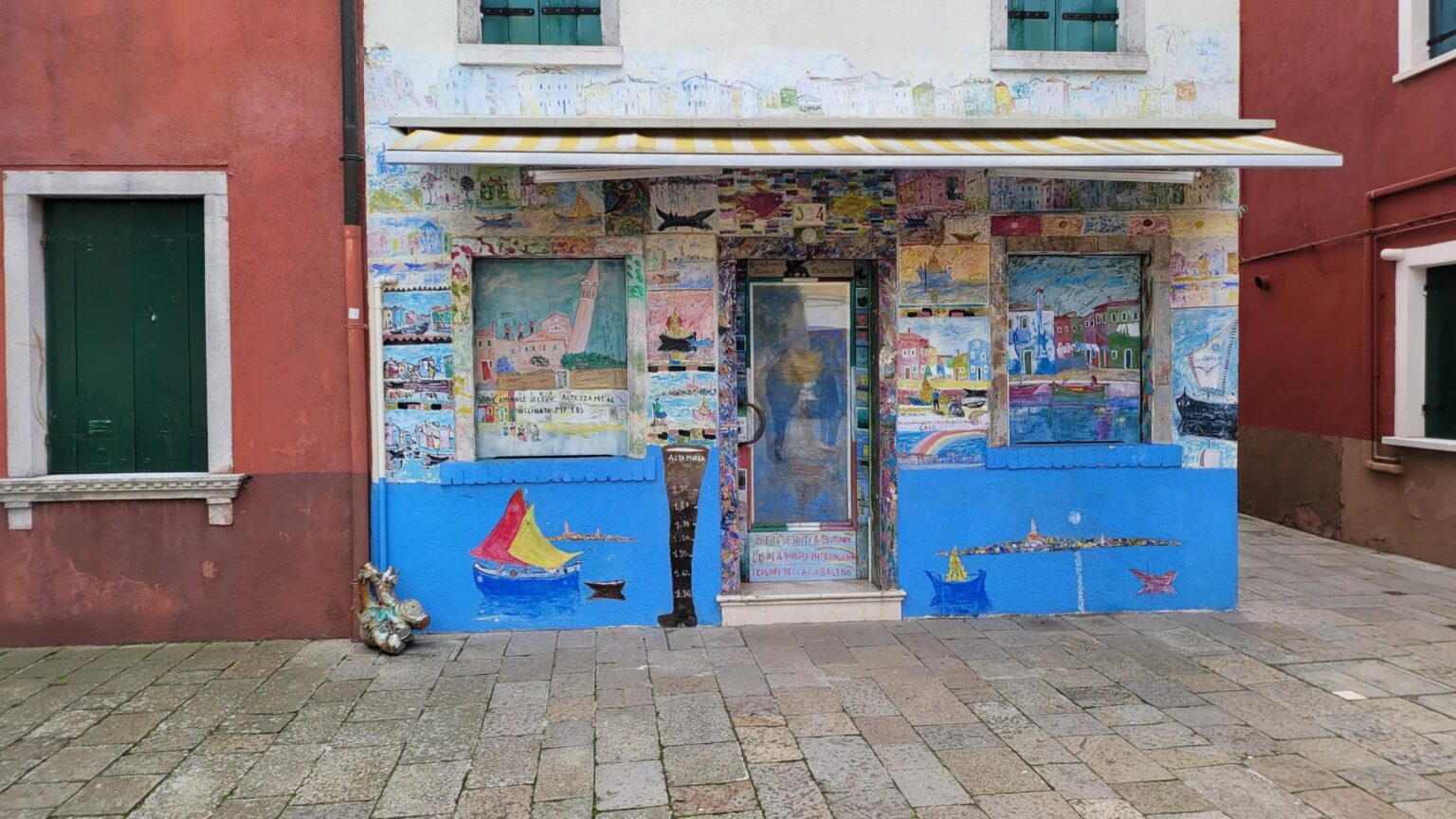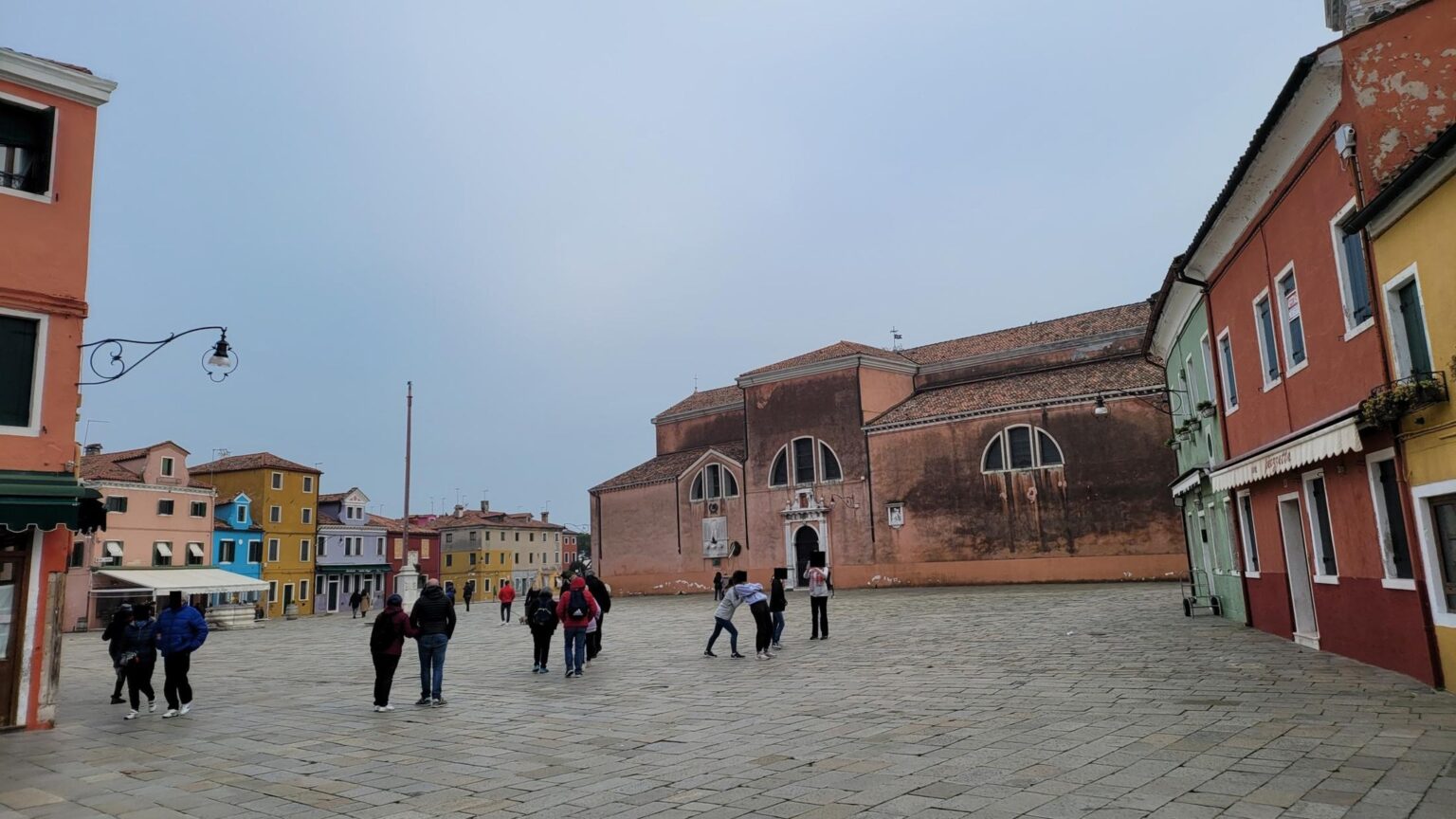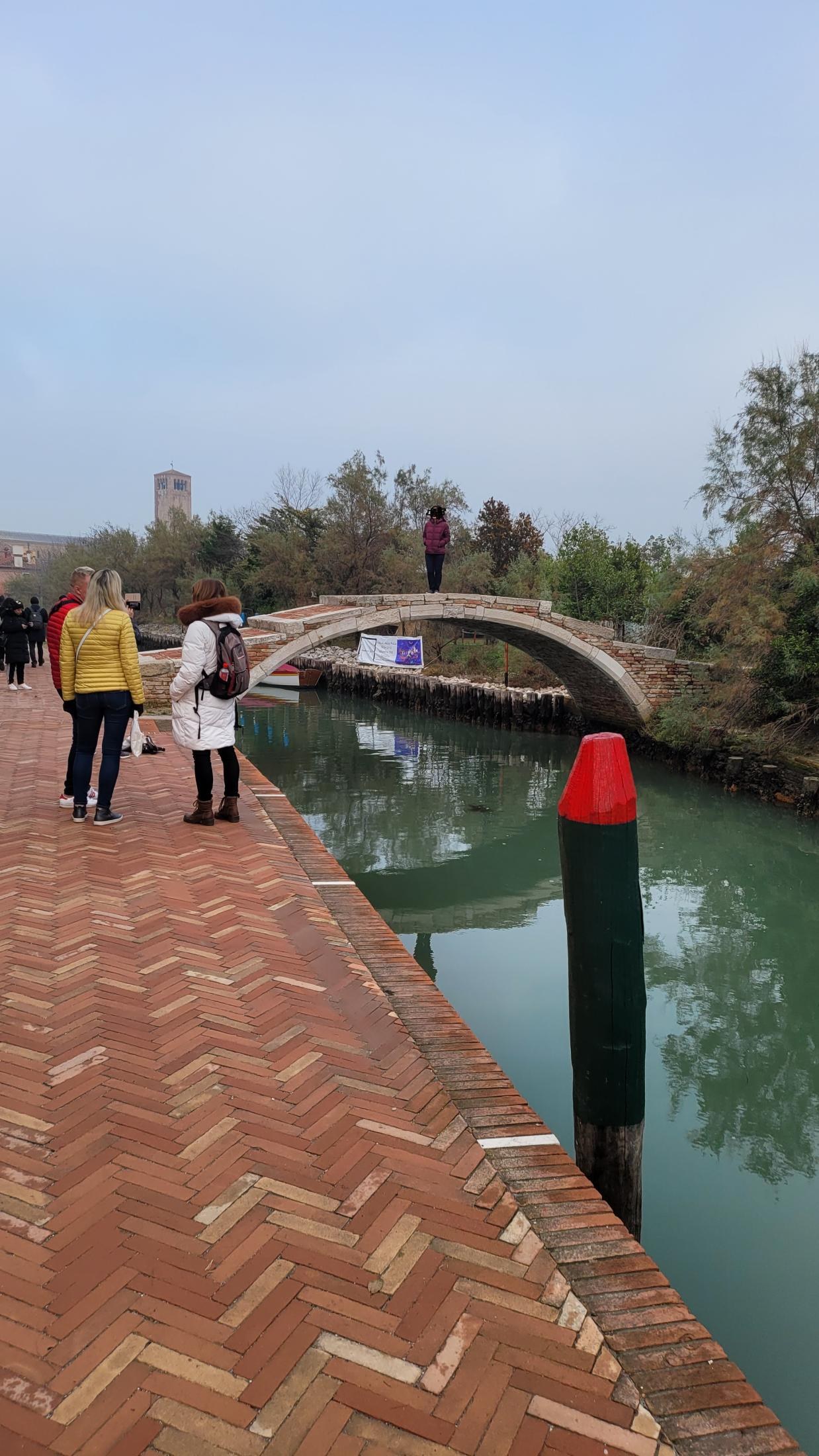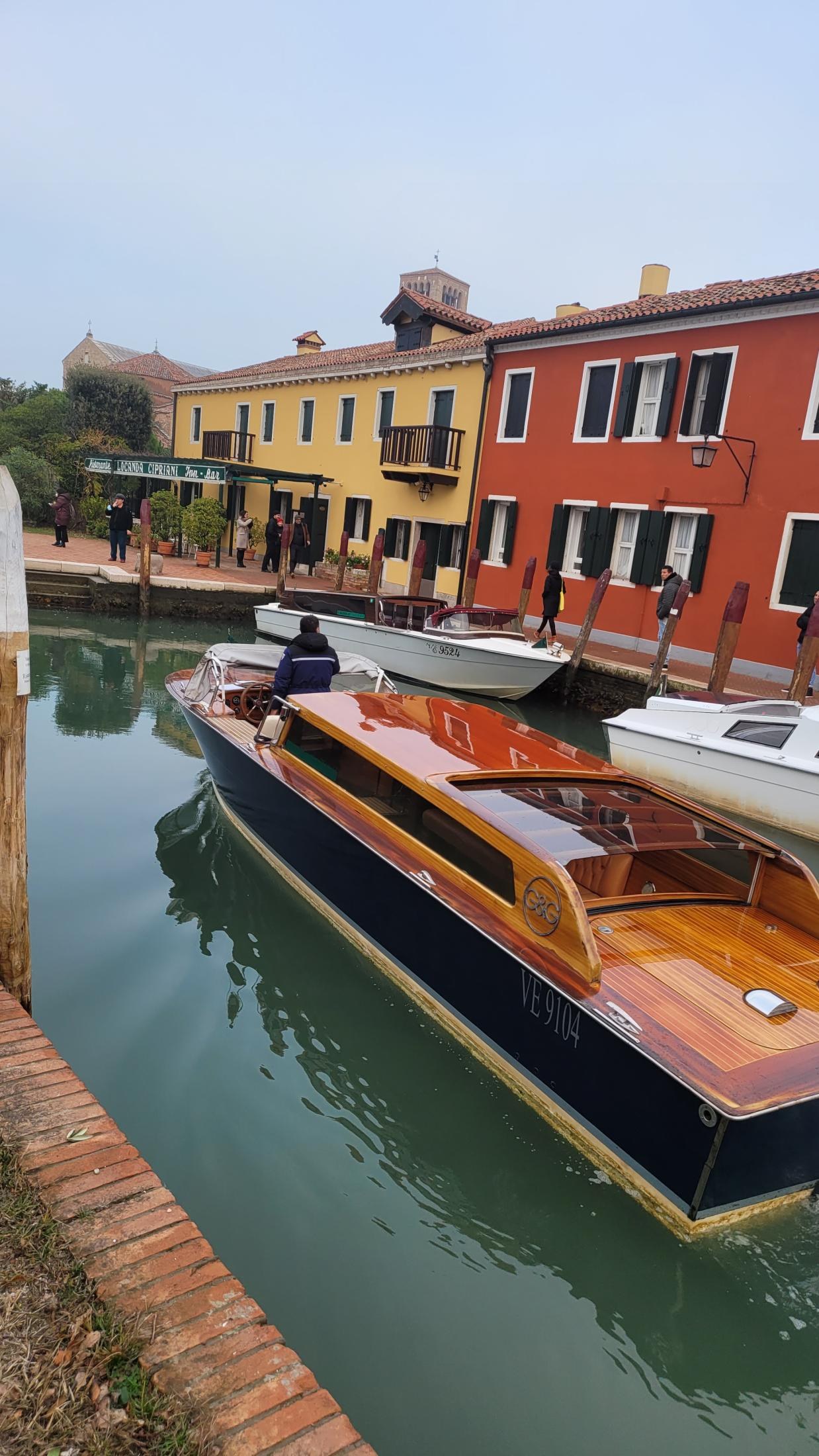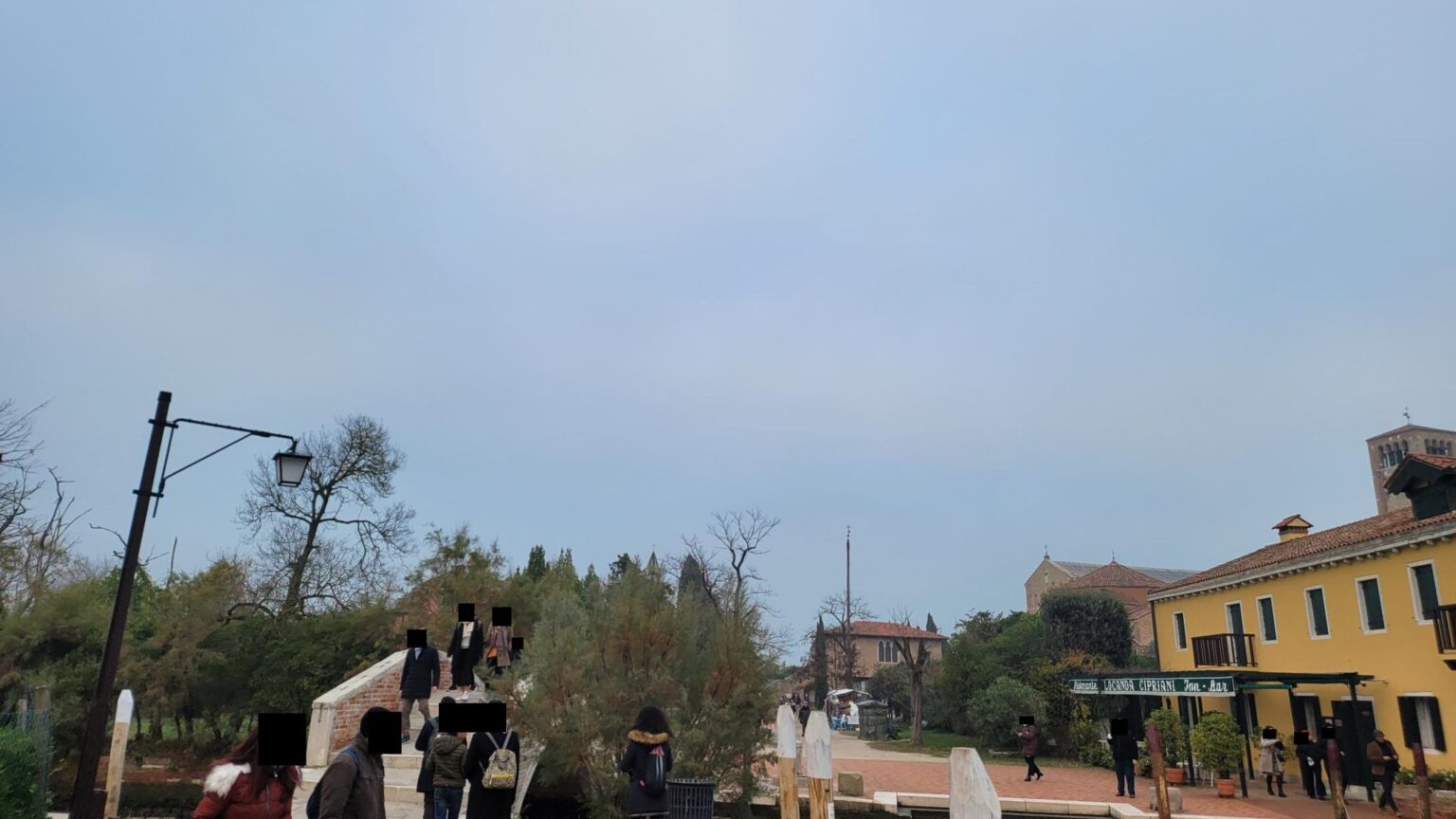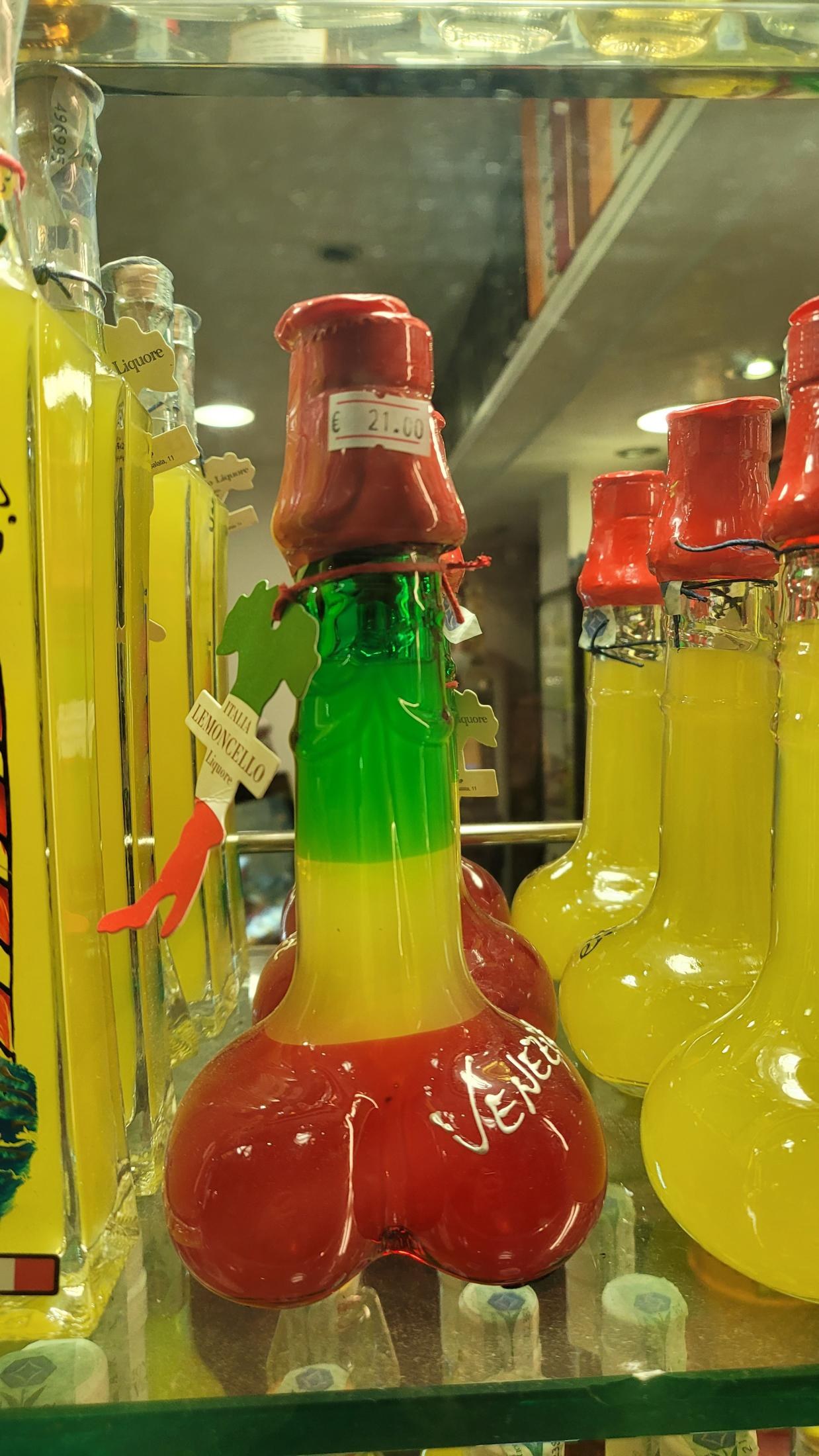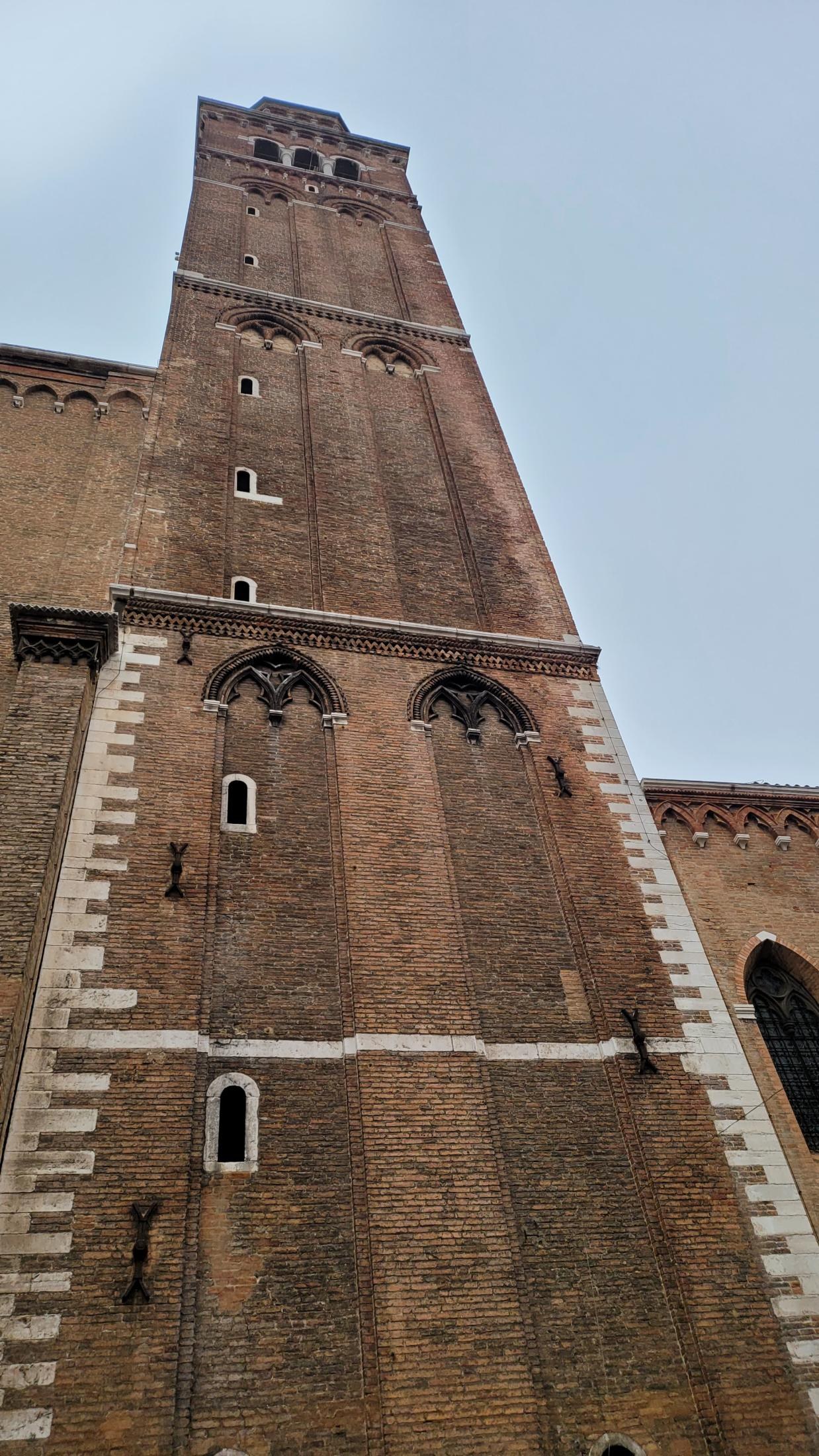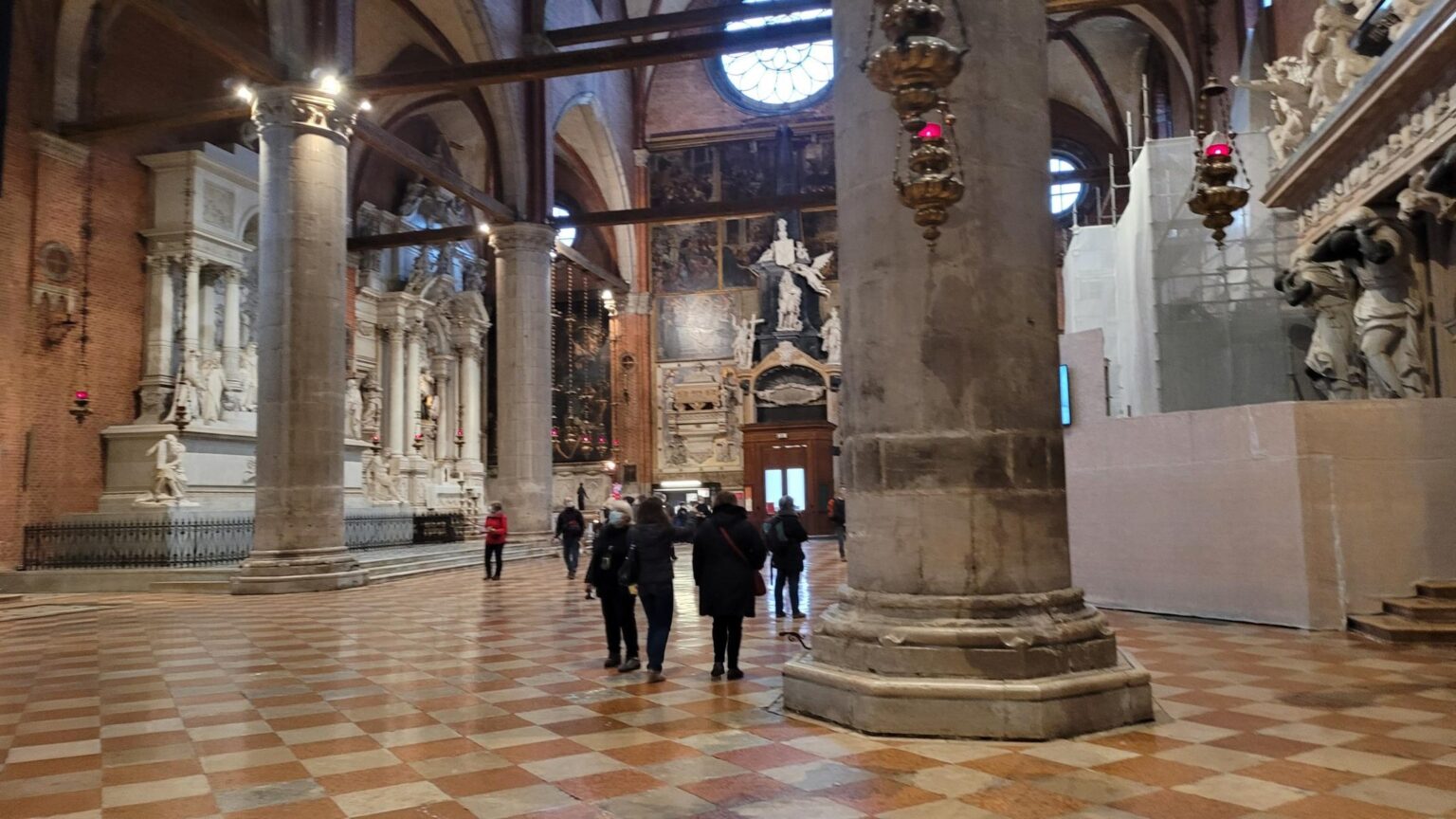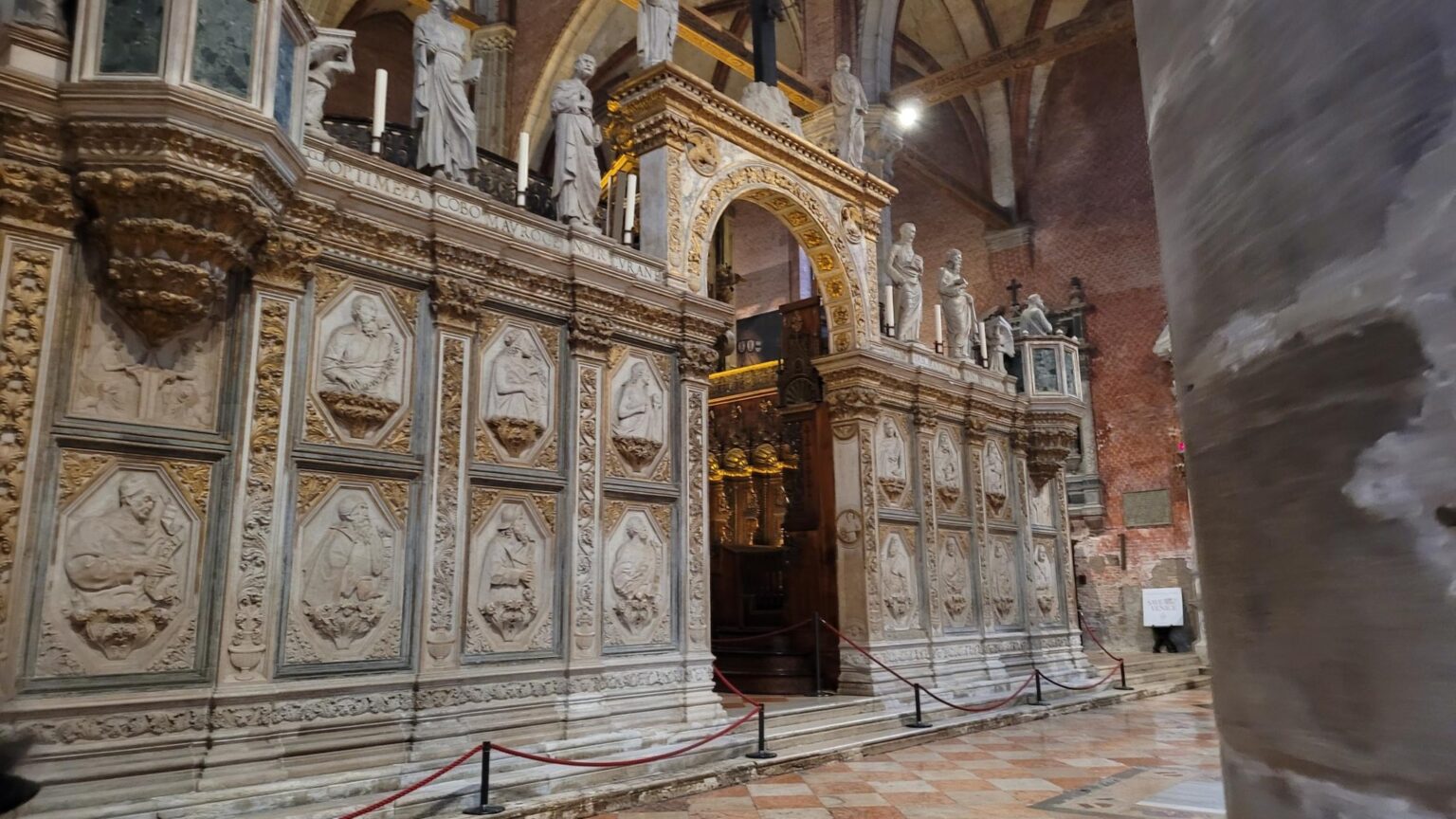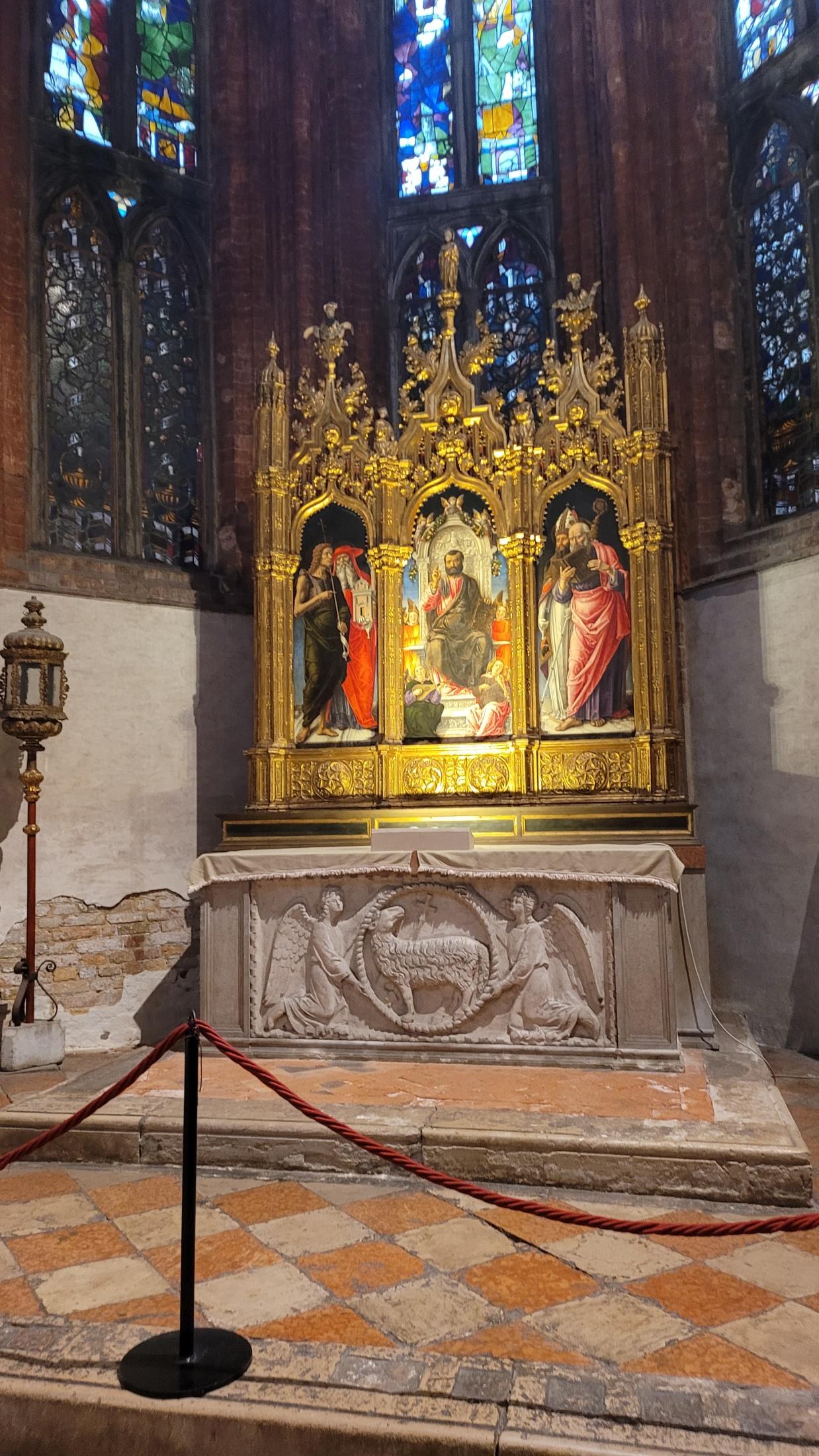
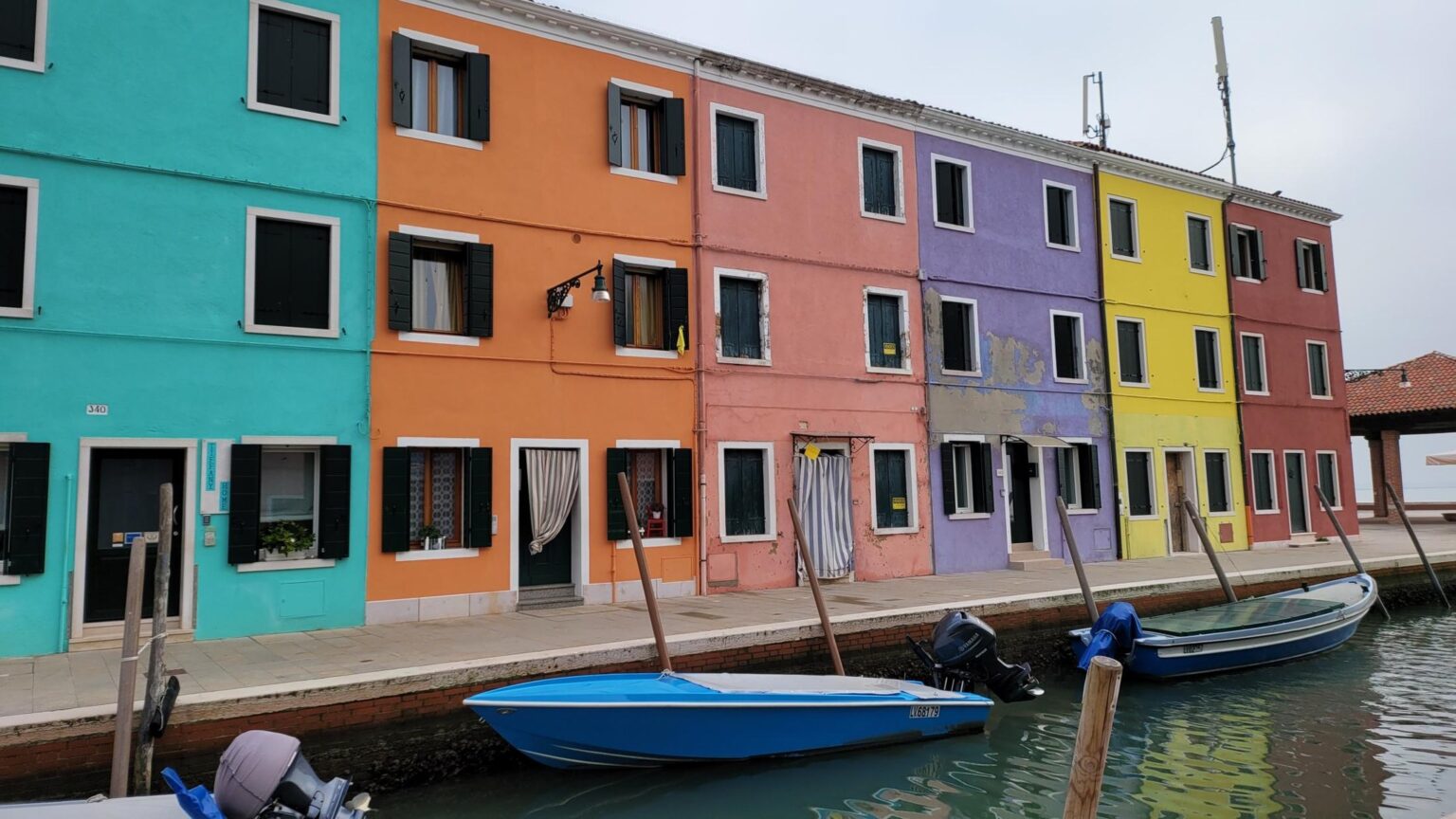
A birthday. A trip. Italy. Venice. The classic, as people say. What better, clearer intro could there be. OK, we are not quite that basic. Let us add that after a short dig around the internet it turns out Venice has a very respectable supply of ready-made 3–4 day packages from tour operators and voucher sites. What does not turn out is that those packages give you anything beyond flights and hotel nights — at close to double the price of arranging the same thing yourself. We are practical people in this respect, so here is how to get to Venice for a sum that is entirely comparable with a weekend somewhere in Bulgaria 🙂
One note before we start: we did this trip at the end of November, and every number below has been re-checked for 2026. Where something has moved — and a few things have moved a lot — we say so.
A small teaser of what is coming:
Venice — flights and hotel nights
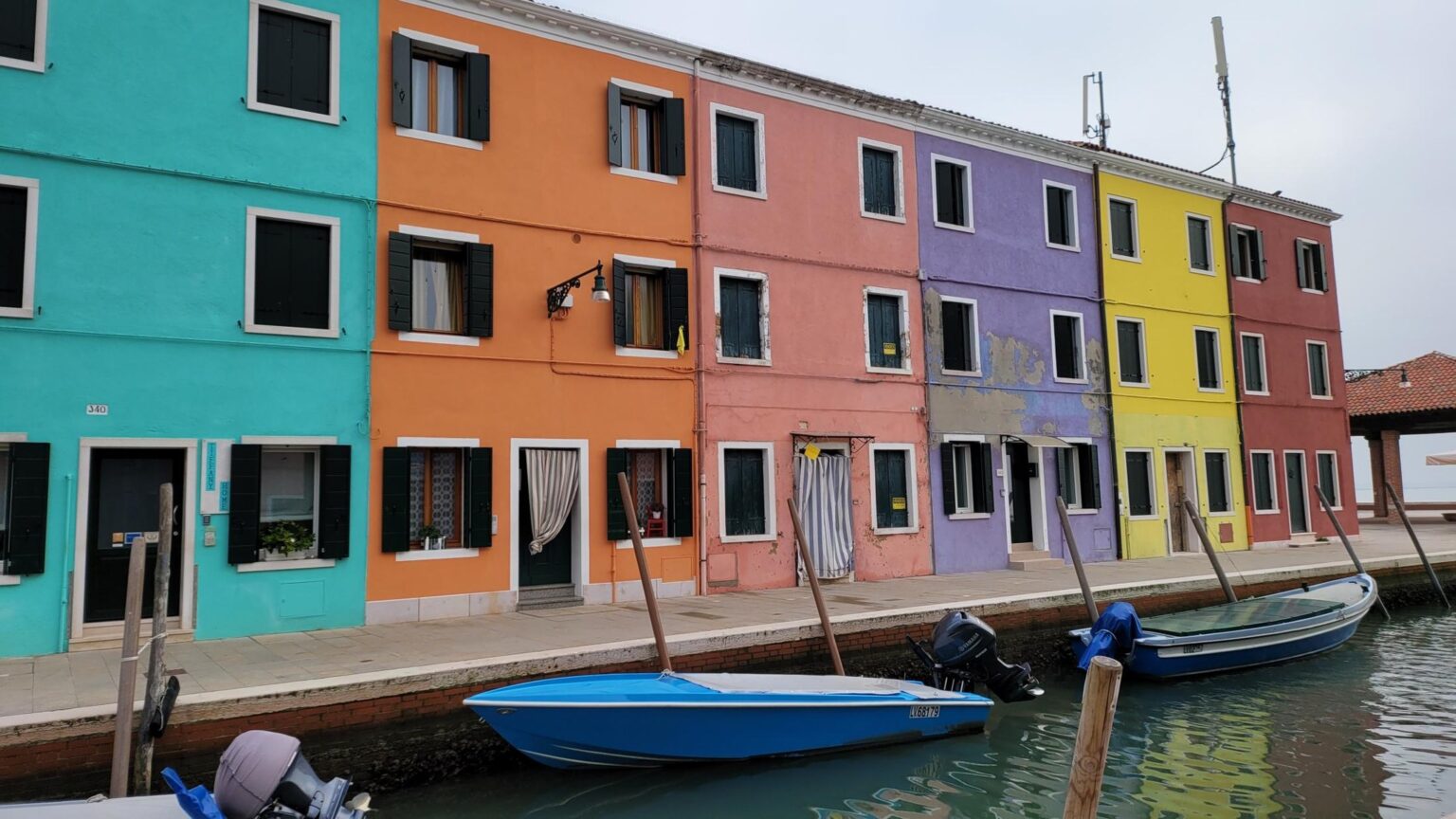
As we mentioned a few lines above, this search will show you dozens of operator and voucher-site offers for Venice. In our humble understanding the comfortable window for visiting runs from roughly the beginning of May to the end of November, and that is reflected directly in the prices. December to April sits at around 300 leva for three nights. May to November, the same period costs closer to 600 leva.
Realistically, Venice is very often the Bulgarian’s first destination in Italy. We assume that is exactly why the offers exist. And fair enough — the flight is an hour and a half, there is almost no culture shock, everything is thoroughly European, and 2–3 days is enough. If you are worried about the logistics, throw yourself at a tour operator; just understand that they add no real value. They pay for your tickets in advance. Something you can do yourself from the sofa a month or two earlier.
We split the trip into:
When to go to Venice
As we said, the real season is May to November. Venice is a world-famous destination and there are maaaany tourists. So many that in places you physically cannot get past people. Our advice is to go near the very start or the very end of the season. In our case the trip lands at the end of November. Check a forecast about a month out and plan around it — it is only a rough guide, but it is something.
One new thing worth planning around: Venice now charges day-trippers an access fee on peak days. More on that further down, because it changes very little for us and quite a lot for people doing Venice as a day trip.
Flights
This part is simple. We look at Wizz Air and Ryanair. Sofia–Treviso is still flown by Ryanair, a couple of times a week, and the fare sits between roughly €20 and €40 one way; add cabin baggage and you are around €25–45. Say €50–80 return per person and you will not be far off. What jumps out immediately is that the flight dates line up suspiciously well with the tour operators’ dates — the cheapest combinations are Thursday to Sunday in some months, Monday to Friday in others. It really does jump out.
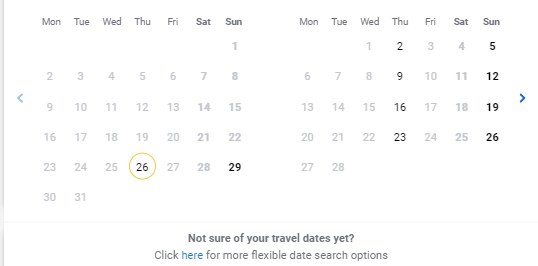
The flights land at International Airport Treviso A. Canova (TSF), in Treviso. Treviso is about 30 kilometres from Mestre. Mestre, in turn, is the mainland district of Venice, on the solid ground at the edge of the Venetian Lagoon.
The transfer from Treviso to Mestre and Venice
…is the next step. On paper this is the worrying bit; in practice it is the easiest part of the entire trip. You step out of the airport and immediately see a wall of transfer options to Mestre and Venice. There is a bus roughly every 20 minutes, usually timed to arriving flights. The ideal option is the direct ATVO coach. You can also buy tickets online, including returns, valid for a week.
Honestly — we see no great point in buying them online. Tickets run around €14 one way and €24 return per person, and you can get them from a desk inside the airport, a desk outside the airport, the driver, or a machine at the stop. Our advice is to just take them on the spot before boarding; it genuinely is that easy. Look for the ATVO sign. Since August 2026 ATVO runs the new 351 route, which reaches Mestre in about 30 minutes and Piazzale Roma in about 40 — noticeably quicker than the hour it used to take us.
Note the price jump here: this leg cost €10 one way when we did it. It is one of the few numbers in this article that has genuinely climbed.
Sleeping in Mestre or in Venice
As we said, Mestre is a district of Venice. Which brings pluses and minuses.
Why stay in Mestre?
- Rooms are dramatically cheaper. A decent, perfectly normal hotel with breakfast in Mestre sits around €60–100 for a double, so €30–50 per person. On the island itself you start around €120 for something grim and climb fast from there. Call it half price, and you usually get a bigger, newer room for the money.
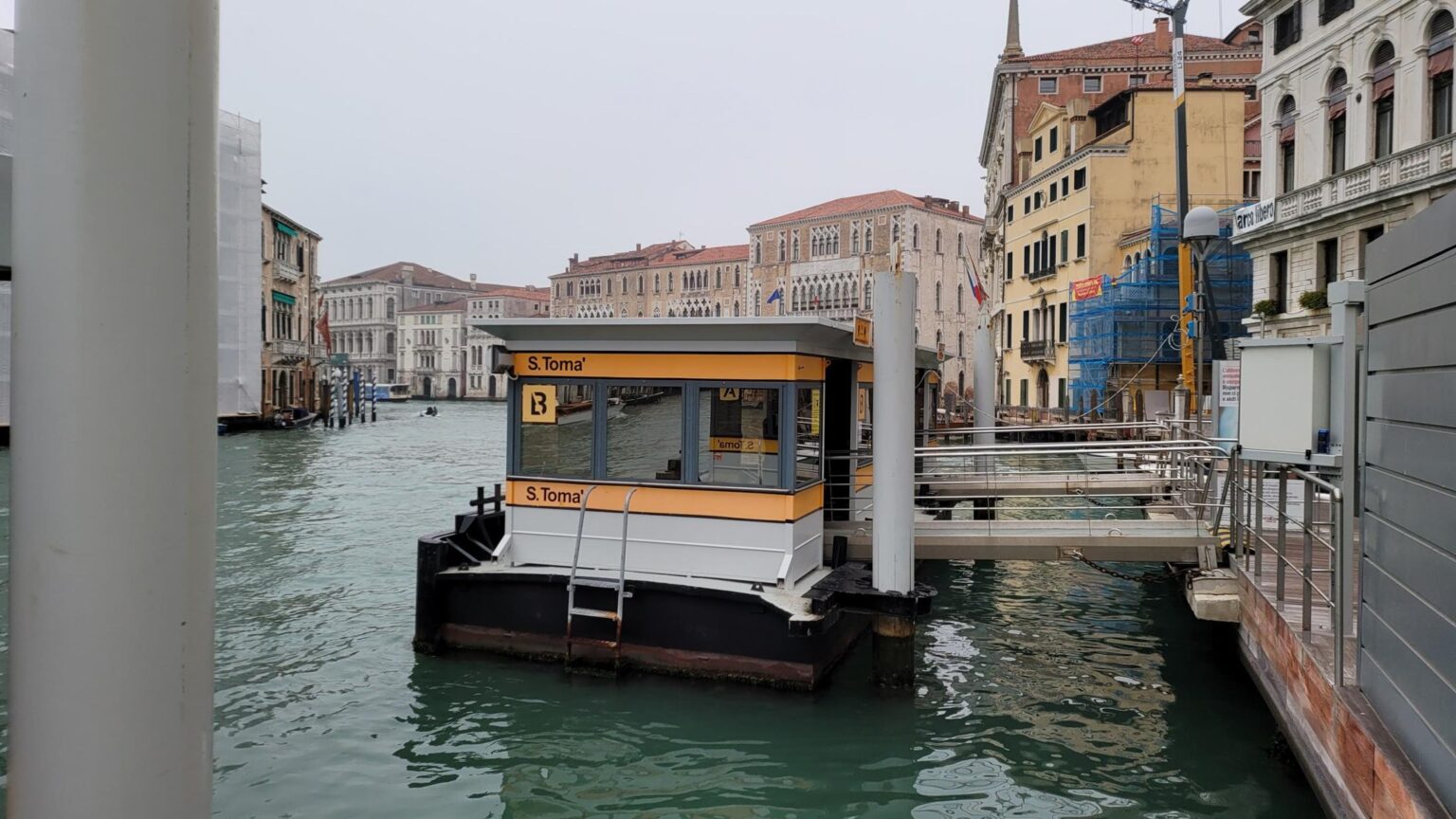
- Being a district of Venice, the transport and infrastructure are excellent. In under 15 minutes the direct tram takes you to Piazzale Roma for €1.50. The train from Venezia Mestre to Venezia Santa Lucia is even faster.
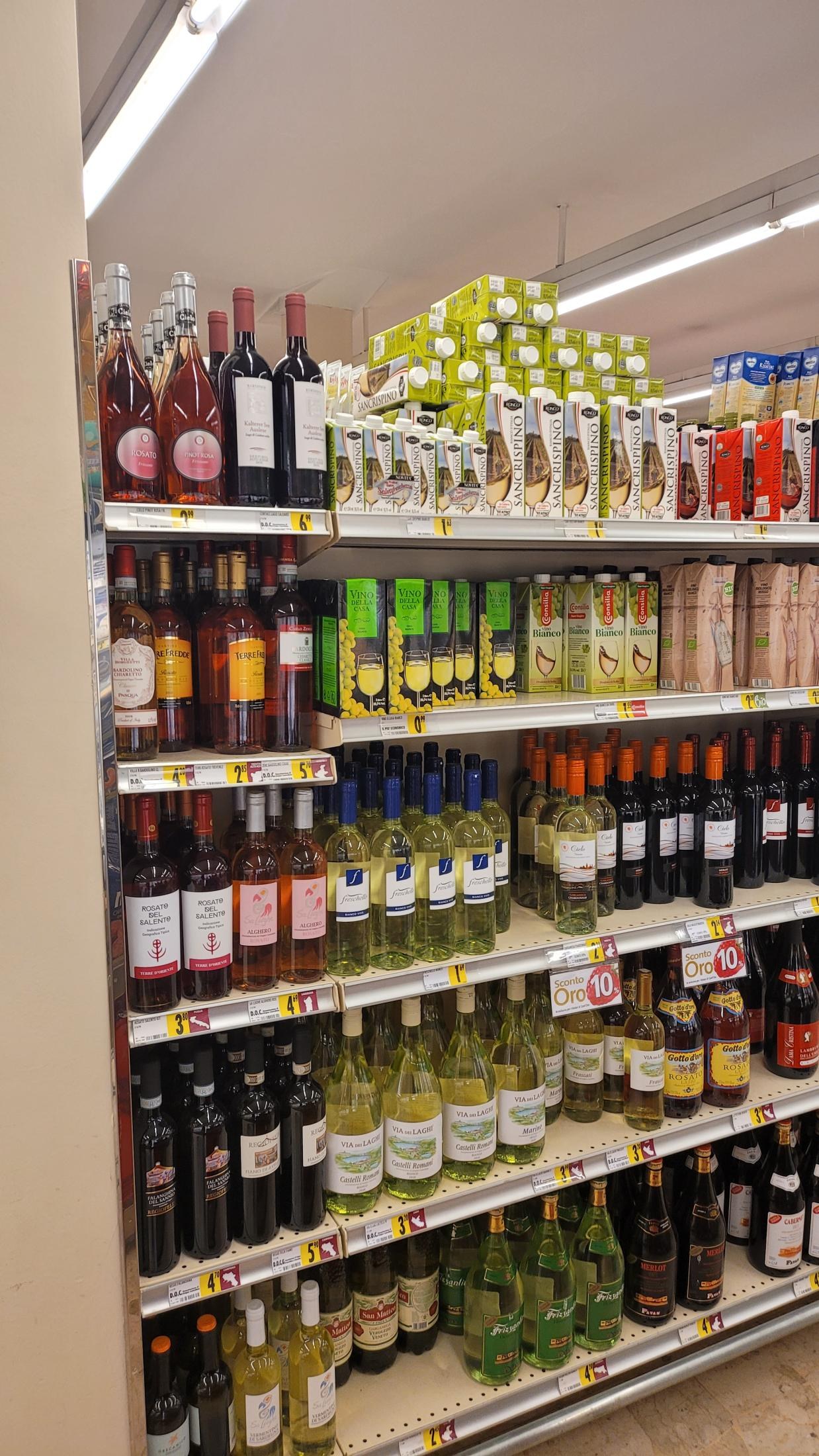
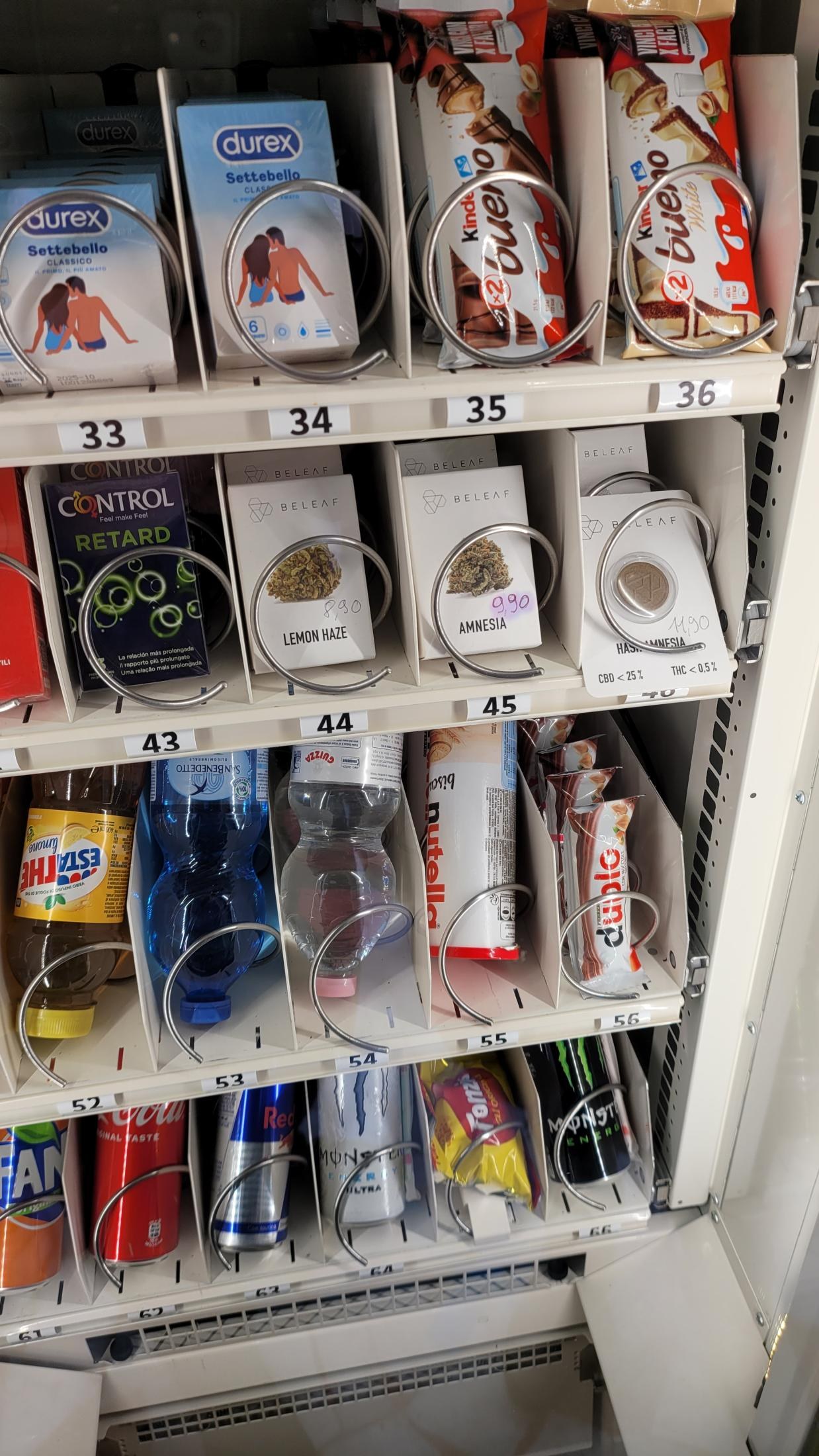
- There are supermarkets at Bulgarian prices. You can eat well and cheaply.
- Mestre itself is worth a couple of hours around its centre.
Why stay in Venice?
- Because you want to see Venice and feel what it is like to sleep on the water.
- You are there for a shorter stretch and worry you will not fit everything in.
- It is more convenient and you are in the middle of things; you save half an hour to an hour a day in transit.
- You get to say “I slept in Venice” without pulling a face about the fact that you were actually in Mestre (which is, again, Venice) 😄
Paperwork, and the new access fee
When we travelled, this section was a full page about vaccination certificates, PCR tests and a passenger locator form. All of that is gone. Today it is an ID card or passport and nothing else — Italy is in the EU and Schengen, and so are we.
What has replaced it is the contributo di accesso — Venice’s access fee for day visitors. It applies to the historic centre only, on a published list of peak days (in 2026 that was 60 days between 3 April and 26 July, mostly Fridays to Sundays), between 08:30 and 16:00. It costs €5 if you book at least four days ahead and €10 if you leave it late, per person aged 14 and over. The islands — Murano, Burano, Torcello, Lido — are not covered.
Here is the part that matters for our plan: anyone staying overnight in registered accommodation inside the Comune di Venezia is exempt, and Mestre is inside the Comune. So sleeping in Mestre exempts you. You still have to register on the city’s portal and carry the free QR code — do it the evening before, it takes five minutes. The official portal is cda.ve.it, and the day list is published there.
That is it. Flight — under two hours, ATVO coach — 40 minutes or so, check-in. From Terminal 2 in Sofia to your hotel is barely 3 hours.
Nothing frightening in any of that. Let us get on with executing the plan and see where it takes us 😄
Day 1: Arriving in Mestre; Venice after dark
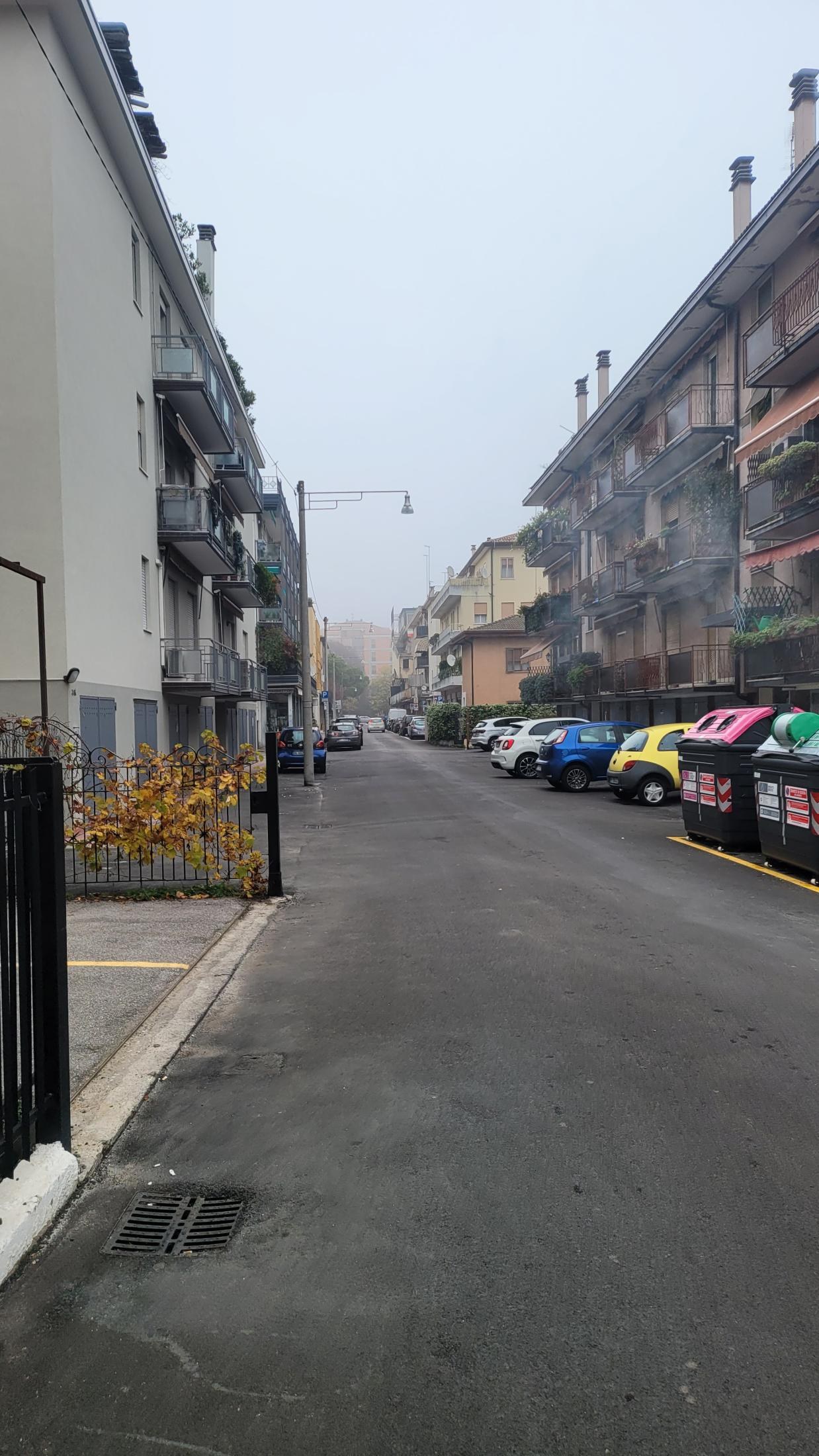
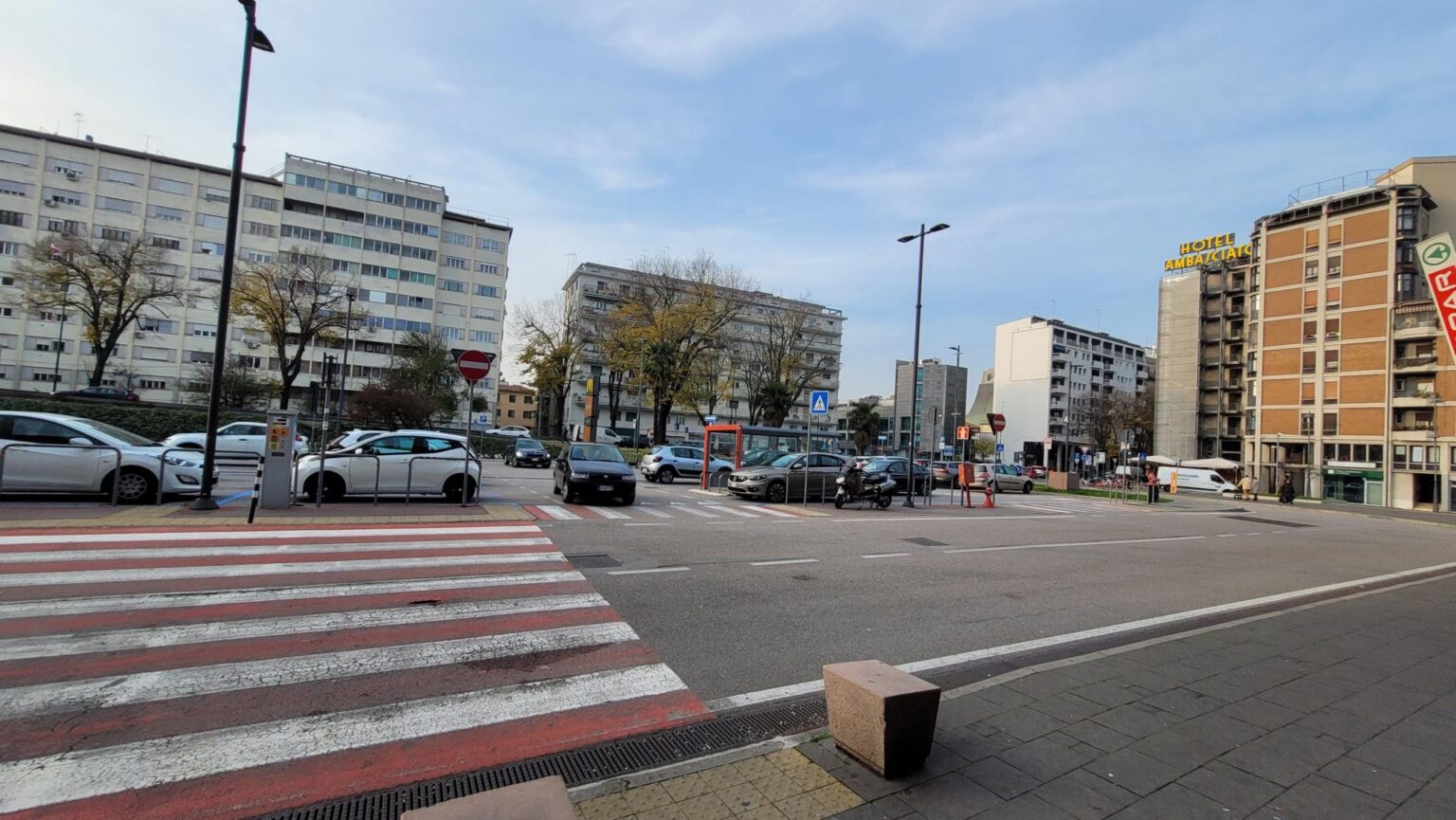
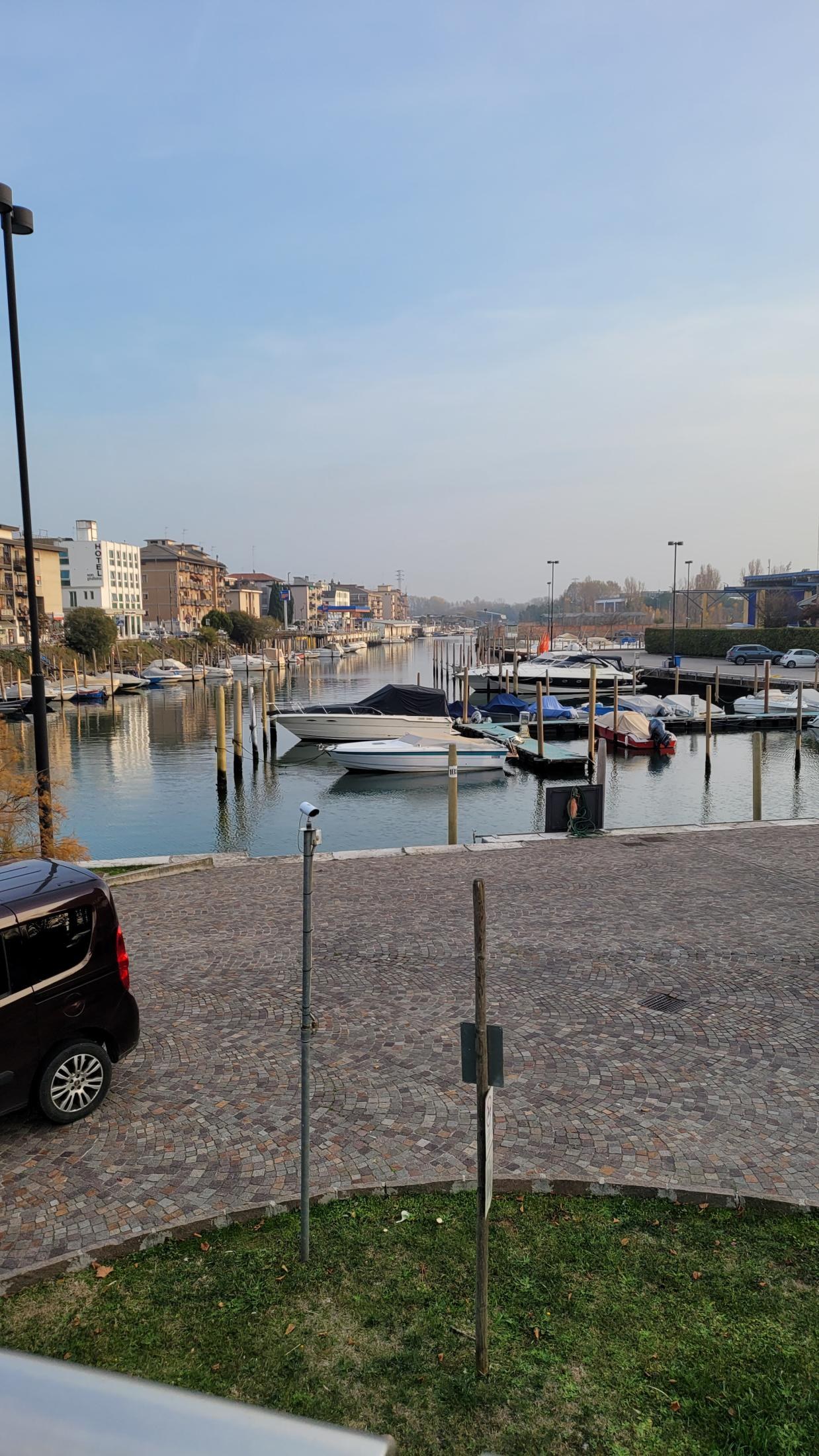
Three hours after Sofia airport and we are at the hotel. The flights are usually around midday. On the way to the hotel a hypermarket appears — Interspar. What a pleasant surprise. Prices are broadly comparable with Bulgarian shops. Hot counter. Wine at one or two euros. Prosciutto at one or two euros. Wow. A direct hit. A quick shop for the essential ammunition and water, and onwards. We check in somewhere well connected, a few stops from Venice.
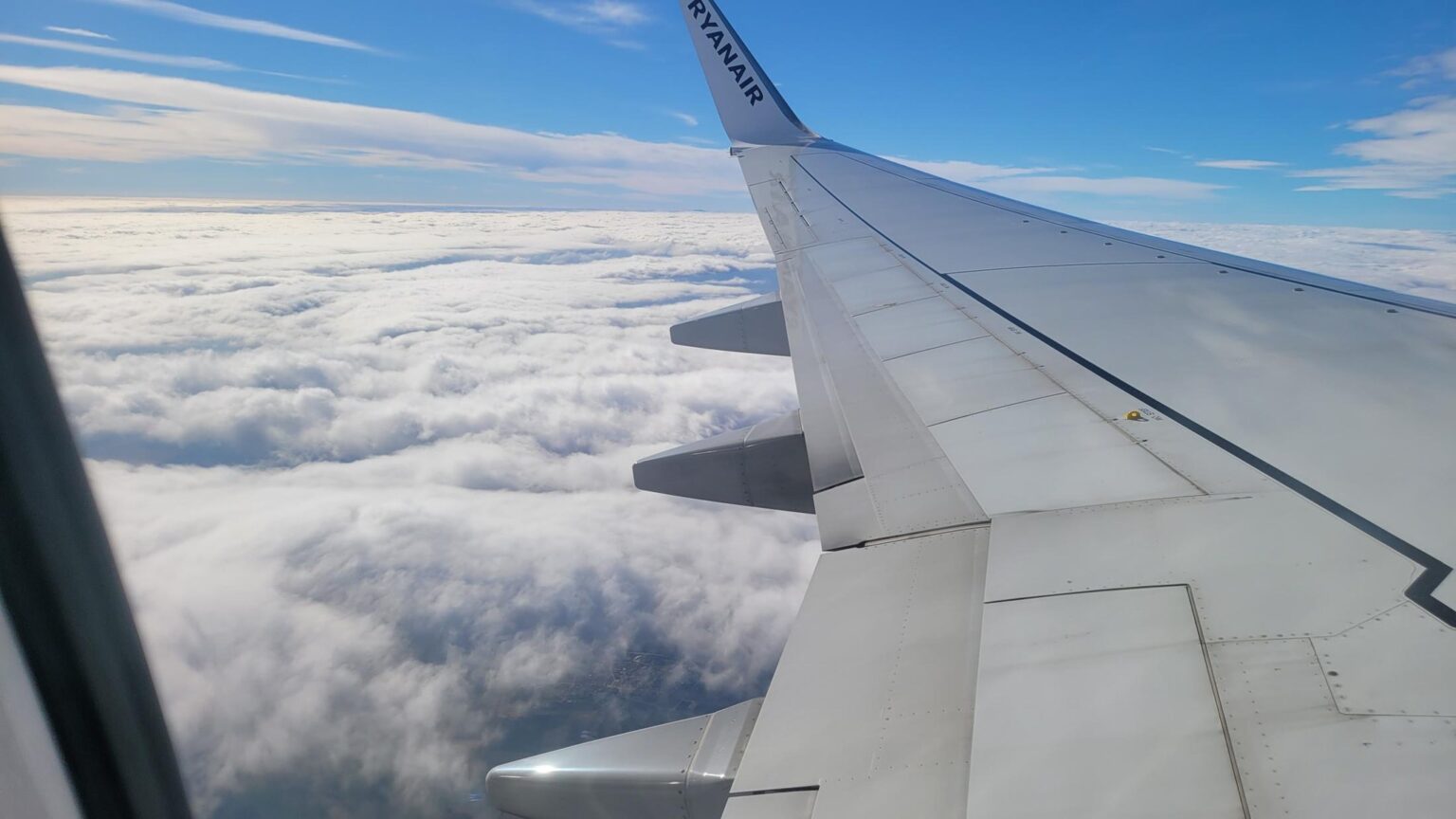
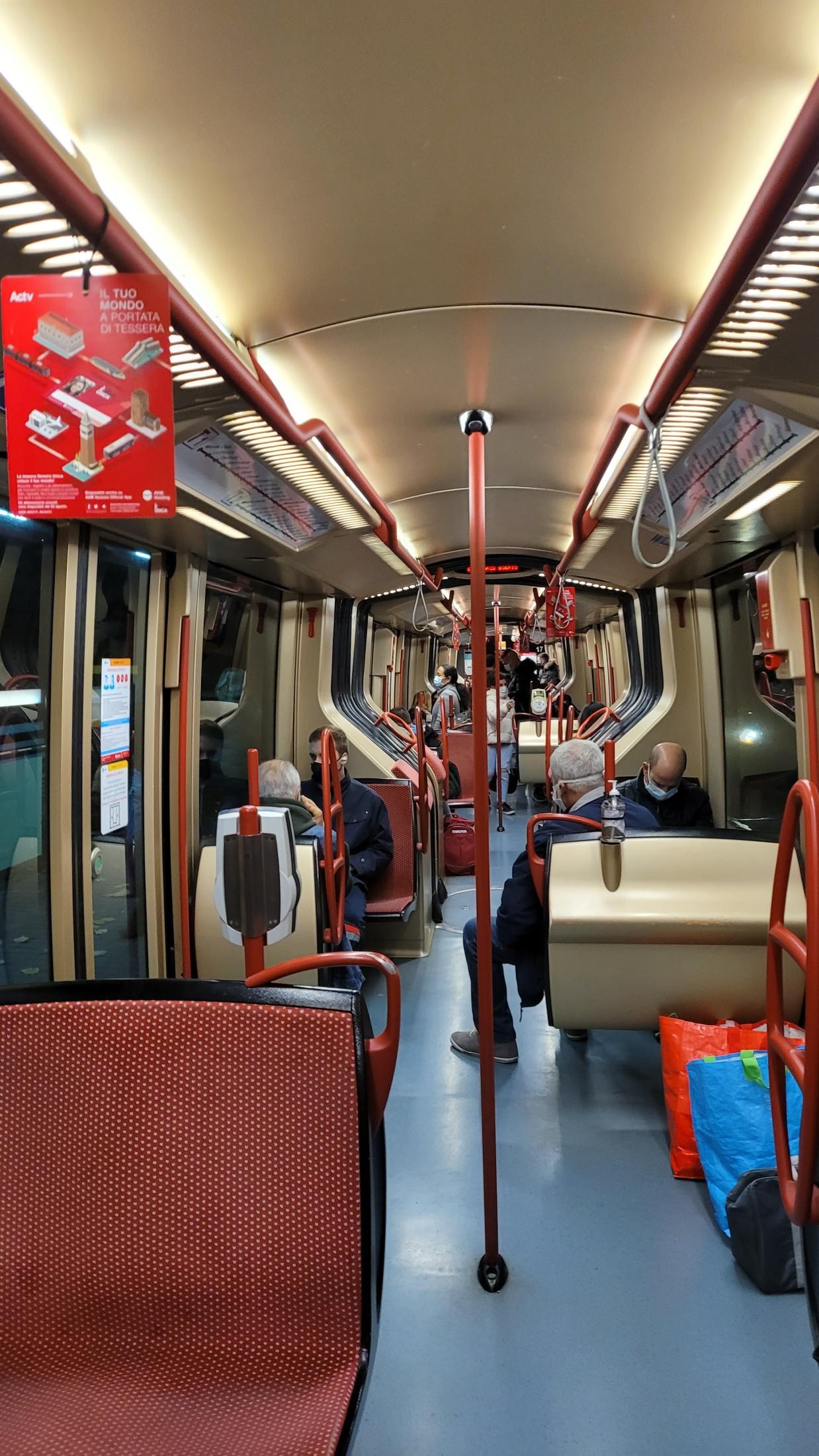
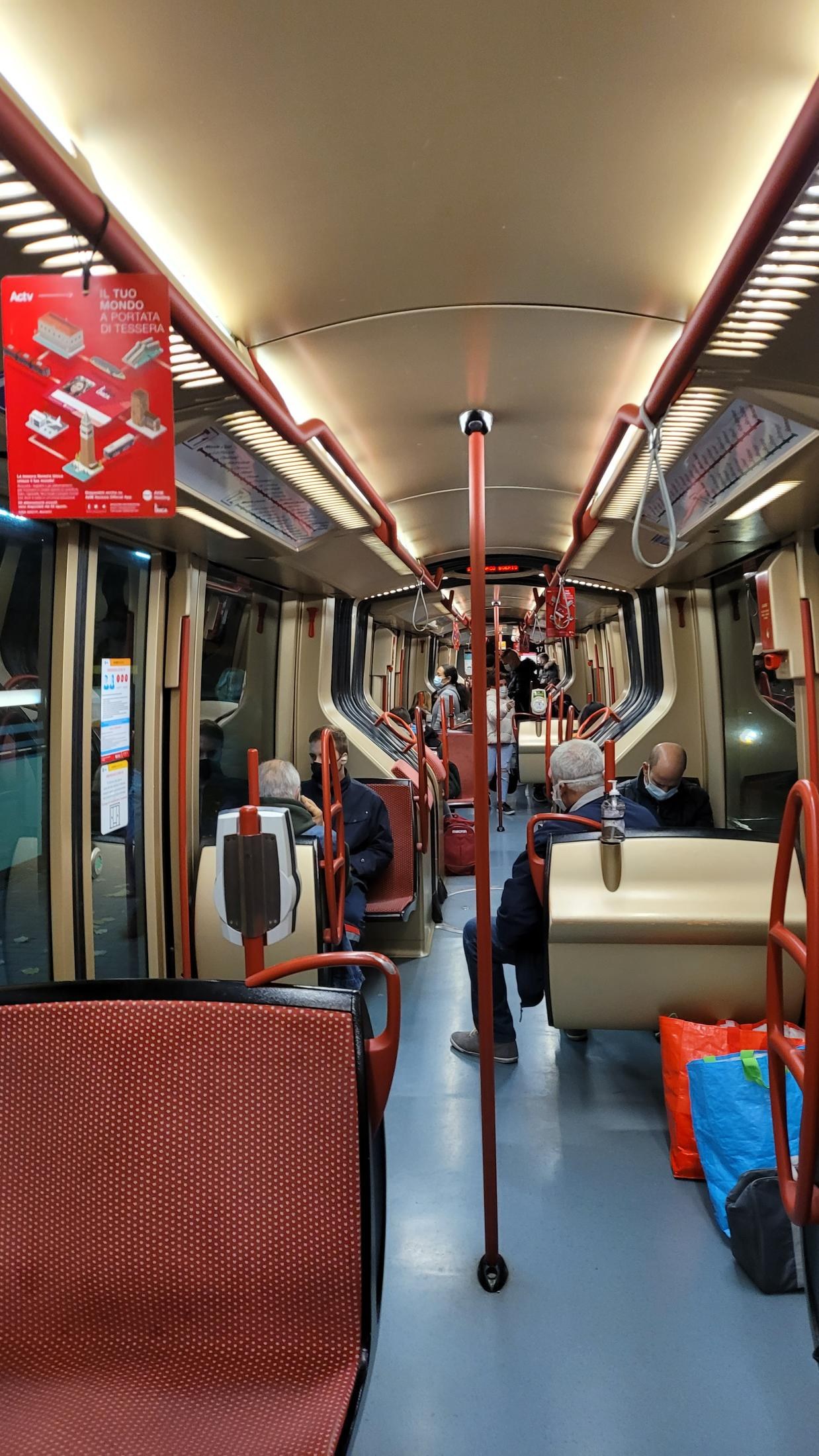
Public transport
This feels like a good place to explain how getting around Mestre and Venice actually works, because this is where the biggest price change since our trip has landed — and where most people lose money.
The operator is ACTV. There are two different single tickets, and they are not interchangeable:
- €1.50 — the land ticket, valid 75 minutes on buses, the Mestre tram and the People Mover. This is what gets you from Mestre to Piazzale Roma. It is not valid on boats.
- €9.50 — the single ticket valid 75 minutes across the whole urban network including the vaporetto. Airport lines are excluded.
Travel cards run from the moment of first validation, hour to hour: start one at 11:00 on Friday and it runs to 11:00 on Sunday or Monday. Current prices are €25 for 24 hours, €35 for 48 hours, €45 for 72 hours and €65 for a week. If you are between 6 and 29, the Rolling Venice route is a genuine bargain: €27 for the 72-hour pass plus €6 for the card itself, so €33 instead of €45. There is plenty of detail on the 72-hour ticket here, and the official tariff lives on the AVM site.
Between the islands and Venice itself you will need a lot of rides, so our advice is straightforward: buy the 48- or 72-hour card at €35 or €45. A workable variant is to use one or two €1.50 land tickets on arrival day, then activate the card from day two and cover the rest of the trip. Either way it is around €45 per person for transport — and on the other hand you spend the whole trip hopping on and off boats, which is genuinely good fun.
One warning, because this is the trap. When we wrote the original version of this article, a single ride cost €1.50 and the card prices were €35 and €45 — the same as today. The cards have not moved at all; the single vaporetto ticket has gone from €1.50-ish thinking to €9.50. Four single boat rides now cost more than a 24-hour pass. Do not try to be clever with singles.
Venice
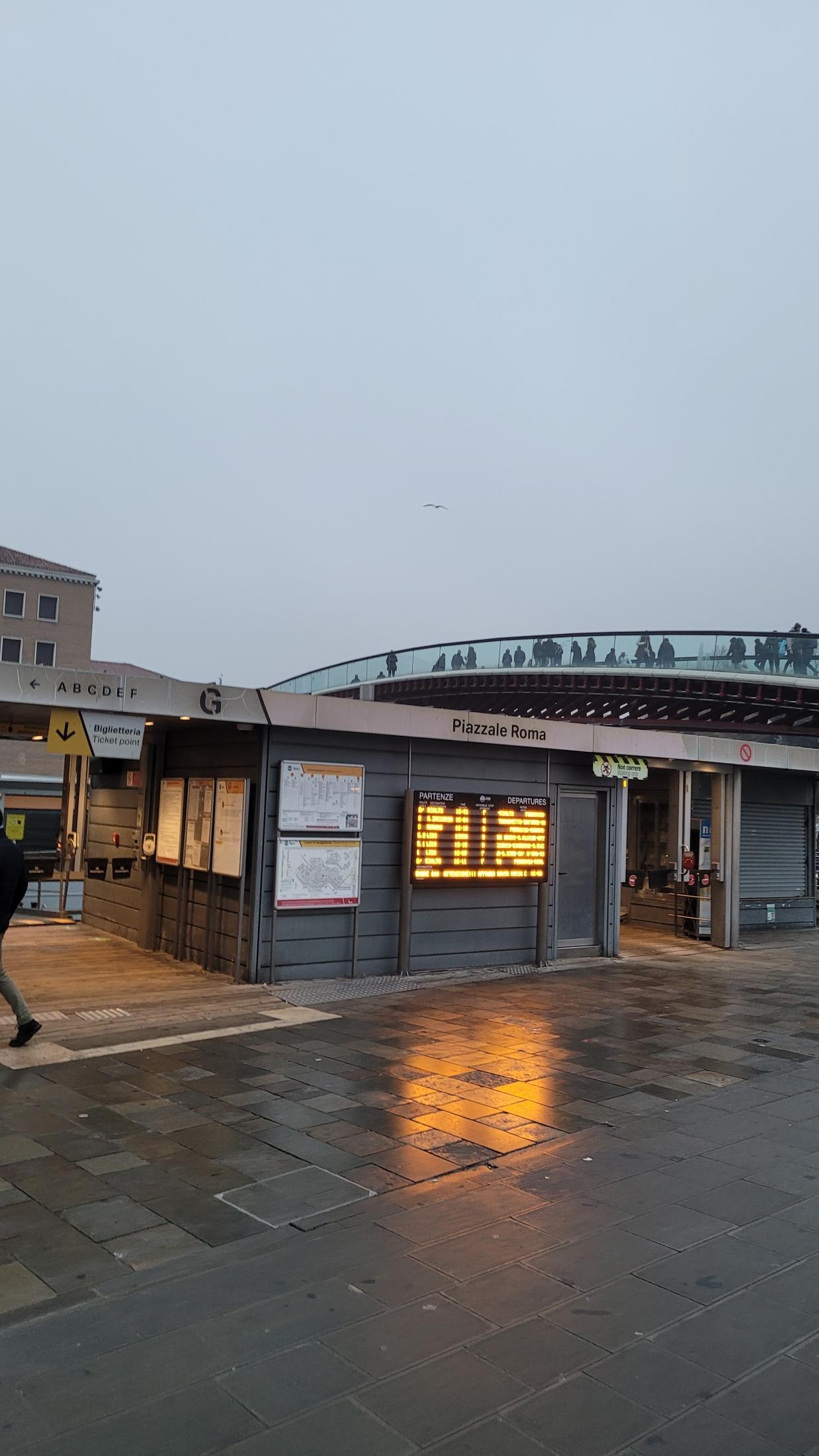
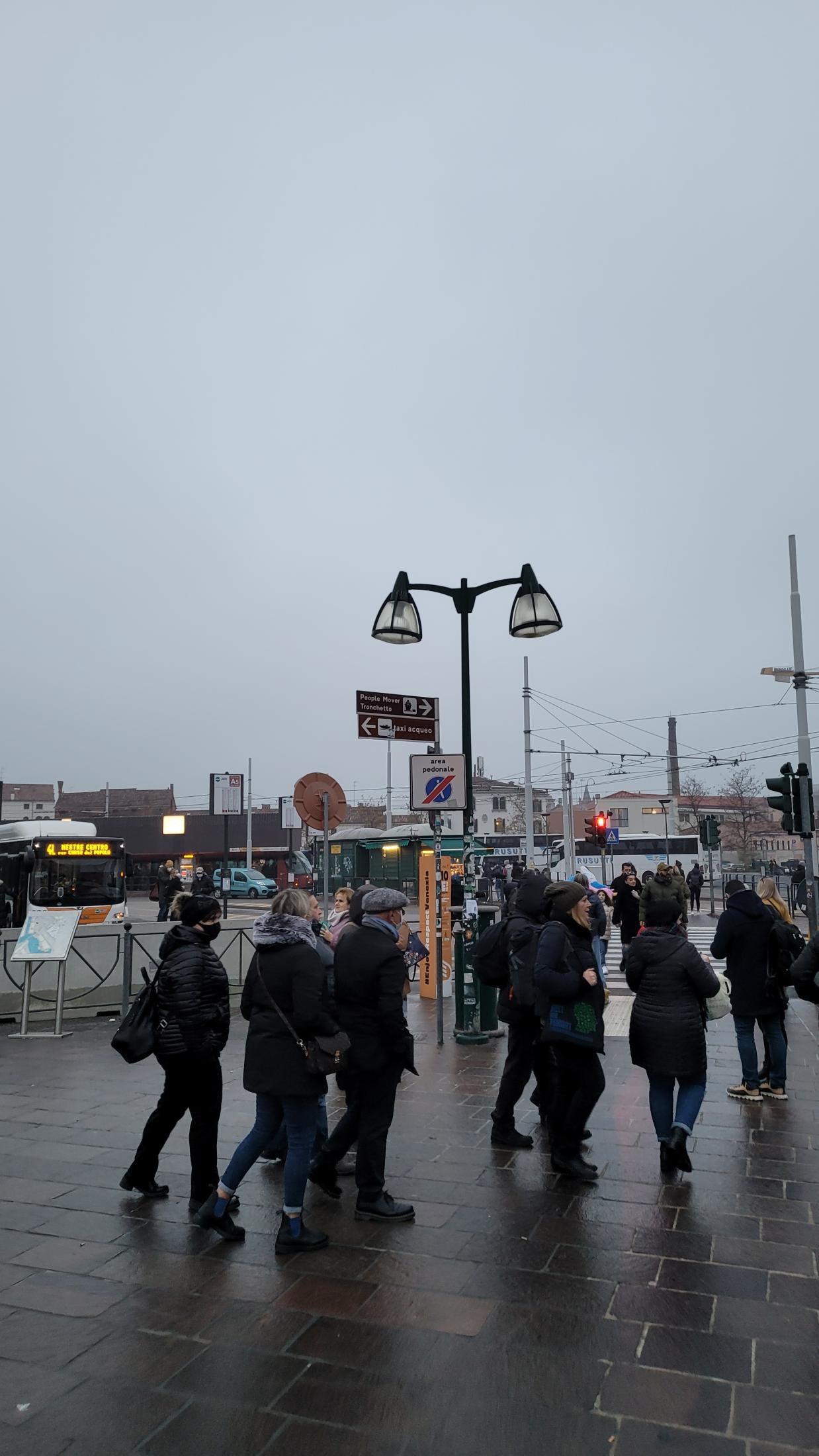
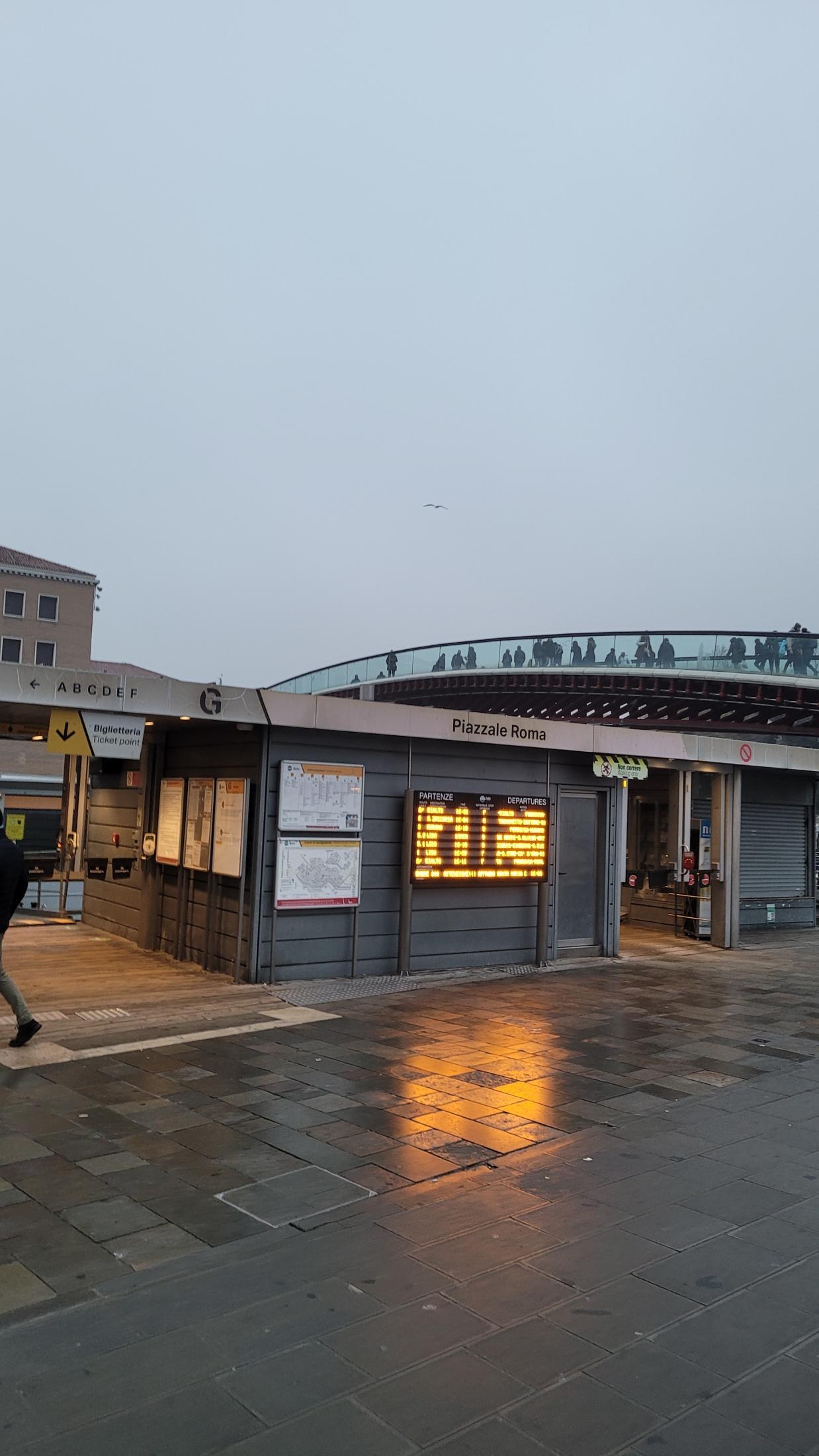
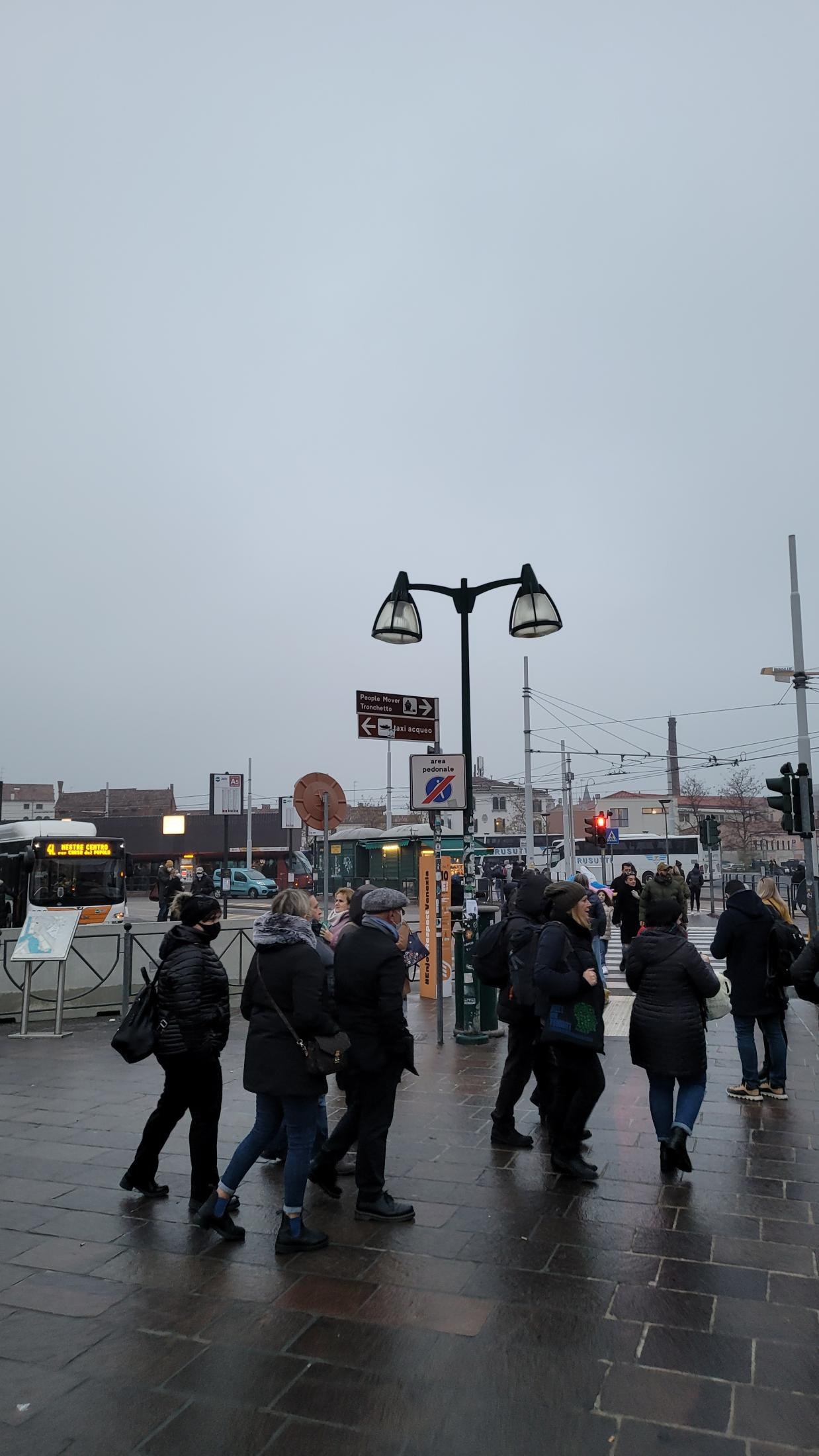
Transport sorted. It is still early afternoon. Let us go and see this Venice. The weather is mild and pleasant for late November, even after dark. We are in Mestre, very close to the point of the whole trip. There is a stop by the hotel. Ten minutes and we are at Piazzale Roma, the furthest point you can reach by road transport. From there it is feet or boats.
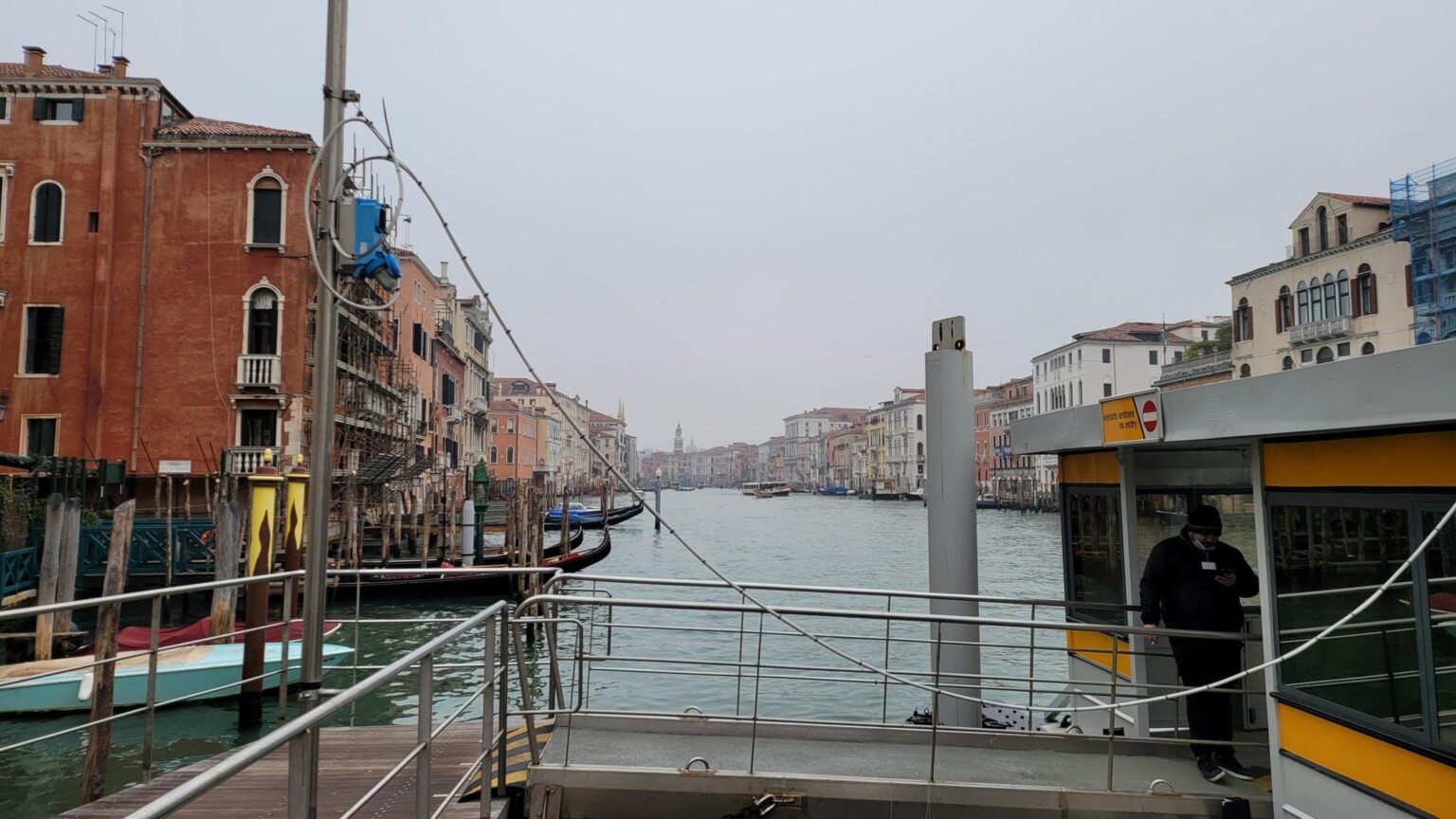
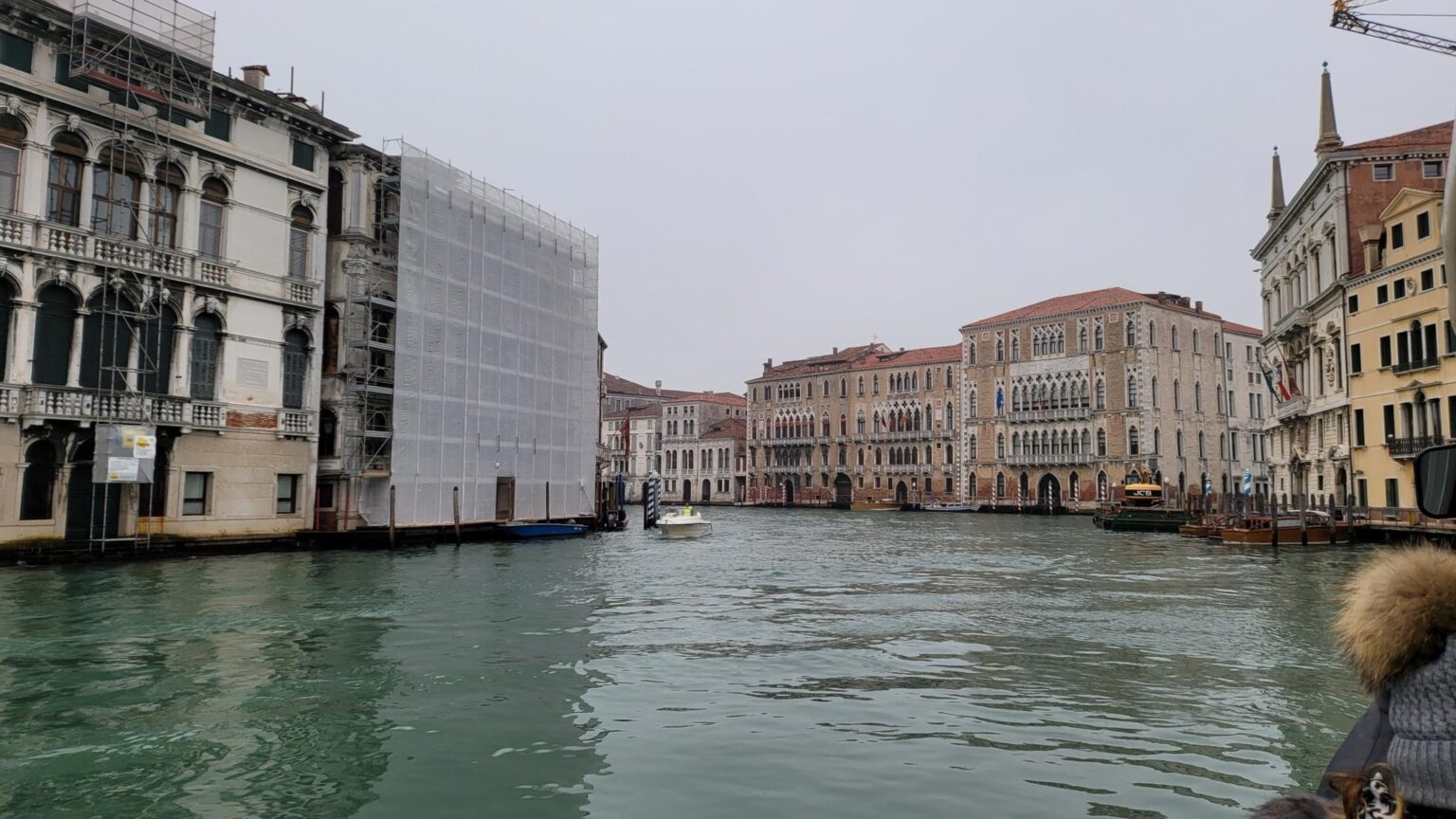
Well. It is good. The fame is not undeserved. There are squares, there are narrow lanes, there are buildings unlike anything else, there are canals, there is water on every side of you. It is lovely. It is romantic. And do you know the best part? It is big. You can wander for hours without repeating a single route. Venice is about 5 kilometres across, roughly an hour’s walk in each direction. That leaves a lot of room for exploration and reconnaissance 😄
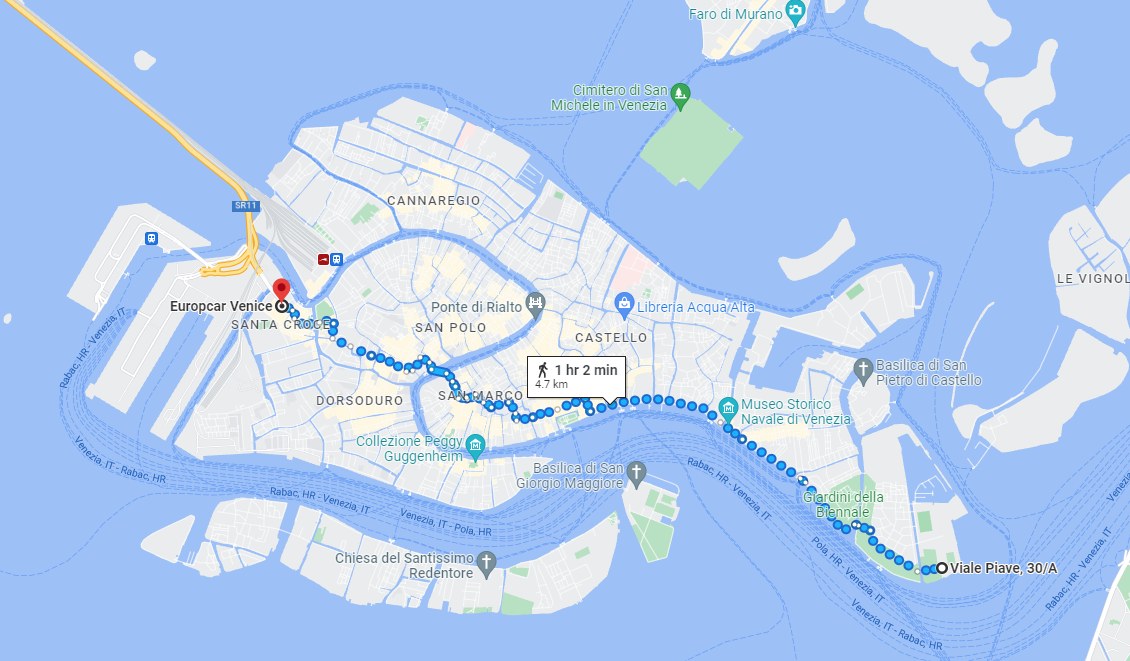
As you can see, there are several districts, and the better-known sights cluster around San Marco and Castello. Google’s list of the main sights is genuinely useful and immediately suggests directions and targets. We are only testing the ground, first day and all.
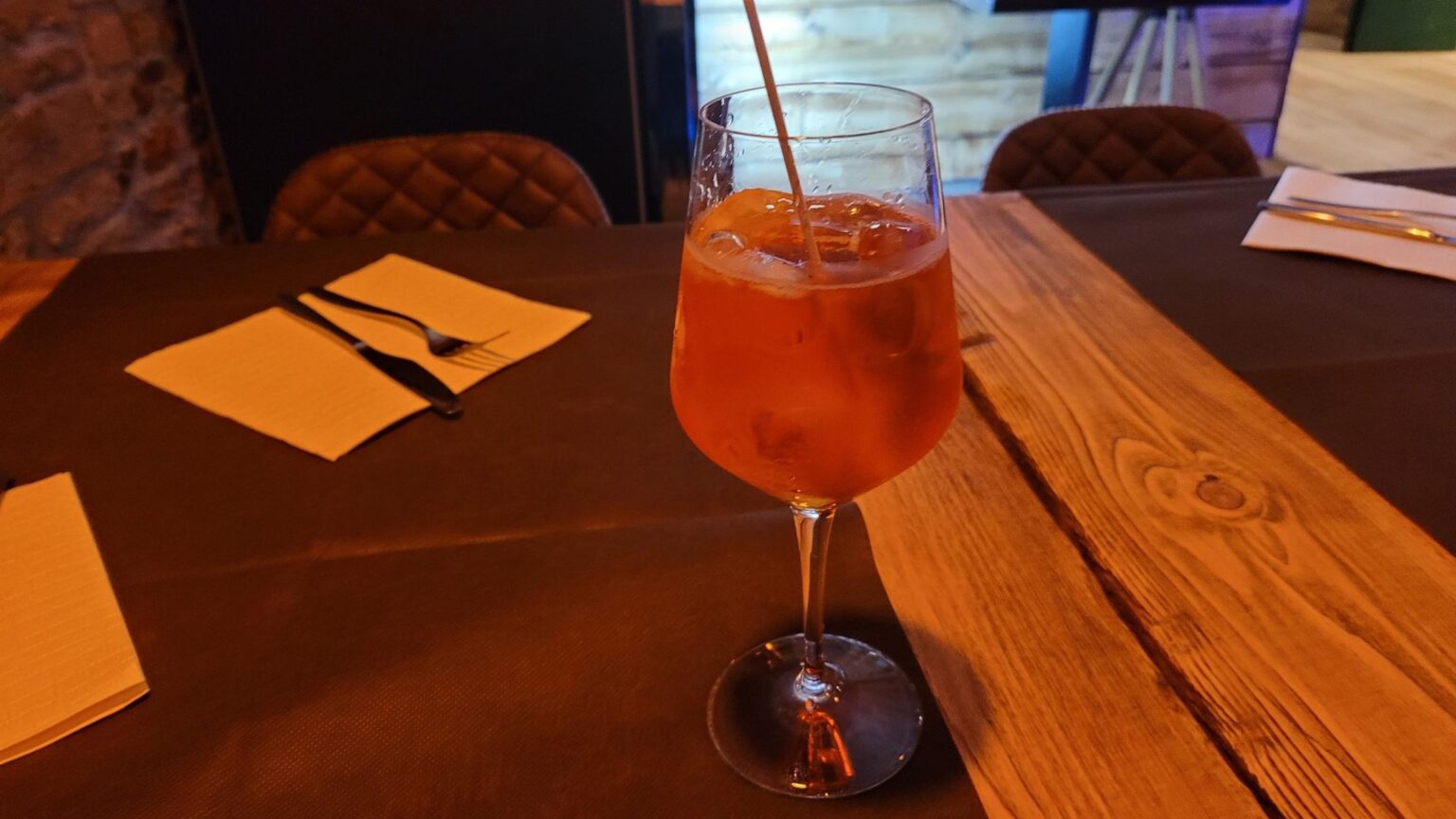
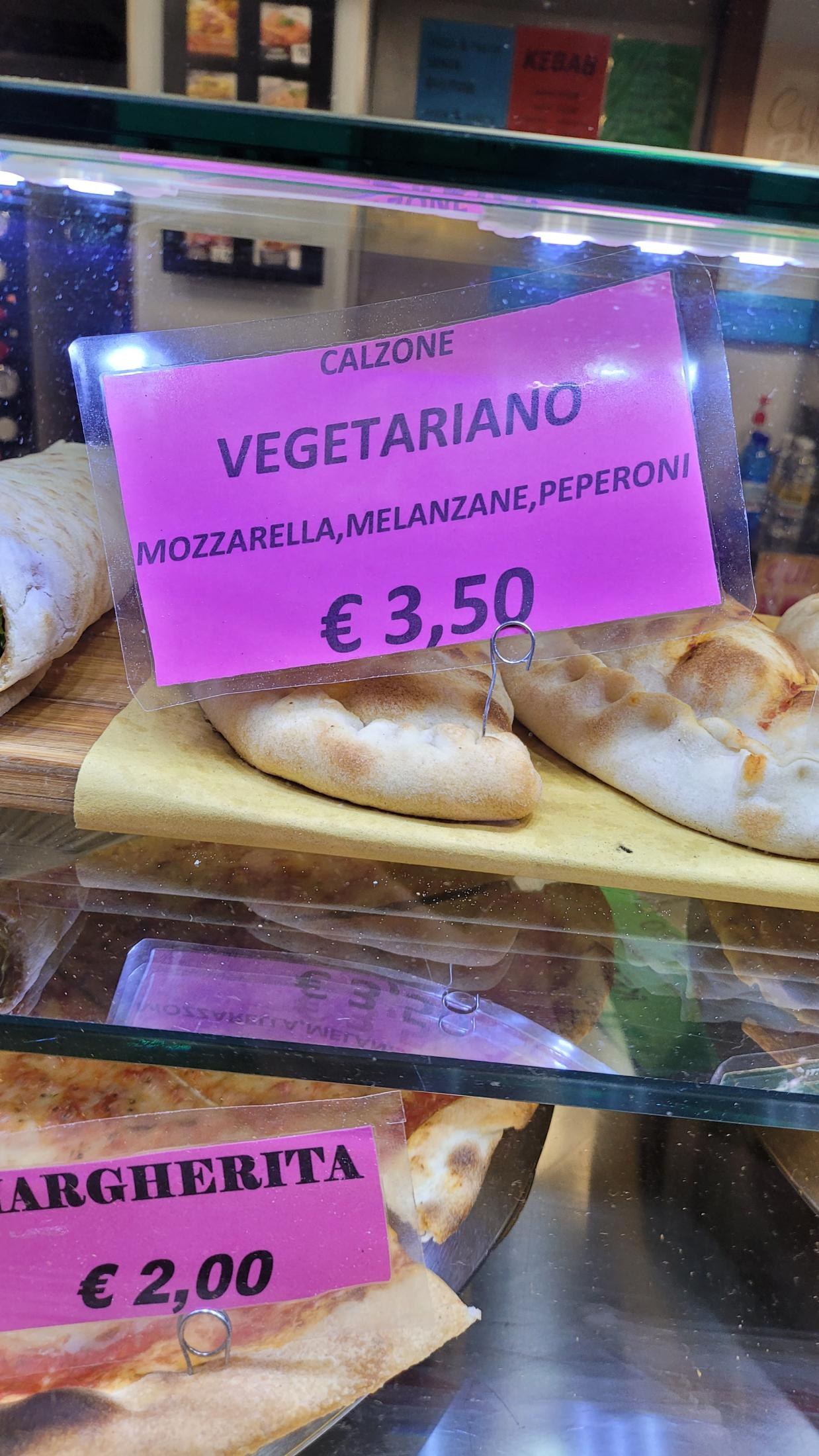
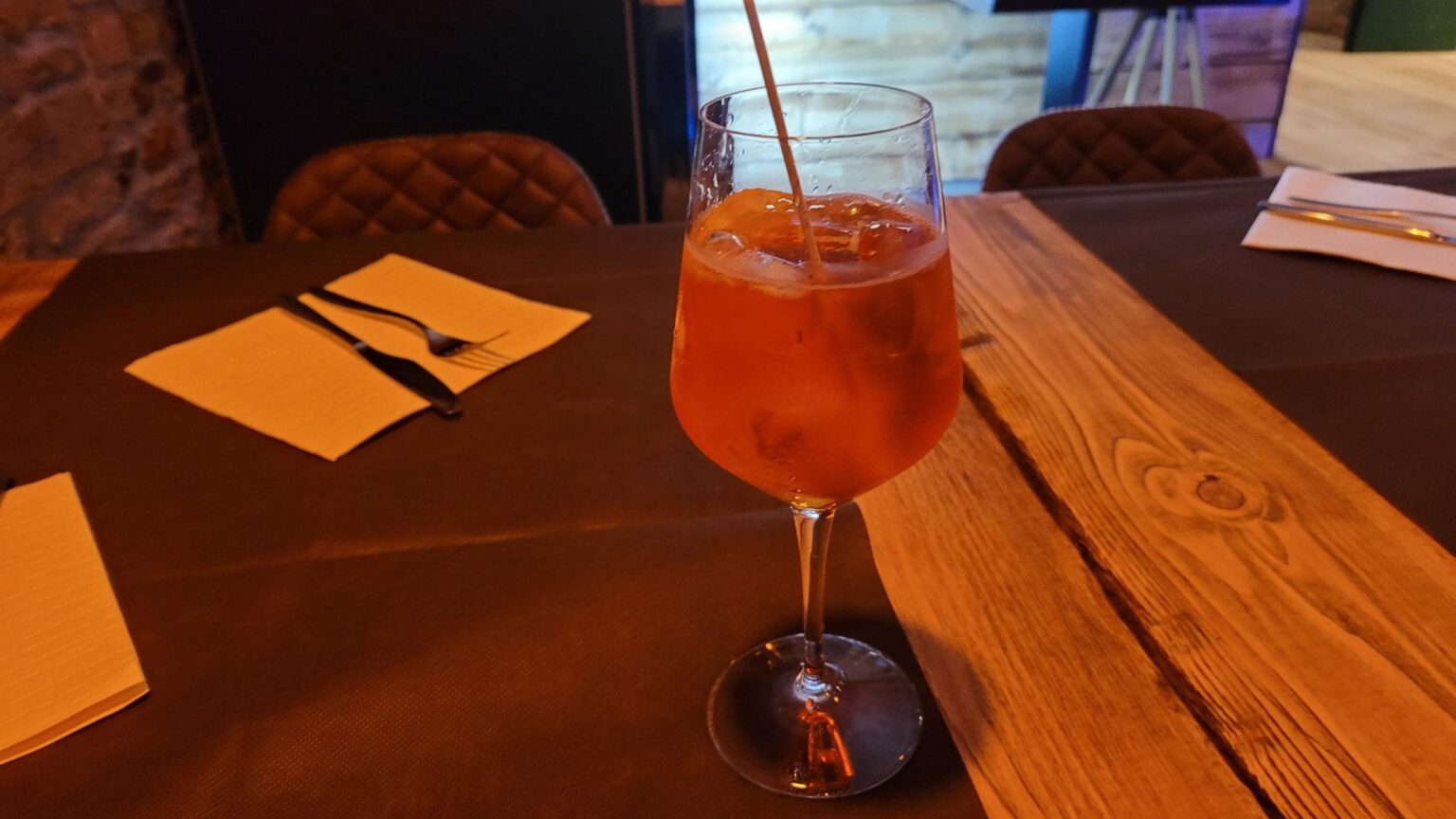
We can tell you that you will be pleasantly surprised. Aperol spritz is sold everywhere, typically €4–7 depending on how far you are from San Marco, and in the quieter campi you can still find it at the lower end. Italian gelato works out cheaper than the chains back home and lives up to its reputation — €3–4 gets you a decent cone with two or three scoops. We would love to say something kind about the coffee, but alas: pay €2 at a counter and you receive several drops 😄 Which, to be fair, is exactly what an Italian wants.
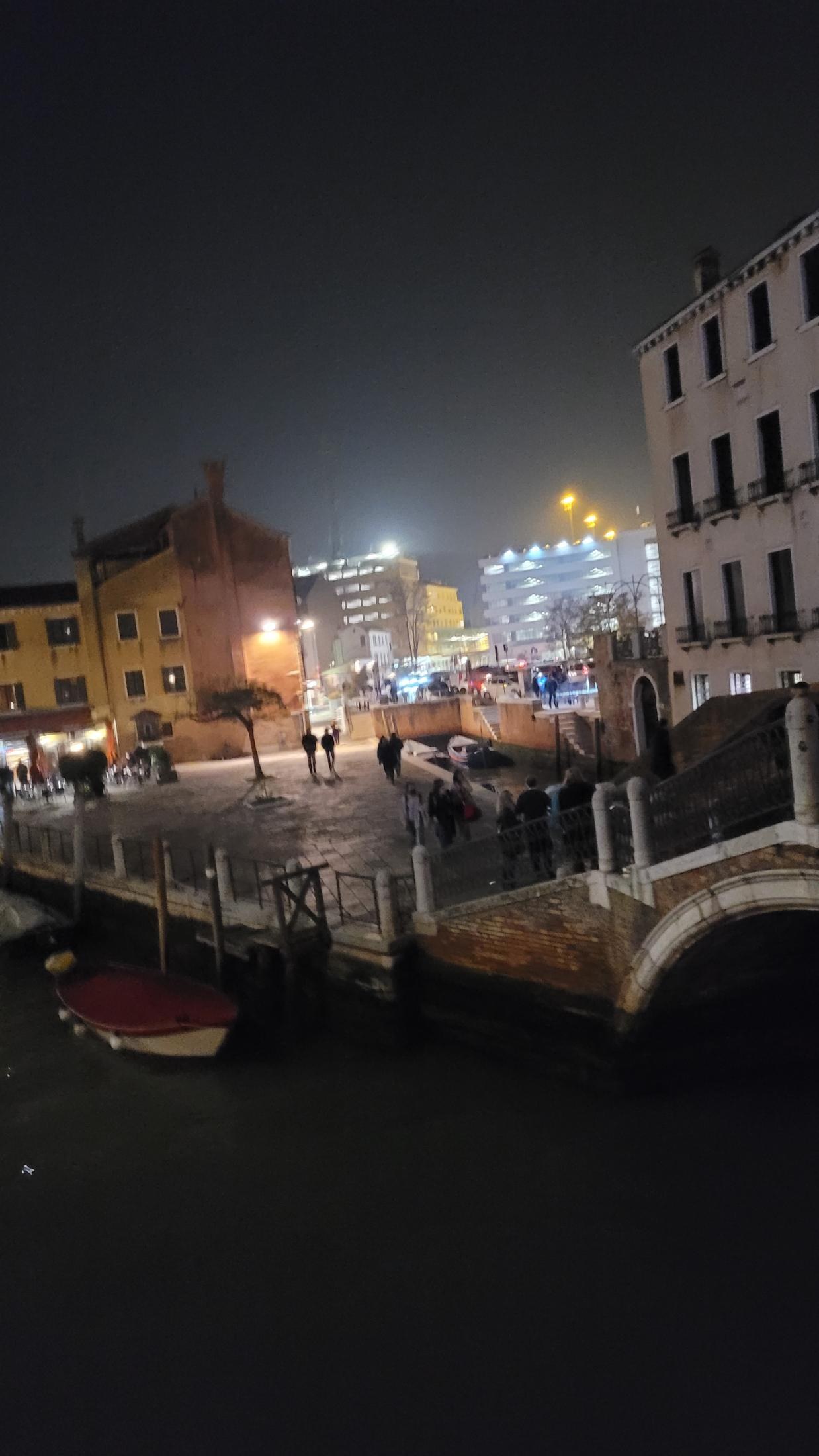
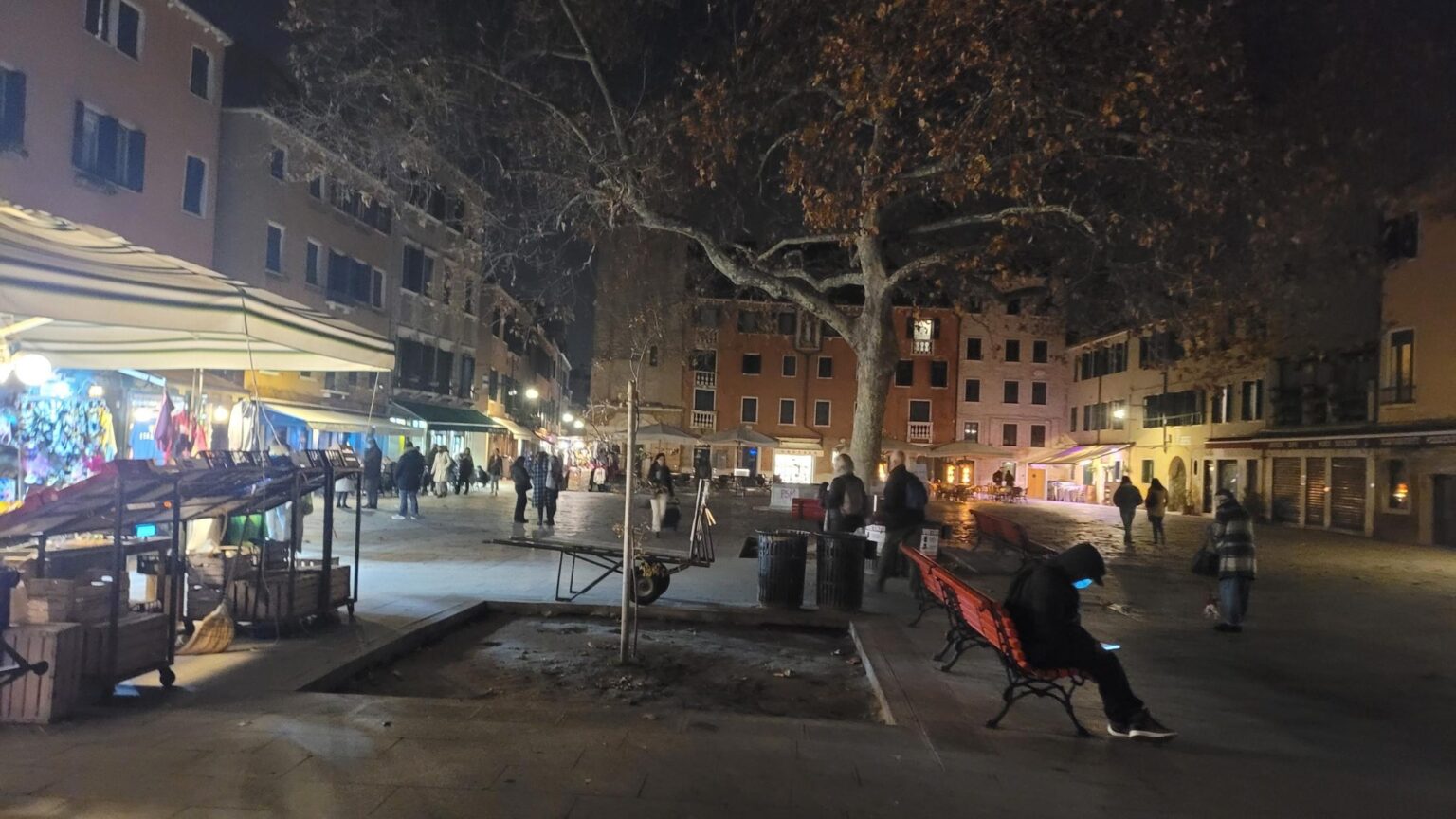
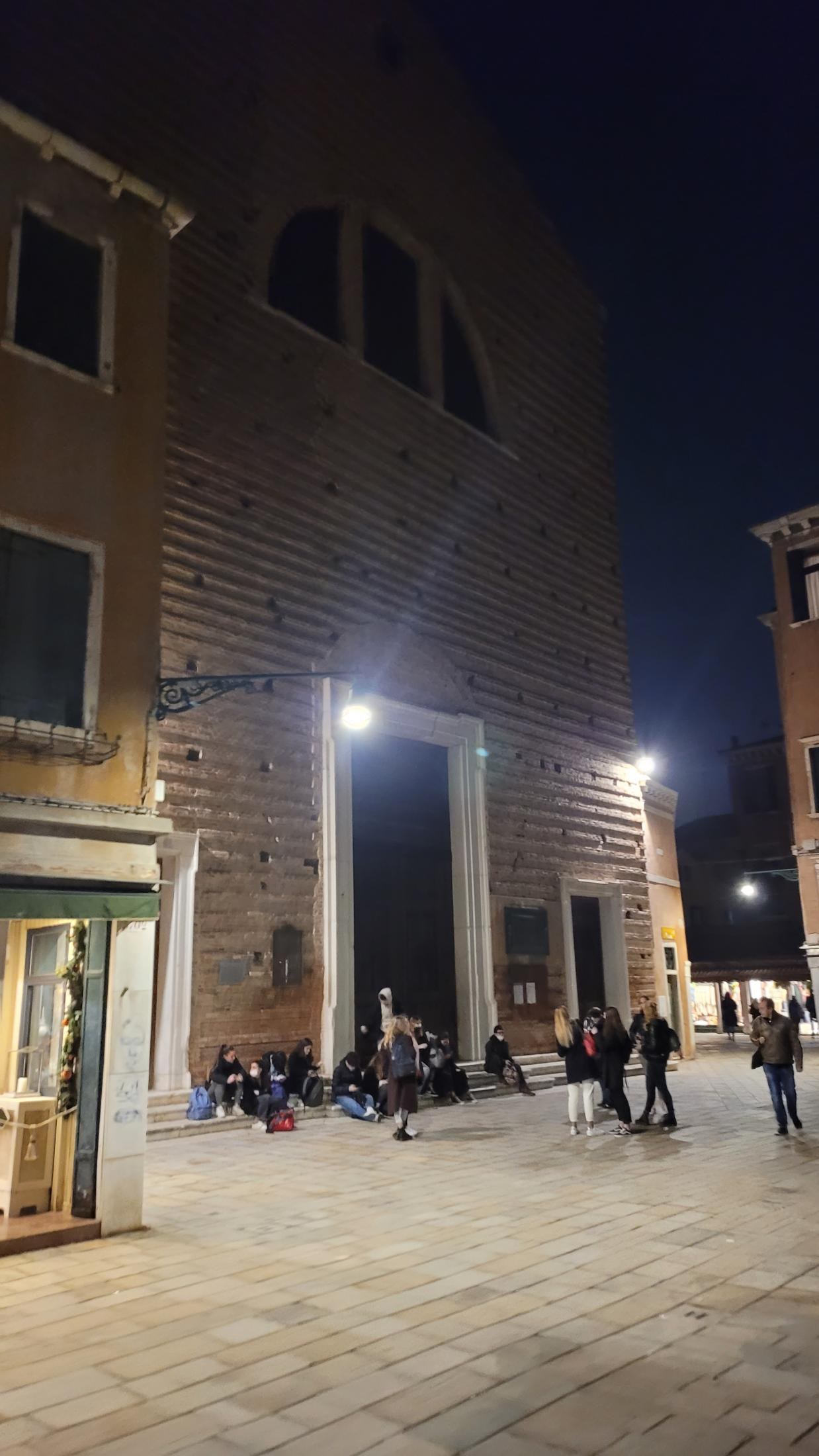
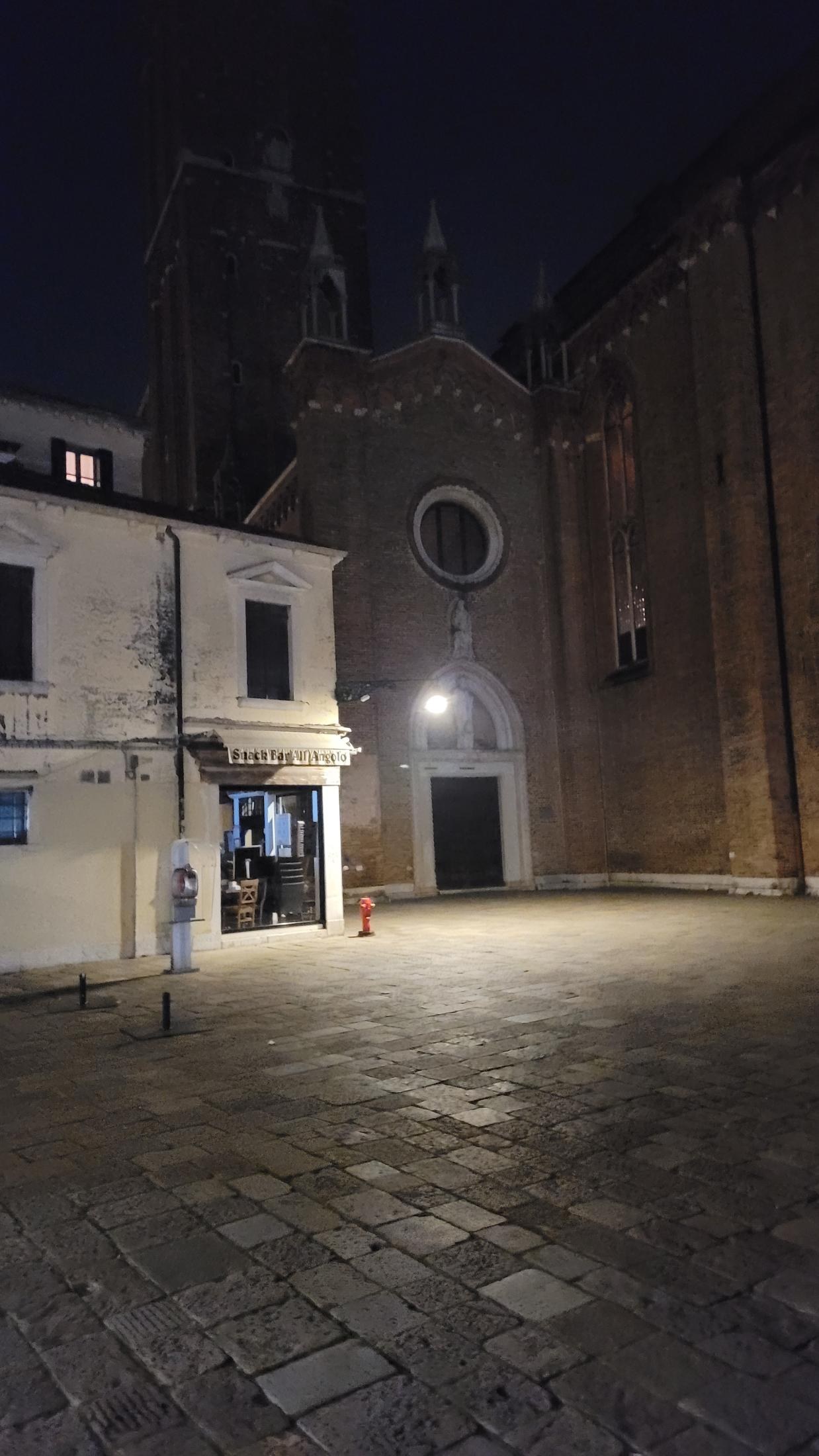
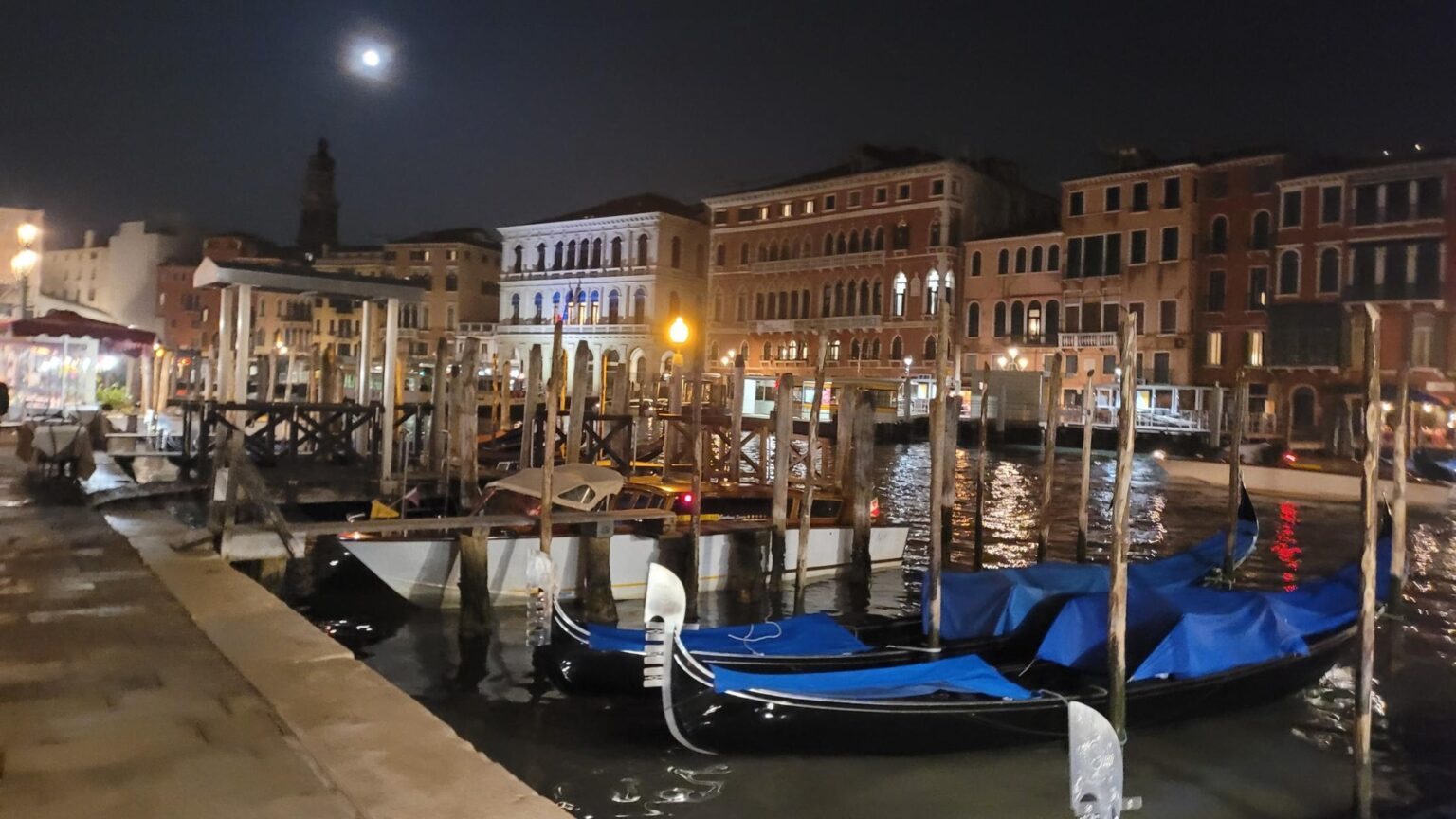
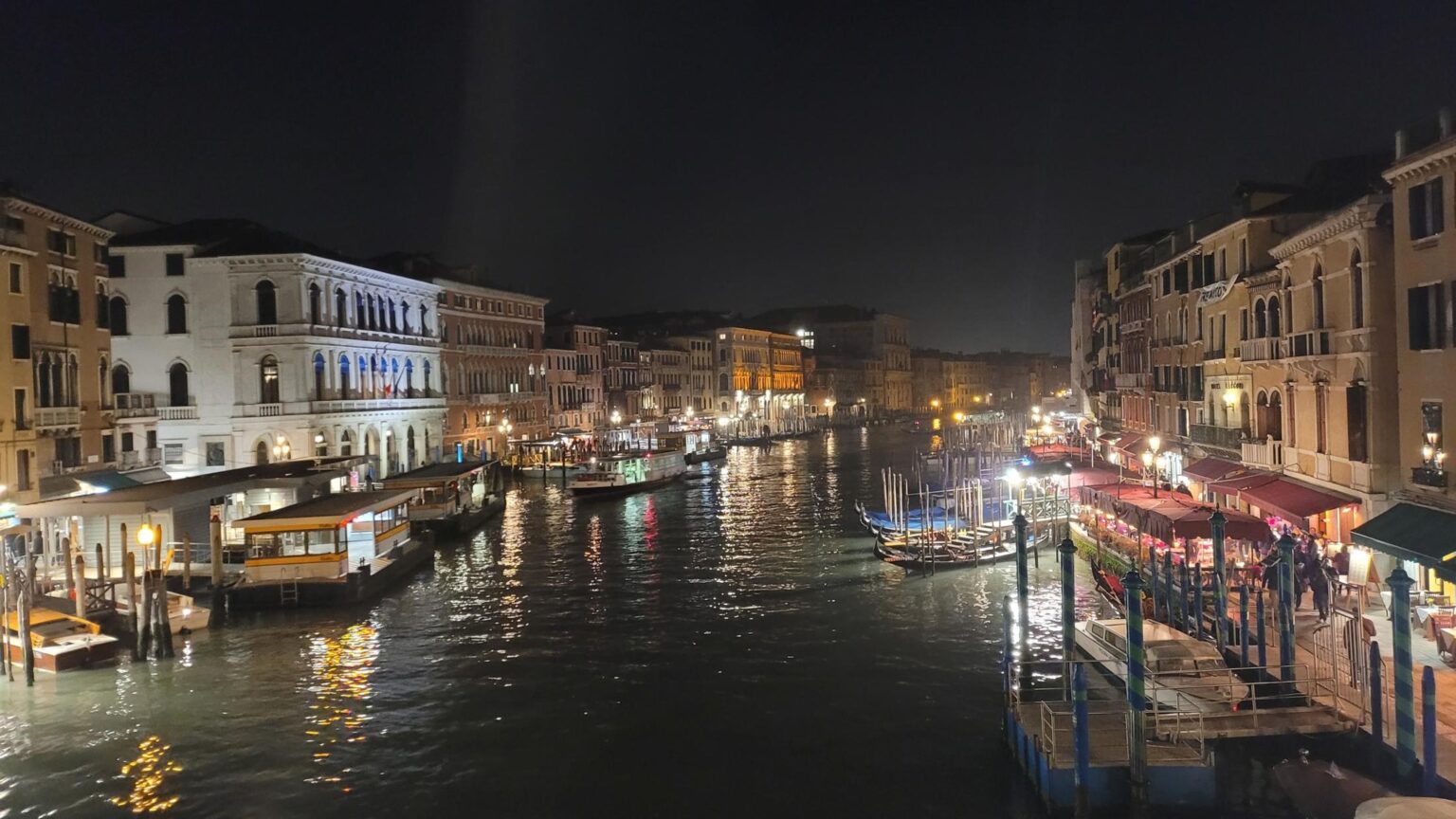
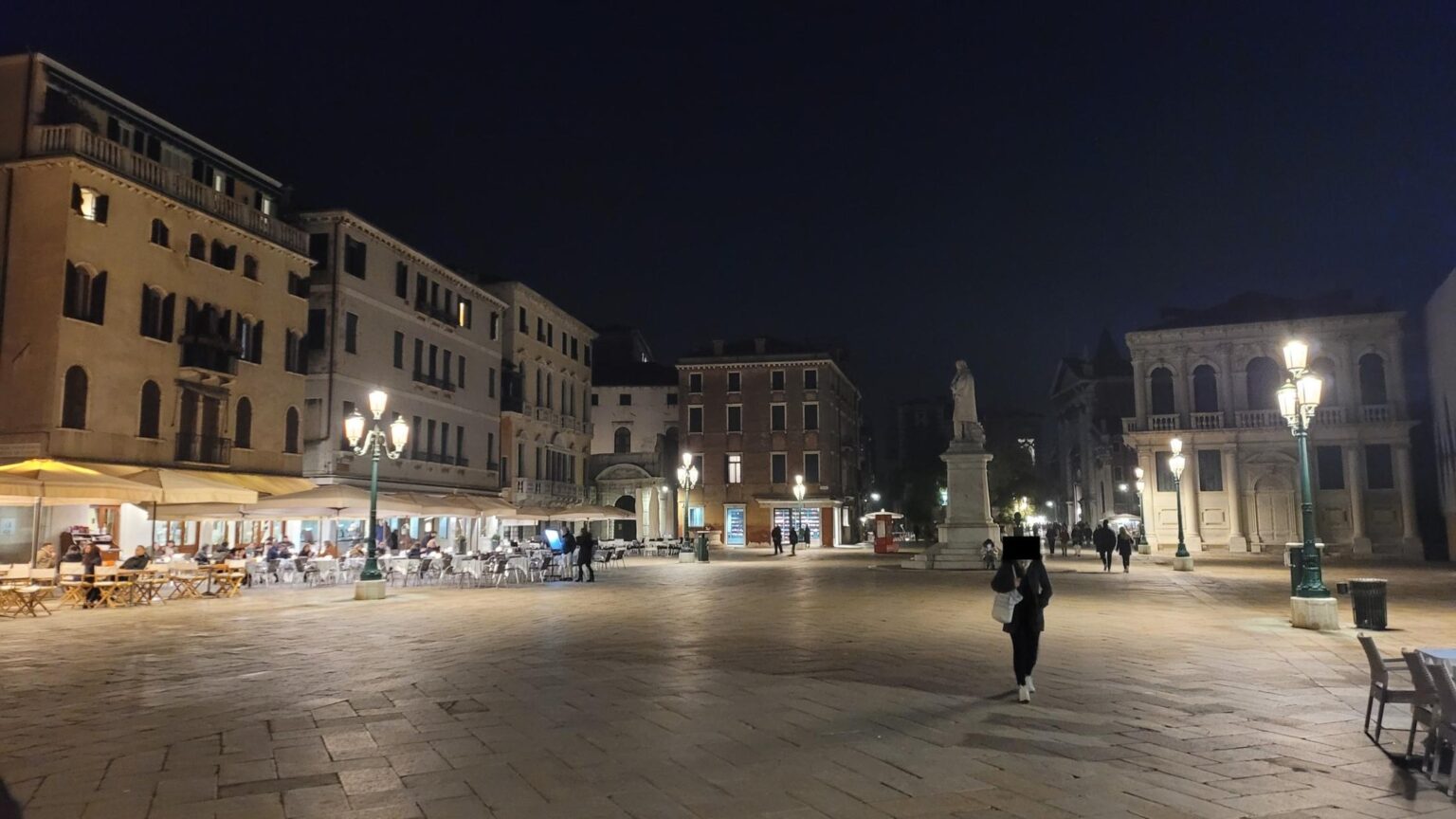
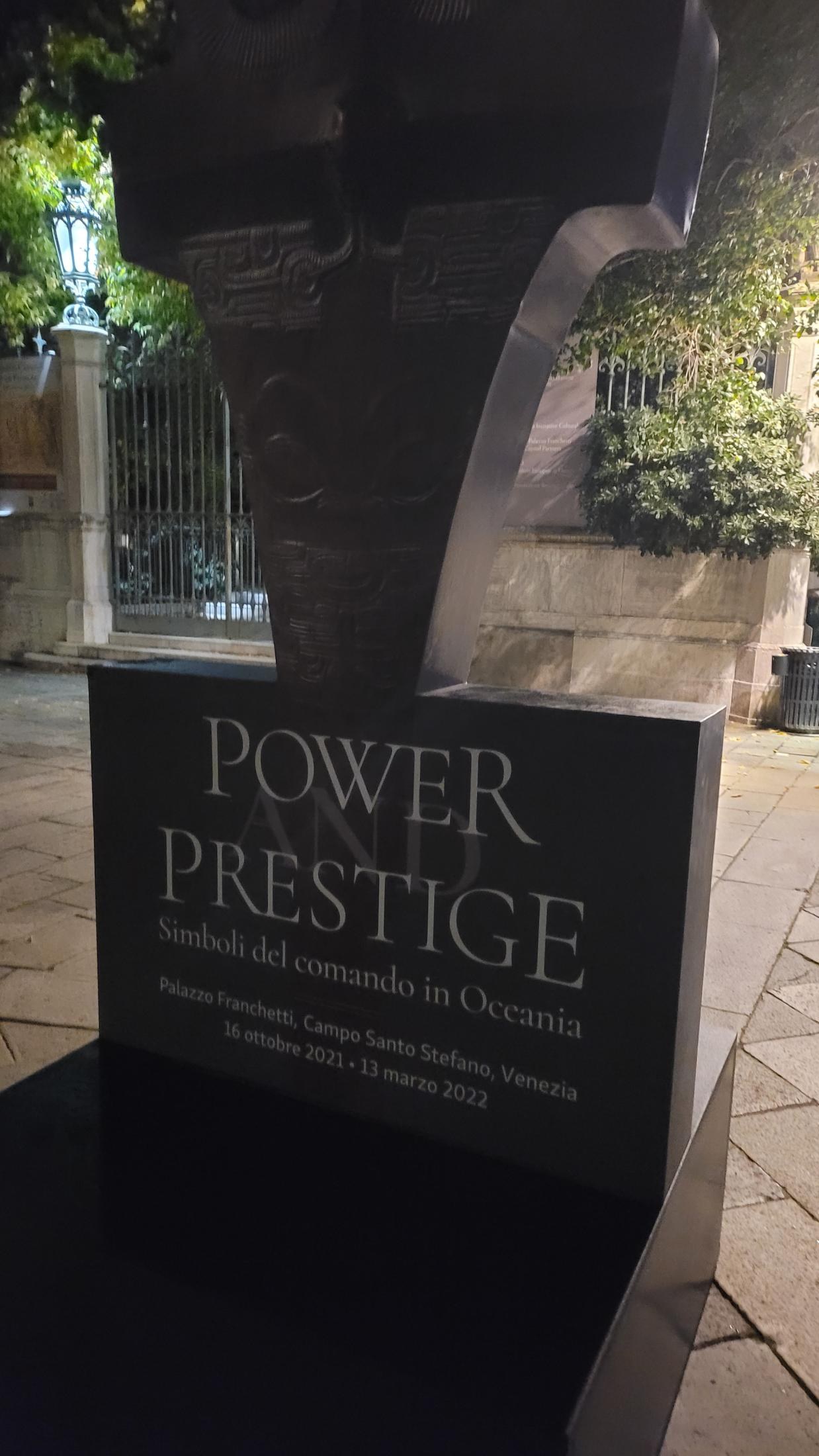
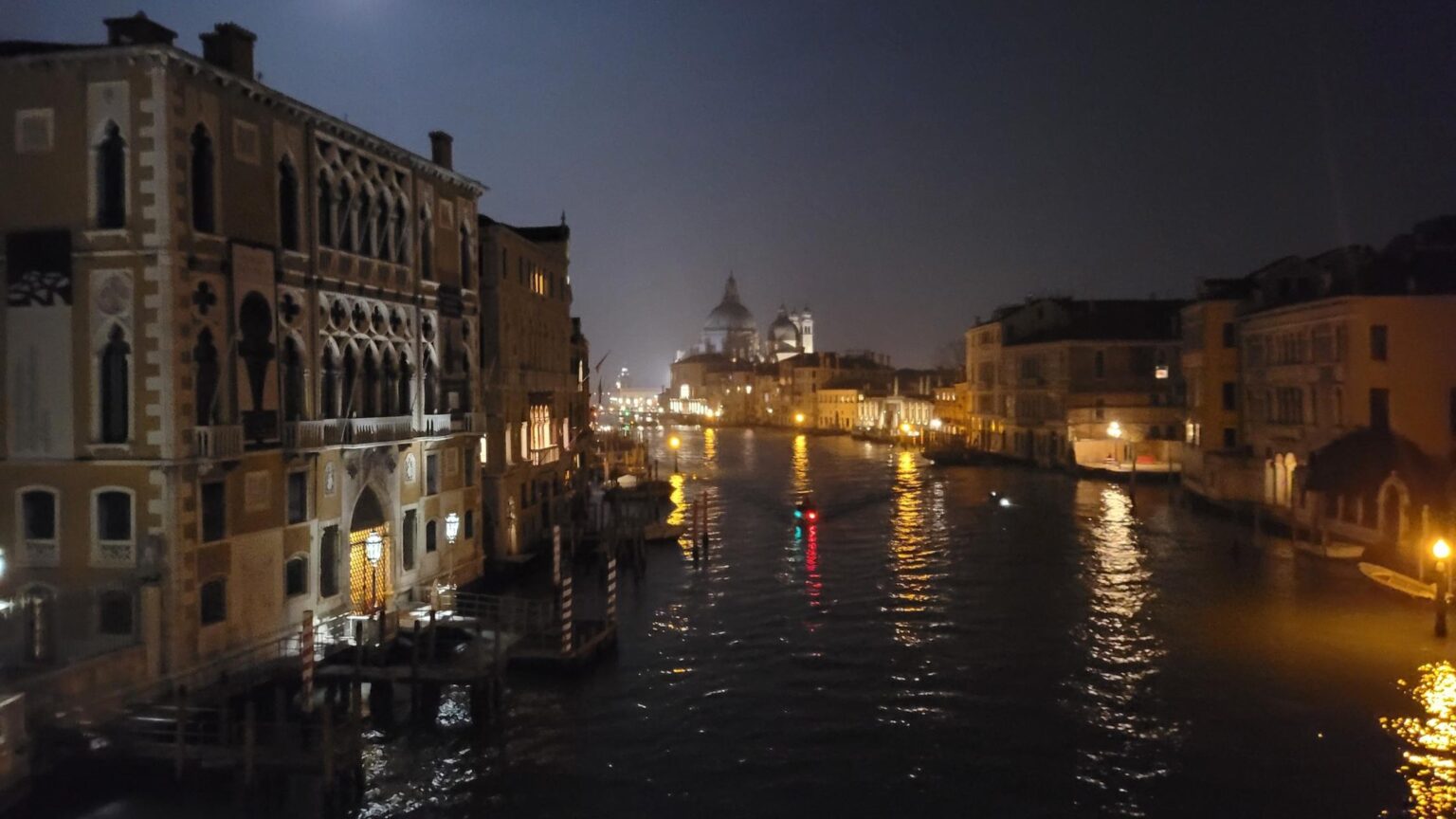
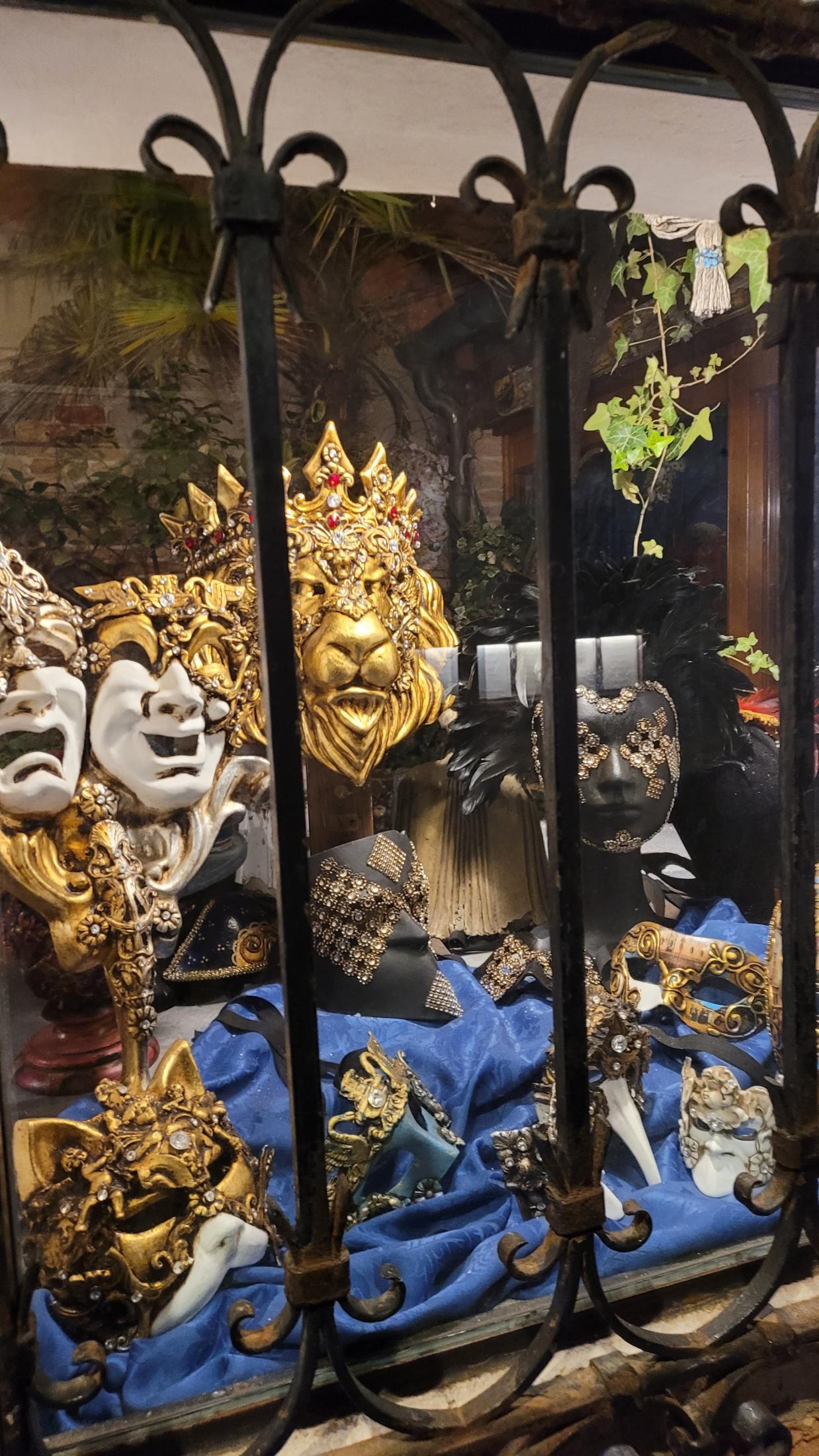
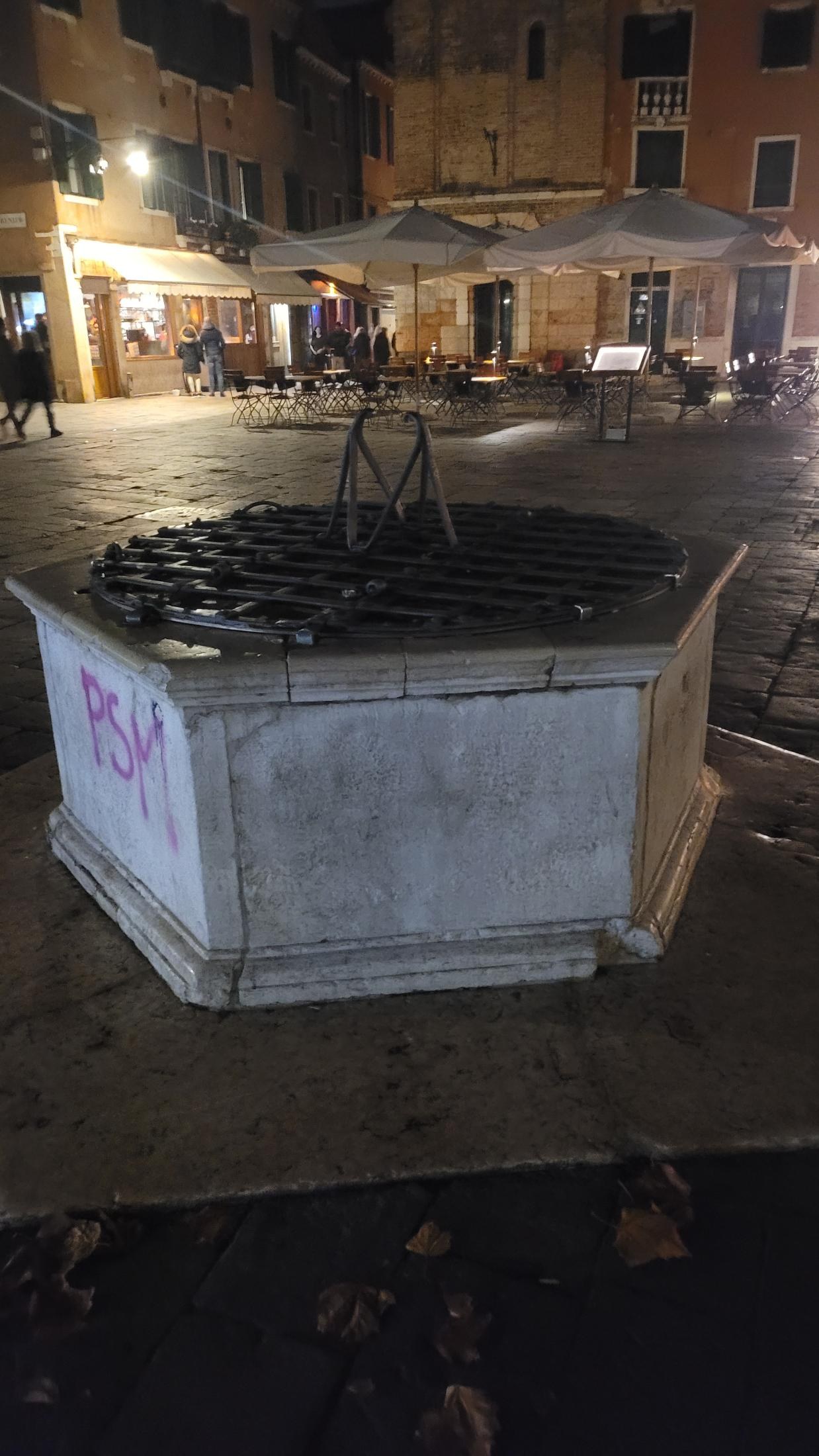
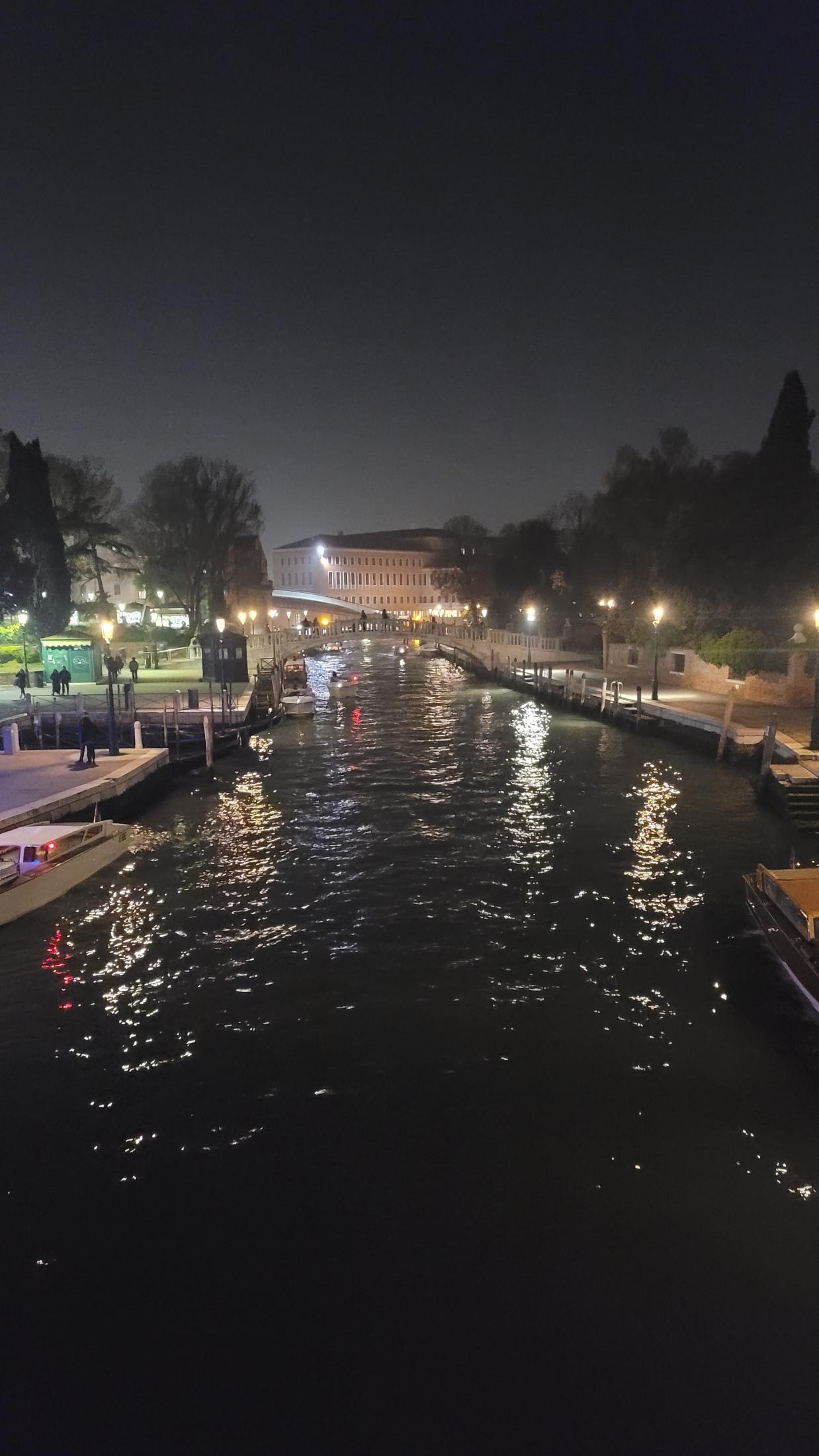
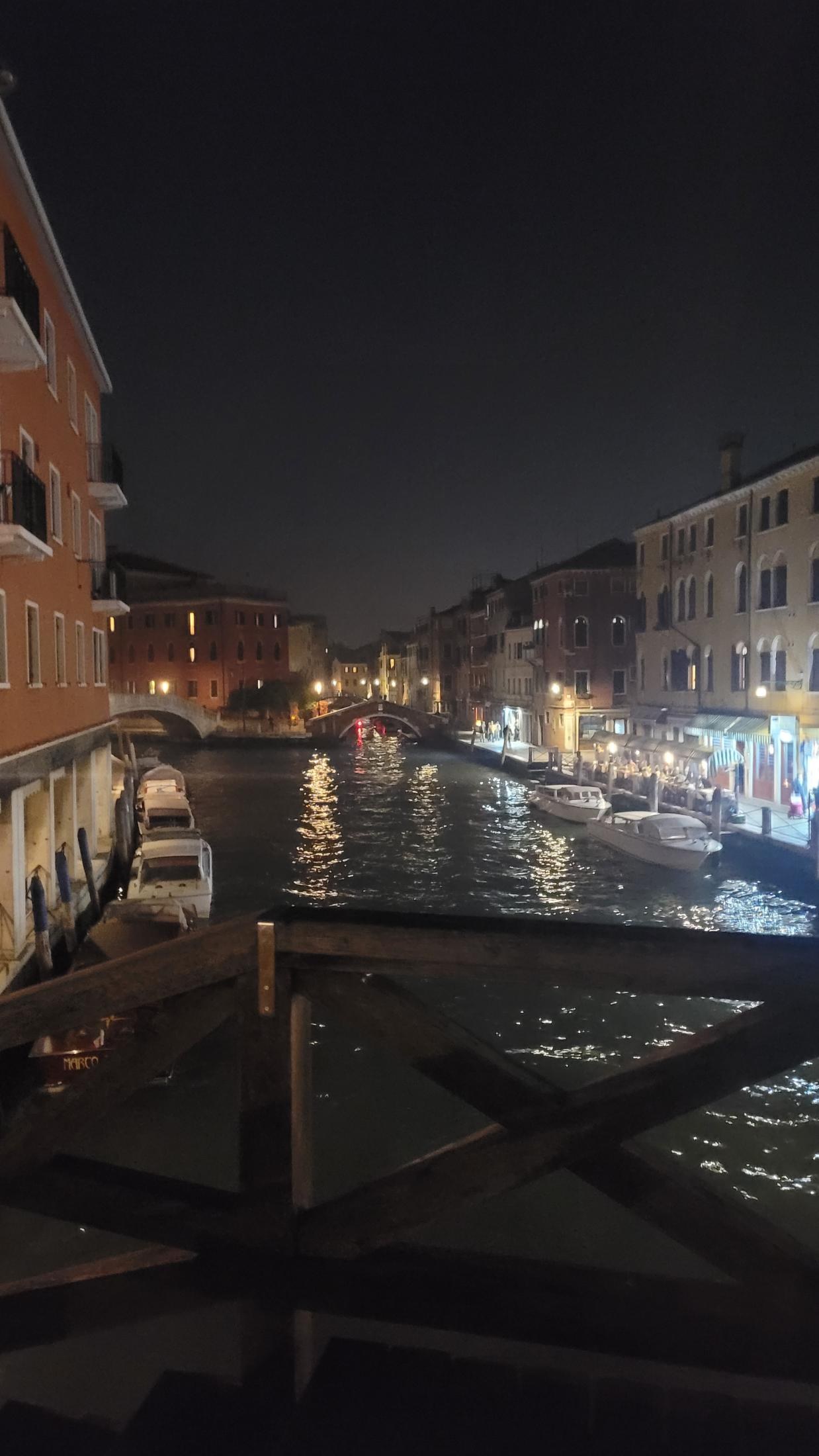
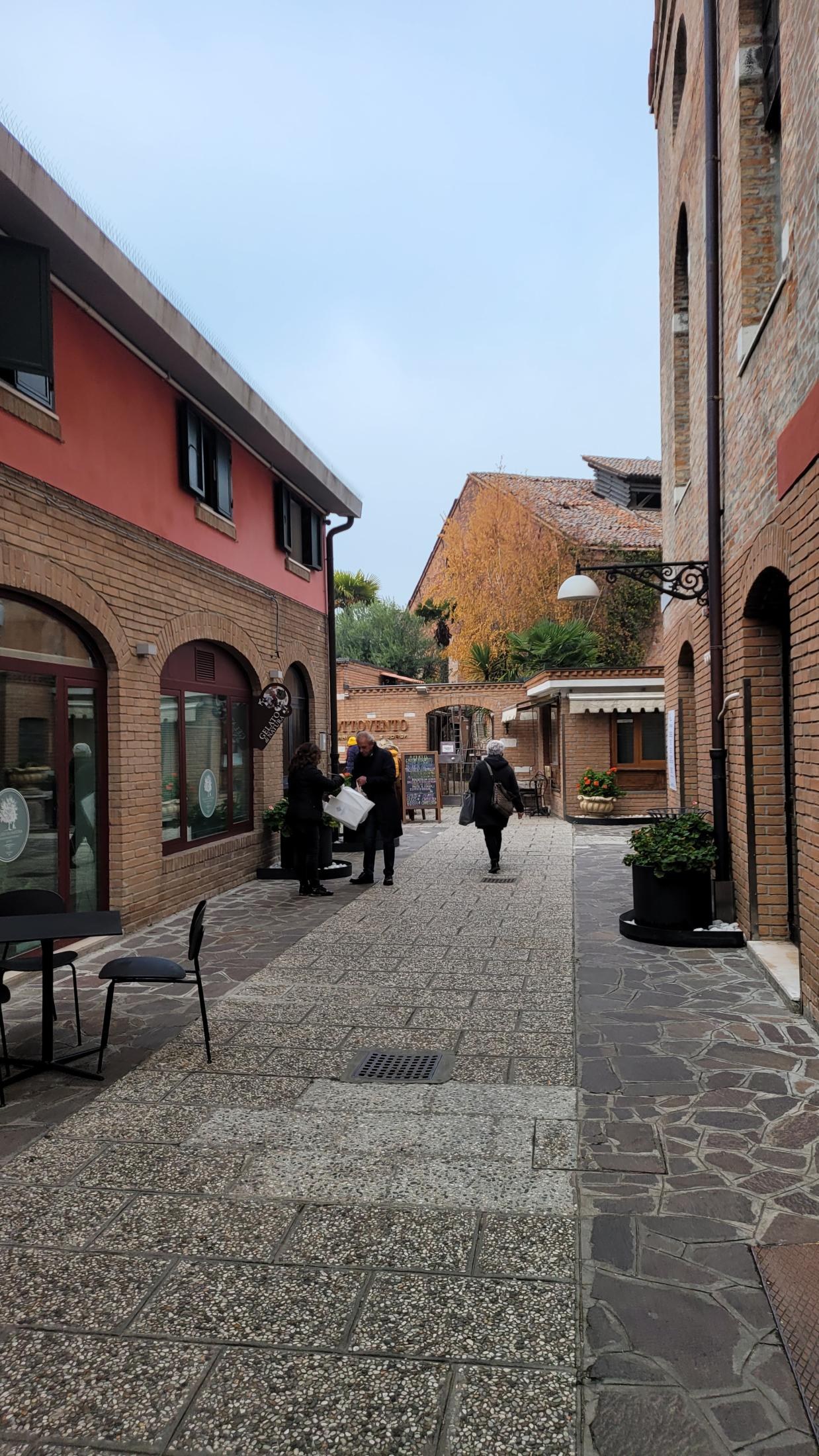
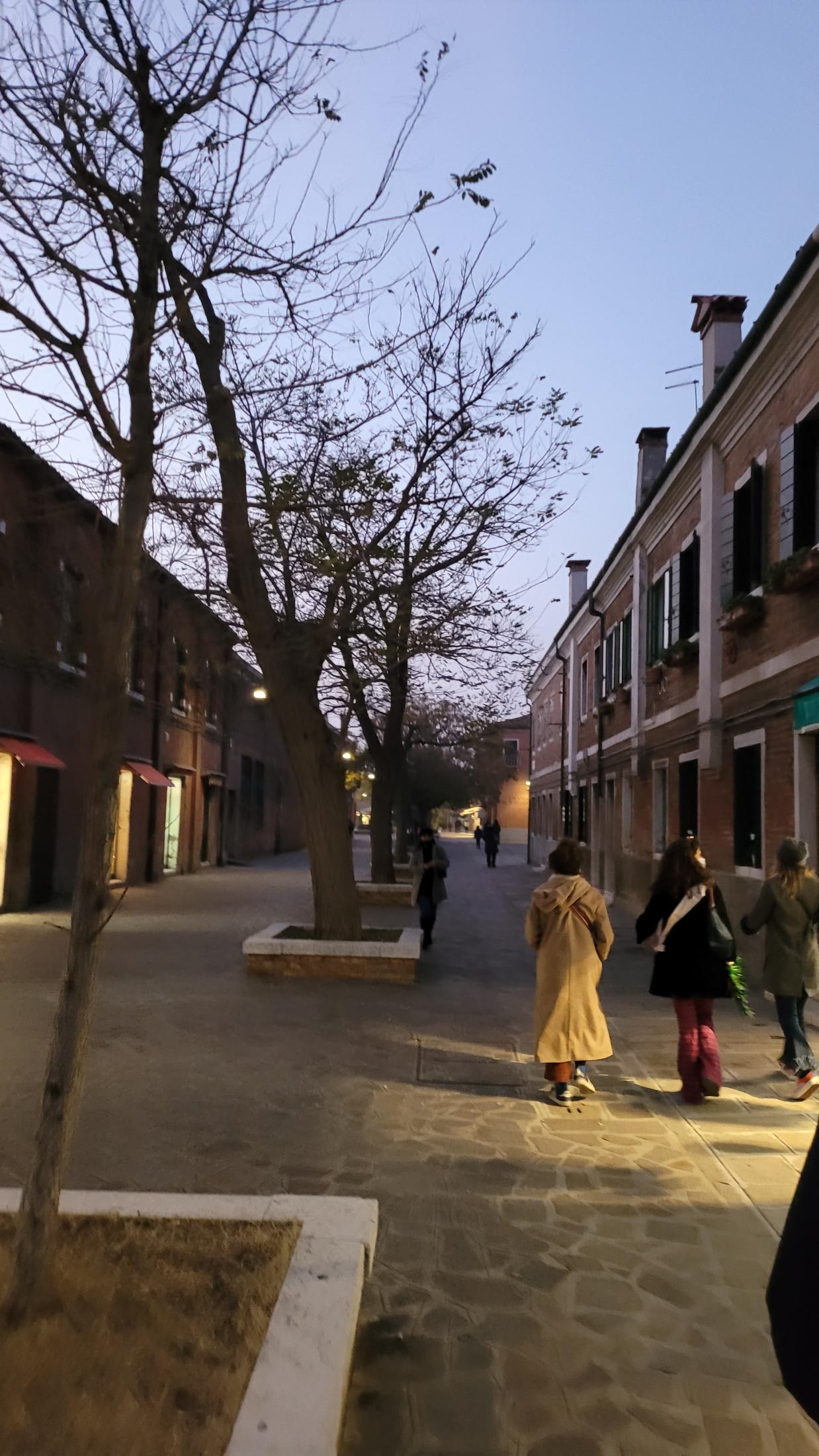
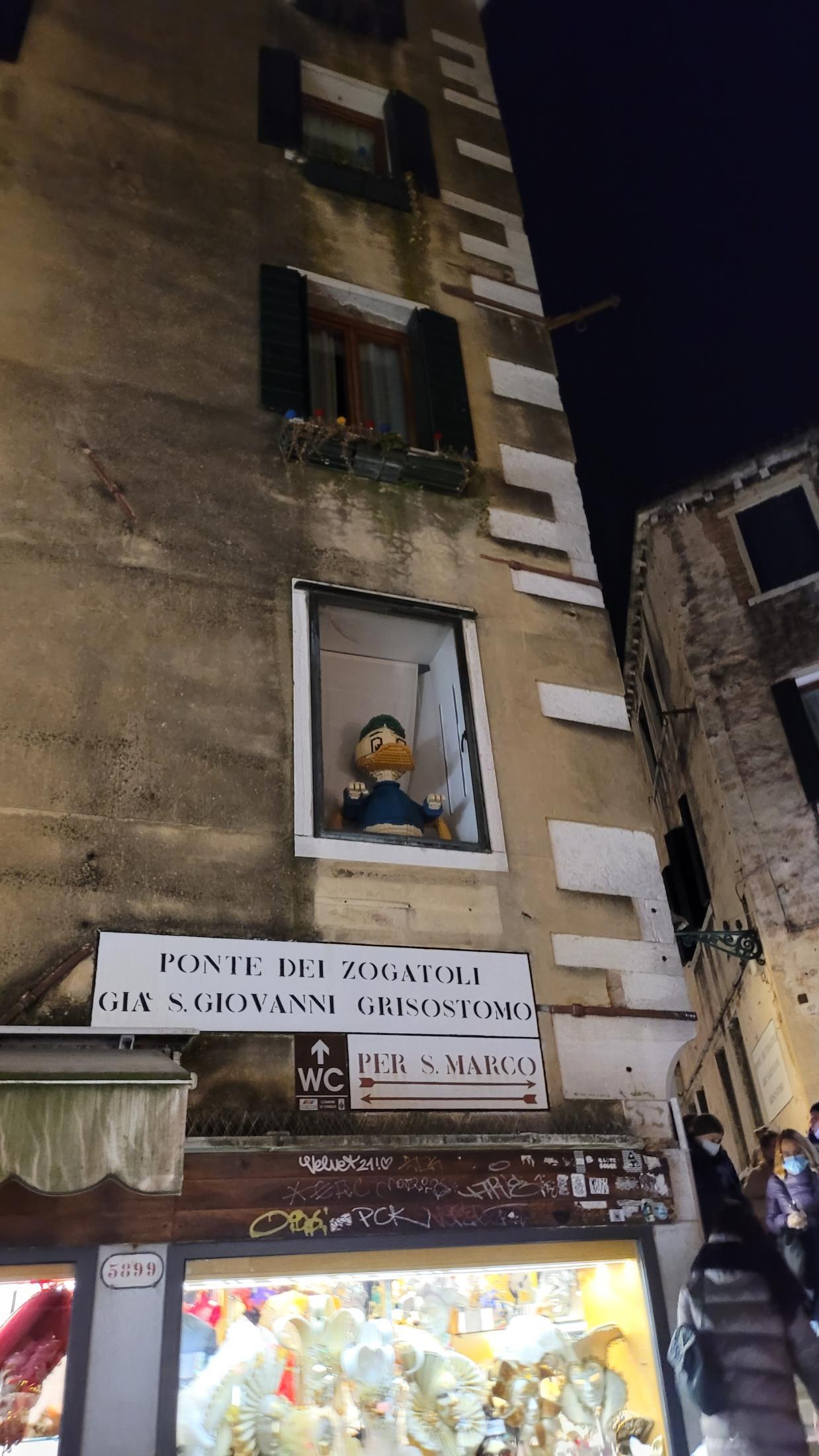
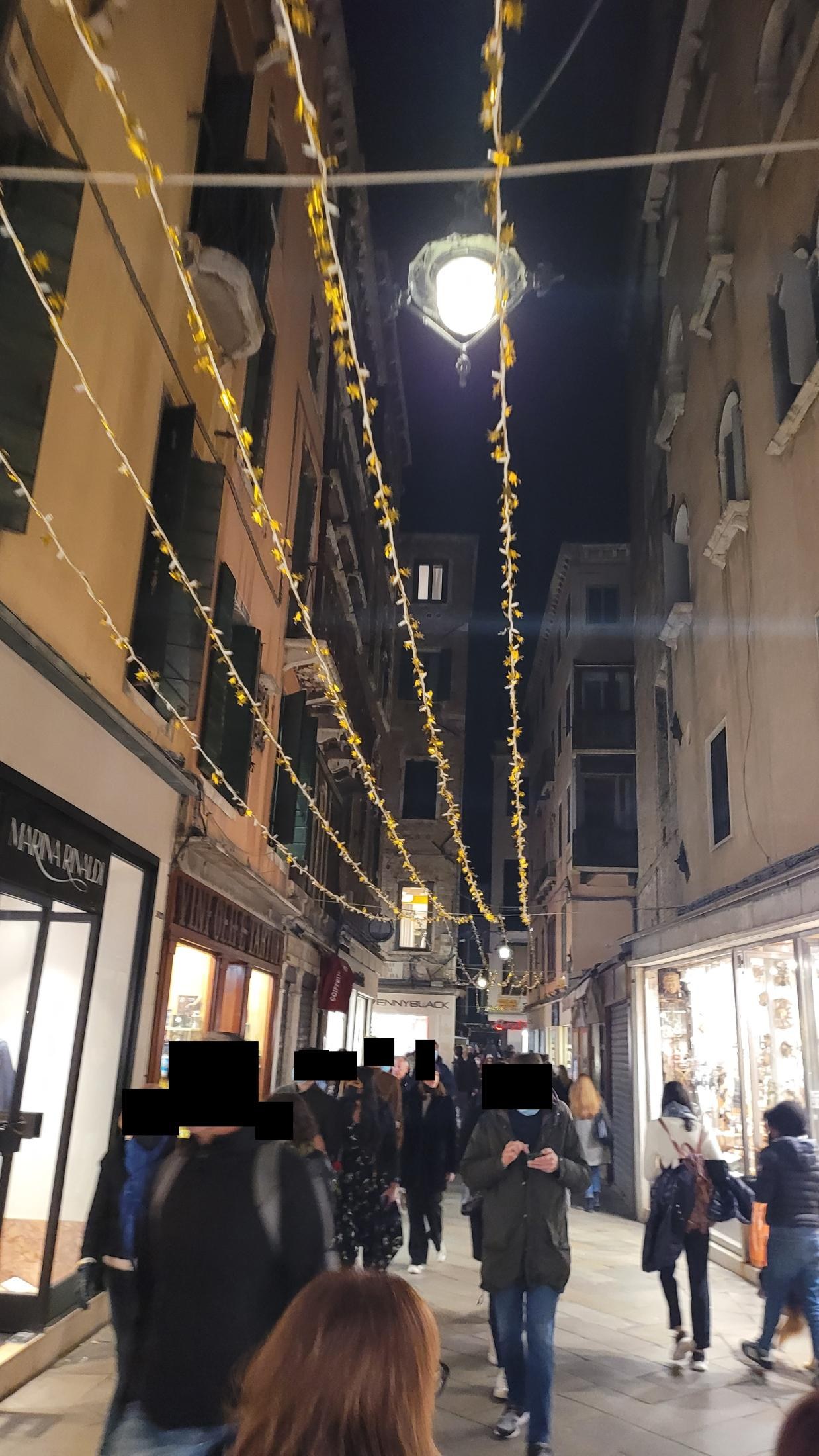
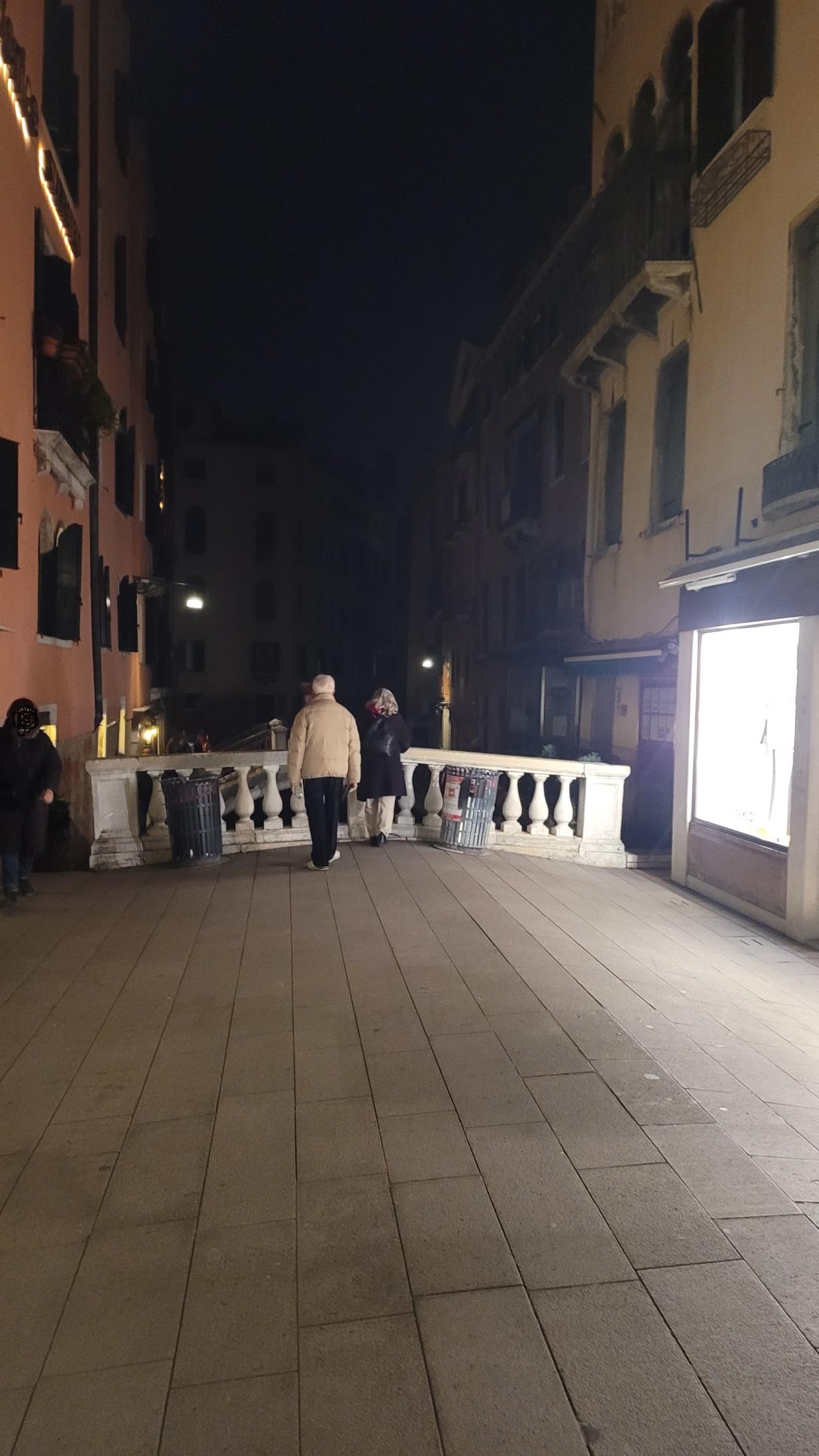
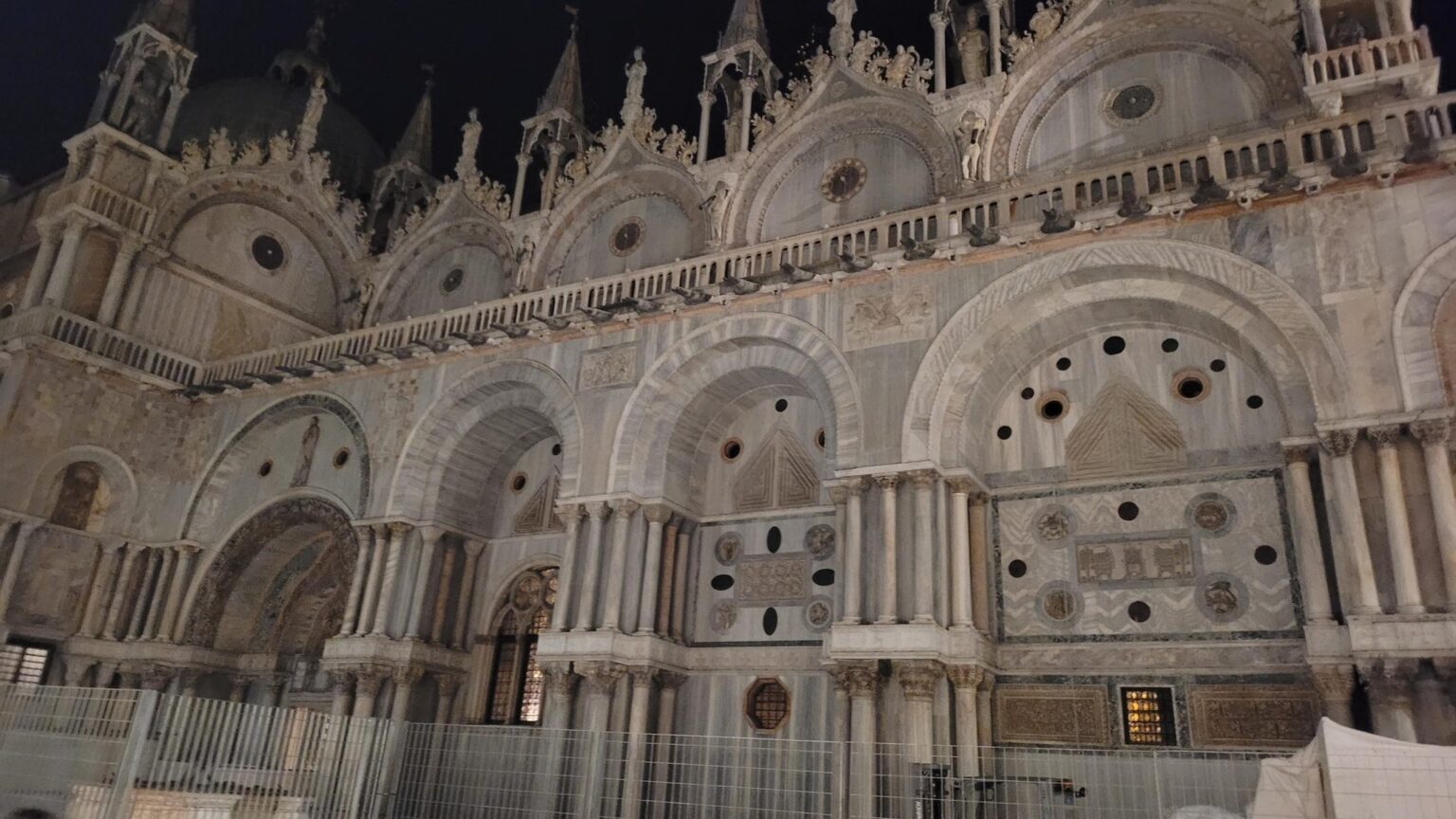
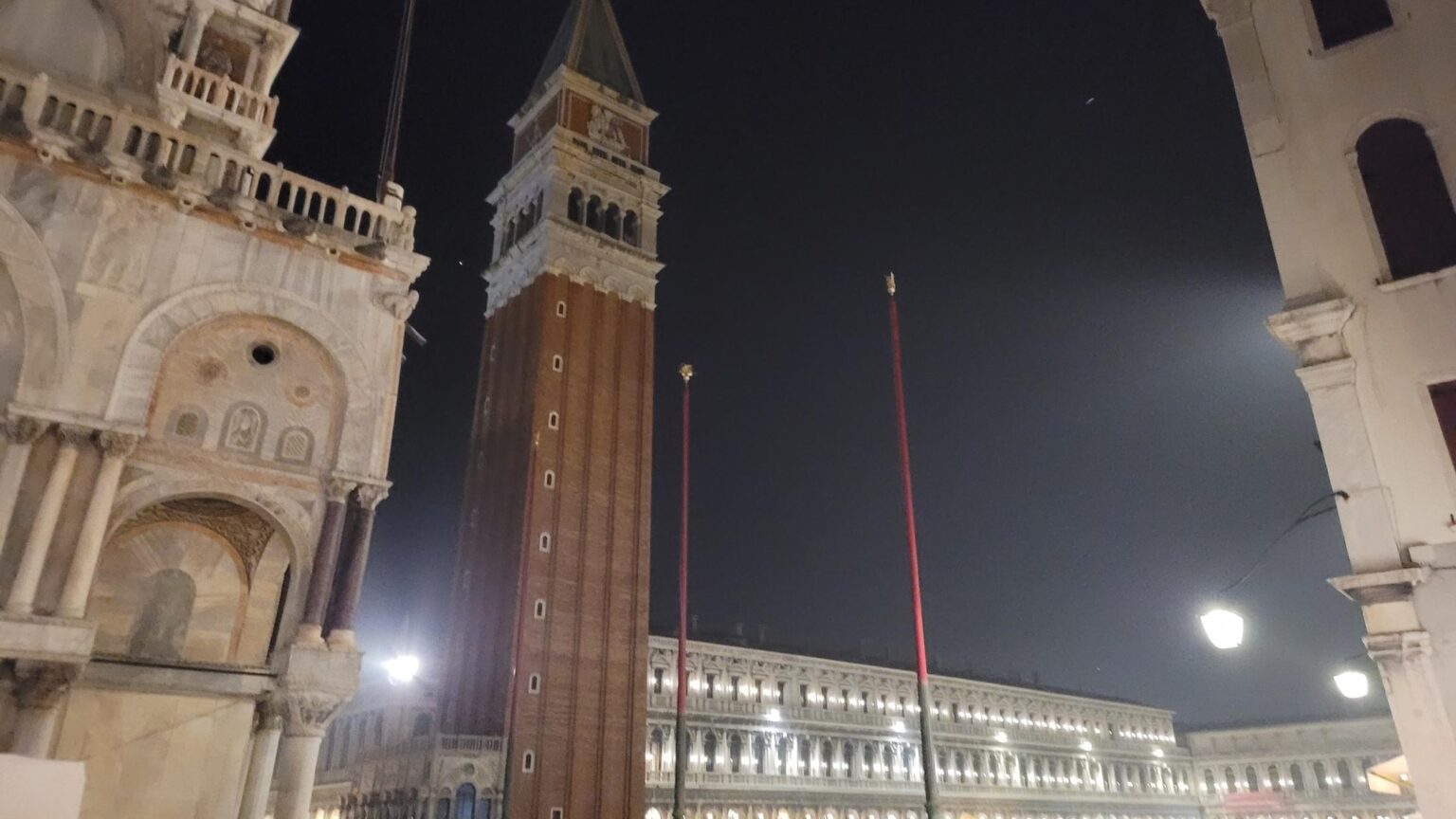
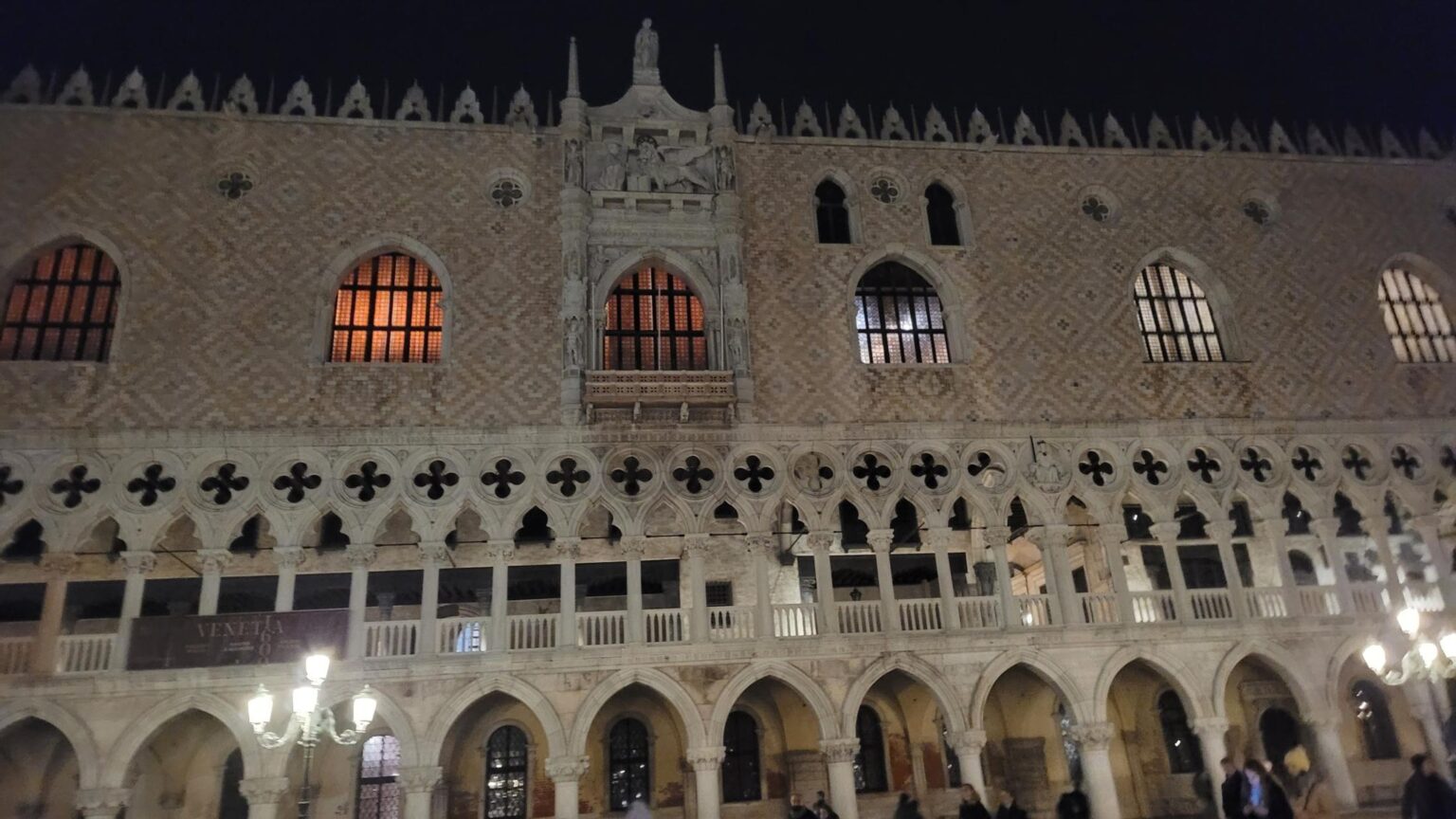
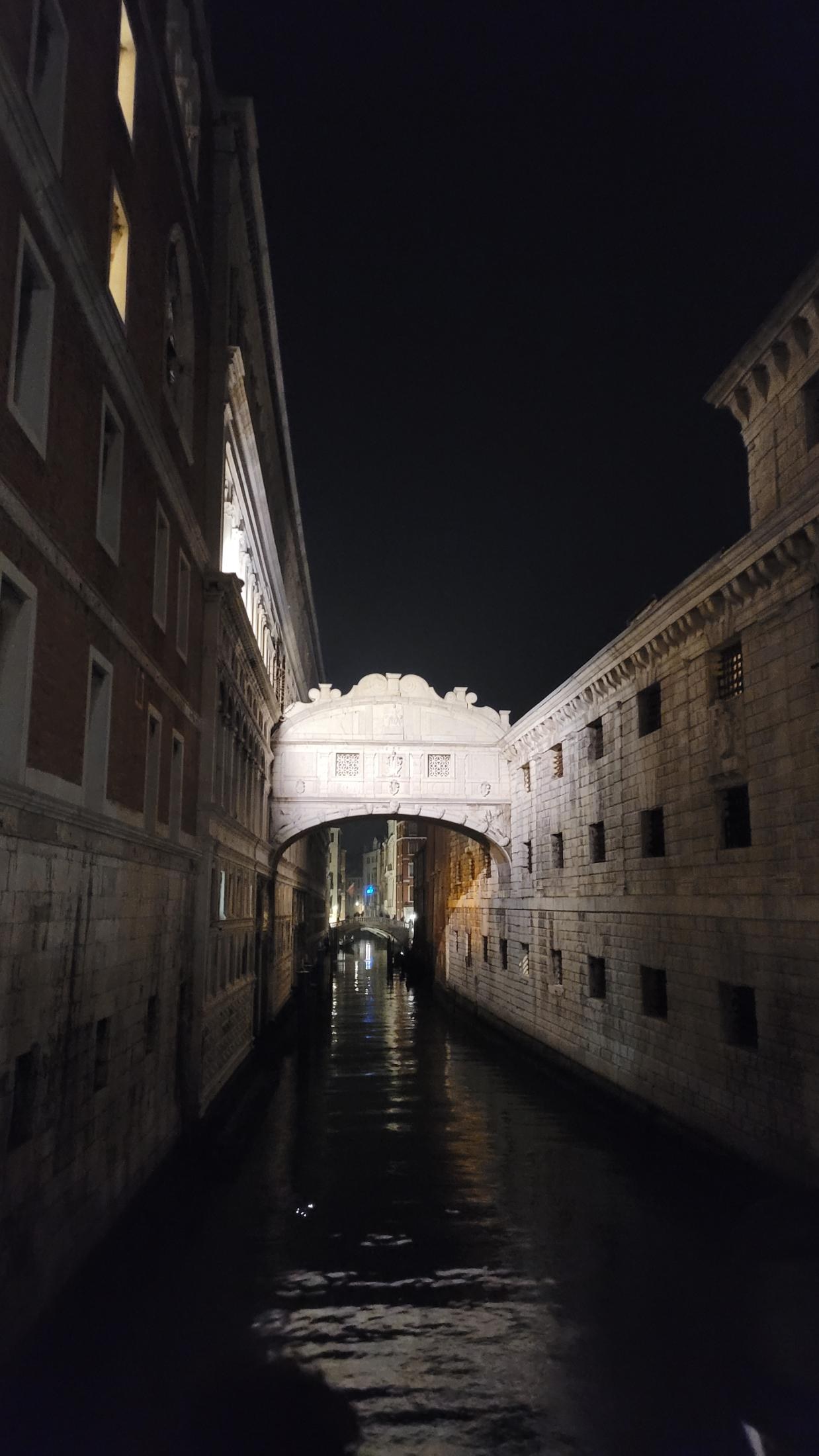
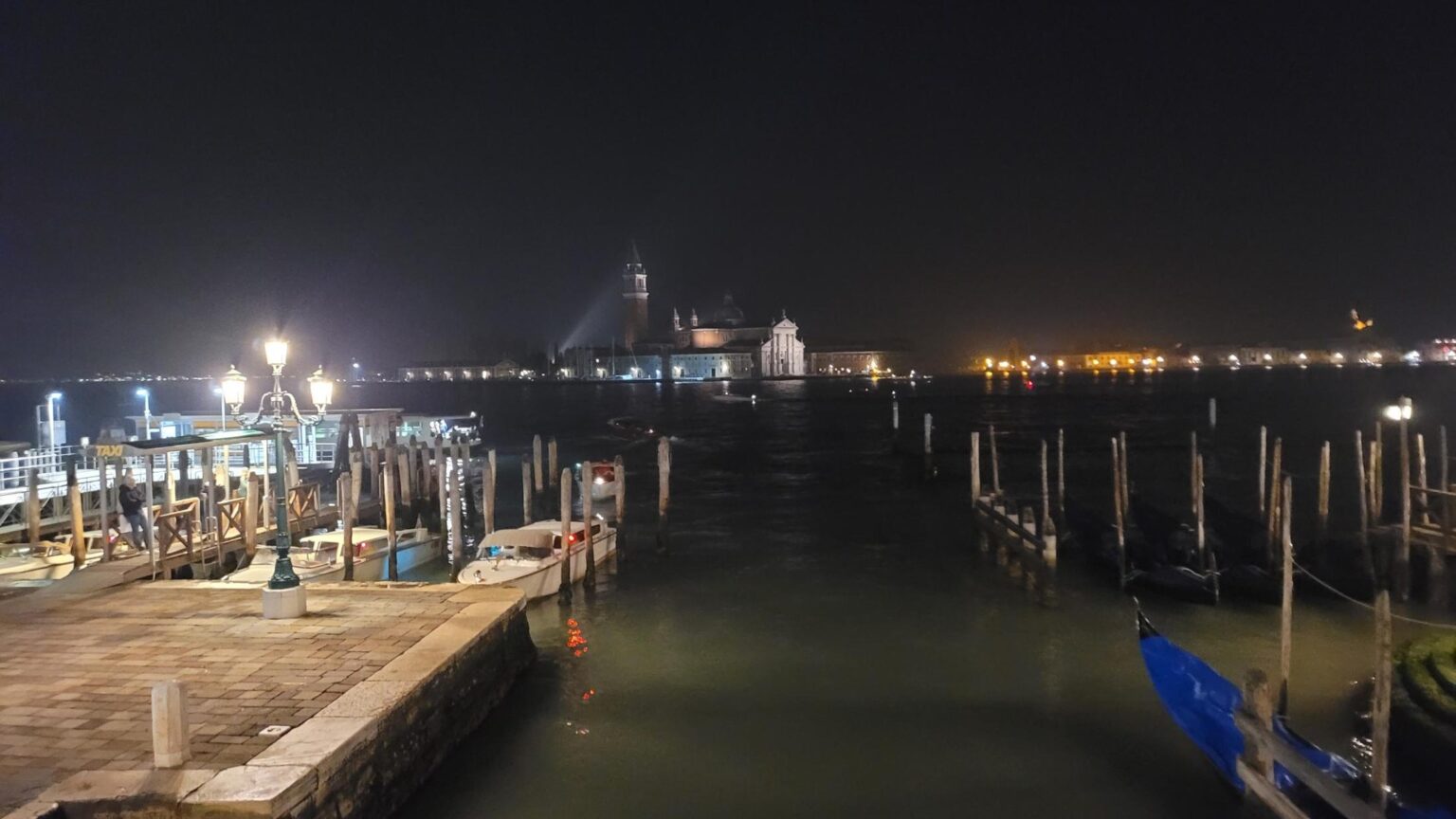
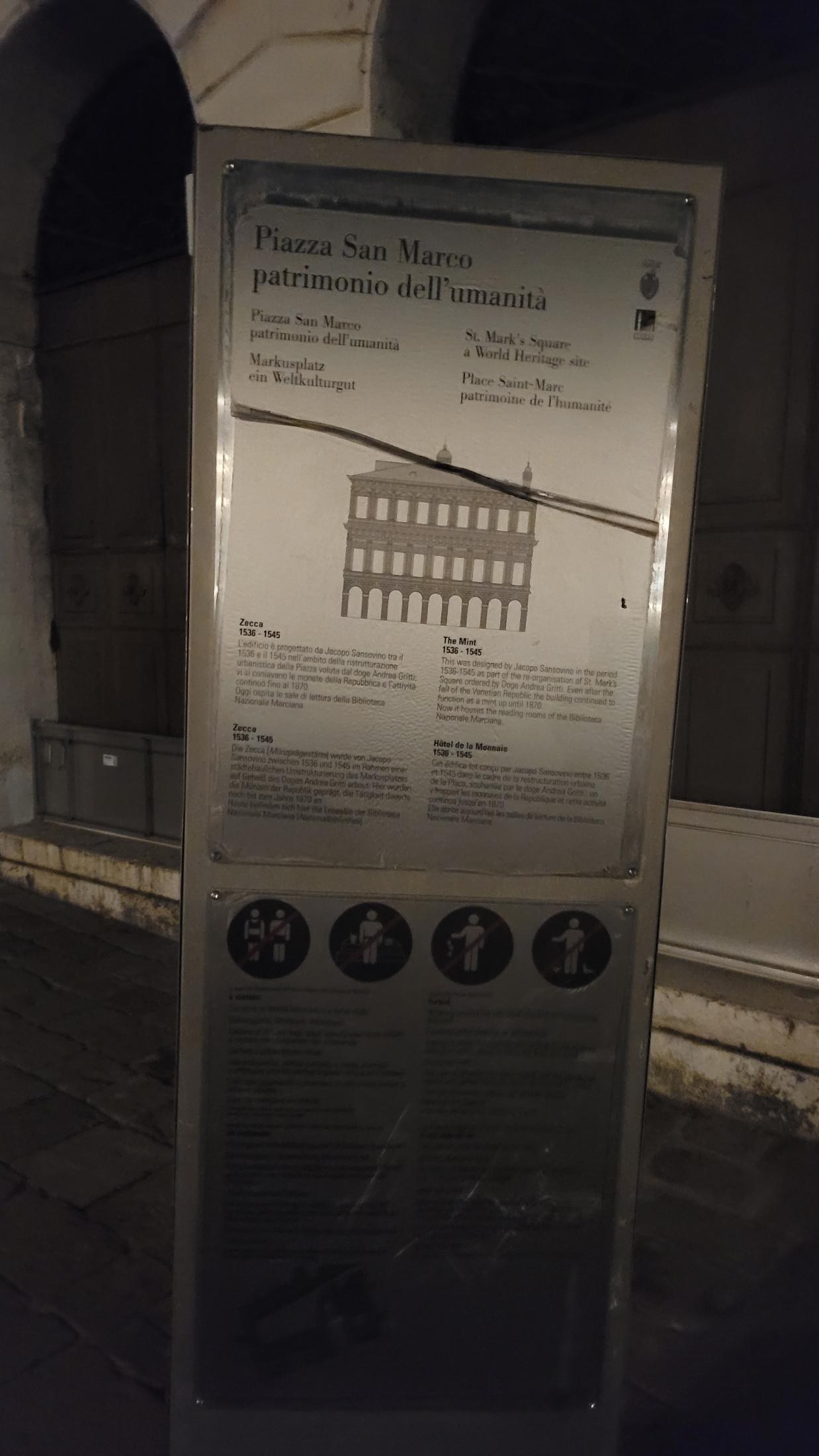
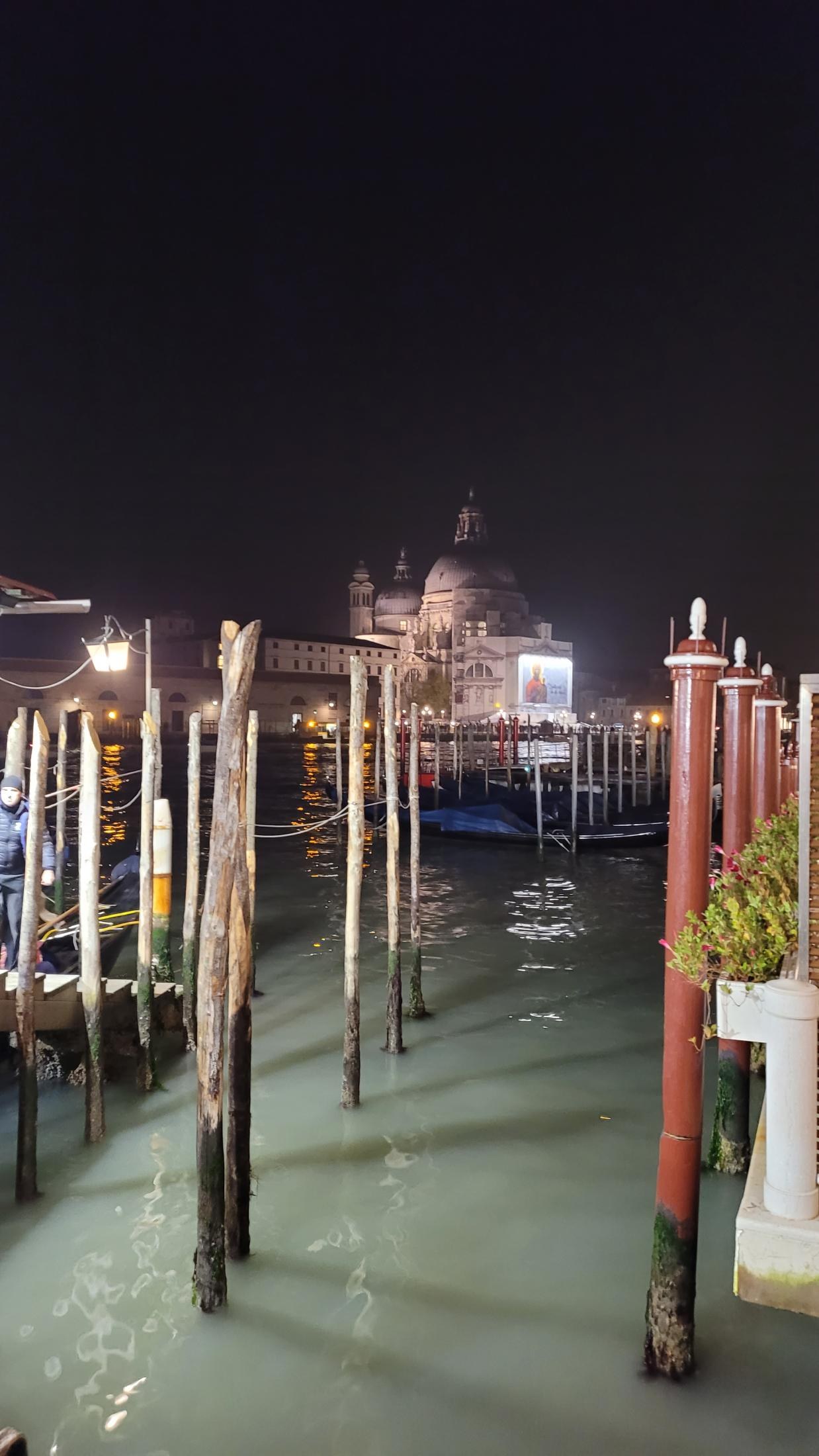
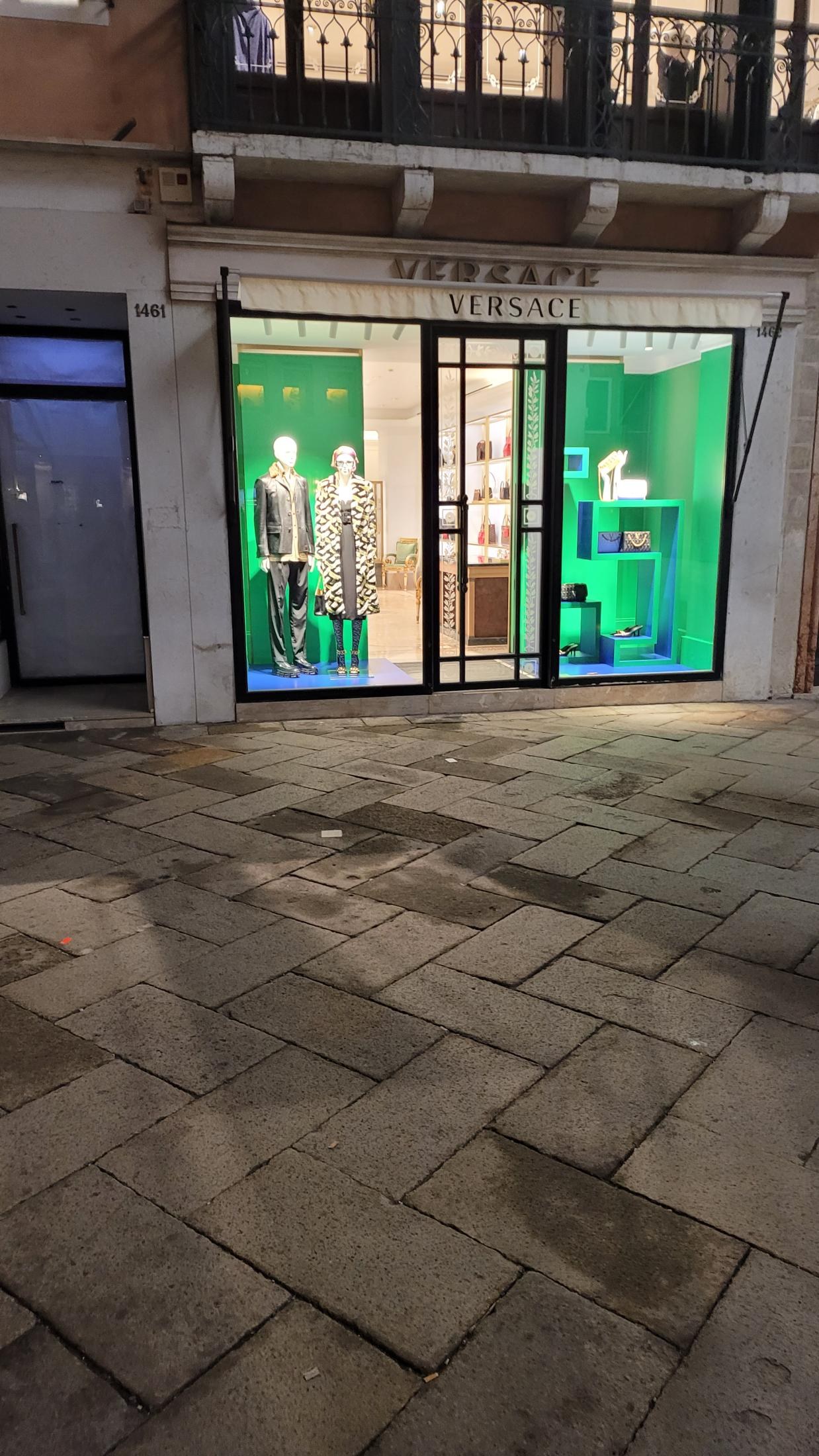
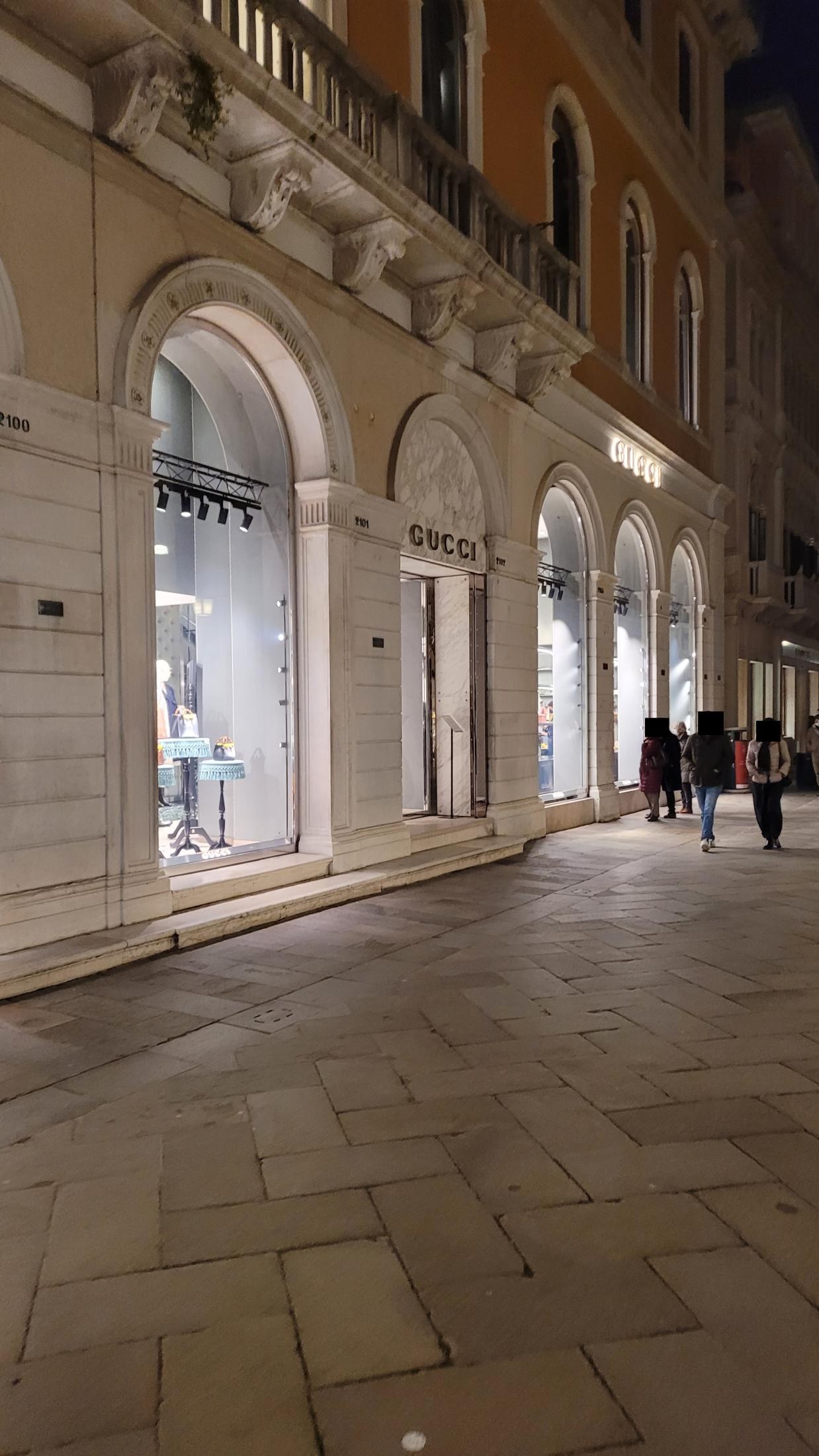
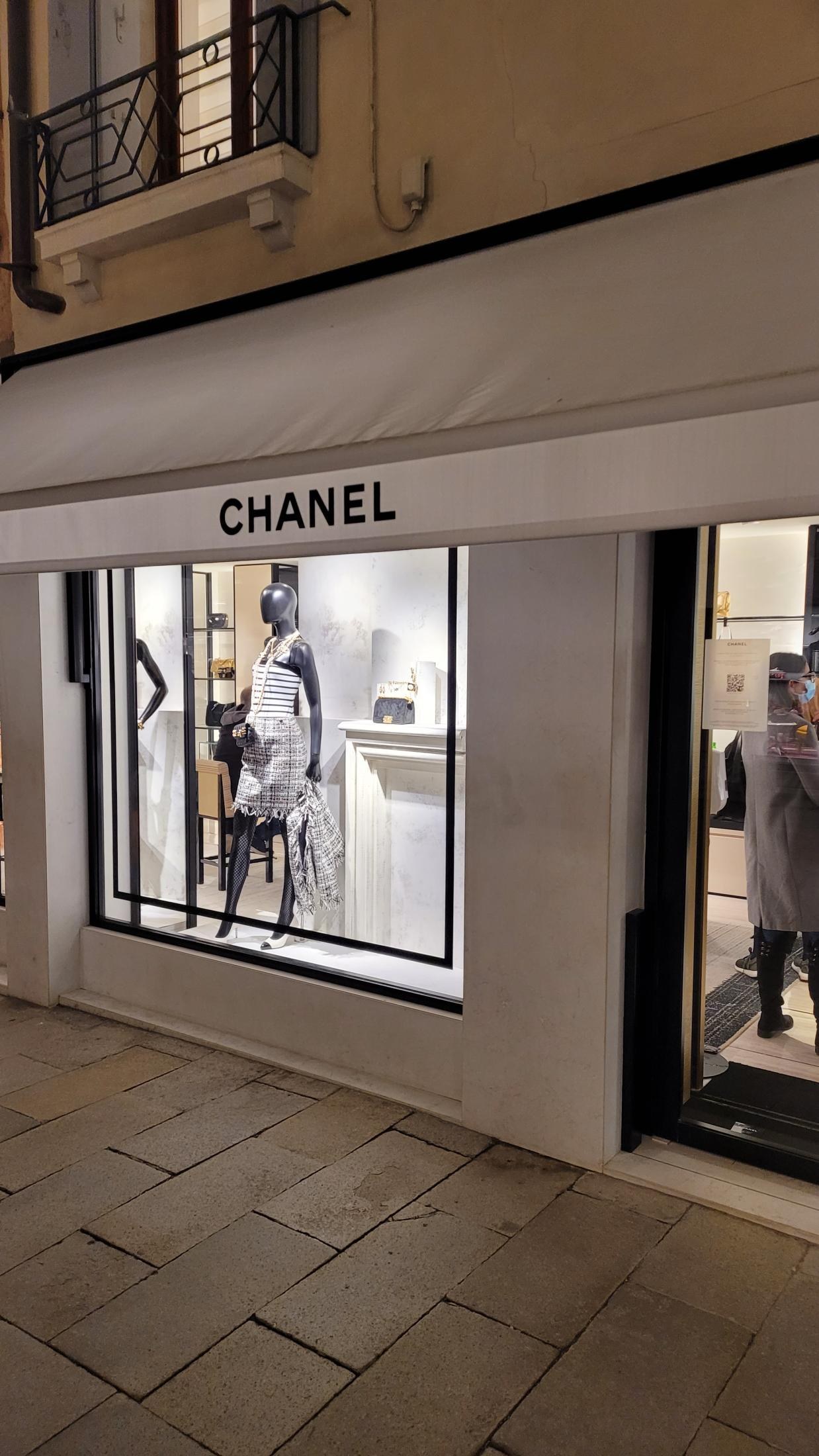
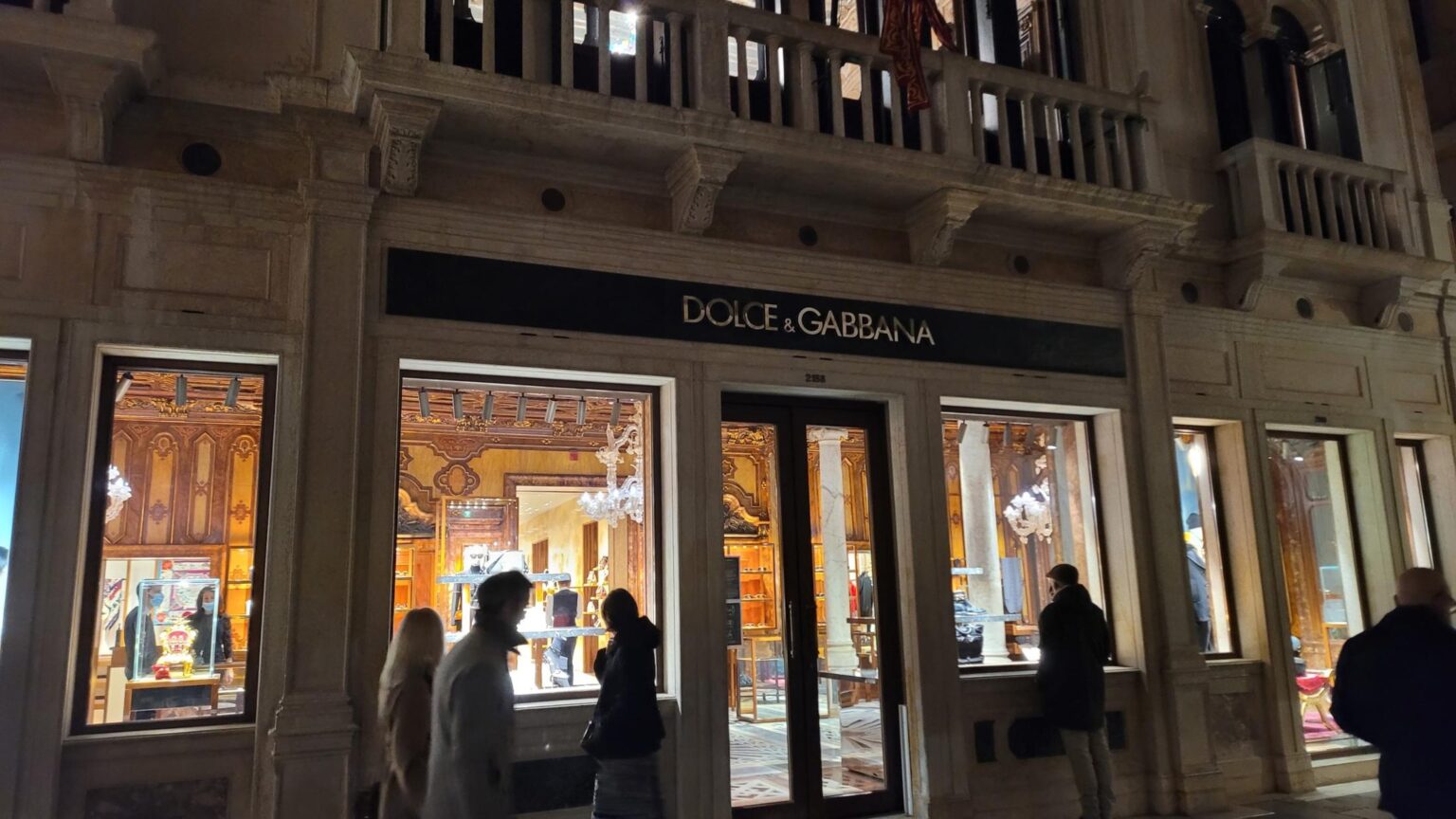
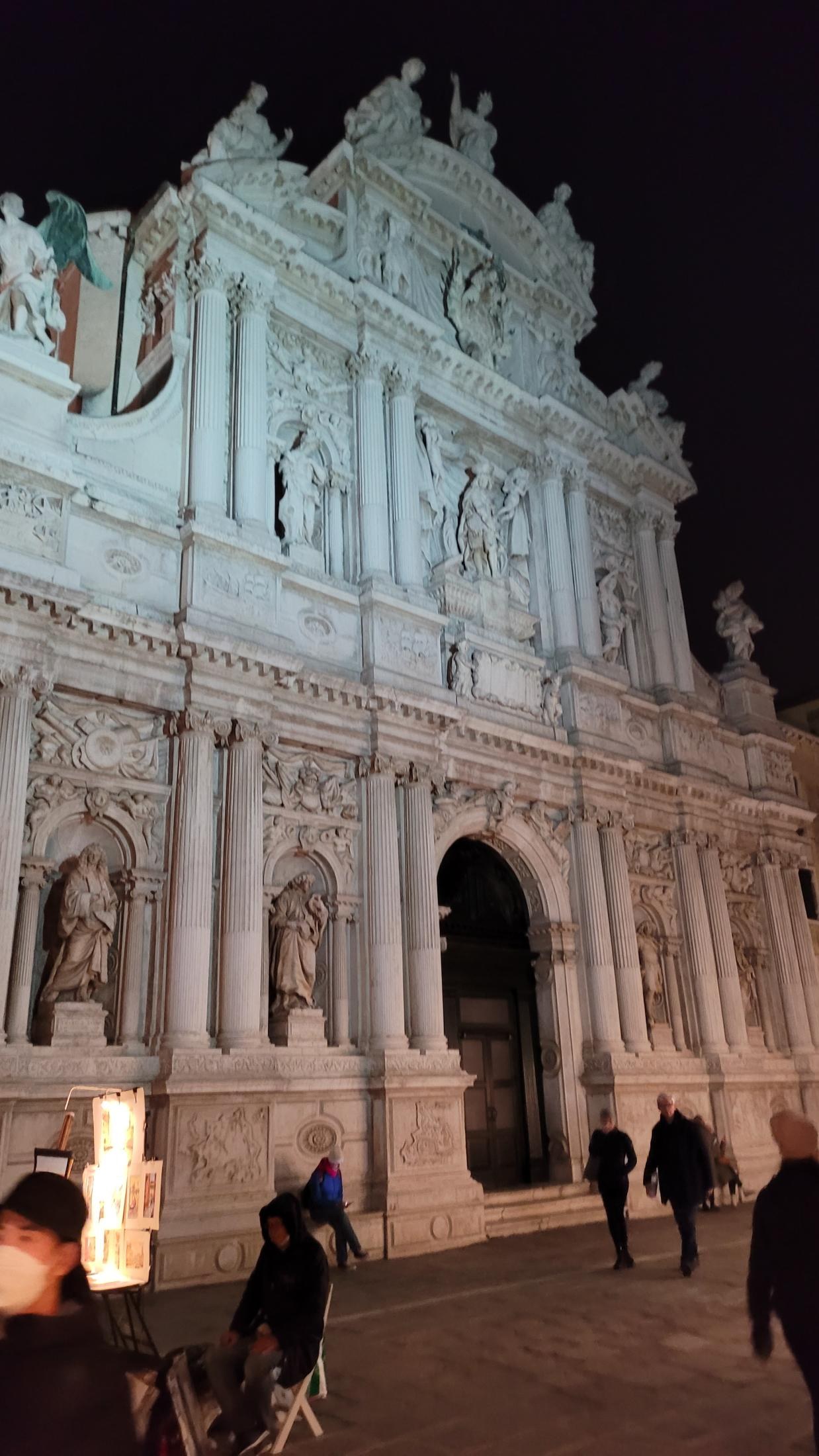
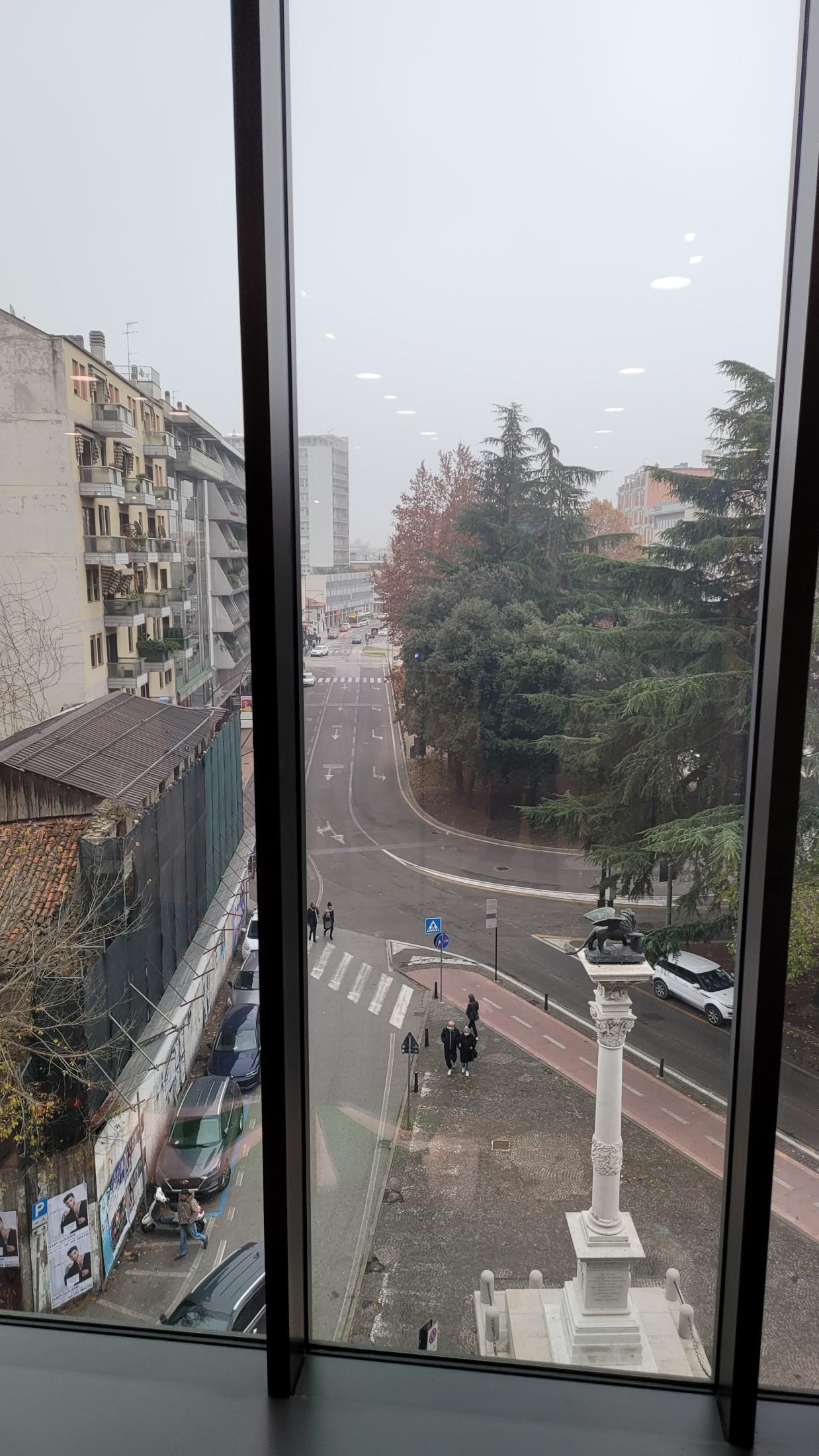
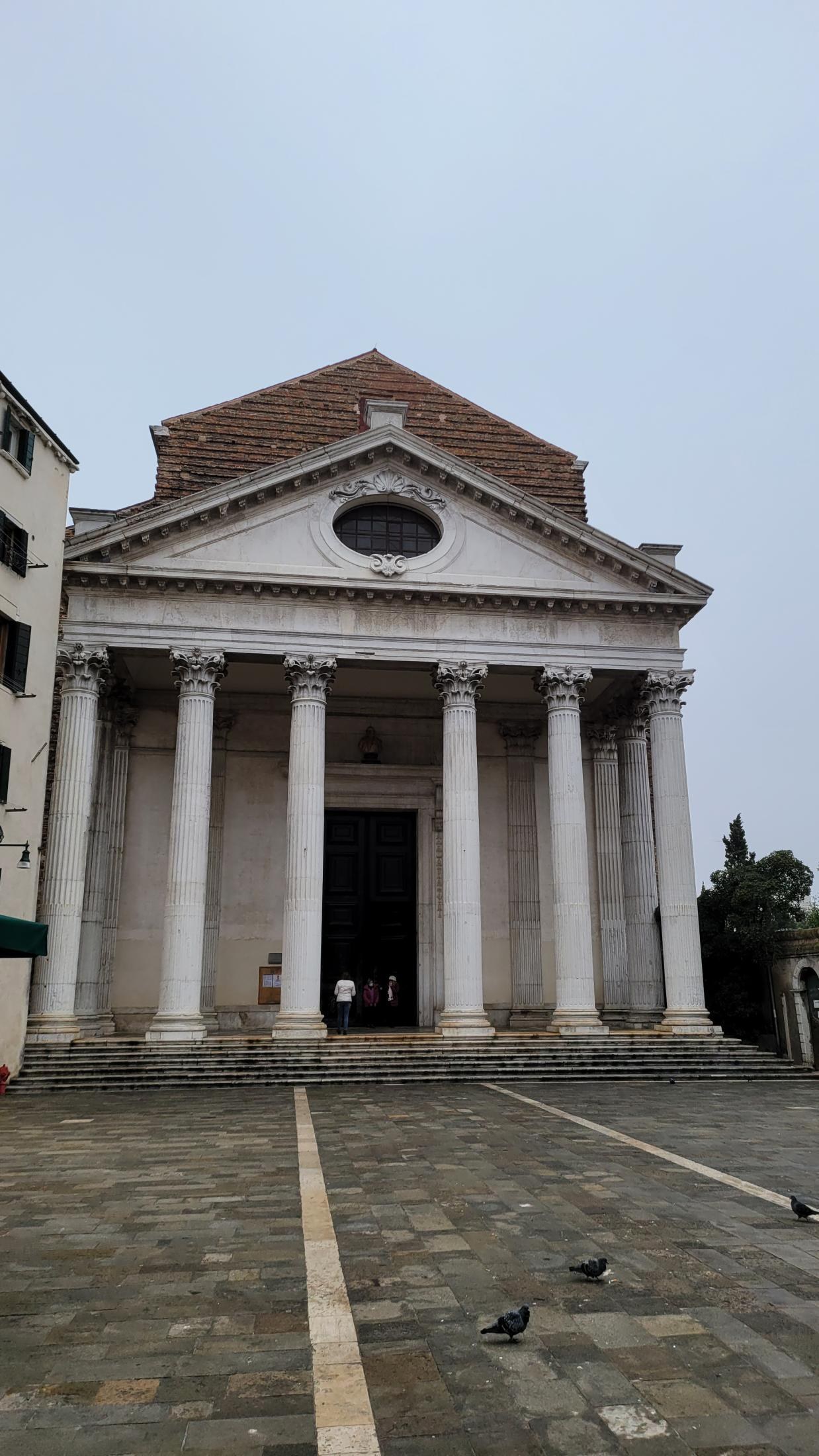
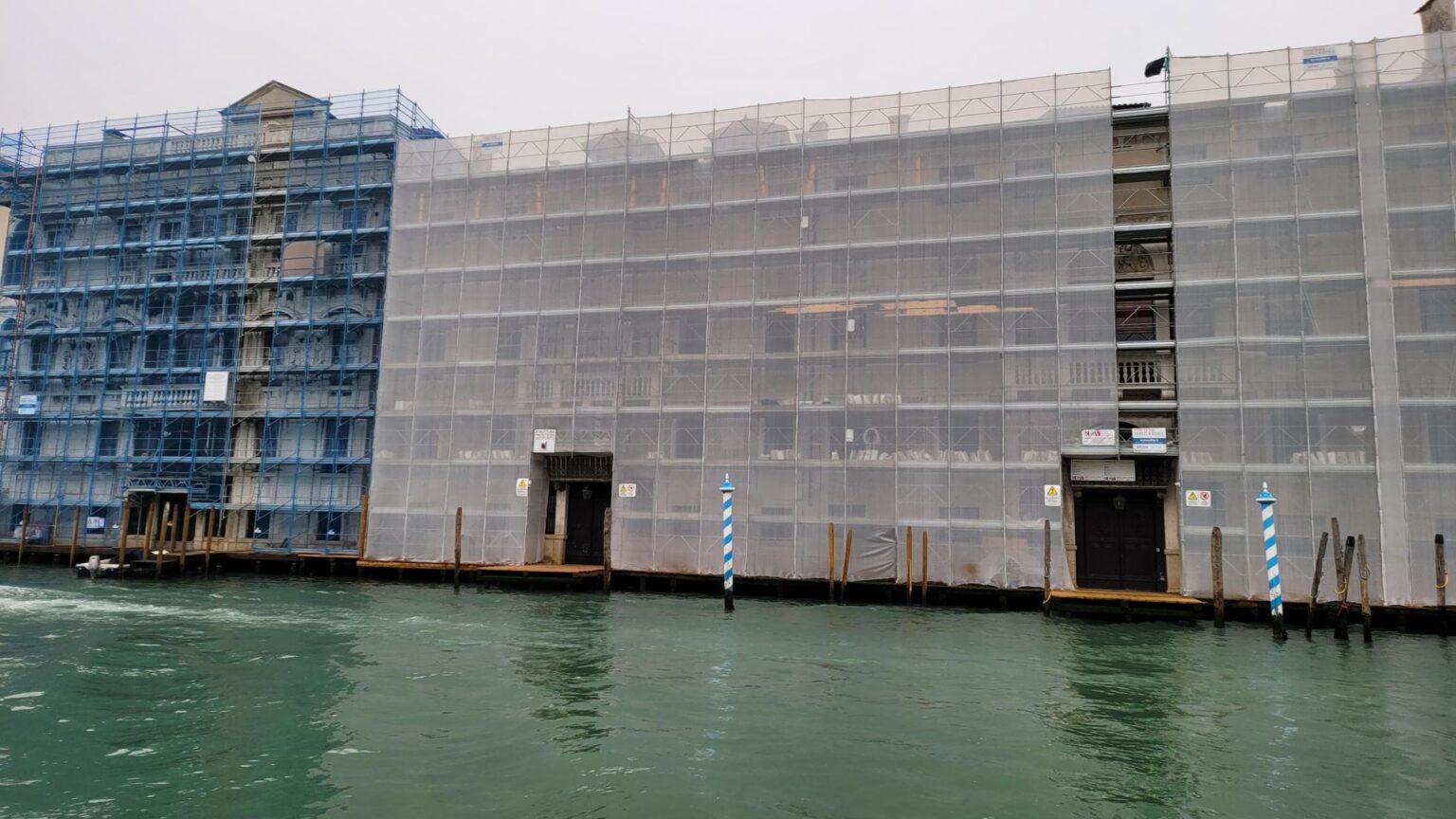
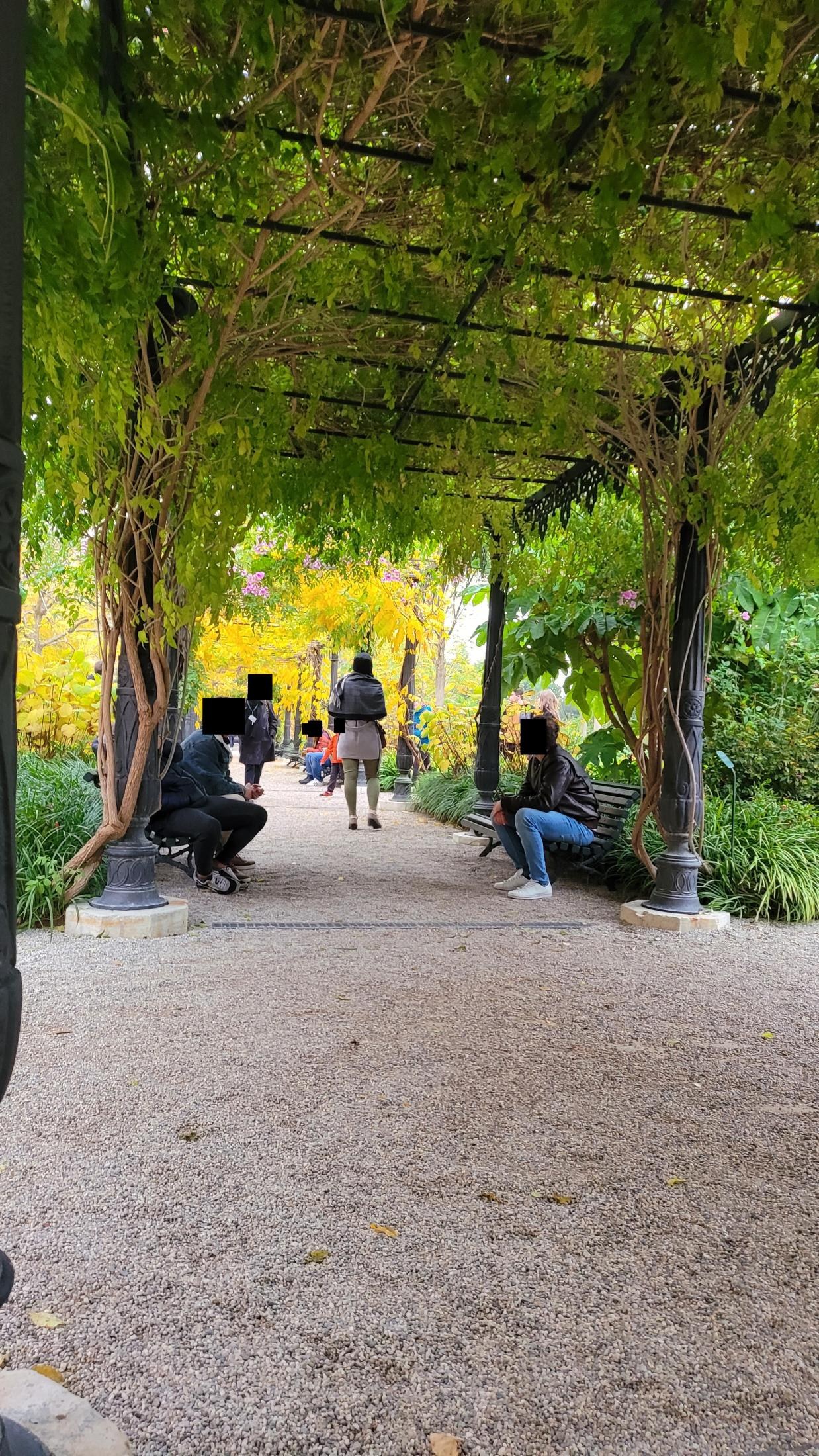
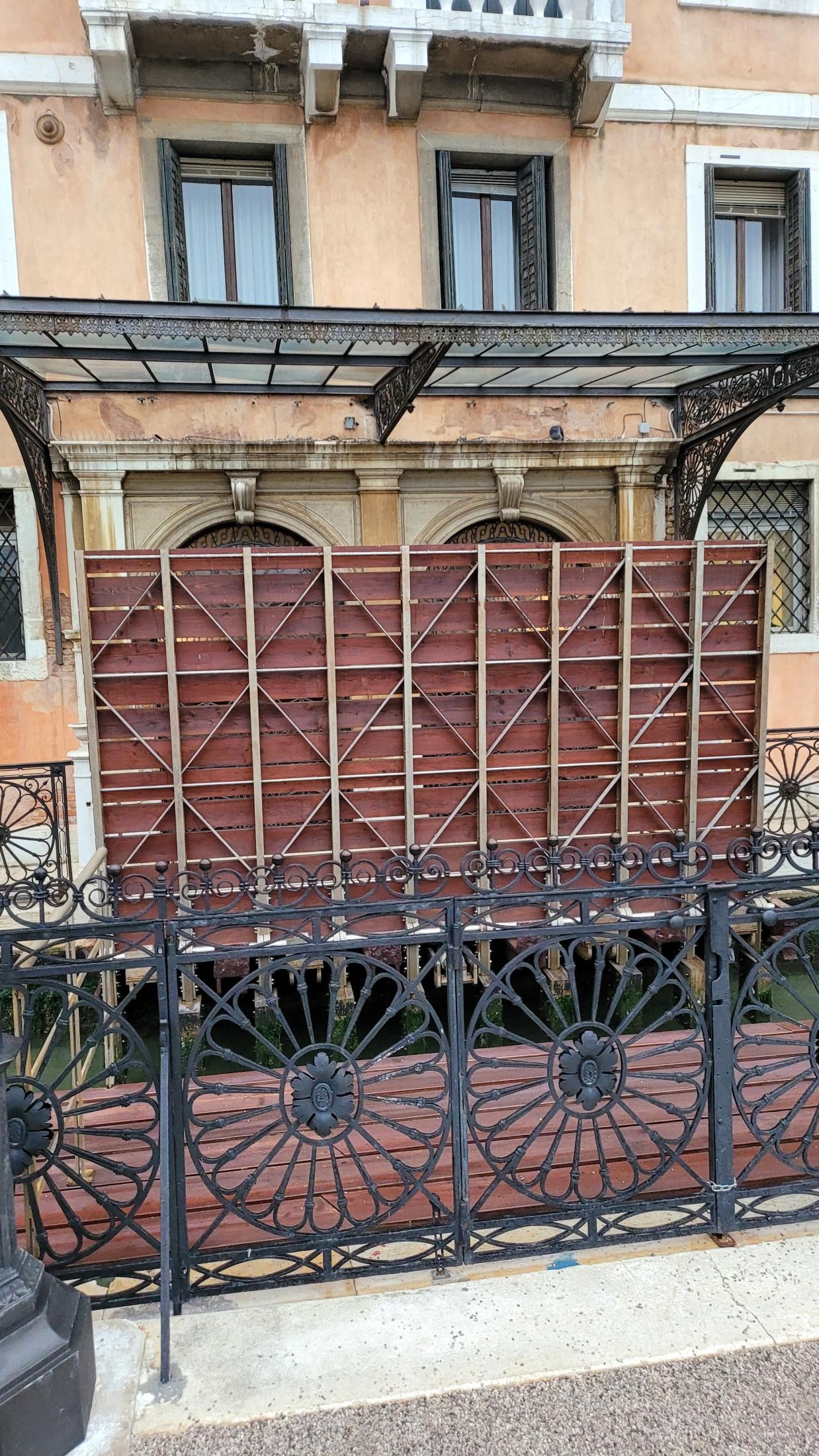
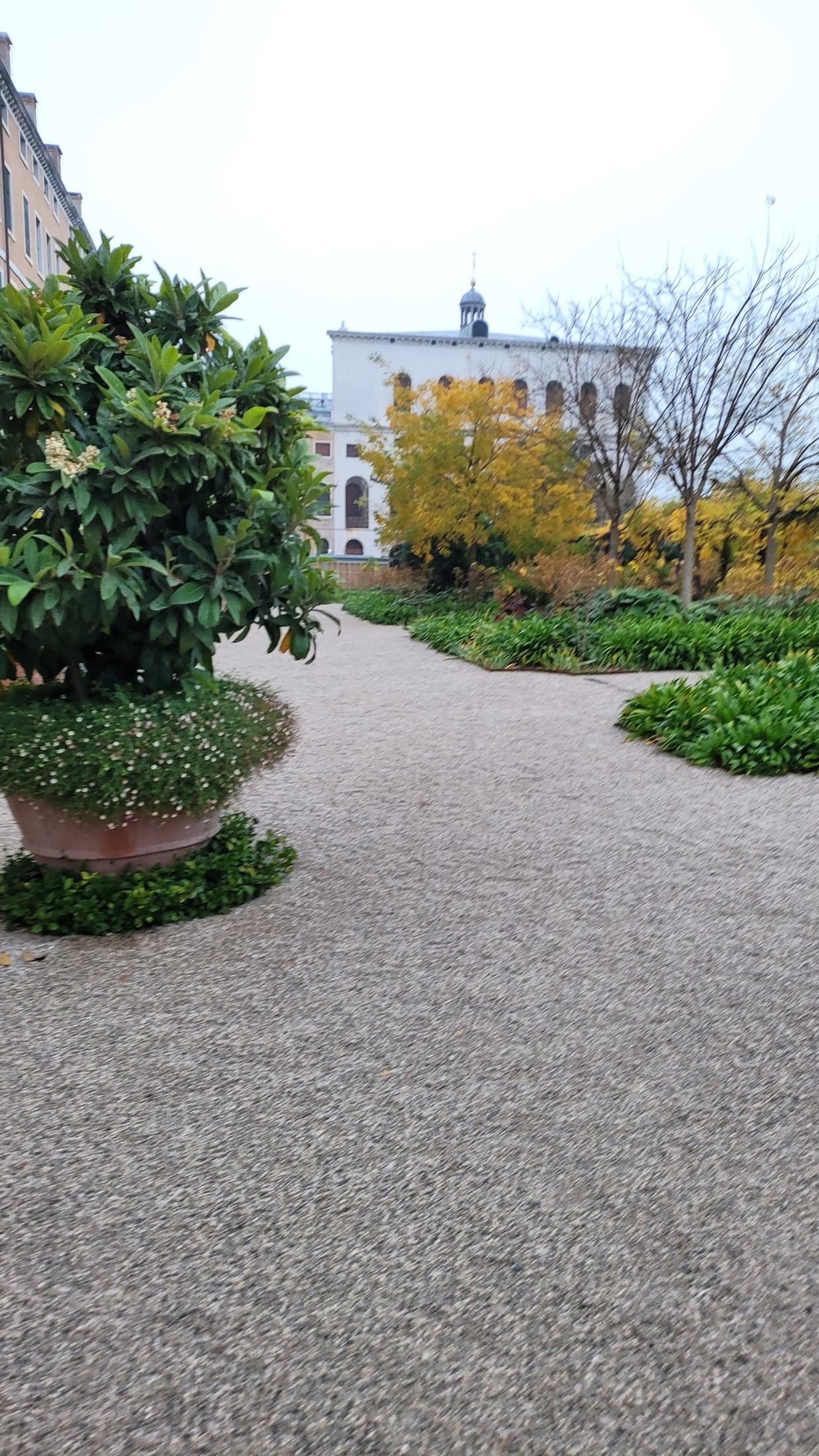
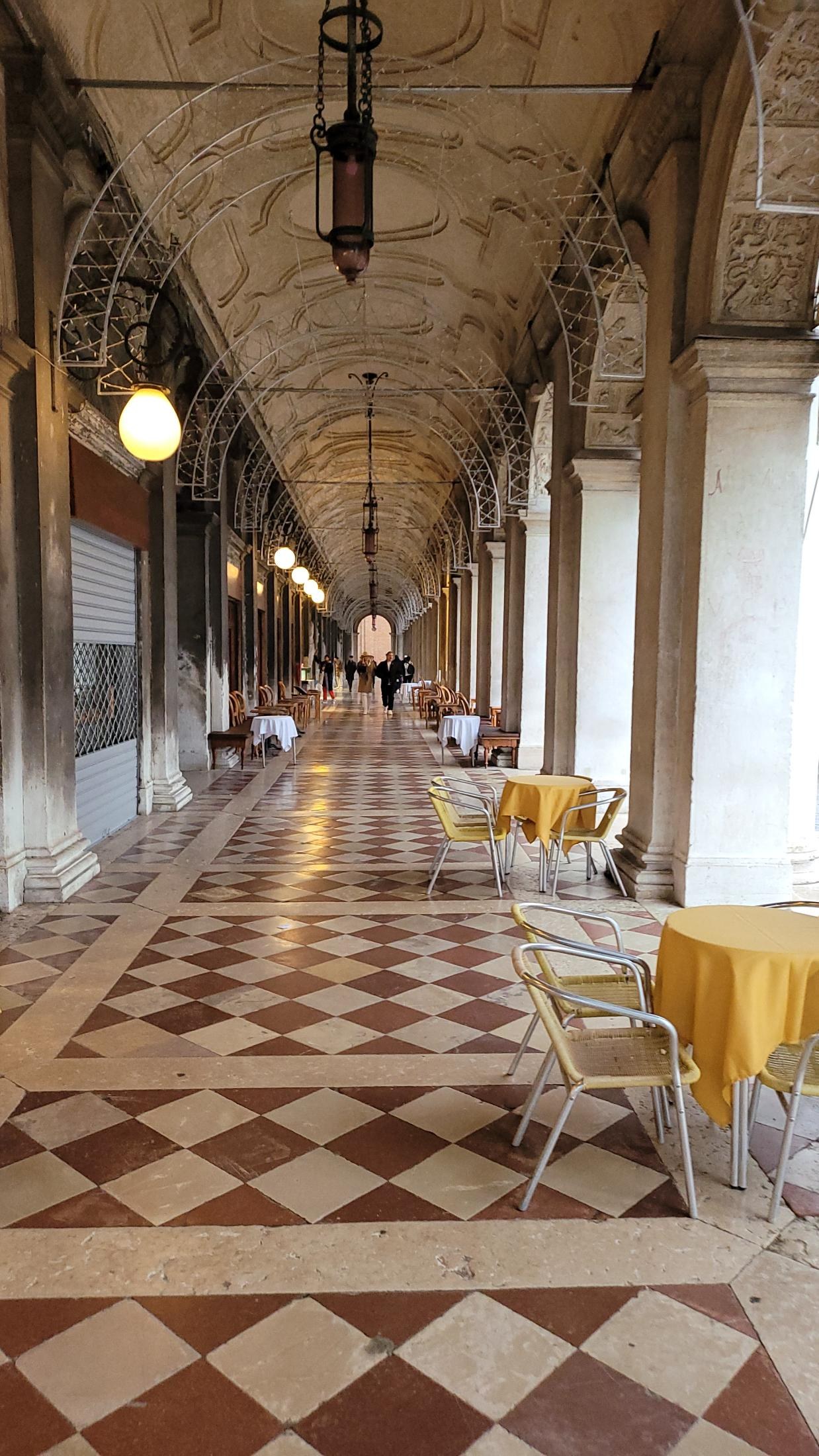
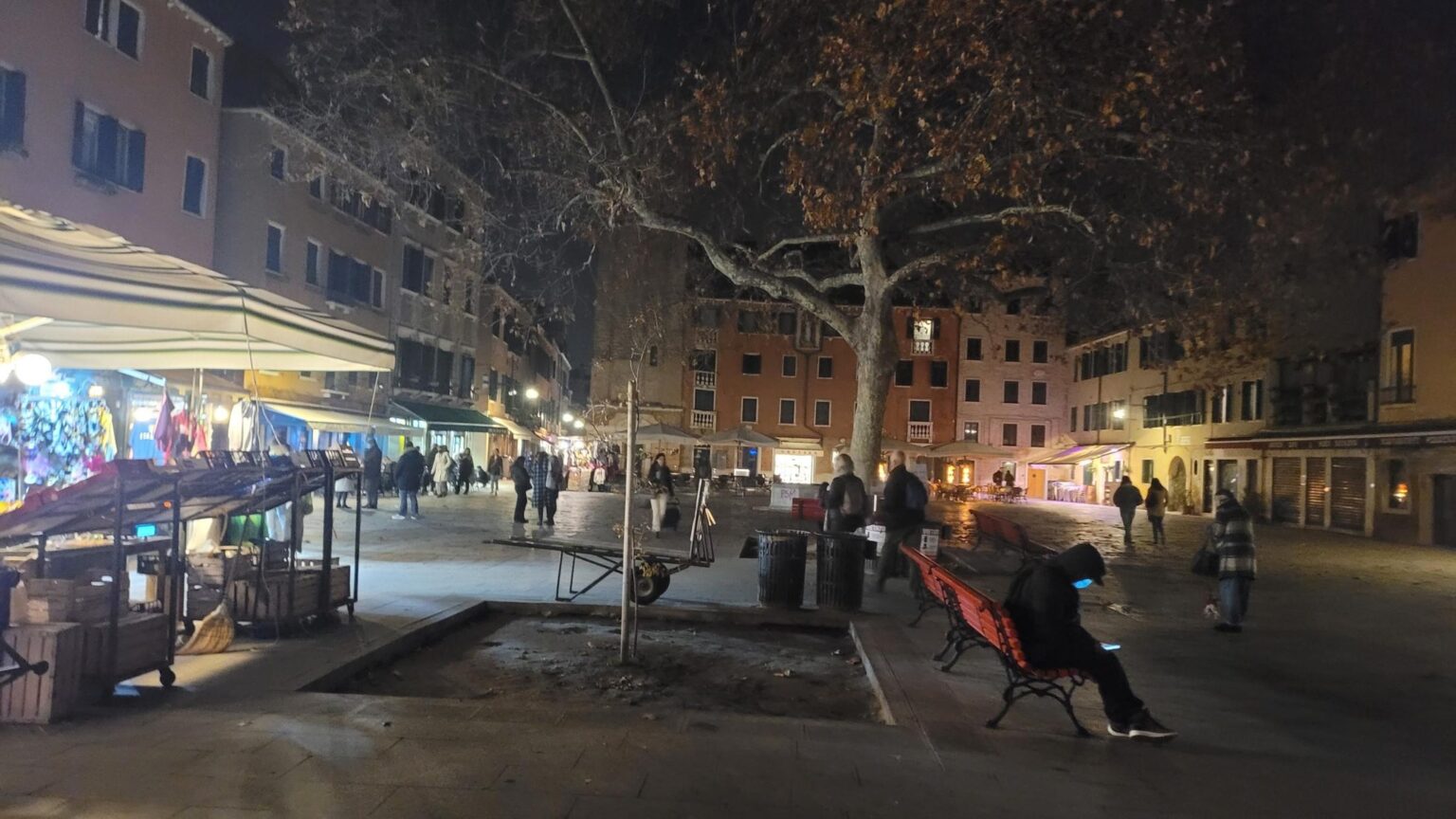
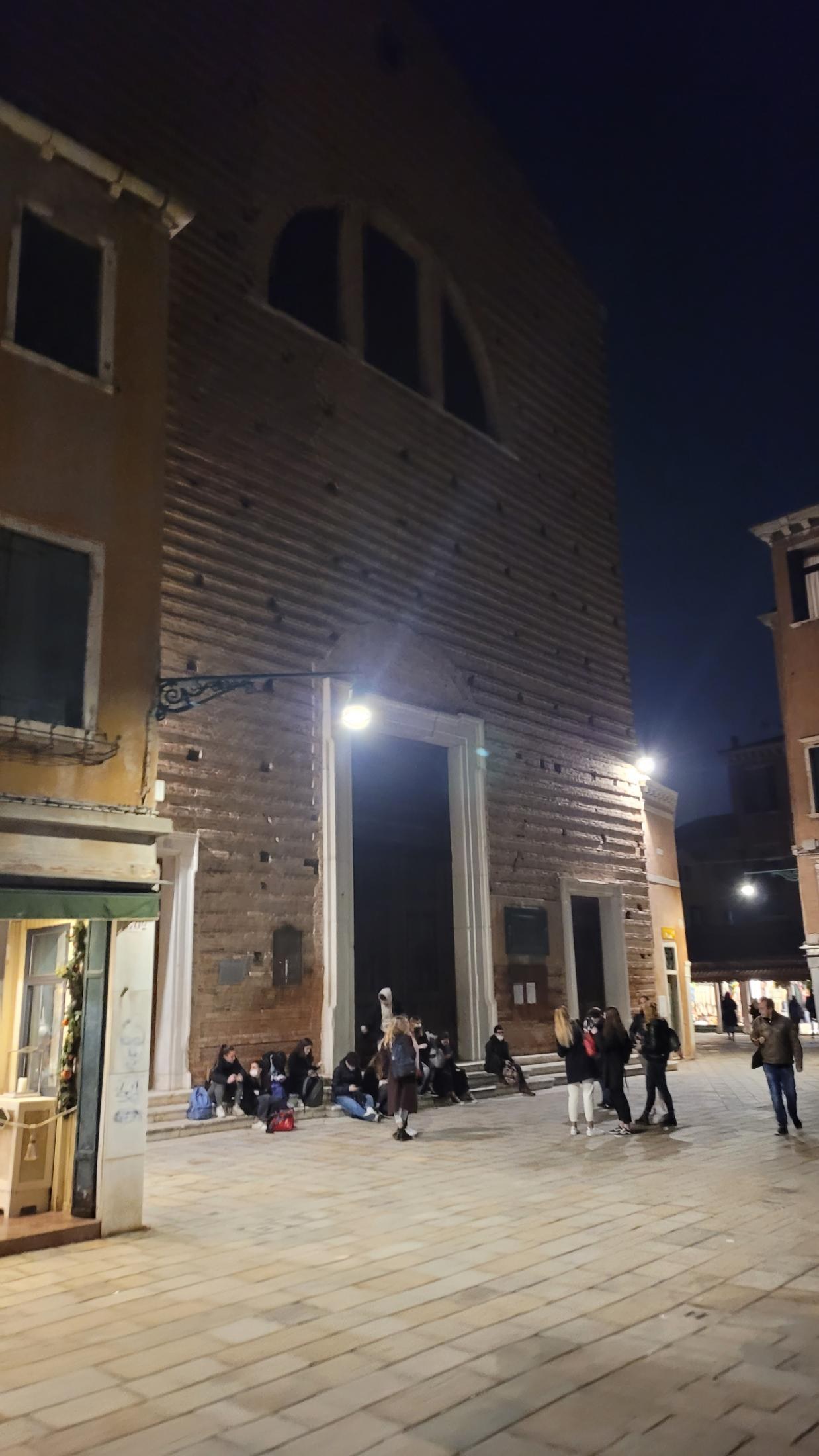
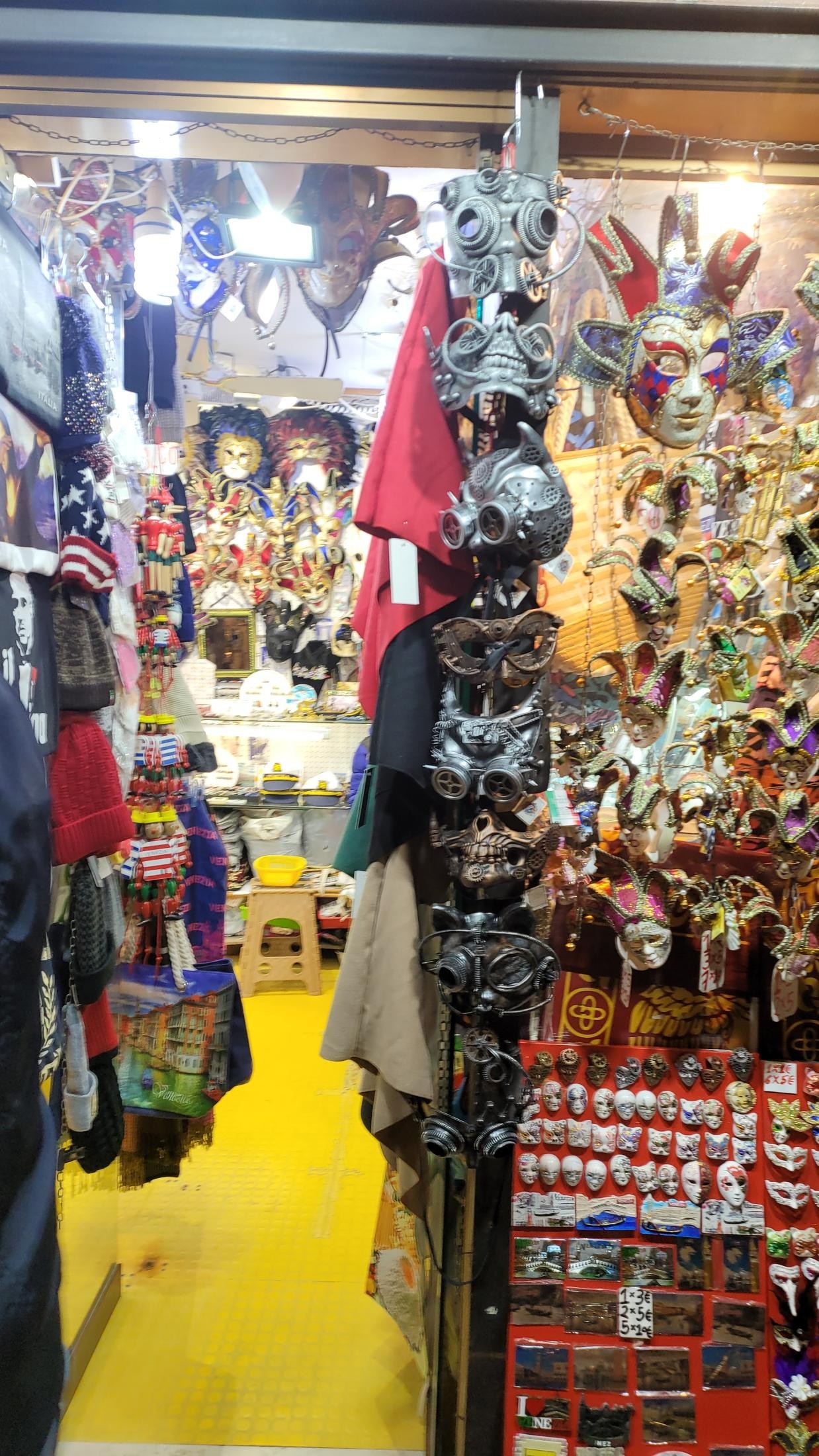
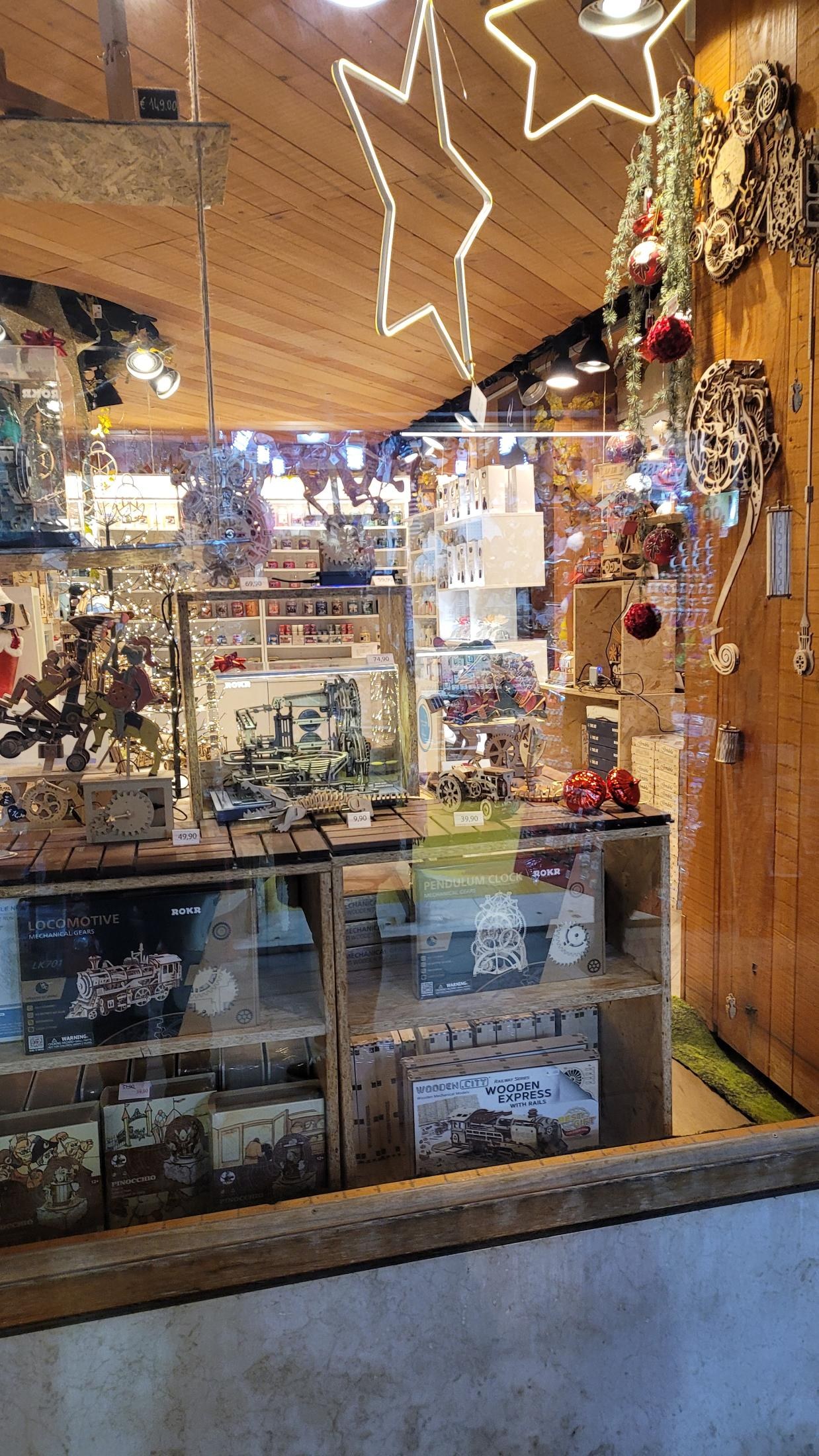
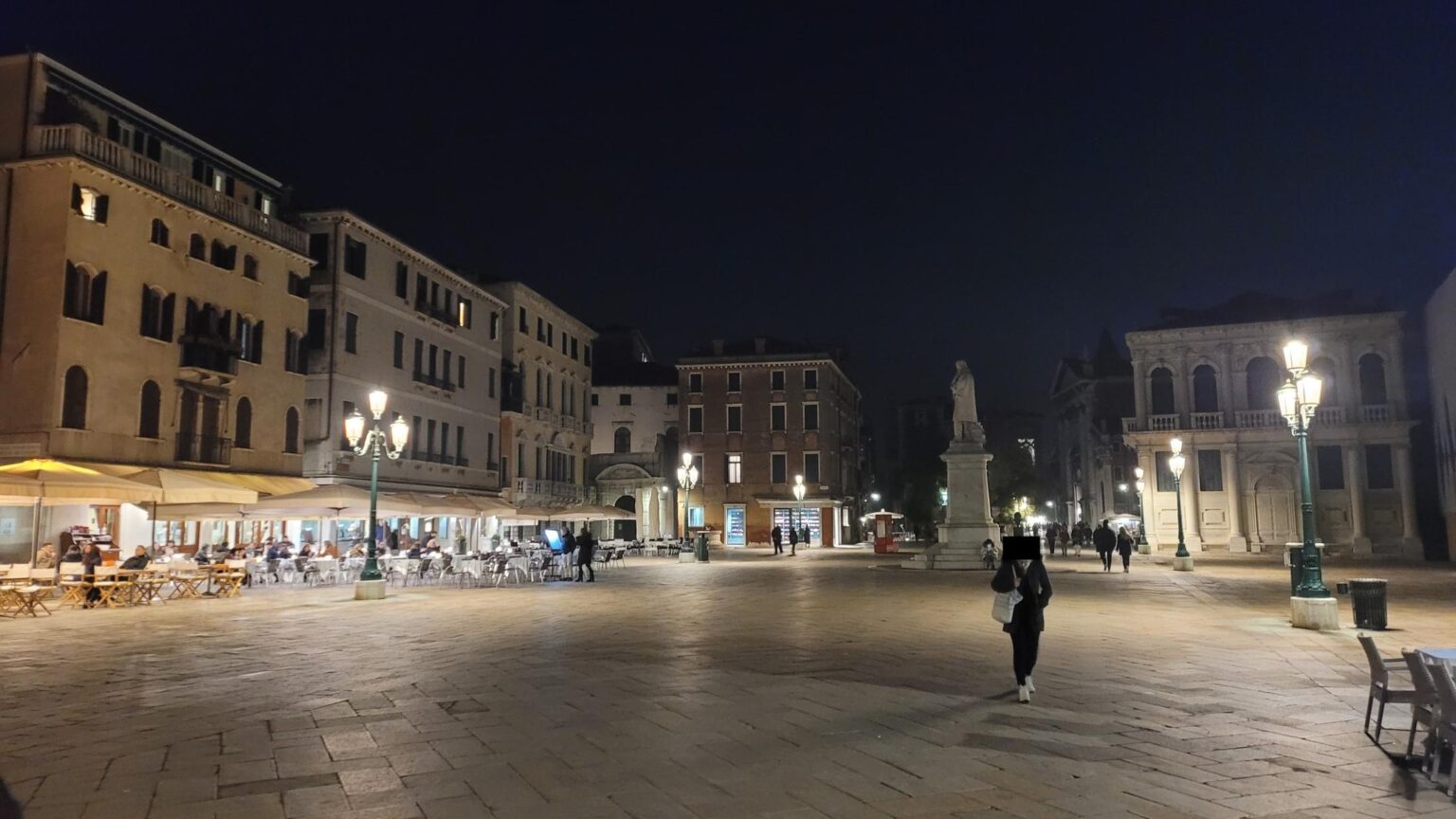
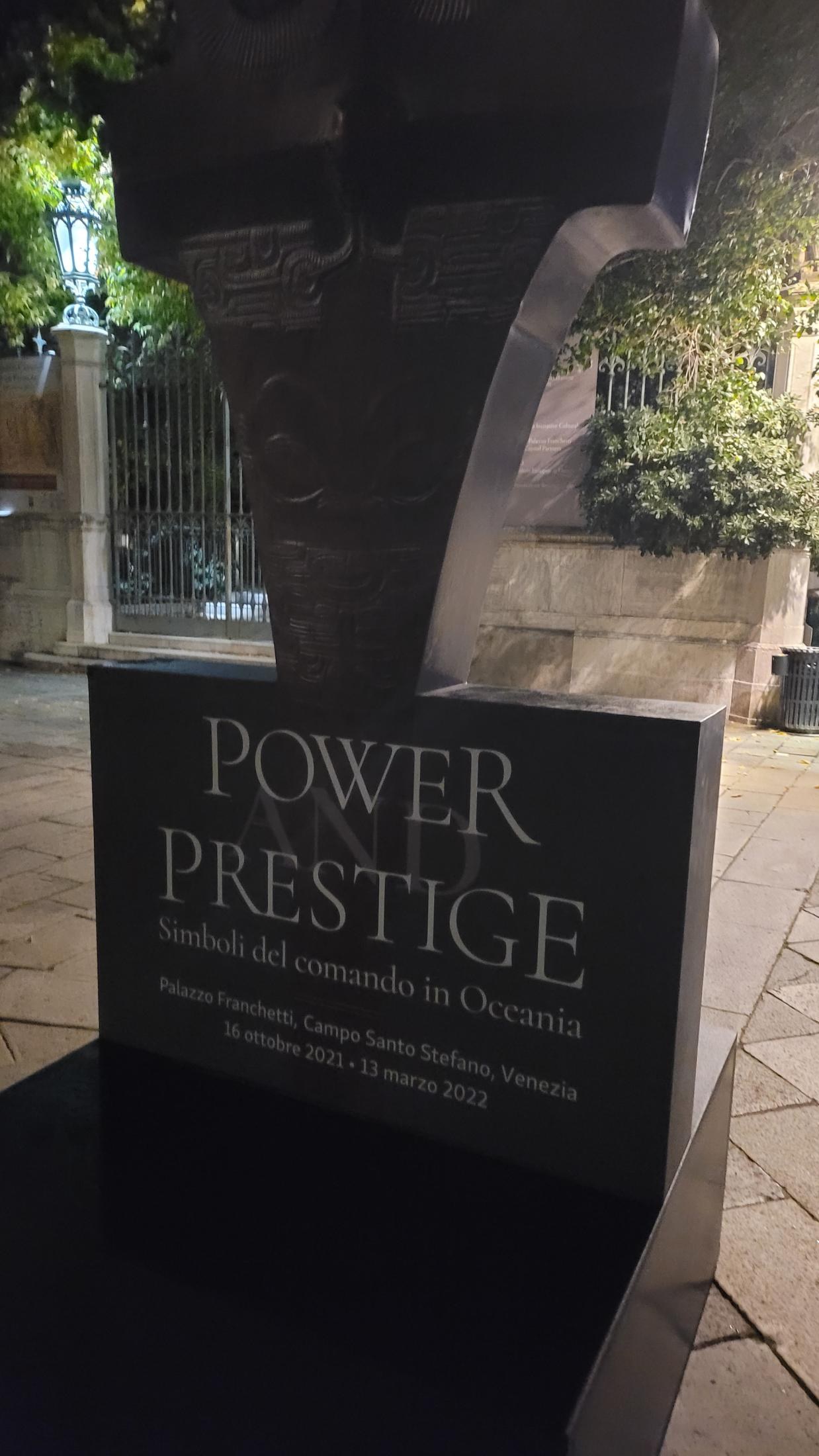
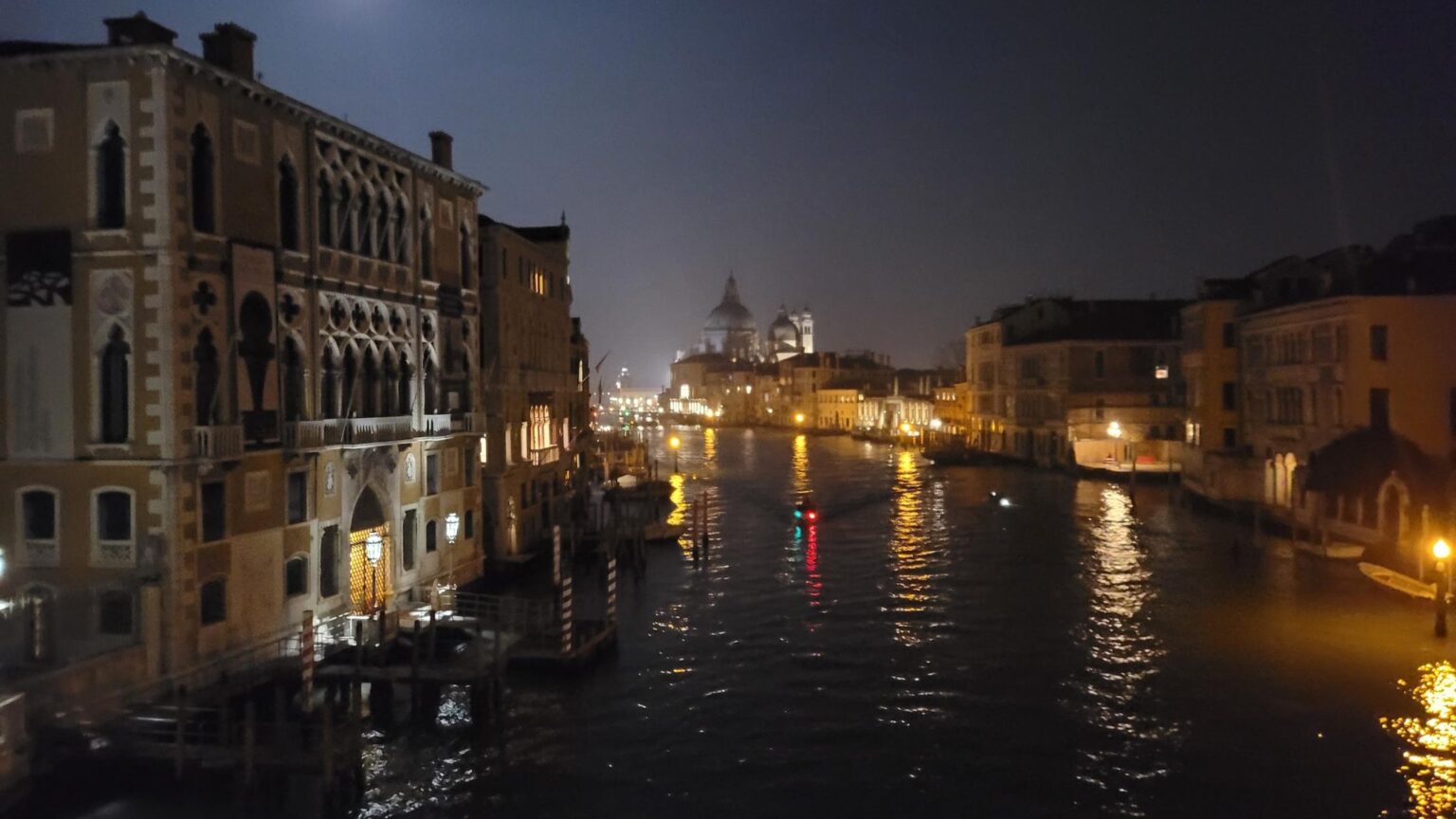
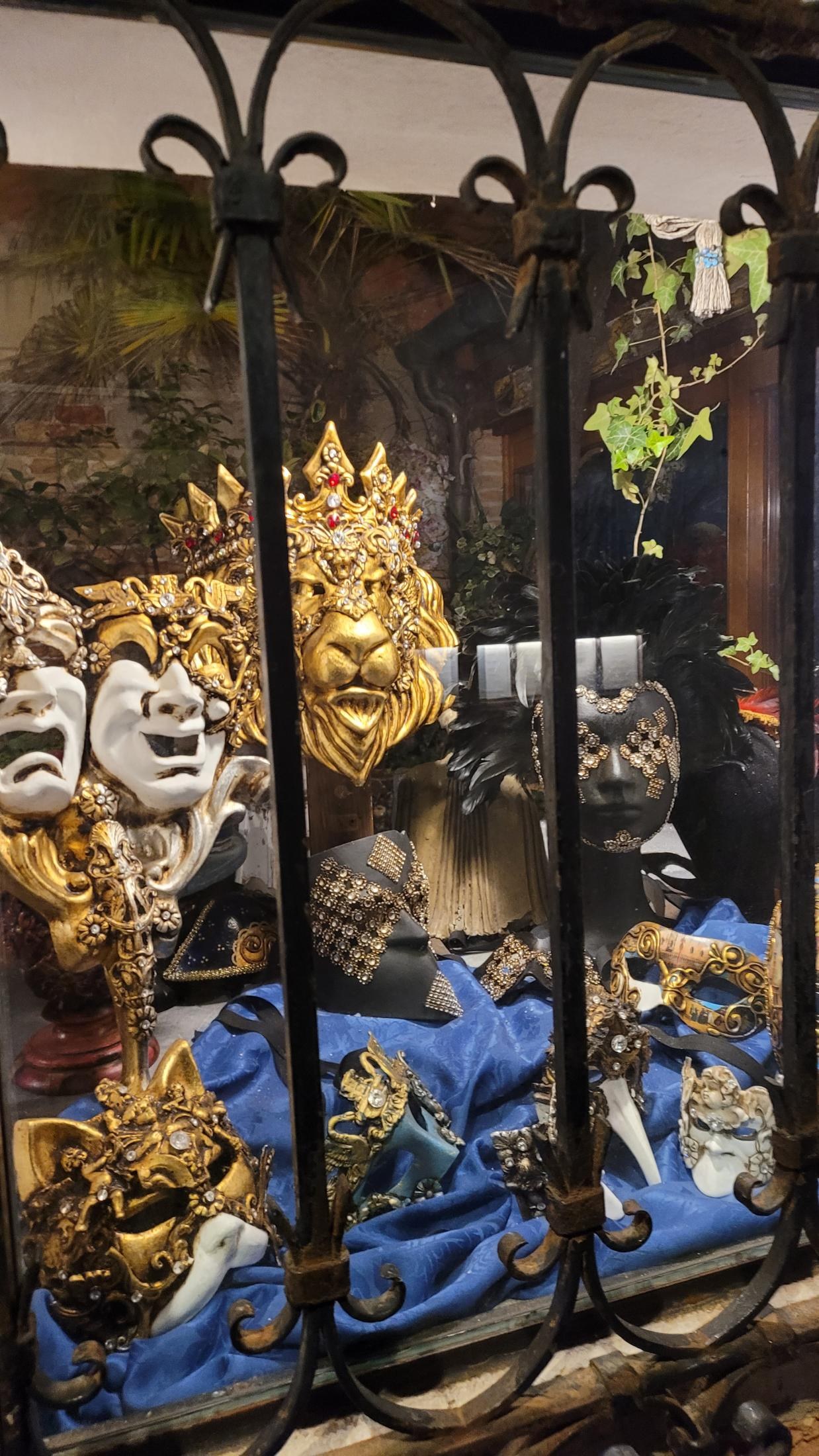
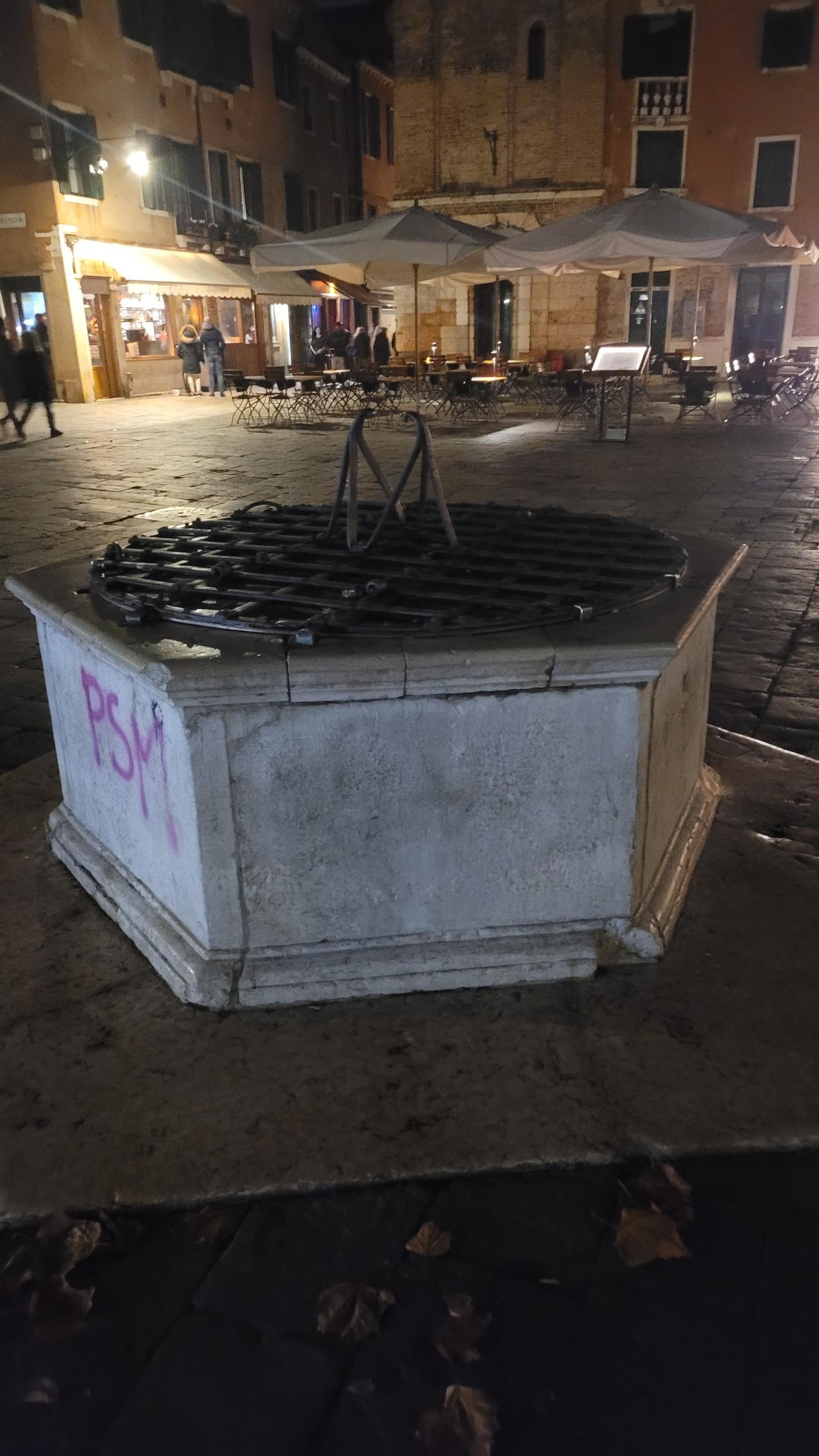
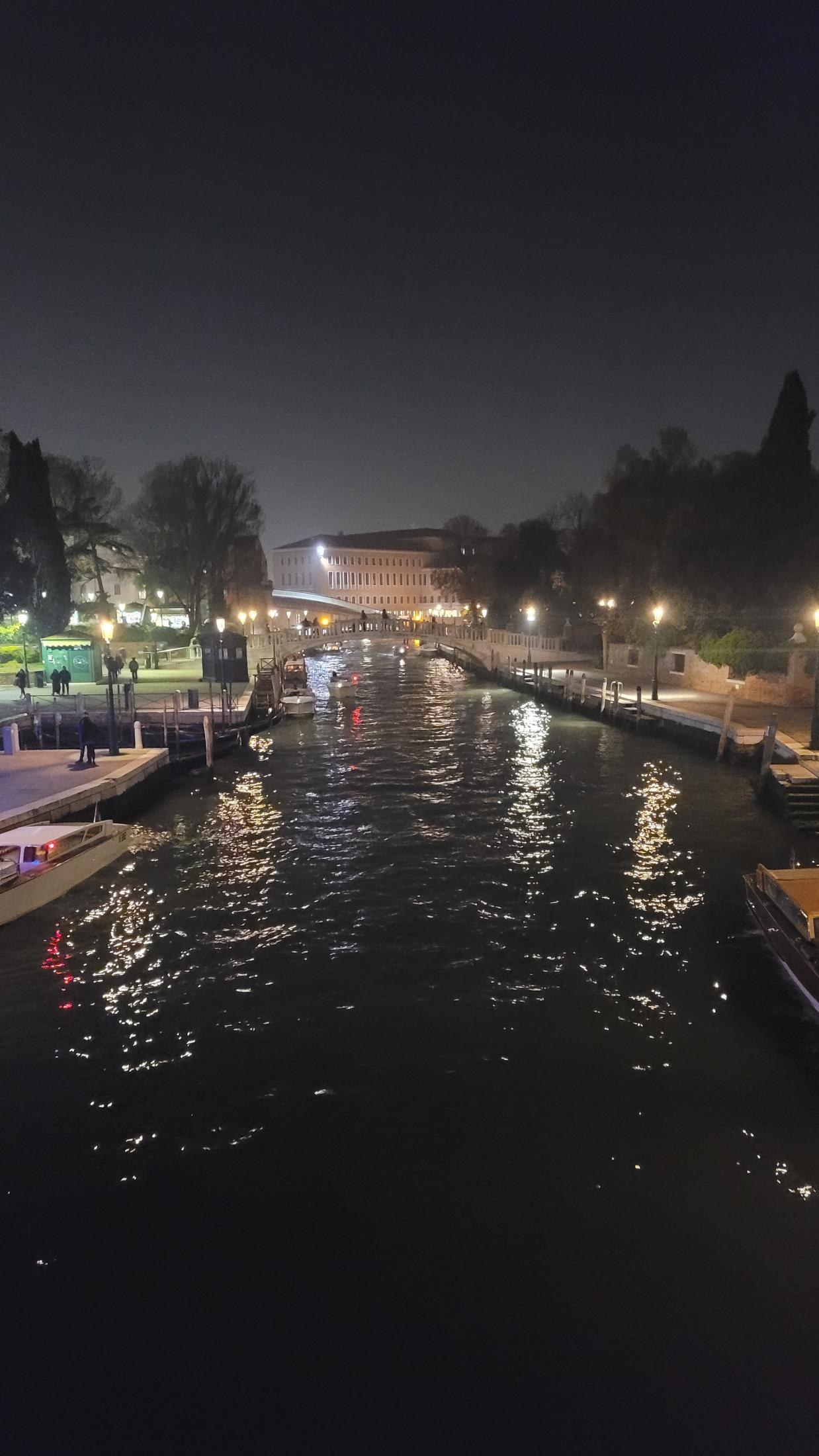
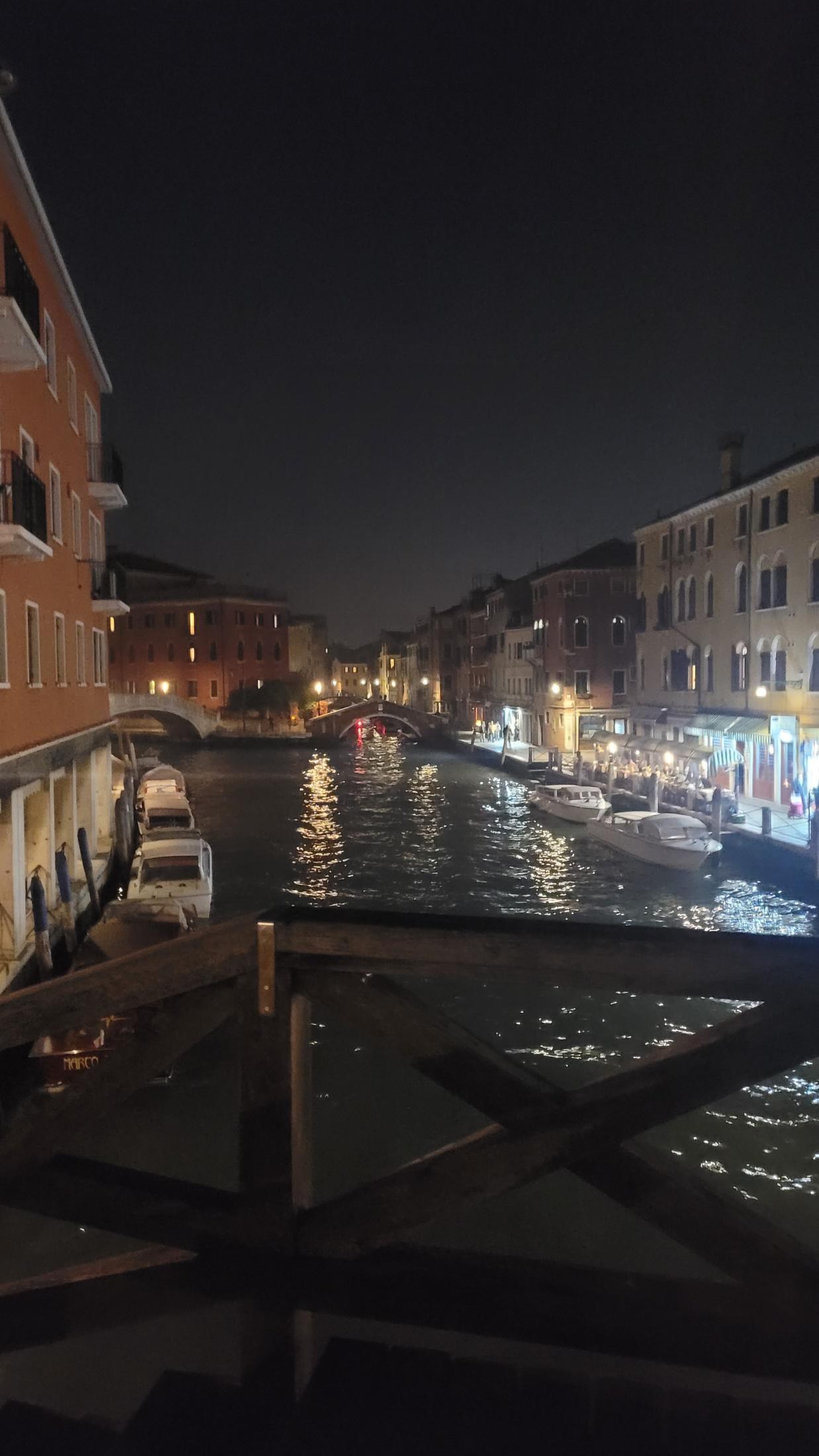
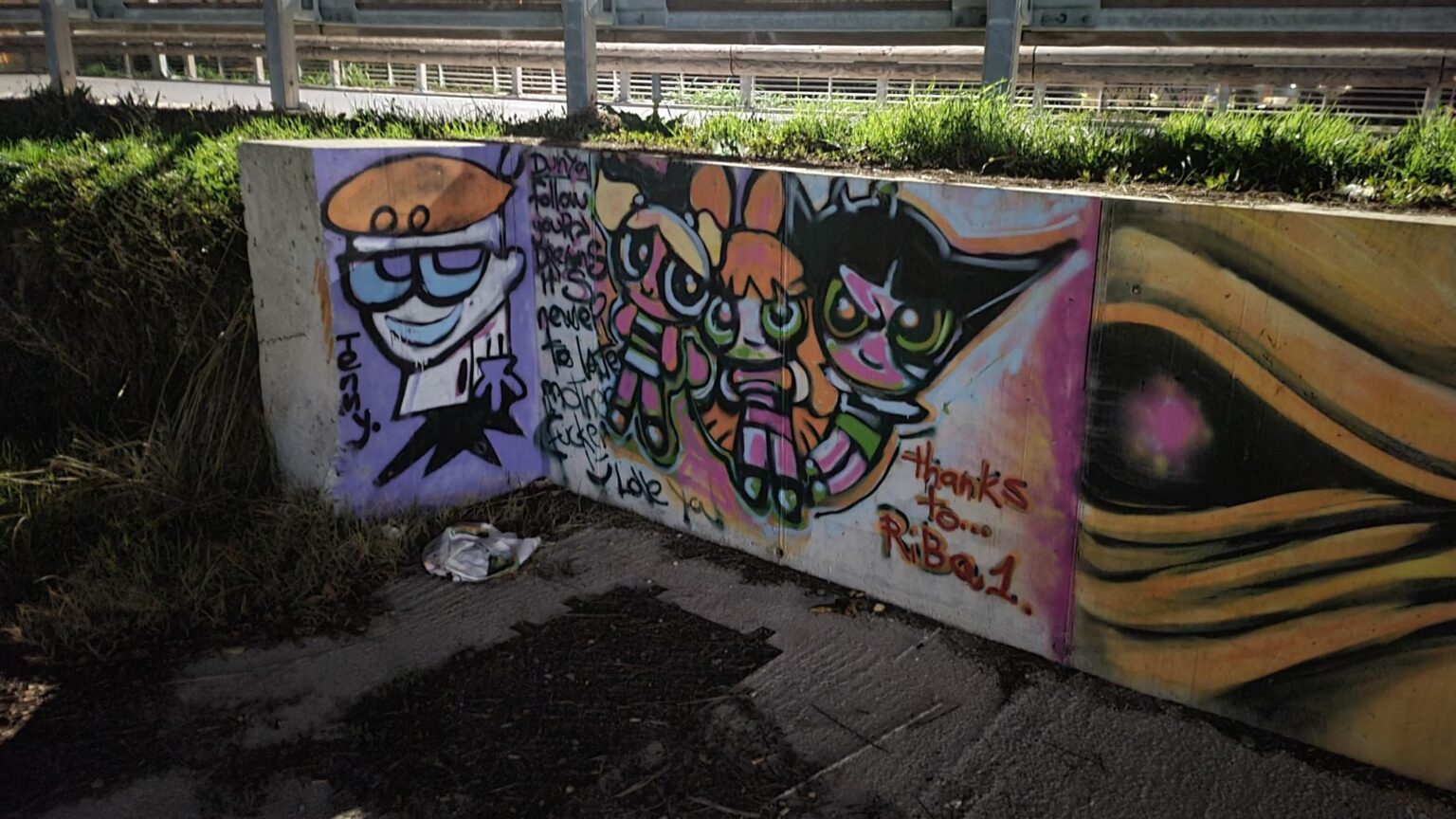
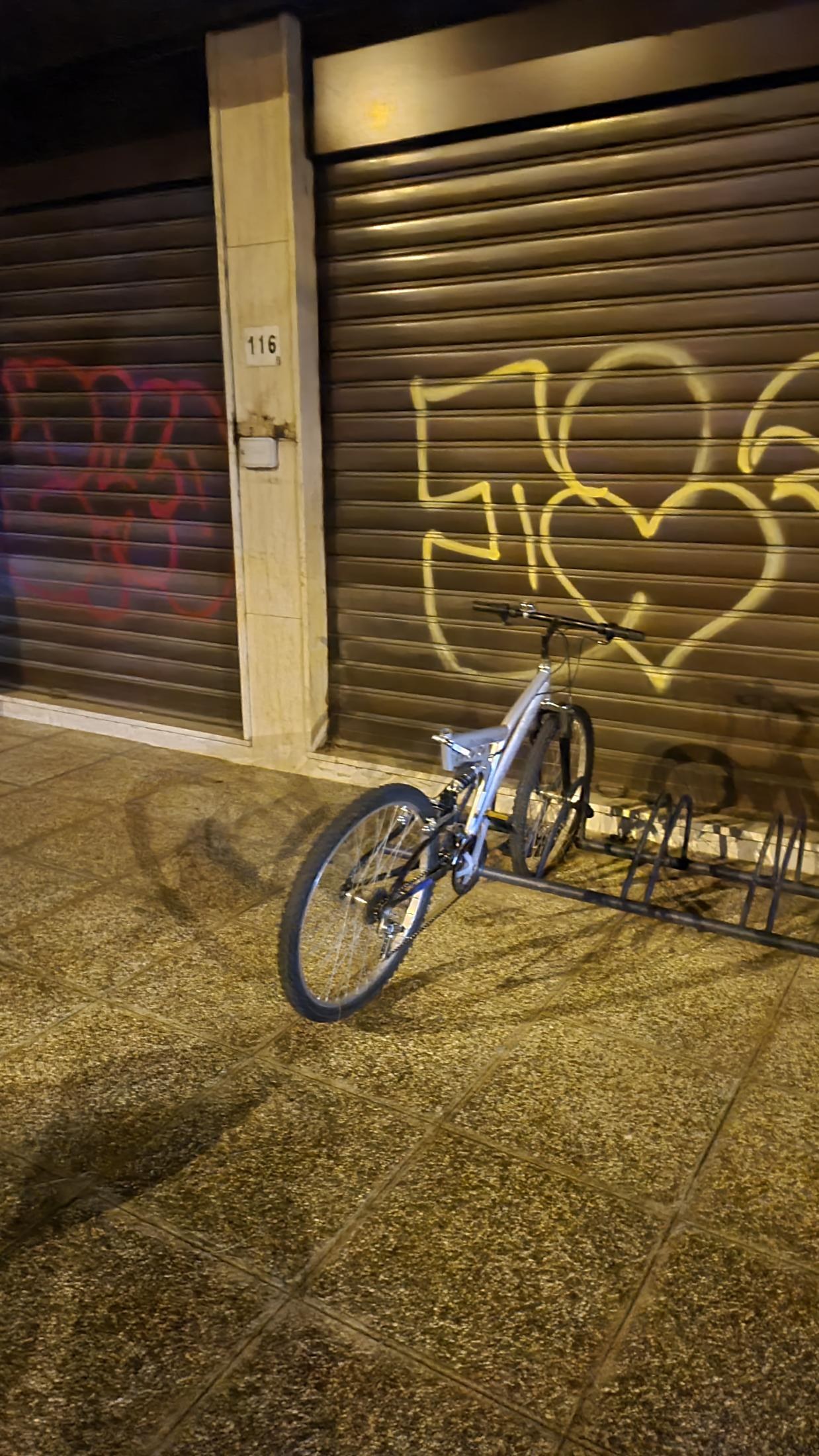
Mostly after dark, Venice looks like this:
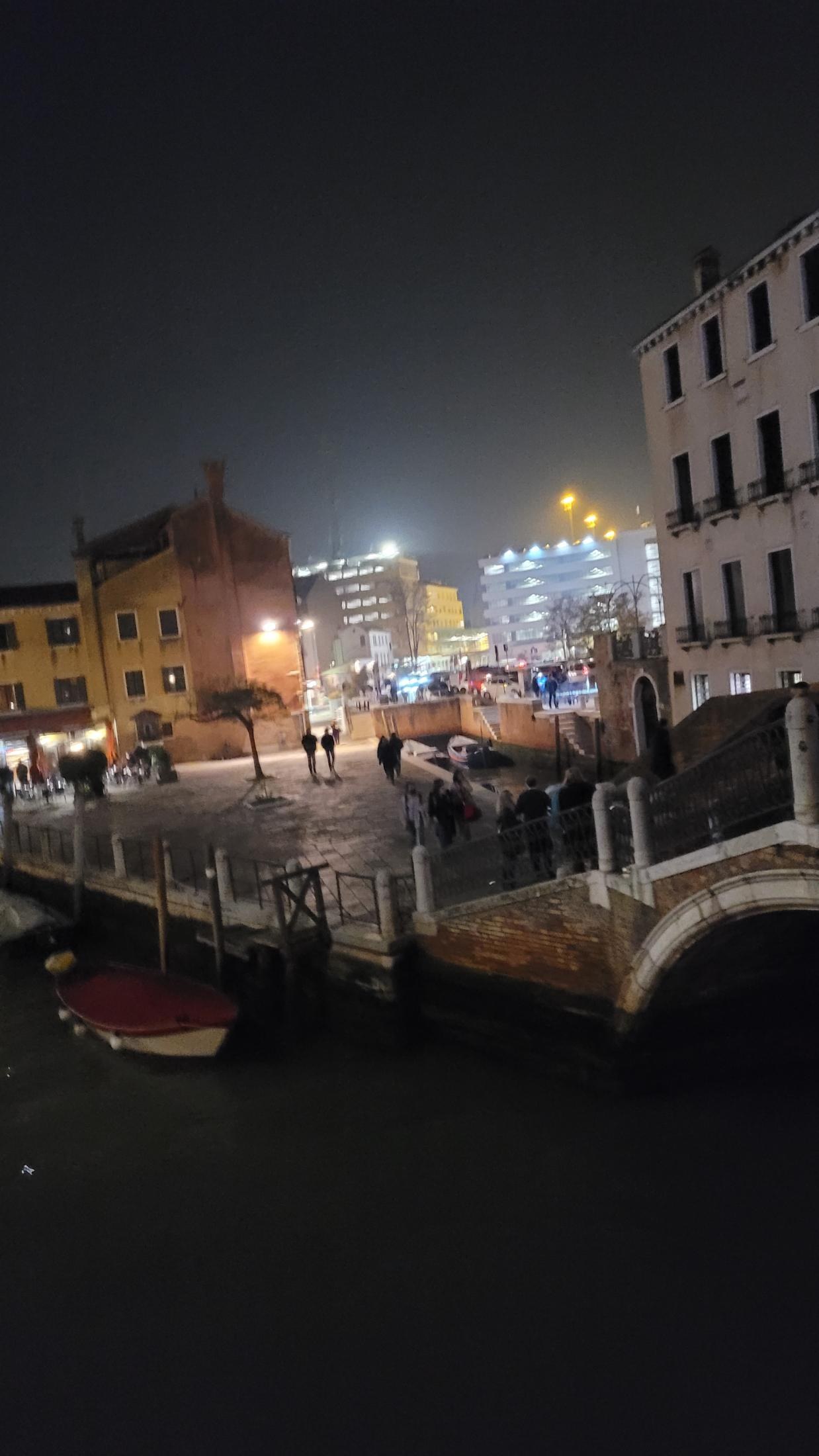
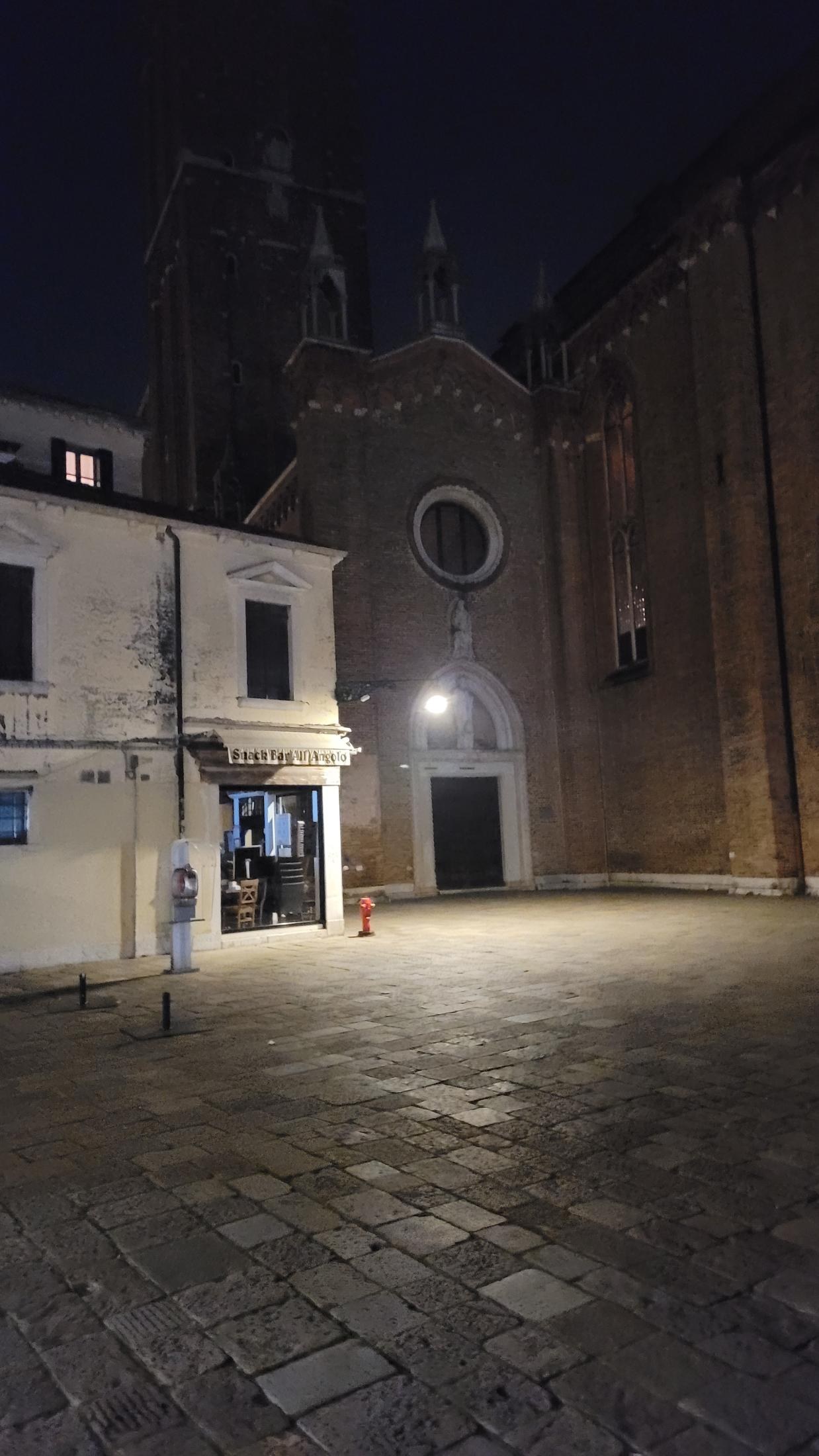
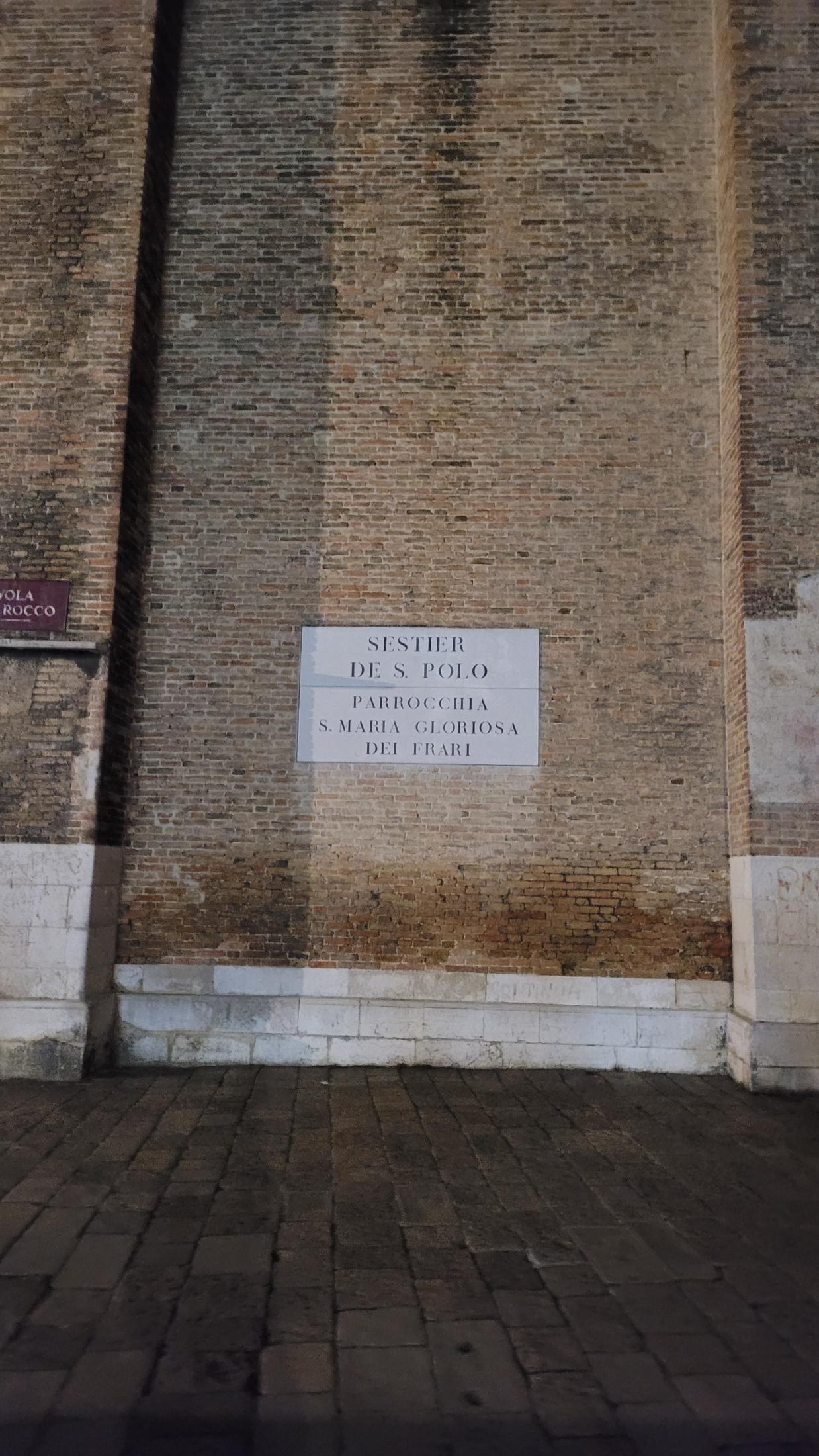
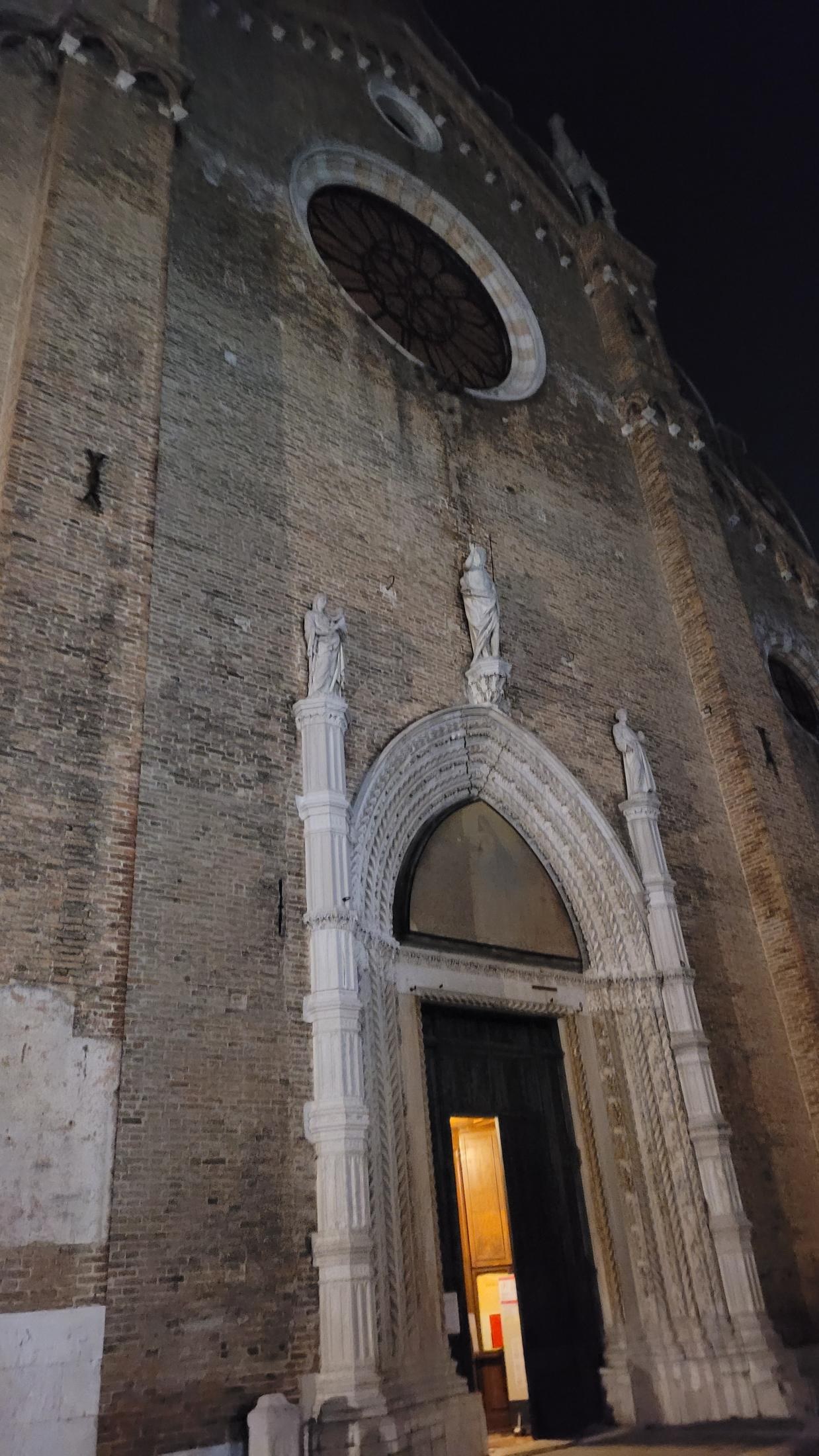
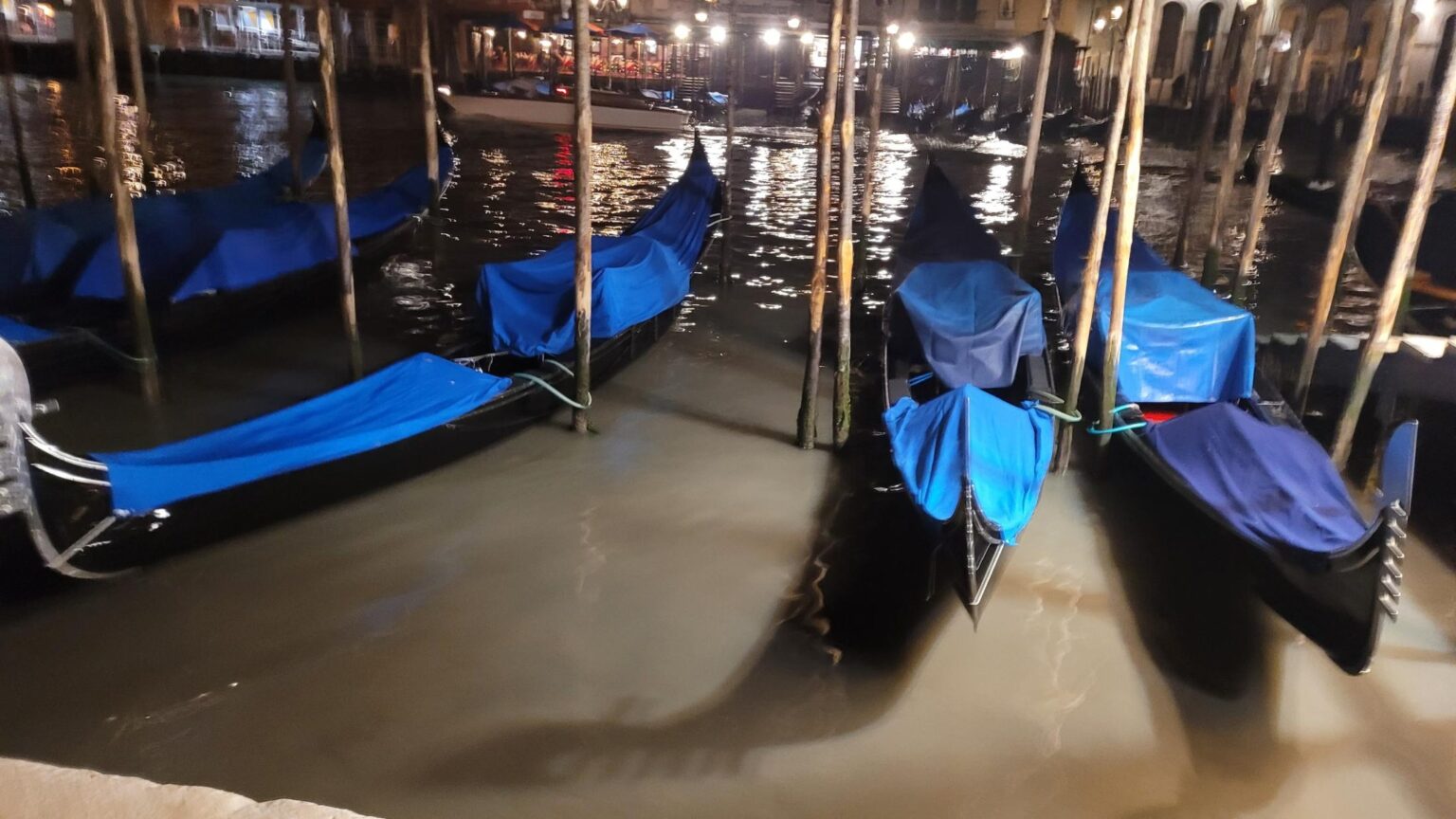
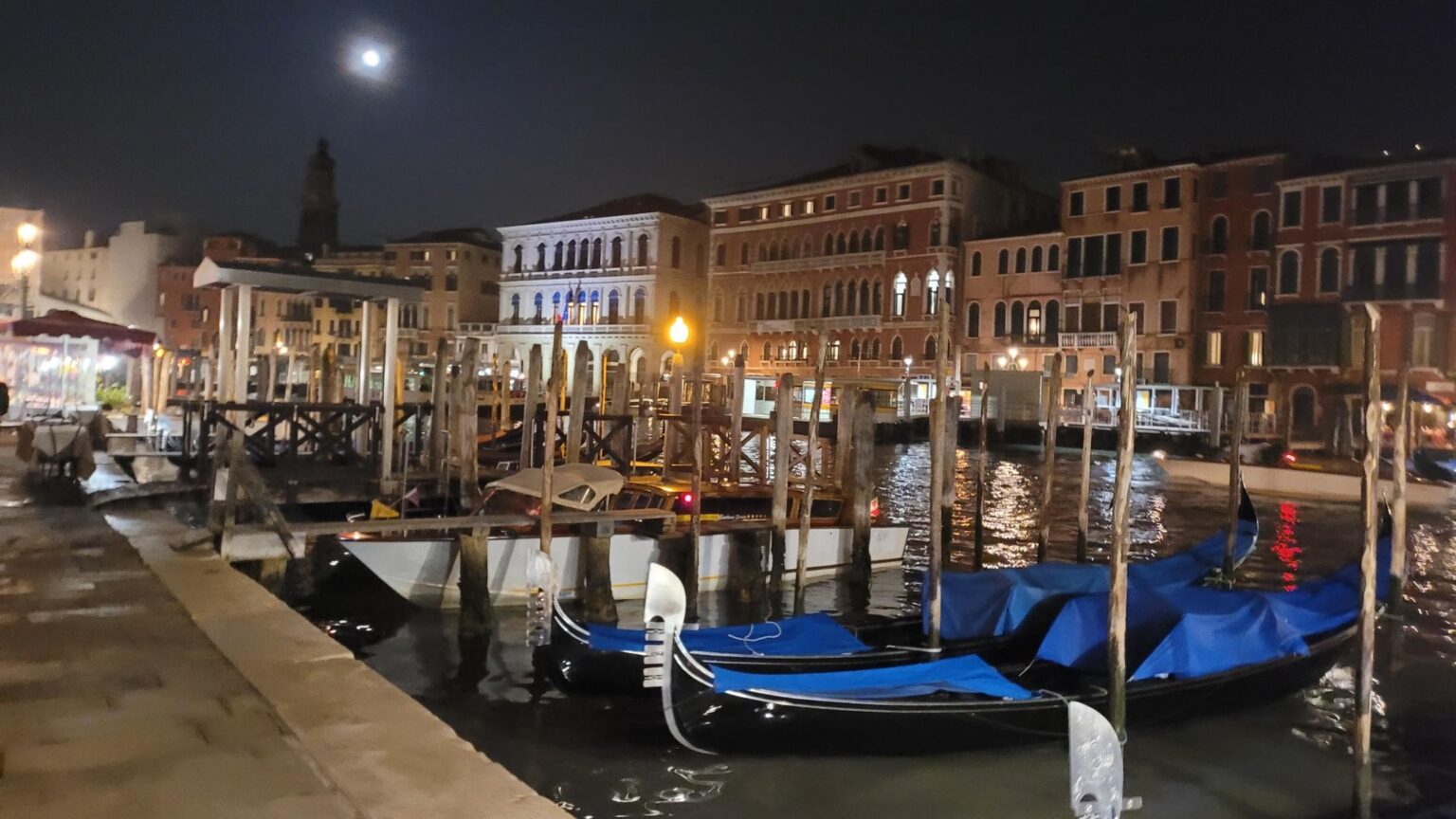
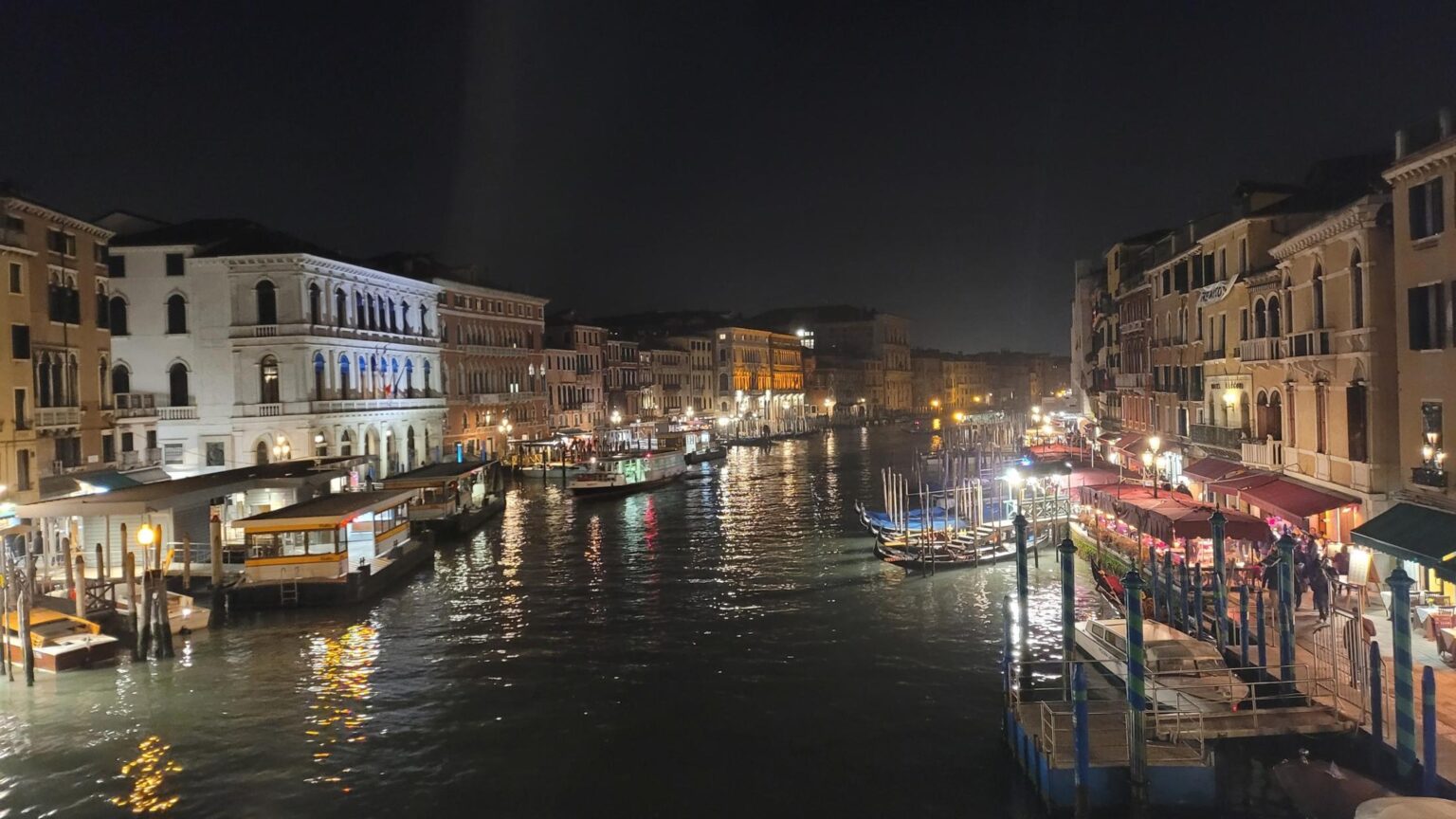
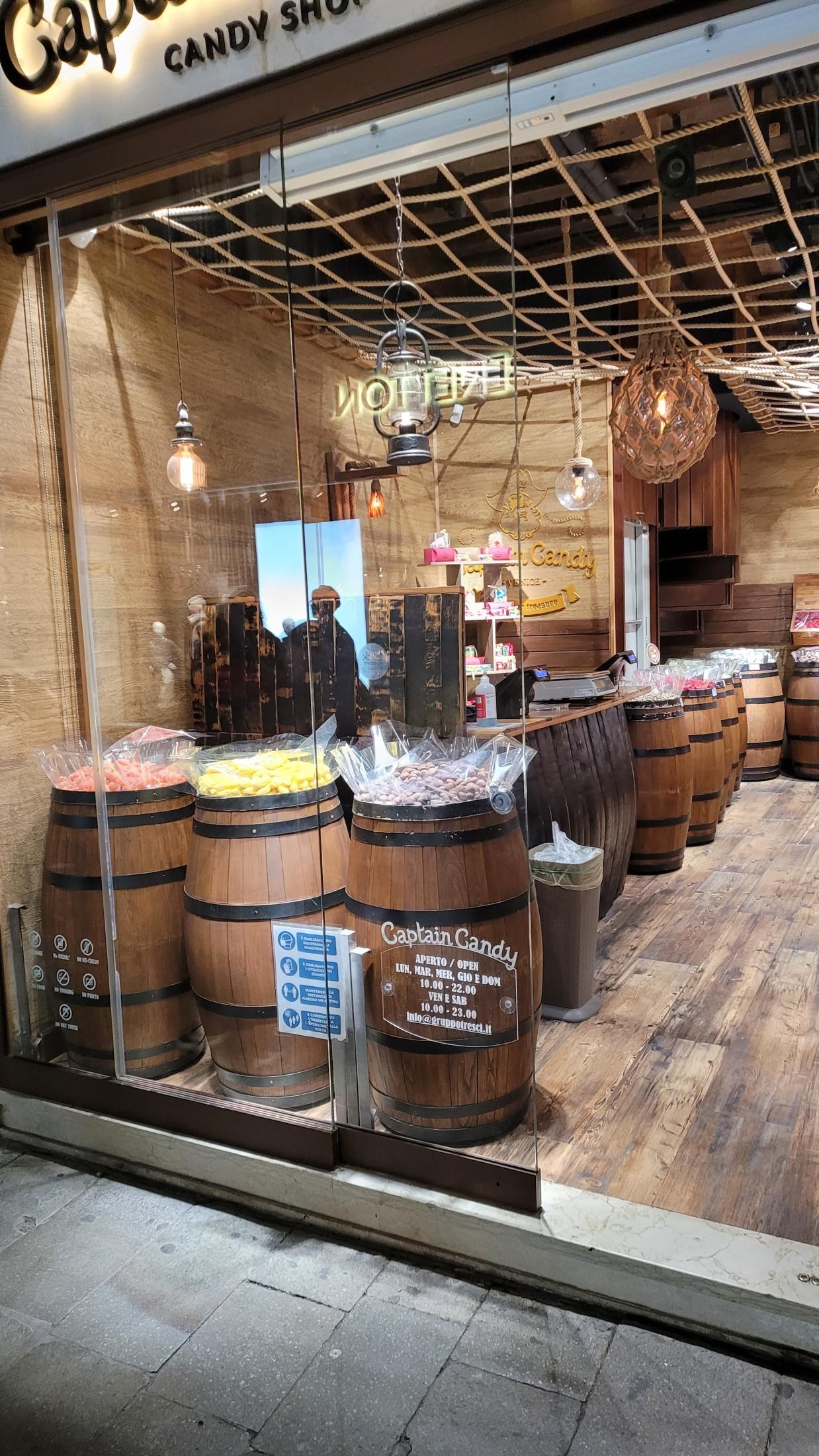
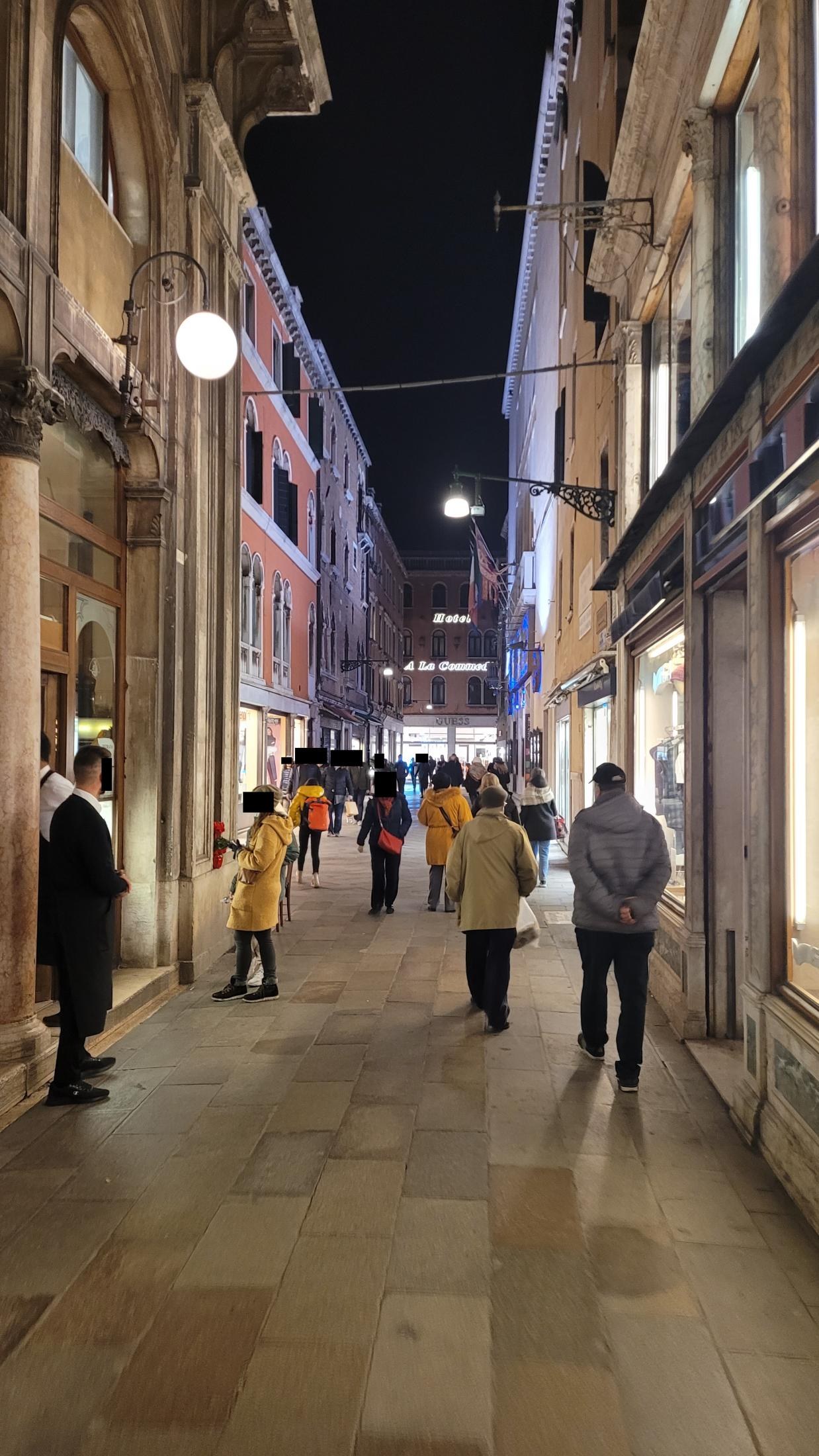
Day 2: Murano, Burano, Torcello, and Venice after dark again
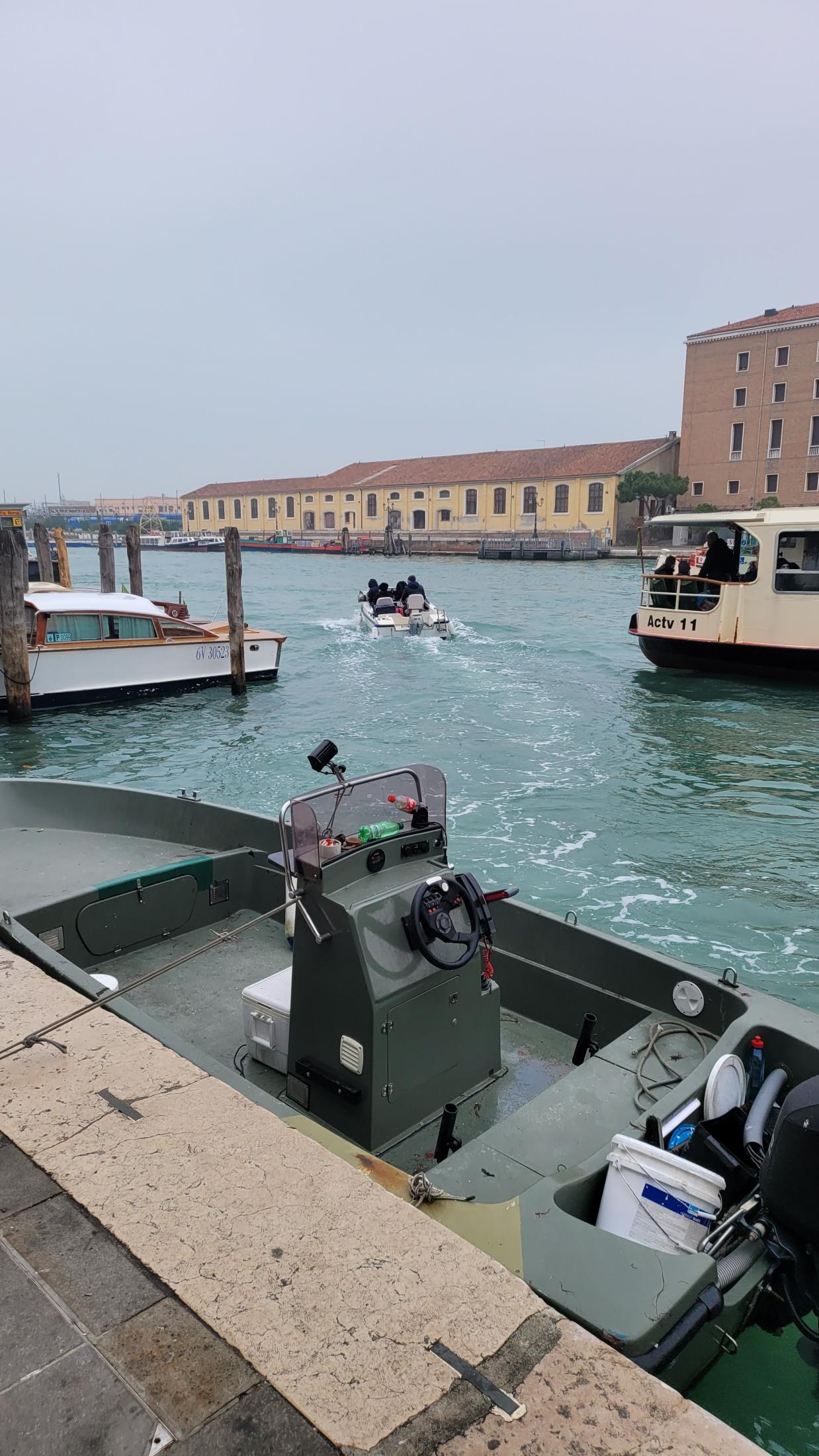
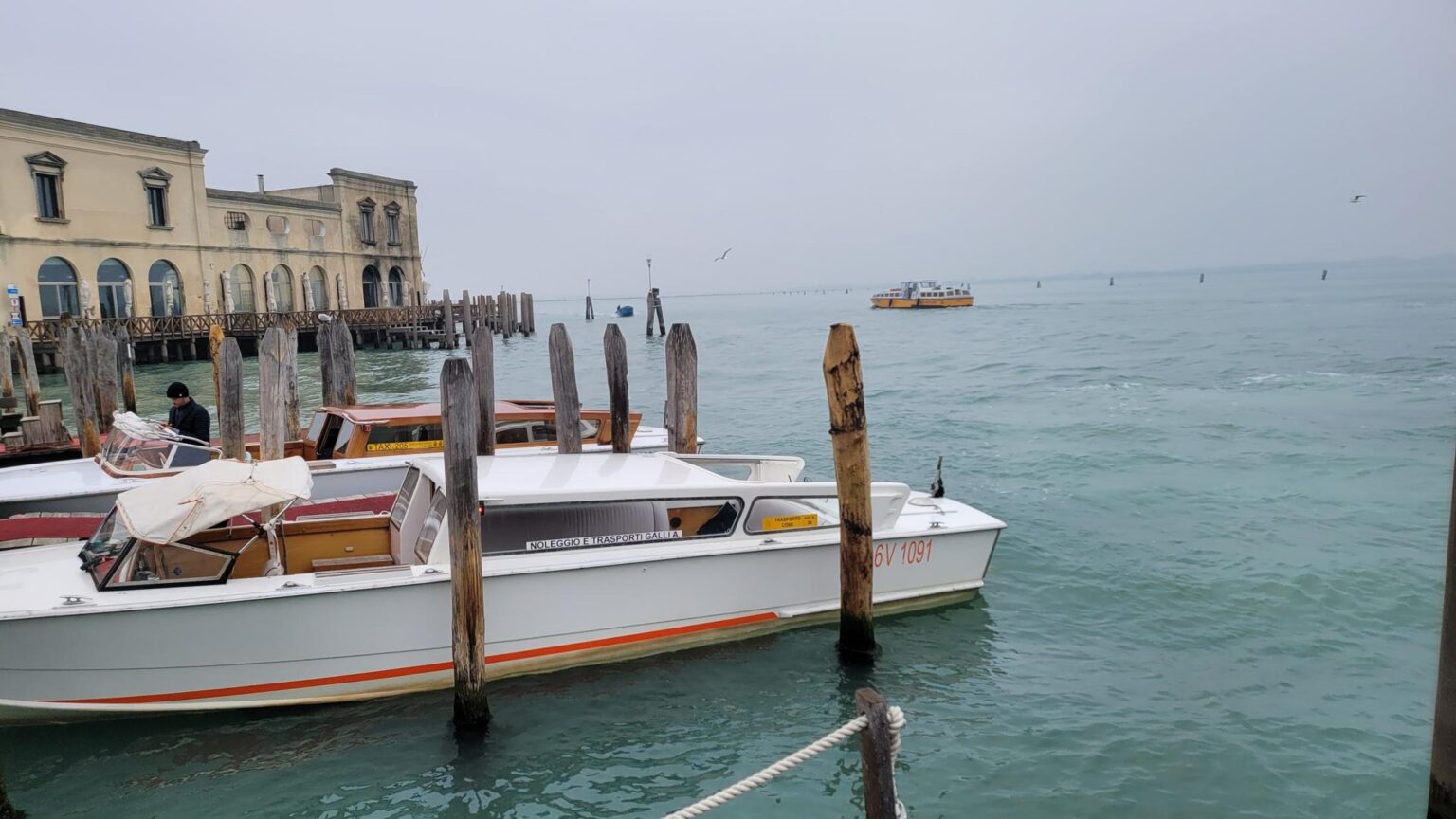
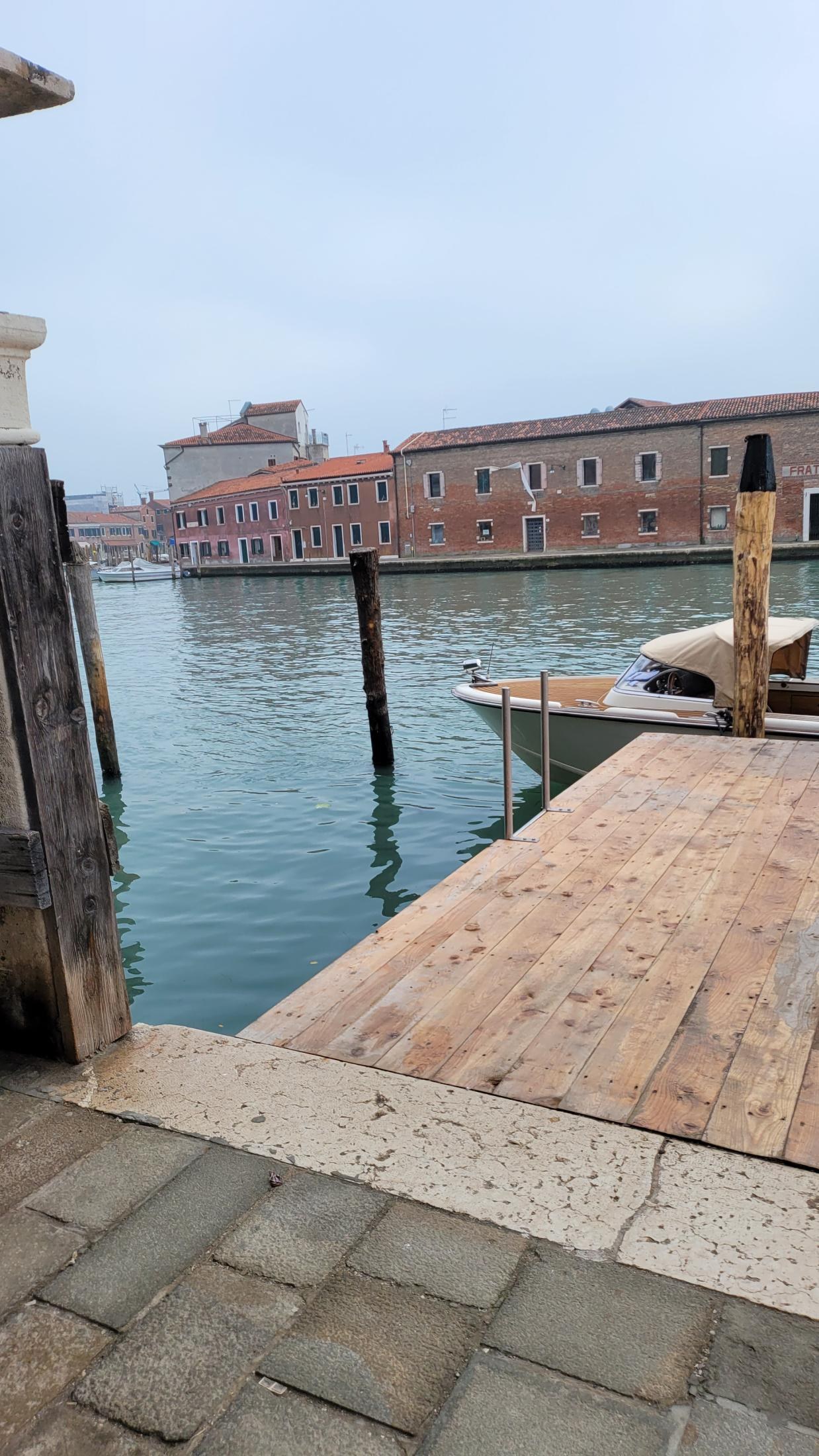
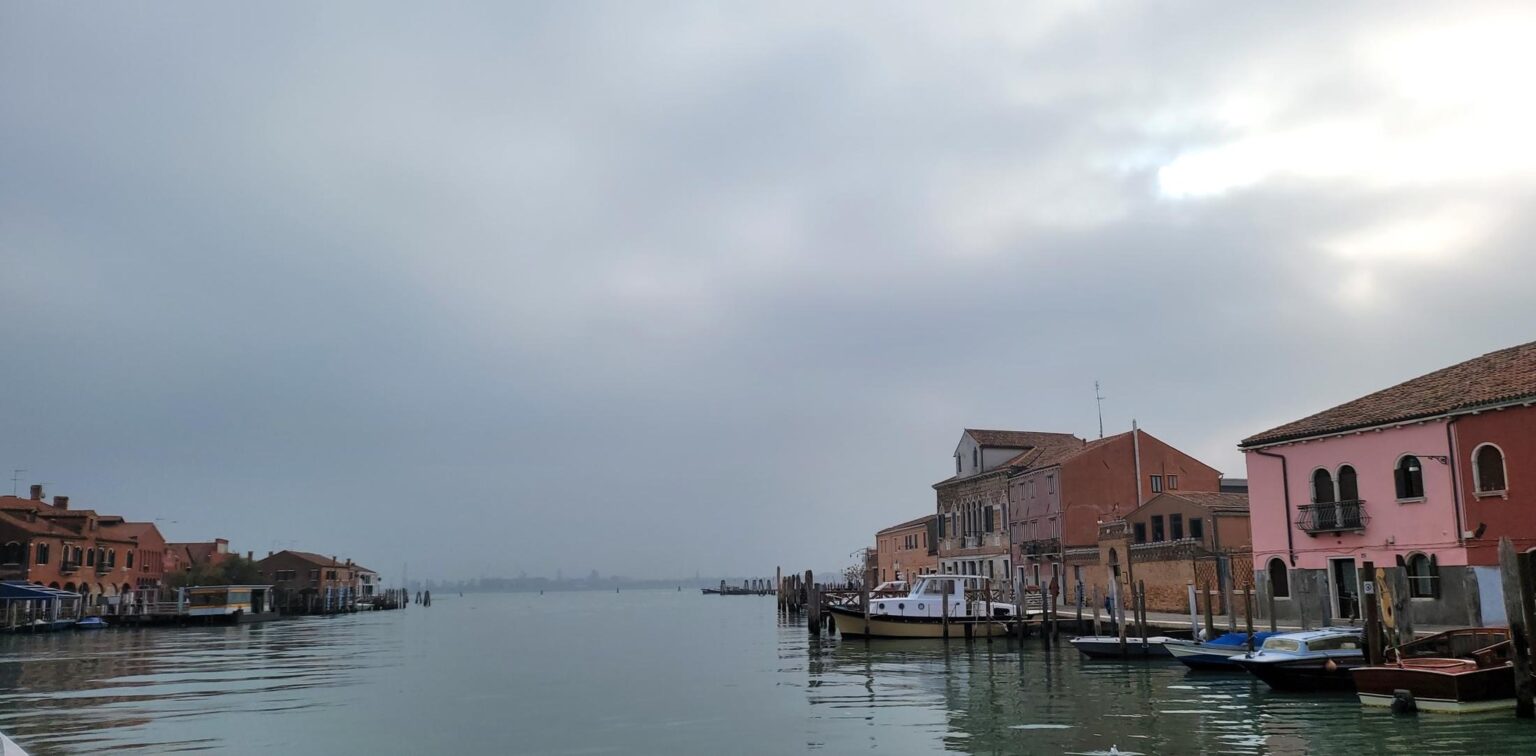
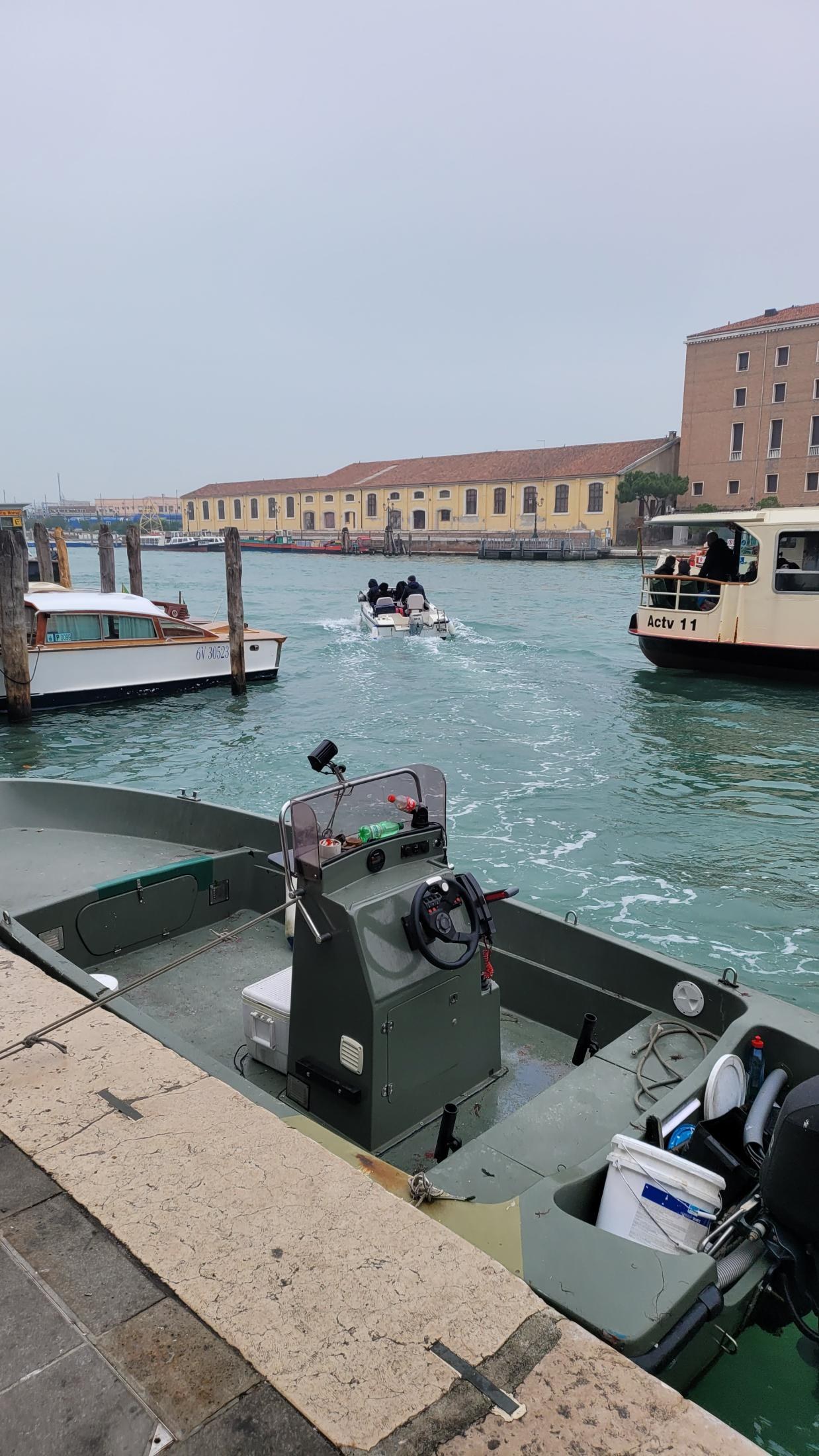
Besides Venice, a couple of names keep coming up — chiefly Murano and Burano. These are two islands of the Venetian archipelago. Both are easy to reach on the public boats, covered by your travel card. Google Maps navigation works well here and gives you boat timetables and stops. Orientation is very simple. About half an hour on the water and you are in Murano.
Murano
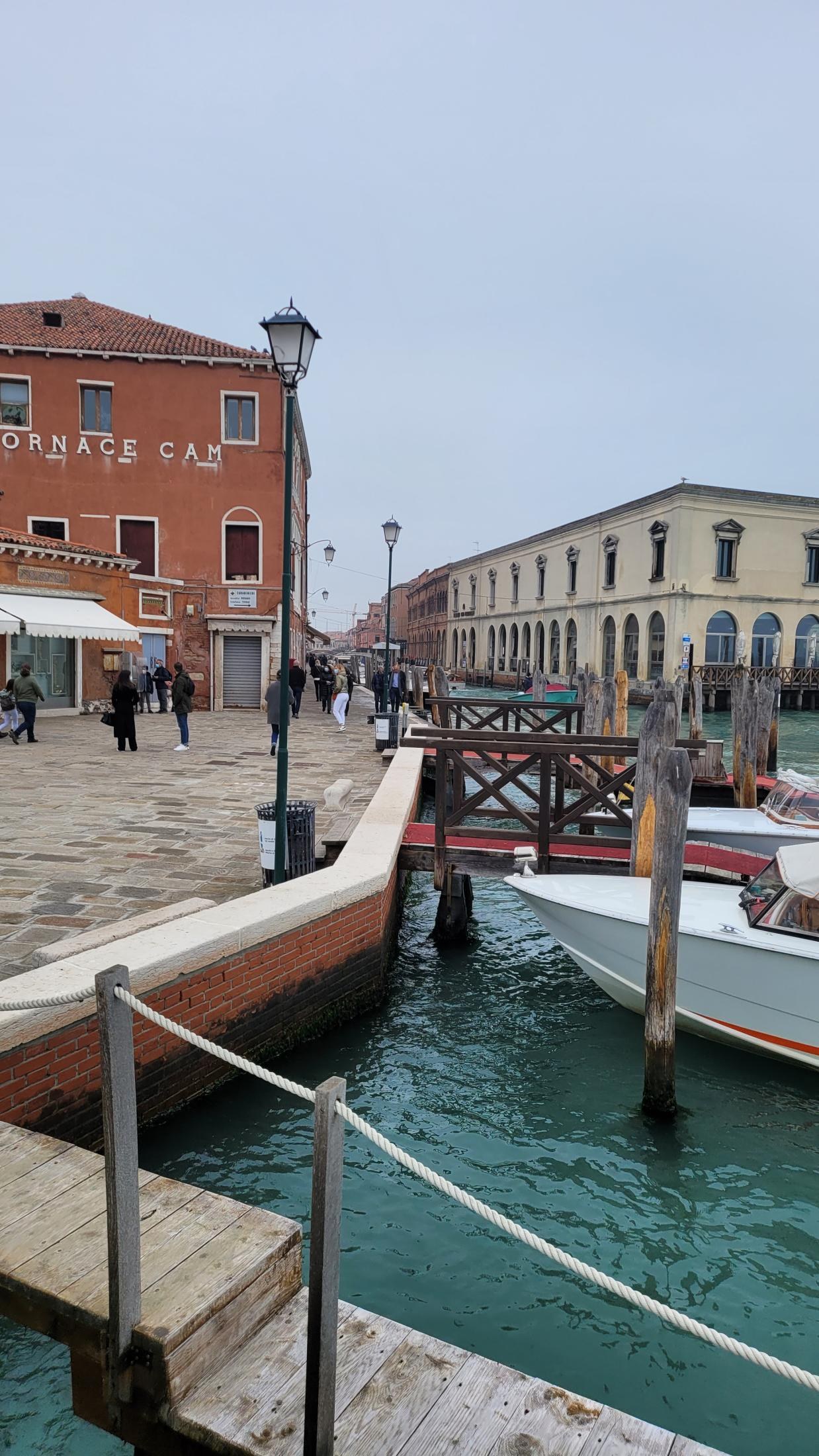
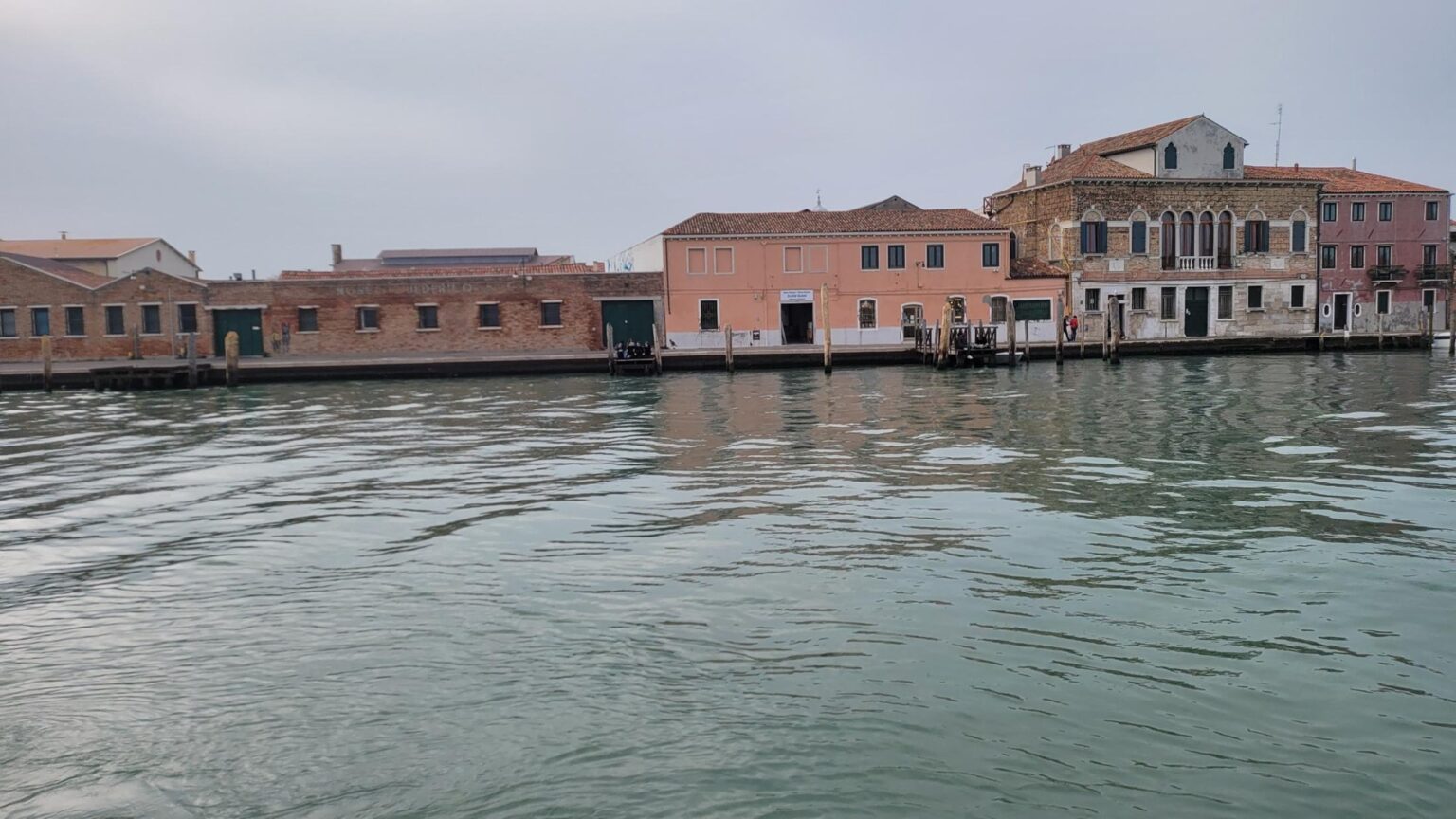
Murano is famous for its glass factories and its glass masters. You feel immediately that it is an island. From the water-bus stop onwards you also feel that it is more touristically inclined — restaurants and small shops start to dominate, mostly clothing and souvenirs.
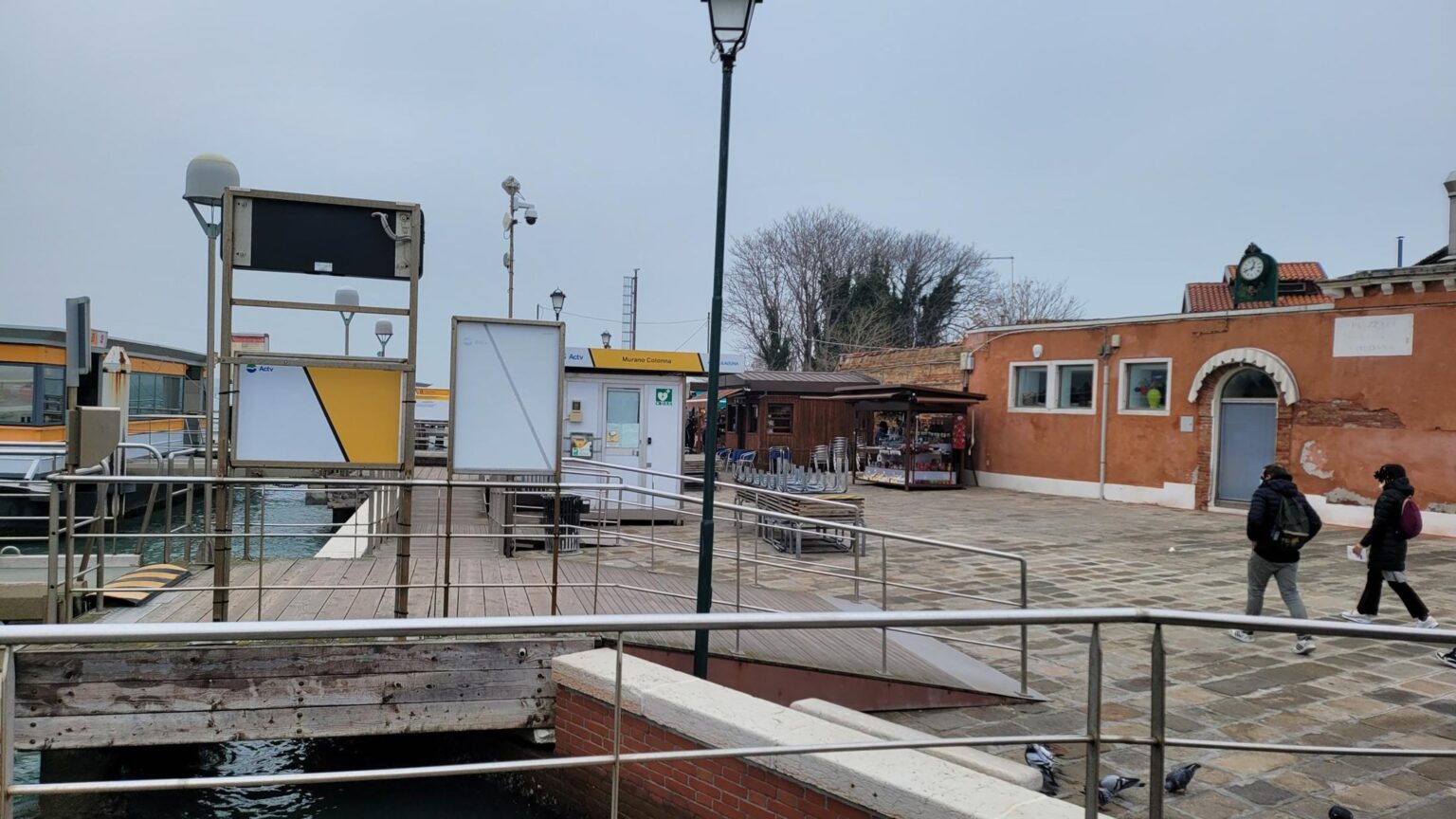
For a walk around the whole island we think the best place to get off is Murano Colonna “B”, down at the southern end. As you step off, there is a glass shop immediately on the left with a workshop attached, which you can look into for free and watch the masters work.
We should flag that toilets are a bit of a production on the island. The public ones want an app, a registration and a fee of around €1.50. So we will stress this: carry on to the right along the main road and you will find this supermarket, on the first floor. On price it is, to put it mildly, ideal for restocking supplies. It also has a toilet with humane conditions. You are not even obliged to buy anything.
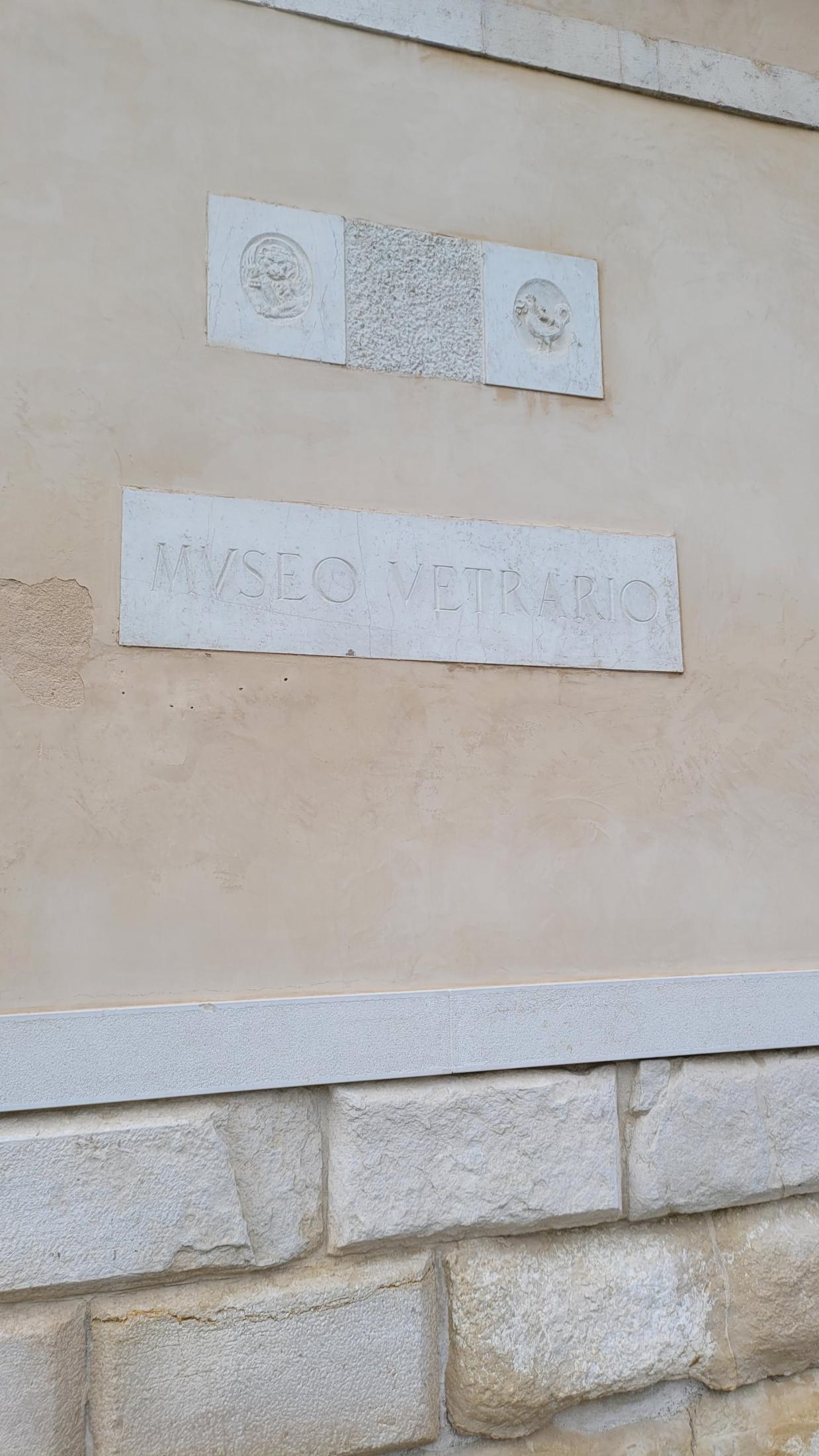
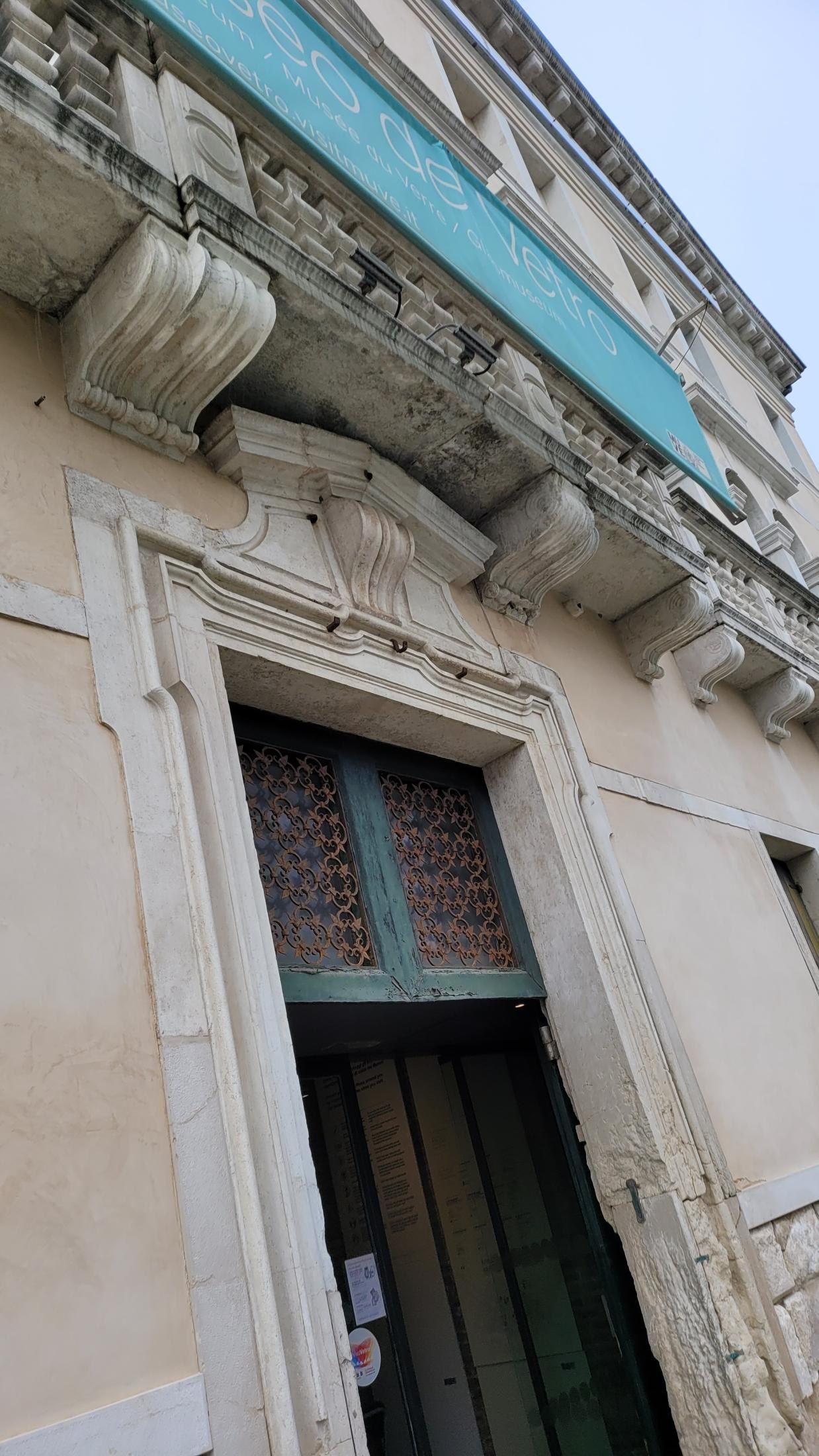
Keep going straight and the road eventually pushes you out at the Glass Museum. Entry is now €15 full price, €7.50 reduced — it was €10 when we visited. There is also a combined “Island Museums” ticket at €20 covering the Glass Museum, the Lace Museum on Burano and the Torcello Museum, valid three months, which is the better deal if you are doing all three islands anyway. Both are listed on the museum’s official ticket page, and there is background on the collection here.
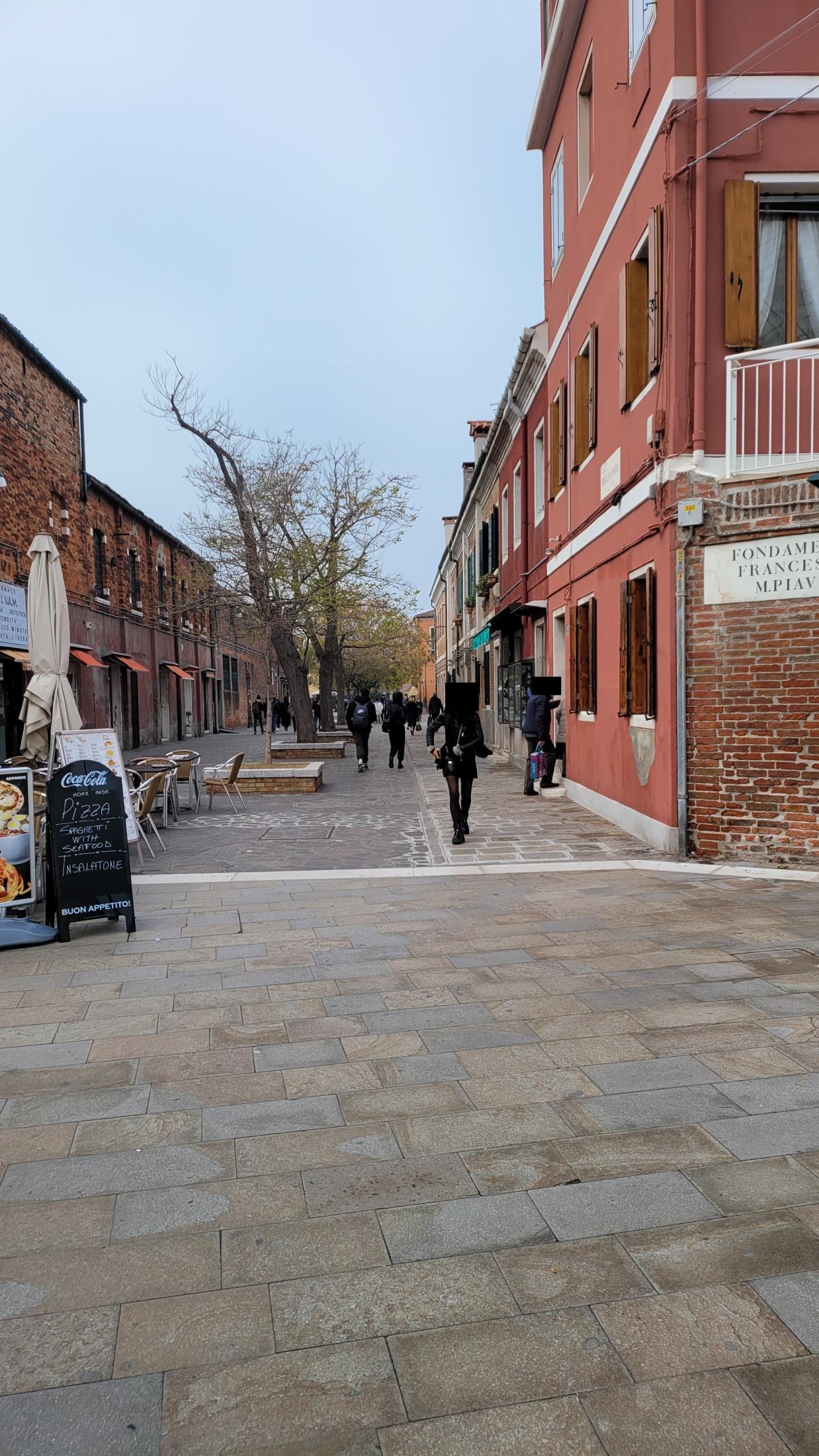
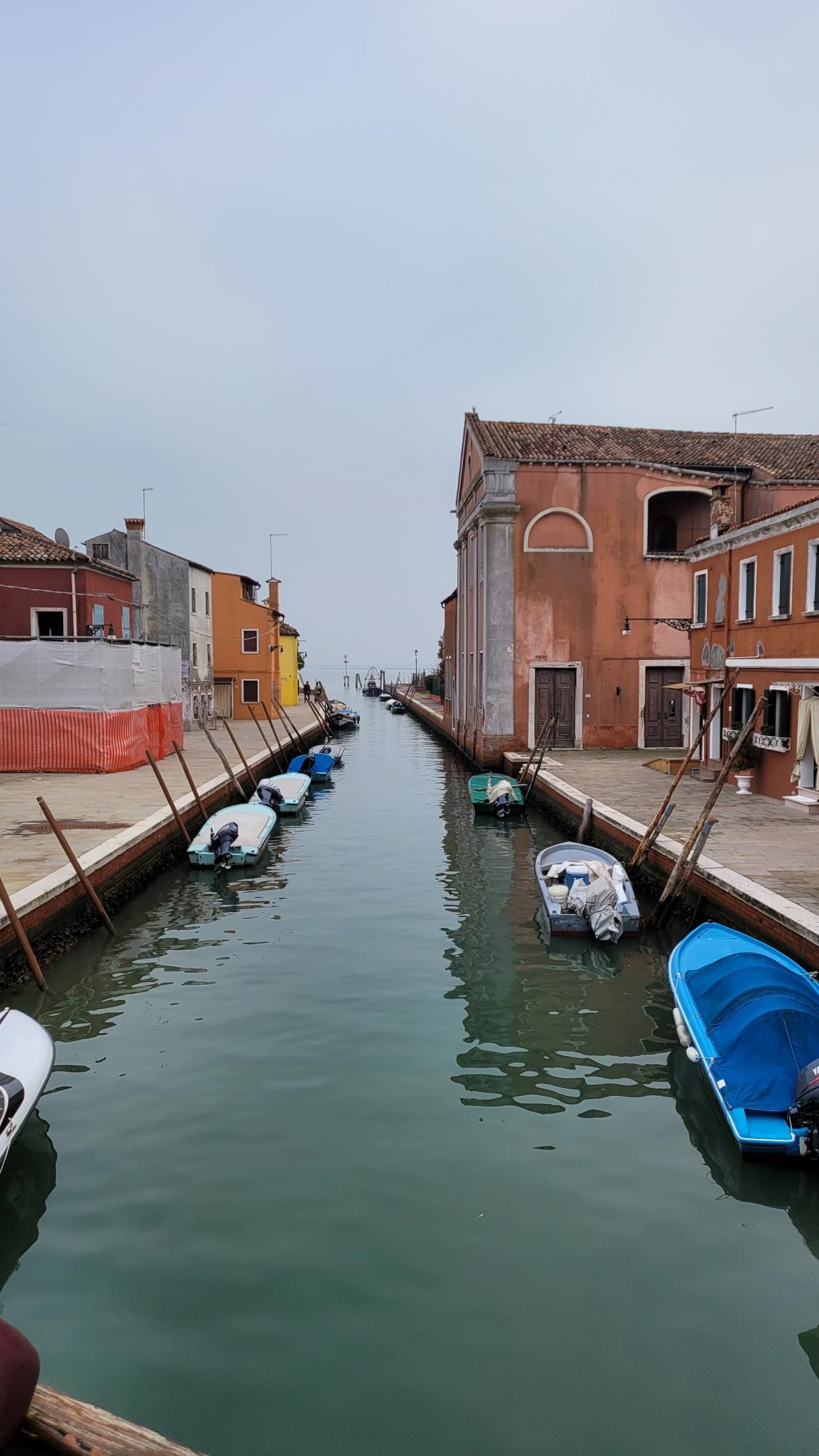
Open Murano in Google Maps and press Things to do and you will see the sights. We will not lie to you — there is not a great deal. Restaurants run about 50% more expensive than in Venice. What you get in exchange is that it is extremely pleasant to walk the lanes and look at the buildings, the water, the bridges and the boatmen darting about non-stop. An hour, an hour and a bit is enough to cover almost the whole island.
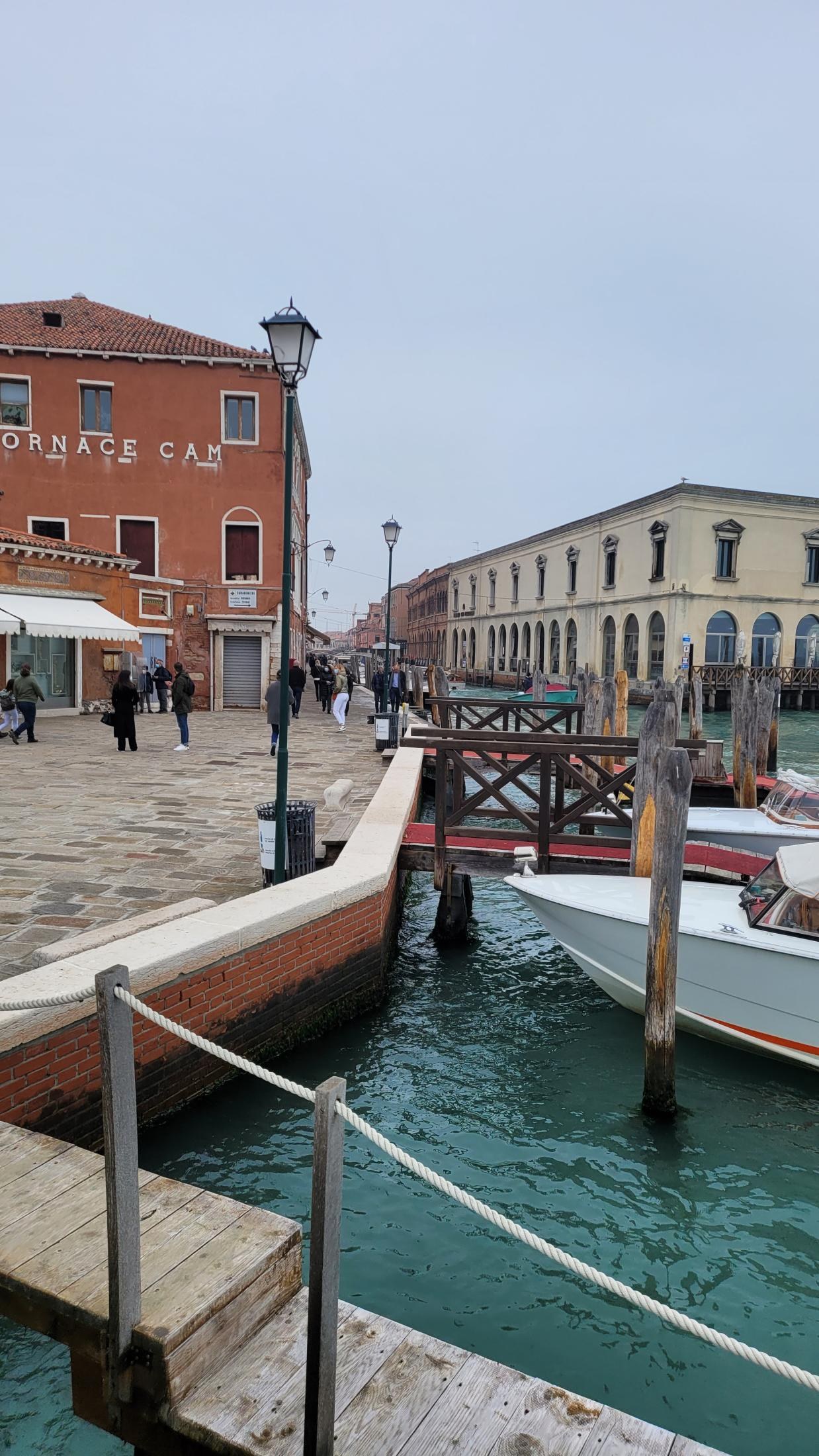
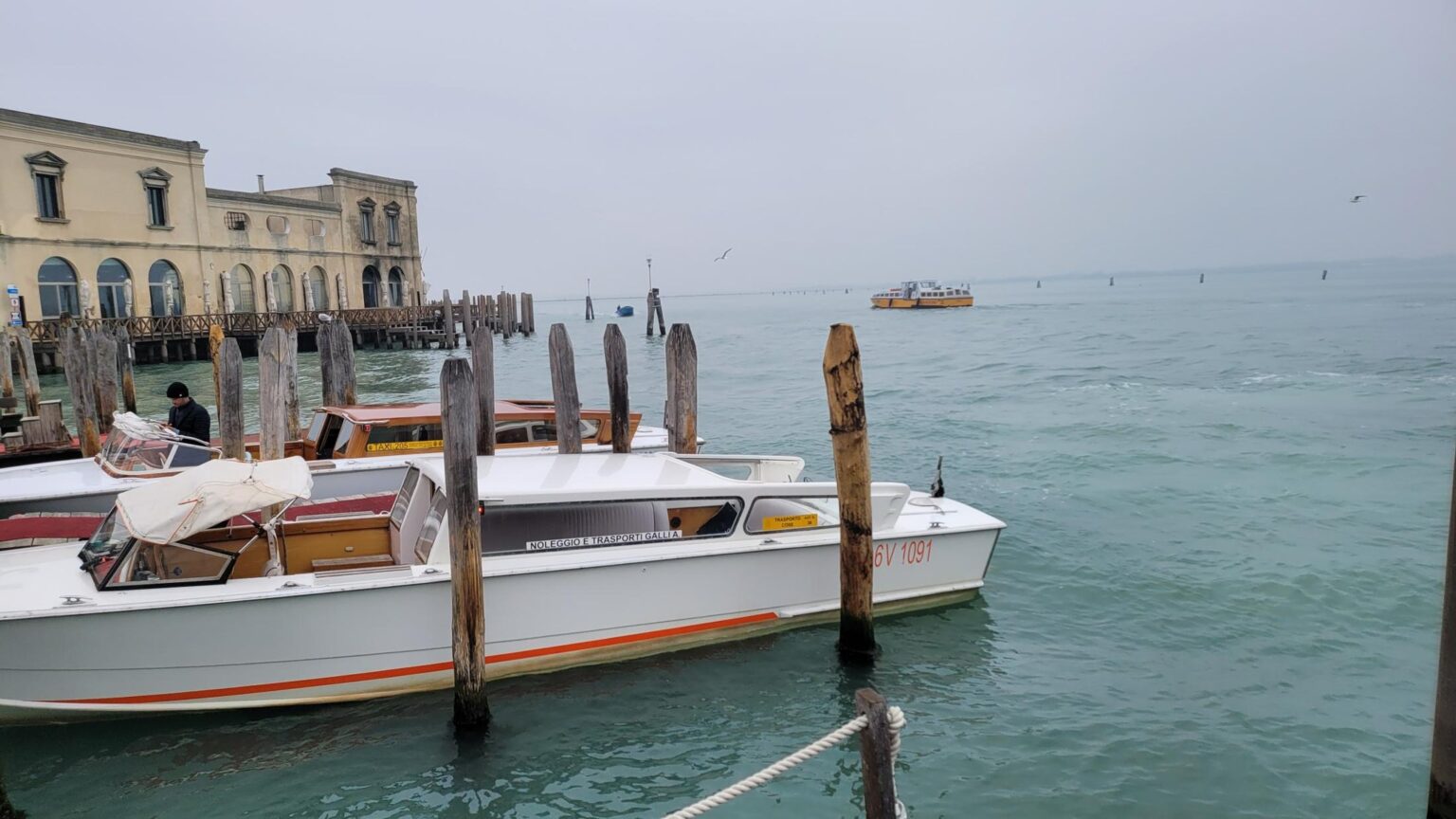
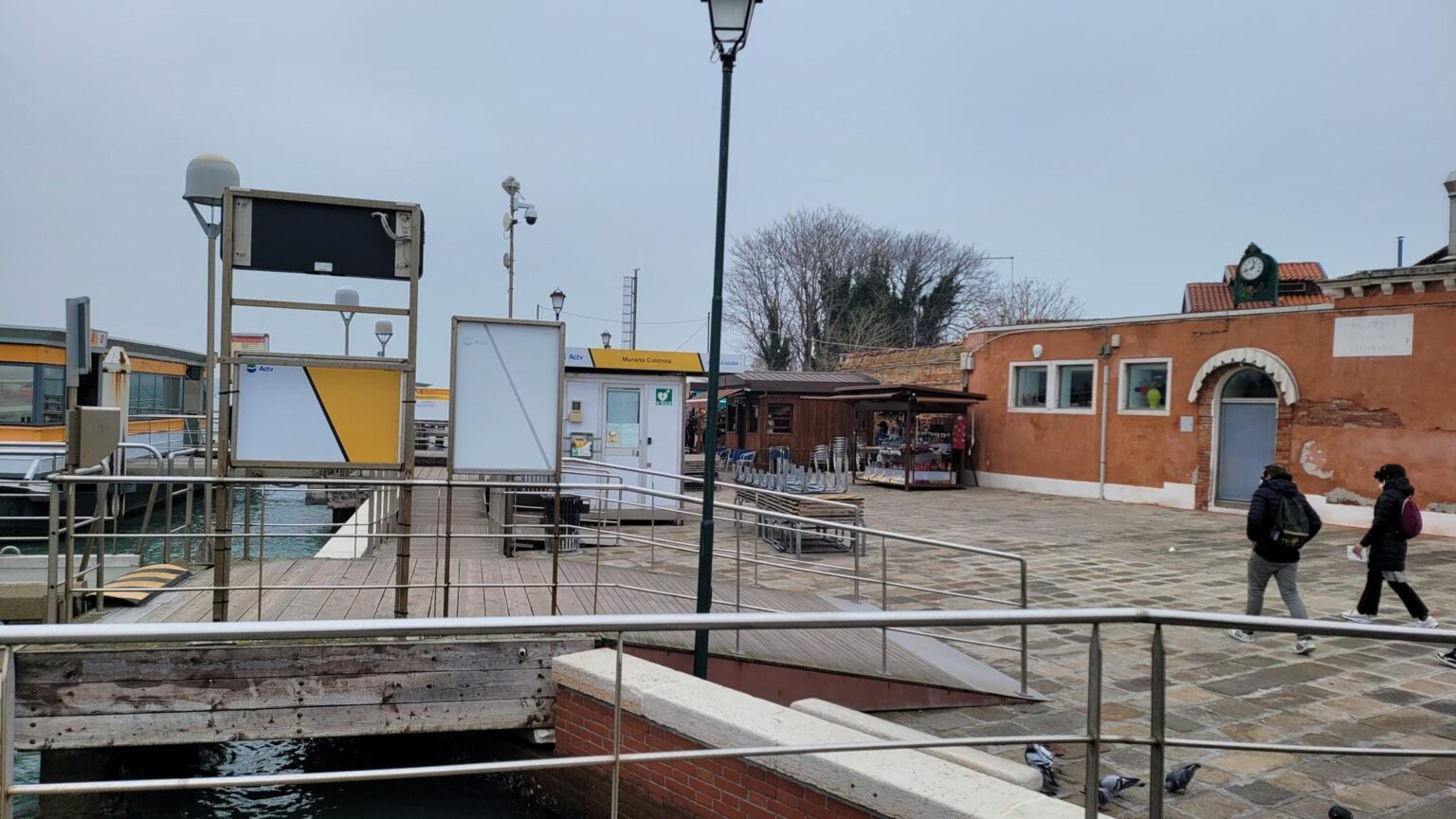
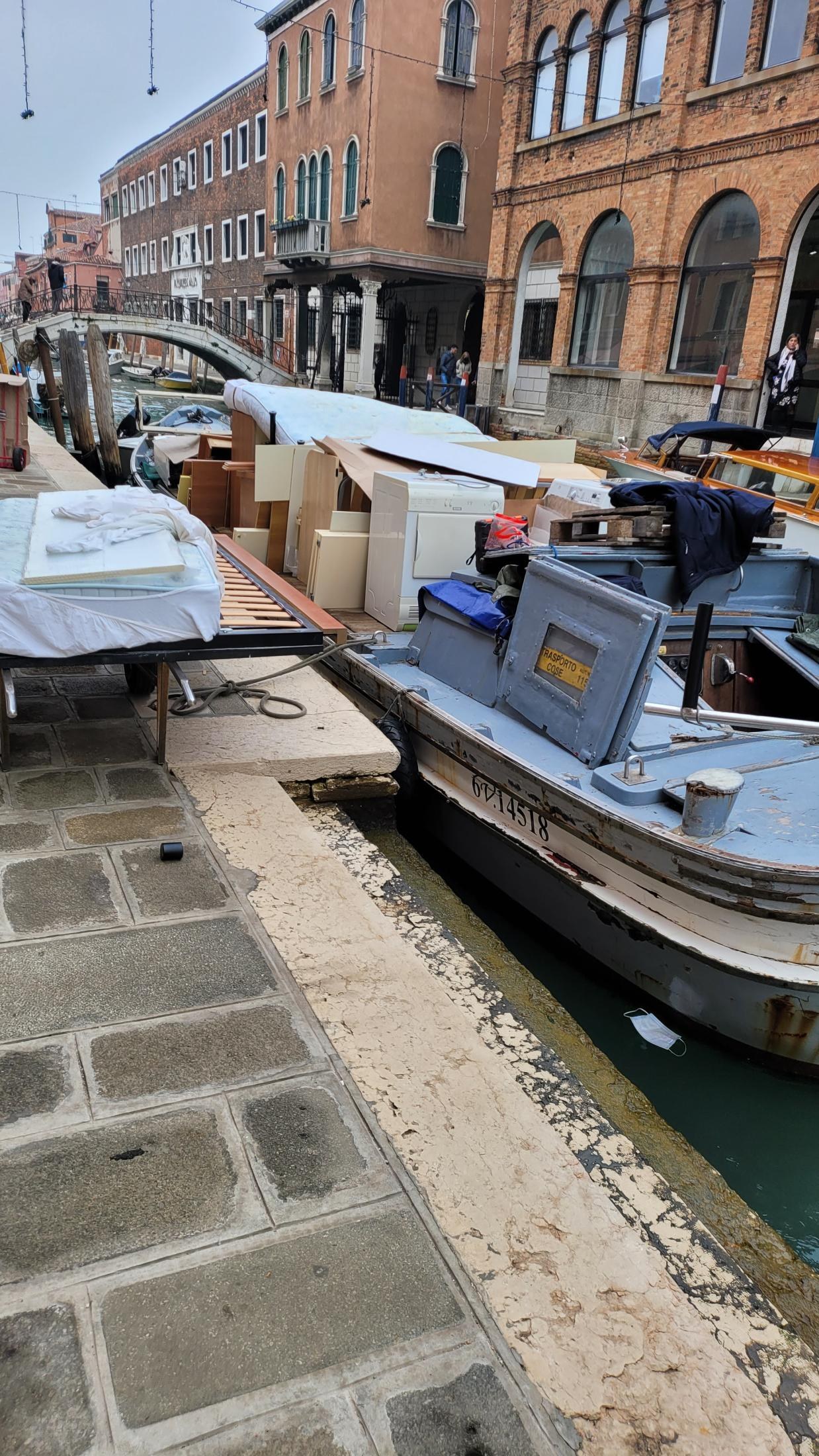
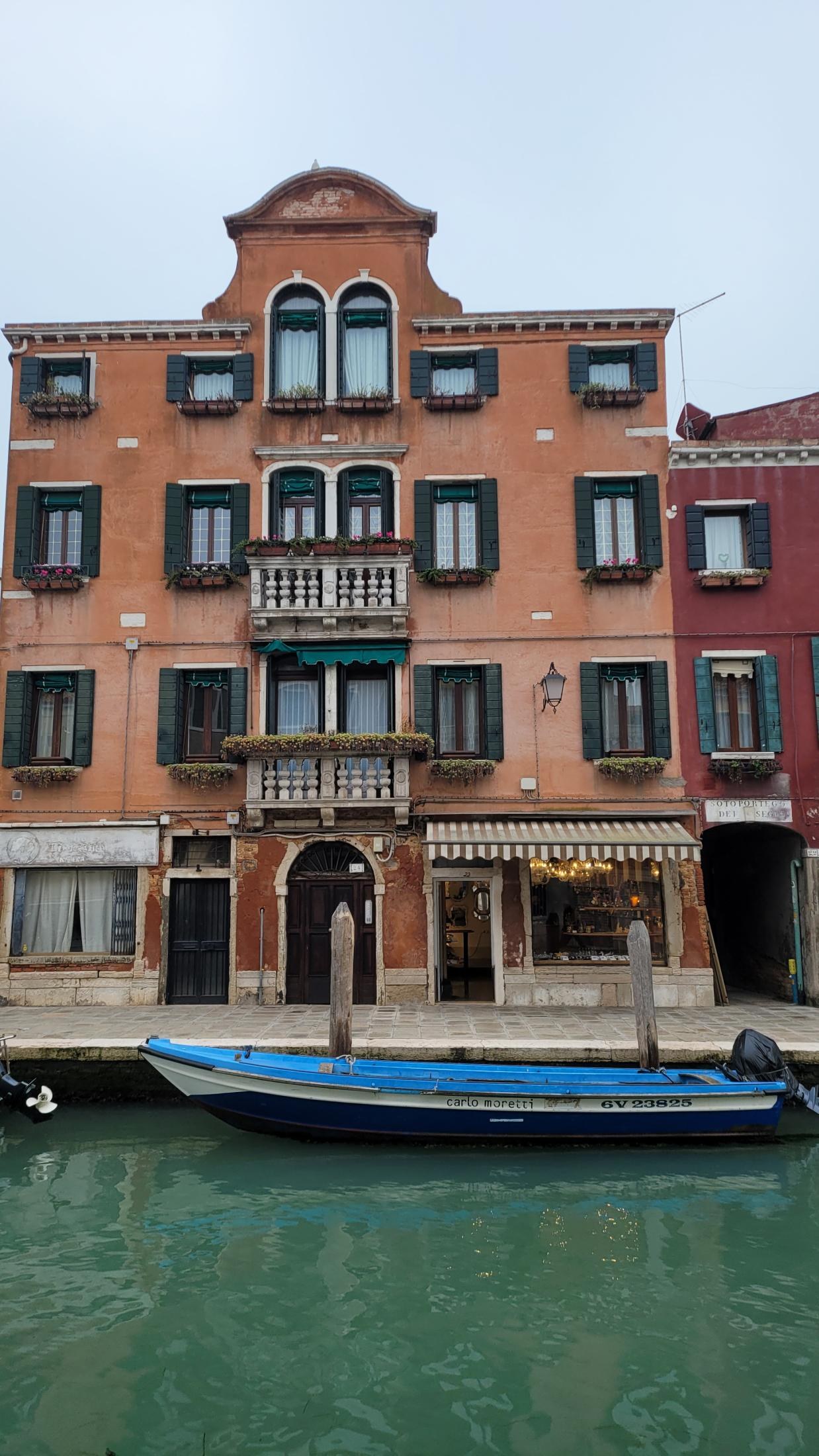
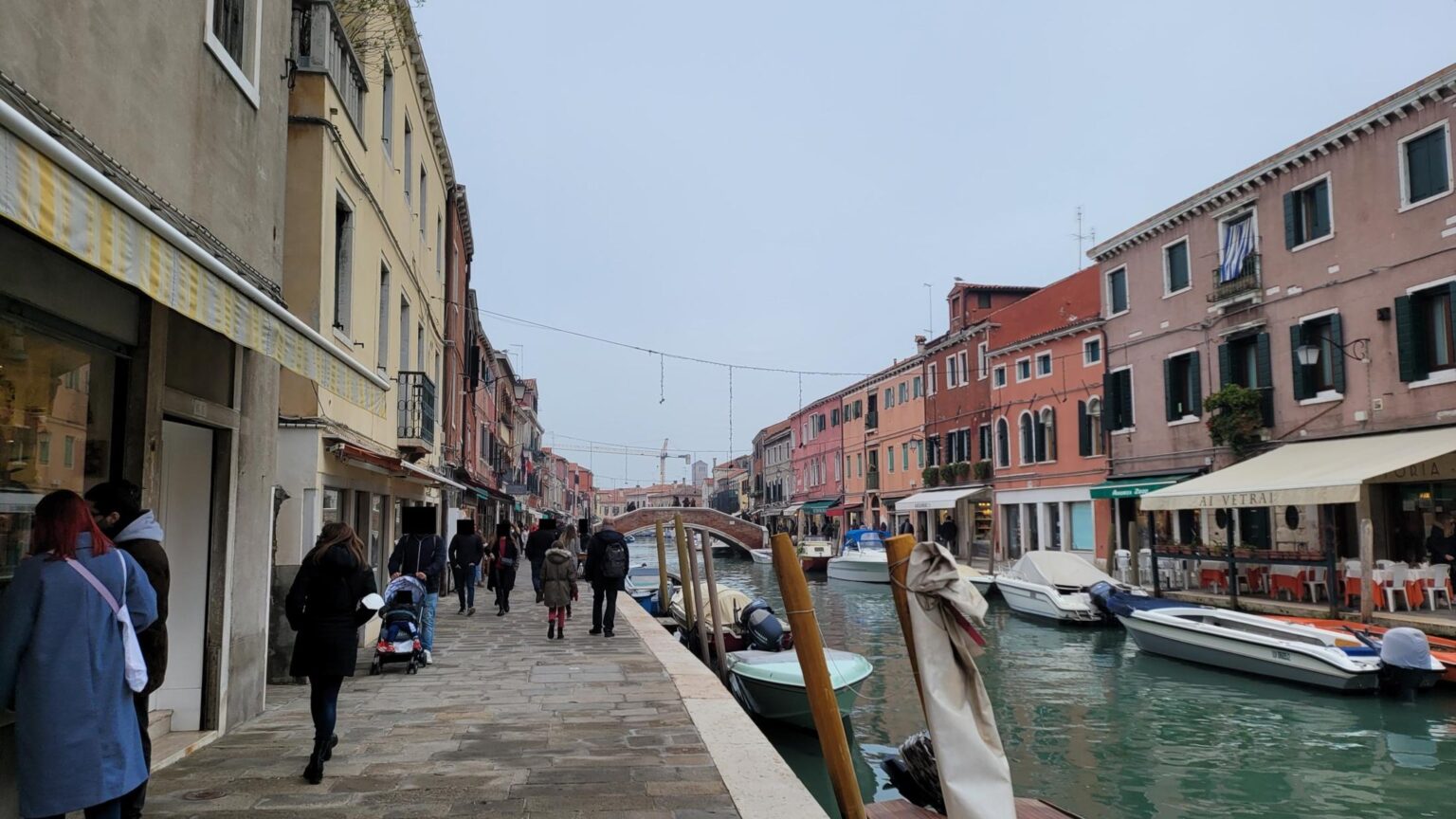
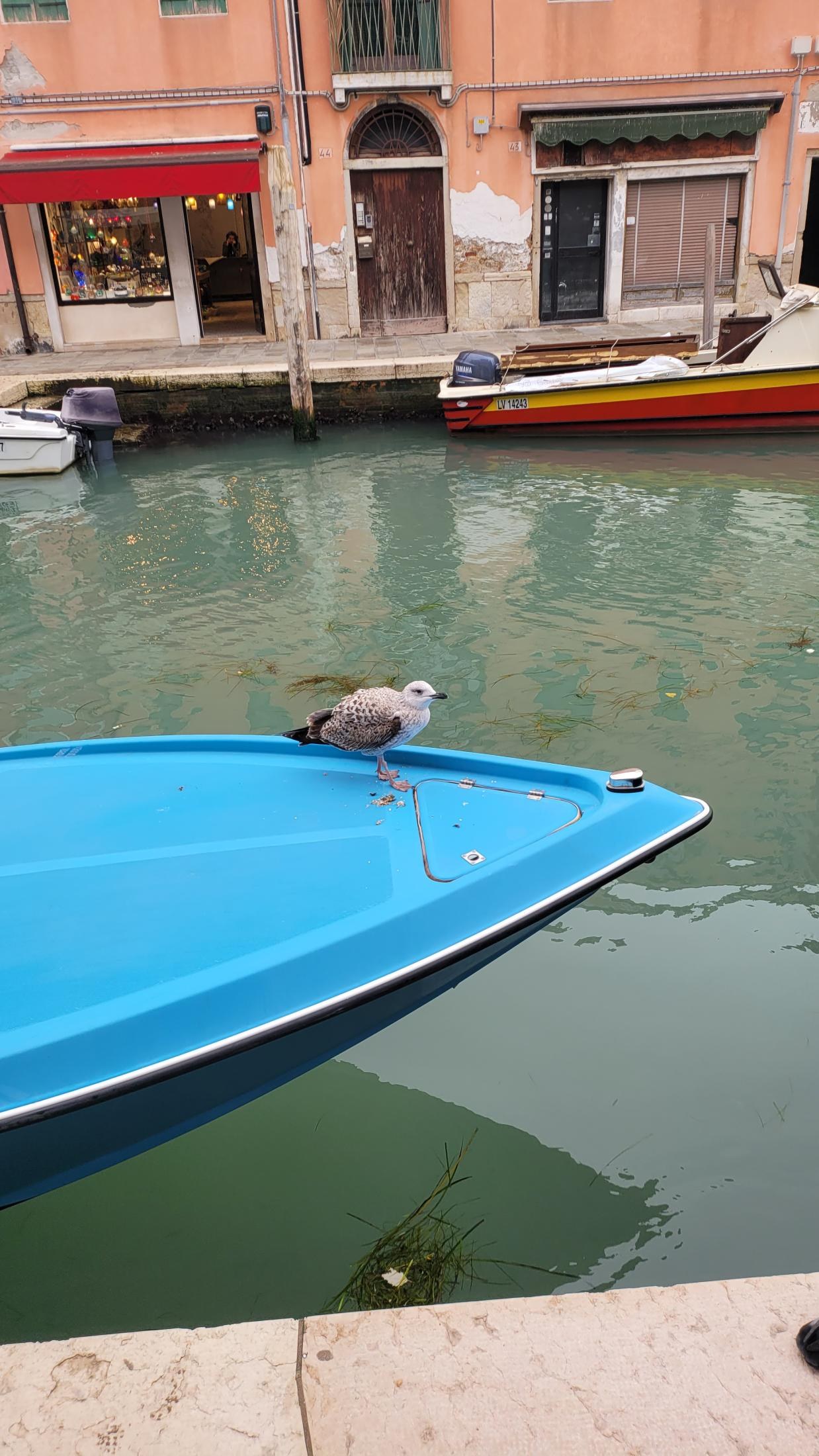
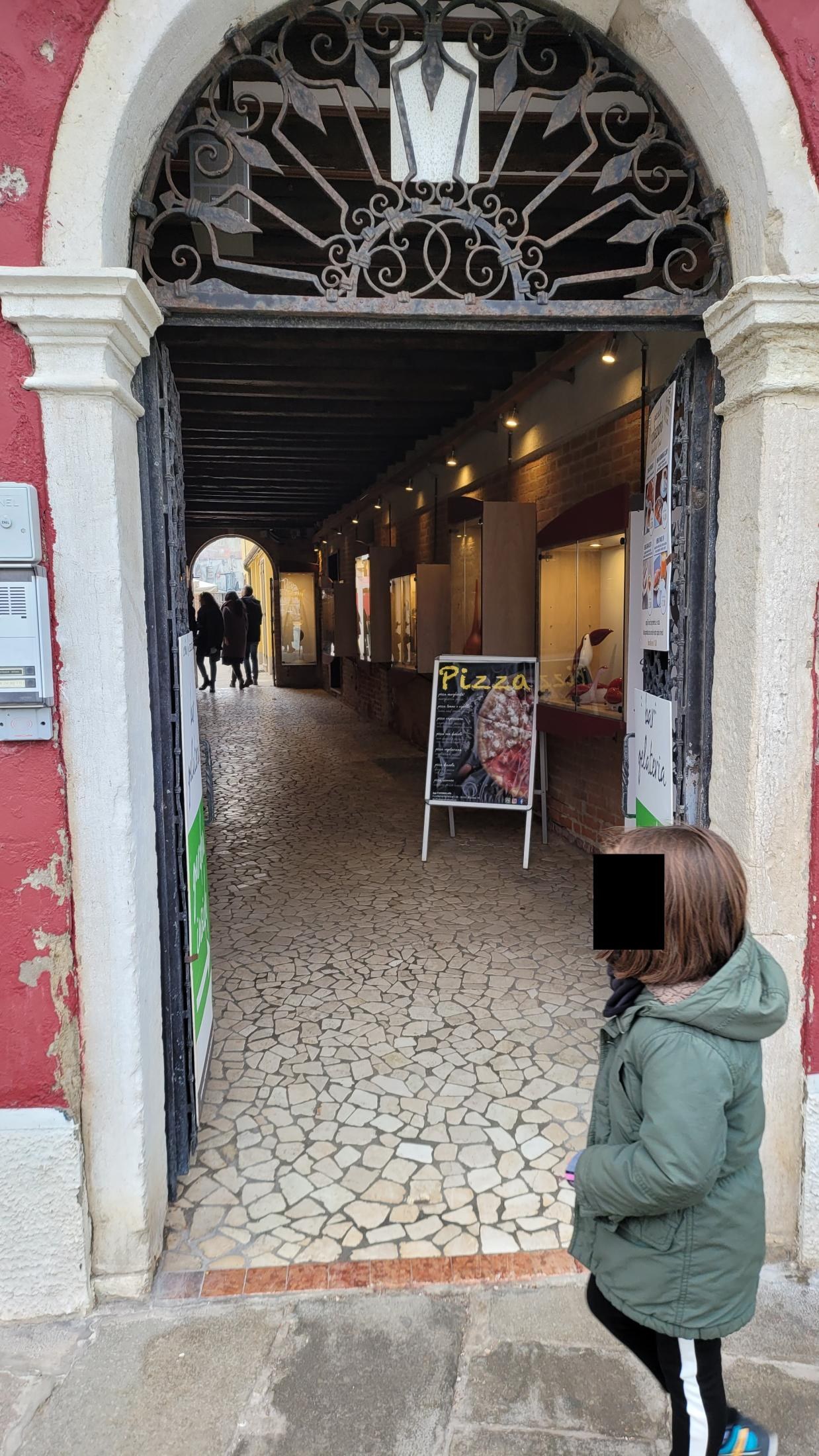
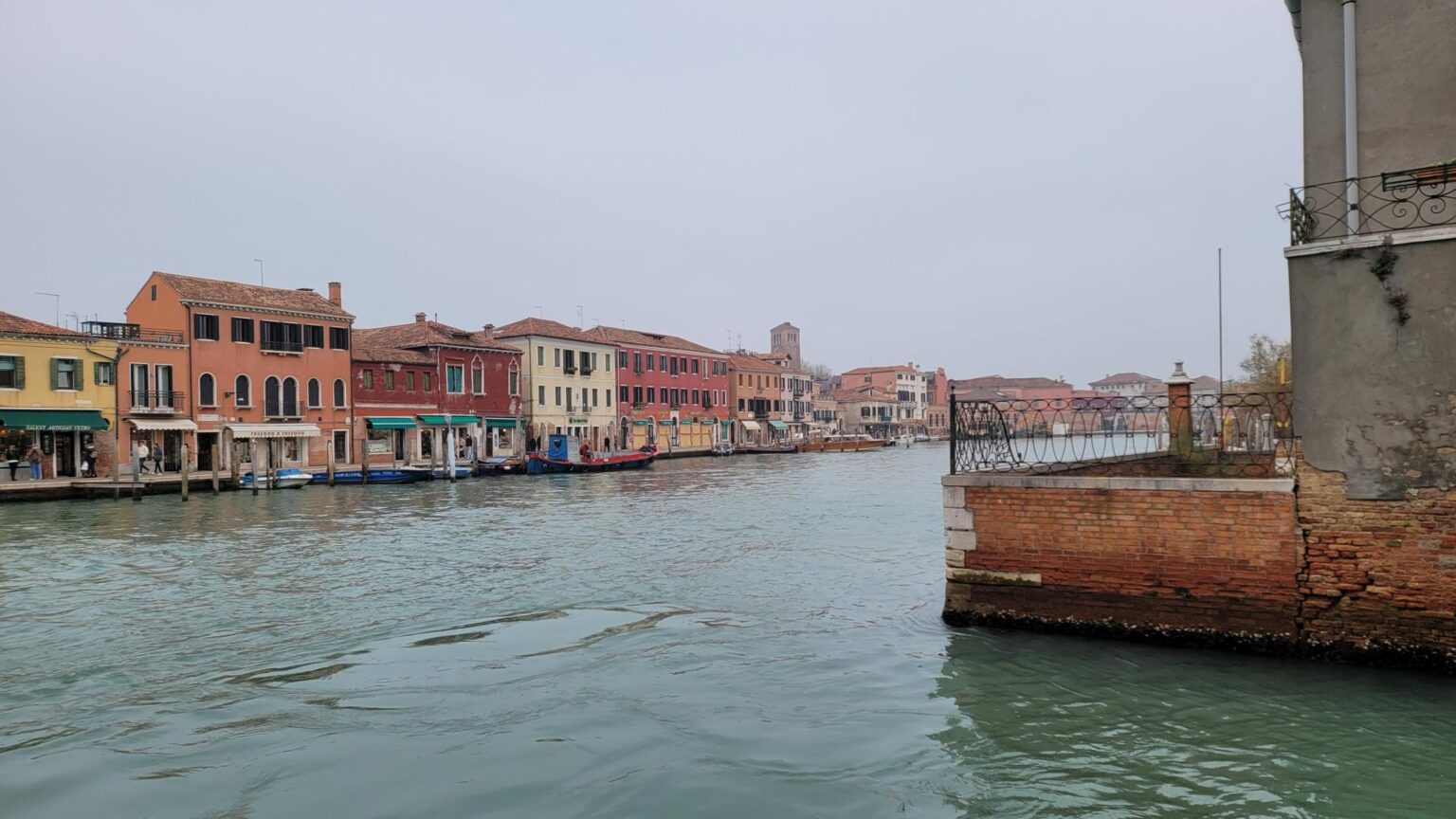
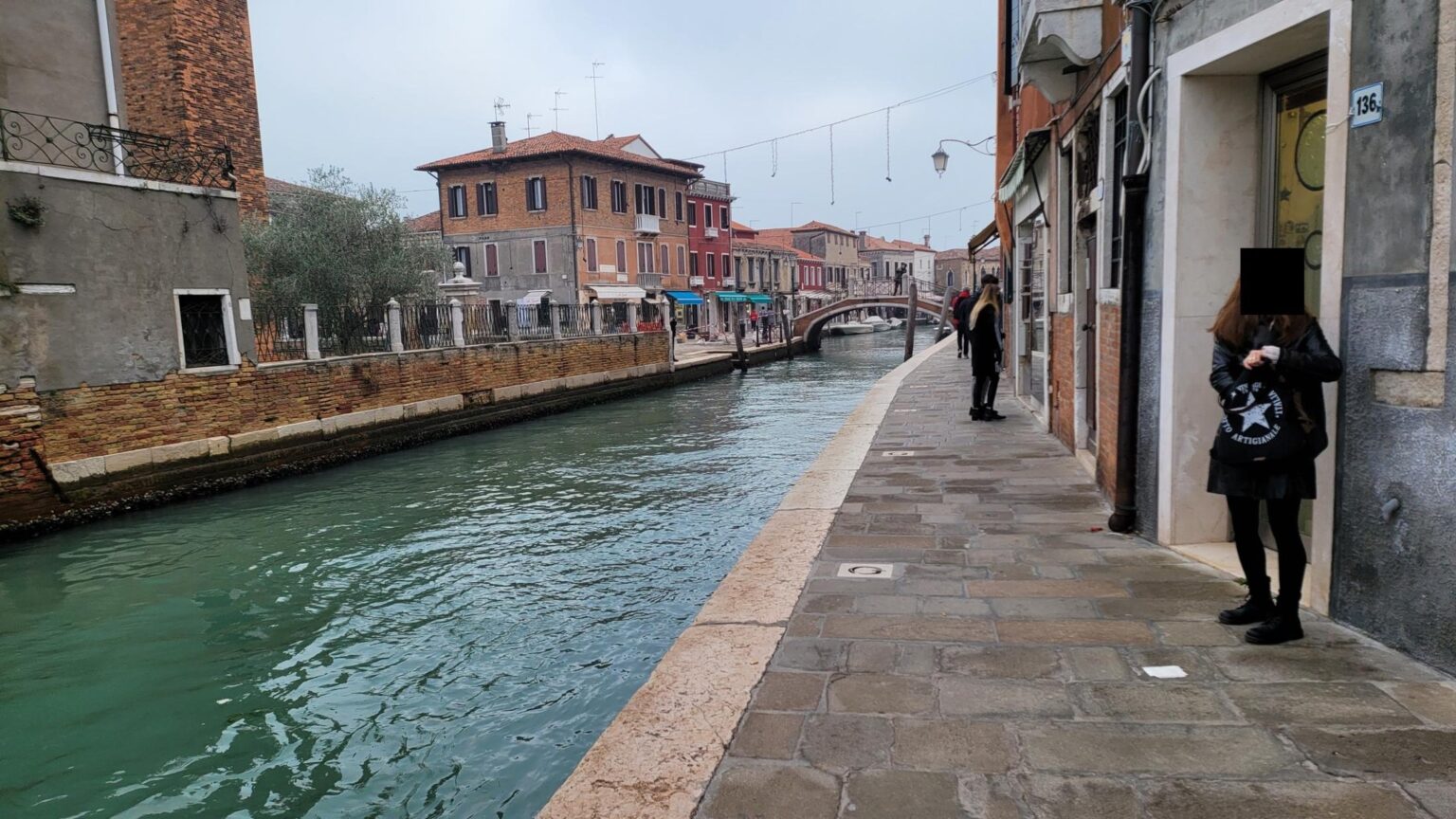
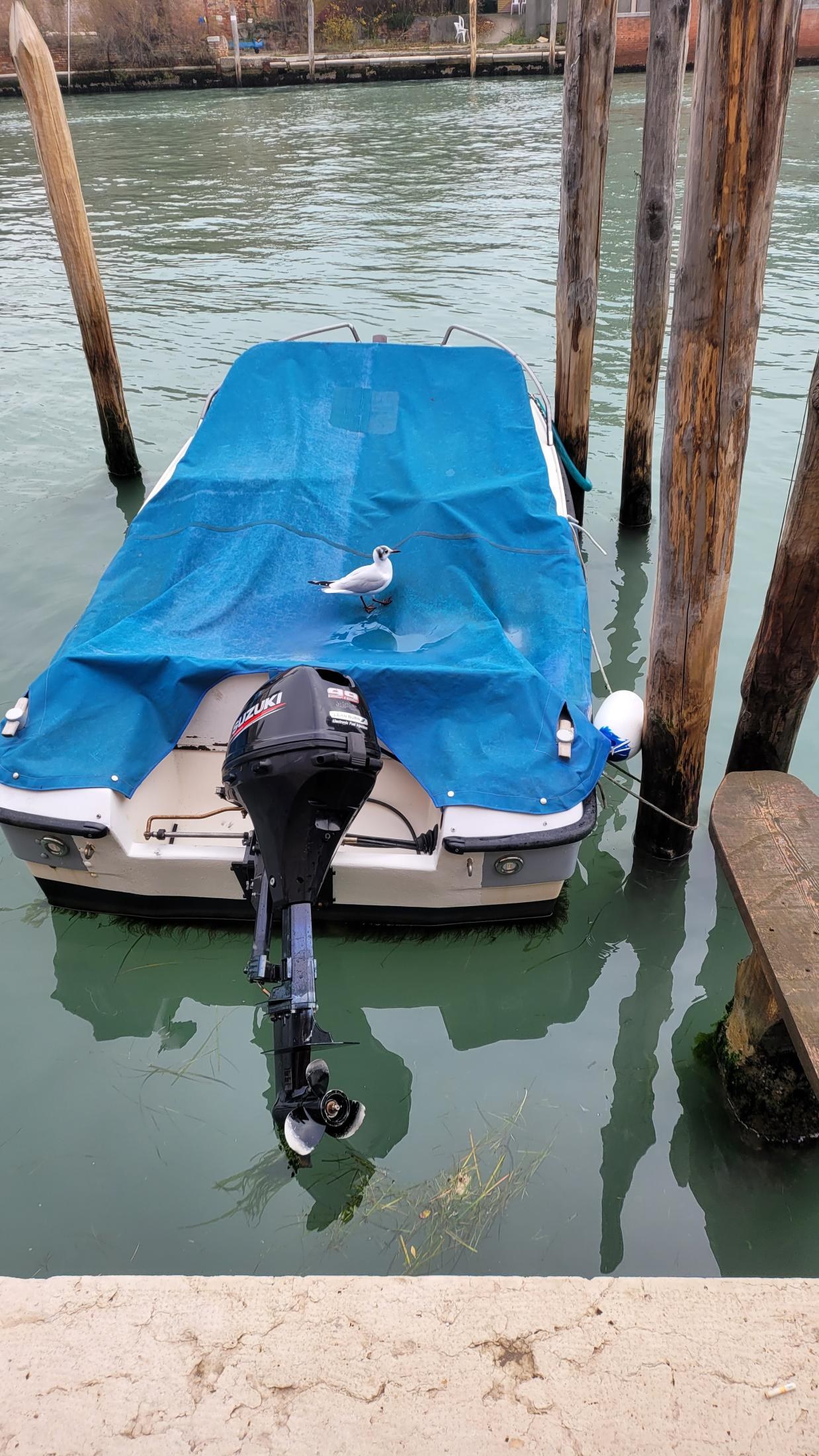
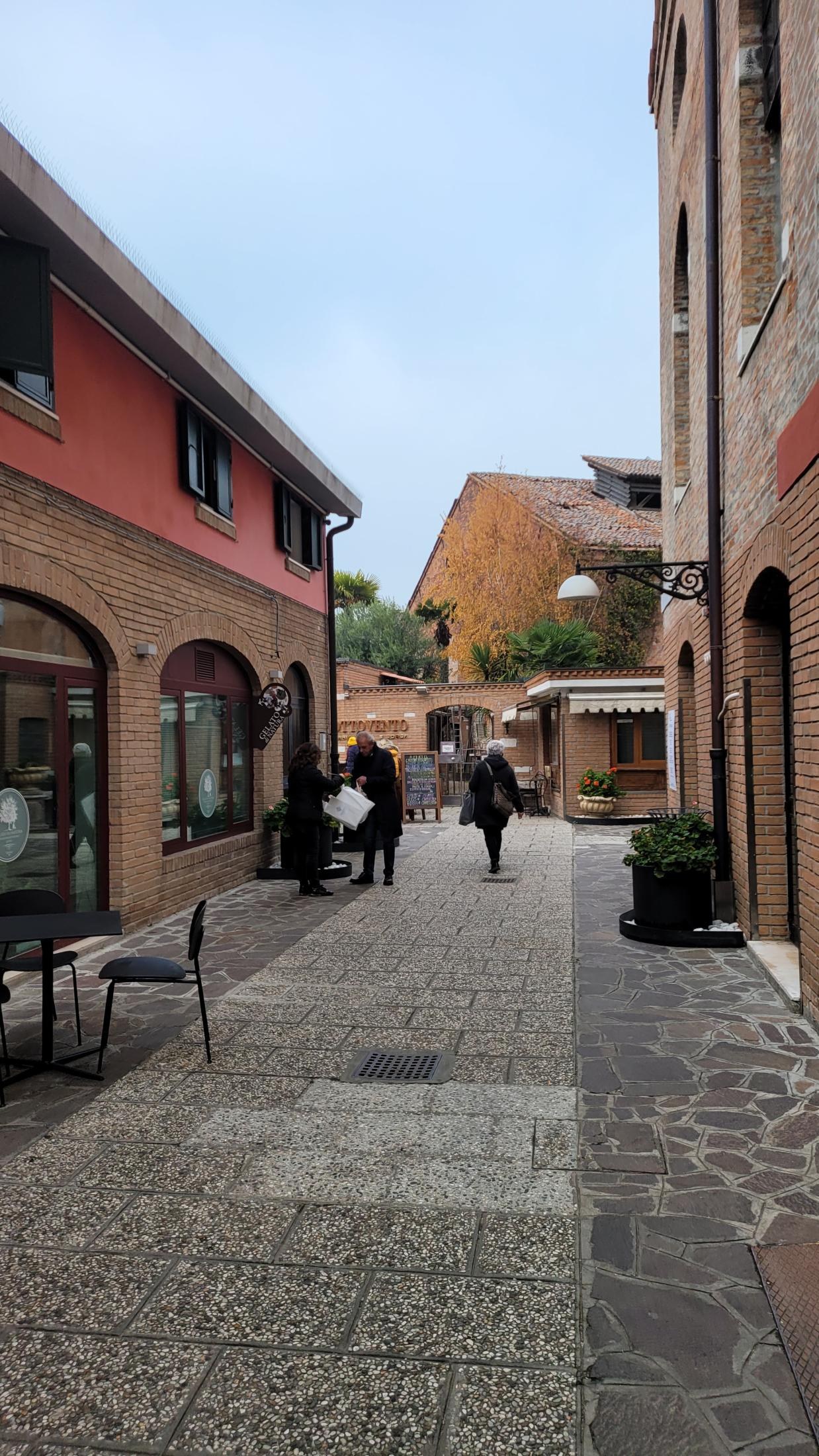
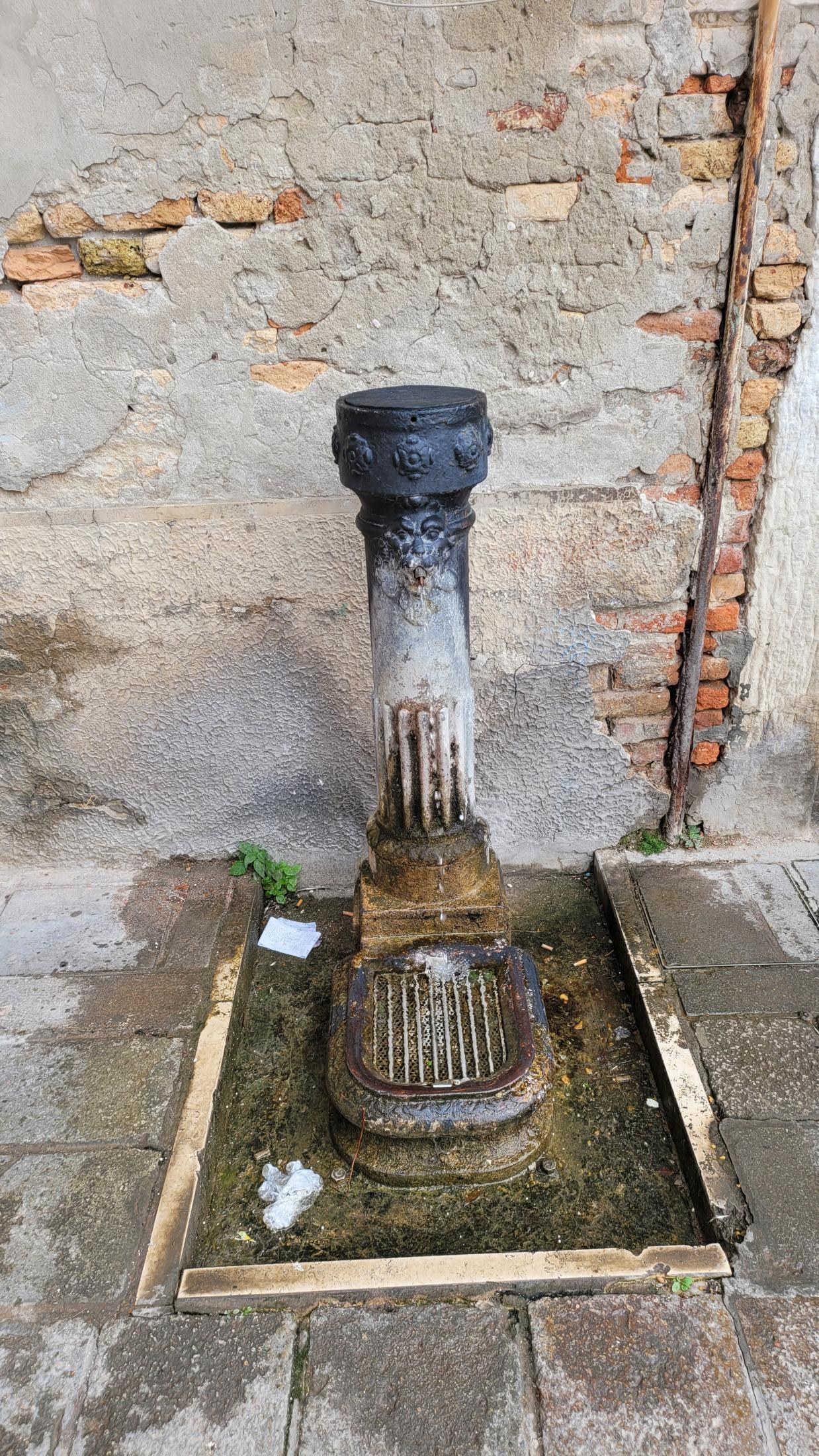
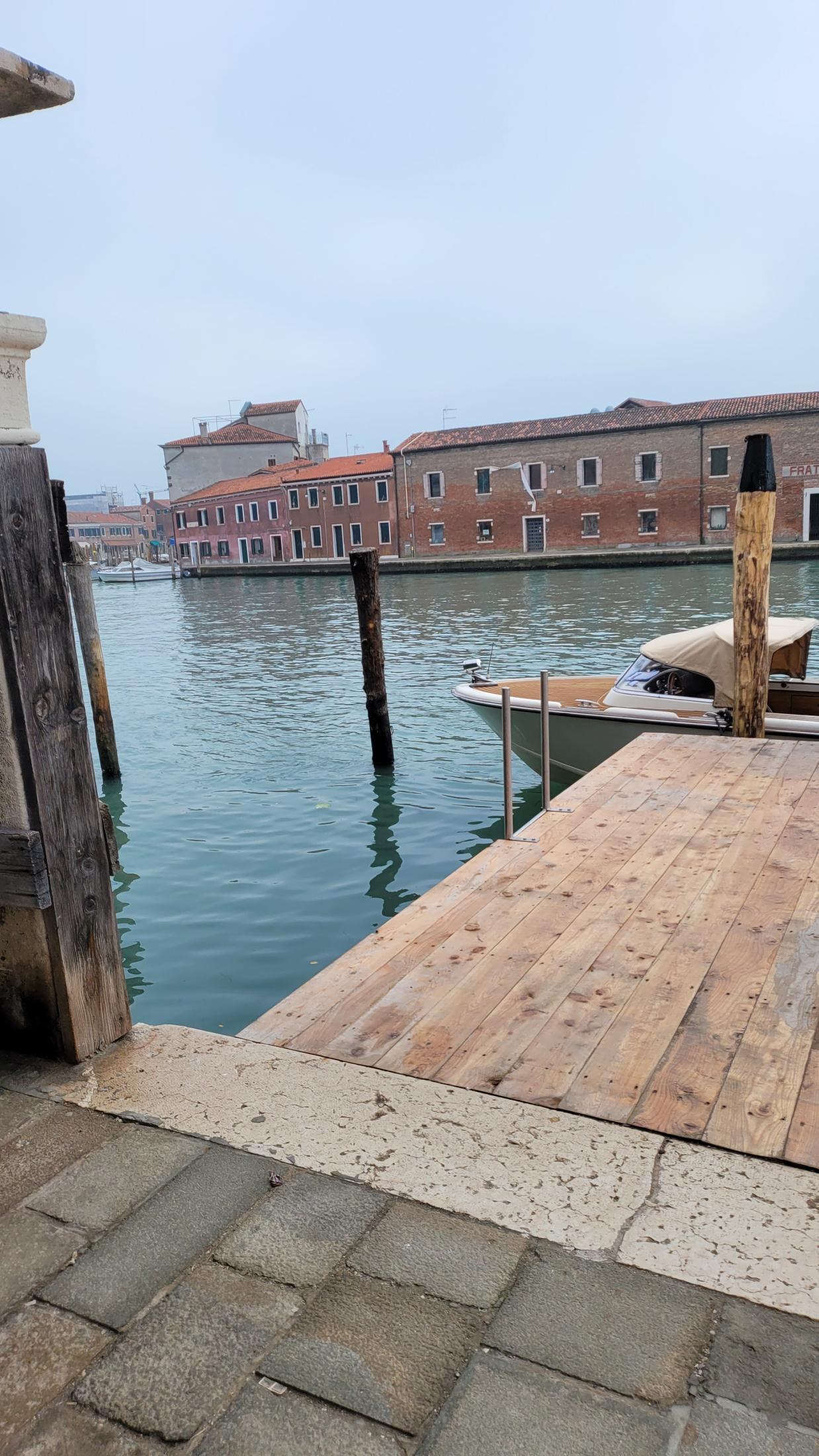
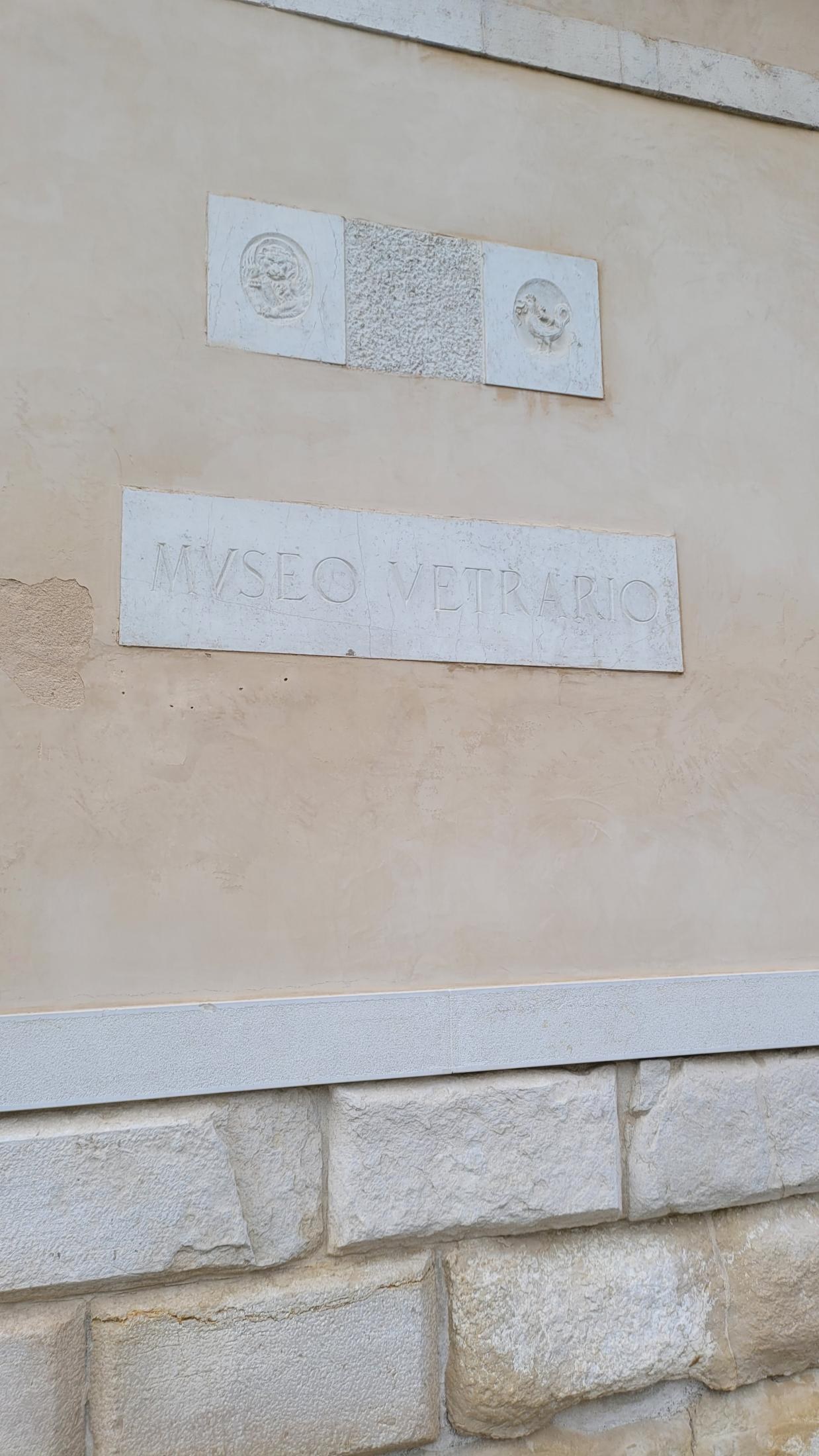
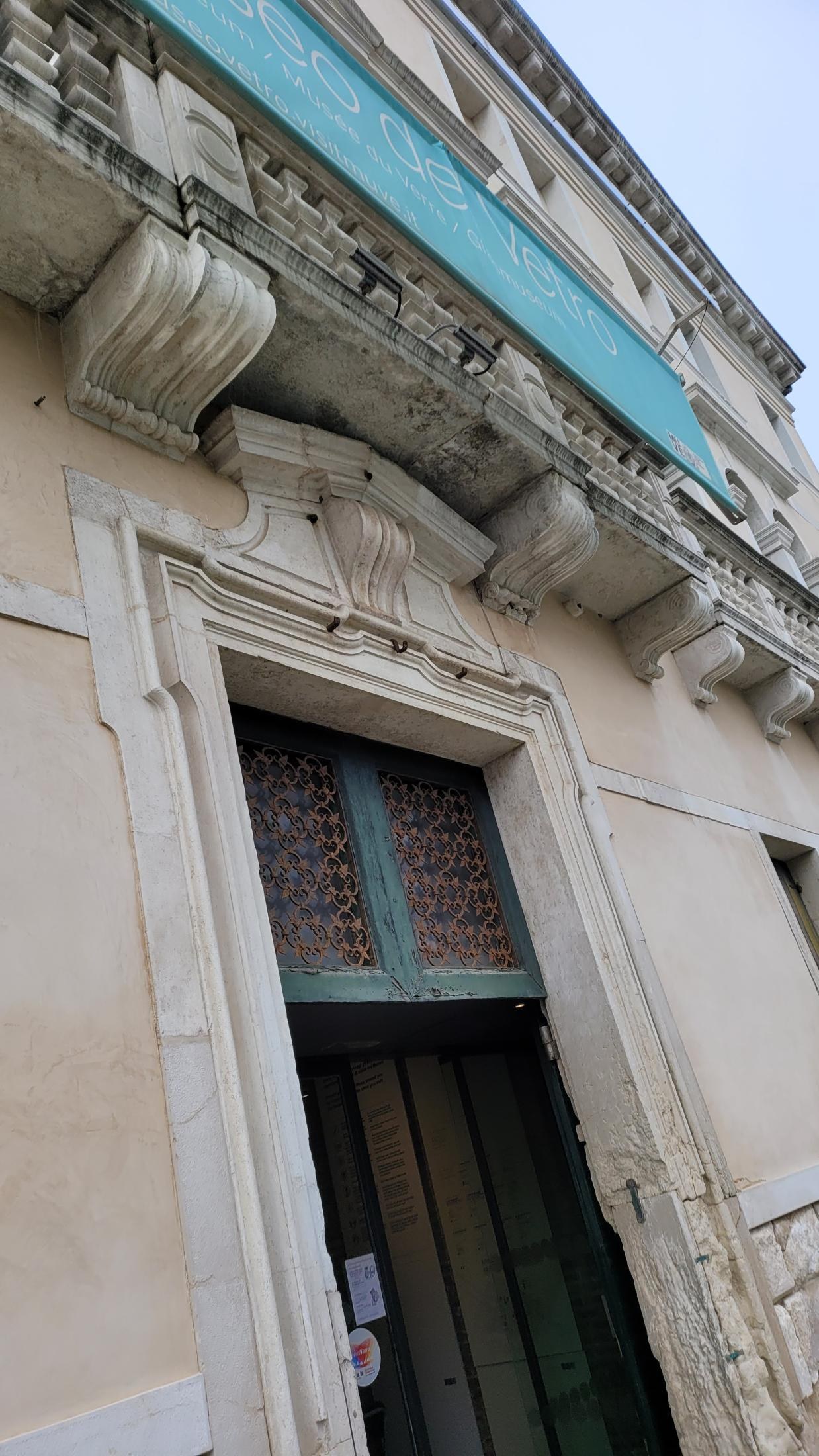
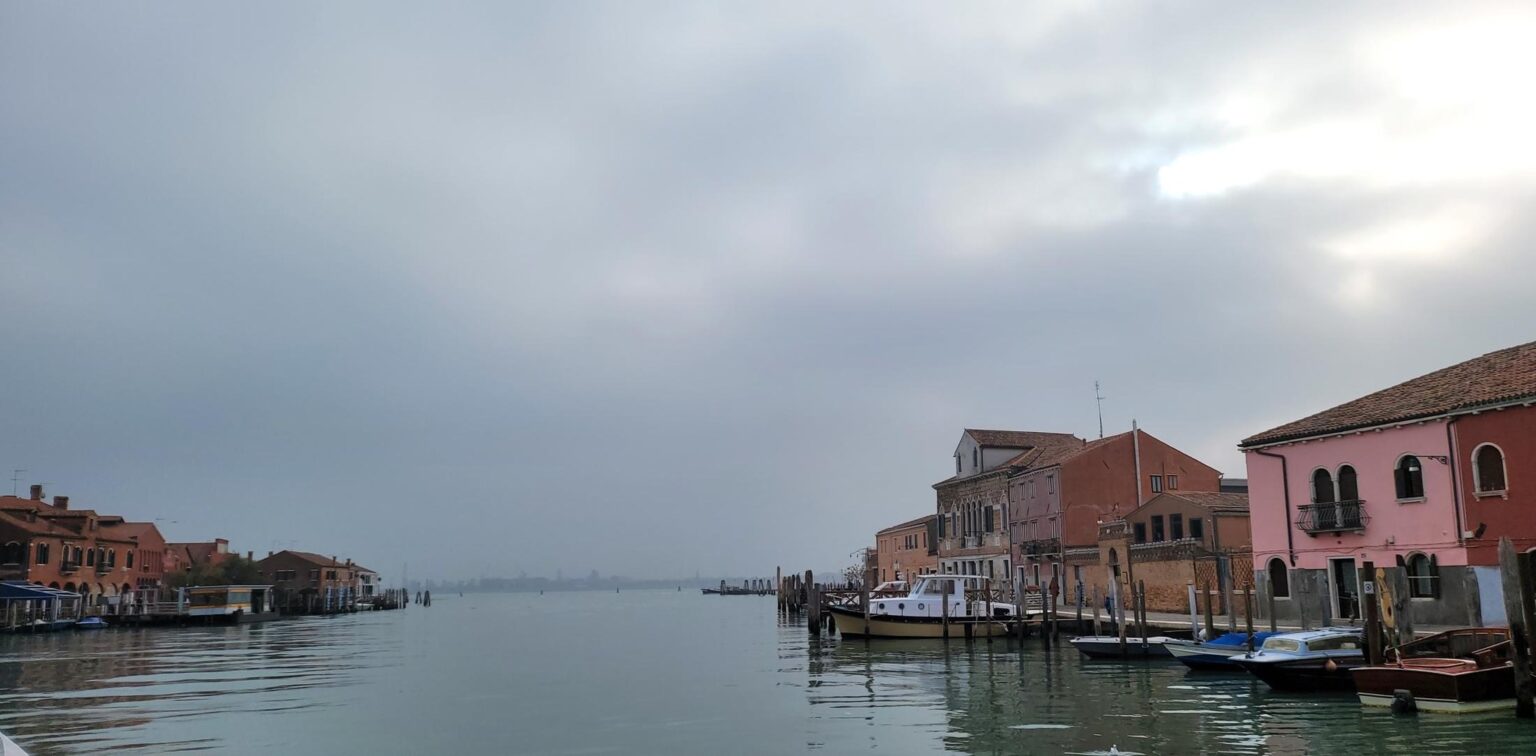
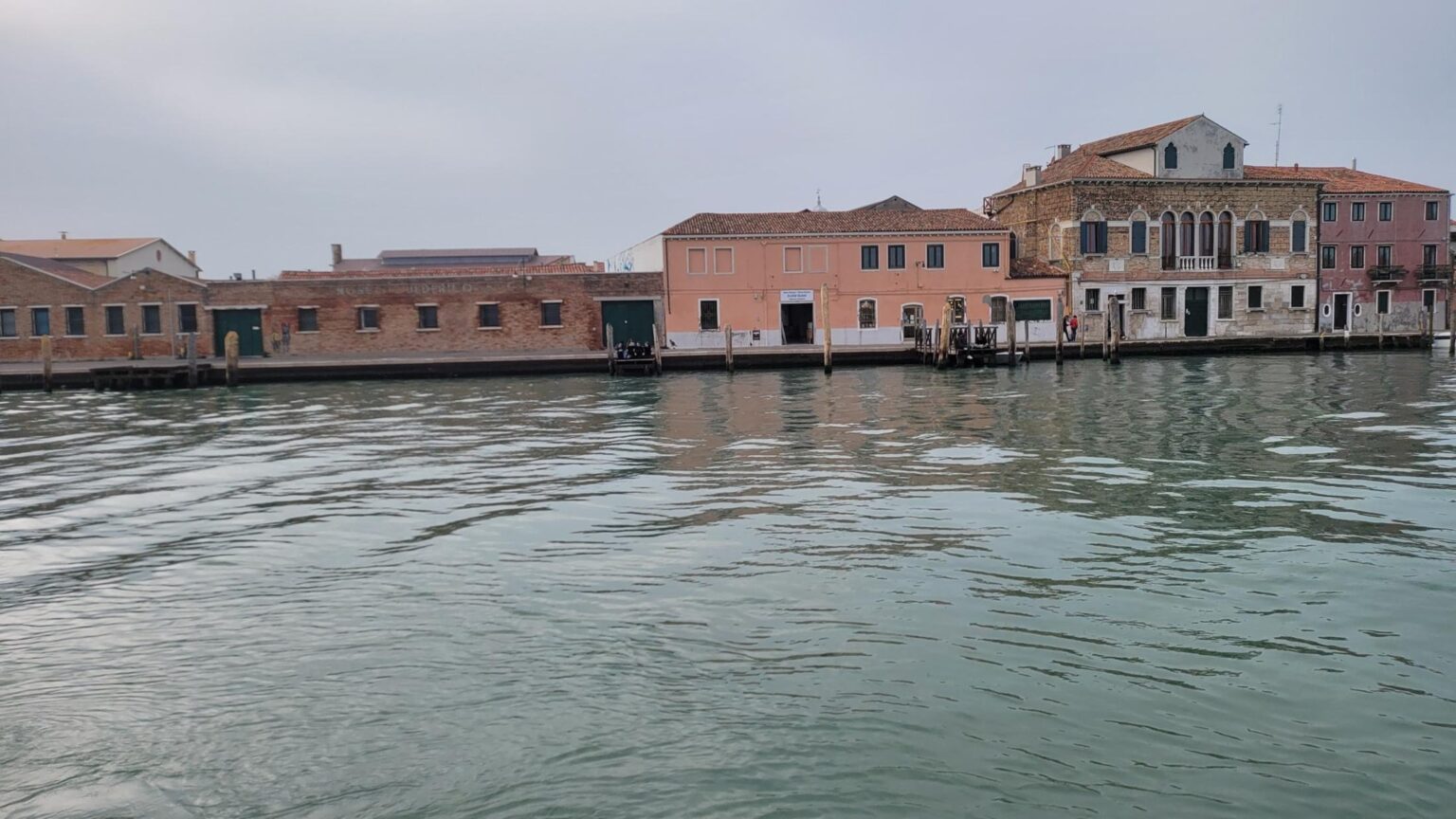
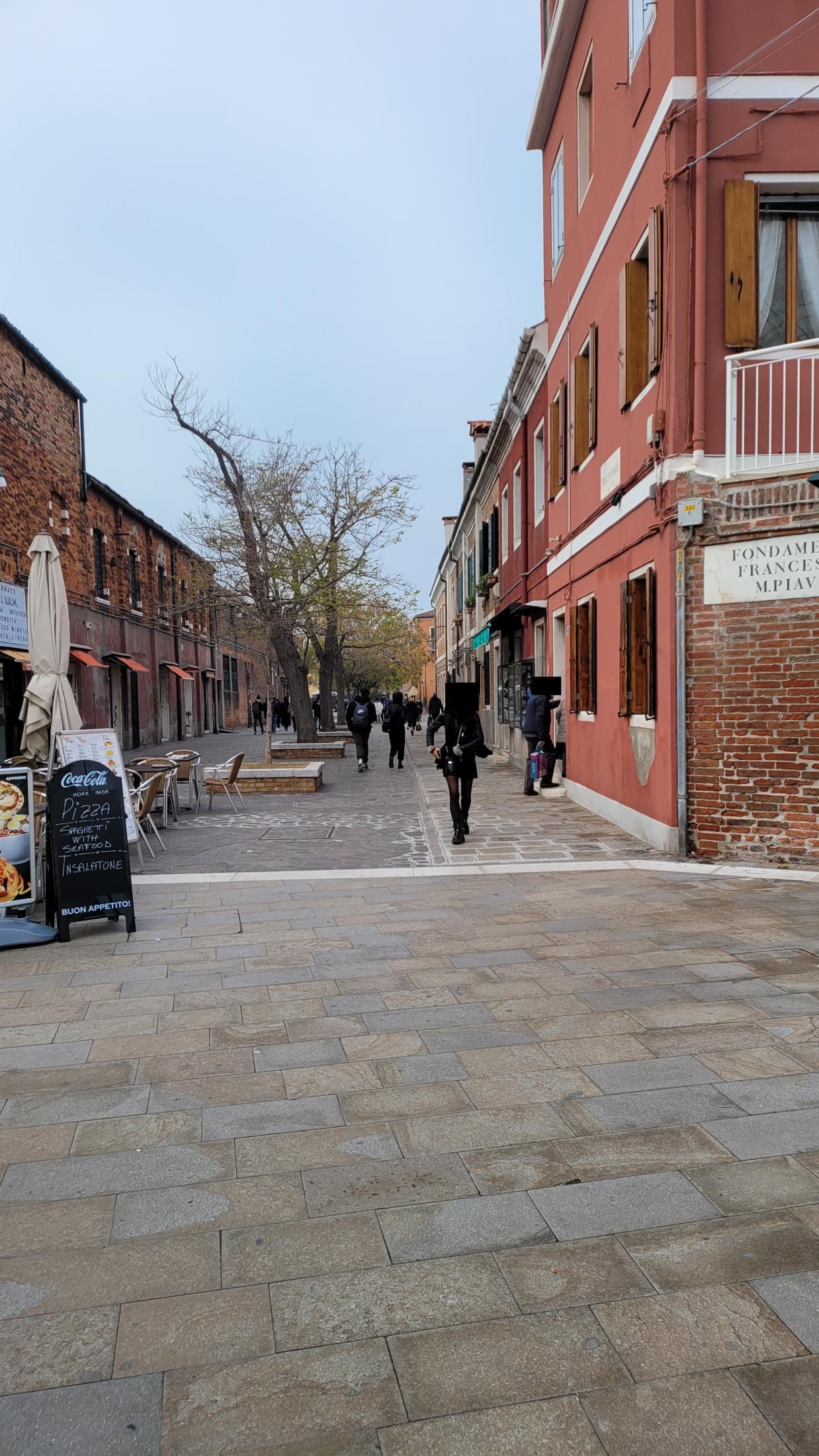
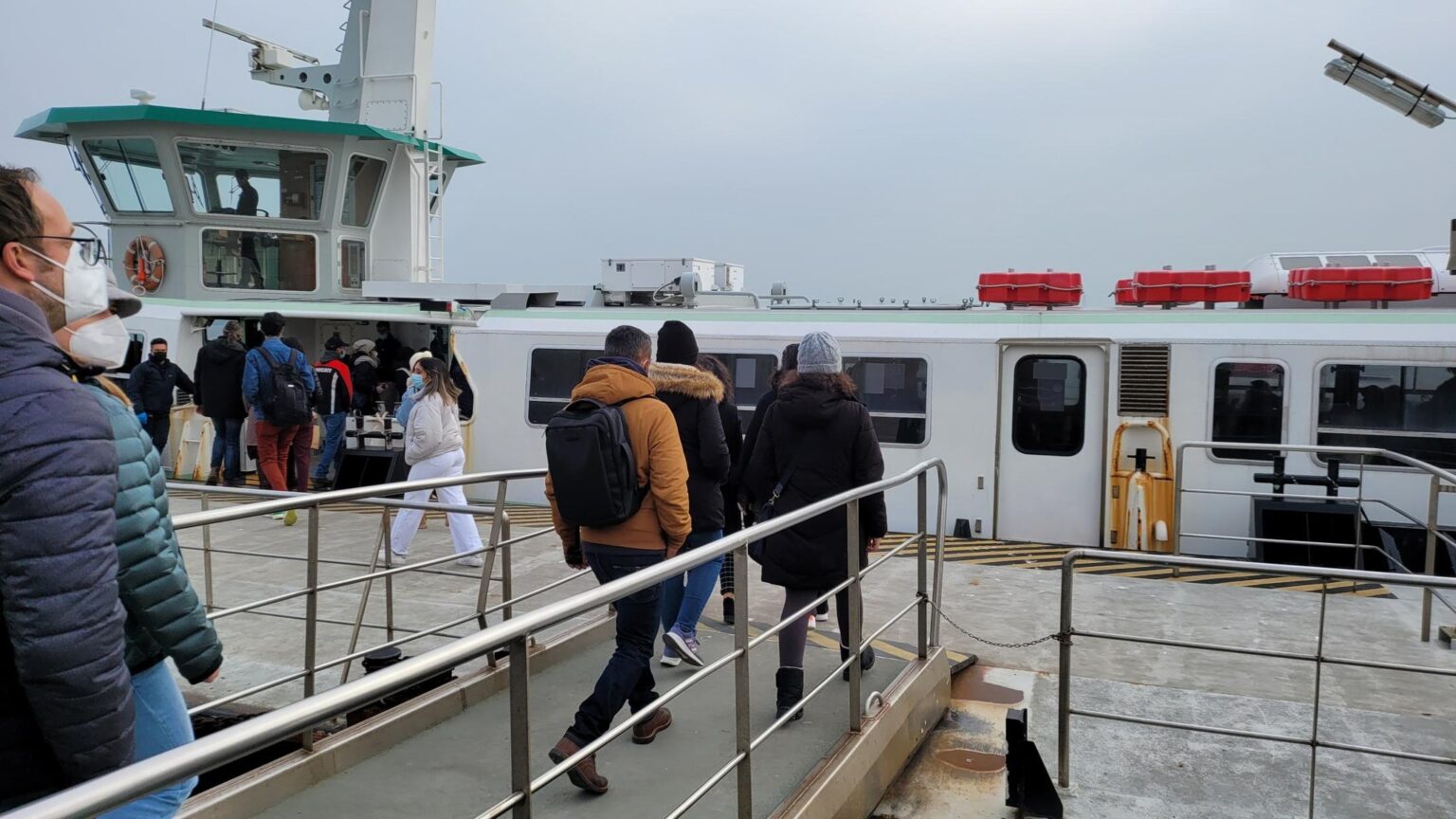
Having done Murano, the ideal move in our view is to walk up to the Murano Faro B1 stop and take the boat onward to Burano. Around 45 minutes and you are in:
Burano
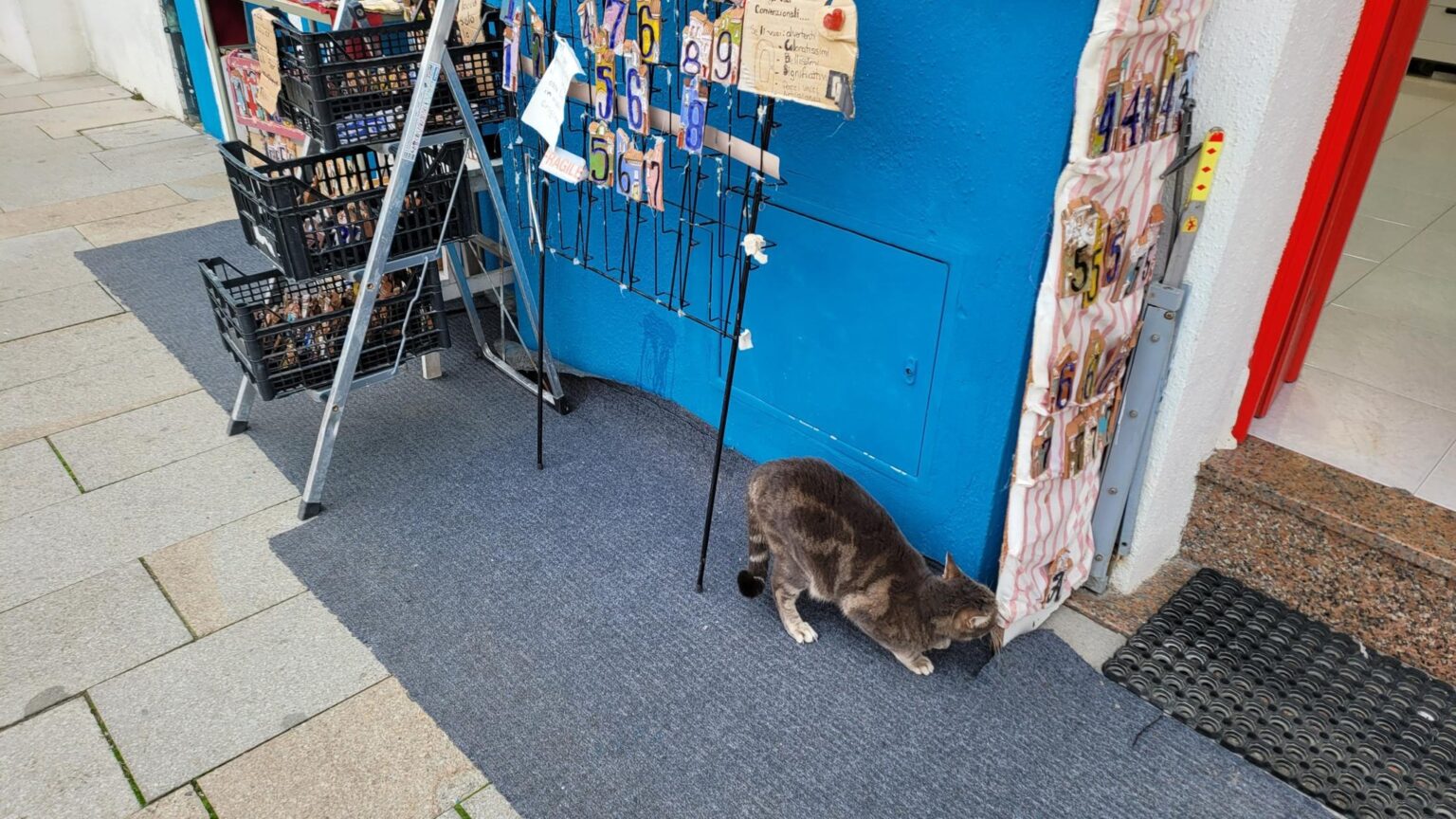
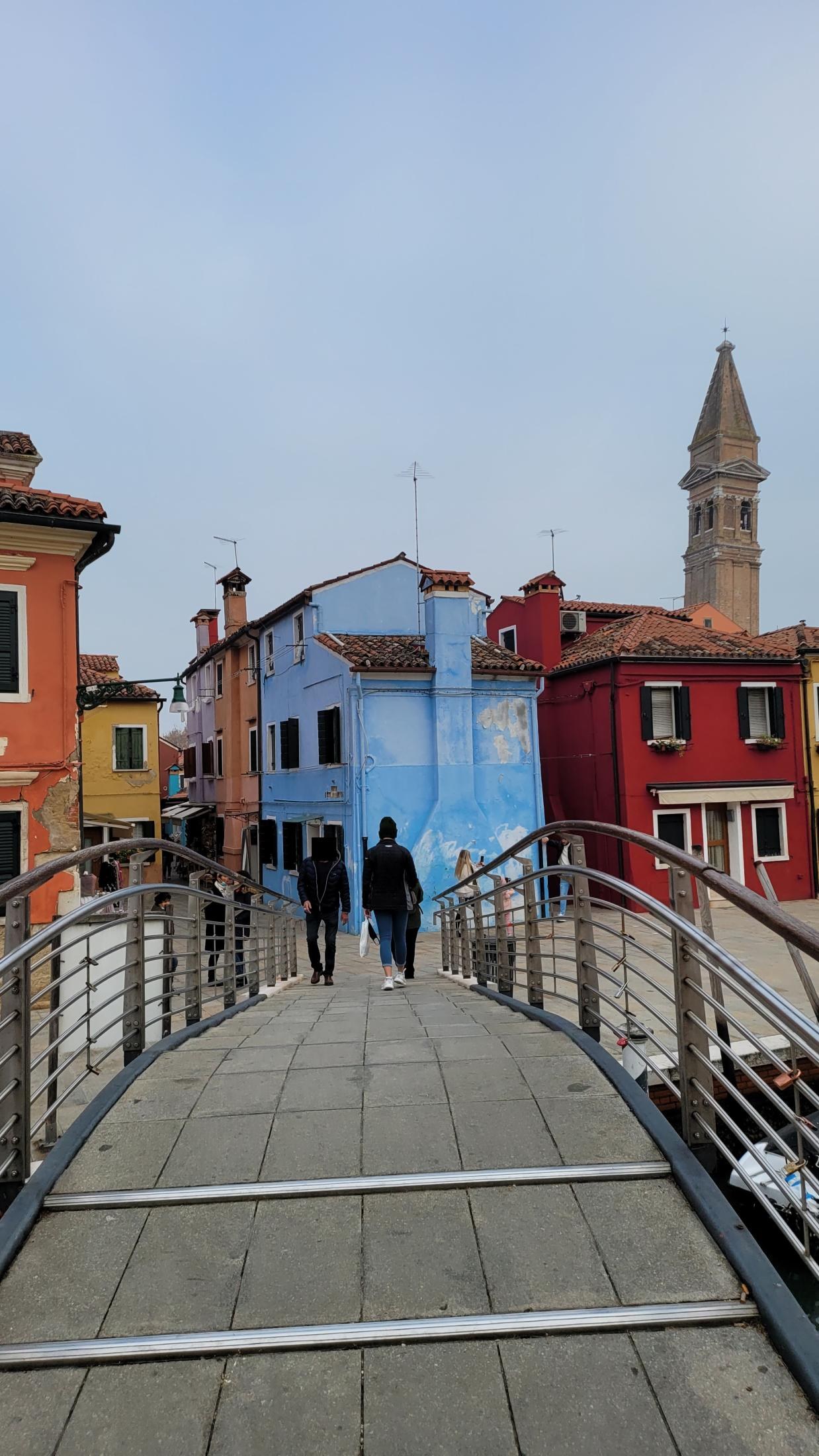
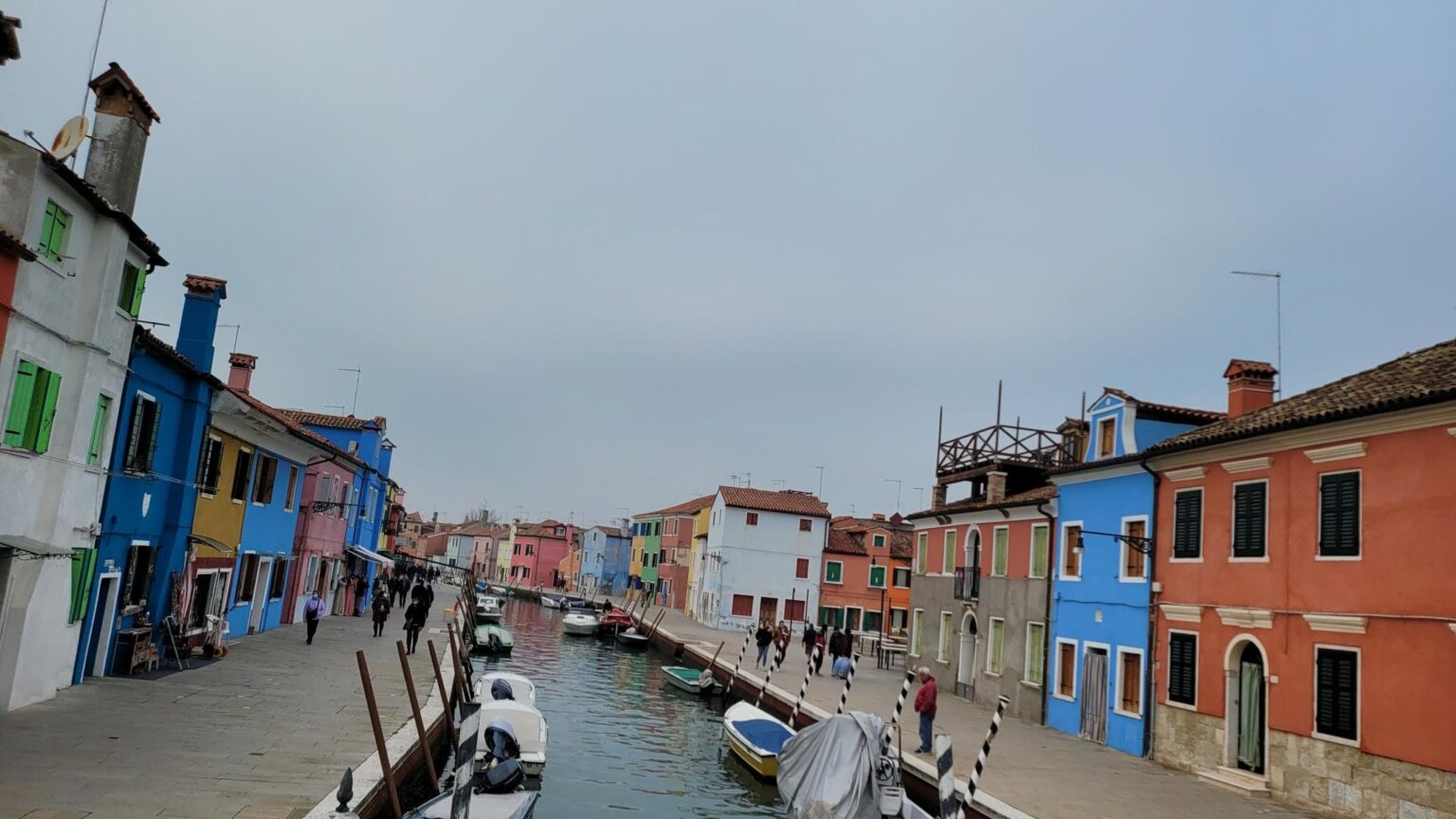
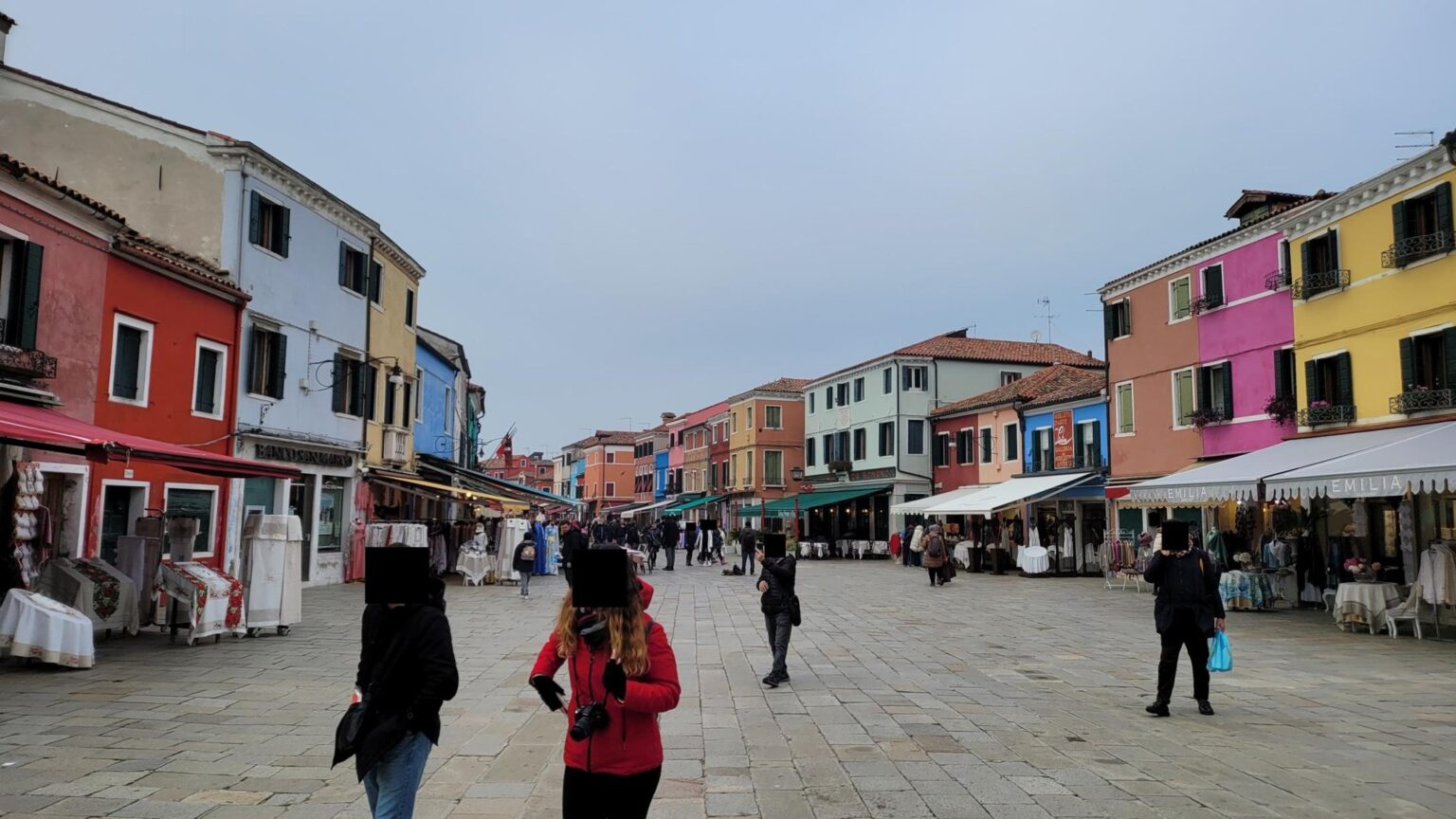
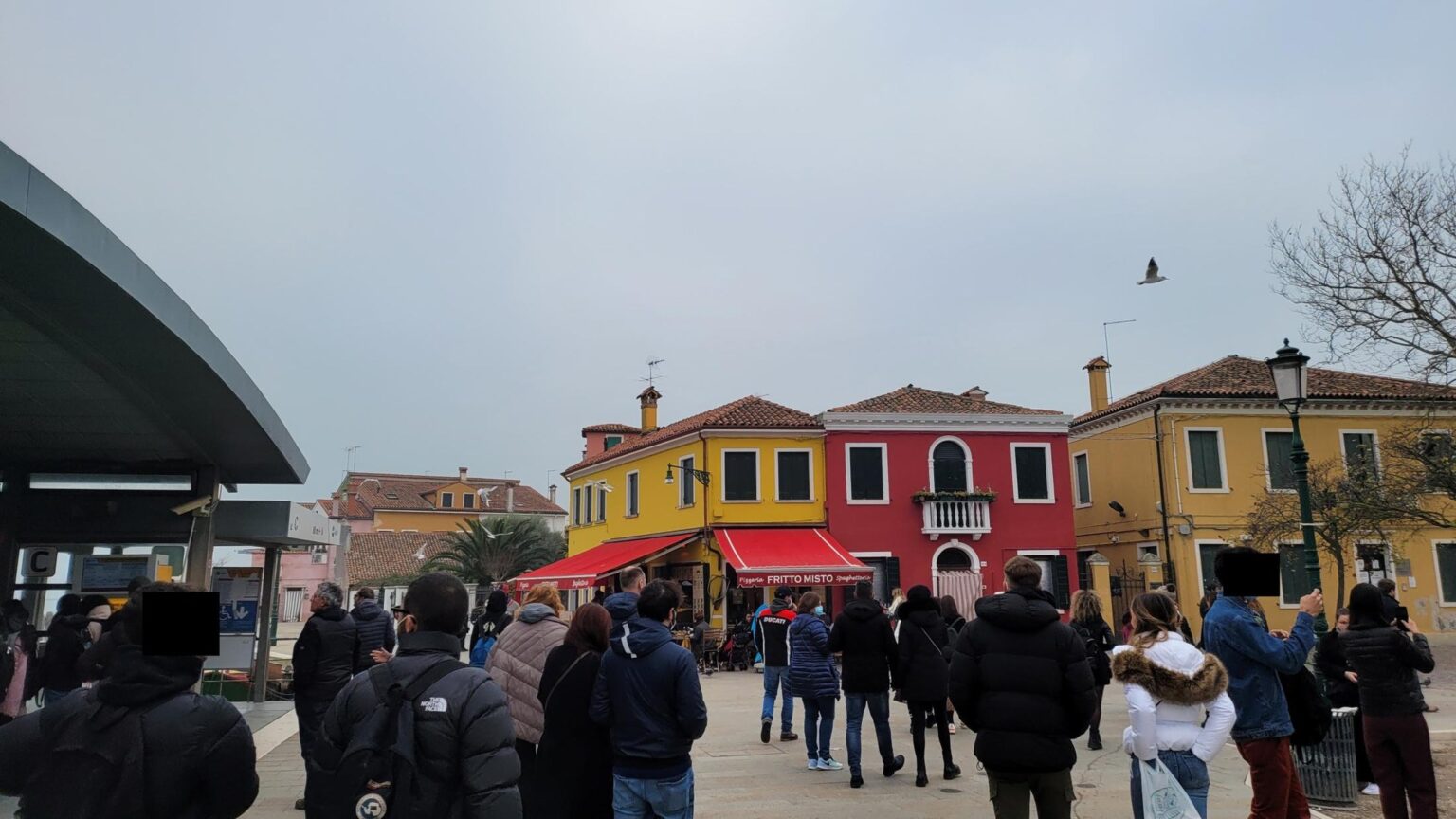
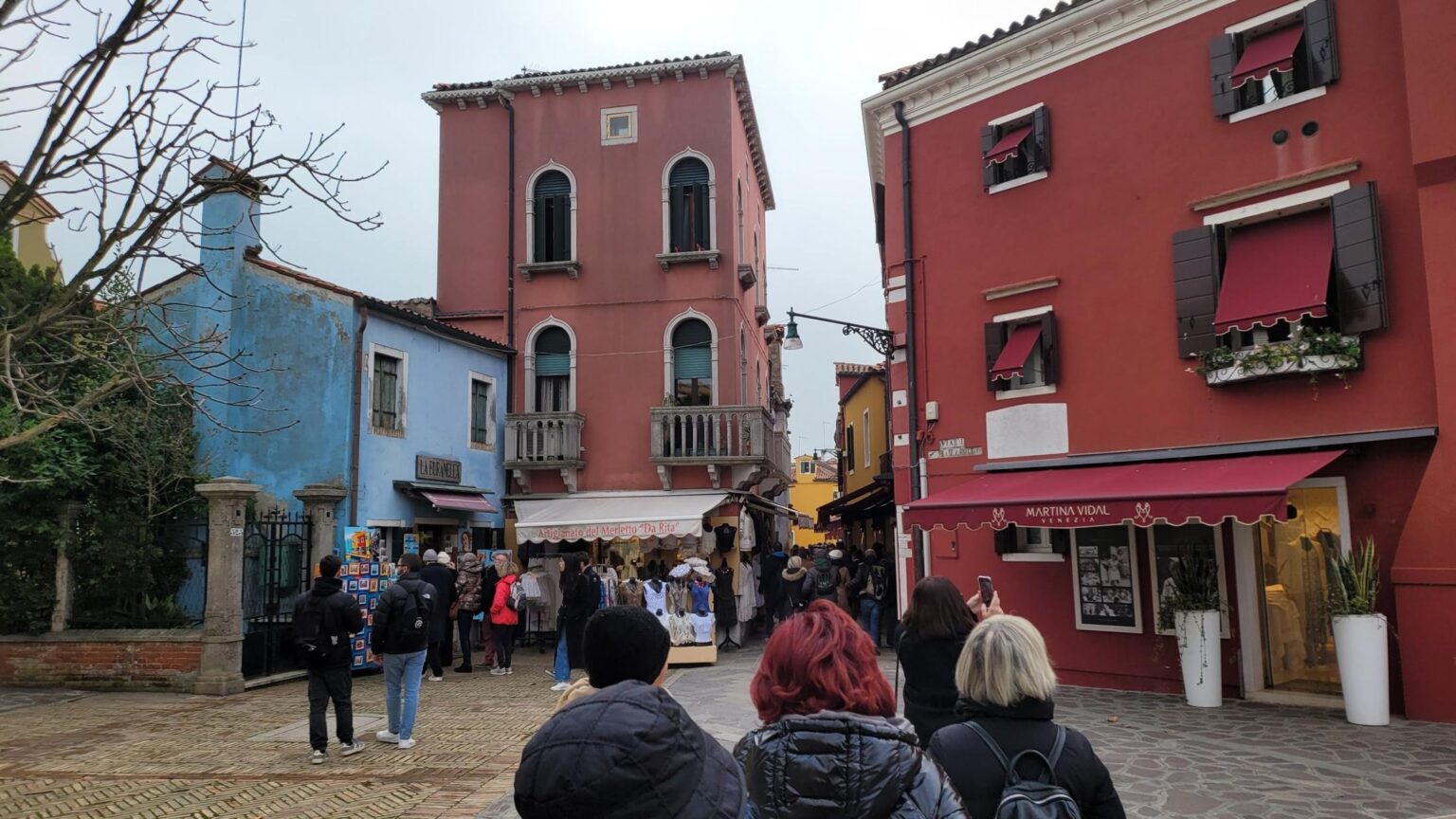
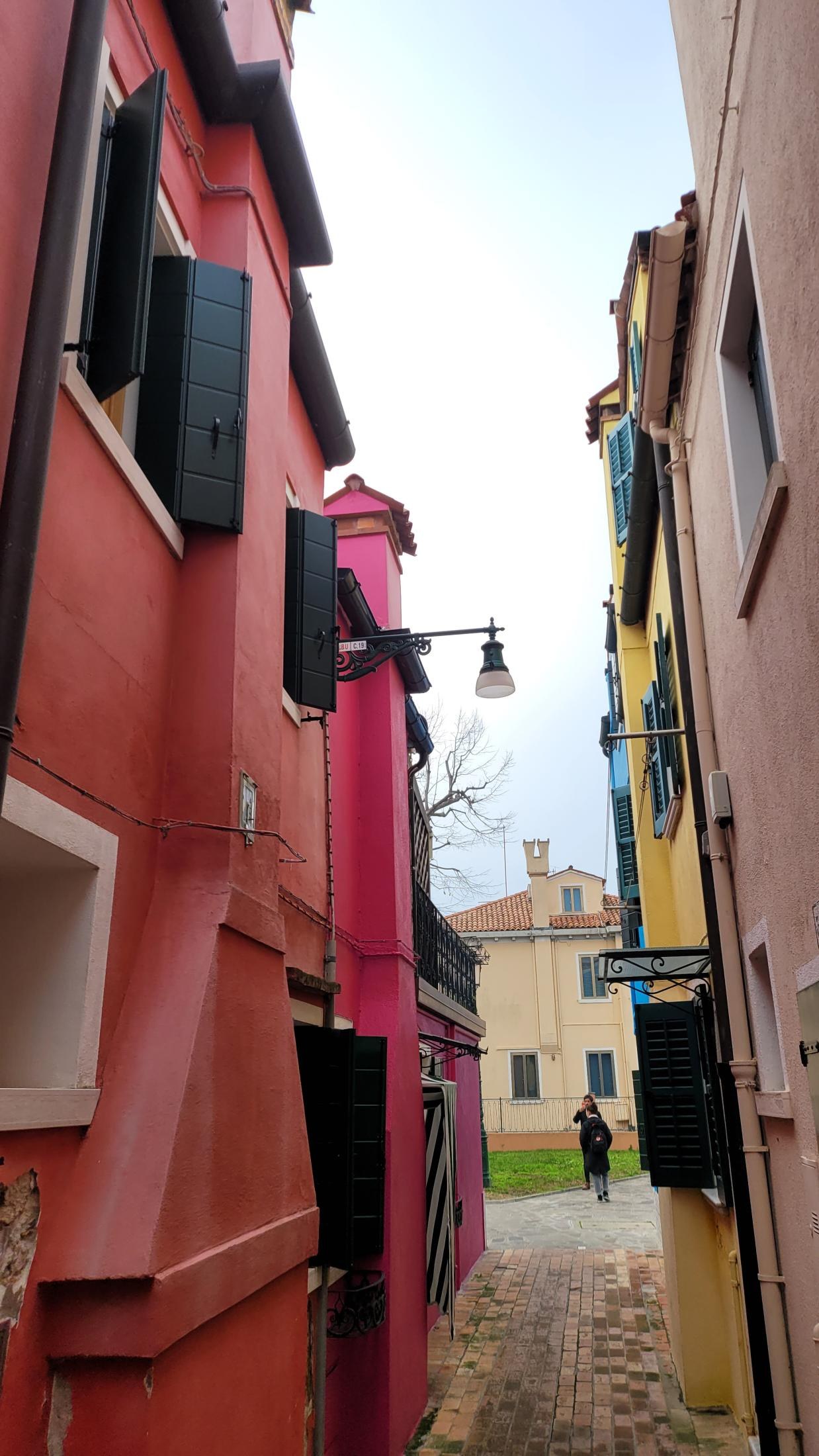
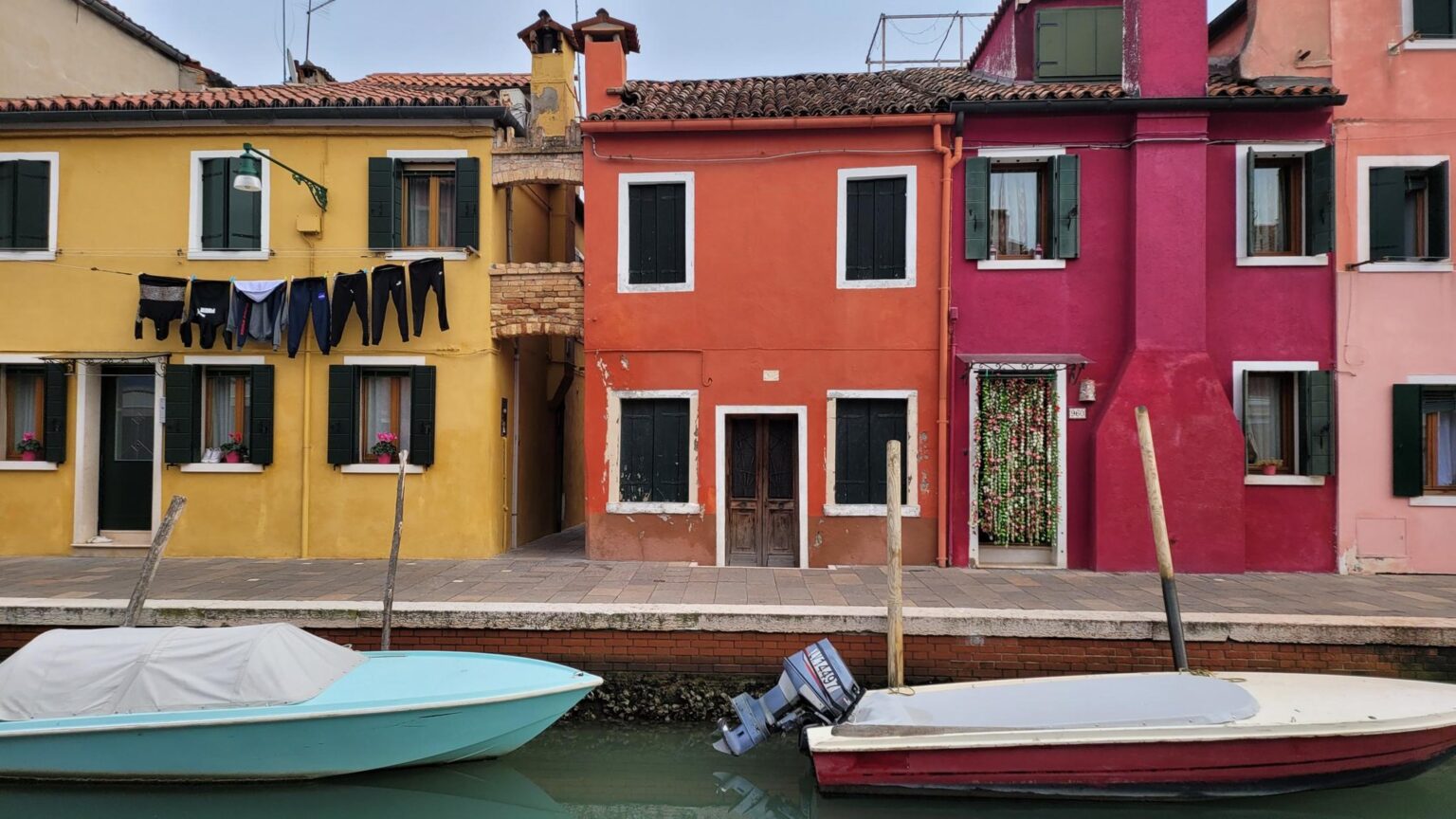
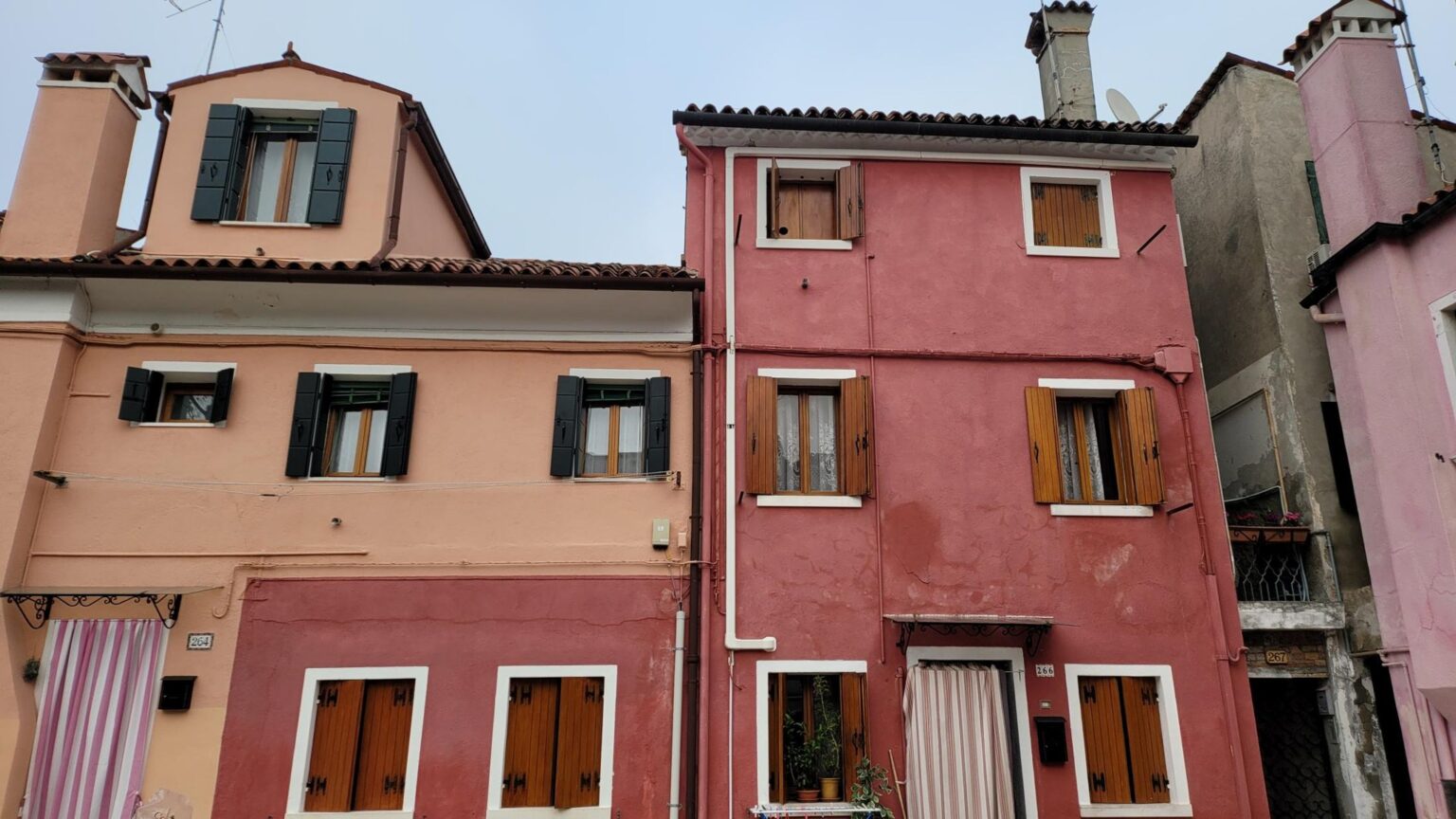
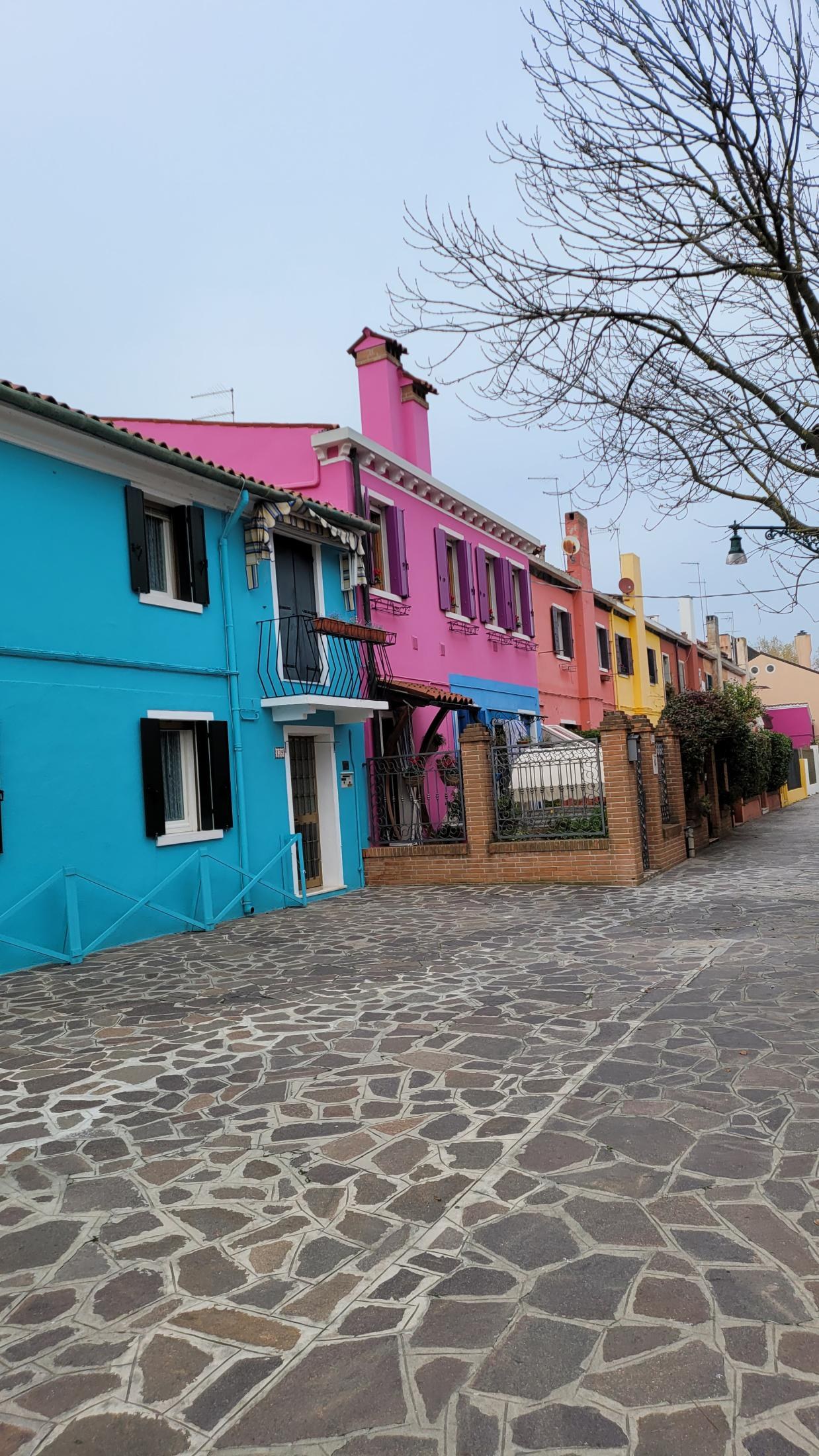
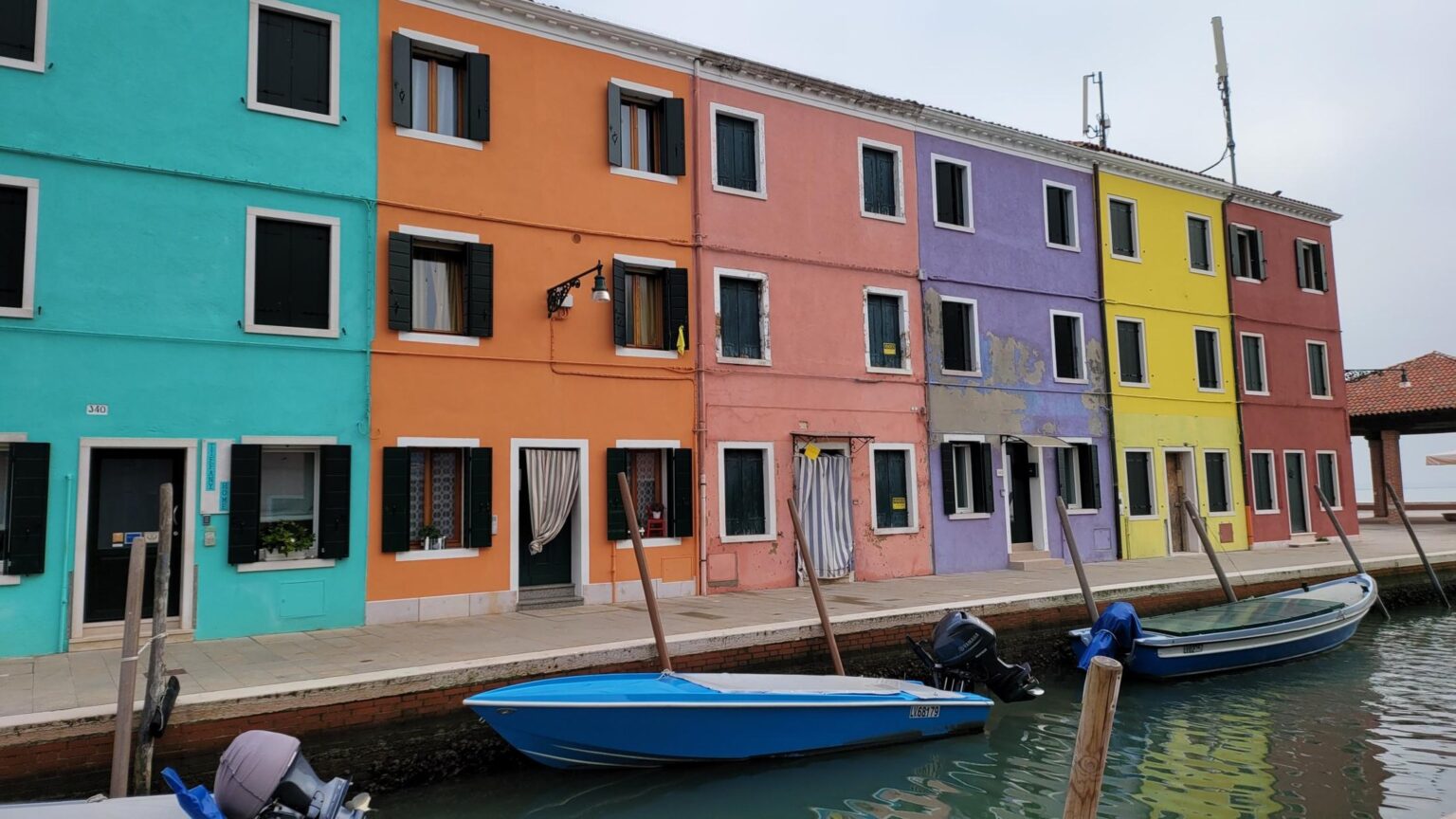
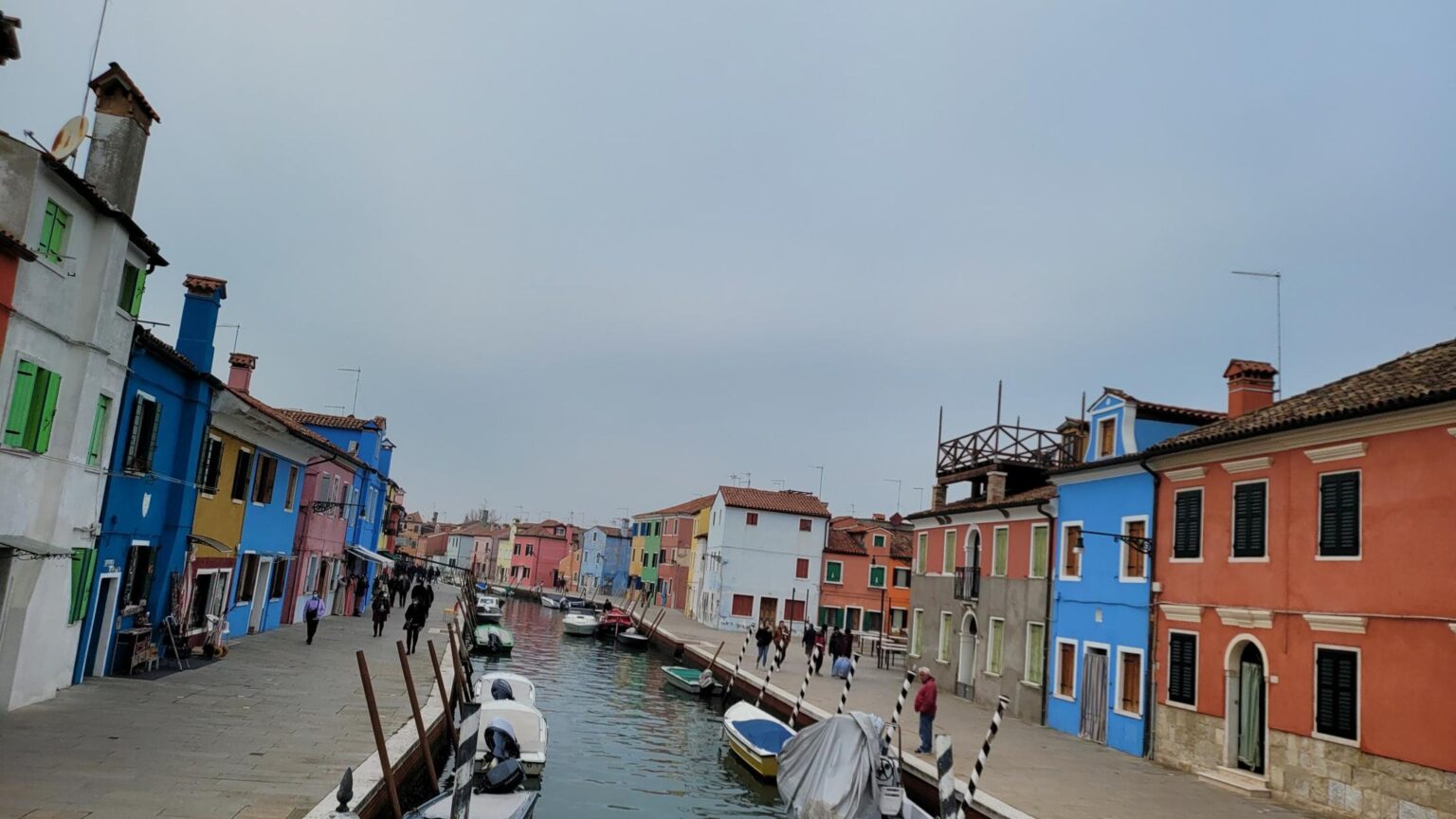
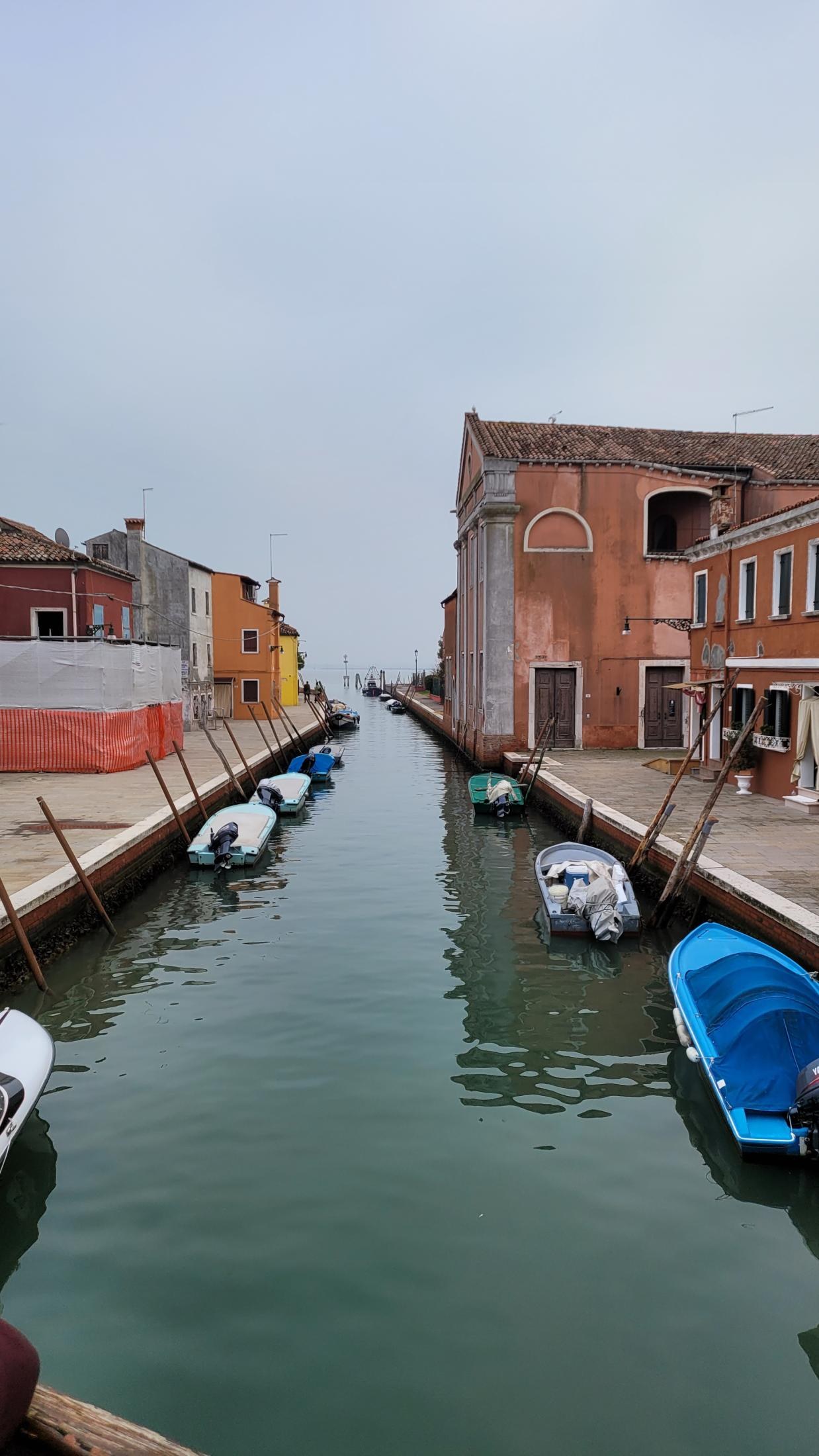
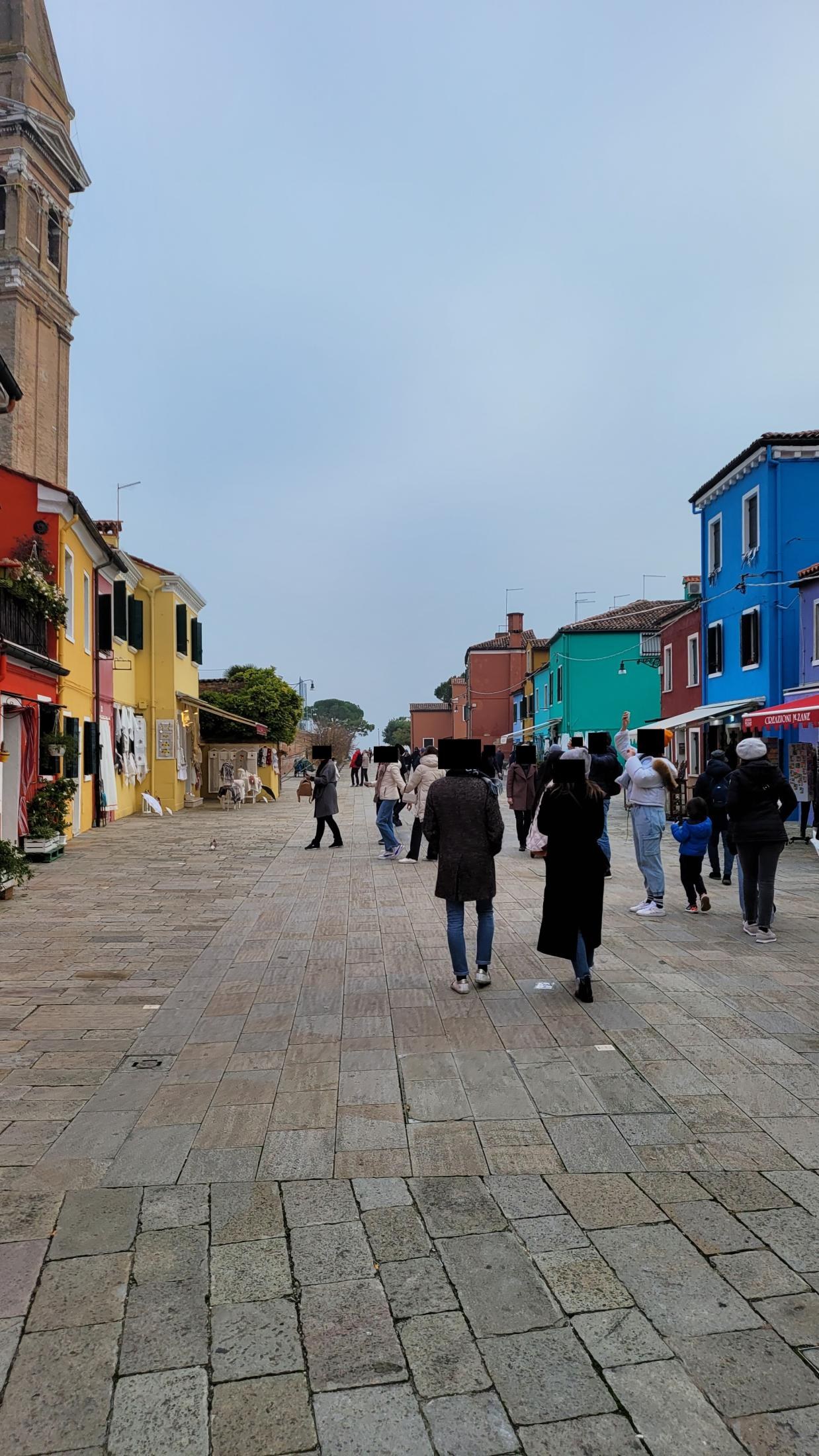
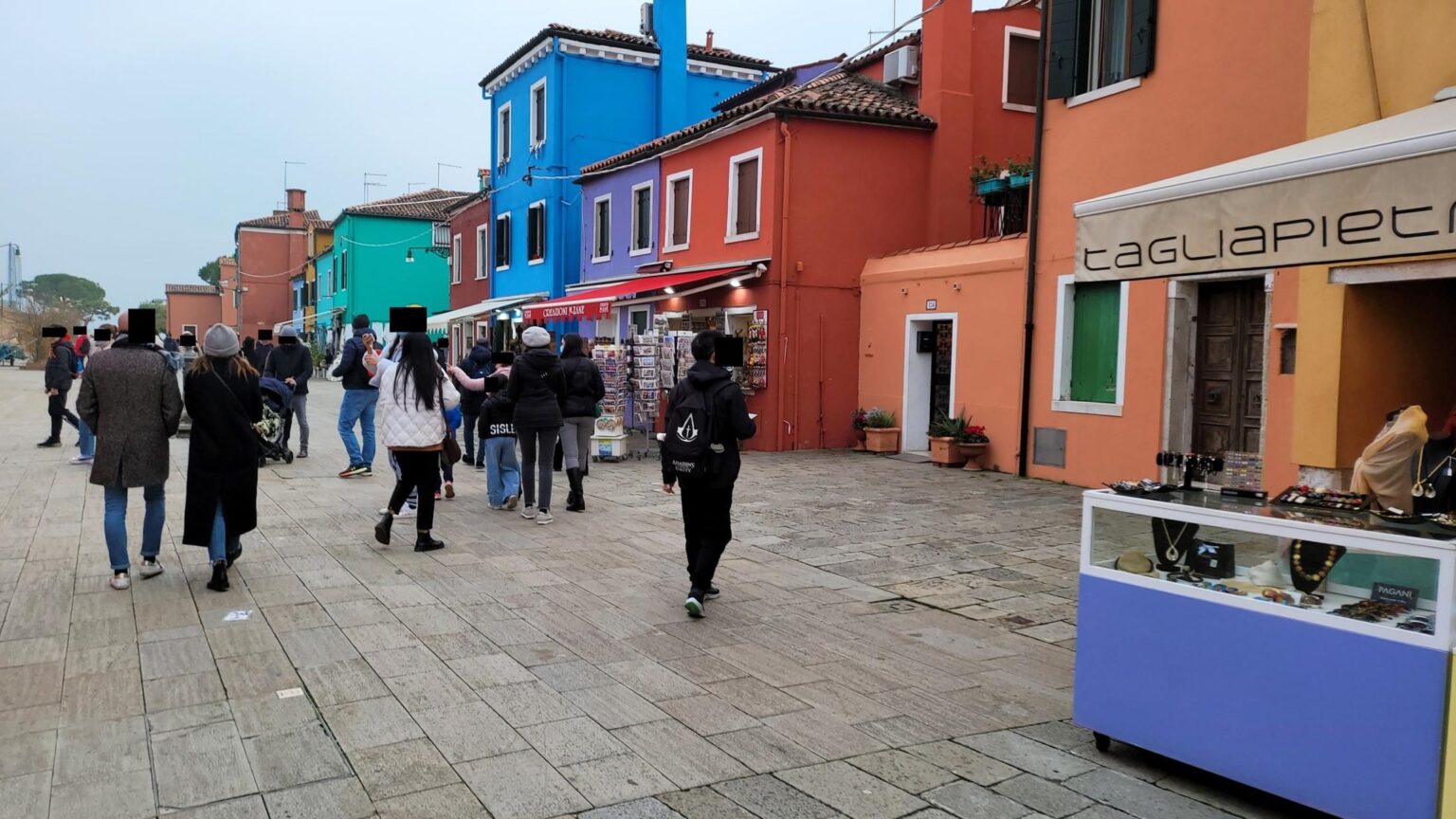
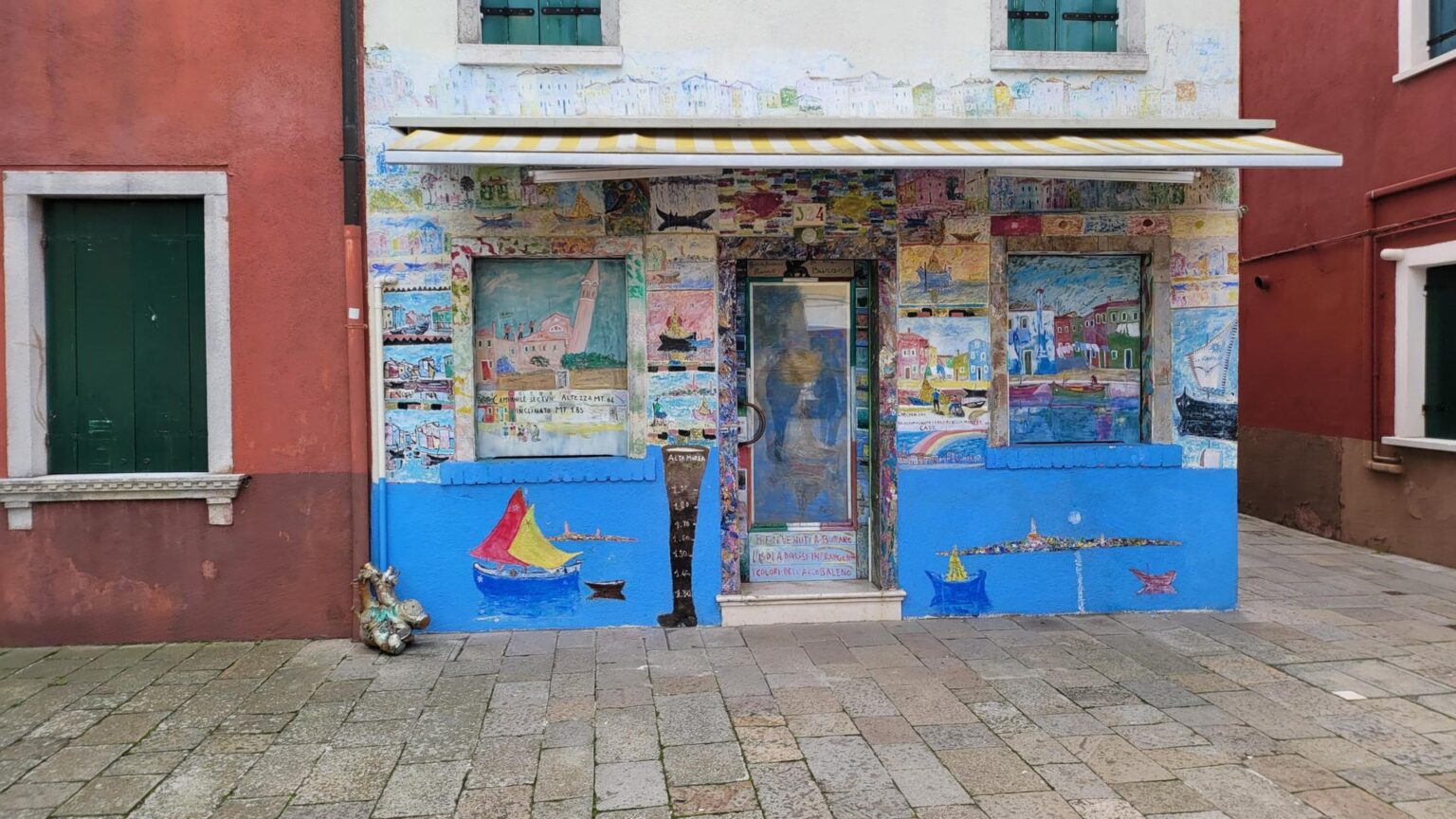
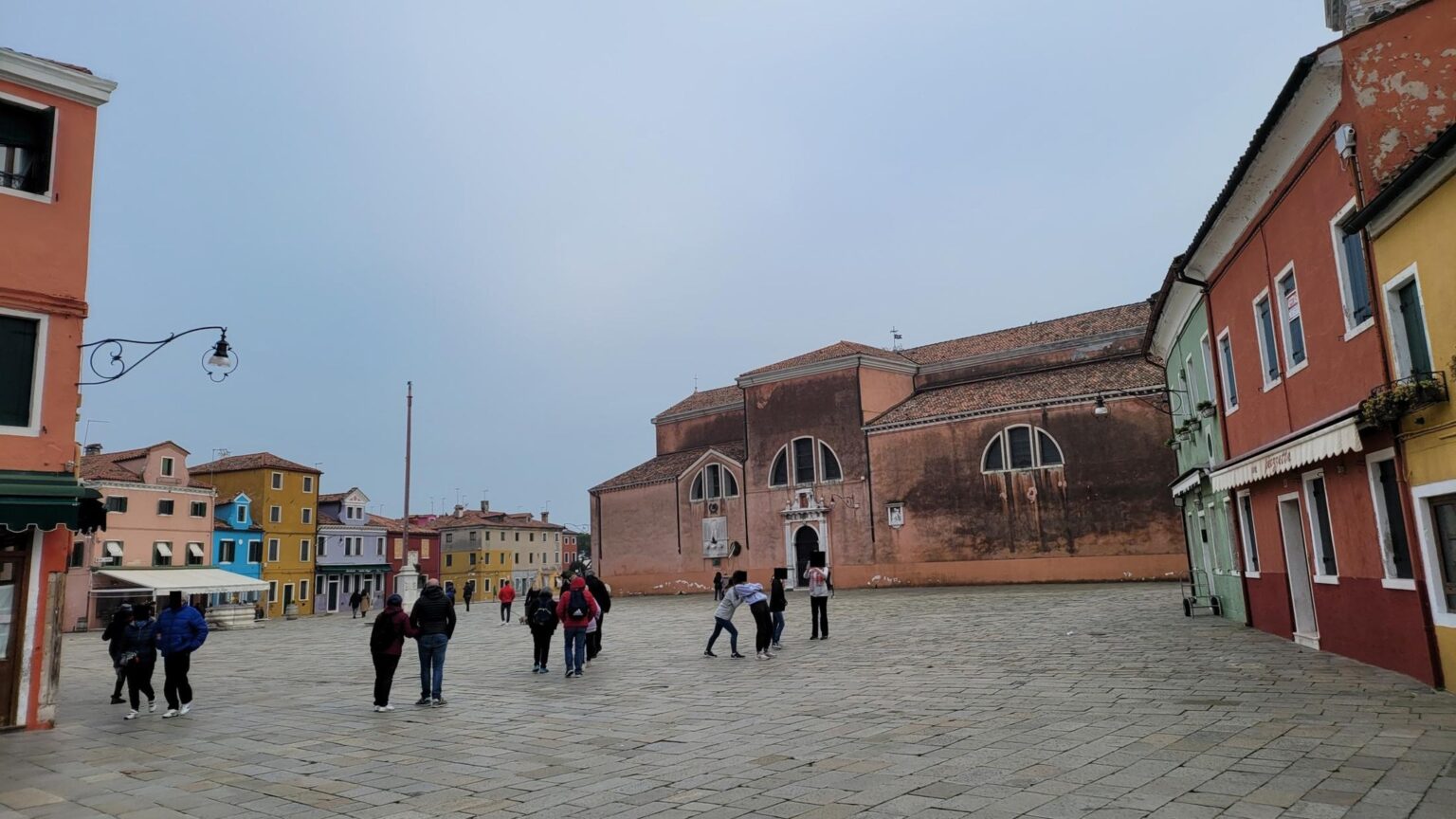
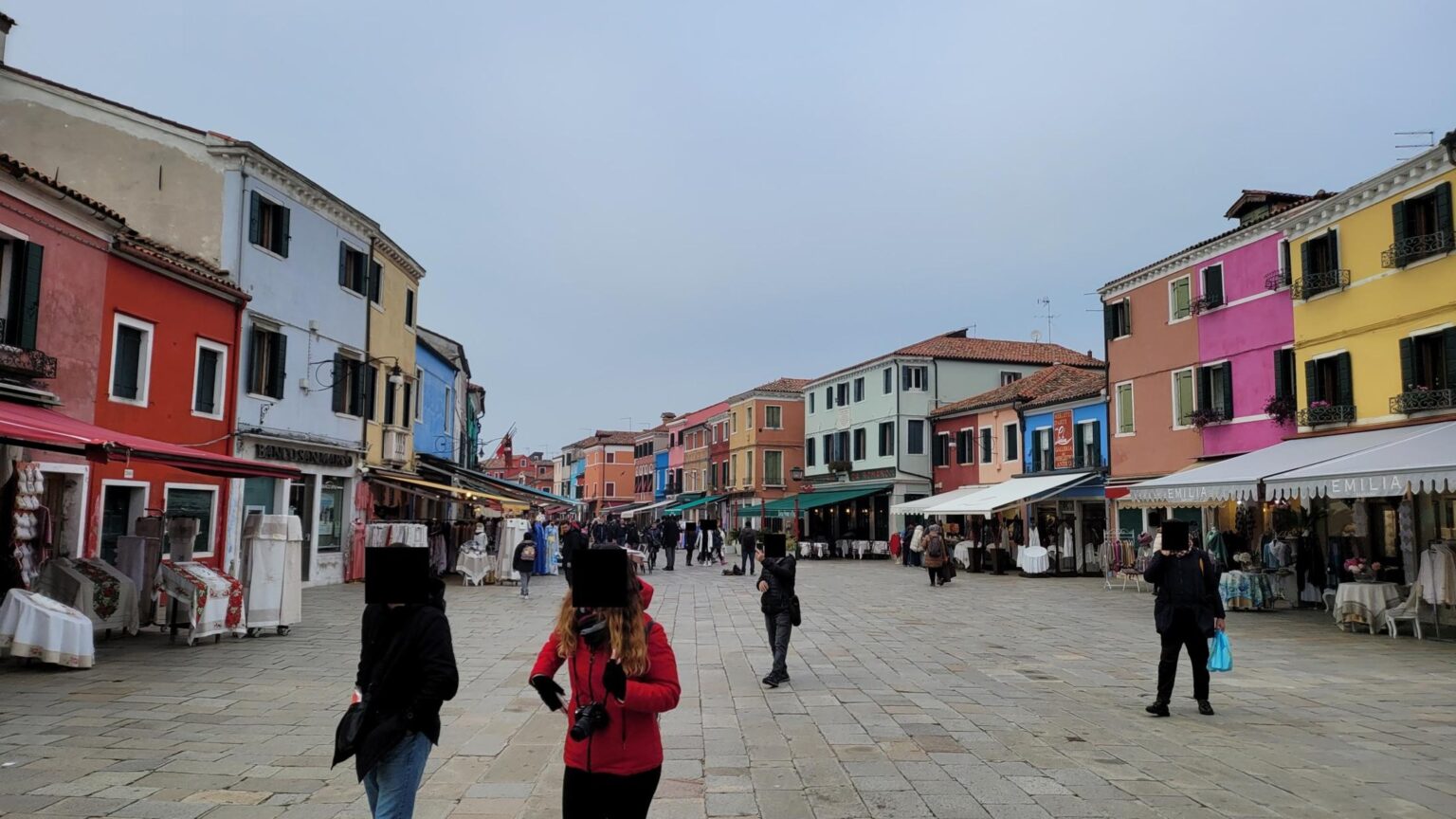
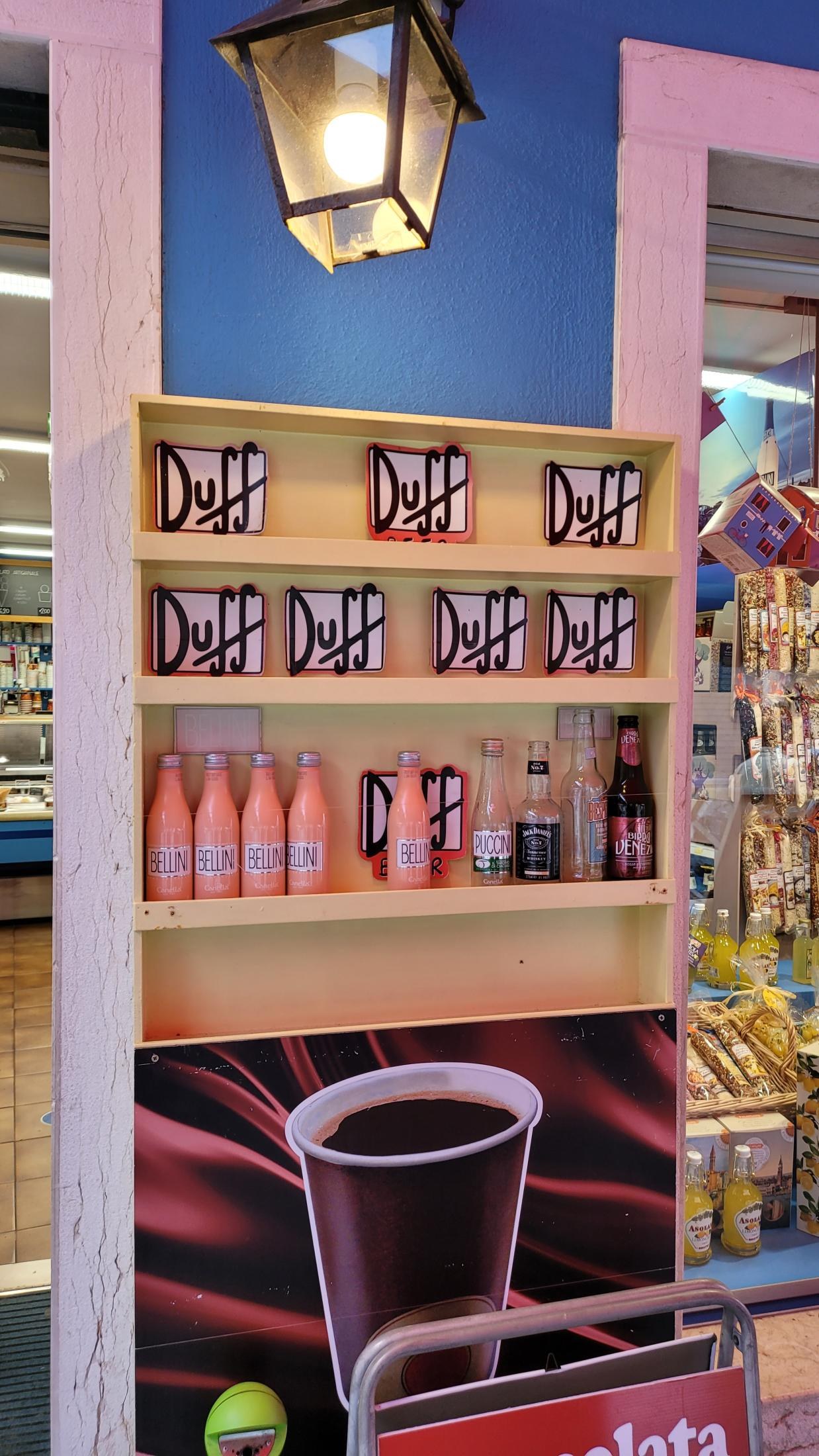
Burano is known for textiles and lace, and for its wildly contrasting painted houses. The price contrast hits you just as fast — everything is roughly double. A slice of pizza that costs €3–4 in Venice becomes closer to €8 here, and for a nasty little slice at that. Small sandwiches start around €10, and a normal lunch starts at €20–25. It is noticeably more expensive and the food is nothing special; we would not recommend eating there. Plan ahead and bring something.
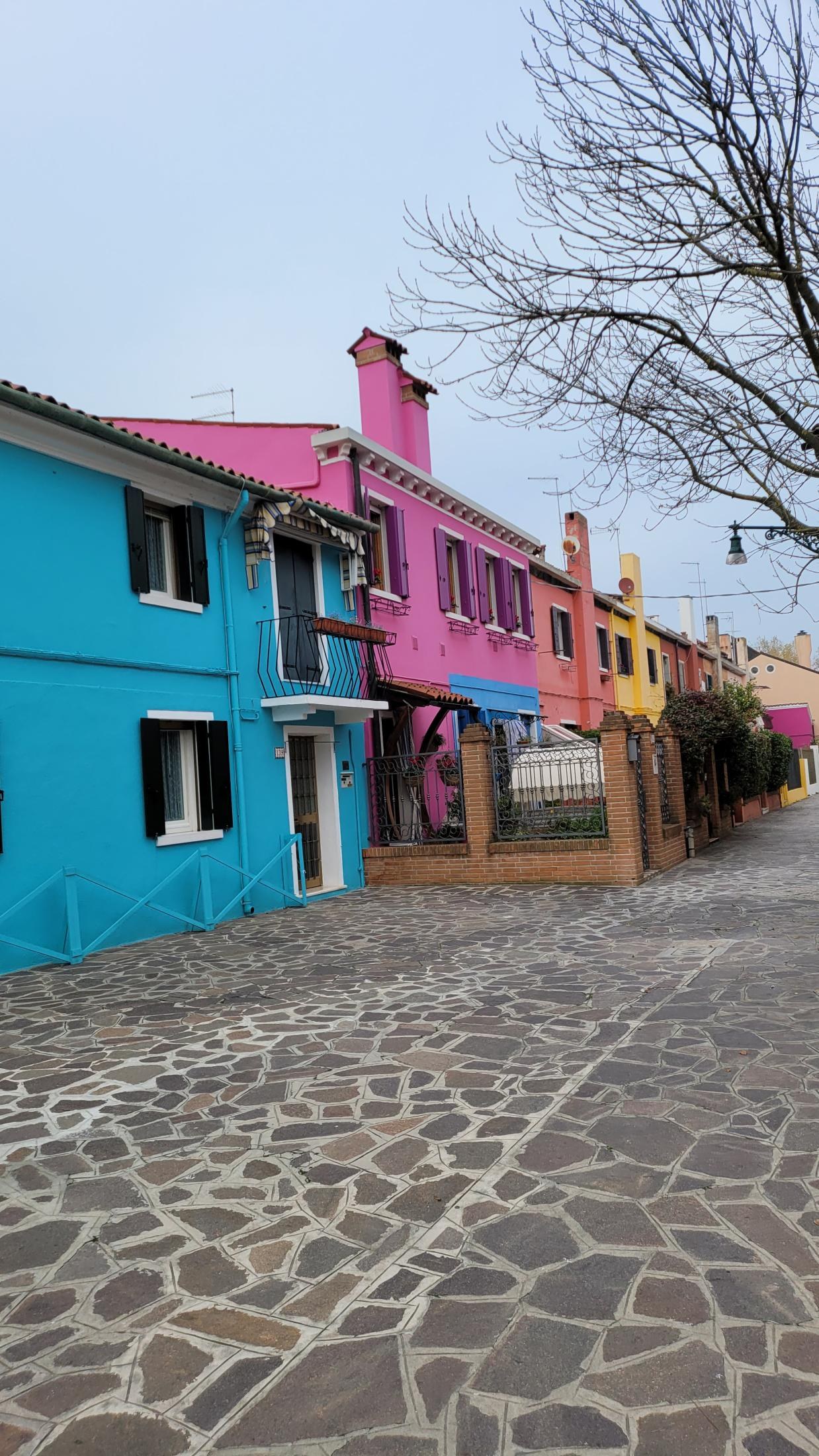
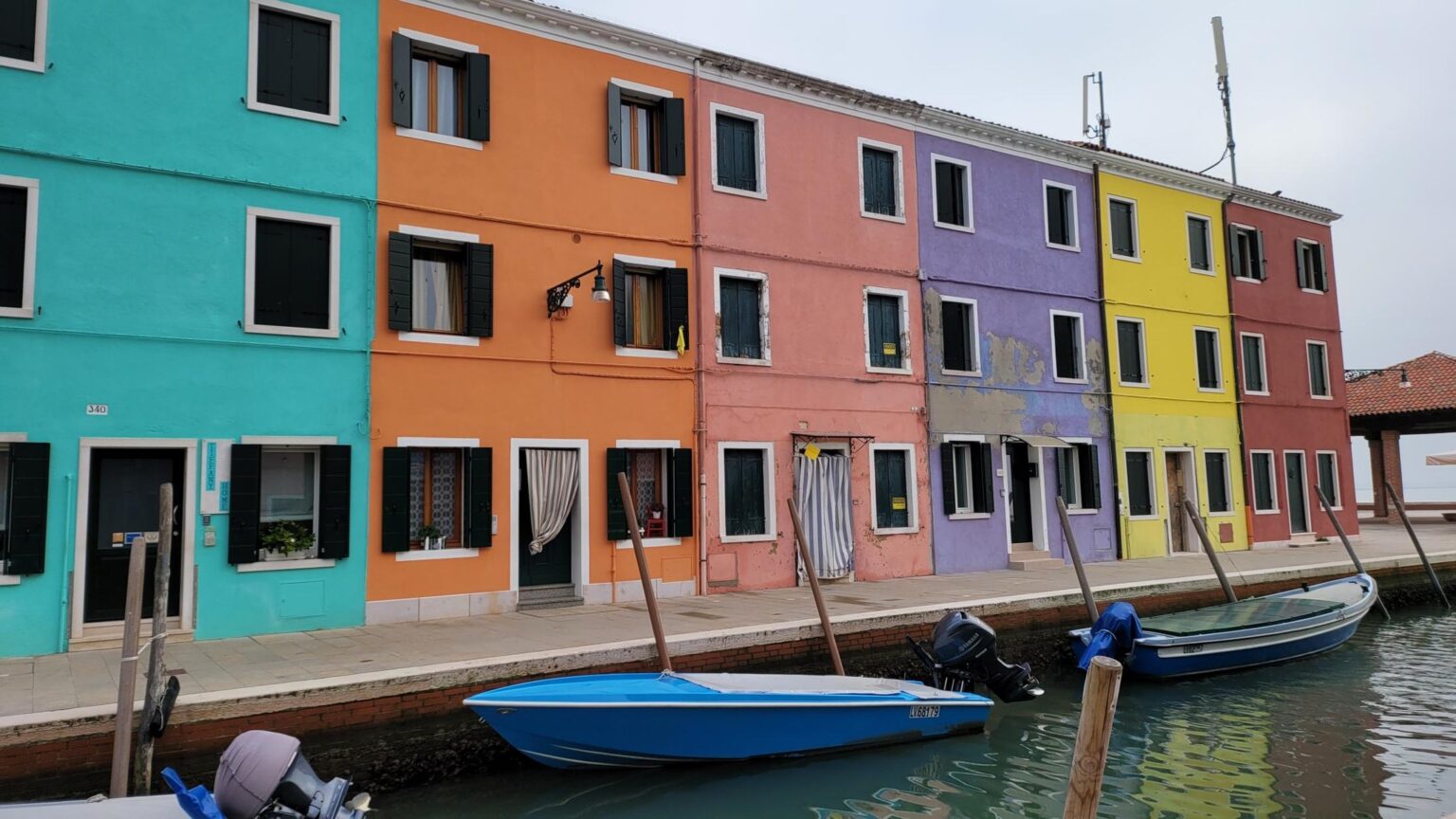
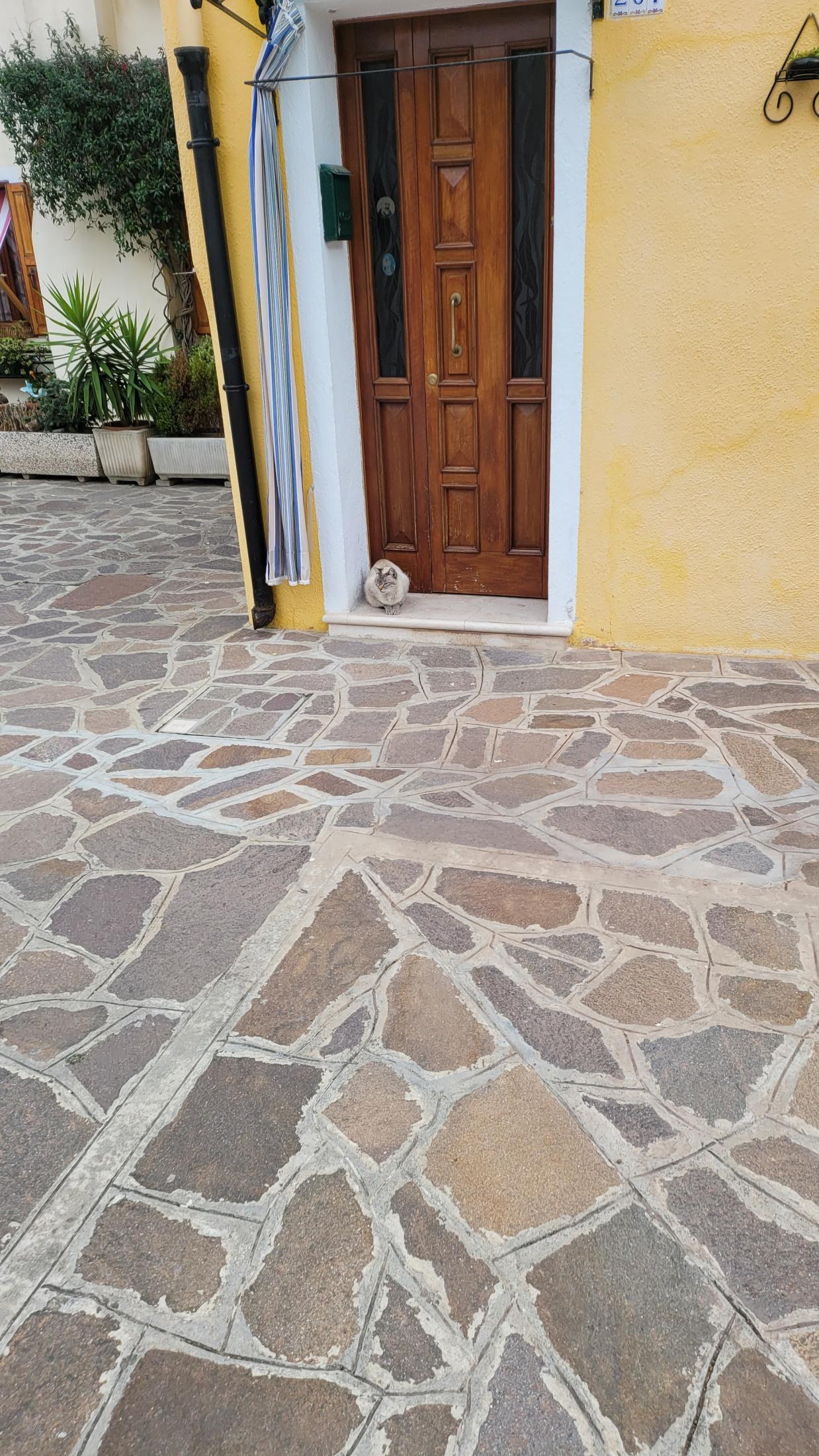
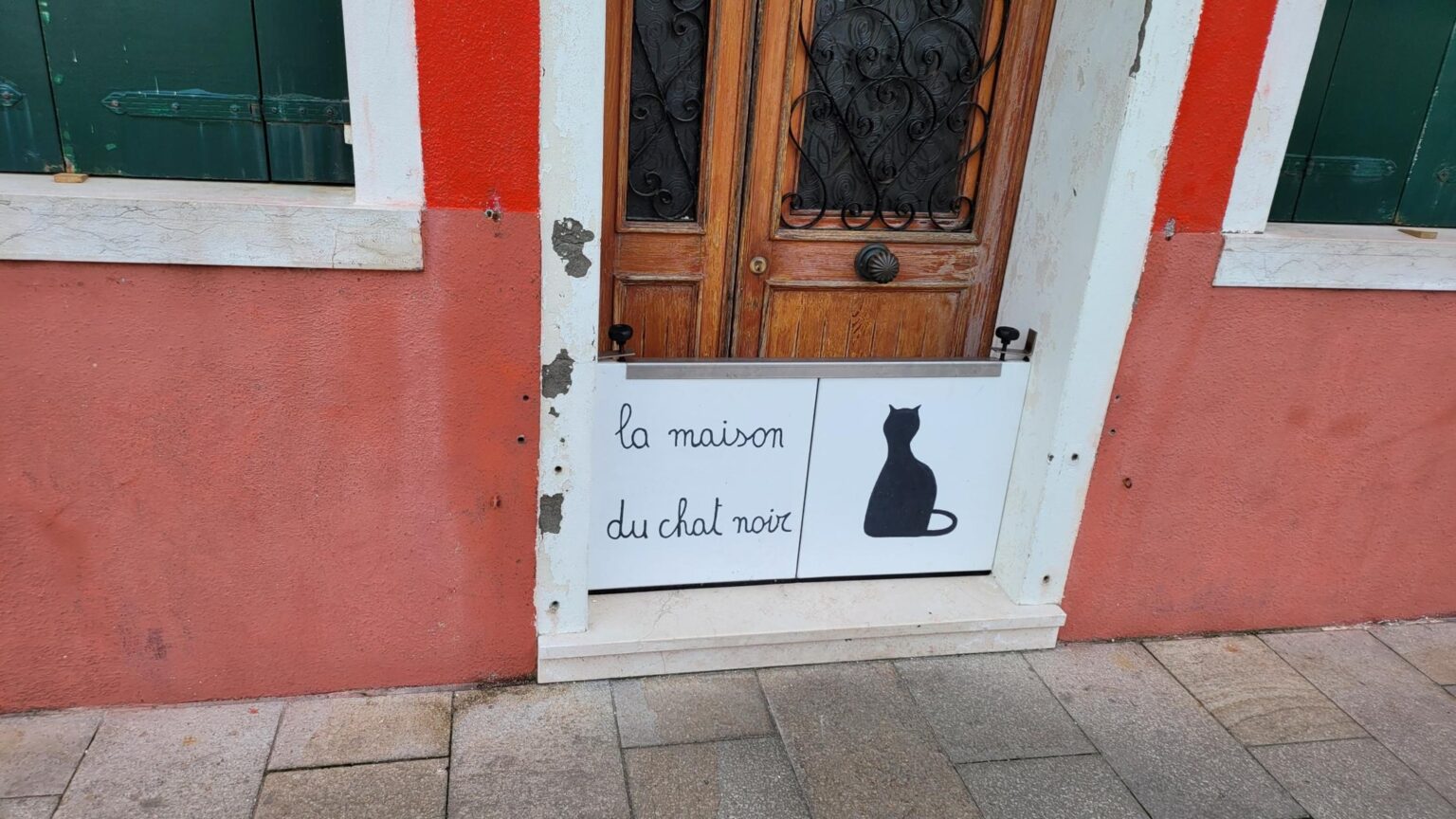
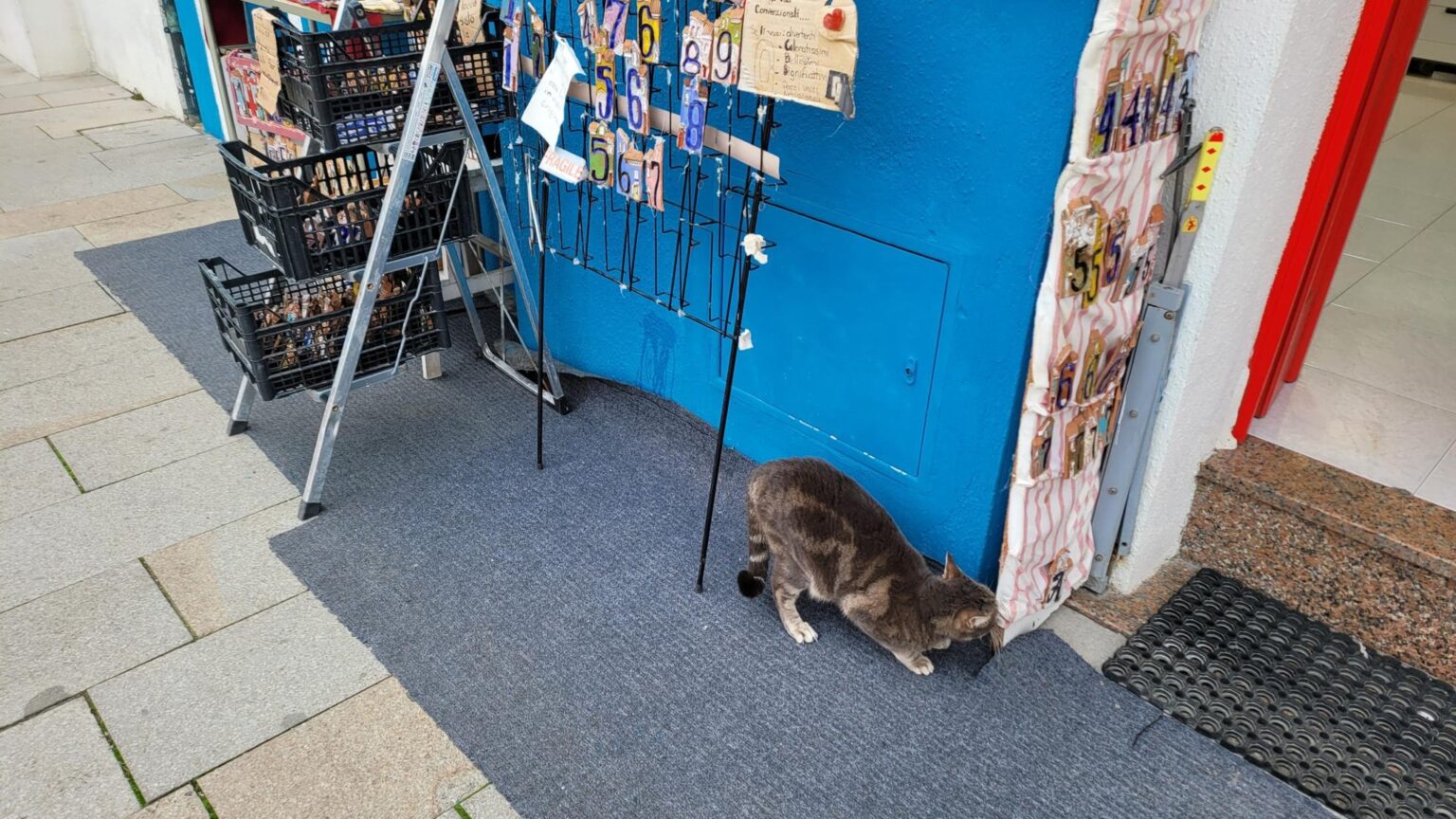
What you get in return is that the little houses you have seen in hundreds of photos online are… well, the photos cannot do them justice. They really are extremely sweet and easy on the eye. It is impressive. Even so, the island is smaller than Murano and one hour is absolutely enough to cover nearly all of it.
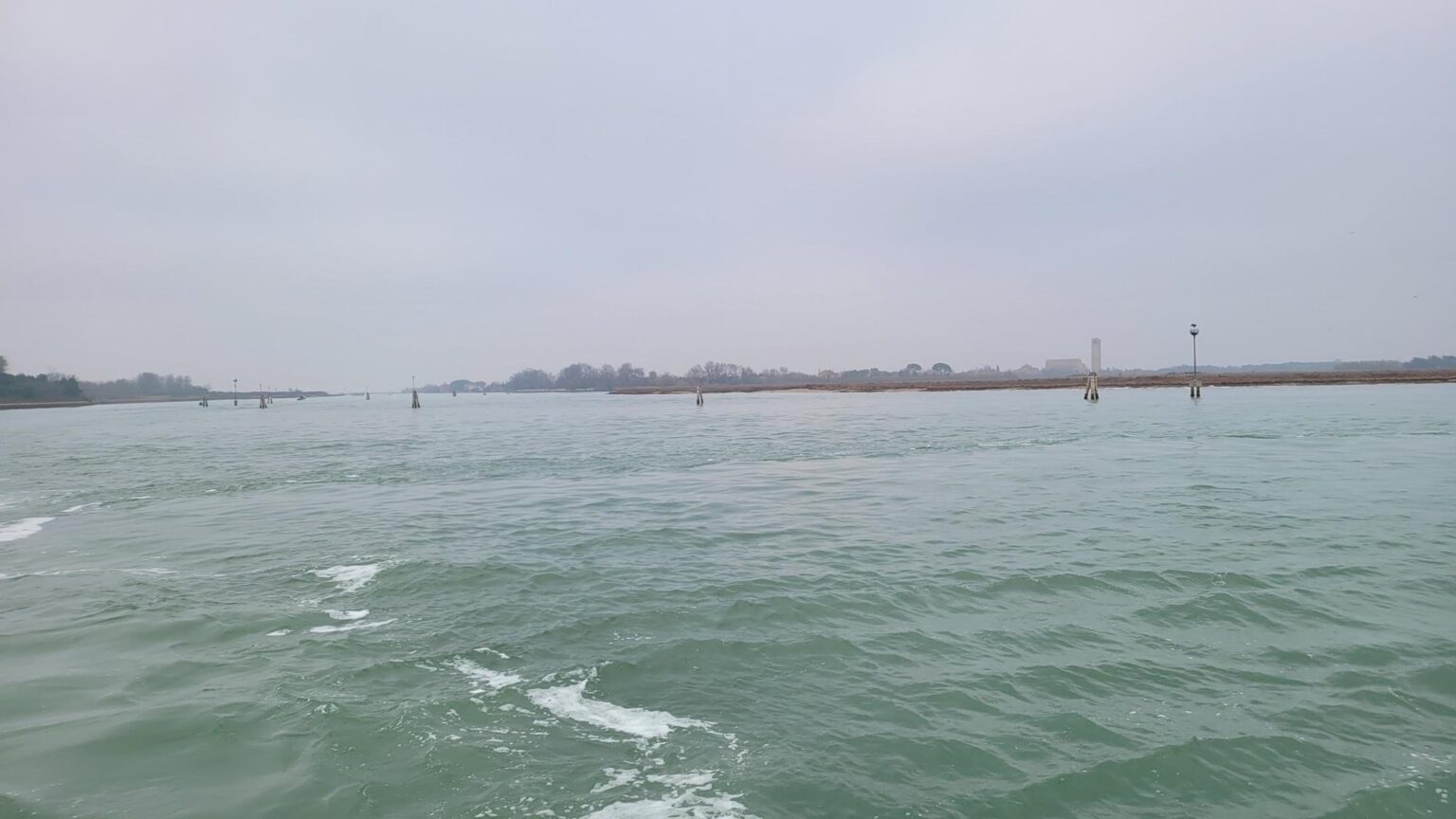
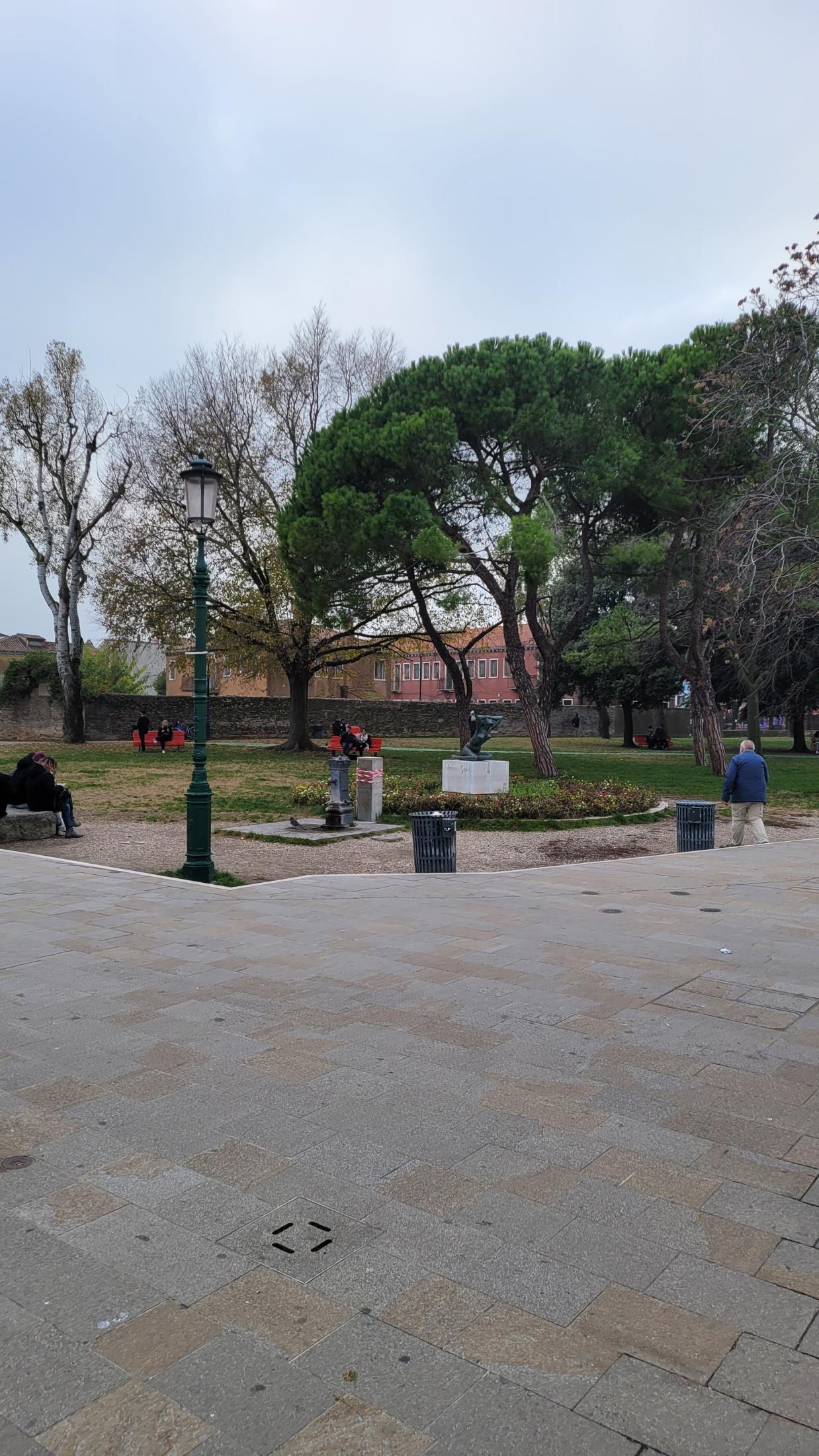
Torcello
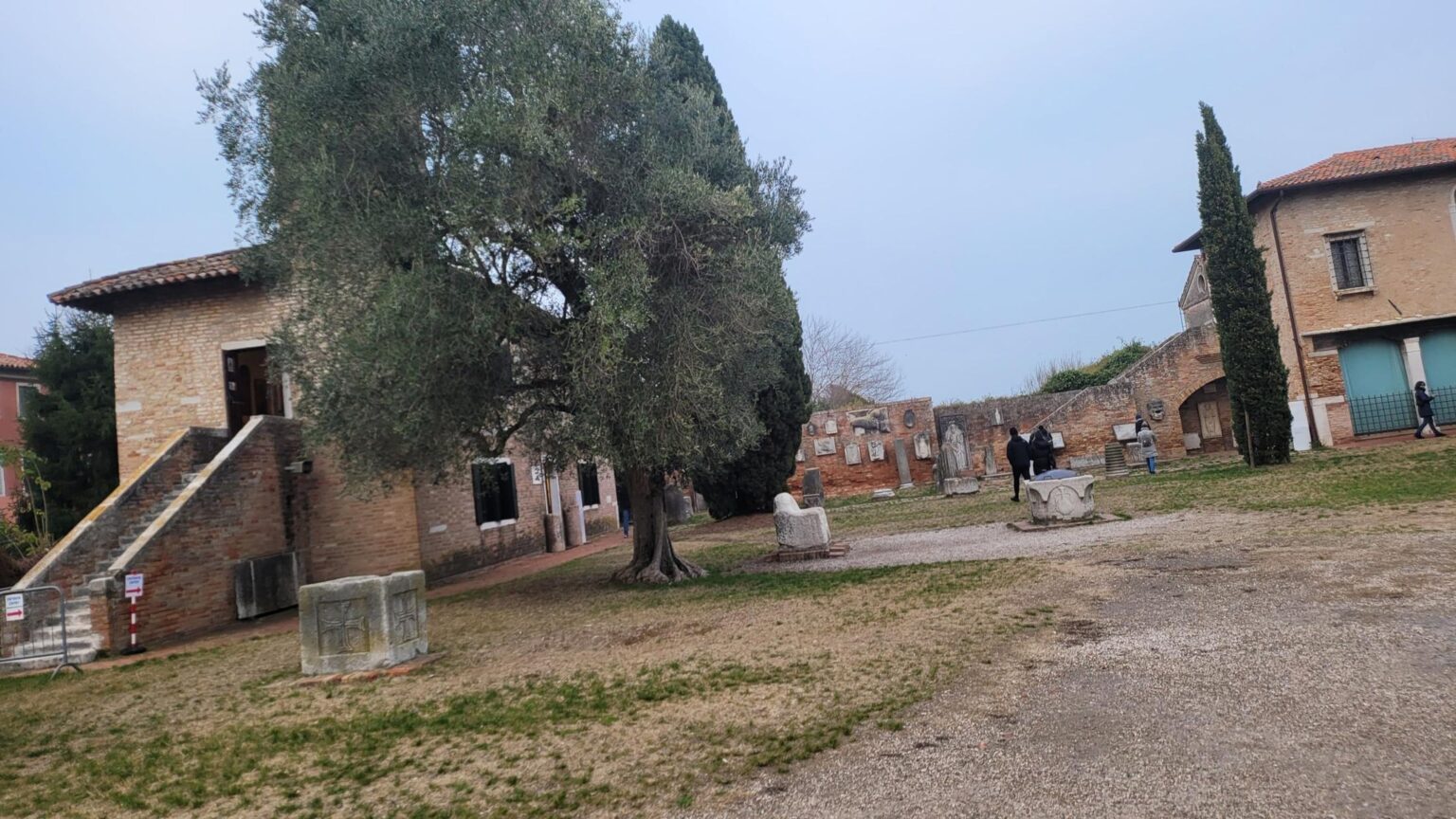
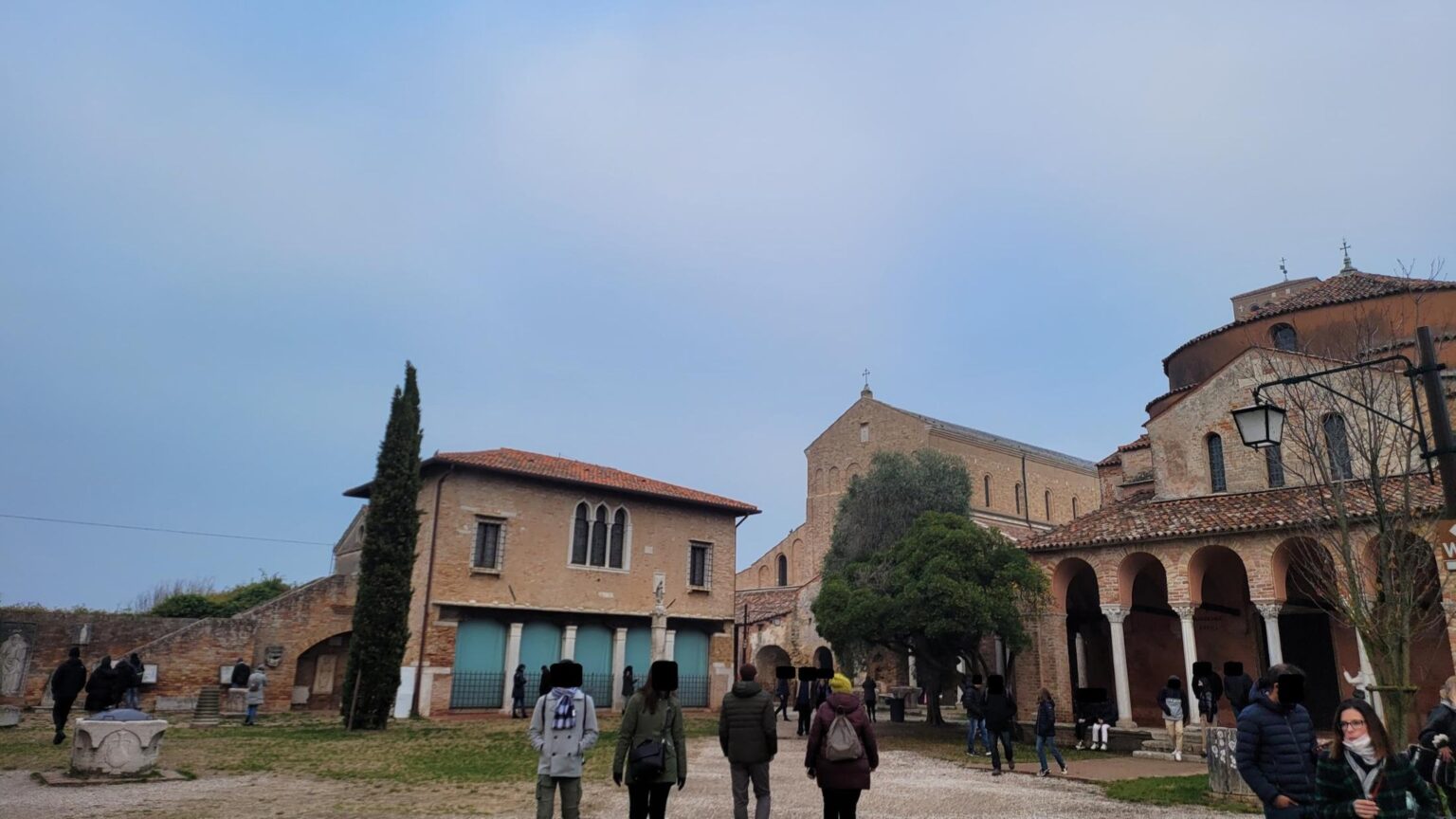
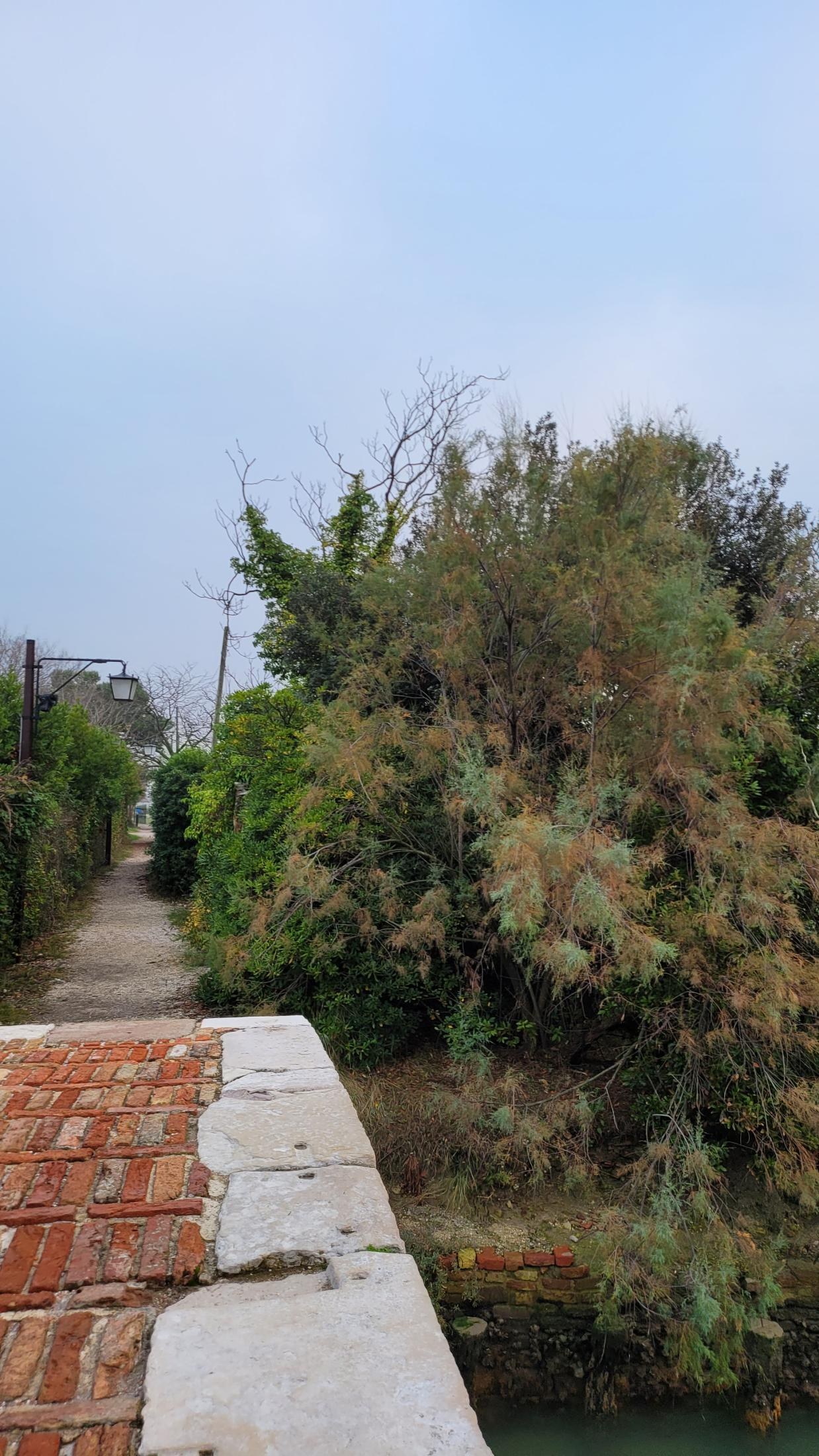
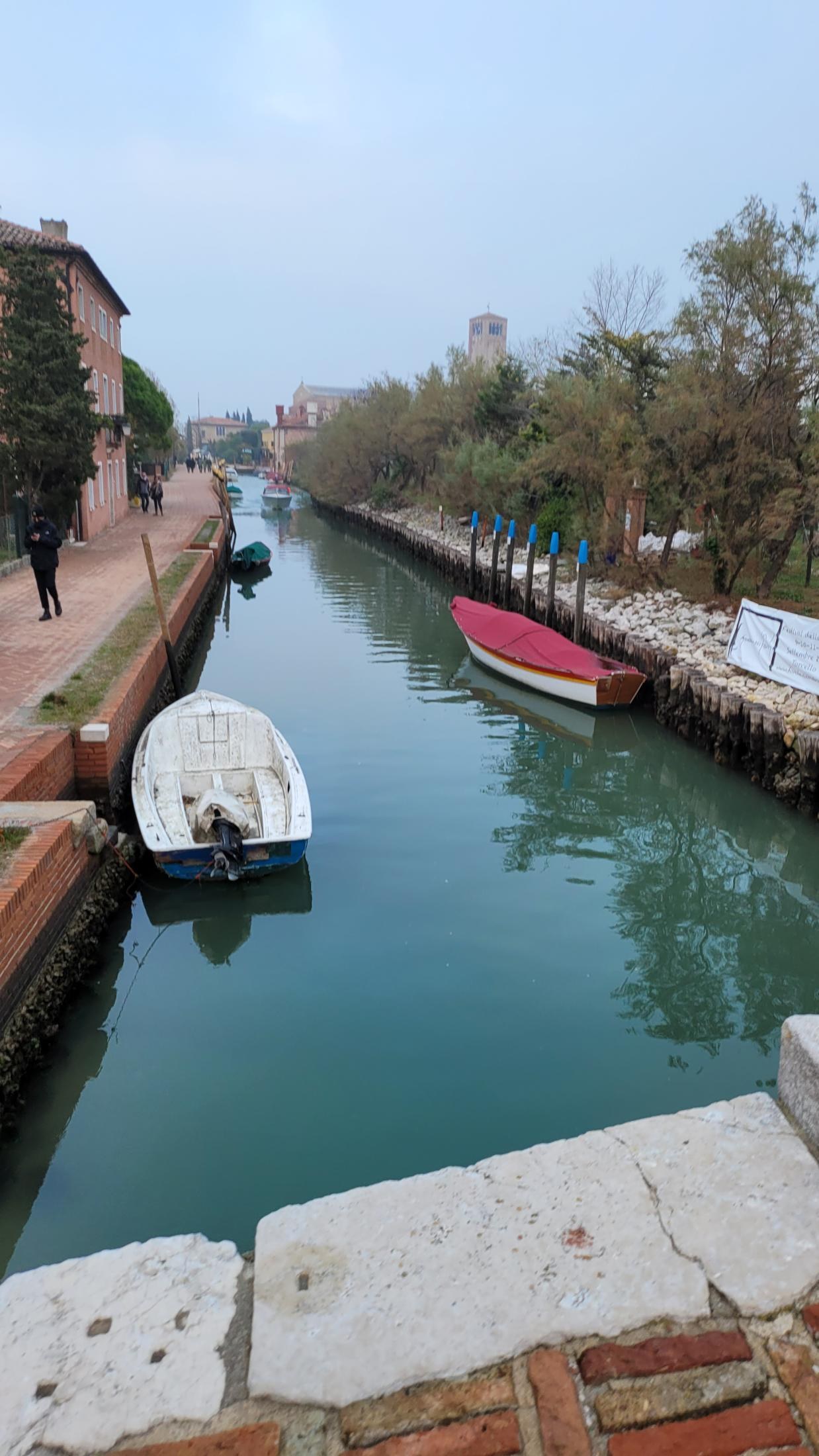
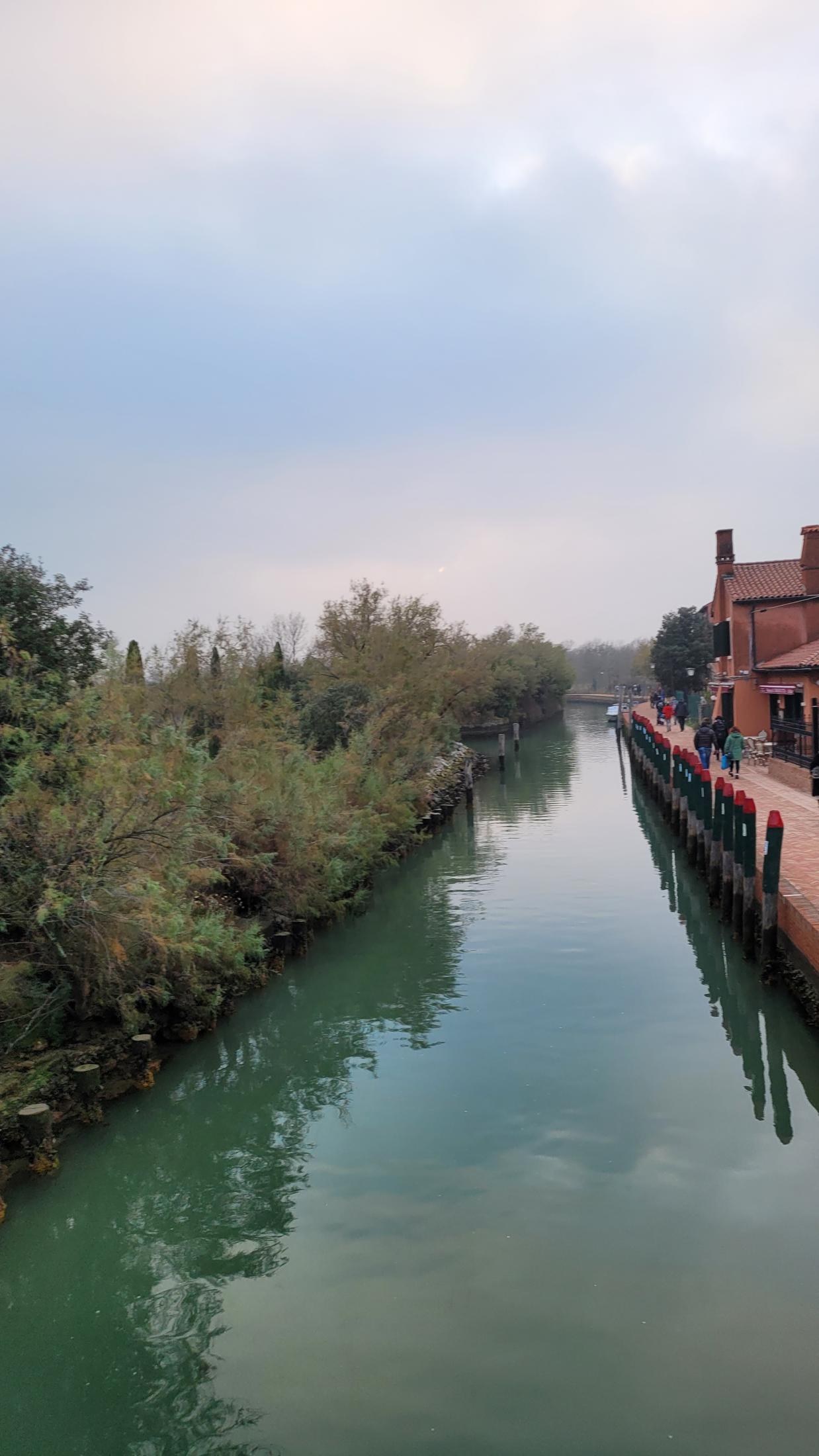
Torcello is nowhere near as famous, and we found it entirely by accident while reading the water-bus stops. It is about ten minutes from Burano C. The fun fact about it is that the permanent population is four people.
Right after the boat stop there is something between a tavern and a canteen. Prices are a notch above Venice, but definitely better than Murano and Burano. If you are stuck, €10–15 gets you a normal lunch here. At the end of the path there is a square and an open courtyard with a church you can walk around. There is also a museum, which is one of the three covered by that €20 Island Museums ticket.
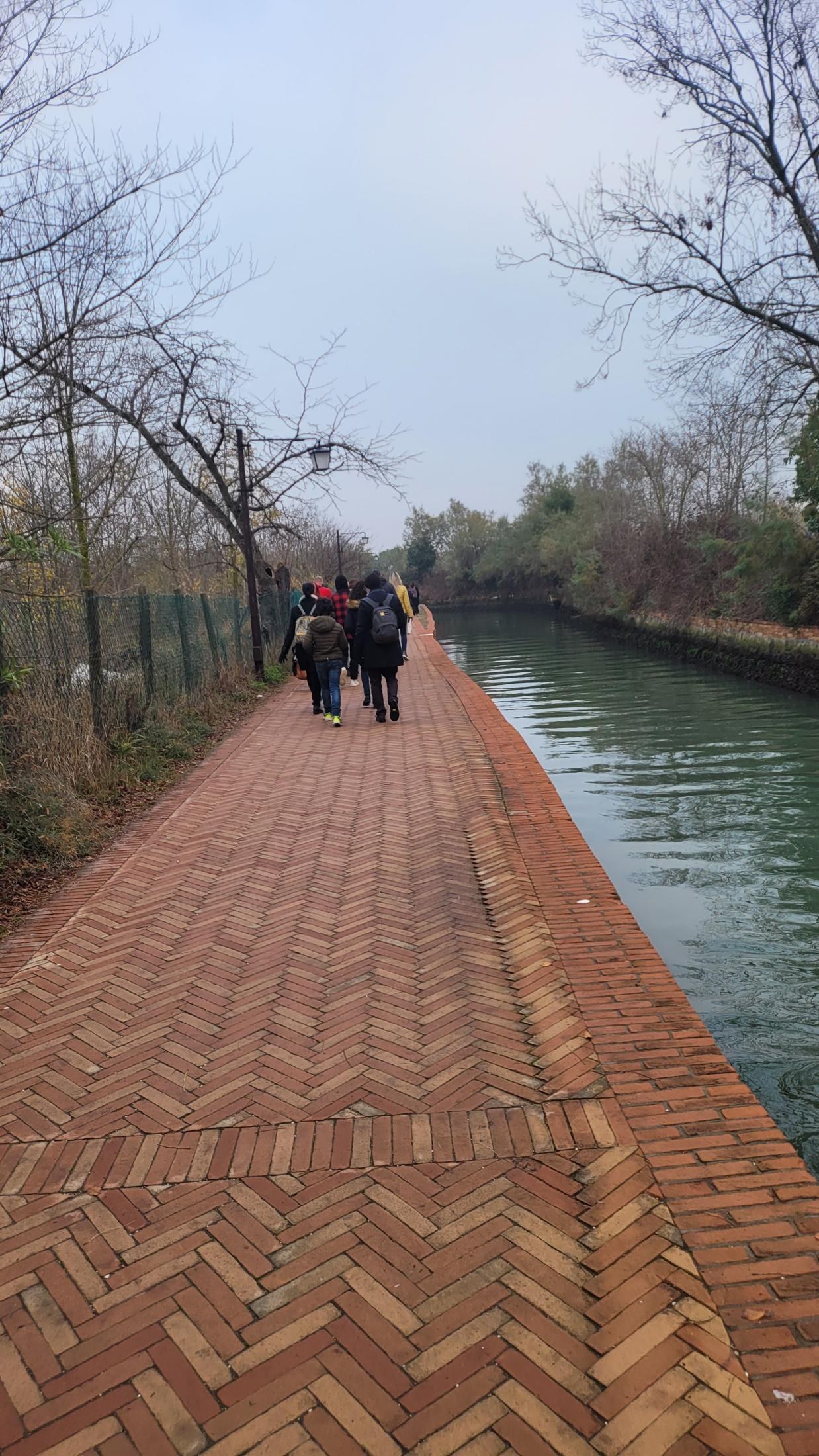
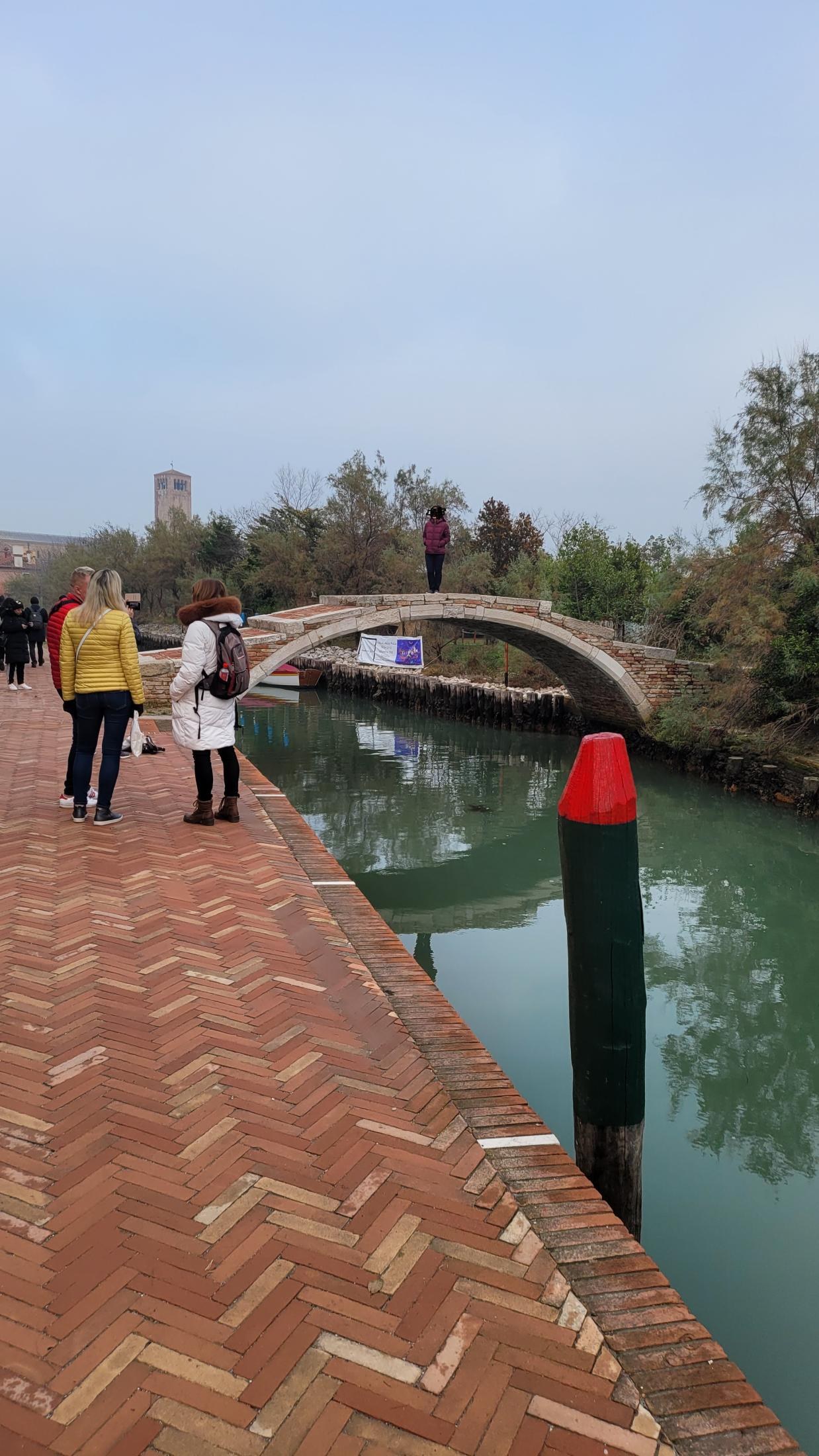
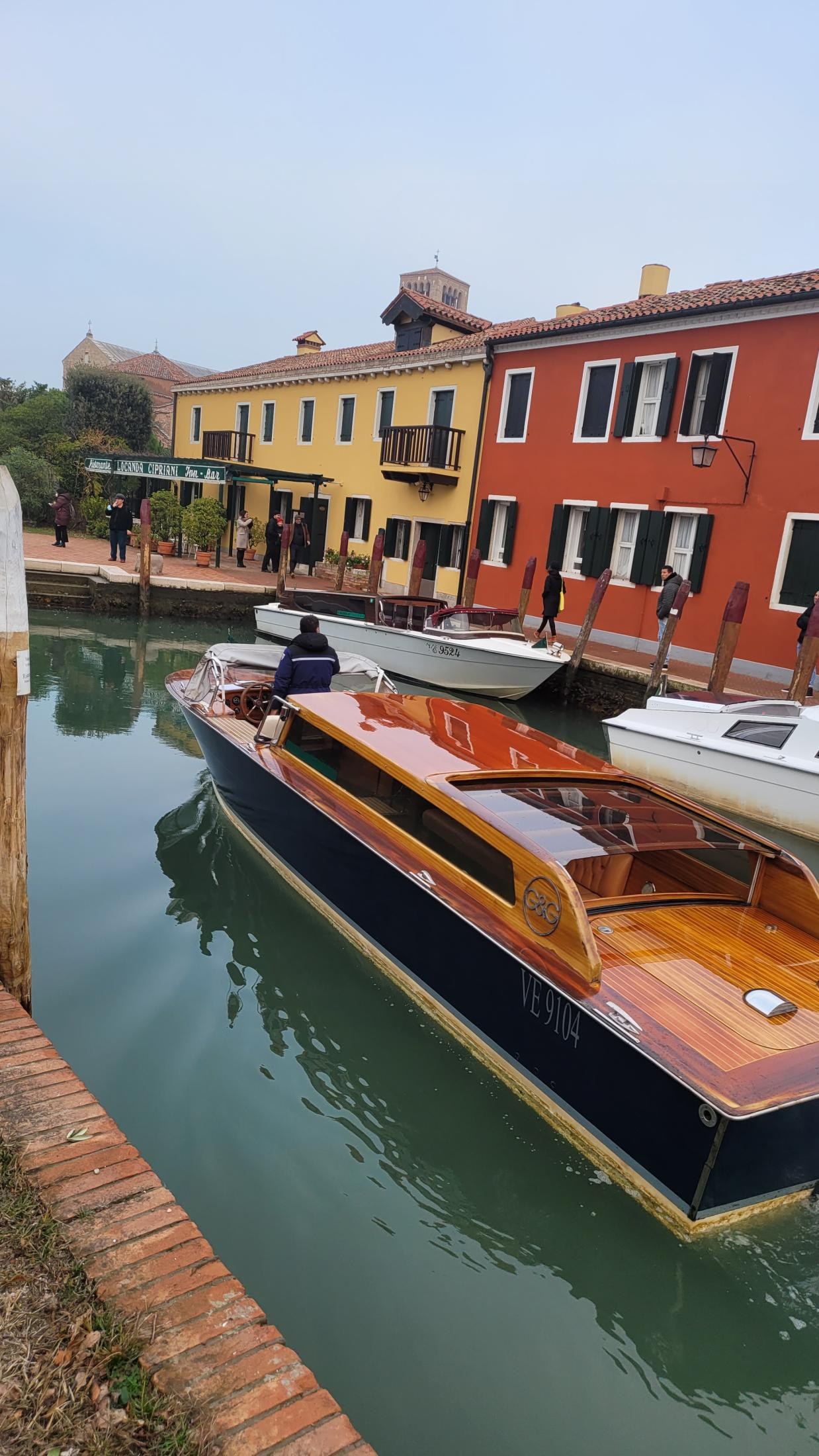
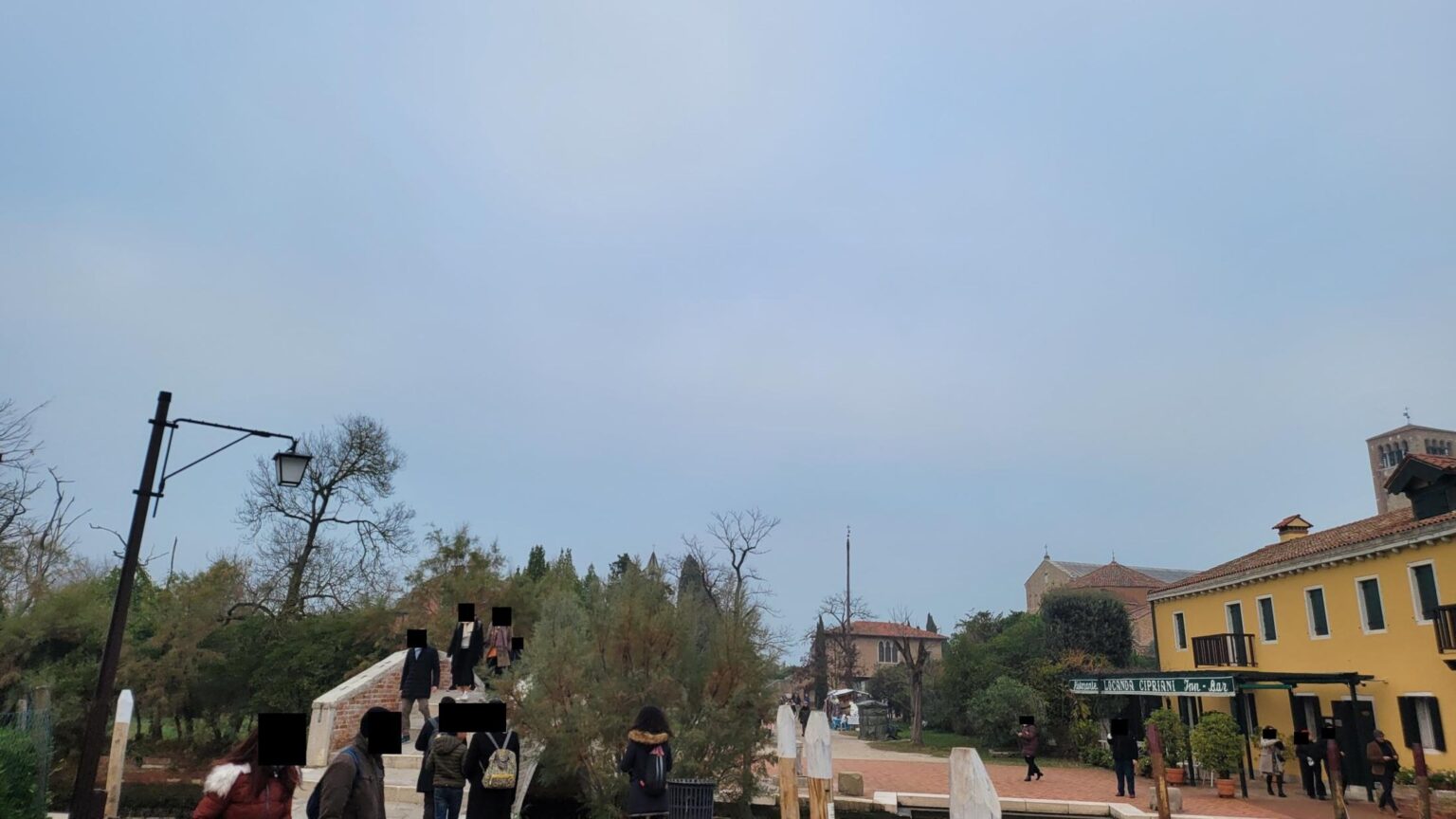
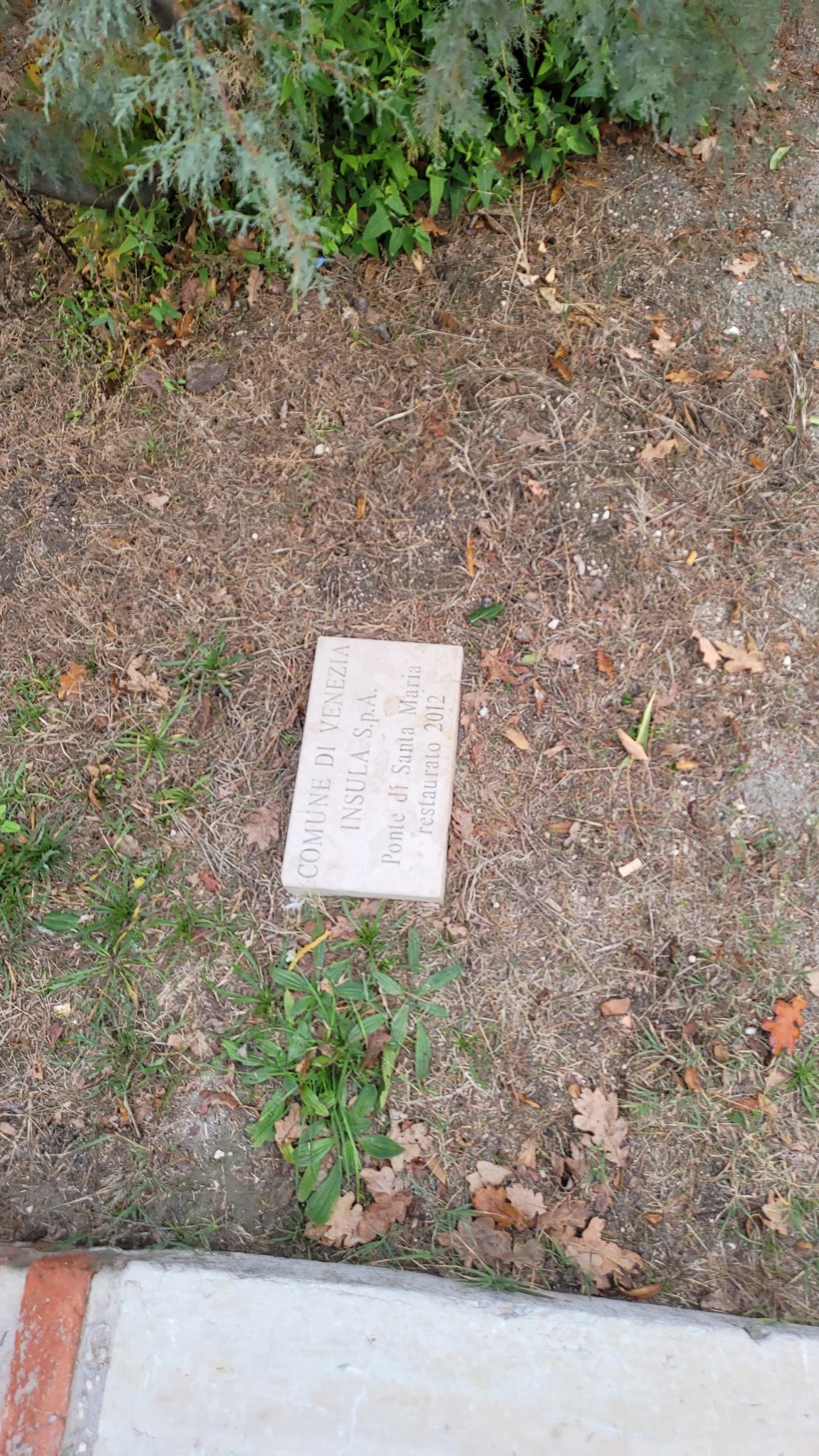
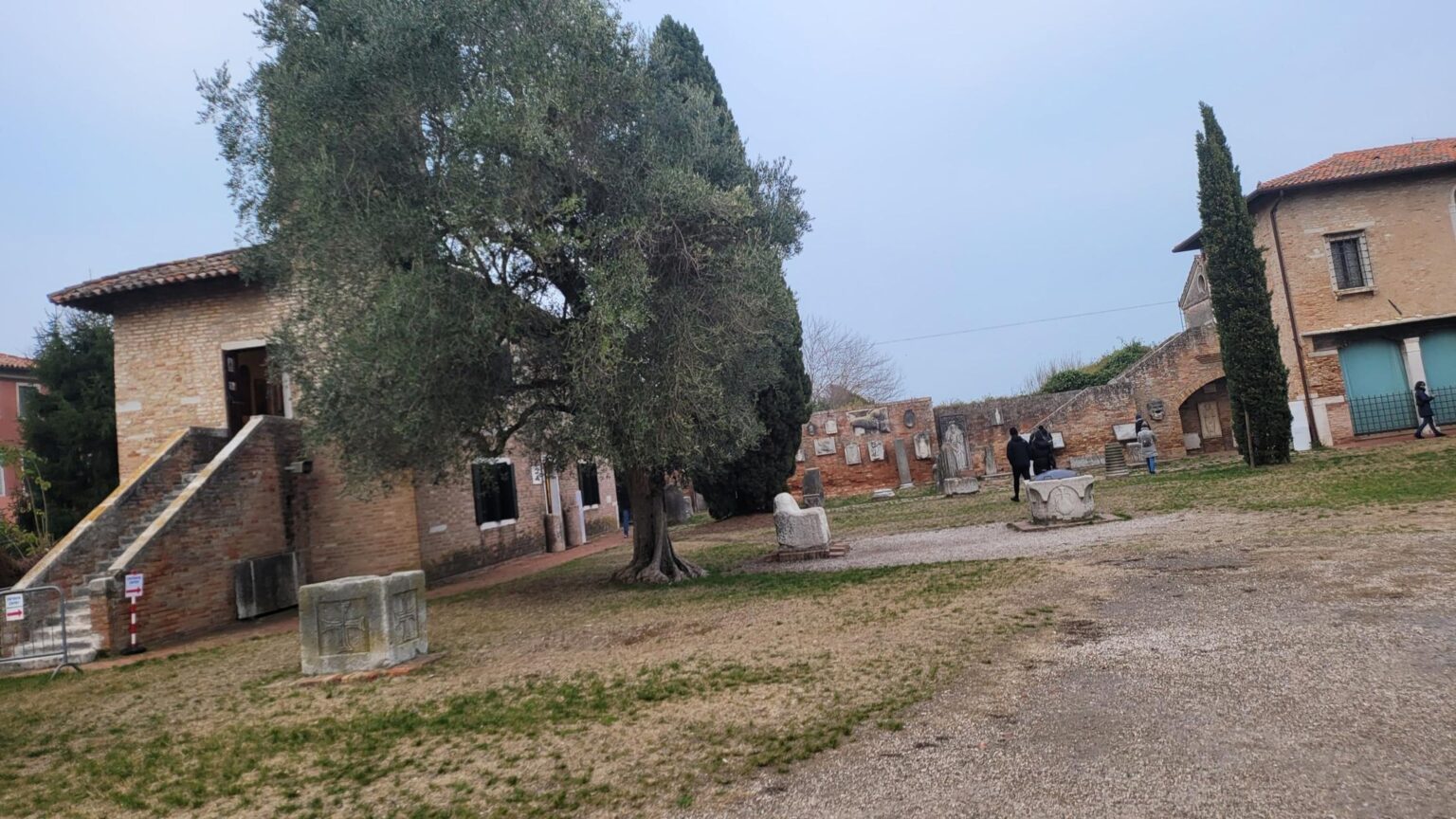
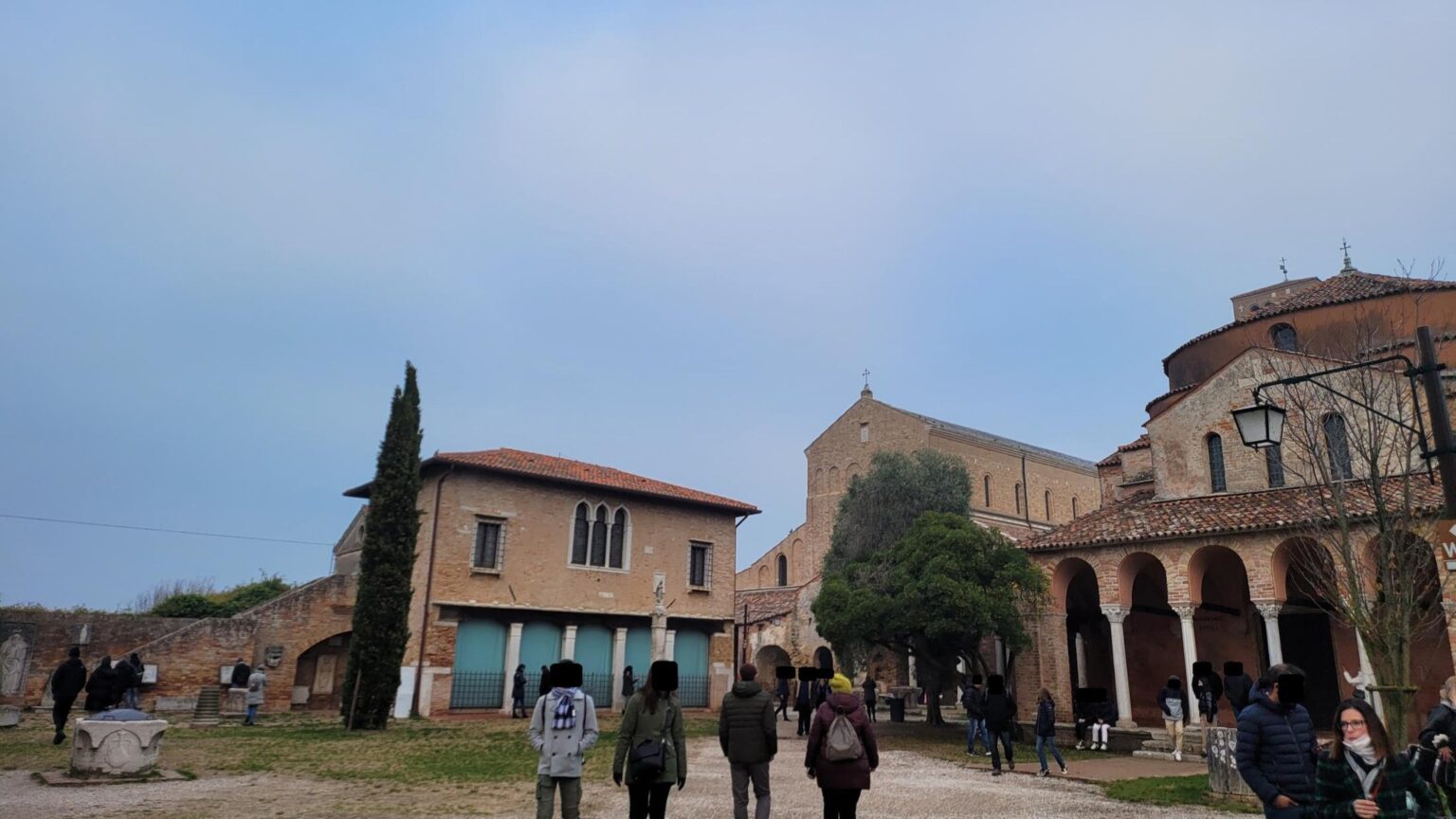
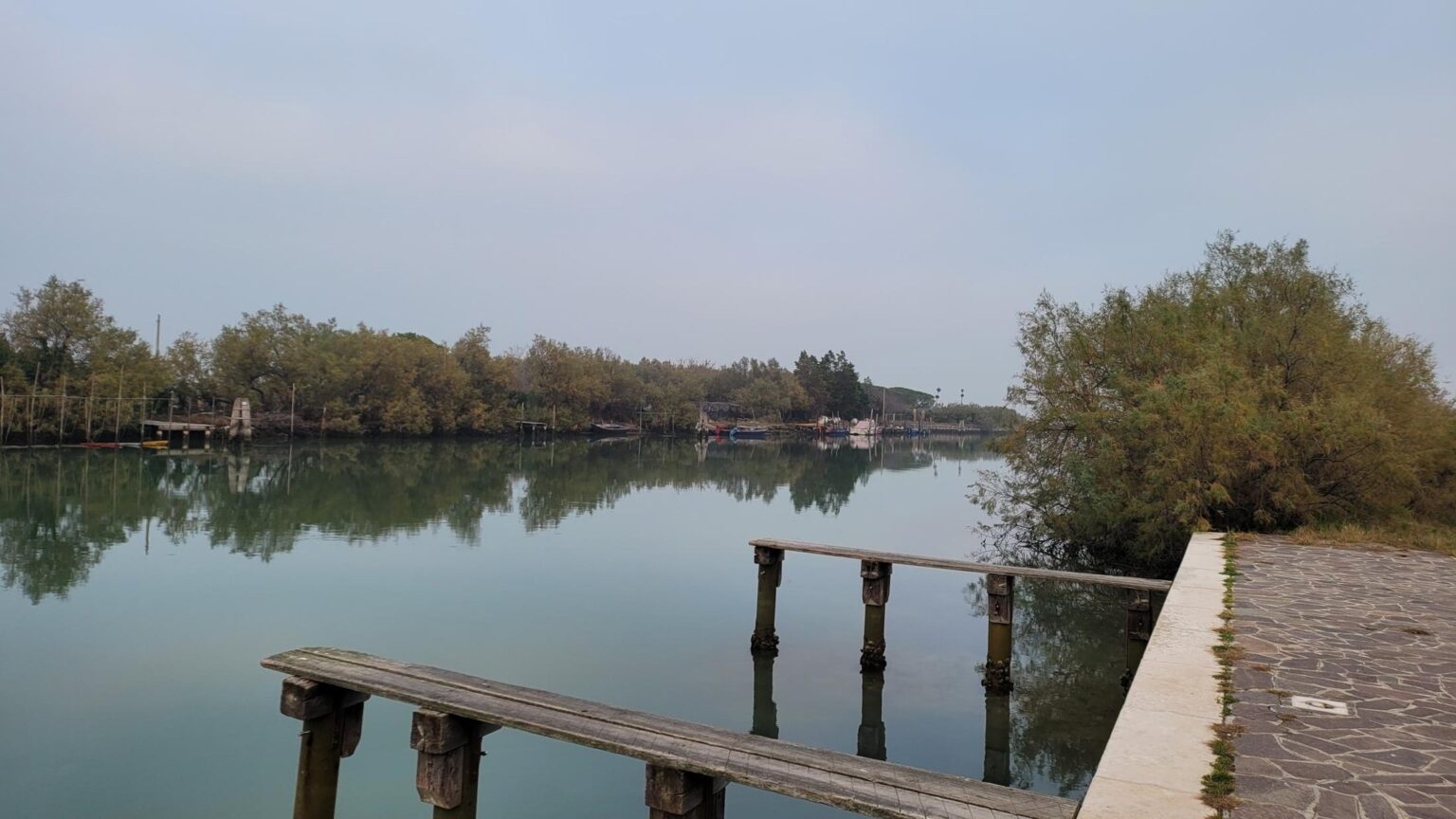
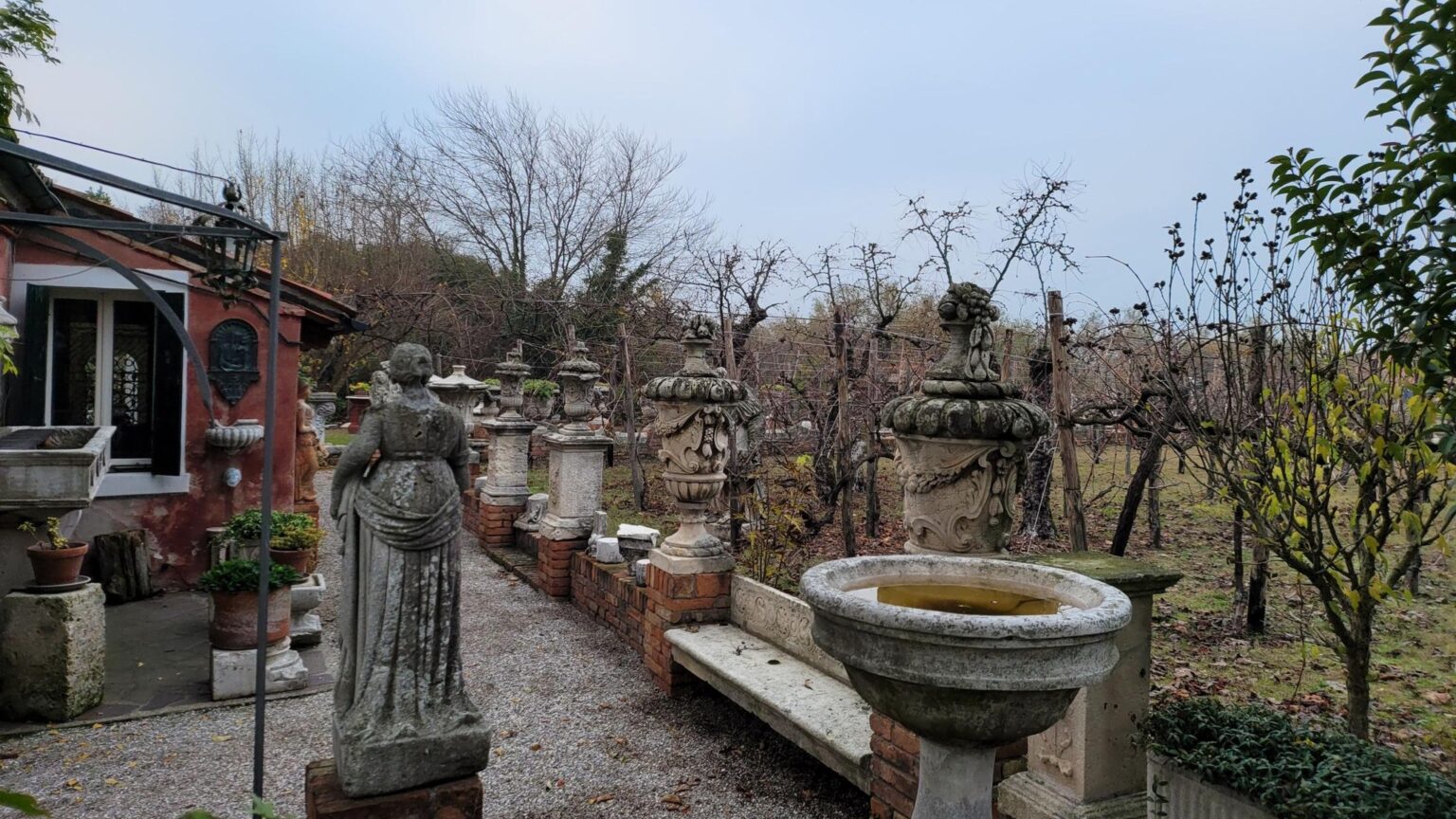
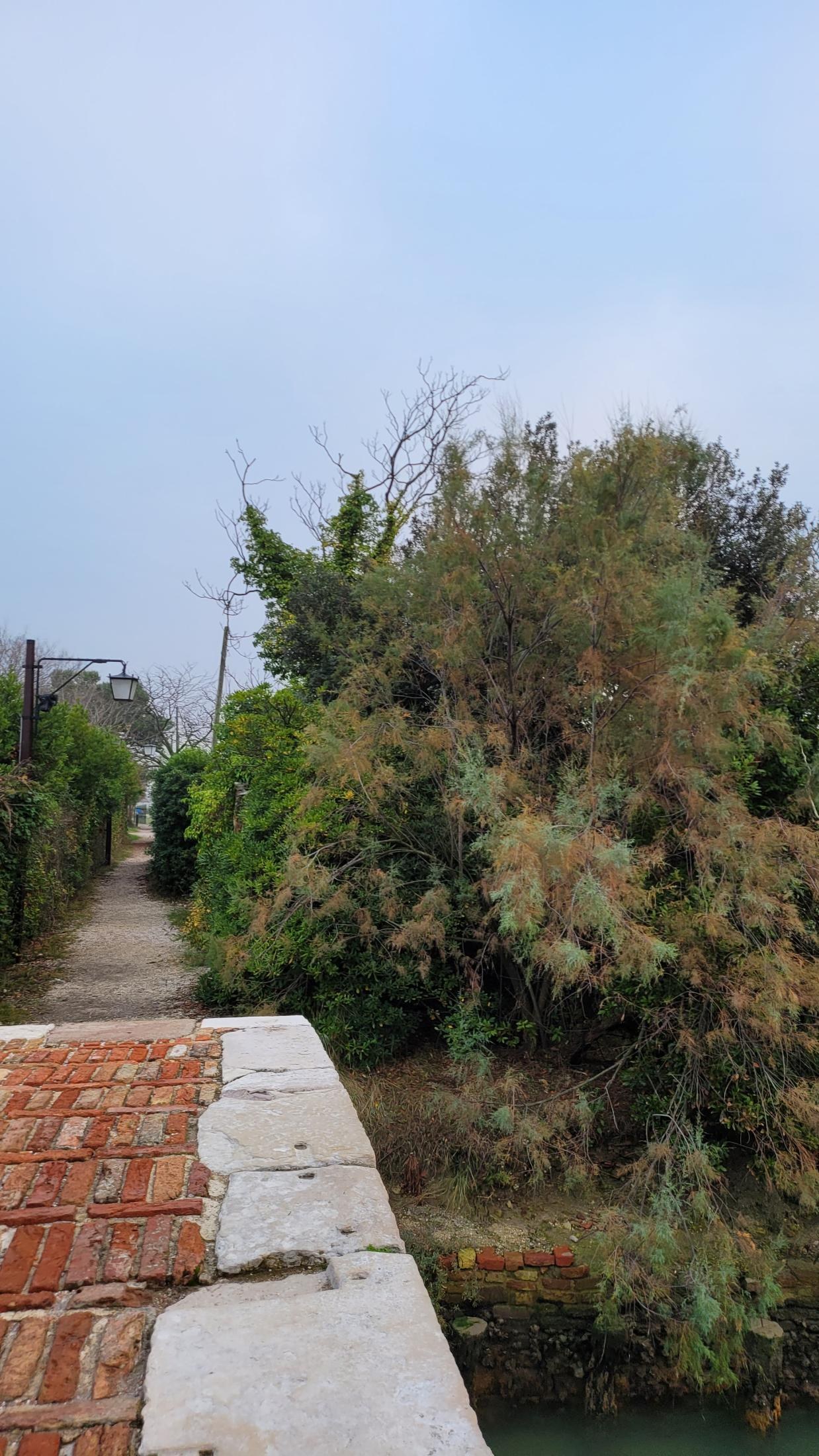
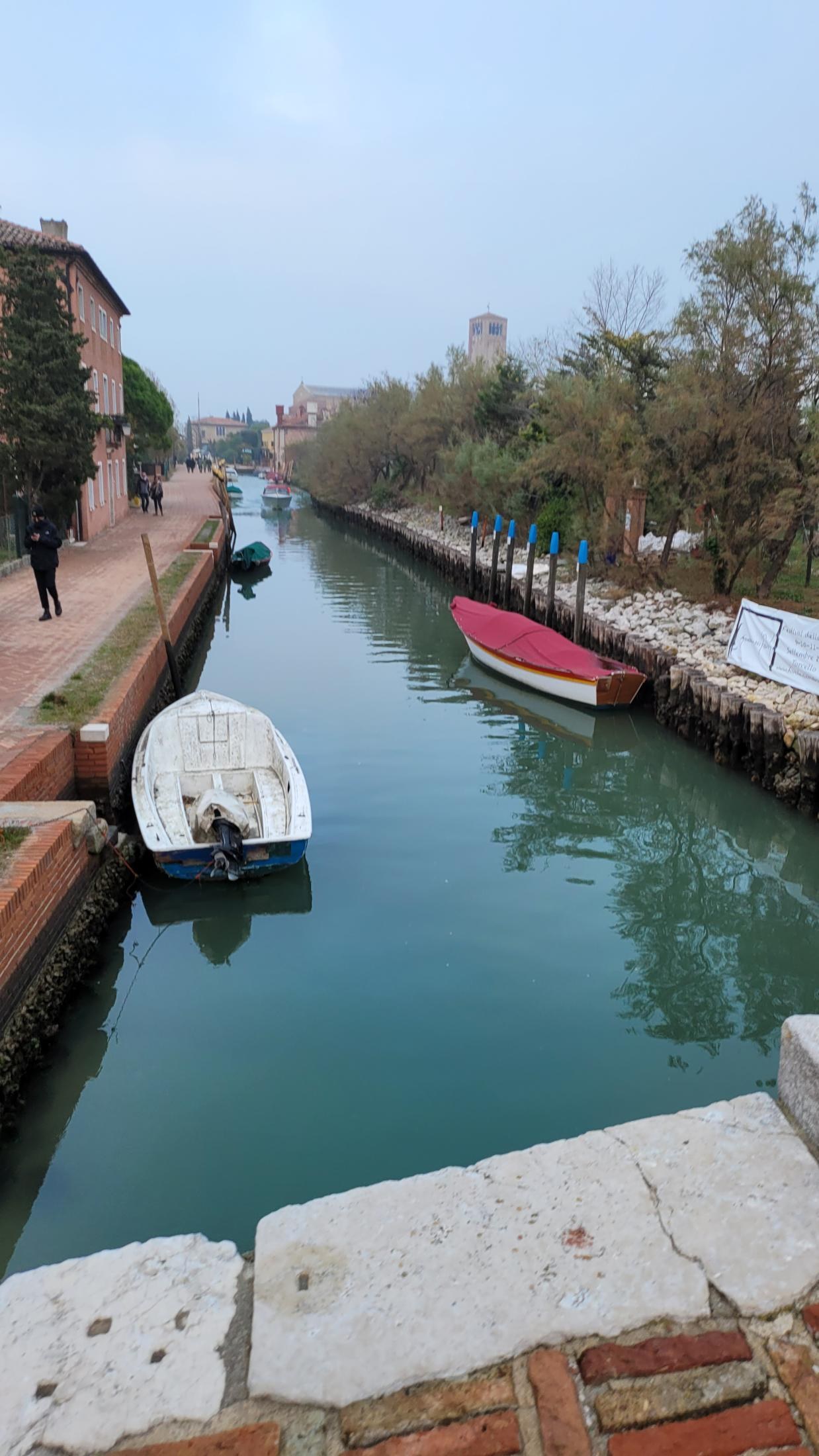
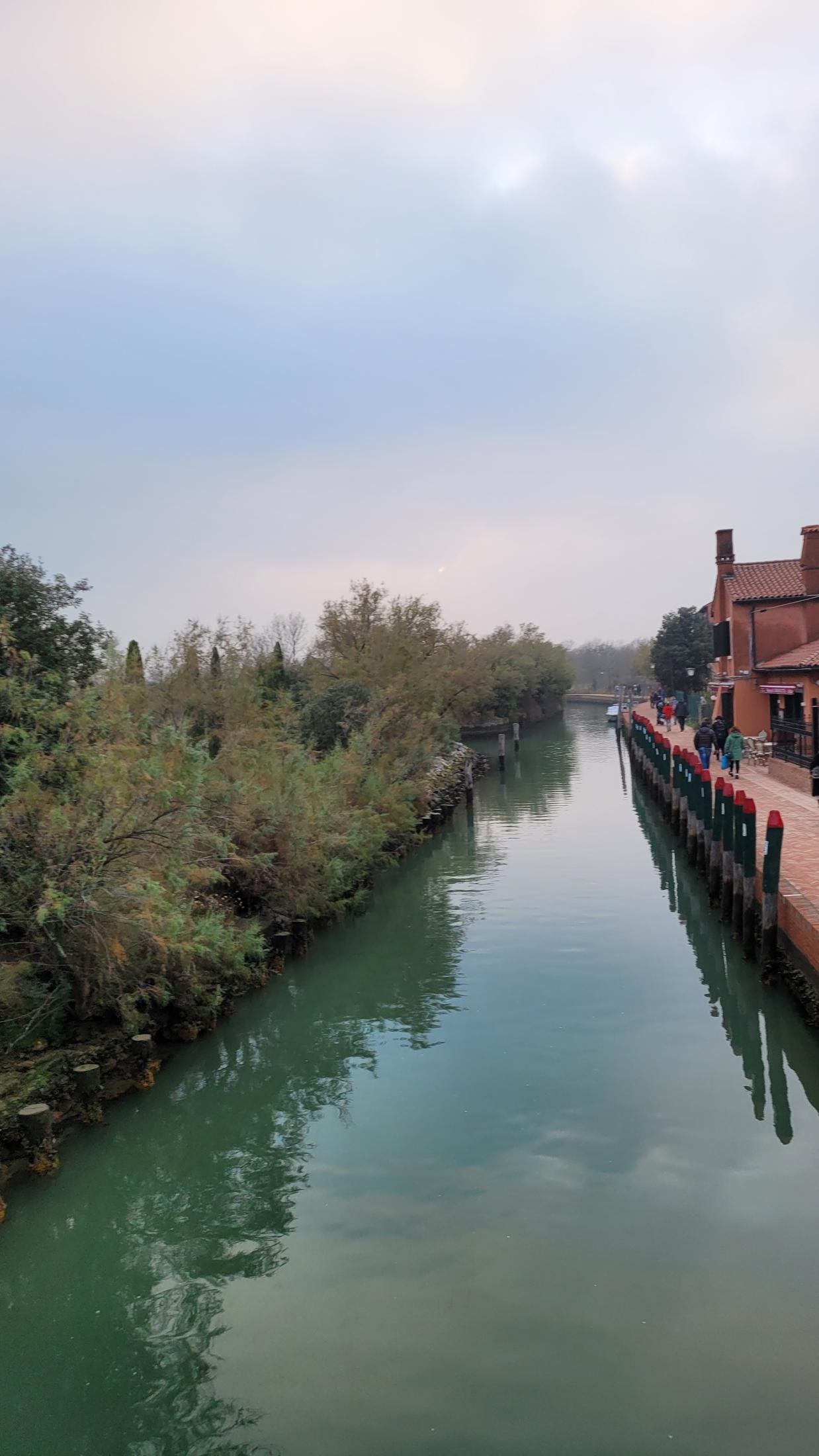
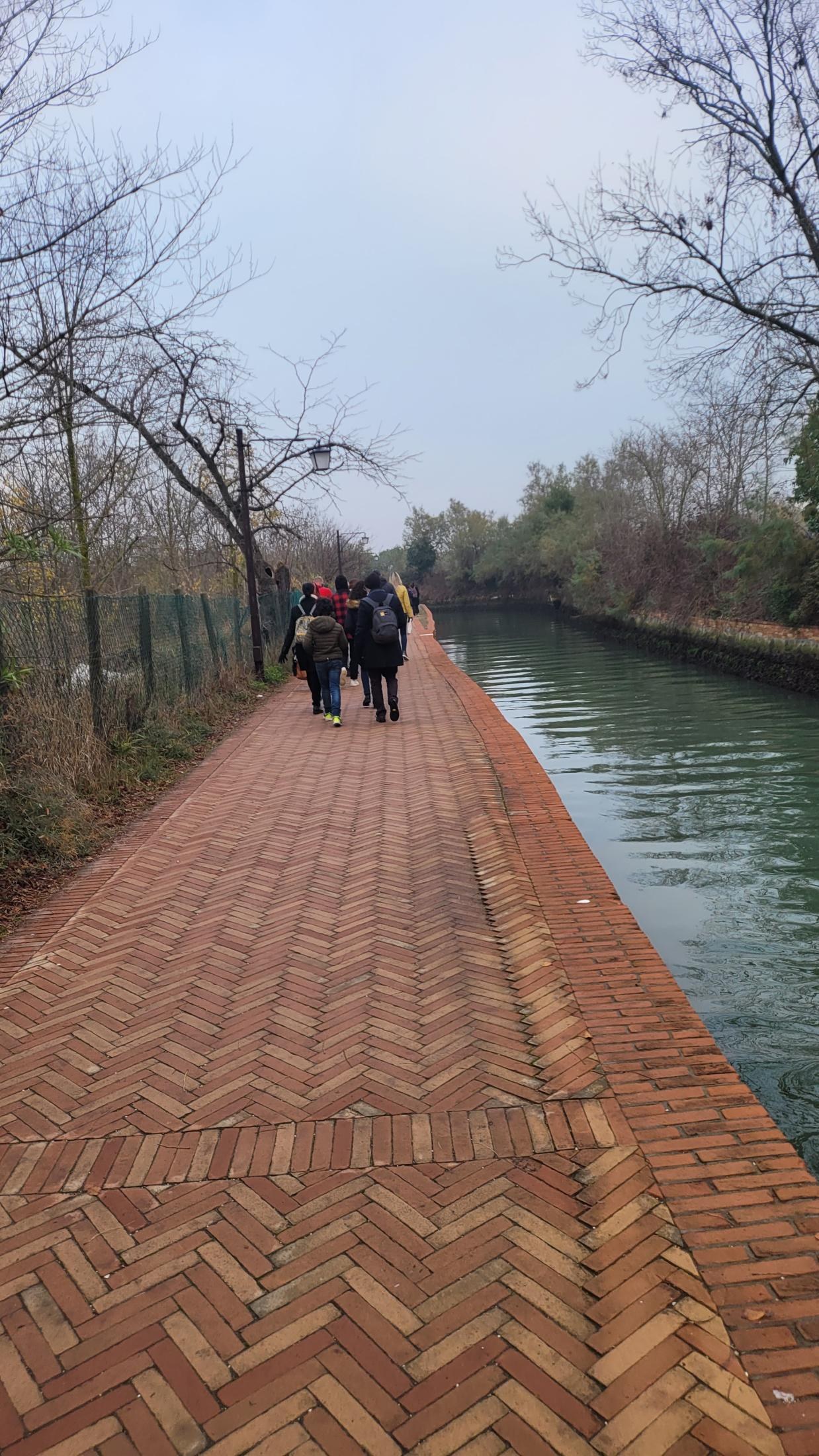
Torcello takes about half an hour to walk. From there a direct water bus runs to Venice — under 40 minutes and you are home.
Venice
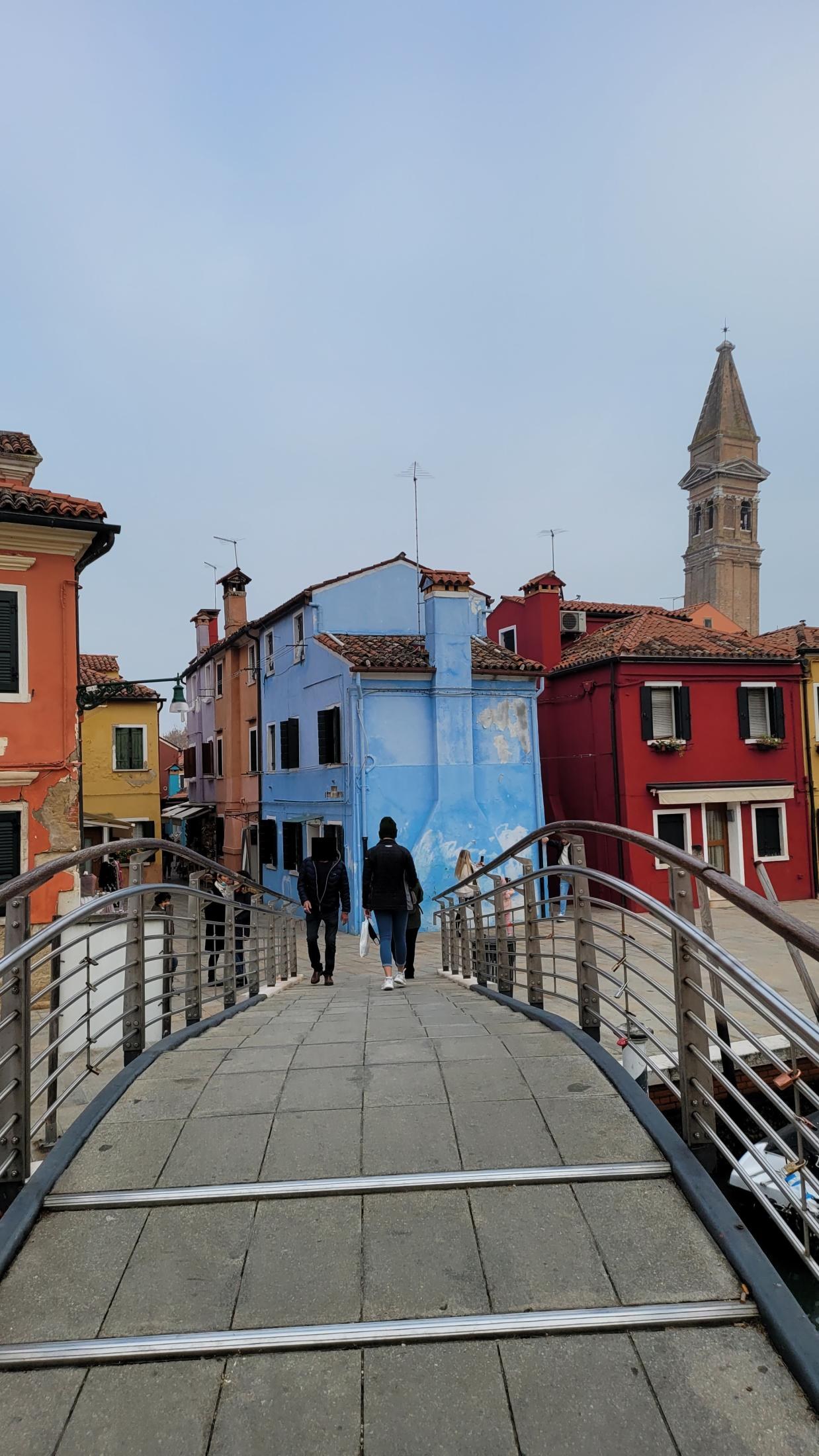
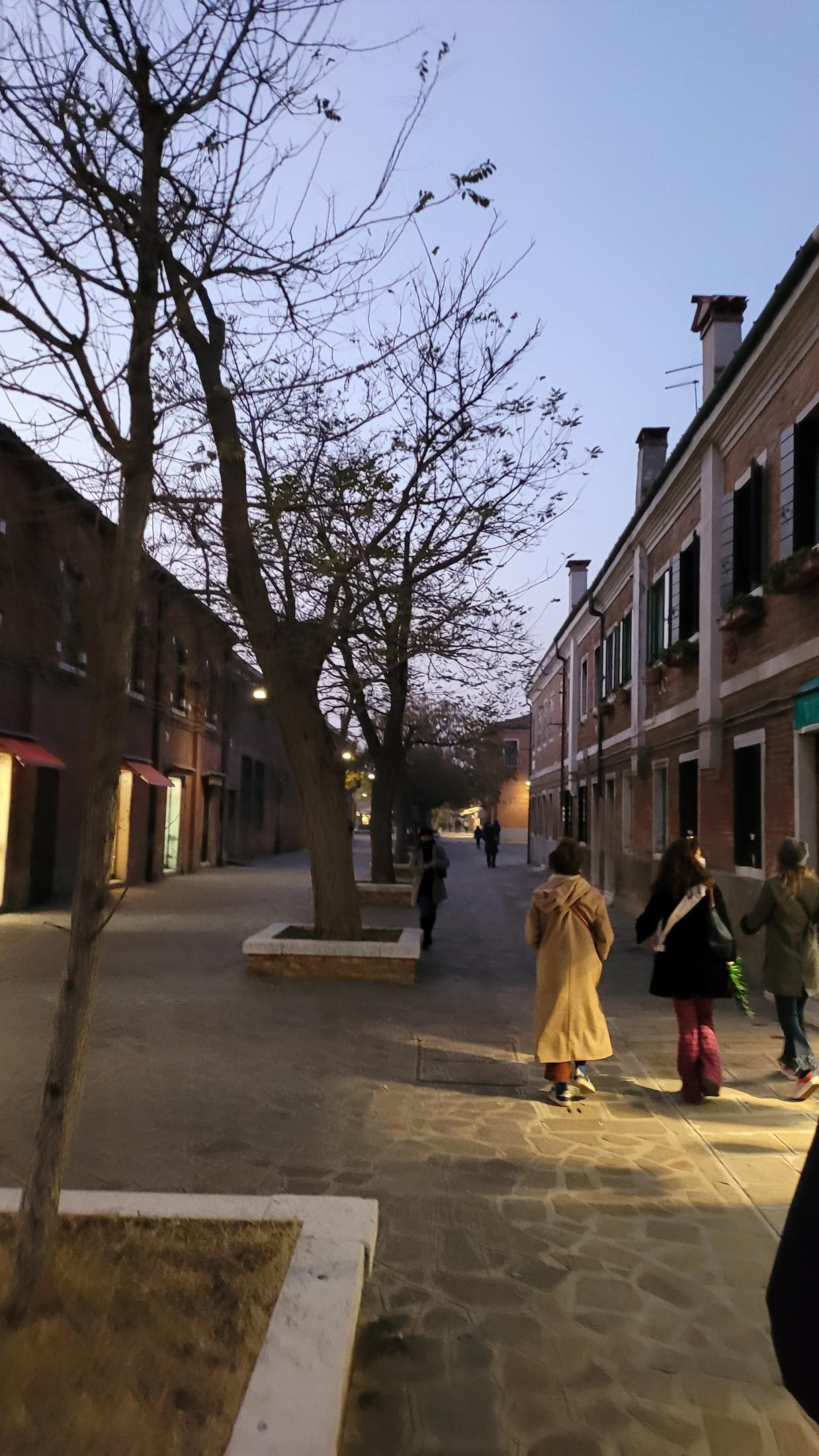
After half a day out on the islands, there is time for another lap or two around Venice. By day two the setting stops being quite so overwhelming. We consult Google’s sights list again. More wandering through the lanes, the same old places, but new photos 😄
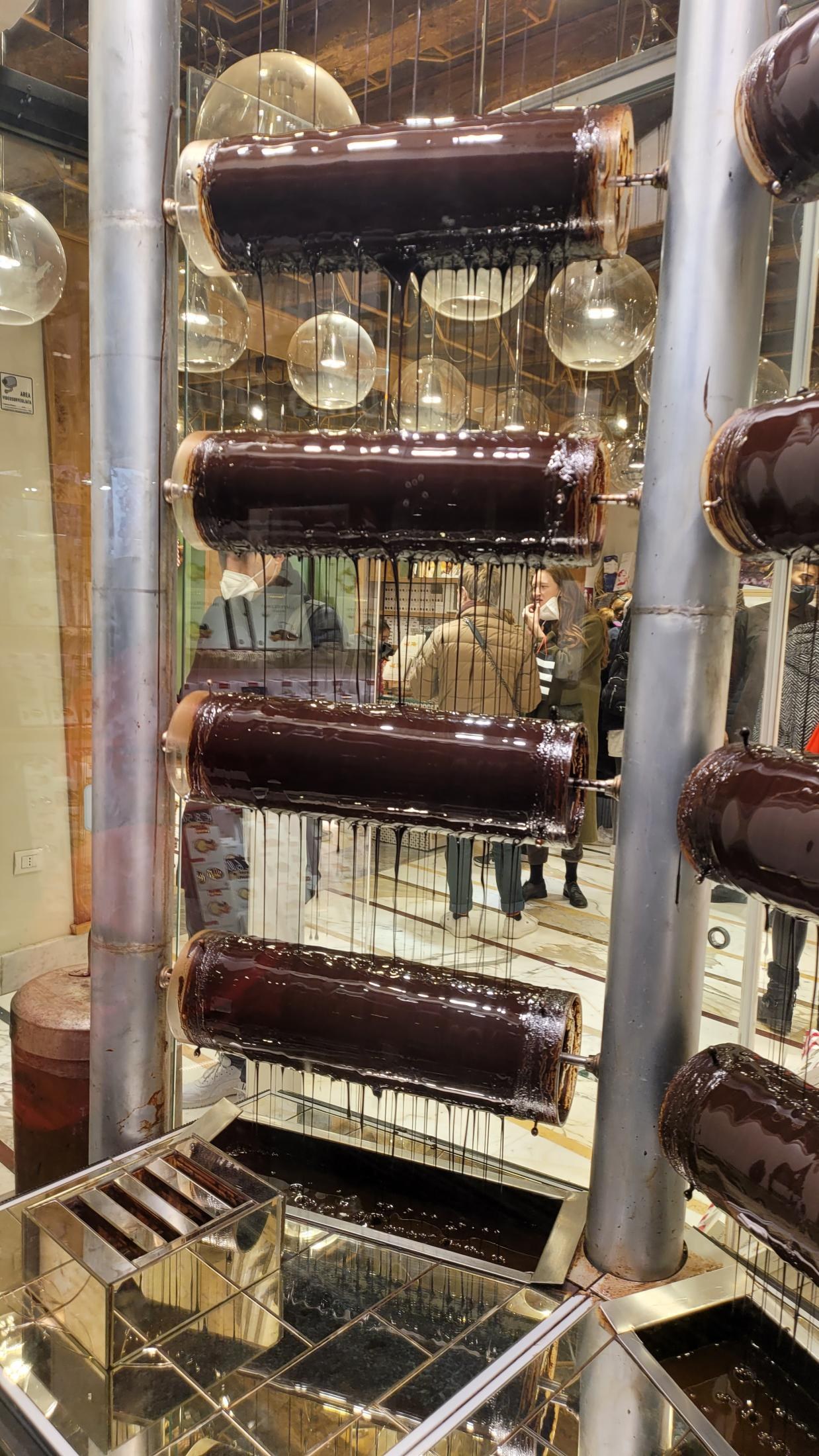
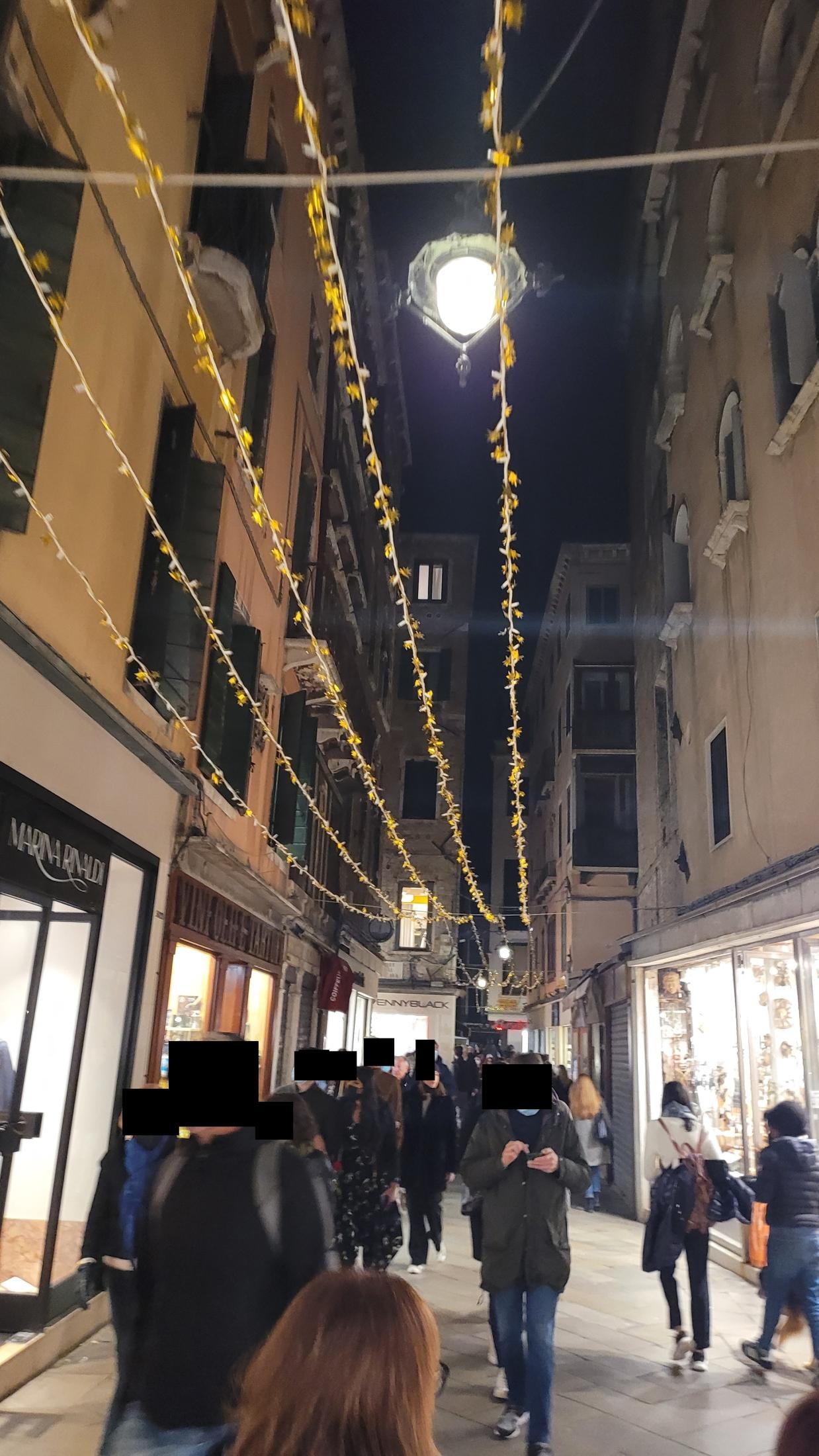
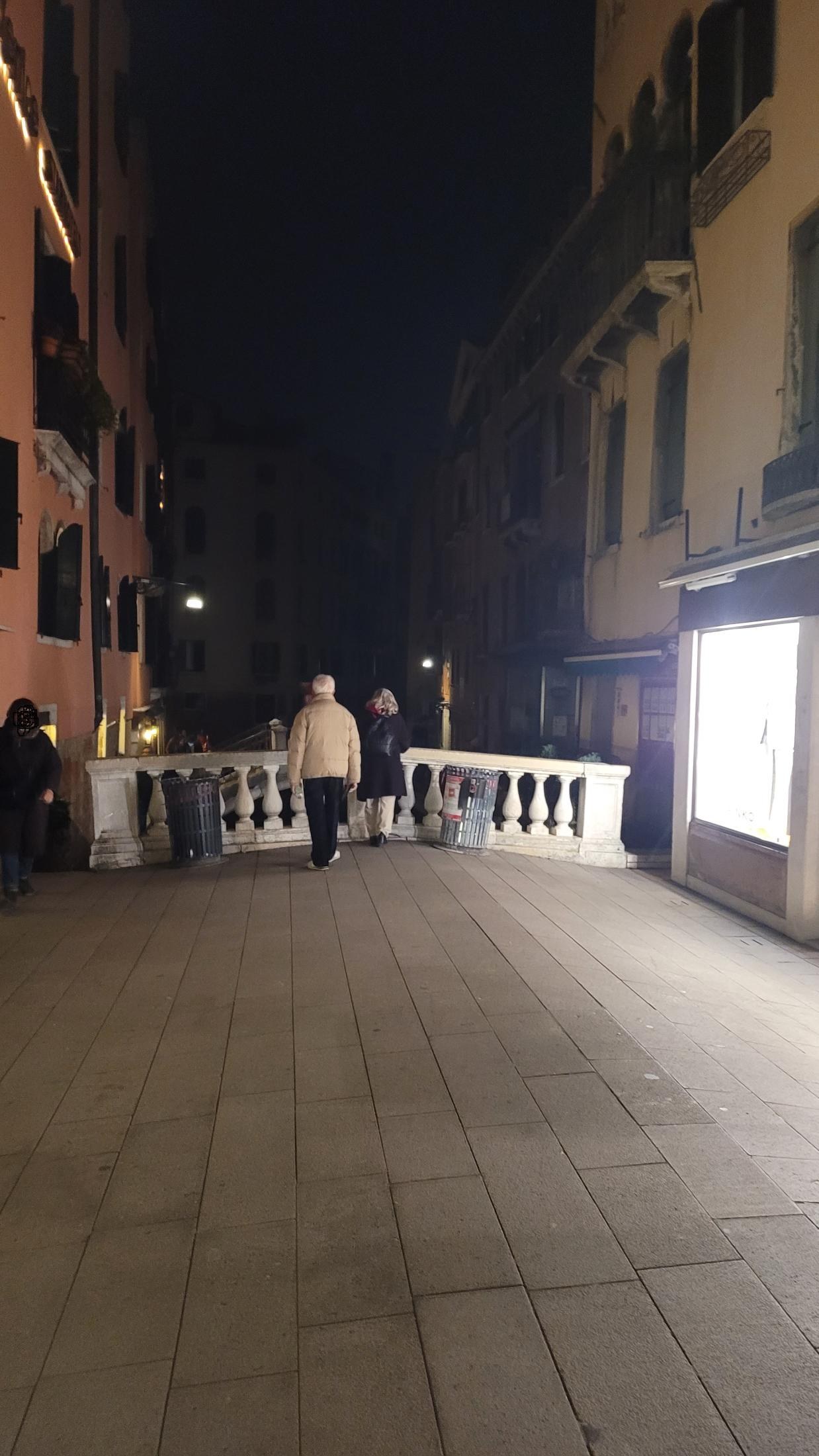
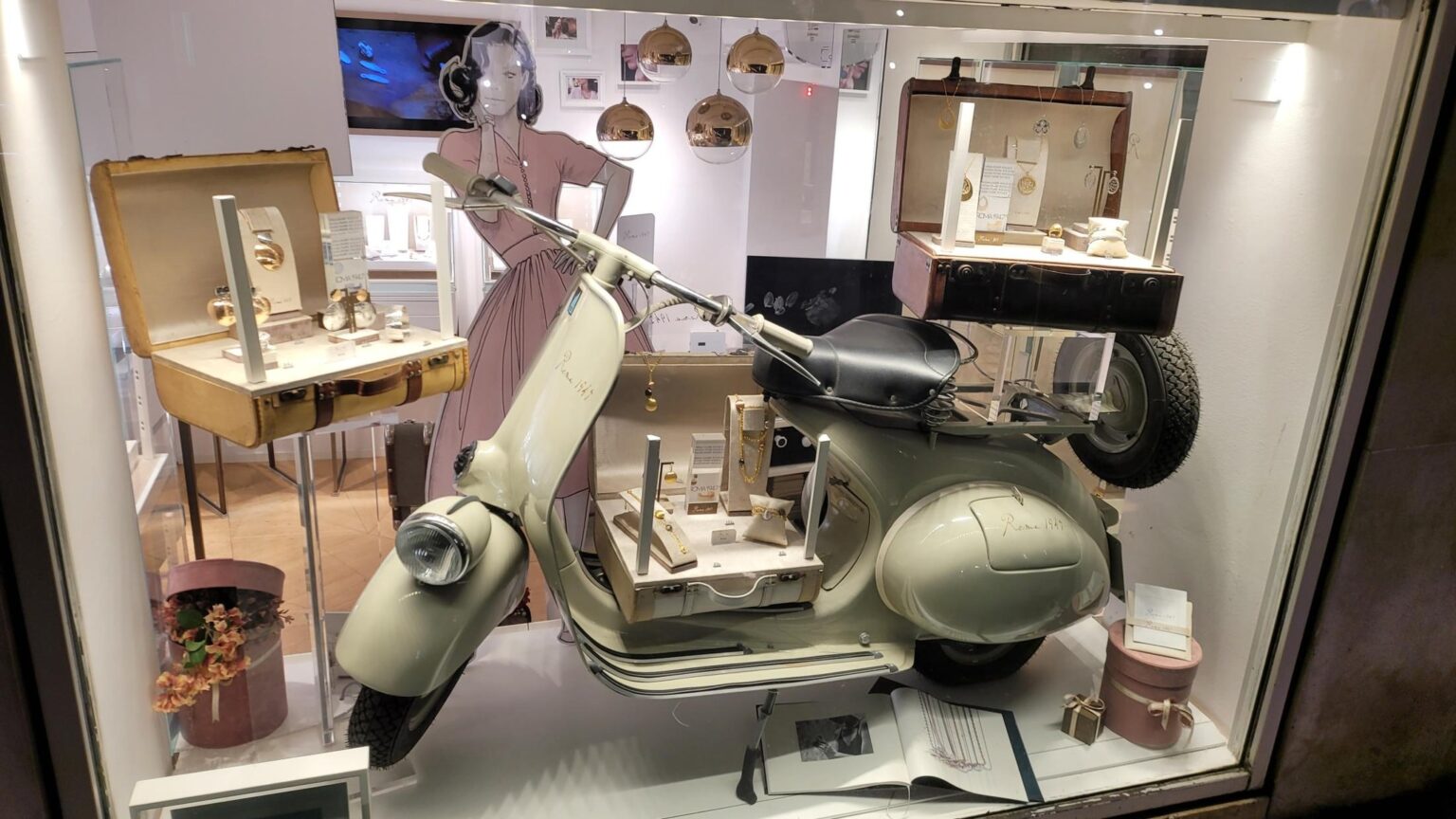
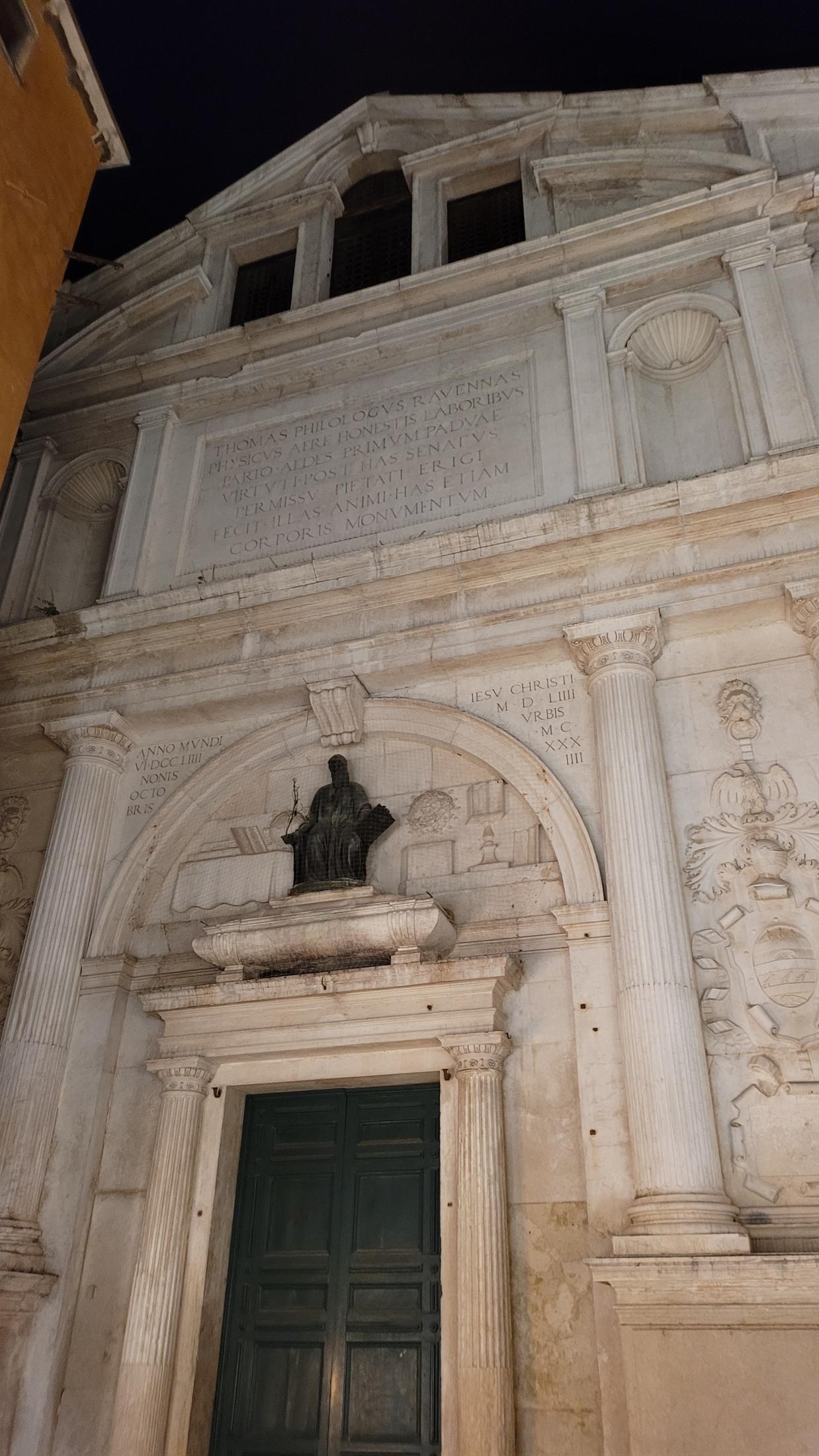
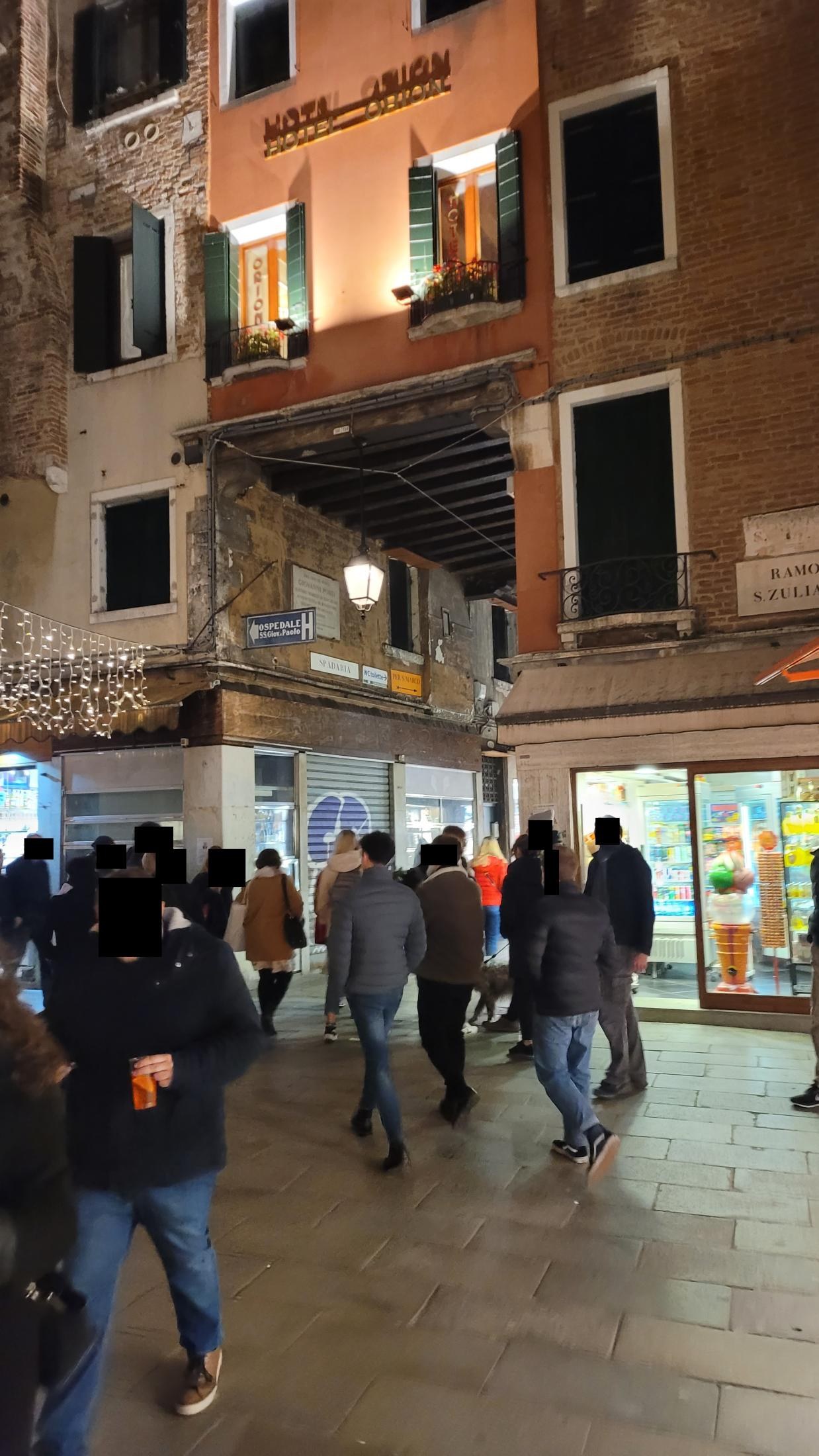
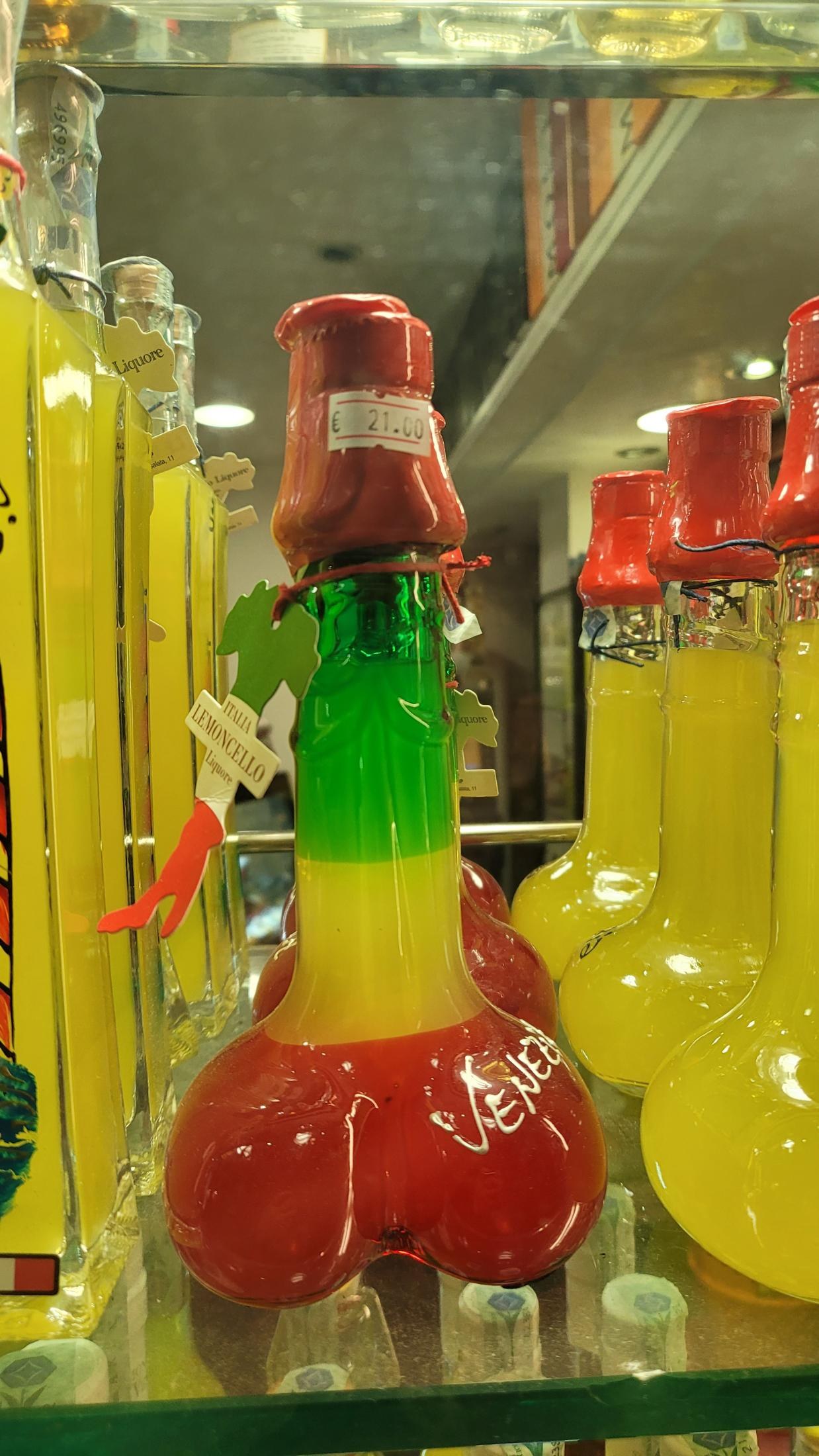
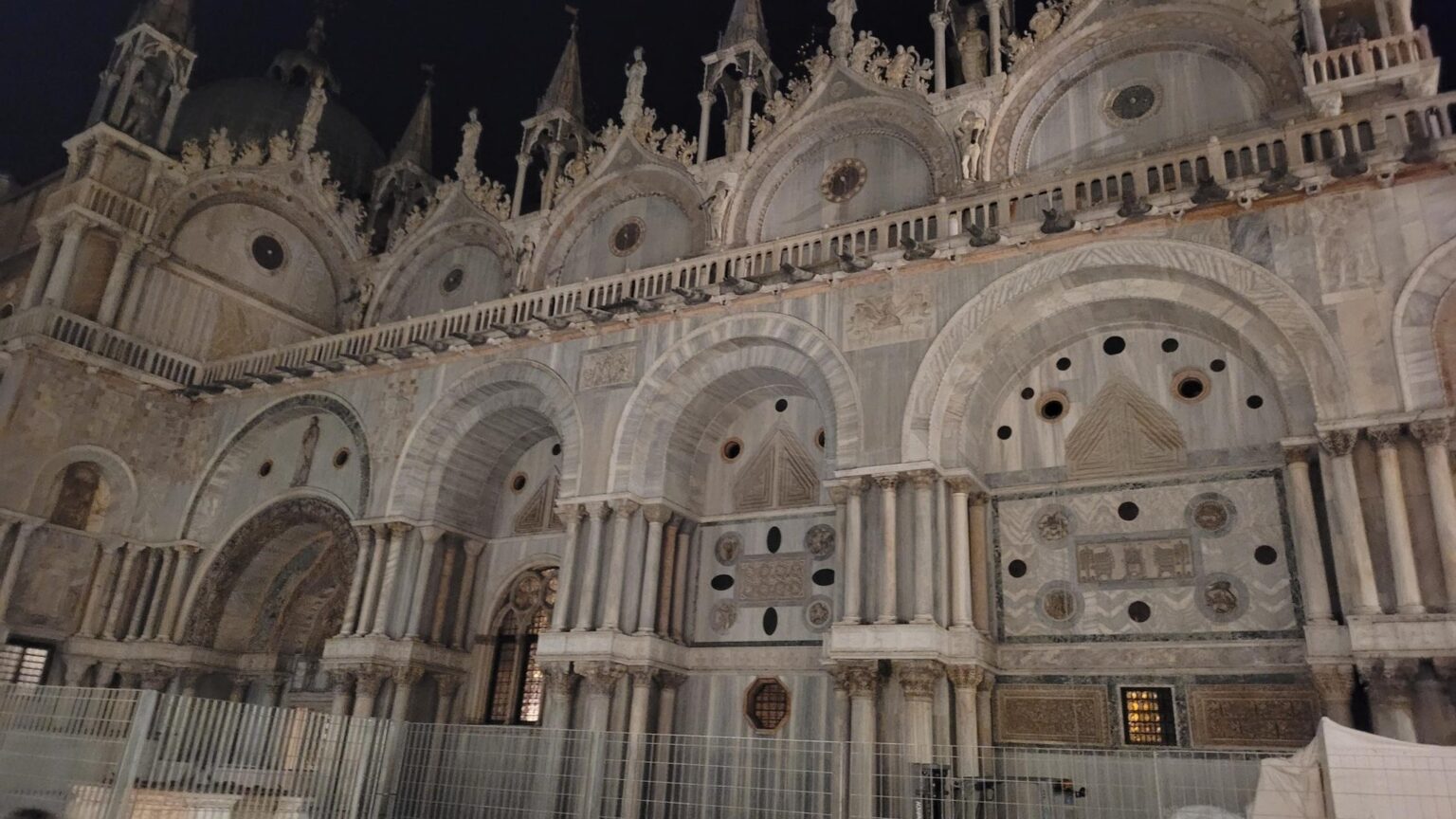
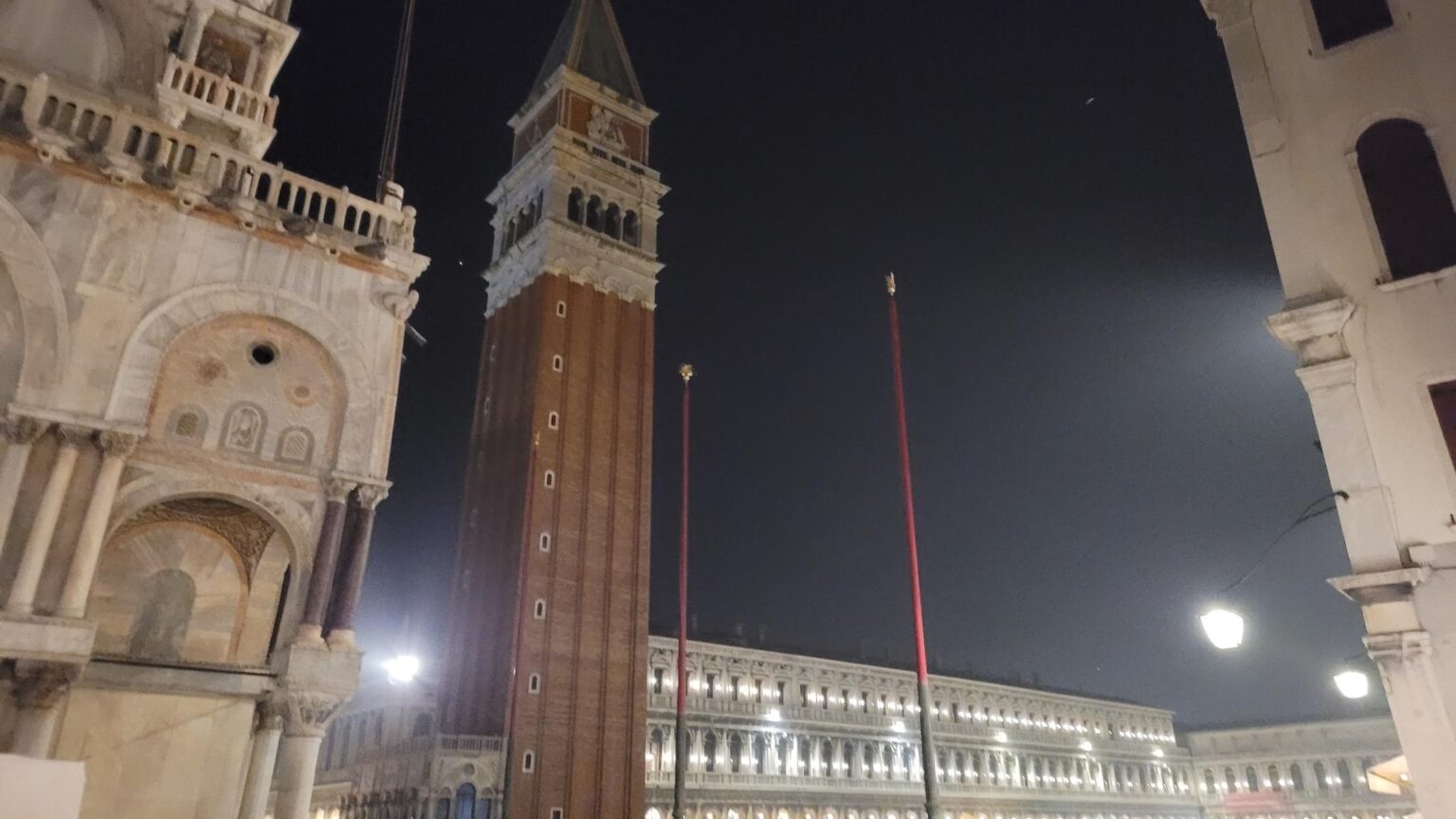
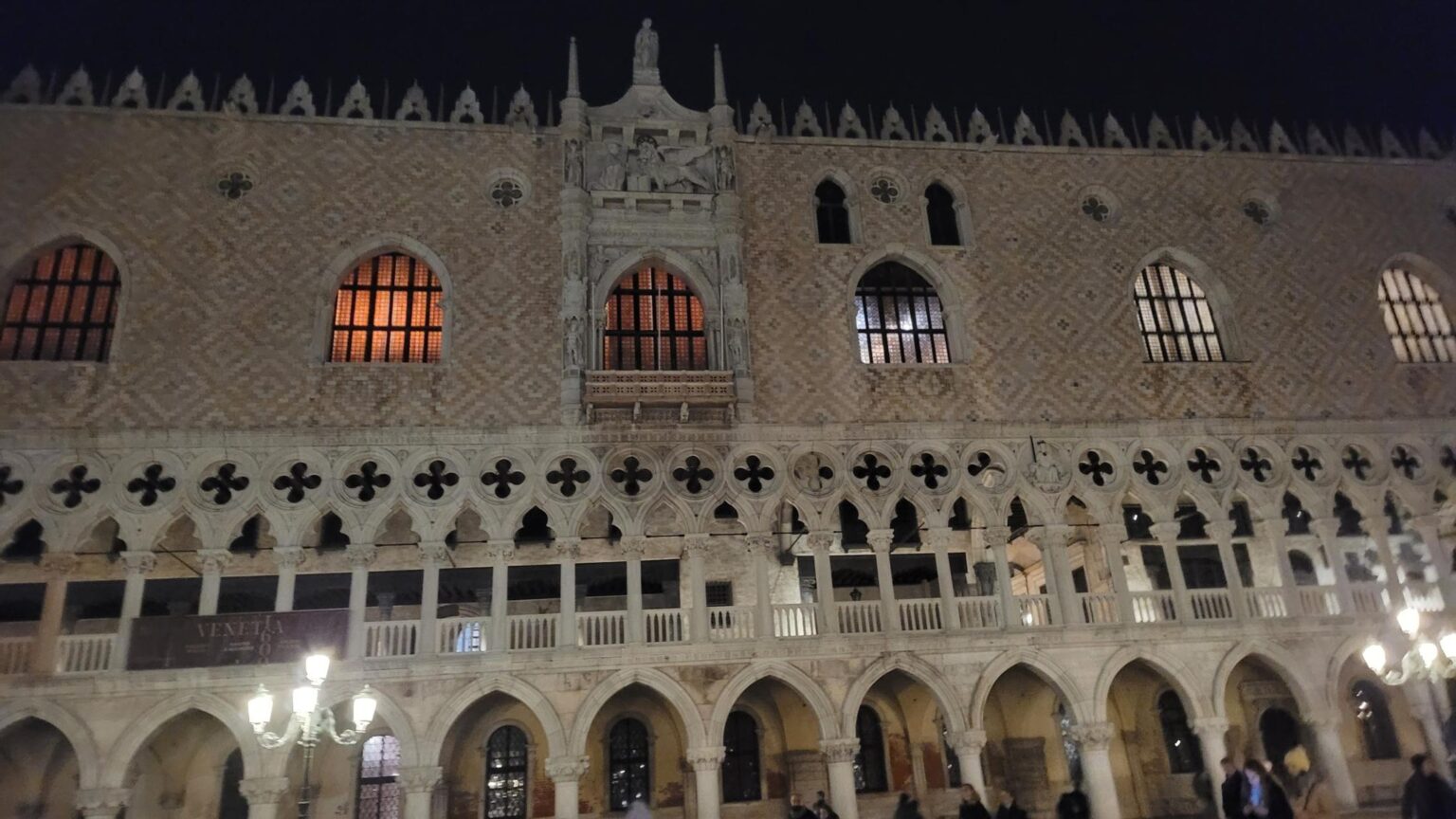
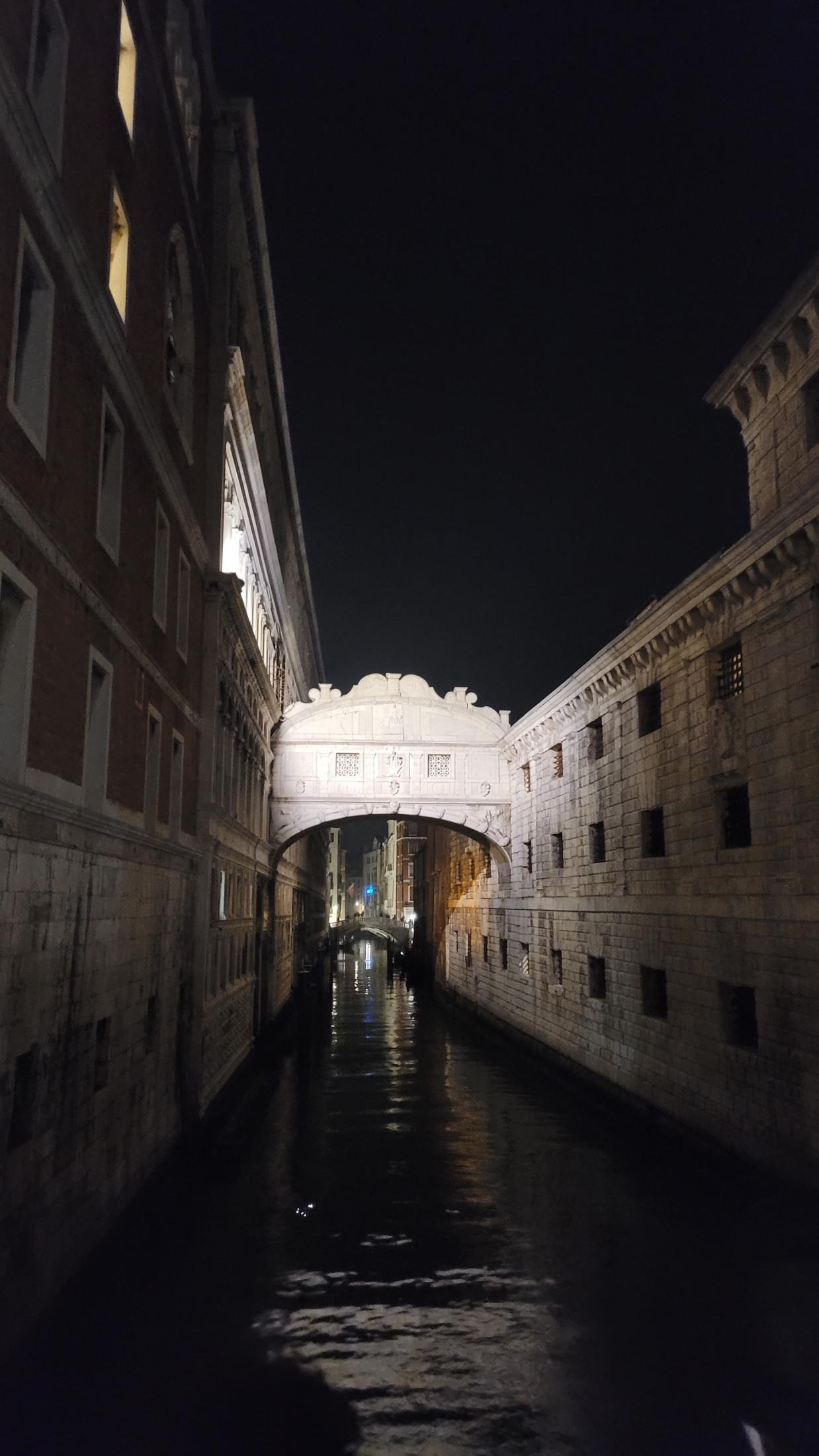
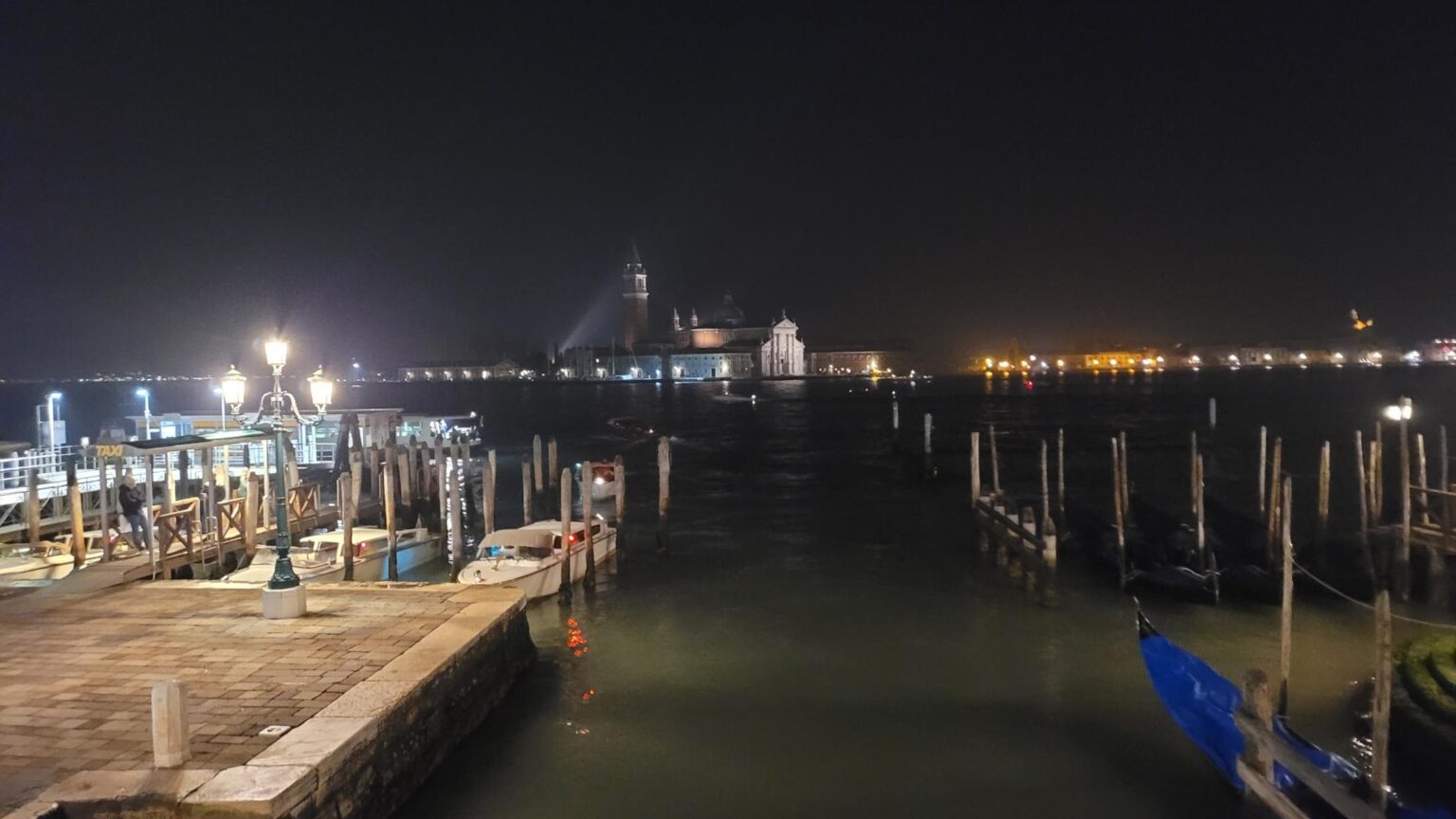
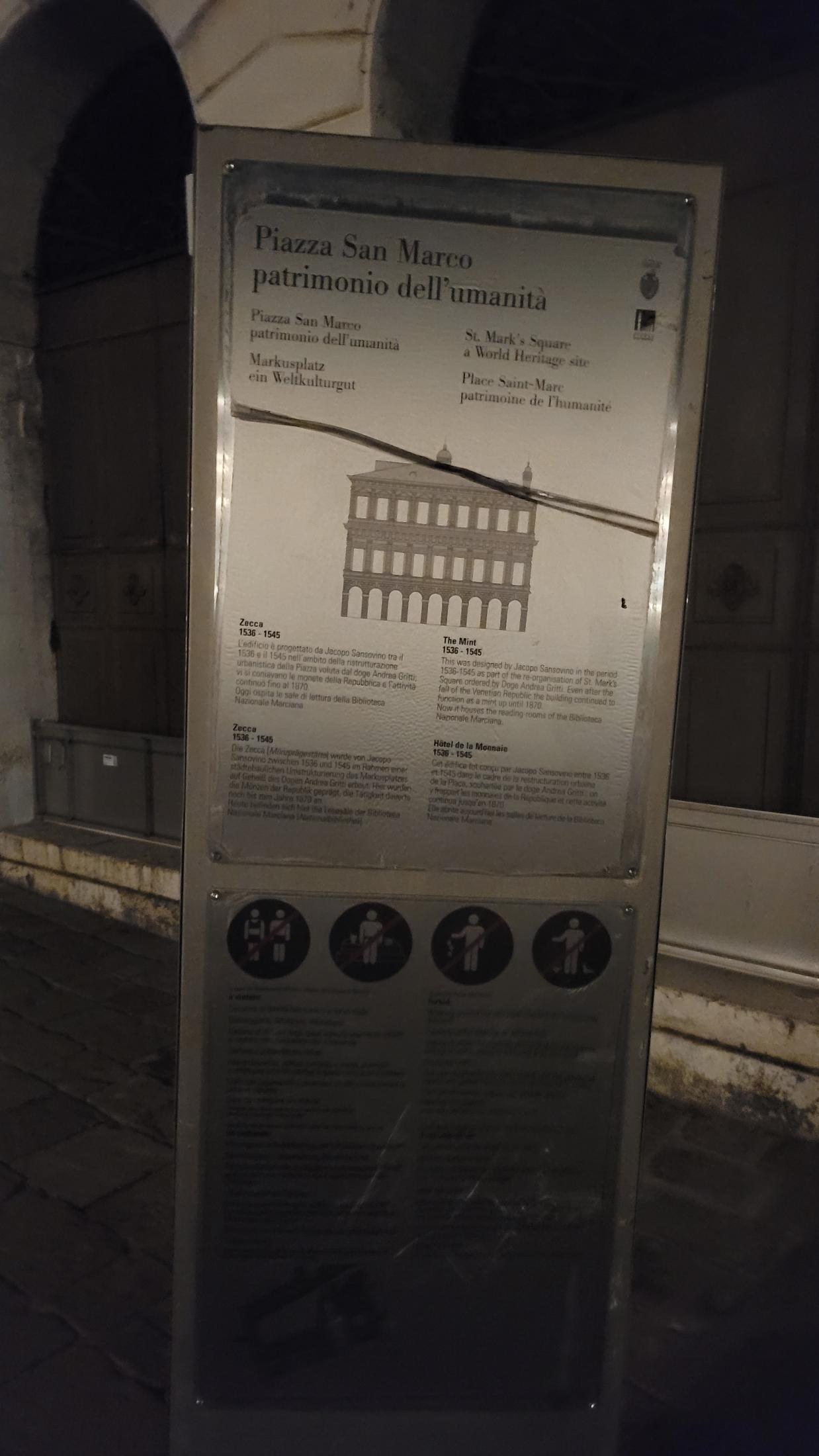
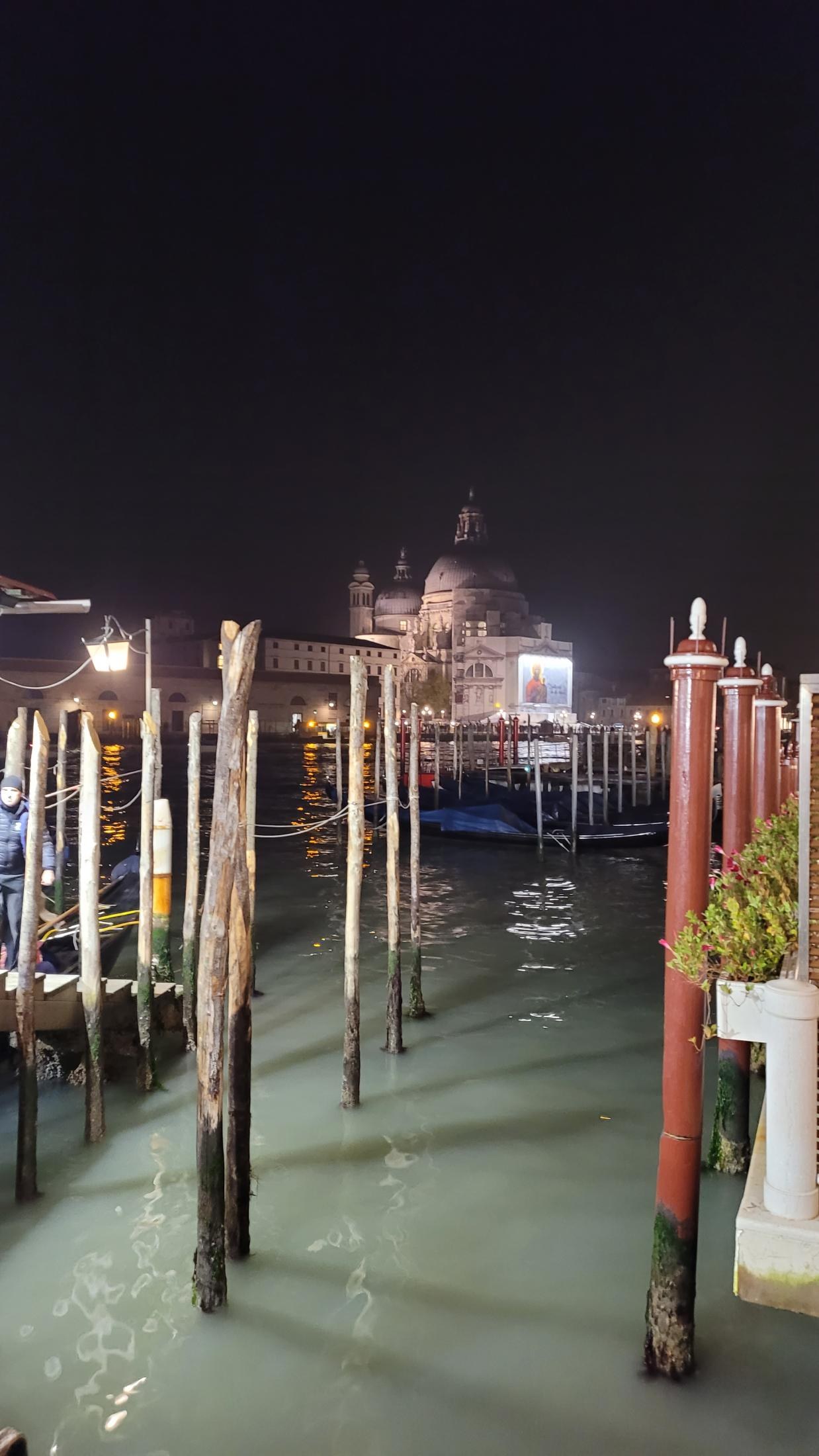
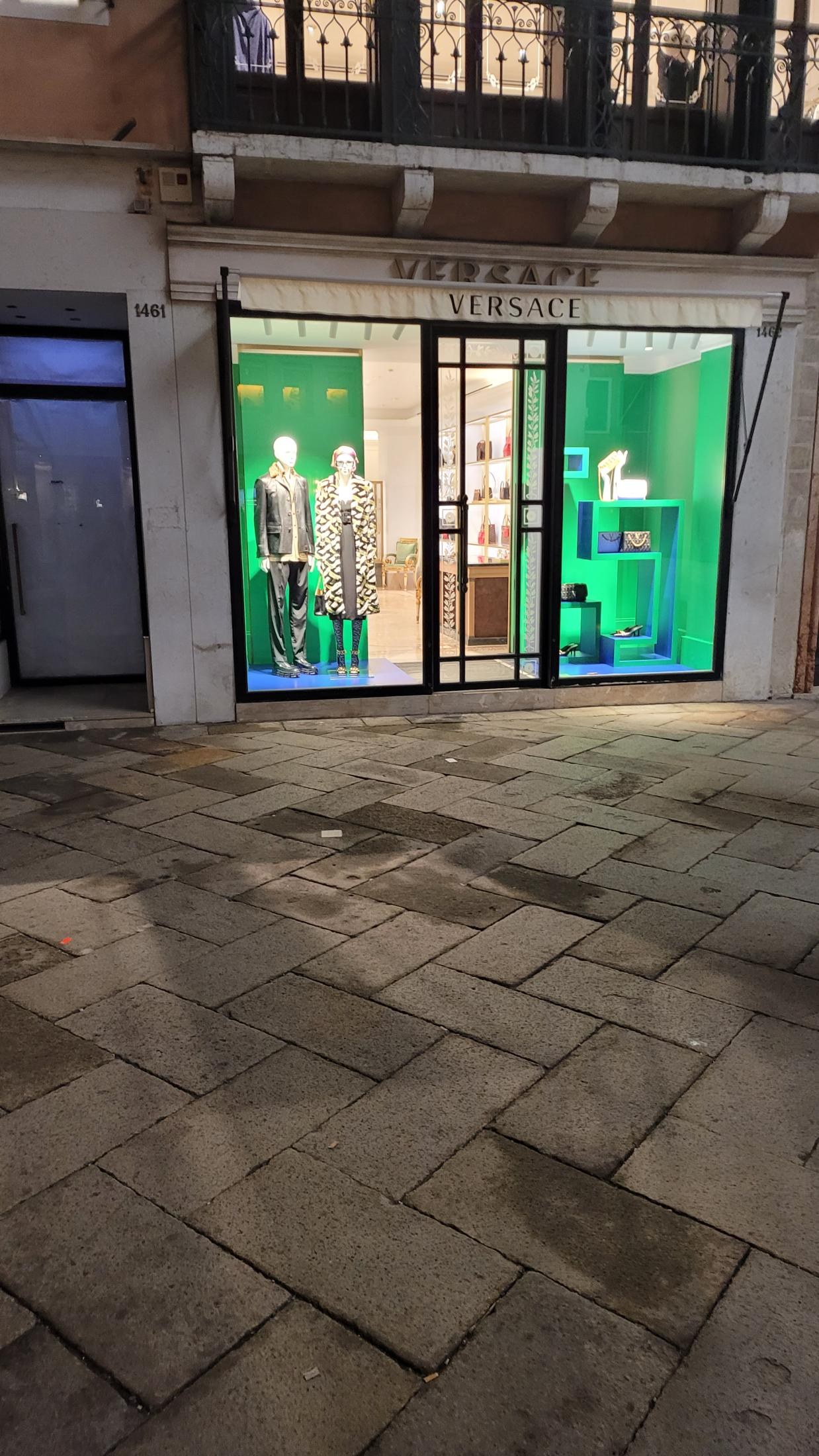
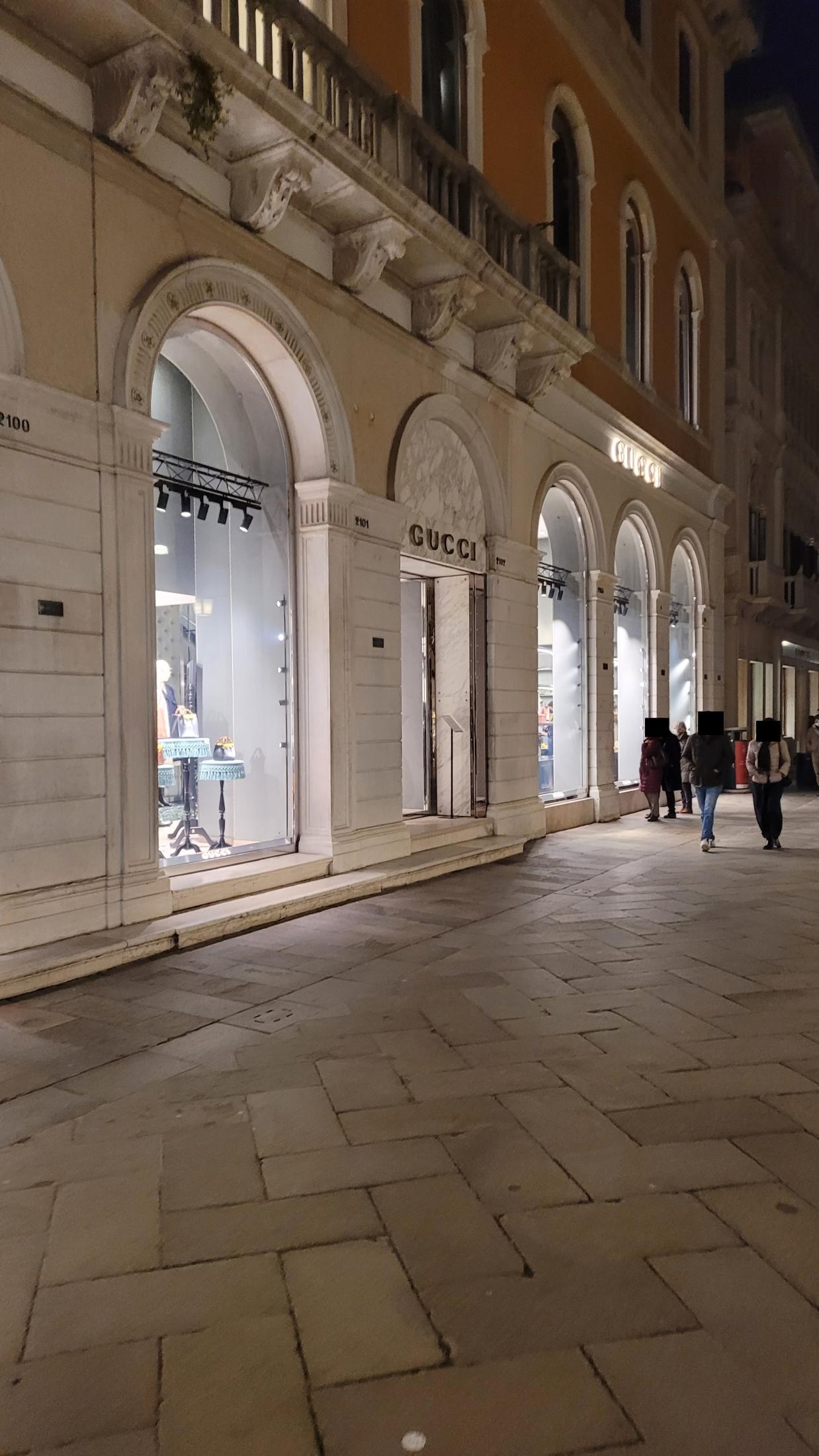
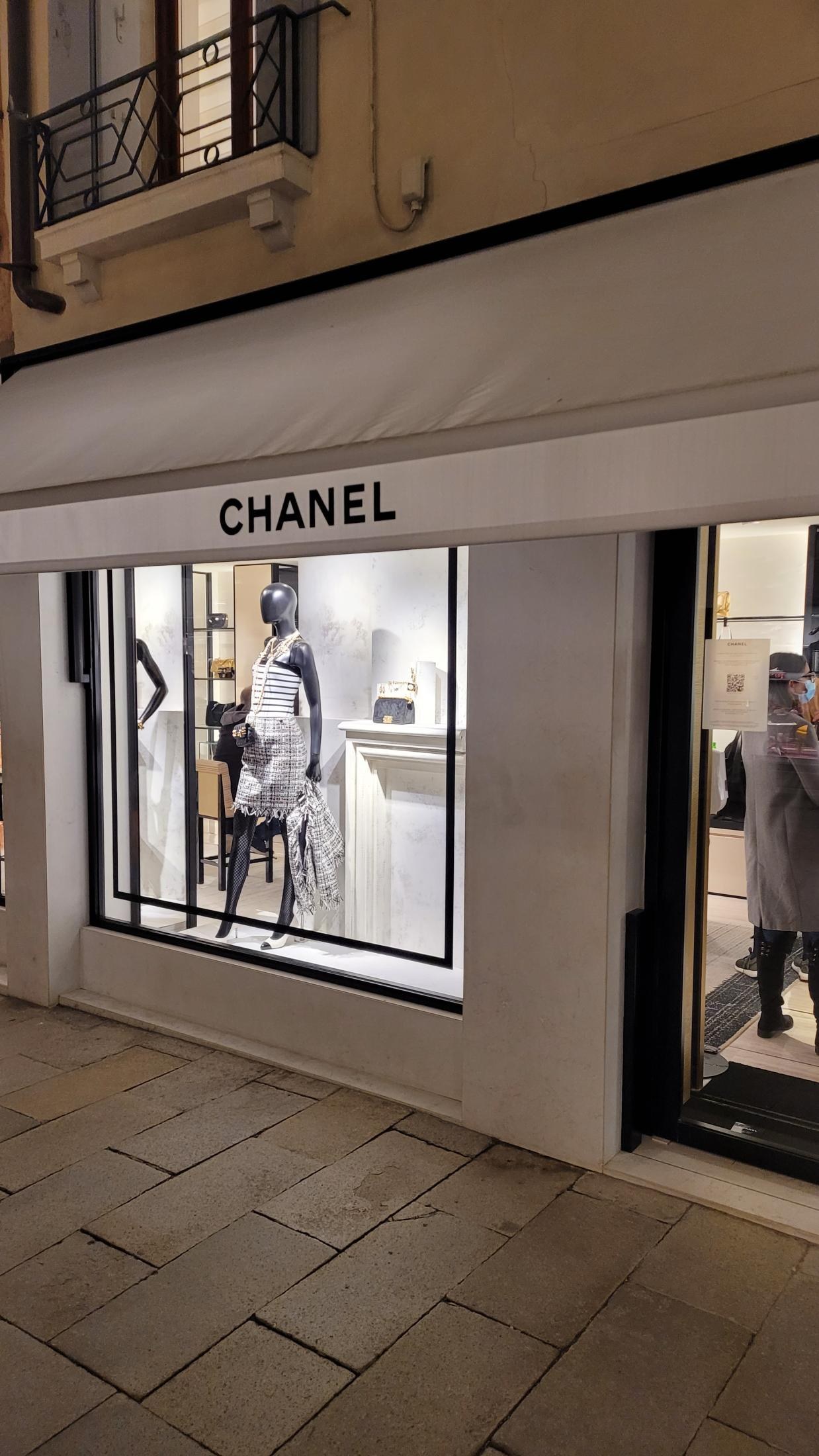
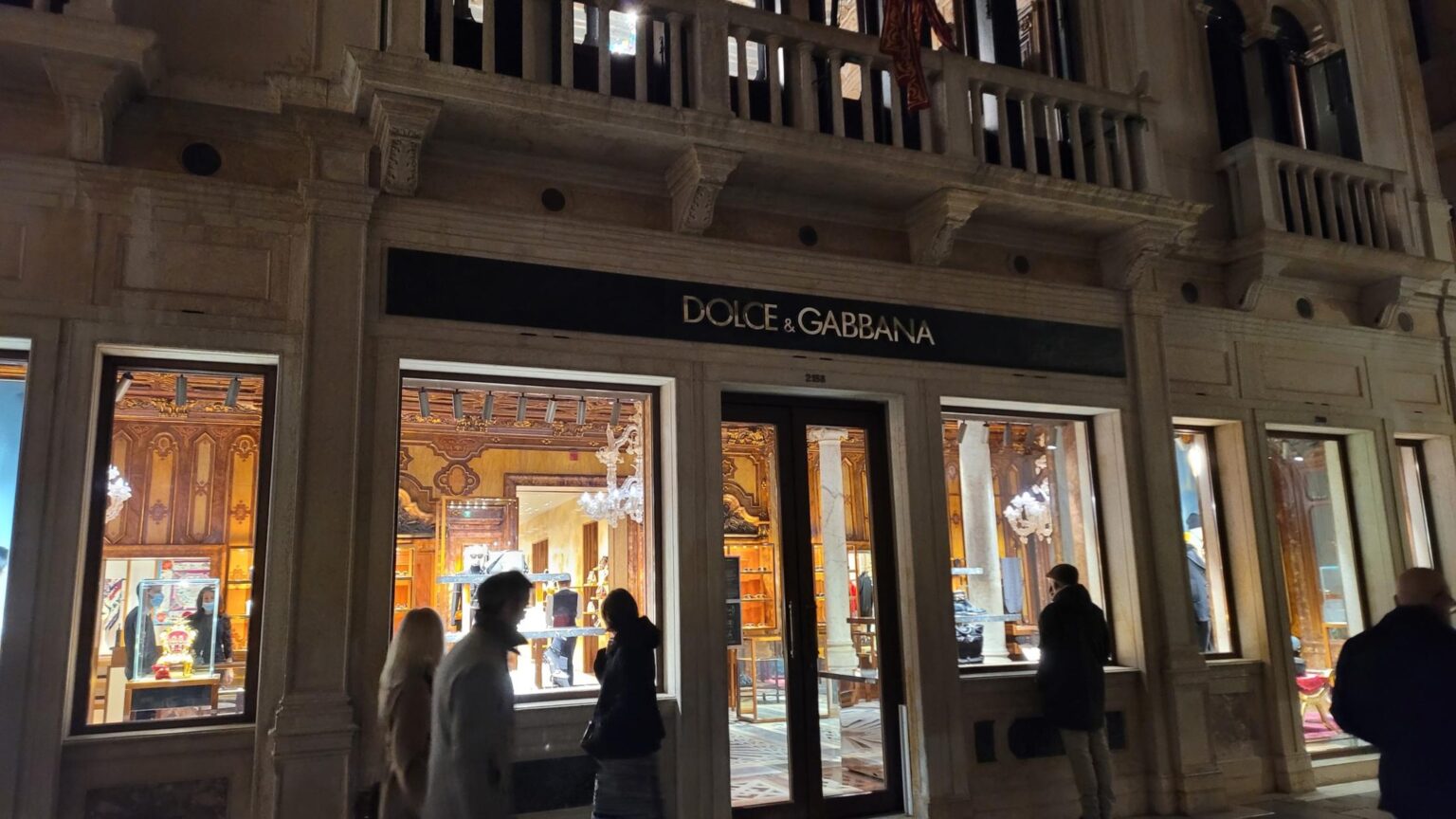
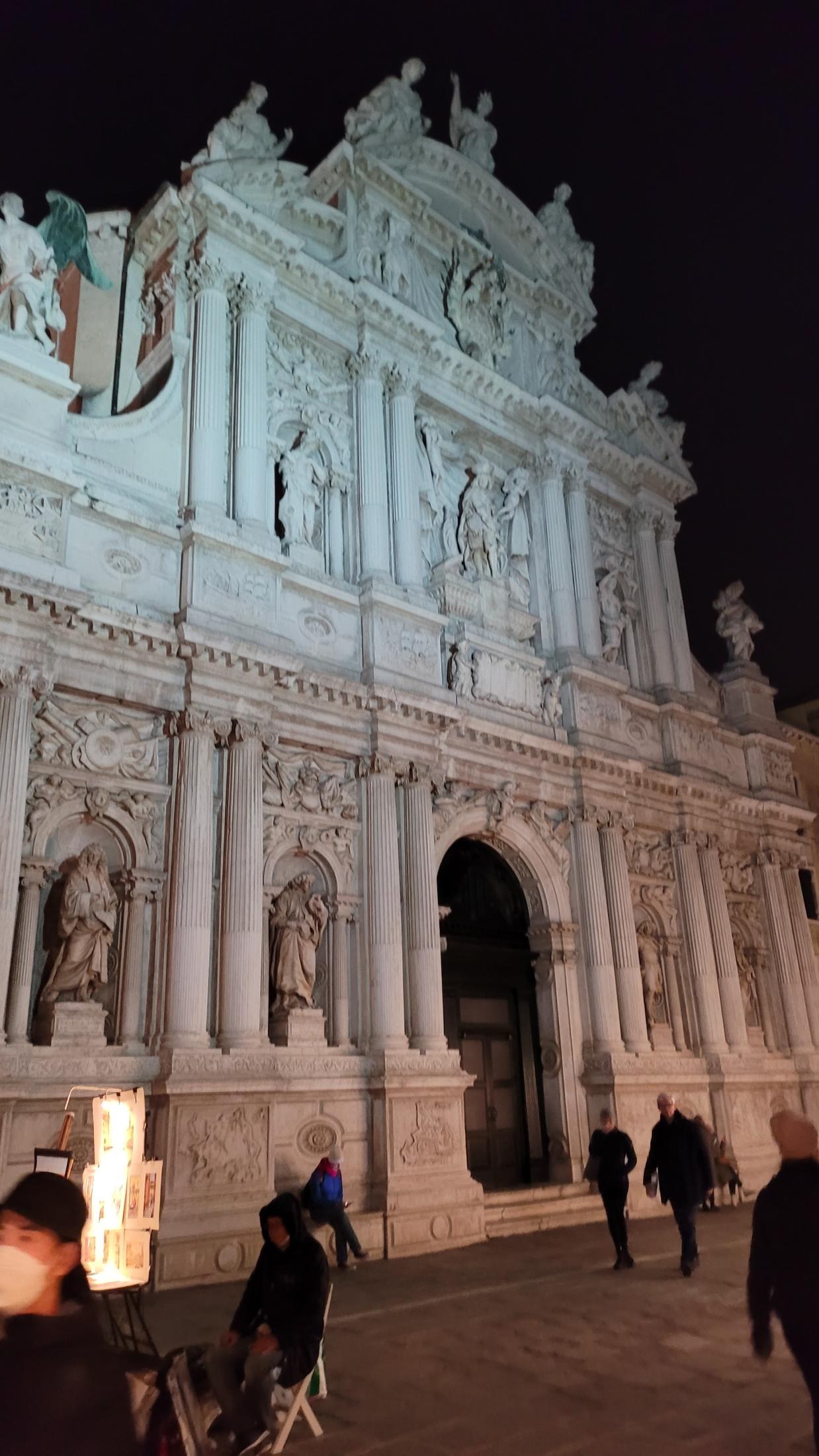
Day 3: Mestre, Venice, the Leonardo da Vinci Museum, and Venice one last time
Mestre
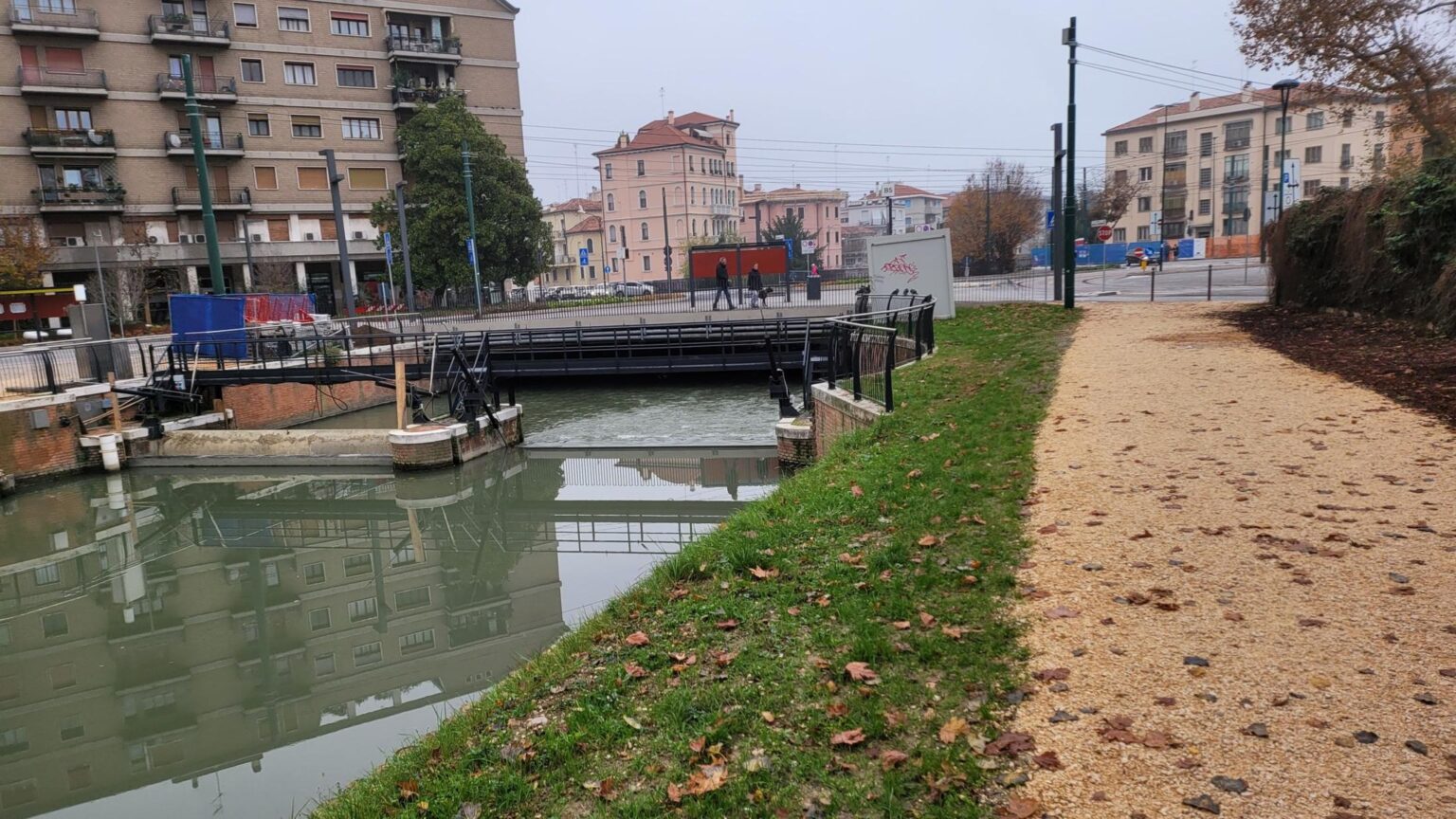
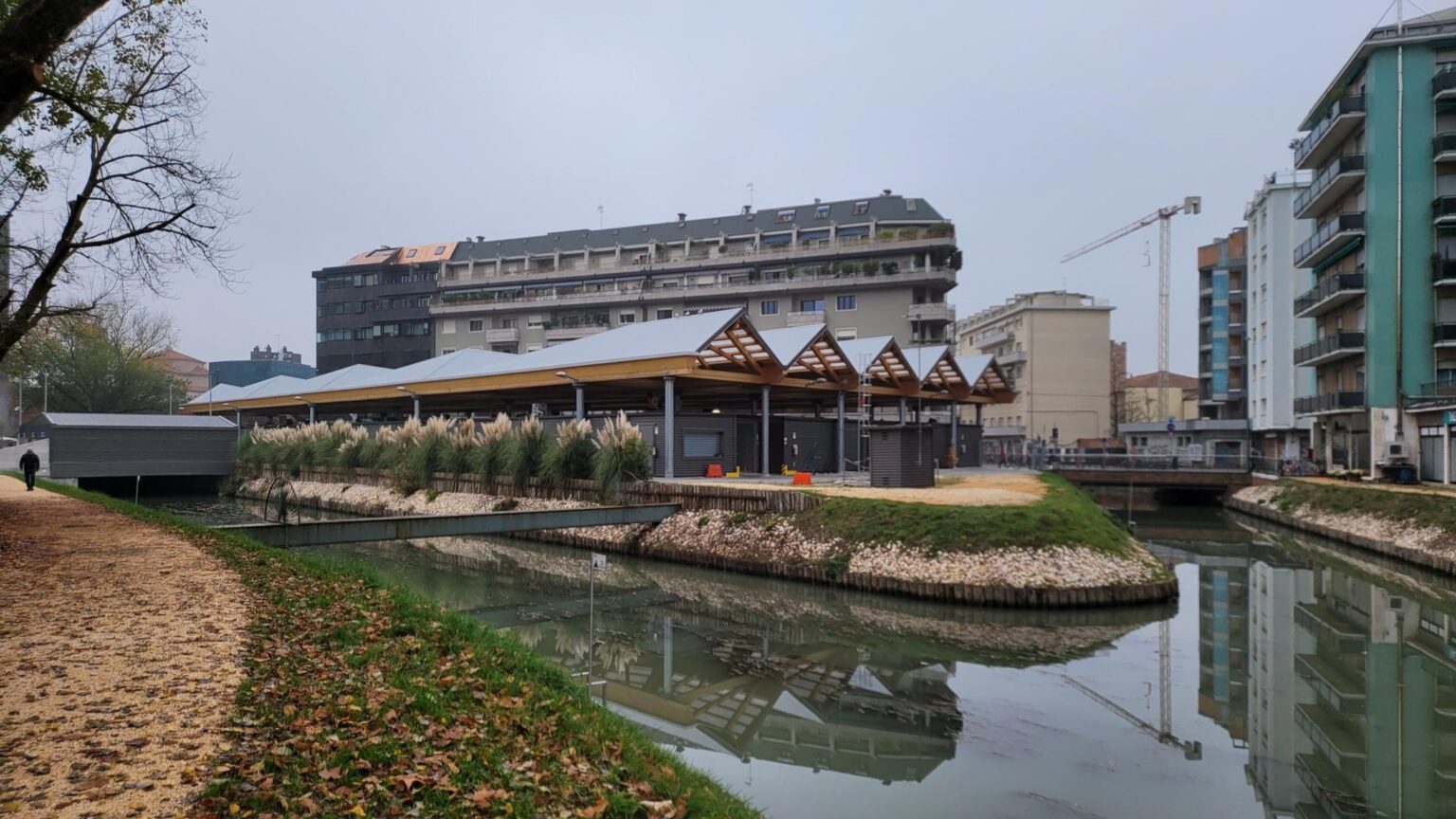
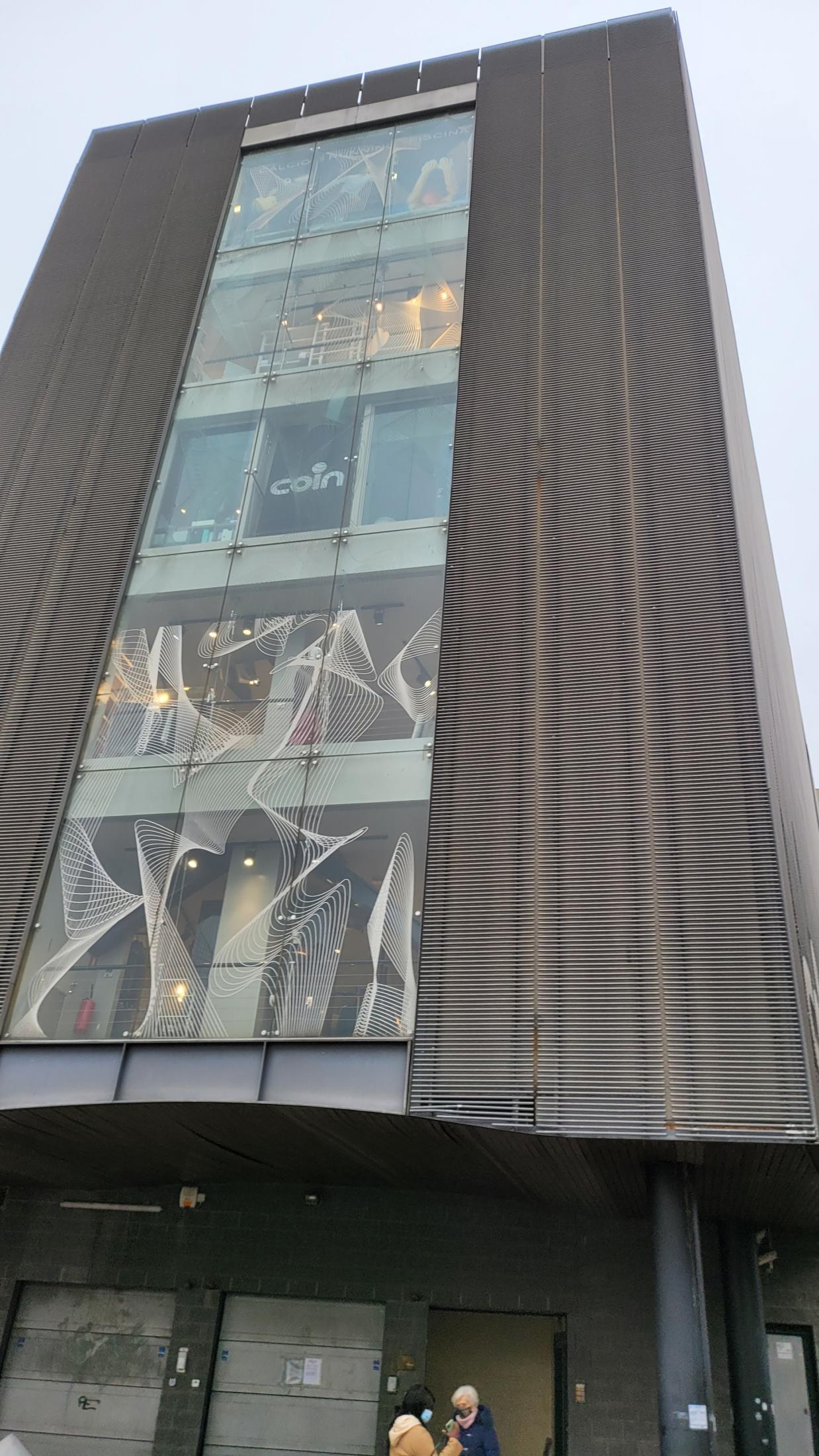
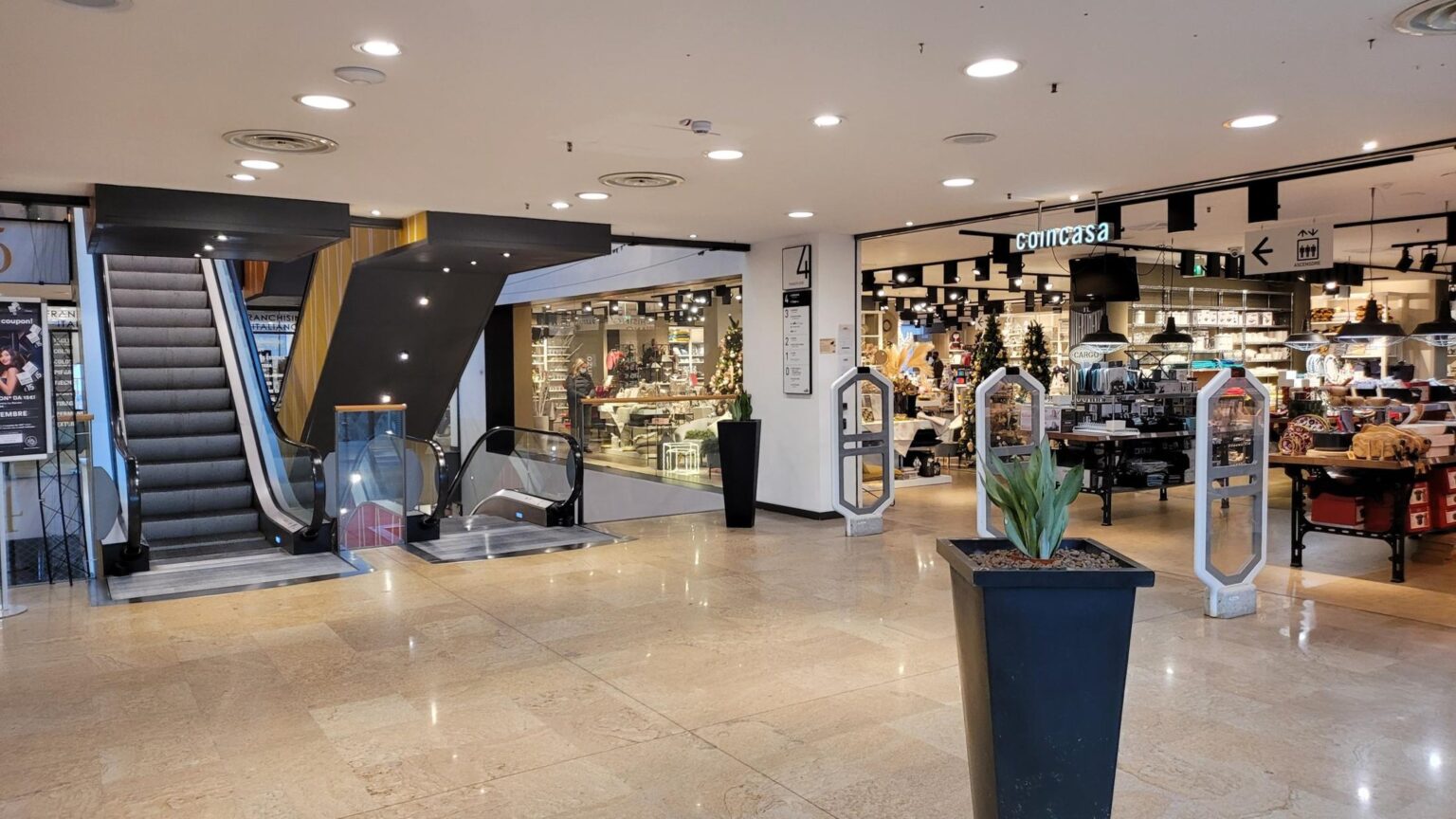
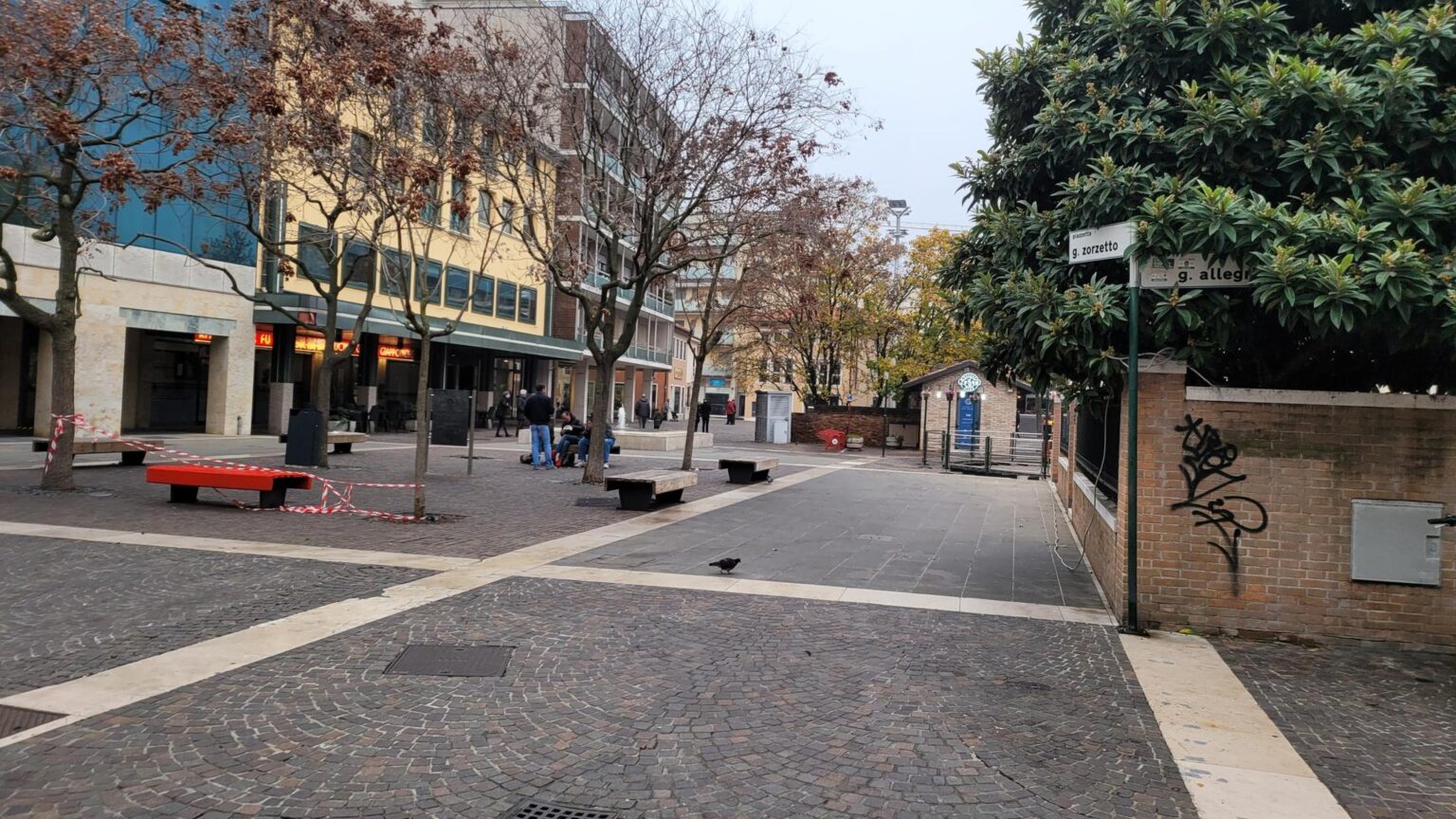
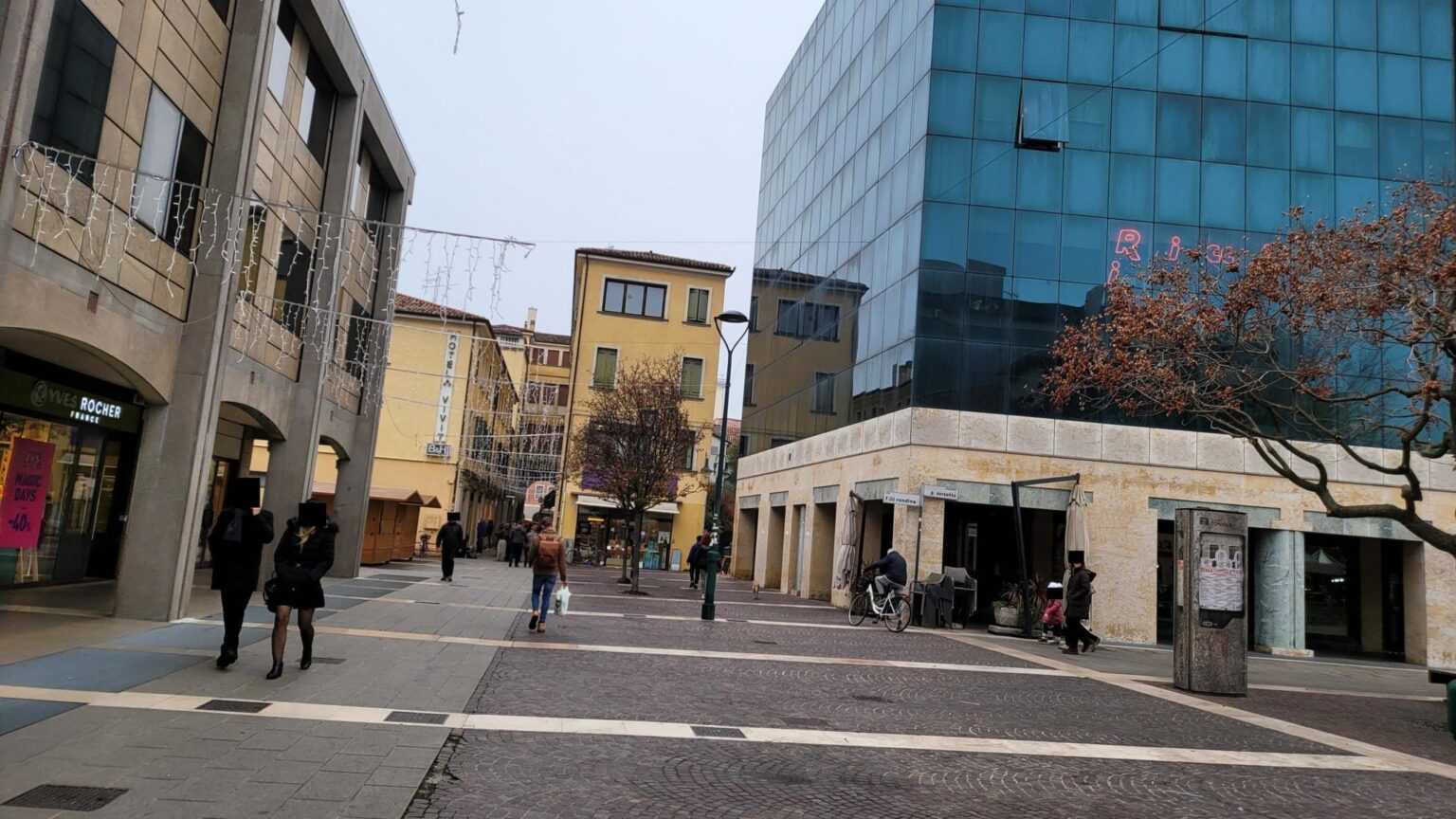
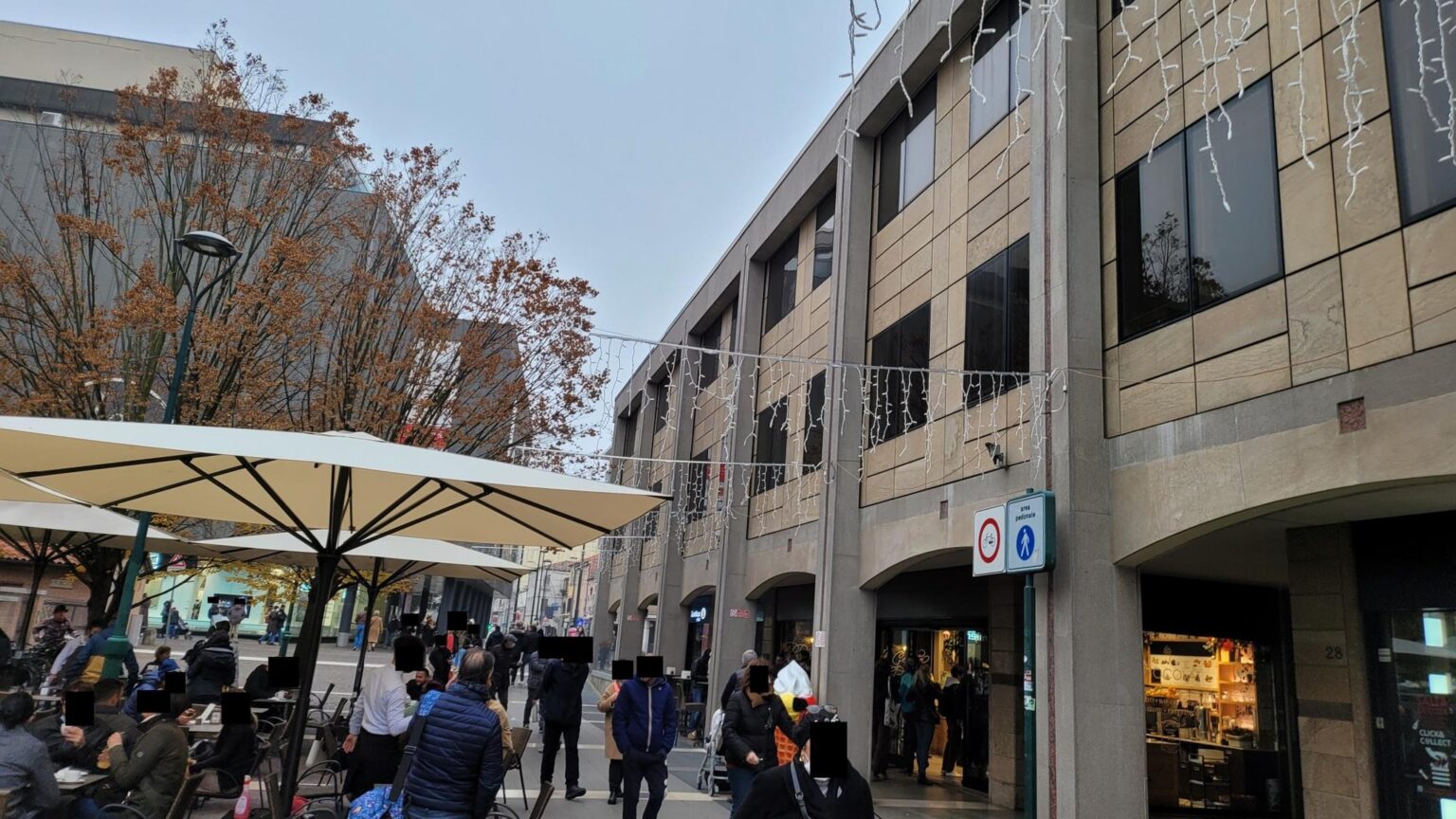
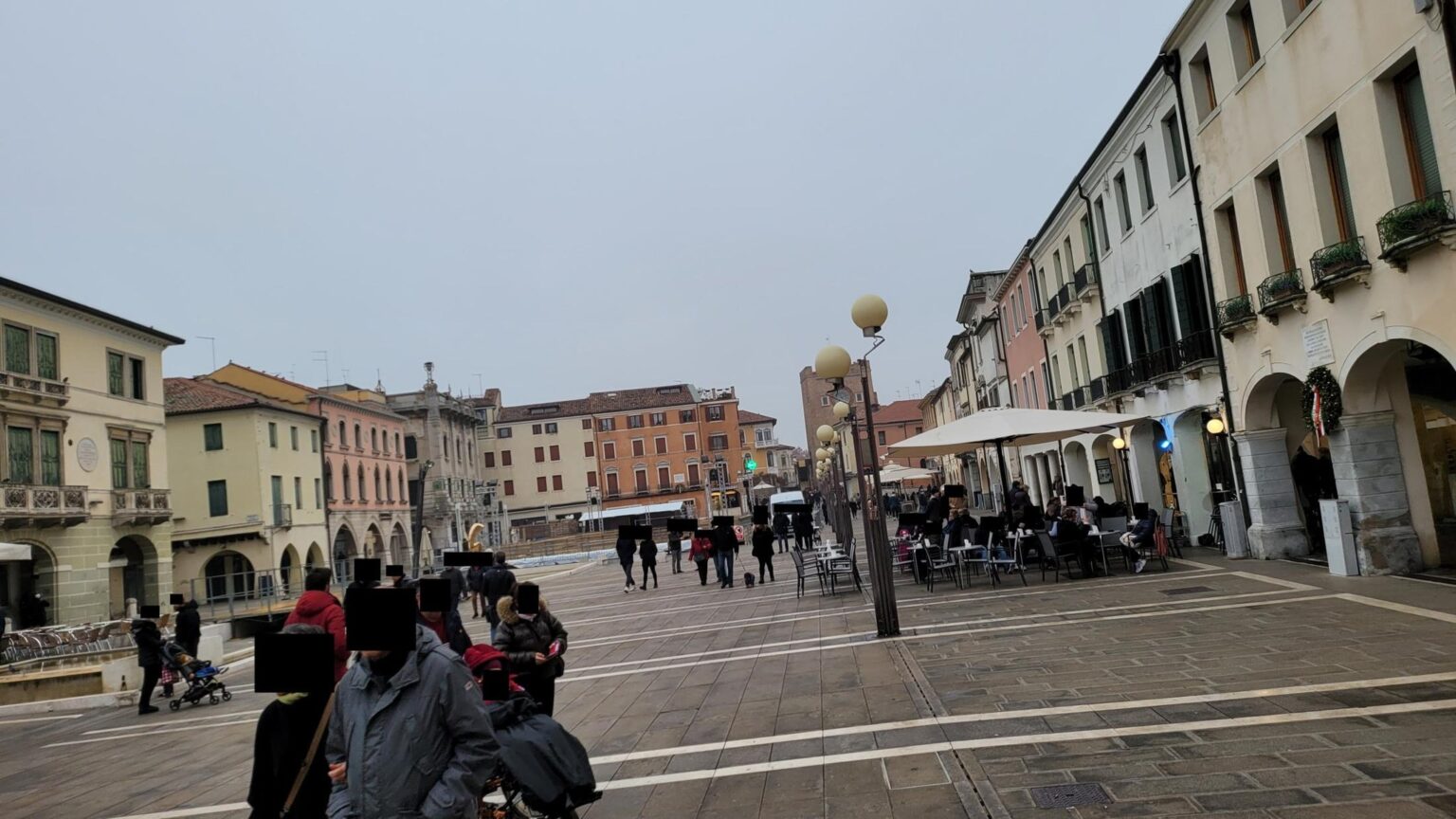
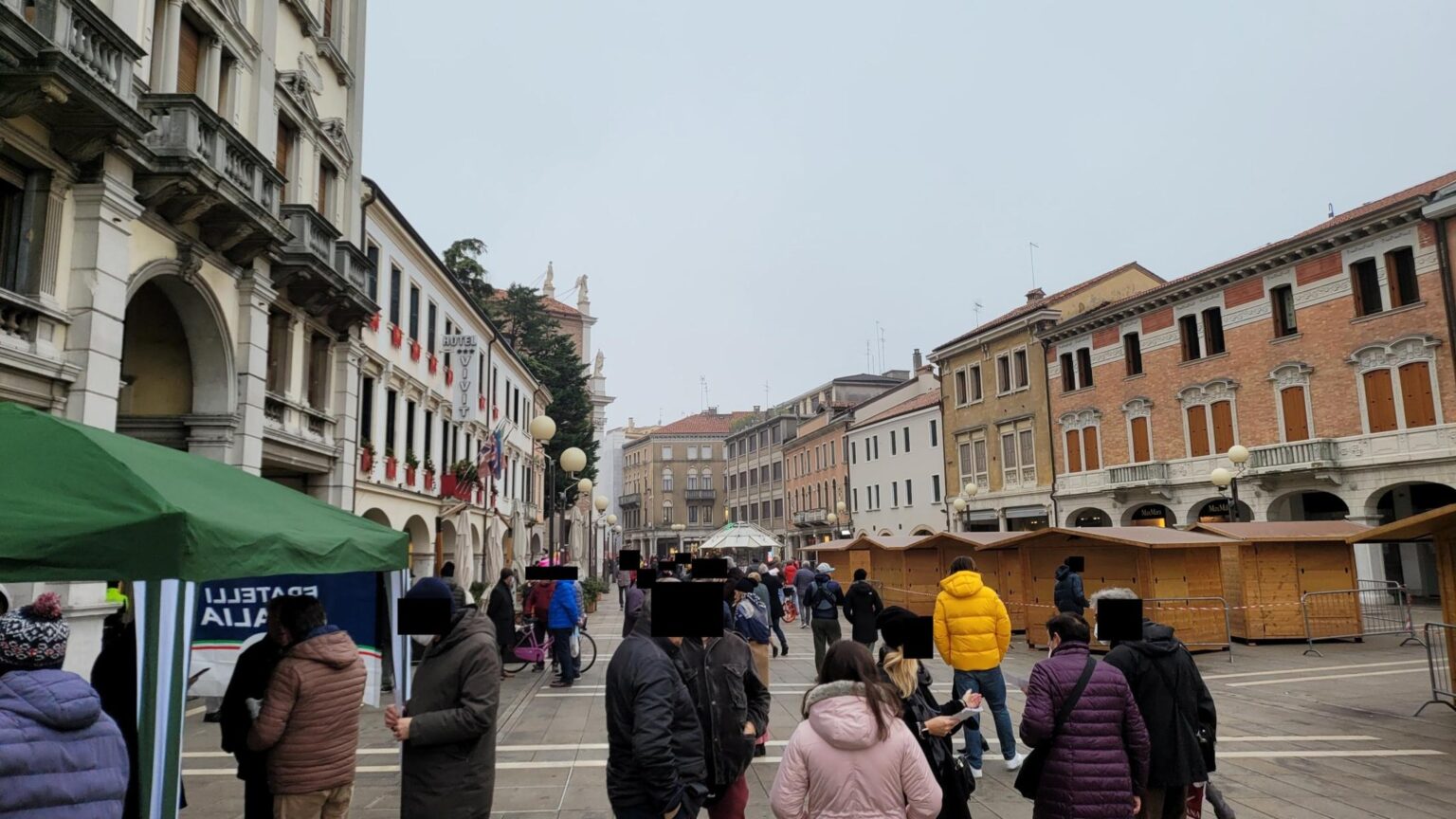
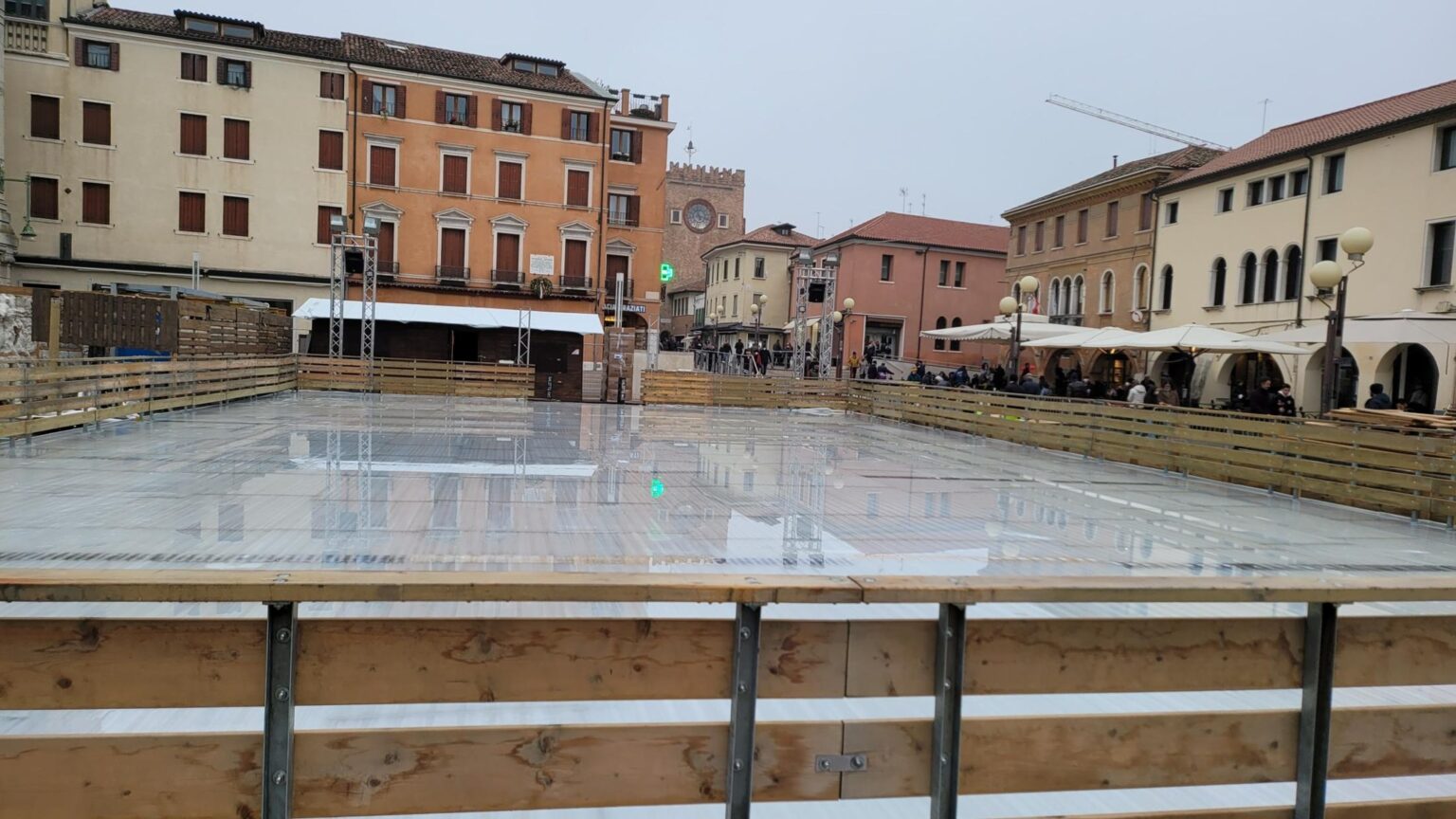
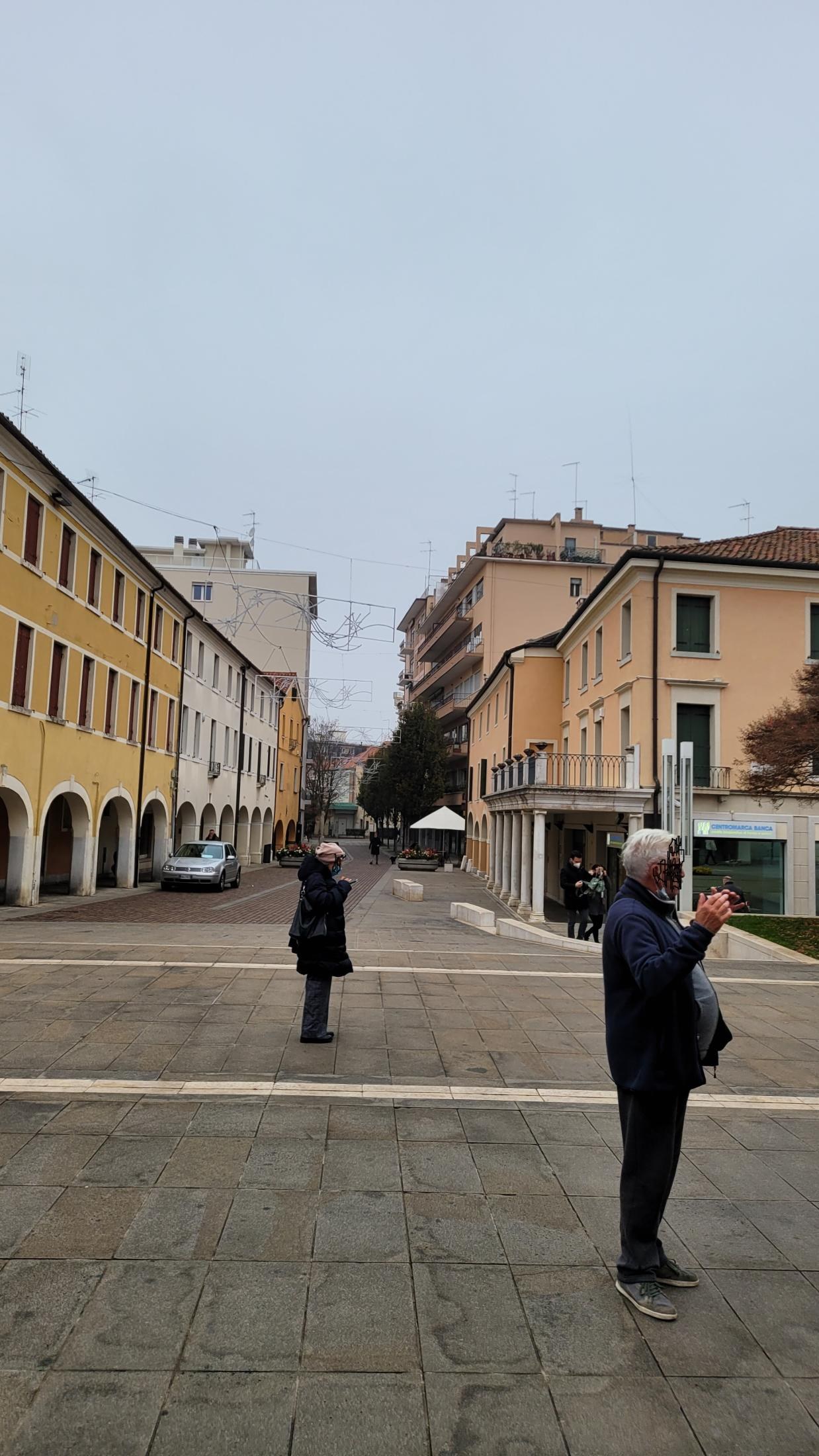
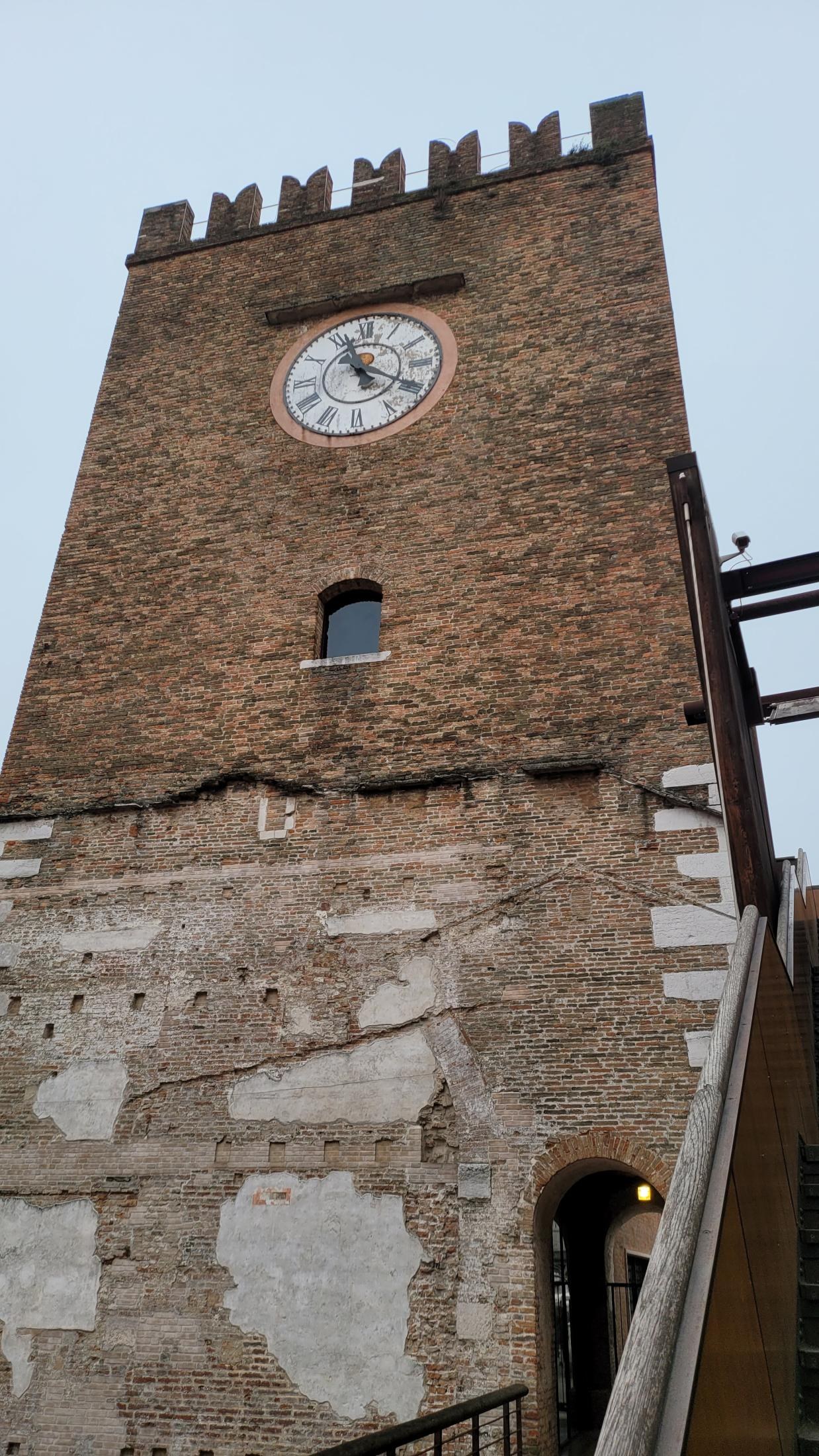
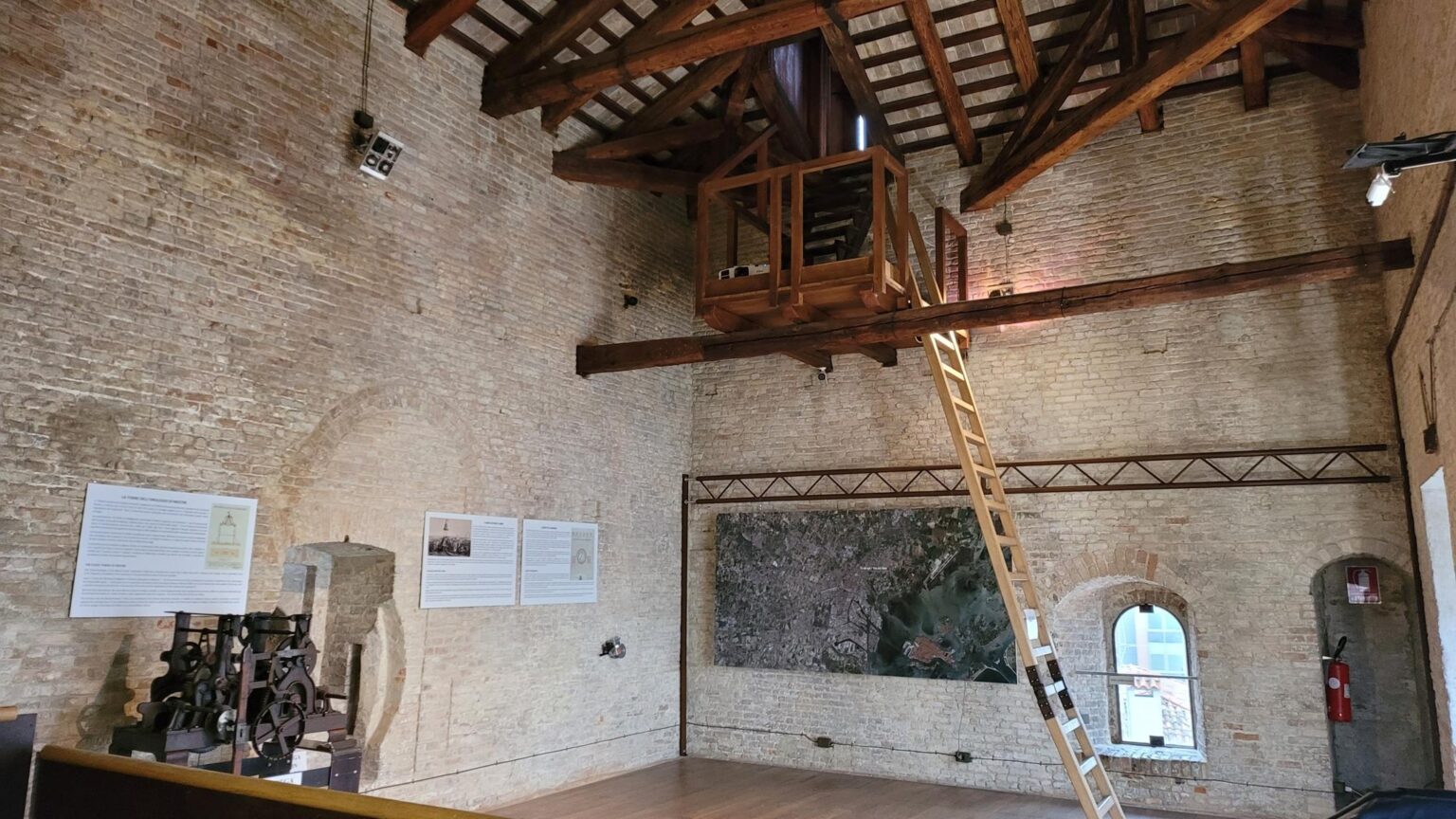
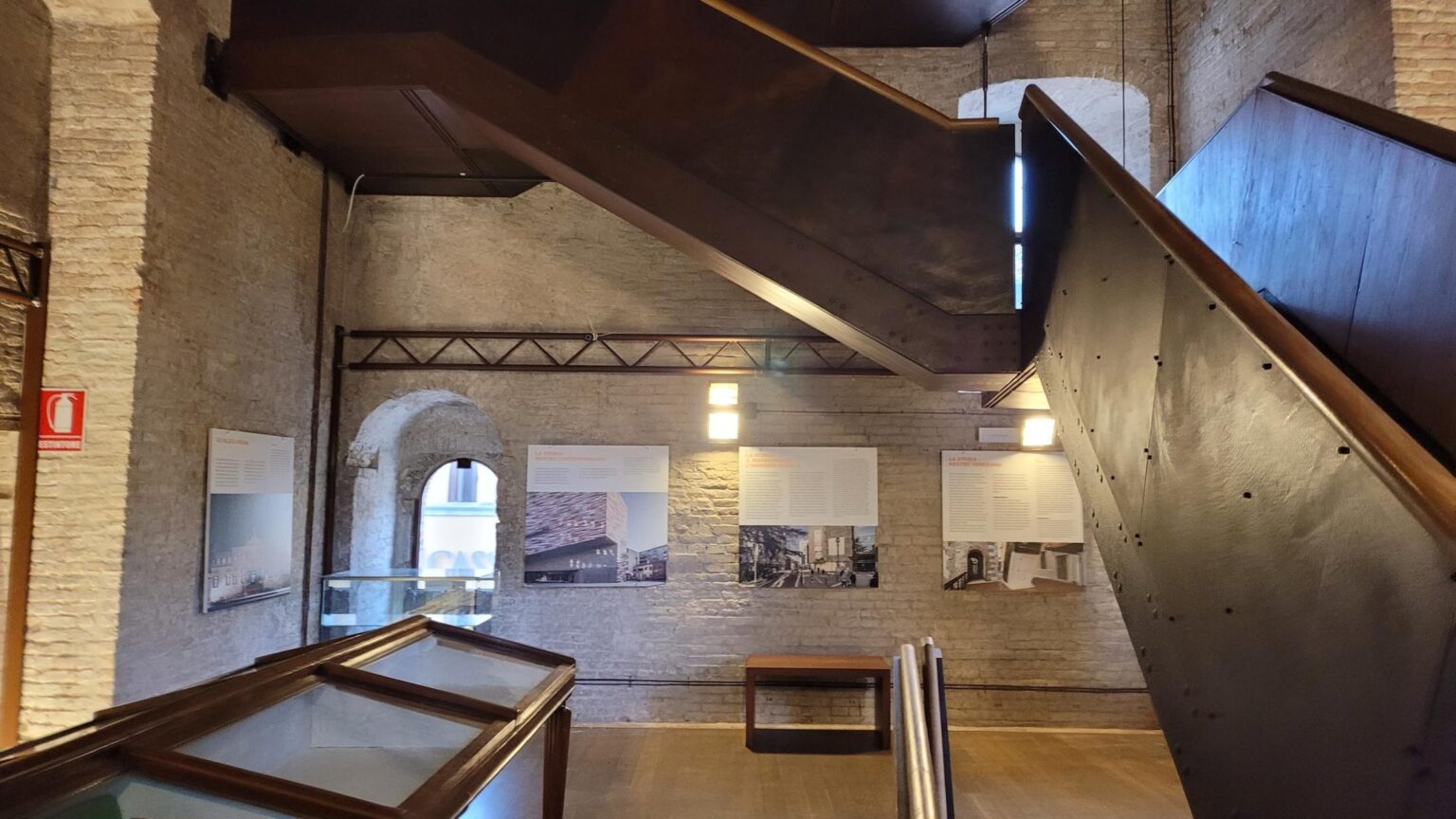
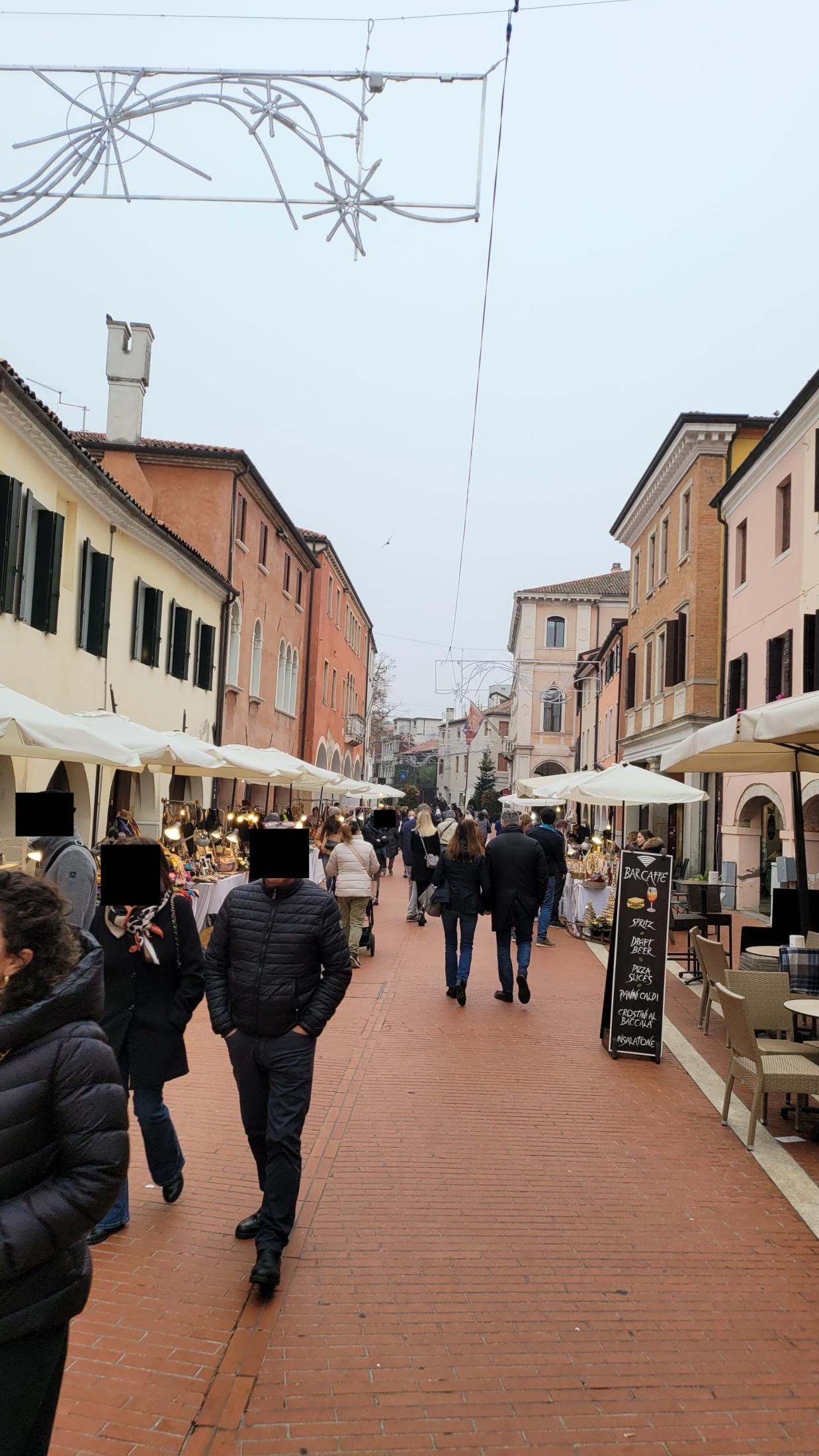
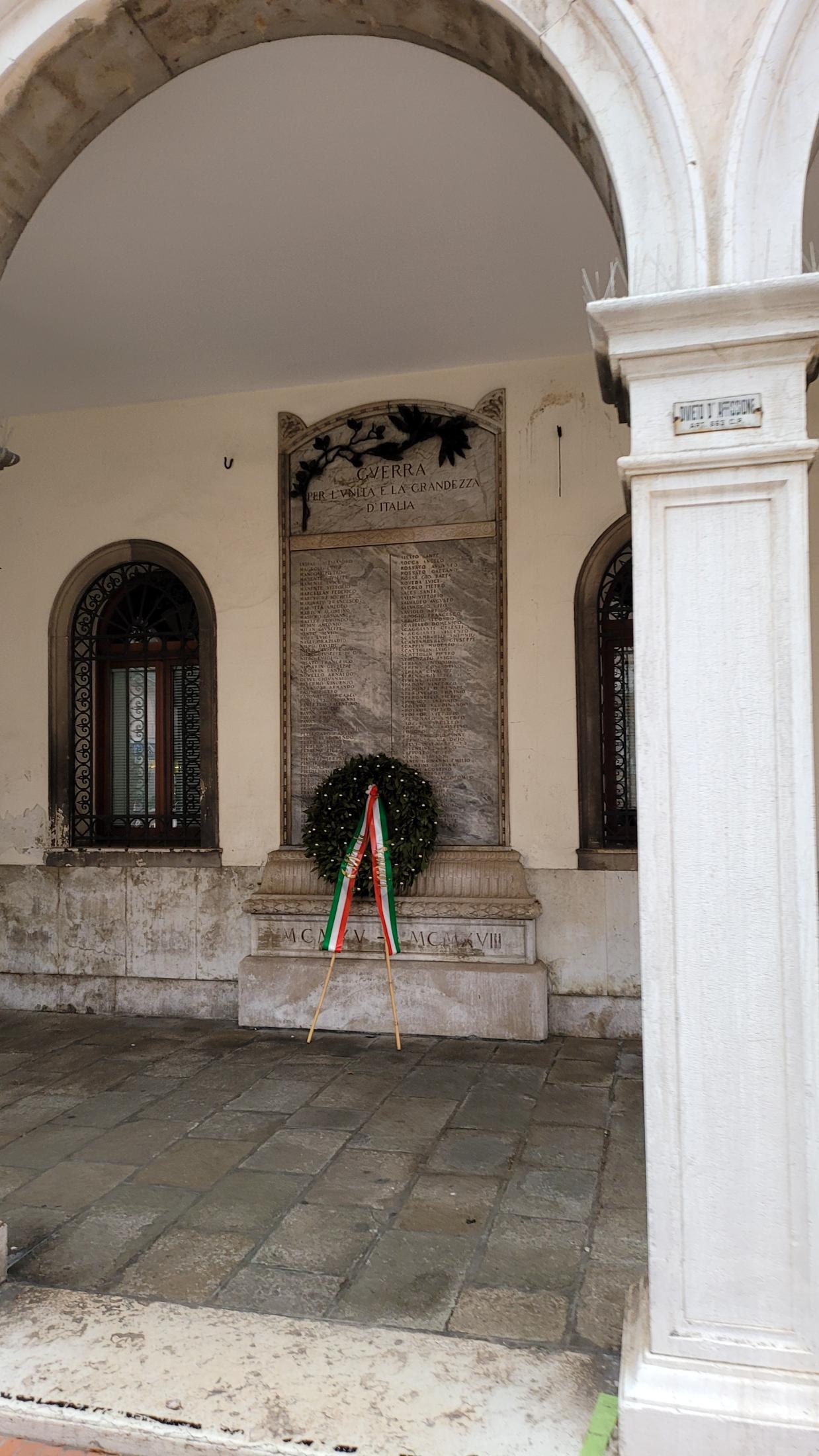
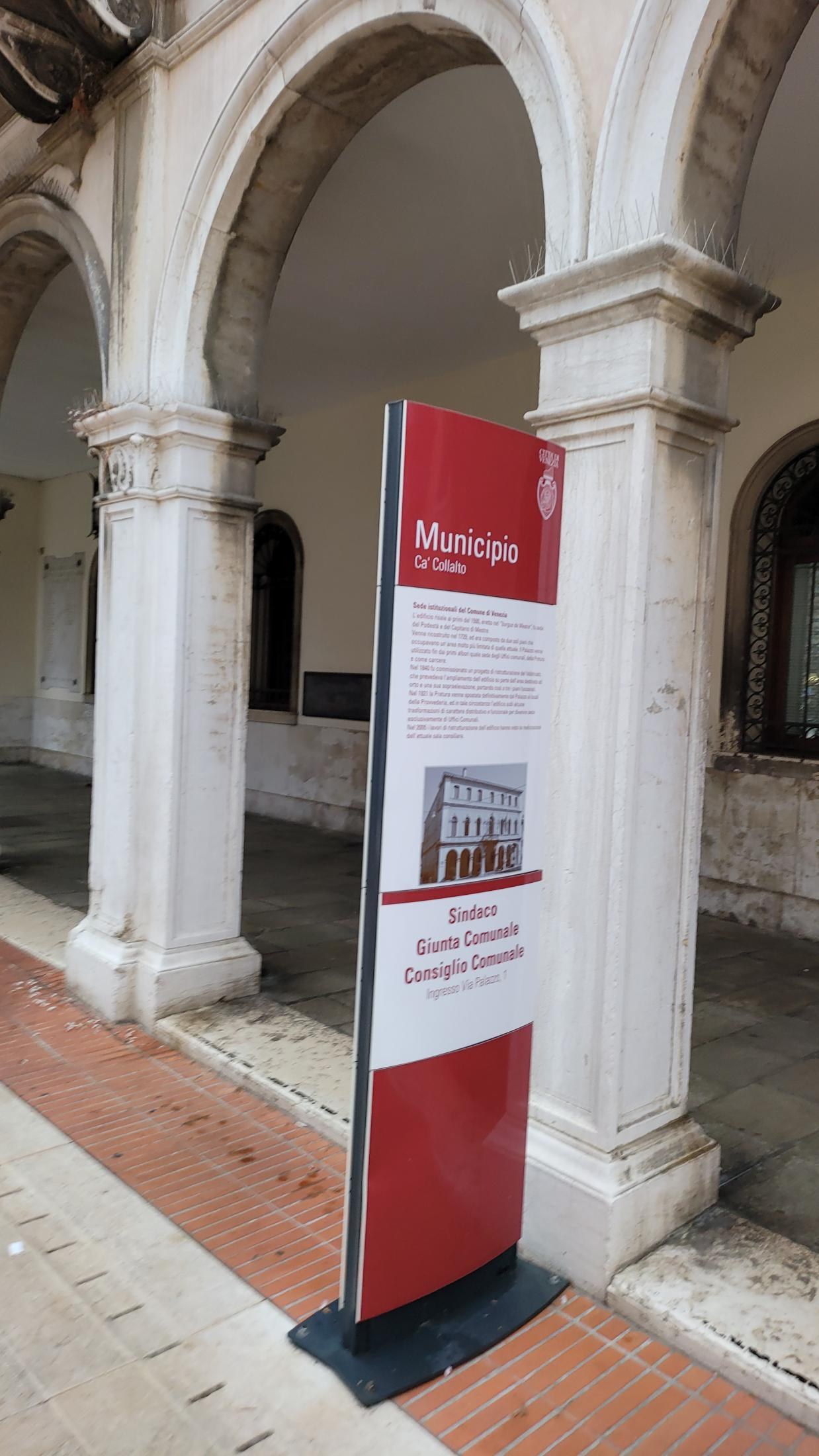
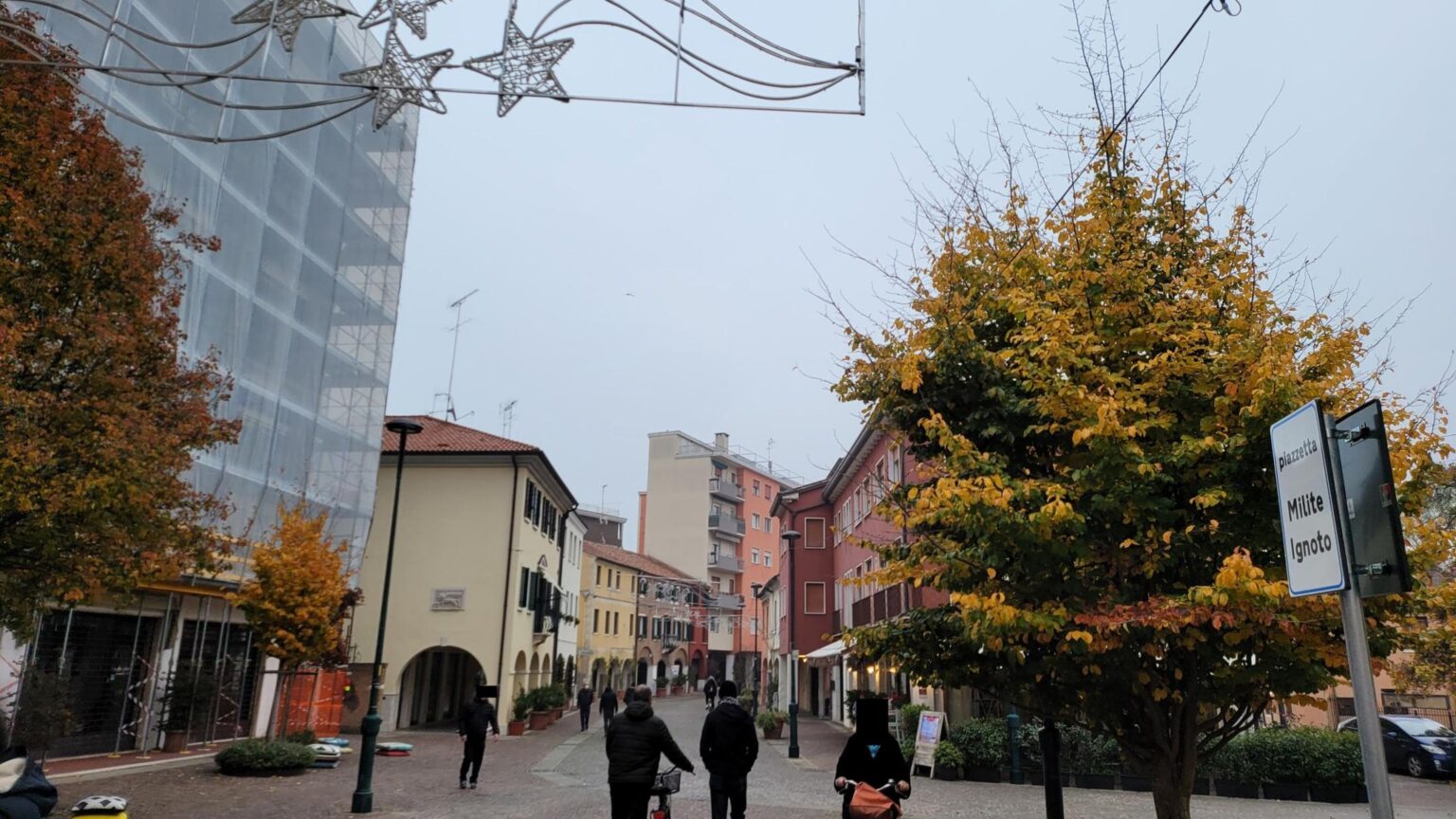
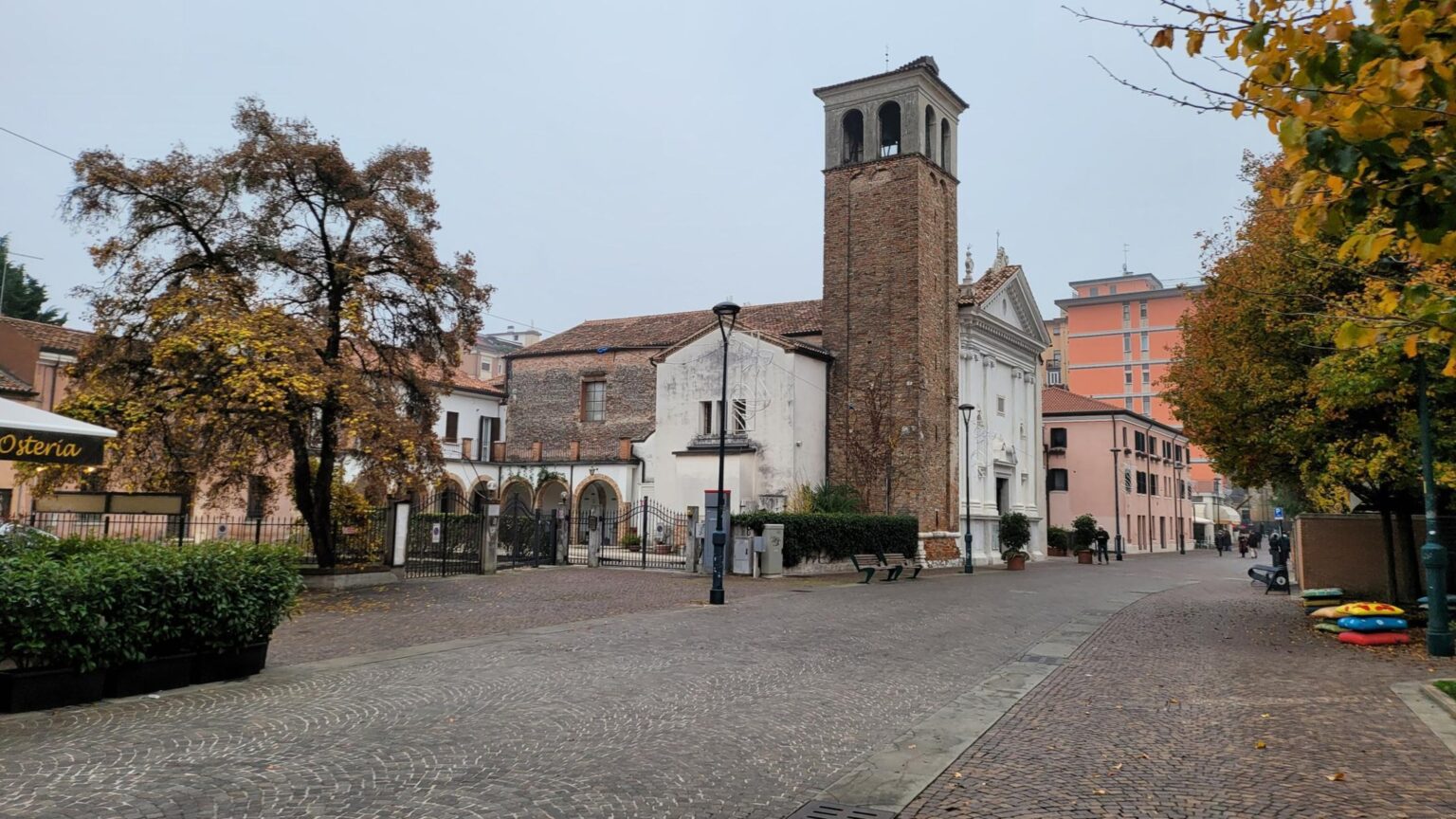
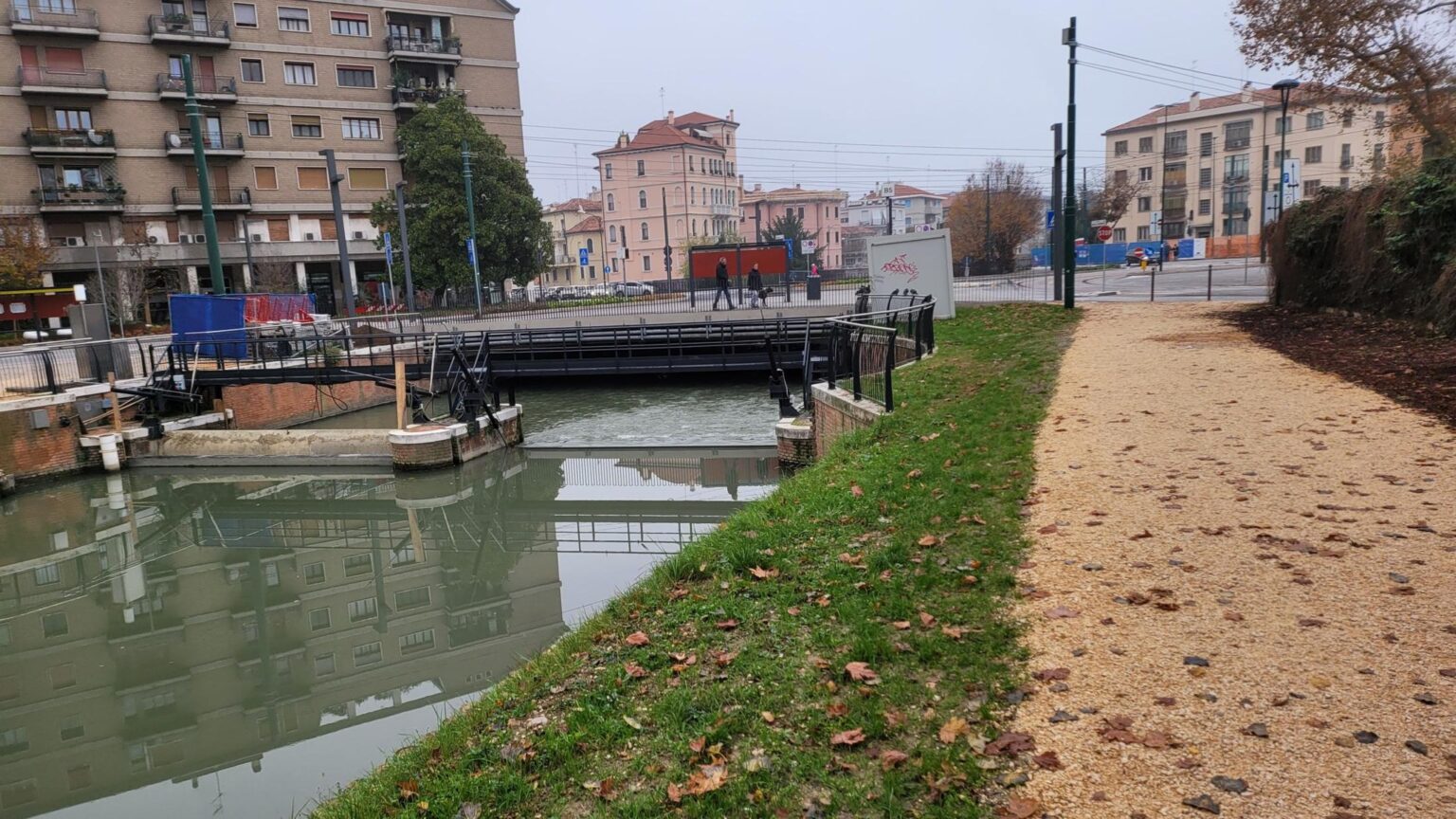
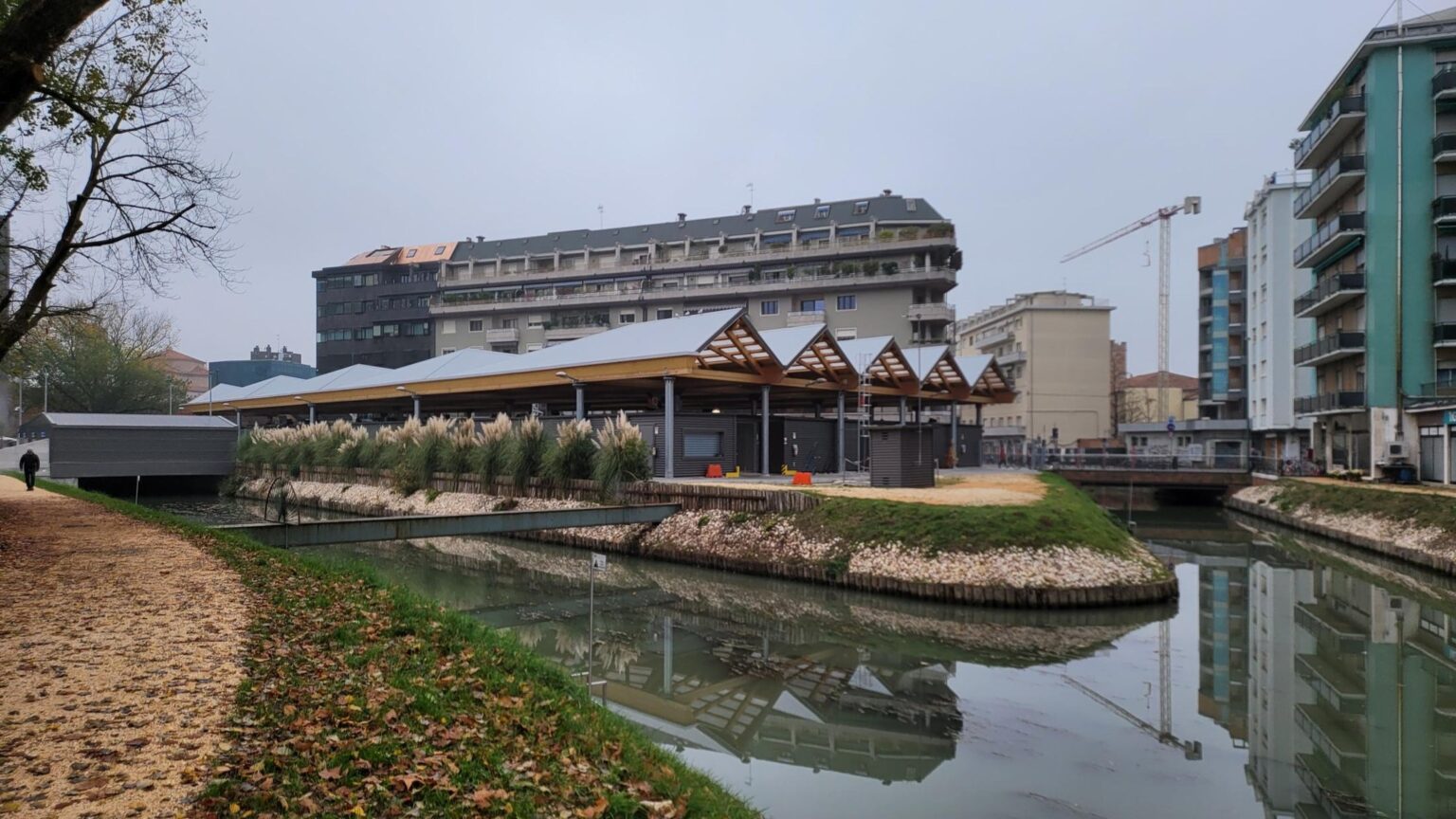
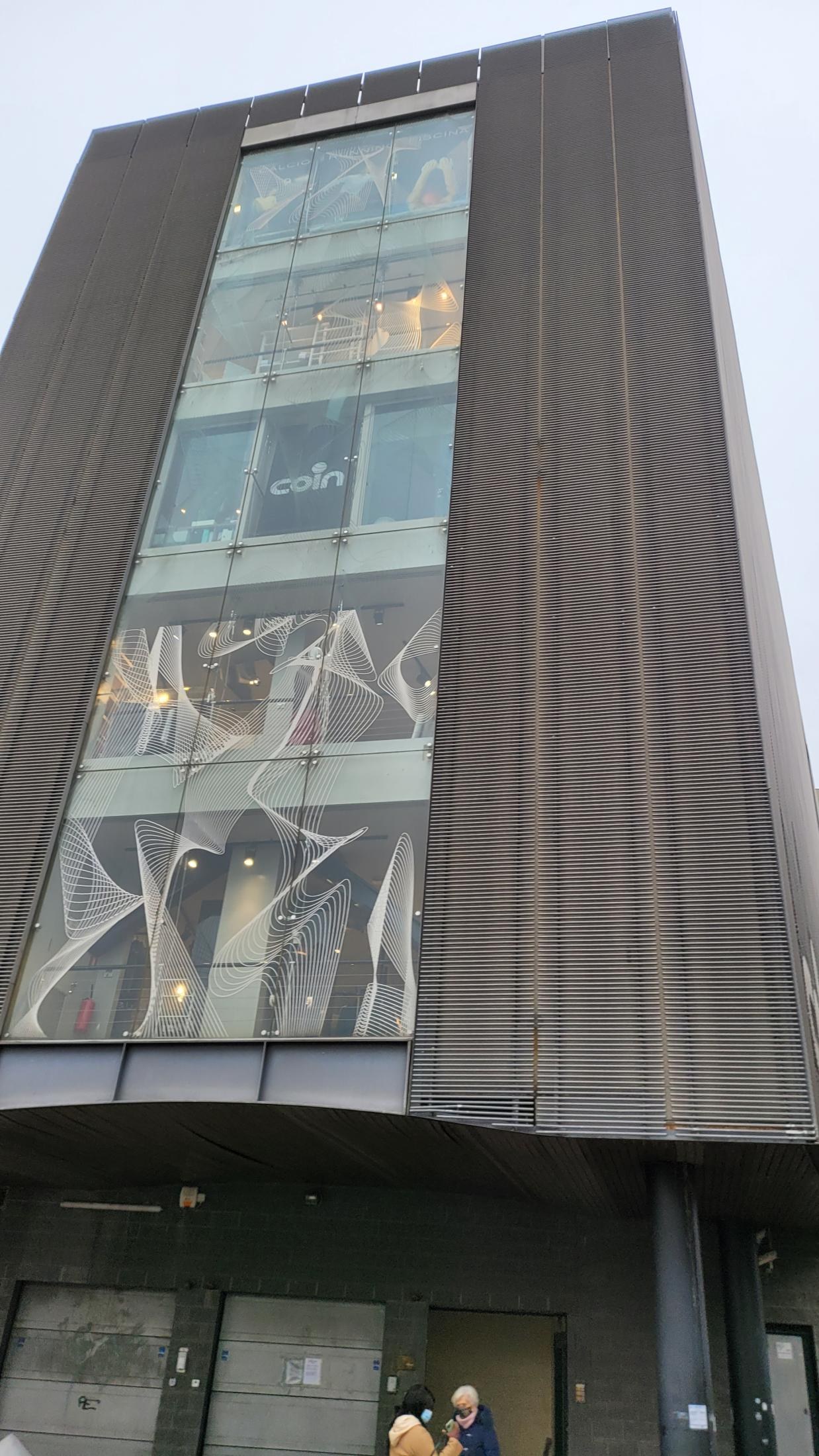
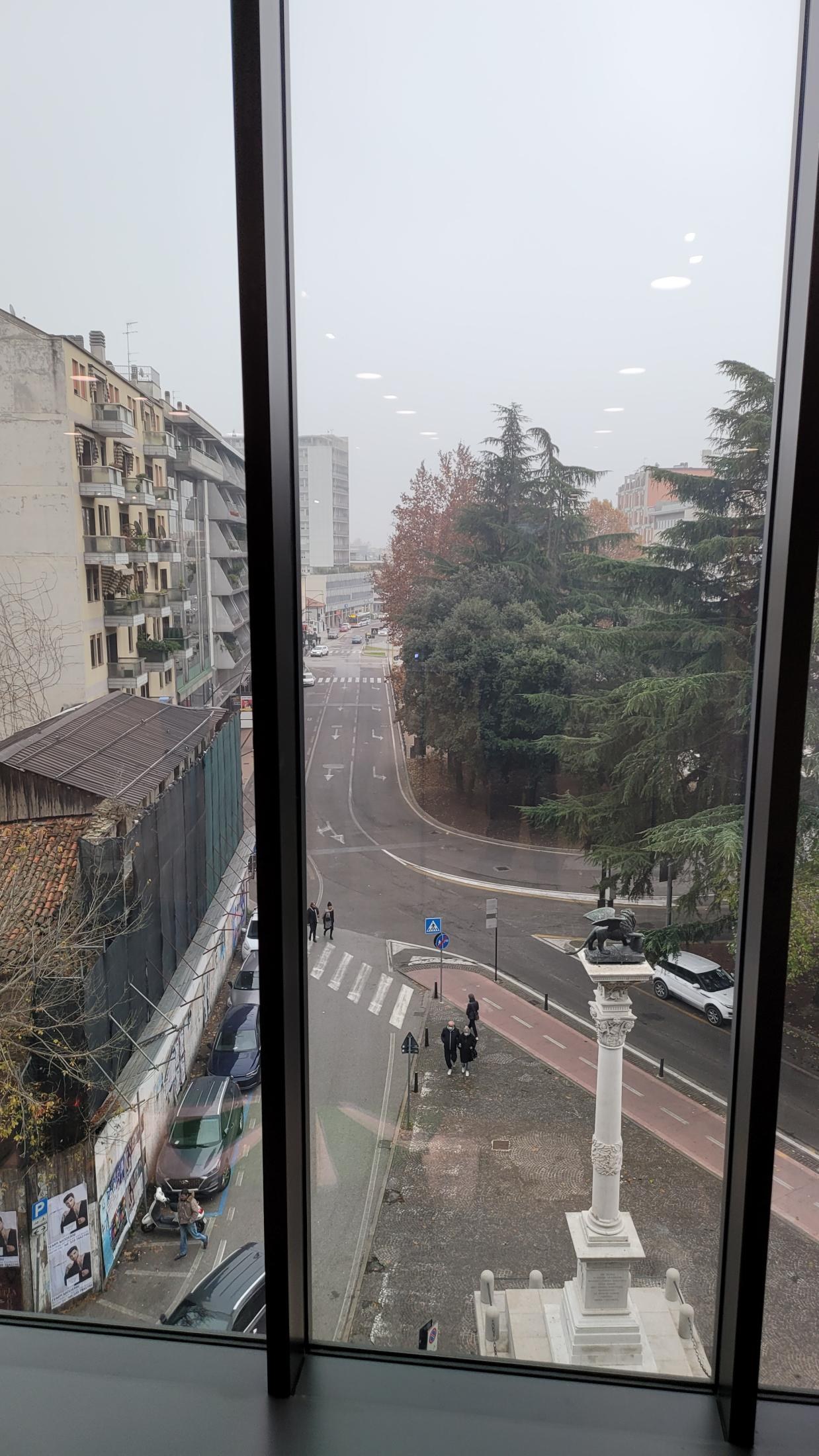
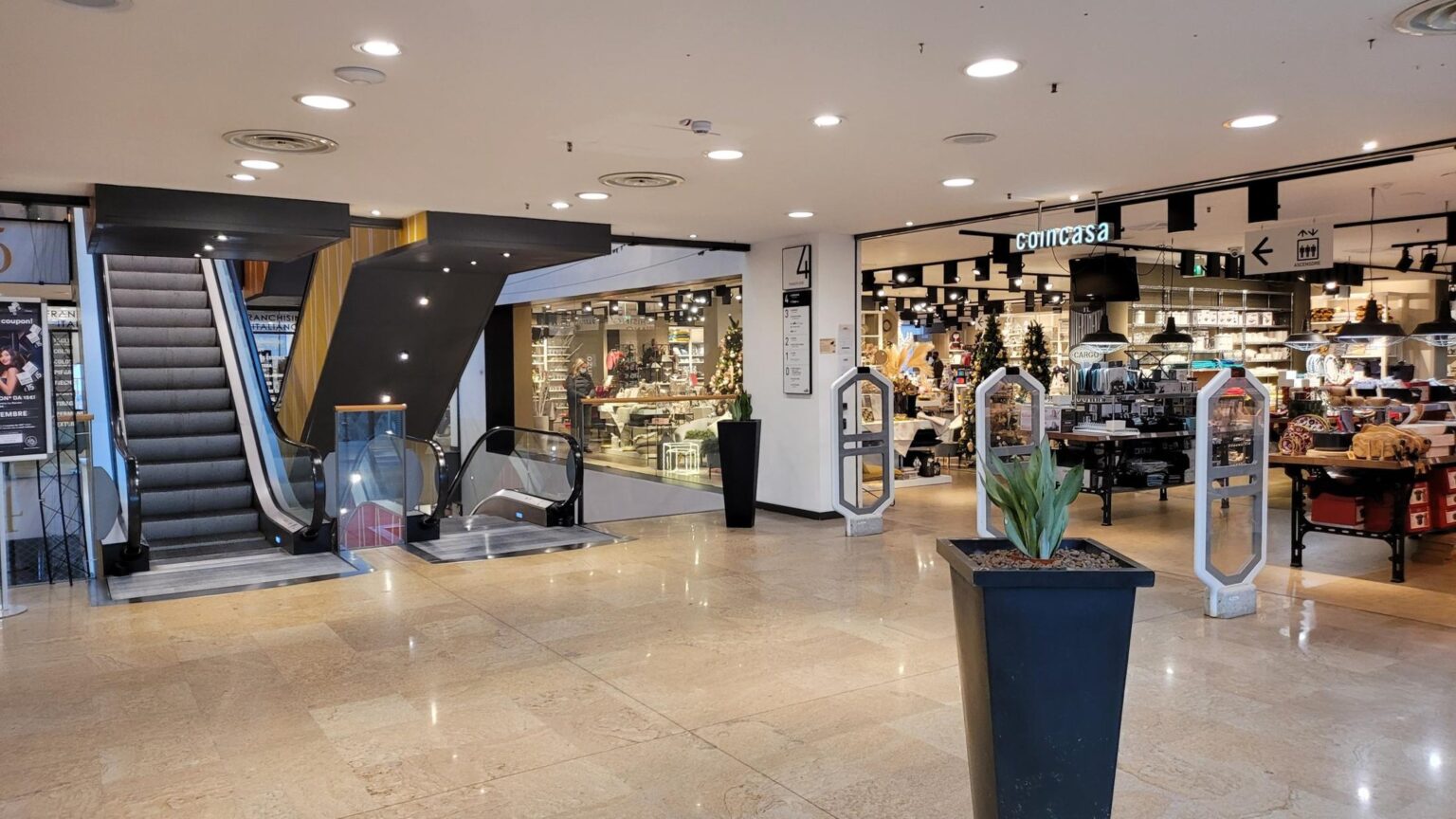
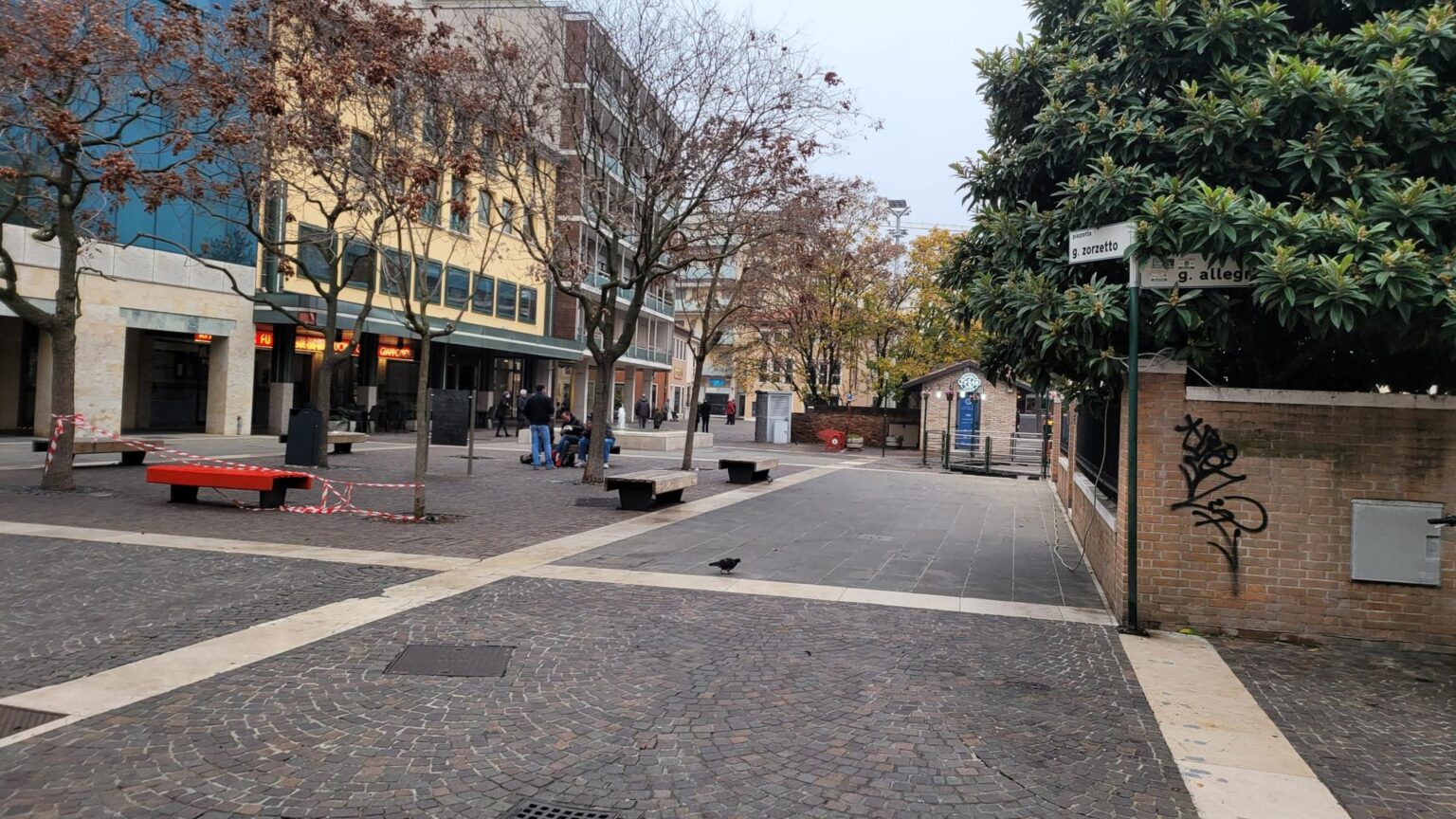
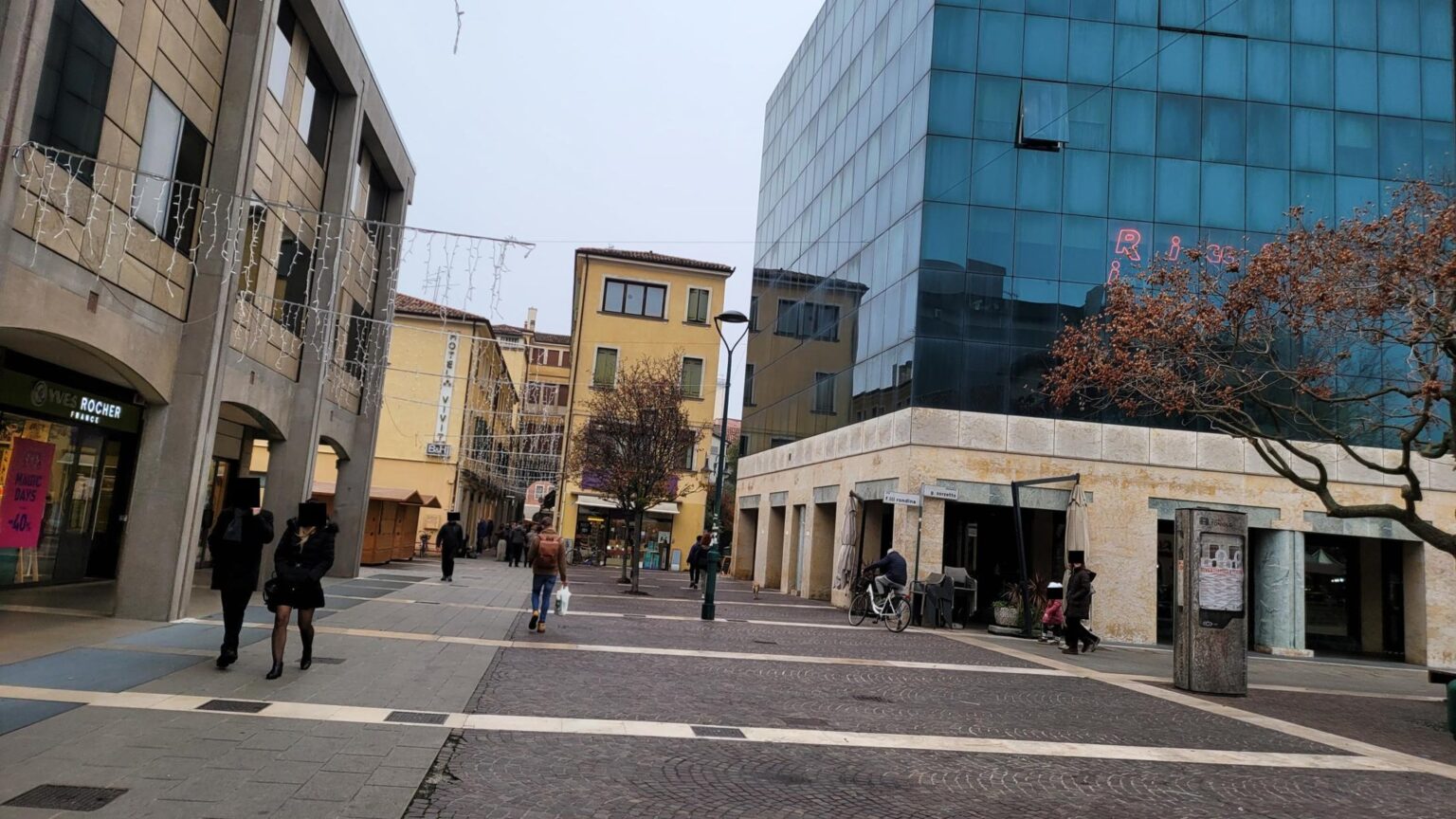
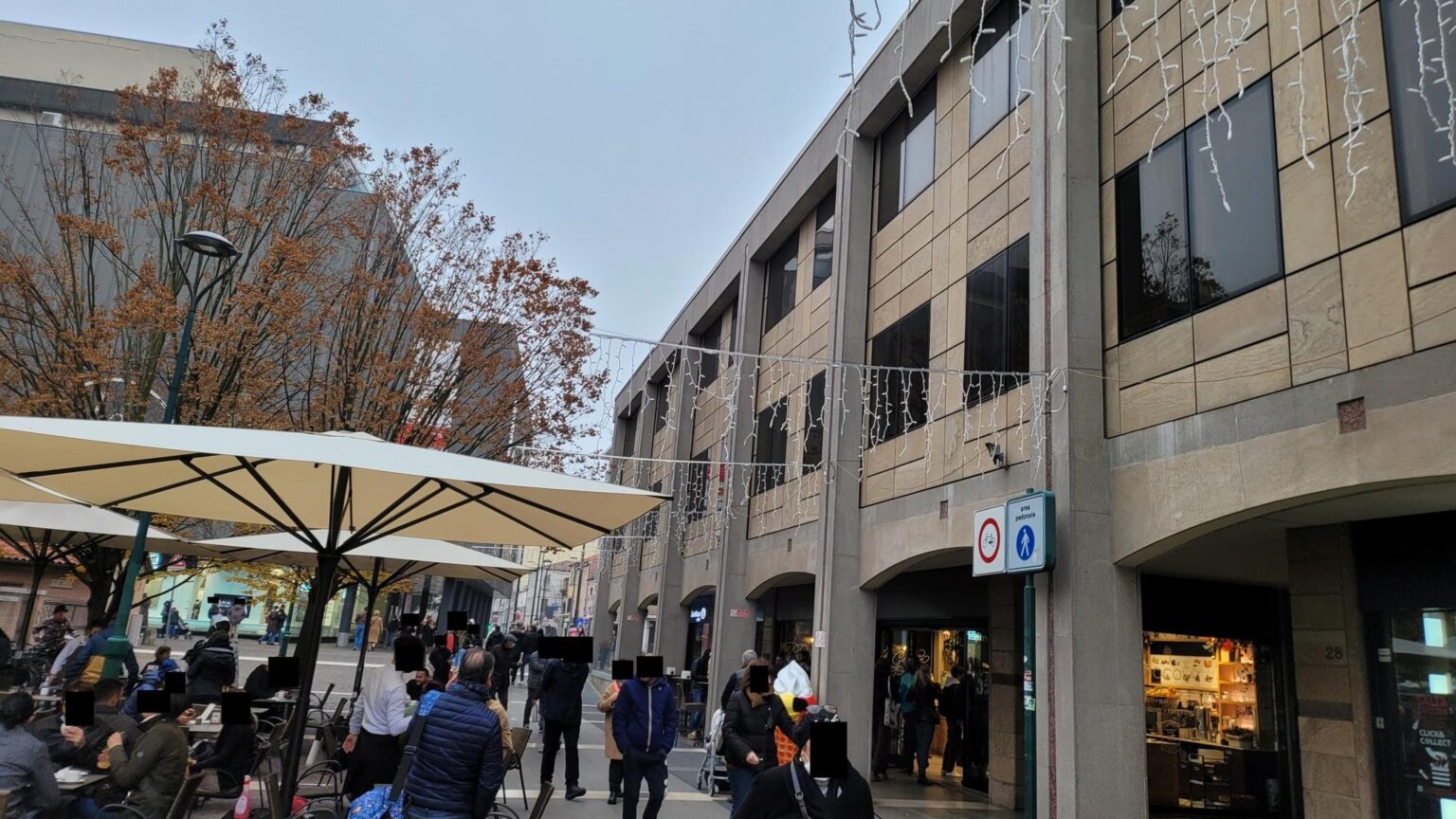
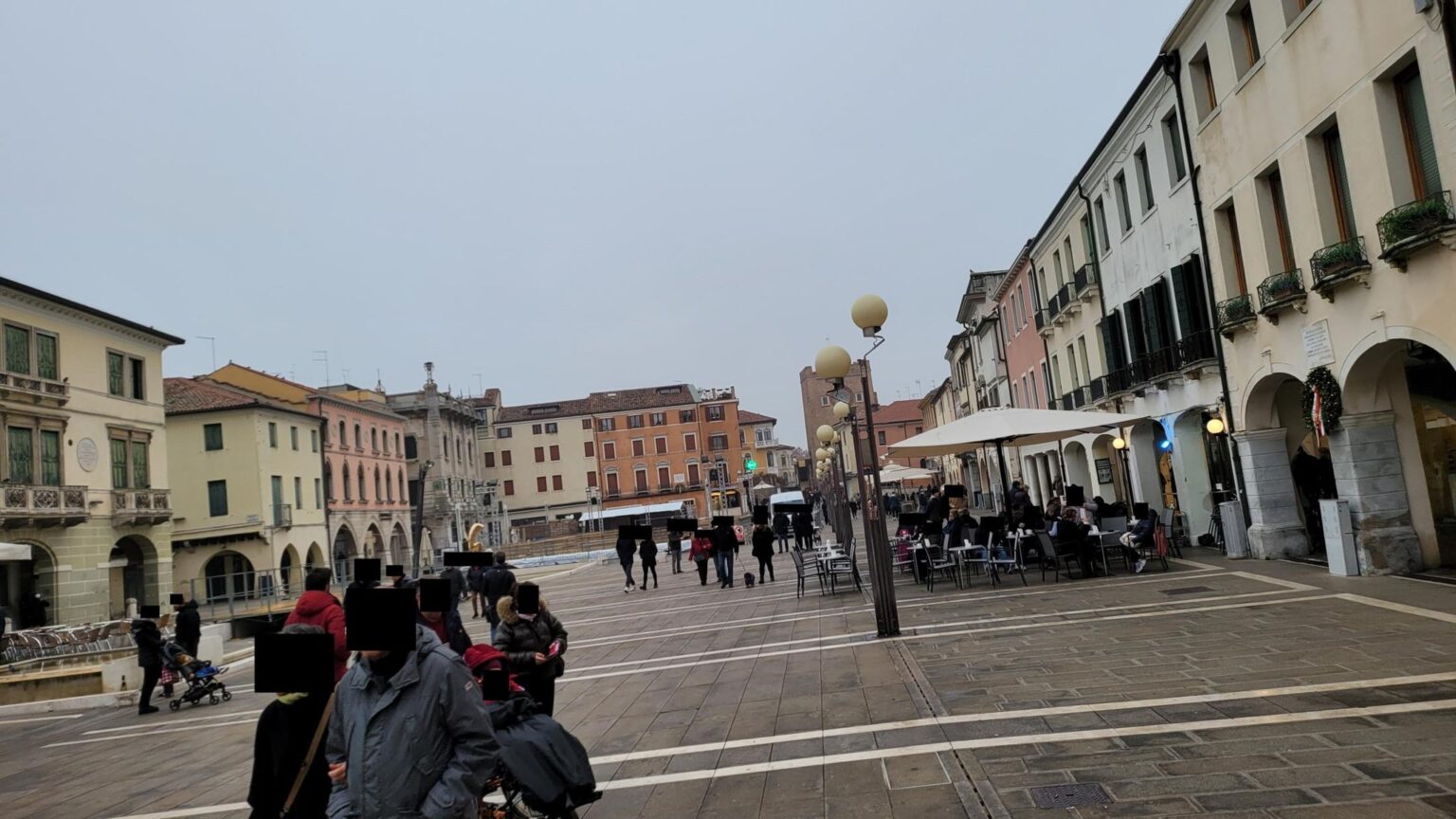
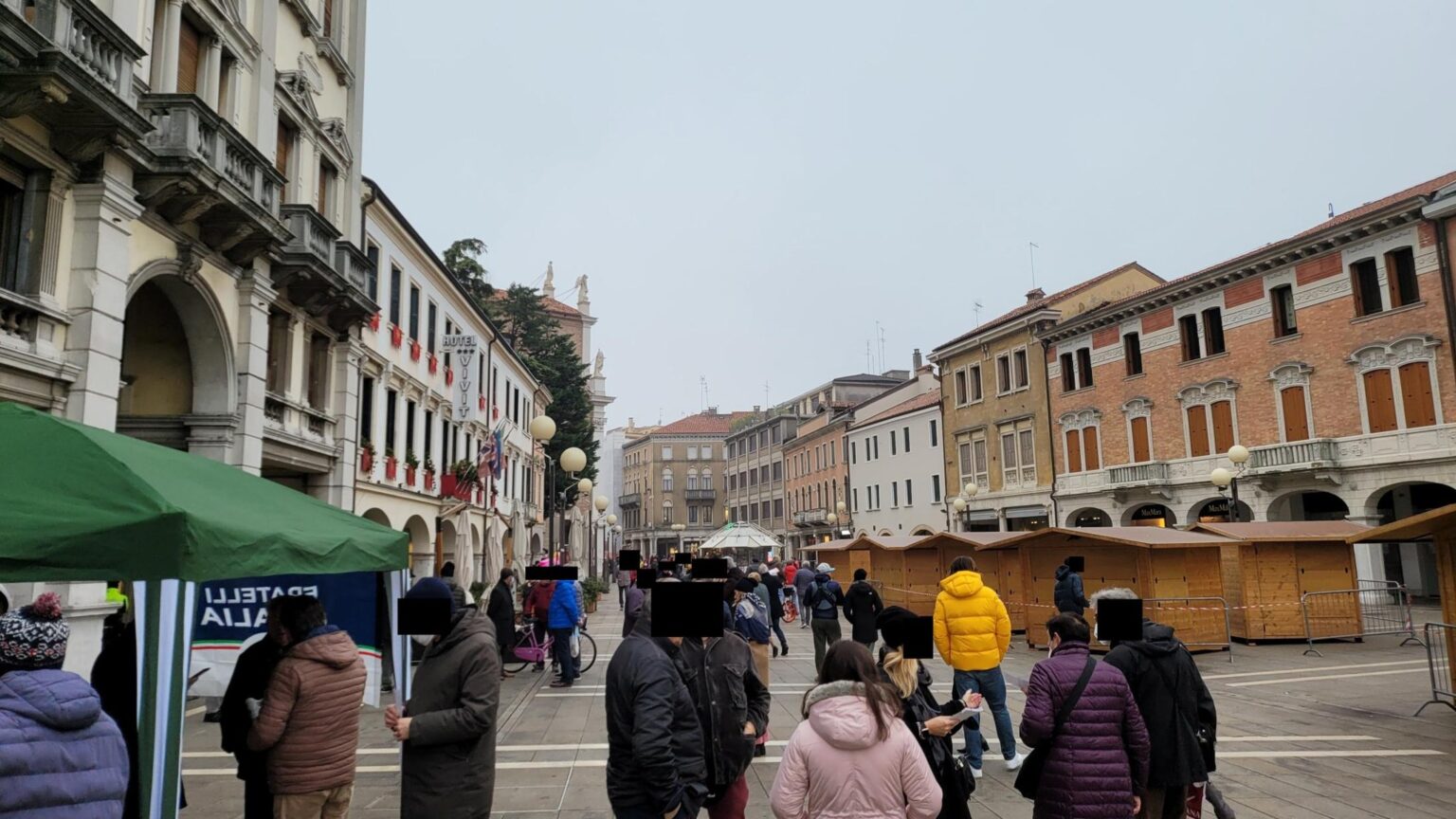
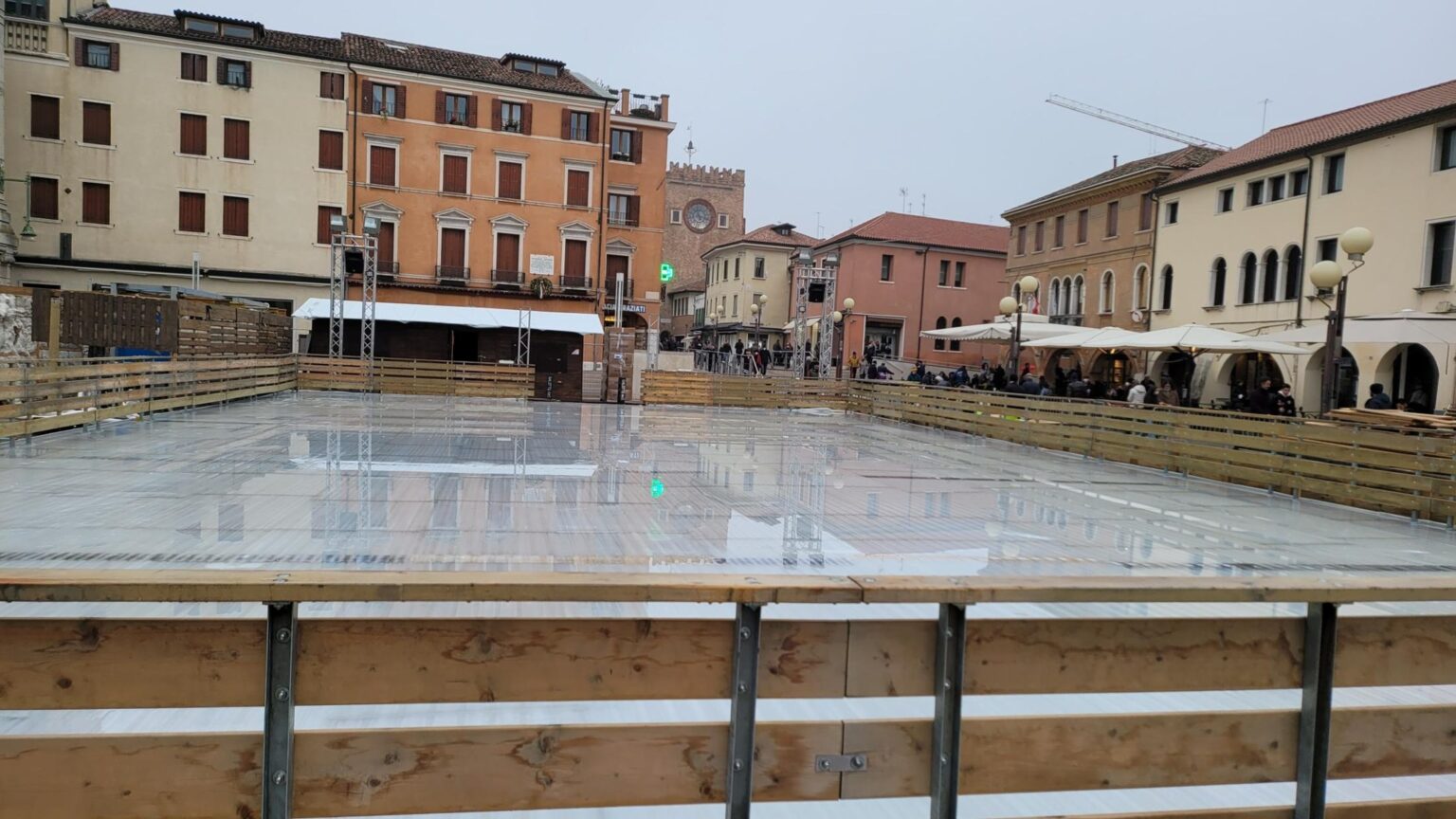
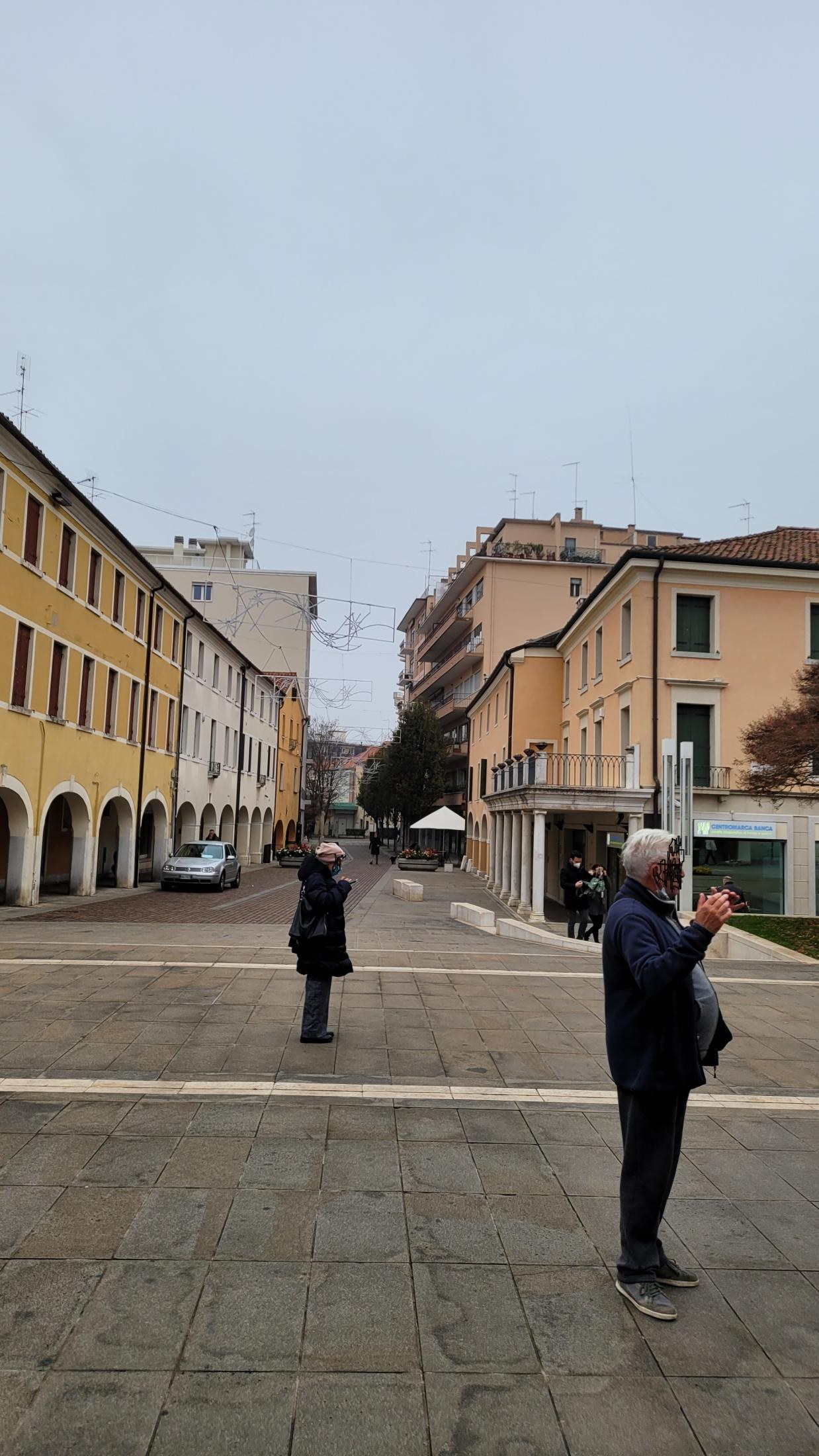
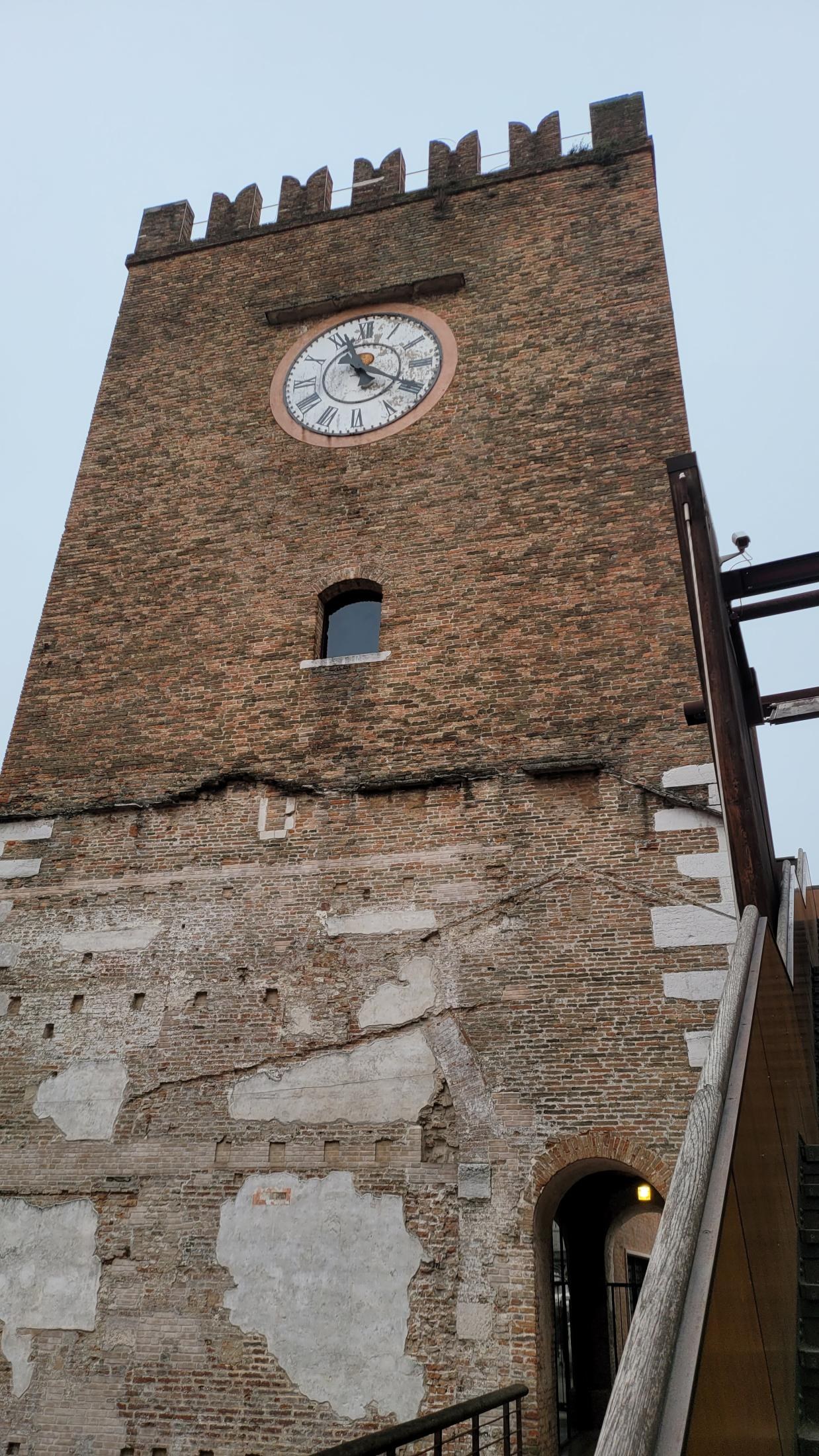
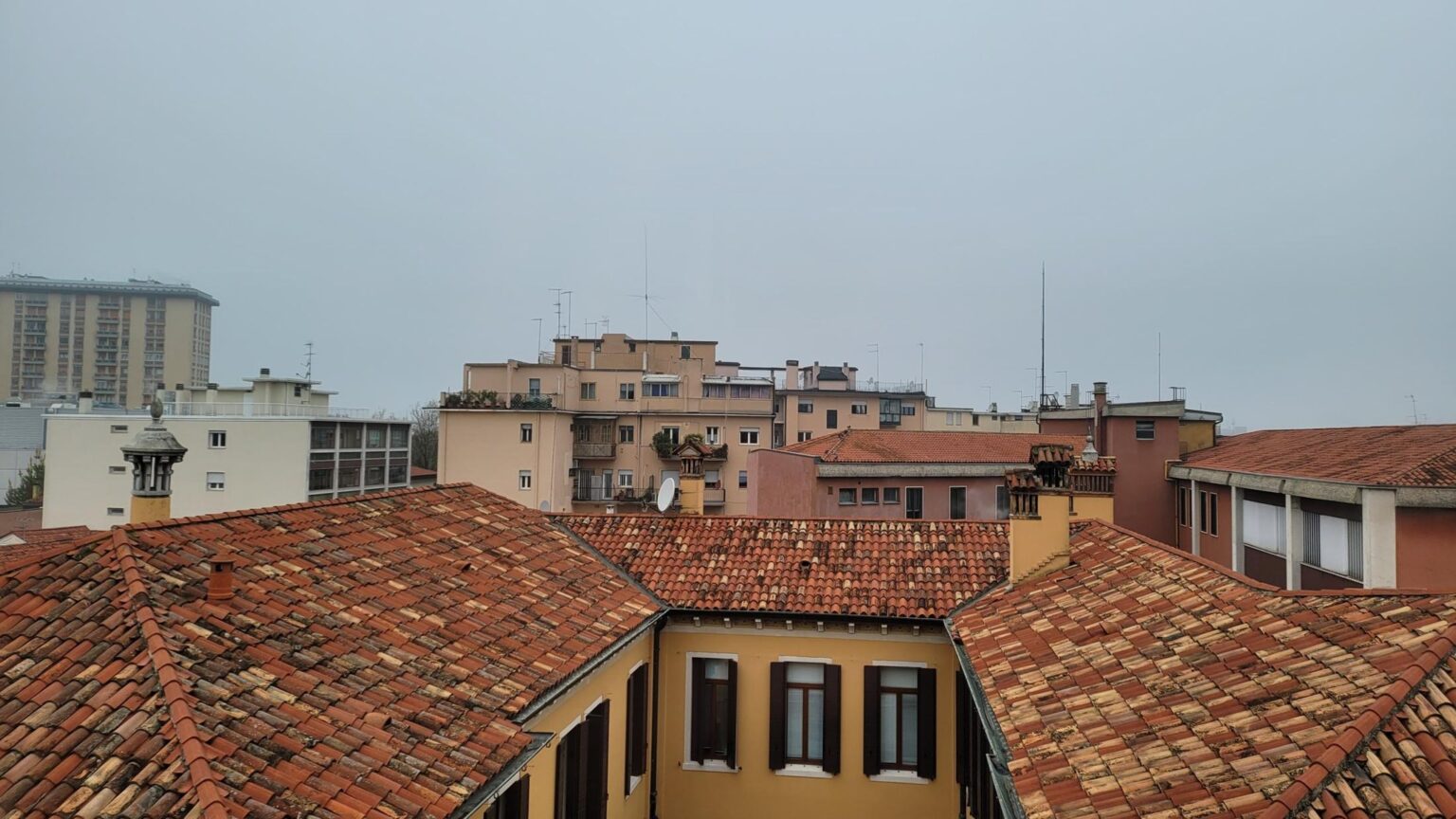
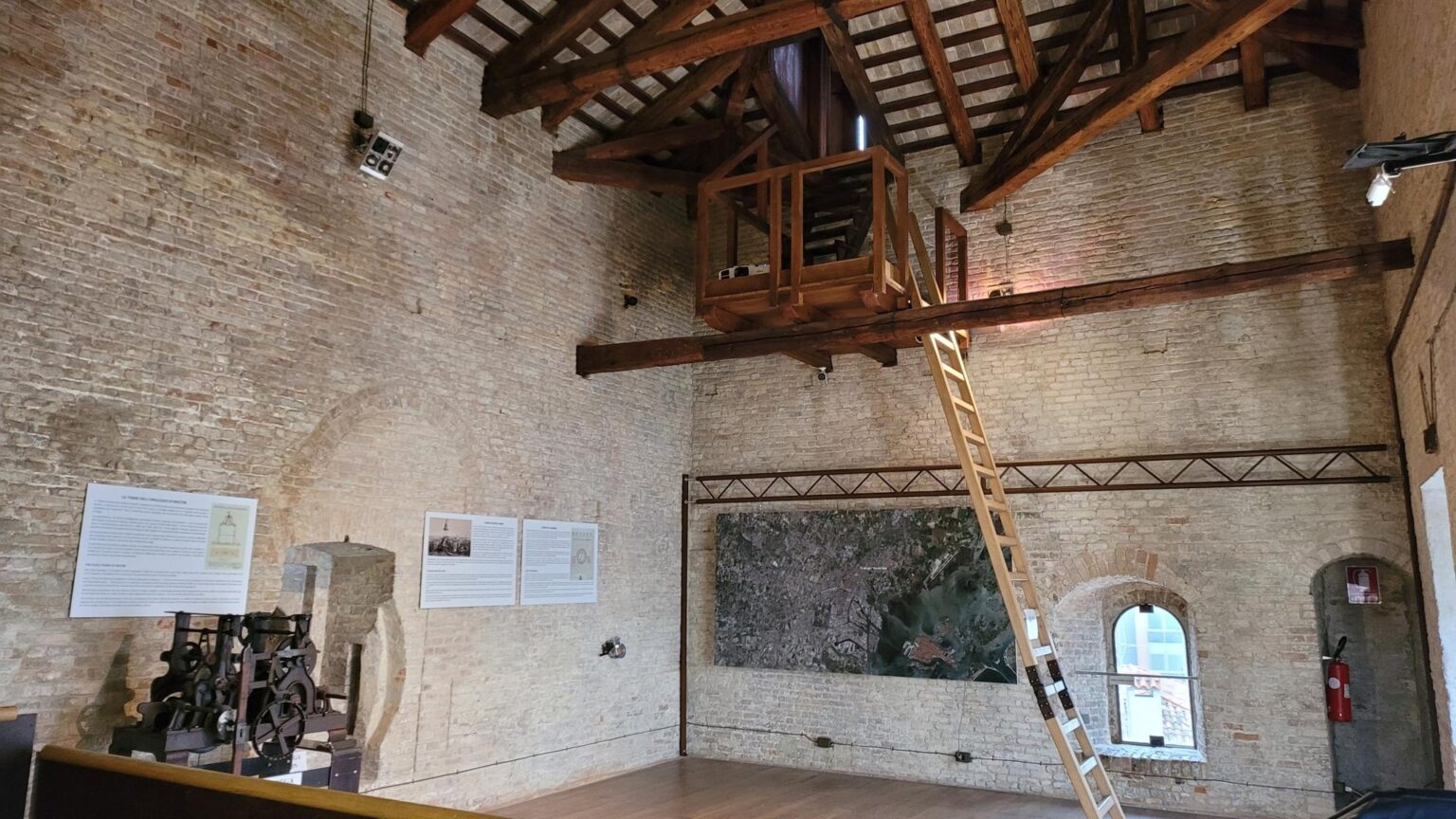
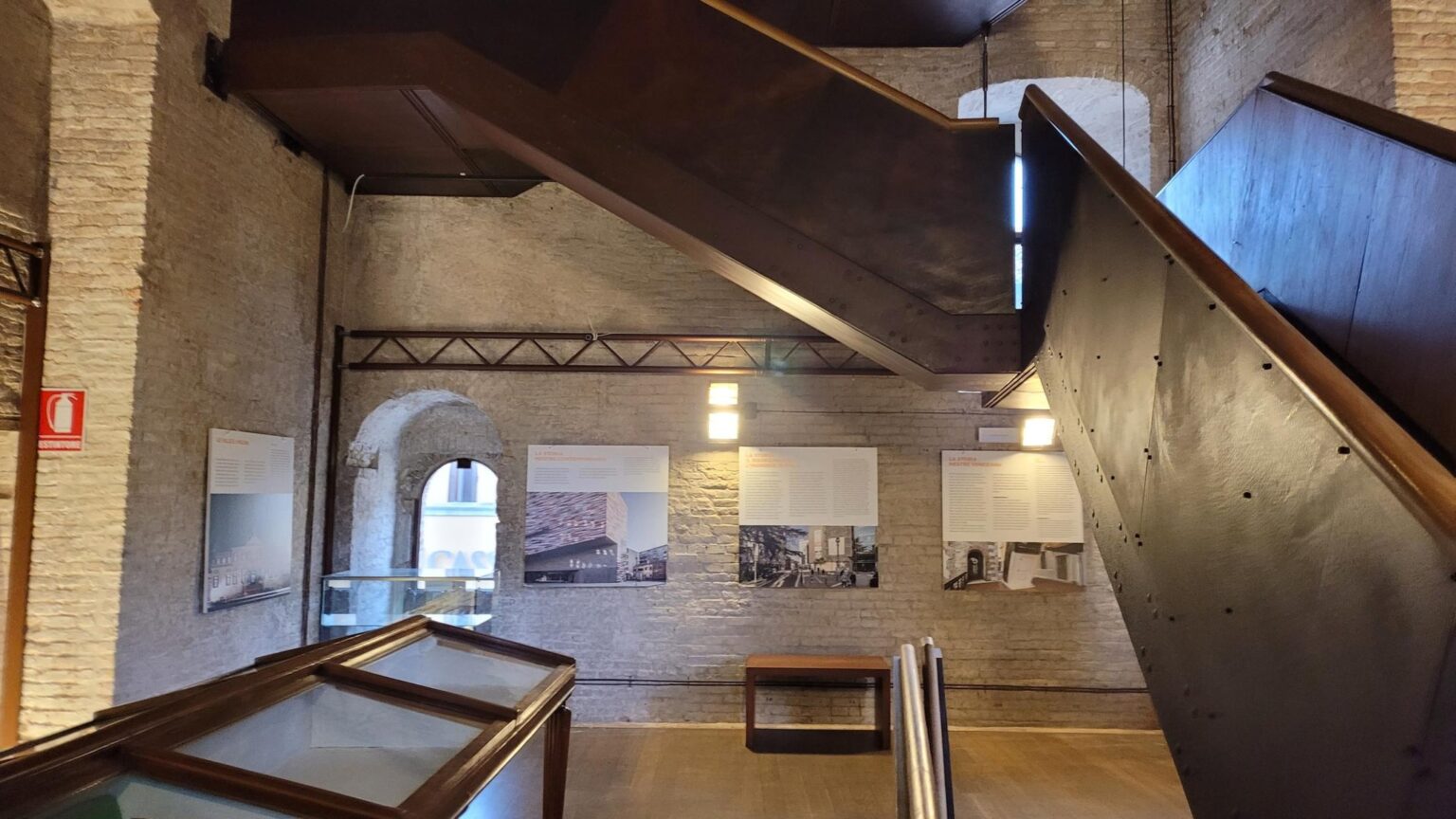
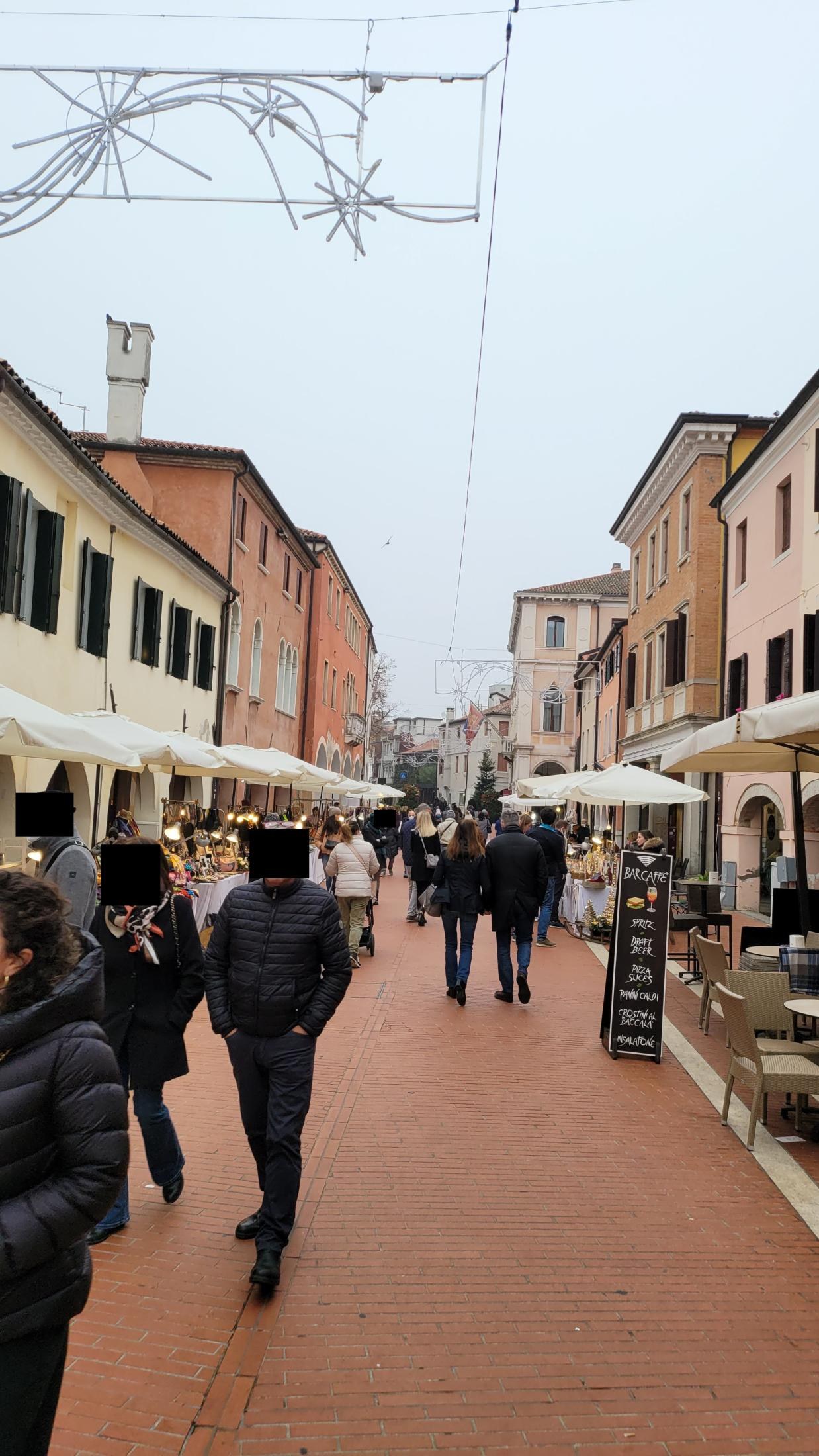
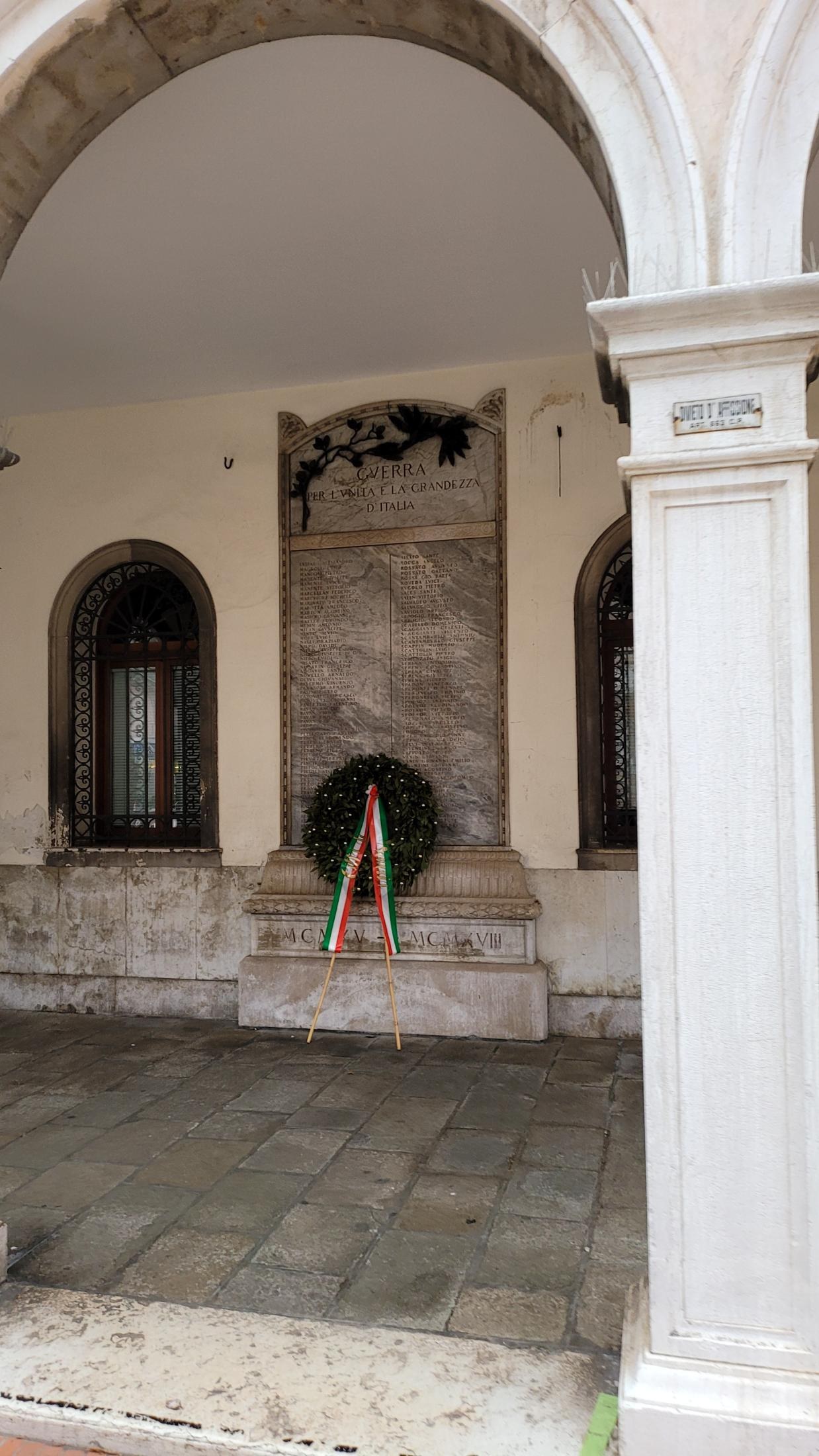
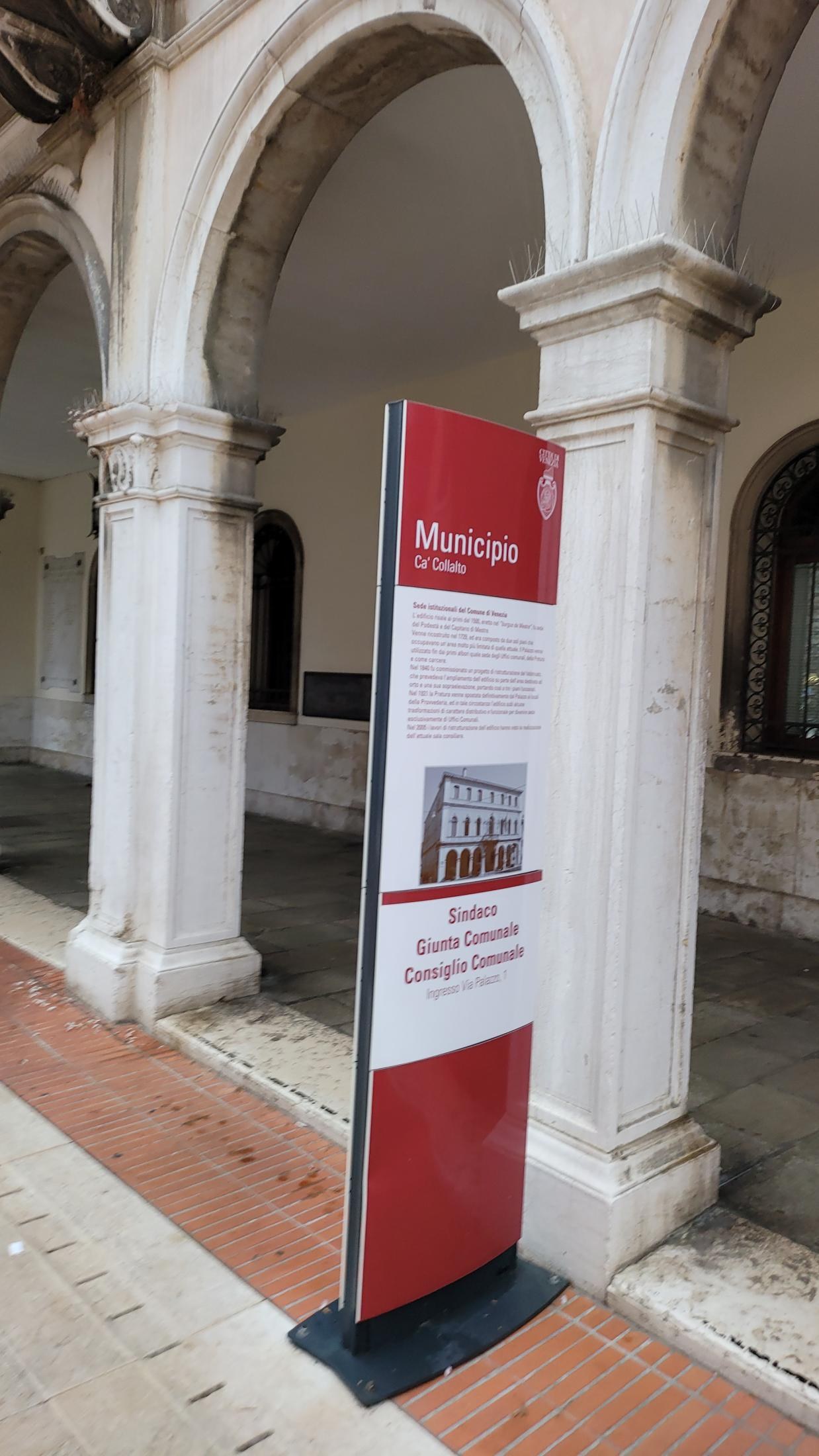
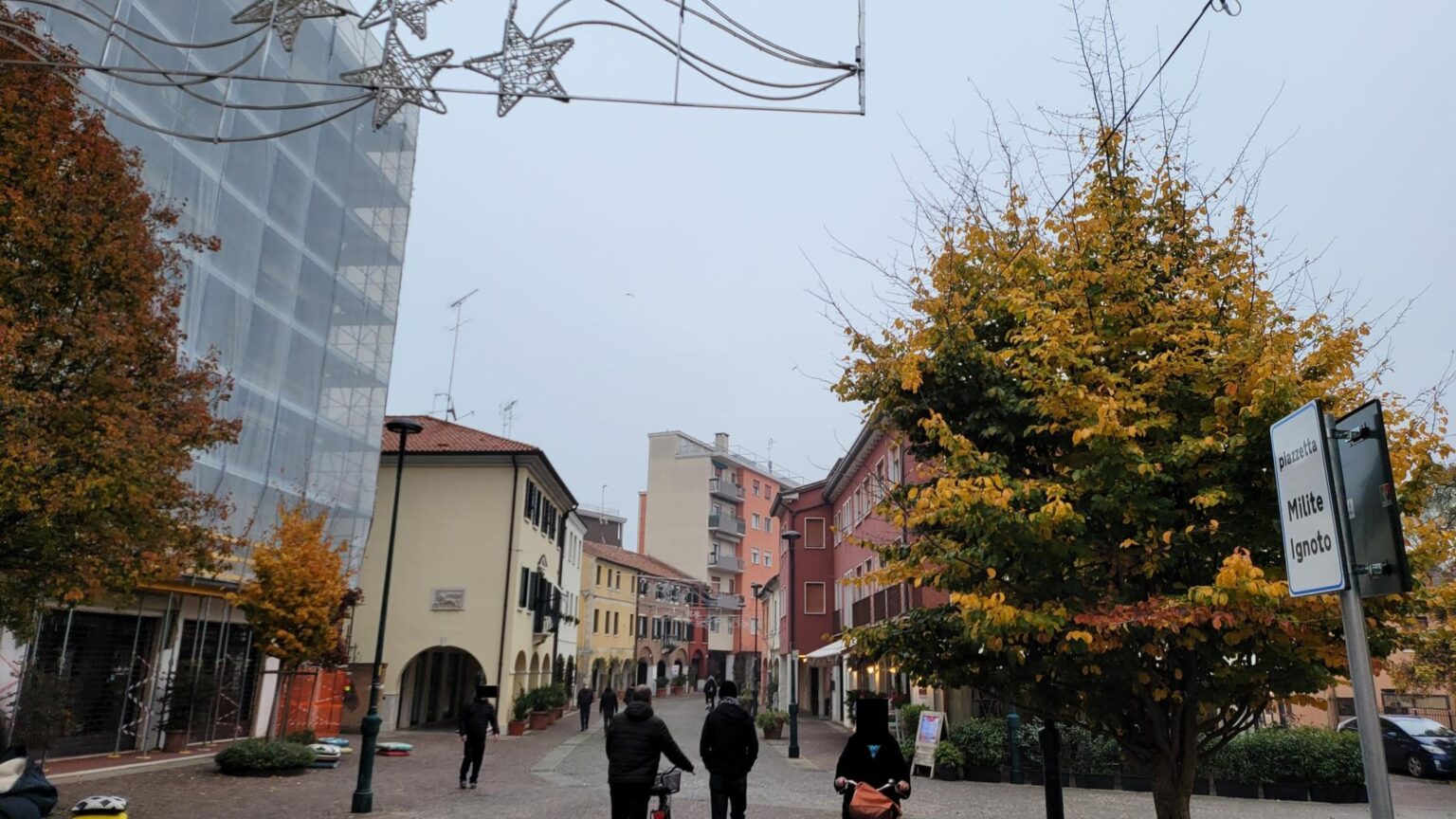
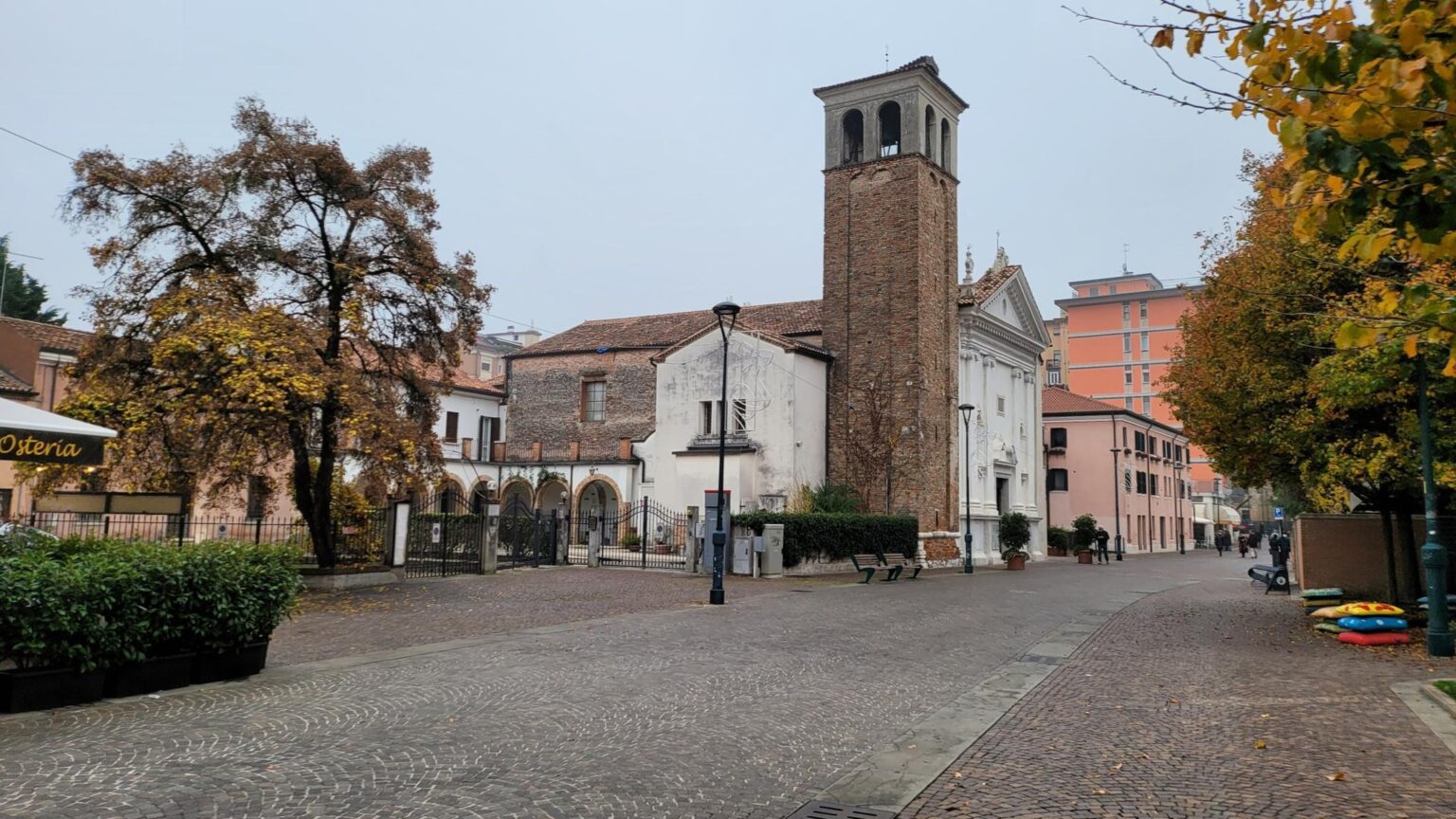
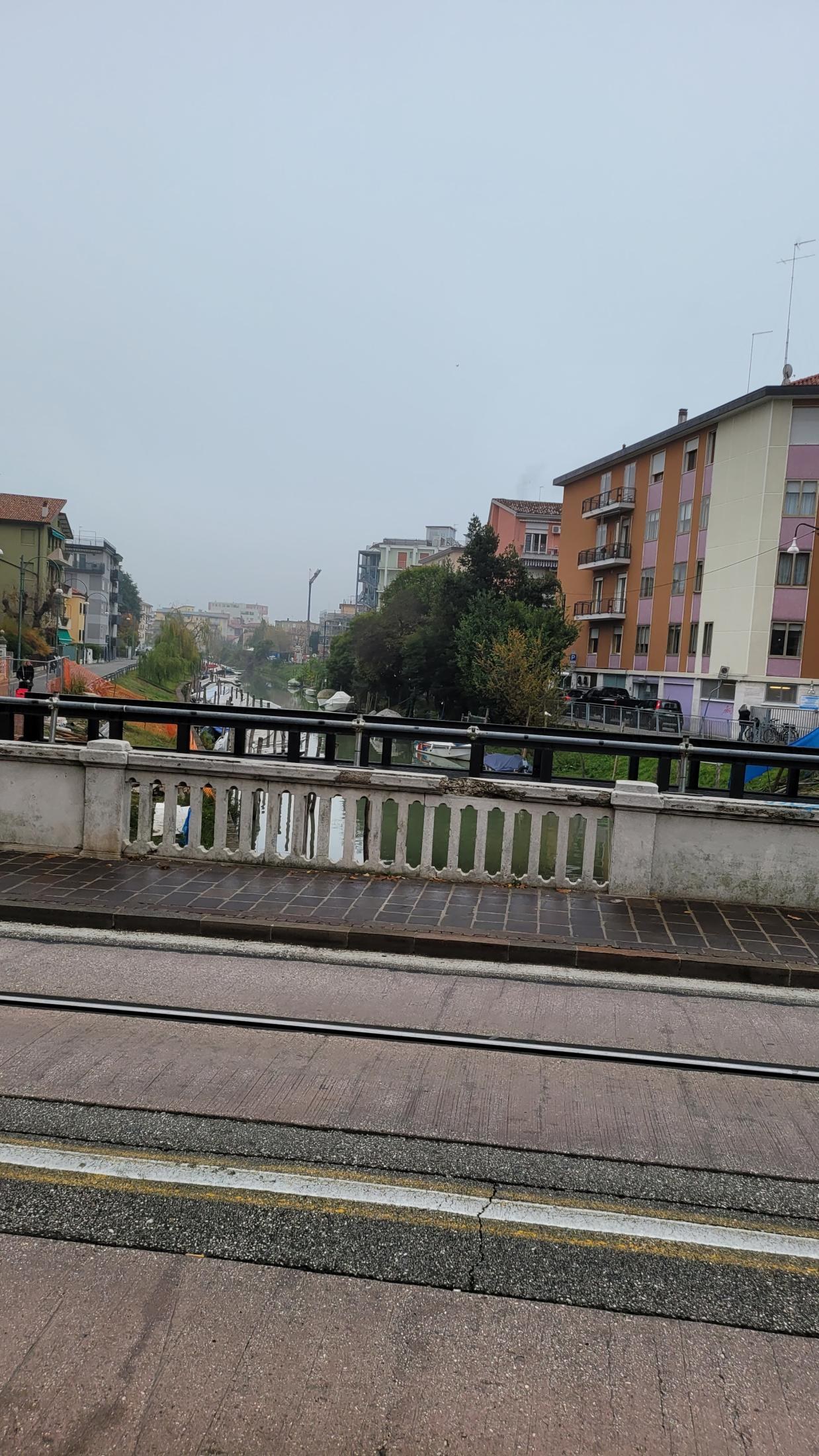
The main body of Venice is not small, but it is not endless either. A few hours covers it. Let us see what the mainland half offers. This is where the centre and the squares for strolling are. There is a mall, not meaningfully different from ours back home. There is the Torre dell’Orologio — the clock tower on Piazza Ferretto, the last surviving tower of the 12th-century Castelnuovo fortification. It is open to the public and staffed by Pro Loco Mestre volunteers, with display panels inside and a view over the town from the top; opening days are limited, so check before you walk over. In practice the centre feels like a mid-sized Bulgarian regional town and takes an hour to an hour and a half to walk. Restaurant prices are normal and there are lunch options around €15.
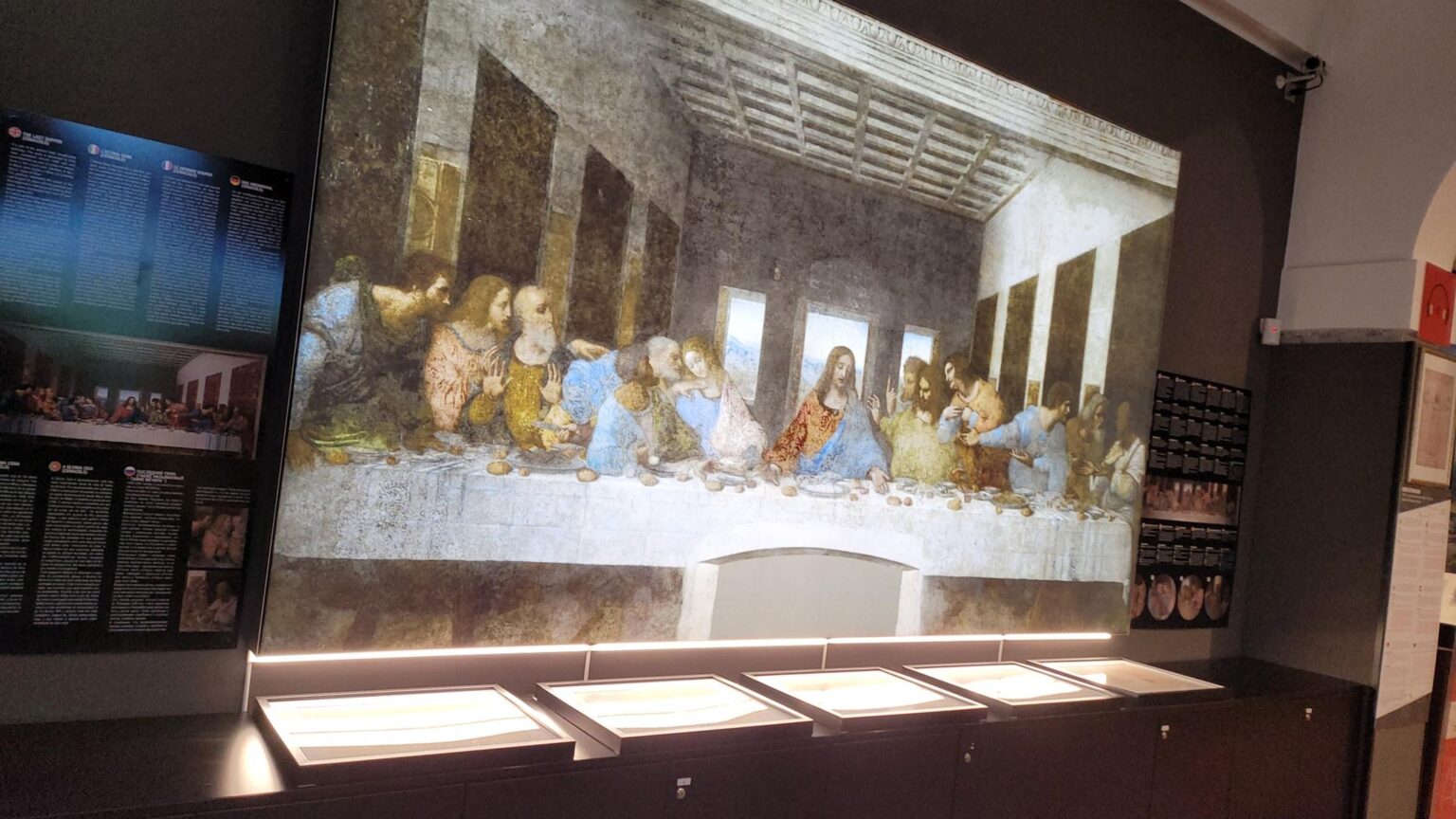
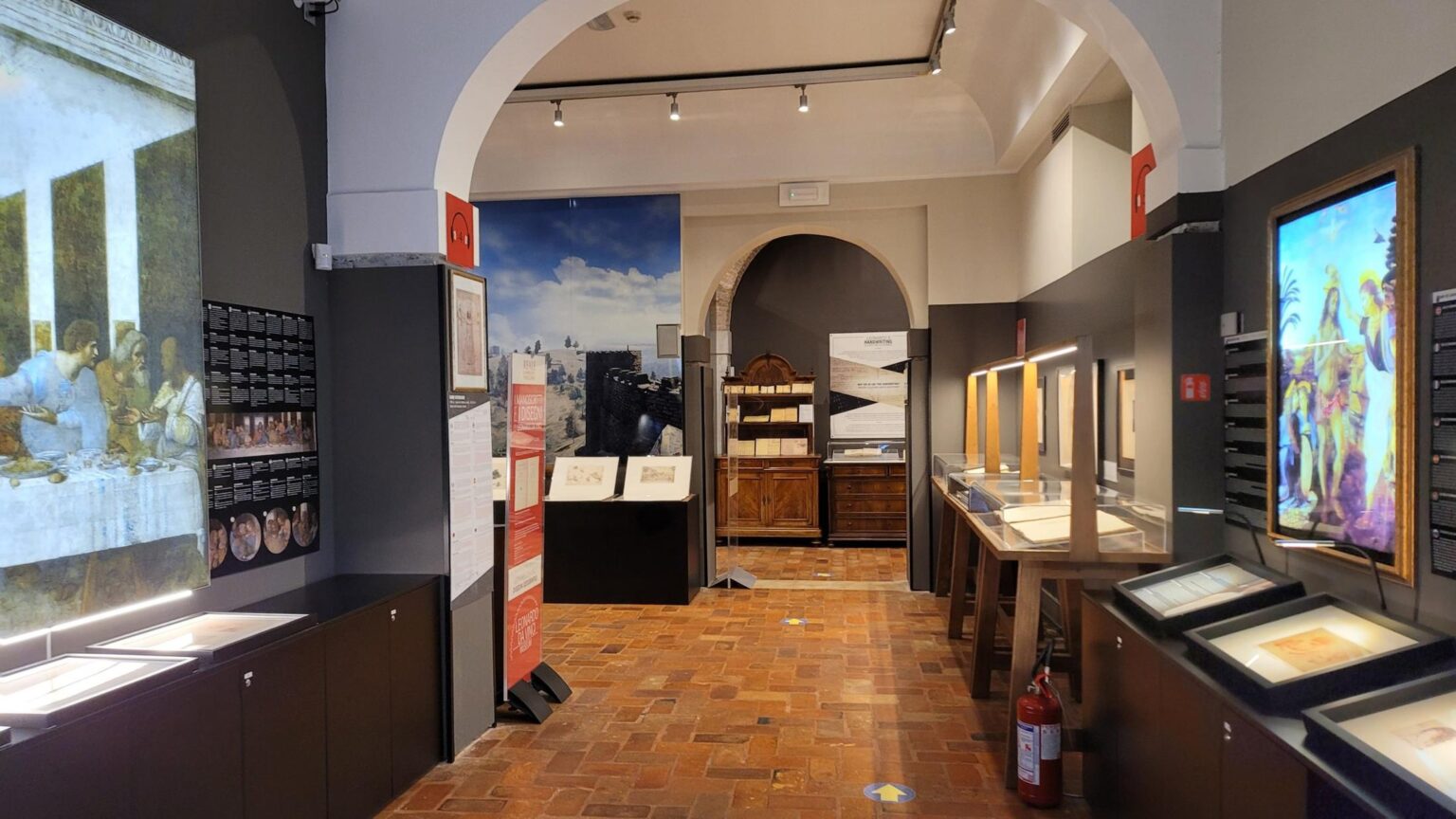
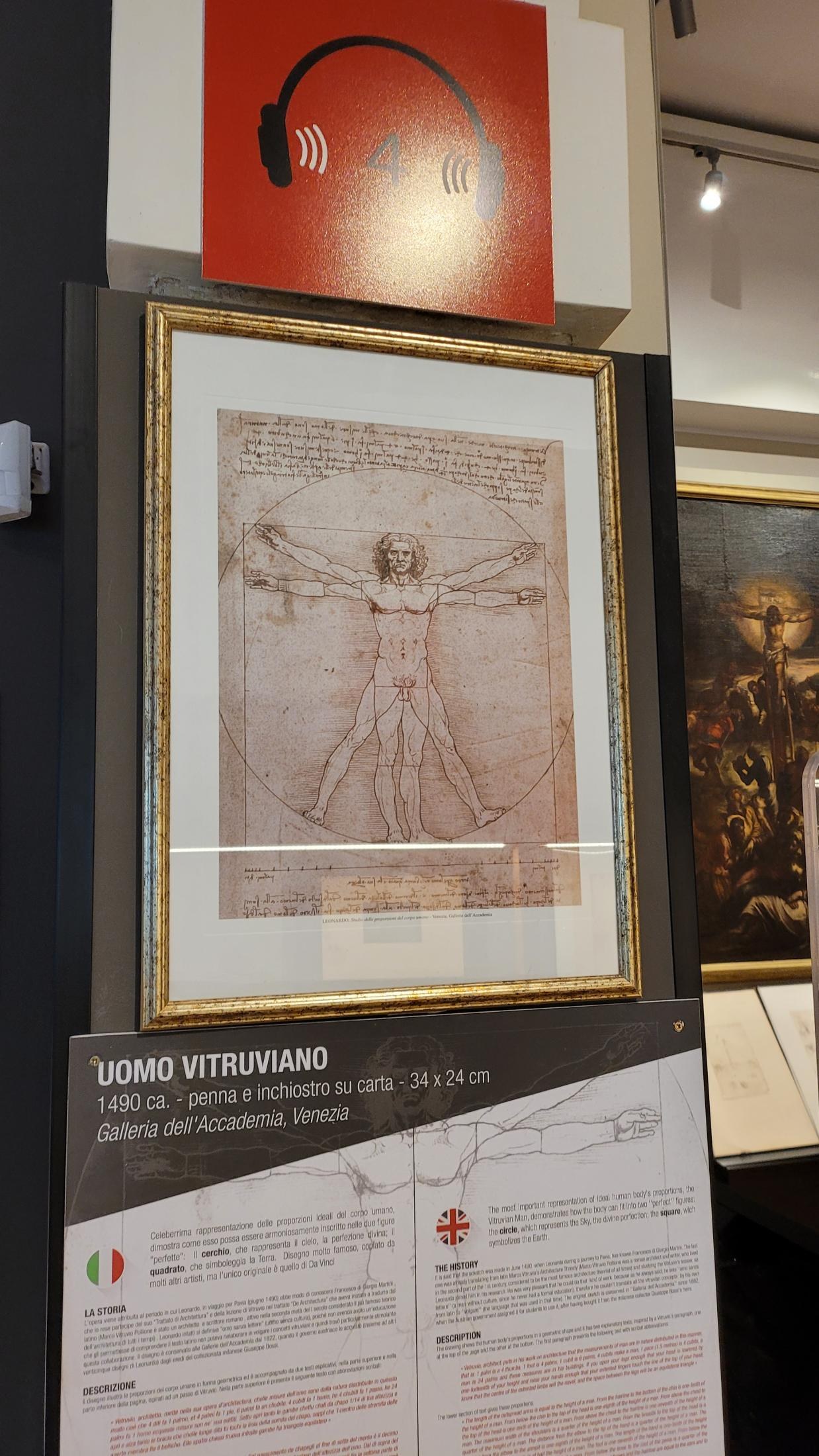
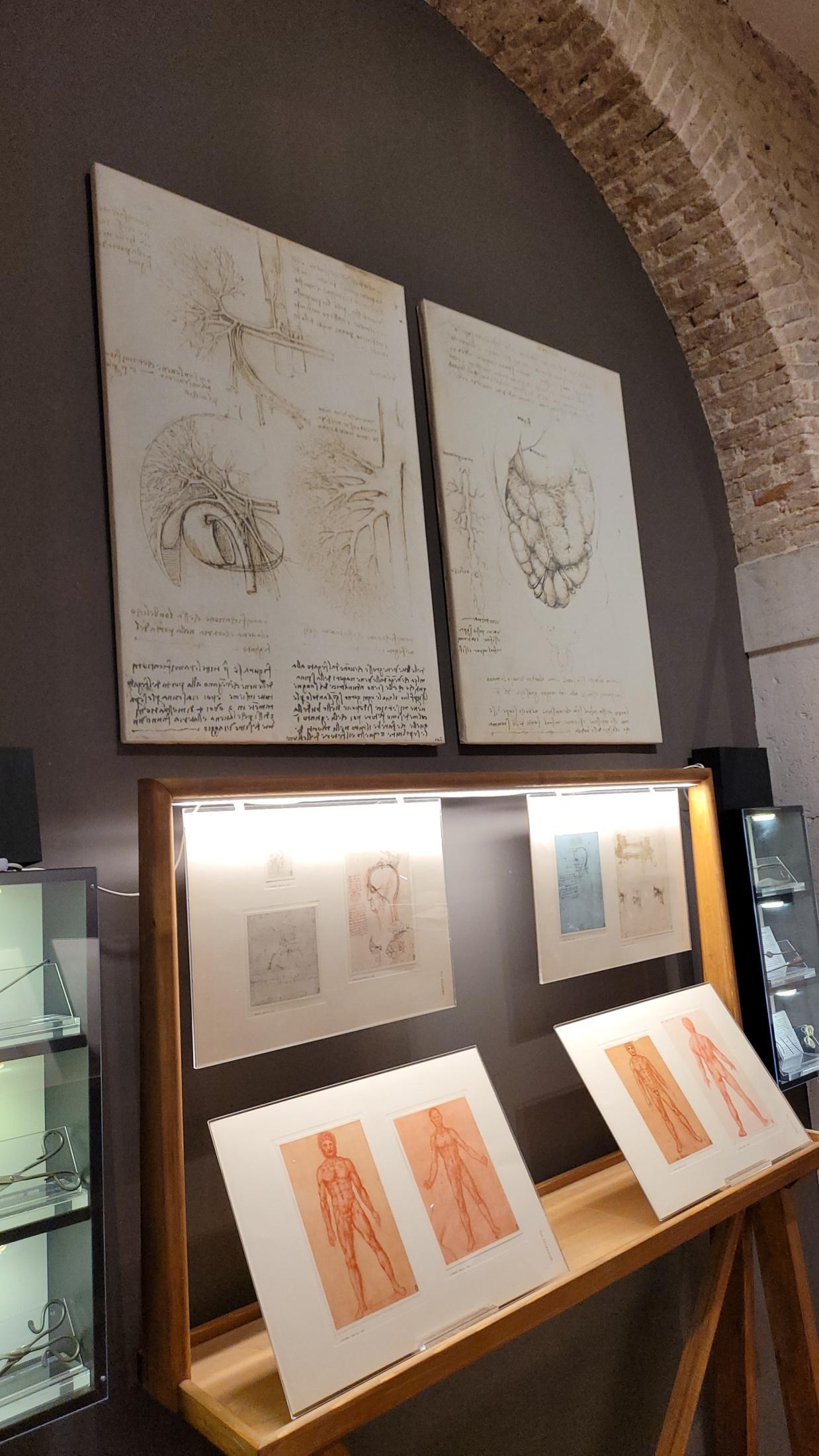
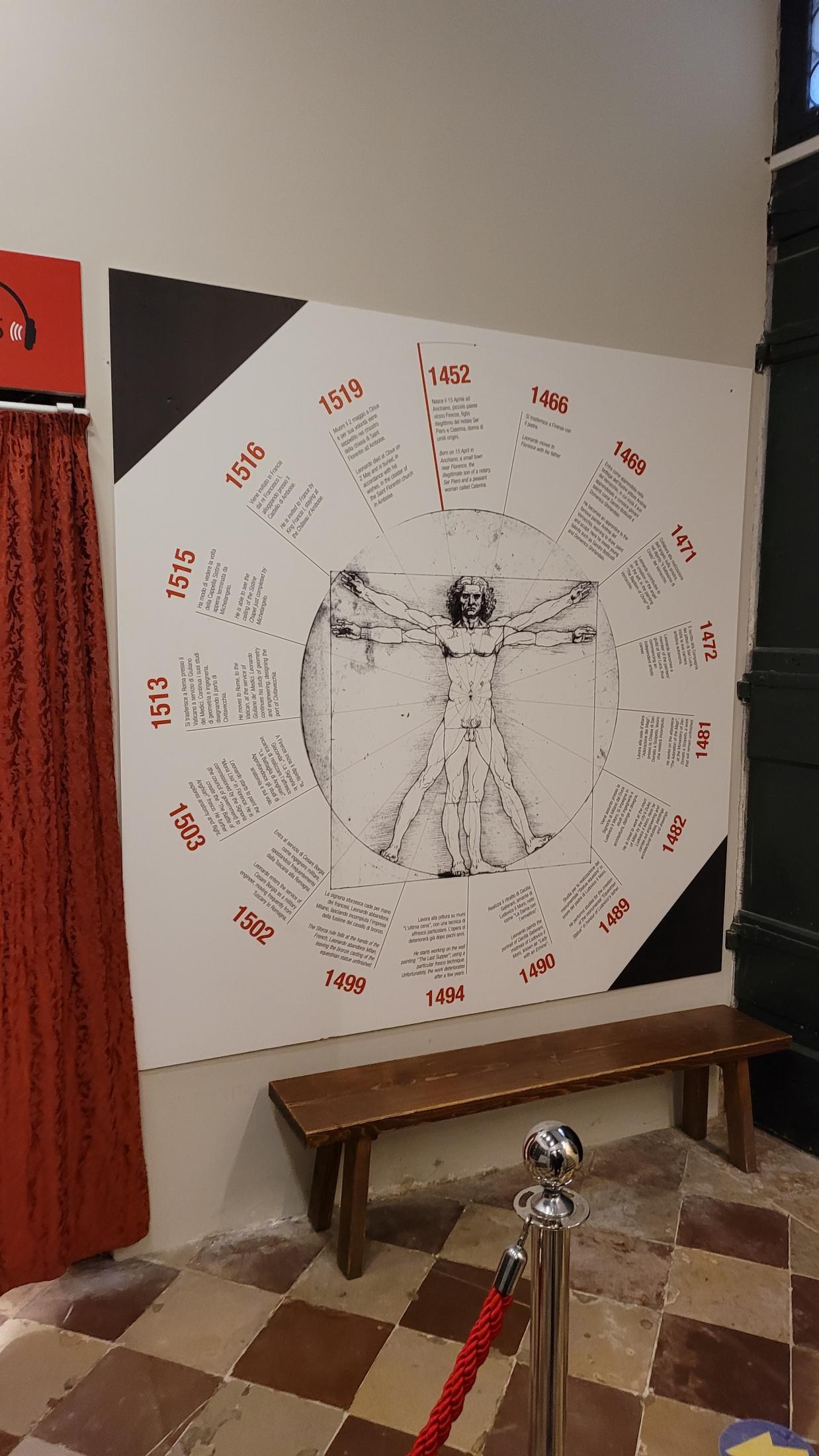
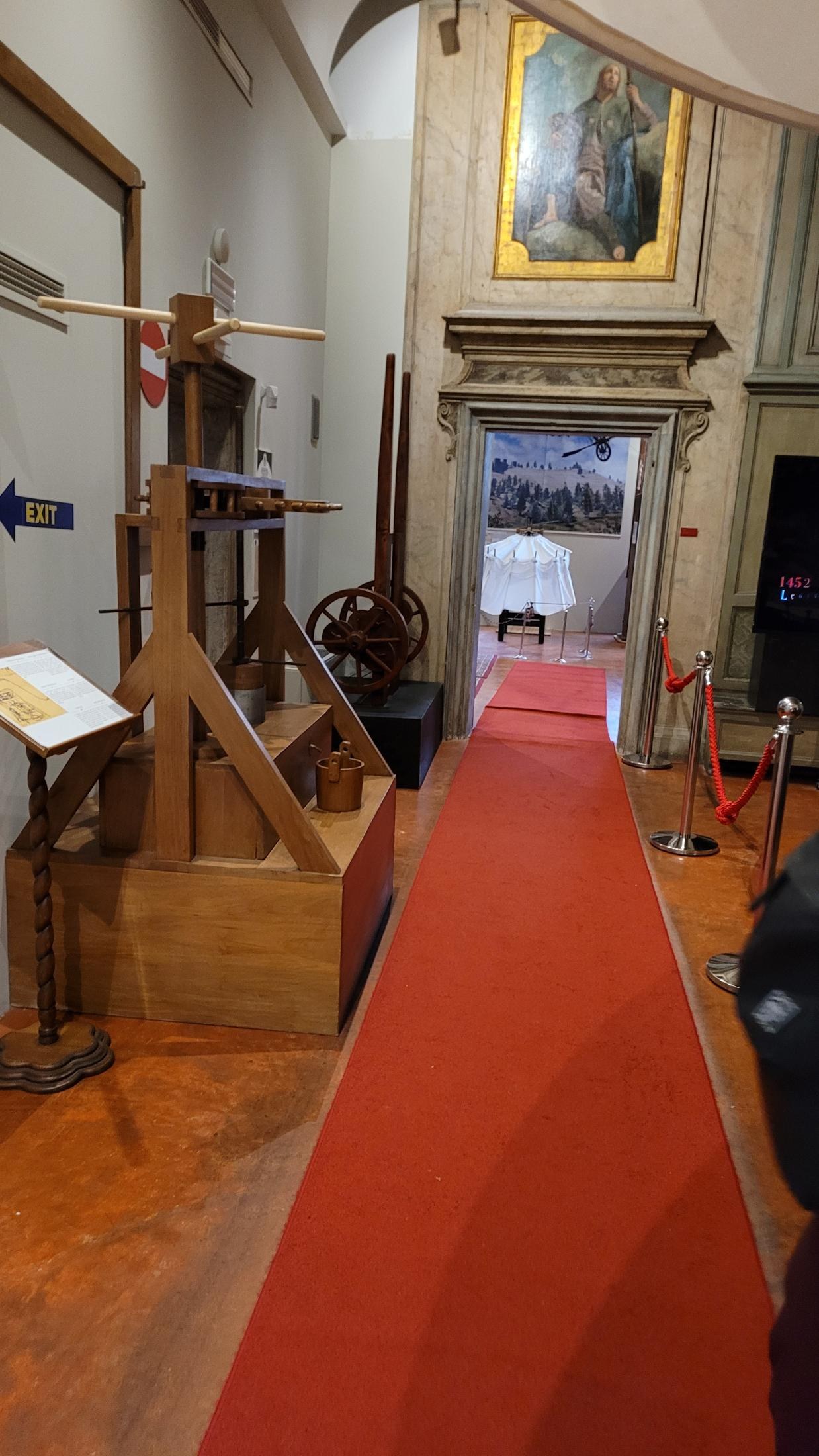
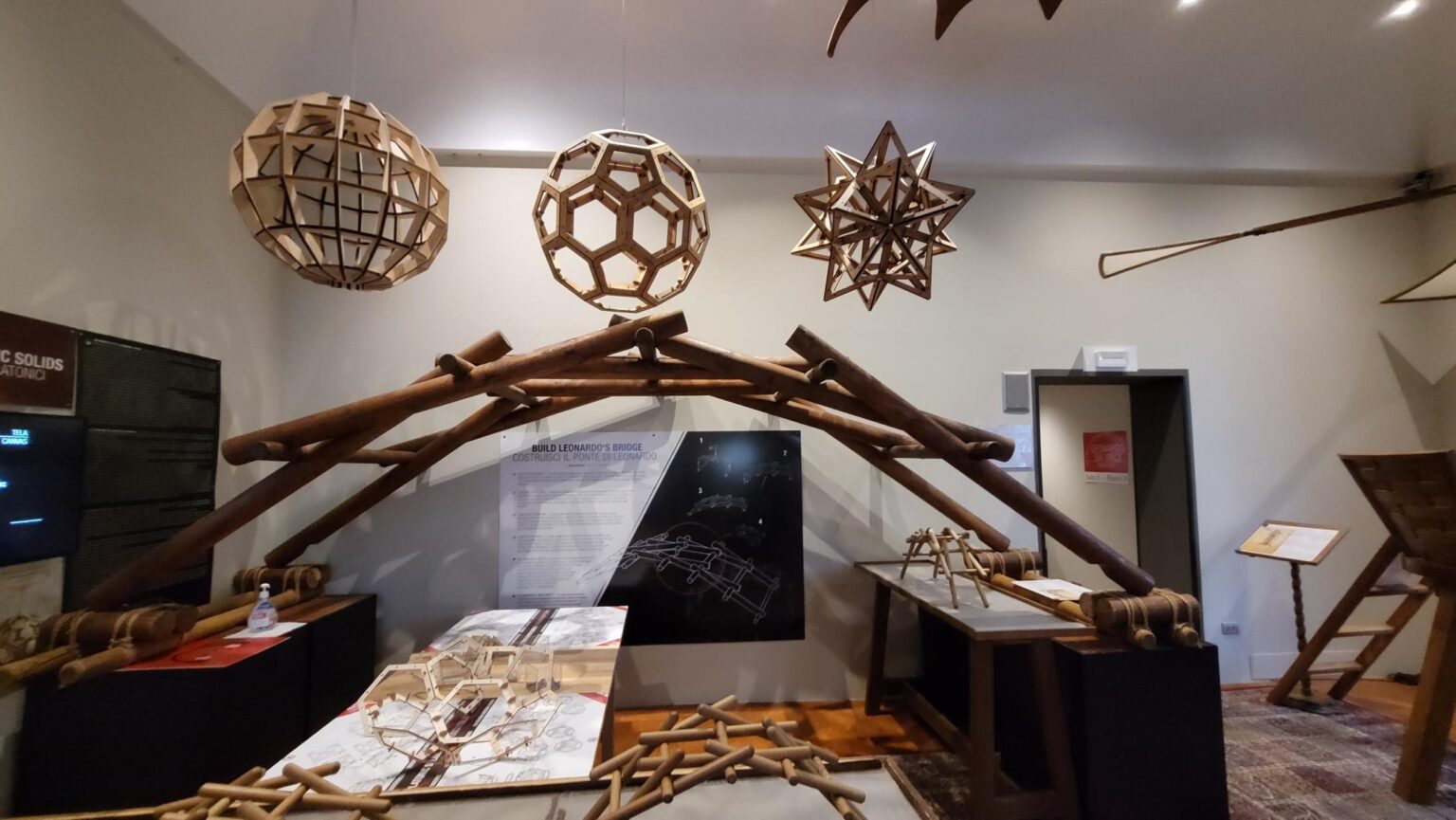
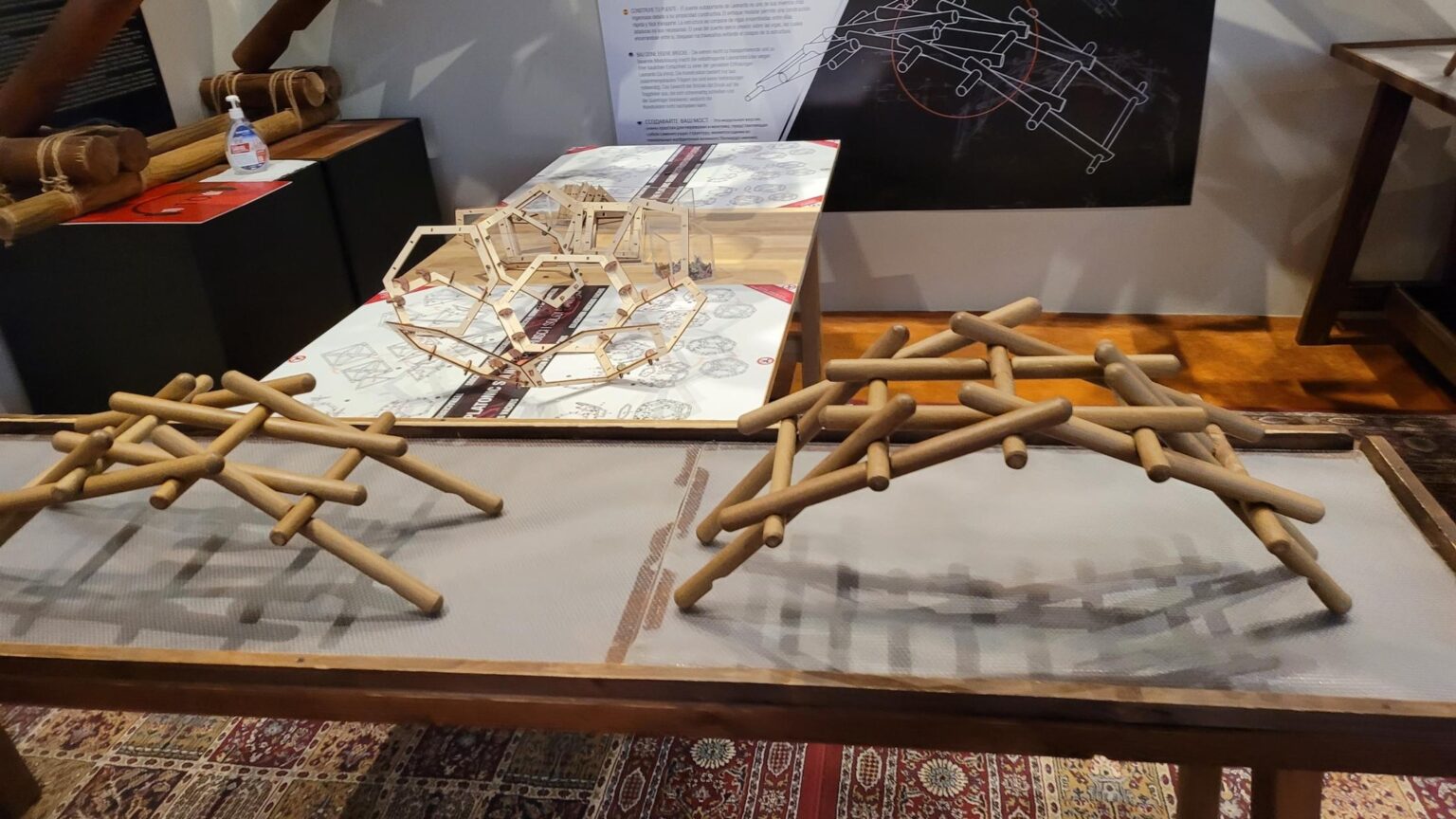
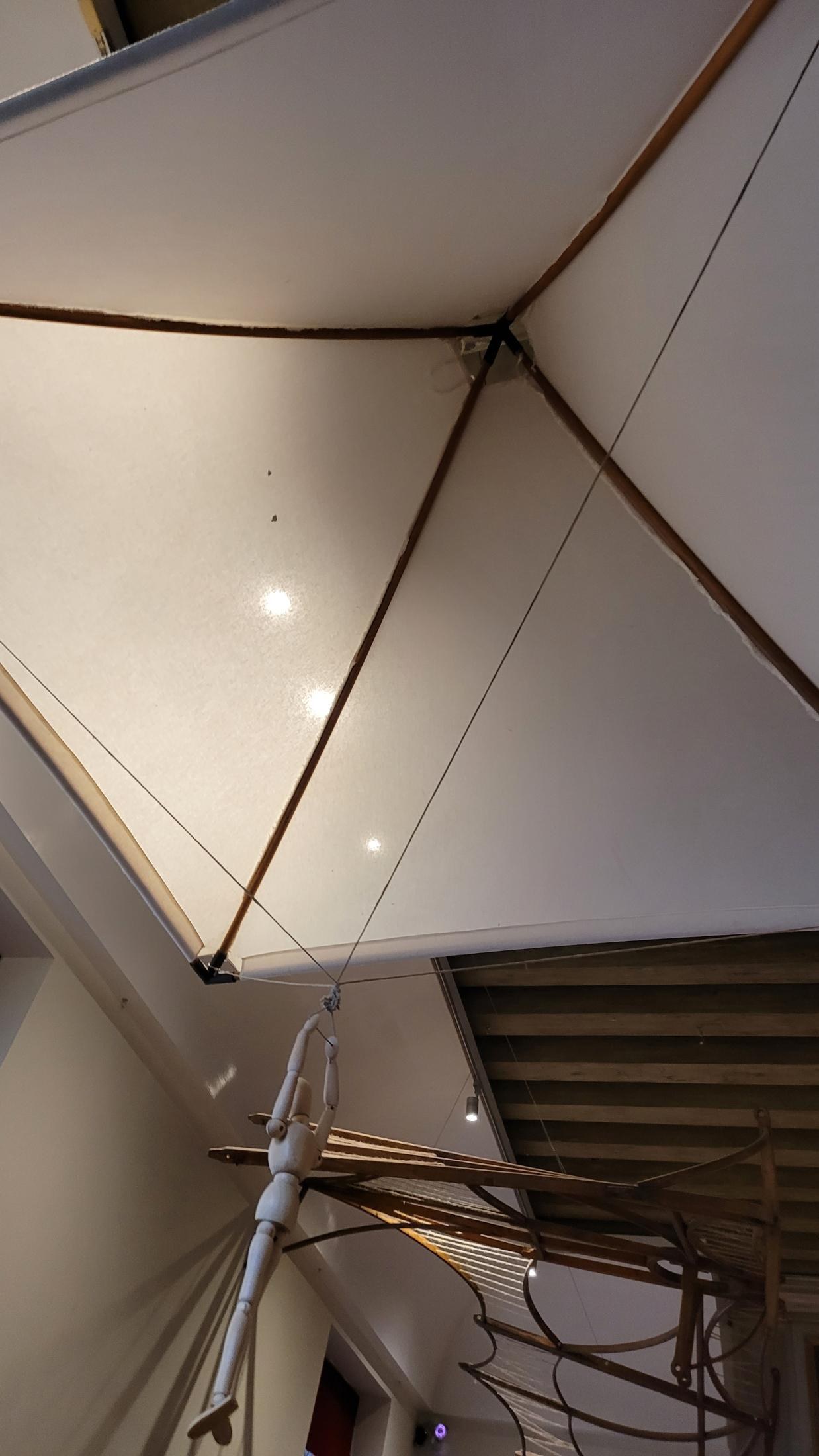
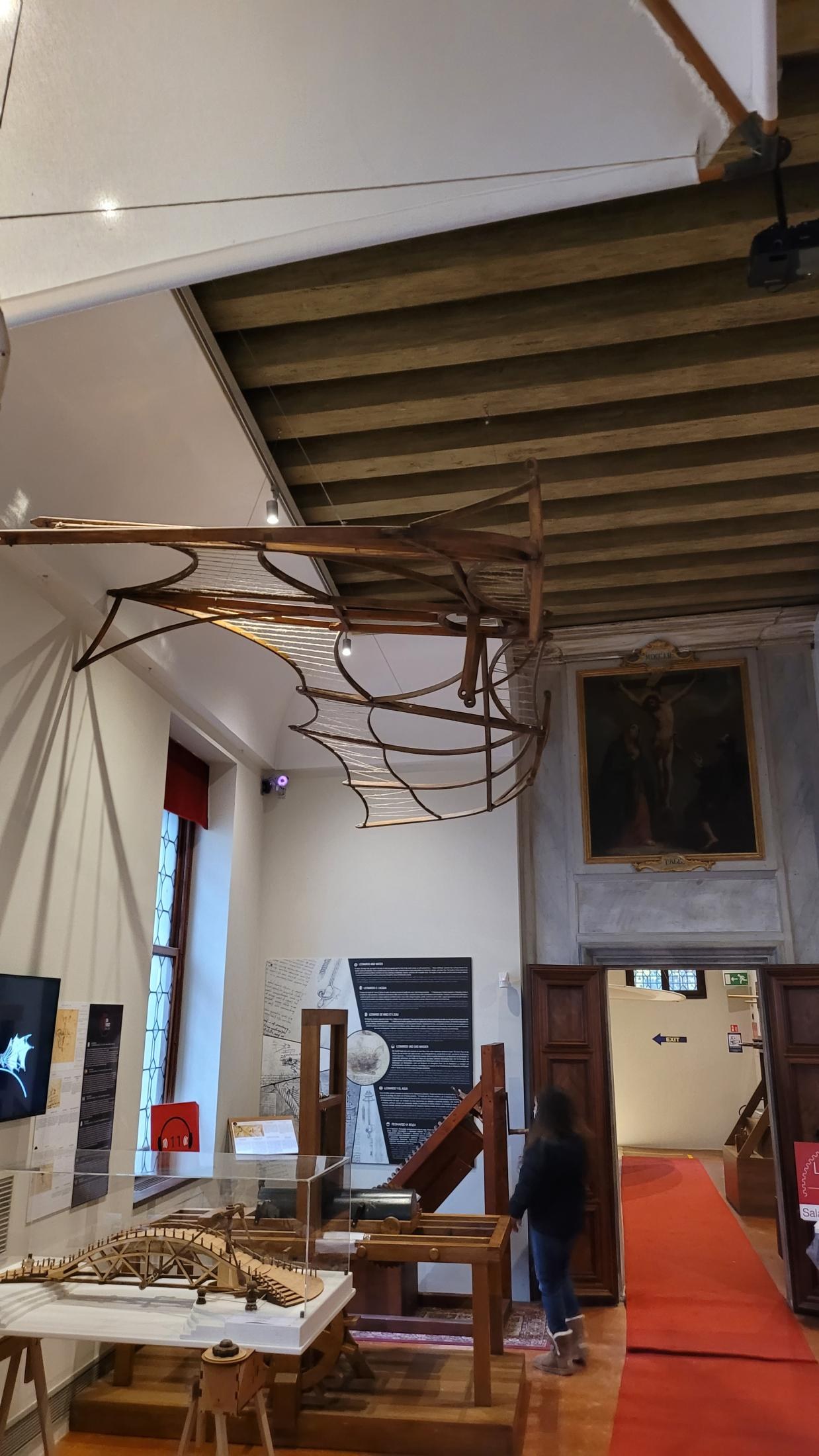
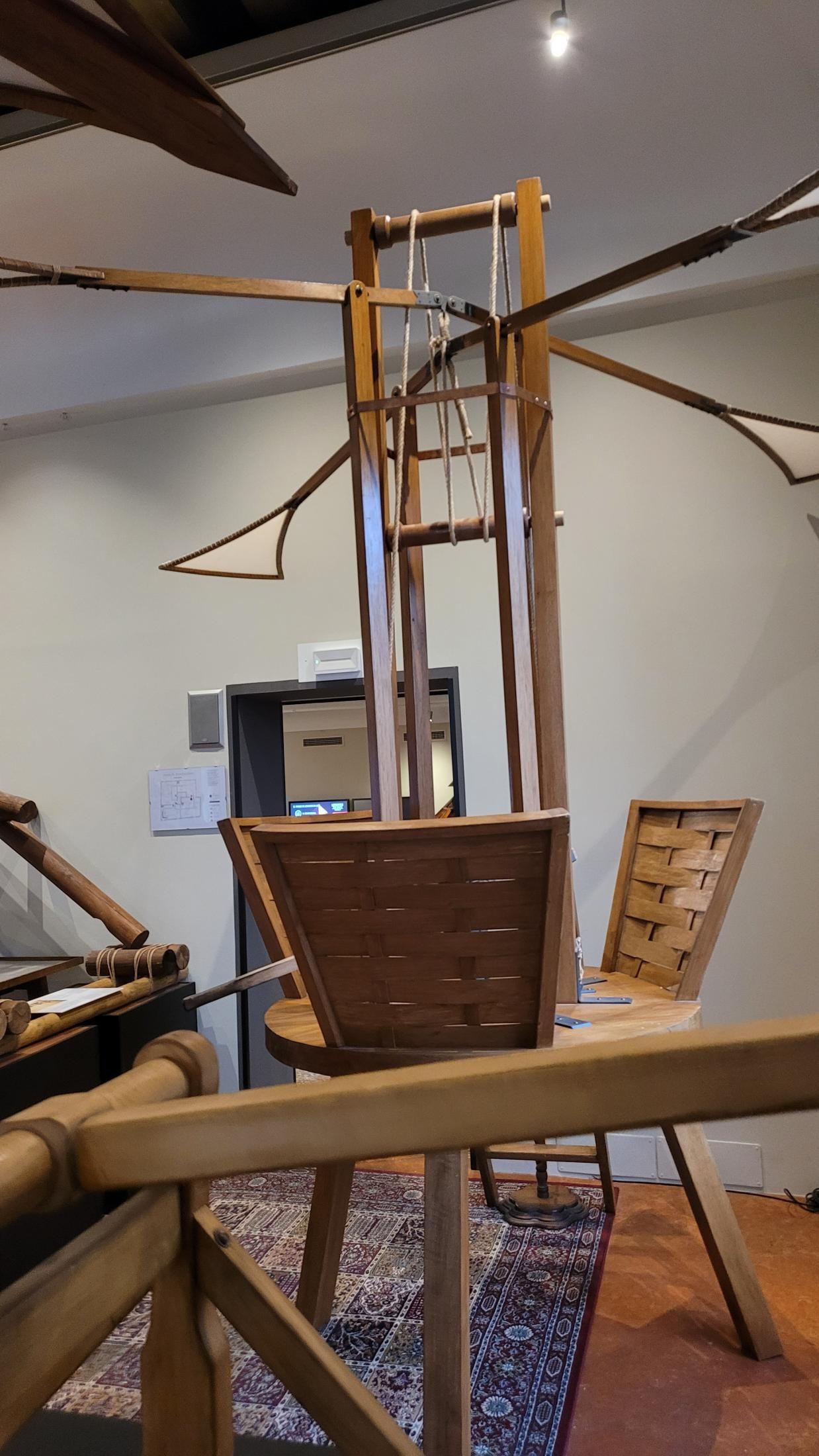
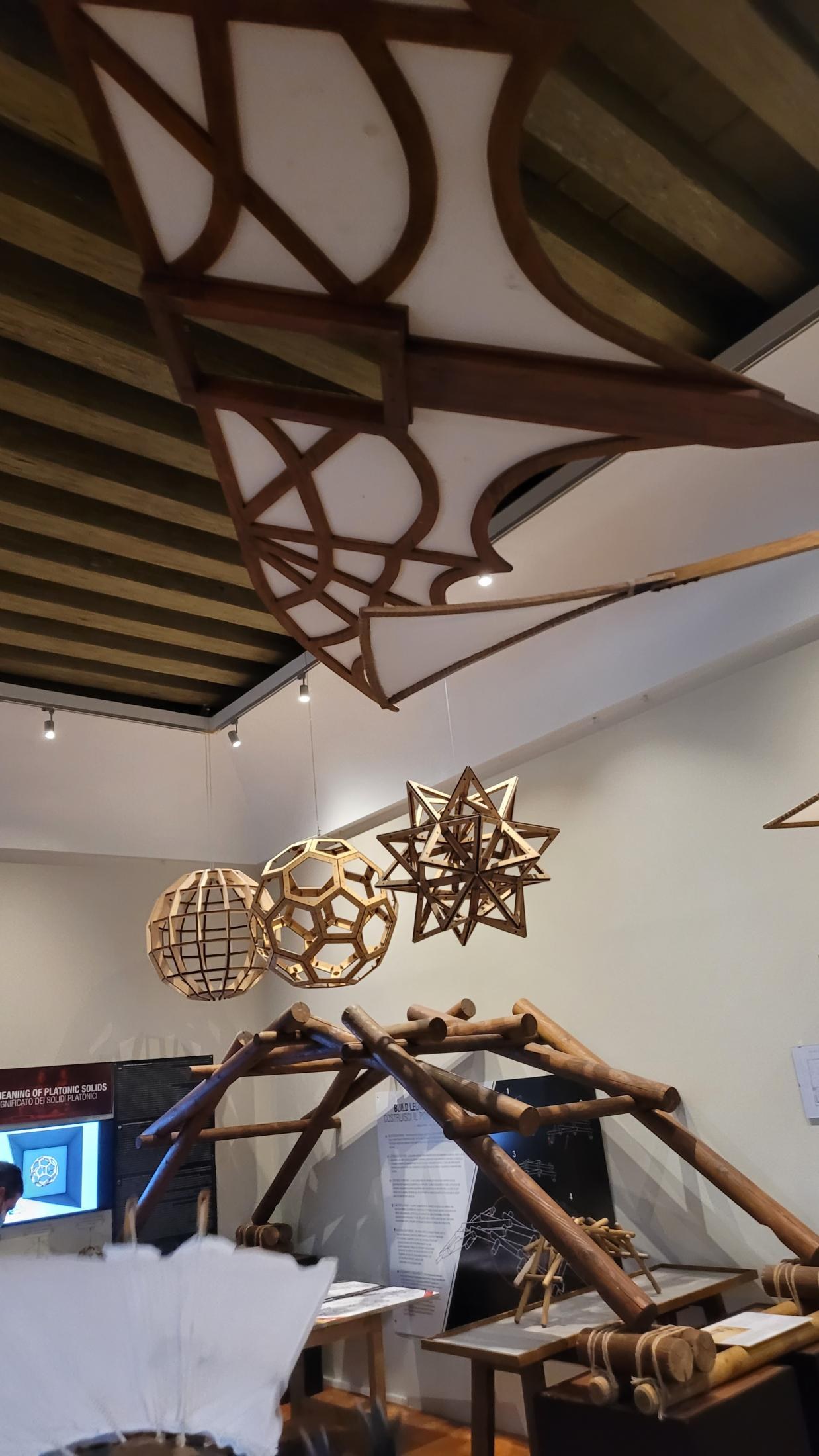
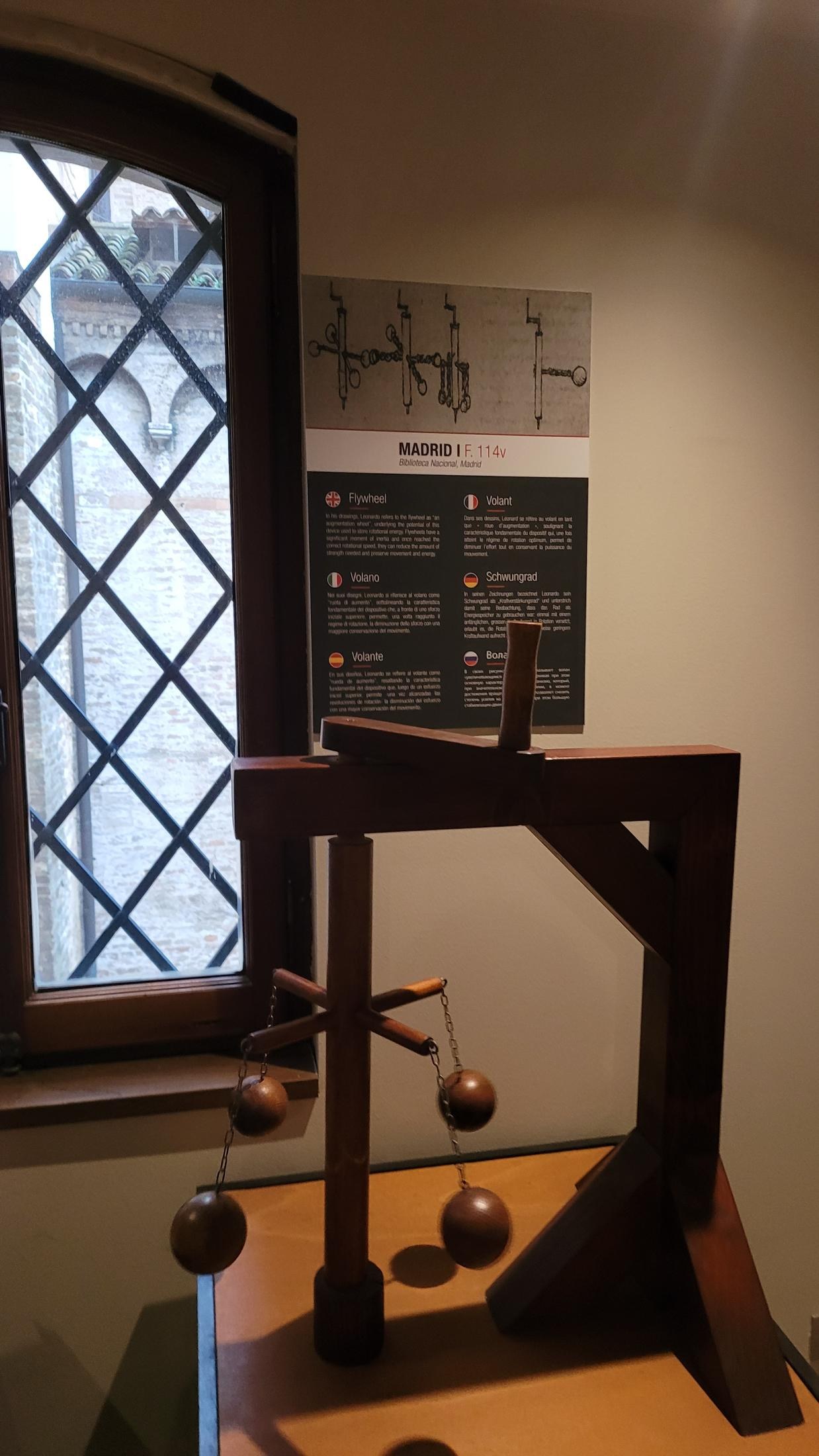
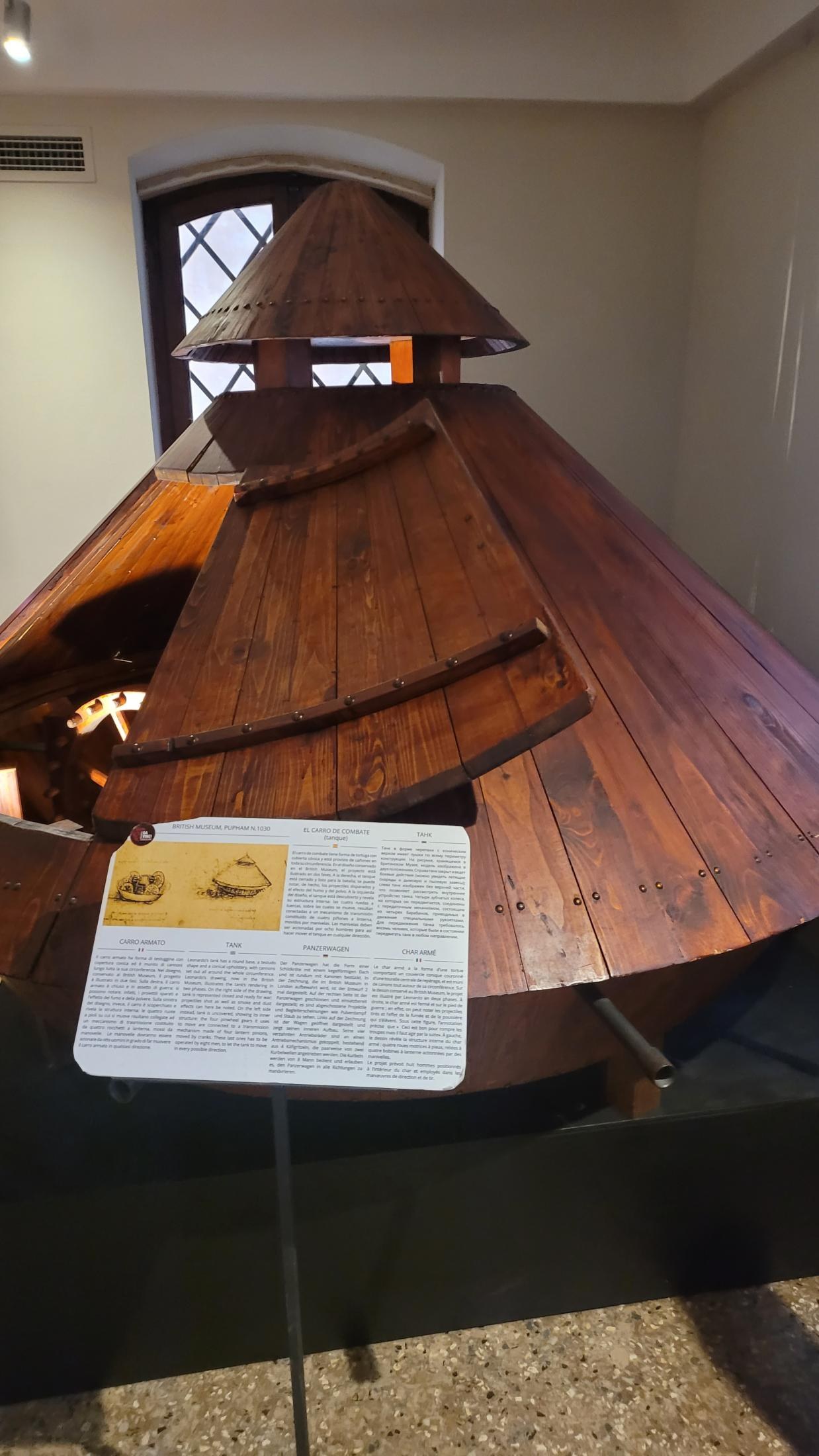
The Leonardo da Vinci Museum
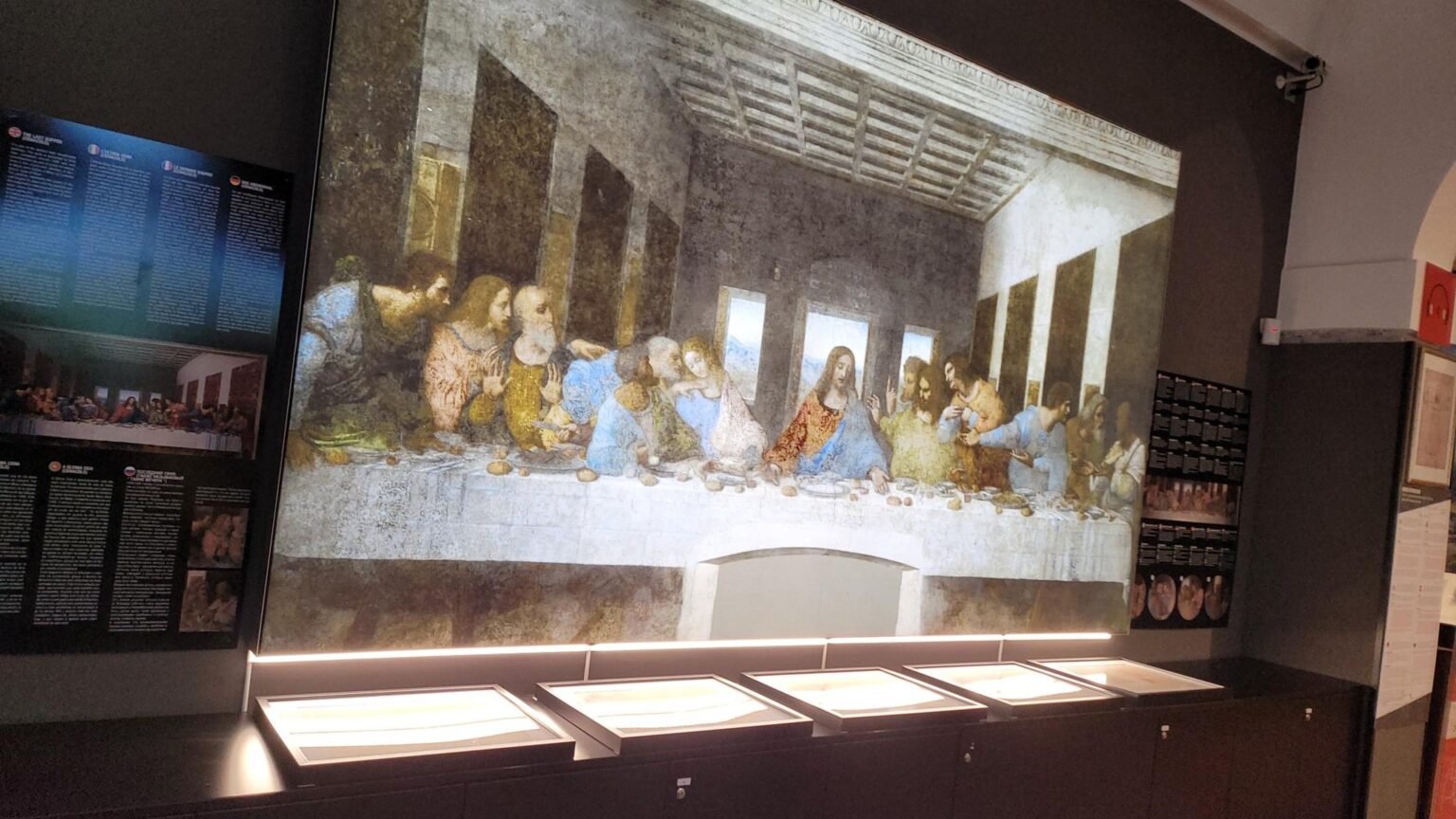
Half a day left. We head back to the by-now familiar Venice. We are in Italy, after all. It would be sacrilege to lie around in the hotel. Scanning the museums, the da Vinci one catches the eye.
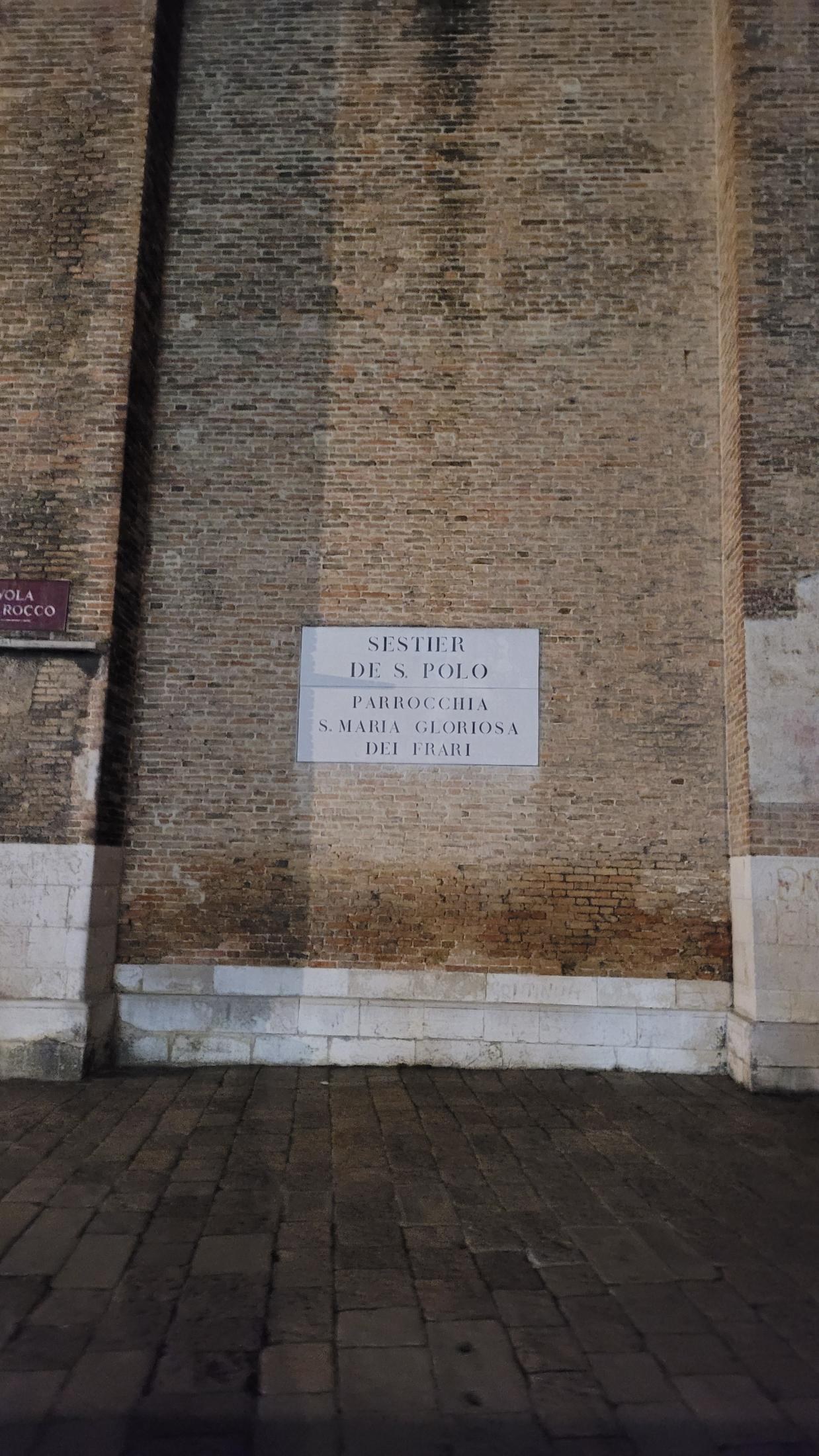
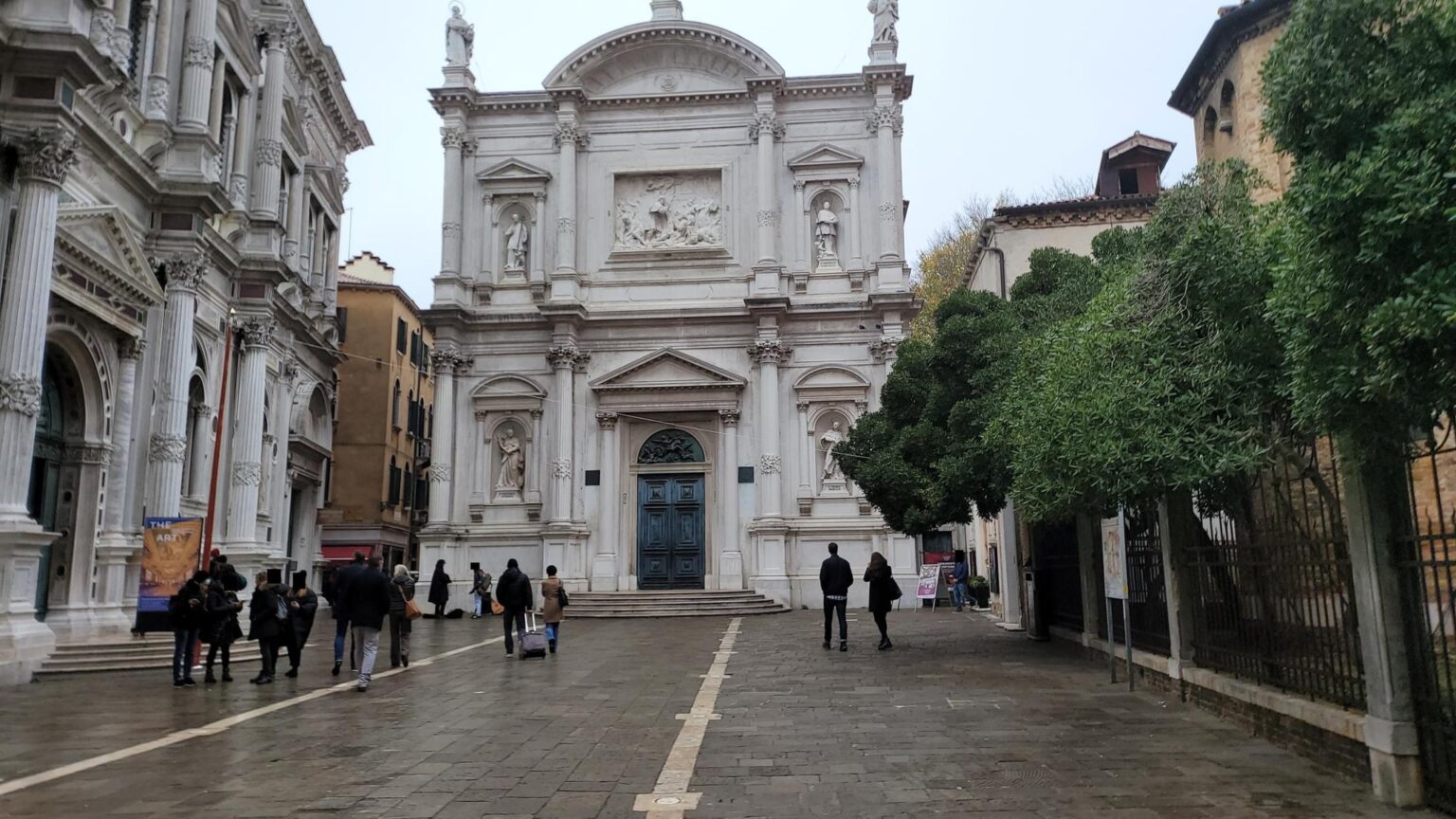
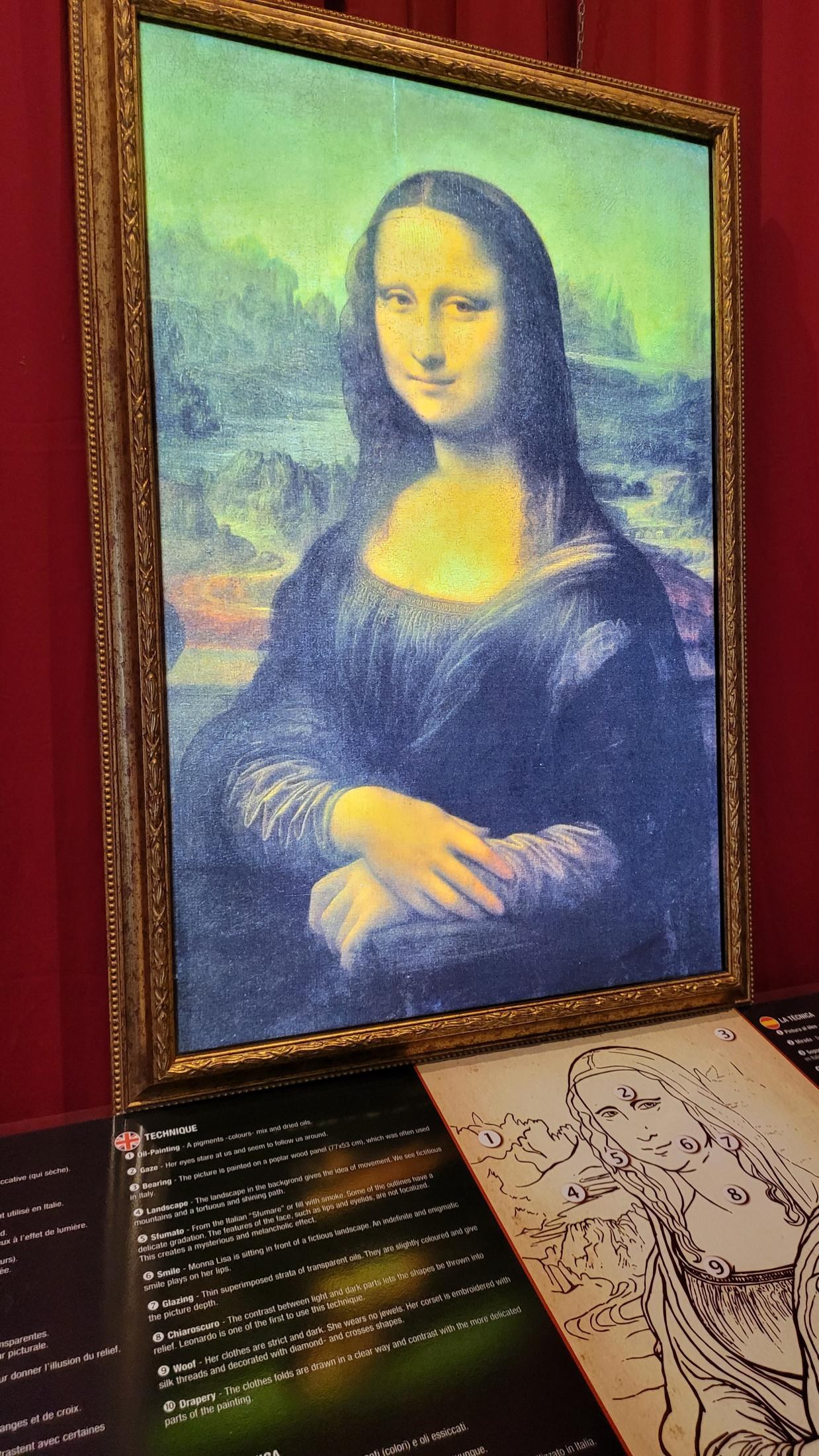
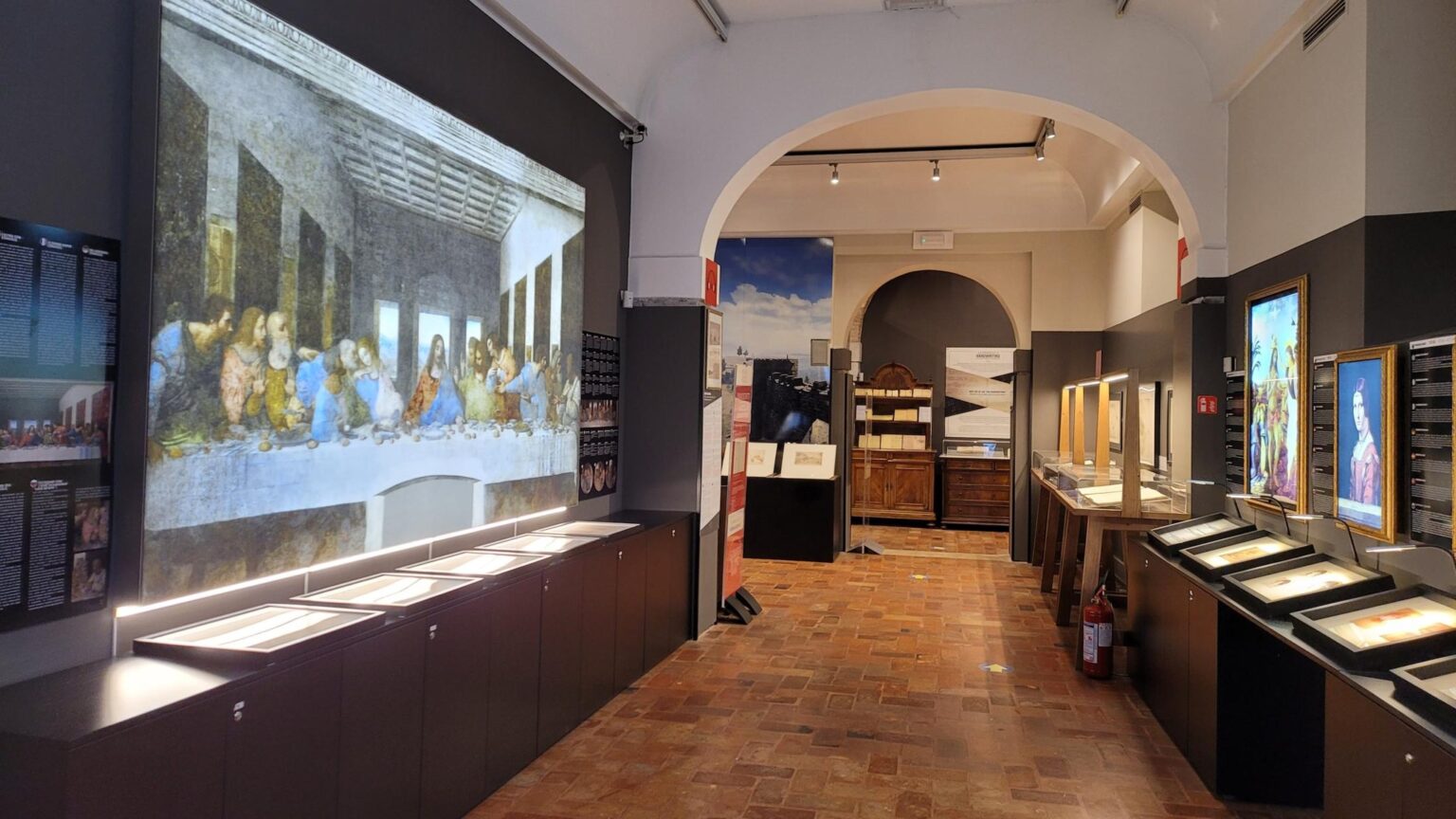
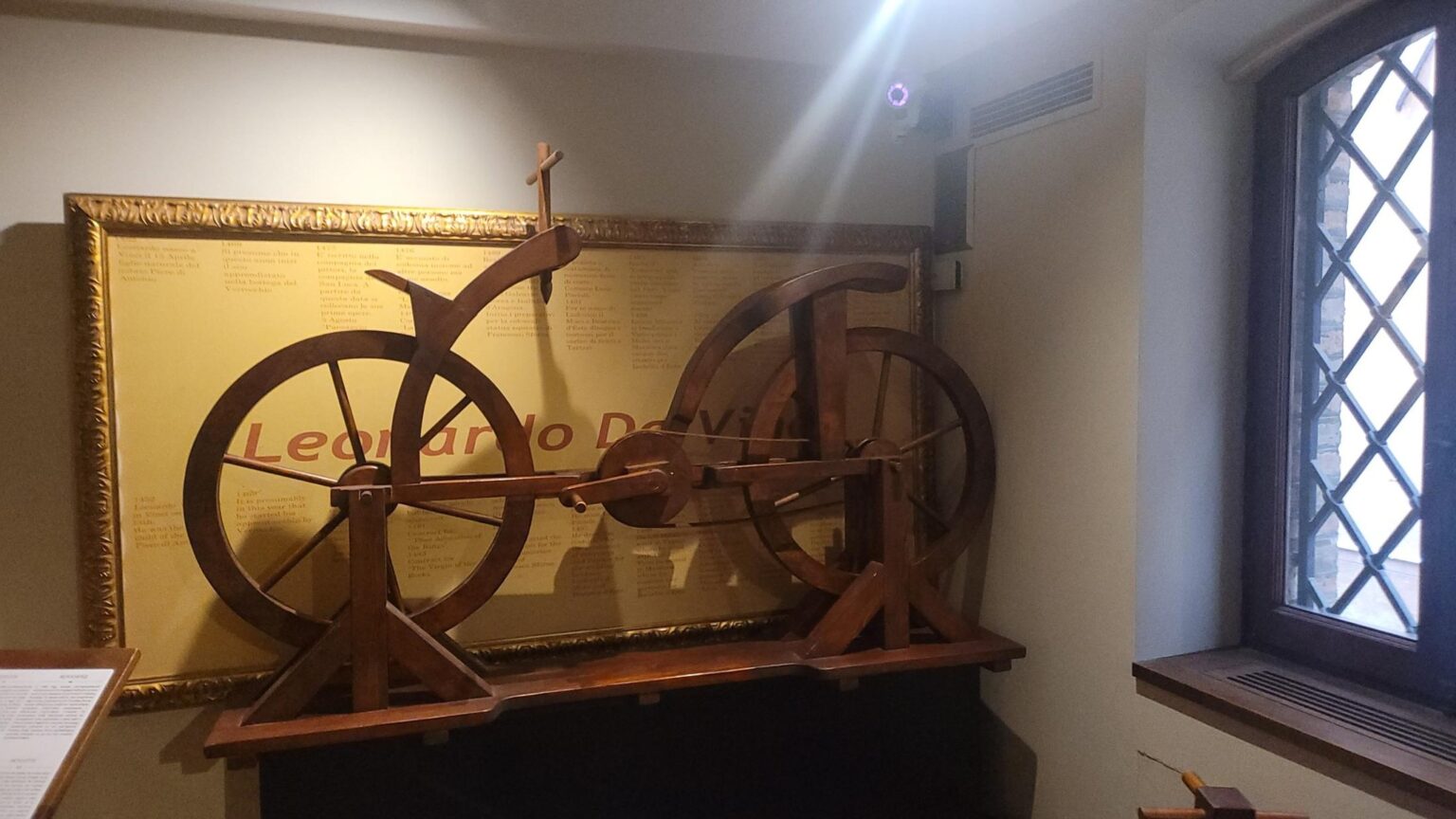
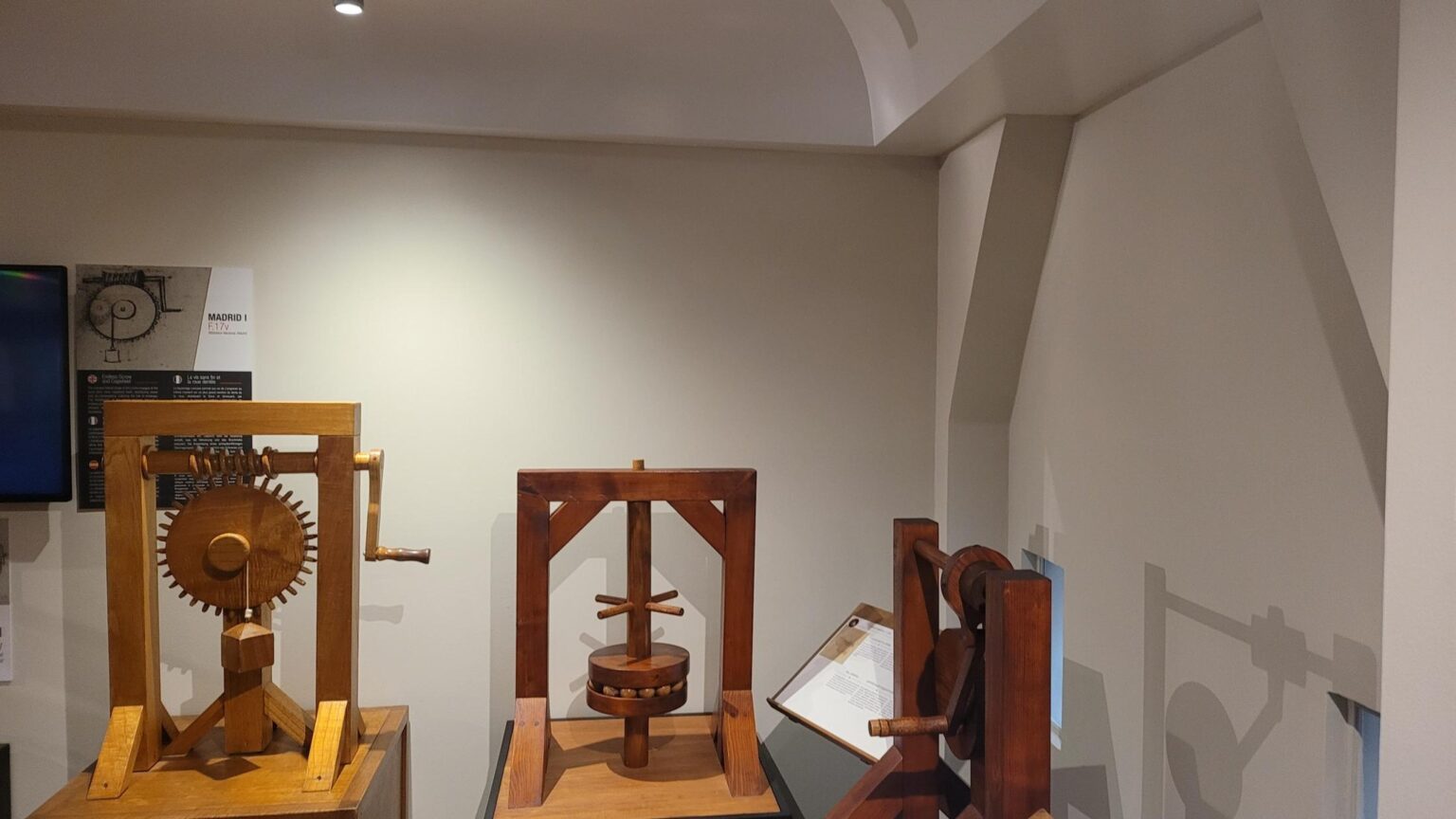
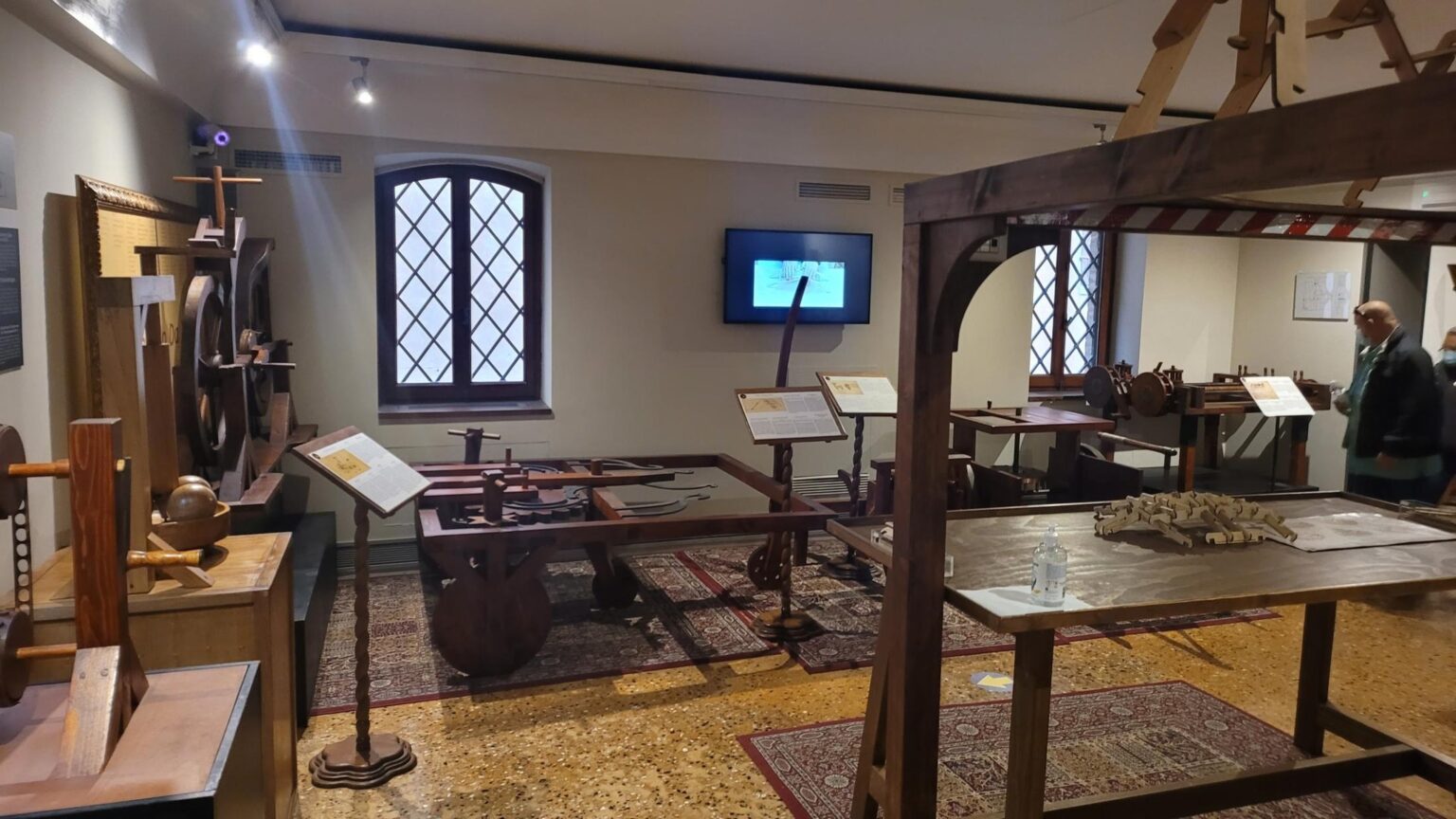
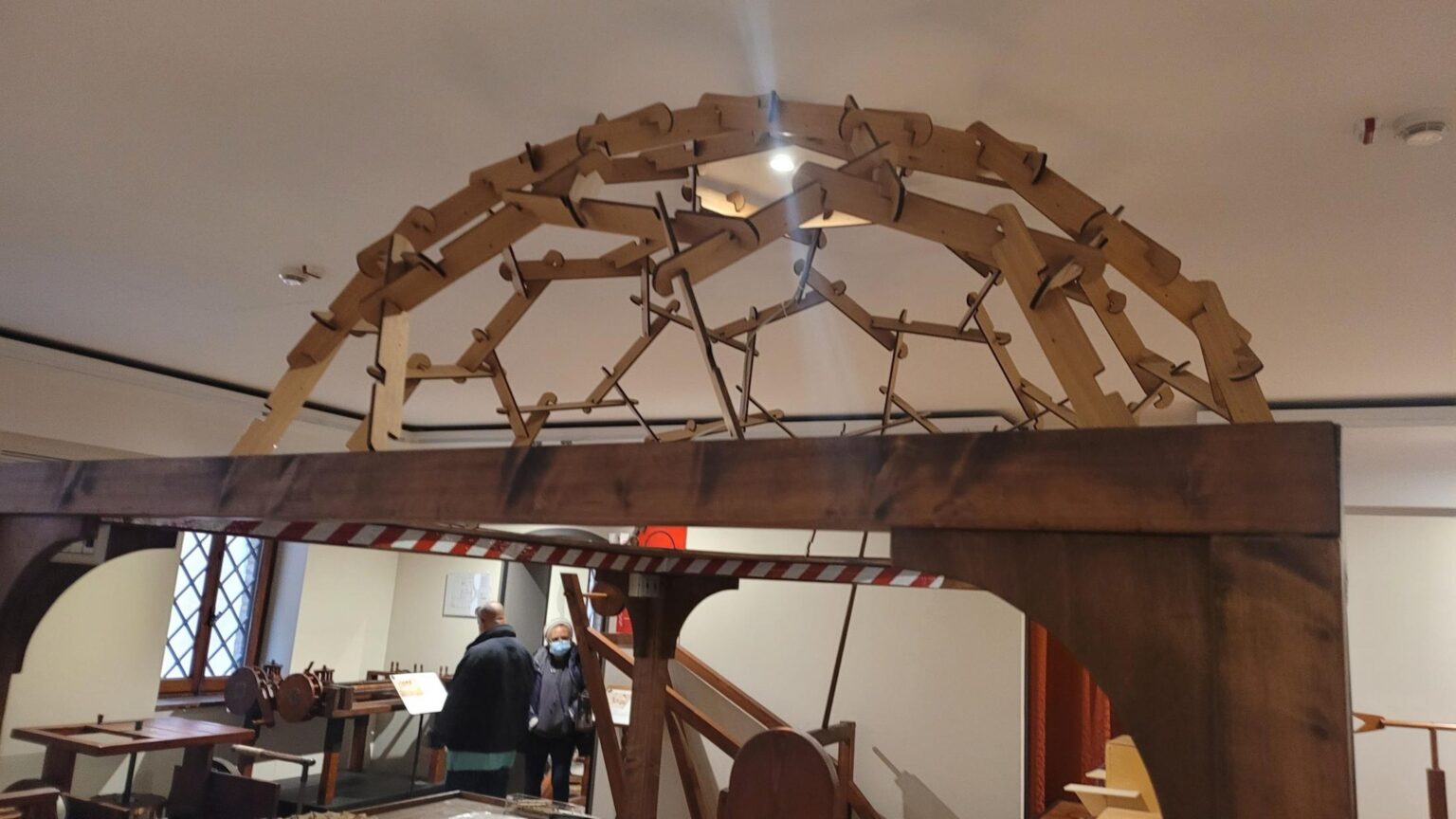
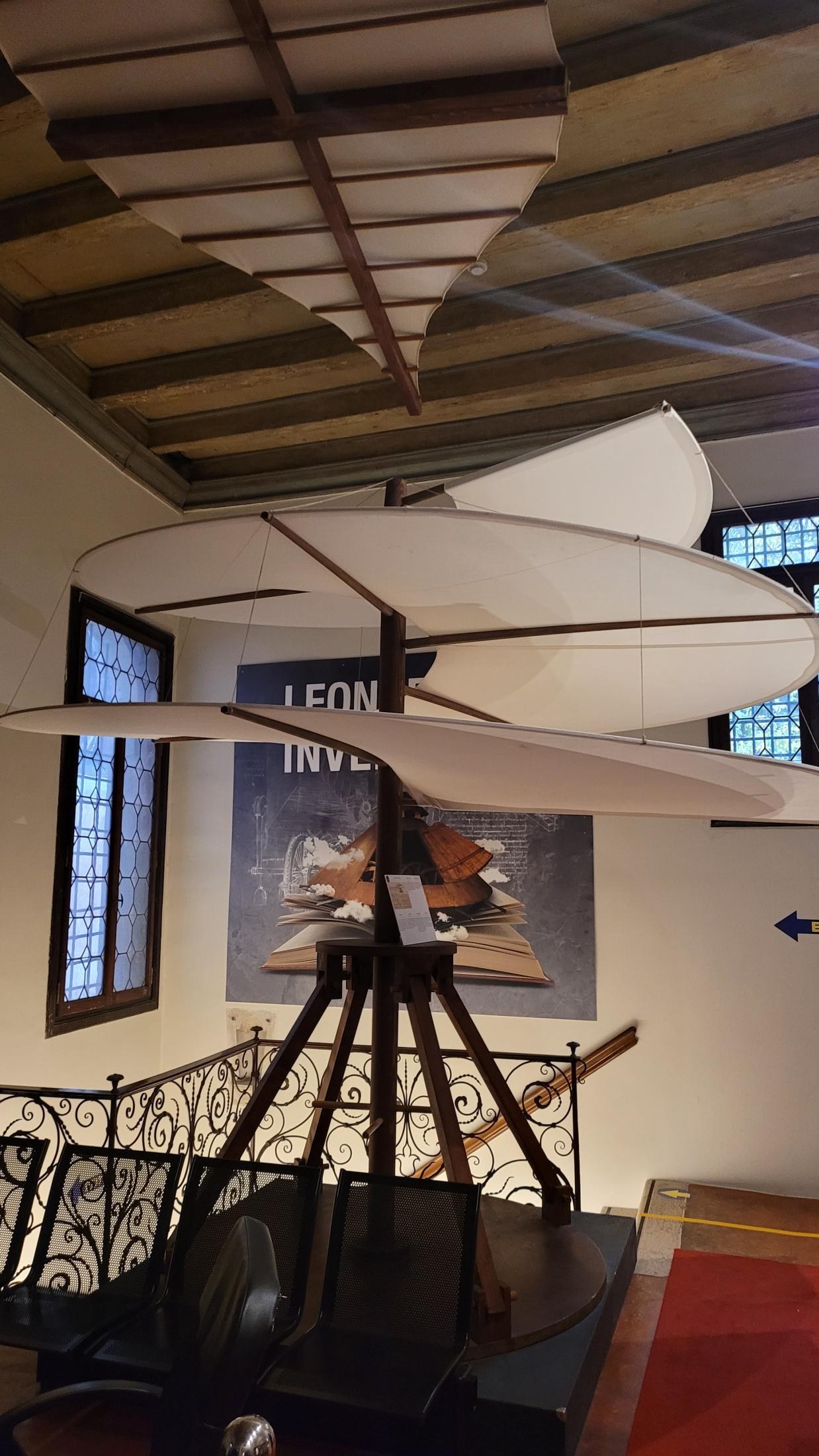
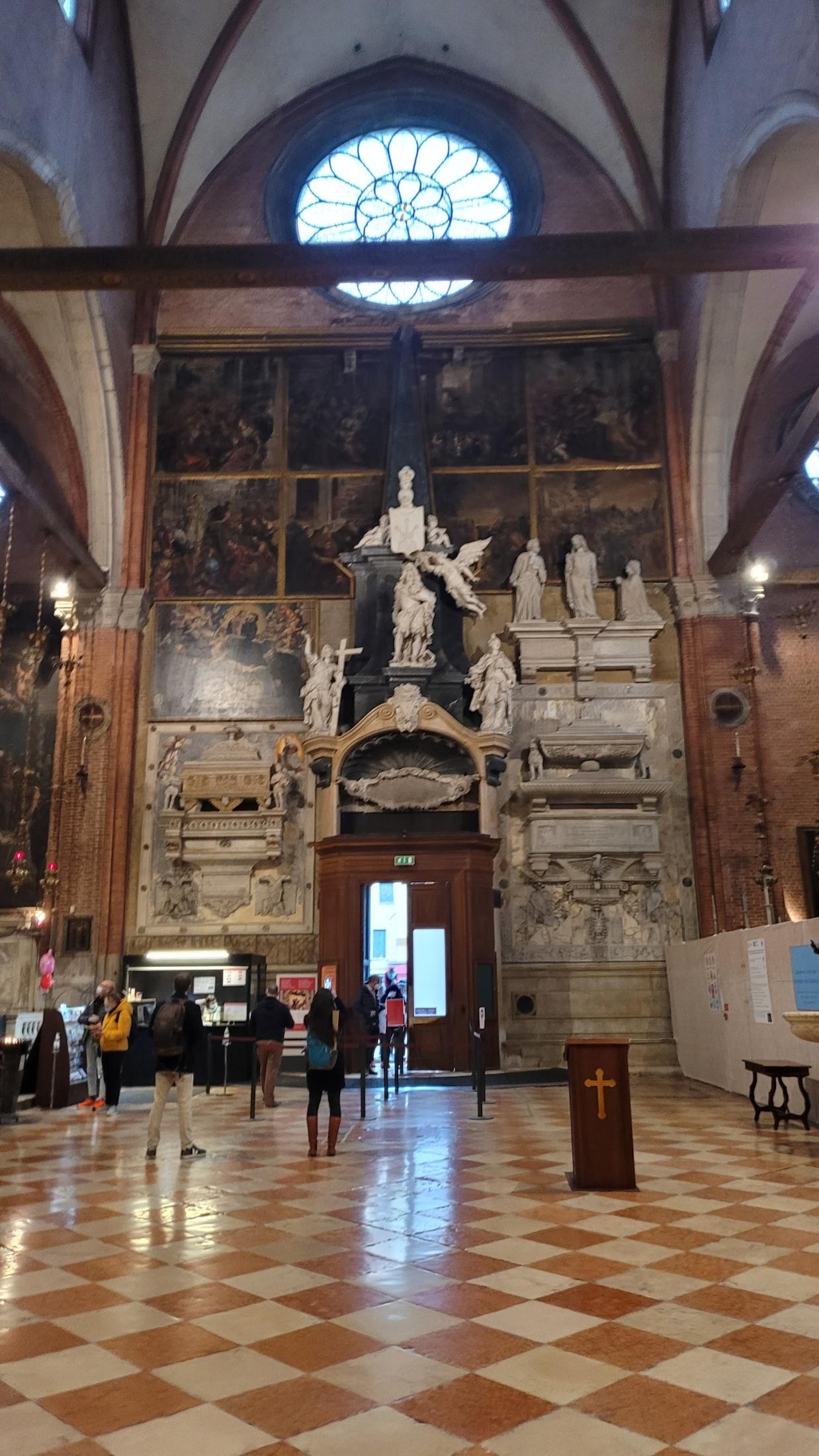
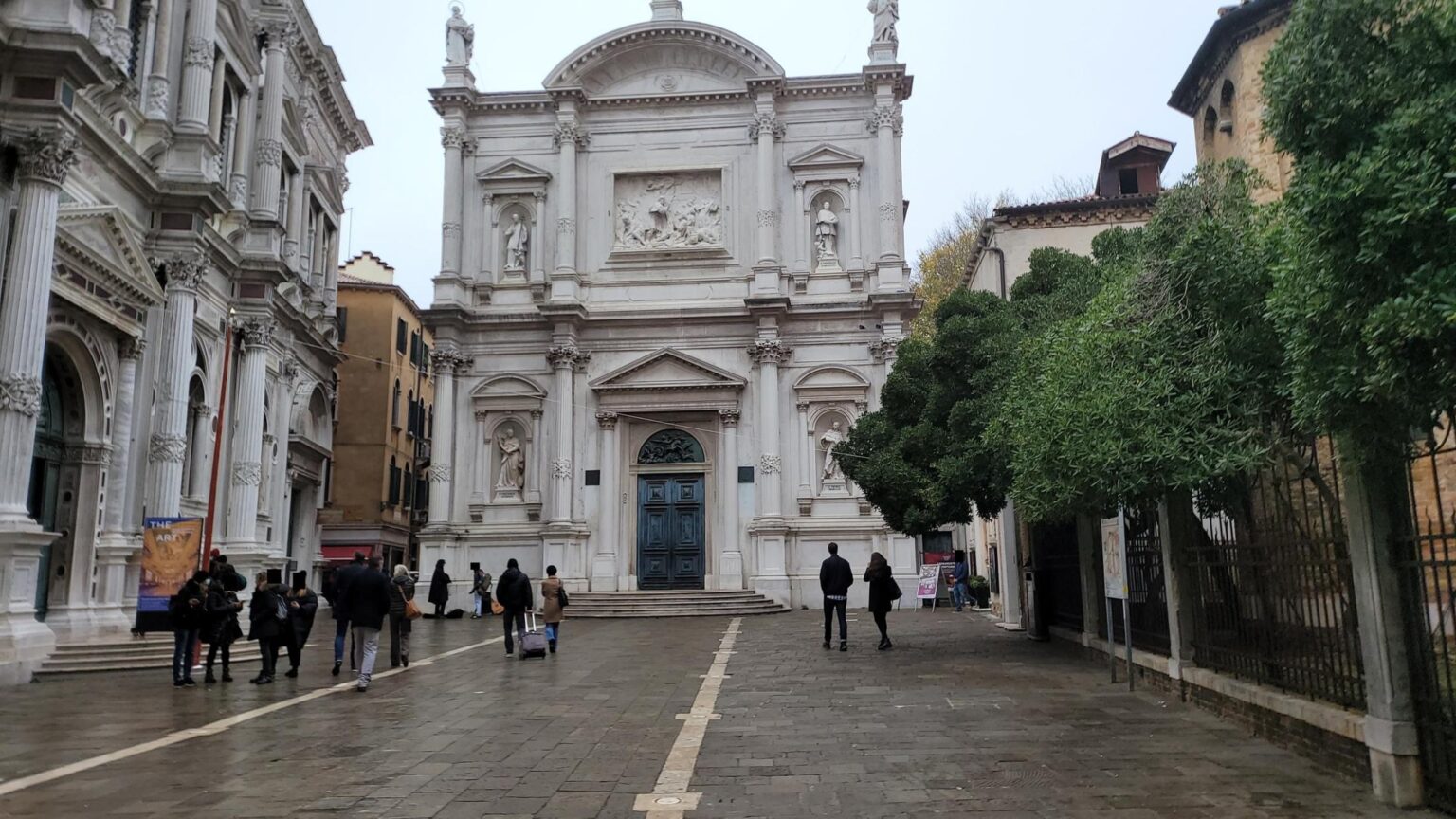
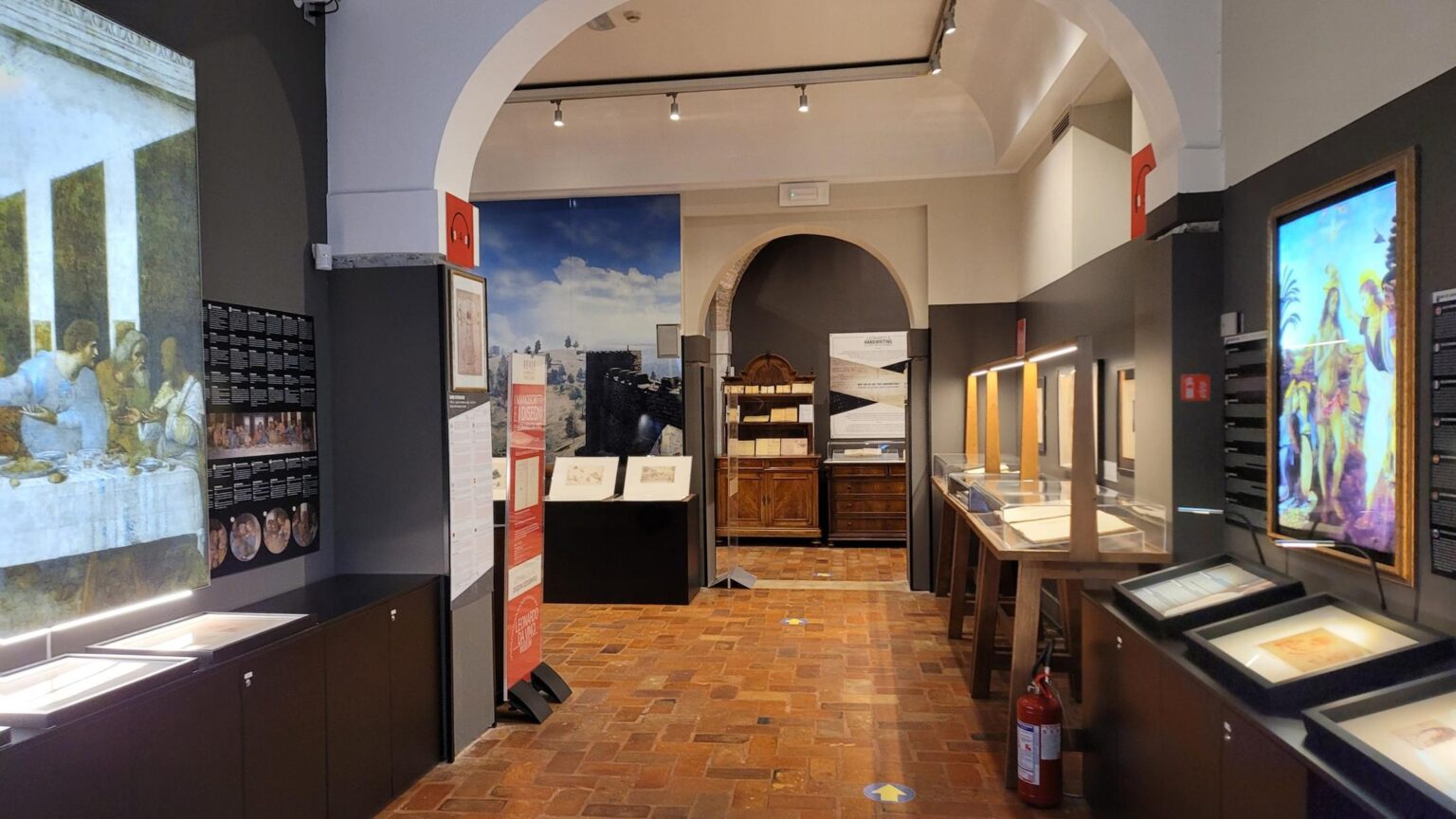
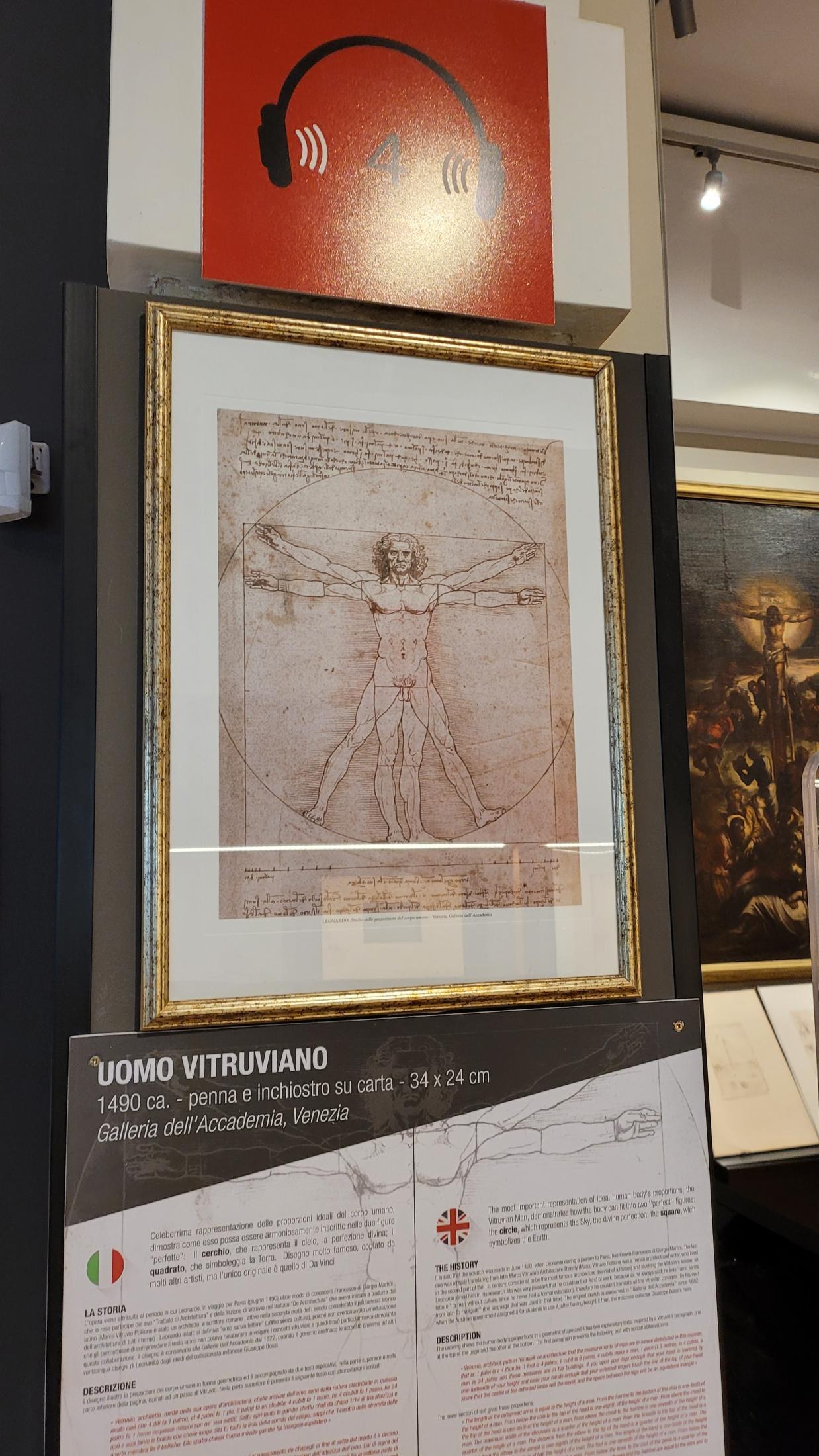
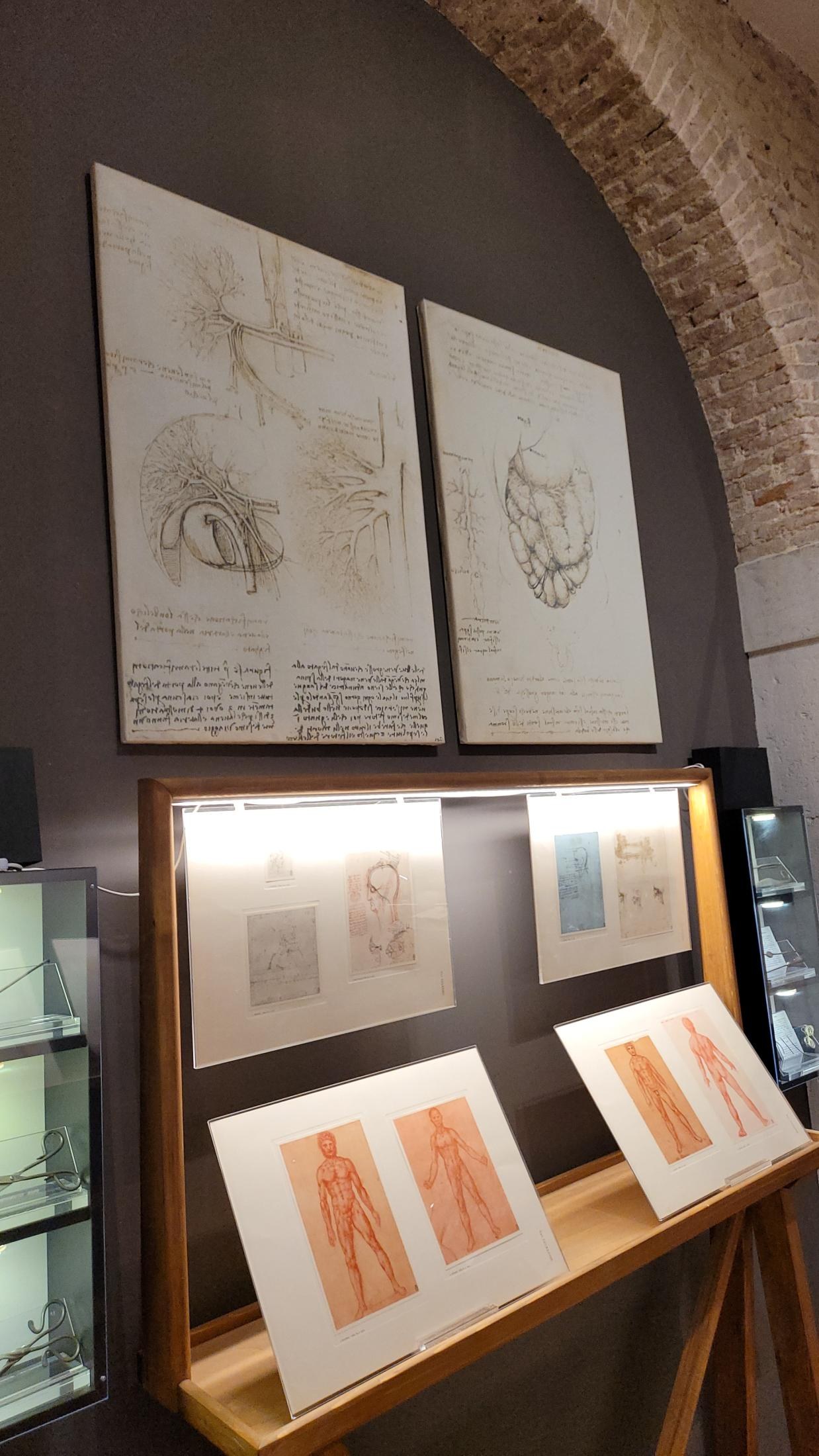
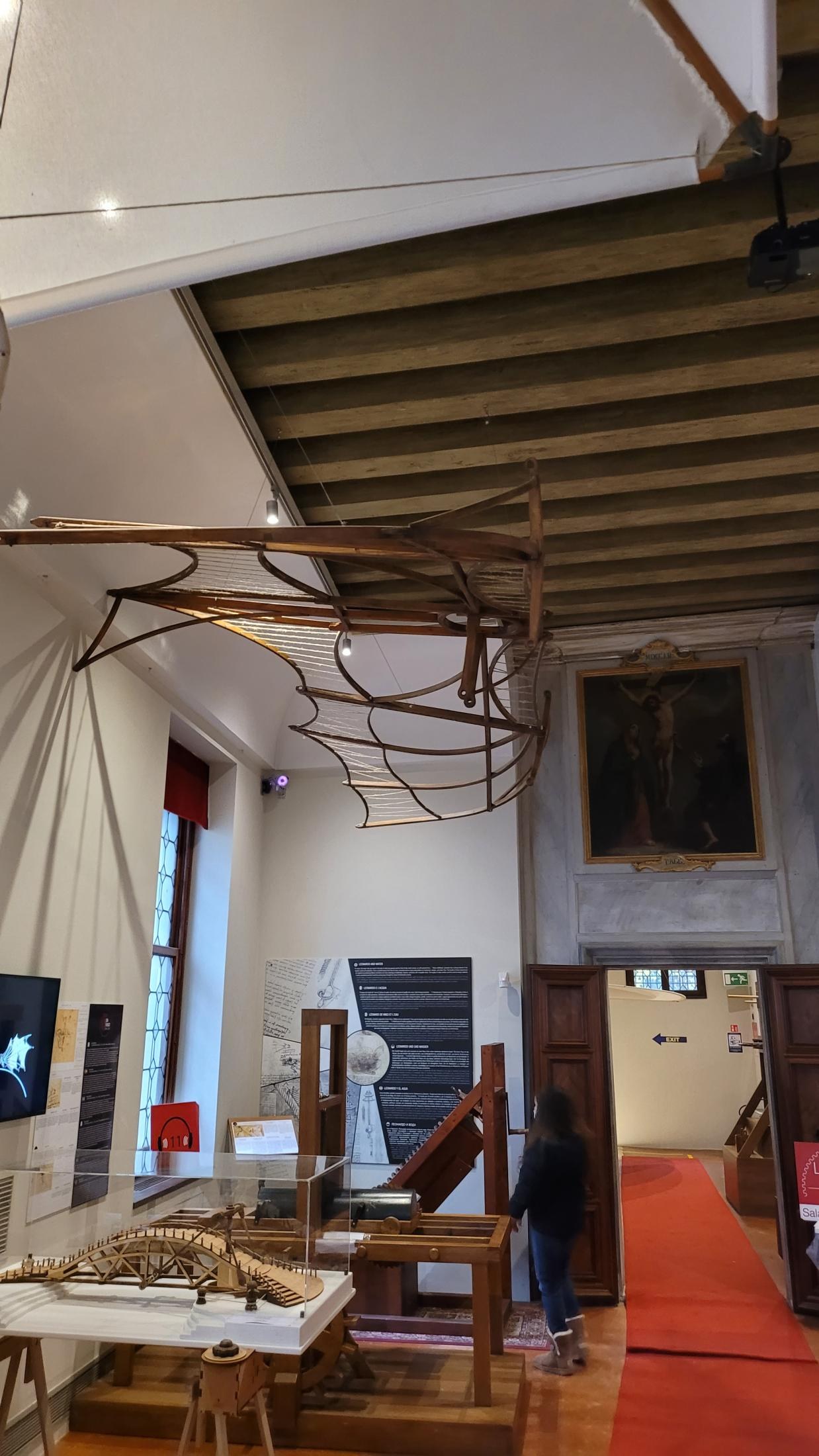
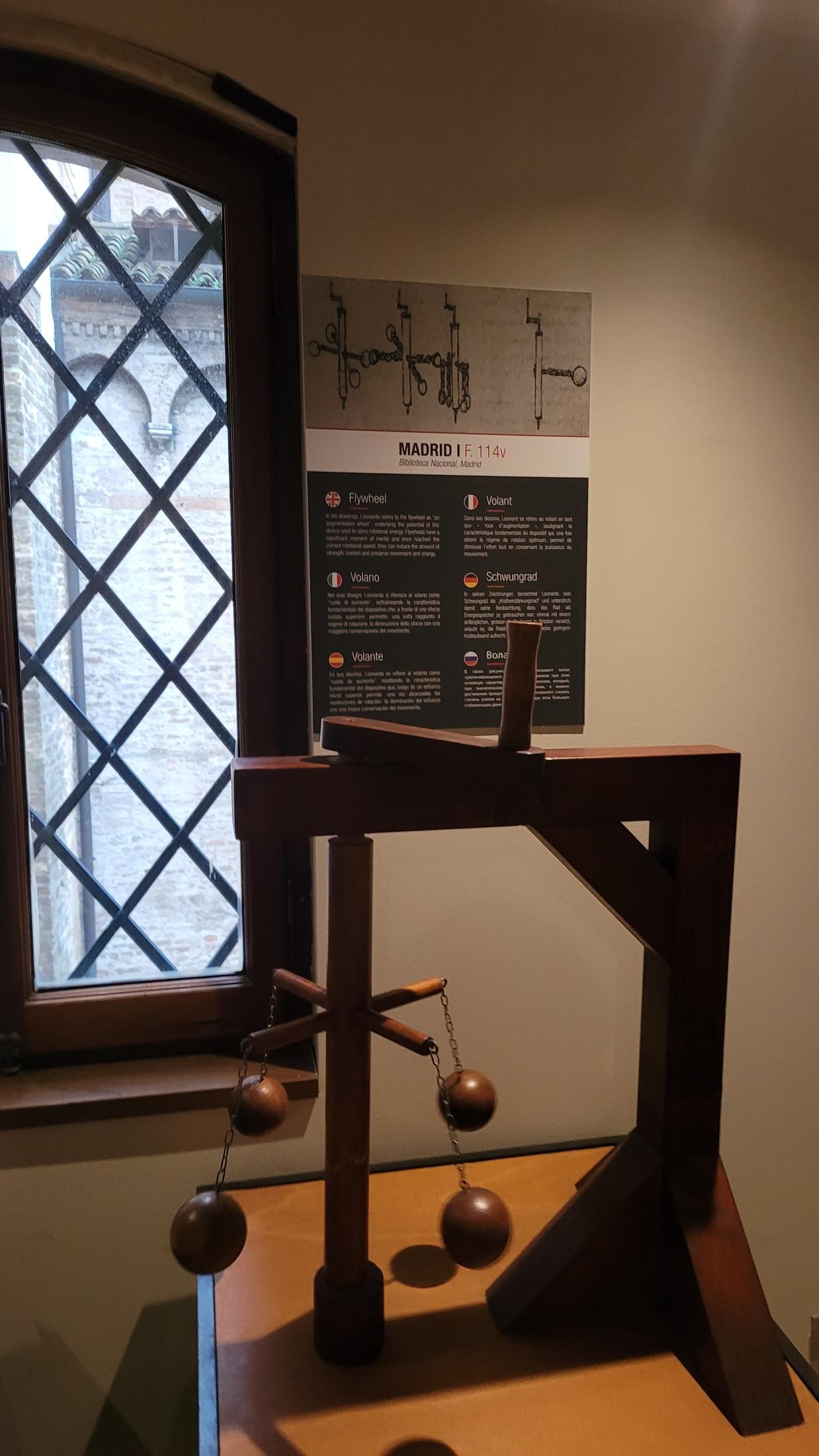
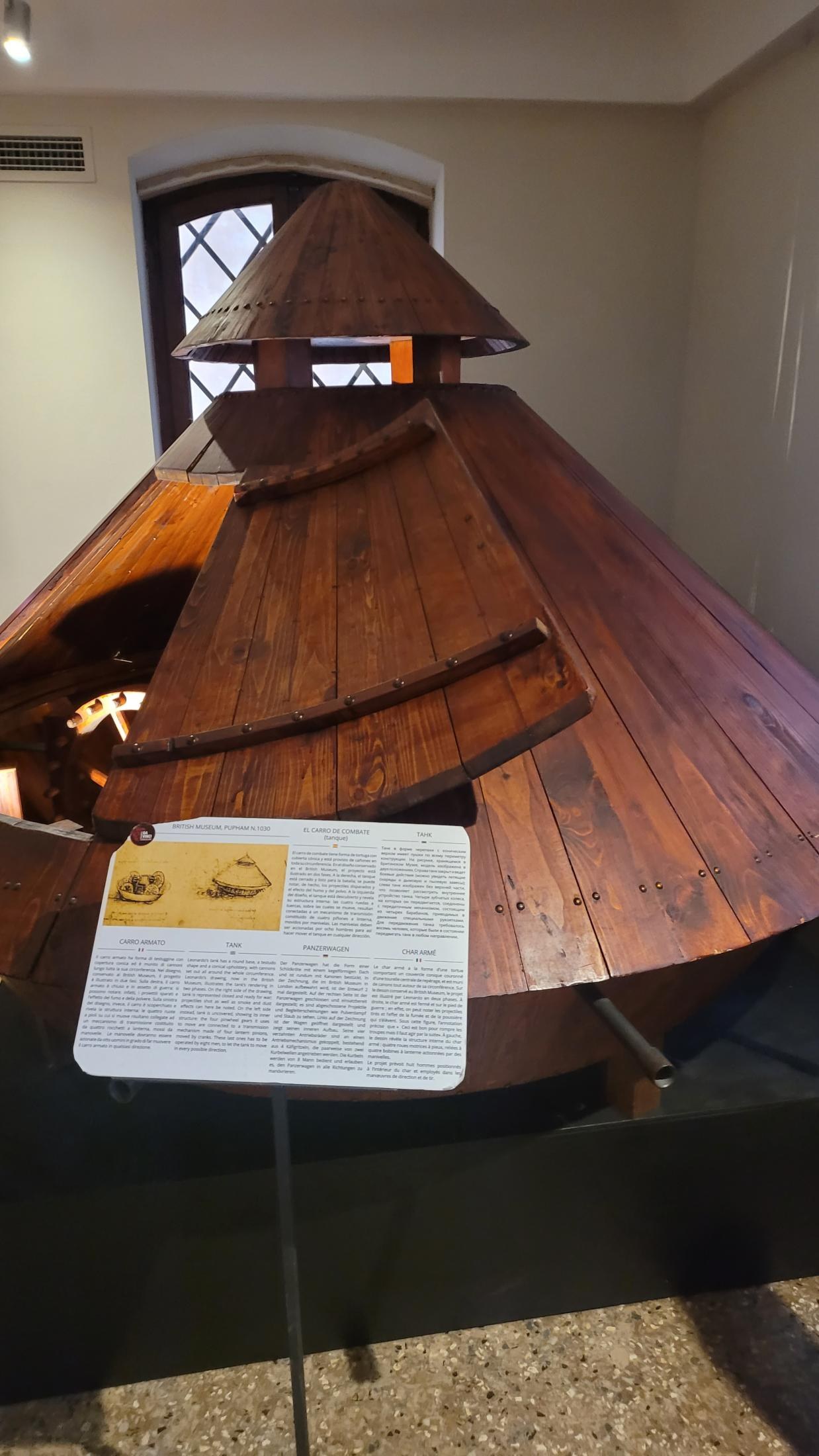
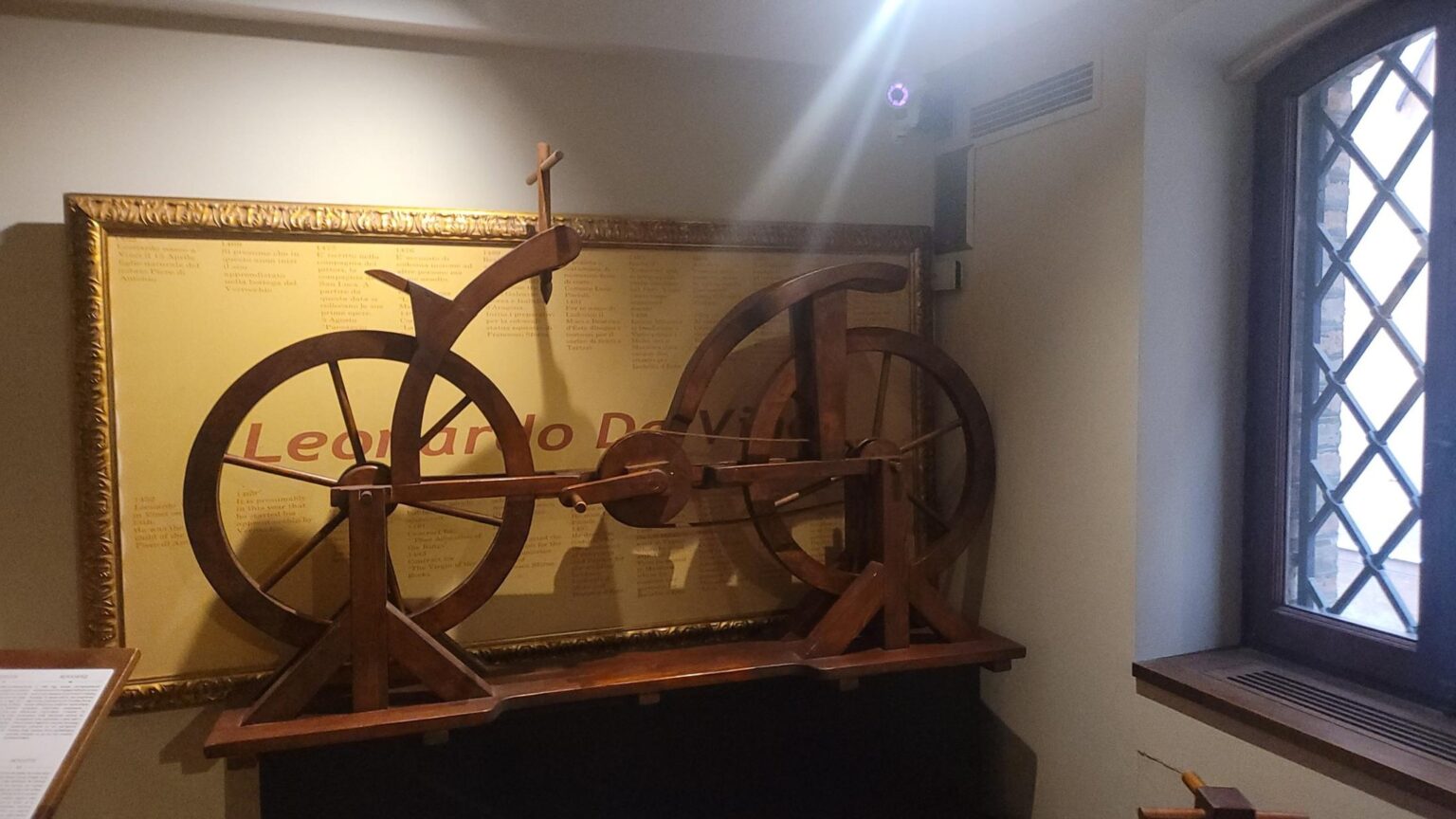
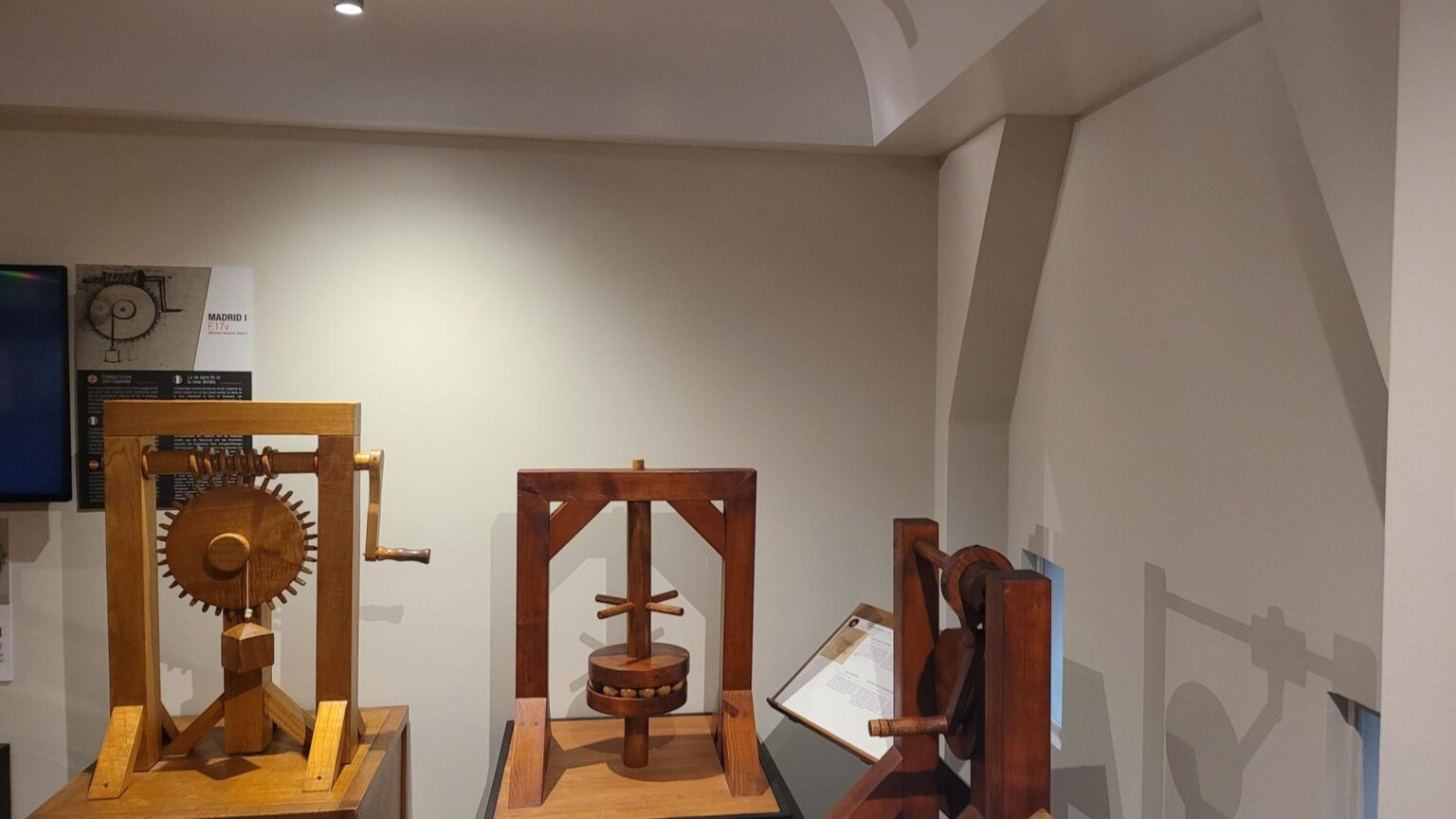
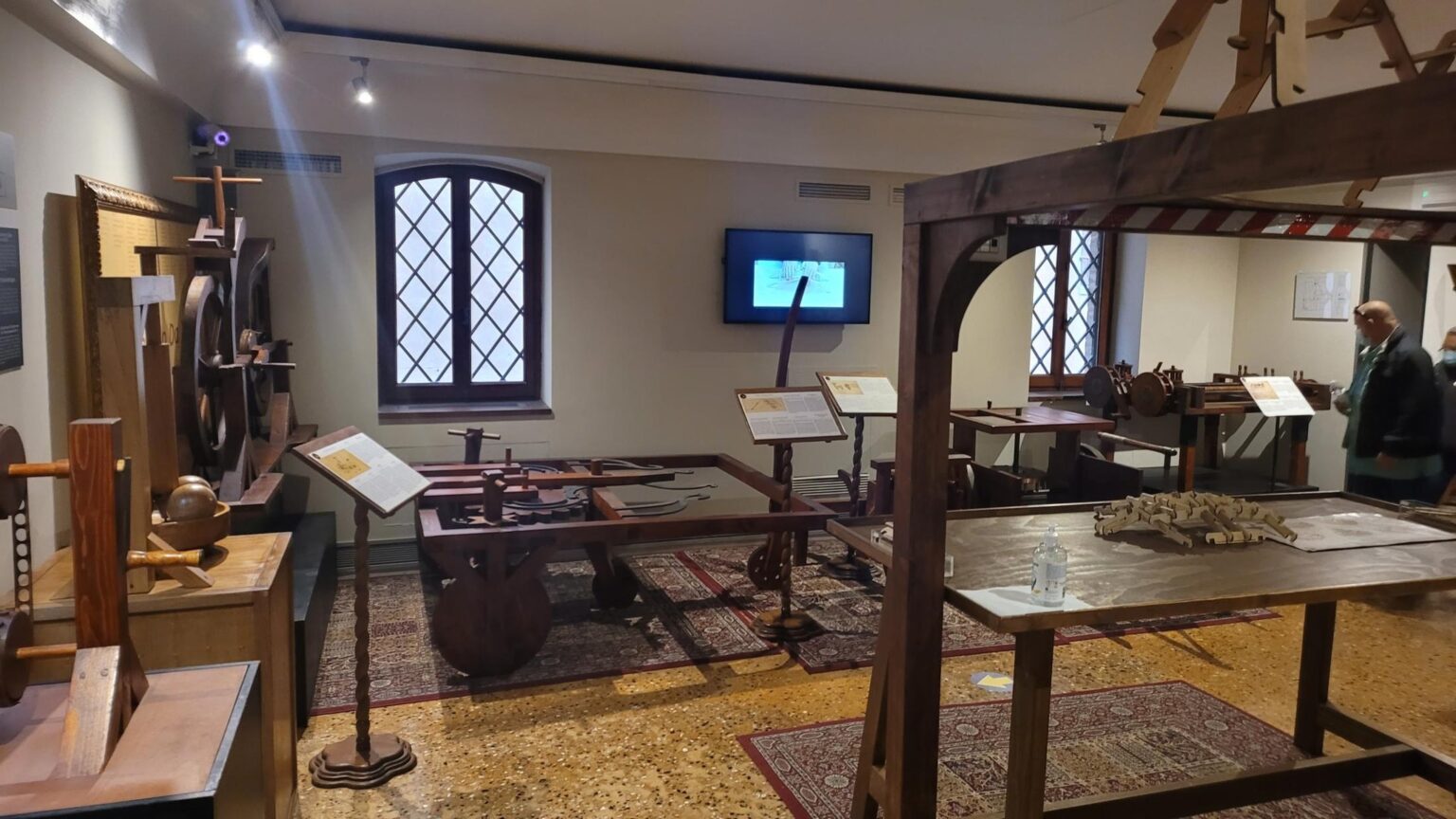
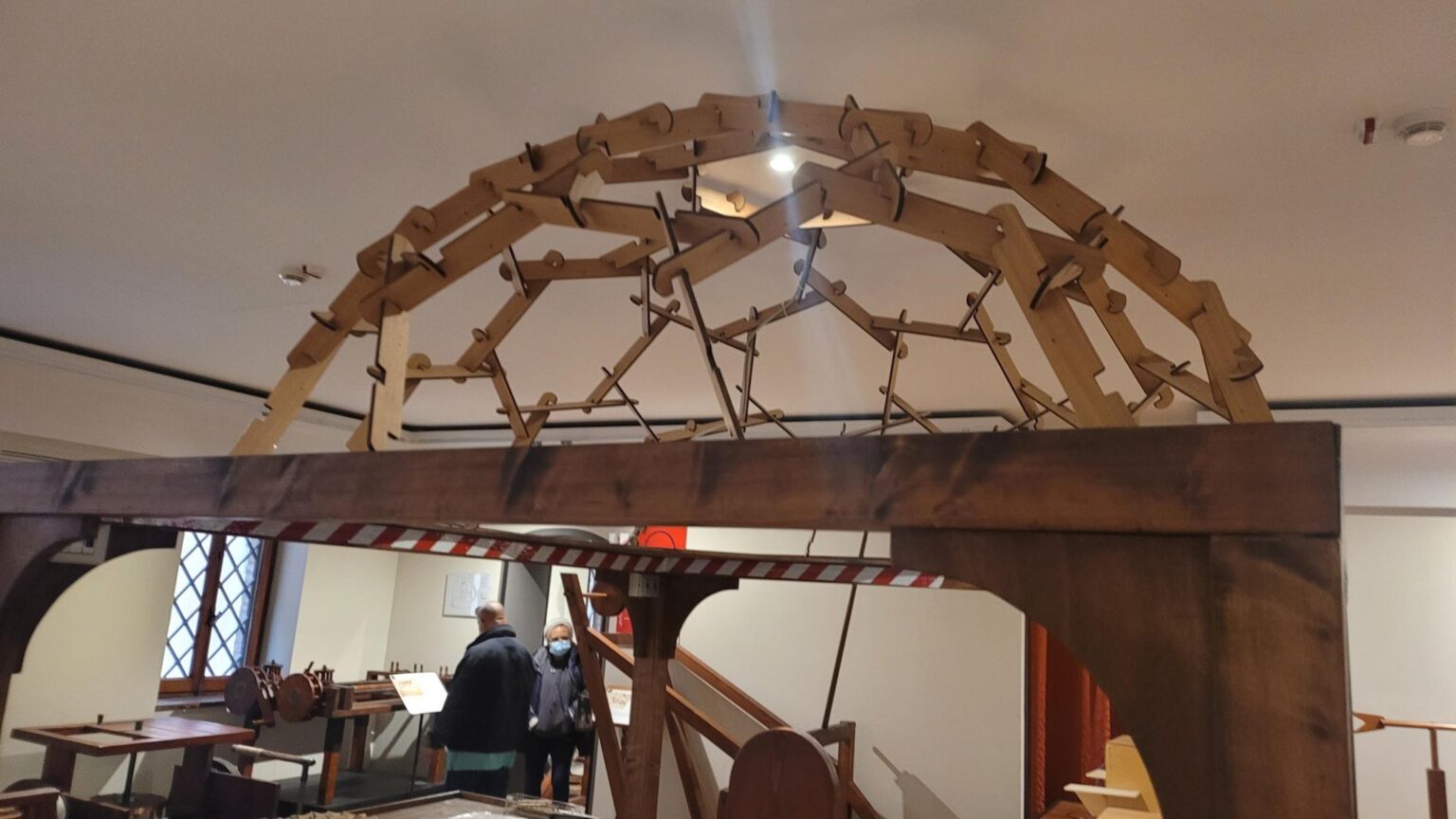
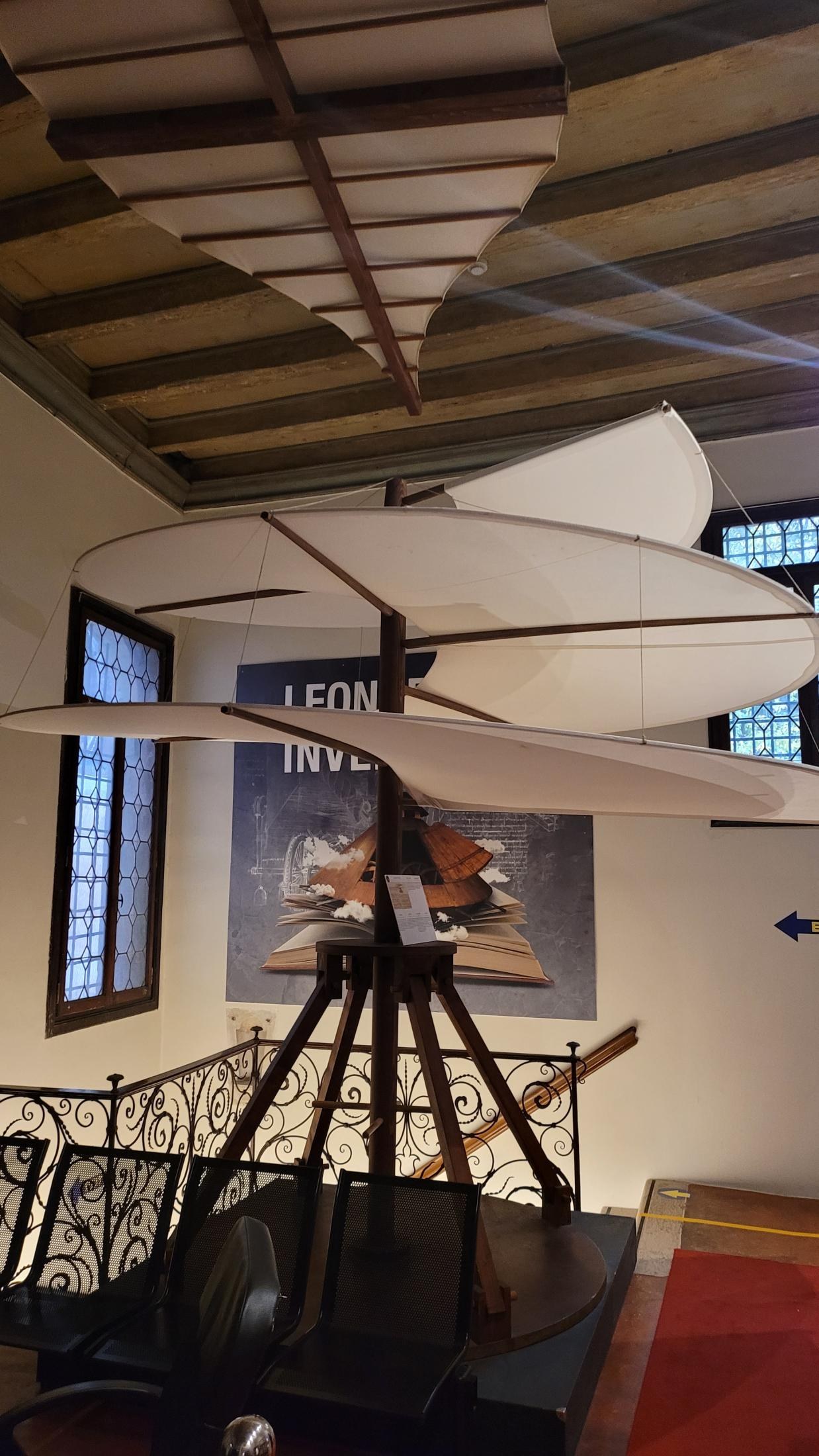
A little research reveals that there are several essentially identical Leonardo da Vinci museums — in Rome, Florence and Venice (at least three of them). The Venice one sits in the Scoletta di San Rocco, on Campo San Rocco behind the Frari church, and entry is around €10. It will be visited.
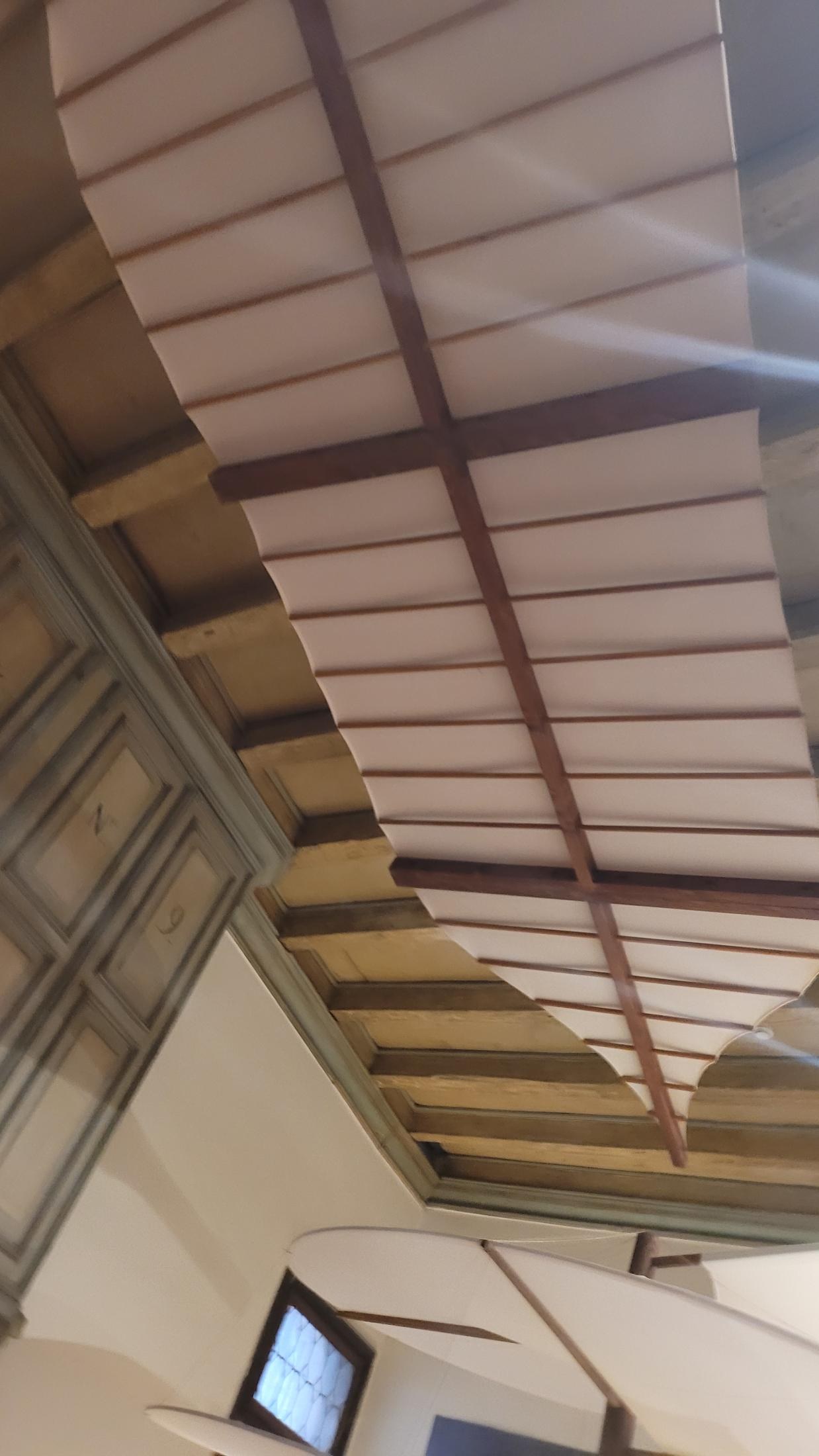
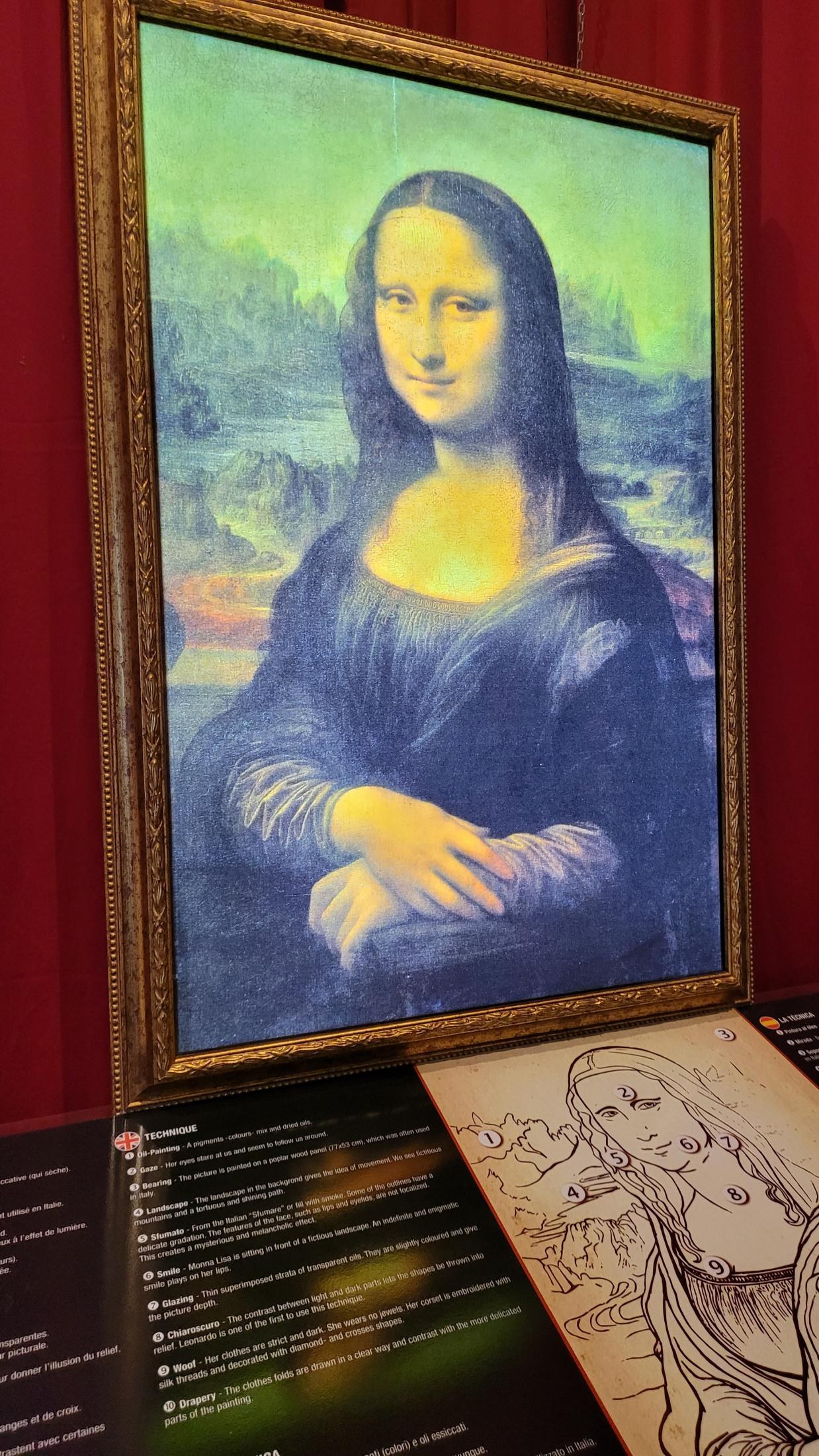
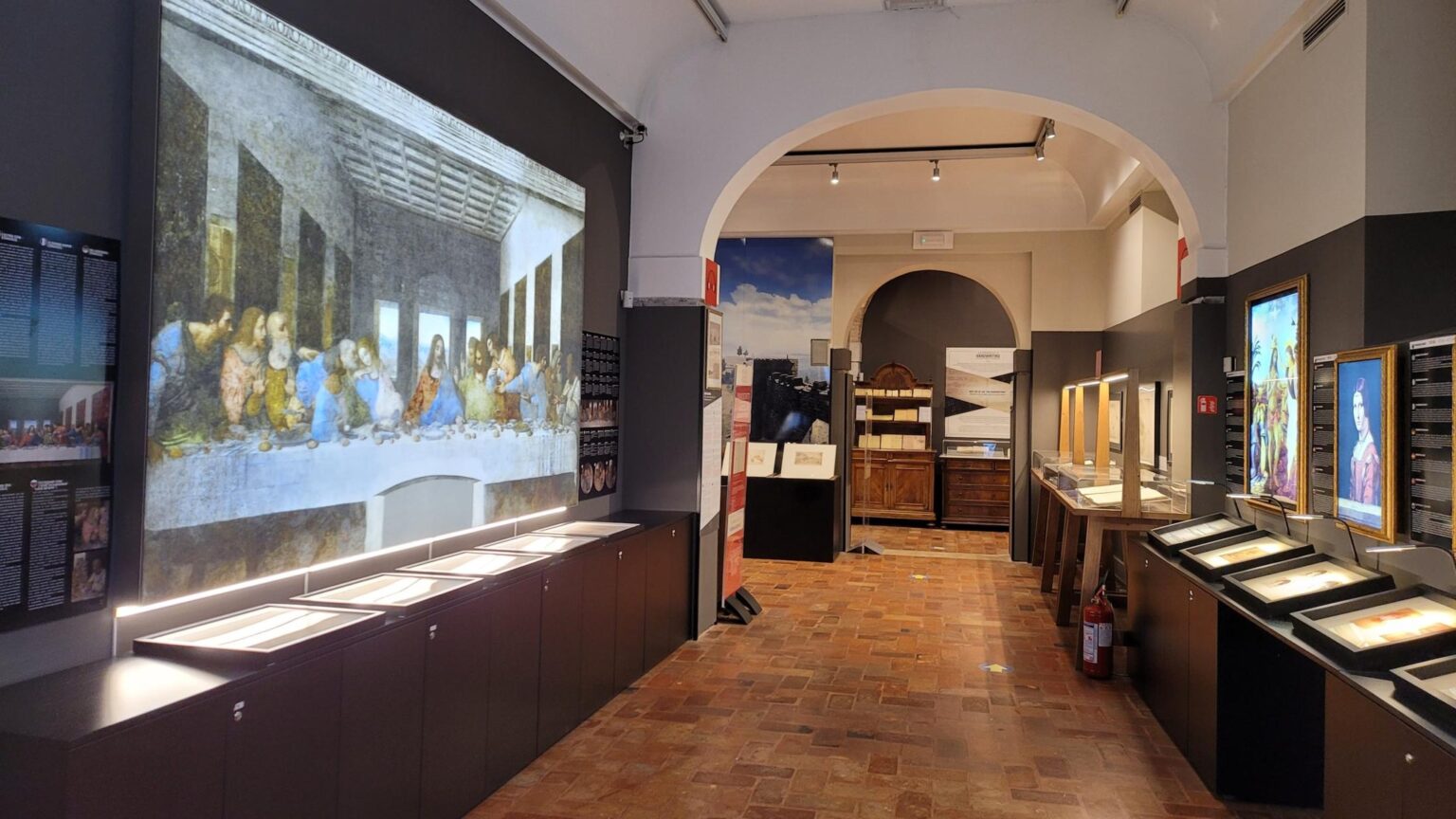
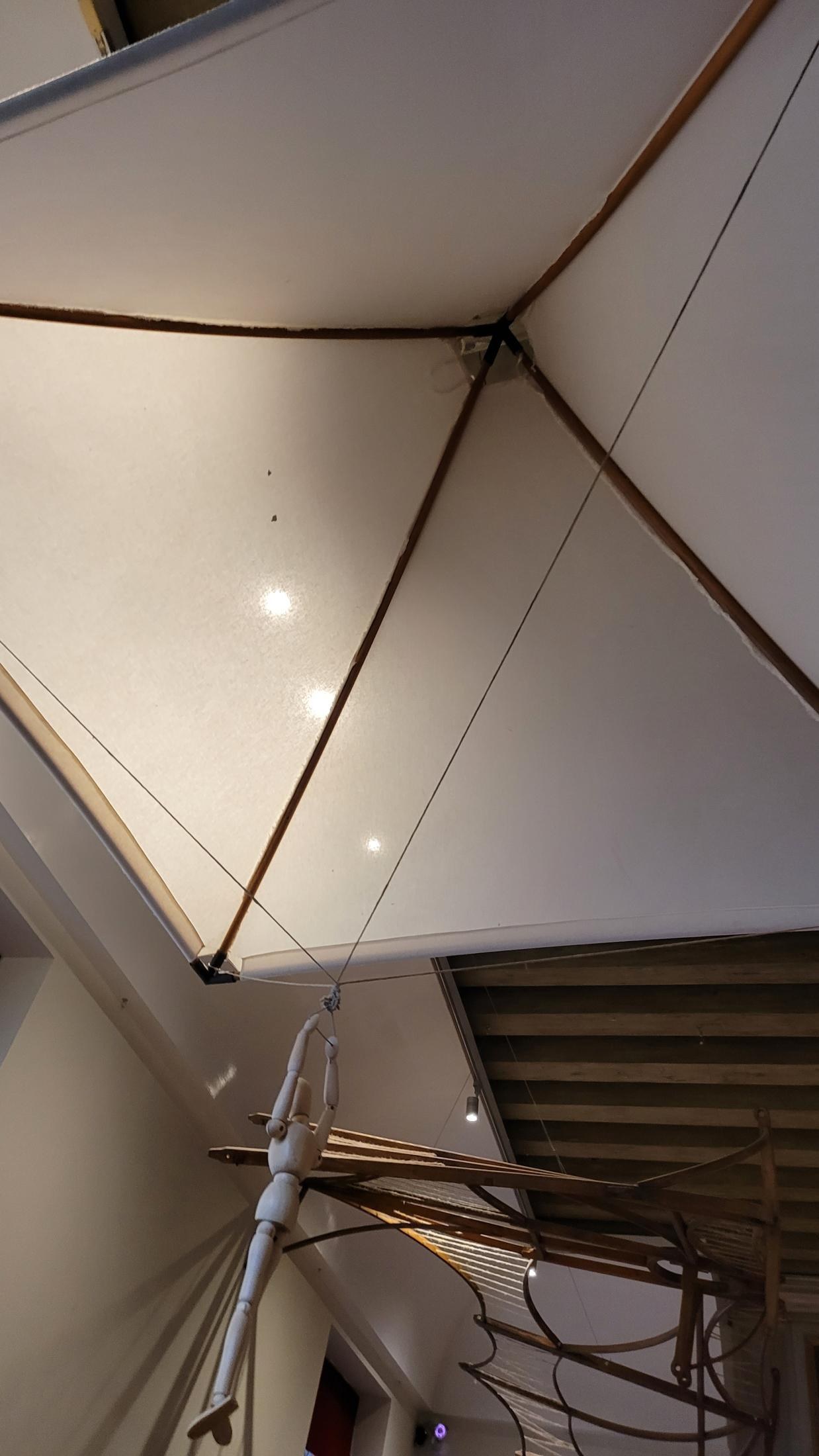
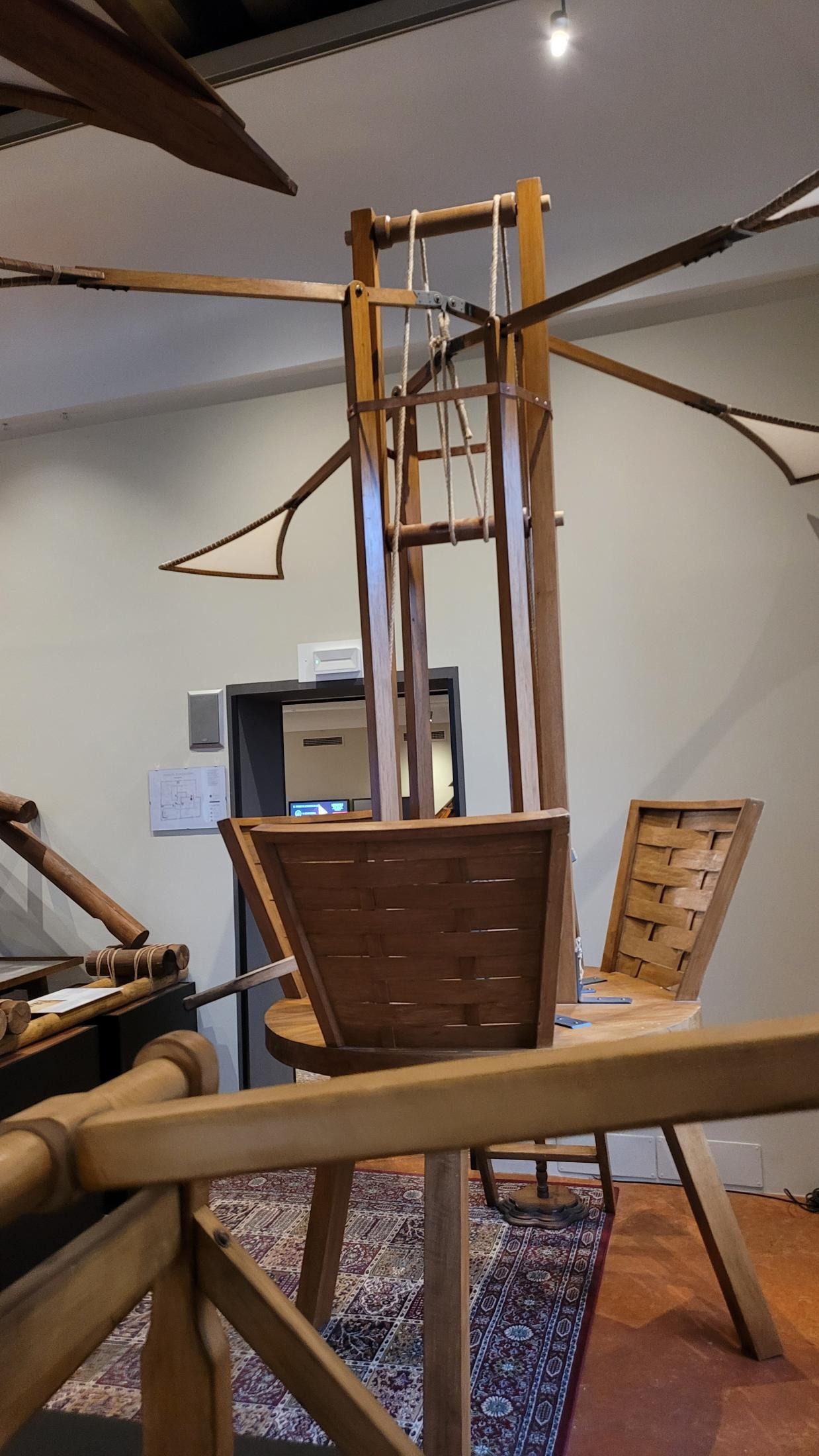
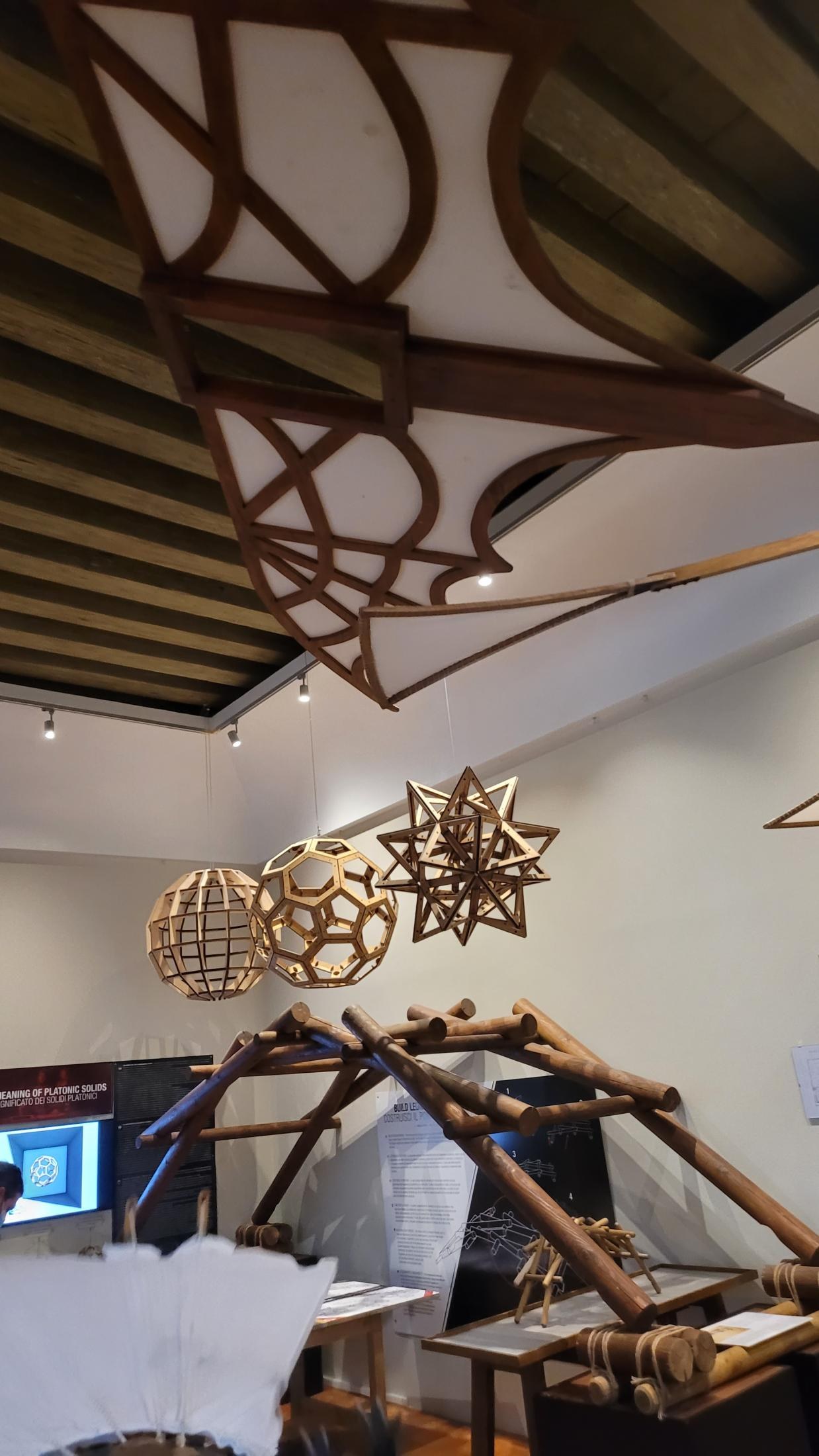
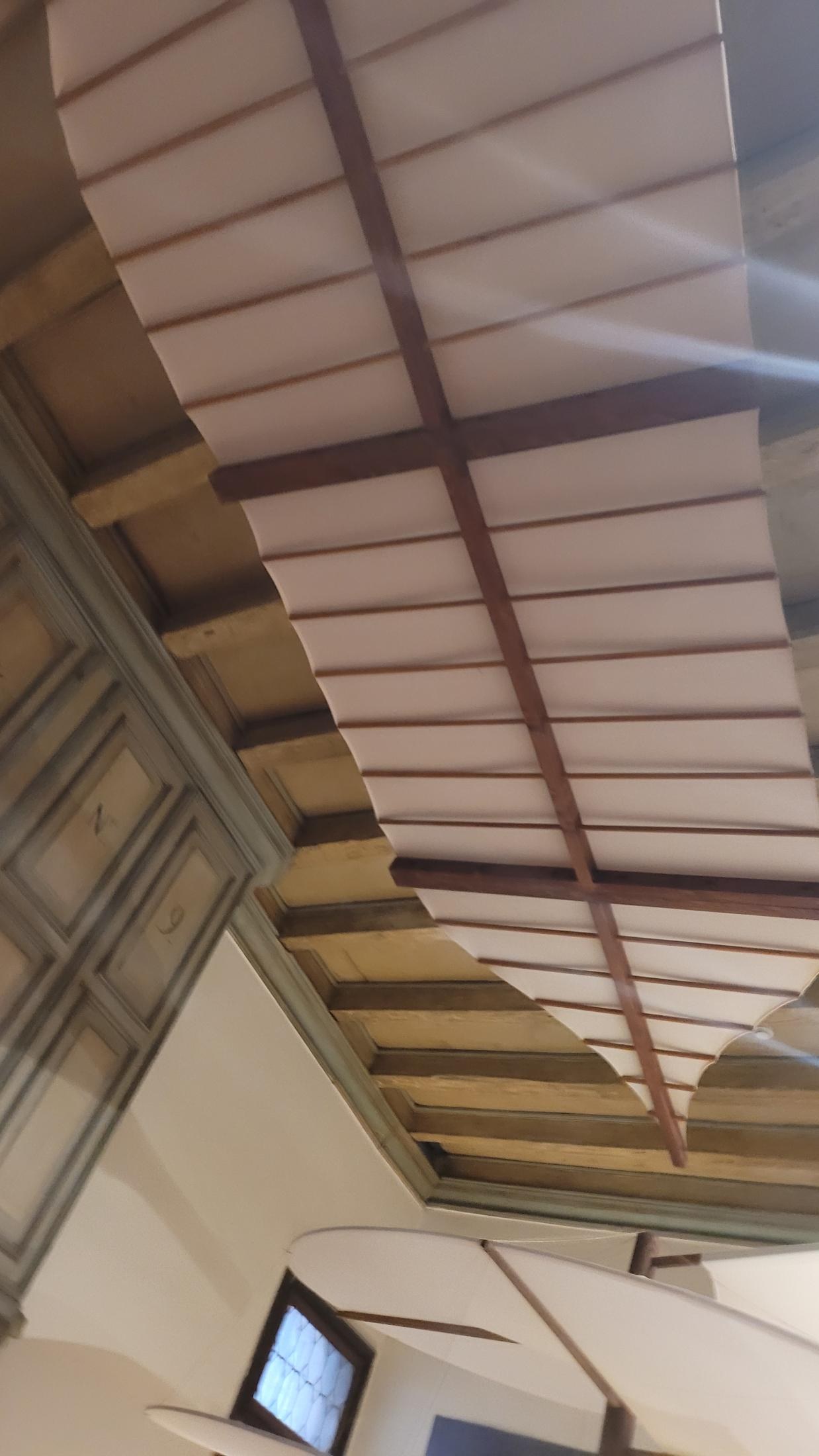
The museum is good fun and packed with interactive pieces and puzzles. We strongly recommend it — almost everything can be touched, shifted, assembled and taken apart. It is interesting, and while these technologies do not look impressive today, for around the year 1500 — more than 500 years ago — they are quite something. A large part of da Vinci’s inventions are foundational to modern technology.
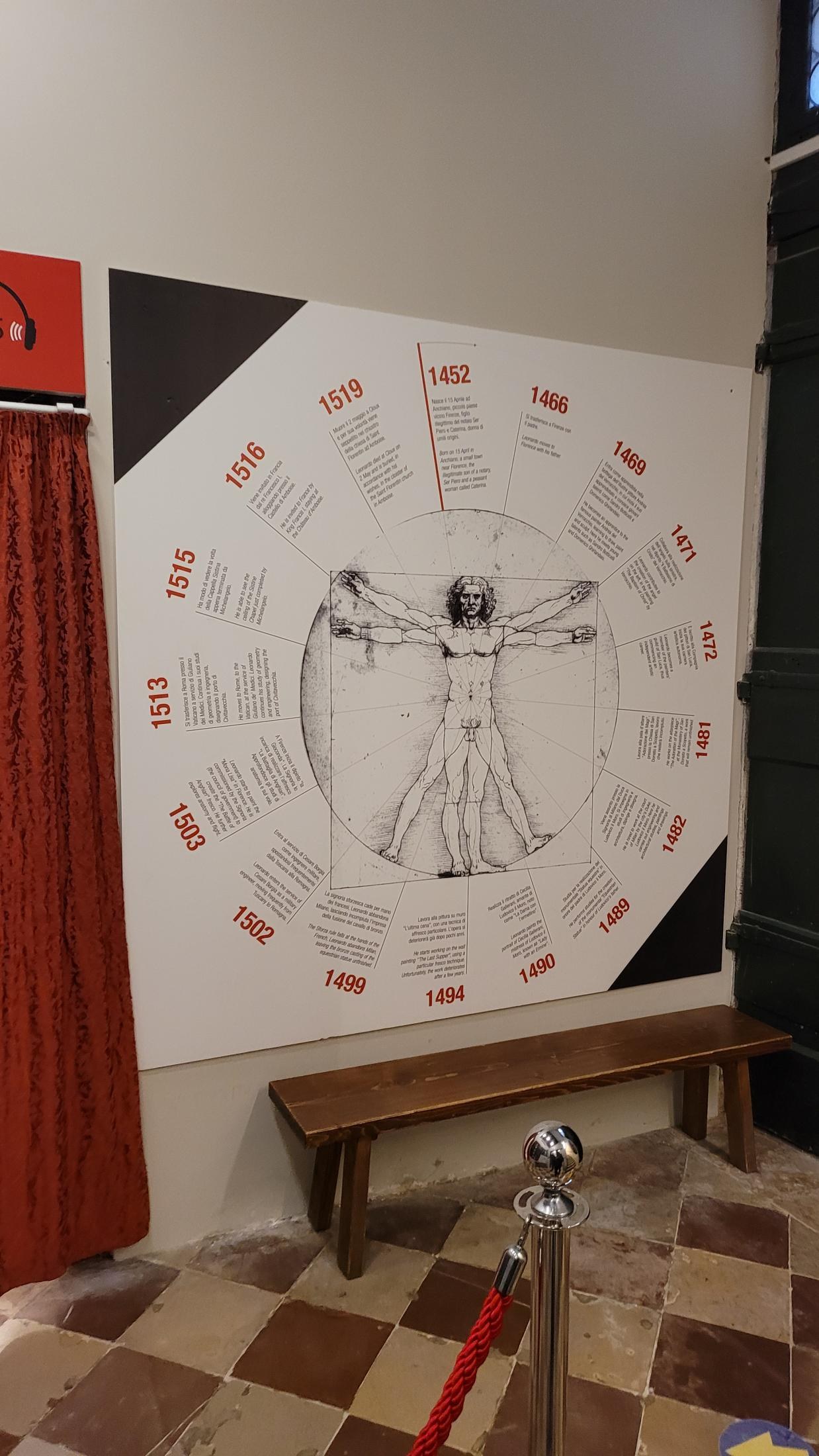
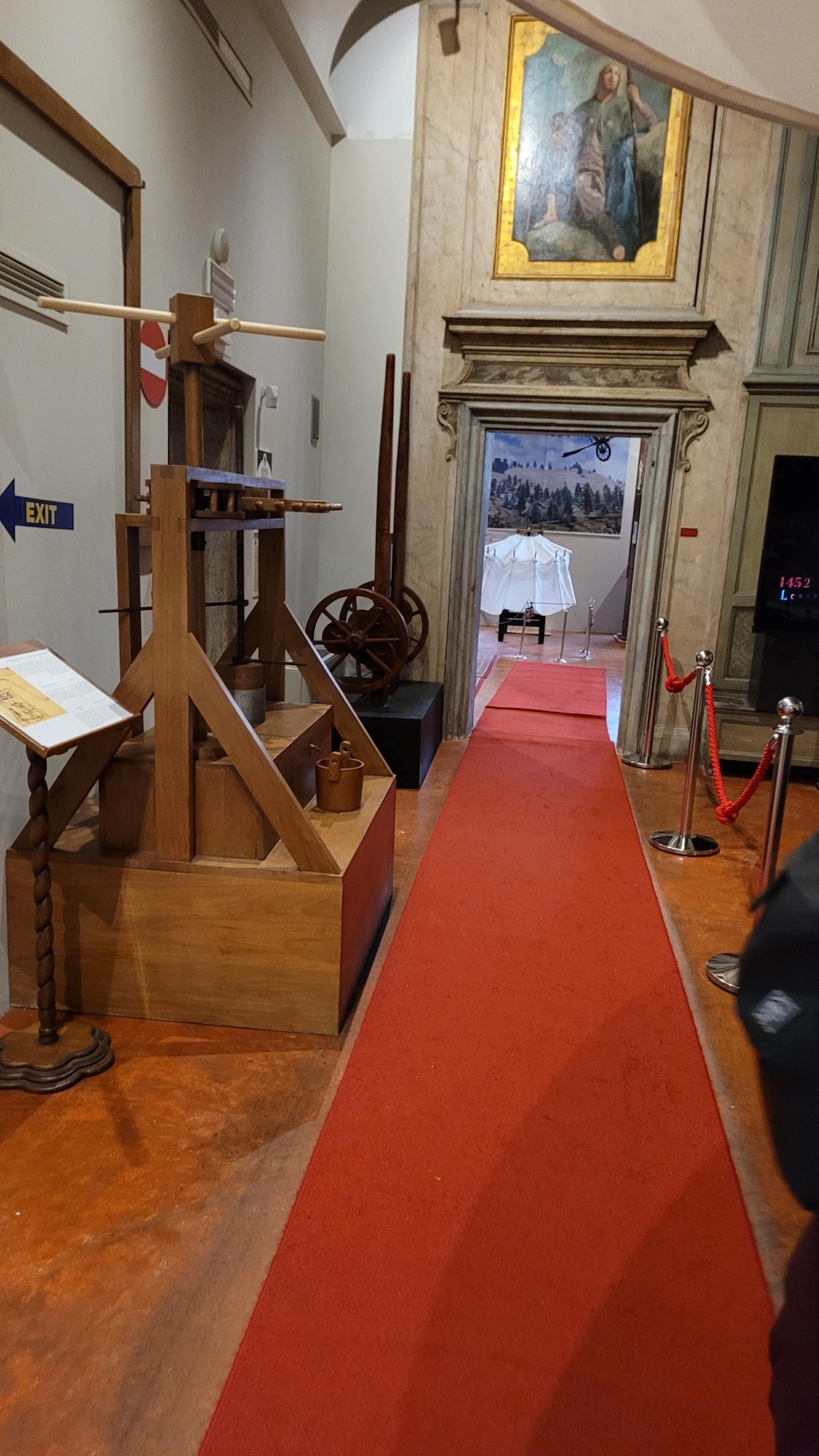
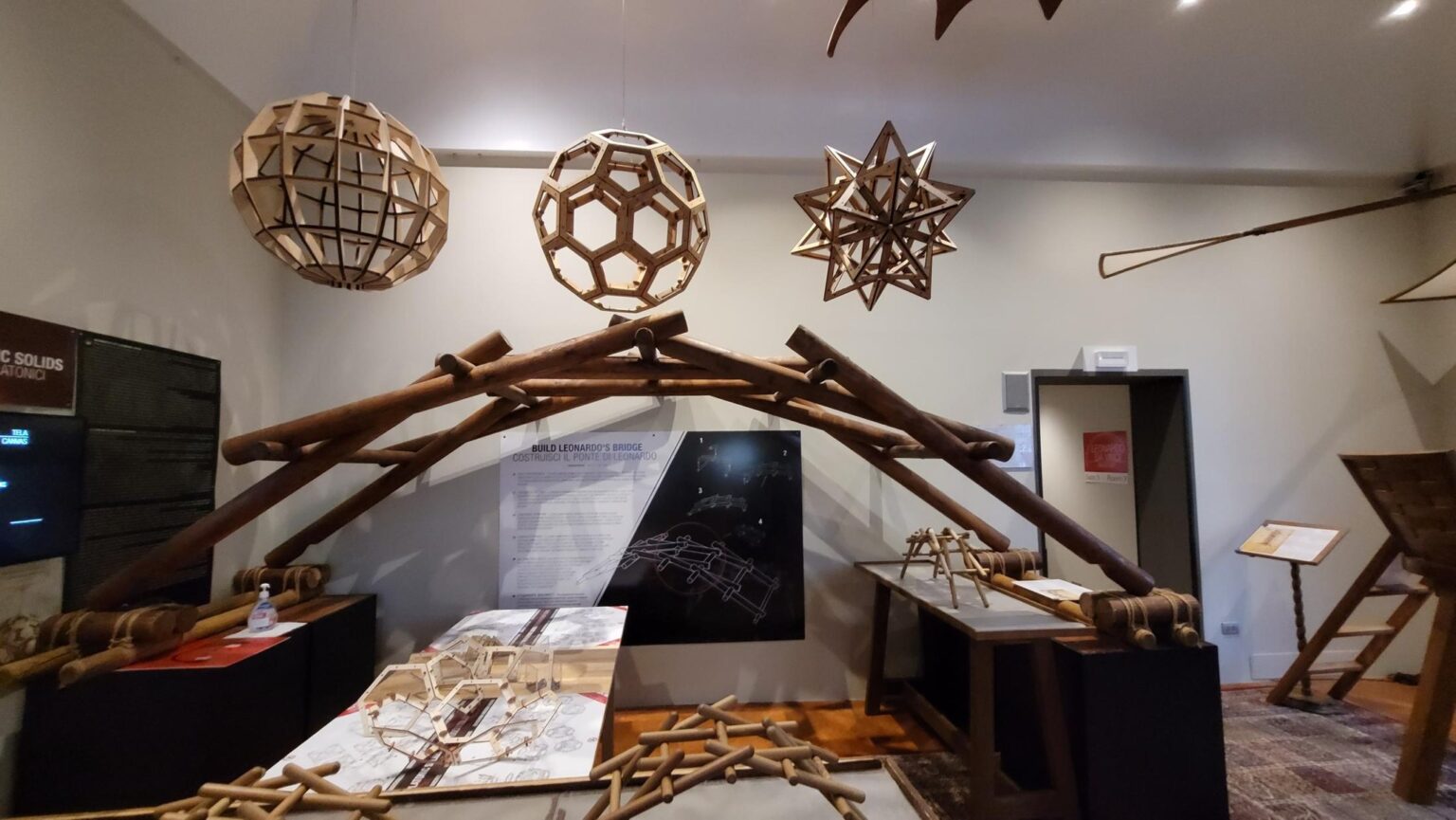
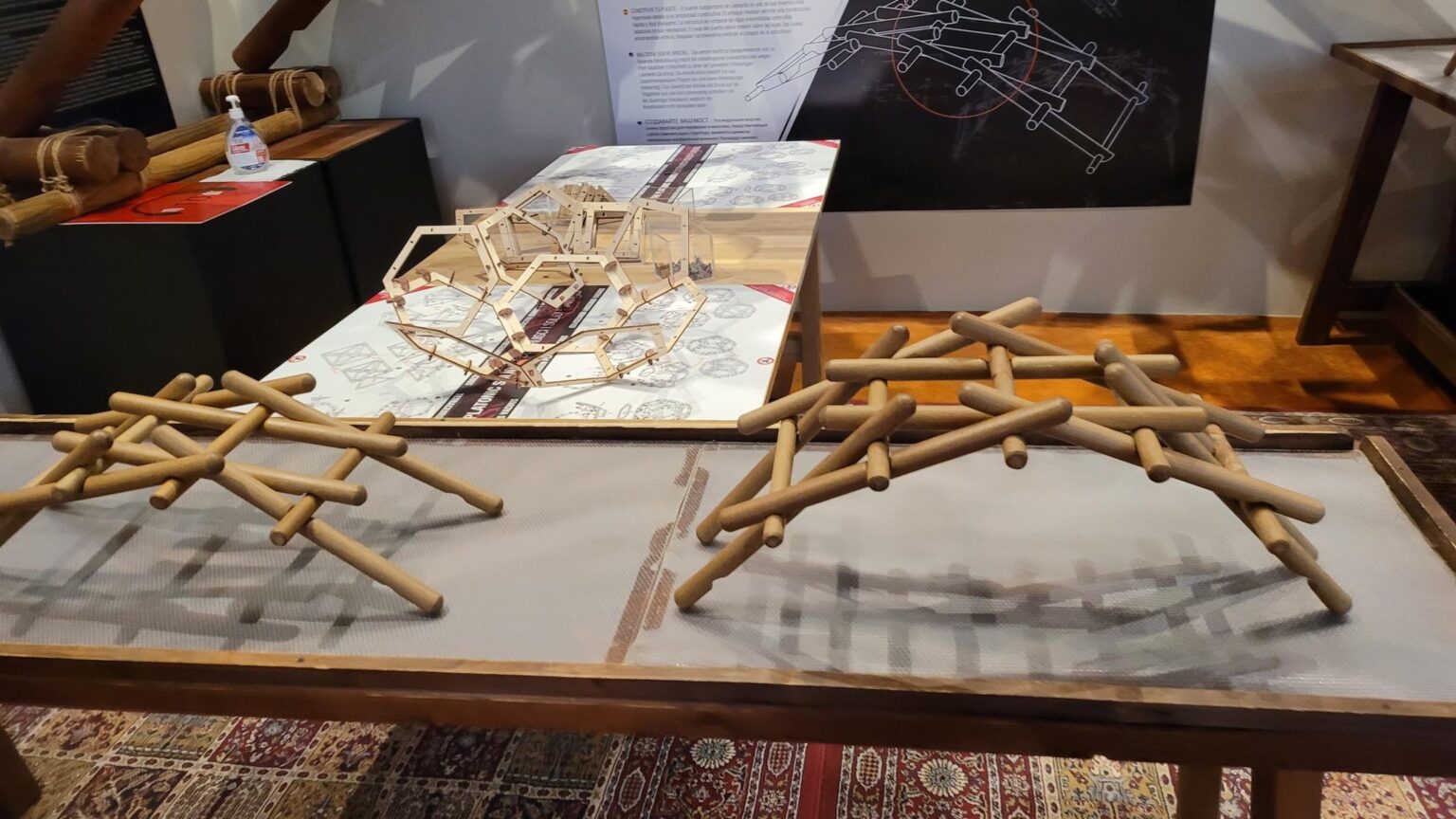
Venice, one last time
Third consecutive day in Venice. It is only right to mention the big three:
- Palazzo Ducale (the Doge’s Palace) — a serious gallery and museum. The standard “St Mark’s Square Museums” ticket is €35 on the day, or €30 if you book on the official site at least 30 days ahead, and it also covers the Correr Museum, the National Archaeological Museum and the Marciana Library. It was €30 when we went, so the early-booking price is what the walk-up price used to be.
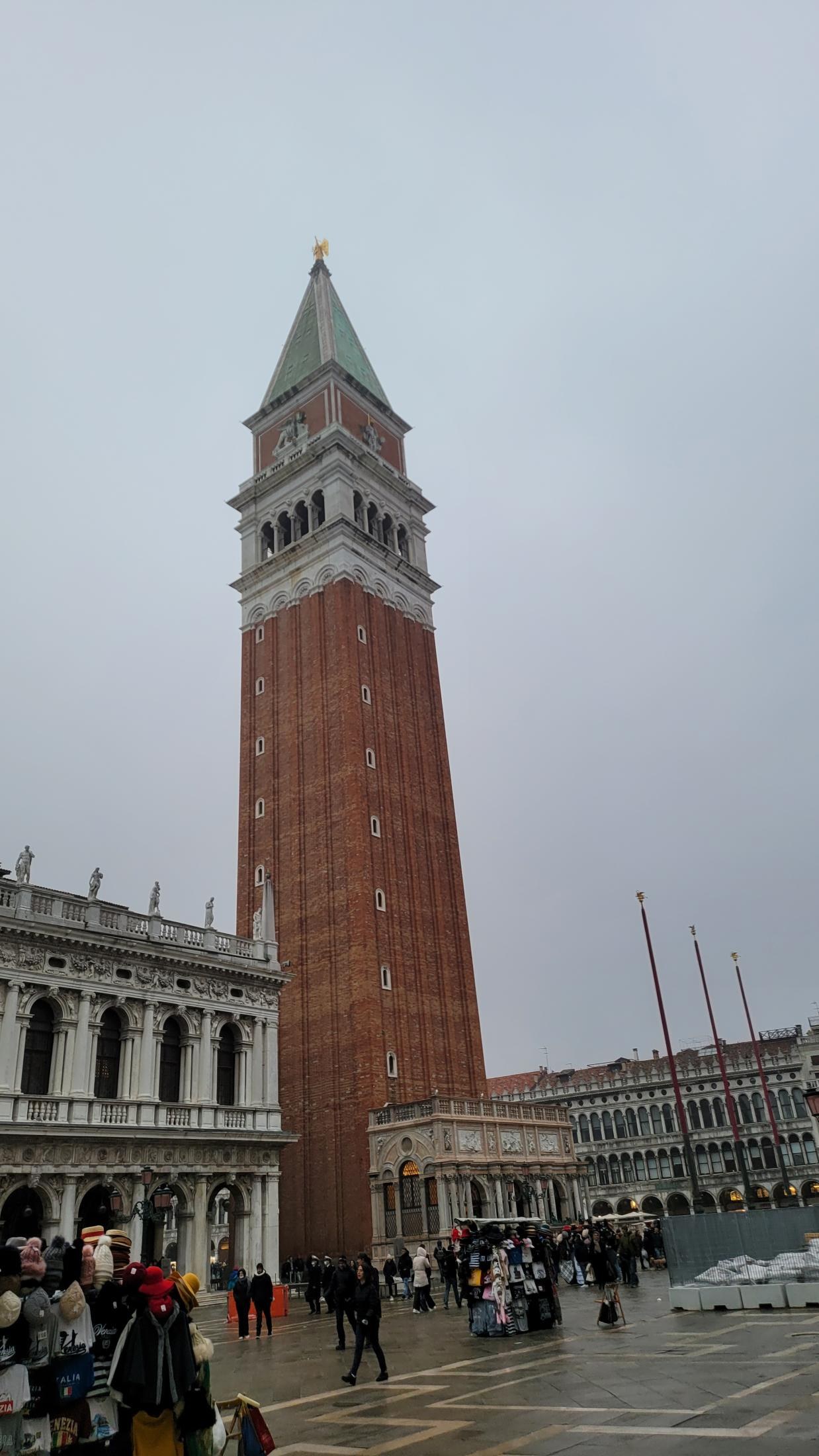
- Basilica di San Marco — €10 for the basilica alone, €20 with the Pala d’Oro or the Museum and Loggia, €30 for everything.
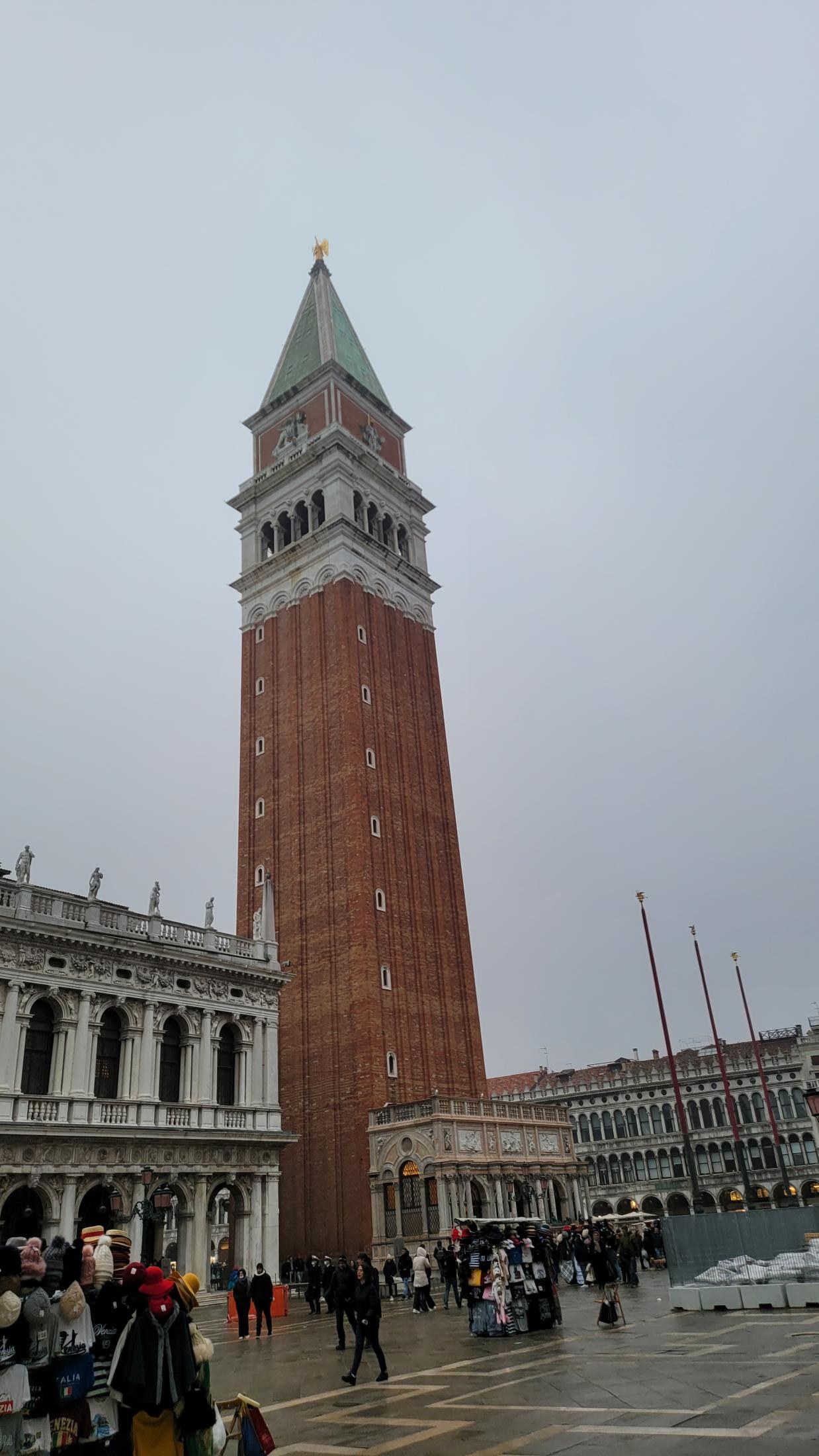
- Campanile di San Marco — a separate €15 ticket, lift included. Both are listed on the basilica’s official price page.
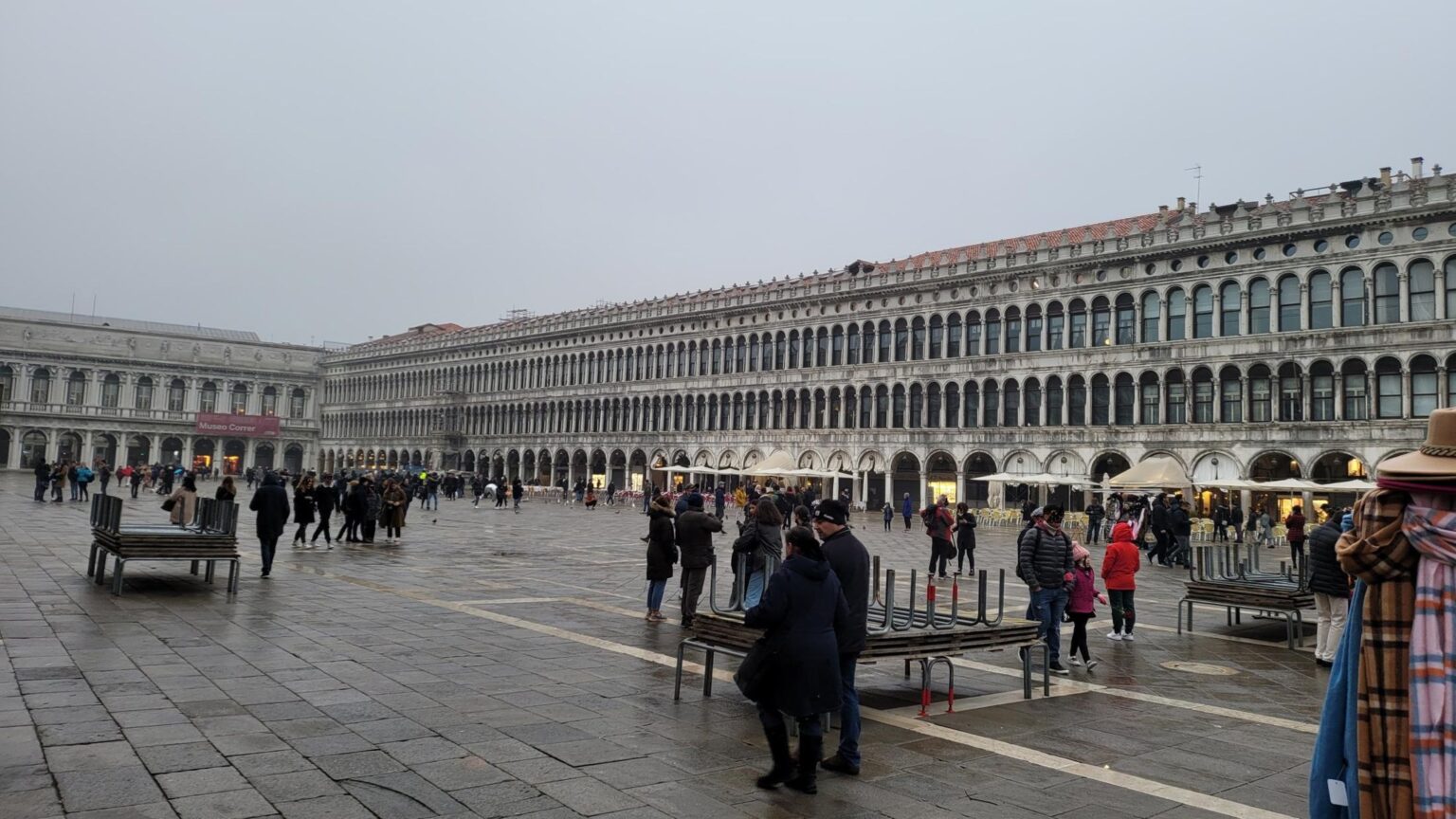
All three sit on Piazza San Marco, and there is always an enormous queue at the entrance. Book time slots online if you actually intend to go in.
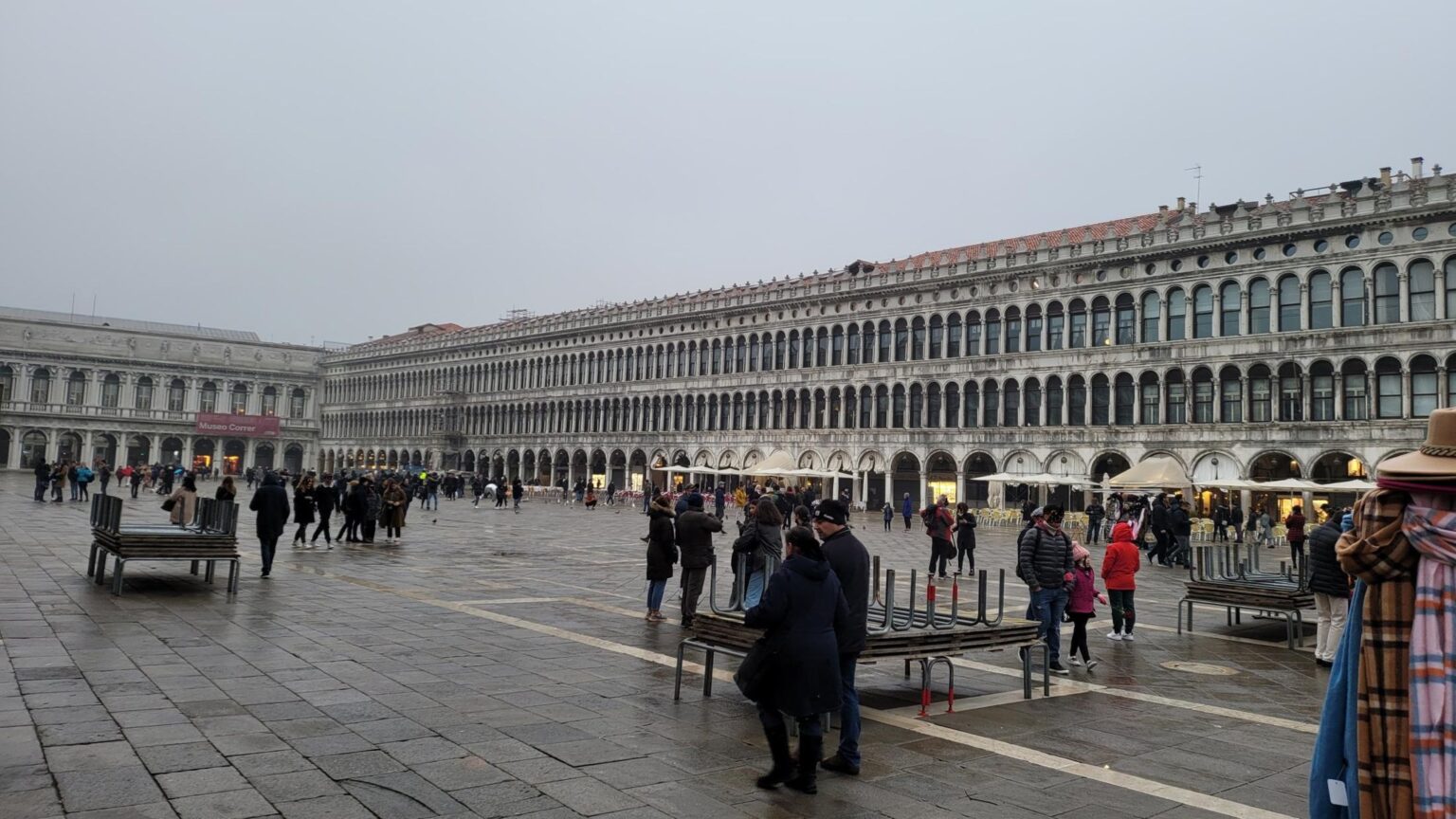
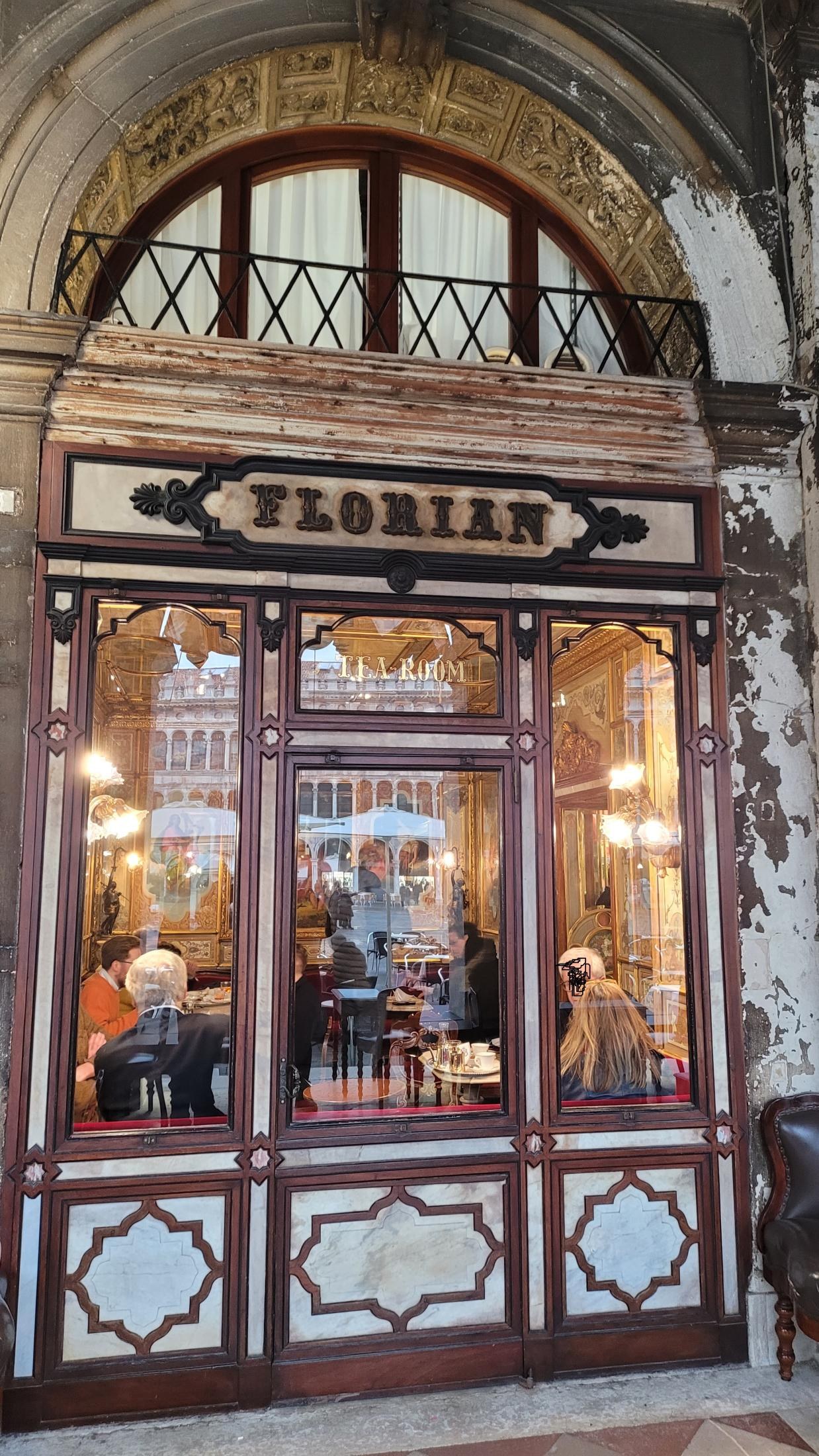
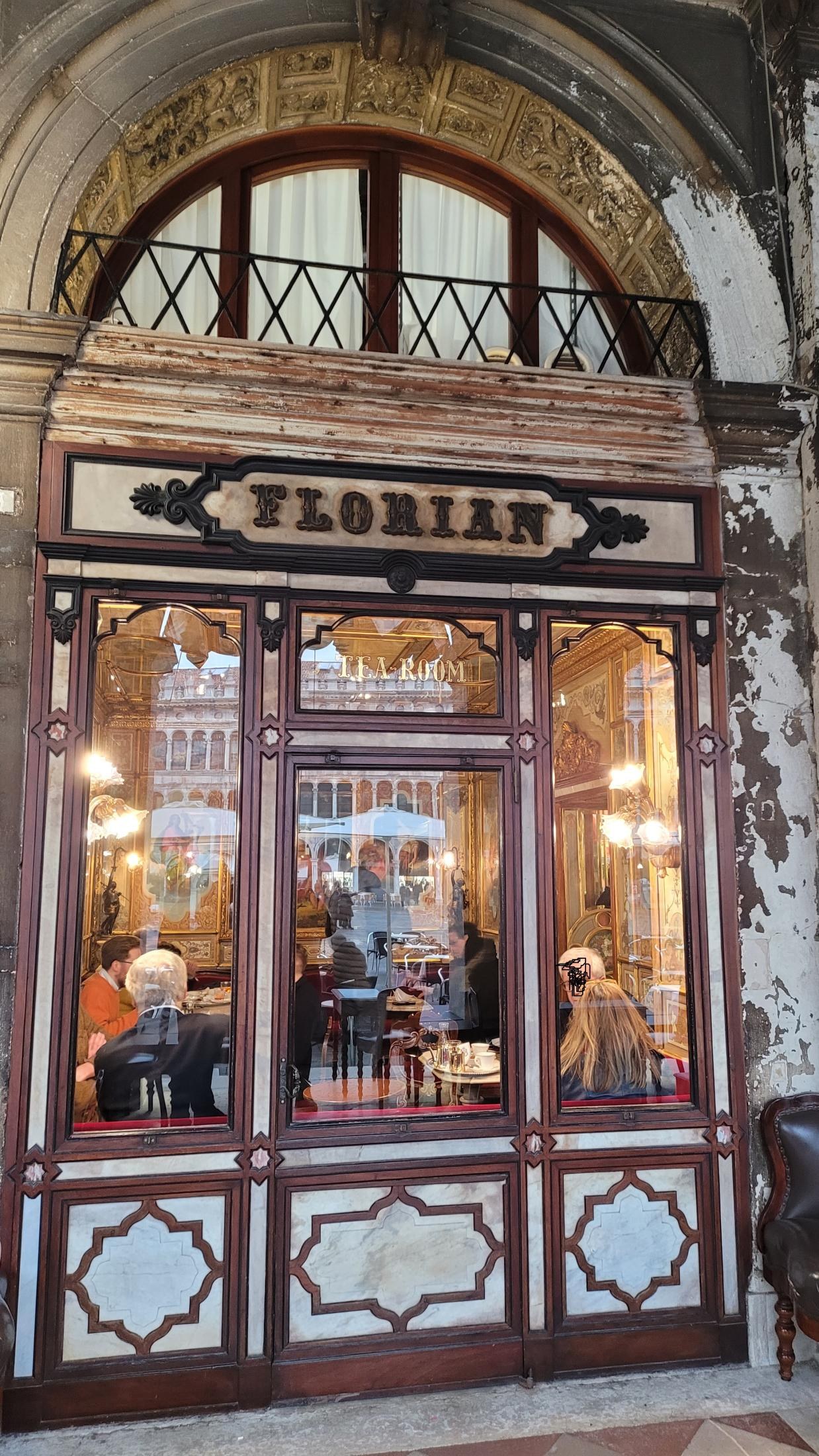
But if you have made it to San Marco, another thing worth noting is Caffè Florian. It is over 300 years old and counts as the first café in Europe. It is palpably more expensive than everywhere else: a spritz is around €17 against the usual €4–7, the cheapest coffee you can order seated is €6.50, and there is a music surcharge of €6–7 per person on top when the orchestra is playing — which they do not put in front of you until the bill arrives. It stings, but once is nice, so that afterwards you can say “I drank coffee in the first coffee house in Europe” — and against the backdrop of the whole trip, well, sit down and enjoy your few drops of espresso 😄 If you want the history without the bill, stand at the bar inside; it costs a fraction.
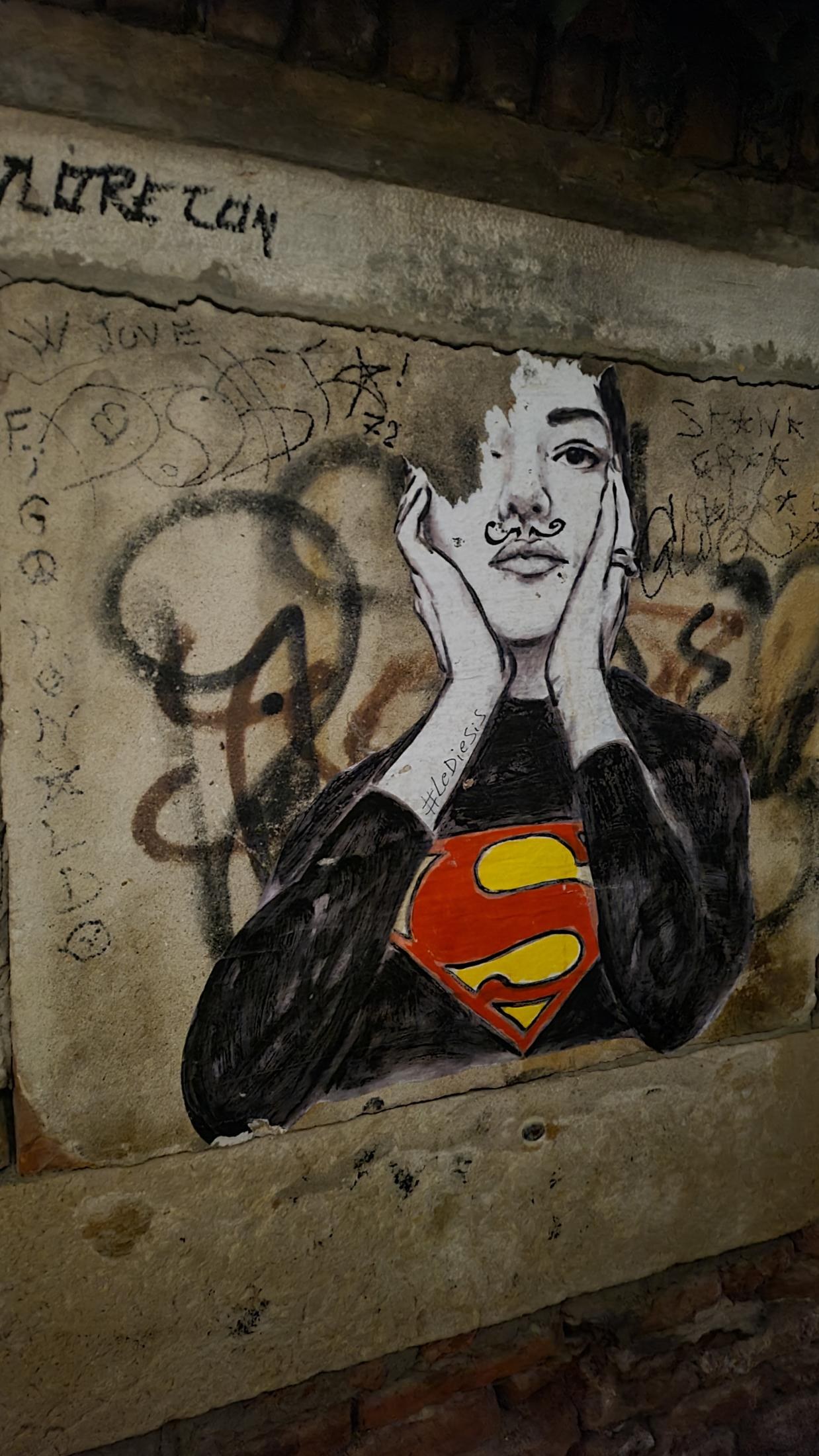
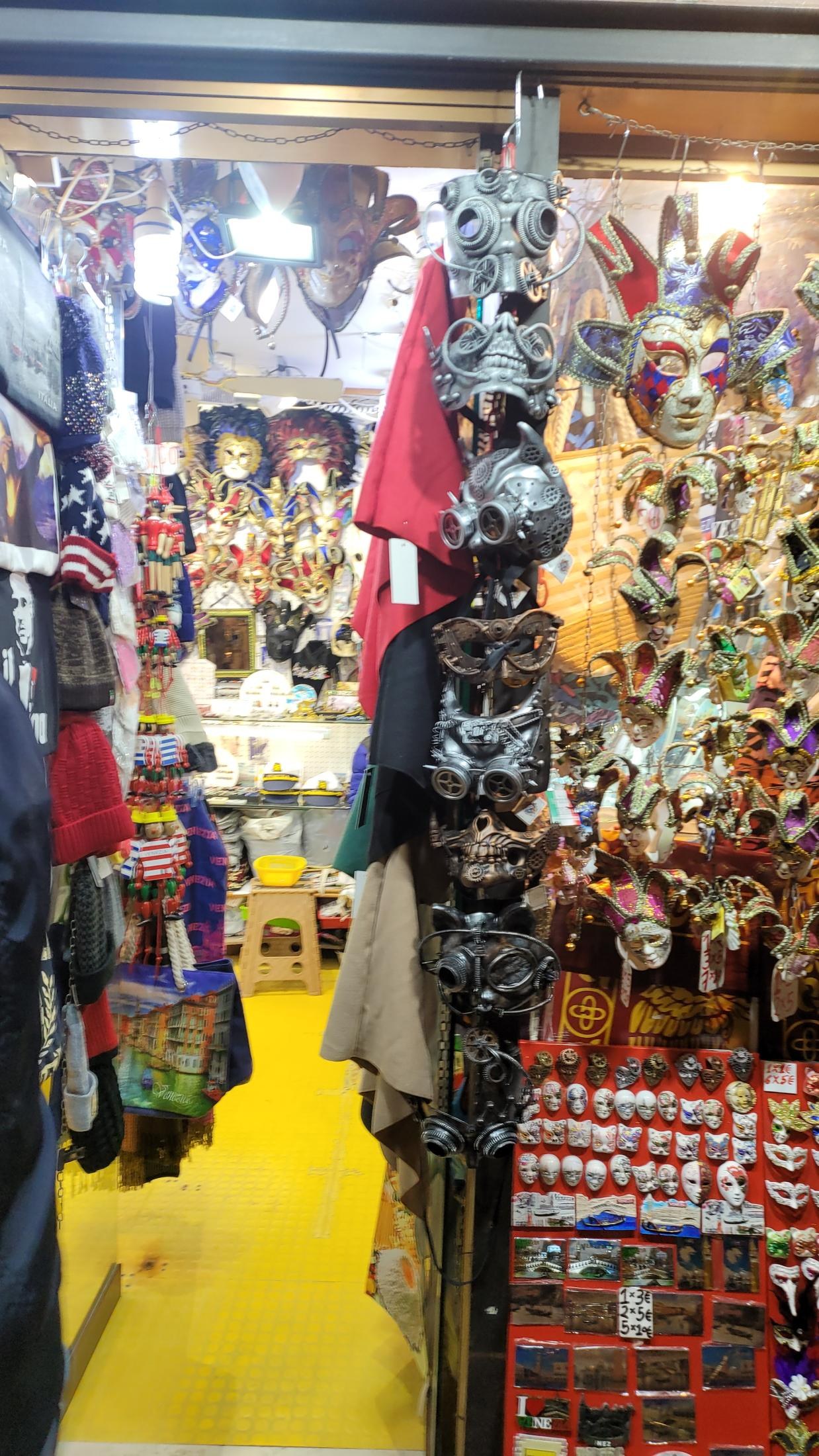
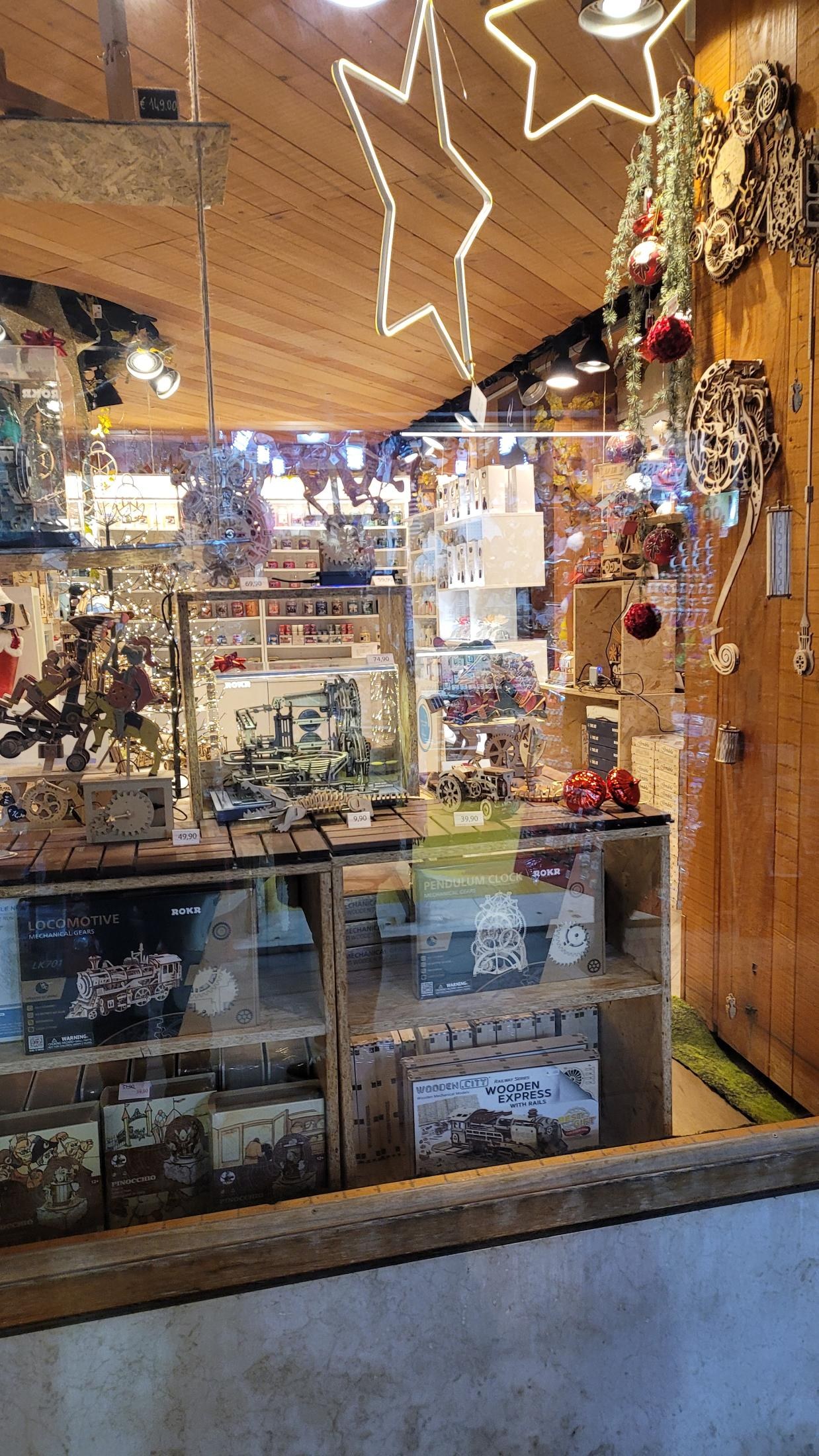
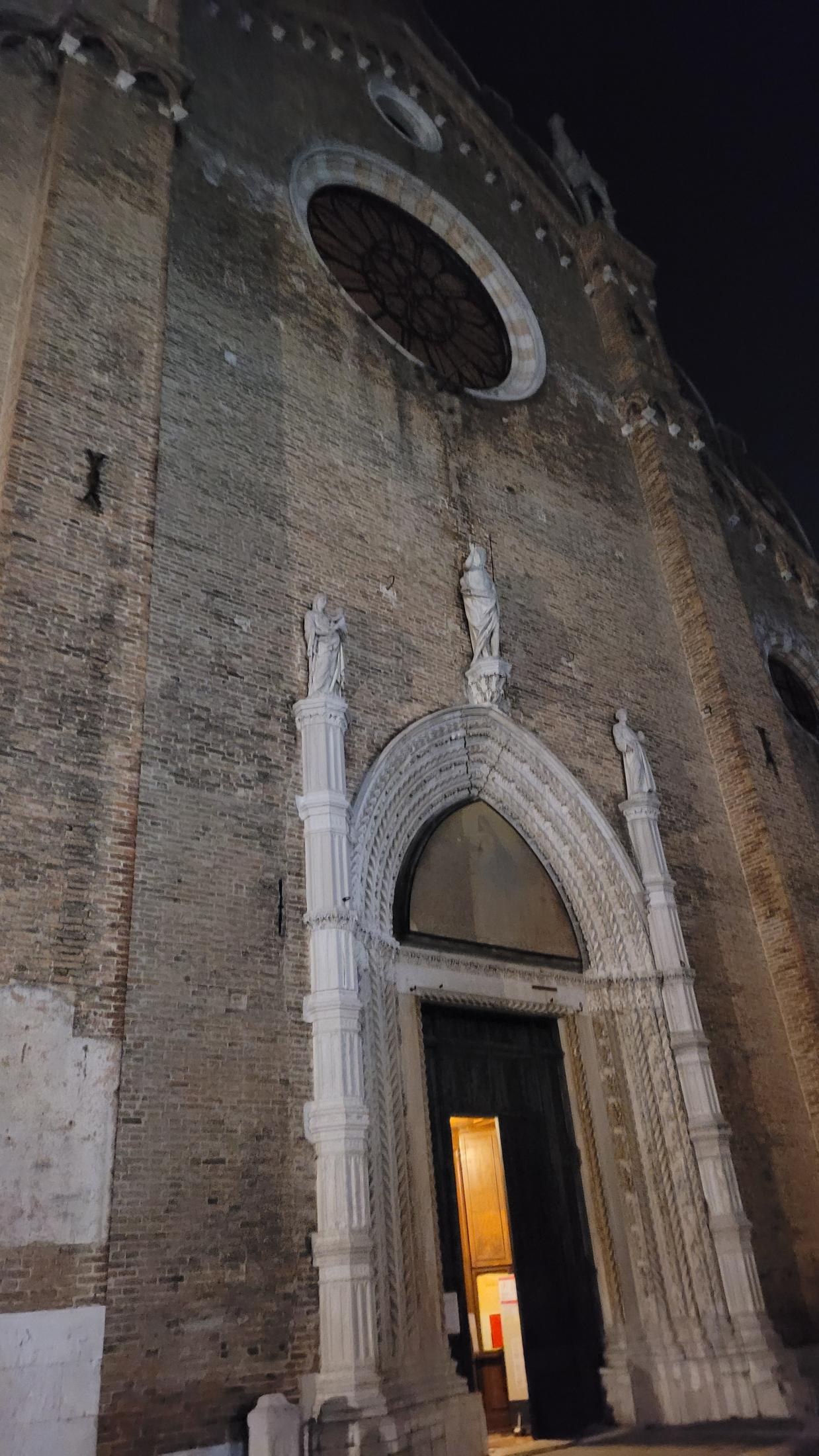
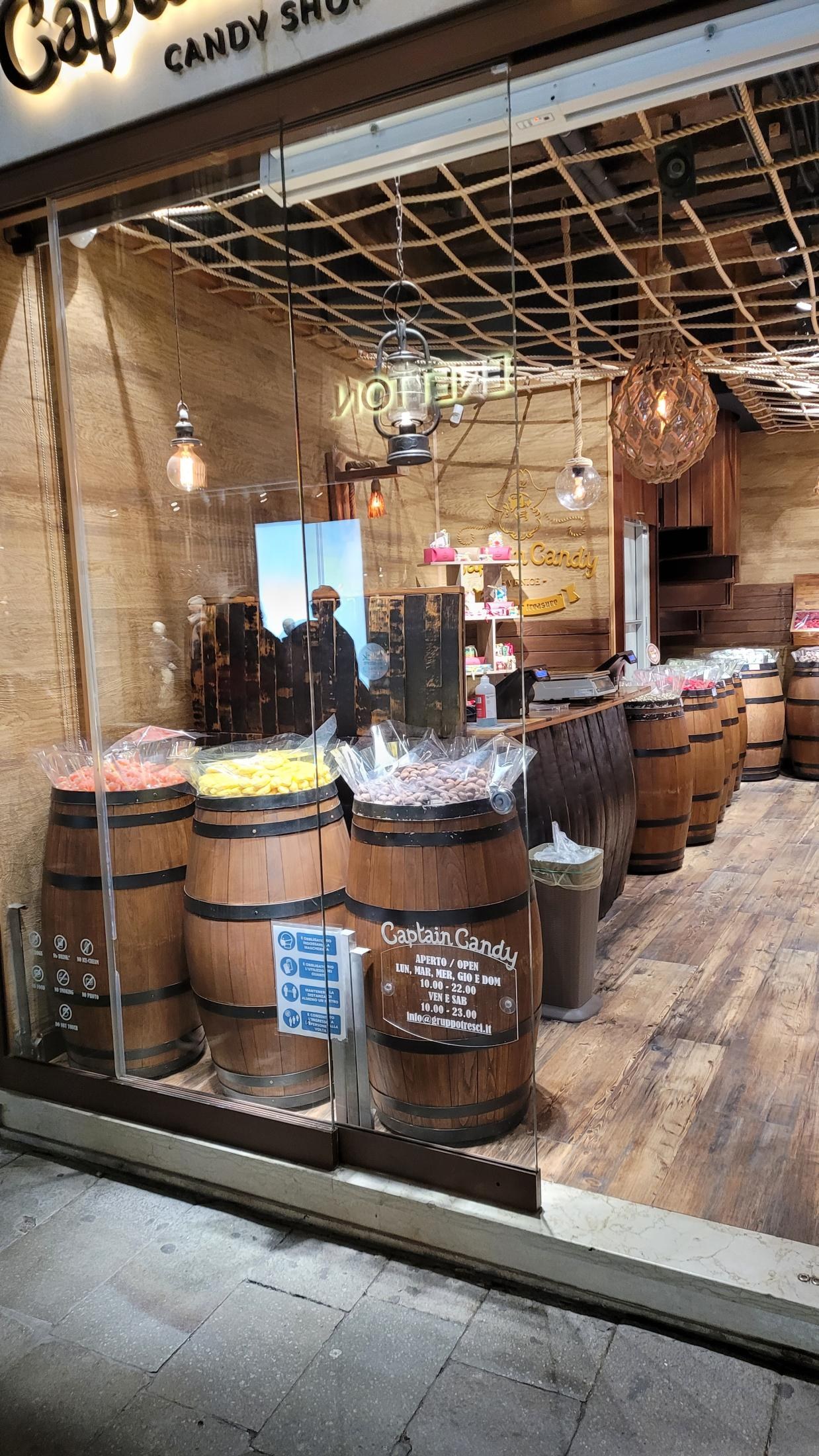
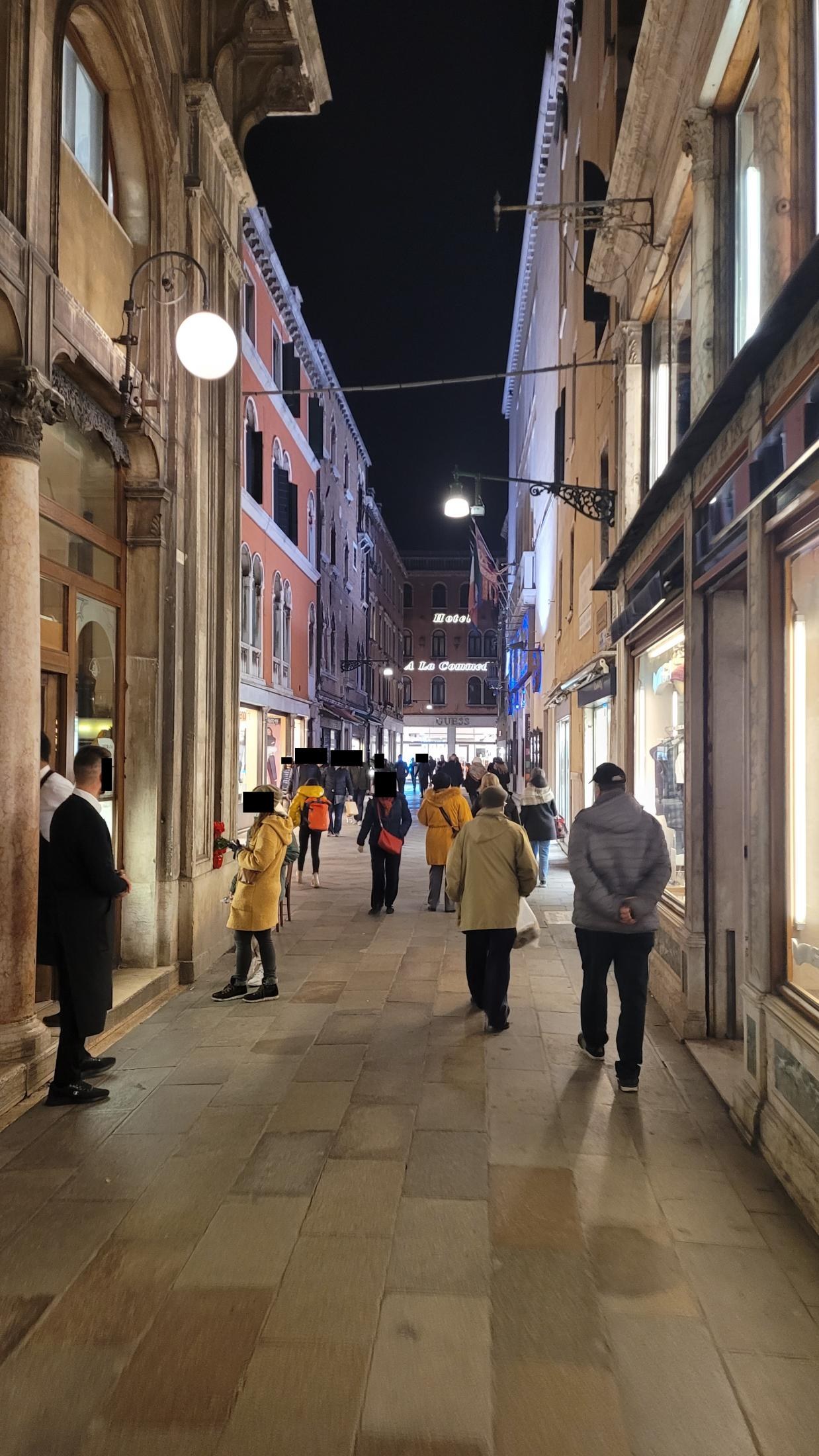
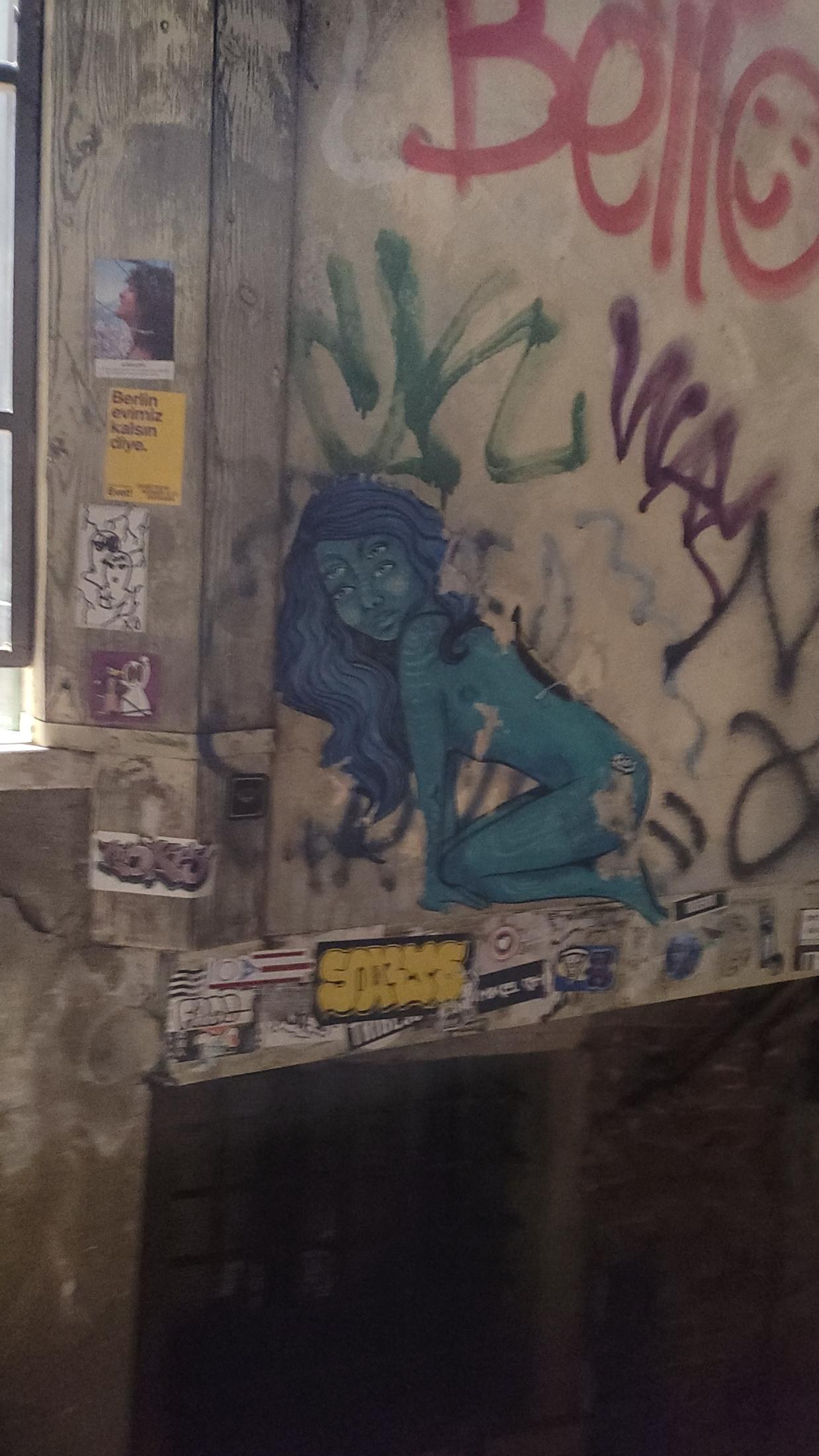
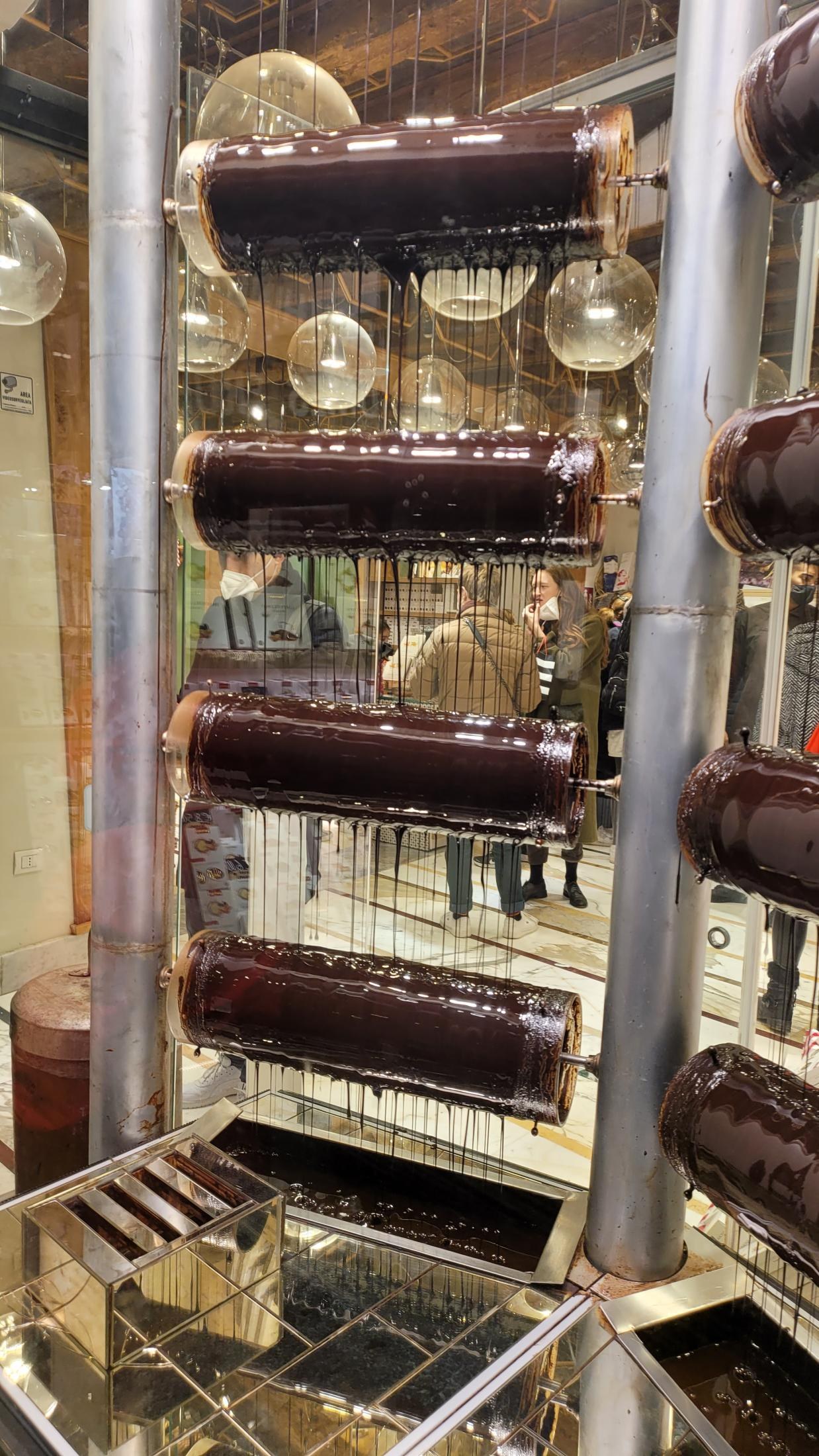
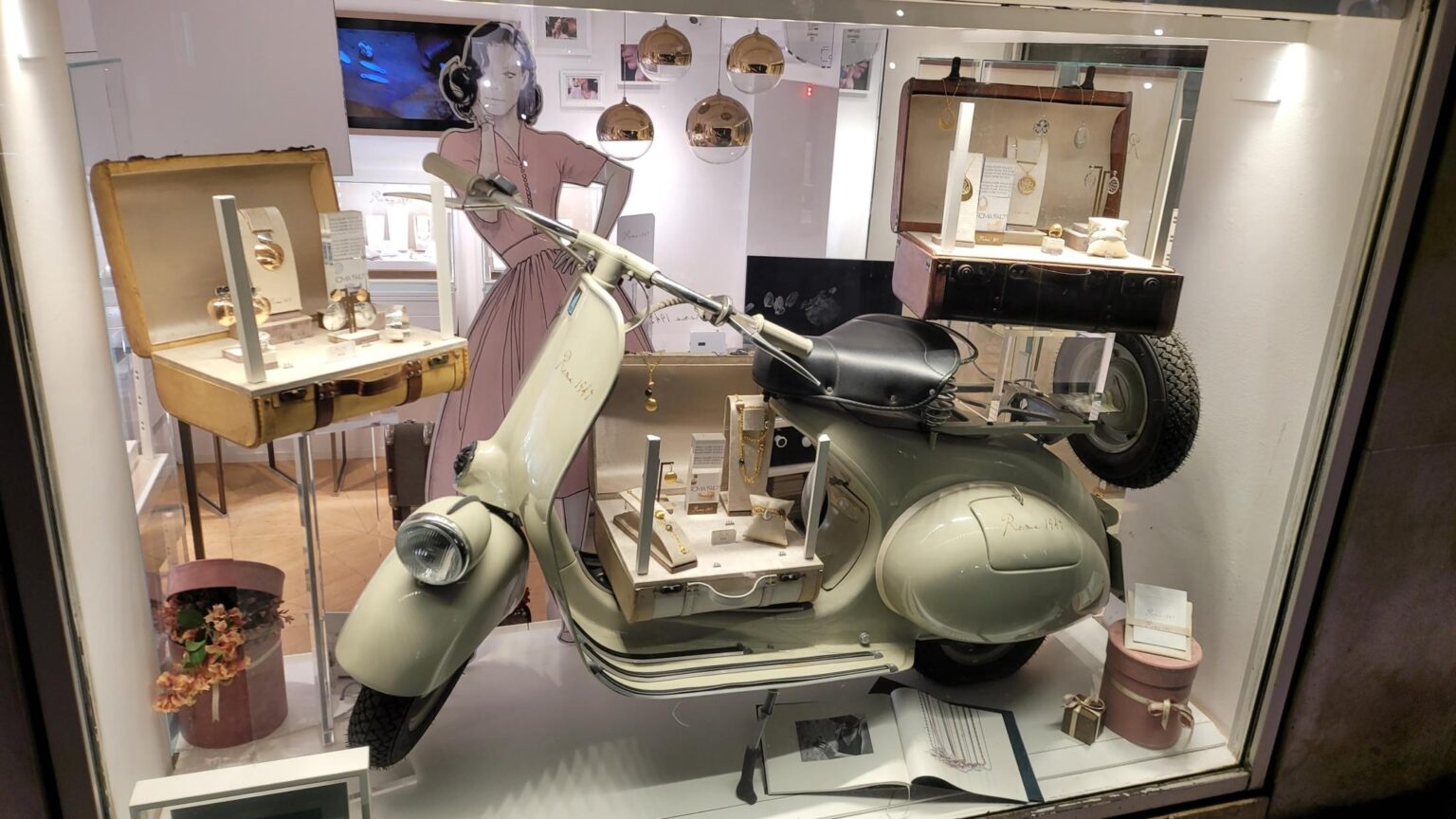
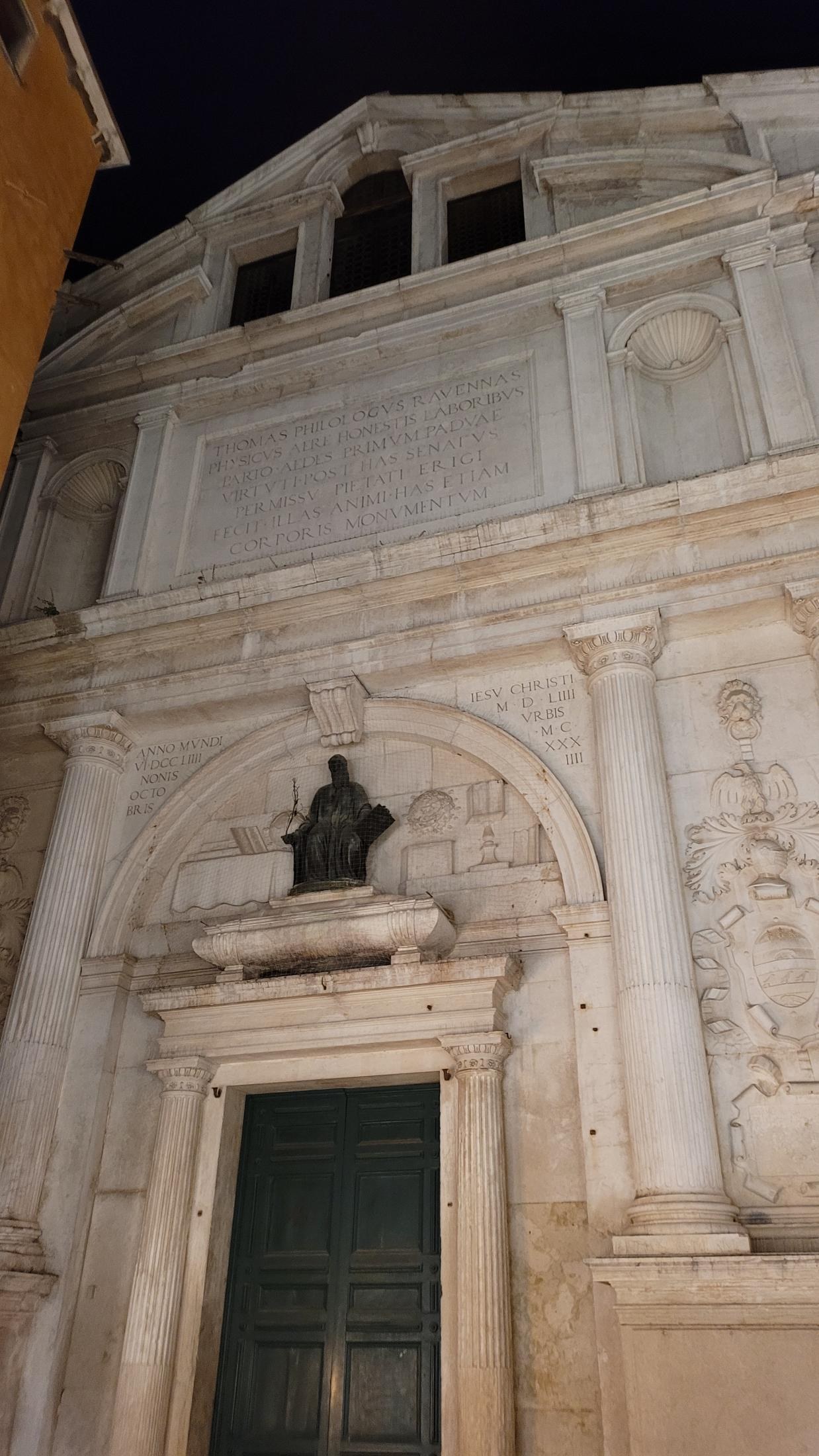
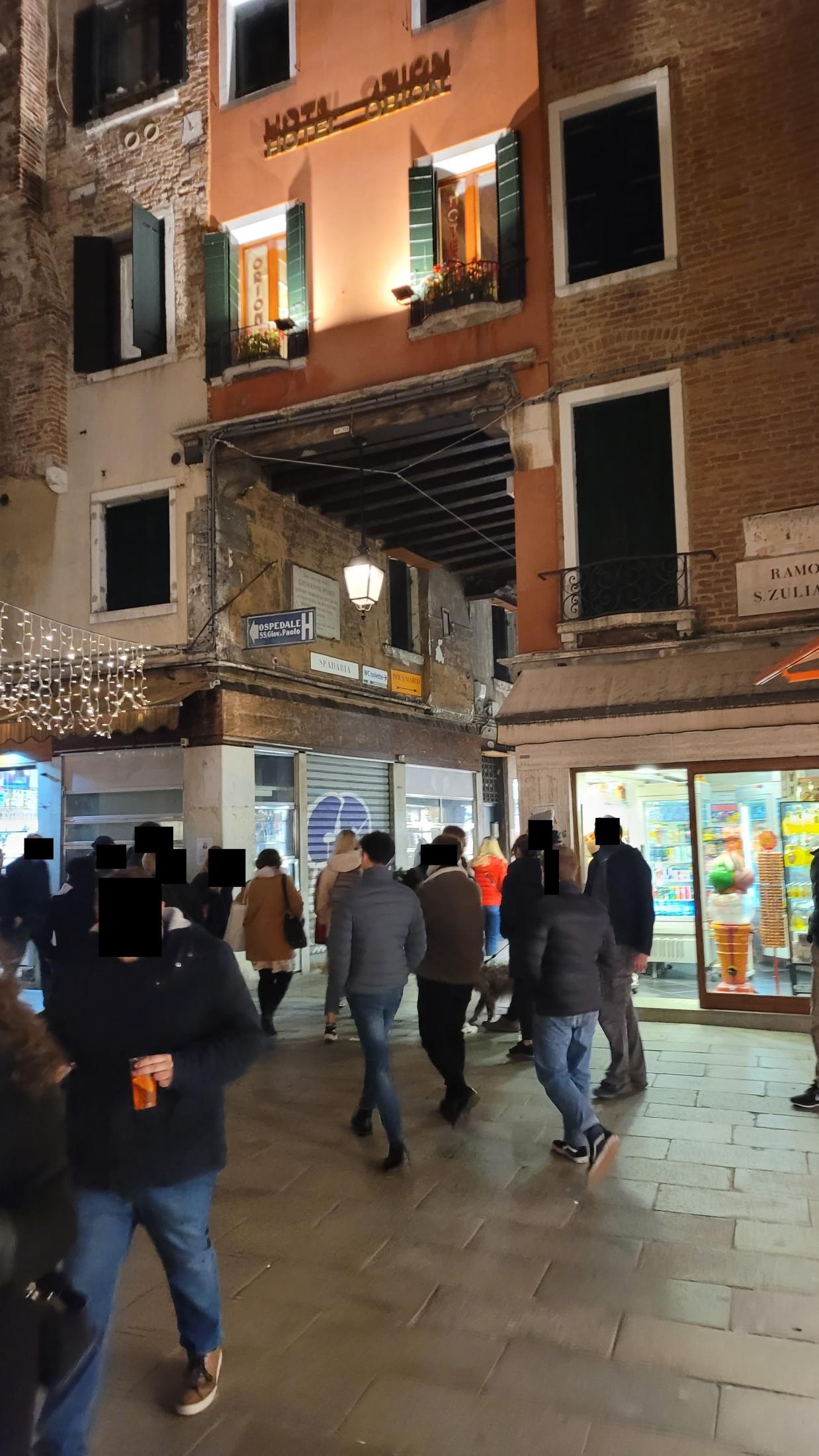
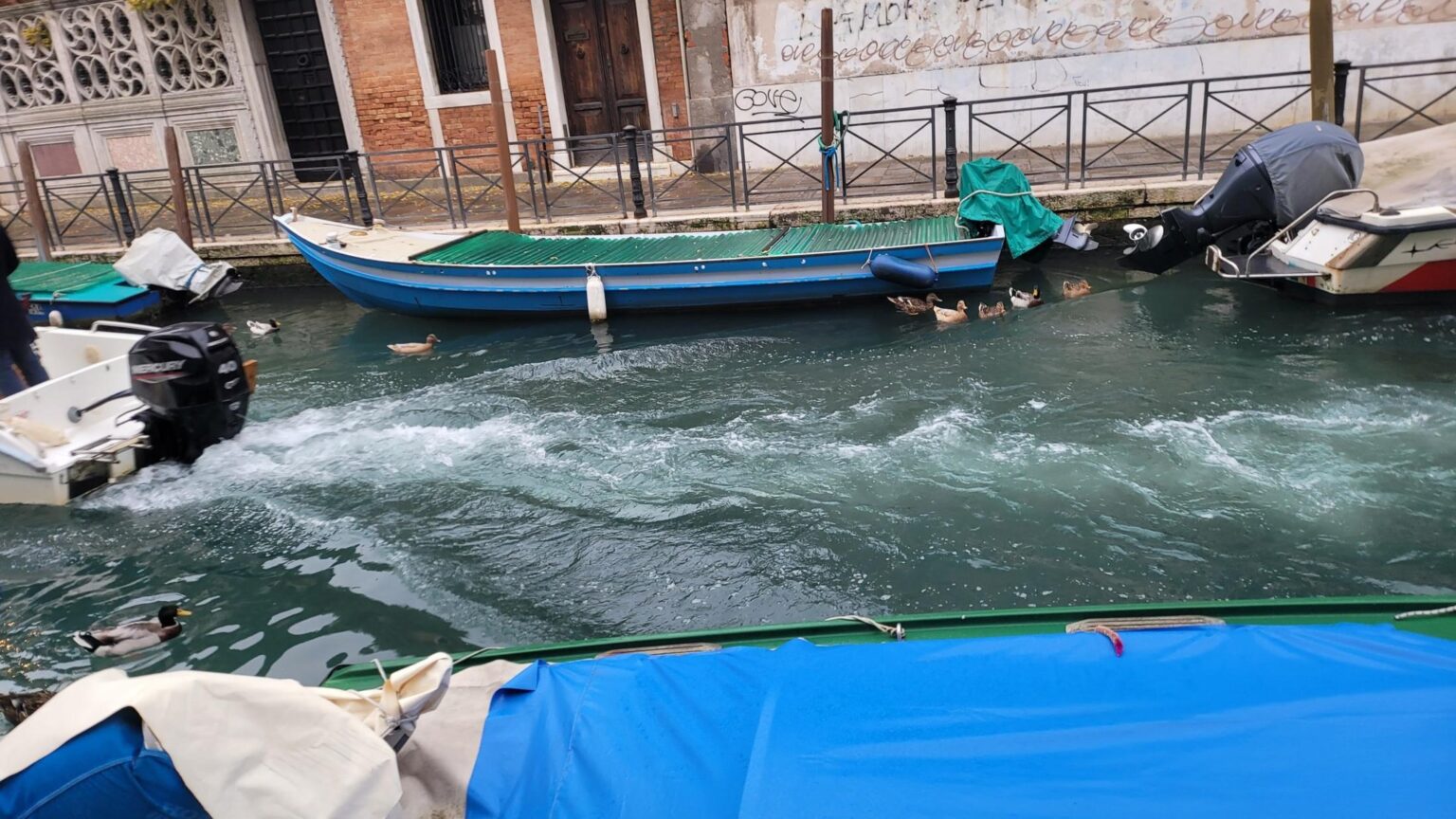
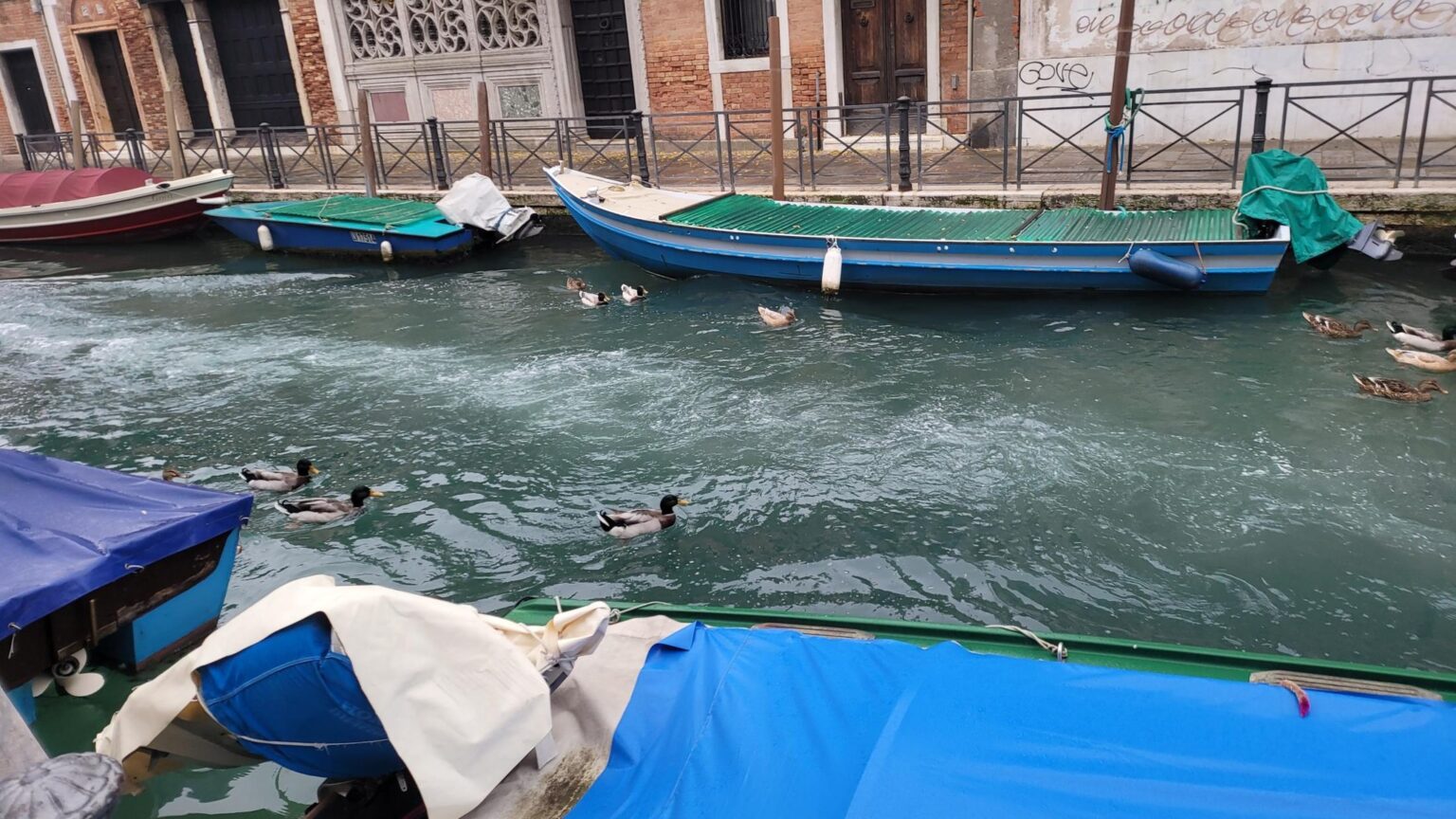
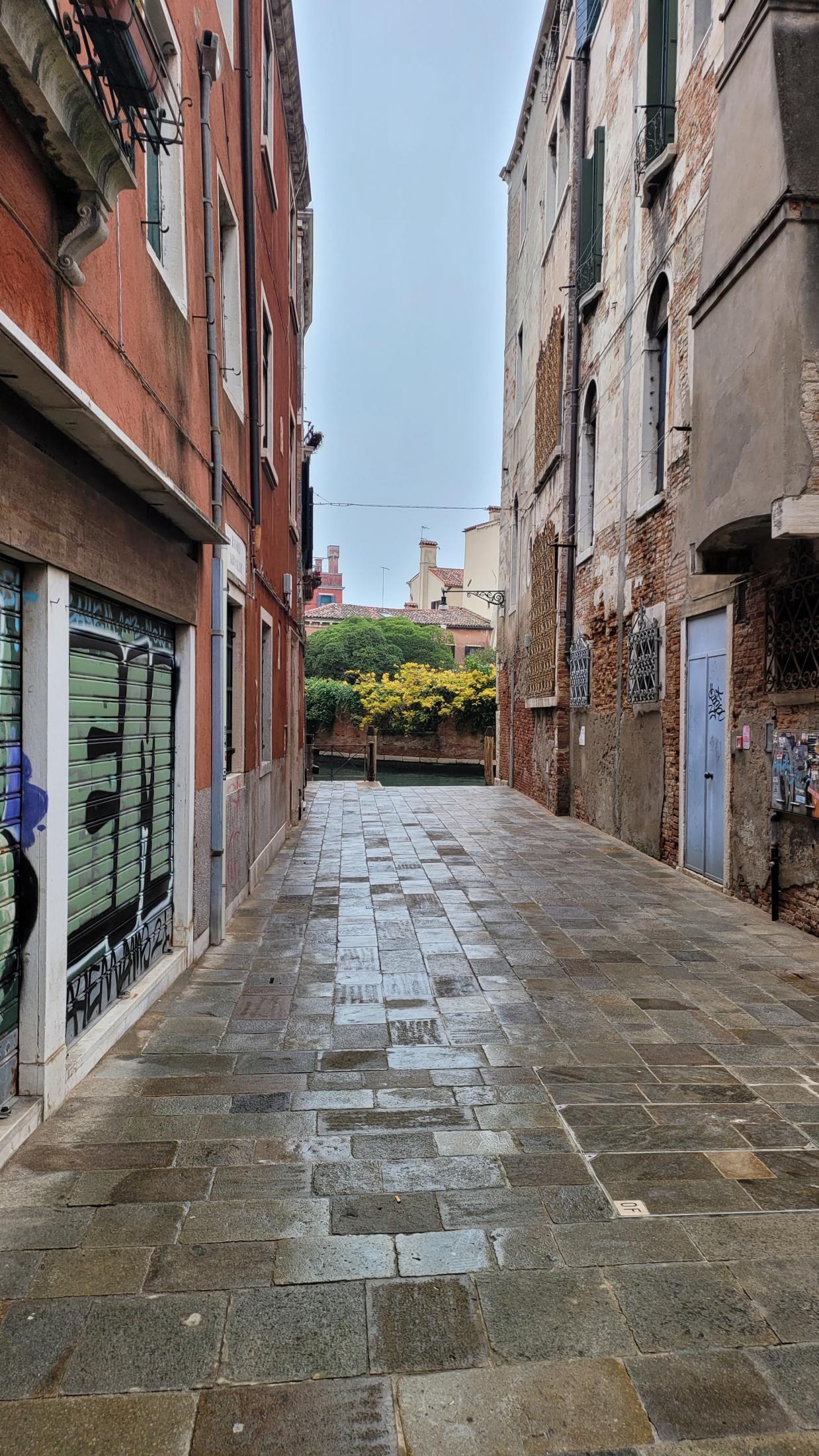
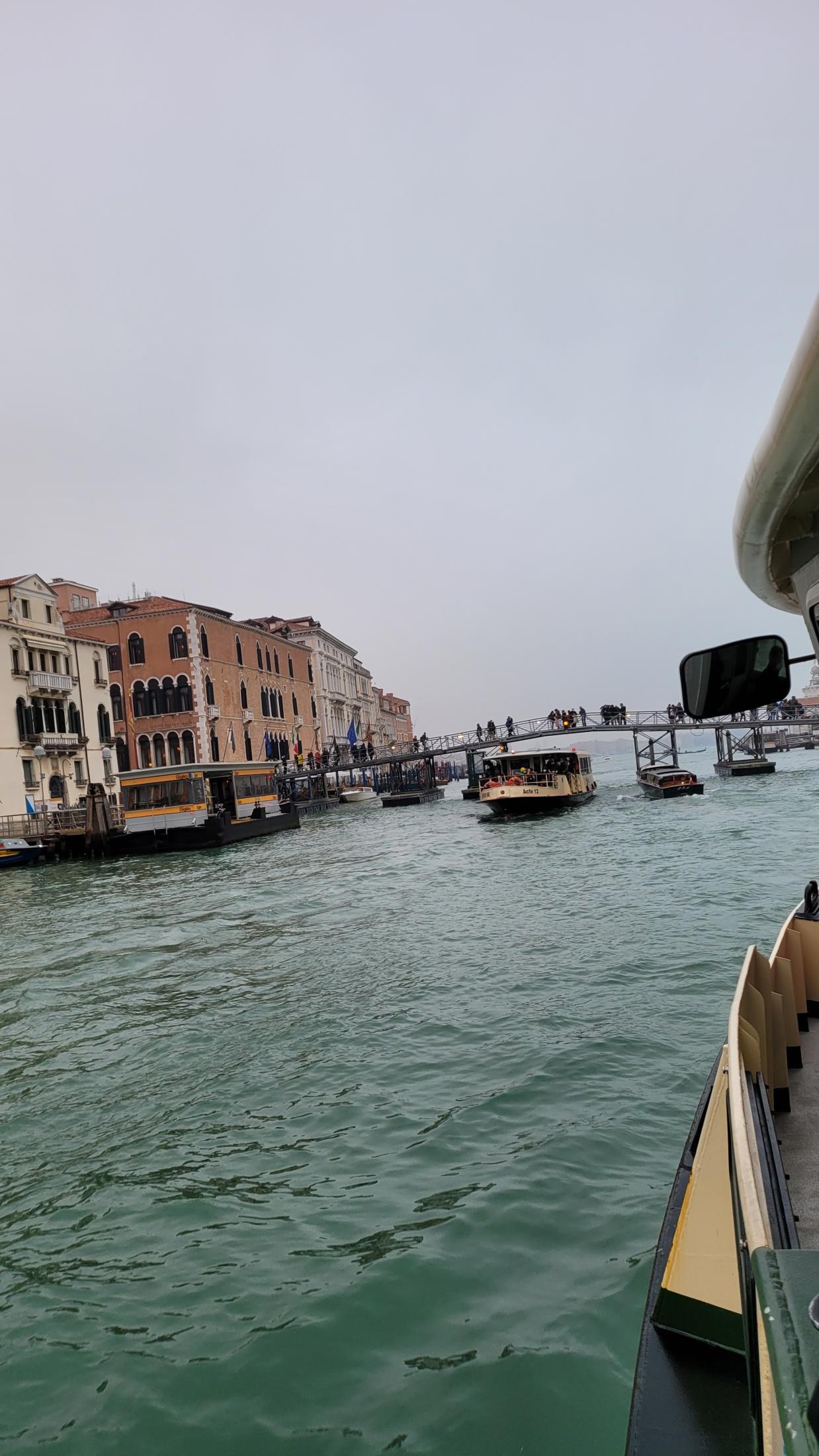
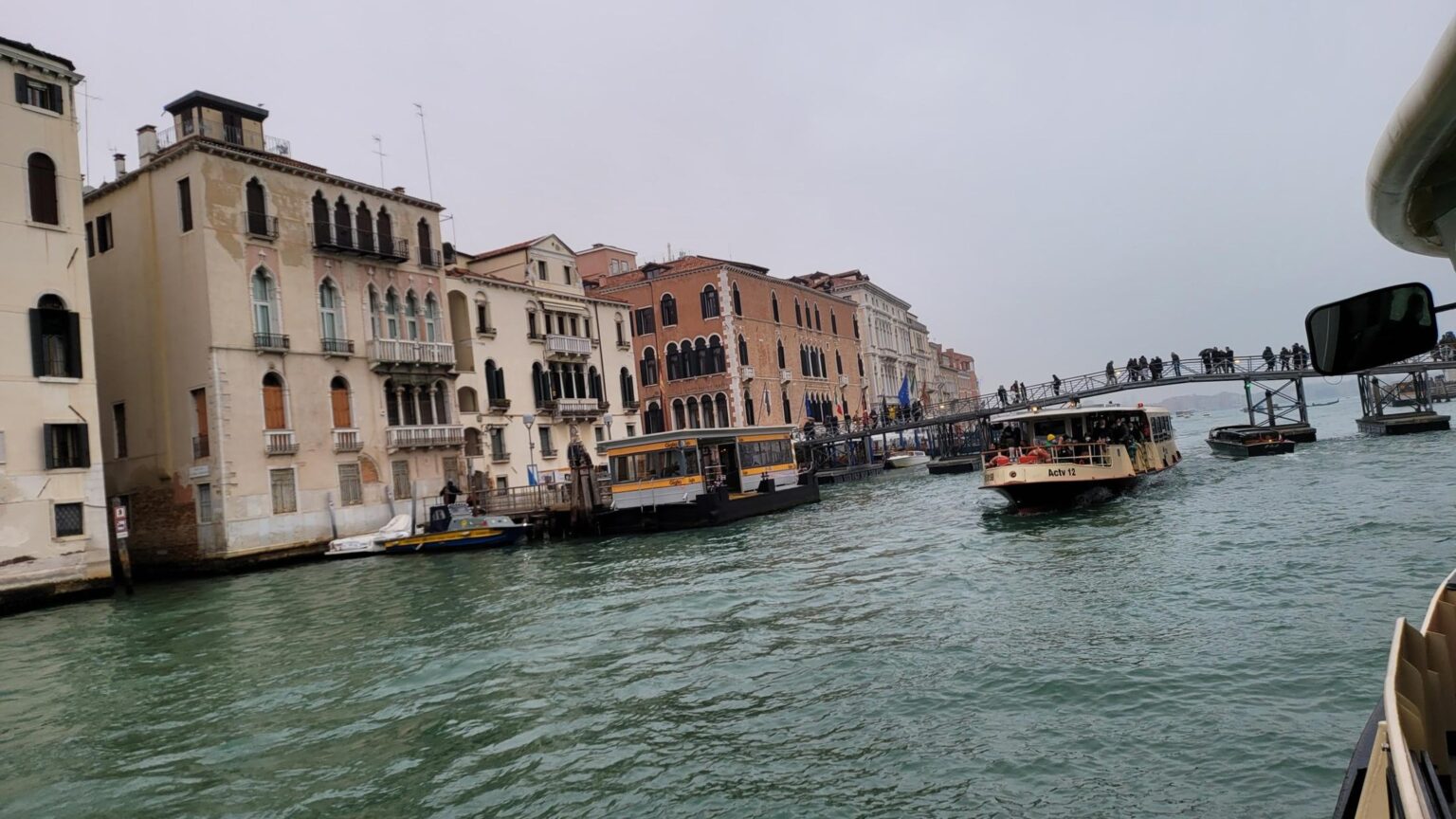
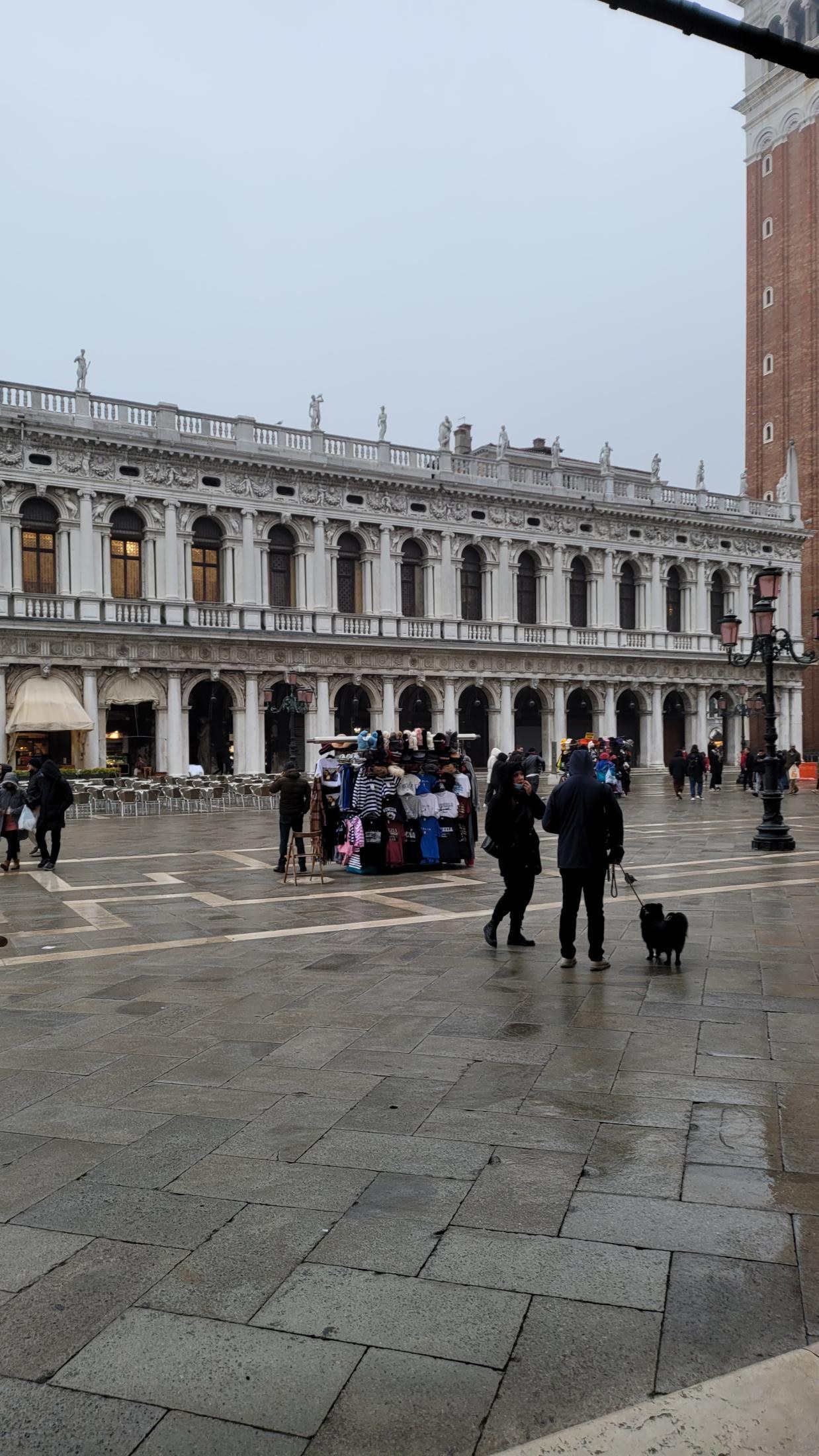
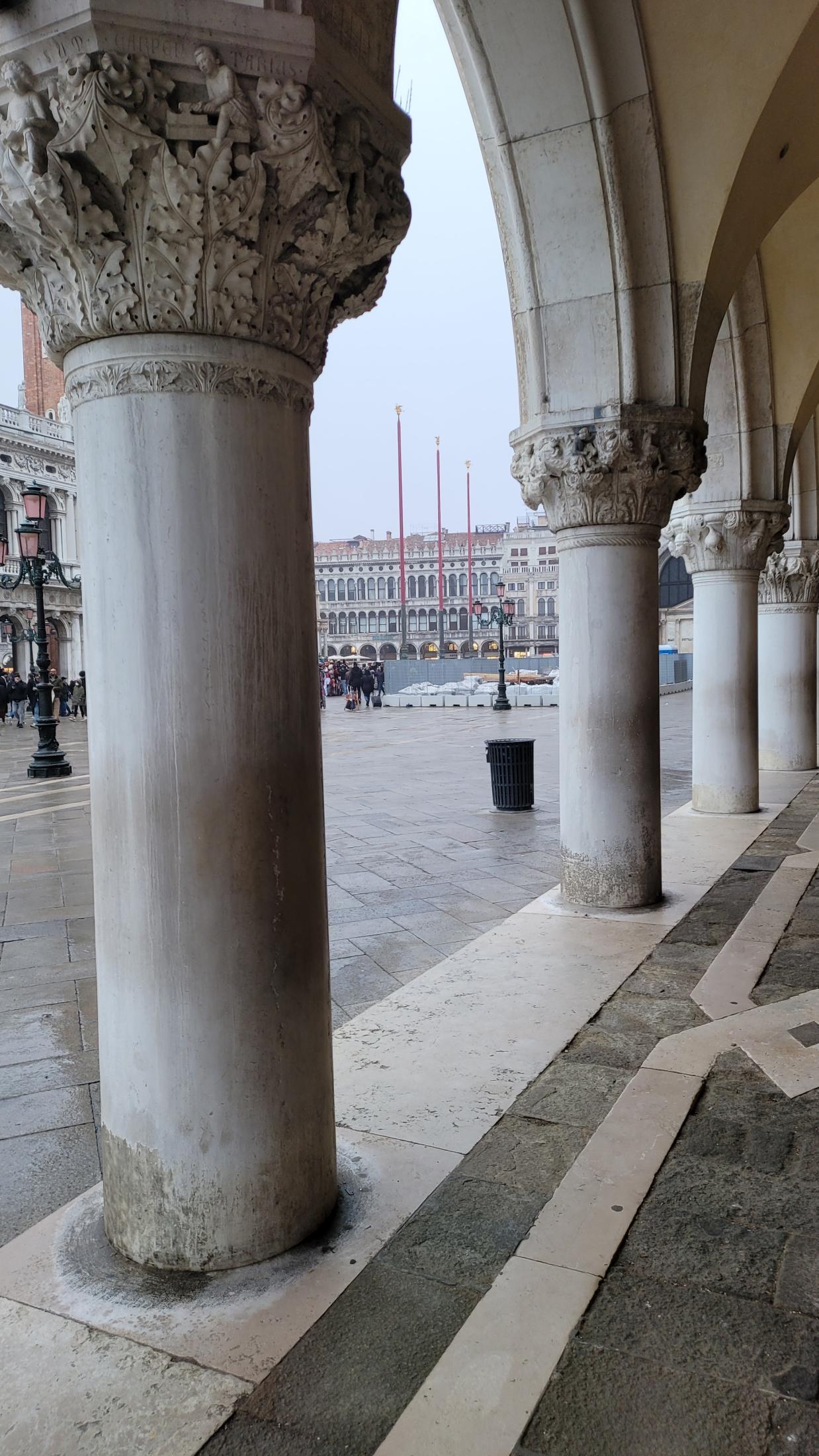
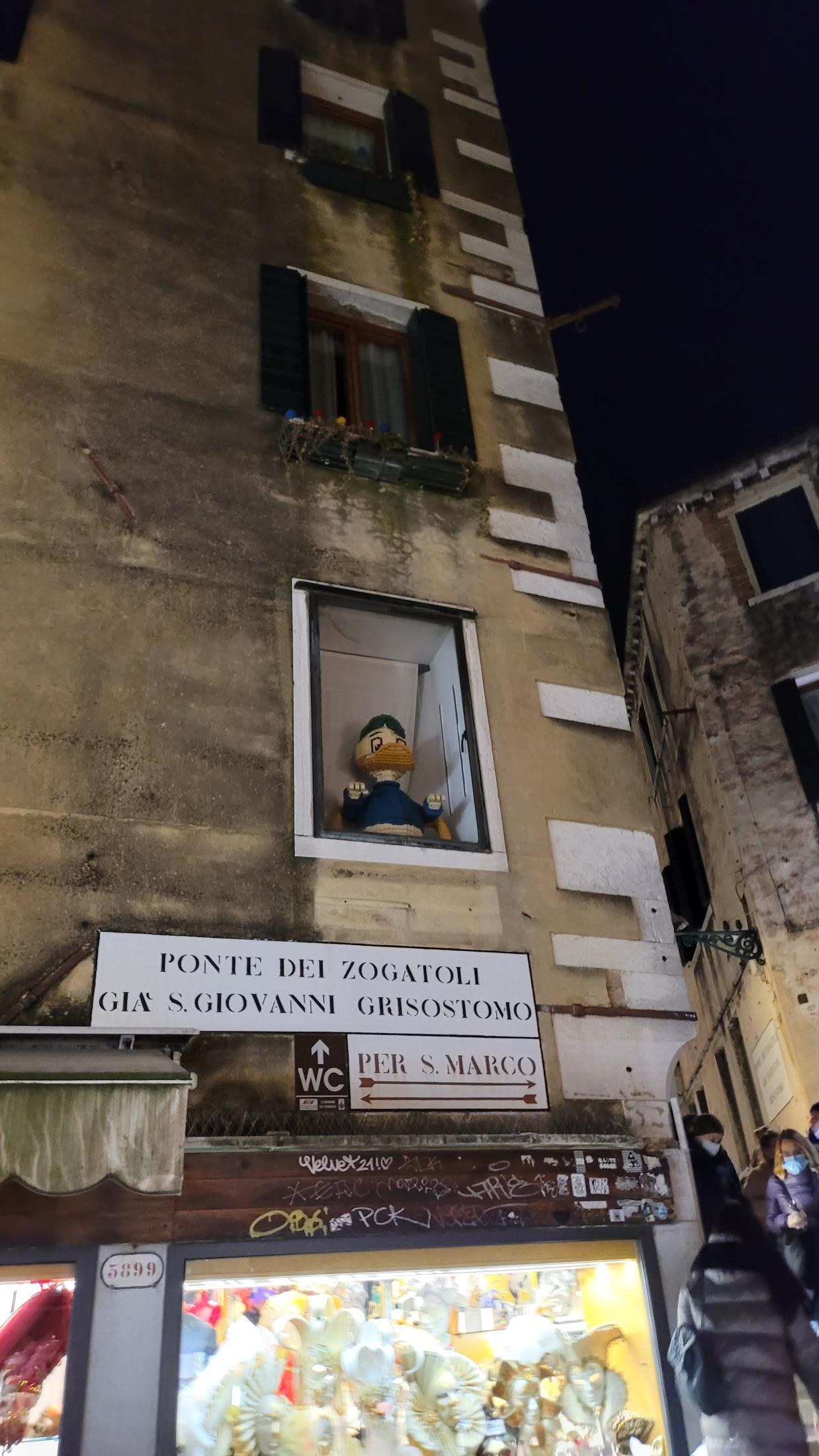
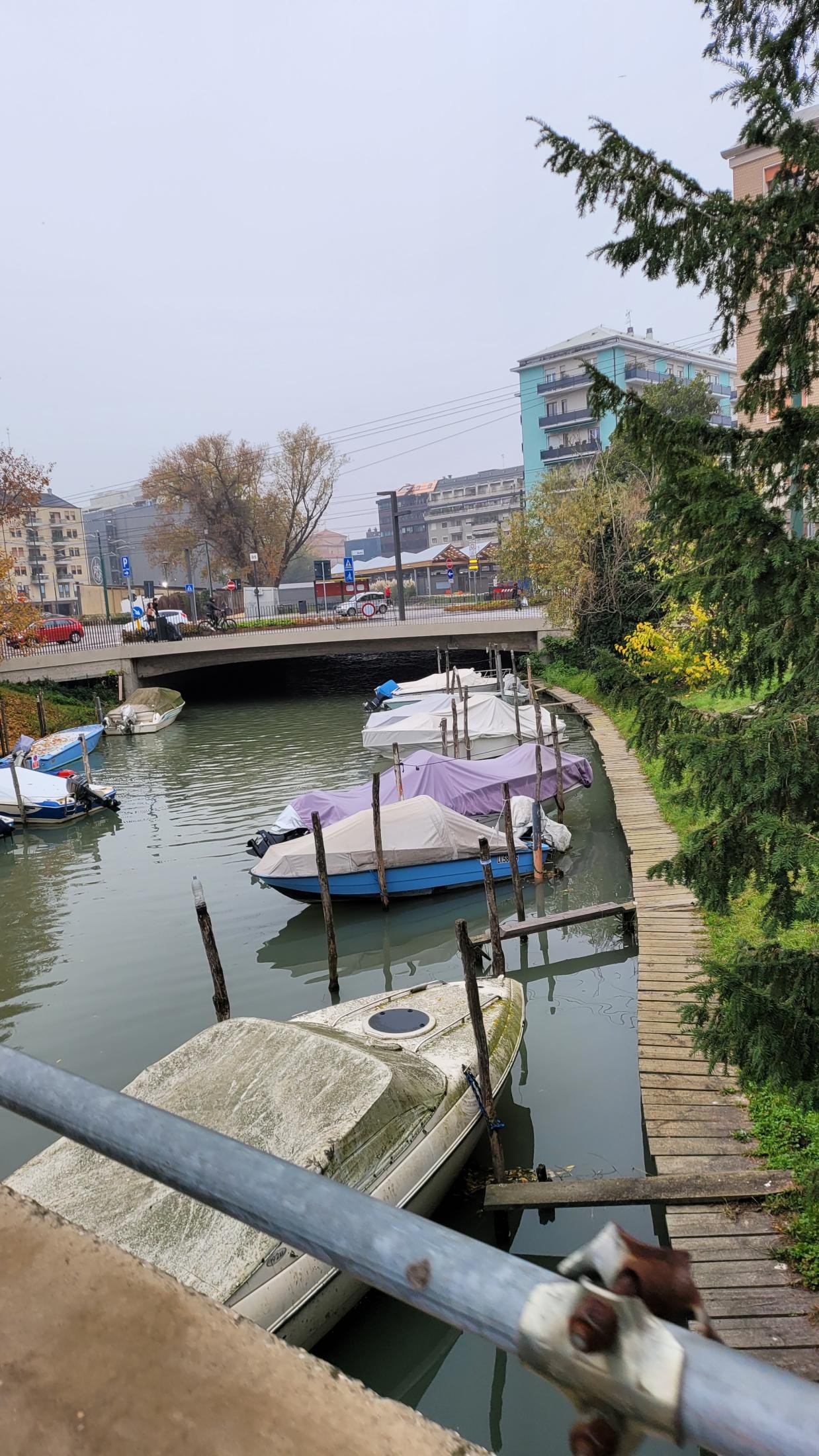
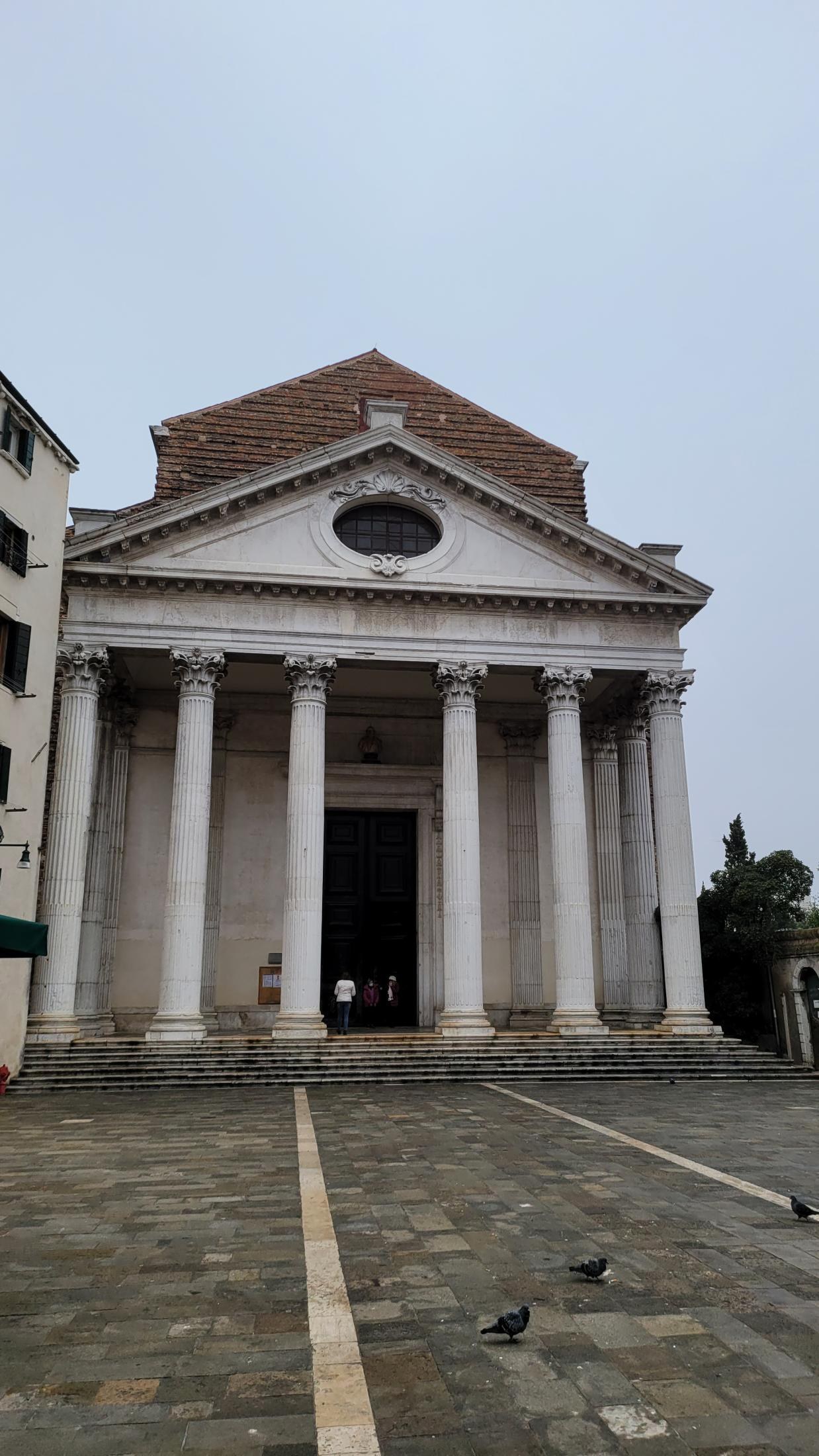
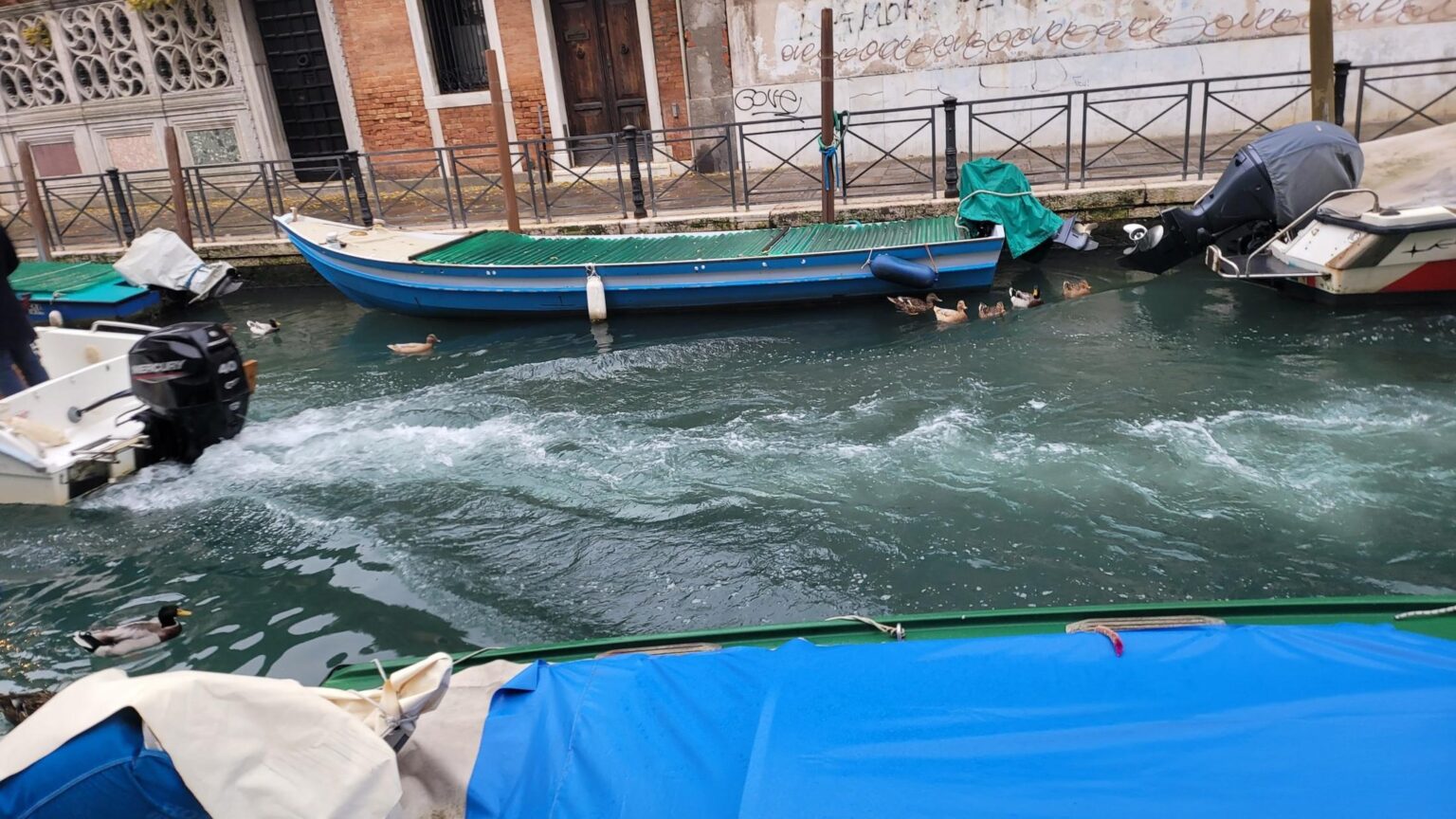
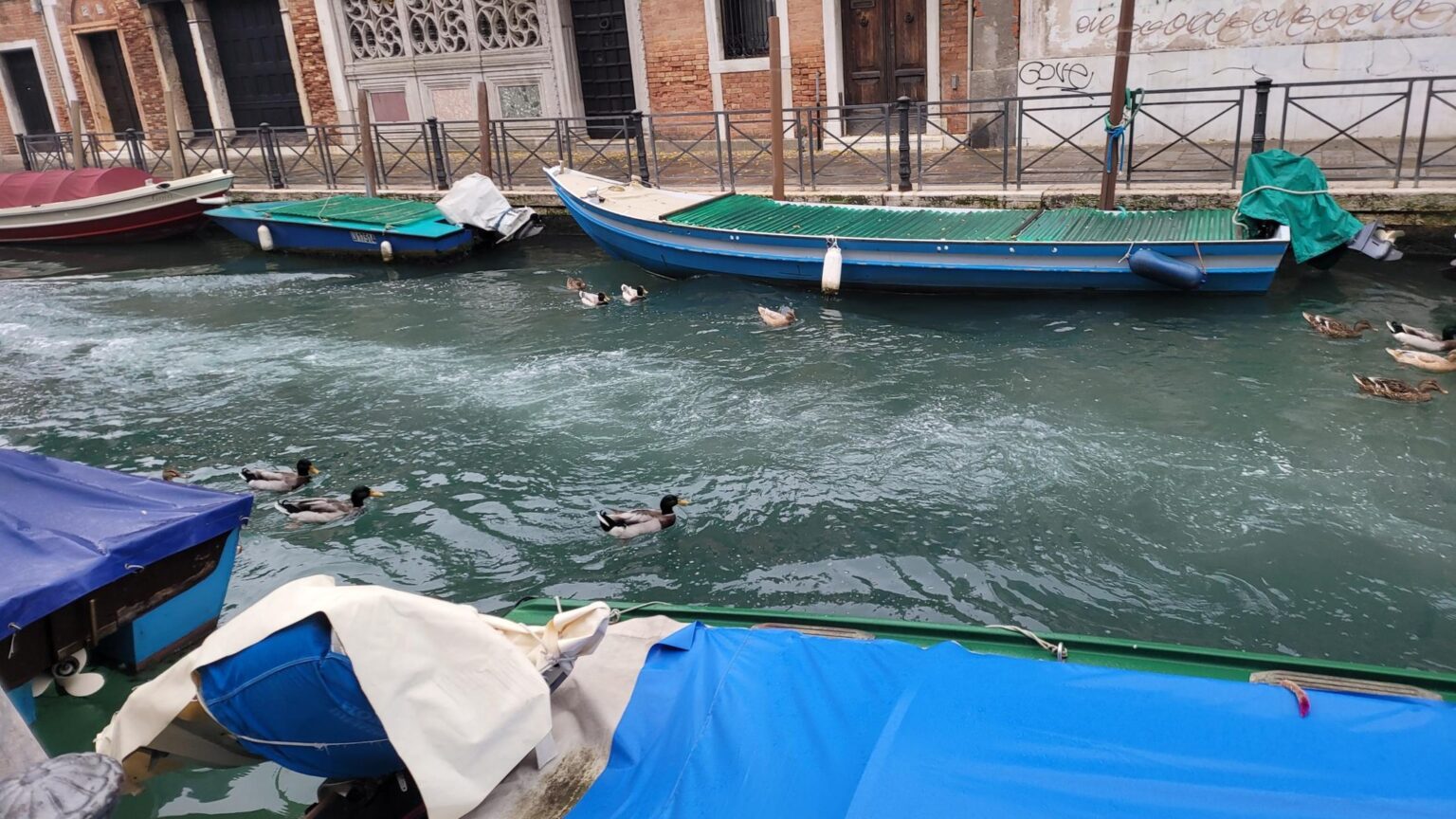
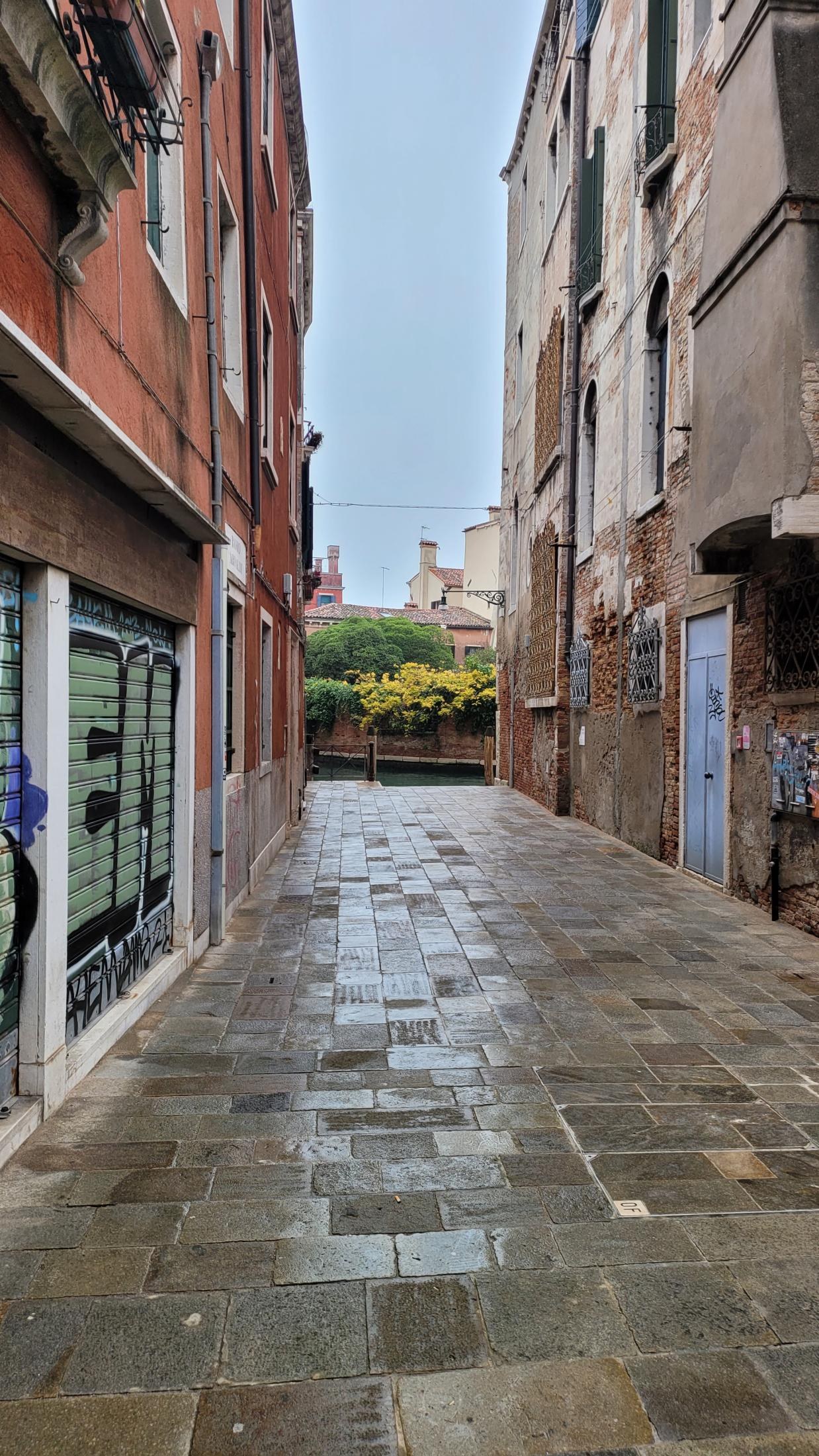
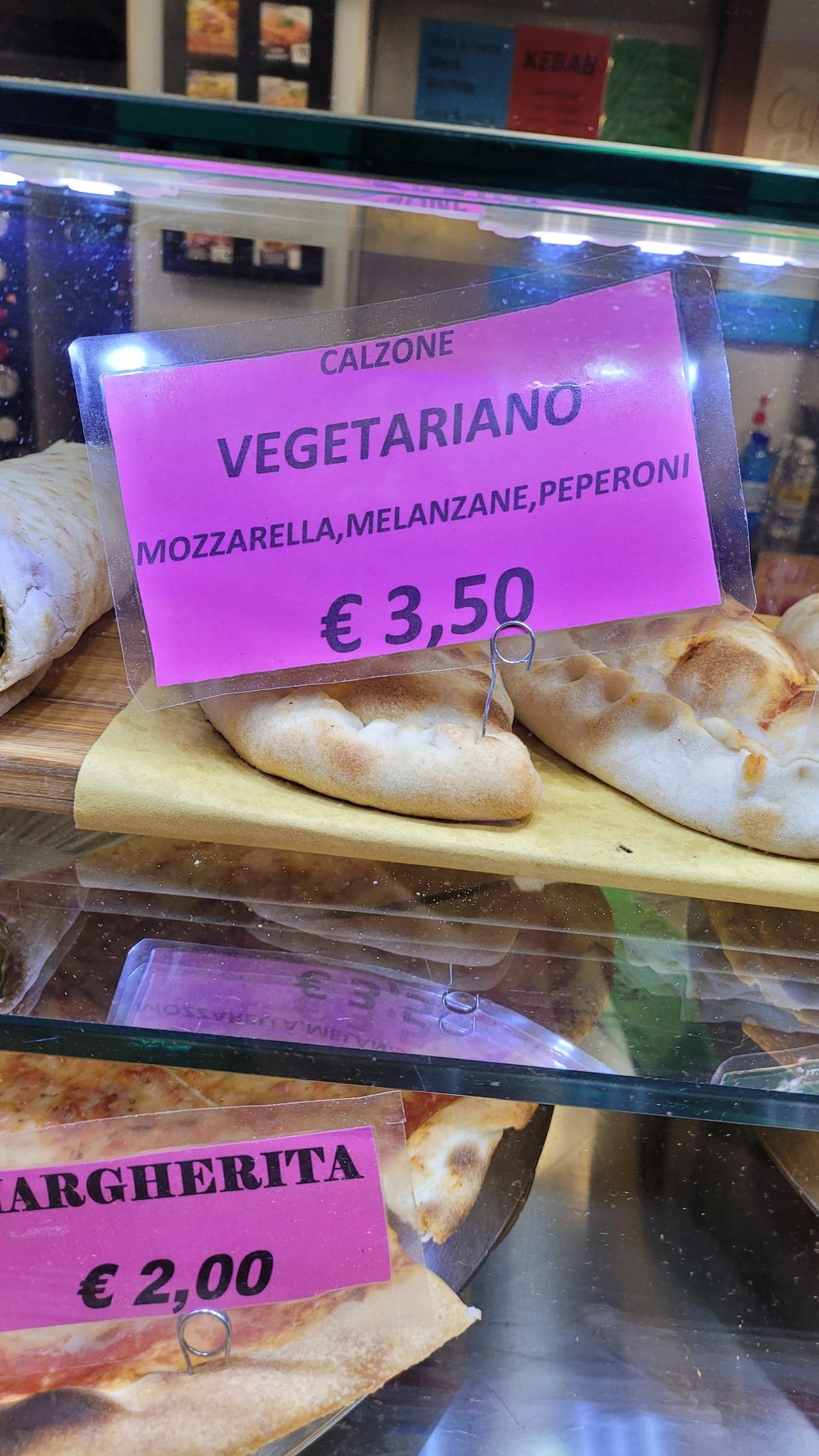
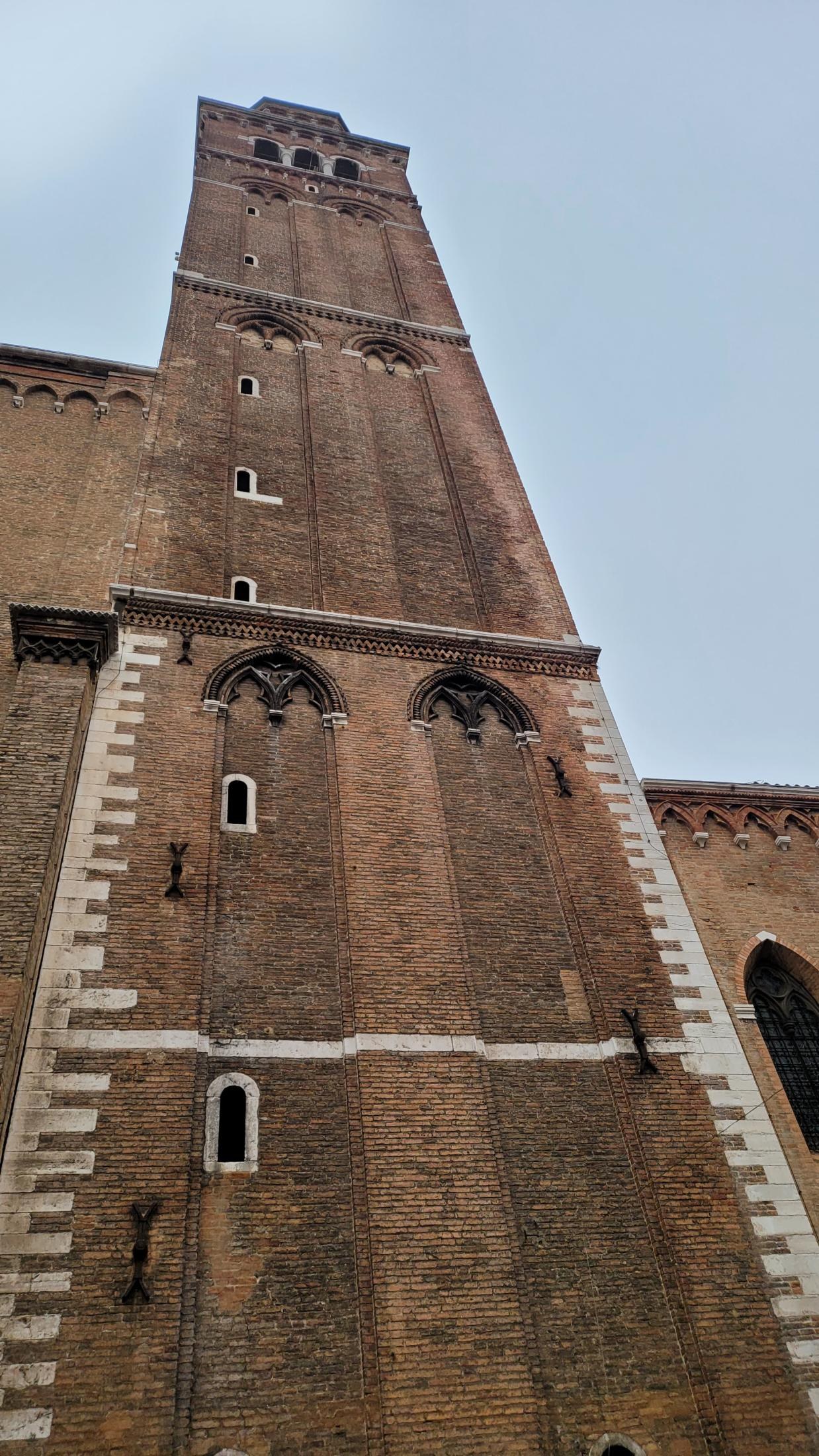
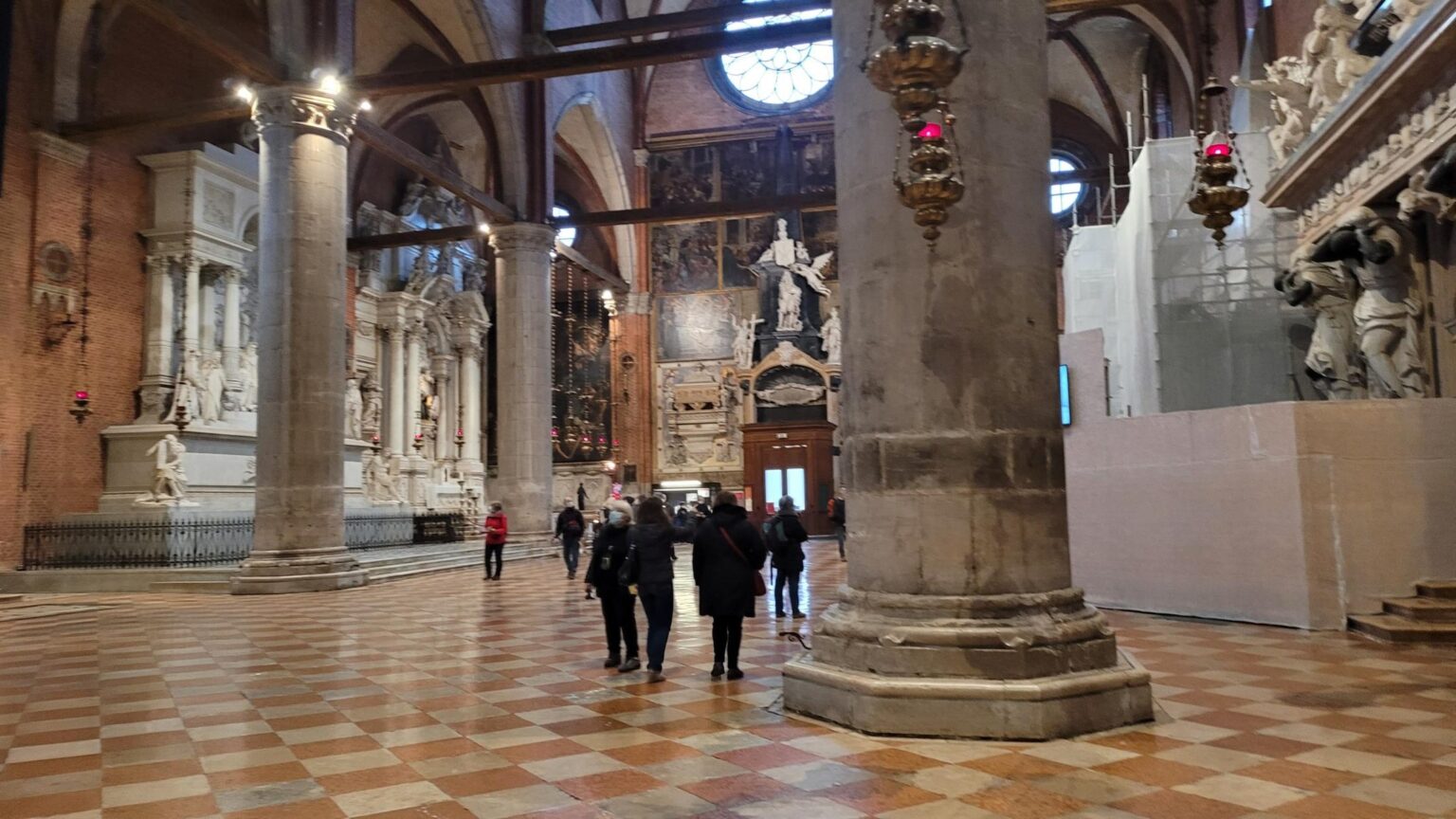
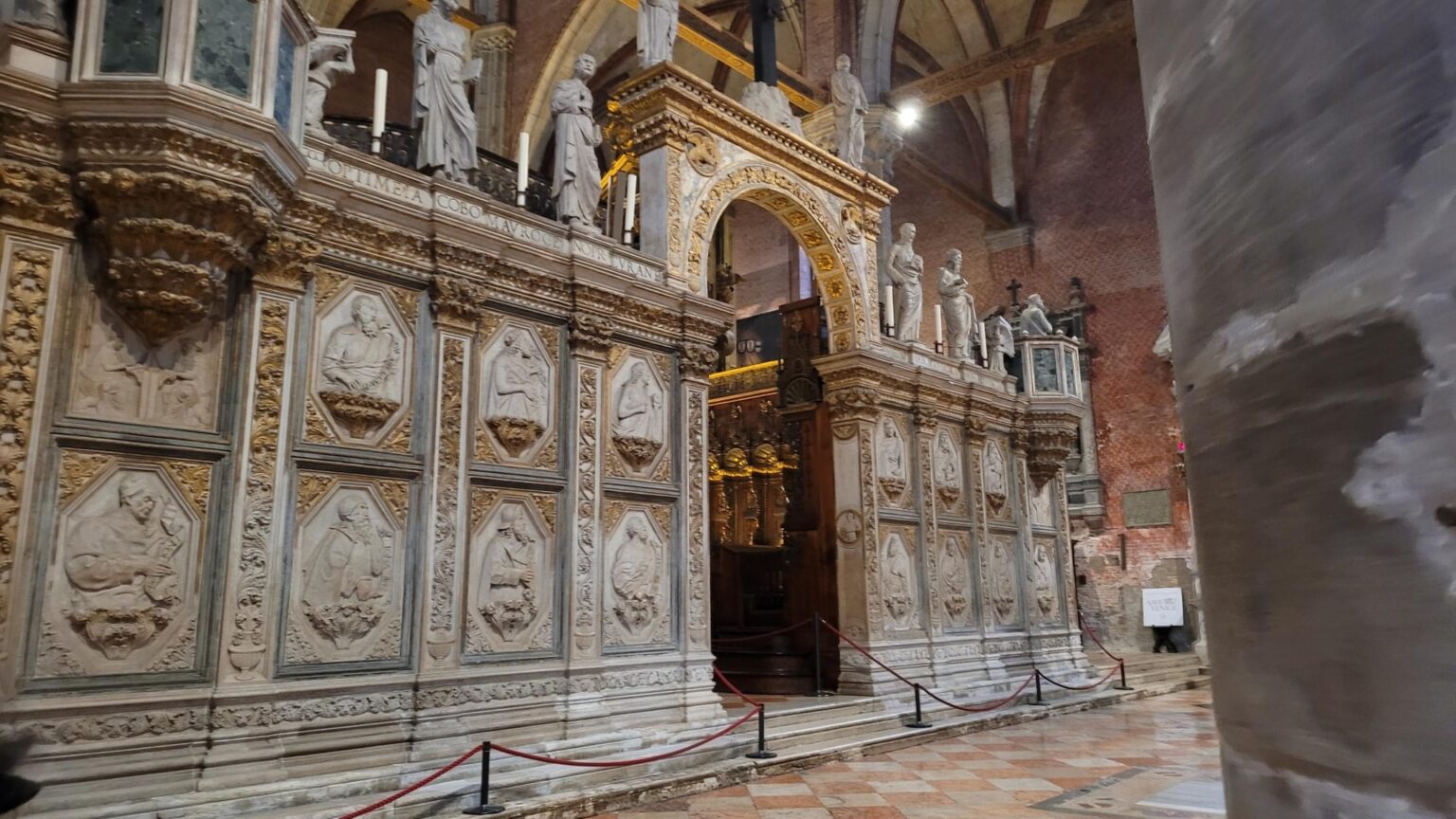
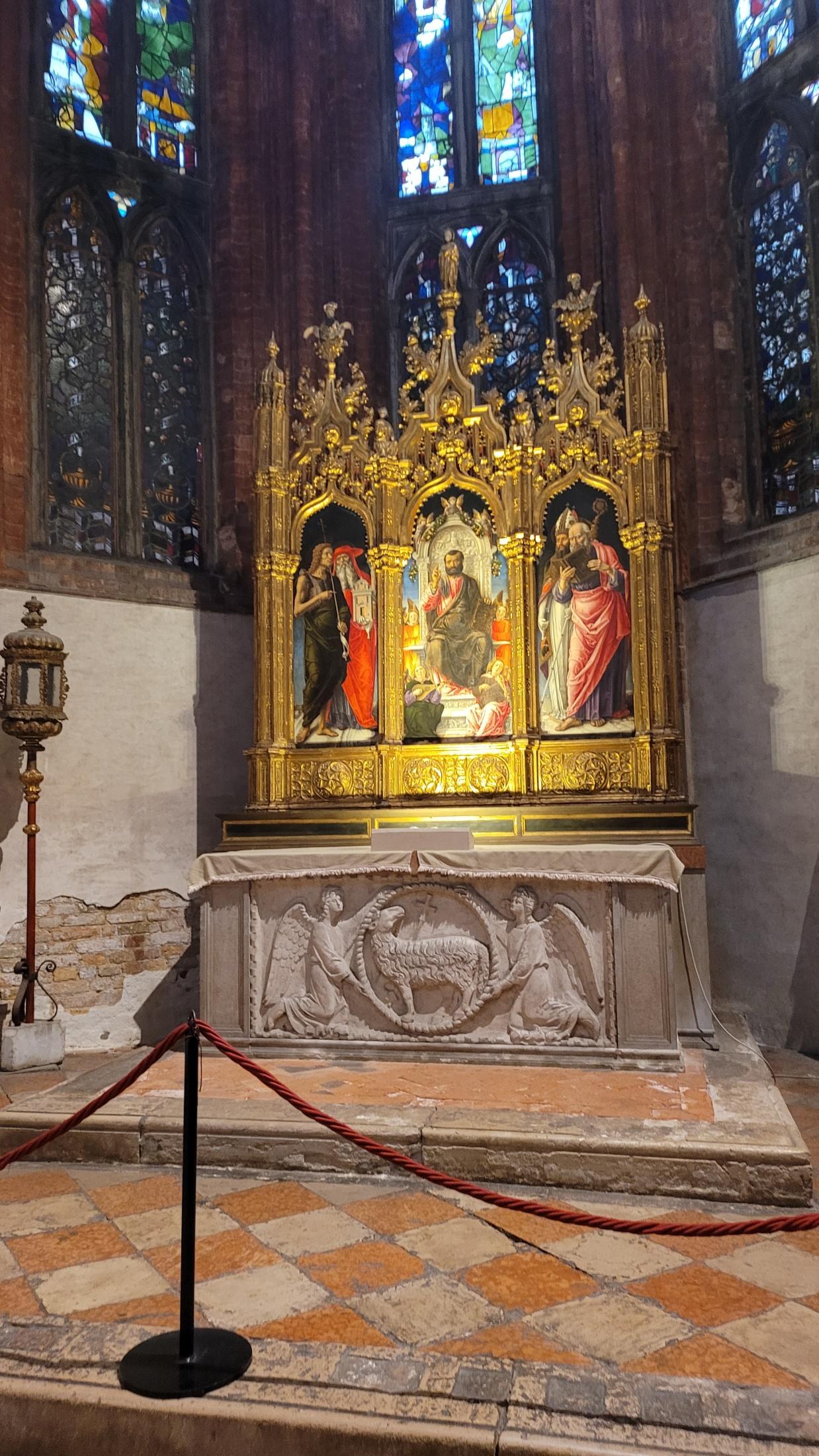
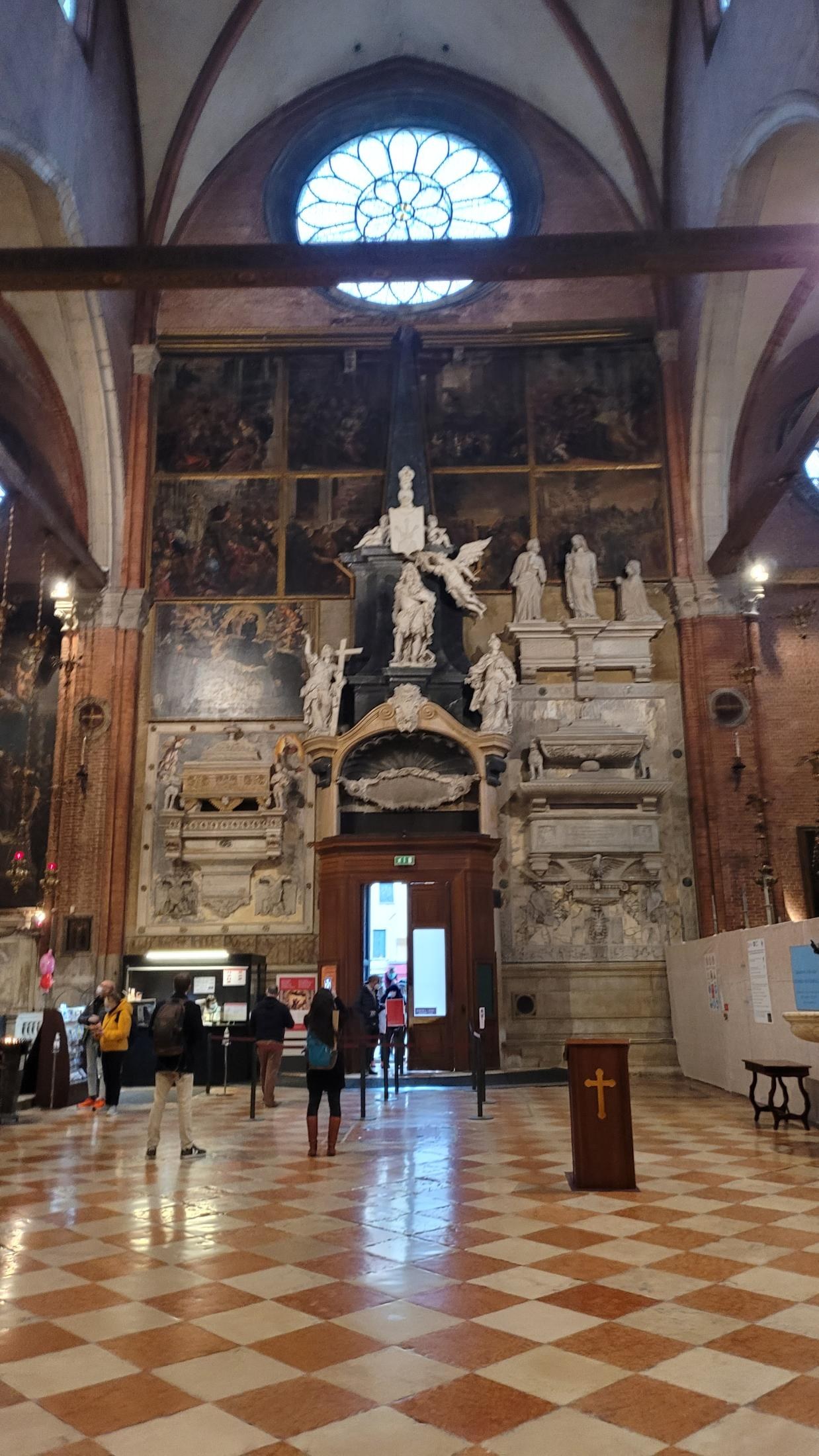
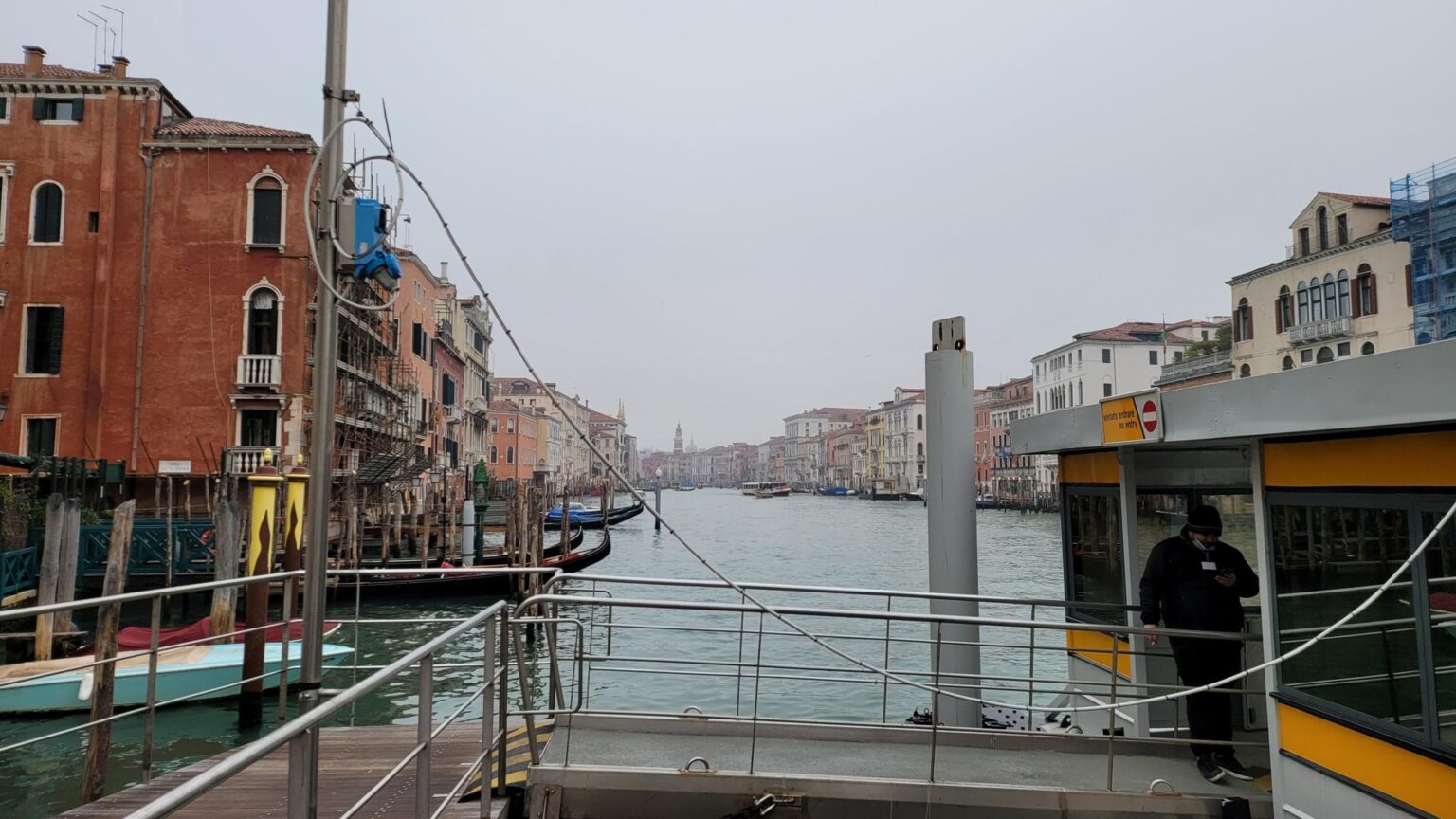
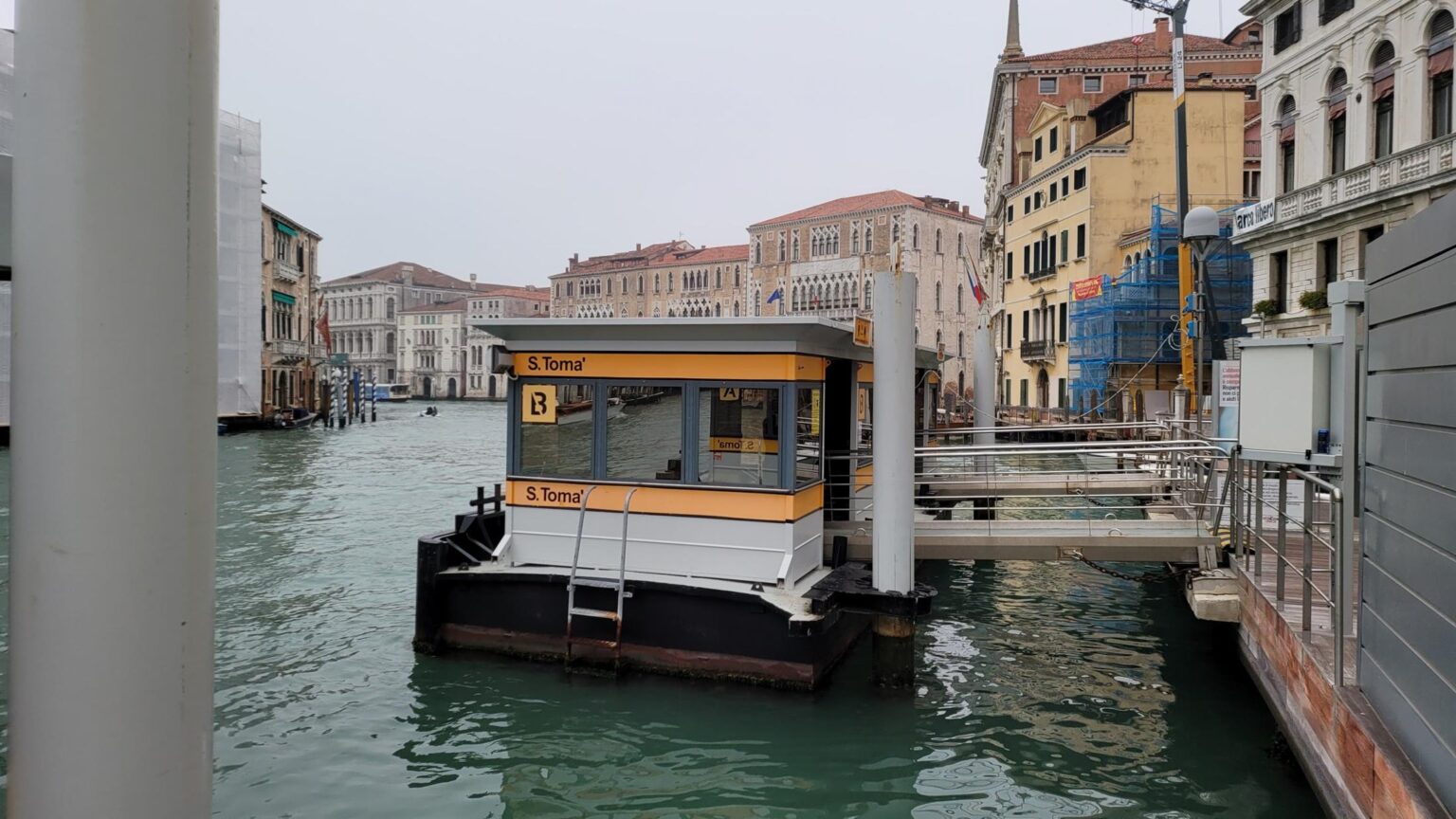
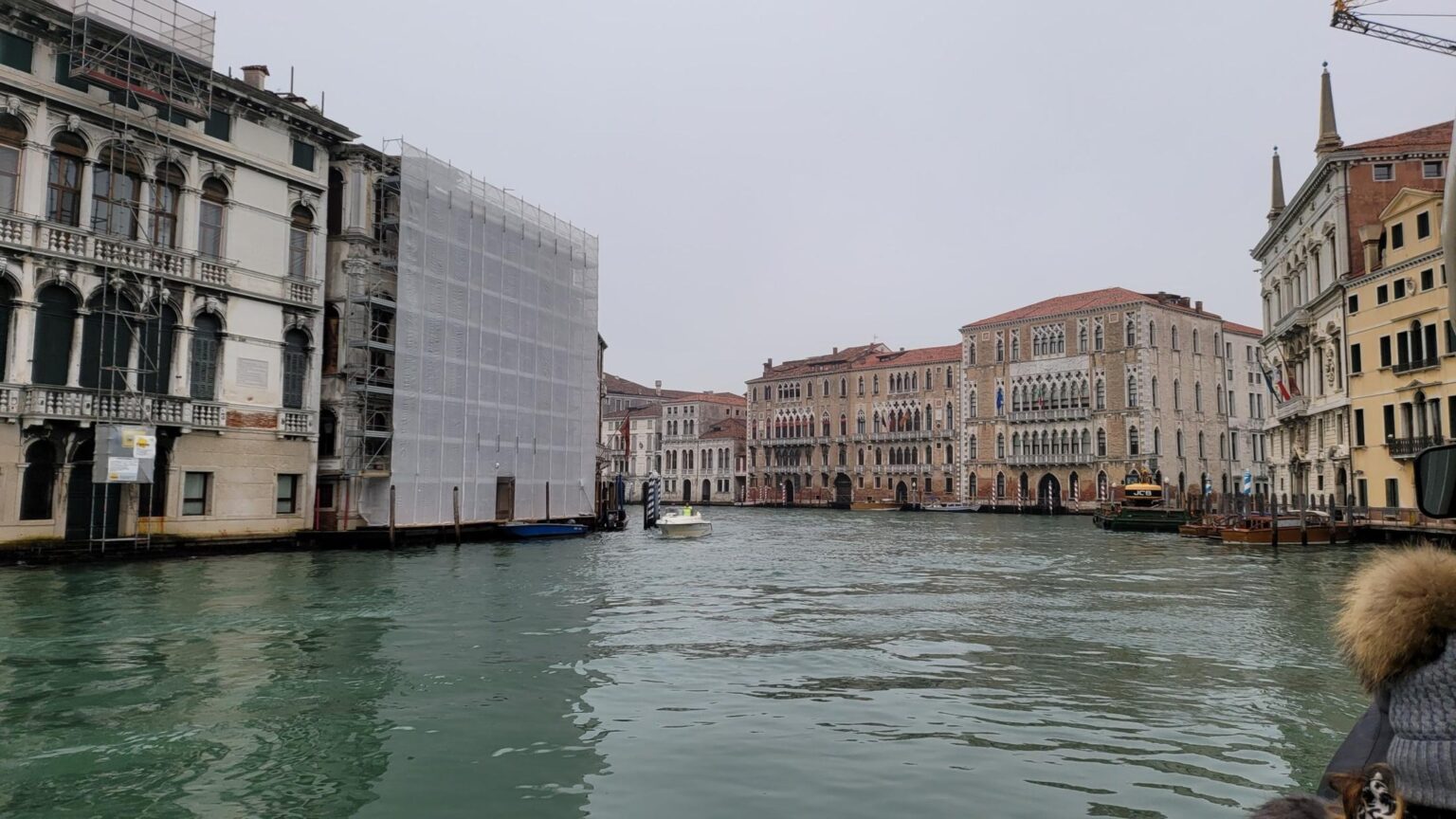
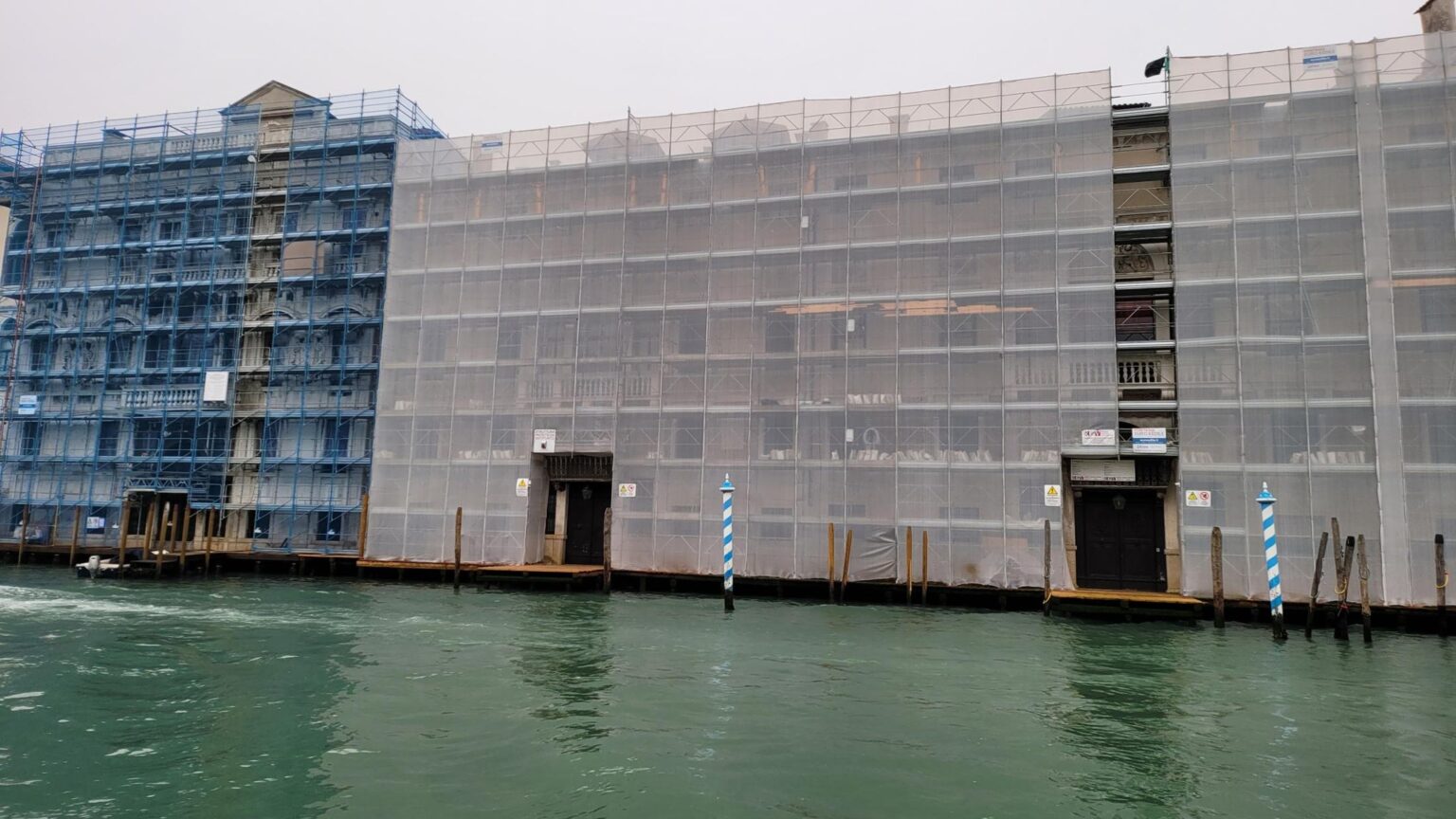
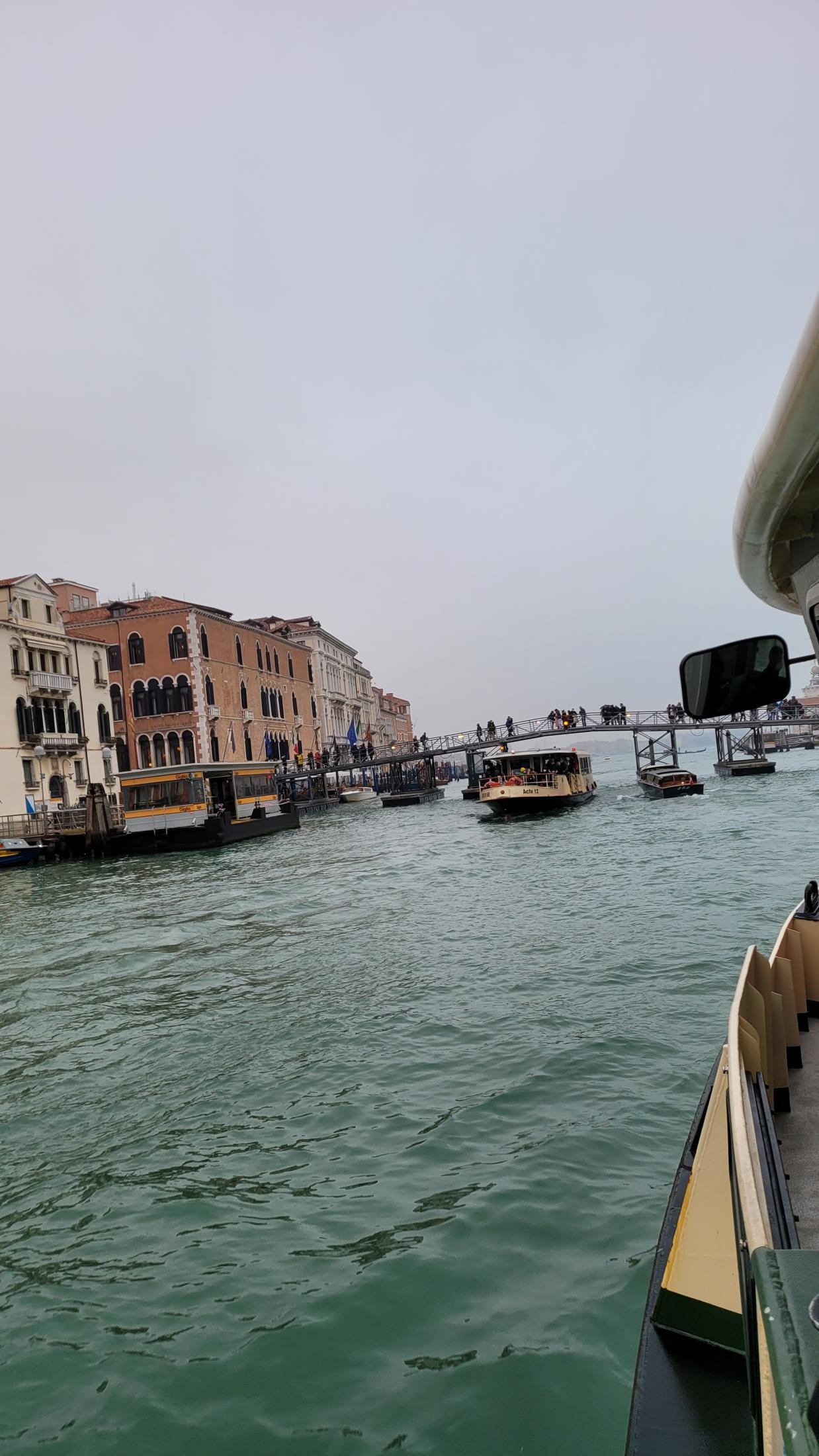
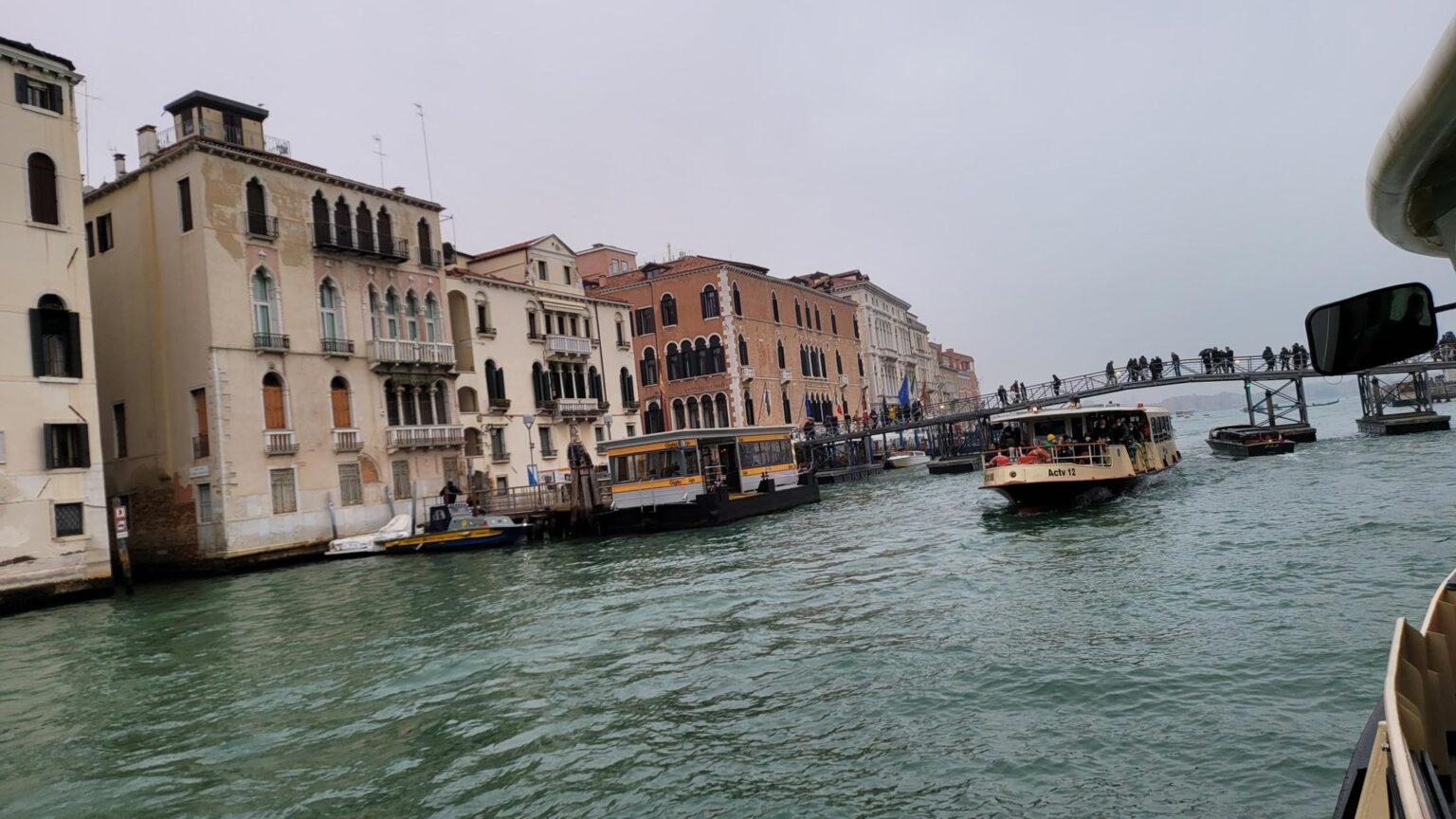
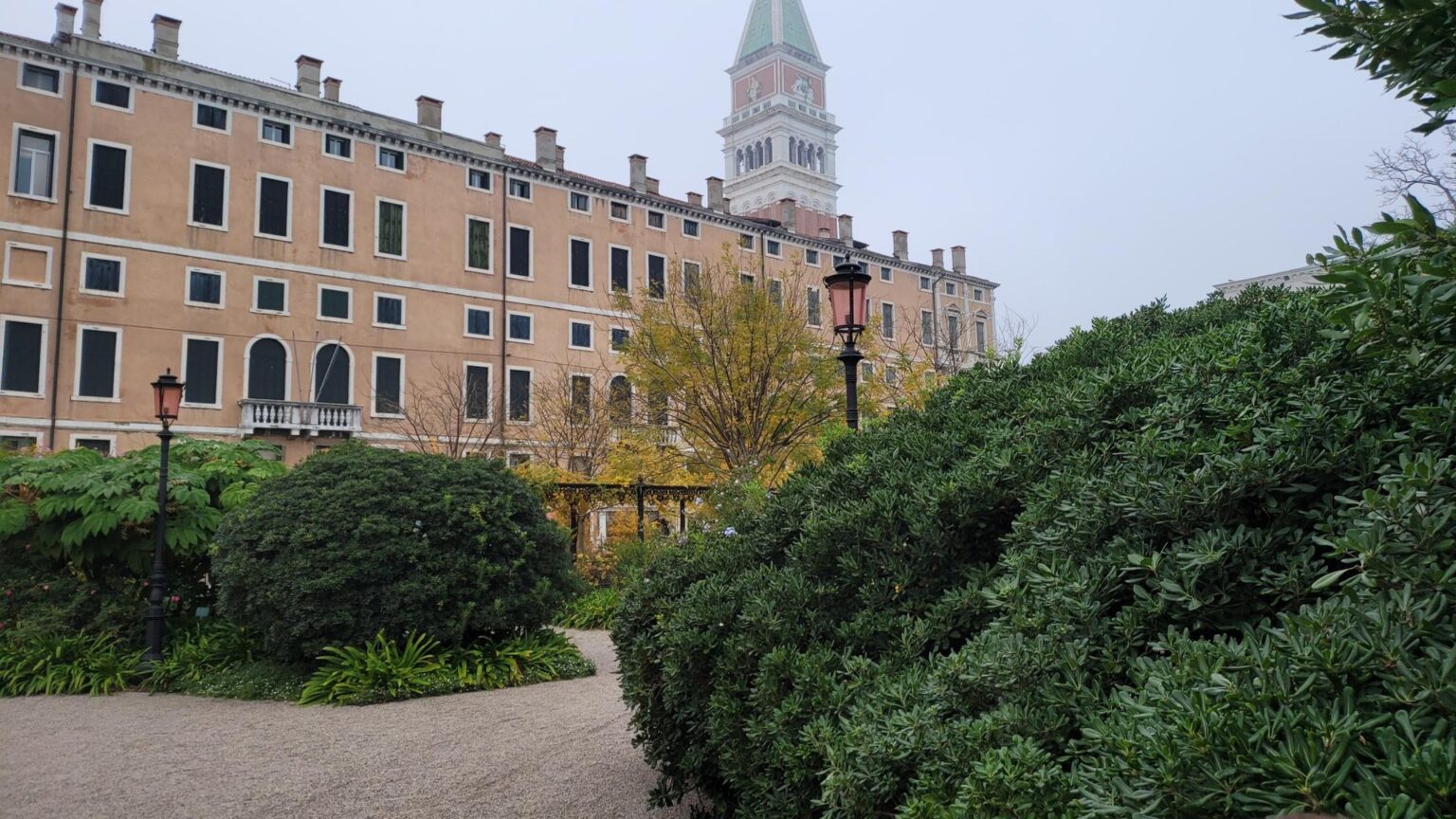
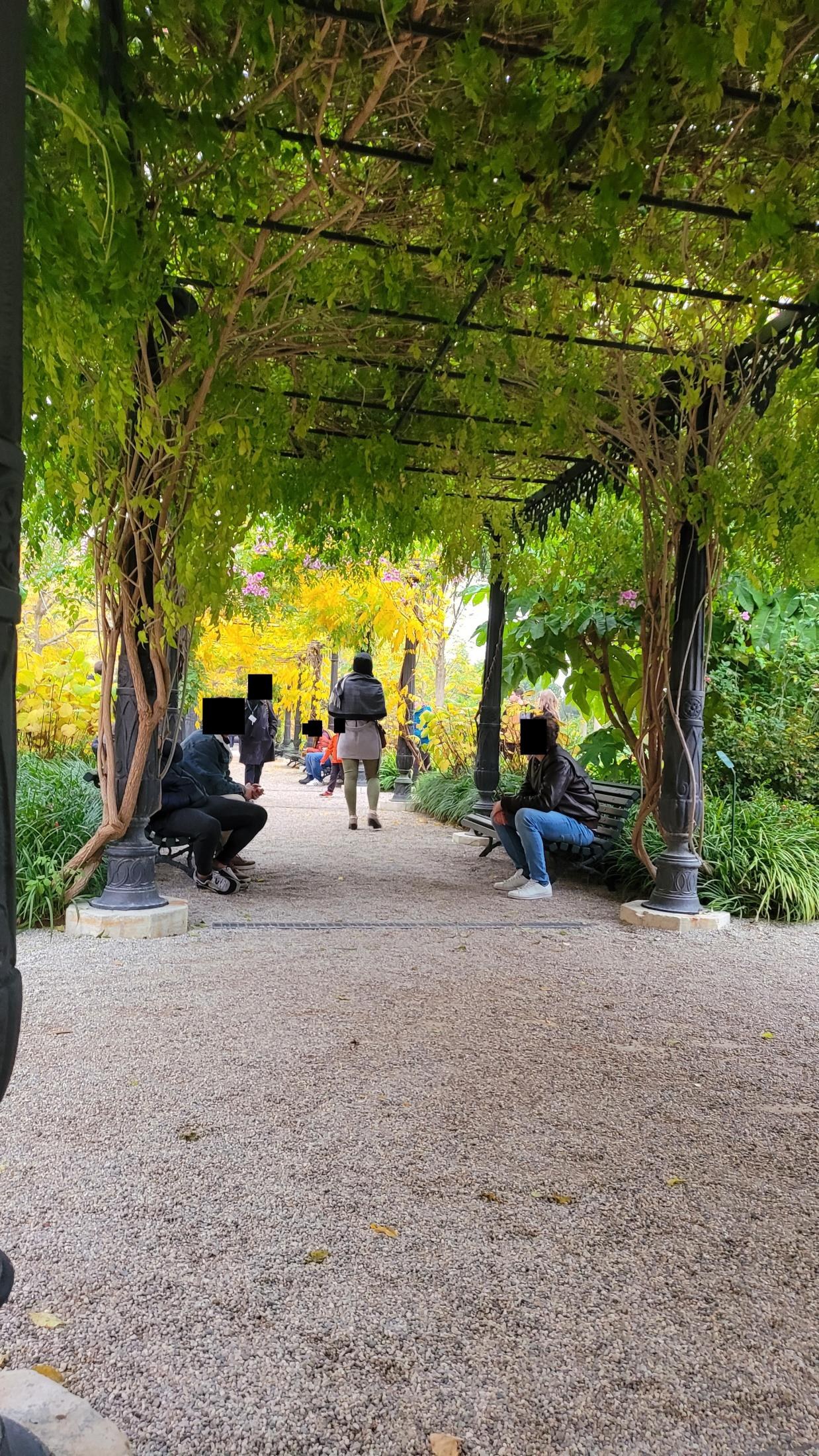
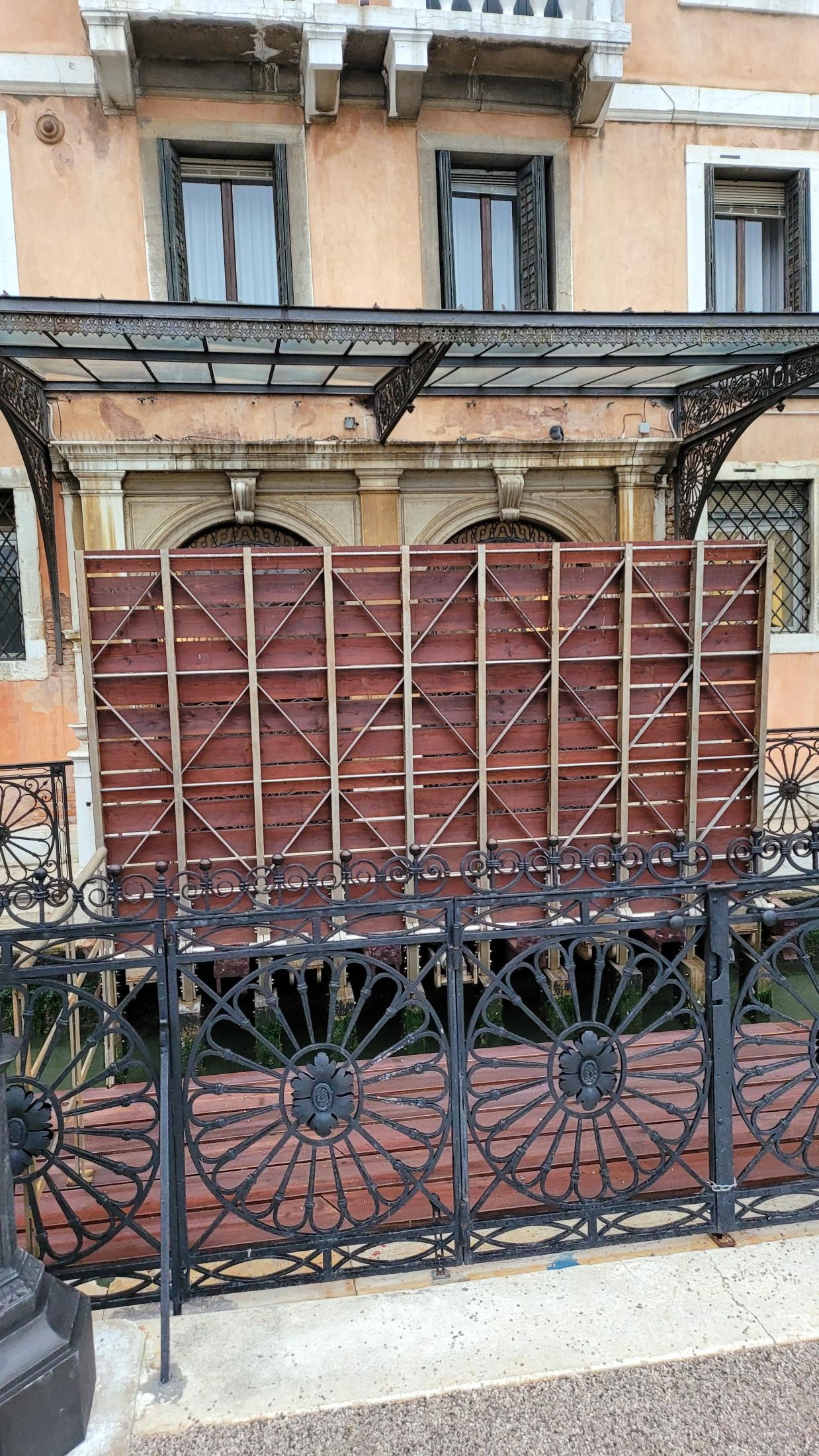
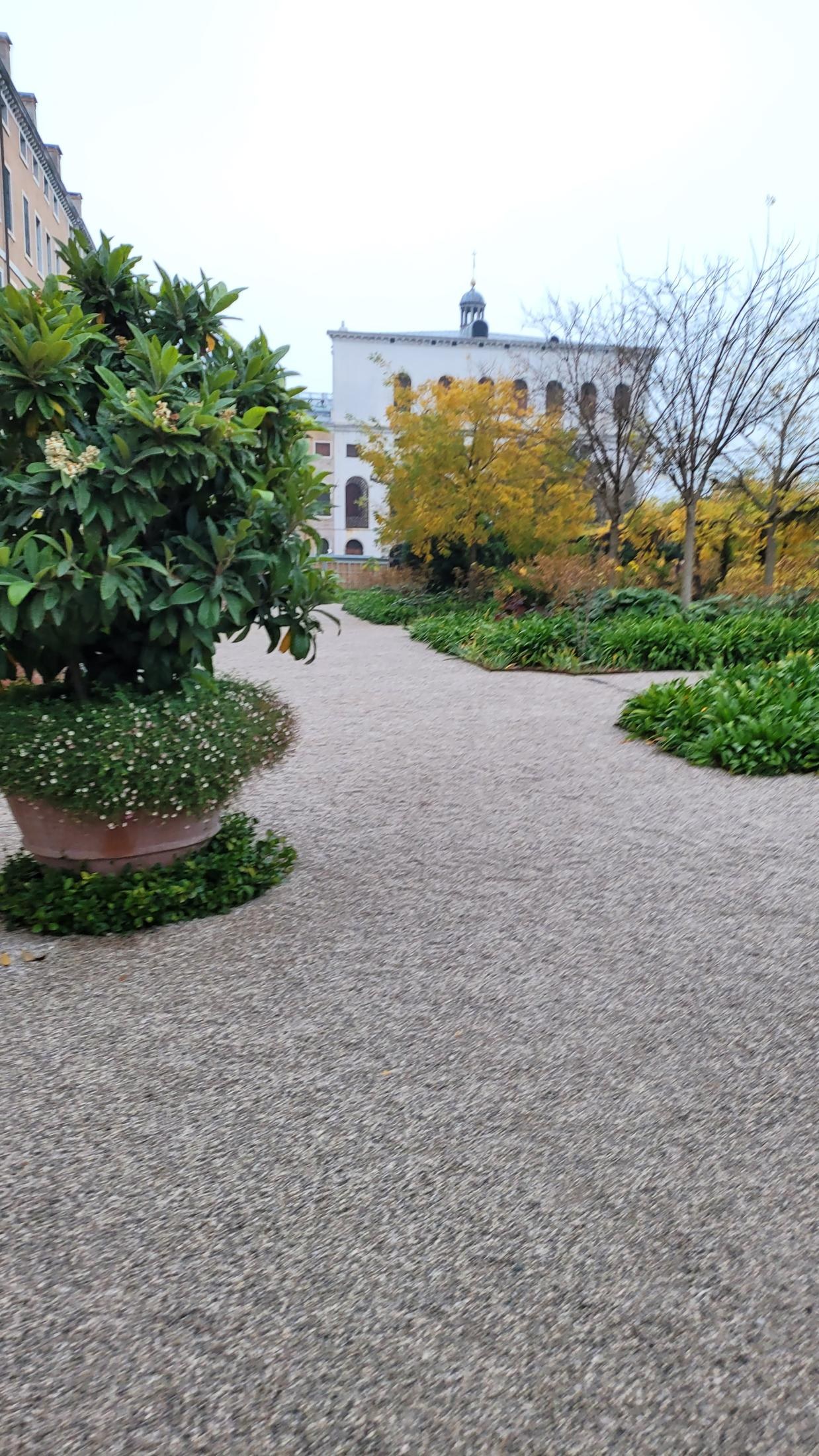
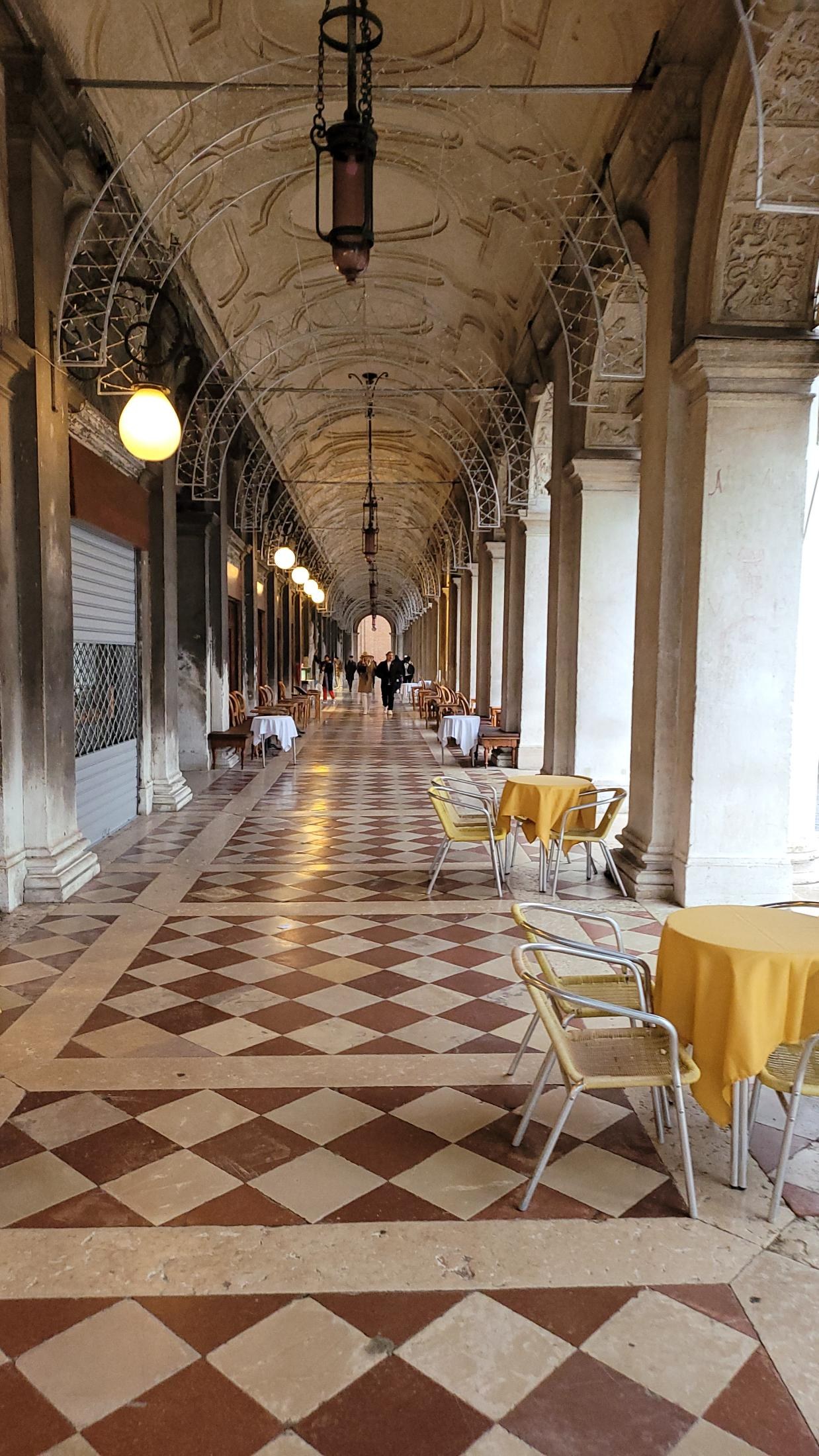
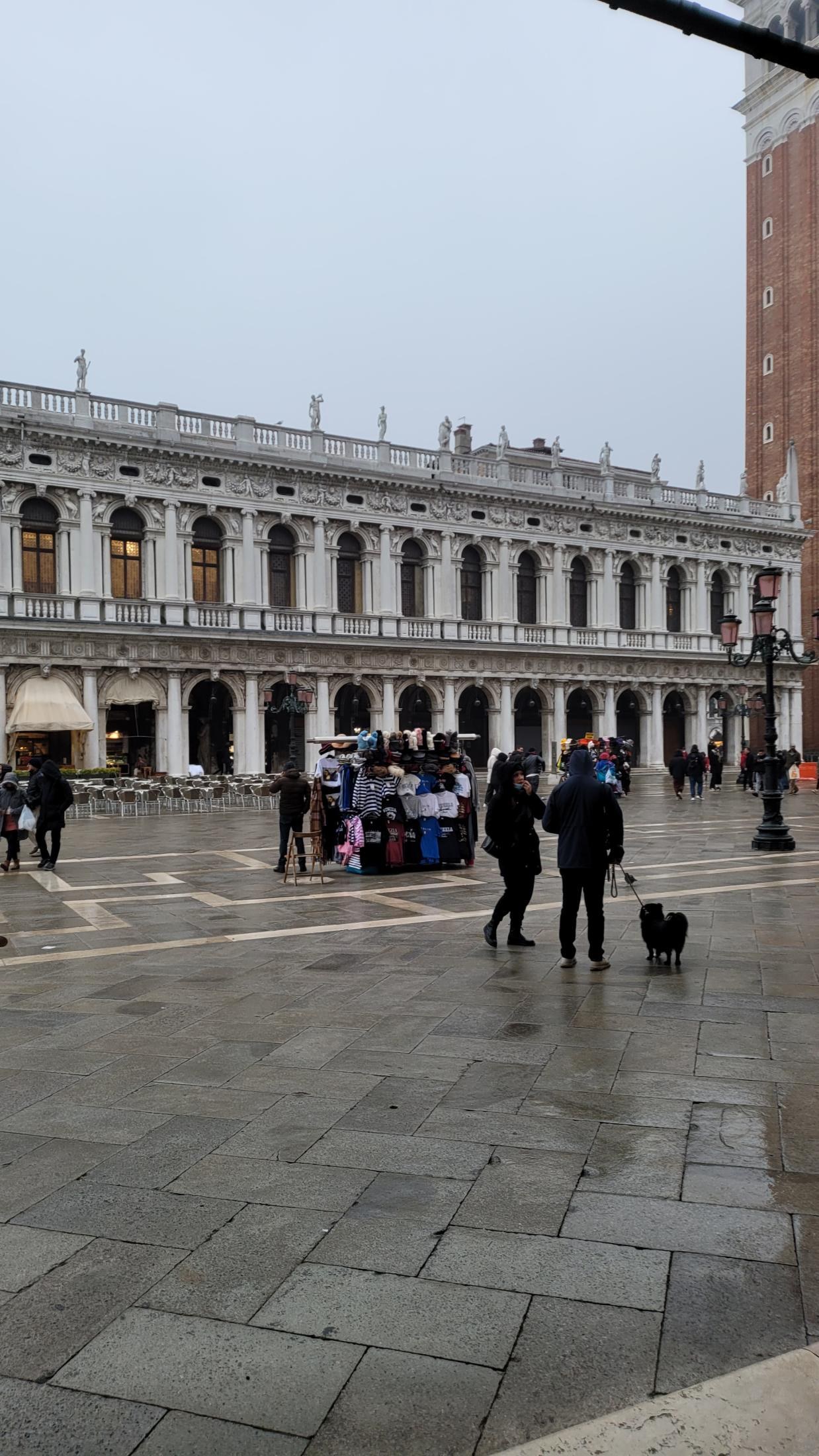
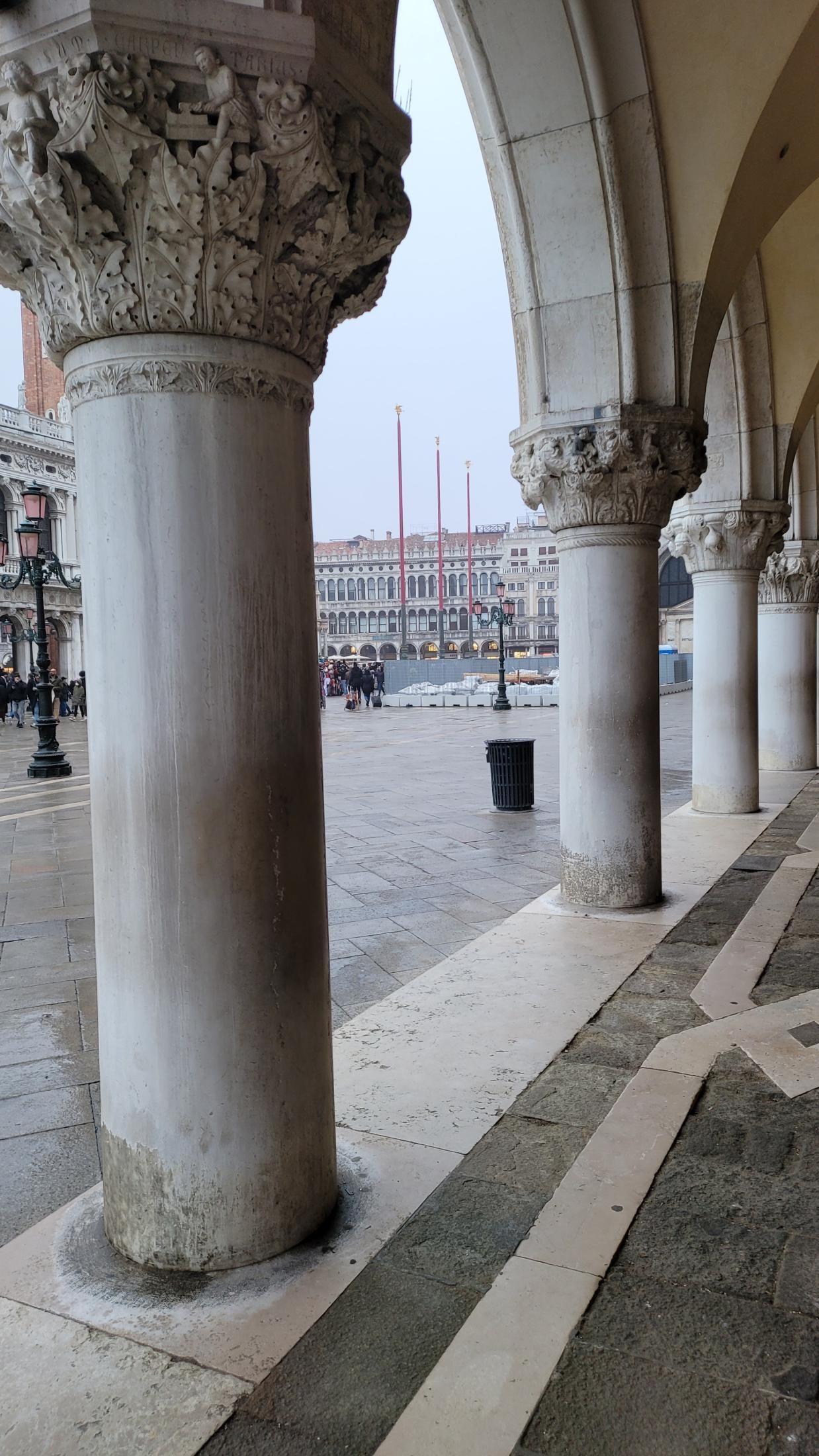
More photos from yet another wander around Venice:
Day 4: Going home
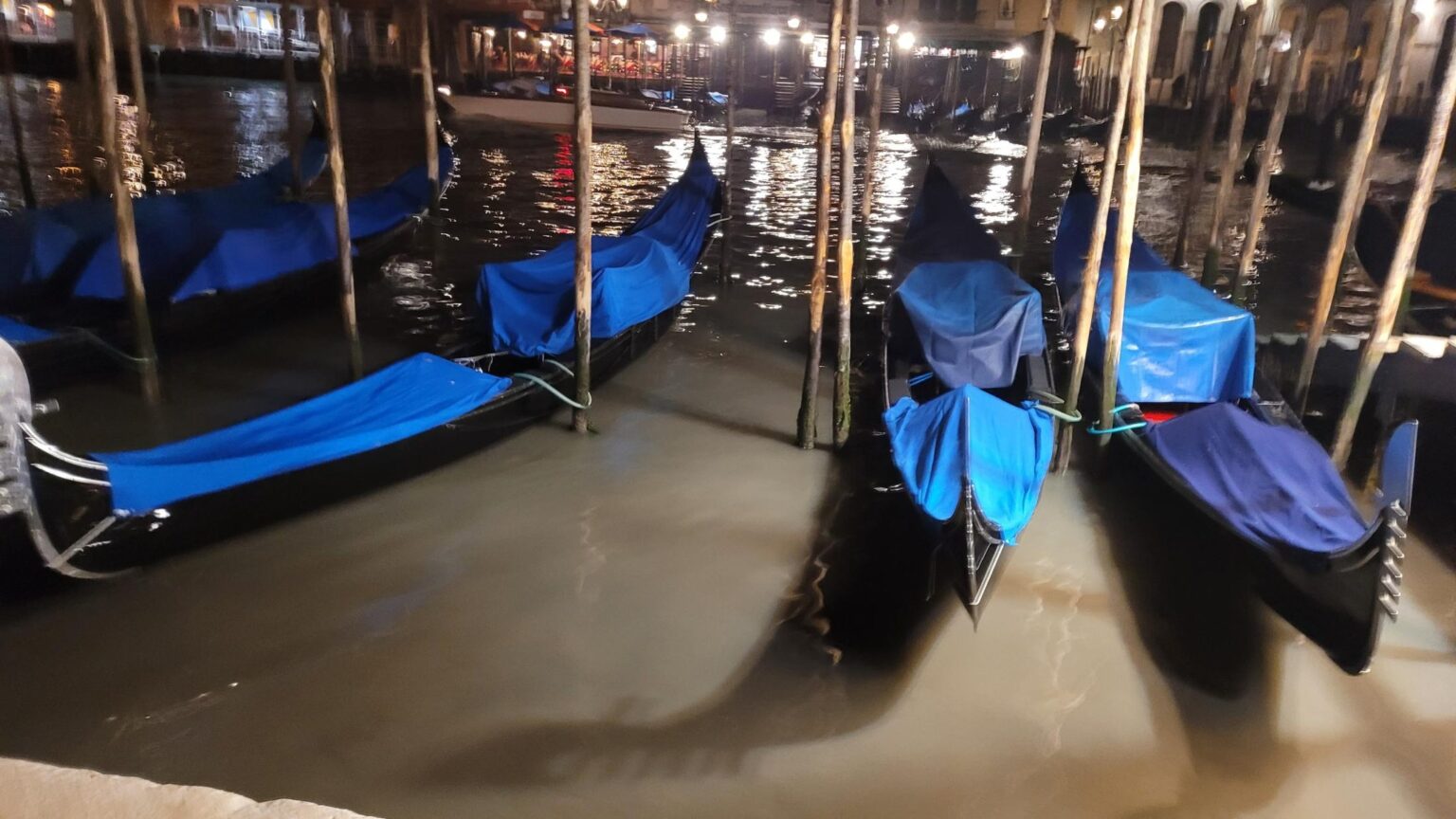
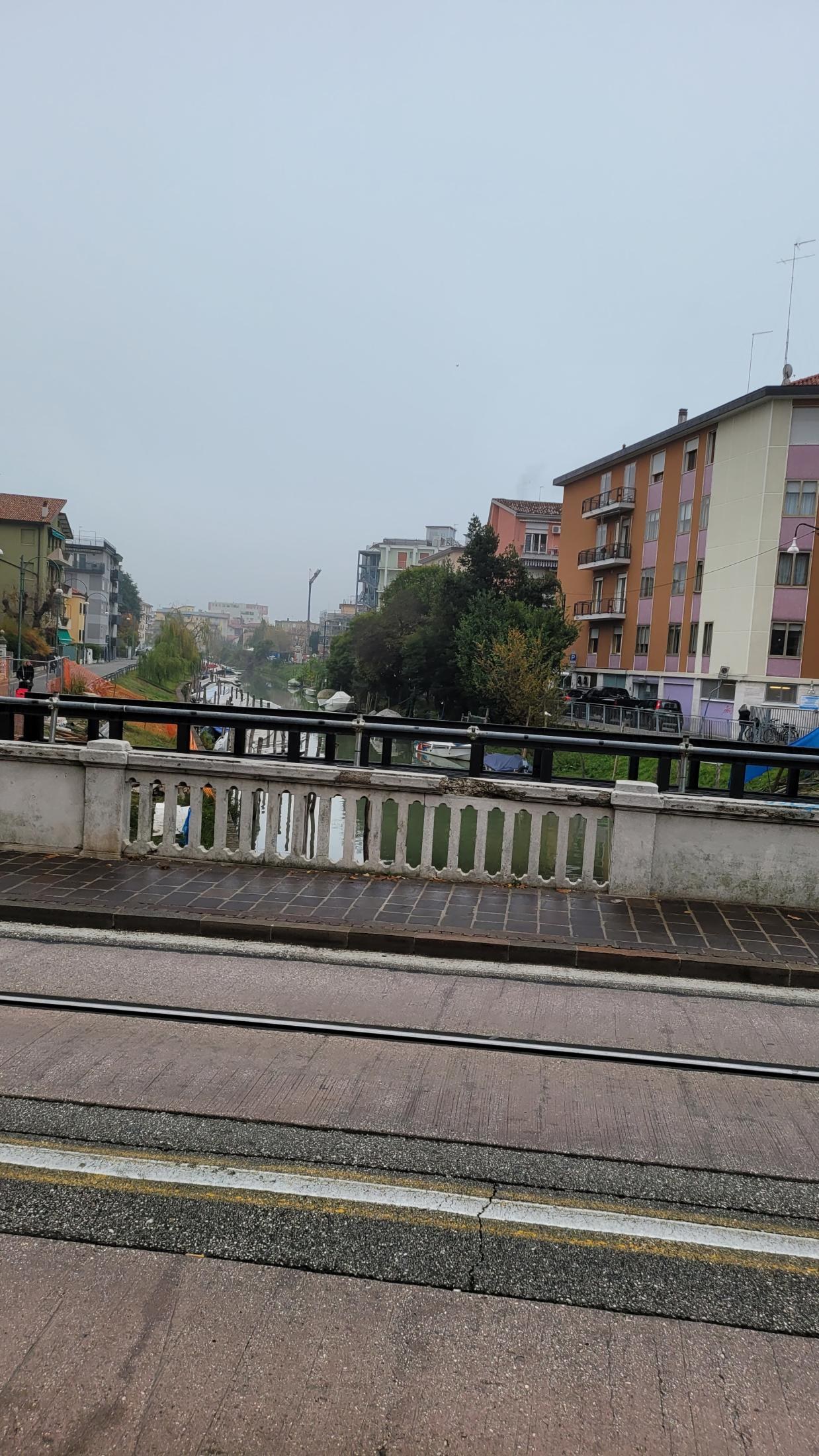
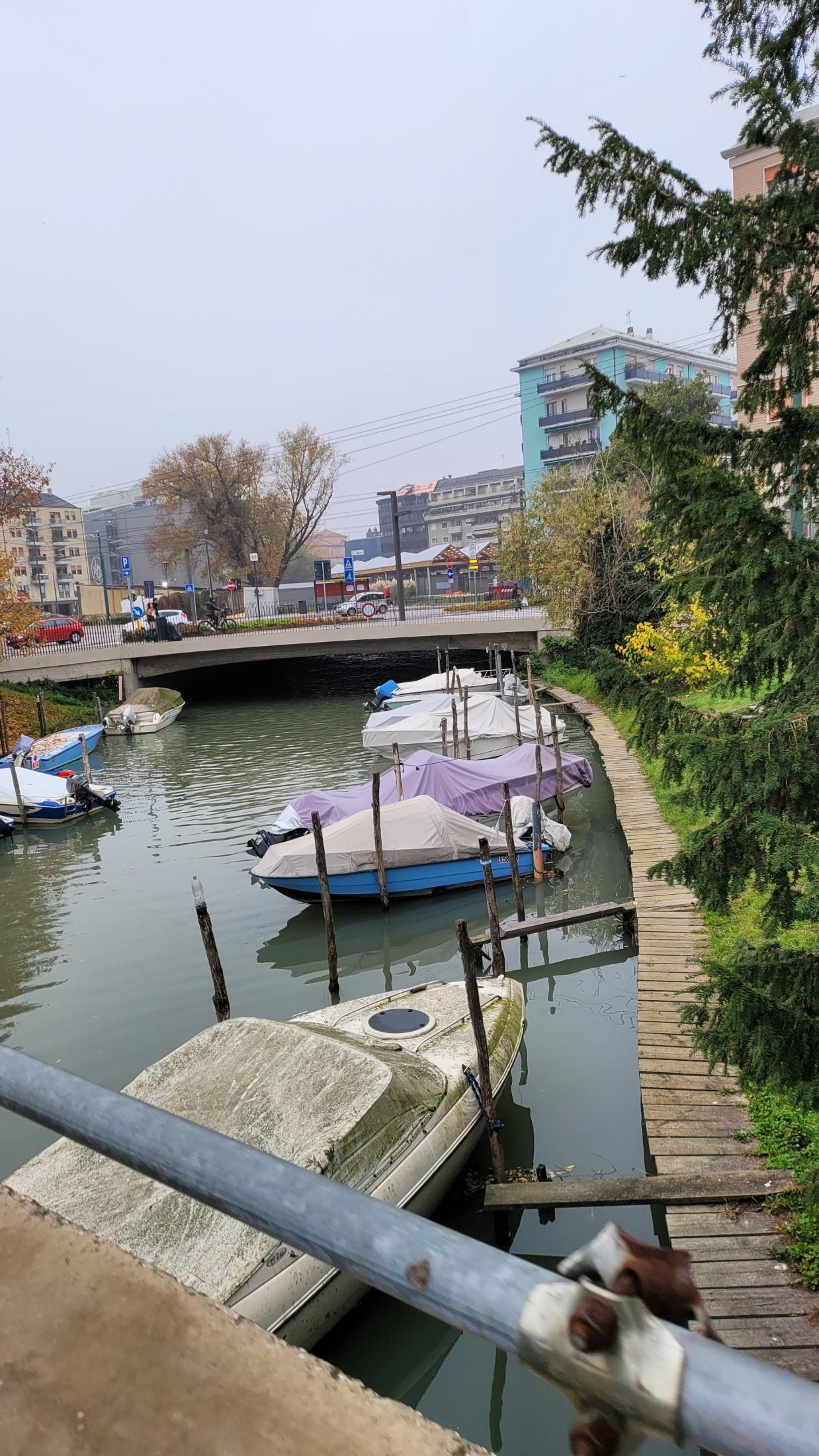
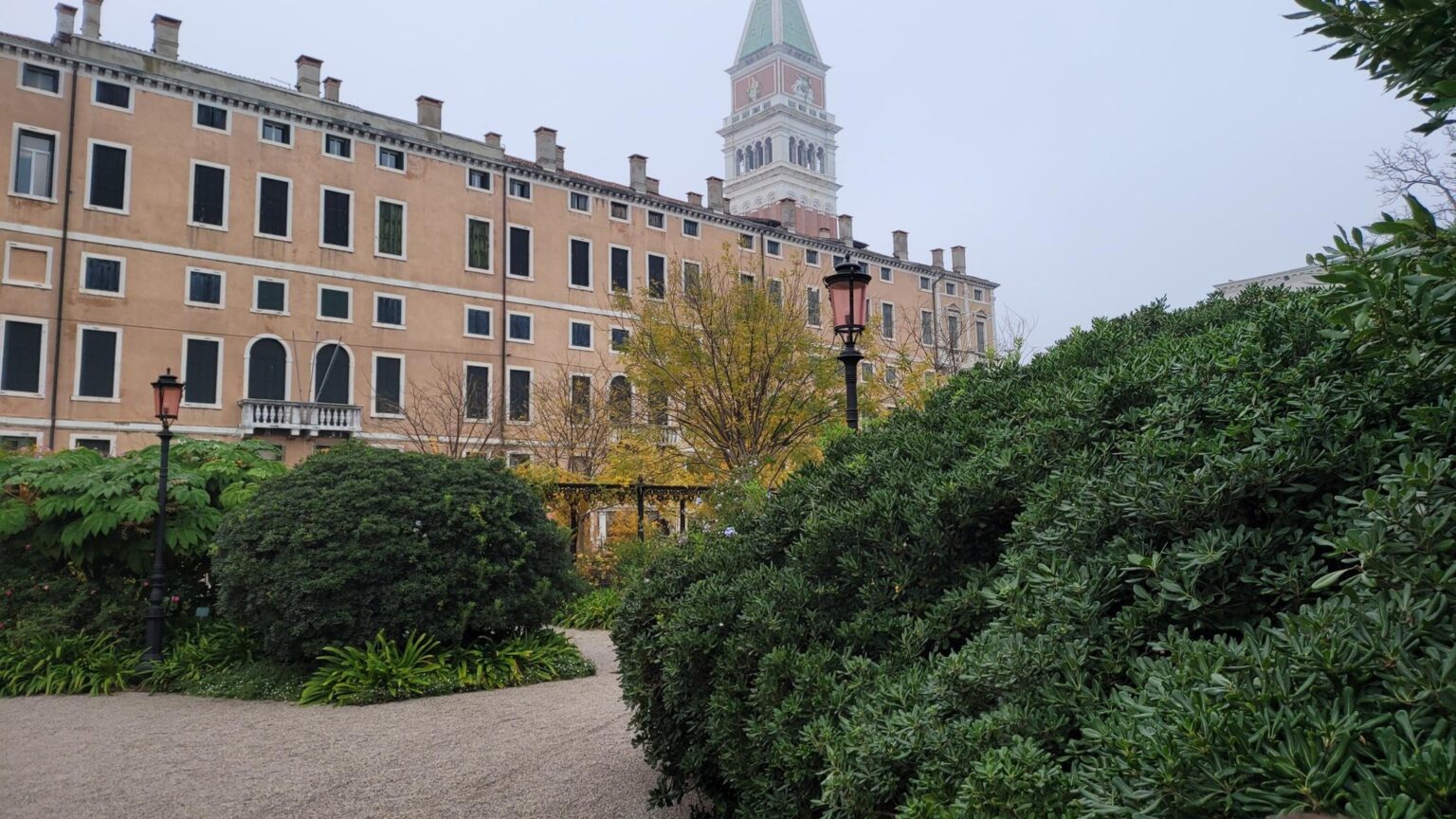
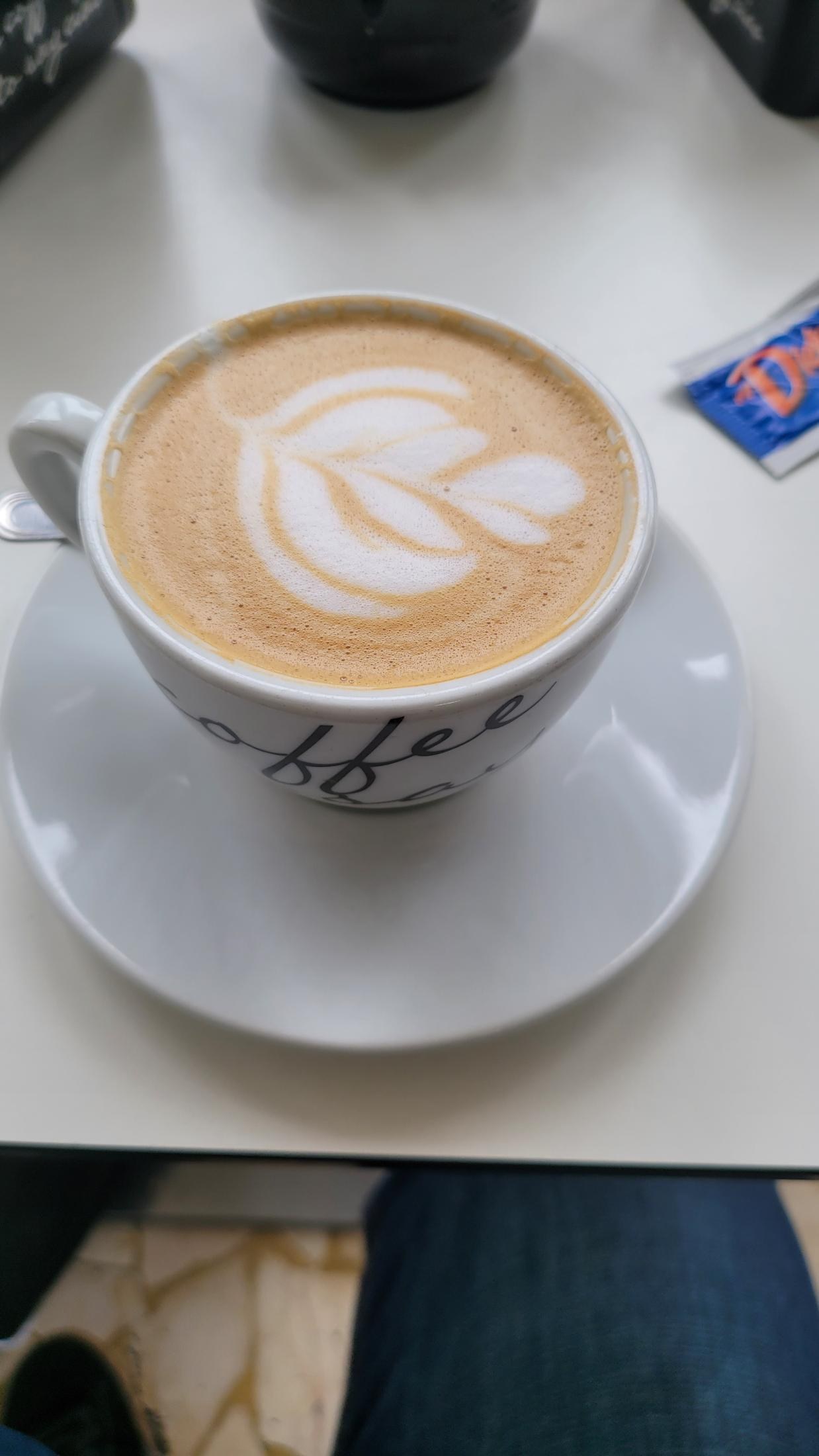
A thoroughly linear process. The ATVO coach, timed to the flight, on the return ticket already paid for on day one. The procedure is the arrival in reverse — three hours and we are in Sofia 🙂 One photo for colour.
The budget
- Flights — around €25–40 per person each way, so €50–80 return.
- Treviso to Mestre/Venice transfer — €24 return per person.
- 72-hour transport card — €45, or €33 with Rolling Venice if you are under 30.
- Hotel — in Mestre, three nights at roughly €30–50 per person per night, so €90–150.
- Access fee — €0 if you sleep in the Comune di Venezia and register your exemption; €5 if you are day-tripping on a peak day and book ahead.
So the unavoidable costs are roughly €220–280 per person — accommodation and all transport for 4 days and 3 nights. There is also a small per-night tourist tax, usually collected at the hotel.
Quite civilised, no? Beyond that it is food and museum entries, at your discretion. You can eat from supermarkets at €5–10 a day, or in restaurants at €50 a meal. In two words: around €350–400 is plenty for 4 days in Venice, and that includes eating properly and going into a museum or two. Through a tour operator the same thing will run you €600 and up, and that is before you have bought a single spritz.
Difficulty
Practically none, as long as your English is decent. Extremely Europeanised, clear signage everywhere. It feels like taking the bus to a Bulgarian town.
Things to bear in mind
Mind the period and the forecast. Venice has been flooded more than once or twice, particularly around October and January. And if your dates fall between April and July, check the access-fee calendar before you book — not because it will break the budget, but because turning up without a QR code on a chargeable day gets expensive.
Conclusion
An exceptionally light, relaxing trip. It asks almost no effort. It feels like a walk in the park, as though we grew up there. As though you are visiting another Bulgarian town. Four days is enough in our view if you are going to sightsee — which is, we assume, exactly why most operator packages are built that way.
Gallery
Everything in one place: