First week of October, a conversation with a colleague:
Me: Saturday I’m at a birthday party in Sapareva Banya. (And what a headache that name is to spell — every accommodation and voucher site writes it a different way, Separeva / Sapareva. It’s Sapareva. Final.) I’m thinking we swing by the Rila Lakes on Sunday, so the fuel doesn’t go to waste, since we’re in the area anyway.
Him: Mate, it’s October, that’s a mountain. You’ll freeze to death. Nobody just wanders up a mountain in October.
We usually listen to his advice*, but the urge to get out of the capital for the weekend won.
* In fairness, the forecast argument did open up a bit of research. Does it strike anyone else how every year winter slides a little further back? Ten years ago October would already have been under snow. There used to be a lot of talk about global warming; people got cleverer and now it’s climate change. We’re not professionals, and my private opinion is that, like so many topics, it’s 90% money and 10% actual improvement for humanity. Complicated discussion, and we haven’t had nearly enough alcohol for it. The simpler idea we like is that the seasons genuinely drift a bit forwards and backwards because of the complicated way our planet tilts and spins. So we check the forecast for exactly this window — the second week of October. On paper, superb. And we learn something new along the way: a forecast you can pin to a single point on the map. That link opens the weather specifically at the hut and the lakes, not at the town 1,000 metres below.
So — the Rila Lakes it is (stamp No. 29 of the 100 National Tourist Sites).
Well. The colleague was wrong. The weather turned out to be extremely interesting and extremely well suited to this particular walk, as we’ll see.
| Location | The Seven Rila Lakes, above Sapareva Banya |
| From Sofia | ~2 hours by car to the lift (Panichishte) |
| Difficulty | Hard to the last lake · moderate to the first one |
| Elevation gain | ~500 m using the lift · ~1,000 m without it |
| Time for the loop | Up 90–100 min · back 130–140 min |
| Lift ticket | Return €16.00 · one-way €11.00 · reduced (children 5–12, pensioners, disabled) €8.00 return / €6.00 one-way · under-5s free (as of 08.2026) |
| Parking | ~€5.00 per car per day (as of 08.2026) |
| Lift hours | Tue–Sun 8:30–18:30 · Monday 12:30–18:30 · closed for maintenance the last Monday of every month (as of 08.2026) |
| Stamp | No. 29 of the 100 National Tourist Sites — from the hut at the top station |
| Season | Second half of October — sunny, very few people |
| Important | No toilets above the hut · carry water and food · poles help a lot |
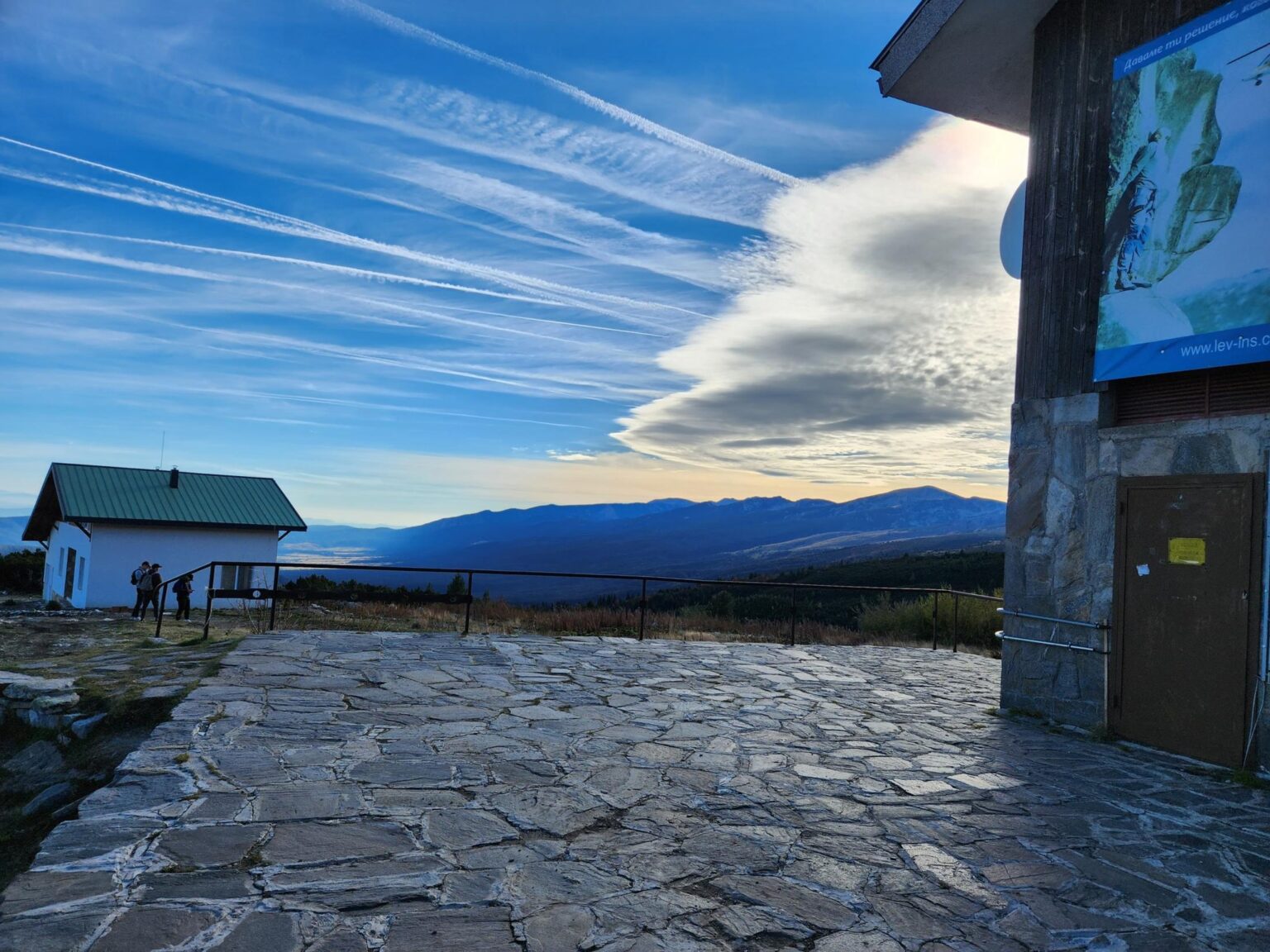
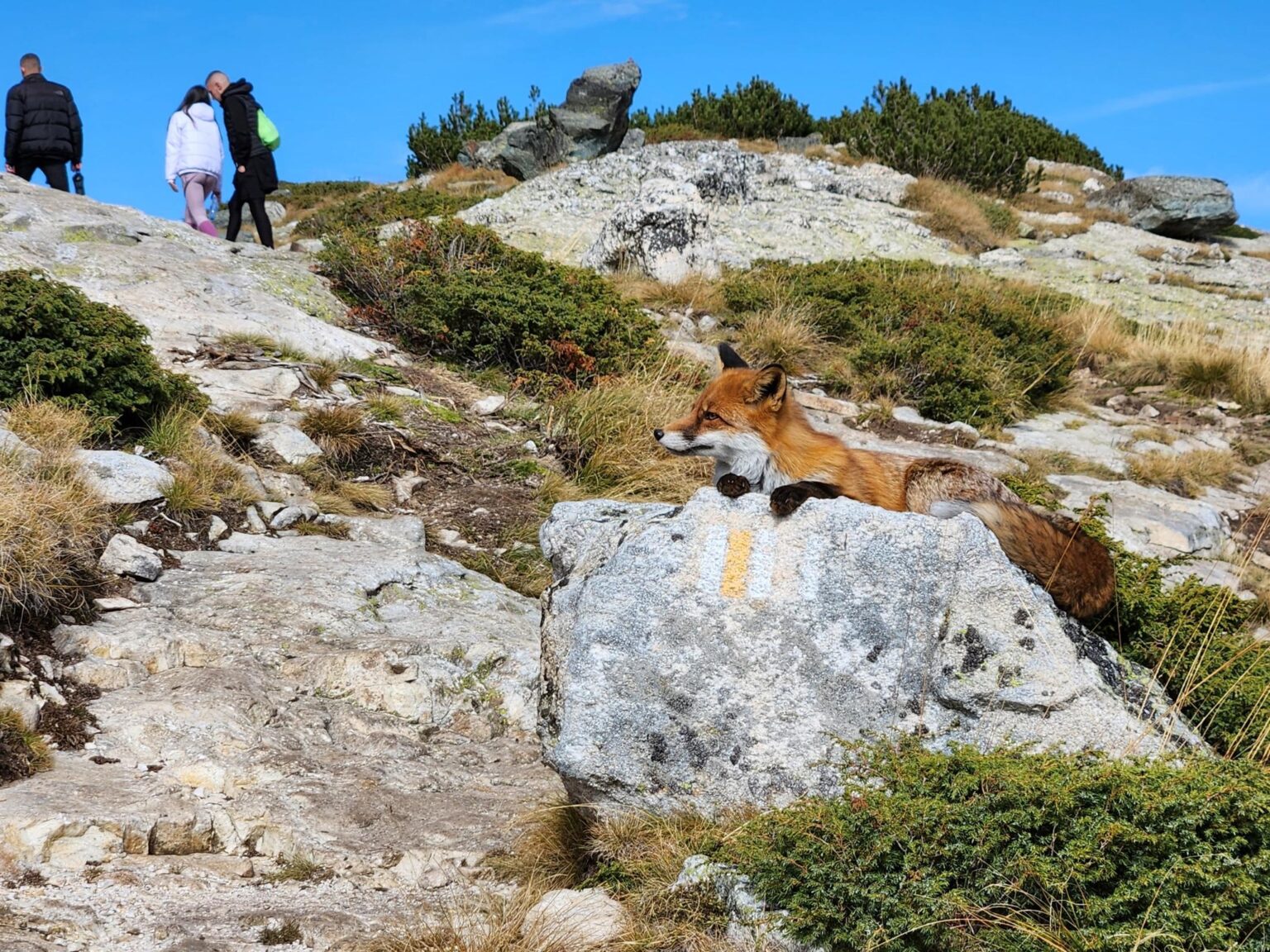
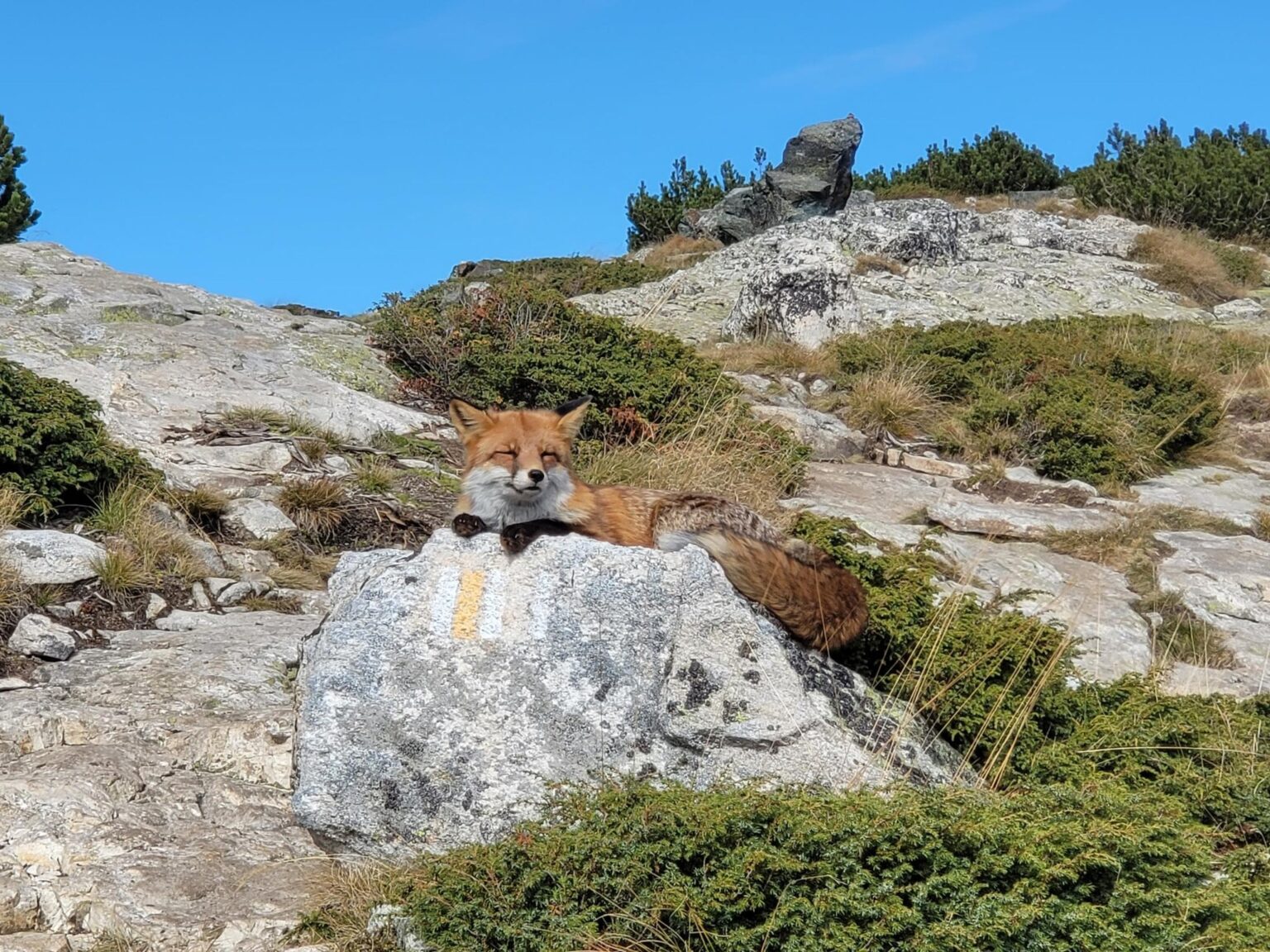
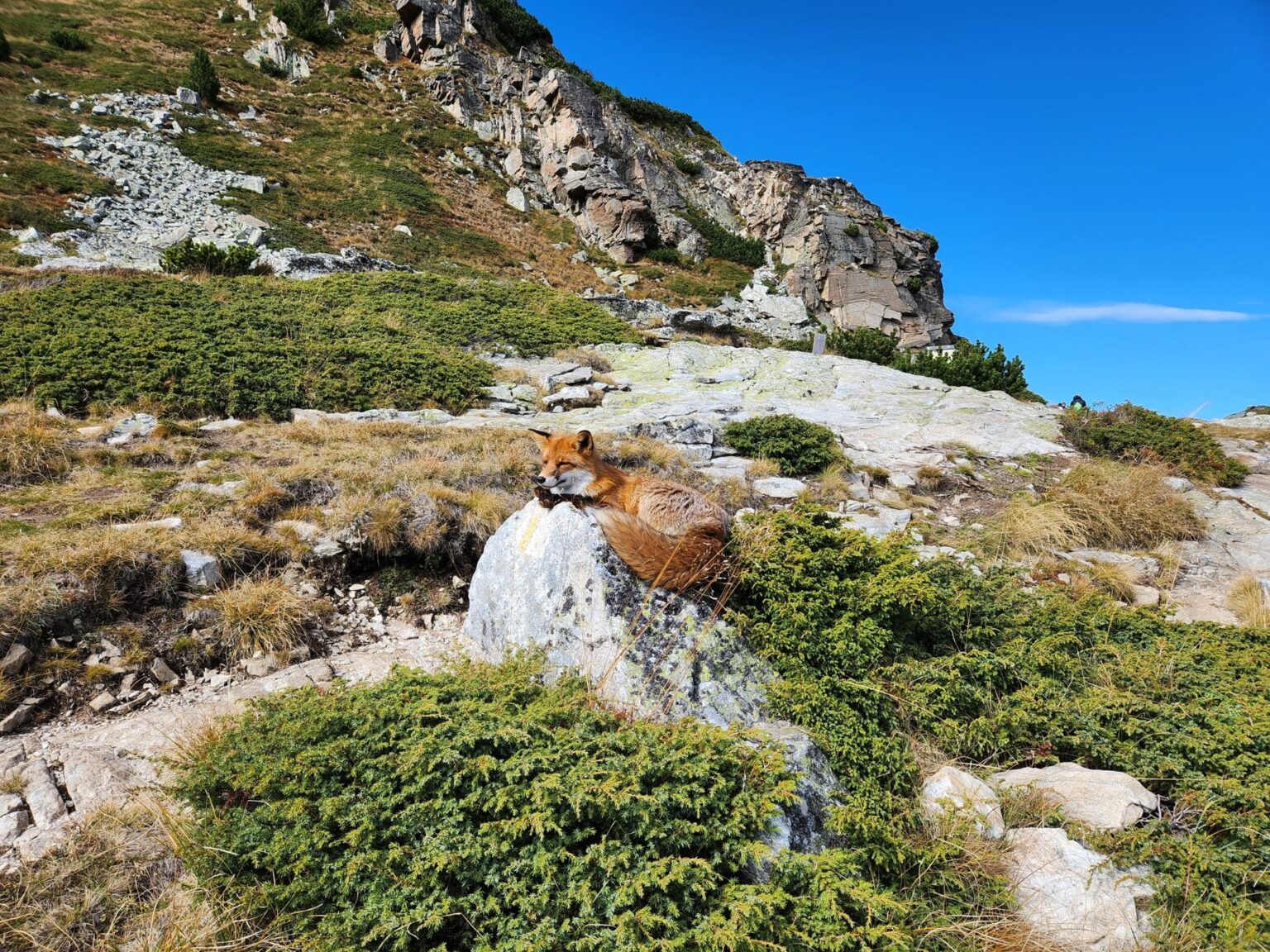
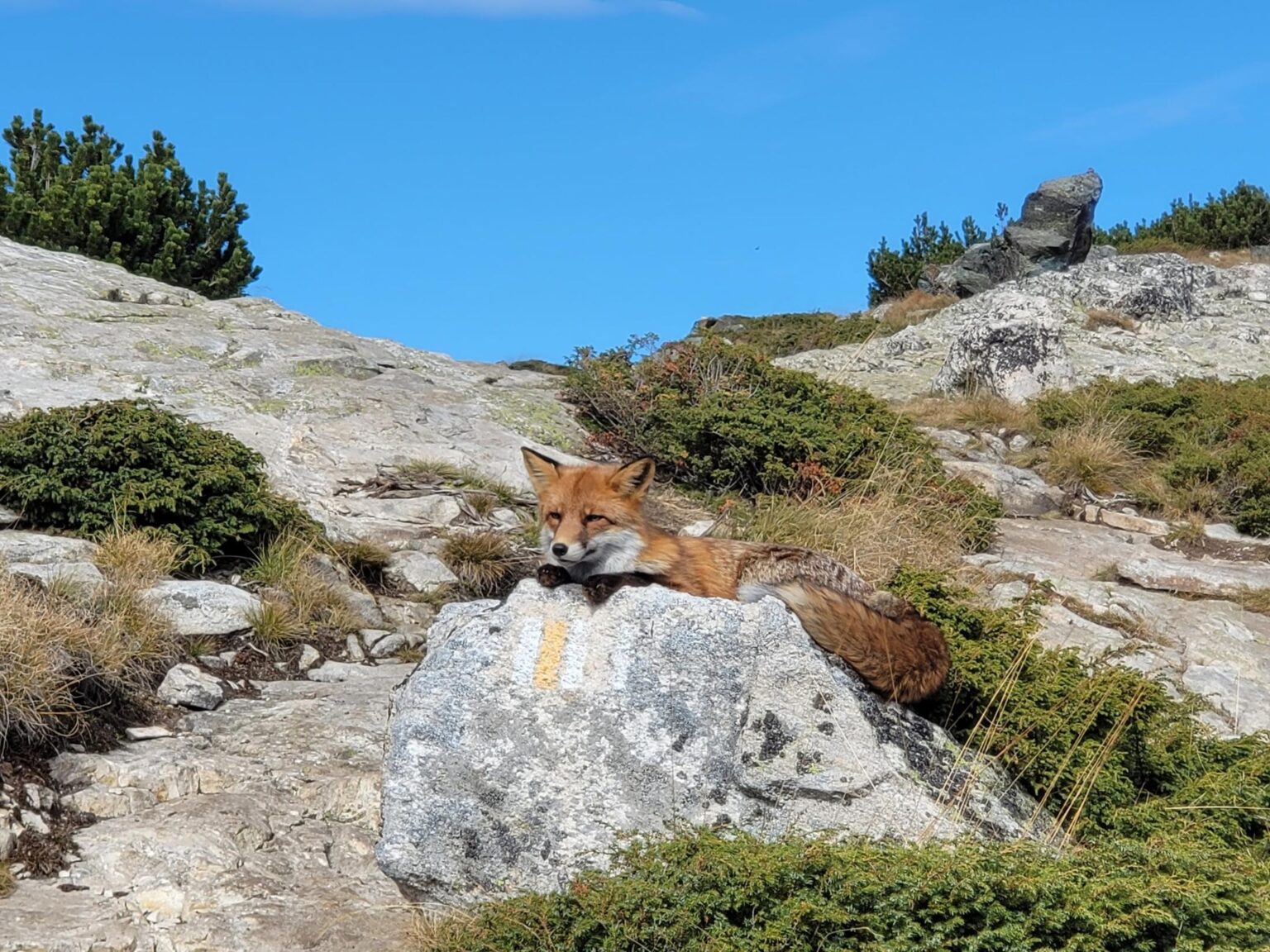
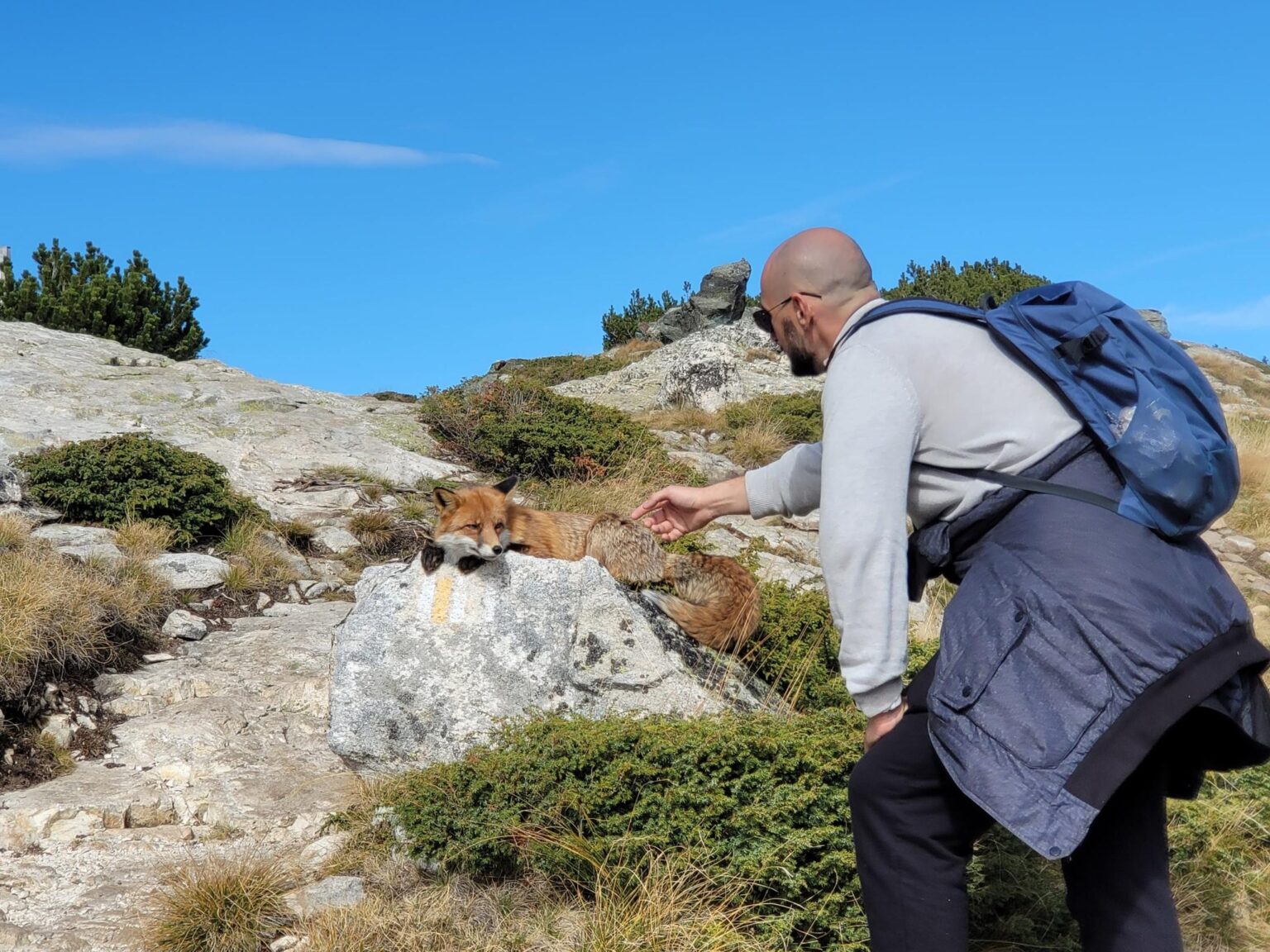
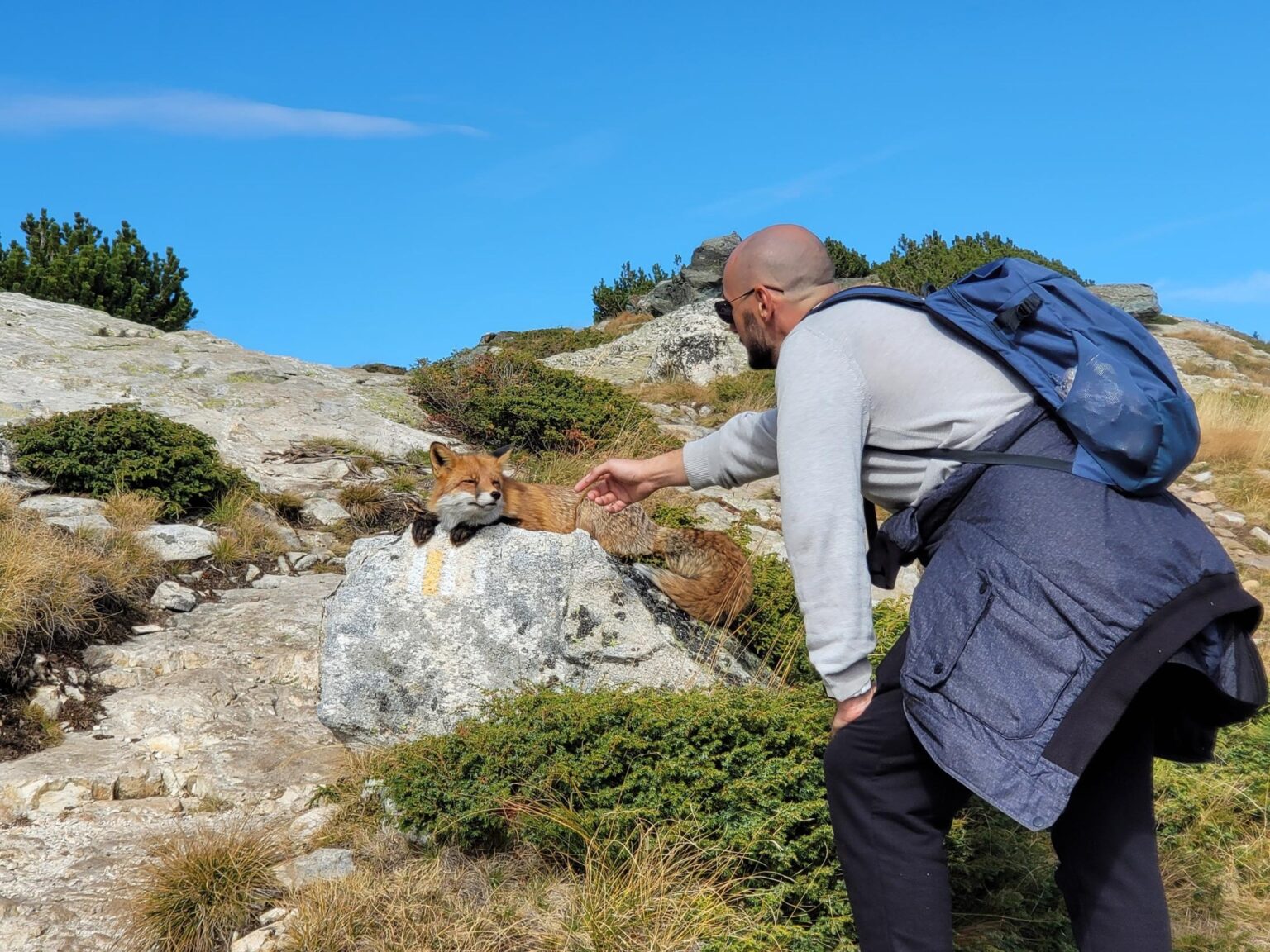
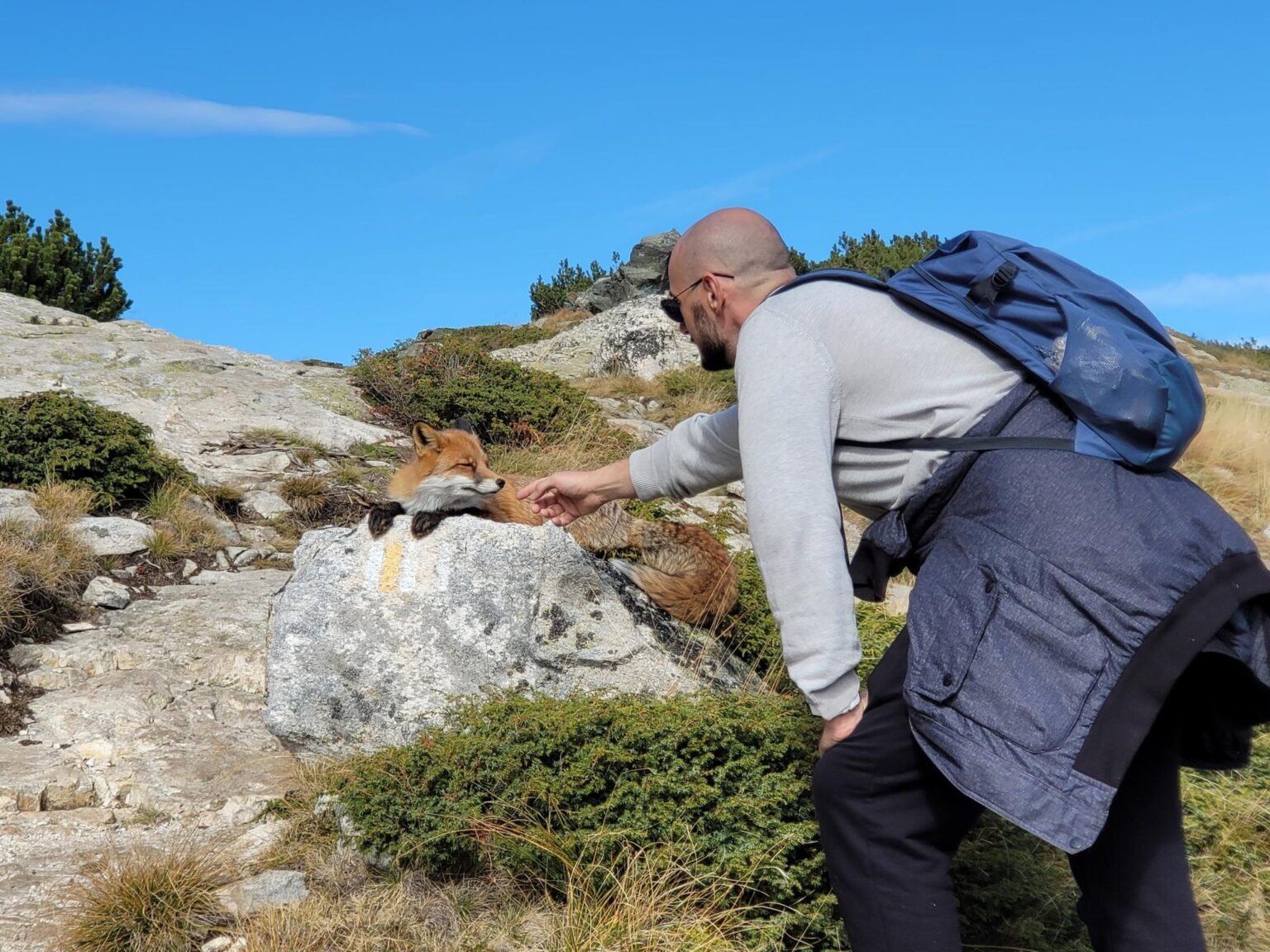
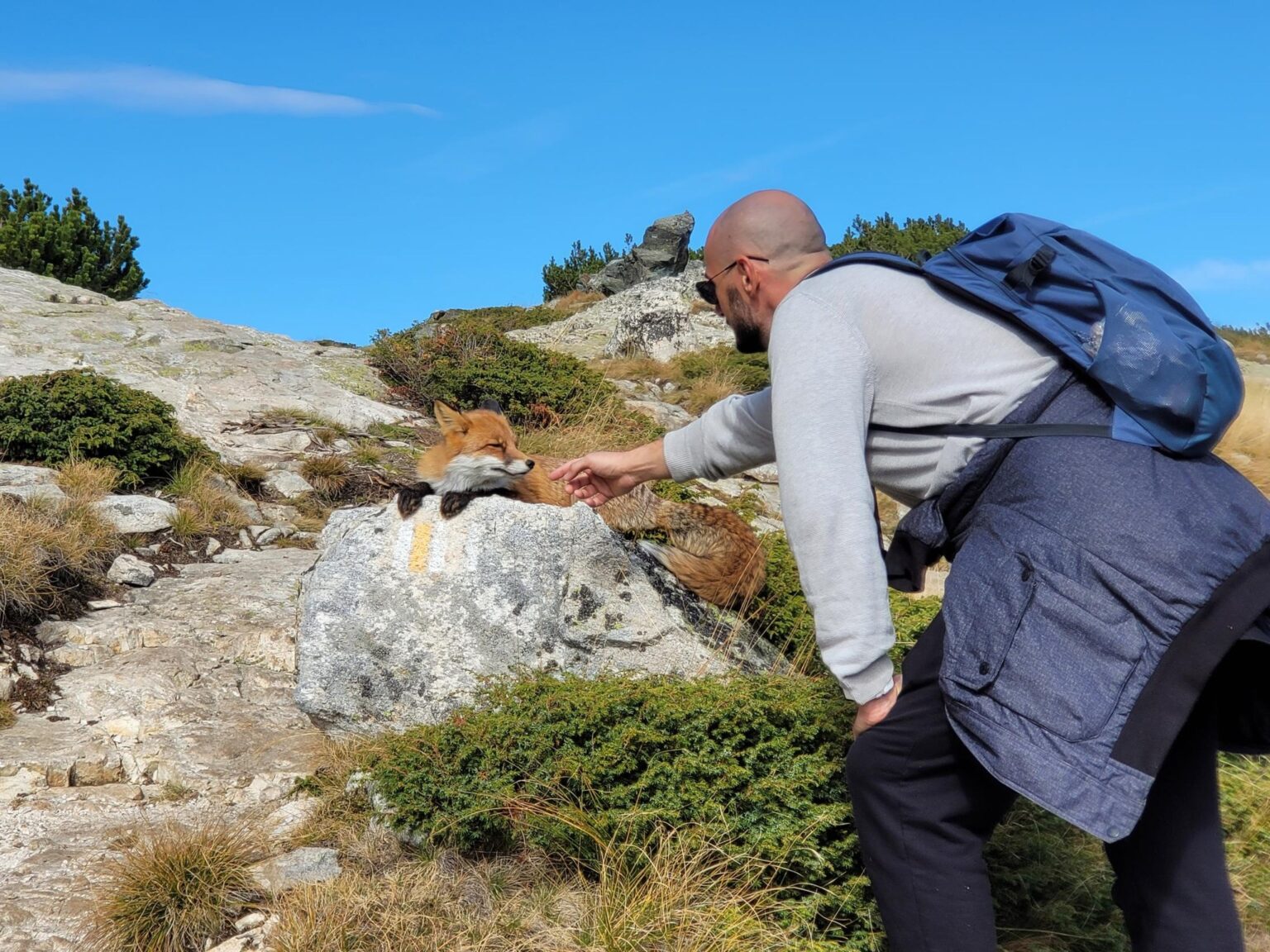
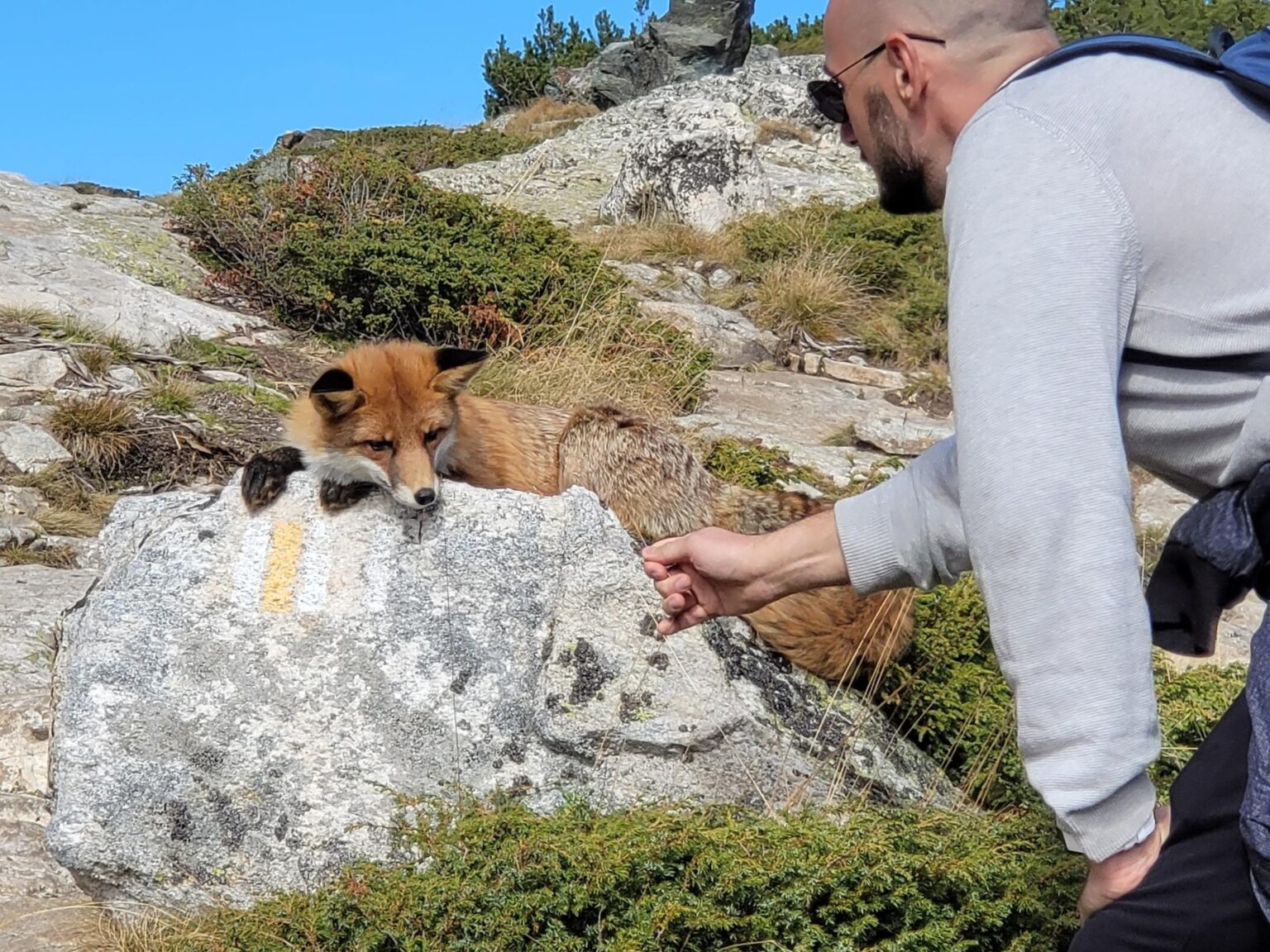
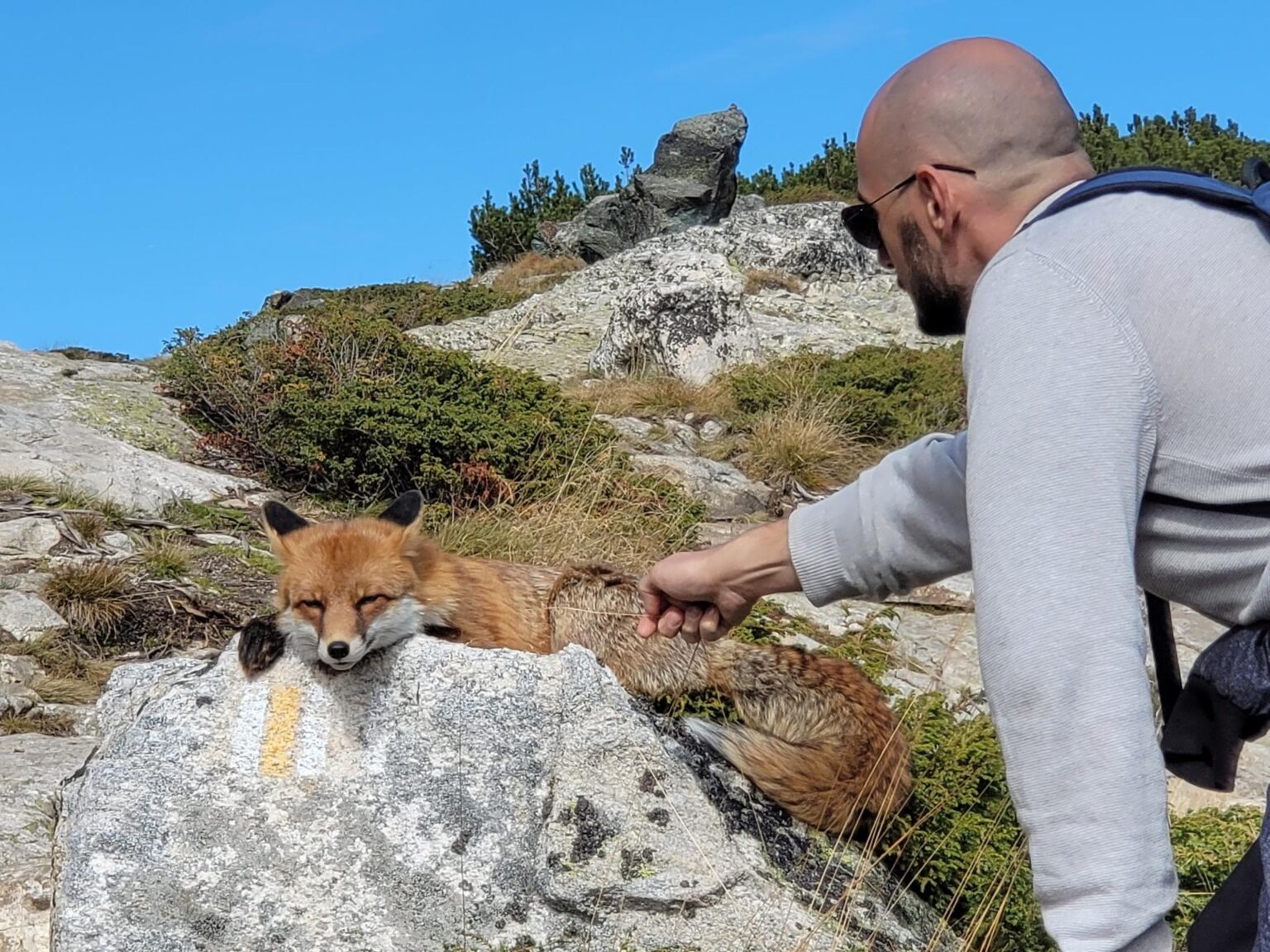
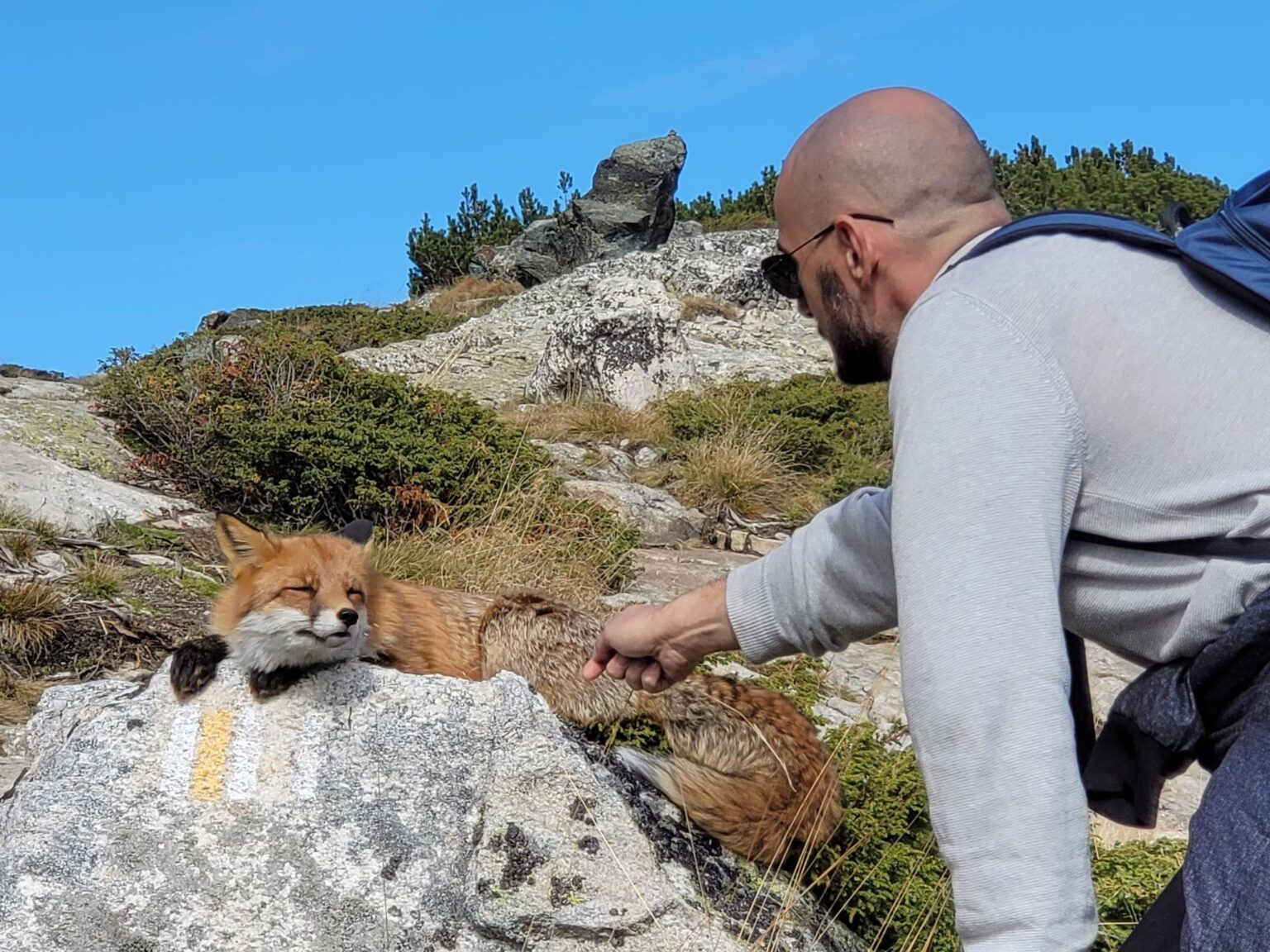
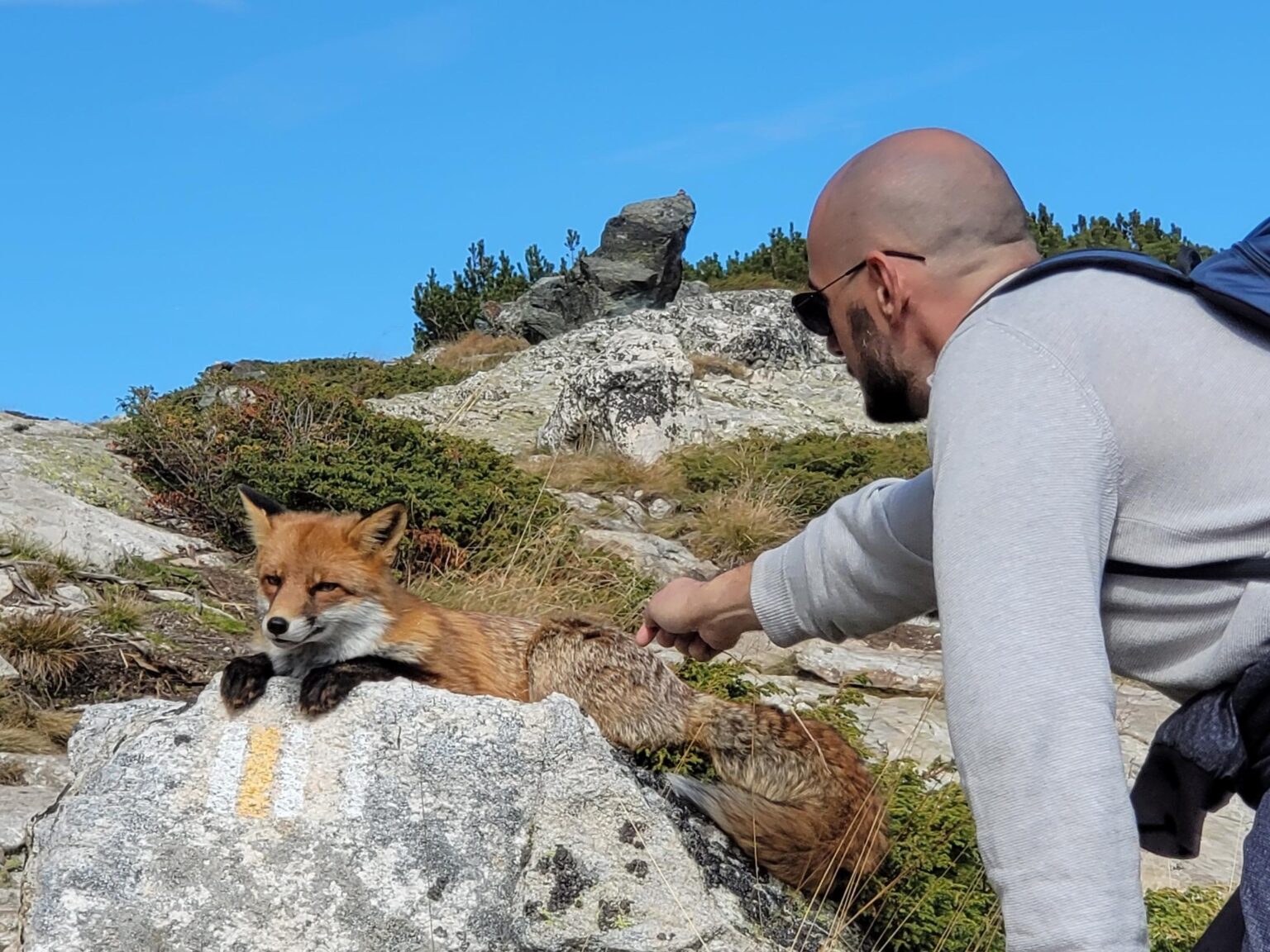
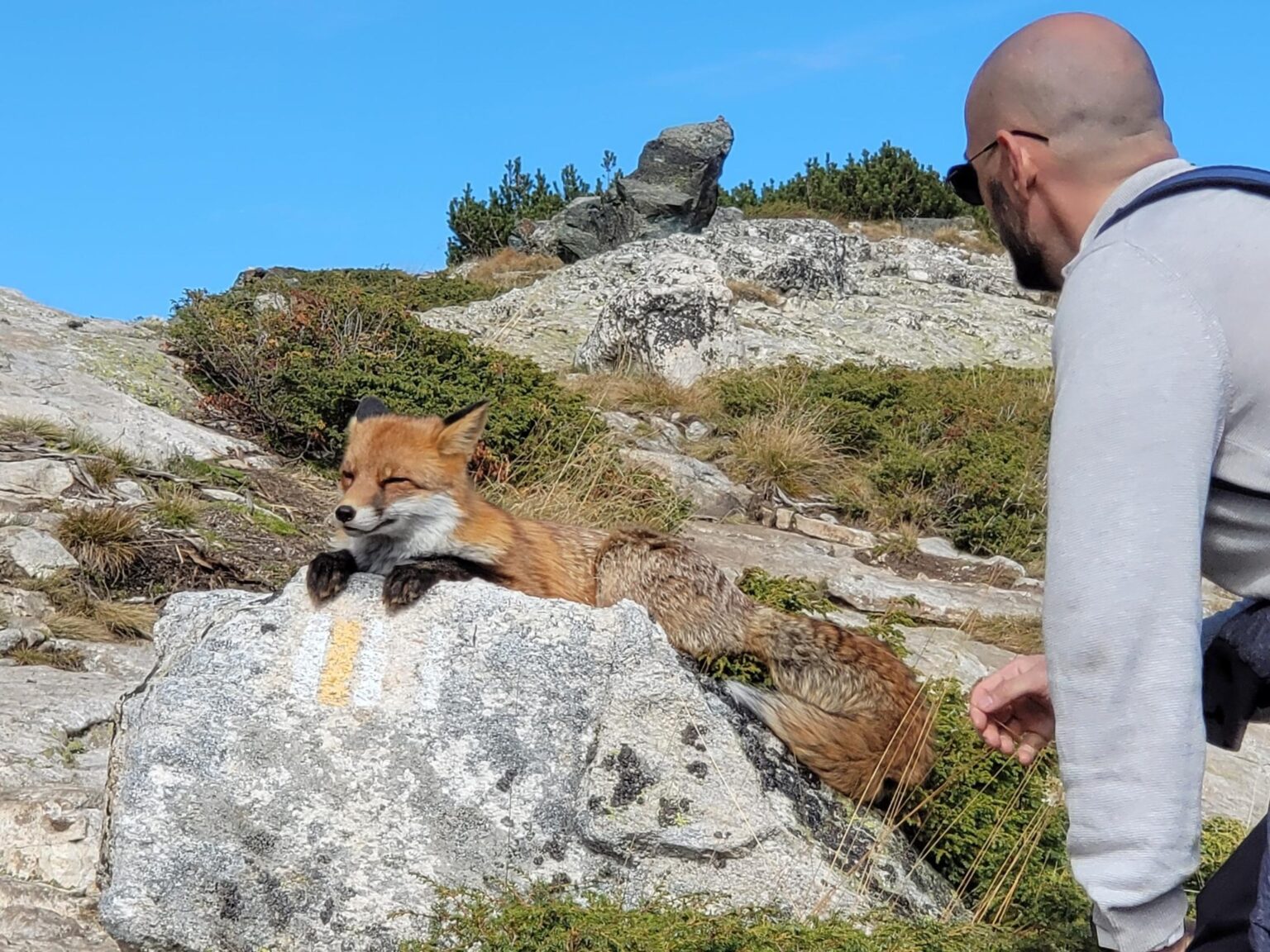
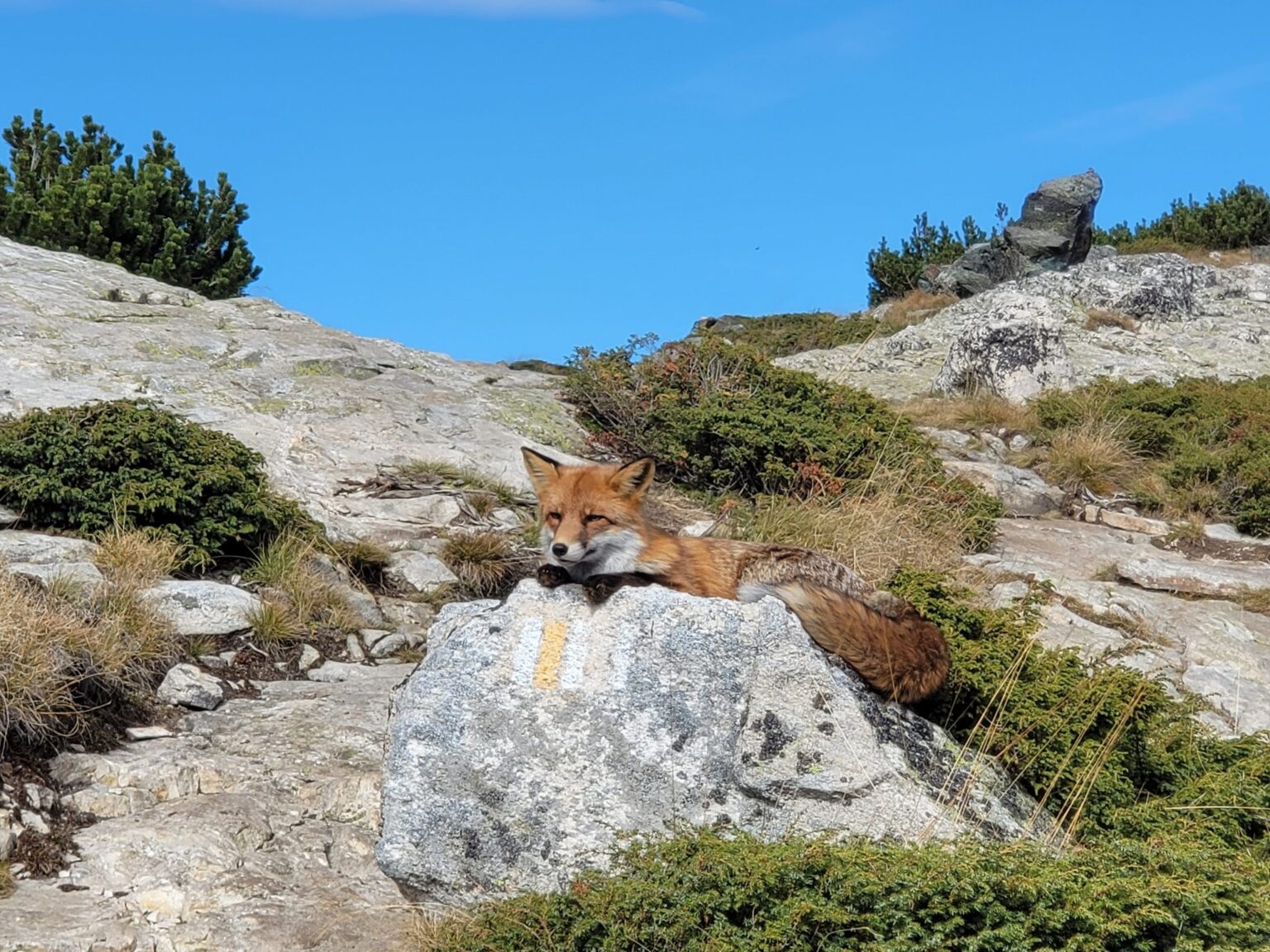
I can’t hold it in, I have to brag about the surprise that was waiting for us on the way back, right before the hut. No idea what it does for the page’s SEO, but this photo is begging for views.
The walk
Everyone is wrecked from last night’s birthday party. I, once again, didn’t touch a drop. Amateurs 😀
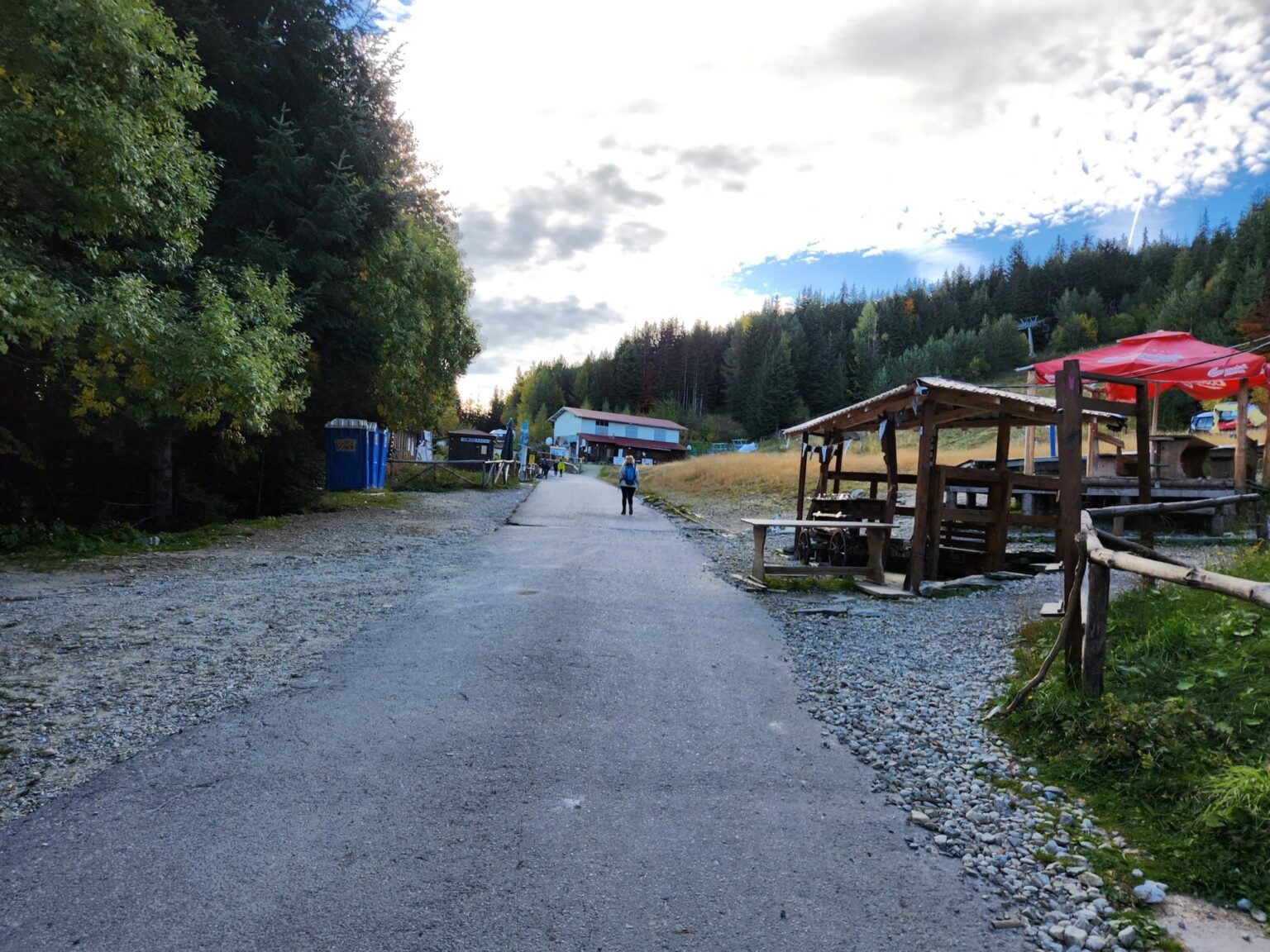
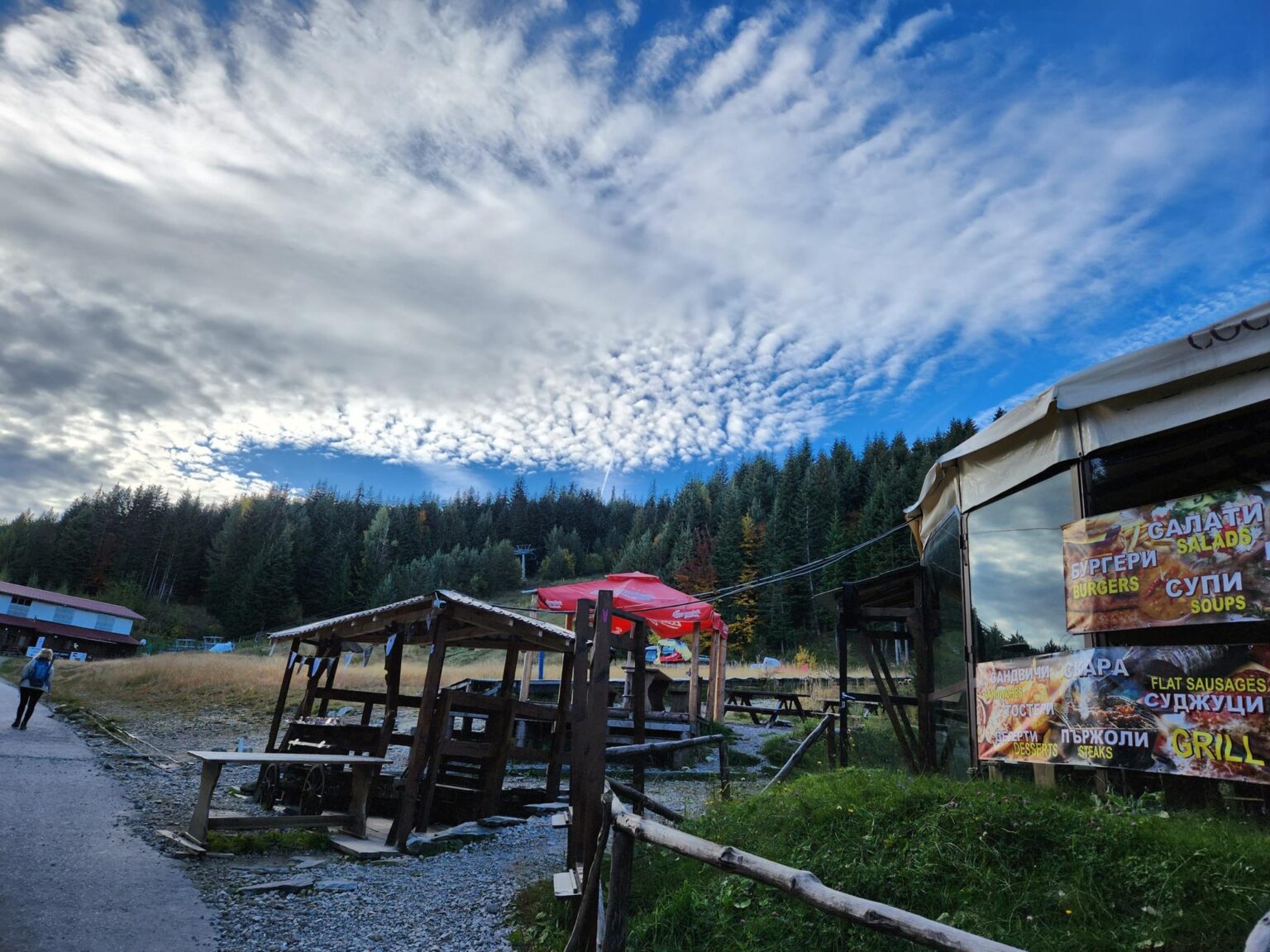
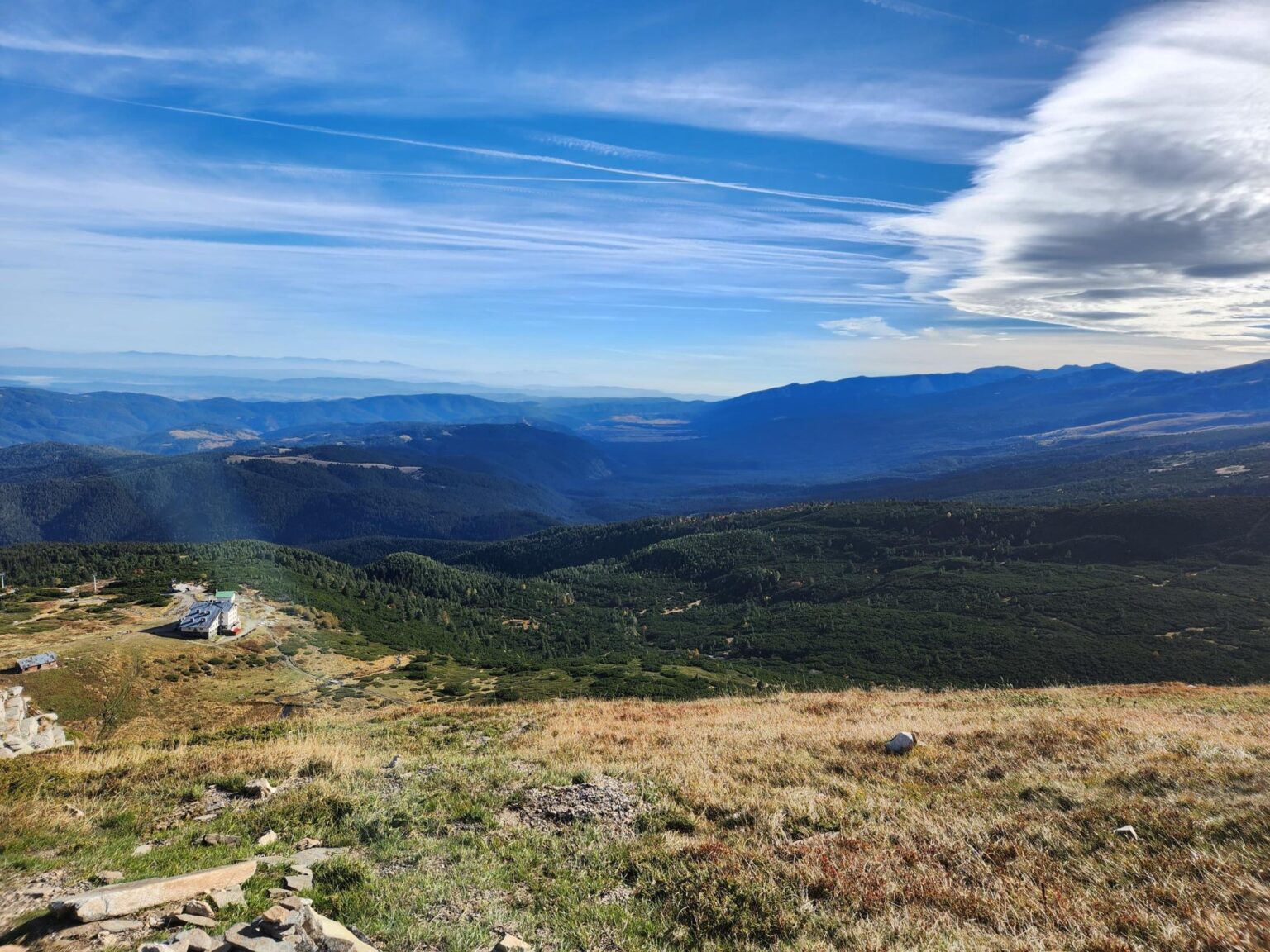
In October back then the lift ran from 09:00 to 16:00, so we plan the day around squeezing out every possible minute. We set off from Sapareva Banya; the drive is about 40 minutes. Sofia to Sapareva Banya is an hour. Sofia to the Rila Lakes lift is under two hours. We’ve already banked half of that. The plan is to be at the bottom station by 08:45. We’ve read enough to know that skipping the lift entirely is too hardcore for us, and besides, we like lifts. The hope is for a relaxed parking situation. In summer, we know, there are serious queues and you need to arrive earlier still.
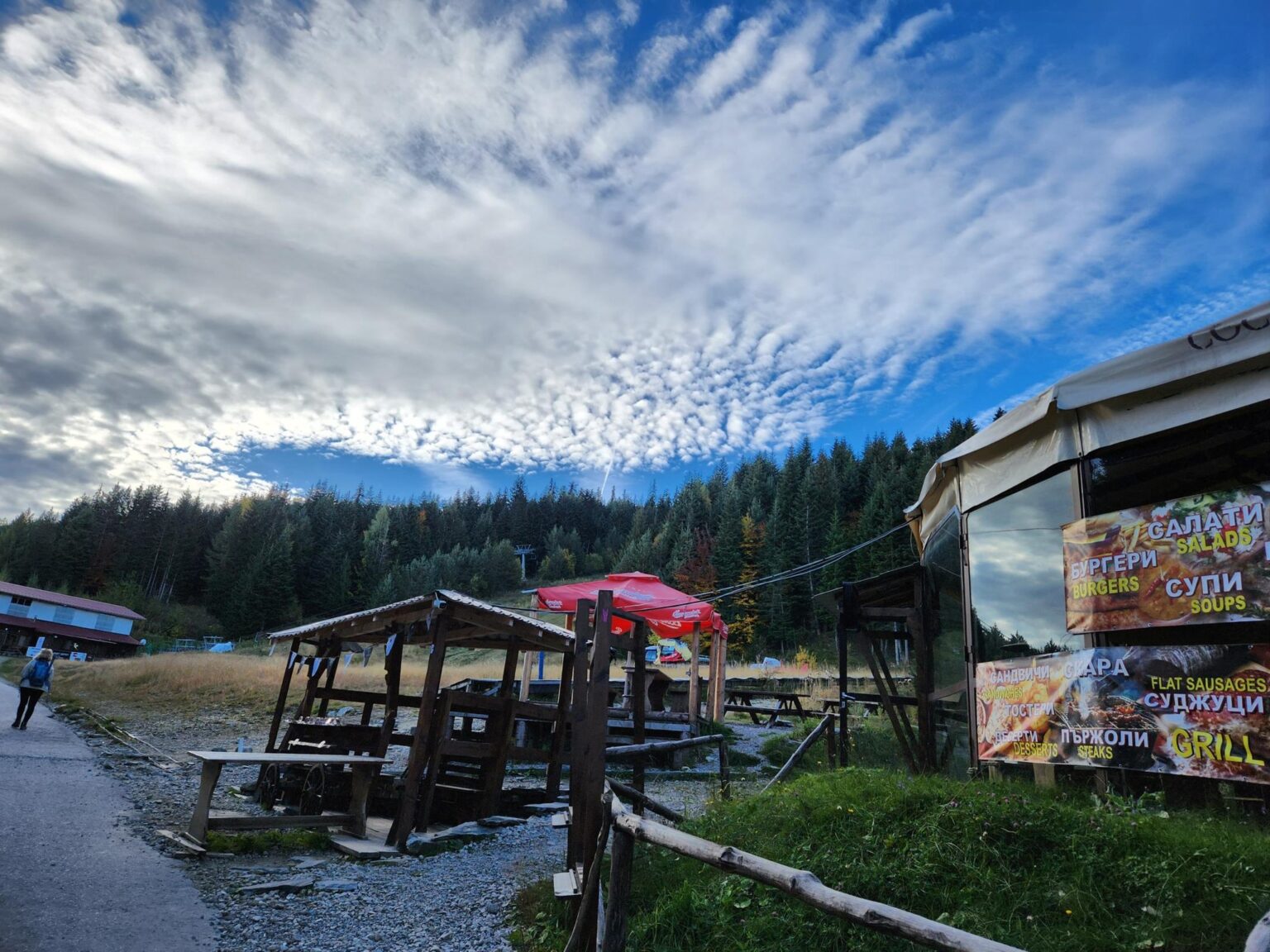
Hairpin, view, hairpin, view, average speed under 30 km/h. A giant climb and a proper workout for the car. At least there isn’t much traffic, because the road is narrow and the visibility is limited. It genuinely needs careful driving. The surface itself is good. 08:40 at the lift. Barrier. Security guard. Five leva, at the time, in the following exchange:
Me: Good morning.
Cashier-slash-guard: Morning, five leva for a car.
No time for romance these days, mate. Straight to the point. The parking is a flat fee for the whole day — around €5 now.
In fairness, there were already cars. That calmed me down a bit — other lunatics exist. Arrive early and parking is easy. By around 15:30, on the way back, it was rammed, with cars abandoned at every conceivable angle, including some creative ones.
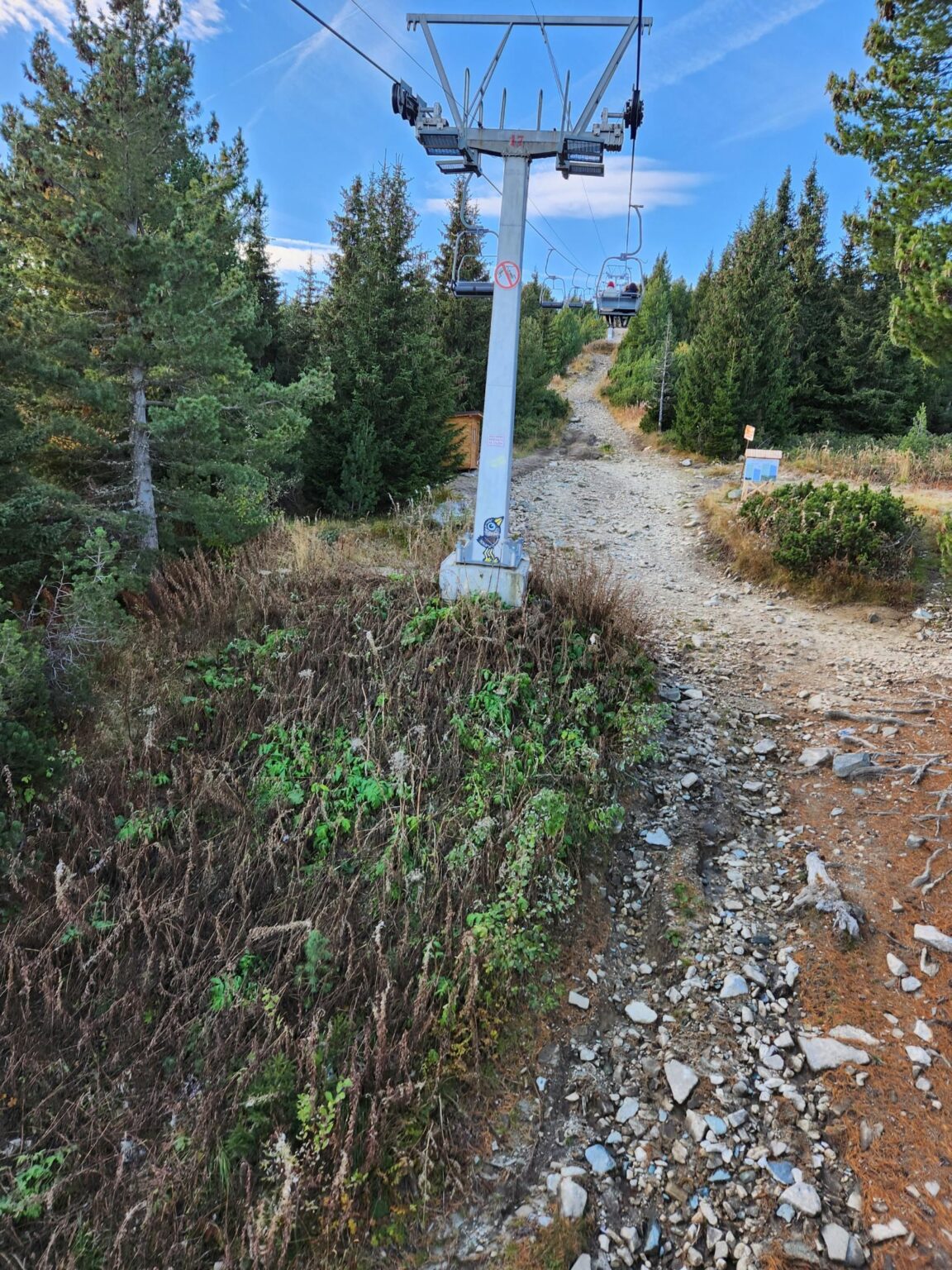
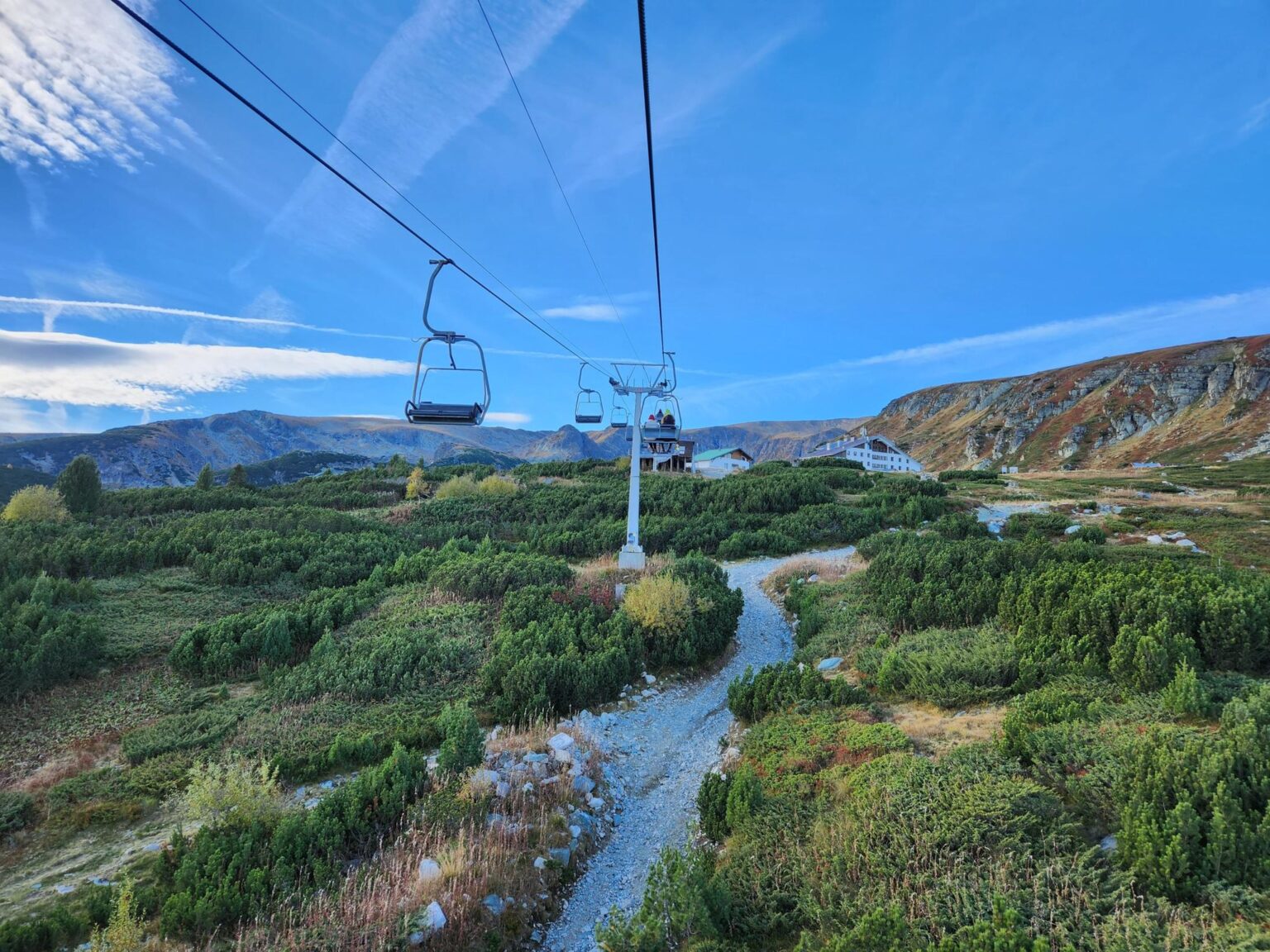
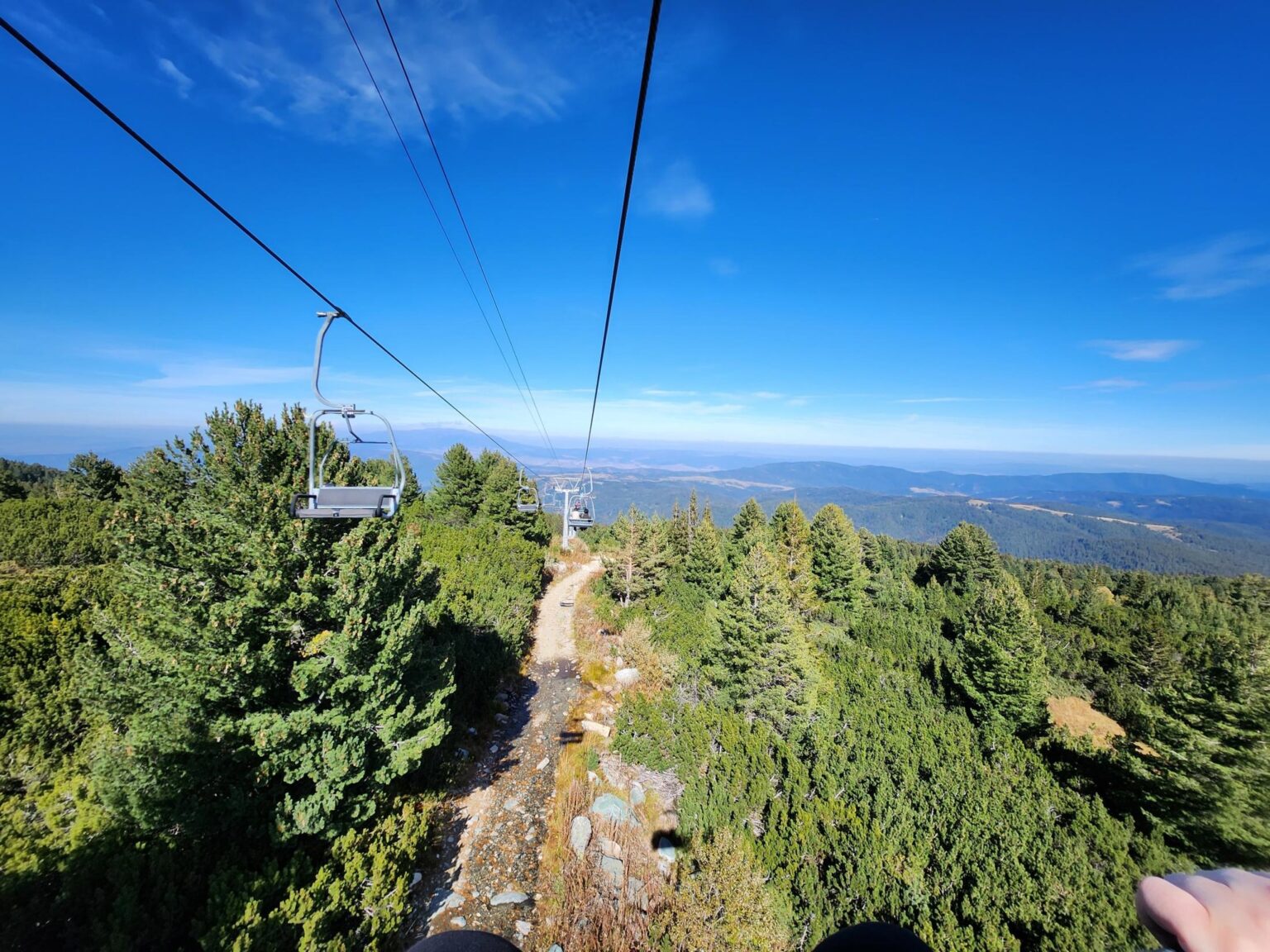
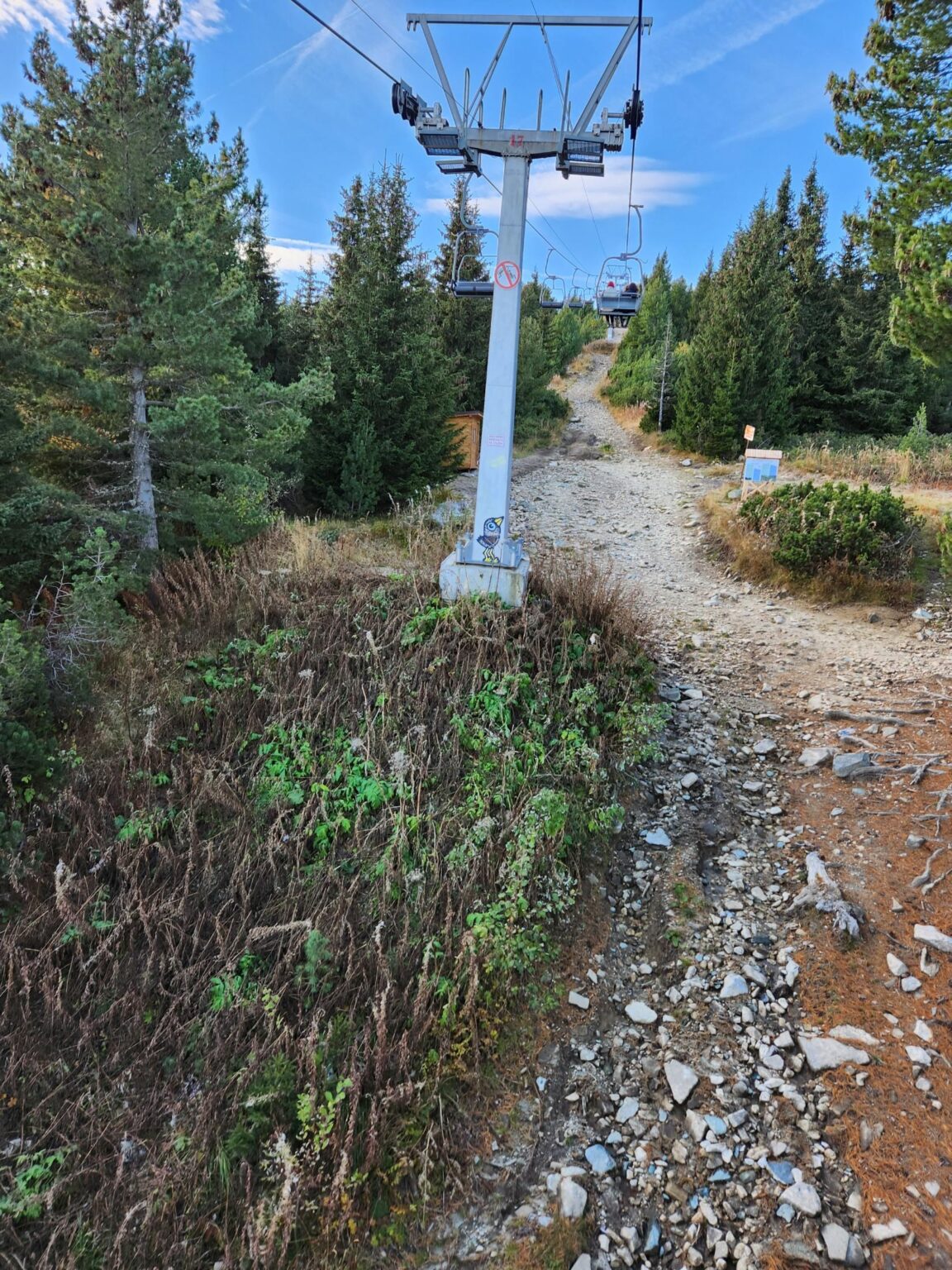
Unlike the staff at the barrier, the lift crew were lovely. A return ticket is €16.00 per person today, one-way €11.00, with reduced fares for children, pensioners and disabled passengers. It’s still early. Nothing is open except the lift’s own ticket window. It’s cold, and we’ve packed like a serious expedition. Better to carry heavy clothes than to freeze and ruin the whole mood. They start us up before the official opening time. Polite lads give us instructions on how to sit down without embarrassing ourselves. The ride up takes about twenty minutes. It’s high up, and you can see the people who set off earlier on foot. Brave souls! There are several climbs to conquer between here and the last lake — using the lift, the whole day adds up to around 500 metres of ascent; without it, closer to a thousand. It’s high up, still in shade, and you don’t dare pull out your phone for a photo because your fingers have stopped working. Painted birds decorate the lift pylons — they’re genuinely beautiful. It’s high up, and you can chat with your companion and count the chairs at the same time. There are 170. There, I’ve ruined it for you 😀 It’s high up, and the landscape opening with every passing minute is unreal. It’s high up, and you get to confirm that you’re not the only bald man on this mountain, yay! It’s high up, and you could also fall off, which is why nobody fidgets much.
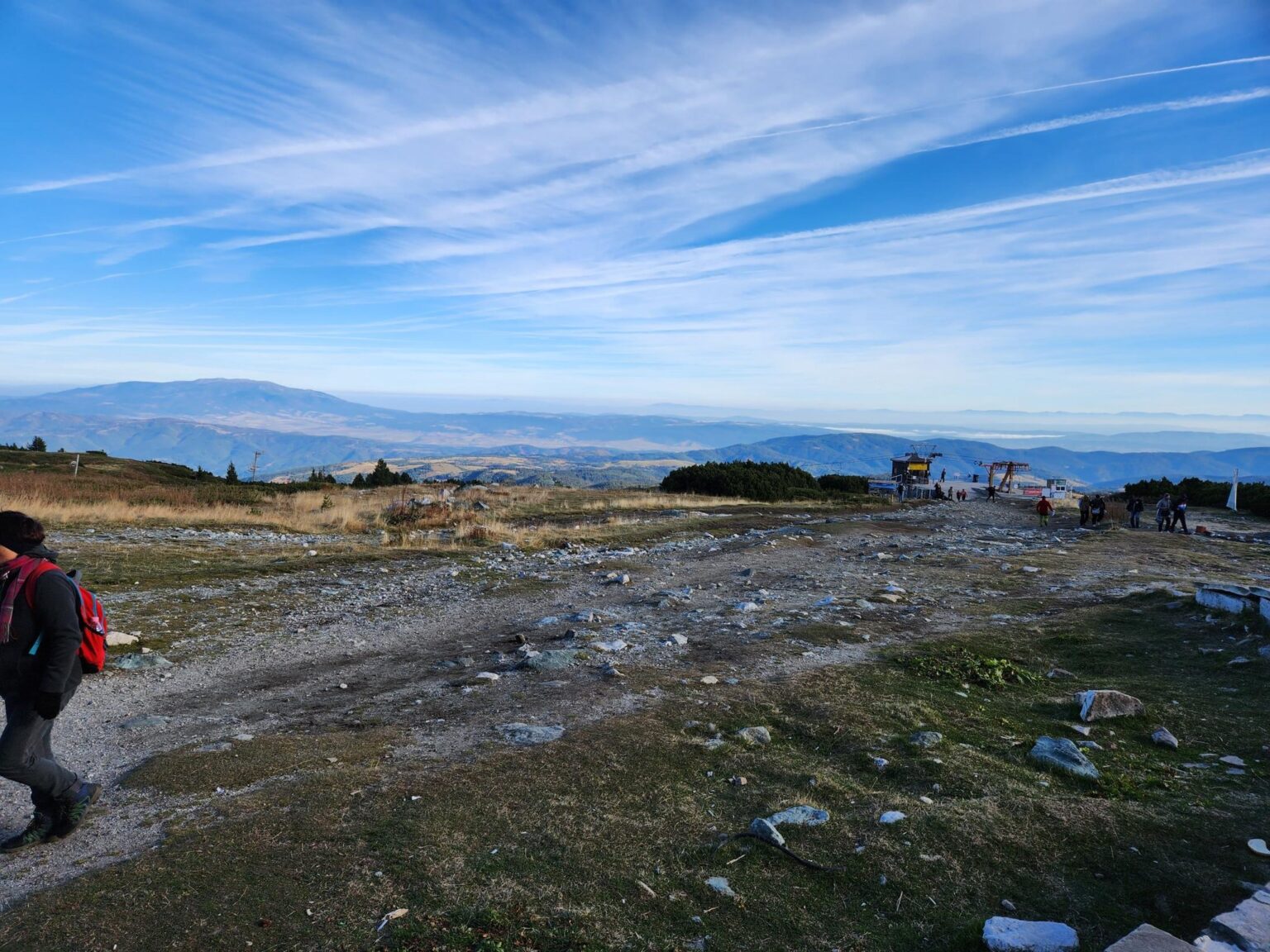
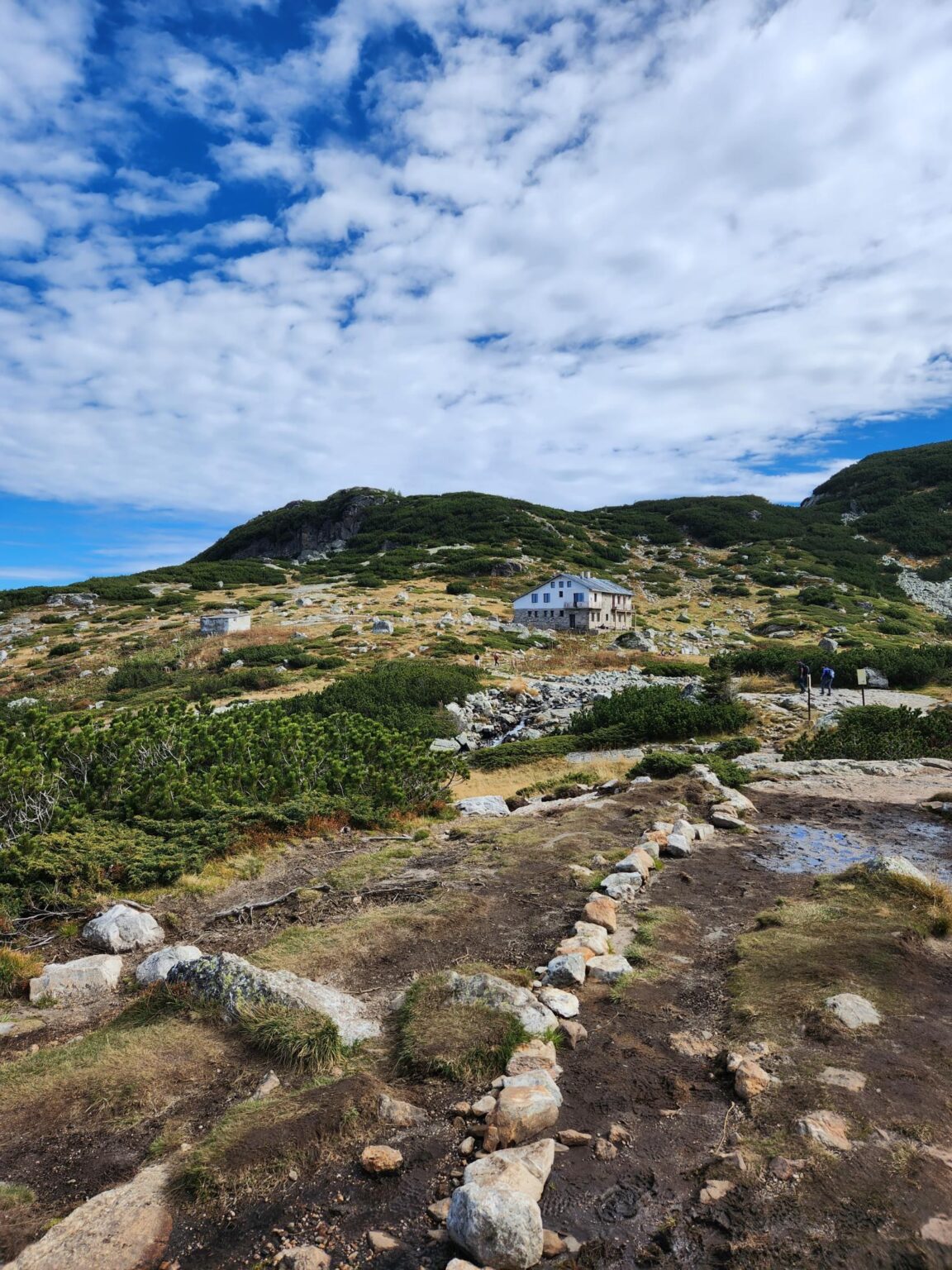
And there’s the hut, we’ve arrived. Programmers in shorts and photographers with enormous cameras. Somebody clearly mistook the Rila Lakes for the Louvre 😀
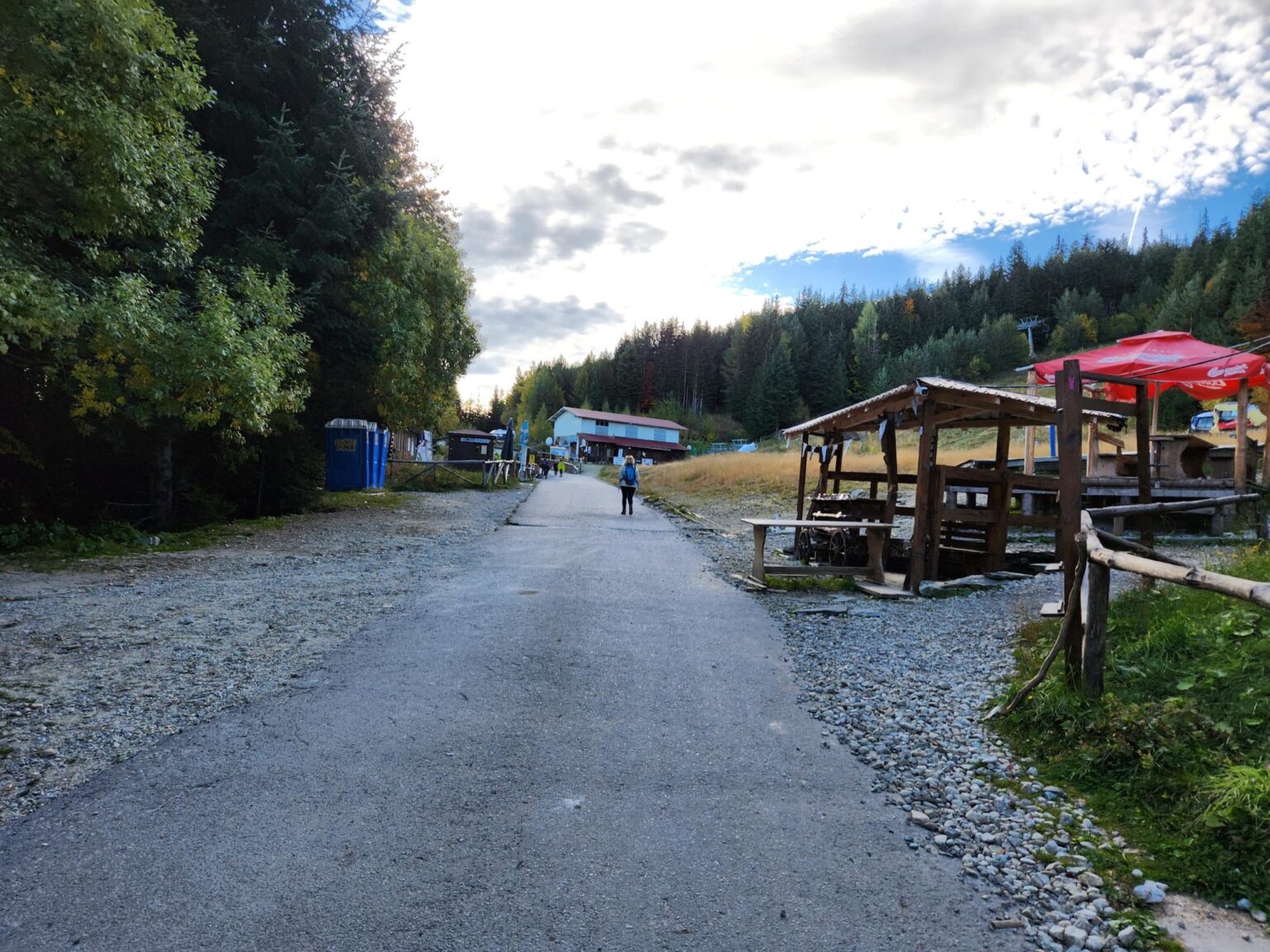
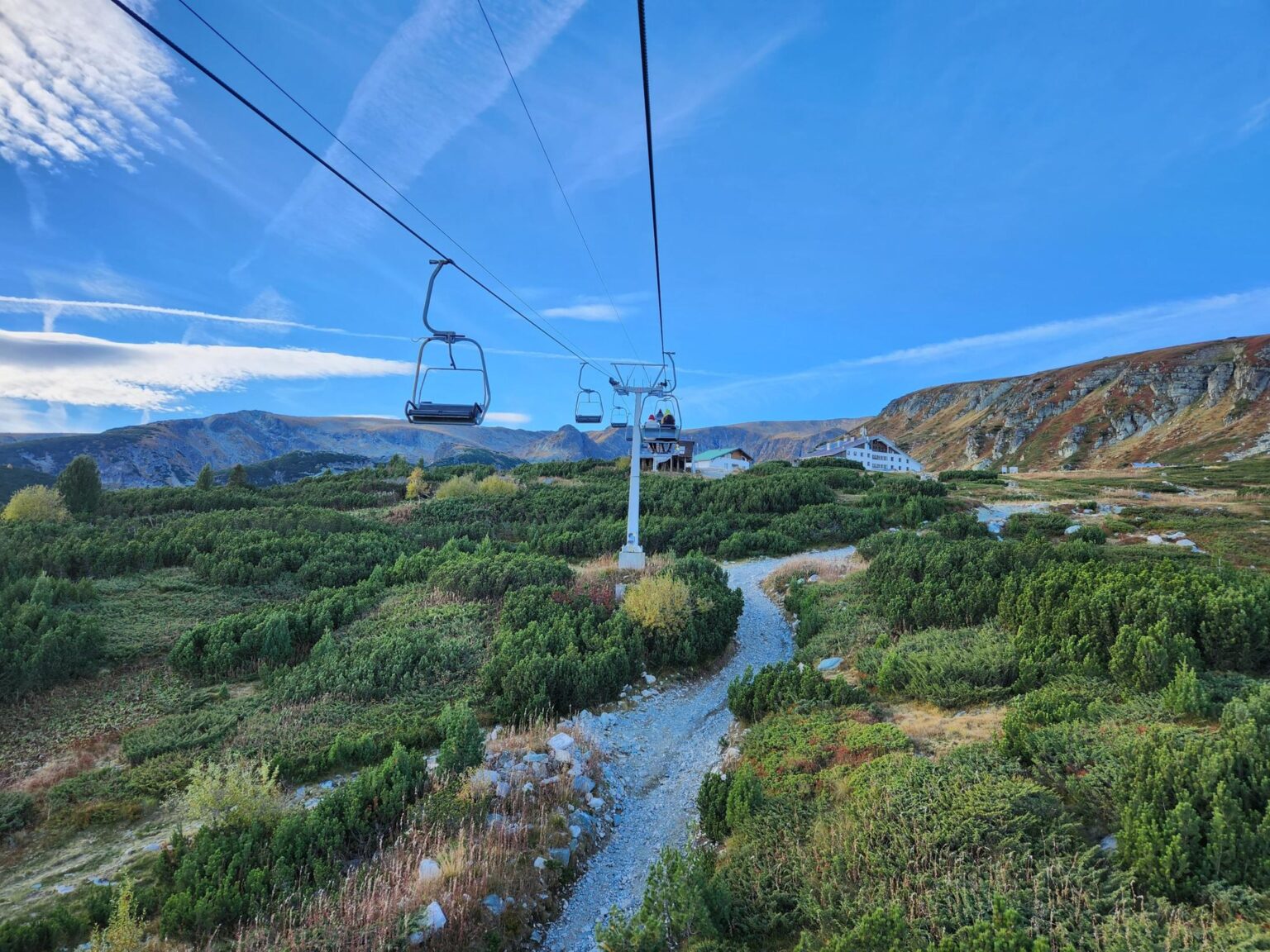
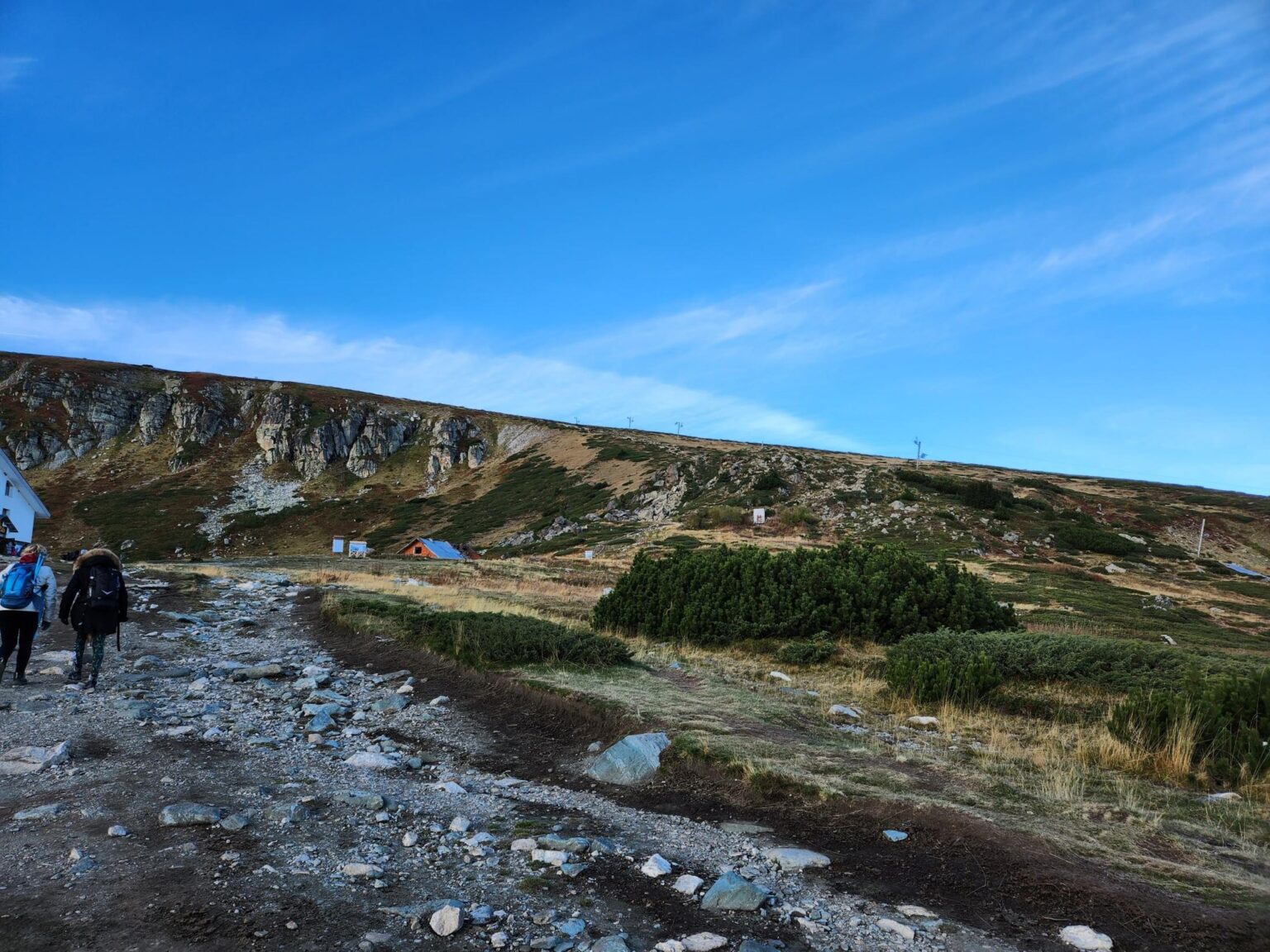
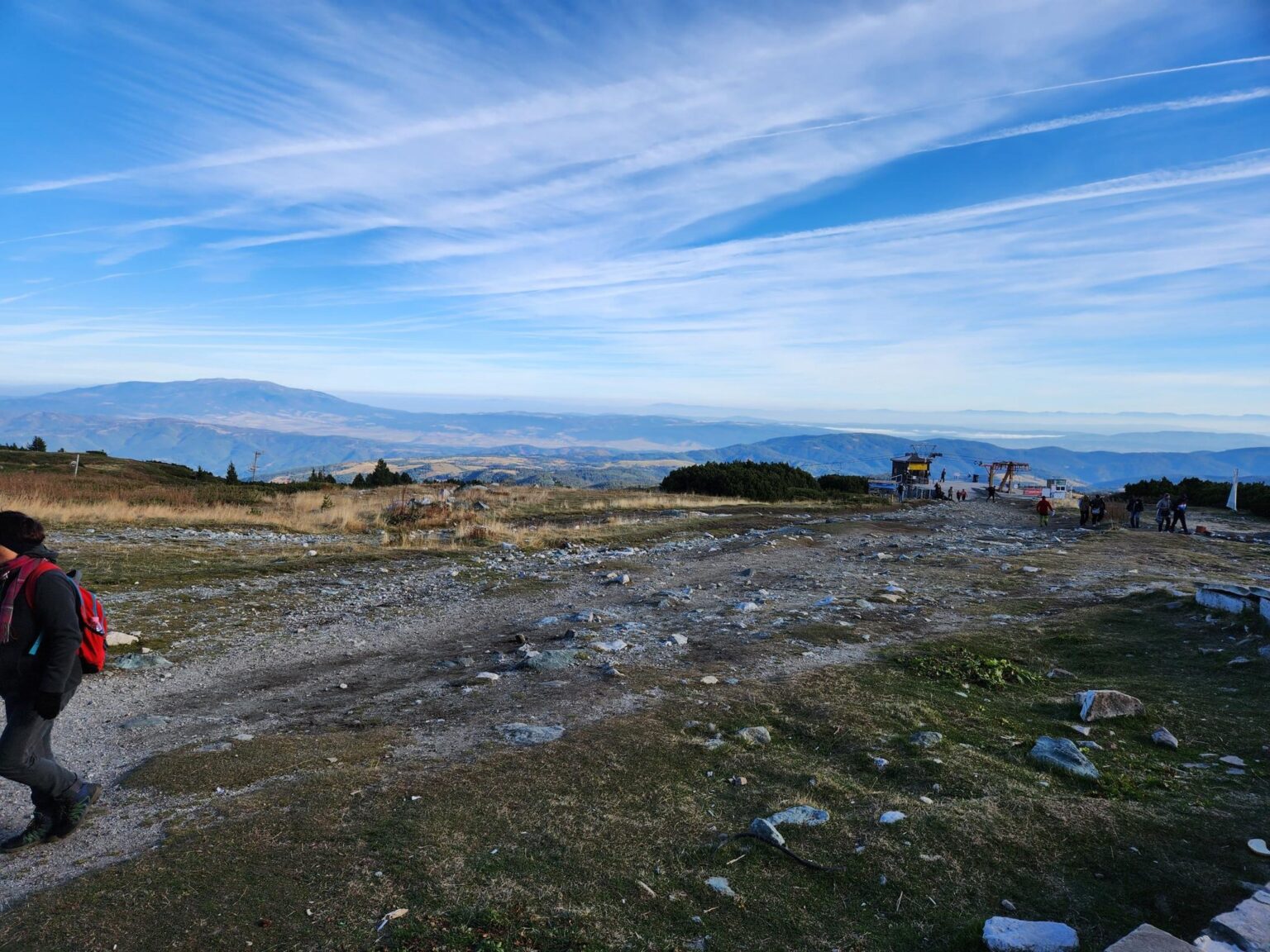
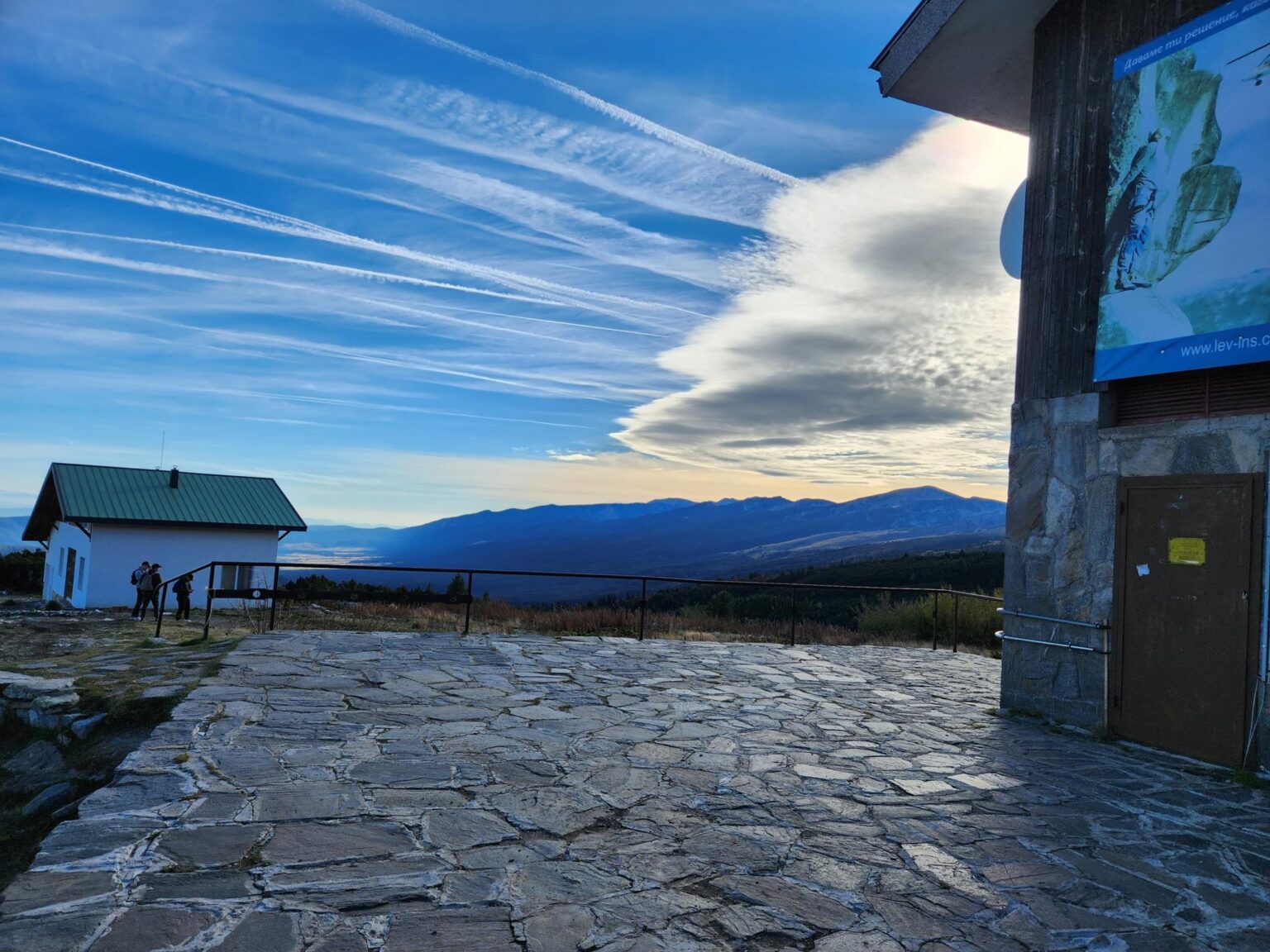
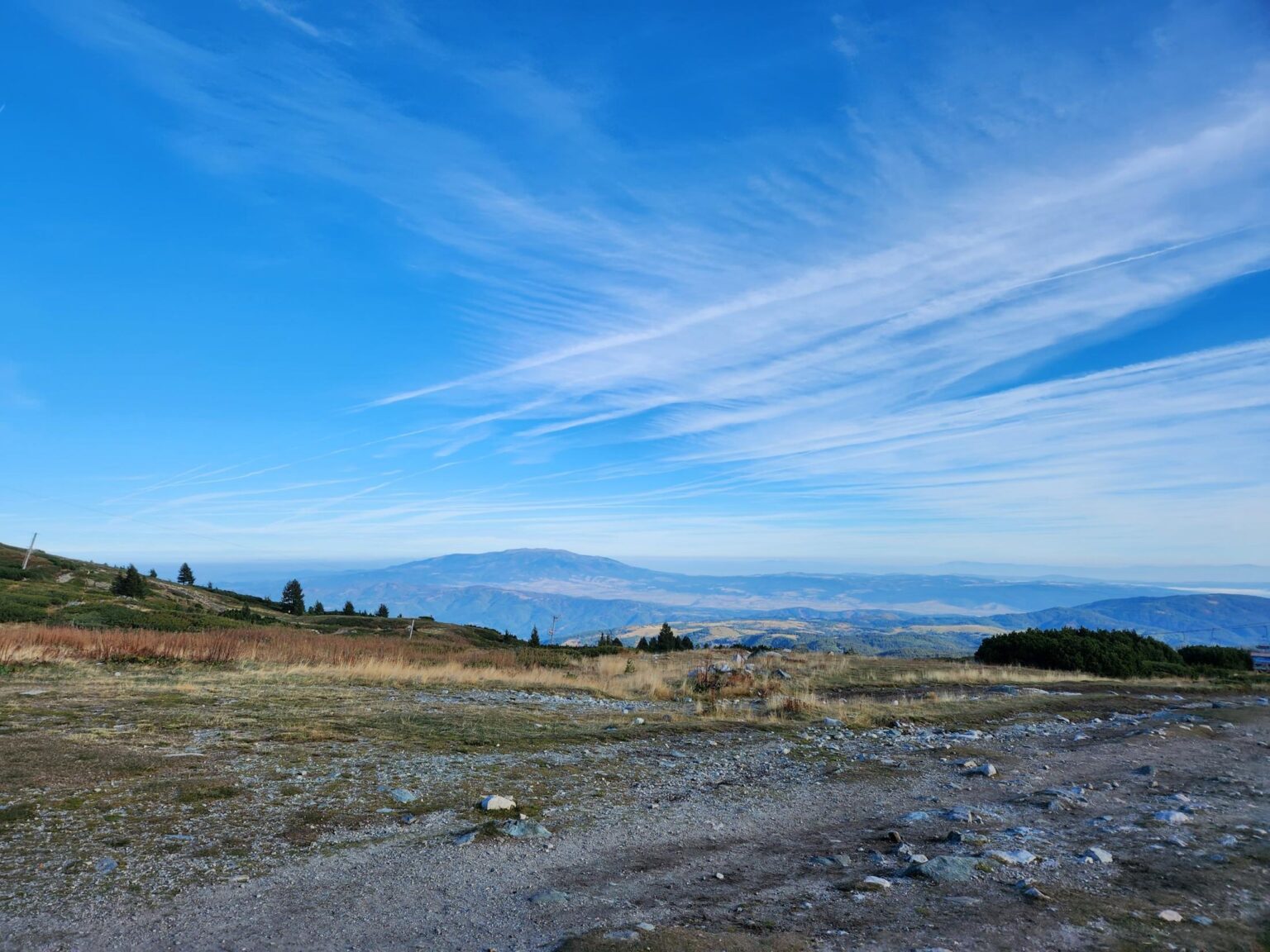
Rilski Ezera hut is famous and you’ve most likely heard of it. We’re not big fans of sleeping in mountain huts, so we can’t say much about that side of it. A short break to warm up with a tea and a coffee — a lev and a half each at the time — and they do a range of cooked breakfast things. We knock out our daily quests in the phone games. It’s 10:00 and time to move.
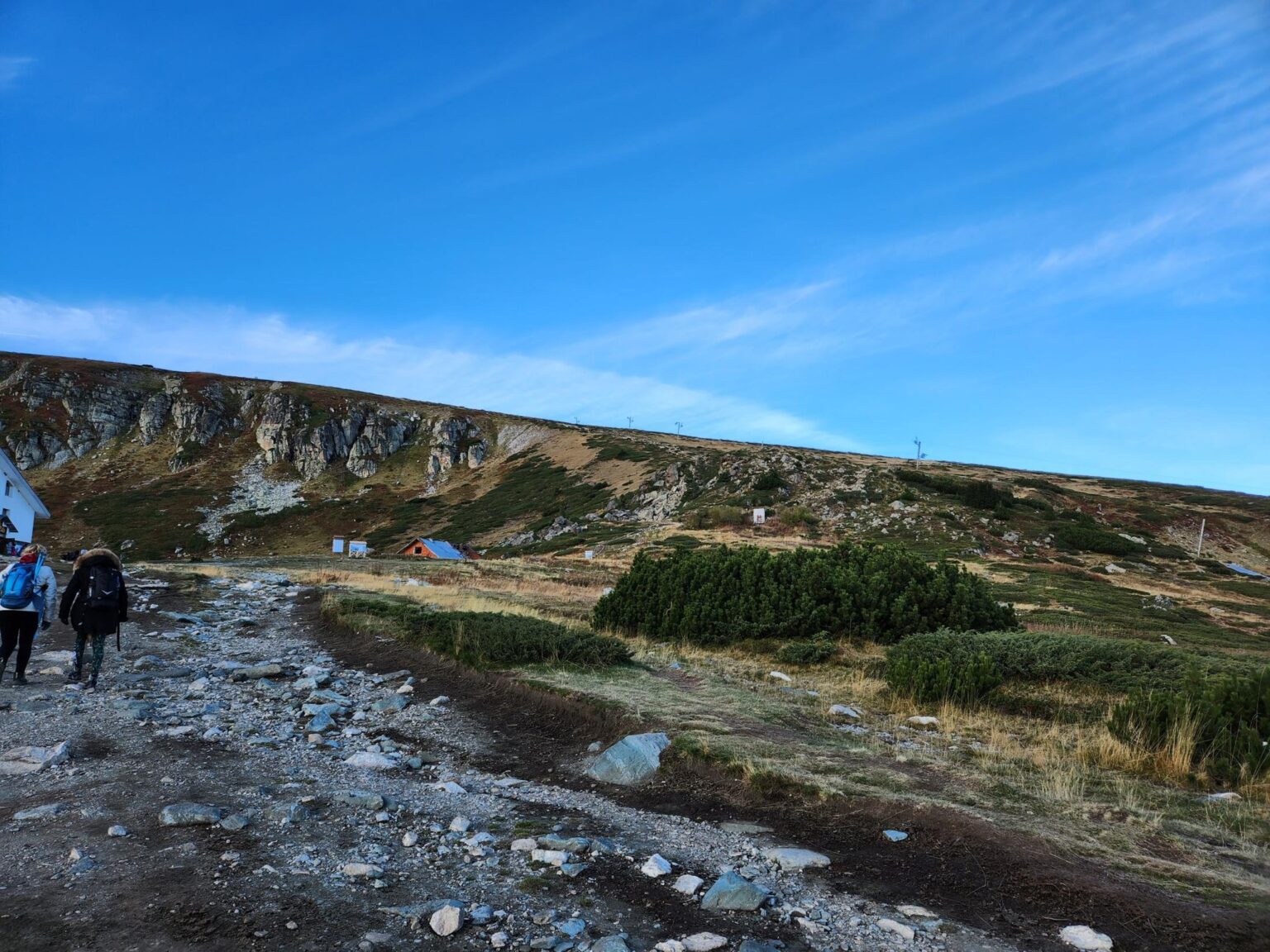
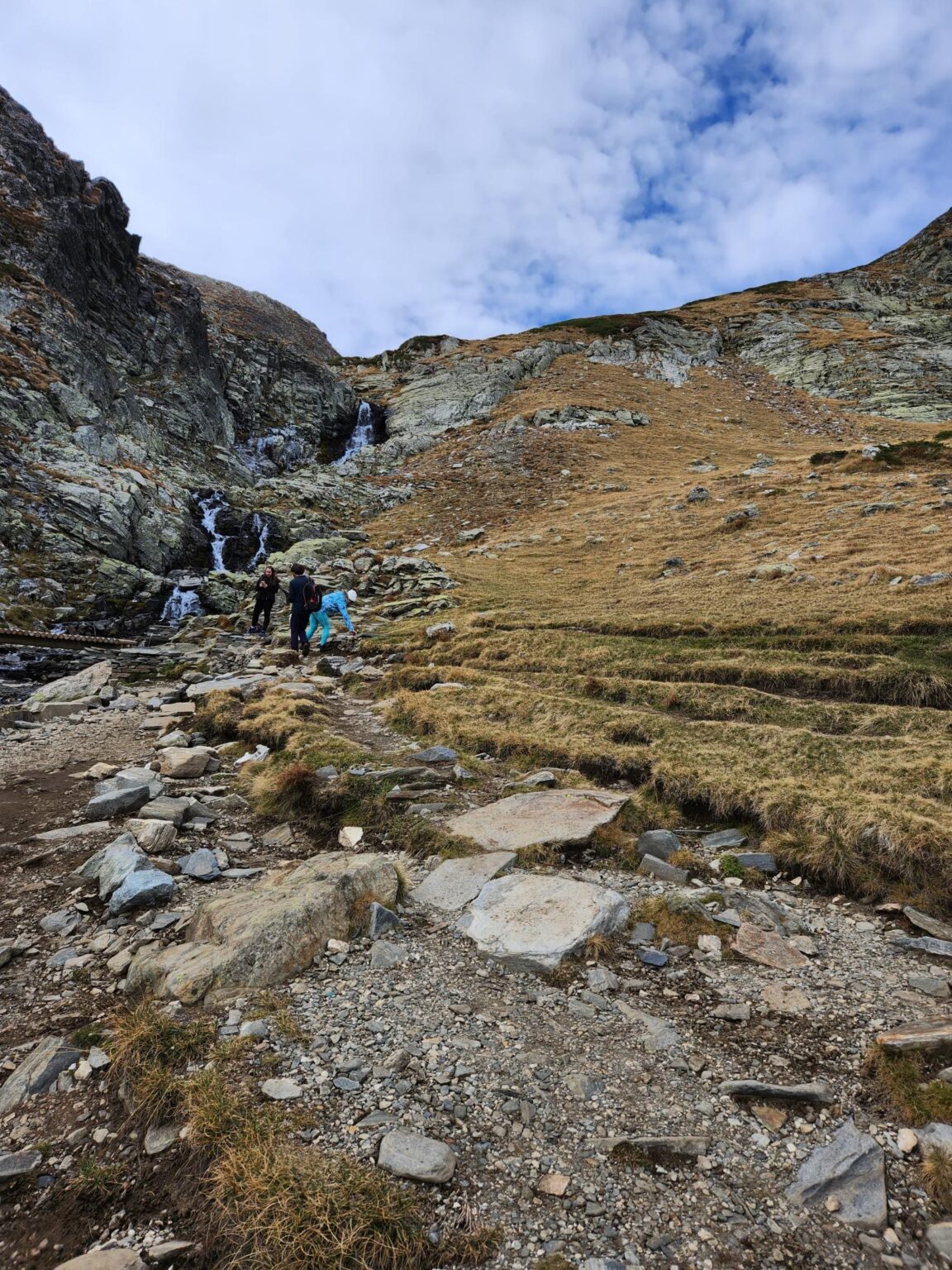
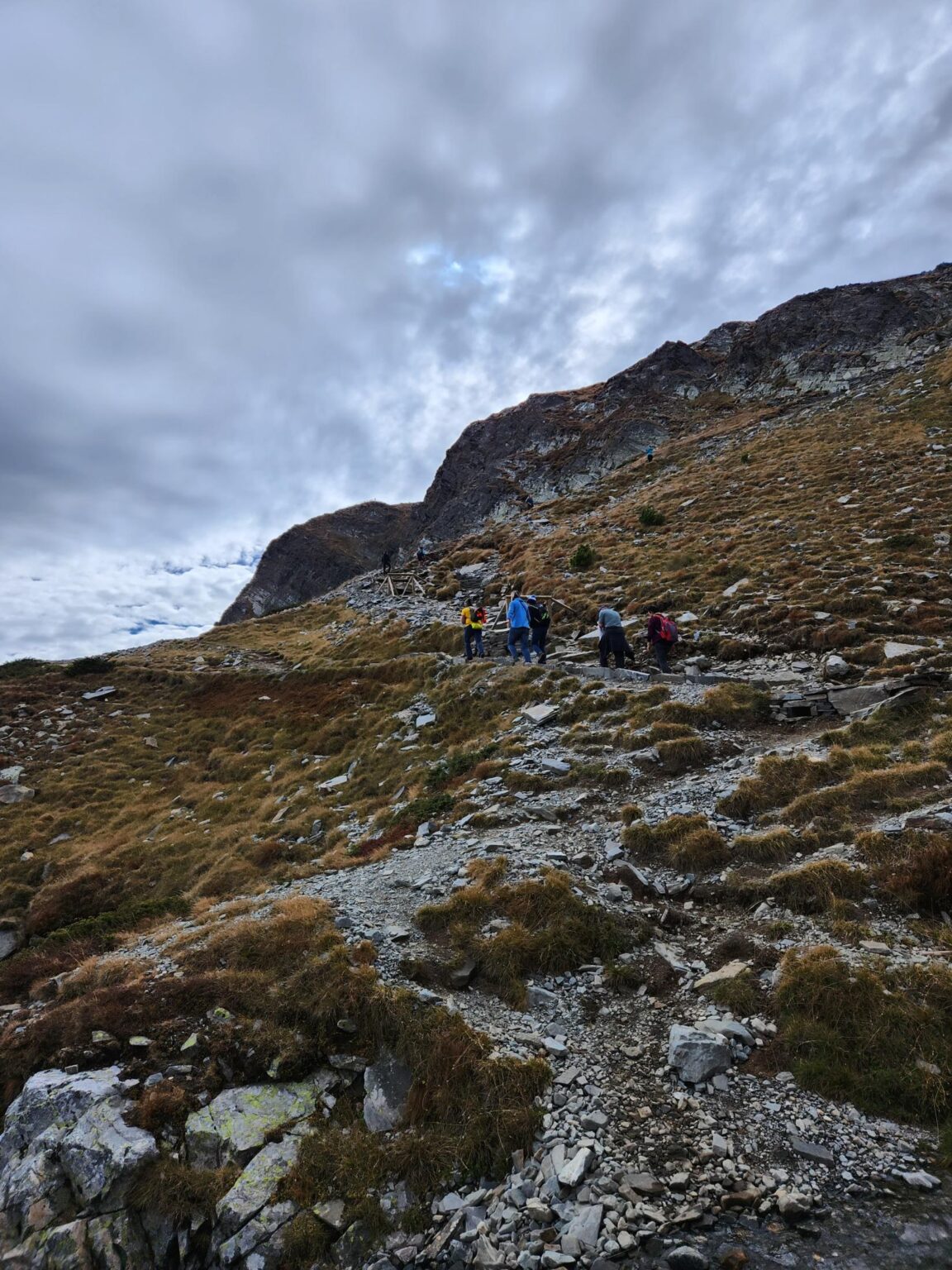
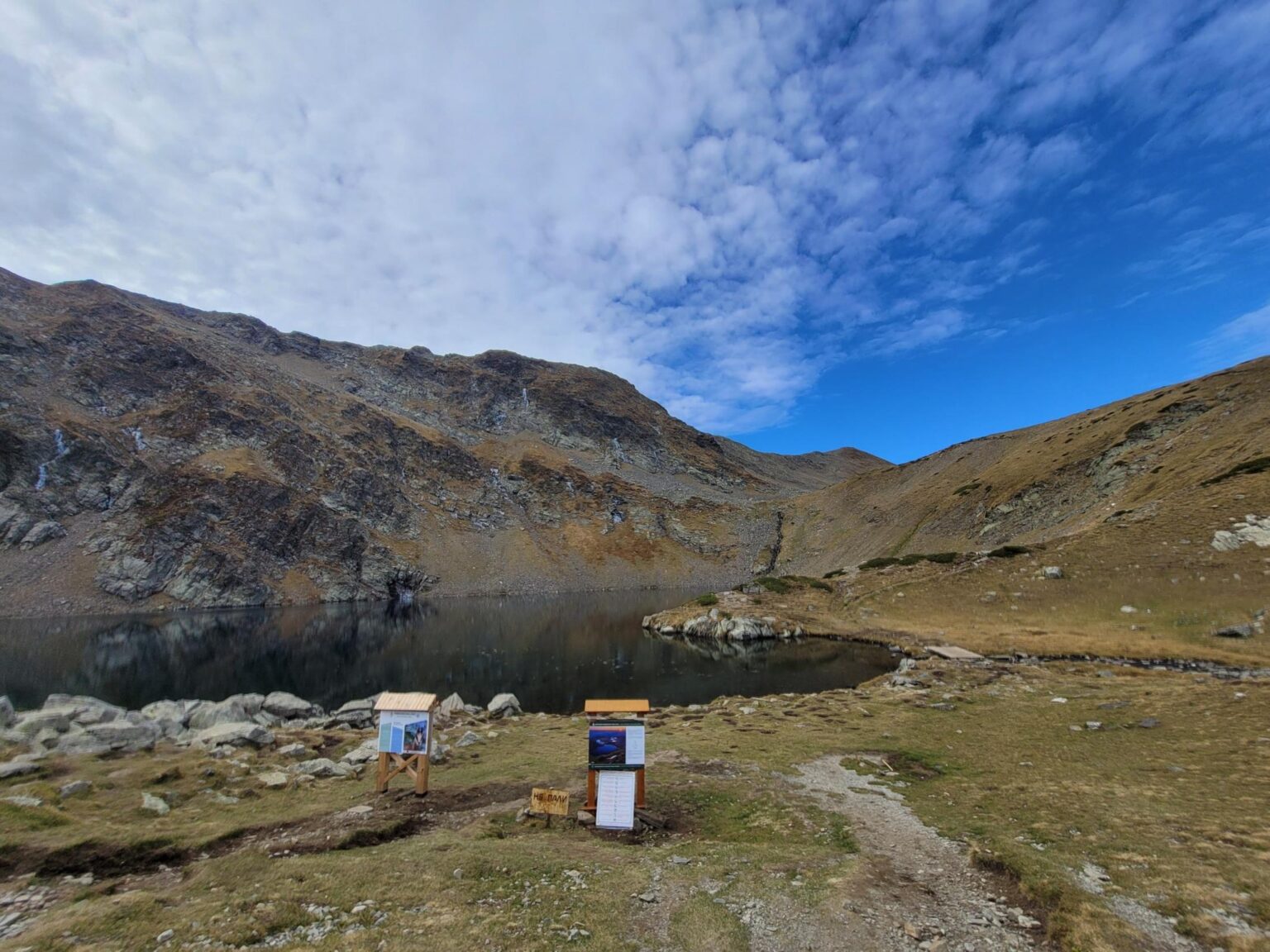
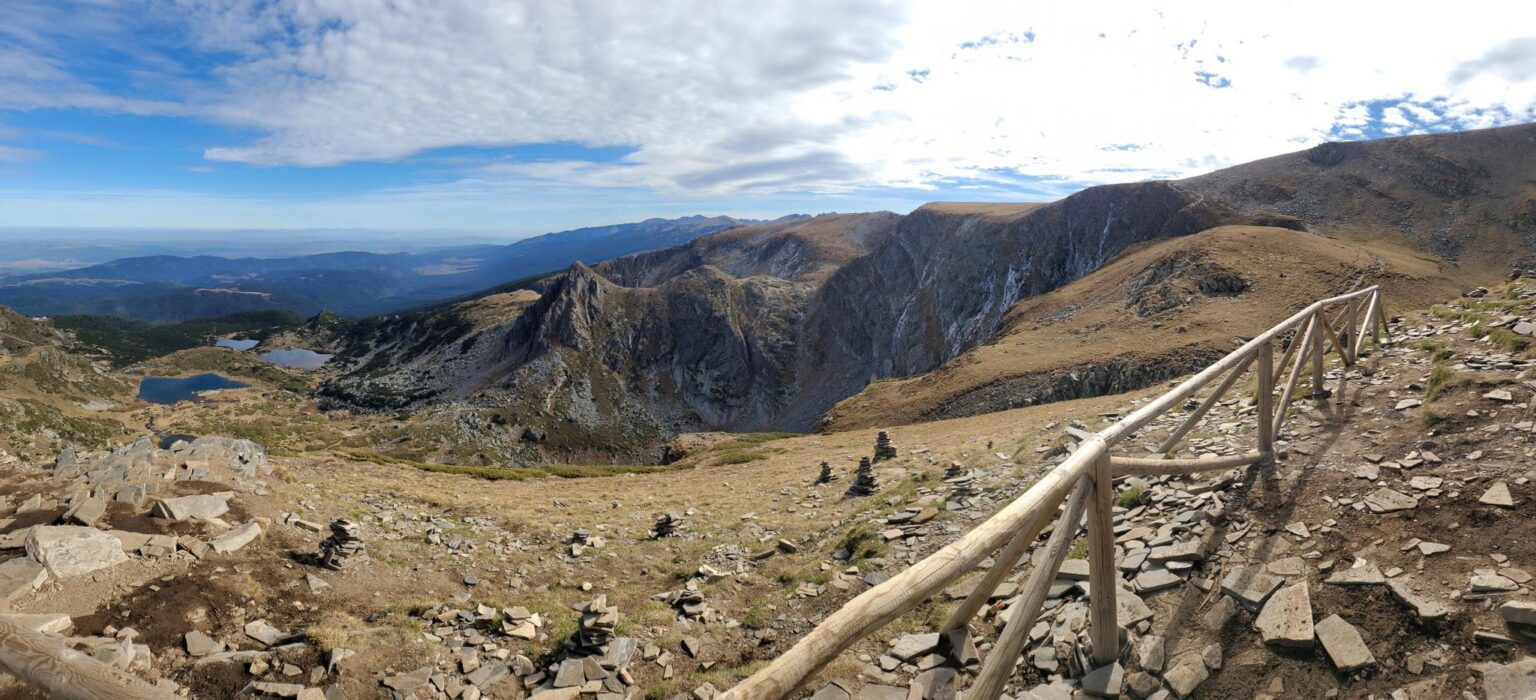
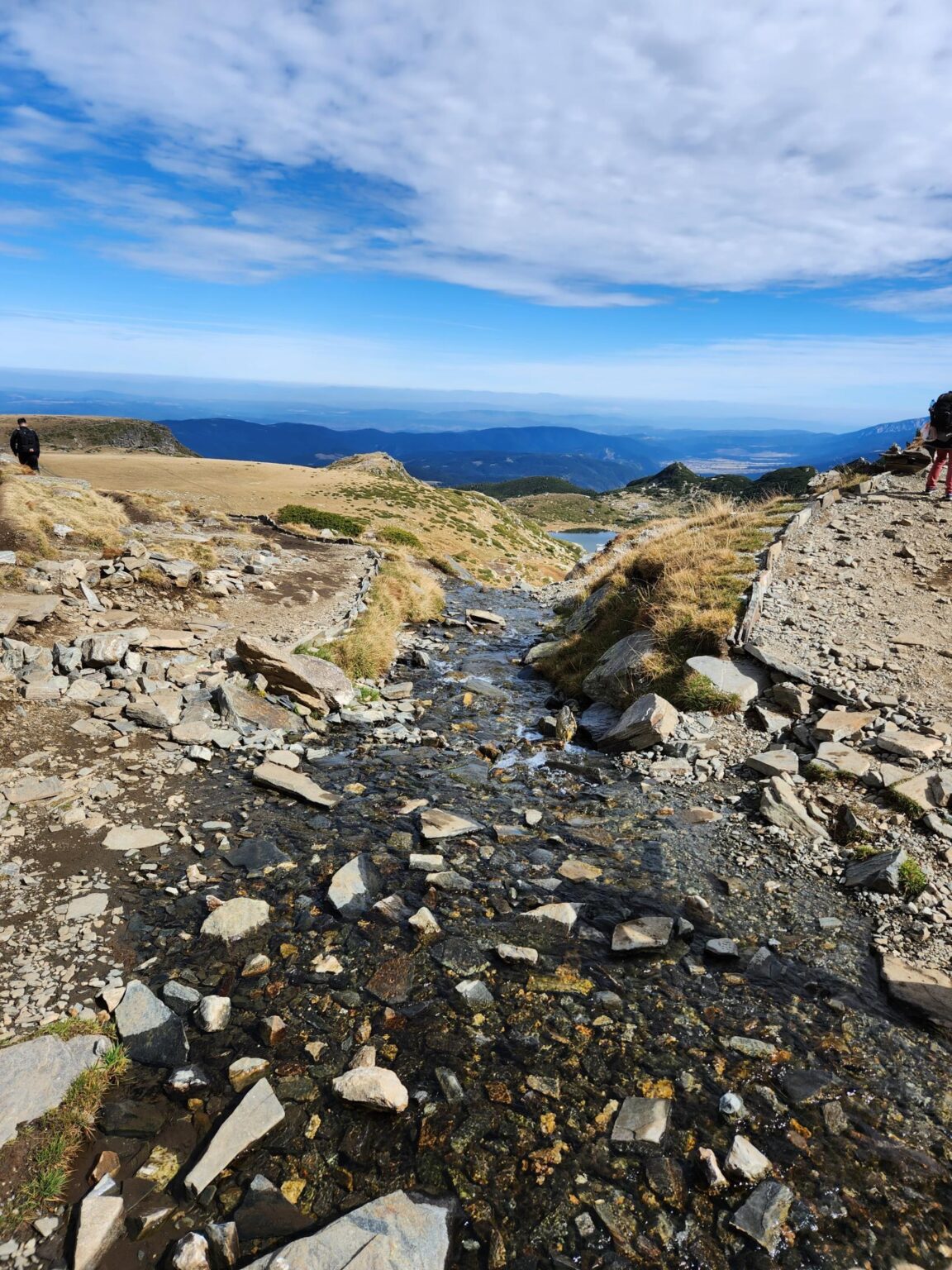
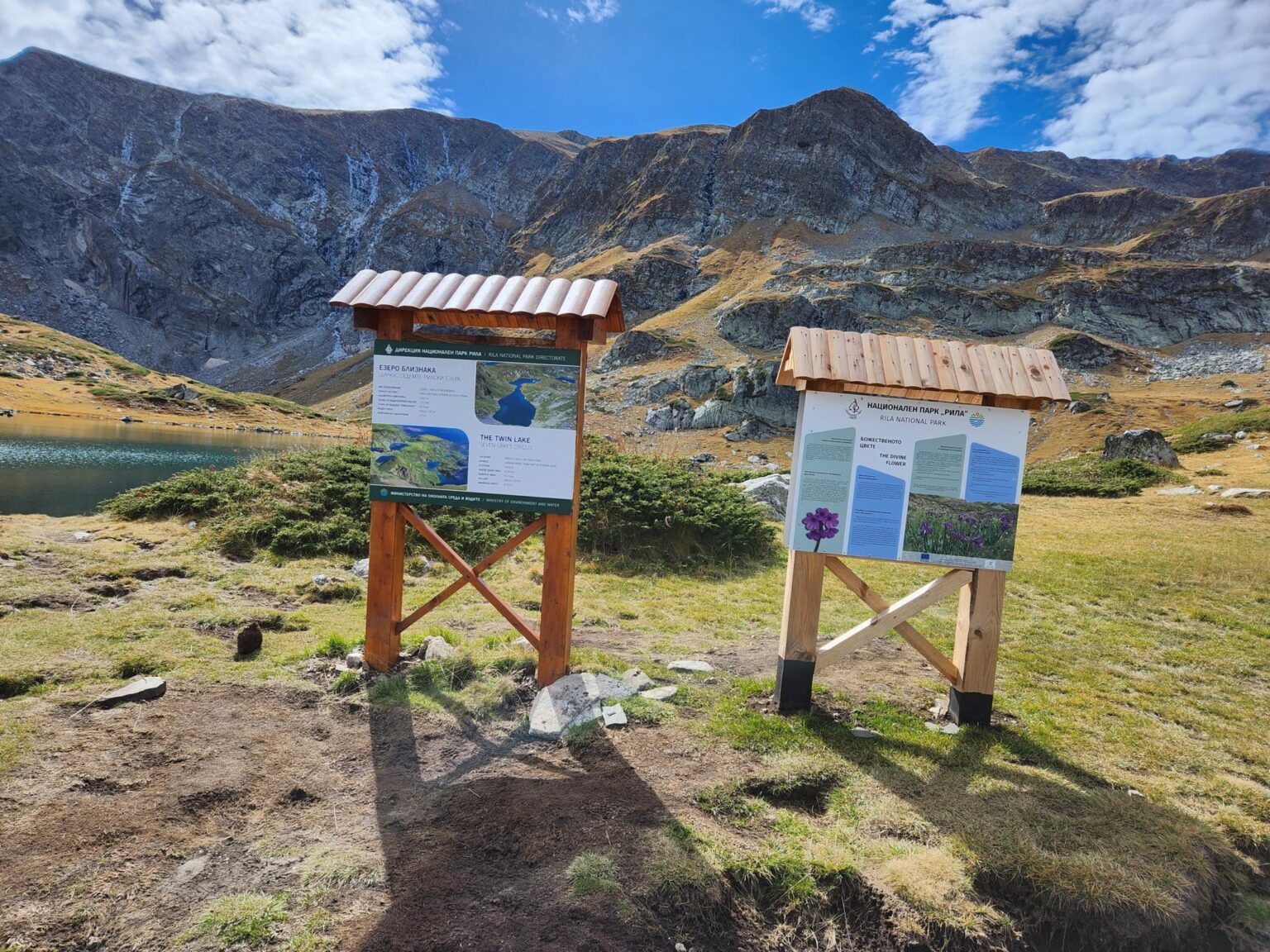
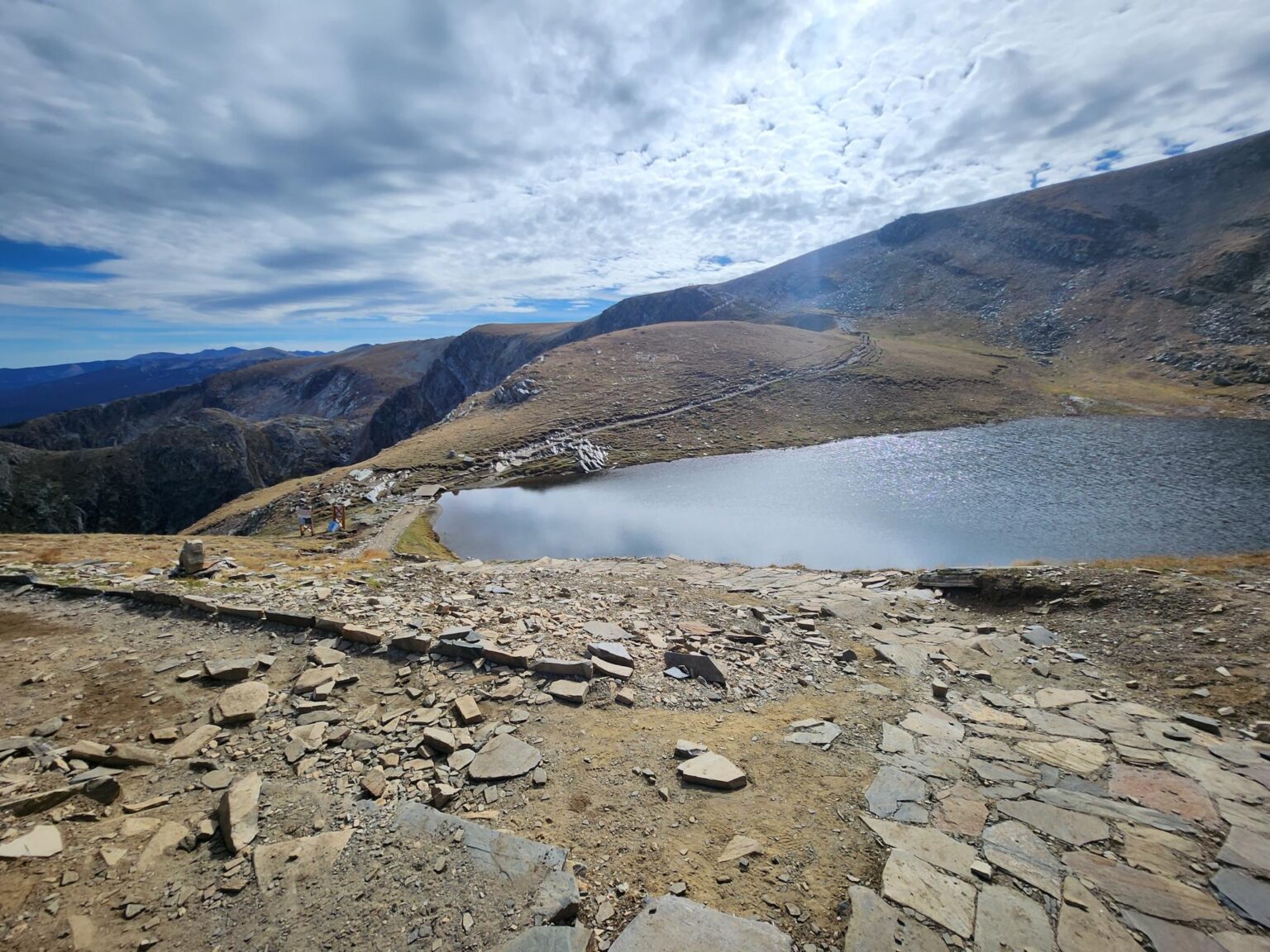
My last visit here was more than five years ago and I remember it as brutal: the route ran over loose gravel where you slipped with every step and had to concentrate constantly. There were no defined paths and it was easy to get lost, because the distances are big. Today it’s been seriously tidied up. There’s plenty of information online about visiting the lakes in stages. We’re amateurs in that respect — we came for photos and for some exercise. And exercise there is! Reaching the last lake means climbing several separate, genuinely steep sections. There are clear markings, big signboards and handrails. That old gravel path at the start is now stone-clad steps.
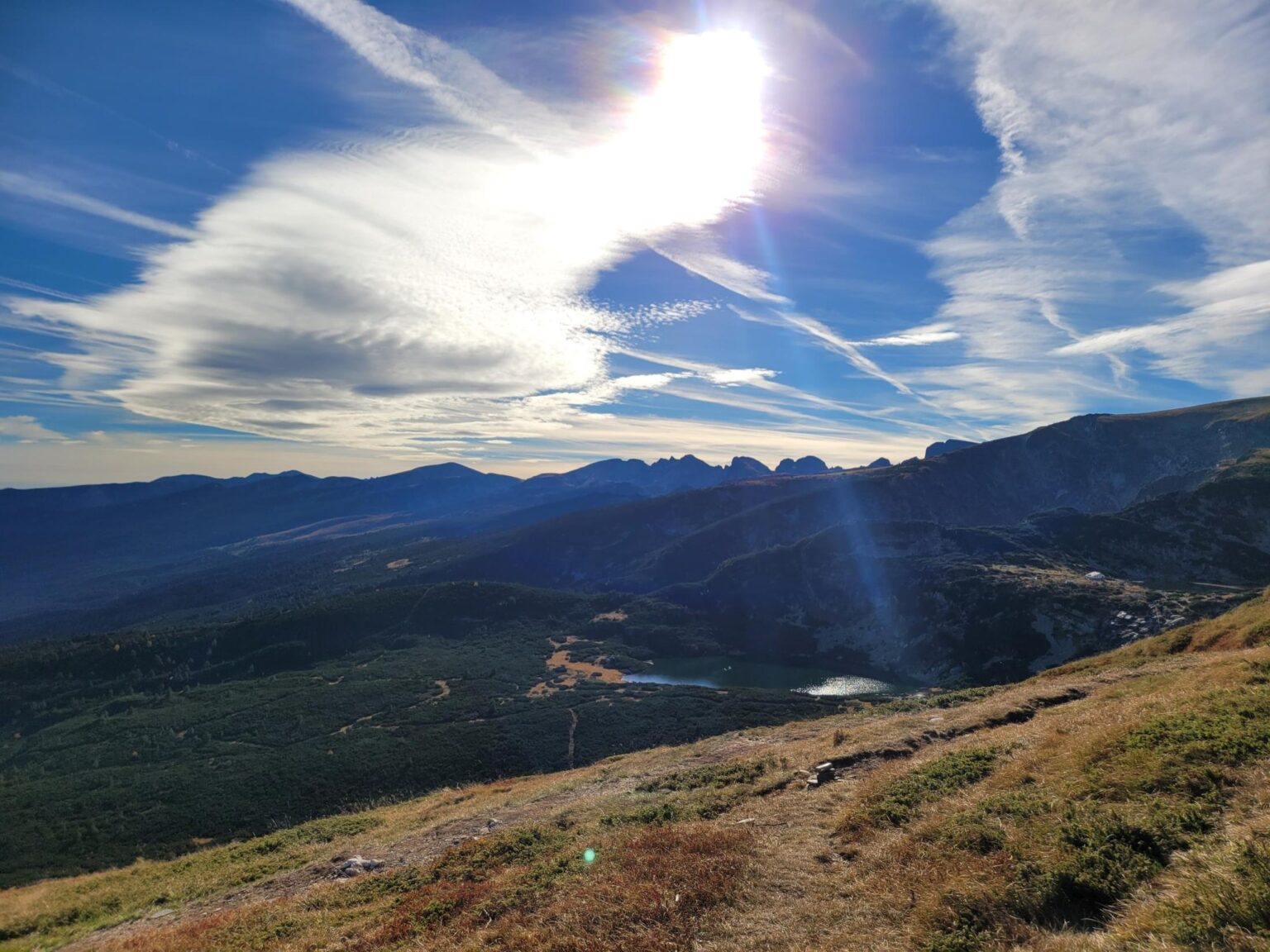
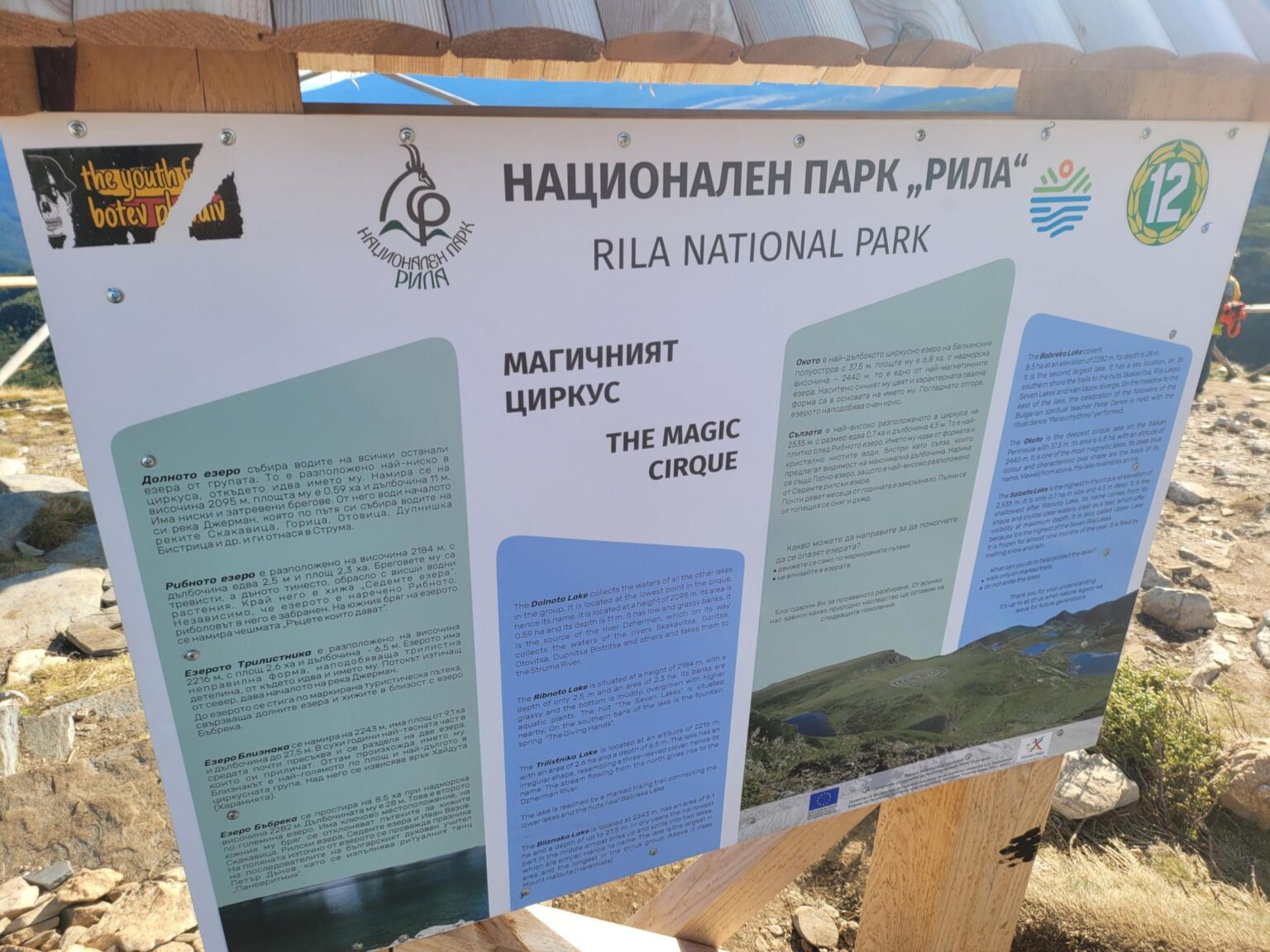
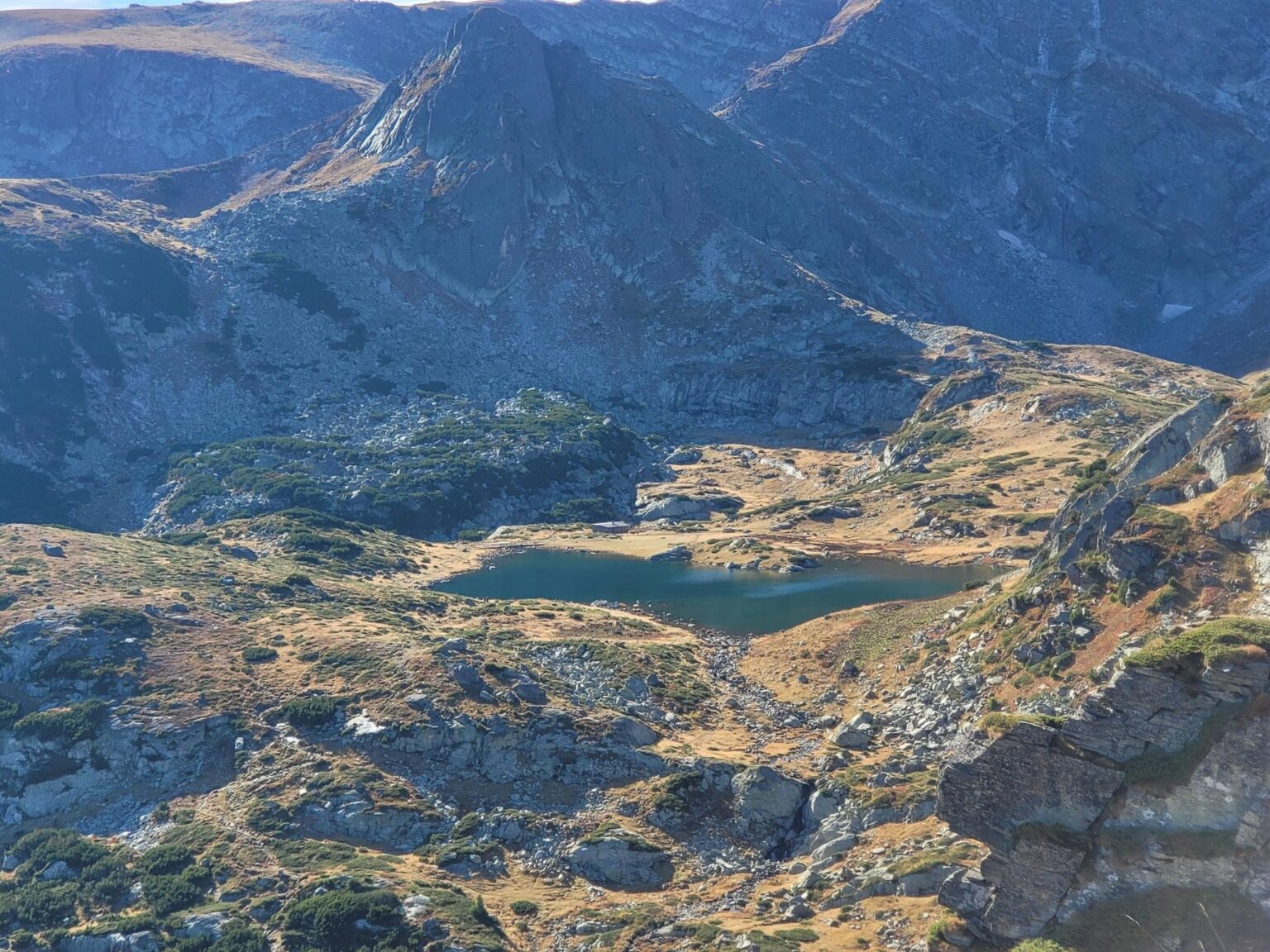
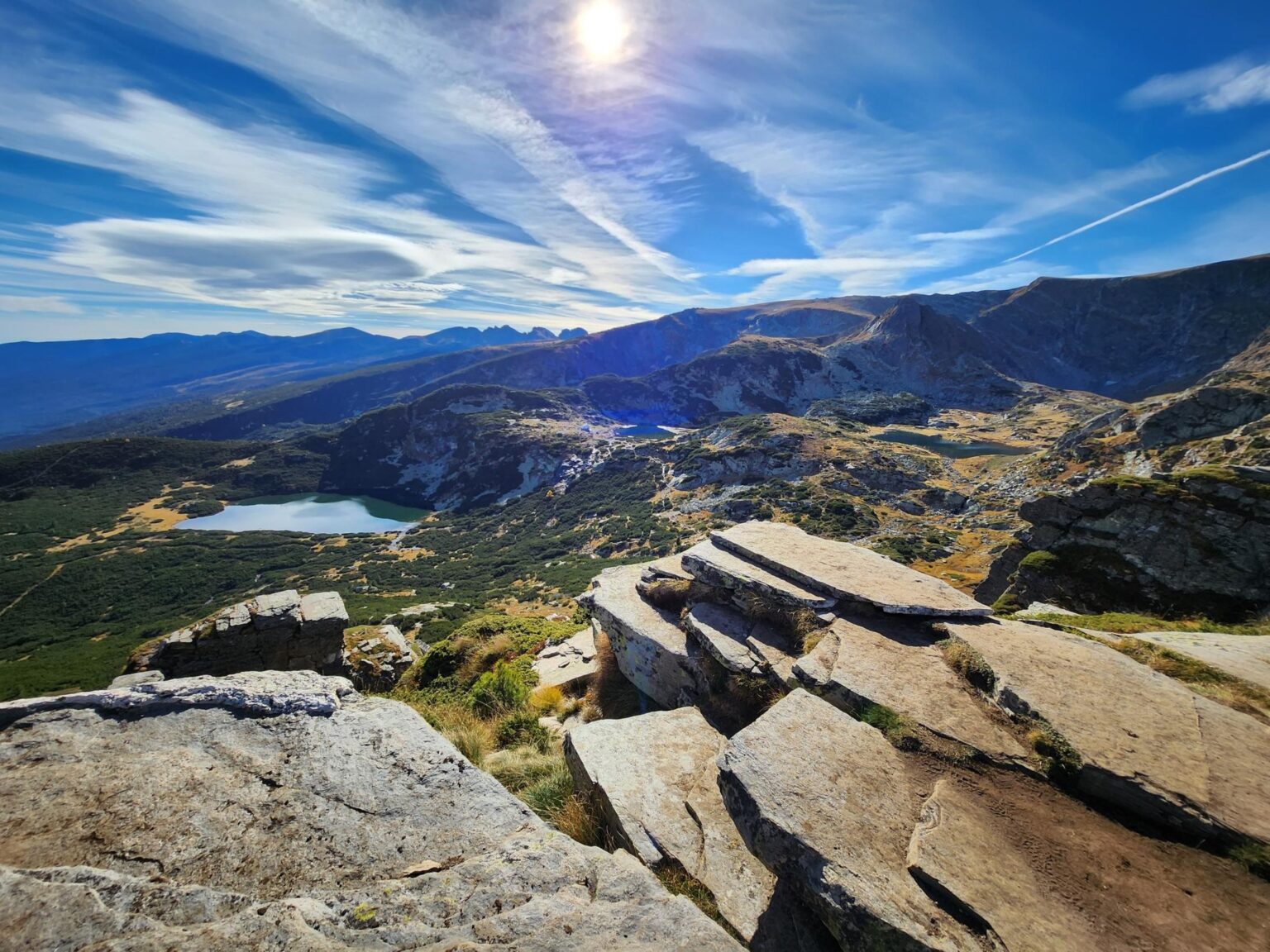
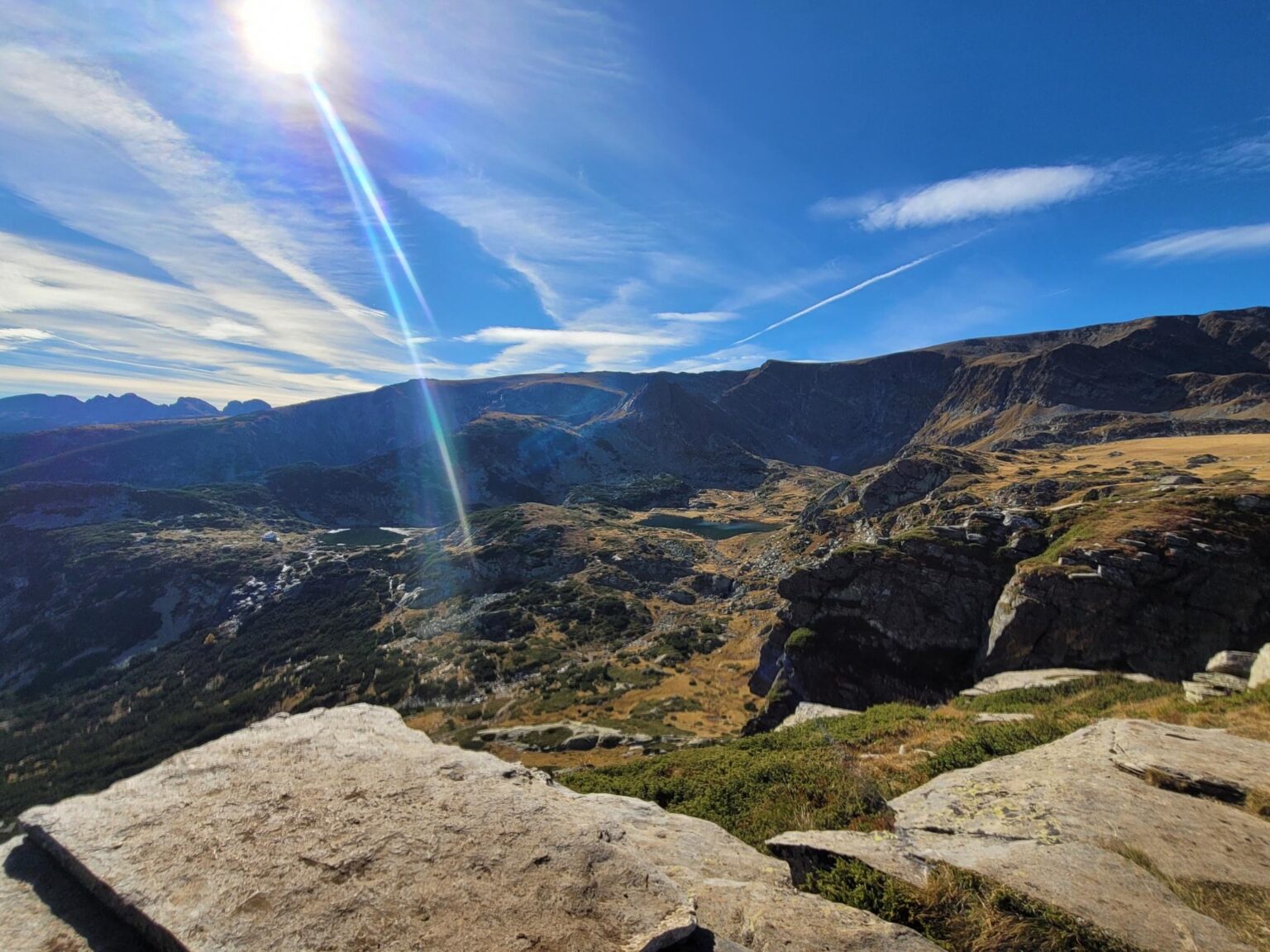
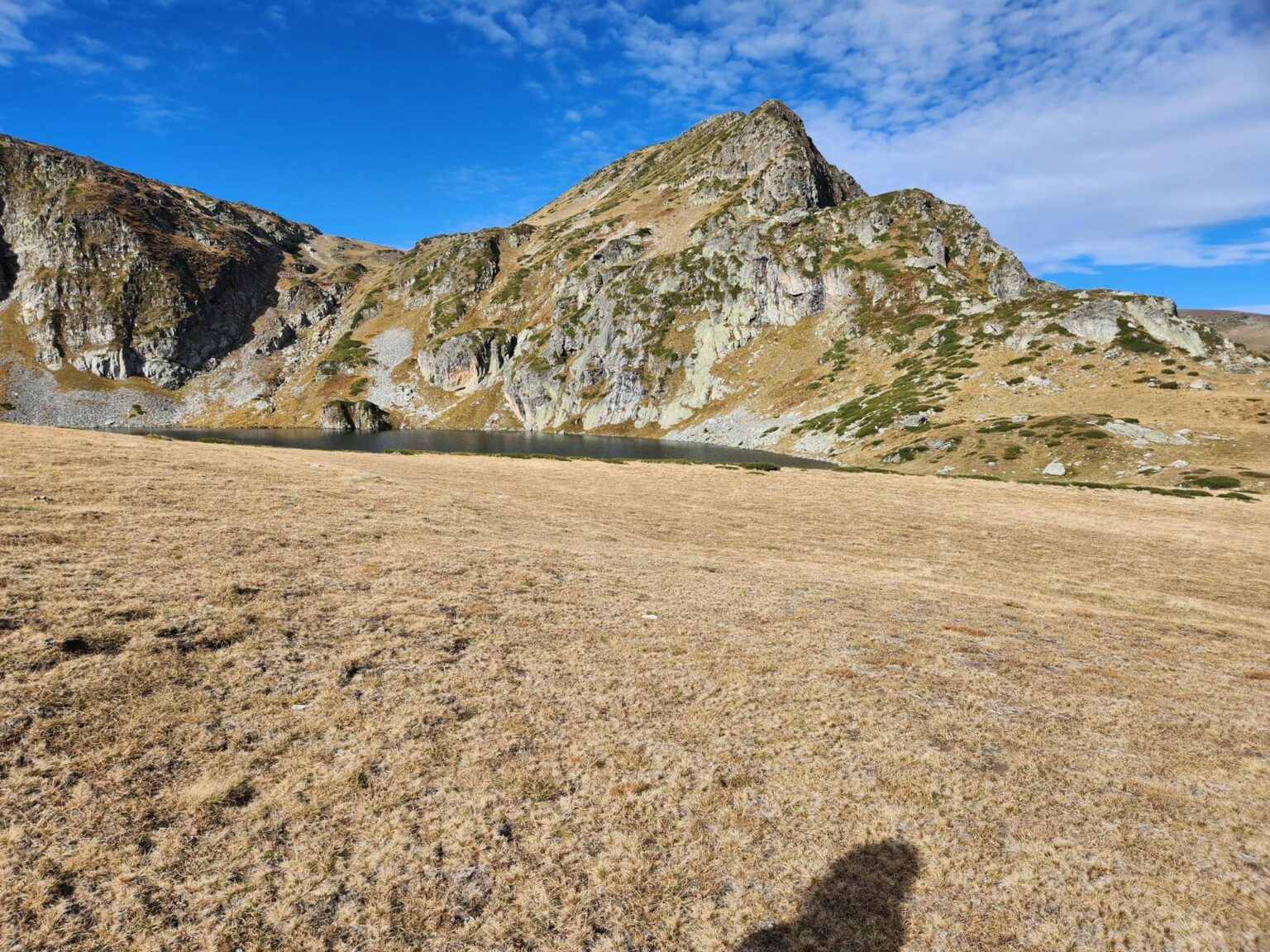
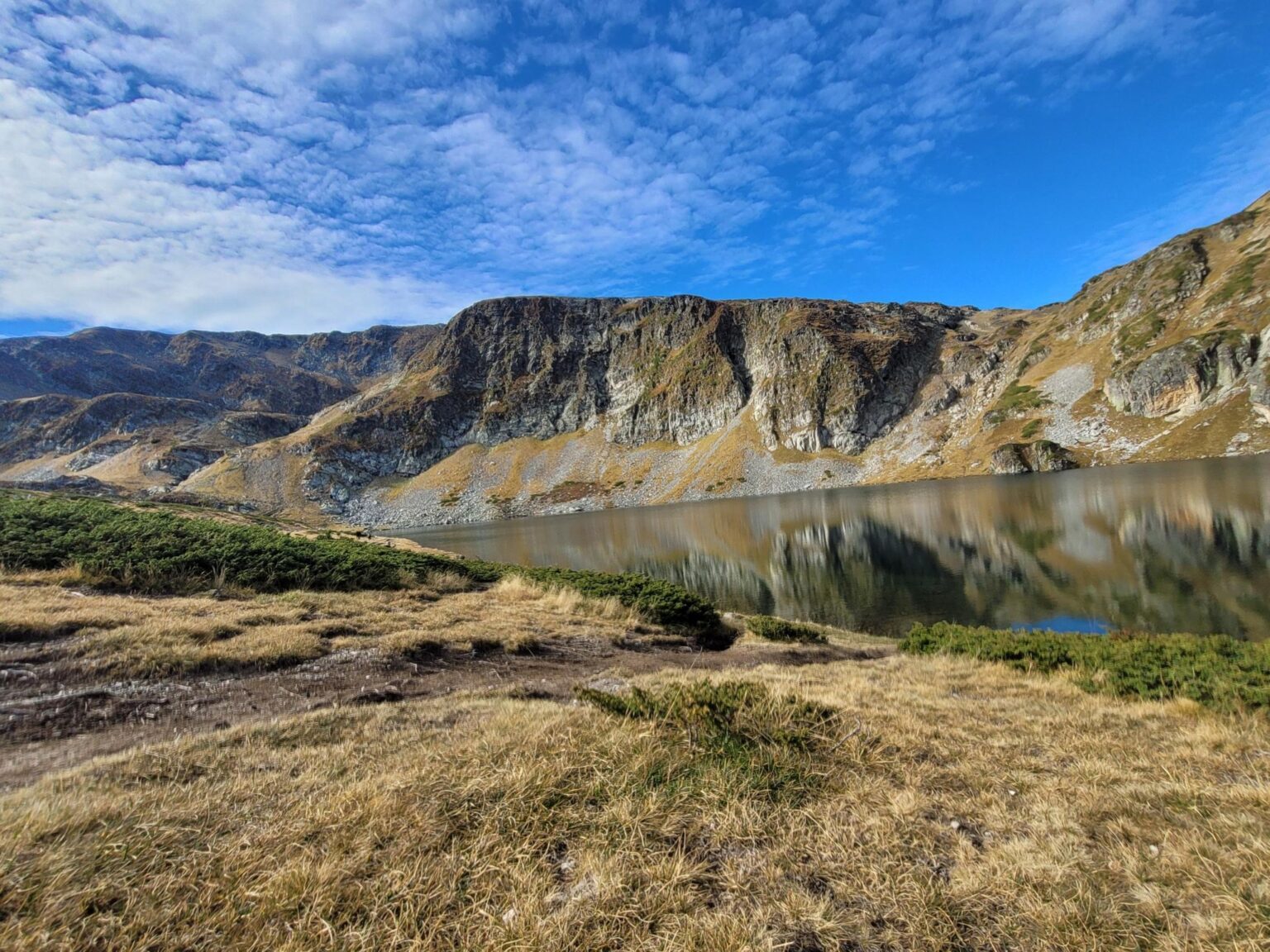
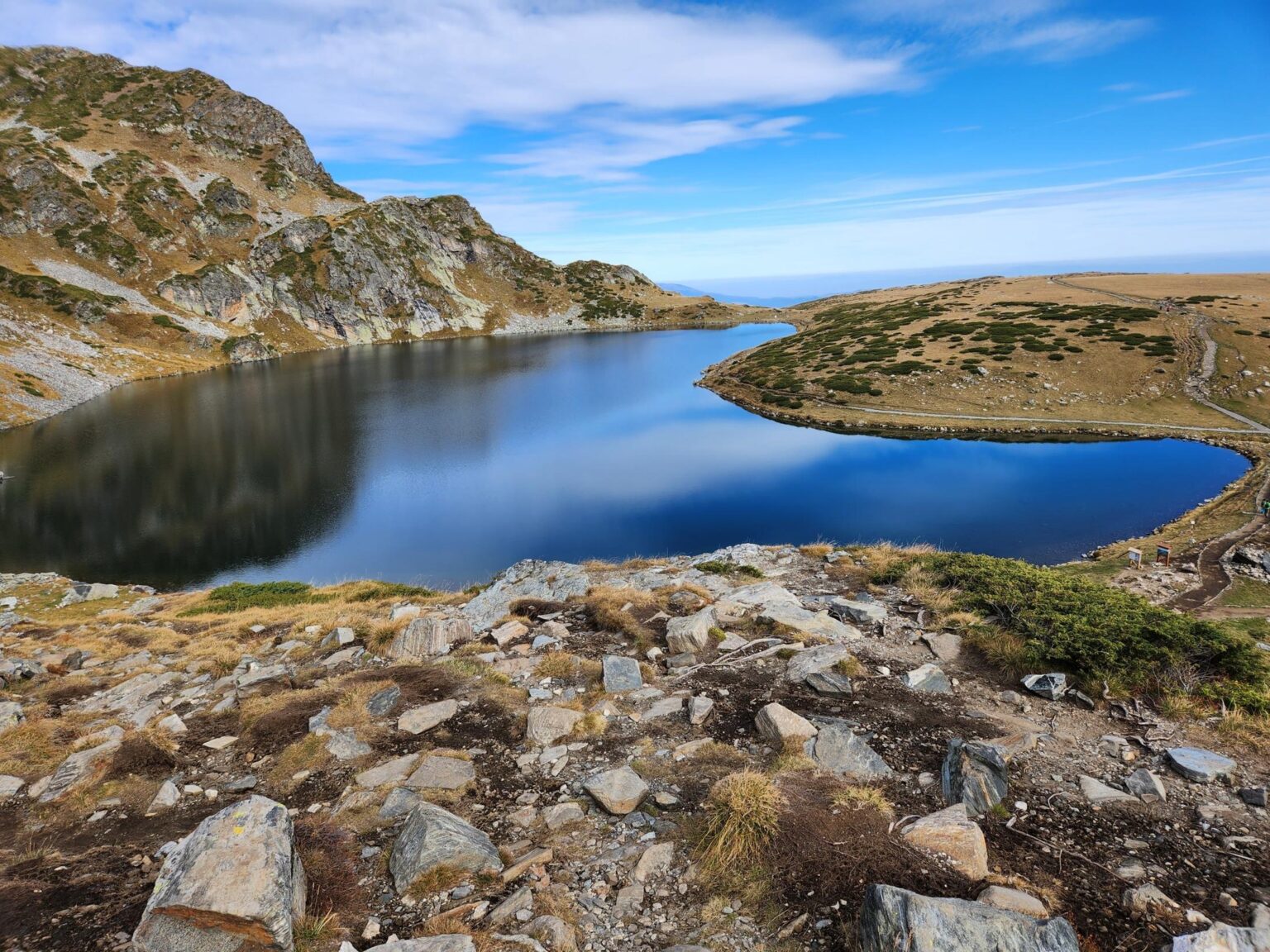
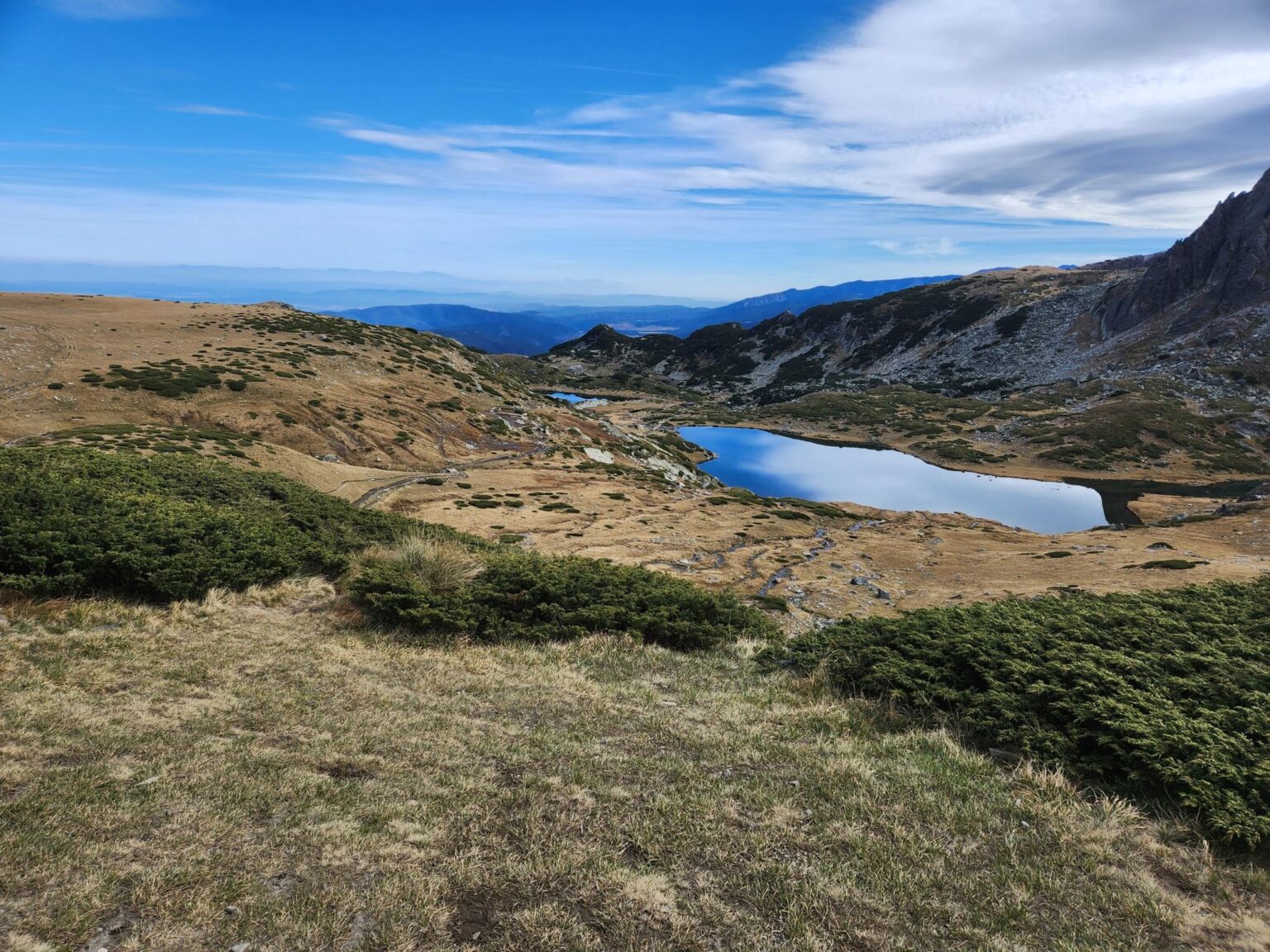
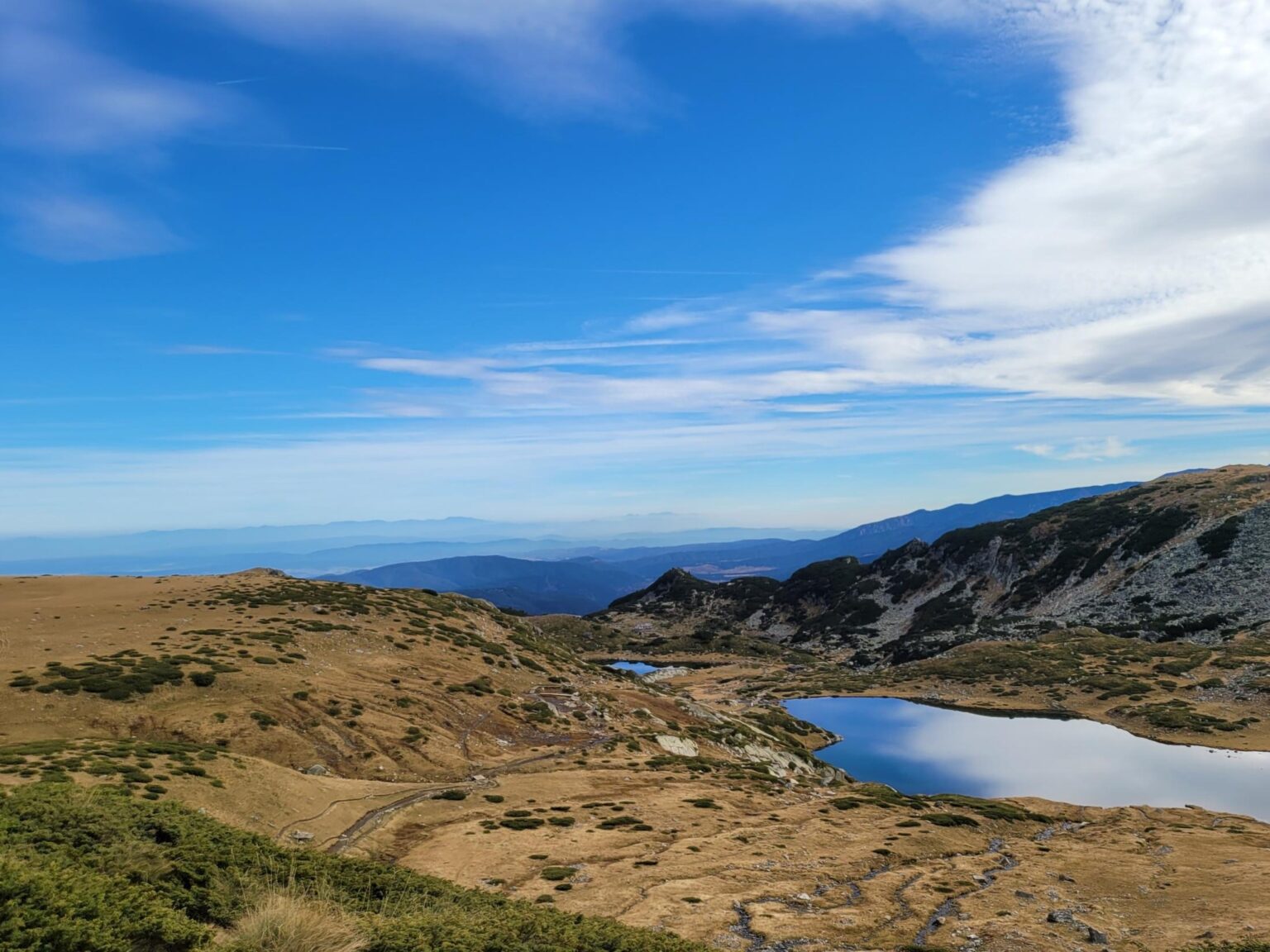
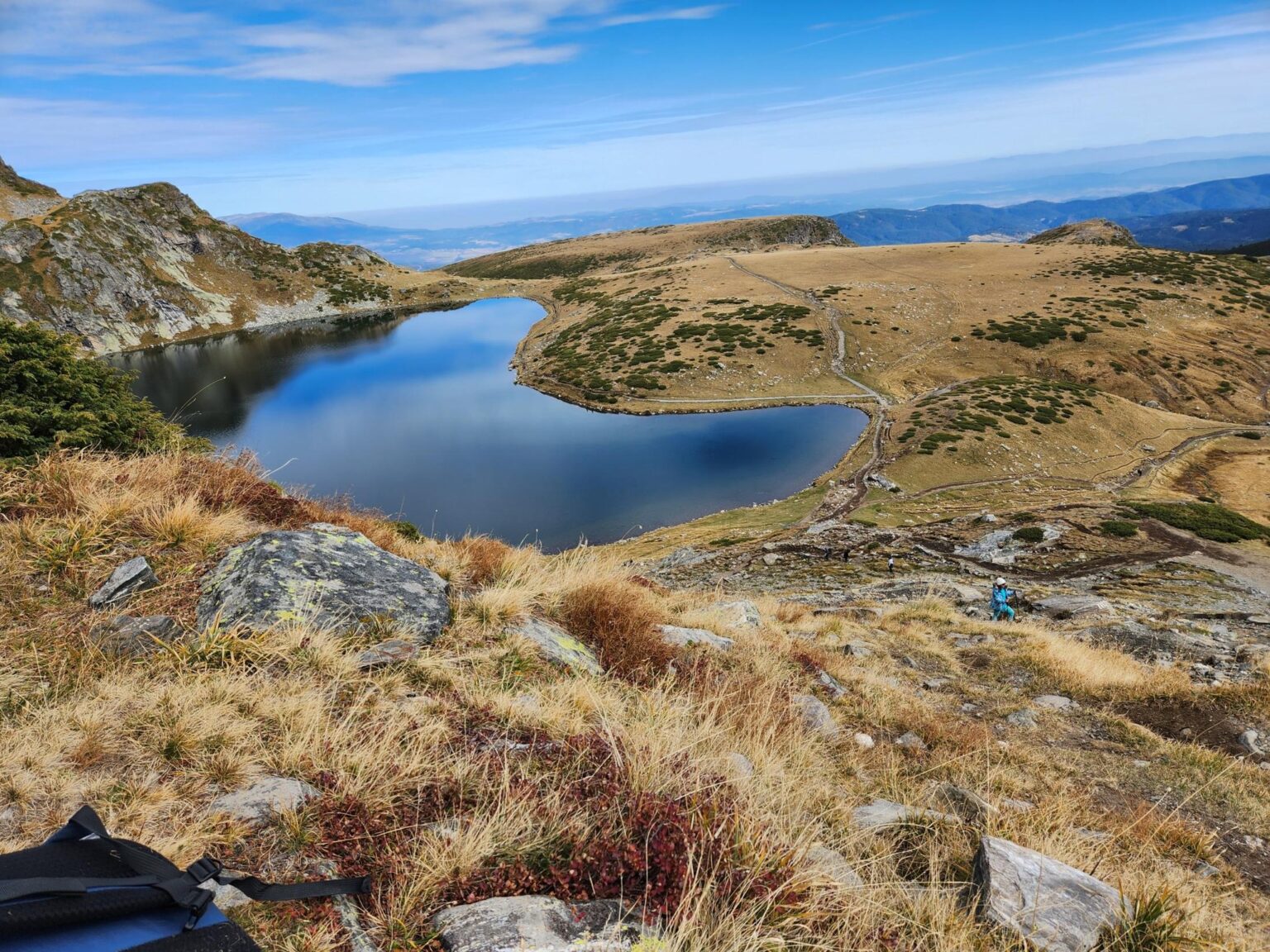
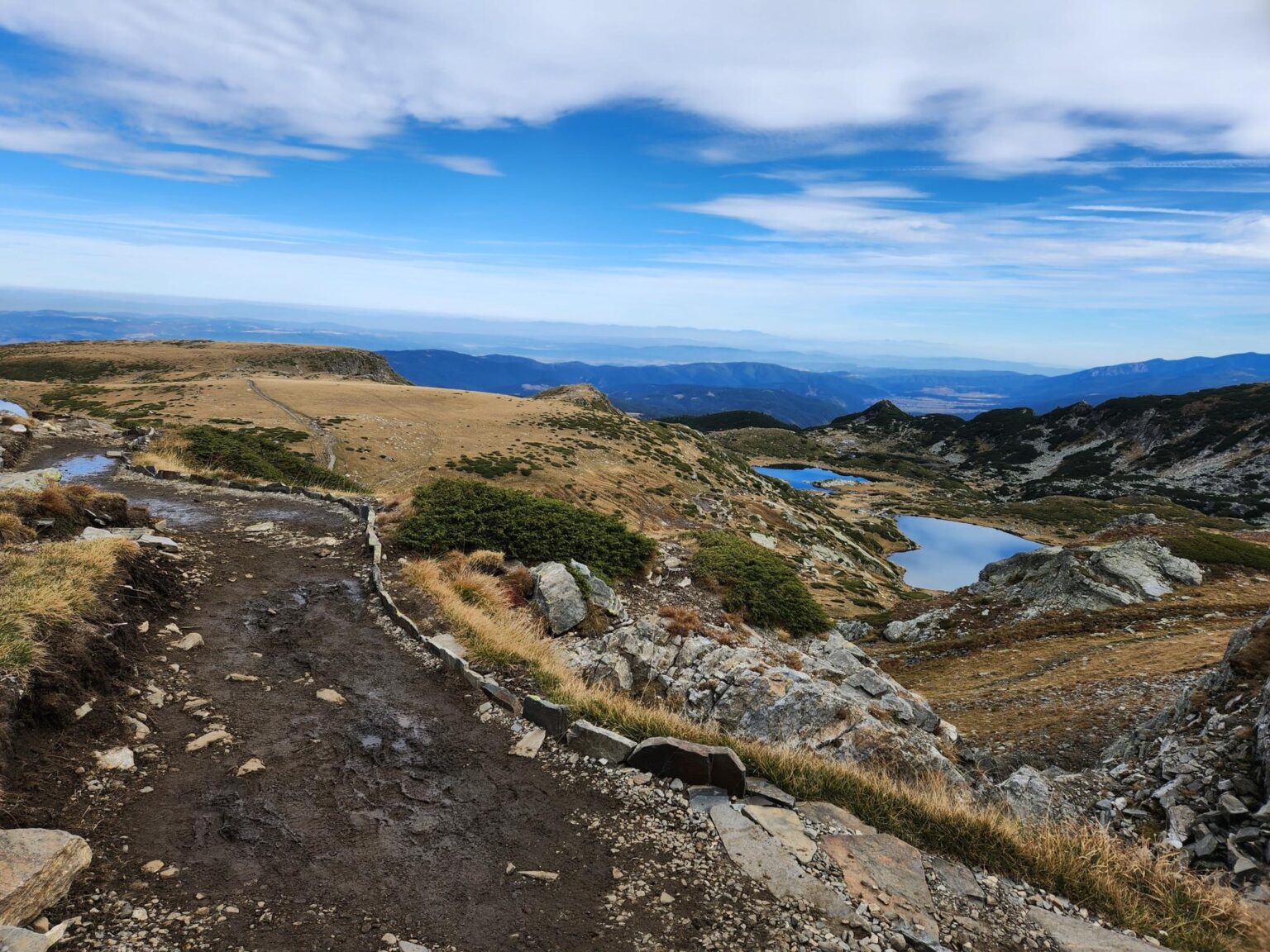
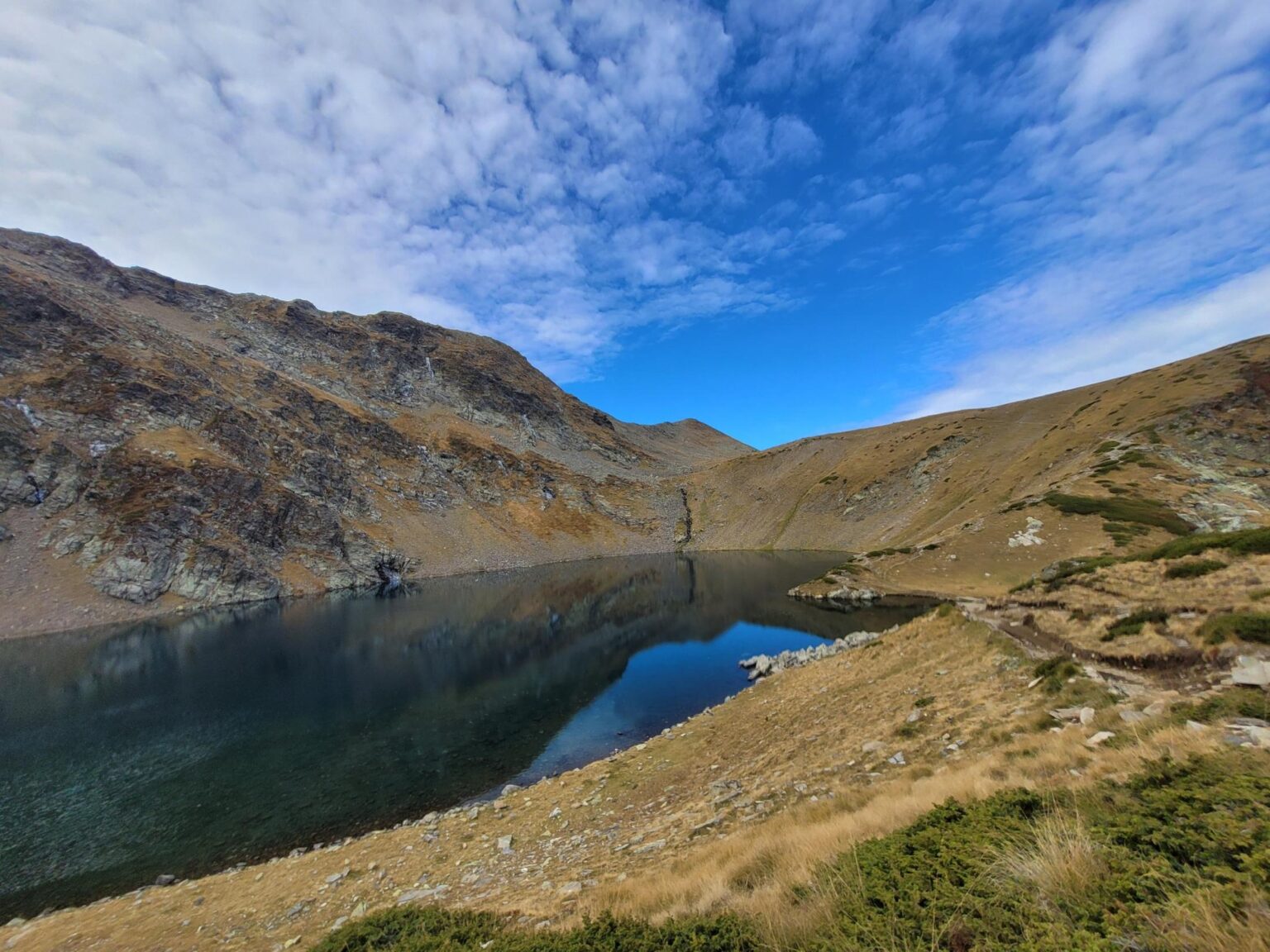
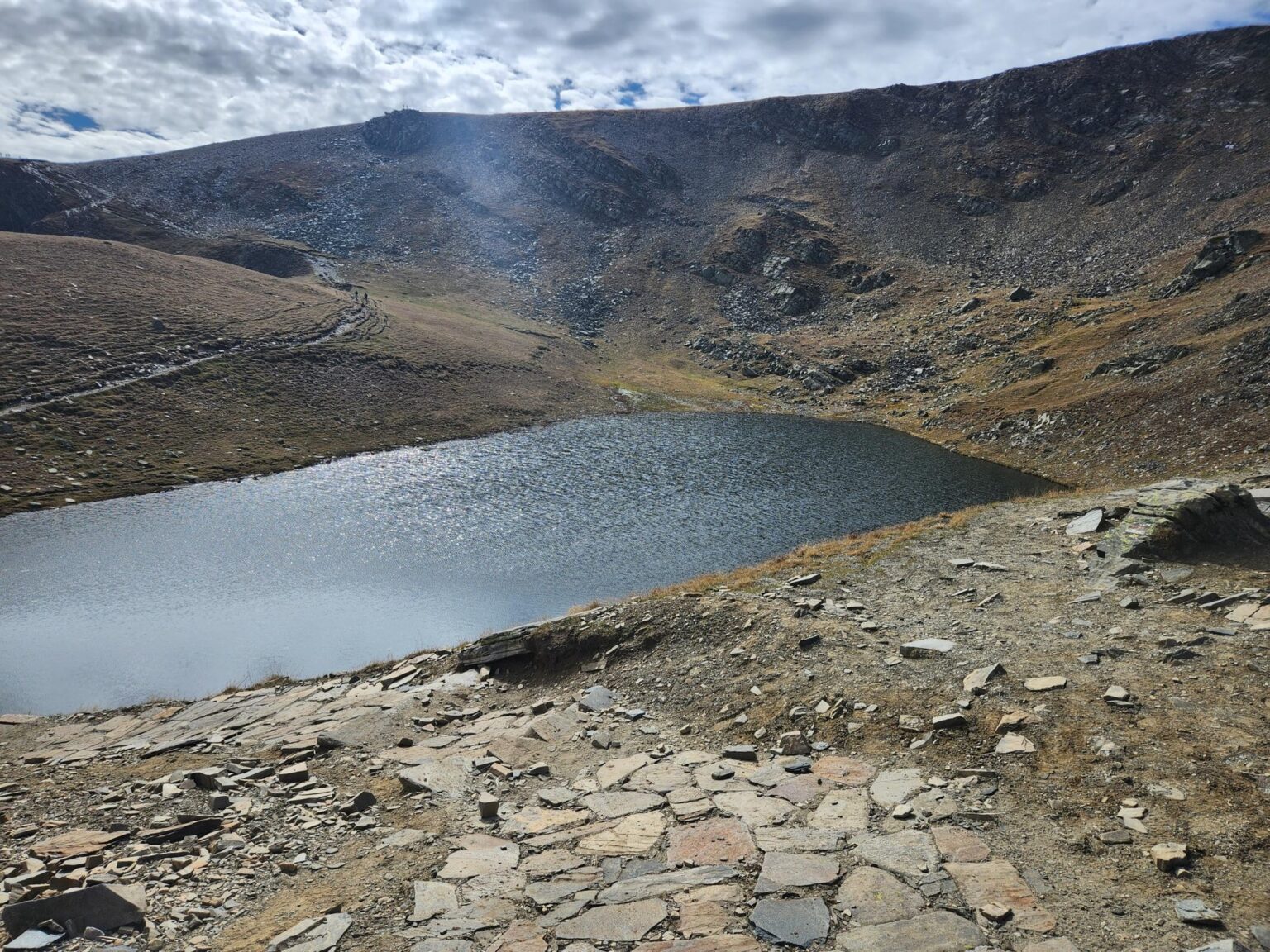
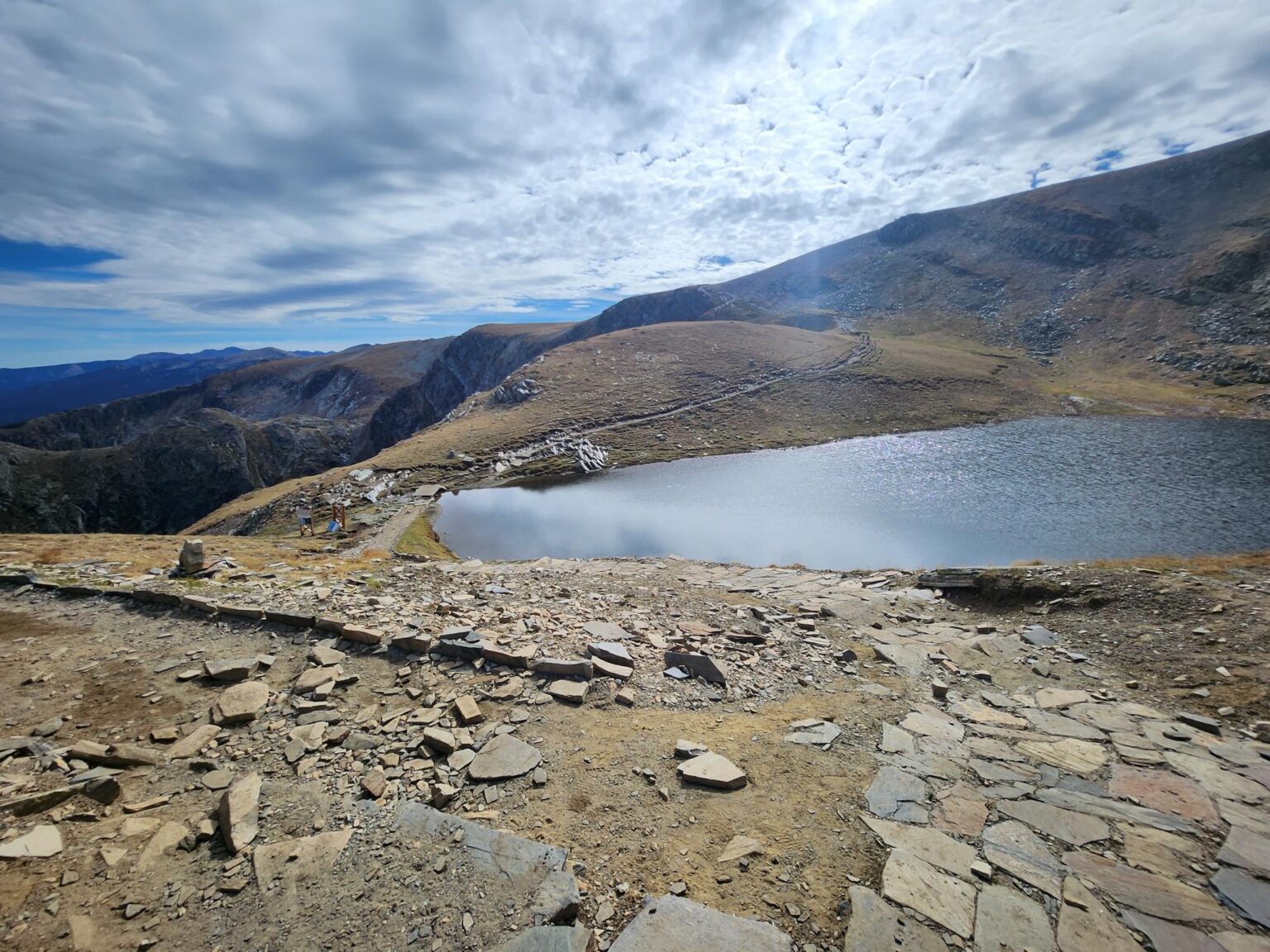
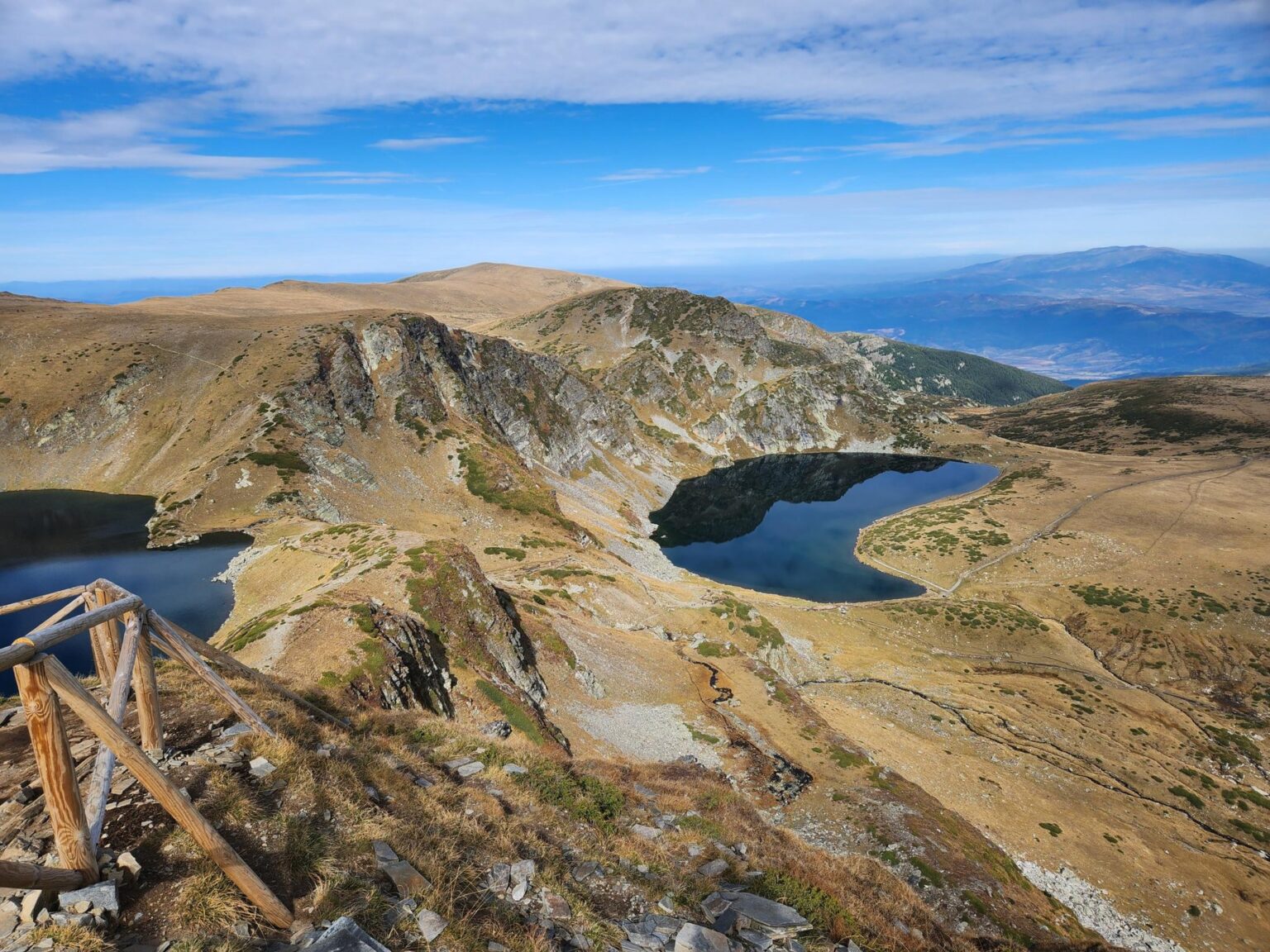
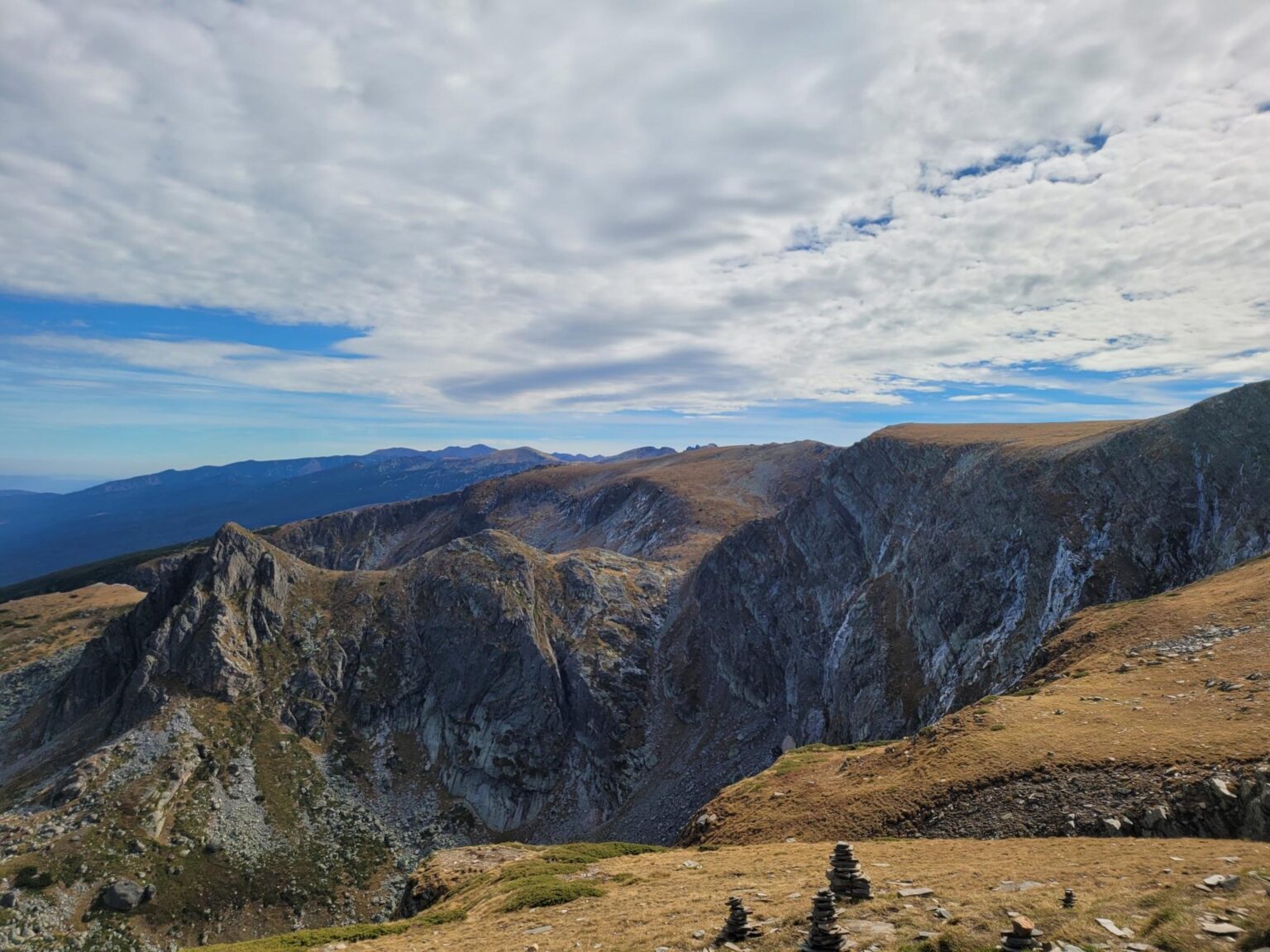
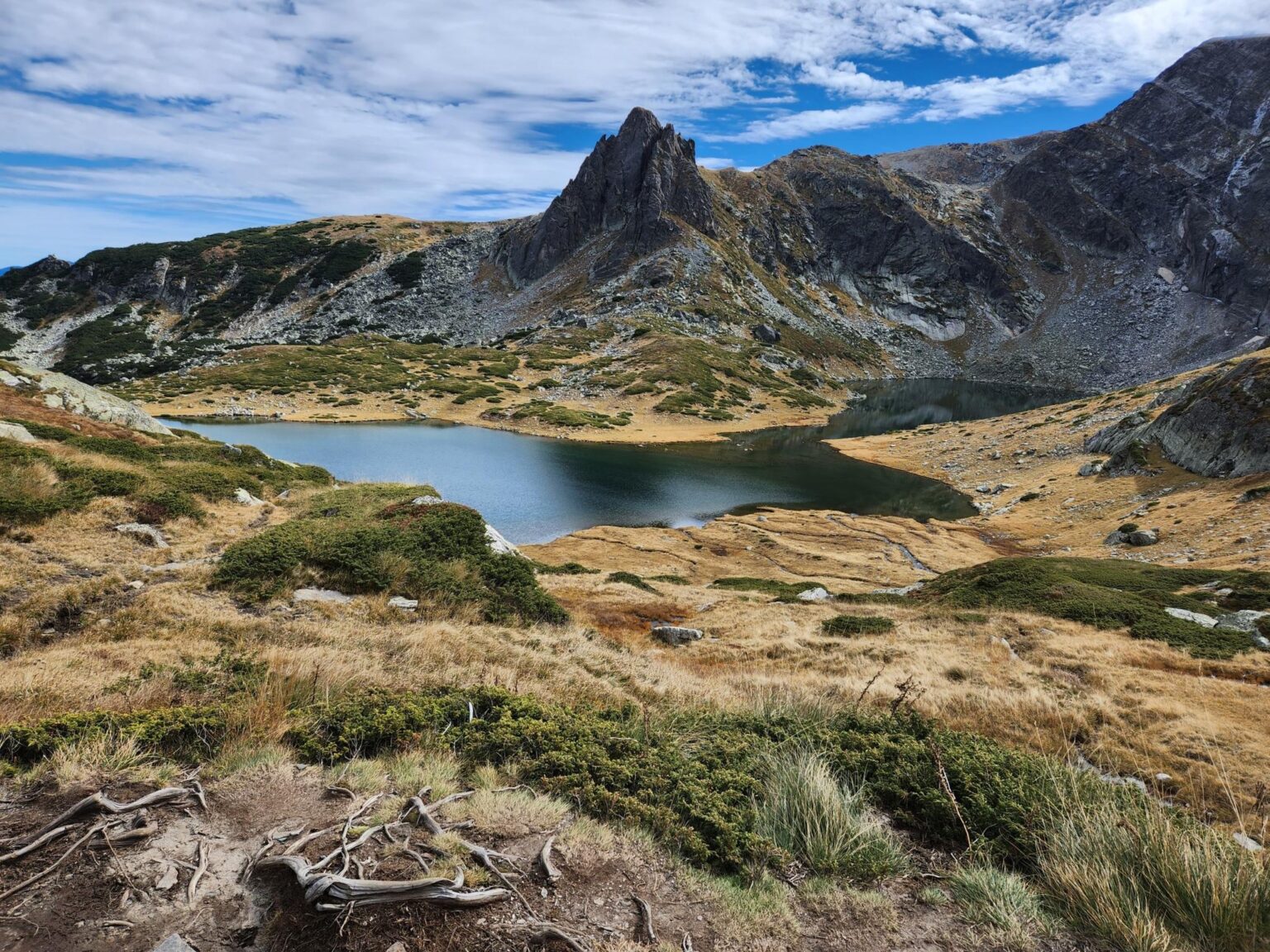
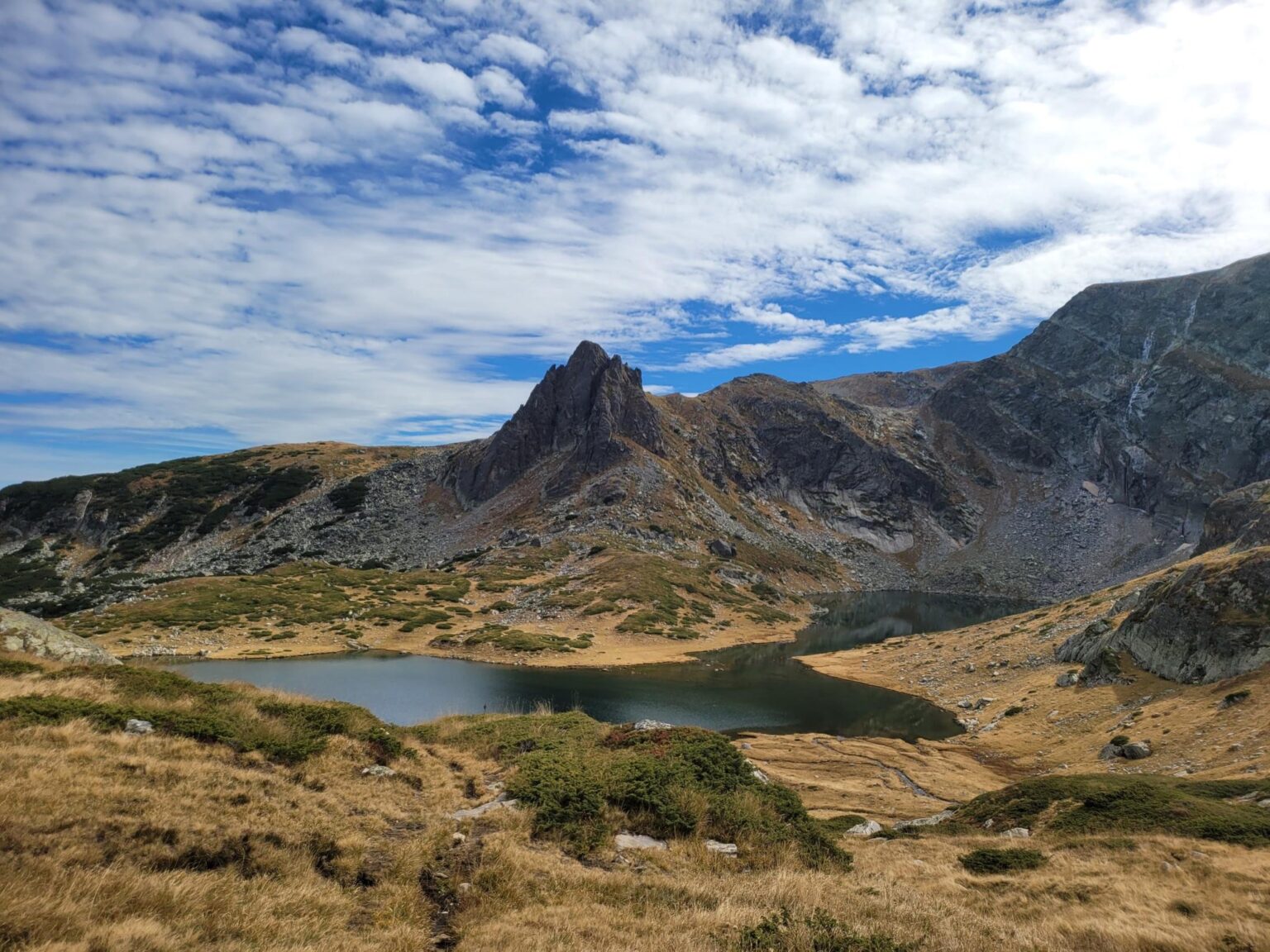
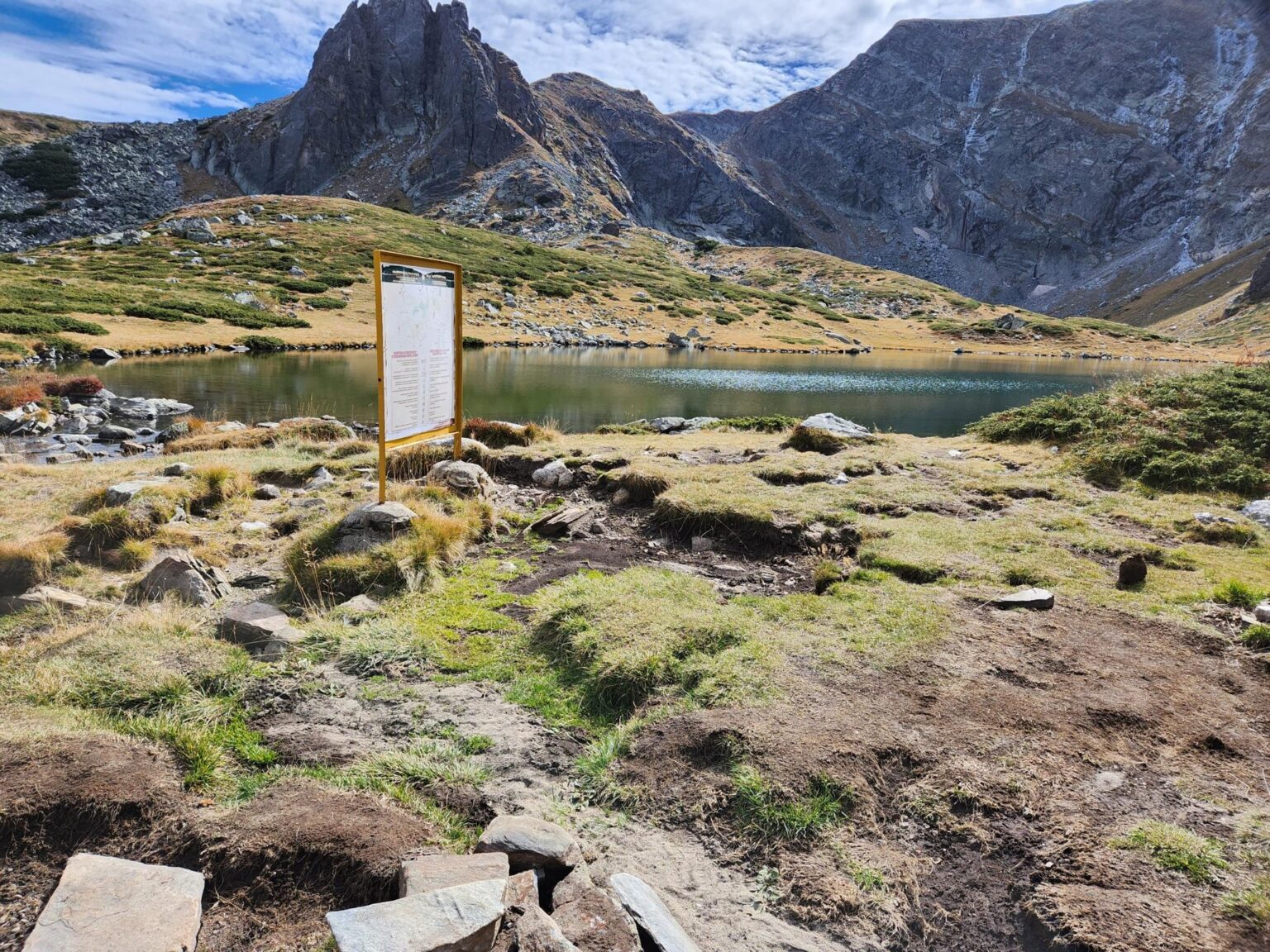
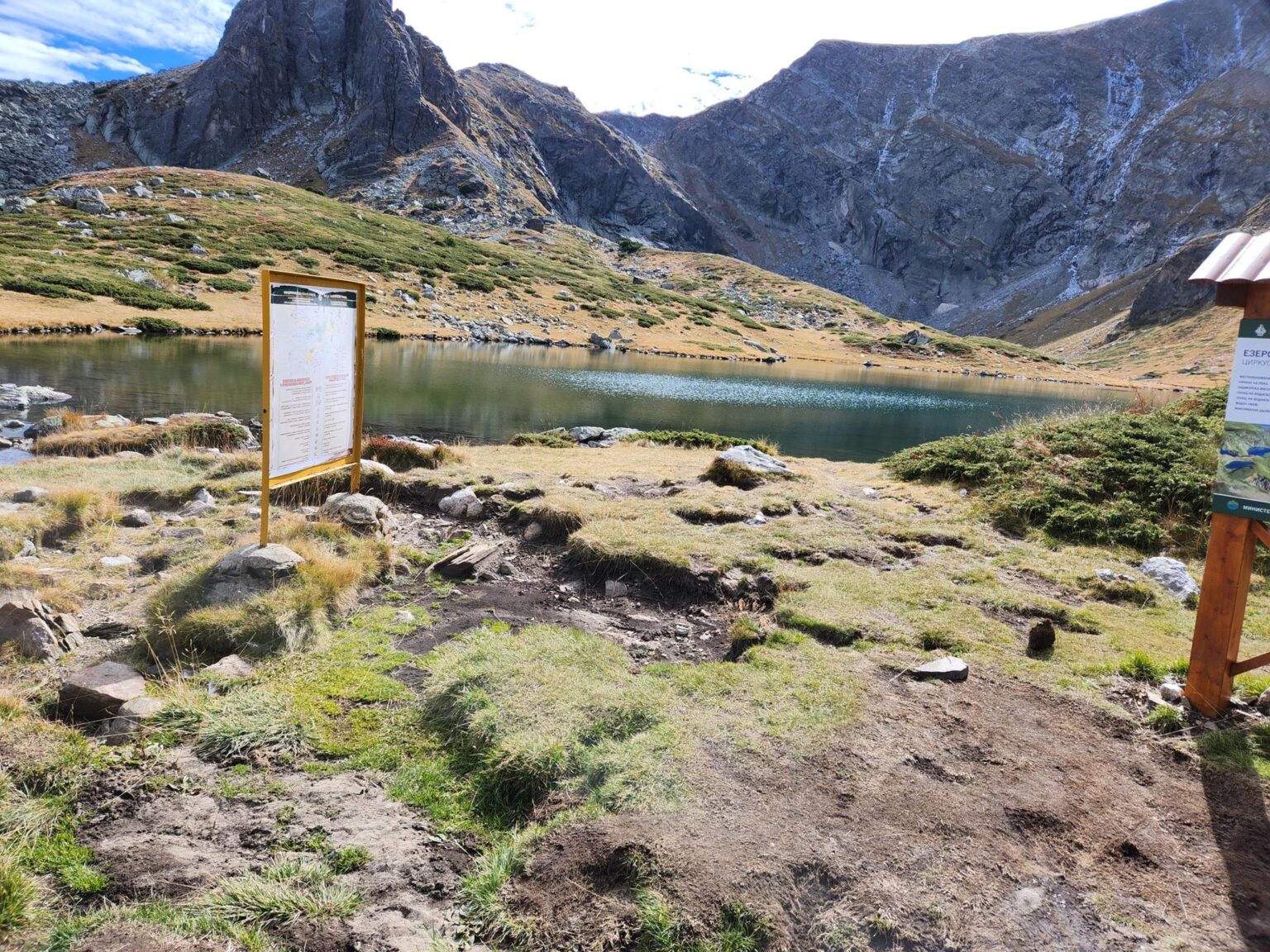
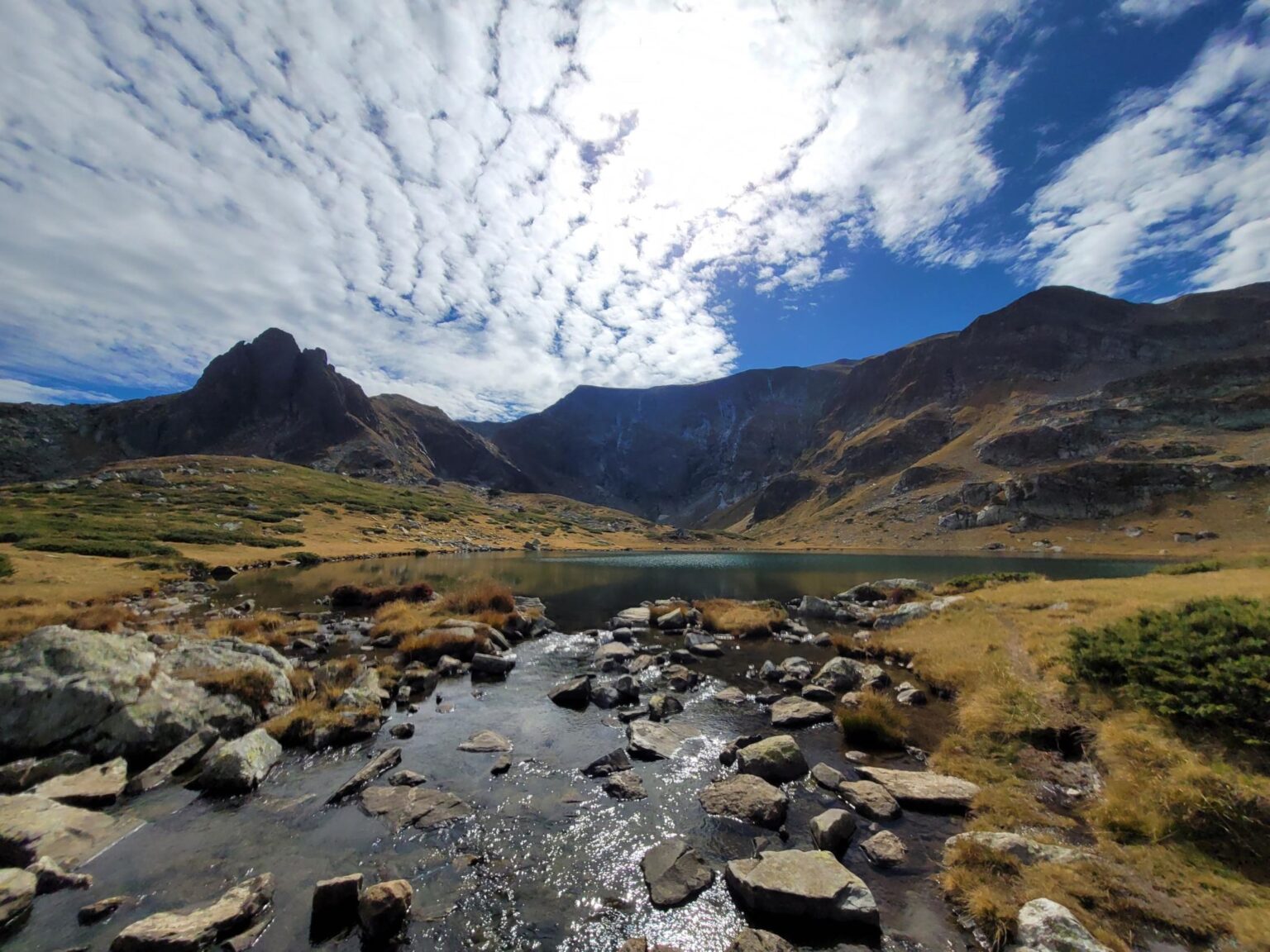
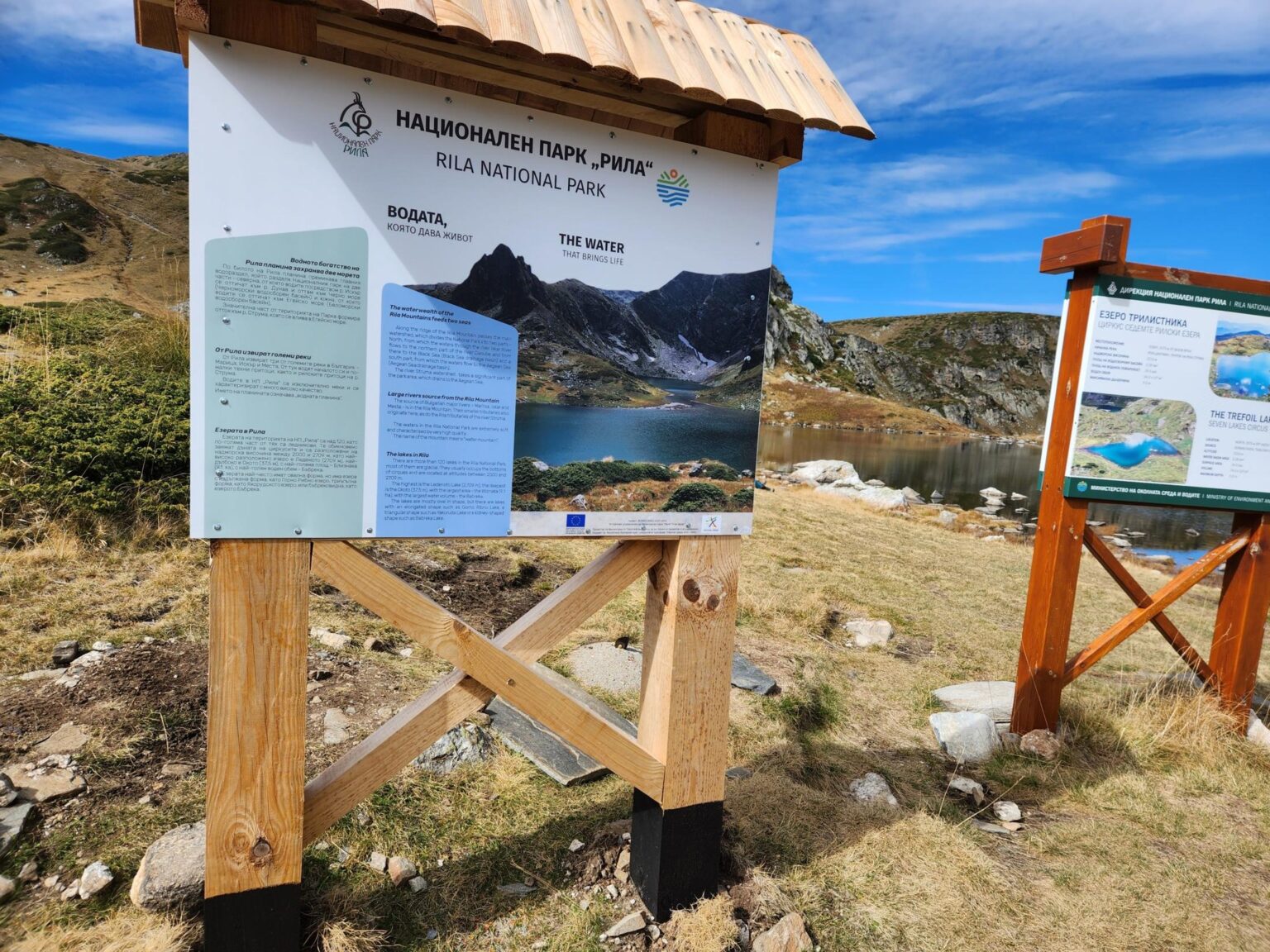
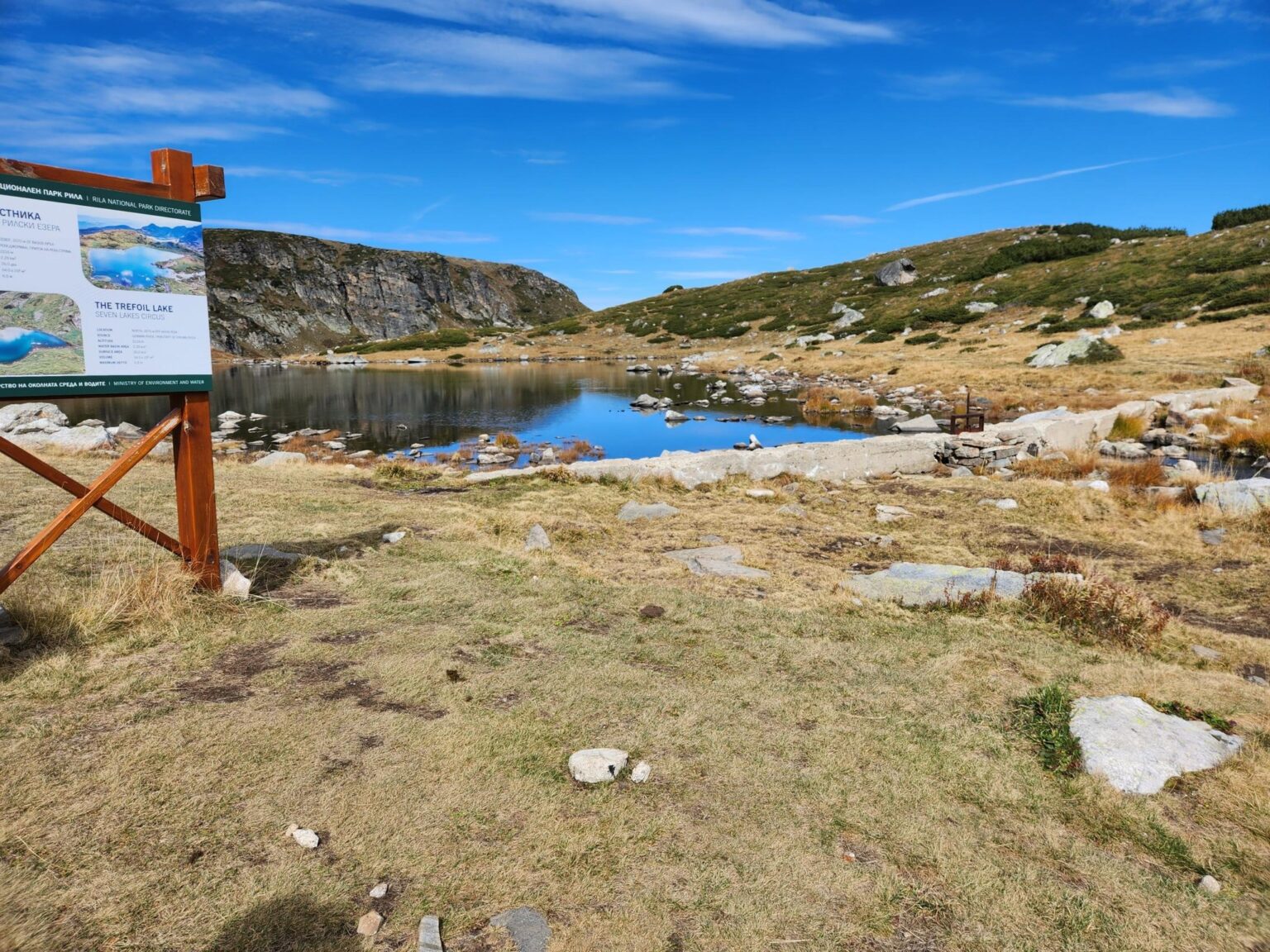
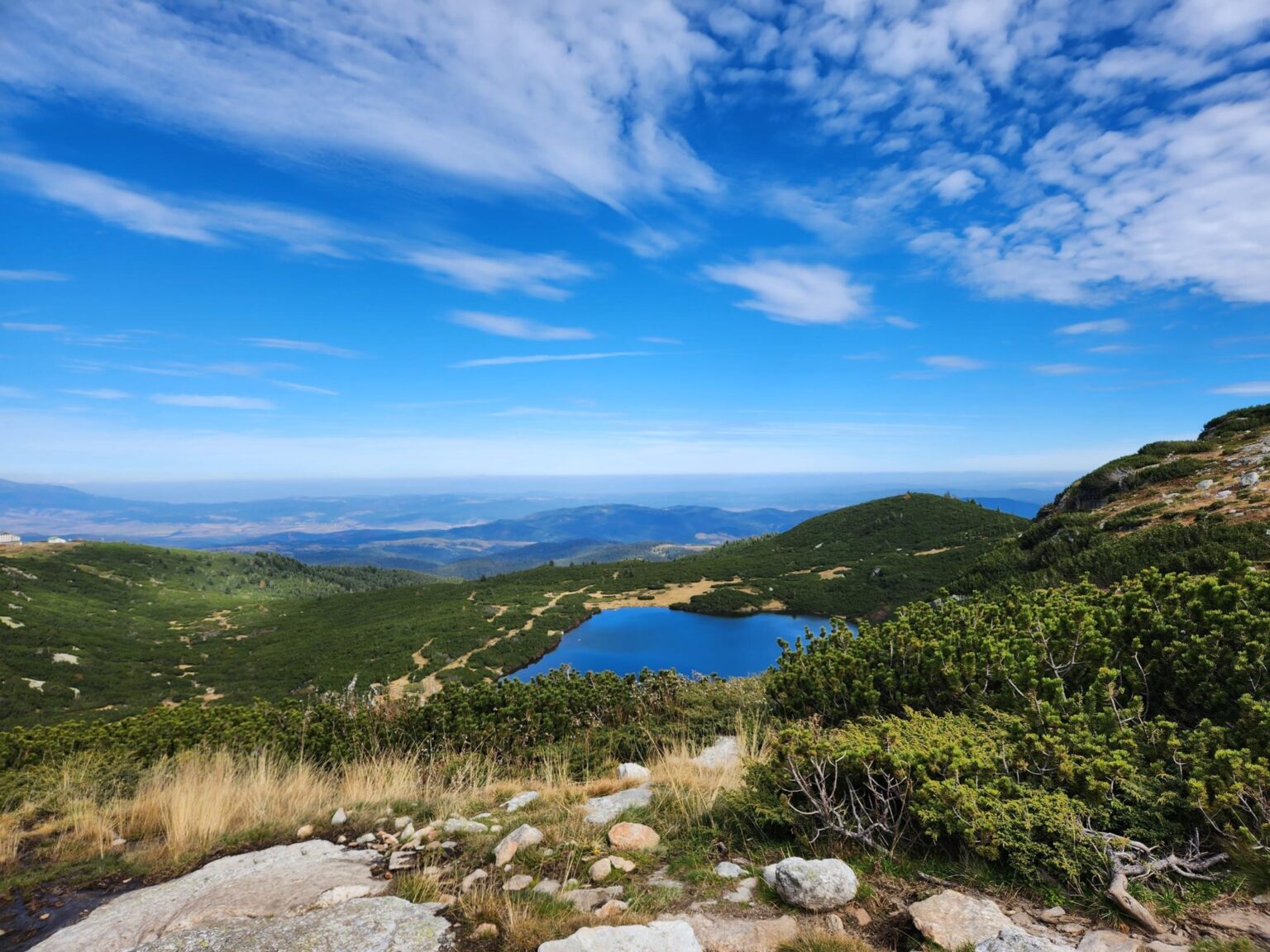
The first climb takes about 15–20 minutes on a clearly defined trail. Fifteen minutes in and every second photo is already wallpaper material. Lakes appear in the distance. The path leads on, unmistakably. Another fifteen minutes and you reach a big lake — Babreka, The Kidney — a good spot to rest and picnic. The names of these lakes are a story in themselves. In person, if you invest enough time and imagination, every one of them looks like a heart. Not the anatomically correct kind. The kind from Viber and Messenger. Here’s The Kidney.
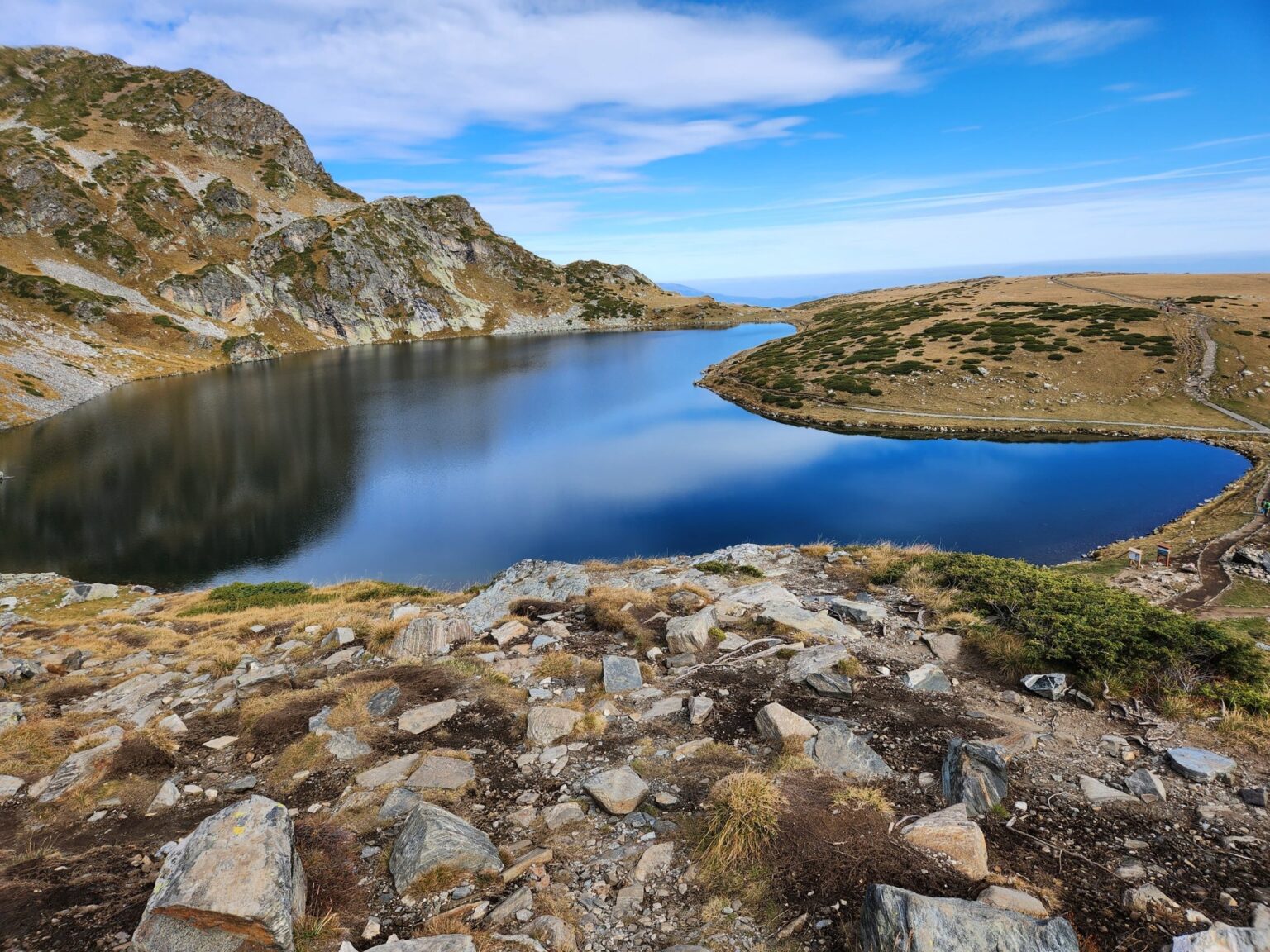
I couldn’t resist.
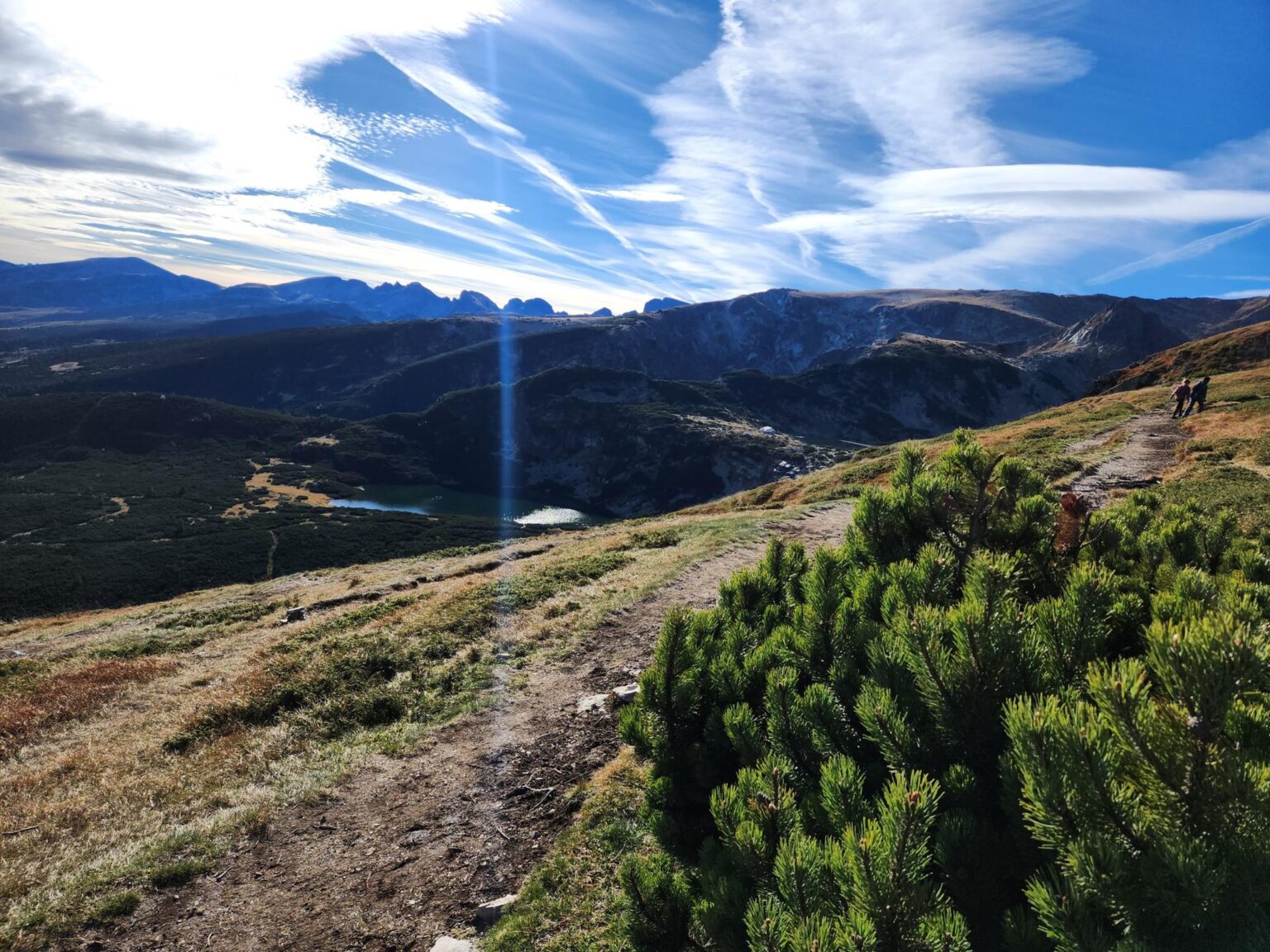
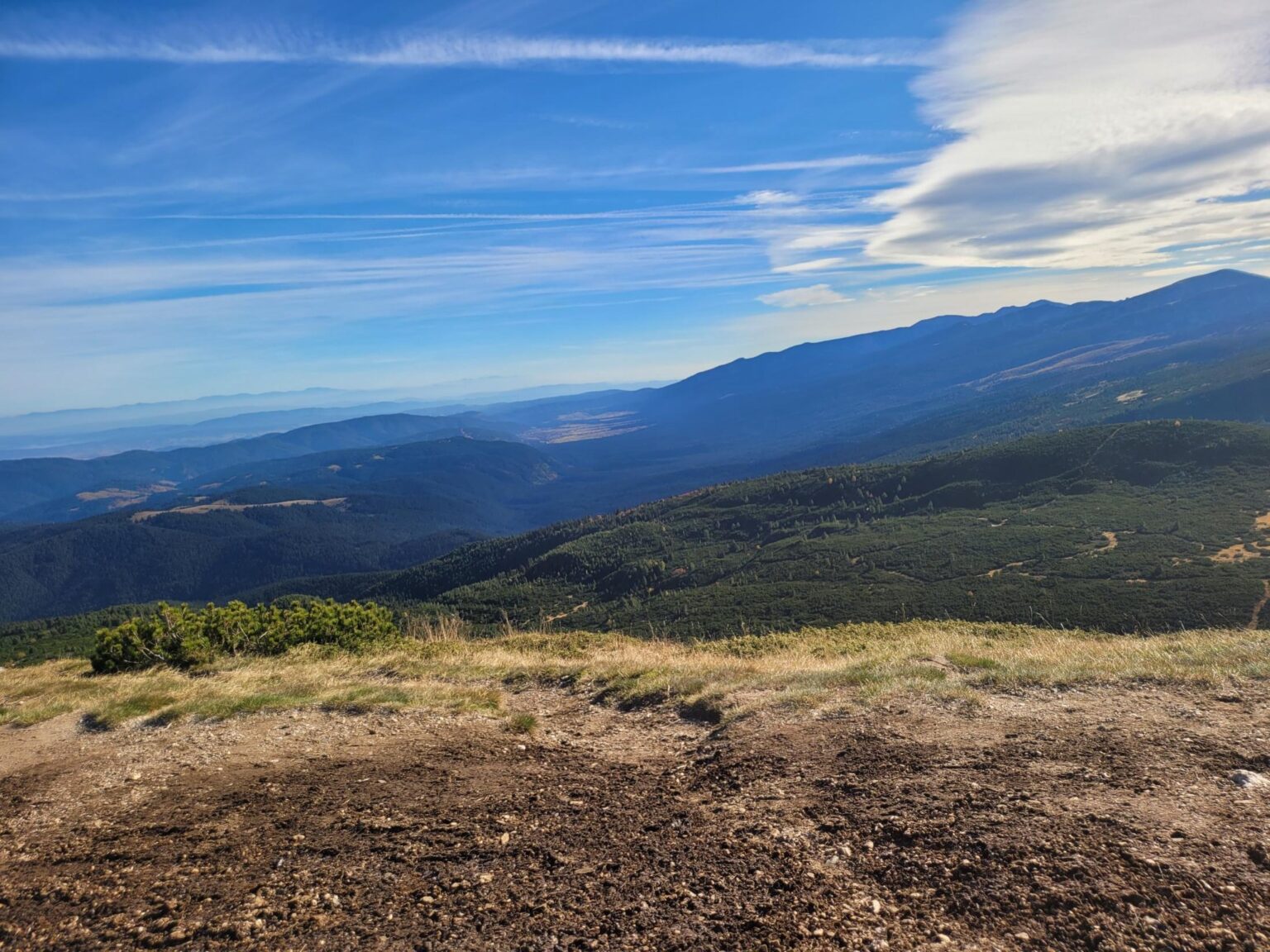
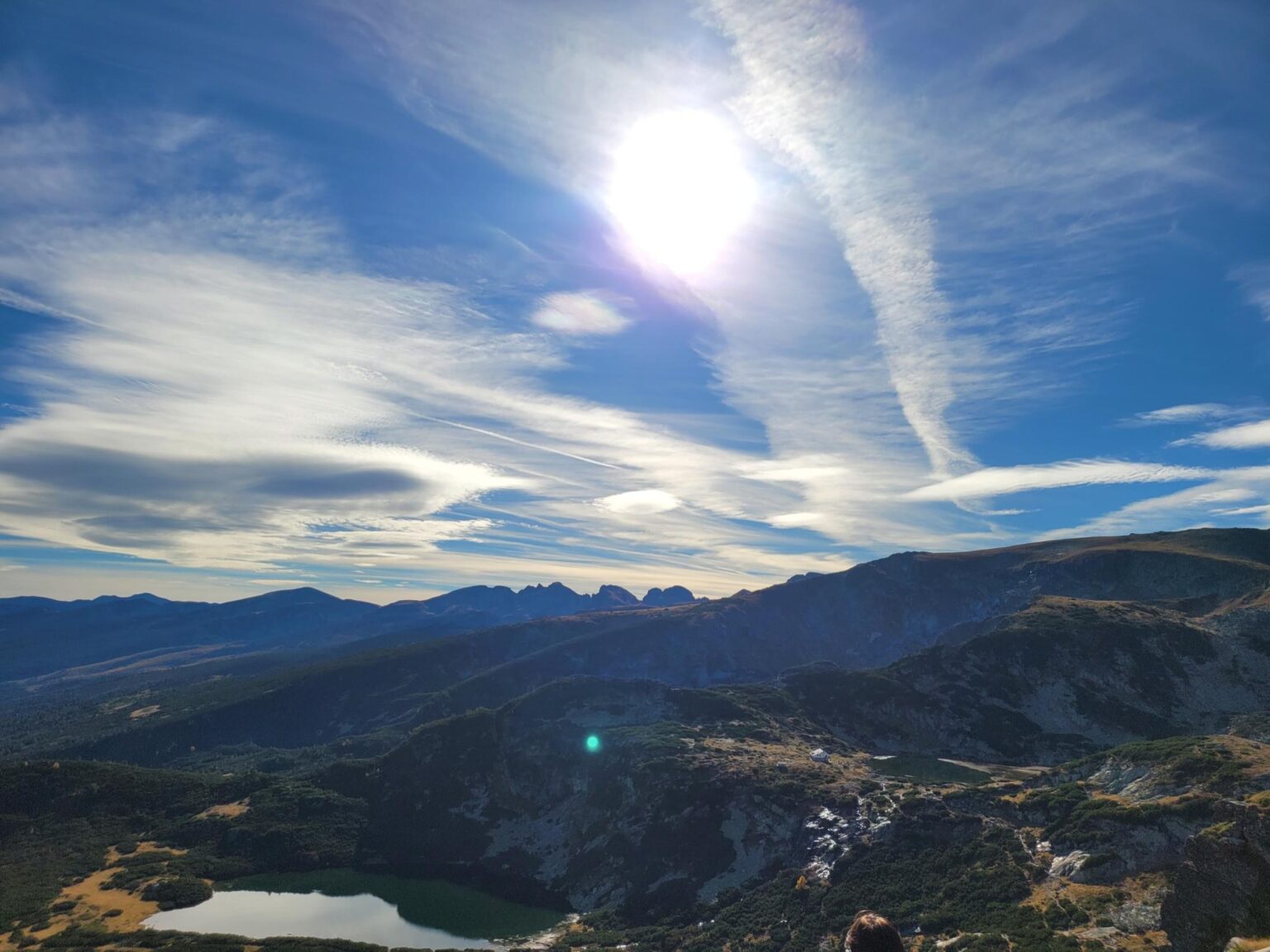
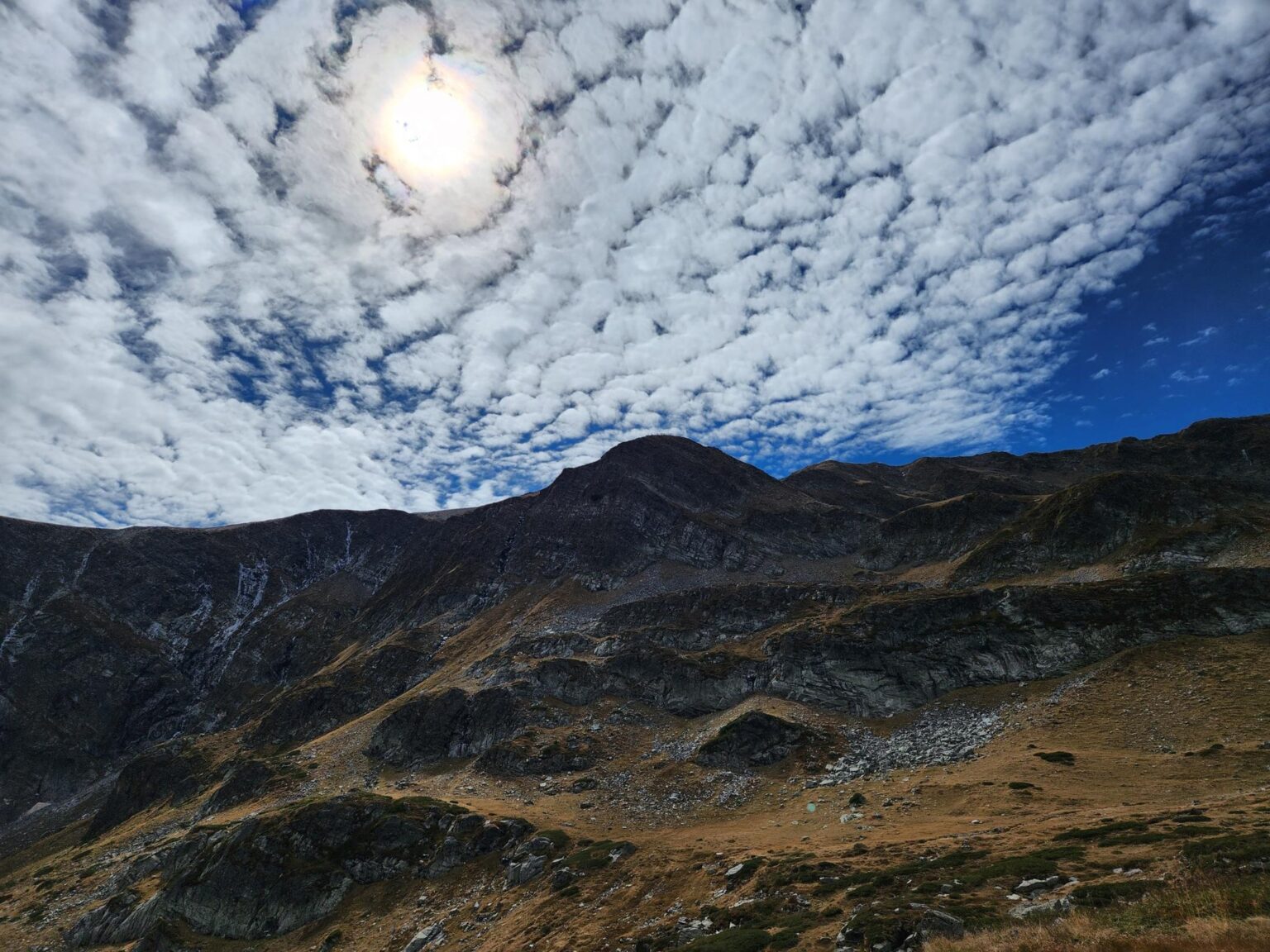
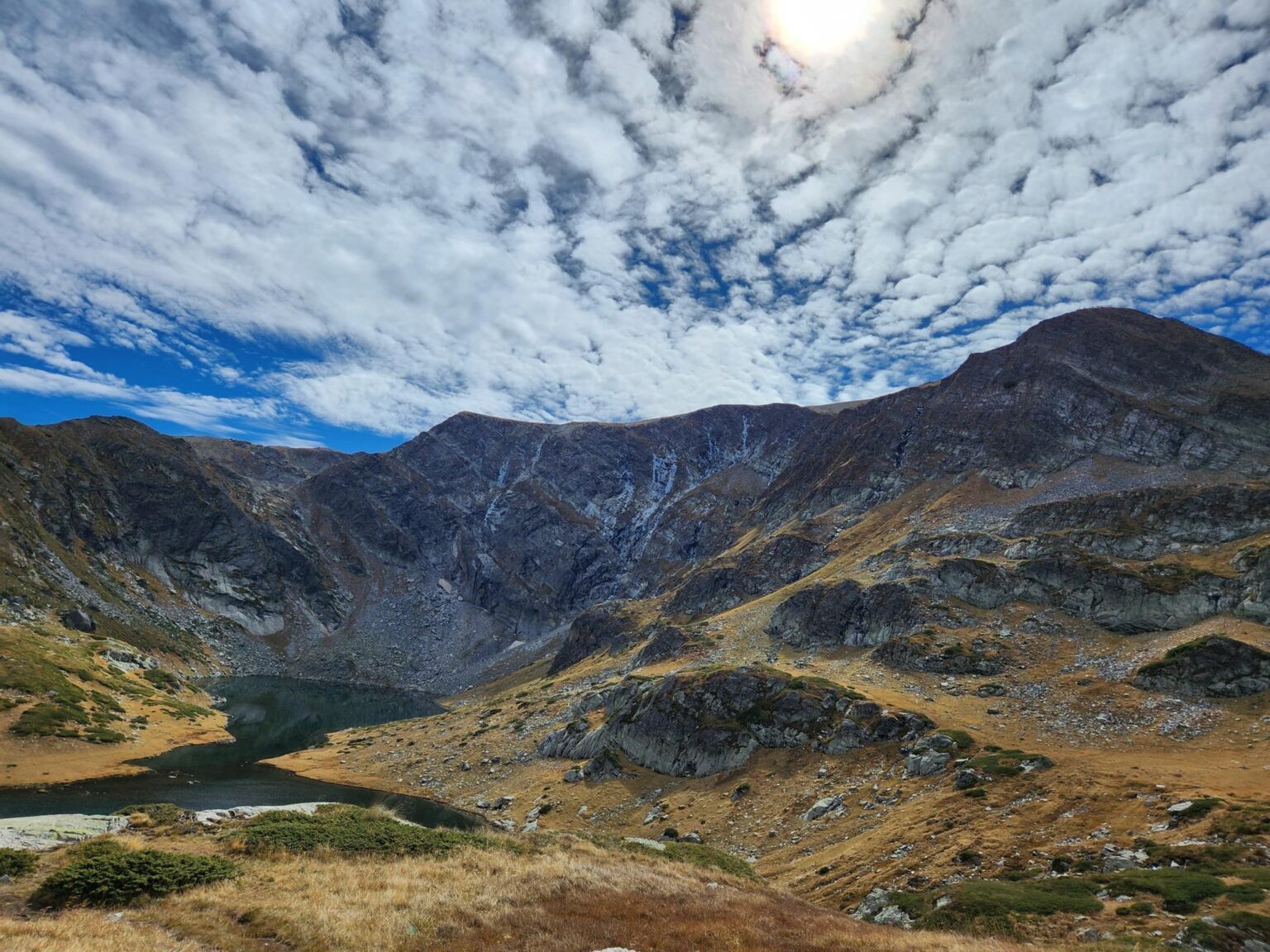
A digression, because this is where the weather gets interesting. In theory the temperature is 20°C. In practice: no cloud, you’re boiling, off comes the jacket. A cloud drifts over you and it feels like 0°C. Back on goes everything. The cloud passes, you’re boiling again. Repeat. That’s the defining feature of an autumn walk to the Rila Lakes.
Next comes a junction. There’s an alternative return route that passes the Lower Lake. I started the watch a bit late, after the first climb, so the track below is missing the first 100 metres of ascent out of the hut. Roughly, the full loop looks like this:
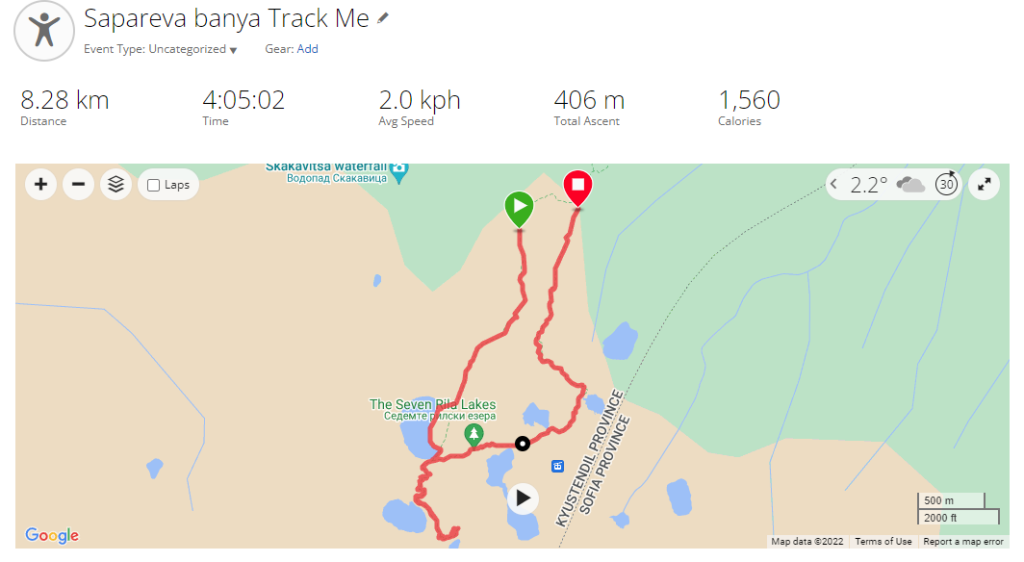
At the risk of giving away free advertising, I want to slip in that Garmin make wonderful toys for technical maniacs like me.
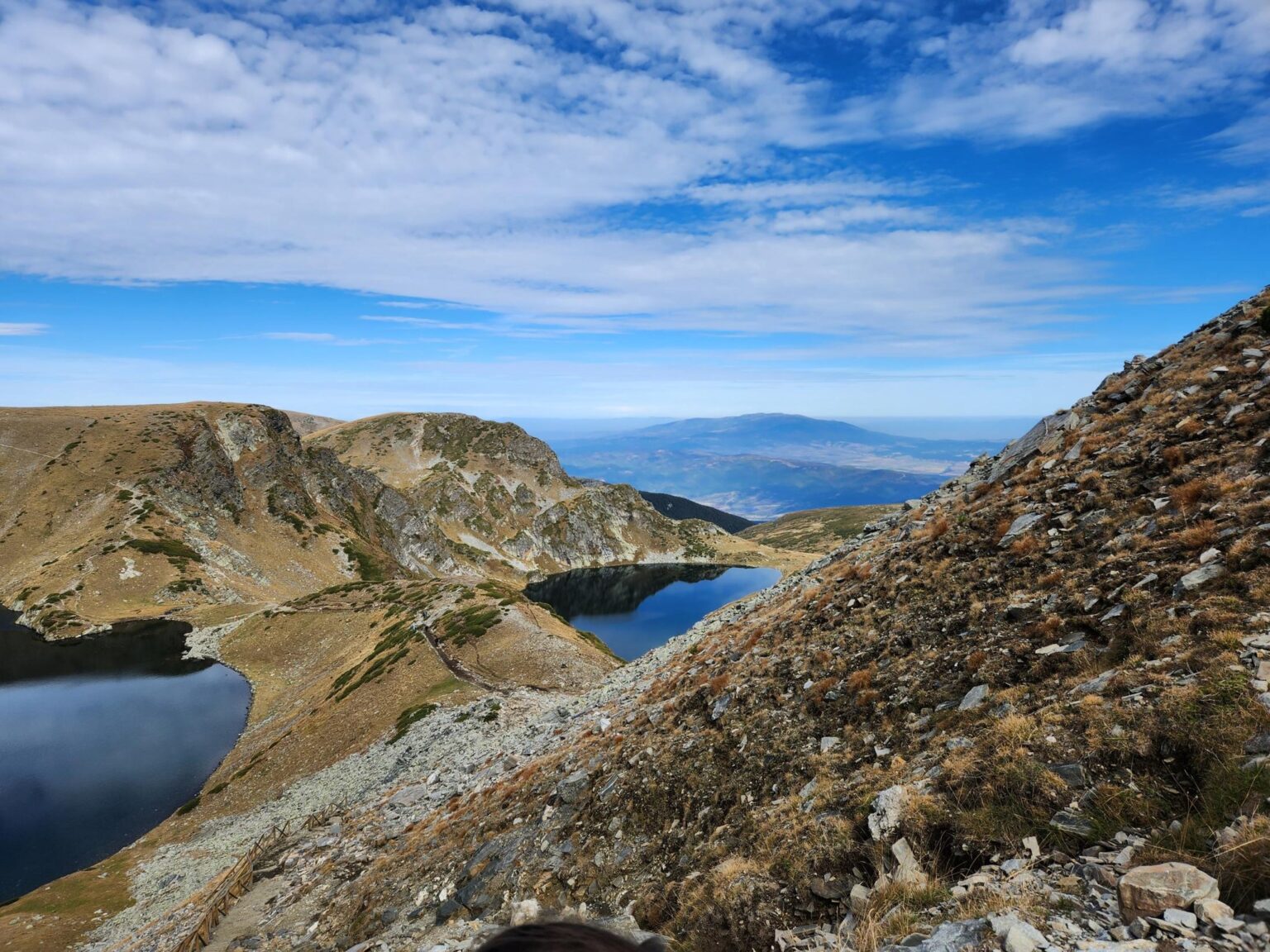
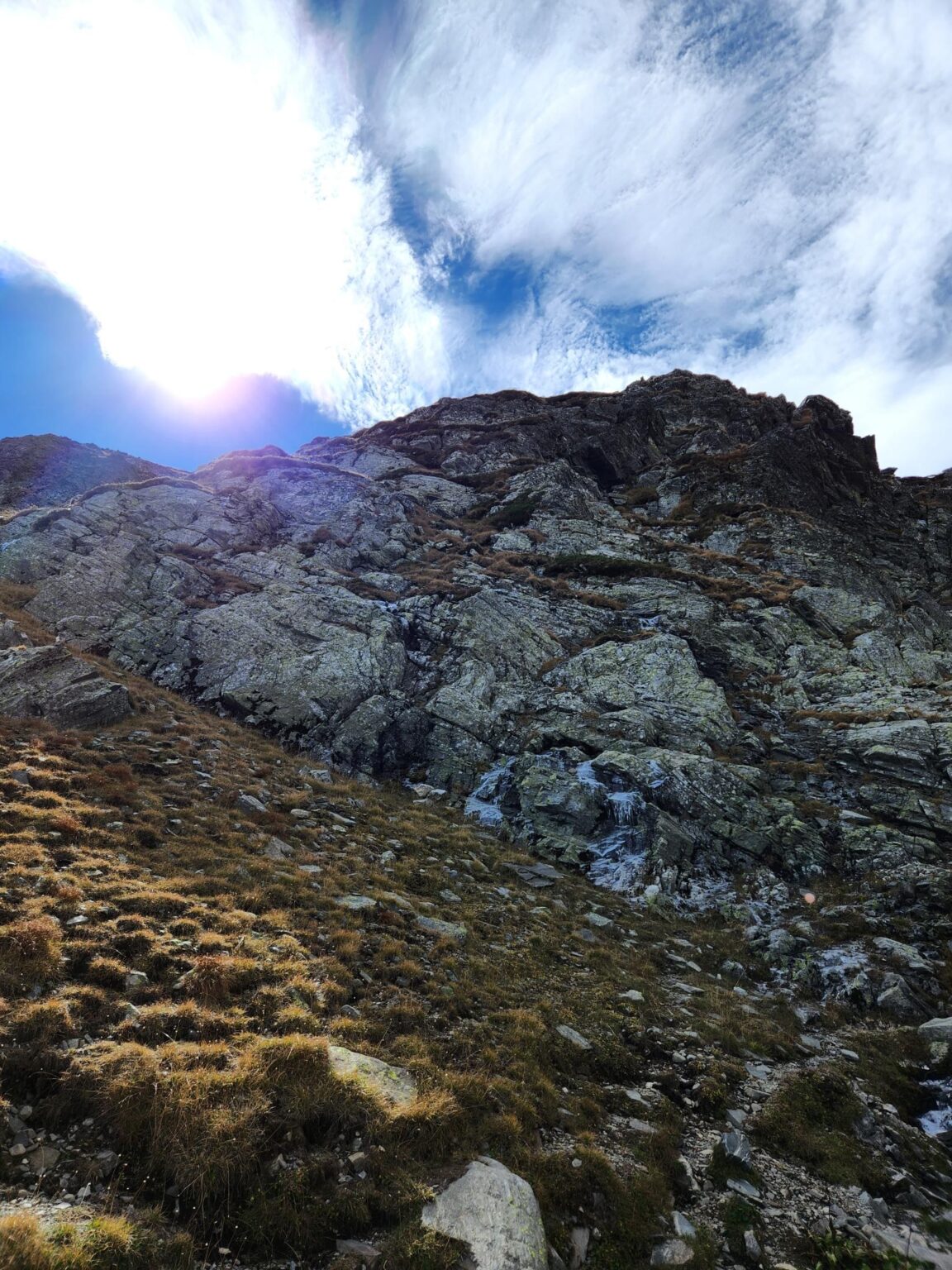
Up to the junction past Babreka it’s light and fun. Then things get serious. Bring poles and save your knees. If you don’t own any and forgot to stop at a shop, the little stalls at the car park open shortly after 09:00 and their prices are reasonably competitive. This is also where the tidy stonework ends. What follows is heavy climbing on loose gravel. There are handrails, they’re under constant load, and they’re useful. Every two steps forward come with a half-step slide backwards. How this will feel on the way down is not something I want to think about right now. Under normal circumstances the main motivation to keep going would be proving to myself that I can do it, or the ridiculous landscapes I’d seen in hundreds of photos online. Wrong! The actual motivation is a group of Chinese grandmas and grandpas powering up the slope and resting less than we do 😀 No chance I’m letting them out-climb me.
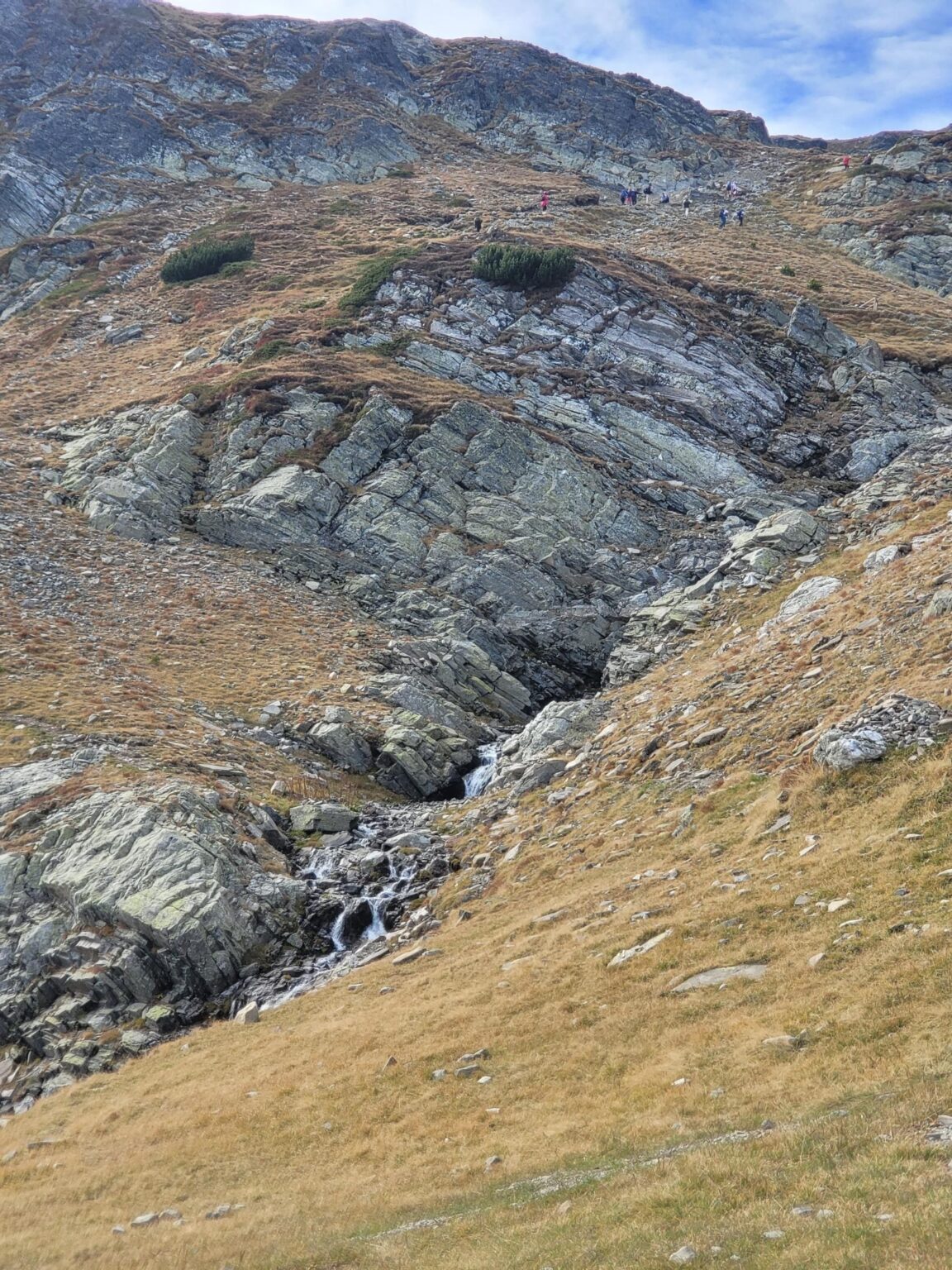
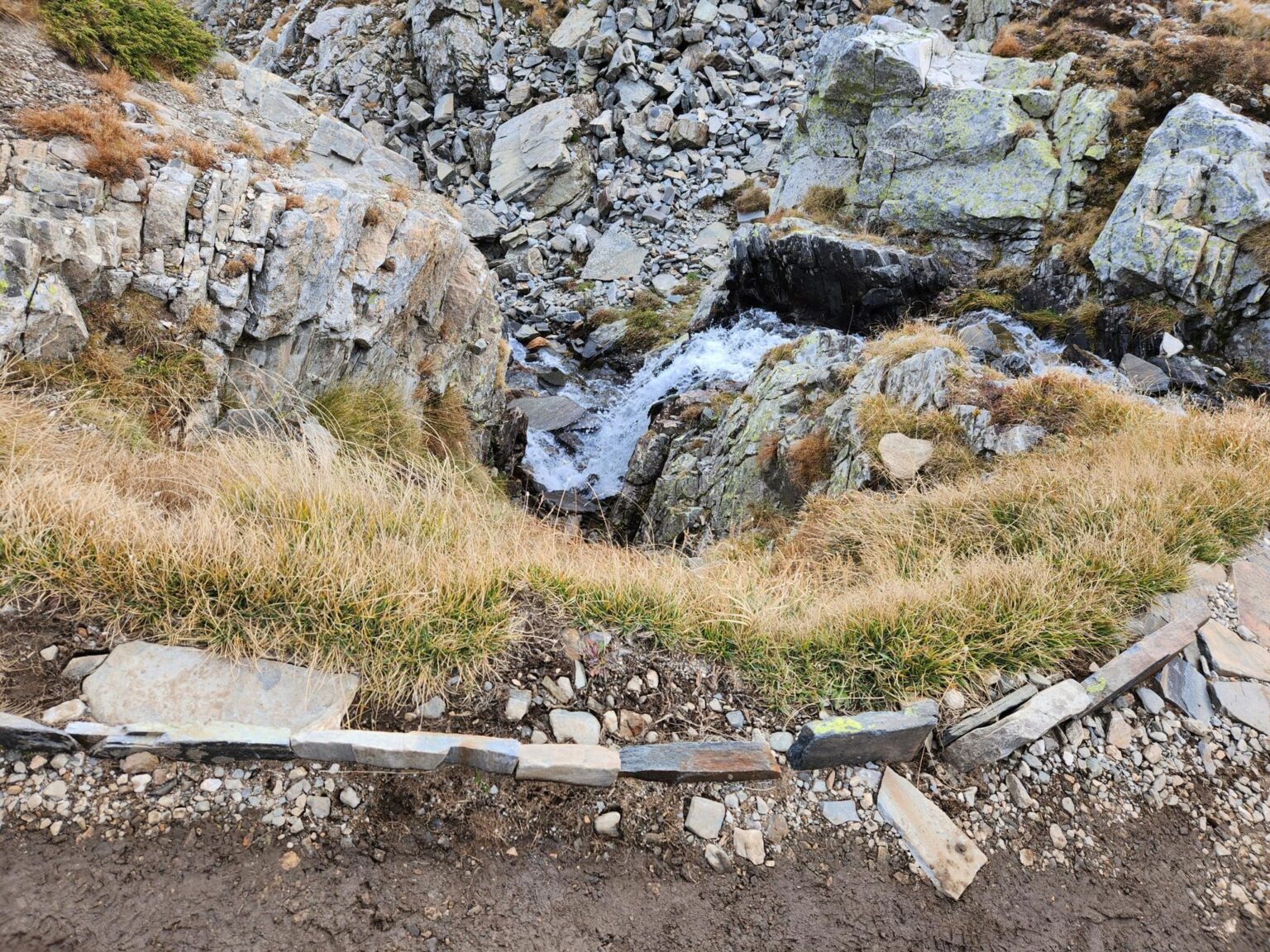
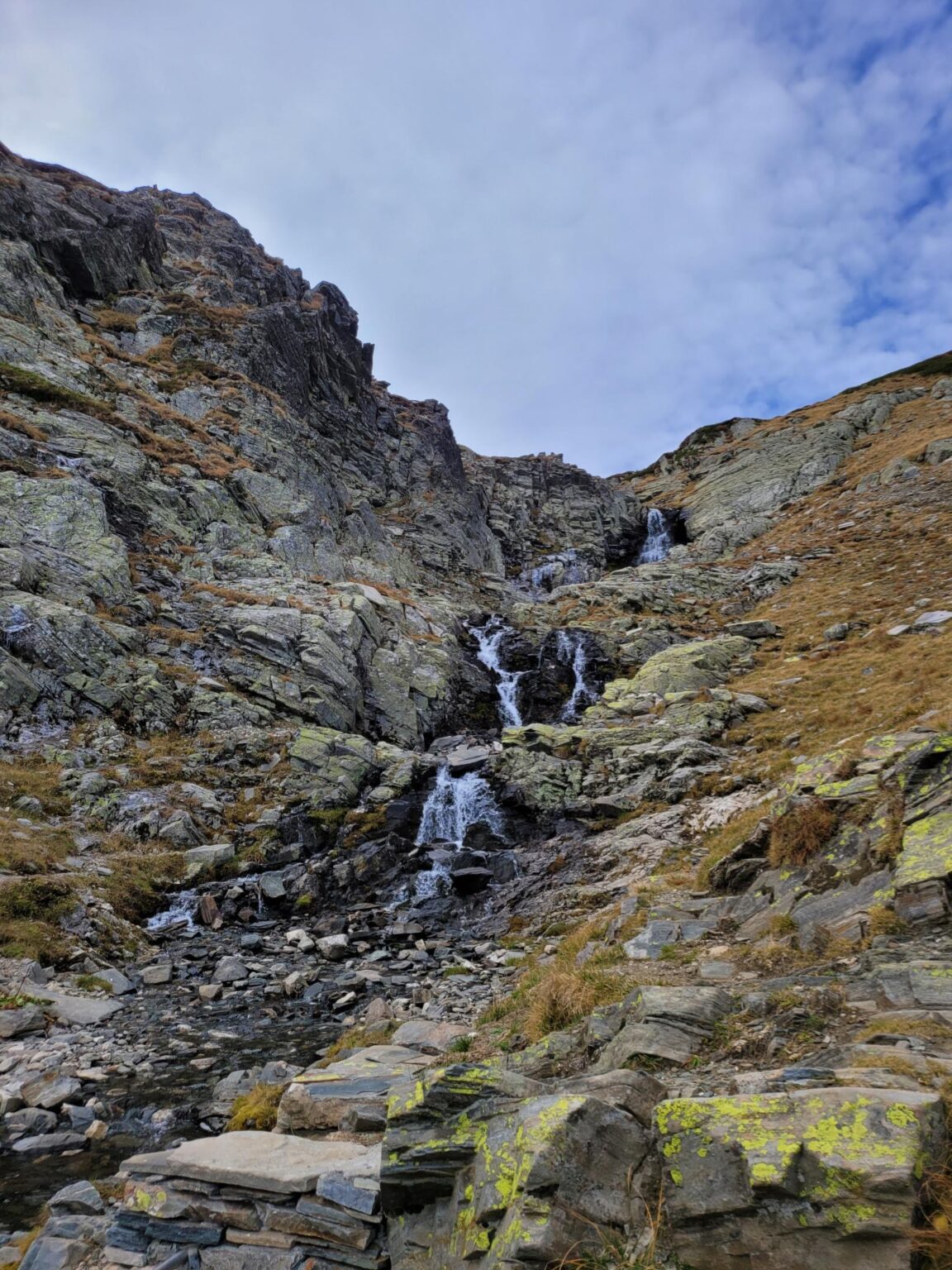
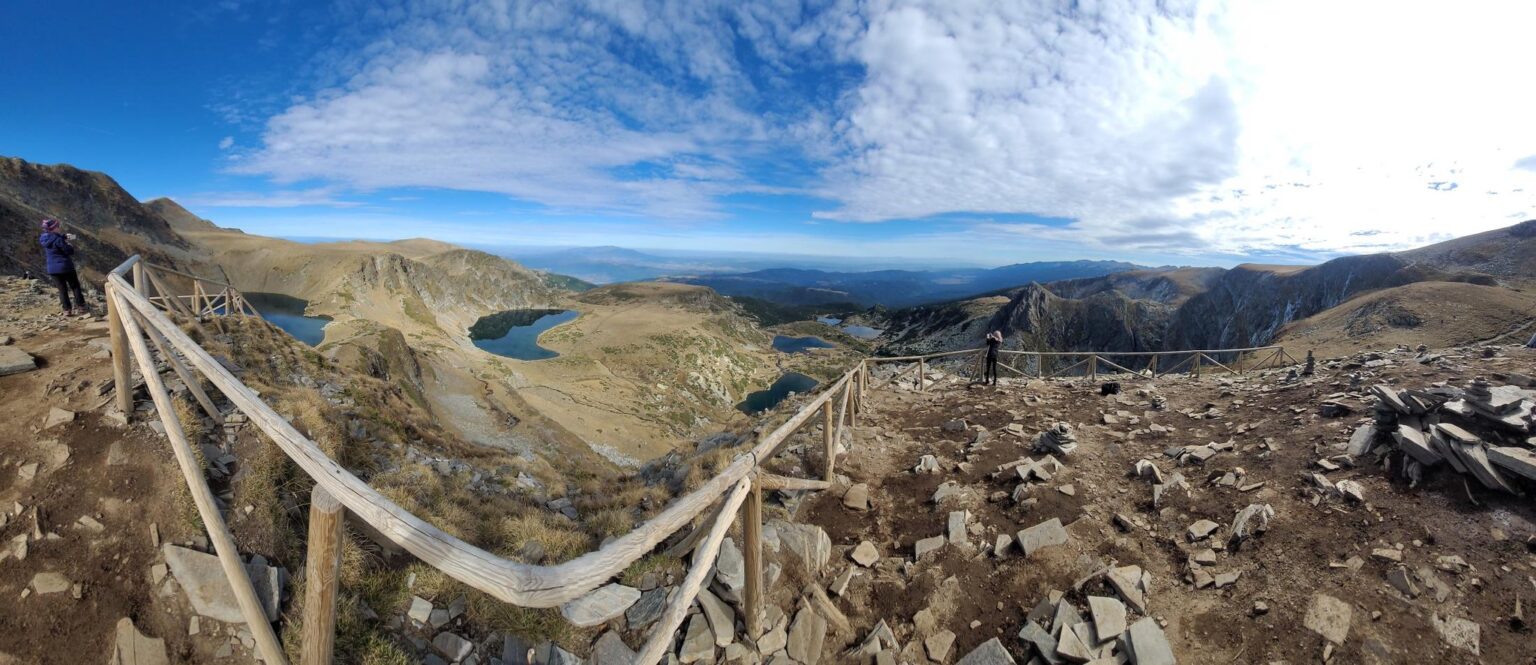
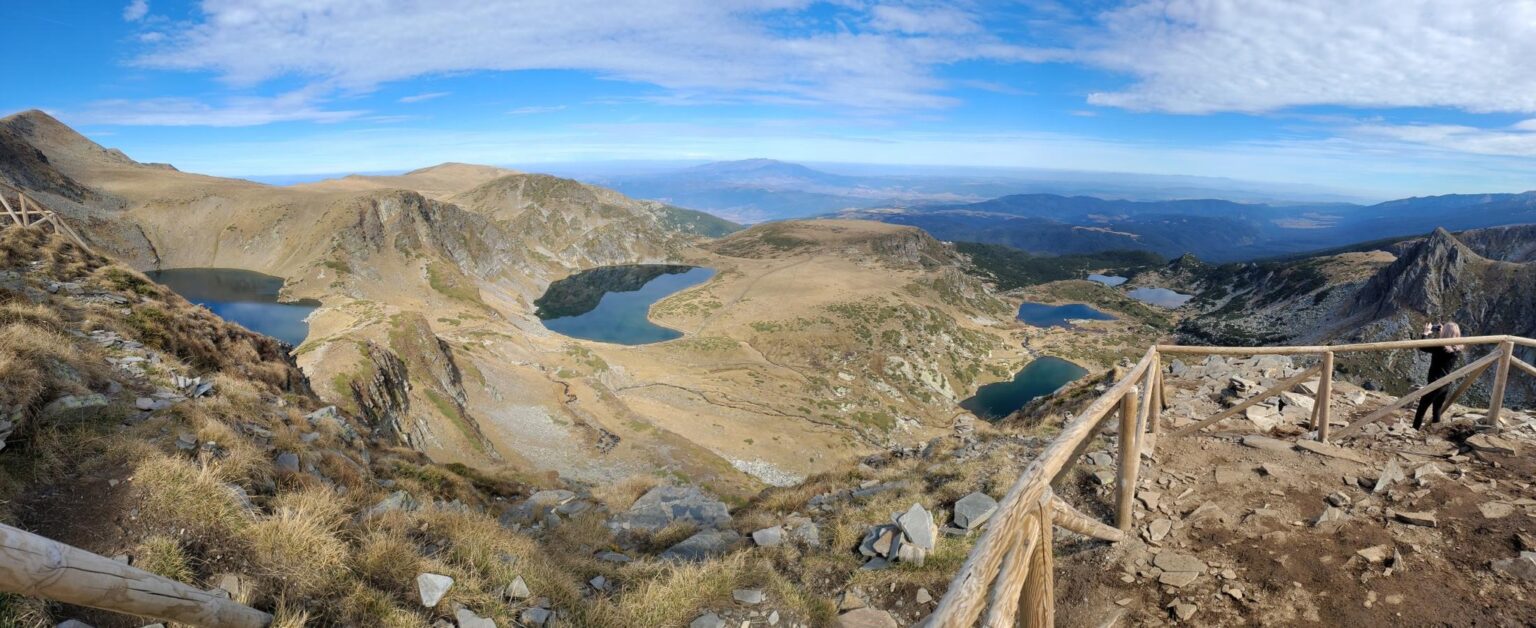
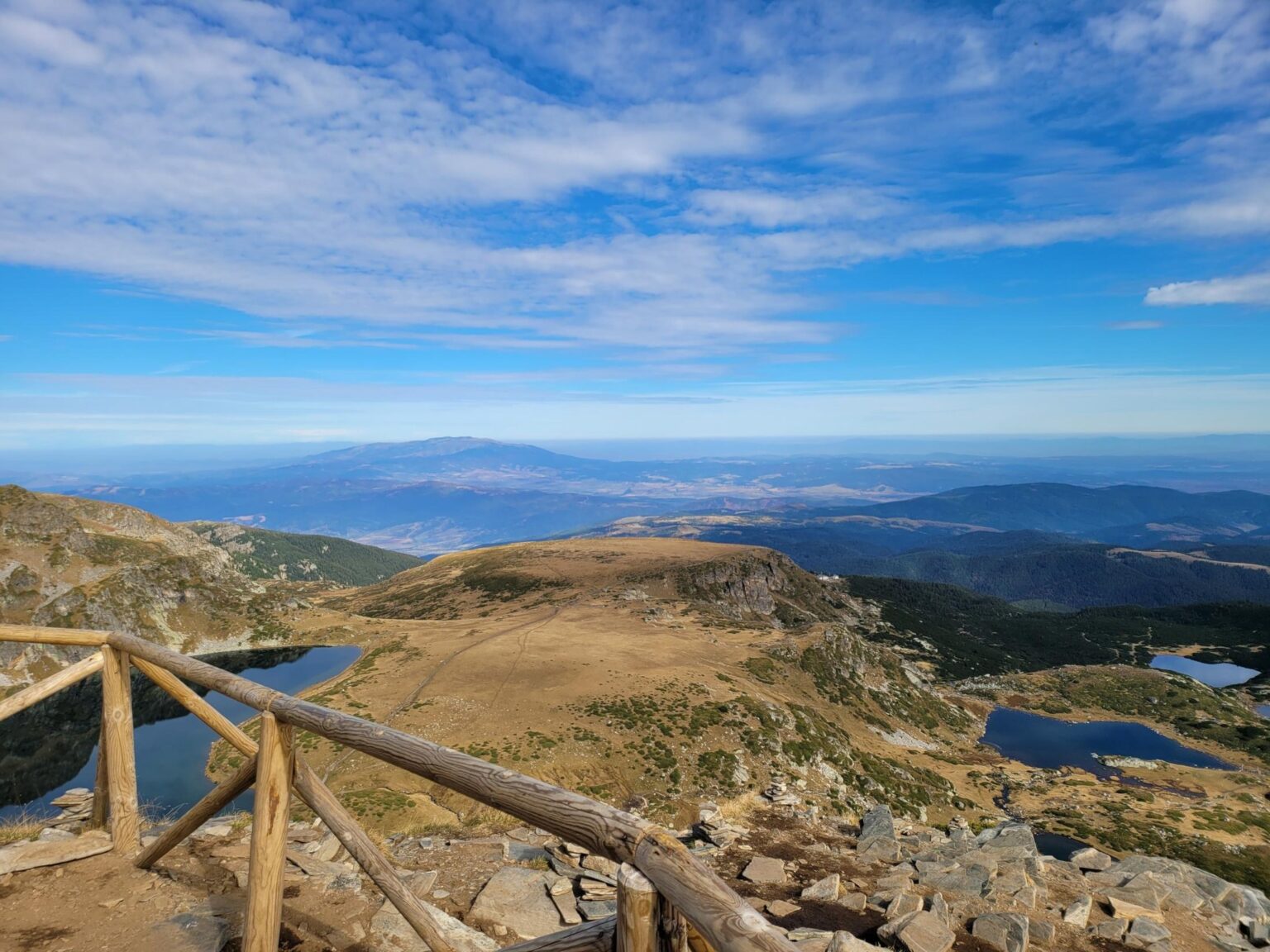
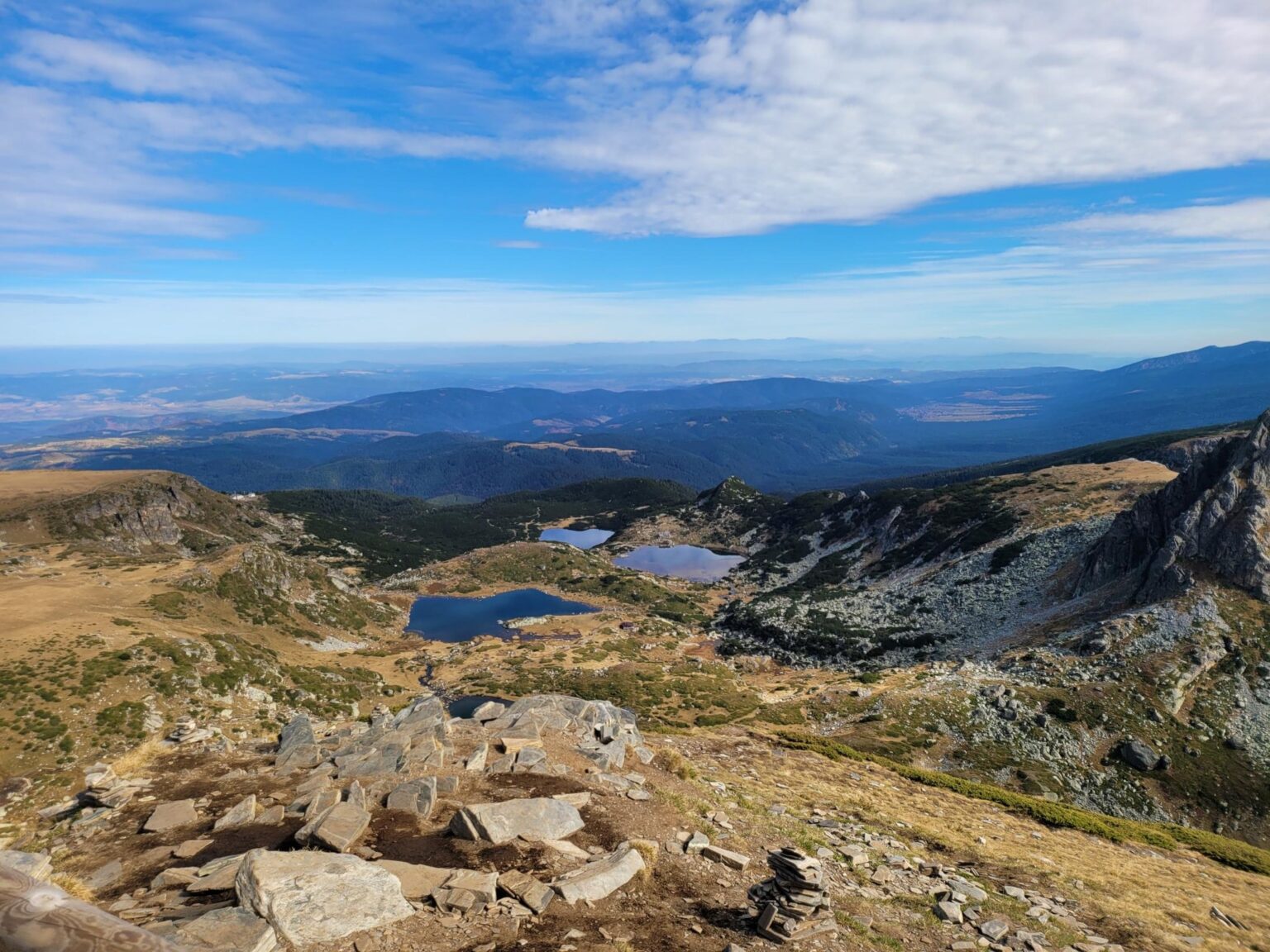
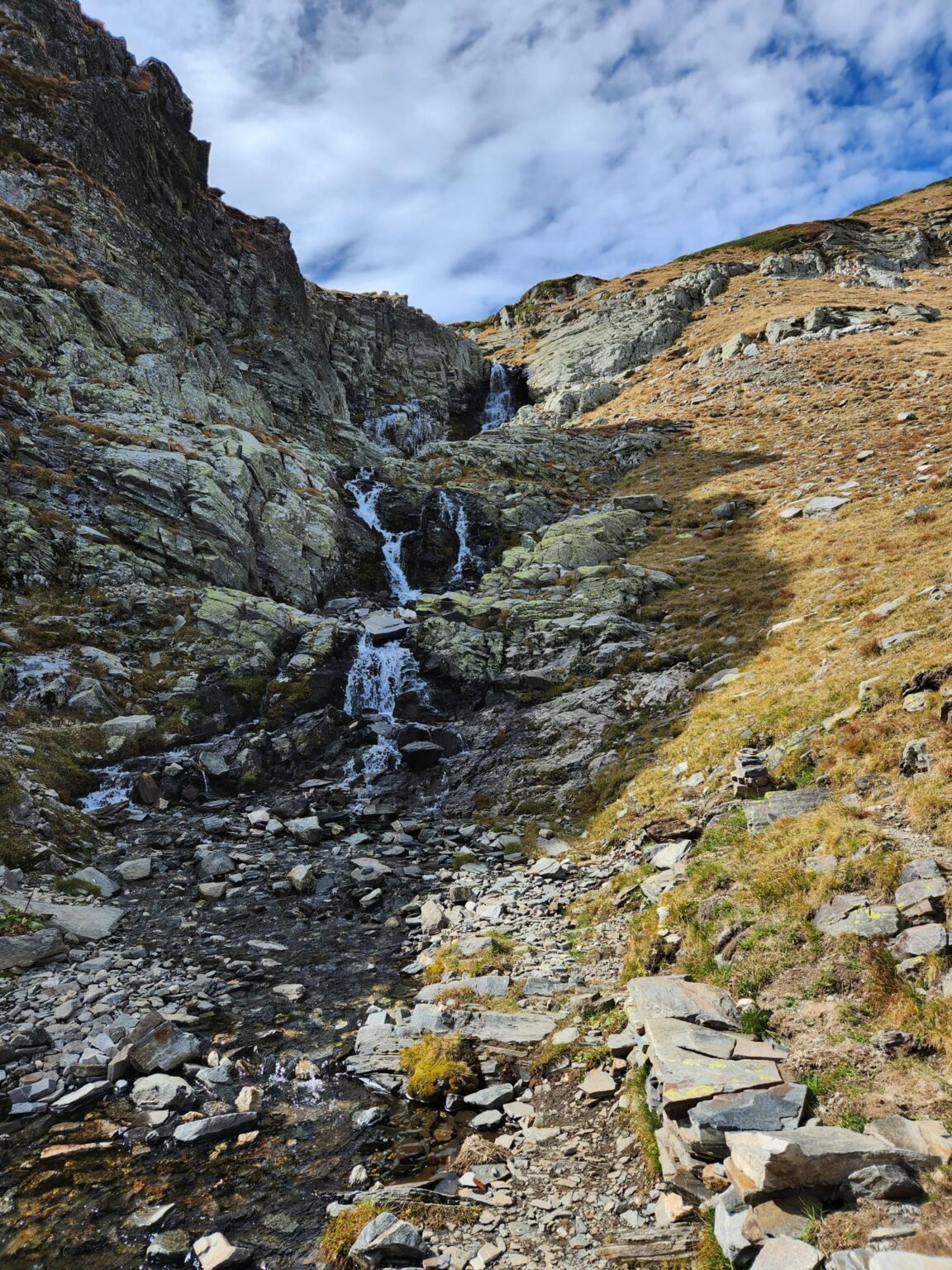
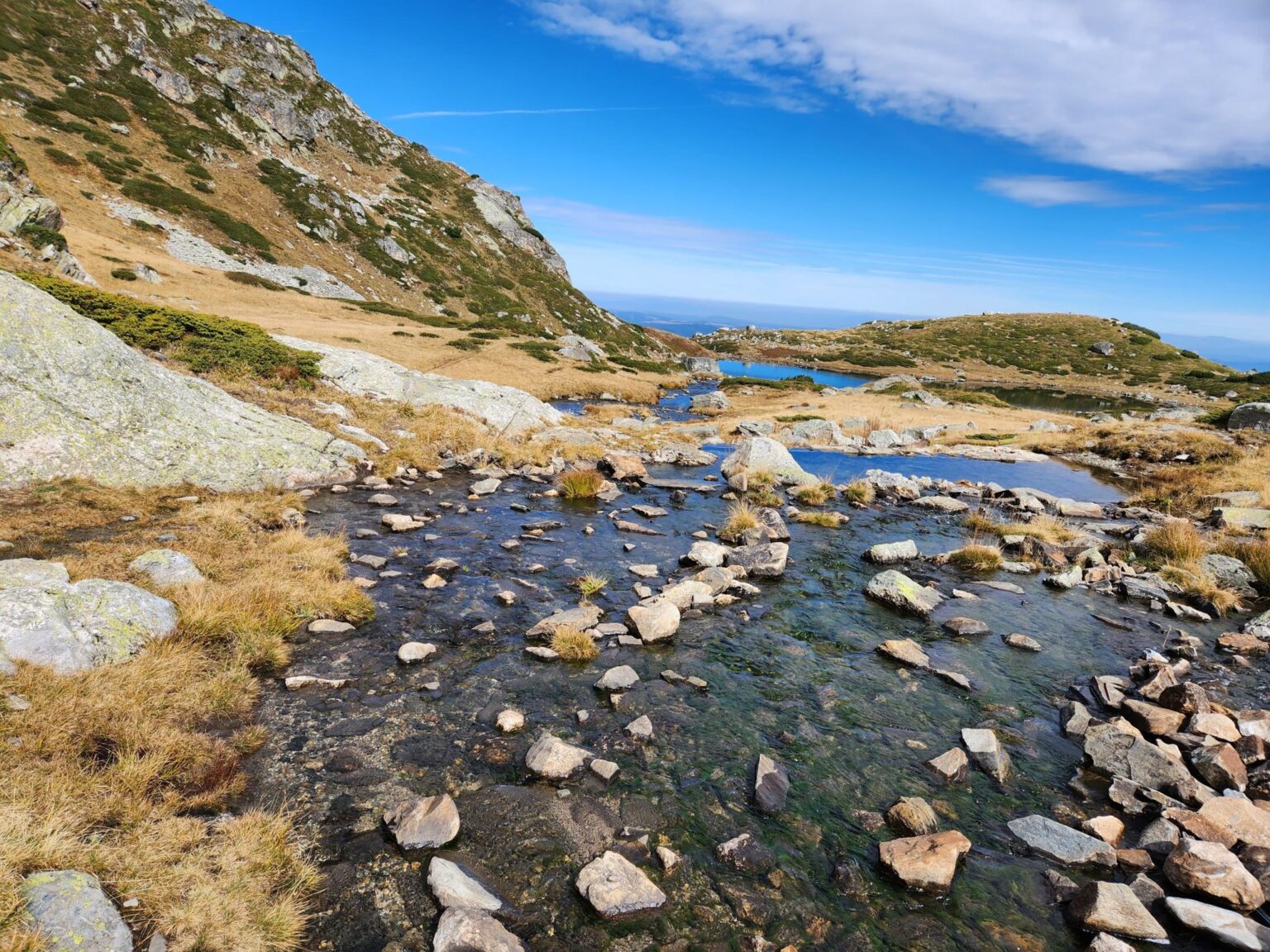
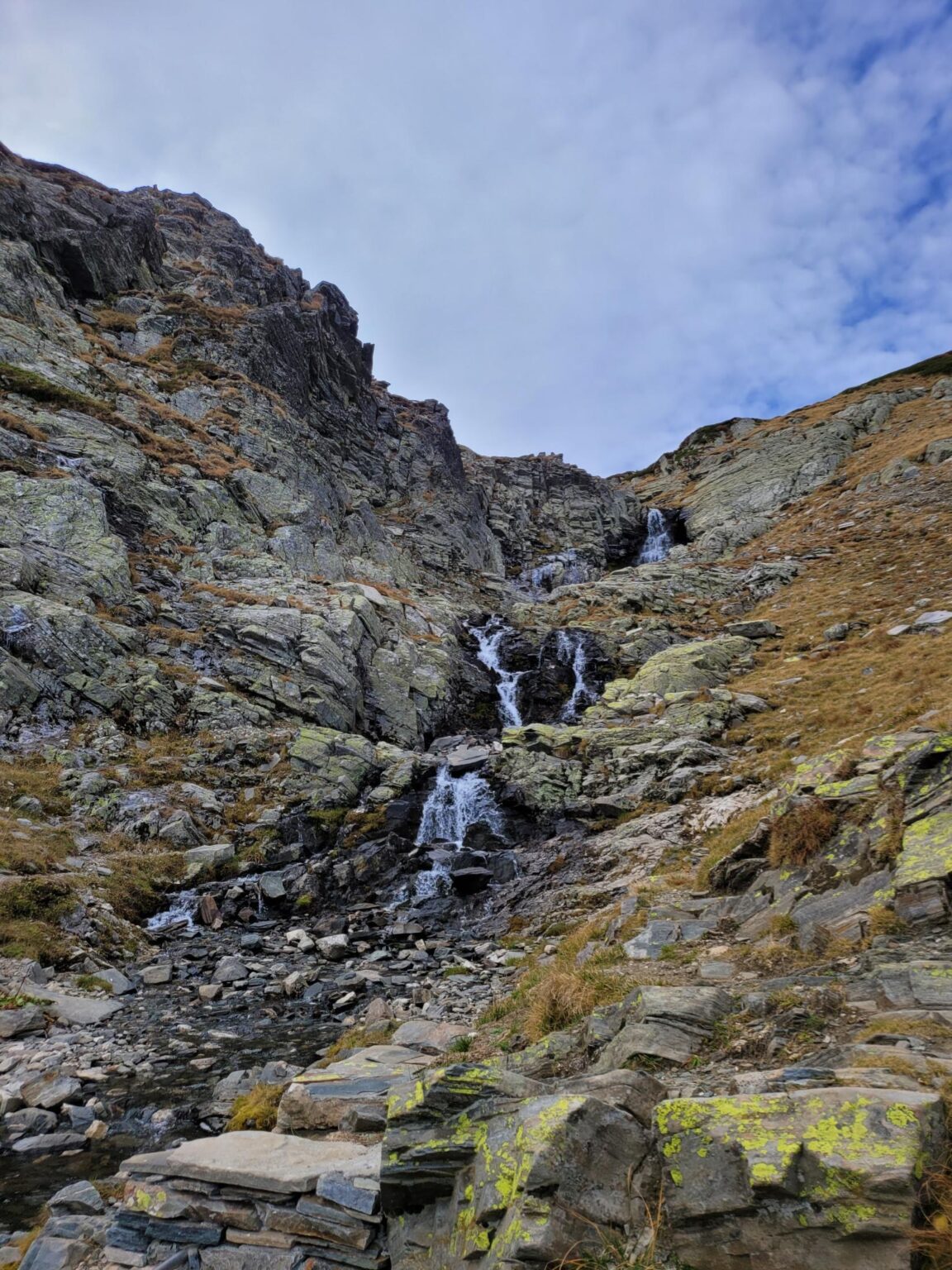
Brutal climb, lakes, photos. Oh look, a waterfall. A bonus flat section for work well done. Oh look, another waterfall! And again — brutal climb, lakes, photos. Now, whether that visibly-above-average-age tour group got there before us is not really the point. It’s like a marathon: what matters is taking part and finishing 😀 😀 😀 We finished. Views in every direction. Absolutely worth it. The knees will sort themselves out eventually.
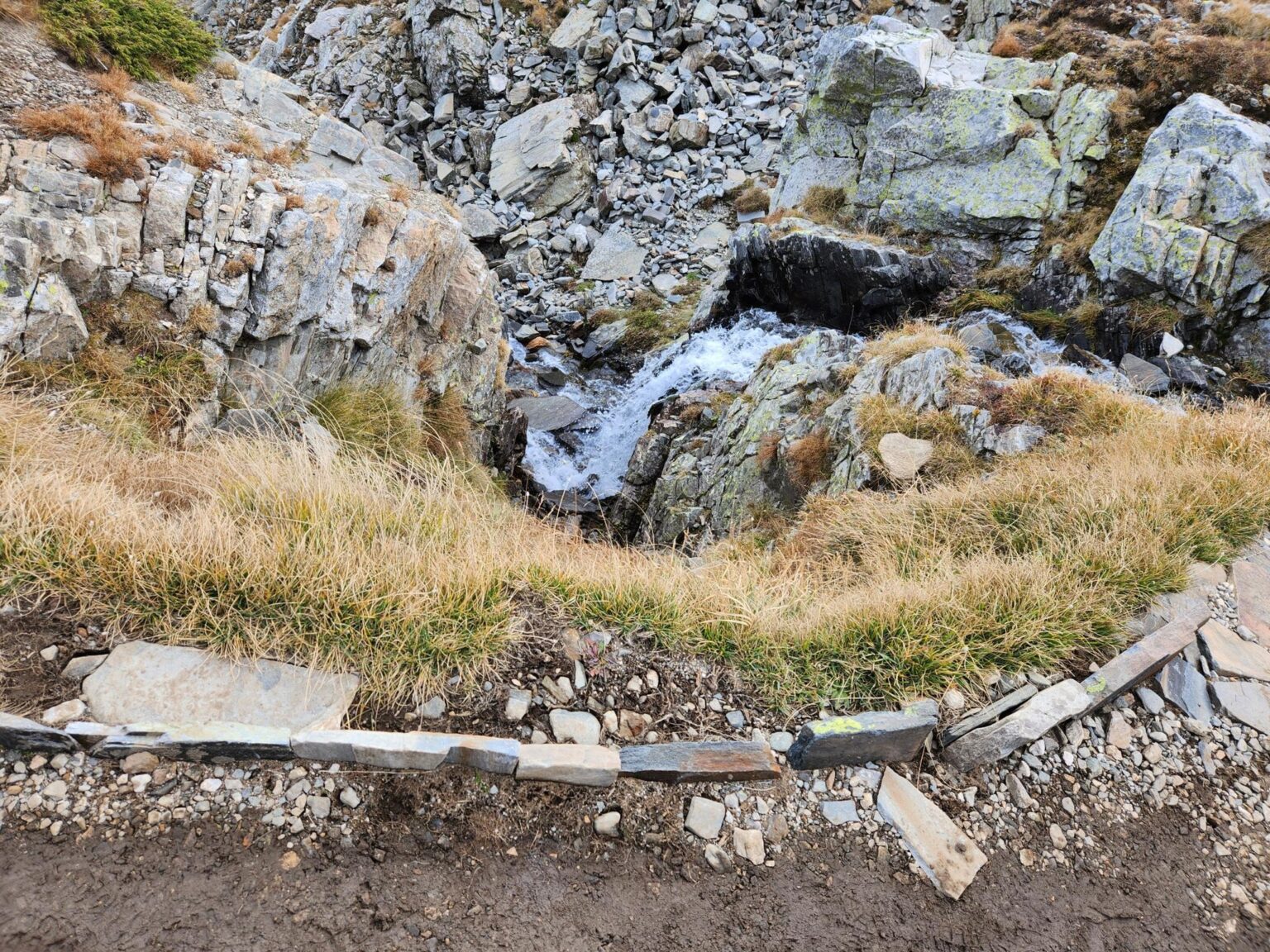
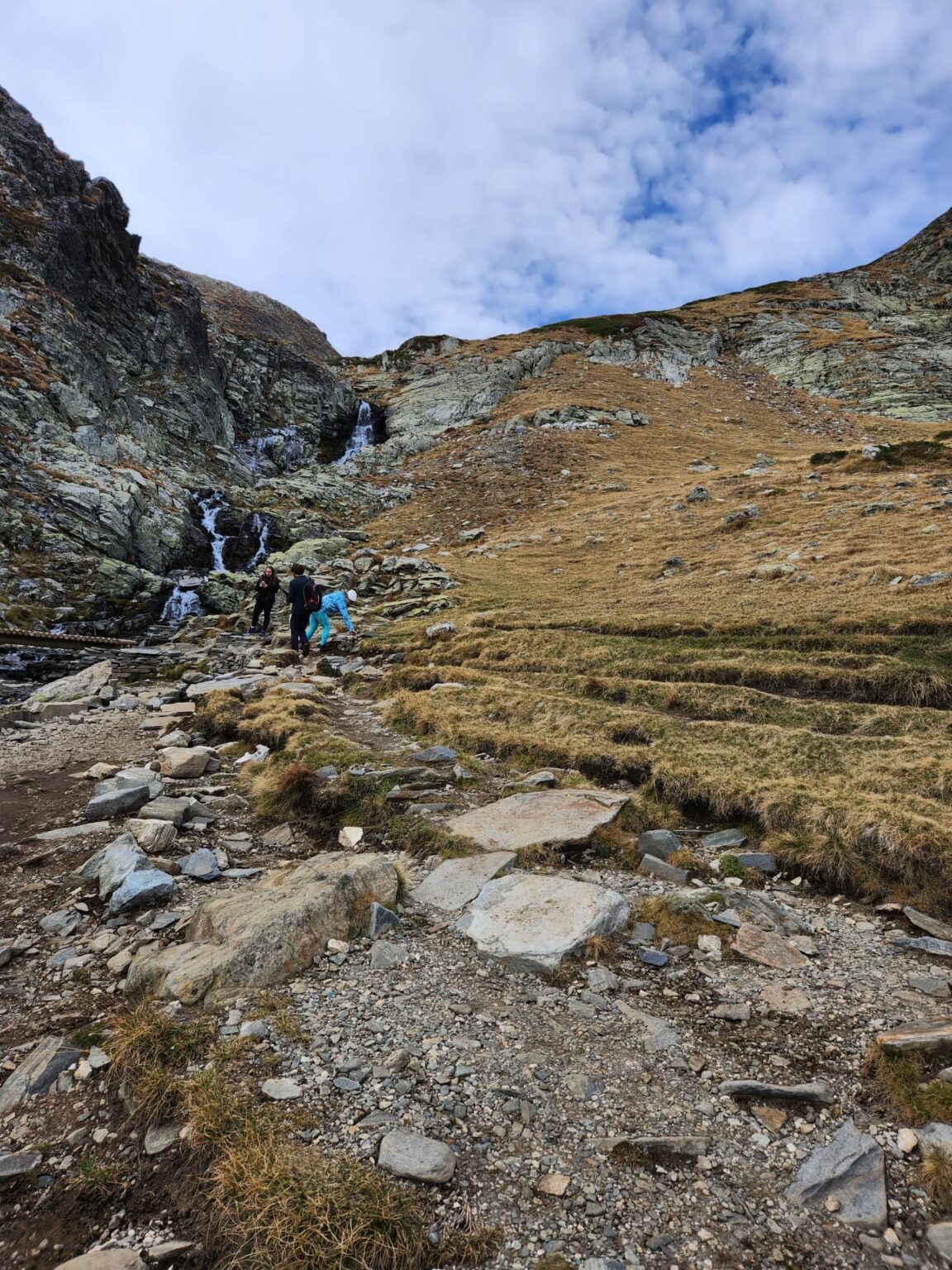
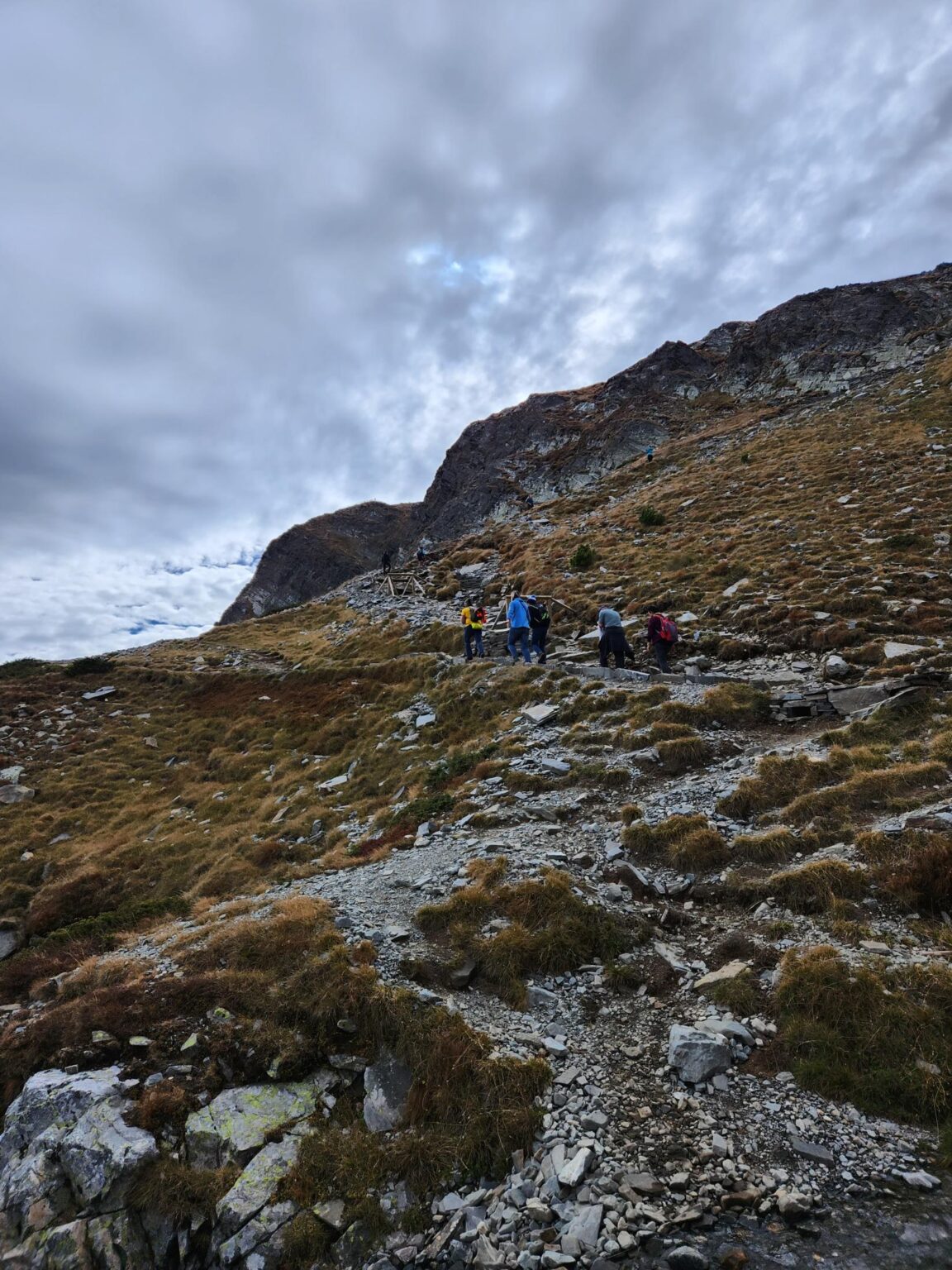
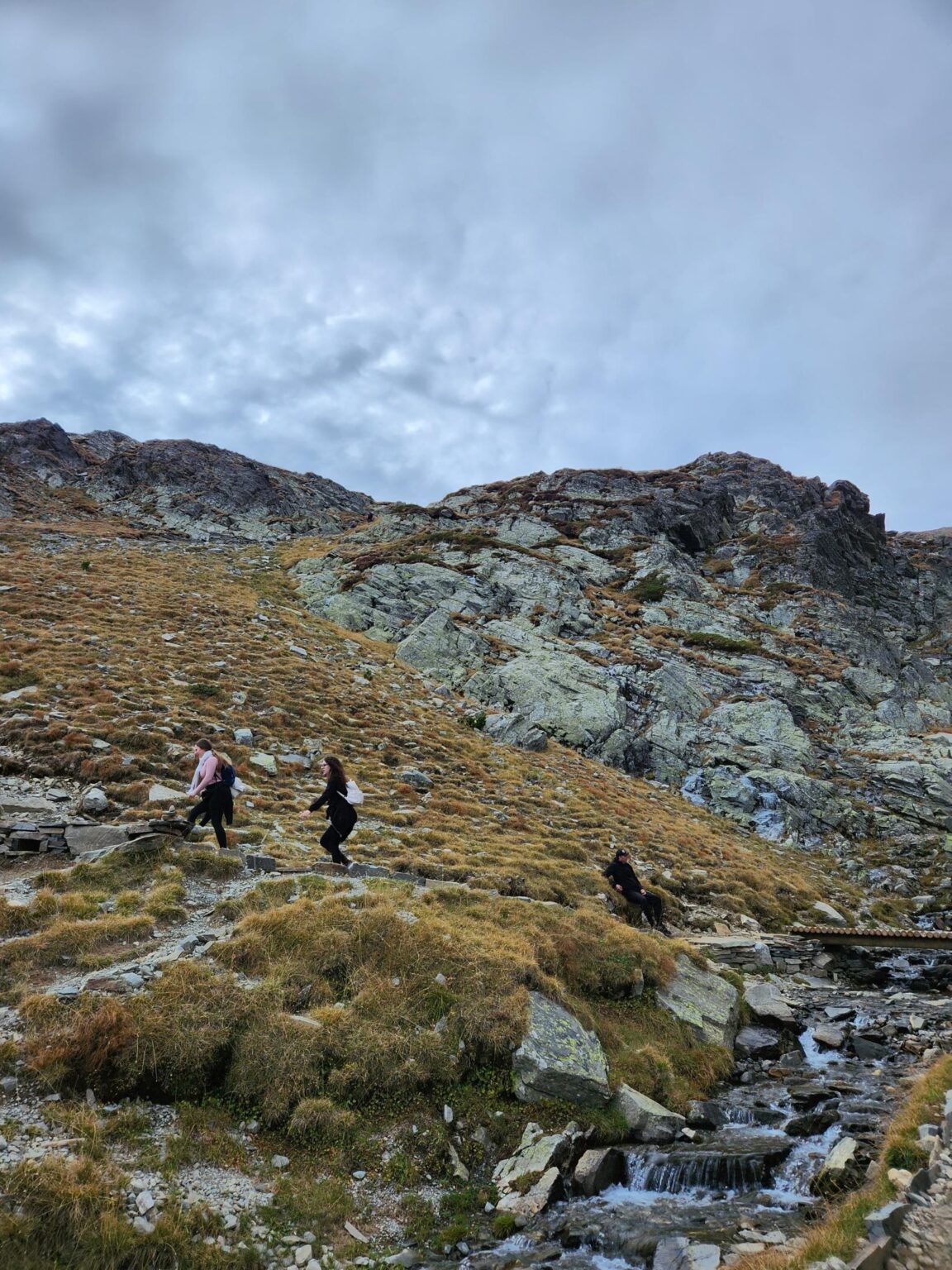
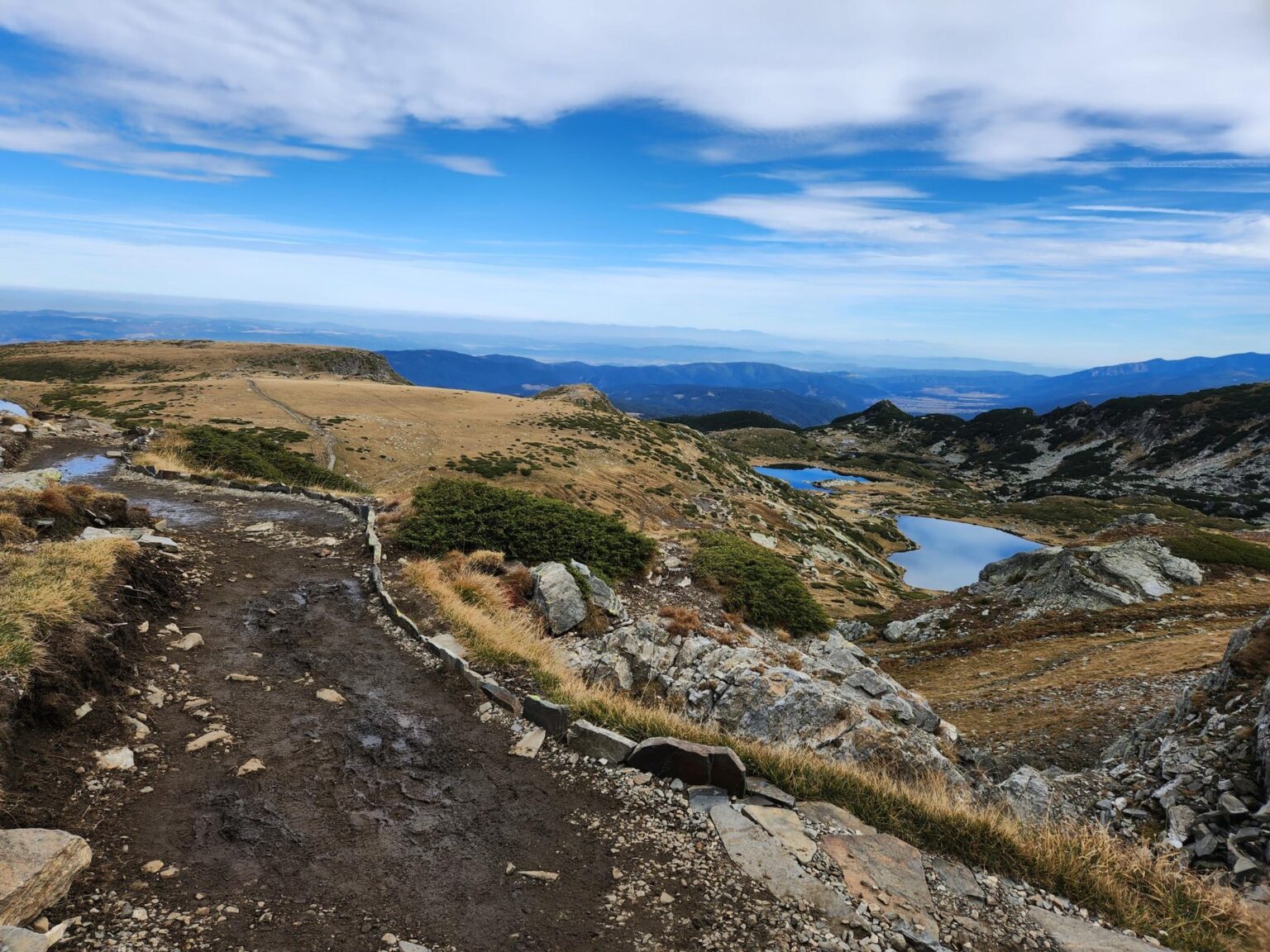
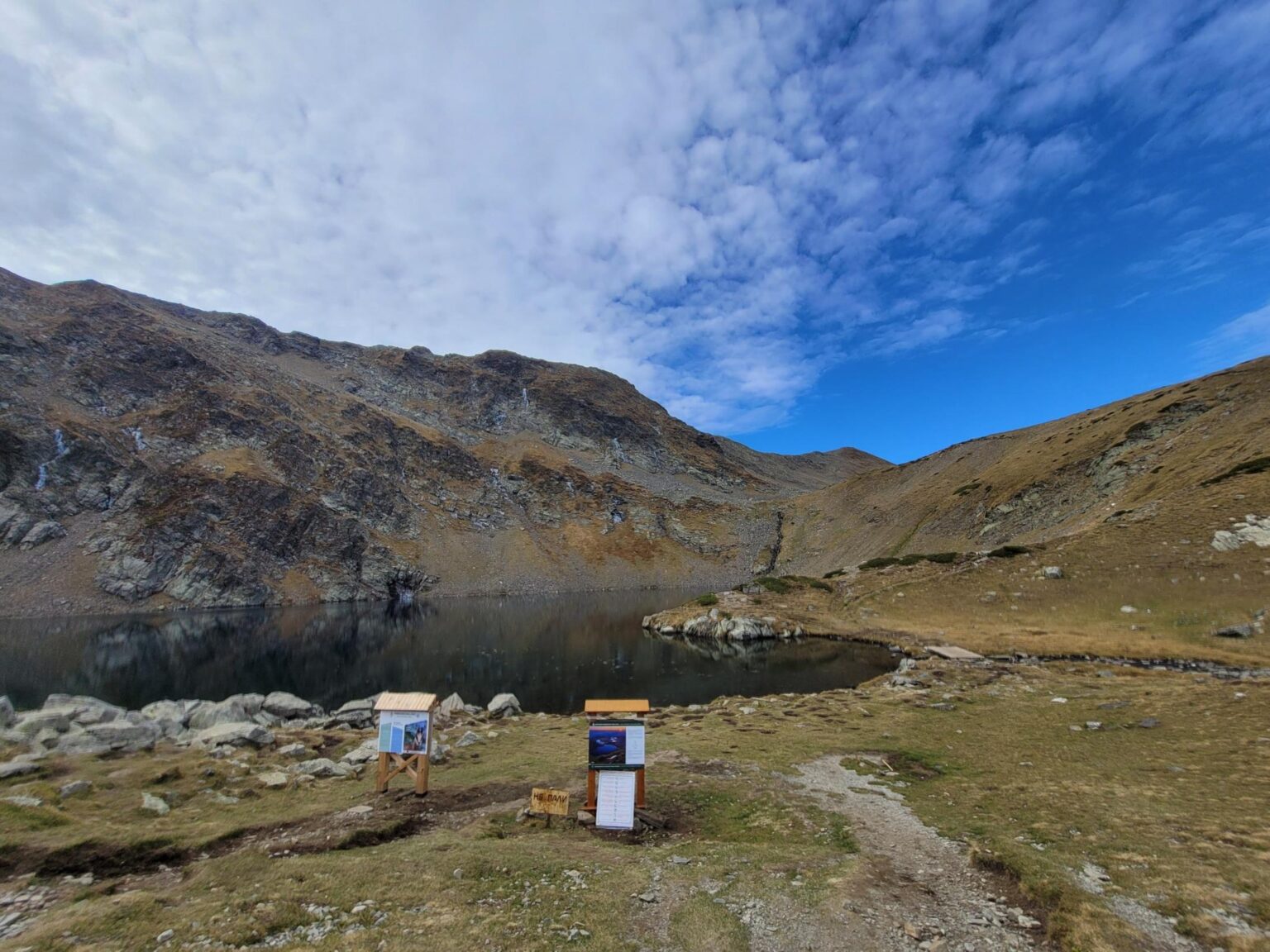
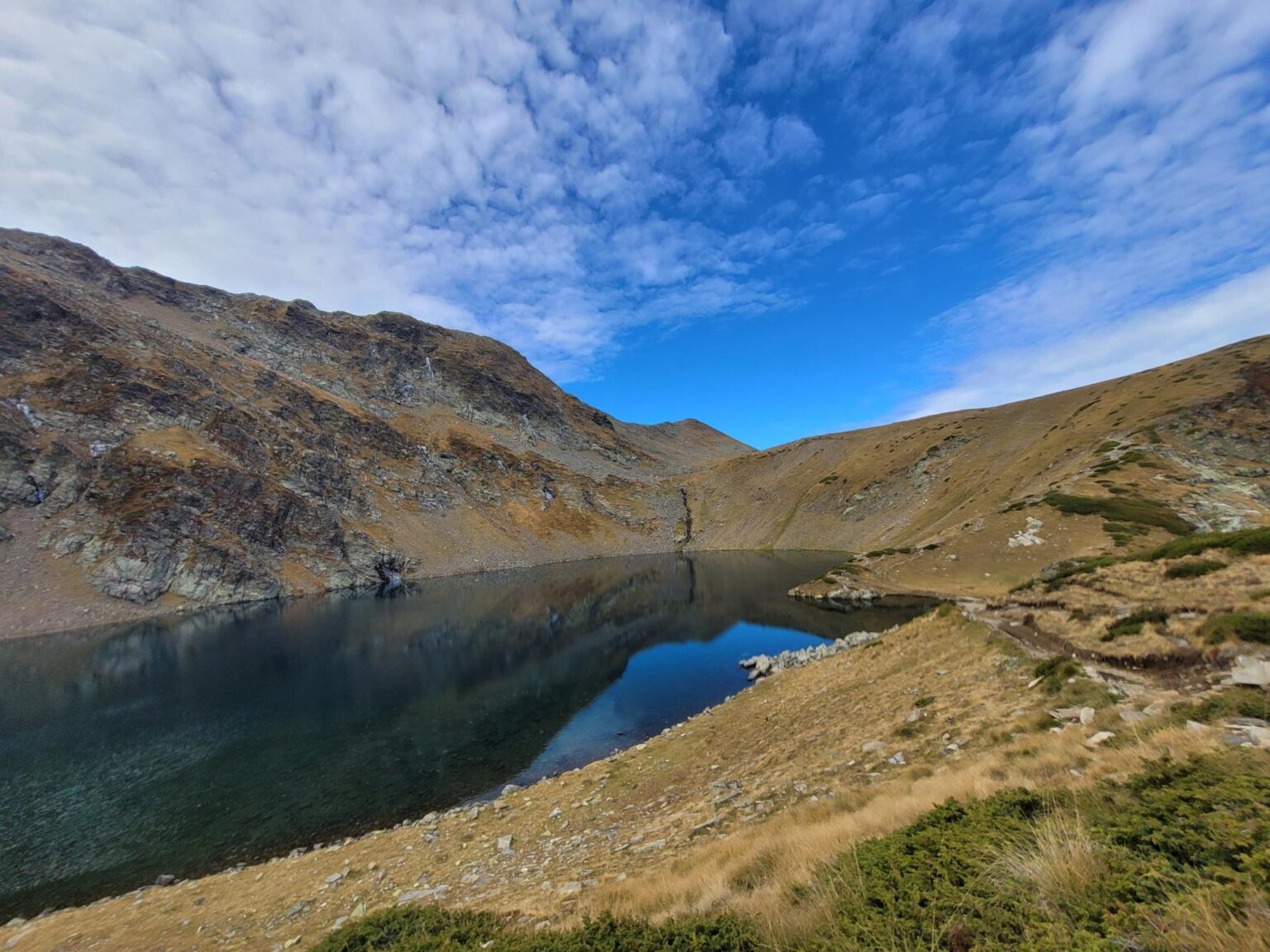
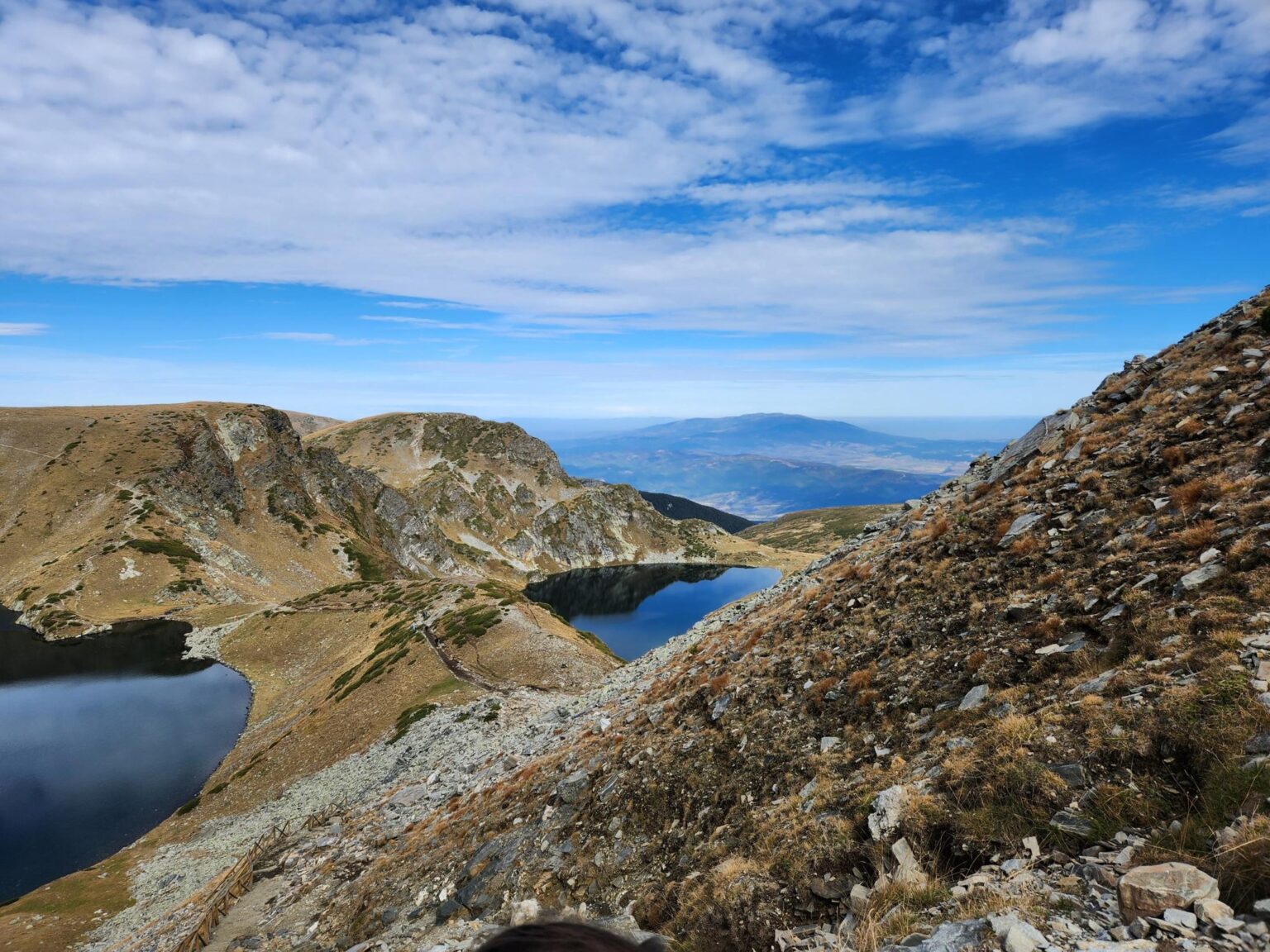
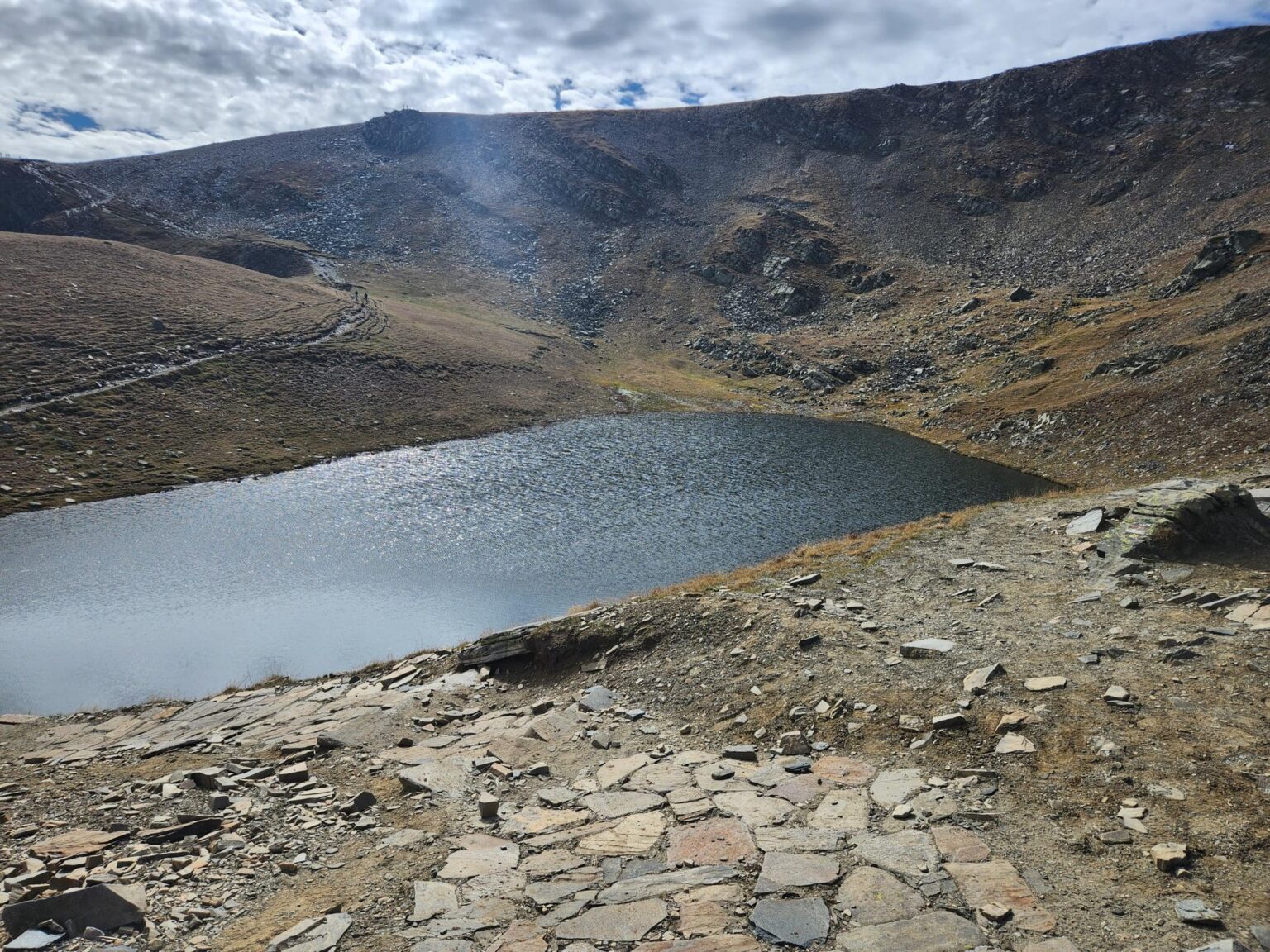
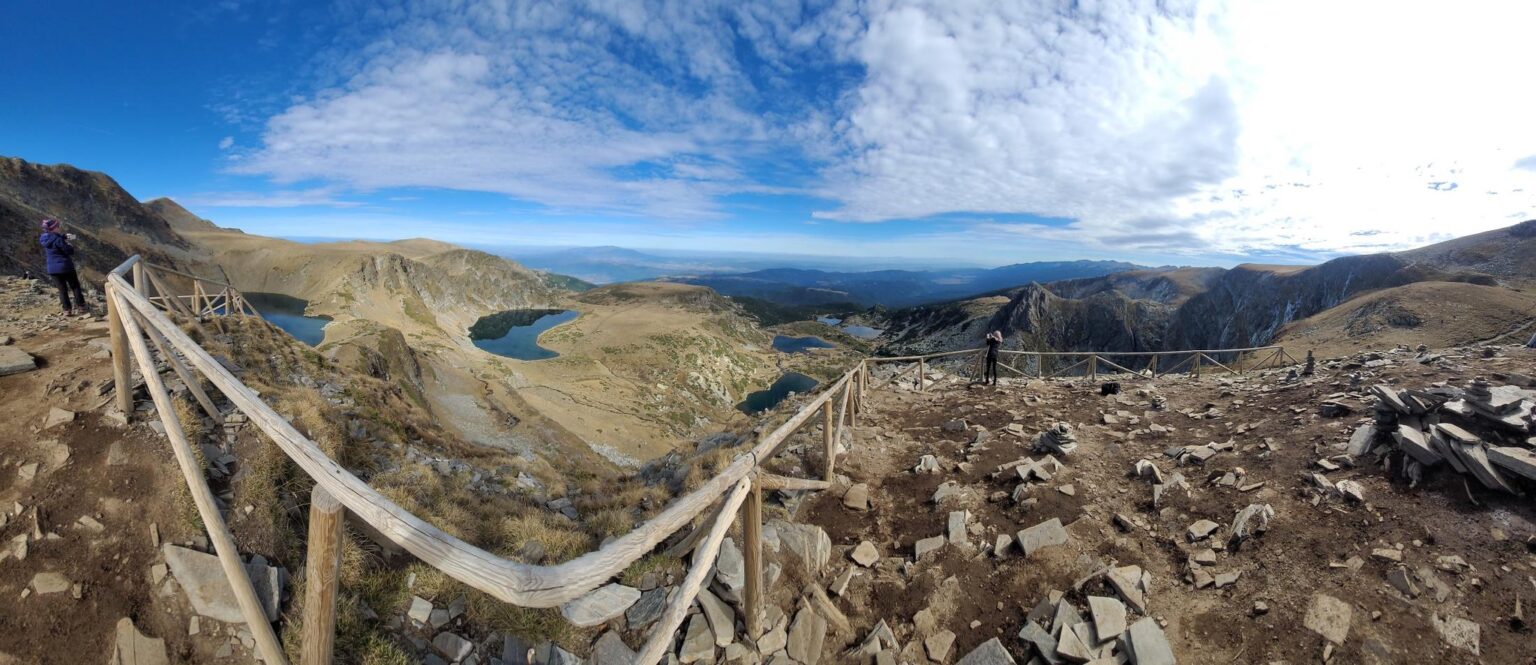
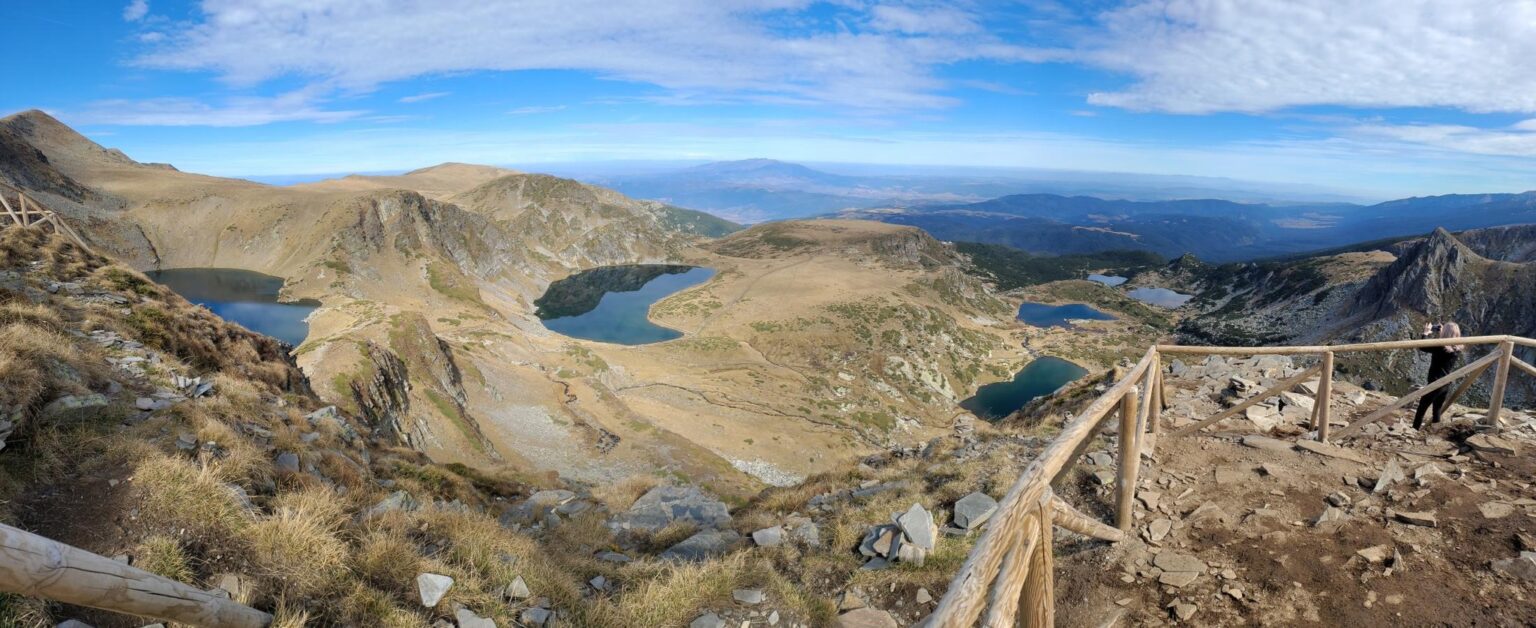
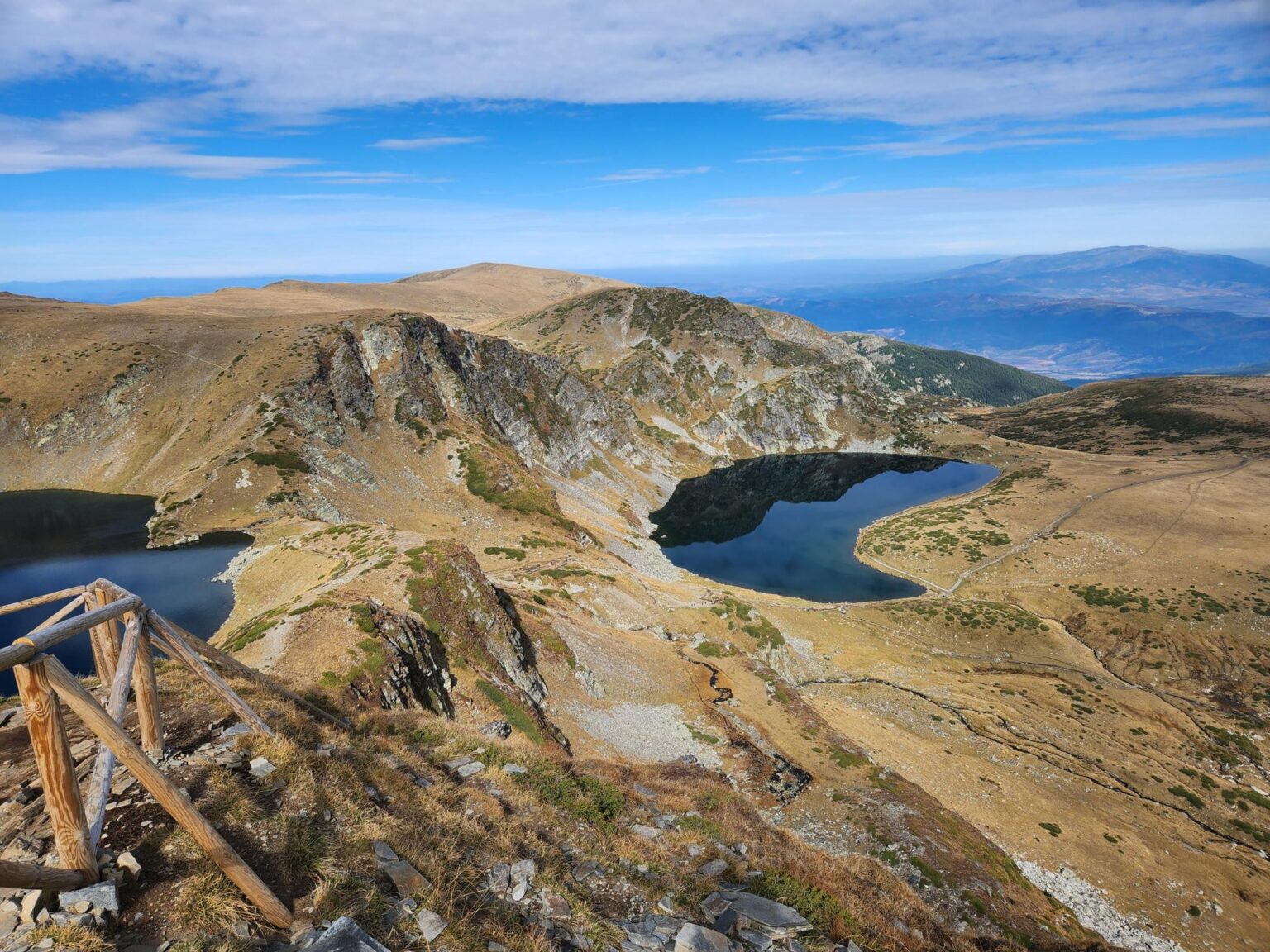
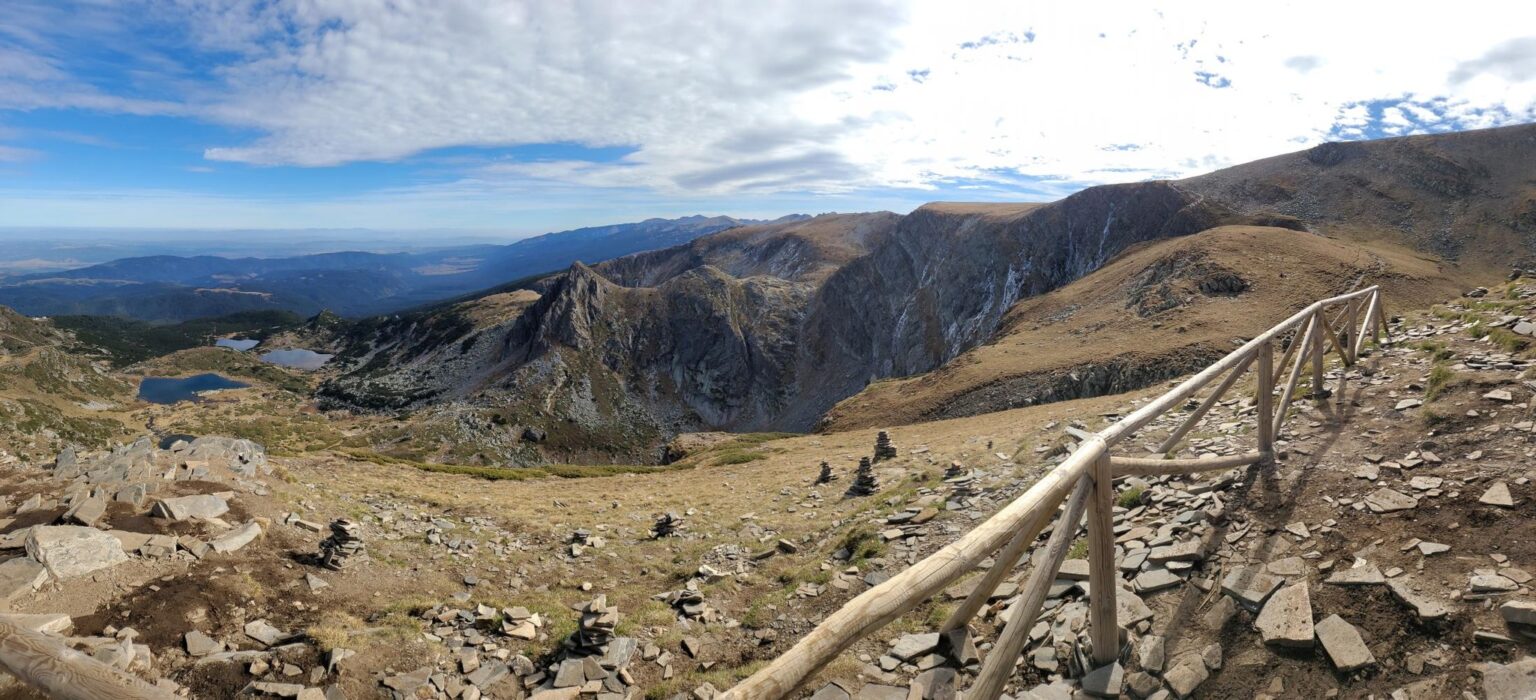
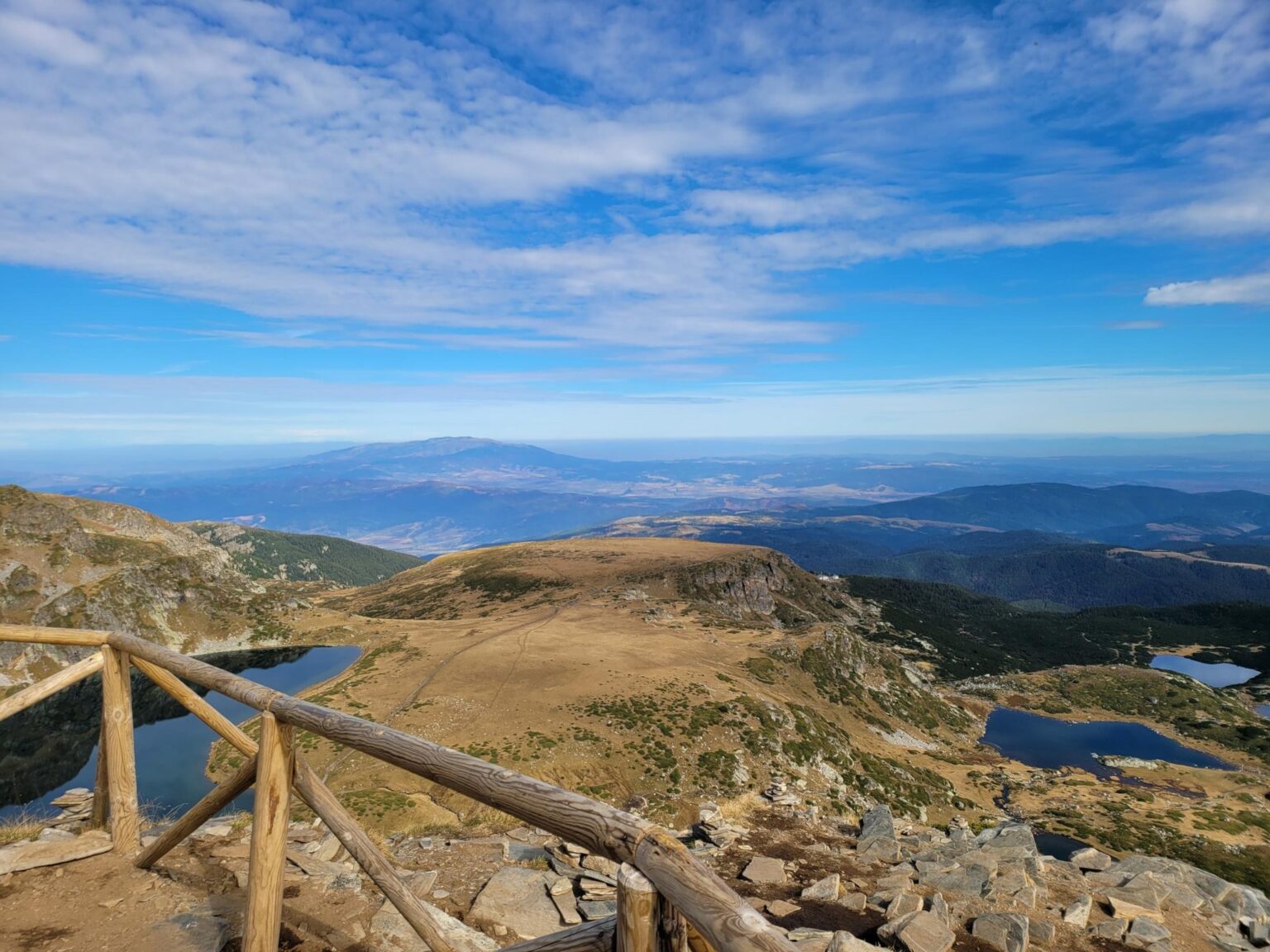
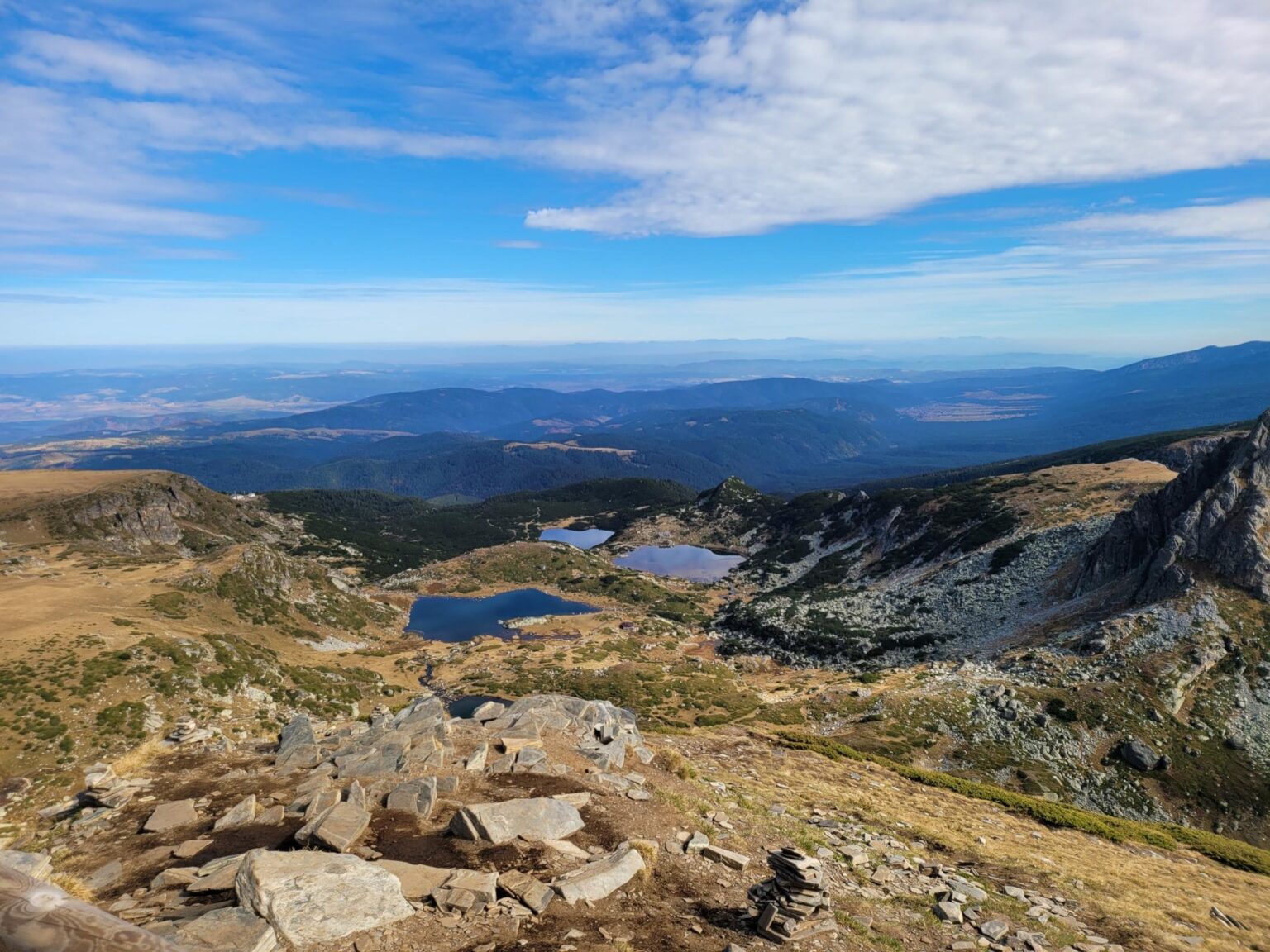
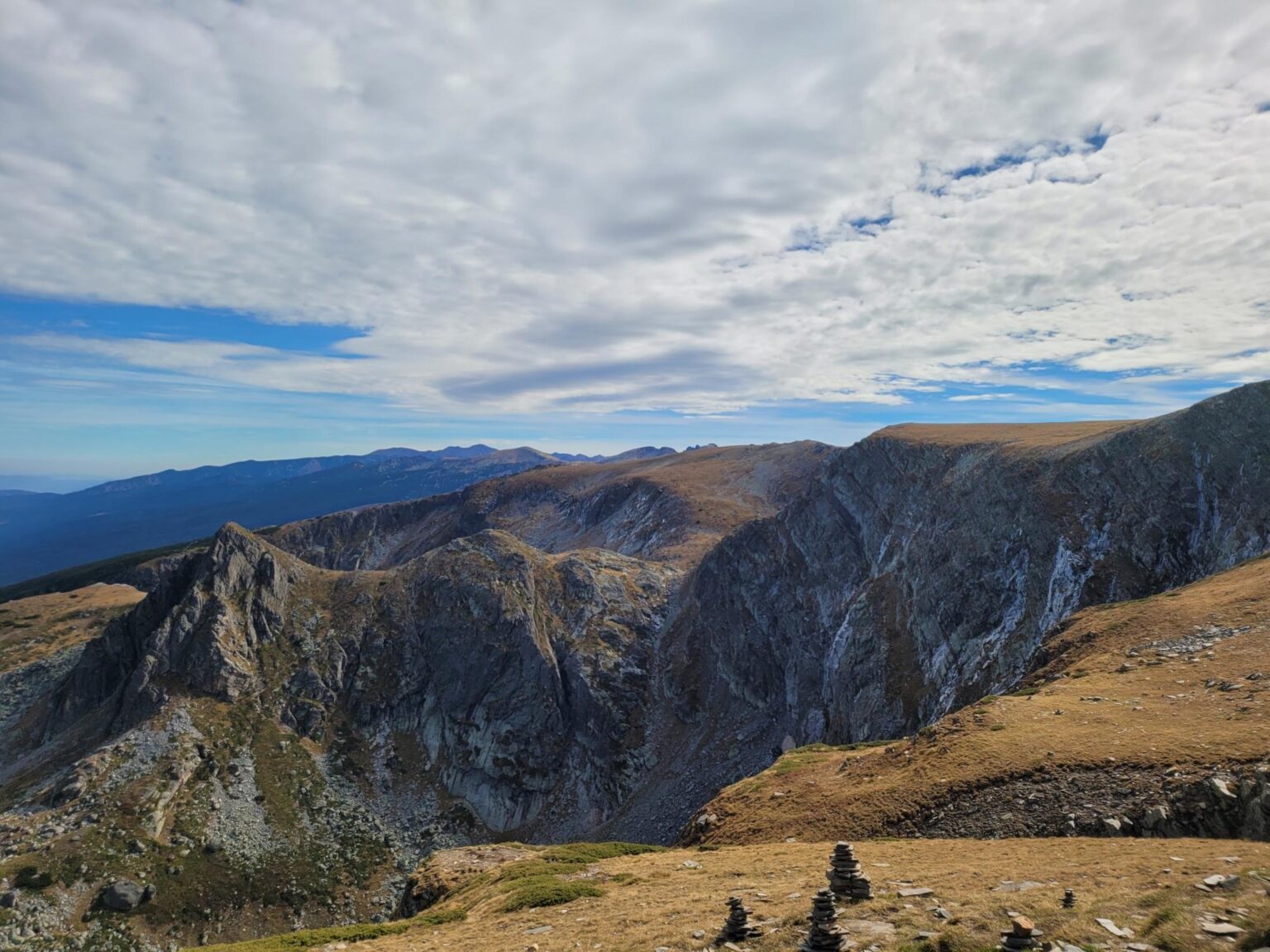
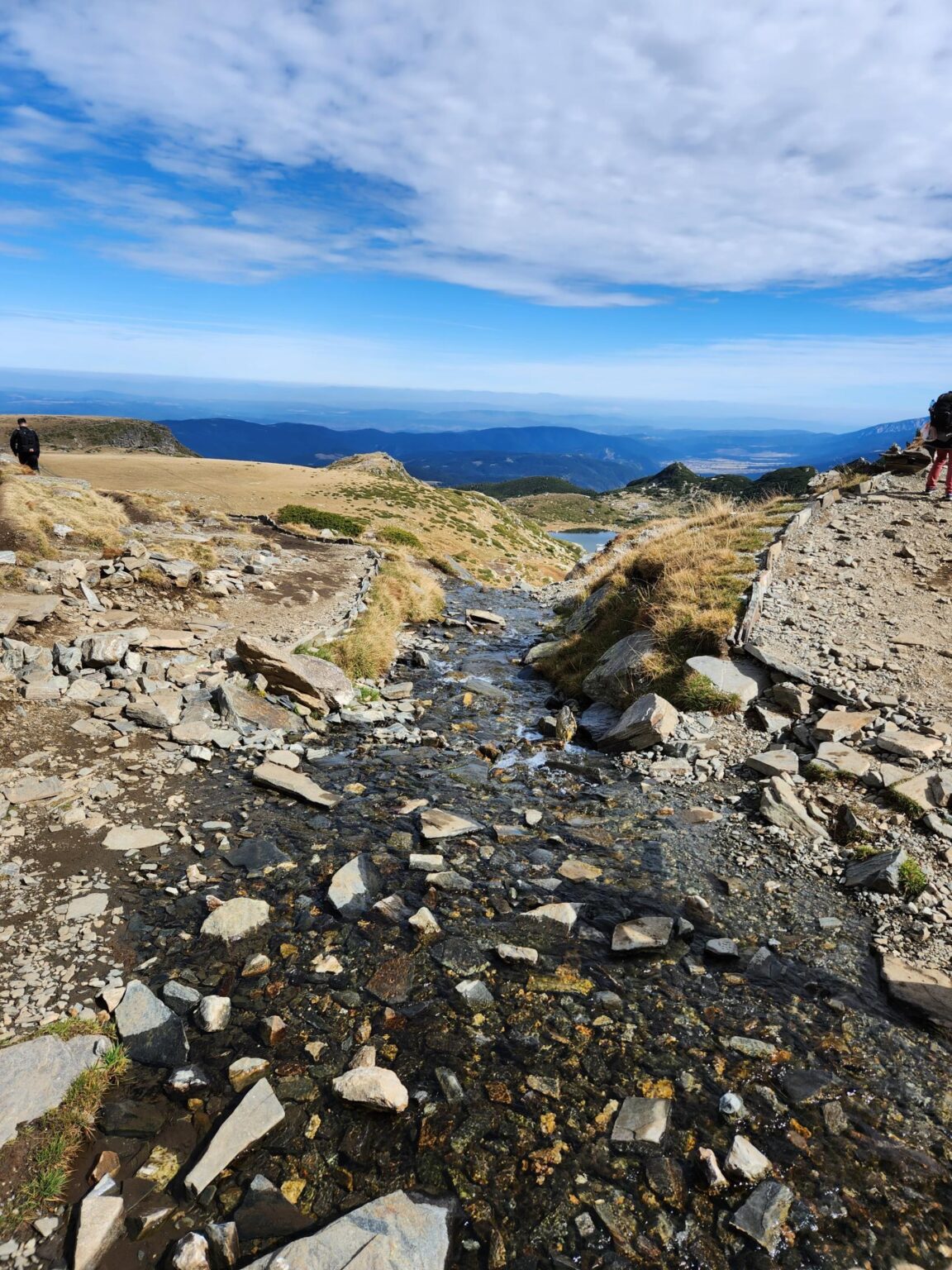
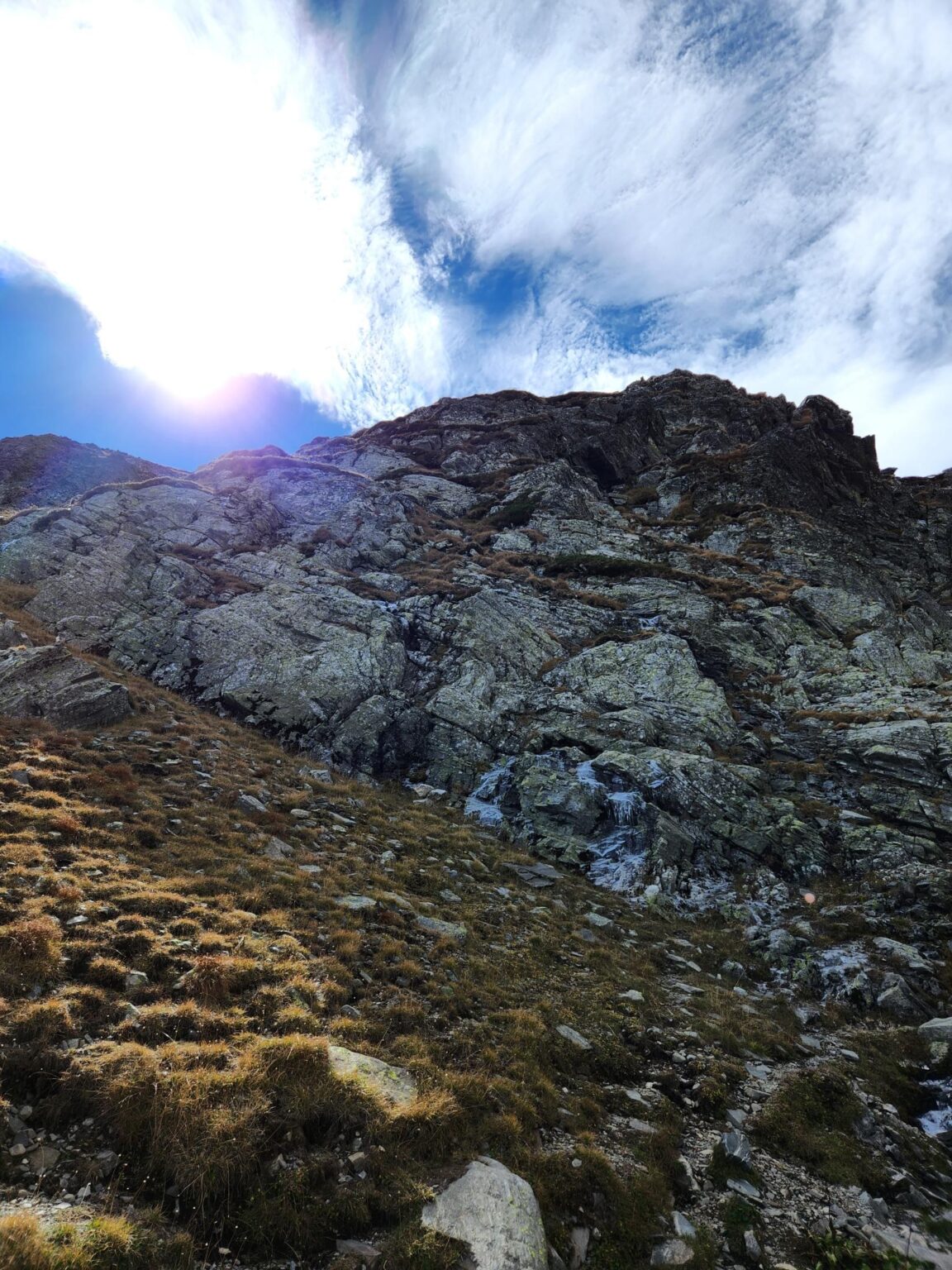
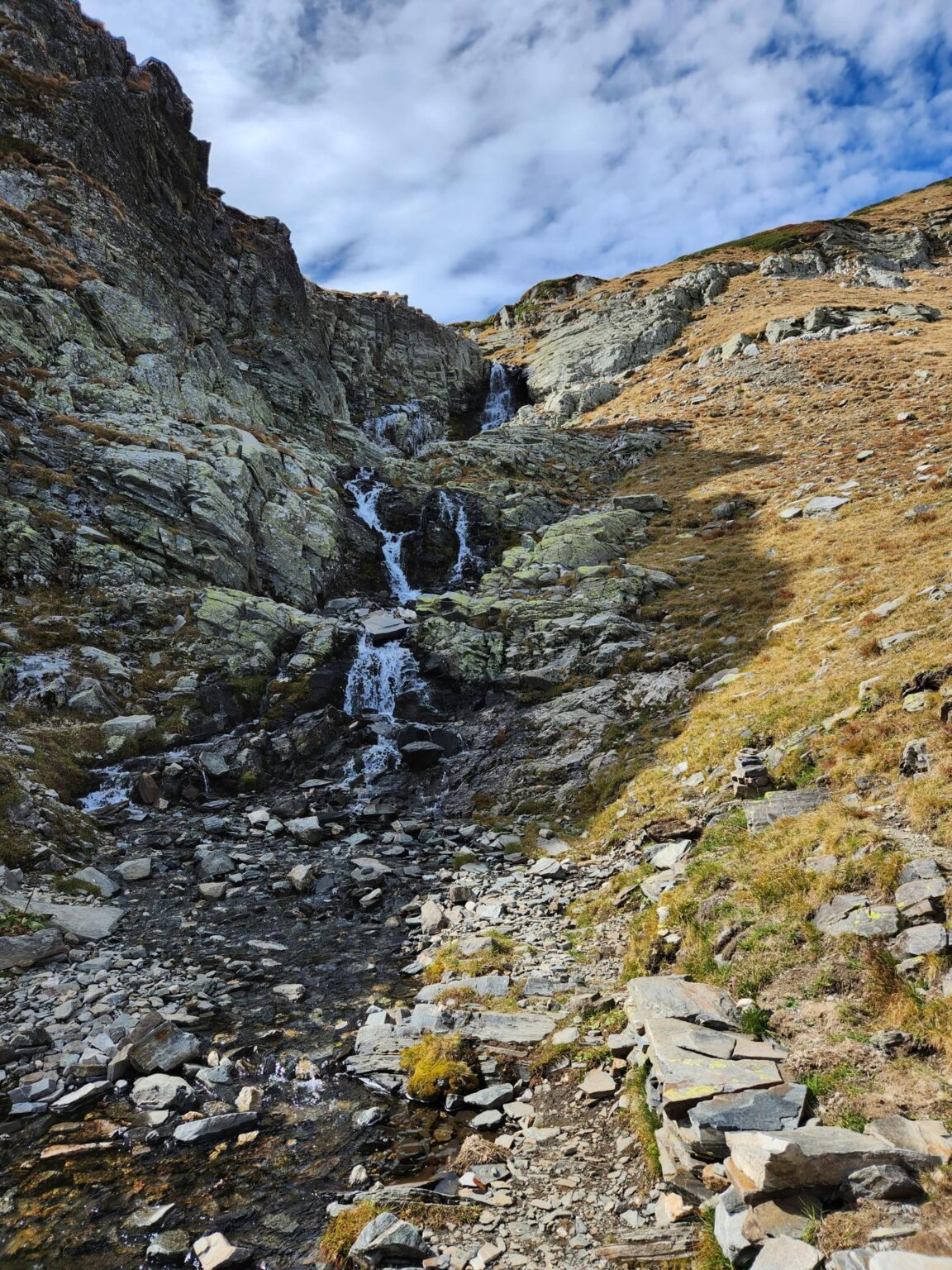
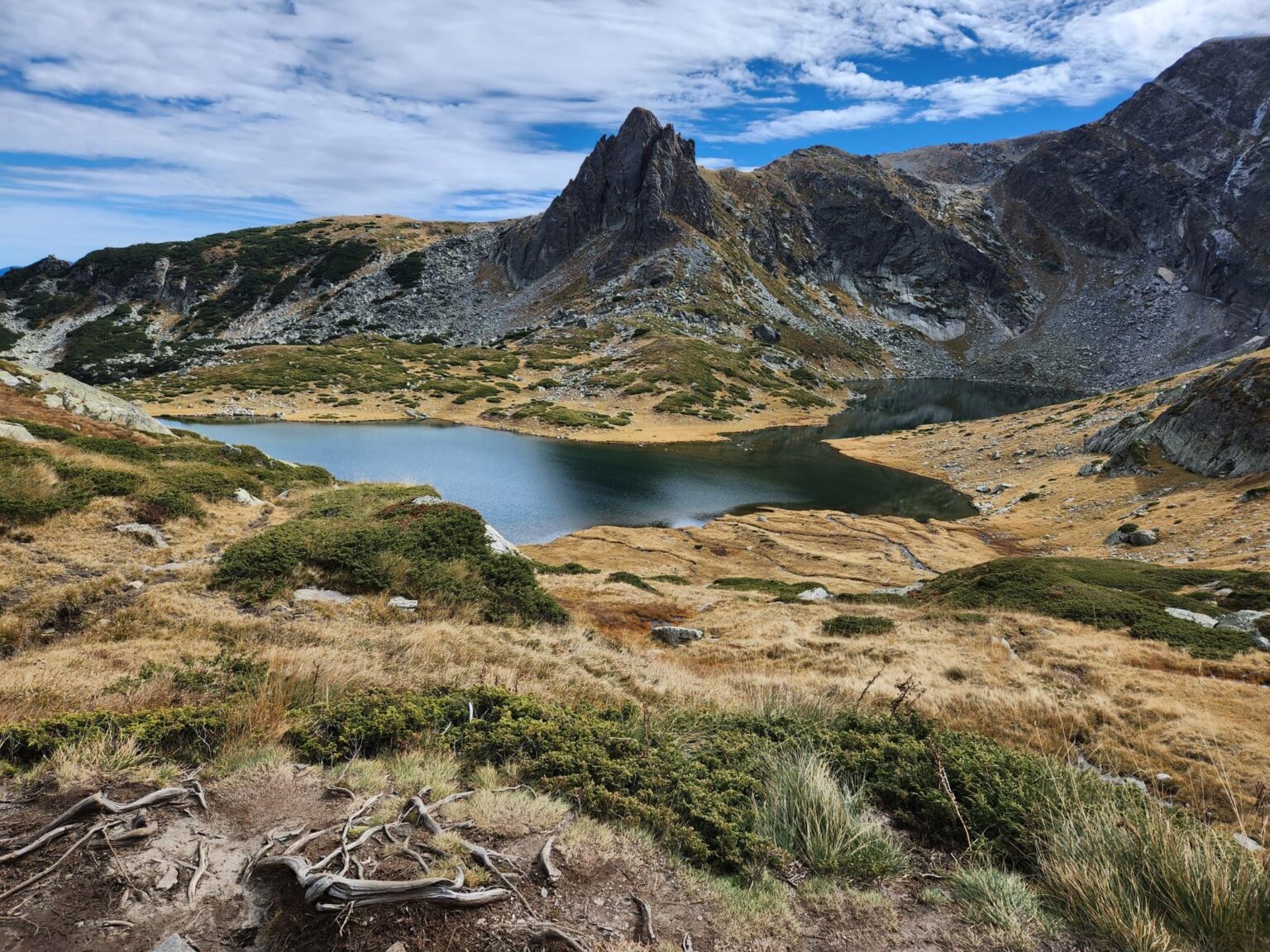
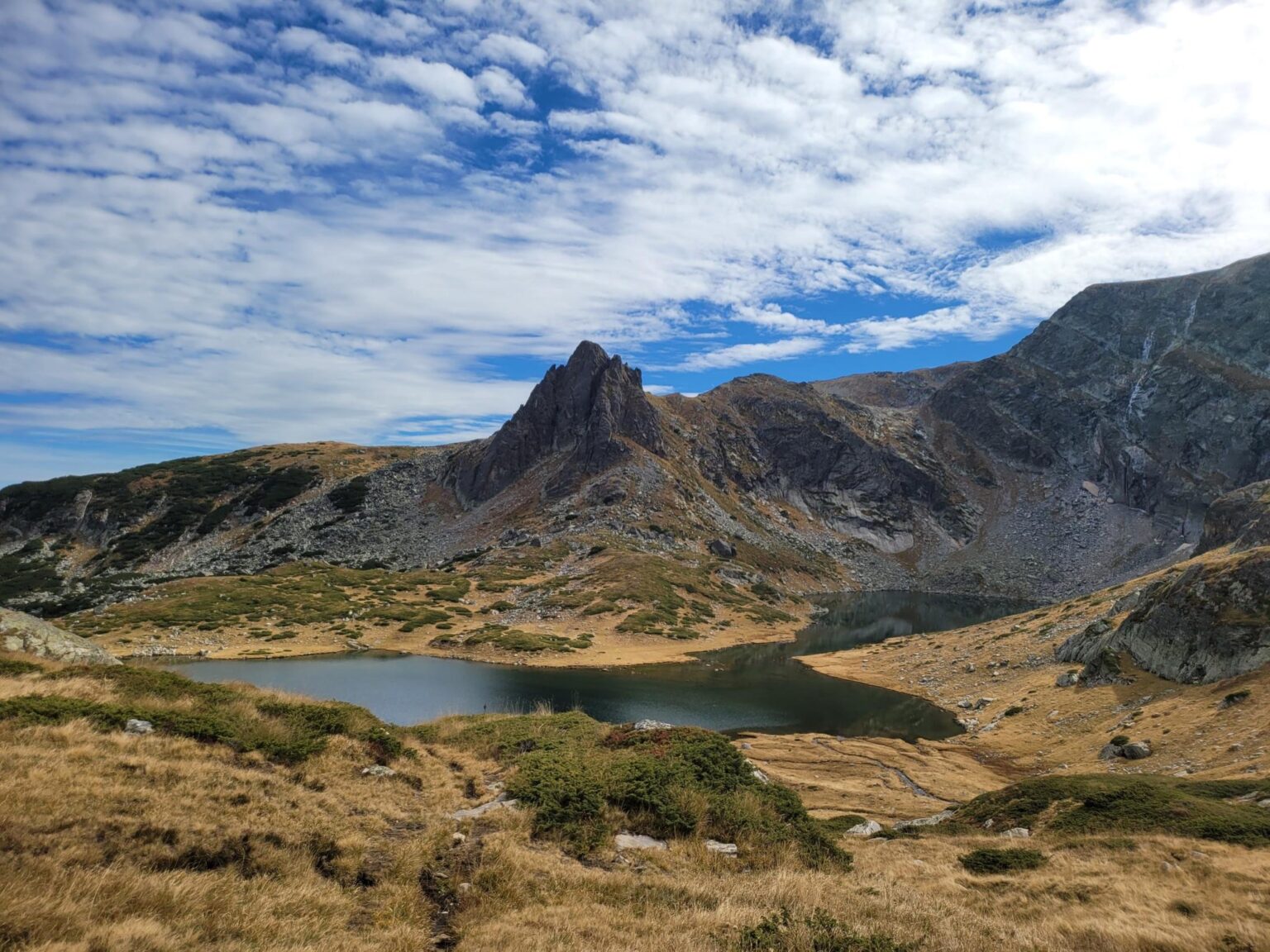
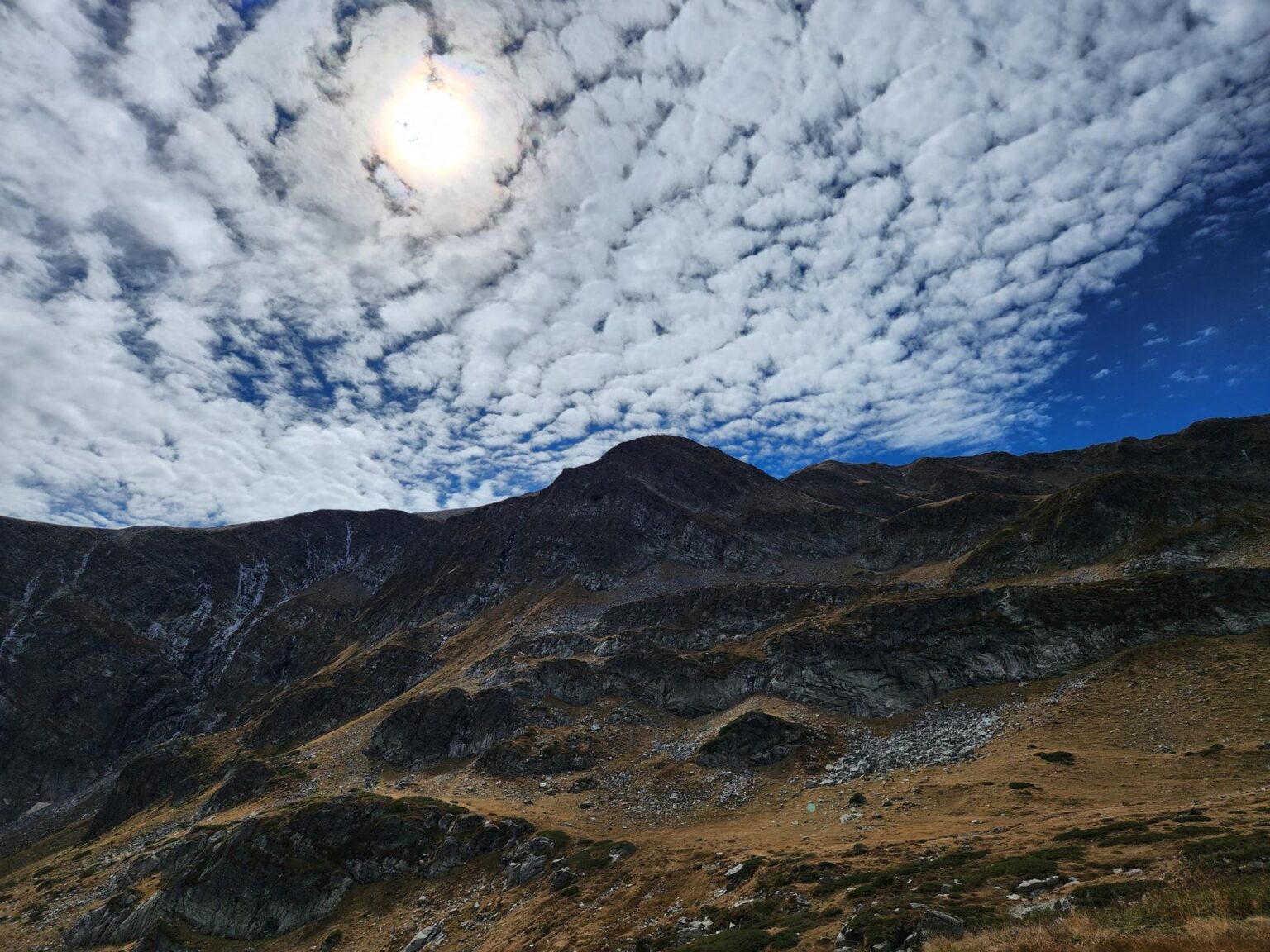
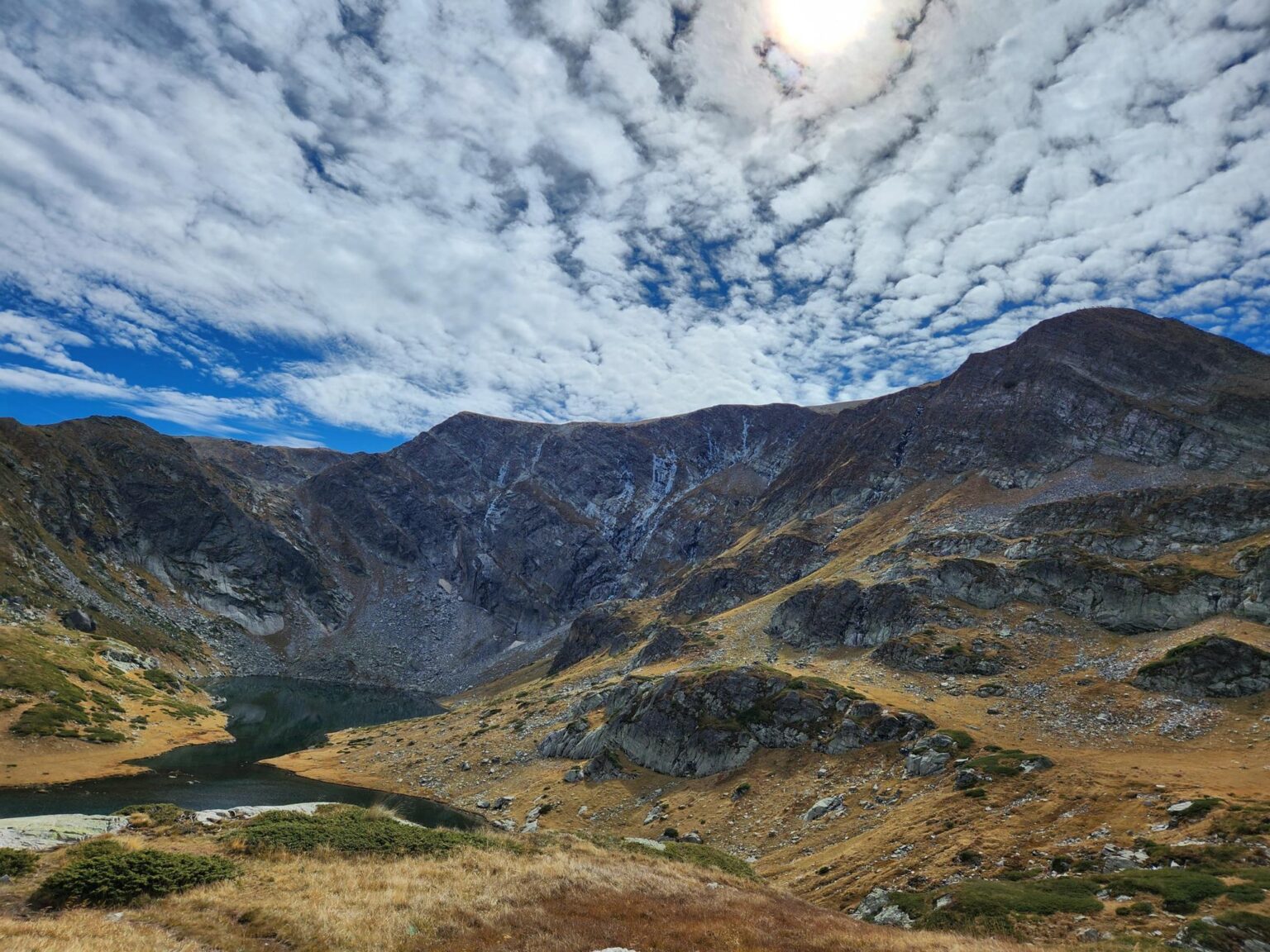
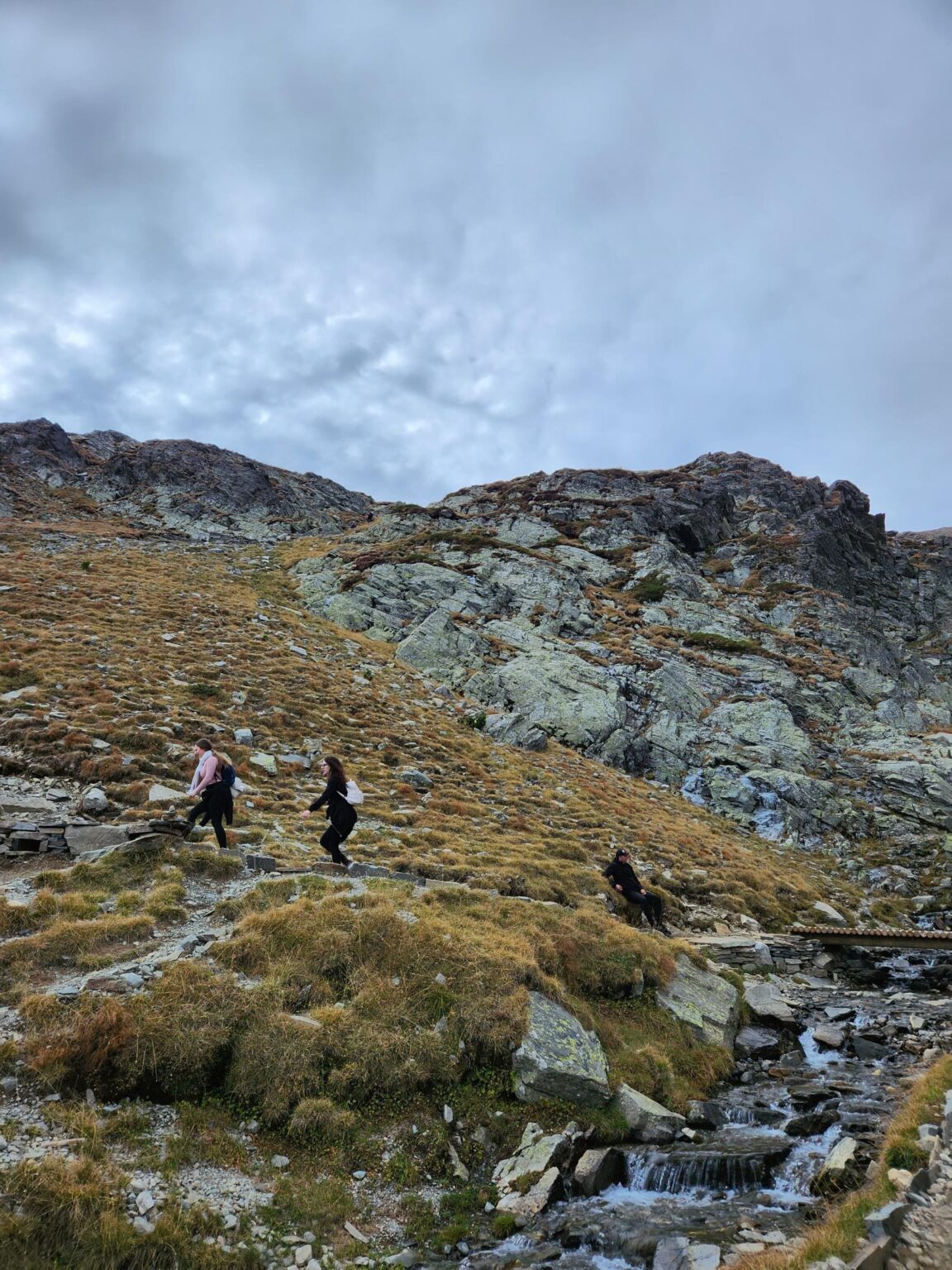
Time check — 12:15, a bit over two hours so far. Three hours left before the lift closes. Picnic, rest, and a short mental preparation for the gravel descent. Then the route past the Lower Lake. It’s nasty. If you’re not prepared, or you’ve been slipping and struggling so far, go back the way you came. To pass the other hut and get down to the lower lakes visible in the distance, you have to cross a rougher and far less developed stretch. There are mountain markings — the coloured blazes — but it’s better to have a working GPS and keep checking your direction, because it’s easy to drift off and get lost. The other option is to watch where most people are heading and follow. There’s barely a path; you pick your way between the rocks however you can. It’s noticeably harder and more tiring.
We make a new friend, an Italian — not like those horrible Chinese hikers scampering up like goats (this is supposed to be funny :-D). Amateurs! Oh, and we cross one of the waterfalls we saw from above. This stretch goes more slowly than the climb past Babreka did. If the way up takes 90–100 minutes, the return past the Lower Lake is more like 130–140.
BUT. But! Attention, attention. We’ve arrived at the title of this article. I never imagined I’d come within a whisker of touching a live fox. You’re walking along, swearing to yourself like a normal person in Bulgarian, in Serbian and by now in Italian too, because you can no longer feel your legs thanks to this gravel, and suddenly — BAM — a fox. Sprawled out like a cat. It looks like something out of an RPG, waiting to hand you a quest to fetch two rabbits for 10 experience points. Lying there, sunbathing, tracking us with a friendly gaze. I got very close.
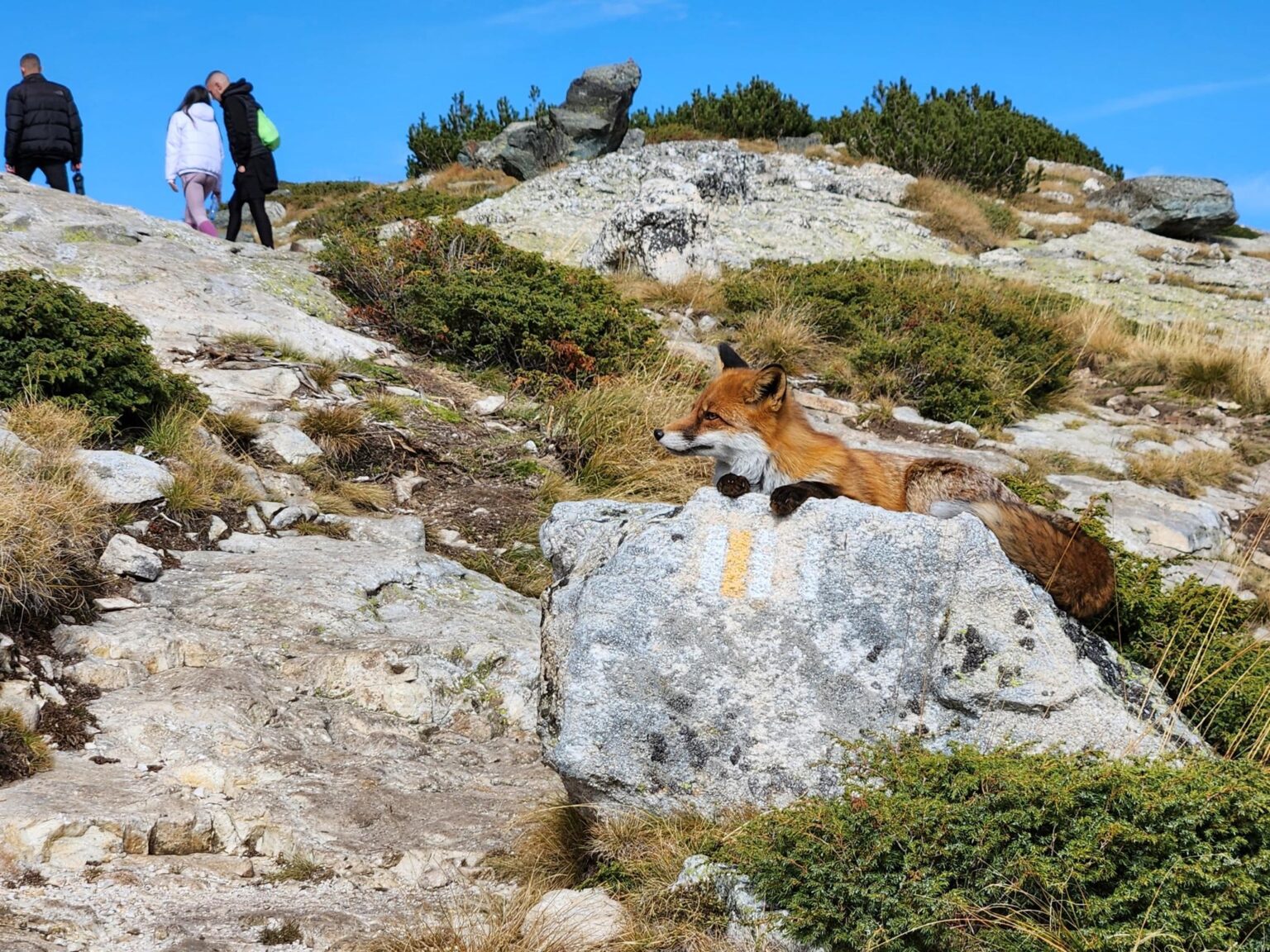
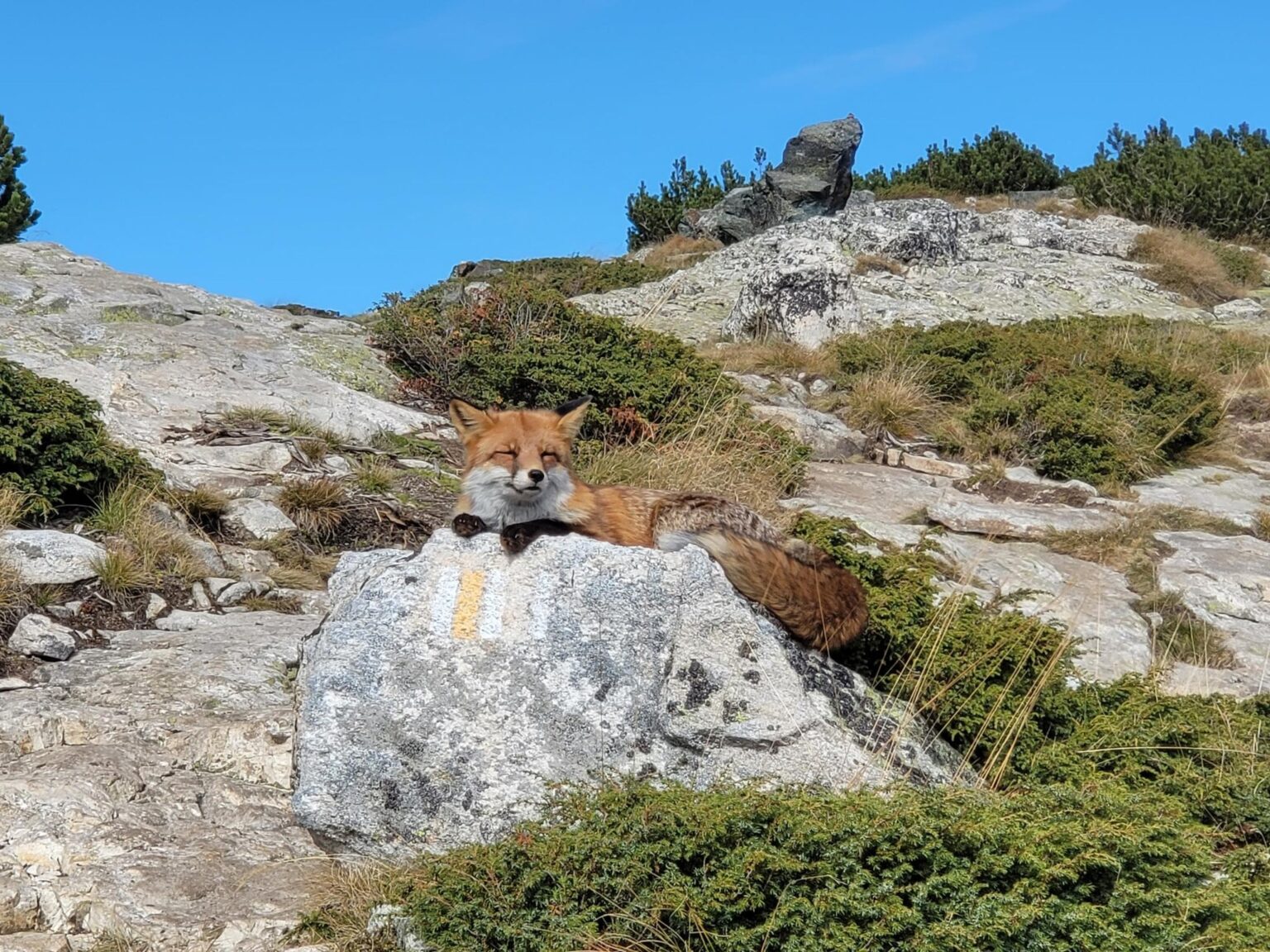
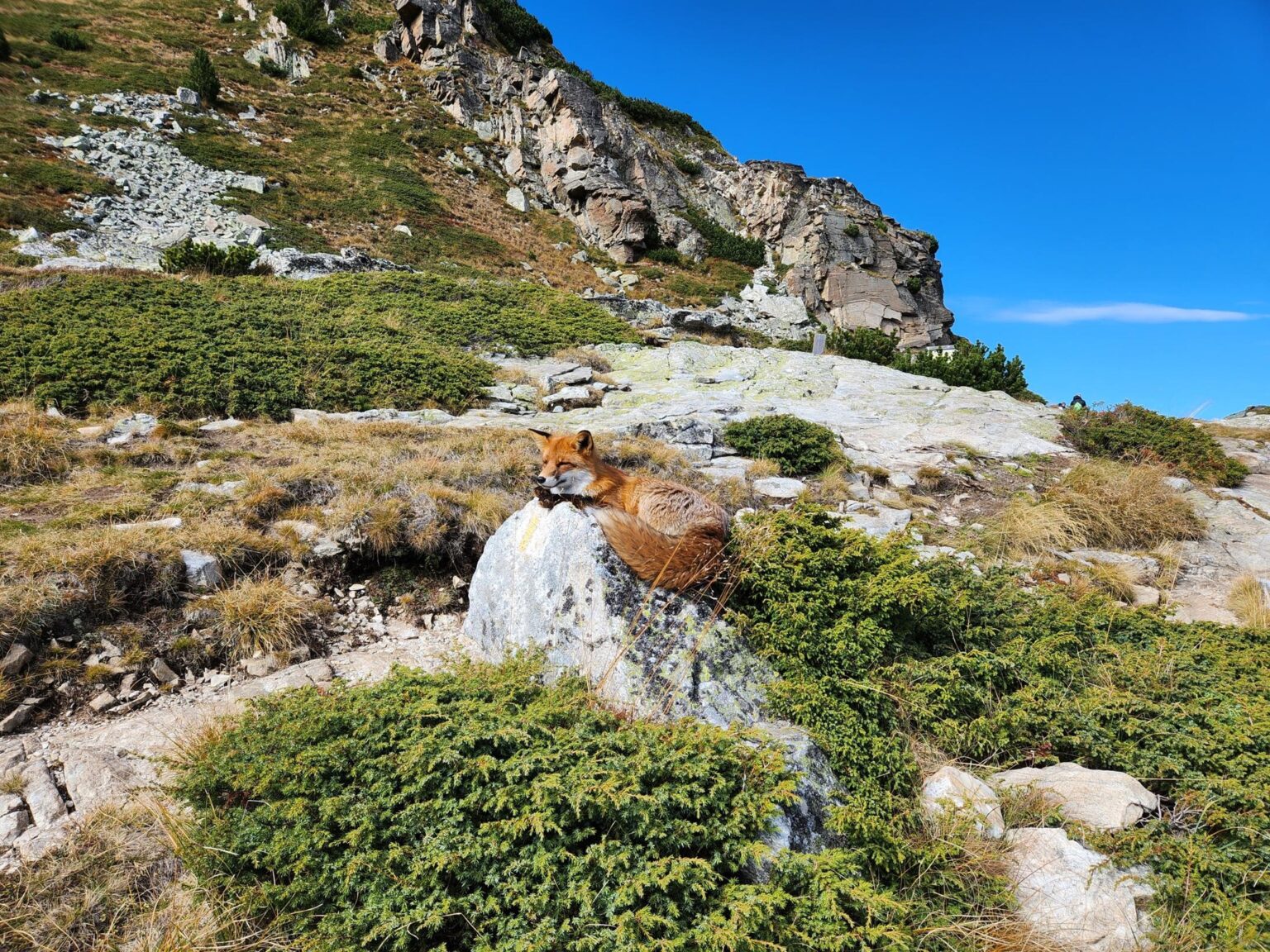
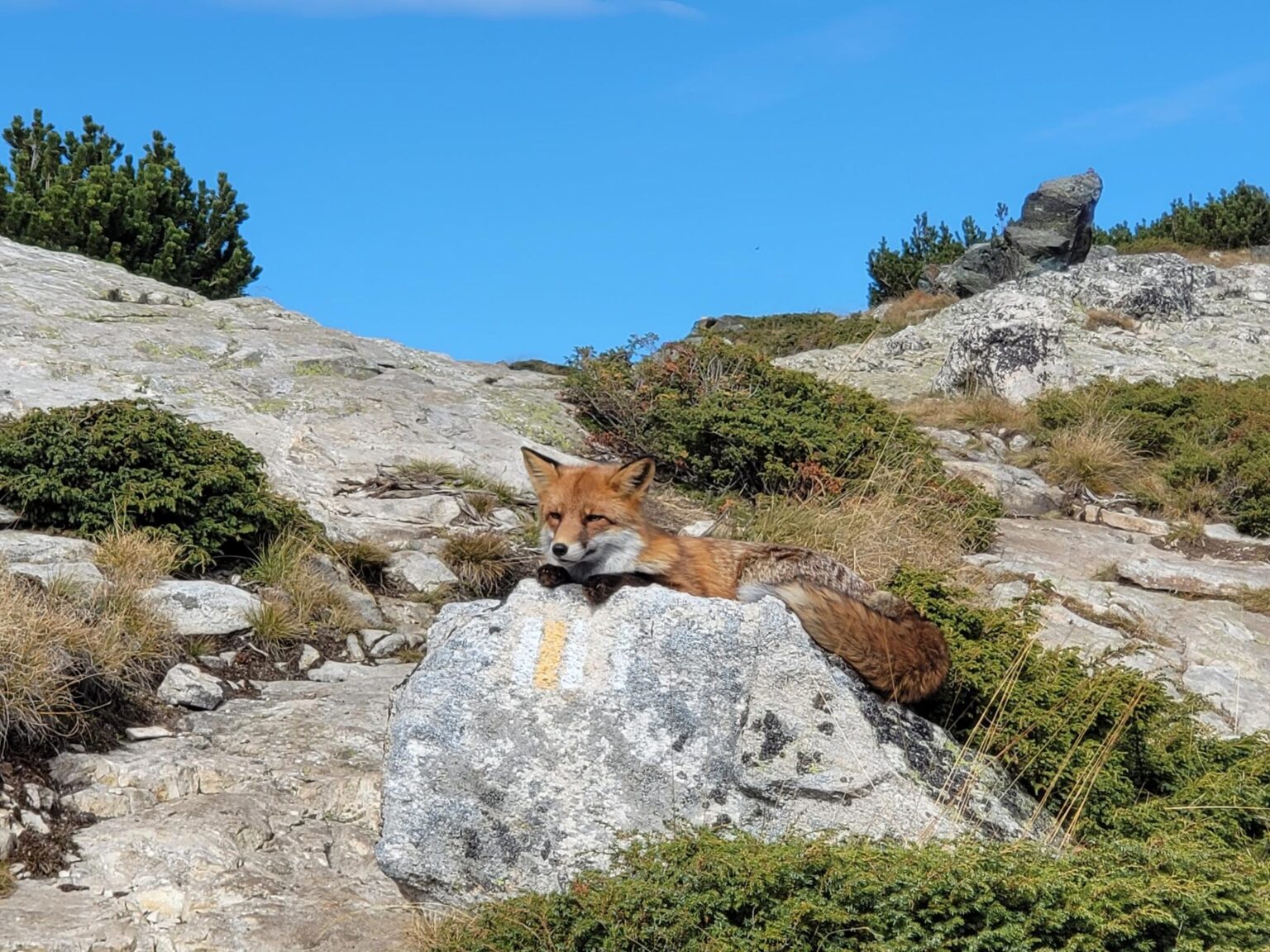
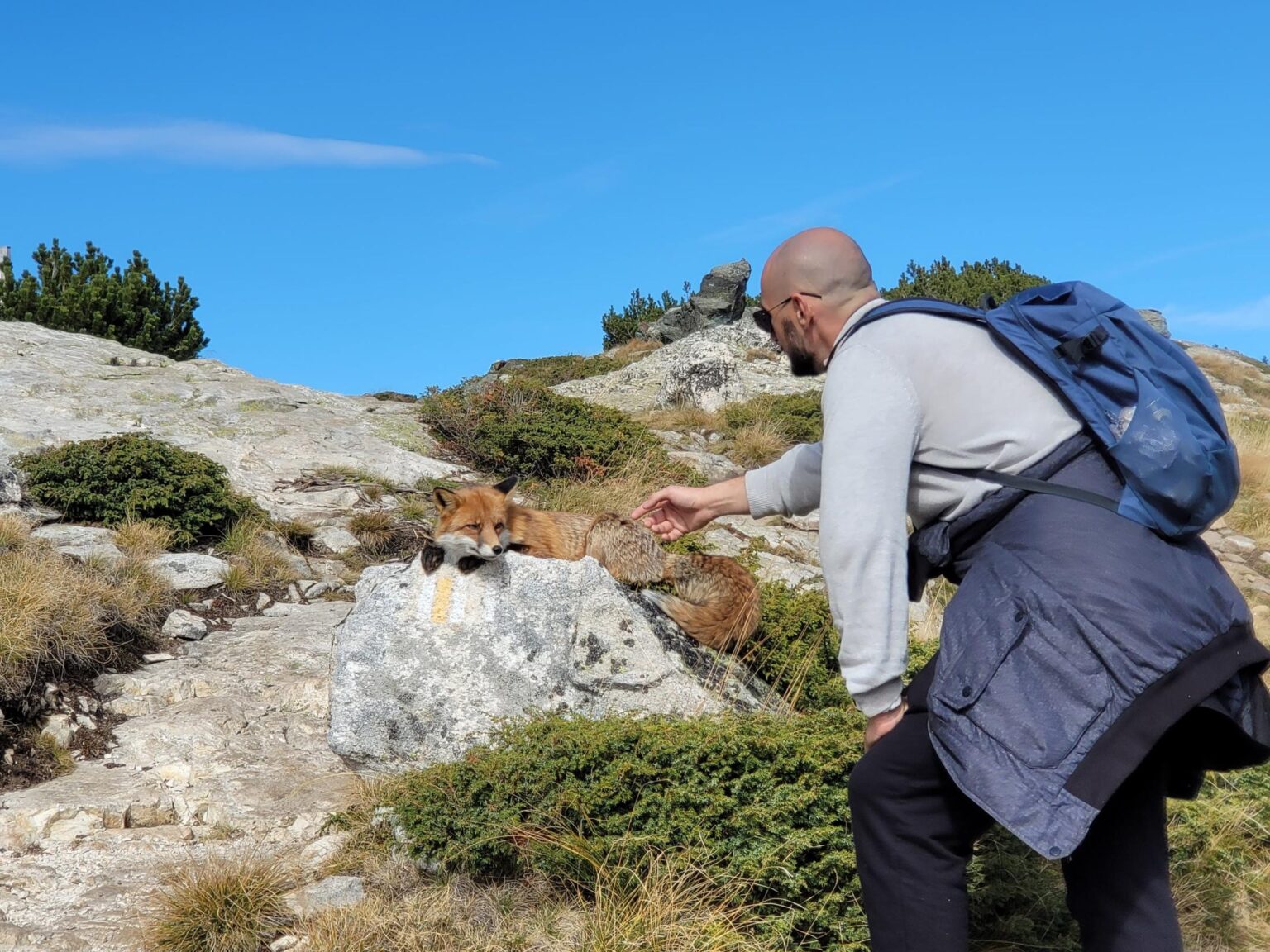
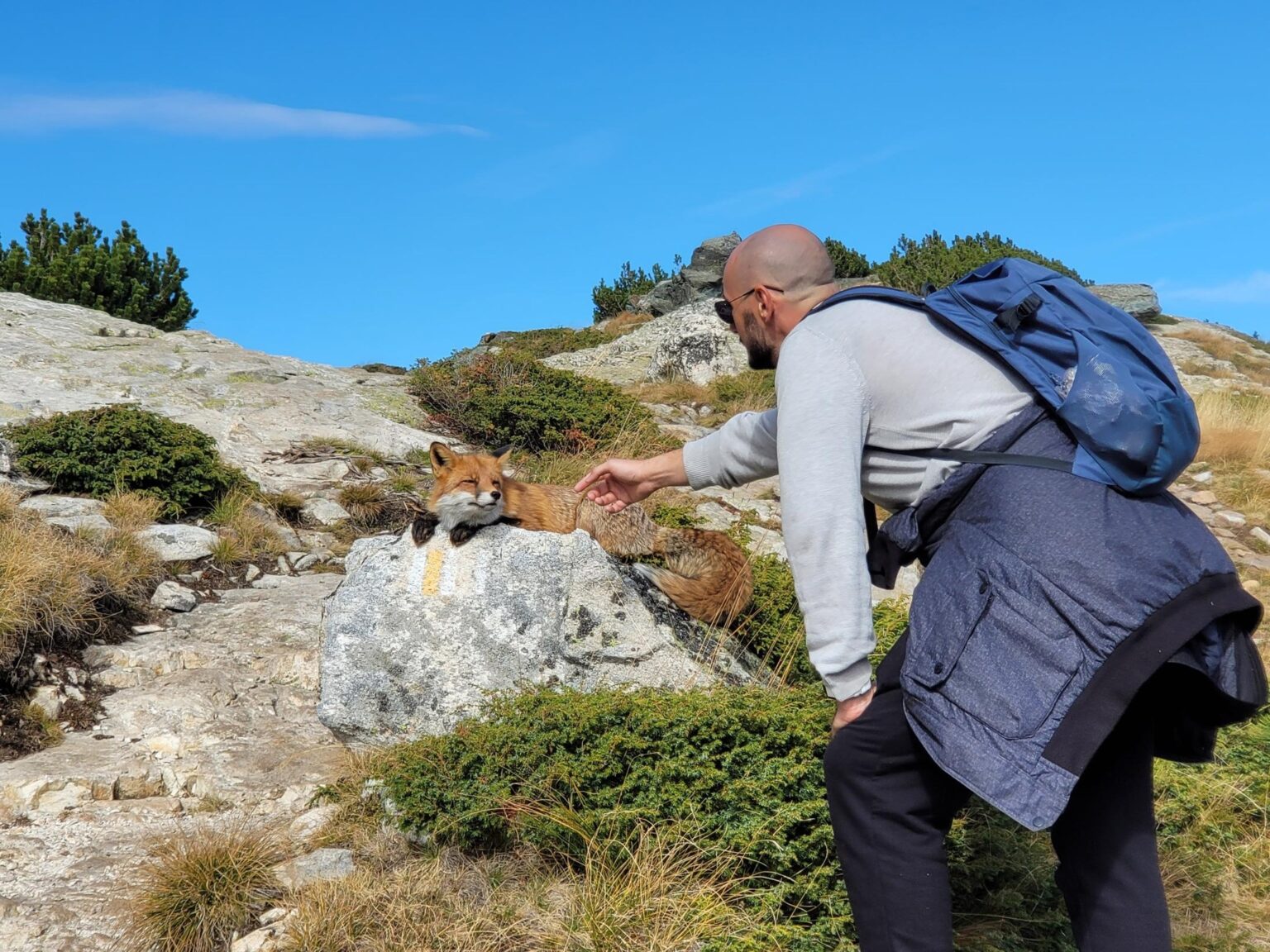
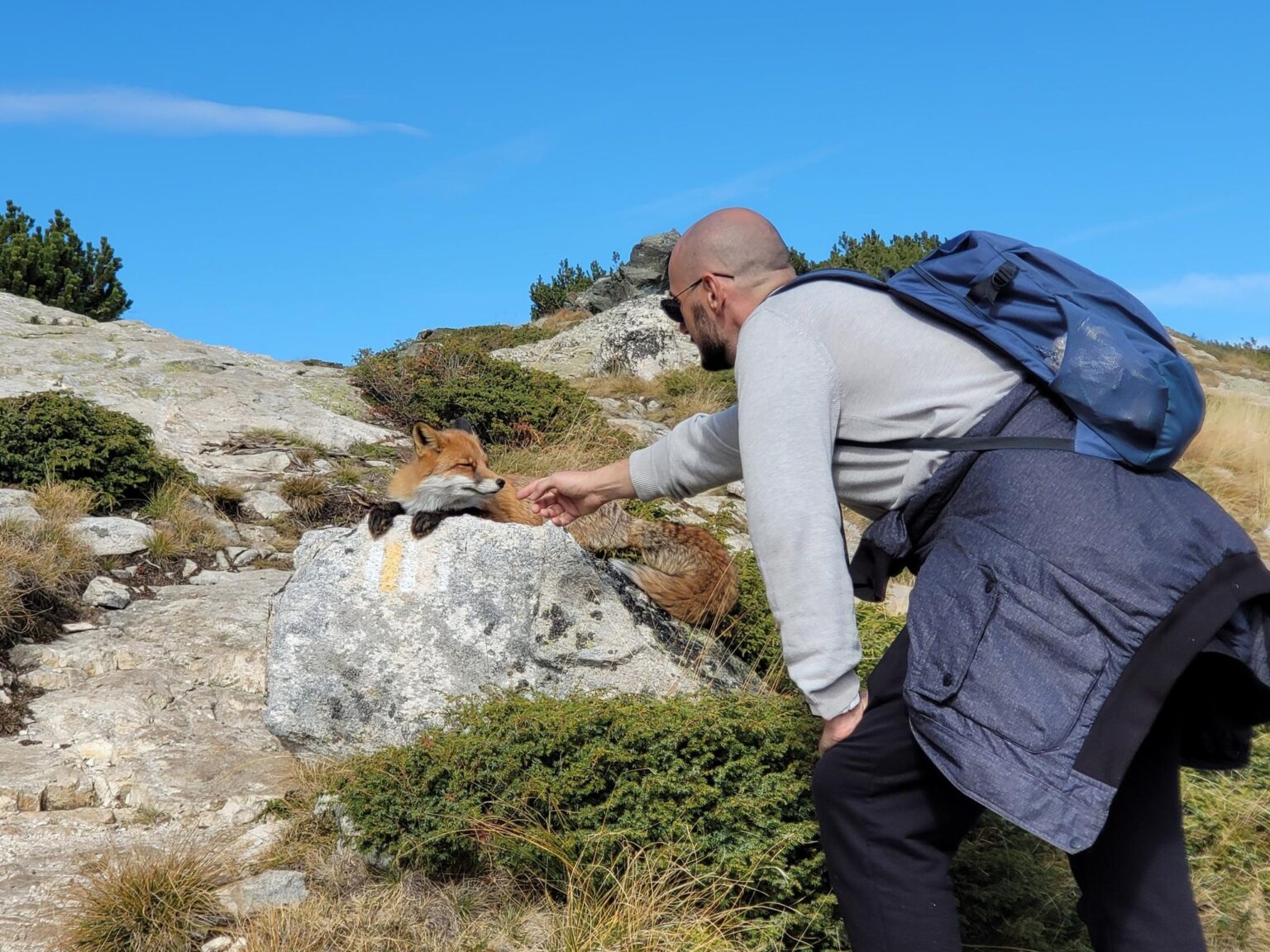
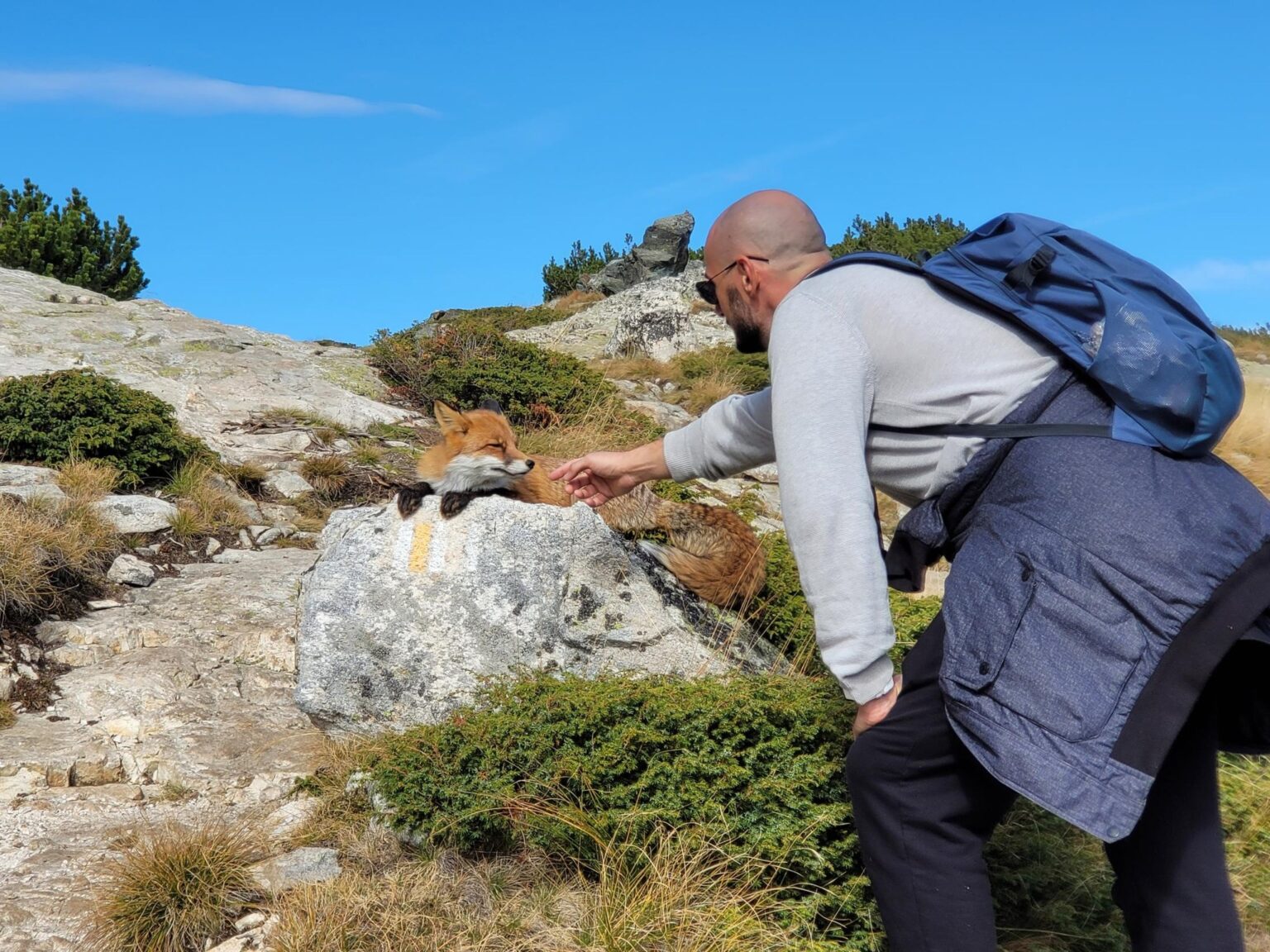
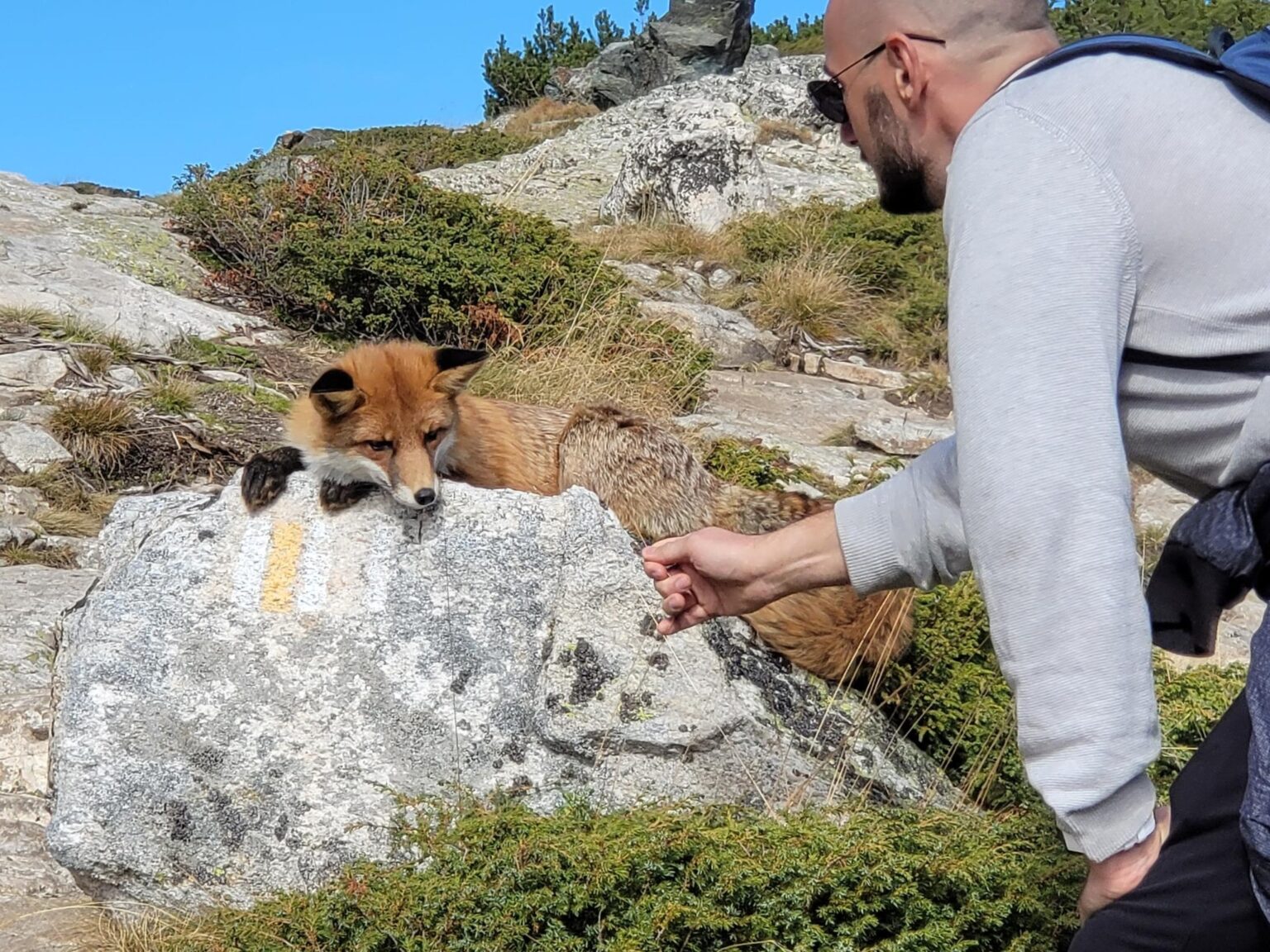
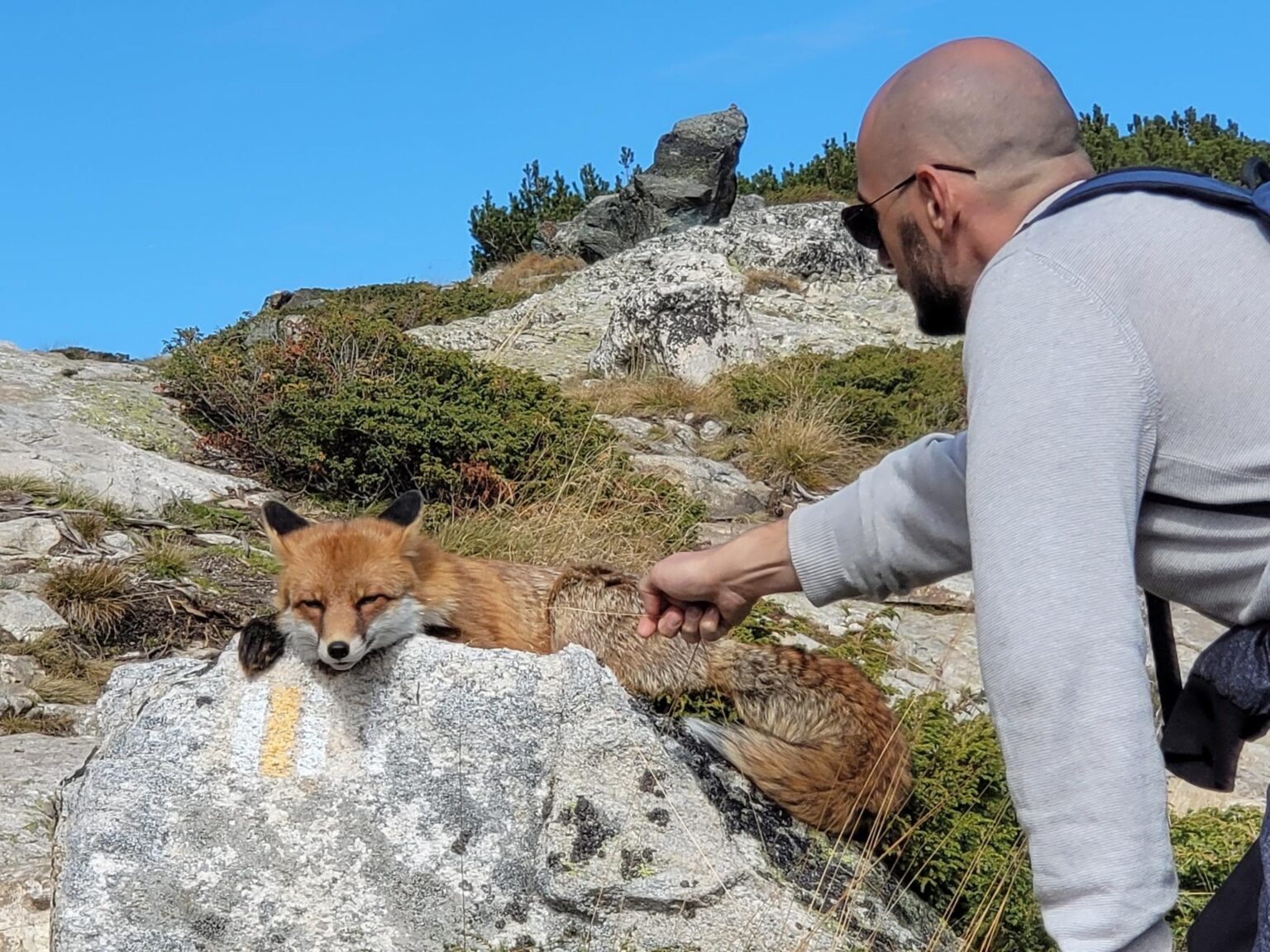
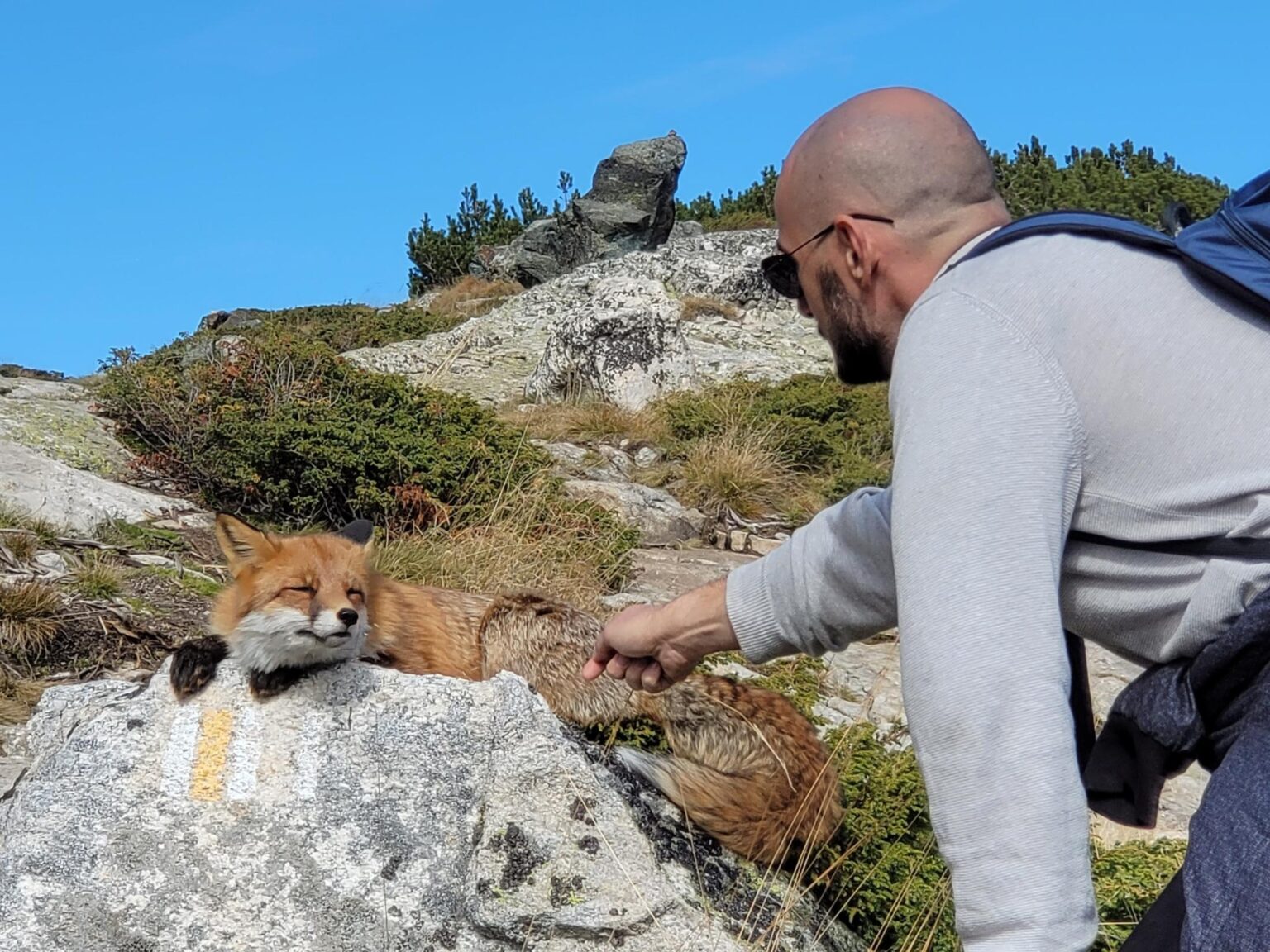
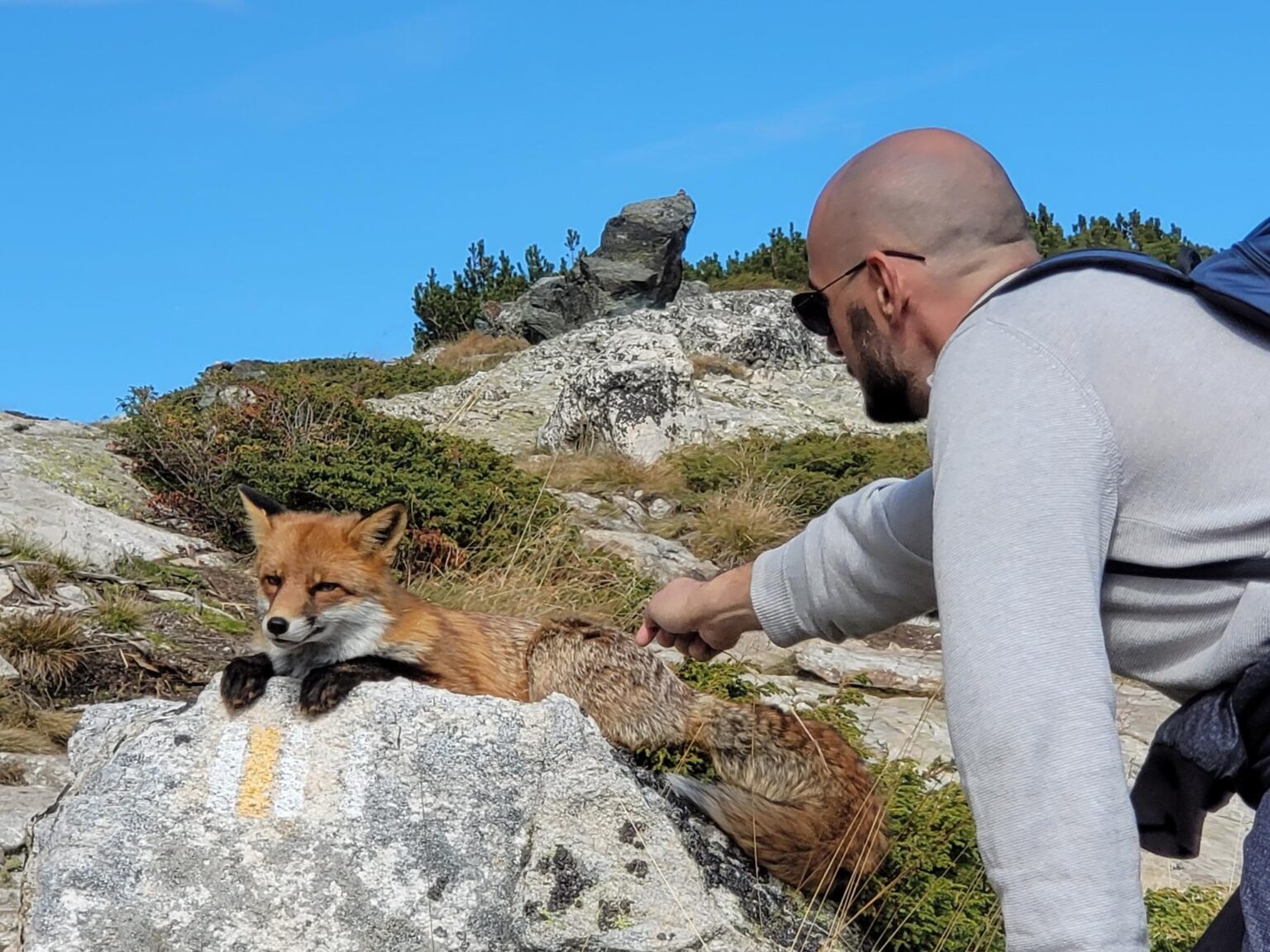
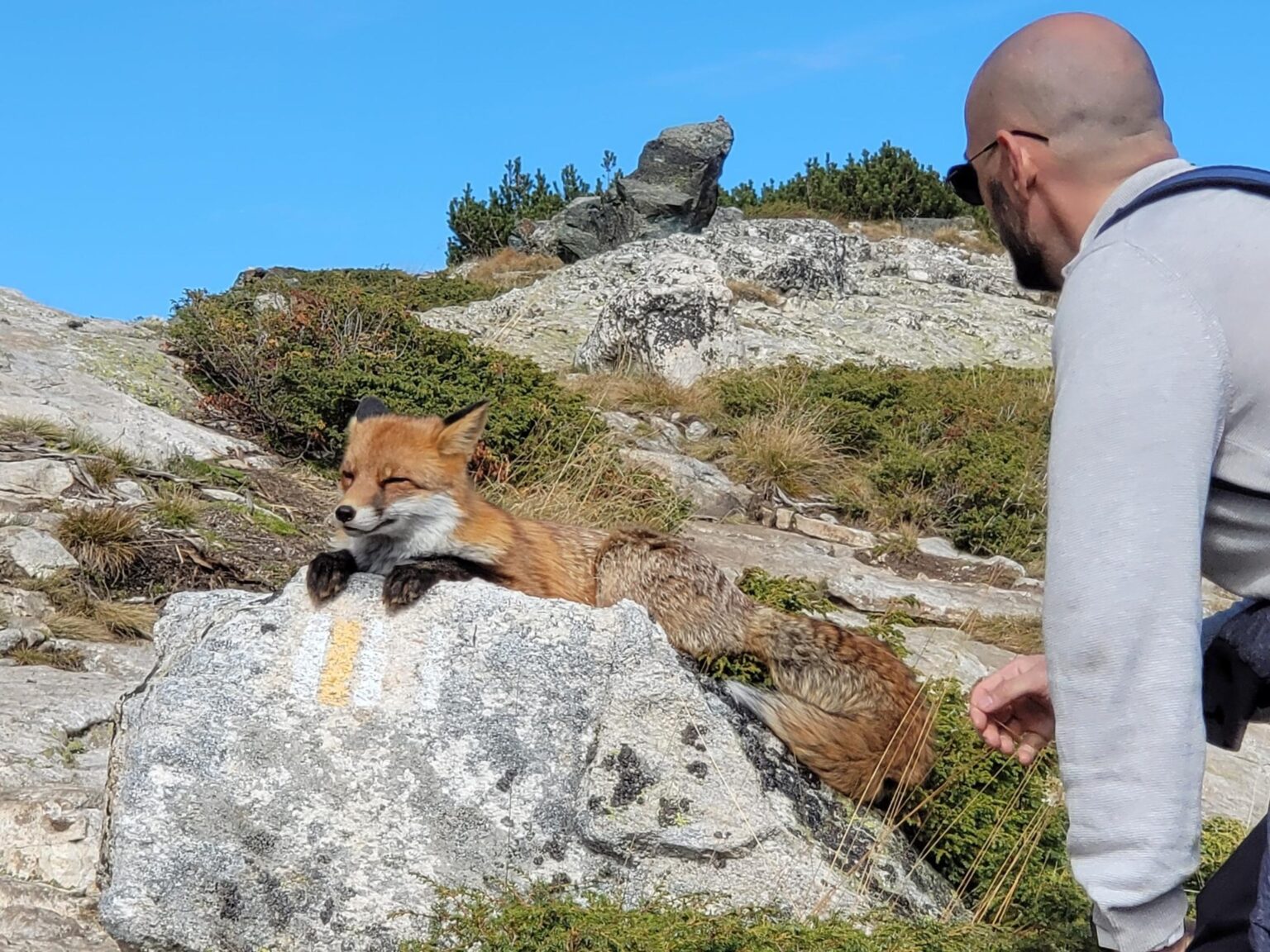
I assumed it was ill, which was why it wasn’t running from the little crowd of us gathering around. I picked up a stalk of some plant I can’t identify — let’s call it hay — and very amicably started scratching its nose and head. Like a proper cat, it began sniffing the stalk and rubbing itself against it. Bliss. I’m still furious that I didn’t dare actually touch it, but I should say that up close it is a serious animal. We have precisely zero knowledge of what it’s capable of, and we do know the nearest hospital is an hour or two away 😀 I didn’t touch it and I’m still annoyed. It made our day; I instantly forgot about my impertinent knees, which had been reminding me every few seconds that they exist and would like some special attention.
Then one man says out loud what everyone is thinking:
It must be sick, that’s why it’s lying there so calmly.
It seemed to understand him. It stood straight up, presented itself in full glory, and began doing laps around its former bed like a model on a catwalk. We watched a while longer, thoroughly enjoyed it, and then it was time to head home. Past 15:00, the lift will close soon. The descent is strange. It’s 15:30. The lift shuts at 16:00. And people are riding up? Fine, presumably for a reason. Down at the bottom life is in full swing: souvenir stalls, pole vendors and cafés all open, car park full.
Budget
- Parking for a car — around €5.00 per day
- Lift — €16.00 per person return, €11.00 one-way
- Reduced fare (children 5–12, pensioners, disabled) — €8.00 return, €6.00 one-way; children under 5 travel free
Current tariffs and hours are published on rilskiezera.bg.
Difficulty
By my standards, the route to the last lake is hard. Total ascent is around 500 metres and the terrain is loose and slippery. Skip the lift and that becomes roughly 1,000 metres. Getting to the first lake is also demanding, but it’s about 20% of what comes afterwards, and it’s the improved section — practically stairs. If there’s any doubt about whether this is for you, push on at least as far as the first lake. The panoramas are superb, and turning back is always an option. On this visit there were people giving up halfway, which is completely reasonable.
Things worth knowing
There are no toilets anywhere up there. Once you leave the hut at the top station of the lift, that was the last chance.
Food at the hut is relatively expensive and moderately varied, which is entirely understandable given where it has to be carried from. Bring your own water and food — this one isn’t optional.
Use trekking poles if you possibly can.
The 100 National Tourist Sites stamp is available at the hut by the top station of the lift.
Conclusion
An enormously recharging walk. Two weeks later the knees are still filing complaints, but it was worth every one of them. If you’d like something in the same spirit but considerably gentler on the legs, the Iskar-Panega eco-trail is the opposite end of the scale, and there are more of these in Places in Bulgaria.
Gallery
And the customary gallery for non-committal scrolling: