July 8 connects two very different moments in Bulgaria’s history — one an early step toward diplomatic recognition in Europe, the other a Cold War alignment that would shape the country’s economy for decades.
July 8, 1879 — Bulgaria Establishes Diplomatic Relations with France
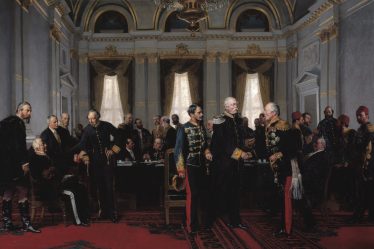
On this day, the newly independent Principality of Bulgaria and France established diplomatic relations at the level of agencies — one of a series of agreements the young state concluded with European powers in its first years of existence. France was among the major Western nations whose recognition Bulgaria needed to consolidate its international standing following the Congress of Berlin in 1878.
The relationship would be interrupted during the First World War, when Bulgaria and France found themselves on opposite sides, and again decades later during the communist period. But the establishment of ties in 1879 was part of Bulgaria’s broader effort to take its place among the recognized nations of Europe — a project that the new principality pursued with considerable diplomatic energy.
July 8, 1947 — Bulgaria Rejects Marshall Plan Aid
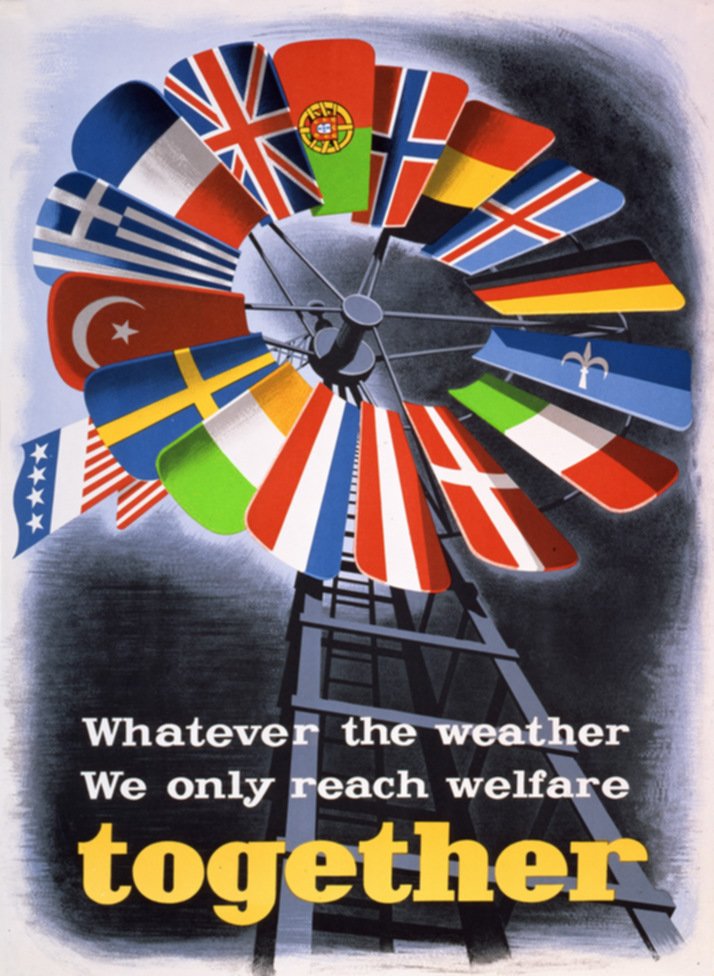
Under mounting Soviet pressure, Bulgaria’s communist-aligned government declined to join the Marshall Plan — the United States’ sweeping post-war reconstruction program for Europe. The refusal was not made freely: Moscow insisted that the countries of the emerging Eastern Bloc stay out, and Bulgaria fell in line alongside the rest. The decision shut Bulgaria off from the Western reconstruction funds that helped rebuild much of Europe in the late 1940s and early 1950s.
The consequences were long-lasting. Cut off from Western capital and tied instead to the Soviet economic sphere, Bulgaria’s development over the following four decades was shaped almost entirely by its dependence on Moscow — a dependence that the Marshall Plan refusal helped cement.
Navigate the week with July 7 and July 9. For a broader view of Bulgaria, see our travel guides and the Bulgaria From Above series.