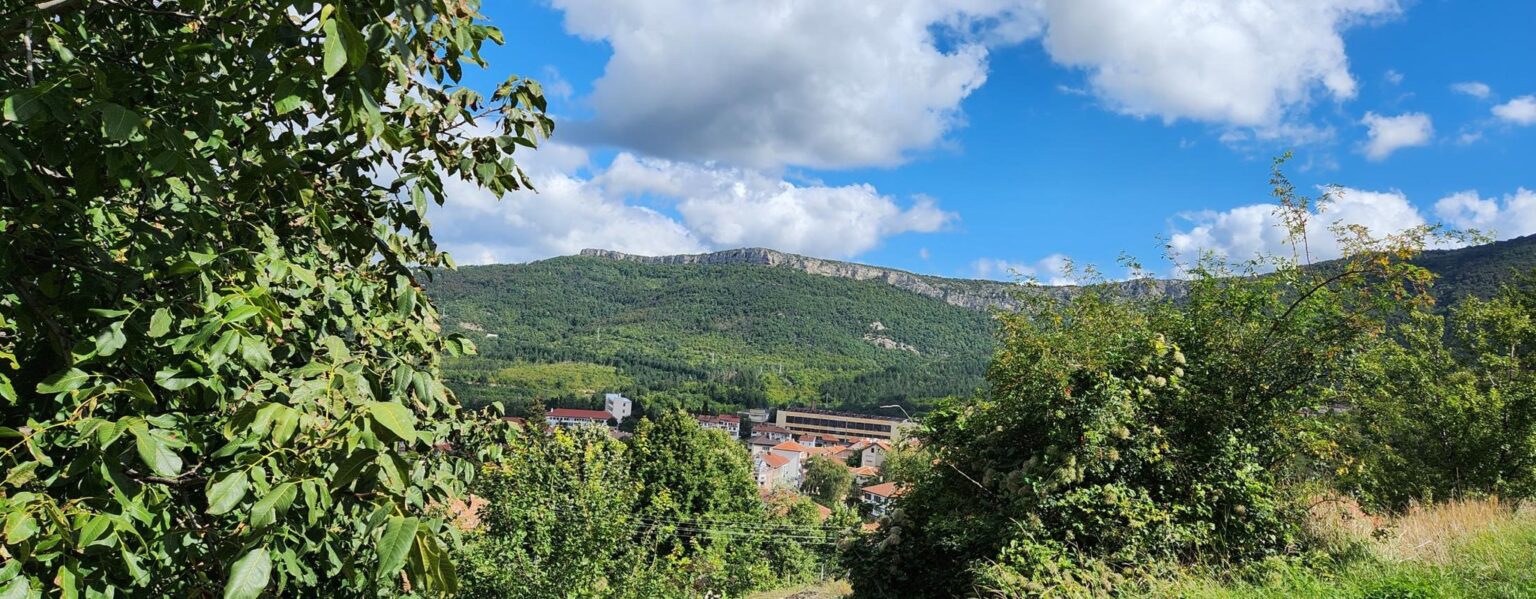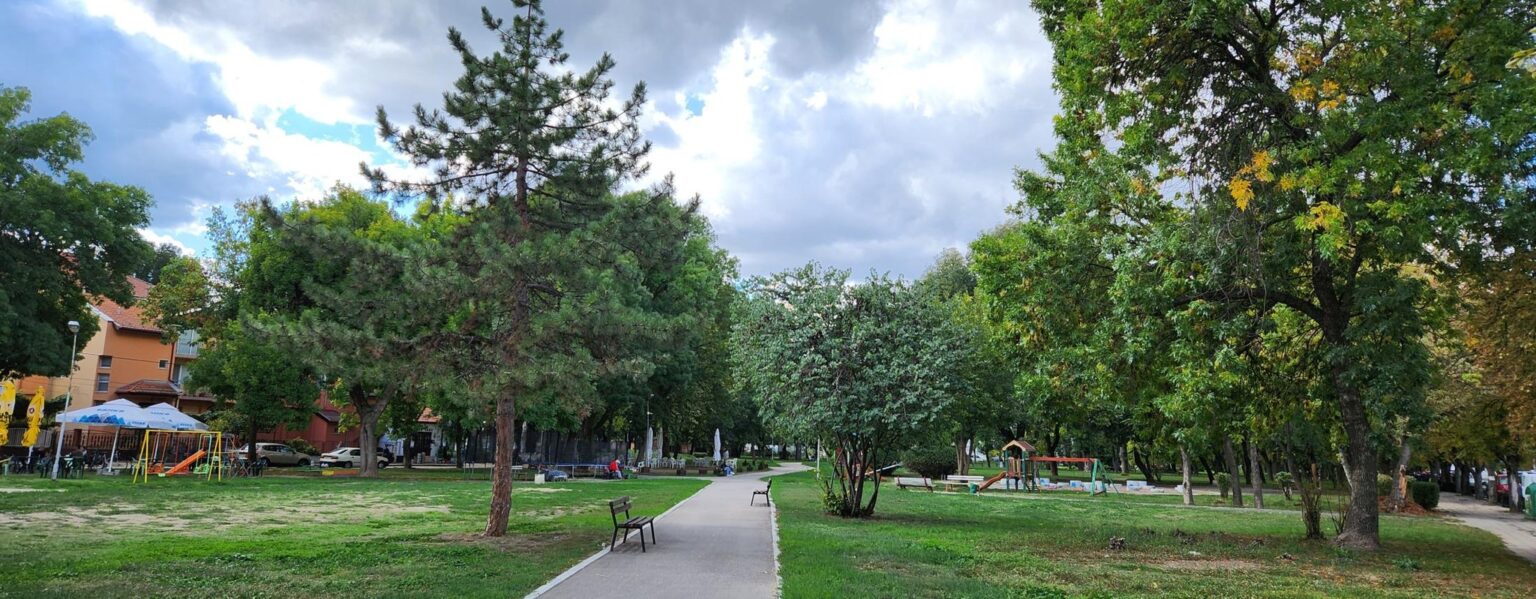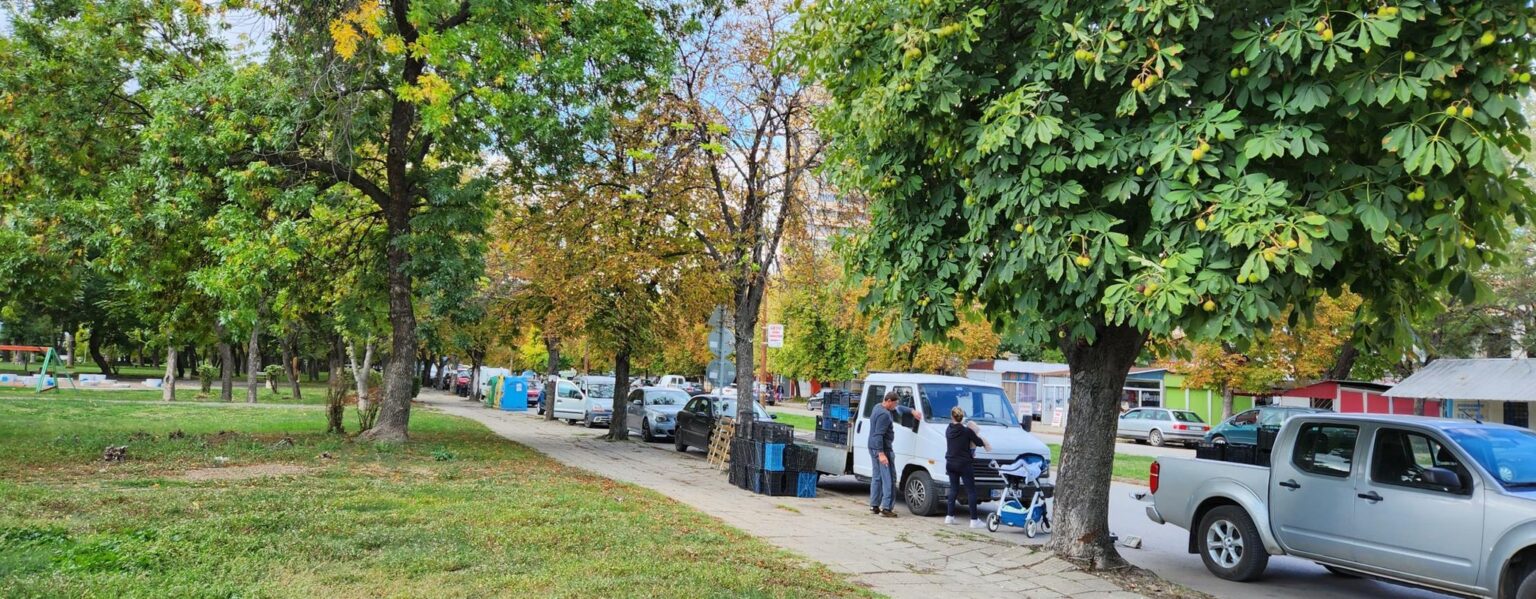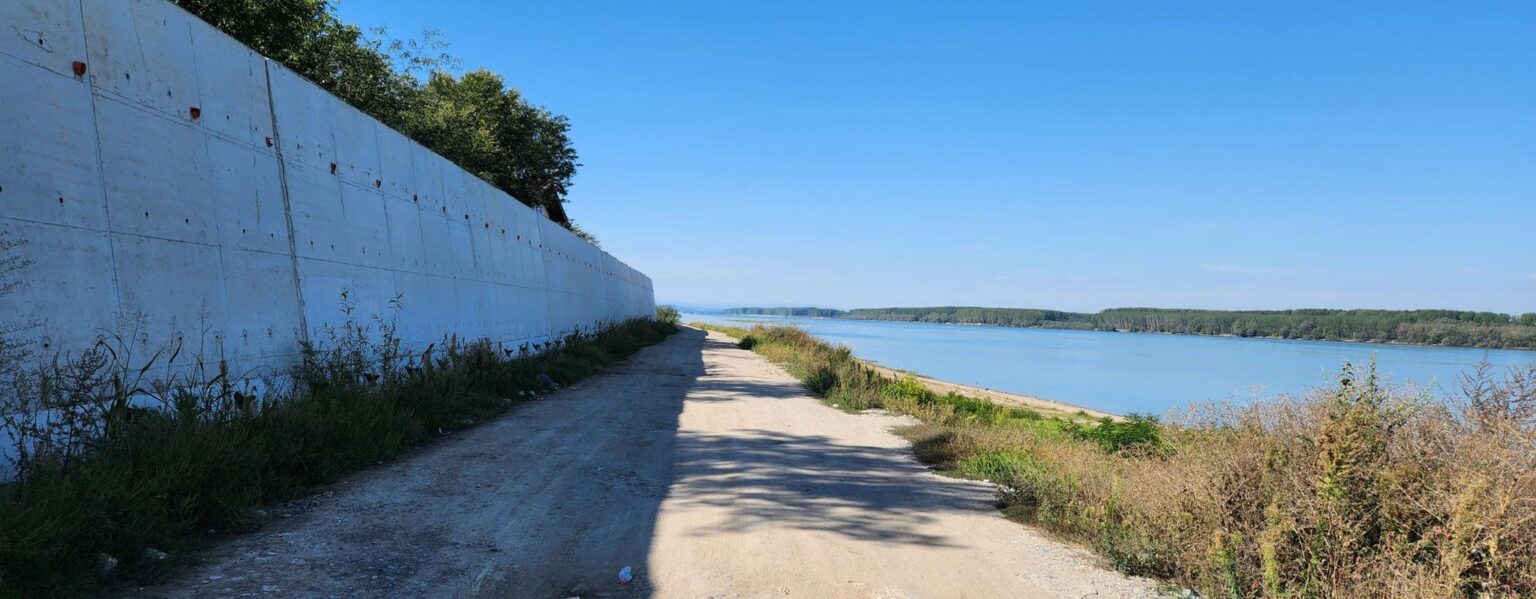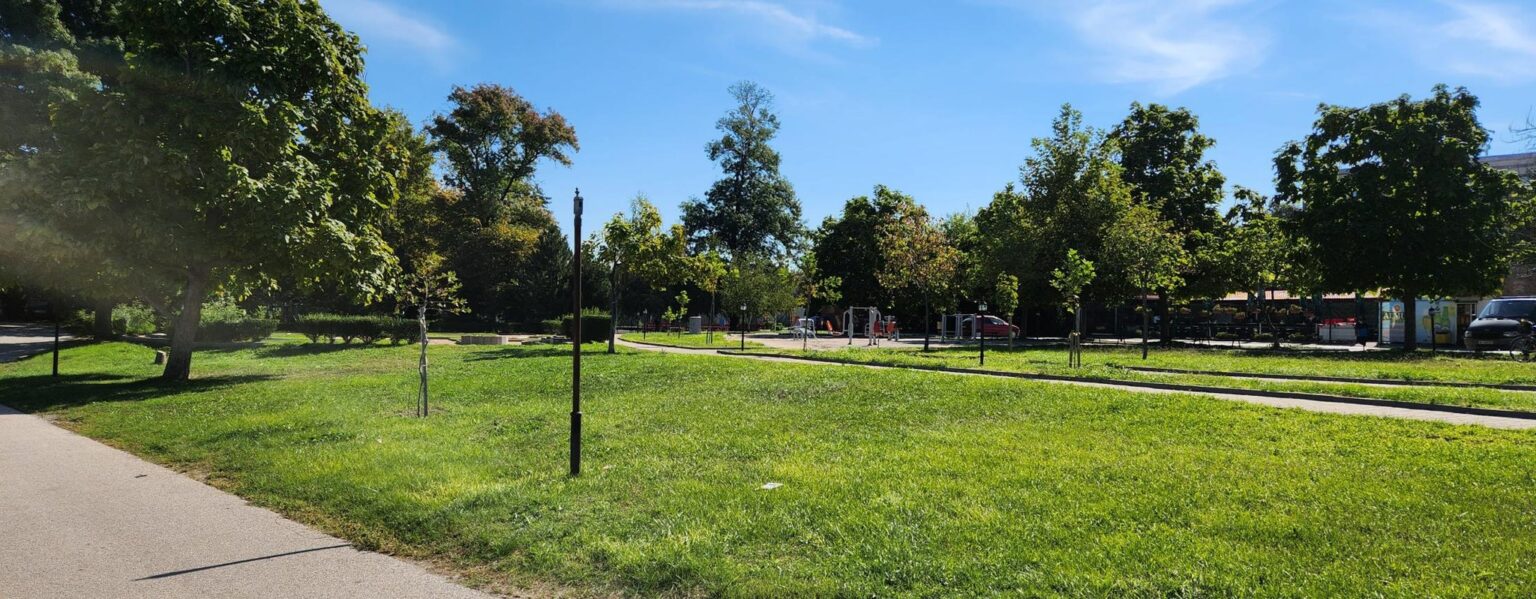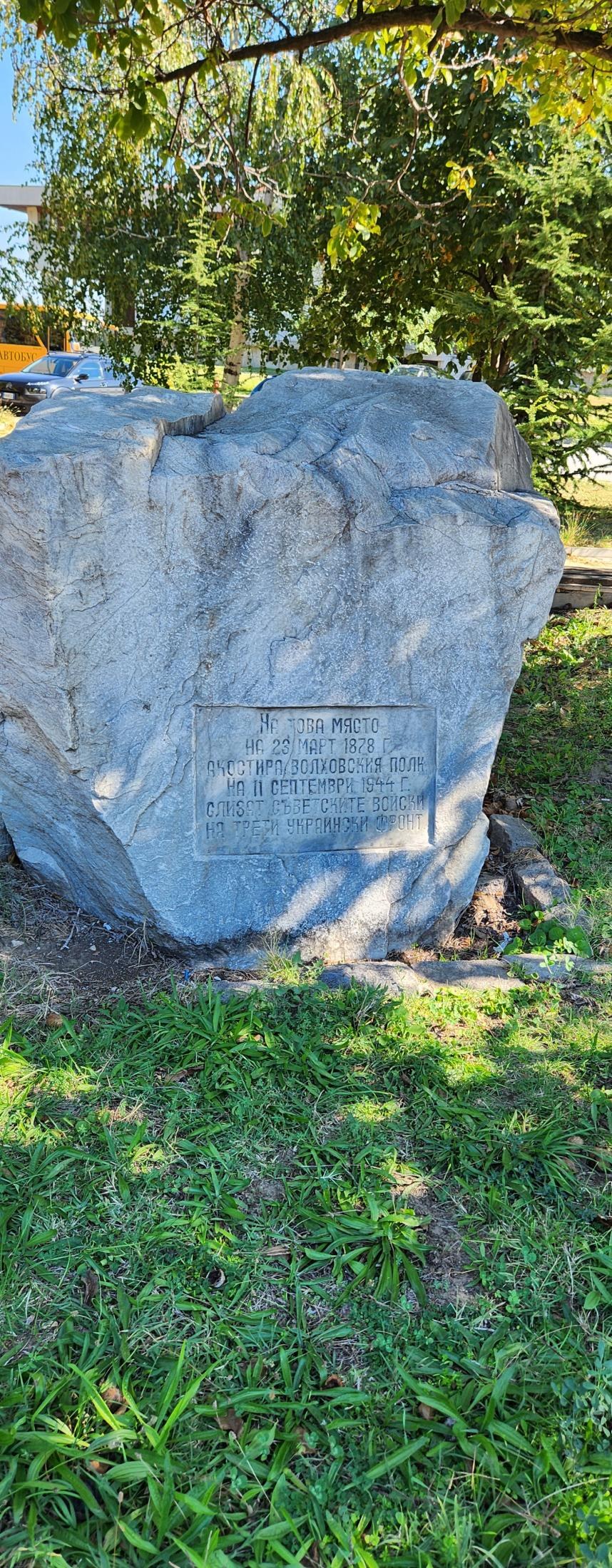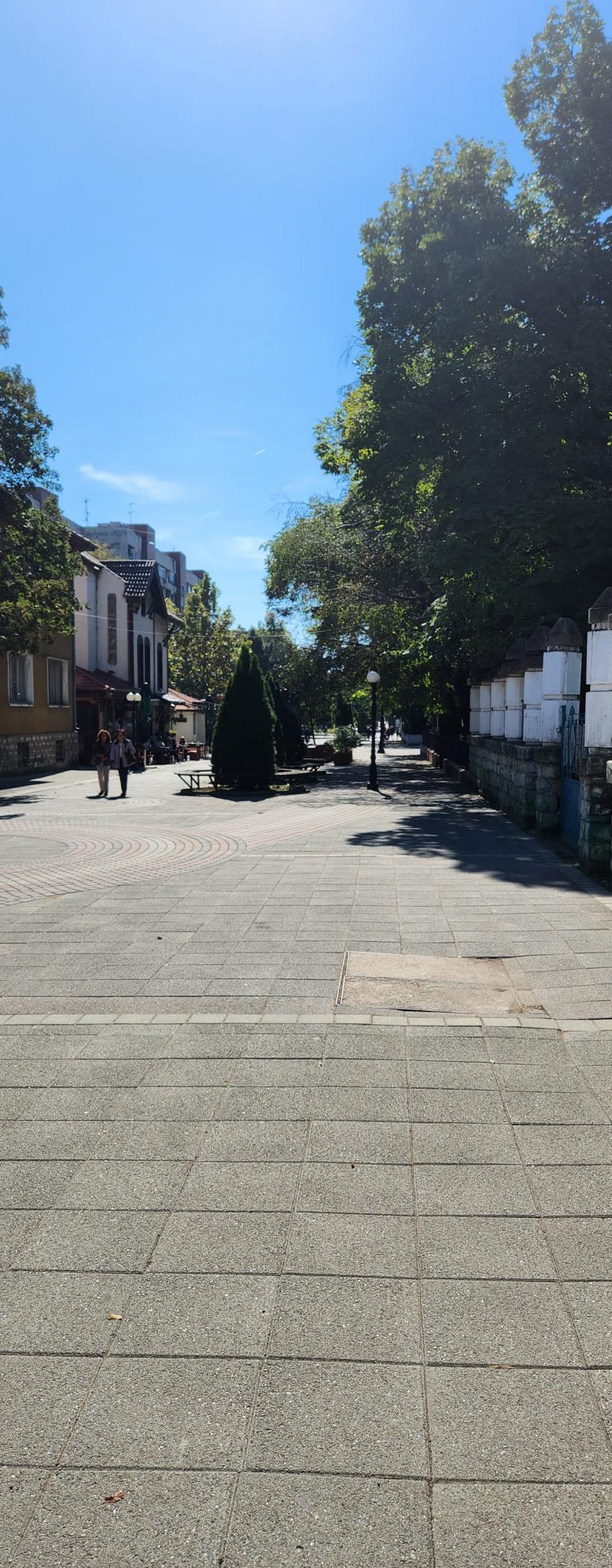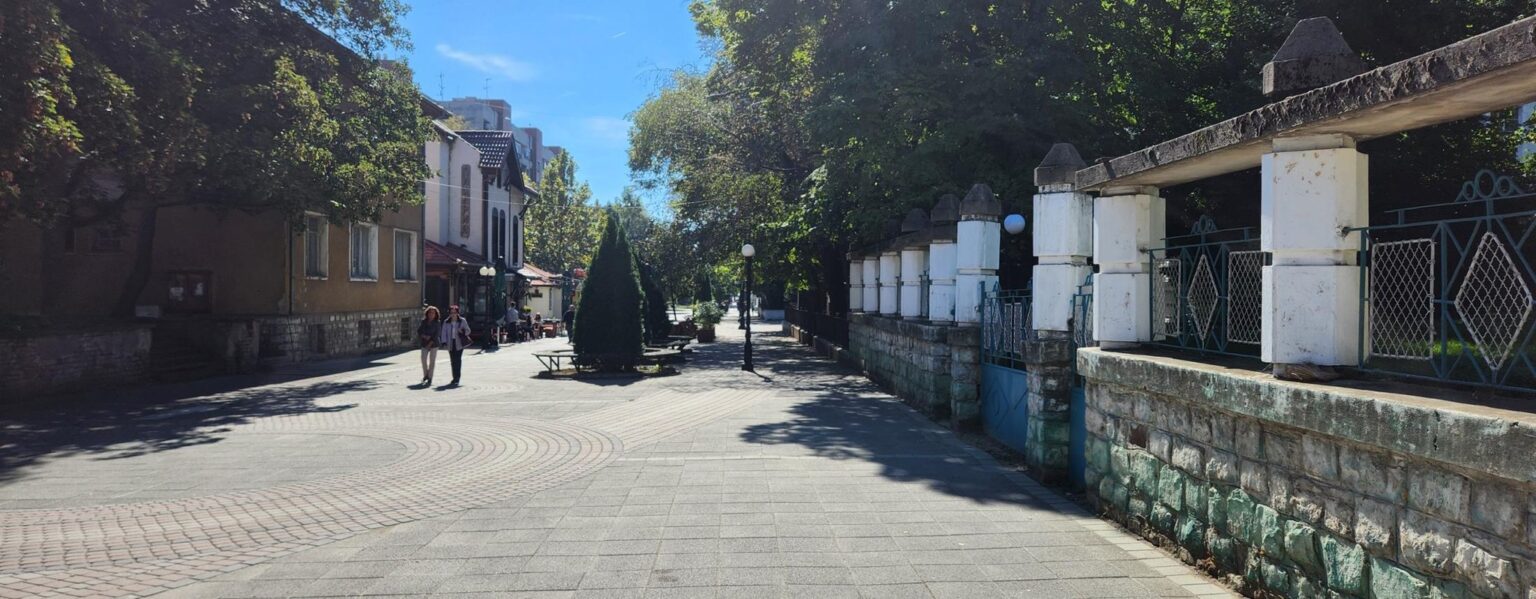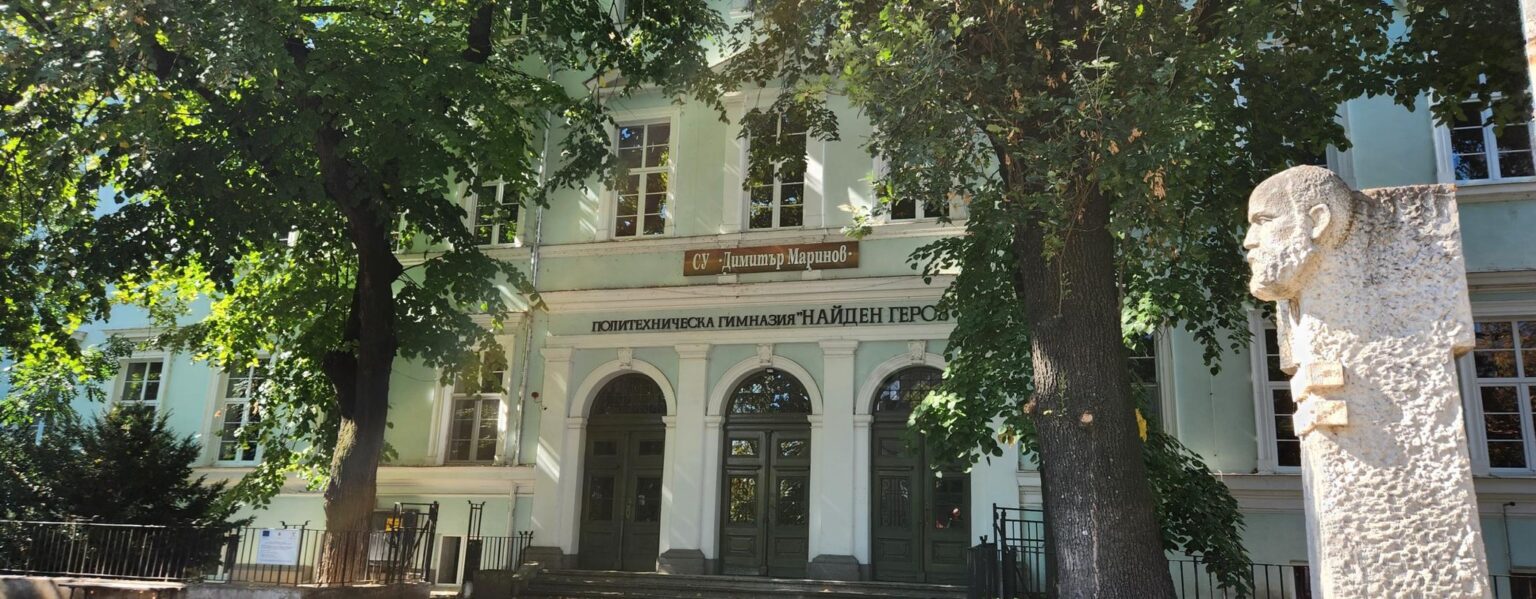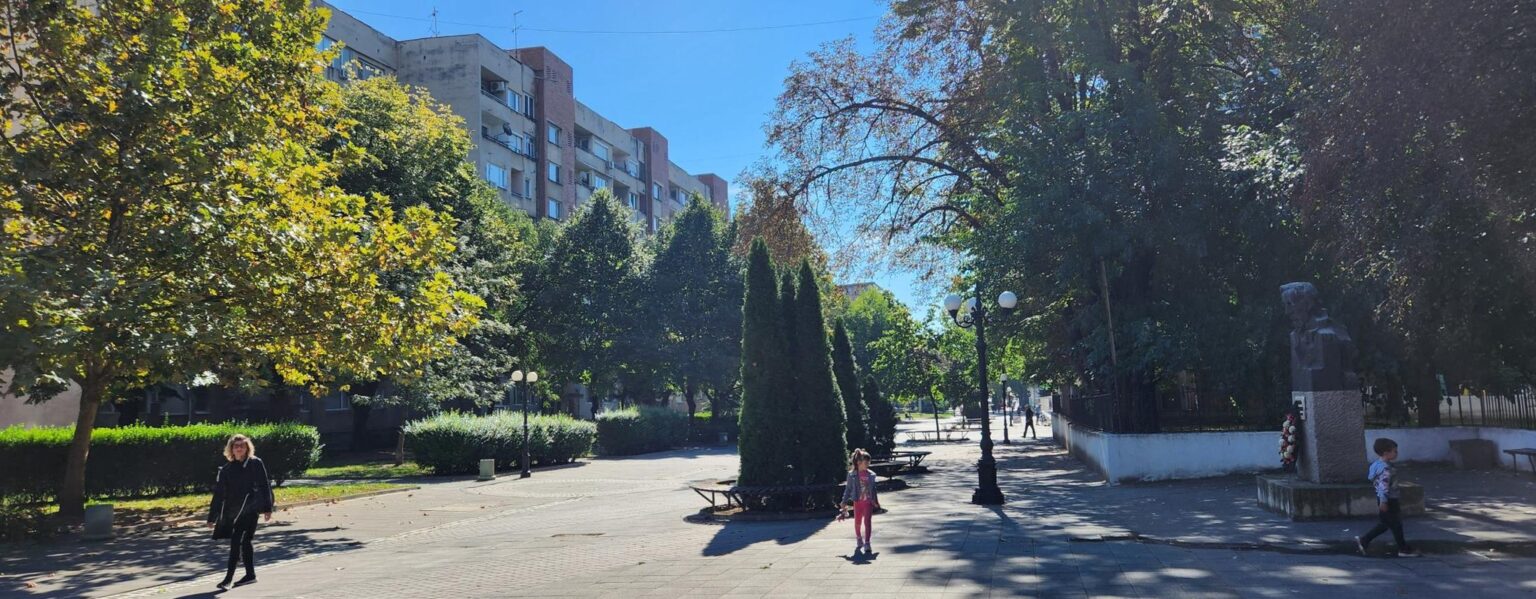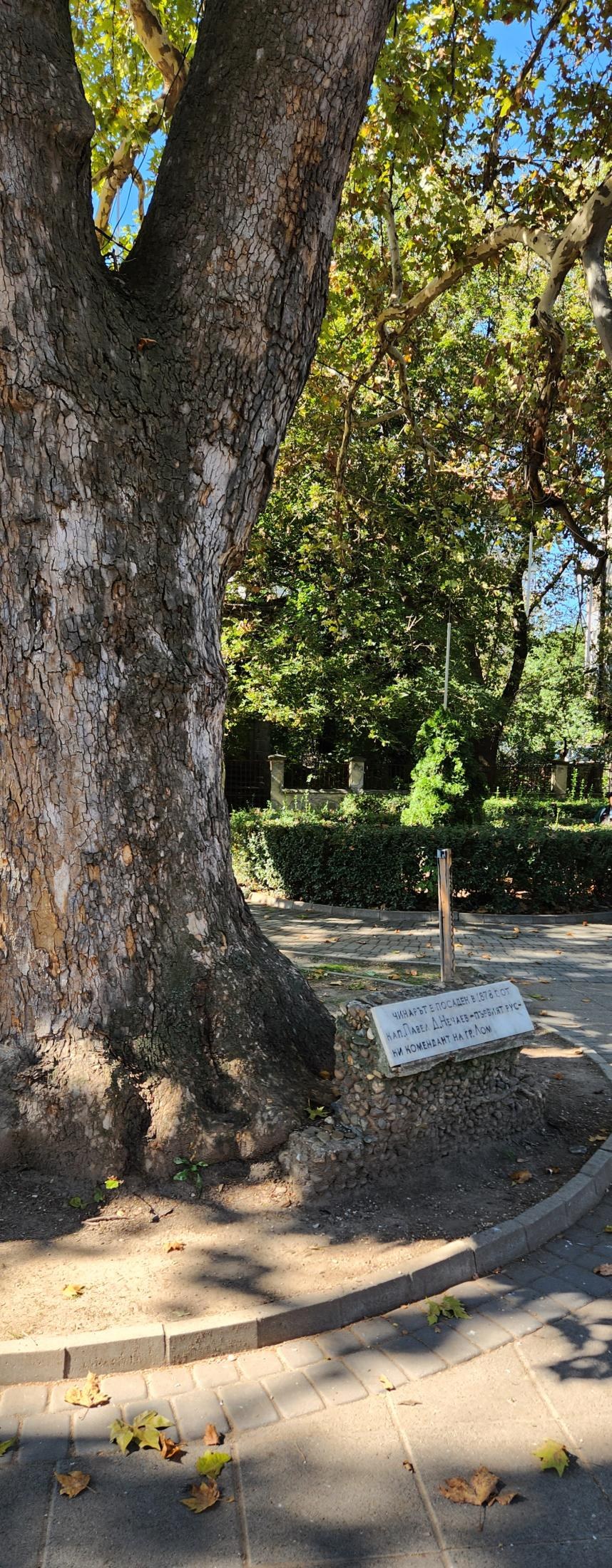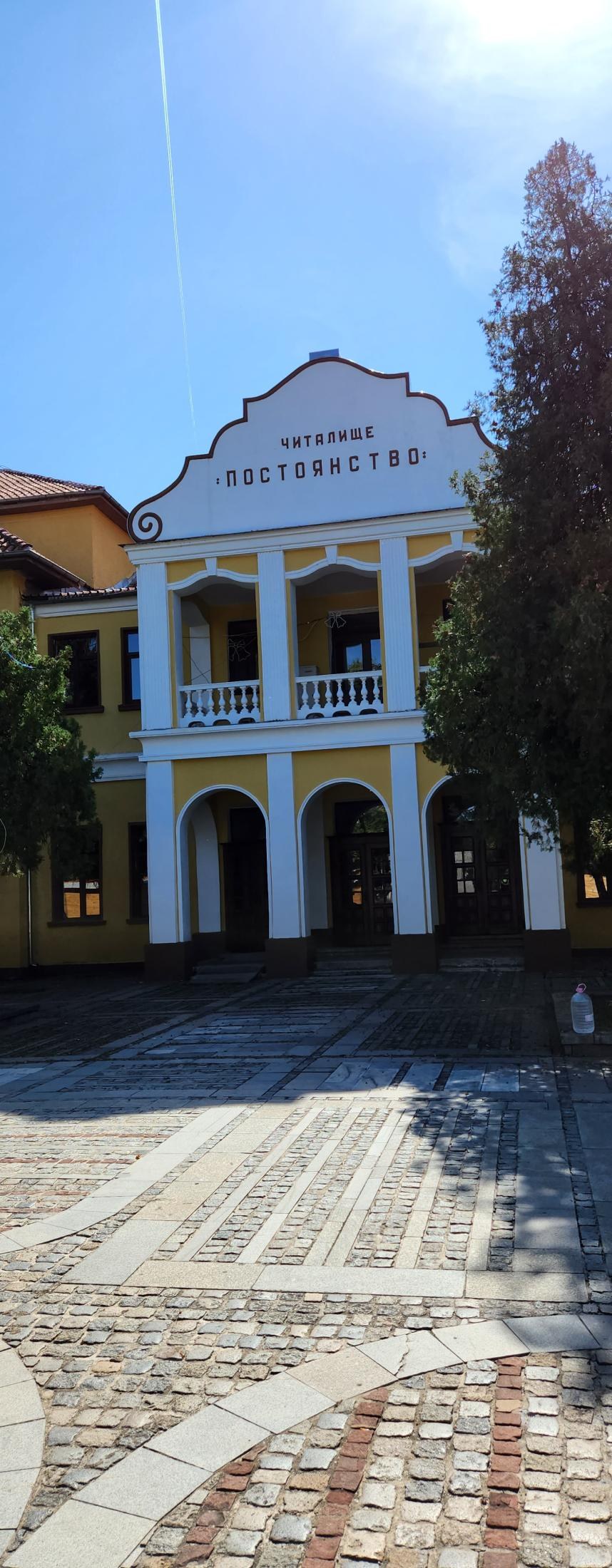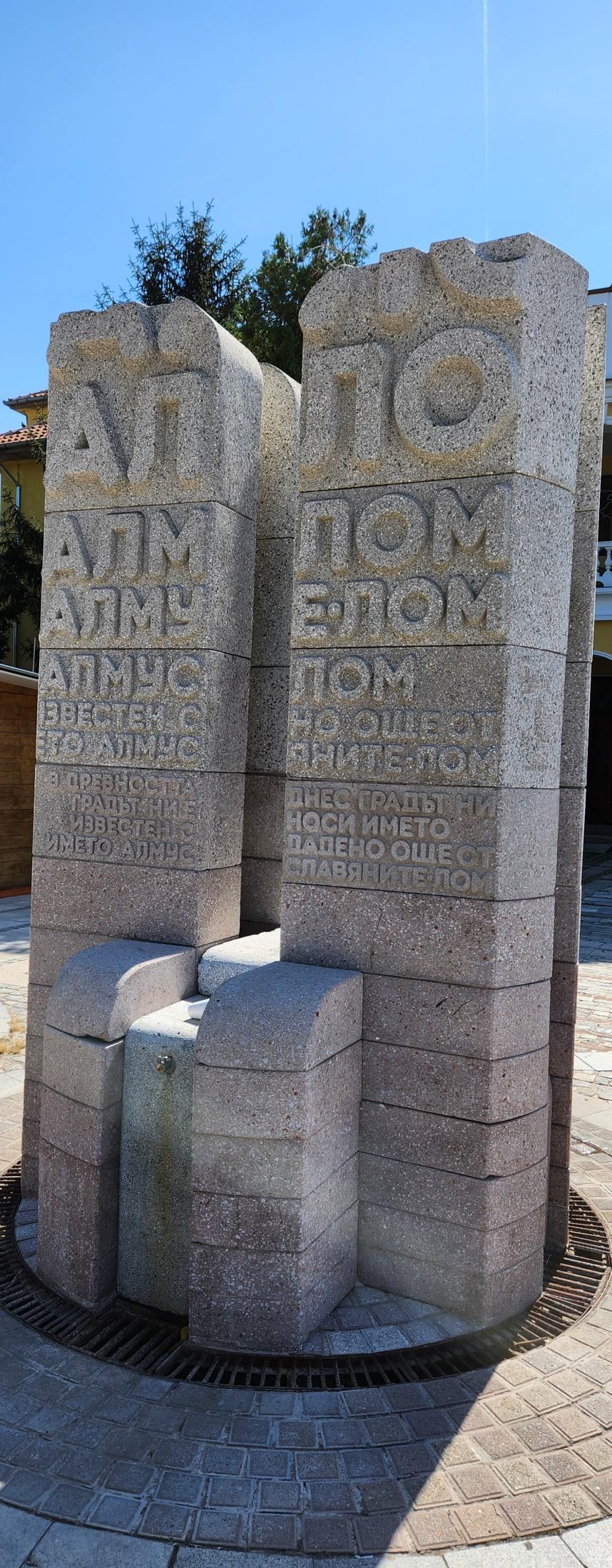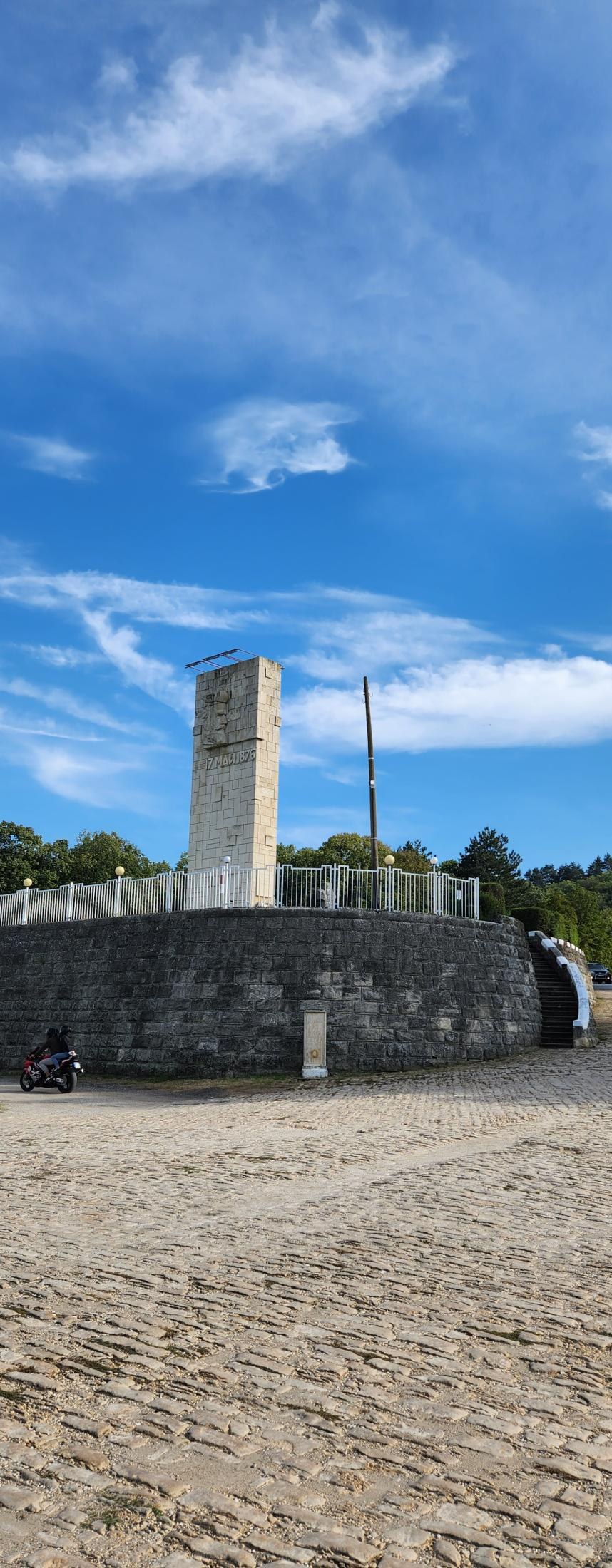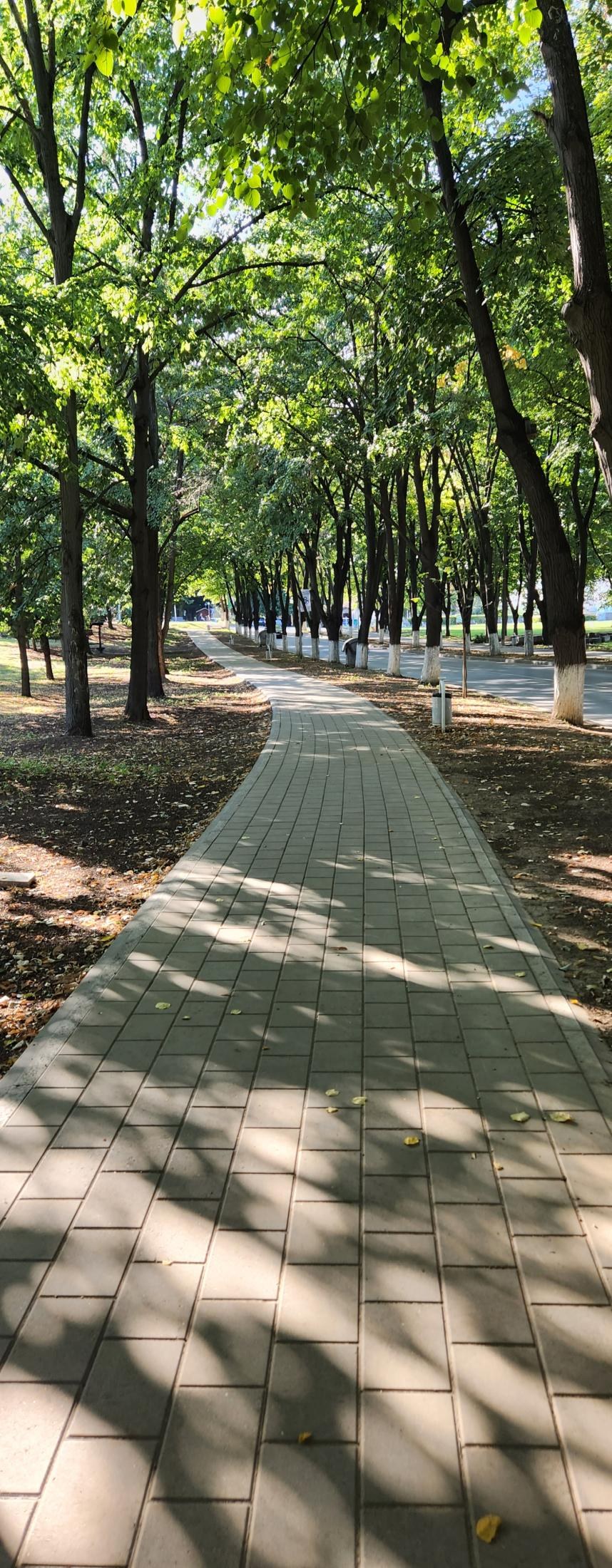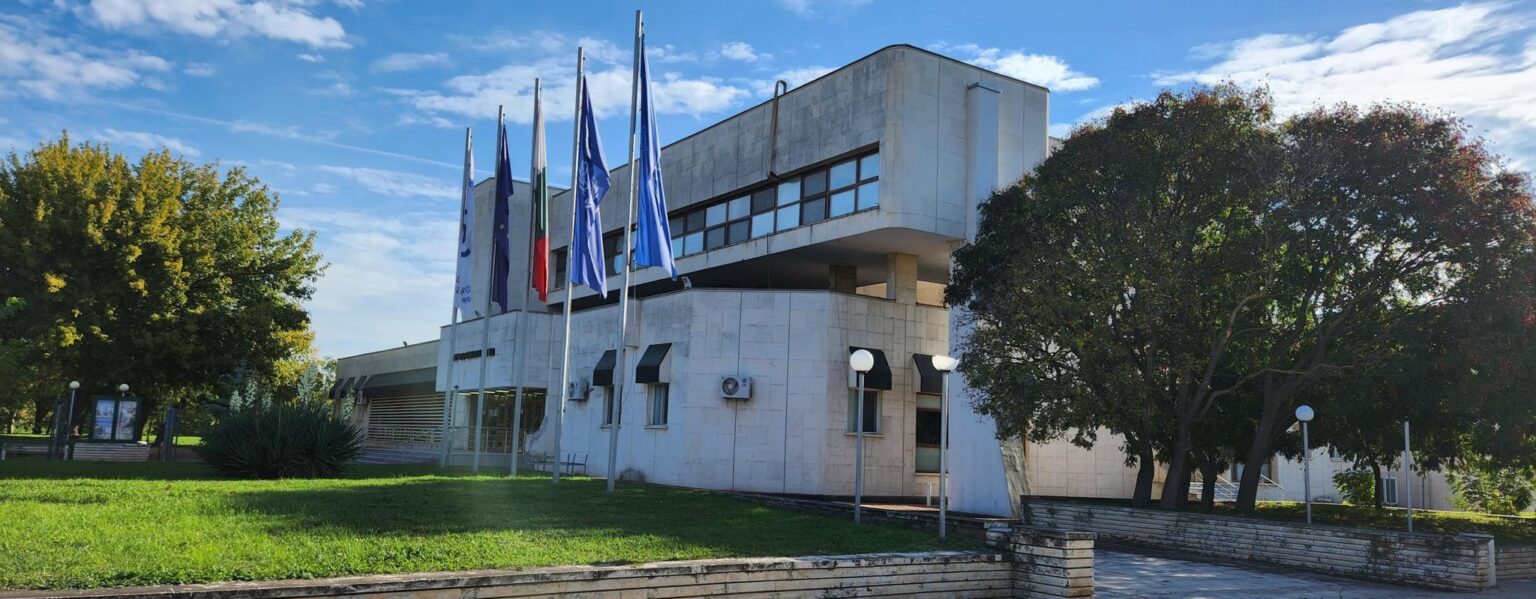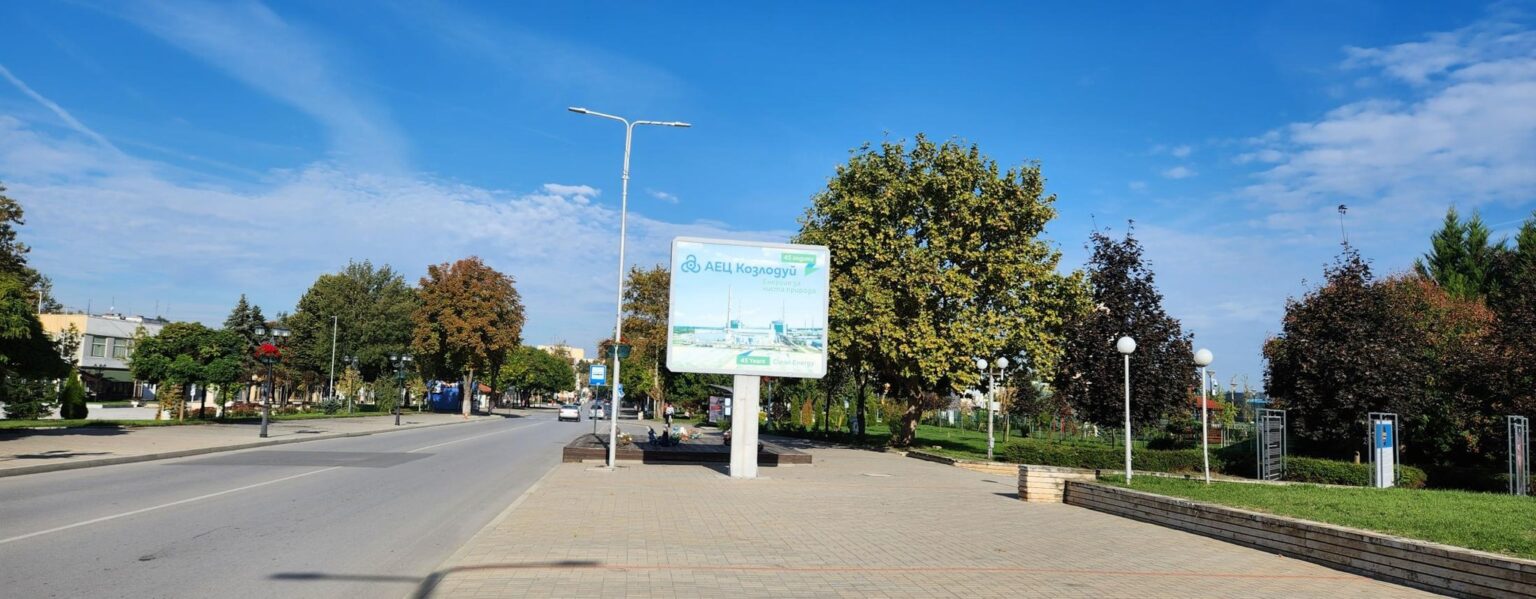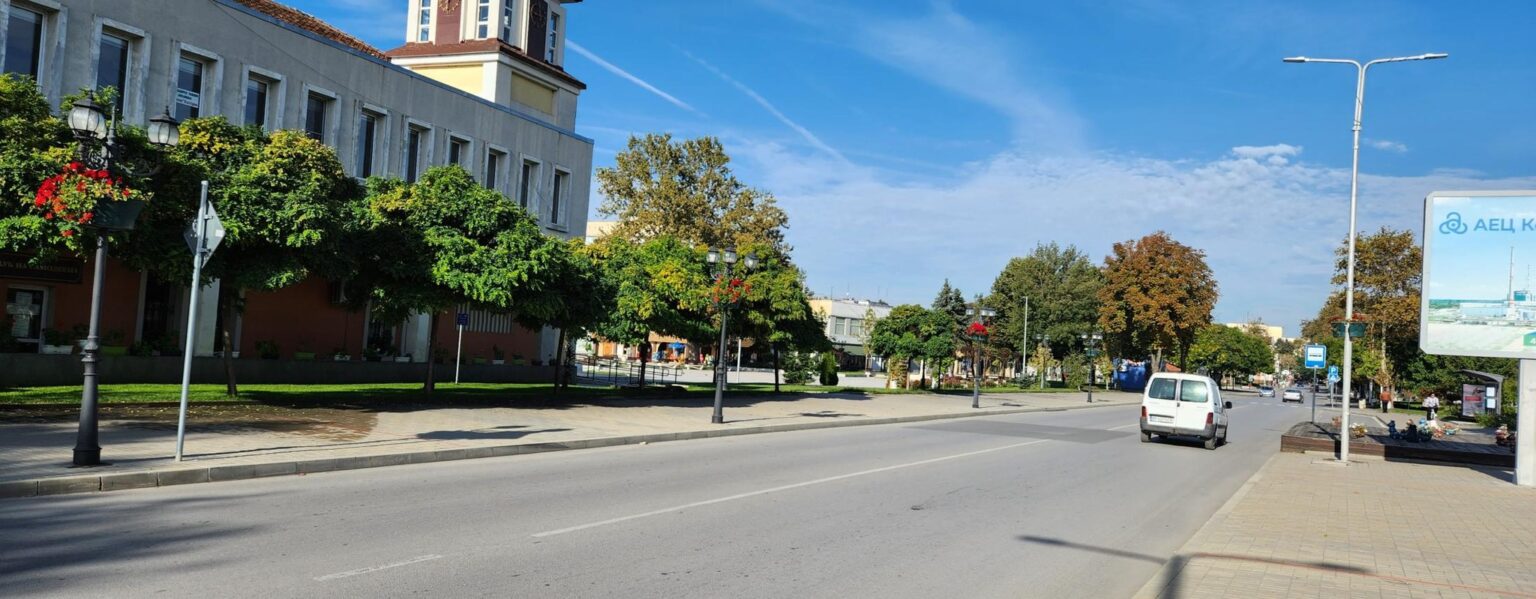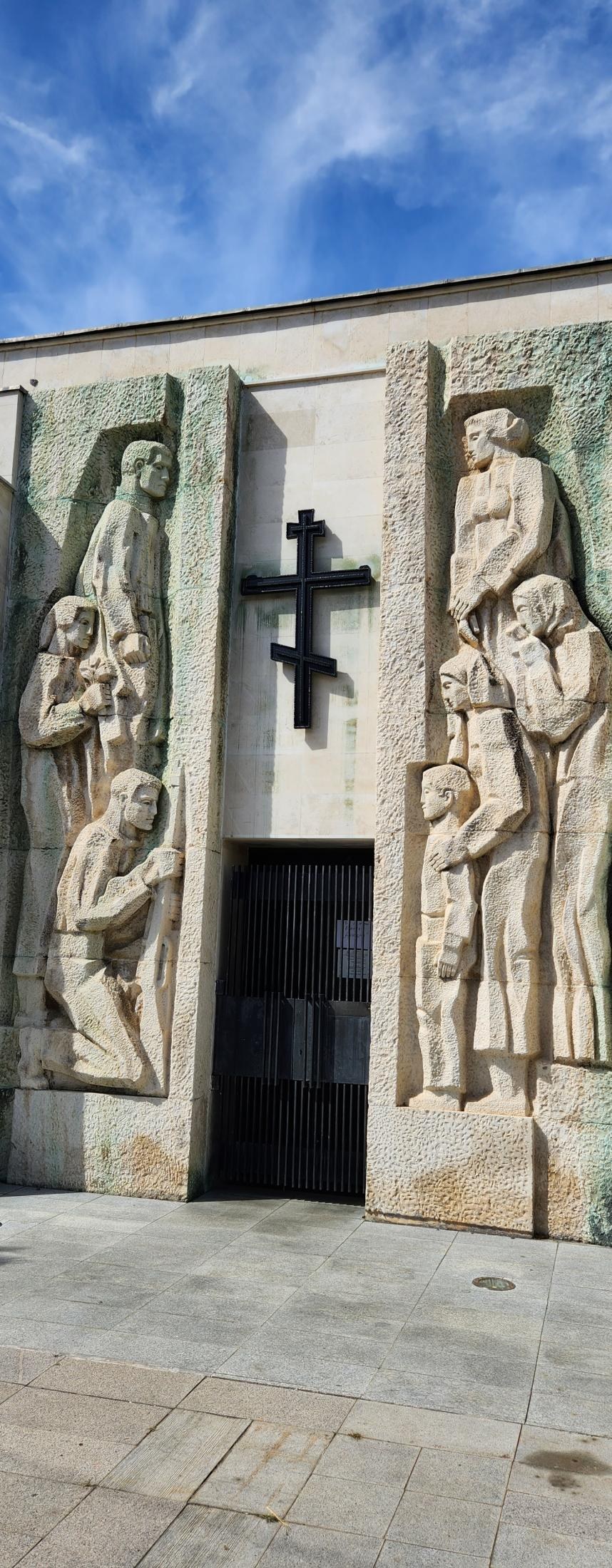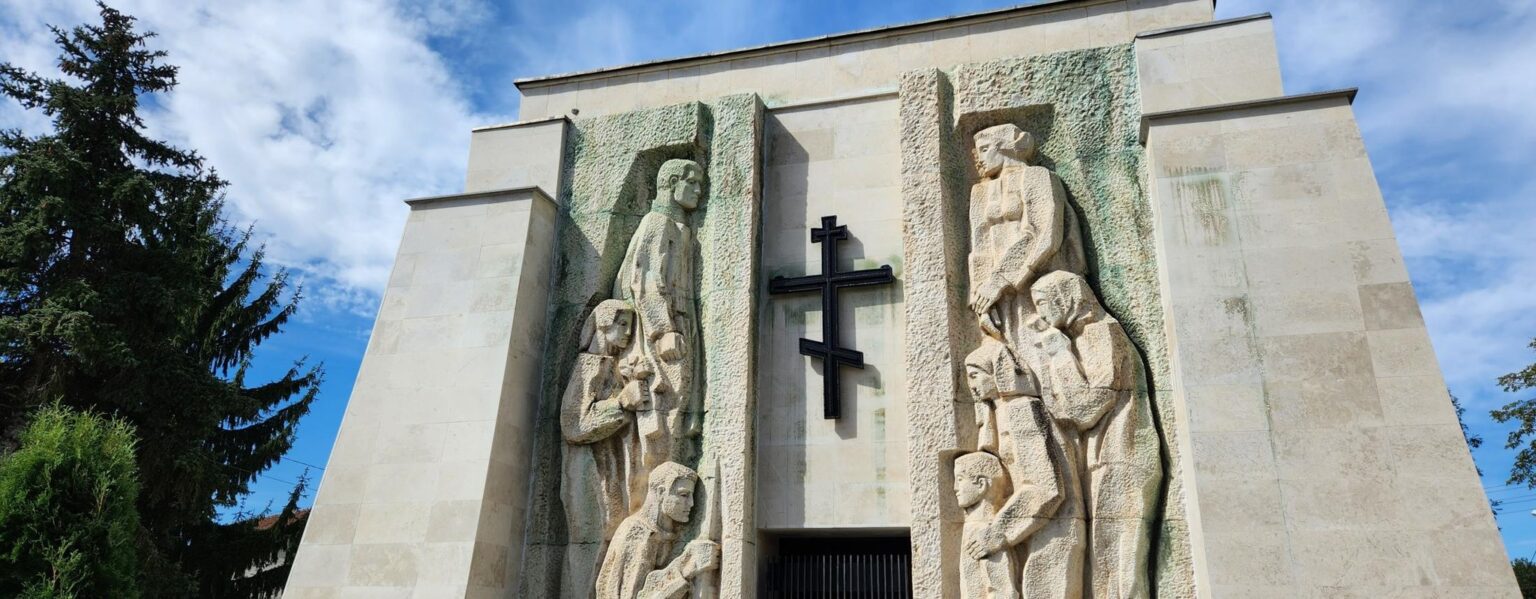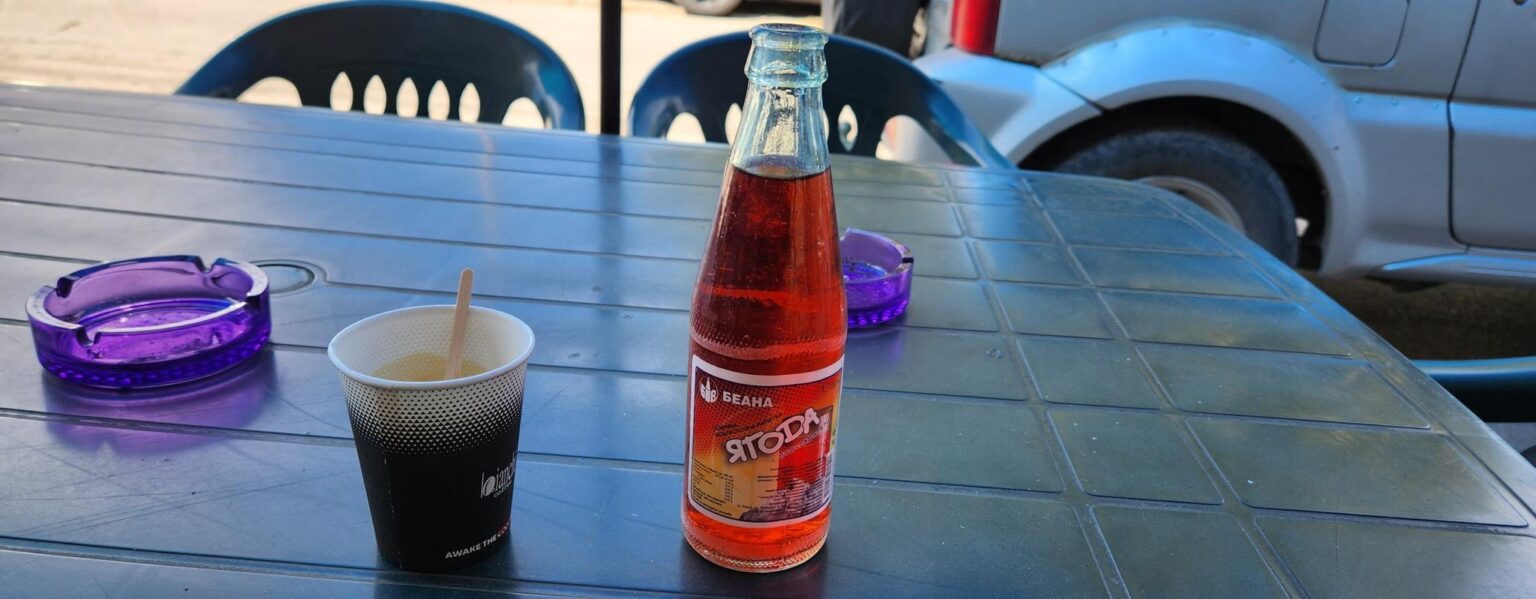
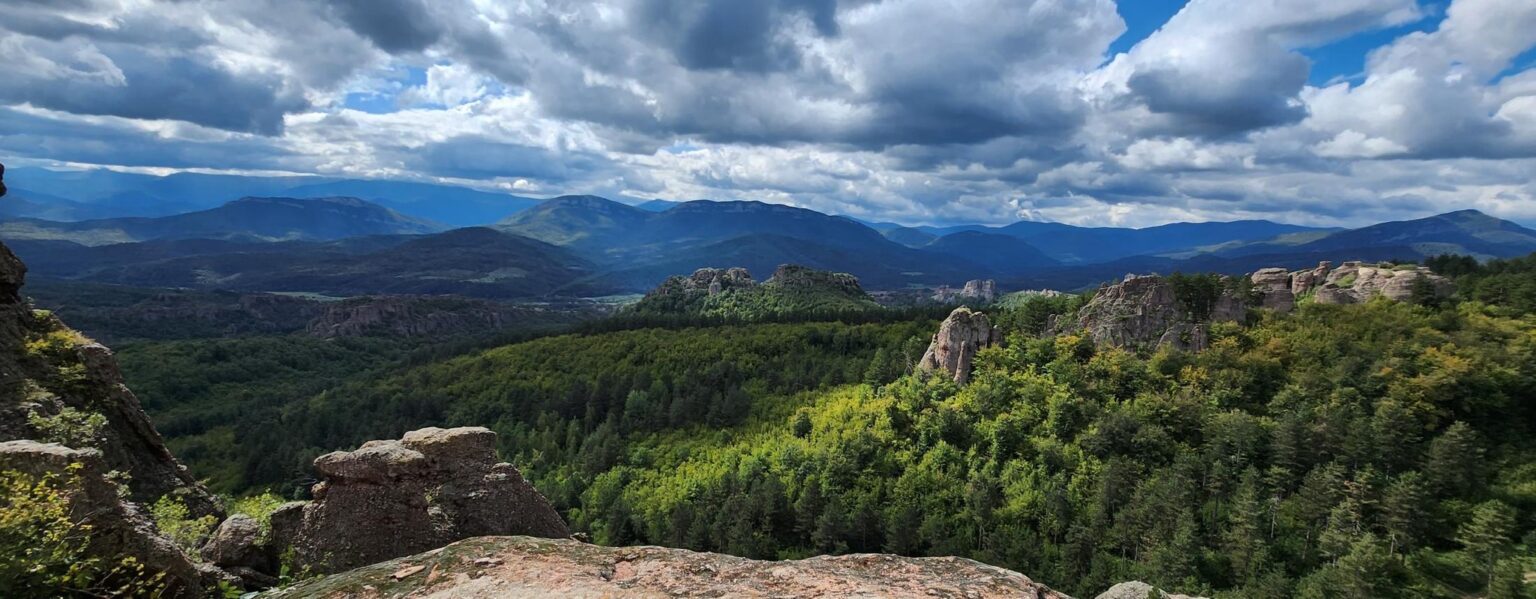
September. Peak madness, the school year starting, the city filling back up with everyone returning from their holidays. Work from morning till night, tasks piling up behind other tasks. And despite all of that, the 22nd of September decided to fall on a Thursday. If that is not a sign from fate that a three- or four-day tour needs to be invented, I do not know what is. I opened the map and the list of places flagged over the months from other people’s tags, and I had an instant revelation: it was going to be the Northwest.
Lately I kept running into the same tired one-liners — that in Lom the clocks run thirty years behind, that the whole region is one long obituary. My last visit to the area was more than fifteen years ago. Back then there was not much of anything, and now I genuinely thought this was my last chance to see the place before somebody literally taped a “CLOSED” sign across it. The hotel listings on the big booking channels were extremely thin. For those dates, no interesting local events, no fairs, nothing.
Spoiler: my goodness, what a delusion I was living in. (As we will find out further down the text.)
Map open, the bigger and better-known sights lined up, and out came the base route: 8 hours of driving and 500 kilometres.
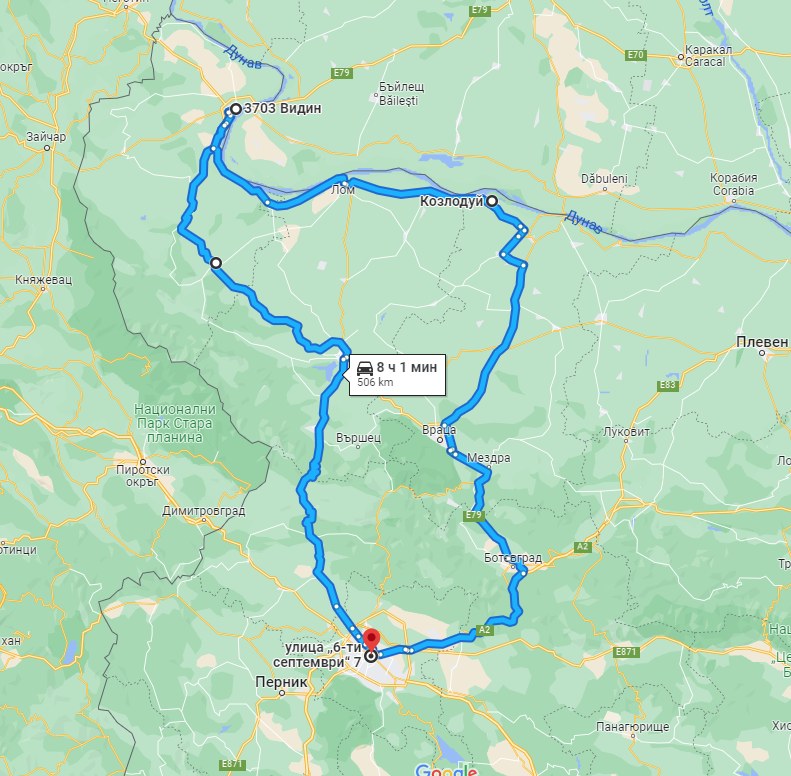
Route — chosen. Beds — booked. Shall we go, then?
One note before we start. The trip itself was made in September 2022, so the impressions are from then. All prices below have been updated to the current official rates in euros and linked to their sources, because a fair amount has changed in the meantime — some of it in ways that will genuinely surprise you.
Day 1: Belogradchik, the Fortress and the Rocks, Magura
Thursday, a working day, 07:30–08:00. It felt like receiving an enormous Christmas present: instead of the boring, uniform, soul-flattening daily crawl towards the city centre, I got an excursion with a whole list of destinations. A tour, as I like to call it.
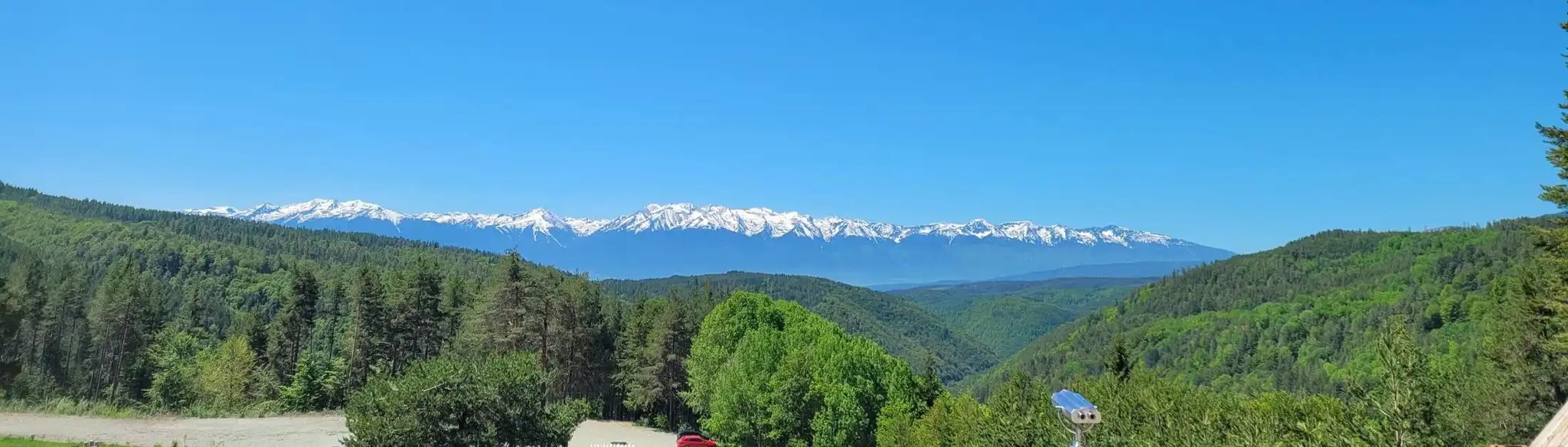
The weather was superb, the city relatively empty. We reached Petrohan Pass quickly, and what a pleasant surprise that was. Fresh asphalt, as if some well-known politician had cut the ribbon the previous evening specifically for us. The road itself — little bends and beauty, early autumn, colour everywhere, paradise. BUT! There is always a BUT. A piece of personal advice: the moment you see a Mercedes Sprinter van with double rear wheels, whatever you happen to be driving — even a brutally fast sports car — pull over and let it pass. I do not know what fuel they put in those Sprinters, aviation or rocket grade, but they drive like men possessed. These vans enter hairpin bends at 100, and I am fairly sure the top names in Formula 1 secretly watch them from above to learn the craft: how to get 12 crates of mineral water and 4 tins of white cheese from point A to point B in the shortest possible time. Your experience may of course be different, but keep it in the back of your mind.
Belogradchik and the Belogradchik Fortress and Rocks
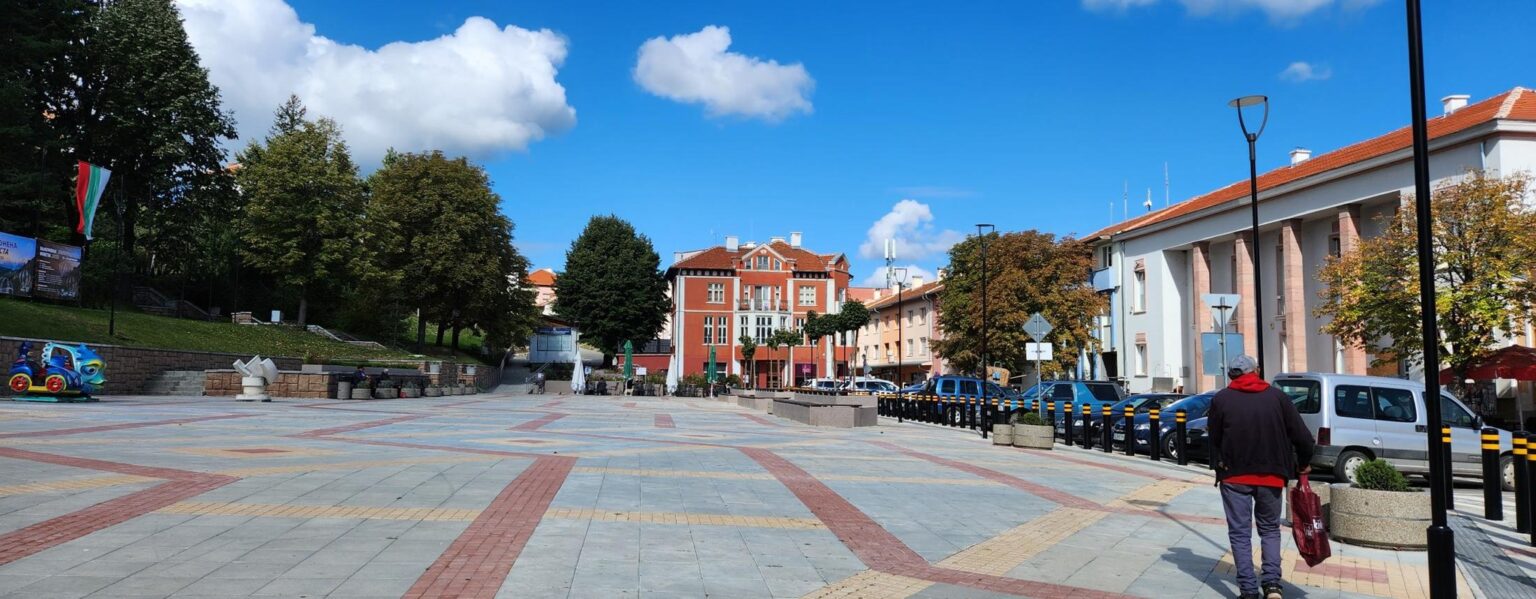
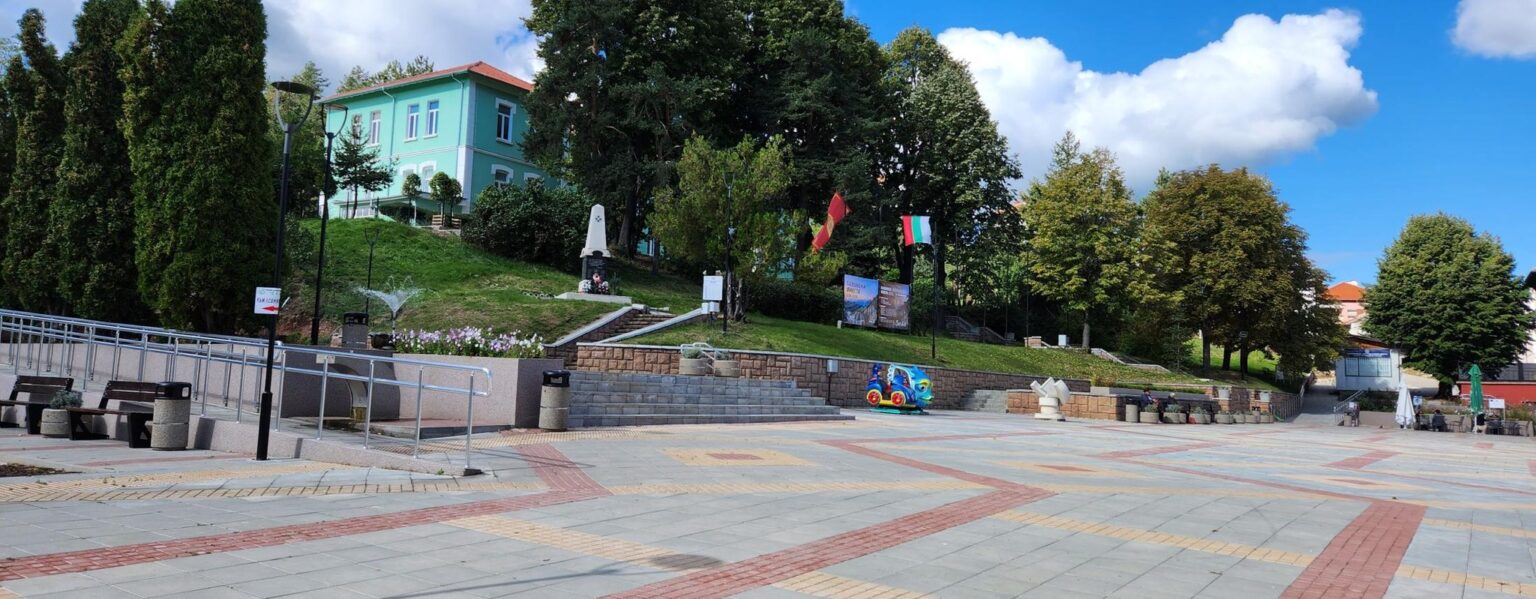
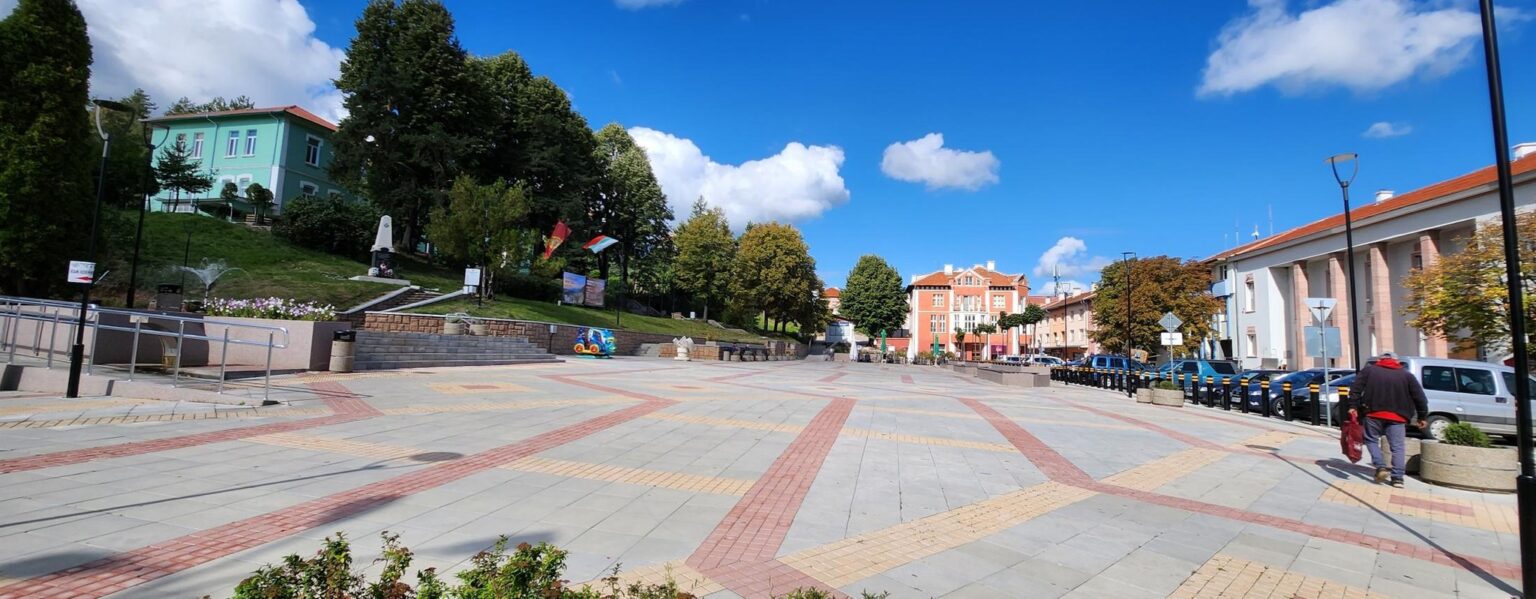
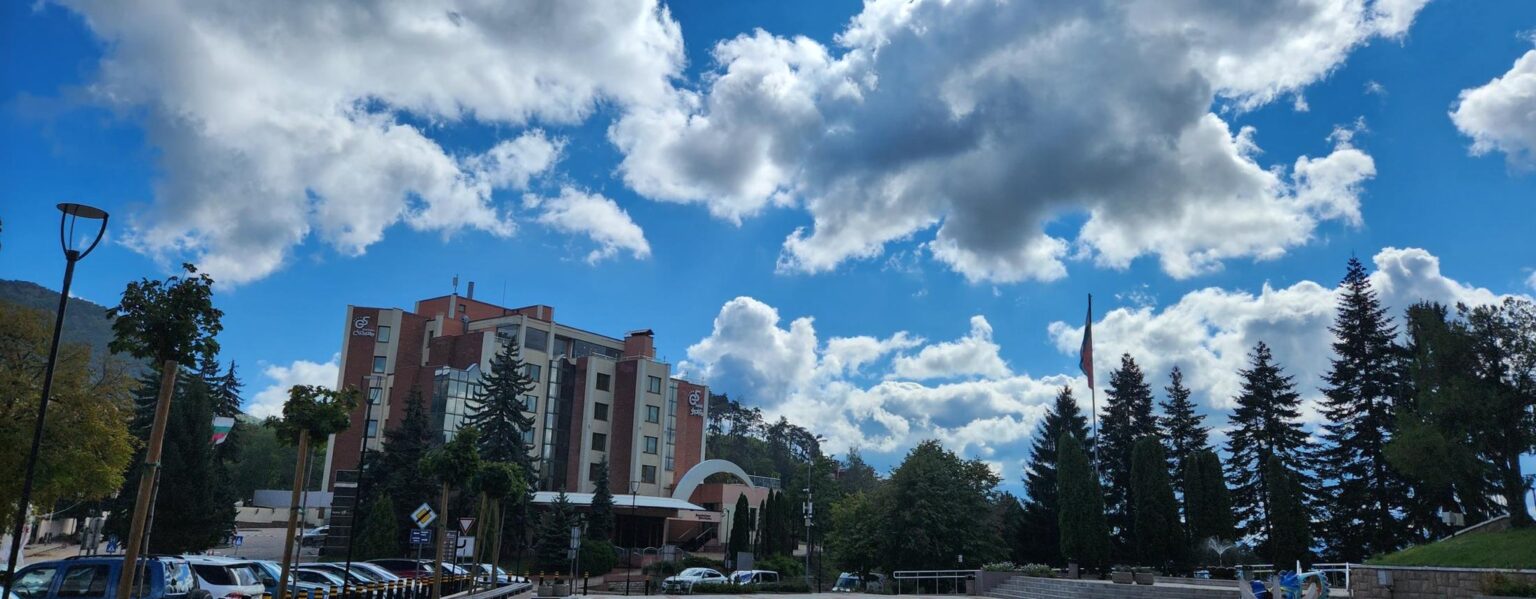
A couple of short coffee stops, and after nearly 3 hours we were on the main square in Belogradchik. Relatively lively, people bustling about, the cafés full. Whether that is simply normal here or whether the population had swelled because everyone had come home for the holidays, there is no way for us to know. There are several blue-zone parking spots, paid the usual way by SMS or scratch card. It was a public holiday, so the zone did not apply and we allowed ourselves to be spoiled. Just in case, I checked around: move even a hundred metres off the main road and parking is free and effortless.
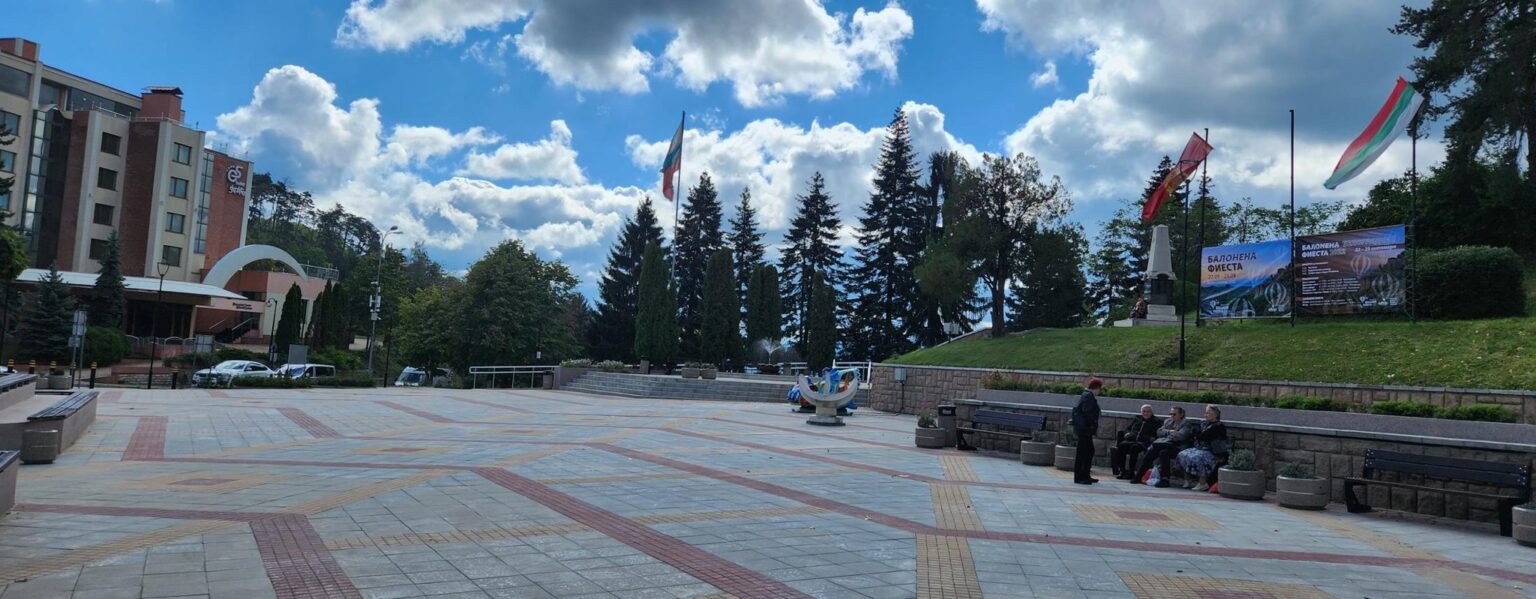
Beauty, cleanliness, a square, and a billboard rubbing it in that we had missed a very cool event in the area by an hour or two — dragon boats on Rabisha Lake, hot-air balloon flights (a quick search online, and the shock: people call Belogradchik the Cappadocia of the Balkans) and various other treats. What a shame. Fine — onto the list of things to keep an eye on, and yet another reason to come back.
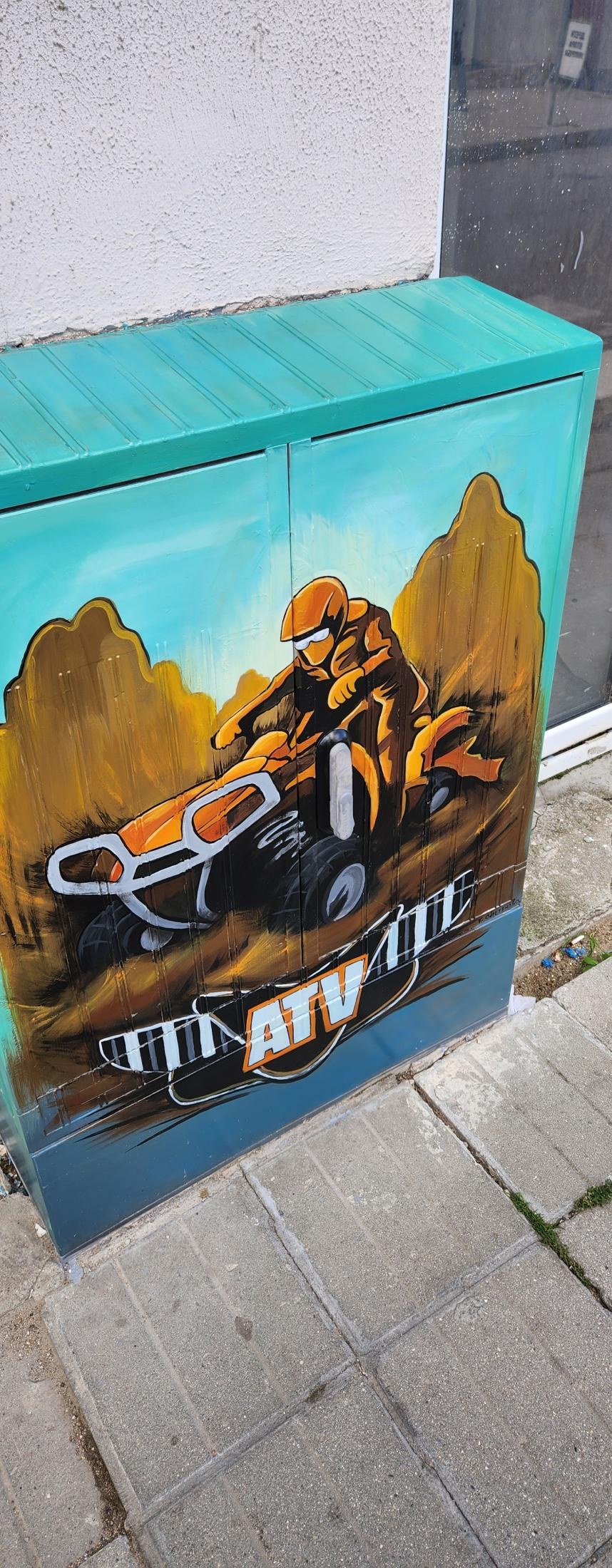
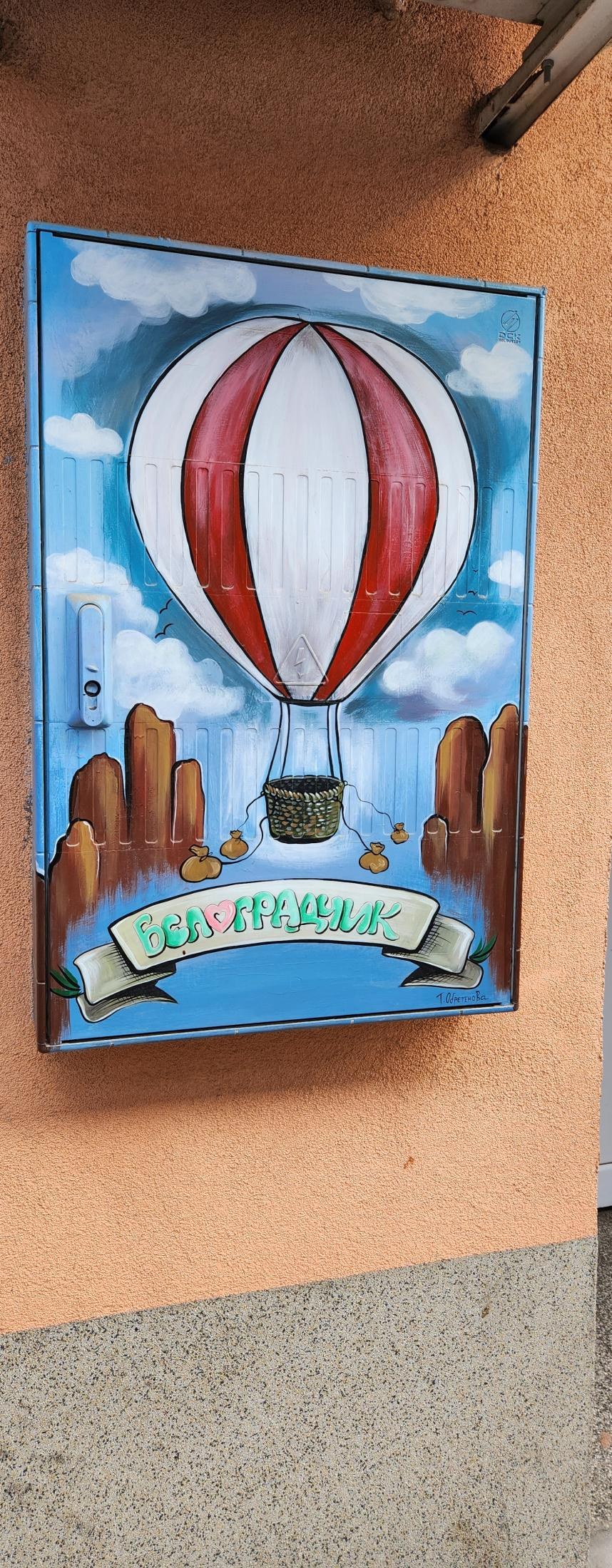
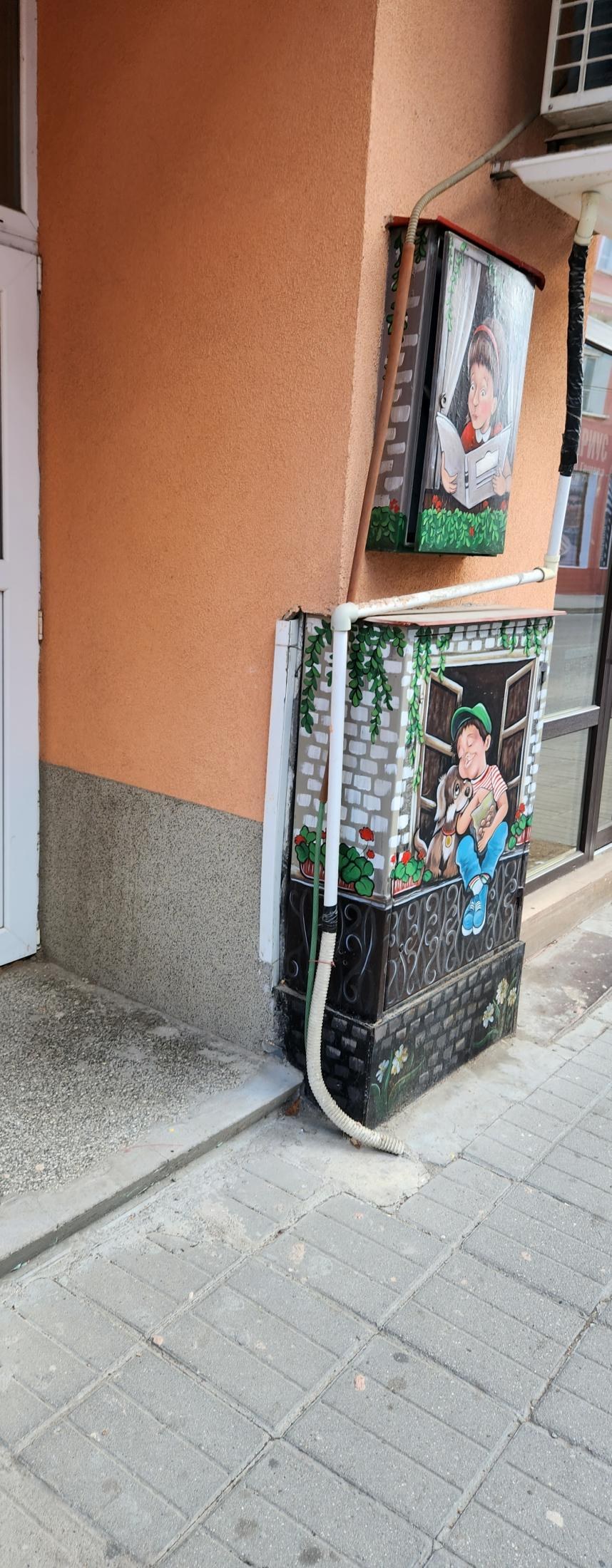
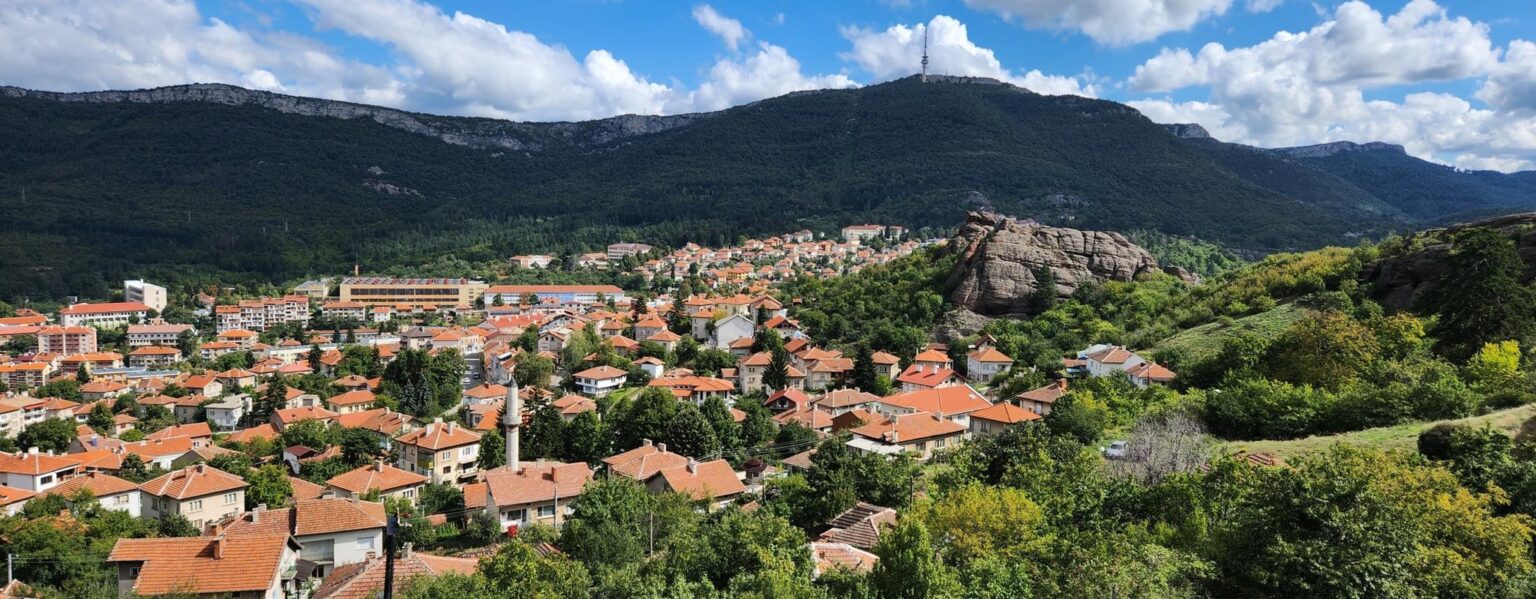
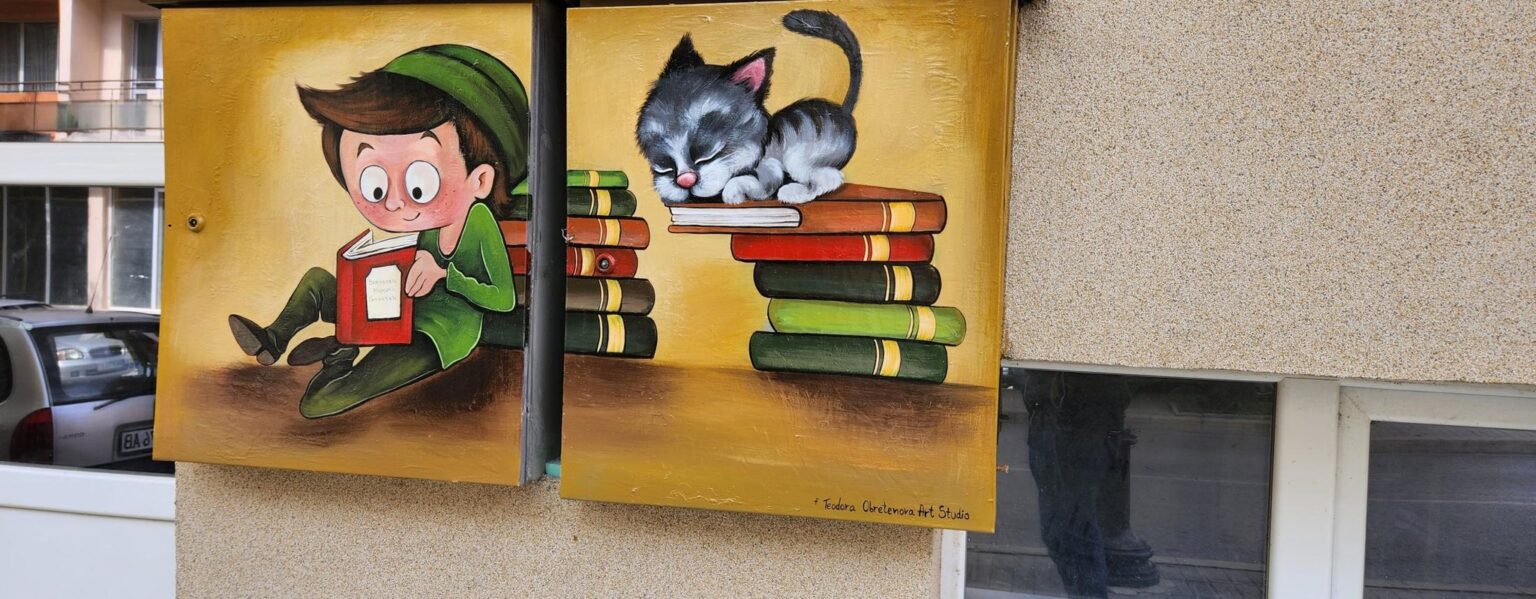
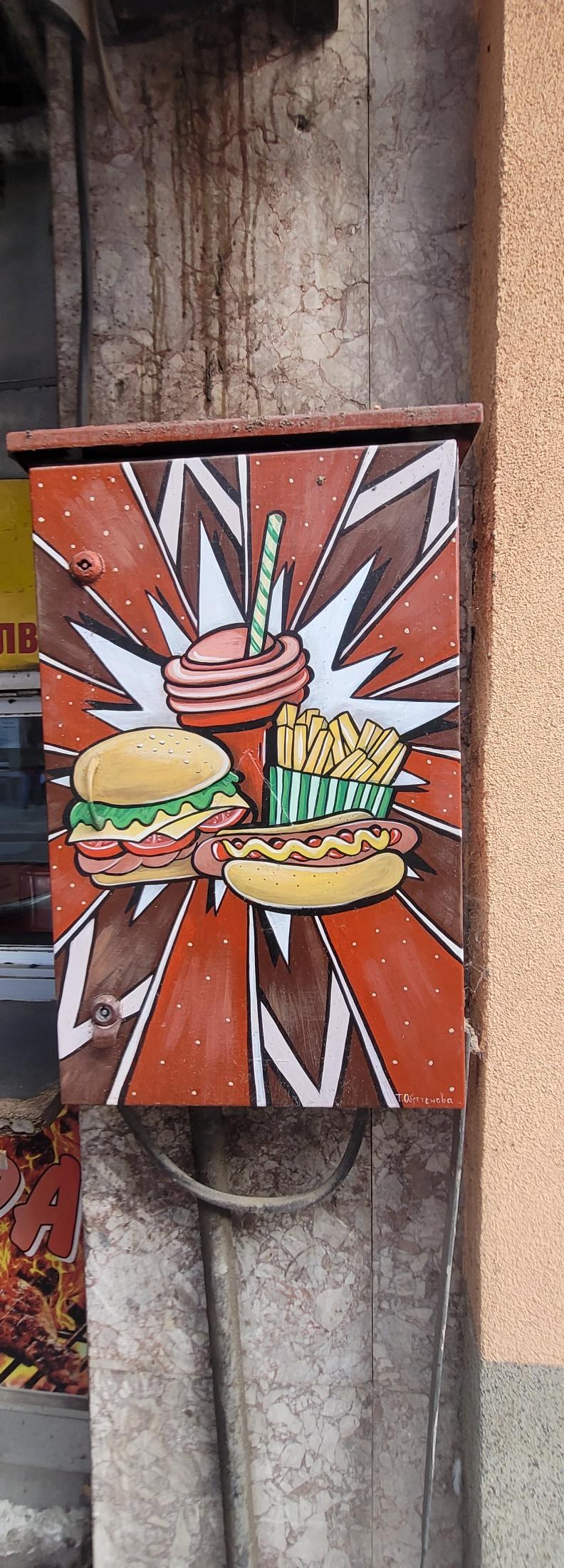
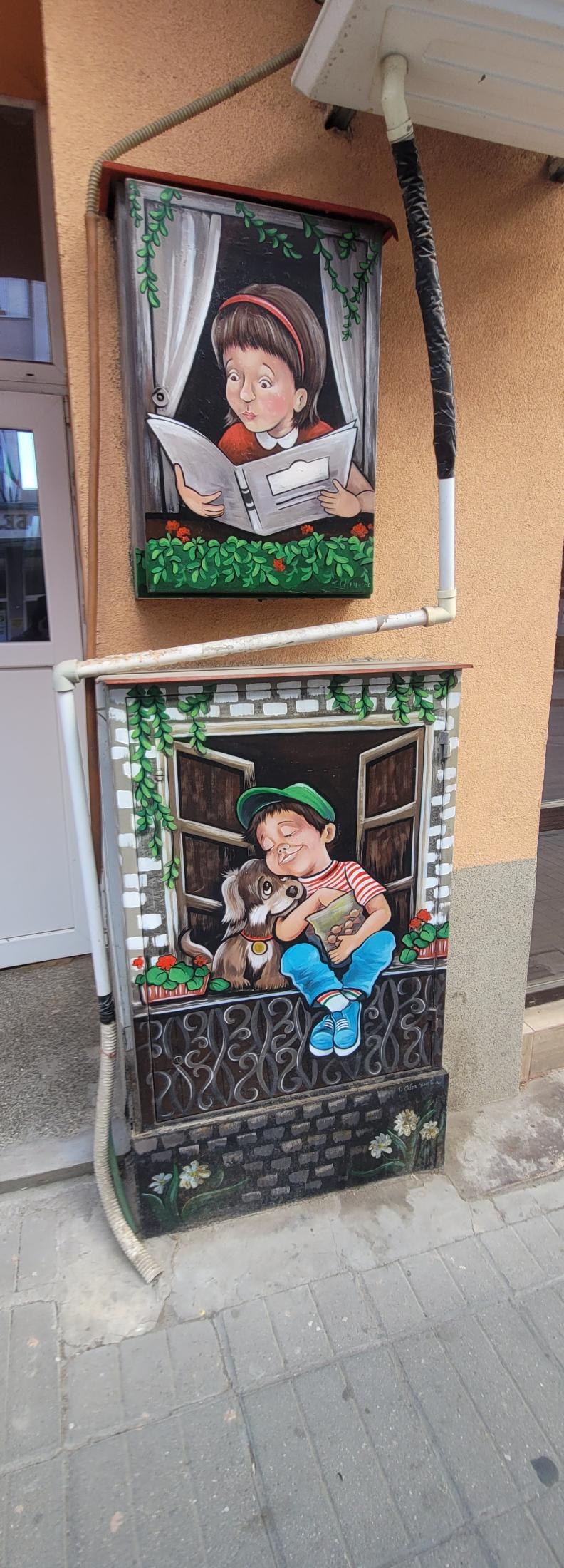
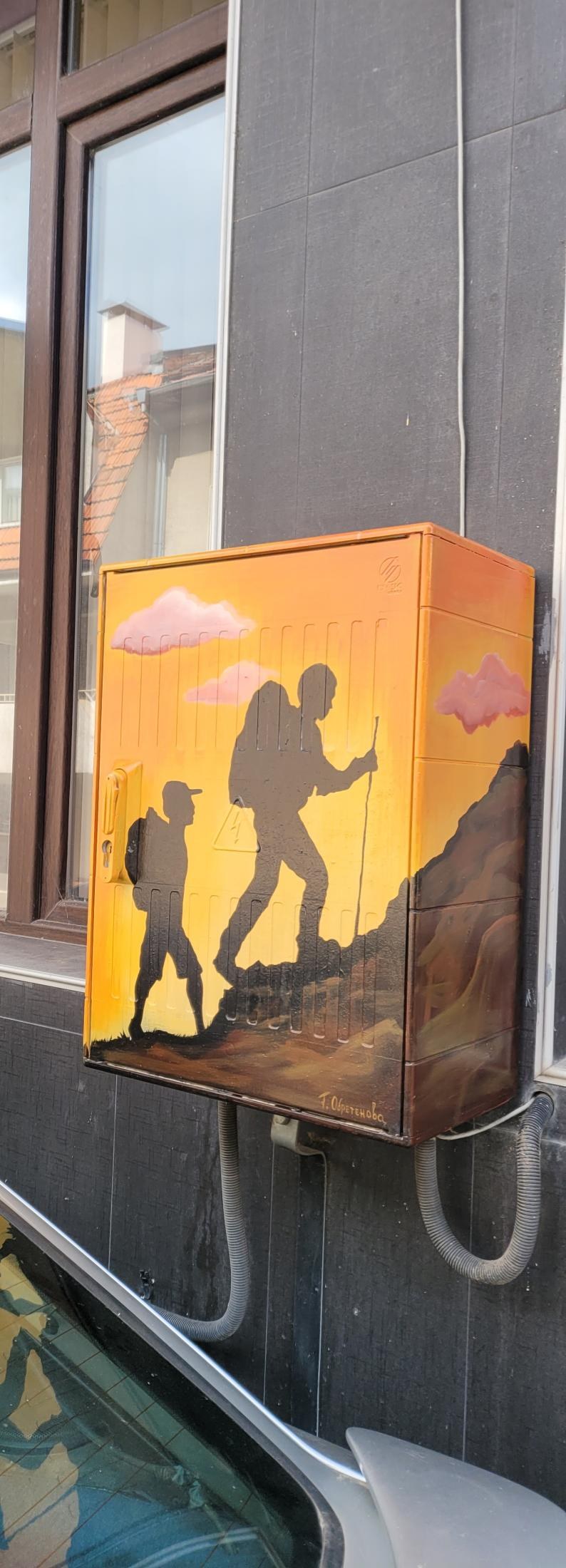
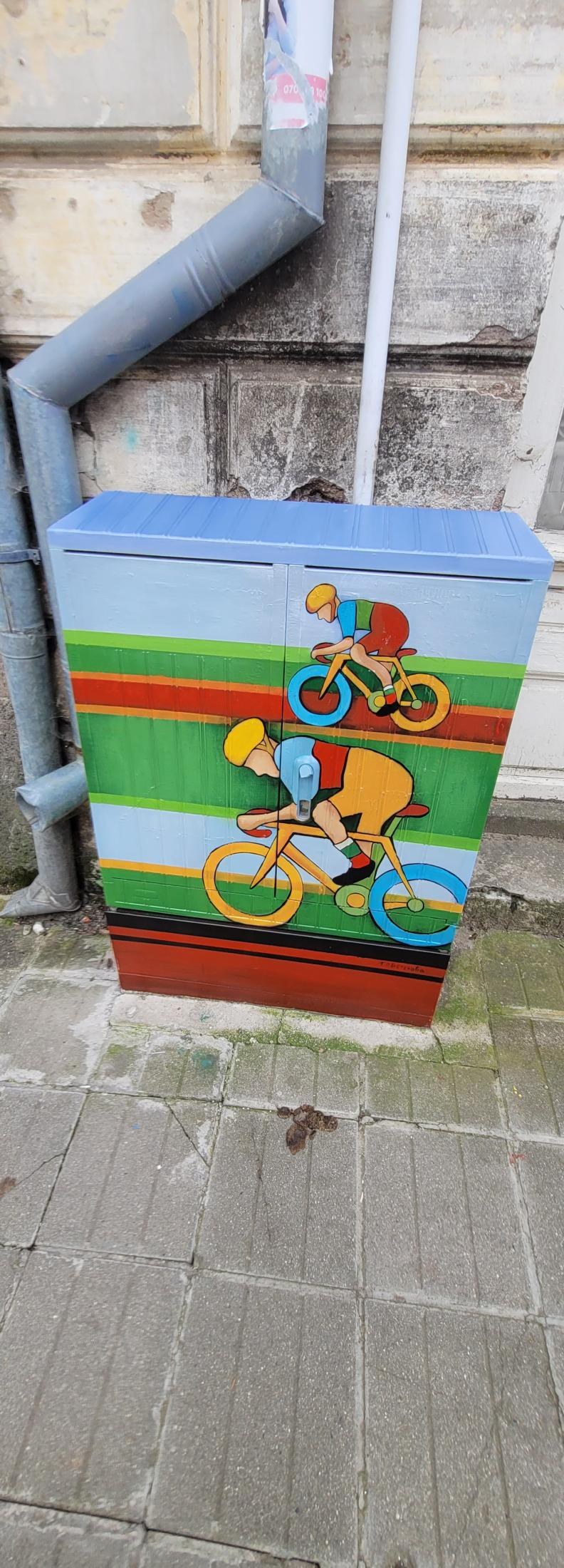
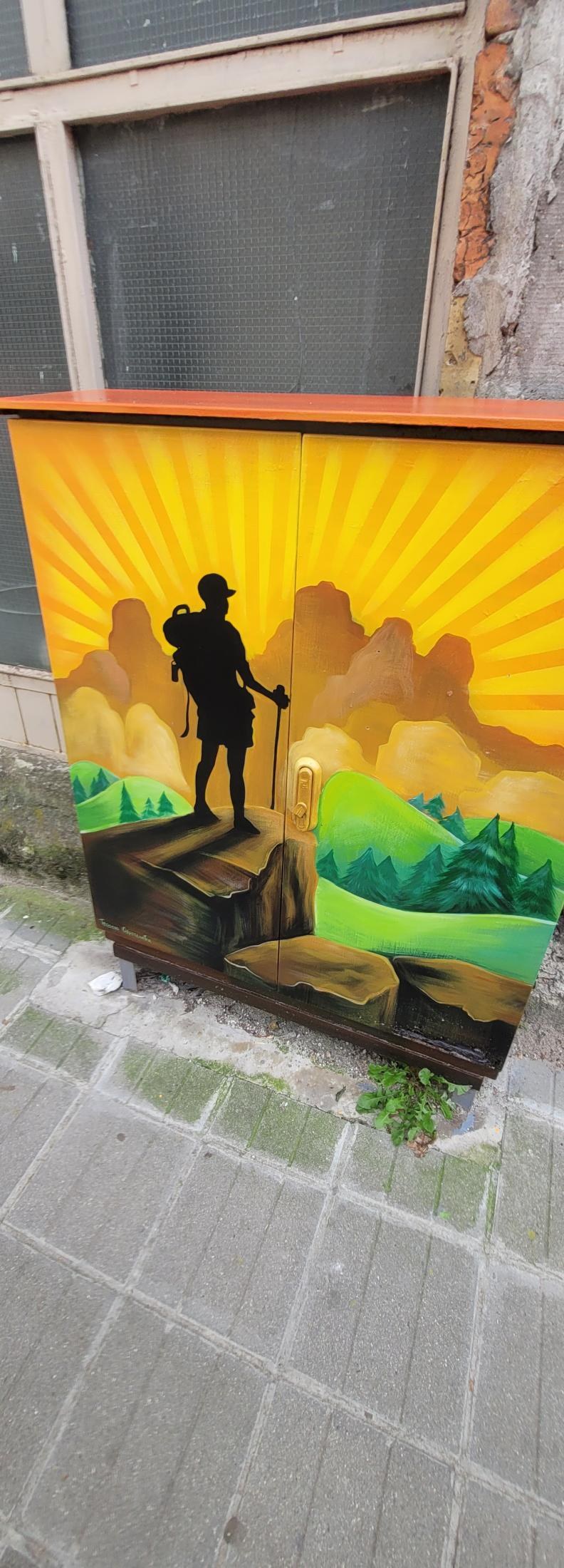
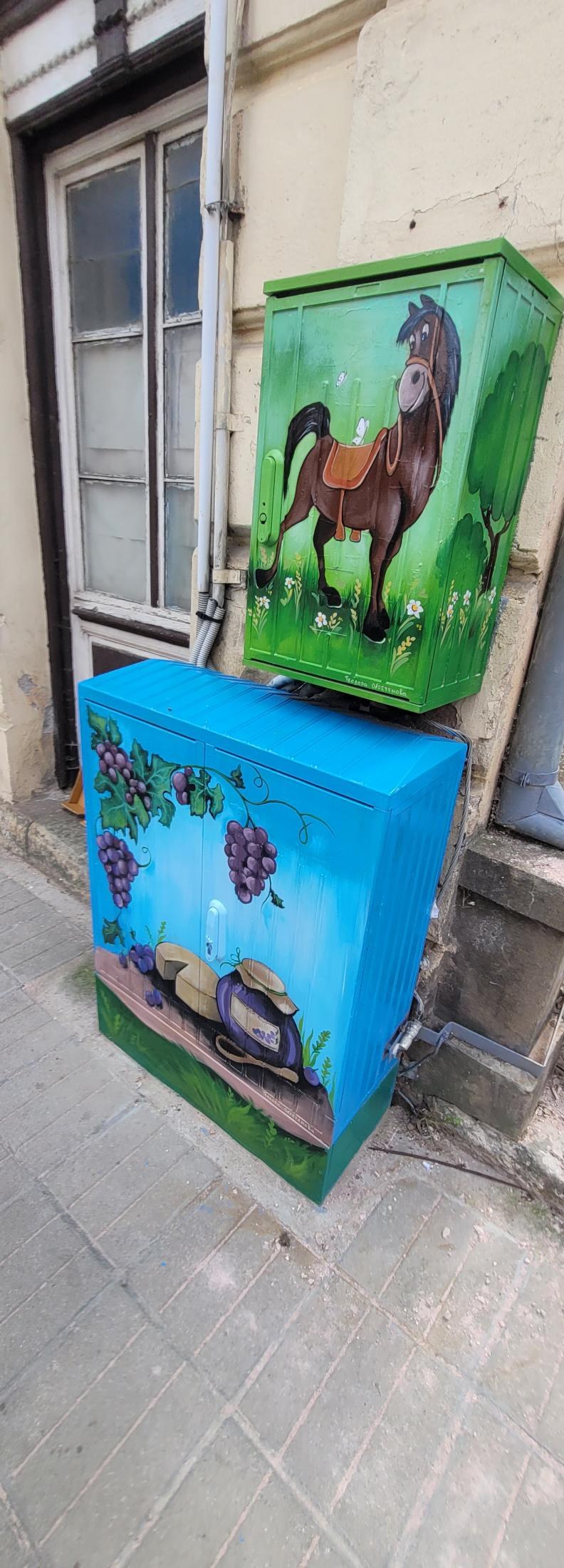
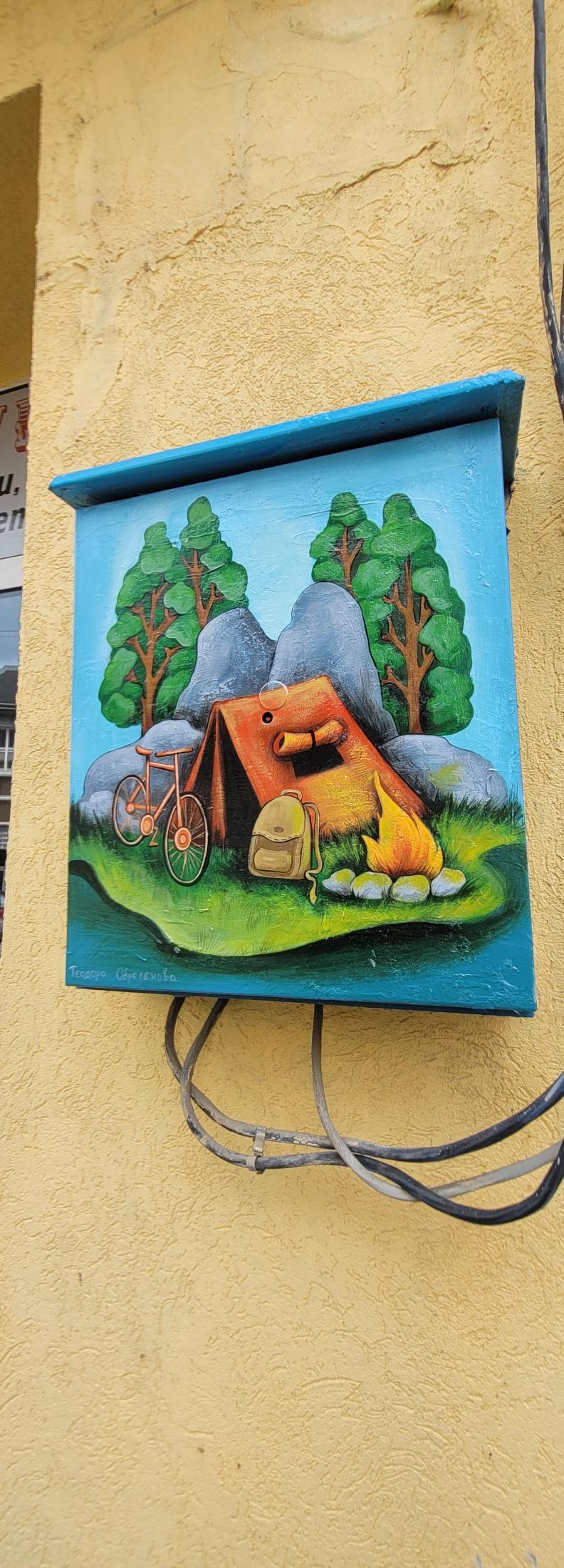
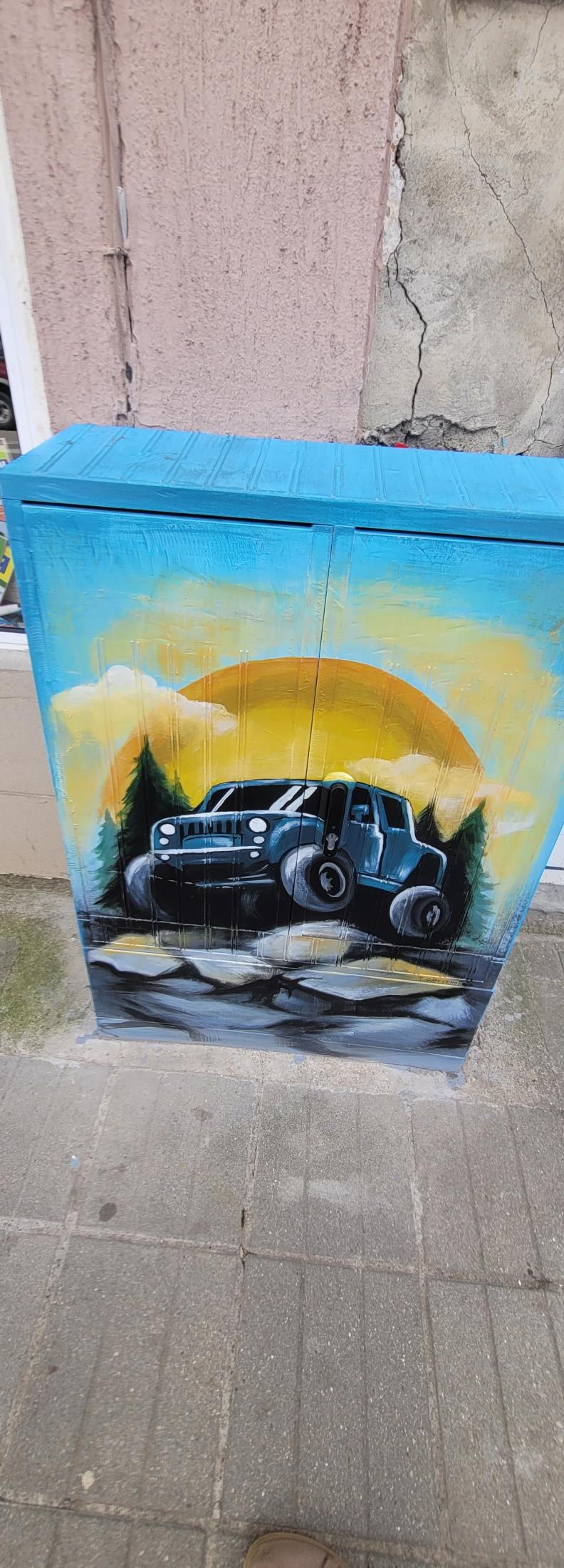
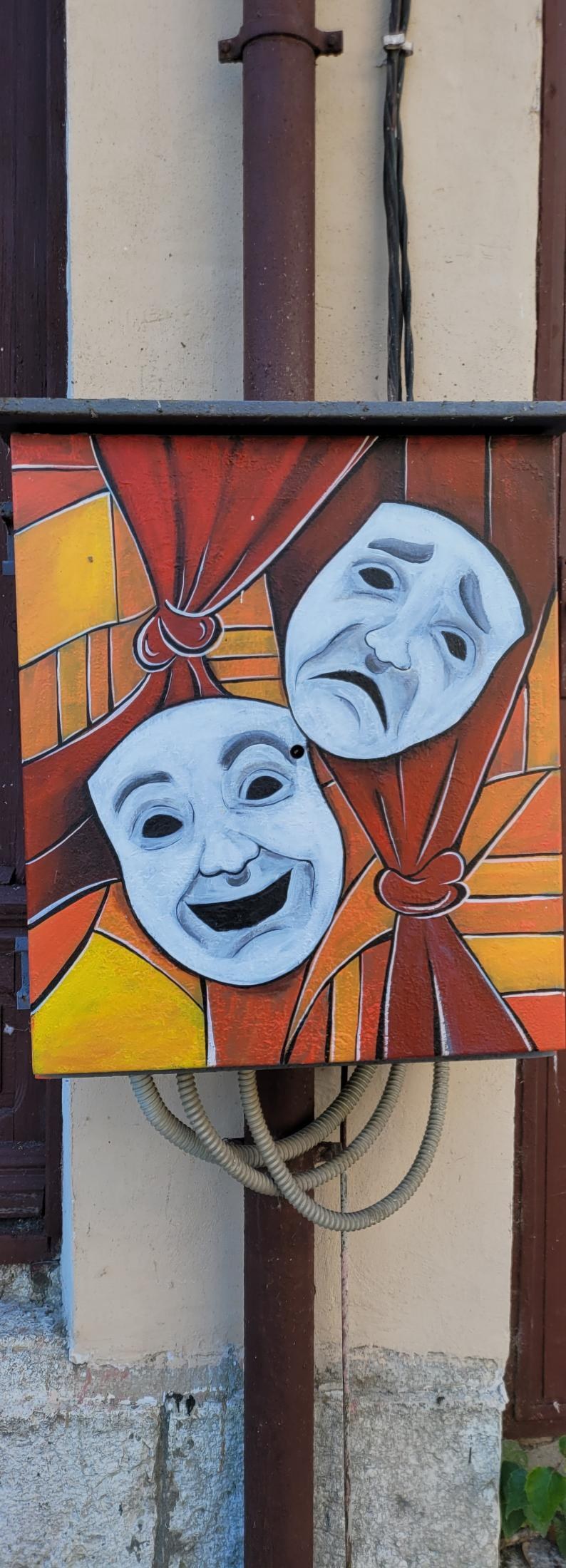
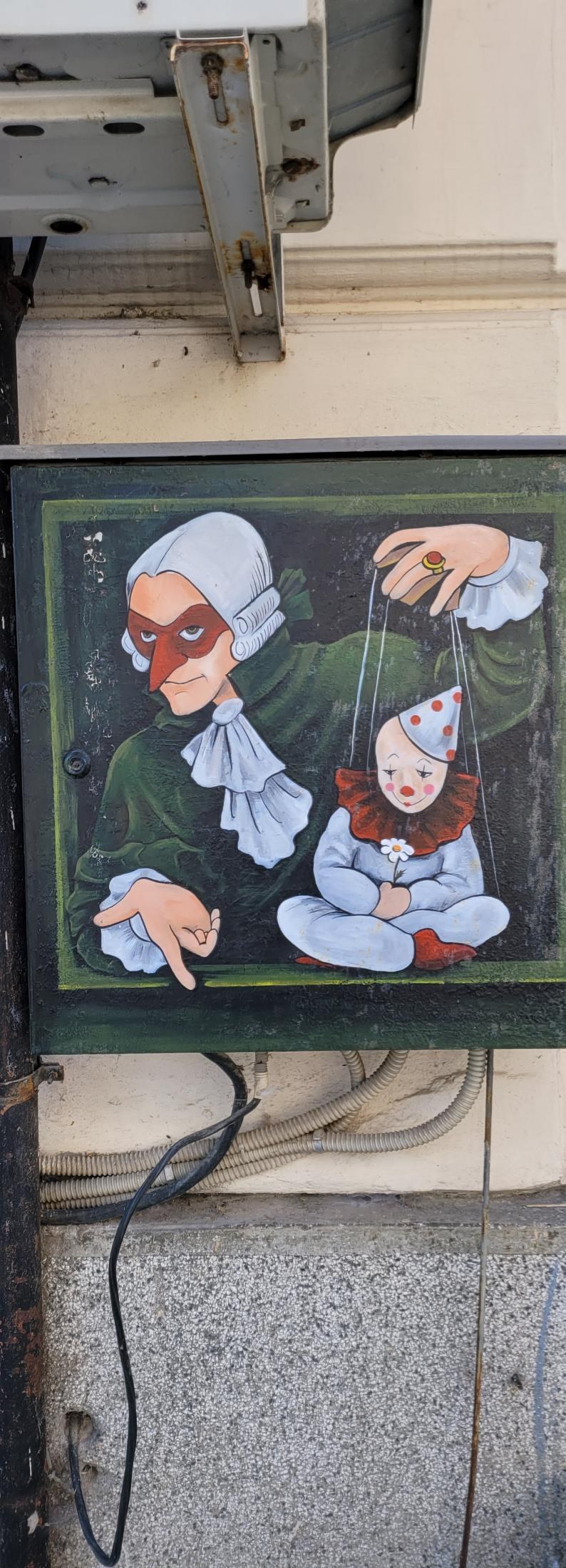
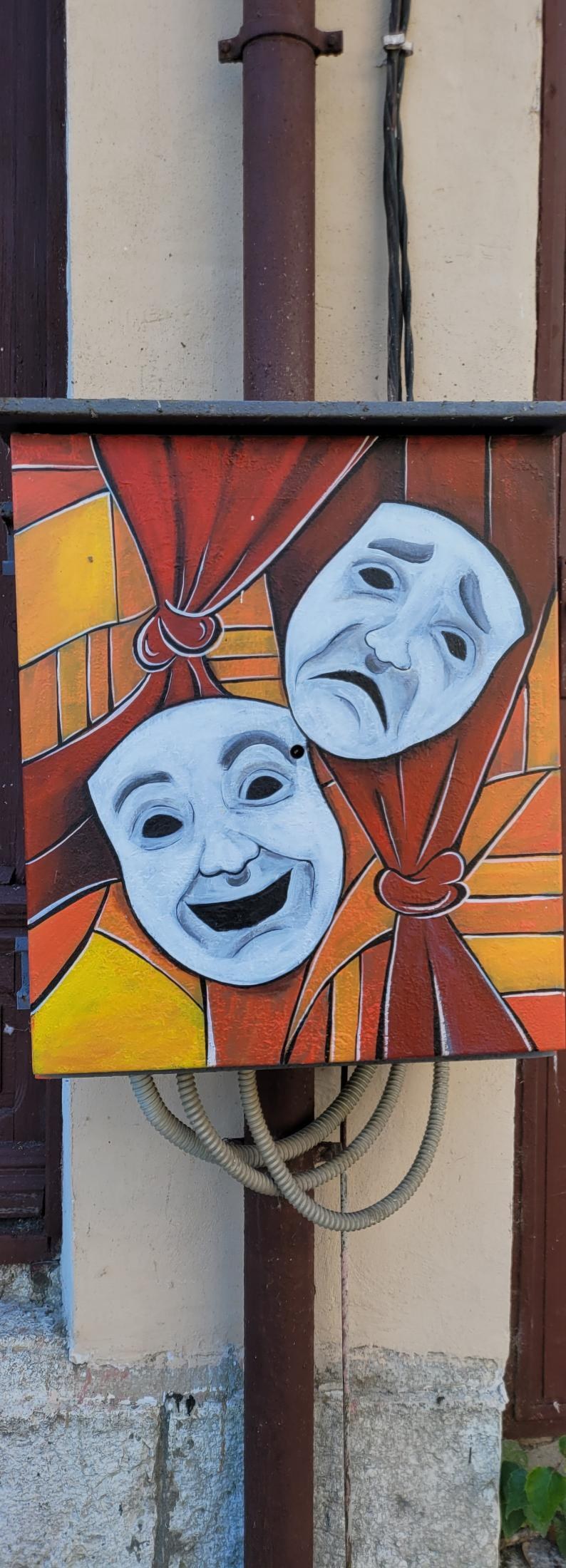
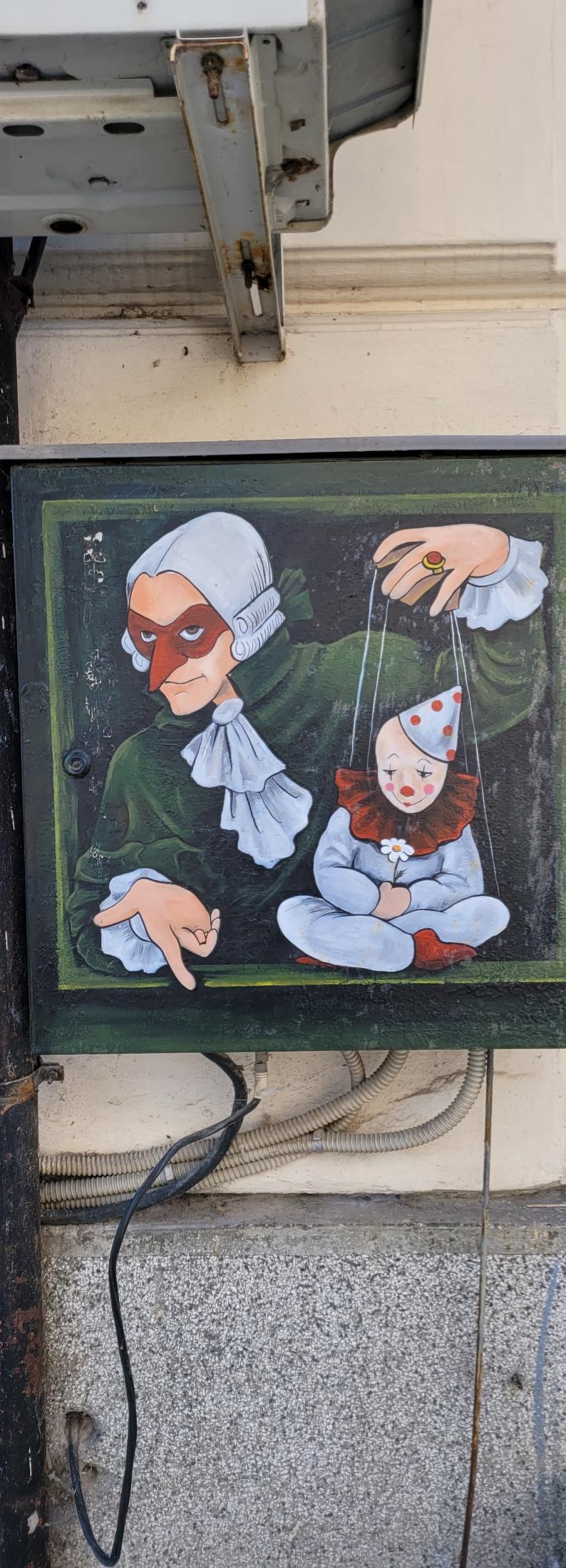
Belogradchik is a sizeable town, but if you park near the centre you can walk to both the fortress and the rocks. The History Museum is on the way too — stamp 15 of the 100 National Tourist Sites, a stamp-collecting movement run by the Bulgarian Tourist Union that I will refer to as 100 NTS from here on. First step, a classic: inspect the establishments along the main street to pick one out and get a feel for the atmosphere. Somebody has painted almost every paintable object in town, and painted them beautifully at that.
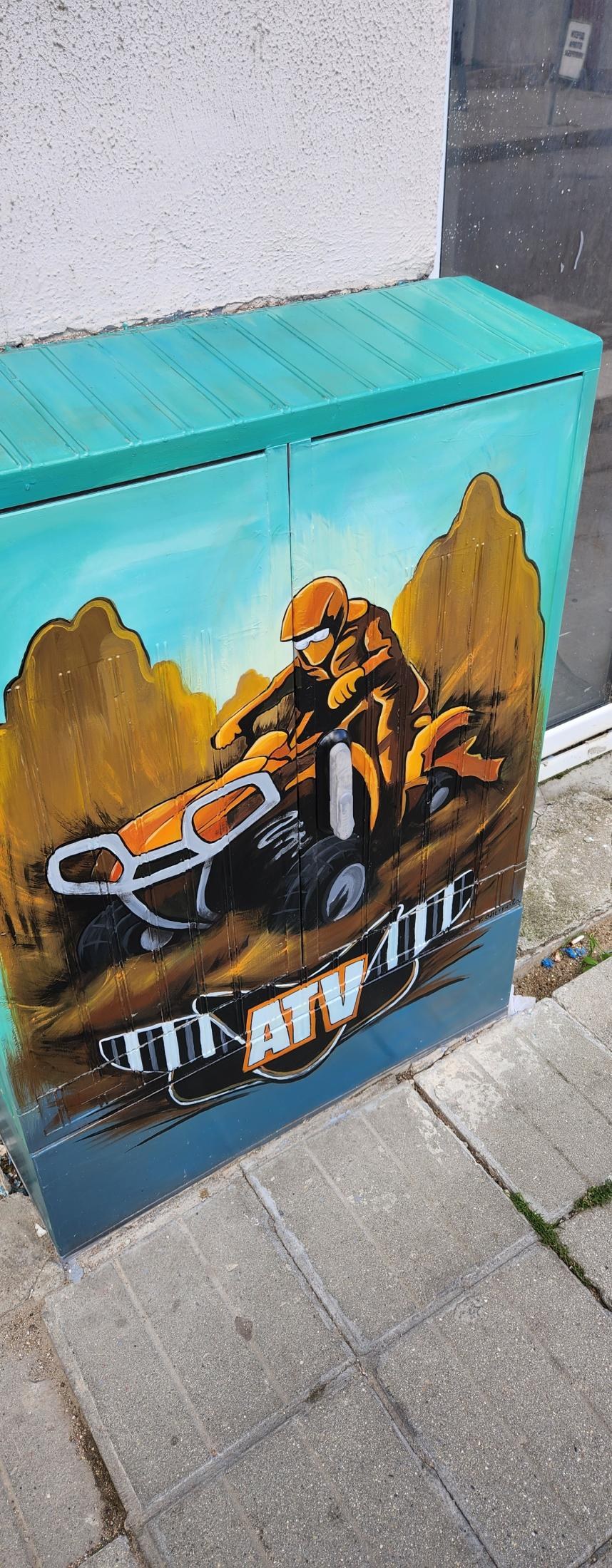
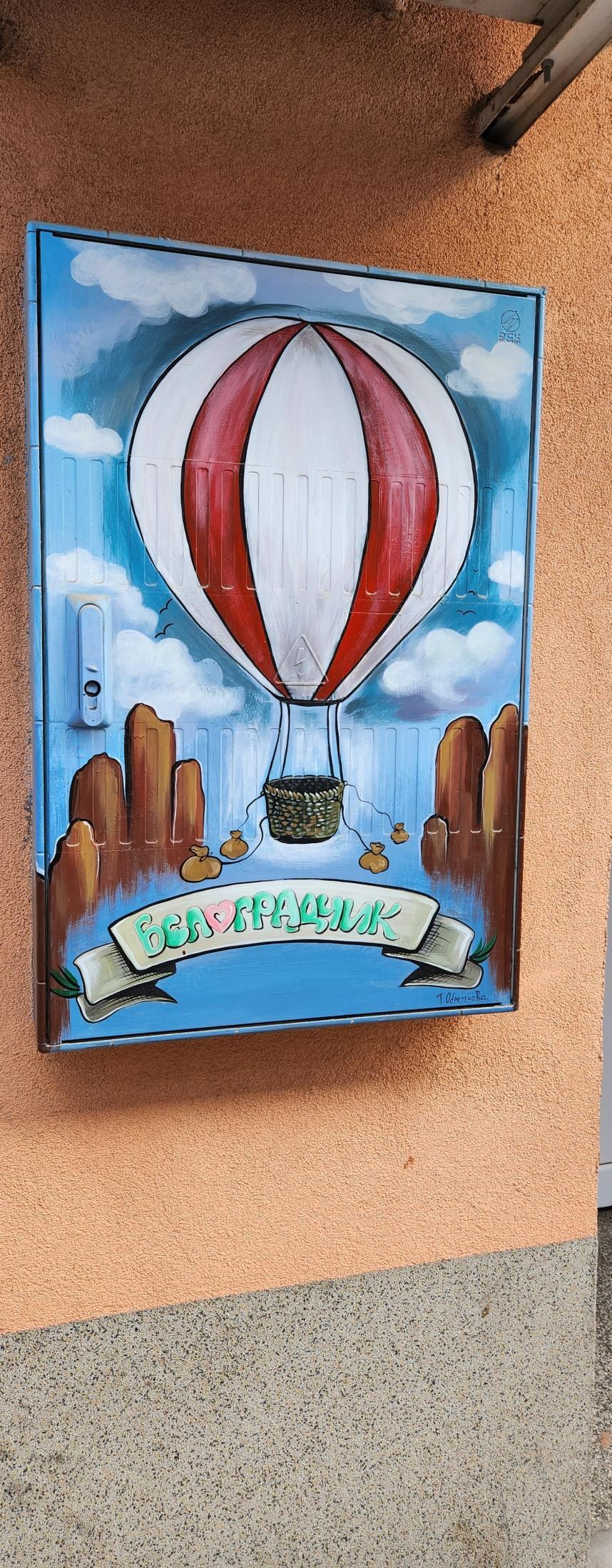
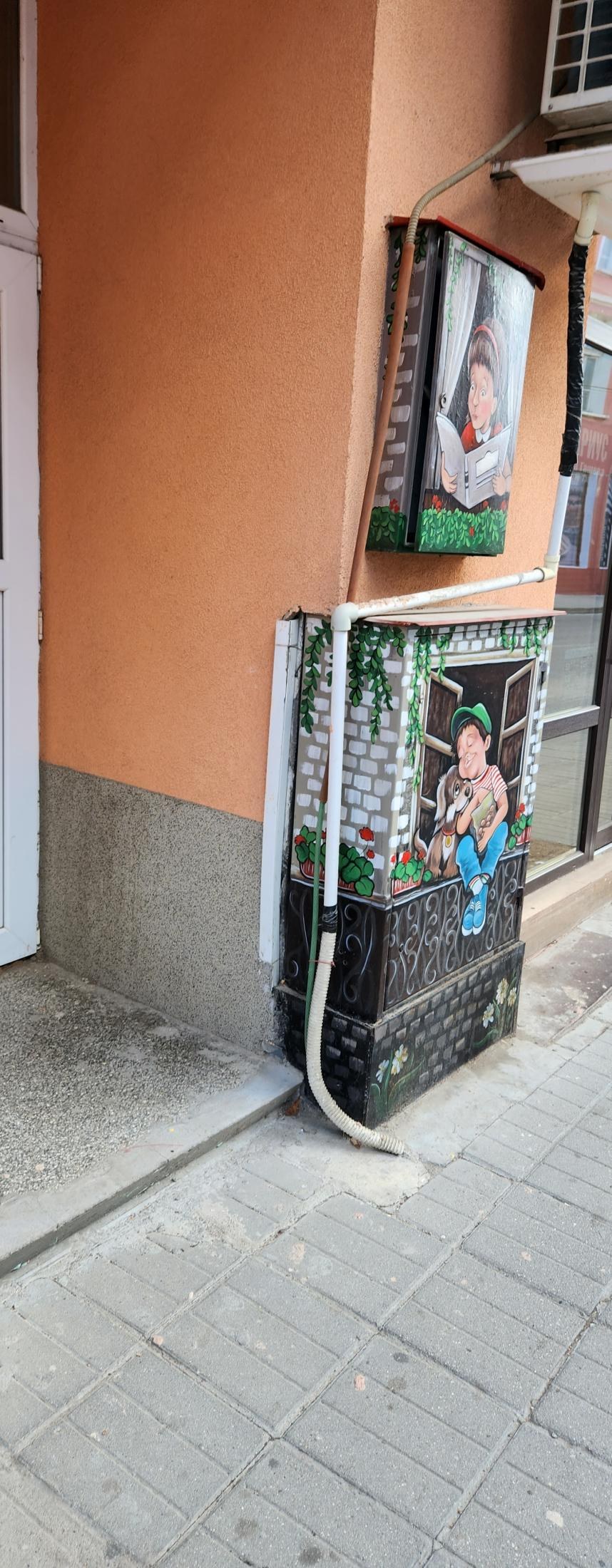
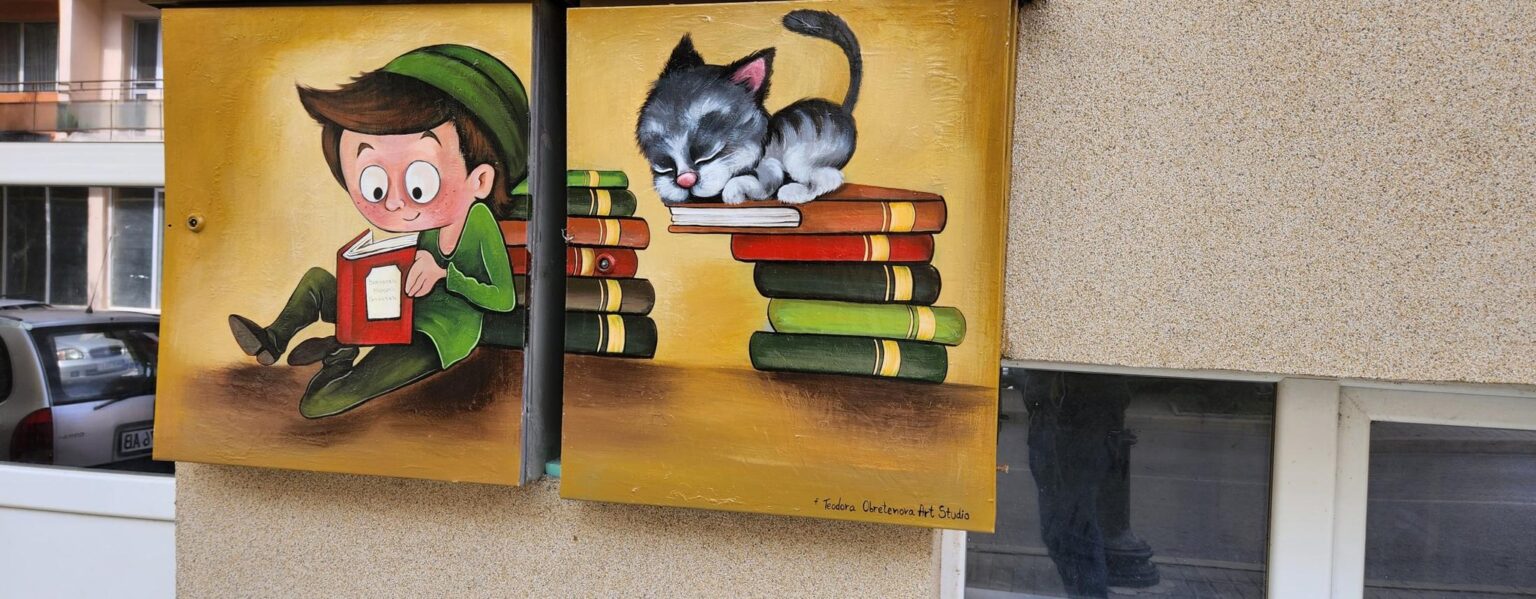
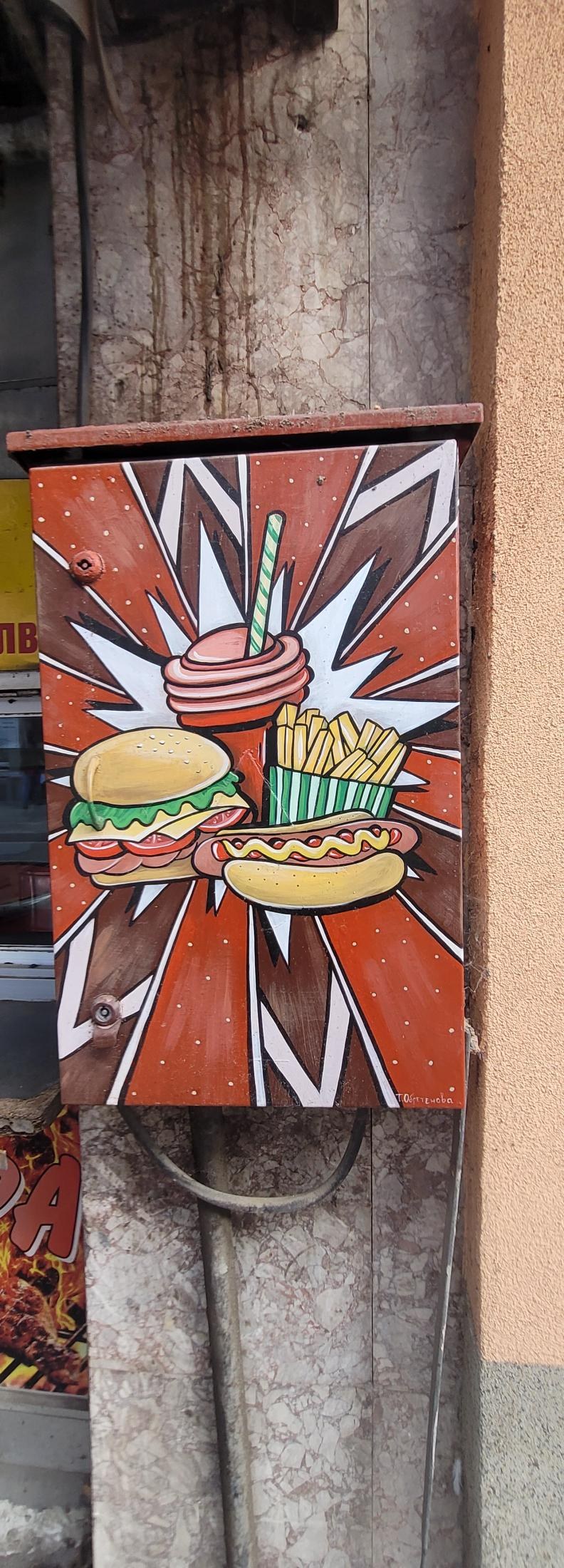
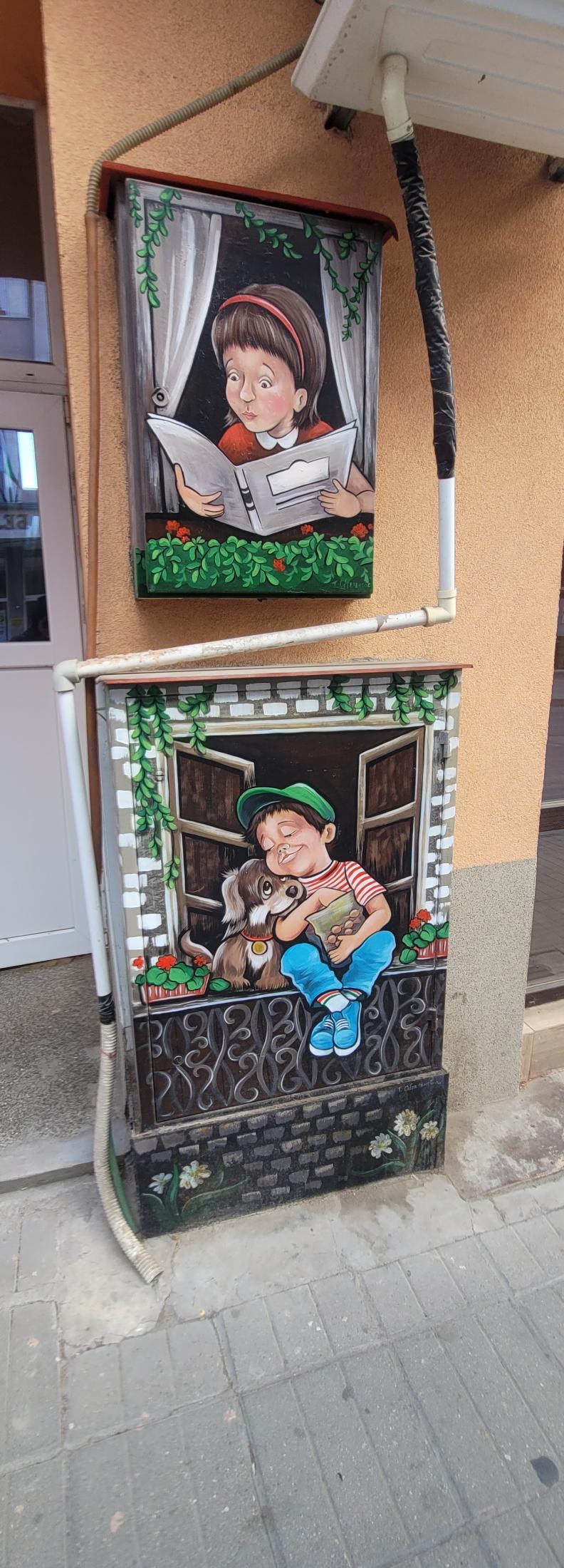
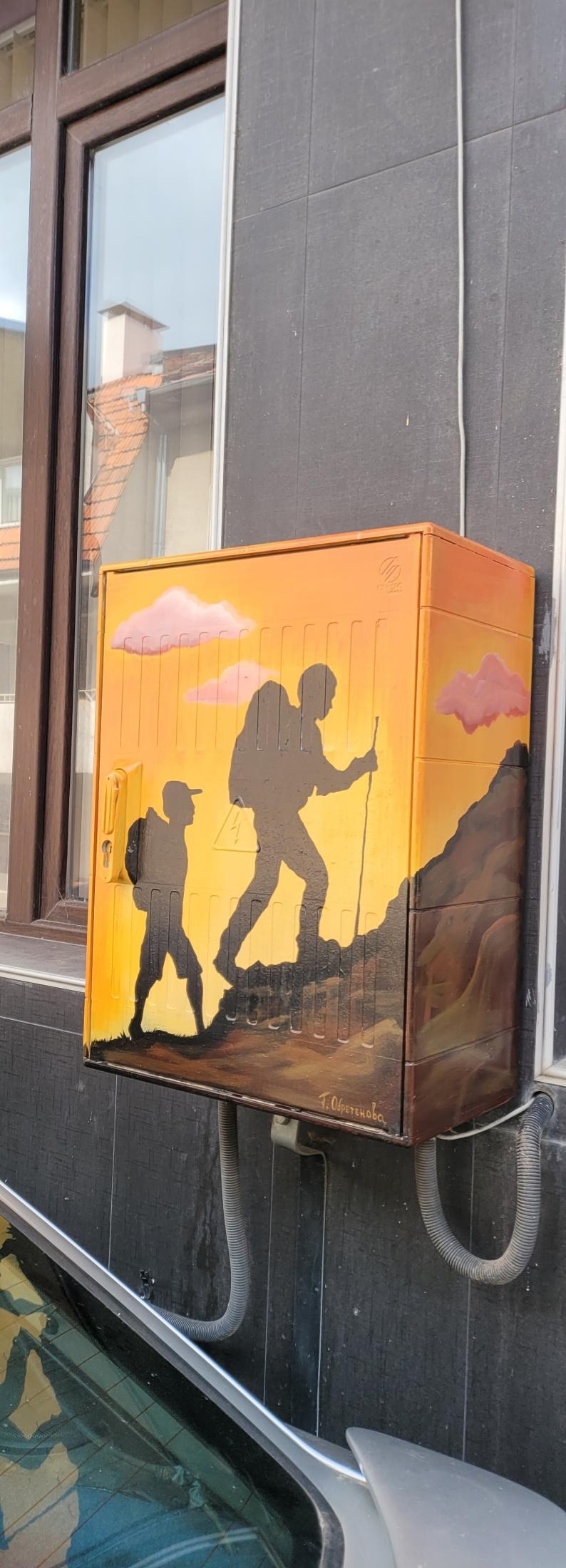
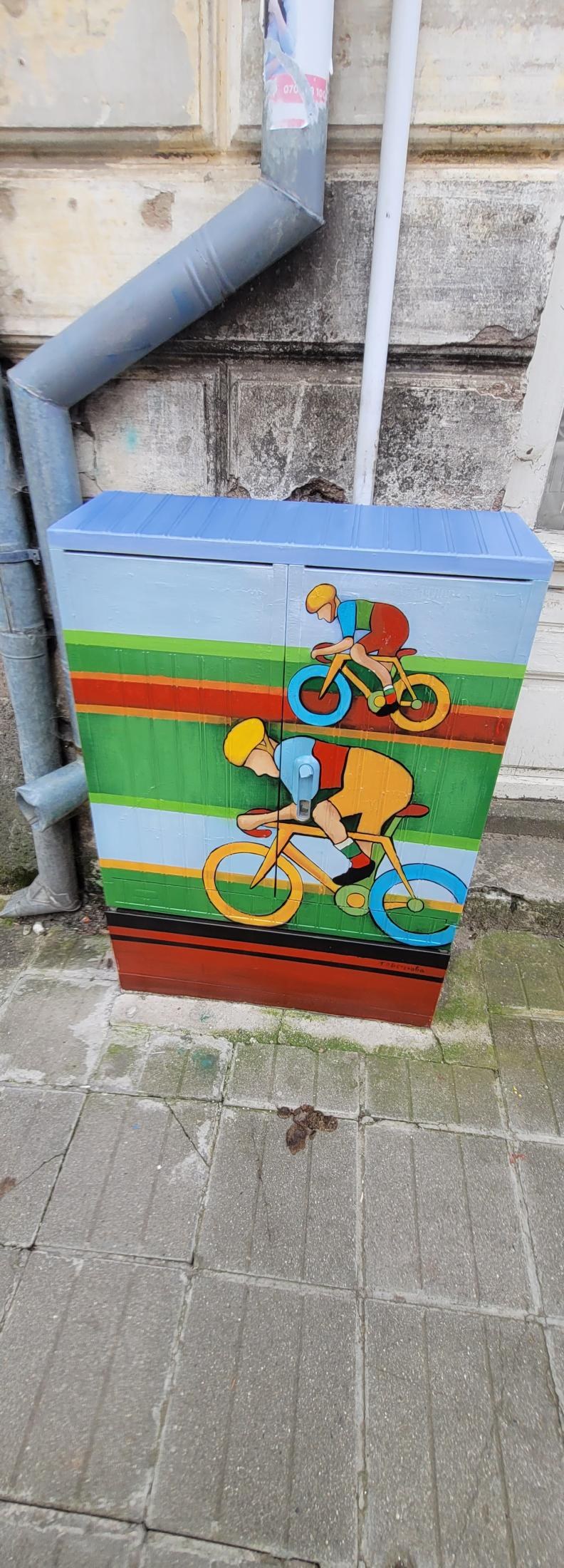
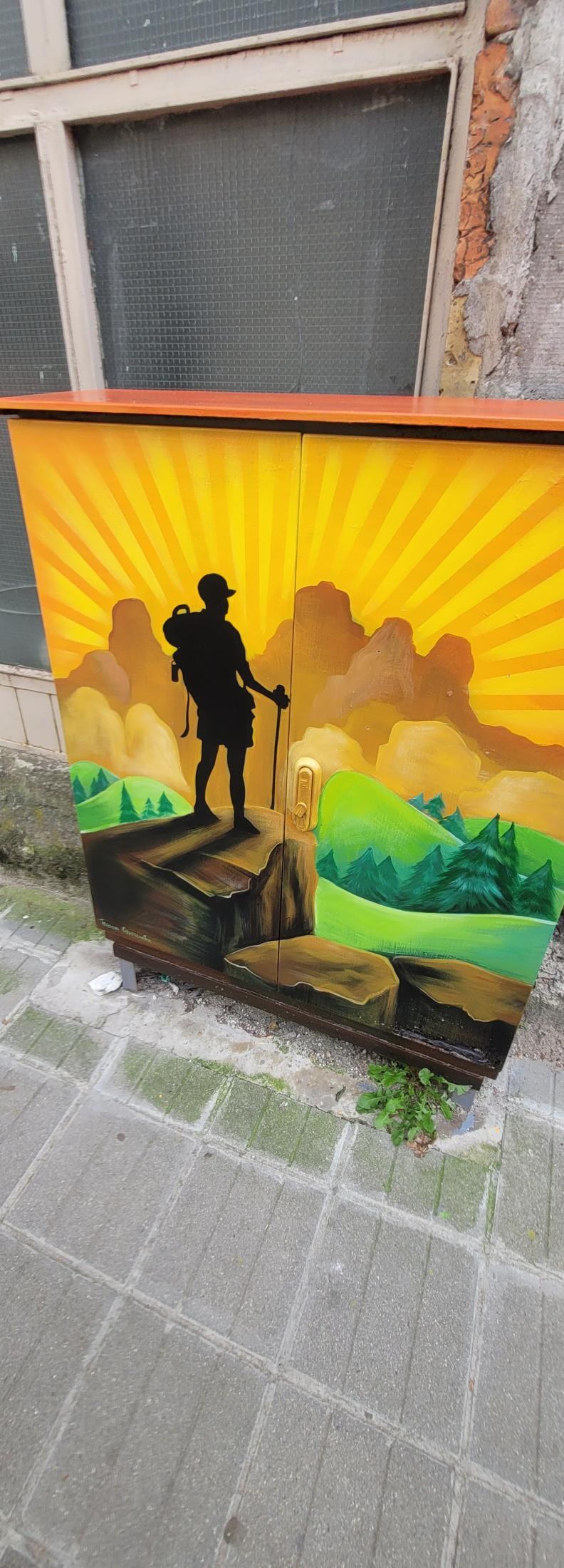
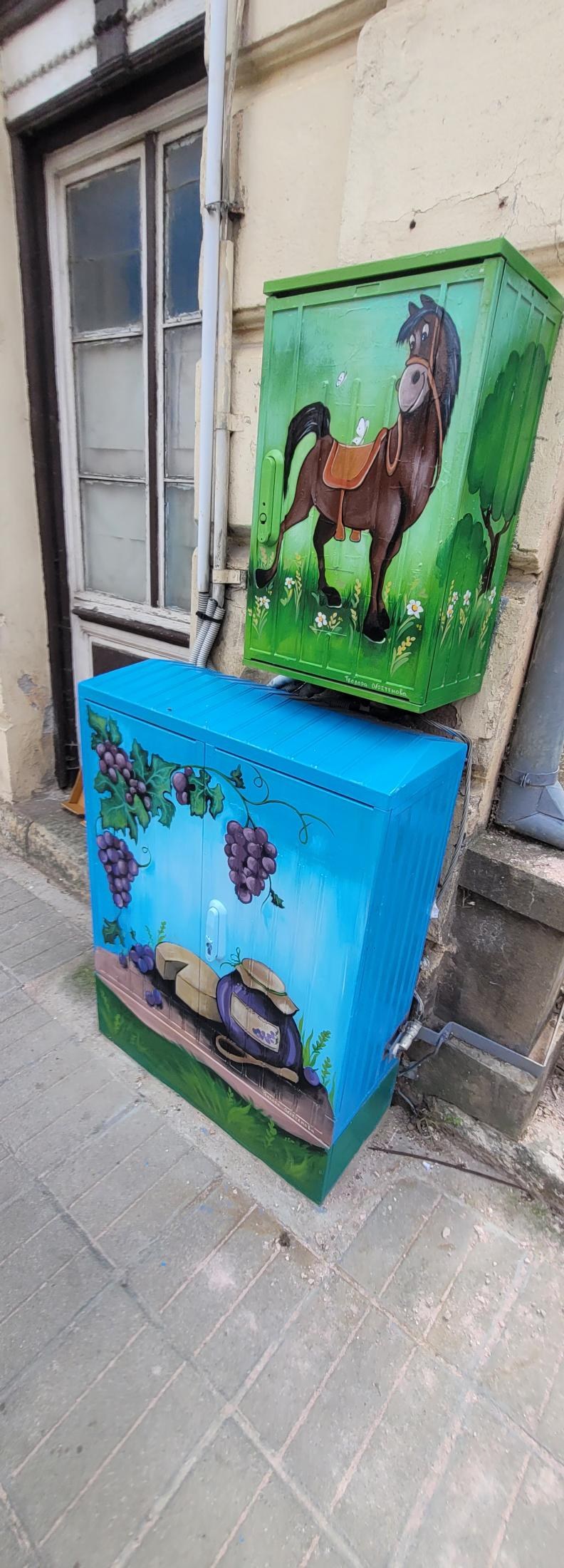
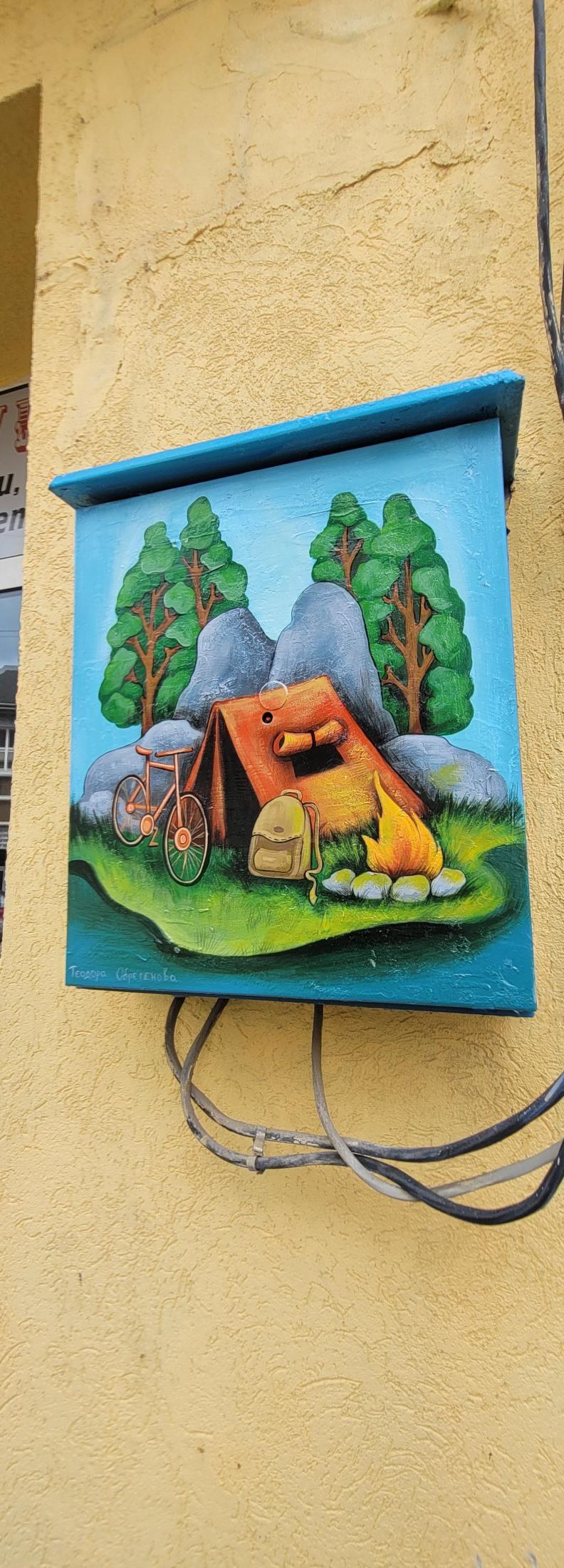
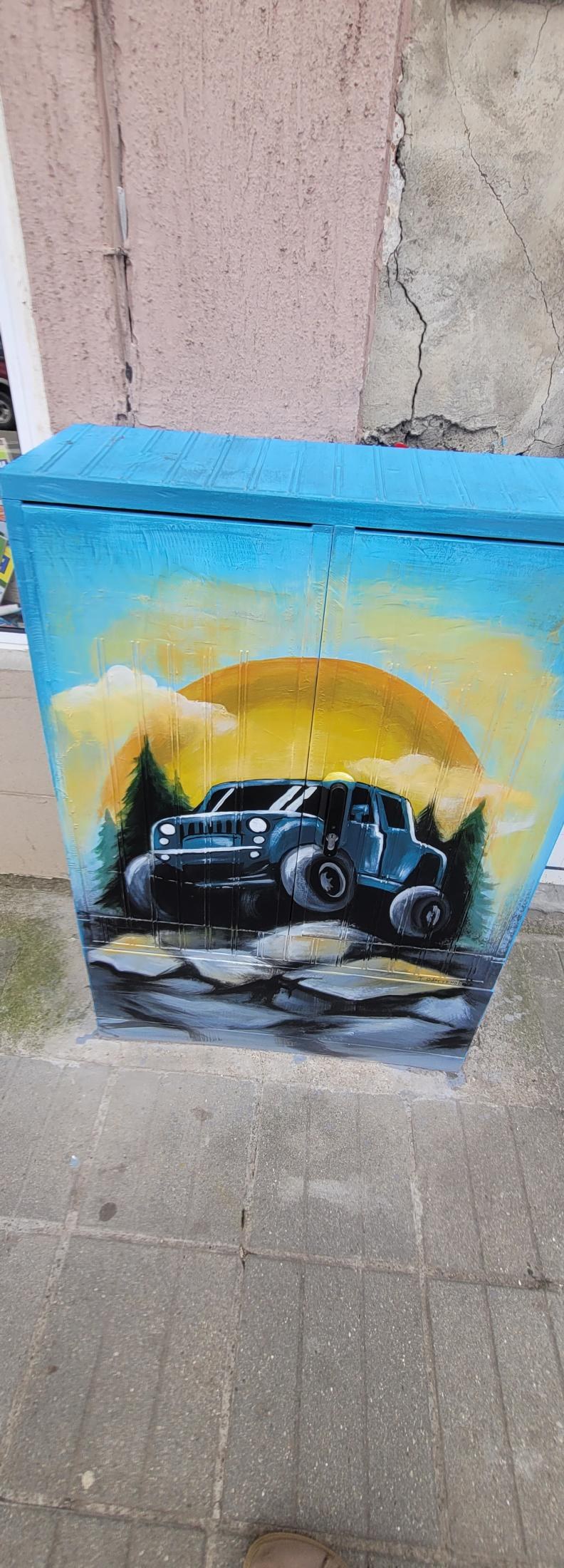
On every corner there is another one of these little treats for the eye. All of them signed “T. Obretenova”. It also turns out that 11:00 is far too late for the banitsa shop on the square. There is a decently stocked supermarket and a few grill and pizza fast-food places, so you will not go hungry. There are a couple of glossier cafés and two places that look like proper canteens. Prices across the board were normal, if anything a notch below what you would pay elsewhere — the kind of town where a round pizza and a coffee do not make you check your bank app.
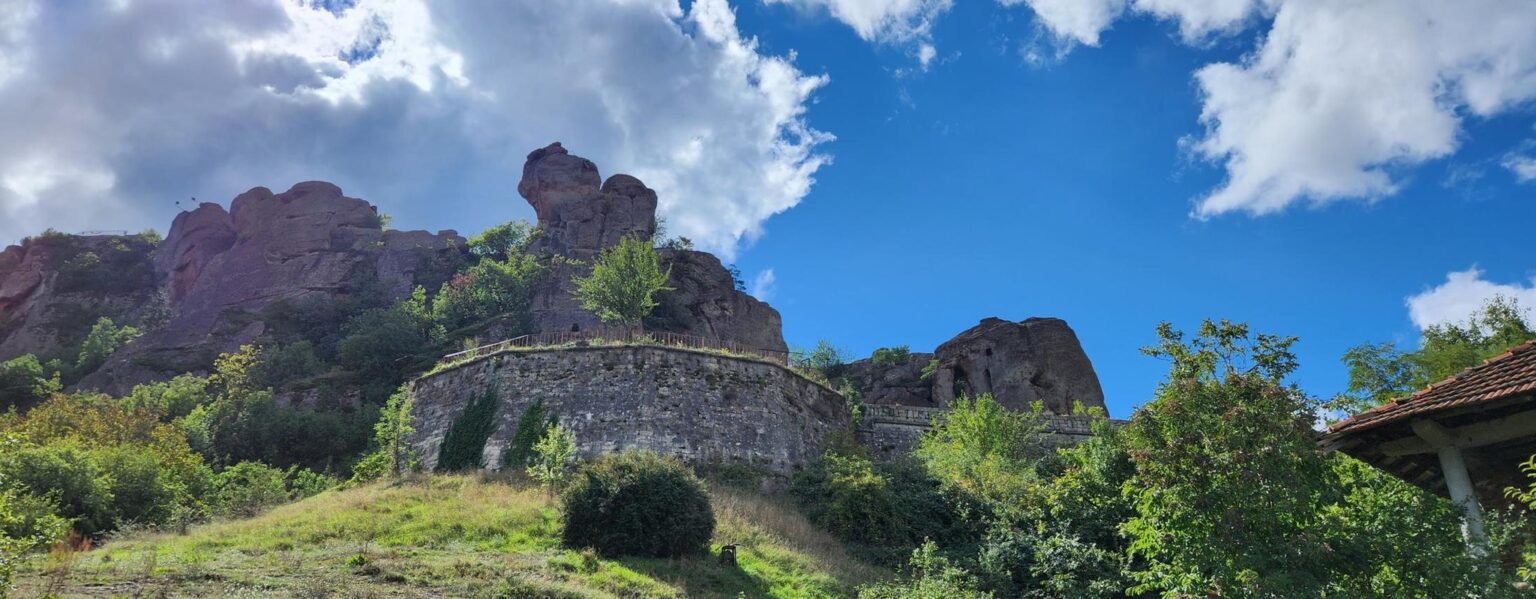
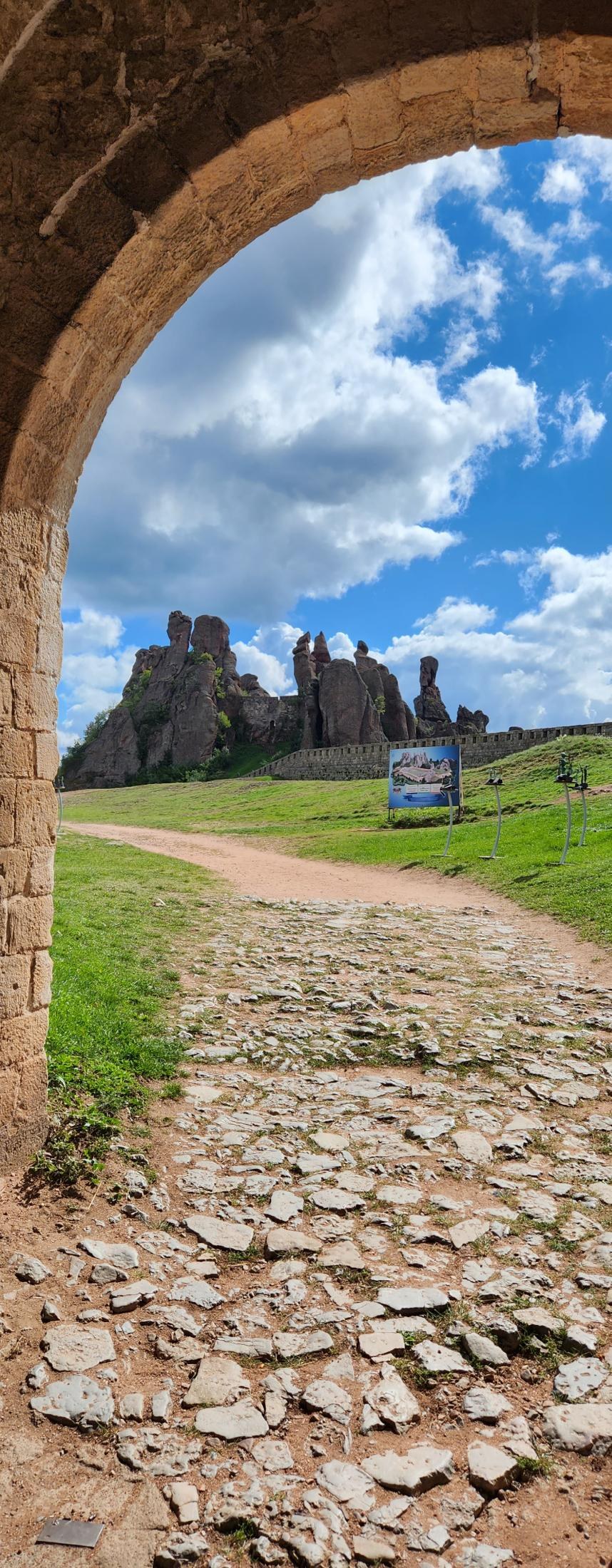
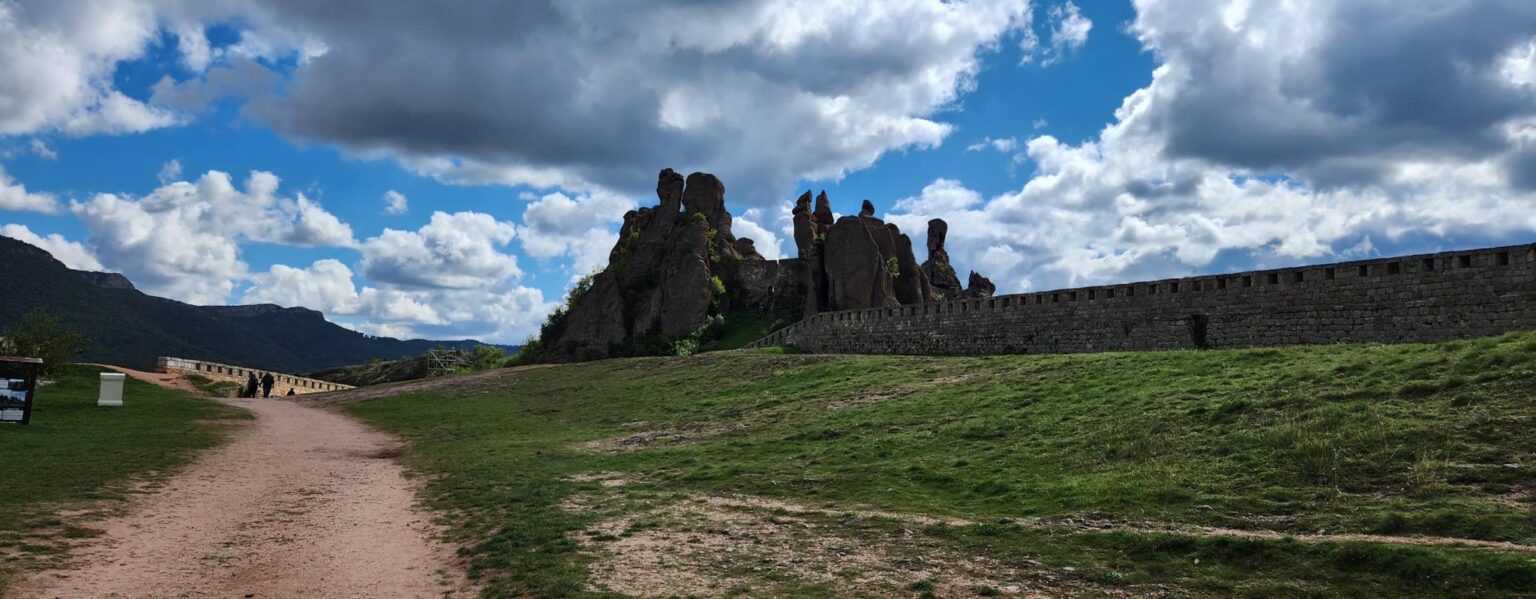
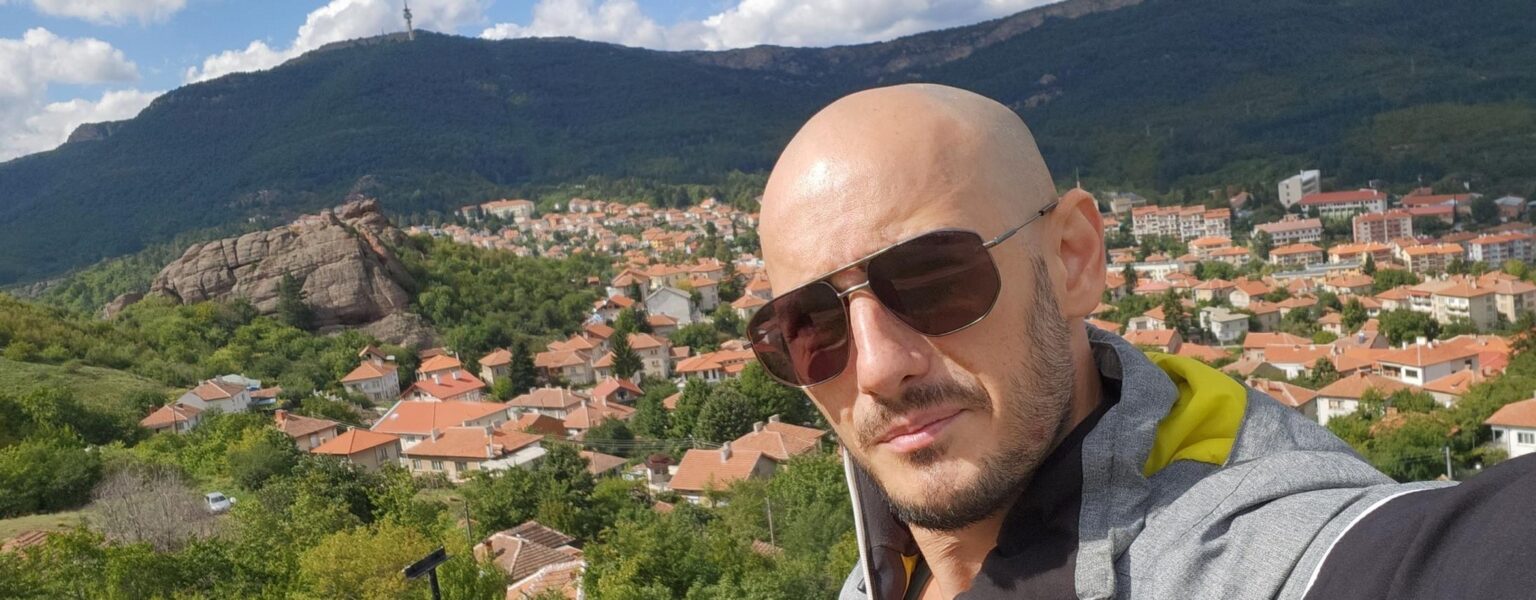
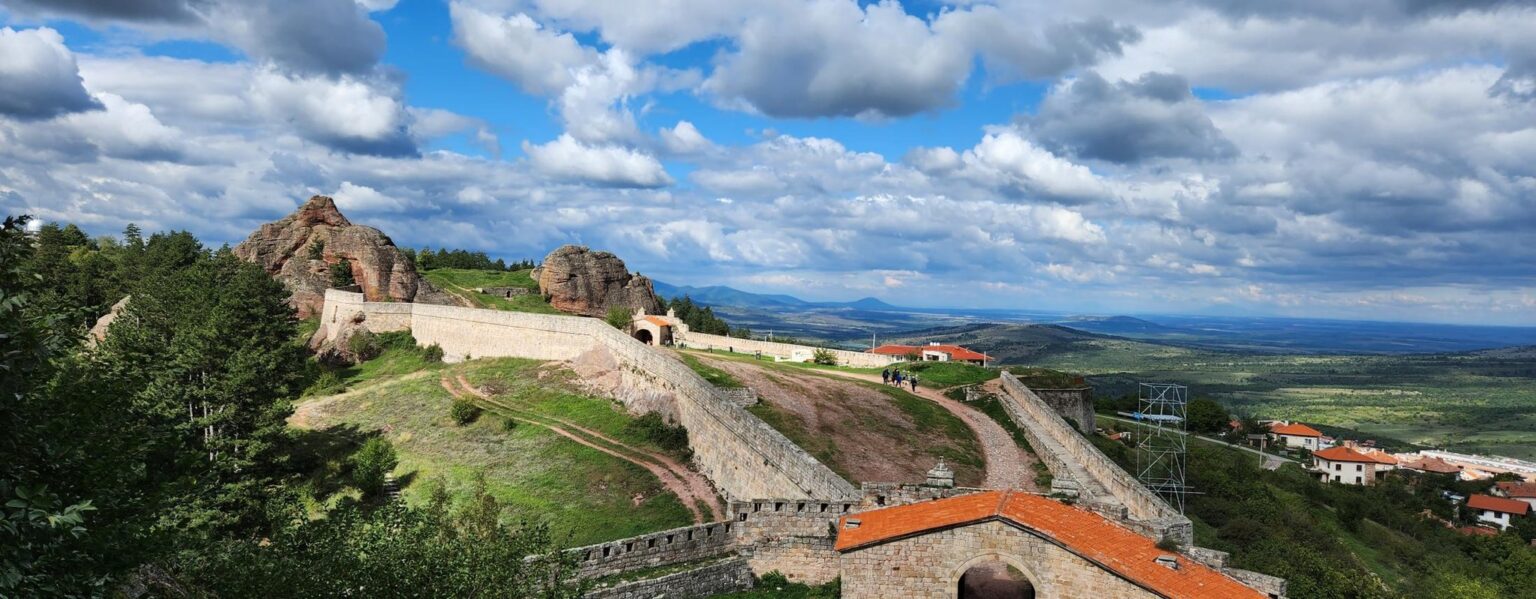
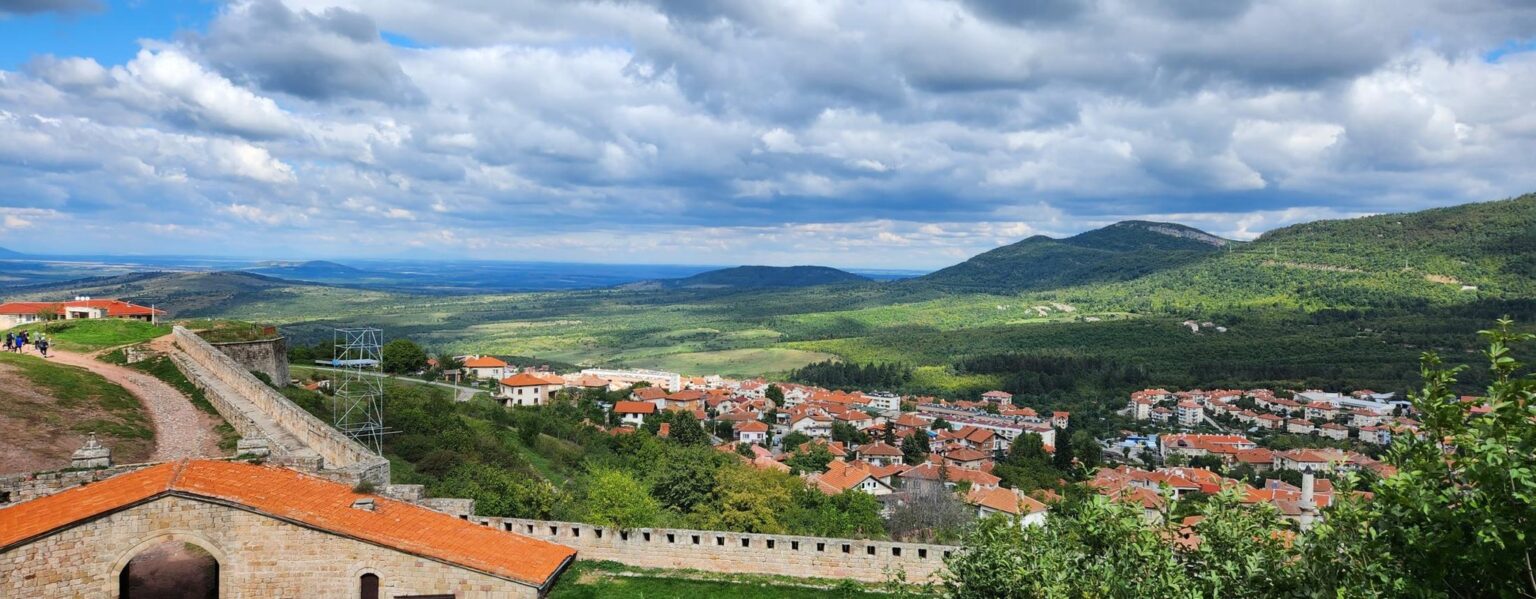
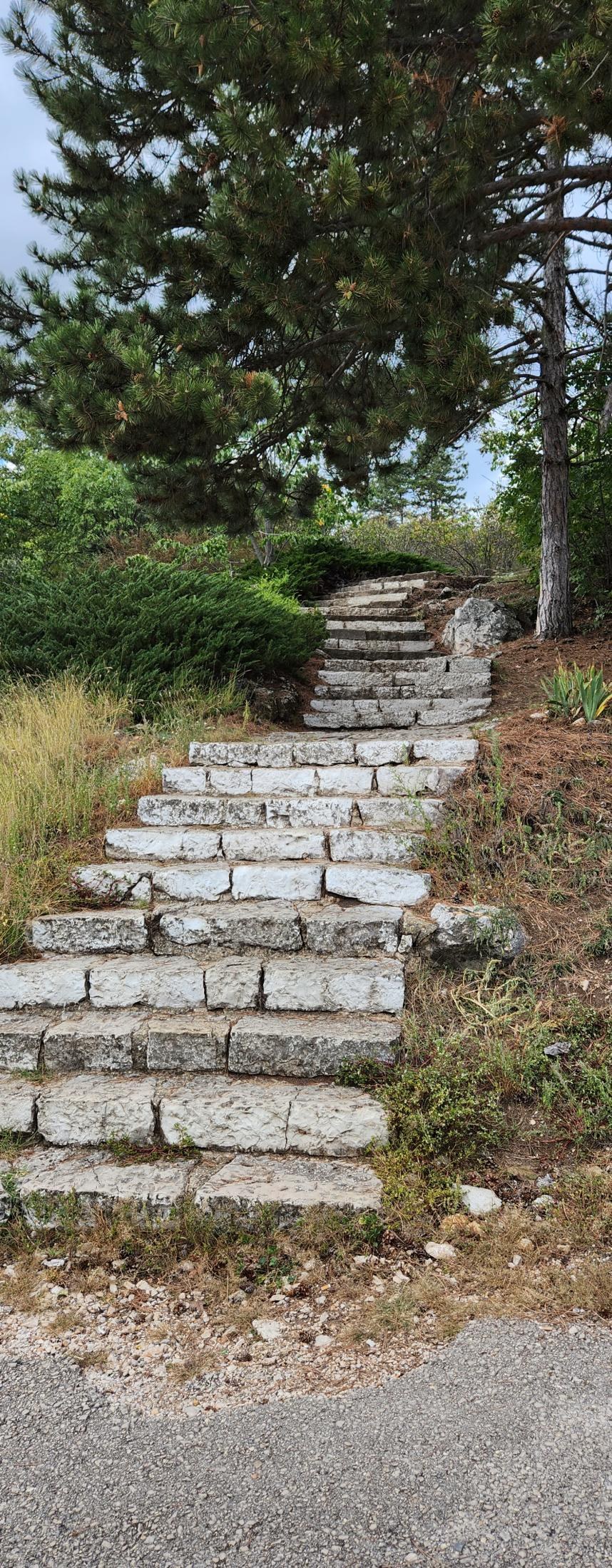
Refuelled, we carried on. On foot from the centre in the direction of the rocks. Follow the signs along the main streets and after about ten minutes of walking you run into a flight of steps. Up them, and five minutes later you are at the fortress wall. Unpleasant surprise: the signs stop and there is a locked, enormous gate. There is a beaten path, but it does not look particularly touristy. You can make it out, but it does not exactly leap at you. Along the path, another five minutes, and we were at the entrance of the Belogradchik Fortress (stamp 15 again). The climb from the centre to the upper part is not endless, but it is still a climb — roughly 80 to 100 metres of elevation. There is a wide car park right at the entrance to the fortress. Around the entrance there are restaurants, souvenir shops and the history museum where the 100 NTS stamp lives. Here is a Street View link so you can see what it looks like.
A word on tickets, because this is one of the things that has changed since our visit and changed for the better. Admission to the fortress is now €7.67 for an adult, €6.14 for students and pensioners, and €15.34 for a family ticket — and a guided tour or an audio guide is included in the price, with tours starting every 30 minutes. There is a combined ticket for the fortress and Magura Cave at €12.27, which saves you a couple of euros if you are doing both in one day, as we were. Parking for a car, van or motorcycle is €2.56 for the whole duration of your visit, and — take note, fellow drone people — photography with a drone for personal use is €5.11. The three town museums (History, Natural Science, Art Gallery) are €3 each, €2 reduced. All of this is published on the official price list of the Belogradchik History Museum, which is the only page I would trust — the numbers floating around travel sites run years behind reality.
You need roughly two hours here. One hour is doable but rushed. When we went, the ticket control amounted to one elderly lady at a desk; all the European refinements with turnstiles and access systems had been abandoned and looked like scenery from a post-apocalyptic film. That, too, has clearly moved on.
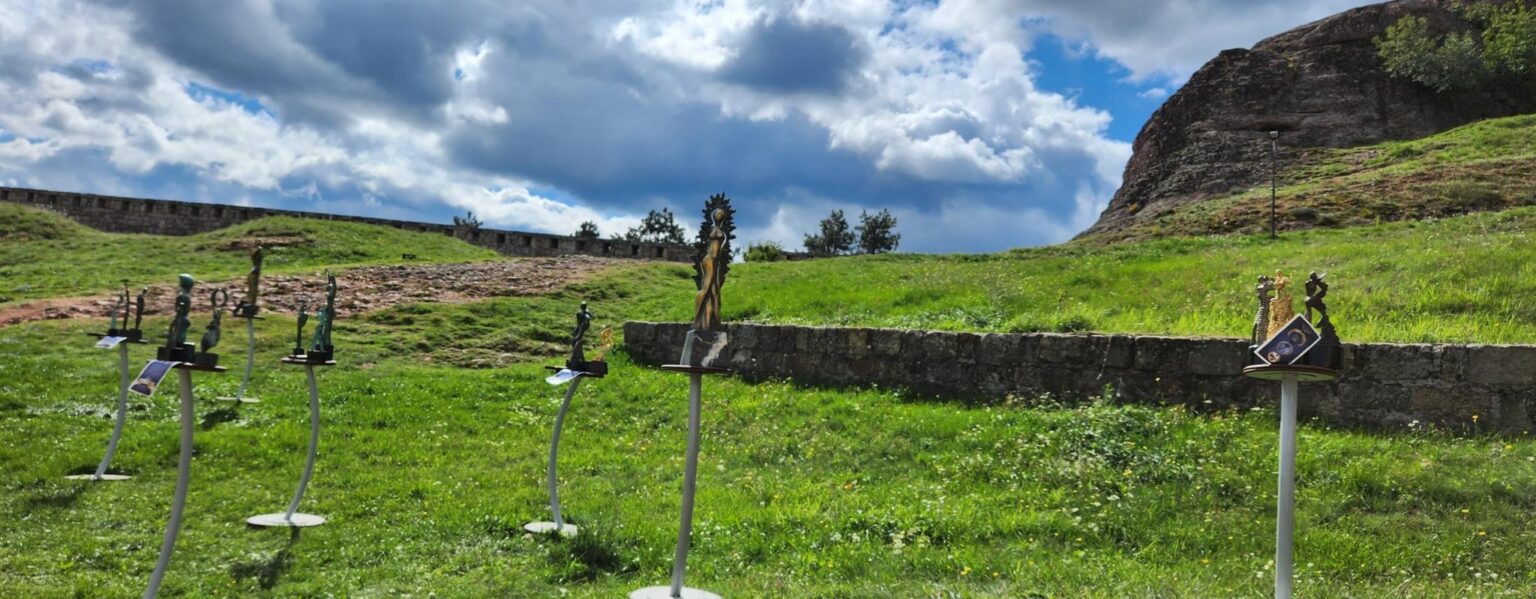
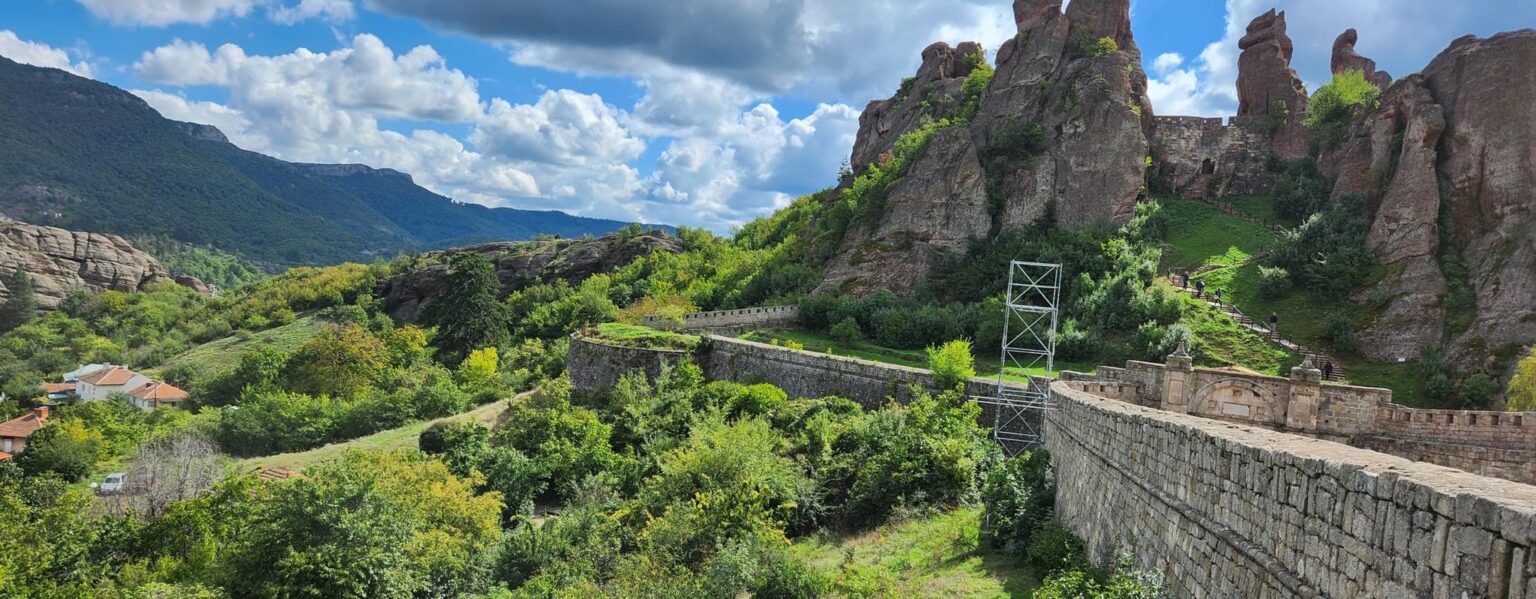
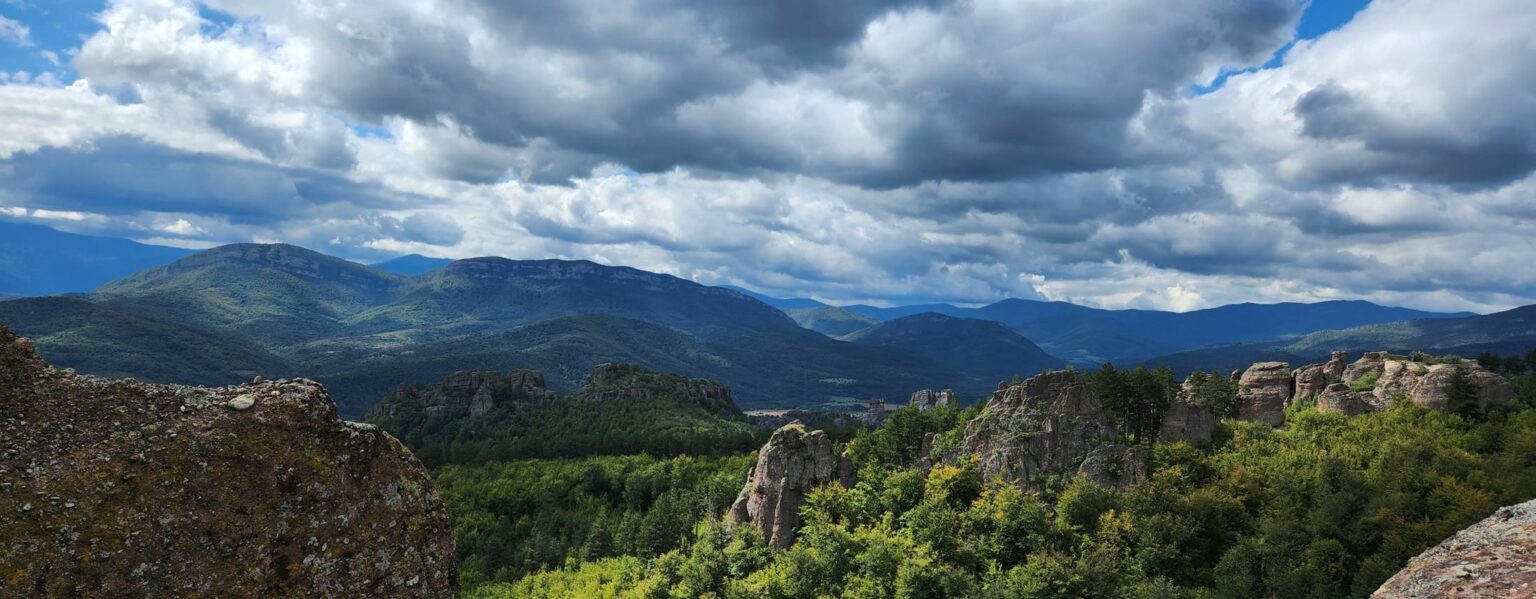
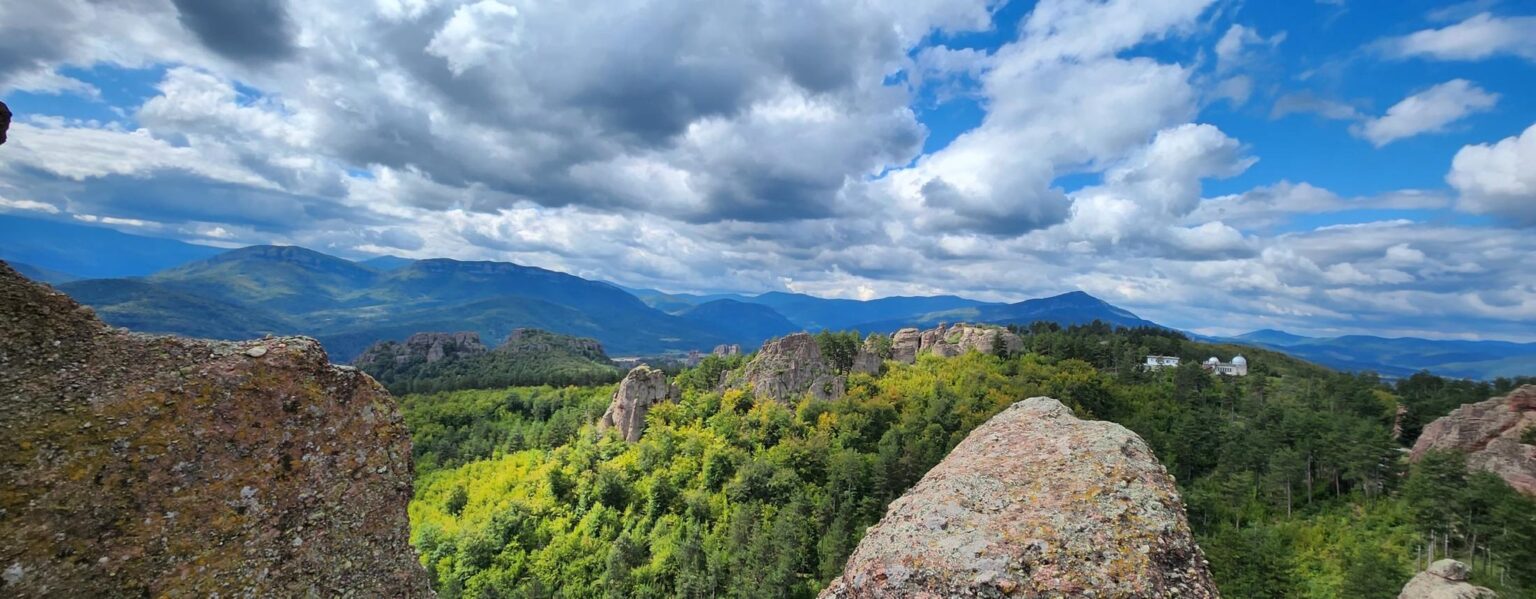
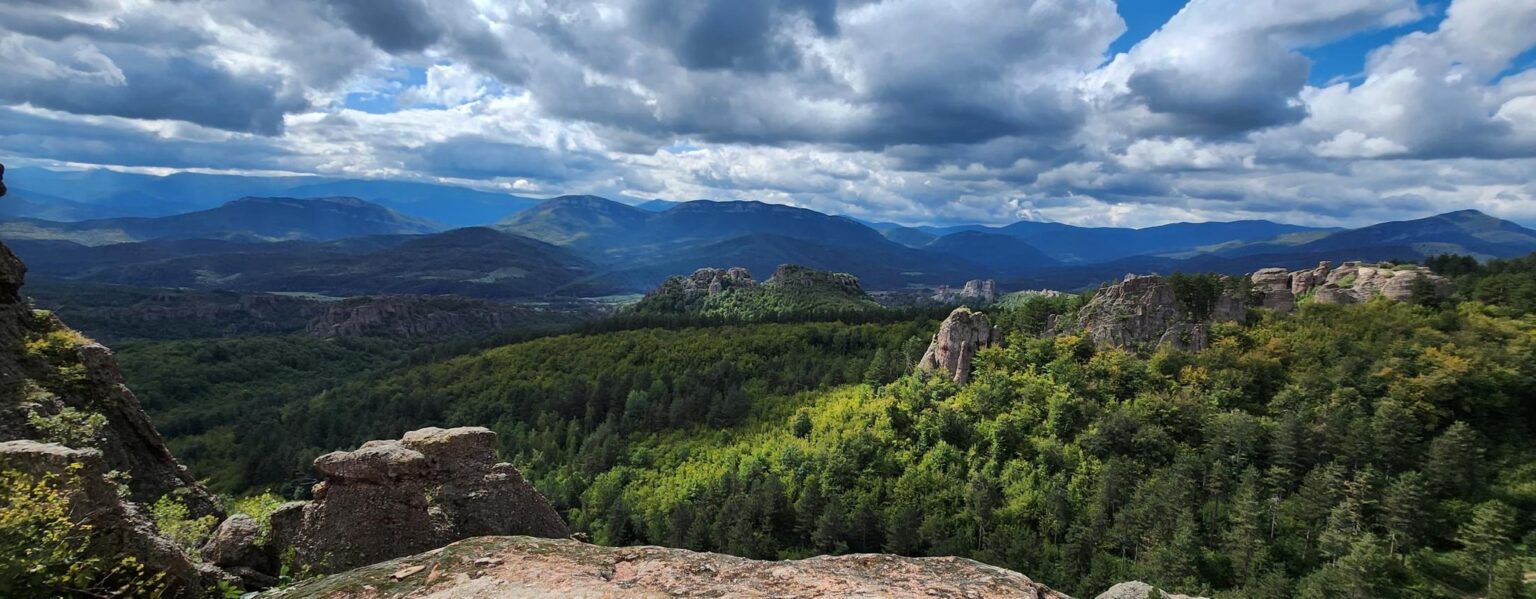
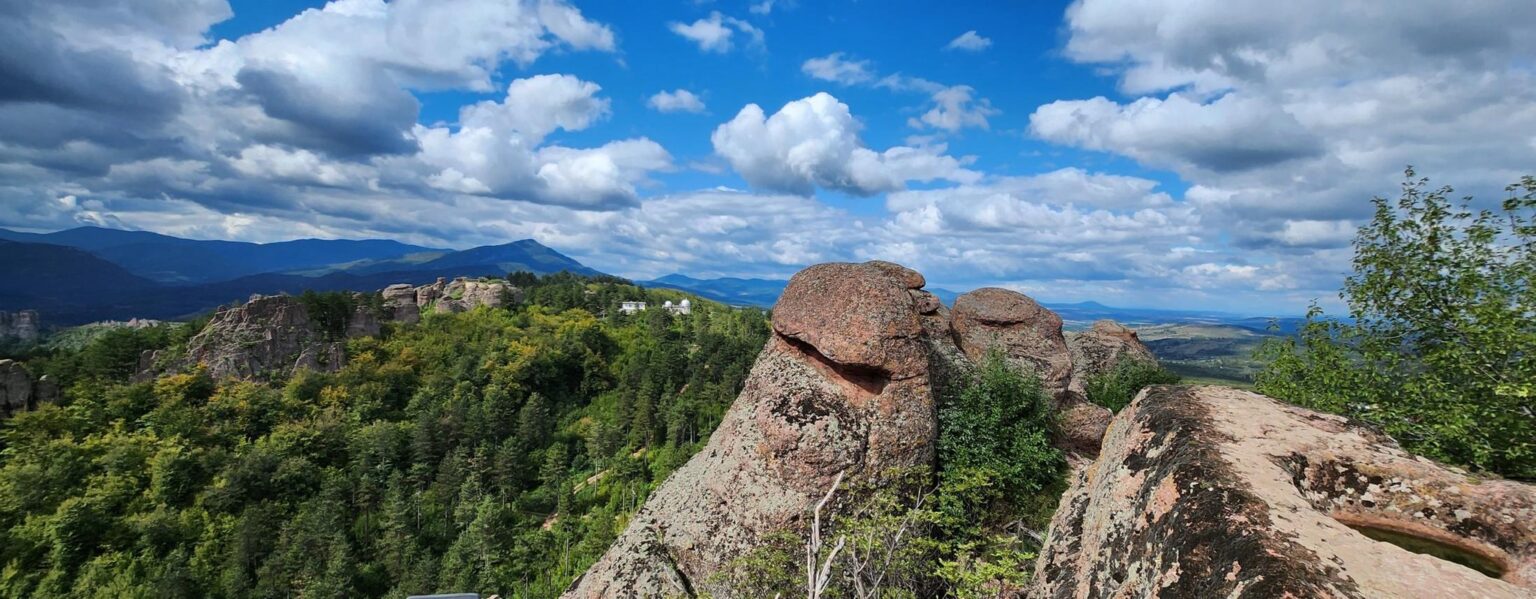
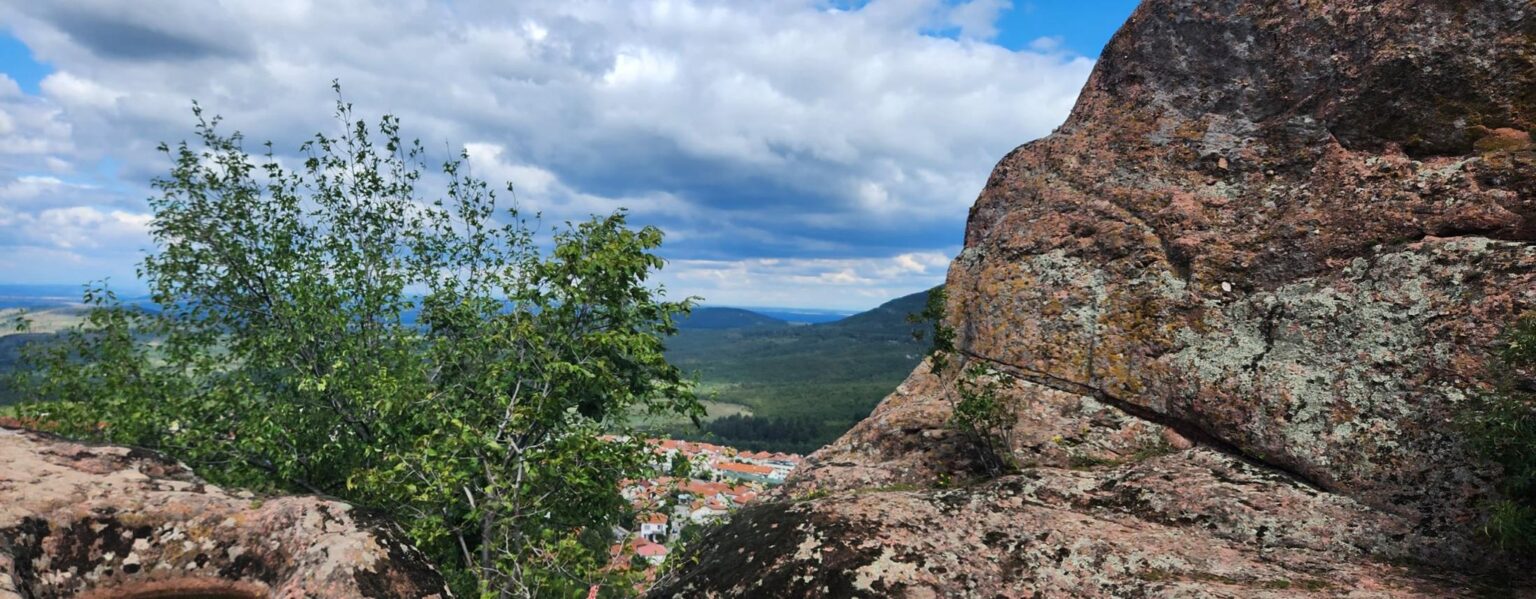
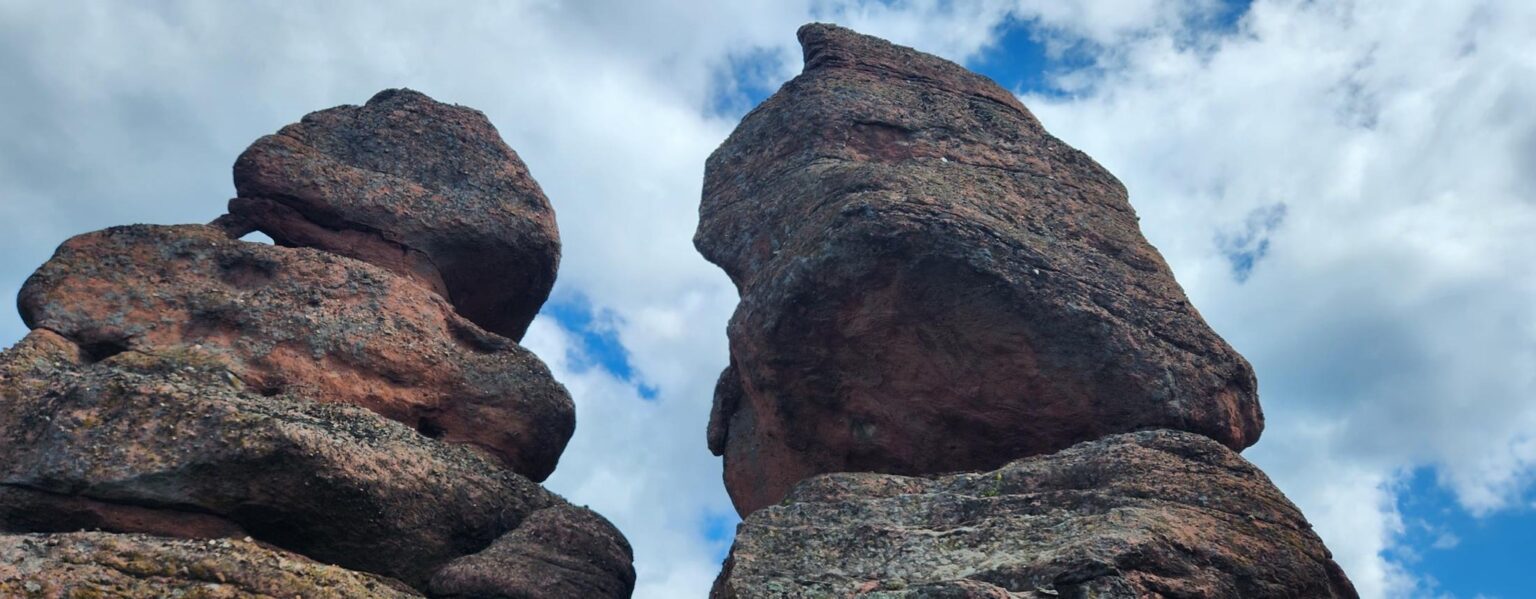
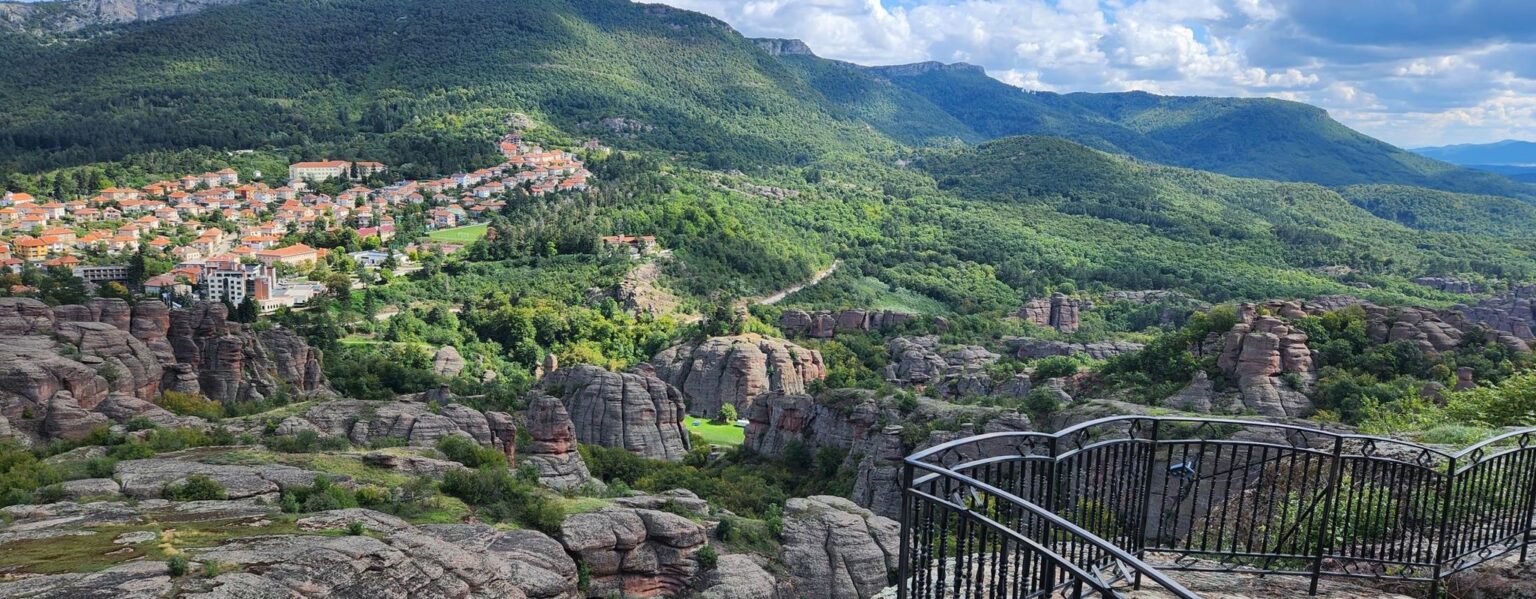
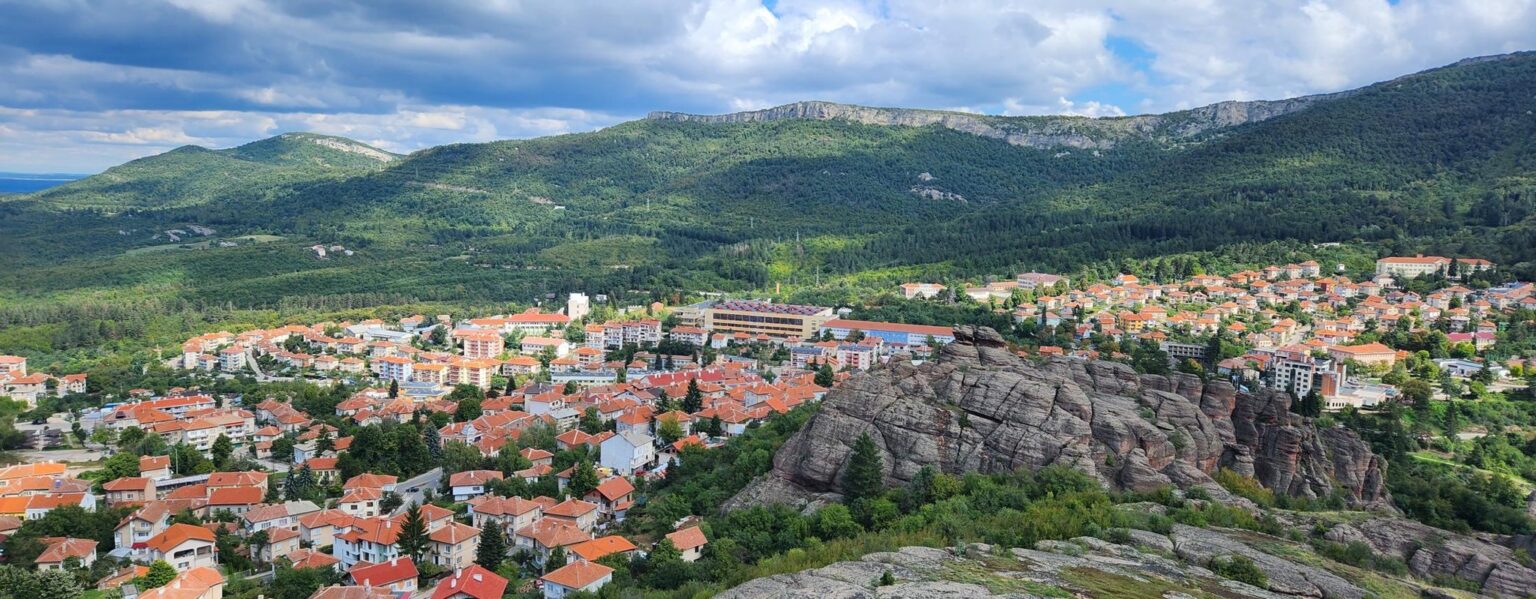
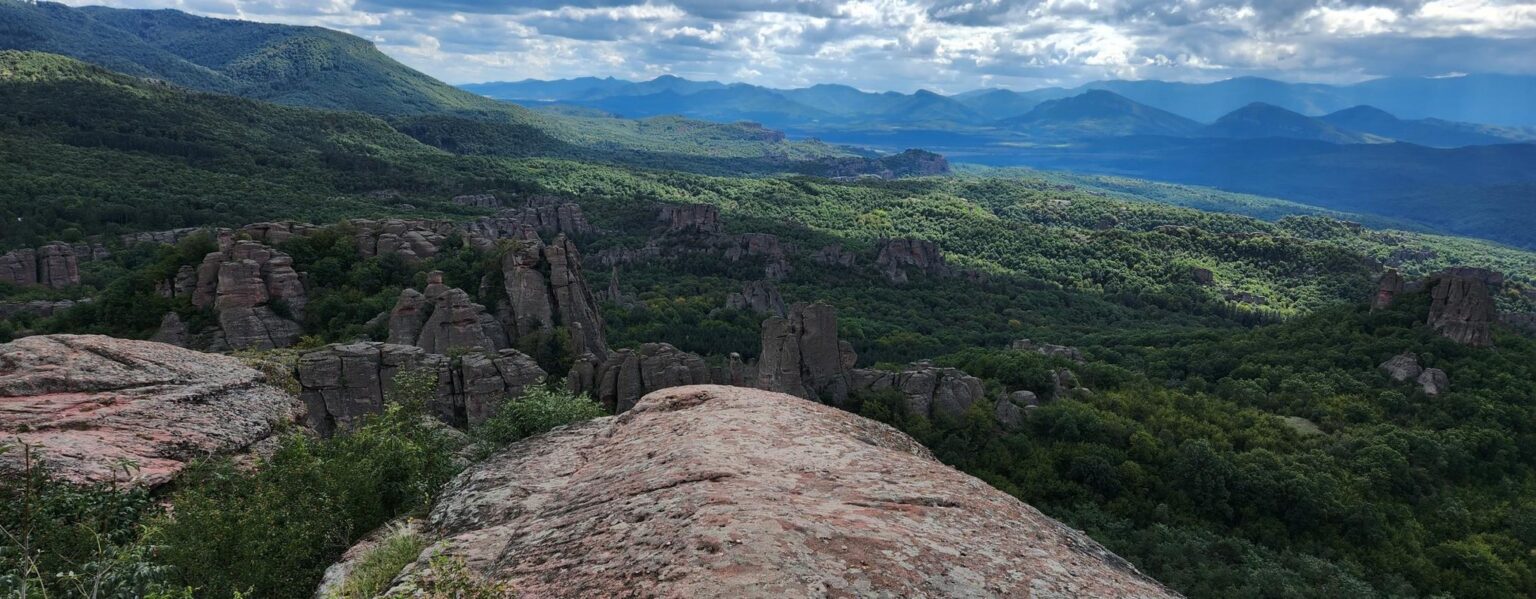
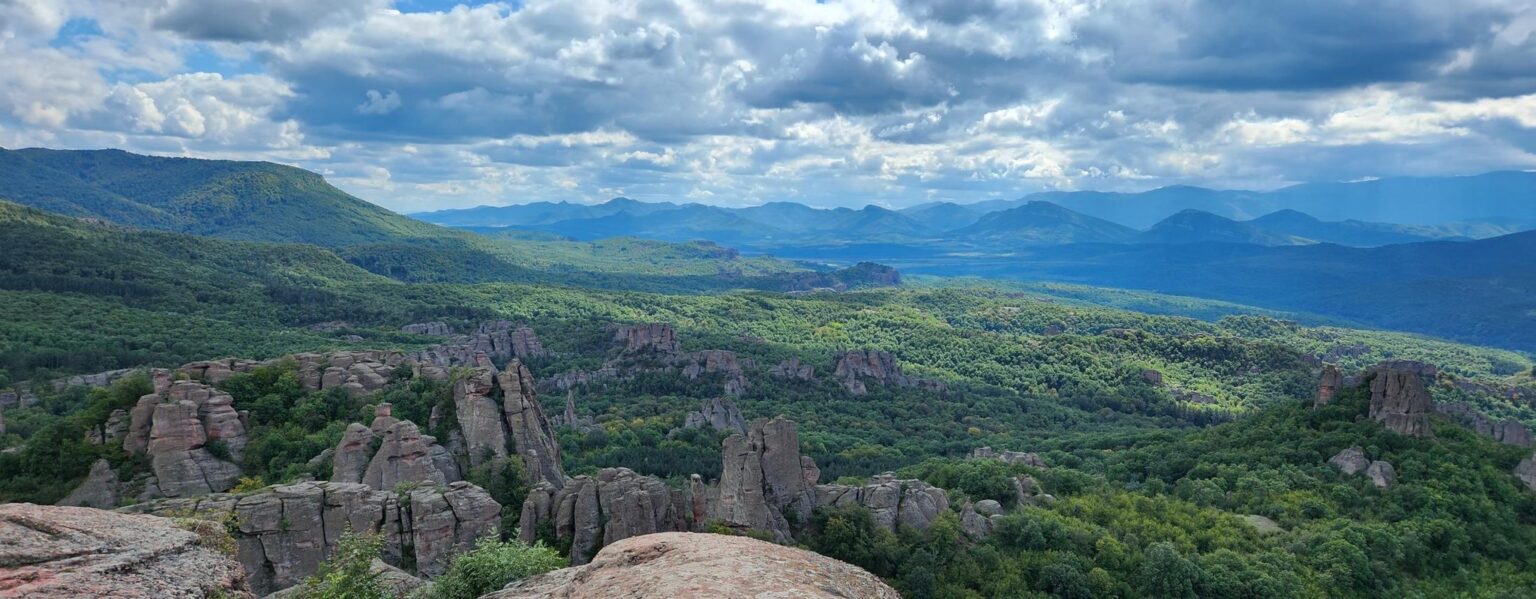
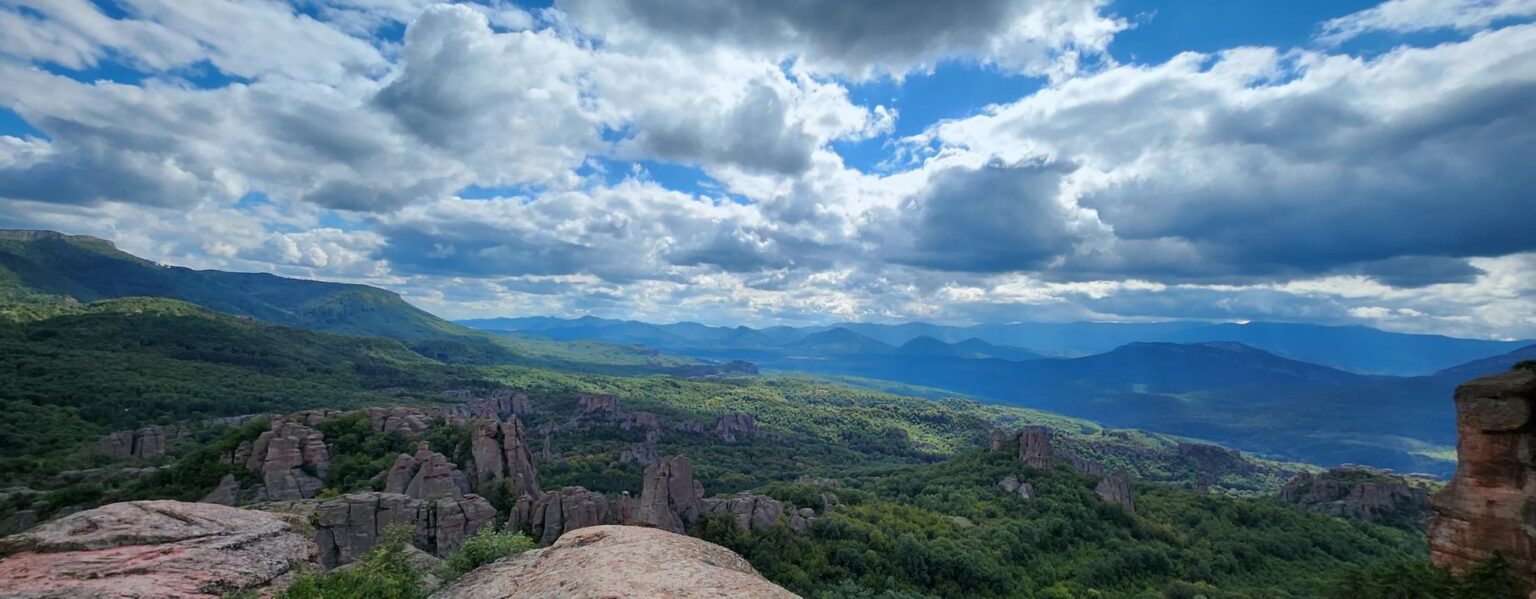
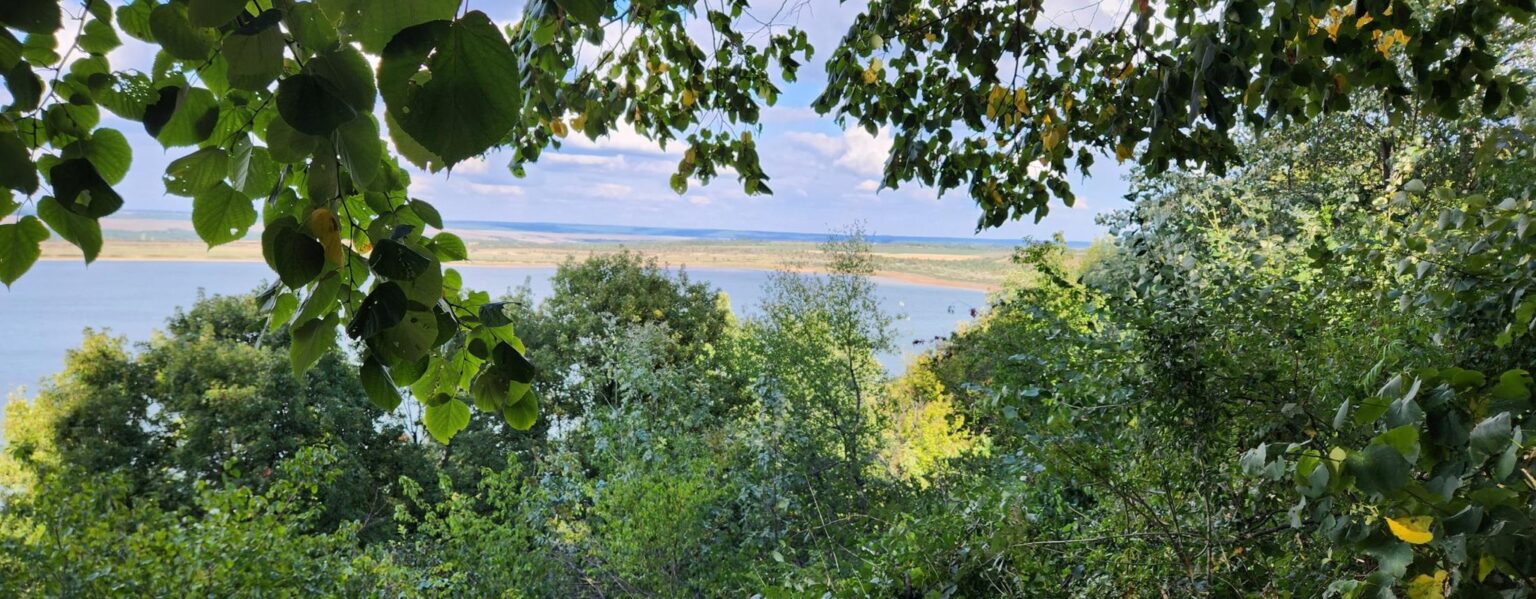
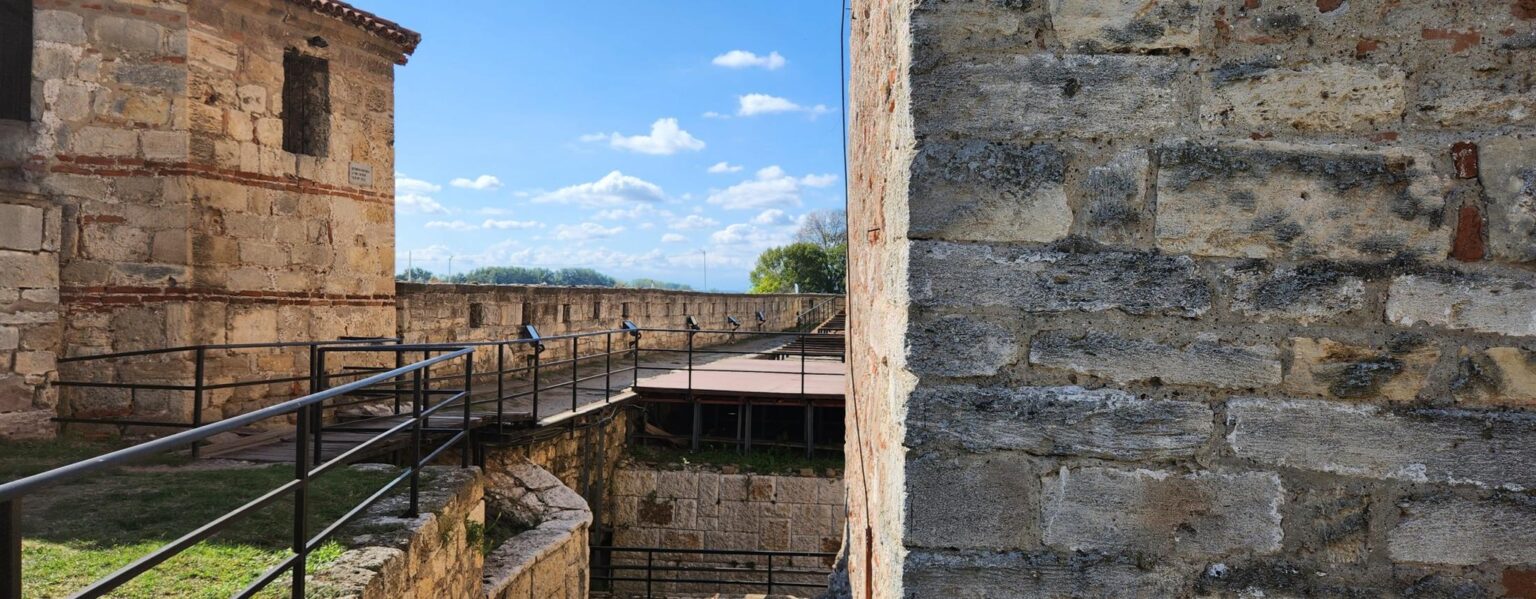
Inside. The dry historical theory about the fortress and its importance is over on Wikipedia. Immediately past the entrance there was a small exhibition-gallery of hand-crafted things with the craftsman himself sitting next to them. You can walk the whole site in about an hour at a calm pace, and one thing hits you straight away: unlike a great many other sites, here there are no railings and no warning signs plastered over every surface. Here you get to die like a real man, no airbags. There are warnings here and there, but nothing restrictive and nothing protective. It is genuinely dangerous. The braver sort can hop from rock to rock over metre-wide drops. Climb, climb, climb for ten minutes and you reach a more or less flat platform at the top, where incredible 360° panoramas open up. Postcard shots make themselves. From up there you also see a good part of the unique rock formations — the Belogradchik Rocks. You can leave it to your imagination to name them and to wonder whether some artist has not had a hand in them after all, or you can simply trust that nature has no limits.
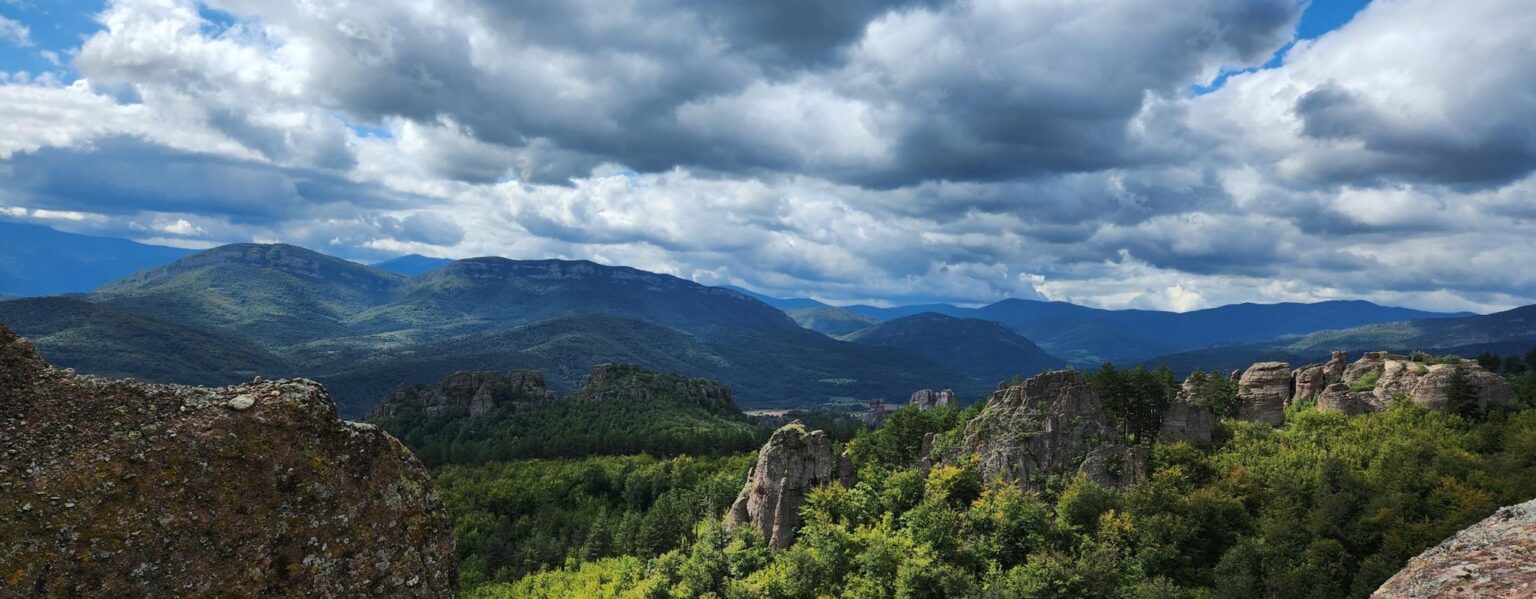
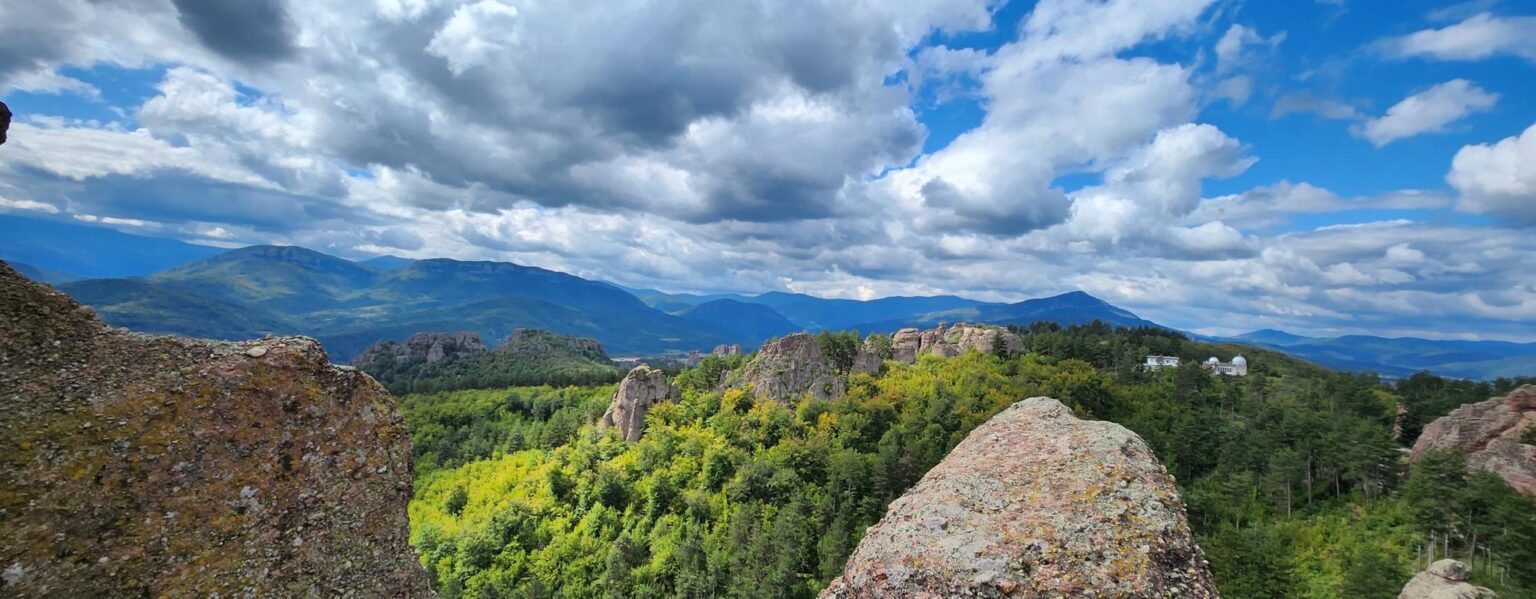
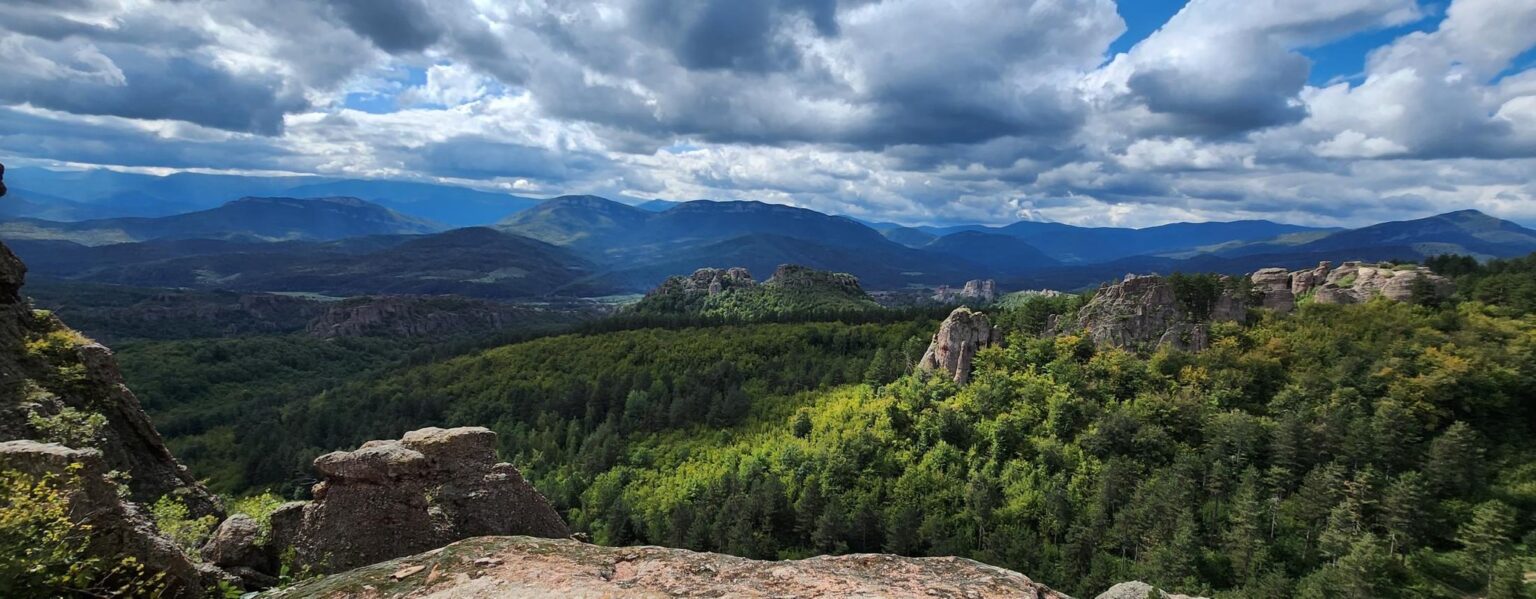
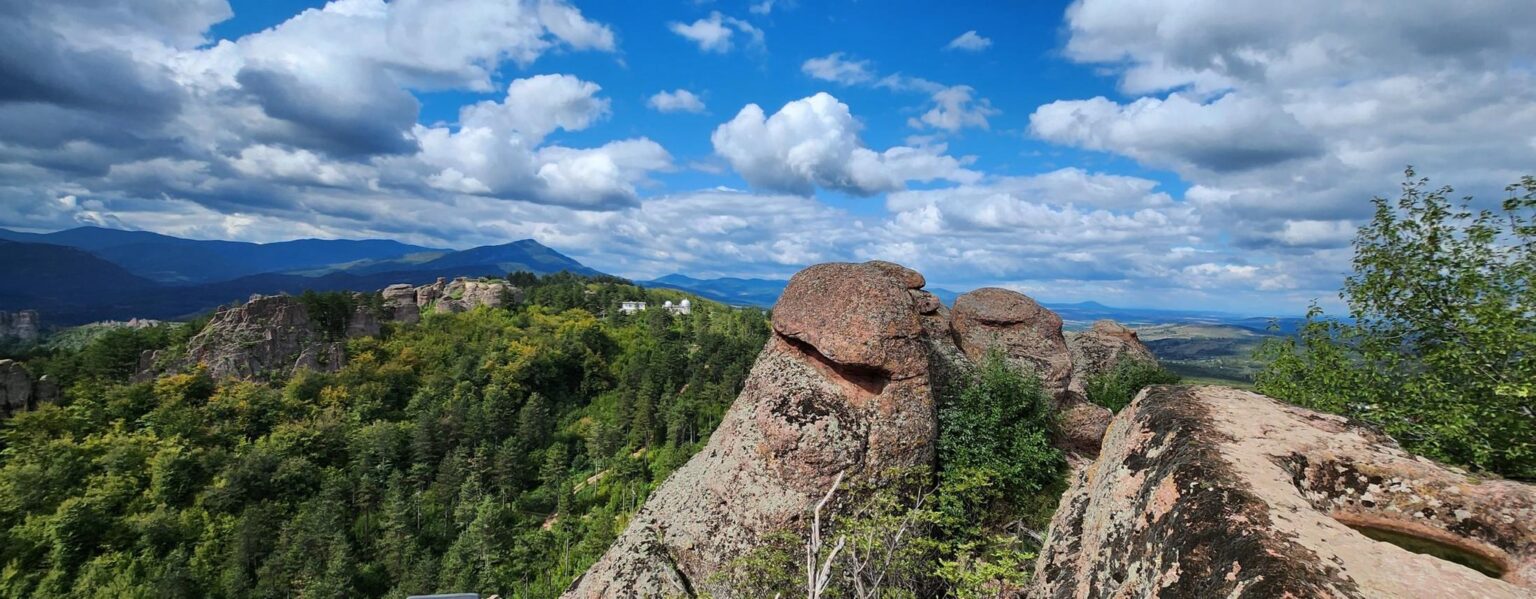
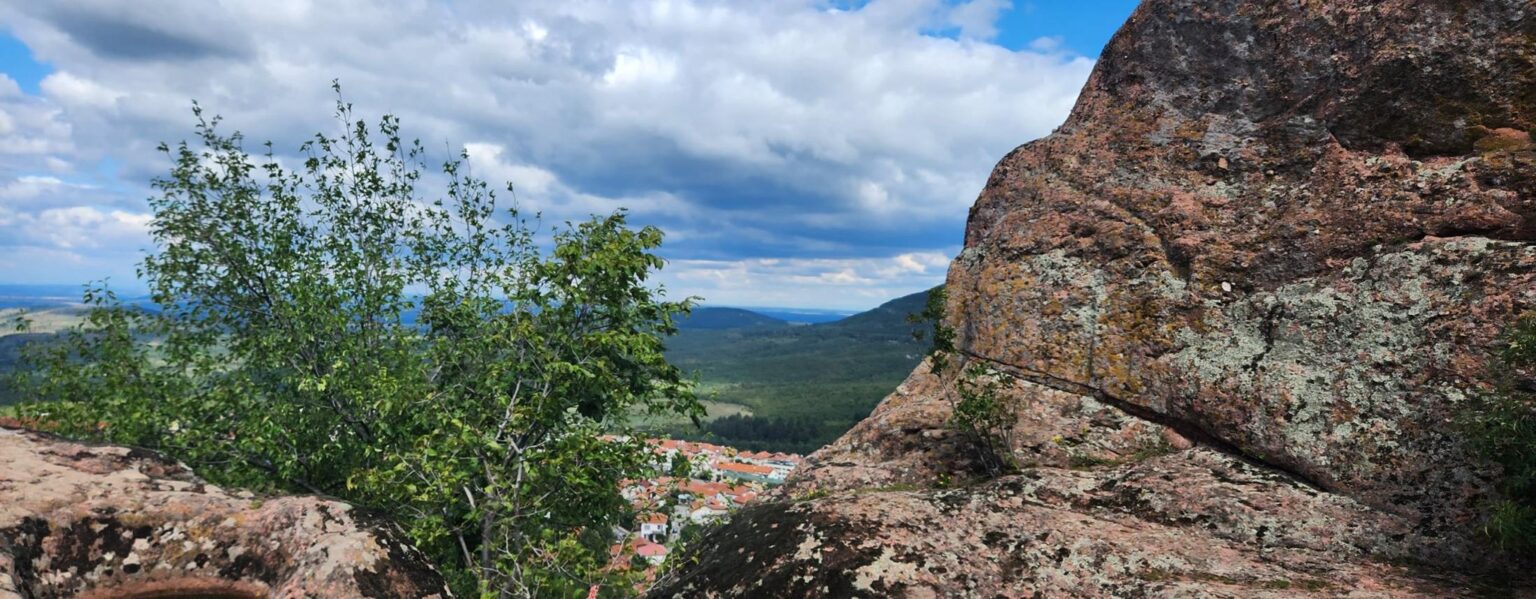
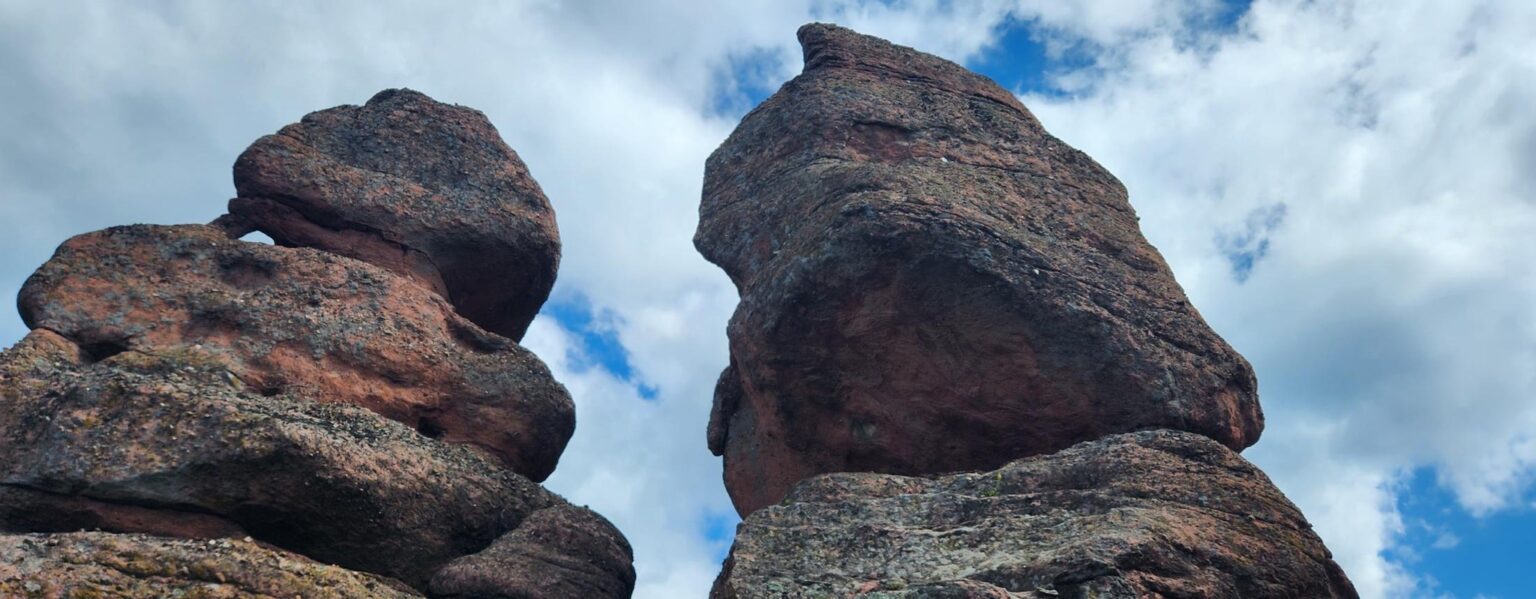
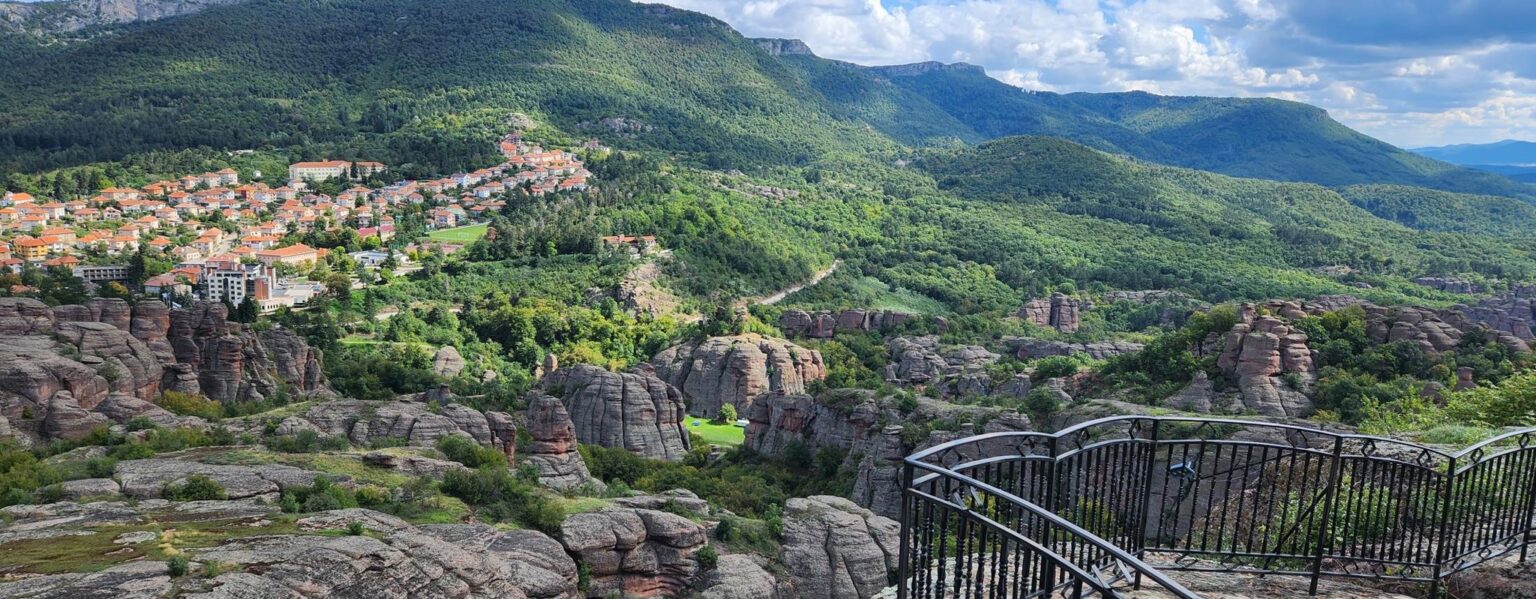
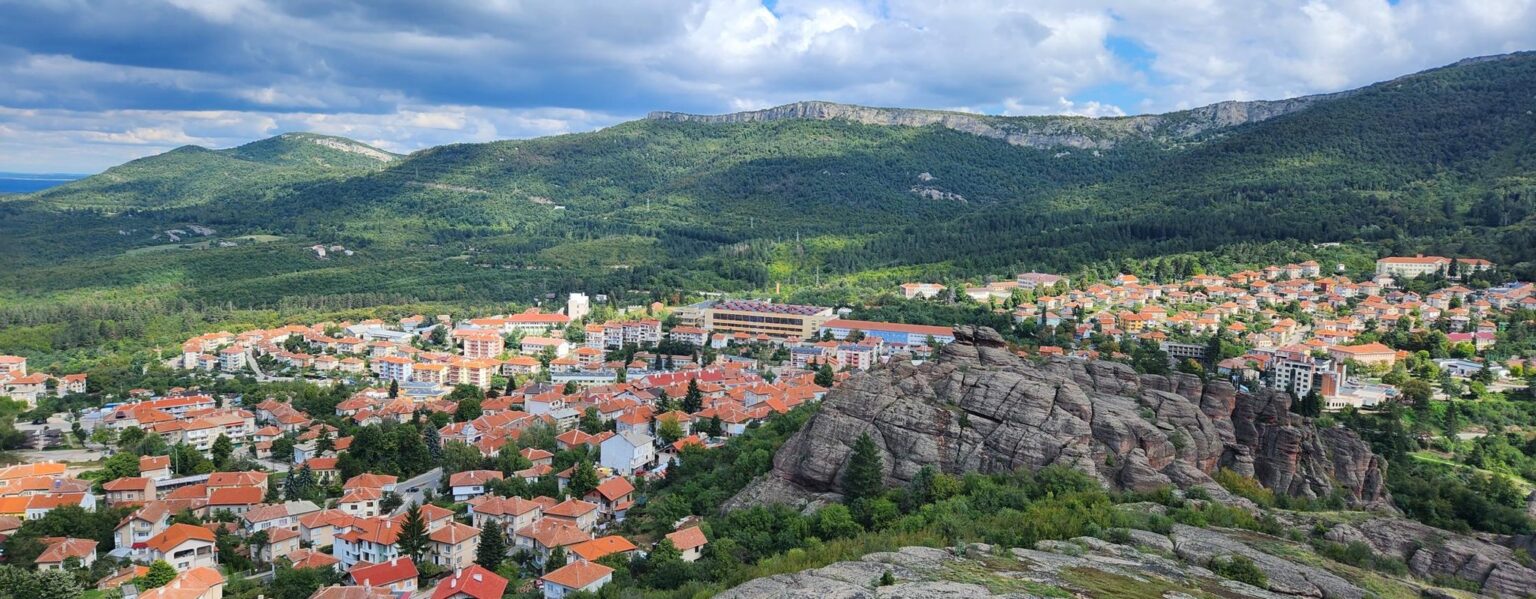
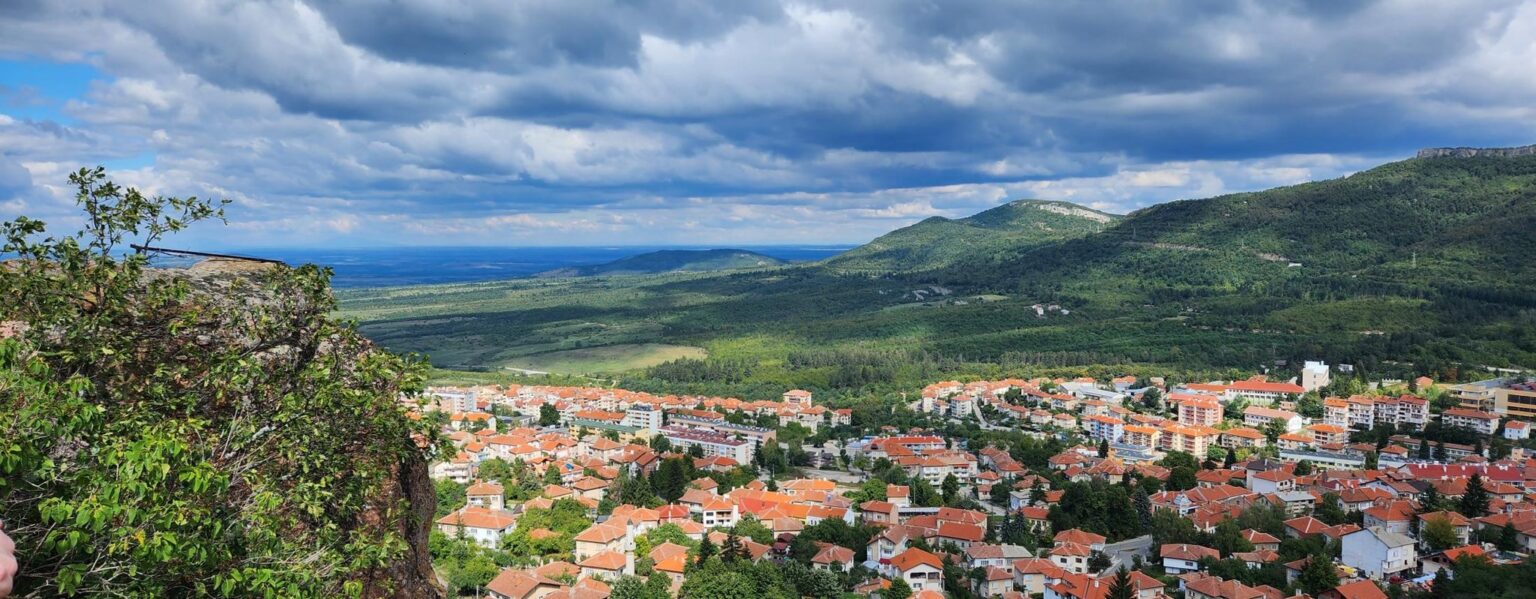
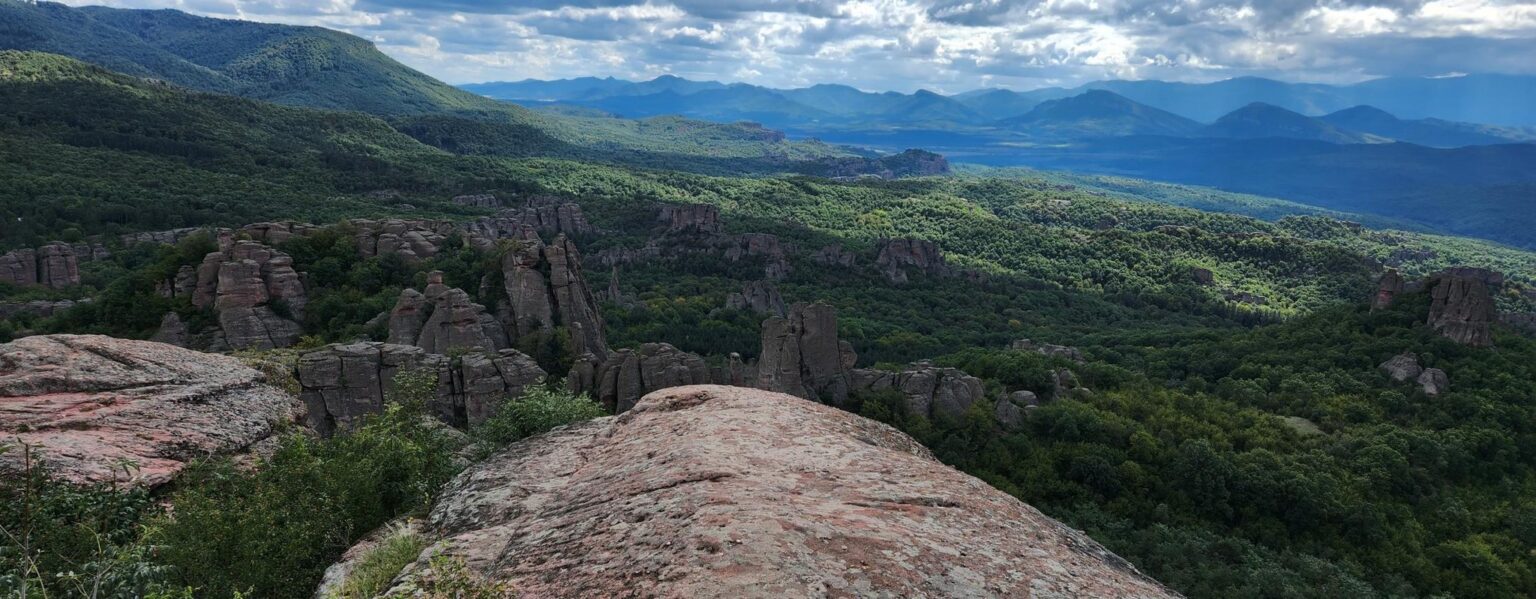
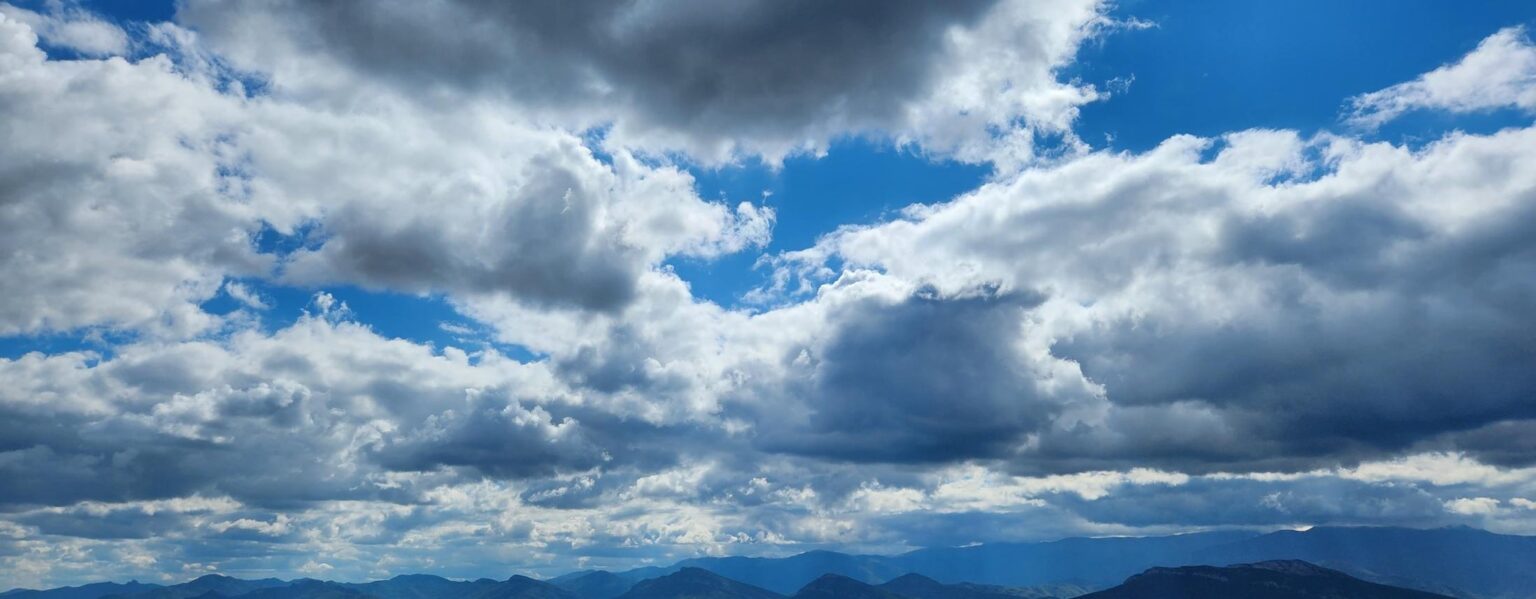
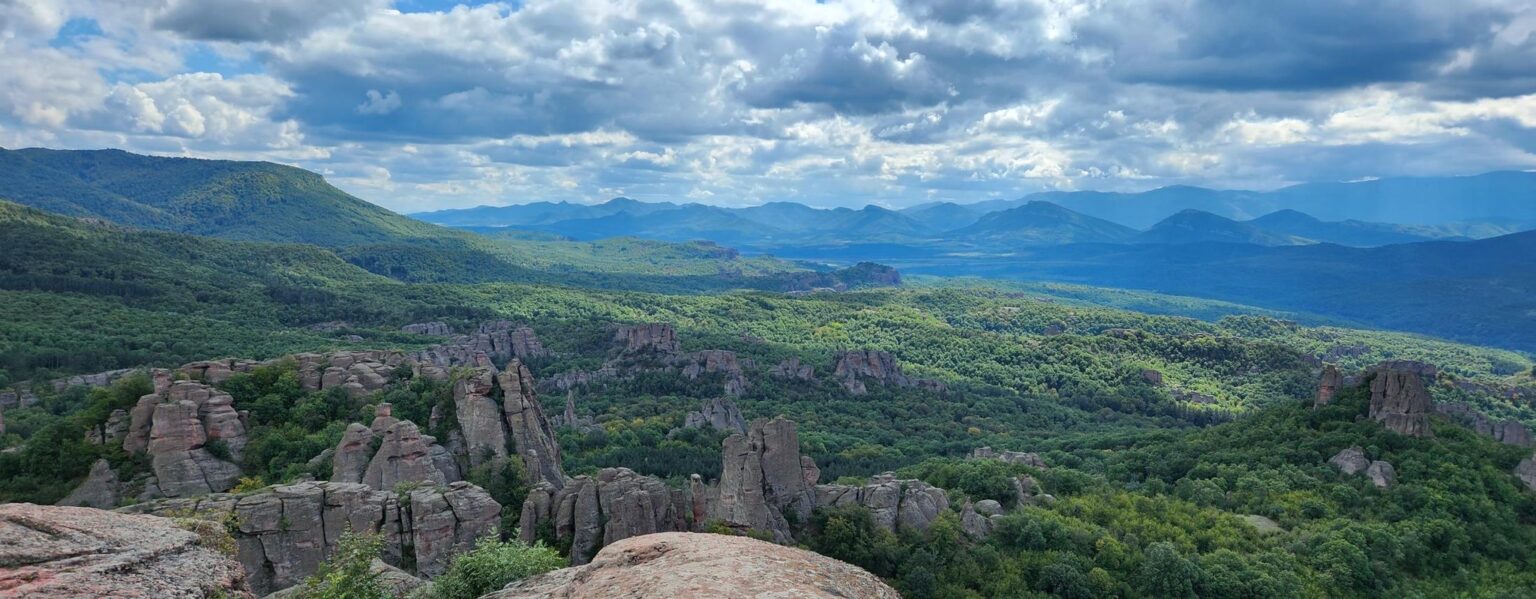
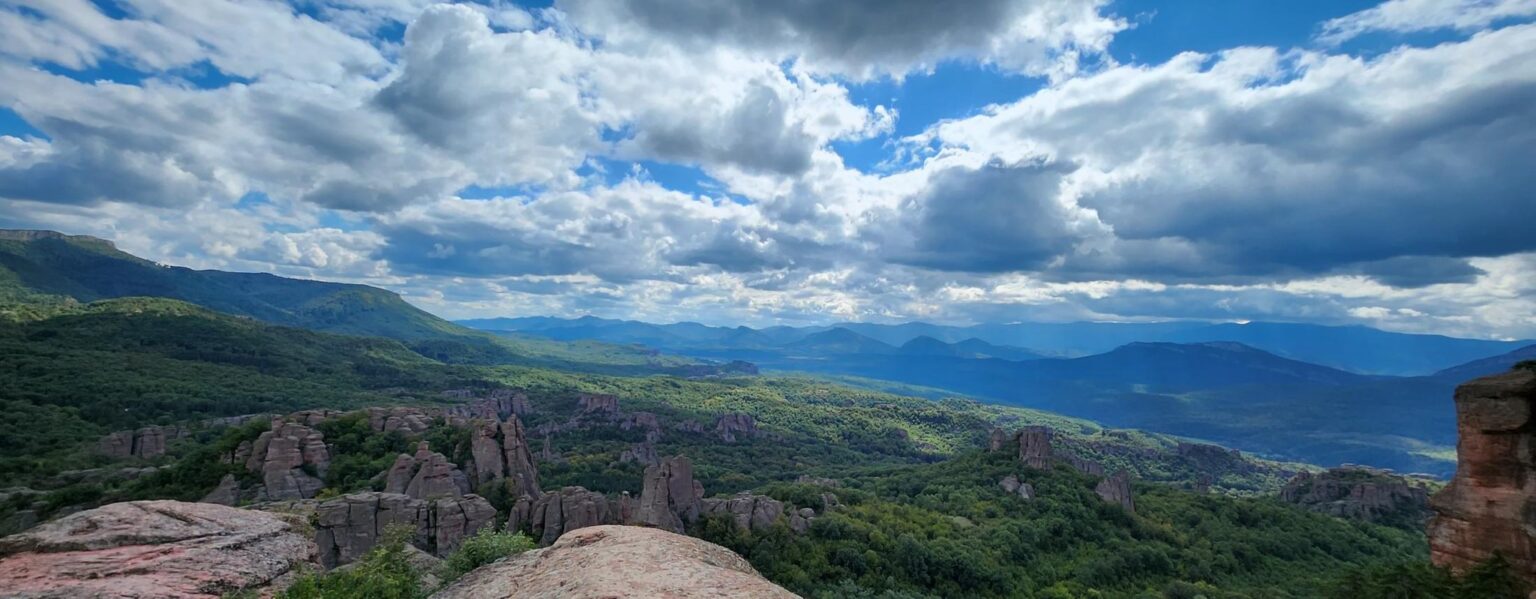
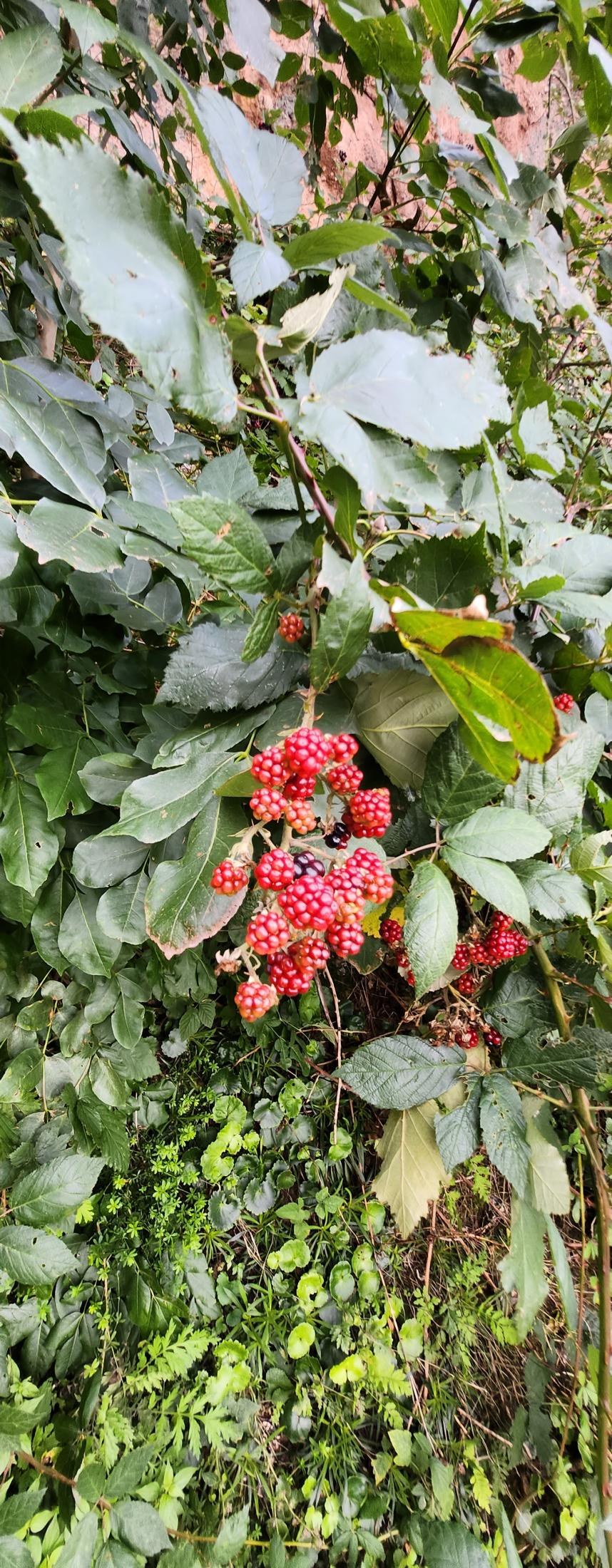
The time was already 13:30. From the centre, around the fortress, and back to the car on the square: 90 minutes. A quick check on the map showed 40 minutes to Magura. Back then, entry was on the hour, every hour. The 15:00 slot looked like a safe bet, even with another 20–30 minute coffee break in between.
Magura
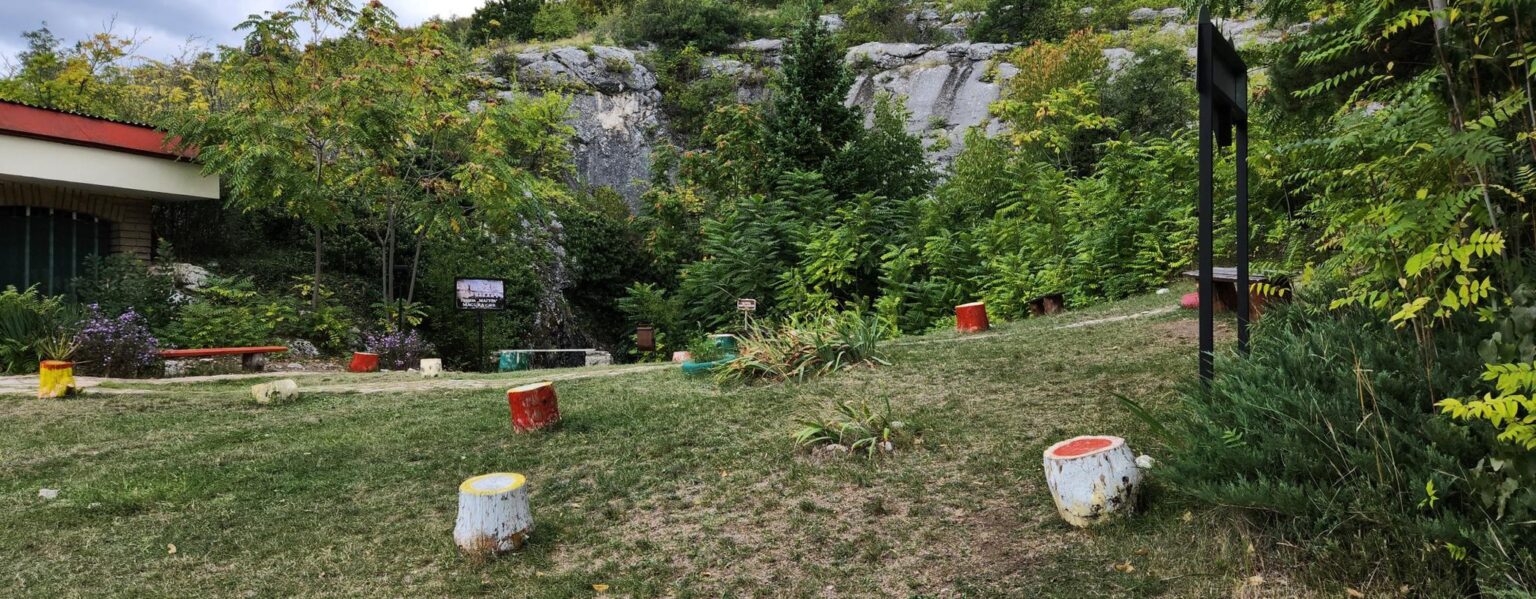
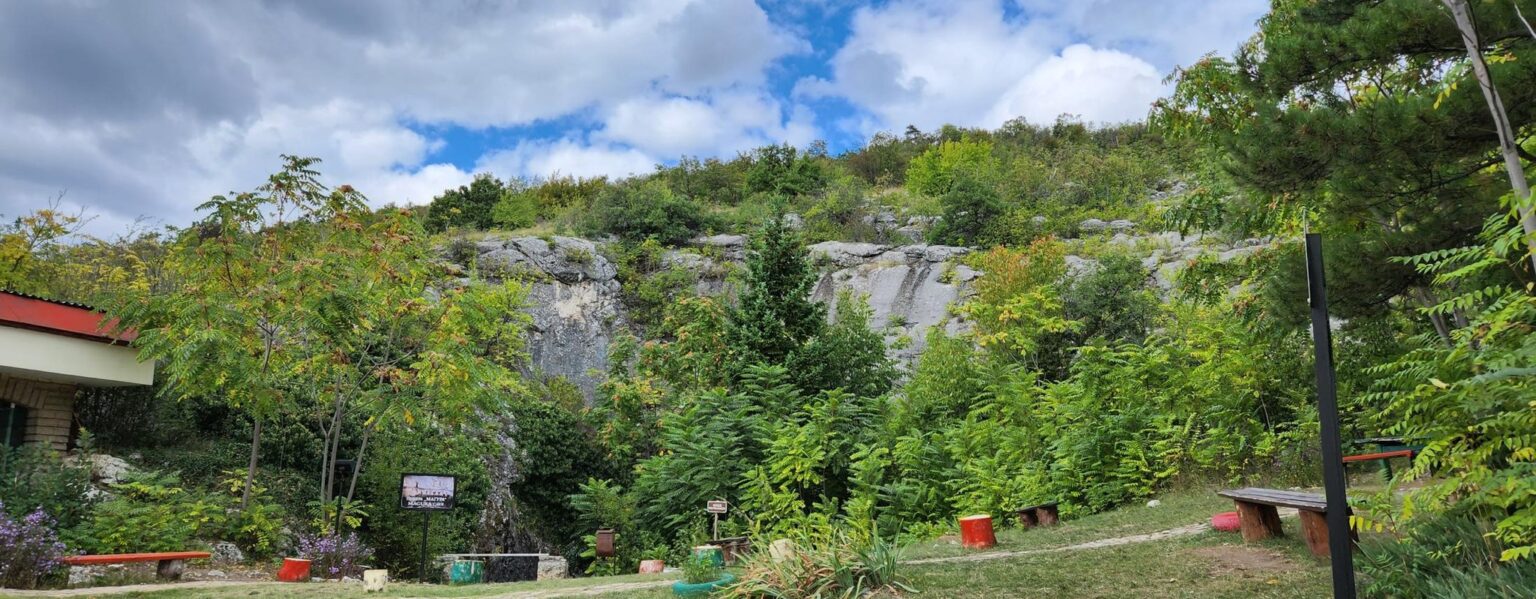
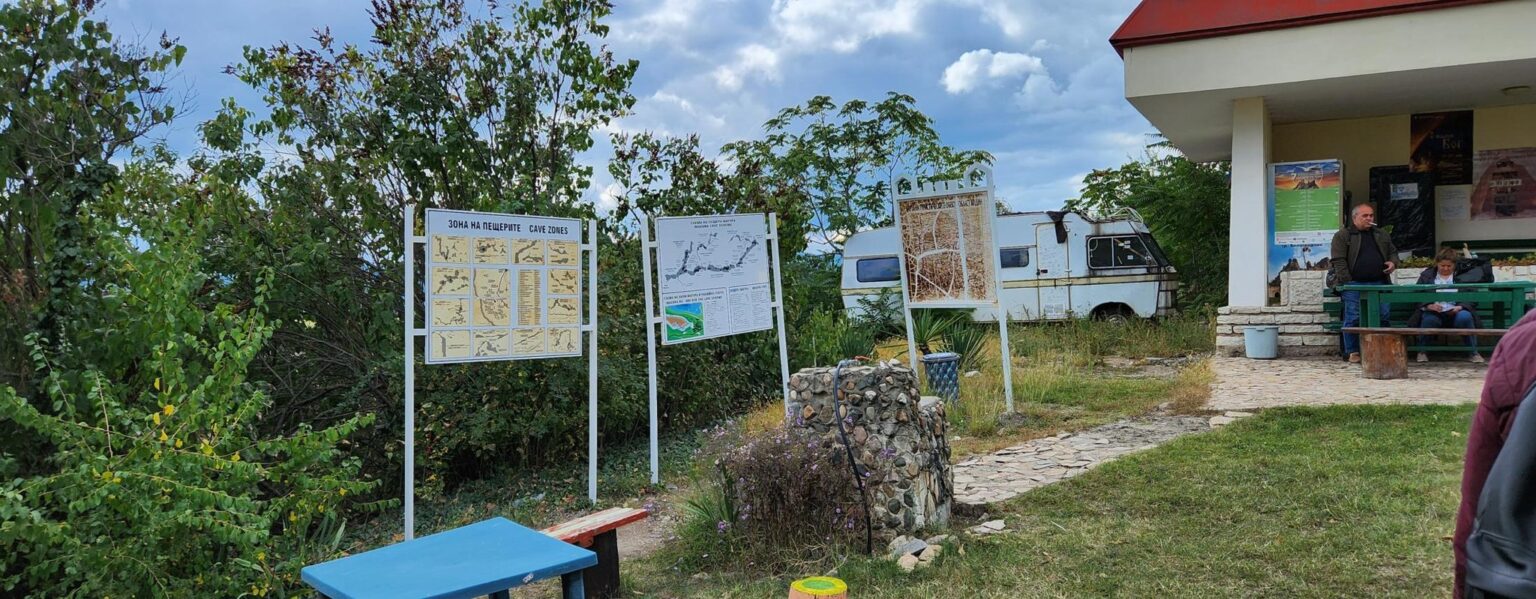
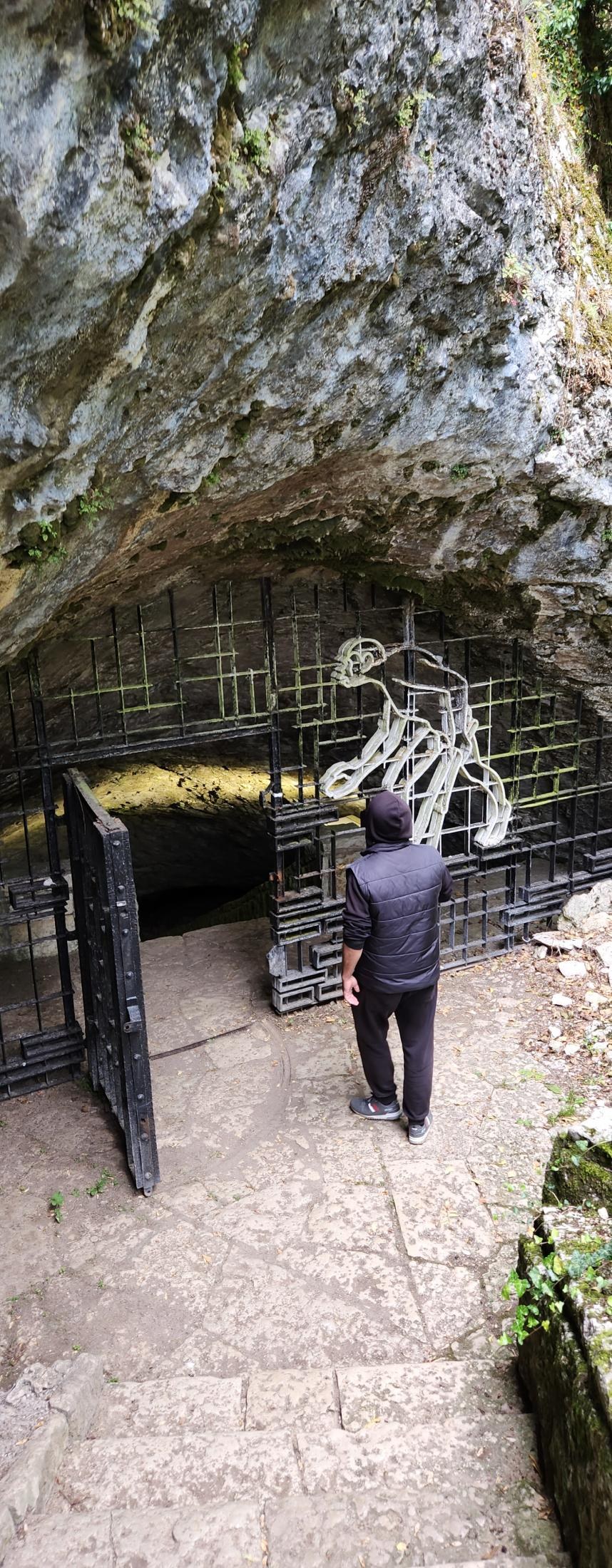
The road from Belogradchik to the village of Rabisha, where the cave is, is well signposted but sadly broken up, and you need to take it slowly. We are going on an adventure, not to snap parts off the car. In practice there is almost no choice of parking other than the car park a few minutes from the entrance. Stairs, a 3–4 minute climb, and you are at the ticket desk of Magura Cave (site 14 of the 100 NTS).
We had psyched ourselves up, based on what the internet said, to pay a modest few leva for the entrance, and then discovered that the fees had been raised and the official site had not caught up. The lesson stands to this day: check the official page on the morning you travel. At the time of writing, a regular ticket is €7.16, students and pensioners pay €5.88, a family ticket is €14.32, and the guided tour is included in the price; an audio guide in Bulgarian, English or Romanian is €5.11, and the combined ticket with the Belogradchik Fortress remains €12.27. All of it is on the same official price list.
15:00 came around and we landed a brilliant guide, a man single-handedly defending the honour of the colourful and melodic northwestern dialect. Words, phrases and turns of speech started flying, all of them so much more meaningful coming from a local than read off a page somewhere. There was no way for me to suspect that I would spend the next hour being addressed as “gusine”.
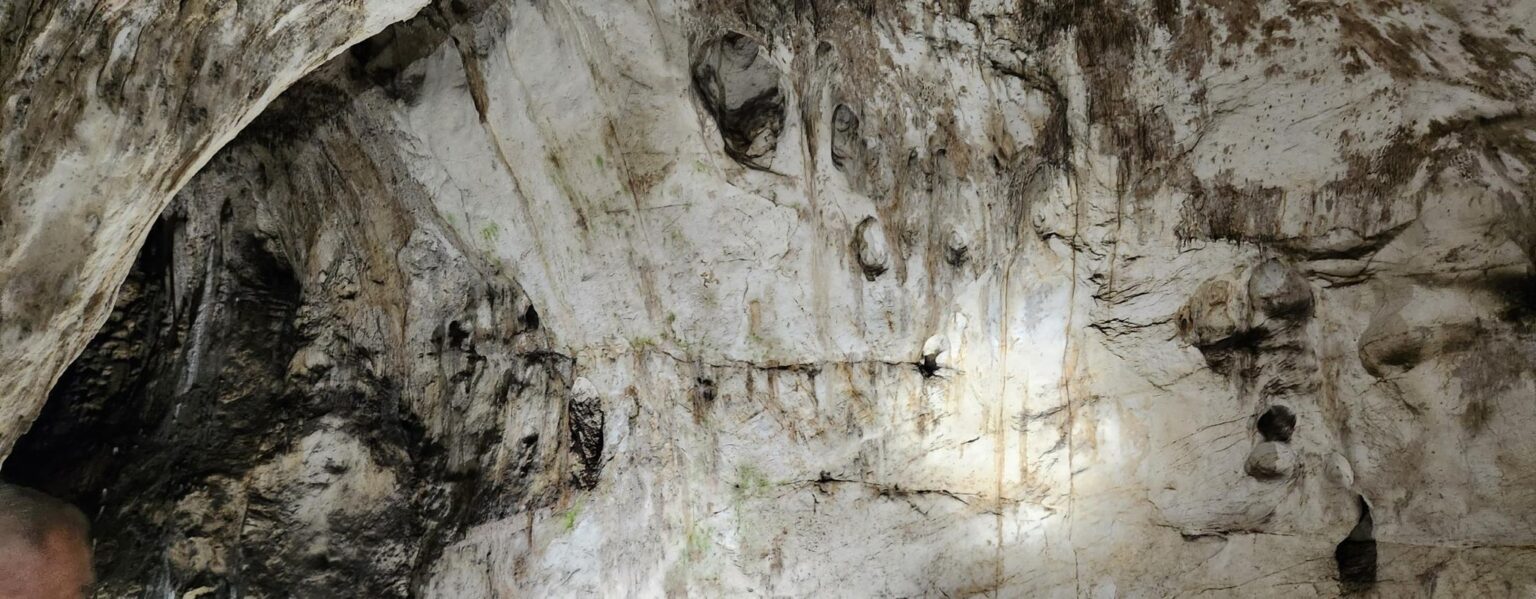
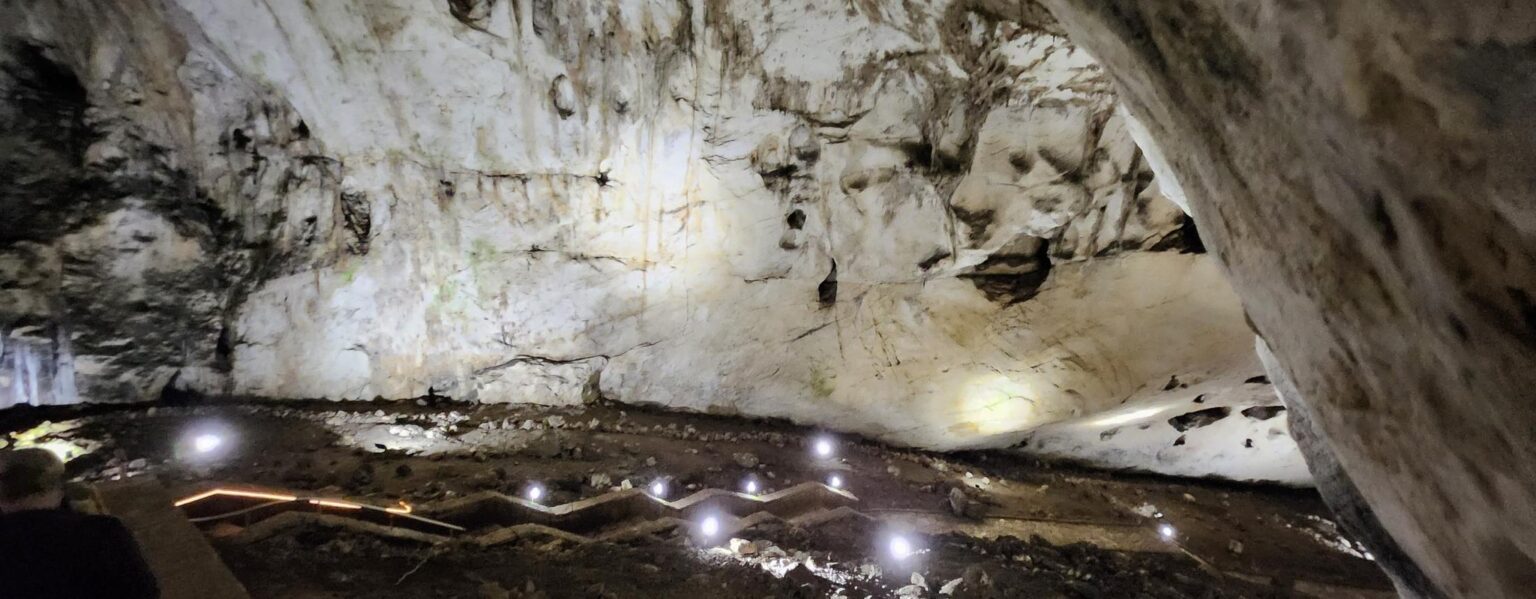
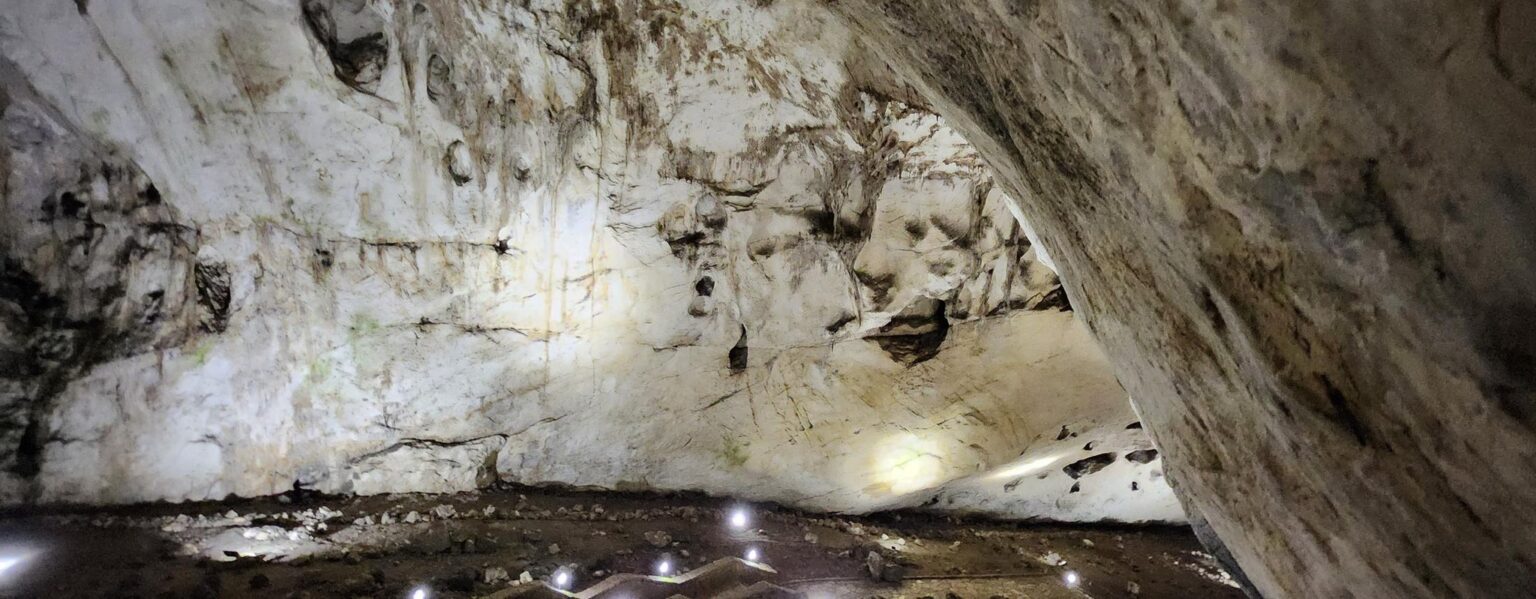
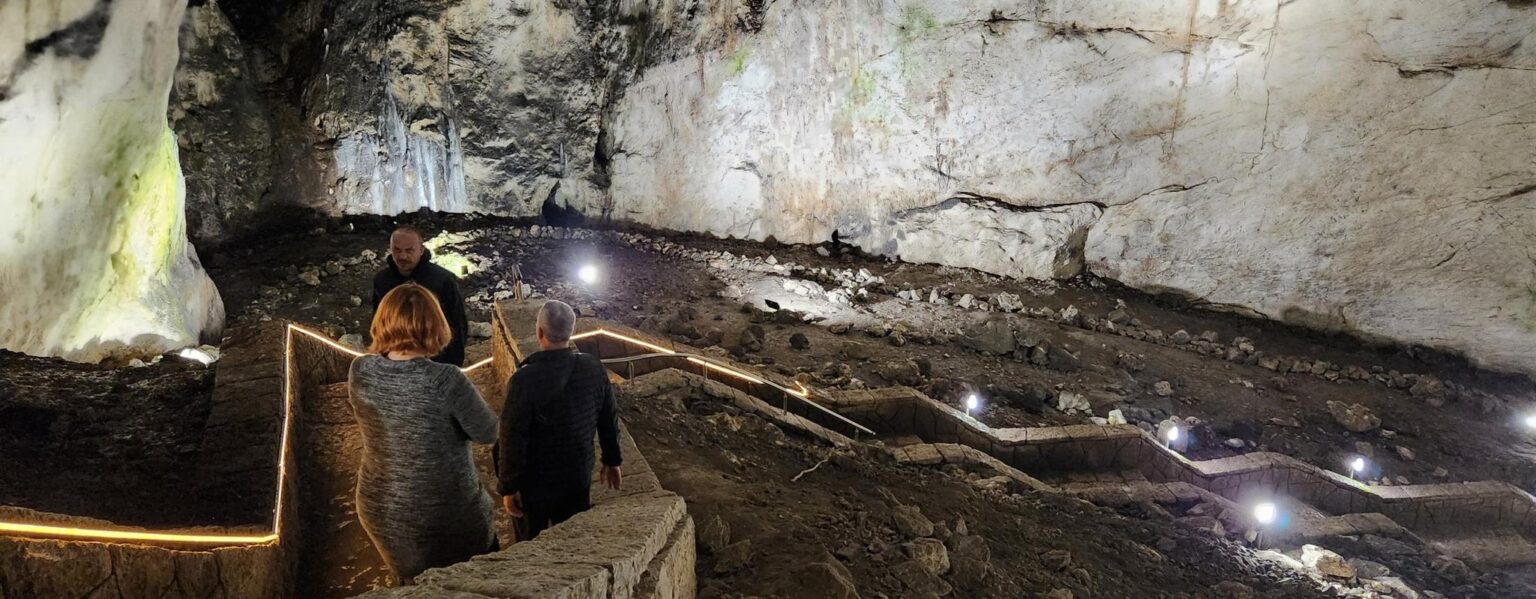
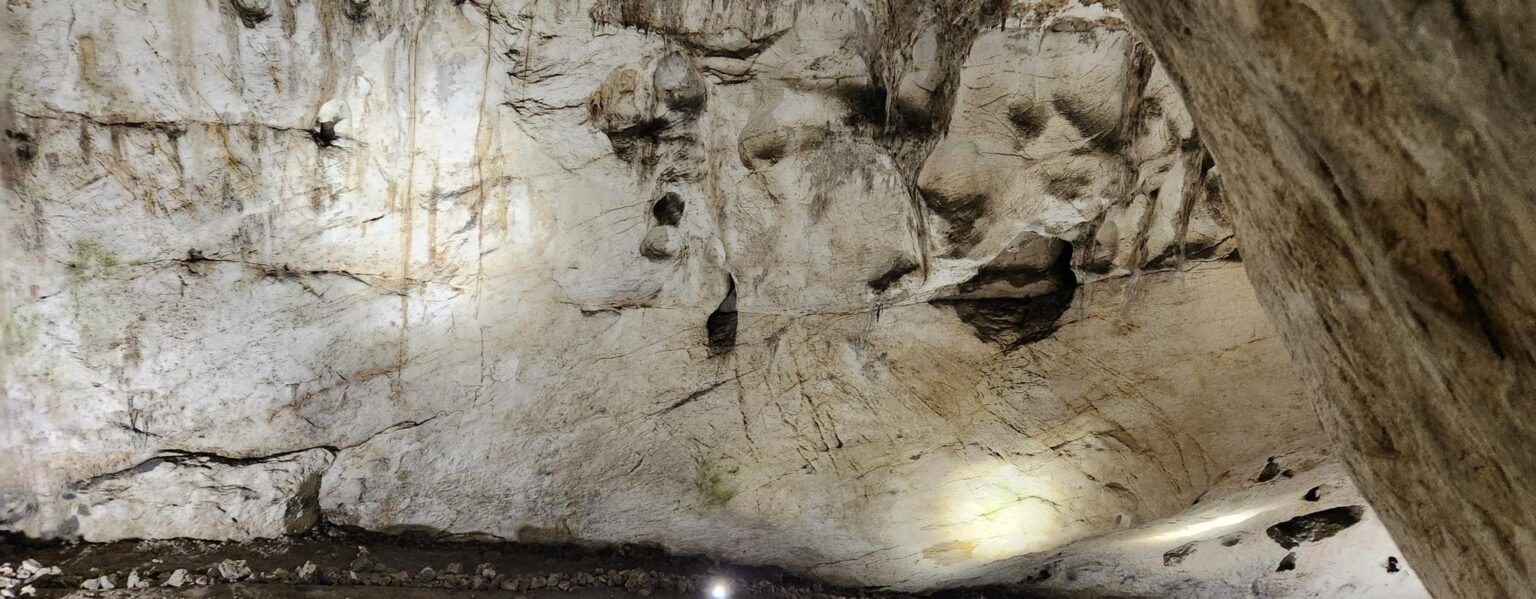
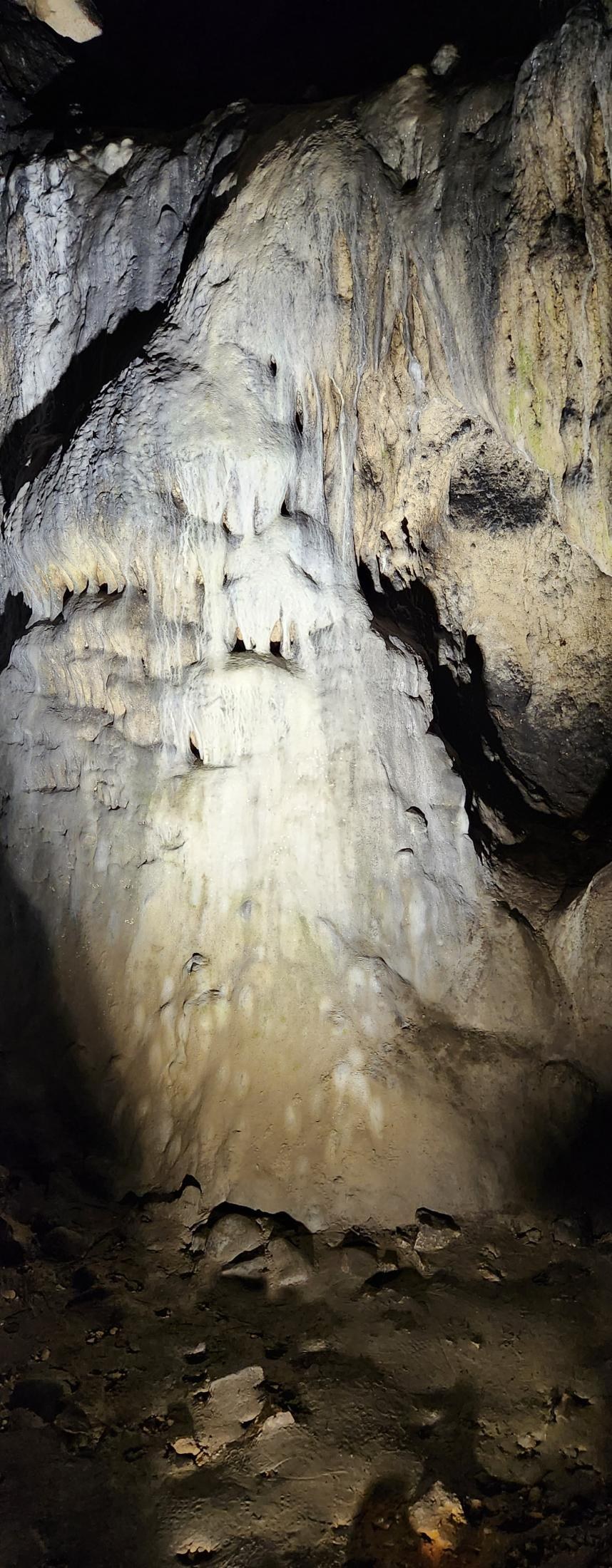
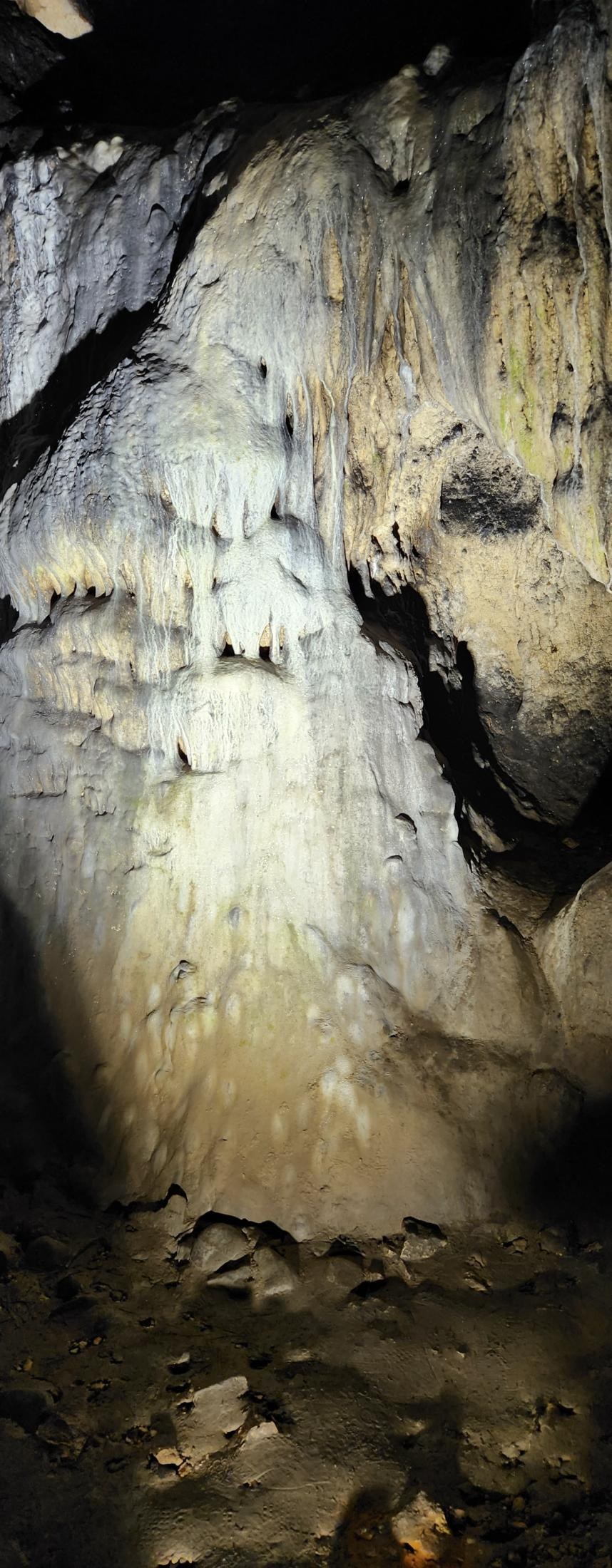
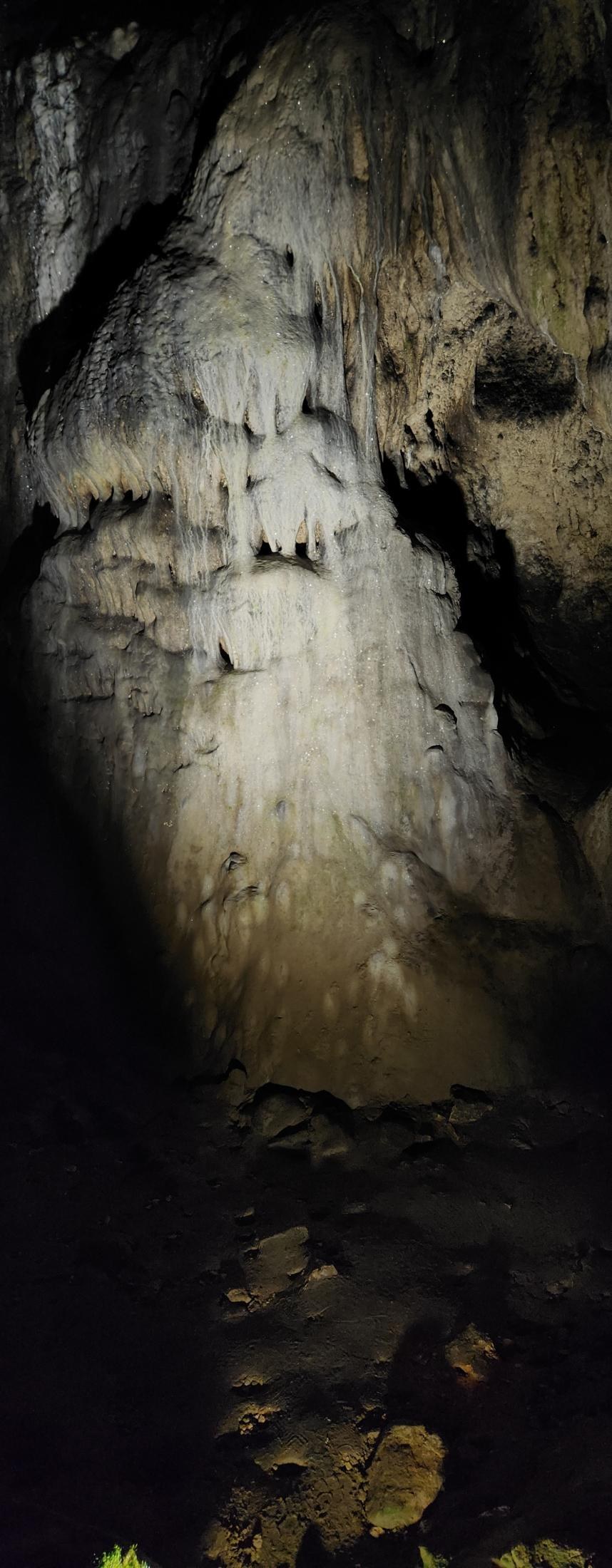
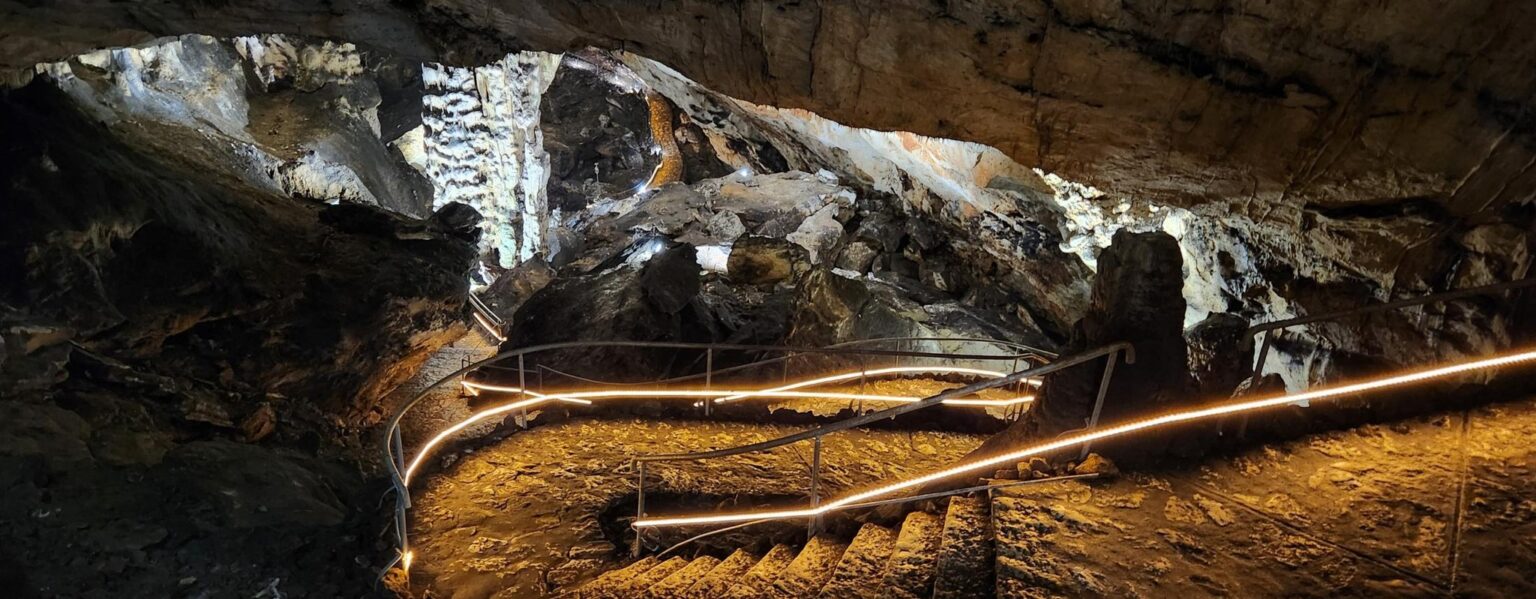
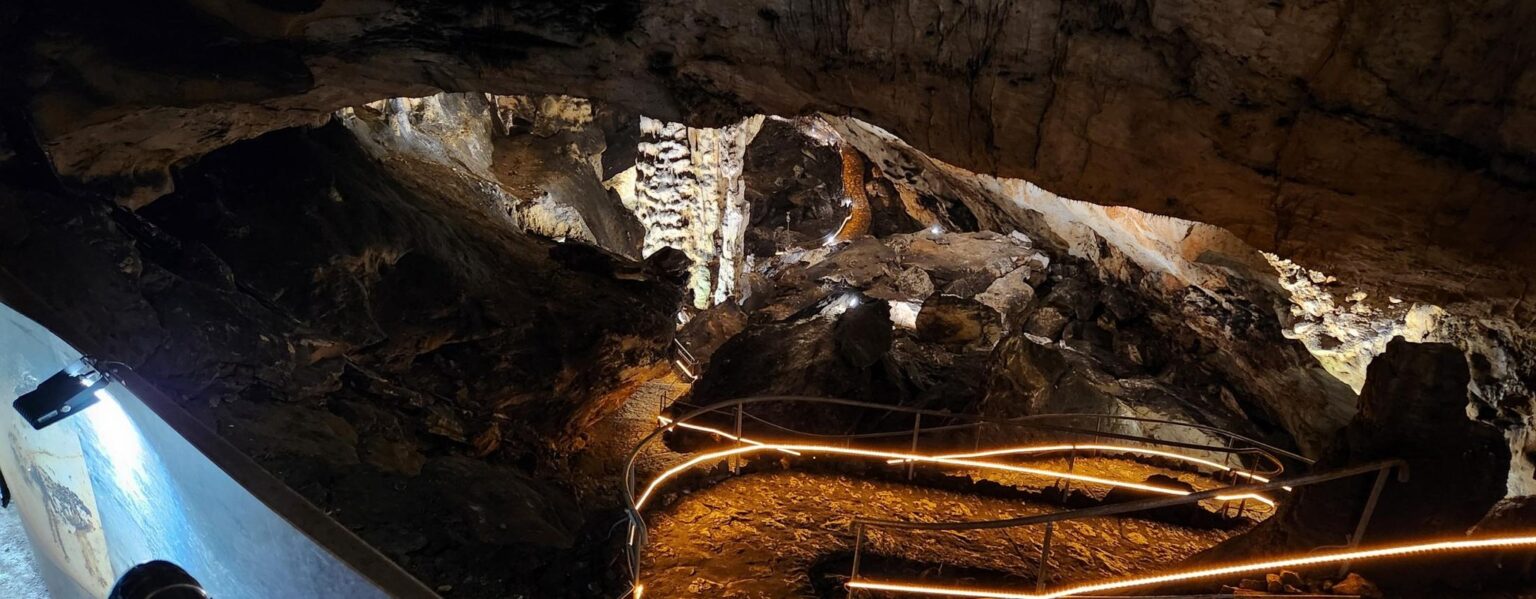
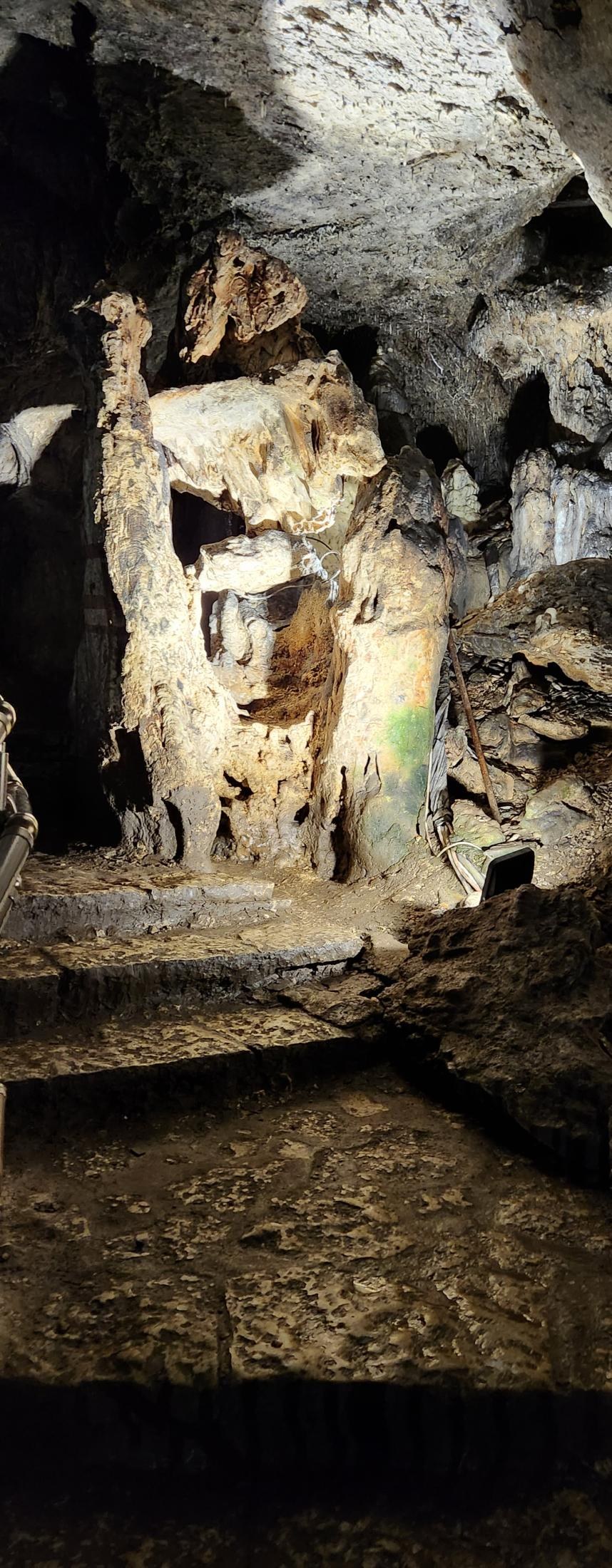
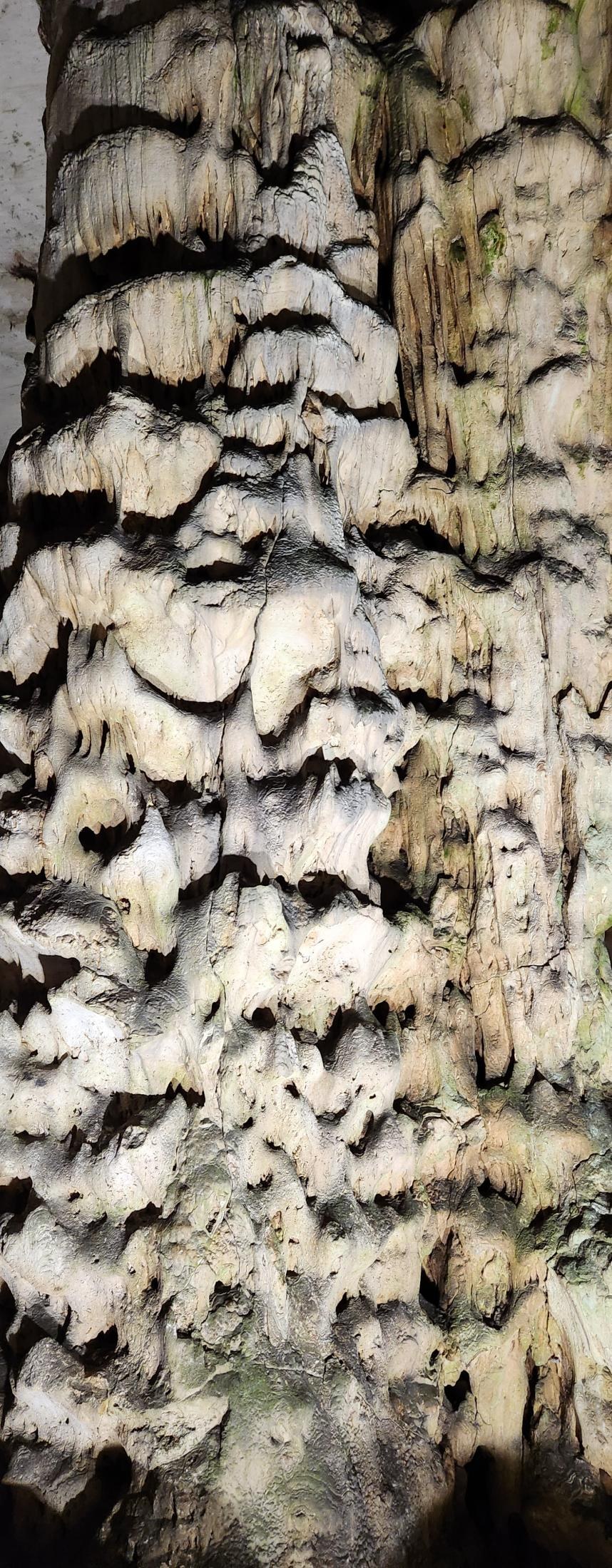
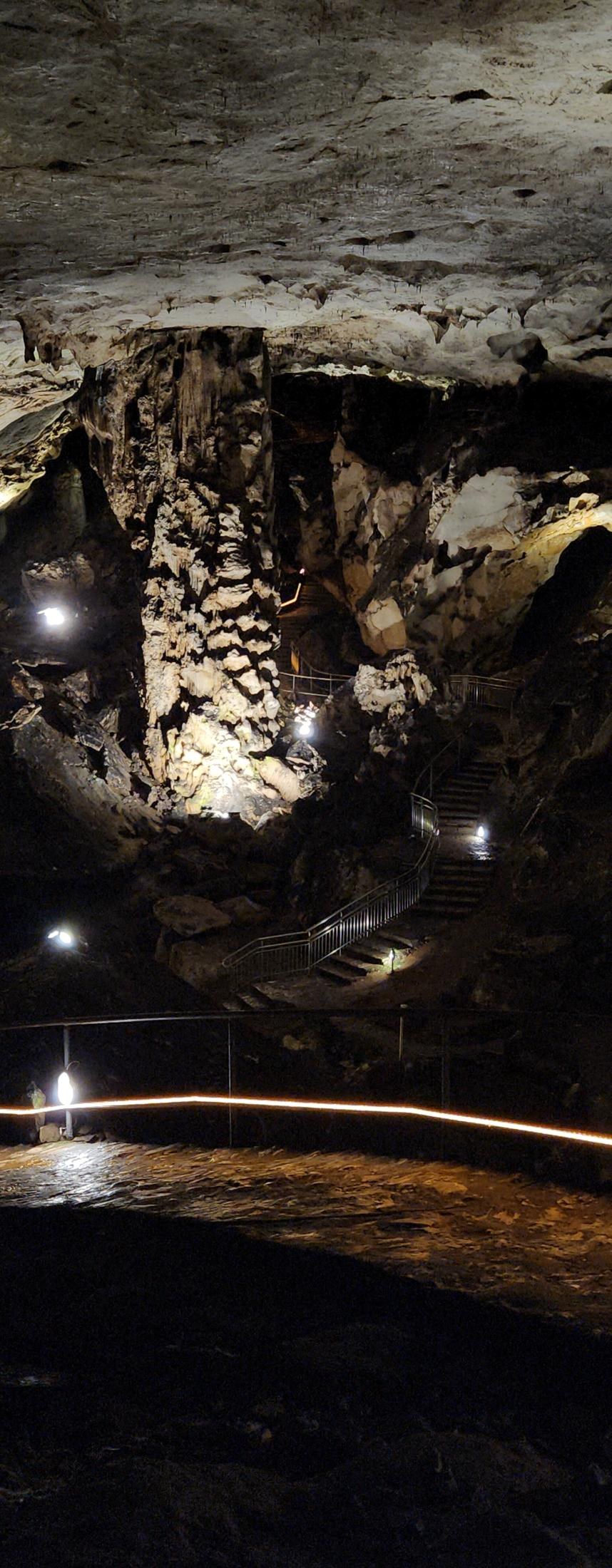
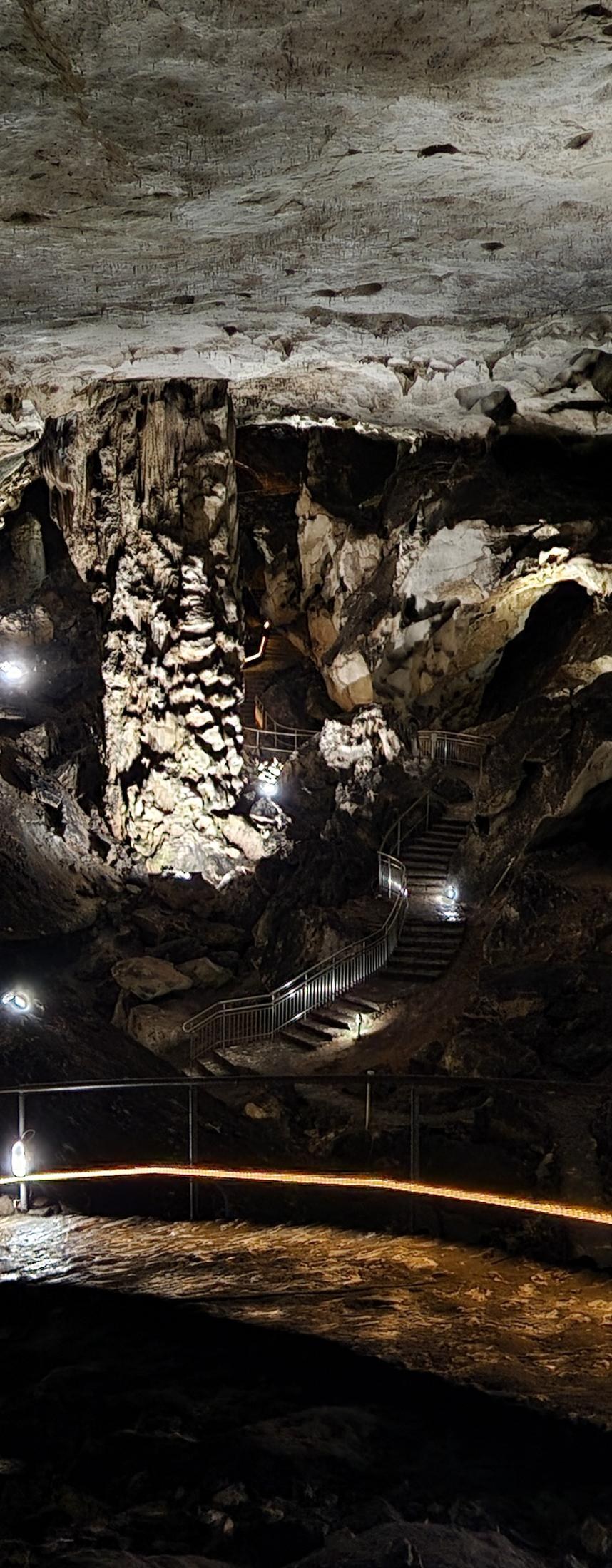
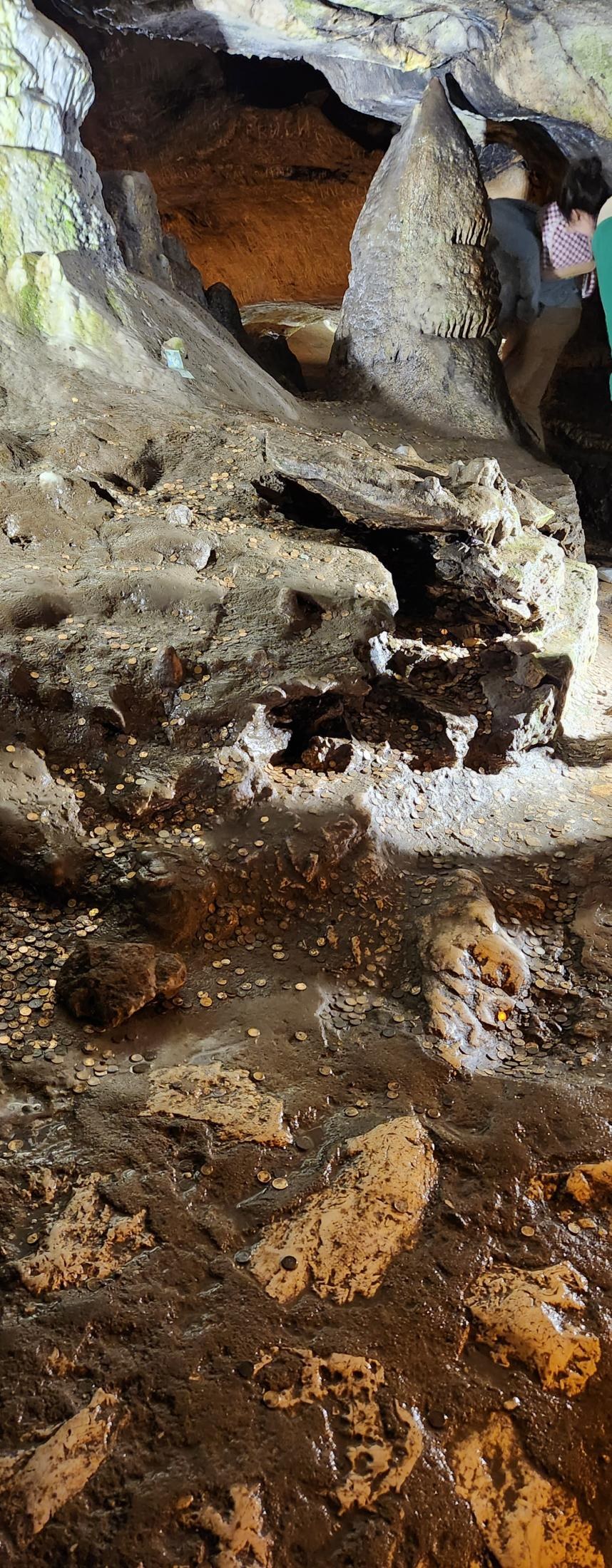
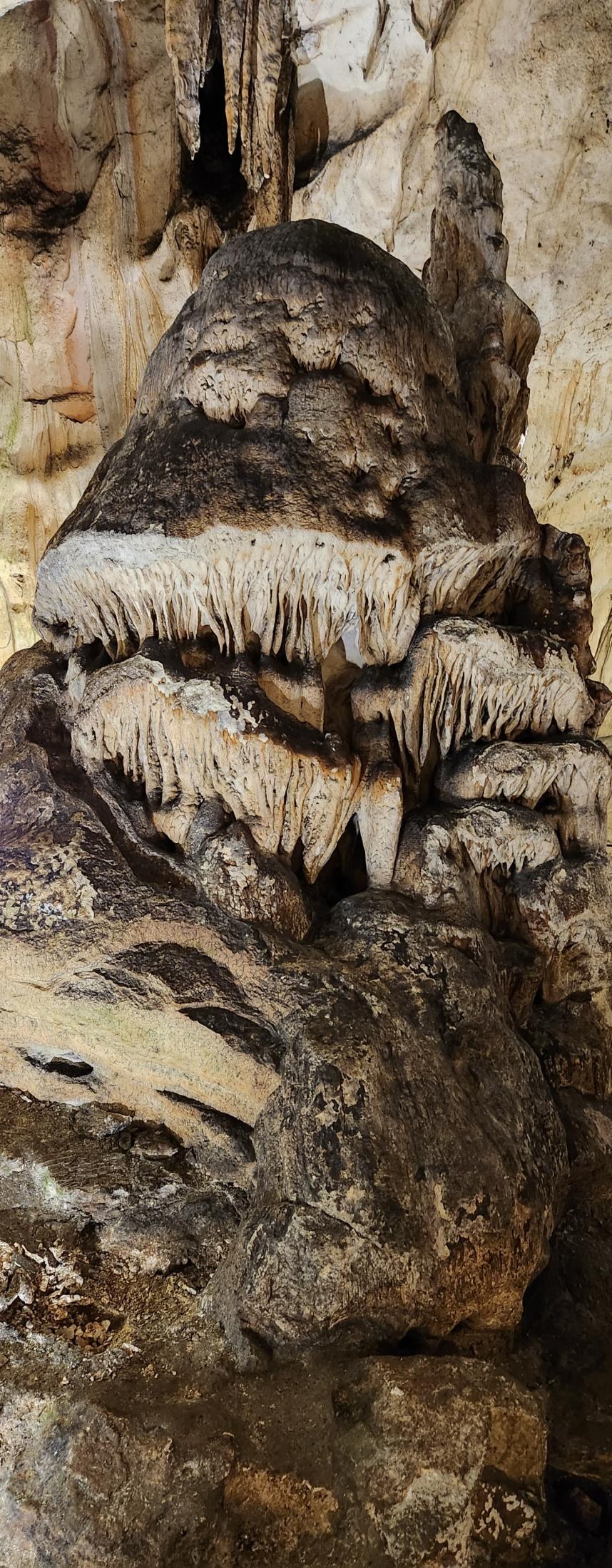
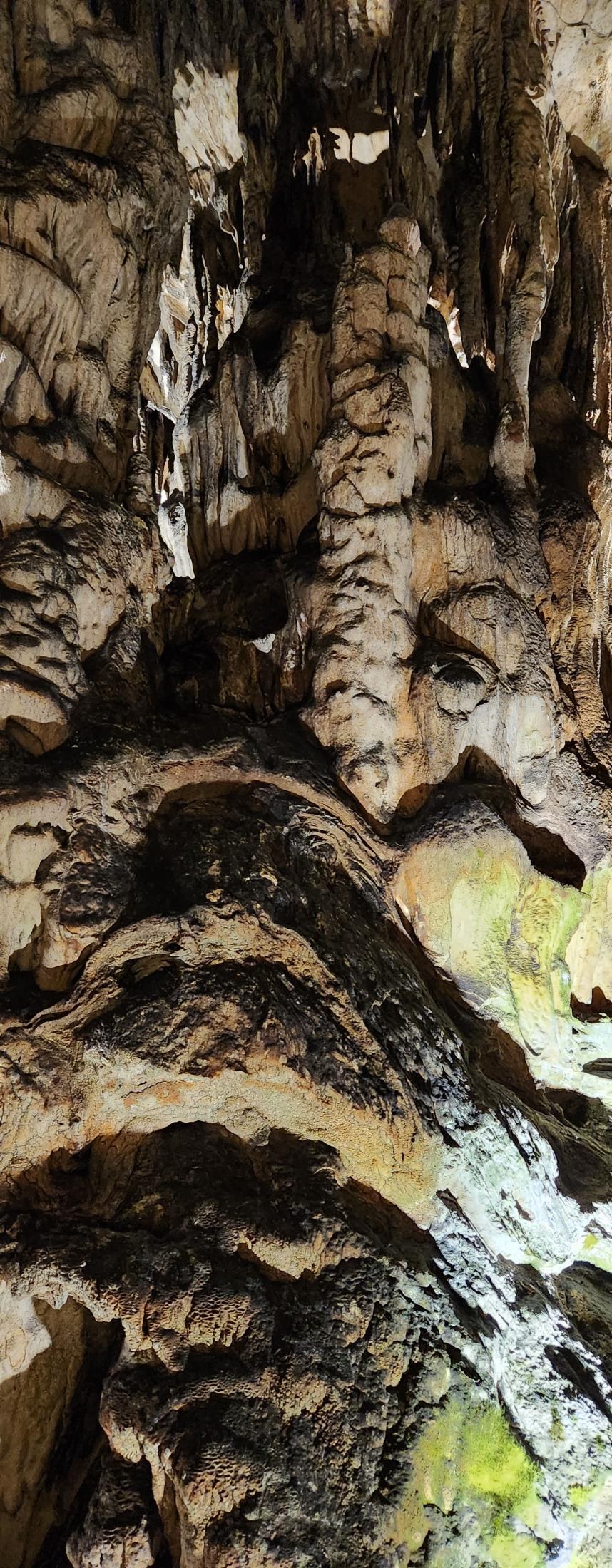
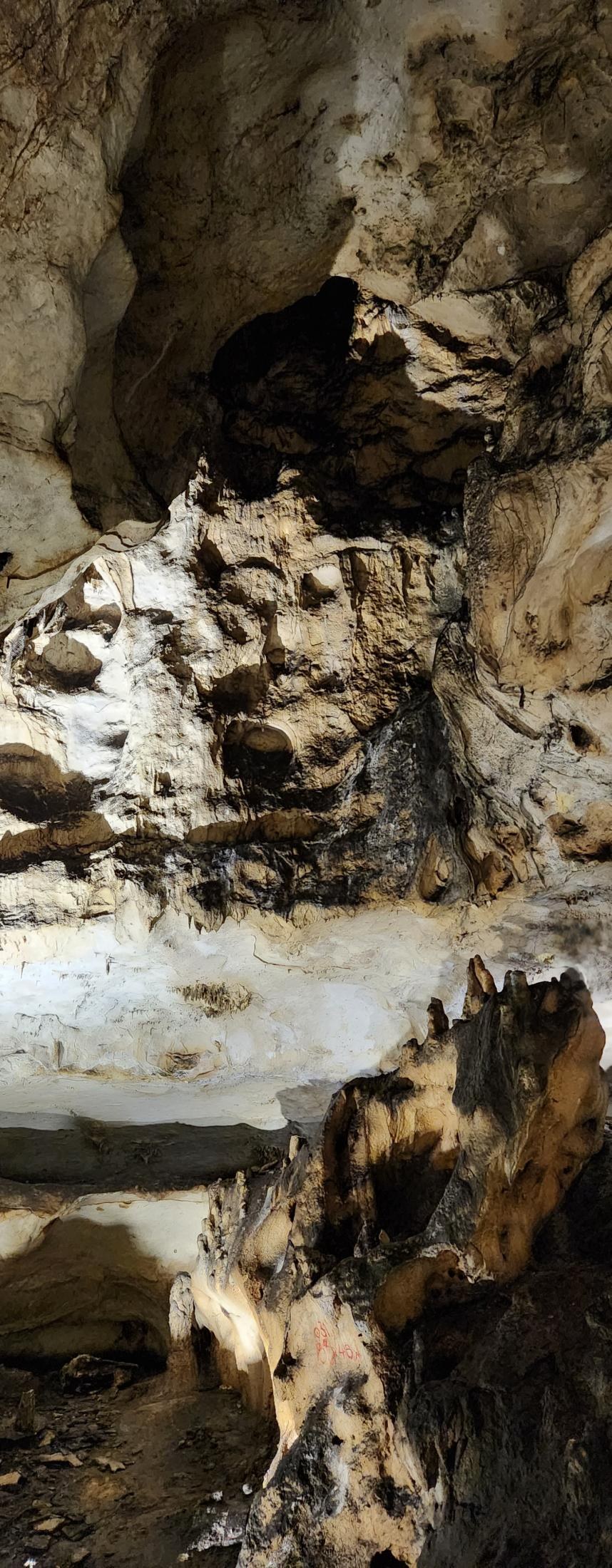
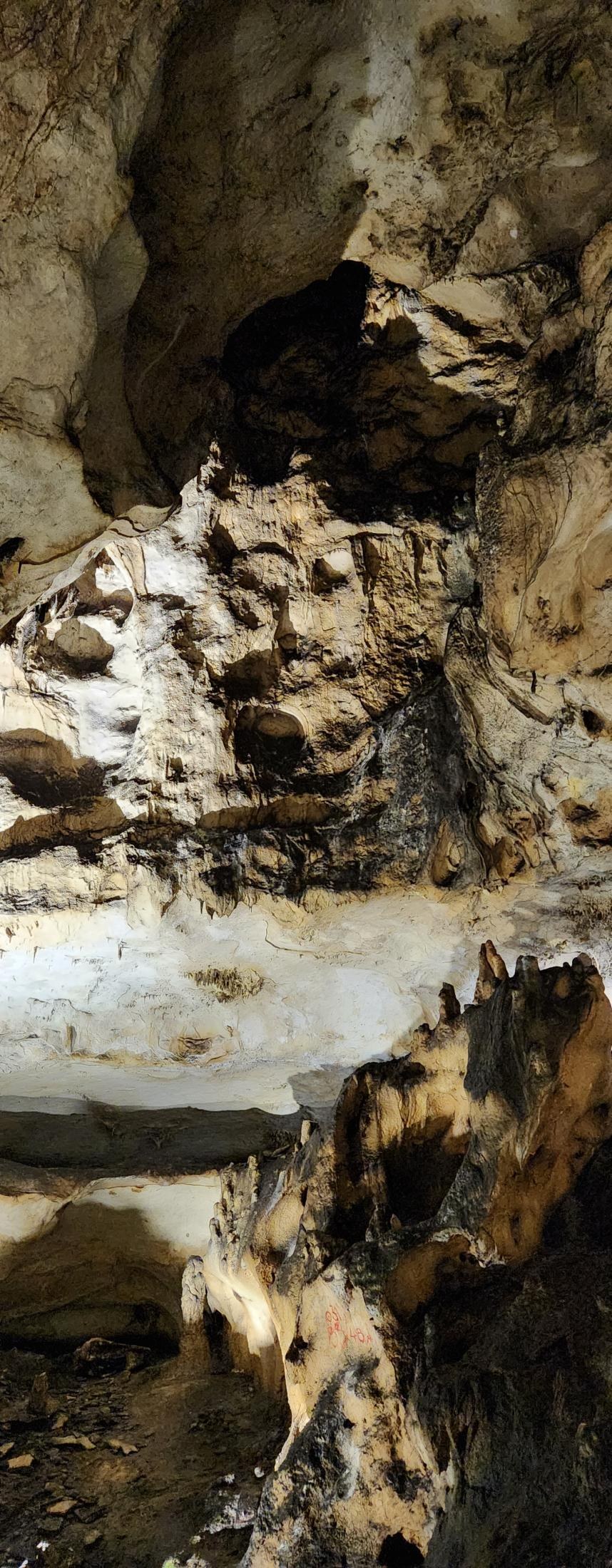
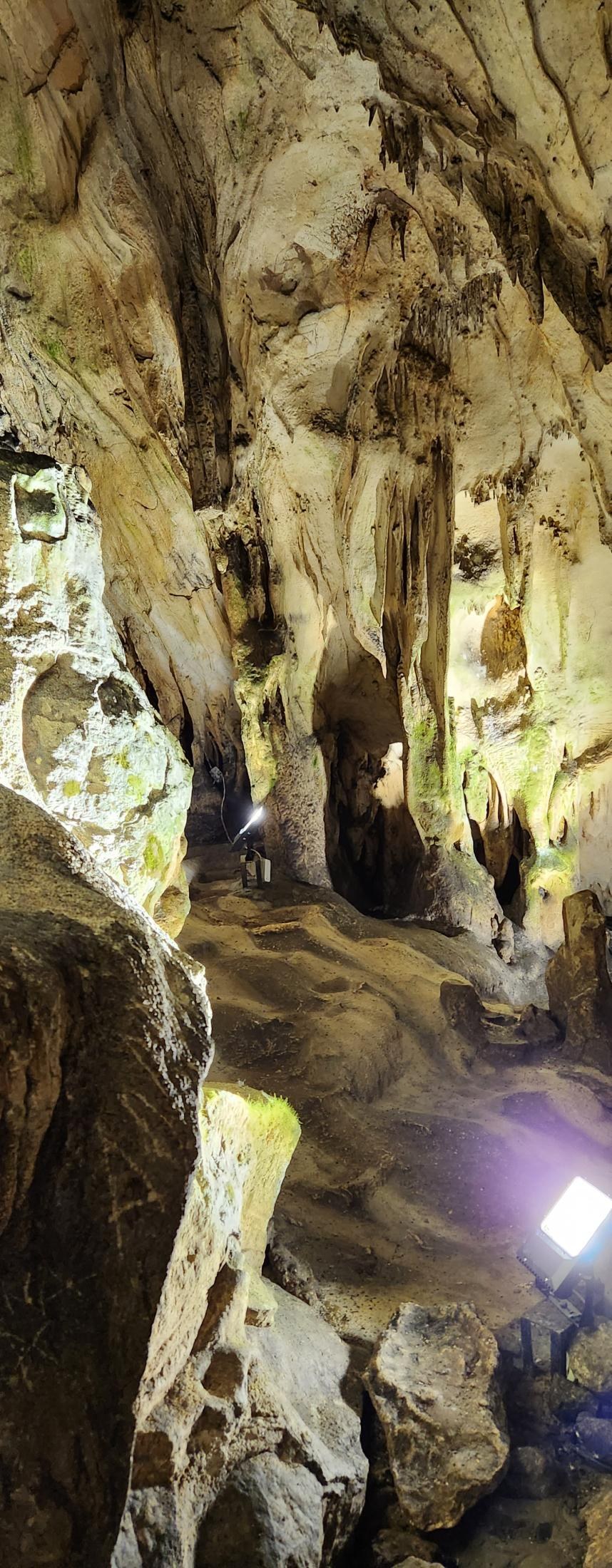
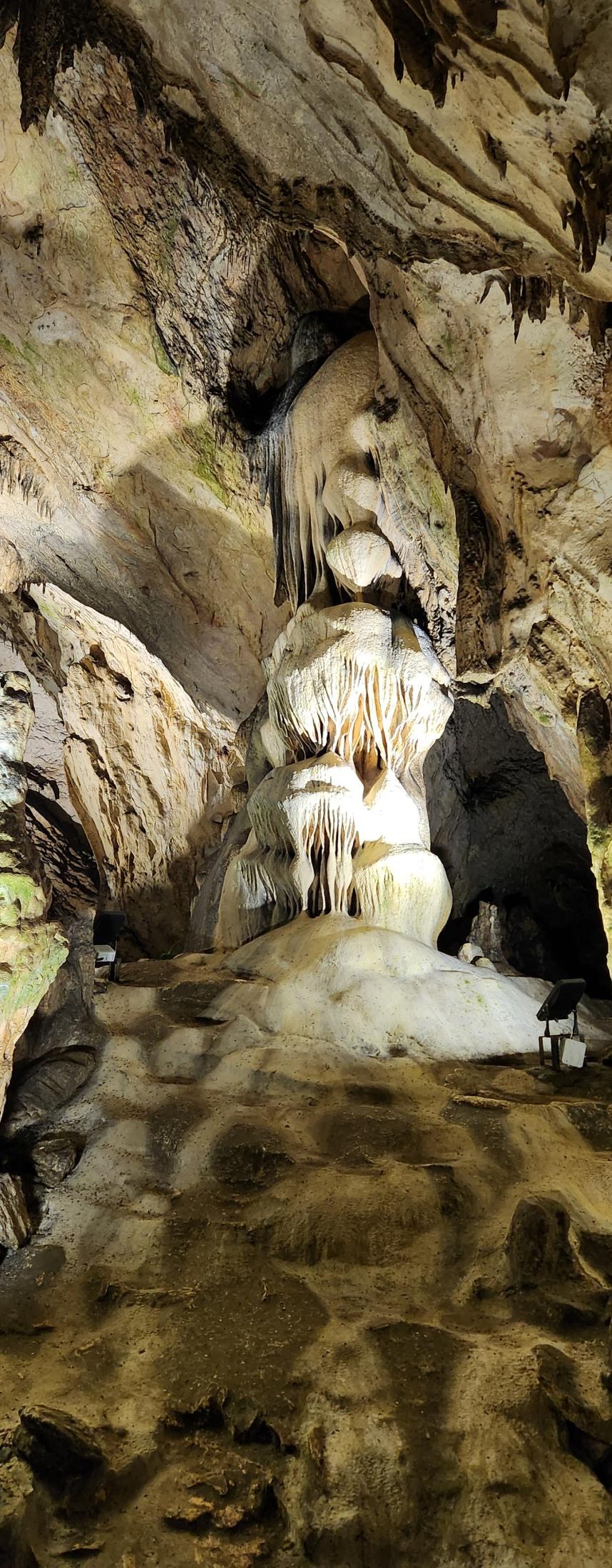
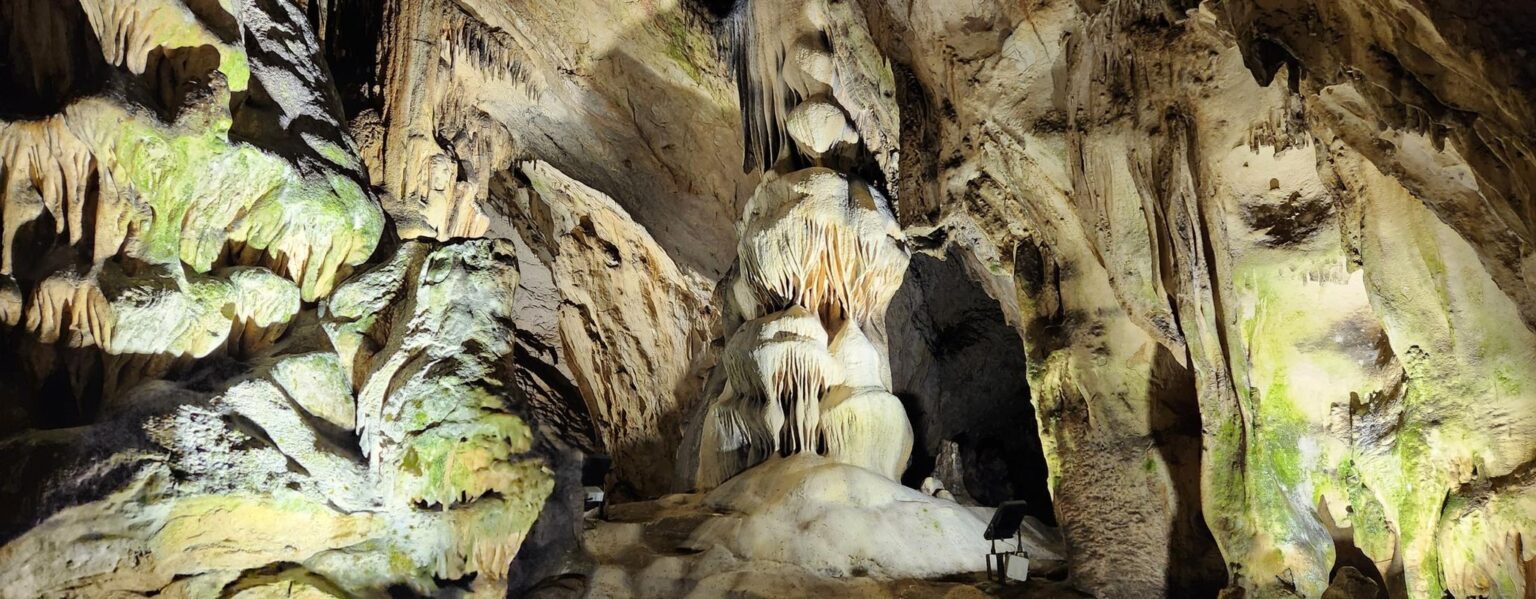
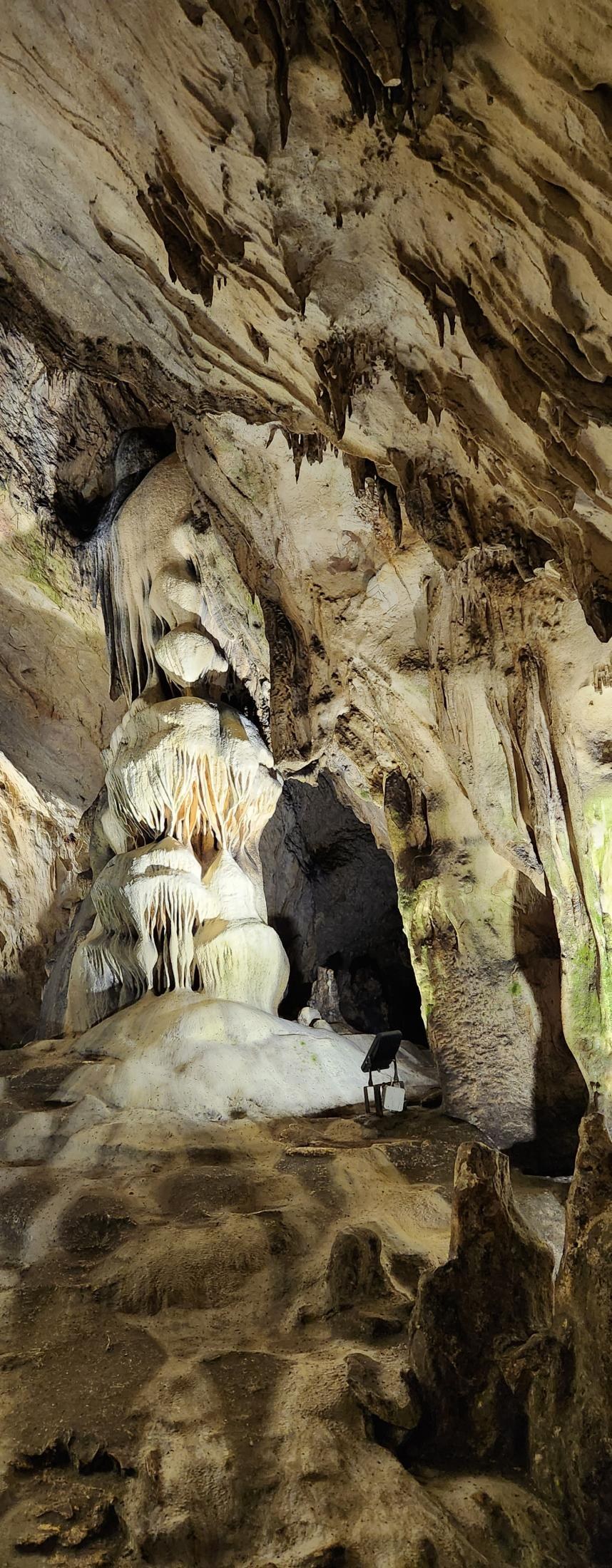
Entry, descent. The guide was superb — he managed to swear with such lightness and make it sound so good that nobody could possibly take offence. We were a small group, he cracked jokes, told us everything, paid attention to us. Magura is famous for its prehistoric paintings, which are, however, sealed off with restricted access, and there is no expectation of them opening any time soon. On the subject of those paintings, in two words: rude drawings were already a going concern several thousand years ago. The guide explained it beautifully, at length, for a good ten minutes, and I picked up five or six new words in the process — but hearing certain phrases live from a native speaker of the dialect is an unforgettable memory, and we simply do not have enough letters in the alphabet to transcribe that sound correctly.
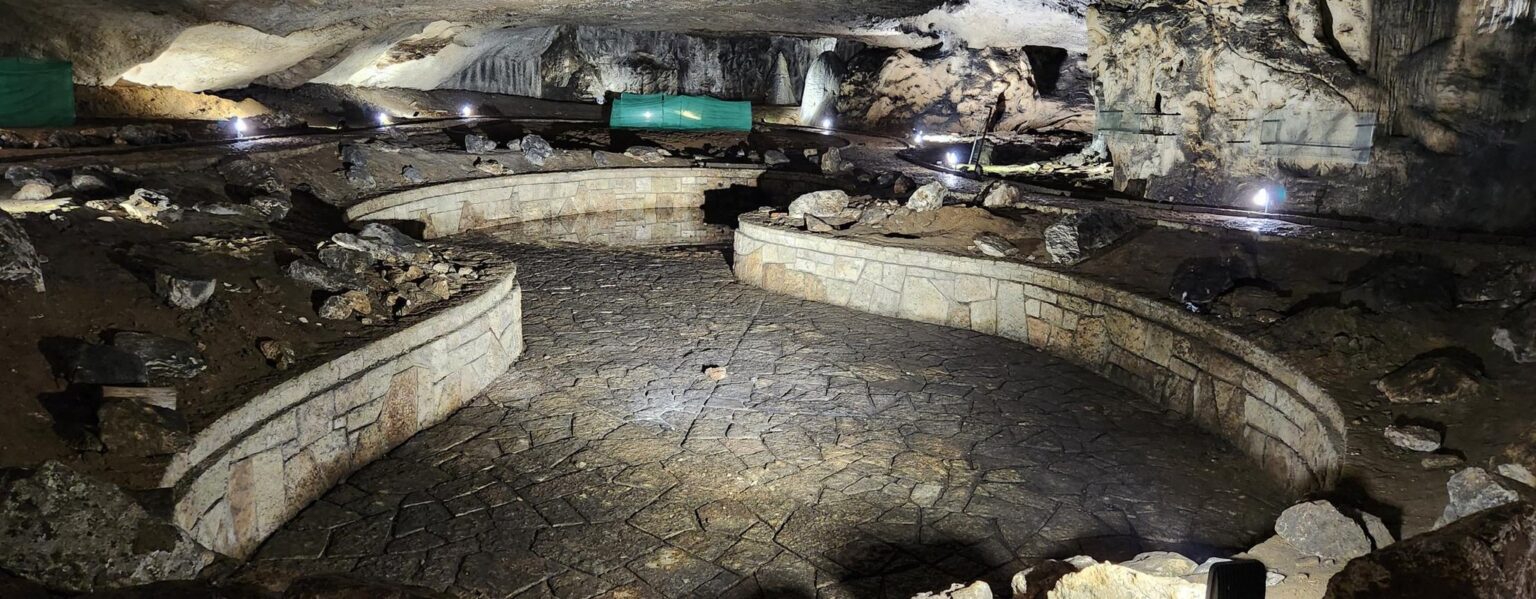
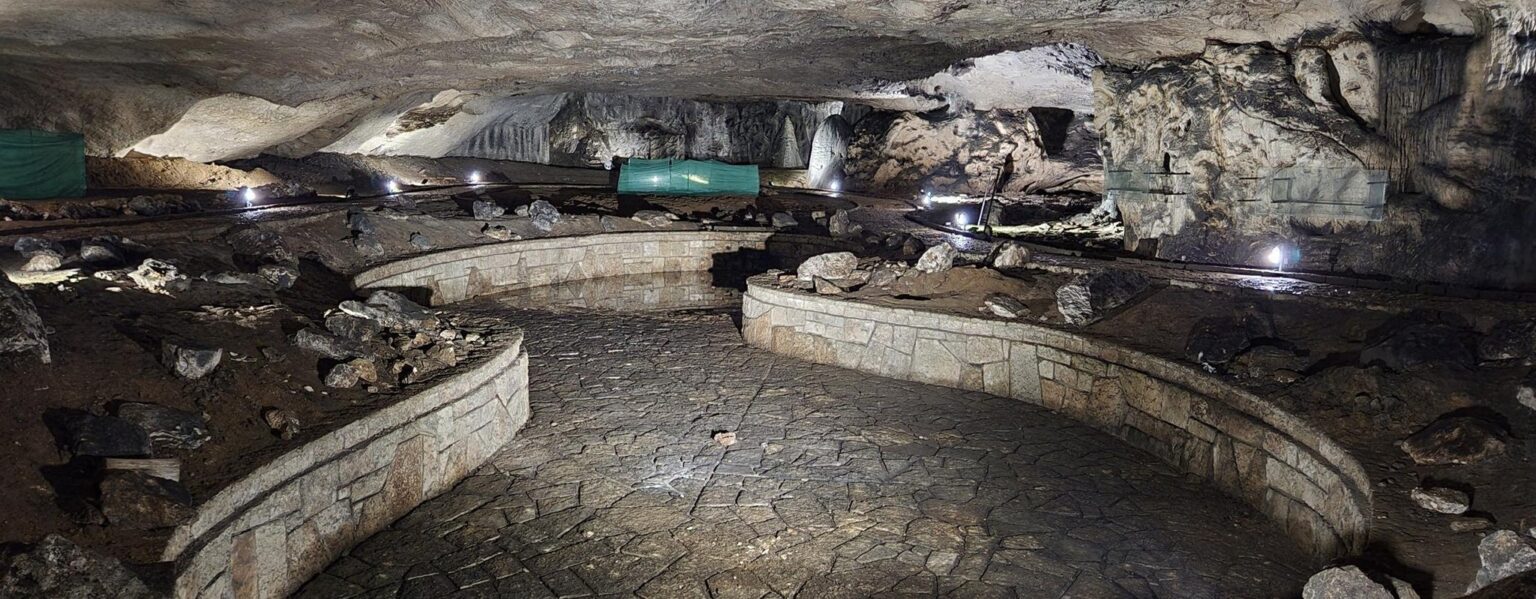
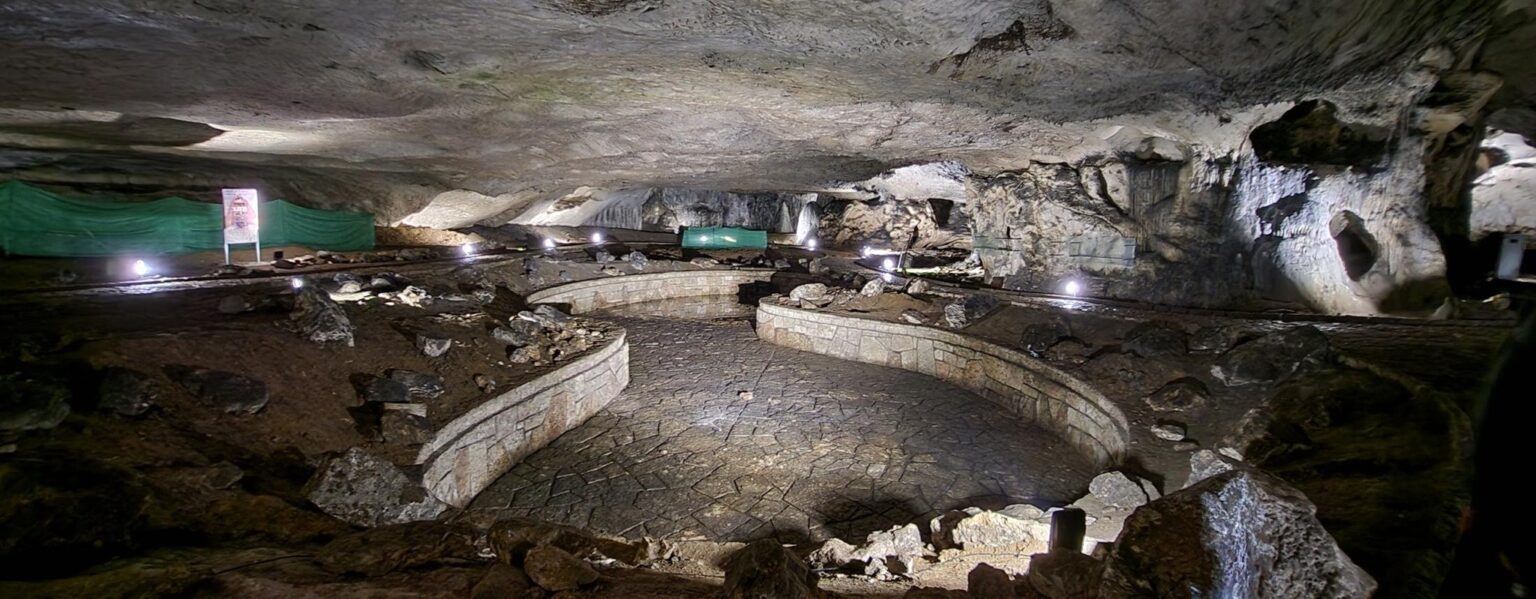
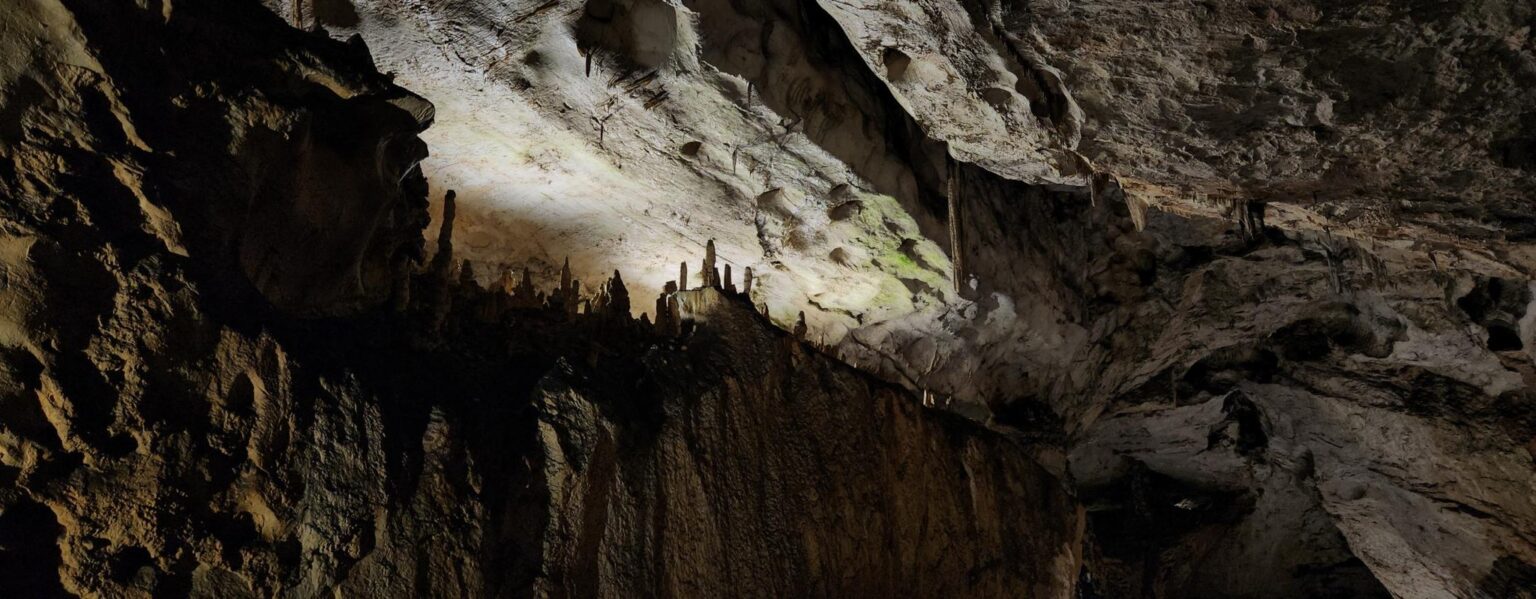
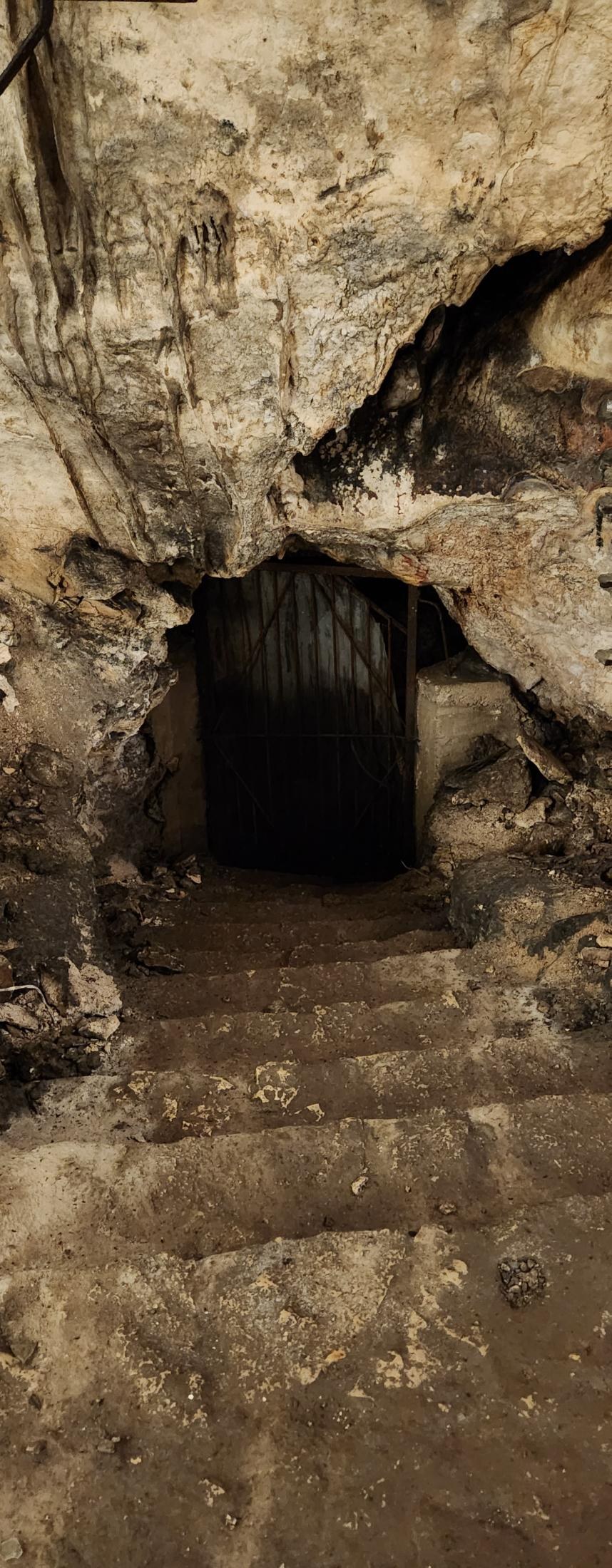
Something else that is interesting: the cave has no magical powers whatsoever (a pity), but it does have air with particular qualities — humidity, an elevated concentration of minerals and other substances. There is a special hall, which currently looks like a set from a horror film, where lung conditions used to be treated. Nothing paranormal about it. You go in, you lie there for an hour breathing the concentrated air, you come out. Our guide told us that for largely political reasons, around certain important years in Bulgarian history, the project was frozen despite having demonstrated results. A shame. The cave itself is relatively flat and long. You enter at one point and exit at another. The walk is easy and pleasant, slippery in places, and the guide stresses caution repeatedly.
He let us take photos almost everywhere.
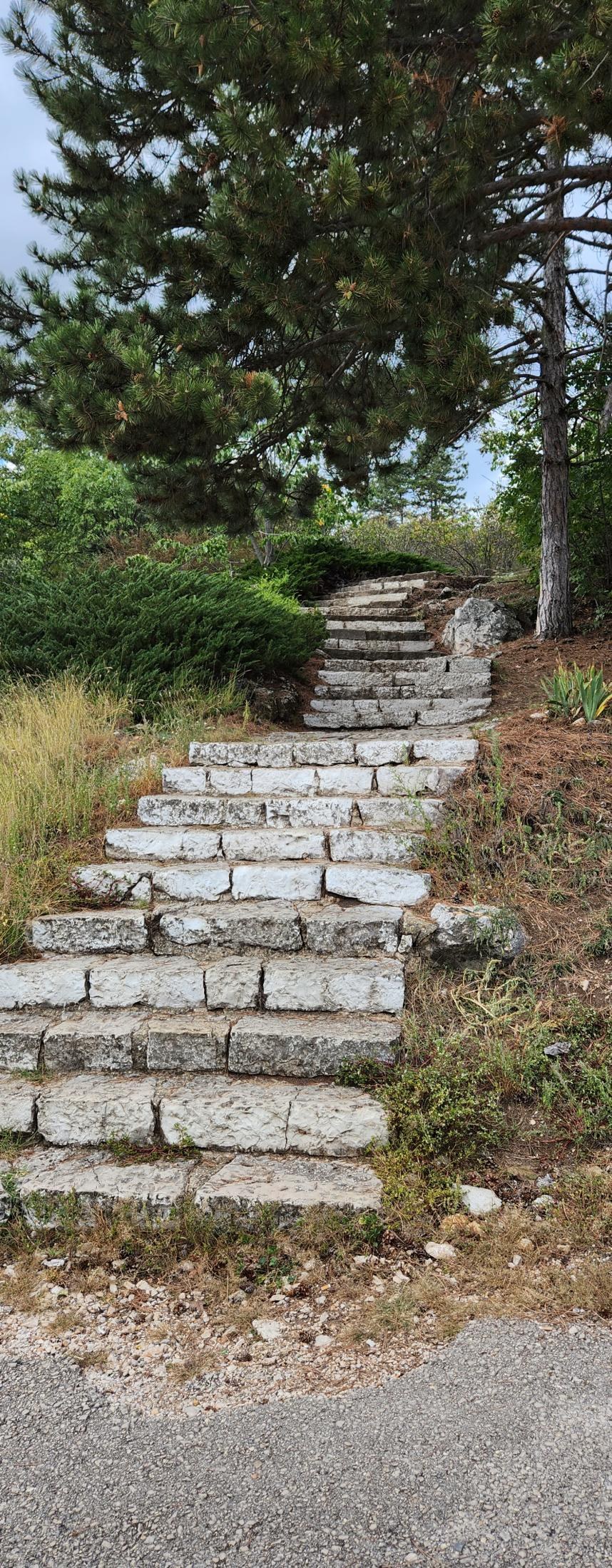
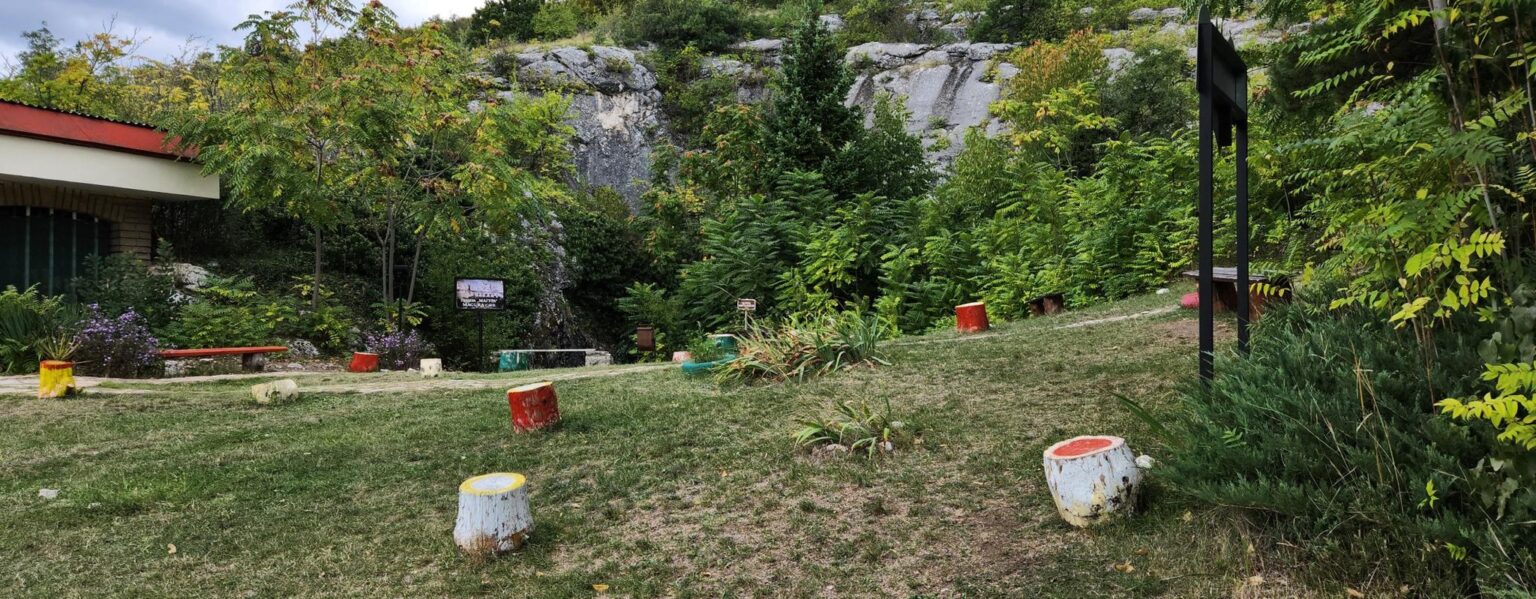
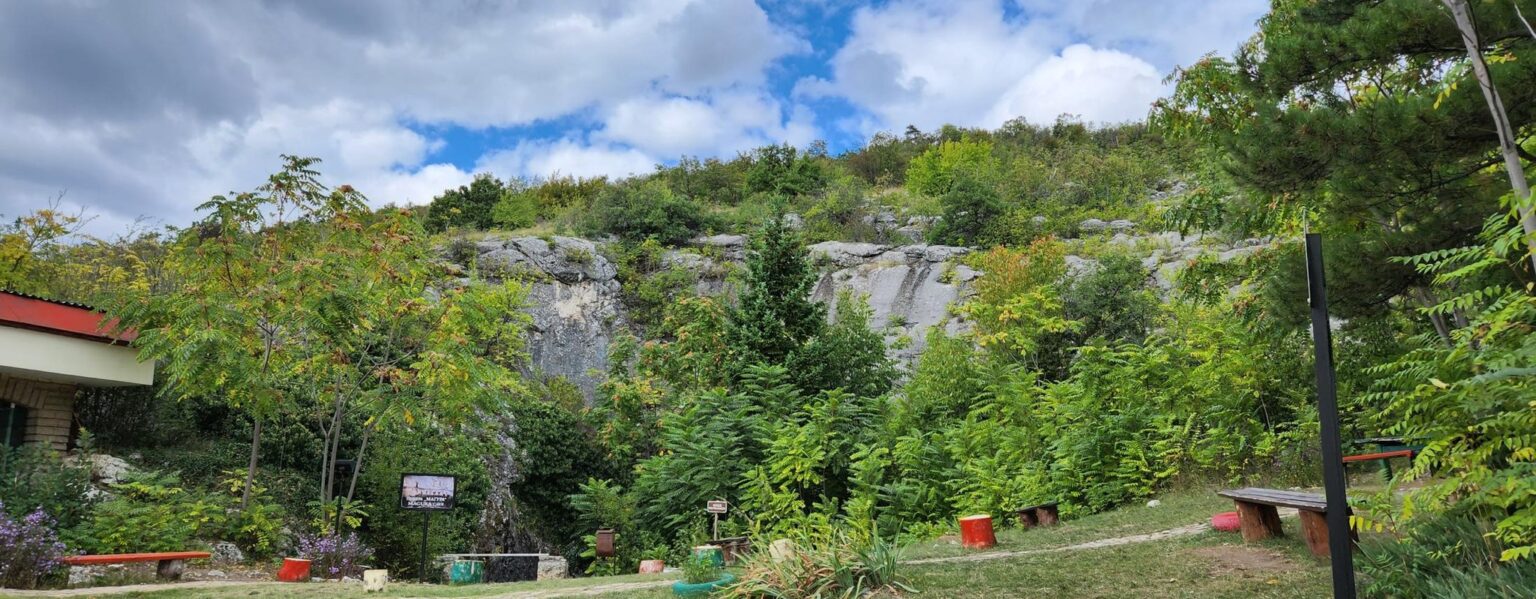
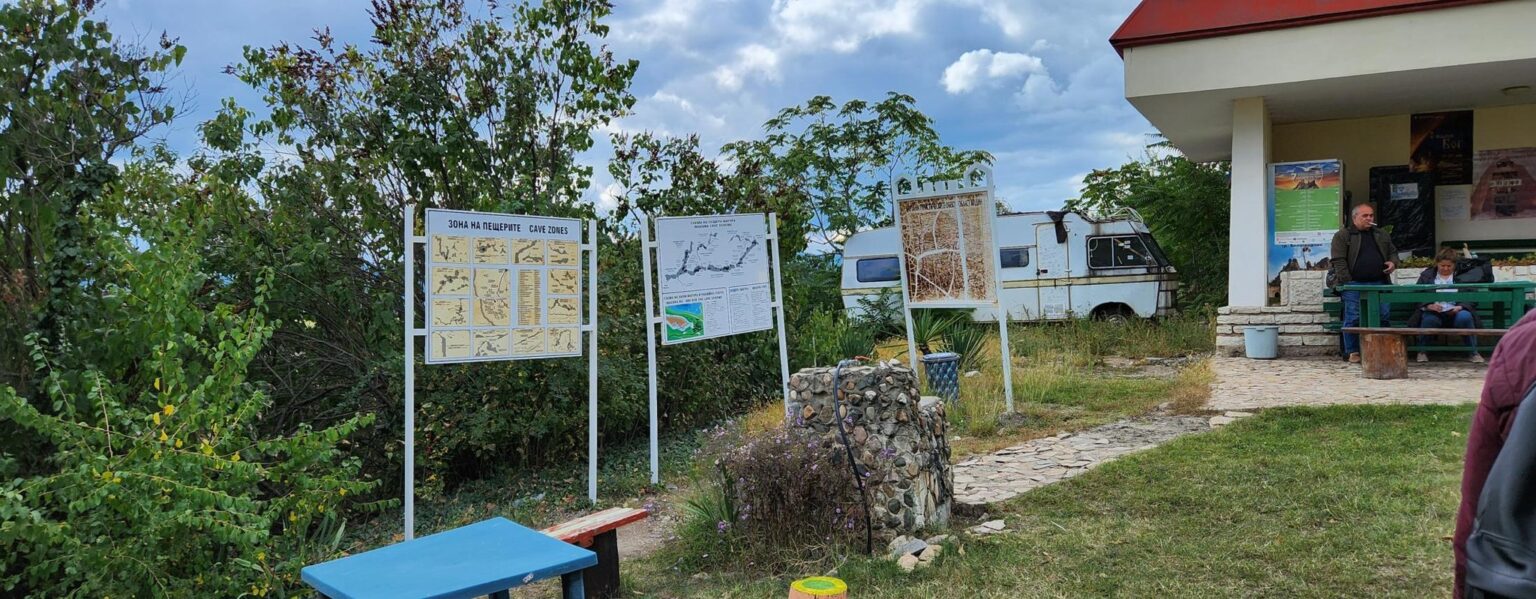
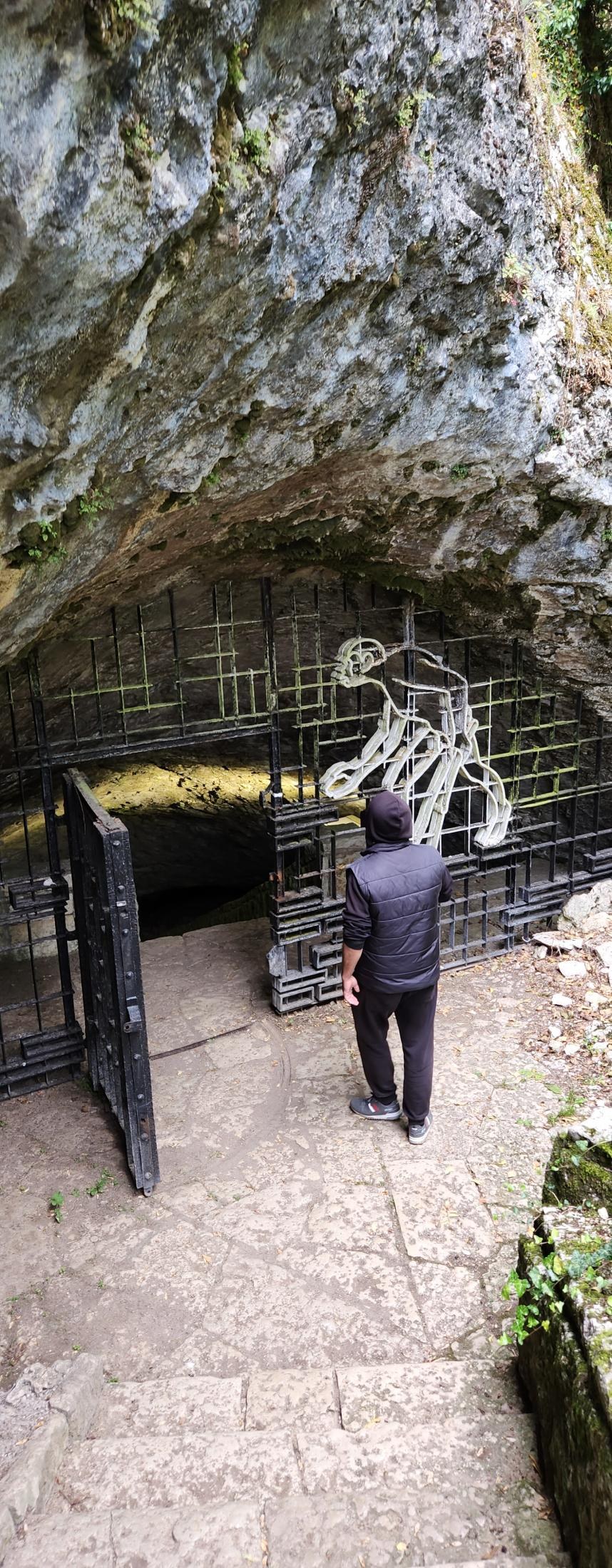
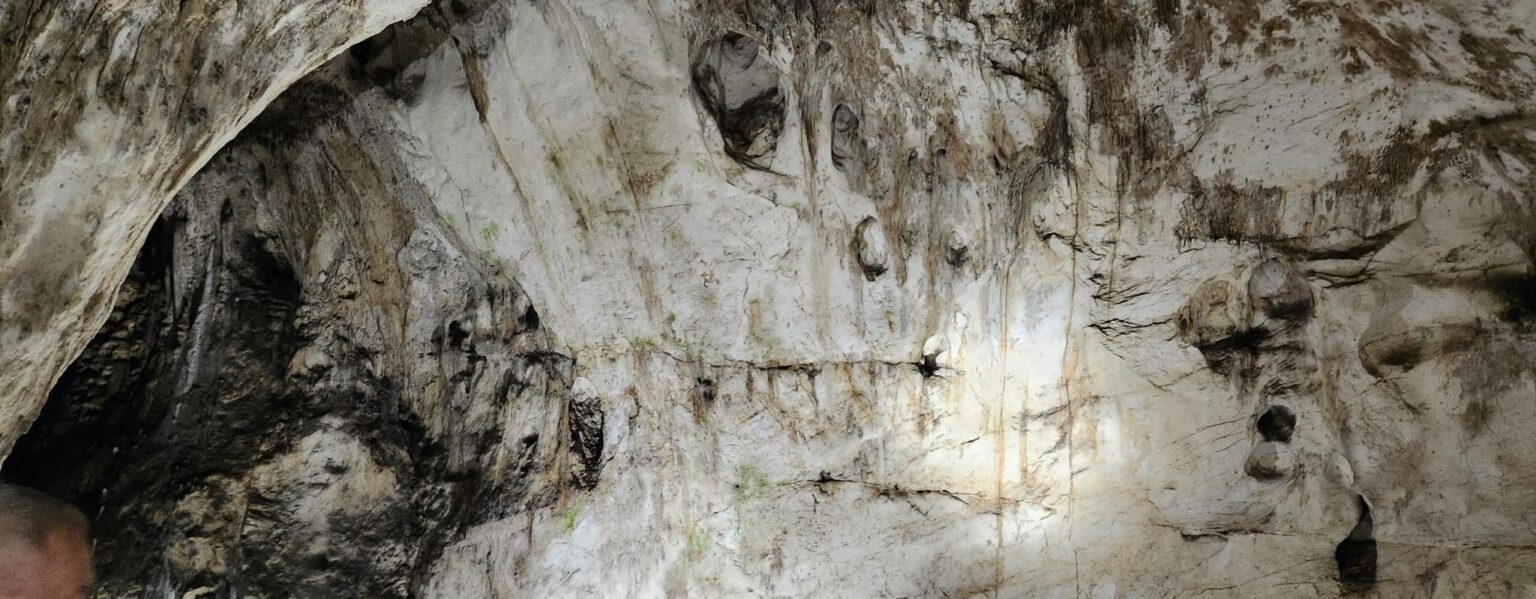
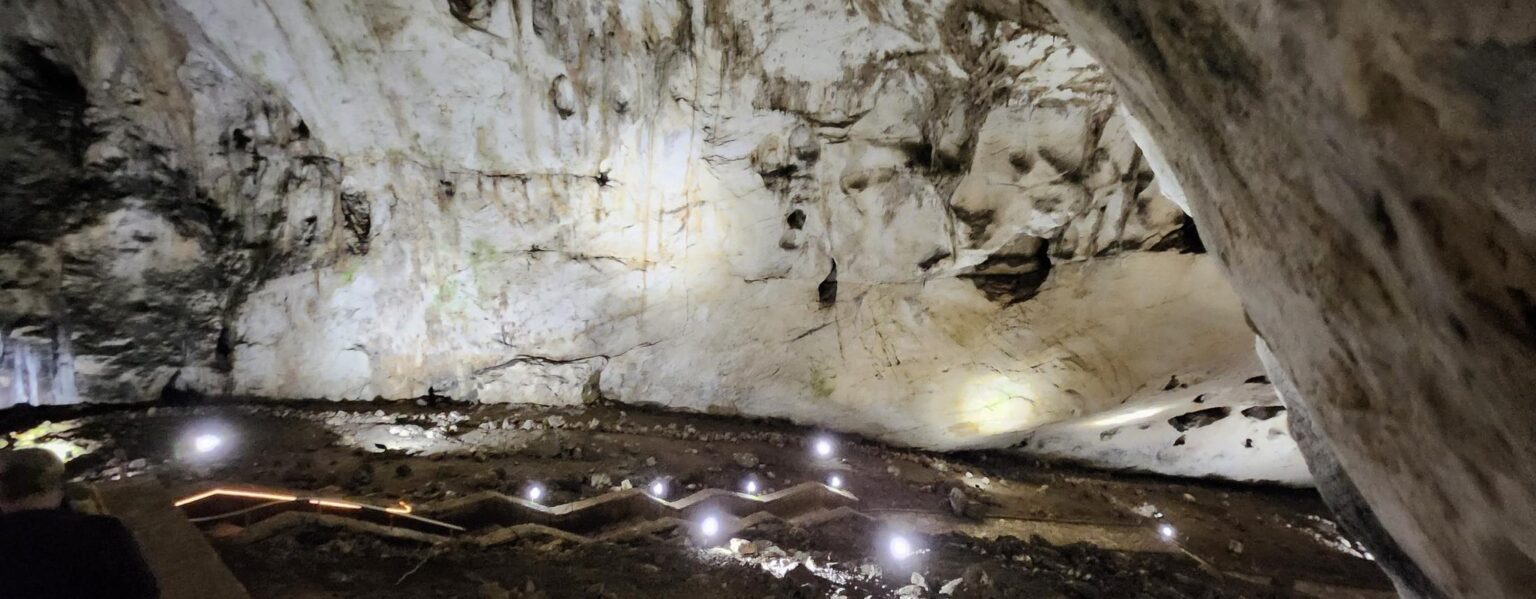
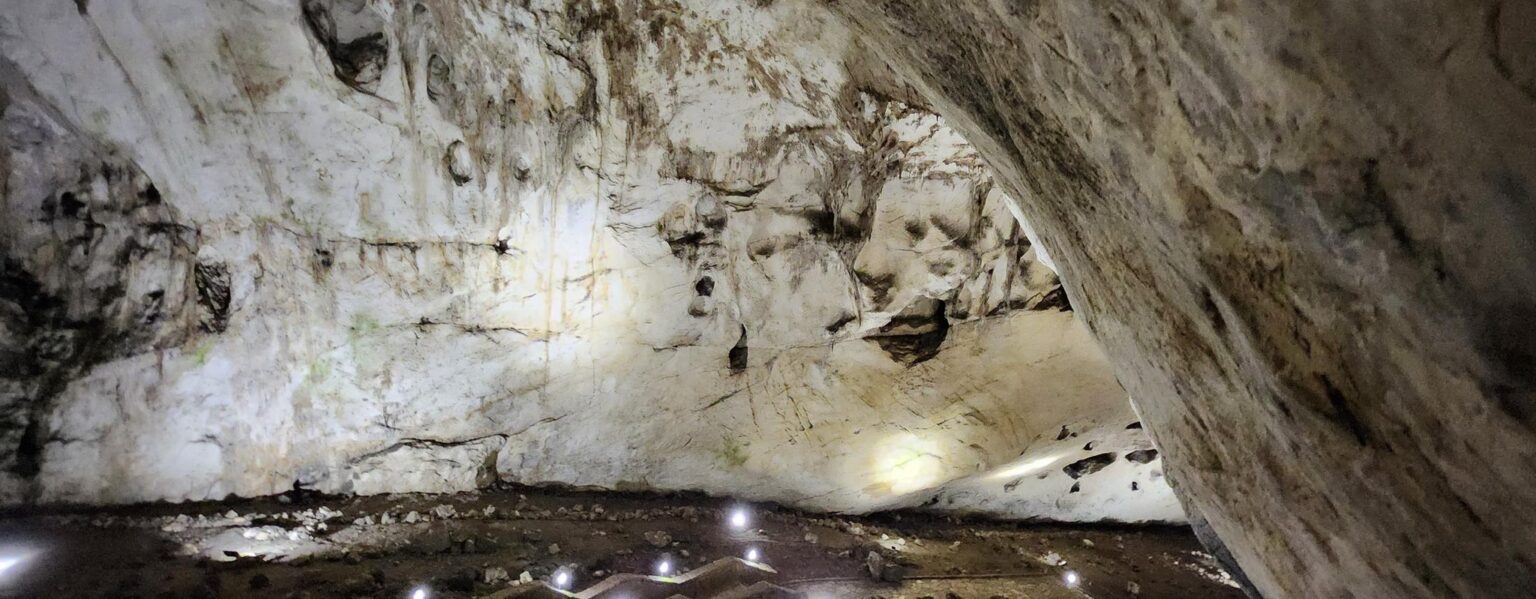
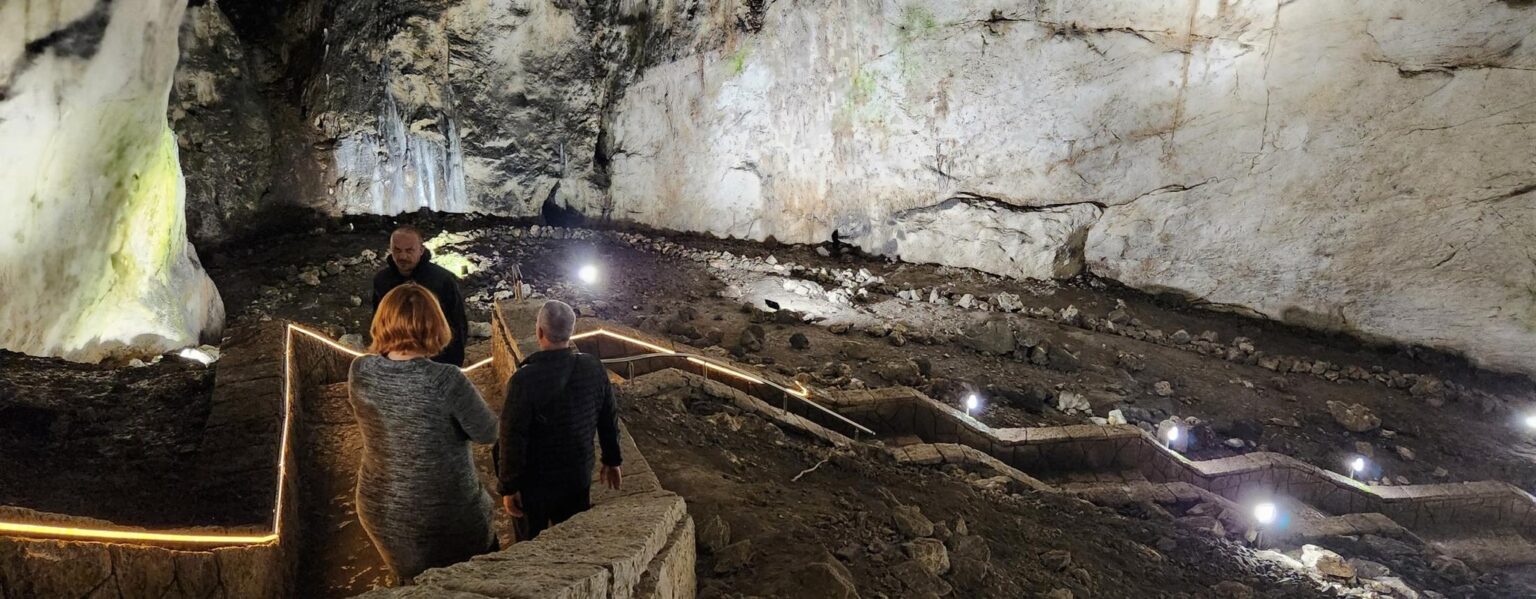
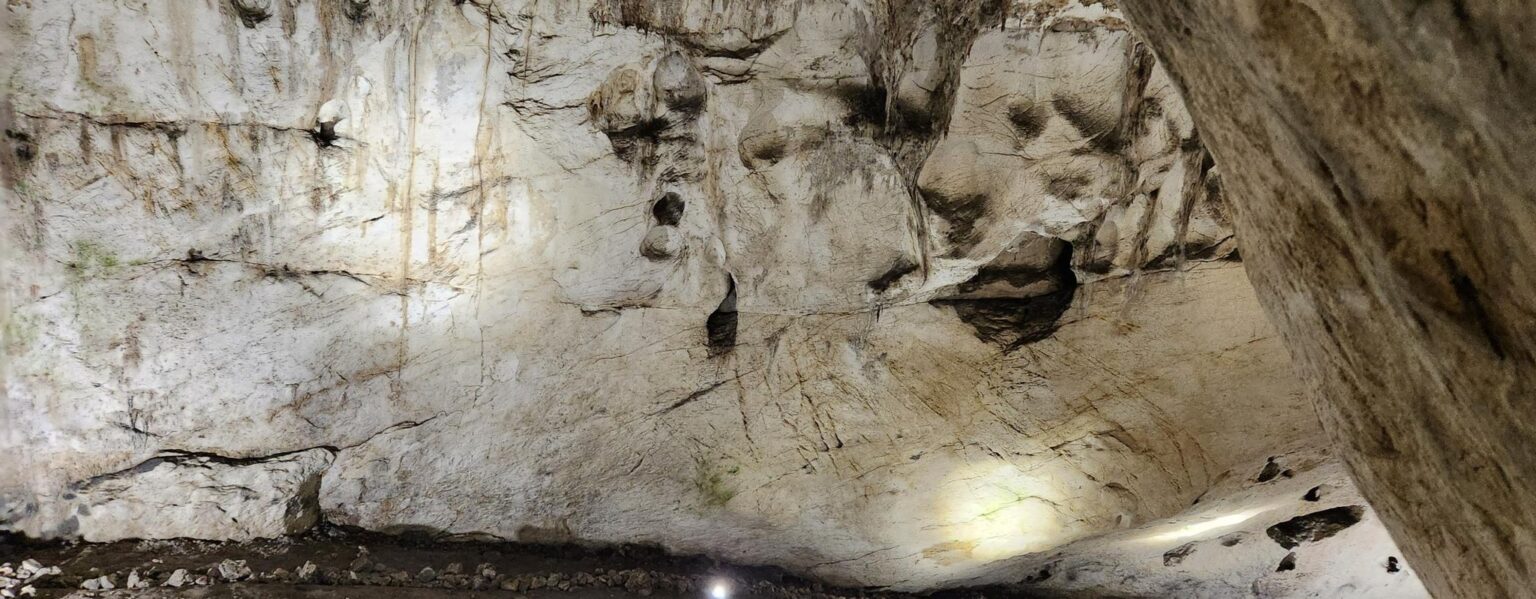
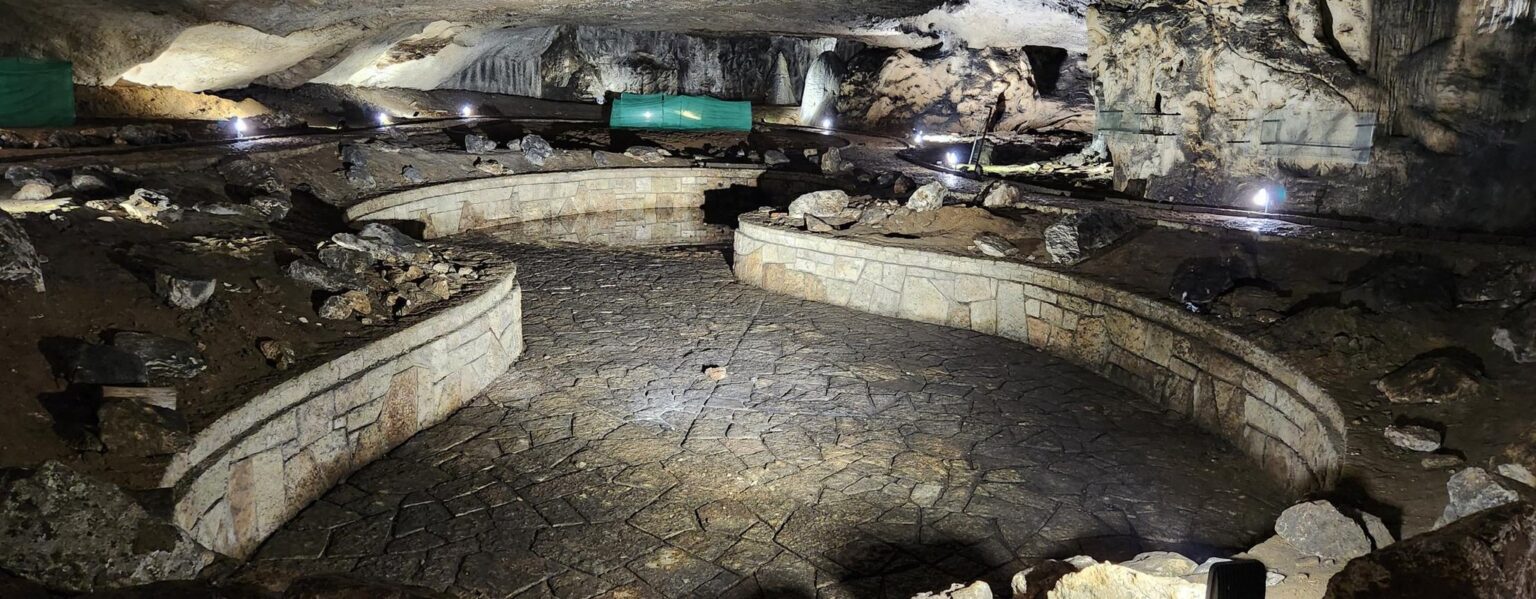
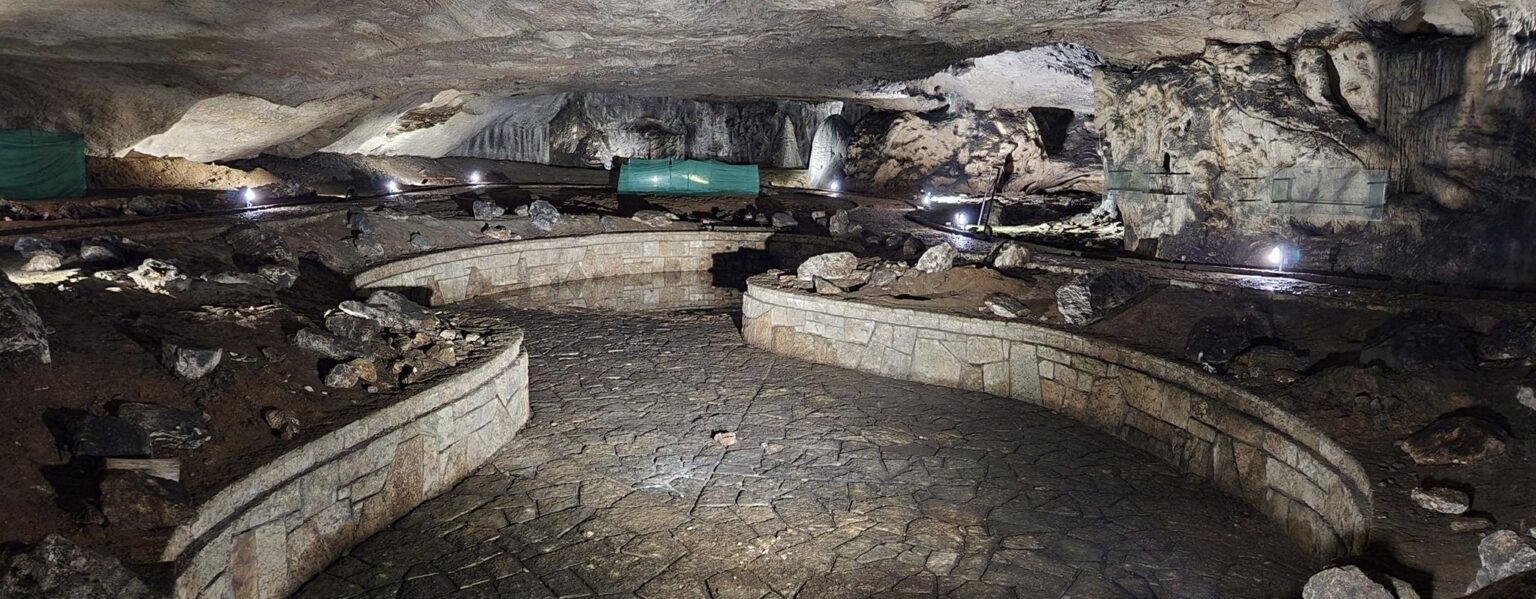
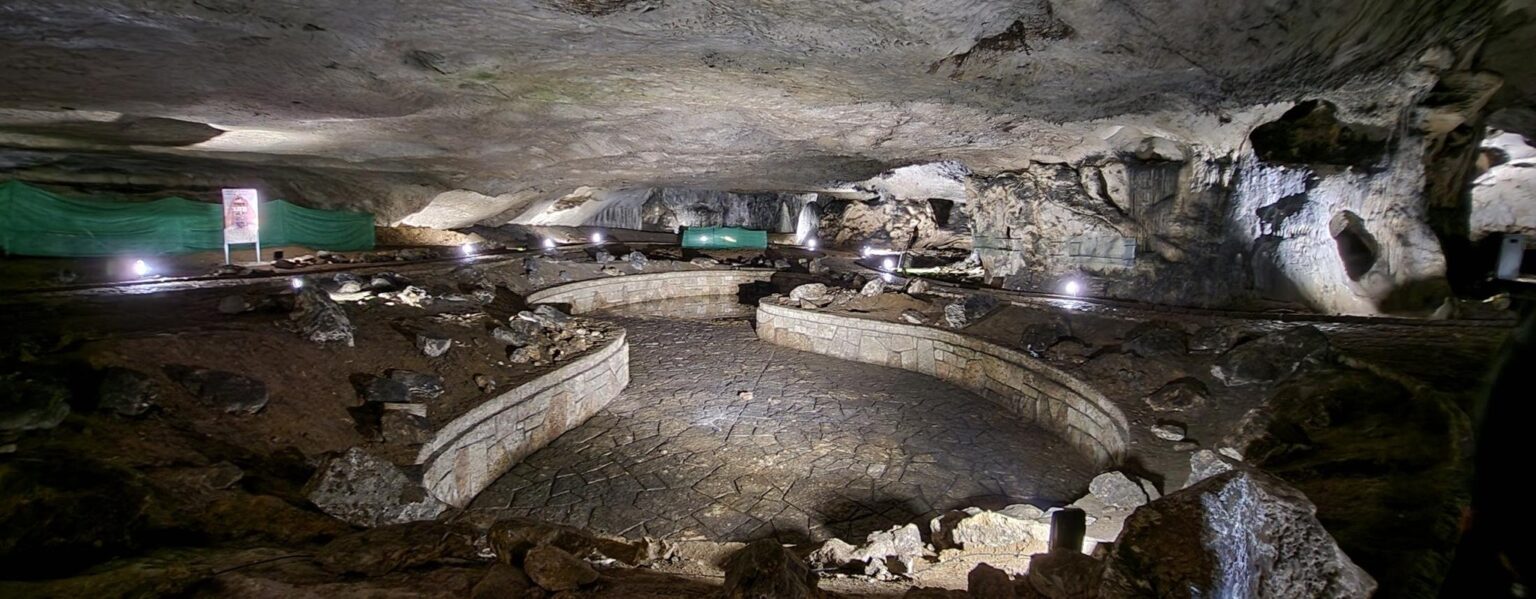
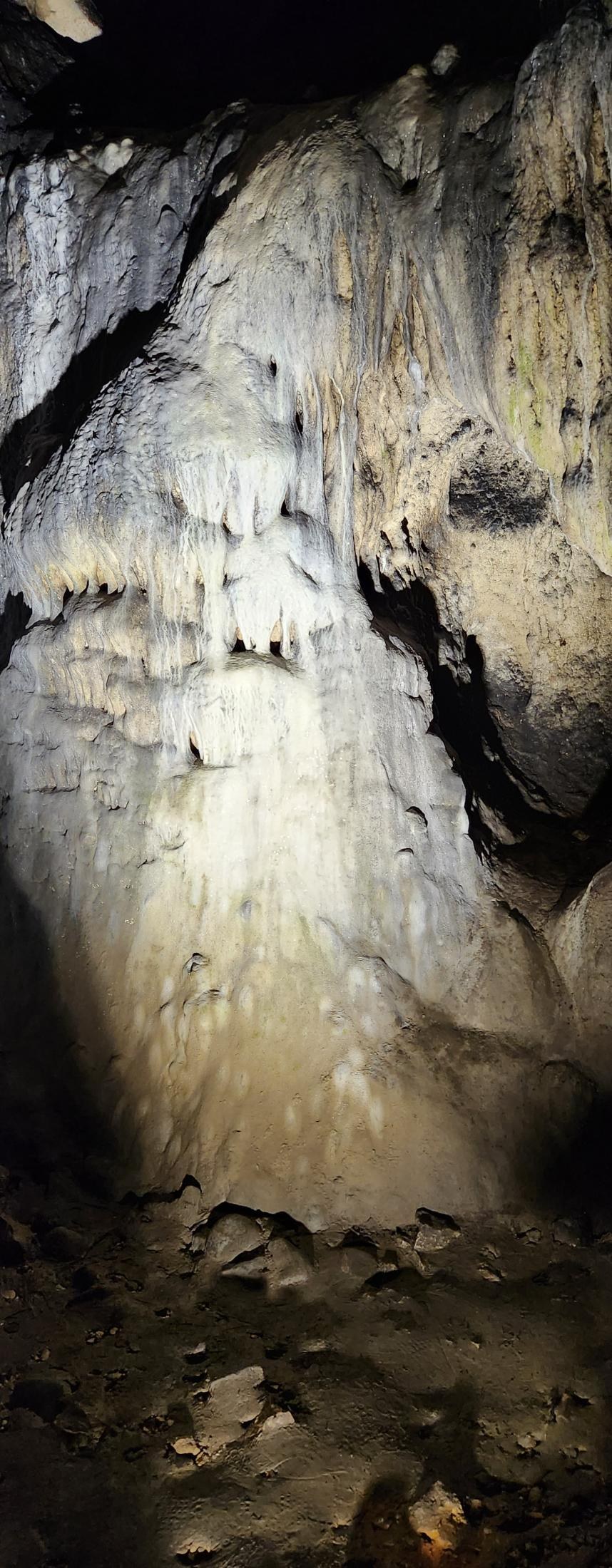
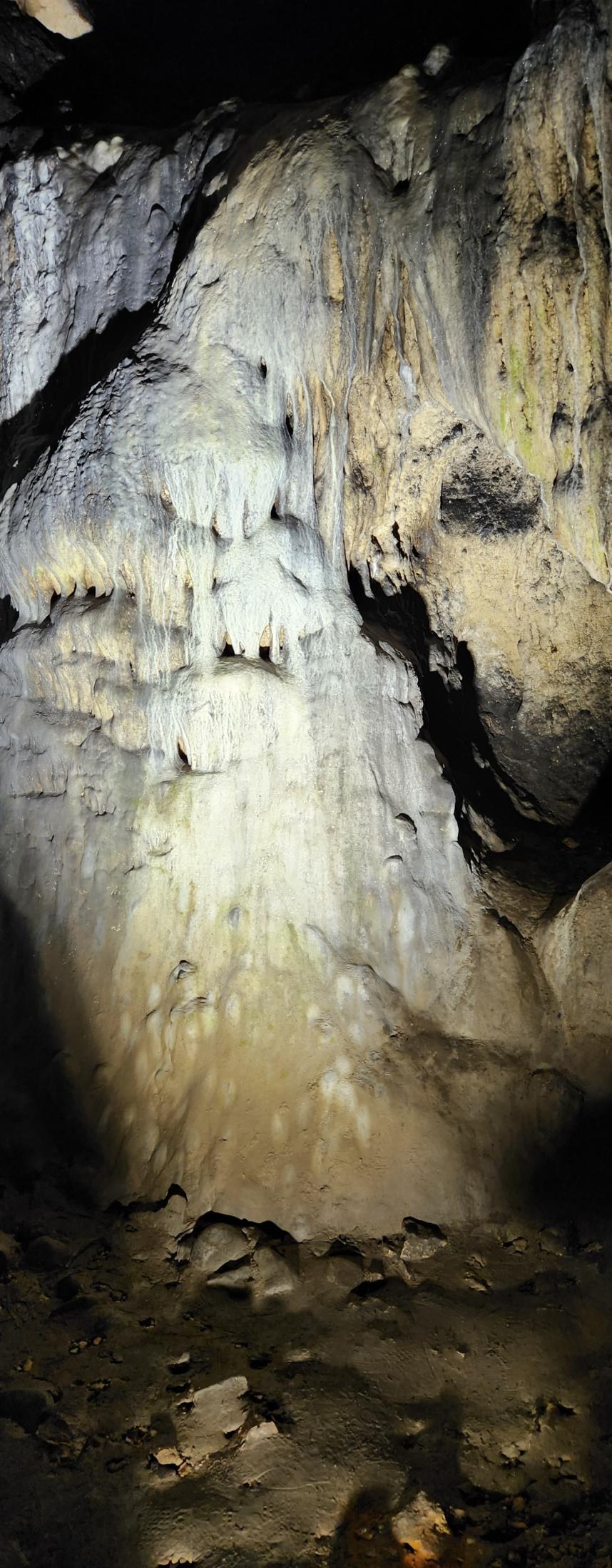
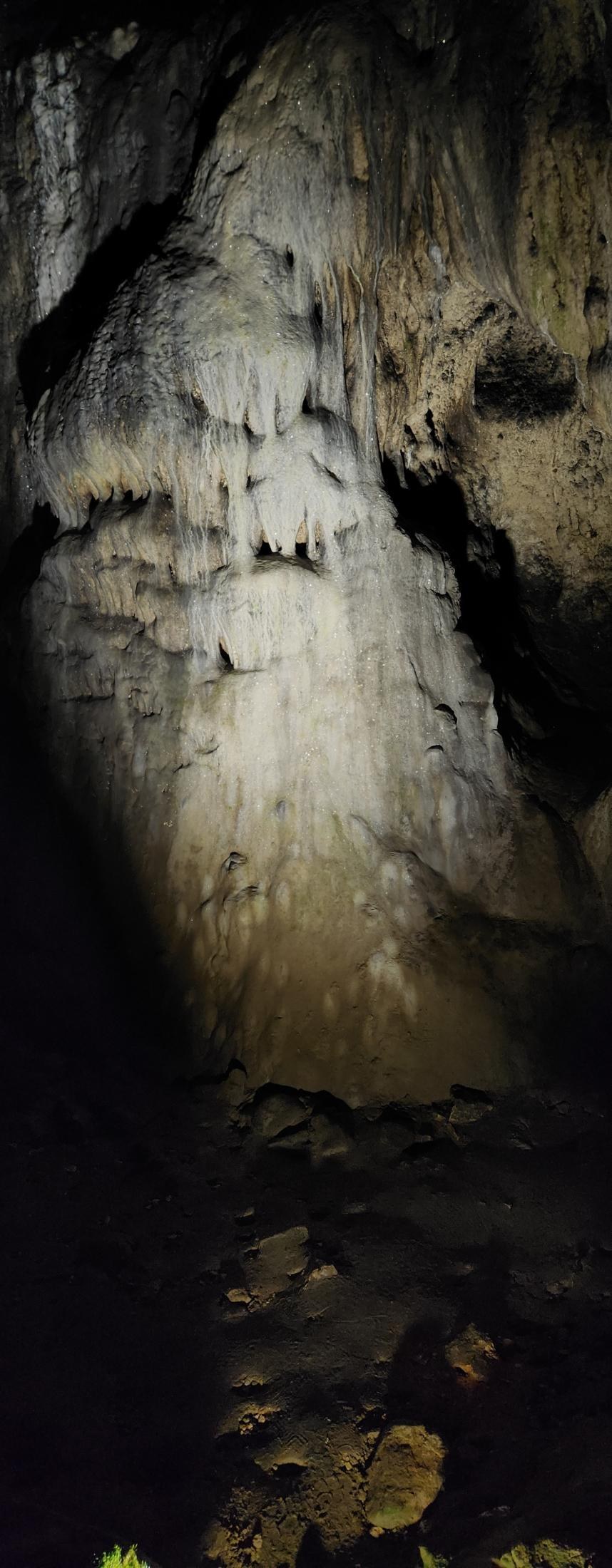
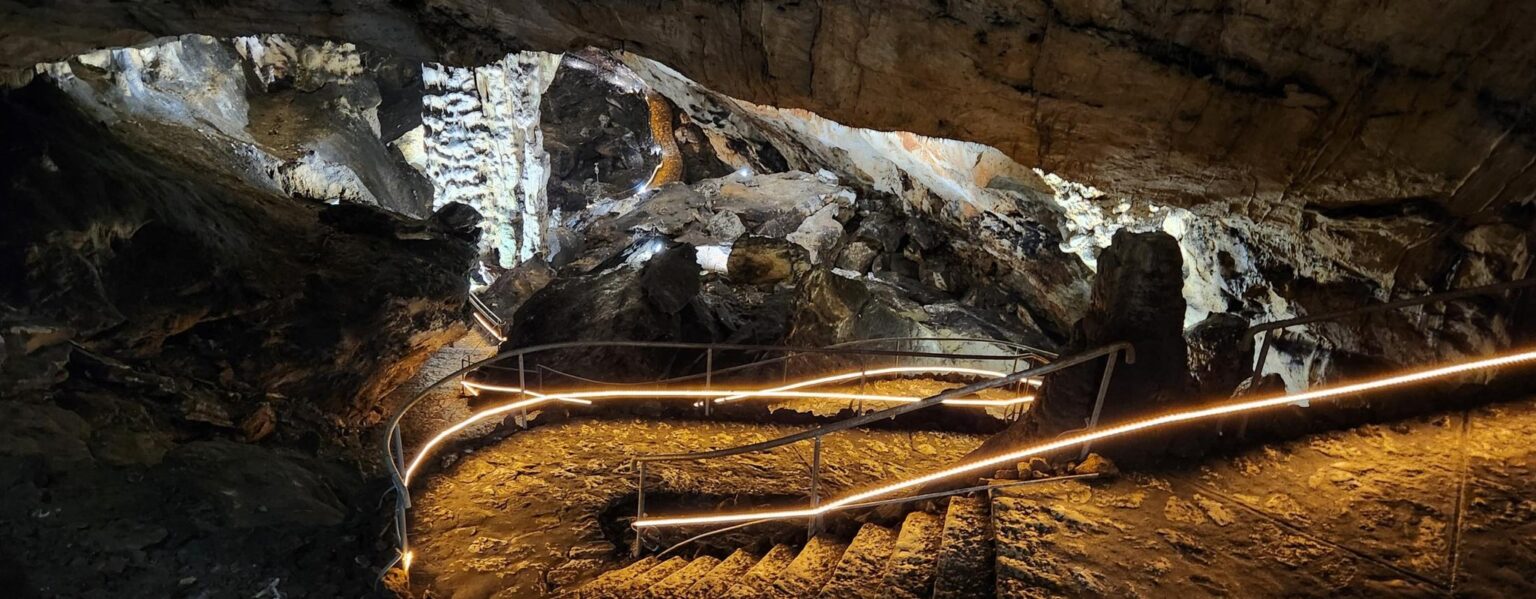
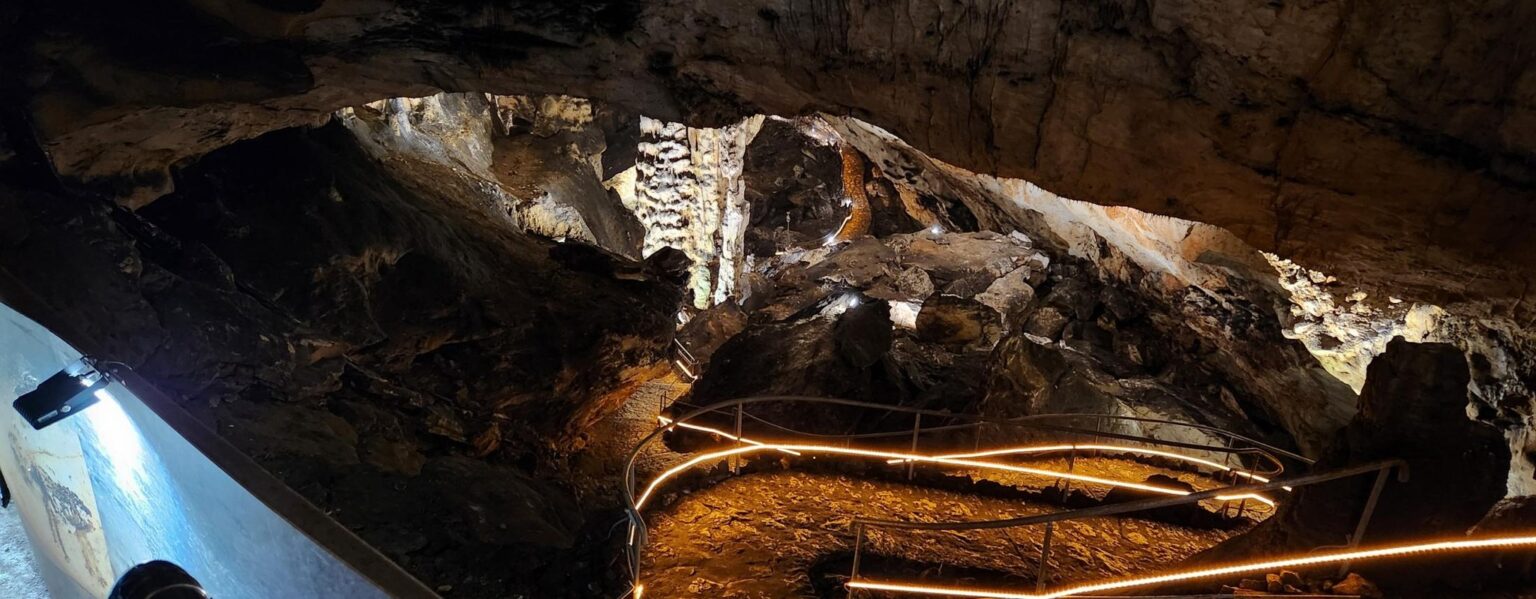
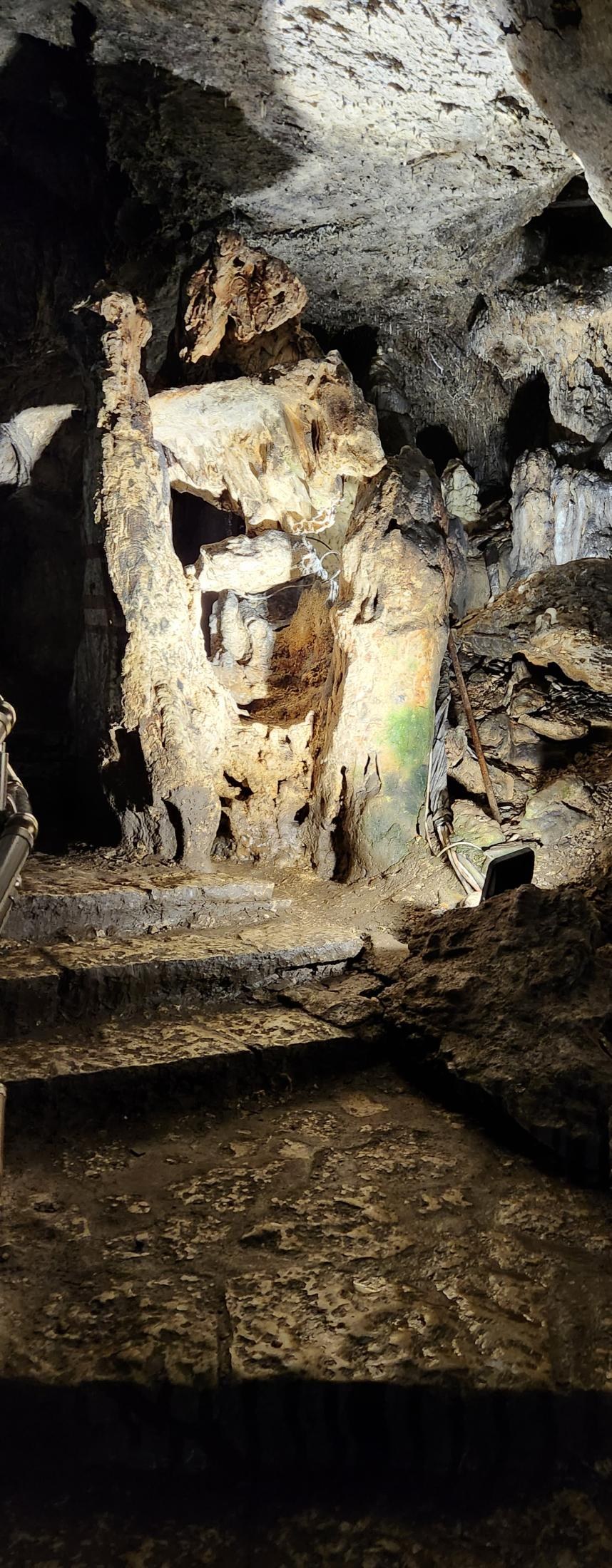
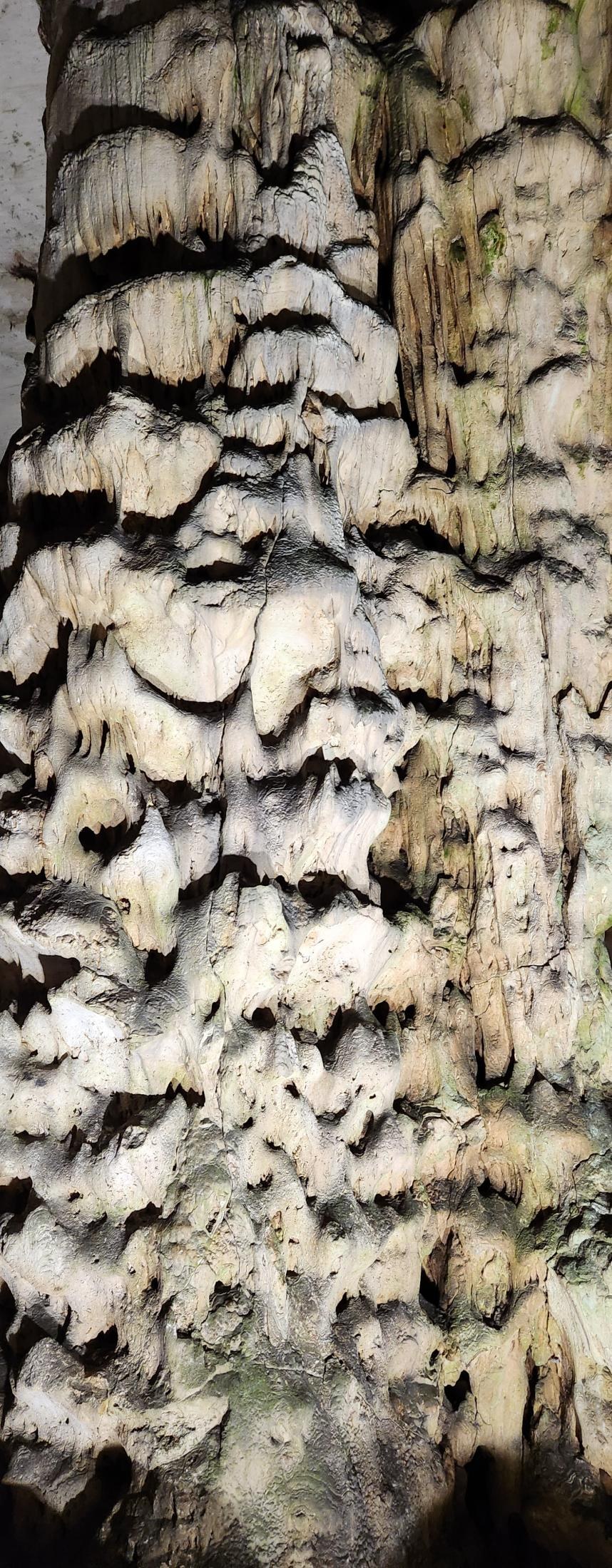
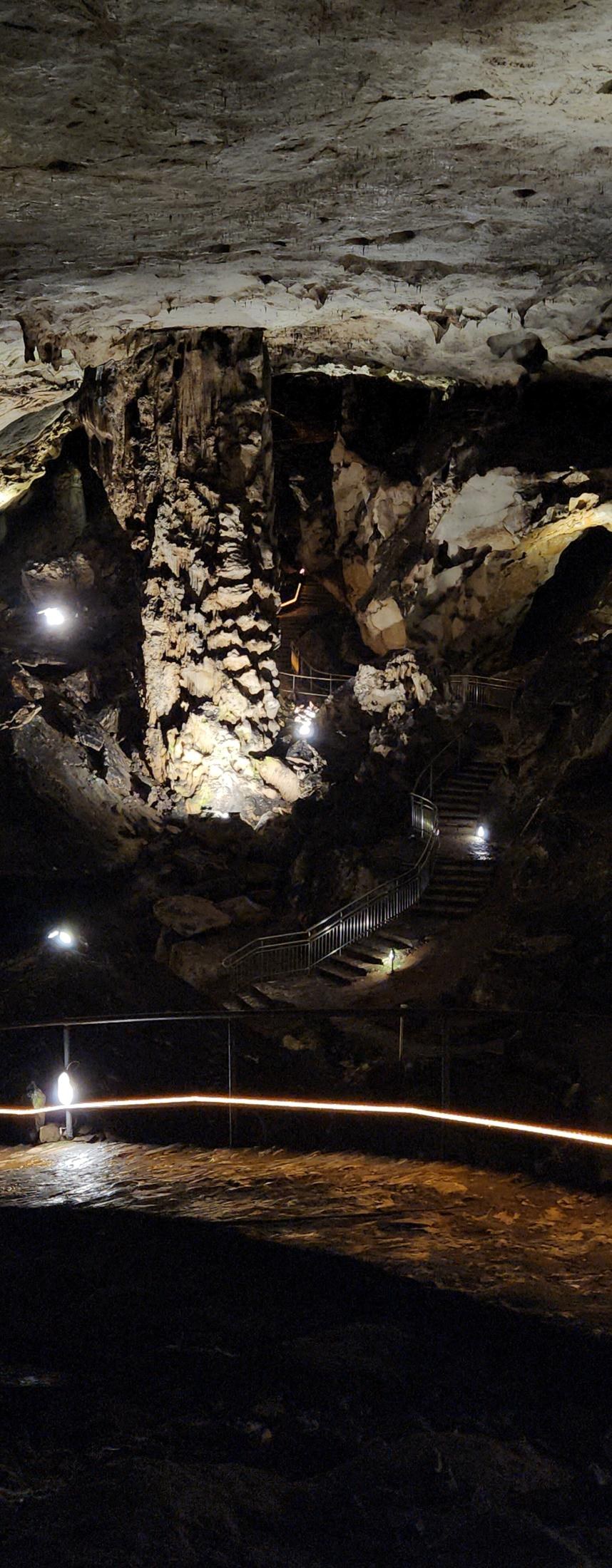
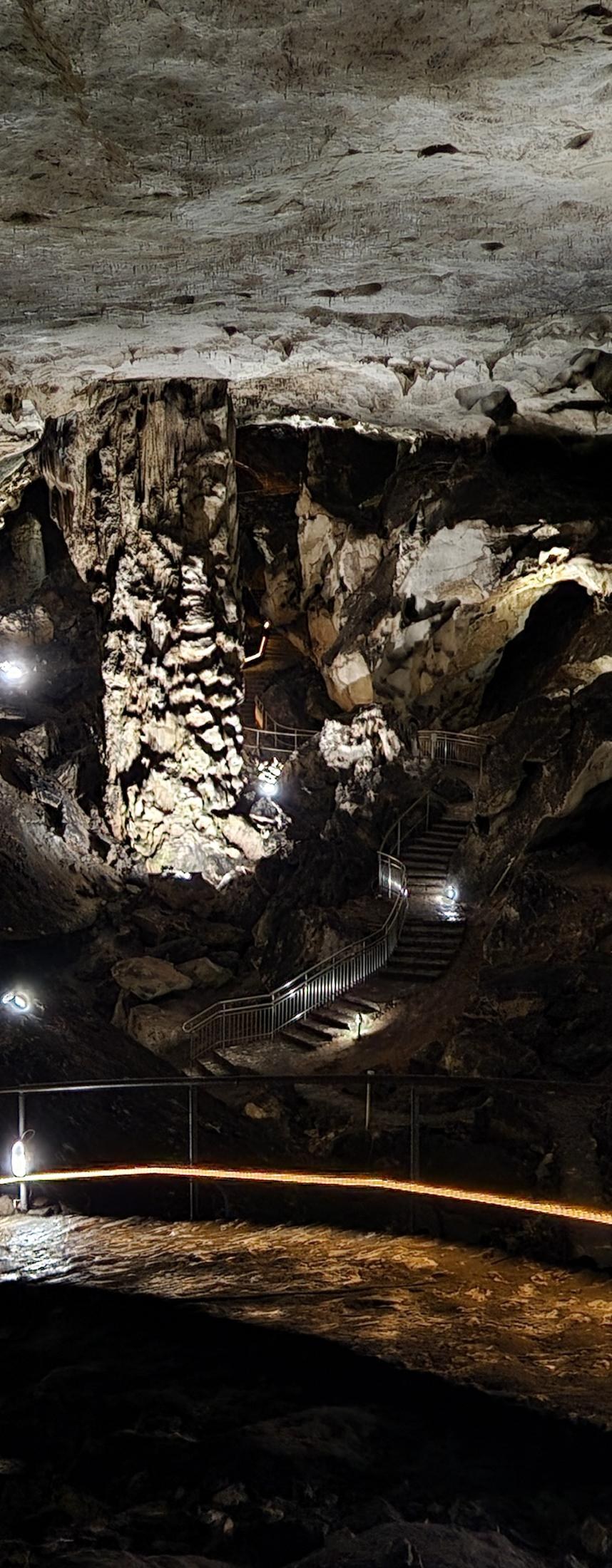
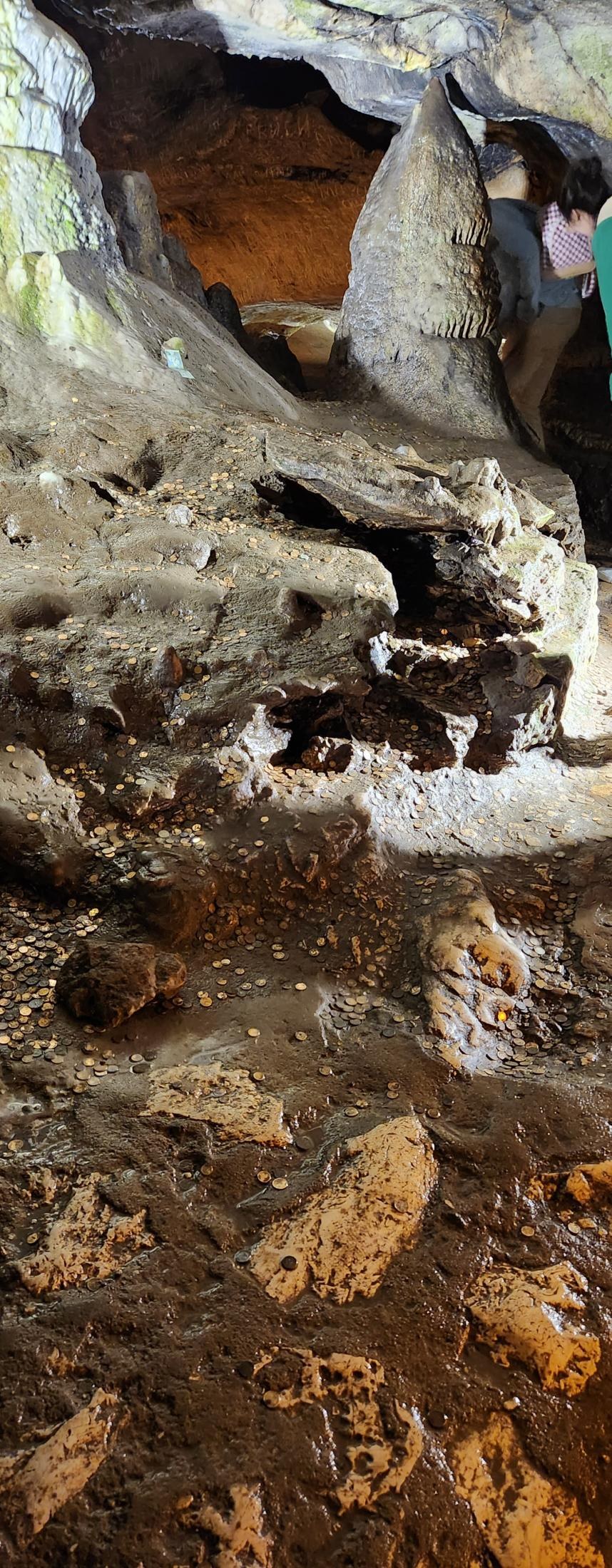
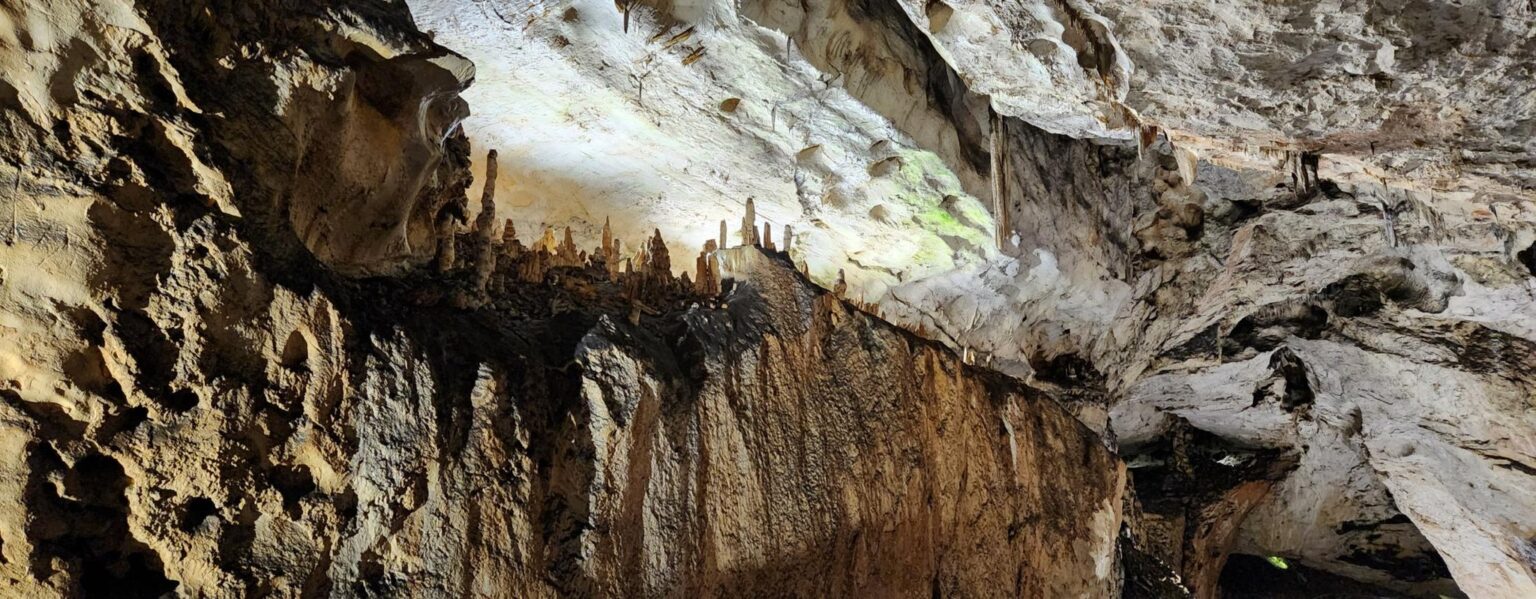
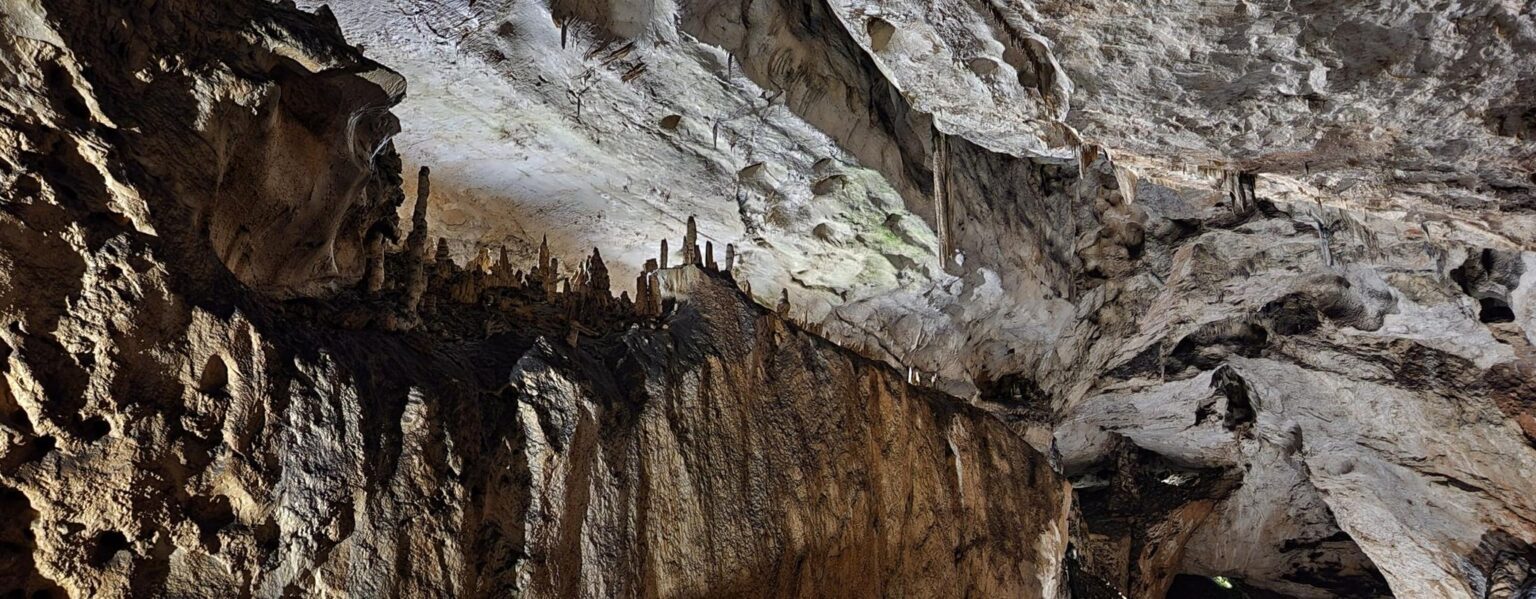
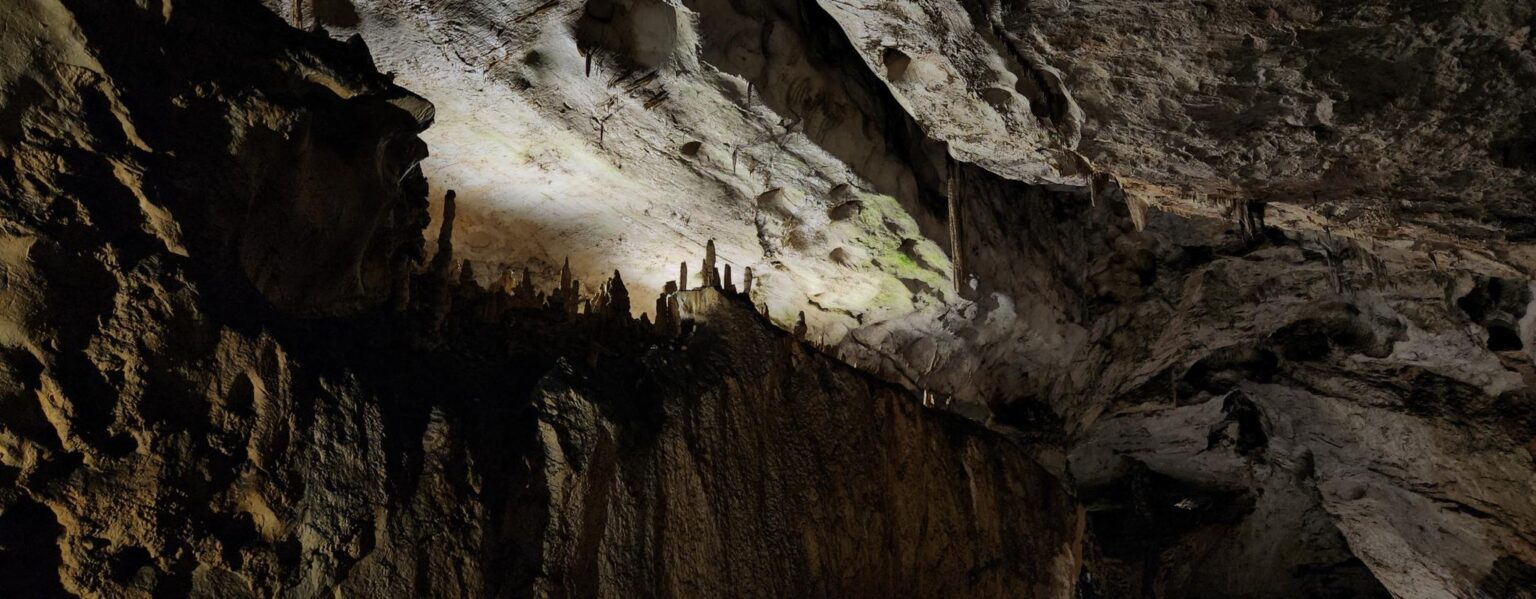
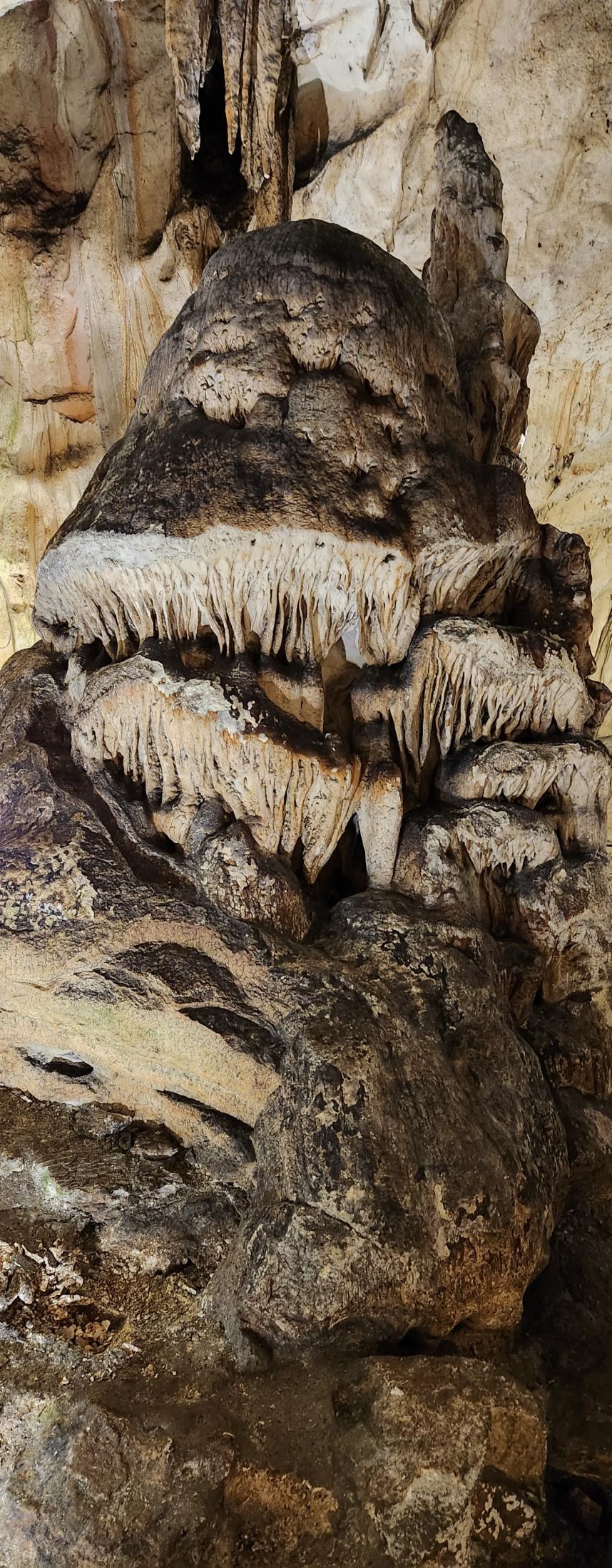
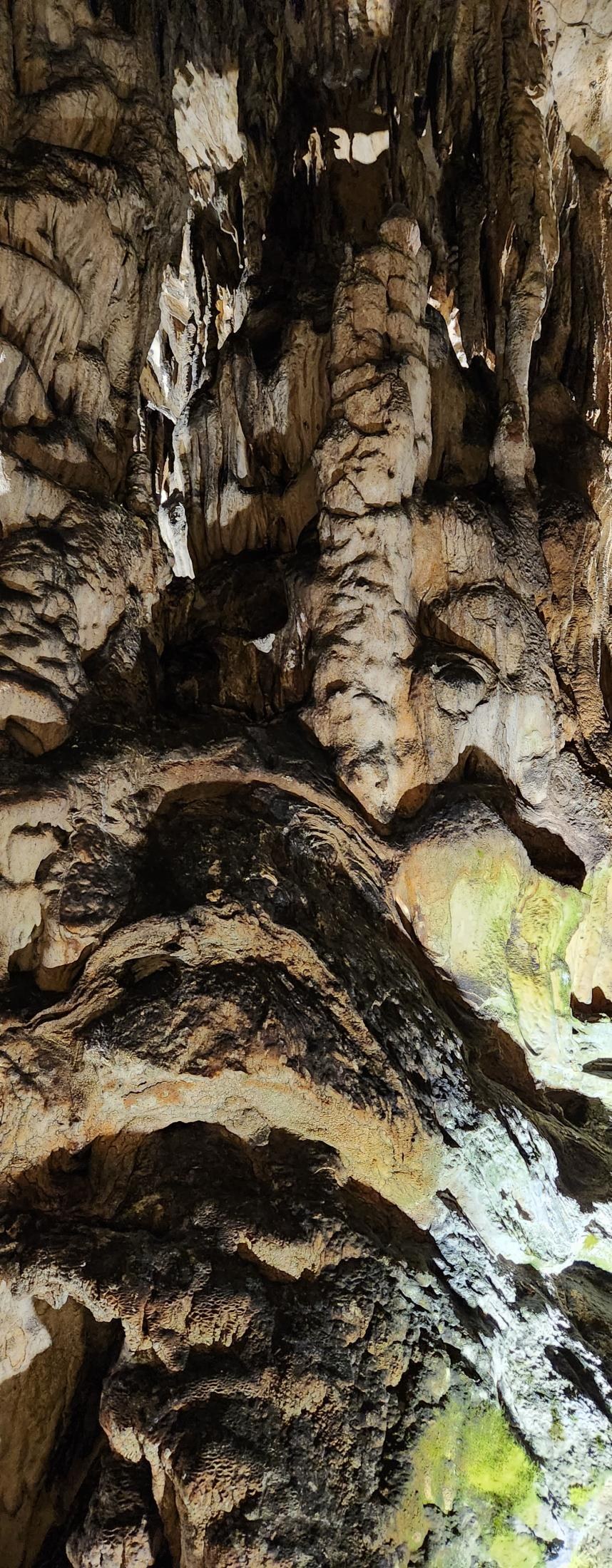
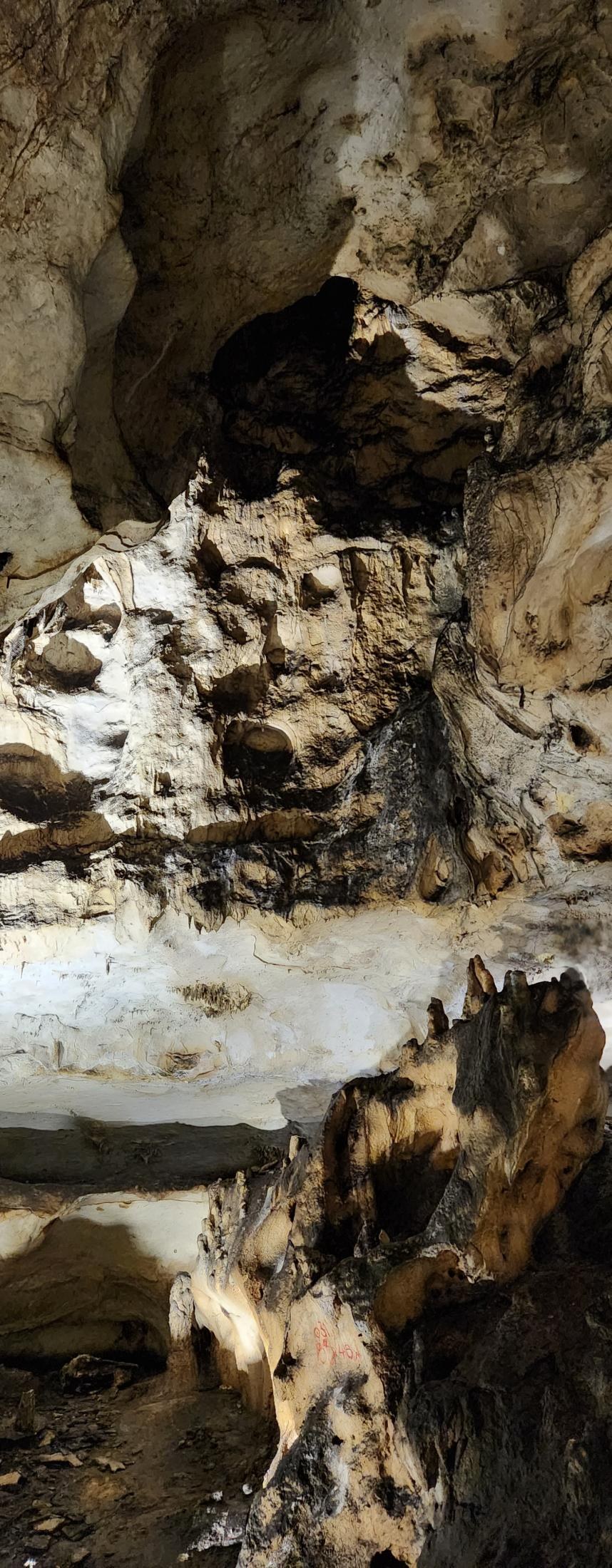
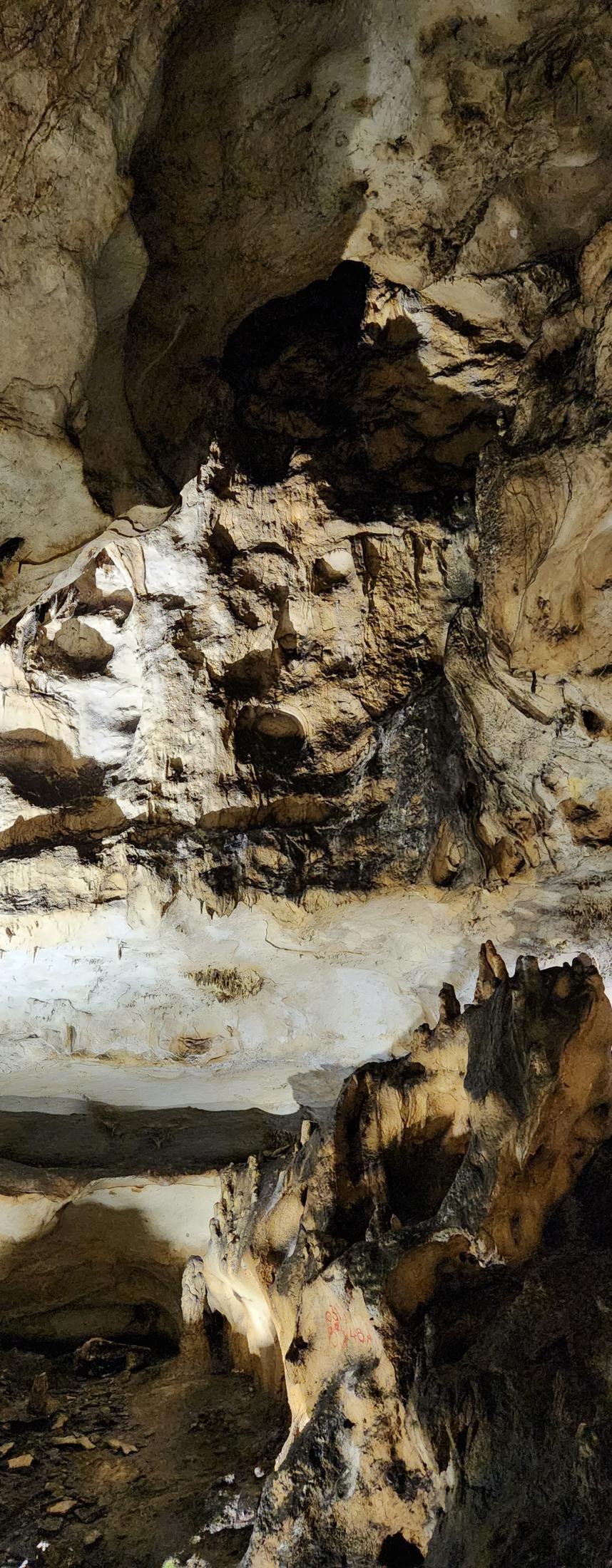
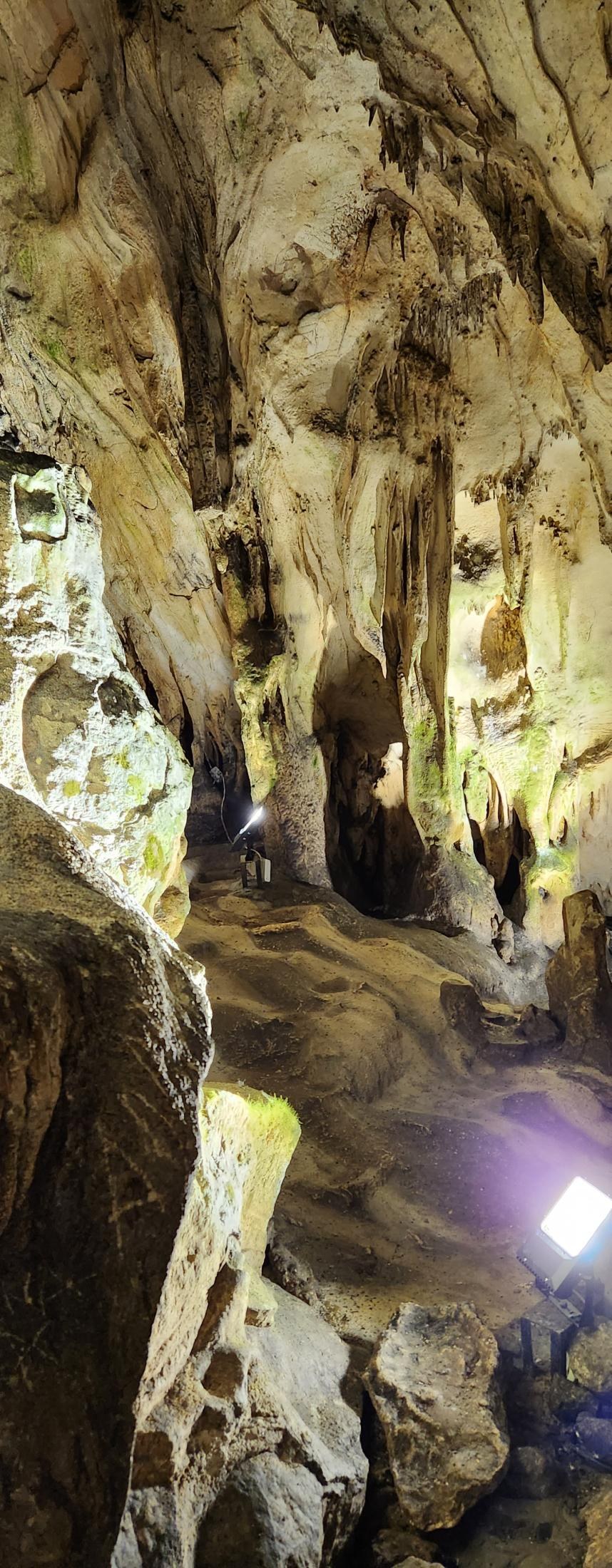
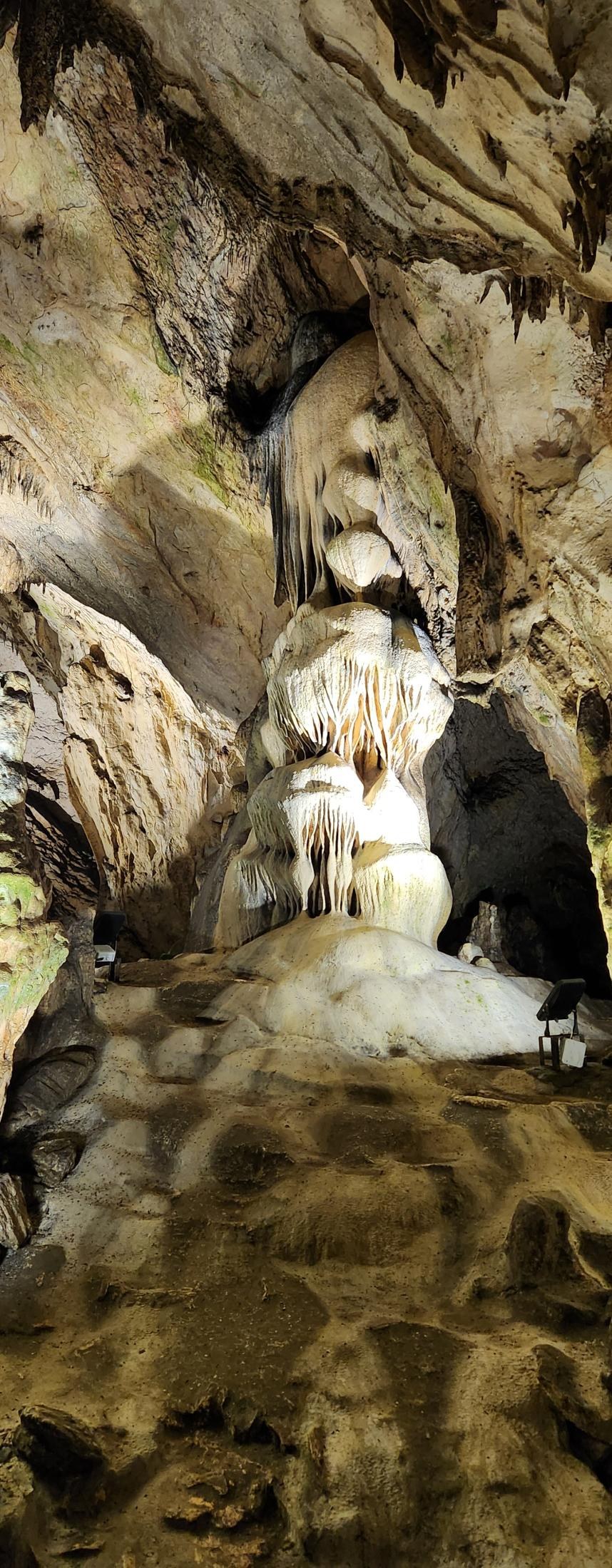
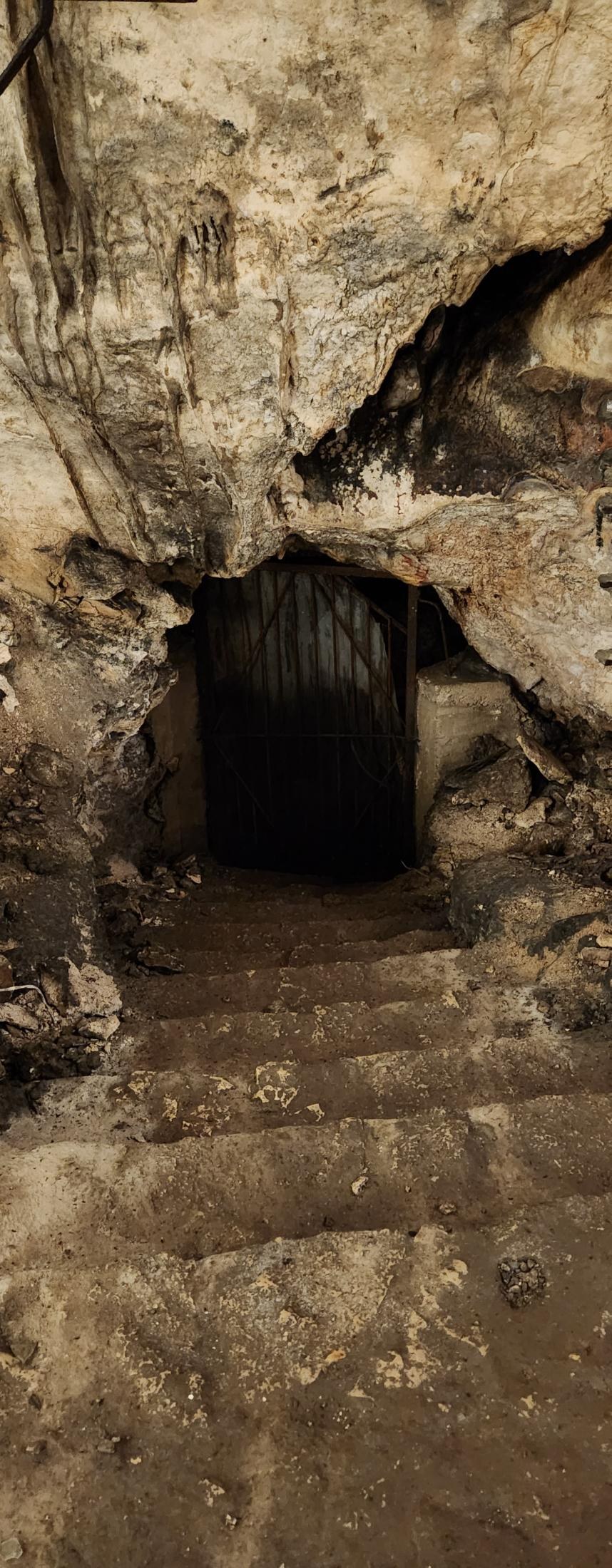
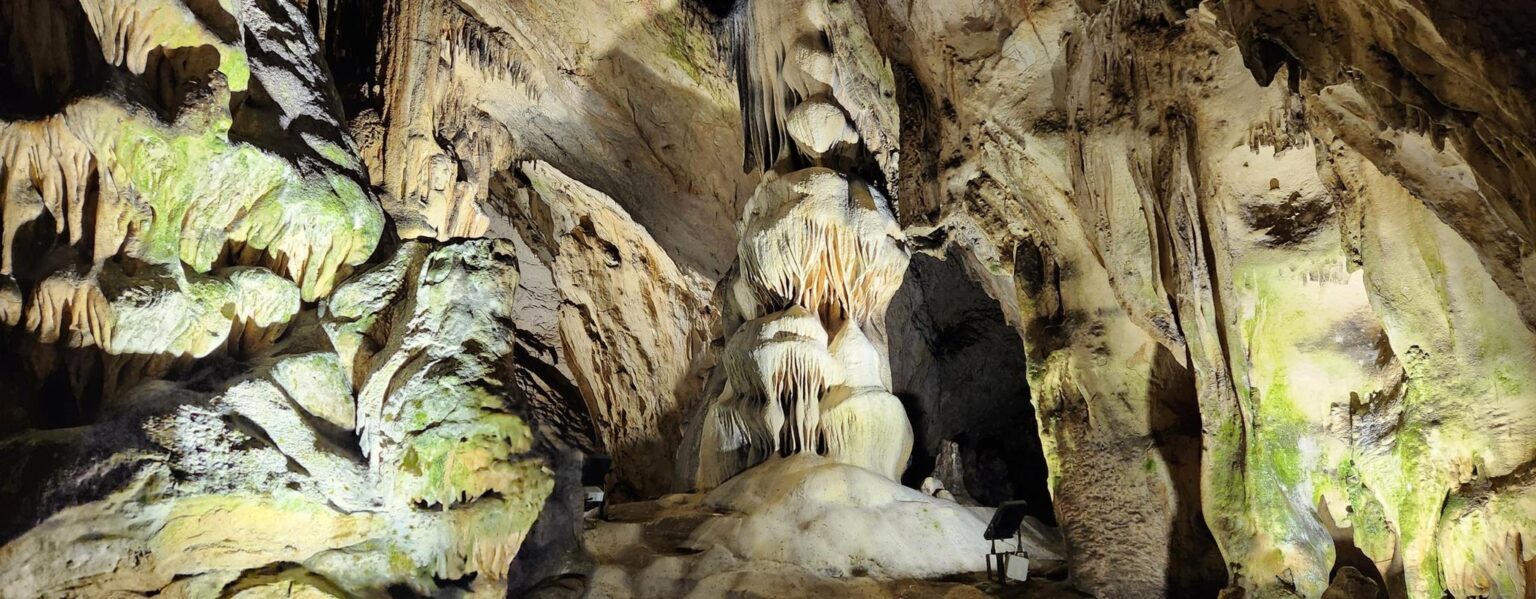
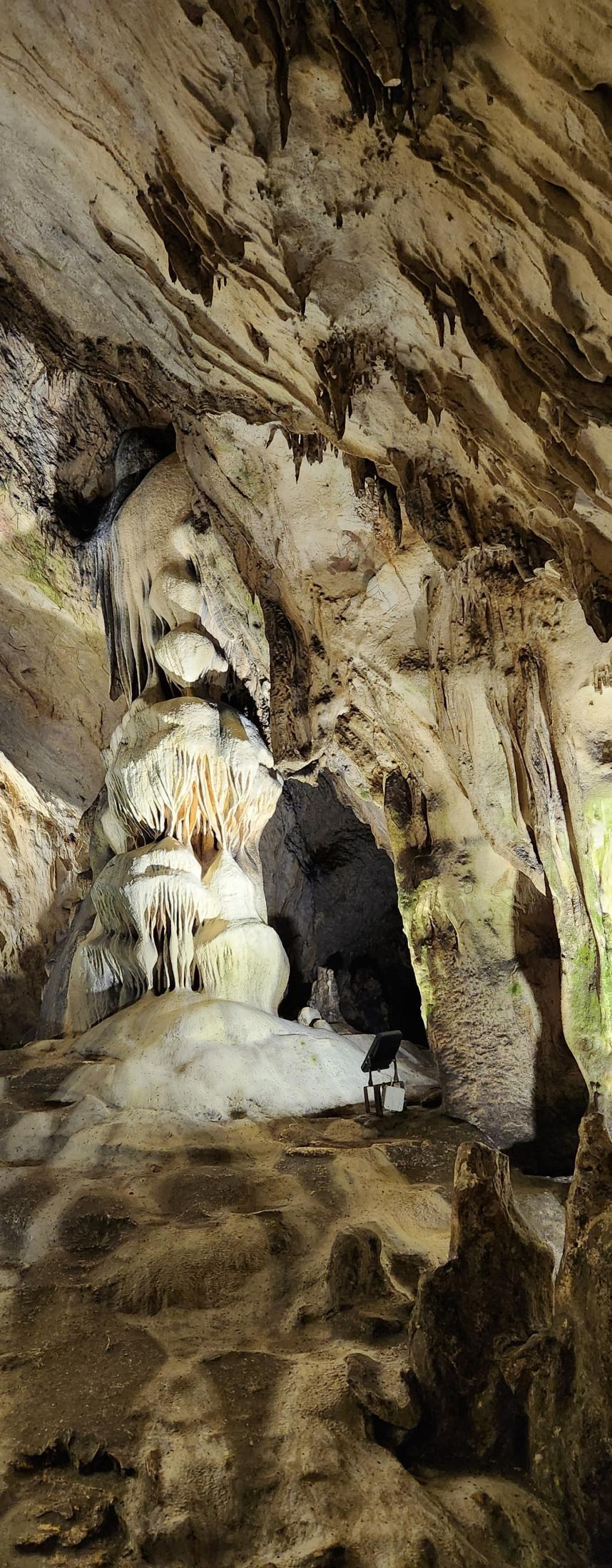
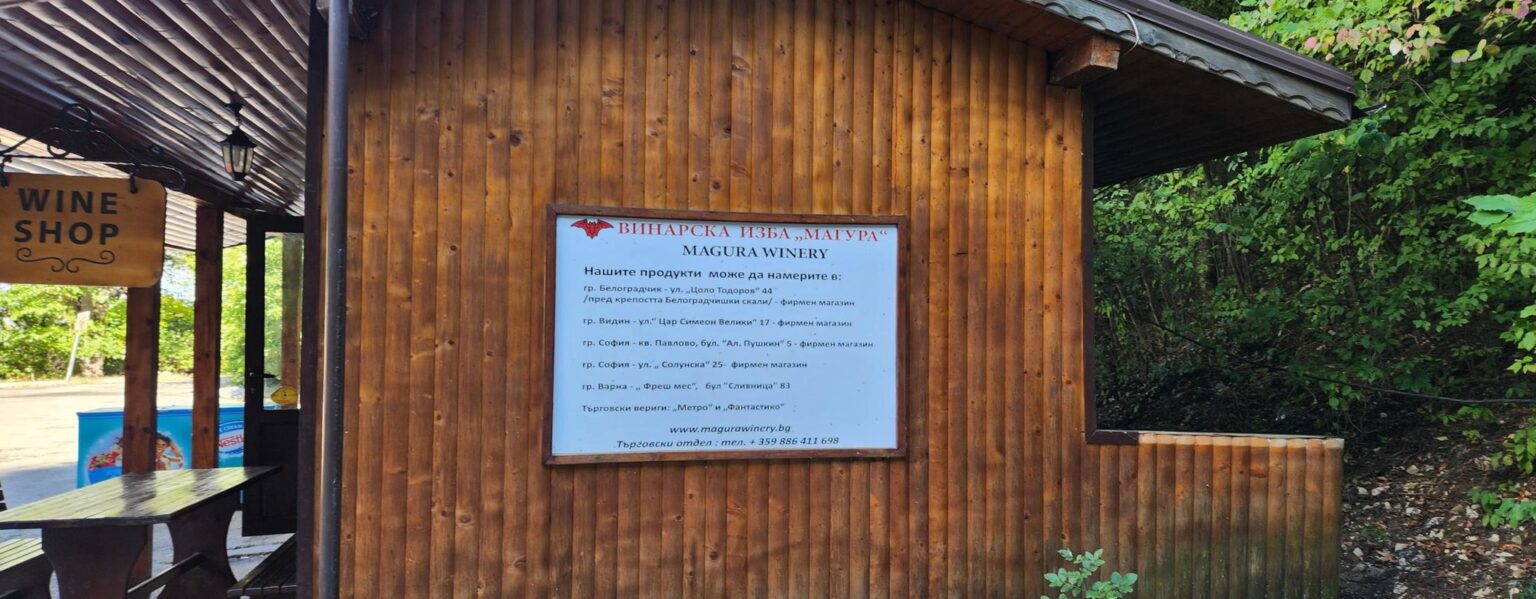
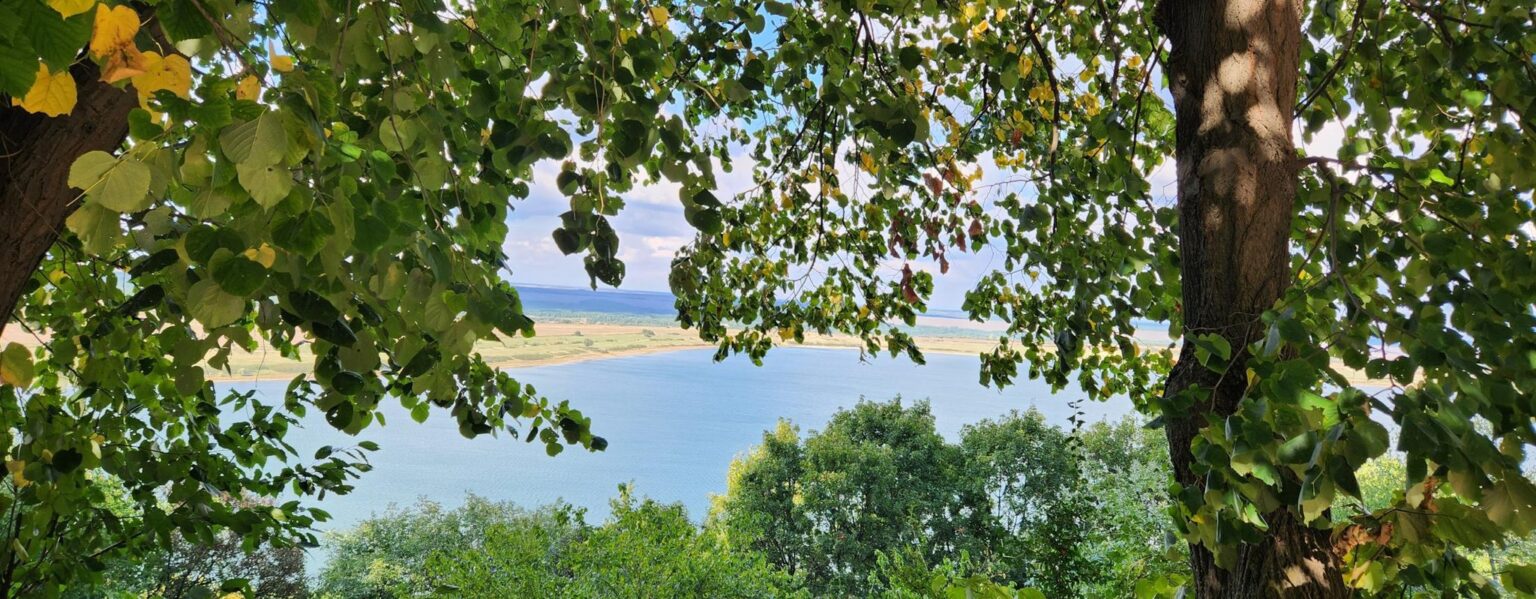
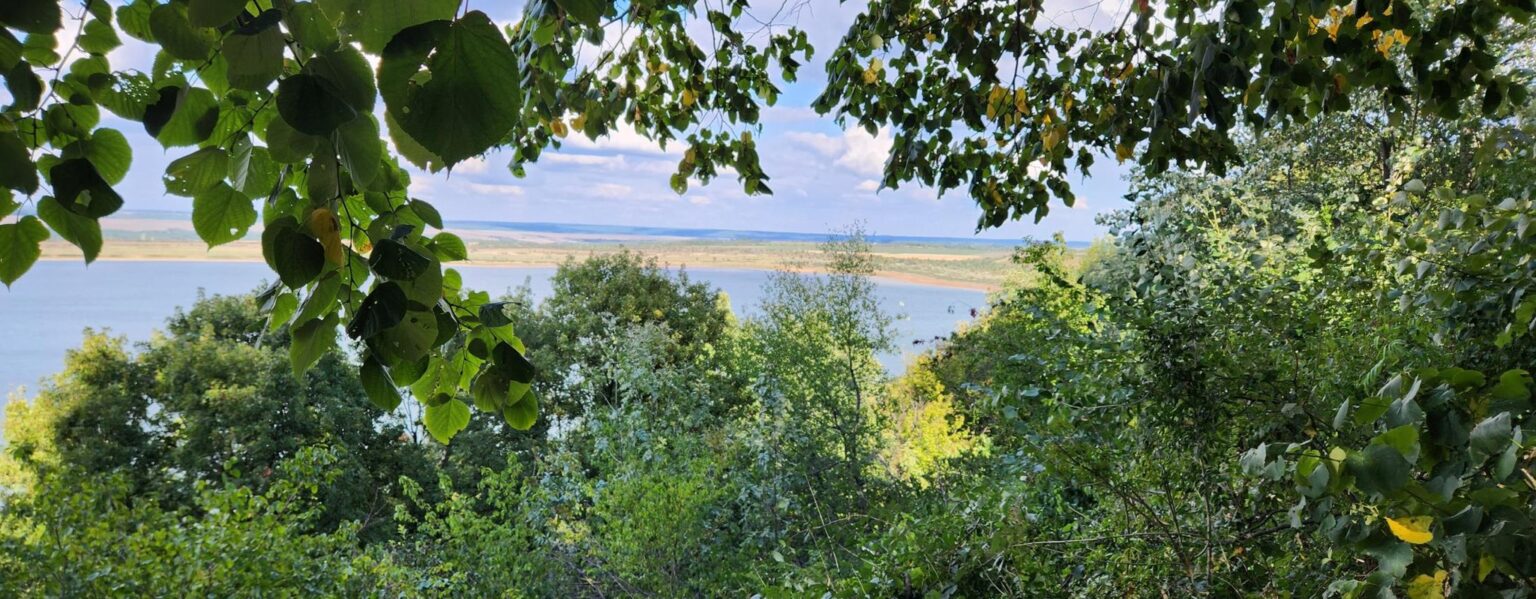
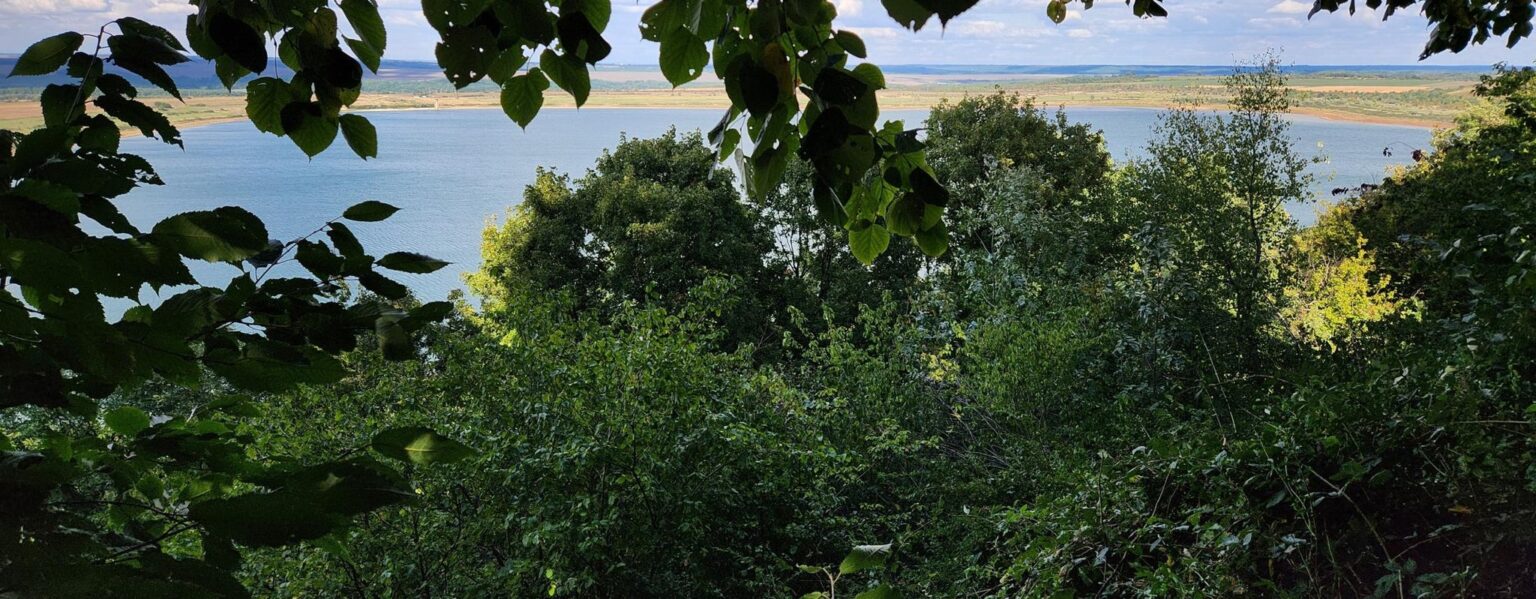
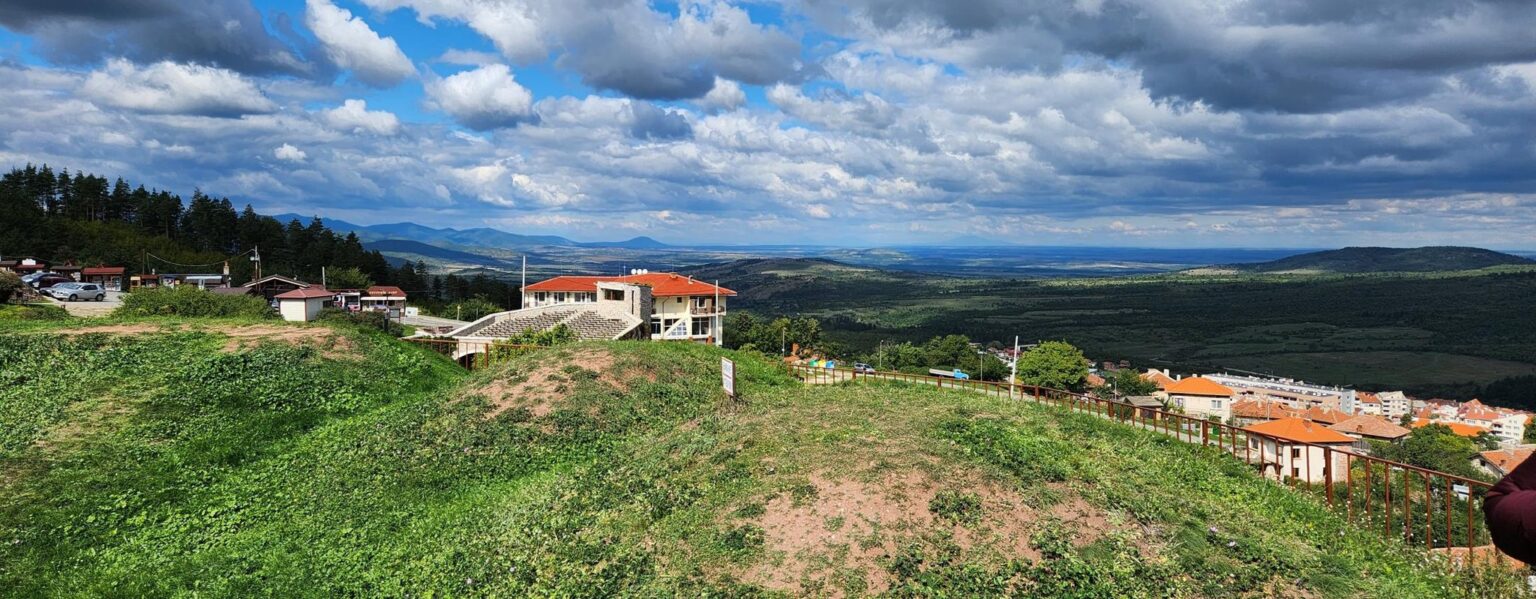
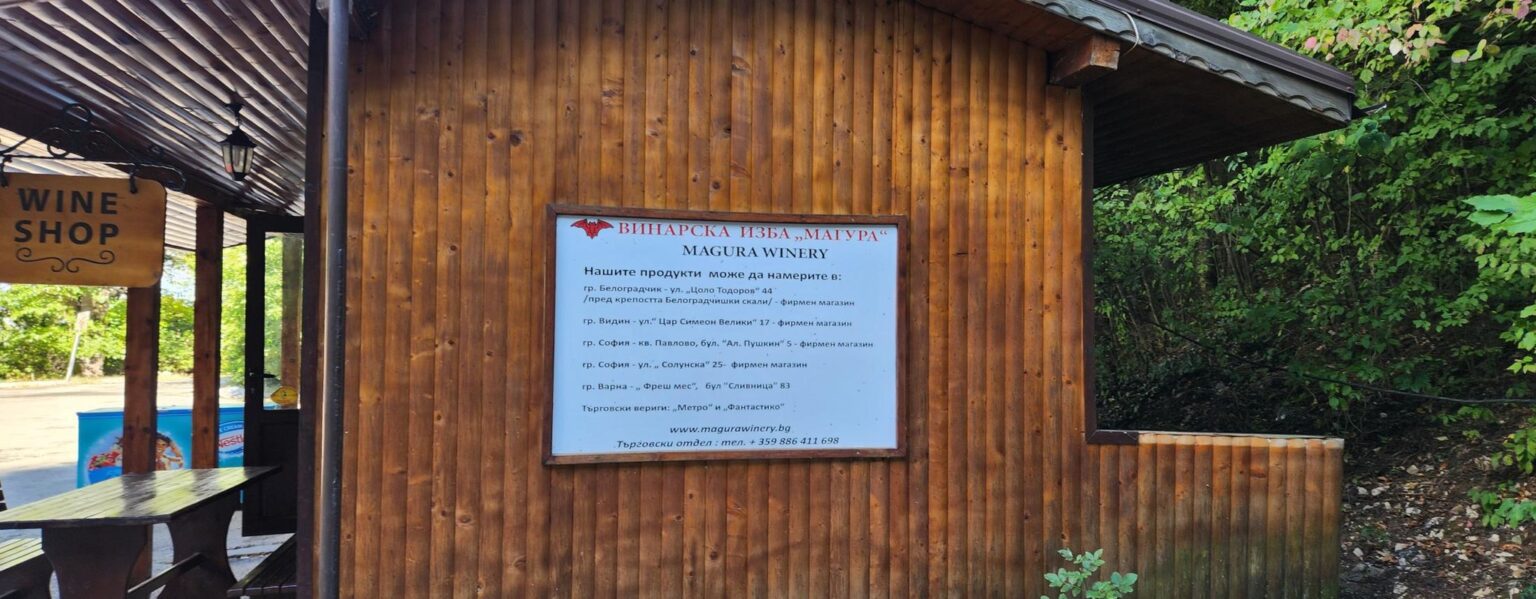
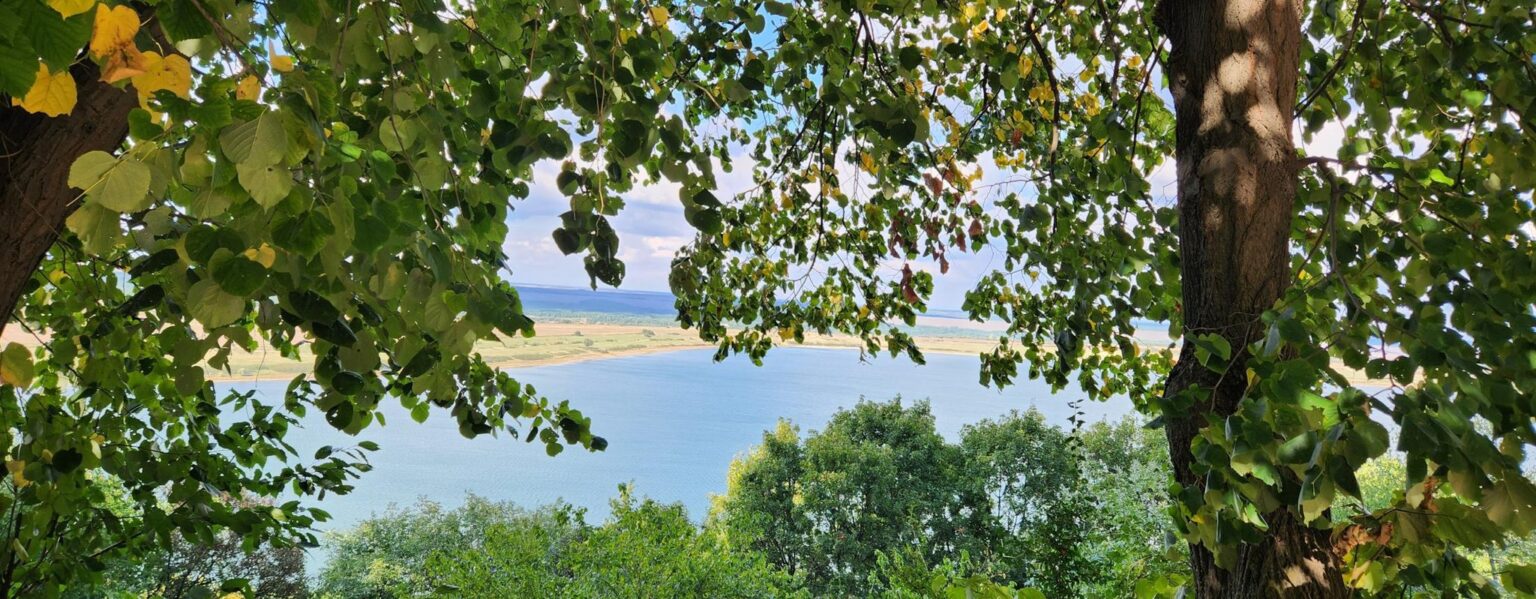
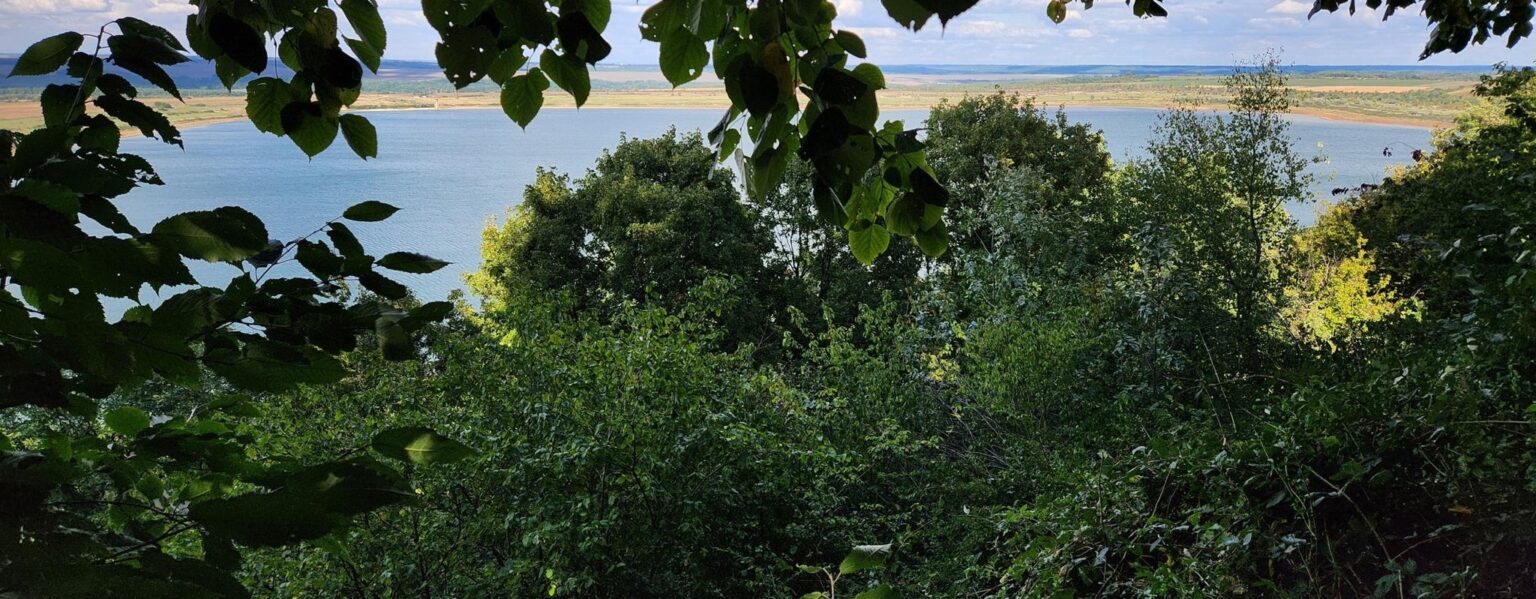
The adventure takes an hour, with a large dose of laughter, and you come out nearly two kilometres from the entrance and the car park. A superb panorama opens up over Rabisha Lake, where we had missed the dragon boats a few hours earlier. There is a Magura winery kiosk with acceptable prices and decent wine. Your options for getting back are: a 20–25 minute walk downhill to the car, or the “little train” — that is, a modified Mitsubishi Pajero with a few carriages attached — which takes about 15 minutes and costs a couple of euros a head. The train is worth it; save your energy for other things. The walk is boring, grey, narrow, and on foot you will be breathing dust and dirt the whole way.
The general mood after visiting the cave is one of mild sadness, and let me explain why. The cave is fantastic and very well presented, but you can feel a slight neglect caused by a lack of funds, exactly as the guide explained. Not enough people, low salaries, maintenance that is not what it should be. The guide is simultaneously the cashier, and his own summary was that the money coming in from visitors is not enough. It is sad, because the region is colourful, beautiful and has enormous potential, and yet it is emptying out — slowly, but surely.
16:30 and off: Rabisha to Vidin, about an hour. The road is an international transit route — excellent, wide, good surfaces, clear signage.
Check-in. There are several hotels on Booking, and here you notice unmistakably that prices are lower than you are used to. A double room in a 3–4* hotel with breakfast included sits well below the equivalent in the big cities. There are pricier options, of course, but given the nature of the trip and the fact that we were using the room purely for sleeping, there was no point. Secured parking is worth far more. We settled into a hotel not especially close to the centre, but with a closed car park behind a fence and a barrier, which we had researched in advance and which mattered to us. The service was odd, but we do not write hotel reviews here, so I will leave it at this: the overall experience was positive and worth it.
We tested the waters in the centre of Vidin, found a wonderful park and a pleasant restaurant for dinner on the riverbank. One note to set expectations: the restaurants here charge capital-city prices, in sharp contrast to the hotels. We did a first exploratory walk, but more detail on that below.
Day 2: Vidin, Baba Vida Fortress, the Centre
Friday — leg day. We do not skip the gym unless we are bedridden. Google offered several options and I picked one based on the photos: Bull Gym. Not the most modern facility, but it has absolutely everything you need and an absurd quantity of iron. A hardcore neighbourhood gym with big lads moving heavy weight. A session costs a couple of euros, and a protein shake mixed in a cup costs about the same. Cheaper than what I pay at home, so naturally I drank three. Strangers all around, me trying hard not to embarrass myself, squatting heavy — and the gym, though full on a Friday working morning at 10:00, was staffed and populated by genuinely cool, considerate people. A superb session.
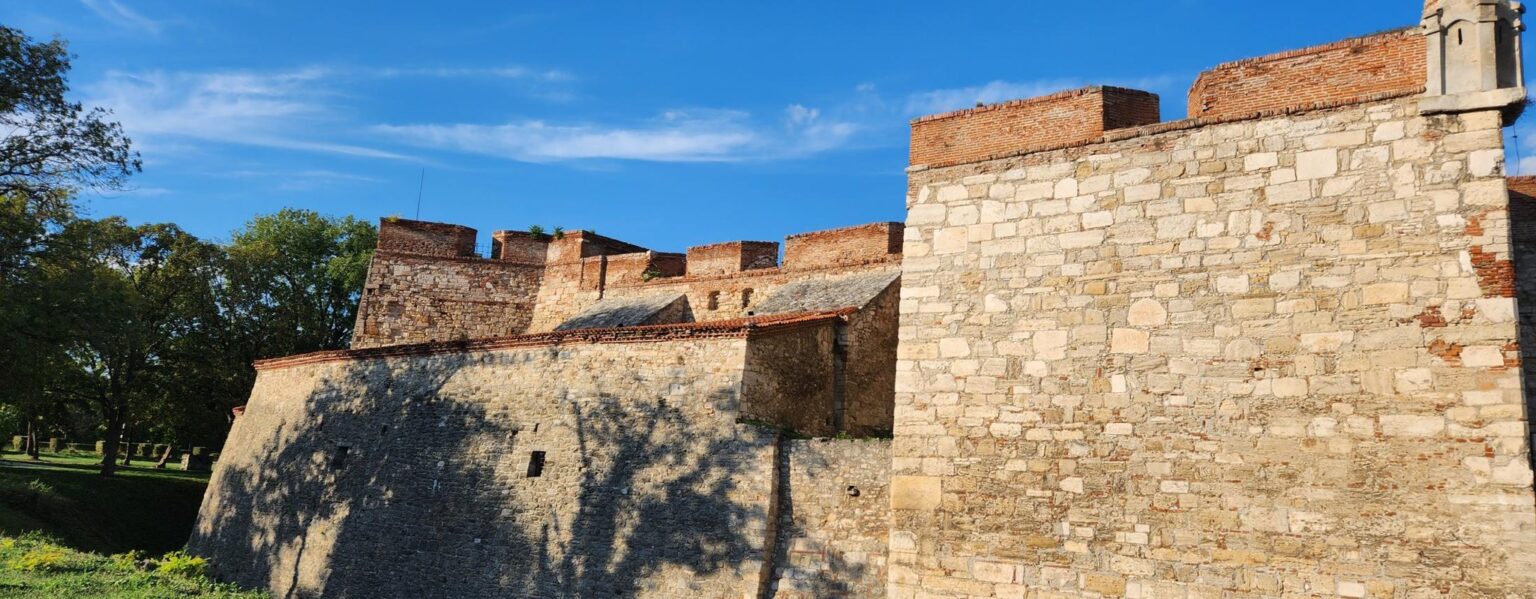
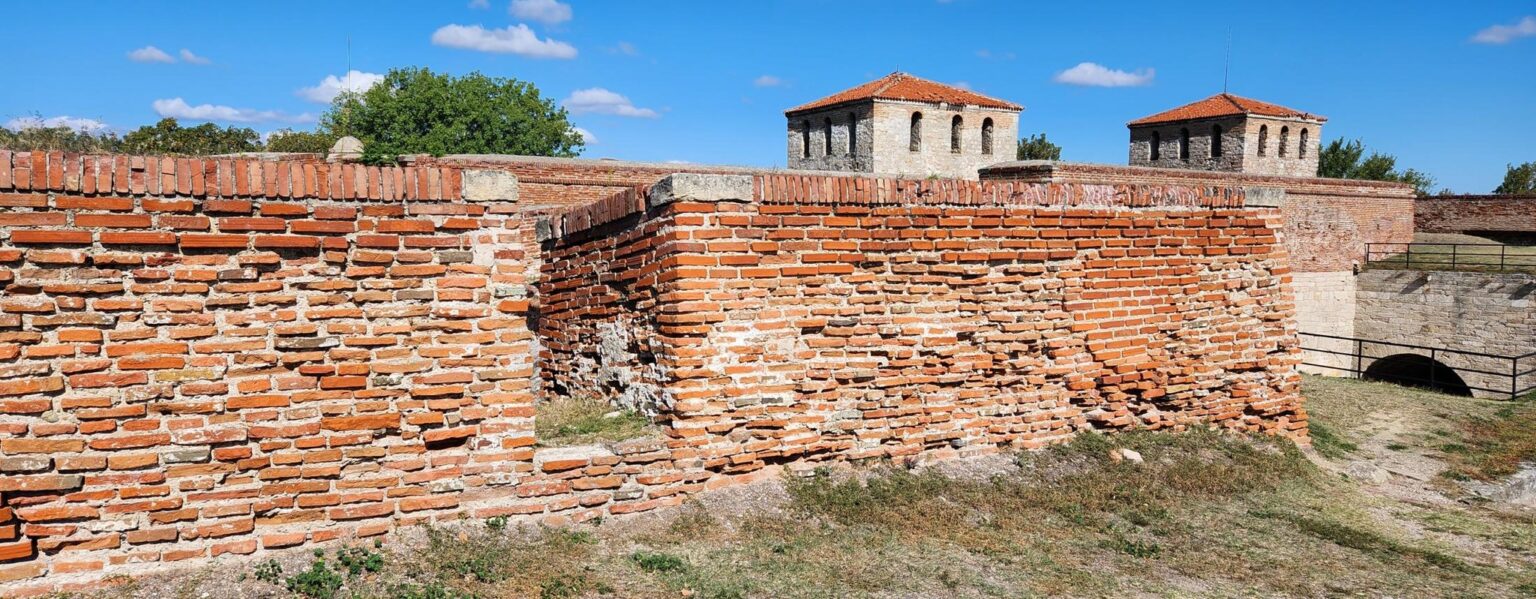
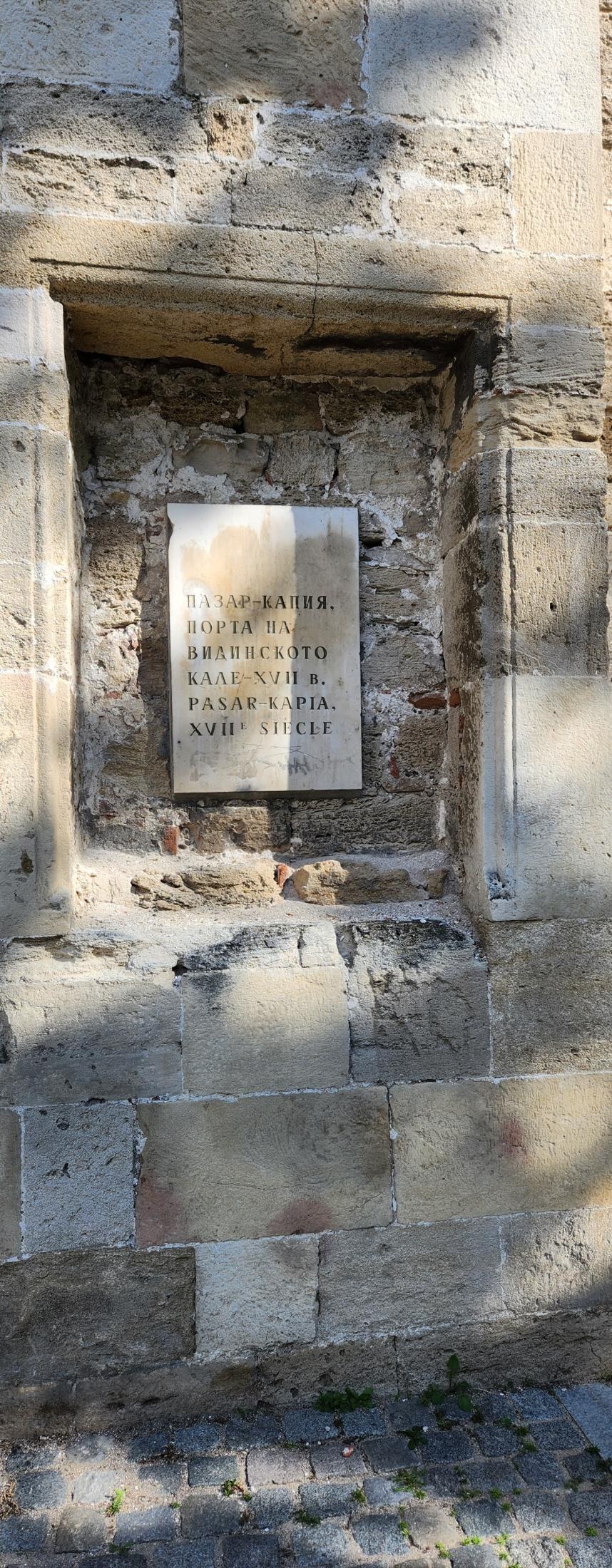
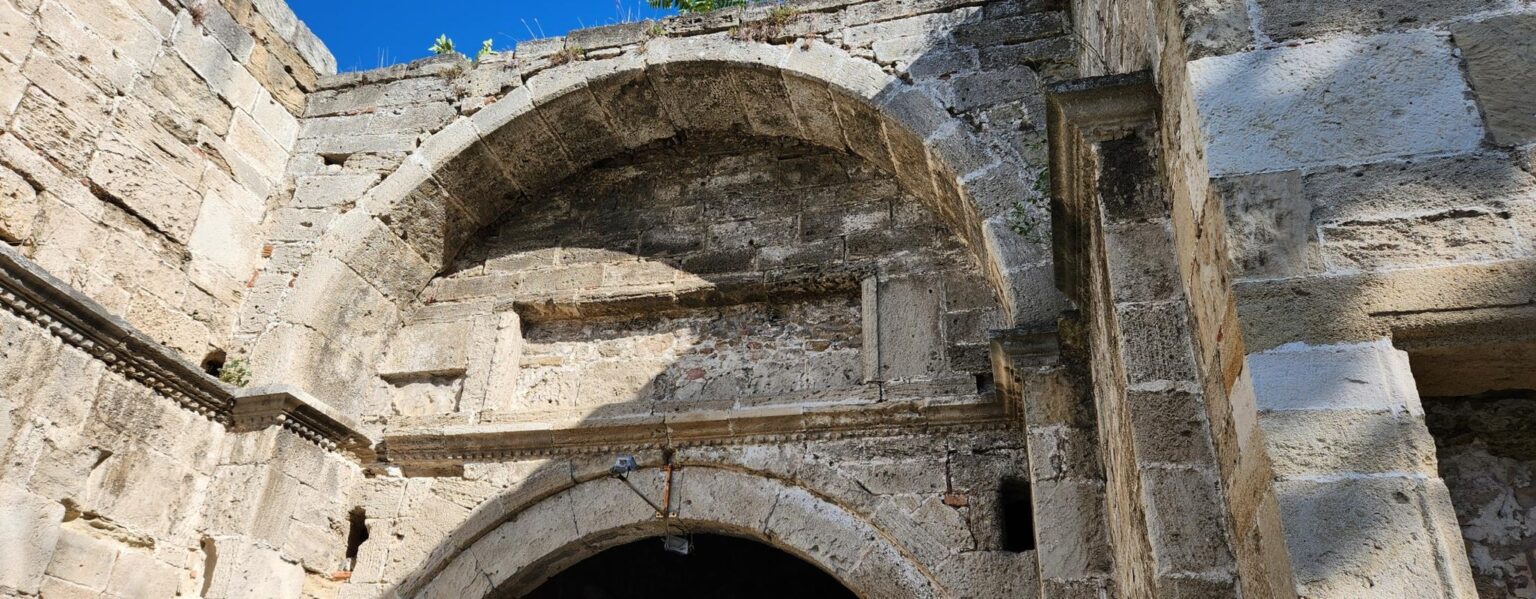
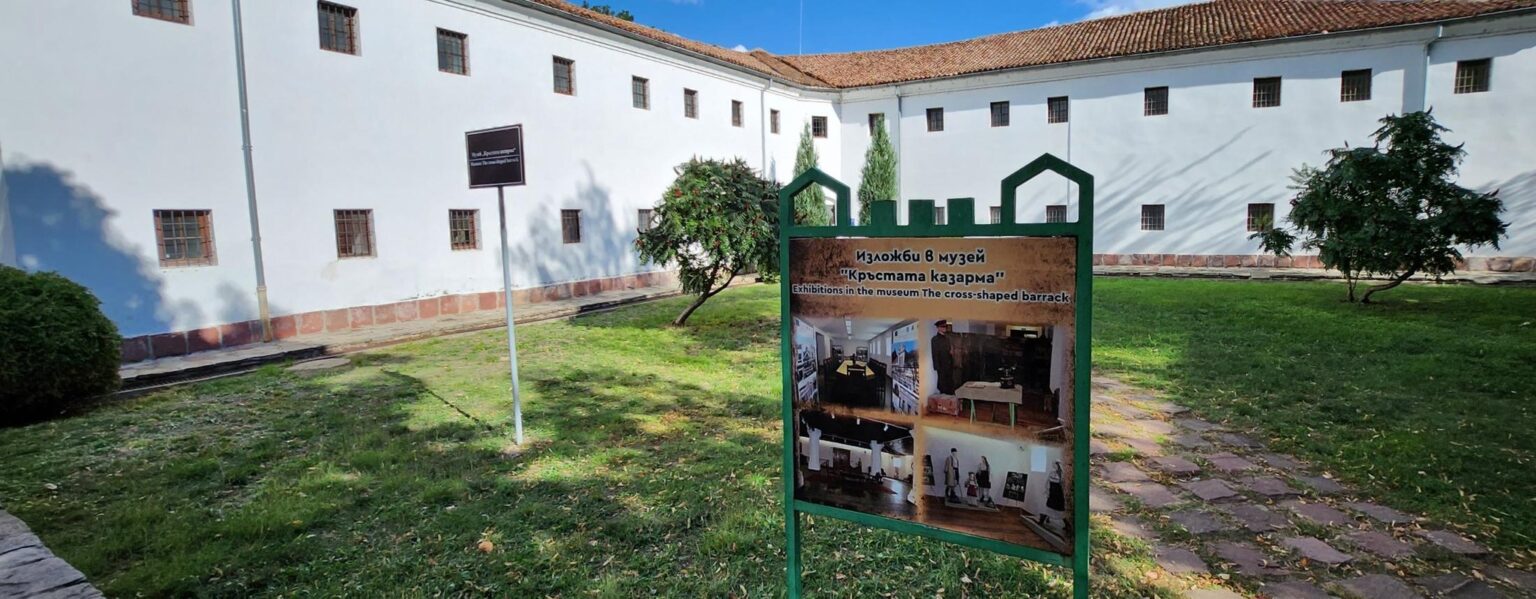
Vidin has a finite number of sights, all positioned around the centre. The more important one, in my view, is Baba Vida Fortress (stamp 13 of the 100 NTS), as the better-known destination. There are also several ancient gates built into much more modern surroundings by the city planners, and the Krastata Kazarma, the Cross-Shaped Barracks.
The fortress sits at the start of the Danube Park, which is very pleasant and easy to walk, with activities and small distractions along the way. There is free parking that slightly pretends to be a green area, but is clearly marked for its purpose. There is more than enough space, even though whole coachloads of tourists pull in.
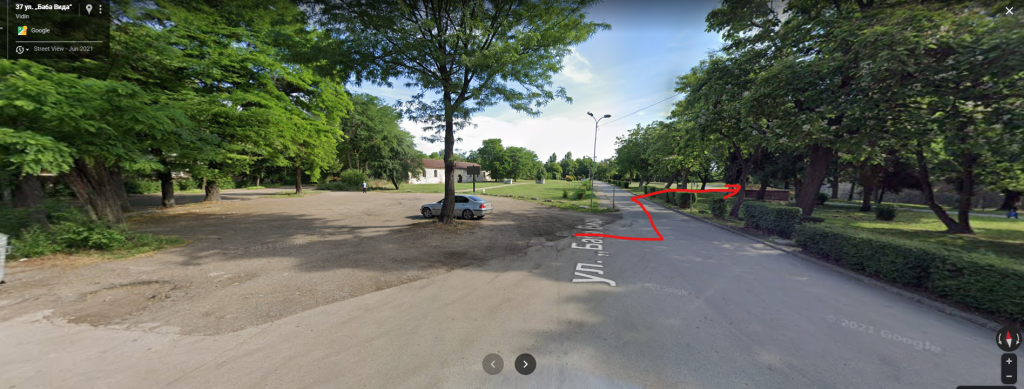
Admission, when we visited, was a good question: somewhere around the four-to-six leva mark, depending on who you asked. That ambiguity is gone. A ticket is now €6.20 for adults, €3.10 for students and pensioners, €15.50 for a family, an audio guide in seven languages is €5.20 and a guided tour is €15.50, all listed on the price page of the Regional History Museum in Vidin. Summer opening hours are 09:00–18:00 on weekdays and 09:30–18:30 at weekends and on holidays; in winter it is 09:00–17:00 and 10:00–17:00 respectively, with tickets sold up to 30 minutes before closing.
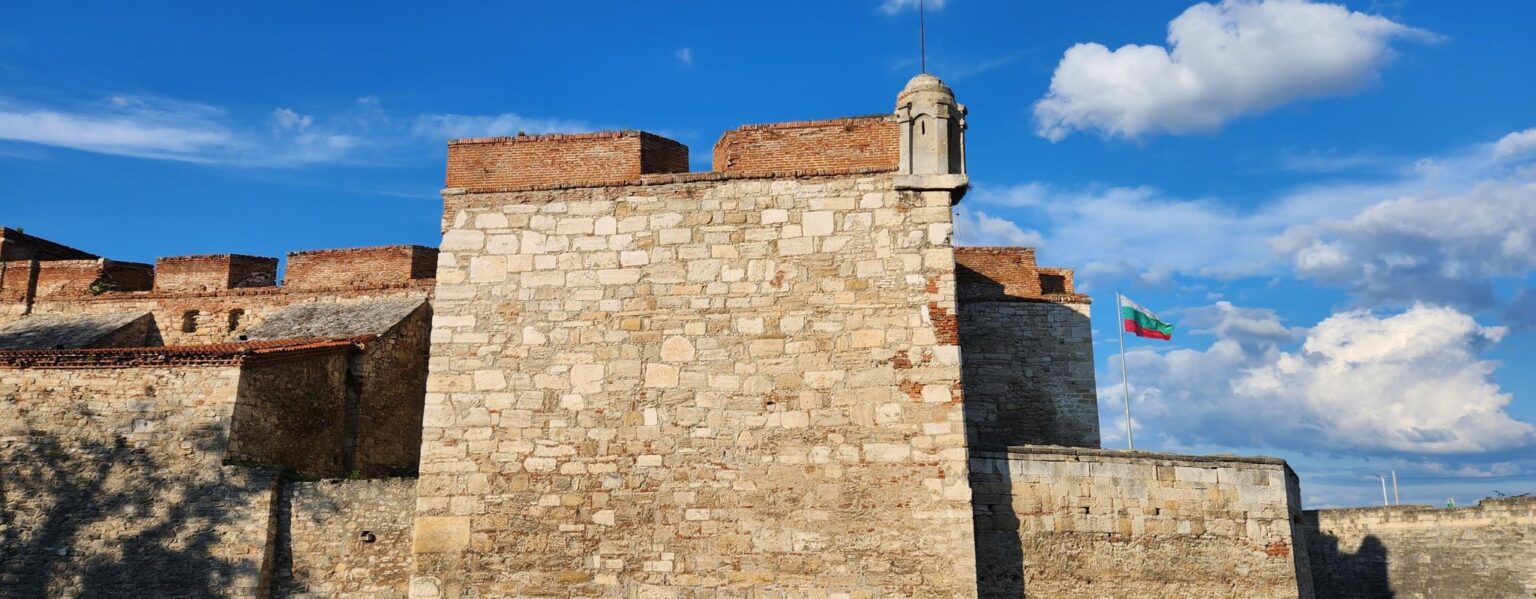
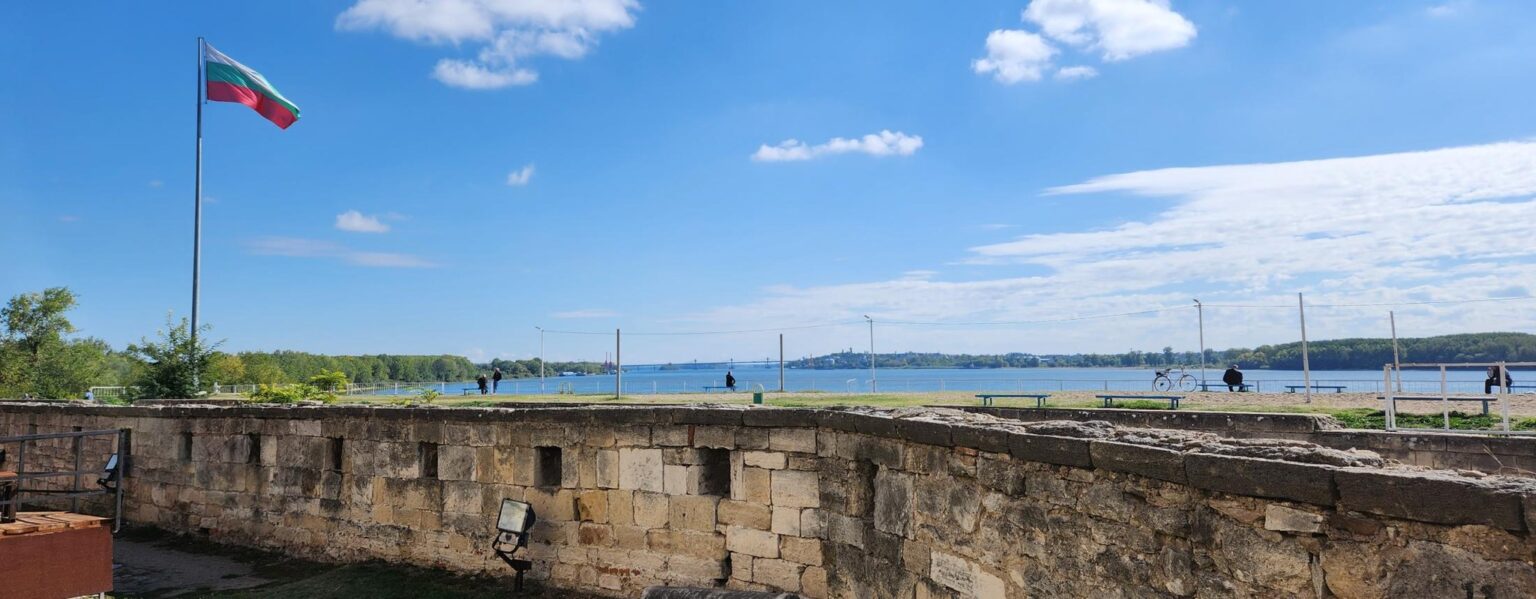
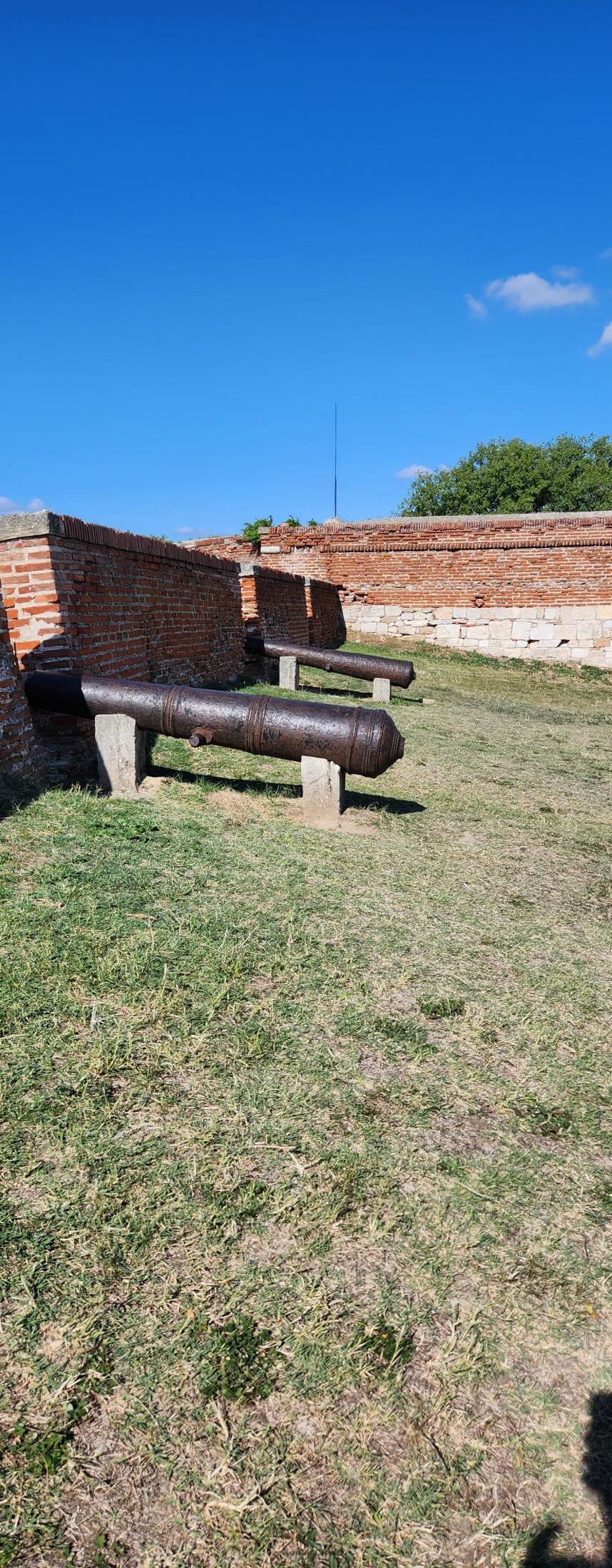
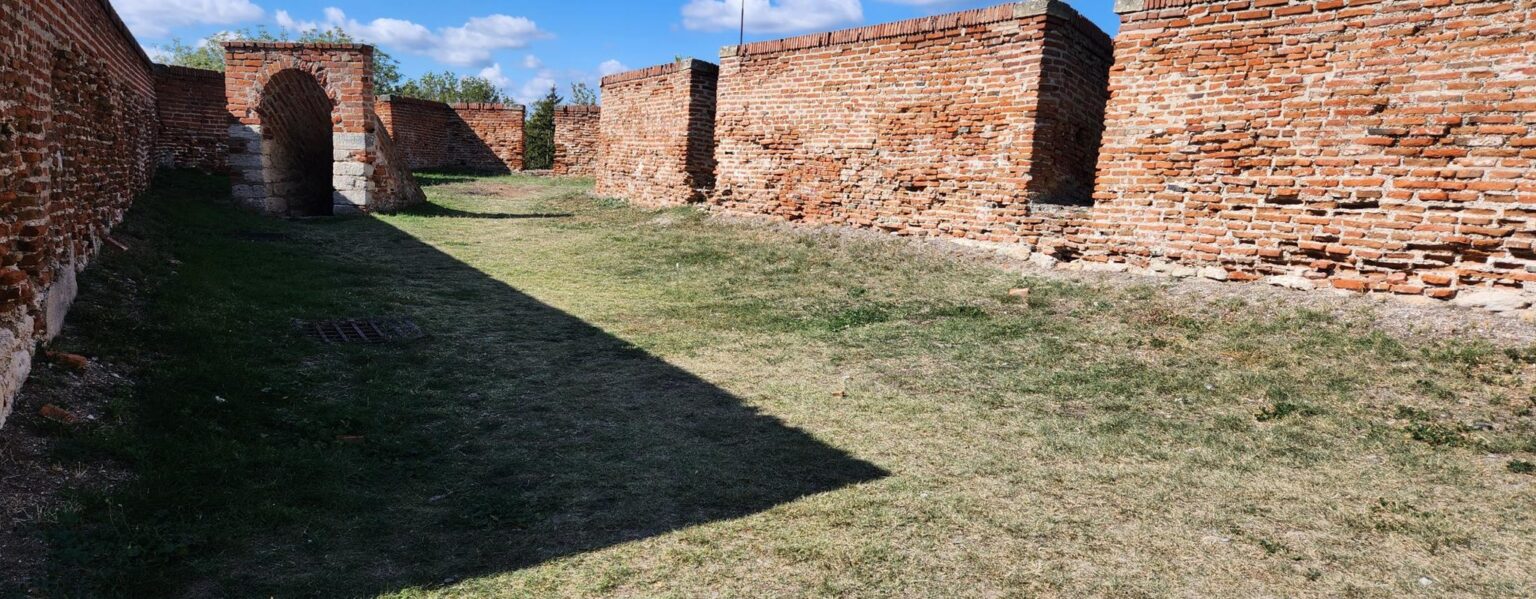
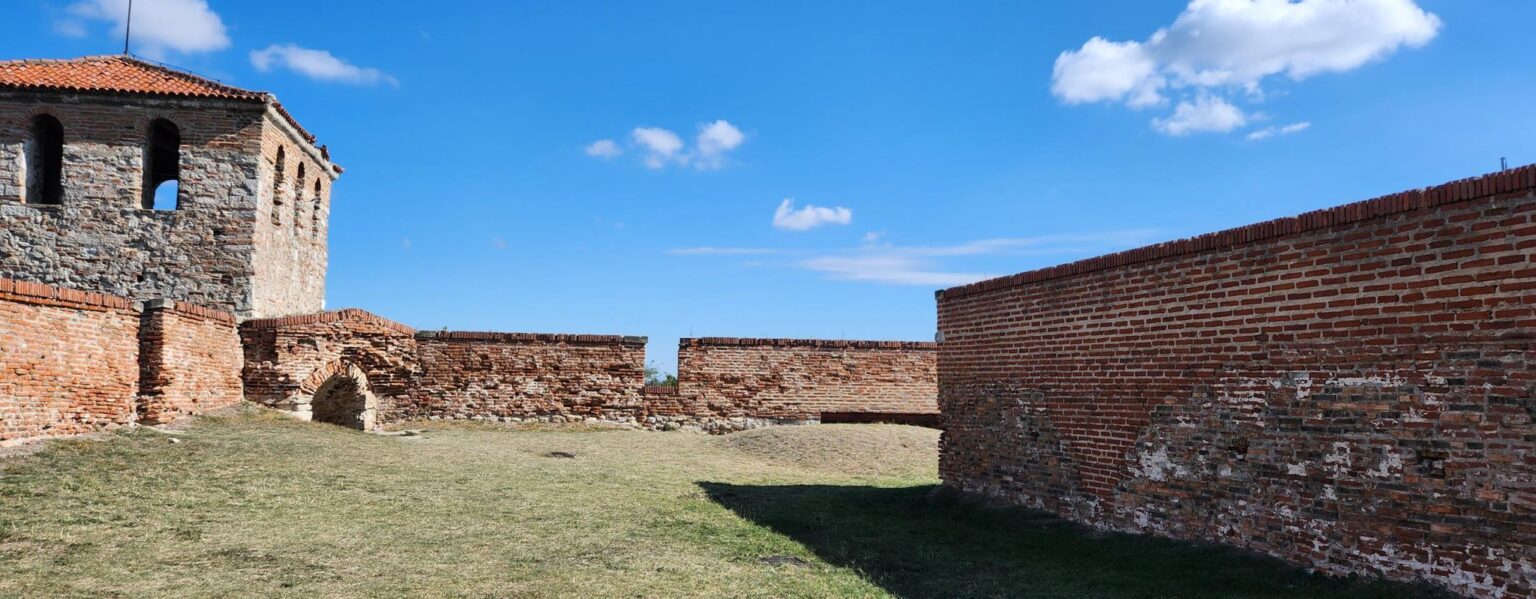
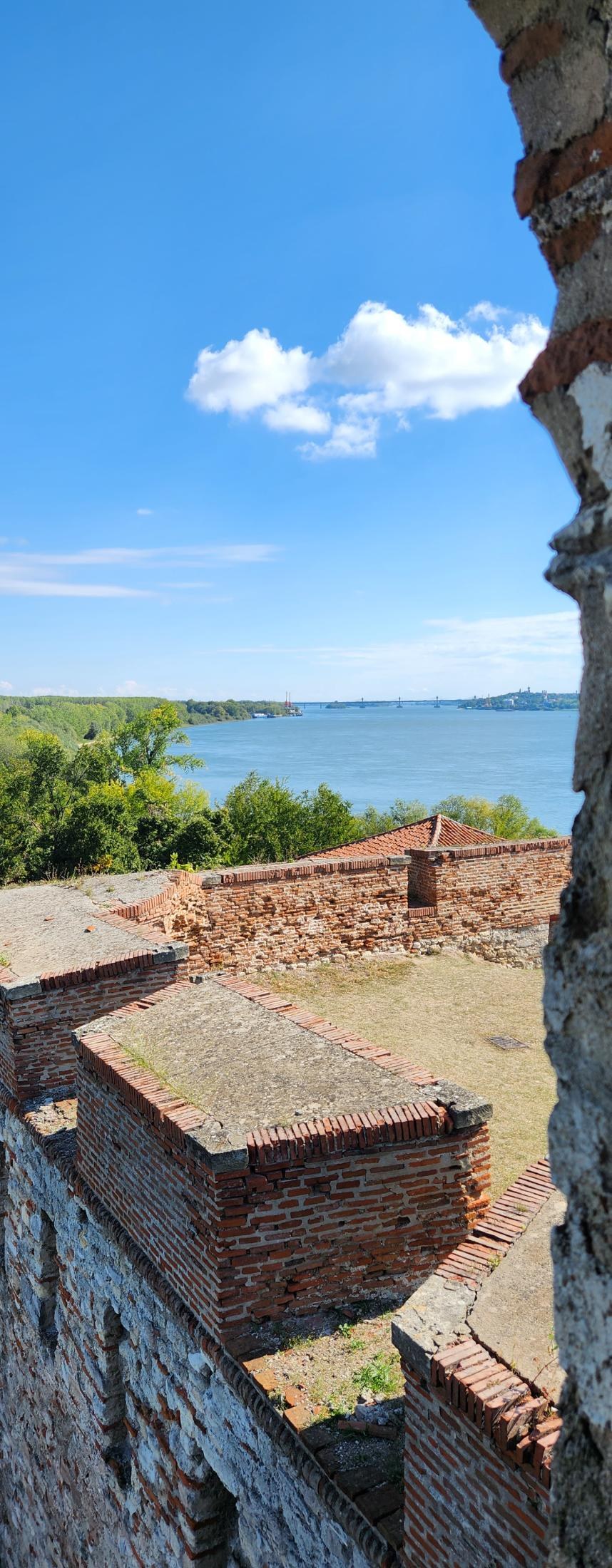
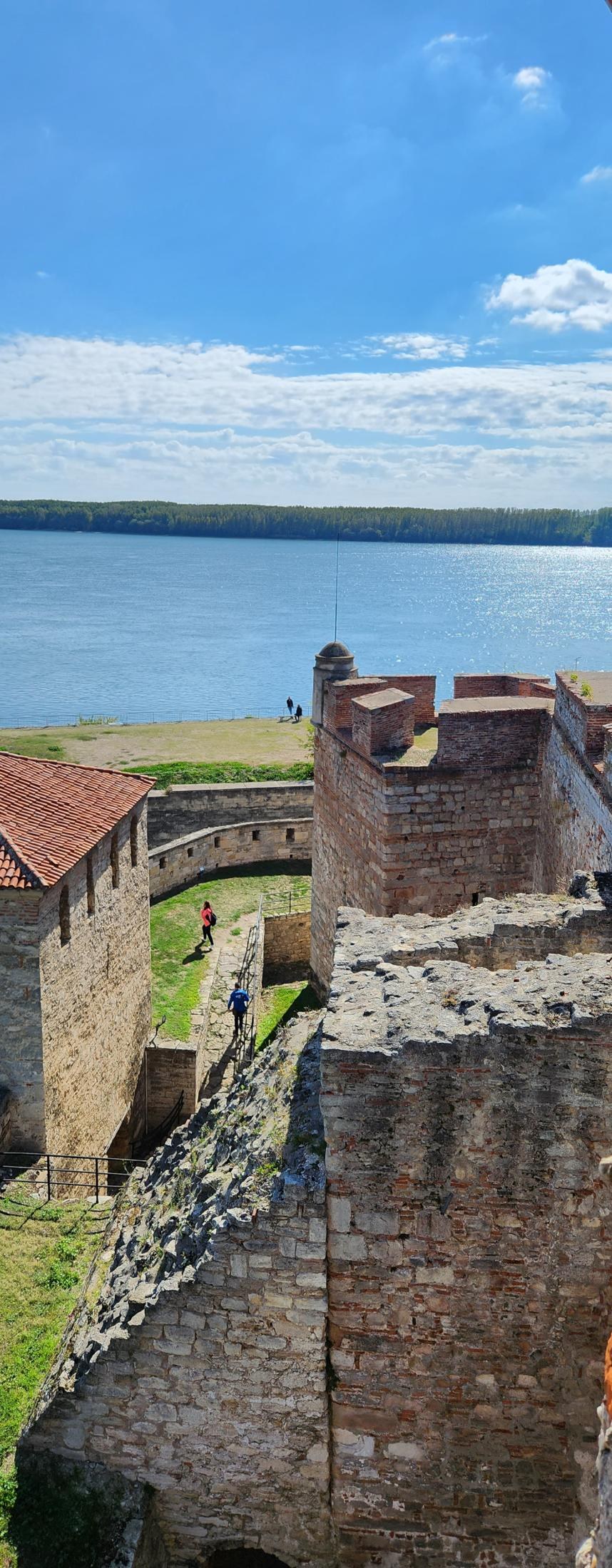
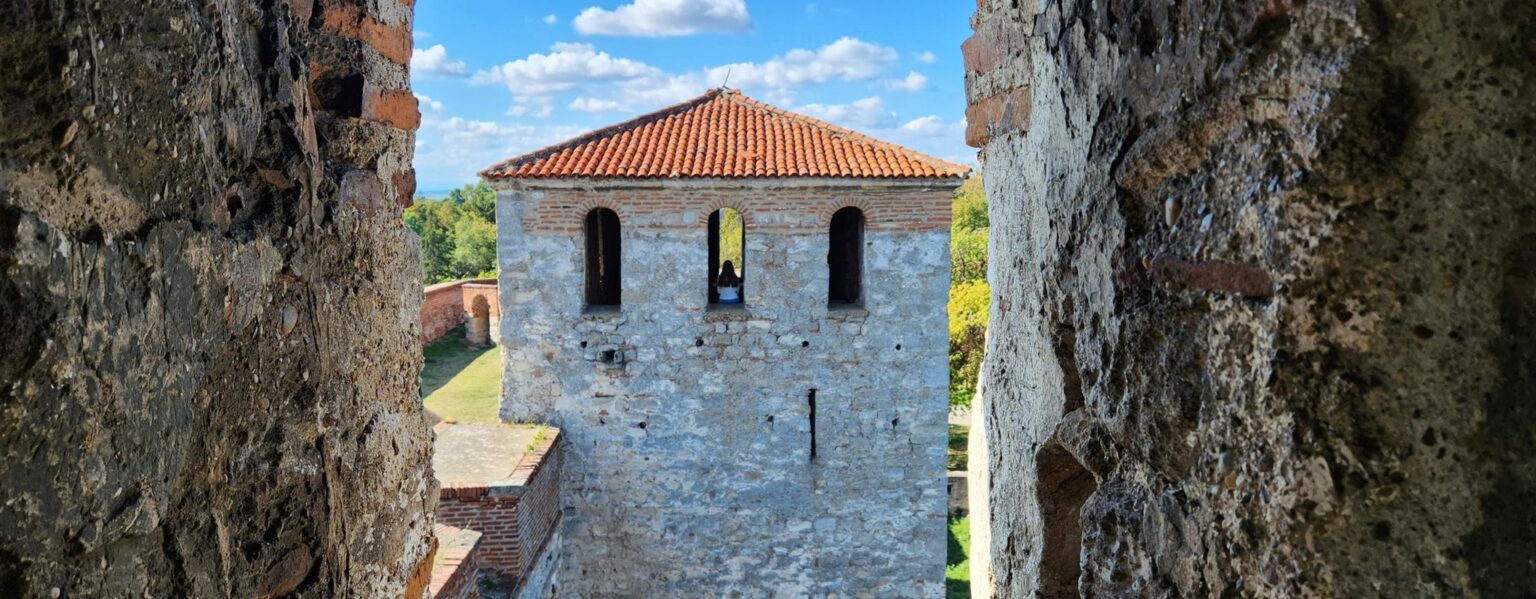
Like the Belogradchik Rocks, the fortress does not go in for restrictions. There are signs and warnings, but no railings. There are large holes in the floor on the second level, covered over with moderate enthusiasm. Here you really do need to watch your step so that the fun does not end in tears. Practically nothing is closed off and you can wander a great deal — an hour, an hour and a half at least. Several halls and rooms are laid out as museum displays. From the upper levels views open towards both the town and Romania, and you can see the Danube Bridge, which looks impressively large from there. The history of the fortress is, again, over on Wikipedia. You can probably sense me reaching a bit here. There is nothing singular or unrepeatable about it. A good medieval fortress with its own history, one of many.
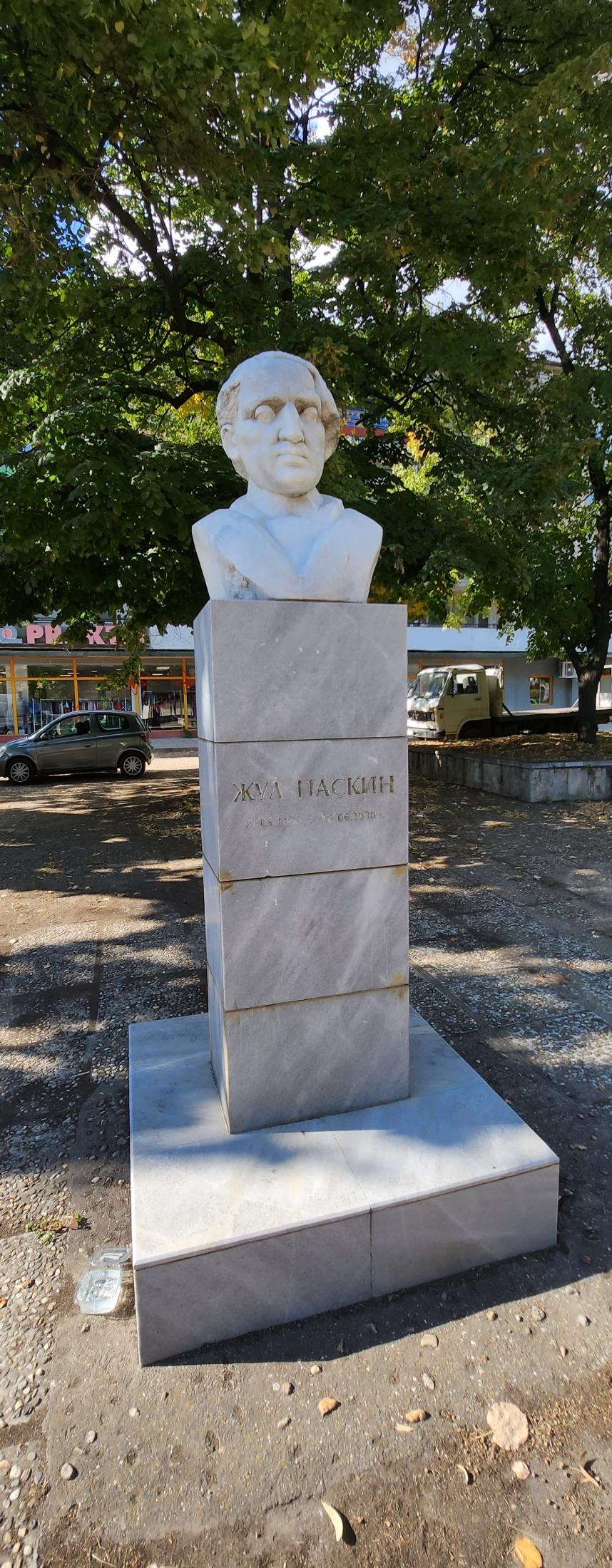
Right next to the car park is the archaeological museum. When we were there, it was free — a bonus, which naturally meant walking through it twice. Interesting excavated material arranged by century from the Roman era onwards, mostly on plinths: inscribed columns and stonework. In good old Julius Caesar’s day they made them nicer, and that is not a joke — the older columns are dramatically more detailed and more massive than the medieval ones. Worth flagging that this has changed: the collection now operates as the Epigraphic Centre with a ticket of €3.10 for adults and €1.60 reduced. There is also a two-day combined ticket at €18.80 covering Baba Vida, Krastata Kazarma, the Konaka Museum, the Epigraphic Centre and the Jules Pascin Cultural Centre, which is the sensible buy if you plan to do the town properly.
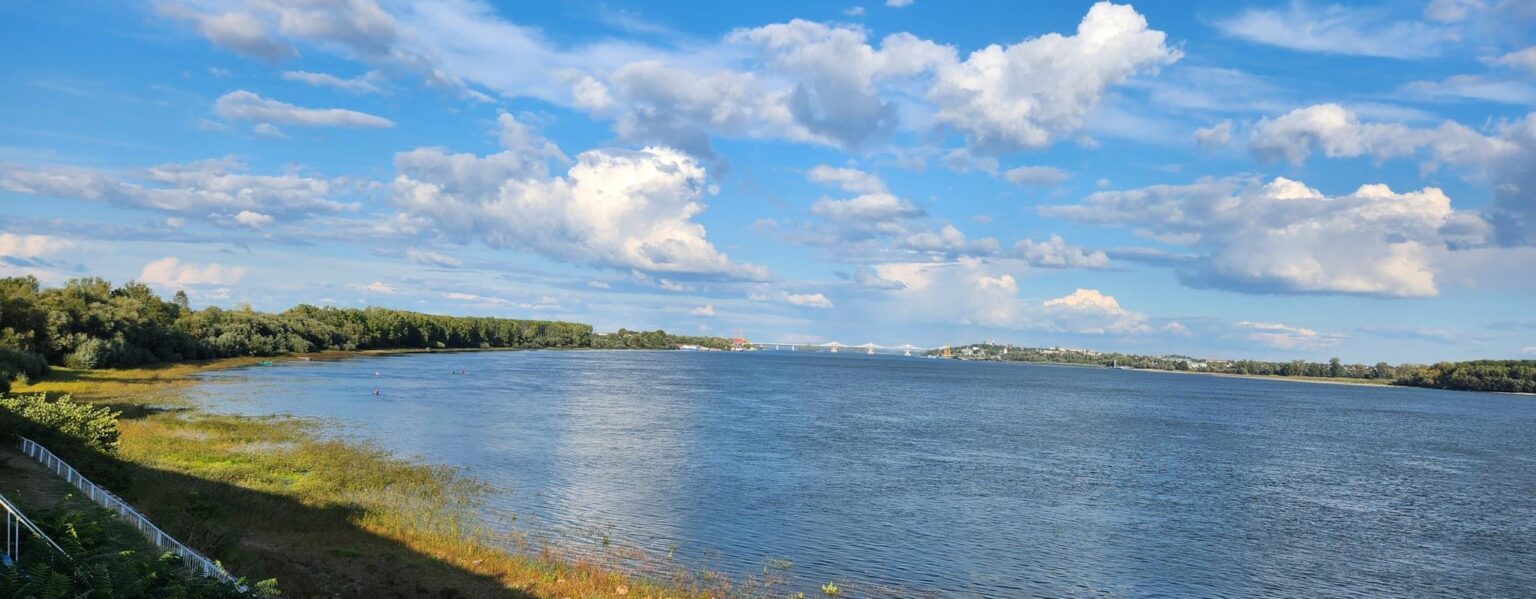
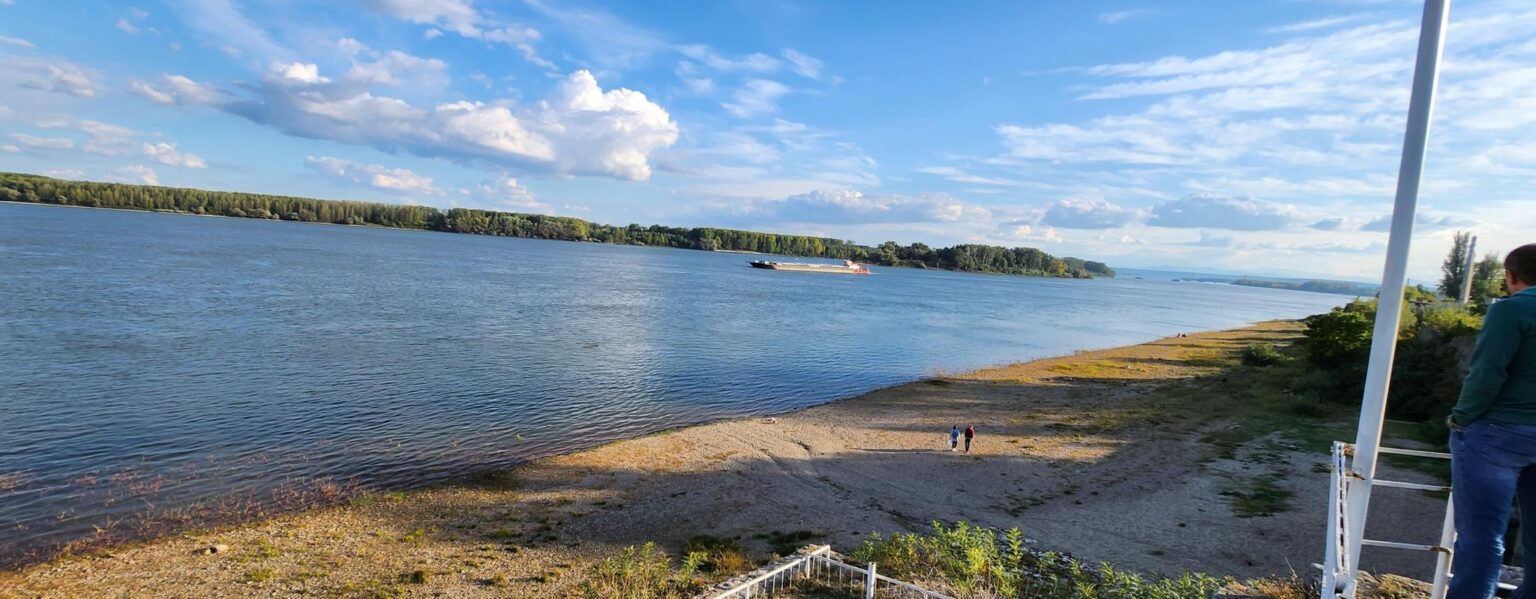
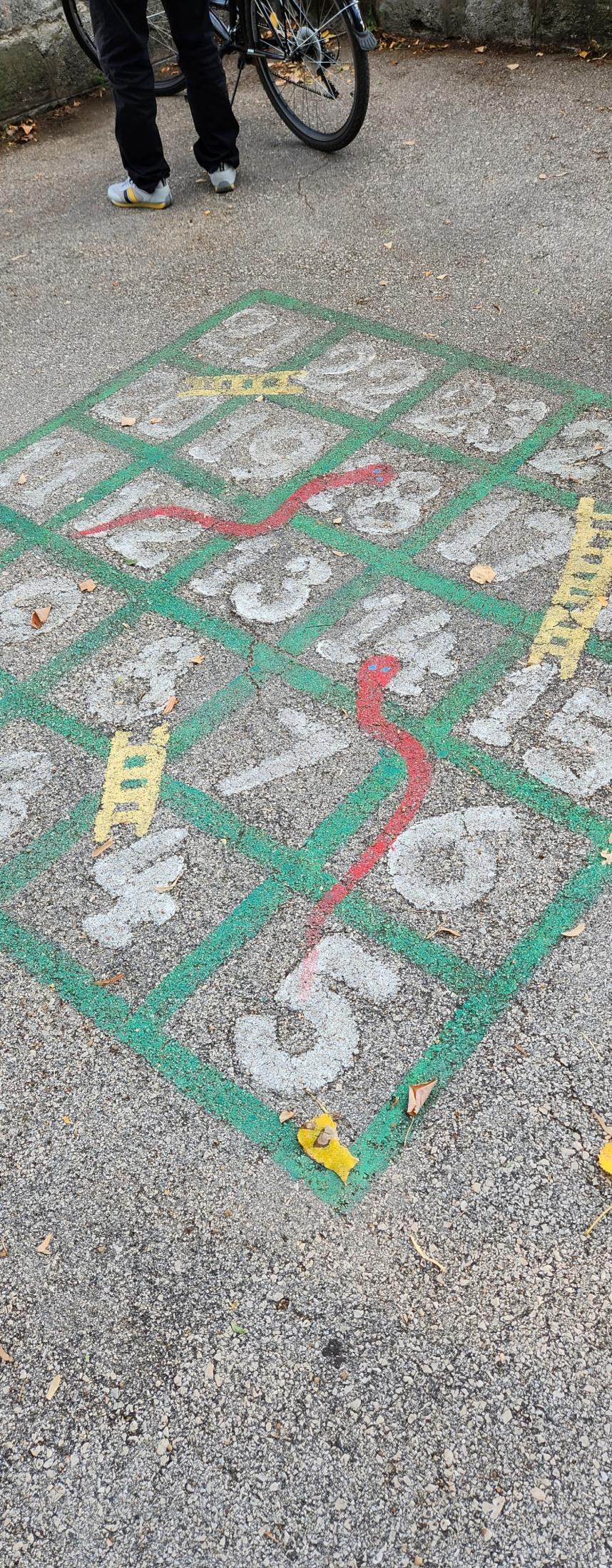
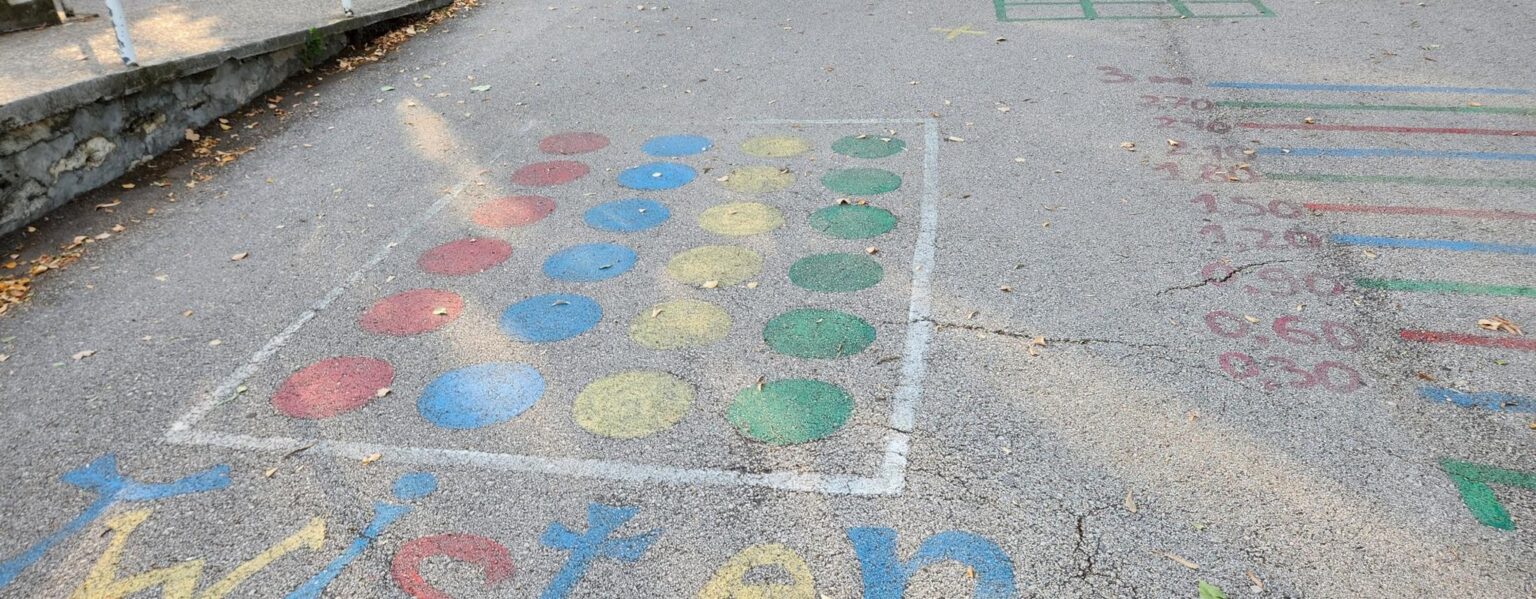
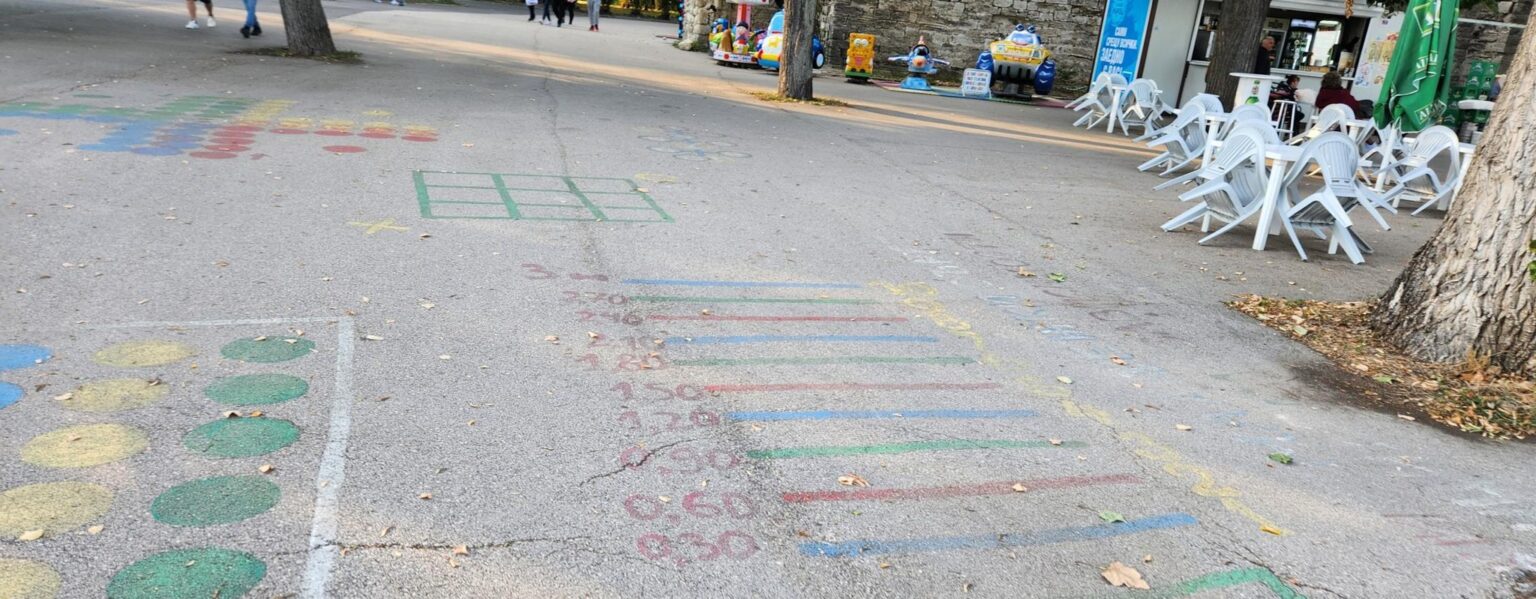
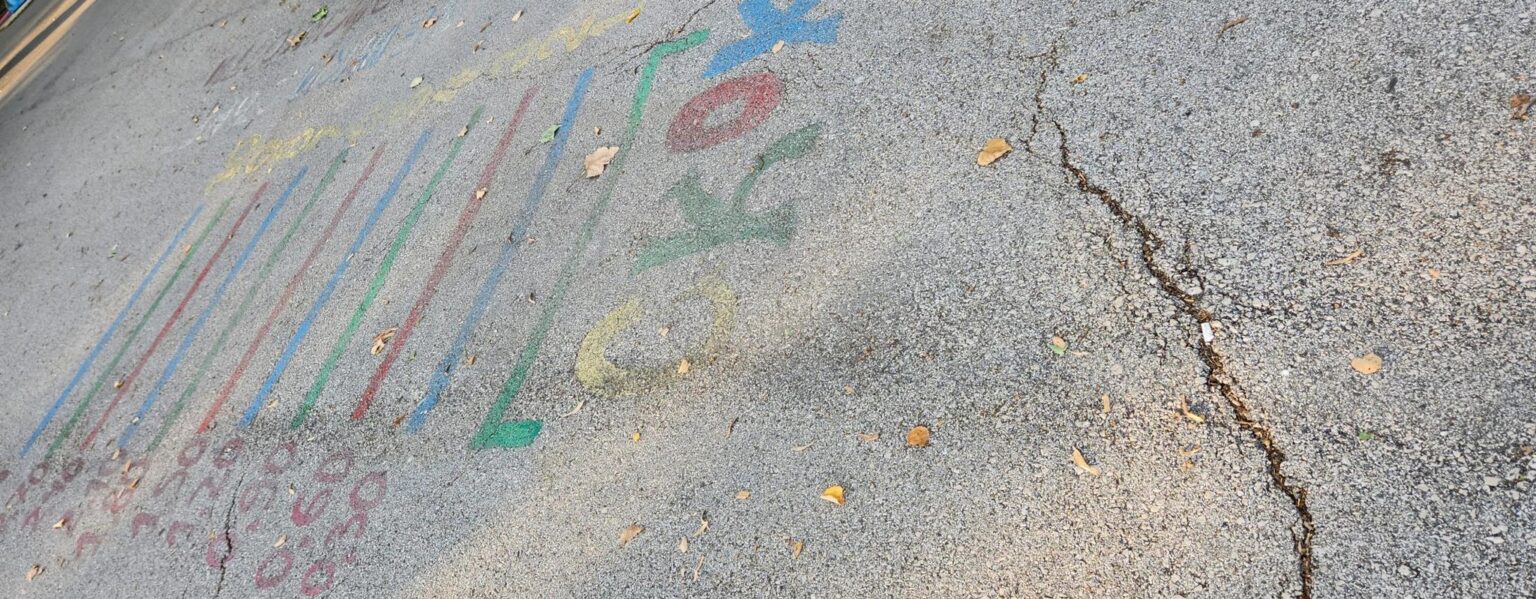
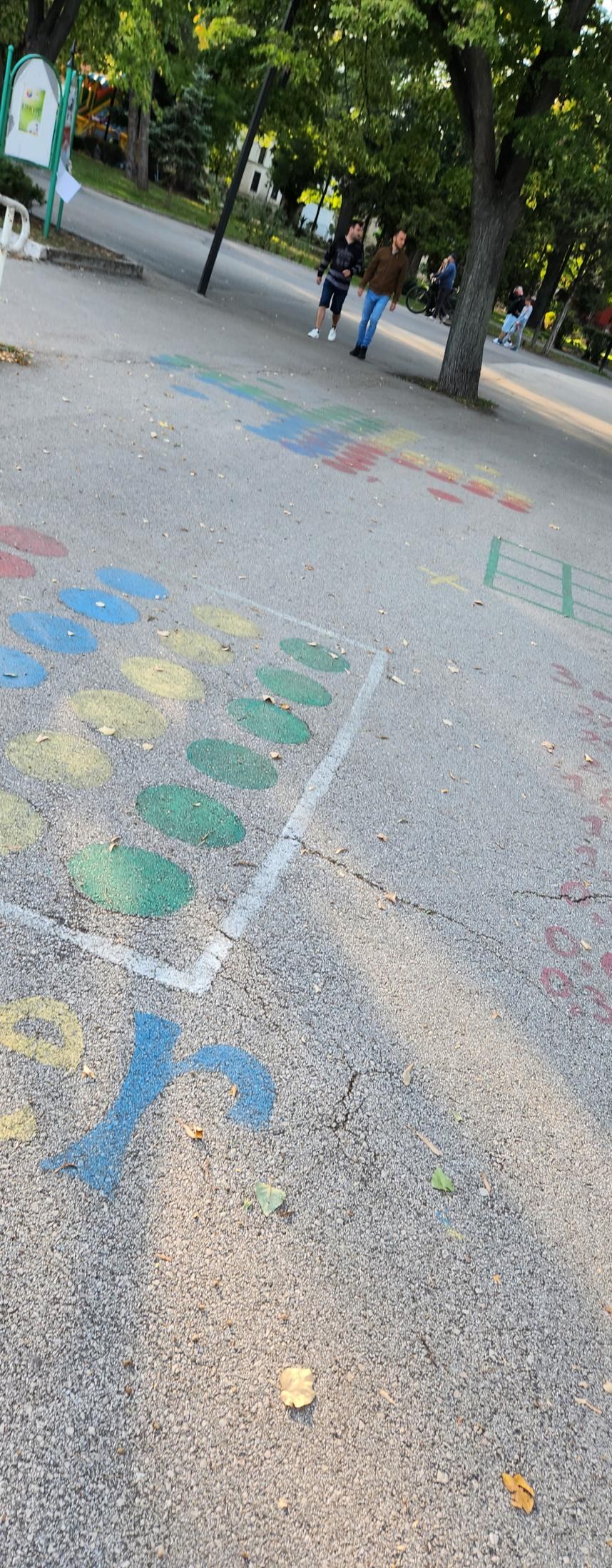
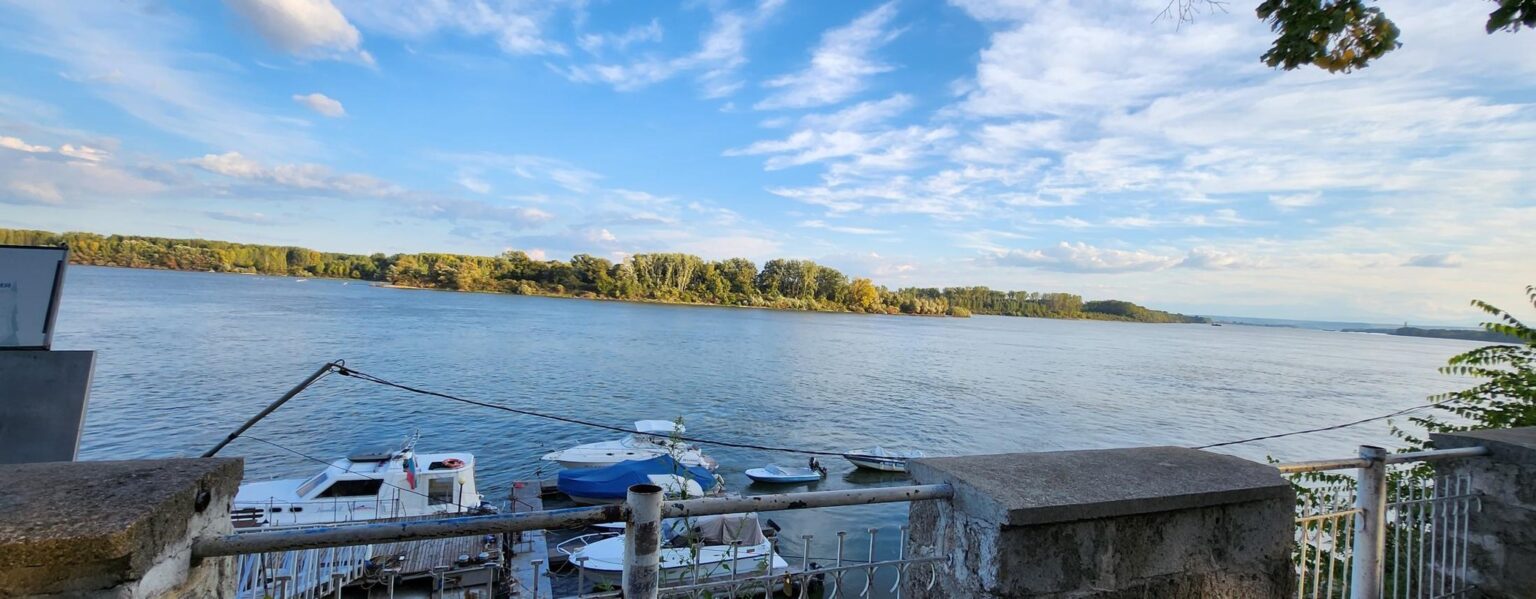
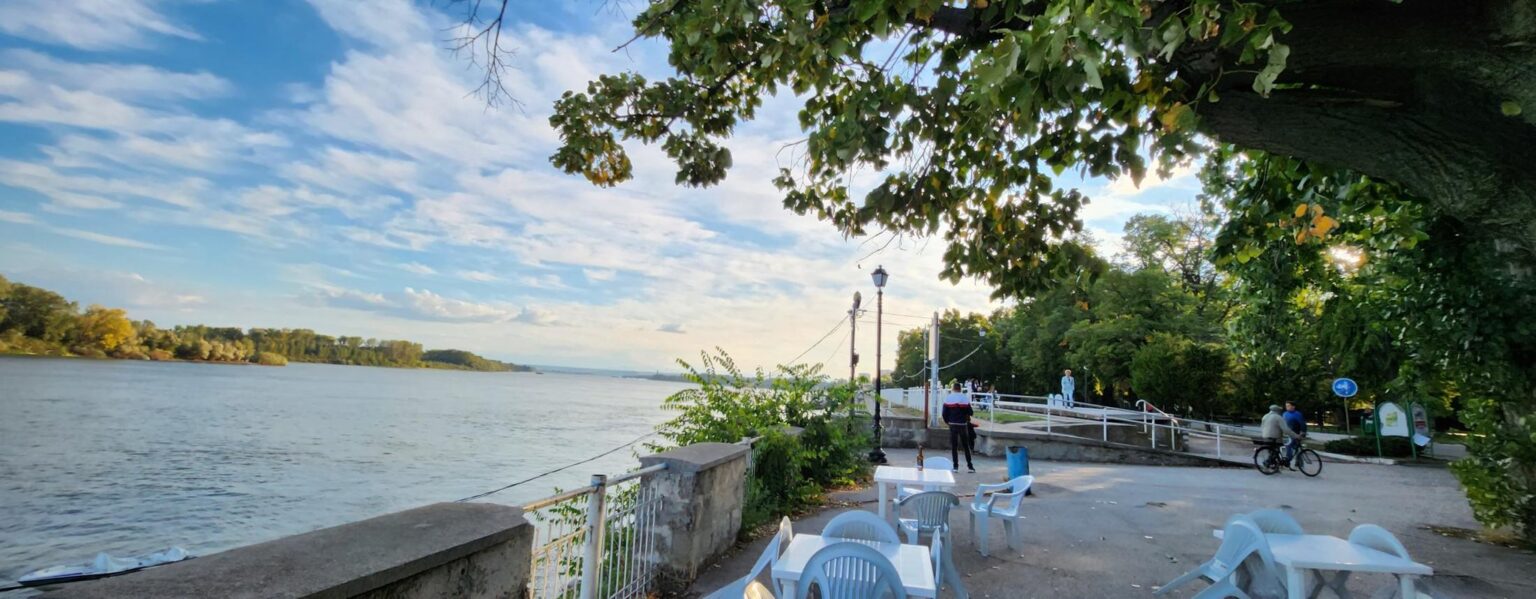
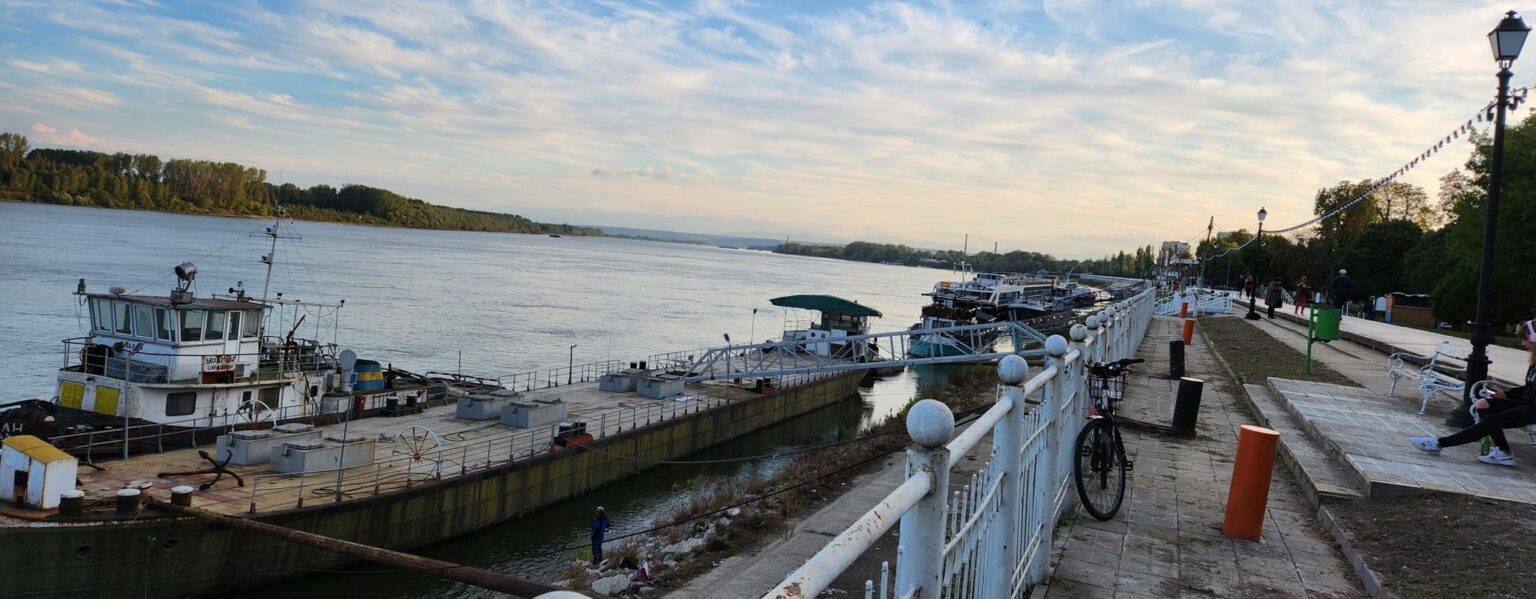
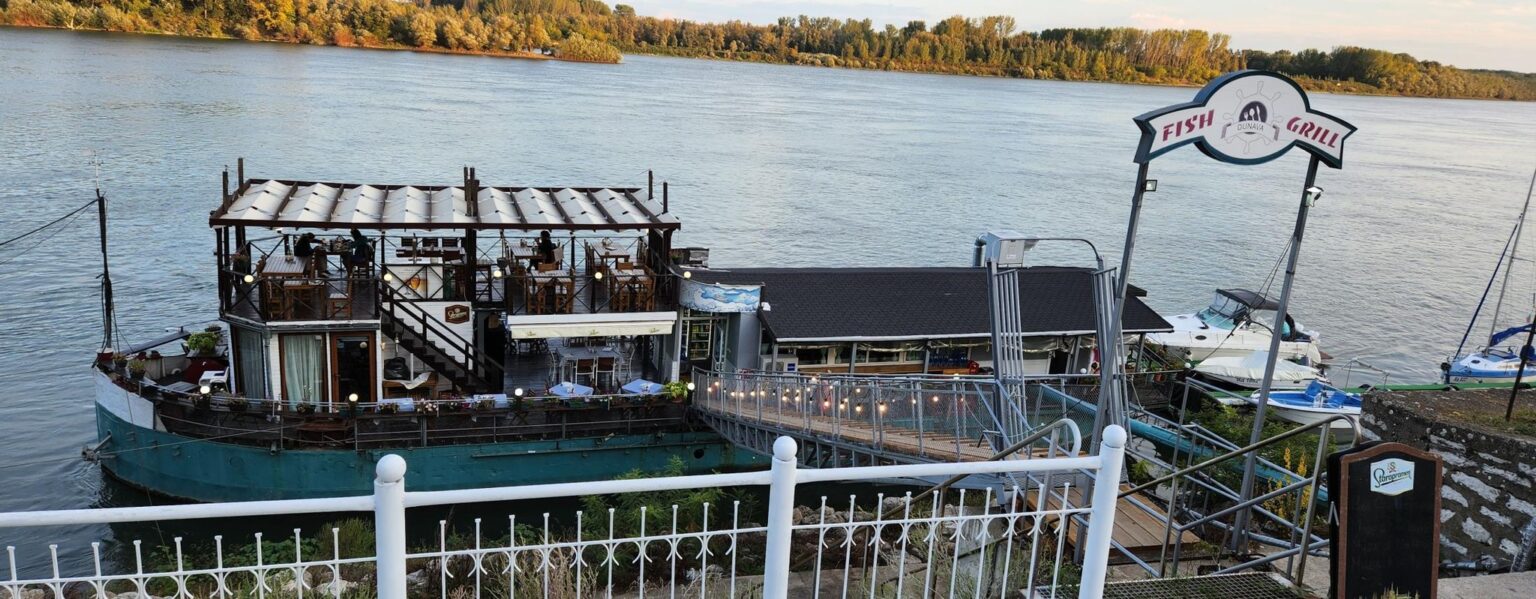
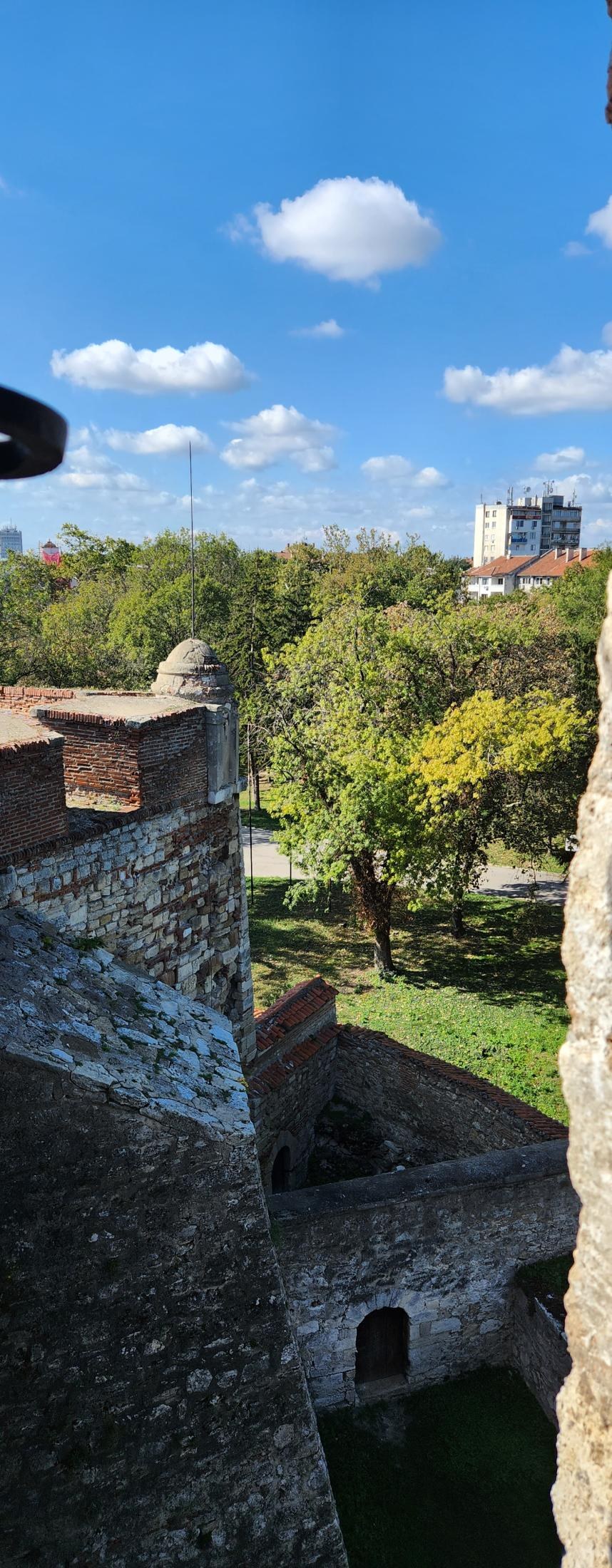
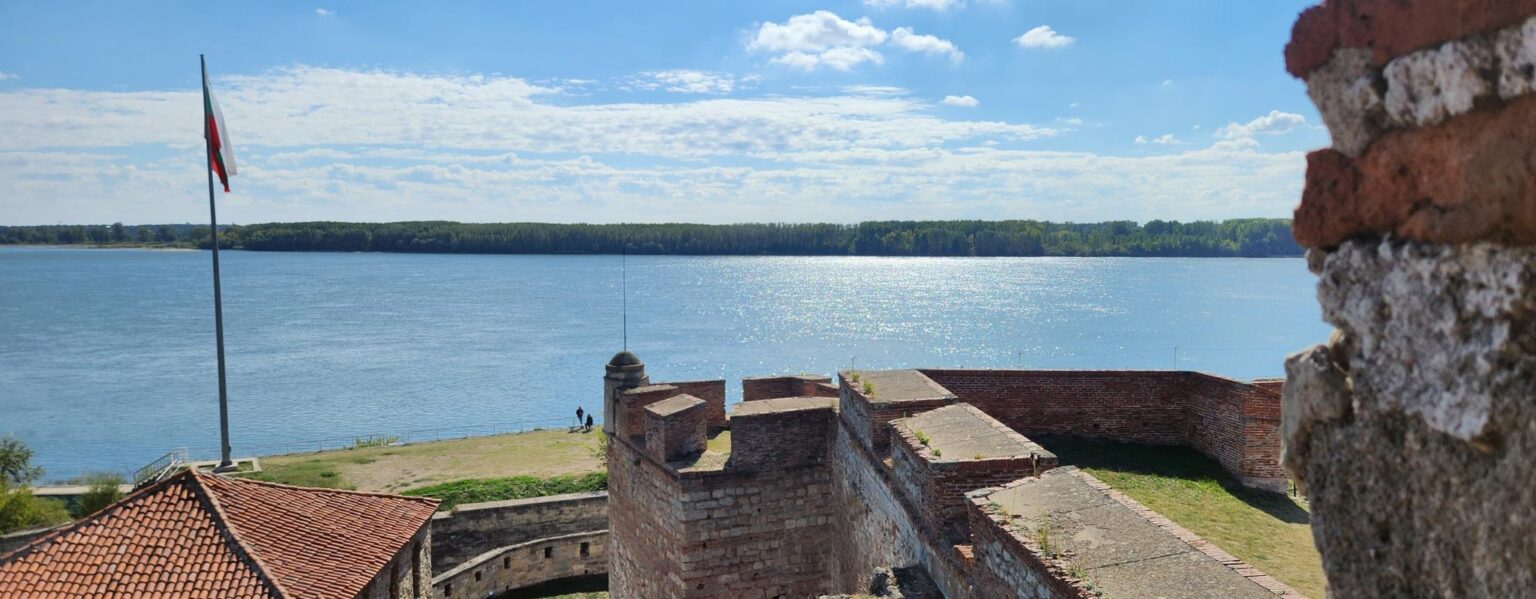
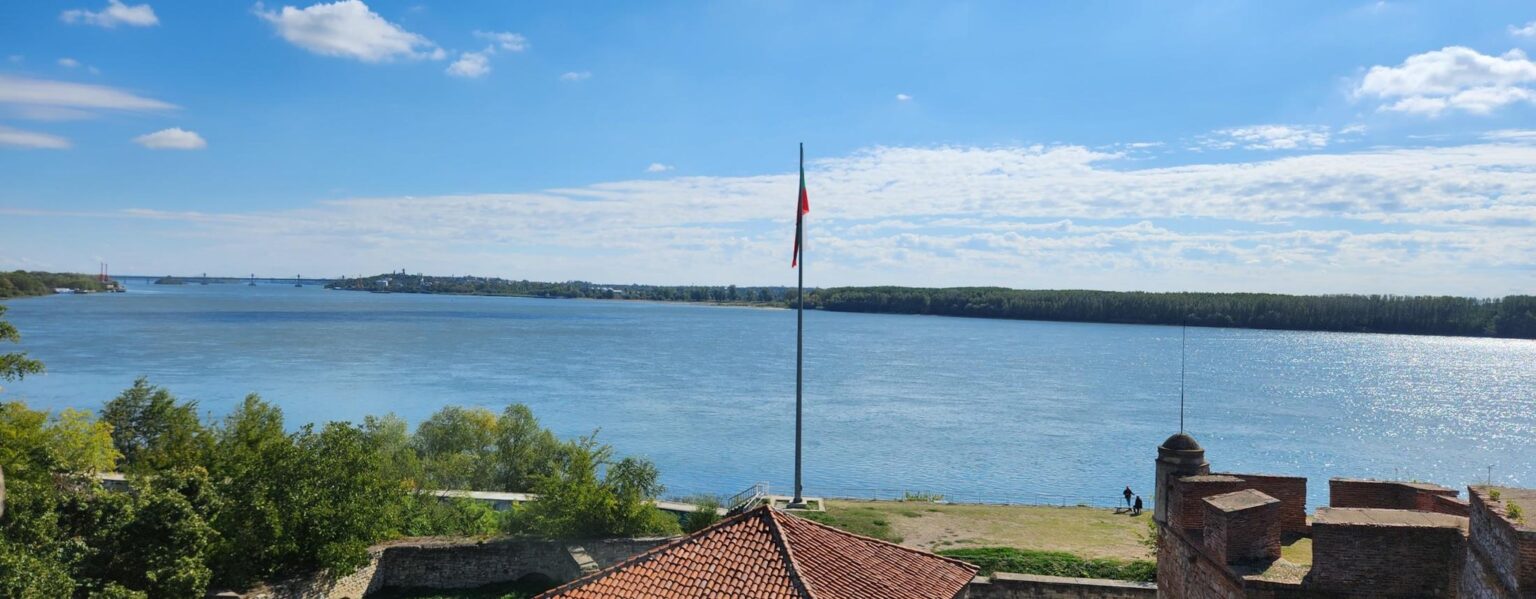
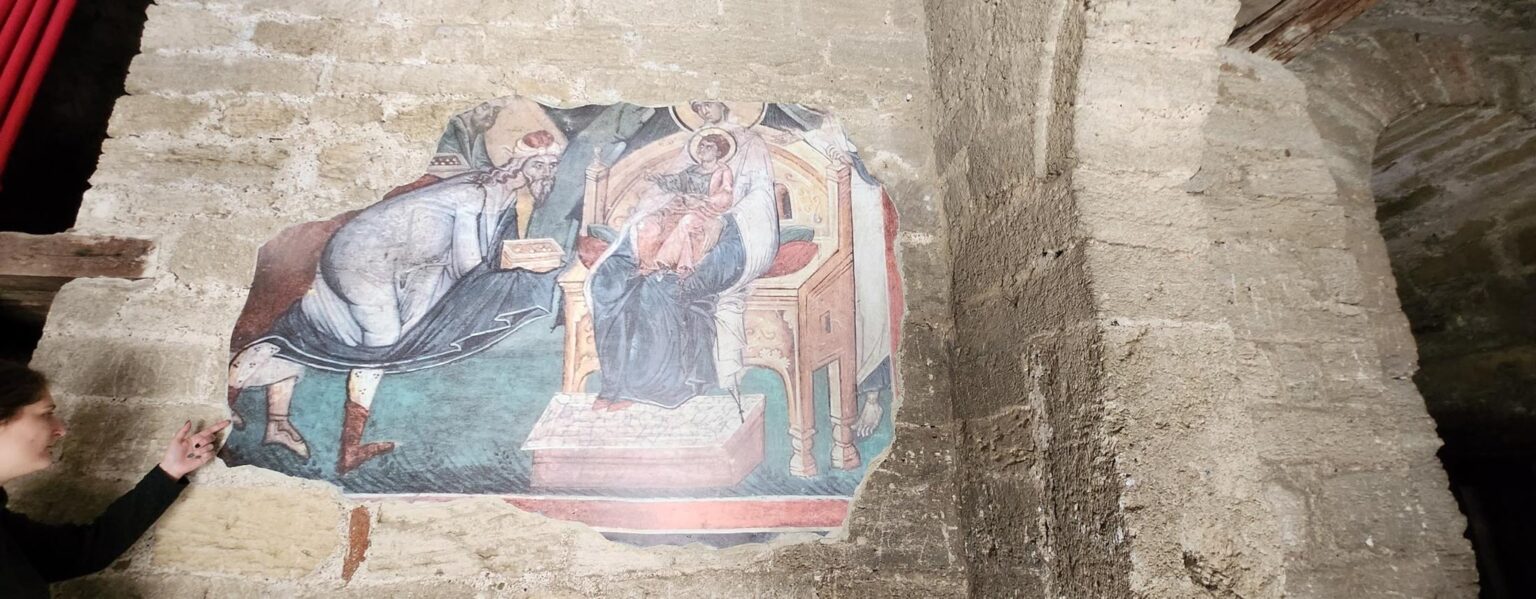
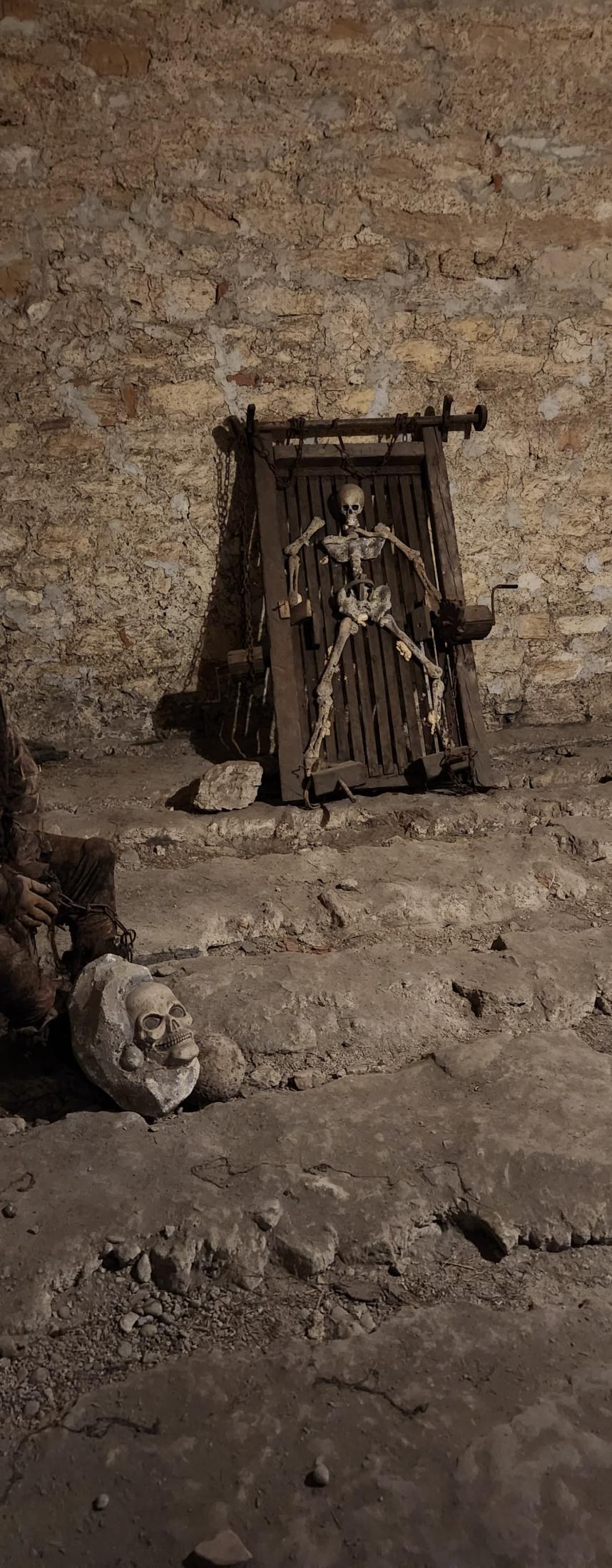
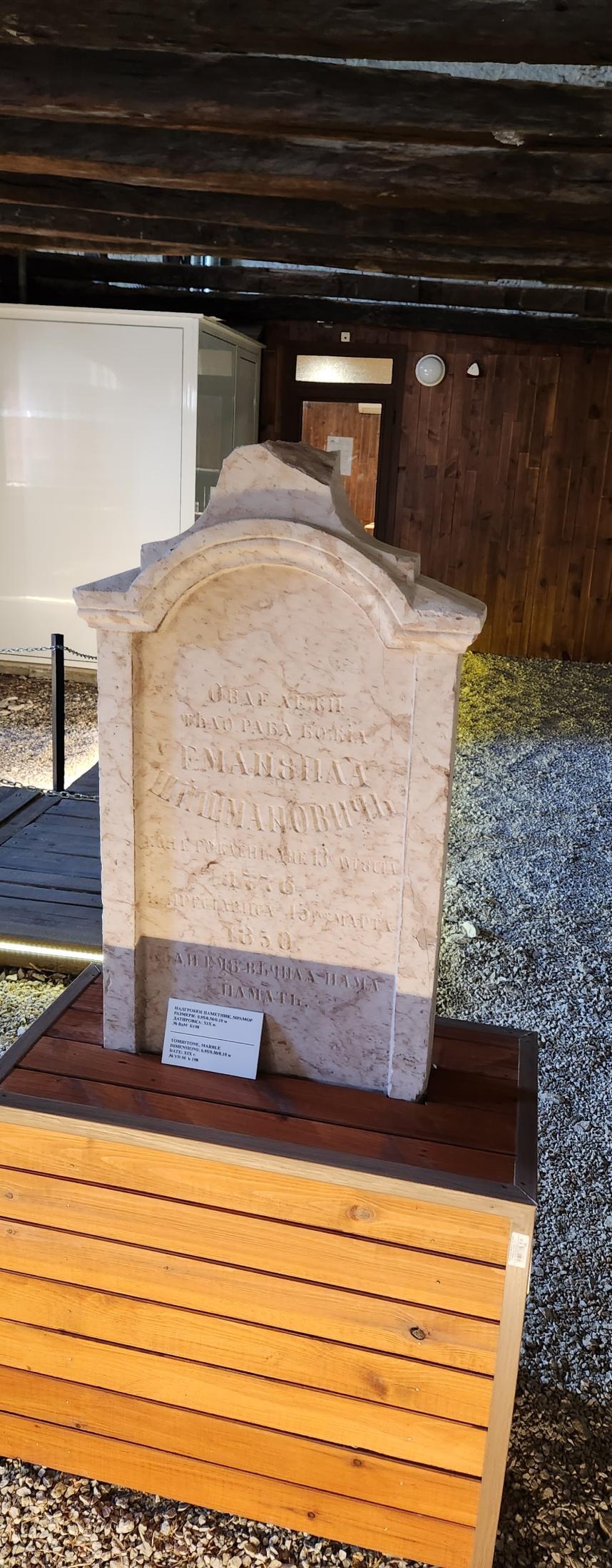
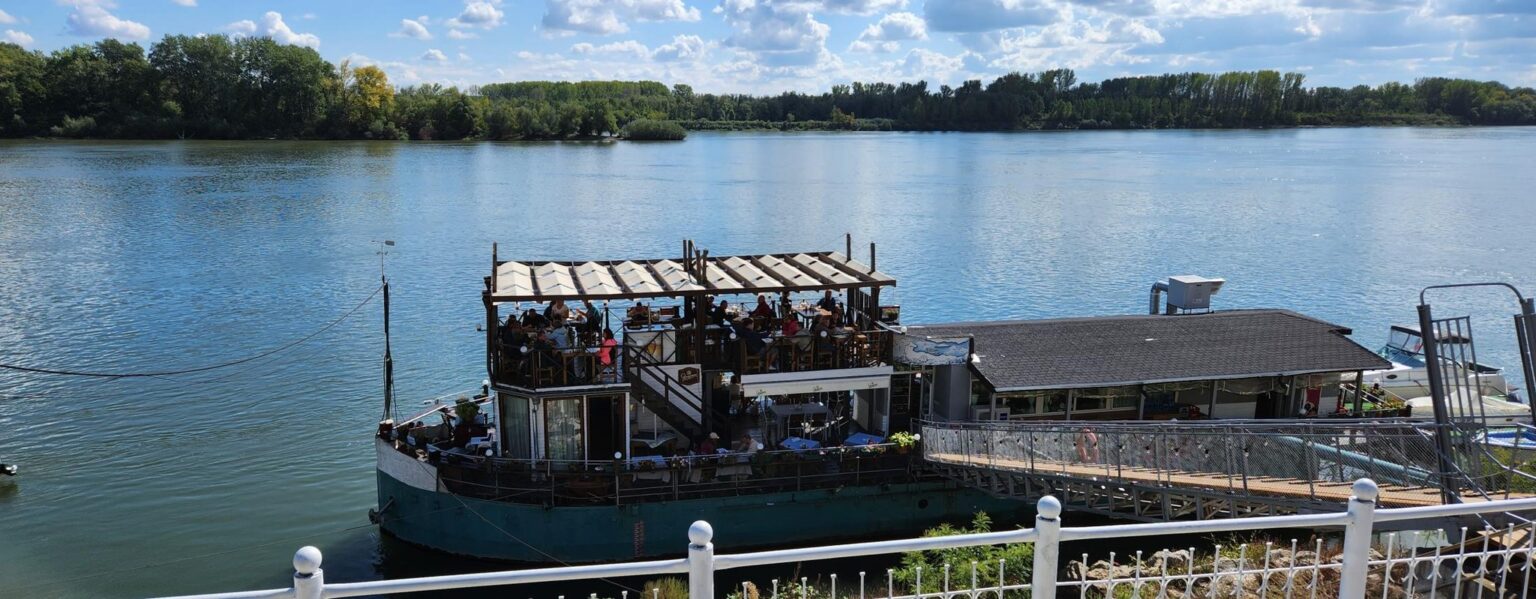
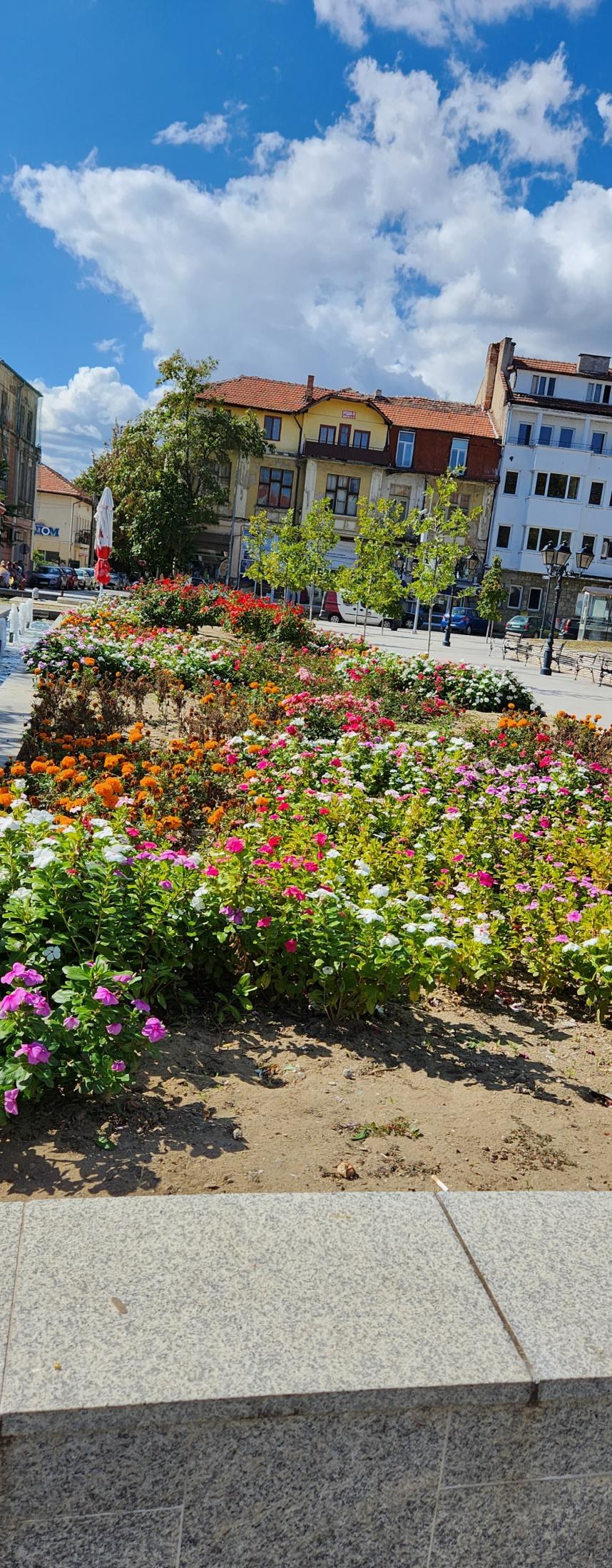
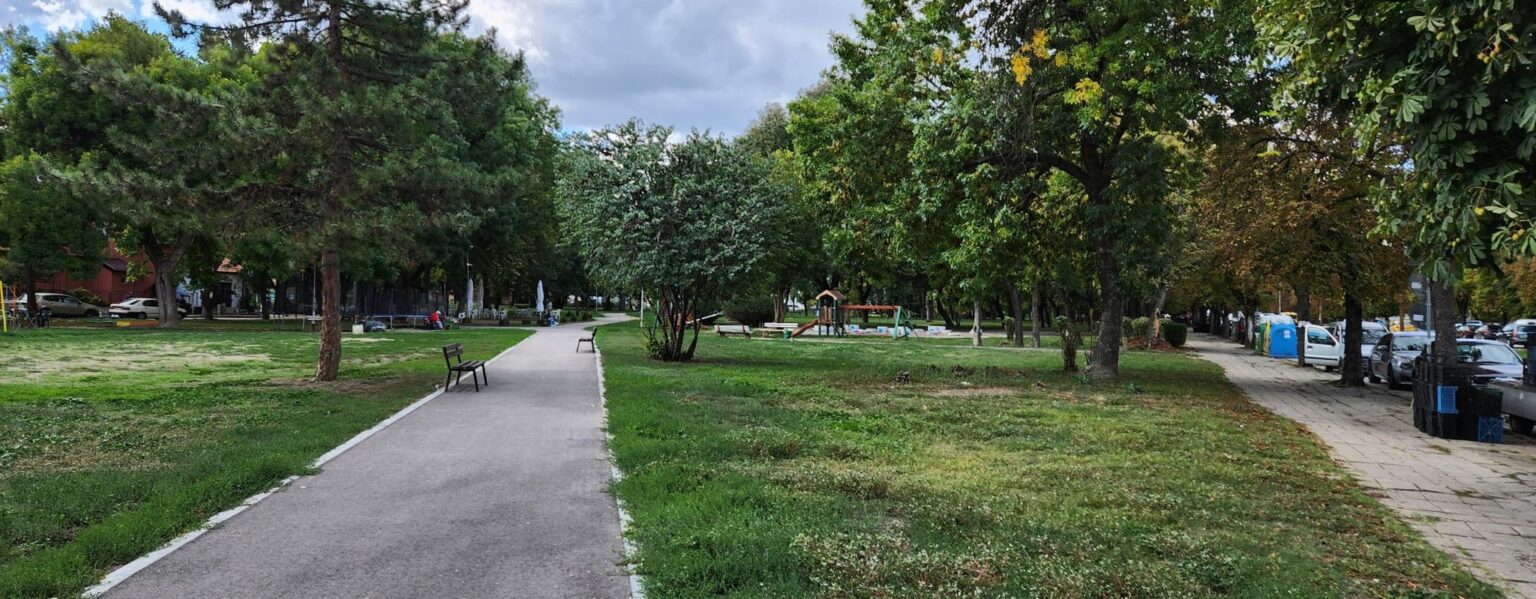
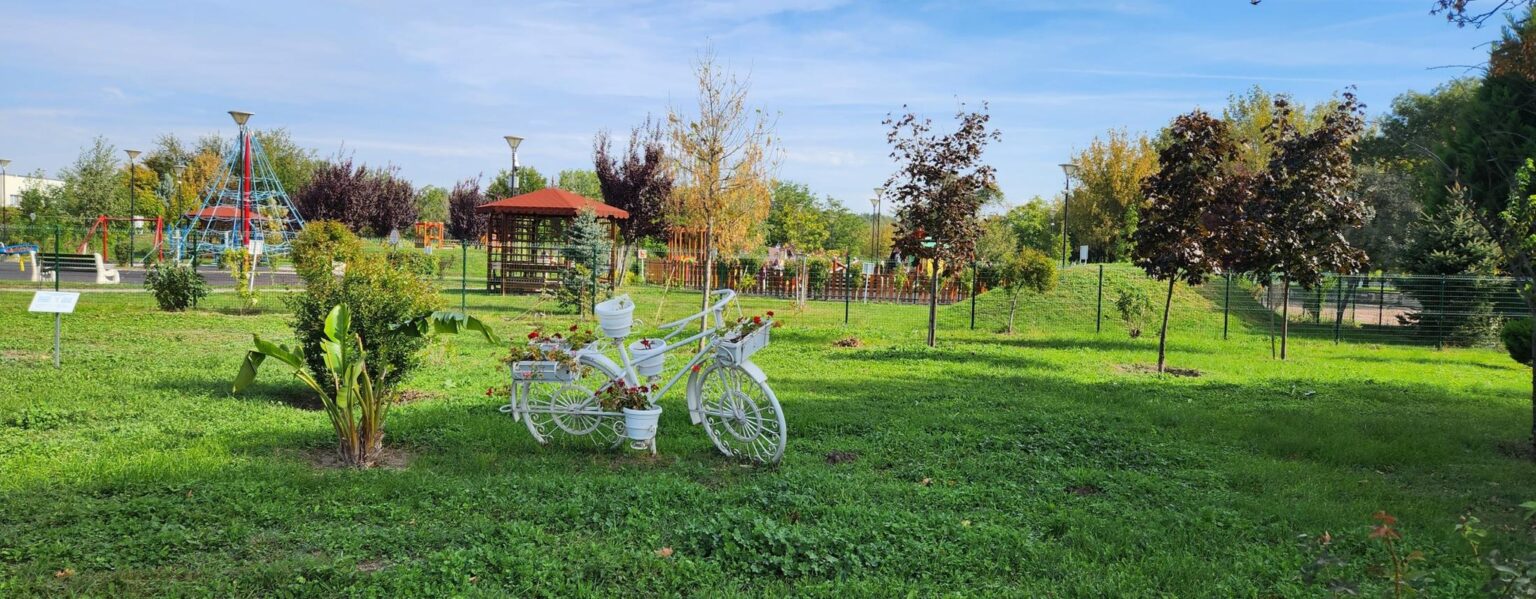
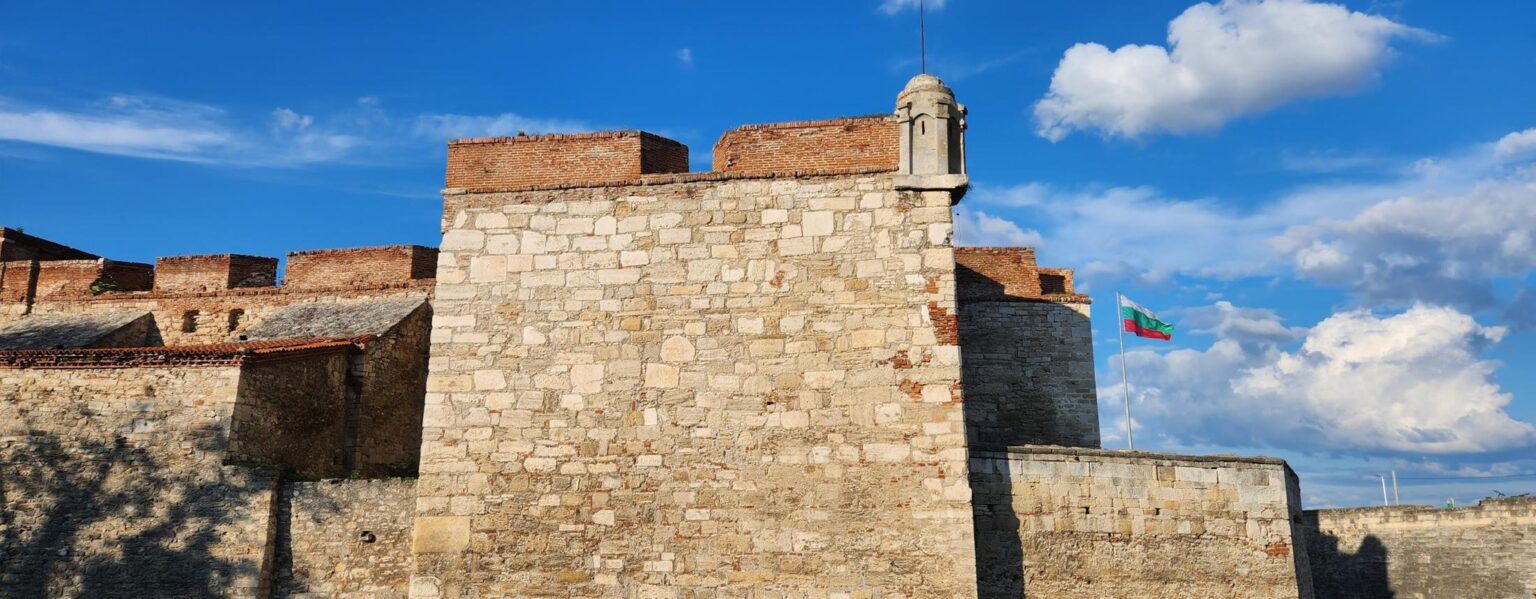
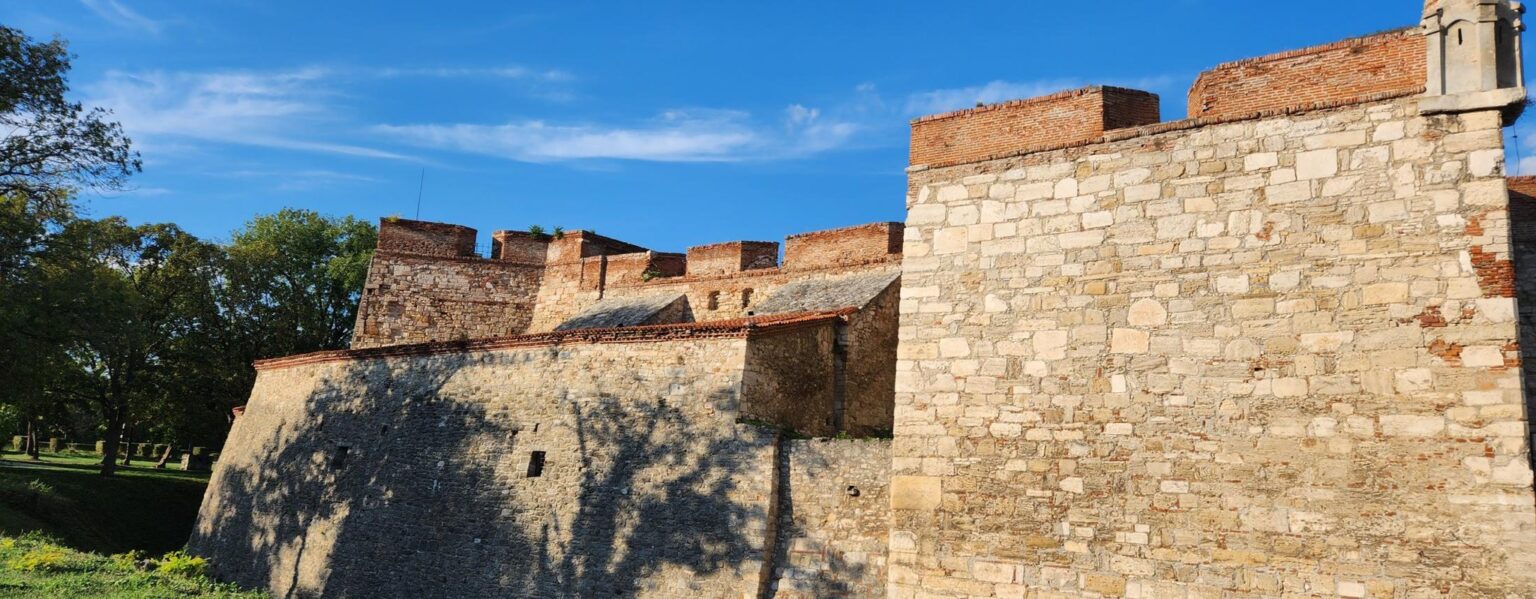
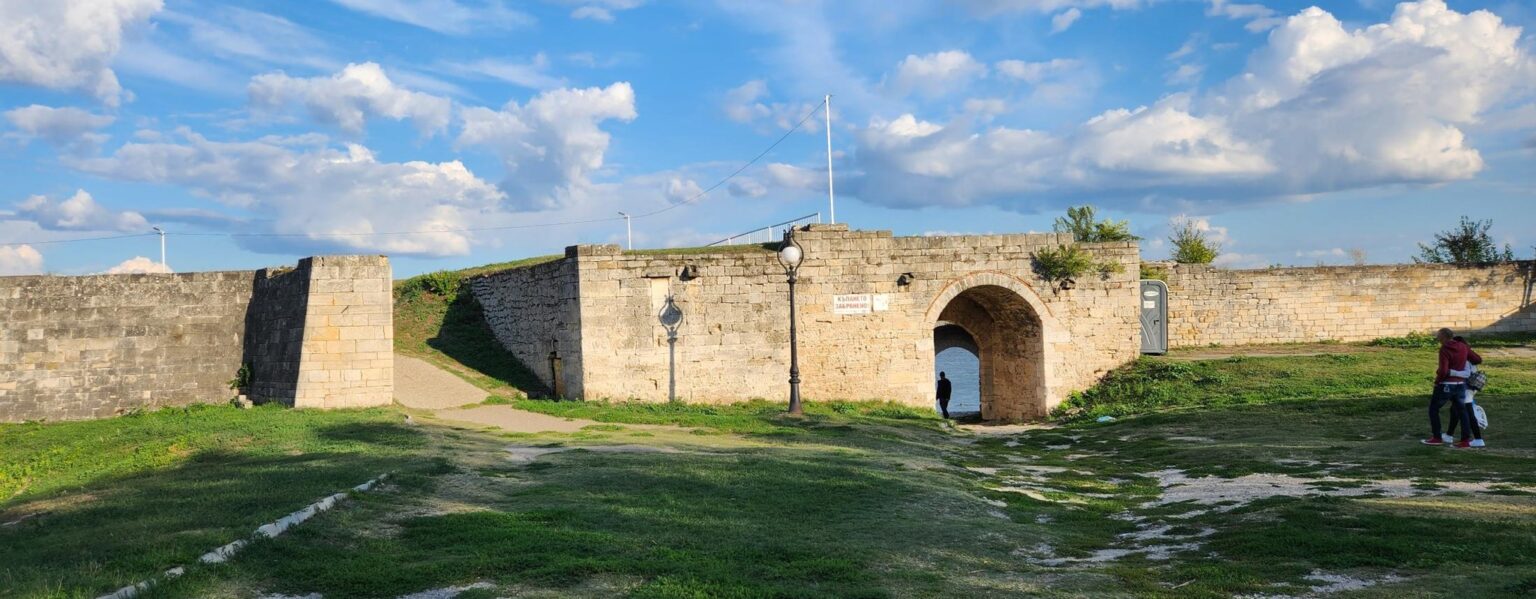
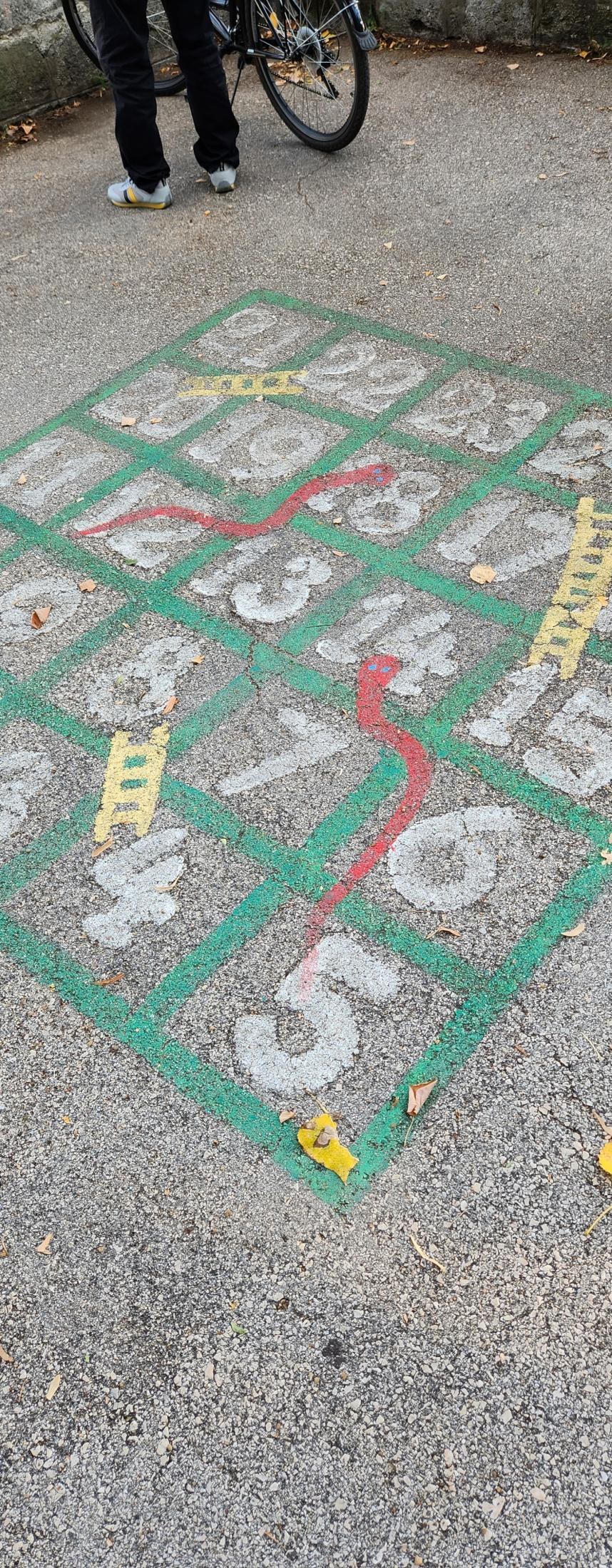
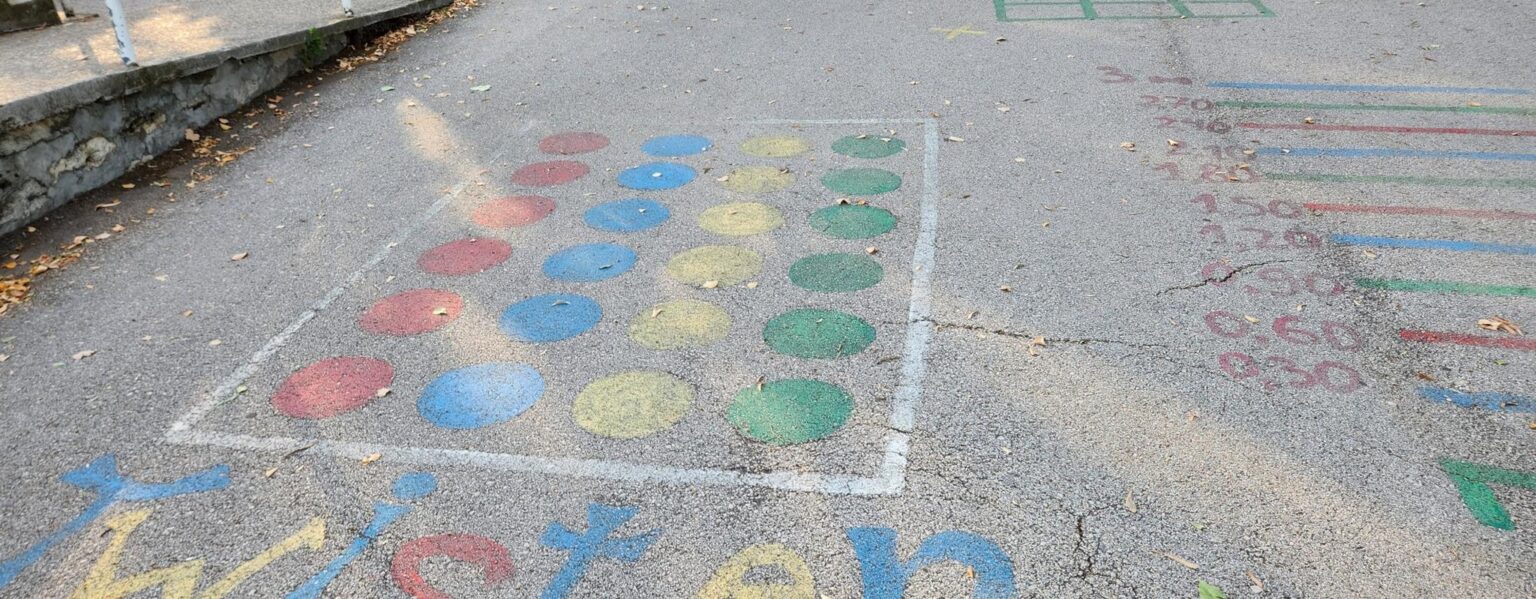
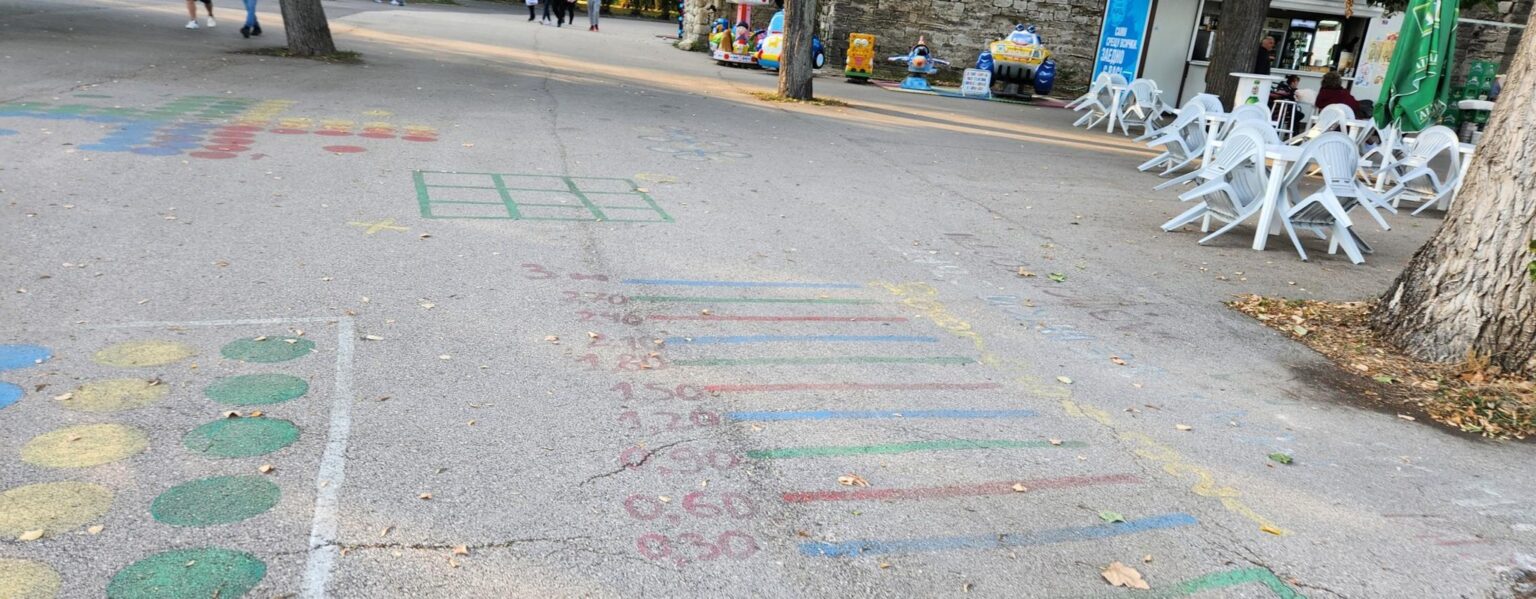
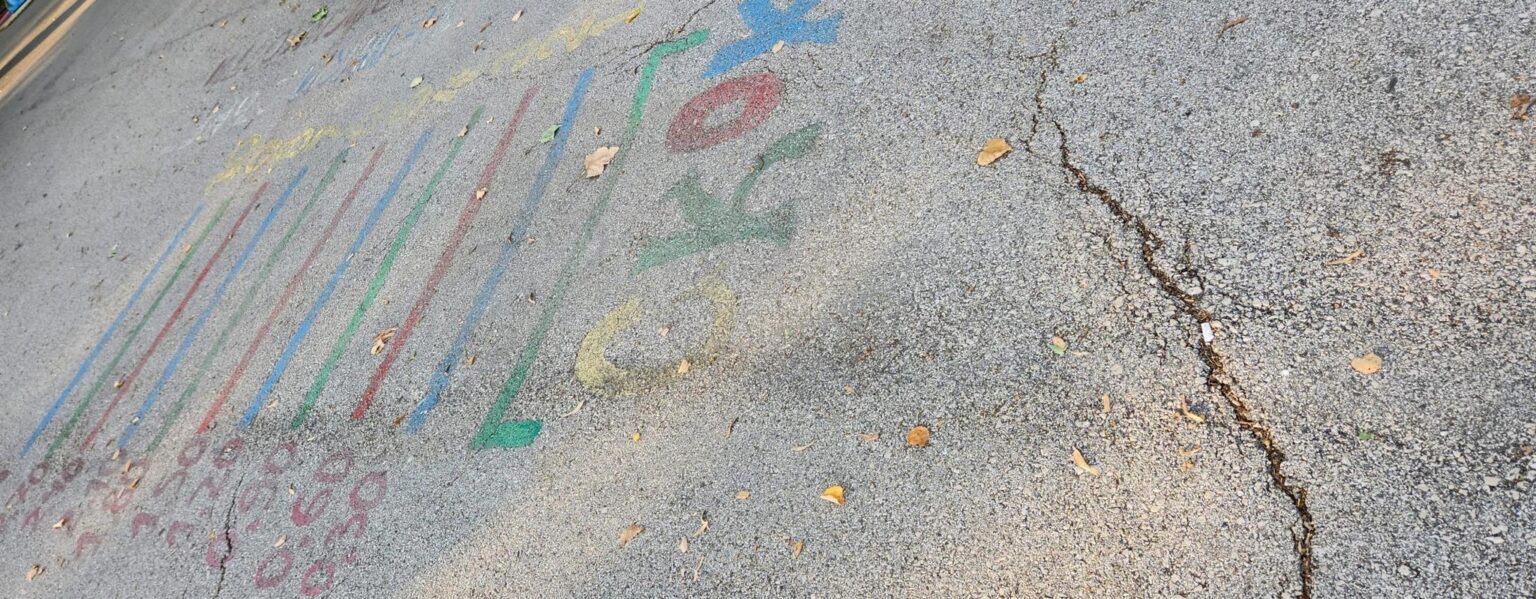
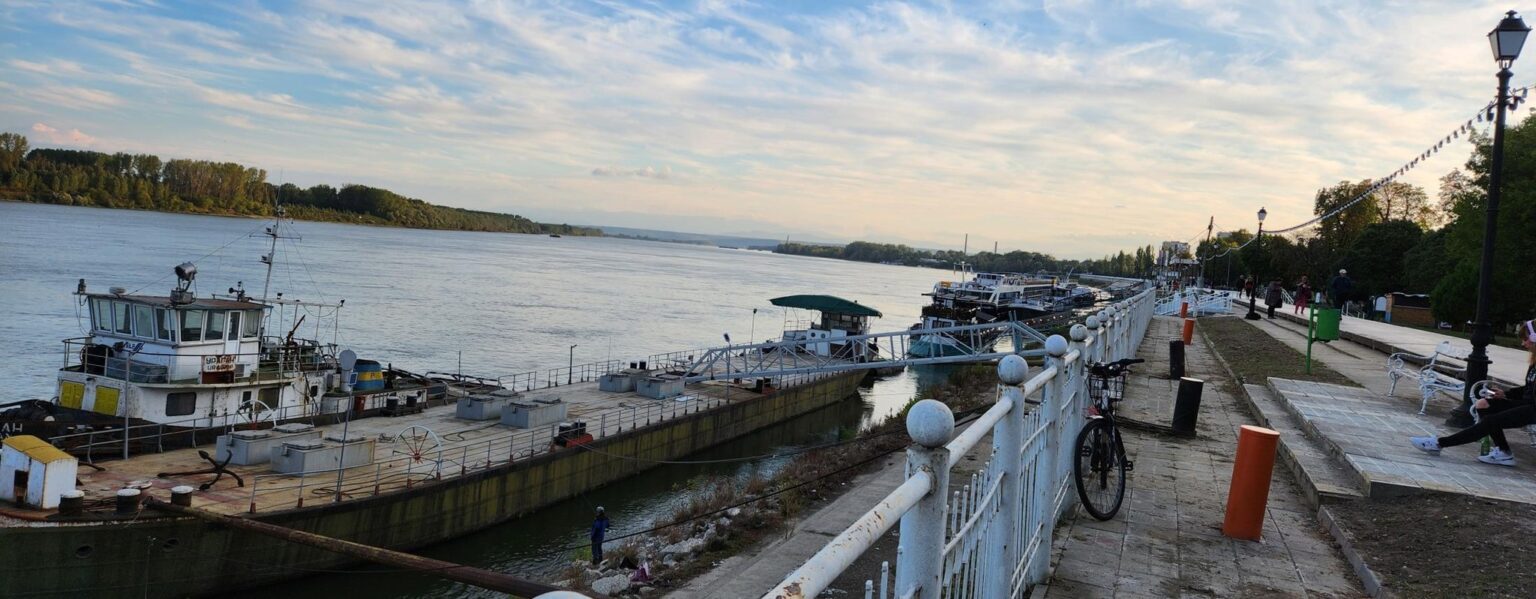
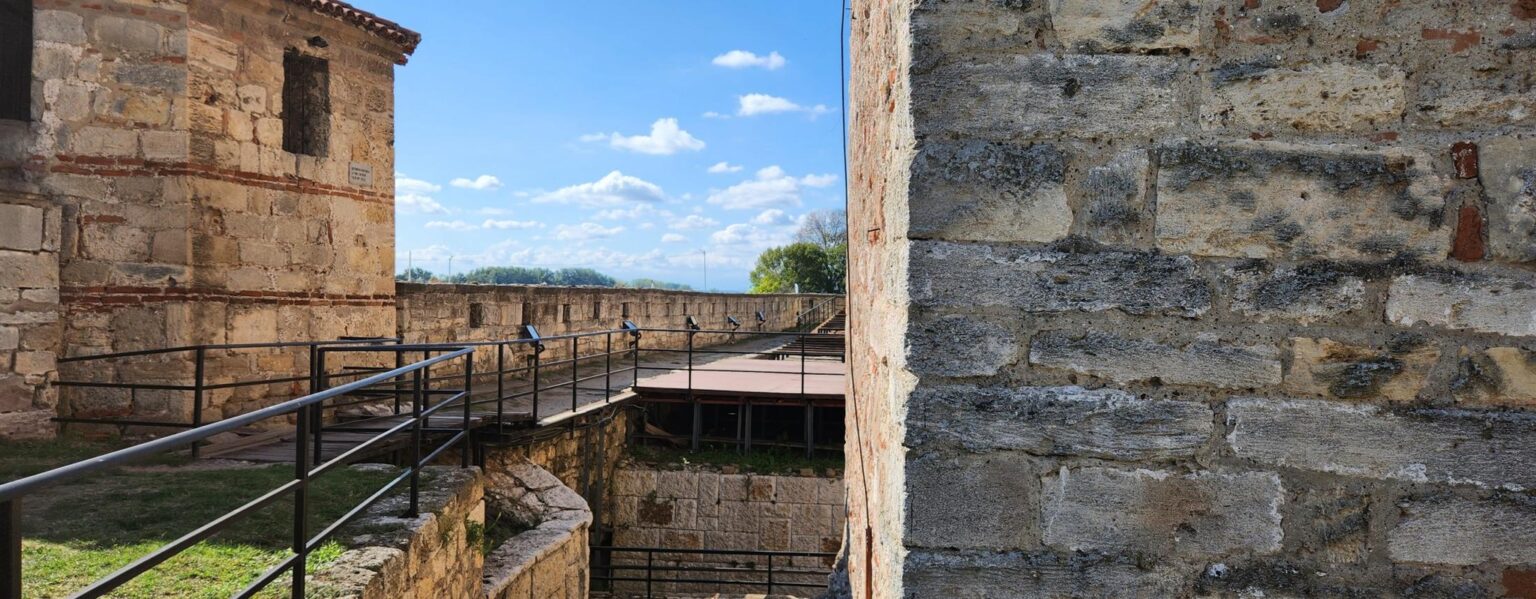
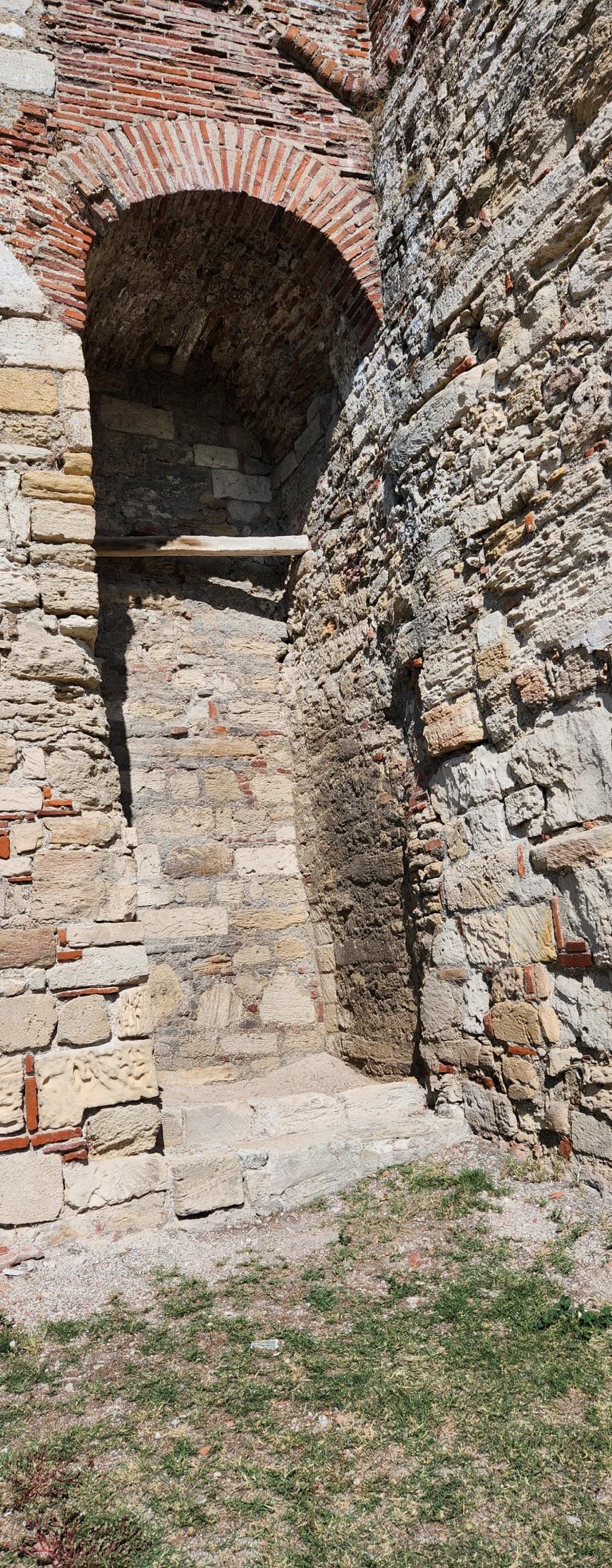
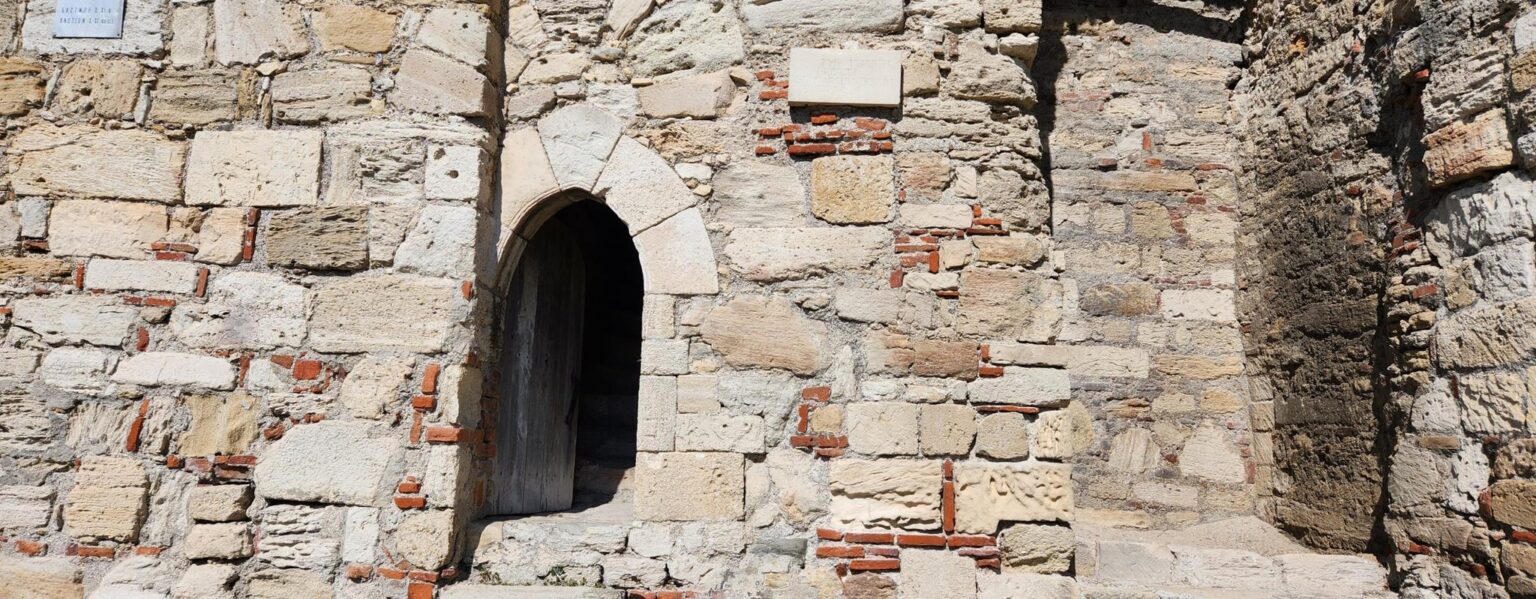
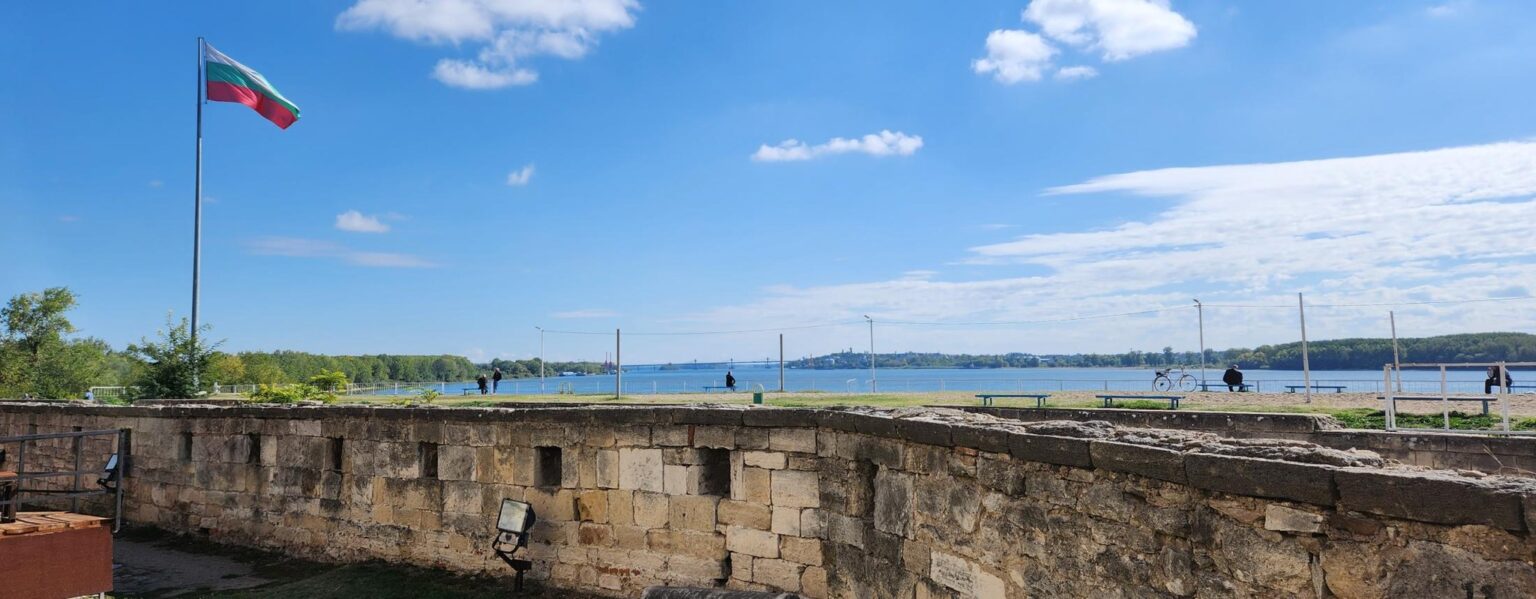
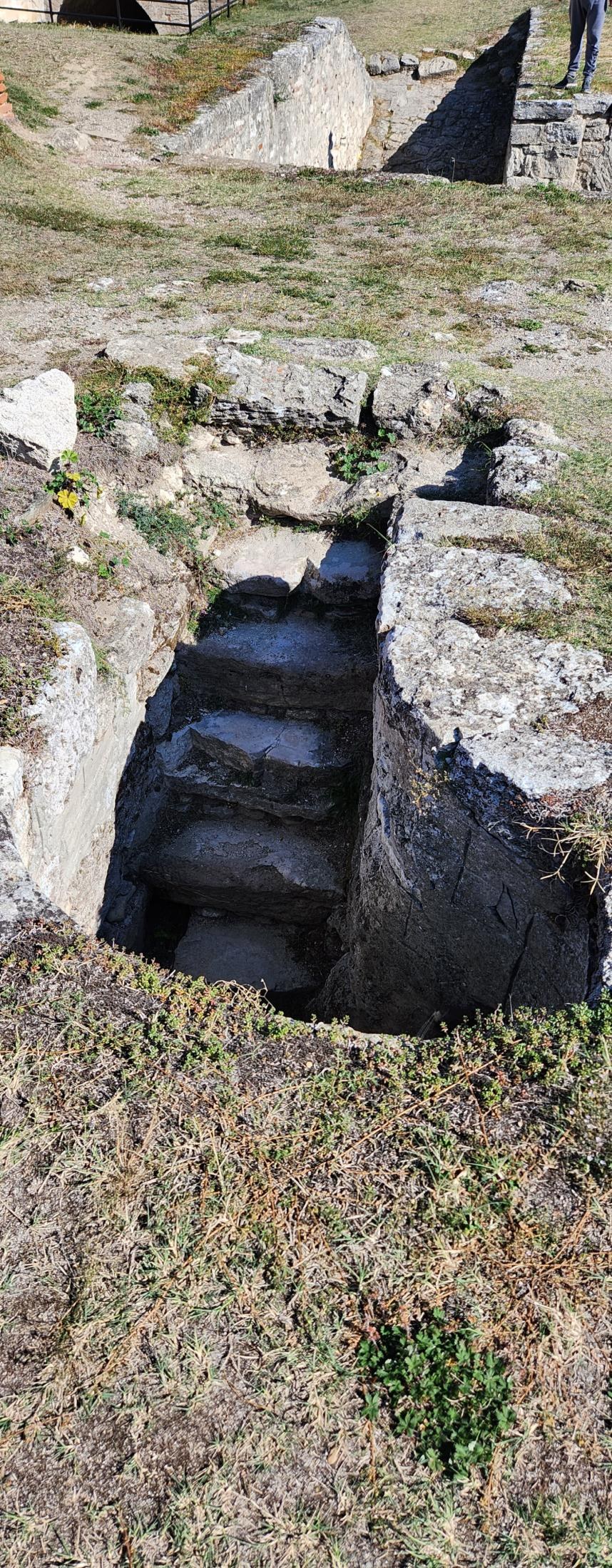
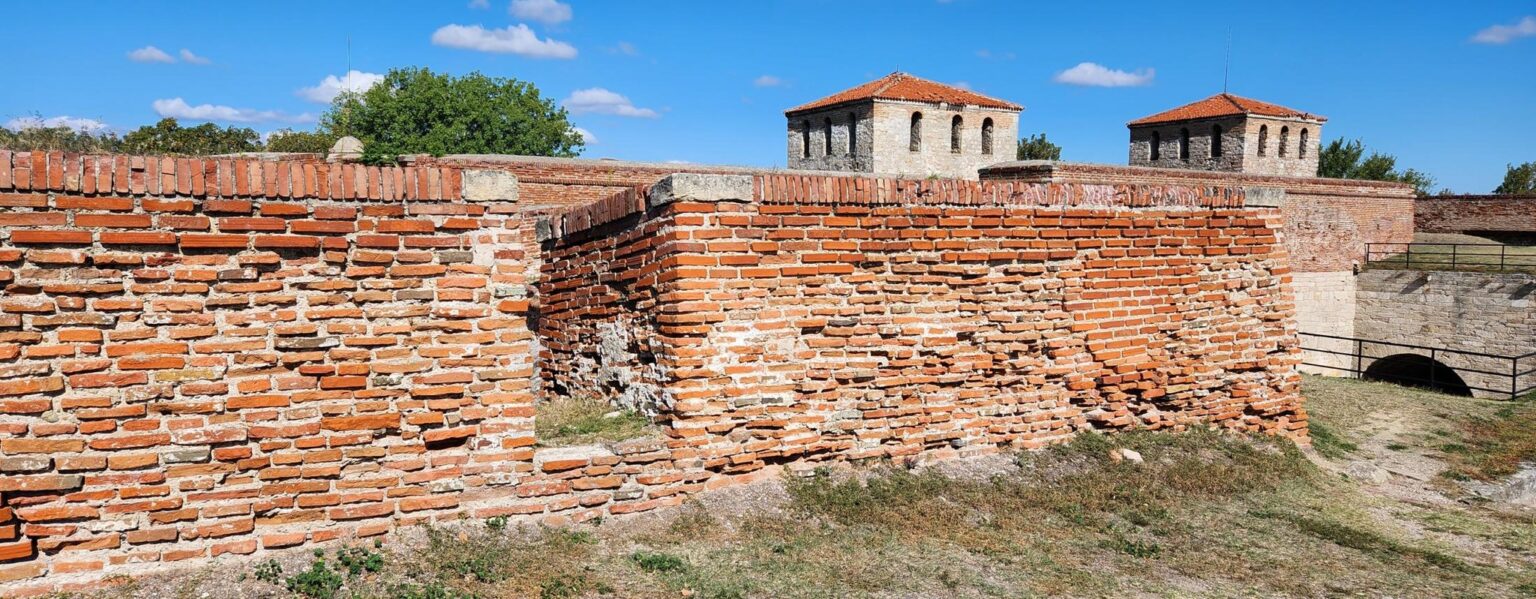
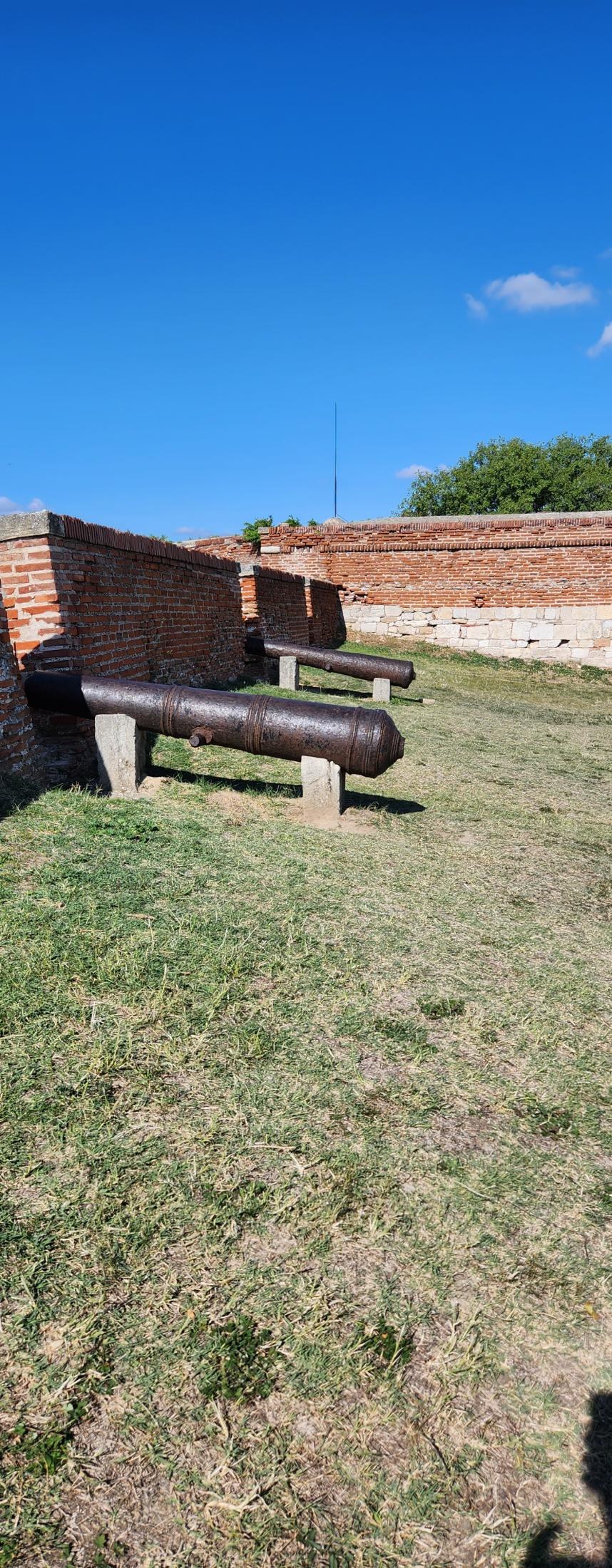
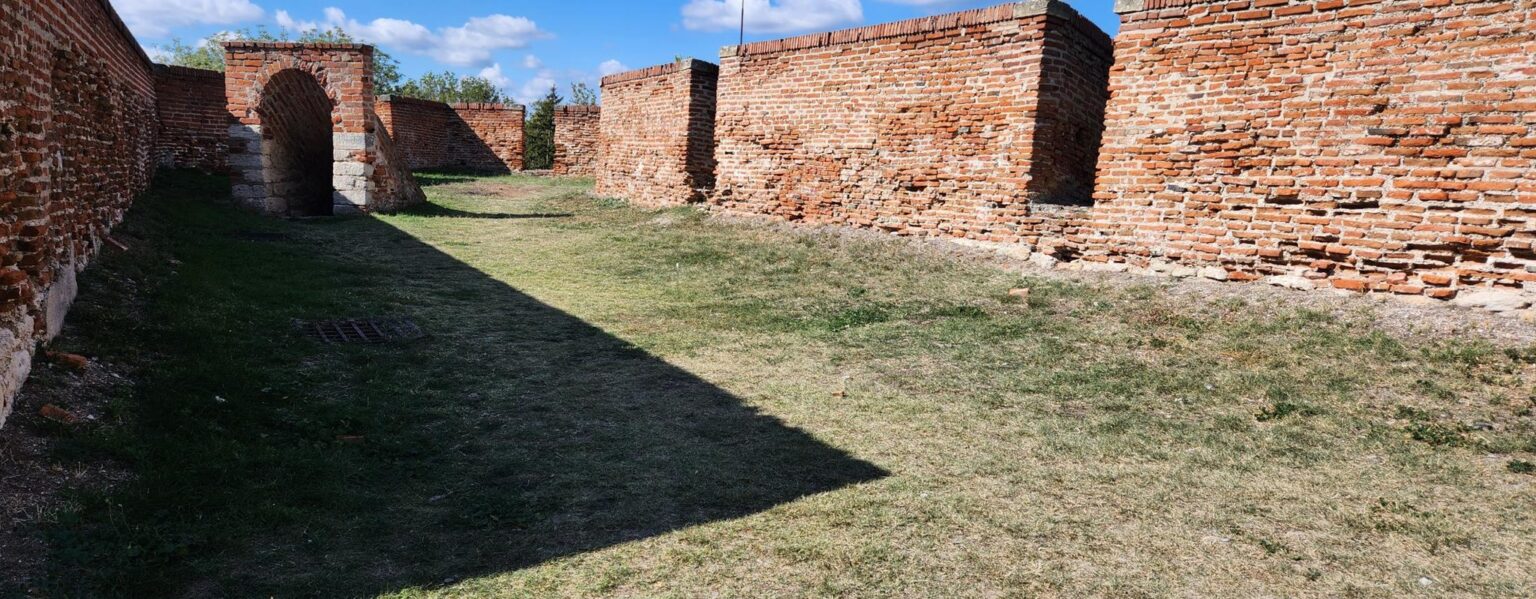
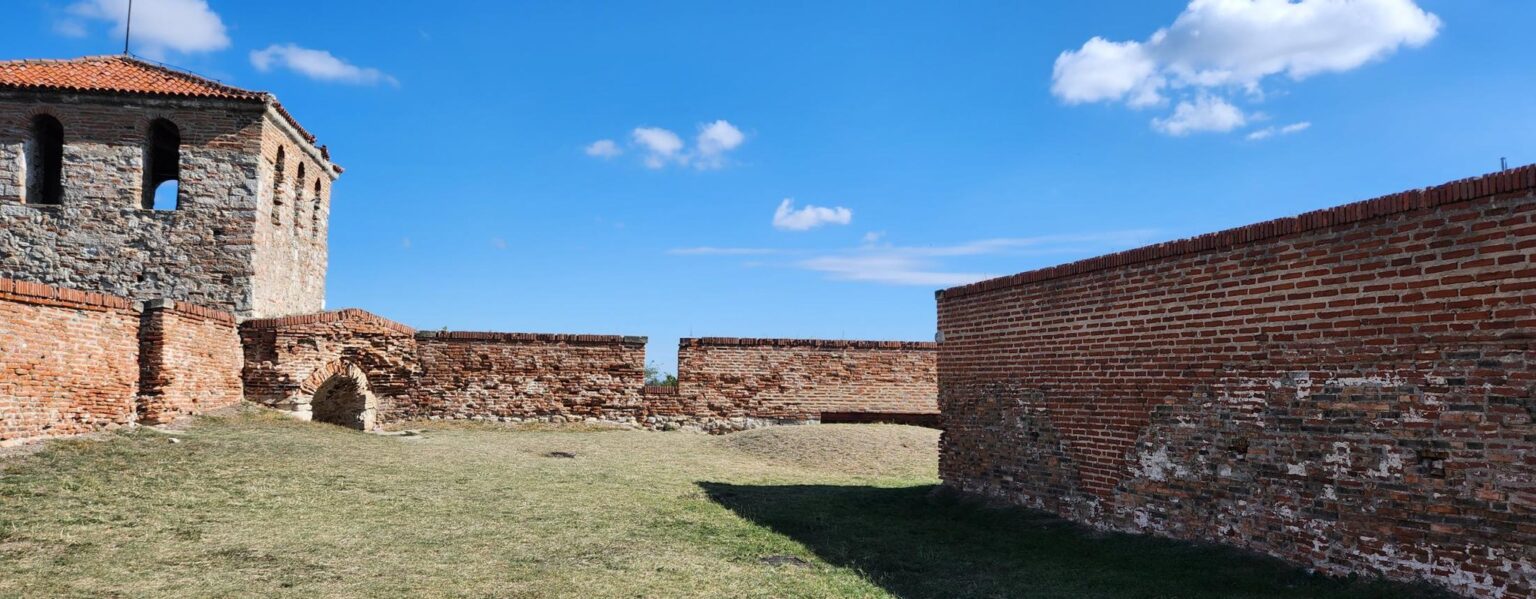
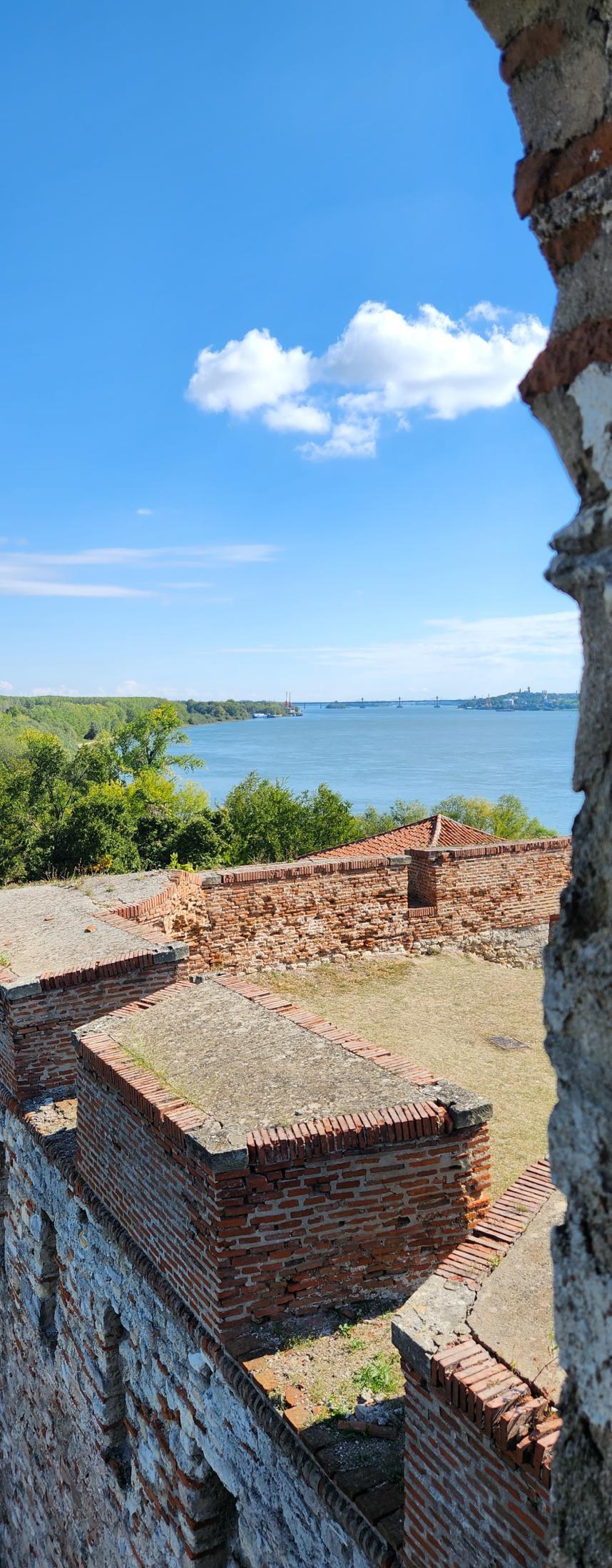
But look! The park! Ha! A clean, renovated park. It starts at the fortress and runs all the way to the centre. Brand new, benches, games painted on the ground for the kids, a row of restaurants right on the riverbank and one of them an actual working boat sitting in the water. The park is reminiscent of the sea gardens of Burgas and Varna, on a smaller scale of course. Honestly, it is a pleasure to do two or three fifteen-minute laps of it, and the car is parked somewhere quiet where you do not have to think about it. A few photos from Baba Vida and the park:
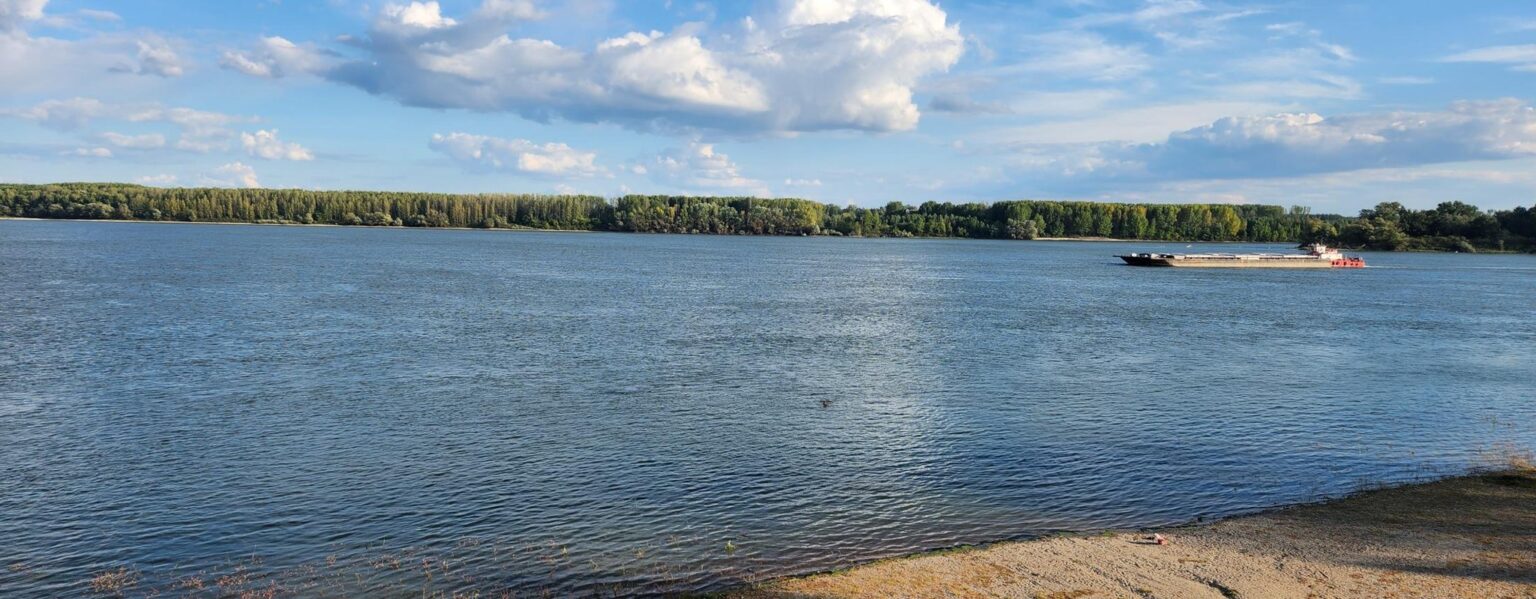
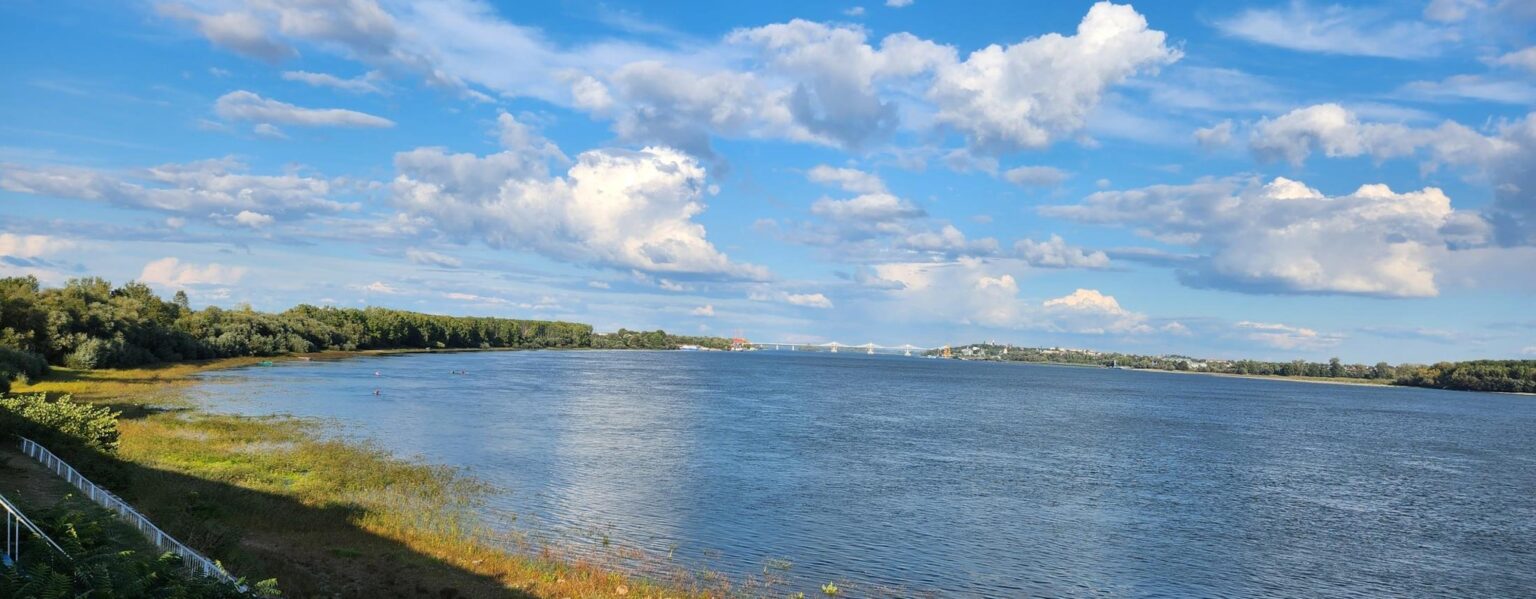
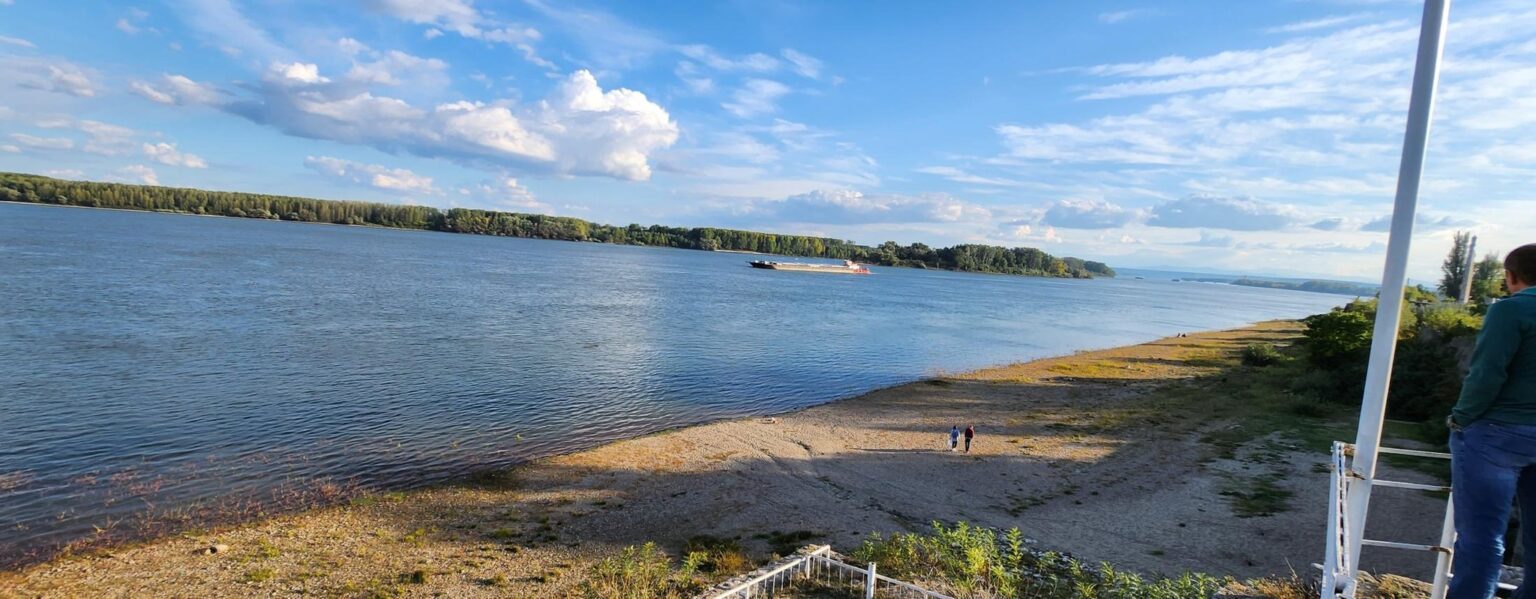
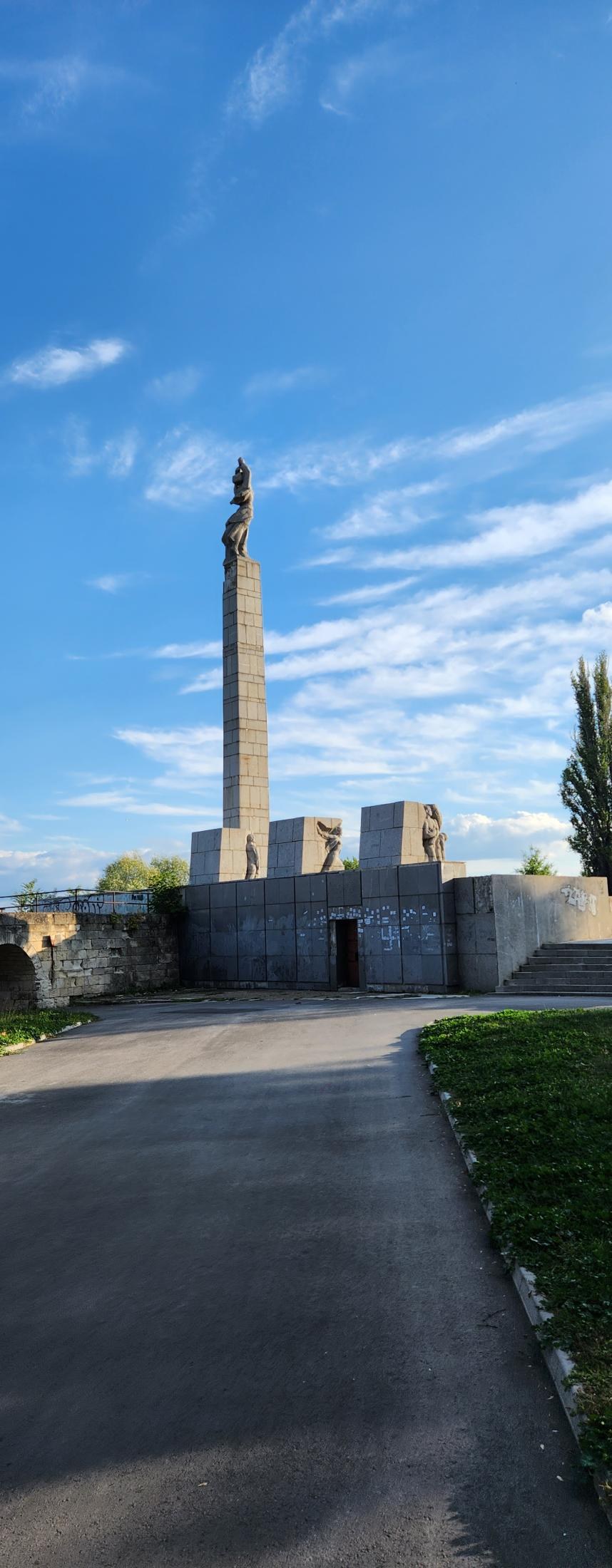
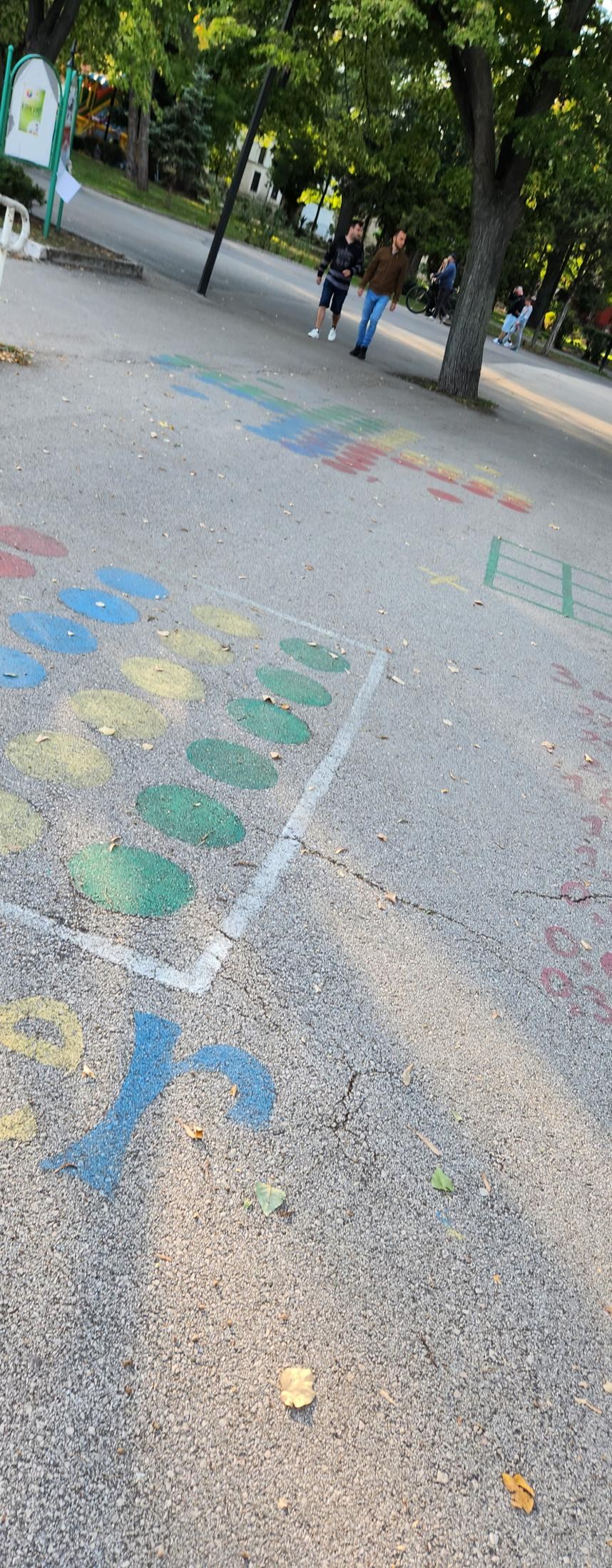
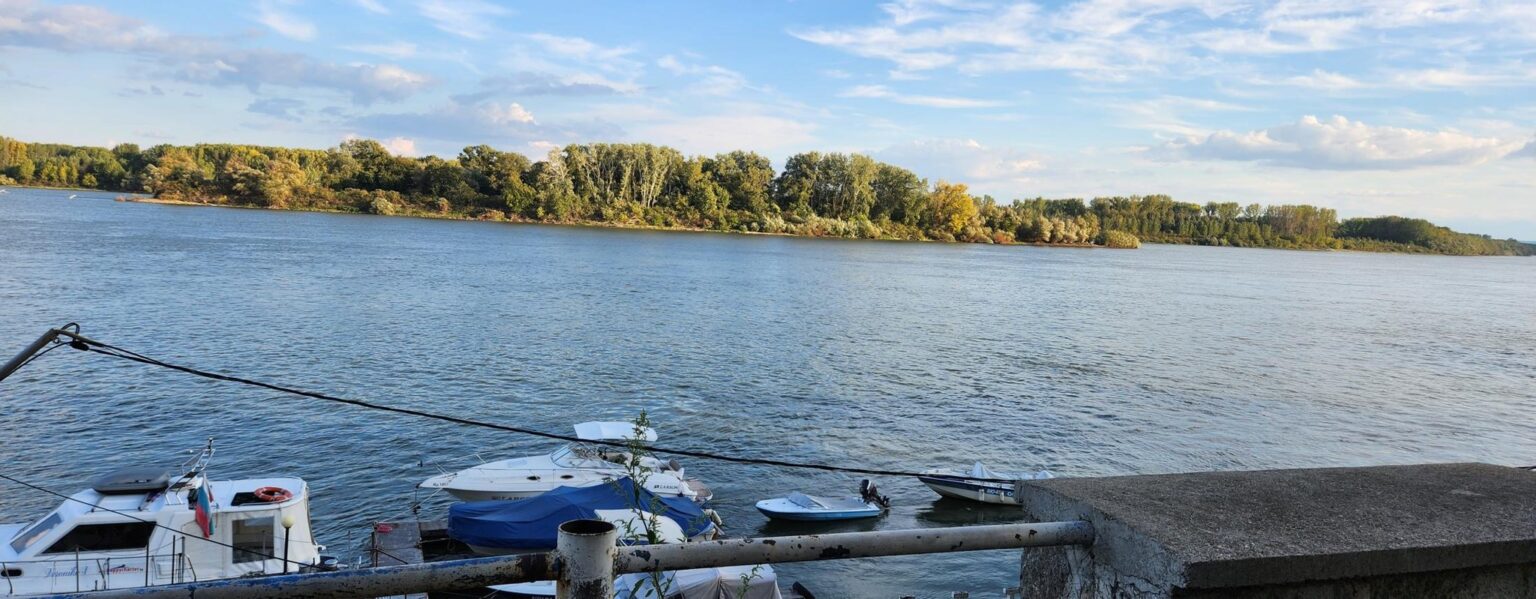
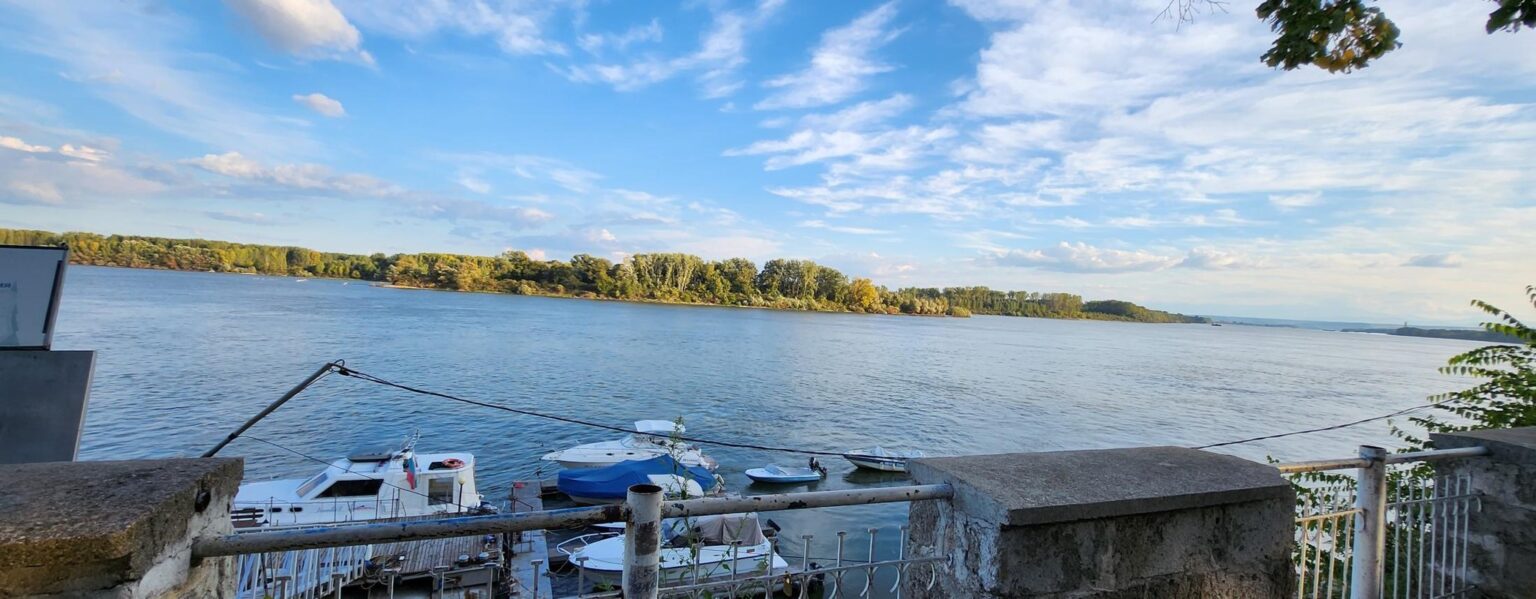
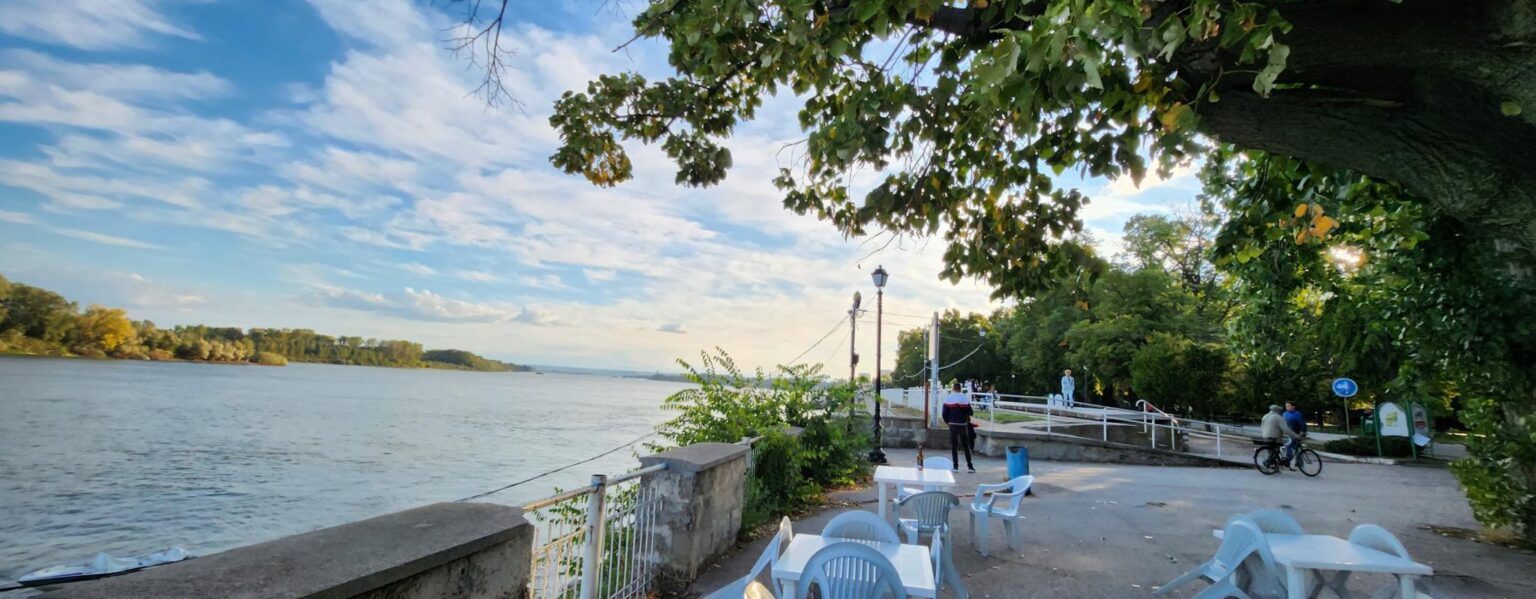
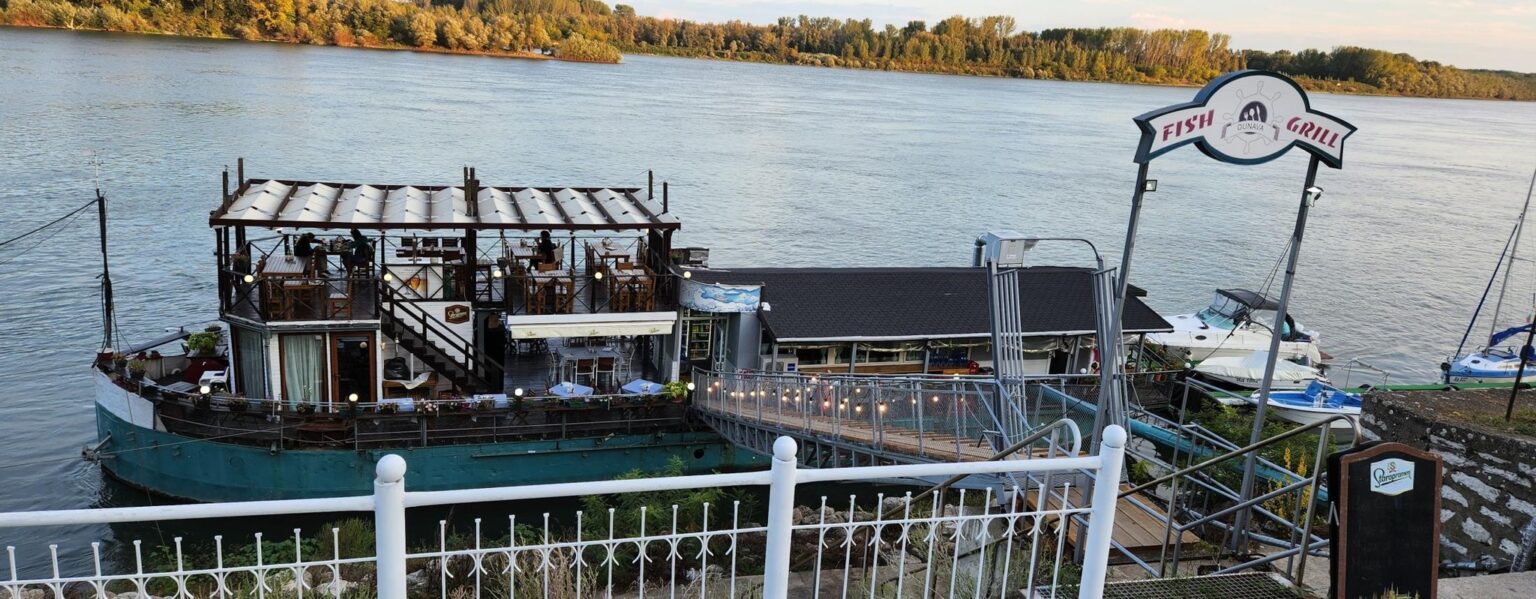
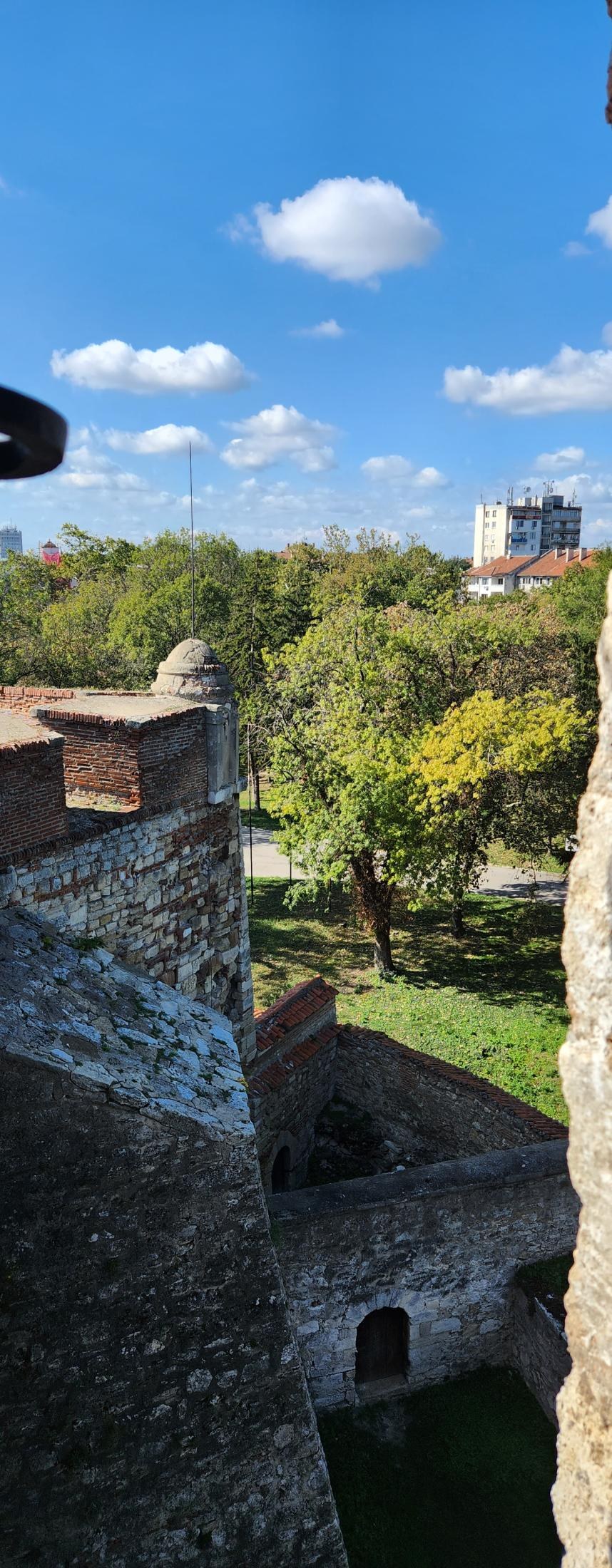
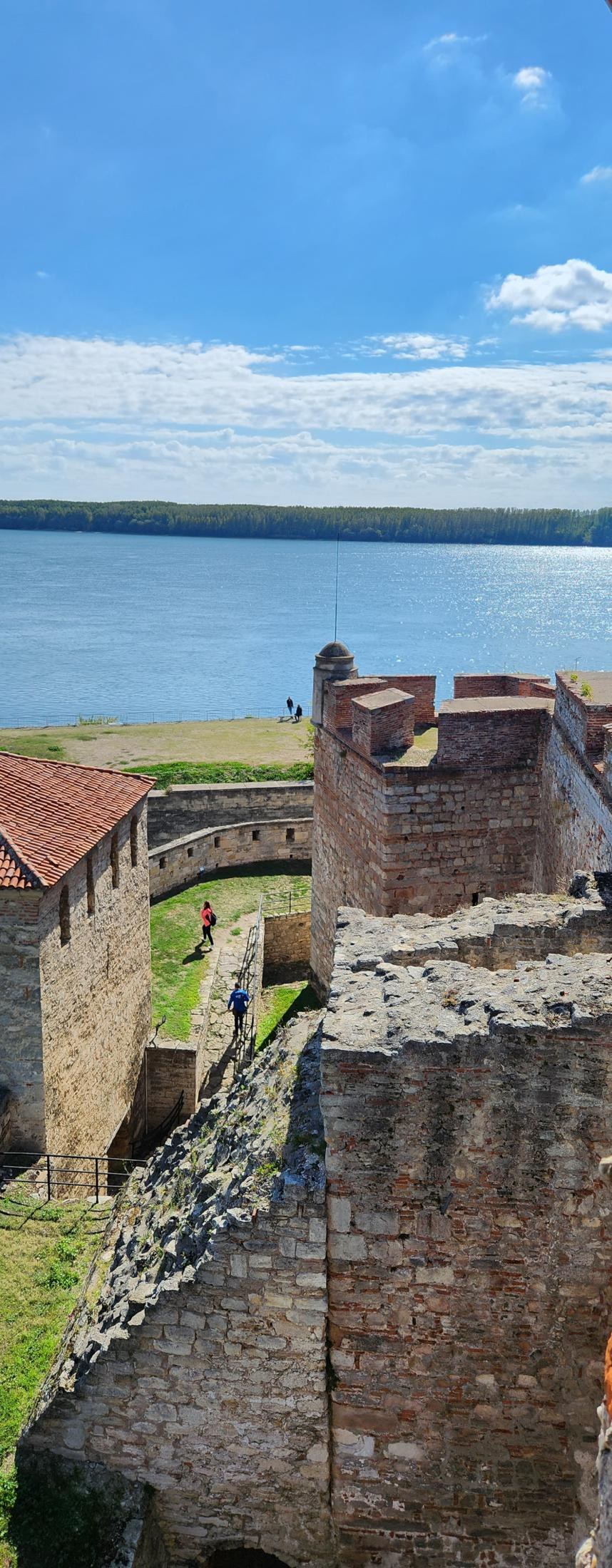
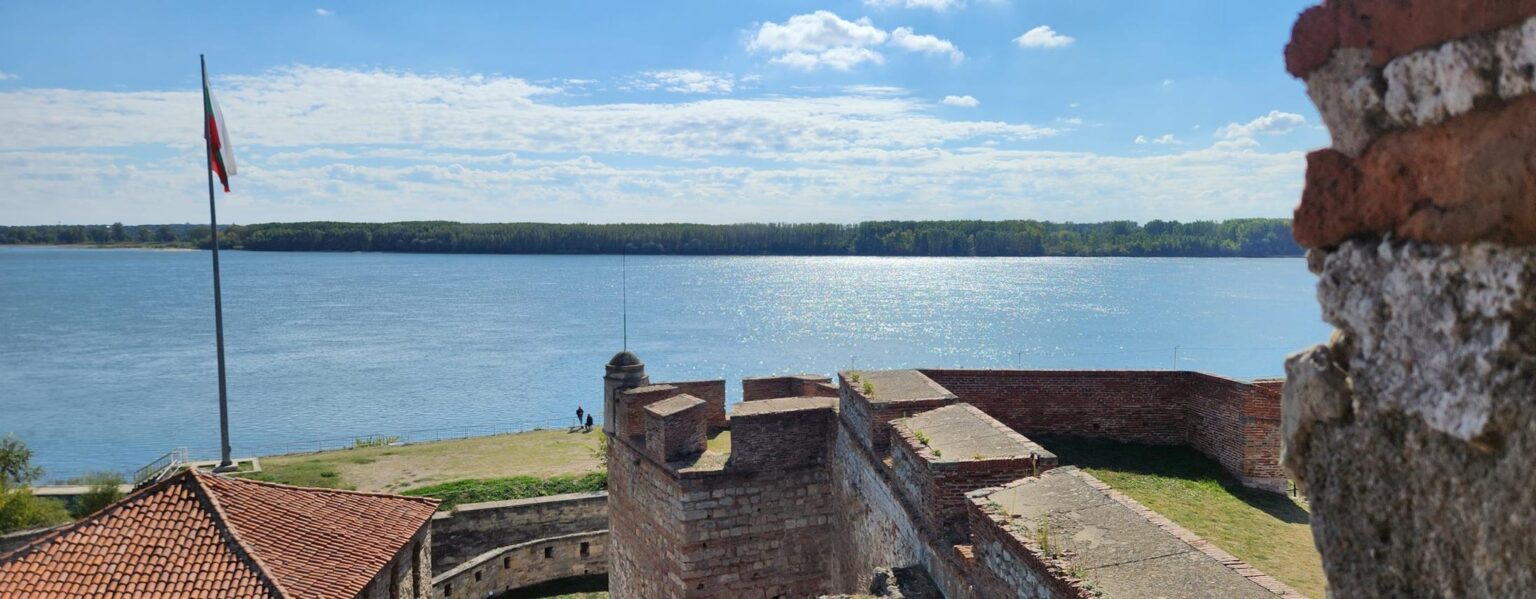
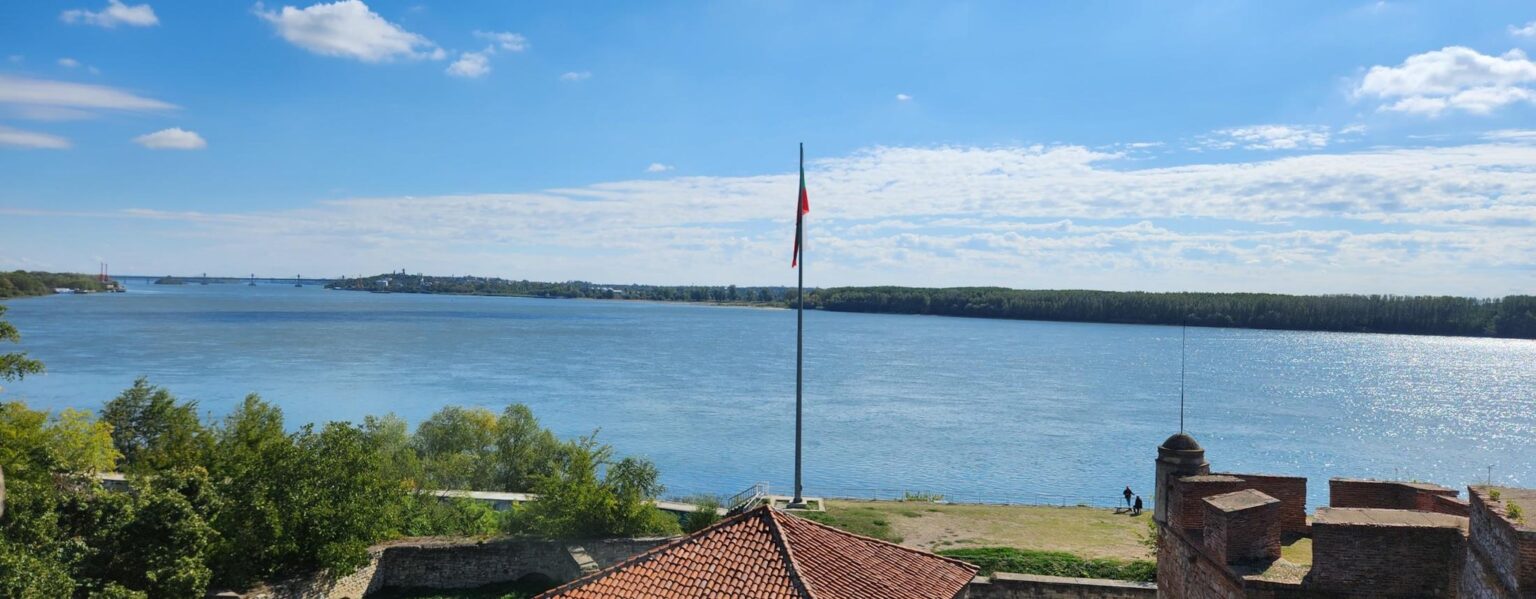
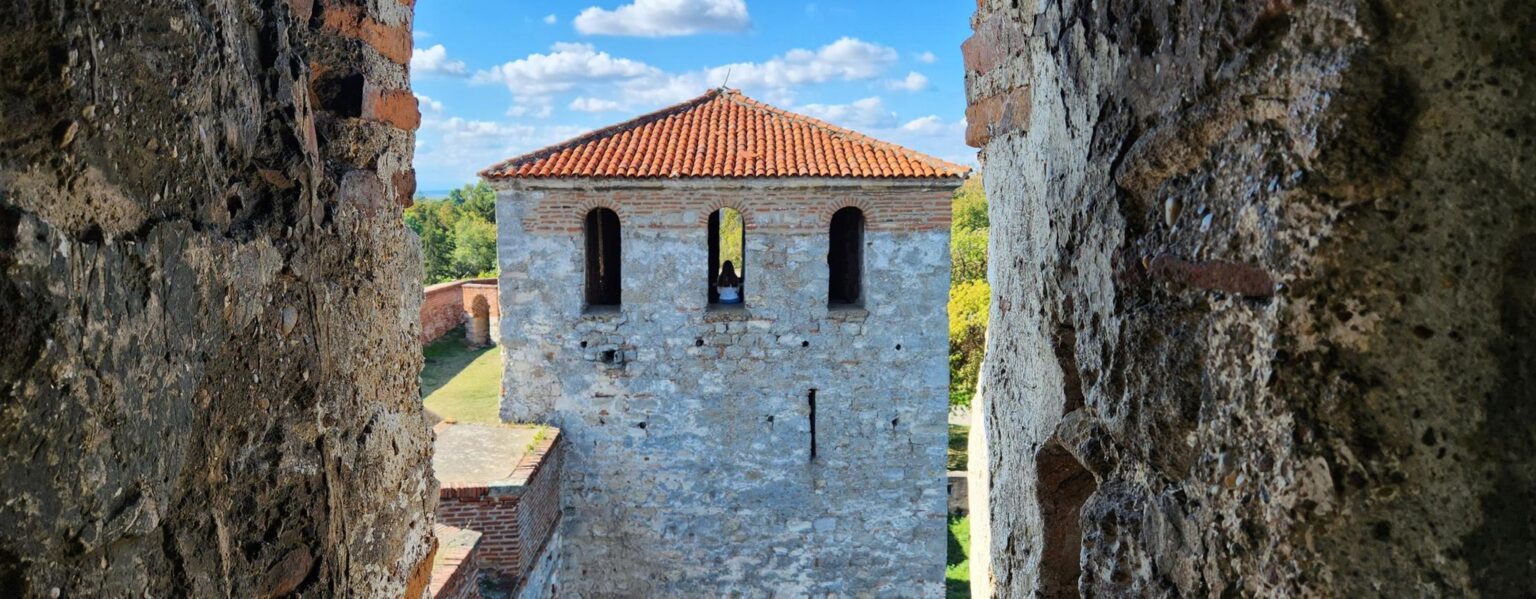
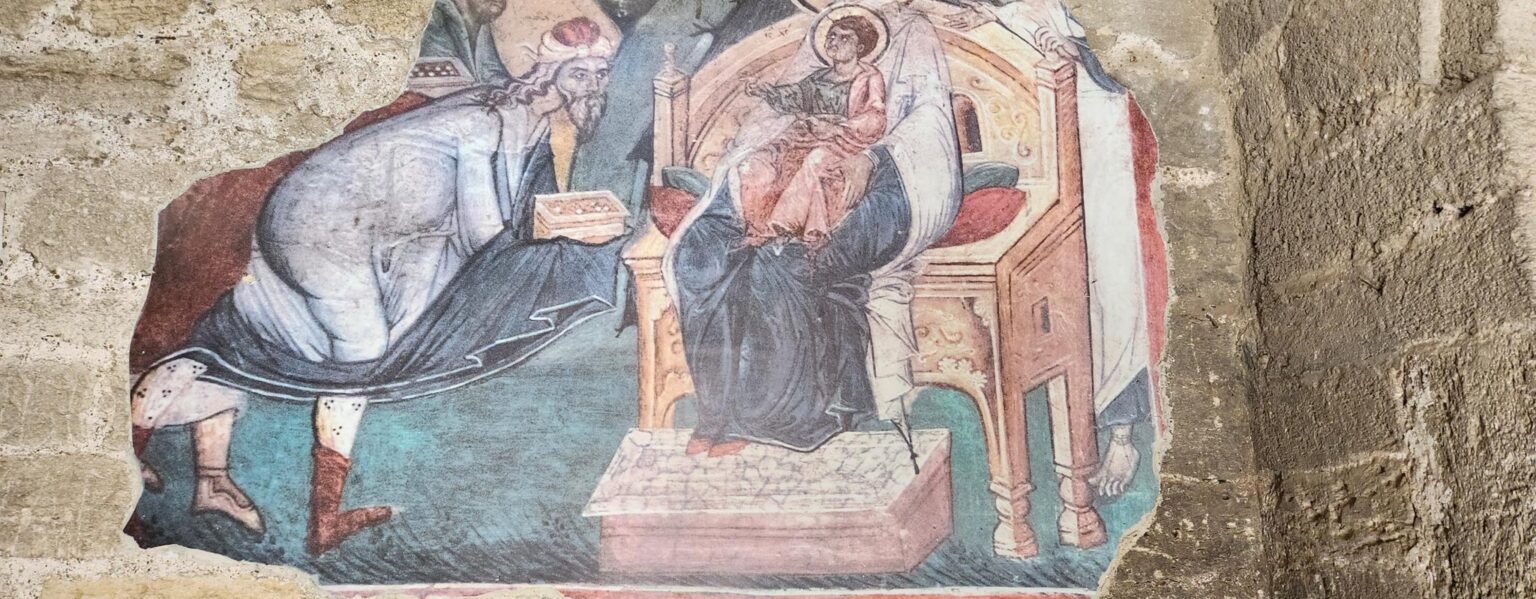
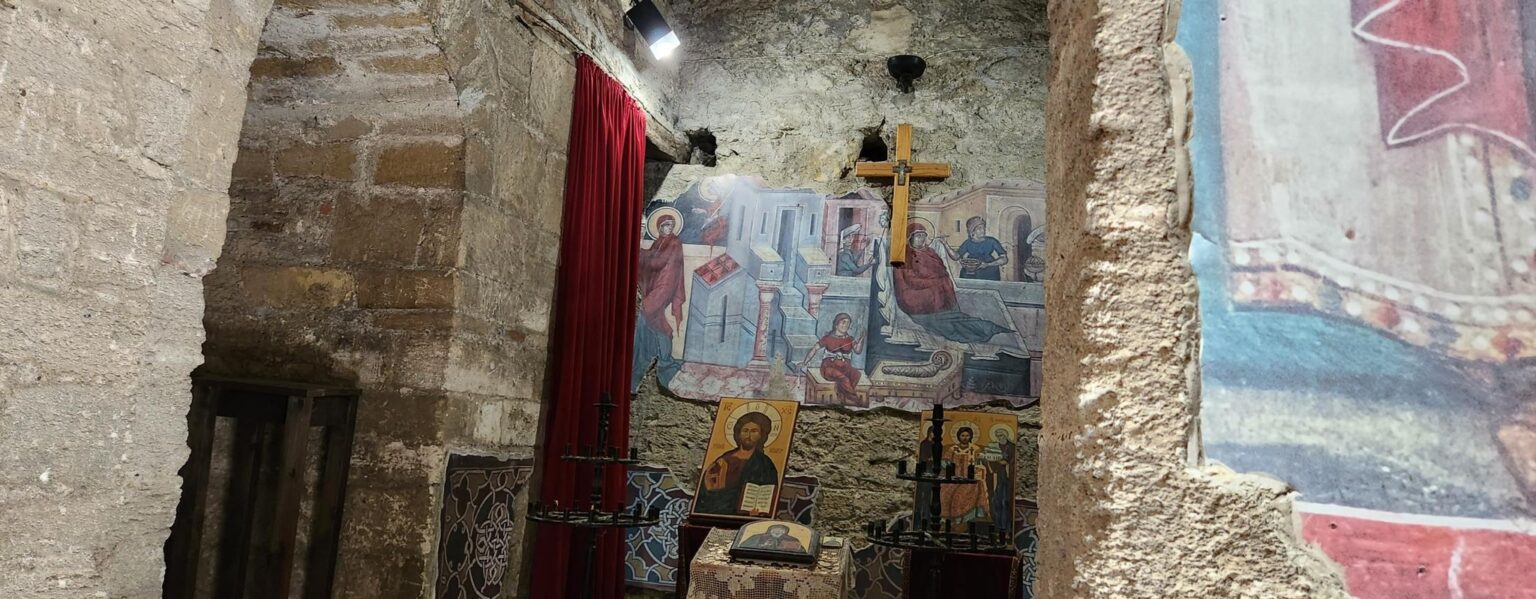
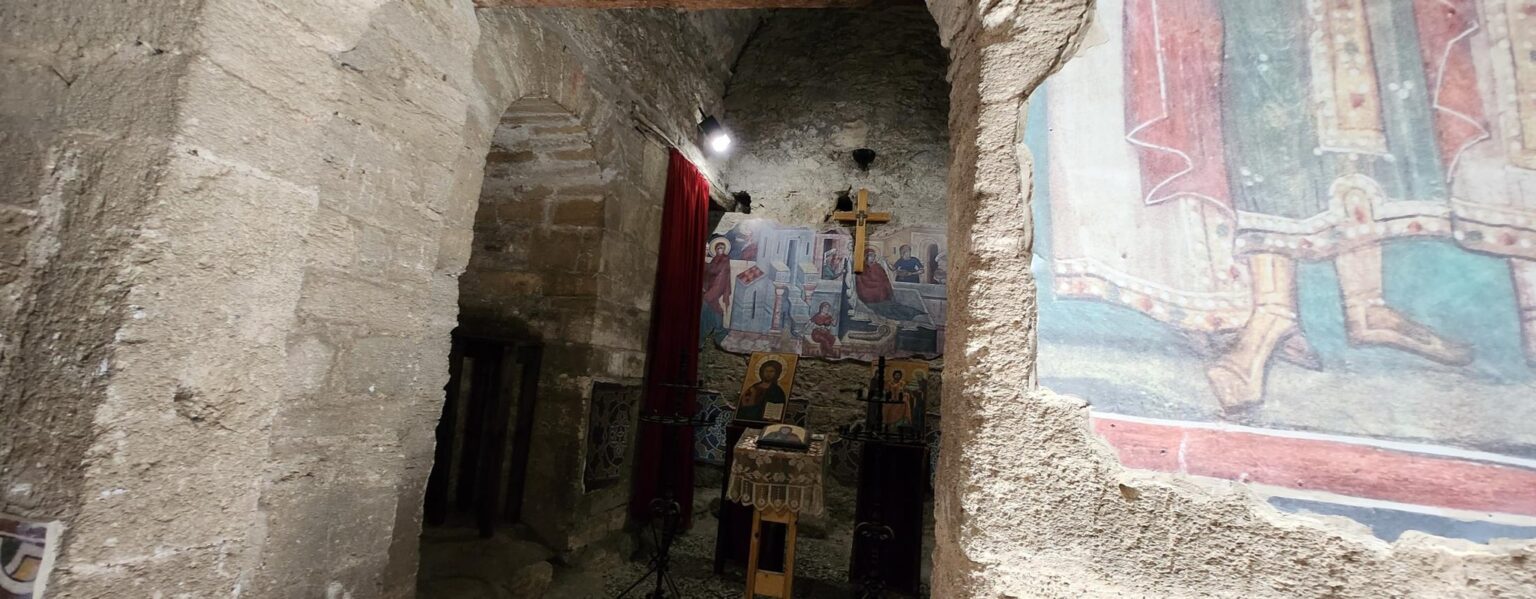
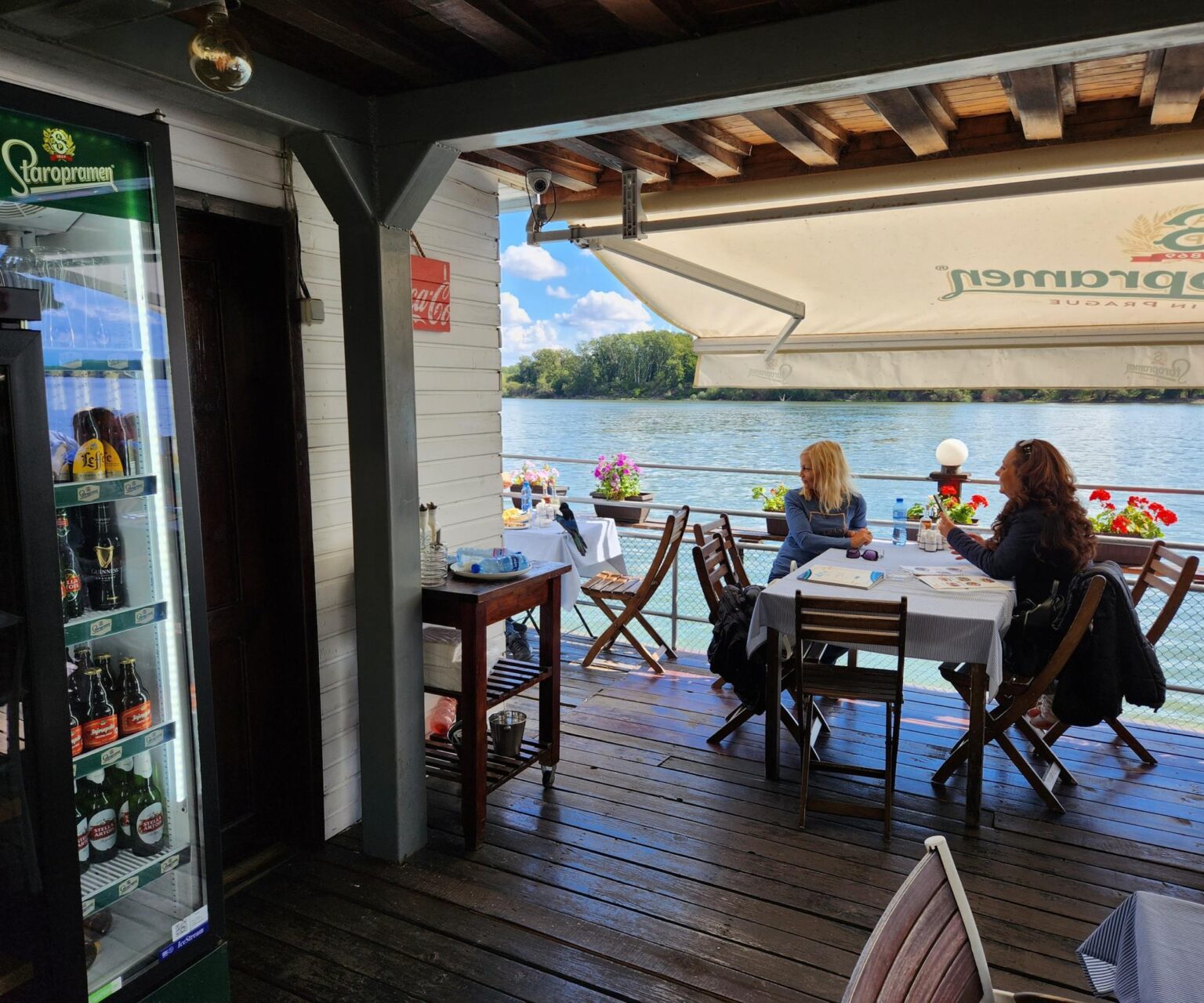
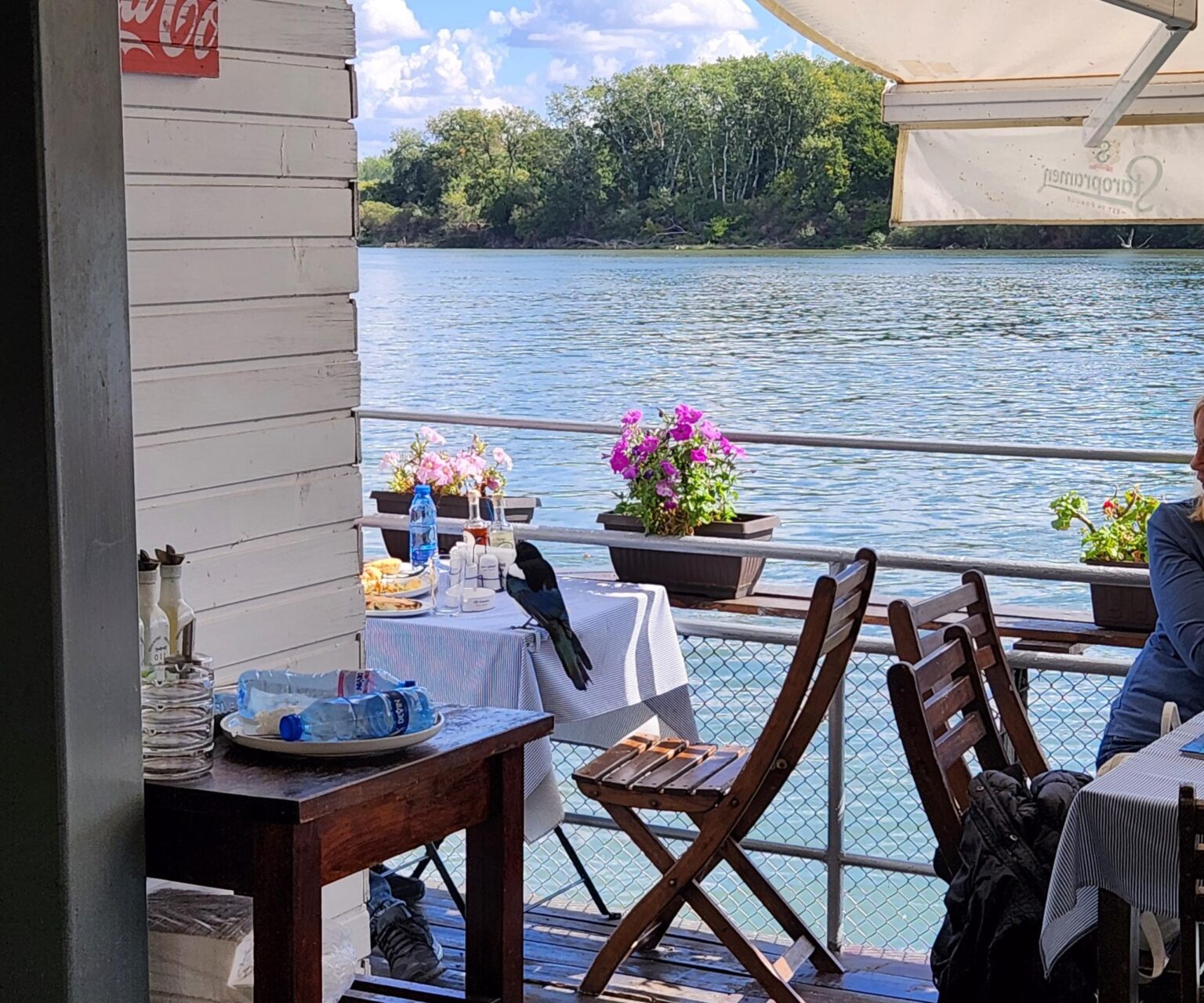
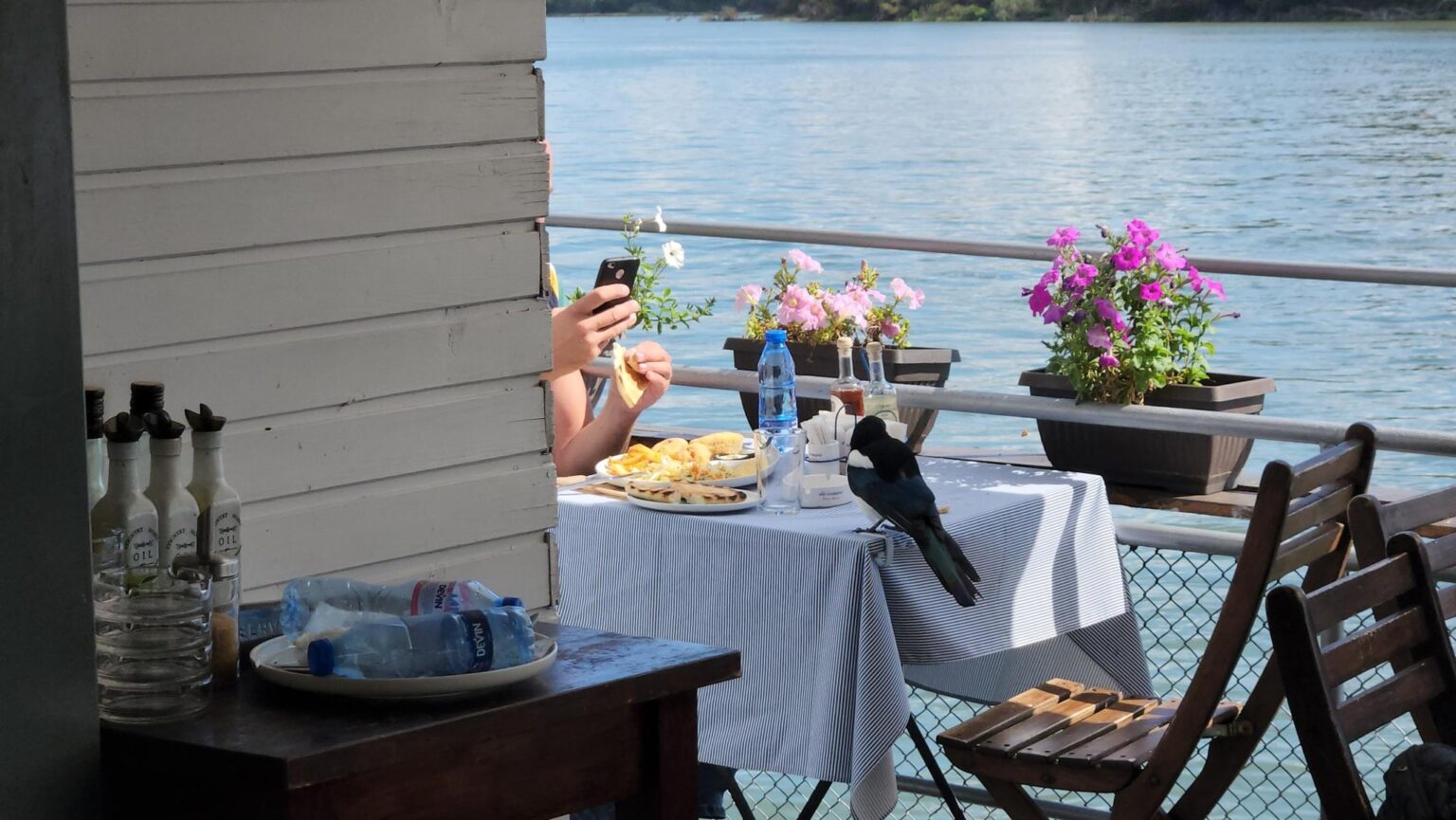
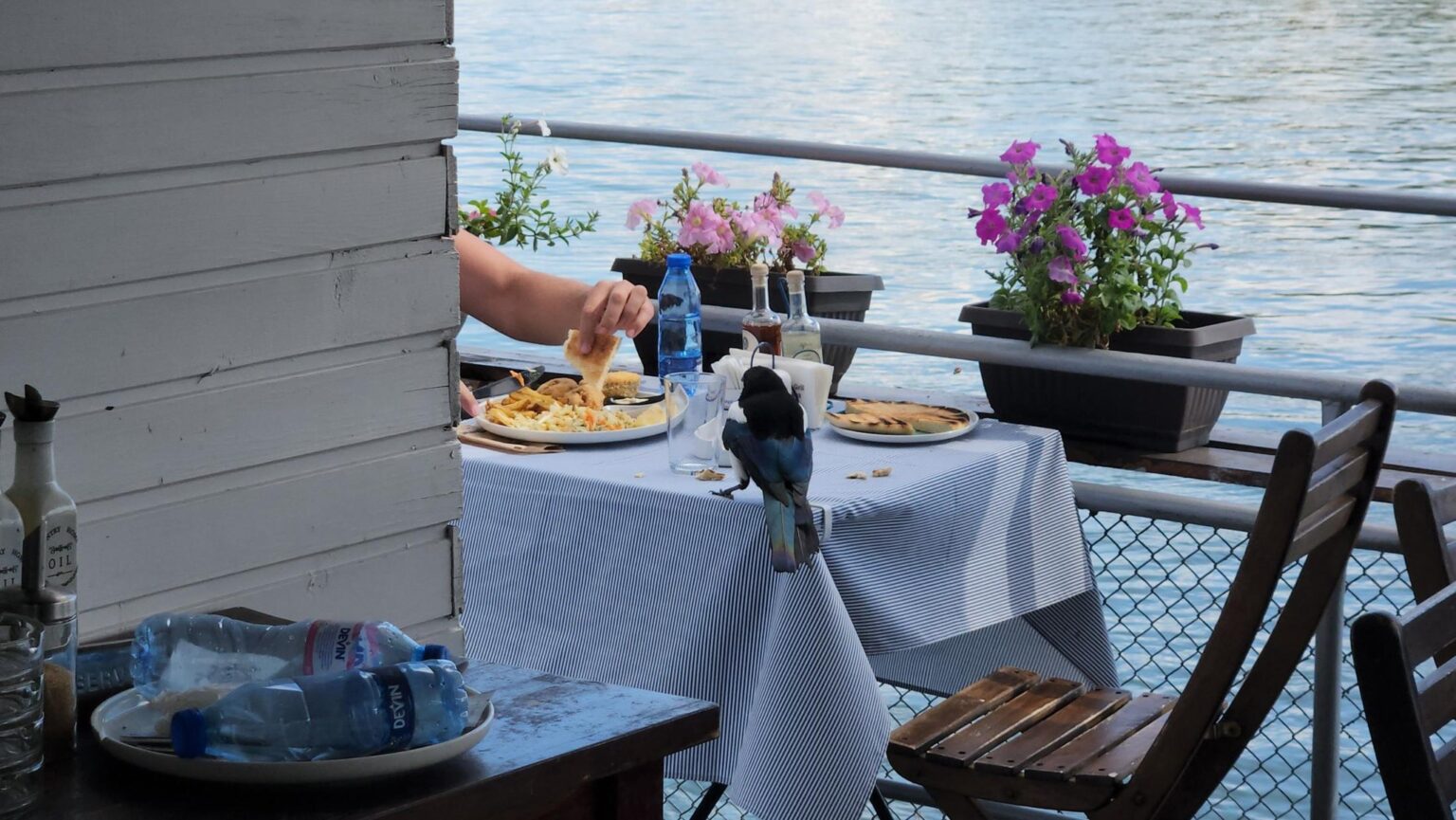
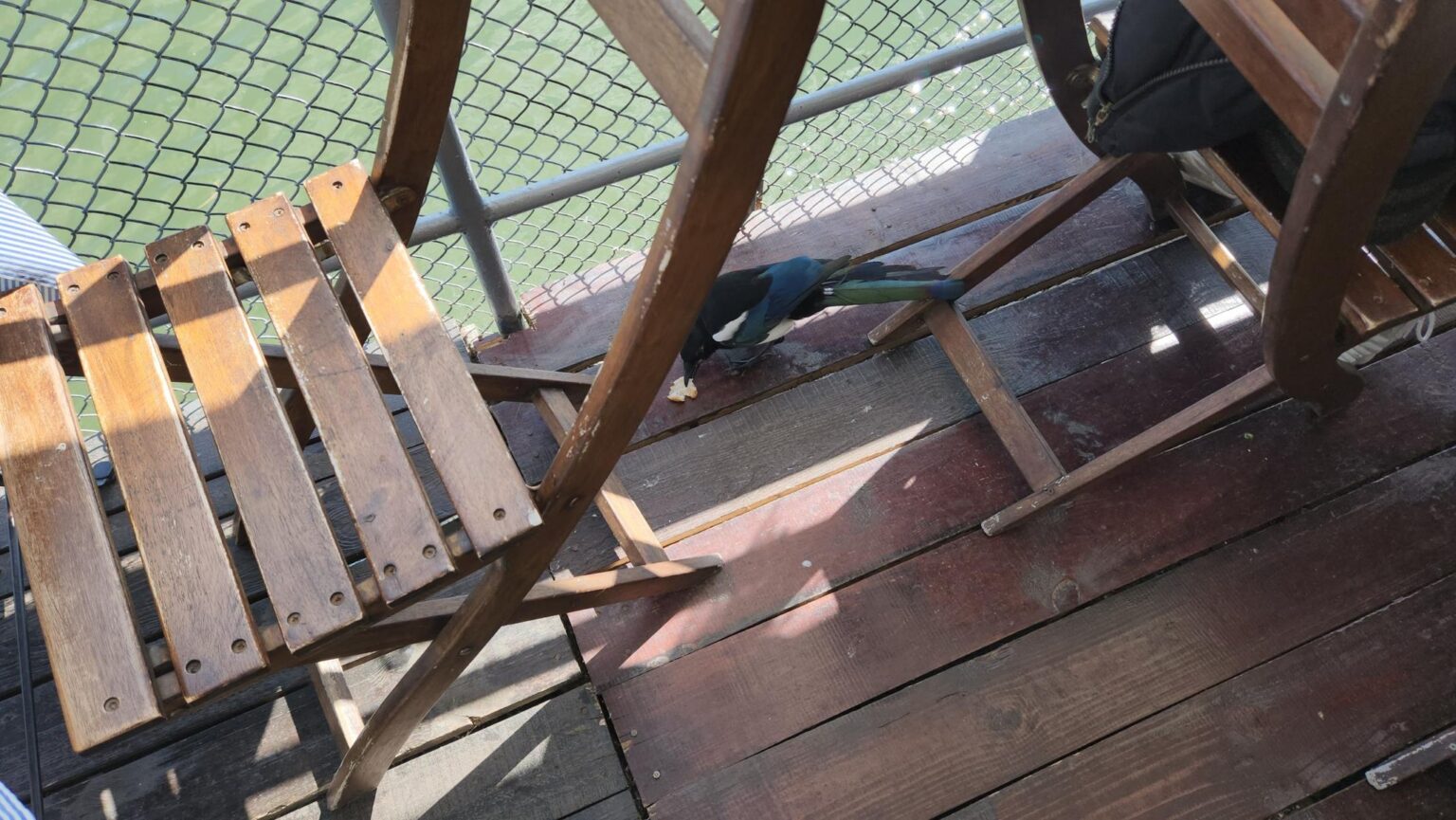
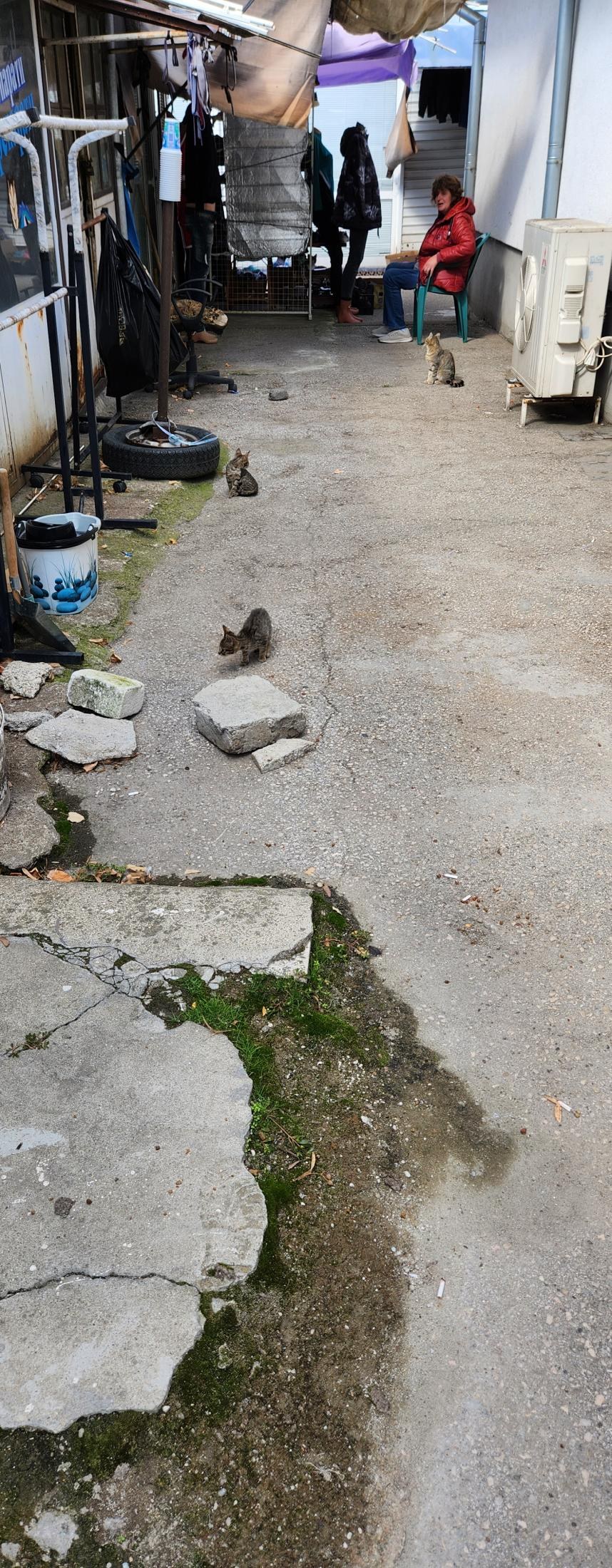
Another lap around the park and hunger started making itself heard. Where else but the boat restaurant. Summer was over, though in places it was still in full swing (a lyrical aside: sigh). The important thing is that there were almost no mosquitos. What there was instead was a proper little menace. This year has brought a remarkable series of animal encounters: a cat that self-identified as a cat but was trapped inside a fox’s body, the escort seagulls on the ferry to Thassos, the impertinent gulls of St. Constantine and Helena, the fast Greek fox on Mount Olympus, Alice the zoo resident, and so on. On the boat restaurant I ran into what I believe was a magpie, without being a zoologist. Unfortunately she was extremely busy eating off the table and therefore ignored our attempts to shoo her away, and also declined to answer me and self-identify as to which class of bird she considered herself. She enjoyed the buffet and allowed me to immortalise her:
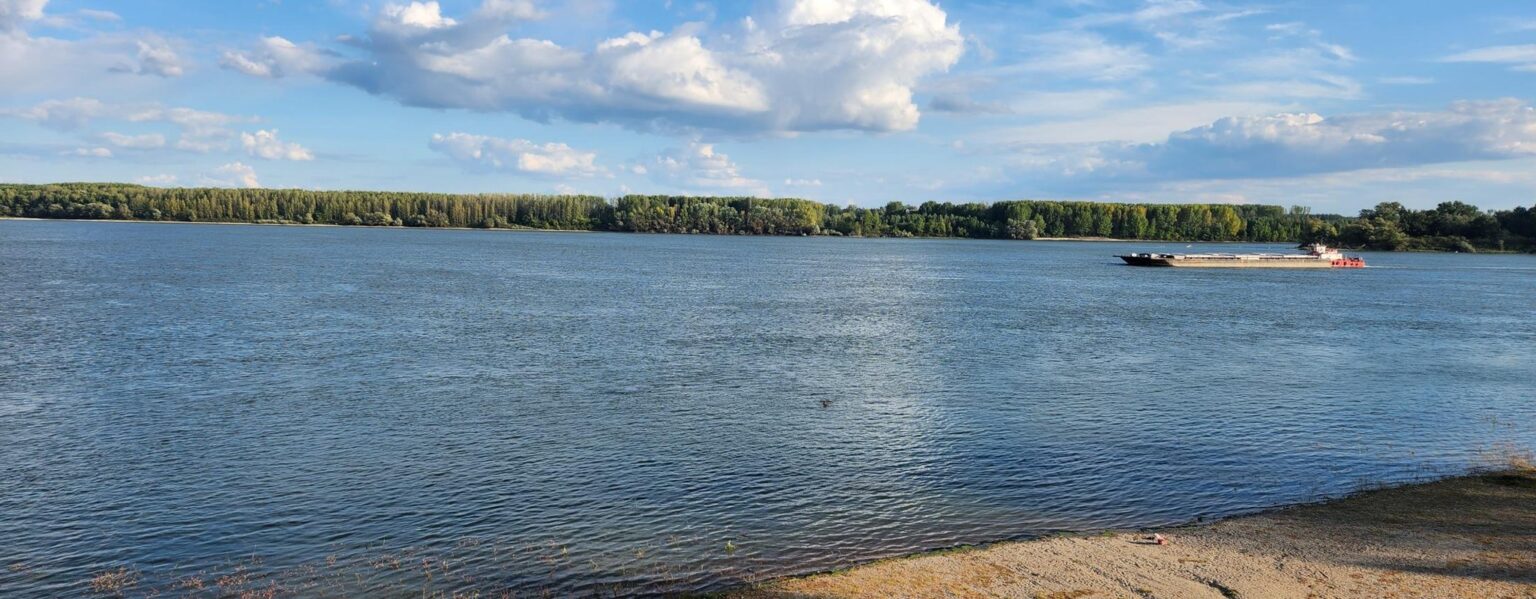
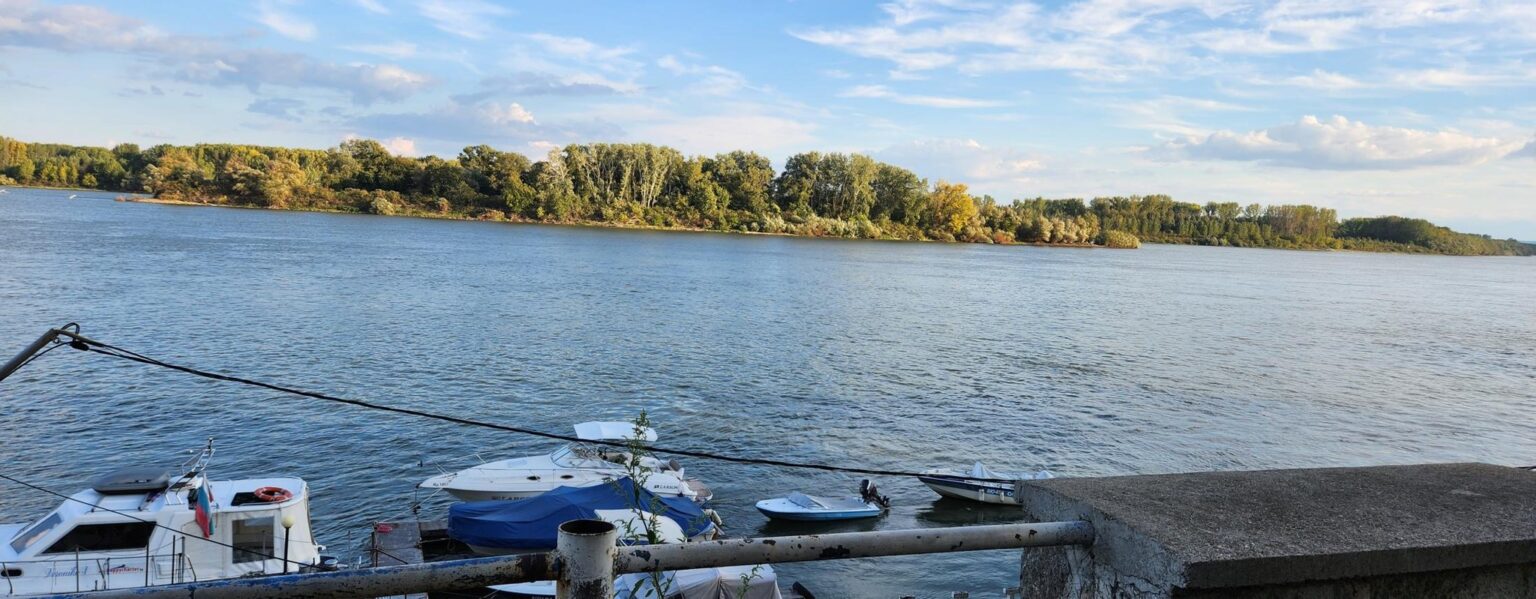
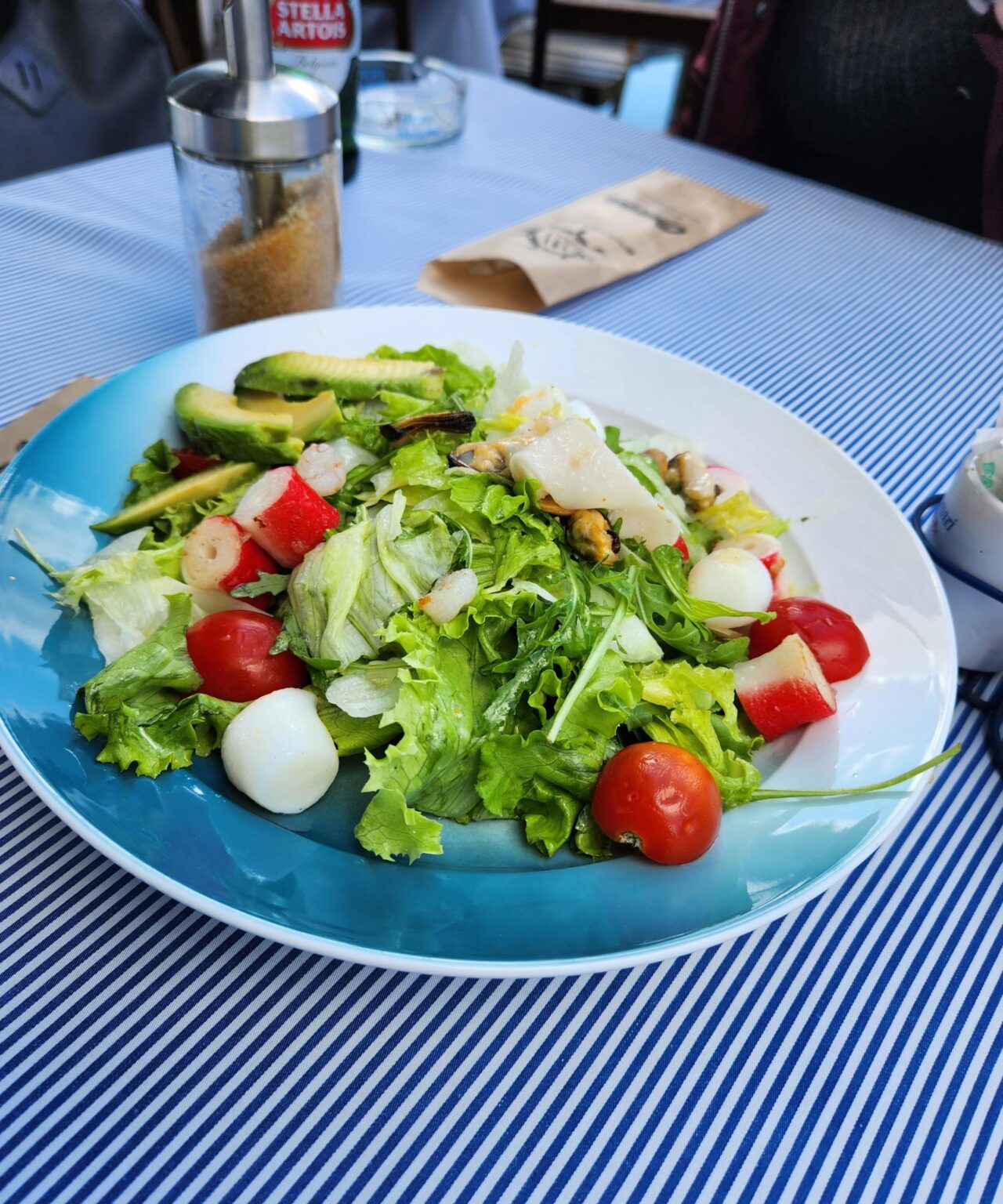
This produced smiles on the faces of everyone else eating, plus a topic of conversation. Still no discount on restaurant prices, mind you. A tasty seafood salad, a fish soup, a coffee, and on we went. One practical note for the riverbank: swimming in the Danube here is prohibited, and there has been local reporting on why, so do not get any ideas when you see the water.
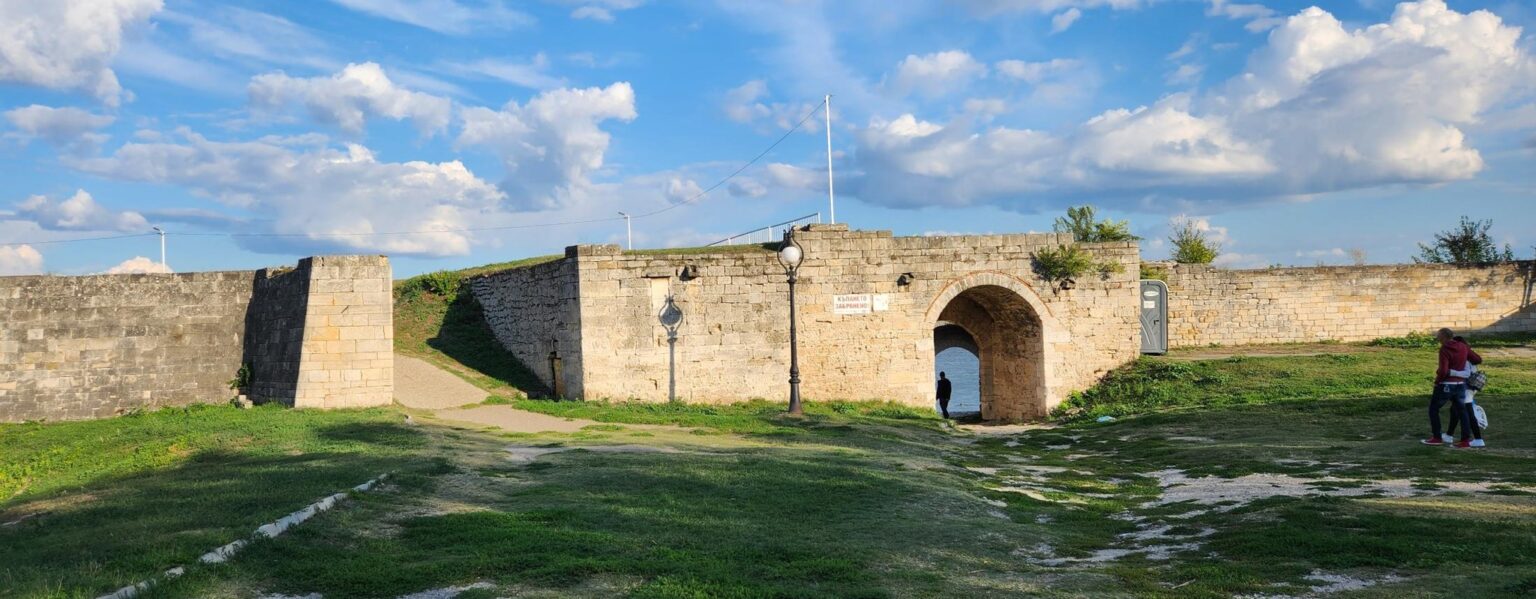
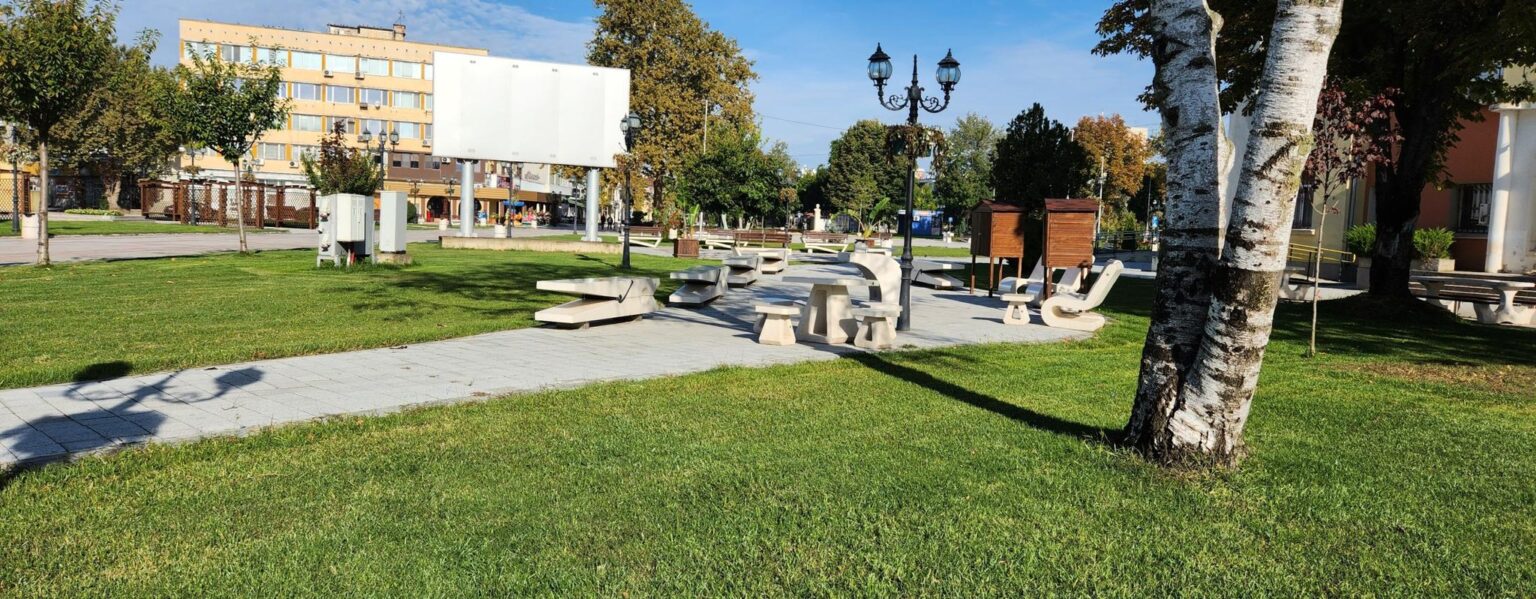
A walk around the central squares, the market, Mall Vidin. It is spot on. People bustling, everything clean and renovated. Life is busy and boiling away, and I see nothing declining anywhere. Quite the opposite. Smiling people, somehow not in as much of a hurry as elsewhere. There is no clear objective left; we had been through the main things, as well as through the several giant gates of the Kaleto fortifications, which on the map effectively enclose about half of the “island” — in practice, a whole neighbourhood, as far as I can tell.
A tour of Baba Vida plus the busier main streets with their cafés and shops takes around 3 hours. To be clear, that is walking time only, enough to see more or less the whole “island” plus the centre around the municipal building. With breaks and stops, the number can balloon considerably.
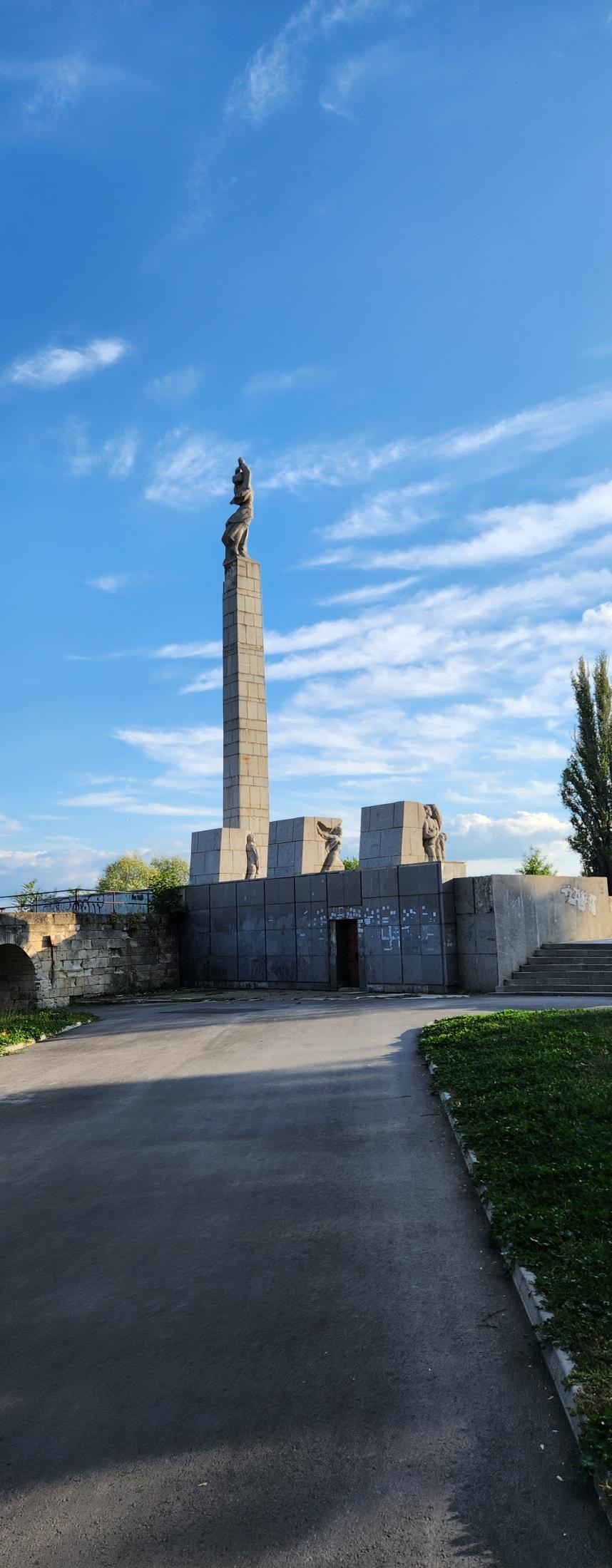
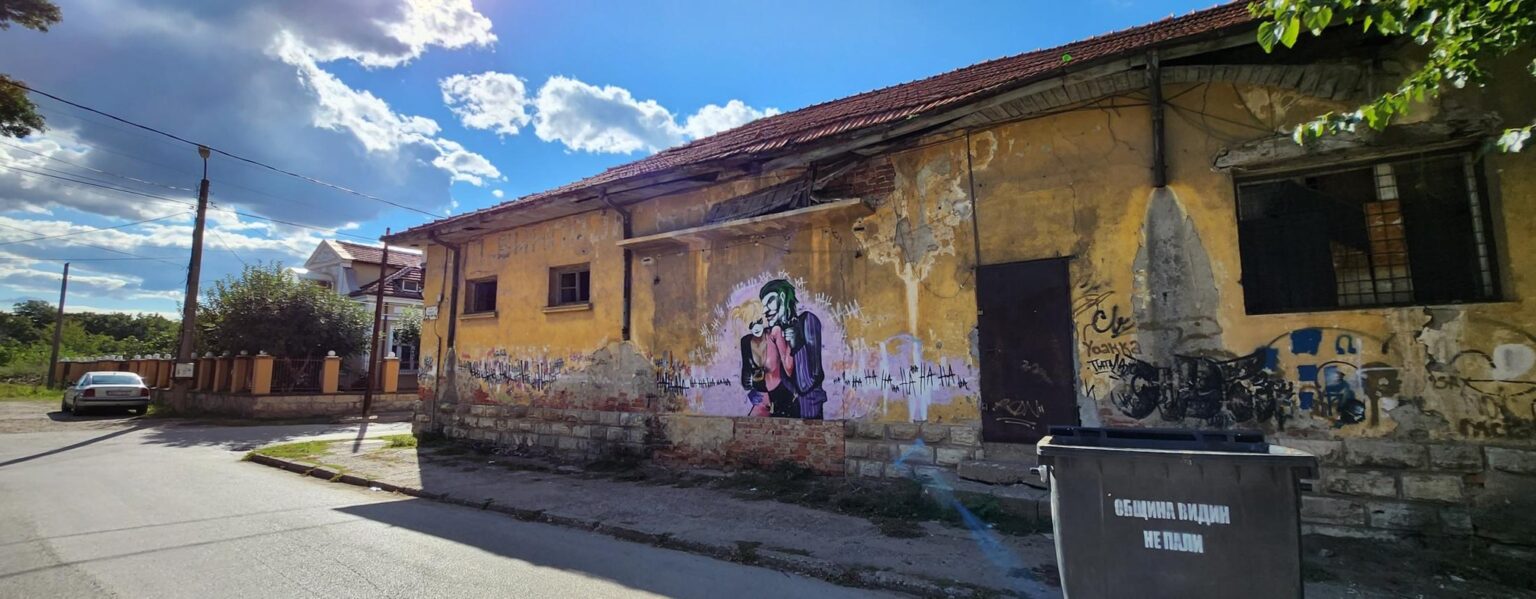
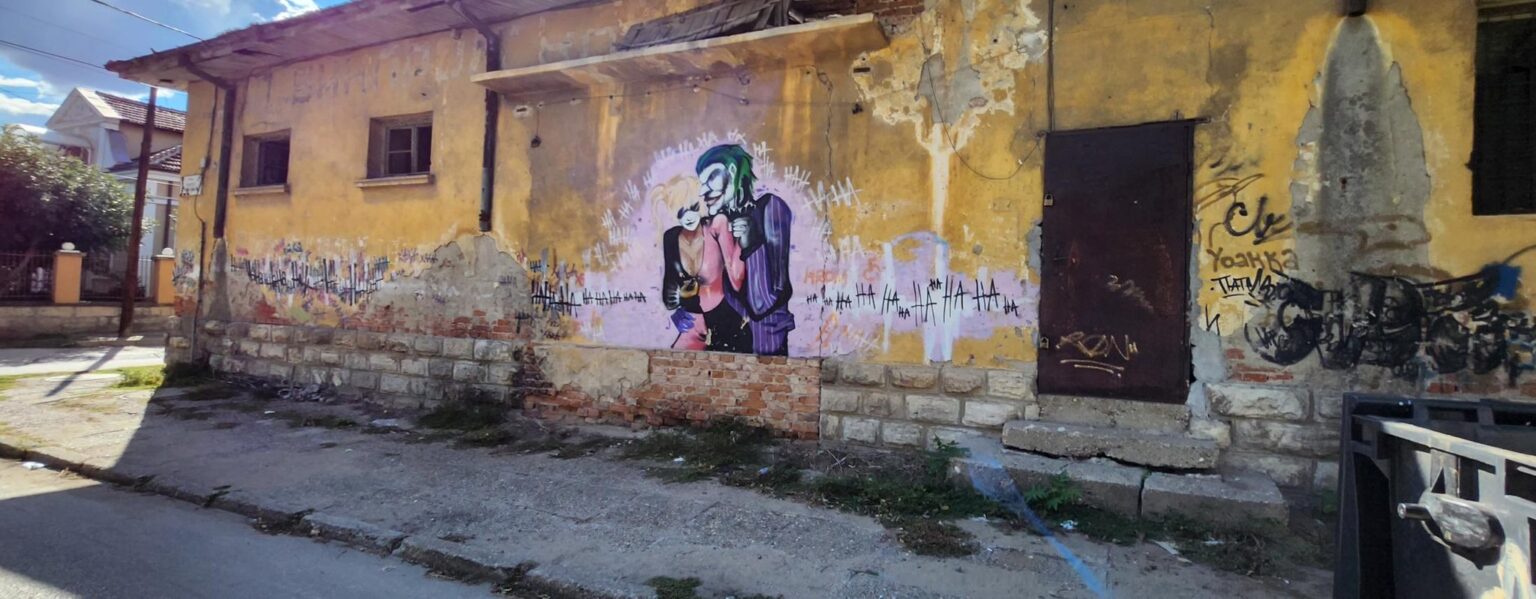
We got as far as Vladikina Bahcha Park. It is not as varied as the Danube Park. Back to the car. On the way we ran into something for the DC universe fans — I knew there would be something for them too.
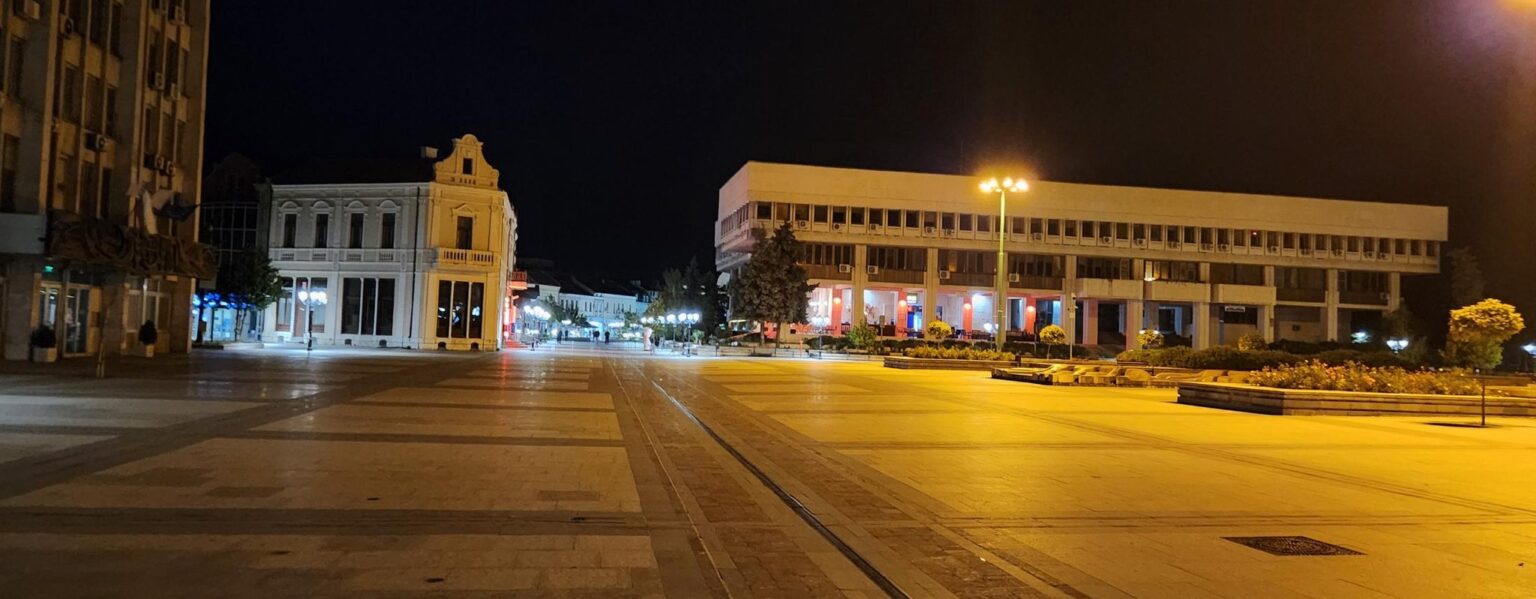
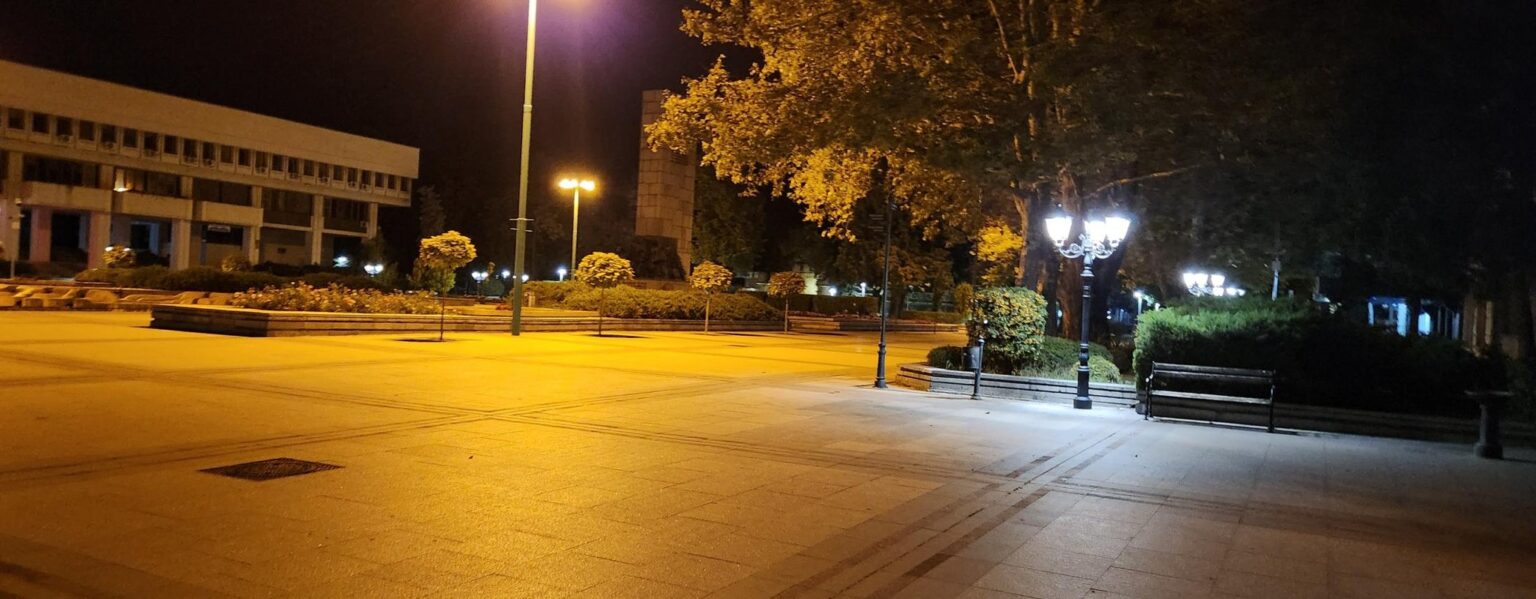
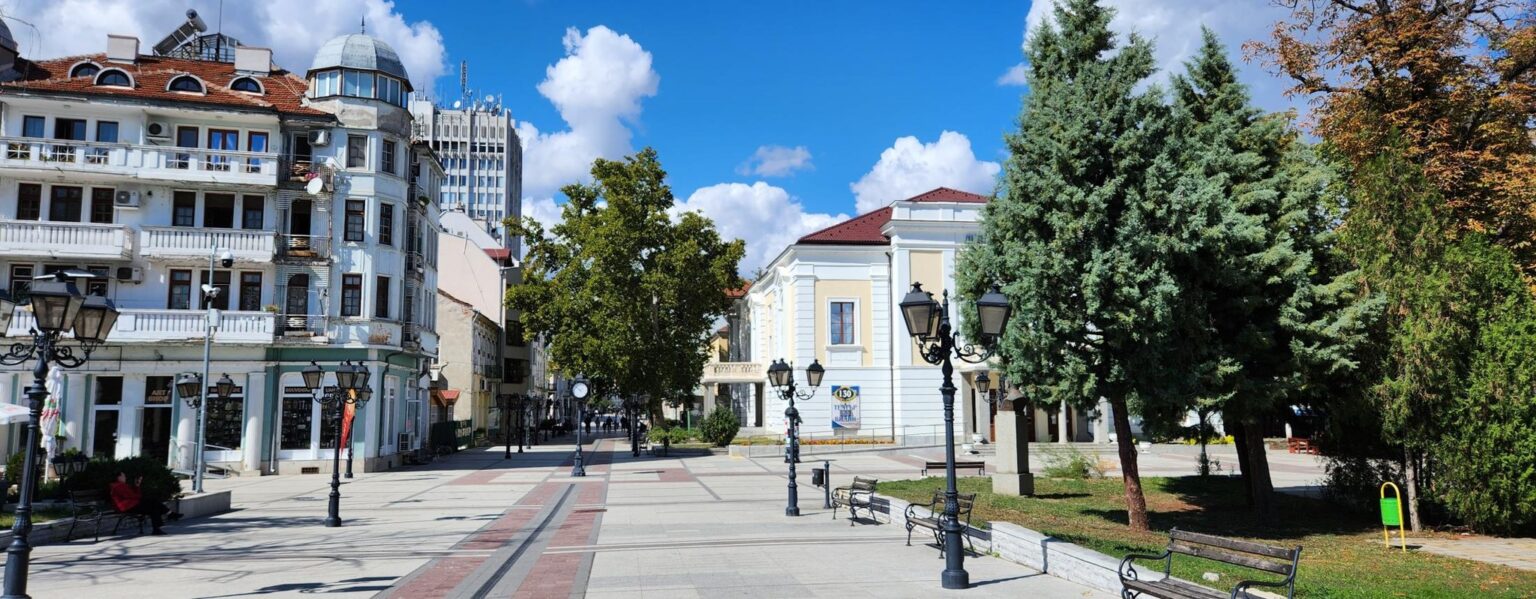
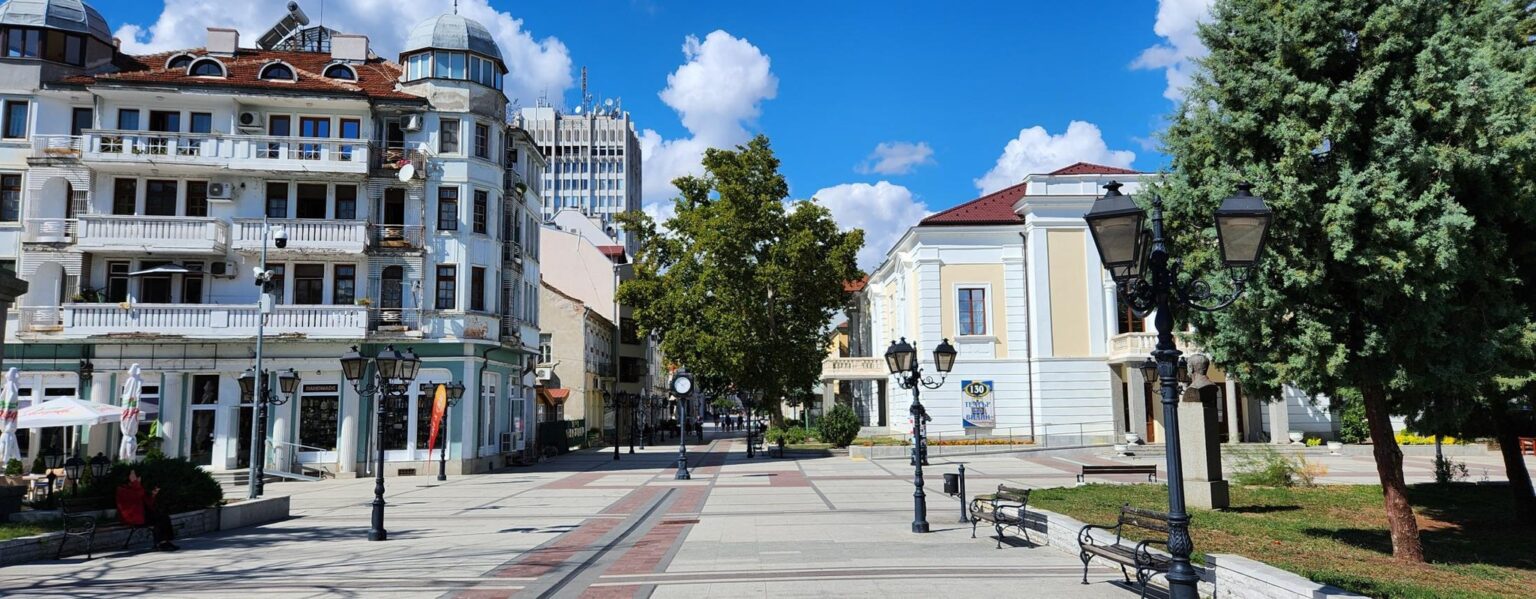
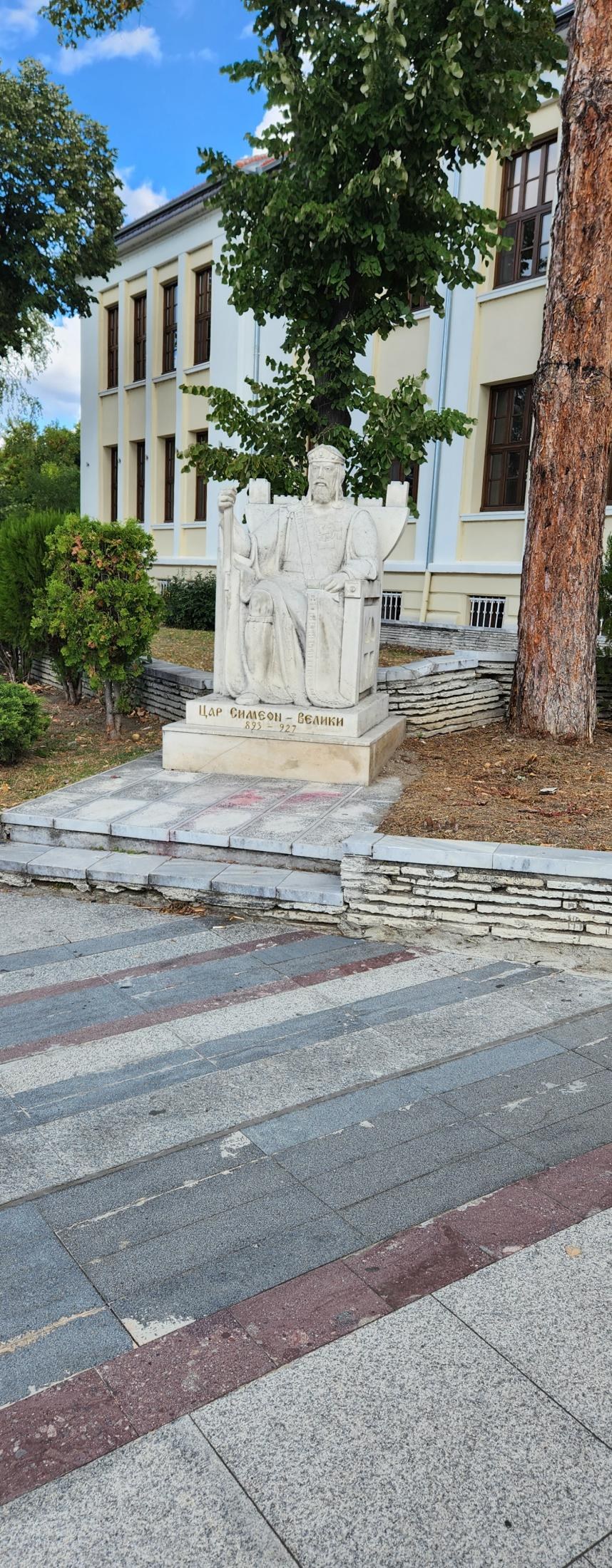
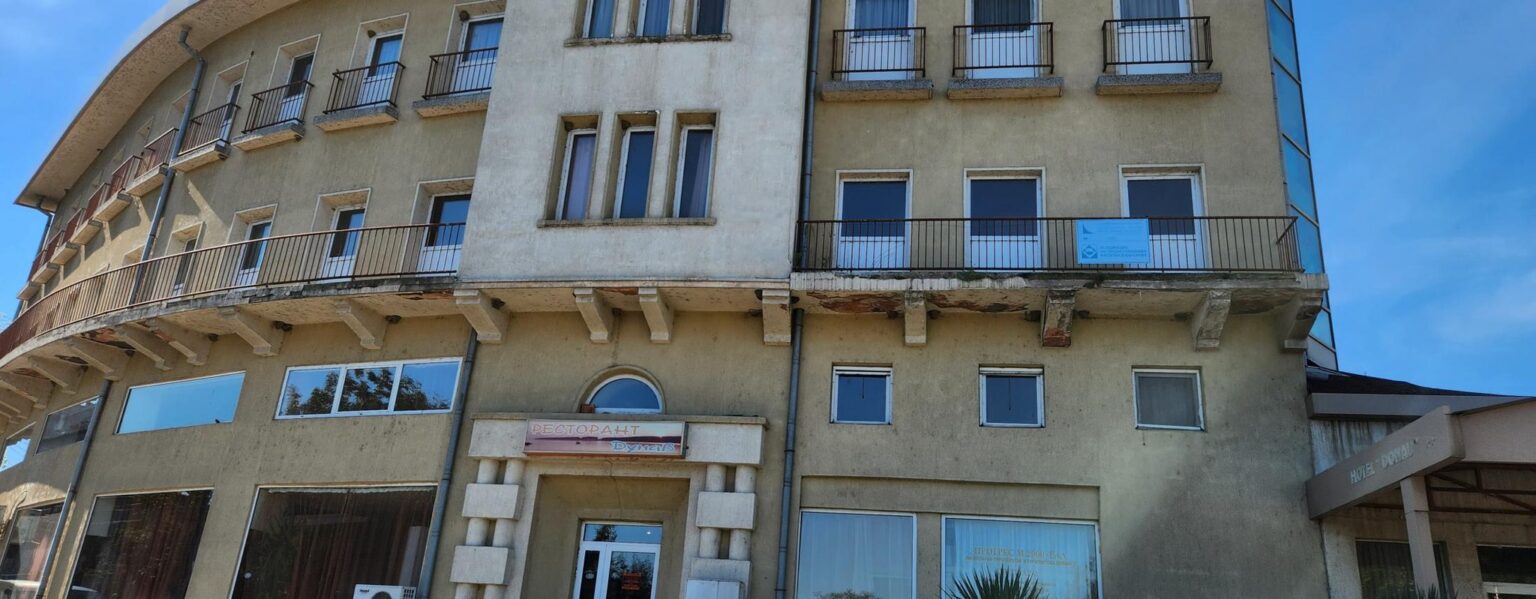
A mini gallery of the squares and the second park: clean, nice architecture leaning noticeably more towards European low-rise than you would expect, with a small note of Soviet style in the mix.
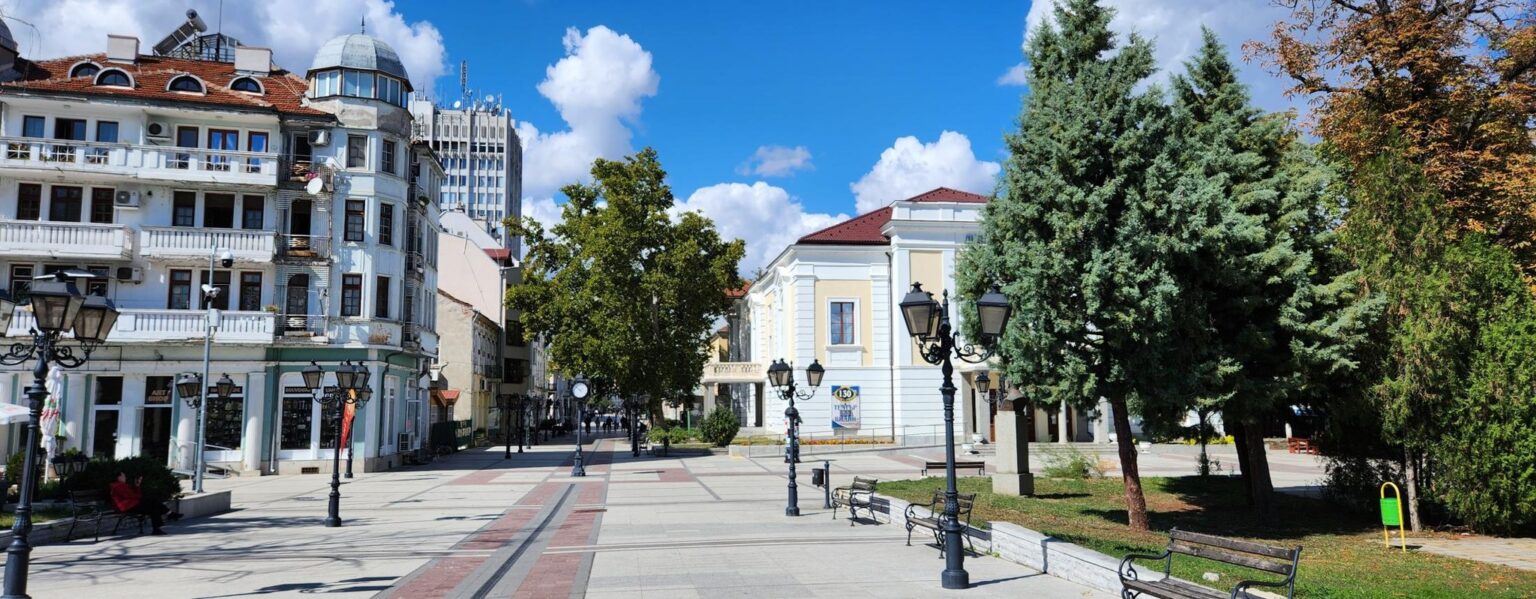
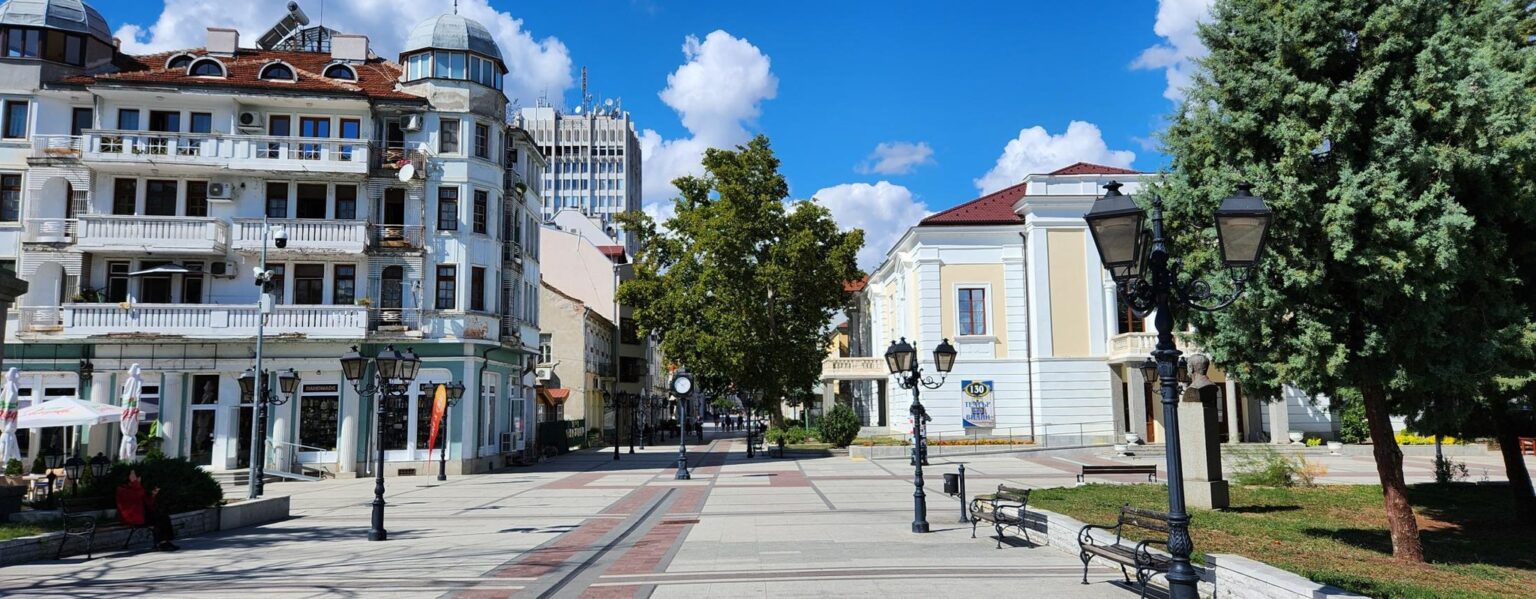
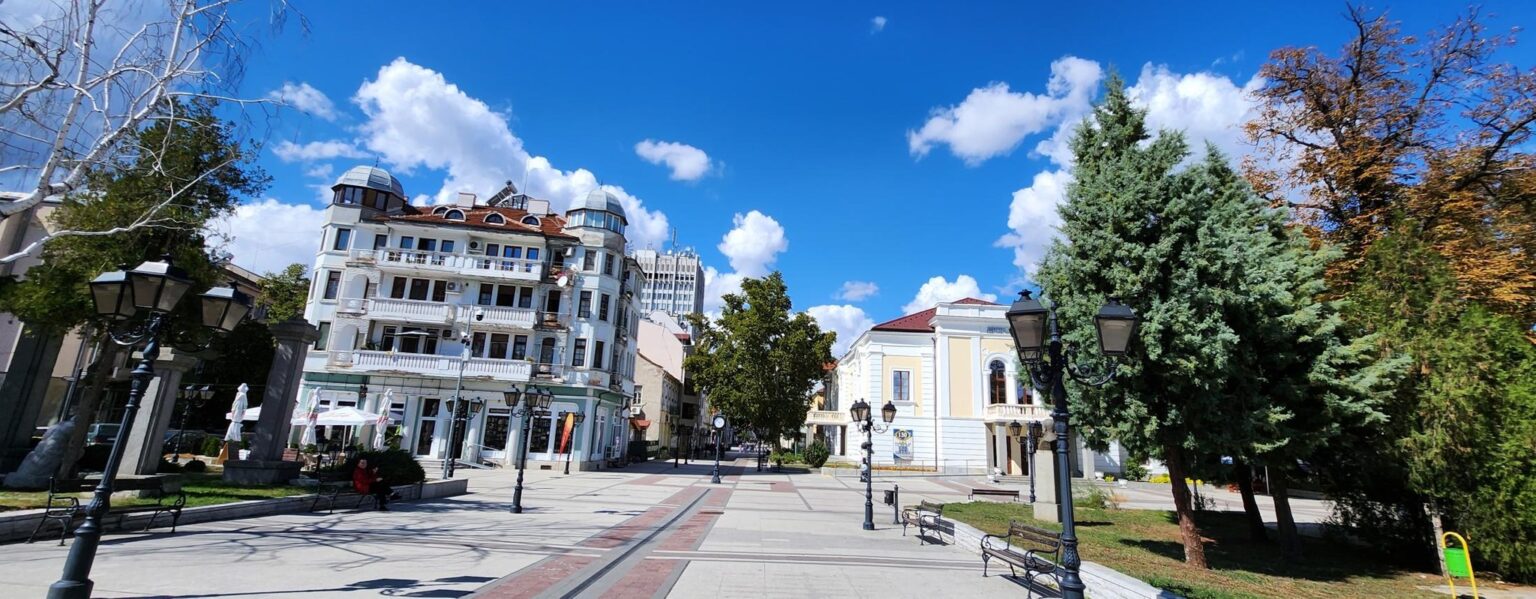
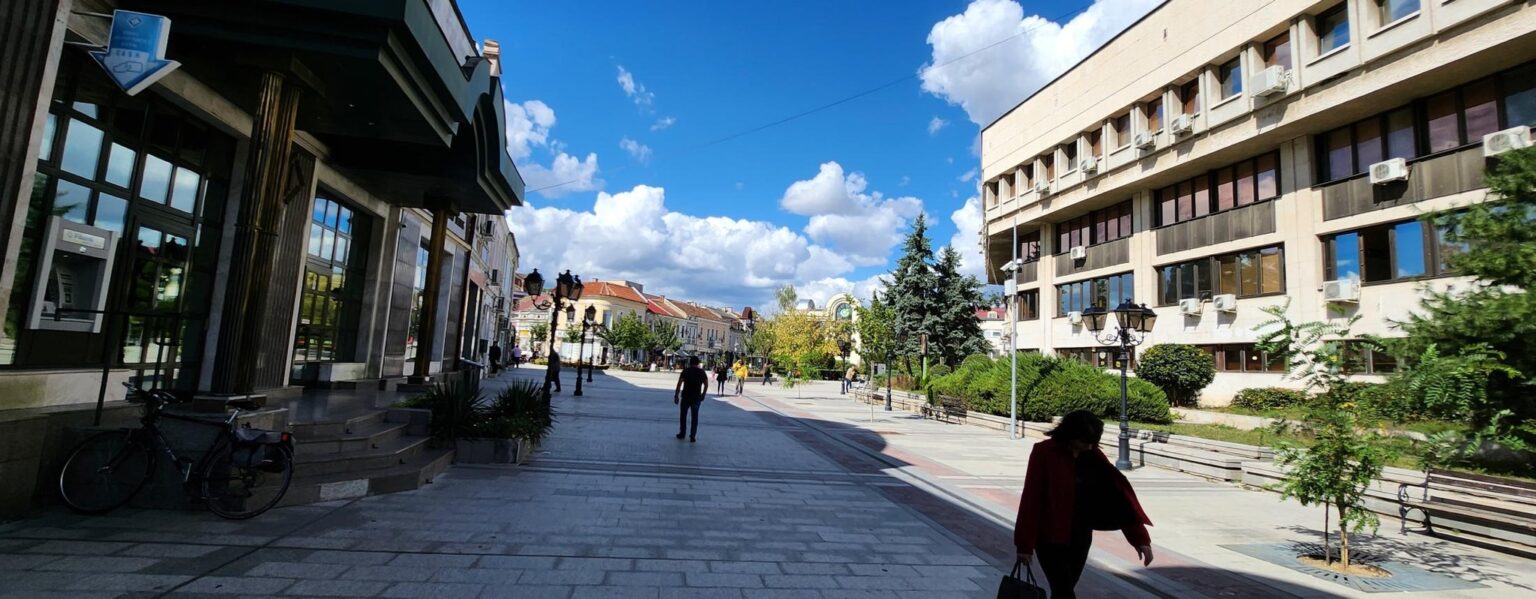
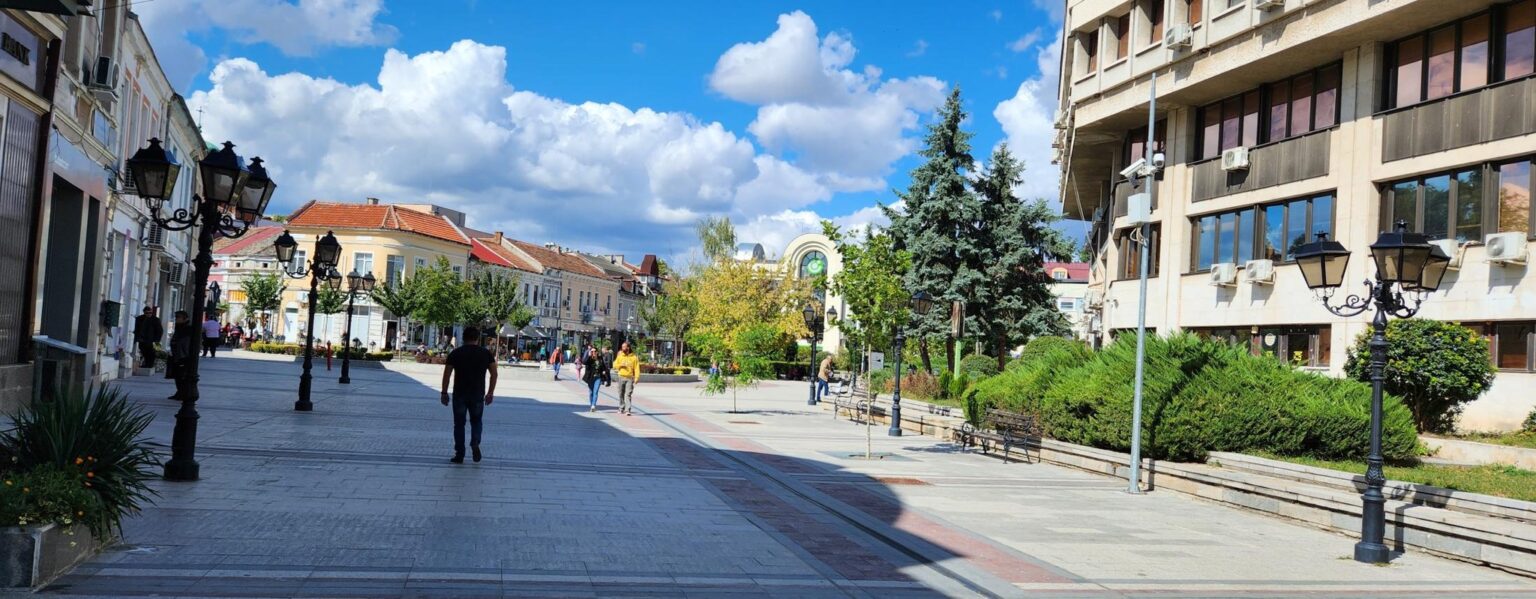
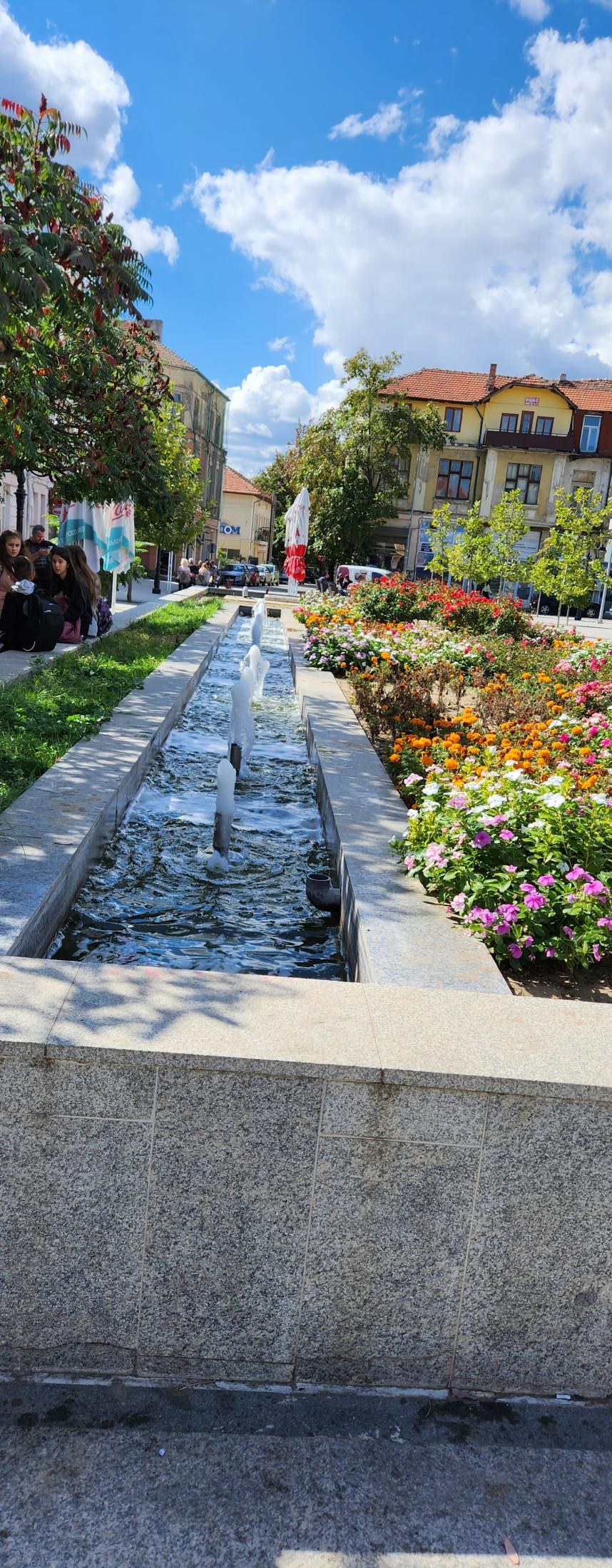
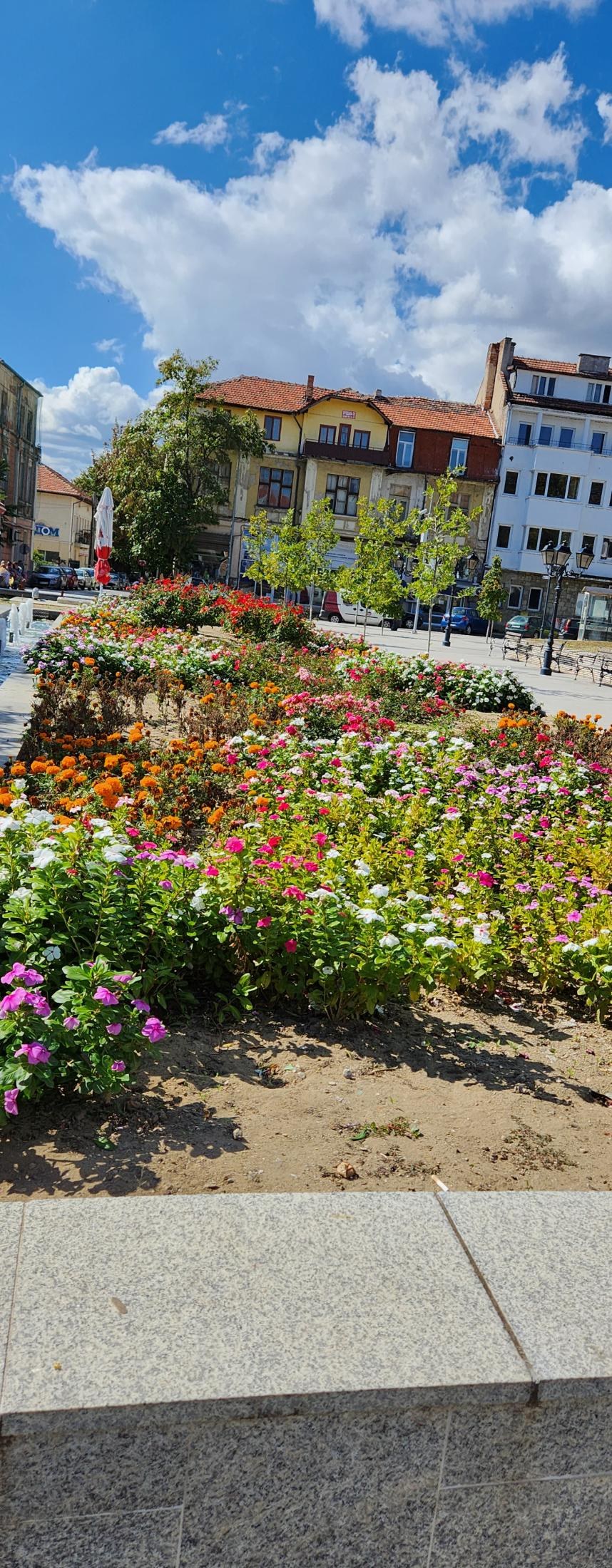
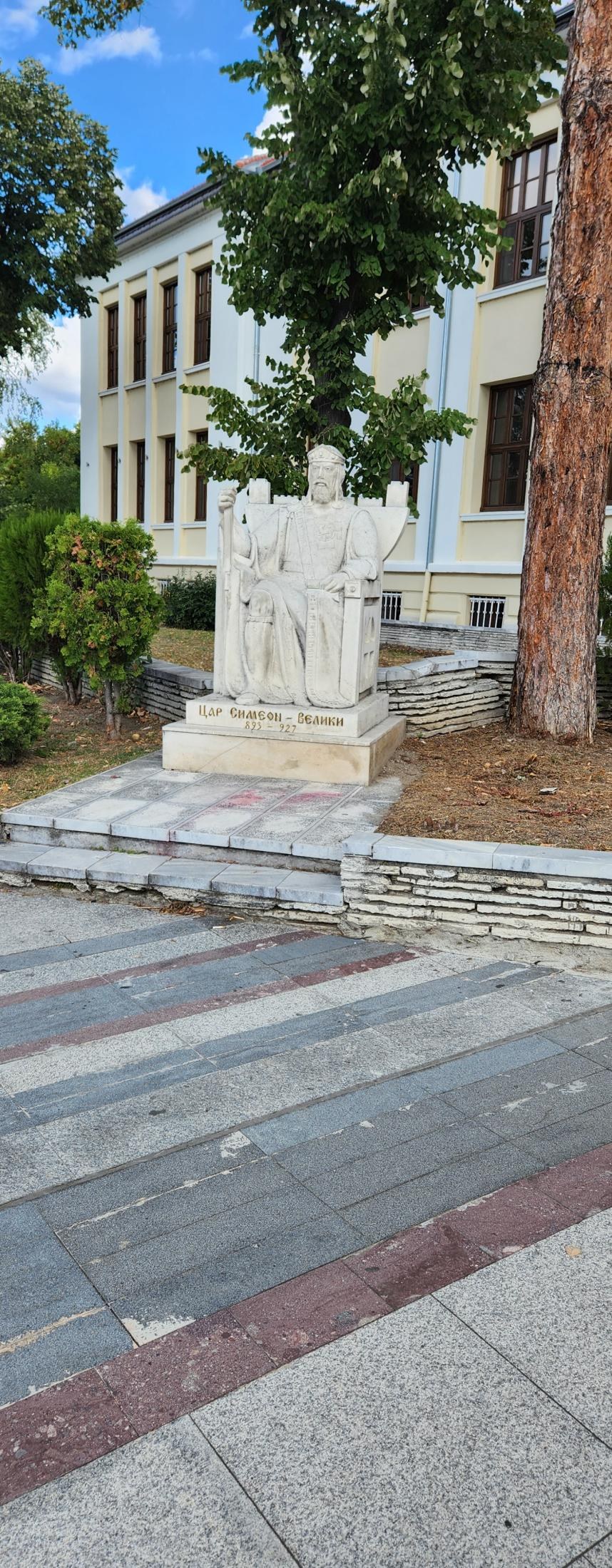
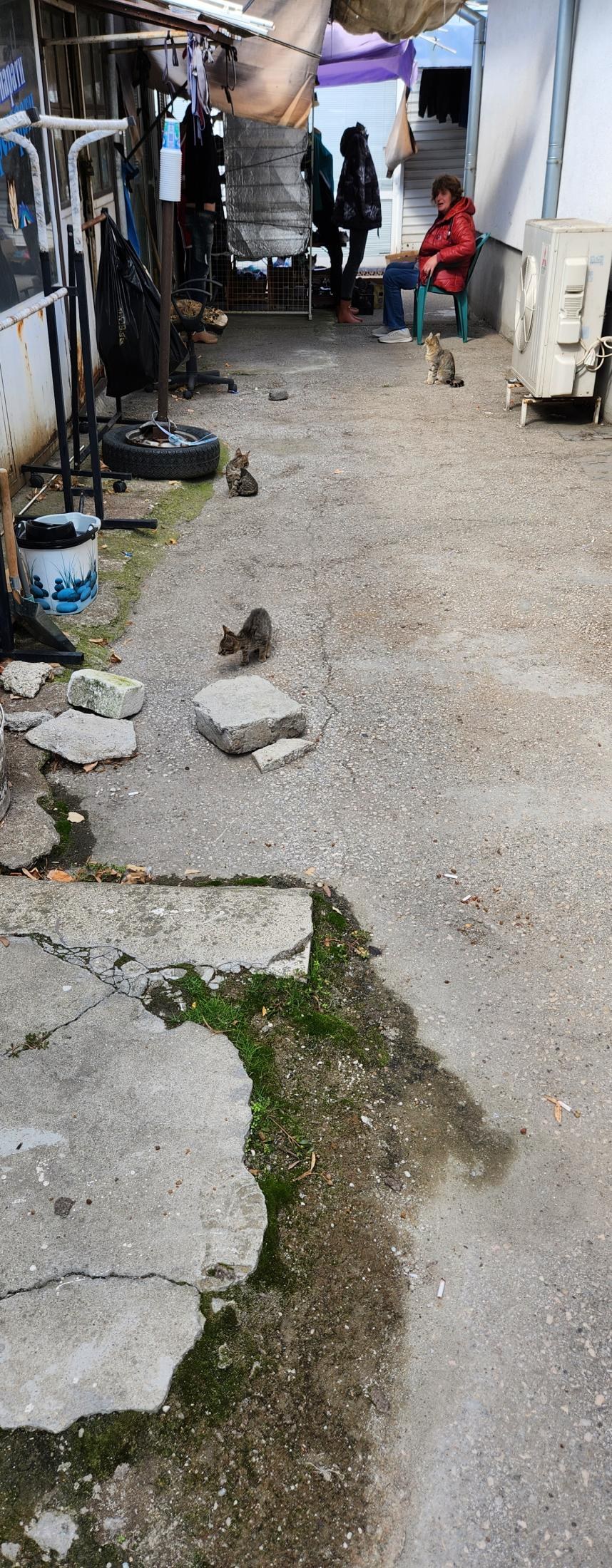
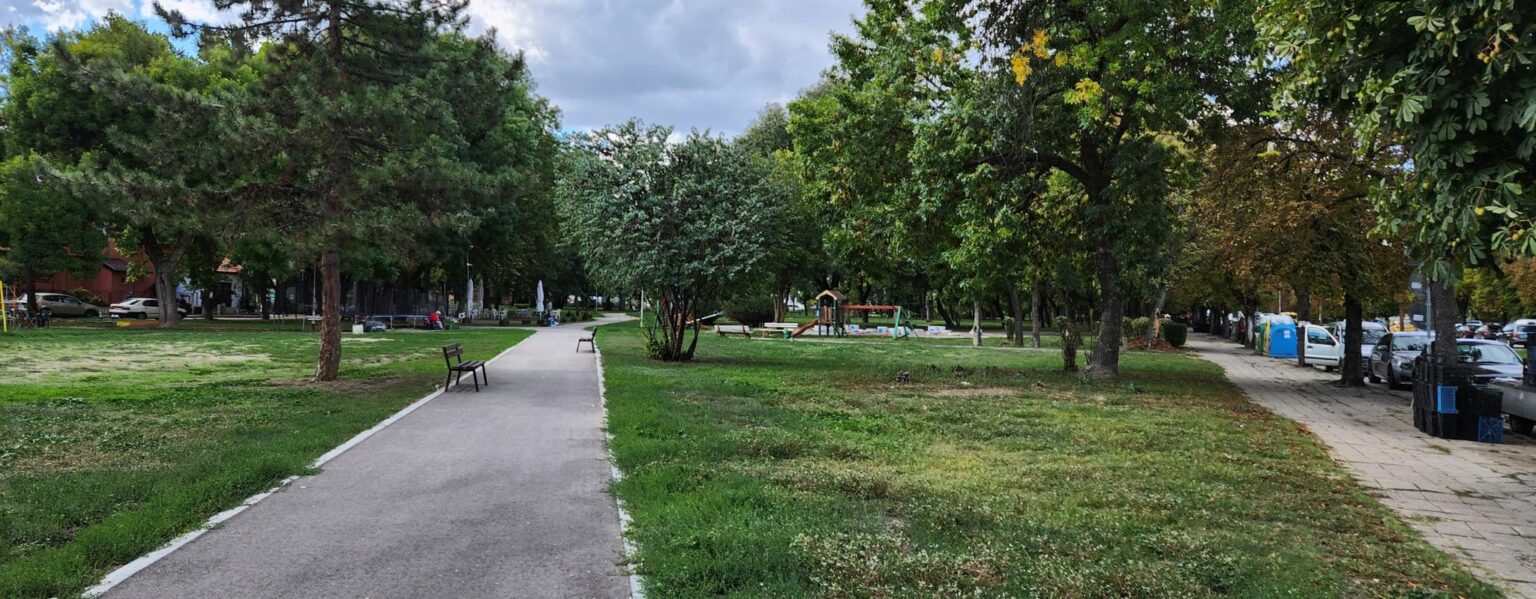
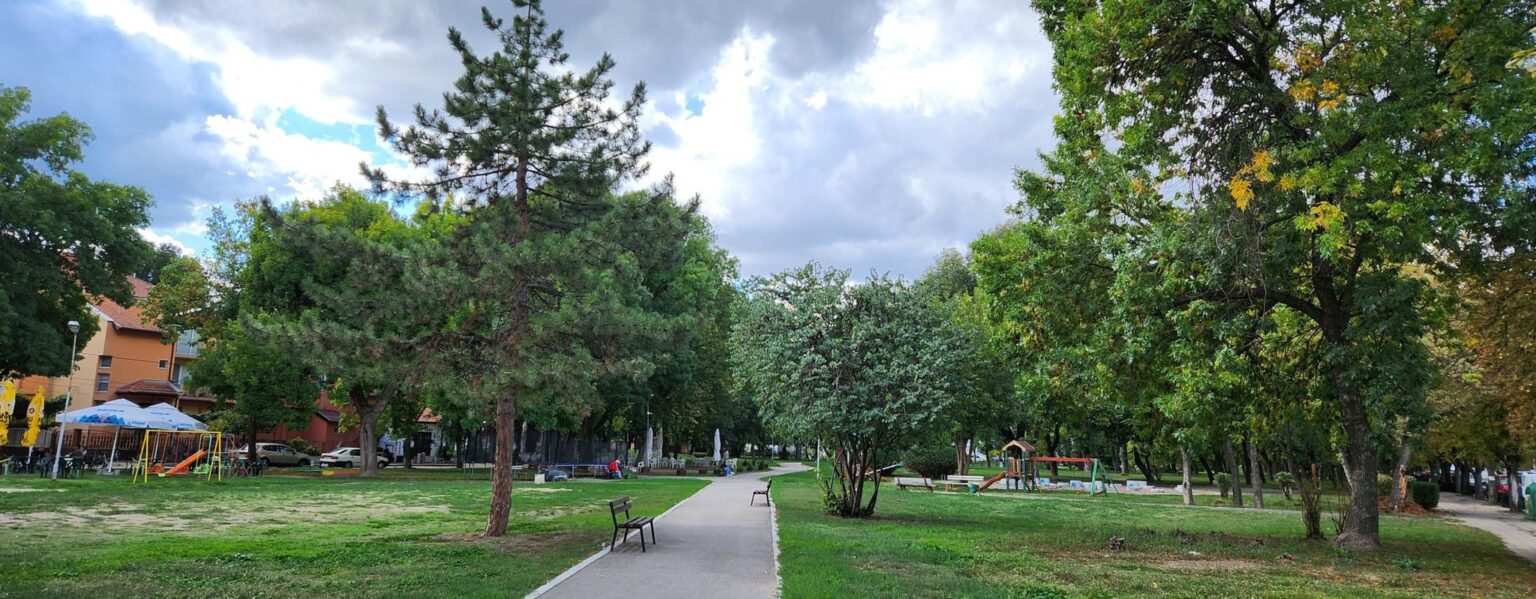
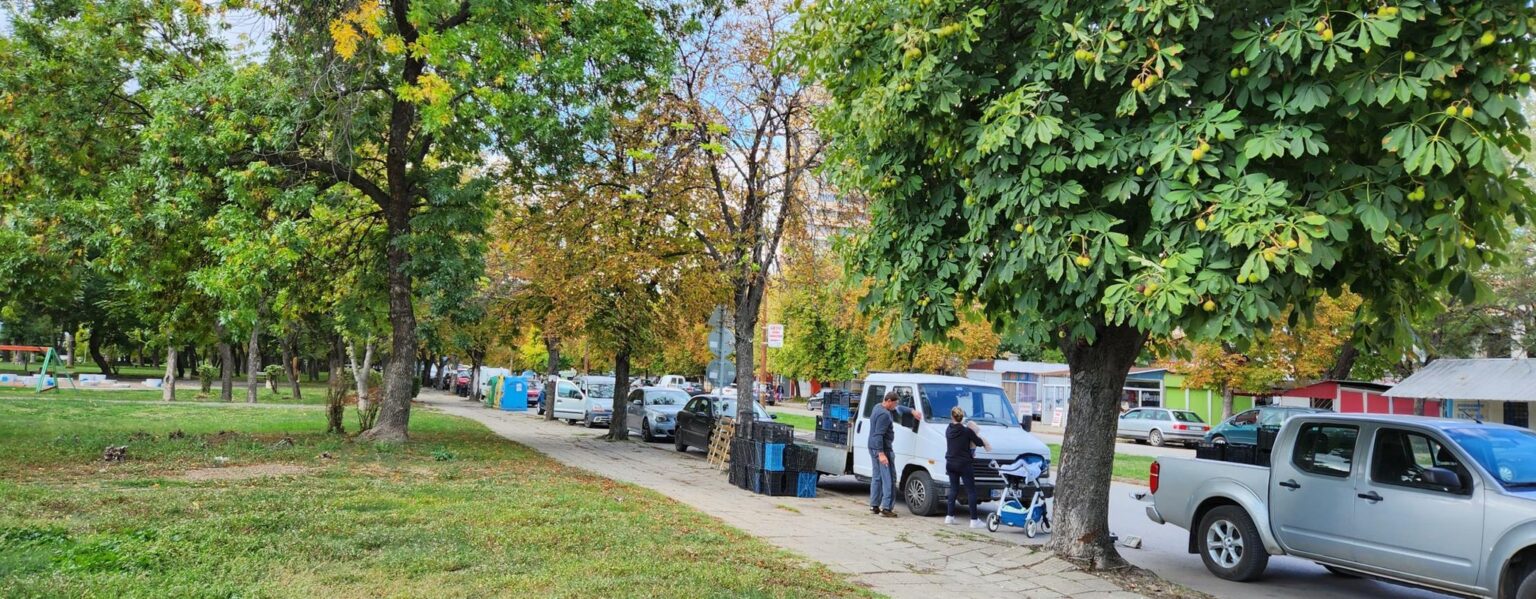
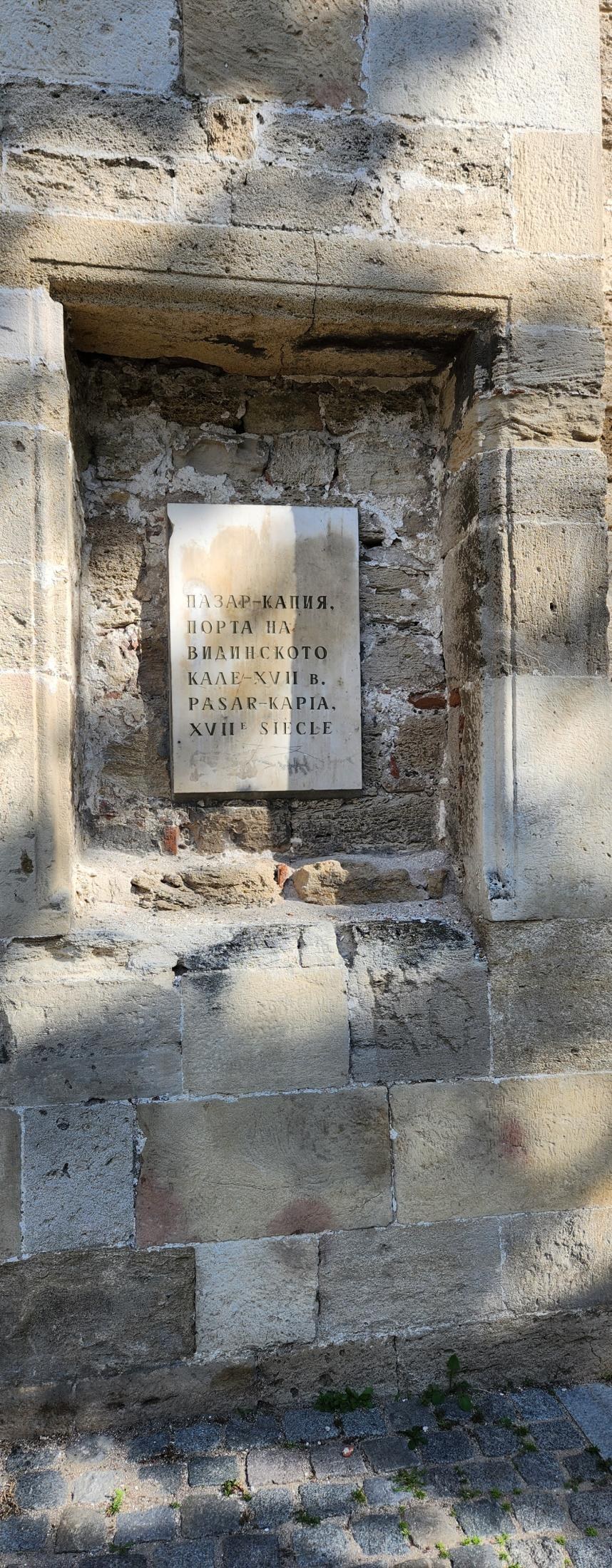
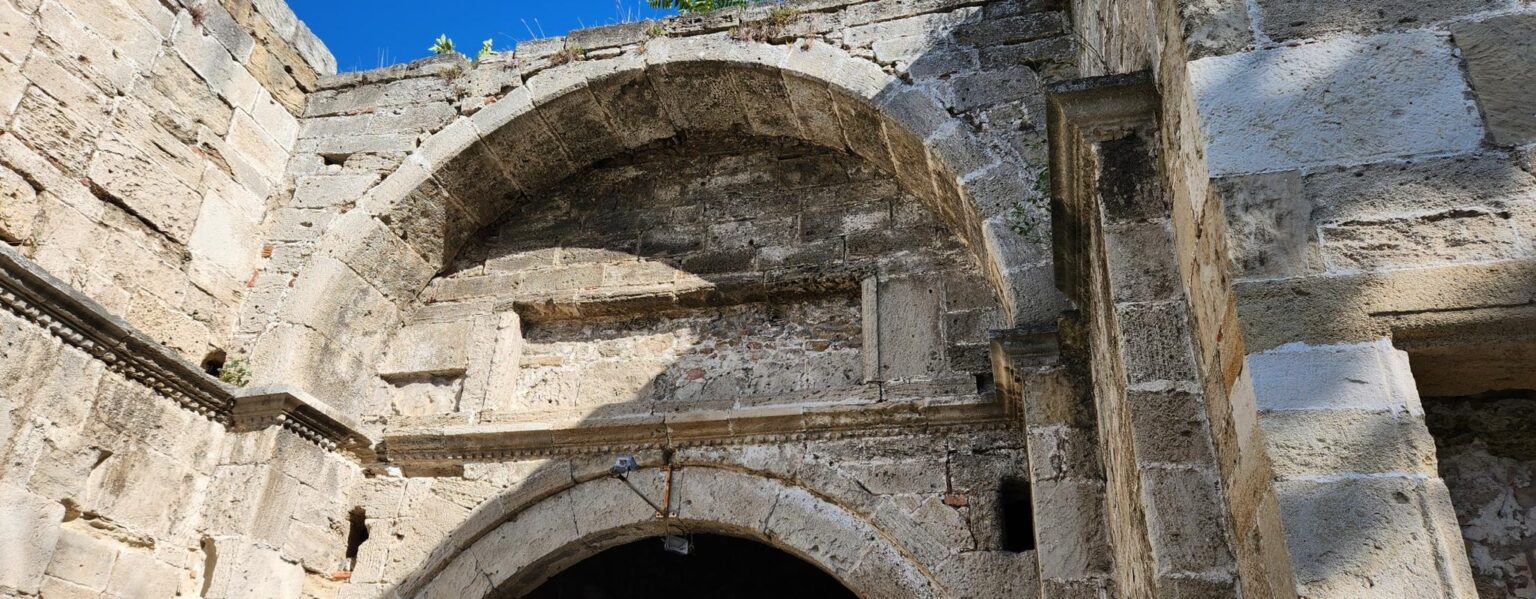
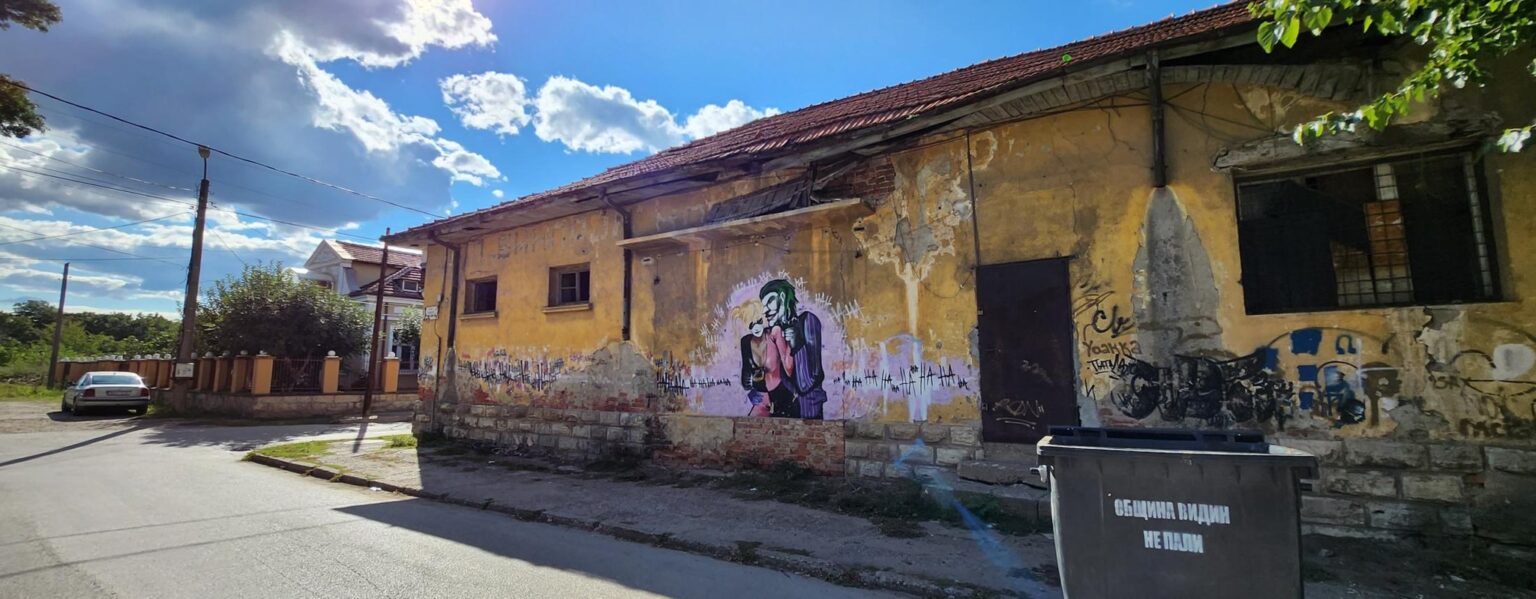
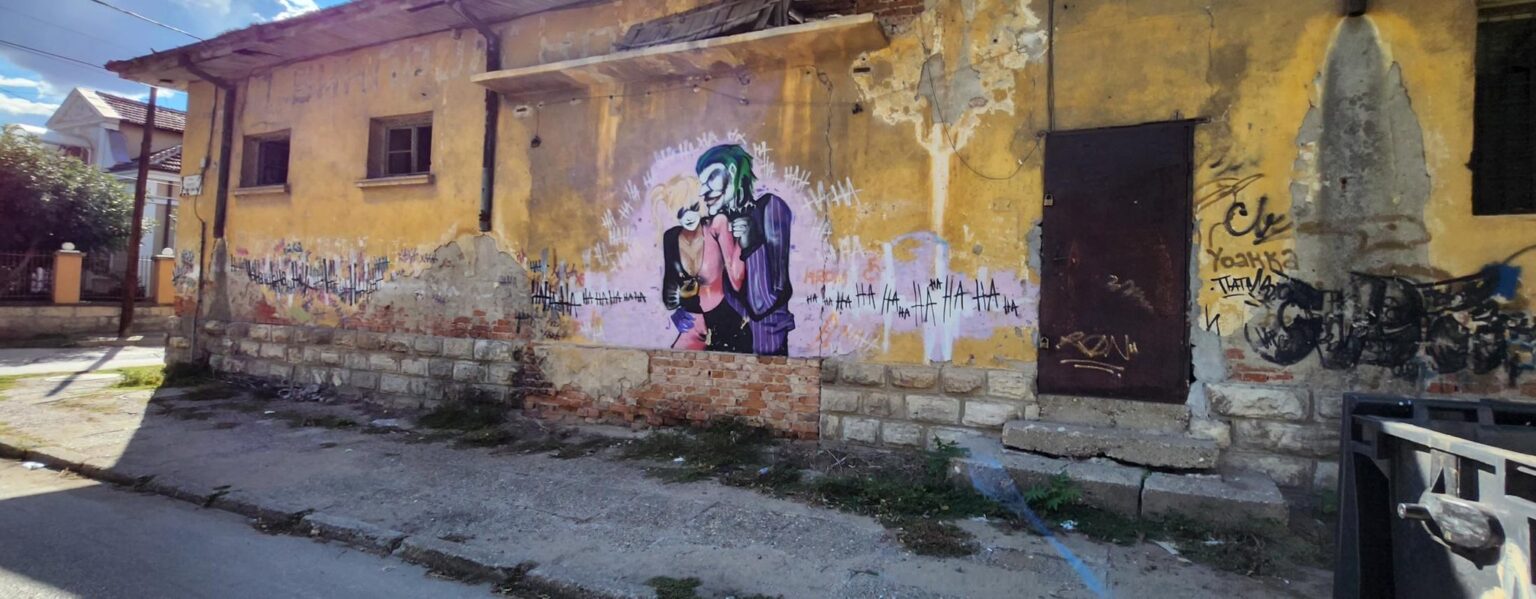
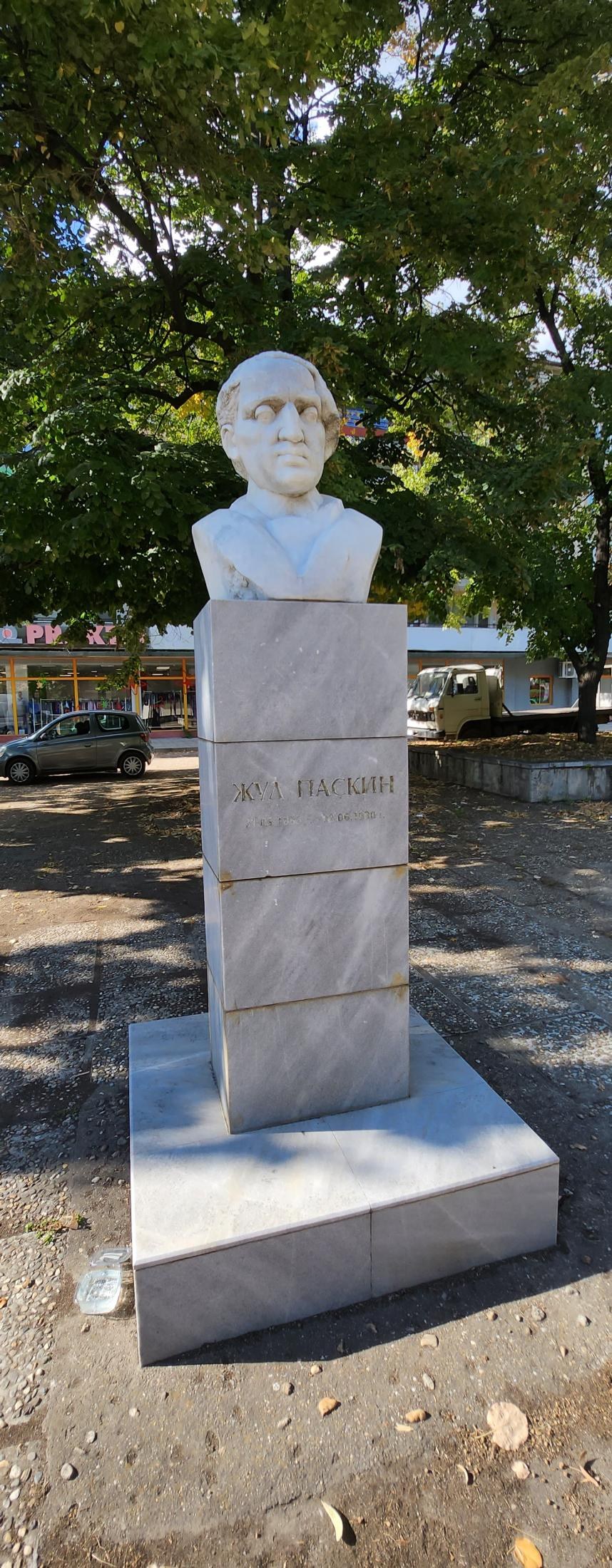
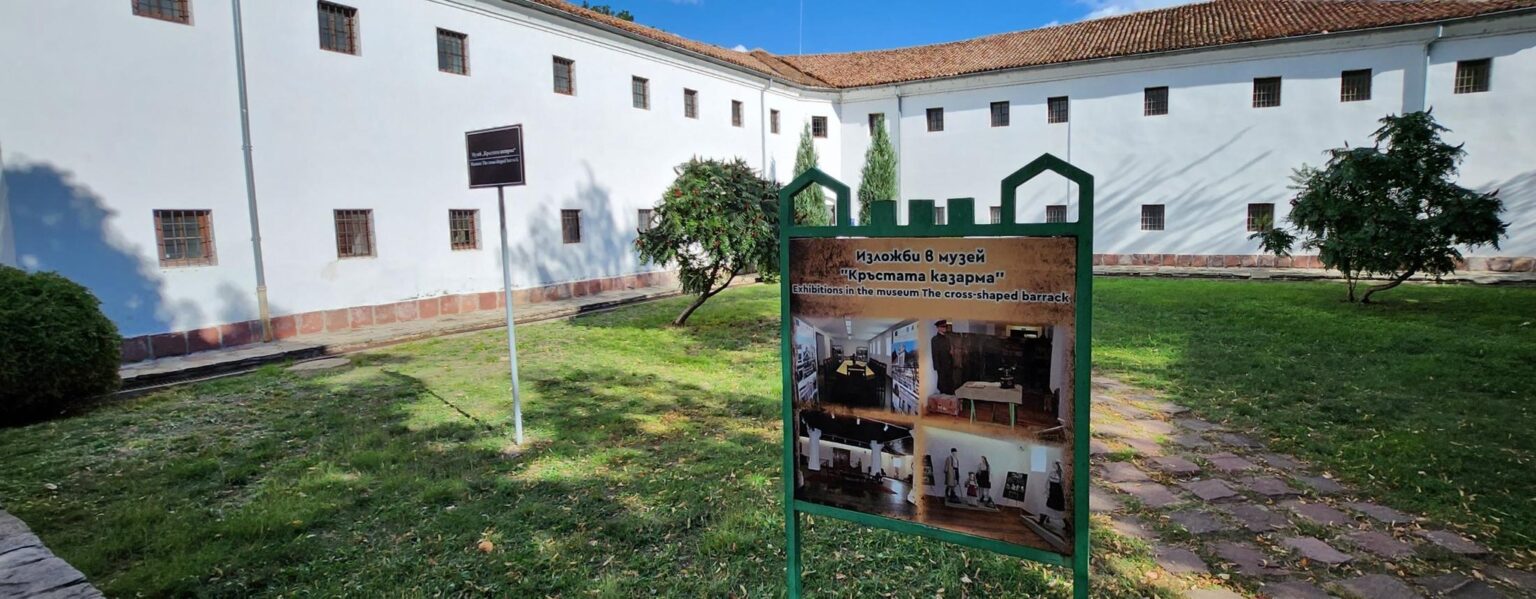
Vidin is not bad at all — quite the reverse — but enough of it. We need to give the neighbours a chance to prove themselves too.
Rest, a proper night’s sleep, and it is time for:
Day 3: Lom, Kozloduy
Lom
Two homemade sandwiches for breakfast from the hotel and off we went. Getting out of Vidin is easy and quick. The road is good, still the international route. The general logic is simple: if there is something interesting to visit, we stop, look and photograph. We had seen that there are remains of a fortress at Archar, so we drove through the centre — this is the area where the Ratiaria treasure was found. We did not stop. The main reason was that visibly everyone around was men over fifty who at 10:00 in the morning were drinking rakia and mastika out of miniature bottles. On to Lom, with the road continuing to be excellent. Barely an hour and we were at the port of Lom, where the main street begins. No 100 NTS stamps here. That did not shock me at all; it was expected. What came next, however, knocked me sideways.
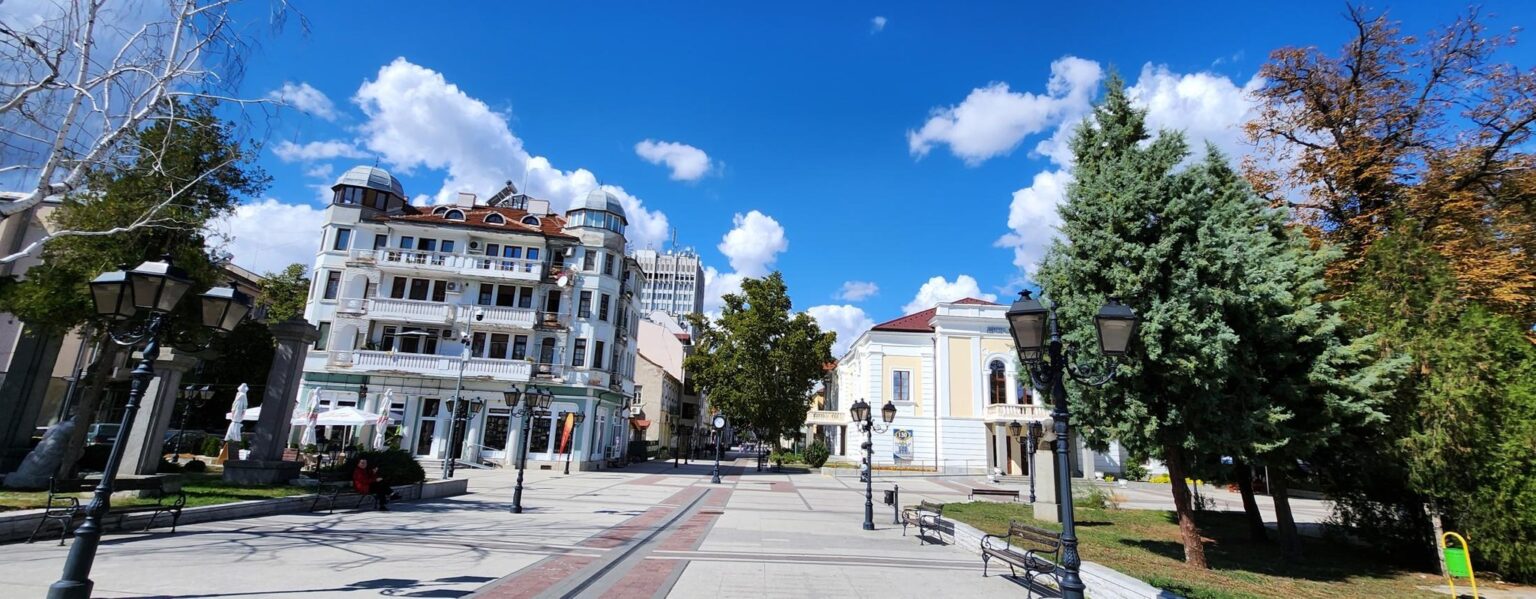
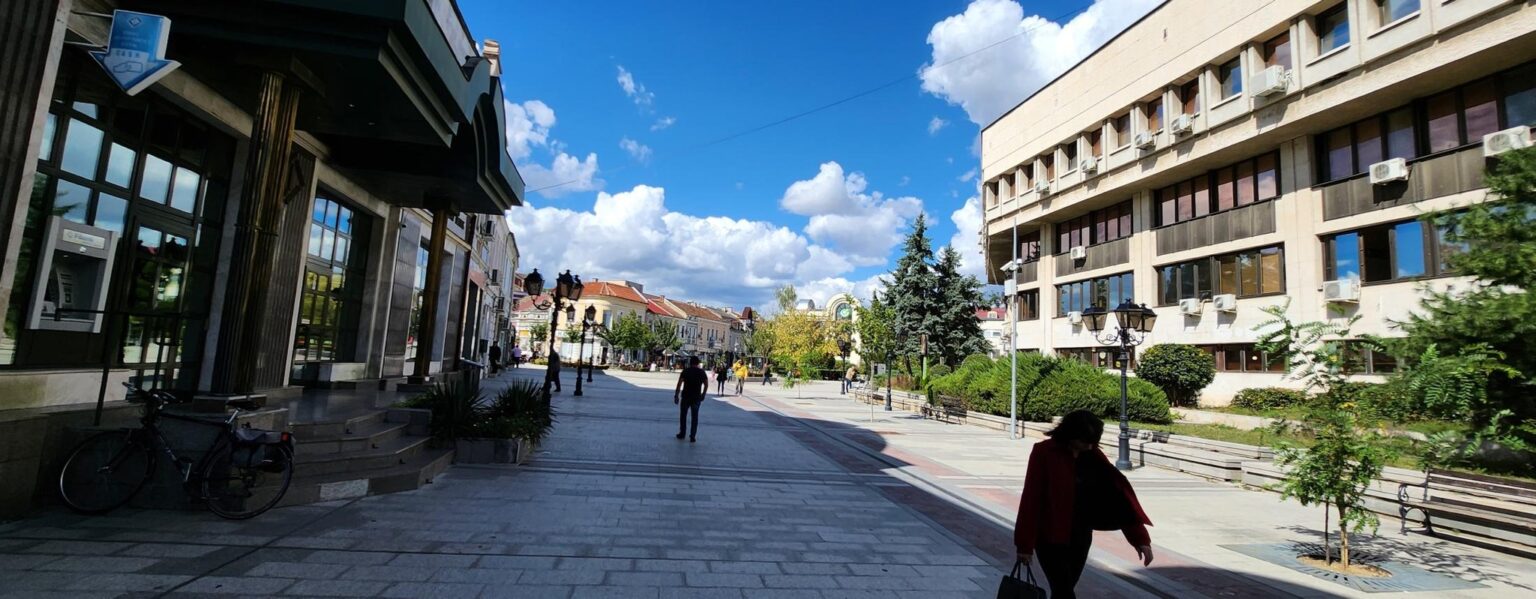
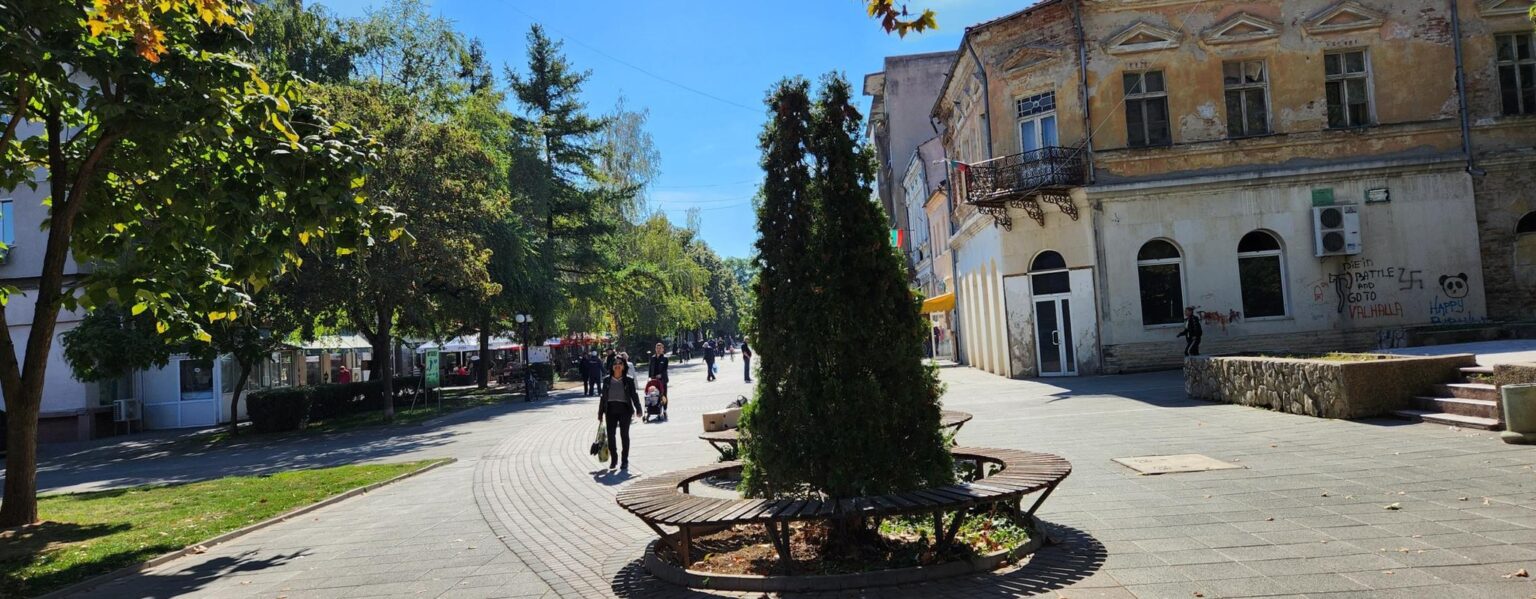
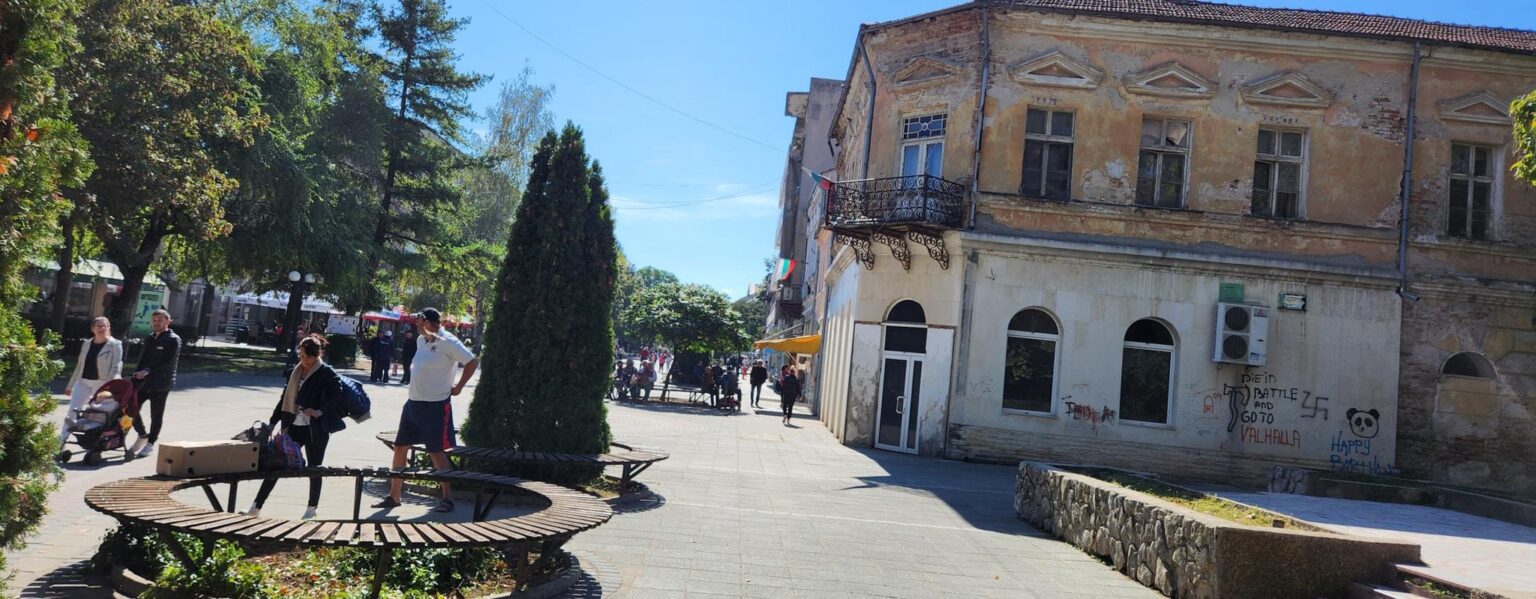
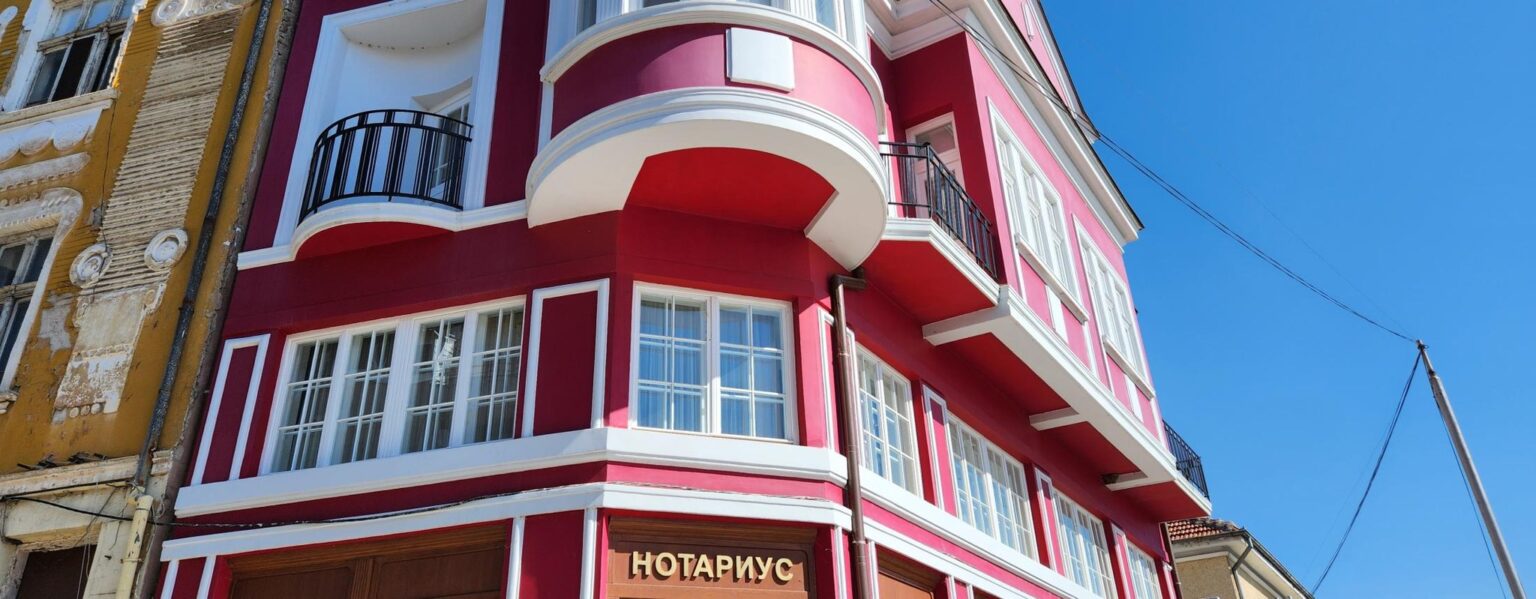
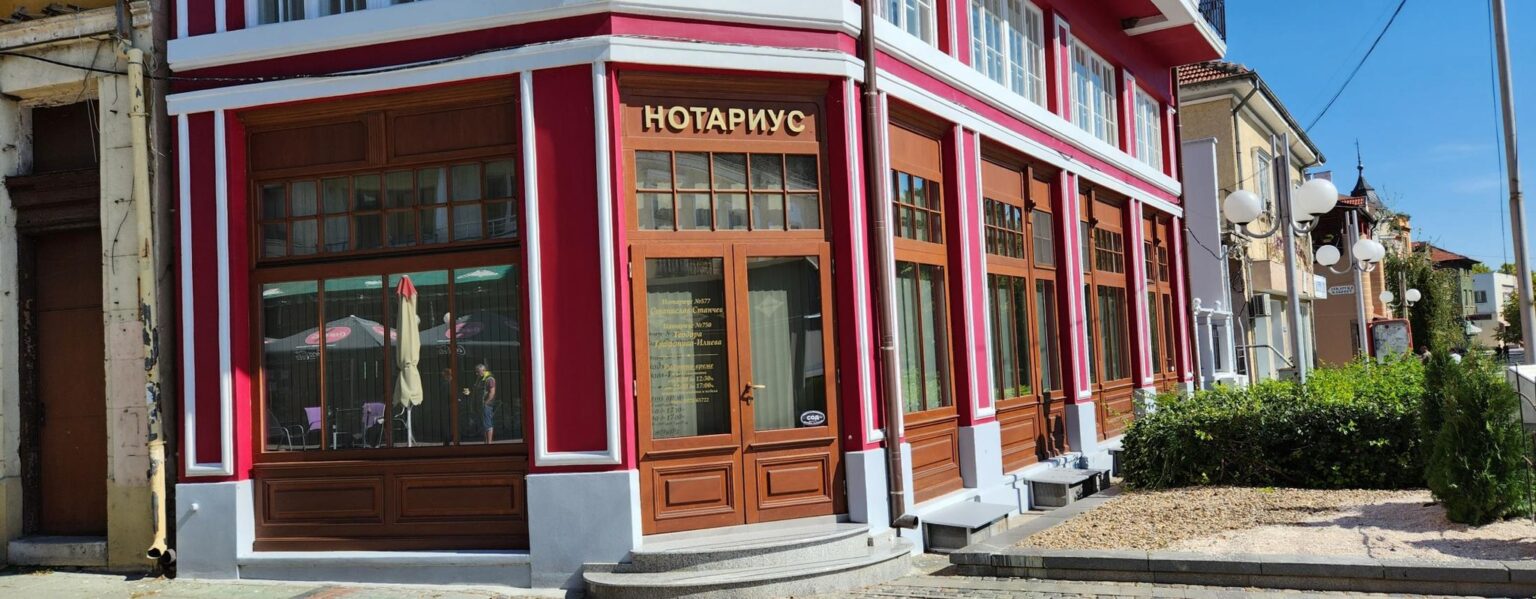
Lom is unique. Everything is renovated, beautiful, brought up to date, while at the same time preserving its original architecture. A small Bulgarian jewel on the bank of the Danube, with a badly mistaken reputation online.
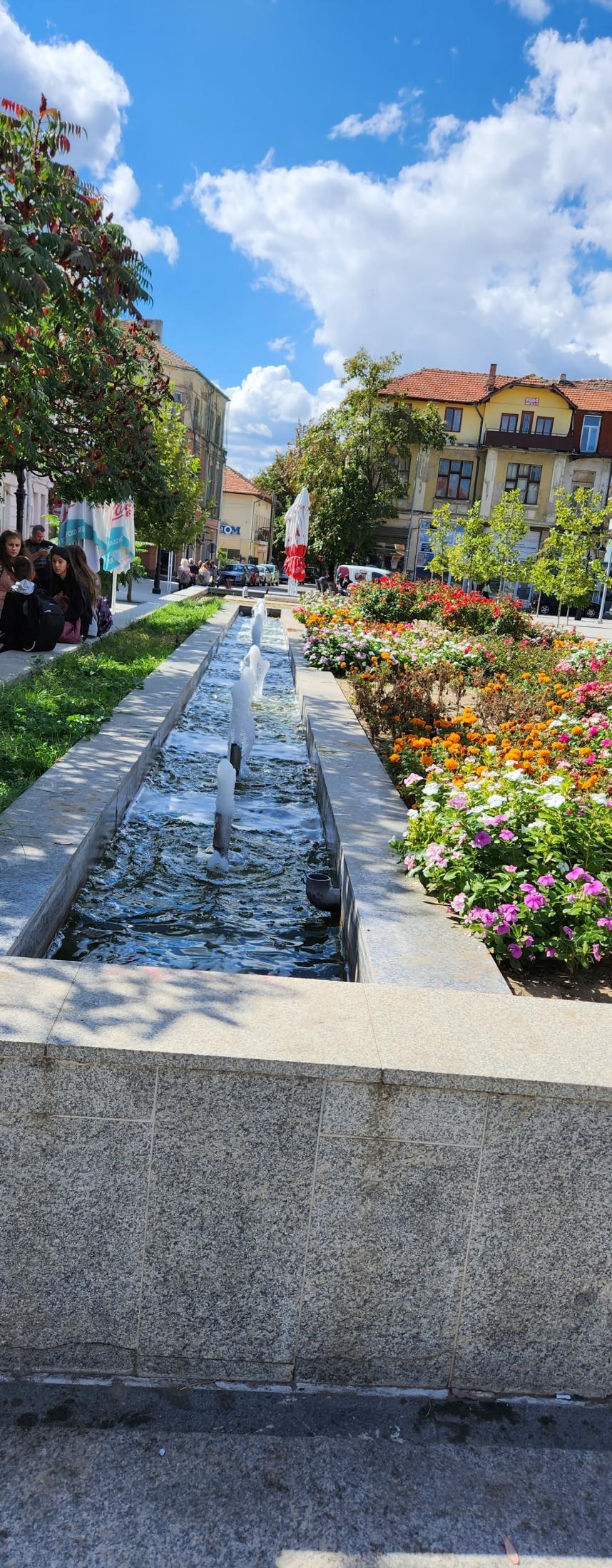
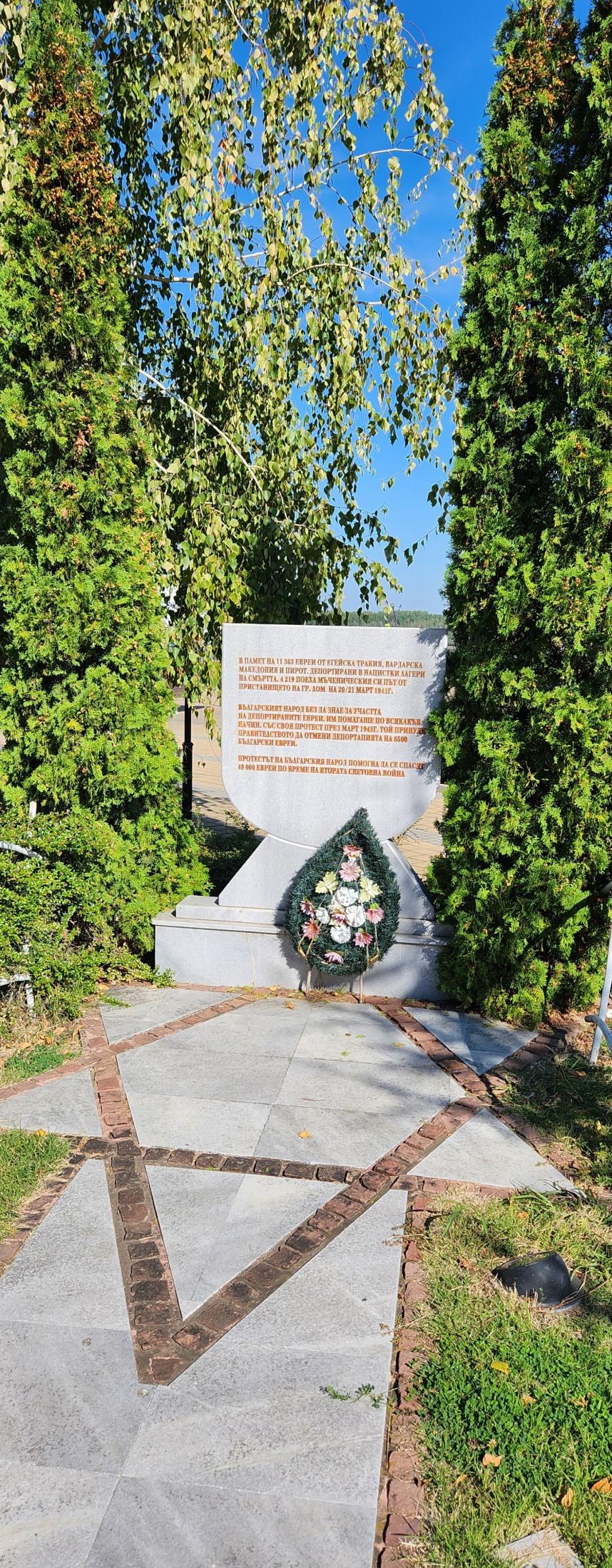
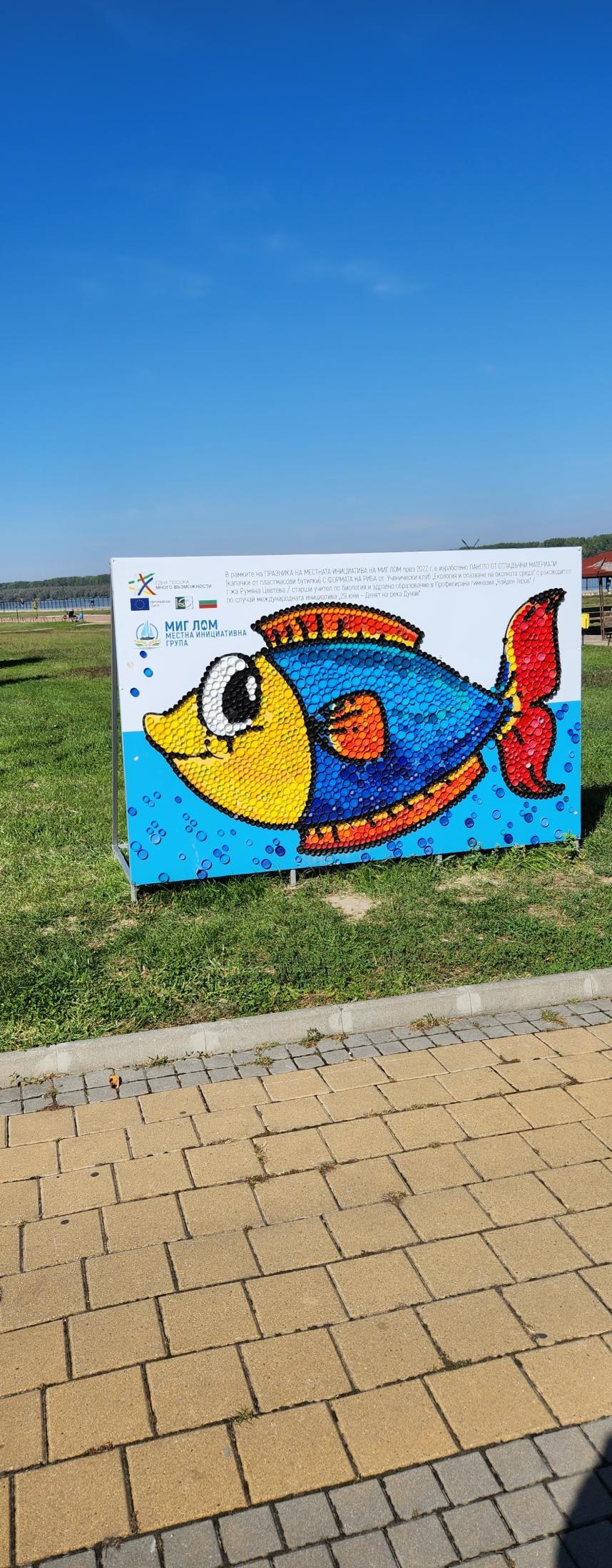
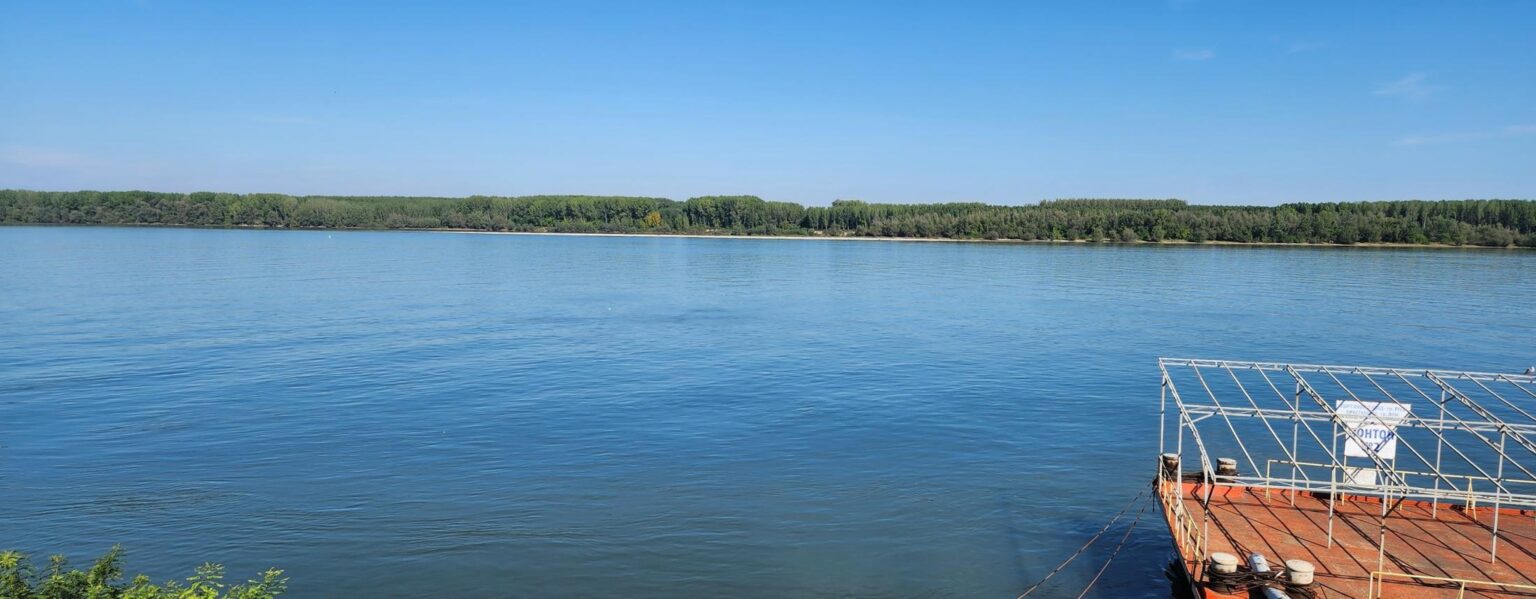
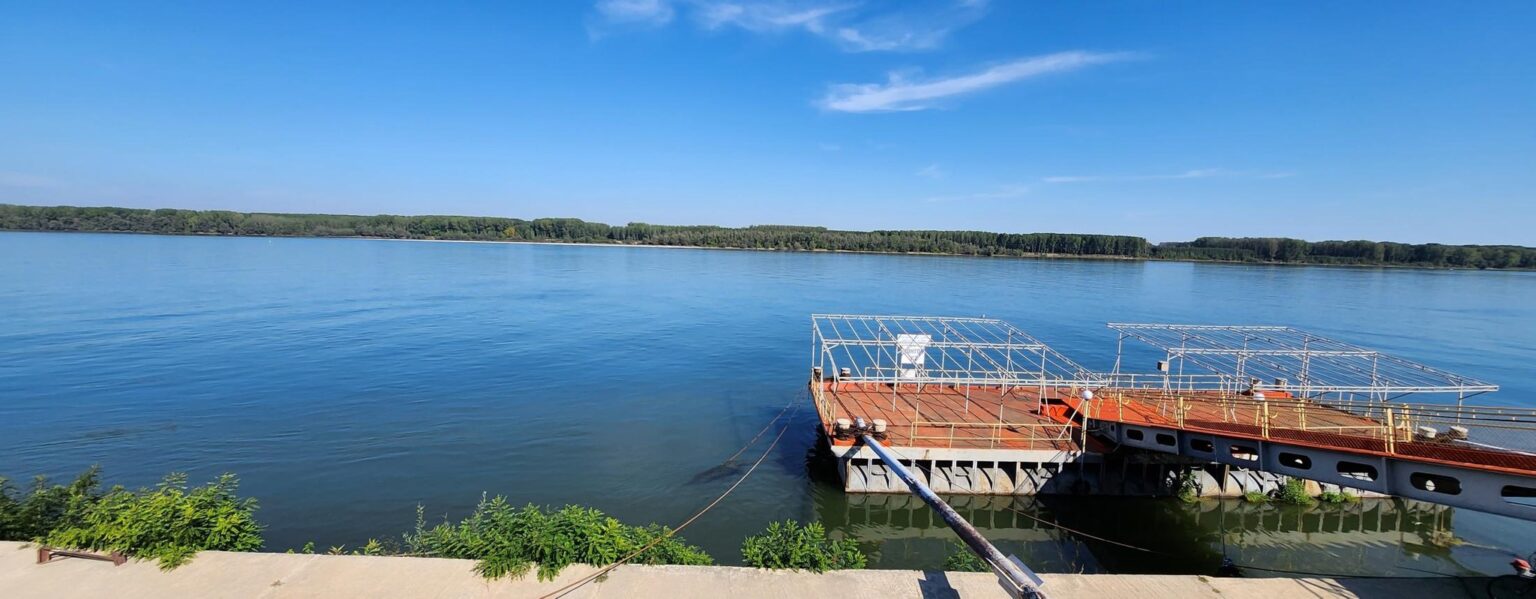
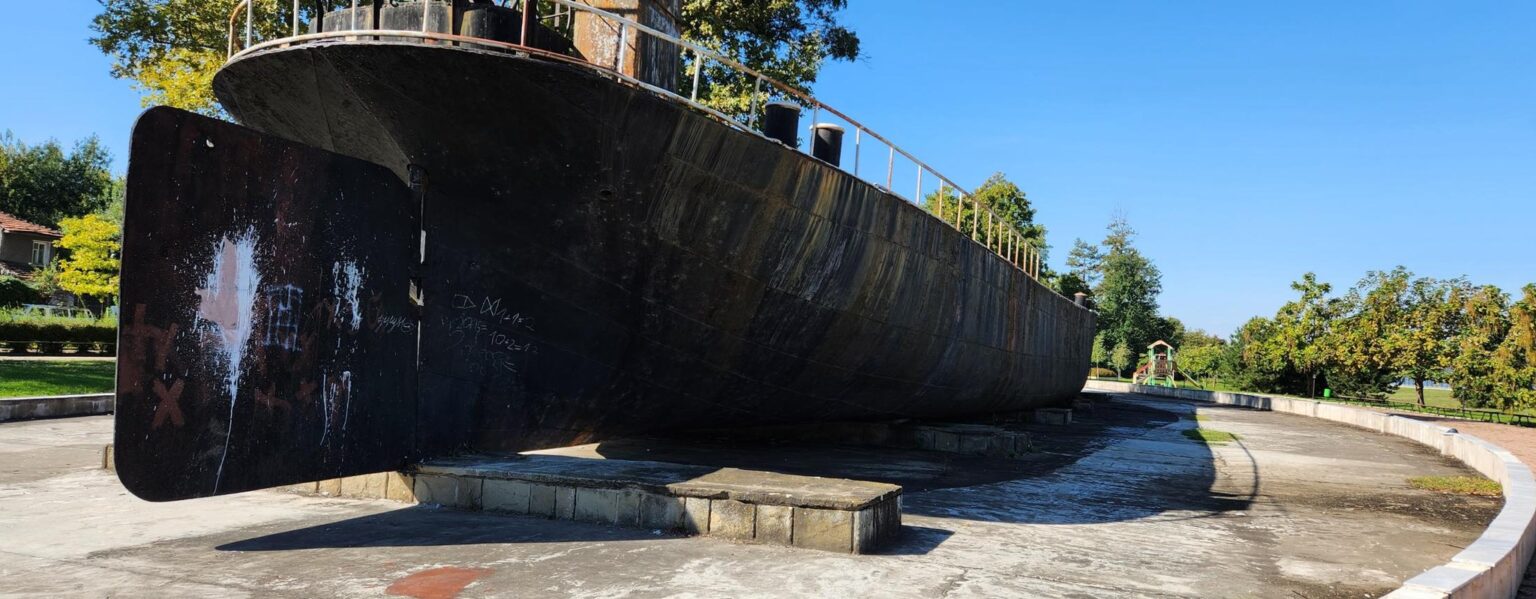
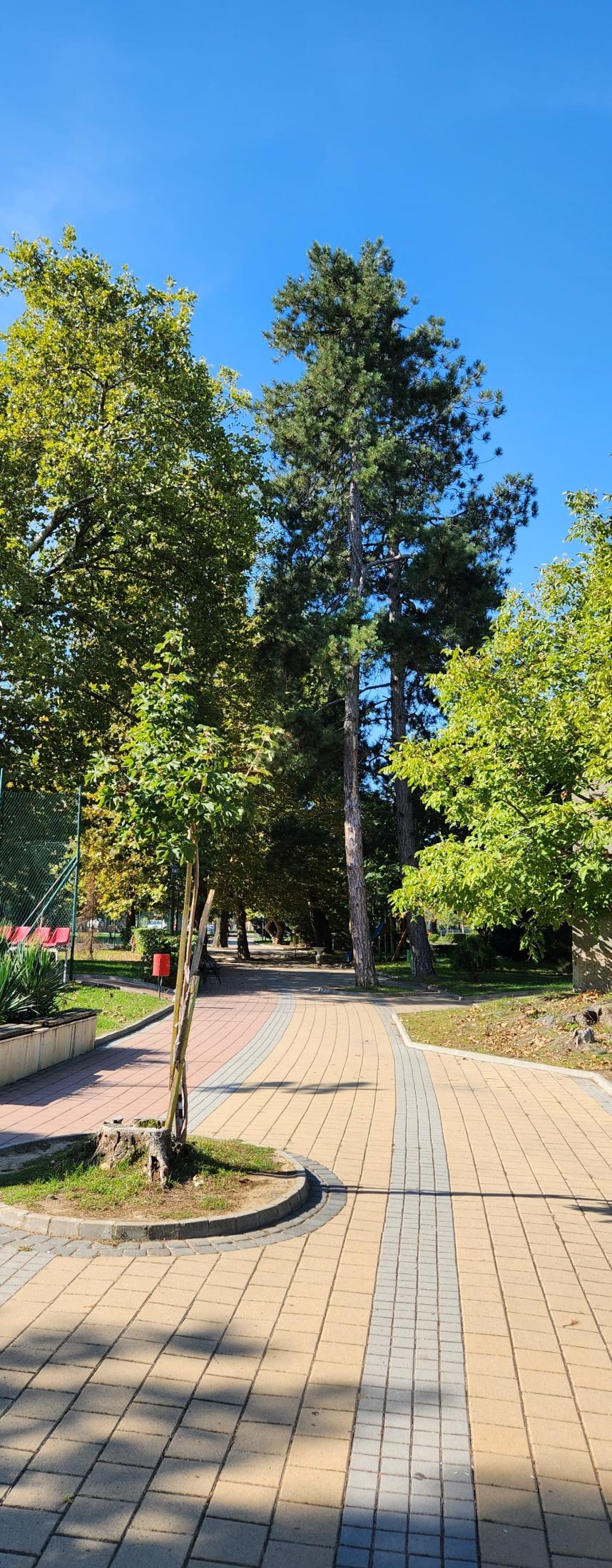
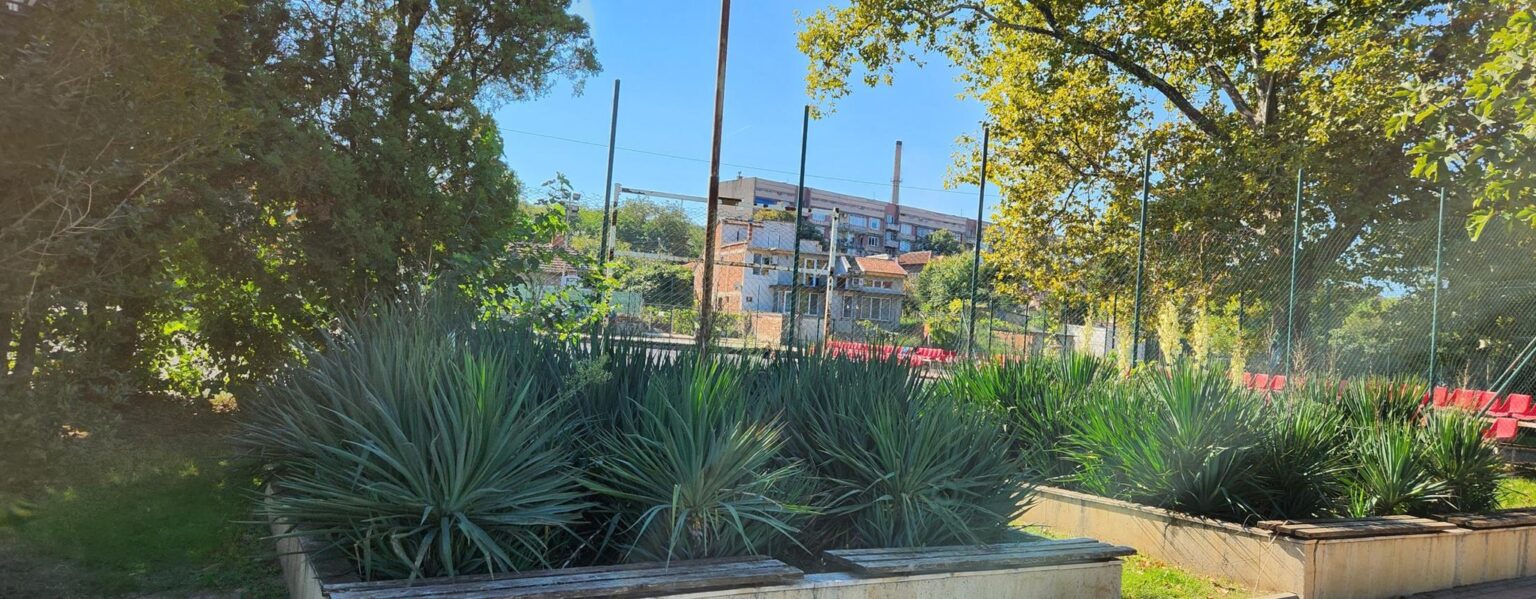
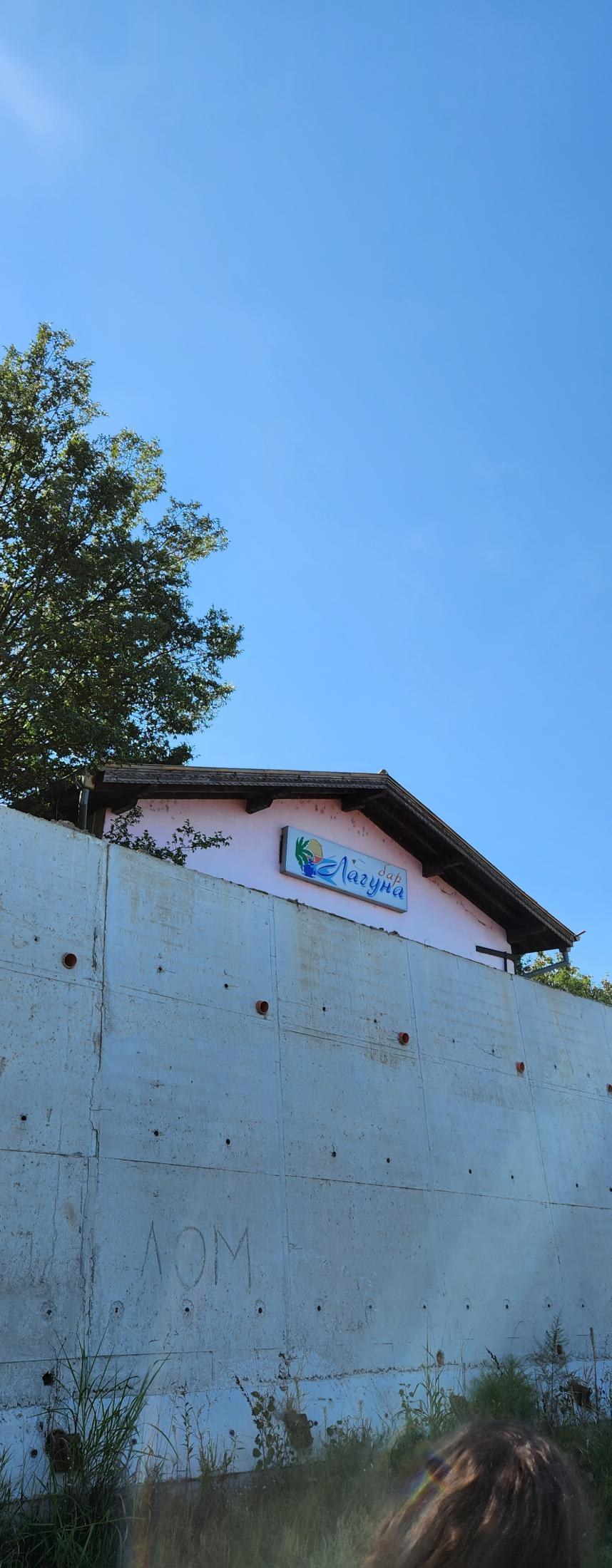
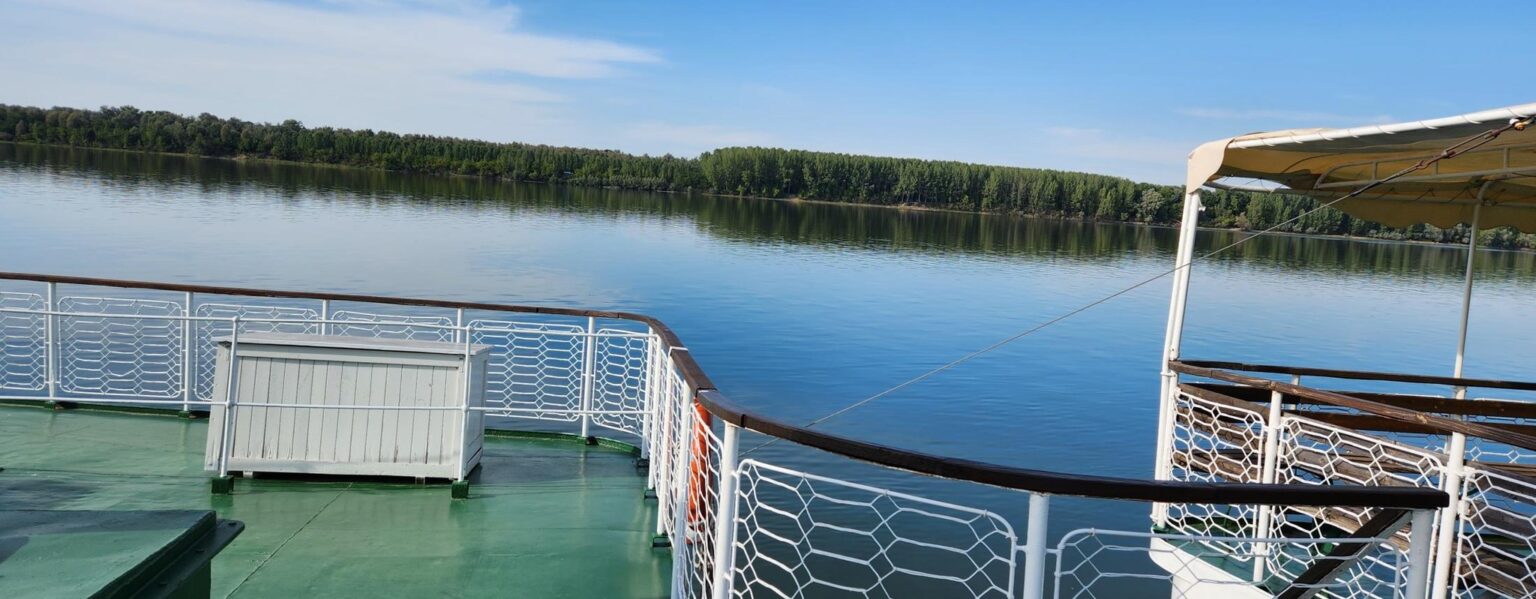
The main Danube park has been completely renovated under an EU programme. Beauty, cafés, views. Twenty-odd years ago, while I still had grandparents, my family used to take me to a village in this area for the summer. I have been to Lom many times and did not remember it as anything special — rather the opposite. My clearest memory is Sunday morning, the market-fair with all its toys. Then the central beach with a café whose owner brought in sand by the truckload from the Black Sea coast, which was an attraction in itself, watching it being unloaded. And finally, one gigantic ship — gigantic by my standards at the time — plonked down in the middle of the park rather than in the water. How can somebody get it that wrong and put it in the park instead of in the river, people? I had a hidden agenda on this trip: to see all of it again through the eyes of the grown-up child. The ship is still there, set inside a “frame” with explanatory panels and lighting. Apparently it is called a barge. I do not know why, but saying the Bulgarian word for it out loud still makes me laugh. The beach is closed, there are fishermen, and there is now a raised concrete wall that hides most of the old café — part of an 850-metre bank-protection wall built with EU funding. Let us fill in the park:
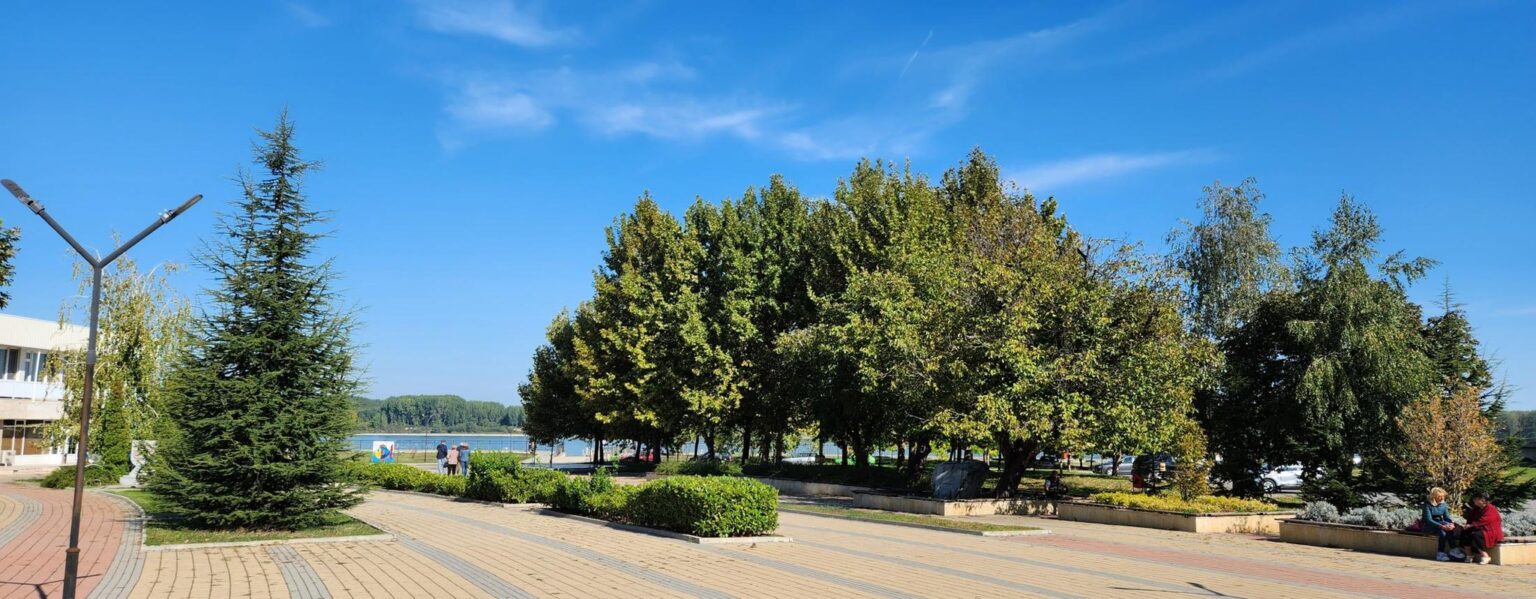
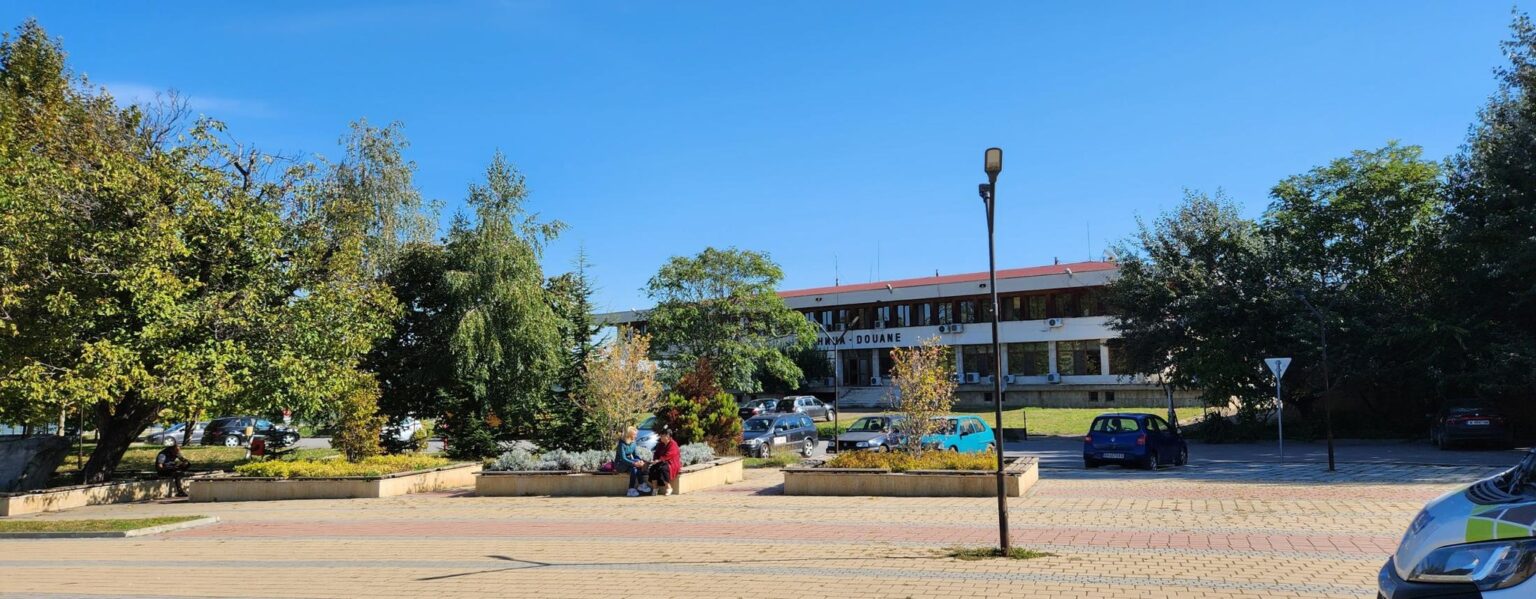
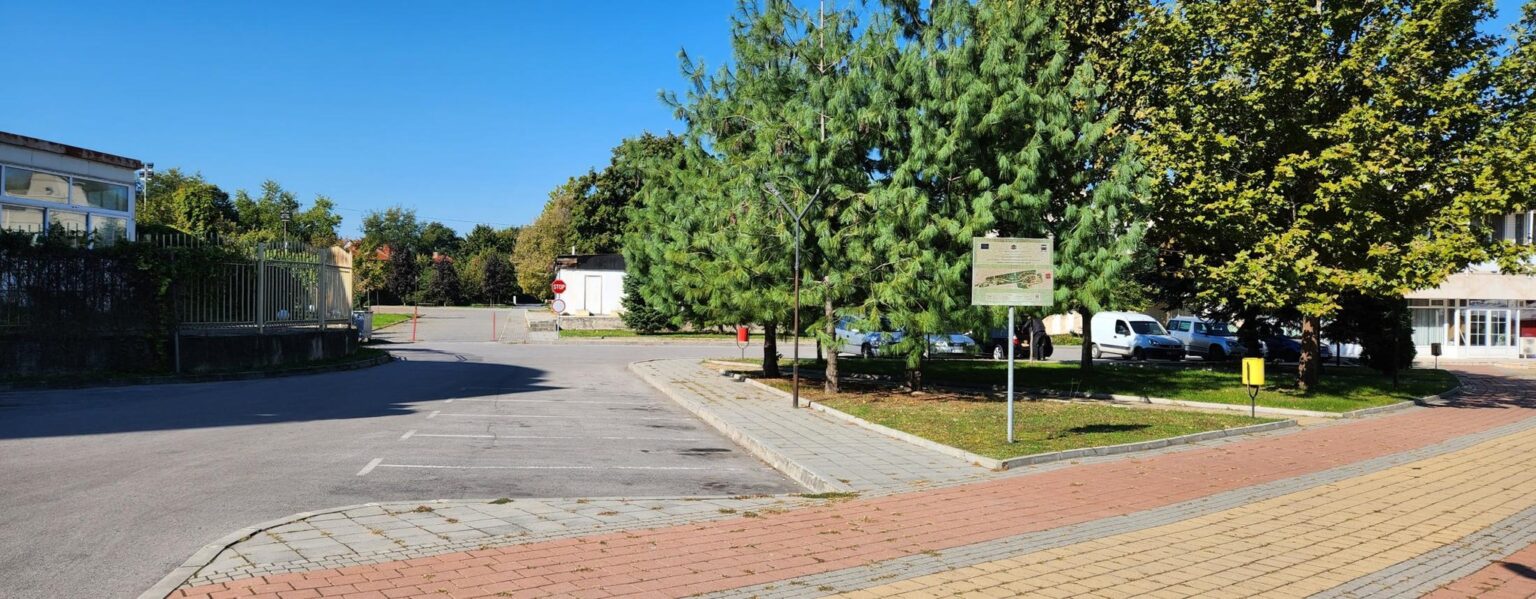
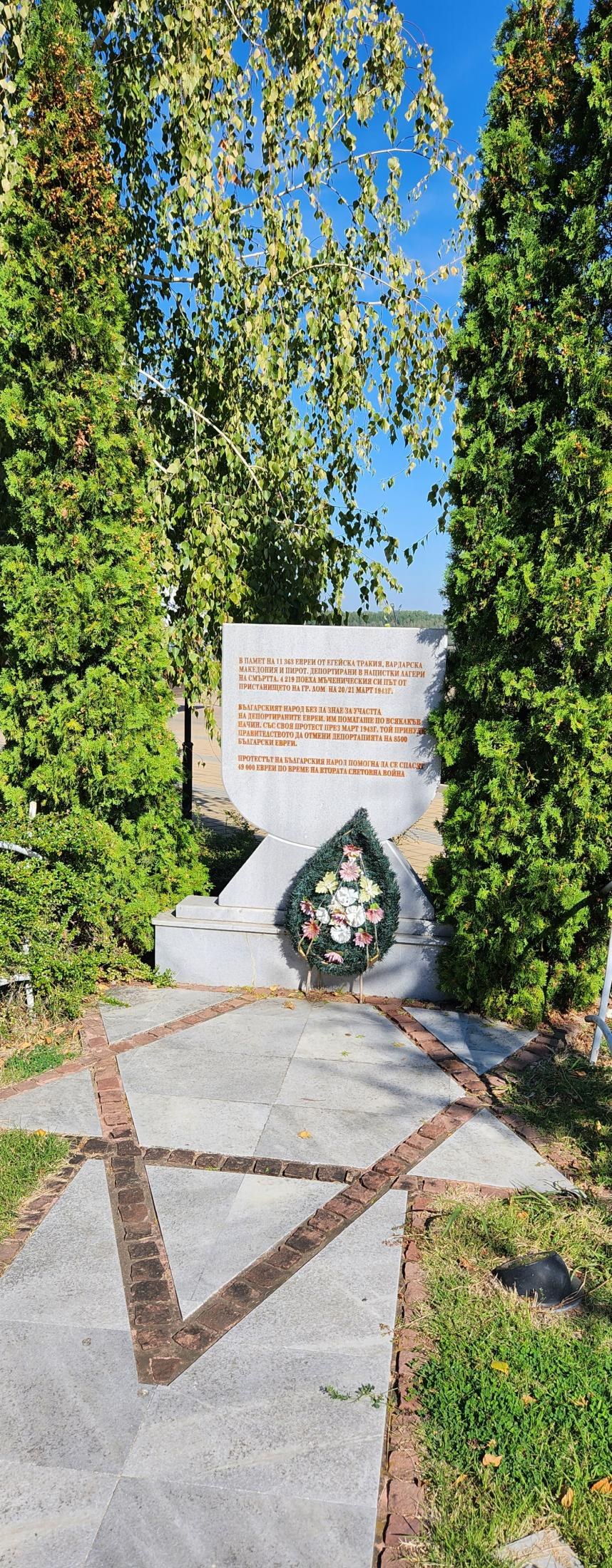
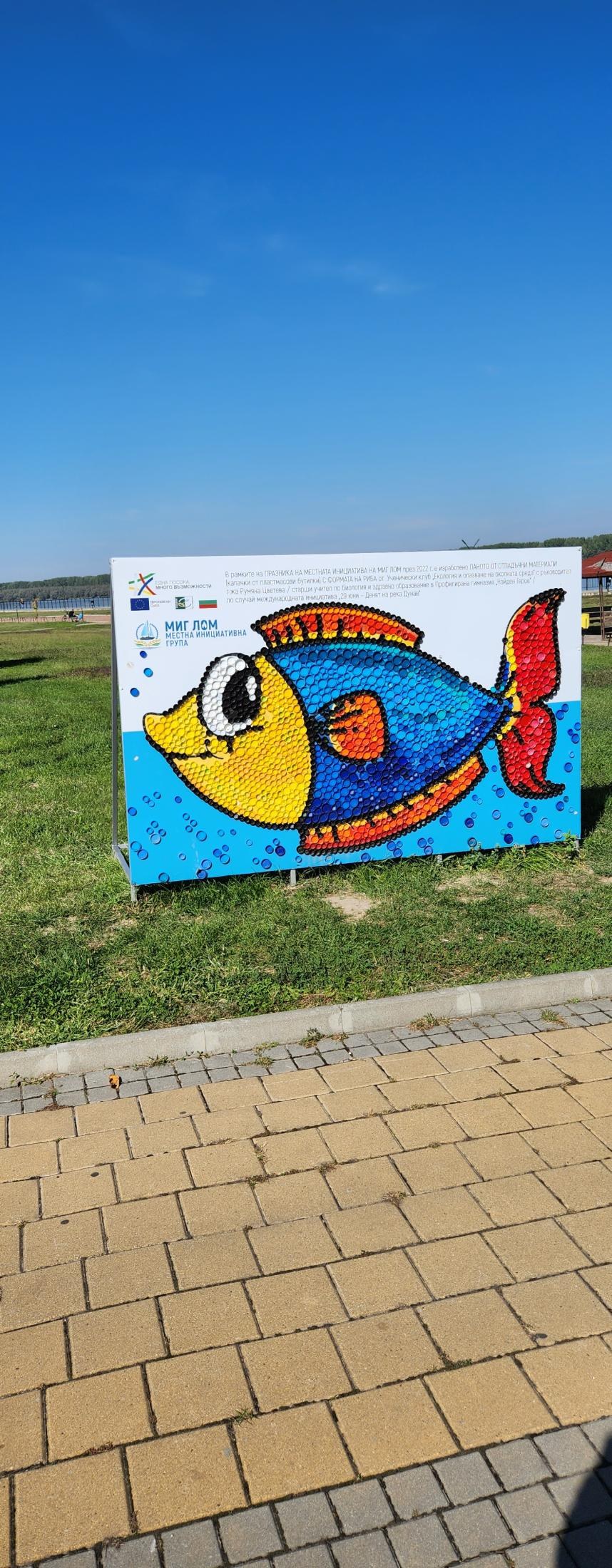
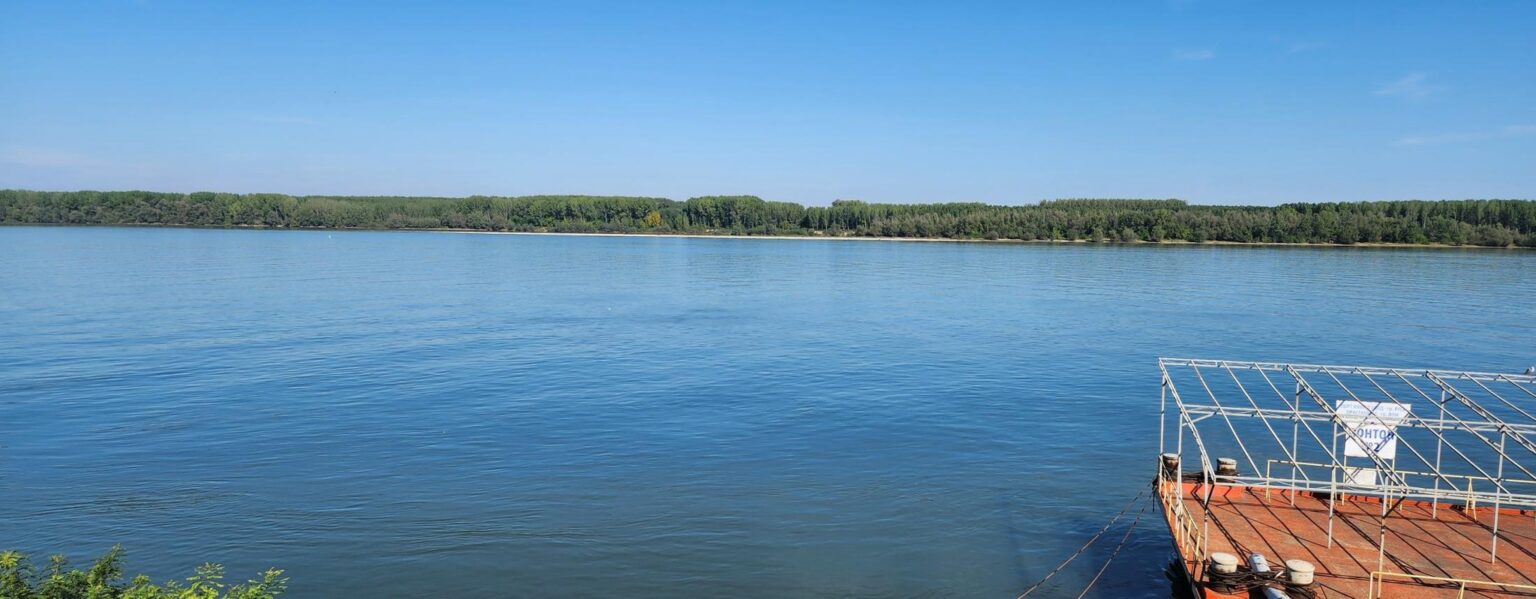
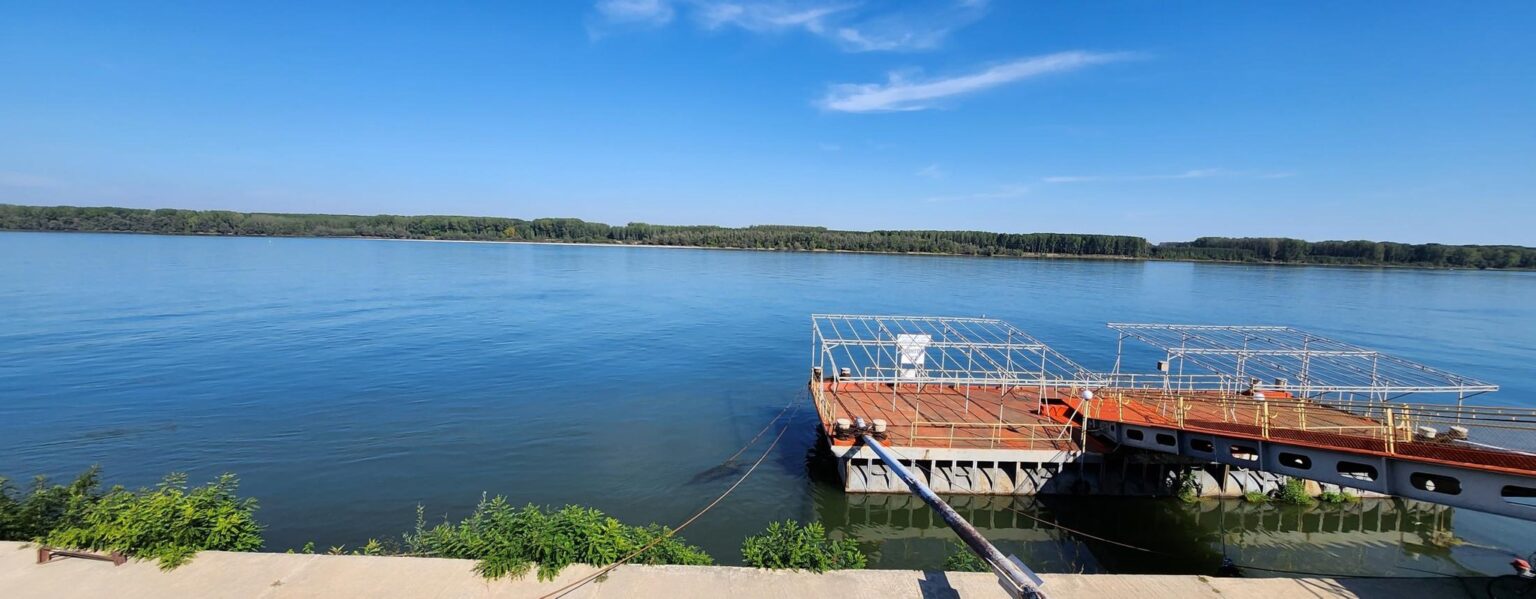
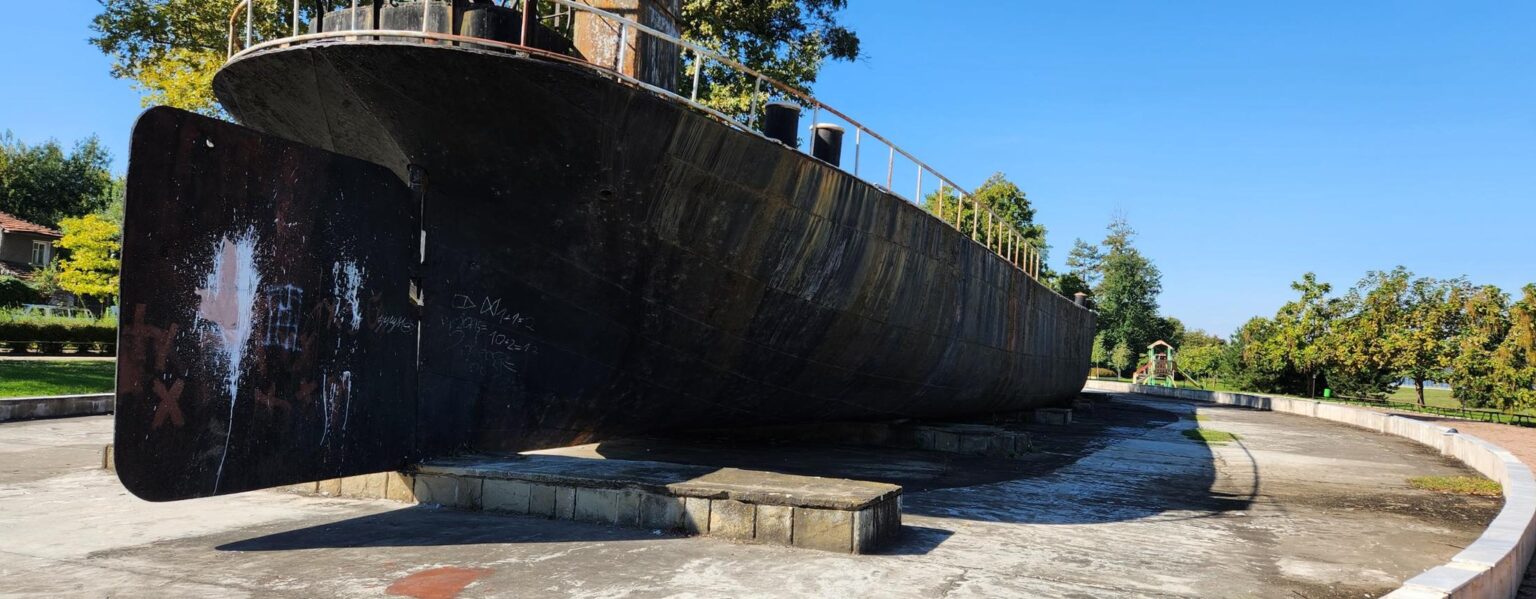
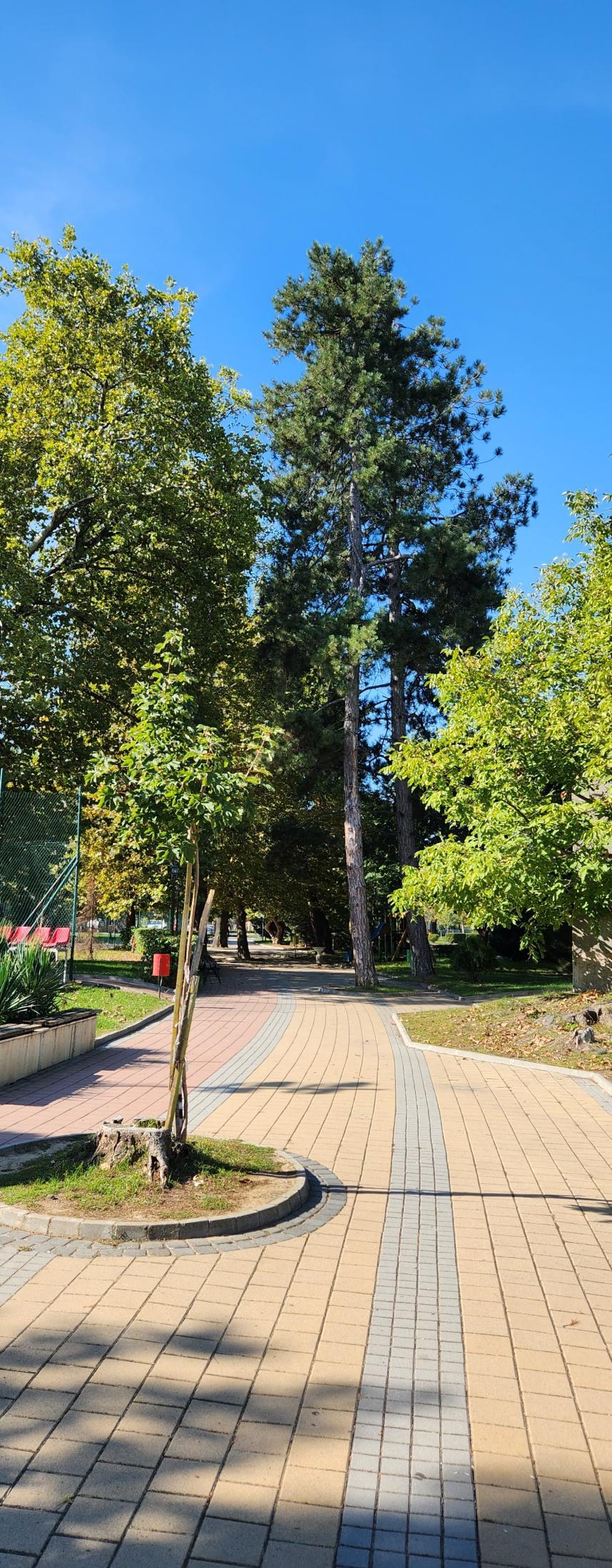
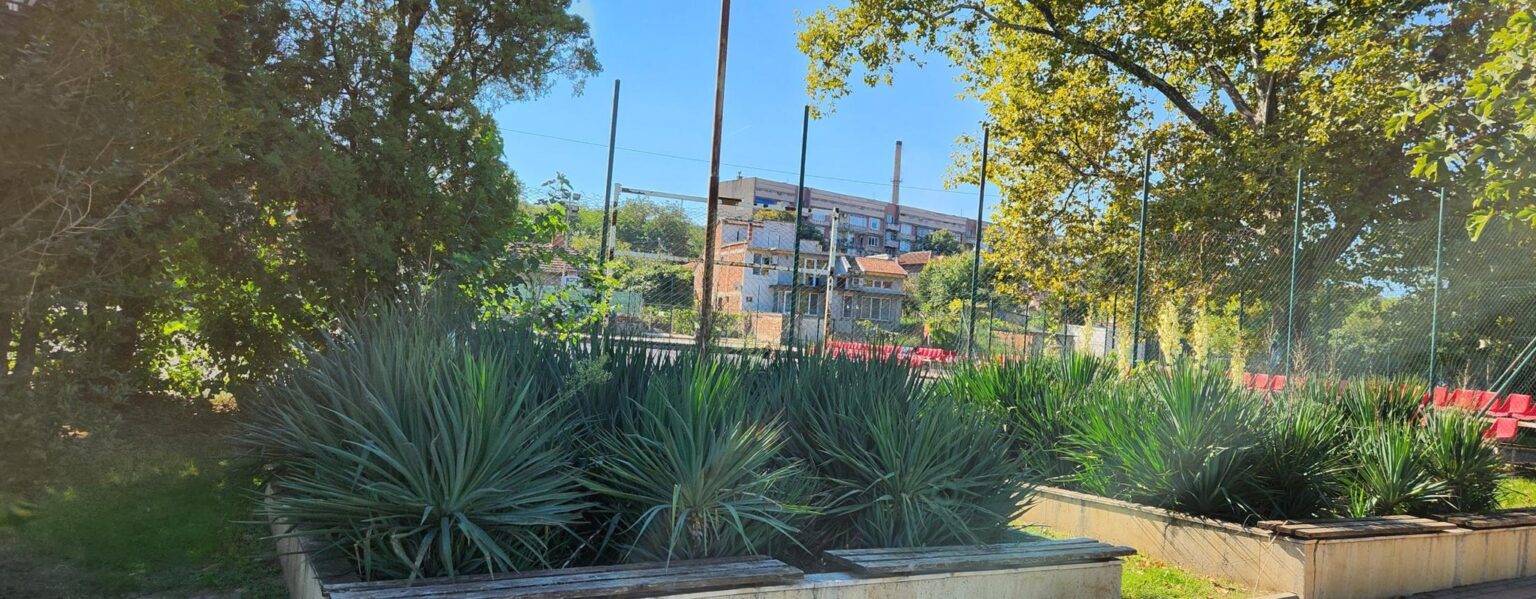
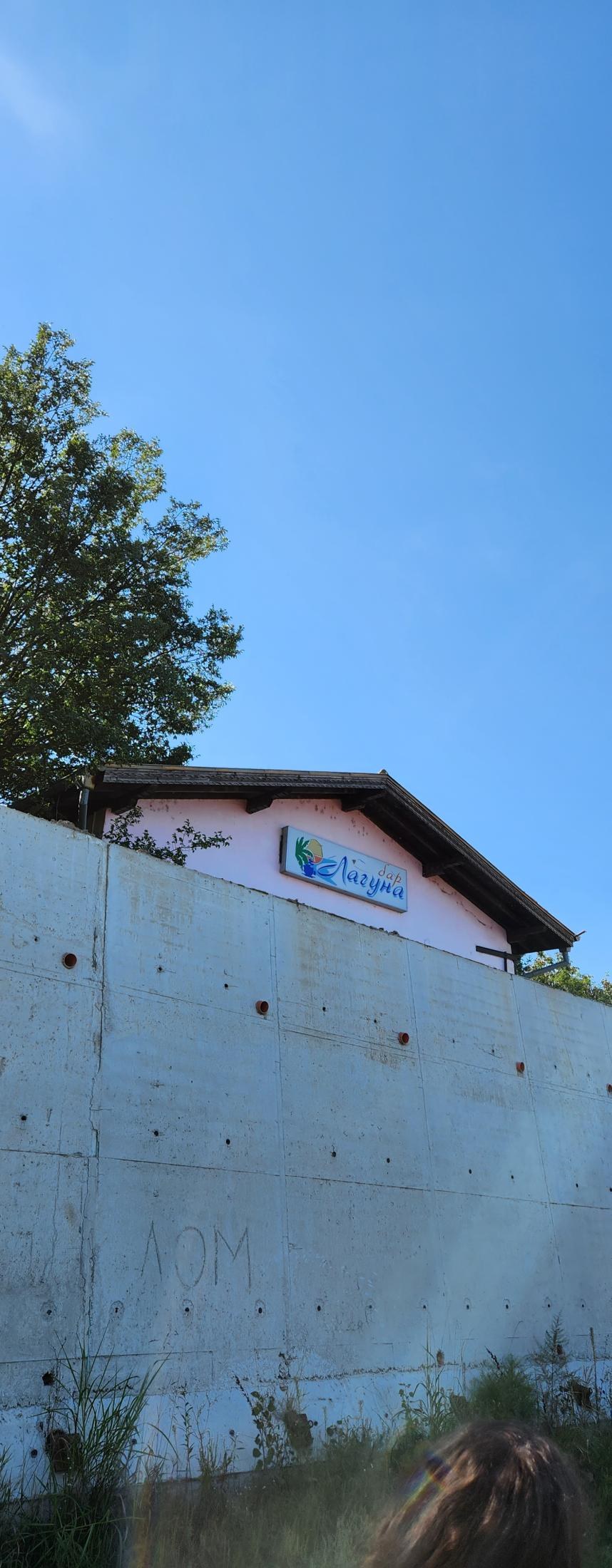
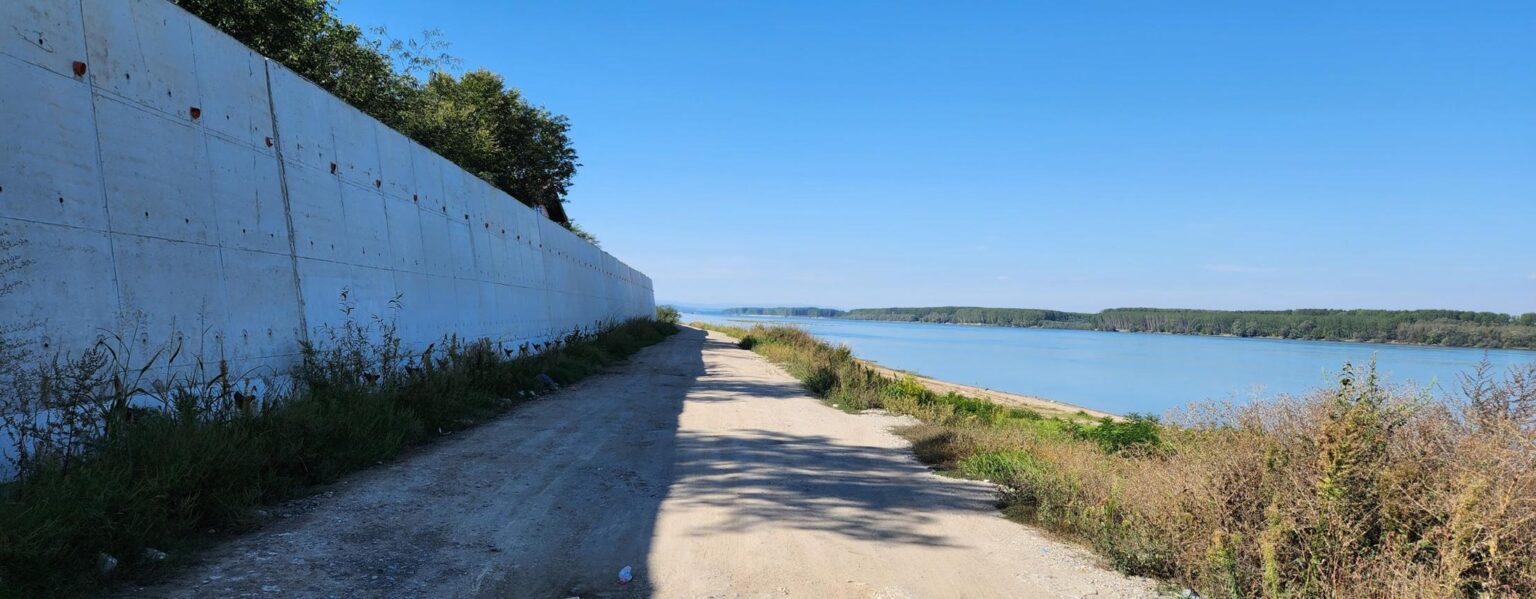
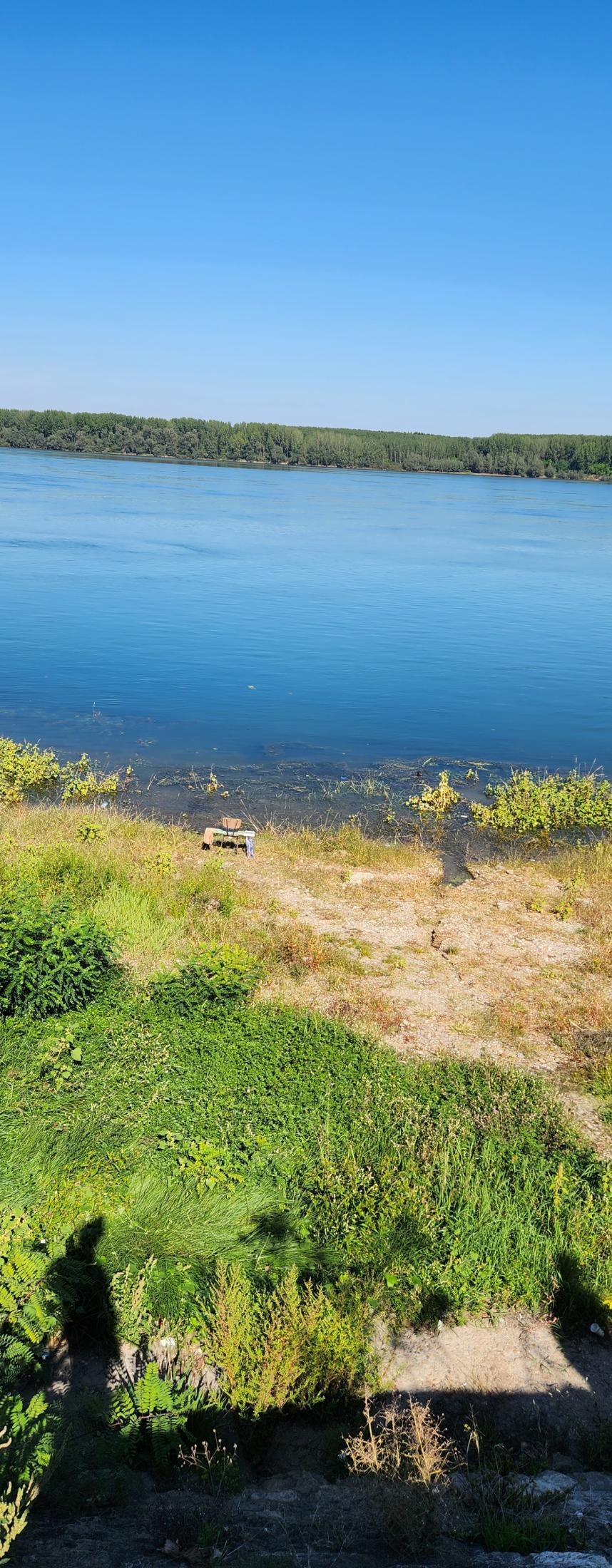
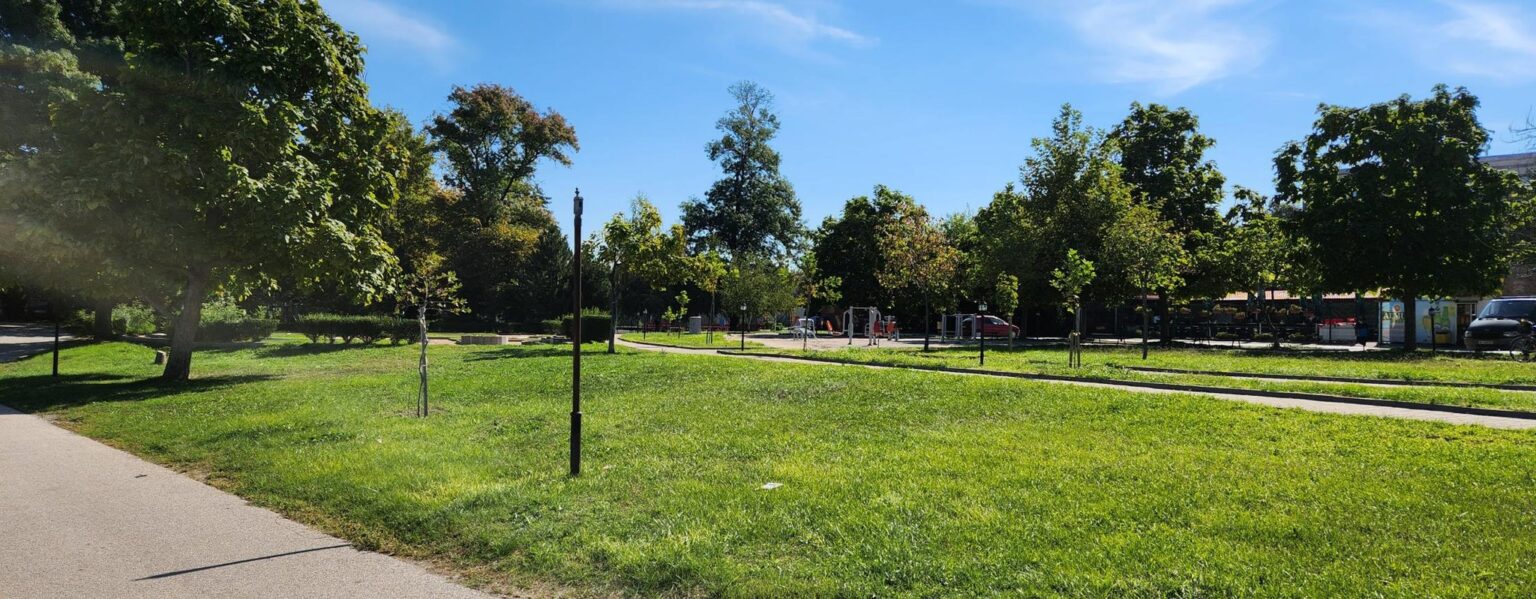
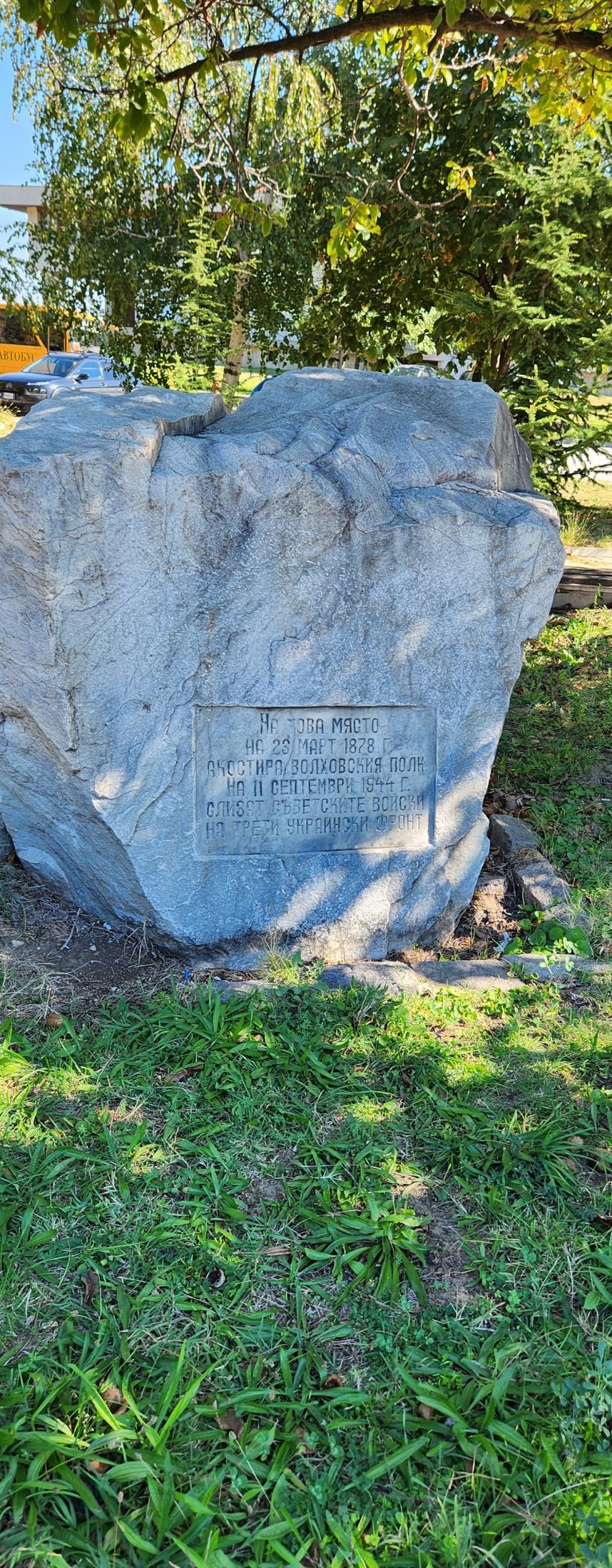
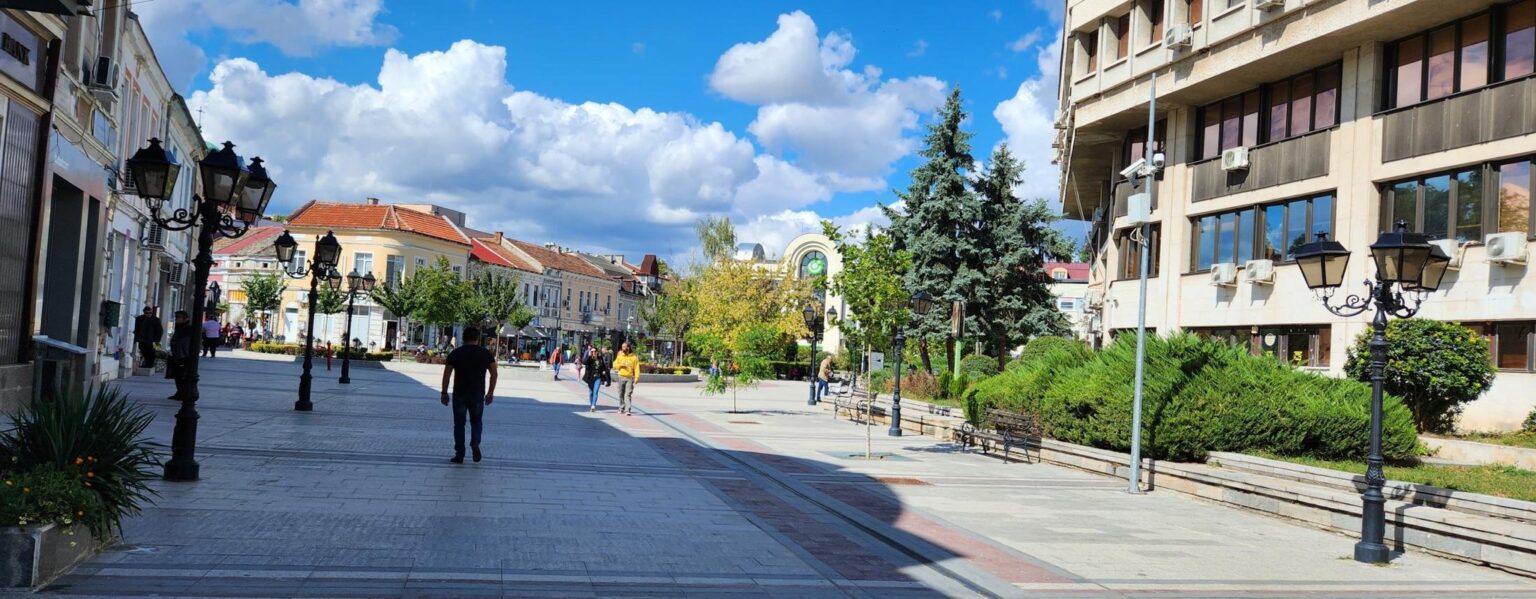
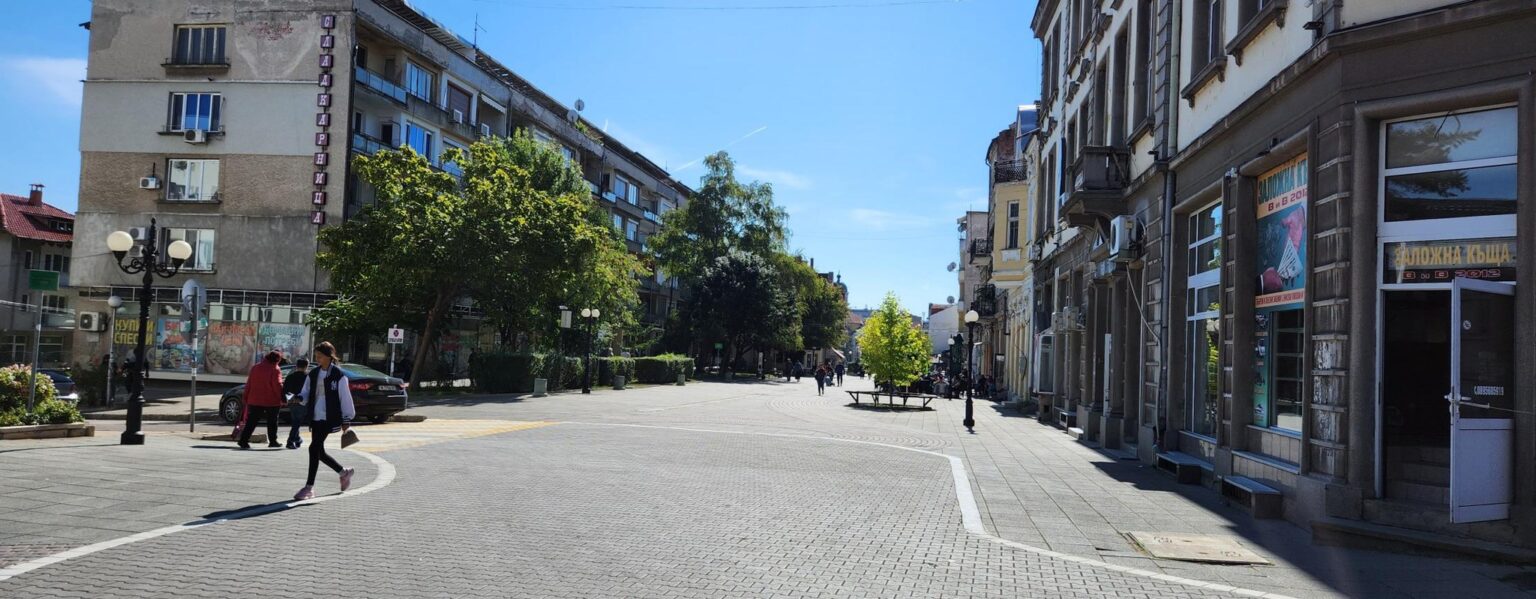
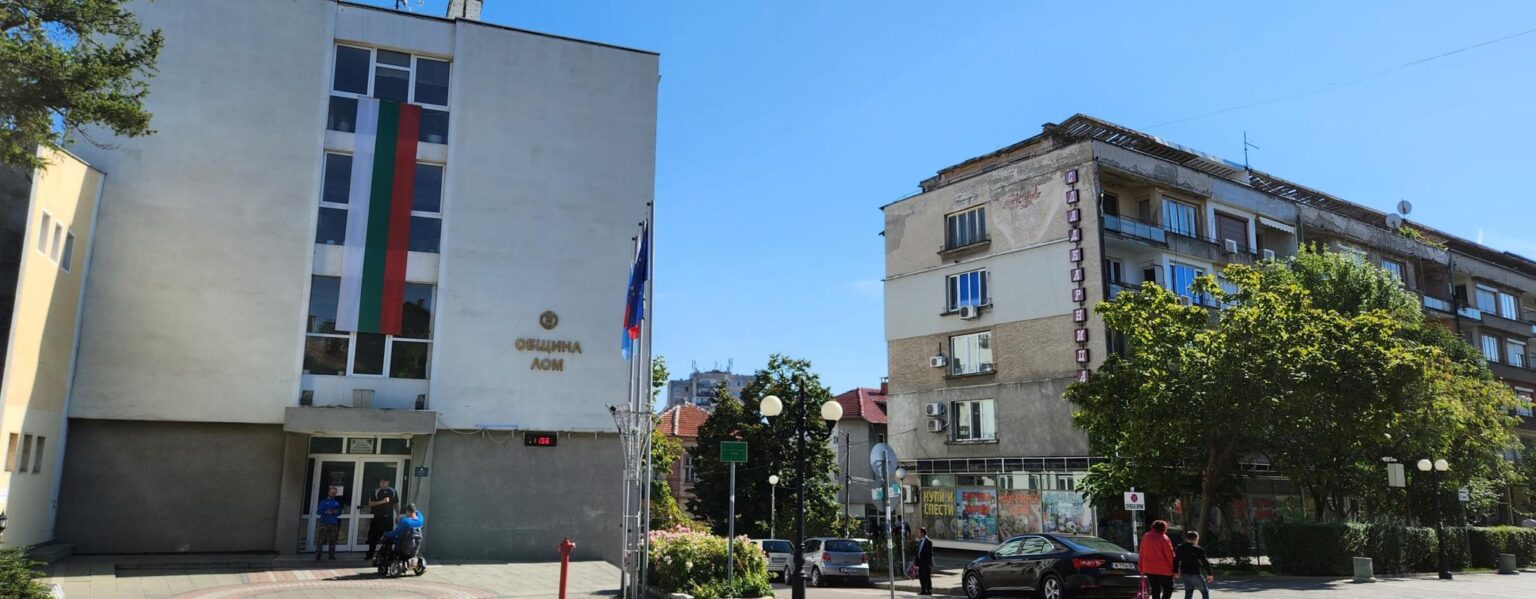
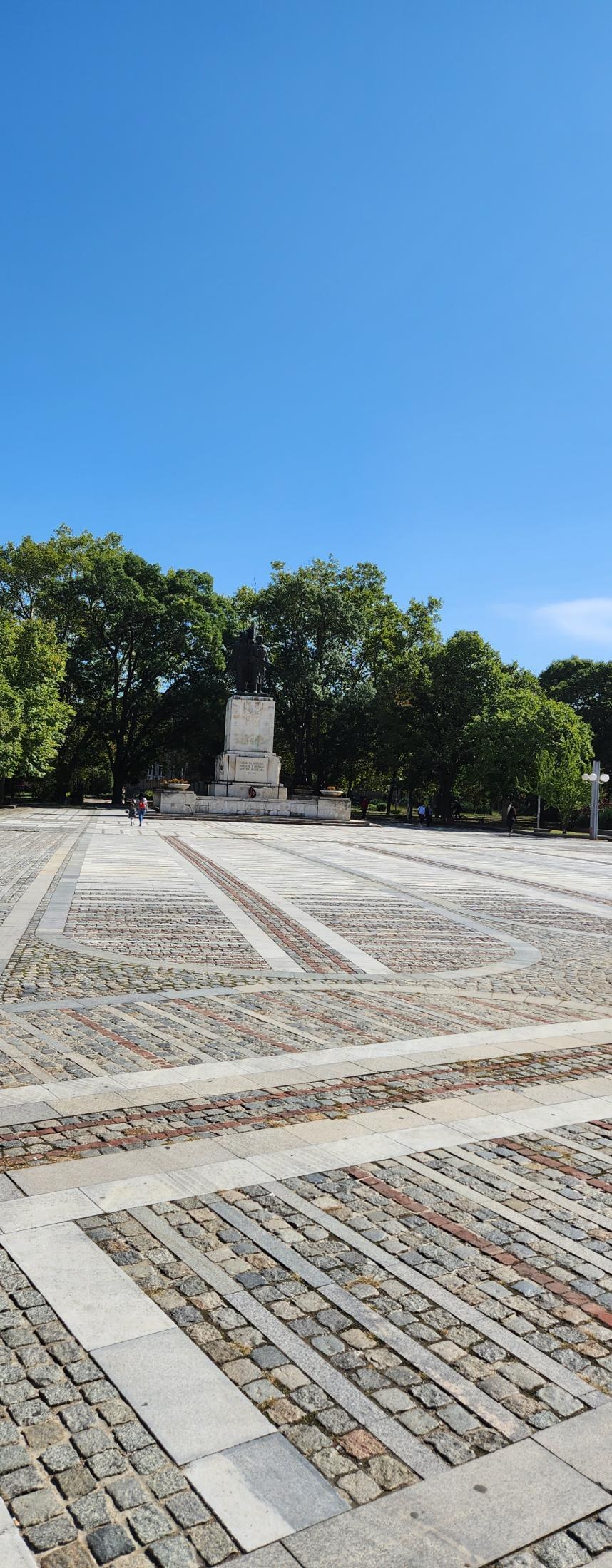
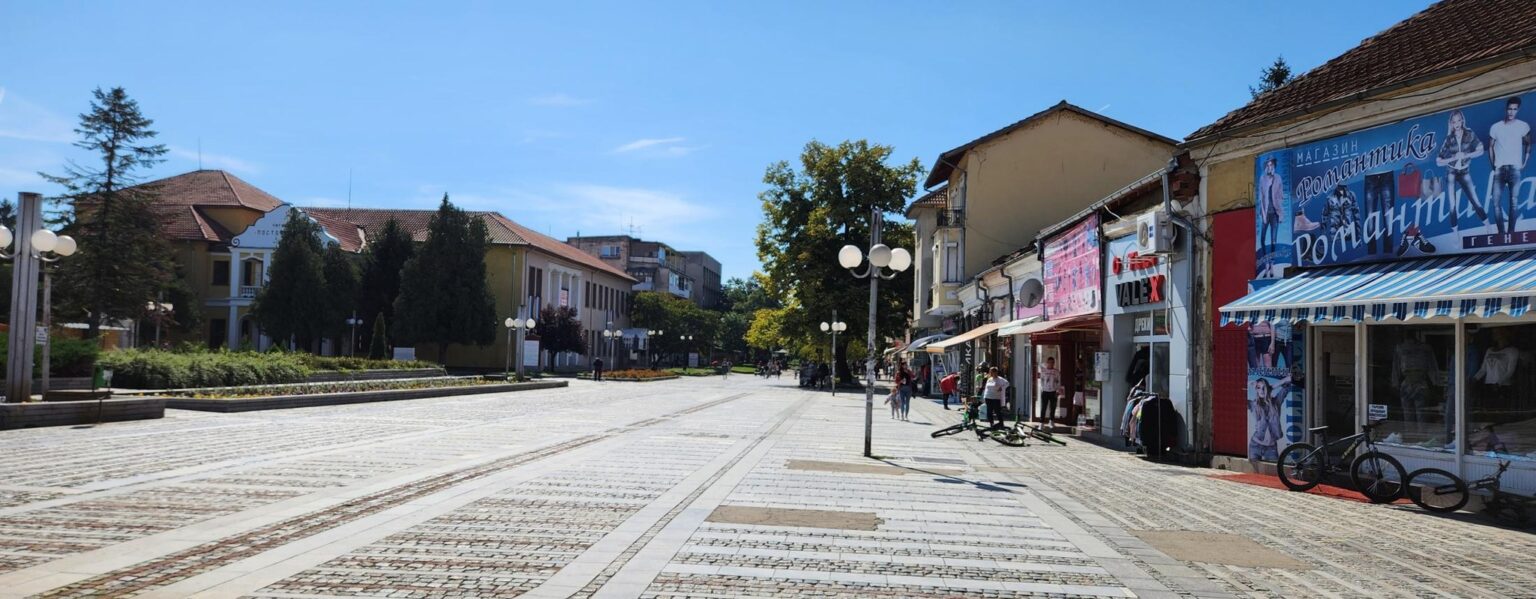
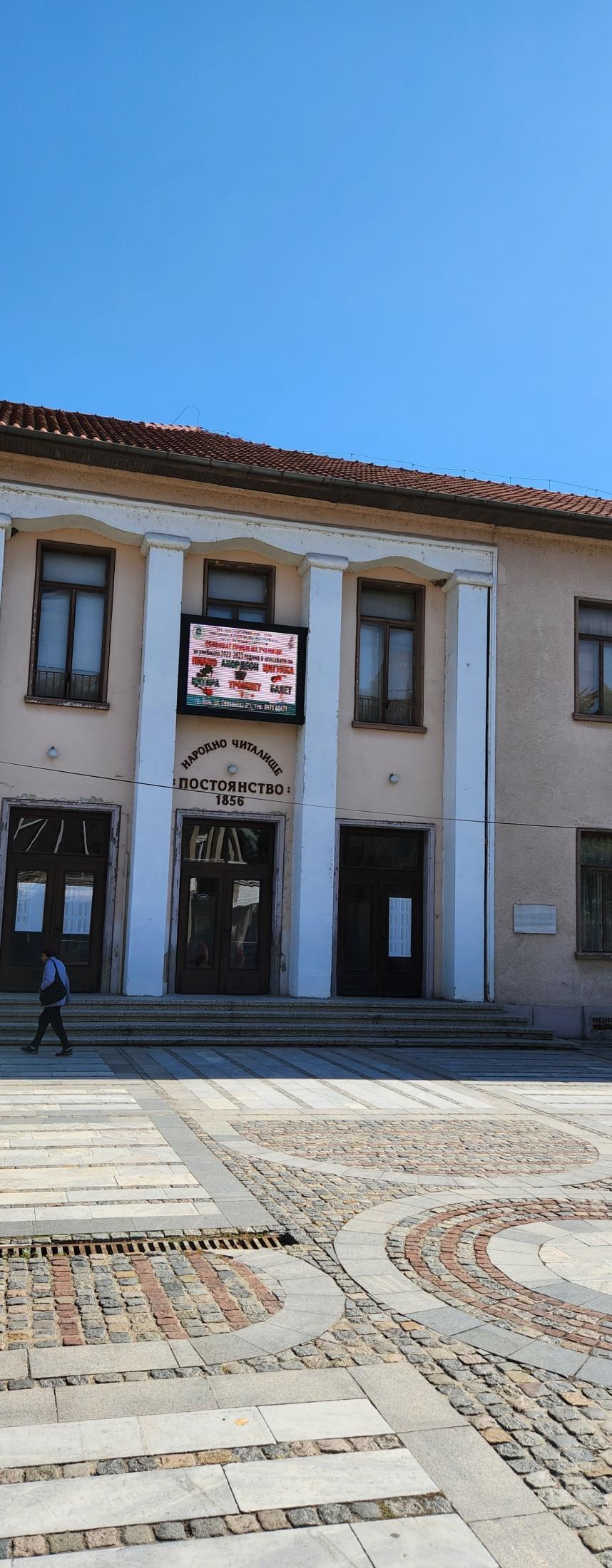
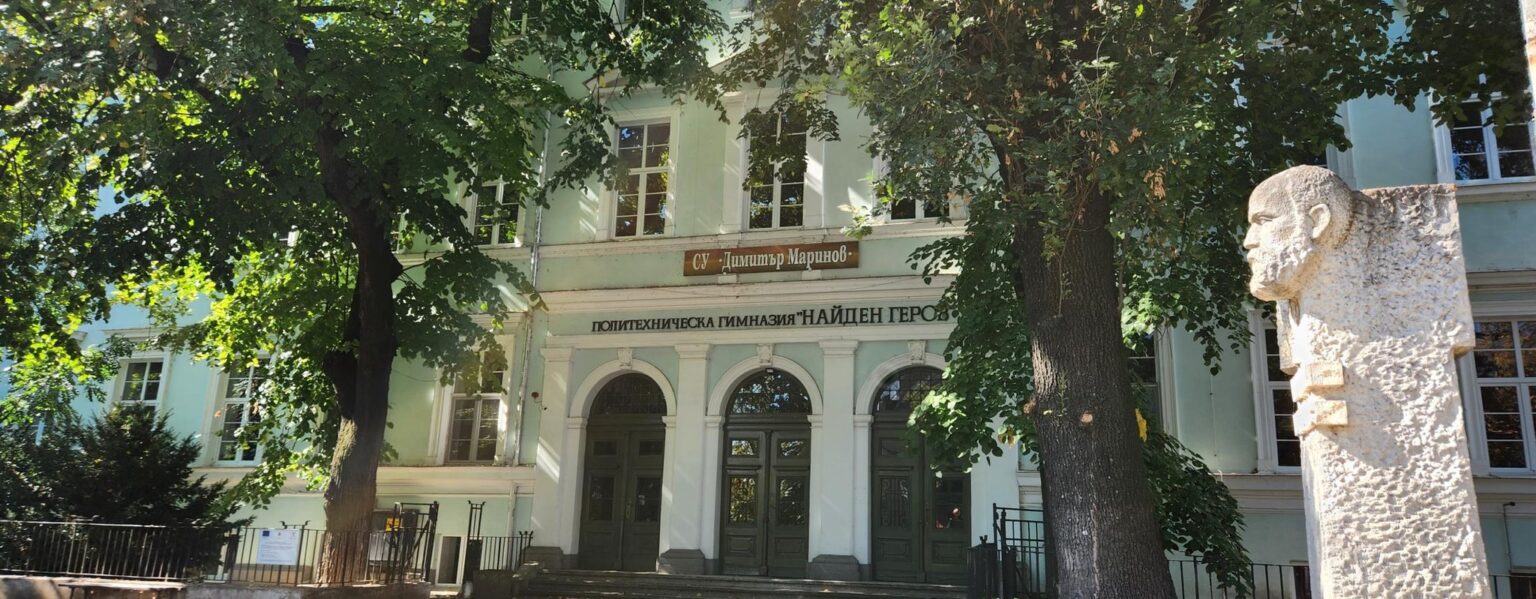
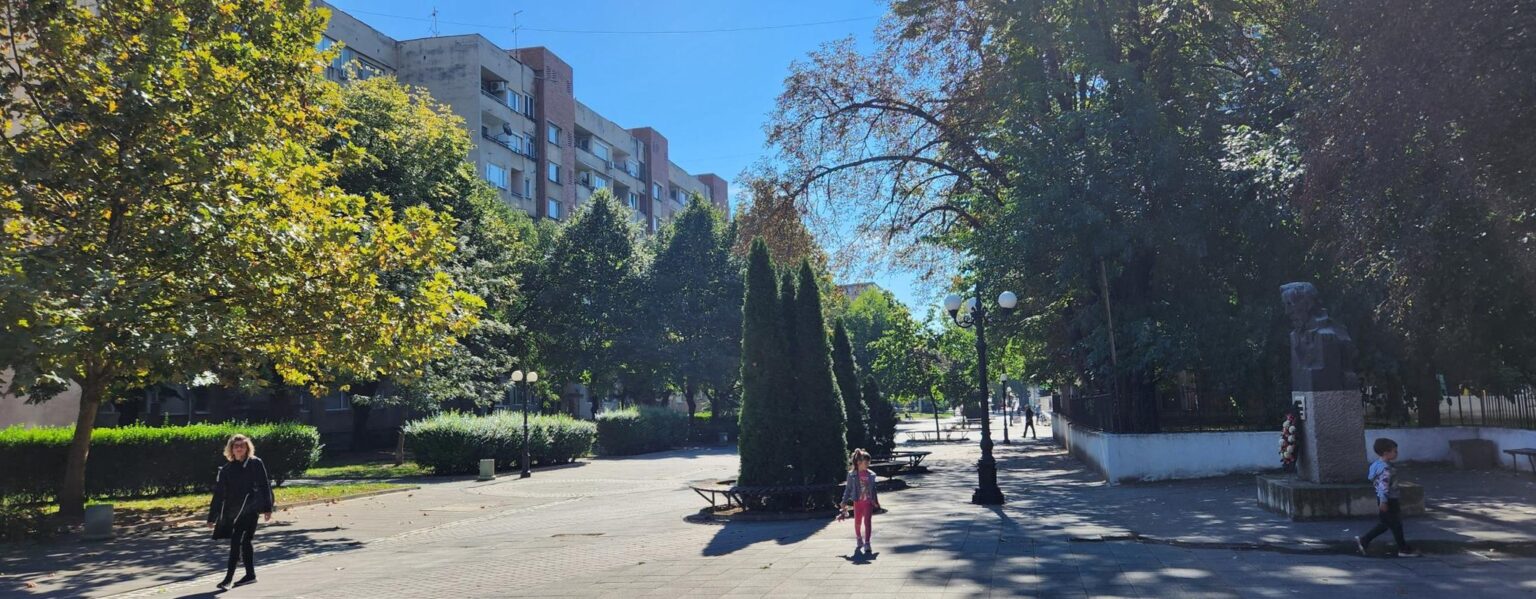
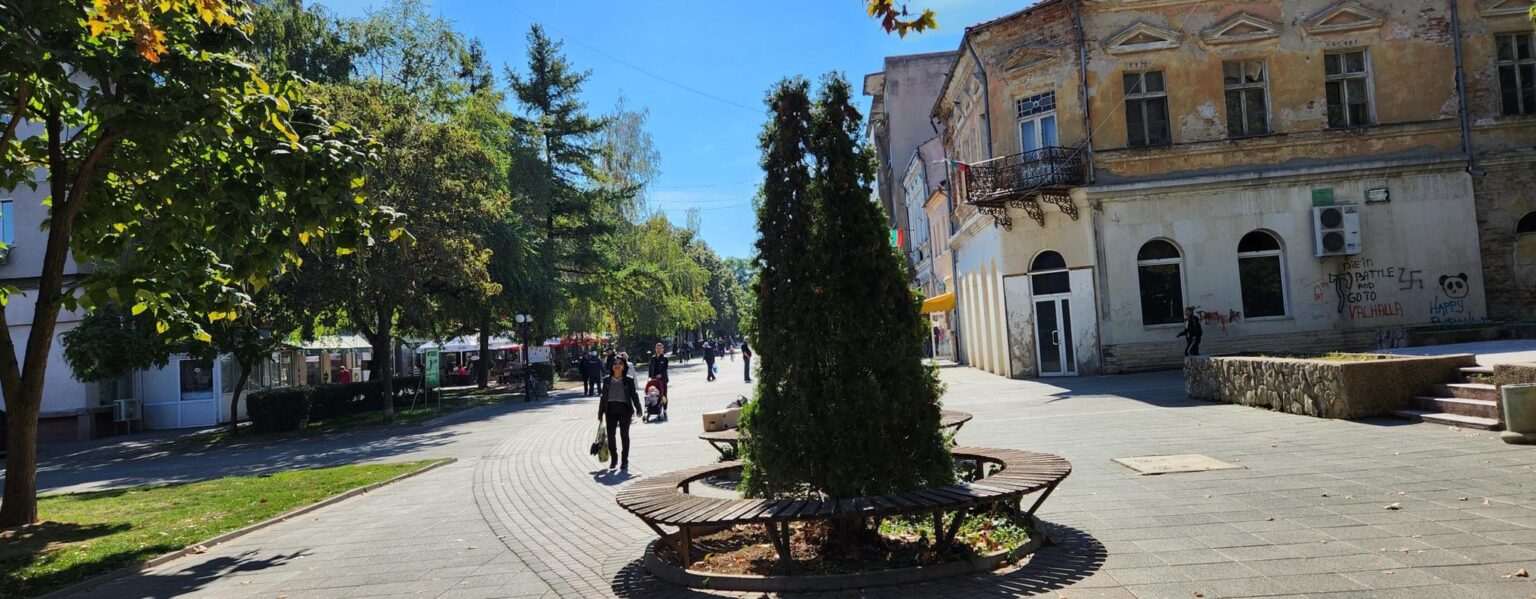
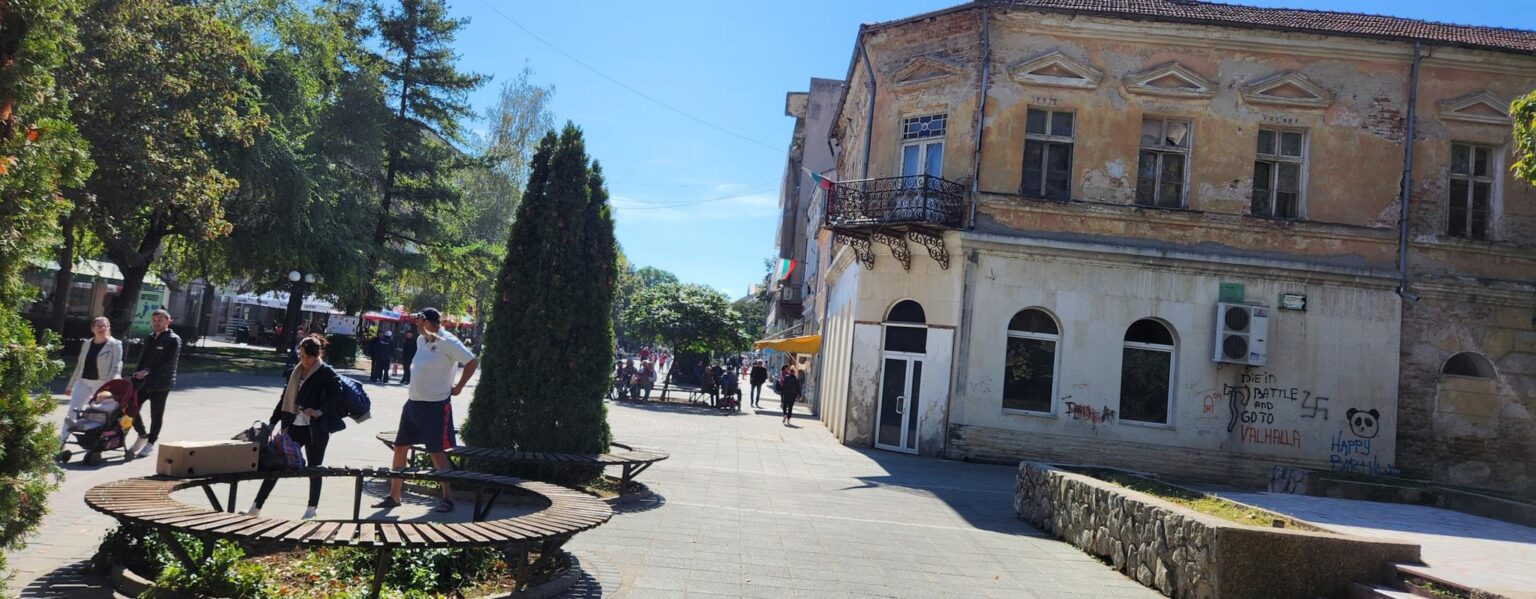
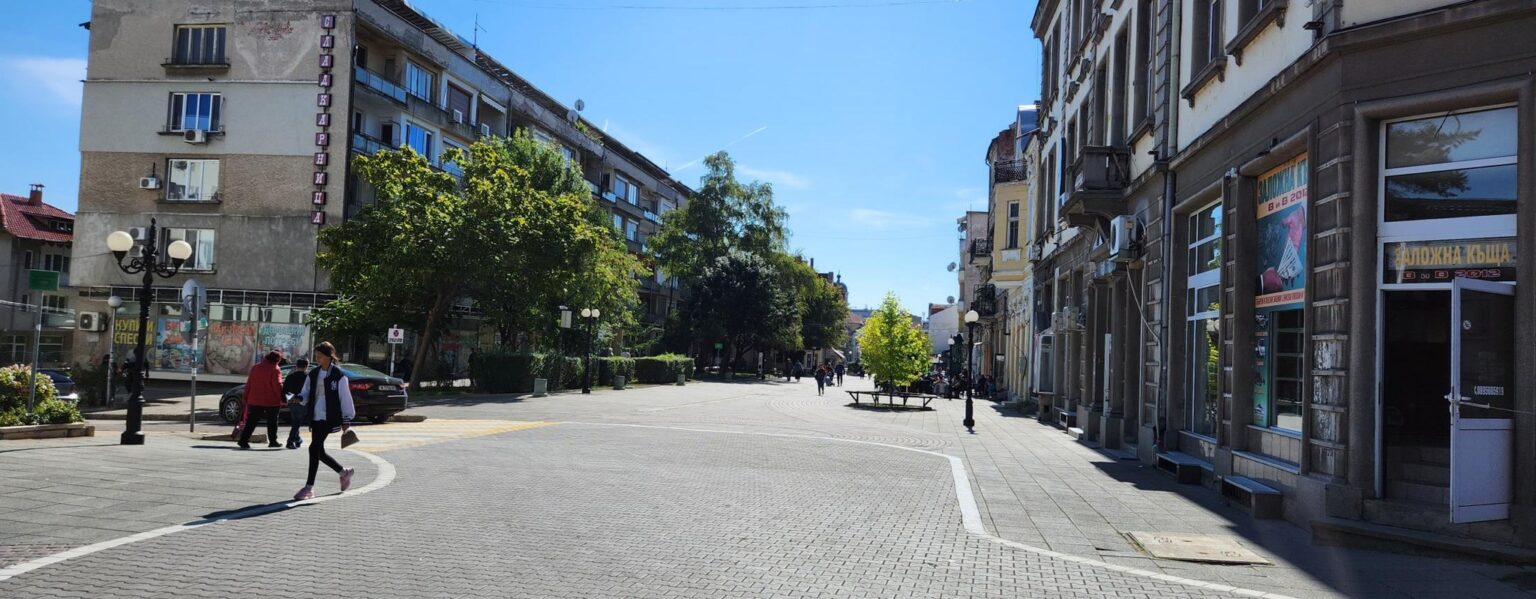
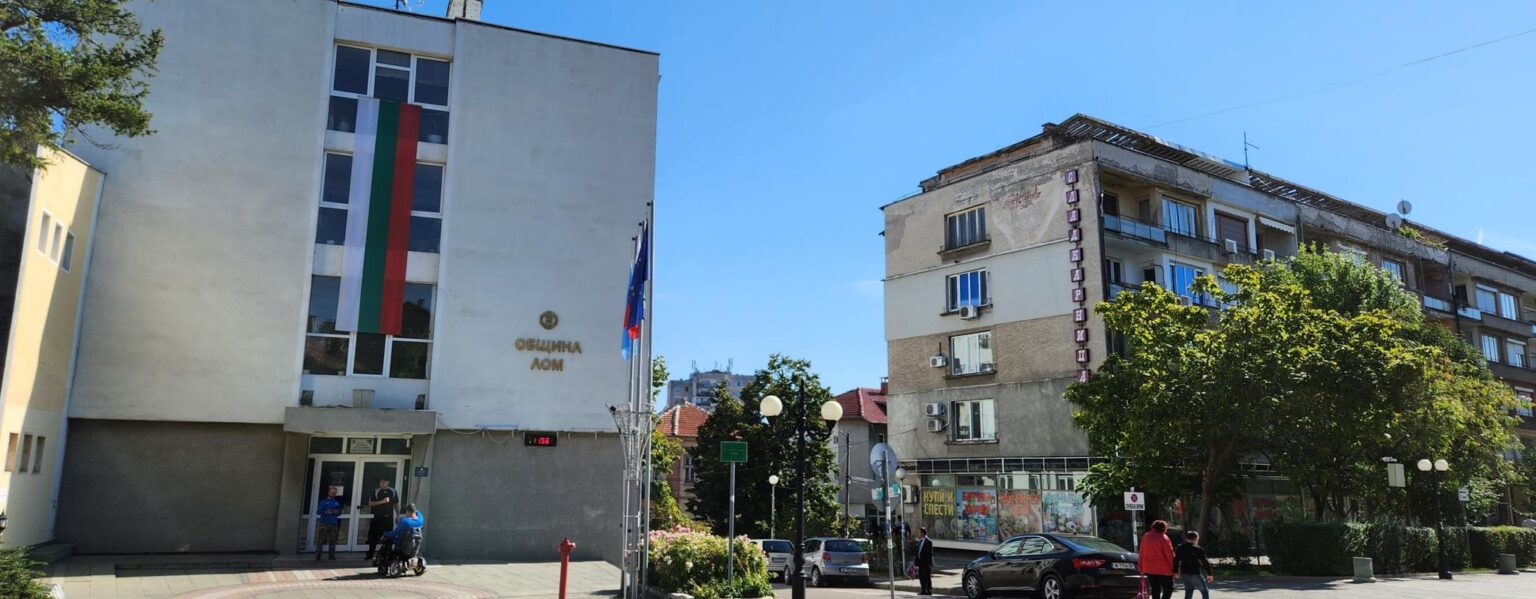
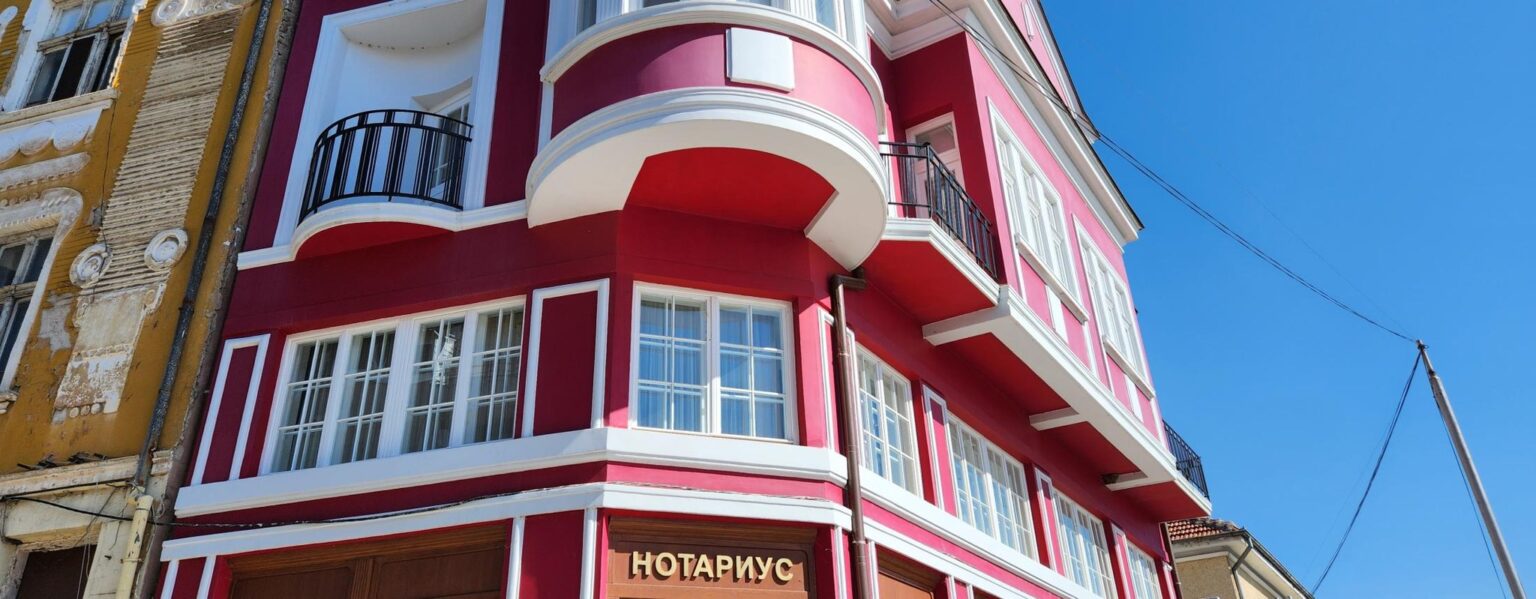
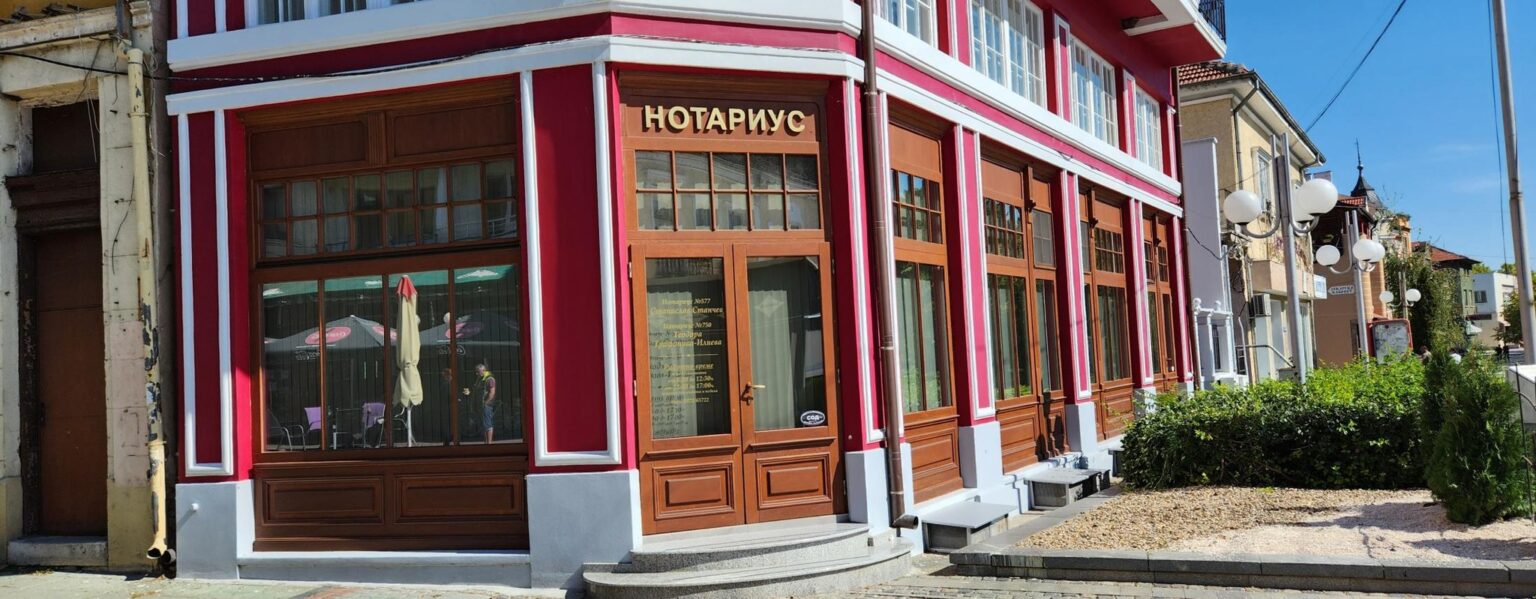
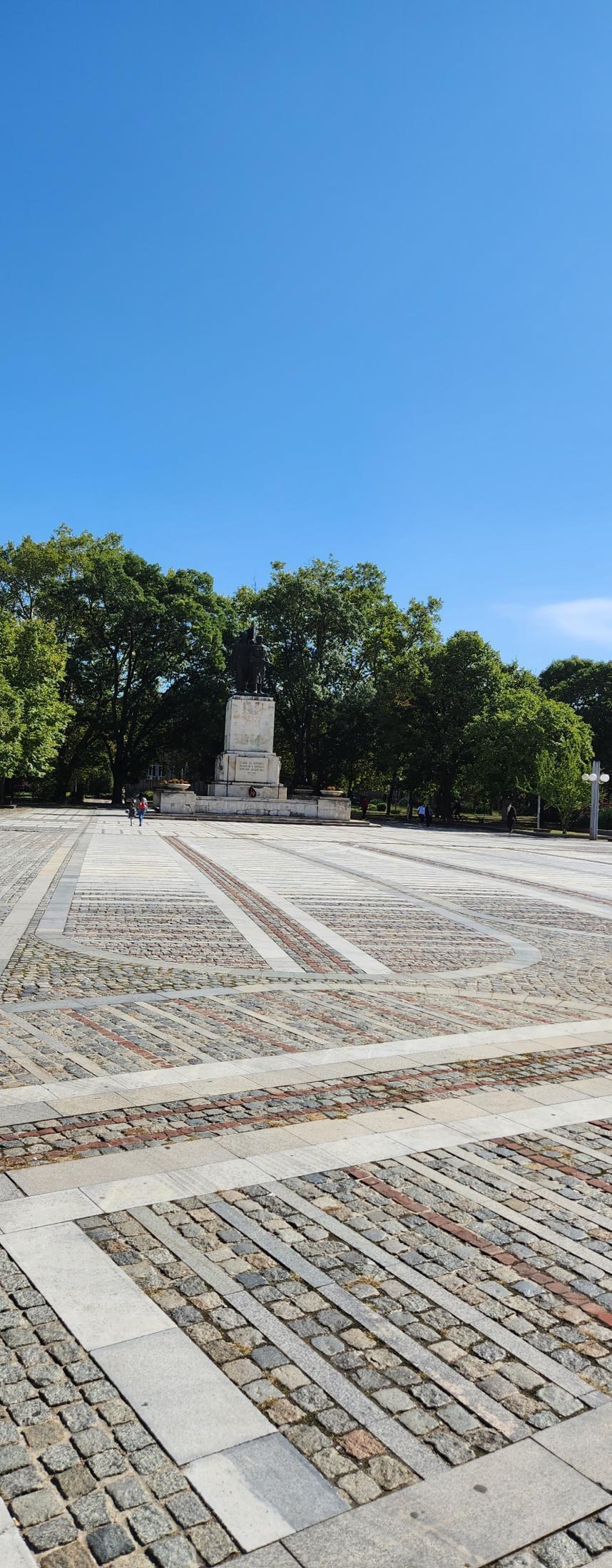
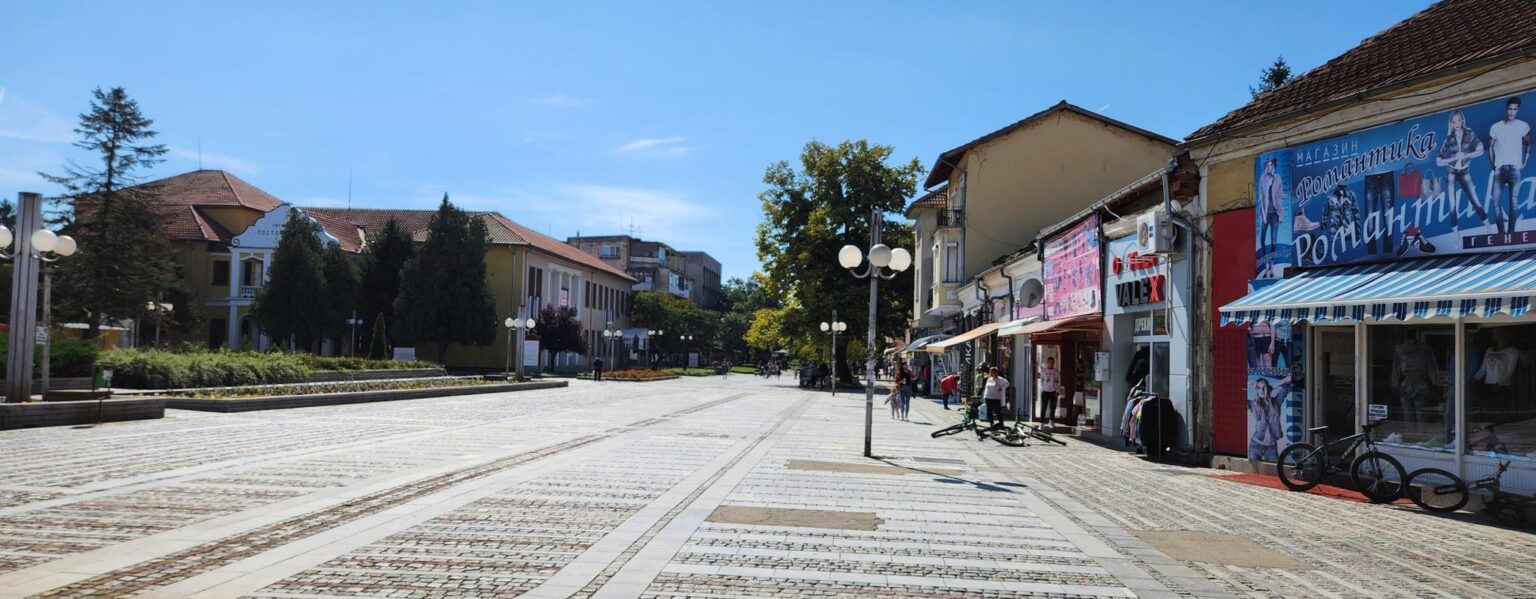
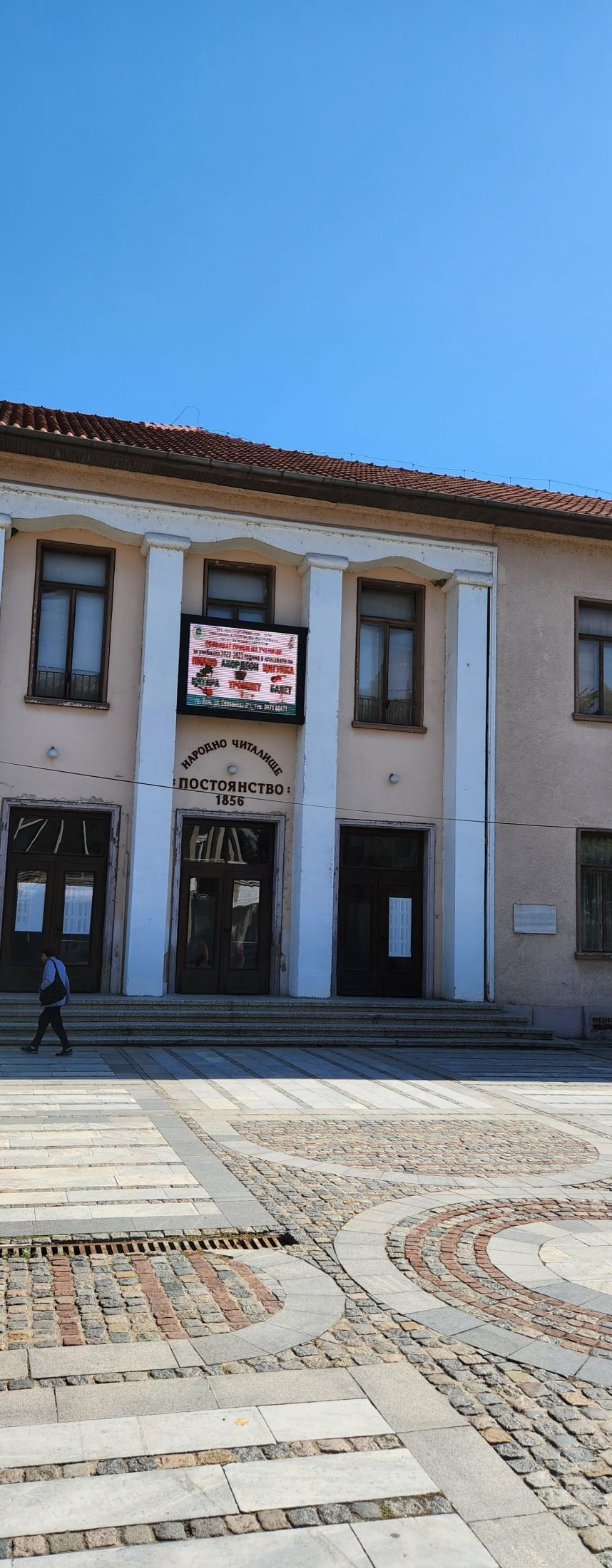
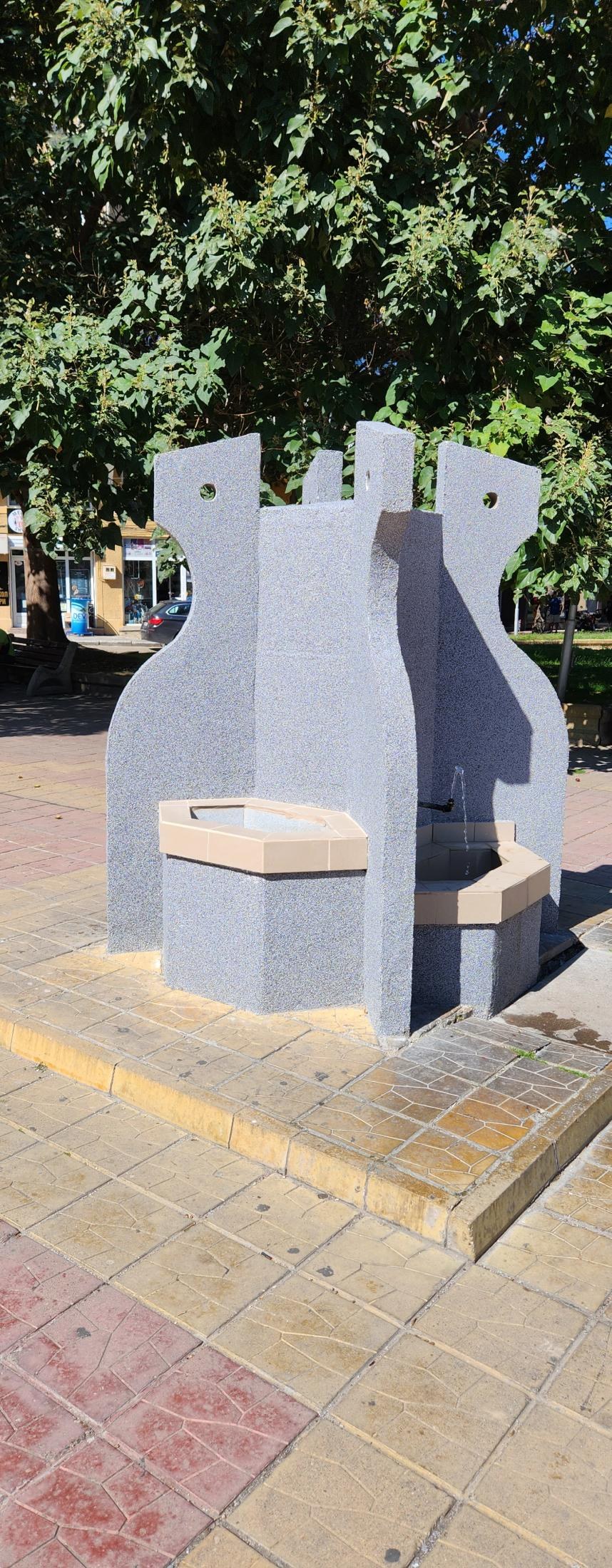
So much for the nostalgia. Time for the shock. The main street! Without exaggerating, if this is not the largest main street in any Bulgarian town, it is certainly in the top three. Renovated. The cobbles are laid exactly as they should be. Our people back in Sofia, with their famous escapades involving the yellow paving stones, should go and do a practical placement with the master craftsmen of Lom. There is a contrast between shops abandoned thirty years ago with metal shutters and the modern offices of big current brands — banks, telecoms and the rest. Somehow the contrast comes out very smooth and is easy on the eye. You walk along and it is as if somebody actually thought about how to make it beautiful without making it busy. The community centre has a giant digital screen, more modern than in many far larger places. The street is endless. The map gives it as 1.3 km. With the branches it hits 2 km.
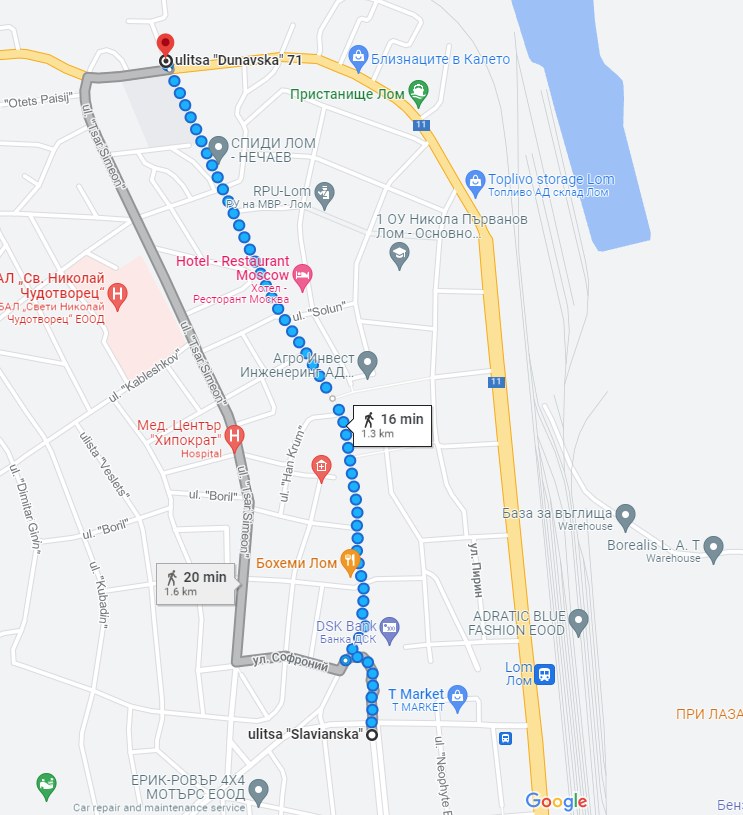
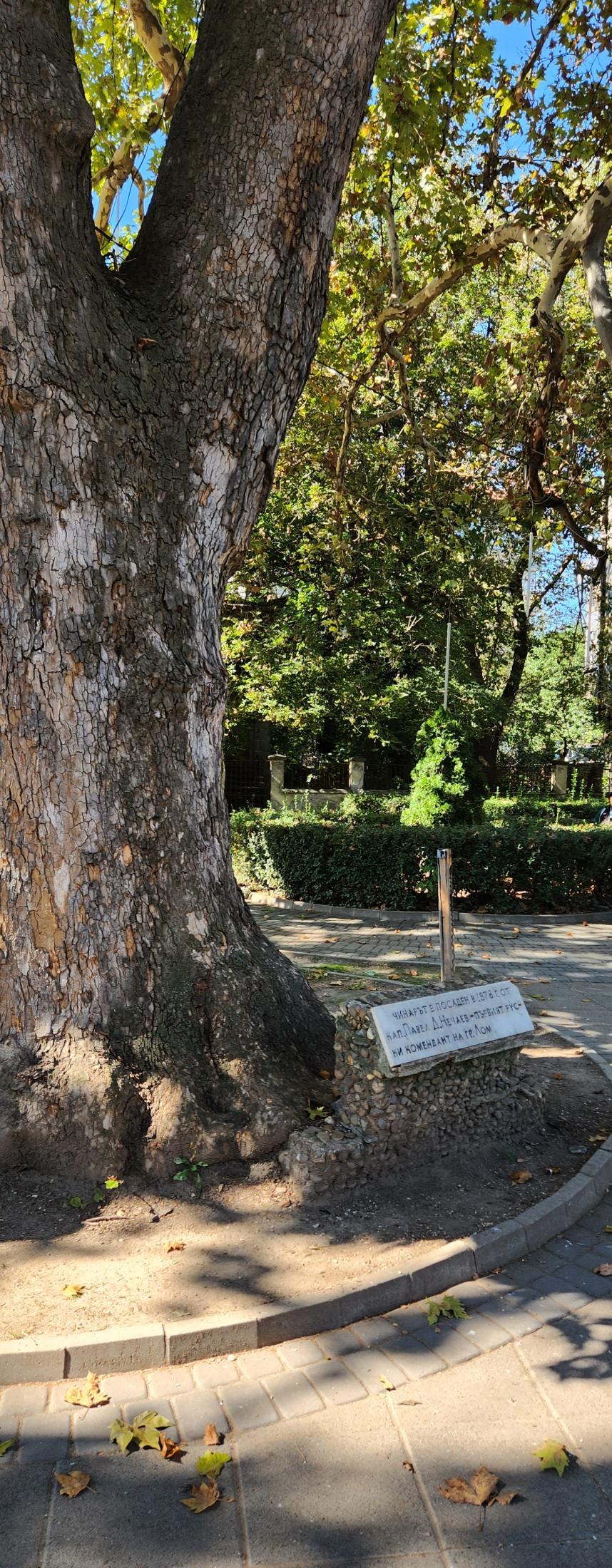
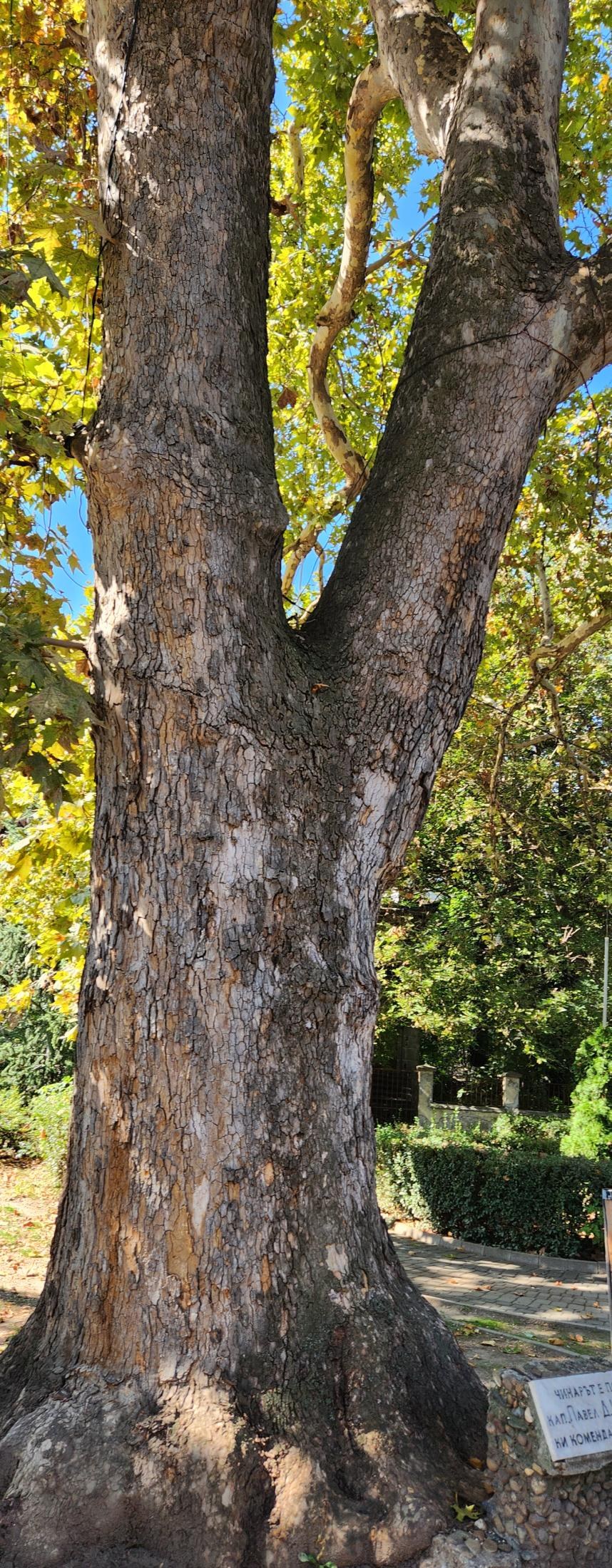
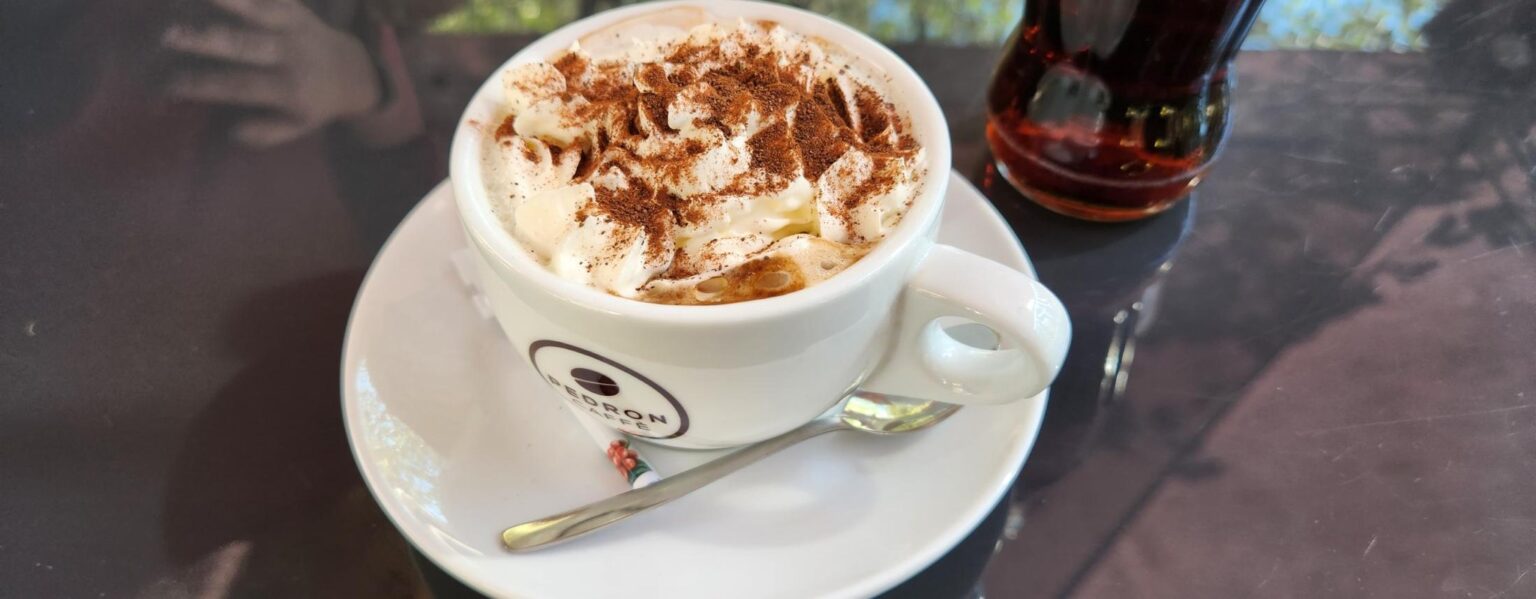
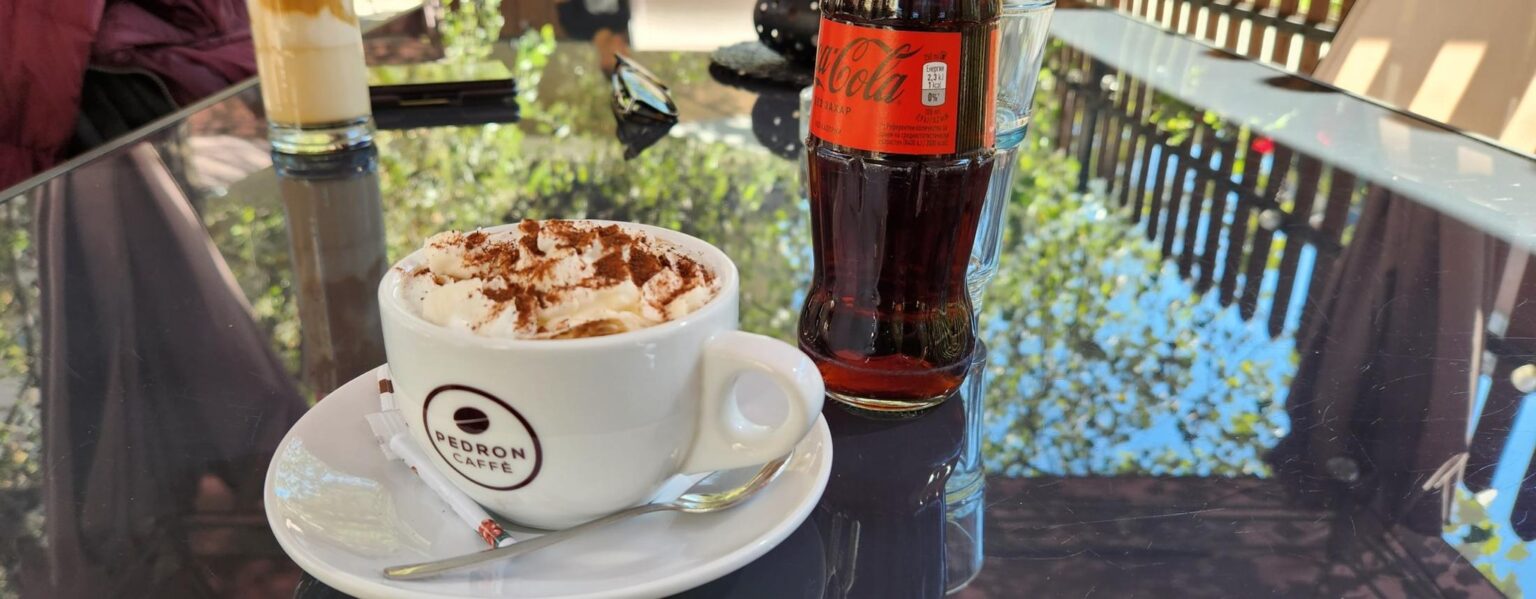
You can quite comfortably spend an hour walking up and down it, just like that, with no objective at all. The cafés are superb. Prices are a notch above Belogradchik and a notch below Vidin. The population is half that of Vidin, but it does not look empty in any way, nor run-down. The opposite. A paranormal phenomenon, put in bold for shock value even though it is not actually that important: a gigantic crowd in front of one single greengrocer’s shop, which I did not photograph, probably out of the sheer shock of not being able to explain it. It looked like the queue outside a covid testing station. Thirty-odd people sitting and waiting to get into a small shop selling mostly tomatoes and peppers. The street and the squares, in all their glory:
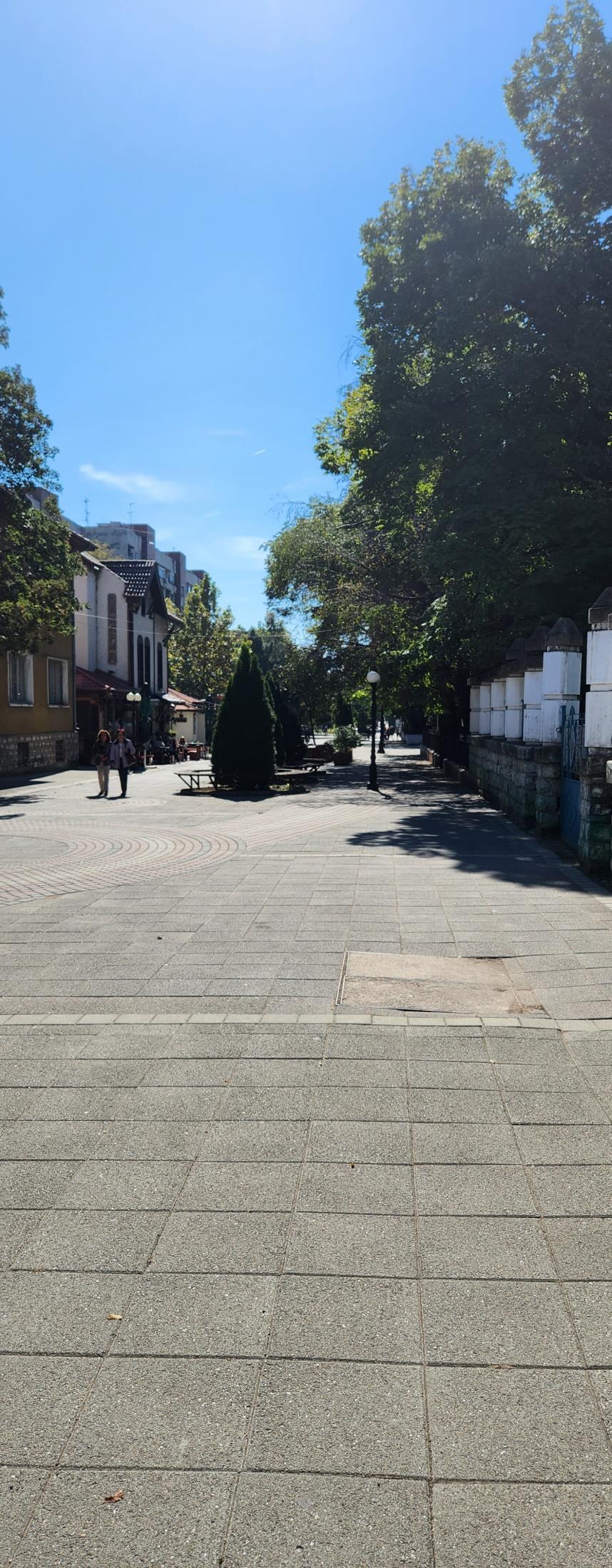
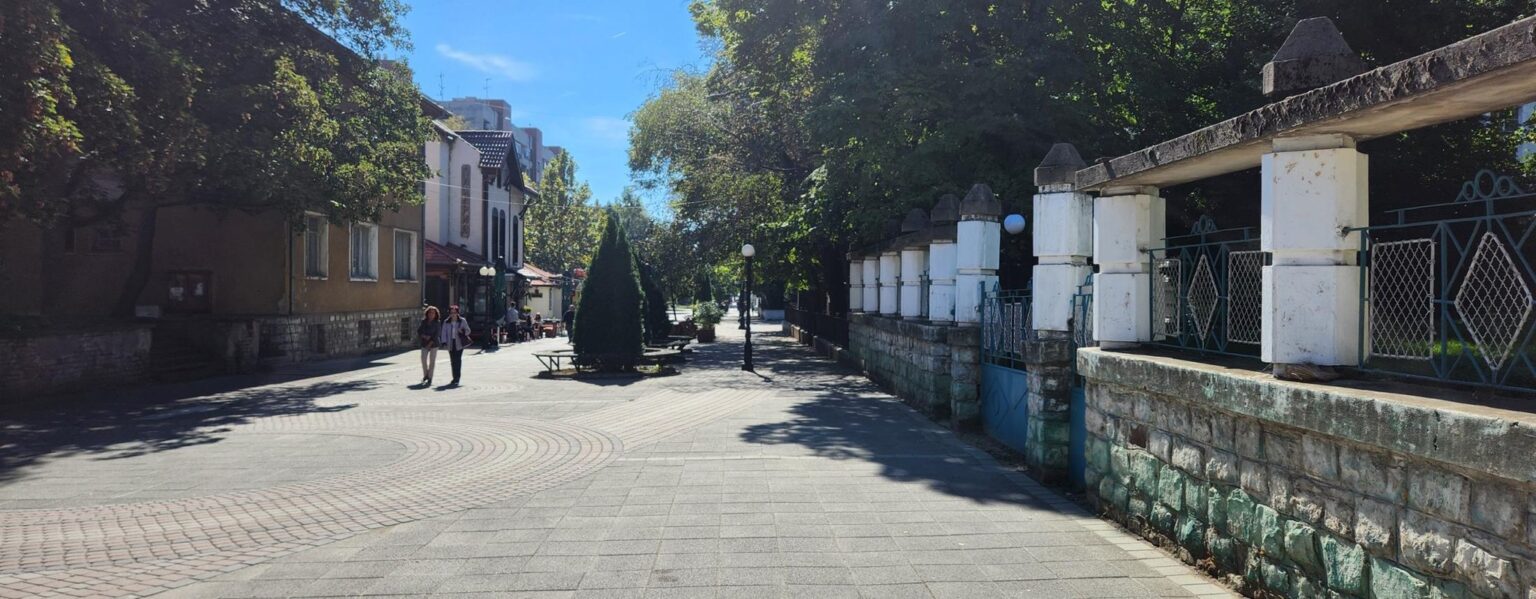
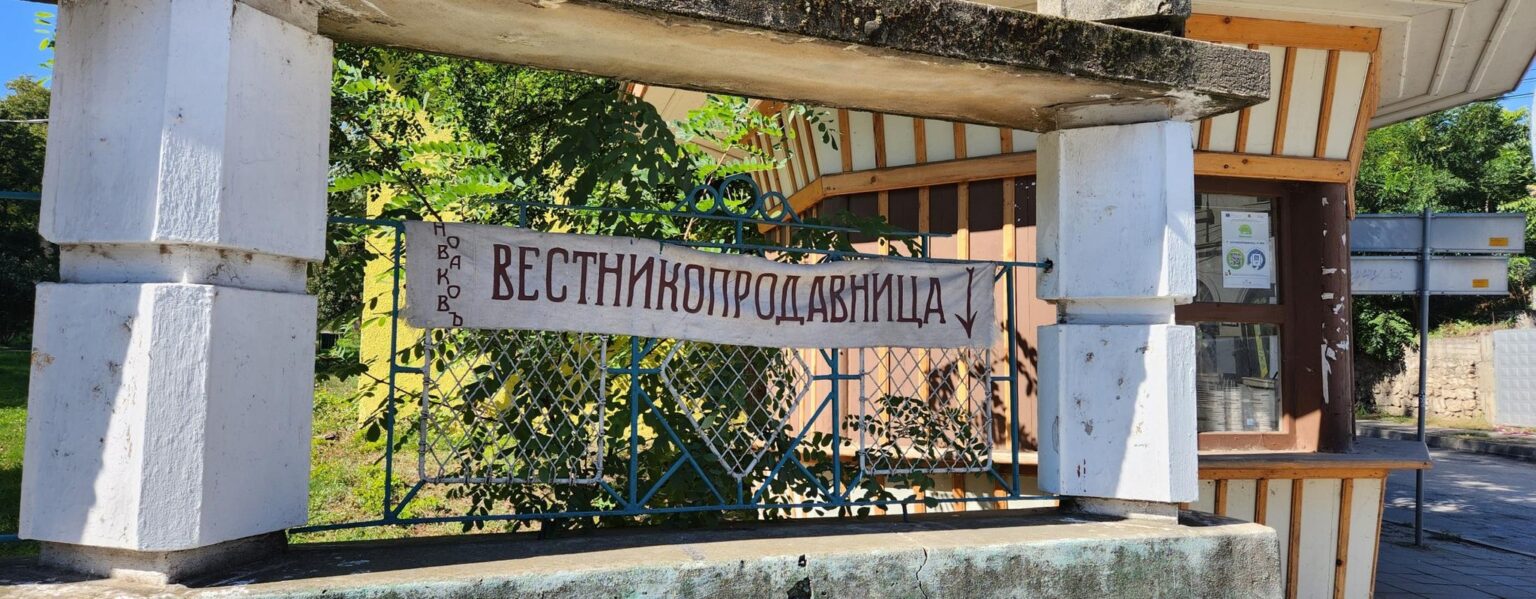
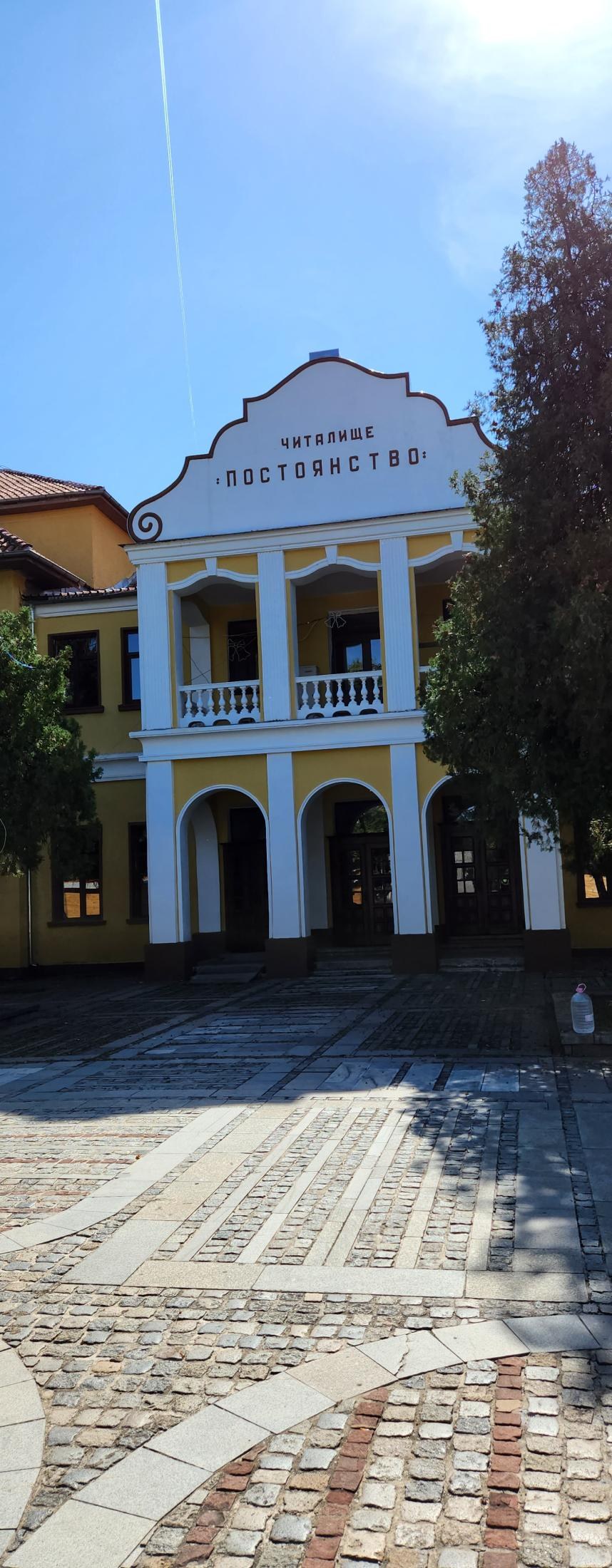
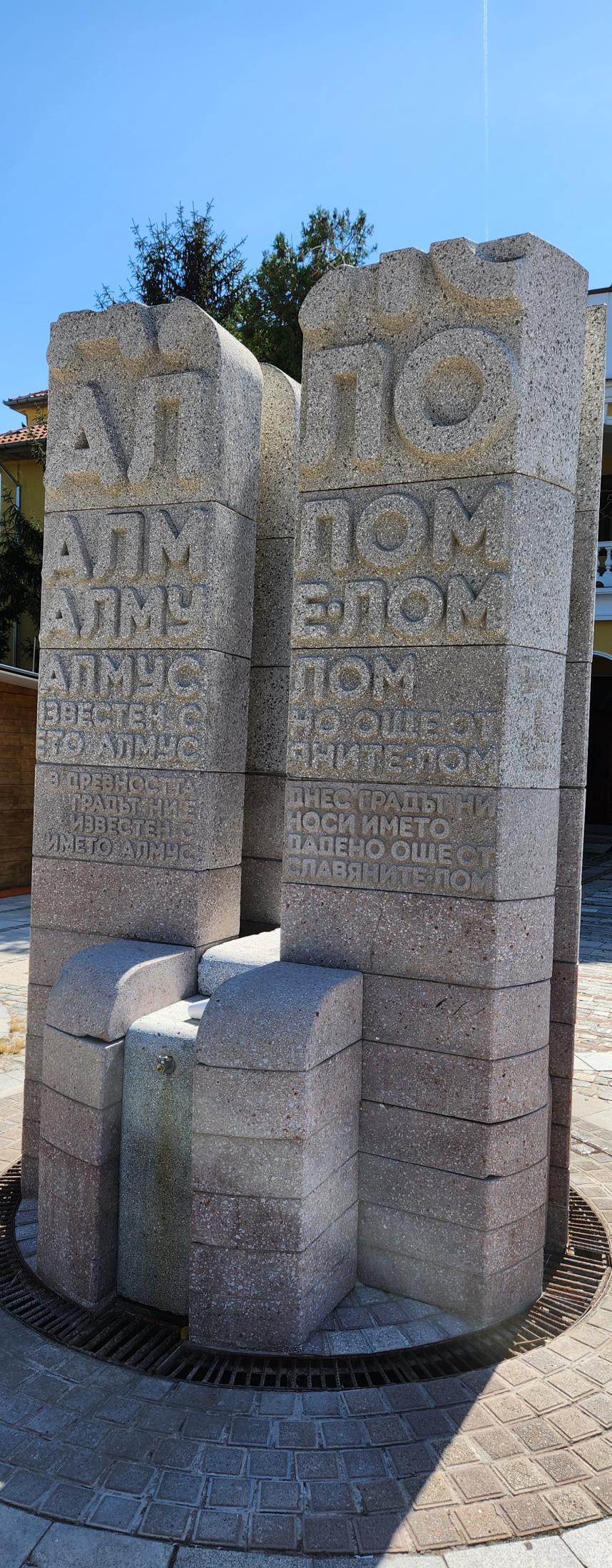
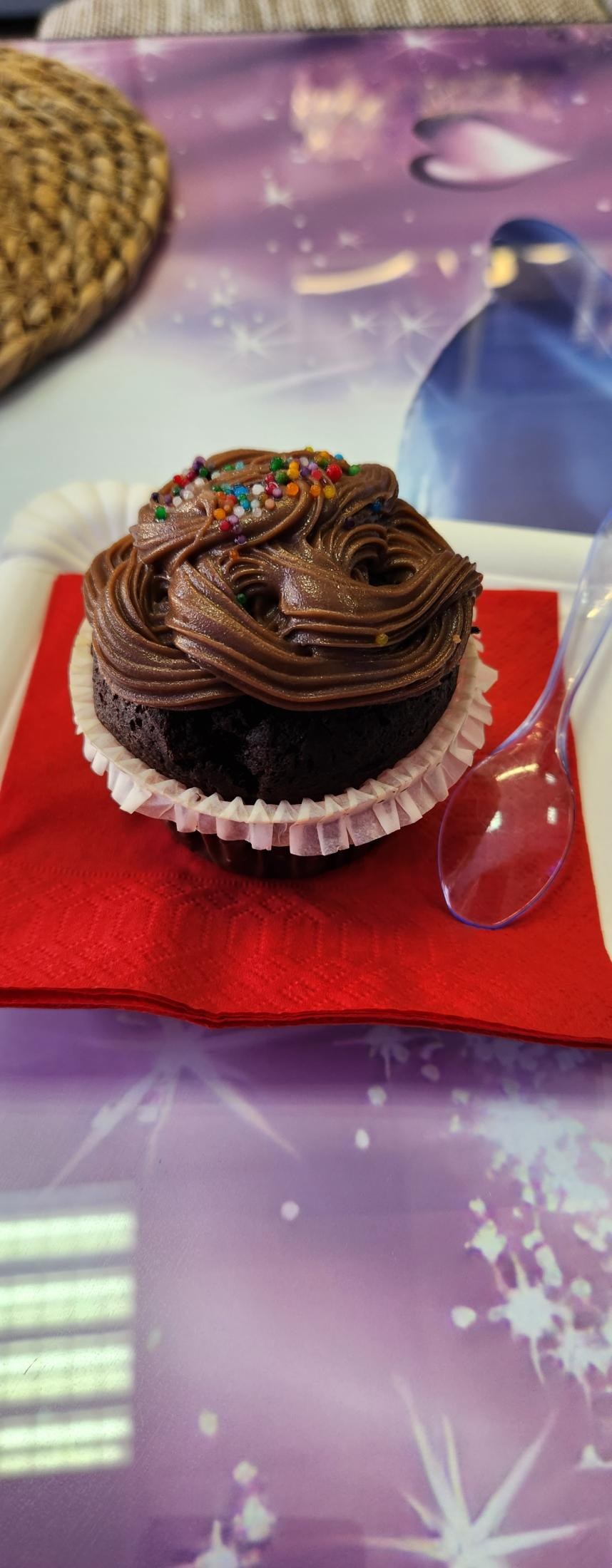
Three hours in Lom, and 15,000 steps so far according to the tracker. Enough, because there is a drive to Kozloduy ahead. I will be coming back here at some point. Most likely this is where they will roll out flying cars first. Quite simply a demonstration of what is possible when EU money — and not only EU money — is actually put to proper use.
Kozloduy
I had been spoiled by the good roads up to this point. The promotion ends here. On the map it is 40 kilometres from Lom to Kozloduy, barely 50 minutes. In practice, a large part of the road is literally missing, while in places there was roadworks that had visibly been abandoned — no machinery, no materials. There is nothing especially interesting along the way, perhaps a sign or two for beaches, but after the warnings back in Vidin we were in no mood to swim in the Danube. An hour and a bit and we were in Kozloduy.
We had prepared ourselves psychologically in advance for it not to be anything special. There was not a single offer on Booking. On pochivka.bg there were exactly two. I had a booking made by phone a few days earlier, but with a mental note that it might not materialise and we might be driving home through the night.
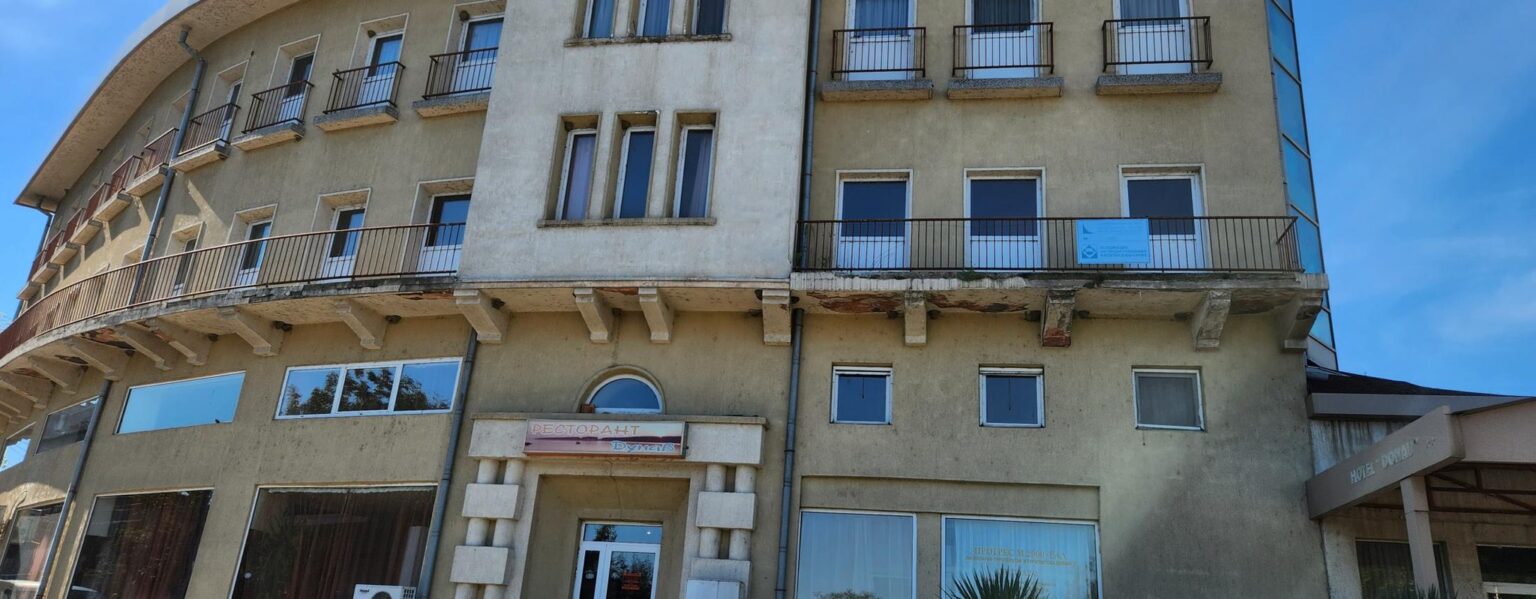
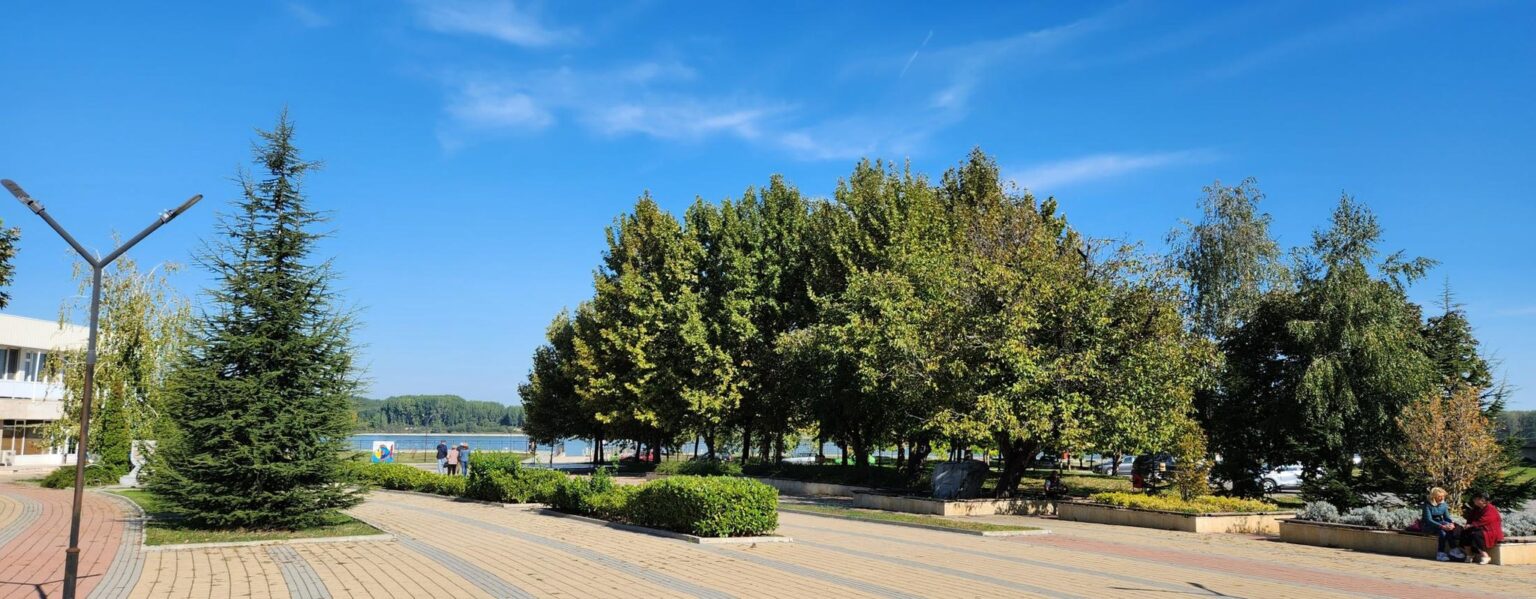
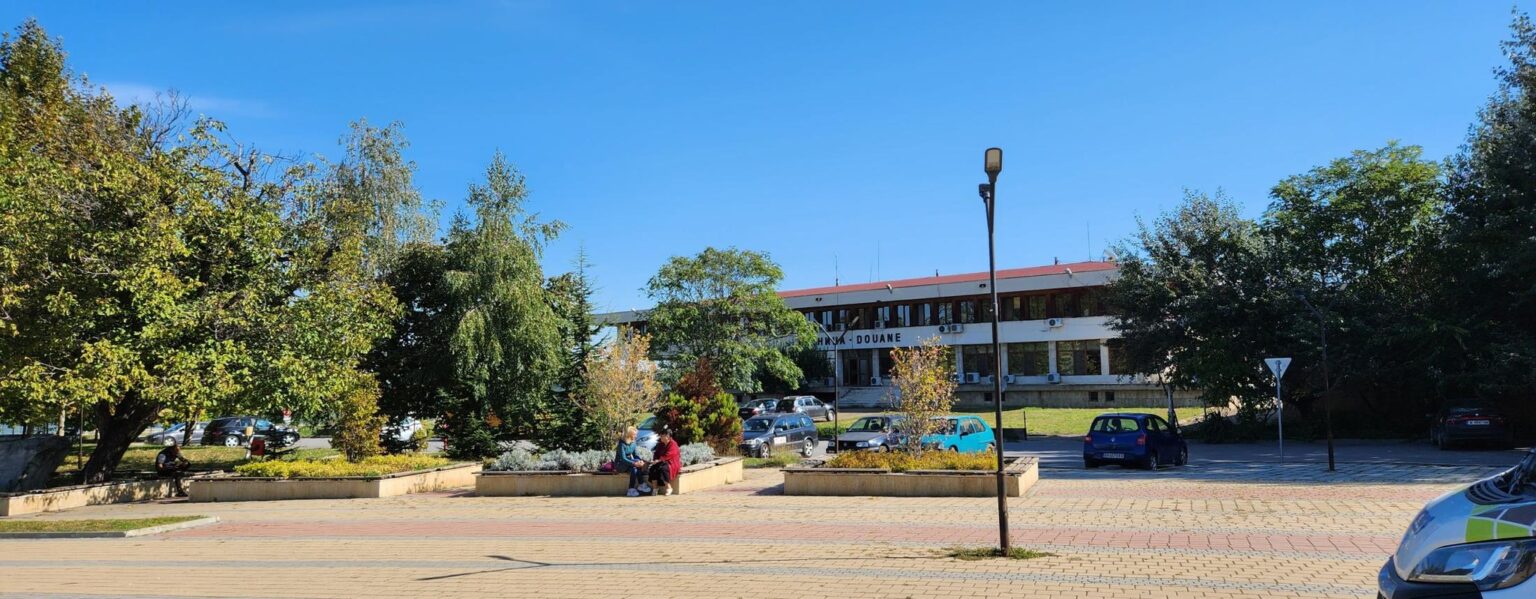
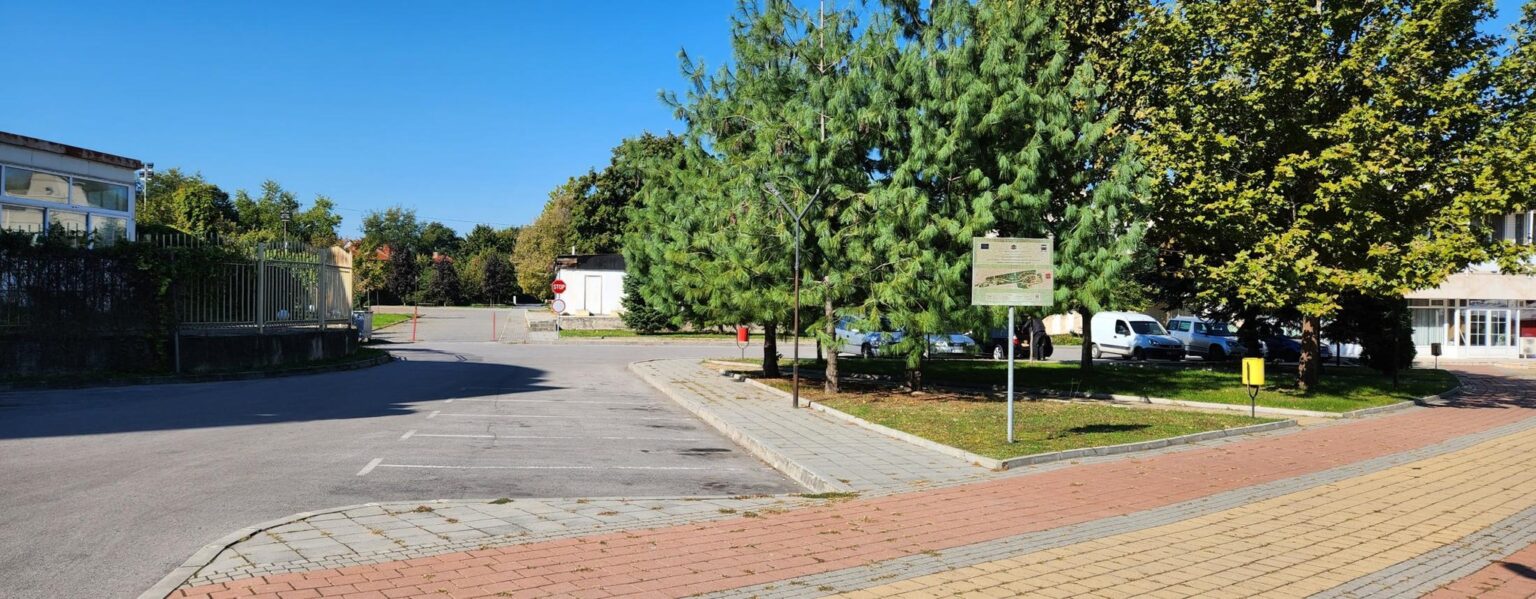
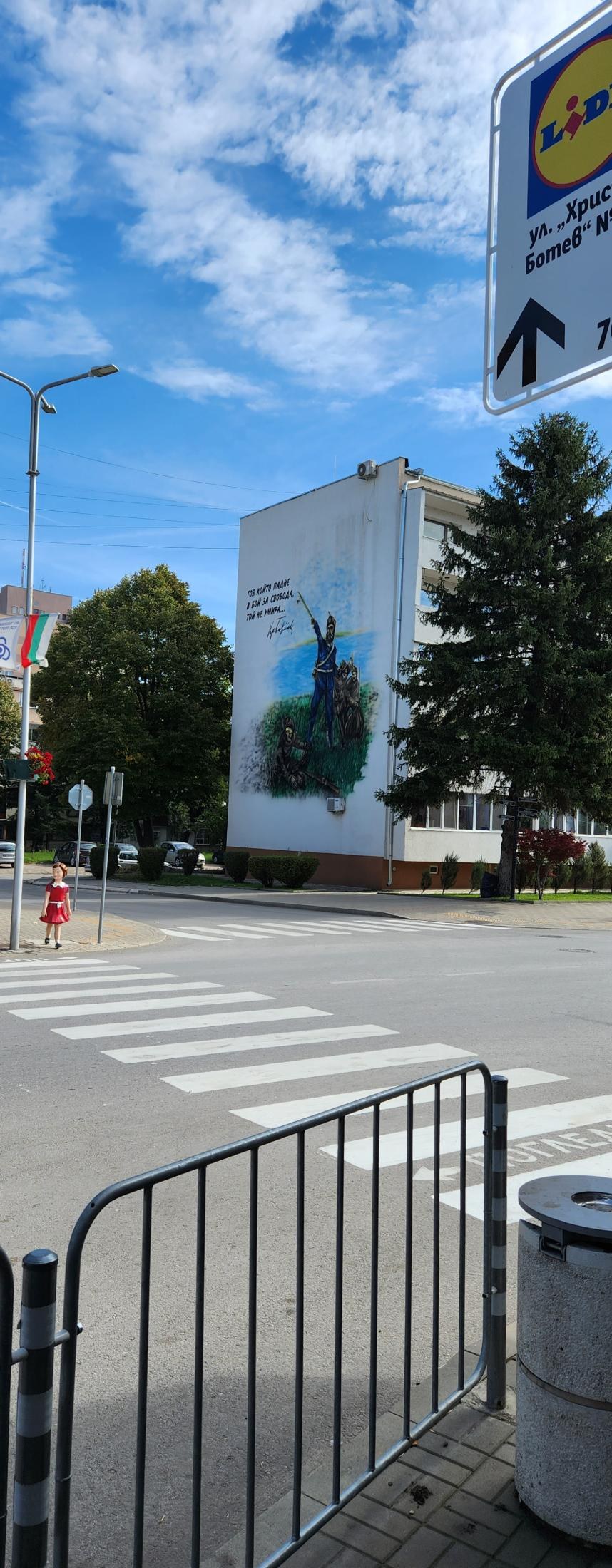
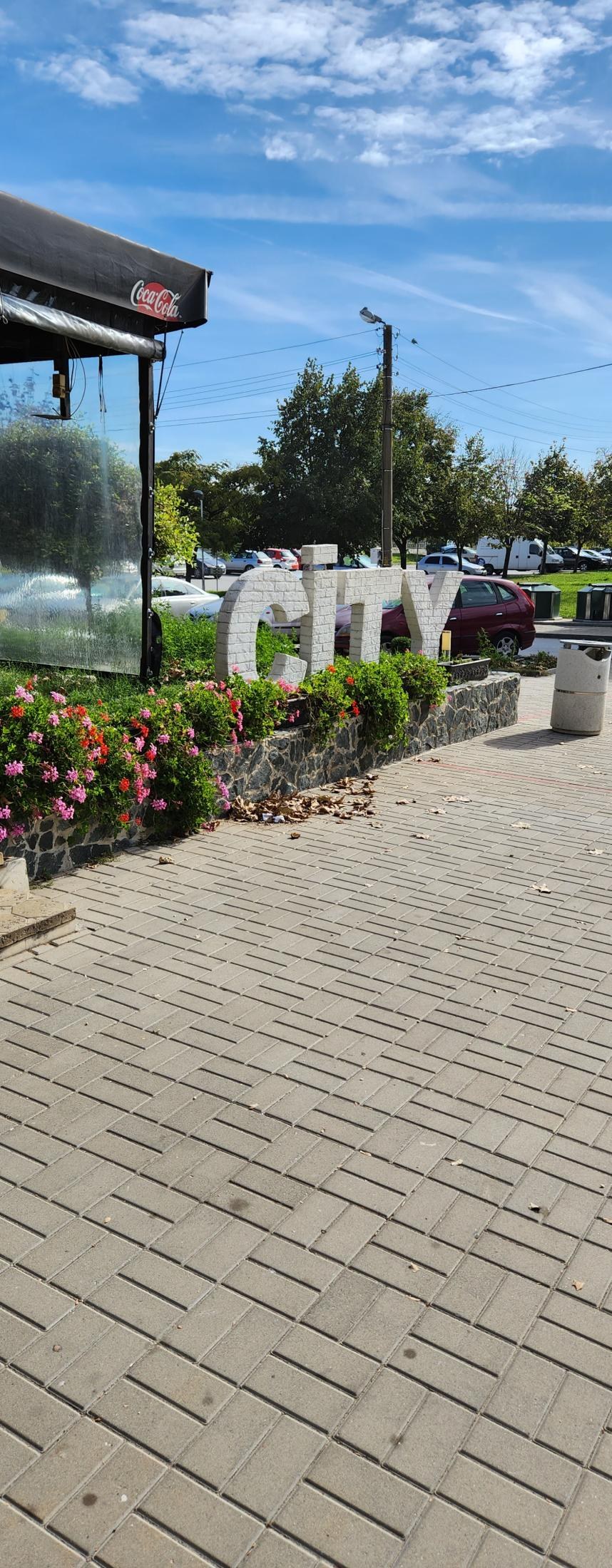
The scenery is like something from one of those eccentric Asian-oriental states, Turkmenistan style. The squares are brand new, clean, landscaped. So are the parks. But — it is deserted. The largest concentration of people I found anywhere was in the LIDL. The town is narrow and very long. On foot it is a lot, more than an hour from one end to the other.
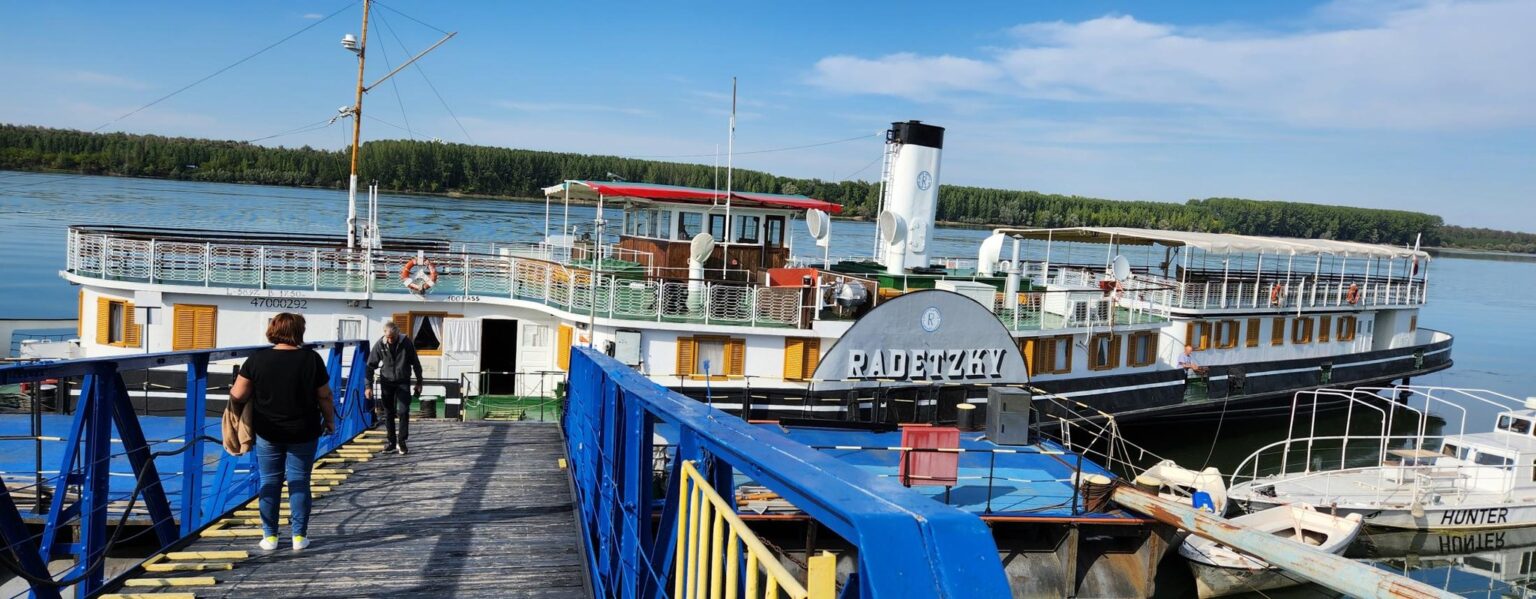
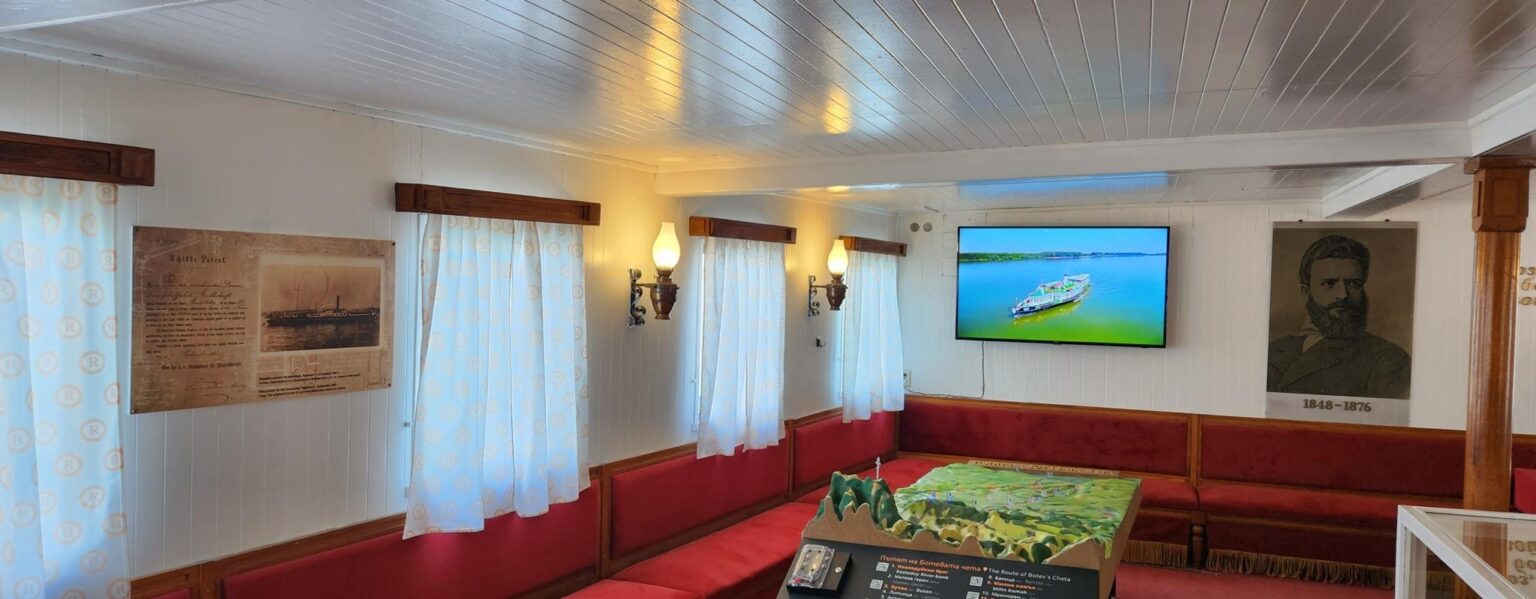
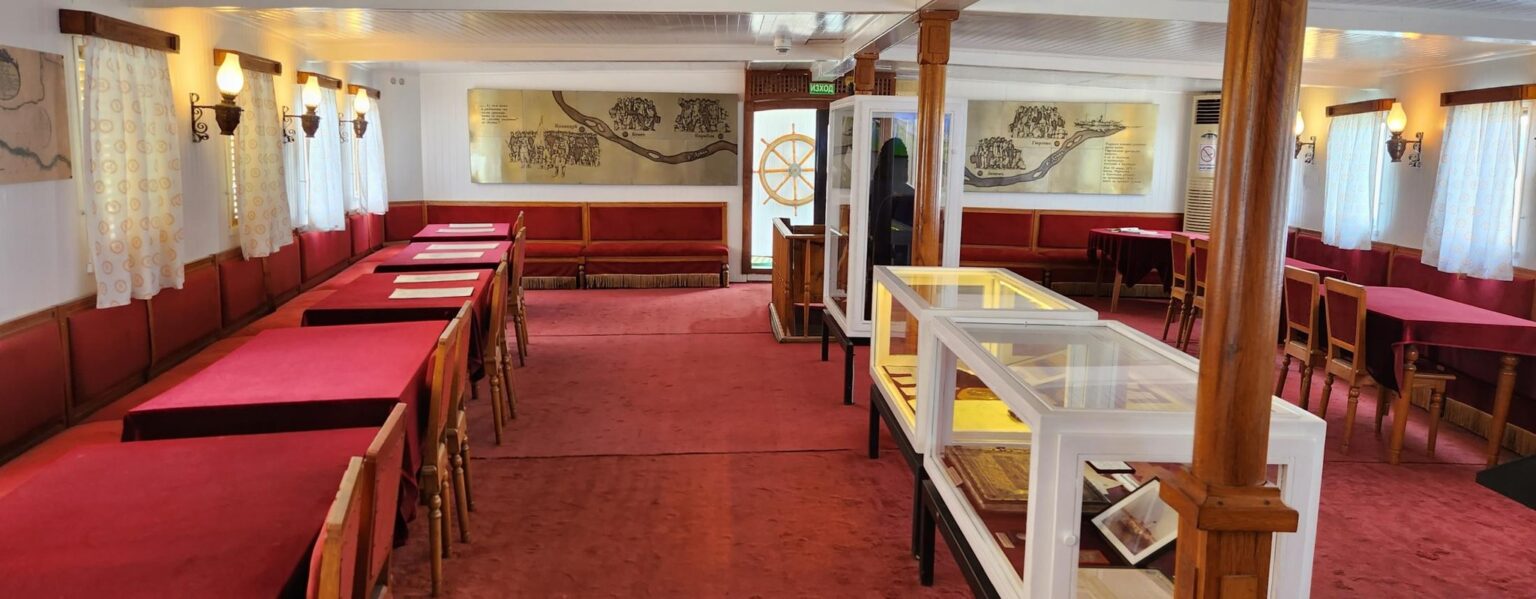
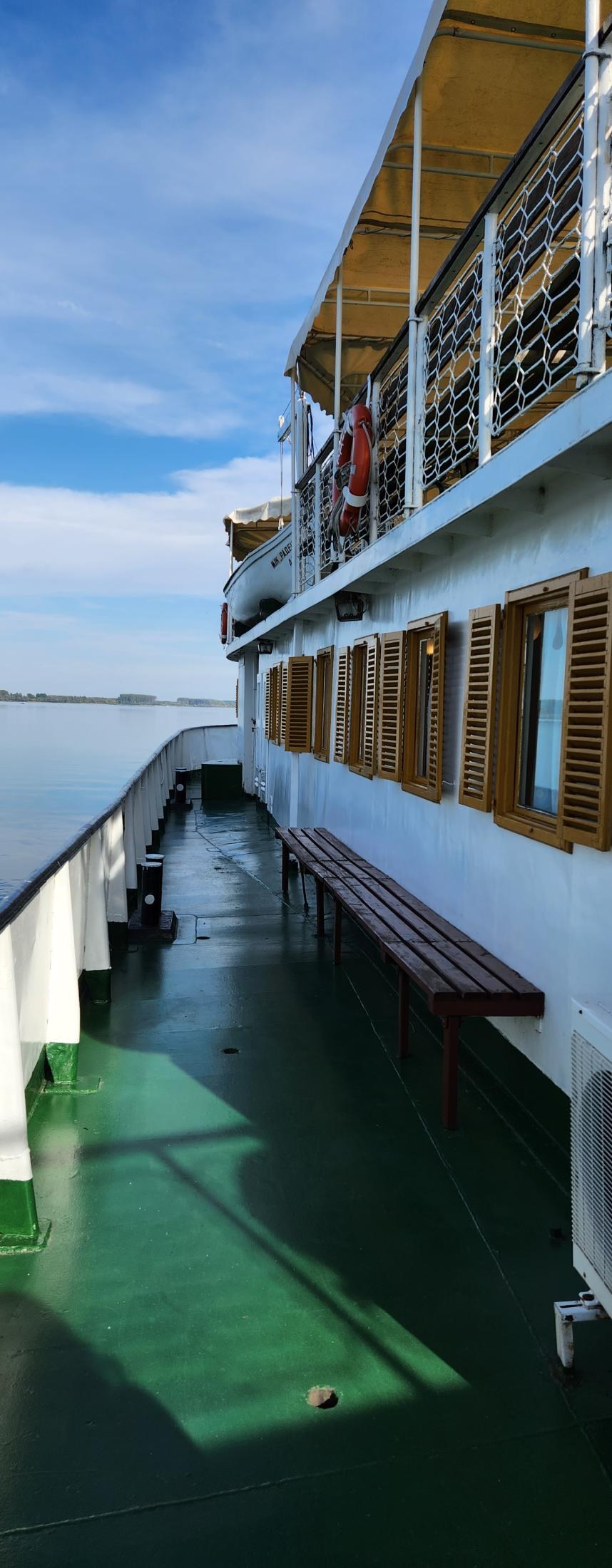
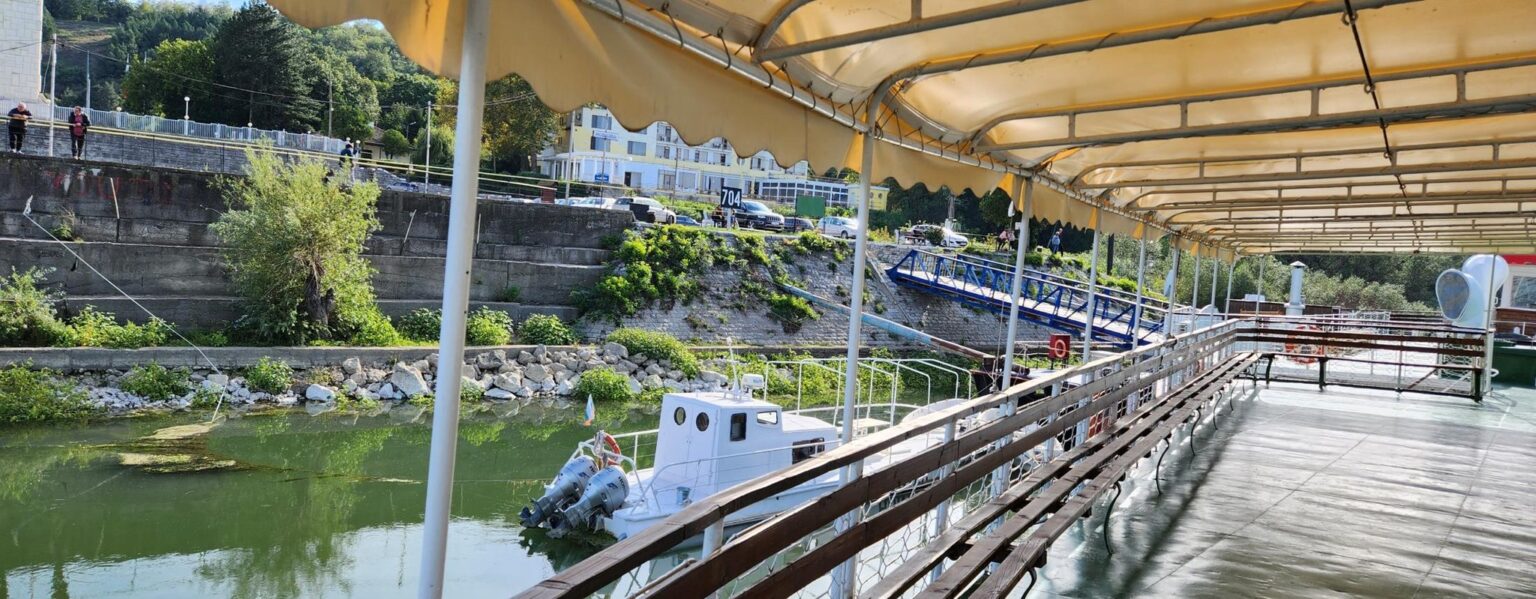
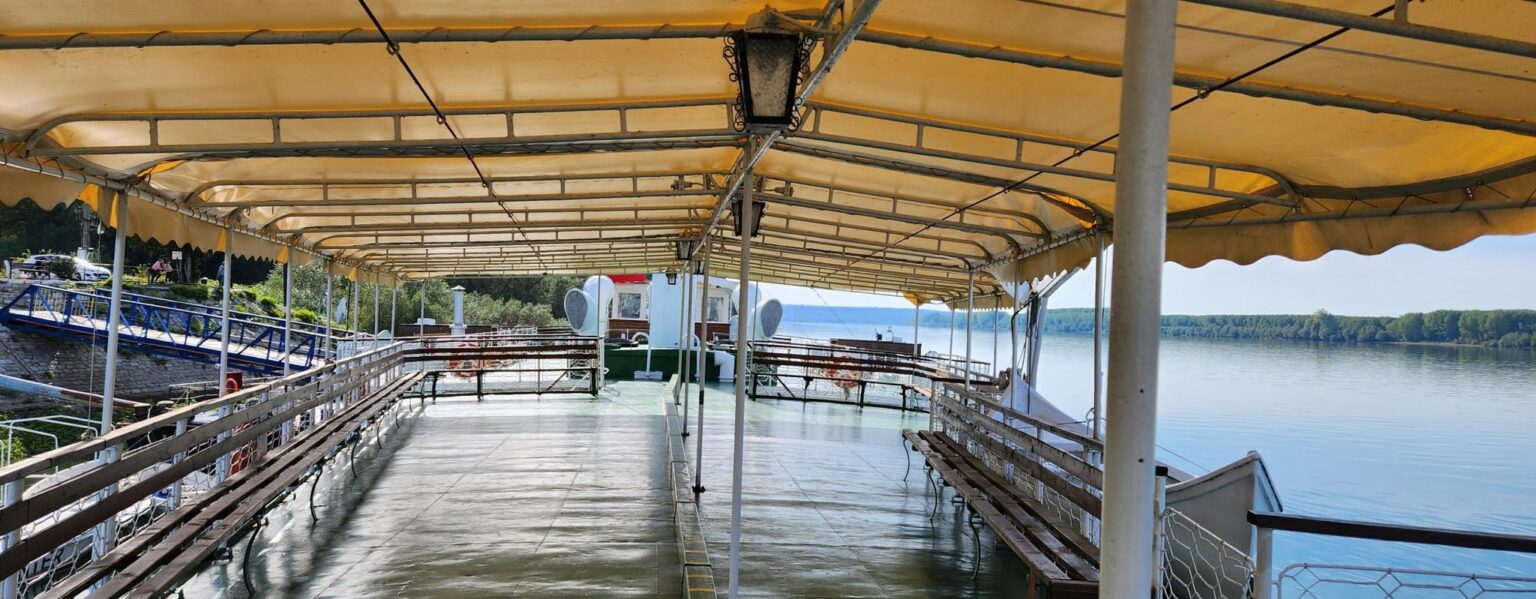
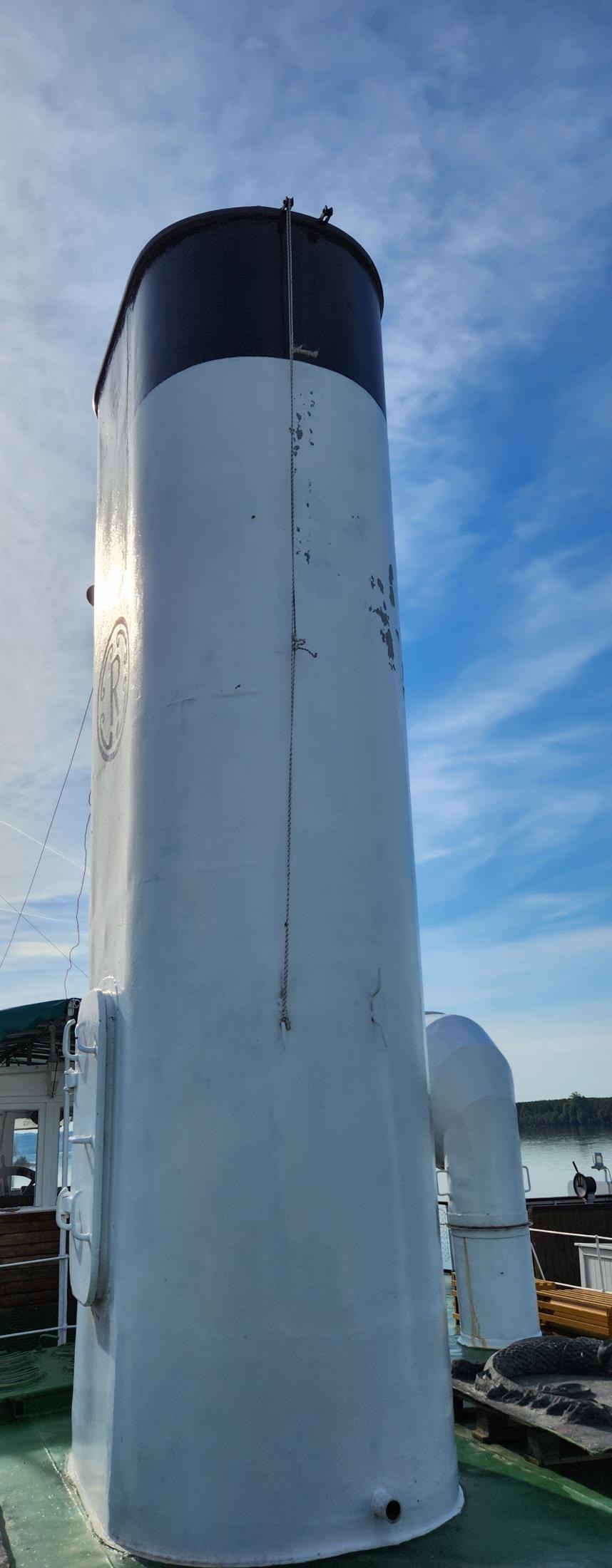
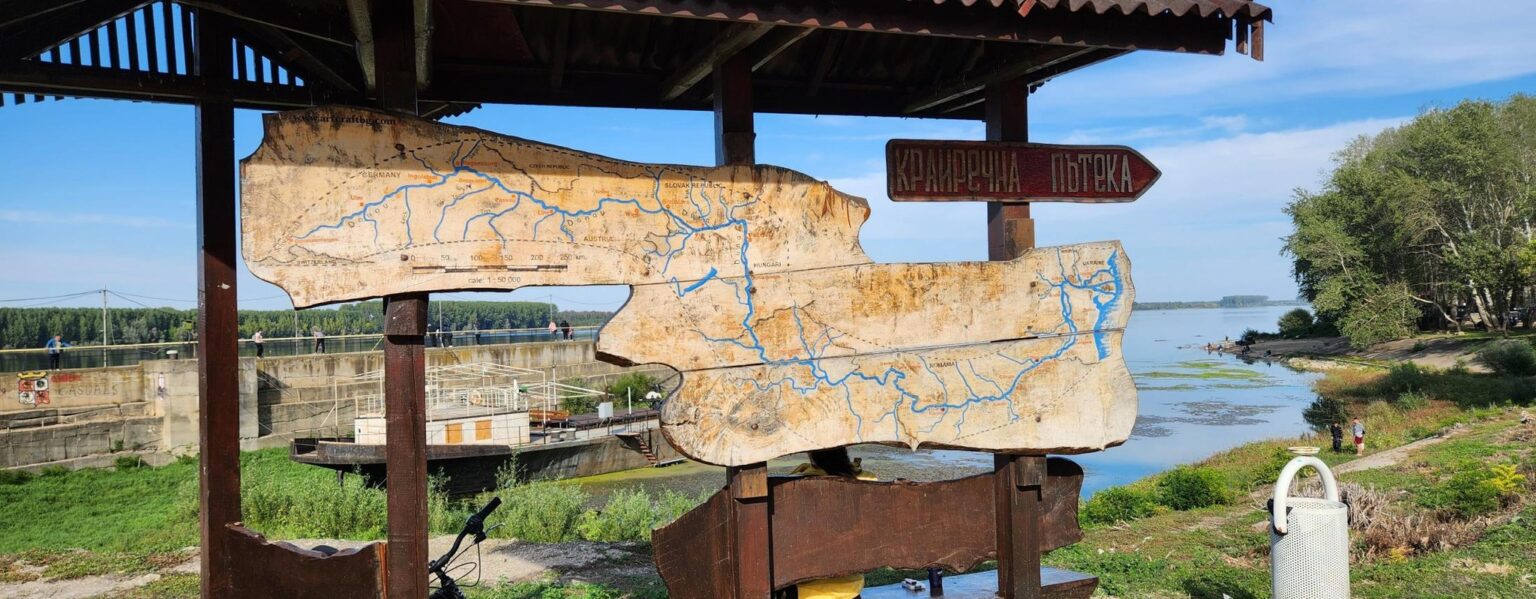
The interesting part of my research on the area, aside from the nuclear plant, was the steamship Radetzky (site 18 of the 100 NTS). There is a wide free car park in front. Admission today is €5 for adults and €2 for students and pensioners, with a guided talk at €4; the museum is open daily 10:00–18:00 in summer and 09:00–17:30 in winter, with the ticket office closing half an hour earlier, and is closed only on 1 January, Easter Sunday and 24–25 December. The ship is walked quickly and carries a lot of information and display panels. What is interesting is that it is genuinely operational, restored and passing inspections every few years. It is, in fact, a replica, built in 1966 with money collected by 1,200,000 Bulgarian children. One thing worth checking before you plan around it: the one-hour attraction cruises on the Danube run only from June to October, require a pre-booked group of at least 50 people — and at the time of writing they are suspended until further notice because the water level in the Danube is critically low and the vessel cannot dock safely.
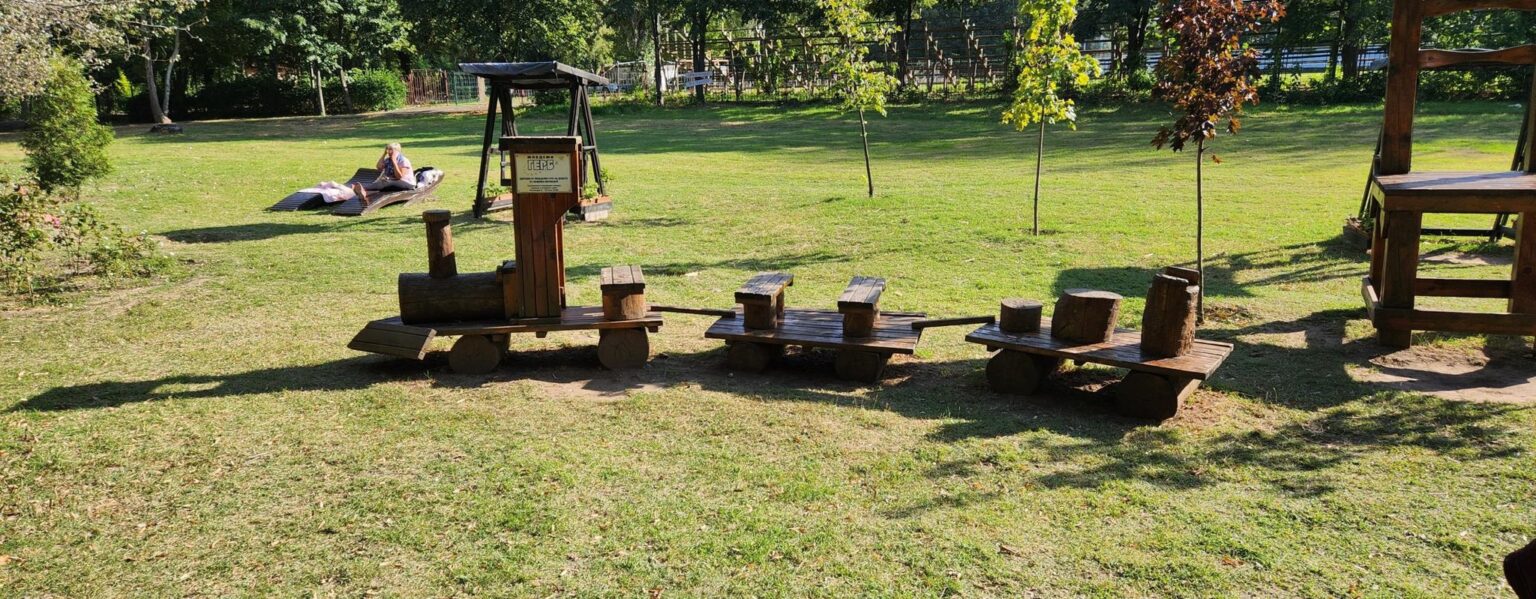
Next to the car park is the museum of Botev’s detachment, which carries the same number 18 in the booklet but a different stamp, so it goes on the last page, alongside the other unranked sites. Free entry — you know the drill, that means walking through it twice. The path between the two sites runs through a renovated park that sits mostly empty, with a single café. There are playground structures similar to the ones in Ostrova Park in Pazardzhik. All of this is positioned immediately after the Karting Piste neighbourhood. Sadly, there has been no actual karting there for a very long time. It would have been the perfect way to fill the afternoon.
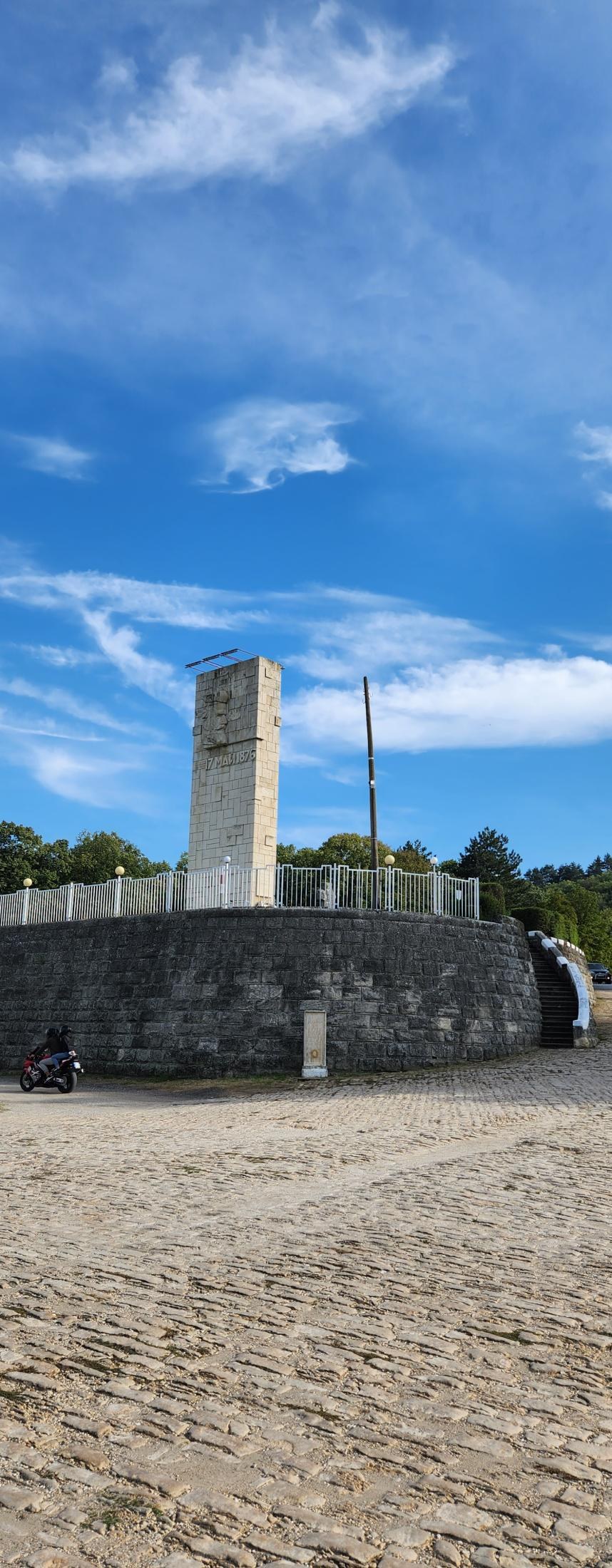
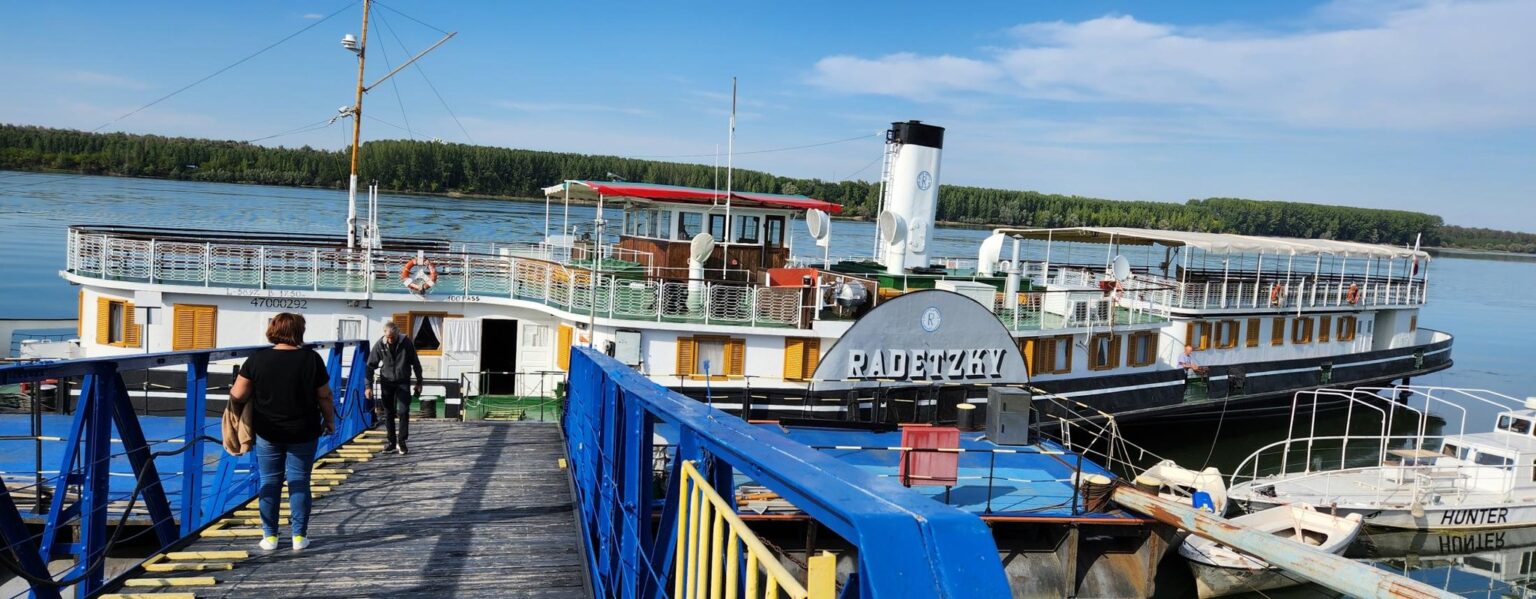
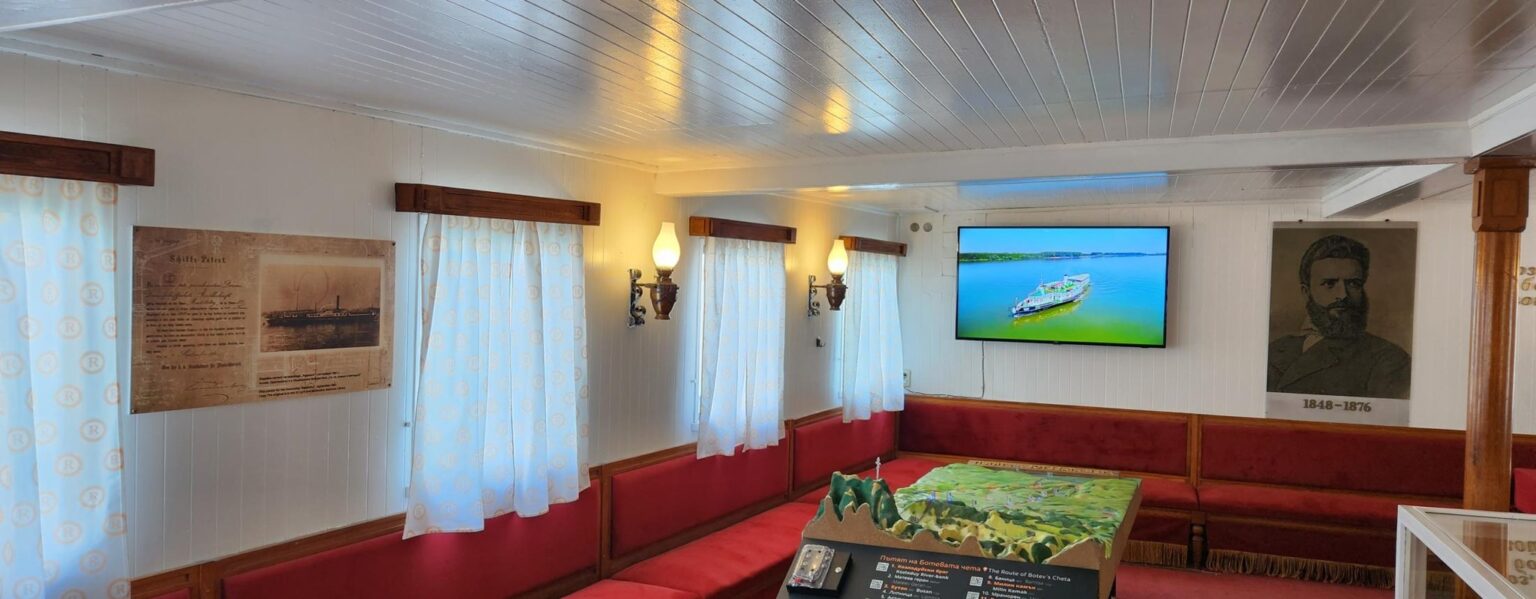
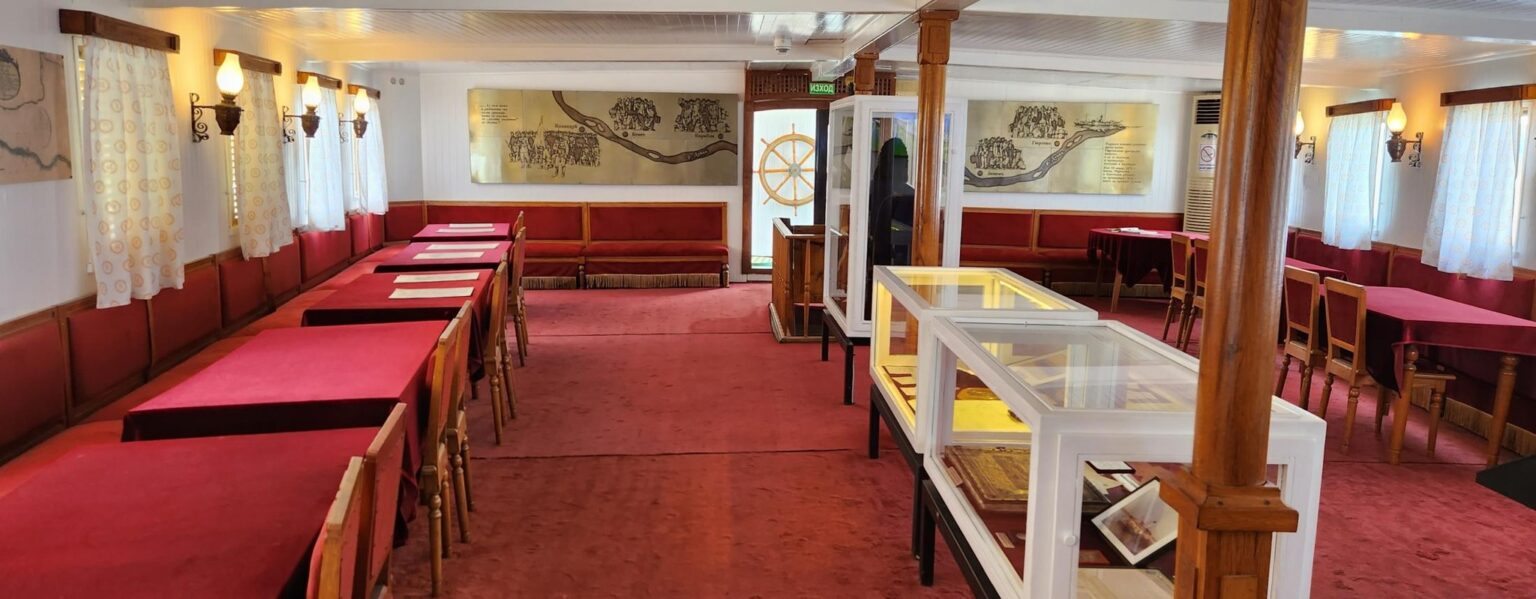
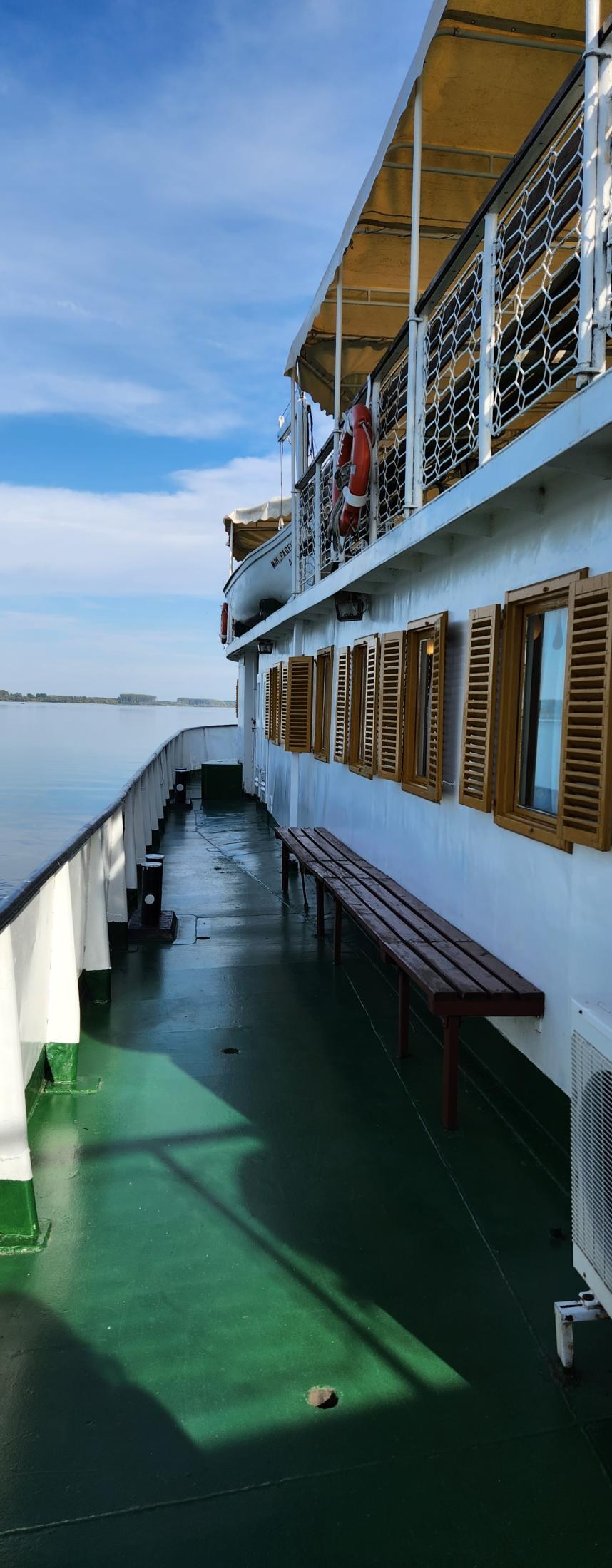
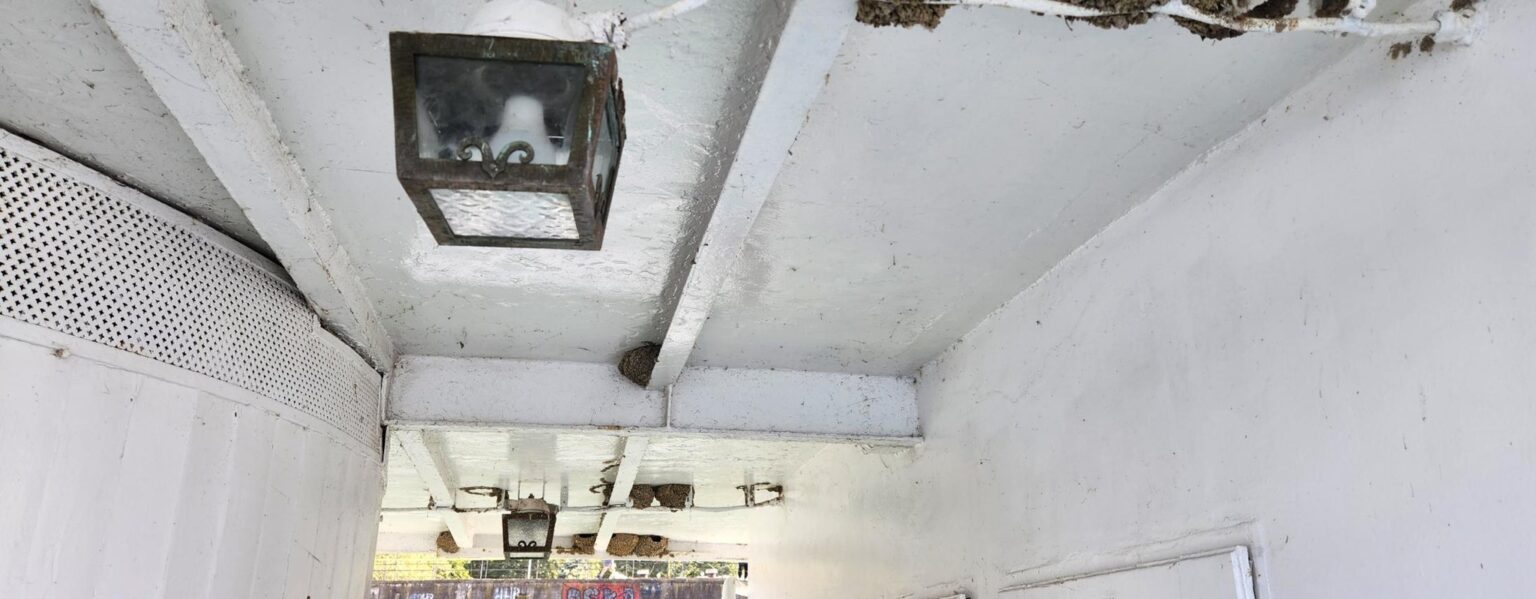
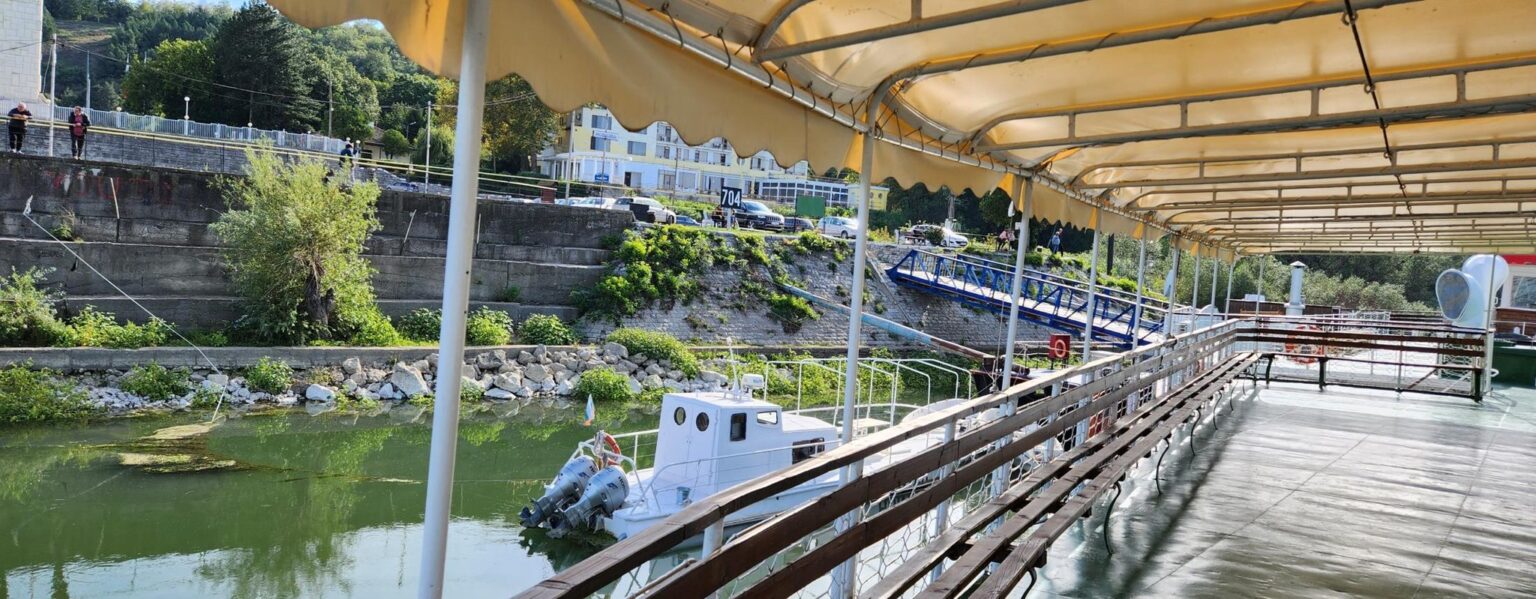
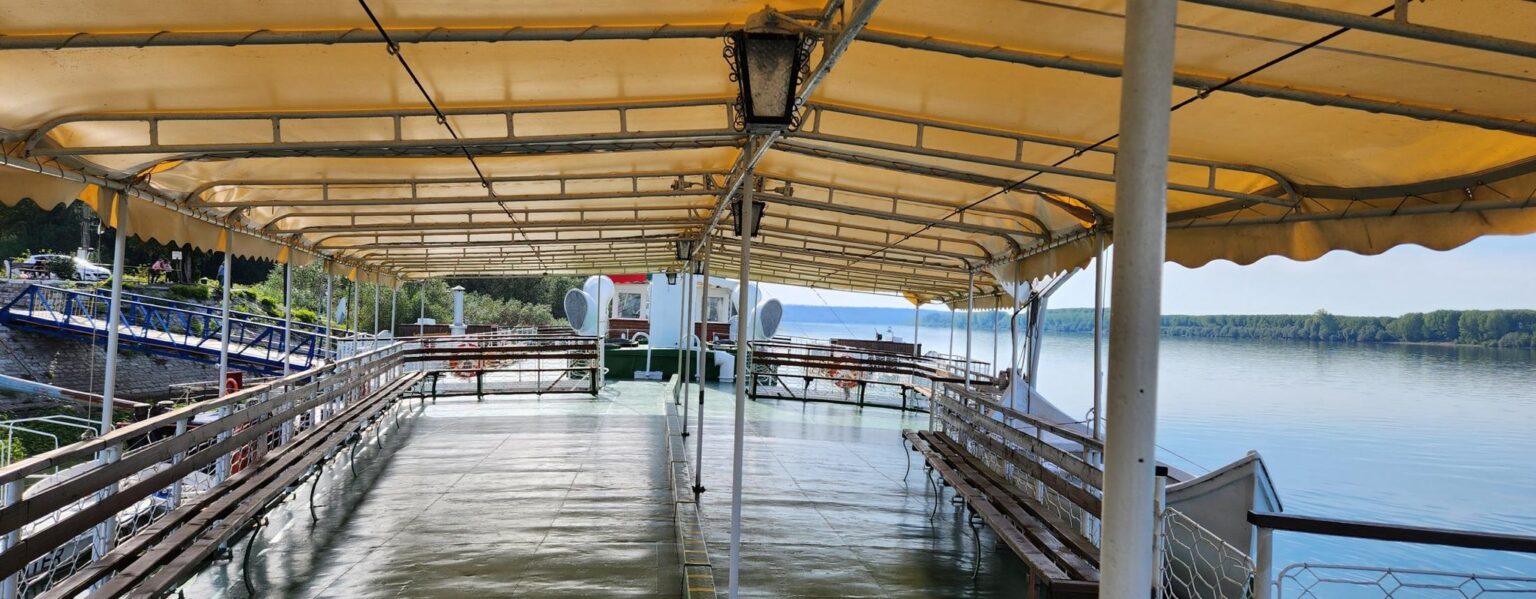
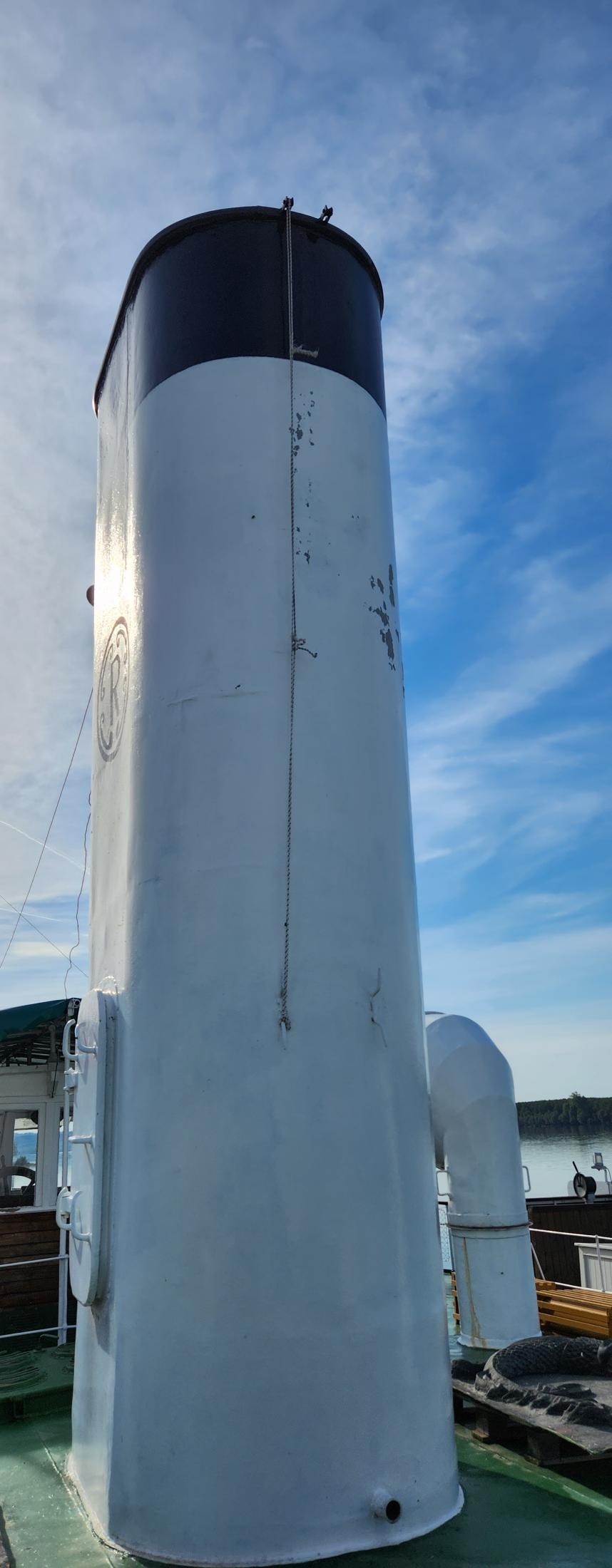
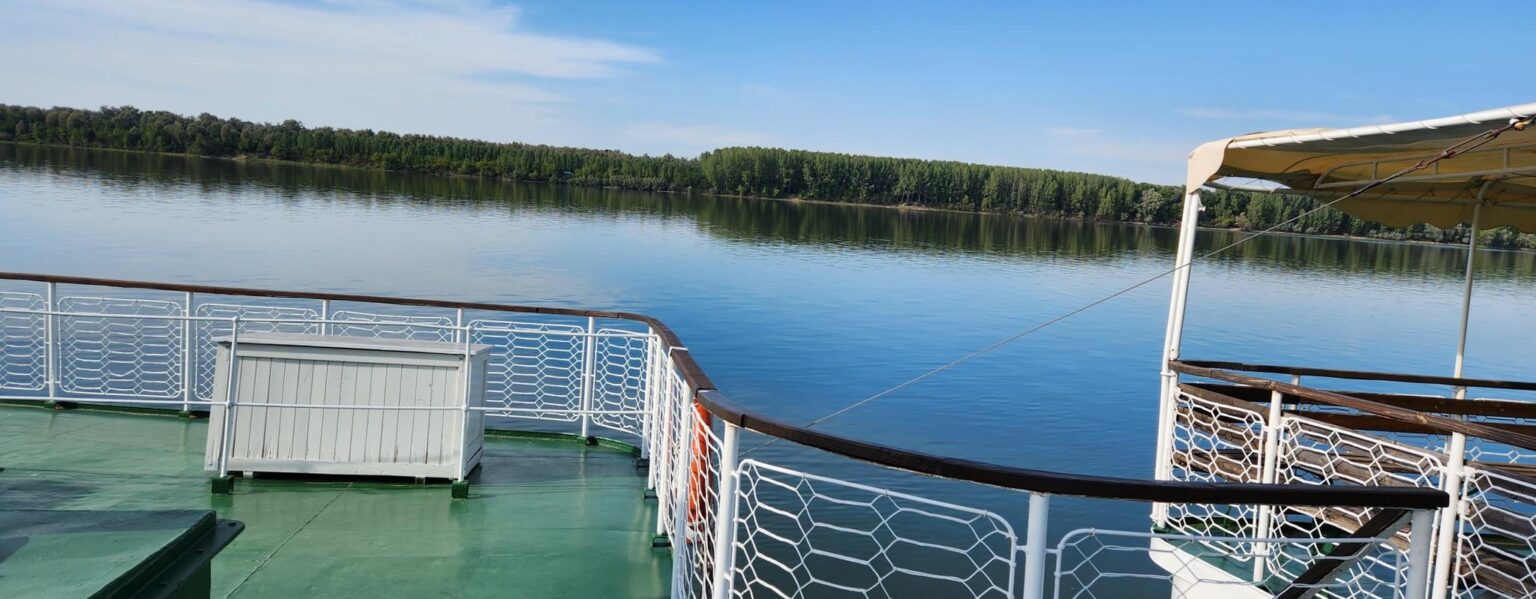
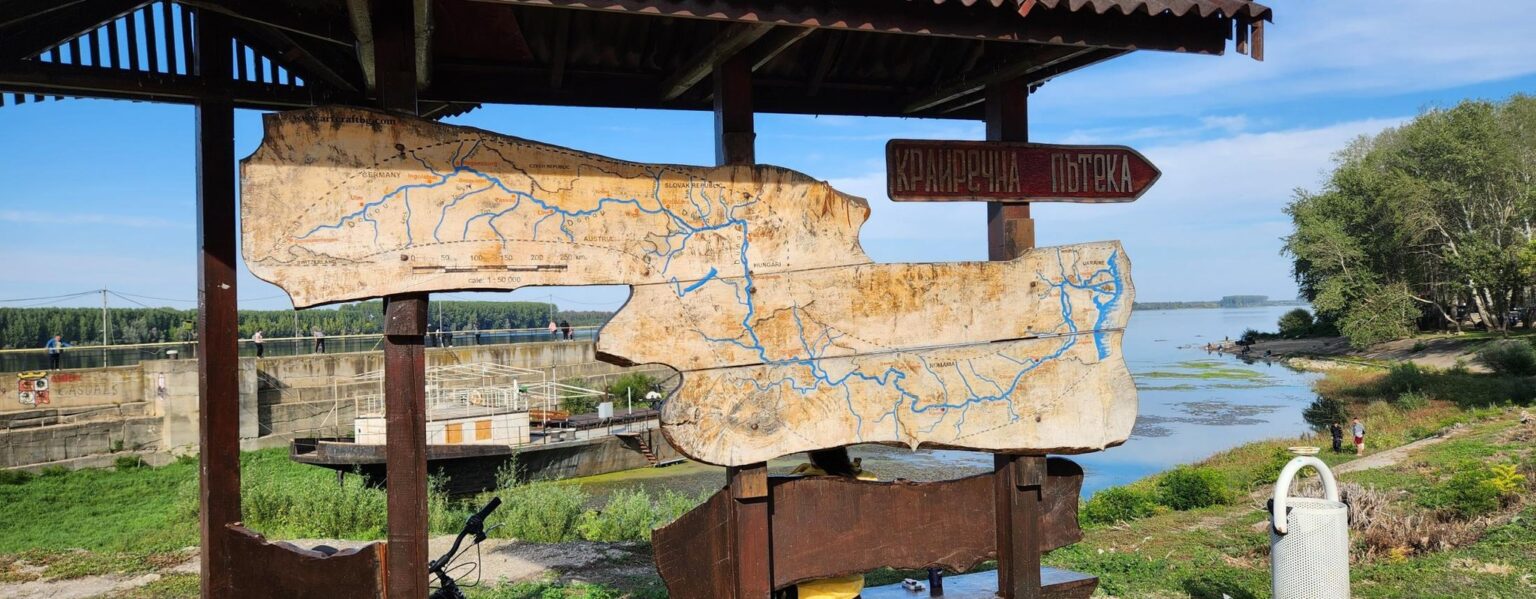
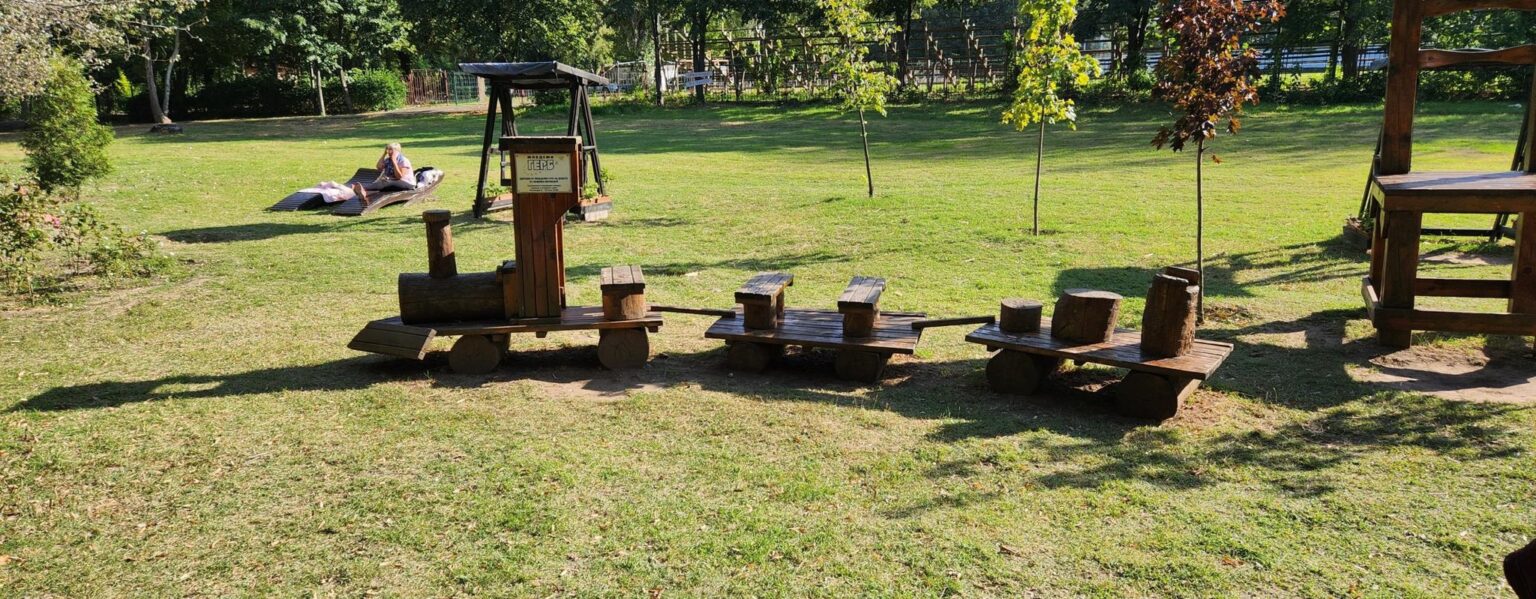
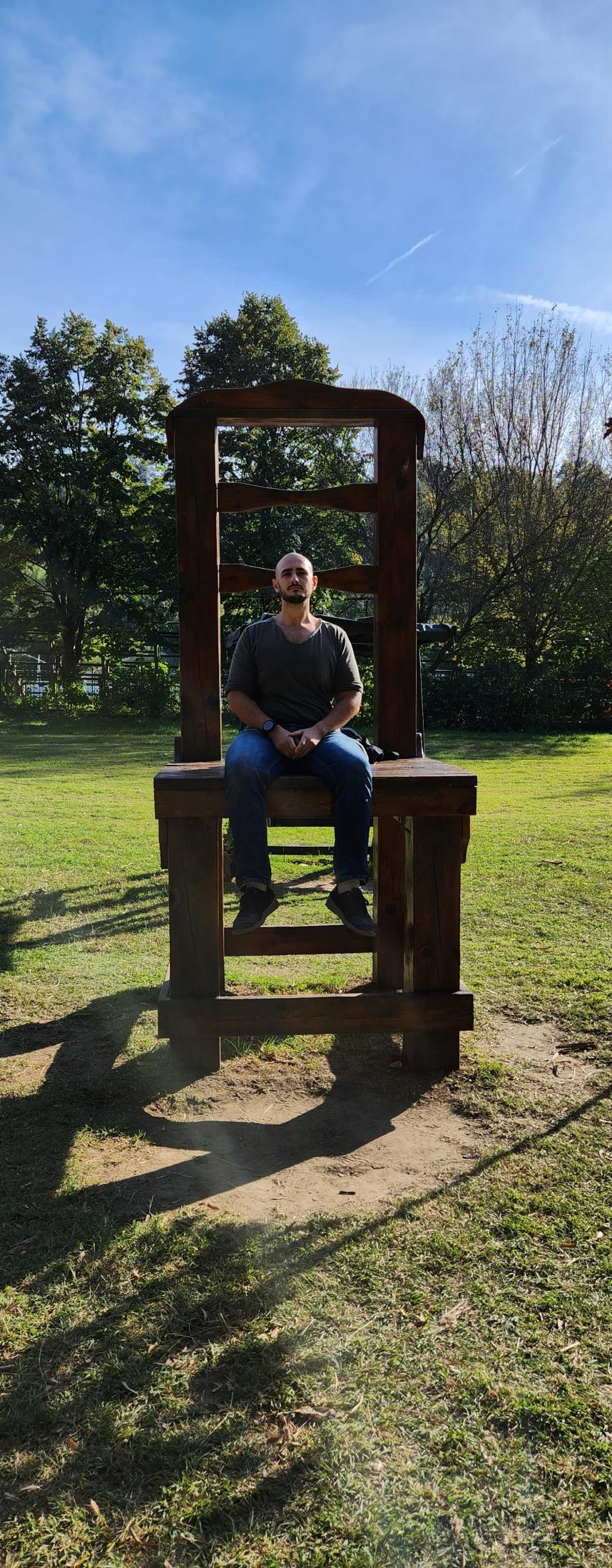
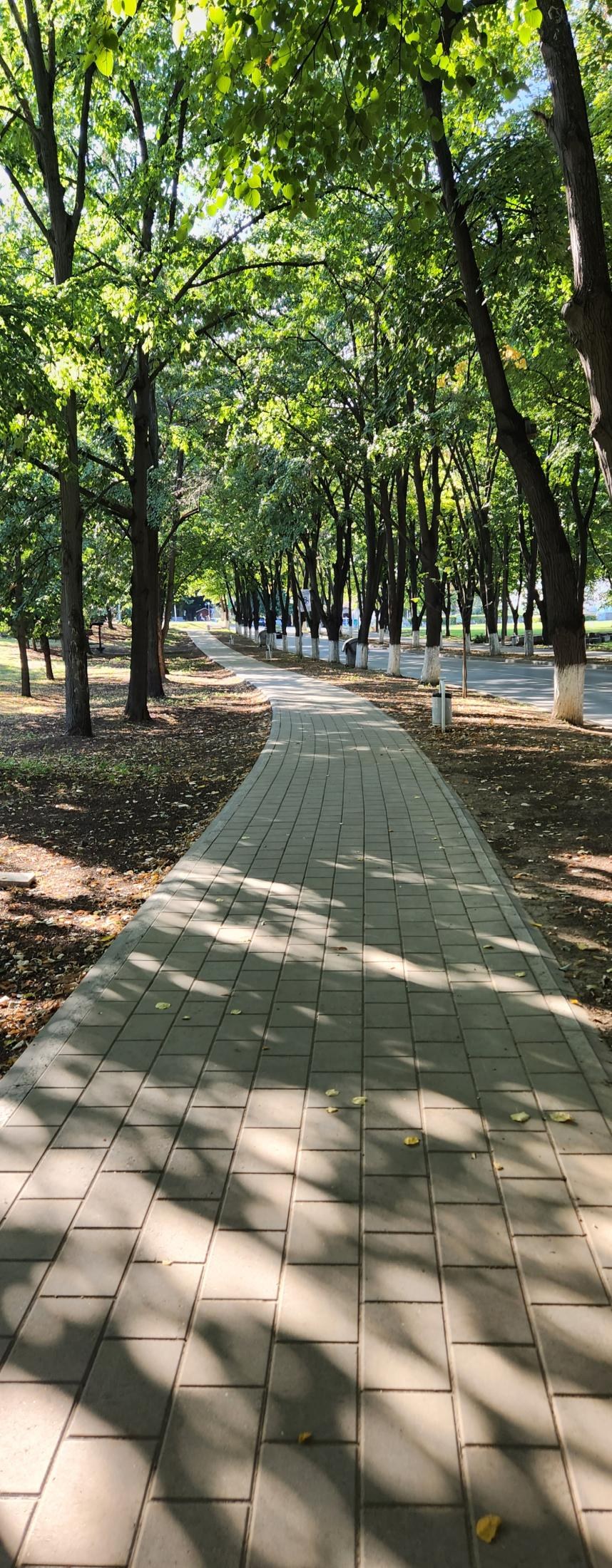
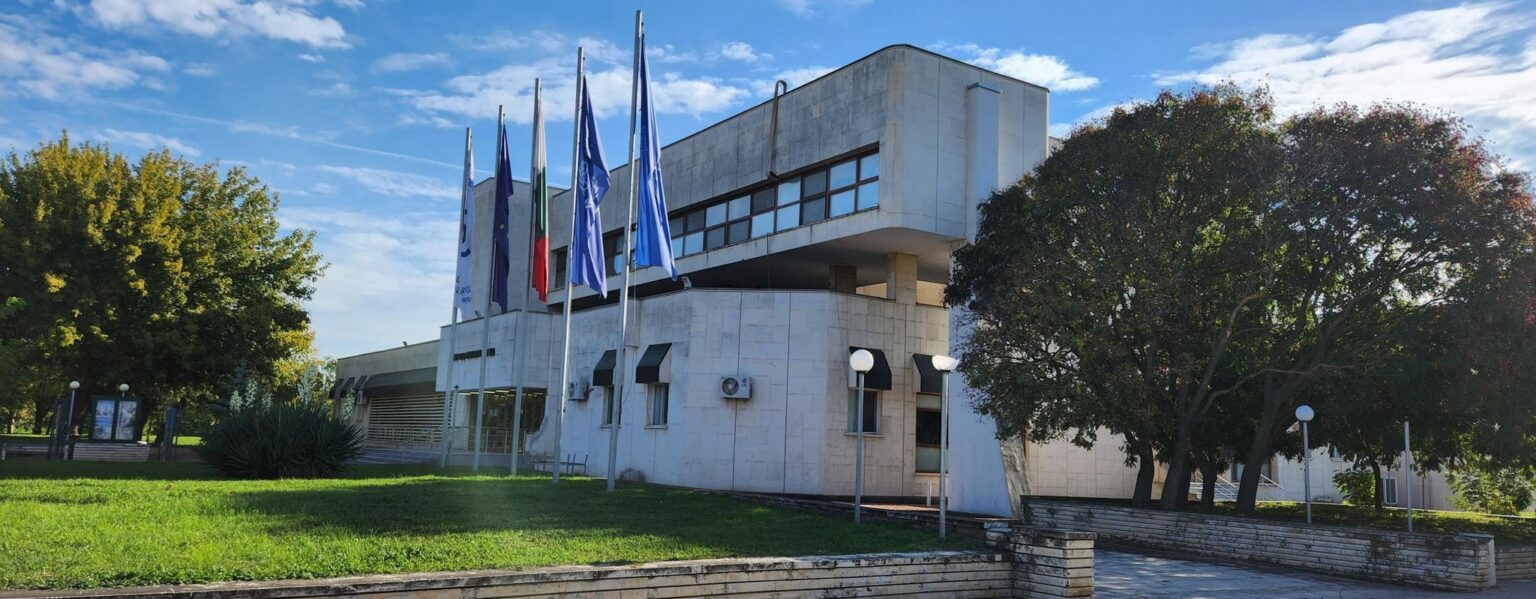
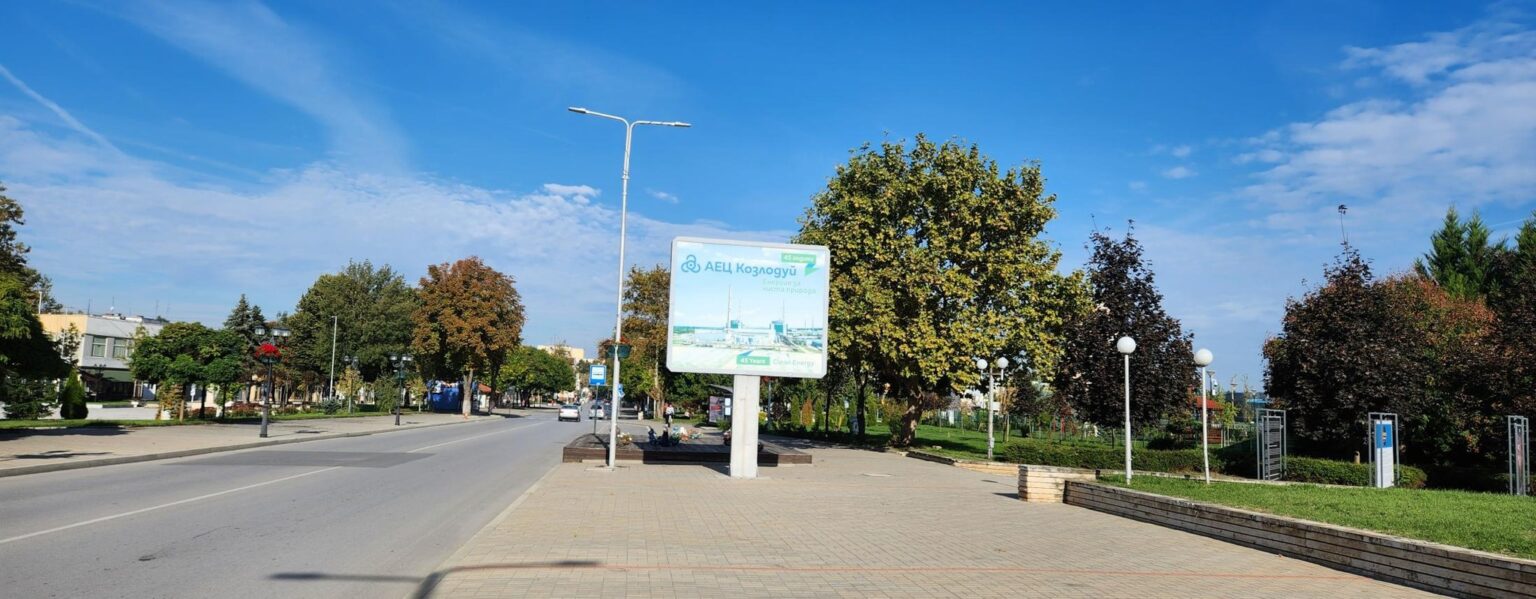
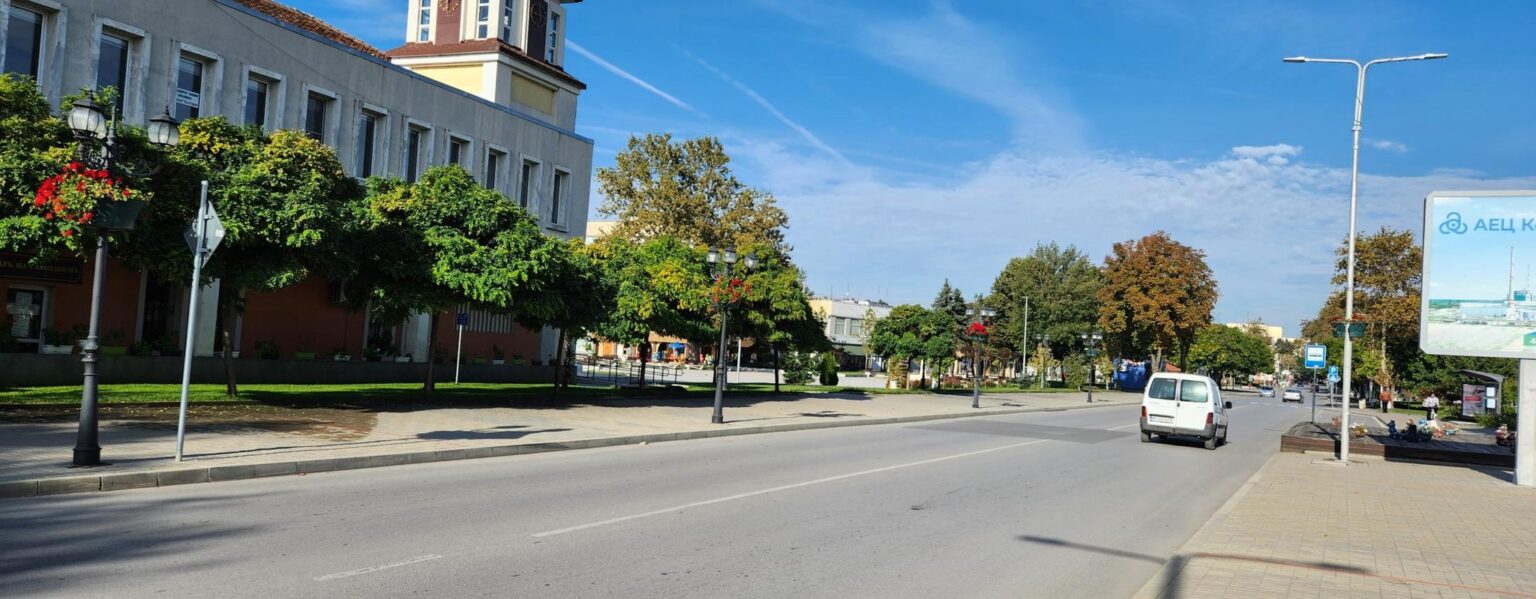
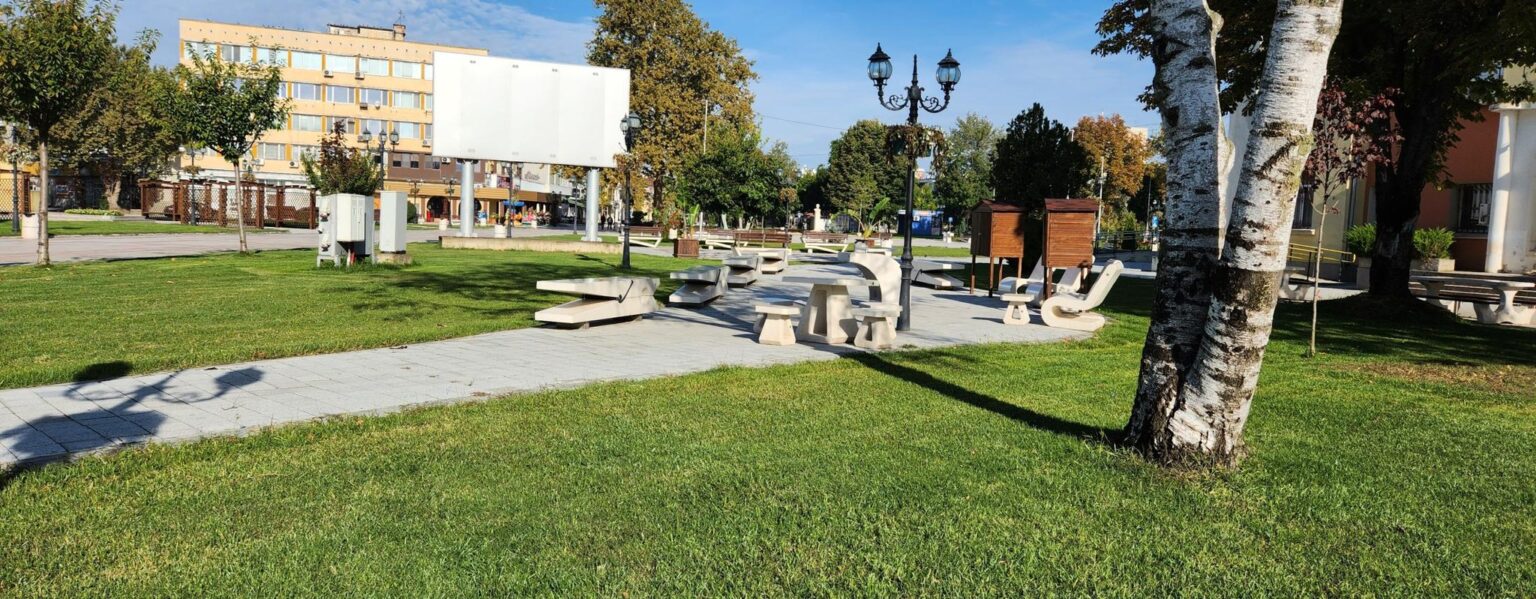
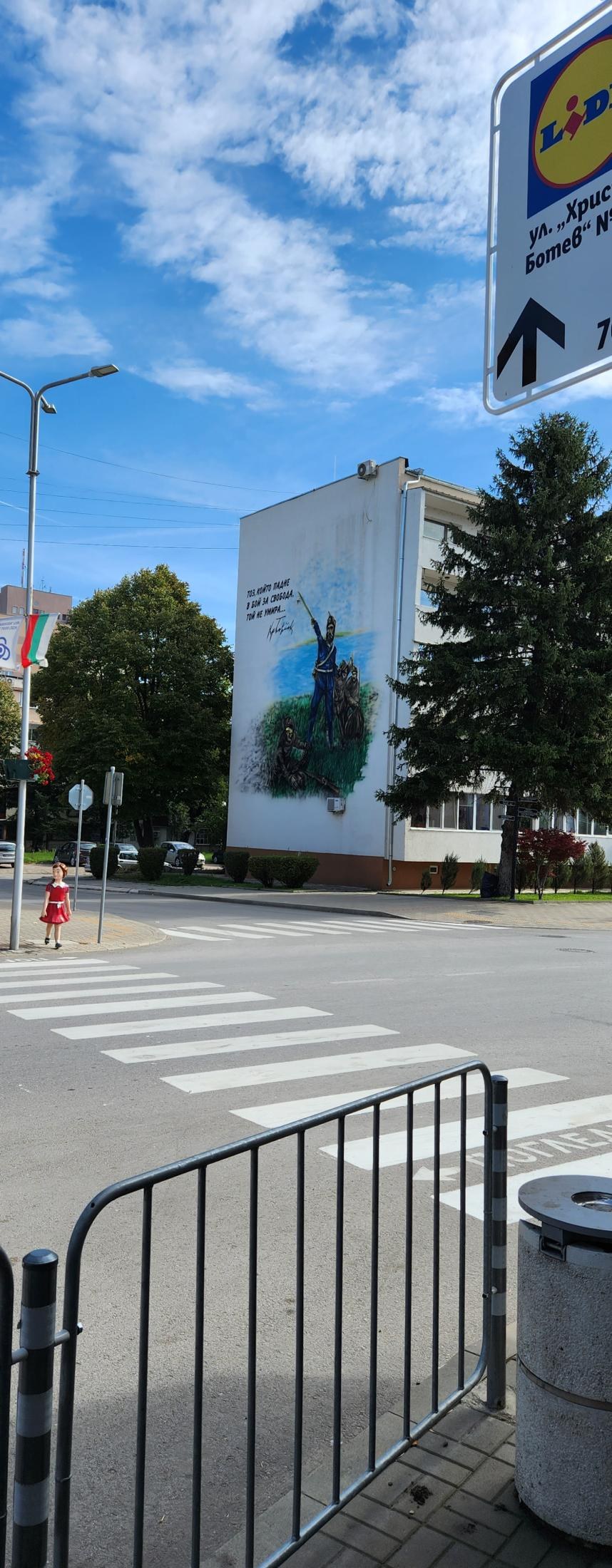
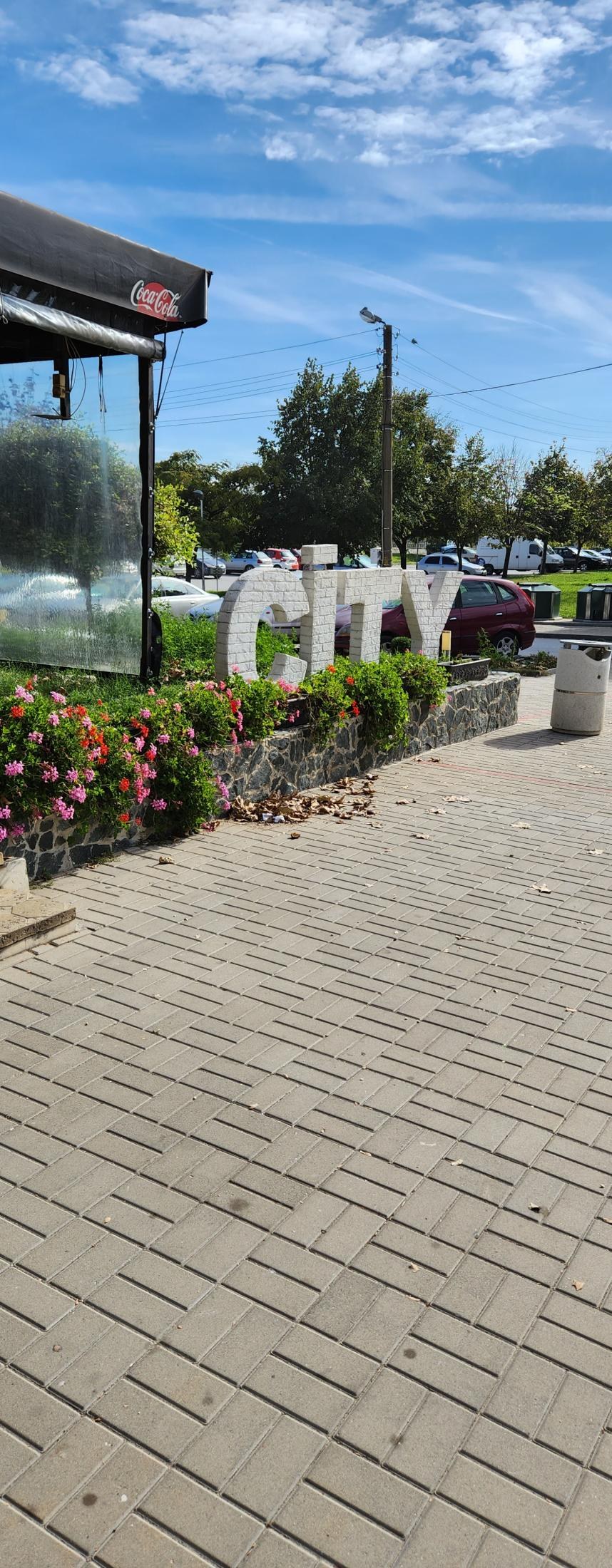
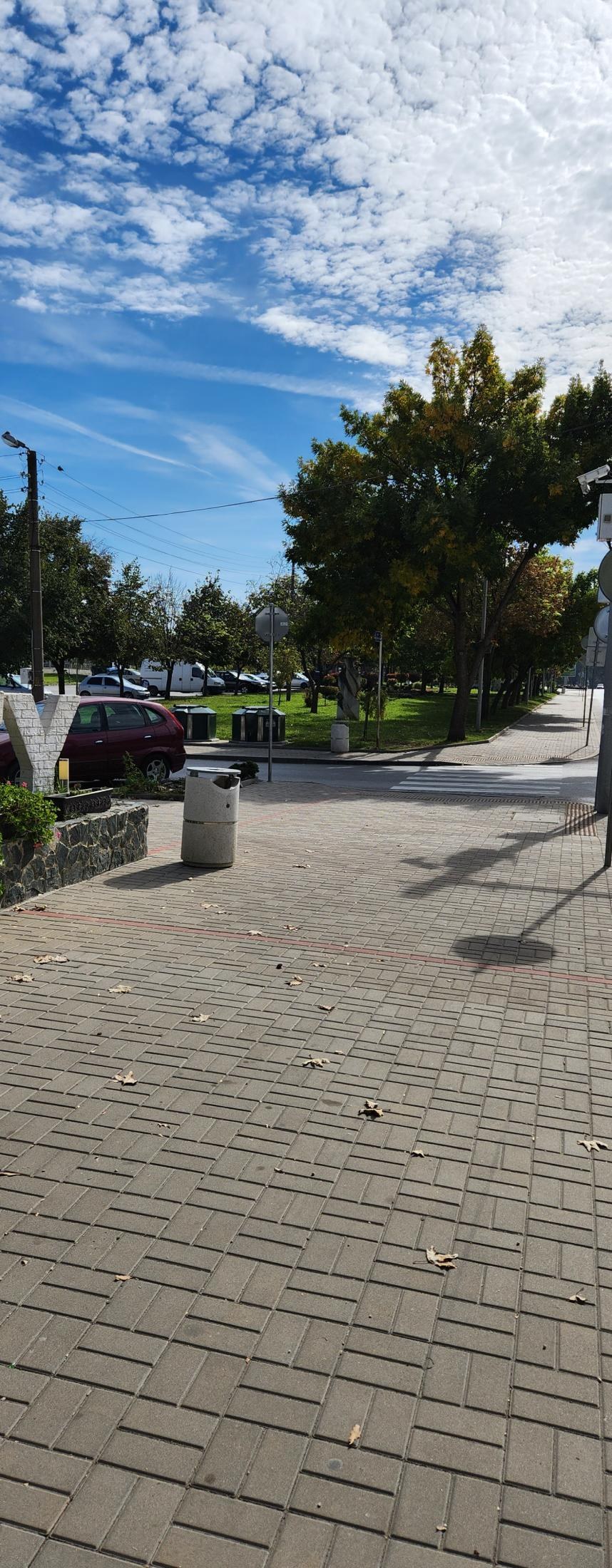
The hotel — exists. And it is in fact ideal. Closed parking for the car, a large two-room apartment, an embarrassingly low price. Everything in town can be walked in about two hours, taking it slowly and wastefully. A whole night here was probably a mistake, but then it was a Saturday and there was nowhere to rush to.
Day 4: Back the Other Way, via Skravena
Sunday morning, the end is in sight. Three days in the car, several hours a day. Around 20,000 steps a day. The return to Sofia is not exactly longed for, but it is no longer the worst thing in the world either.
Kozloduy to Sofia via Vratsa is a little under 200 kilometres and a little under 3 hours. The road is ideal.
By pure chance we noticed that we were missing stamp 82 in the village of Skravena near Botevgrad — the Memorial Ossuary of Botev’s Detachment. A square, two cafés, and a sign explaining which café holds the stamp. Coffee, stamp, and done. With all the small detours, the kilometres were closer to 600 than to 500.
Budget
All figures below are the current official ones in euros, taken from the sites of the institutions that run each place.
- Parking at the Belogradchik Fortress — €2.56 per vehicle, for the whole visit
- Belogradchik Fortress — €7.67 per adult, guided tour or audio guide included
- Belogradchik History Museum (and each of the other two town museums) — €3 per adult
- Magura Cave — €7.16 per adult, guided tour included
- Combined ticket, Belogradchik Fortress + Magura Cave — €12.27, which saves you about €2.50 if you are doing both
- Drone photography for personal use at the fortress — €5.11
- Baba Vida — €6.20 per adult; two-day combined ticket for five Vidin sites — €18.80
- Radetzky steamship museum — €5 per adult
- Museum of Botev’s detachment, Kozloduy — free
Admissions for the whole route therefore come to roughly €25–30 per person, and the small parking and “little train” fees add very little on top. Accommodation is where the Northwest is genuinely generous — hotels here cost a fraction of what a comparable room costs in the bigger tourist towns, and that is where the savings are. Food is the opposite: the riverside restaurants in Vidin charge capital-city prices, so your daily total depends almost entirely on how often you sit down to eat properly. Two people travelling economically can do this trip comfortably; there is no upper limit, since the restaurants will happily help you find one.
A car is more or less necessary. You will lose a lot of time looking for transport to somewhere like Magura. Without one, the route has to be reshaped and compromises made on destinations.
Difficulty
The current split across days, between driving and walking, is of moderate — in fact rather light — intensity. There are plenty of gaps for cafés, patisseries and stops. There are climbs in Belogradchik, but nothing outrageous. That said, with a pushchair you will struggle and will not be able to cover 100% of the sites; you will manage maybe 80%, which is still satisfying. Most of the terrain and the parks you will be crossing are flat.
Extras
This route can be modified into a stamp hunt for the 100 National Tourist Sites.
With short detours, you can collect all of these in one go:
- 34 — the town of Varshets
- 34 — Berkovitsa, Ethnographic Museum
- 15 — Belogradchik, History Museum
- 15 — Belogradchik Rocks
- 14 — Magura Cave
- 13 — Baba Vida
- 18 — Kozloduy, National Museum Steamship Radetzky
- 18 — Kozloduy, the Botev Monument
- 82 — village of Skravena, Memorial Ossuary of Botev’s Detachment
- 17 — Okolchitsa Peak, the site of Hristo Botev’s death
- 16 — Vratsa, History Museum
- 16 — Vratsa, Ledenika Cave
That is 8 different stamps out of a total of 12 entries, meaning 4 stamps for the last page of the booklet.
Varshets and Berkovitsa slot into Day 1. Vratsa goes into Day 4, or you stretch the whole thing to 5 days with an extra night.
Conclusion
Nothing here has been written off. I will say it again: the region is still very much there. In places you feel a mild emptiness, but there is plenty of life left in it. The roads are good and pleasant to drive, with a fair mix of straights and bends. The small exceptions are the stretch around Magura and the road between Lom and Kozloduy. I strongly recommend going. What we covered here, at full stretch, was maybe half of what the area holds. There are mountain trails, there are attractions around Belogradchik including ATVs and off-roading, and in Vidin there are pools and spa hotels. Anyone can find something to do here without getting bored. And you will be genuinely amazed by the renovated squares and parks.
Gallery
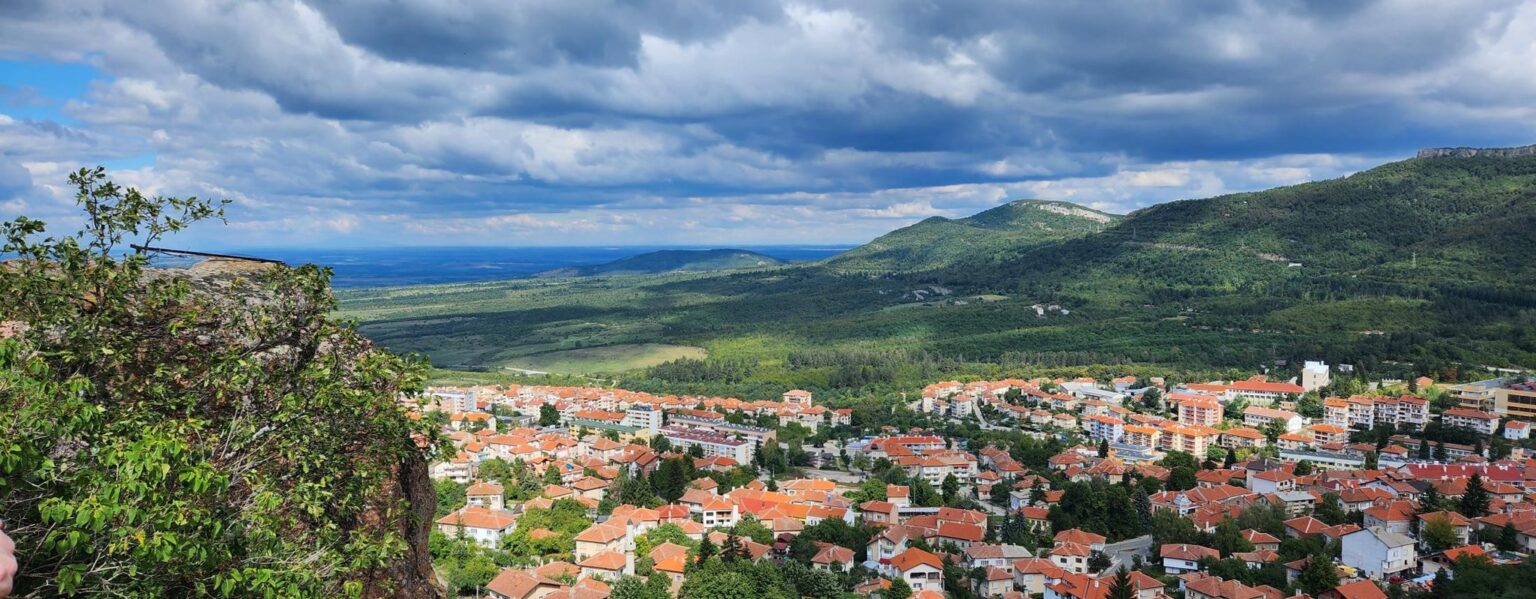
The whole gallery in one place, just like that, for mindless scrolling: