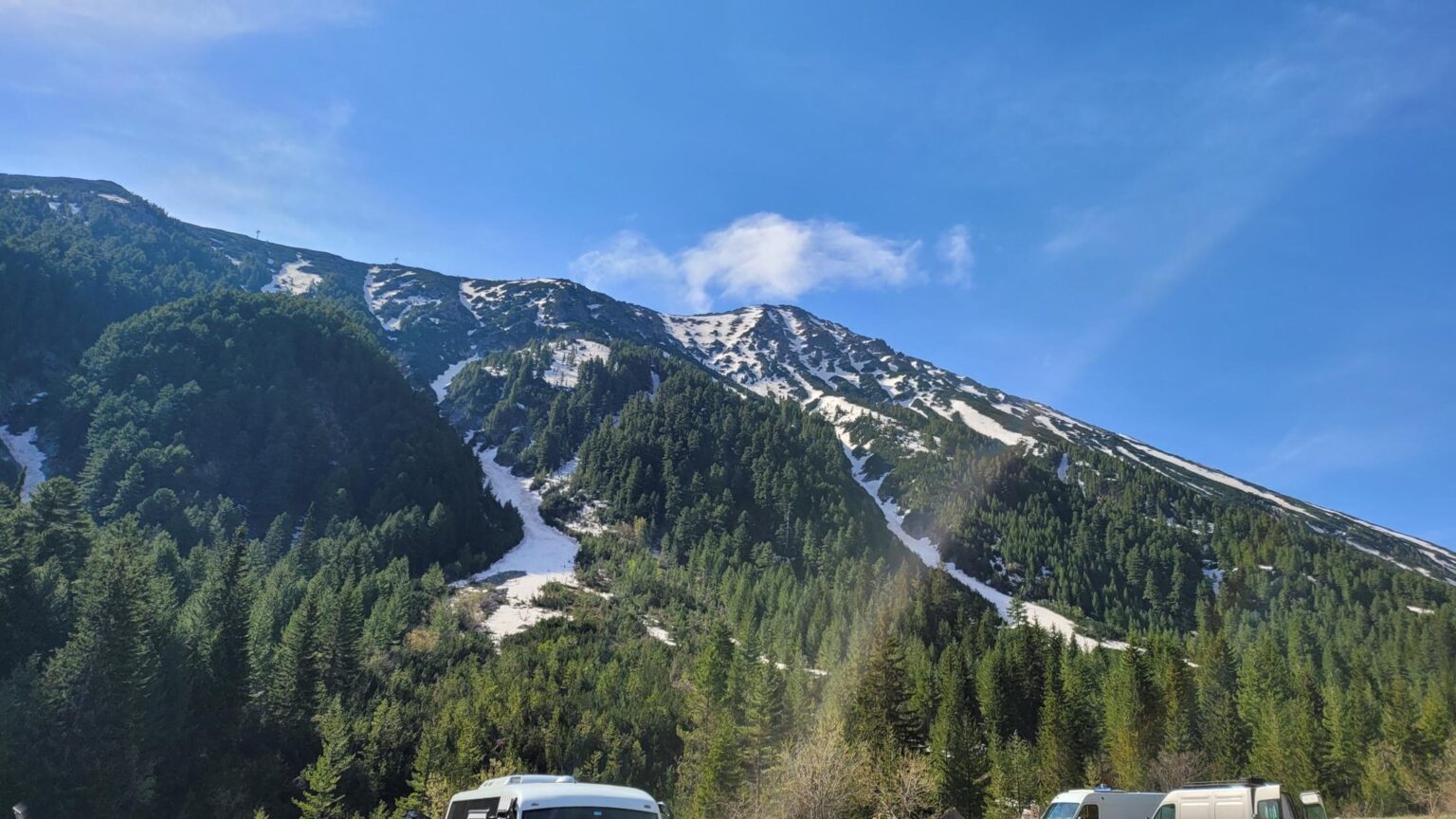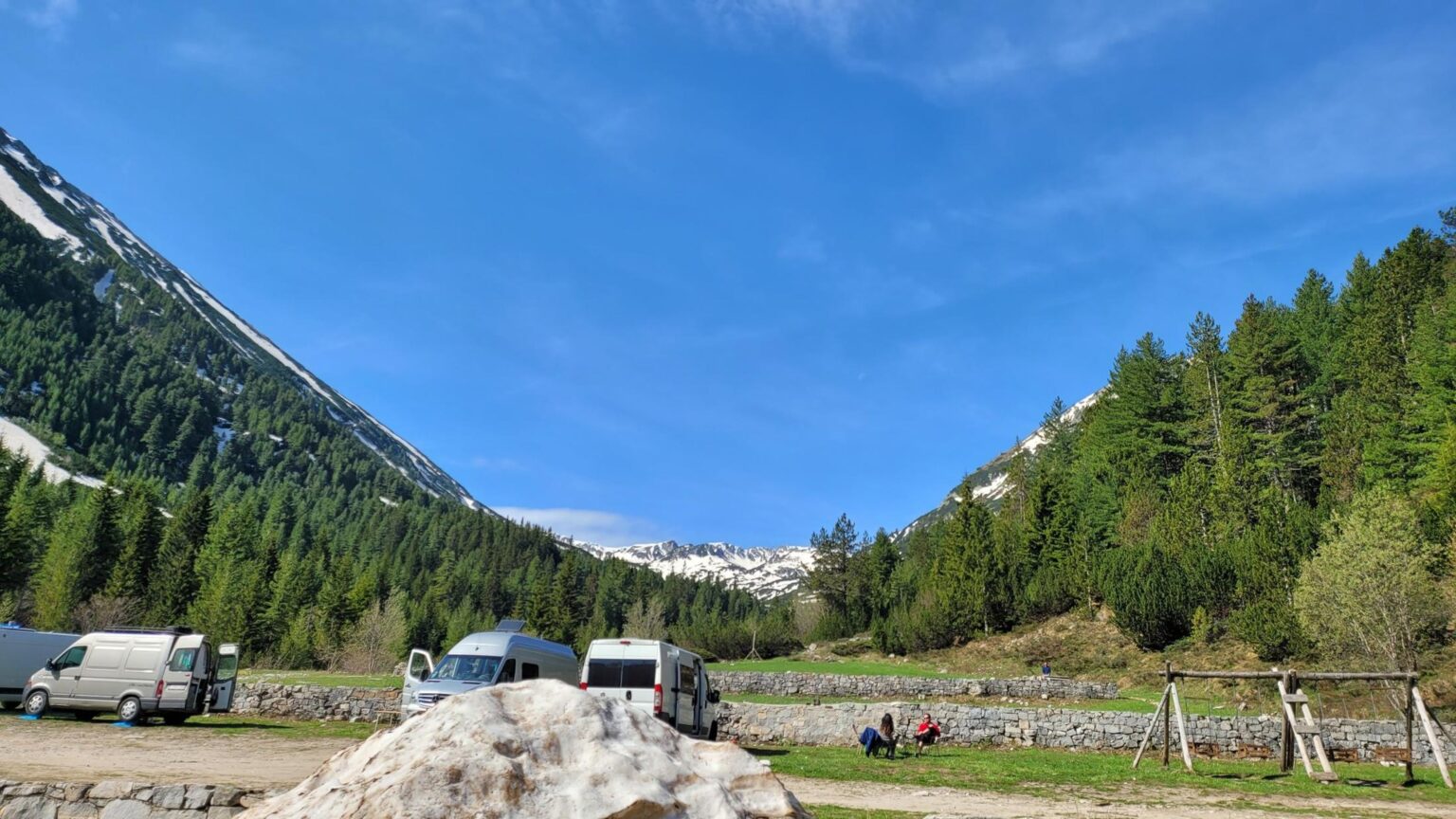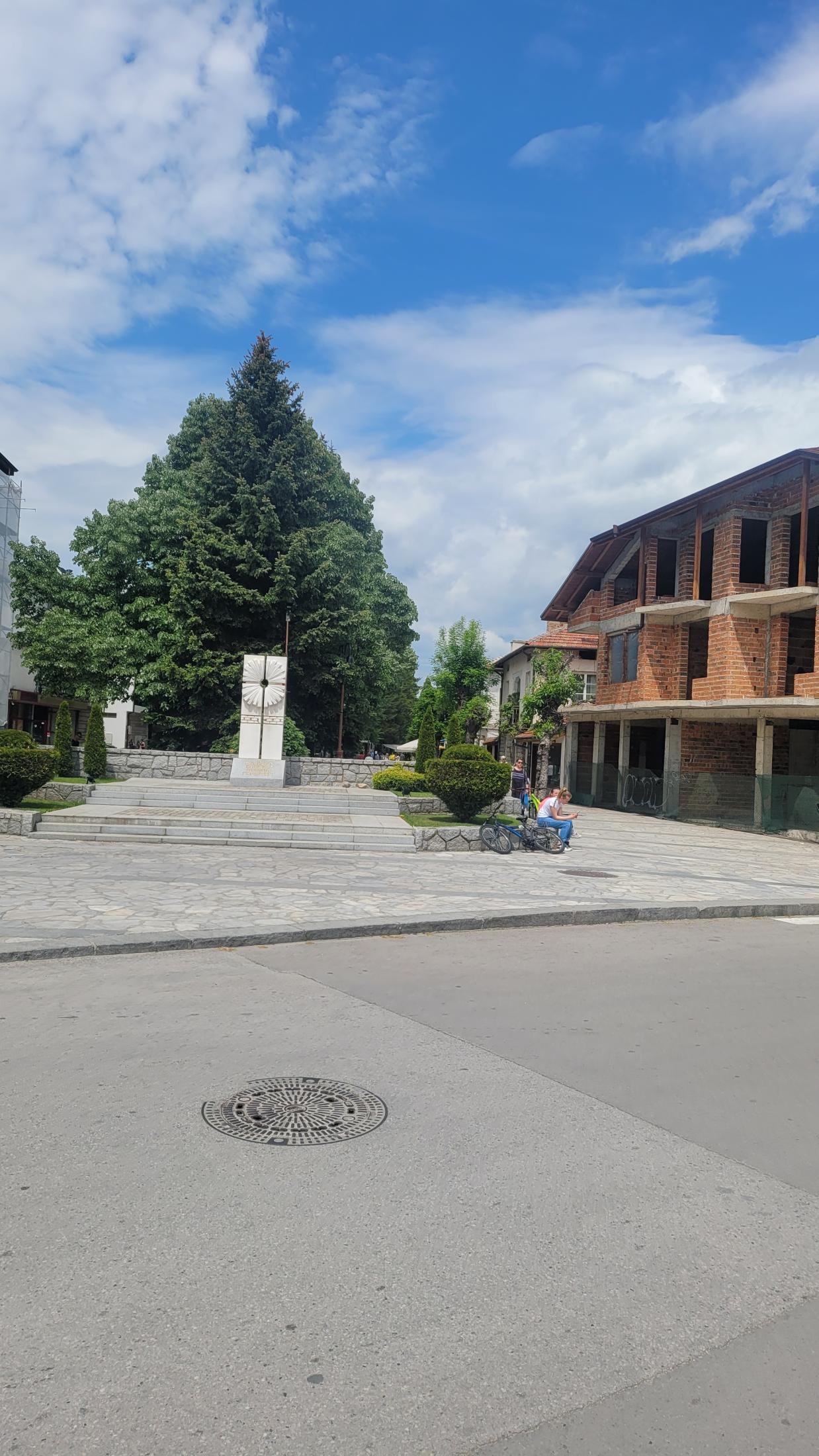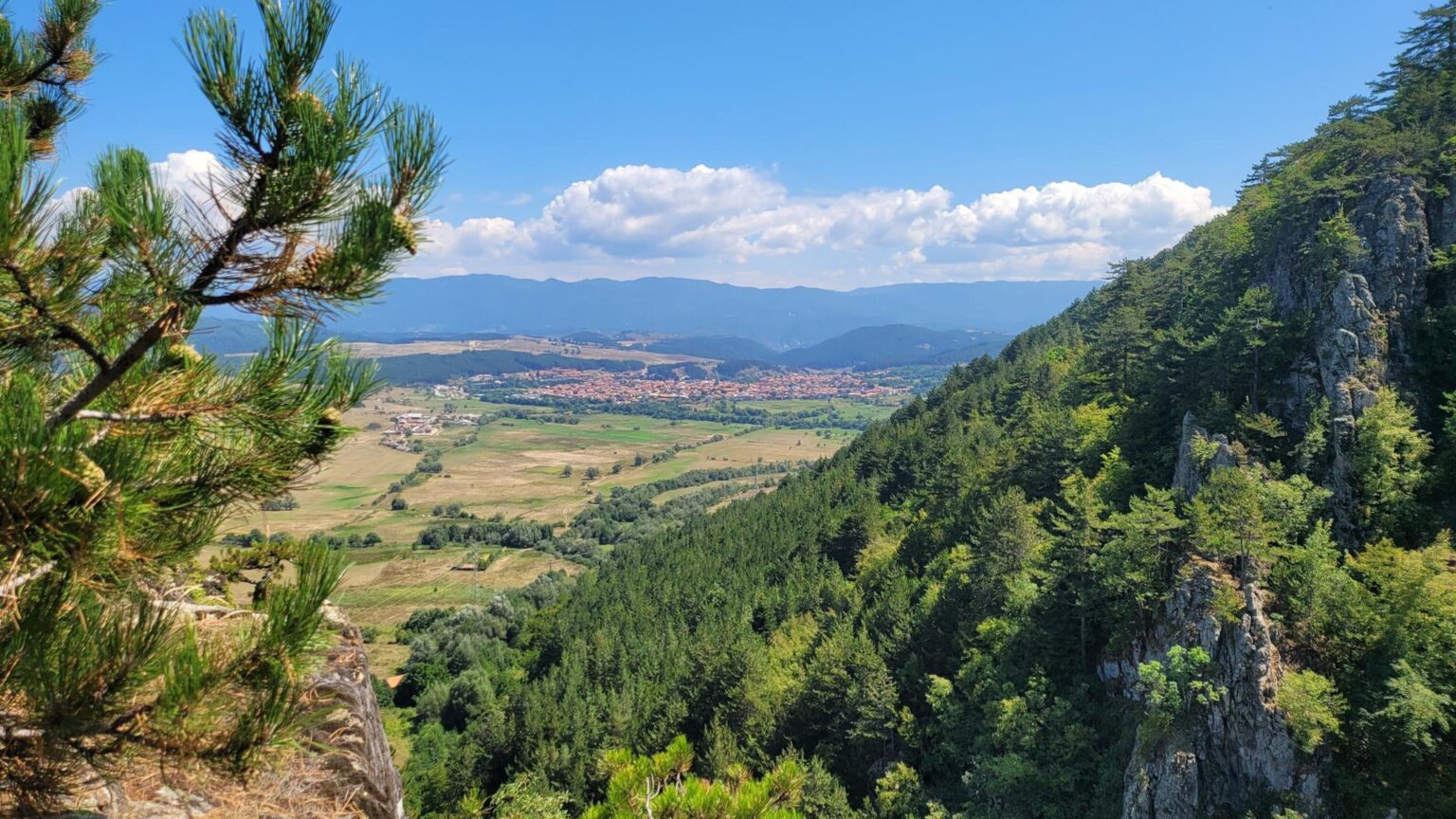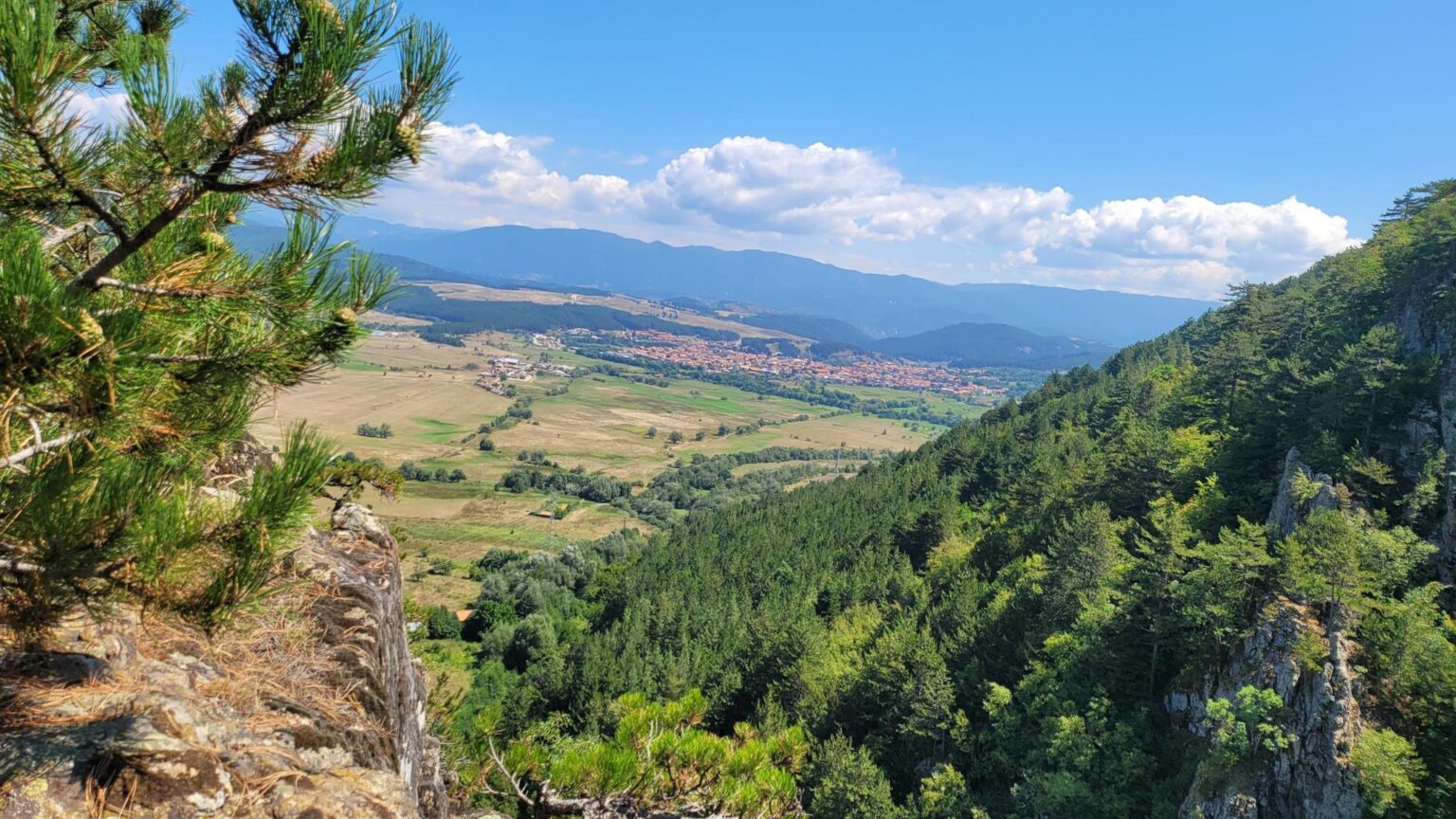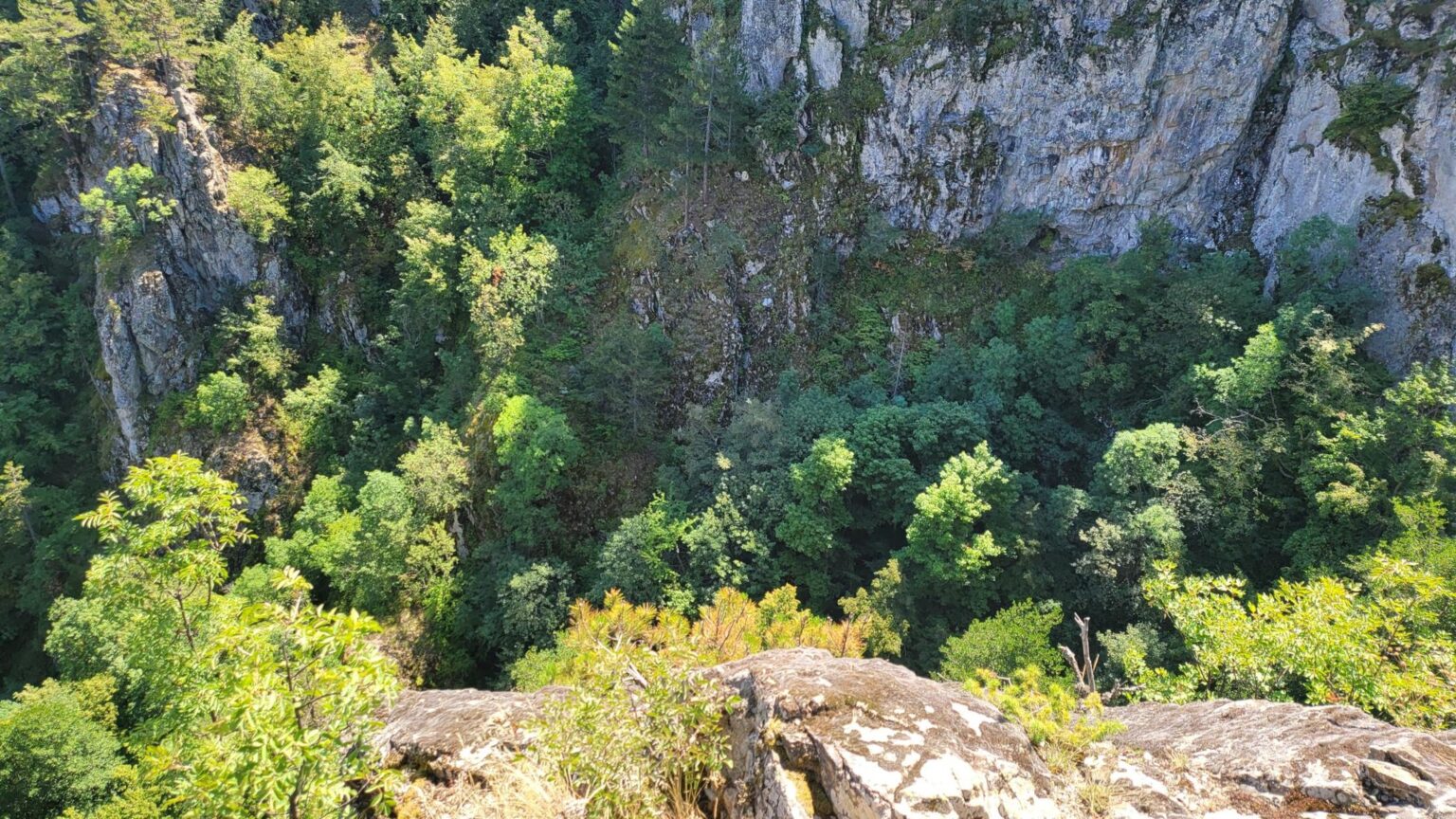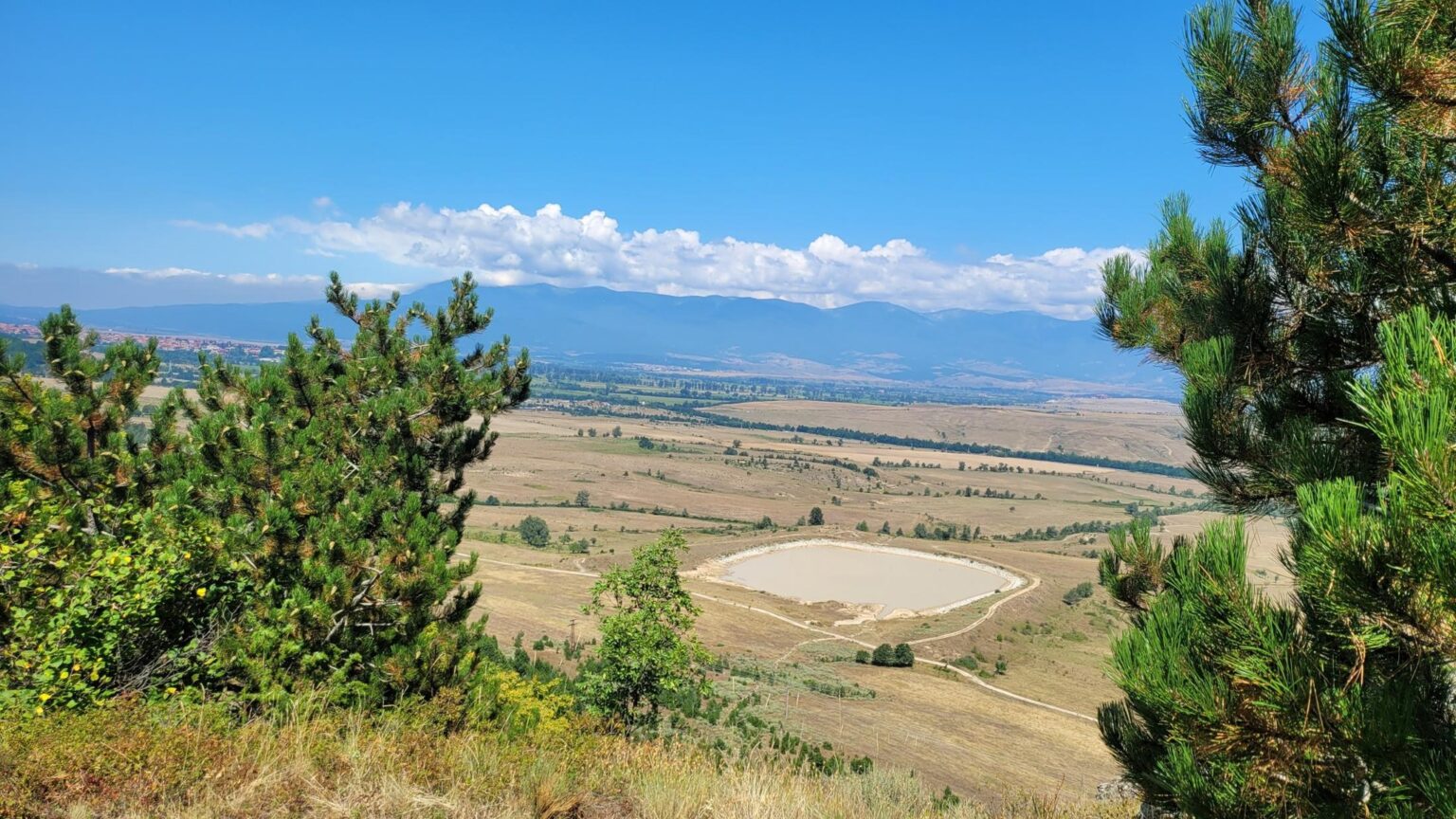
Bansko is a much-loved destination of mine. It has the honour of seeing me five to ten times a year, mostly during every season that is completely unsuitable for skiing. The skis are on the to-do list and they will happen… when their time comes. Velingrad holds the official title of spa capital of Bulgaria, and more besides, but I intend to keep living in my own private delusion that the title belongs to Bansko.
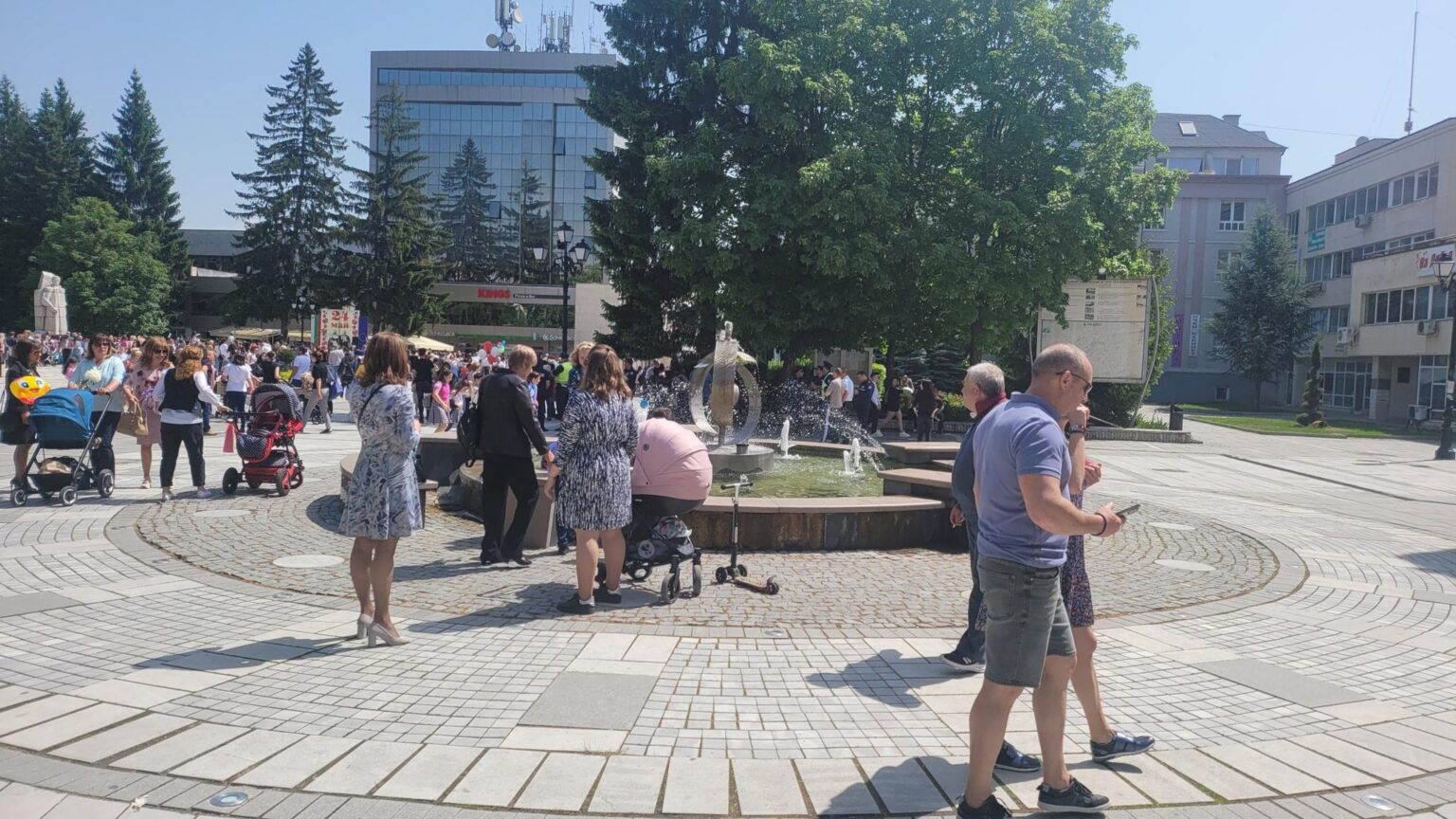
So, the town in question takes me in often, hands me a pool, a steam room and a sauna, and quietly keeps its other entertainments to itself. We all know about the ski runs and the jazz festival, but who has heard of the Nameless Town or Sitan Kale? Of course, if you go looking you will find anything, but Bansko has a few things that aren’t thaaat famous. And look — 24 May is a public holiday here, the Day of Bulgarian Enlightenment and Culture. One day of leave + 24 May = four days around Bansko (this is grown-up maths; at university they tortured us with double integrals). So: Bansko without skiing, and without the spa. Shall we go and see them?
Day 1: Rila Fun Park, the bear sanctuary near Belitsa and the village of Dobarsko
Rila Fun Park
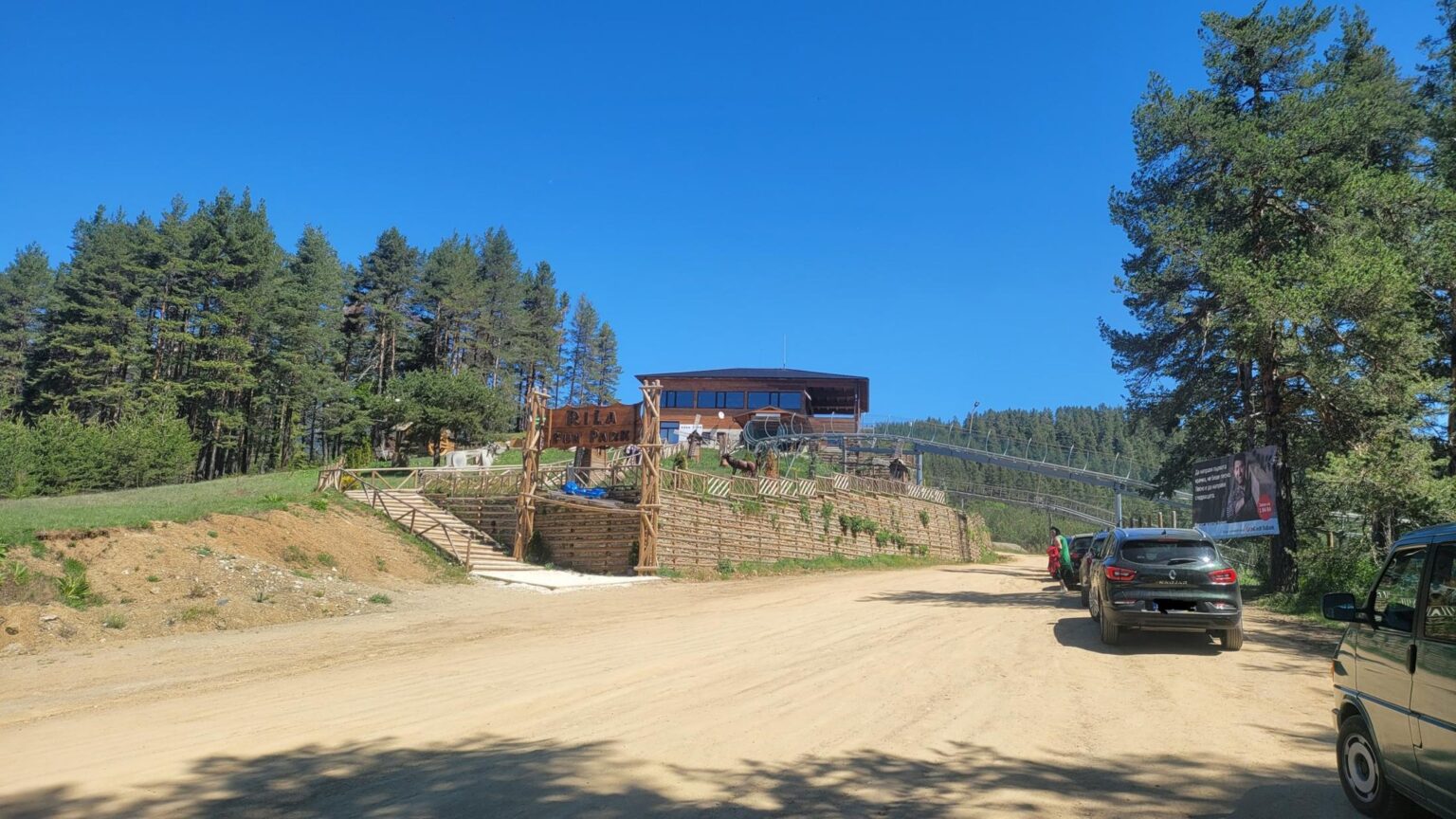
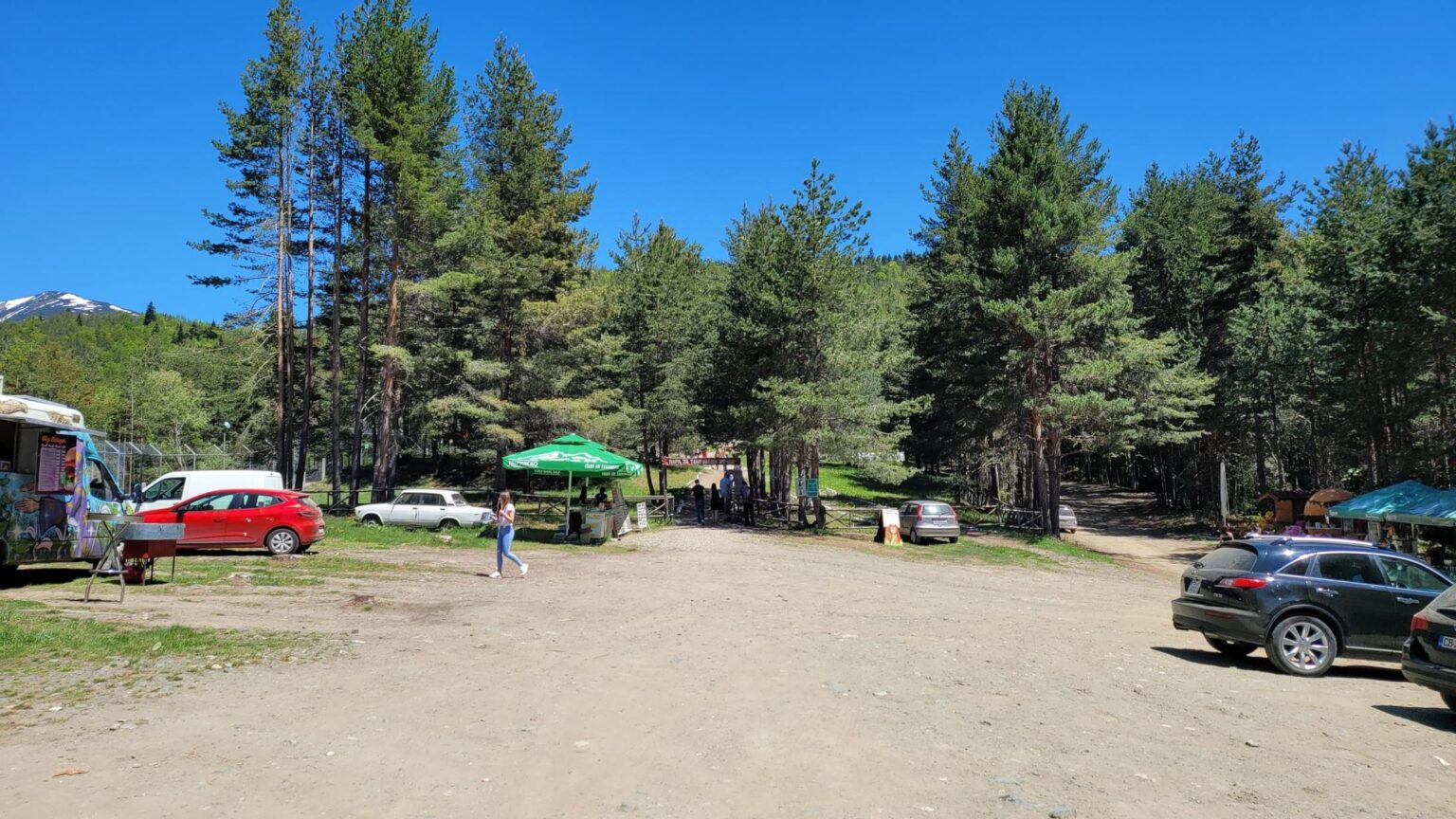
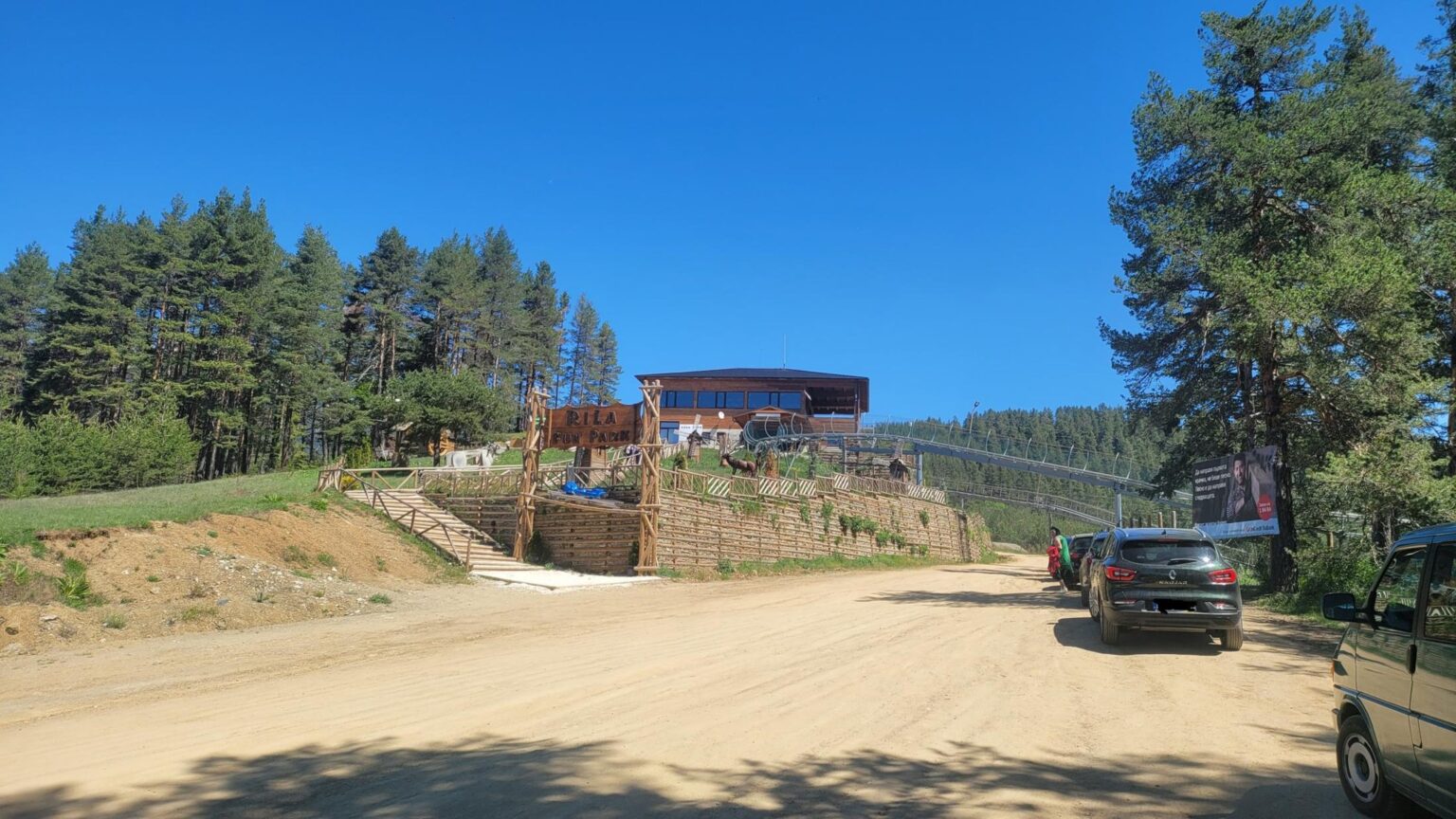
You have probably seen adverts for Rila Fun Park somewhere online, or at the very least caught a billboard on the way in. The thing sits 30 kilometres, or roughly 40 minutes, from Bansko. You pass through the village of Banya, then Belitsa, then drive a narrow but resurfaced road with a restaurant built over a small river along the way (we’ll come back to that later). Near the end there is a sign at what is almost a hairpin turn. From there it’s less than a kilometre of dirt track, but it’s fine and every kind of car makes it. Flat, take it slowly, no drama. Parking is free, easy, and you can even find a patch of shade for the car.
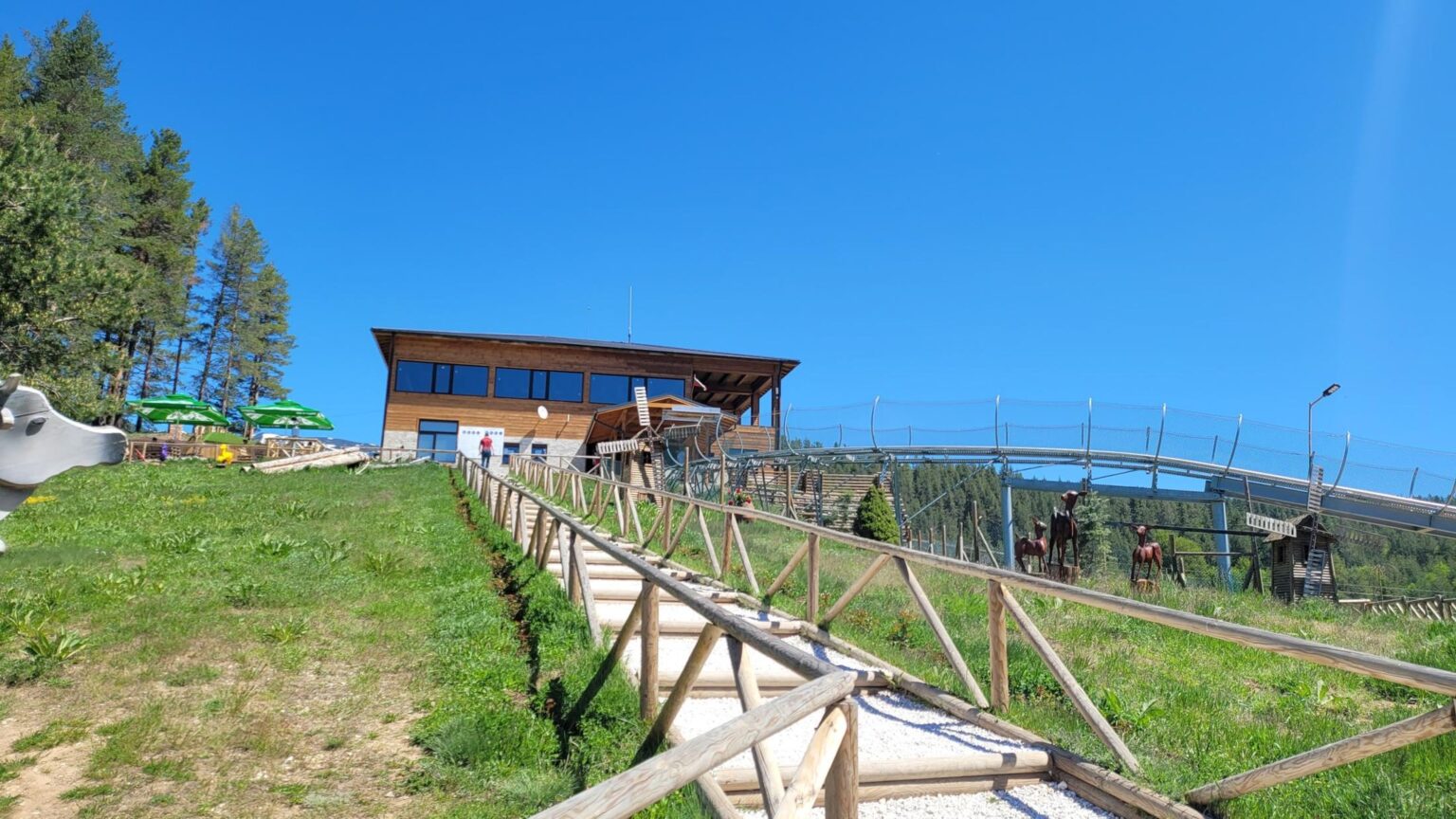
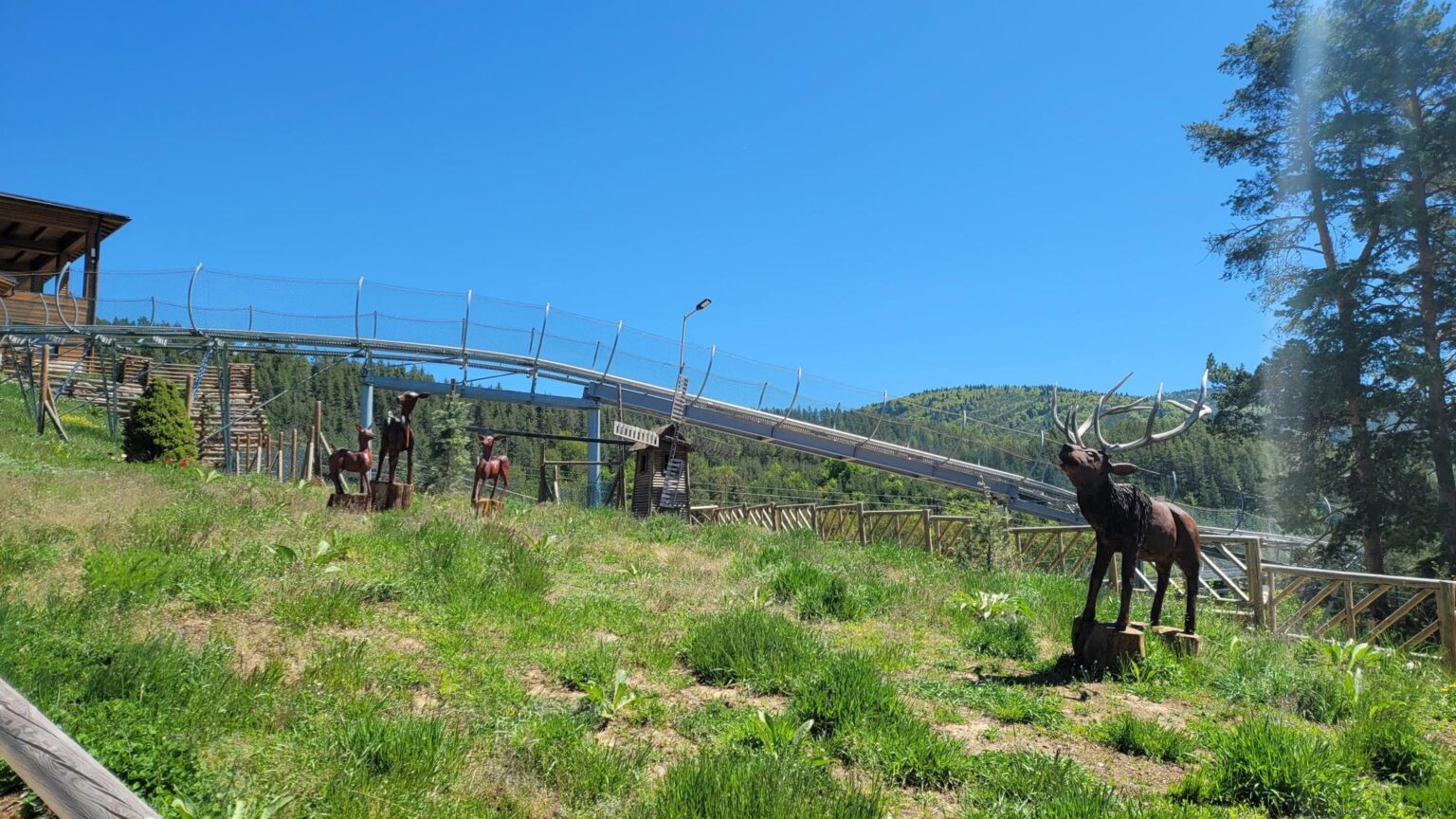
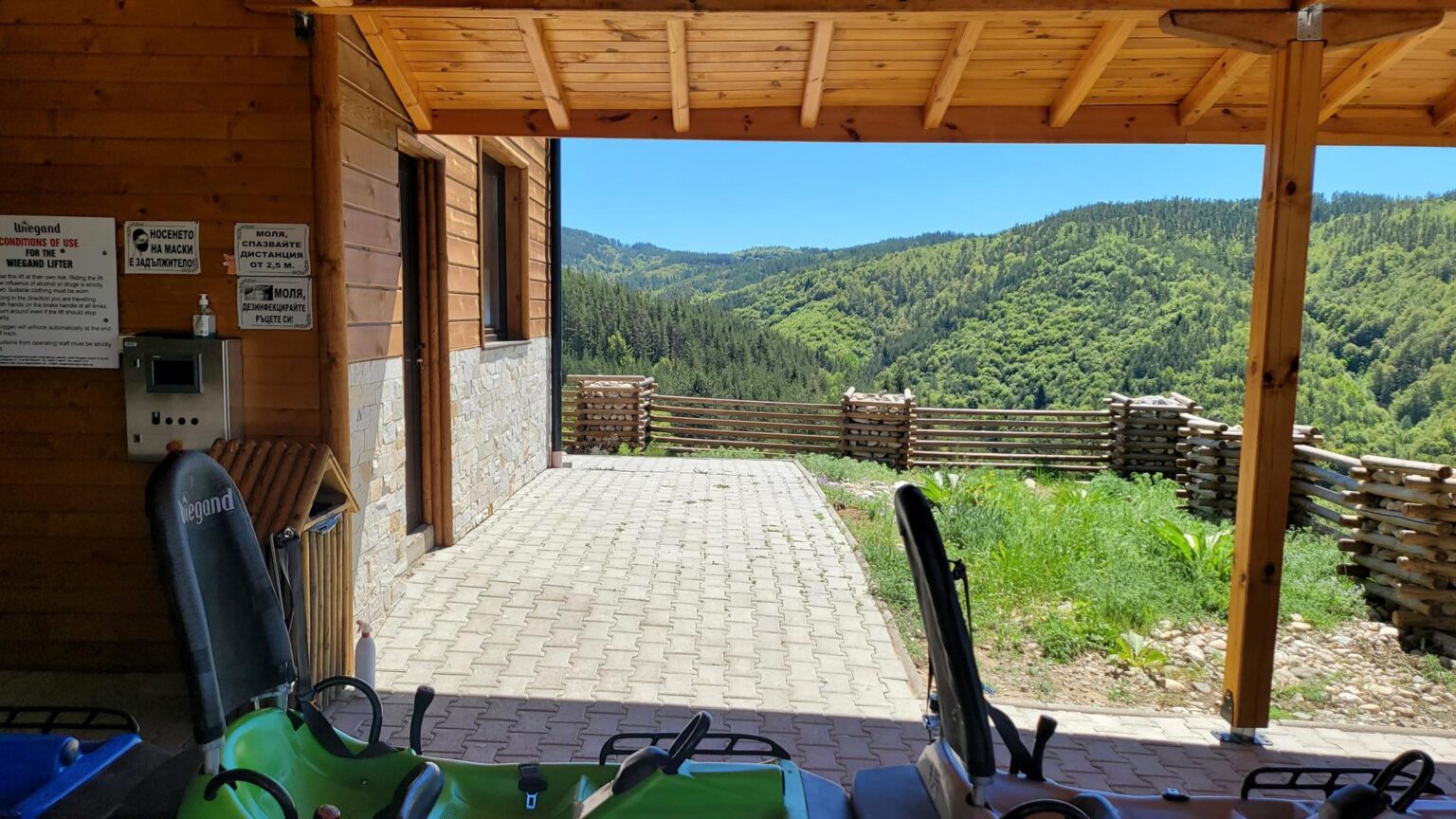
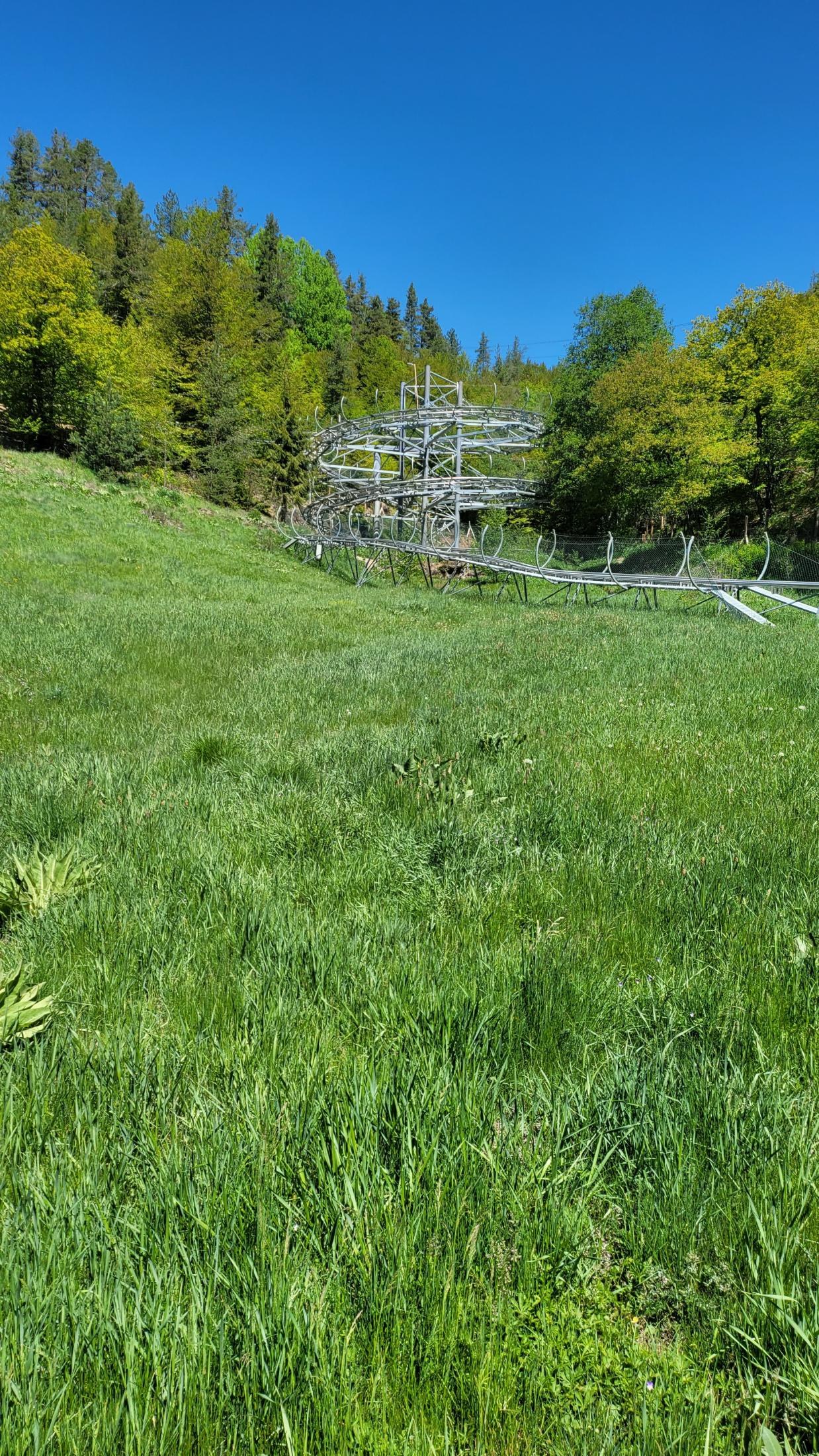
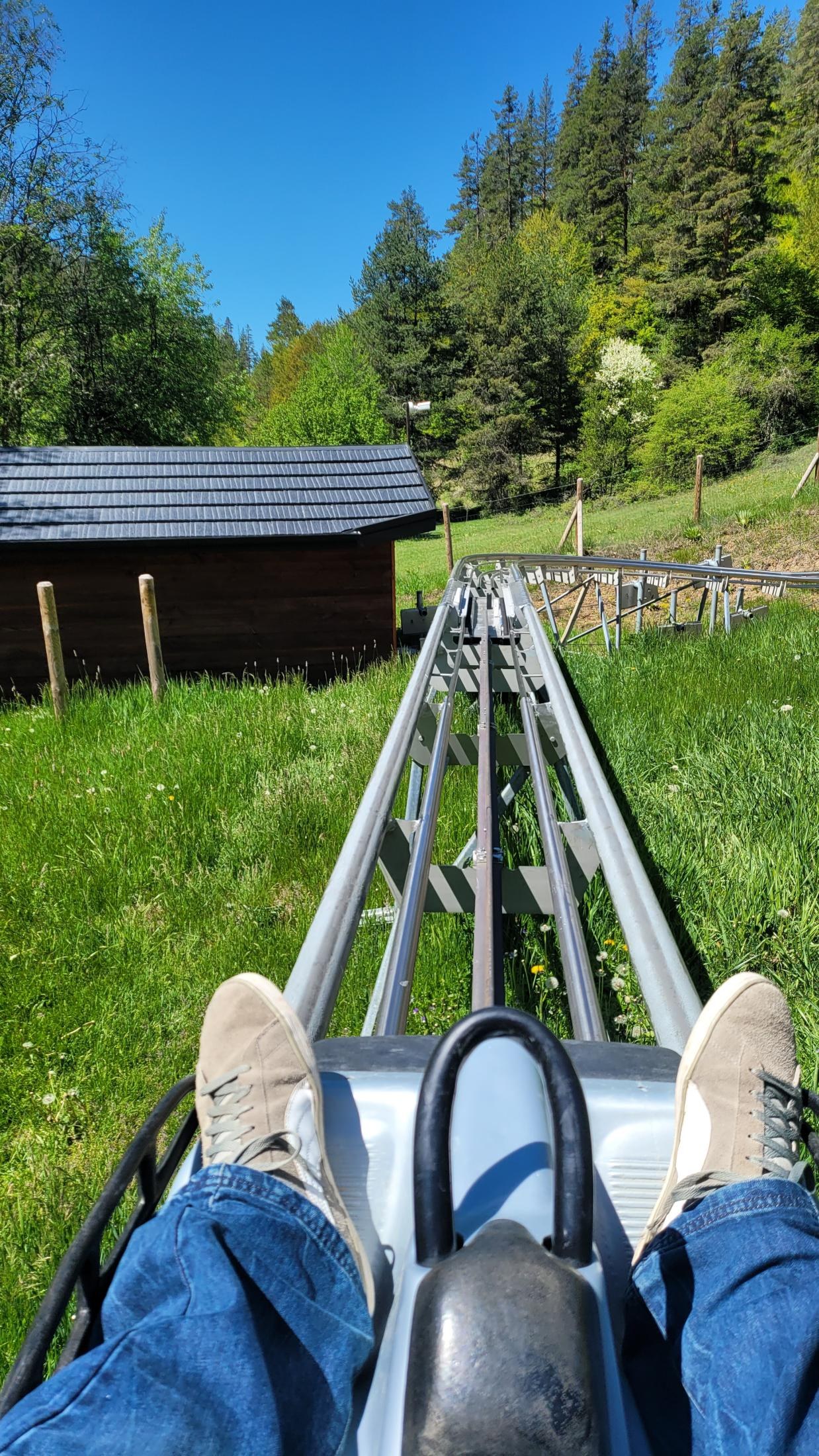
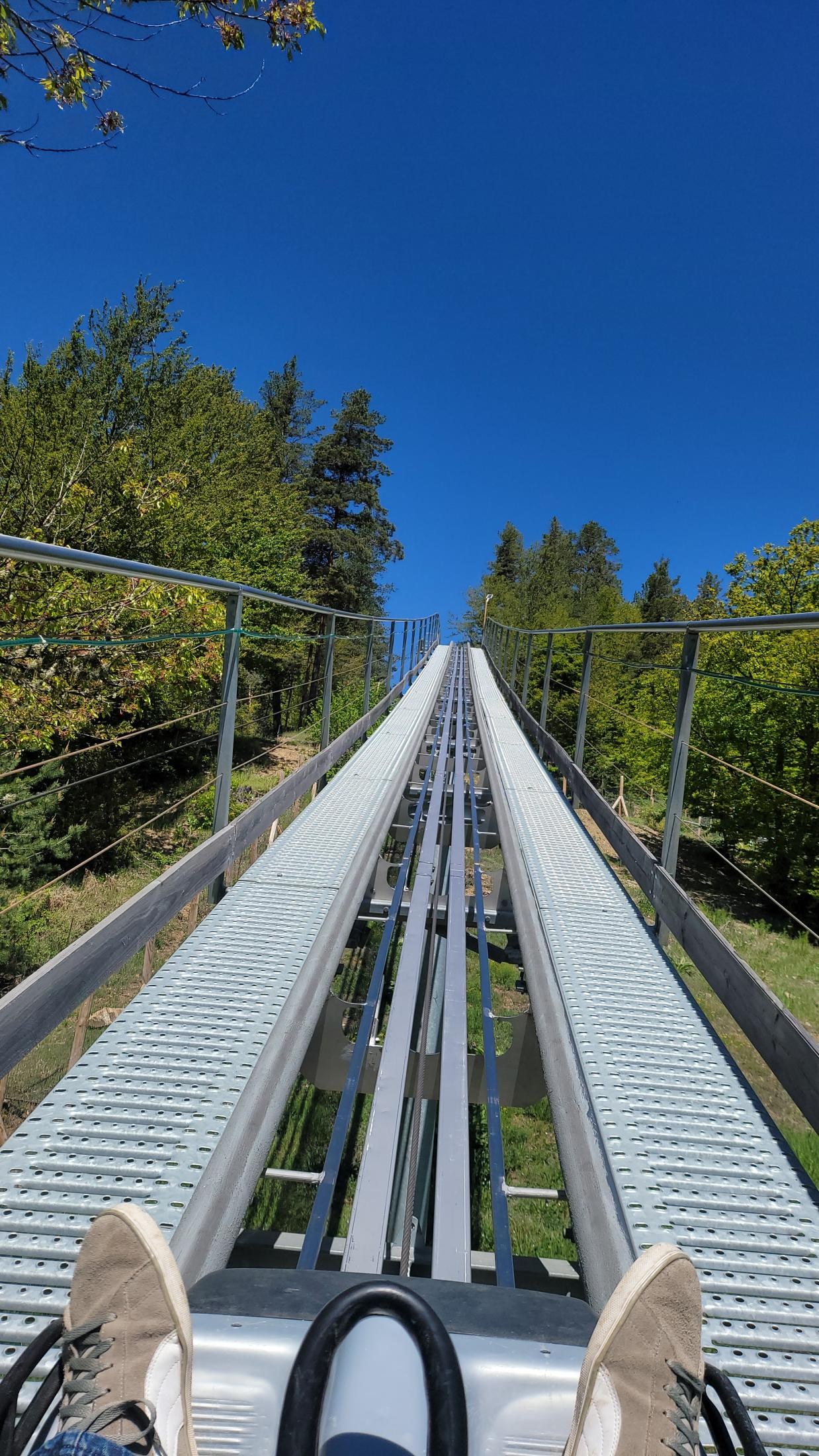
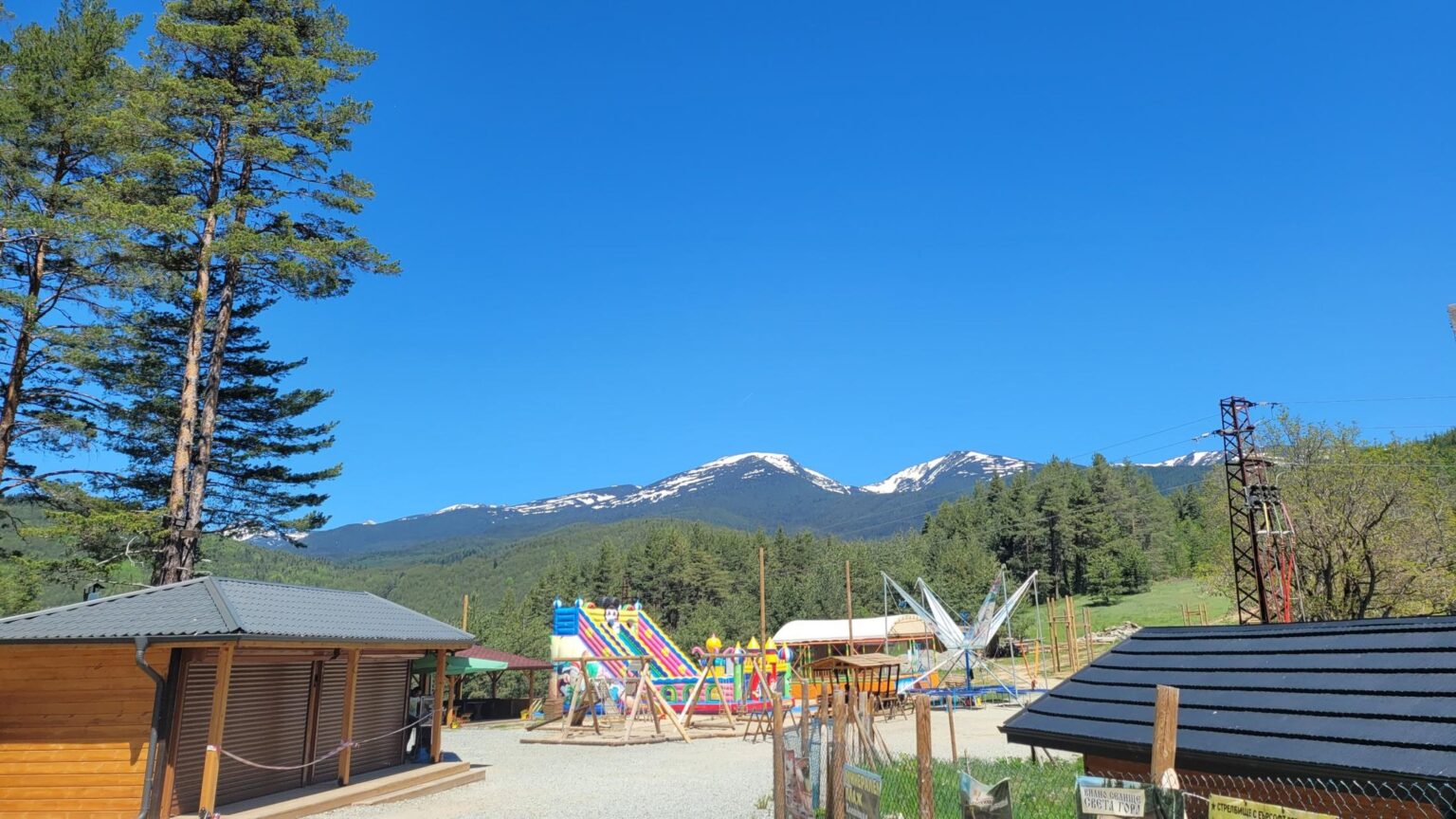
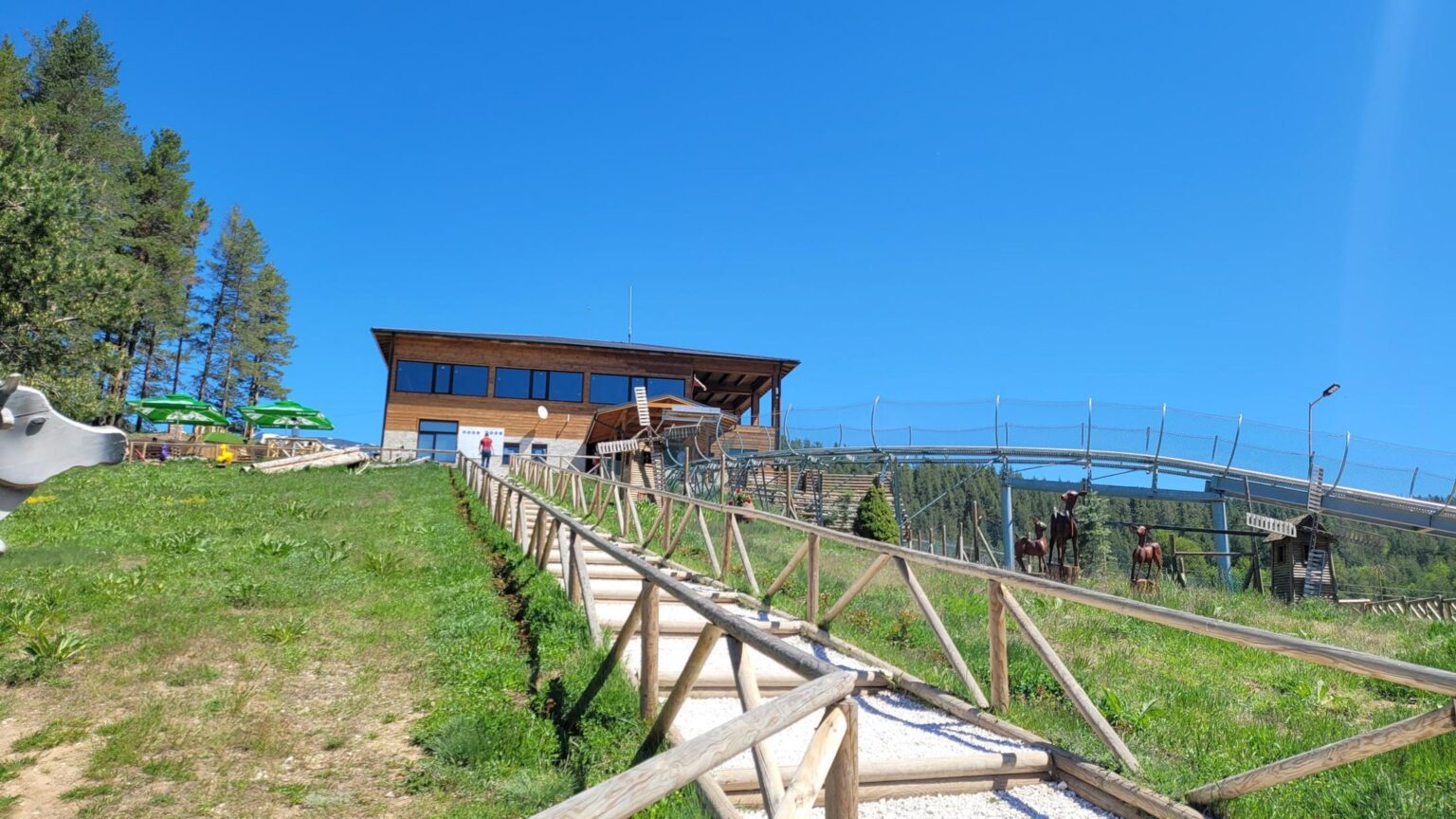
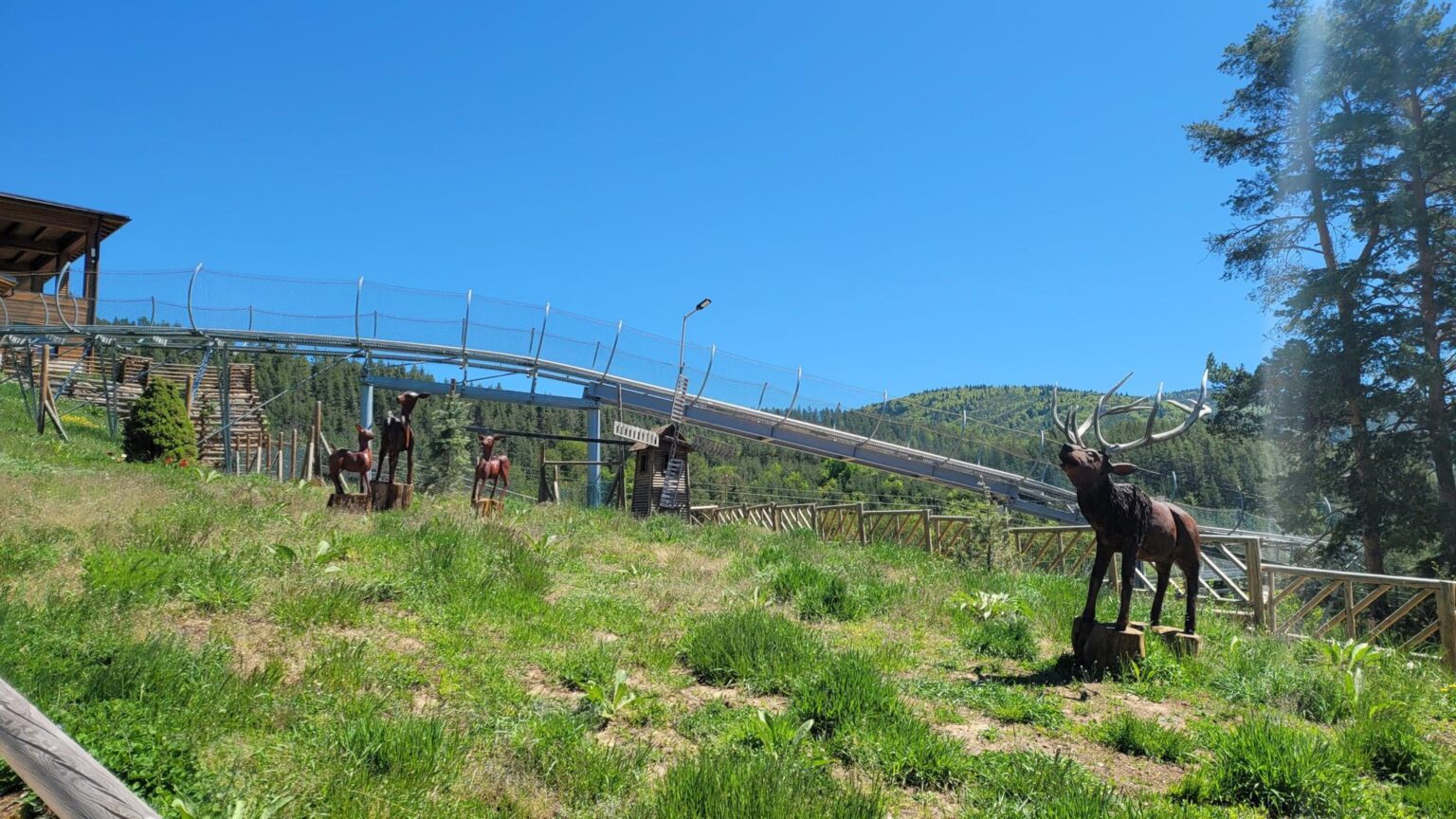
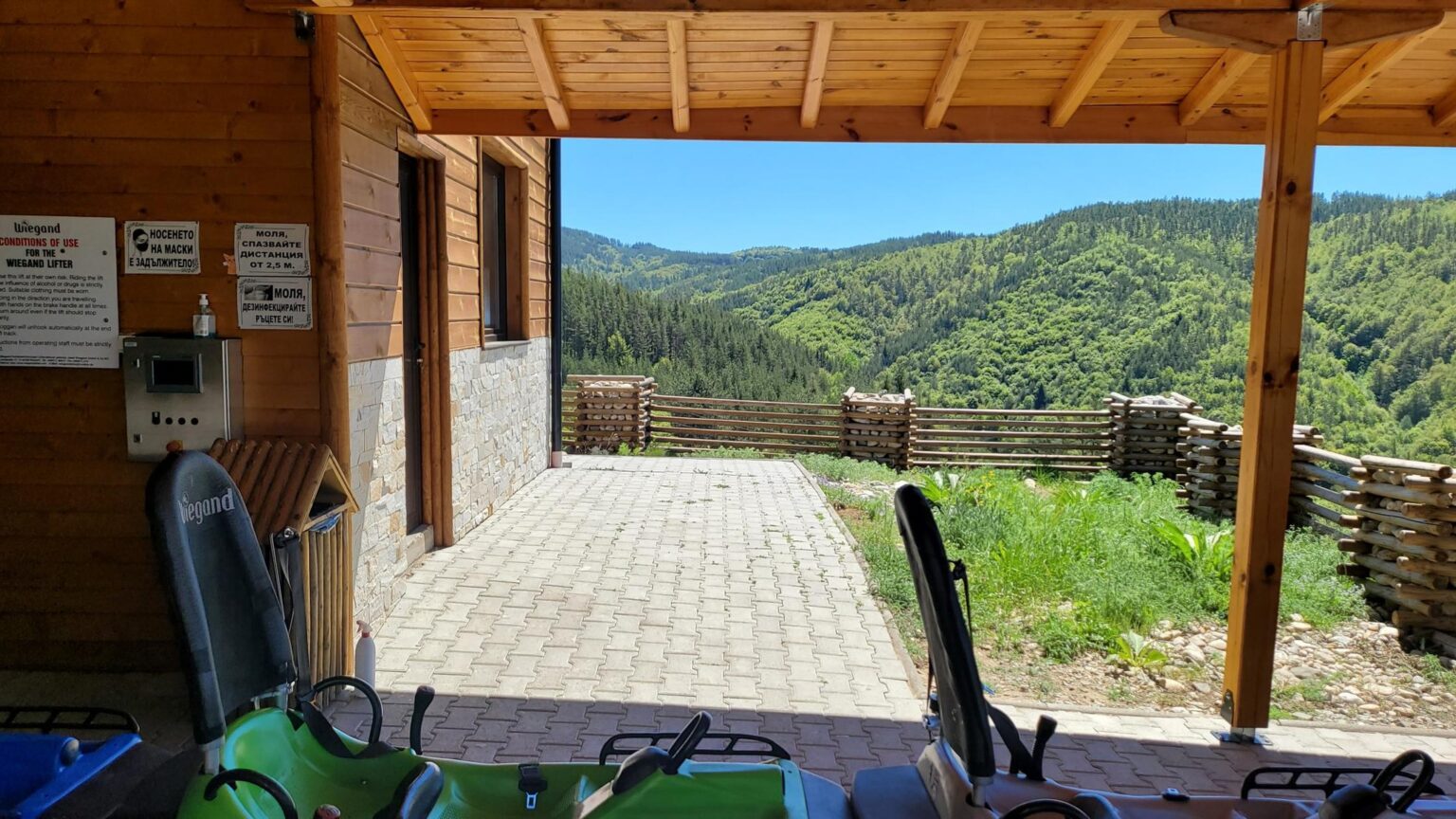
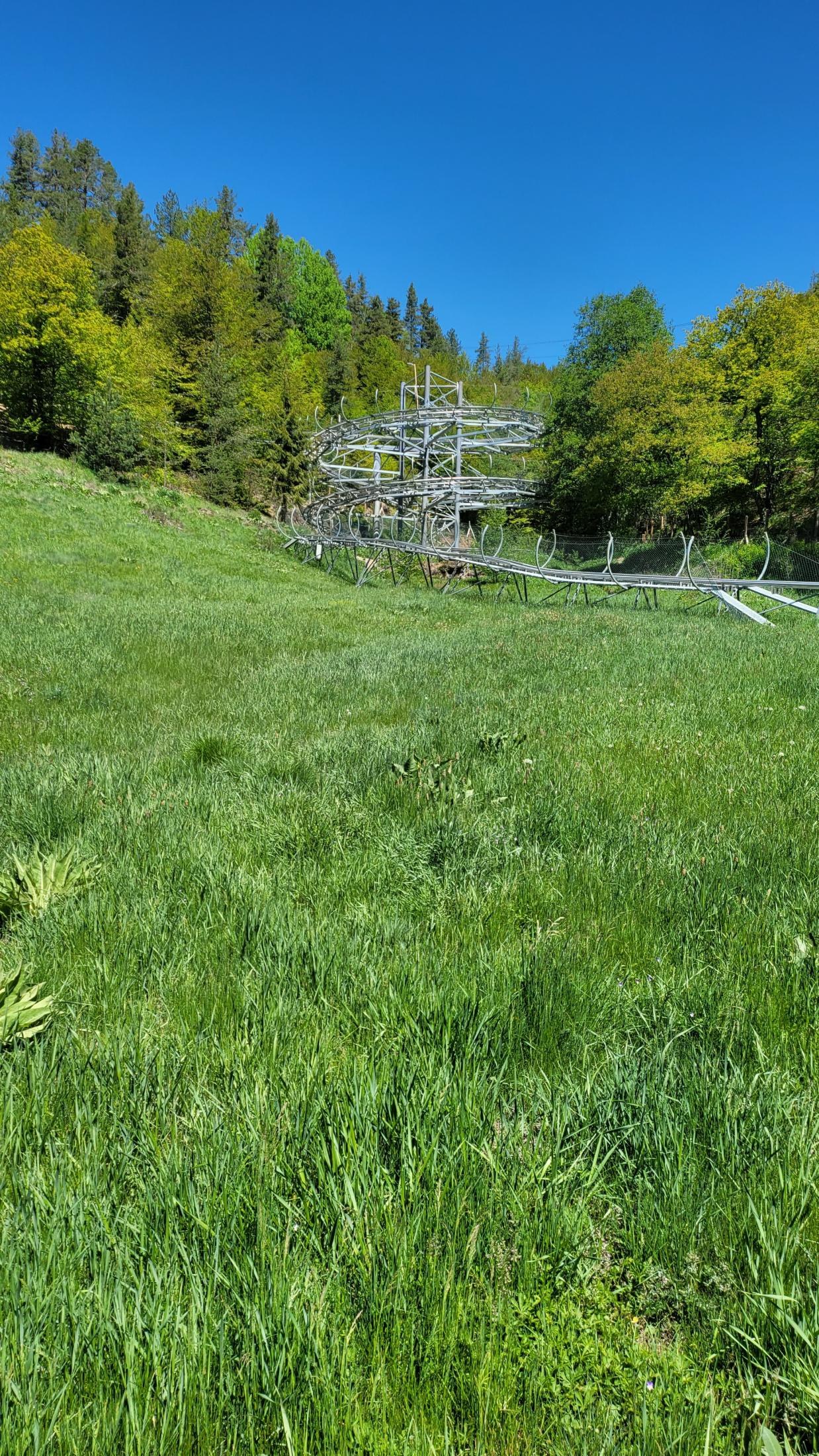
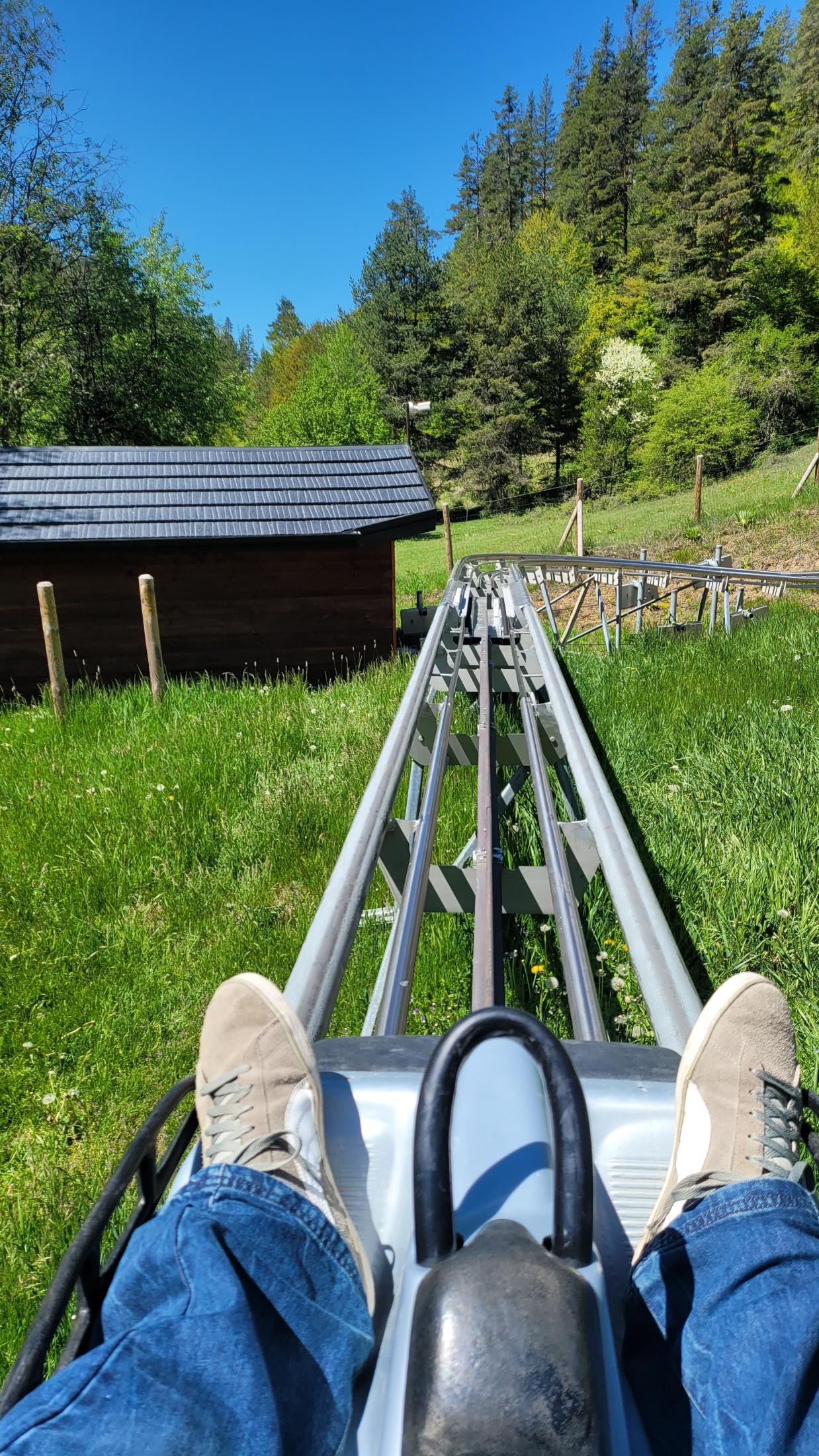
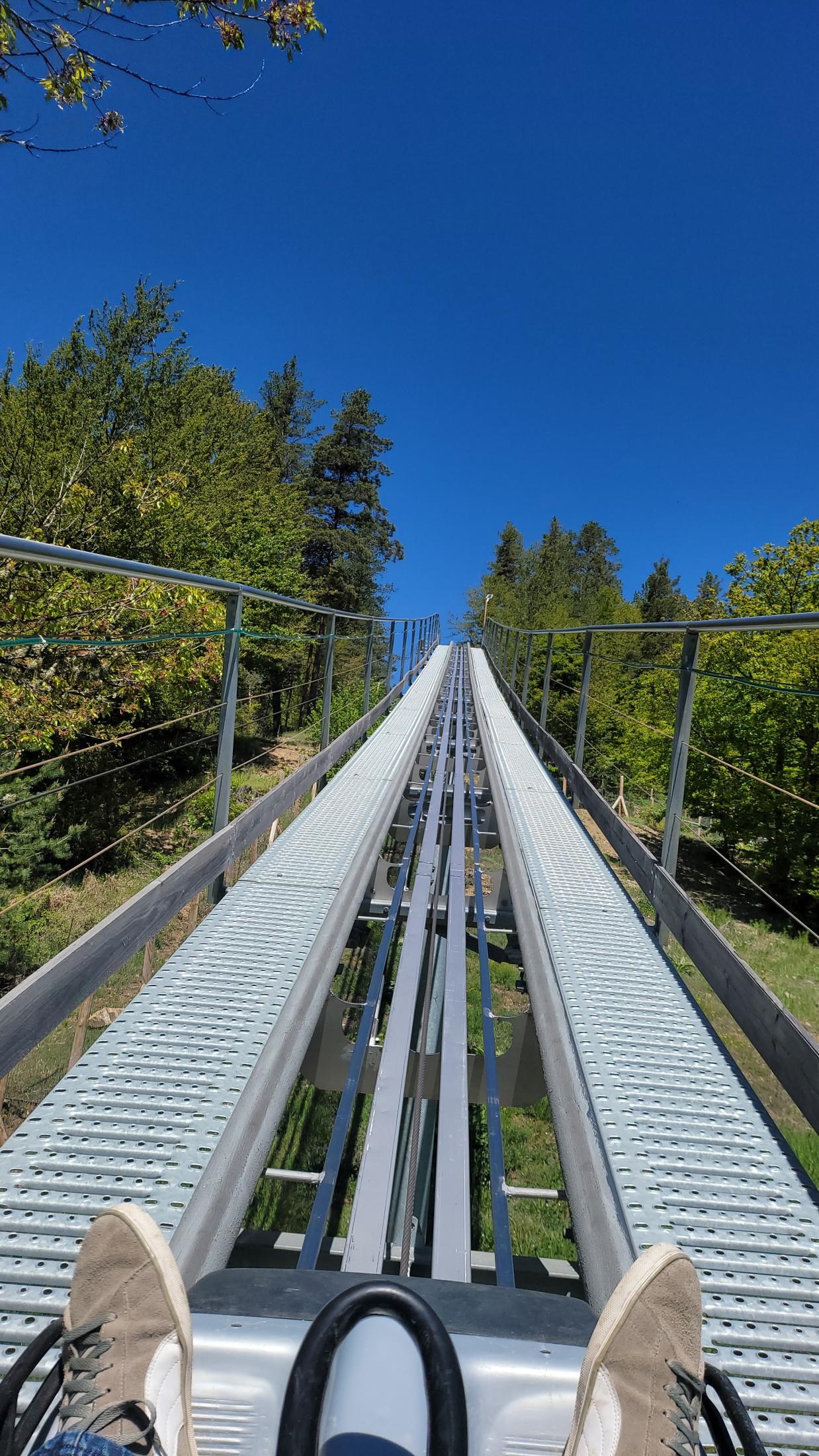
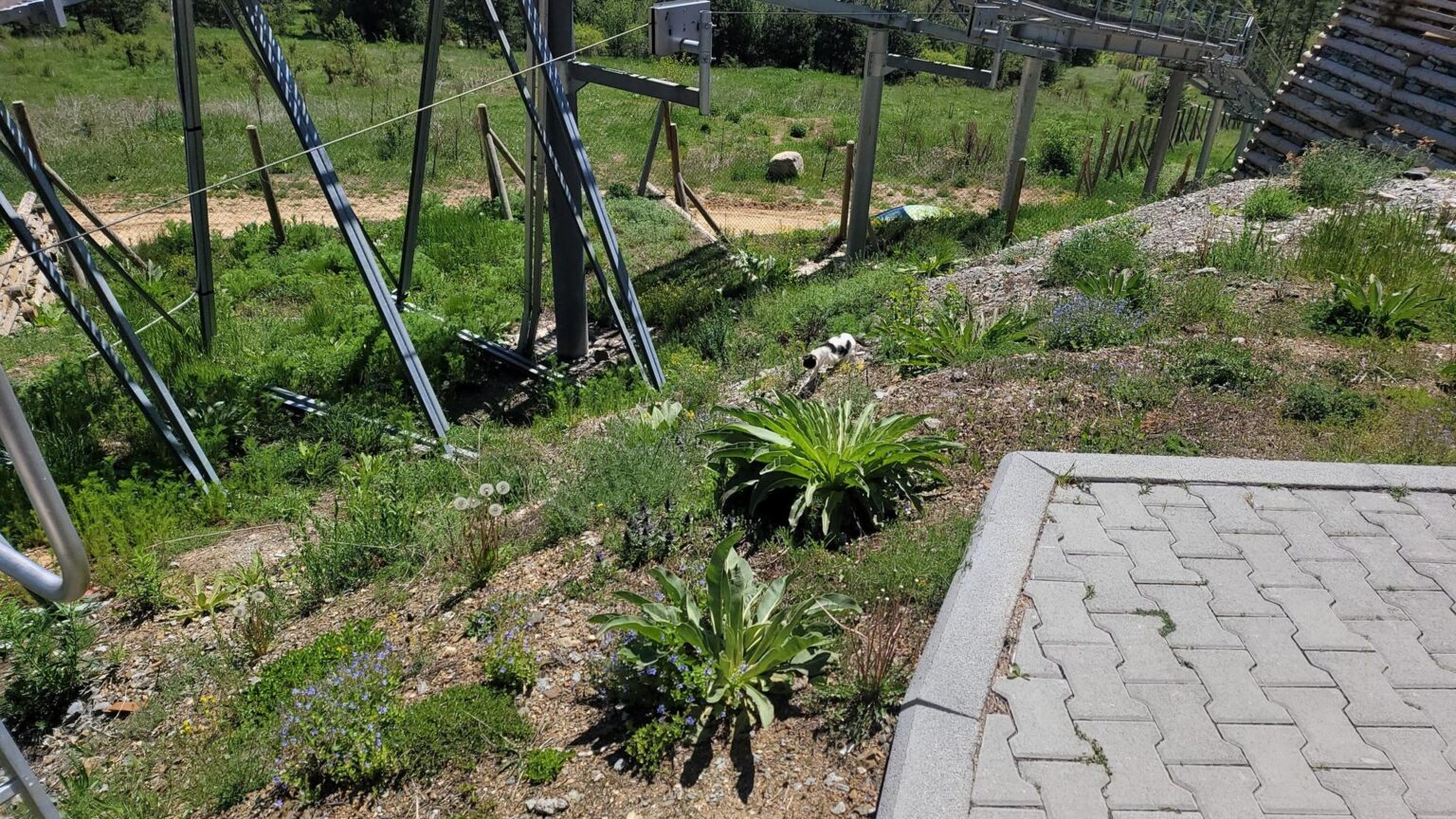
They call it a fun park and the category is broadly correct, but in practice it consists of a café, one long rail track down which carts are released at up to 40 km/h, and a playground with swings and climbing frames. The main attraction is the 1,400-metre track, which you ride on a sled-like cart with a brake lever. In other words, the carts are permanently braked and do not move. You push the lever, release the brake and gravity does the rest. At the end a hook drags you back up while you sit there doing nothing. The last few metres look like this:
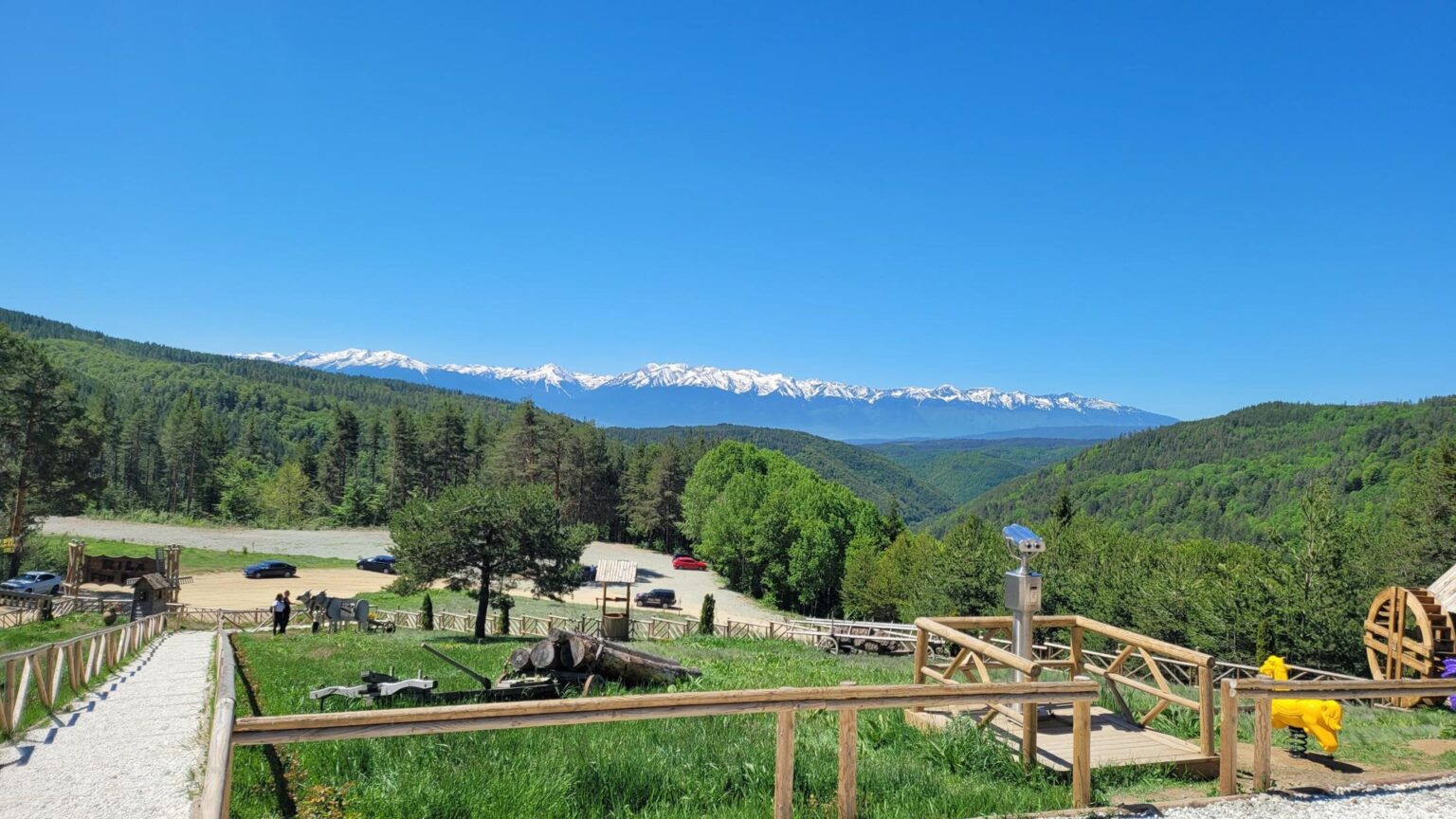
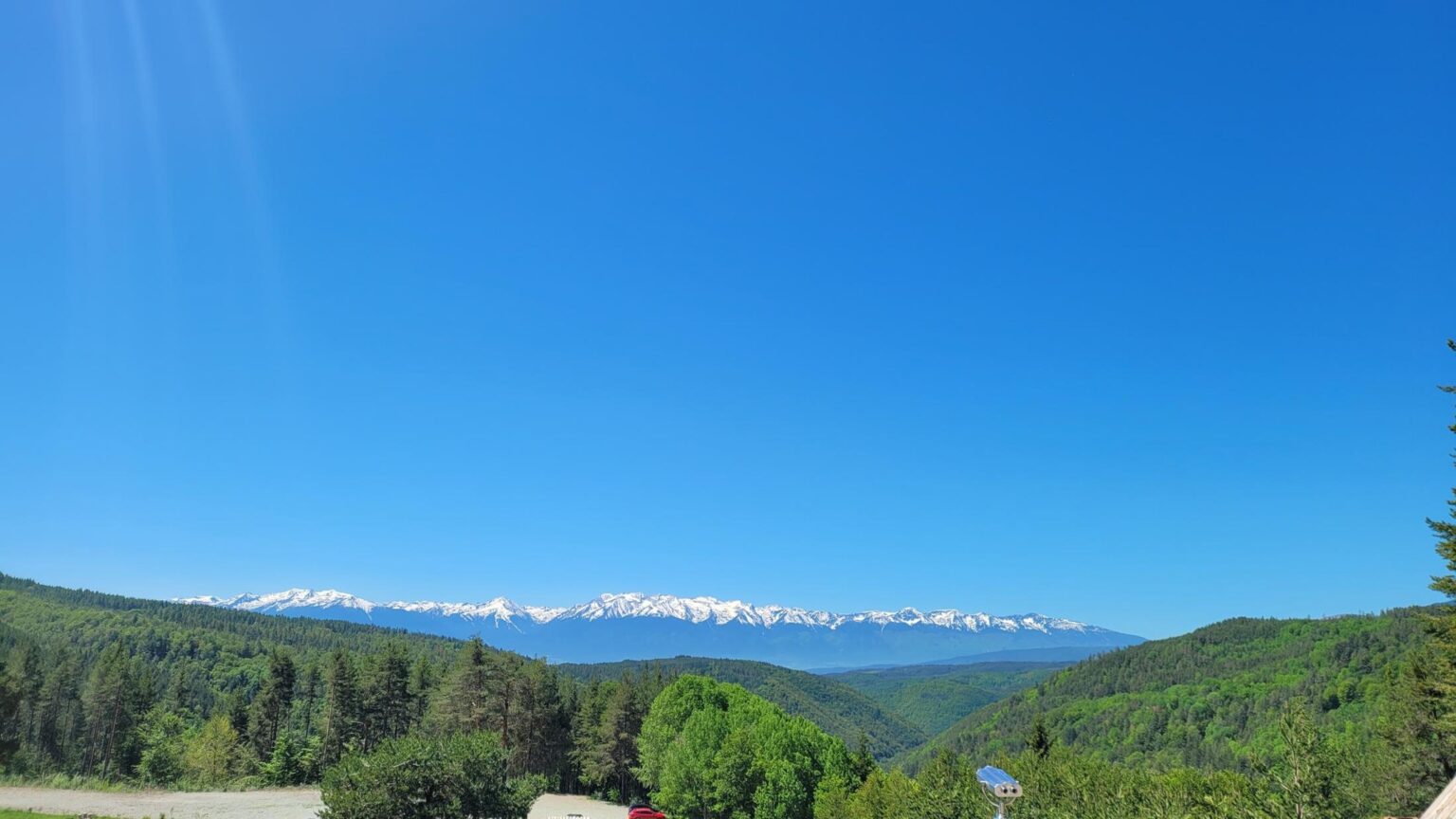
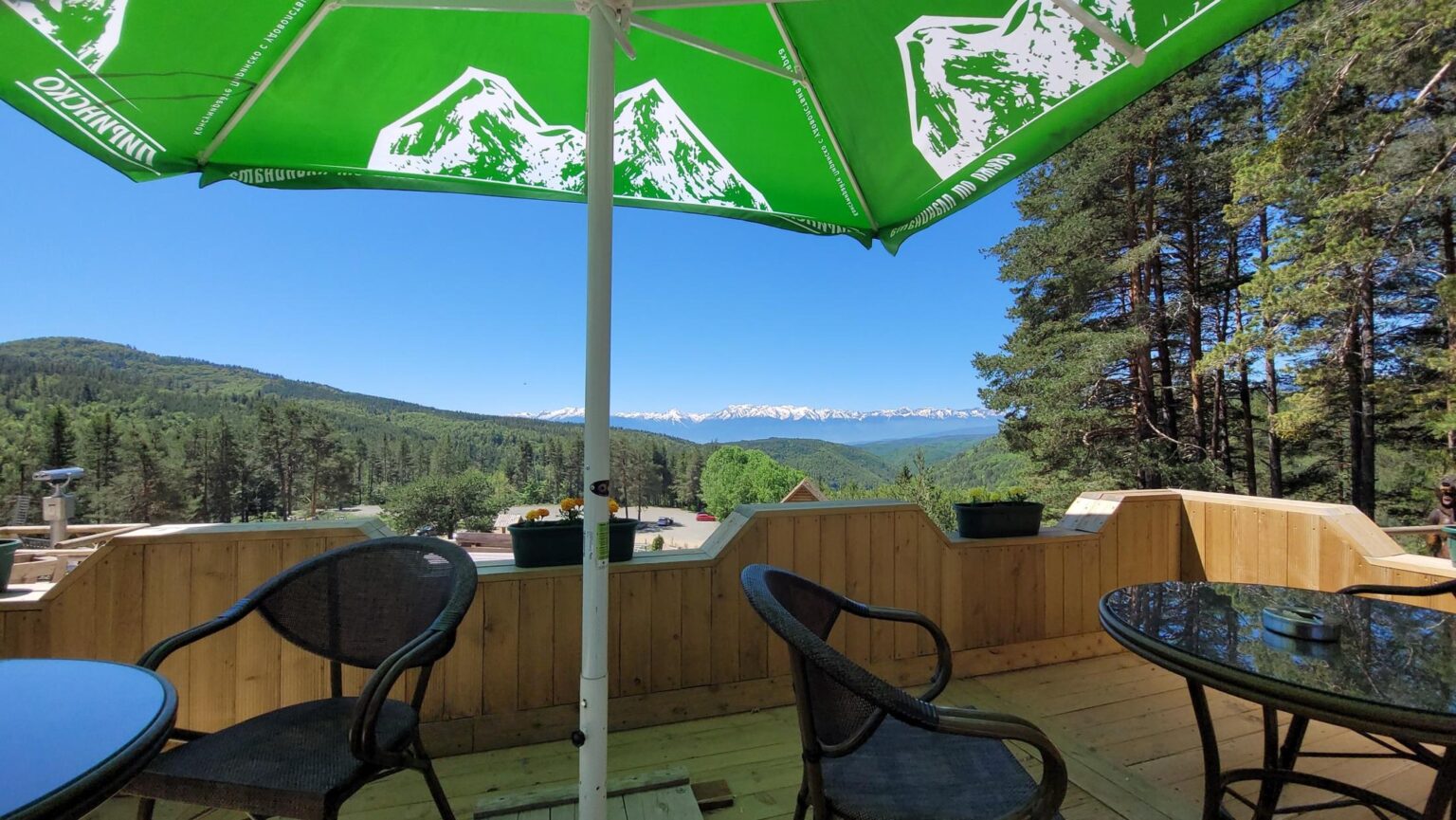
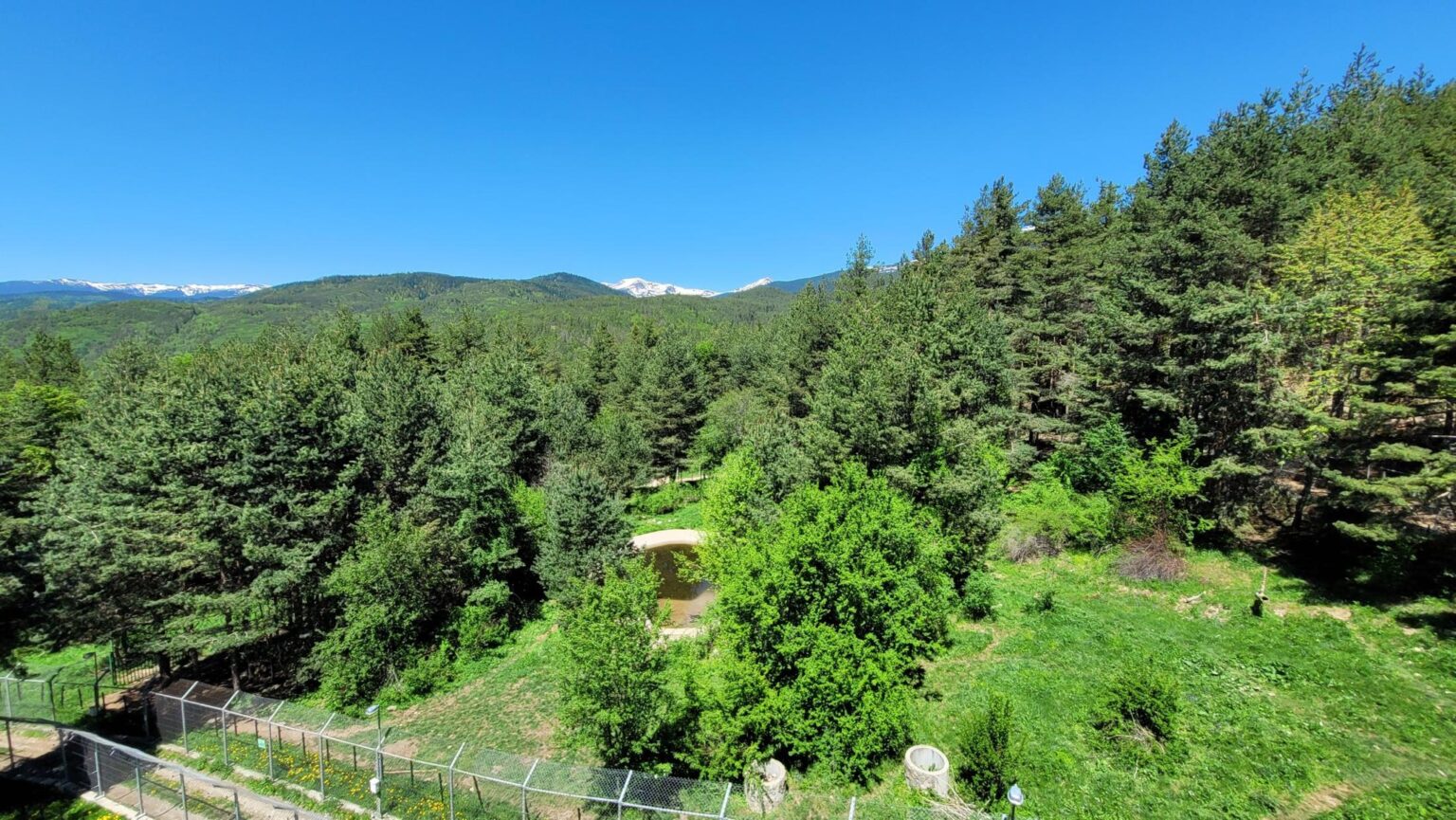
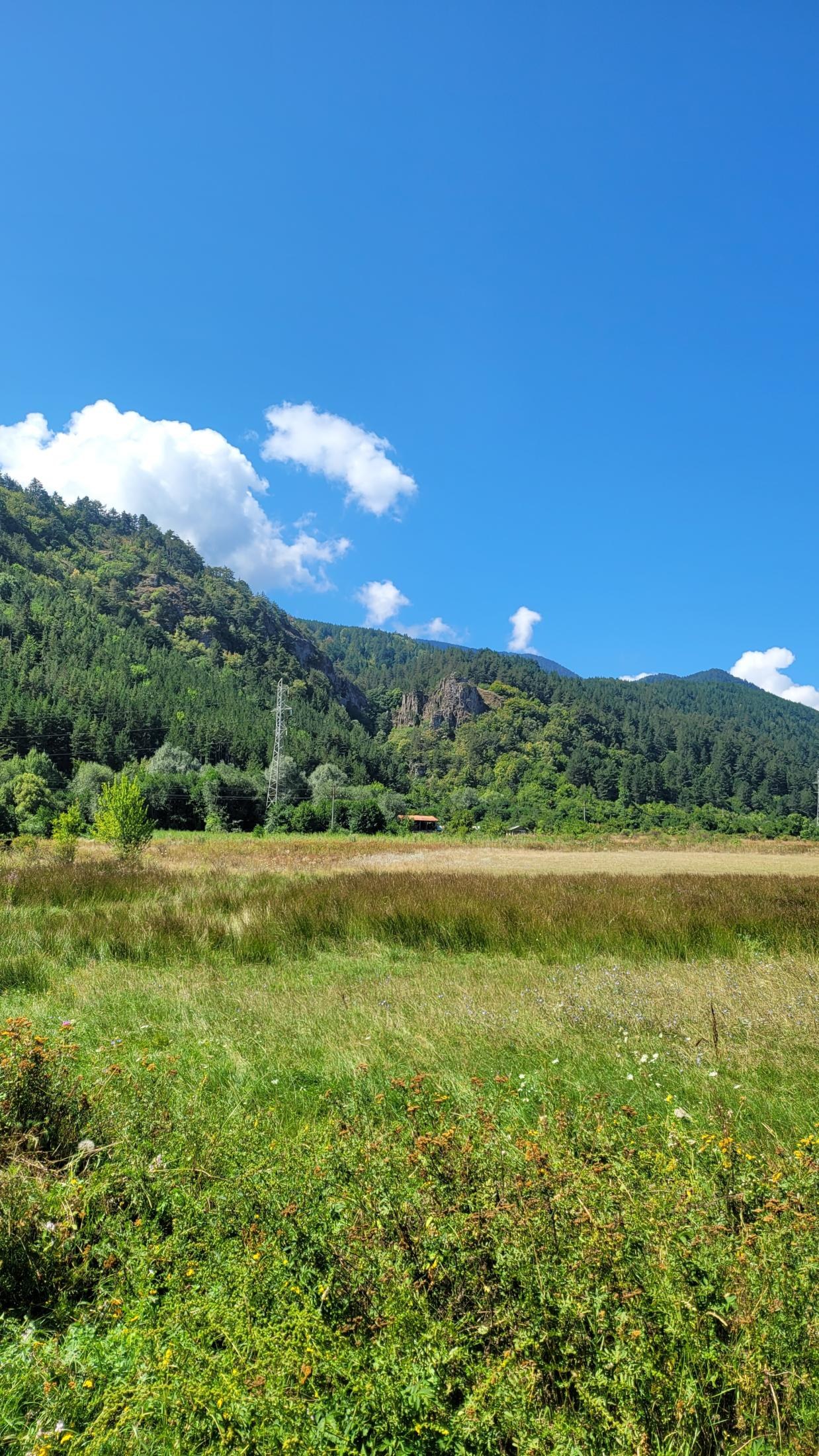
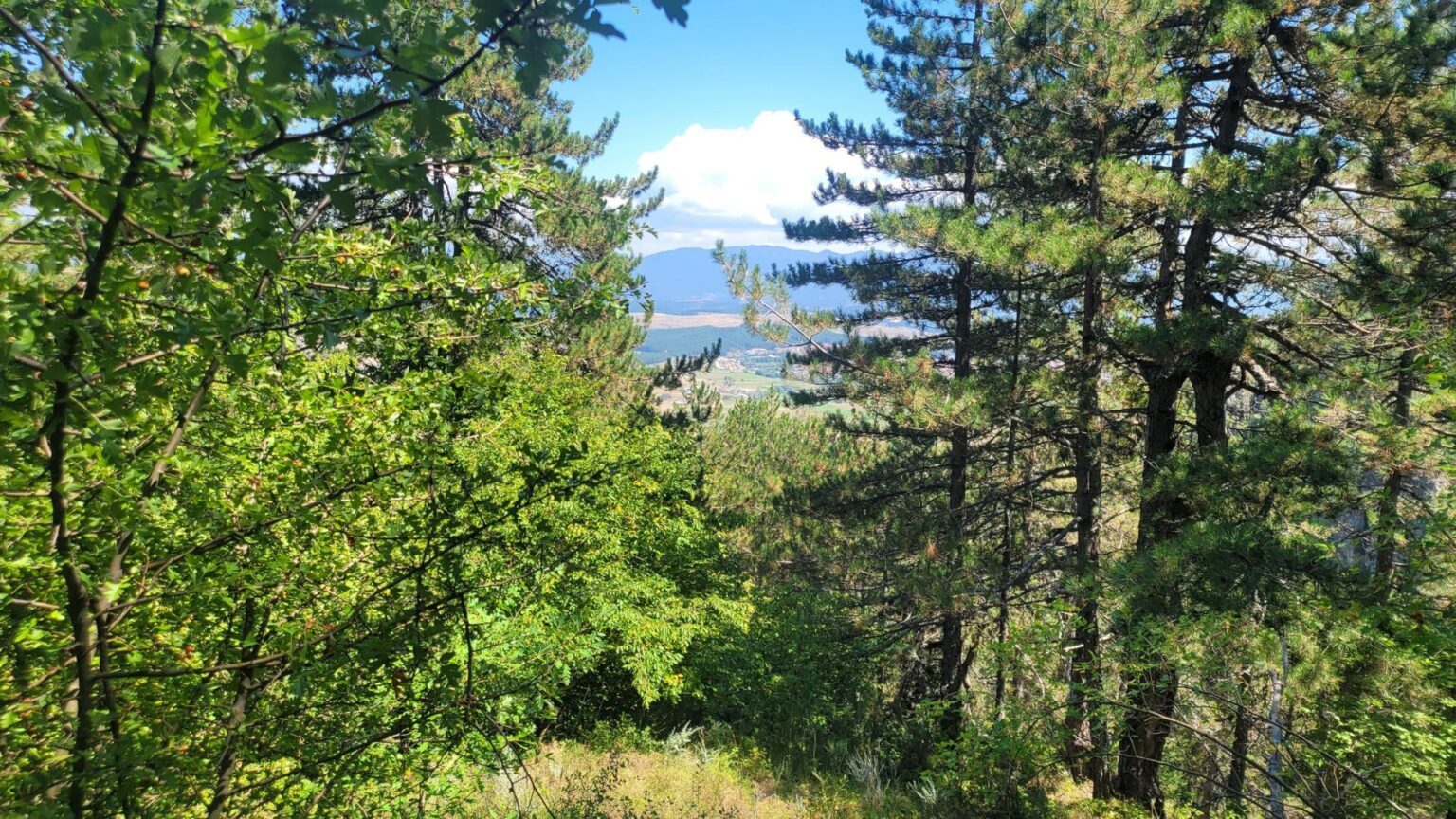
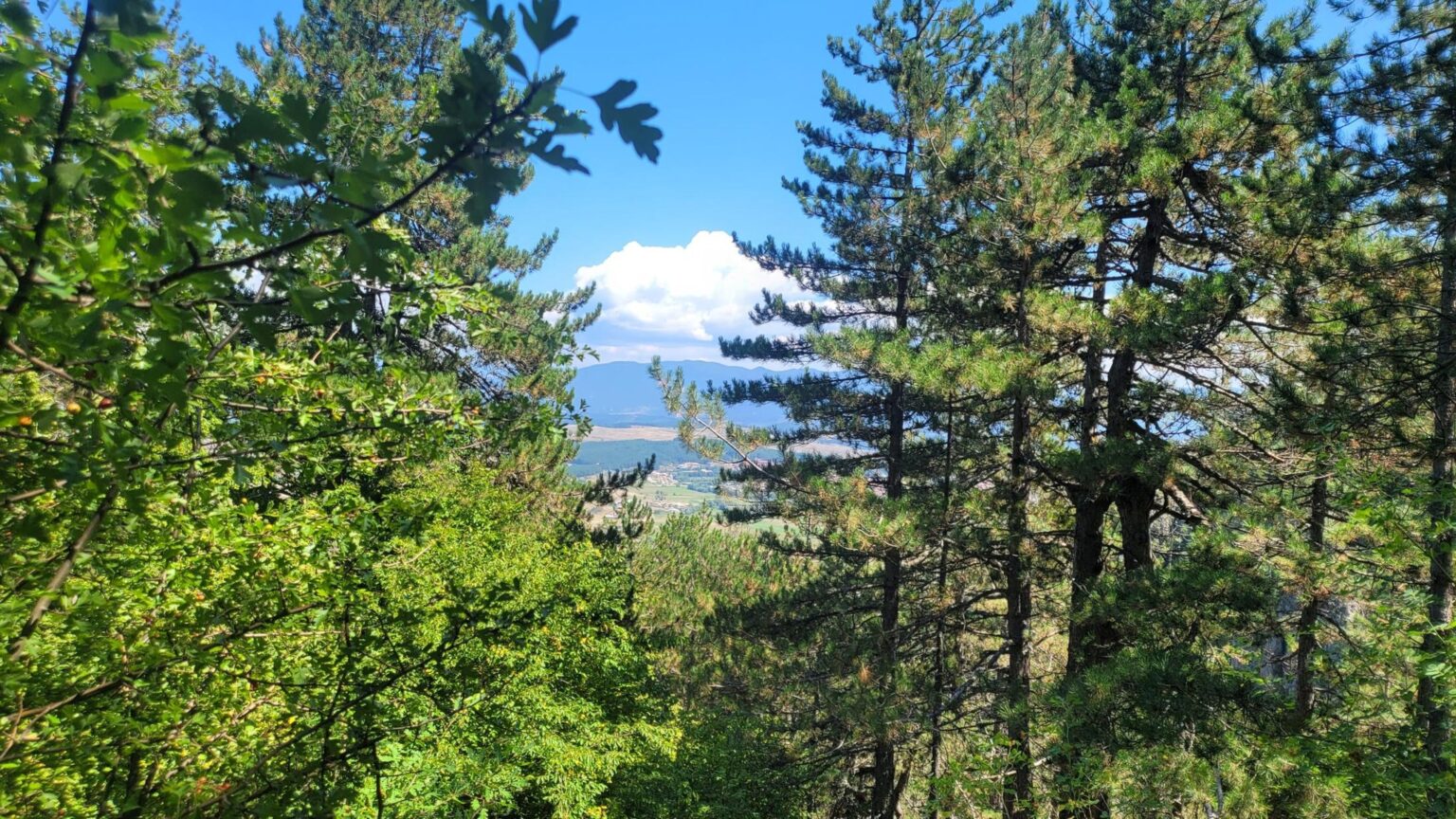
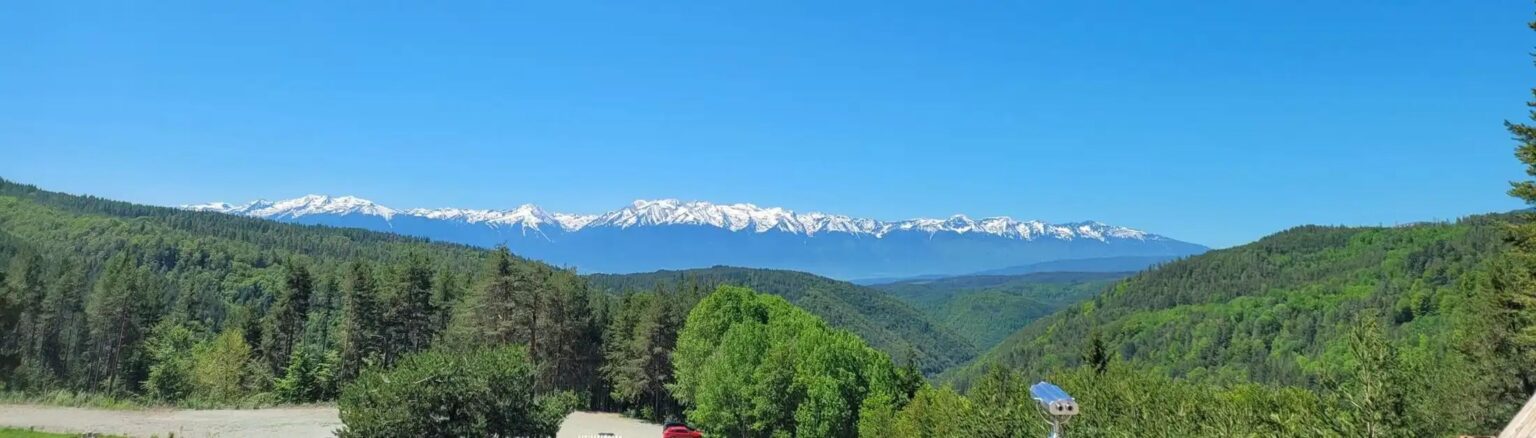
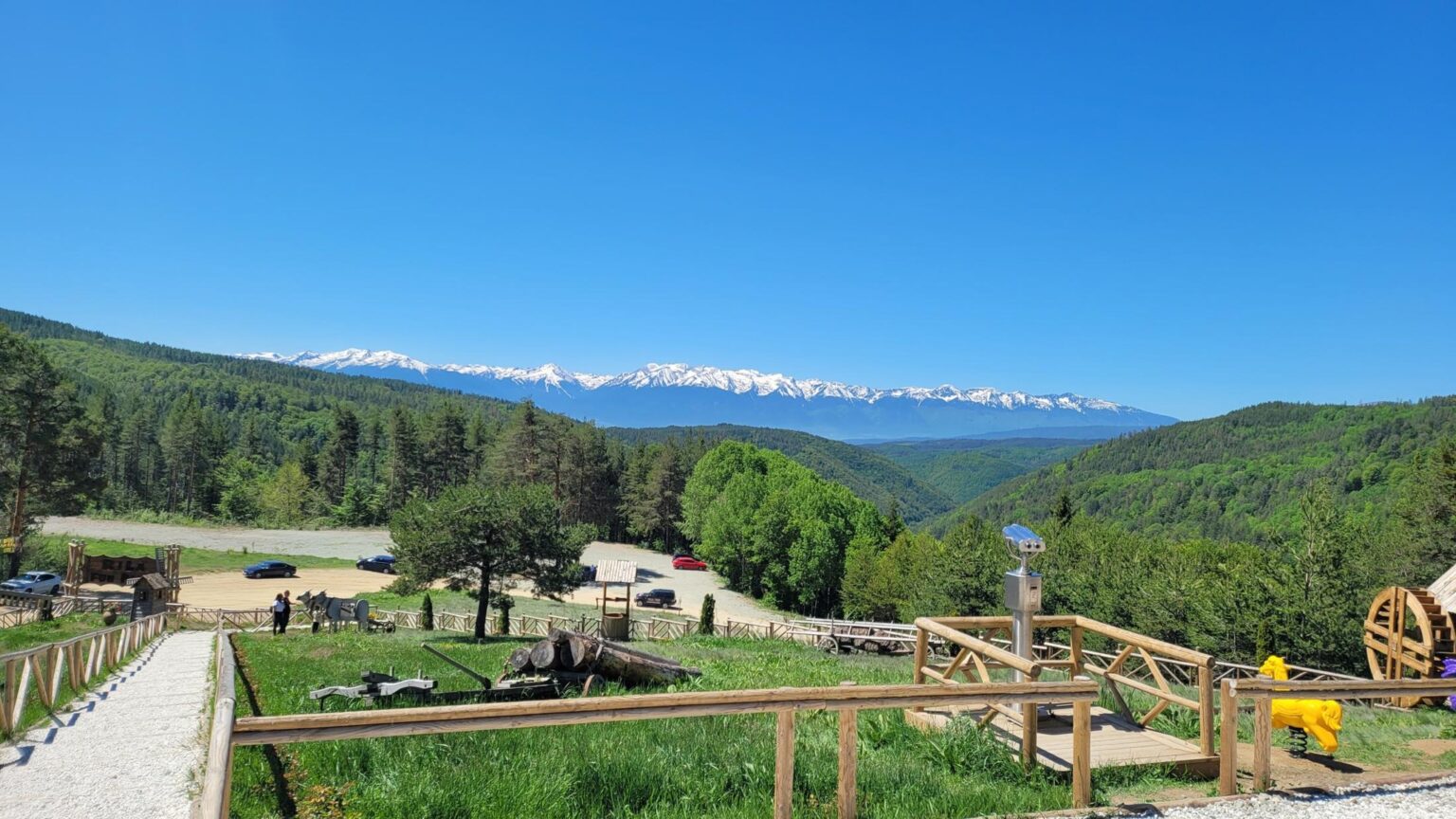
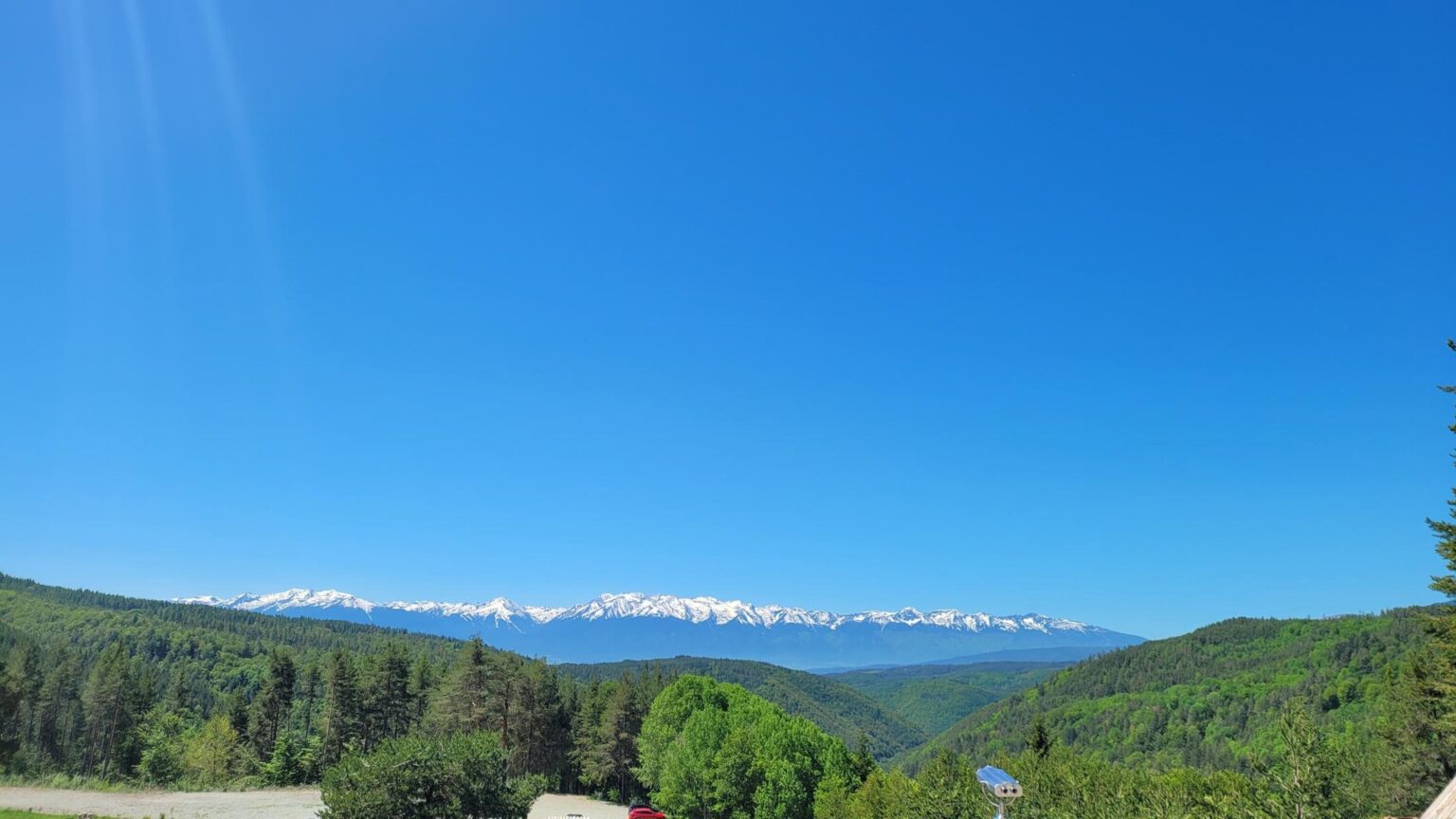
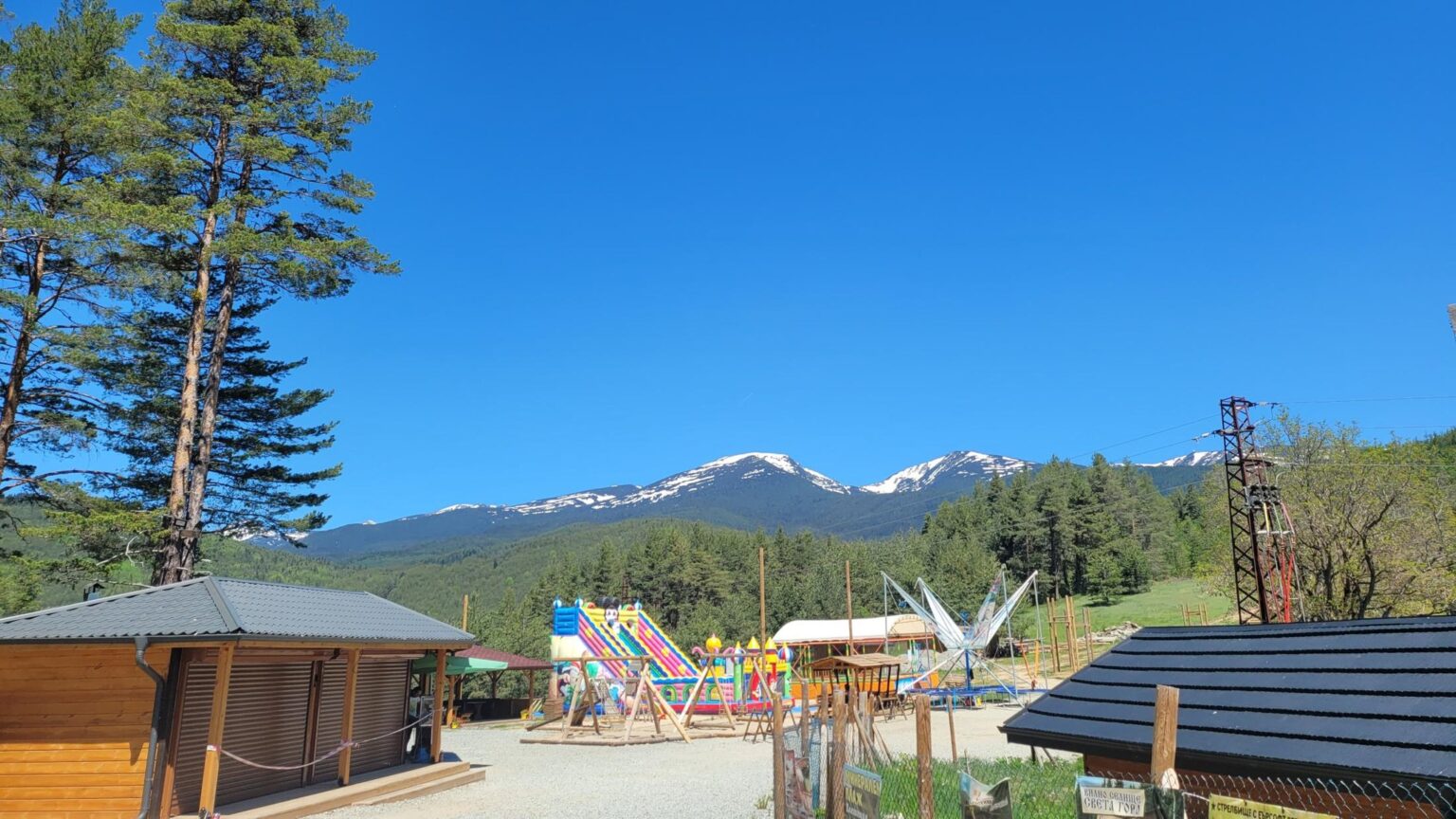
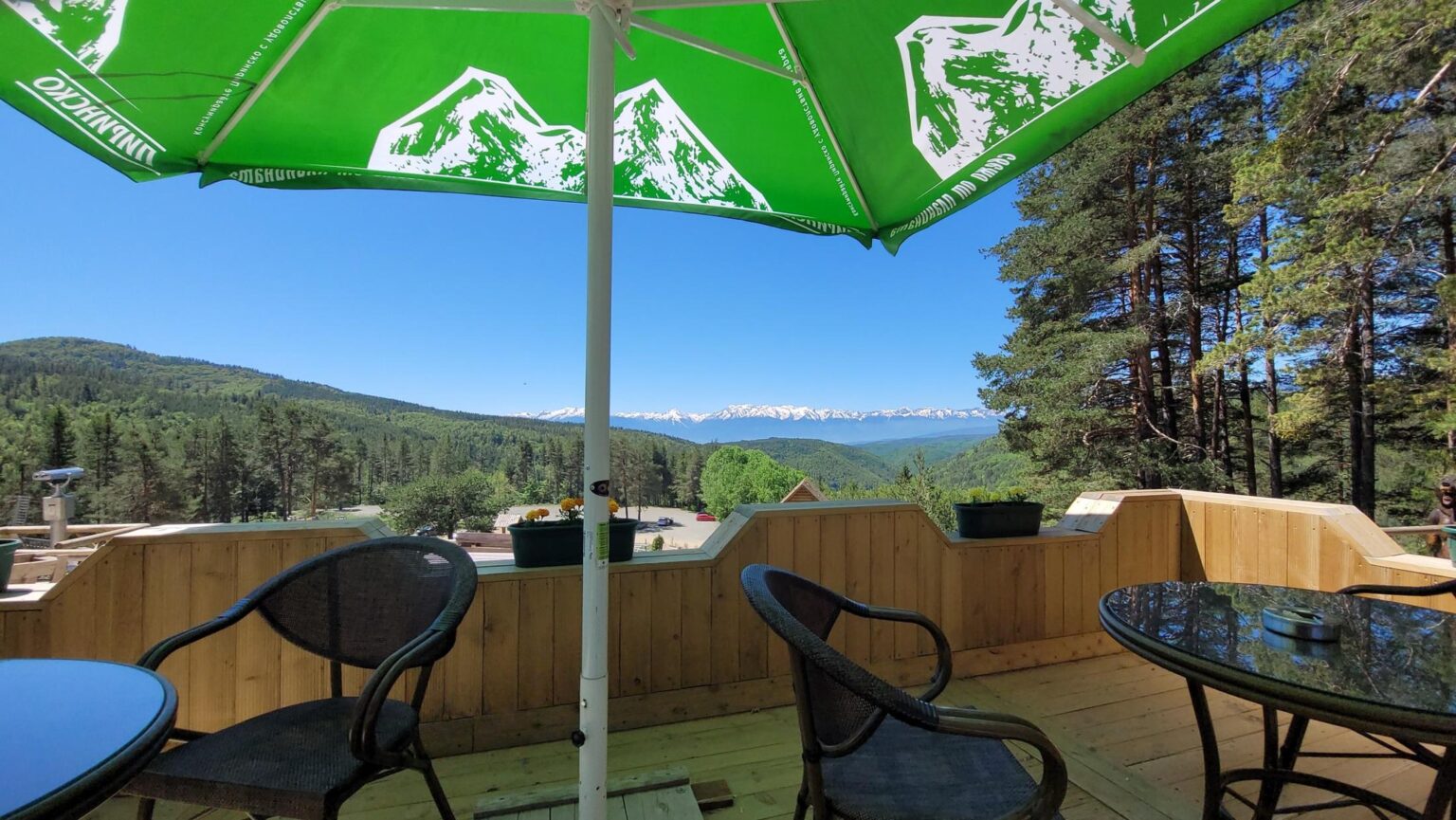
The experience is fun and takes less than ten minutes. It is not exactly an adrenaline rush. On my first run I went straight to 100% throttle the whole way down. The carts are built for a parent riding with a child, which is rather the point of them. Prices have moved since our visit: a single ride was 15 lv (about €7.67) back in 2022, and by 2025 tour listings were quoting 20 lv (about €10.23) for adults. The park now publishes its price list as an image on its website, so check it before you drive out. There isn’t endlessly more to tell. One word: calm. Views, a coffee, a park, forest, mountain. An hour is plenty for adults without children. The scenery opens up beautifully, as you can see:
The bears
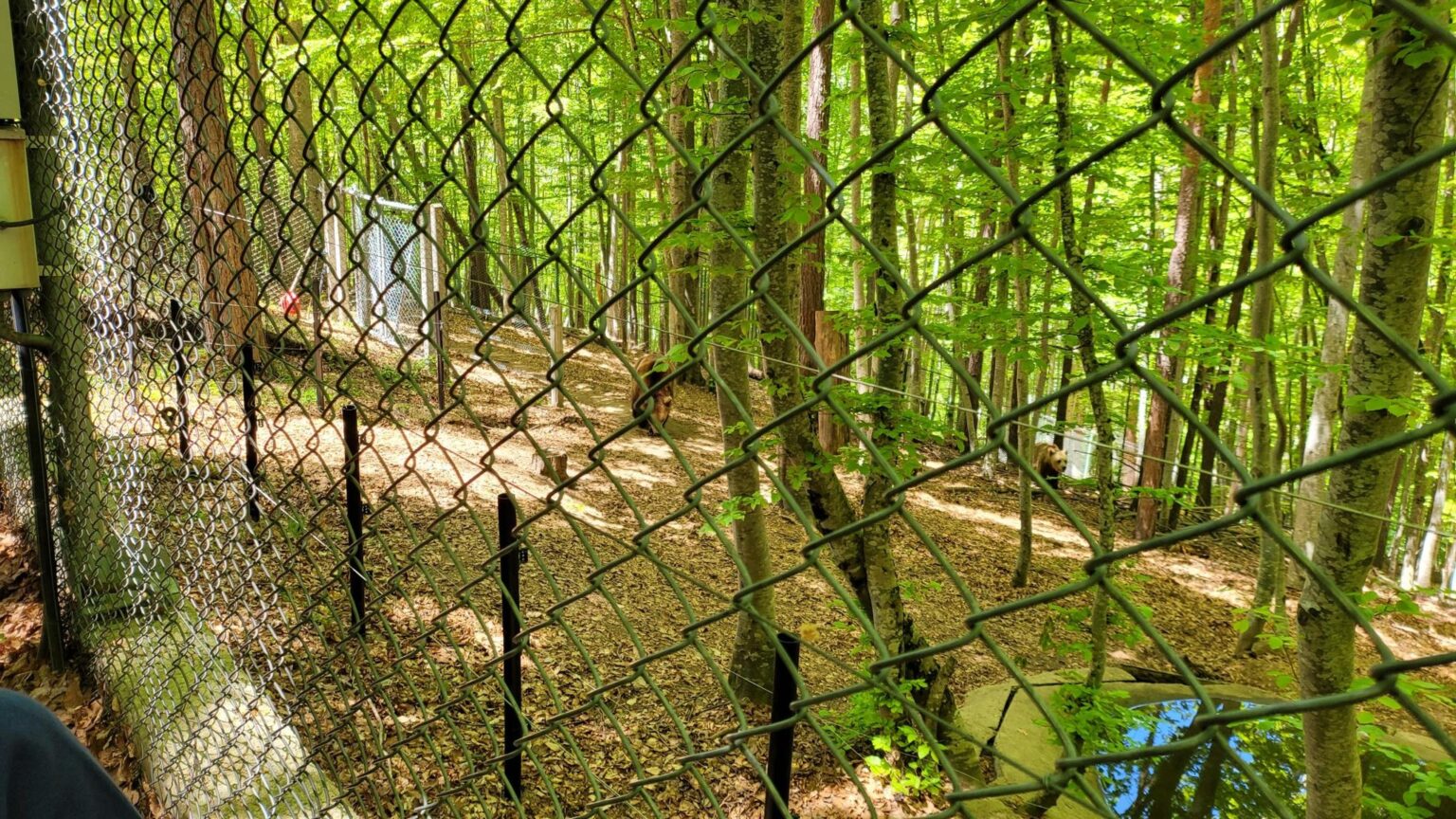
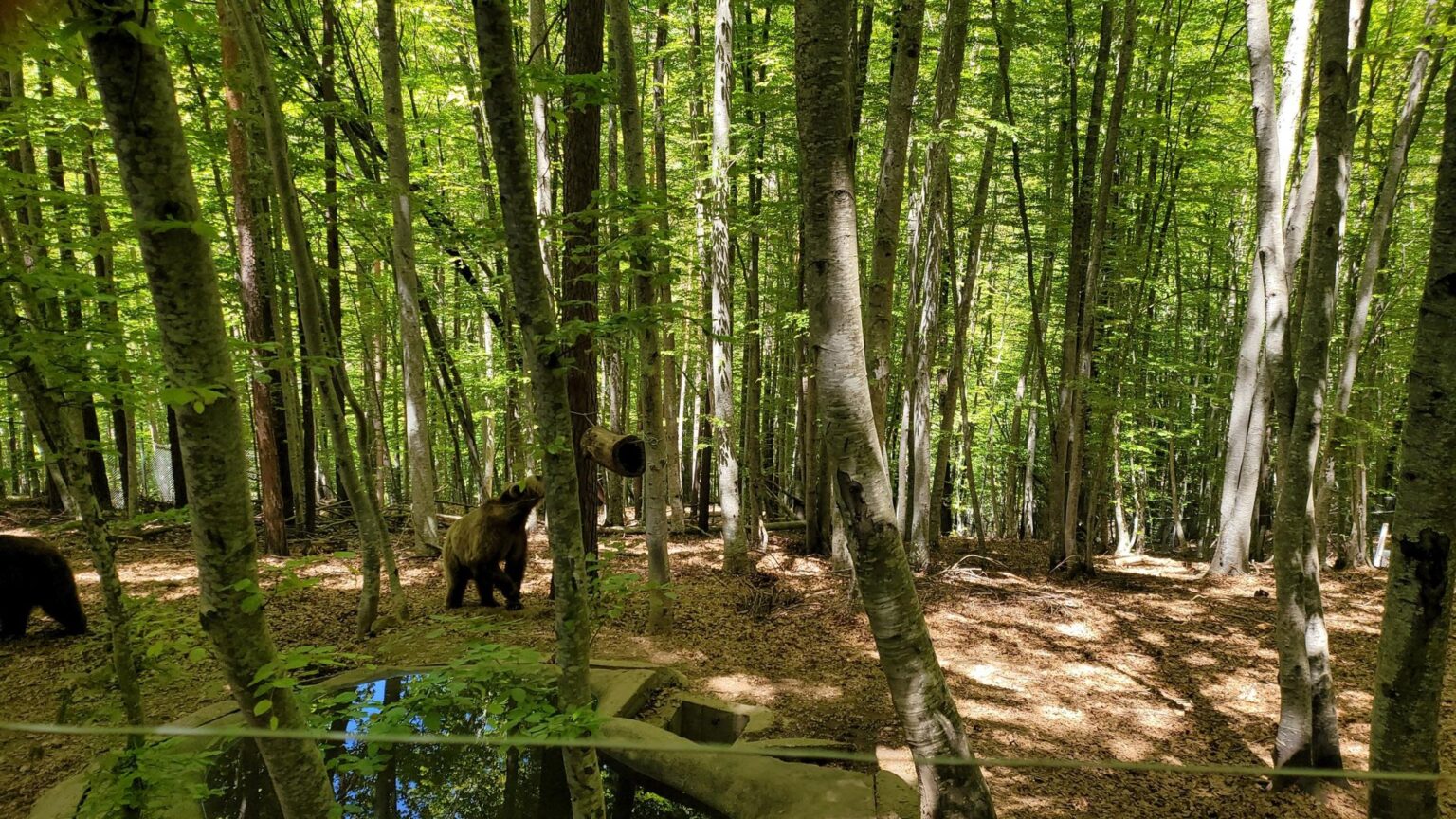
On we go towards Belitsa and the dancing bears park — except it isn’t called that any more. In May 2022 it was renamed BEAR SANCTUARY Belitsa, for the simple reason that there are no dancing bears left in Bulgaria to rescue. The spicy detail, among others, is that Brigitte Bardot helped fund the place; it is run jointly by her foundation and Four Paws.
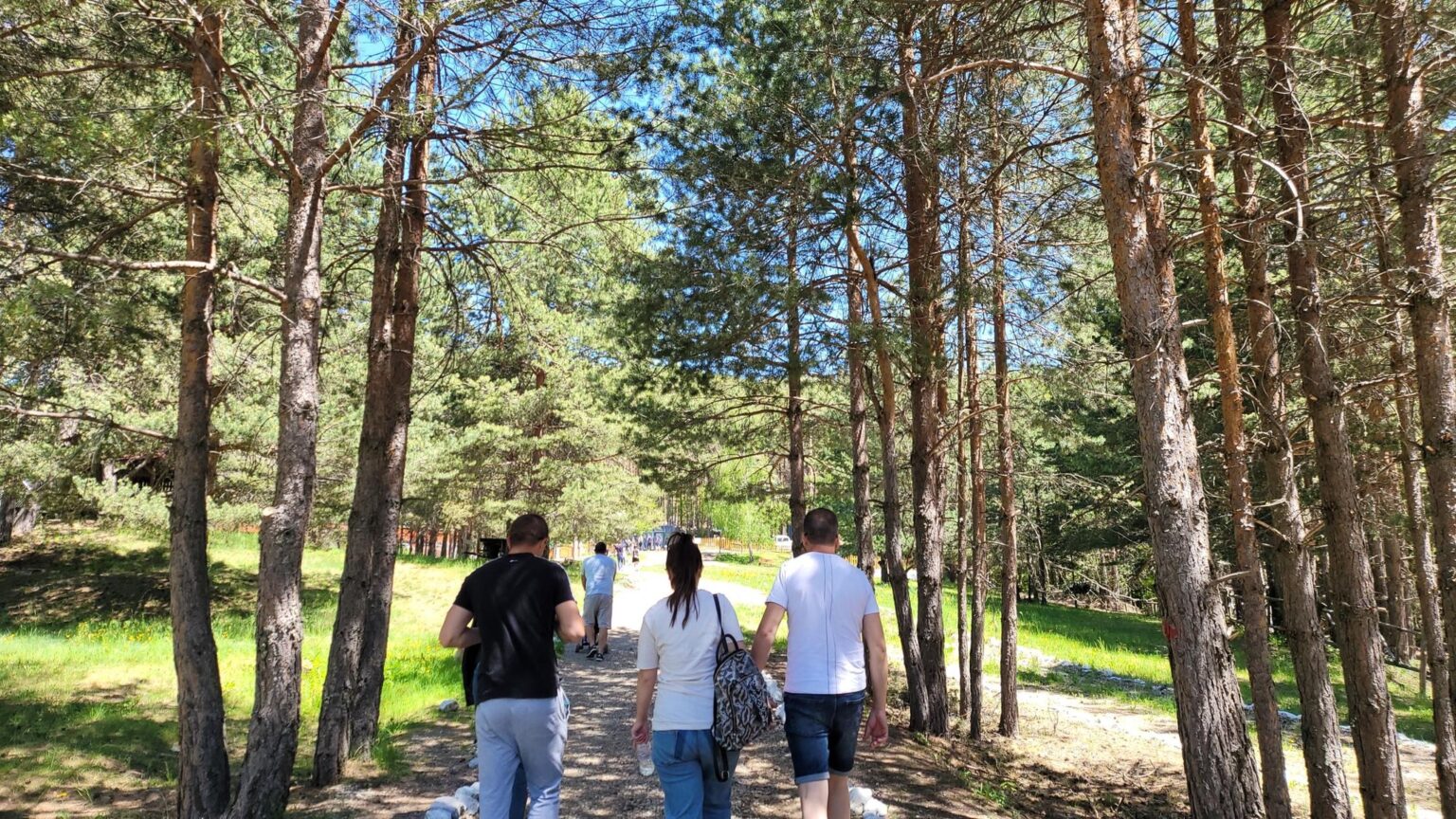
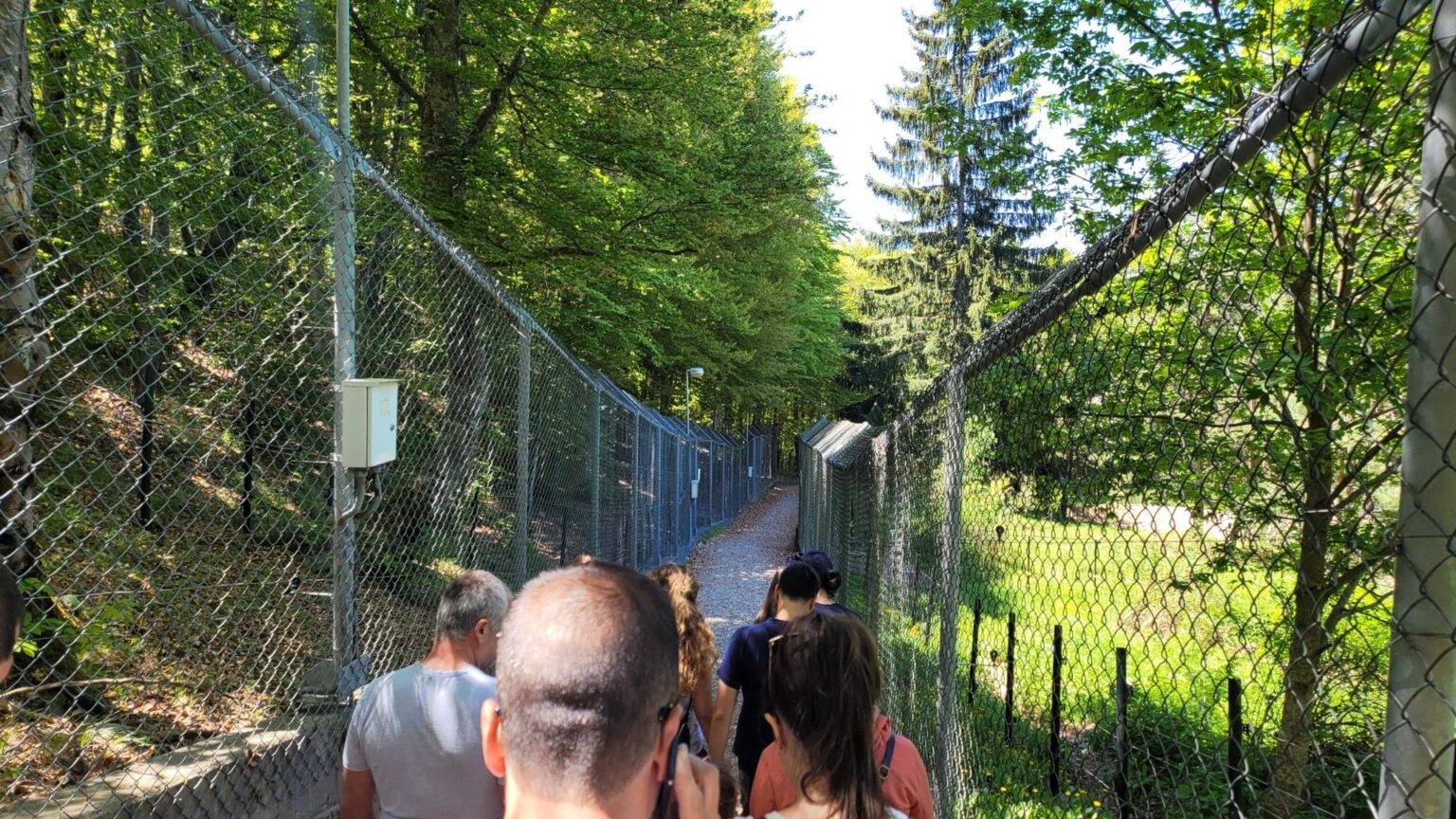
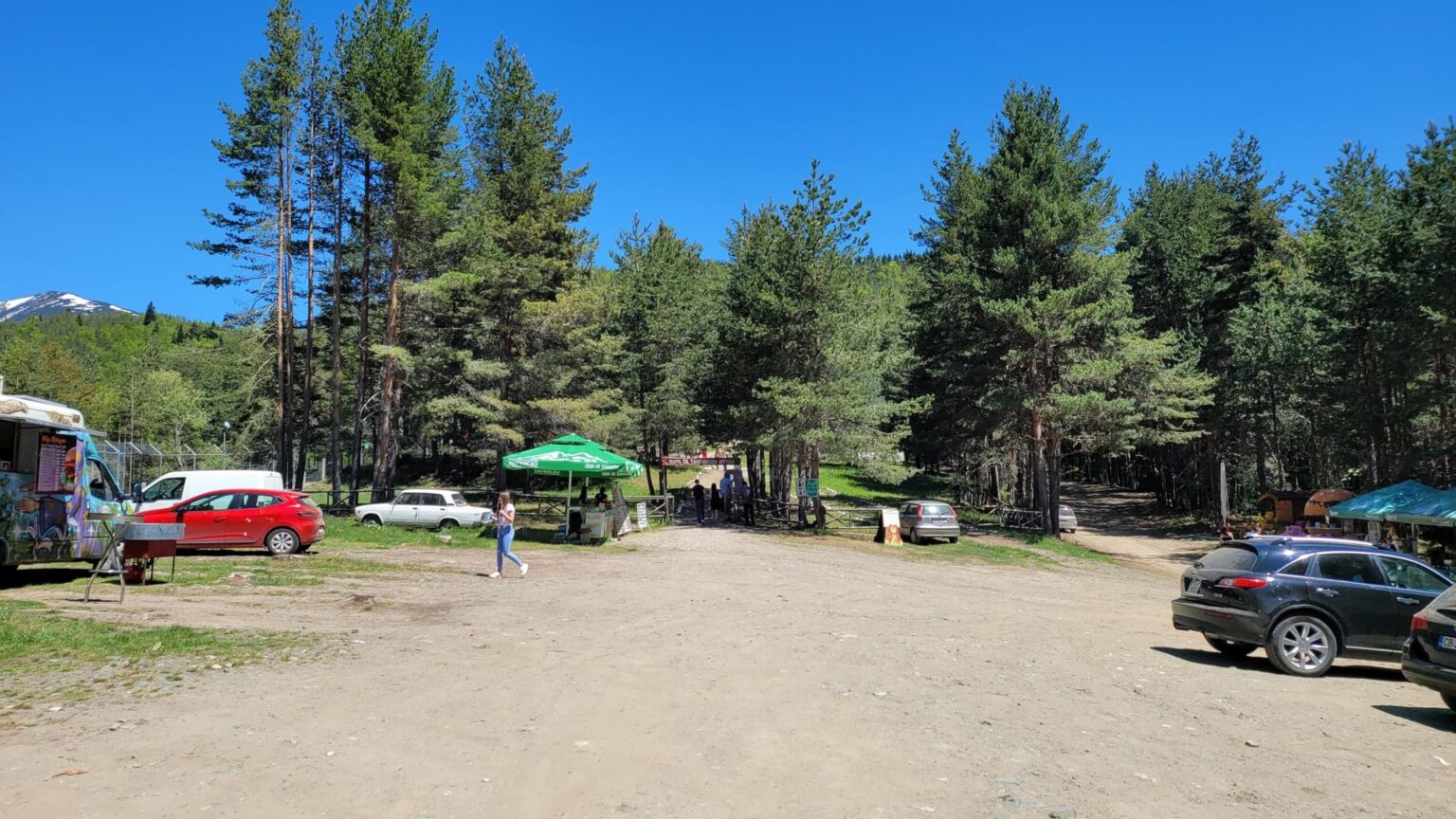
From Rila Fun Park you can walk over in about 25 minutes, with a fairly serious 200 metres of elevation gain, along a reasonably OK gravel-and-mud road. You could technically leave the car at the end of the asphalt if you want to spare it, but I don’t recommend it — the road is narrow, it throws up a huge amount of dust and dirt, and you’ll breathe in all of it. Every kind of car drives it. Same as the stretch up to the fun park: go slowly and you’ll be fine whatever you’re driving. There is plenty of parking and it’s free. Car park, little stalls with trinkets and souvenirs, ice cream, lovely. Prices are normal.
Entry is €5.11 for adults, €1.53 for children and teenagers aged 7 to 18, and free for under-sixes, according to the sanctuary. You go in with an organised group every half hour and you don’t really need to book far in advance. Worst case, you turn up at 11:30, can’t get on the 12:00 tour and wait until 12:30, which is hardly a tragedy. It’s beautiful, it’s nature, there are places to sit and things to eat and drink. The tour itself runs about 45 minutes and a guide is compulsory — the talks are given in both Bulgarian and English at no extra charge. One thing worth planning around: the park is open from April to November and closed from December through March while the bears hibernate, so this is not a bolt-on to a ski weekend.
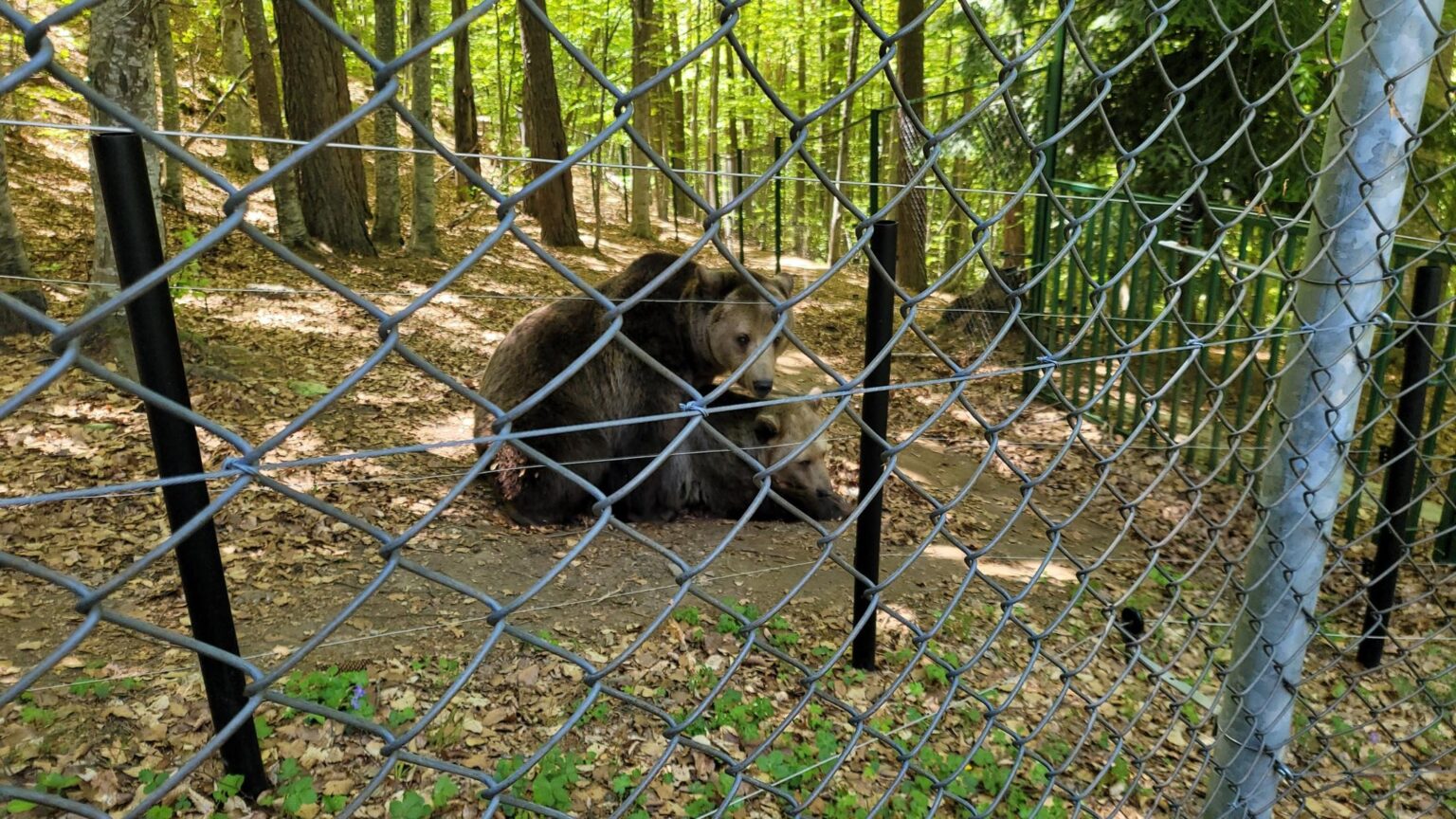
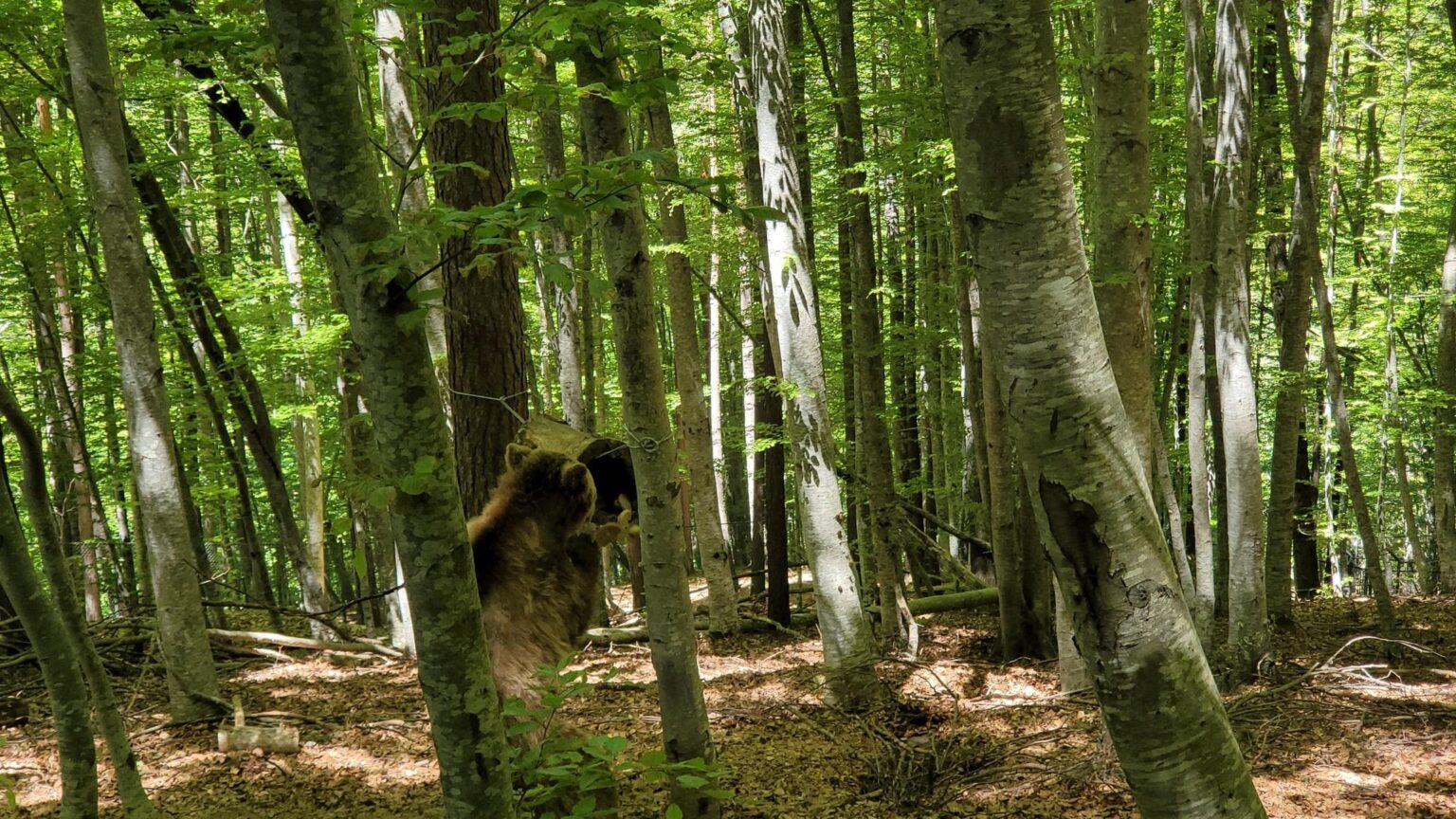
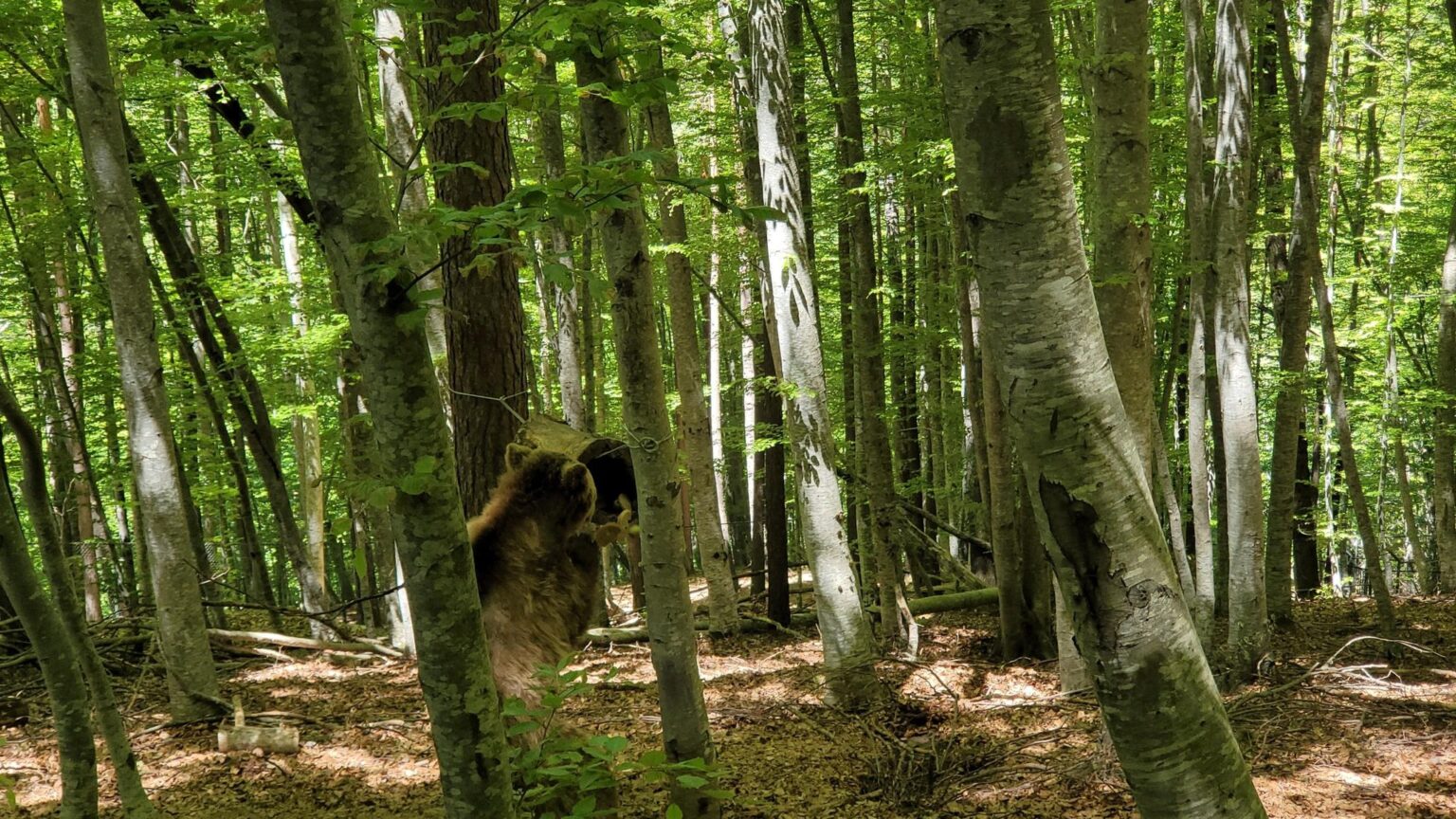
It’s interesting, with history, sadness and comedy in it. A funny moment: our guide explained that May is relatively close to the bears’ mating season. She blushed slightly and said she hoped we wouldn’t end up in a situation where parents had to explain things to their children. Vesko the bear had other views on the matter.
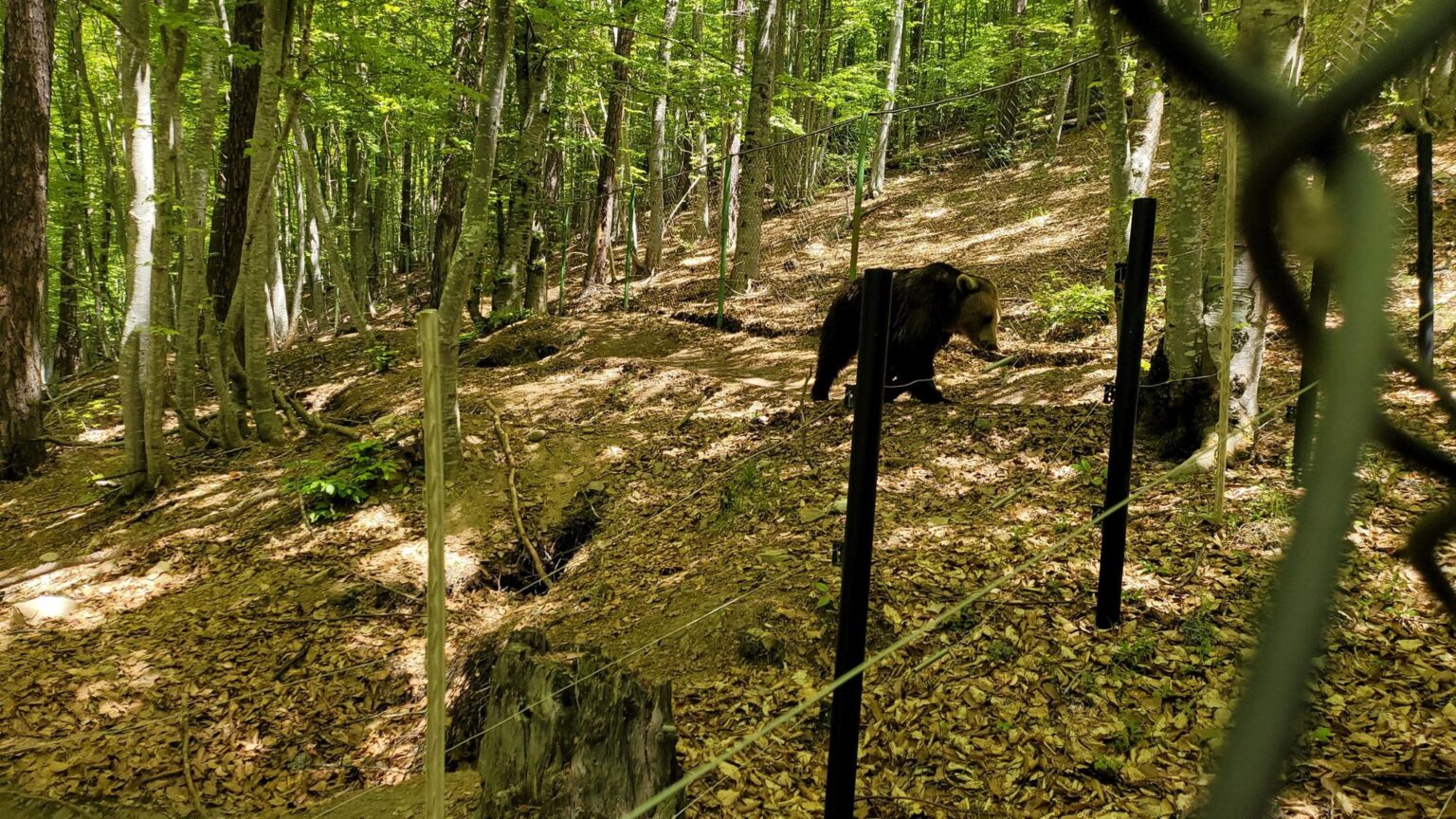
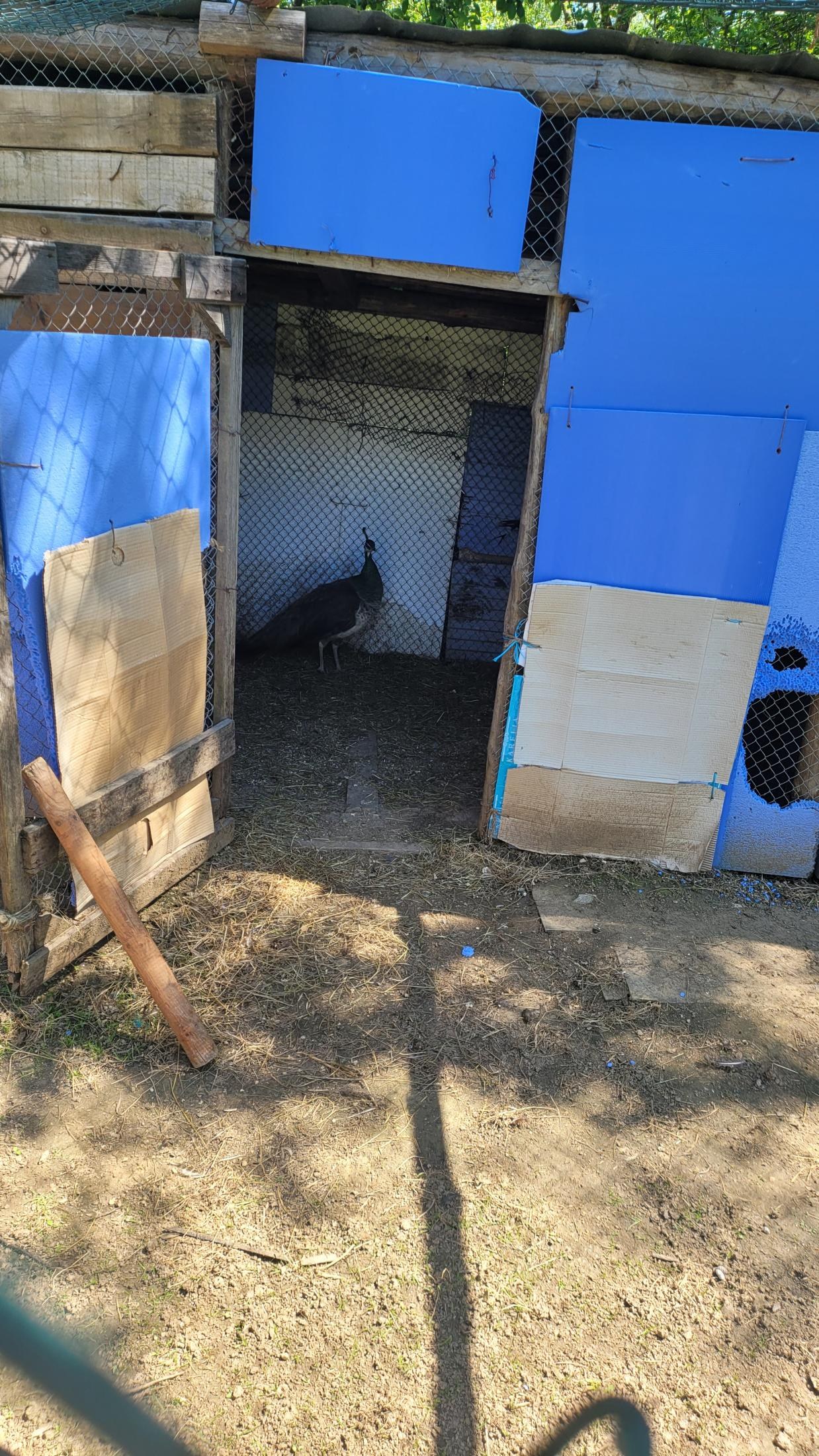
We have him on video, the little rascal, but that’s not really the idea — I’ve left one photo of him, just so he isn’t left out entirely. There was a “situation” in the end, and a looot of laughter 😄 The staff tell you a great deal, they visibly enjoy their work and you can tell they do it with heart. Listen to them; it’s easy listening, told like a good story.
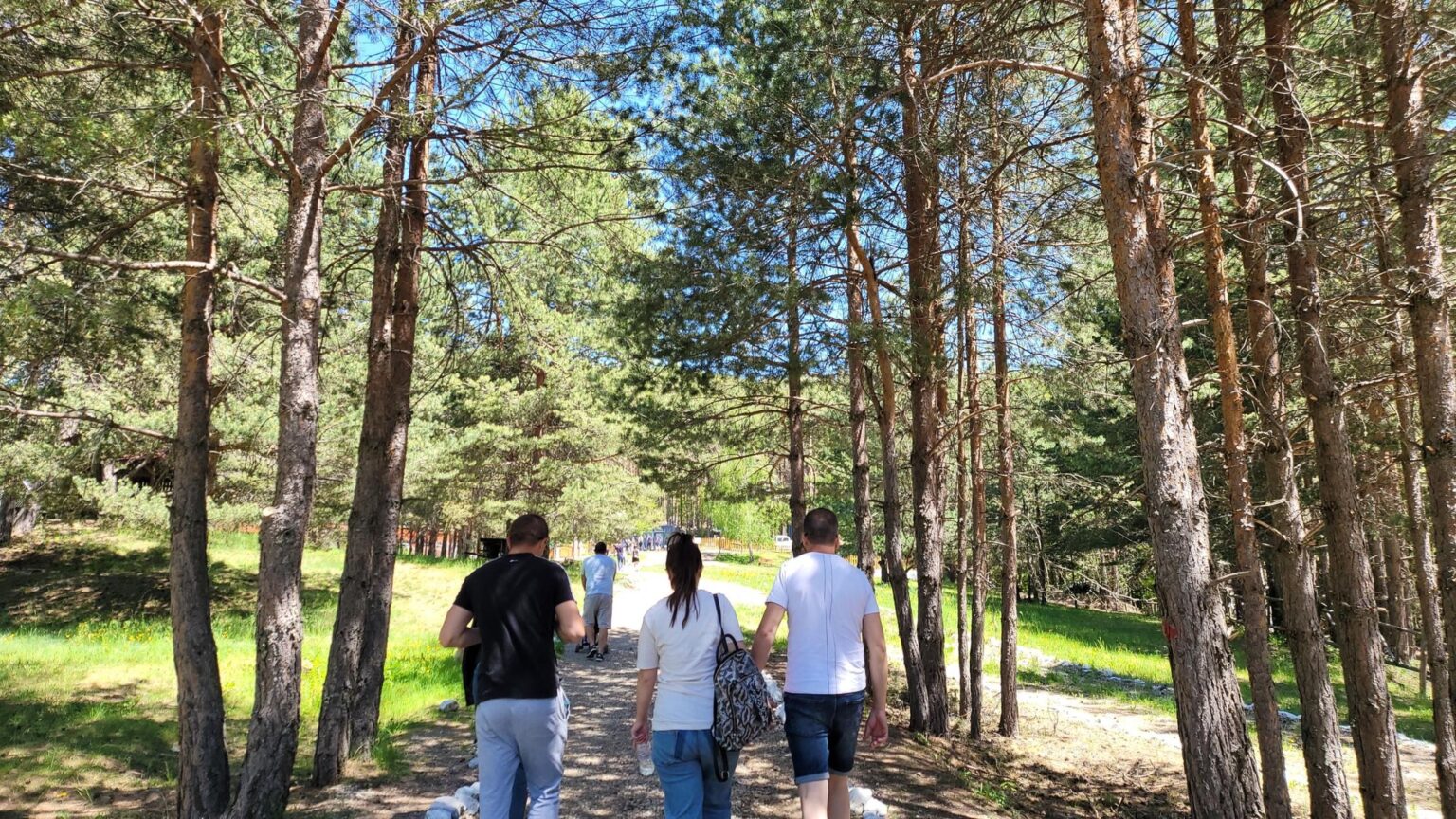
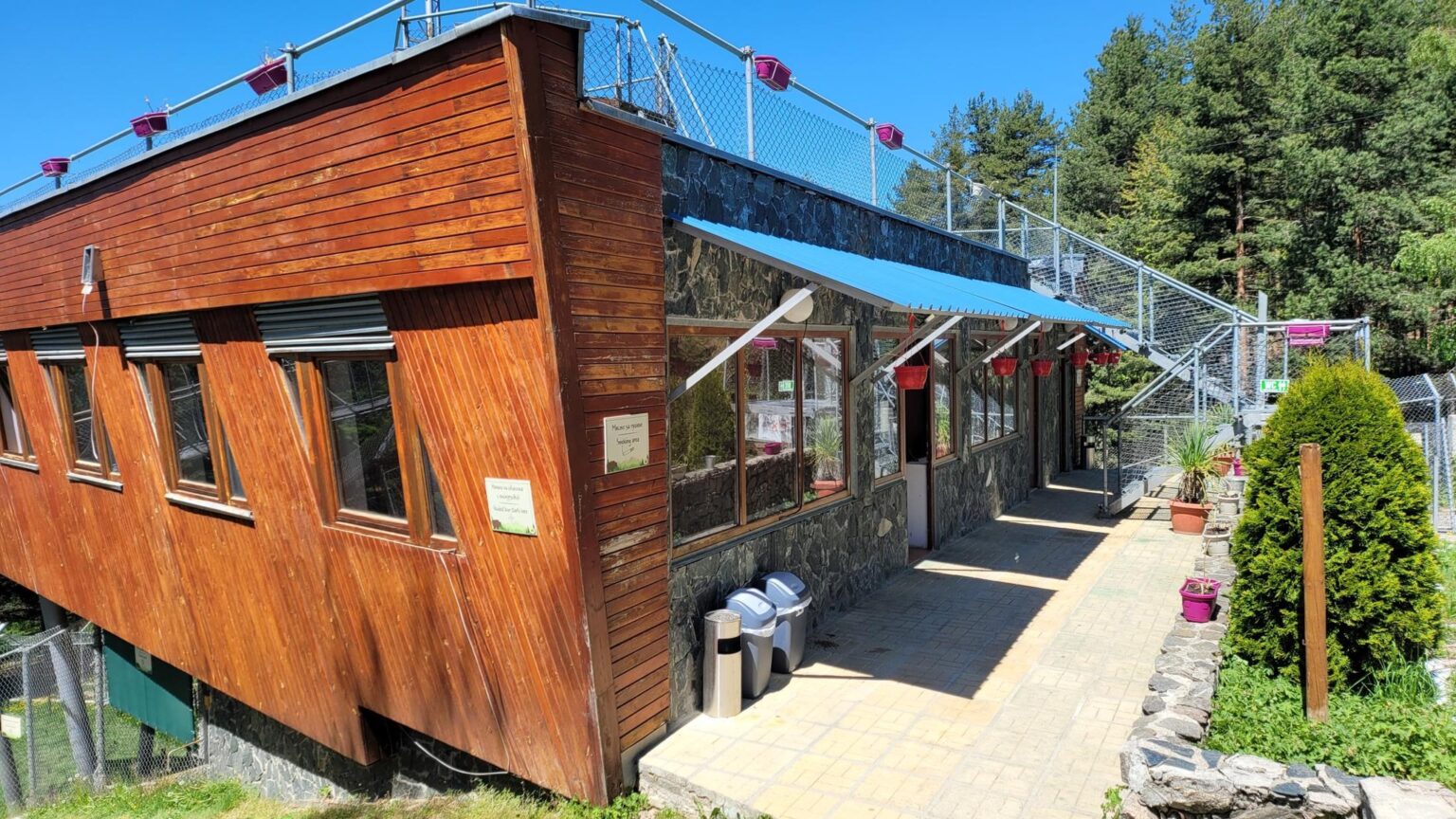
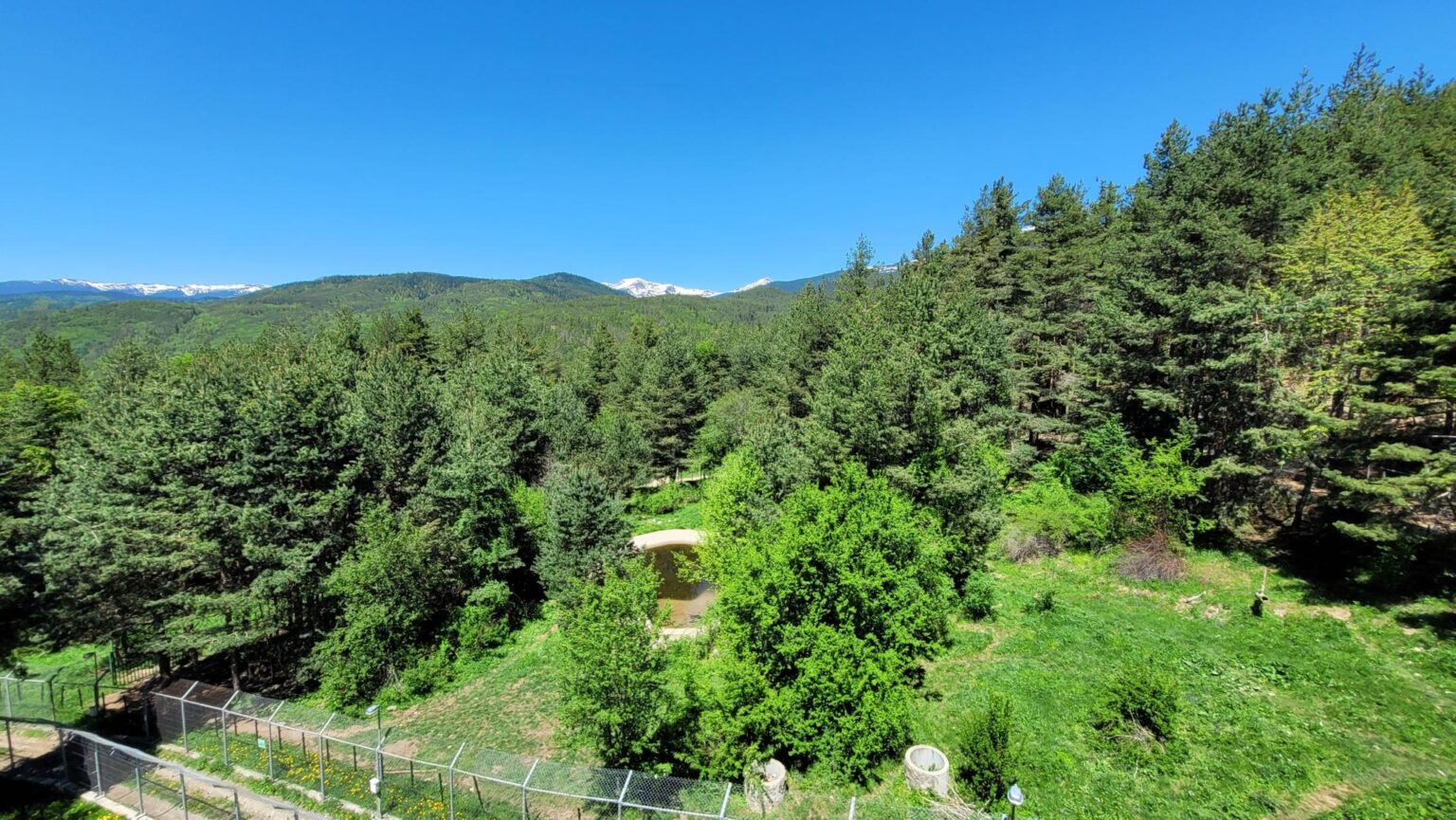
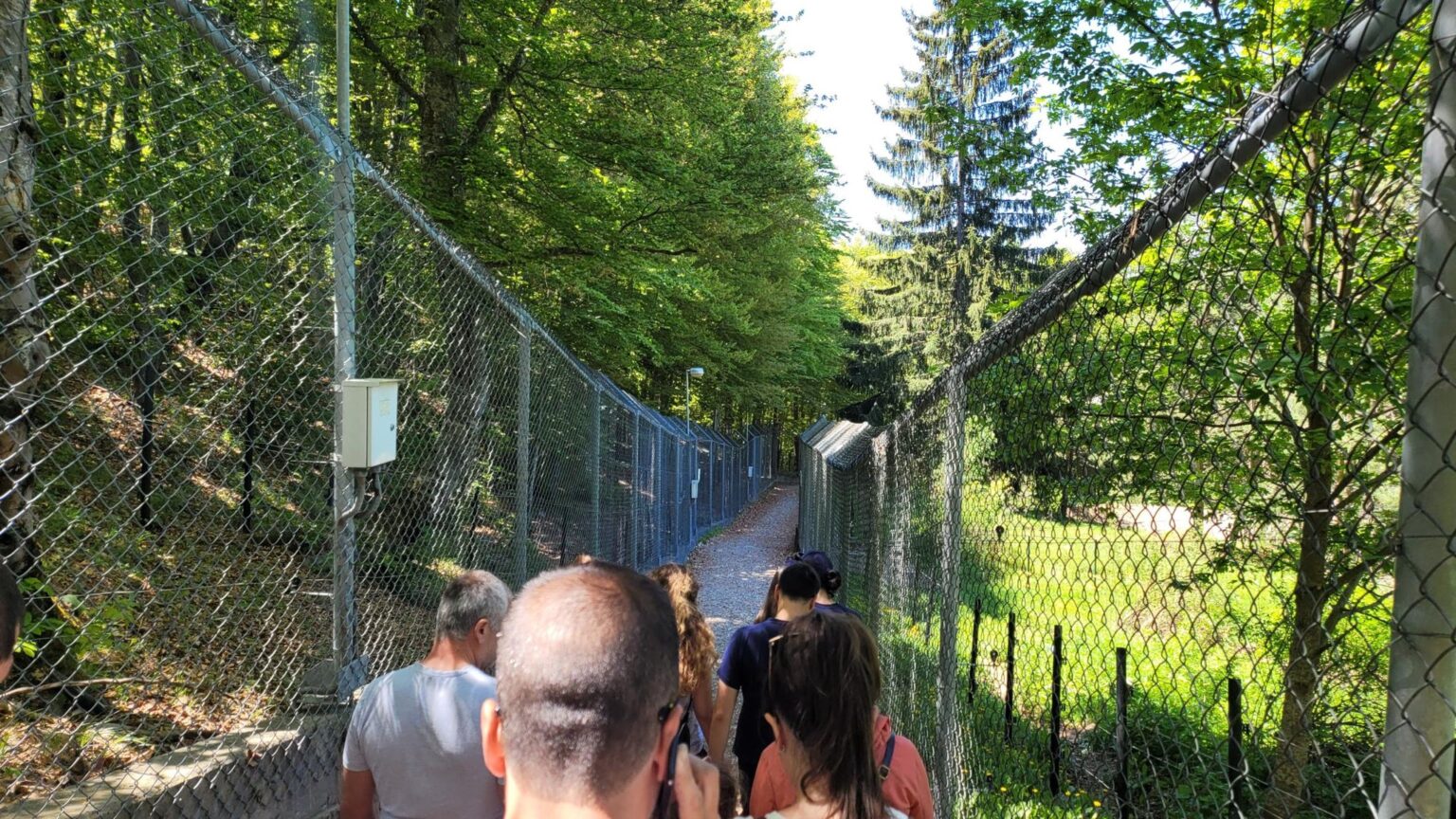
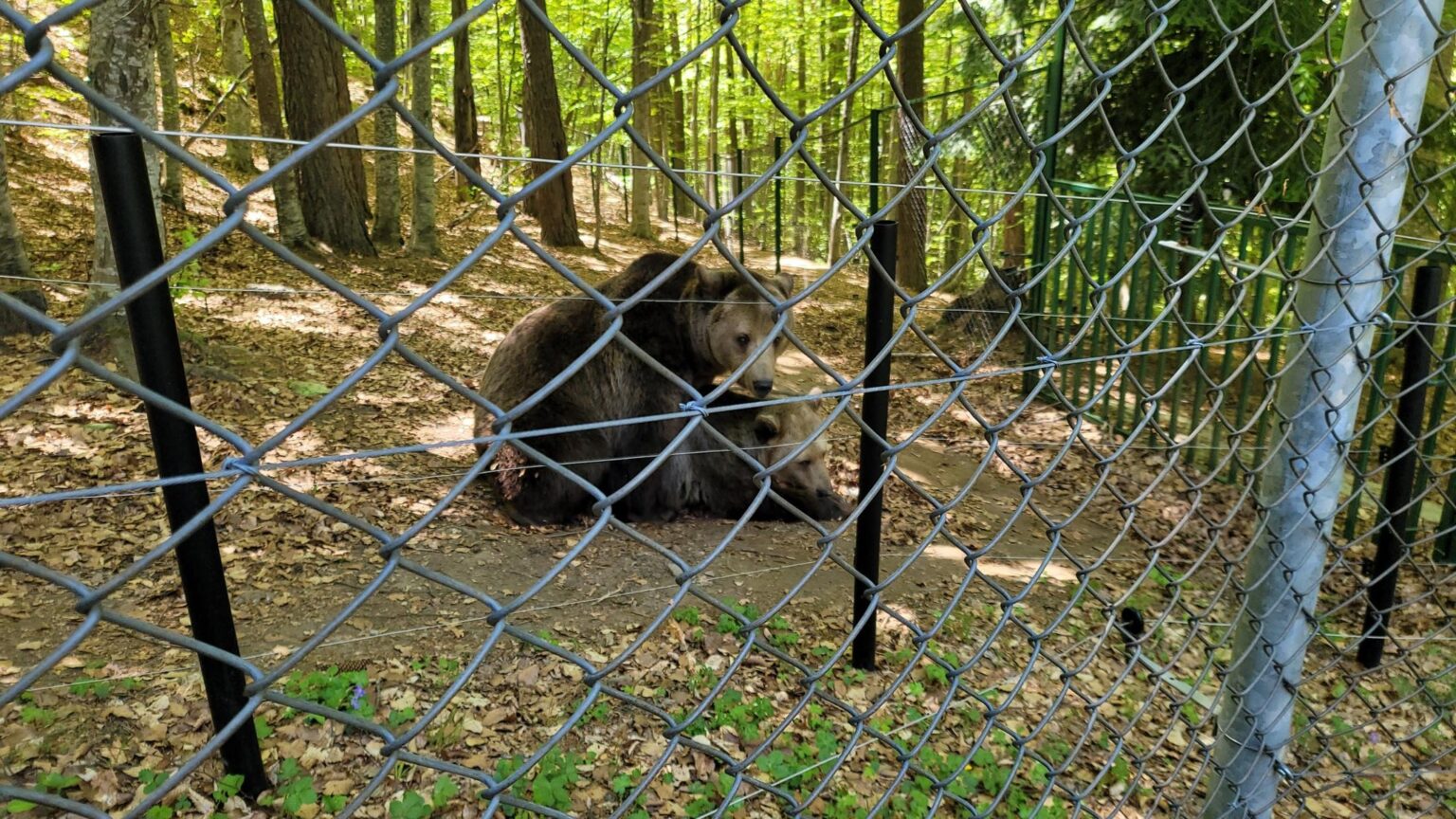
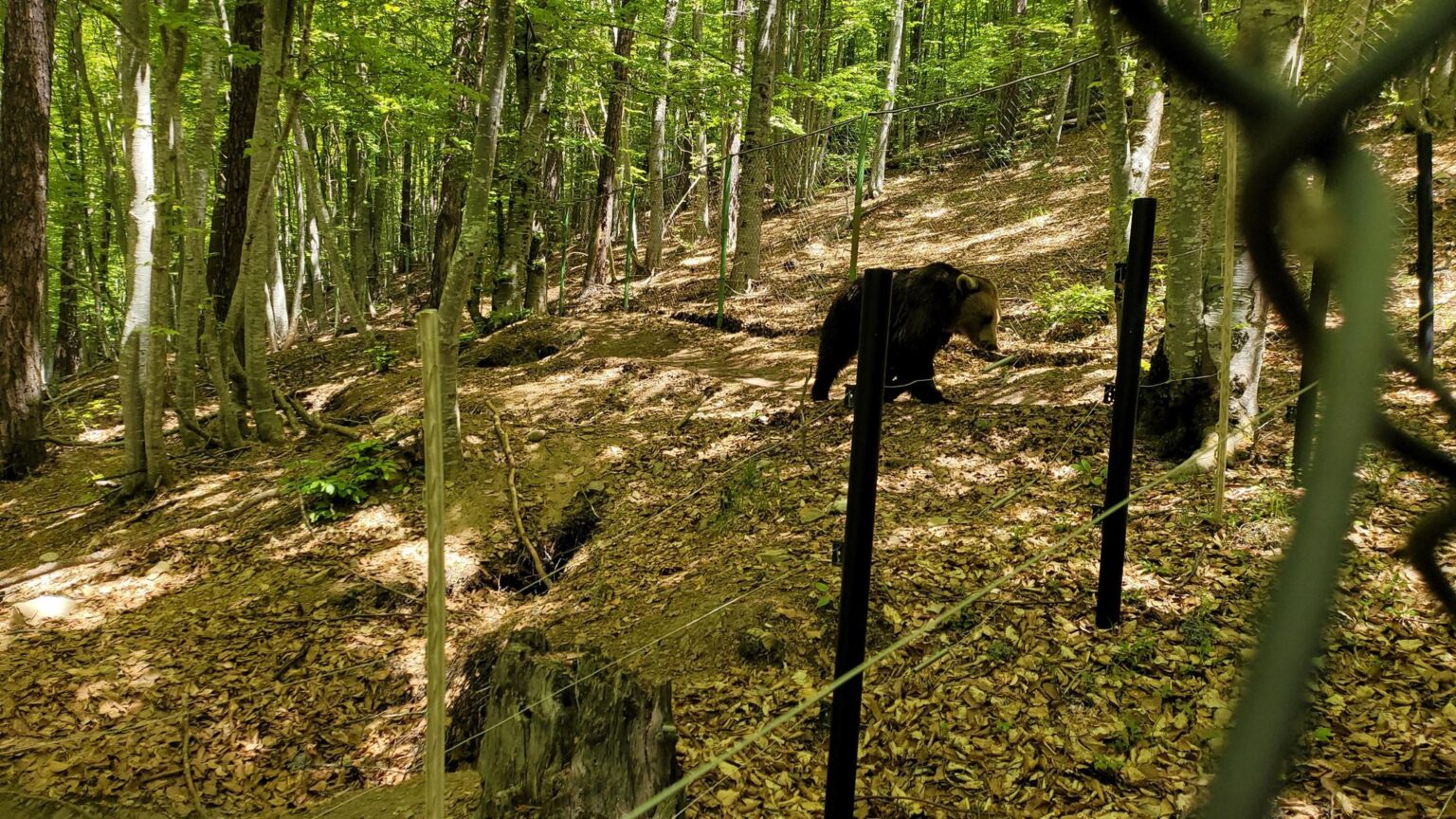
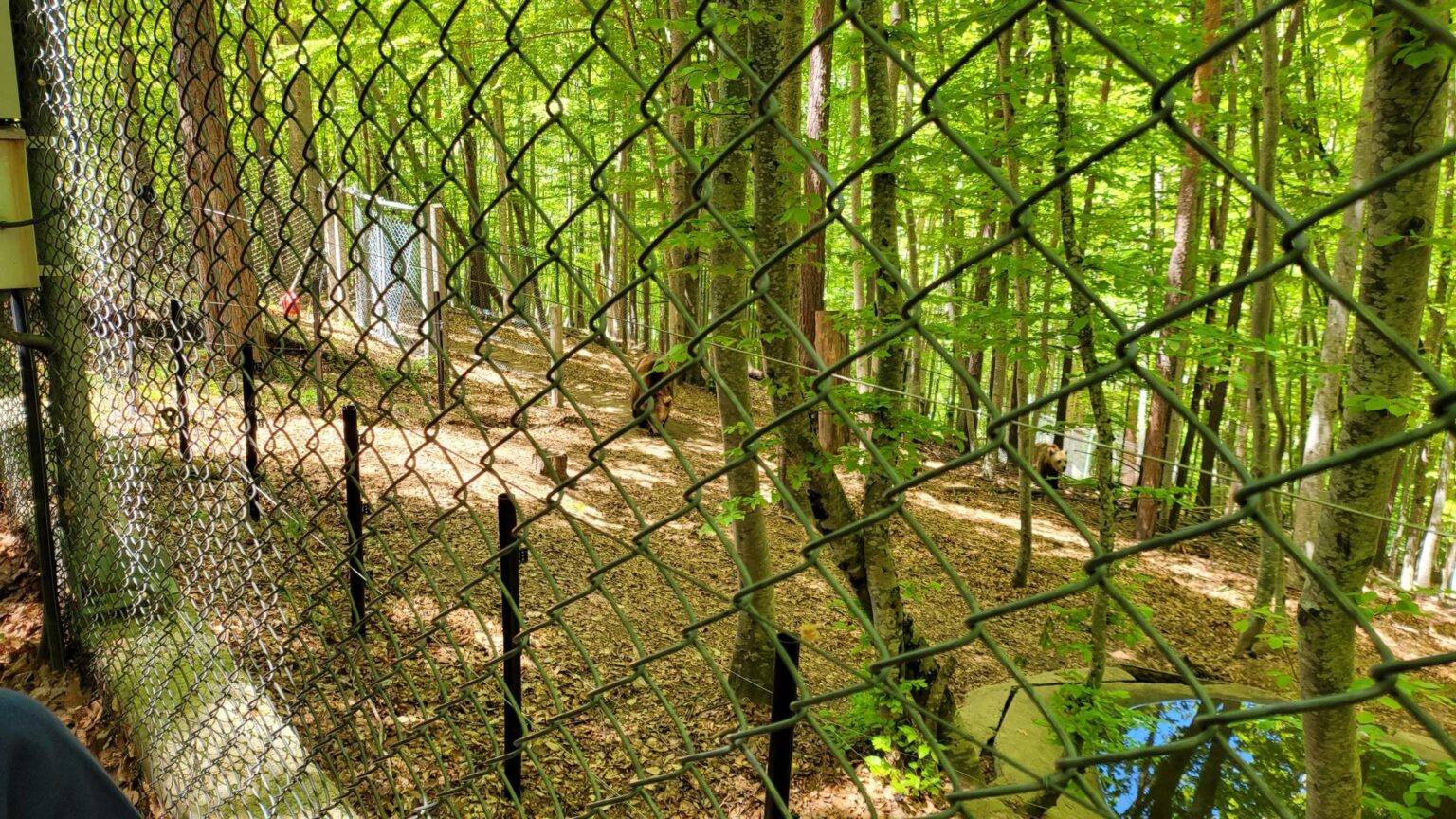
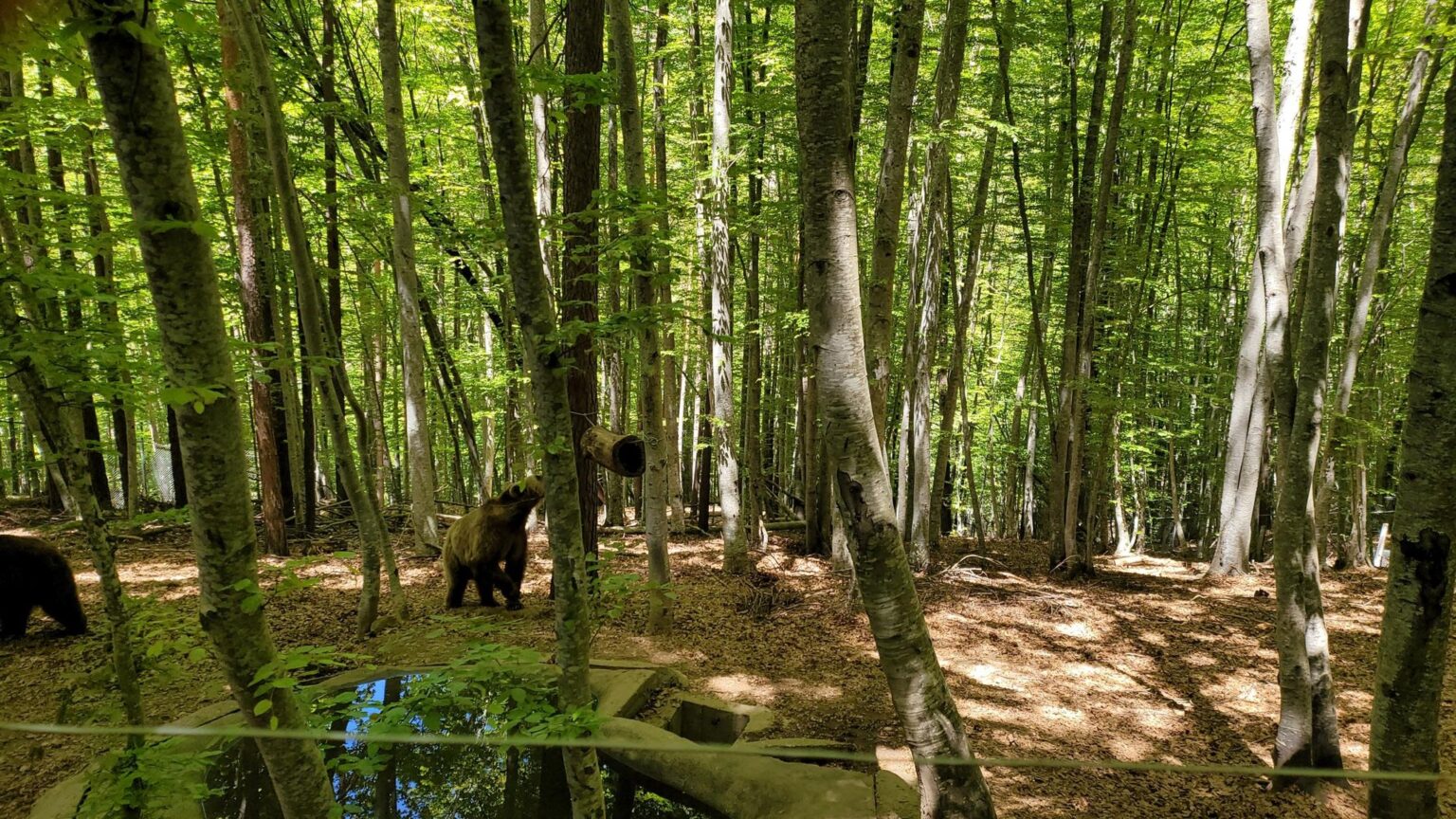
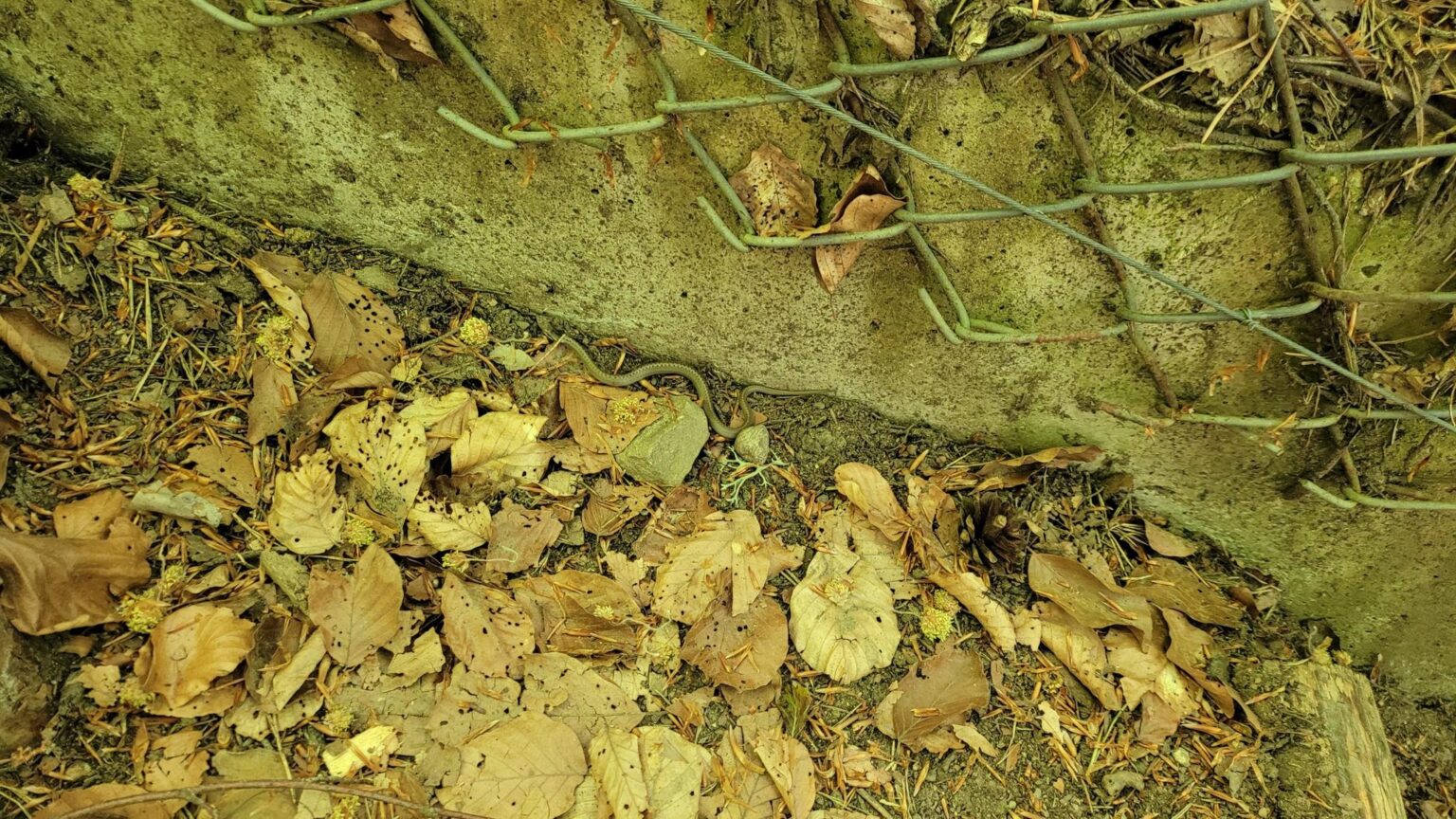
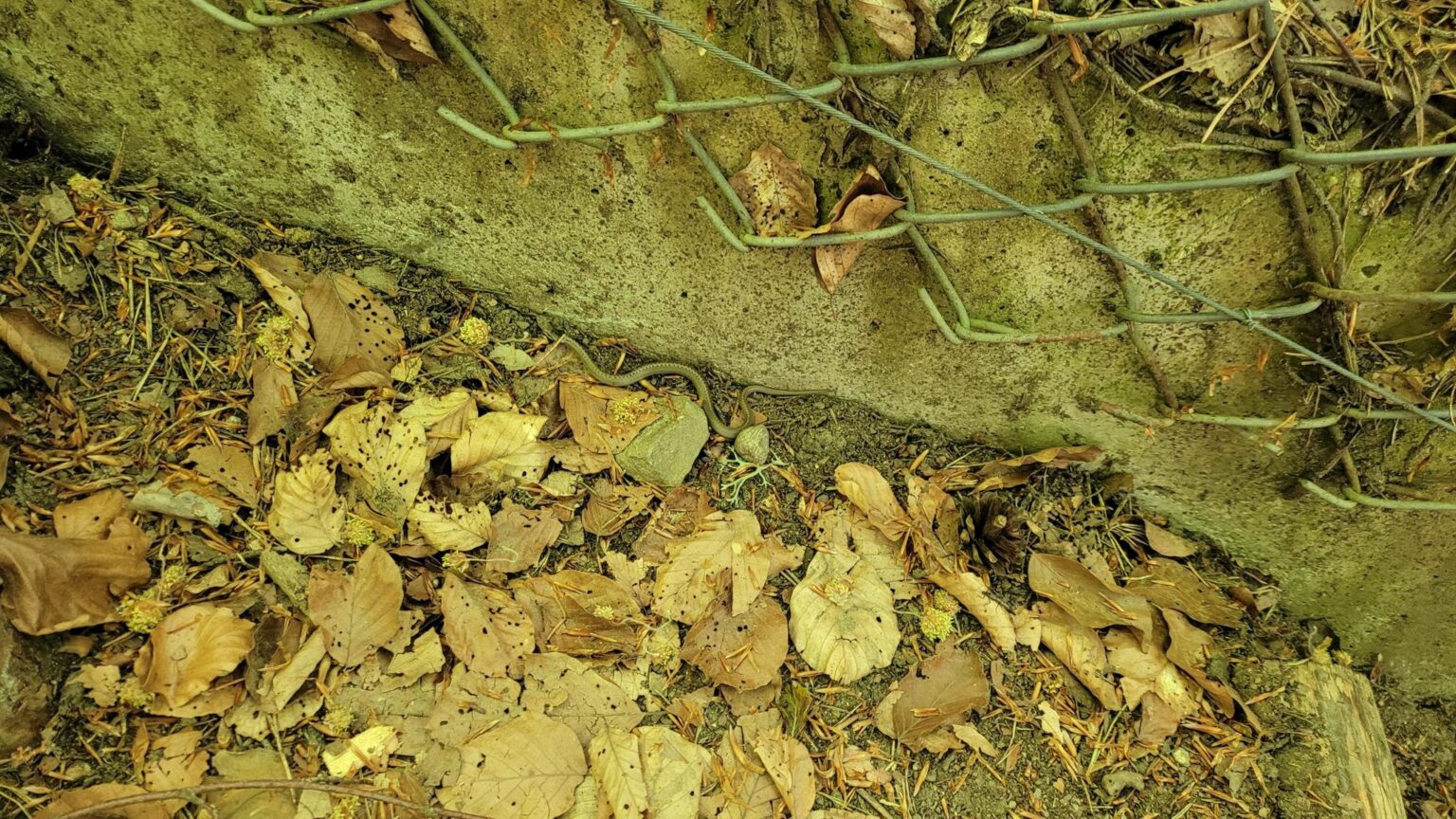
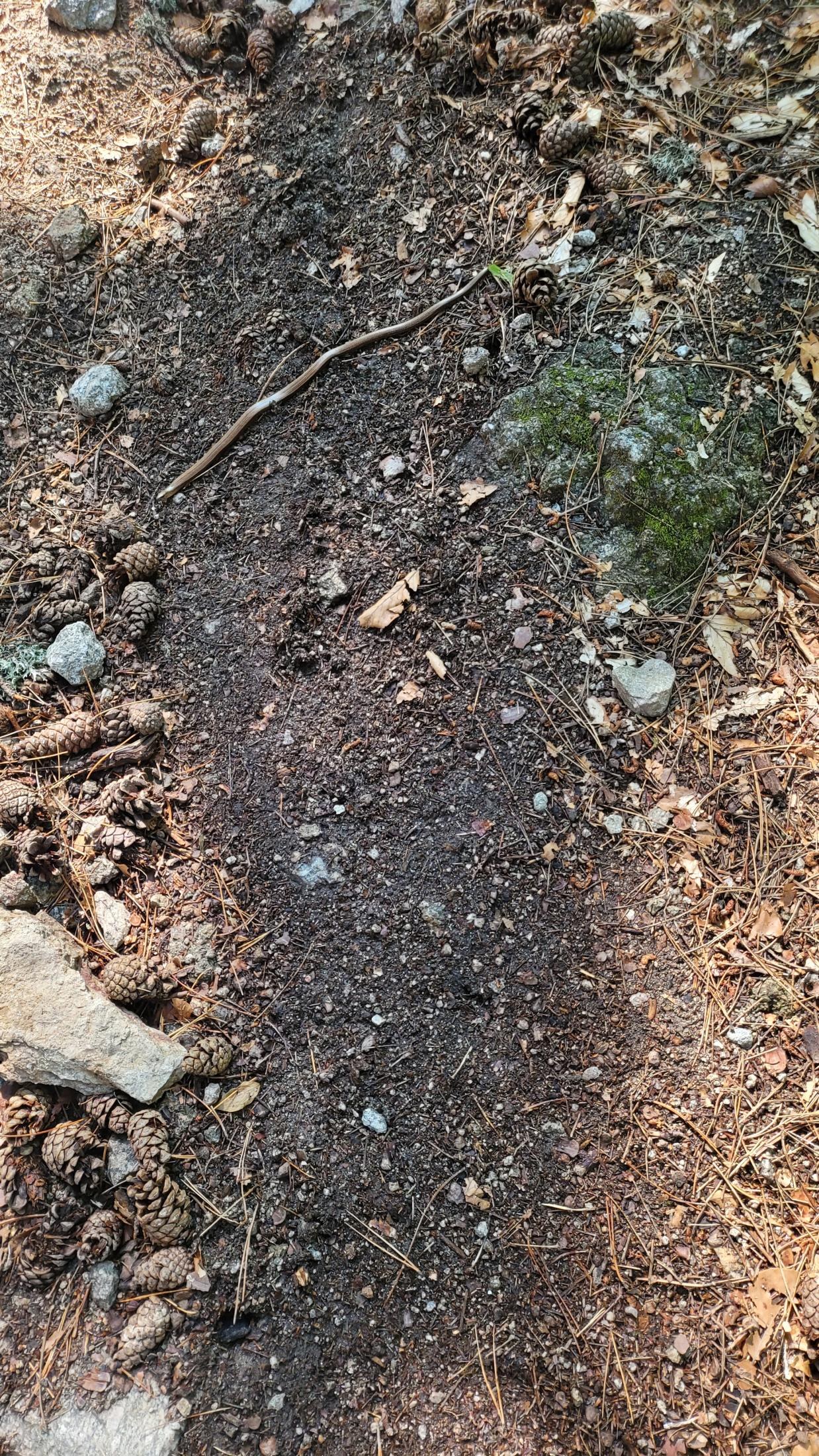
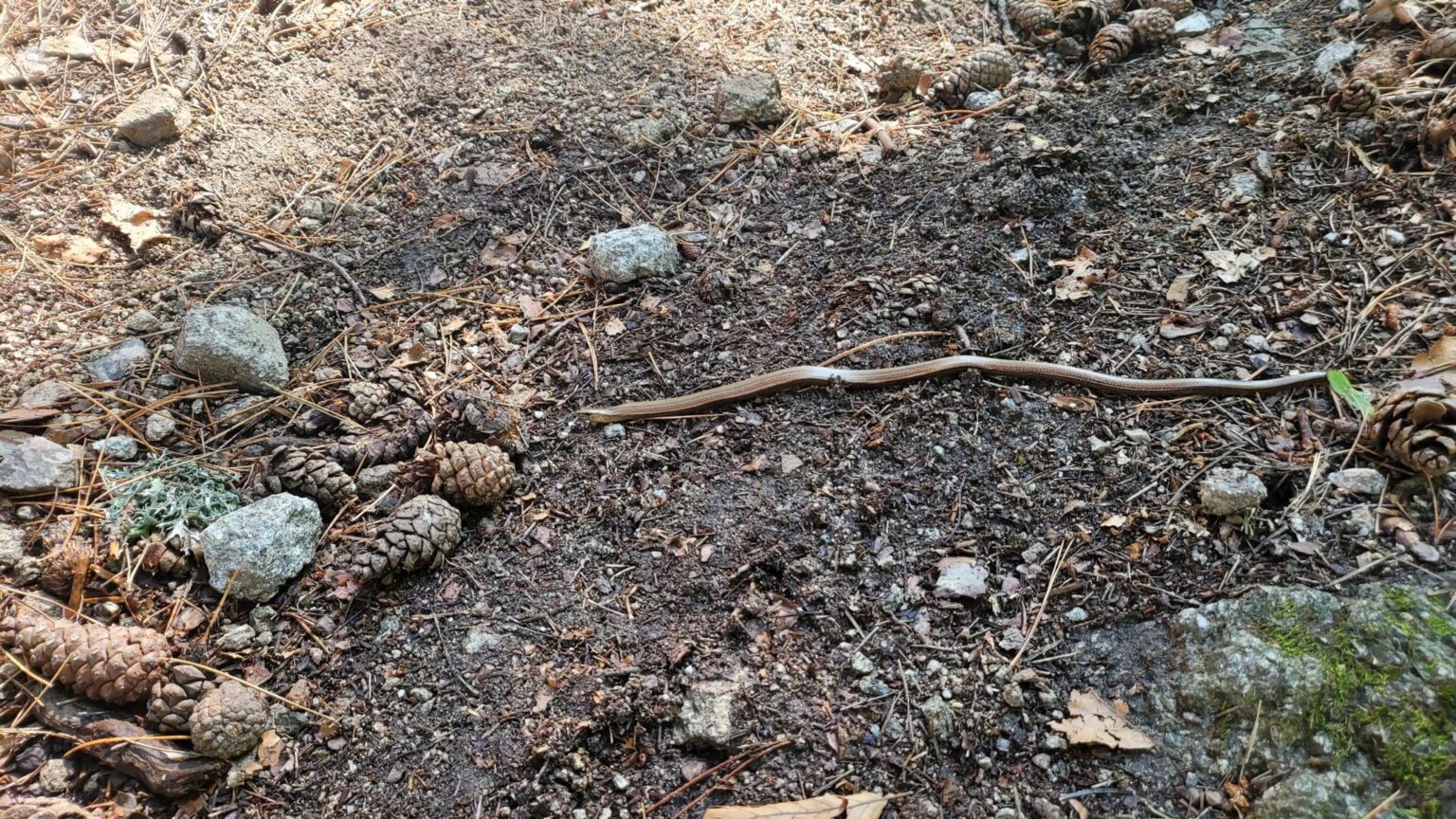
A small snake on the steps politely made room for us to pass. We’re in the forest — we’re the guests here.
The village of Dobarsko
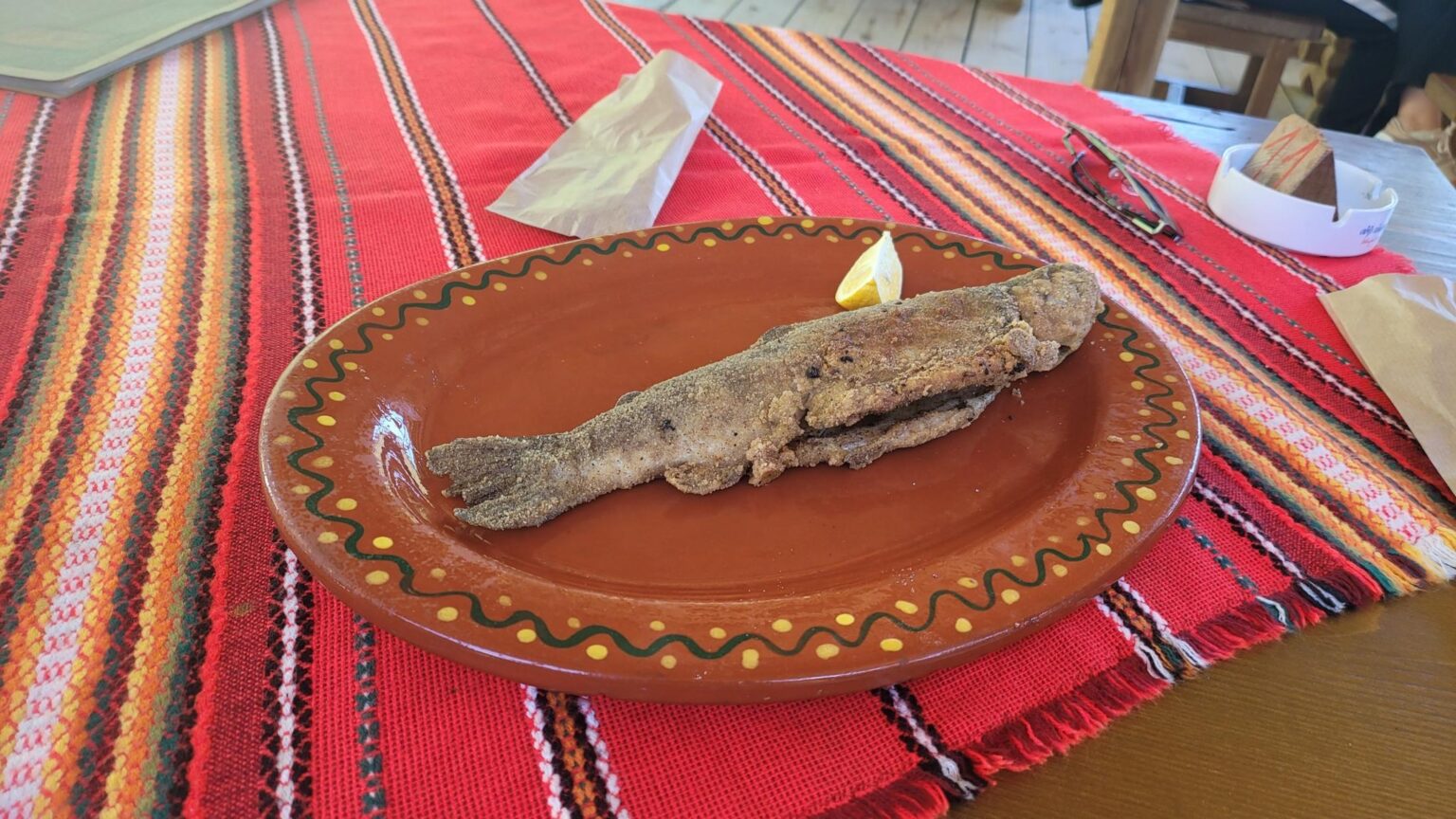
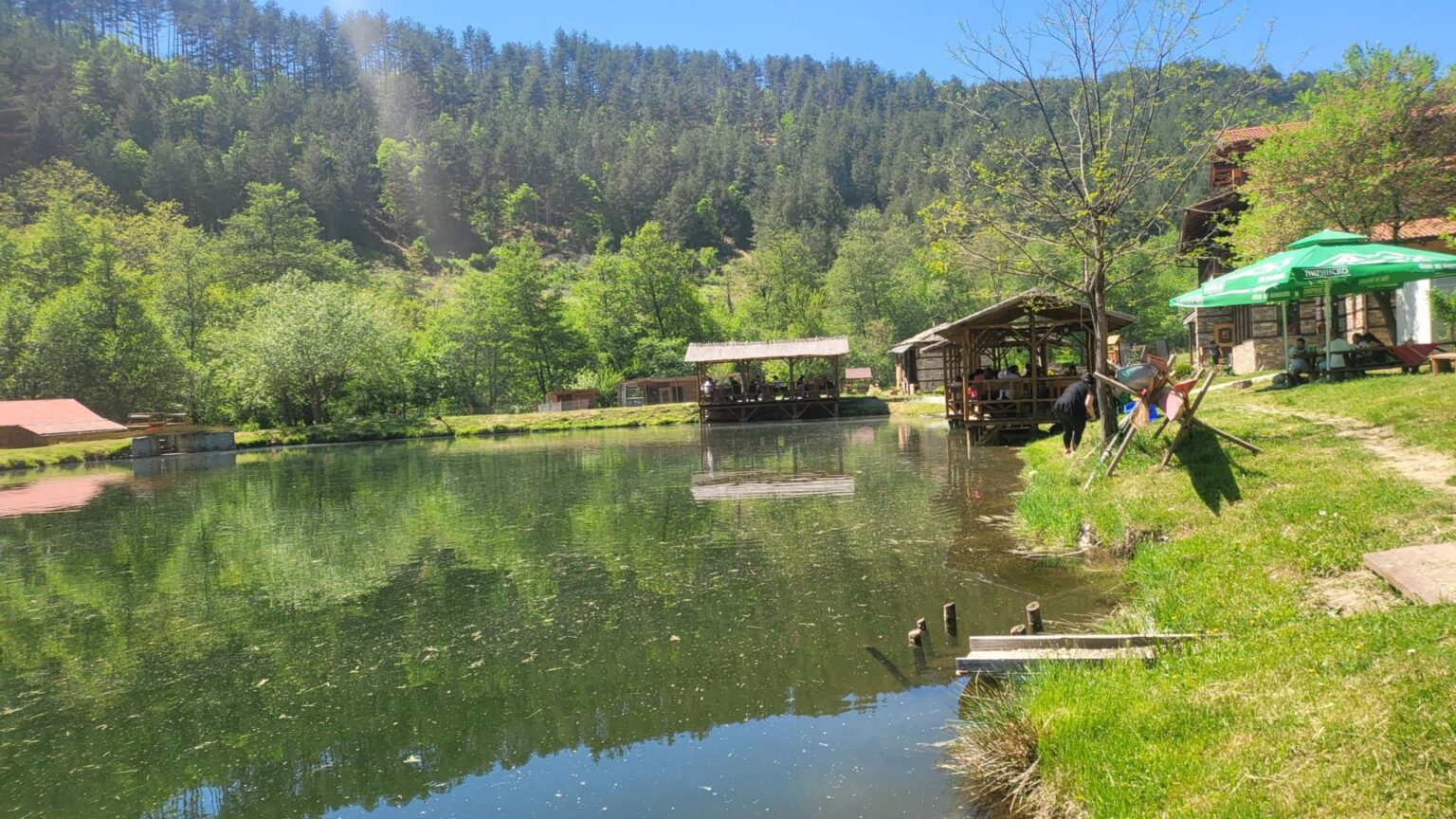
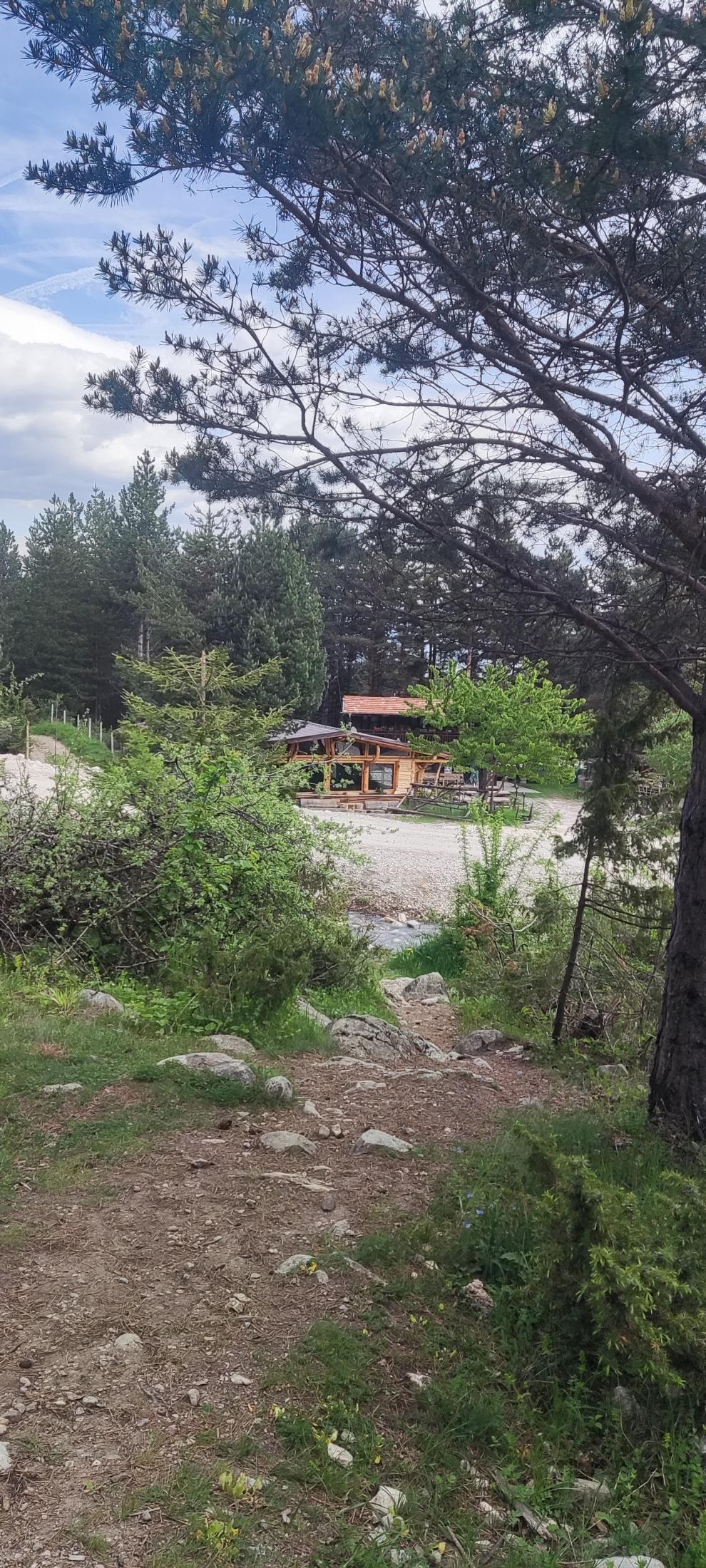
On the way back there are two restaurants, evidently well known locally, that advertise hard and loudly — they have people shouting for customers outside both the fun park and the bear sanctuary. The less pushy of the two was Rila Fish, and I’ll give them credit for a lovely setting with seats built literally over their pond. It must be famous around here, because staff were sprinting between tables and we waited for one — imagine that, a restaurant in the middle of nowhere, miles from anything, and still packed. The trout was good.
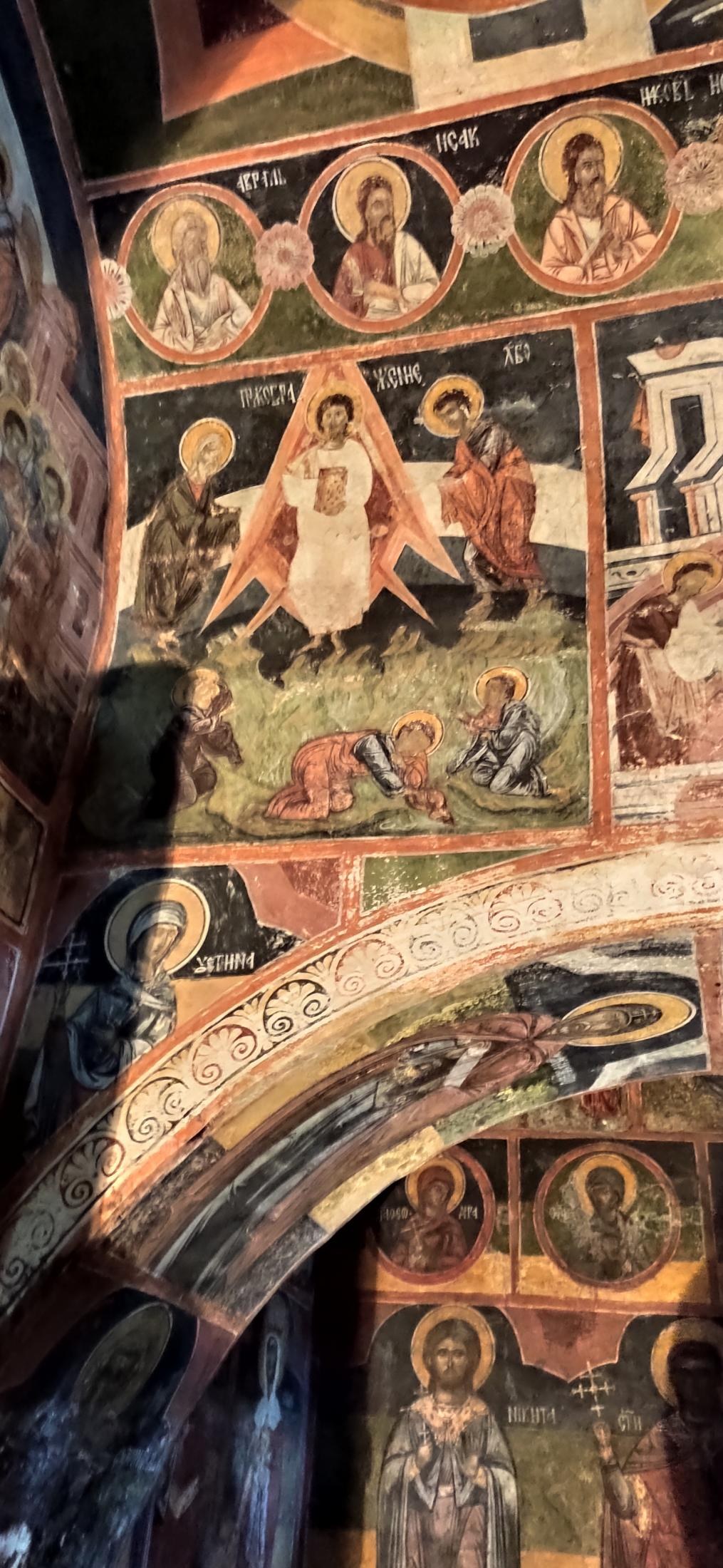
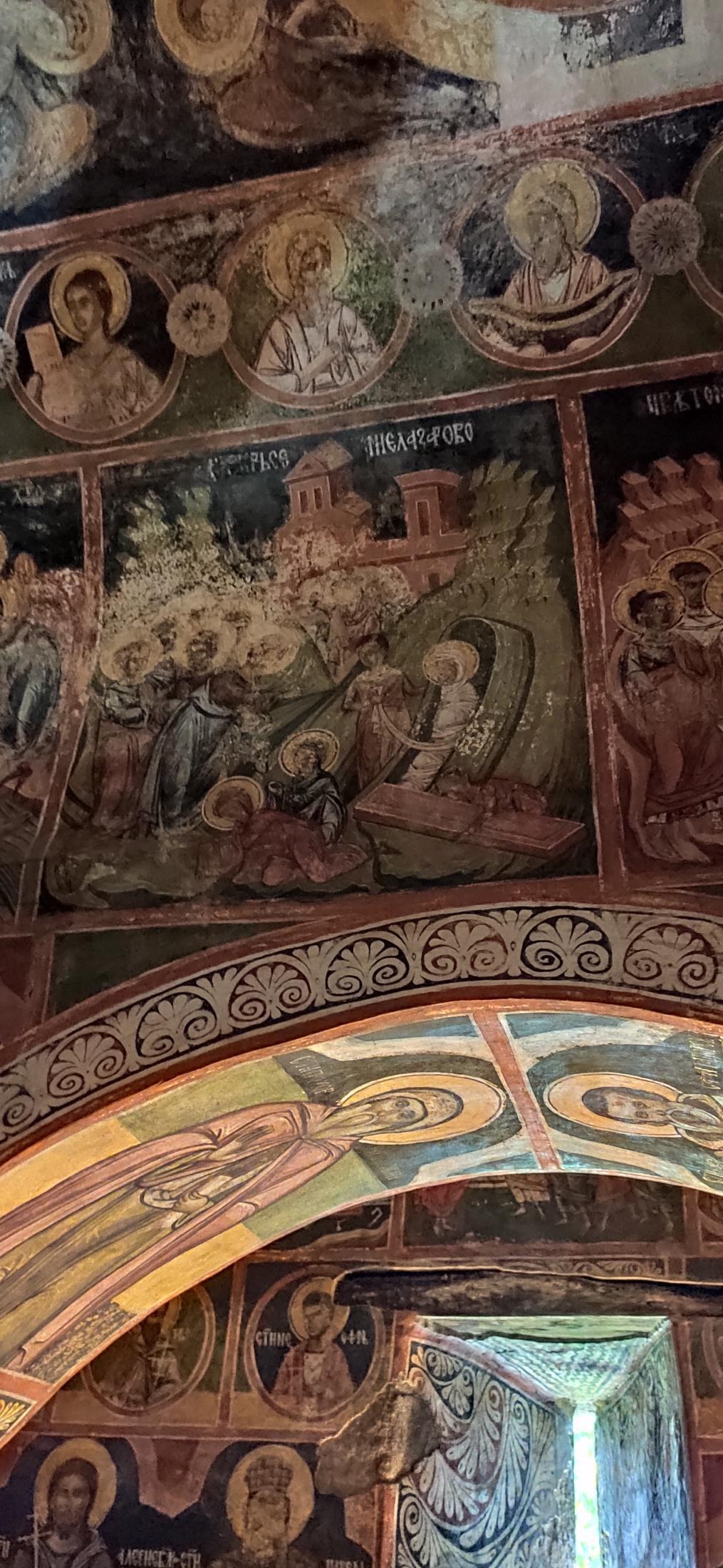
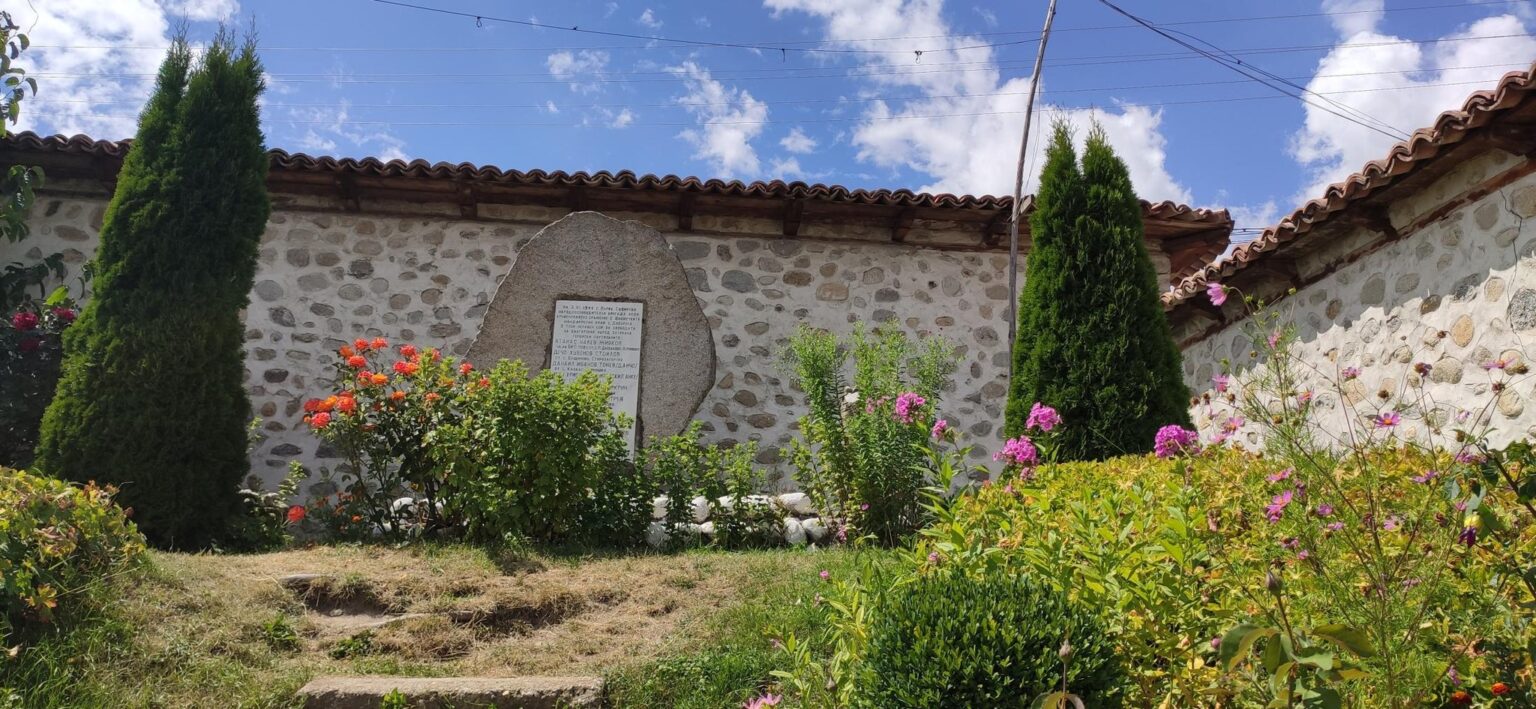
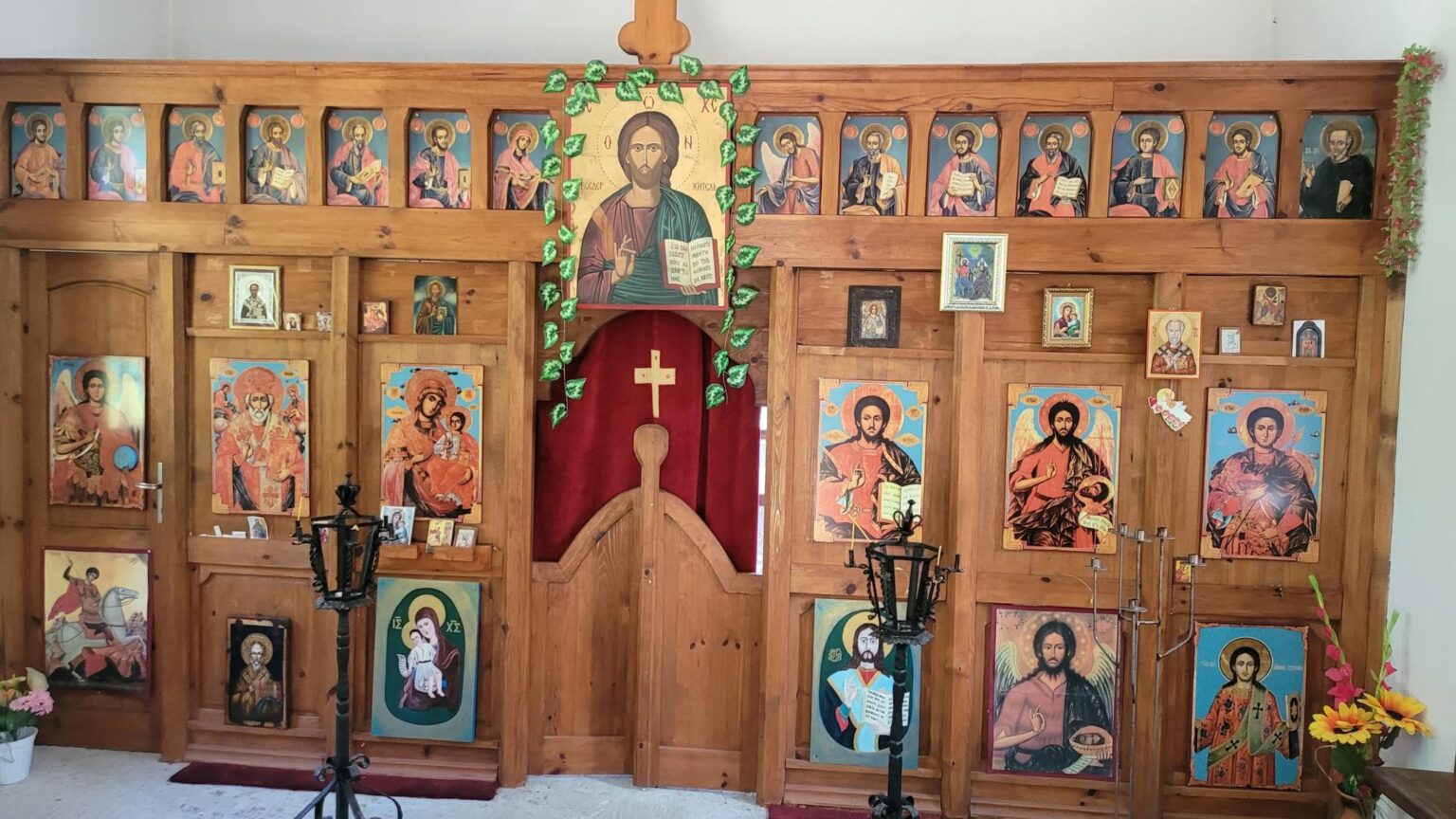
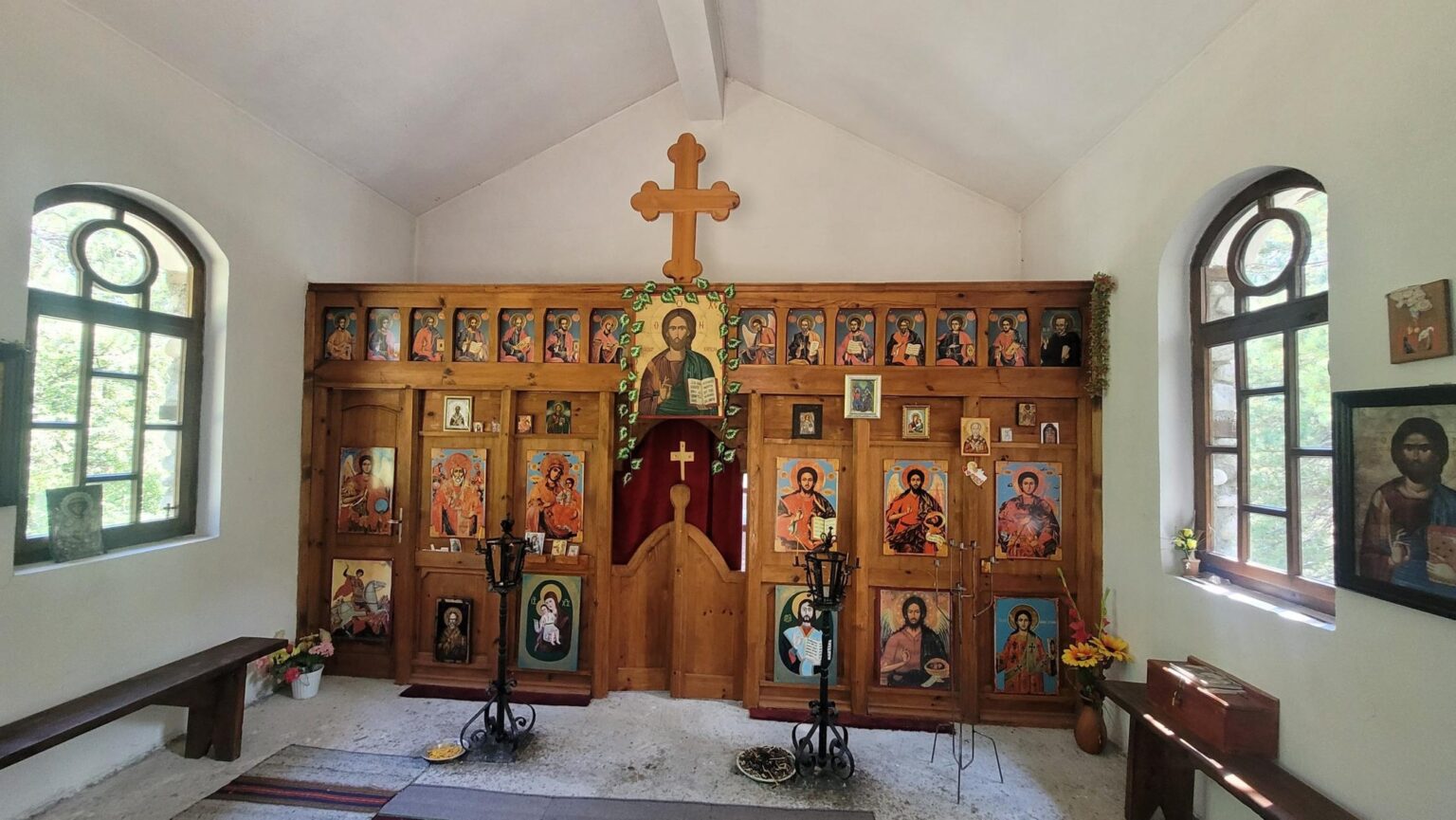
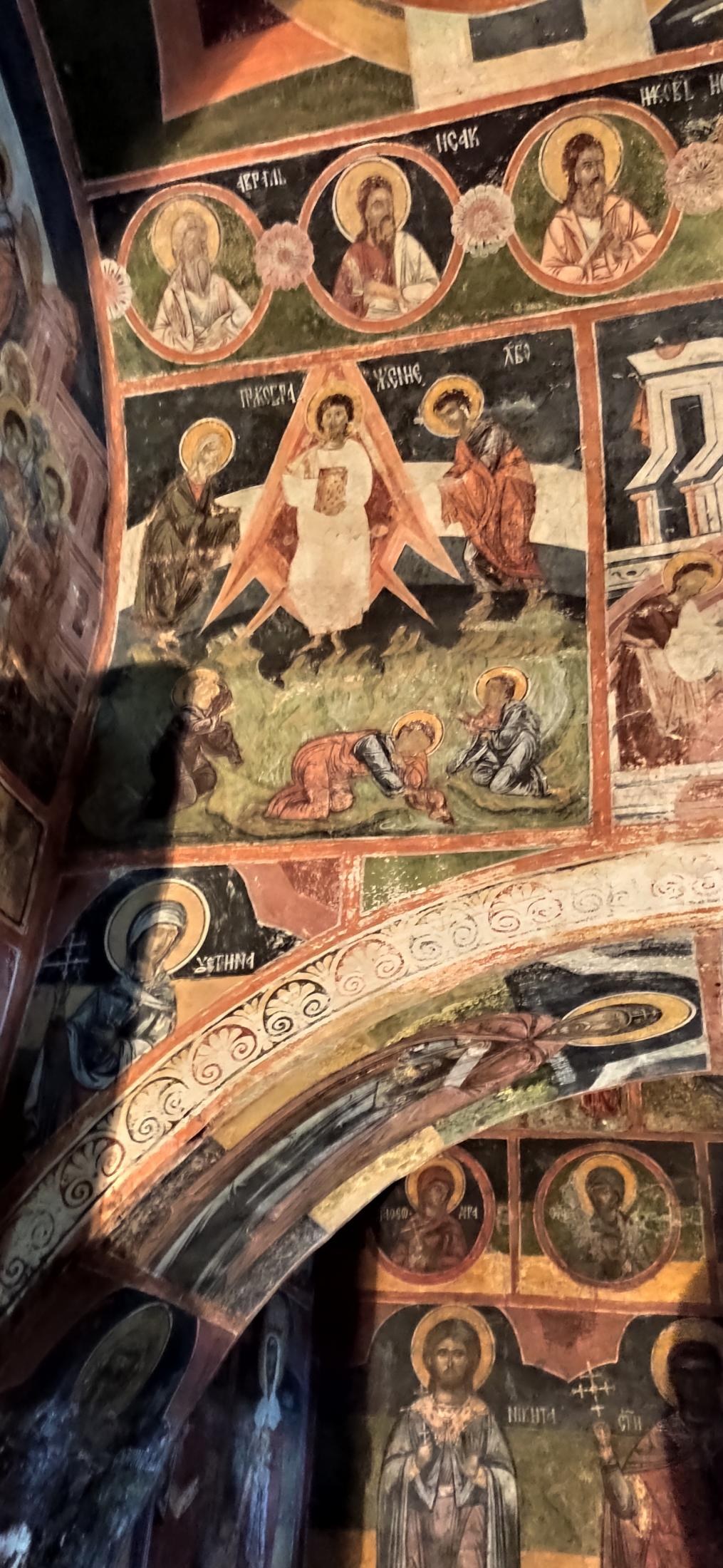
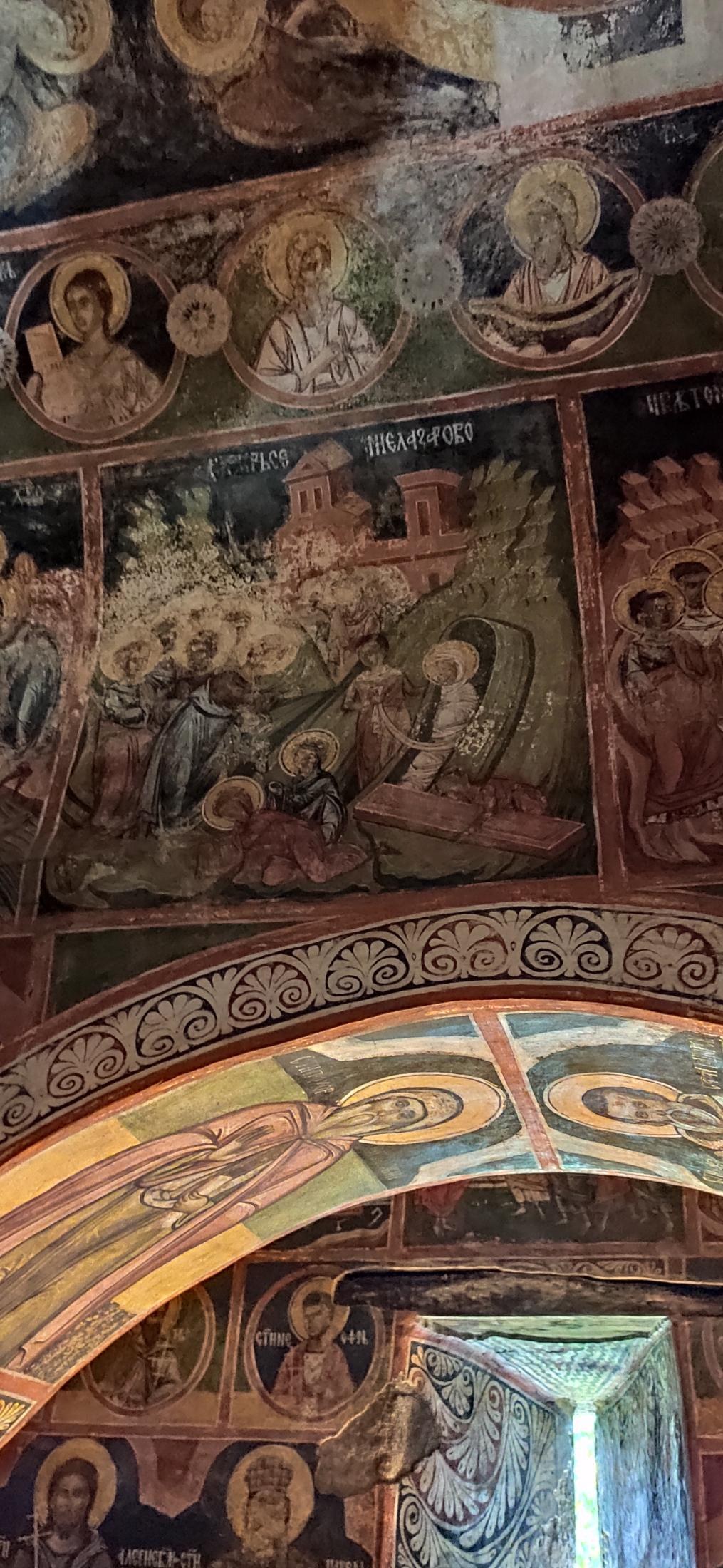
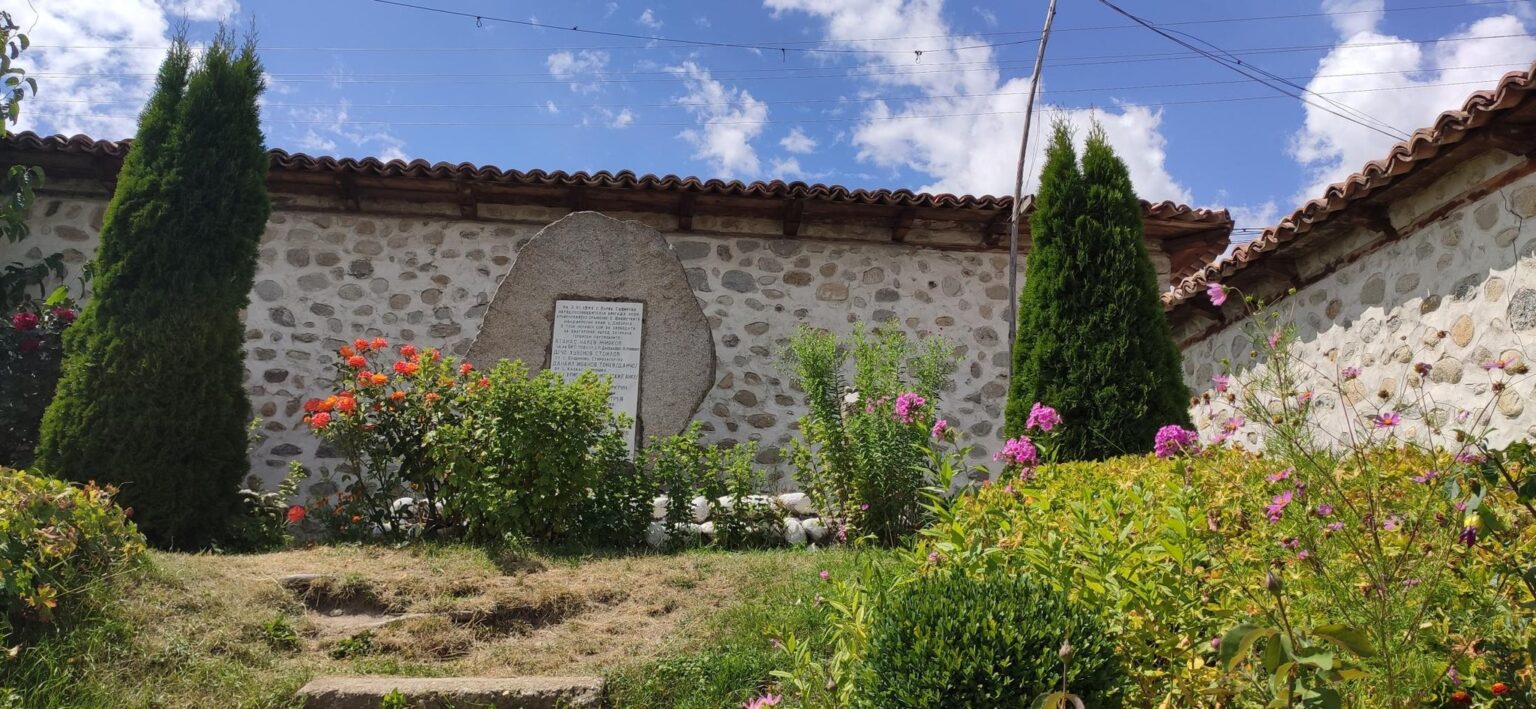
Since the engine is already running (most likely), here’s a bonus about 15 kilometres from Belitsa, on the way home before Bansko: the Church of St Theodore Tyron and St Theodore Stratelates, site number 3 of the 100 National Tourist Sites. The road is moderately good — room for improvement, but let’s say that between the craters there is the occasional stretch of asphalt. Parking is easy and painless. Entry is free and the 100 NTS stamp is inside. It’s cramped, but then there aren’t many people either.
The church is famous (or at least that’s how I remember it) for a fresco of Jesus riding what looks like a modern space rocket. At this point it gets subjective and comes down to imagination. Personally, I see a giant insect trying to eat him, but I’ll leave your own imagination to do the work.
All three take barely four hours. If you leave Sofia around 08:00–09:00 you can do the lot at a comfortable pace and still be checking into a hotel in the area by 14:00–15:00, which is the other thing this region is known for. My alternative for a rest-plus-excursion combo is Rila Monastery + the Stob pyramids.
Day 2: Baikushev’s pine and Sitan Kale
Baikushev’s pine
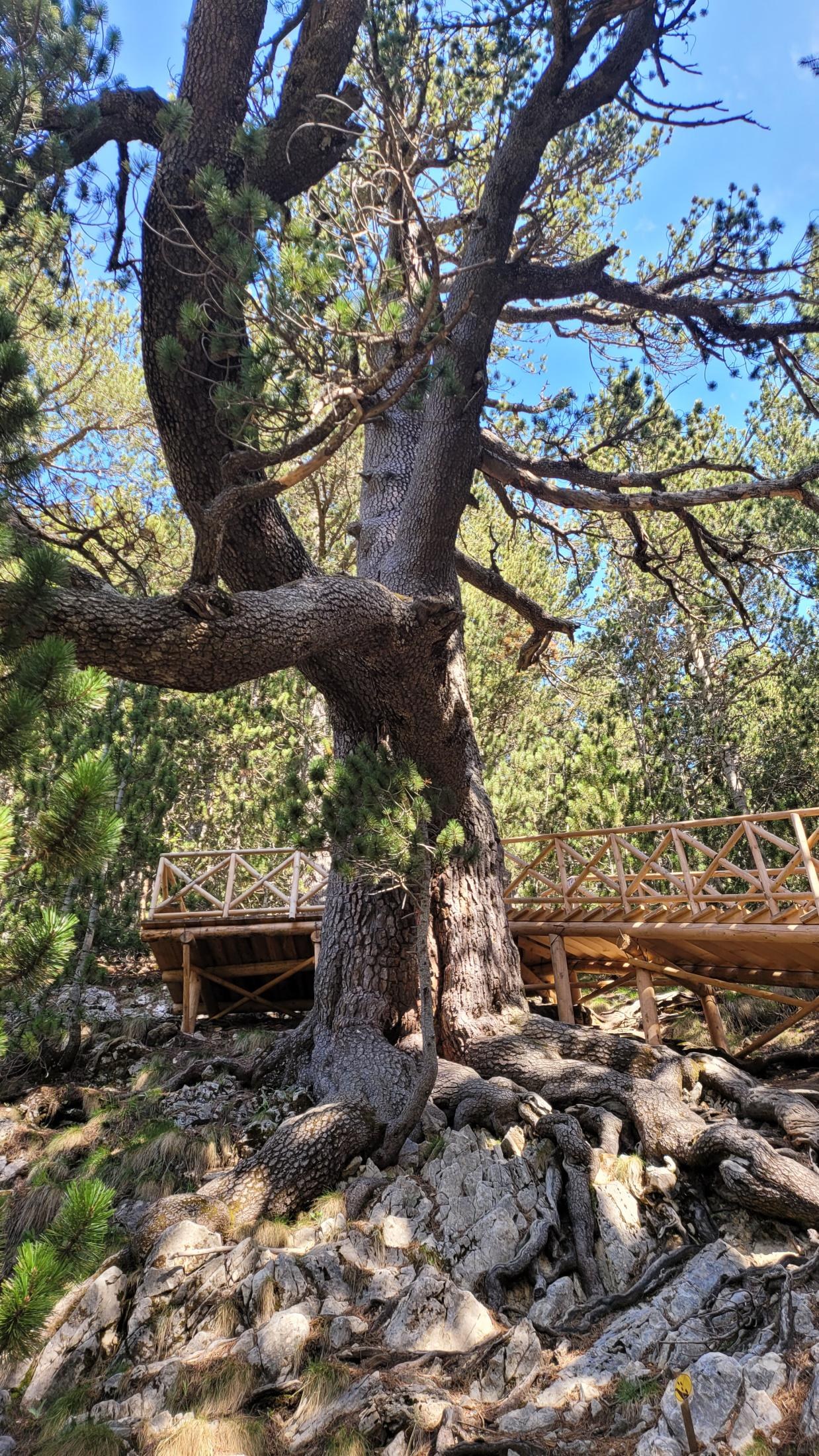
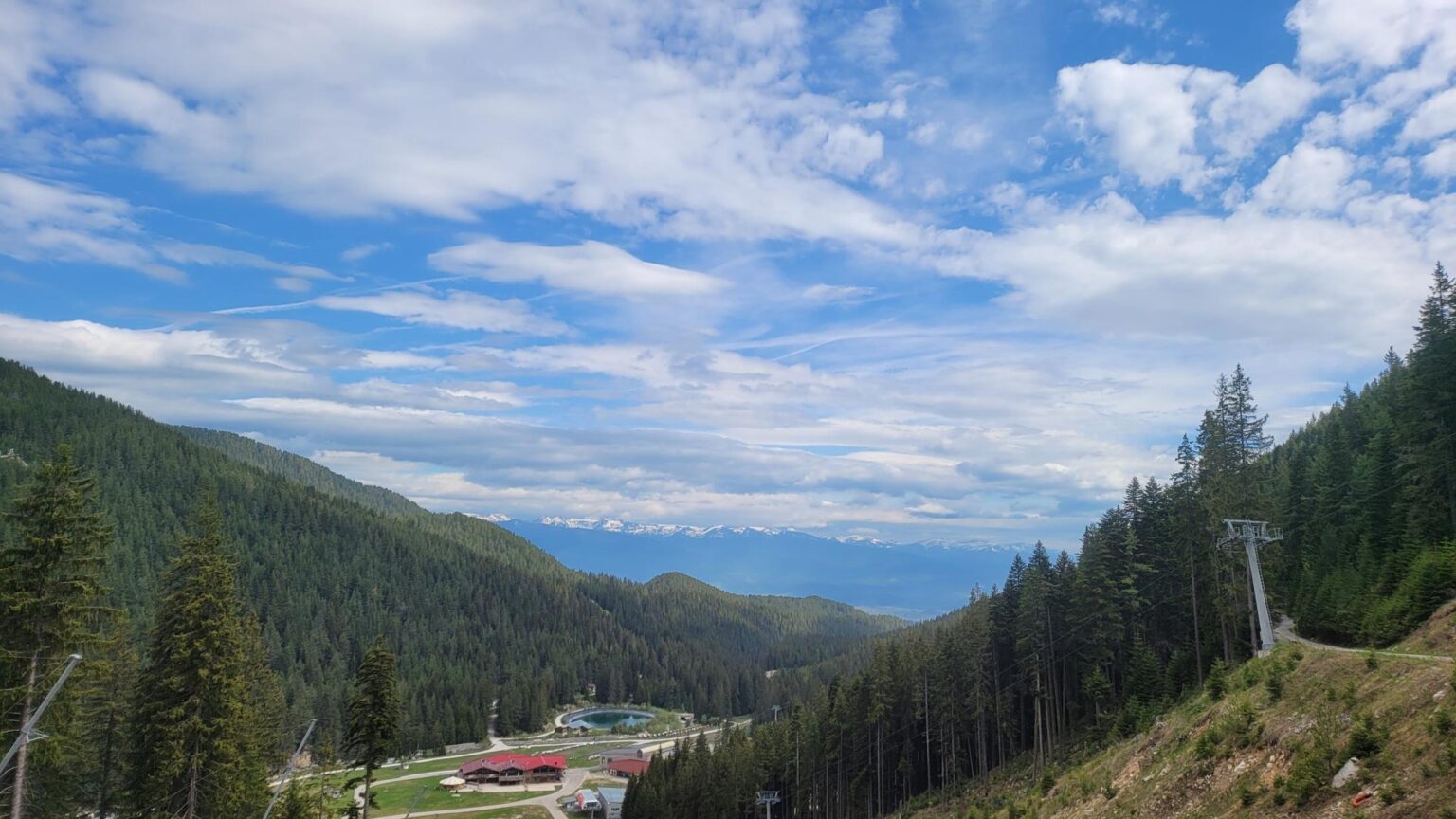
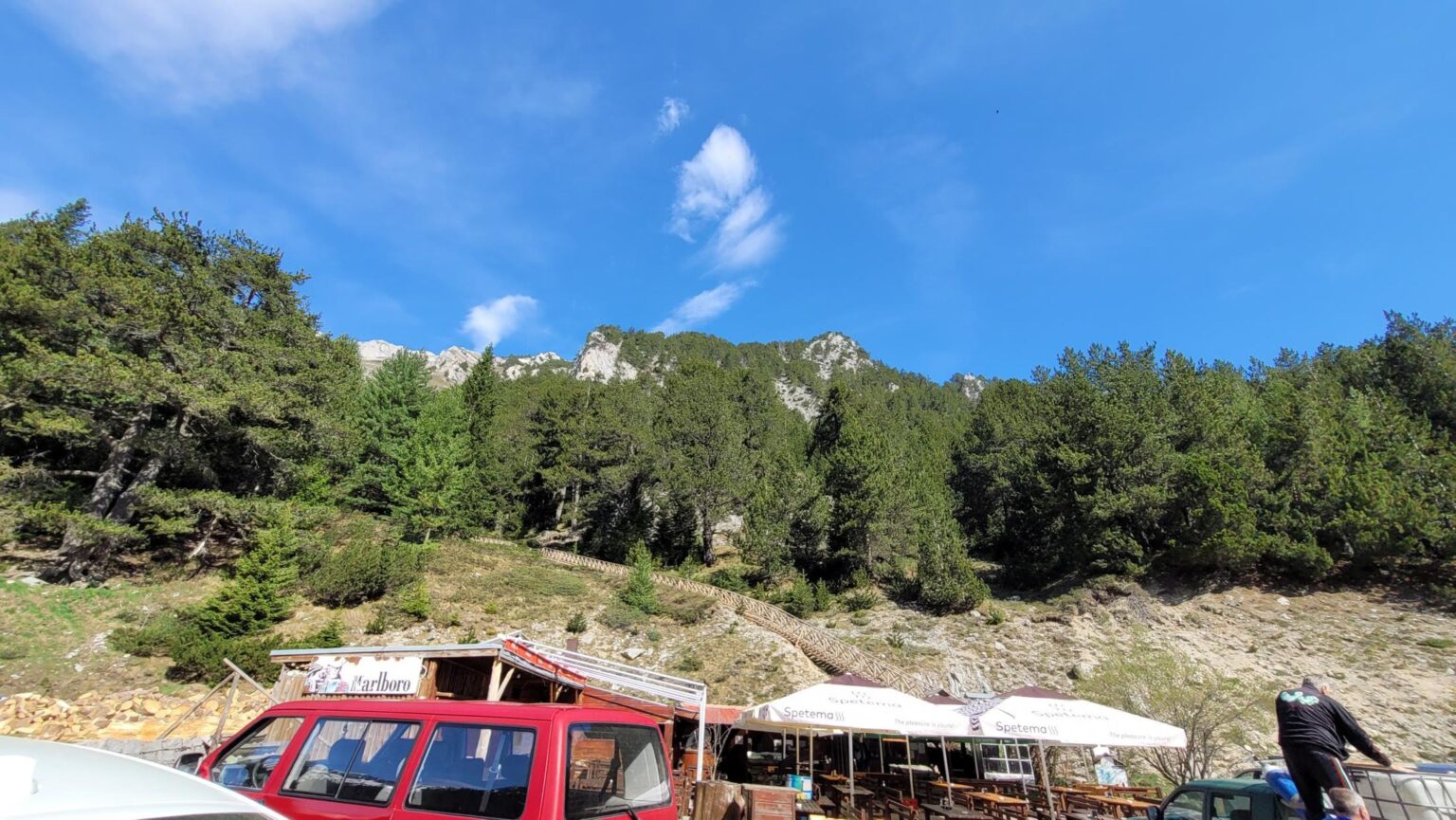
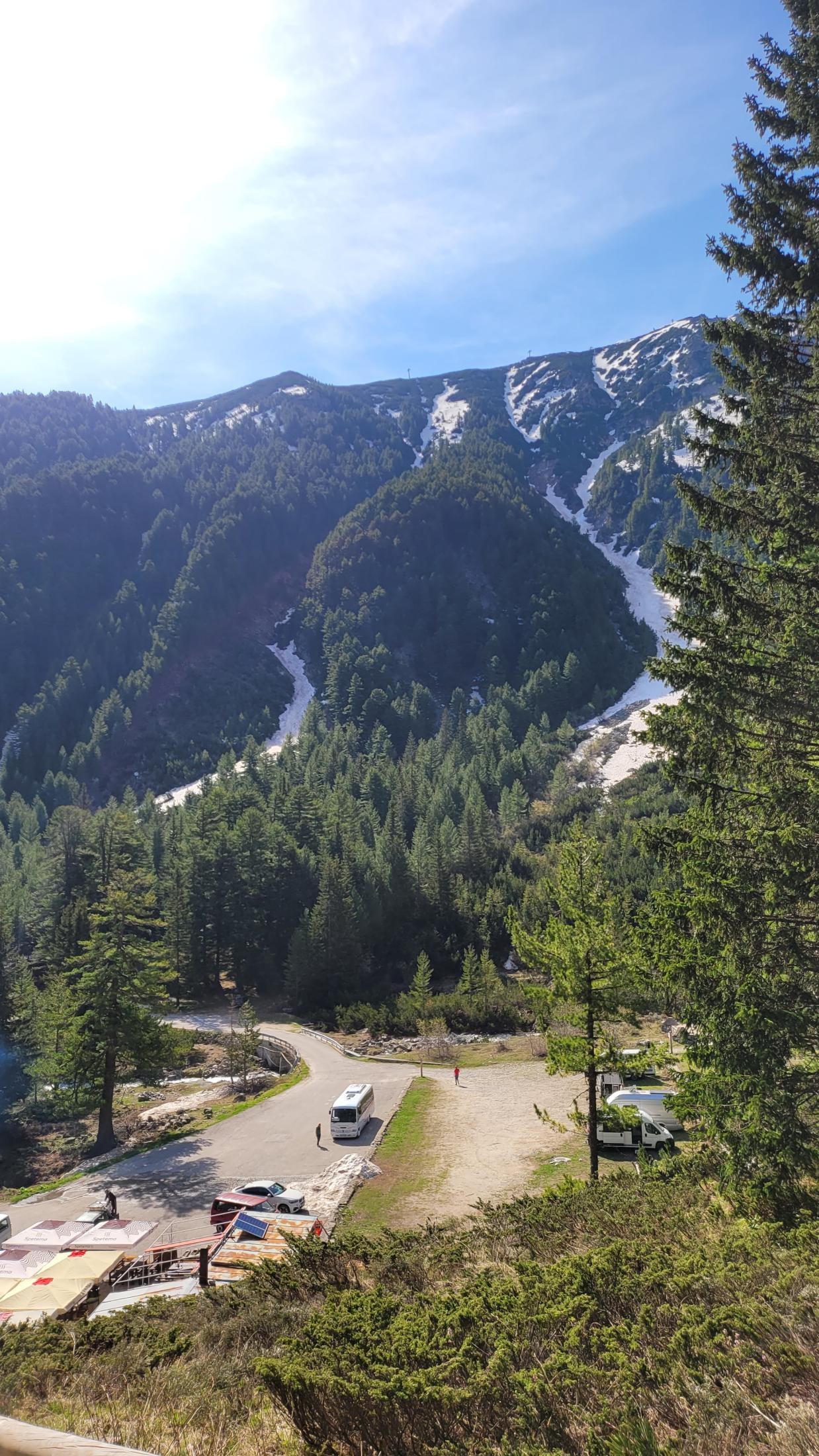
Baikushev’s pine is one of the better-known destinations around Bansko. You have most likely heard of it. It comes as a package deal with Banderitsa — both the hut and the meadow. You set off from Bansko along the main road past the lift and follow the signs. Half an hour, 13 kilometres, a brutal climb from 925 metres above sea level to 1,930. You sit there praying there’s no minibus full of tourists ahead of you, because the average speed drops below 20 km/h. You arrive, there’s a car park, free again, lovely.
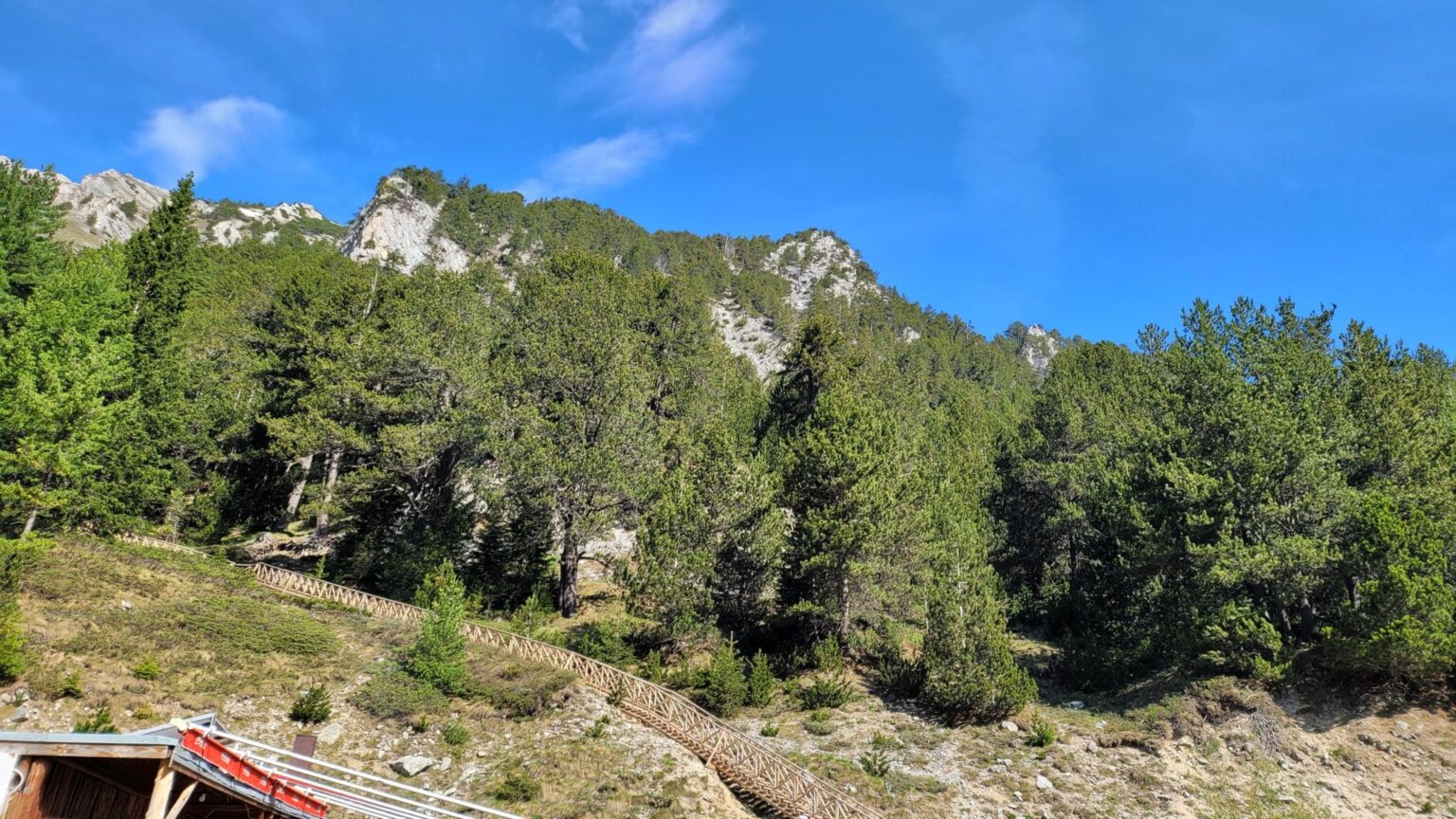
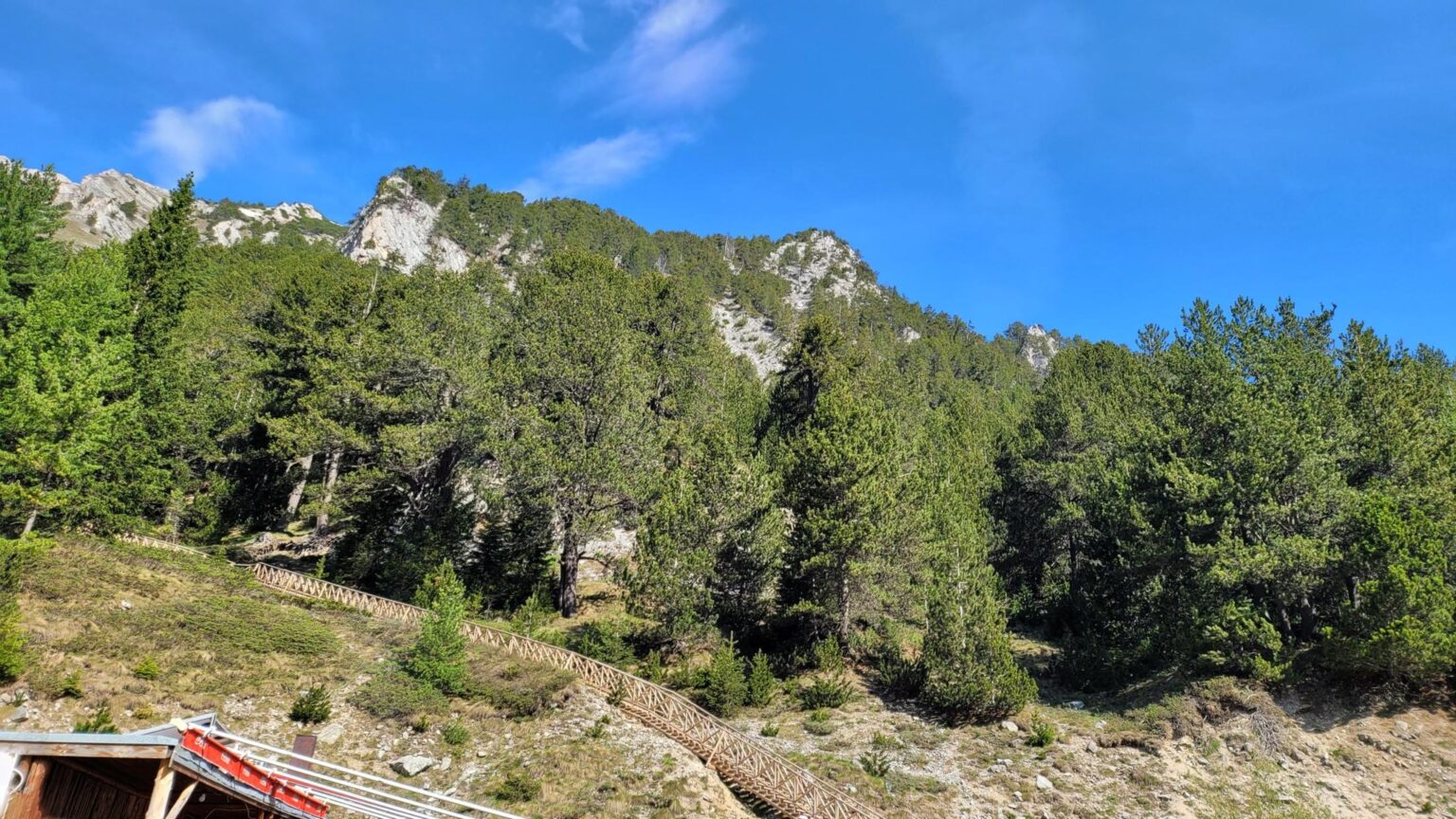
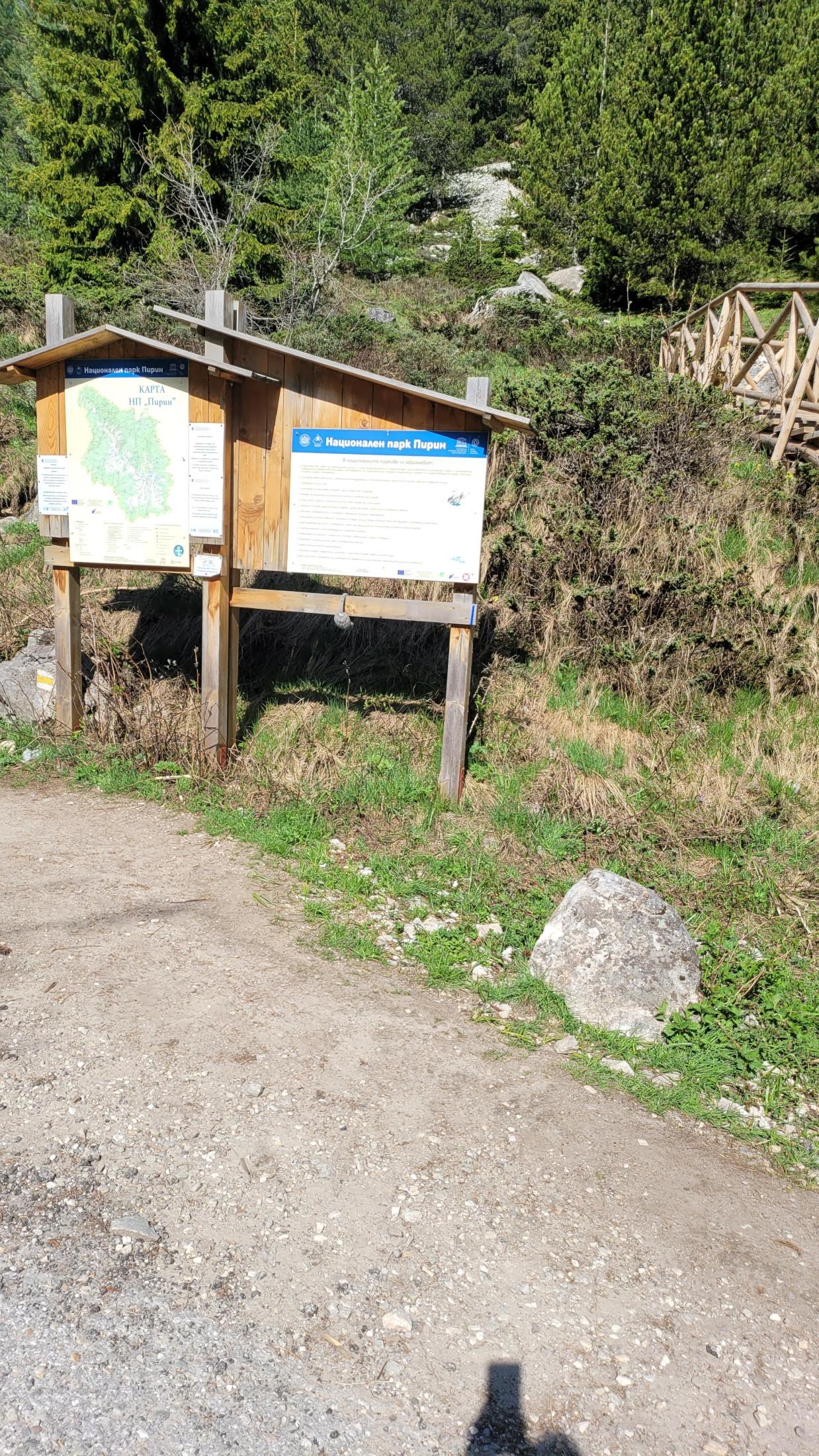
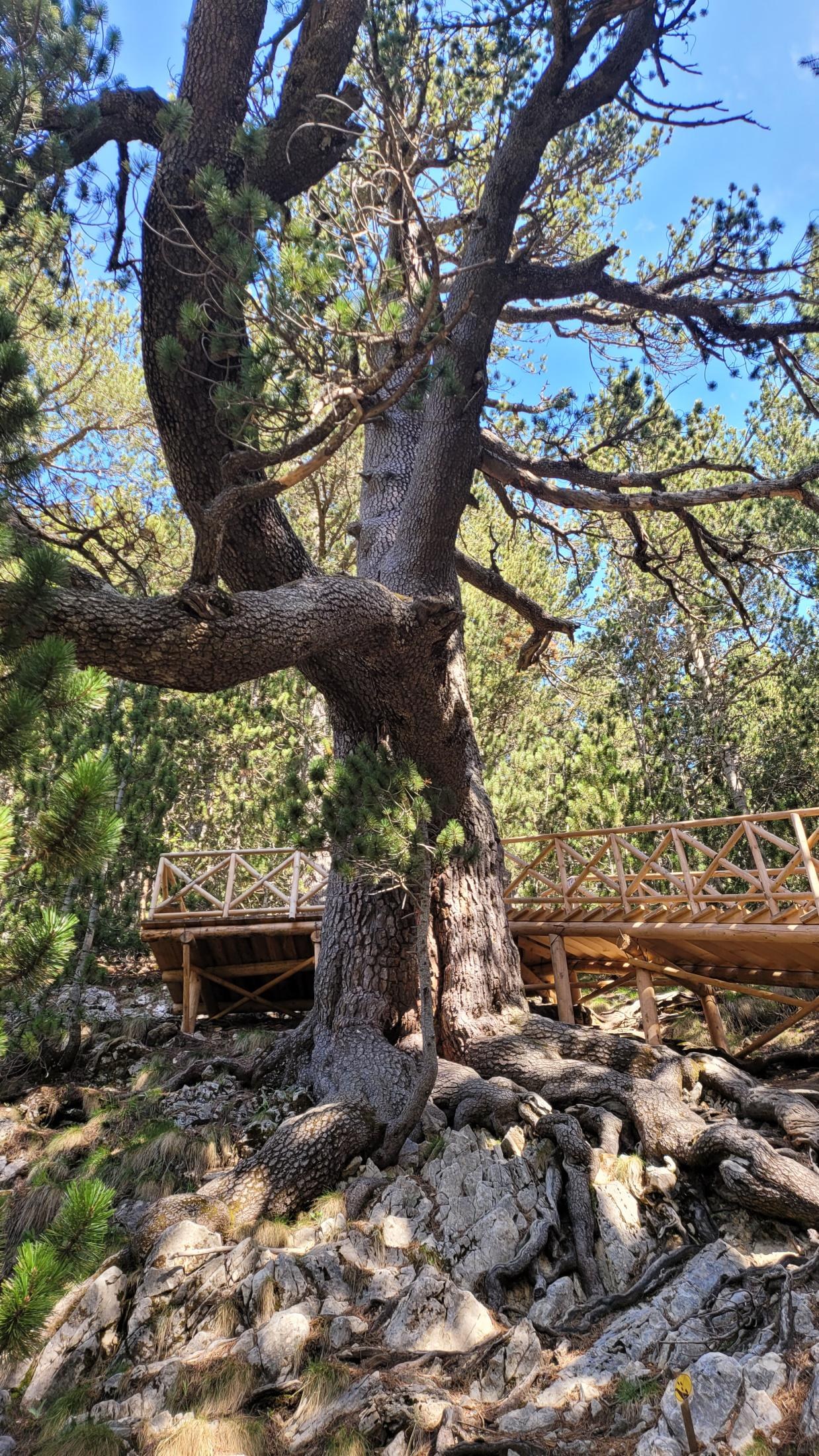
There’s a café with completely normal prices. Slightly above town rates, but given that we’re at nearly 2,000 metres in the mountains, it’s actually cheap — a coffee and a can of Coke Zero came to about €1.30 each. From the café there’s clear signage towards pleasant, new, clean steps leading to the pine. No EU-project plaques anywhere, which suggests the municipality did this themselves. Bravo, bravo!
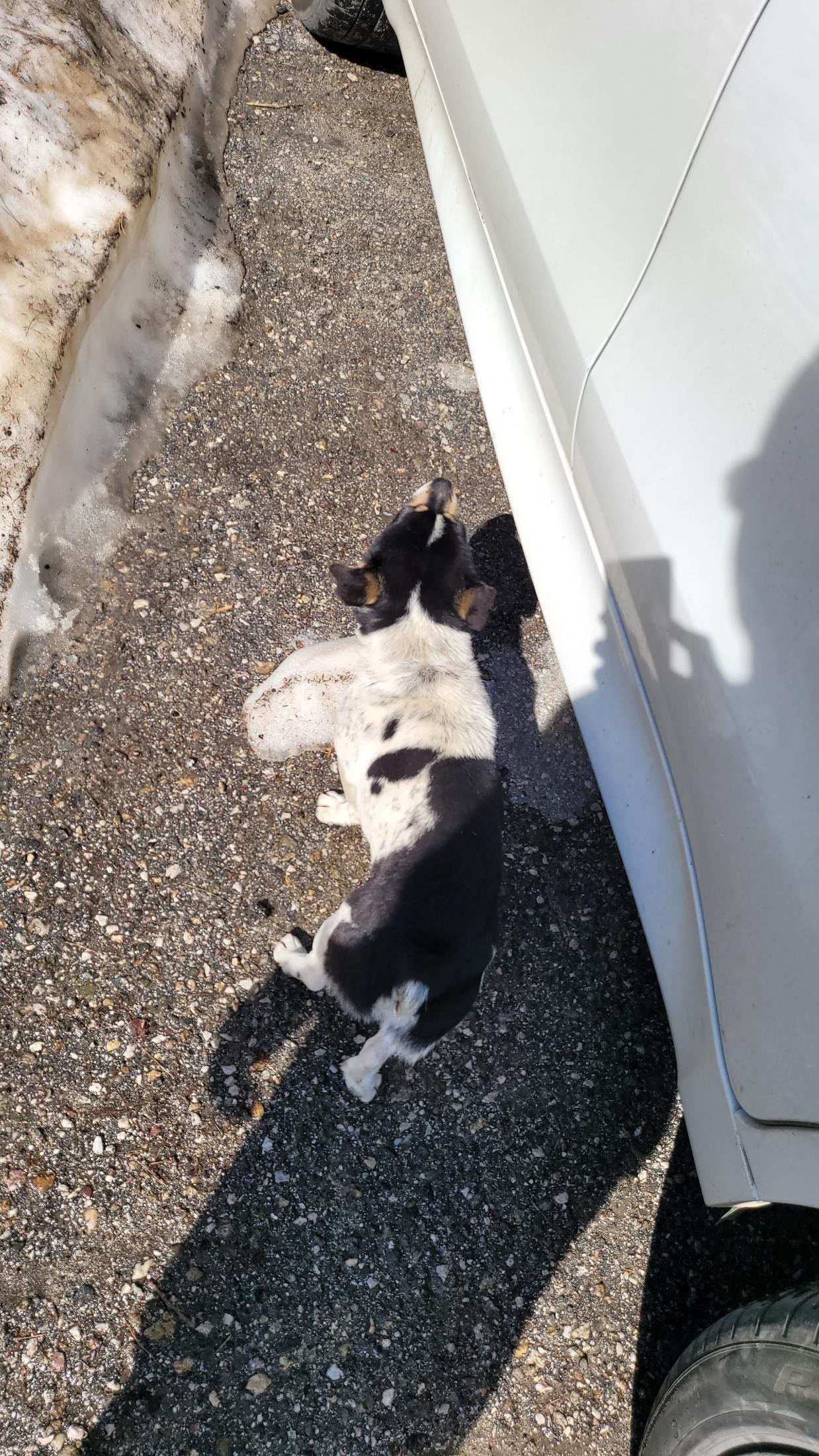
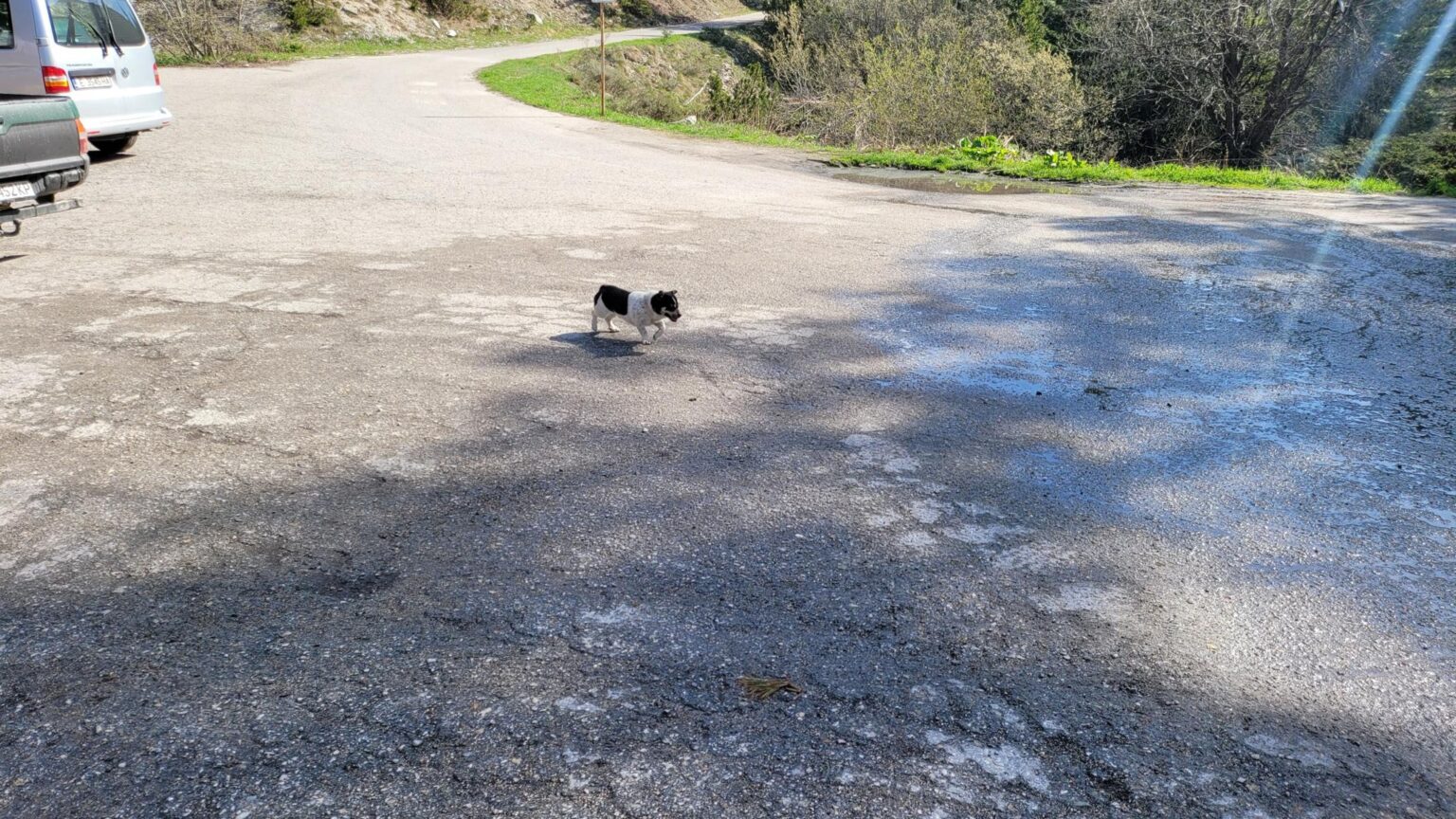
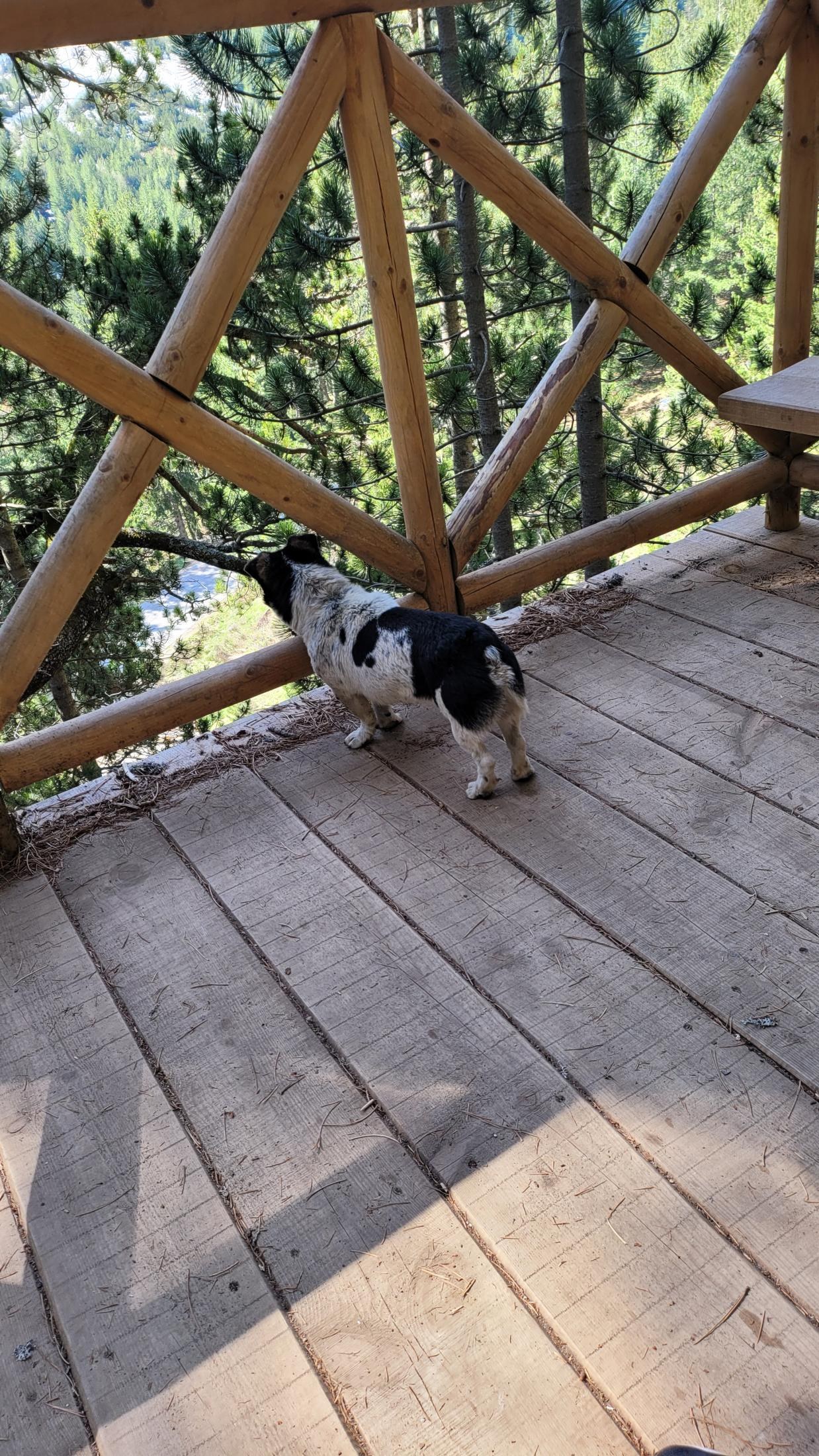
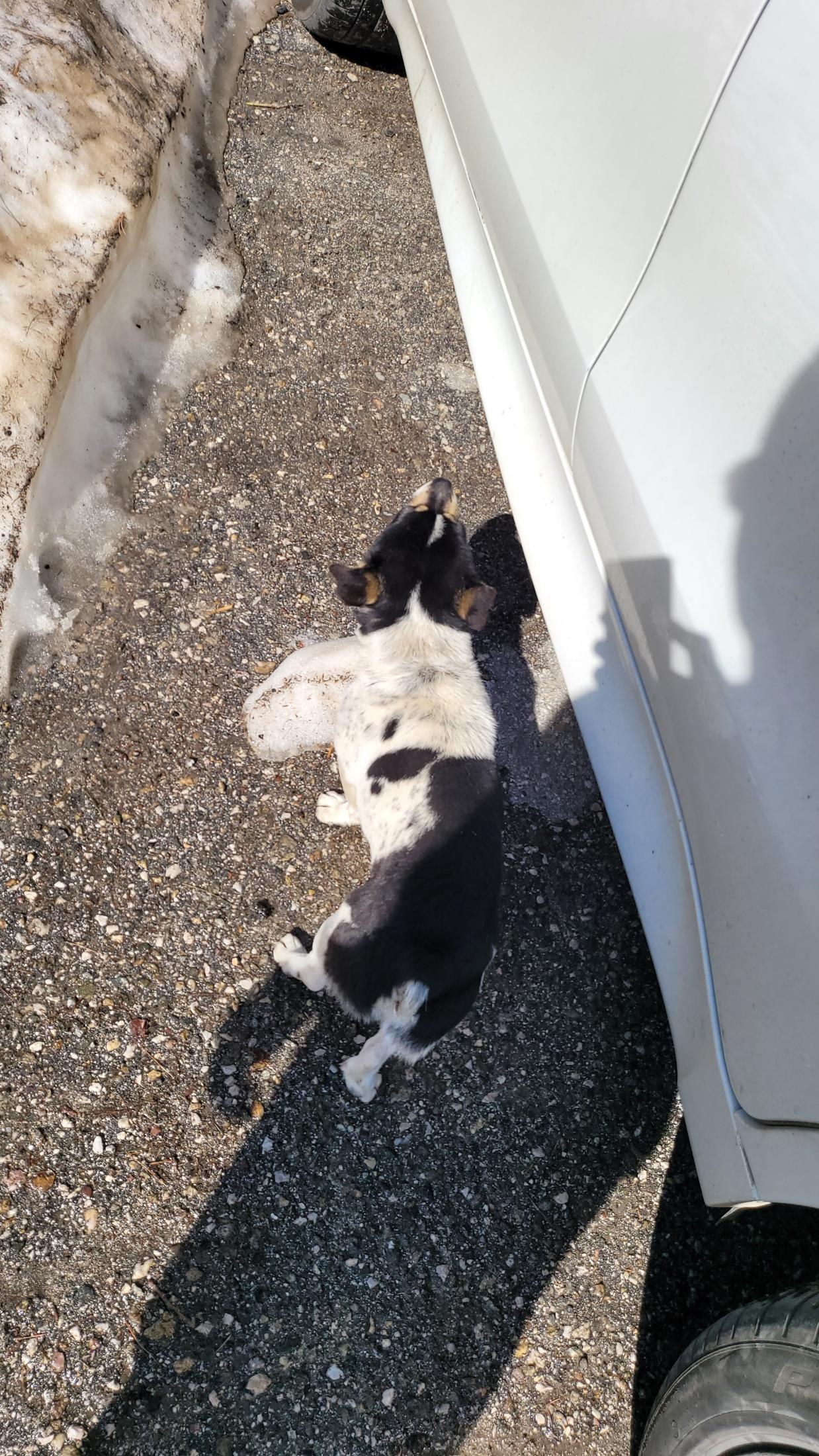
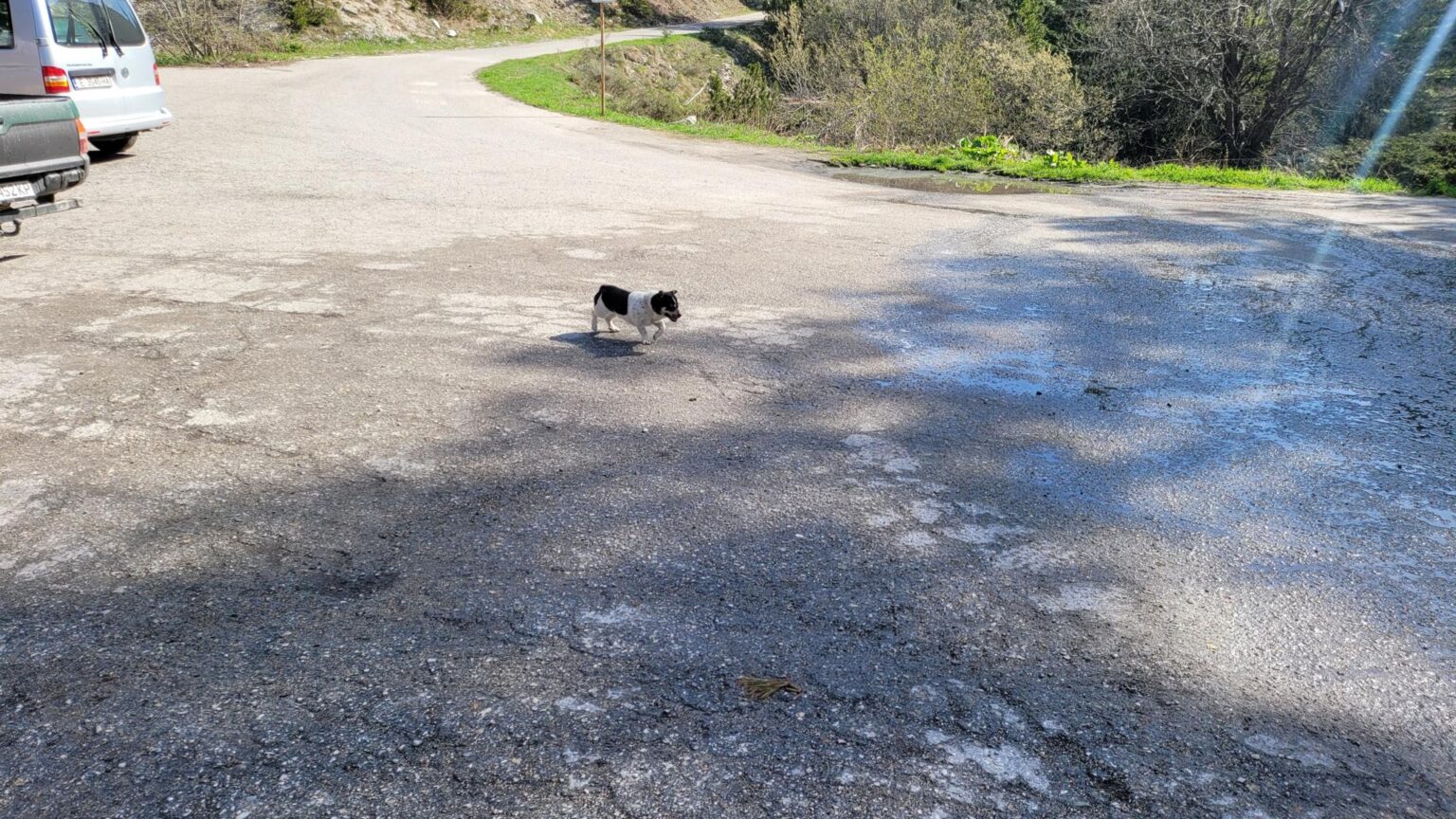
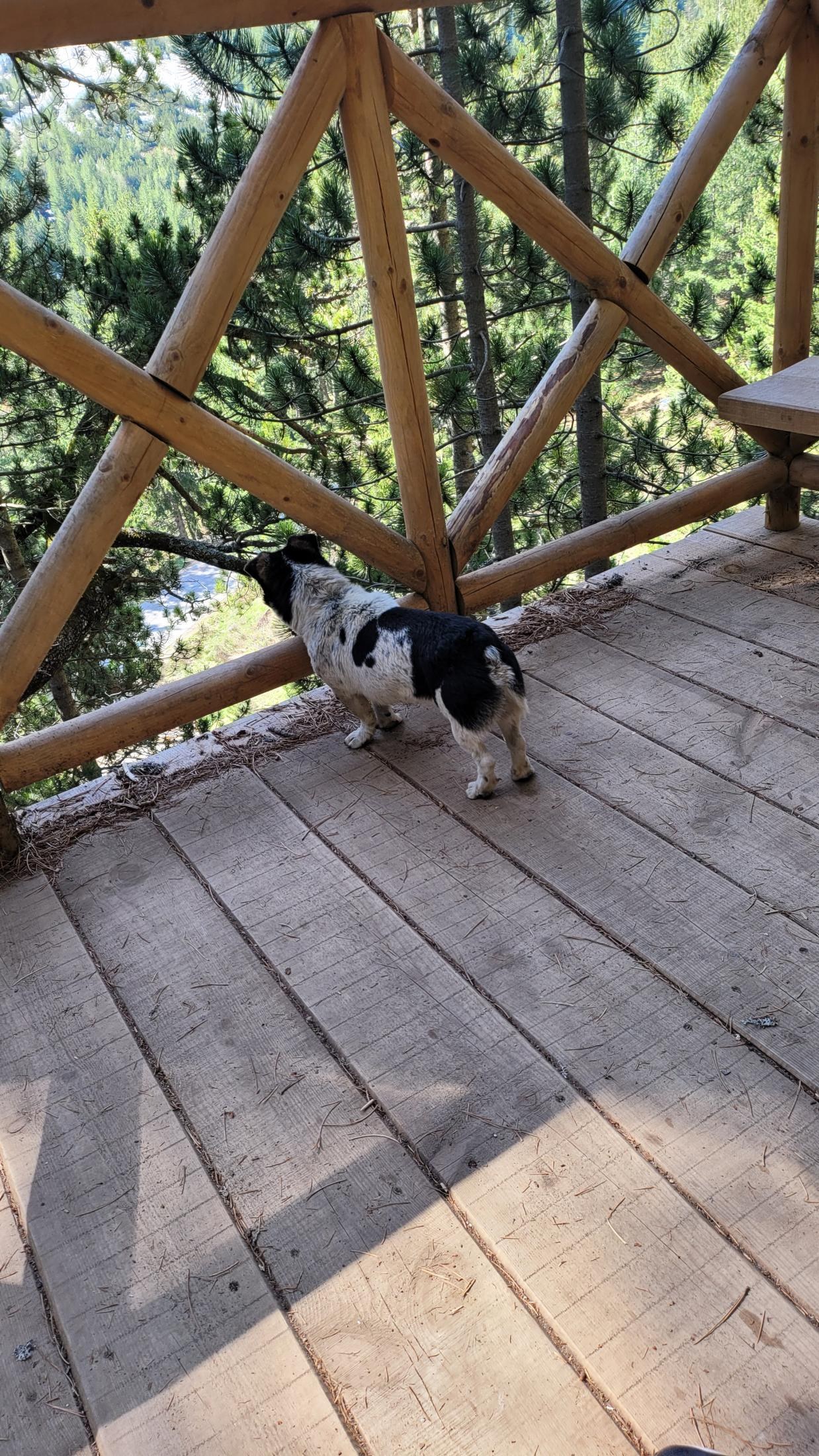
Along the way, sadness: an abandoned dog. He adopted us and escorted us the whole way, including back down. An absolute sweetheart. We got chatting to the café staff — he was dumped by someone in a German car, but they’re feeding him now and have taken him in.
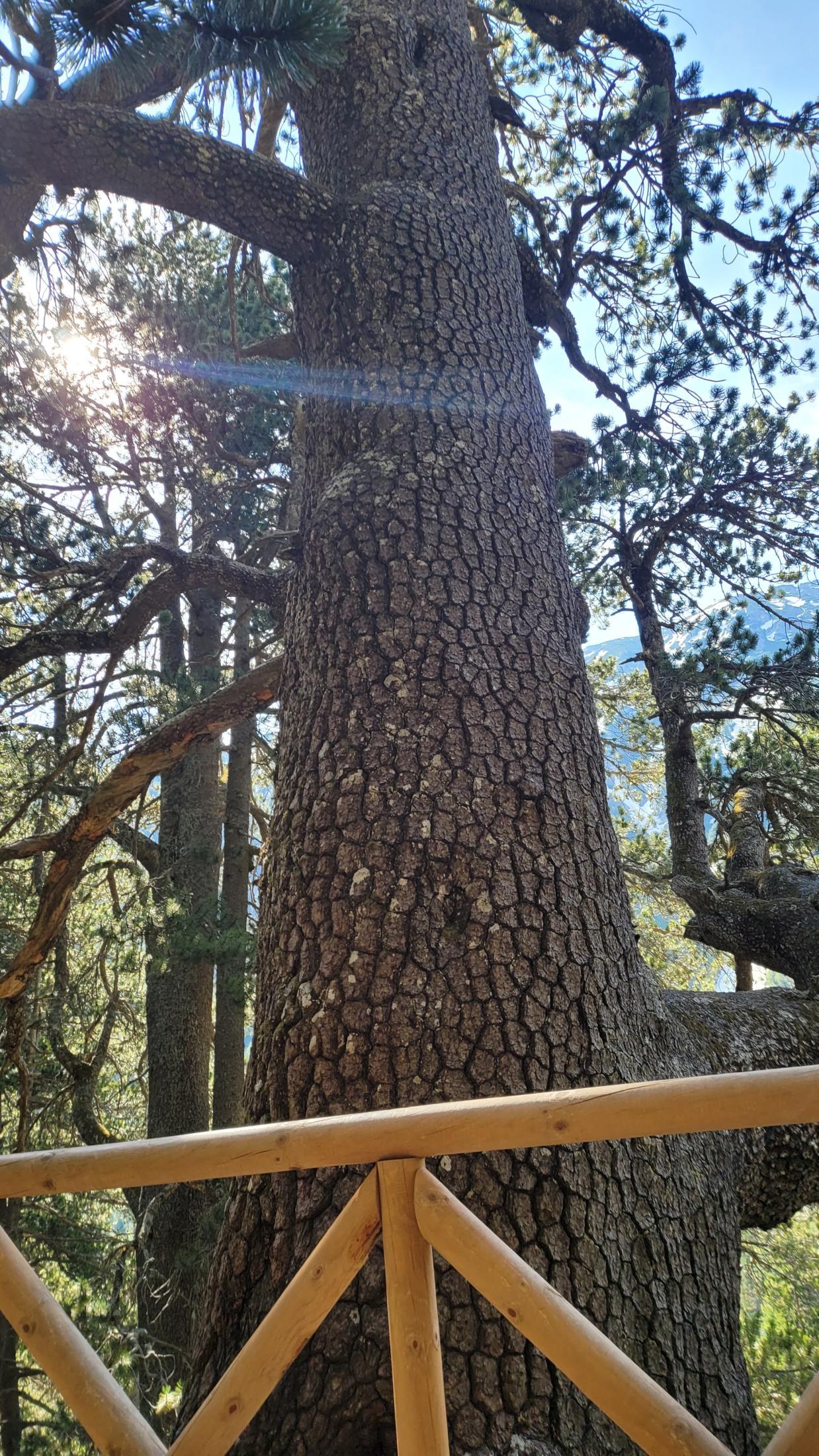
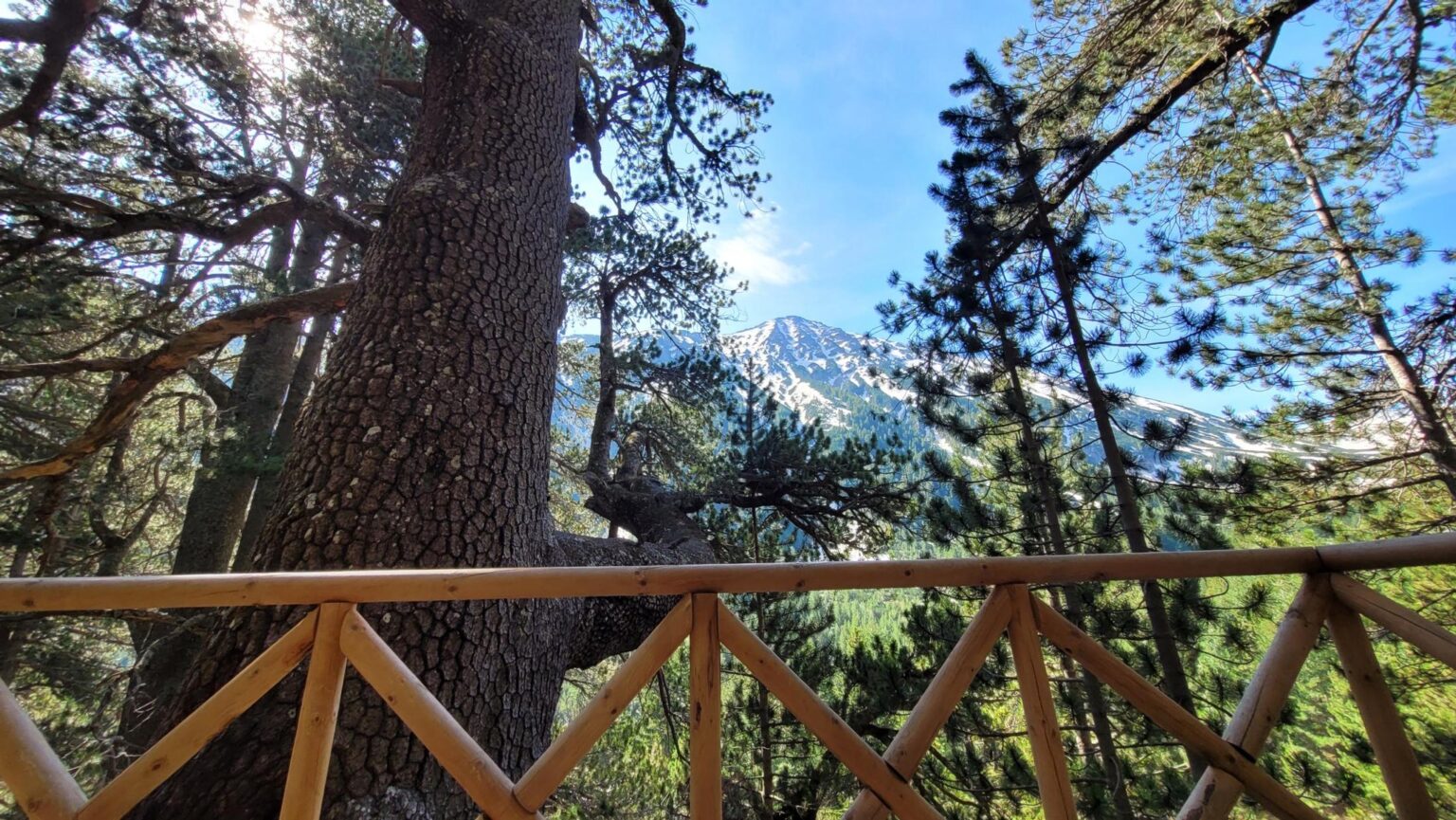
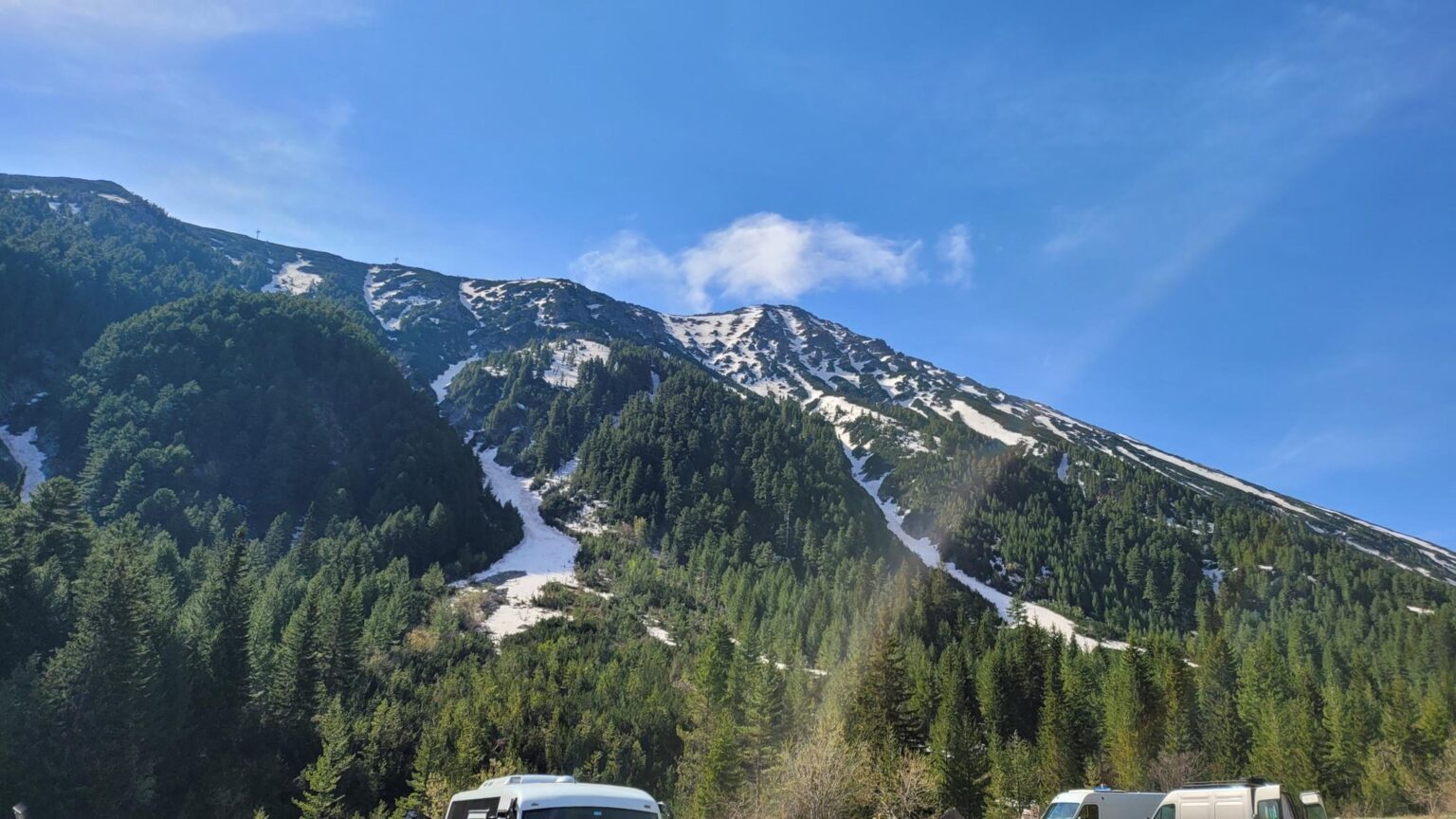
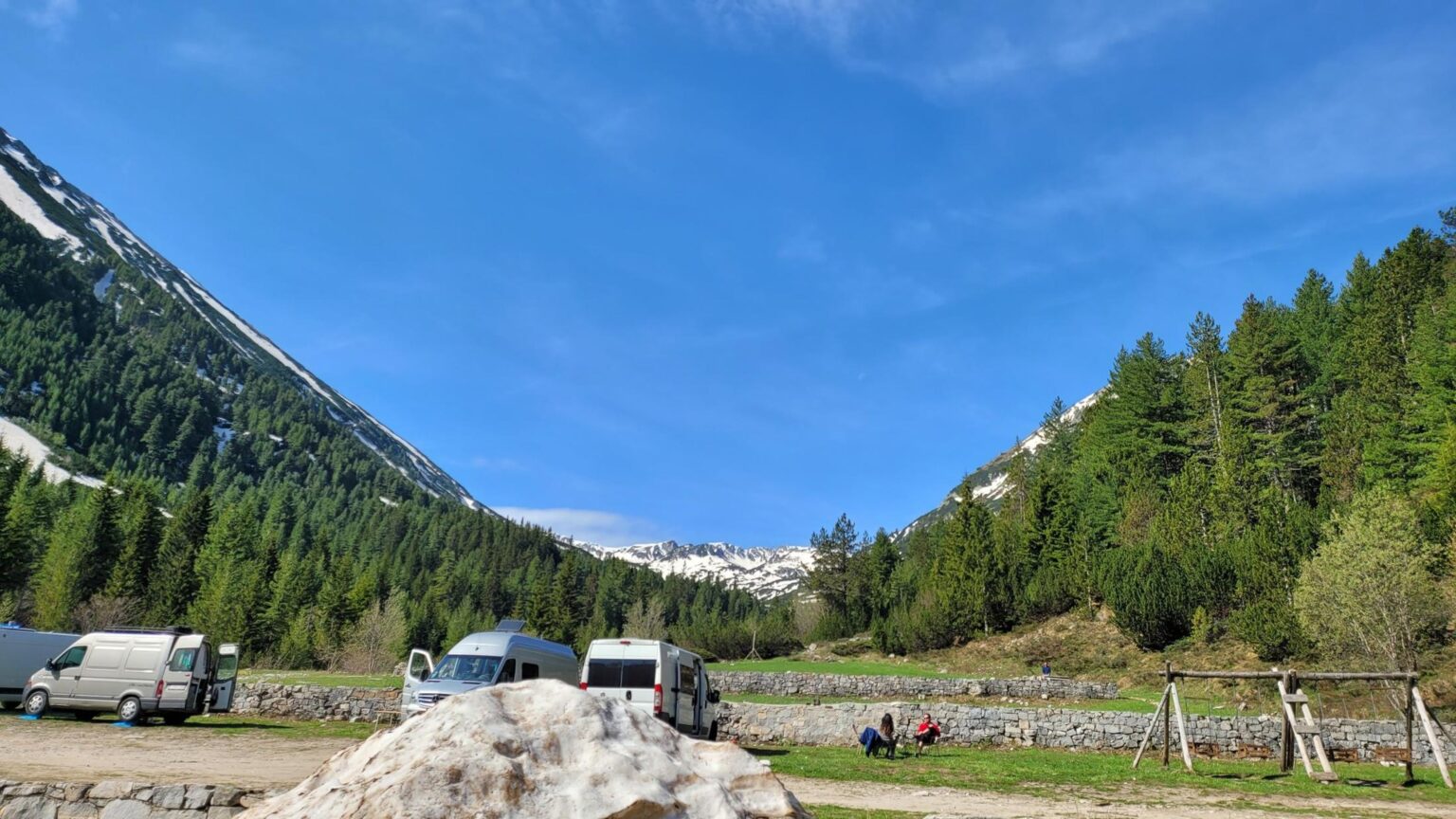
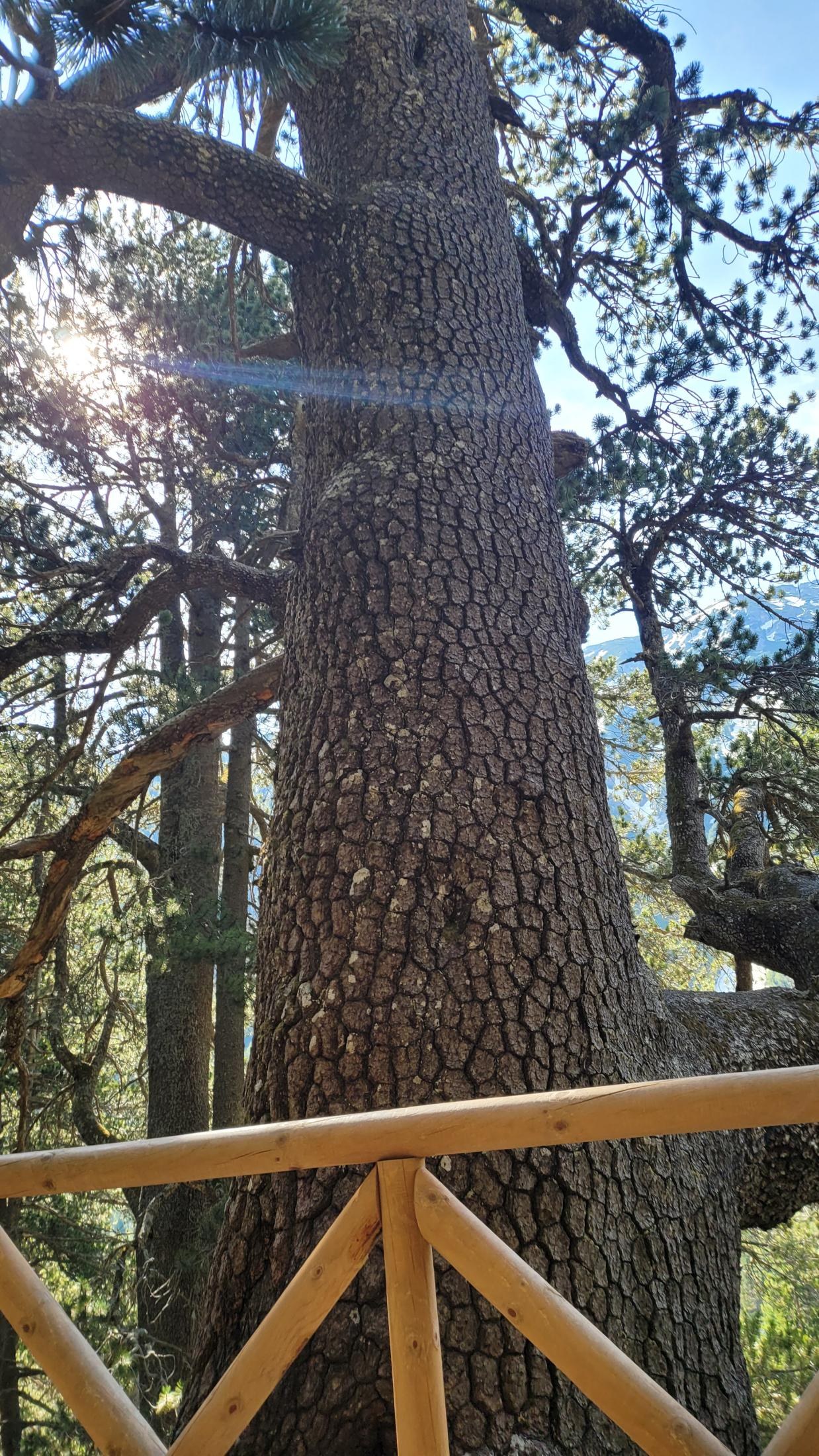
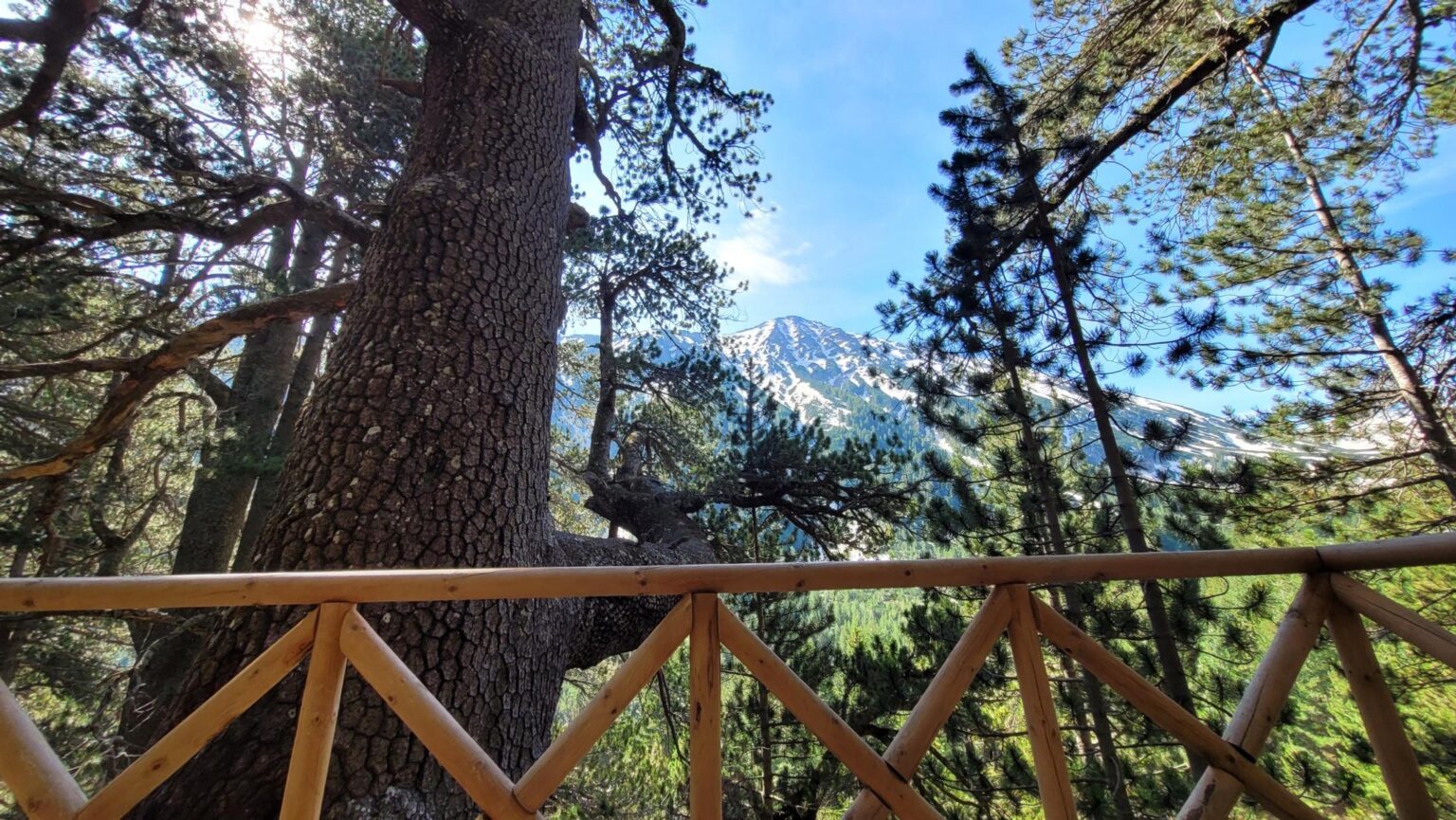
An interesting and important detail about the pine: it is over 1,300 years old, which makes it the oldest conifer in Bulgaria and pushes it towards the top of the global list too. Forest, views everywhere, clean air. Then a coach of tourists pulls in — a lot of them, at least 30 — and, as a certain famous schoolboy once put it, it’s time to start running, mate.
Sitan Kale
Sitan Kale is the opposite of fashionable. It’s the product of a lot of searching and digging around online. In theory it’s a fortress you reach by following the signs from the Peshterite restaurant. Well, yes and no. There are almost no signs left.
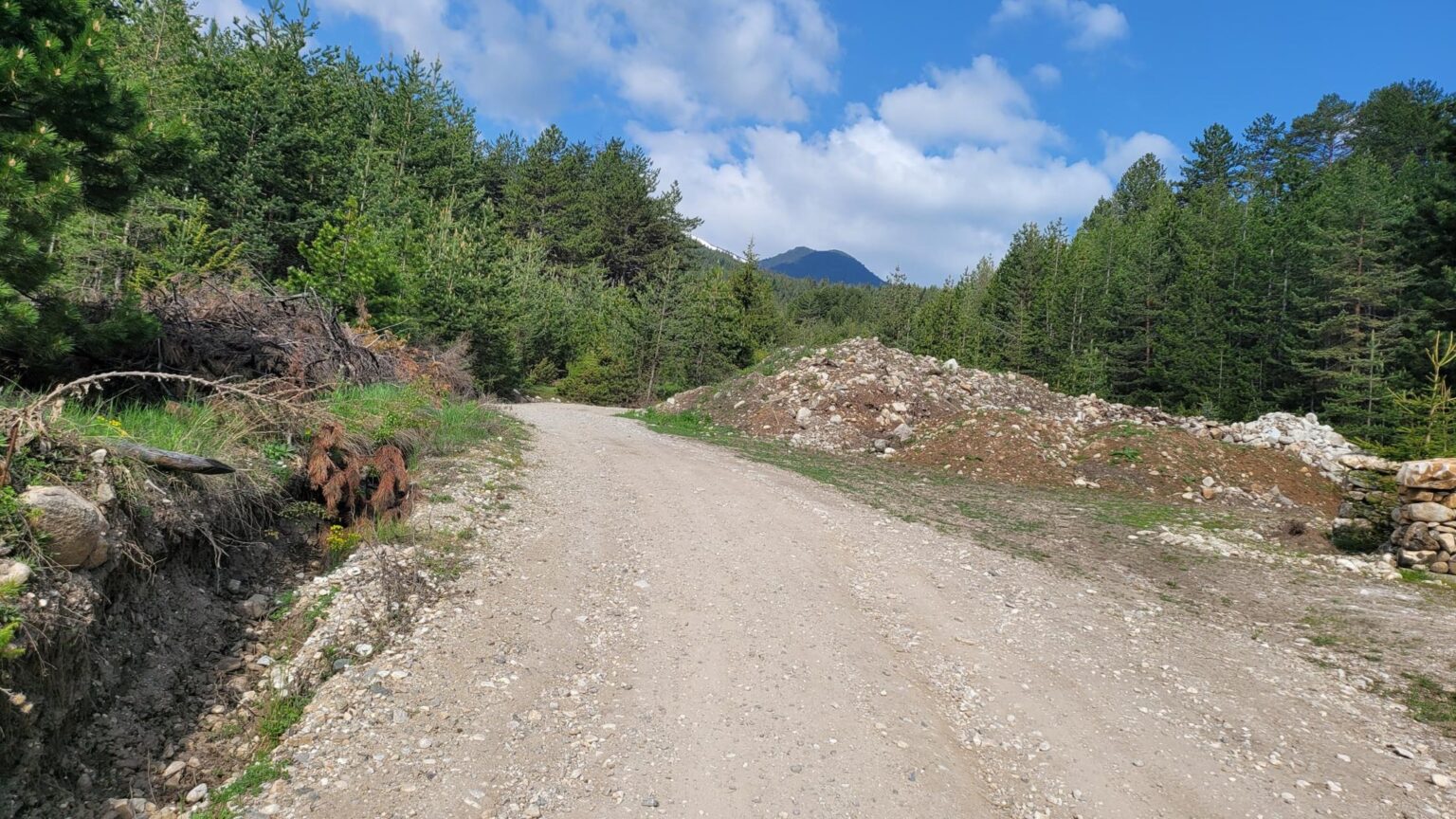
We got as far as Peshterite; the road is OK, craters in the asphalt, but passable. Free parking, again. Then begins the dispiriting hunt for signage. There isn’t any. You look at it on the map, in theory it’s a reasonably well-known site, logic says it should be easy to reach. Google Maps itself says: up the piste, then right. We take that route and start looking for somewhere to turn right. Walking, climbing. There is no right.
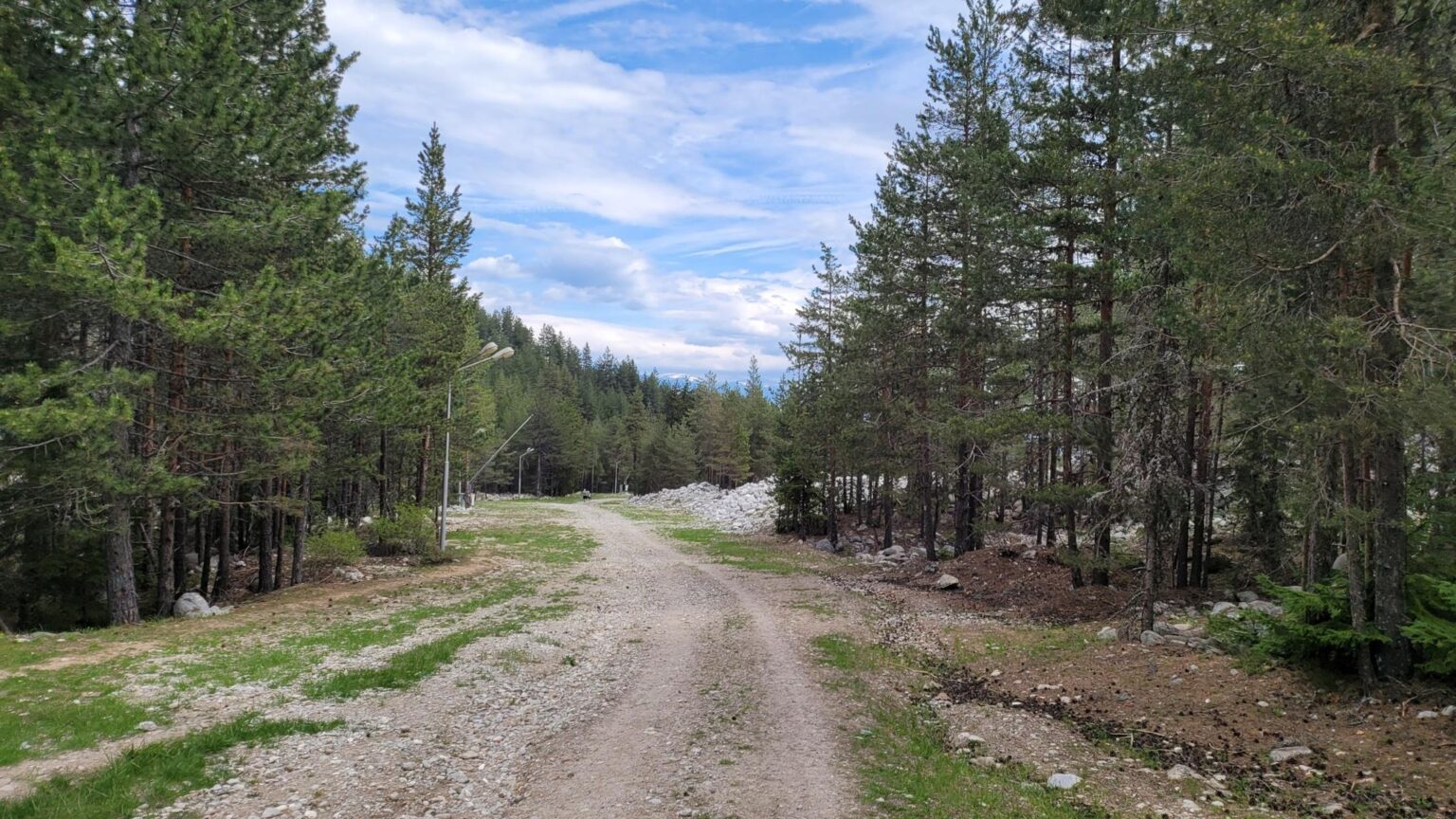
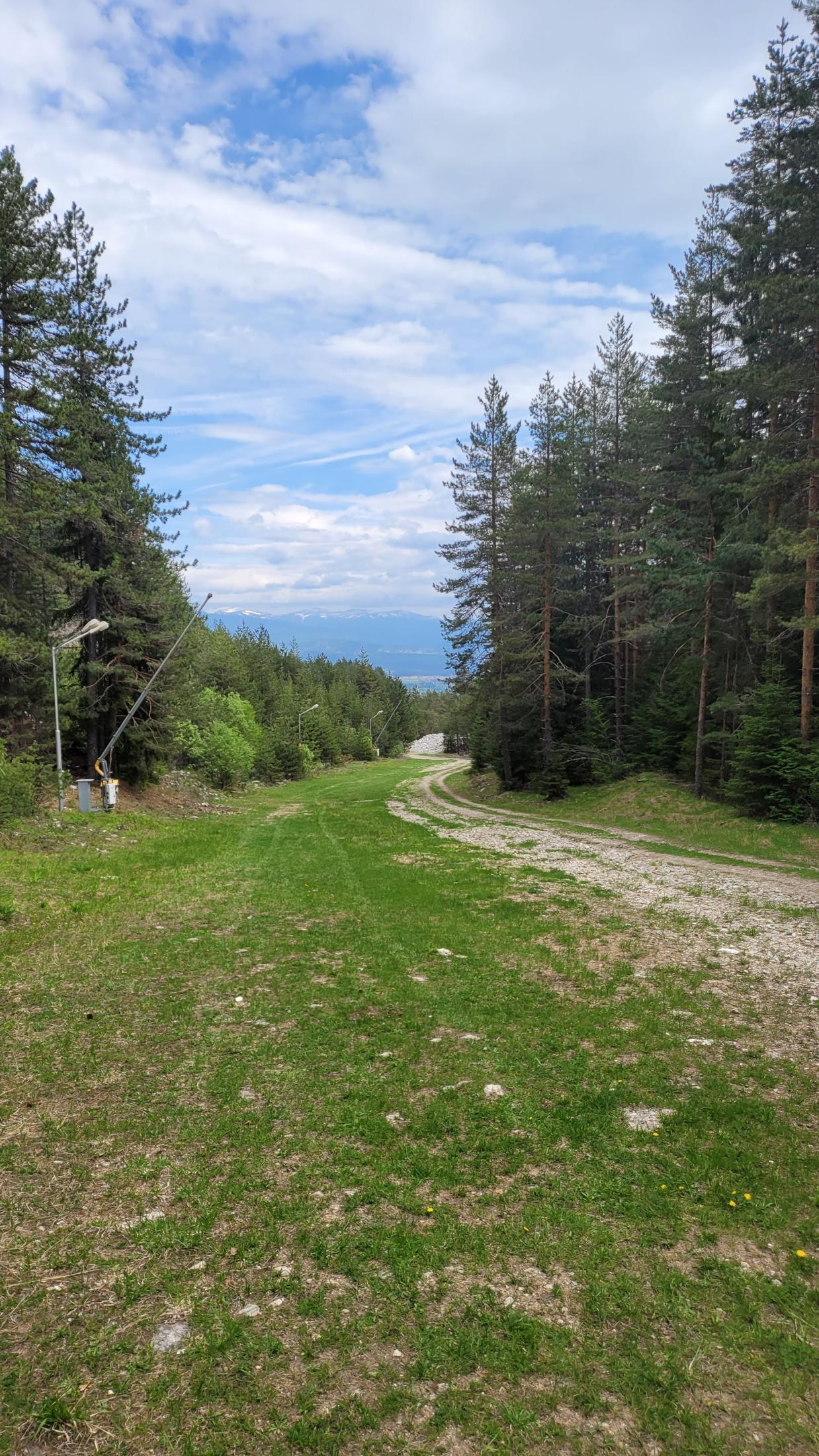
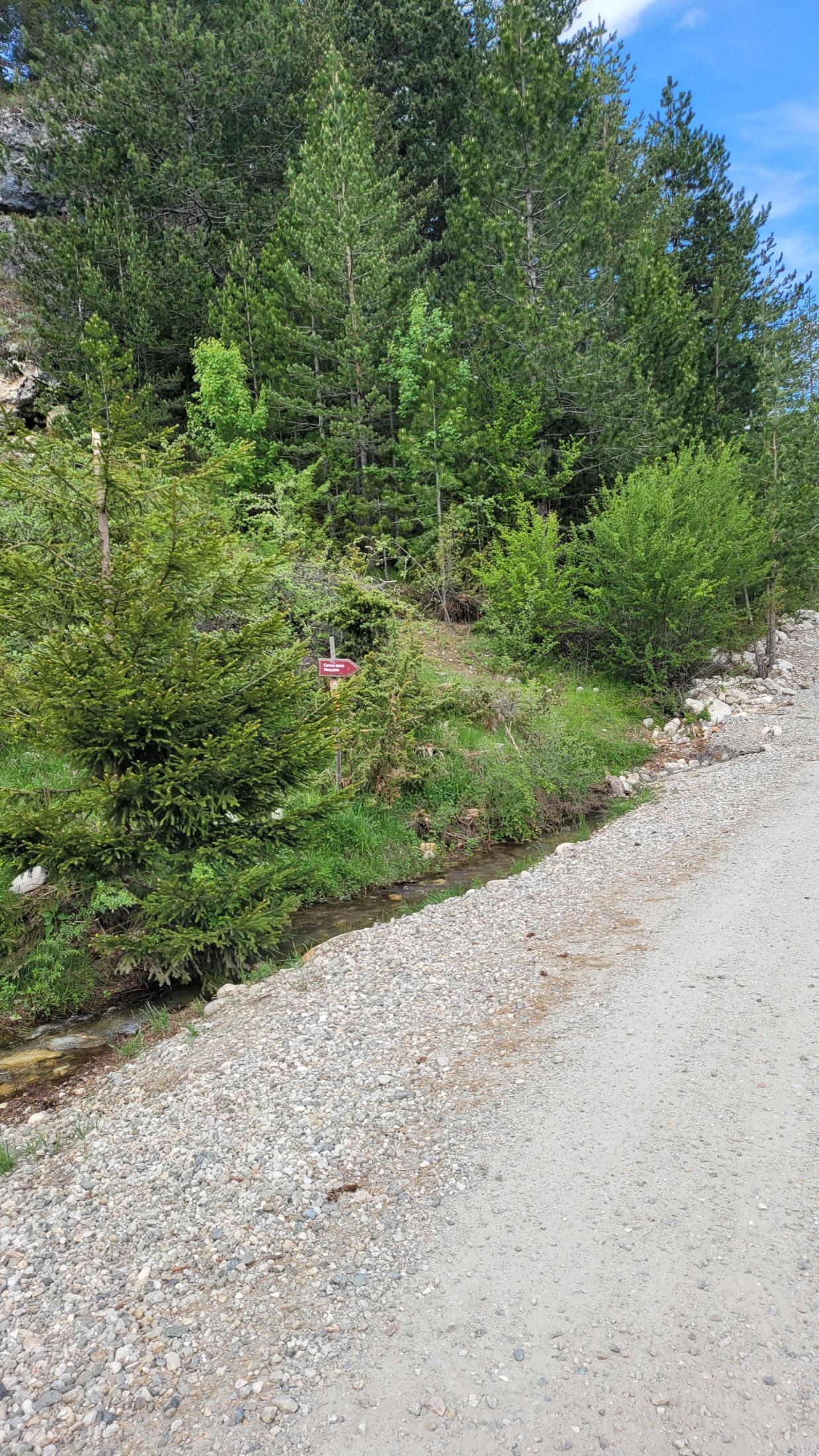
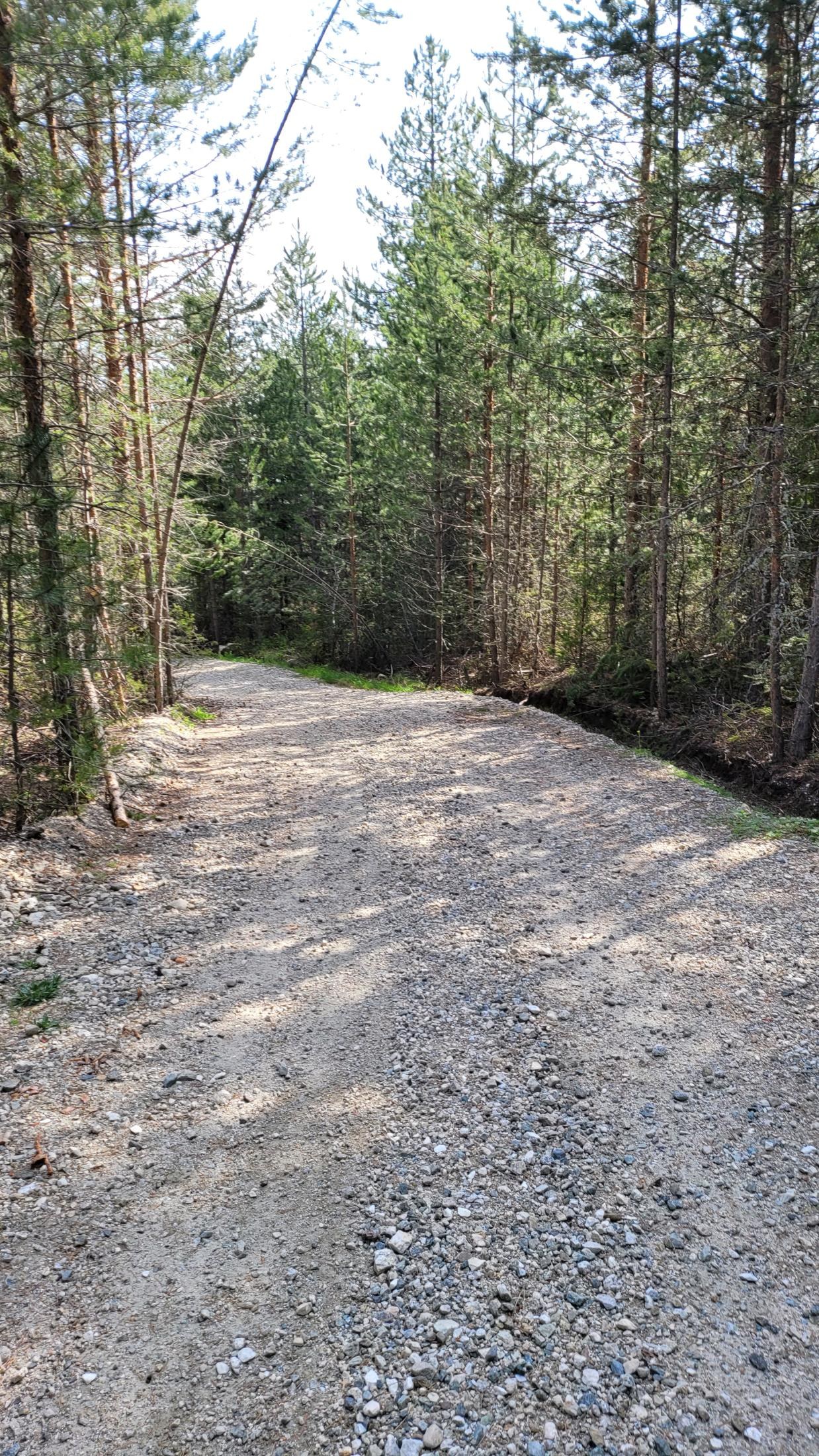
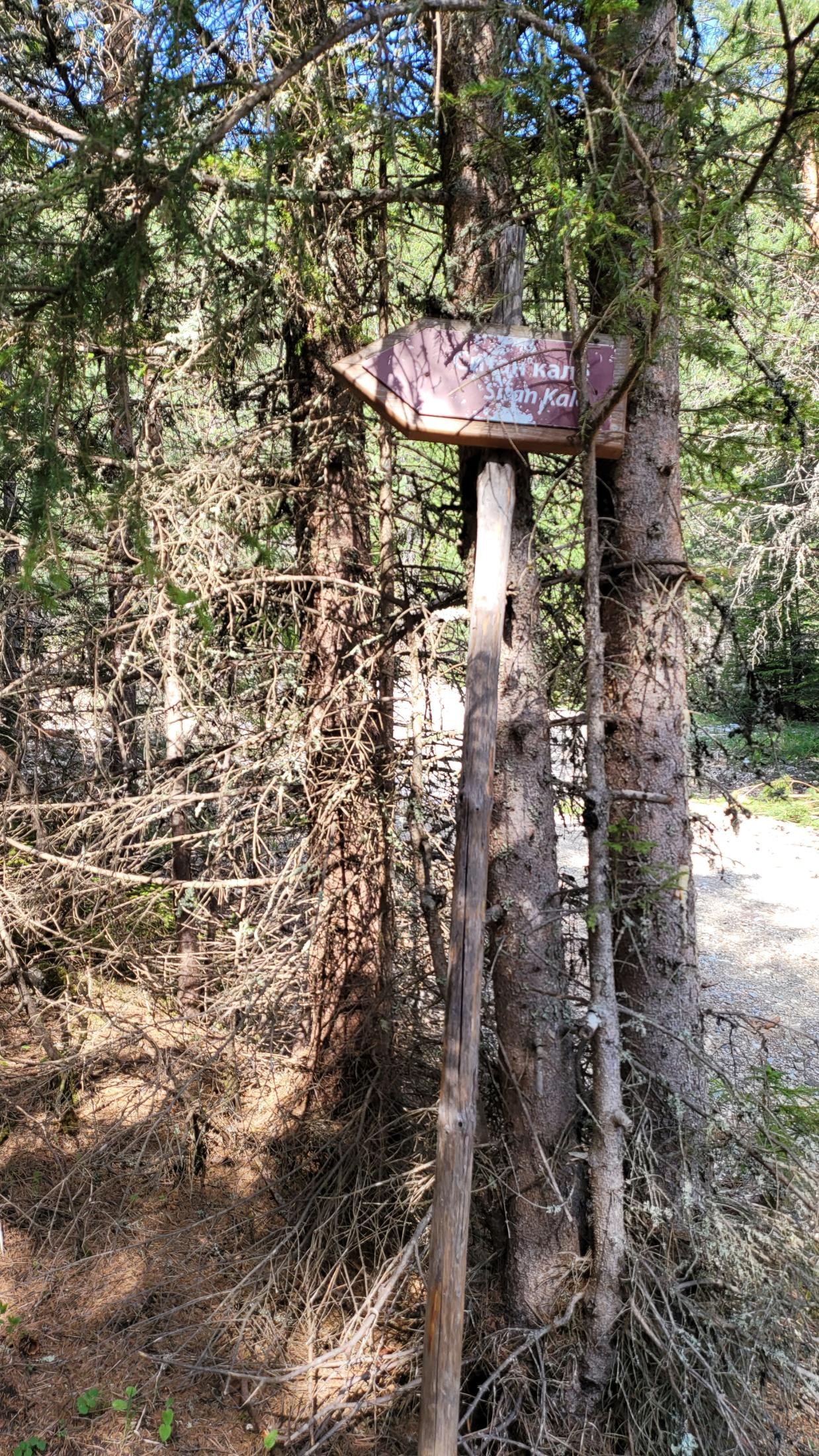
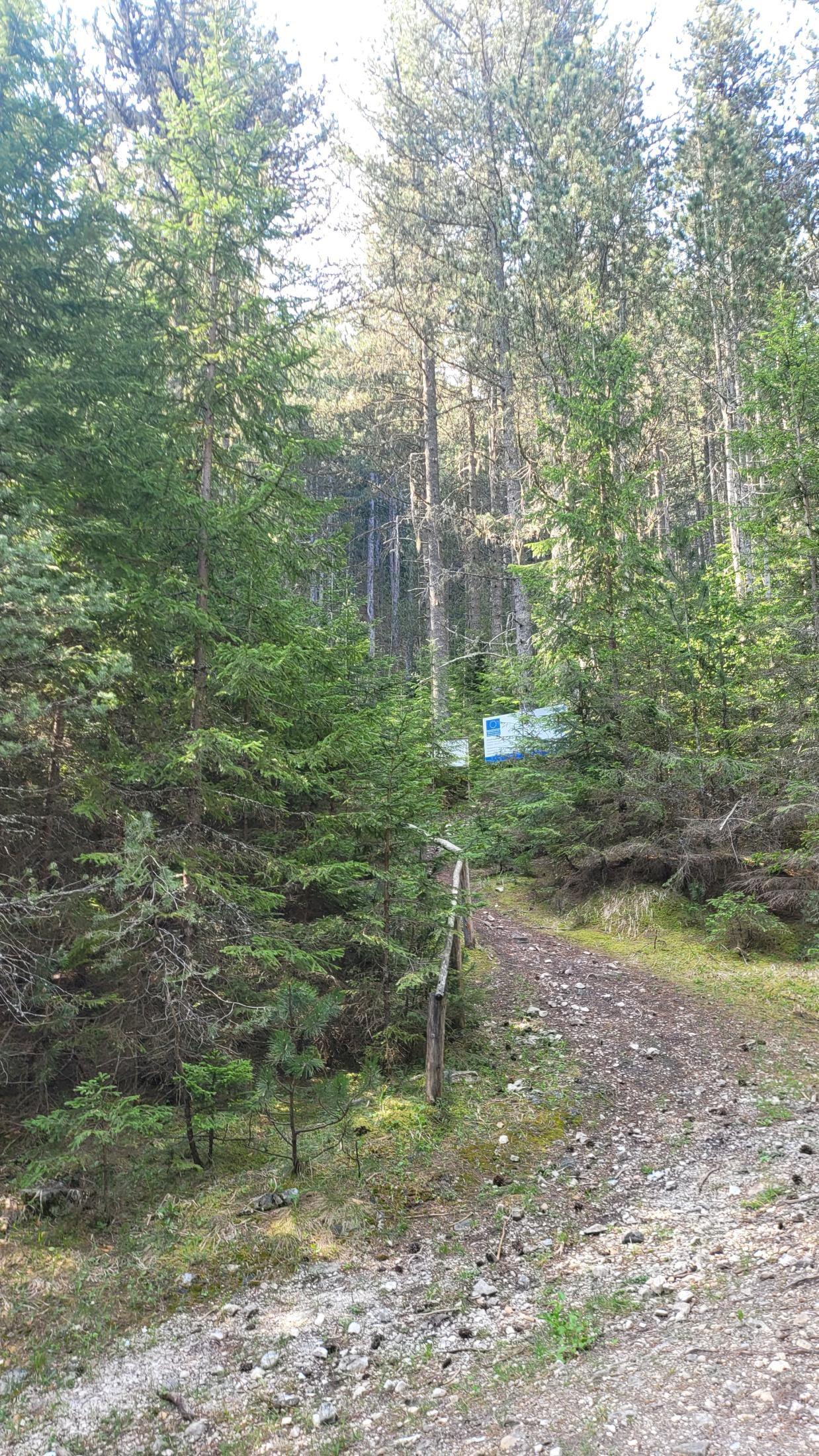
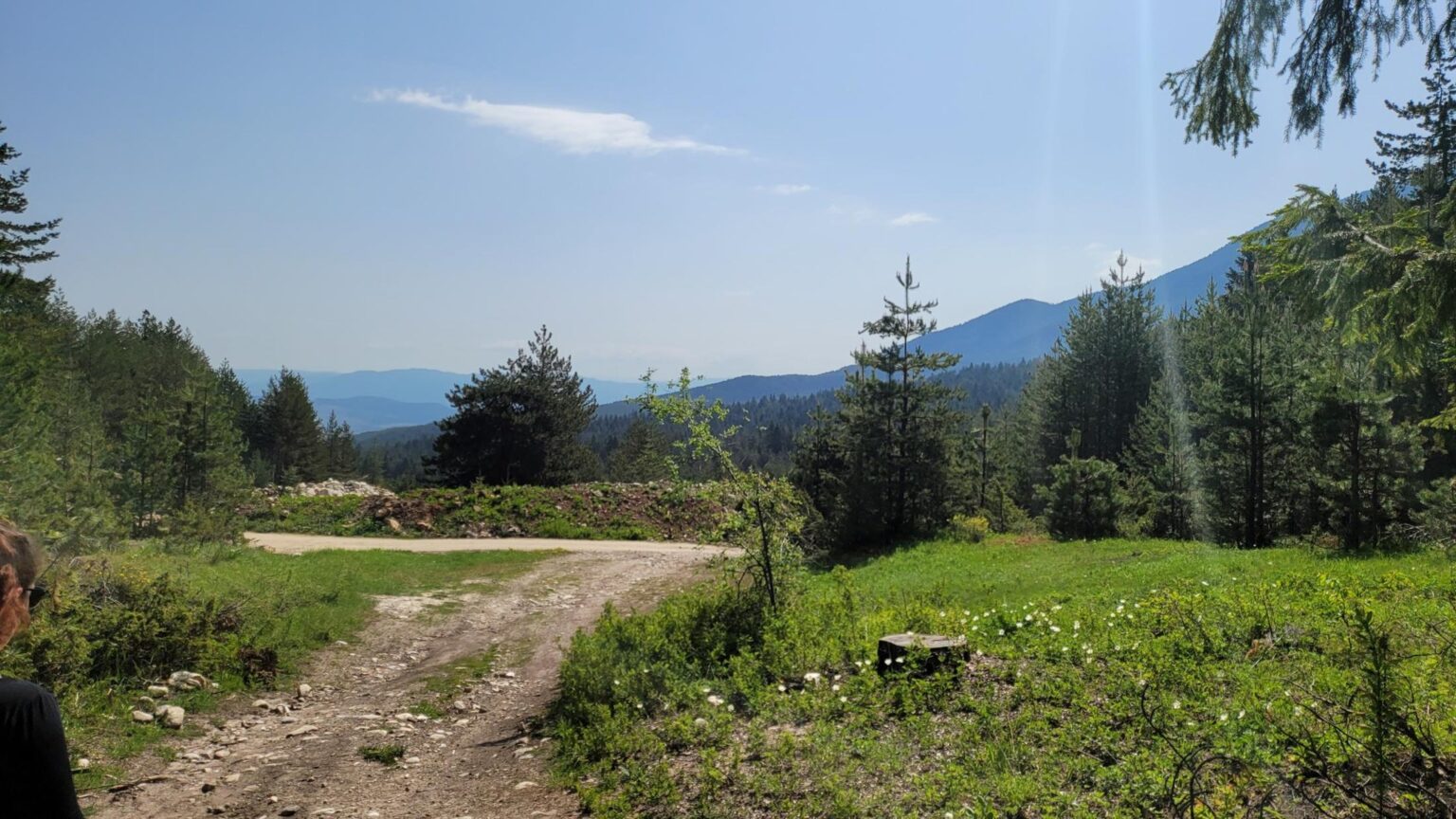
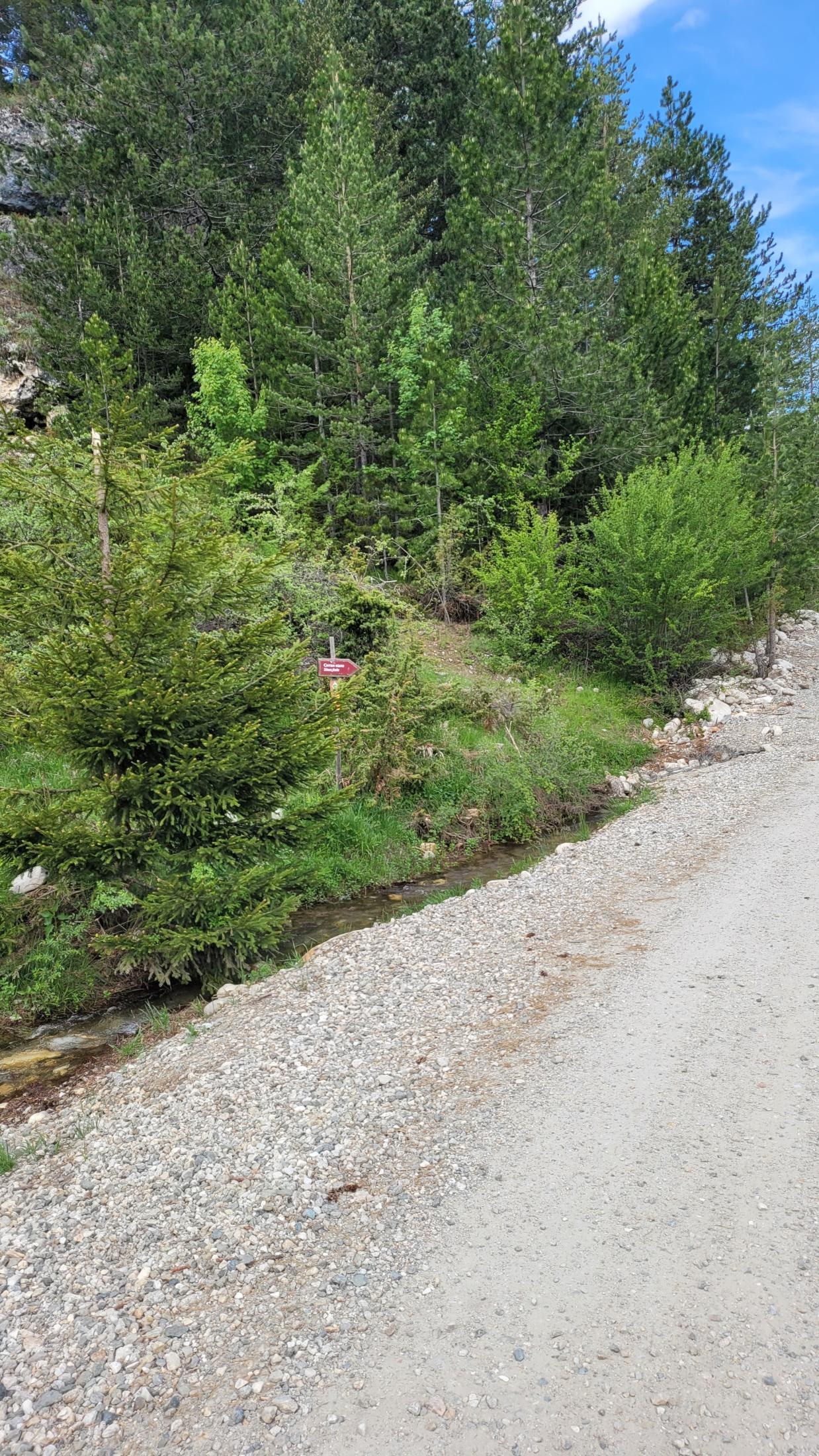
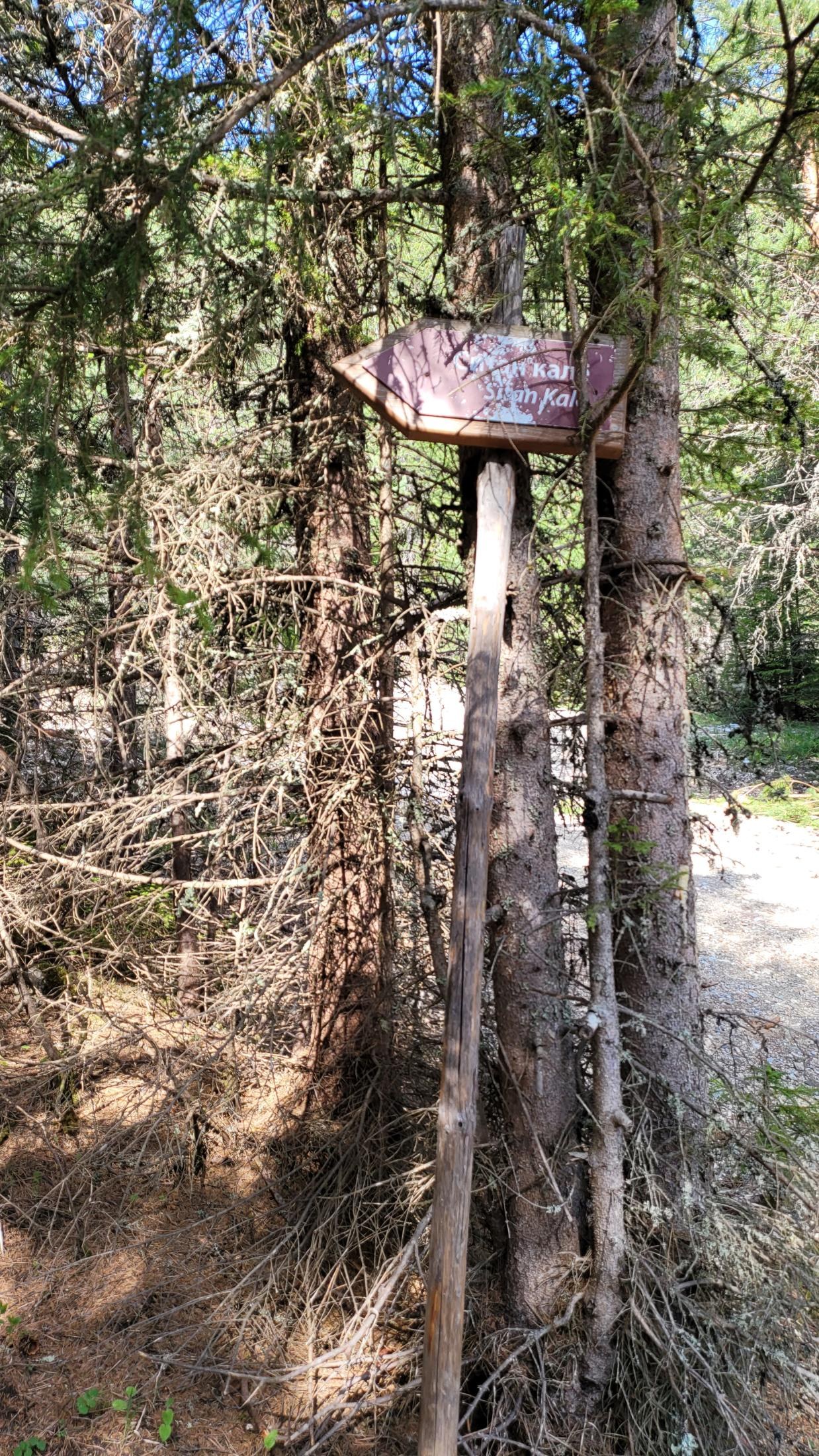
Depressing. Lunchtime comes and goes. Such is fate. You can’t have everything — days like this happen, and you can’t win them all. On the way down we went very slowly, still hunting for signs. And there is one. Can you see it? Admittedly, once you know it’s somewhere around there and probably in the middle of the frame, you can spot it — but believe me, it is nowhere near that obvious. Two pictures that sum the day up: the “trail”, and the sign.
Day 3: Sitan Kale for real, and the Nameless Town
Sitan Kale, second attempt
“Another time” arrived less than 24 hours later. Oh, they’re hiding an entire fortress from me now, are they? Not happening. I’ve decided I’m going to see it, so I’m going to see it. Familiar road, Peshterite restaurant, park up, other side this time. From there upwards I promise you there are no signs whatsoever, and it took us two wrong turns to find the right path — so here is something genuinely practical: the route map below is the thing that actually saves you. If you’re heading for the fortress it will be extremely useful, because signage is essentially nonexistent and the rest is trial and error.
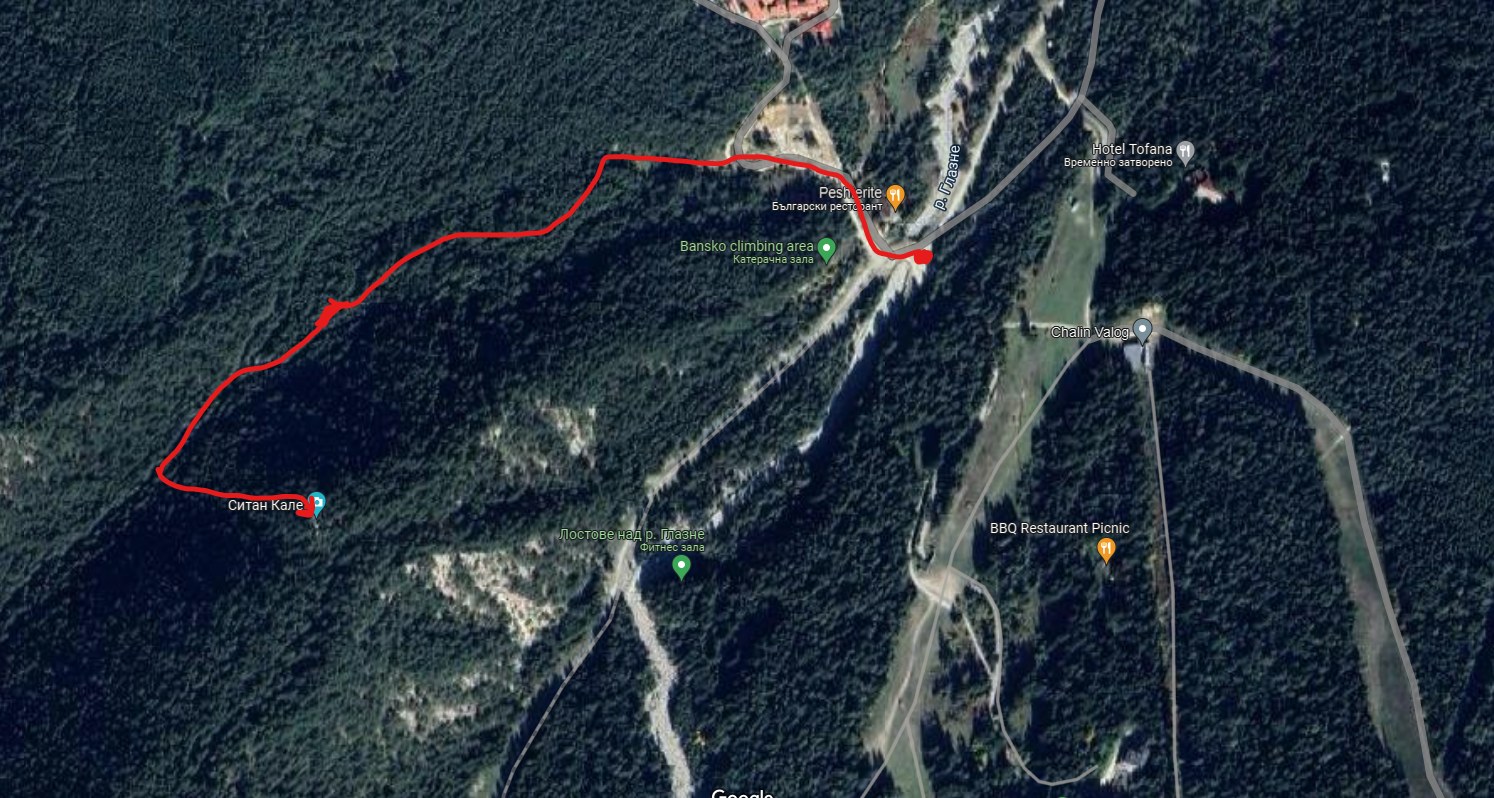
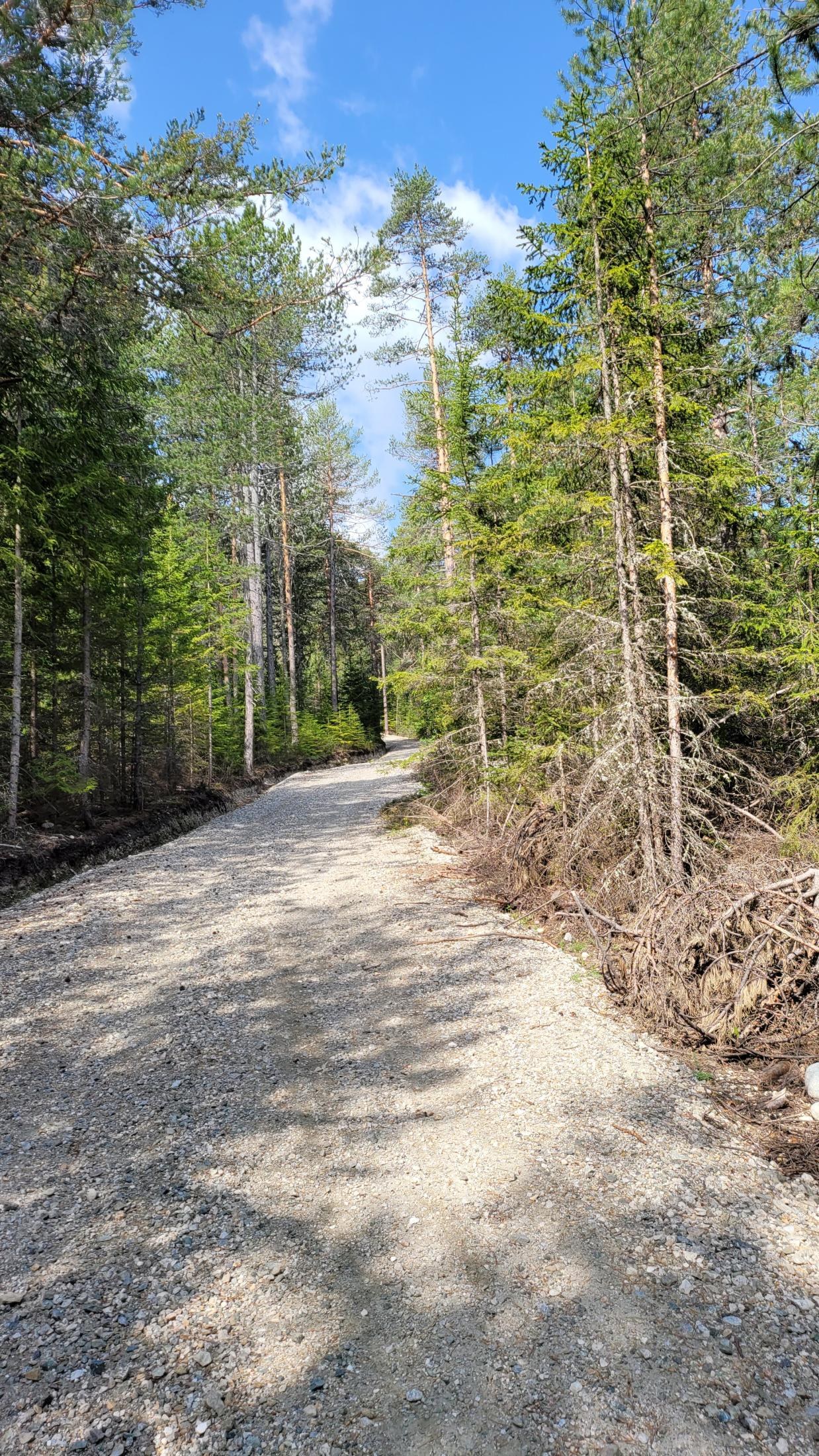
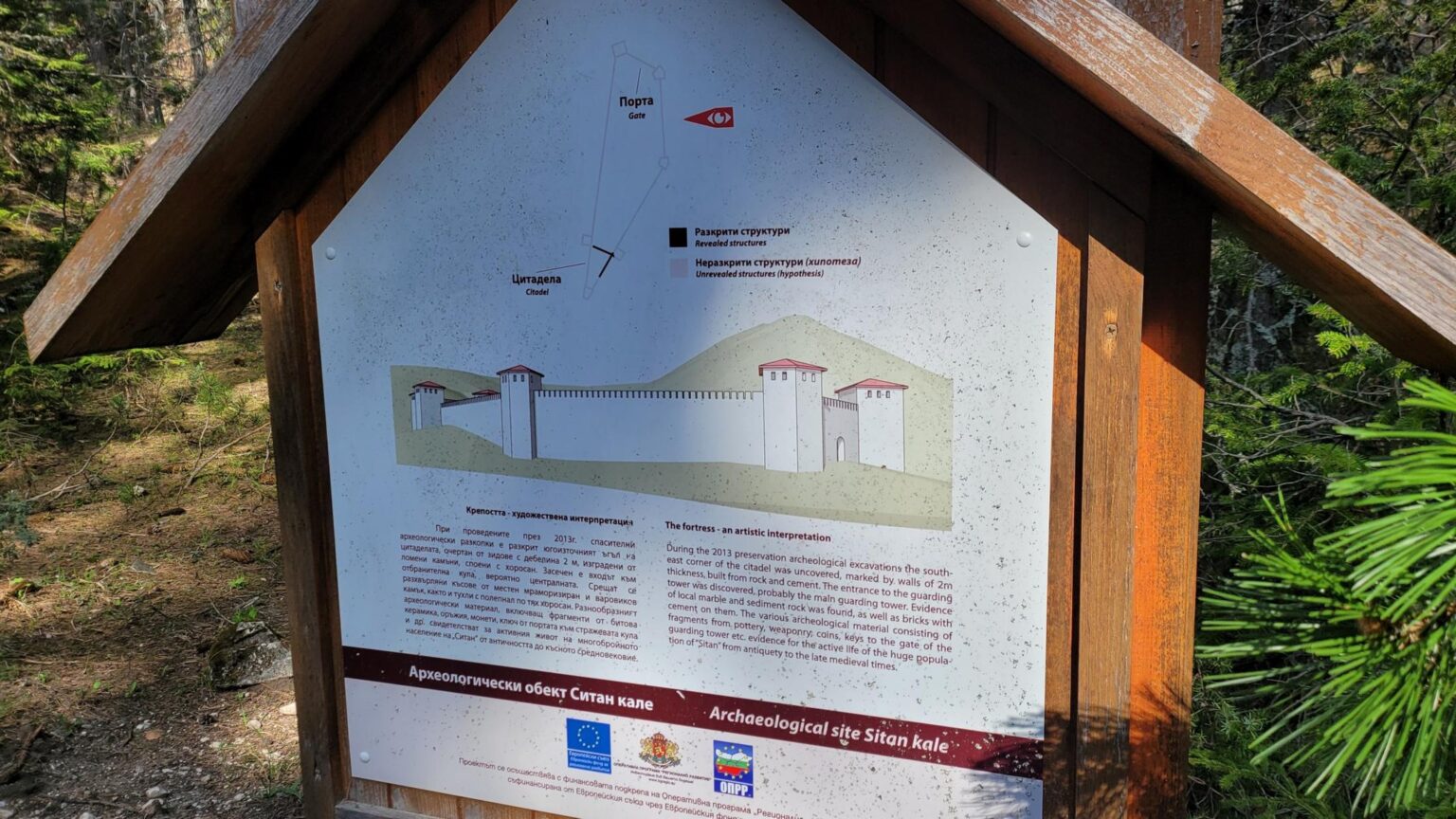
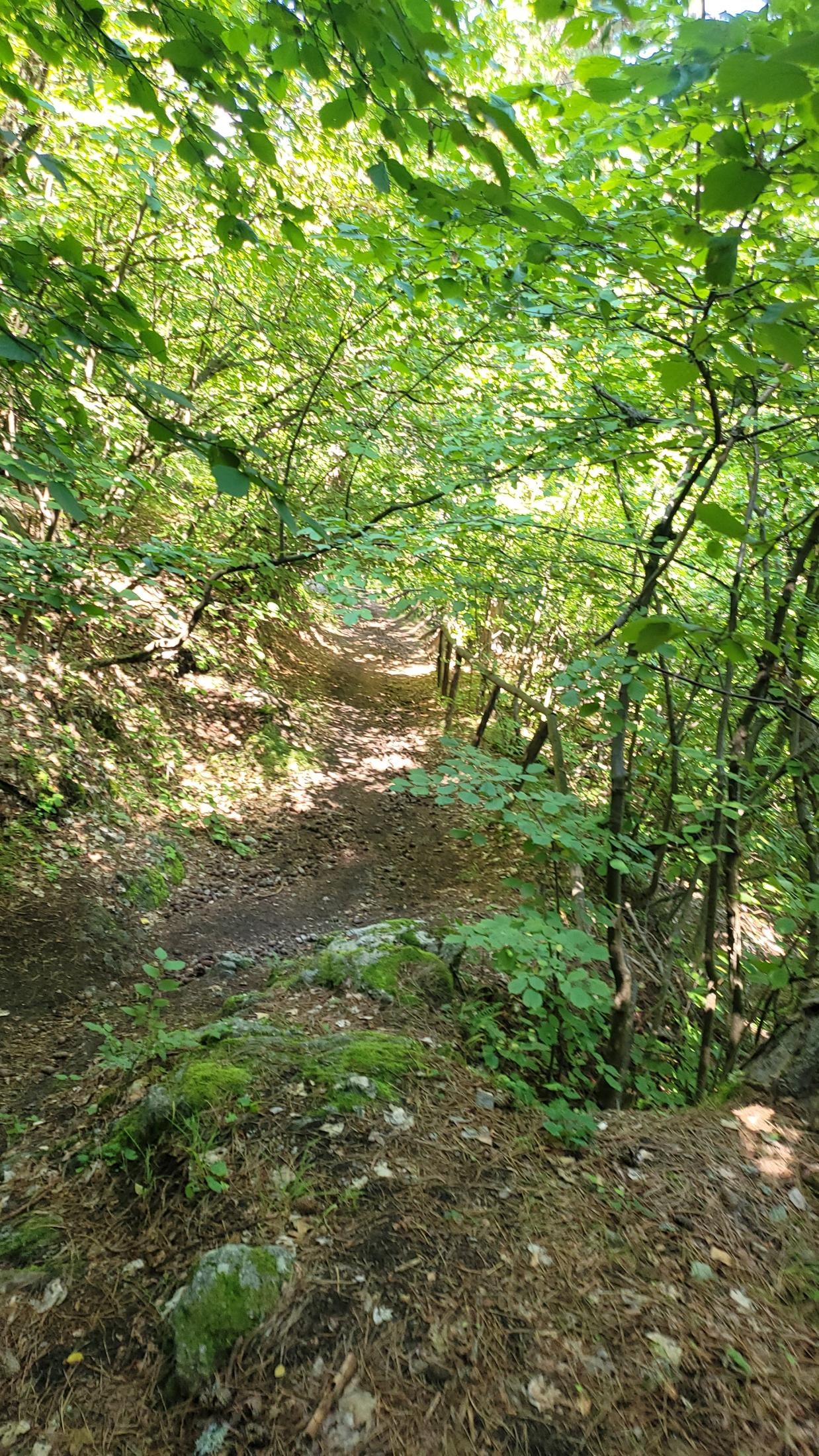
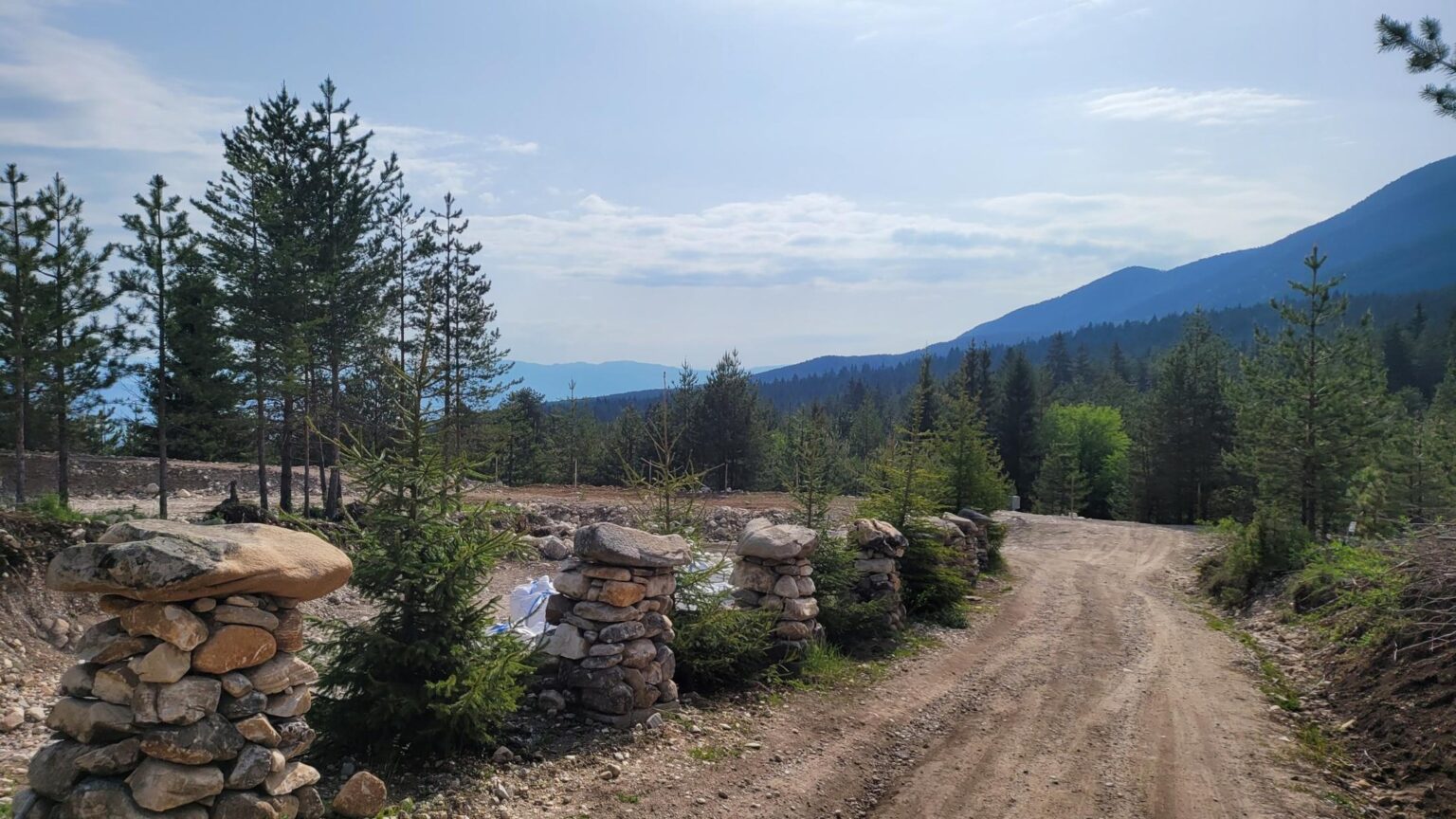
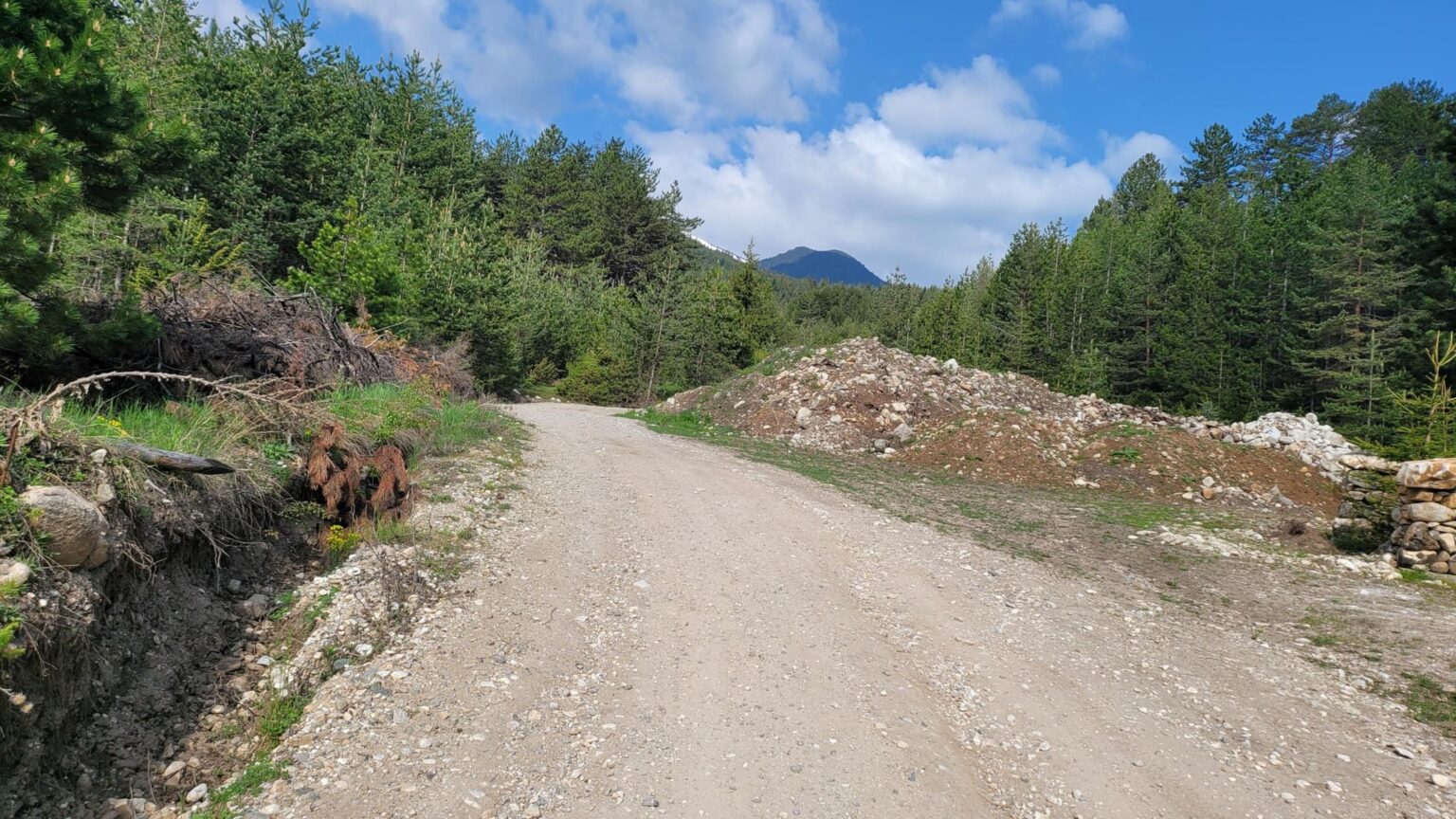
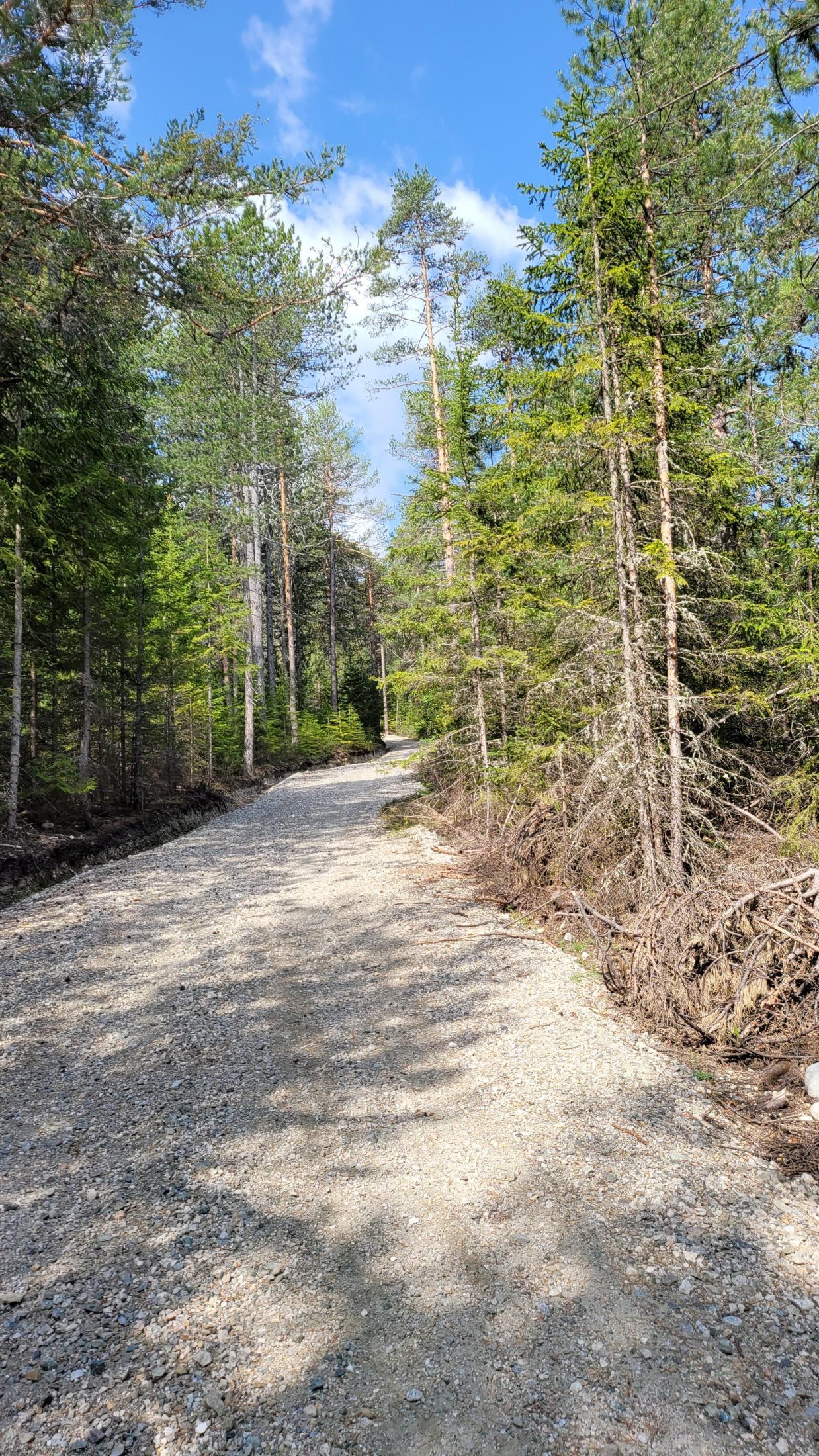
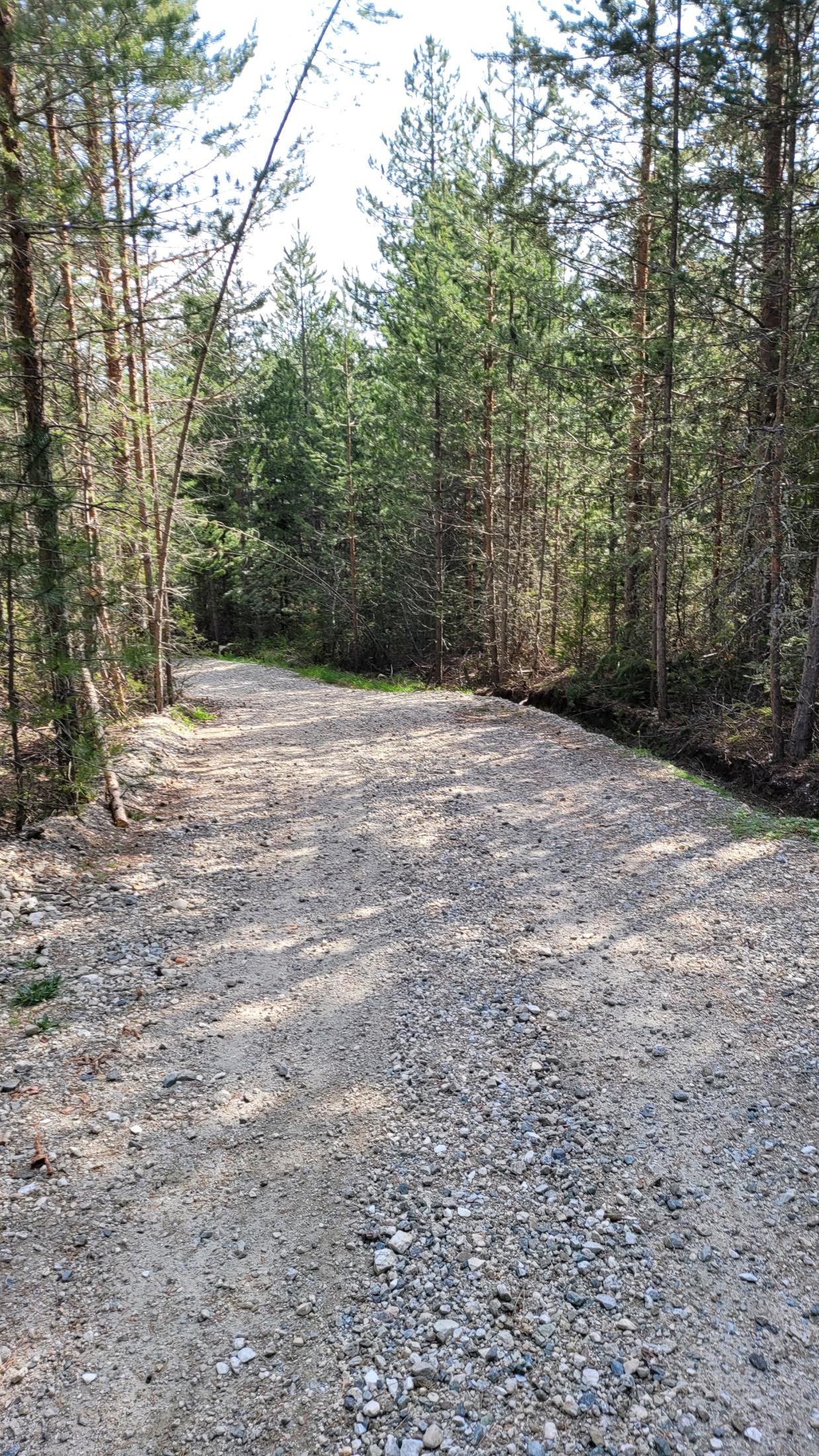
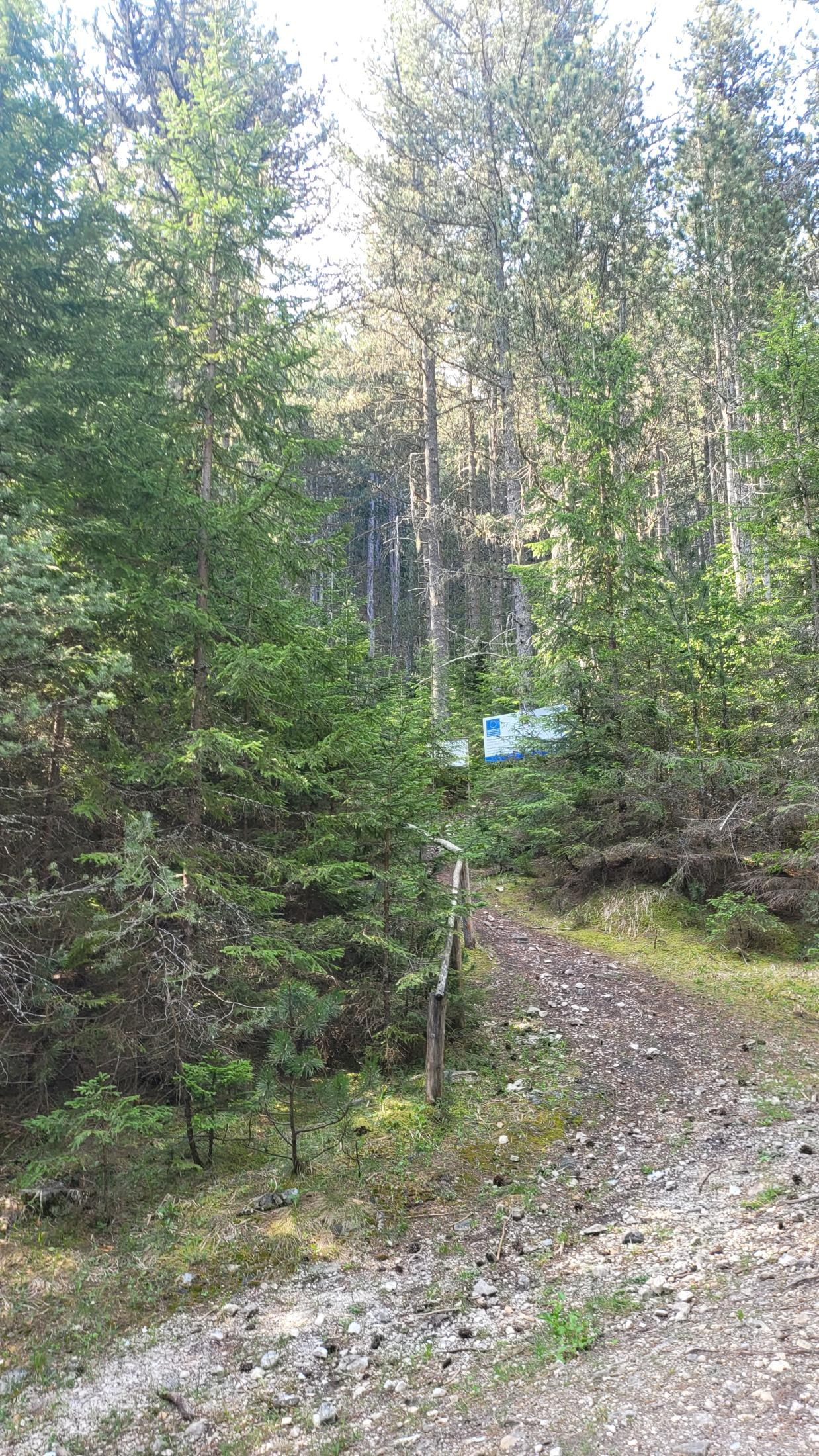
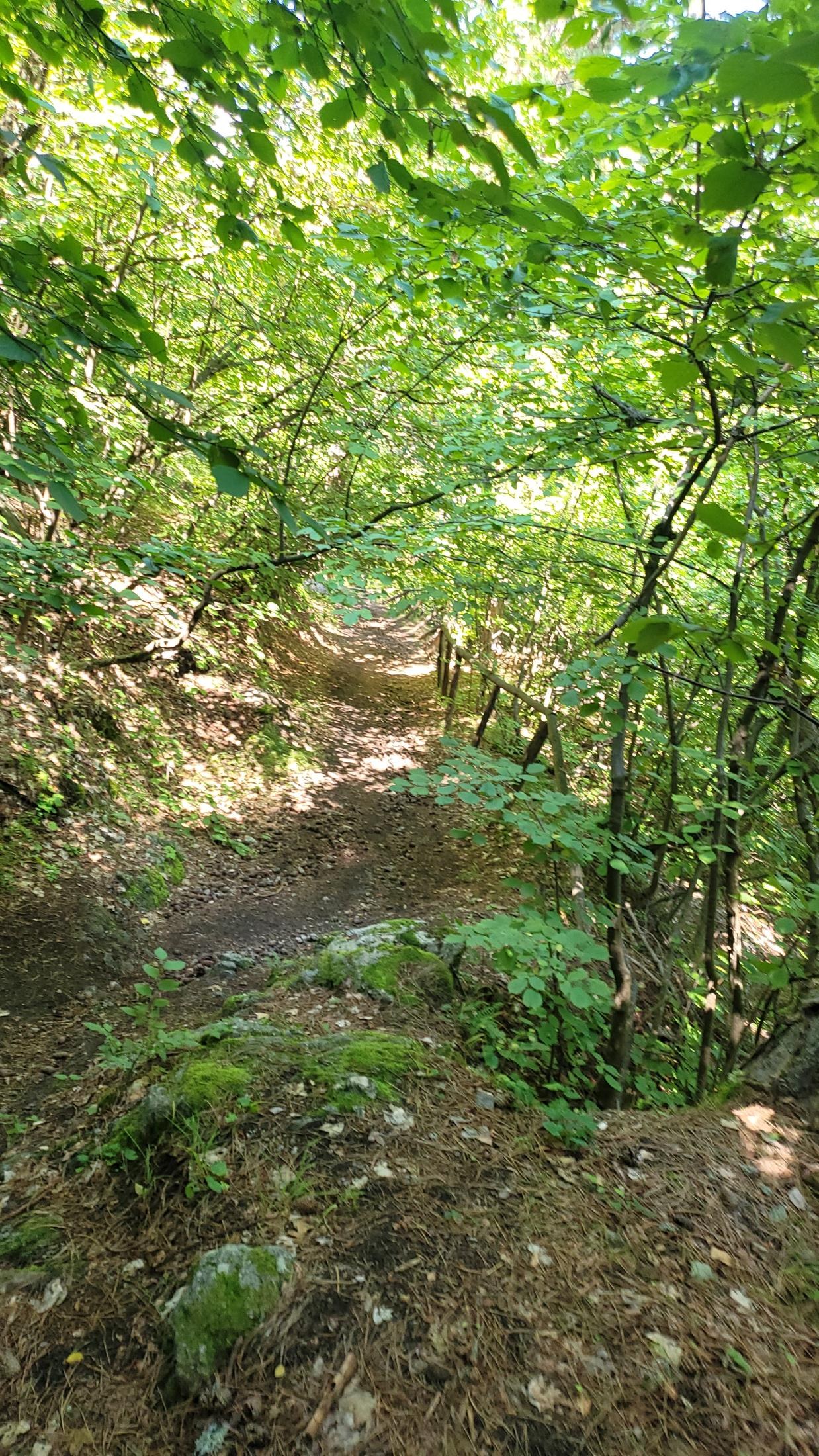
You walk along a road that was visibly meant to be repaired at some point and then apparently abandoned. There’s gravel laid as if for cars, but no machinery and no sign of work in a long time. You walk for a while — half an hour, say — watching for signs. There’s a rusted one pointing left. That’s the spot. Then a brutal climb: 150 metres of elevation, but packed into 300 metres of trail, and you feel every one of them. It eats about twenty minutes. At some point the route was tidied up and fitted with railings, visibly under a European programme. Today it’s abandoned and the weather has rendered most of that work unusable.
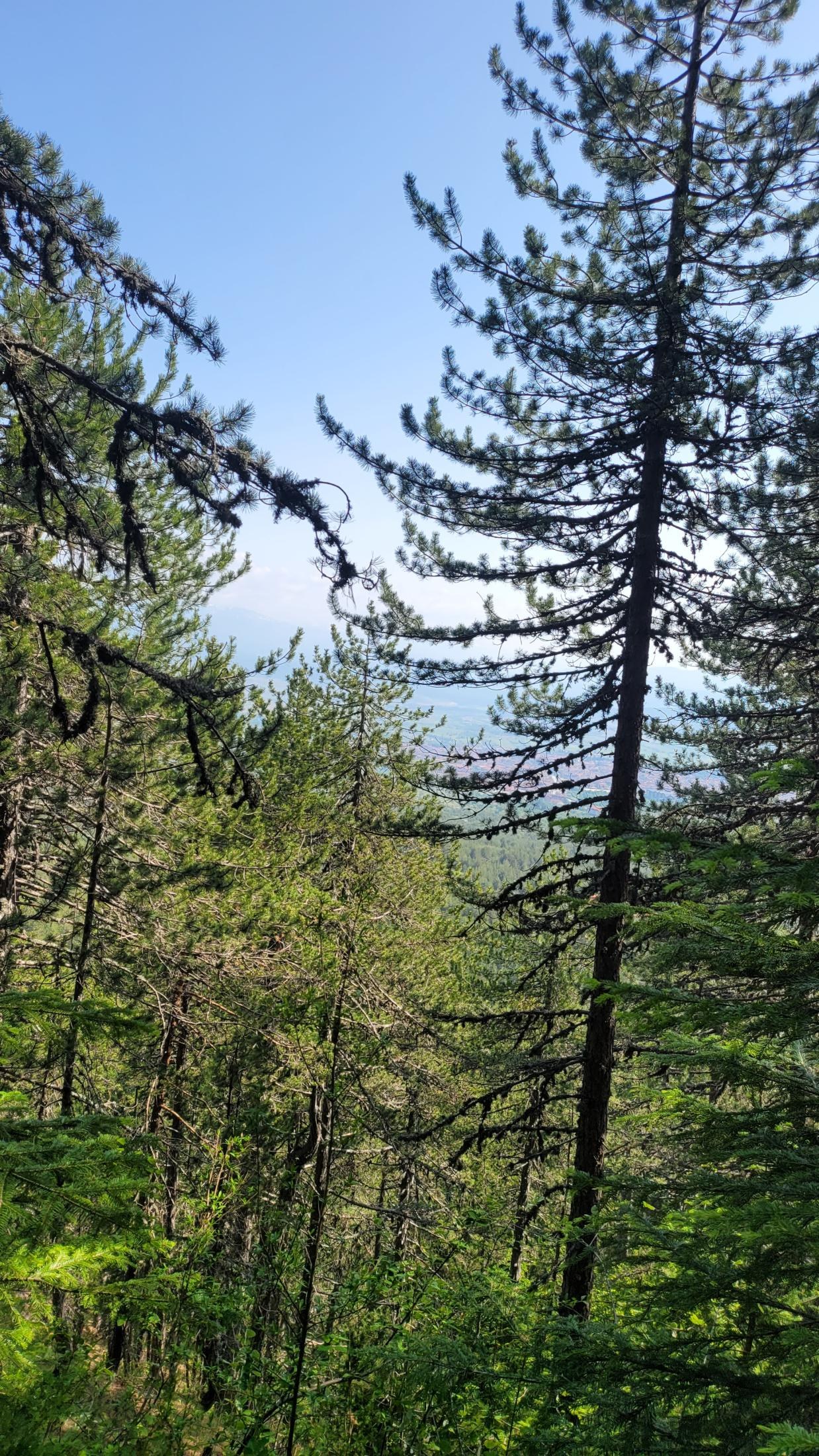
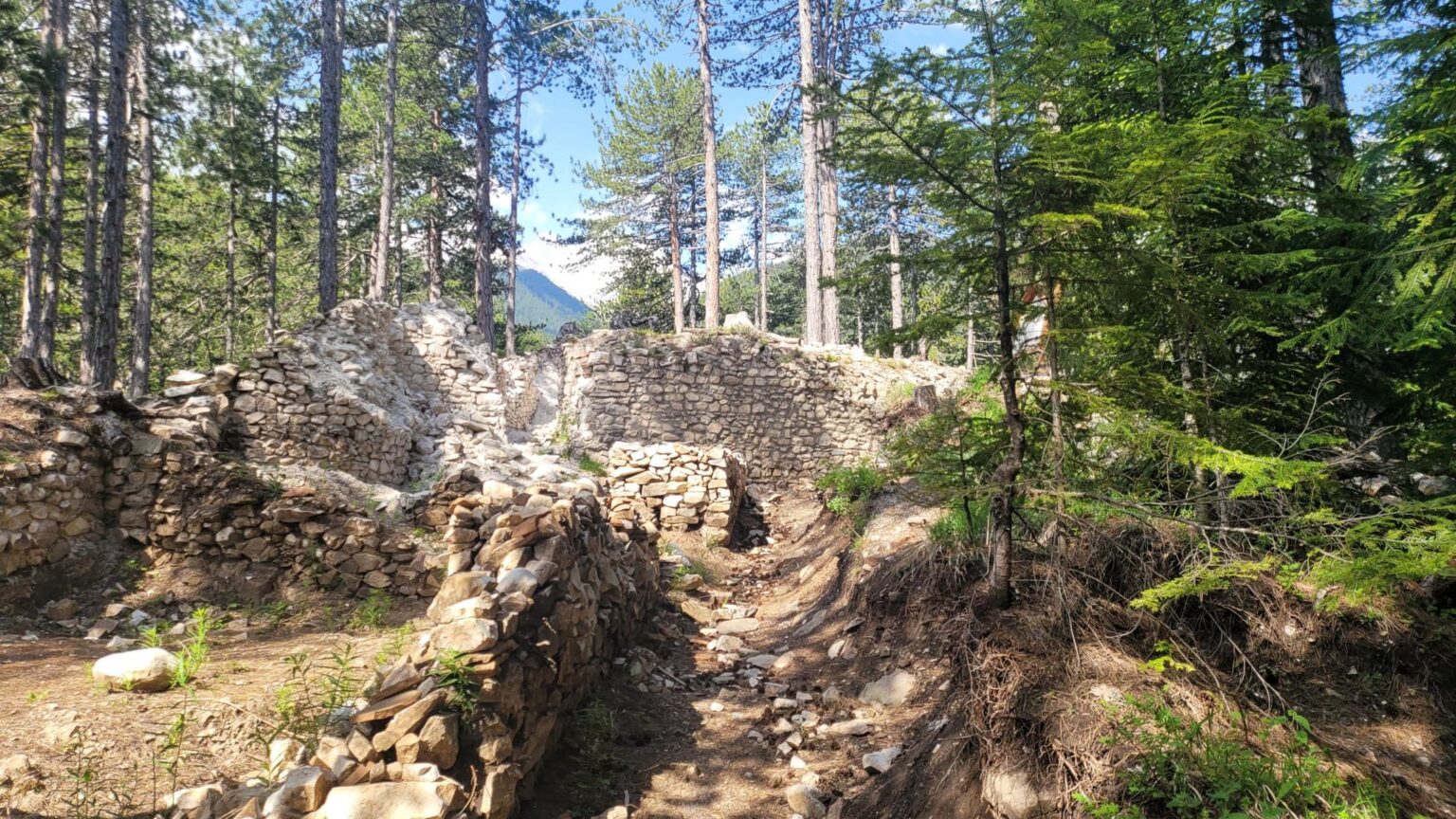
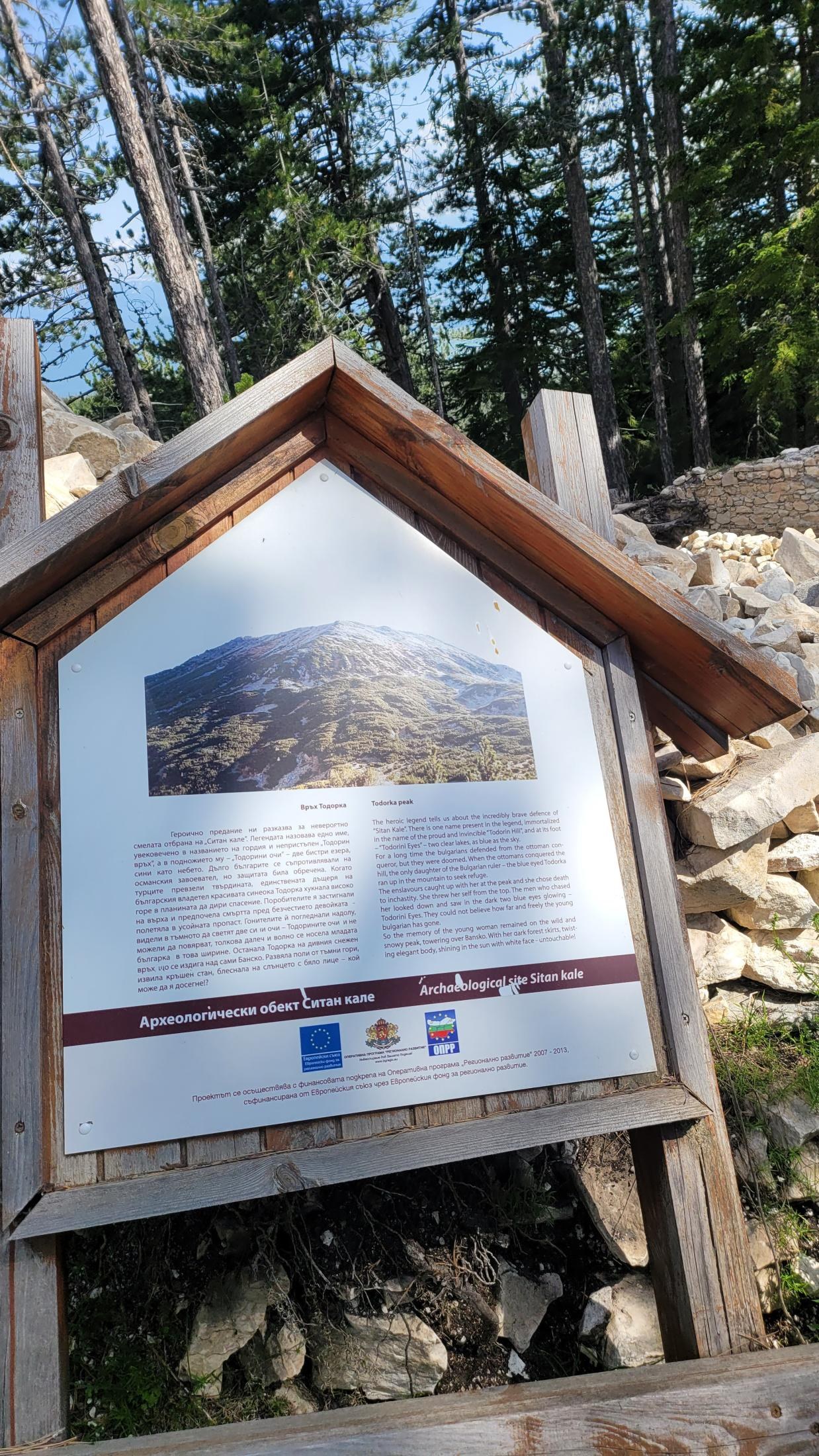
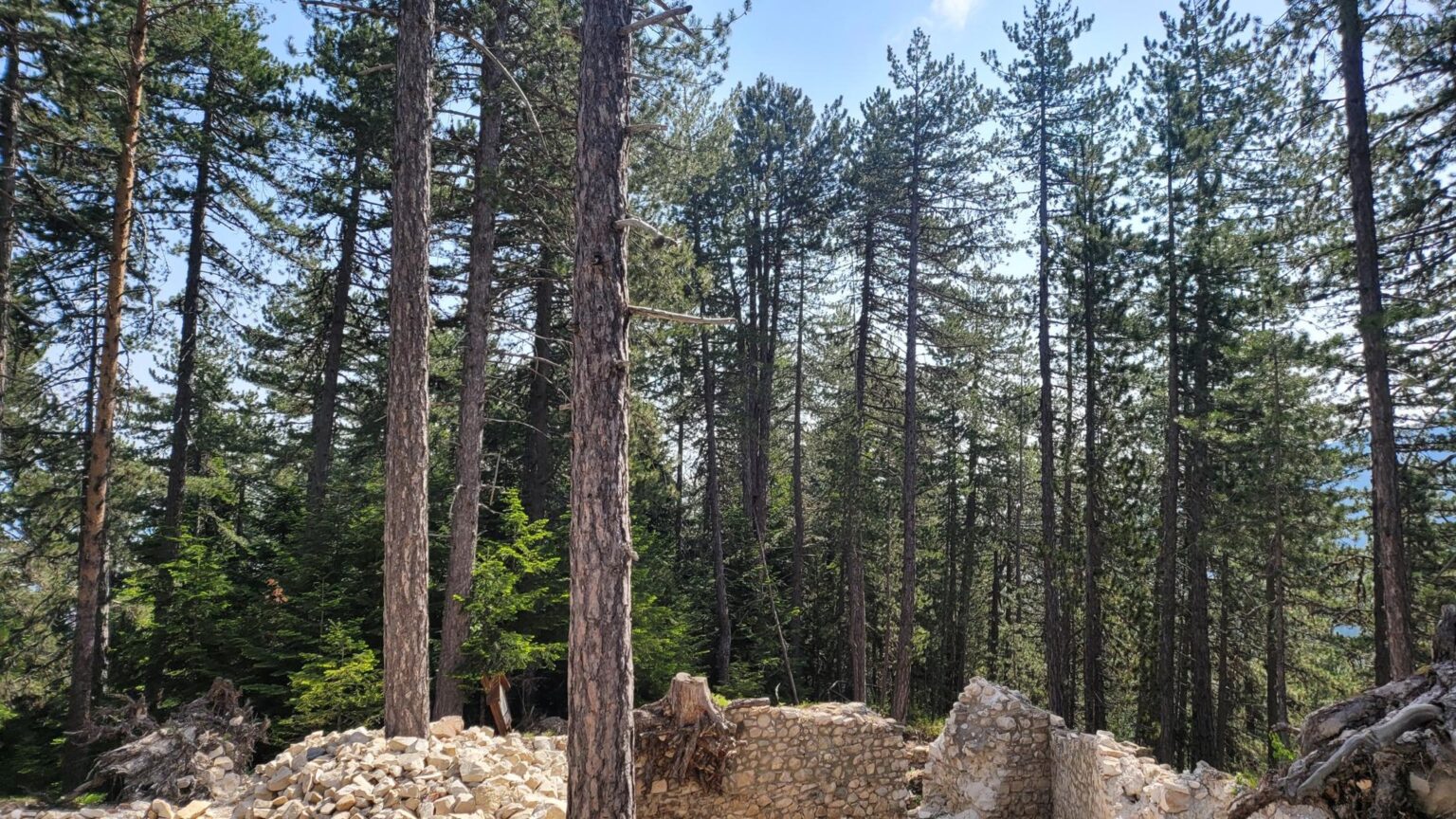
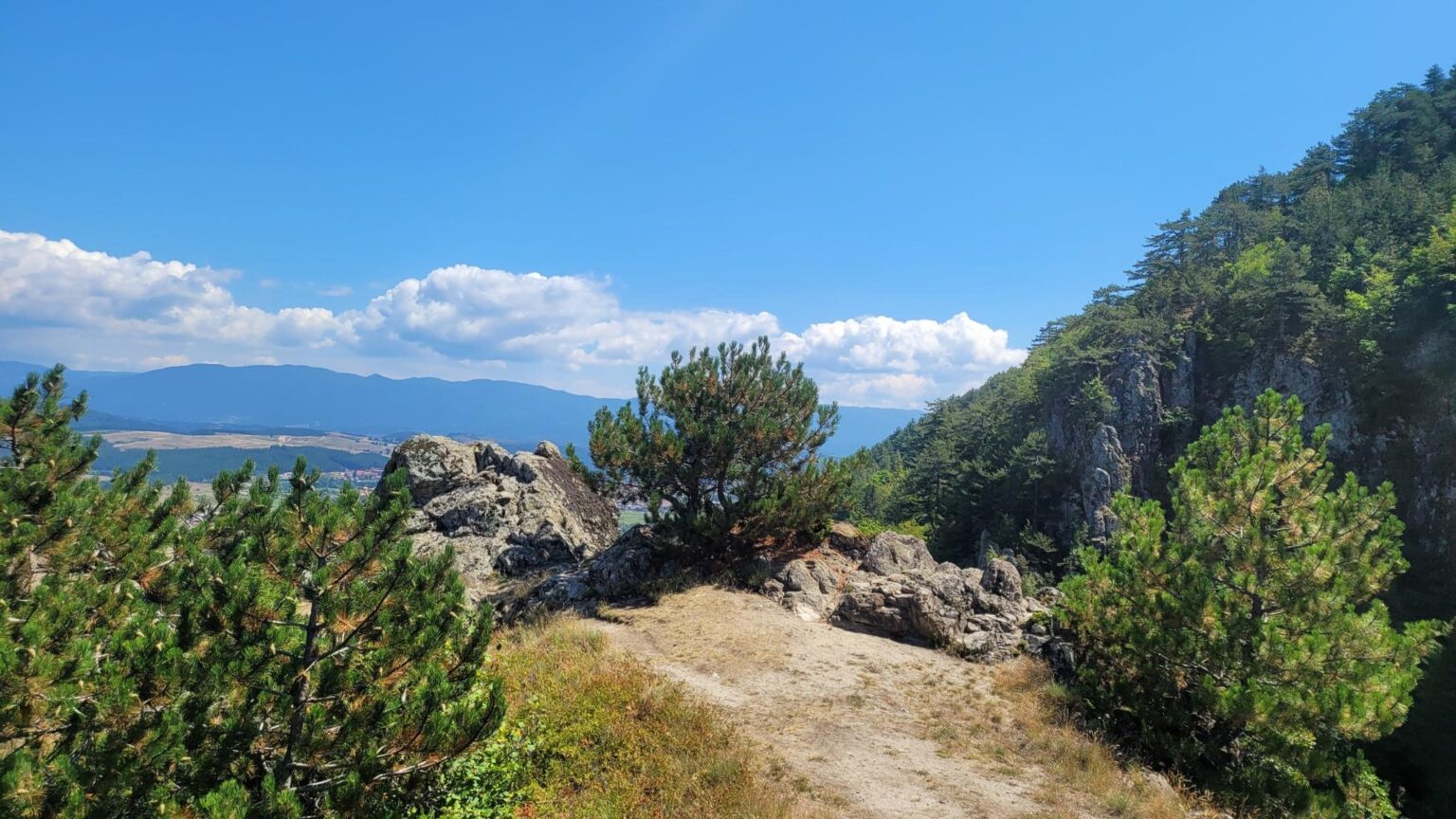
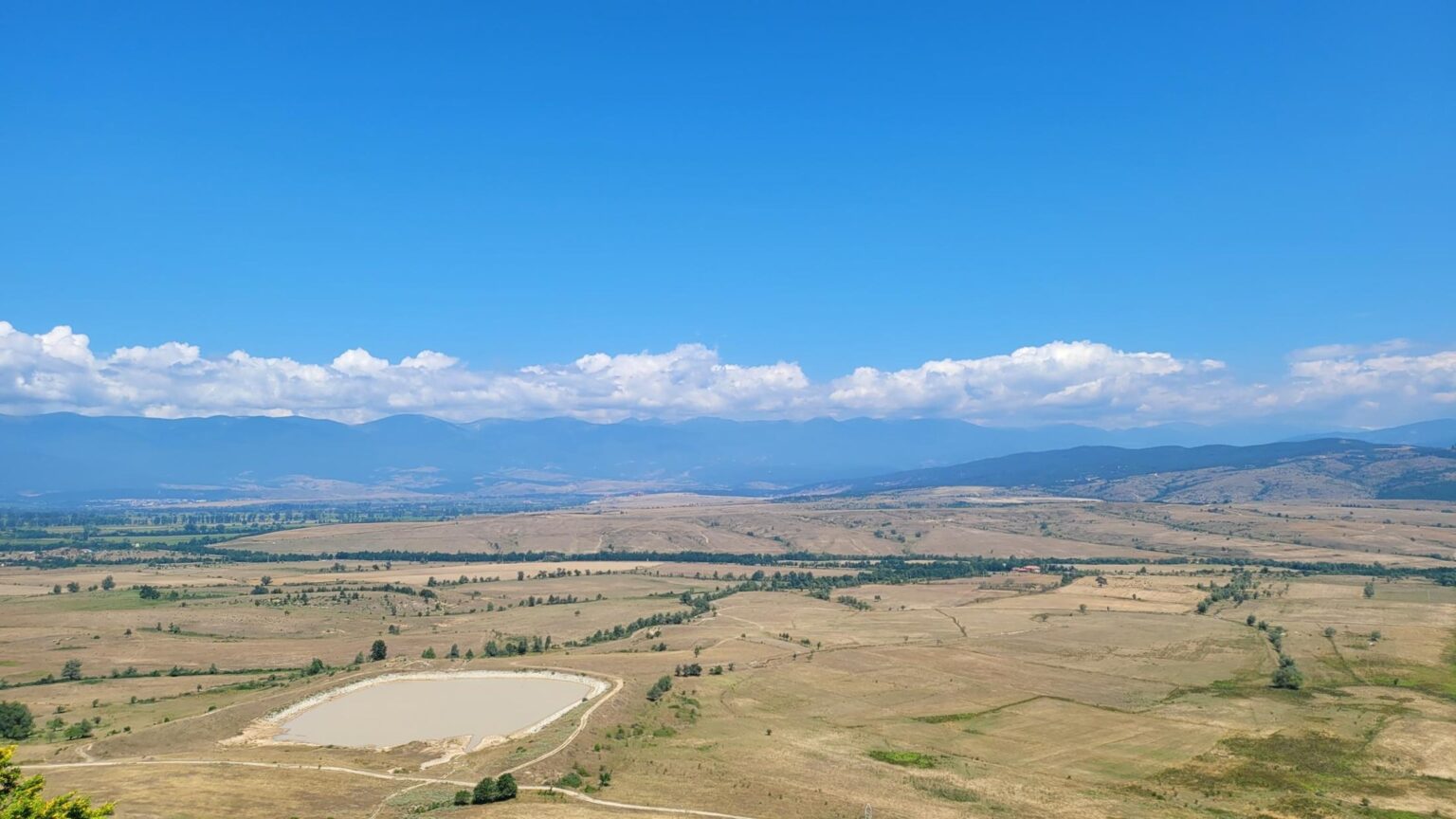
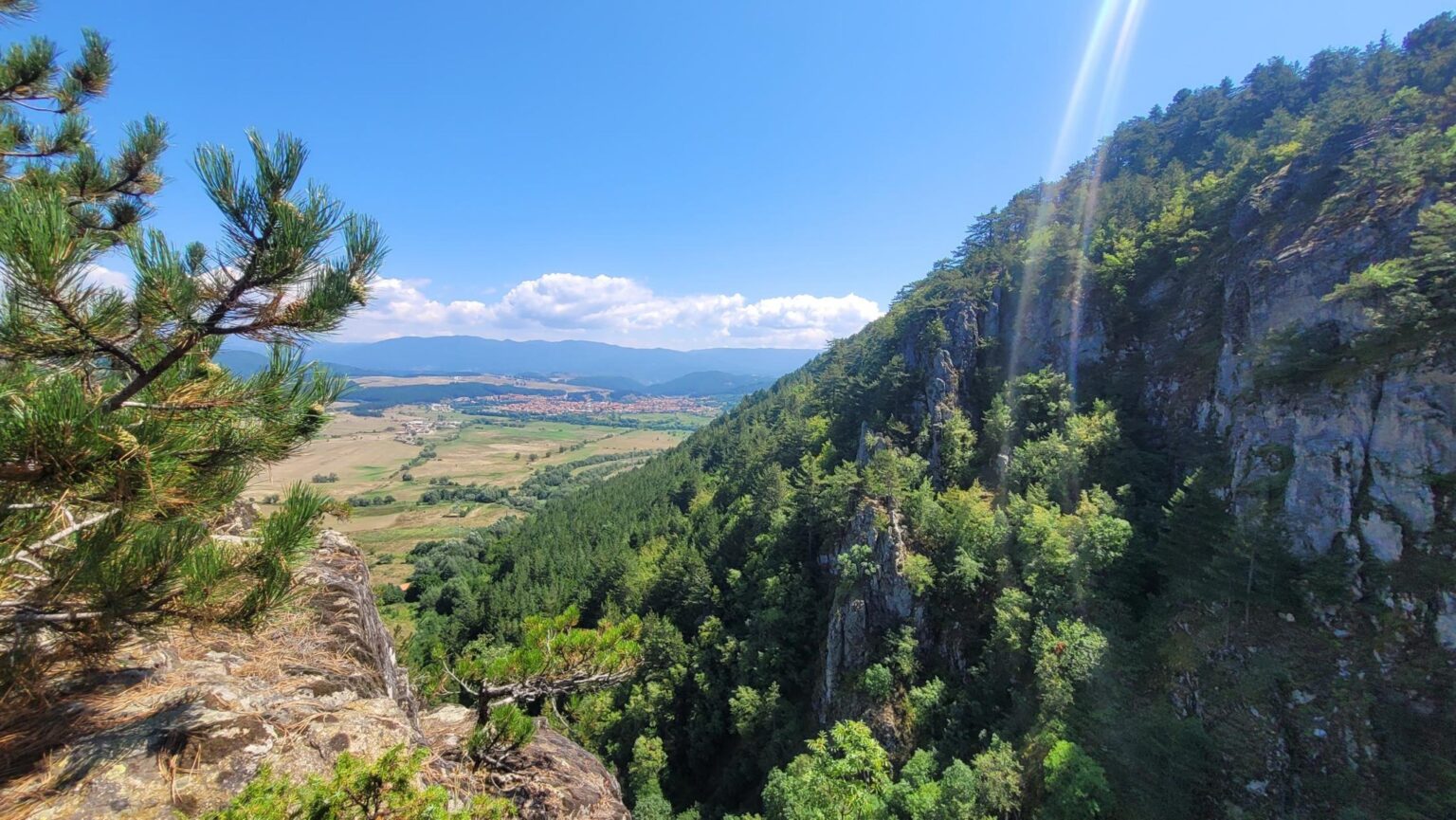
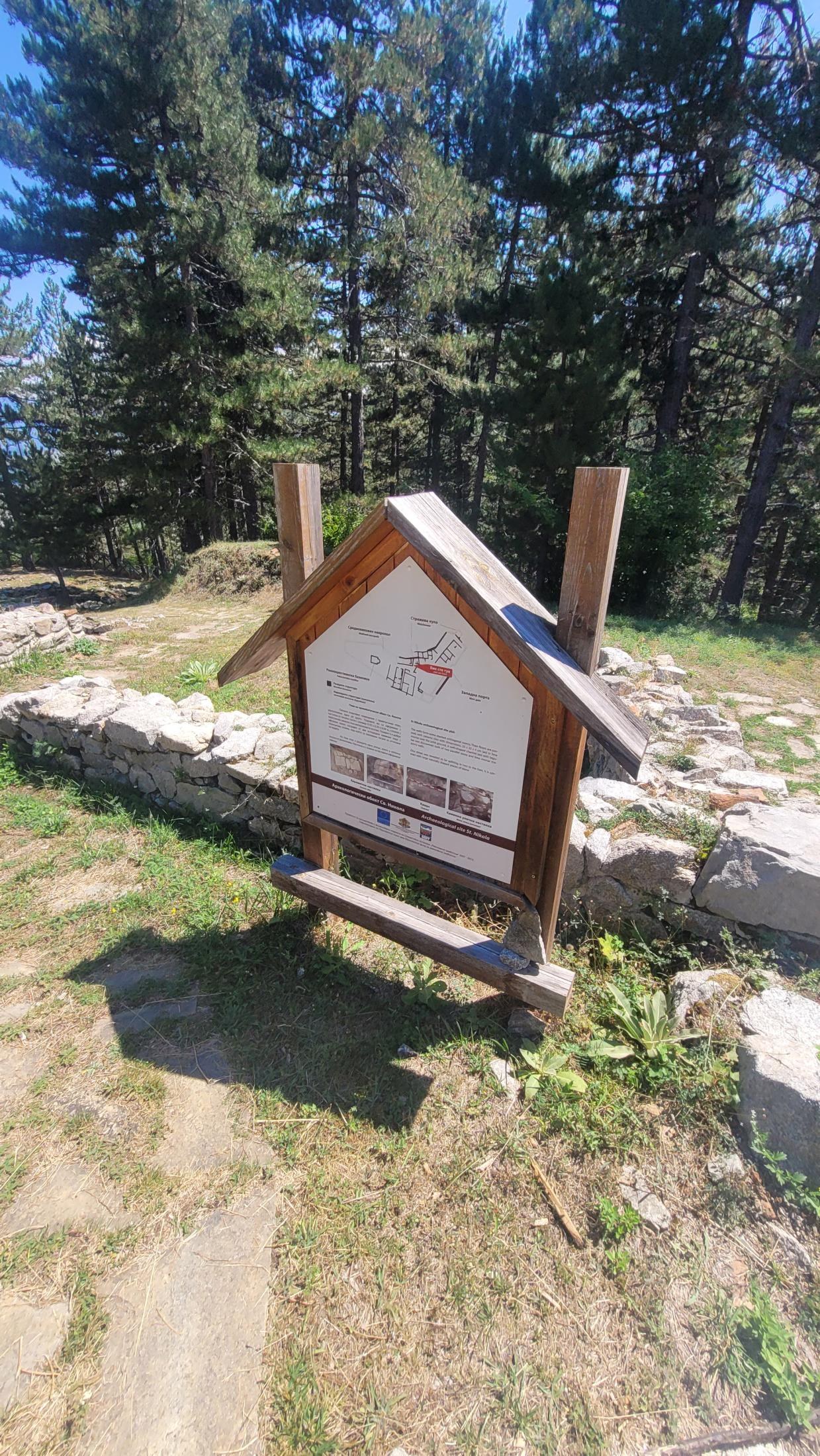
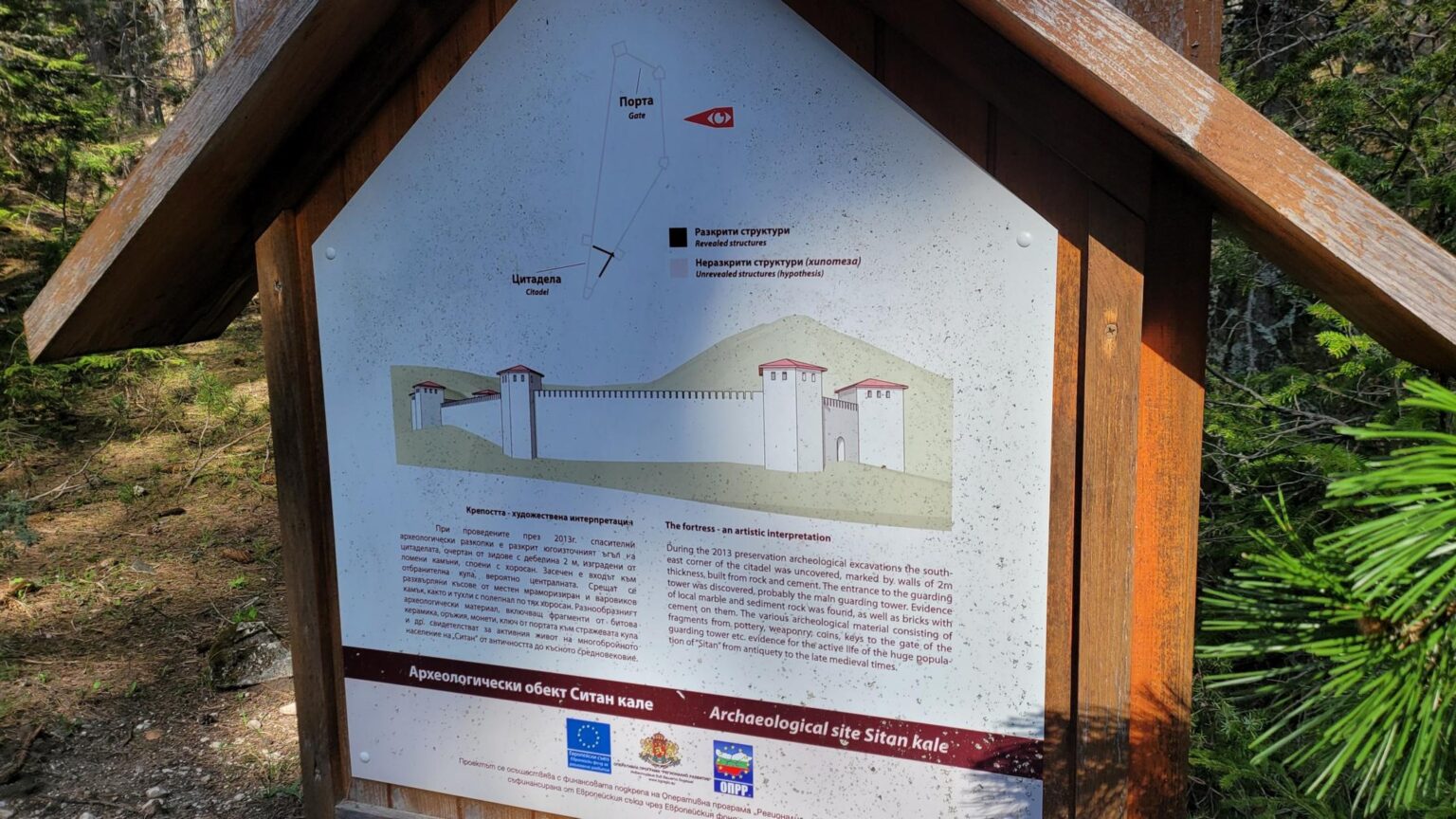
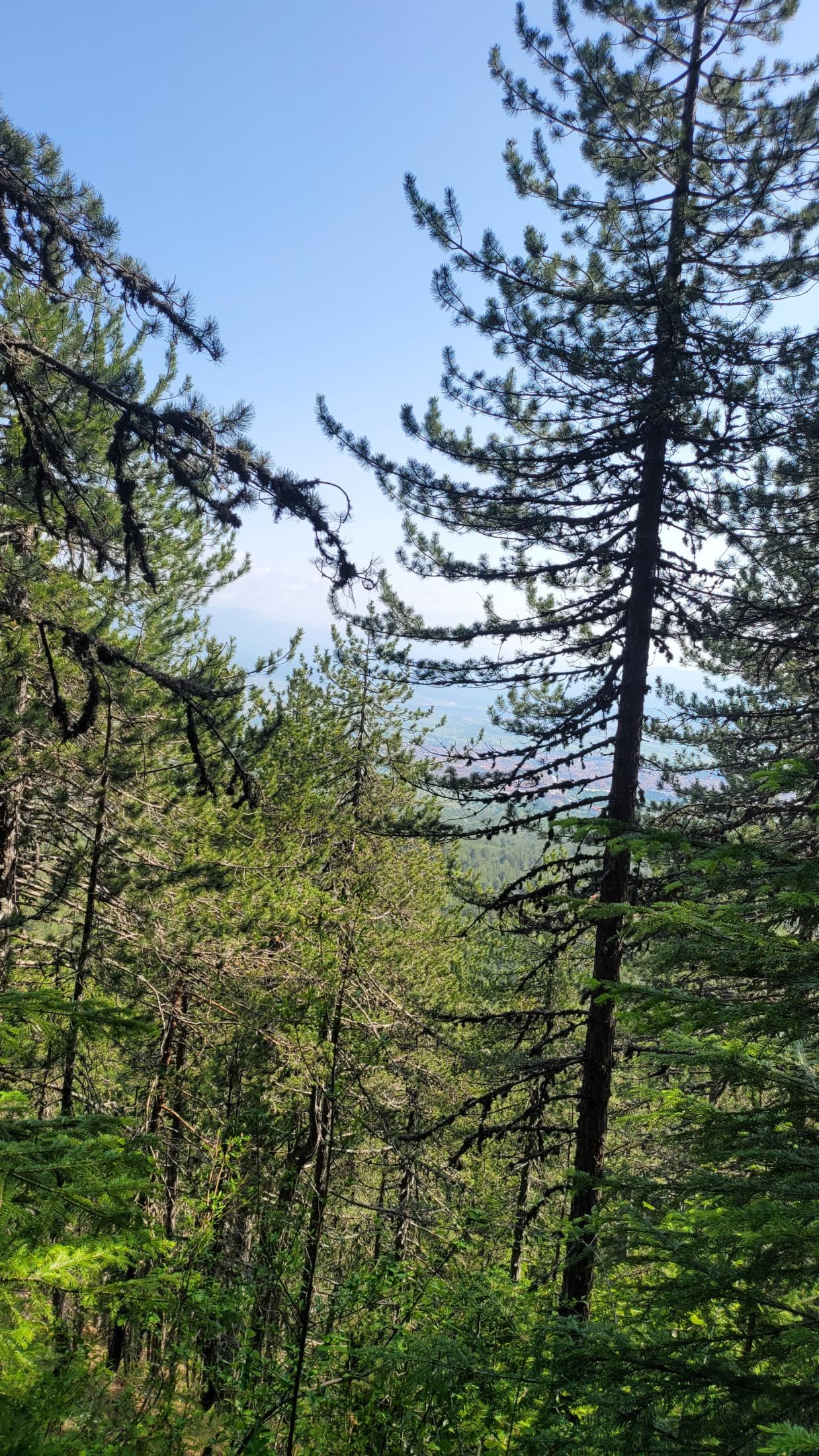
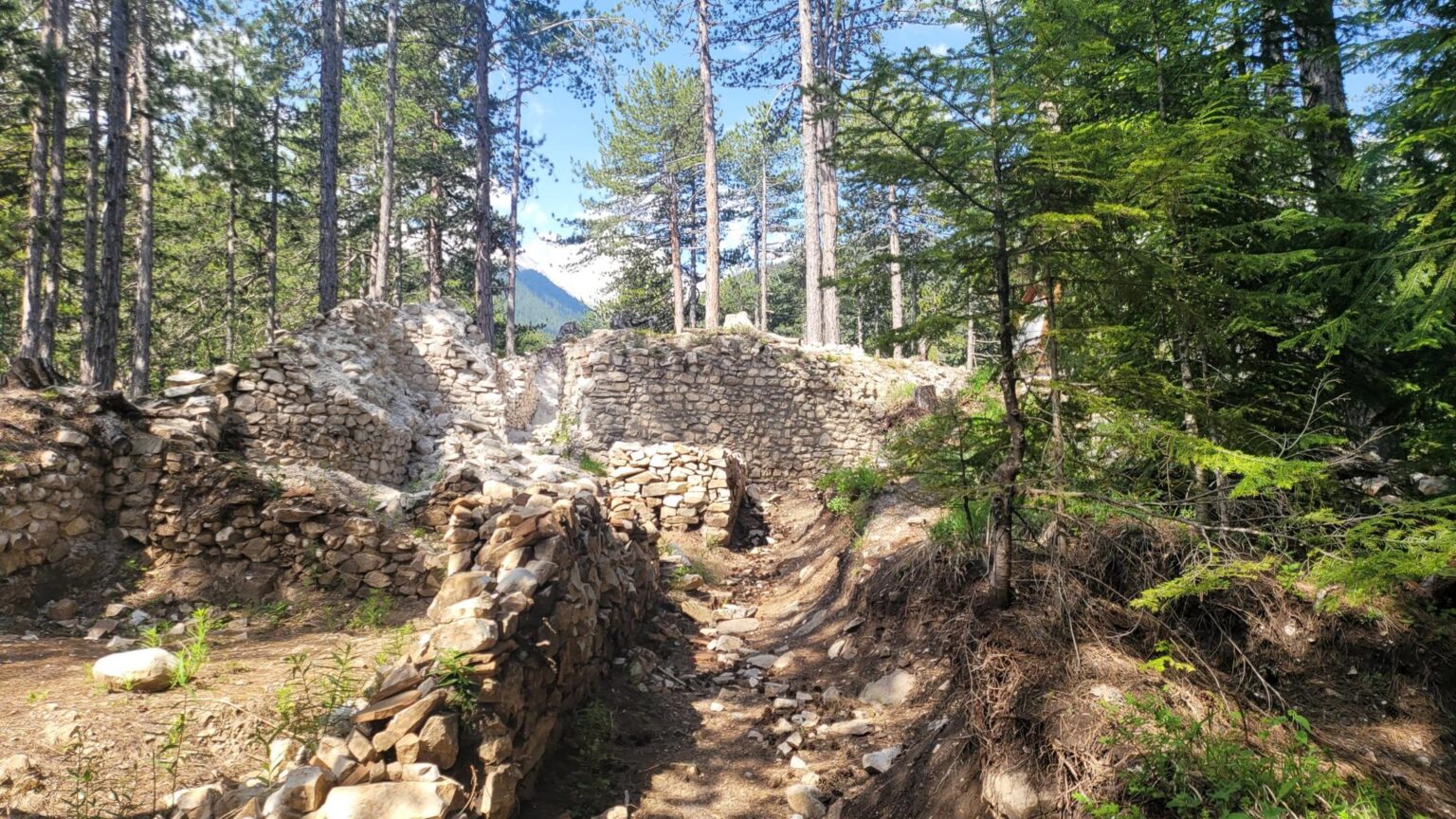
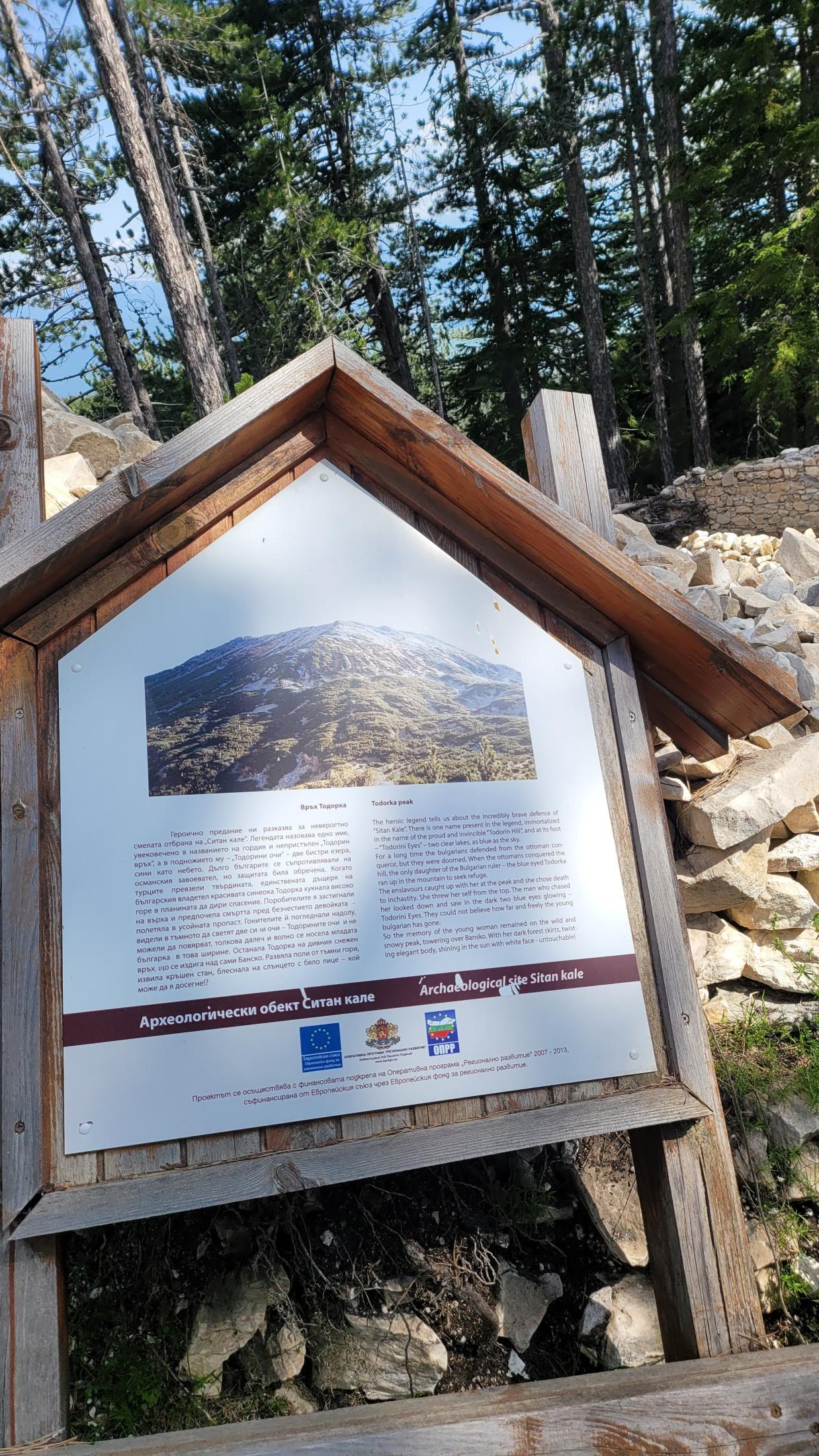
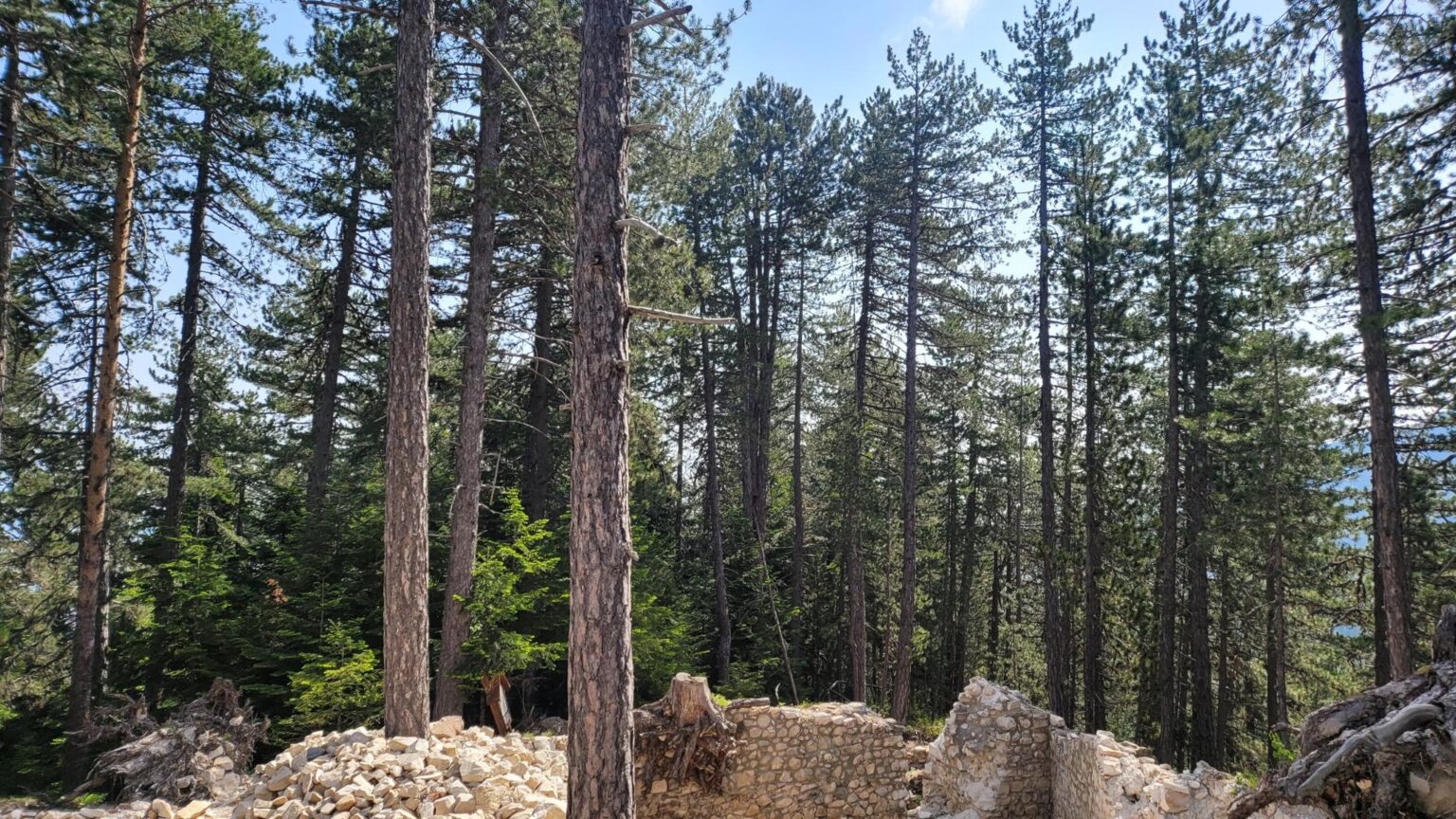
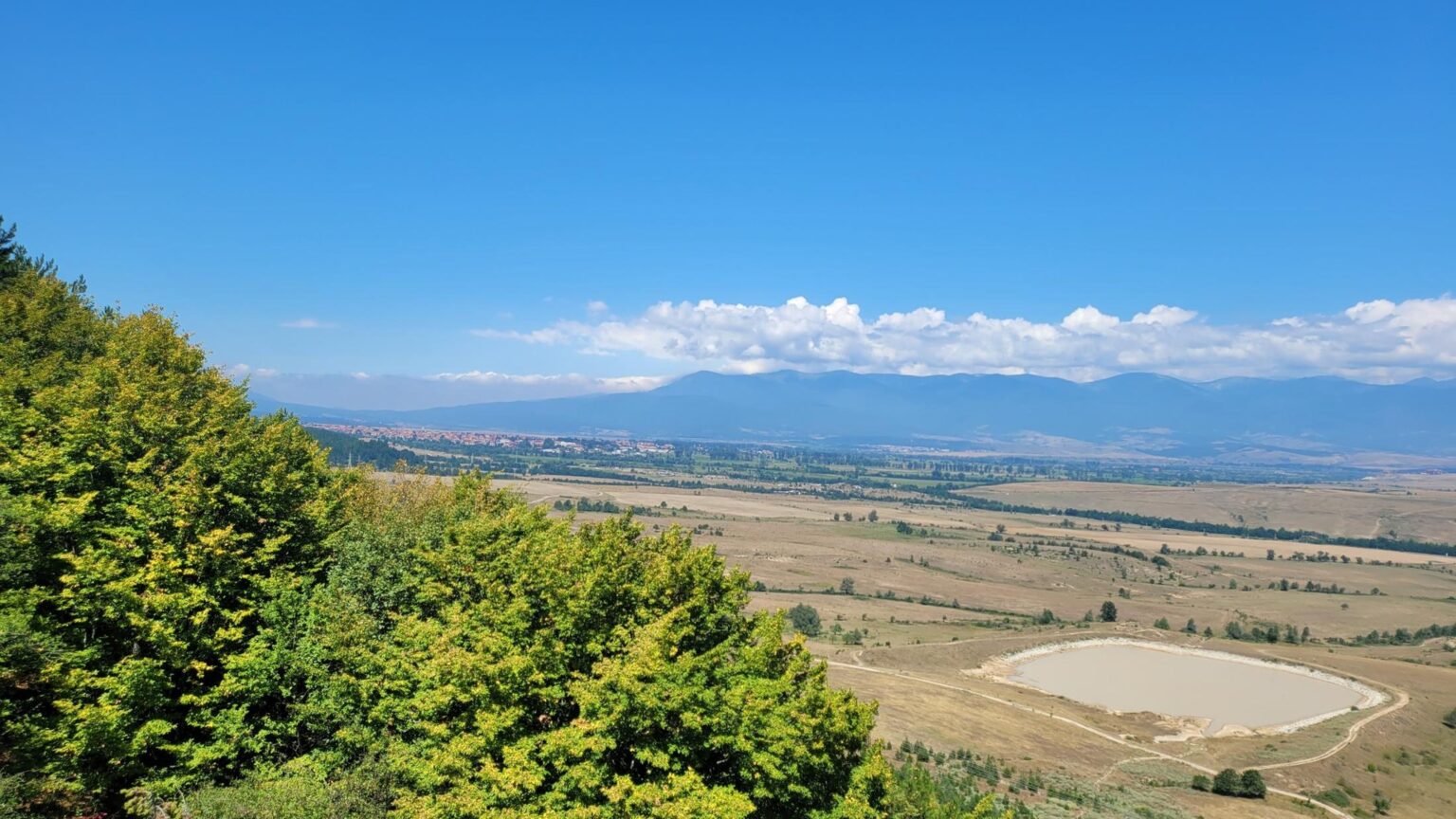
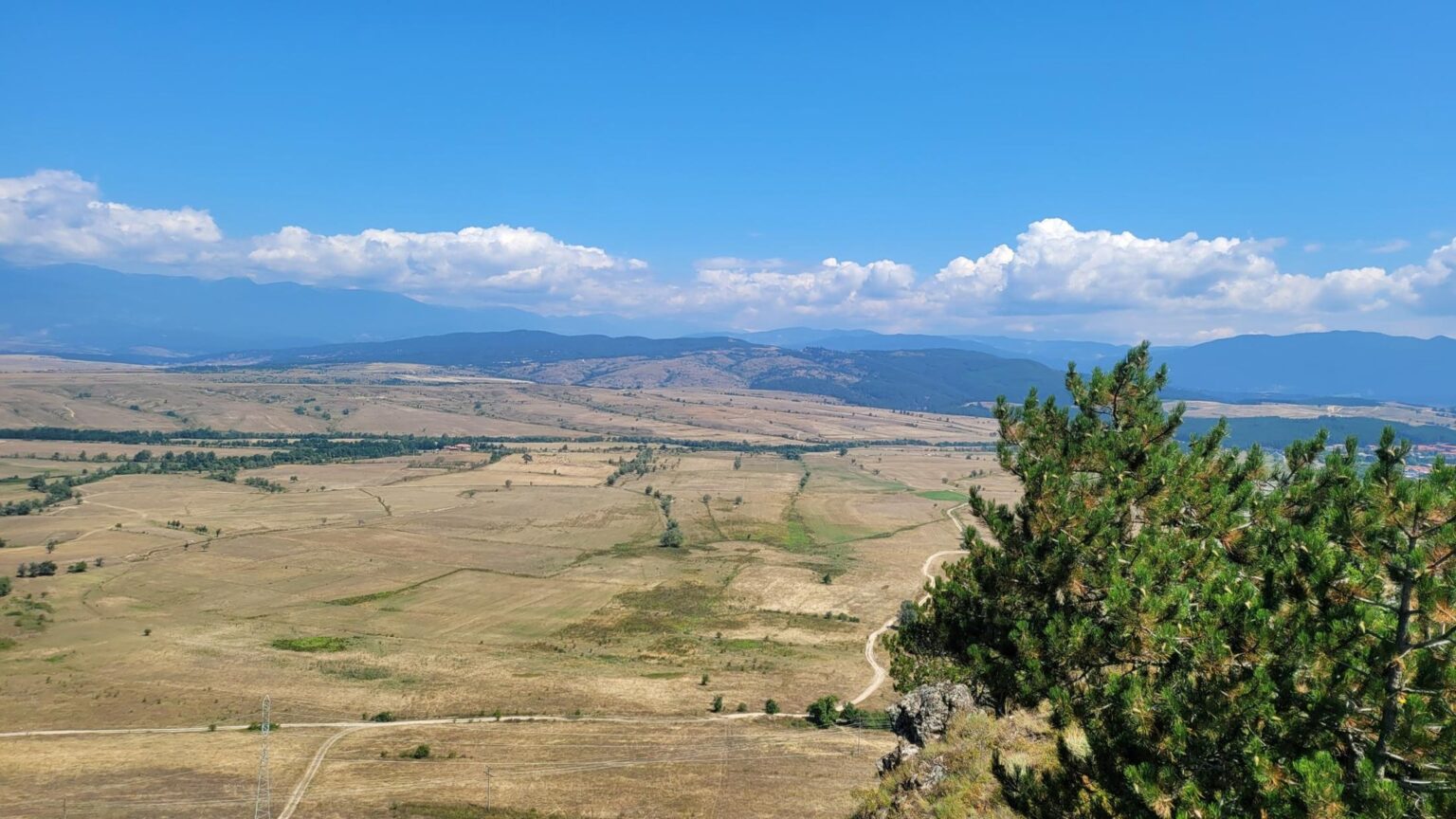
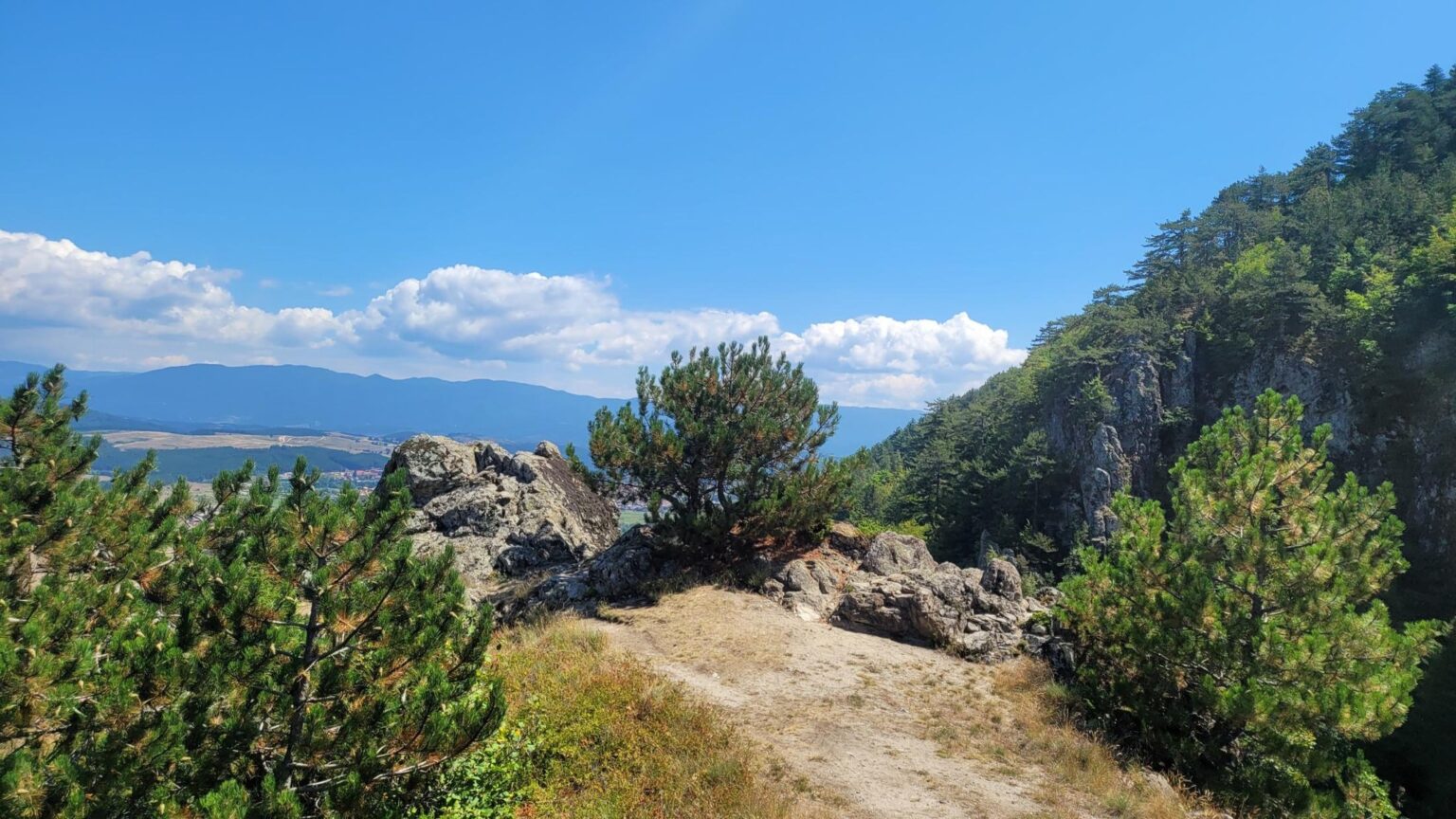
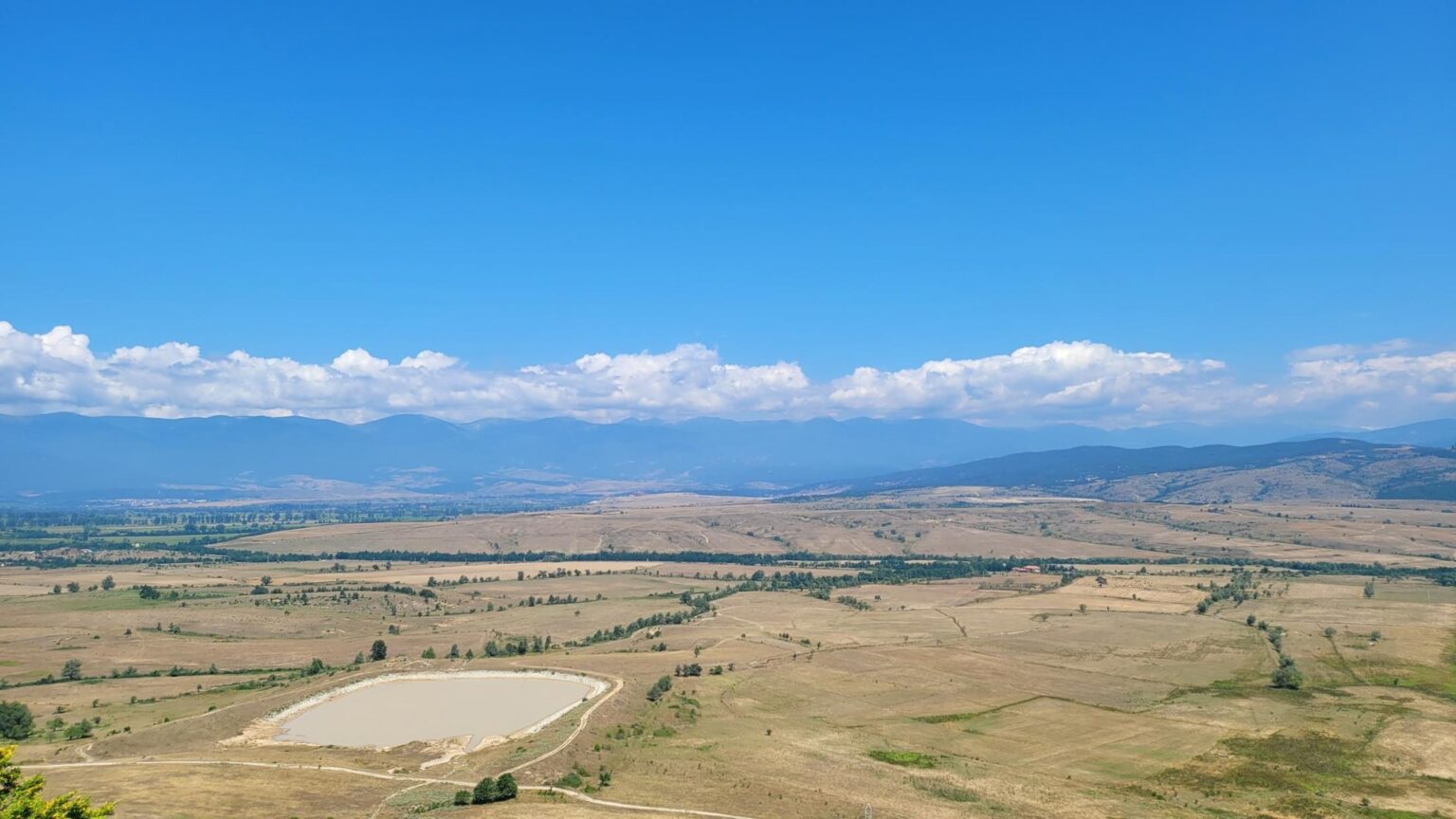
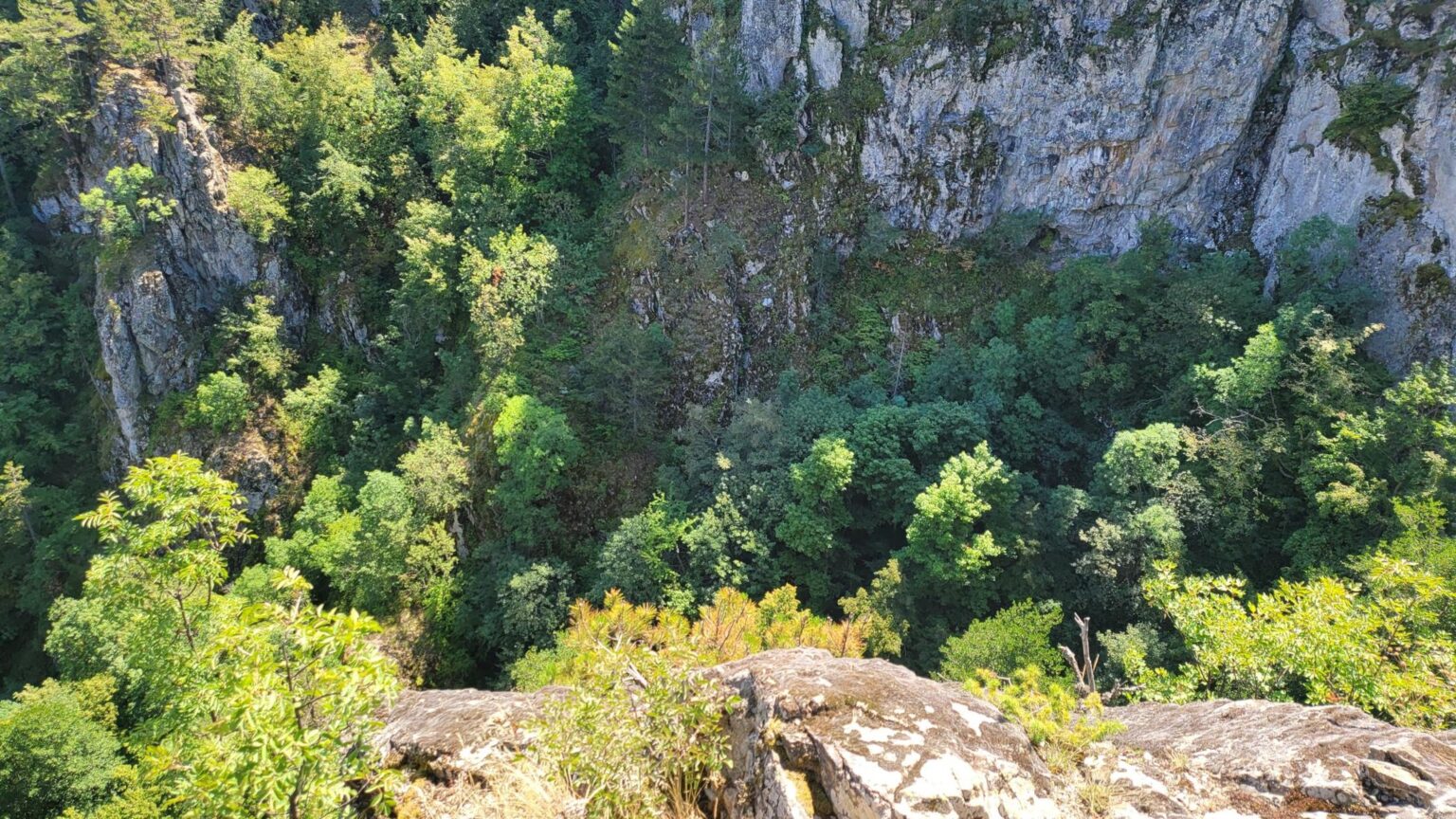
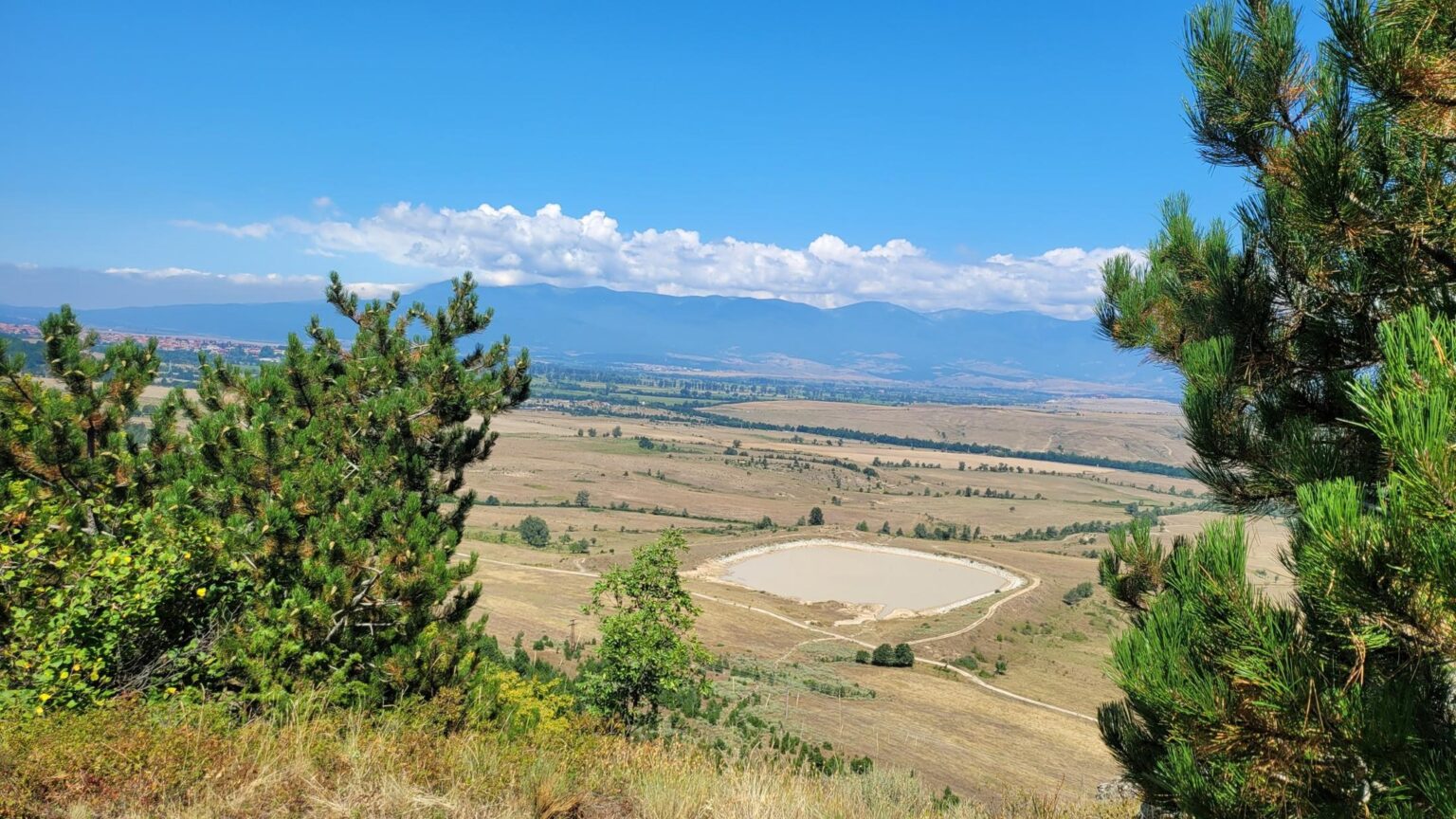
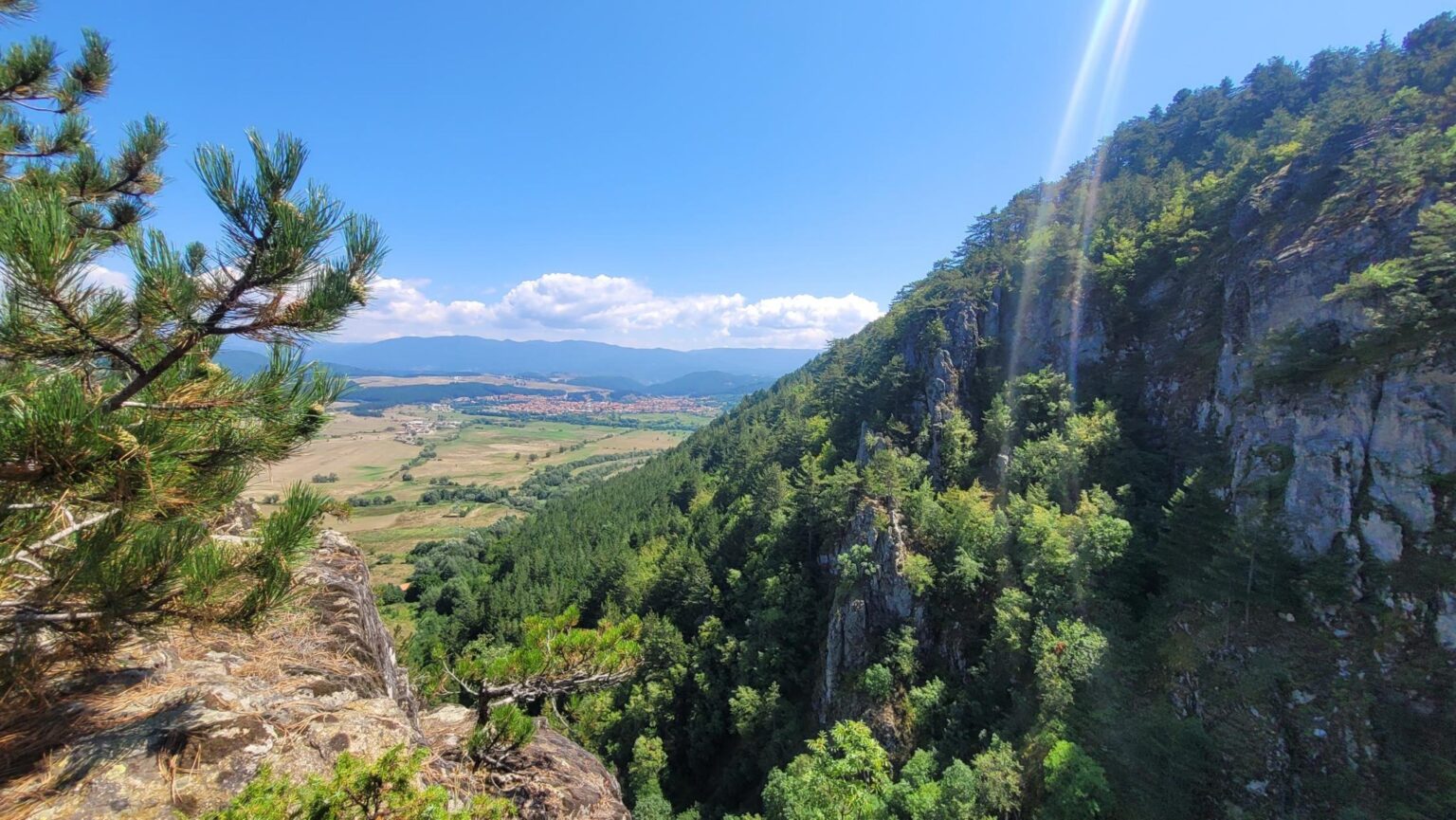
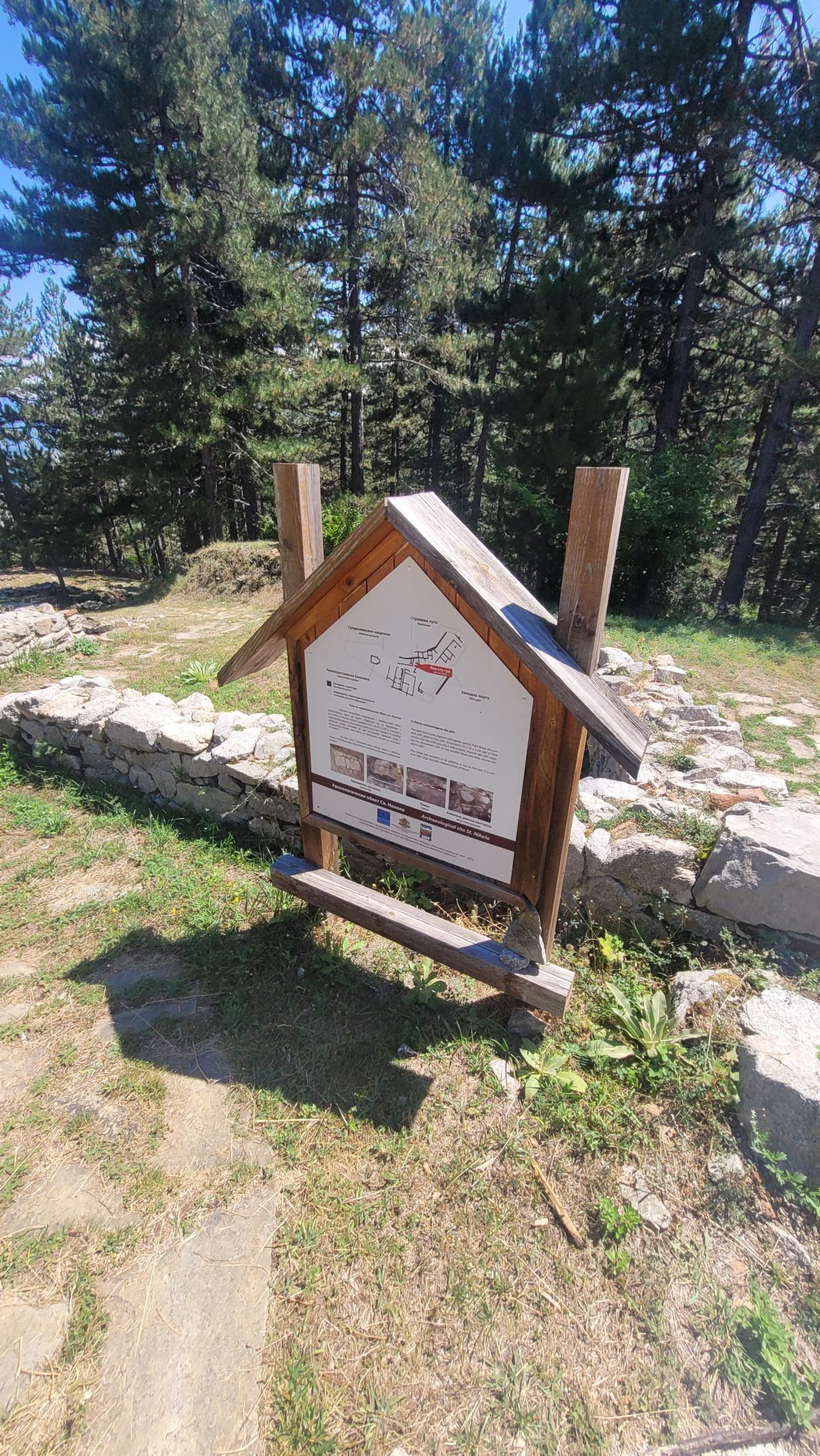
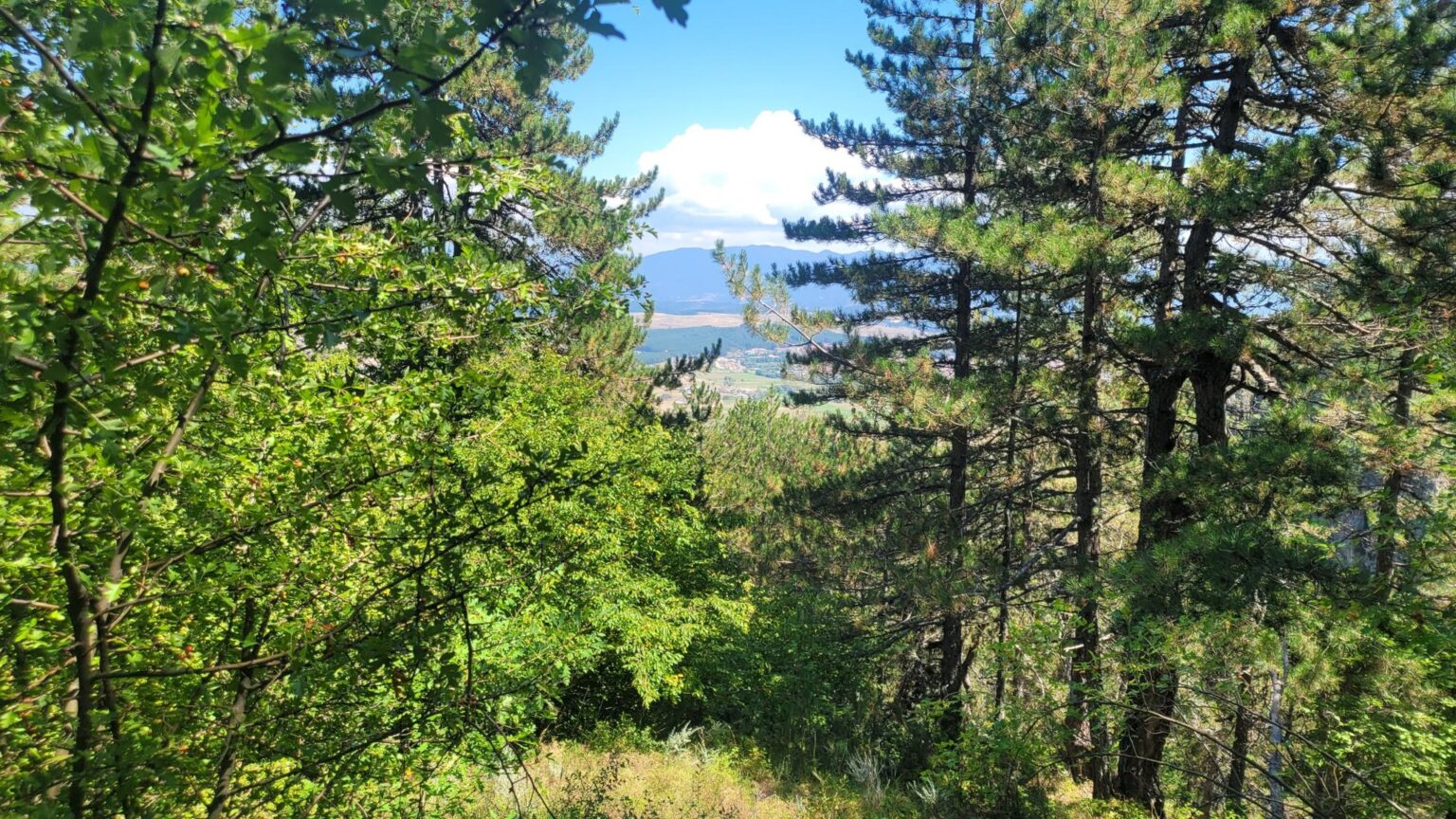
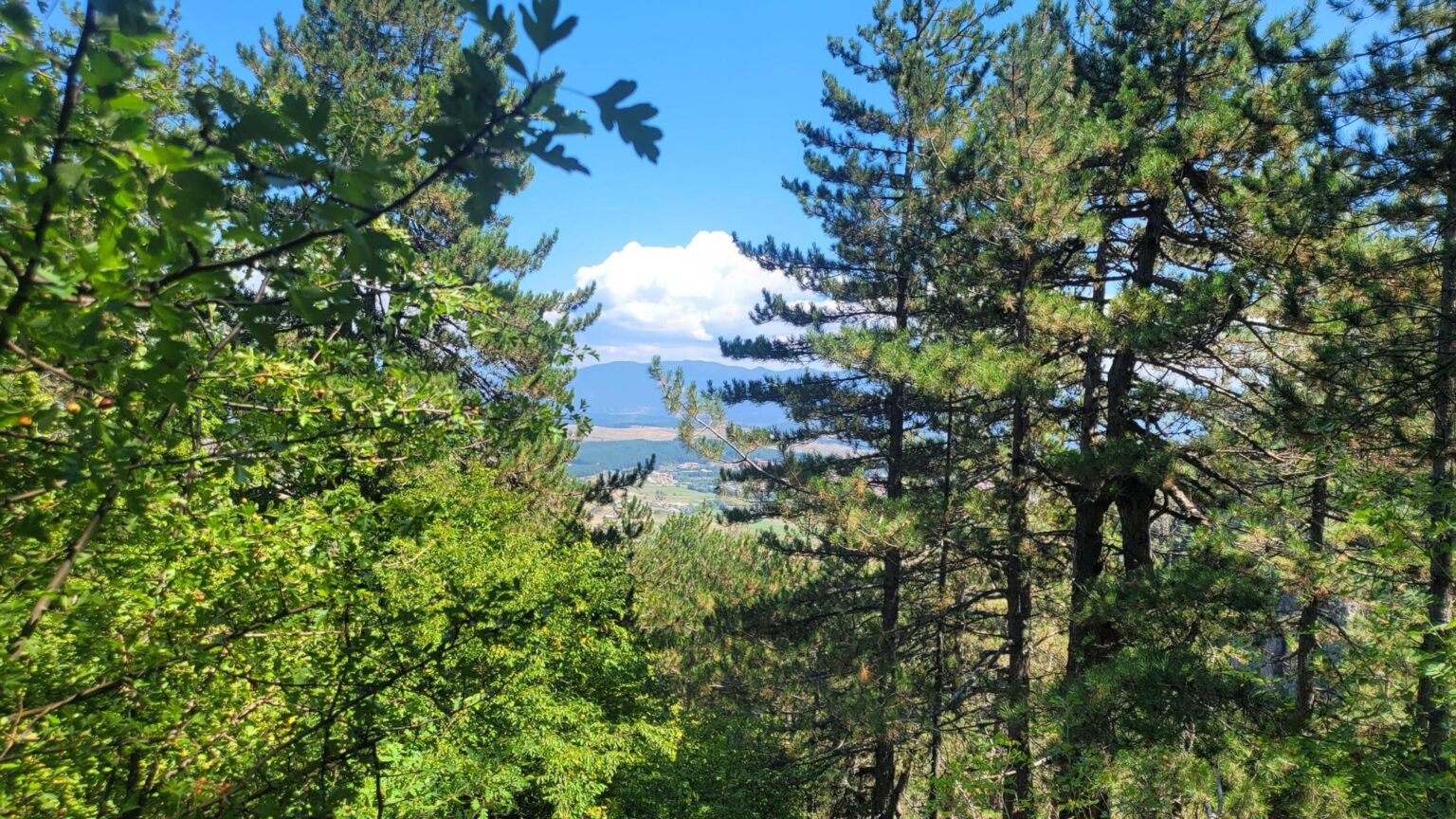
Despite the unpleasant and relatively difficult approach (bring trekking poles), views towards the Rila mountains in the distance open up very quickly. It’s worth it. The fortress itself is abandoned, with old information boards still standing. It was a public holiday, Bansko was packed — and there wasn’t a living soul either on the way up or on the way down. I assume access will get harder and harder with time. As of 2022, with a decent weather forecast, it can still be seen.
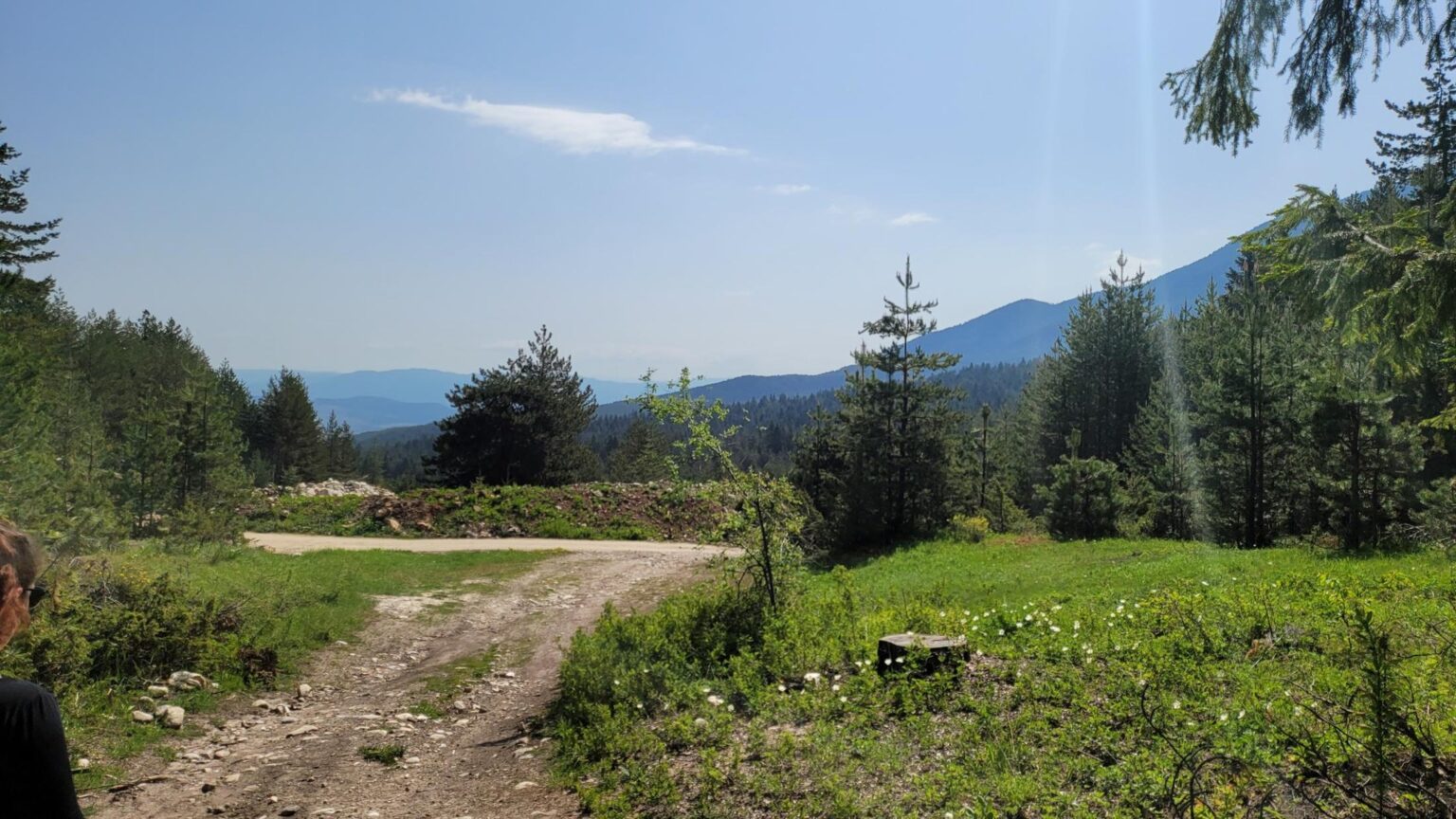
The Nameless Town
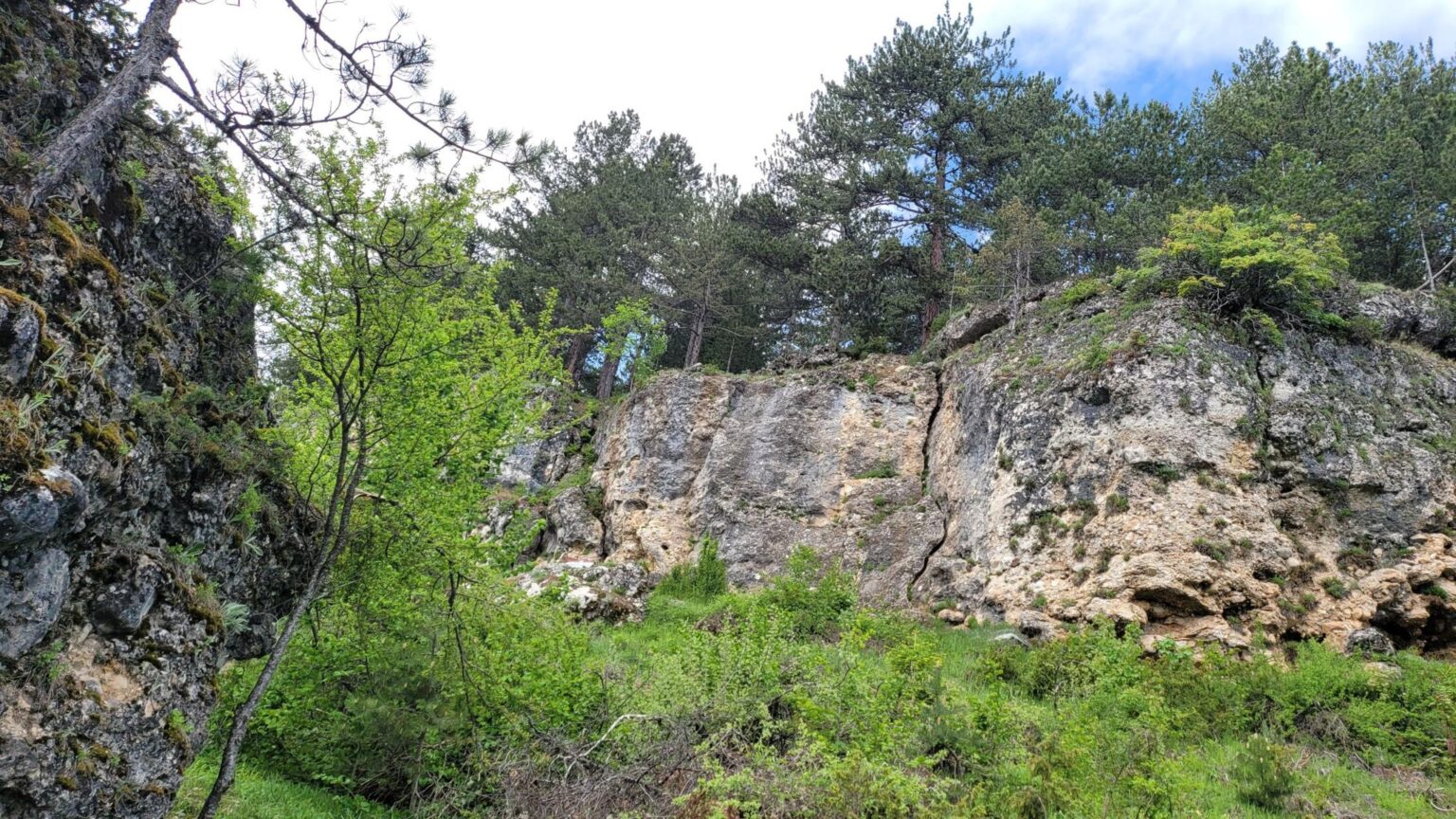
If I’m being honest, the Nameless Town belonged to a different trip, but it can’t really carry an article on its own. So it goes here, because it’s a good addition and pairs nicely with the rest. It takes about two hours of not particularly hurried walking, provided you know where you’re going — which, sadly, is not at all obvious these days. The situation is very similar to Sitan Kale in terms of expedition, walk and signage, and if anything it’s even better hidden.
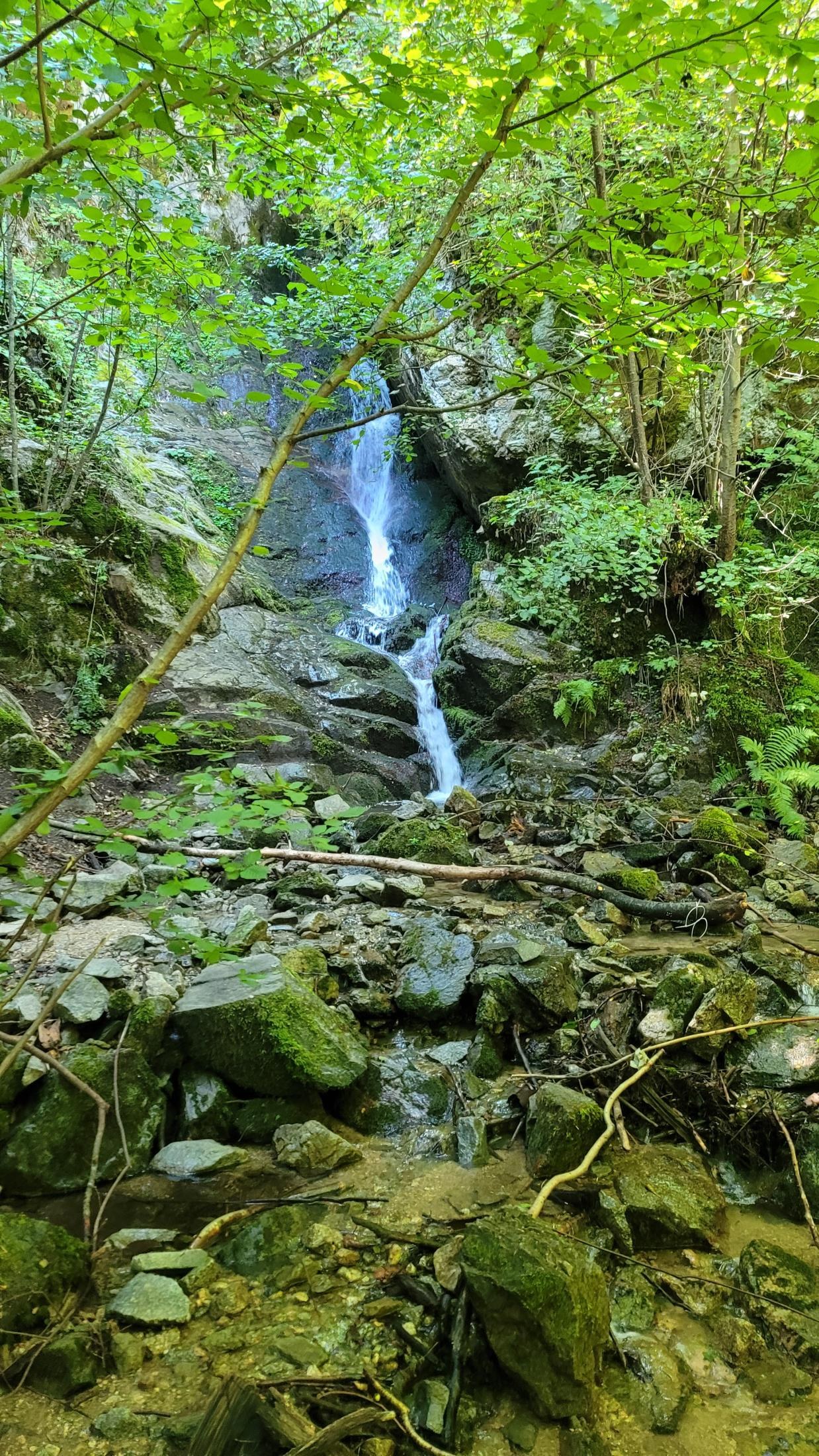
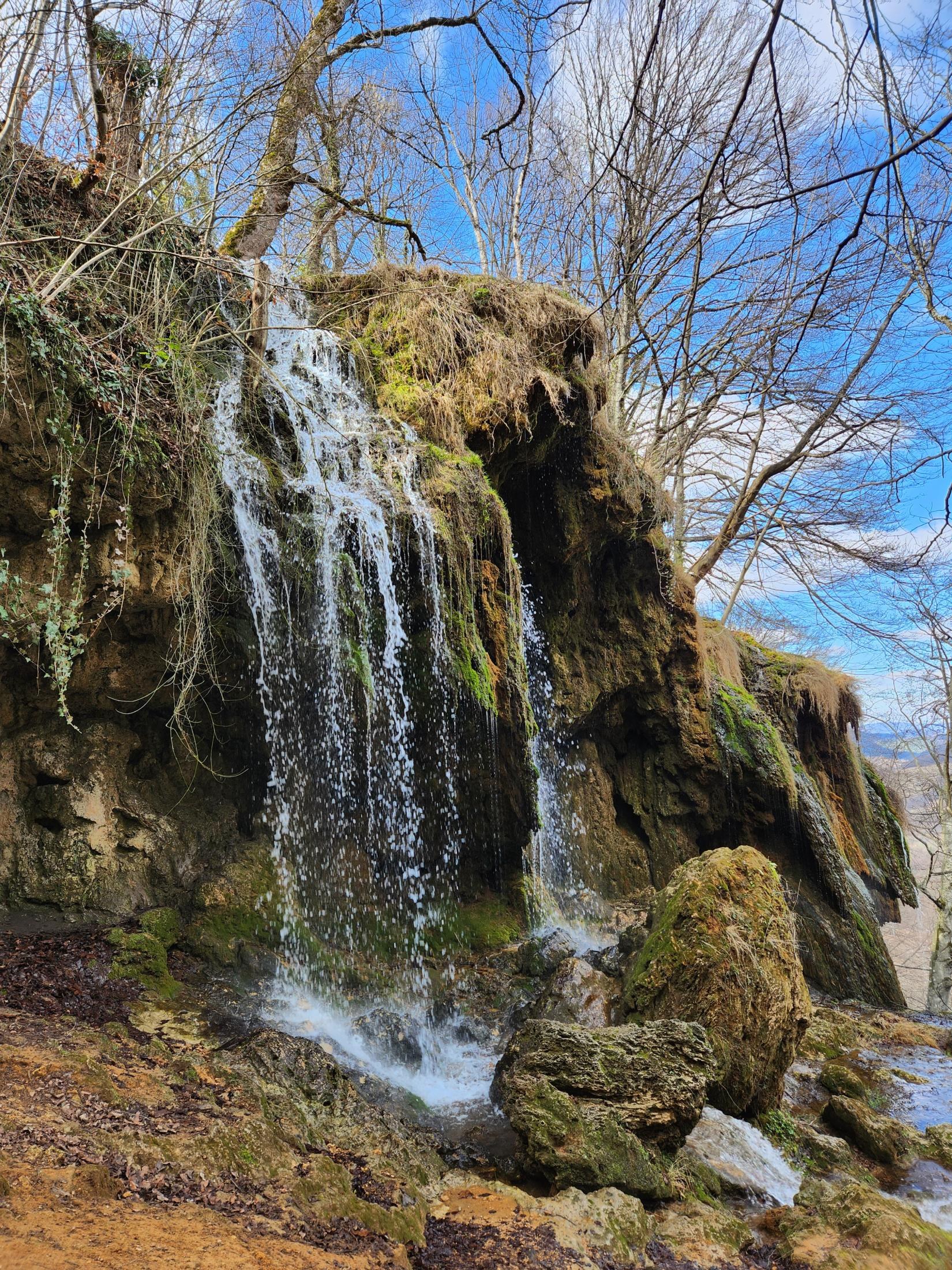
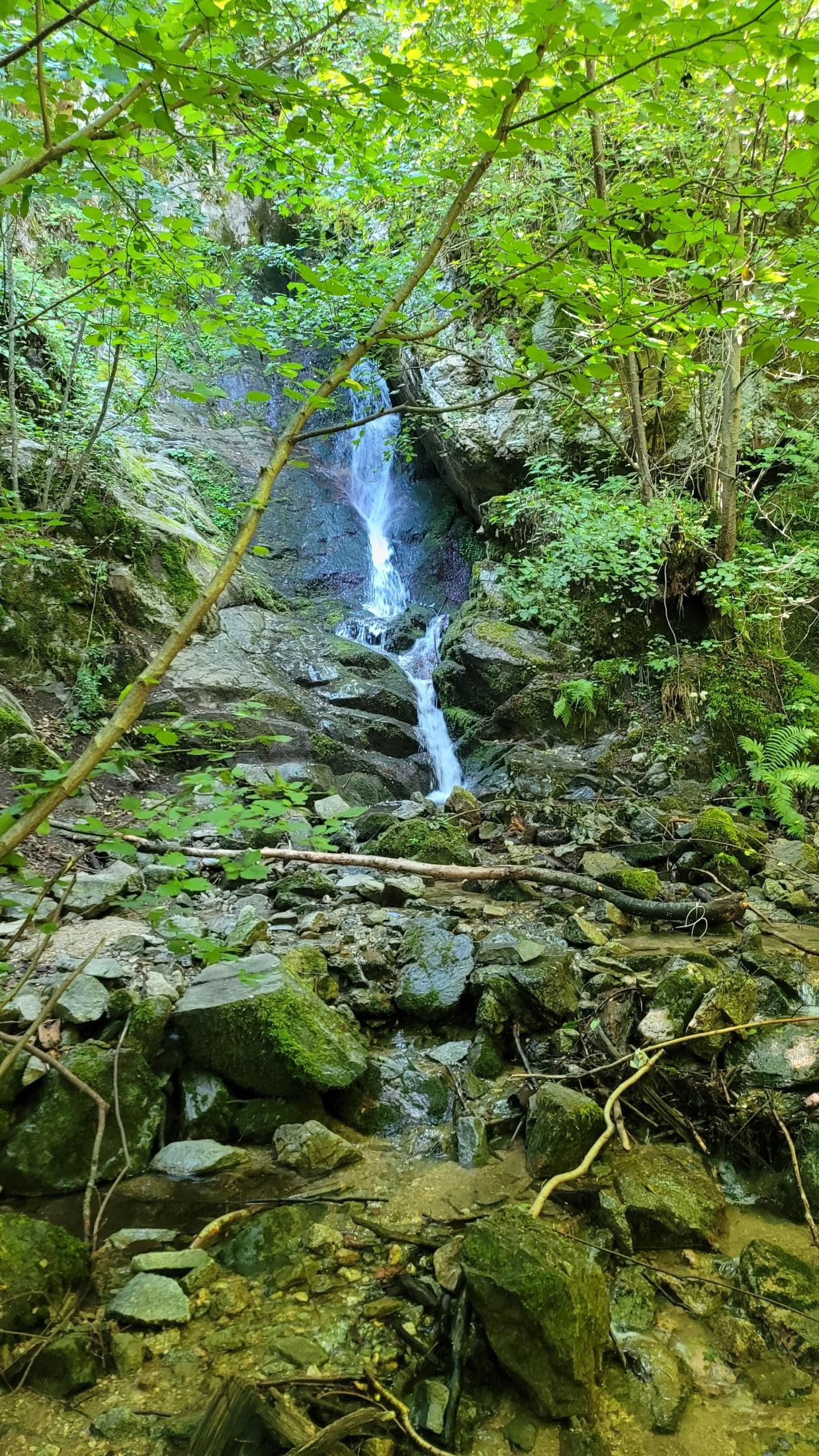
Let me save you the hassle. You turn off the Bansko–Dobrinishte main road shortly before Dobrinishte. The yellow marker is the last sensible place to leave the car. Beyond that it gets badly broken up and you need an SUV at minimum. You cross a field that is probably private land, though nothing says so, or take the road Maps marks to the left of my red arrow. There’s a waterfall a very short detour away. From there you follow the foot of the mountain and keep an eye out for a small sign to the church of St Nicholas.
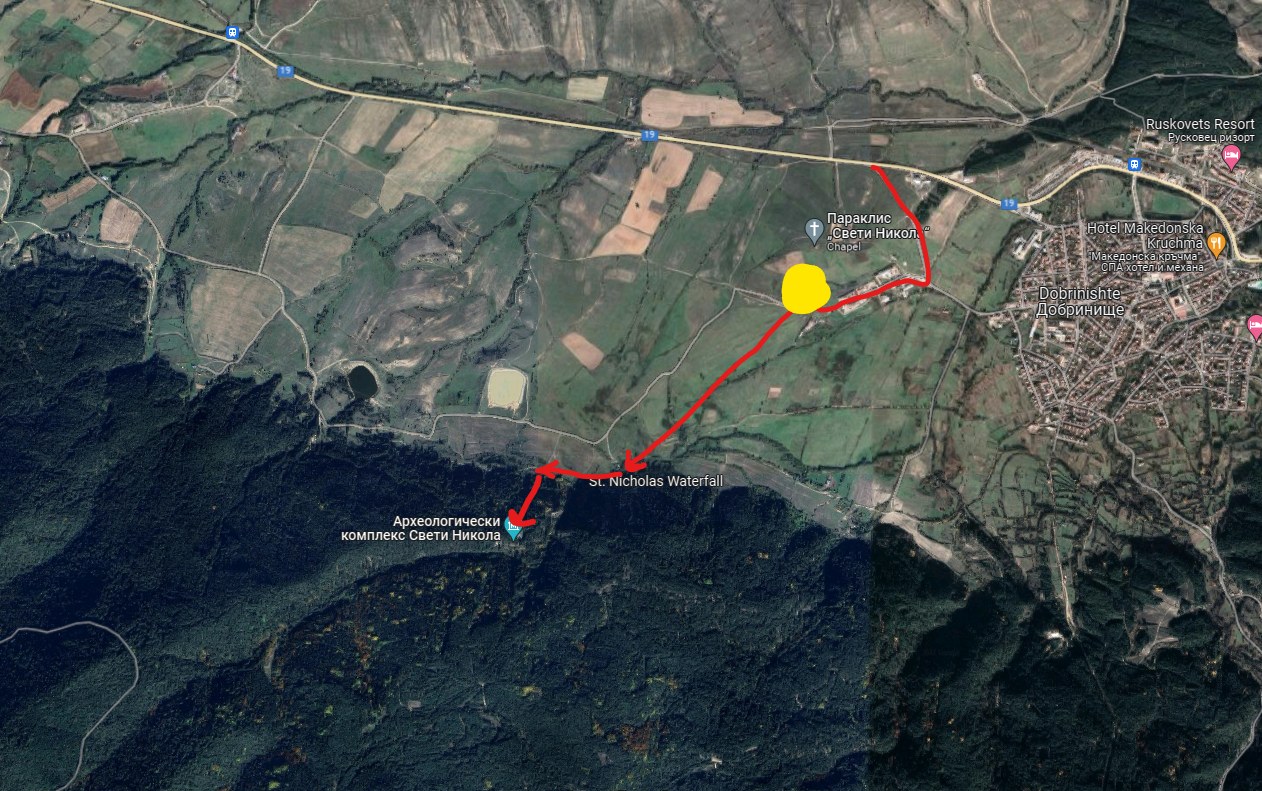
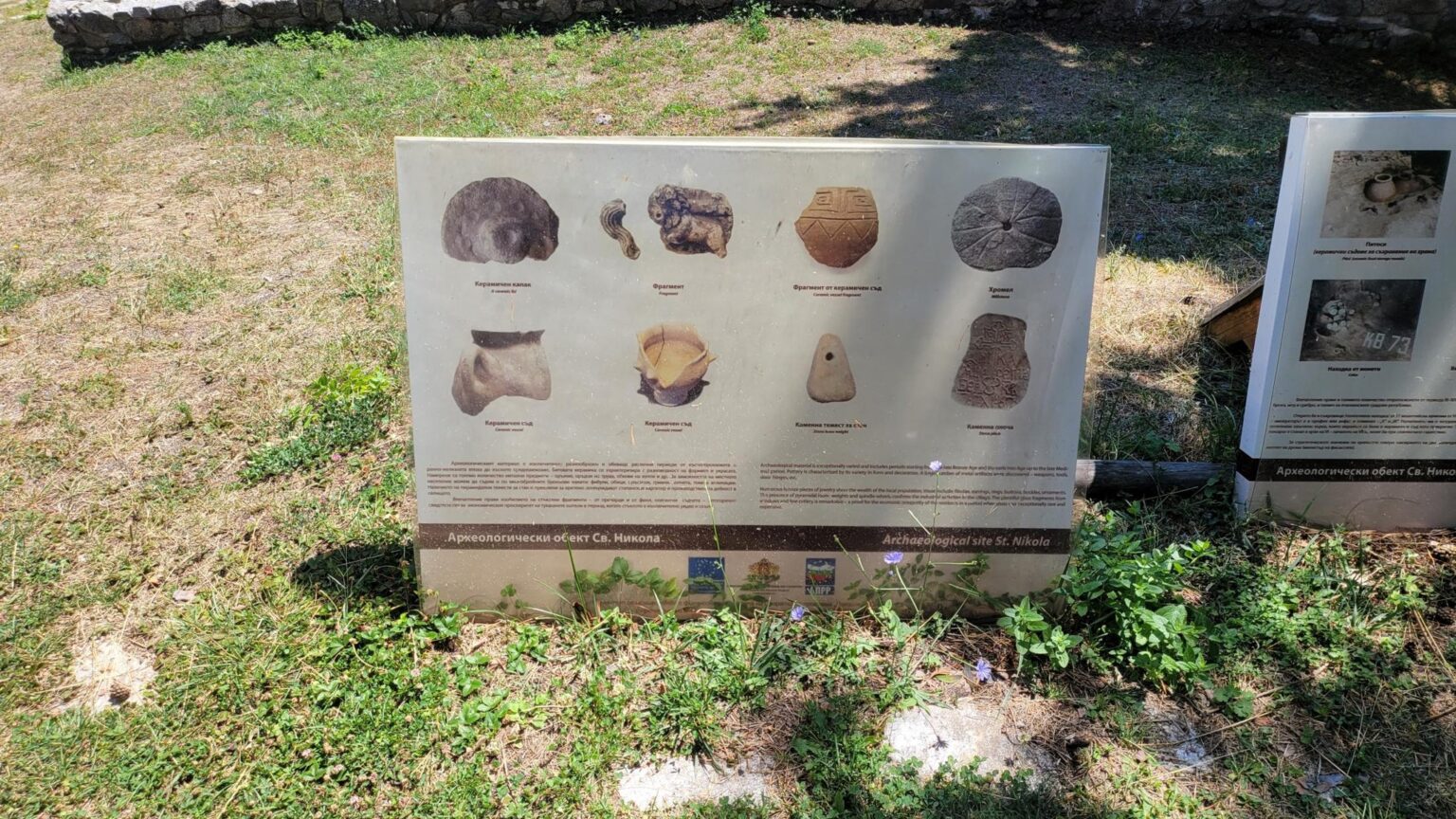
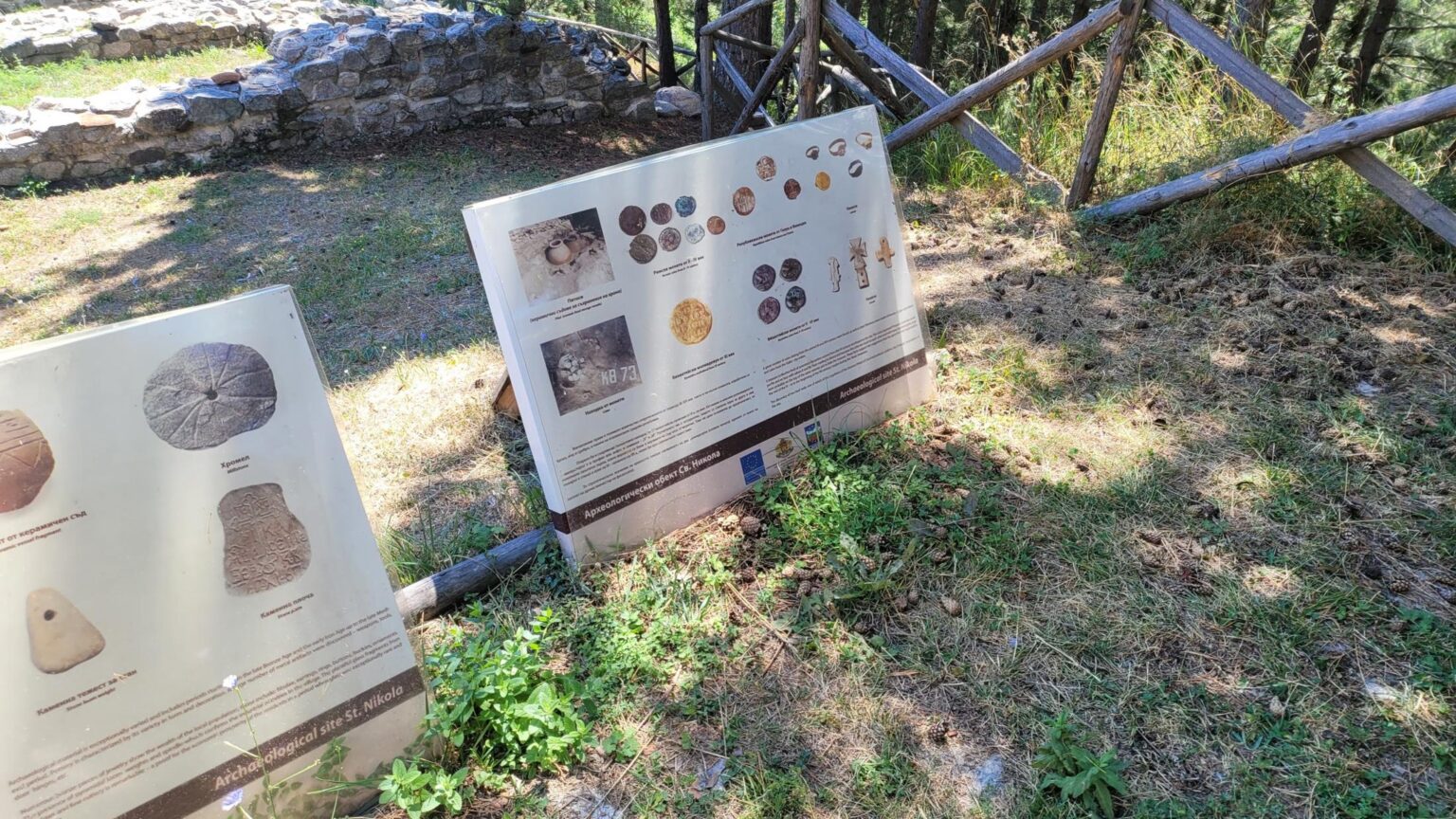
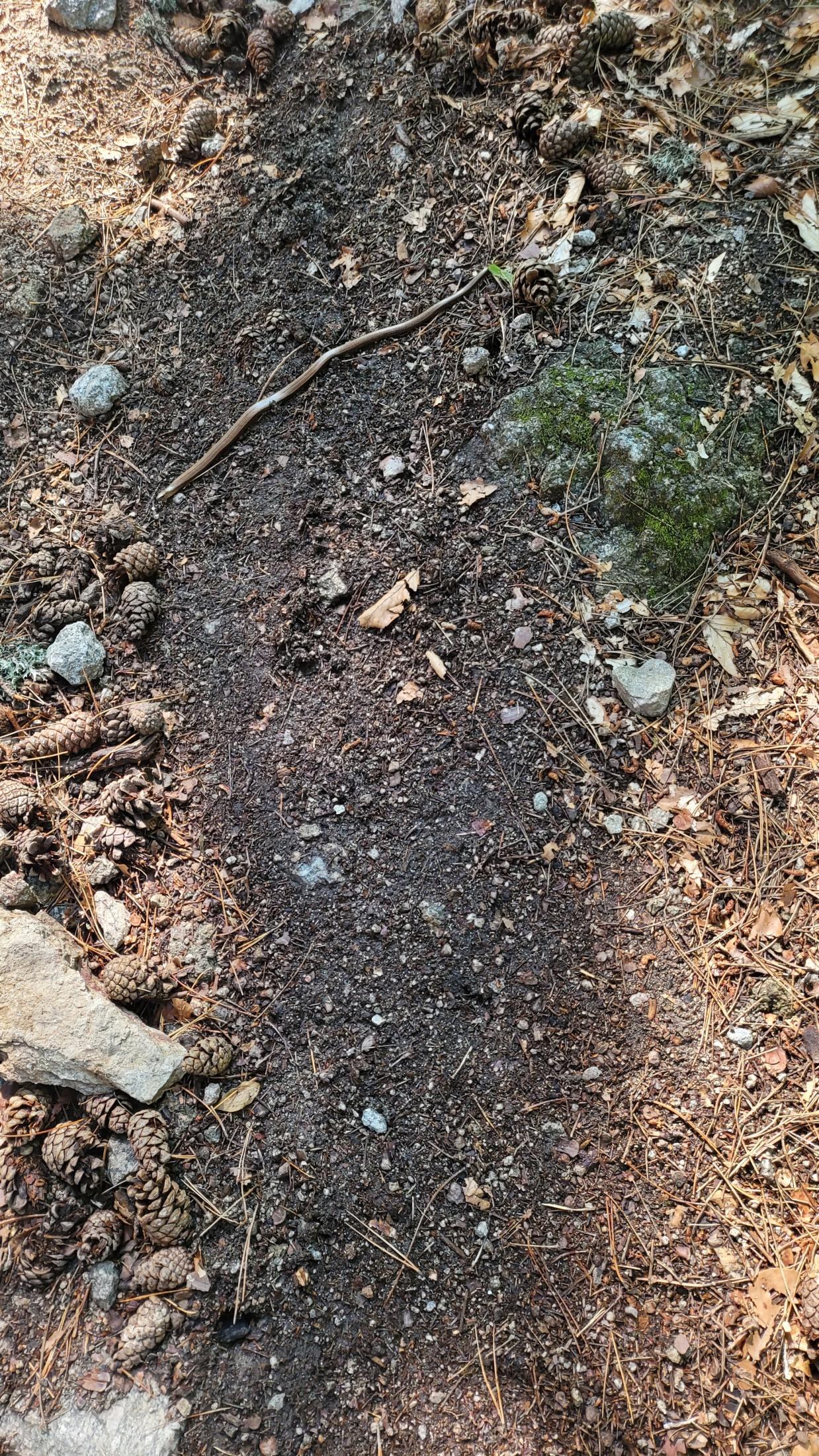
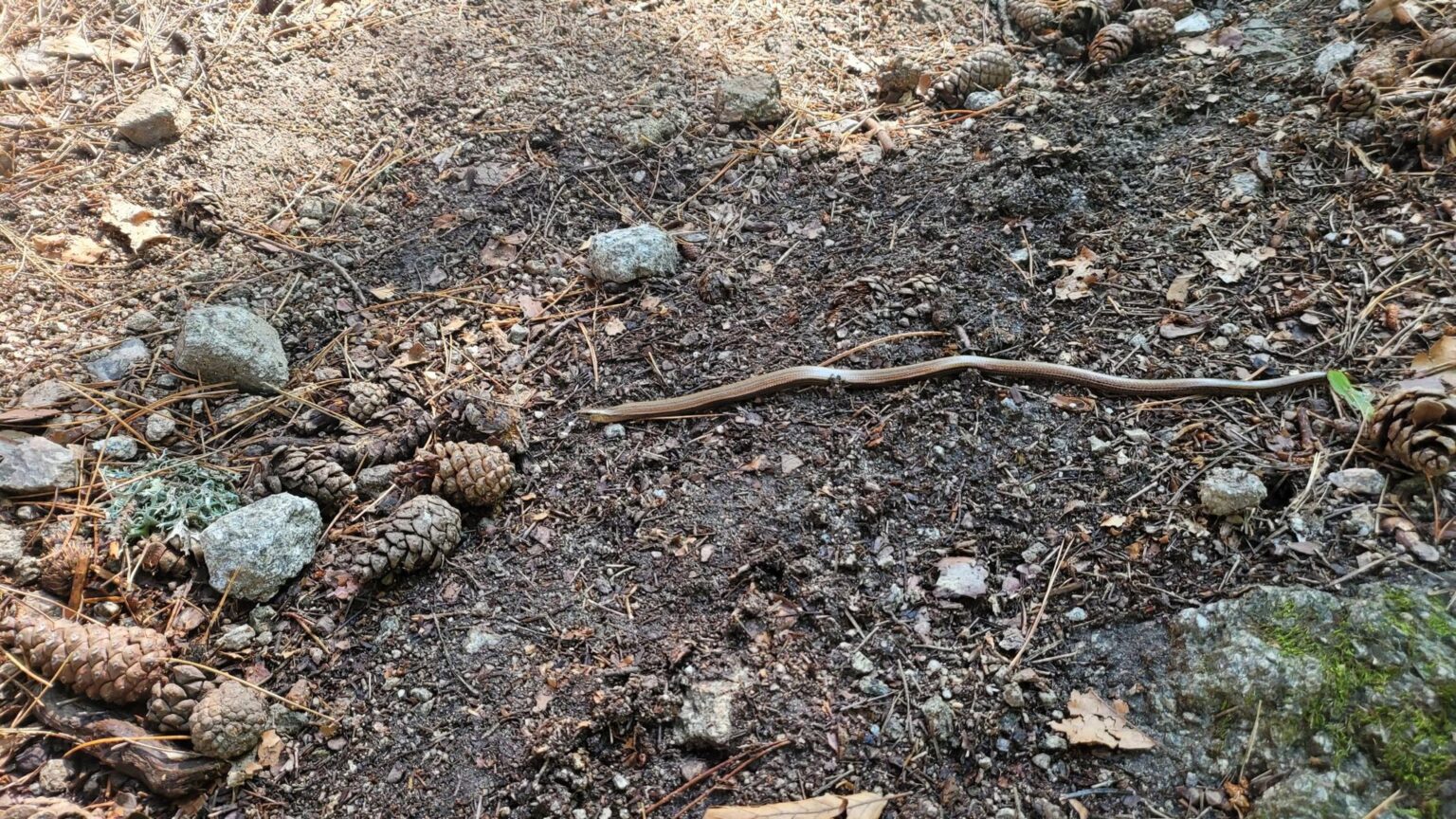
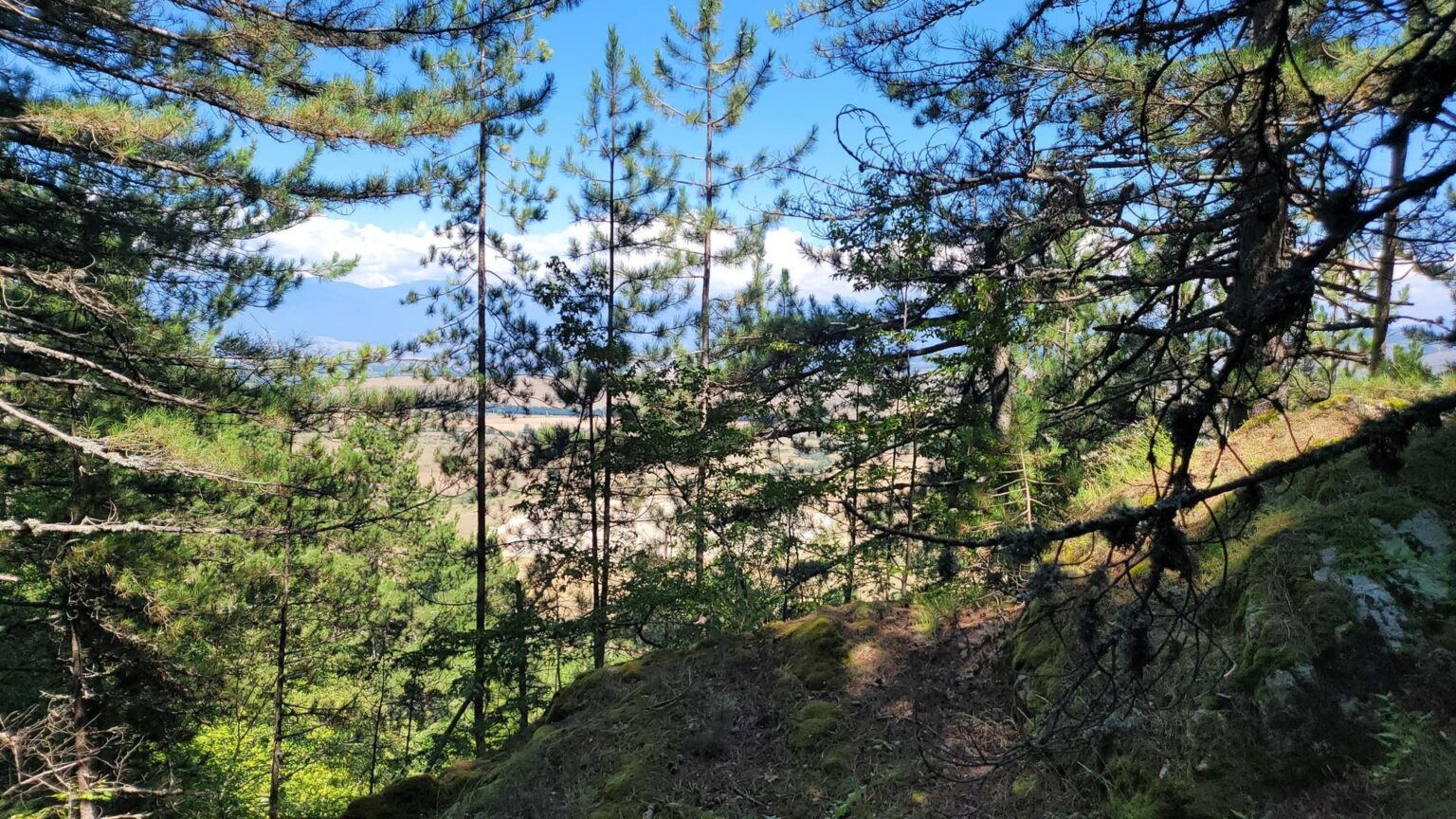
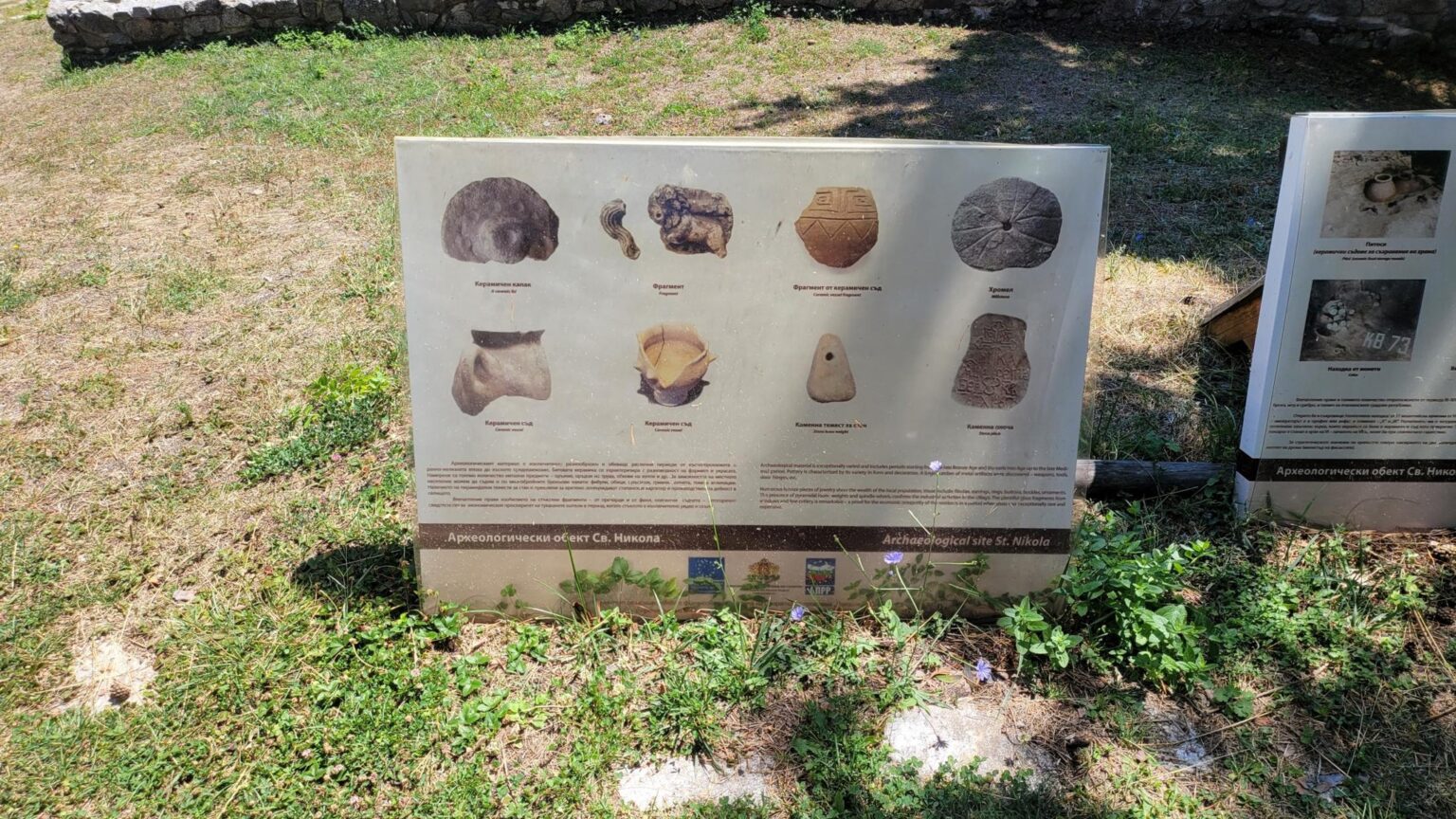
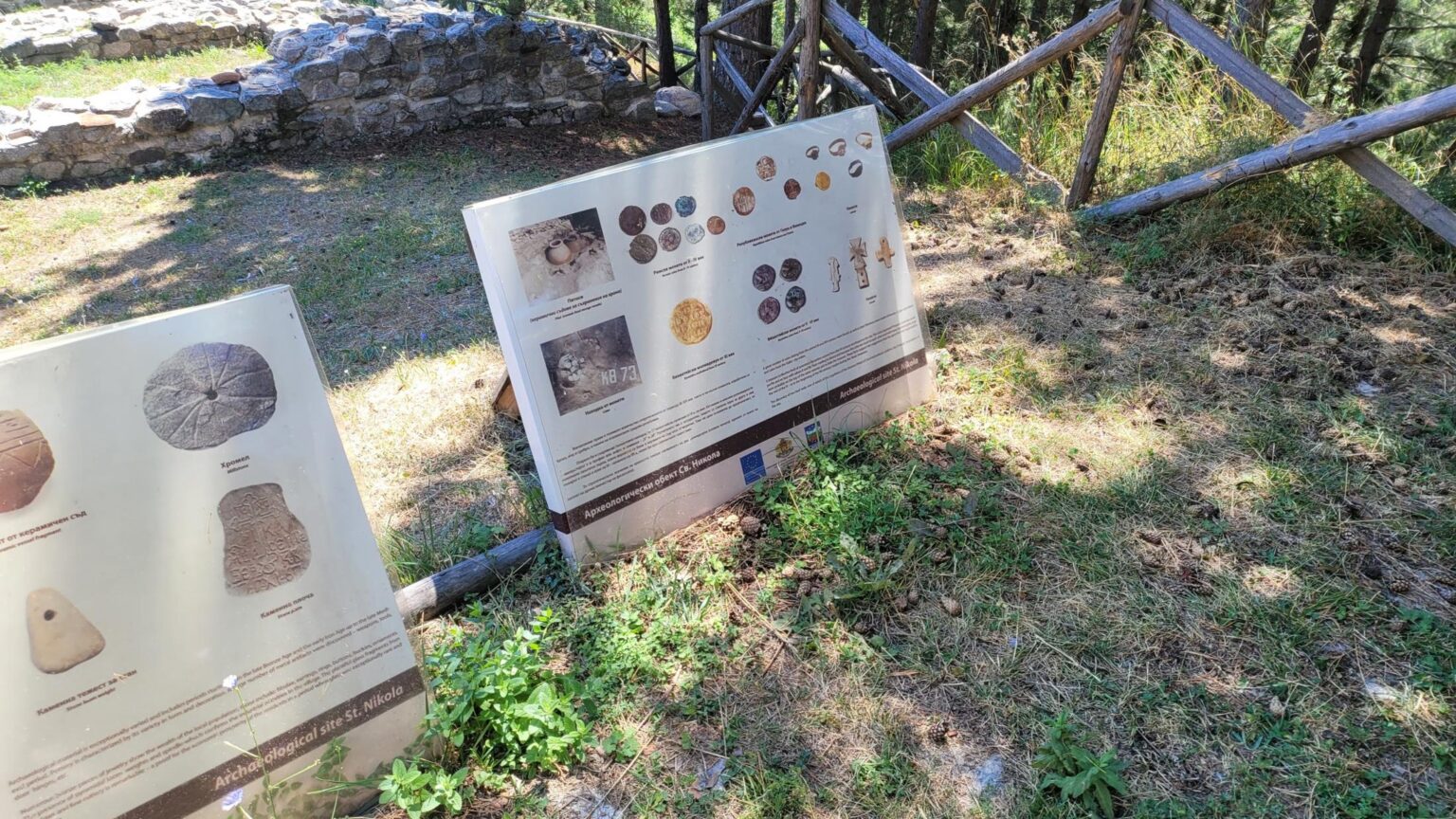
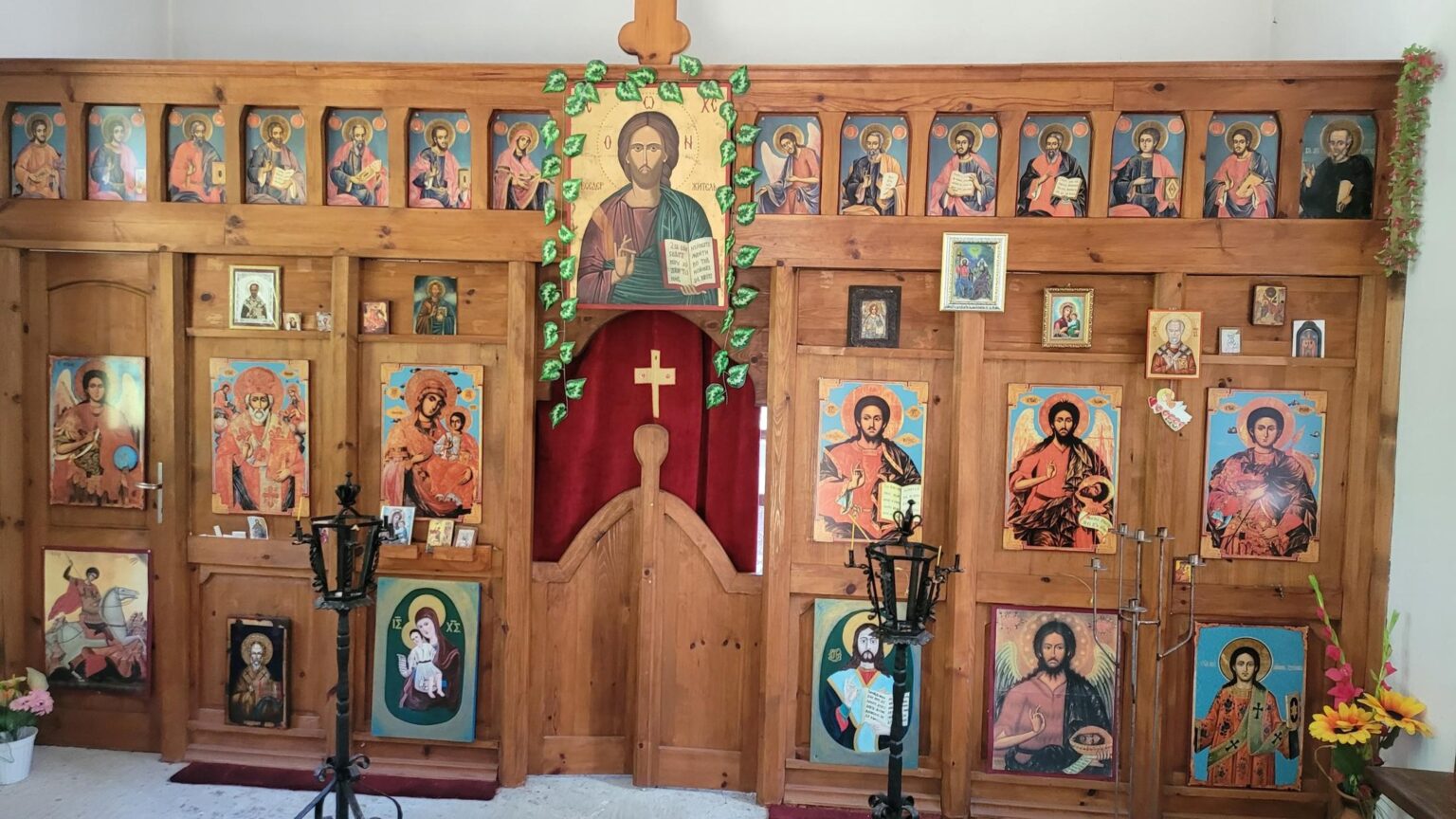
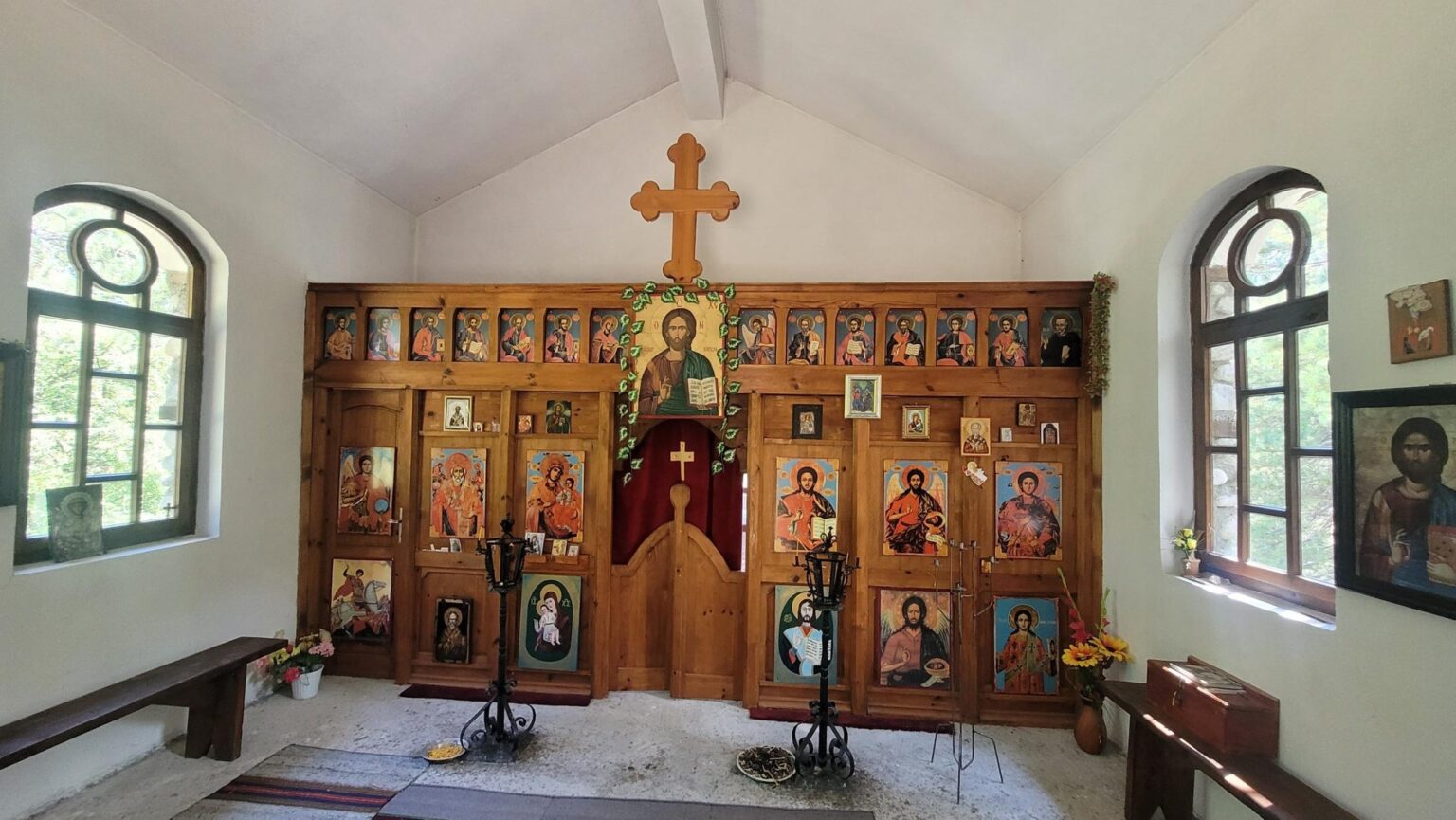
There isn’t much more to tell — it’s literally a copy-paste of Sitan Kale. Again a noticeable difference in altitude. A similar path. A similar climb. A similar duration: 20–30 minutes of serious ascent along a route that is no longer maintained. Similar excavations. Similar history. After the climb, the feeling is exactly the same as at Sitan Kale. The one meaningful difference is that there’s a church here, it’s open, and you can go inside. On the way there’s a dedicated panoramic platform for photos. And another little snake on the path — most likely the one from the bear park has made its way over here. We don’t forget that we’re in the mountains and we’re the guests: we step aside and let it pass.
Budget
Entry fees break down as follows:
- Rila Fun Park, one cart ride for an adult — €7.67 when we visited in 2022, with newer listings quoting €10.23, so check the park’s current price list.
- BEAR SANCTUARY Belitsa — €5.11 for adults, €1.53 for ages 7–18, free for under-sixes.
- Everything else, plus parking if you’re driving (which is more or less compulsory for these walks) — free.
Accommodation in Bansko runs from €10–15 per person up to €40–50 per person depending on the season. Since the destinations above are fairly unsuitable for winter conditions, let’s assume that an average of €20–25 per person is enough for a normal hotel with meals included. Add fuel and you’ll struggle to spend €100 per person in total.
Difficulty
These look like something along the lines of eco-trails, but they really aren’t. Sadly they’ve been left to nature, and nature isn’t making them easy for us. There are serious climbs along paths that are not particularly friendly. I’d say they’re not really suitable for children.
The roads are broken up and it’s worth having a car with a bit more ground clearance. A low sports car is out of the question for any of the destinations above.
Things worth knowing
Sitan Kale and the Nameless Town have been left to their own devices. I assume that after a few more storms and fallen trees, reaching them will be extremely difficult and will require rather more serious preparation. If you’re in the area and want a walk that isn’t especially standard — now is the moment.
There’s one 100 National Tourist Sites stamp in the village of Dobarsko. It’s free. Take it.
Conclusion
Bansko… just skiing? Ha! There’s more than one or two sites out there placing Bansko in the world’s top 10 for ski tourism. I discovered it as a spa capital ten years ago, and it’s been my favourite resort ever since — one that offers entertainment all year round: concerts, fairs, markets, theatre and who knows what else. By now it’s so close to my heart that it feels like my own place. Wandering around these tucked-away, half-forgotten spots only reinforces the fact that whenever you go for a walk out there, it will not be boring.
Gallery
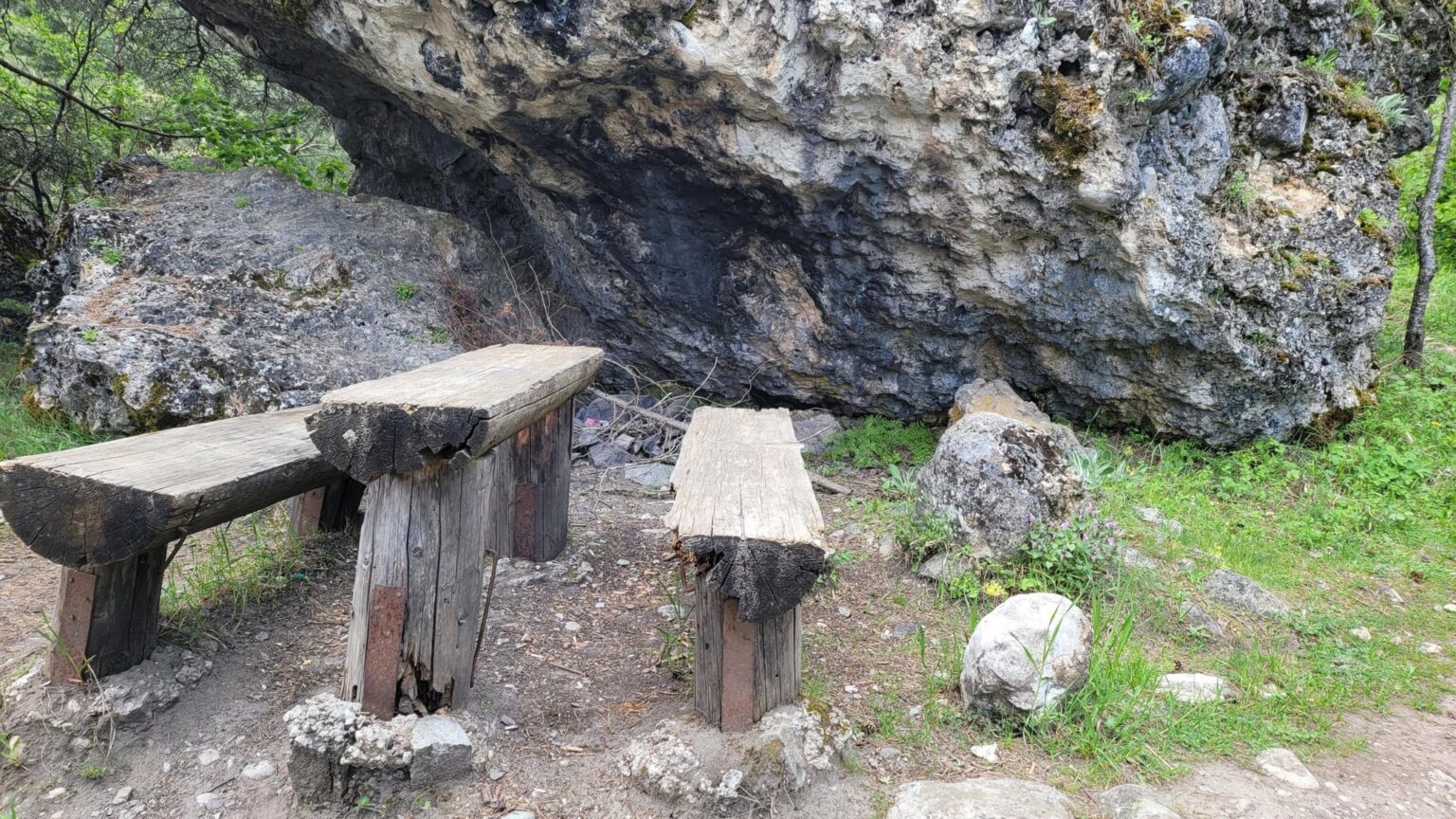
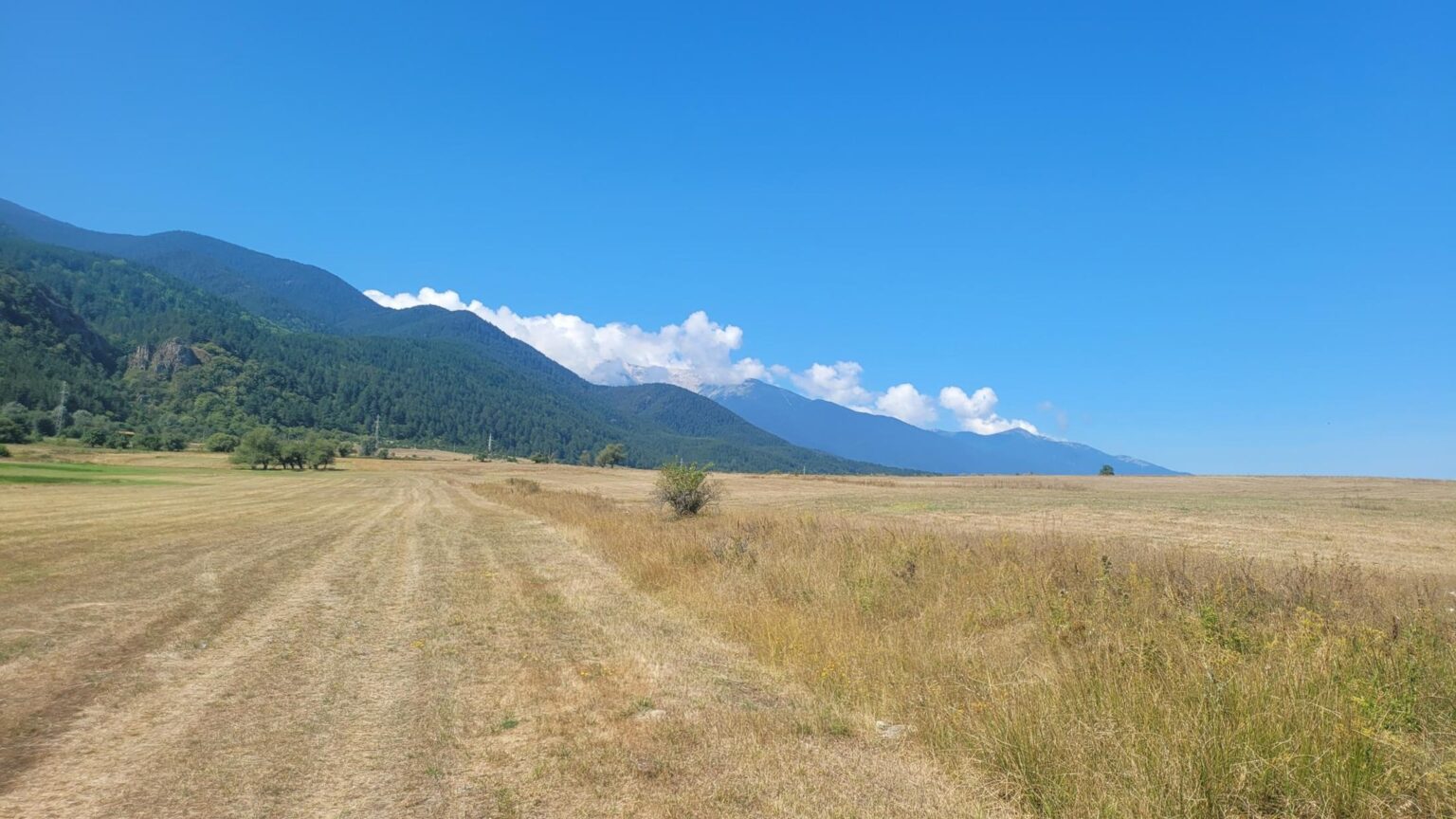
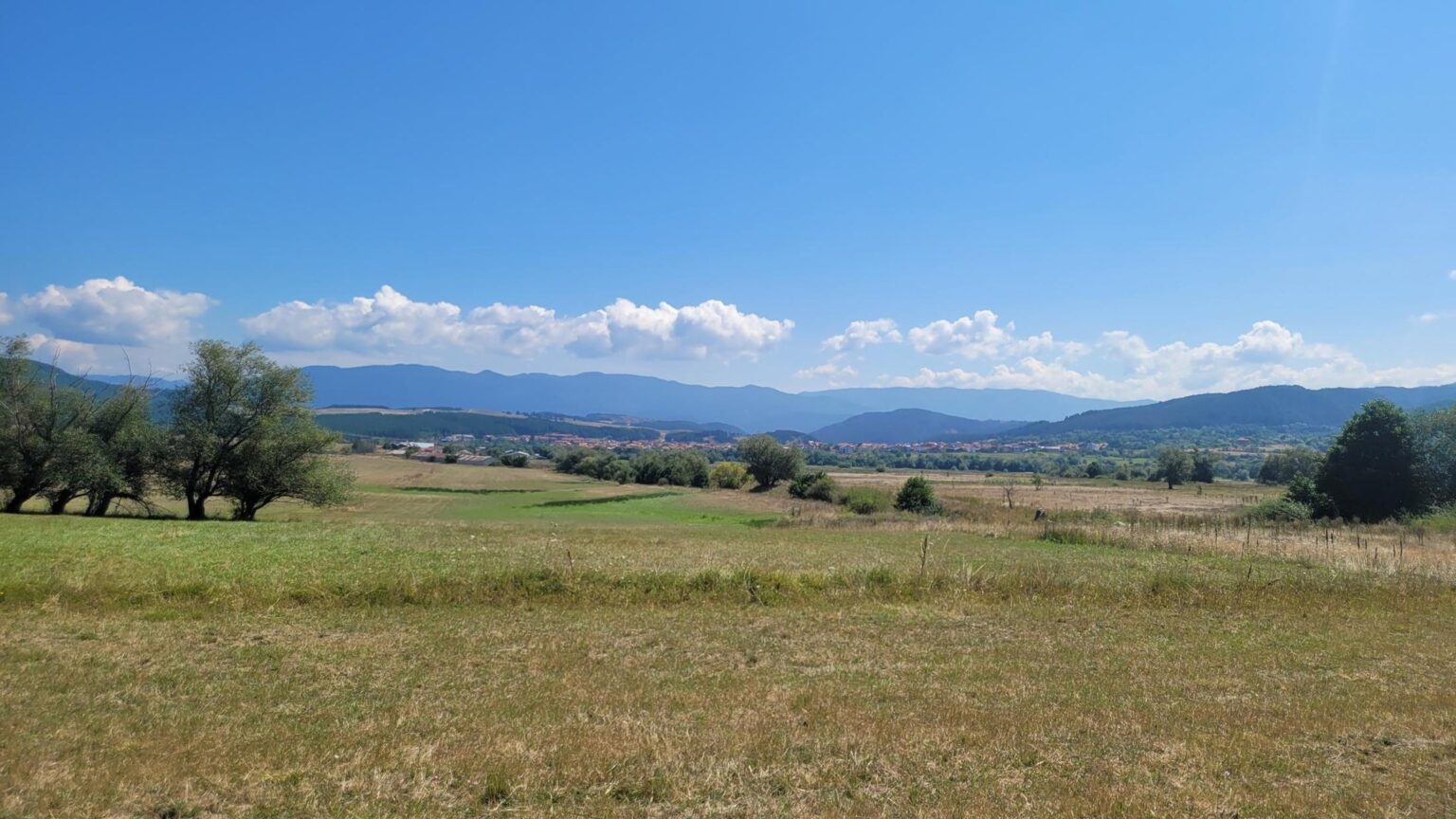
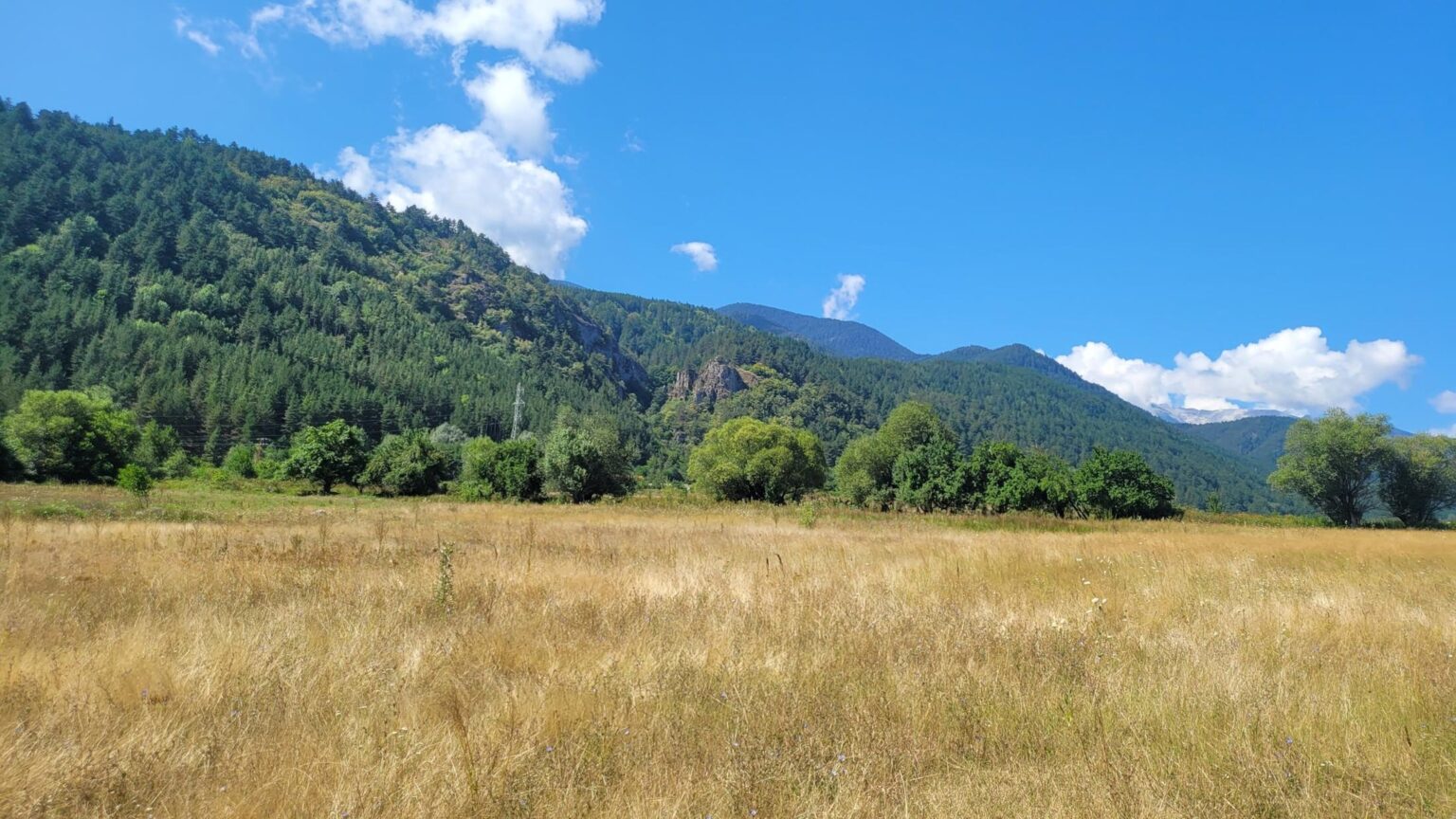
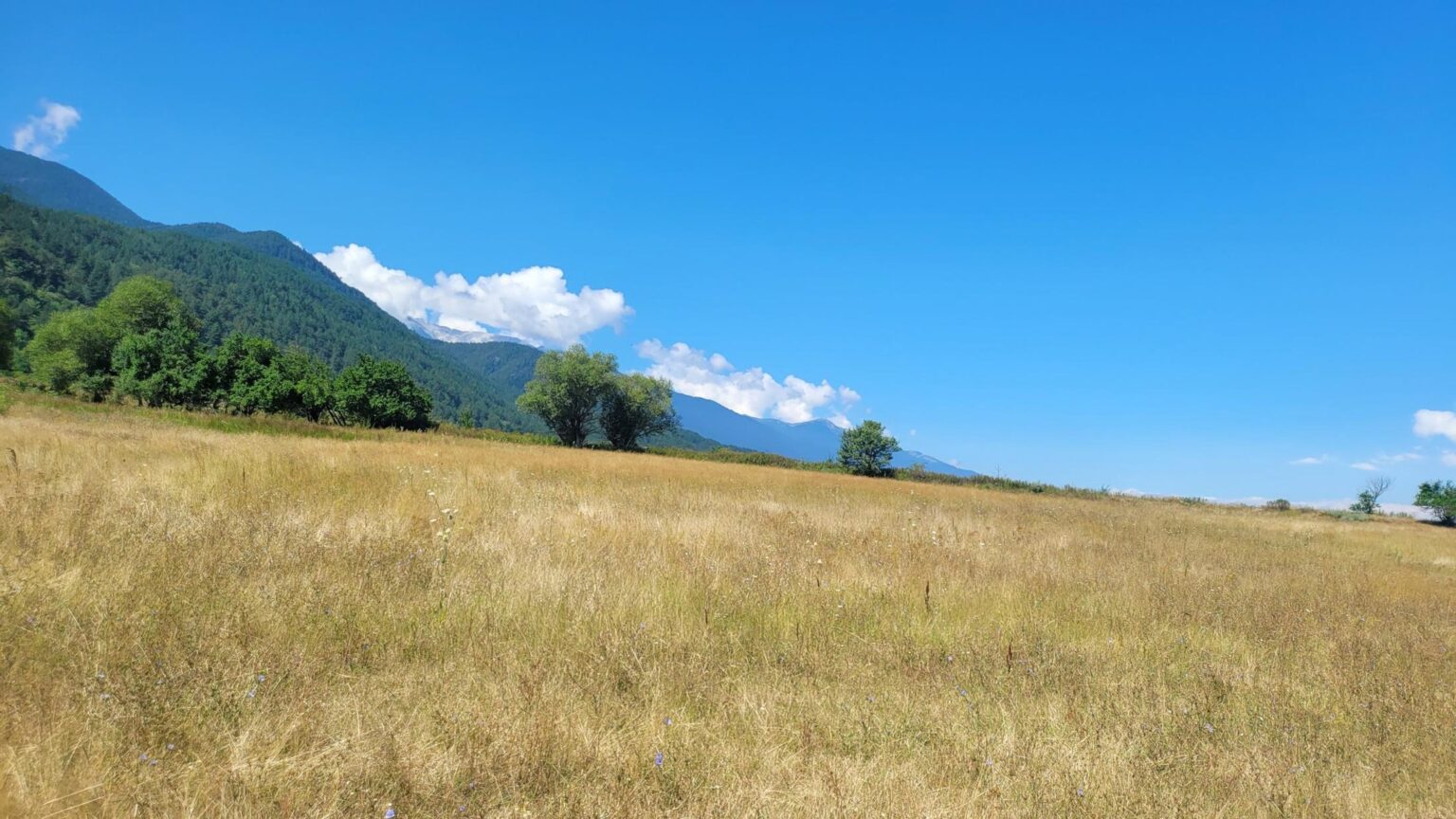
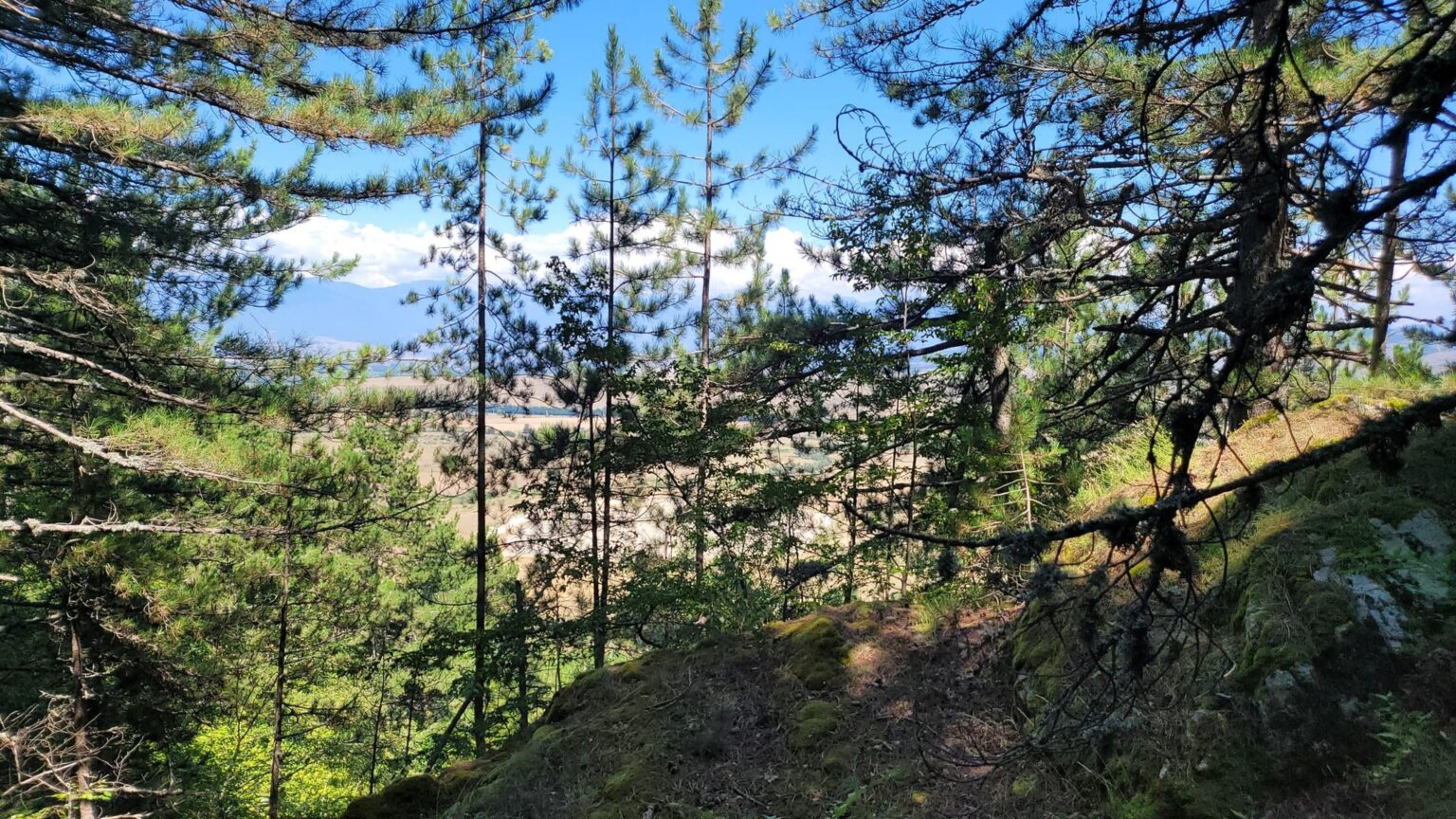
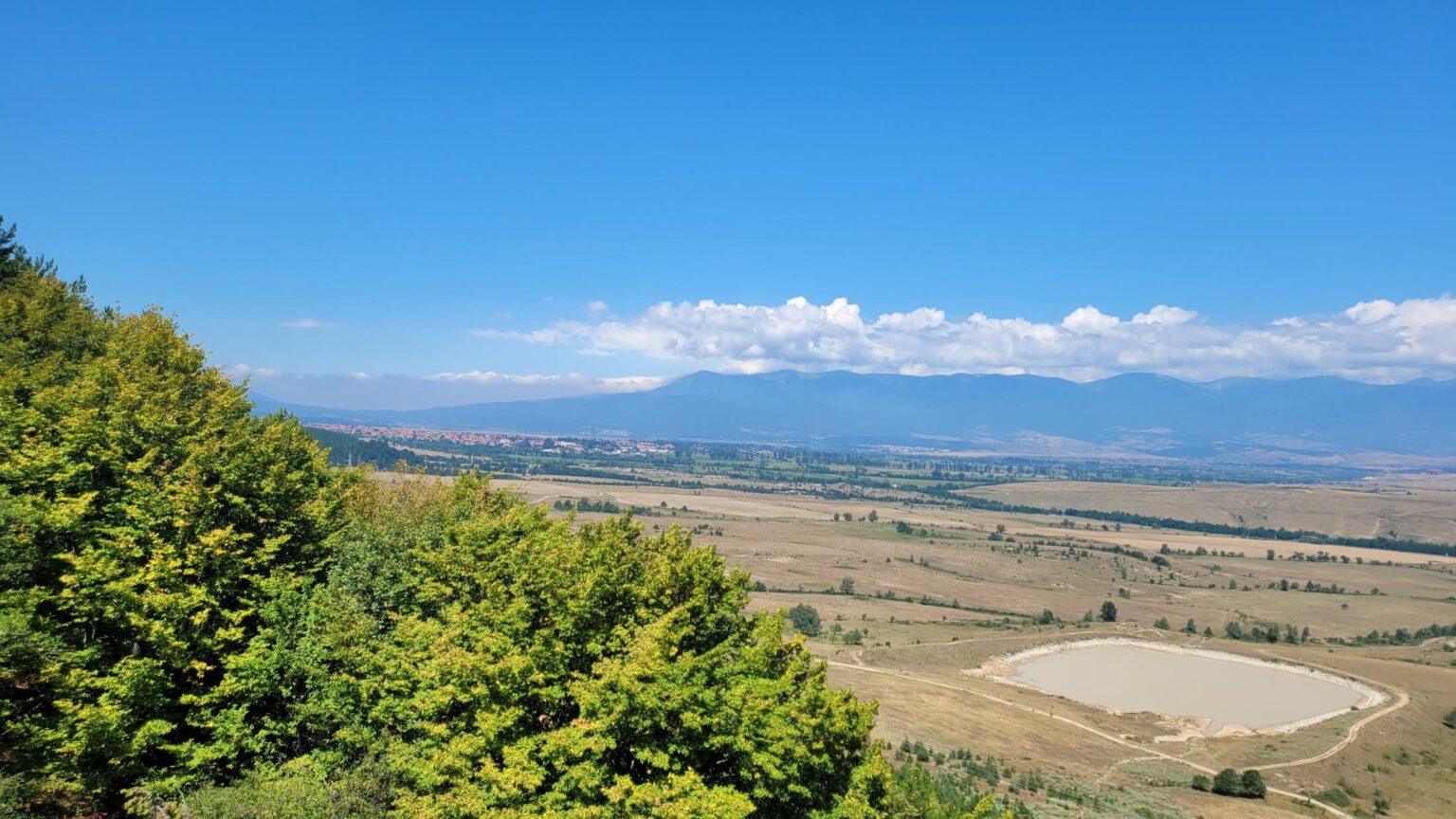
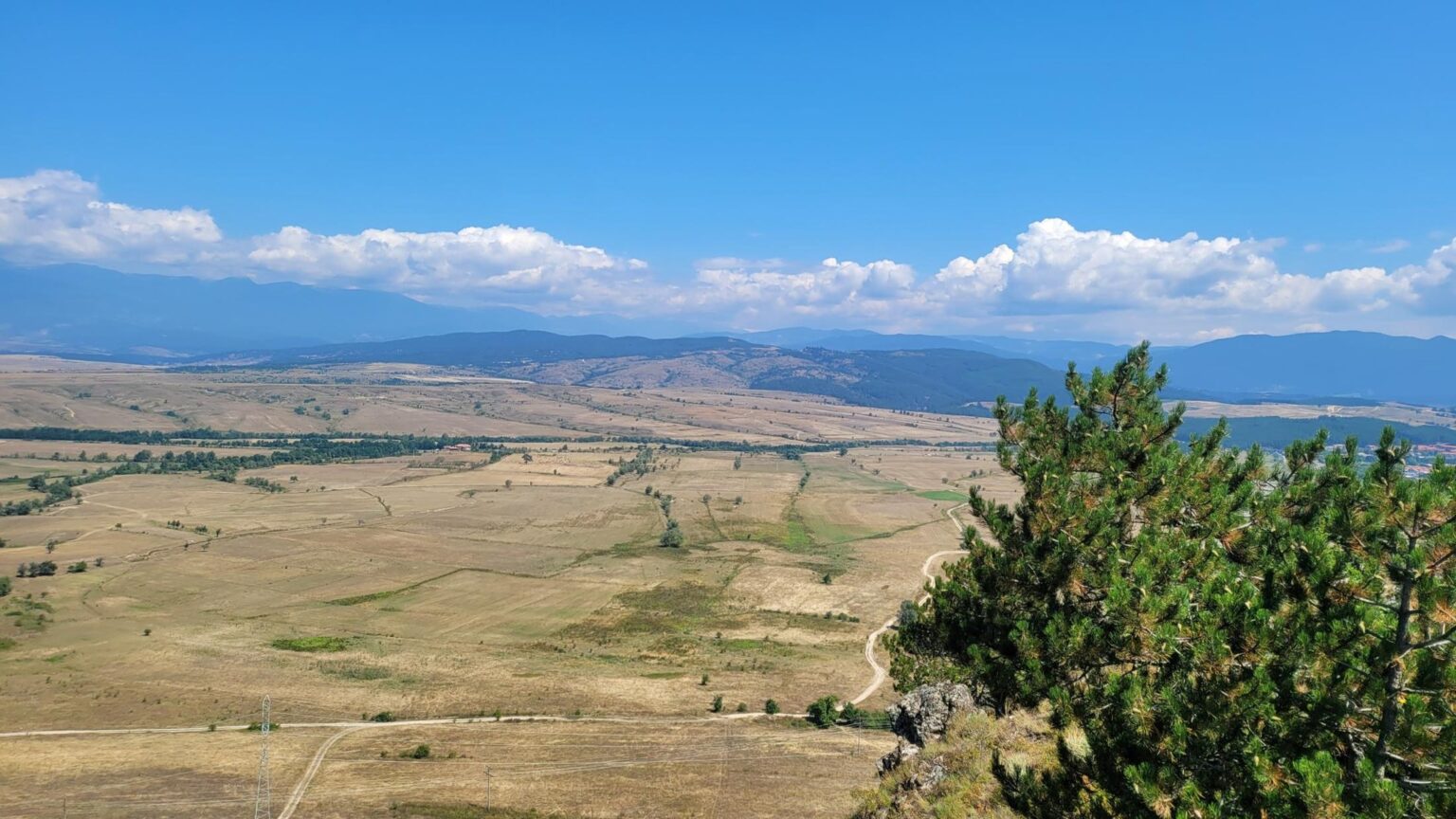
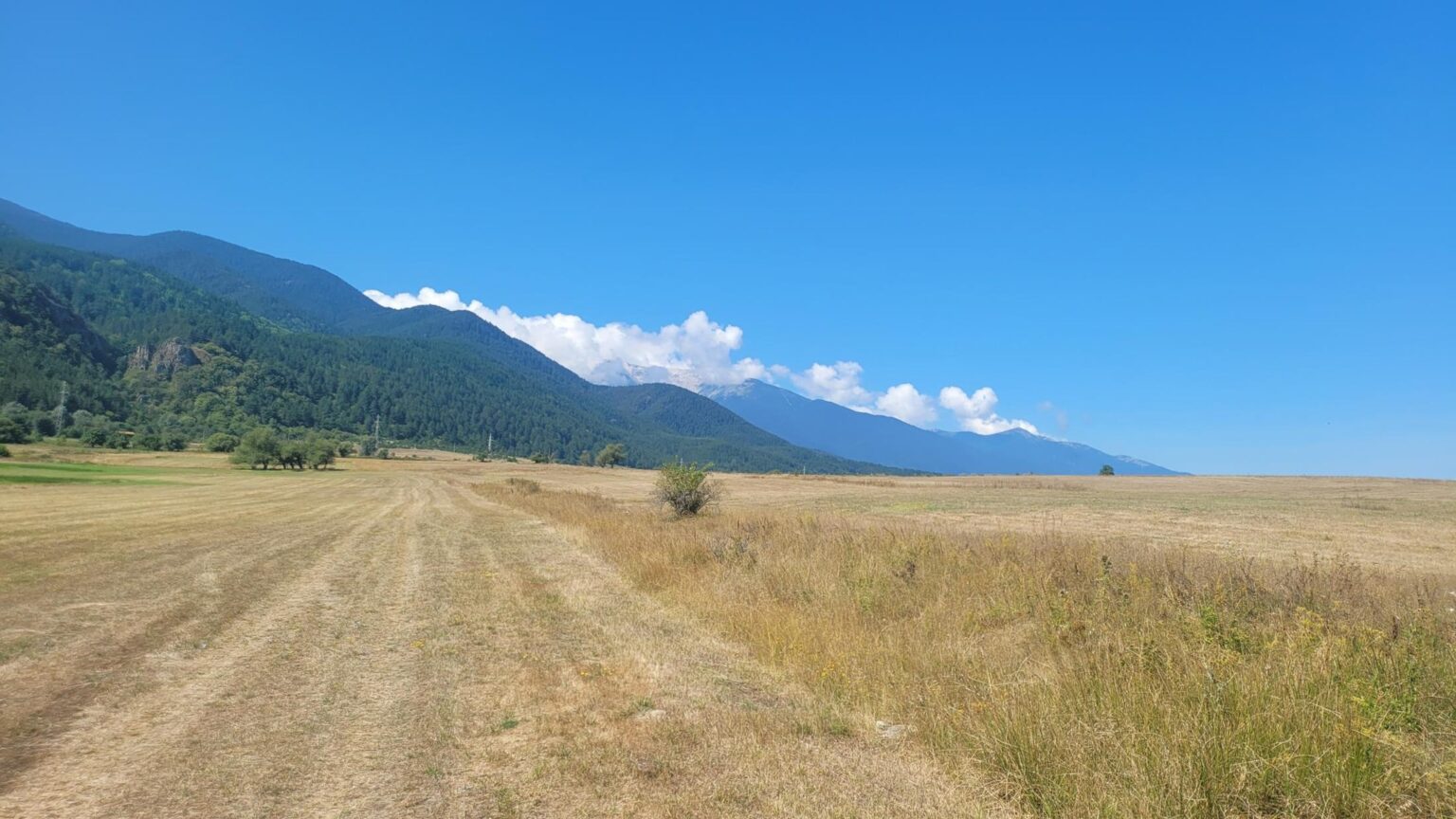
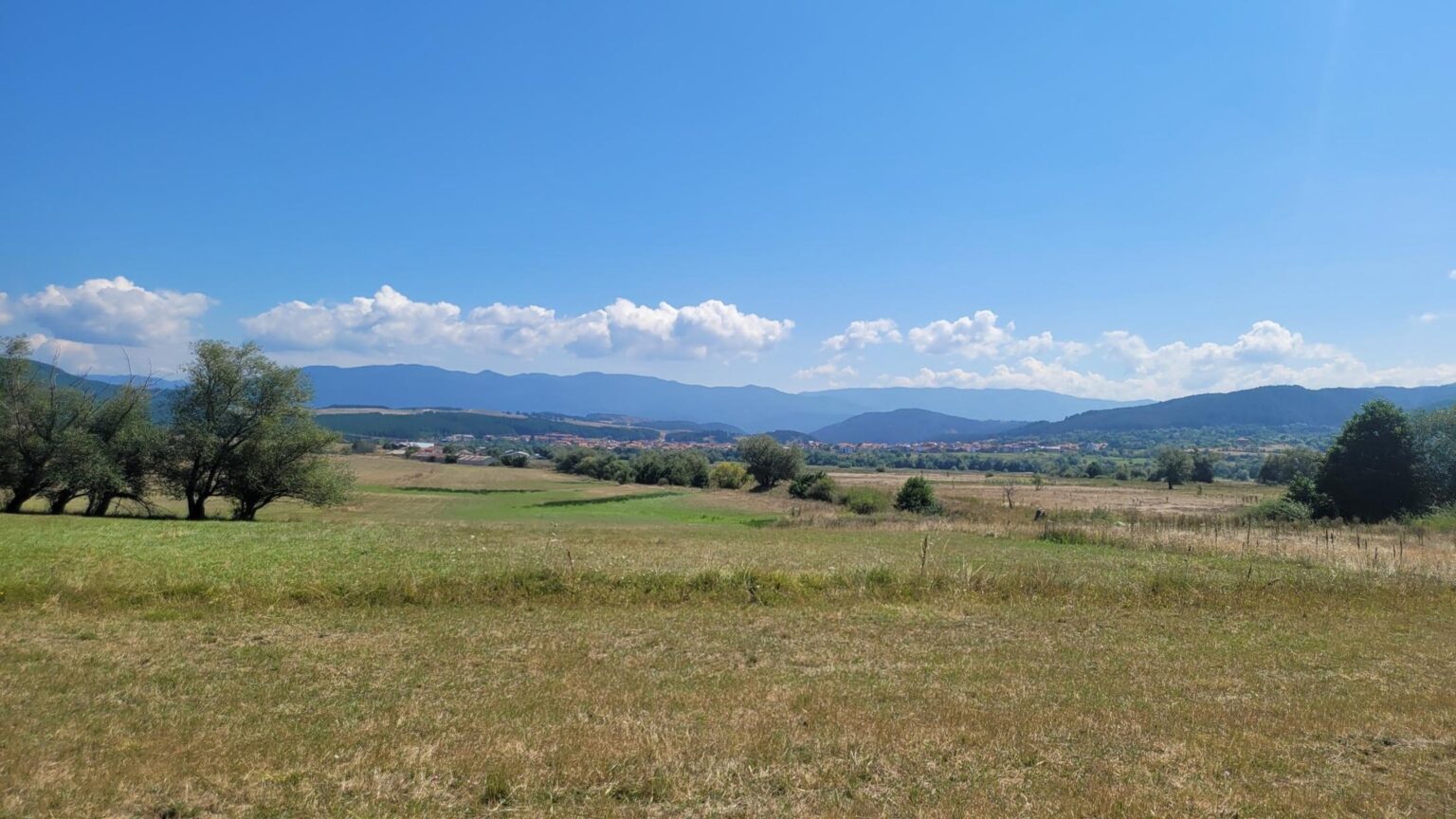
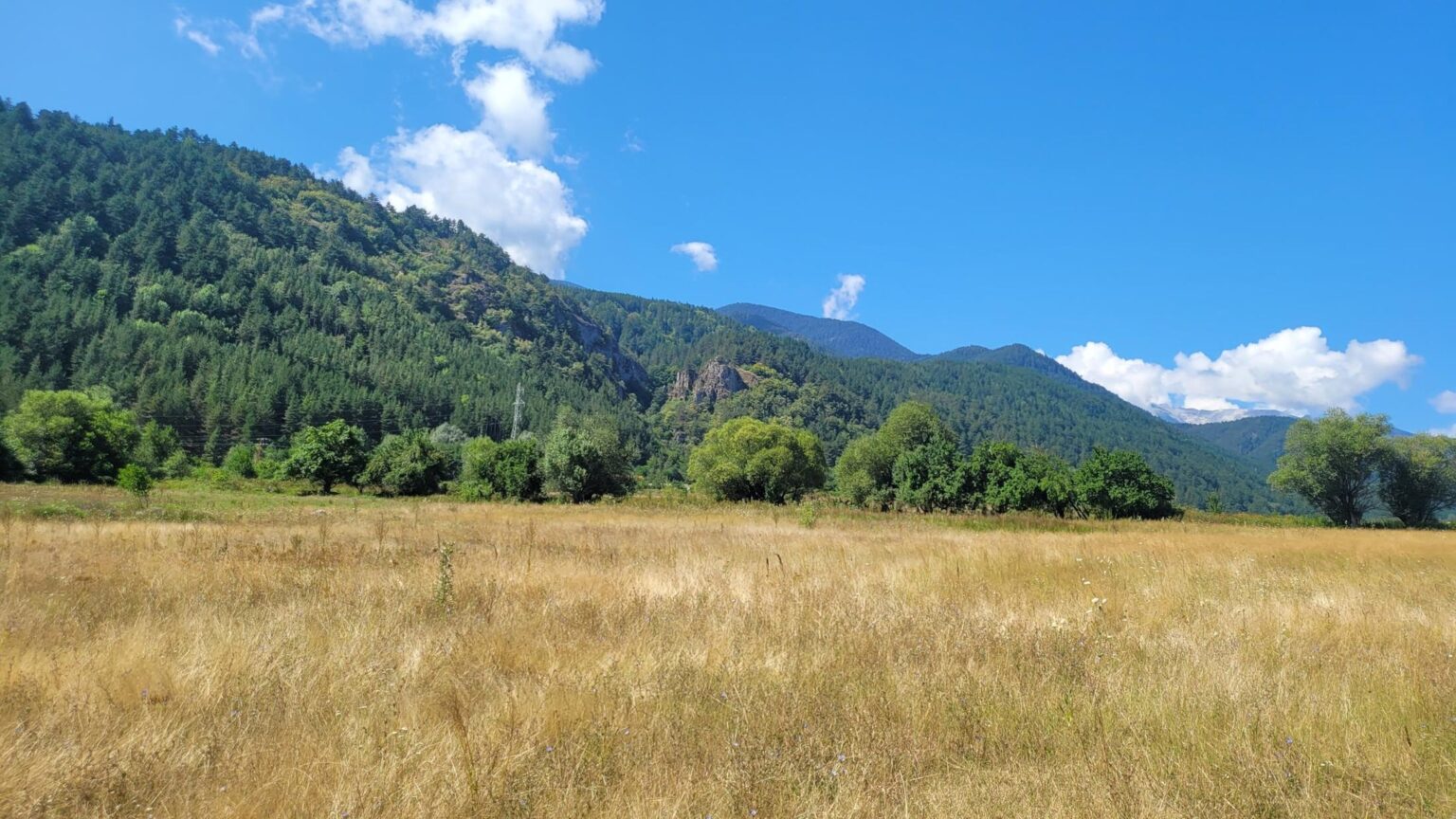
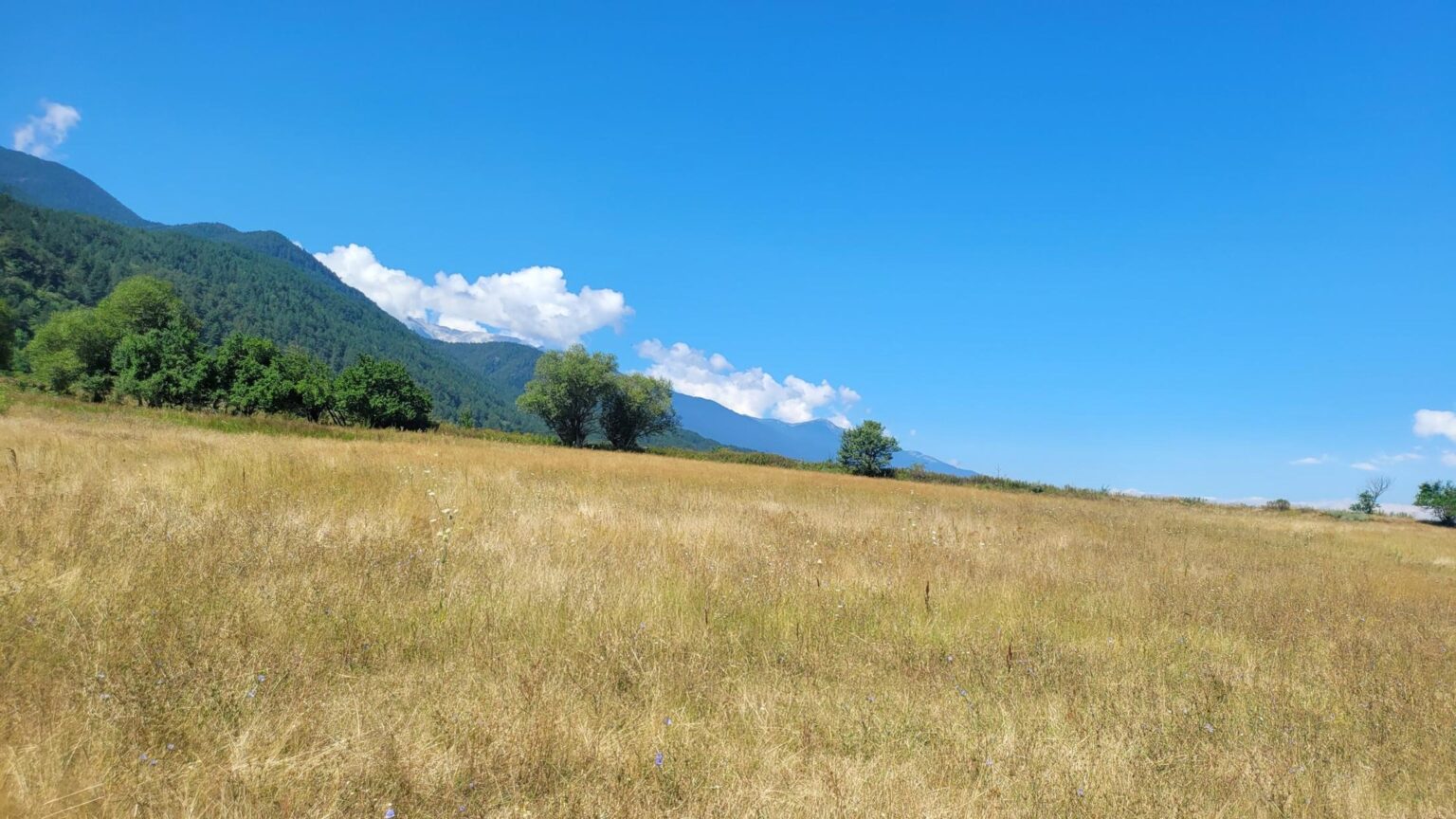
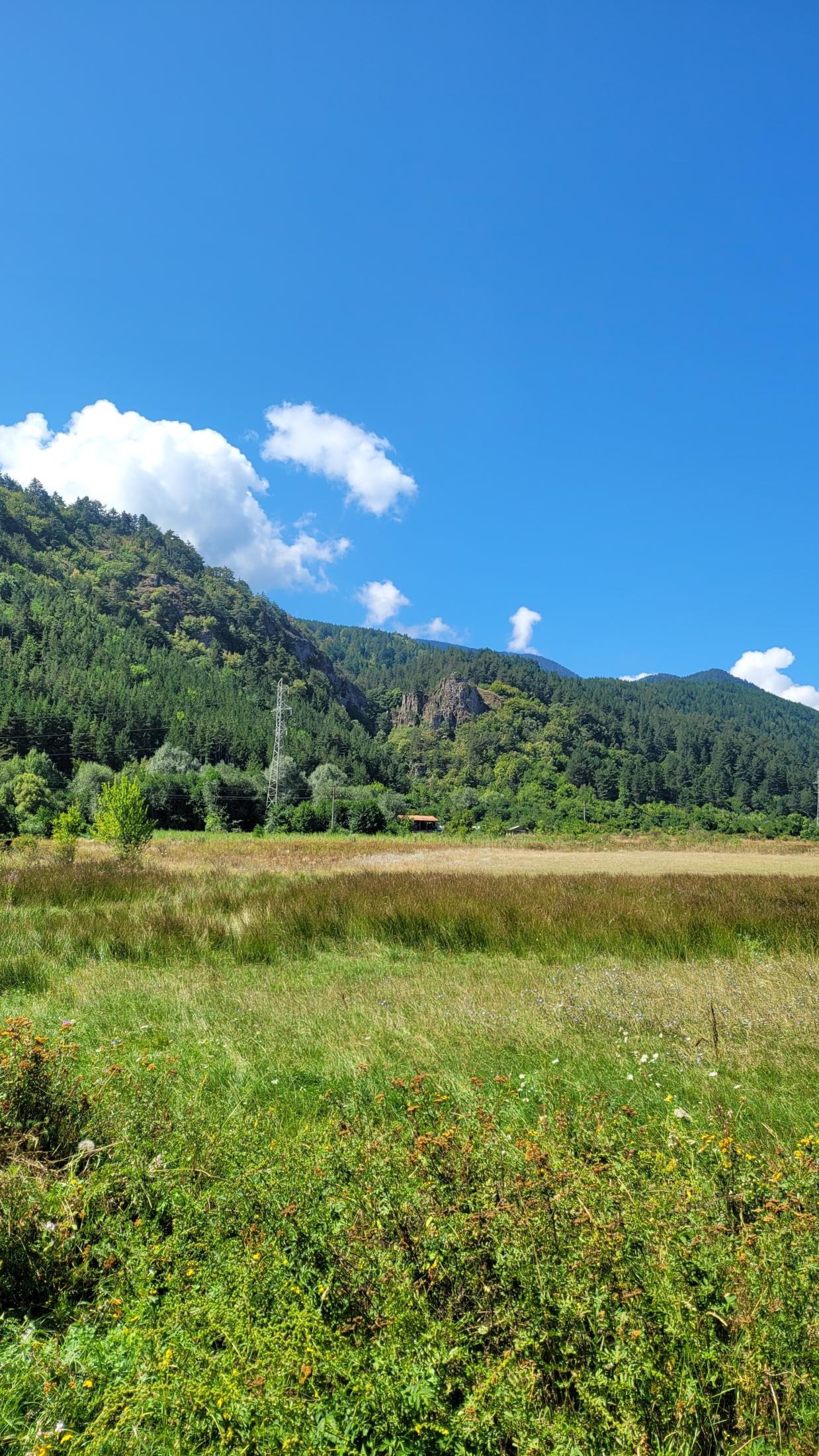
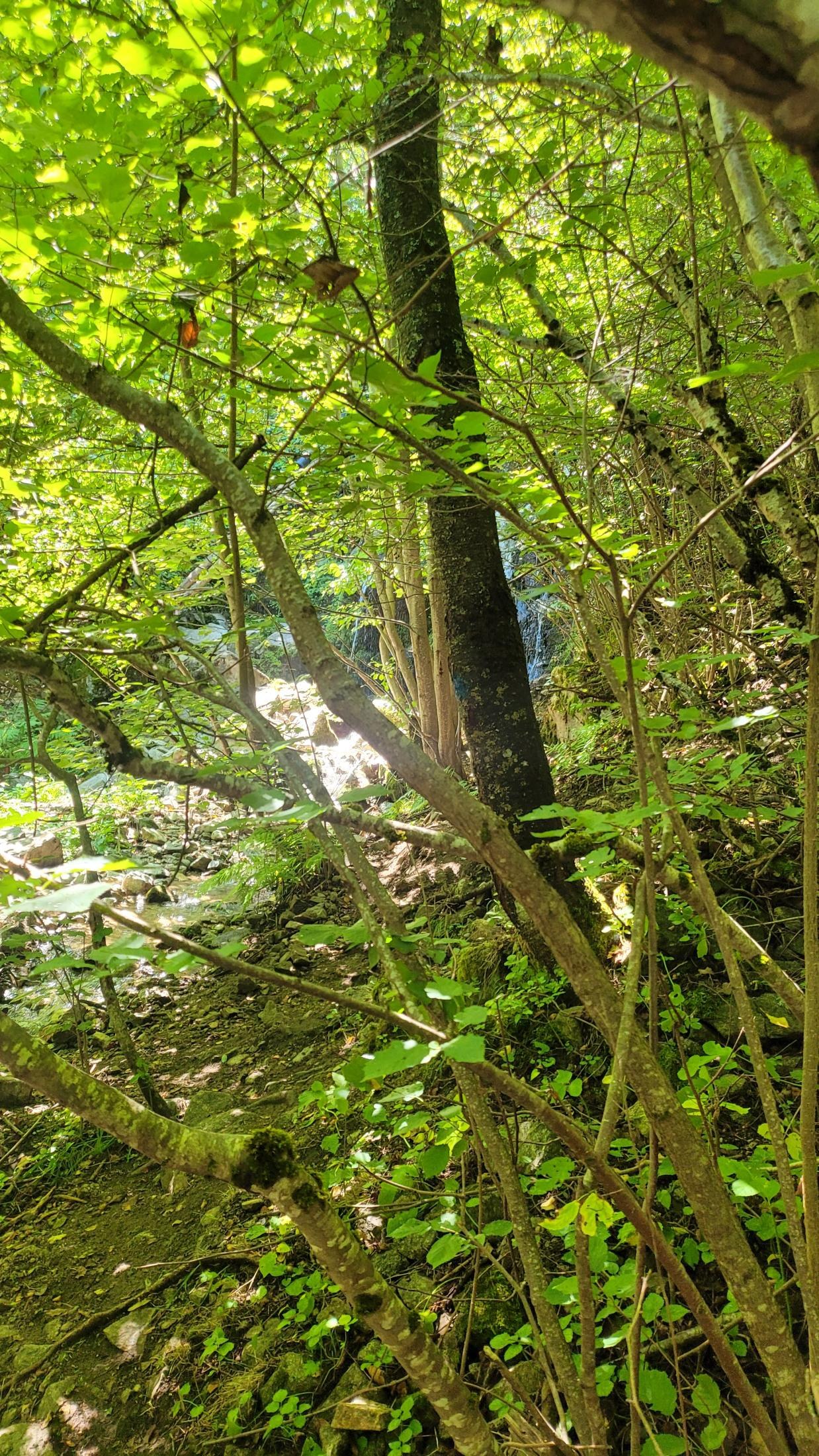
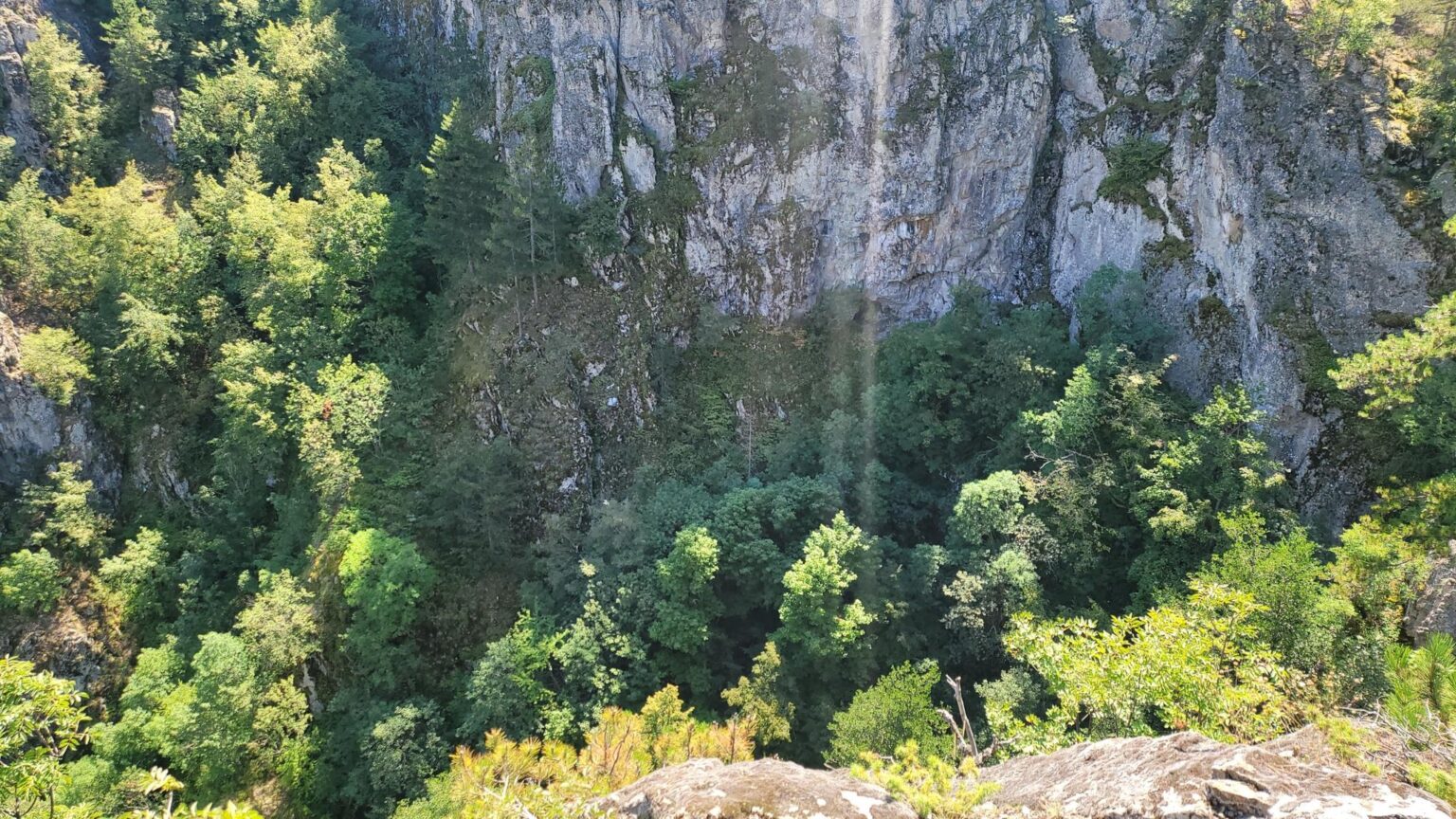
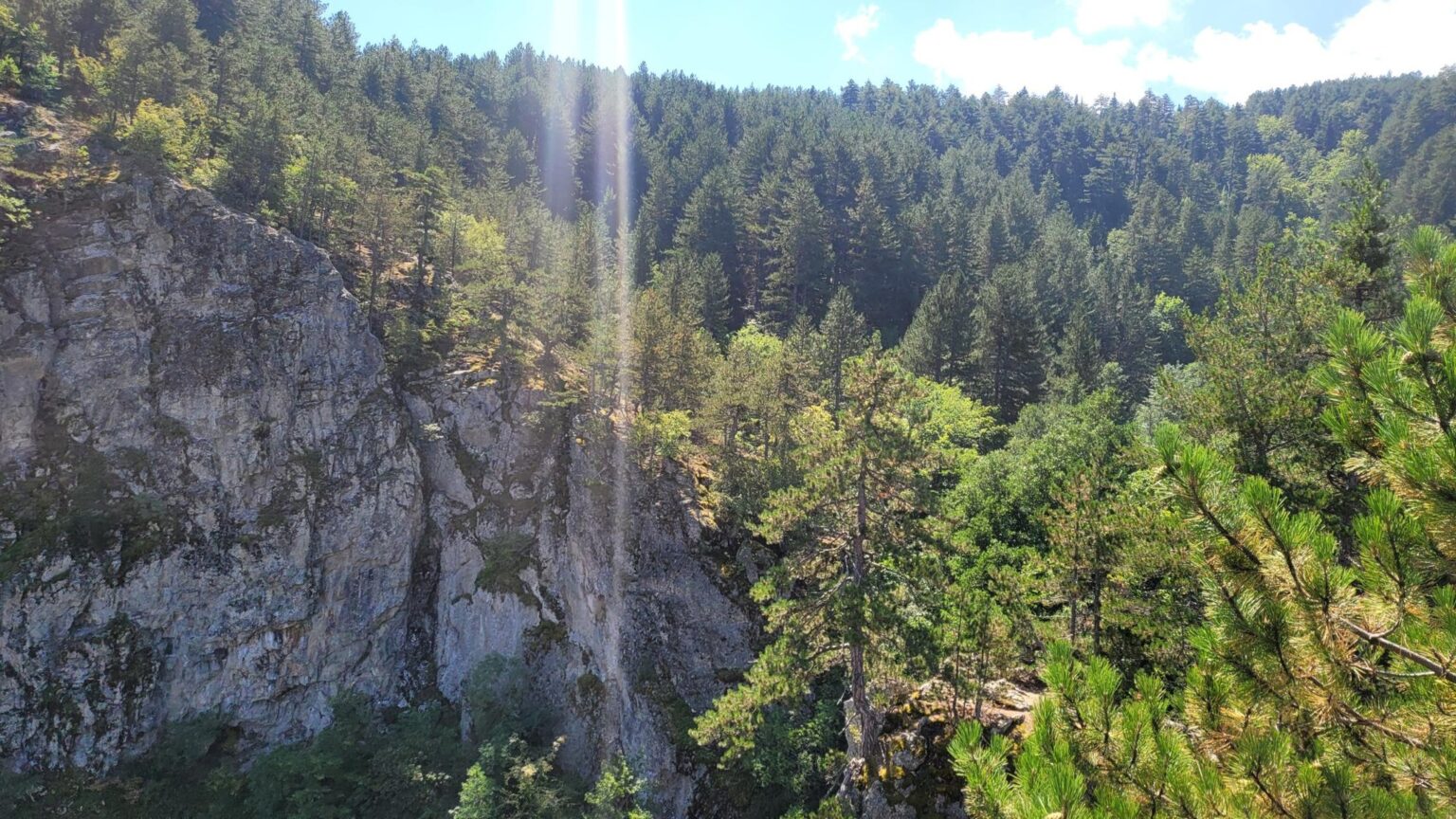
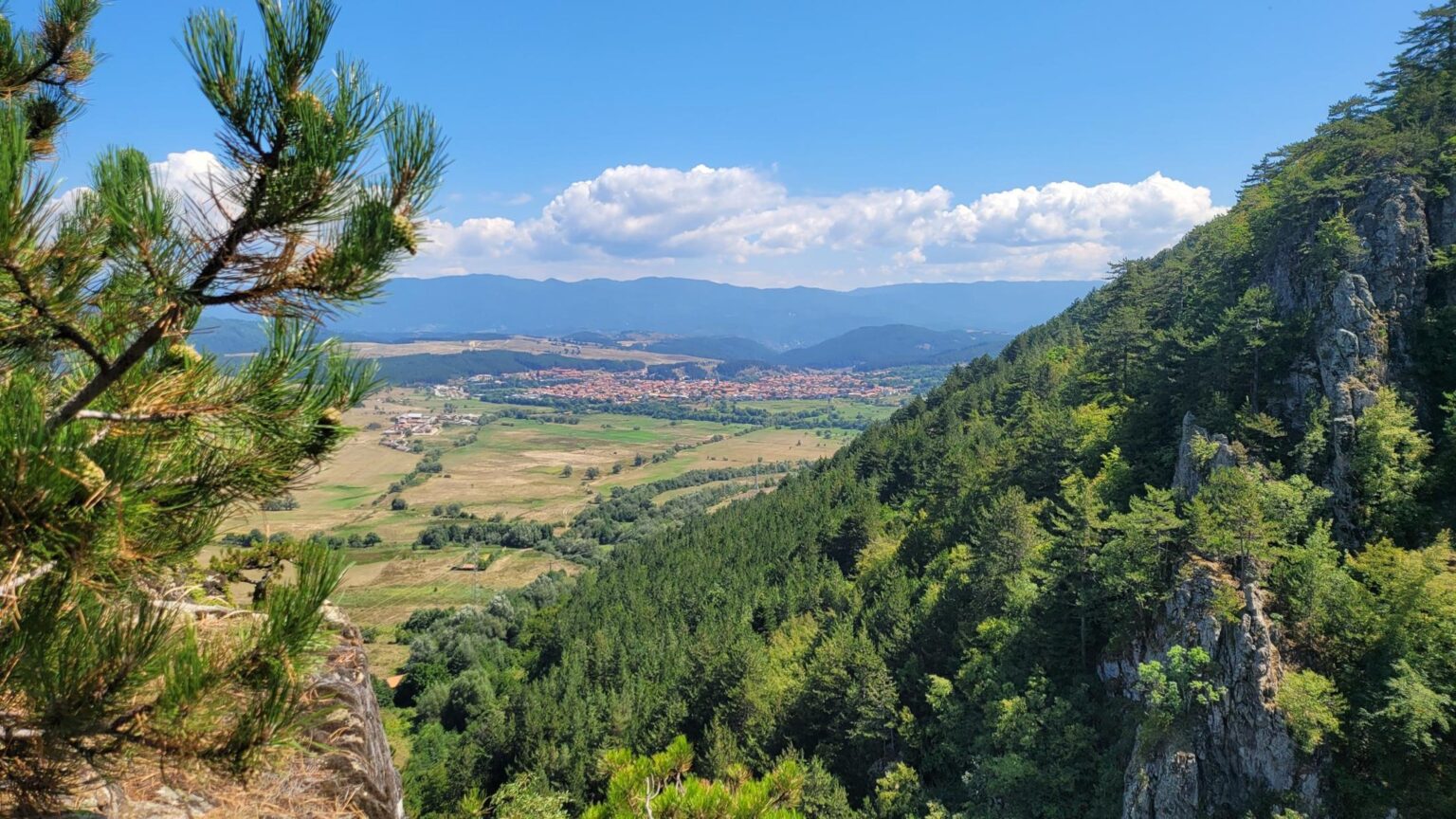
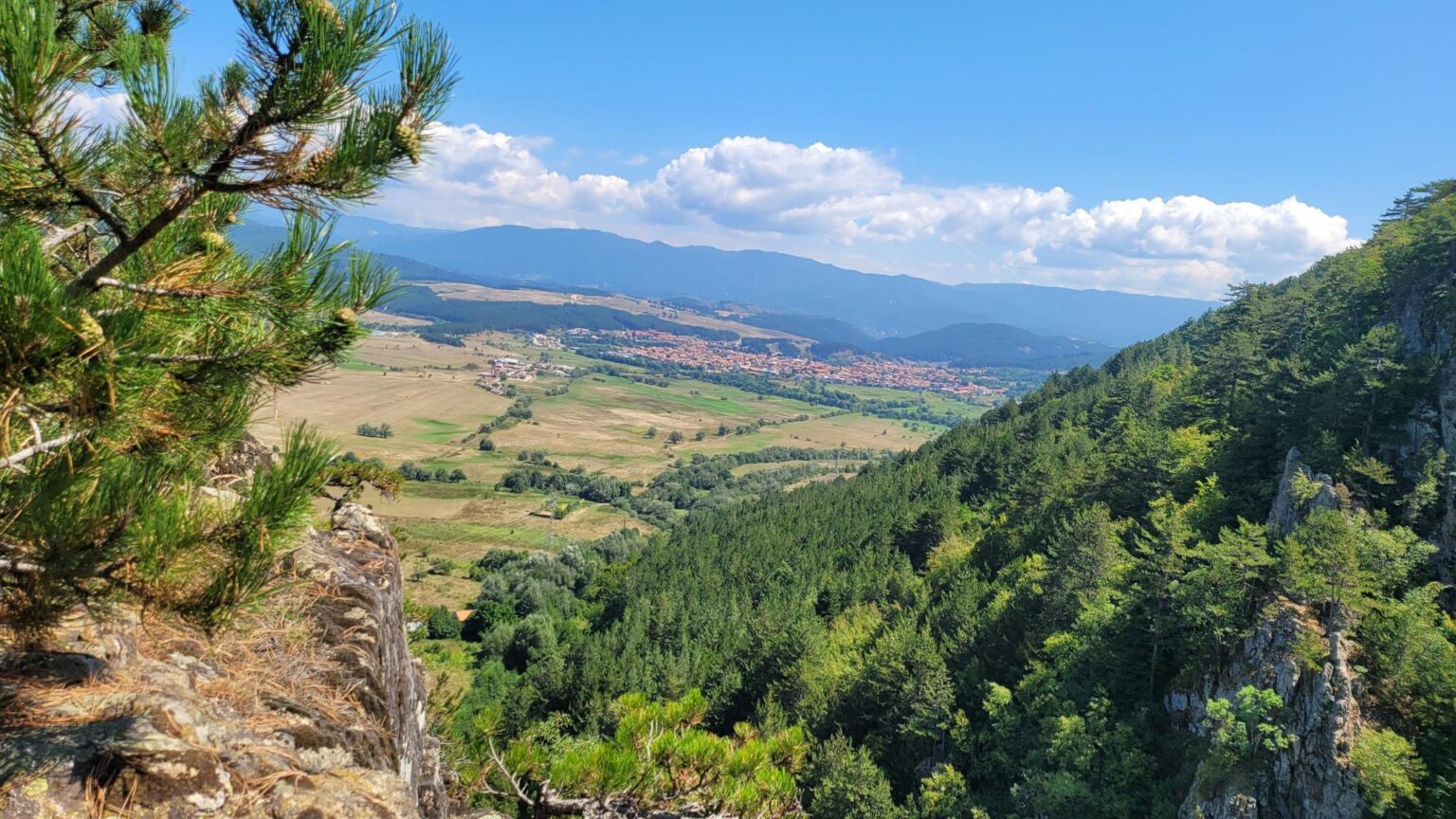
And of course, a few photos for non-committal clicking: