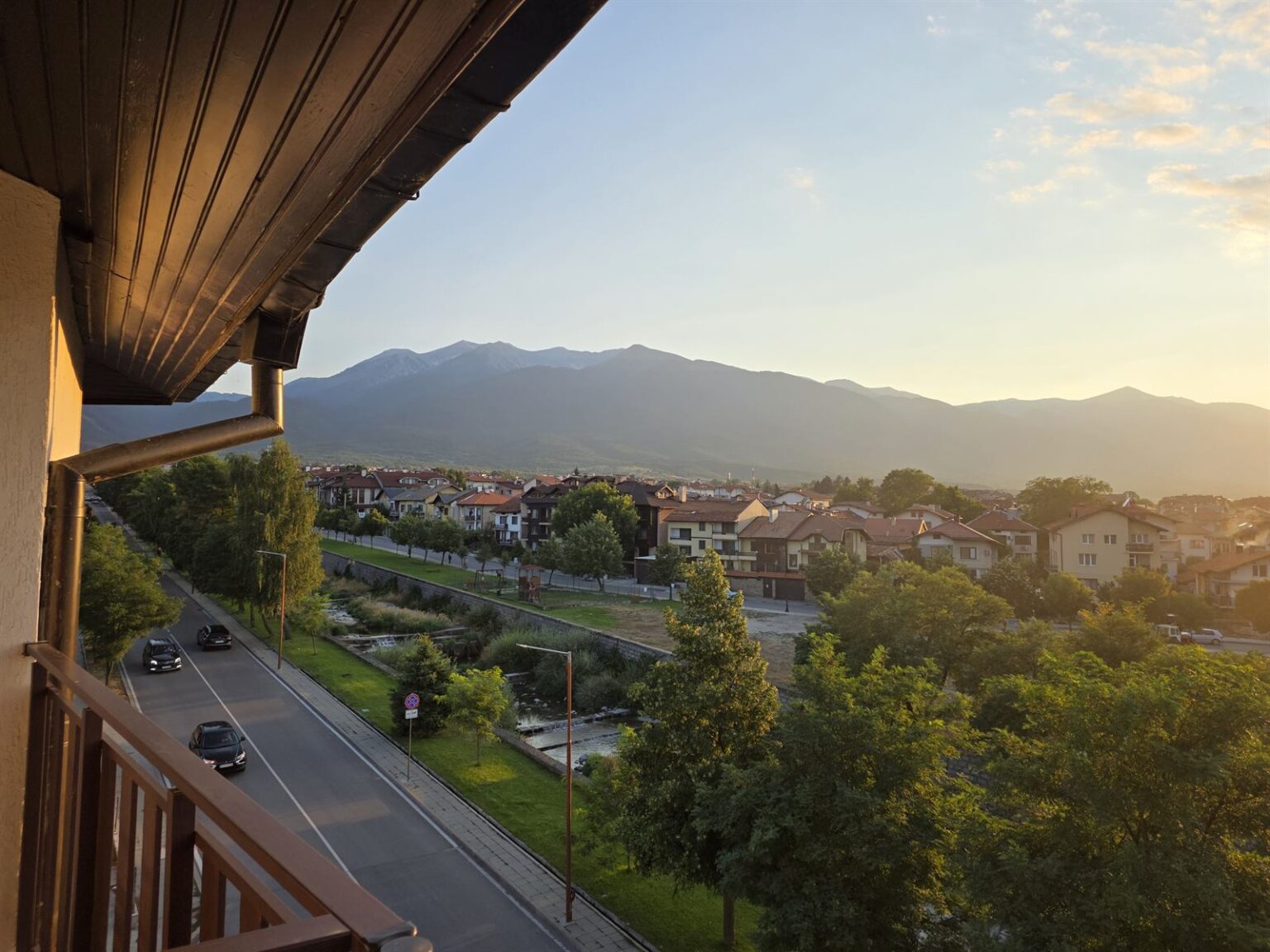
Bansko is one of Bulgaria’s best-known mountain towns, but skiing is only part of the picture. The town sits at 927 metres above sea level at the foot of northern Pirin, and it holds a well-preserved old quarter, a strong local kitchen, real cultural memory and easy access to high mountain terrain. The stone houses and narrow lanes tell a story that is older and more complicated than the modern resort front.
| Where | South-western Bulgaria, Blagoevgrad Province, at the foot of northern Pirin; 56 km from Blagoevgrad and roughly 145 km from Sofia. |
| Getting there | By car on the E79 to Simitli, then through Razlog; regular buses from Sofia and Blagoevgrad; the Septemvri – Dobrinishte narrow-gauge railway stops in town. |
| How long | Half a day for the old quarter and the museums; a full day if you add the gondola or a trail in Pirin. |
| When to go | December to March for snow, June to September for the mountain, May and October for quiet streets and cheaper rooms. |
| Parking | A paid “blue zone” covers the centre, with meters and mobile-app payment; larger car parks sit near the gondola base station. |
| Museums | Nikola Vaptsarov House-Museum: weekdays 9:00 – 13:00 and 14:00 – 17:30, weekends and holidays until 17:00. Entry €3 for adults, €2 for students and pensioners. Check current prices and hours with the Bansko Museum Complex. |
| Population | 10,189 as of 31 December 2025, per the National Statistical Institute. |
The old quarter and its streets
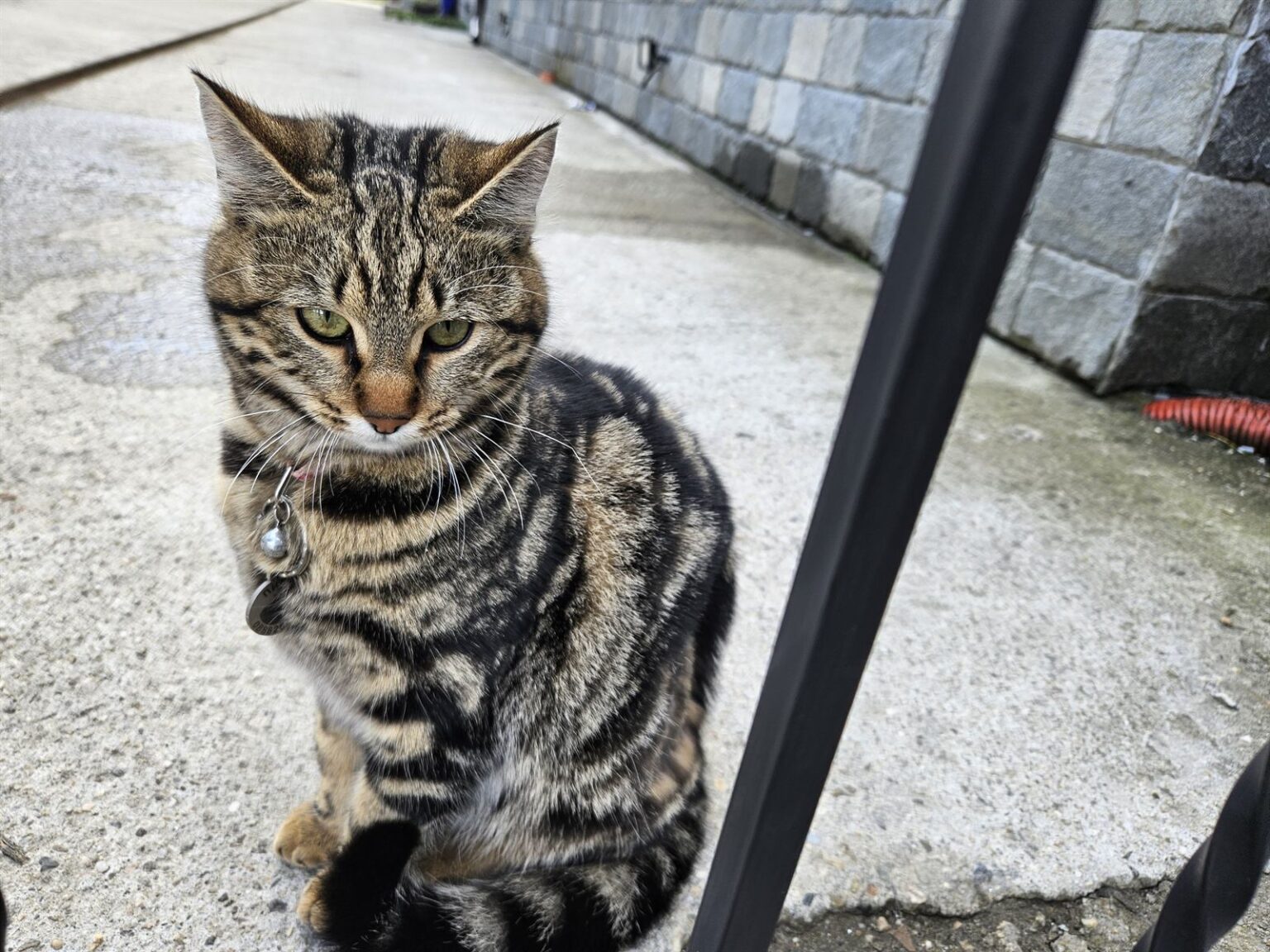
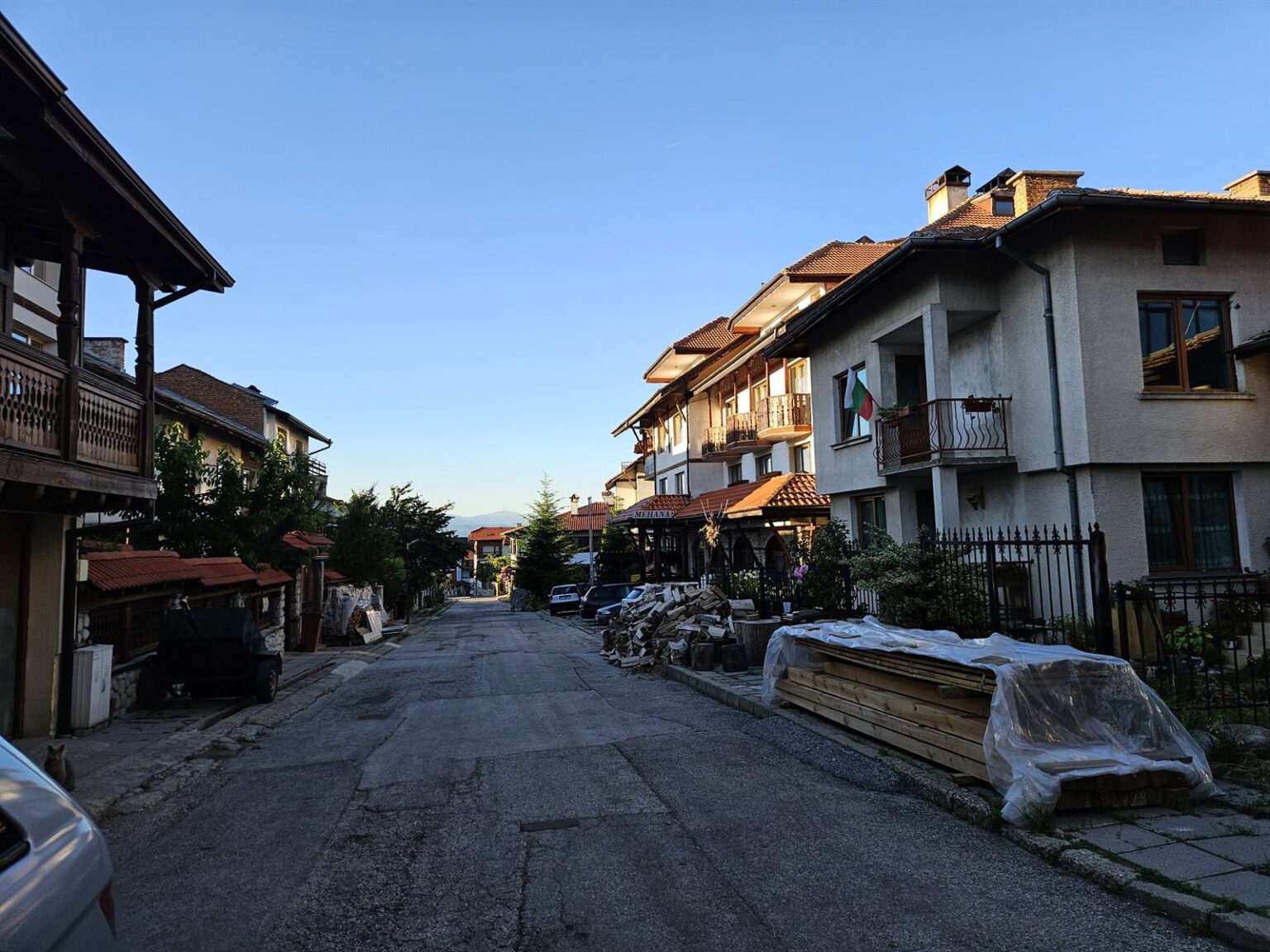
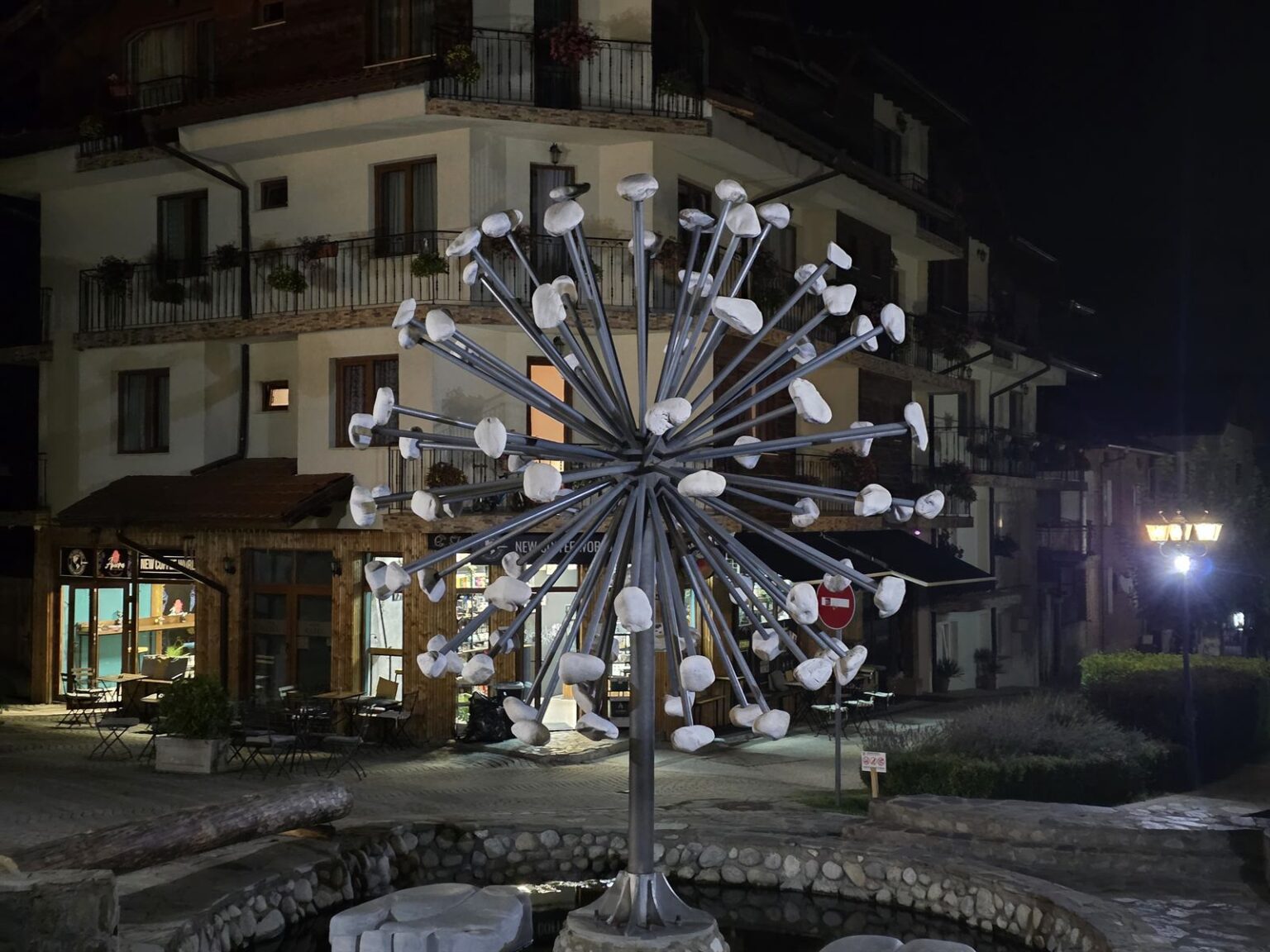
The old quarter is best walked without a plan. The lanes are narrow, stone walls rise straight from the cobbles, and between them open courtyards, drinking fountains and small junctions where nothing much happens — which is exactly the point. Outside the busiest hours there are more cats on these streets than people.
The house, the square and the Bansko masters
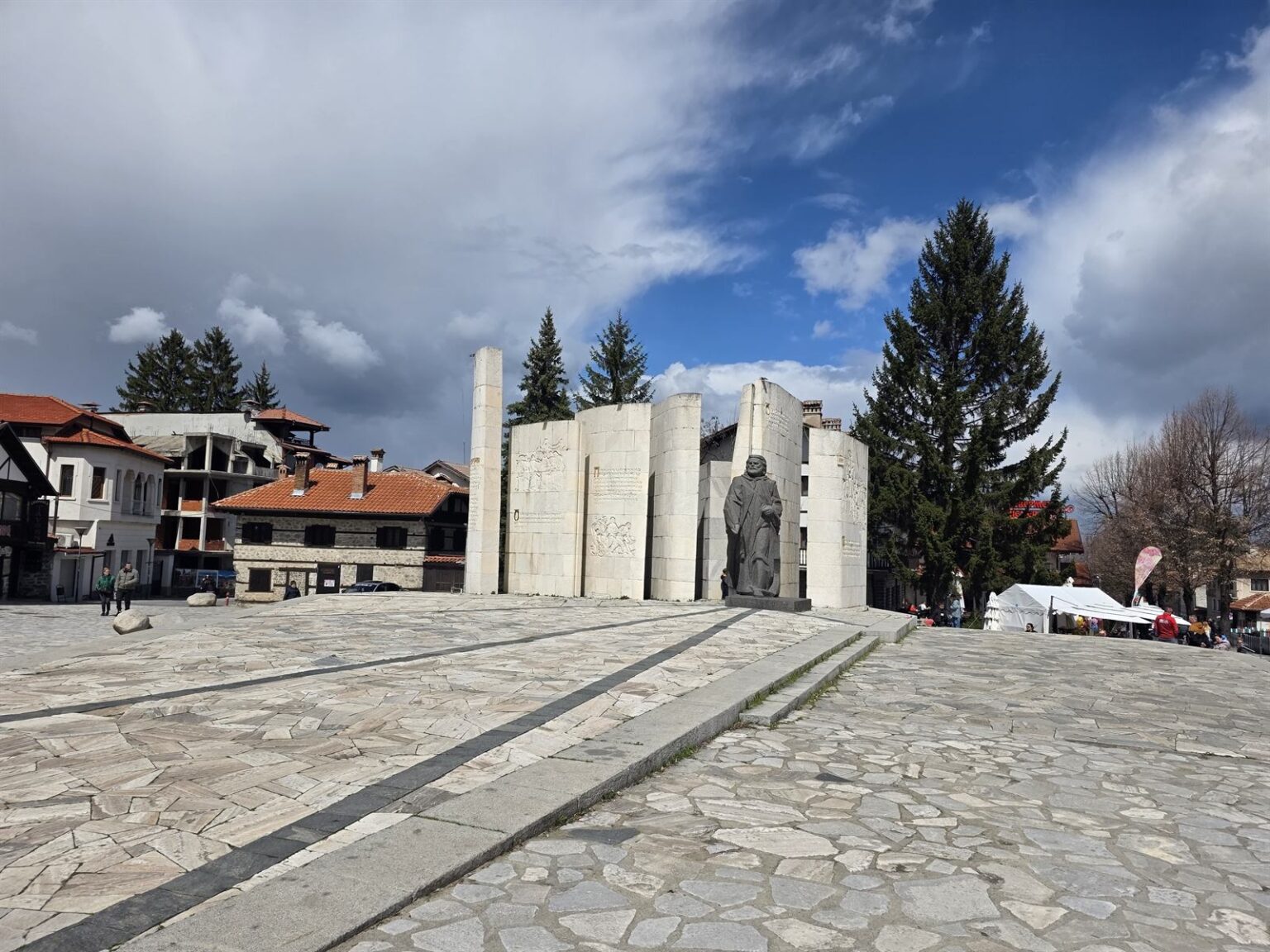
The traditional Bansko house was built for security, cold winters and a large family. Thick walls, closed ground floors and sheltered living quarters are an answer to the local climate and to how people lived. Several of these houses are museums today — the Velyanova House, the birthplace of Neofit Rilski and the ethnographic display in the Radonova House stand minutes apart. The main square is the other face of the same town: wider, more formal, ringed by public buildings and by the permanent icon exhibition of the Bansko art school.
Holy Trinity and the Golden Age of Bansko
The Holy Trinity church was consecrated in 1835 and was for a long time among the largest Revival-era churches in the Bulgarian lands — a three-nave pseudo-basilica enclosed by a high stone wall. The bell tower was added in 1850 and the clock mechanism in 1865. Above the main entrance a carved cross sits between two crescents, a small detail that says a great deal about the negotiations that made the building possible.
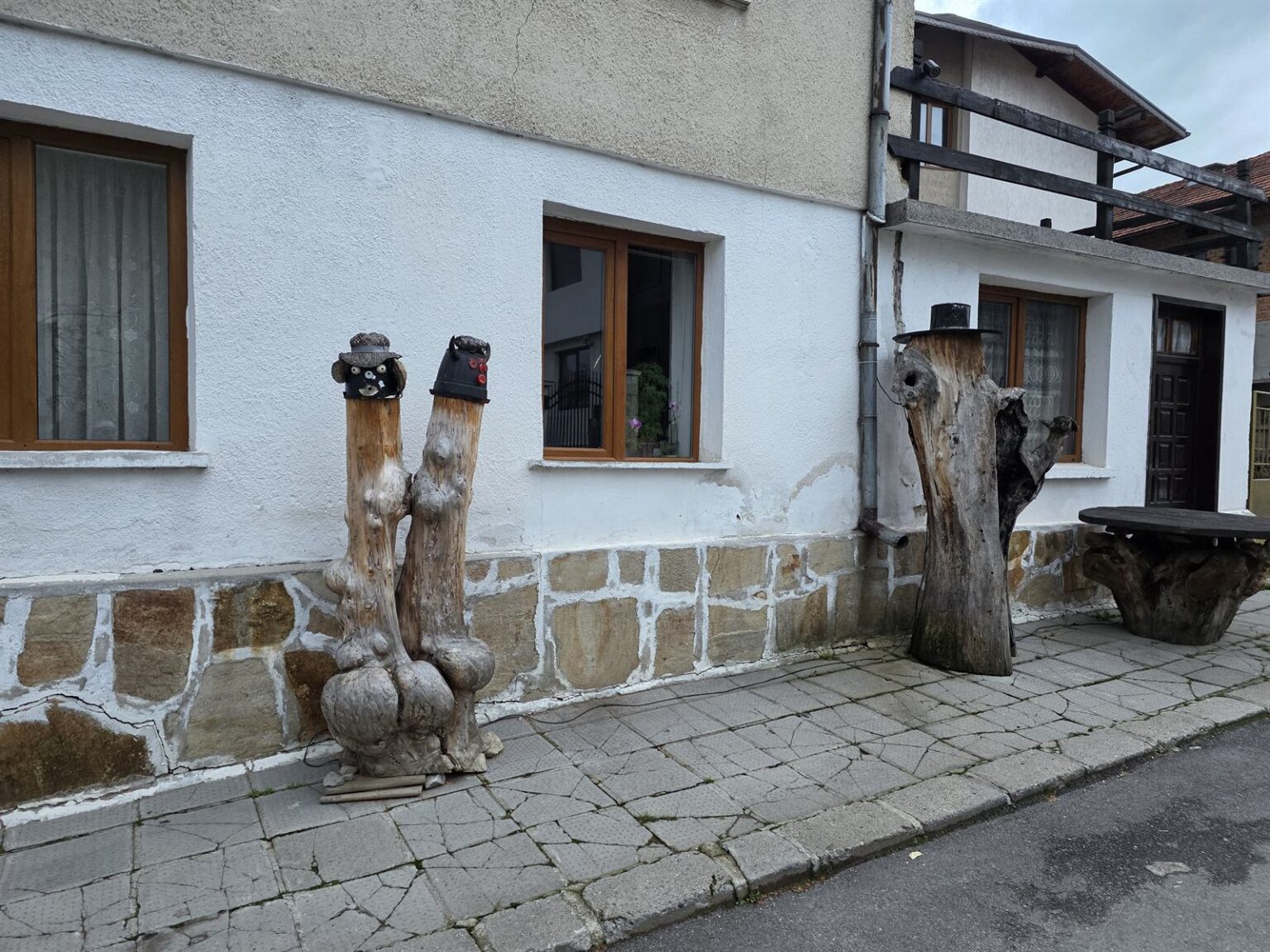
The decades around its construction are usually called the Golden Age of Bansko. Teachers, scribes, icon painters and merchants worked here, and the names the town produced — Paisius of Hilendar, Neofit Rilski and later the poet Nikola Vaptsarov — belong to Bulgarian history as a whole. The traditions did not end up only in museums: they survive in the food, the music, the woodcarving and the festivals.
Between the town and Pirin
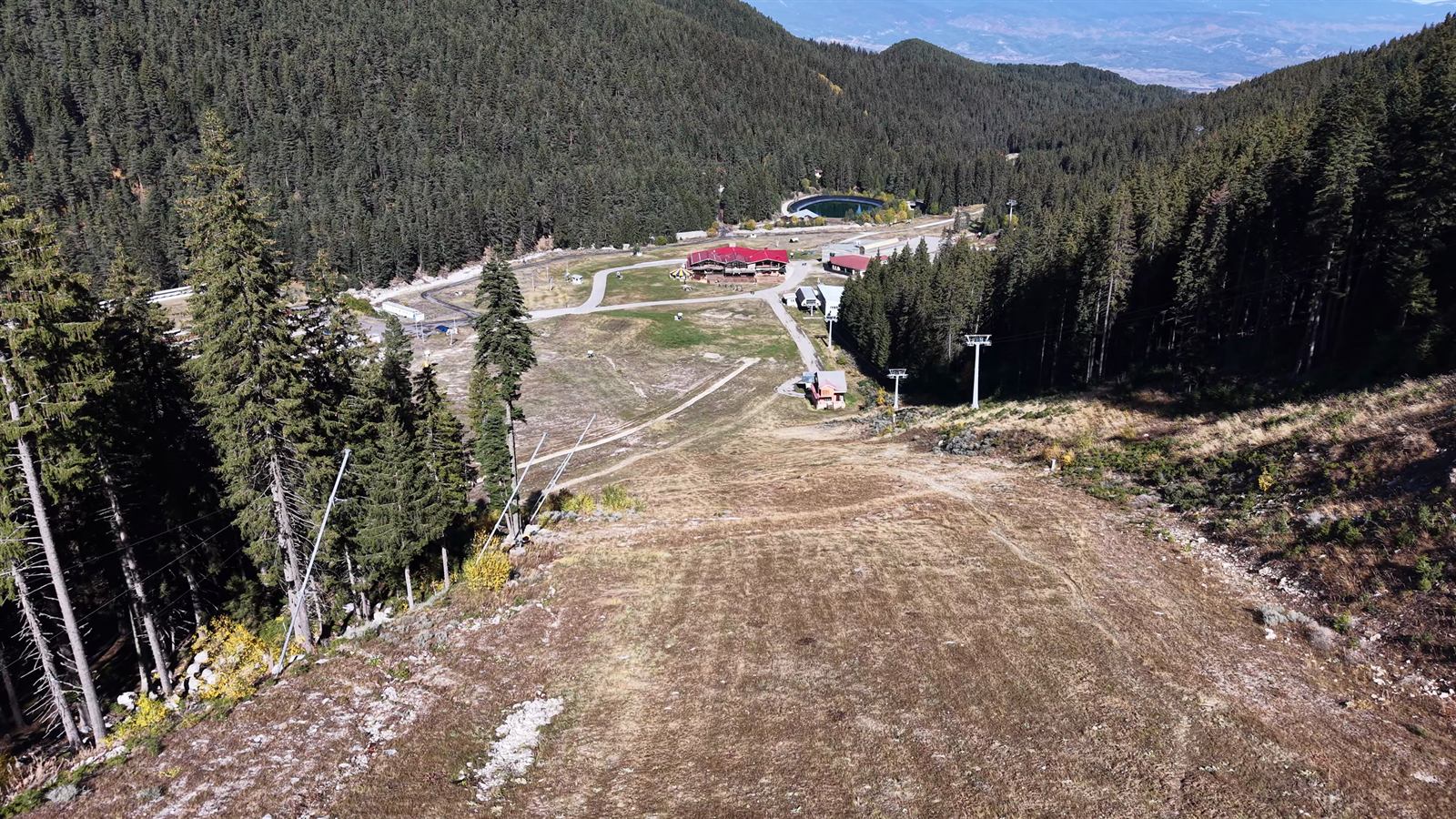
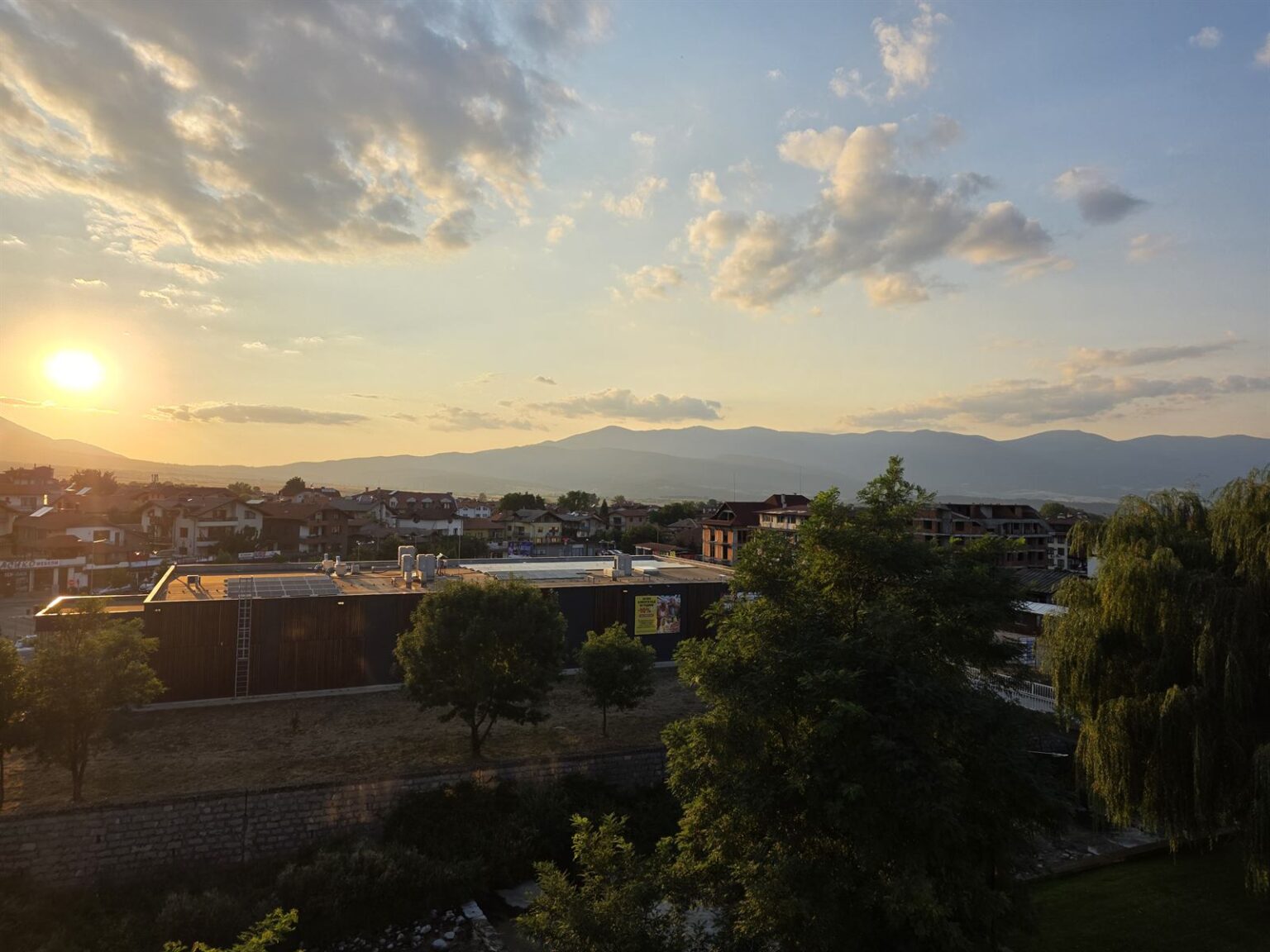
One of Bansko’s real strengths is how close the town history sits to the mountain. A morning can start on the cobbled lanes and the afternoon can continue on a forest trail. The gondola leaves from a base station about two and a half kilometres from the centre and climbs to Banderishka Polyana in roughly 25 minutes; from there the routes head into high Pirin and towards Baykusheva Mura. Gondola hours and prices shift with the season — check them with Bansko Ski.
When to go
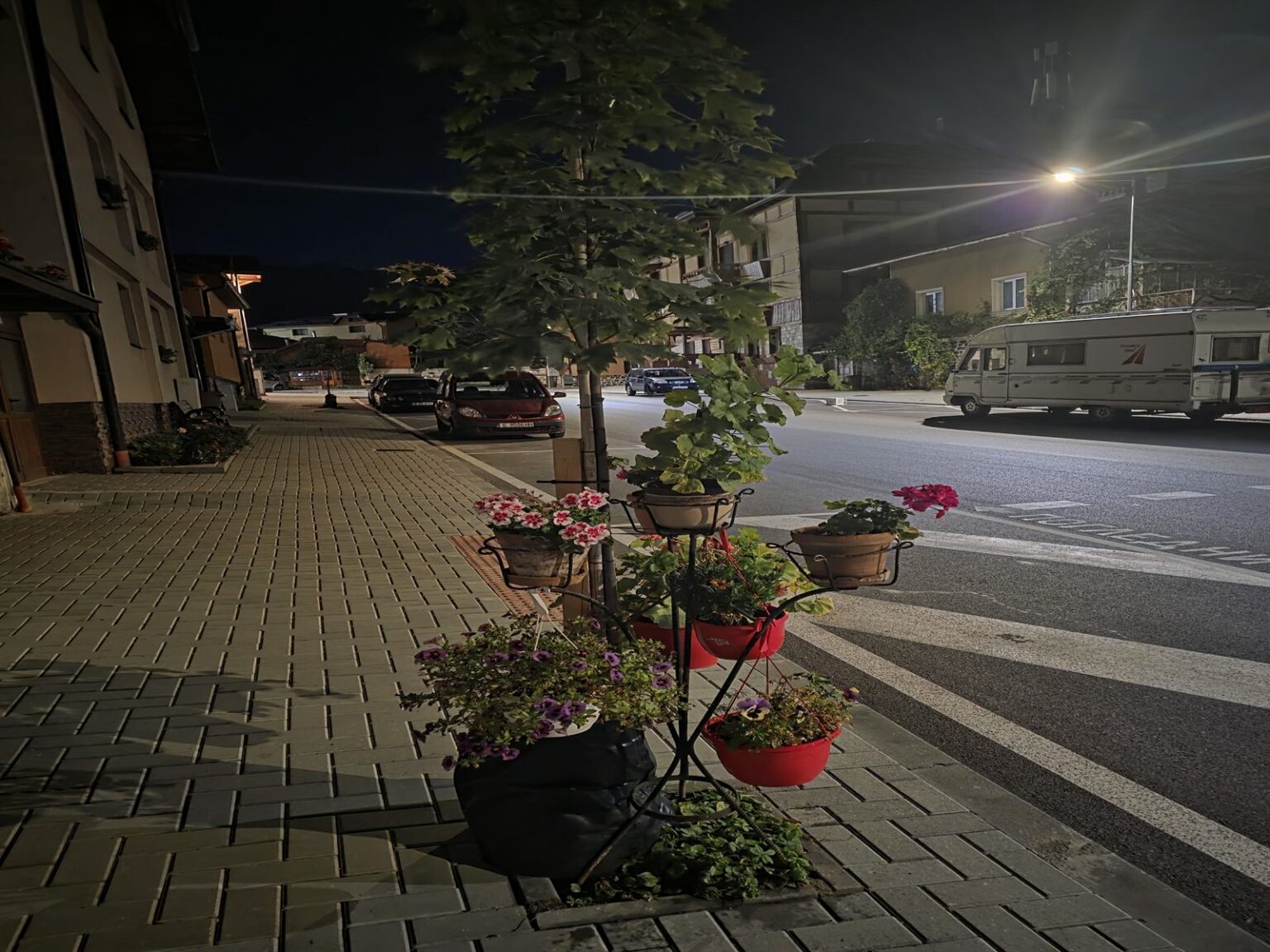
Winter is the loudest season and the town changes with it: the streets stay lit late, the taverns fill up, parking becomes a competitive sport. Summer is the opposite — flowers on the window ledges, open courtyards, and the mountain one lift ride away. If you can choose, take May or October: the stone walls, the old yards and the outline of Pirin register most fully when the town is not overloaded.
Related video: watch the flight over Bansko and the rest of the episodes in Bulgaria From Above.