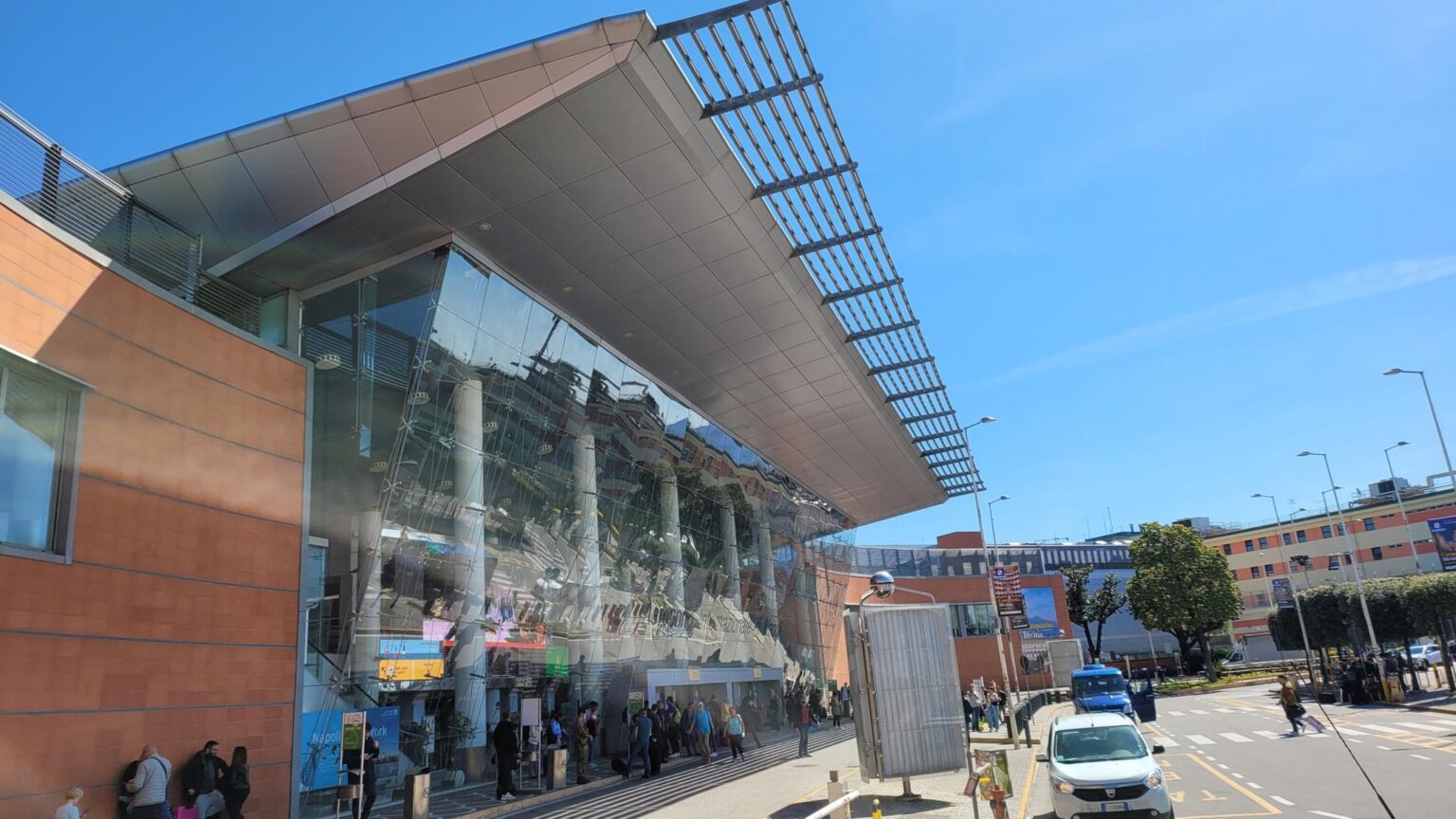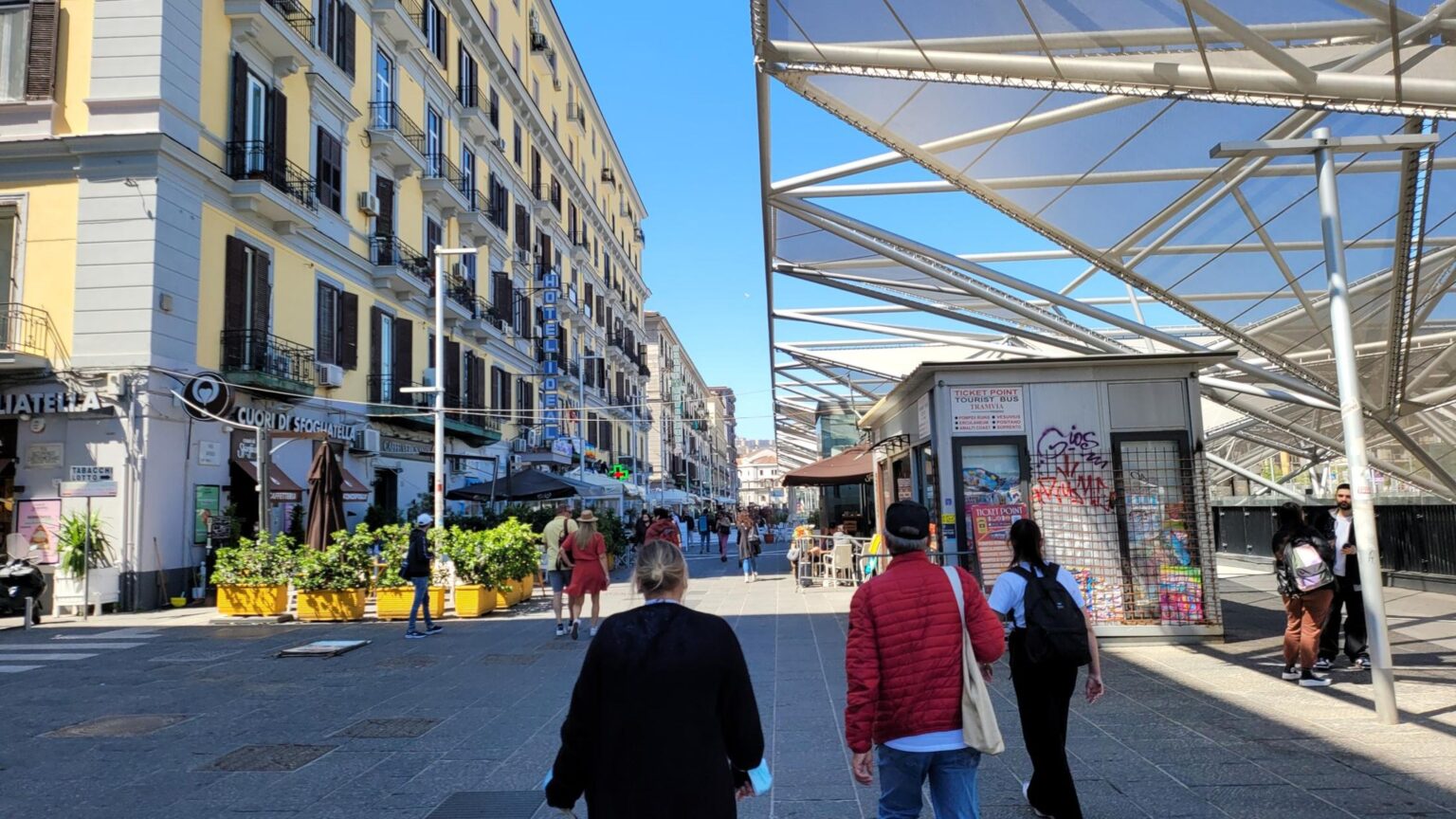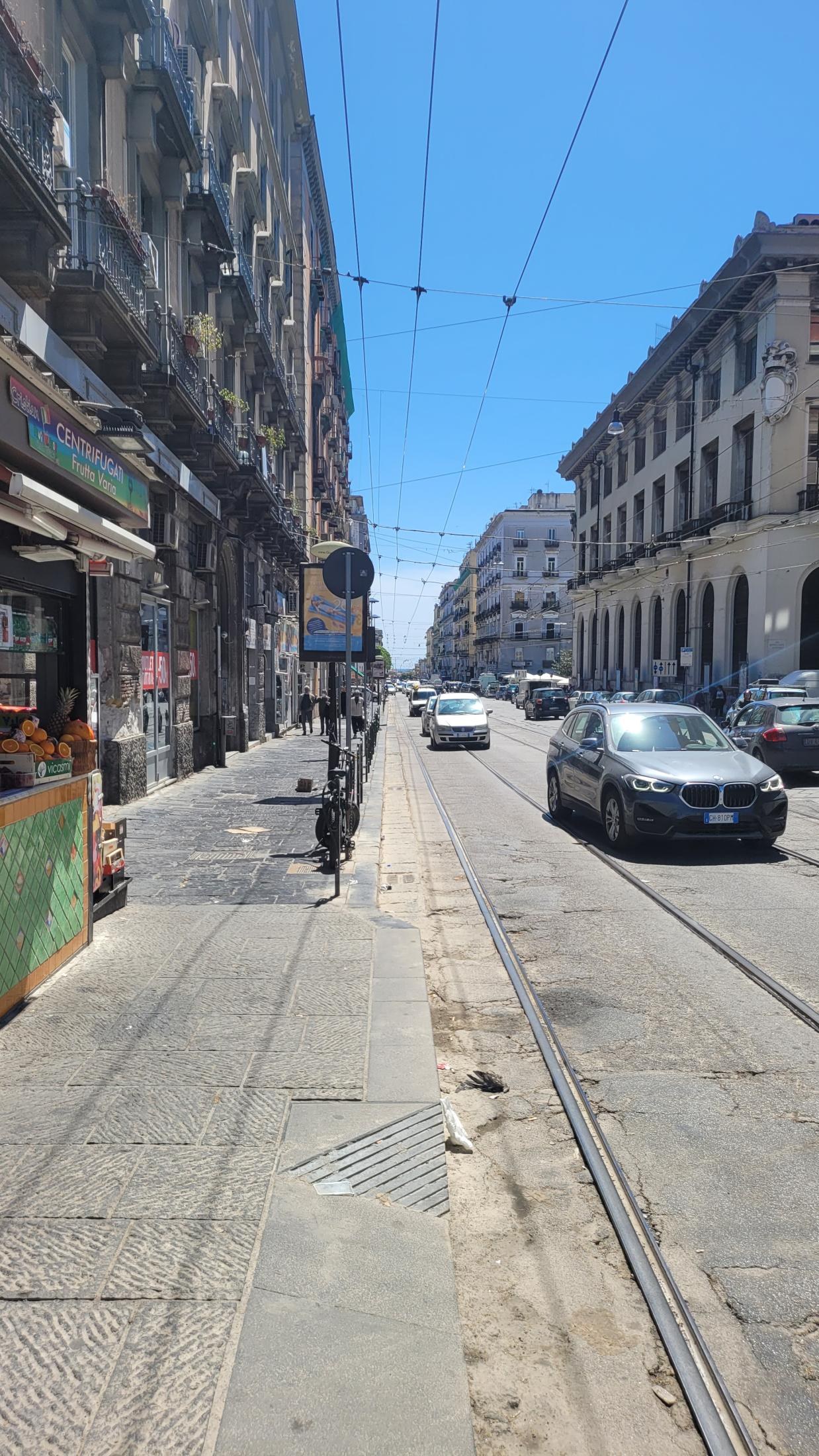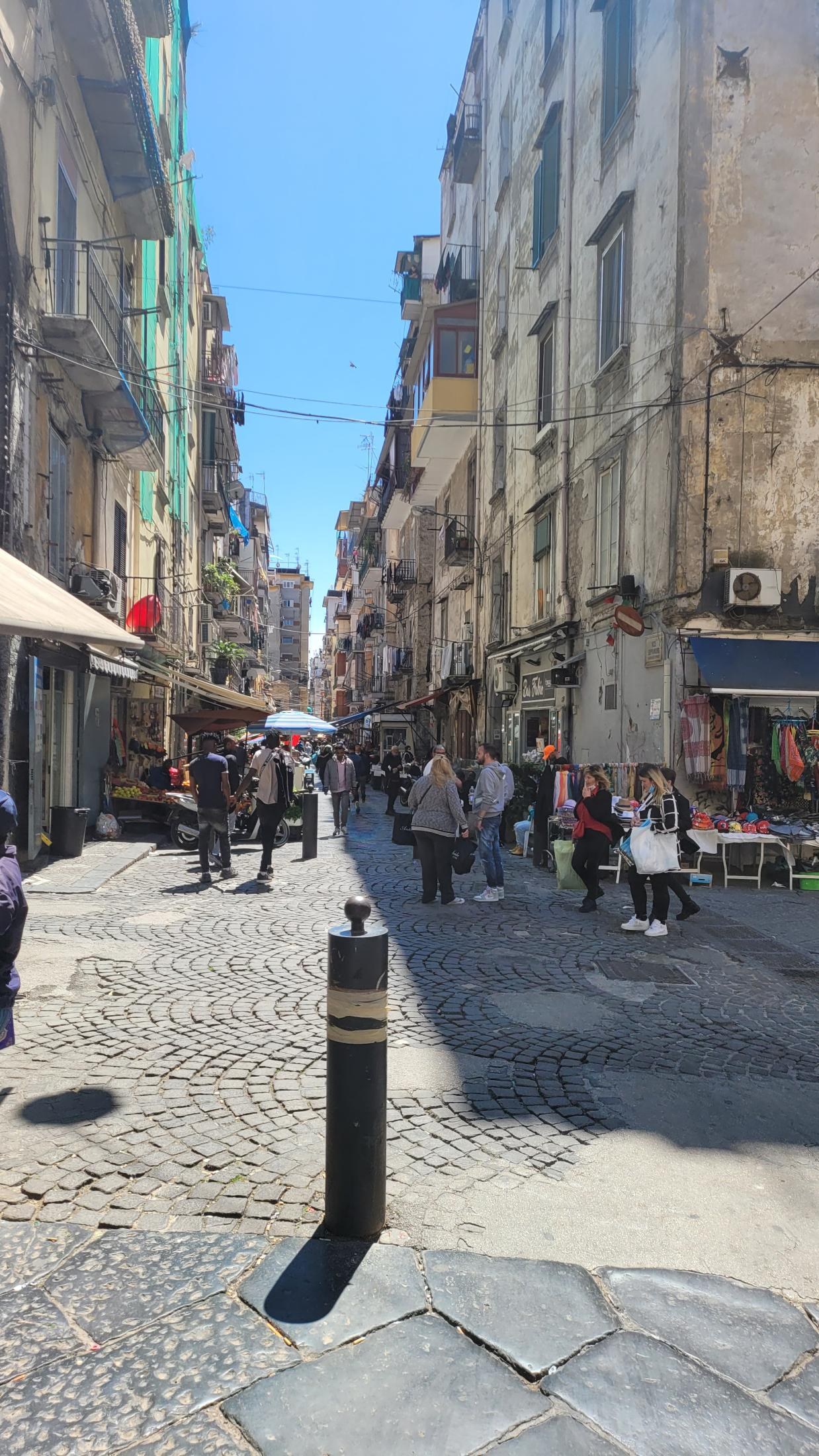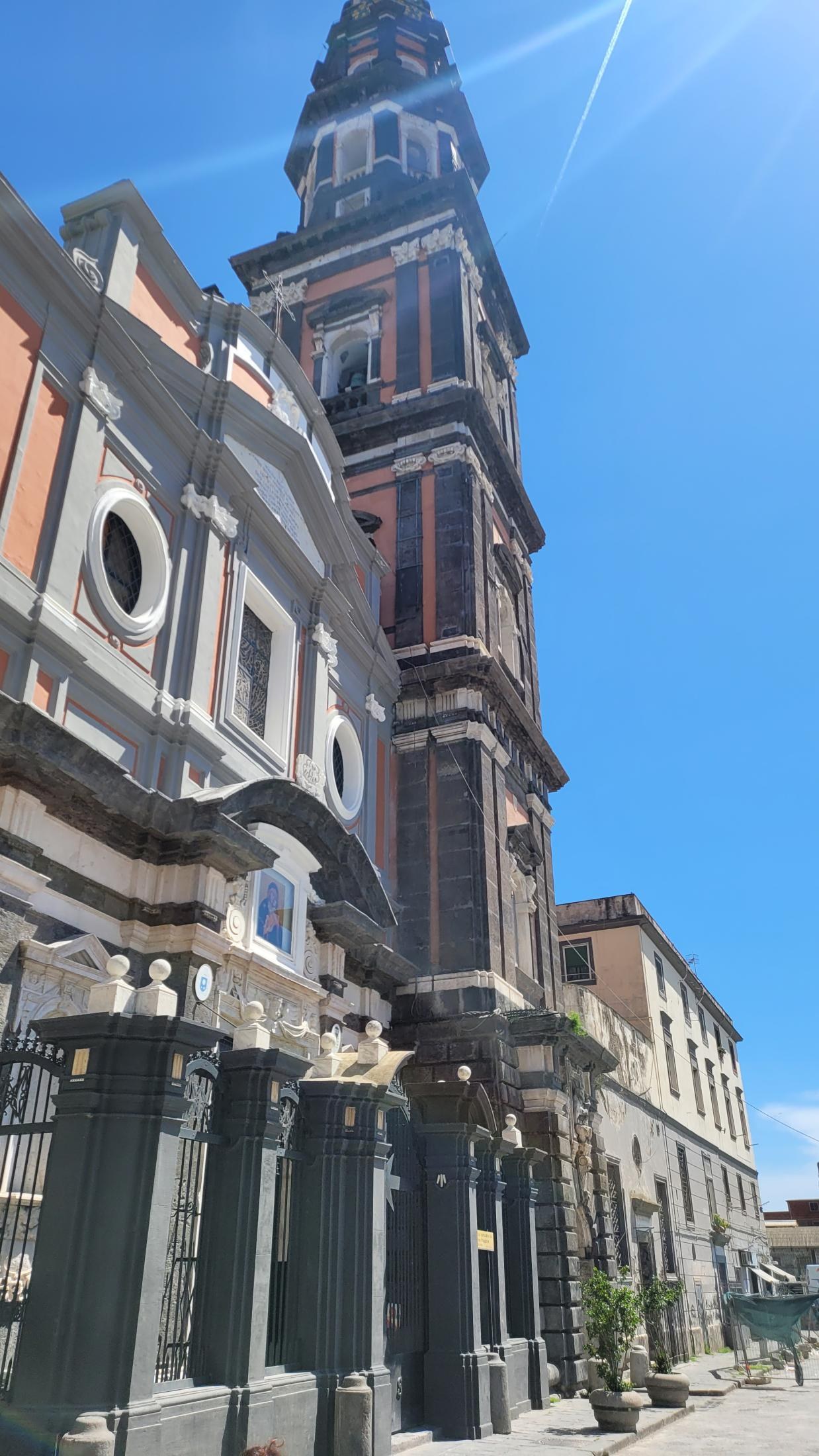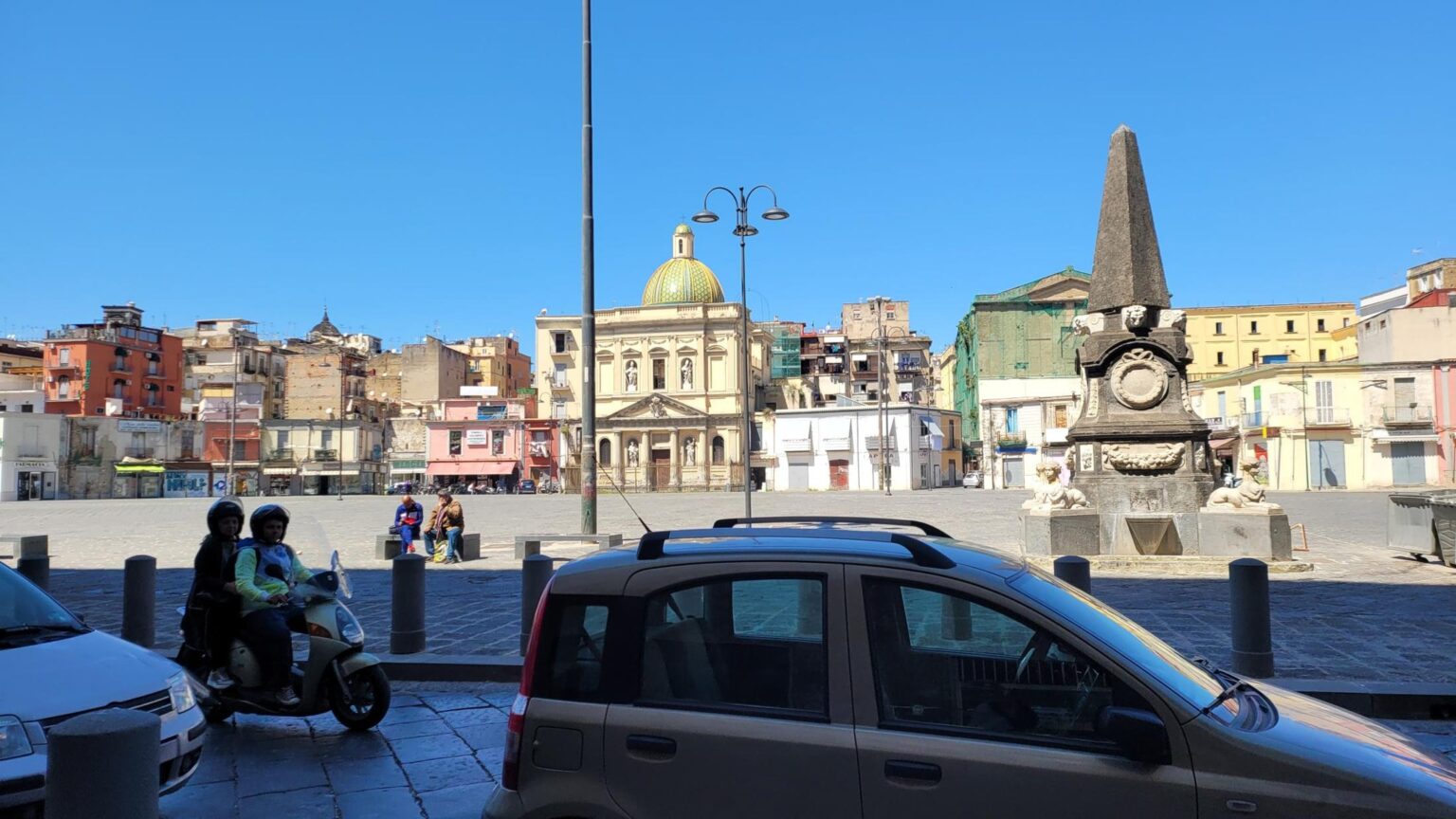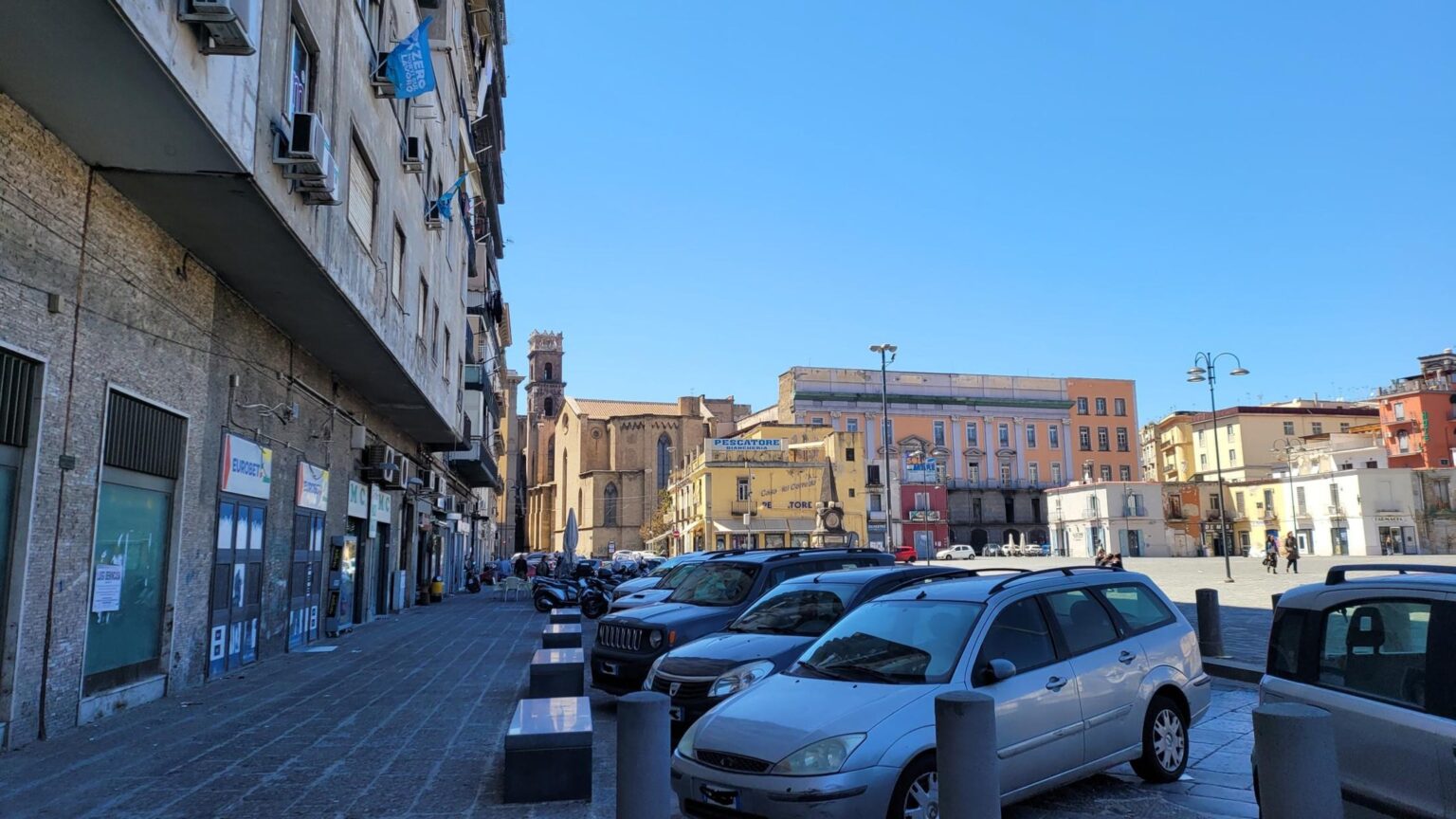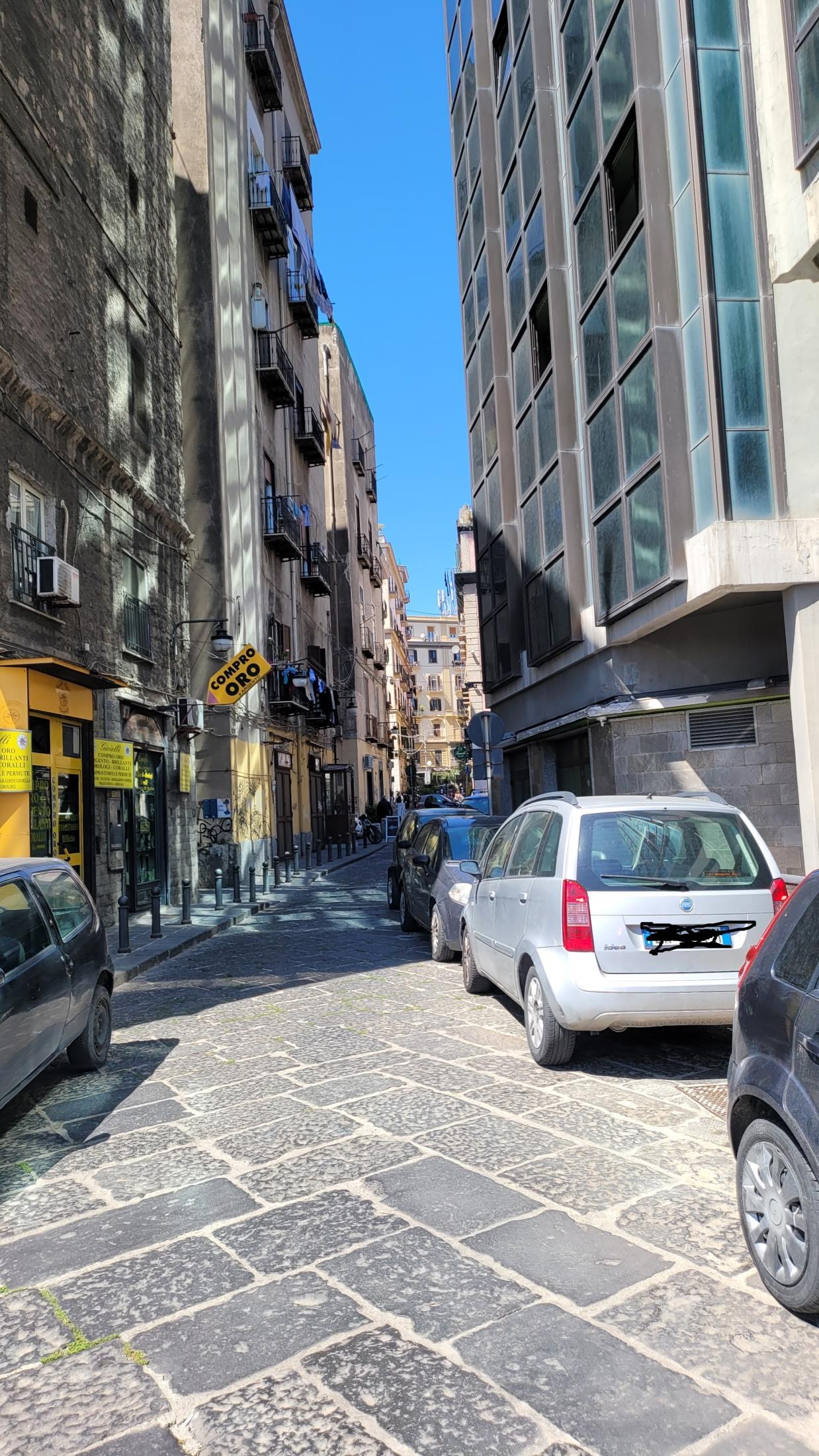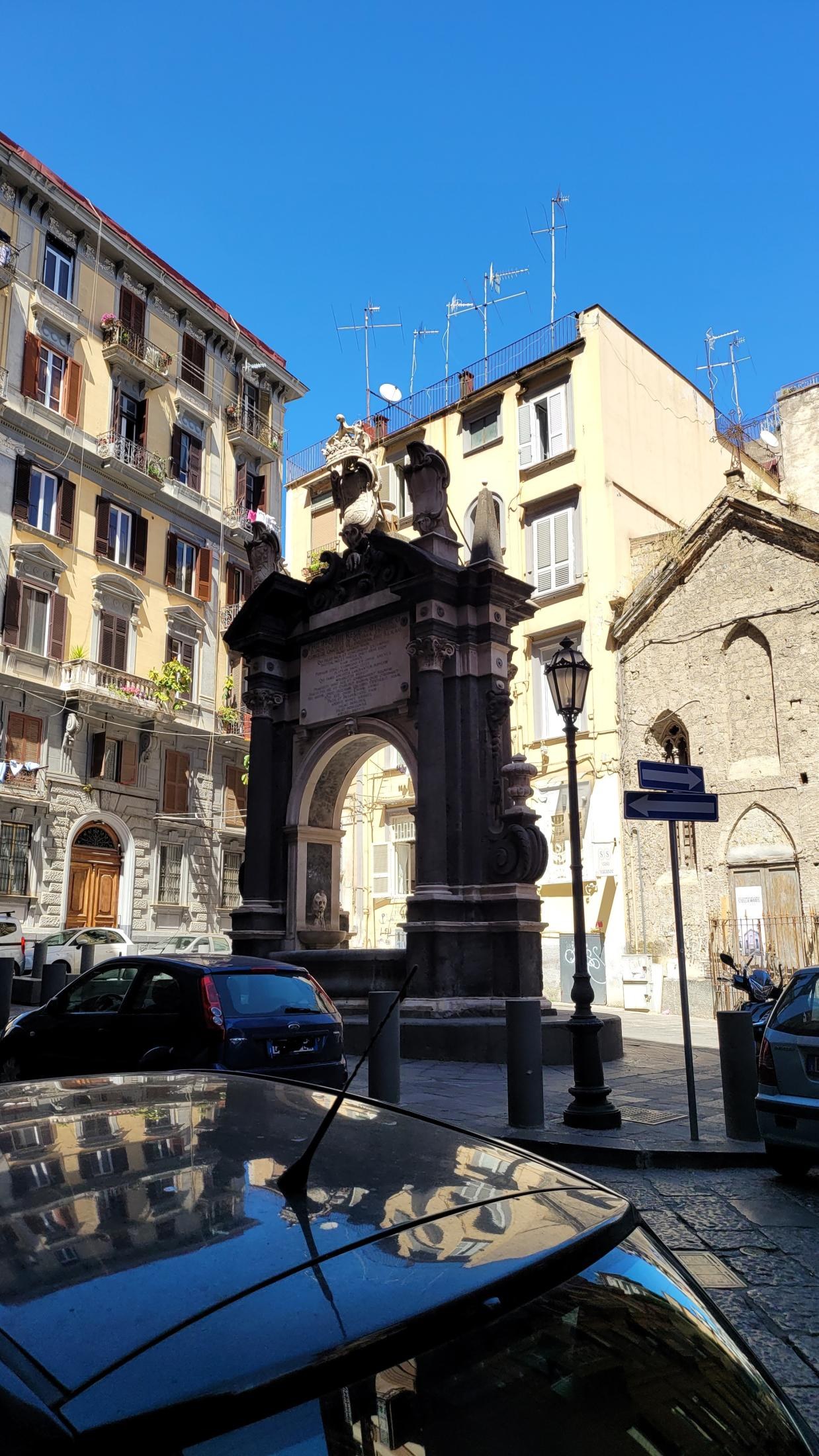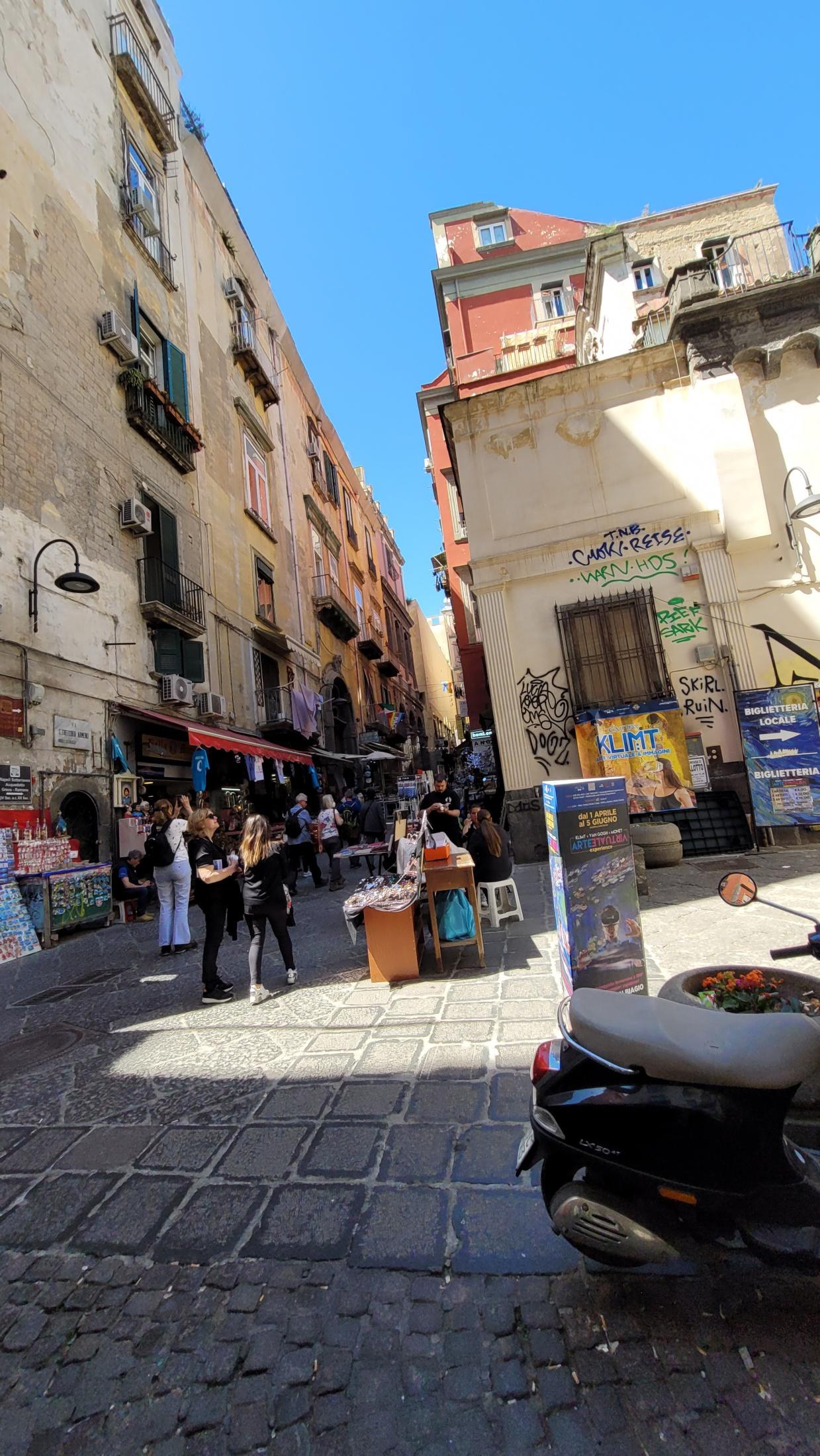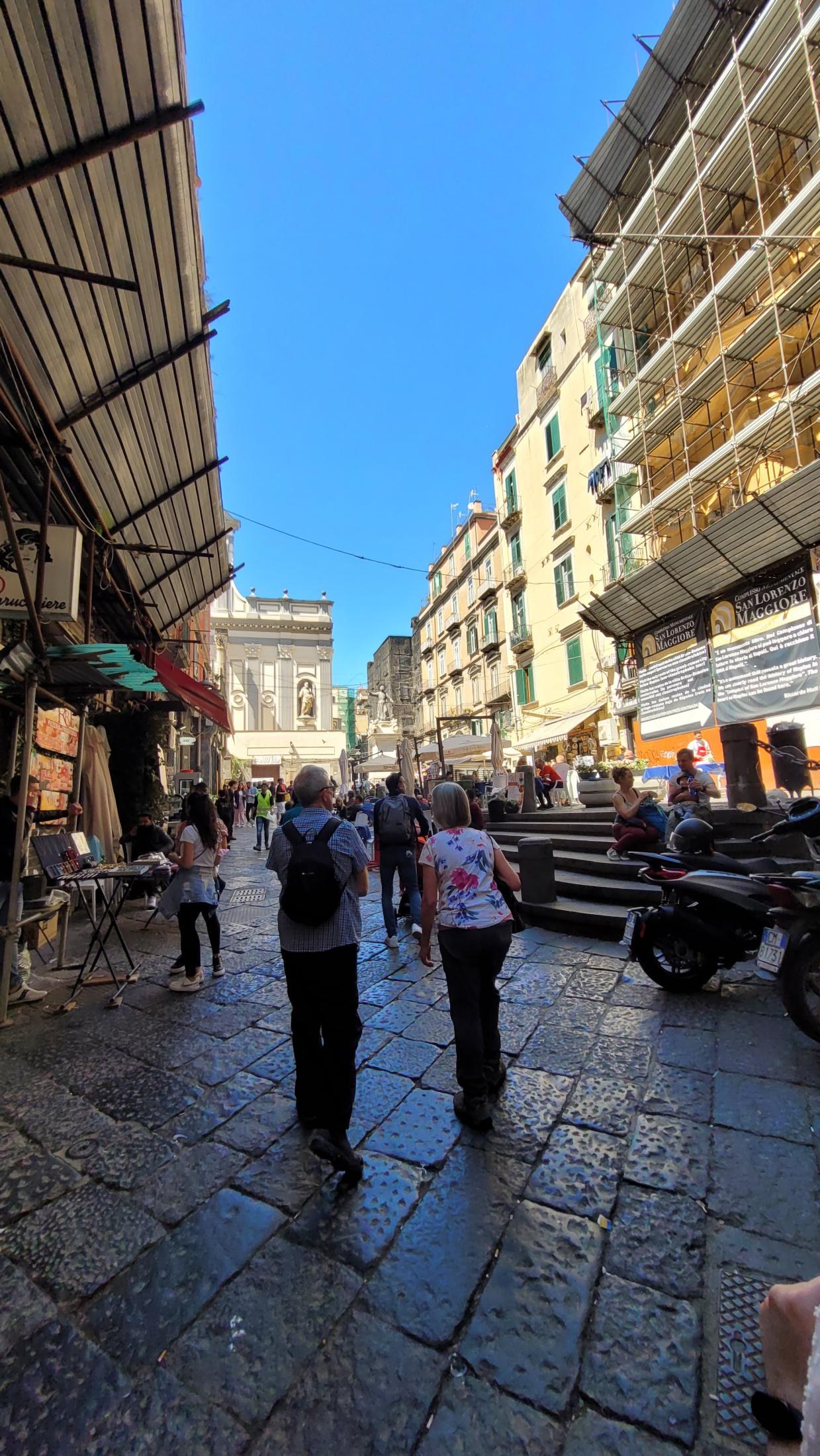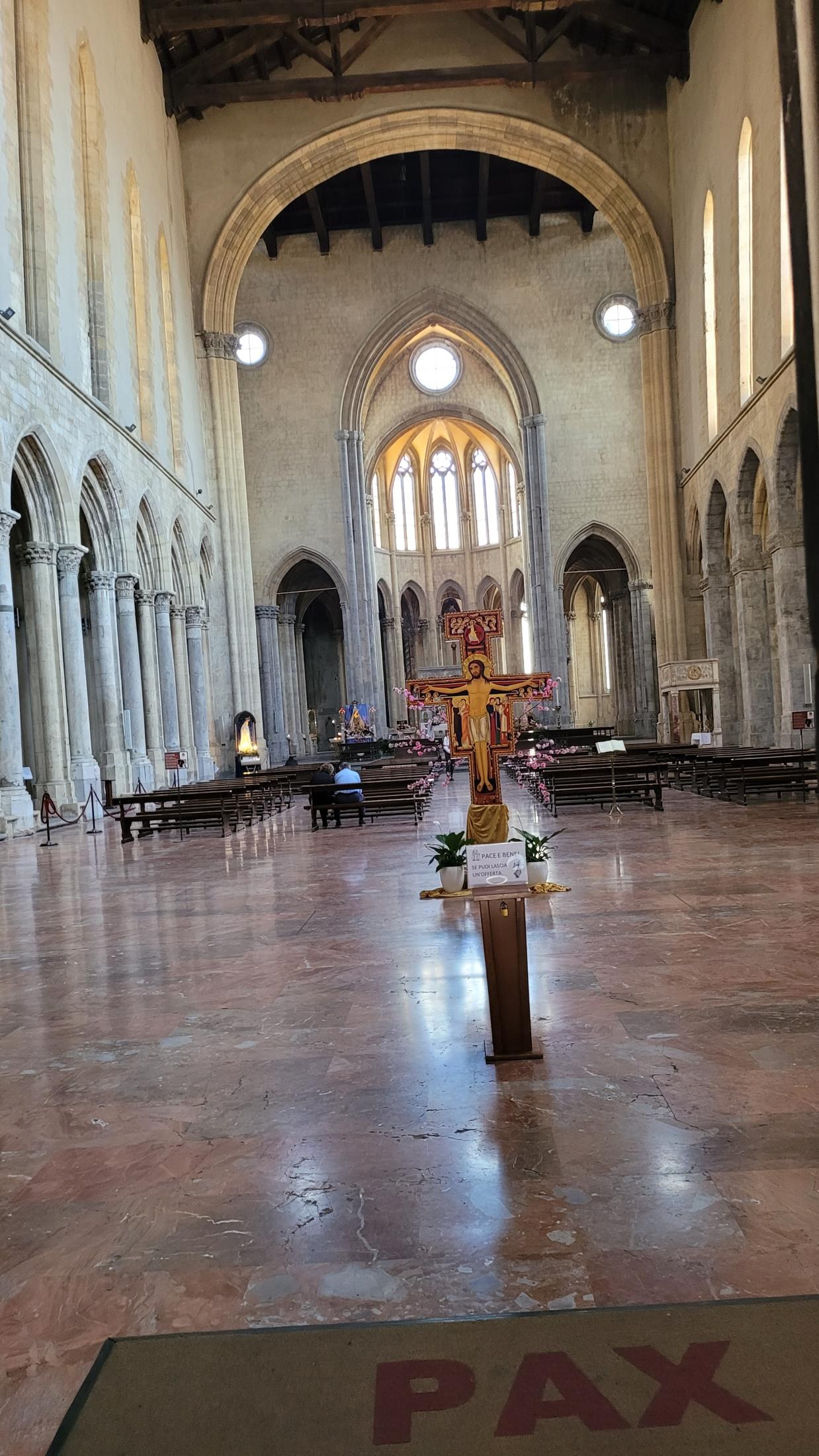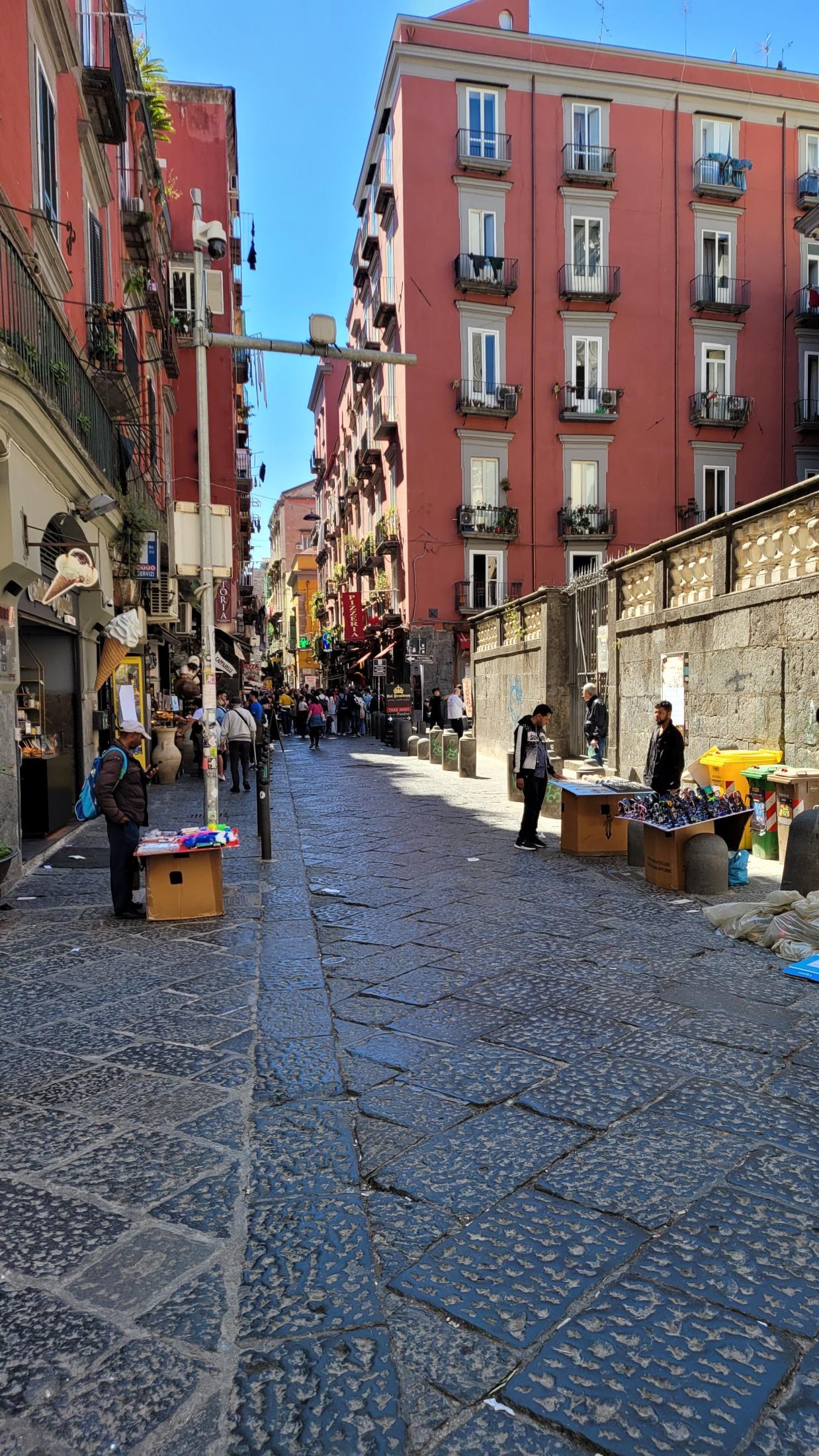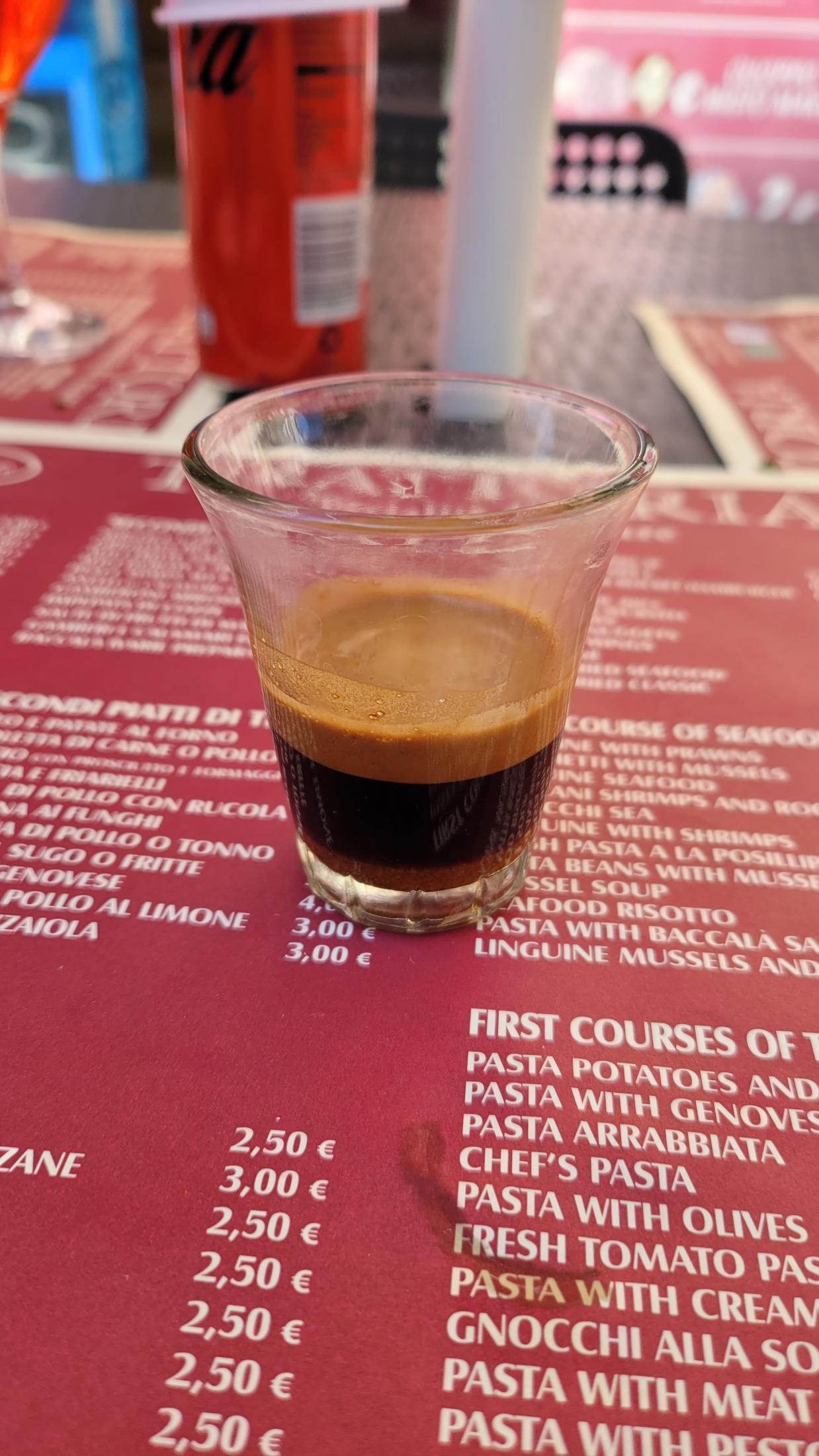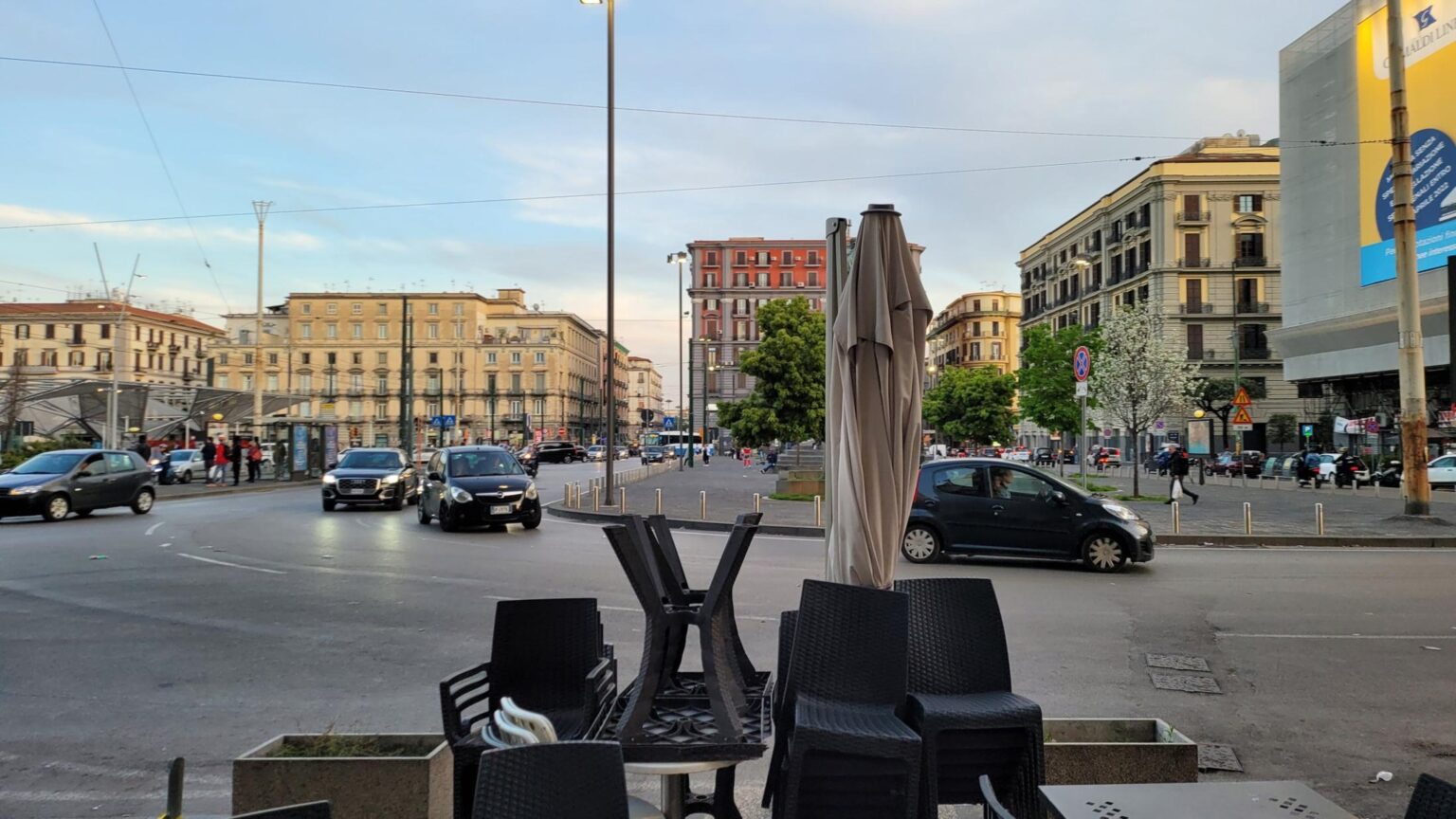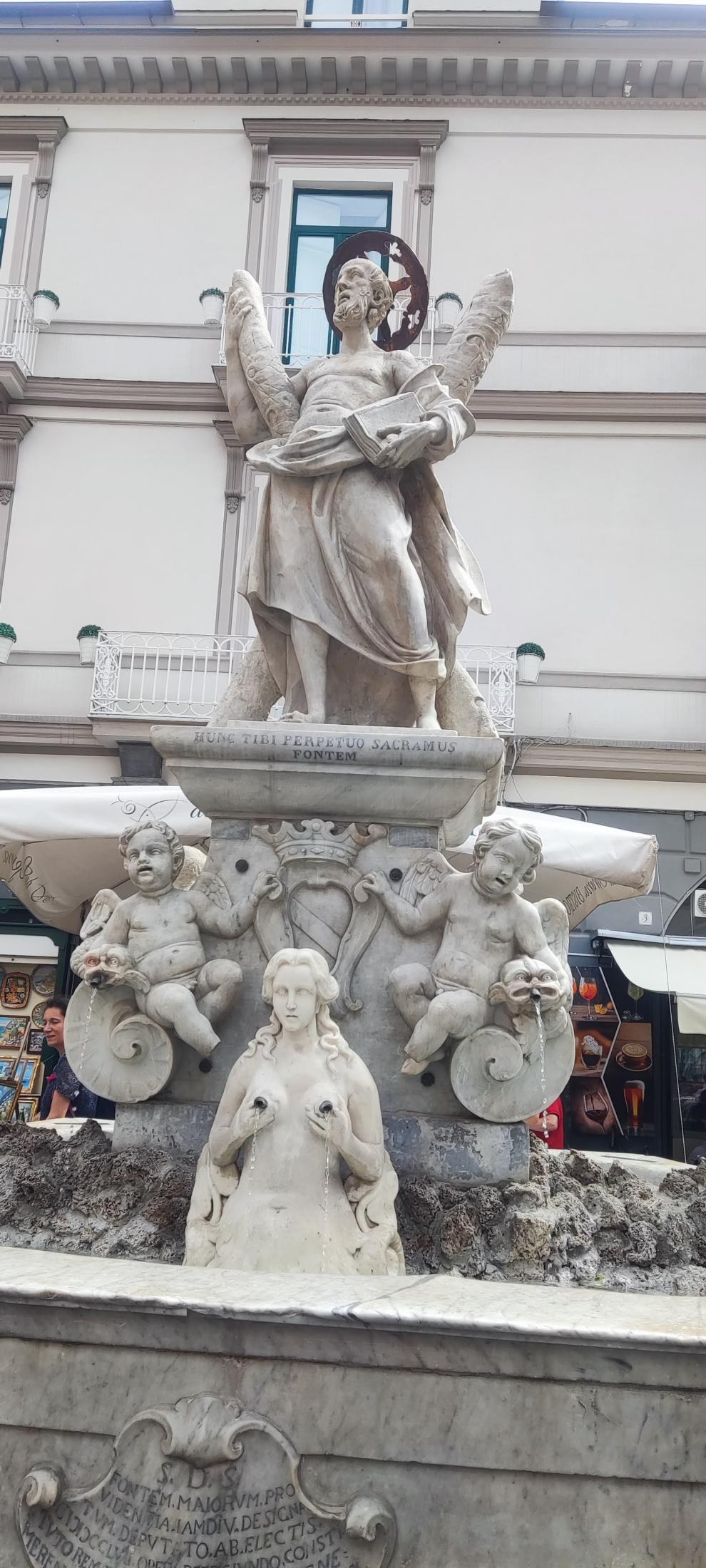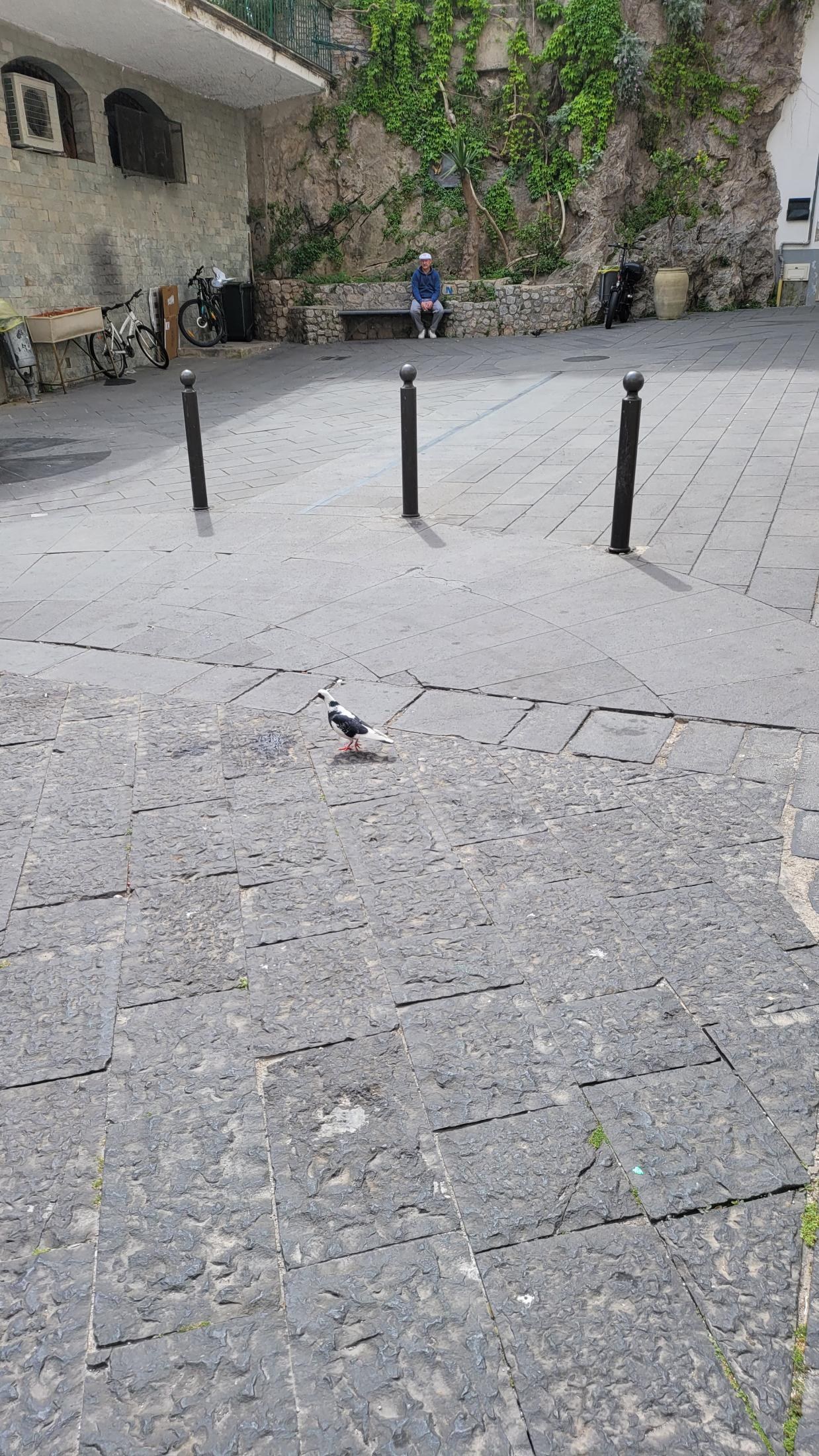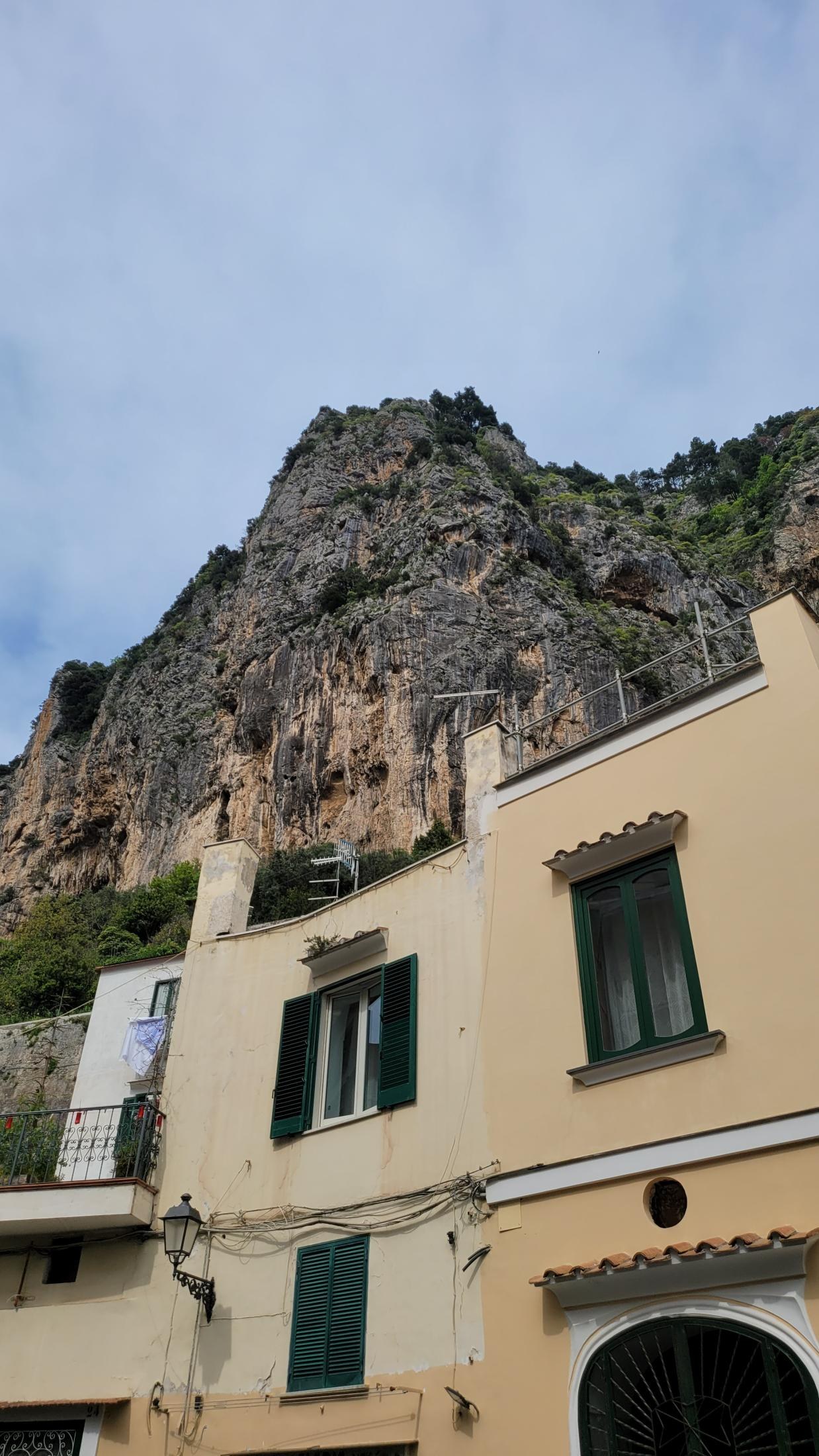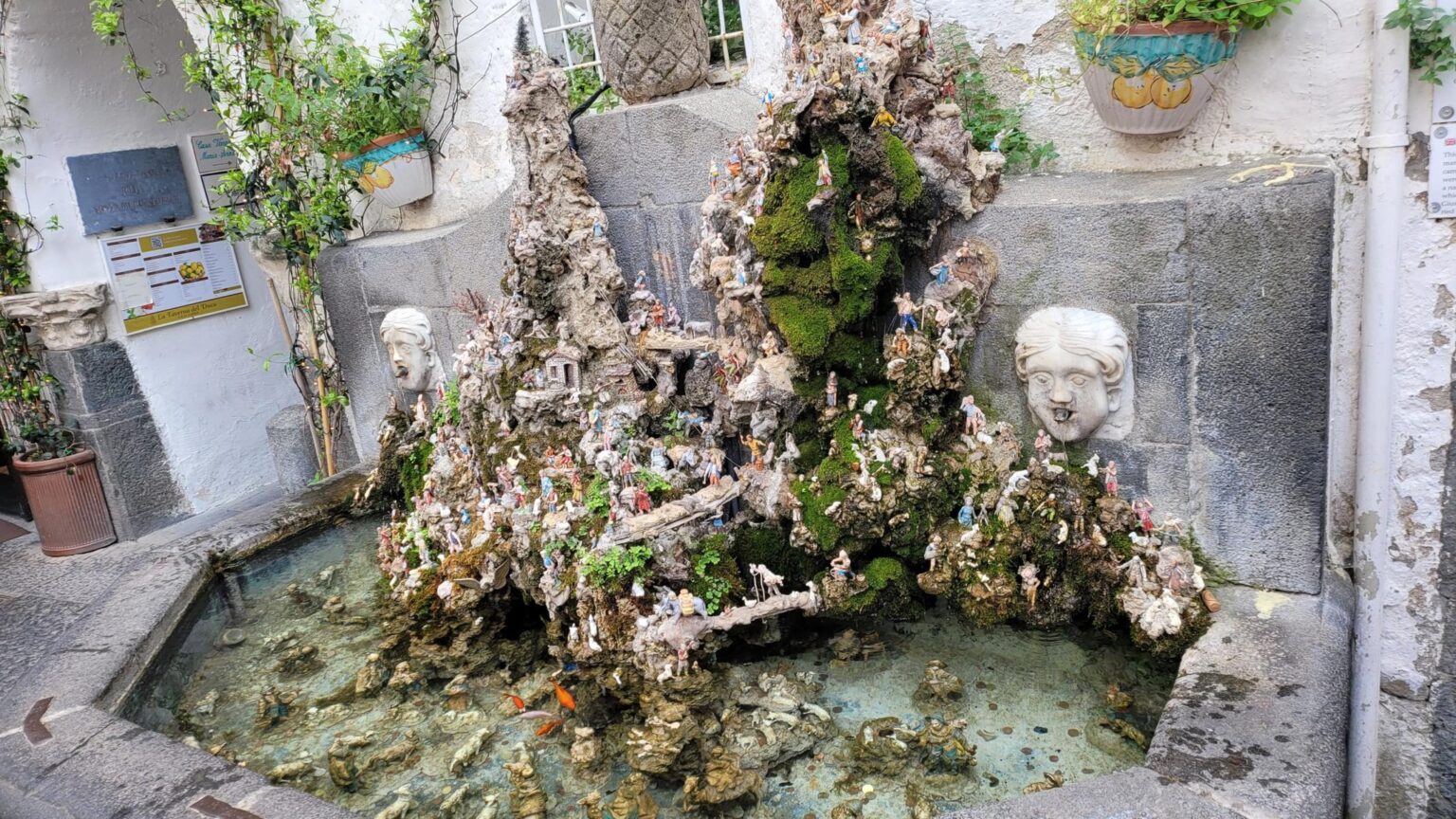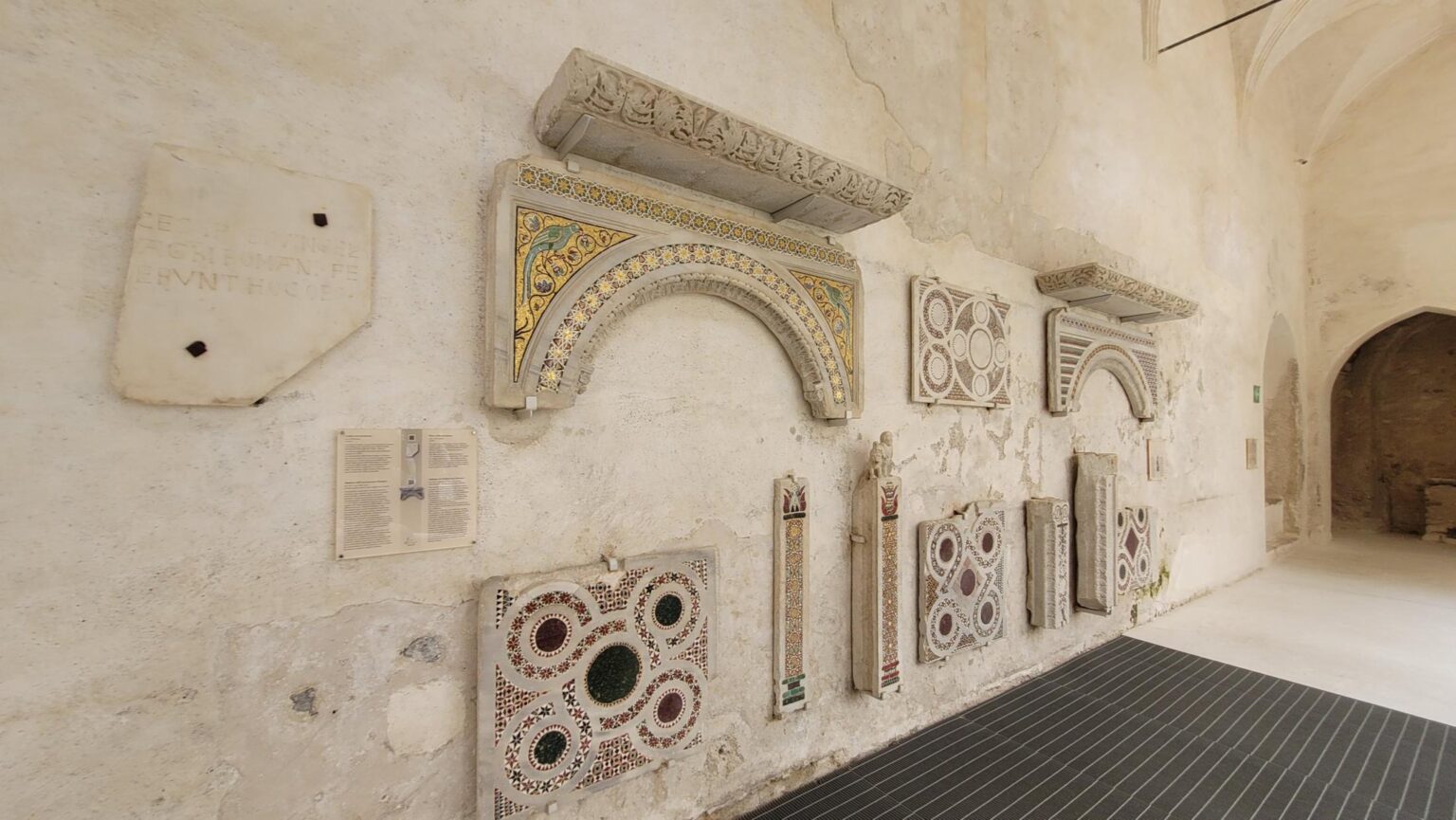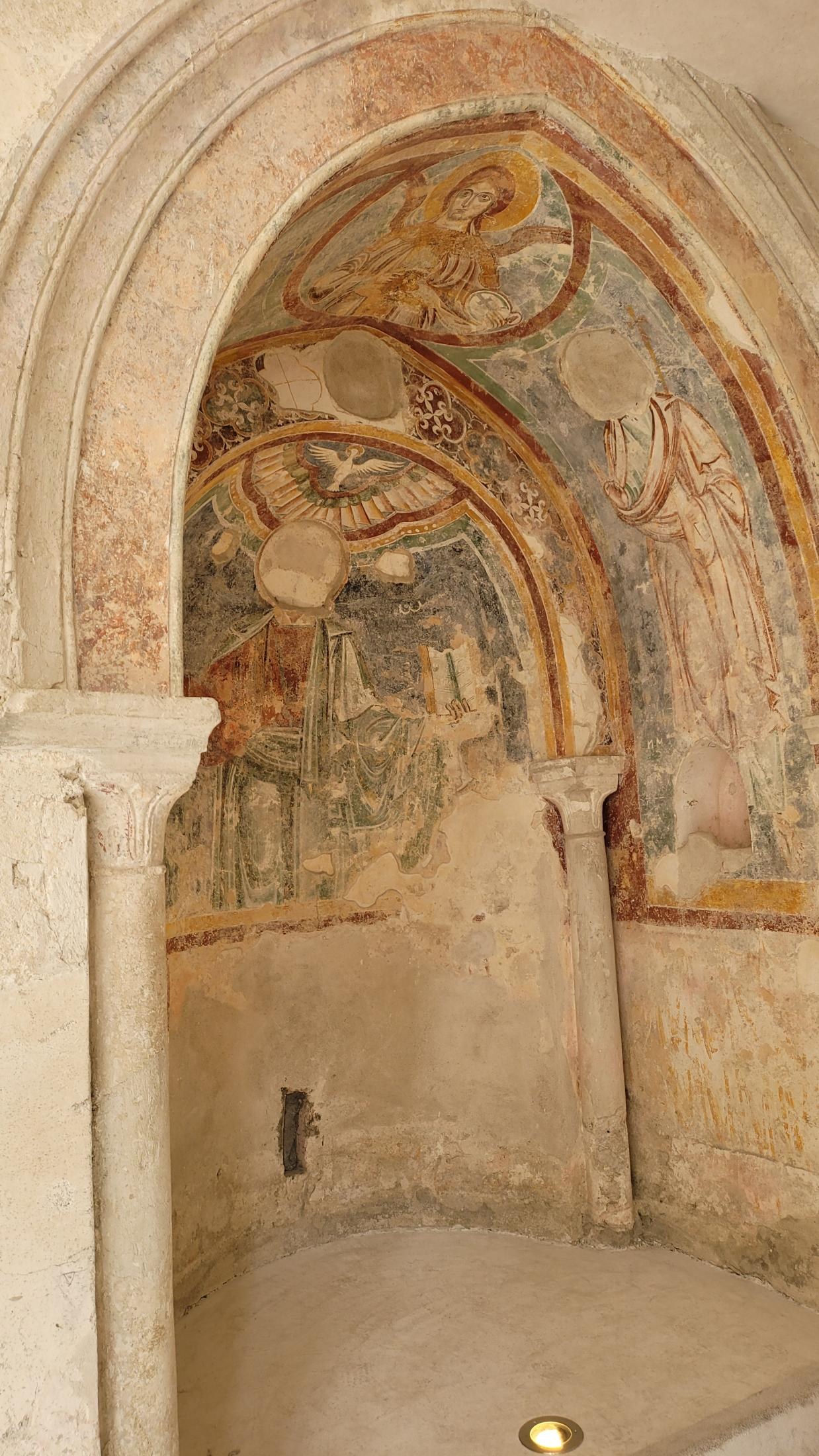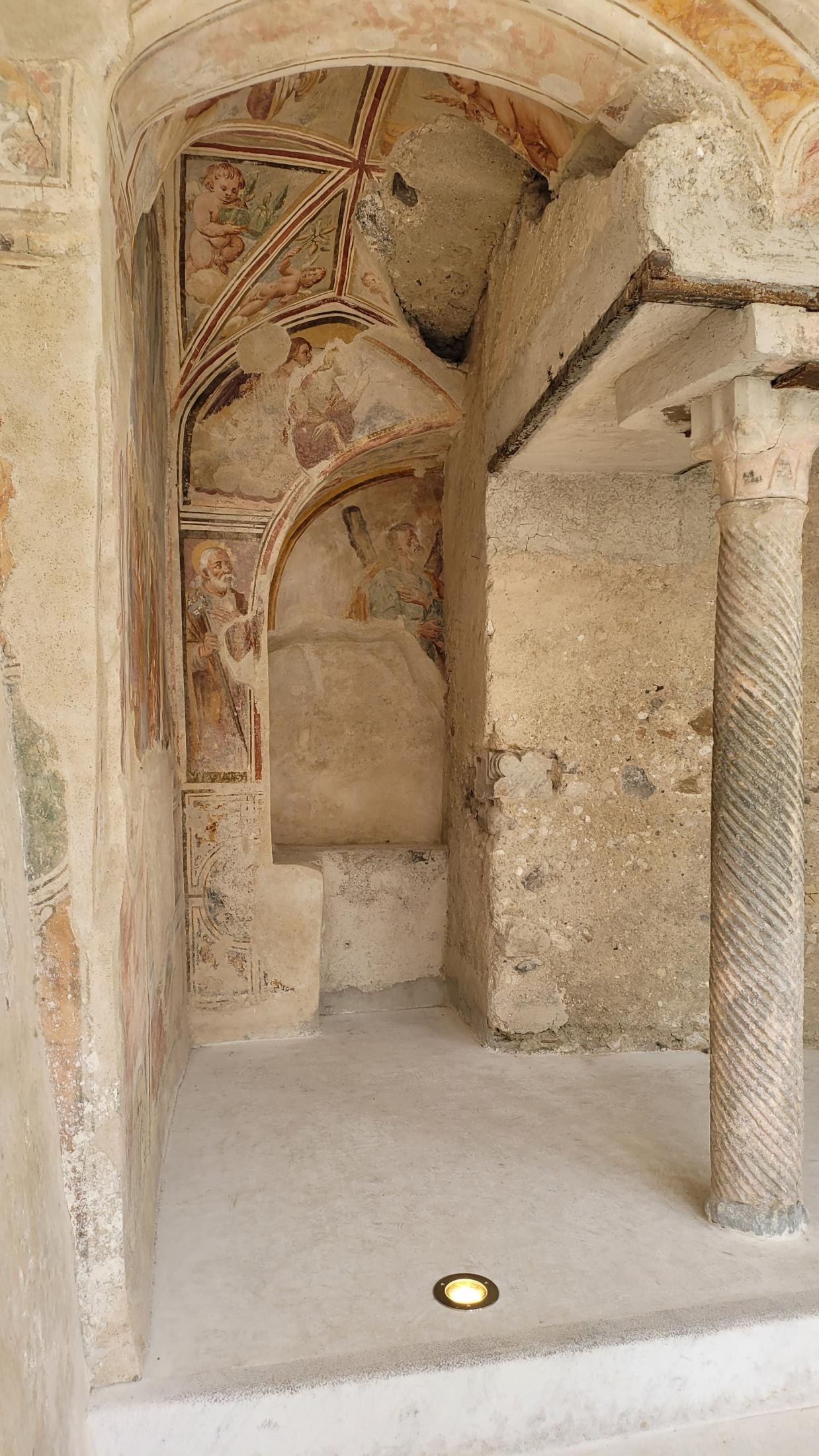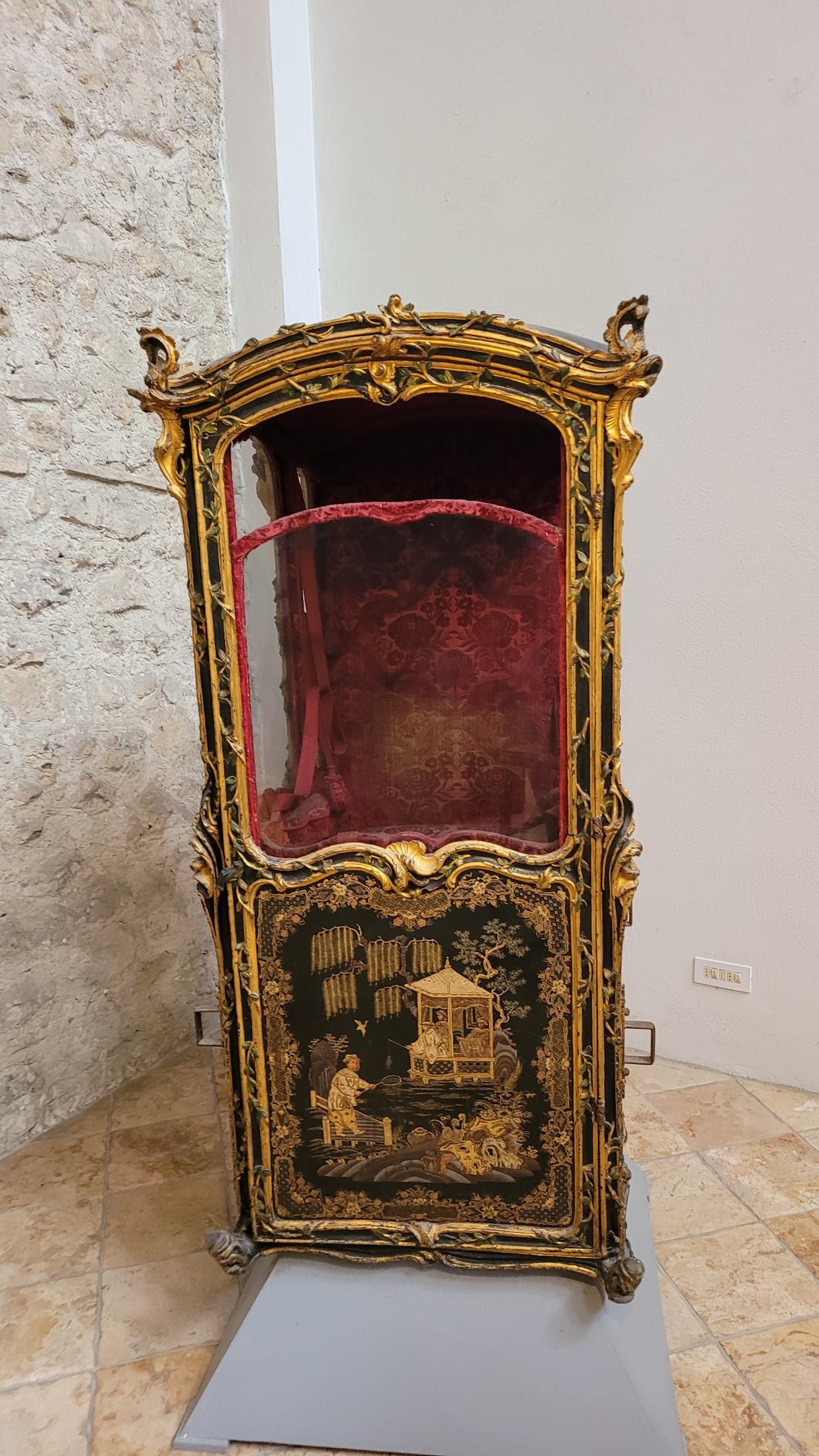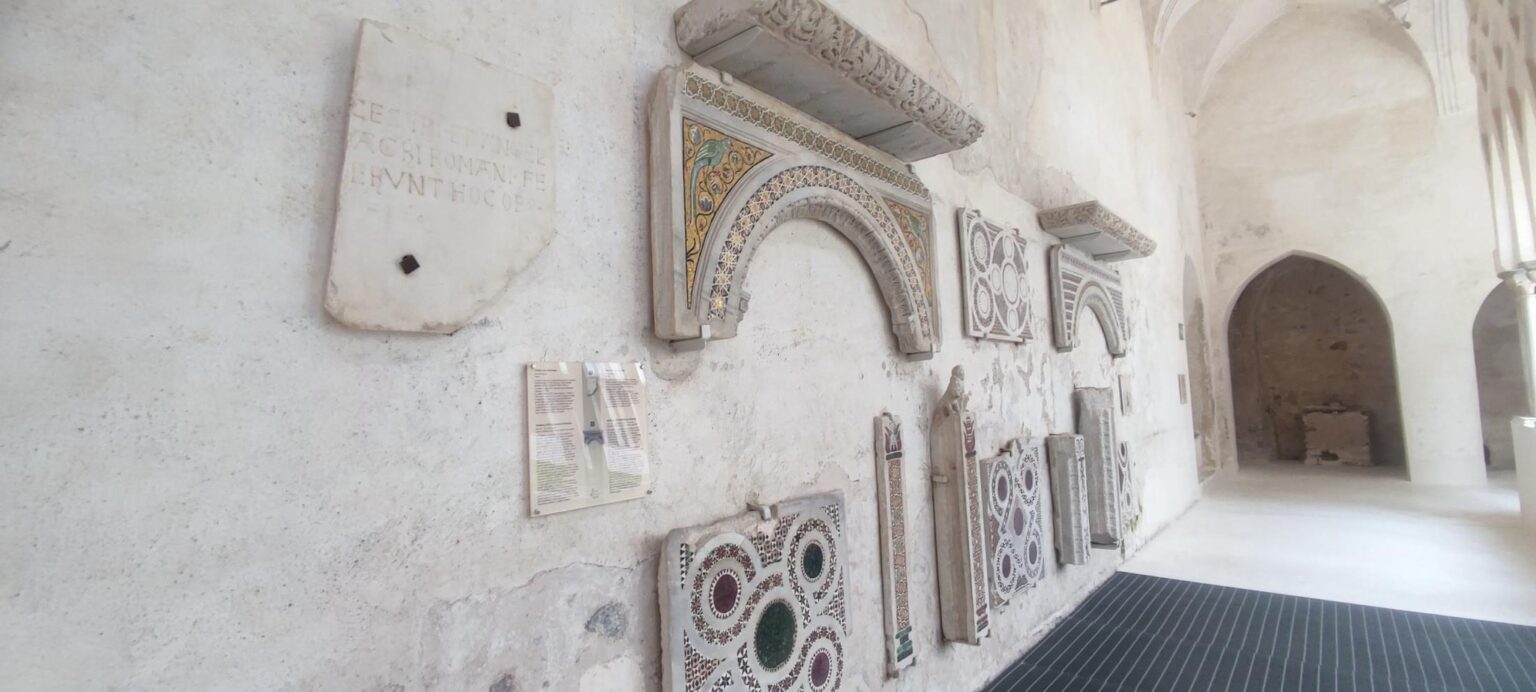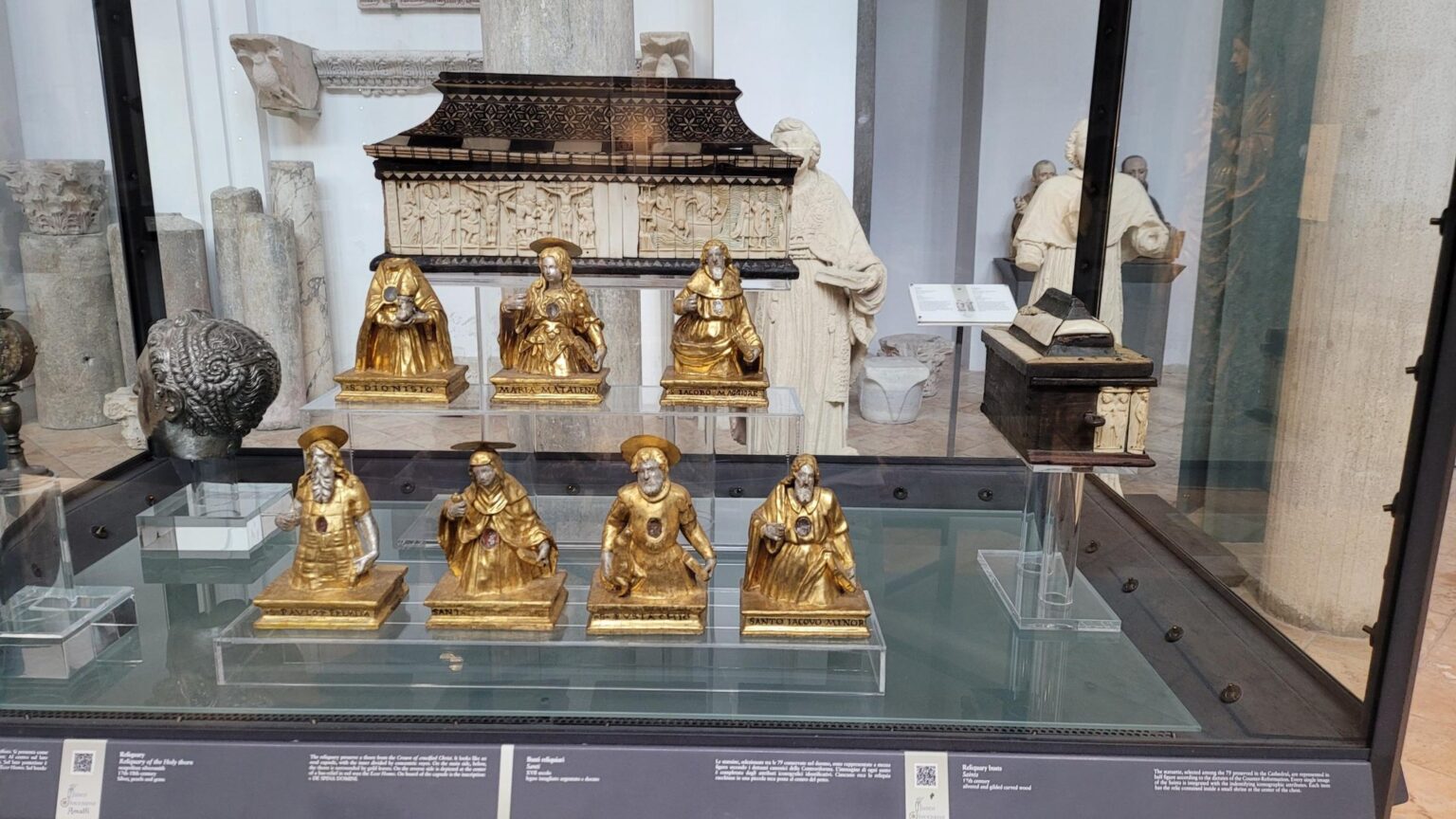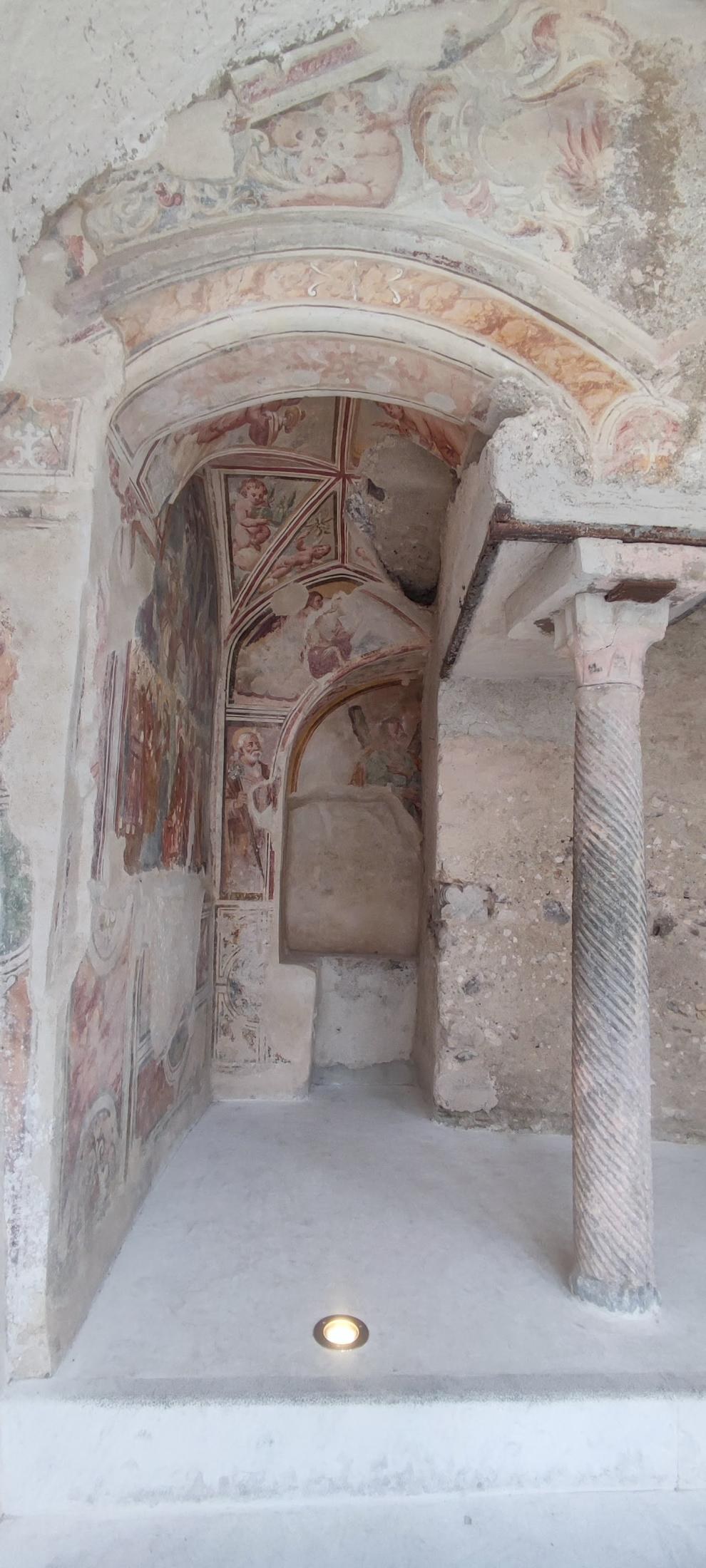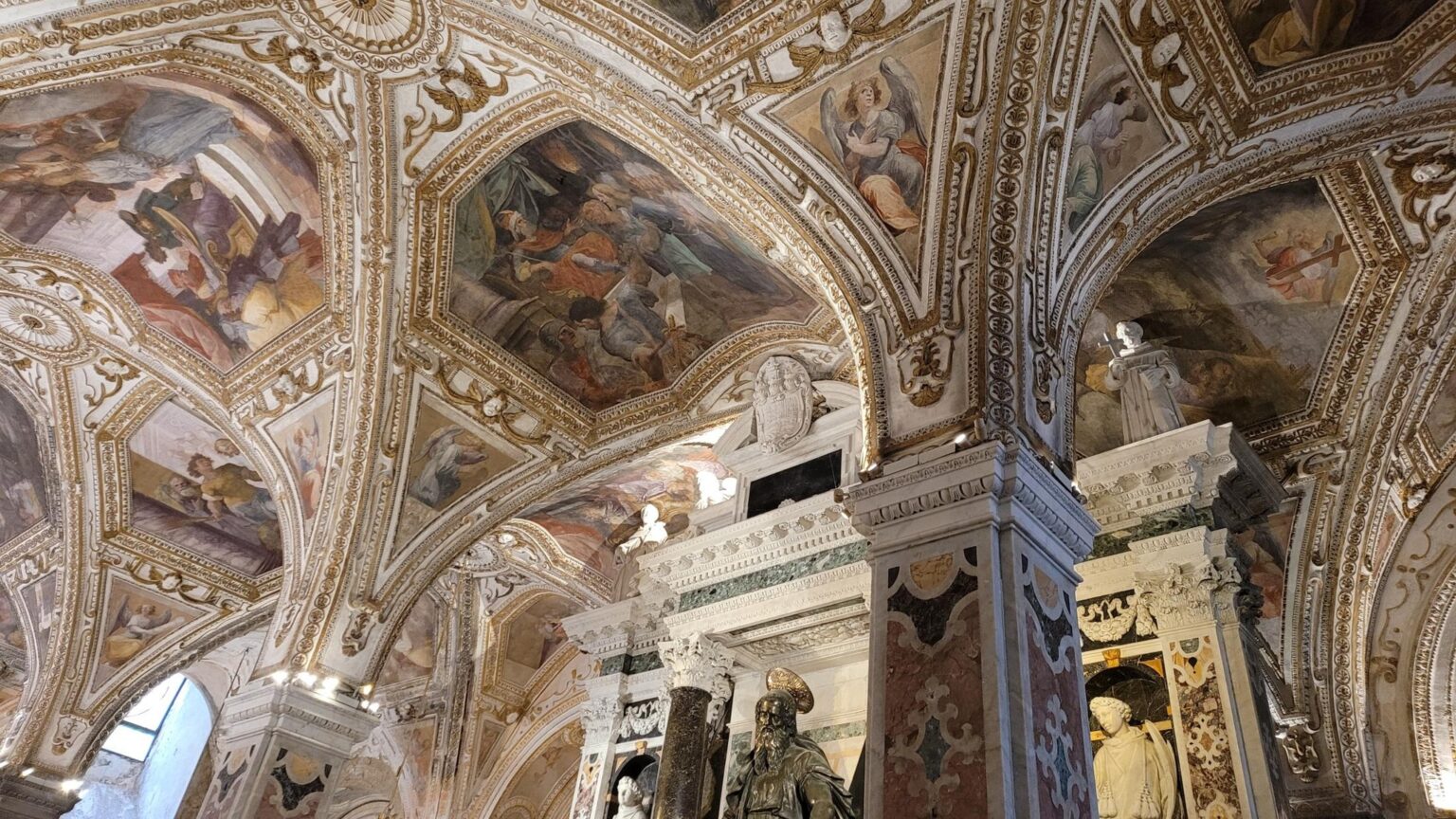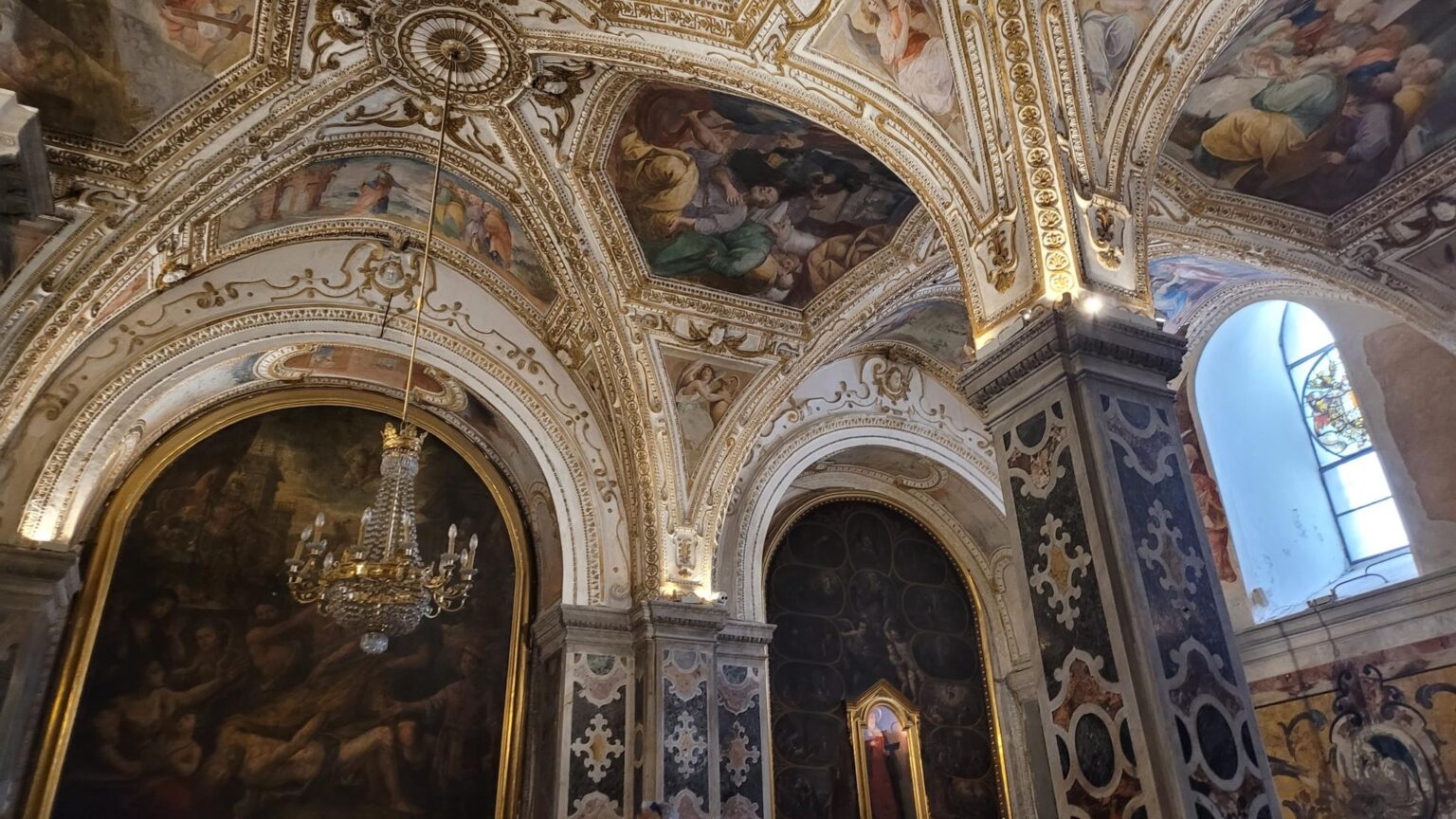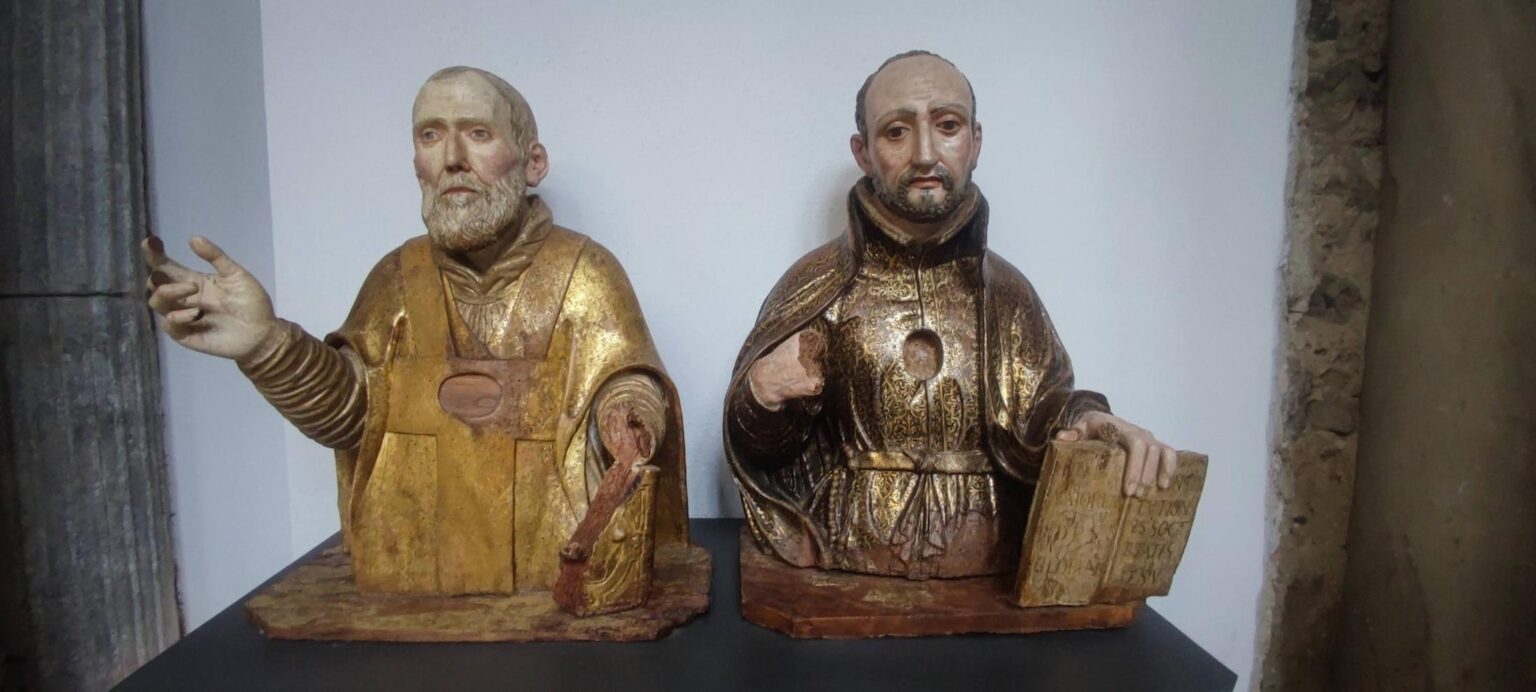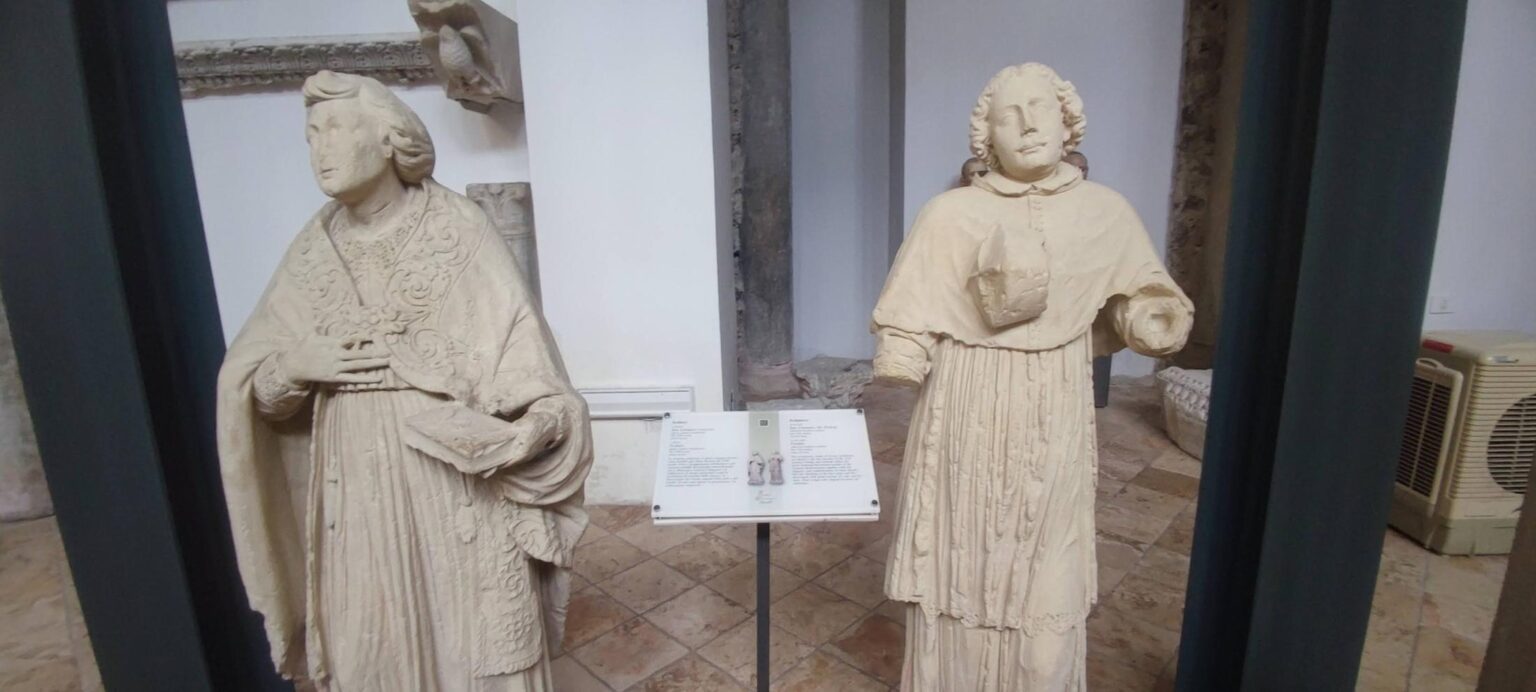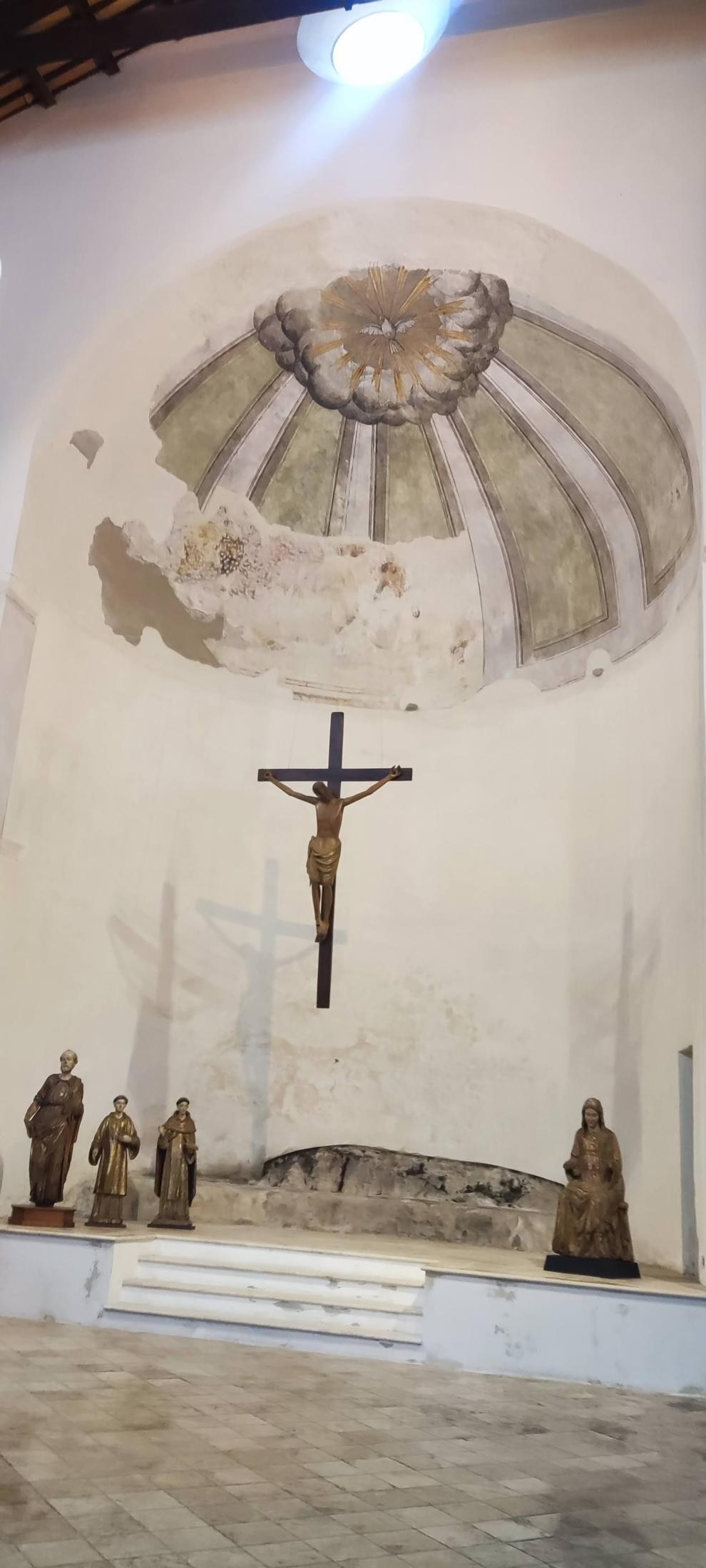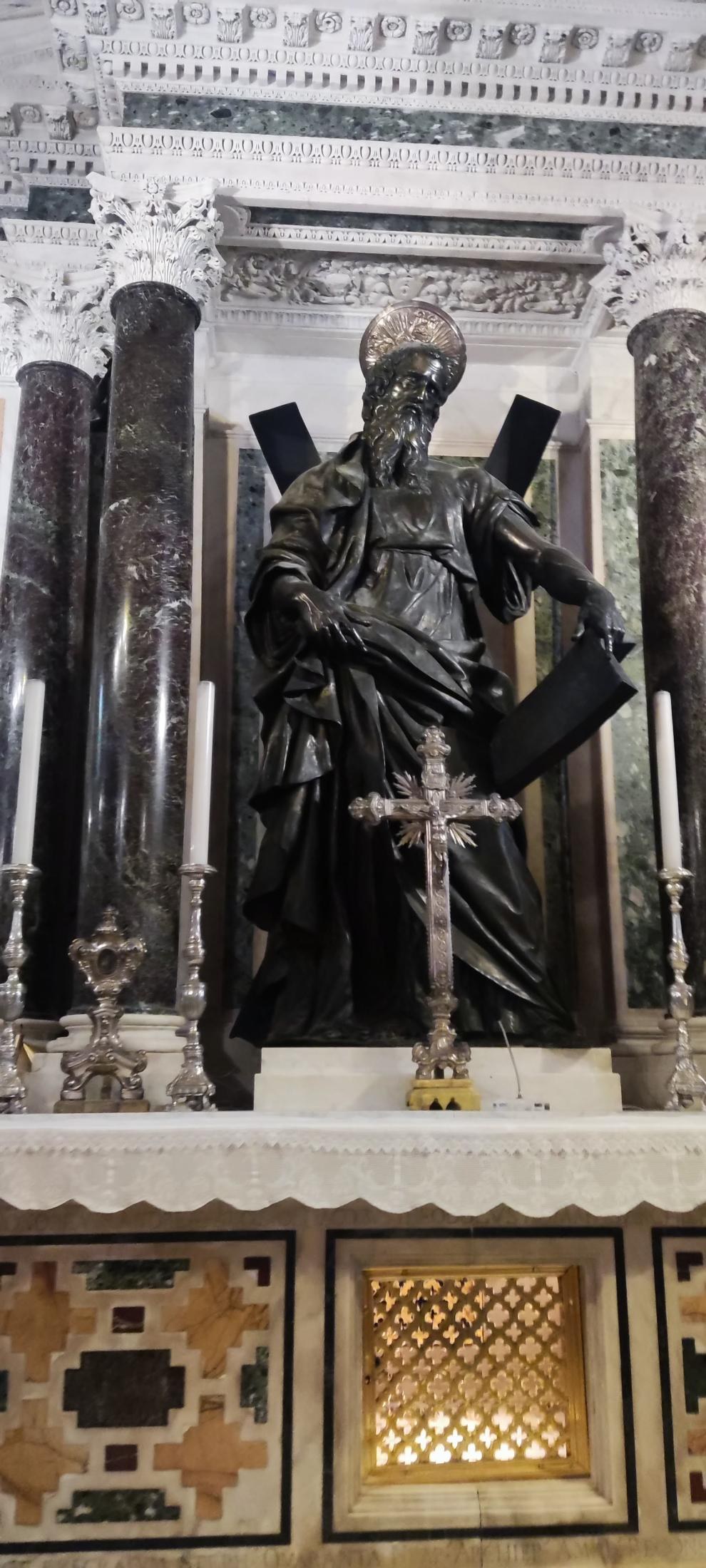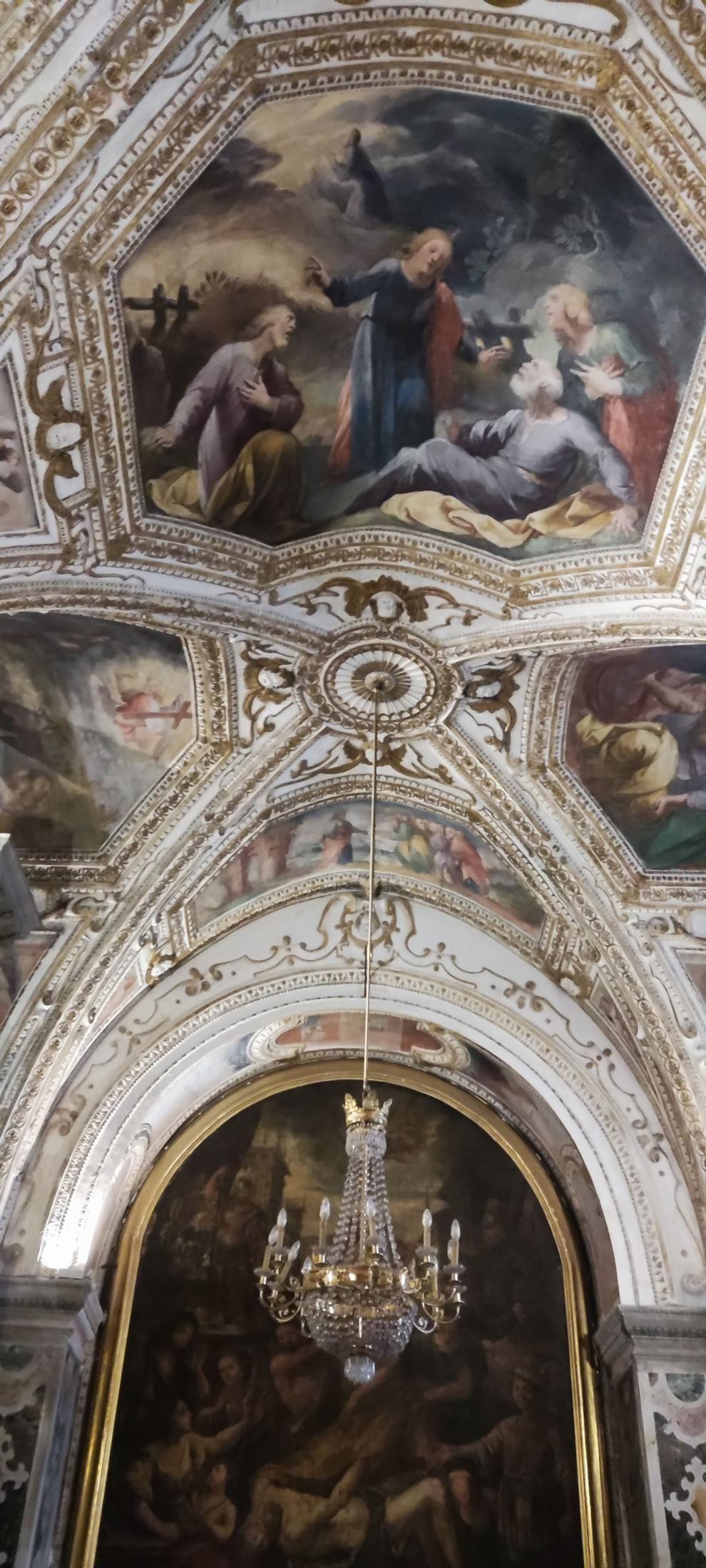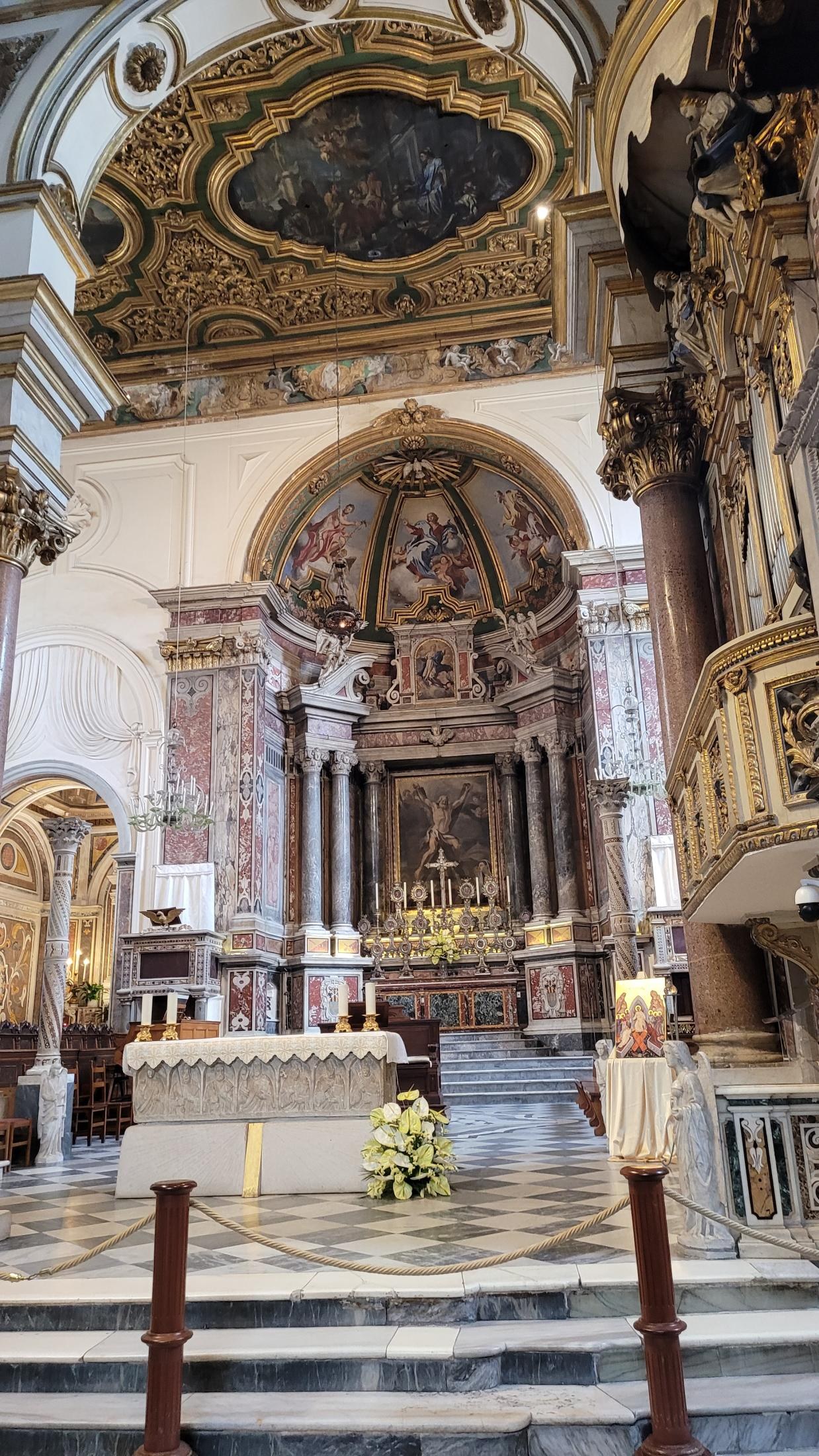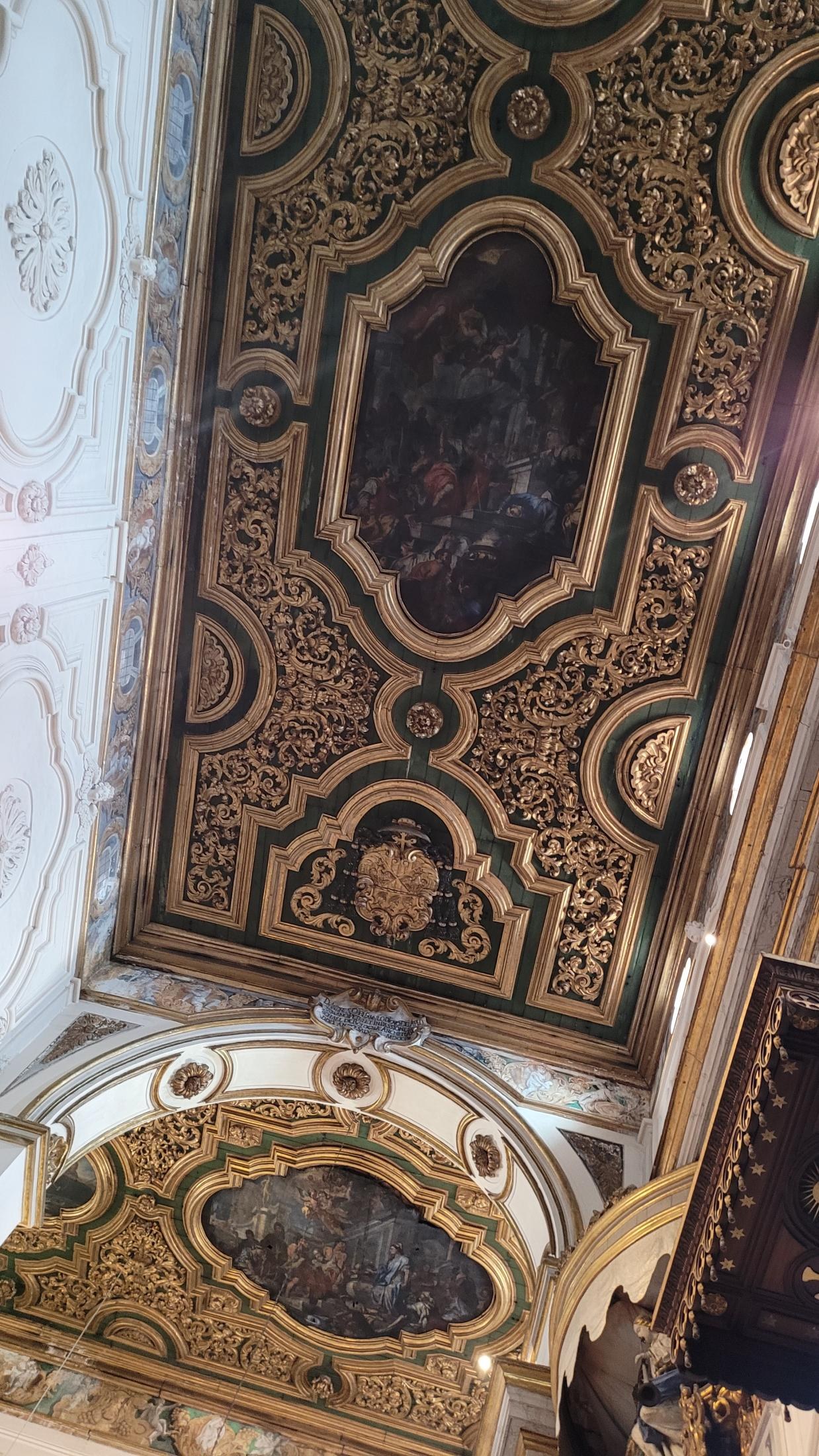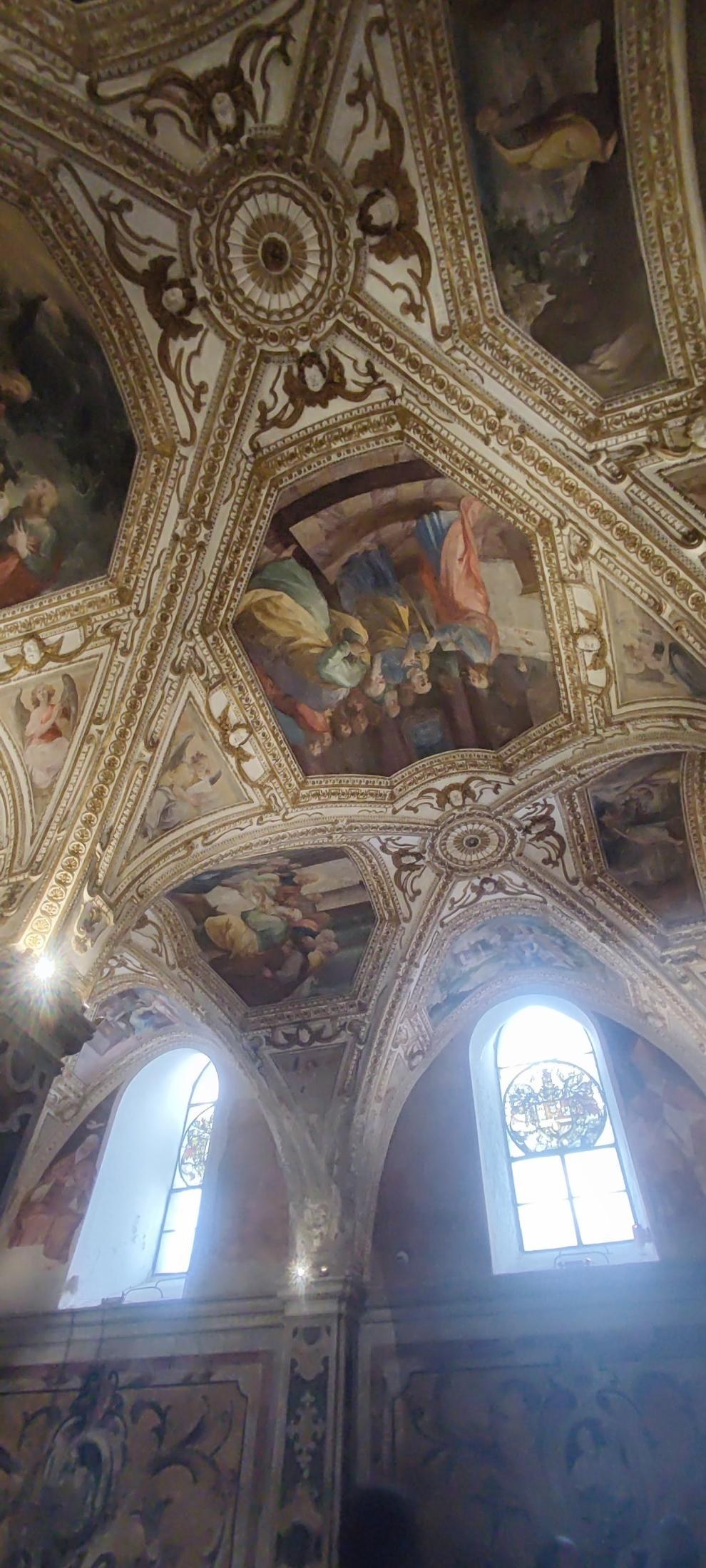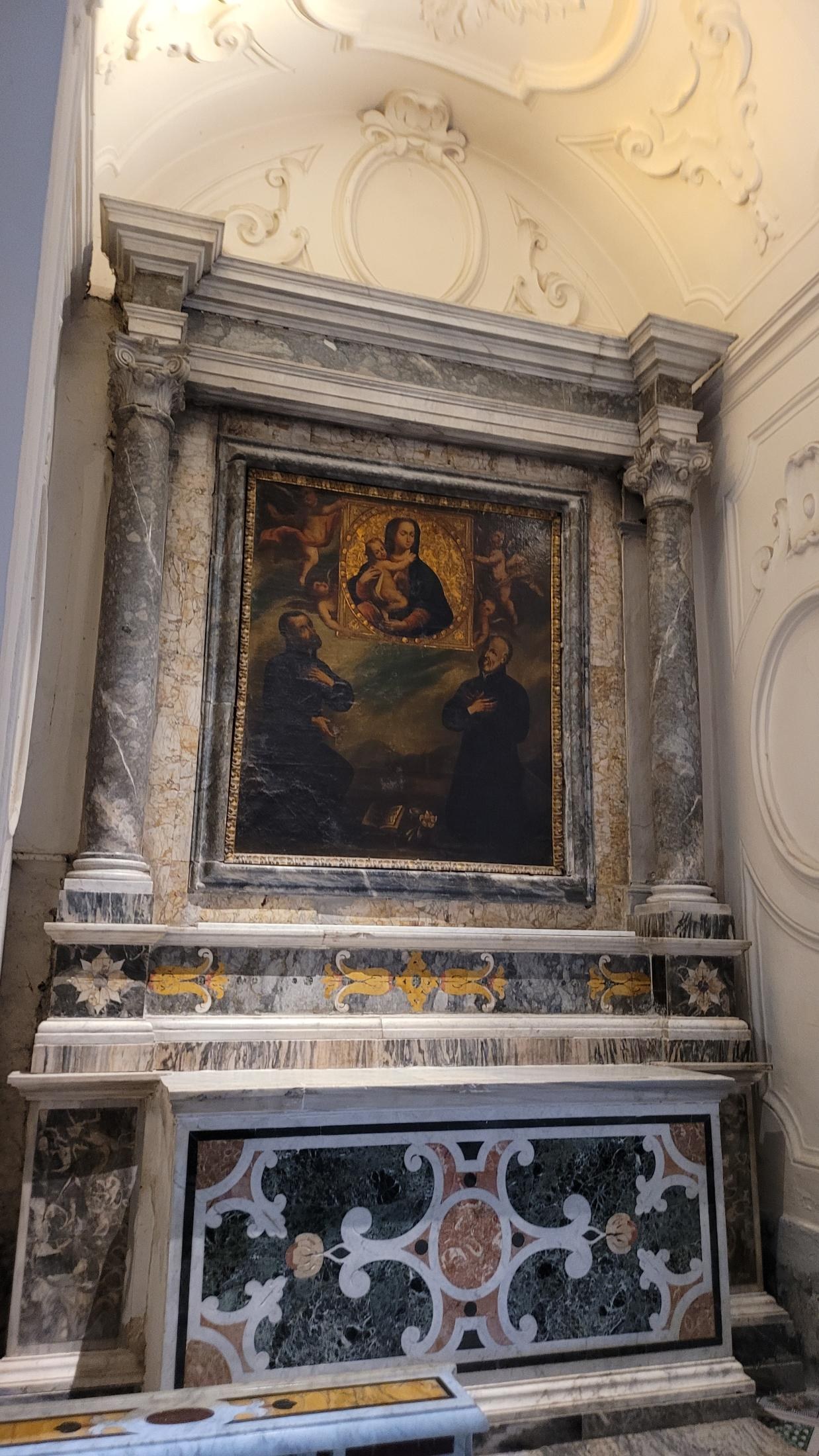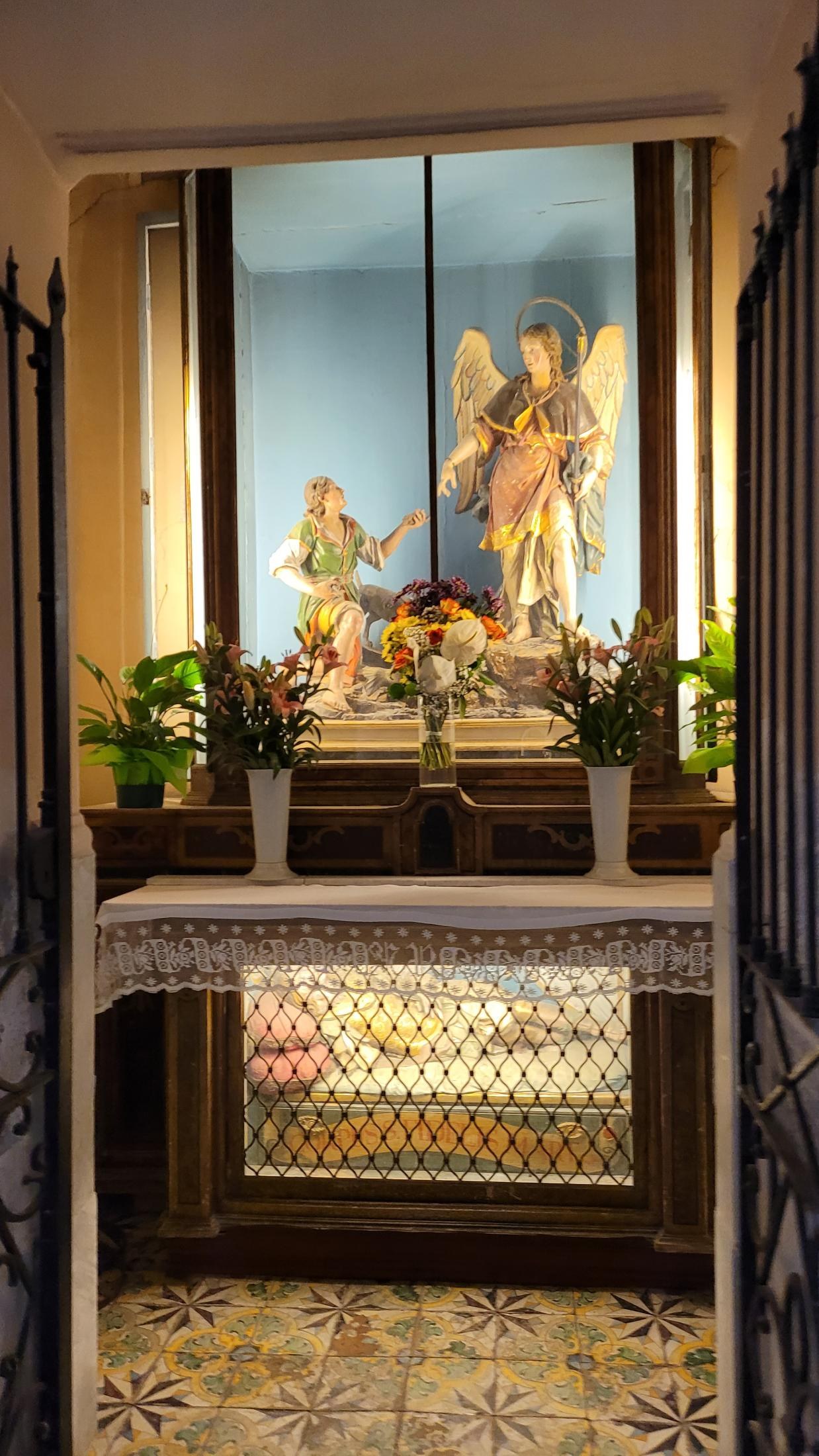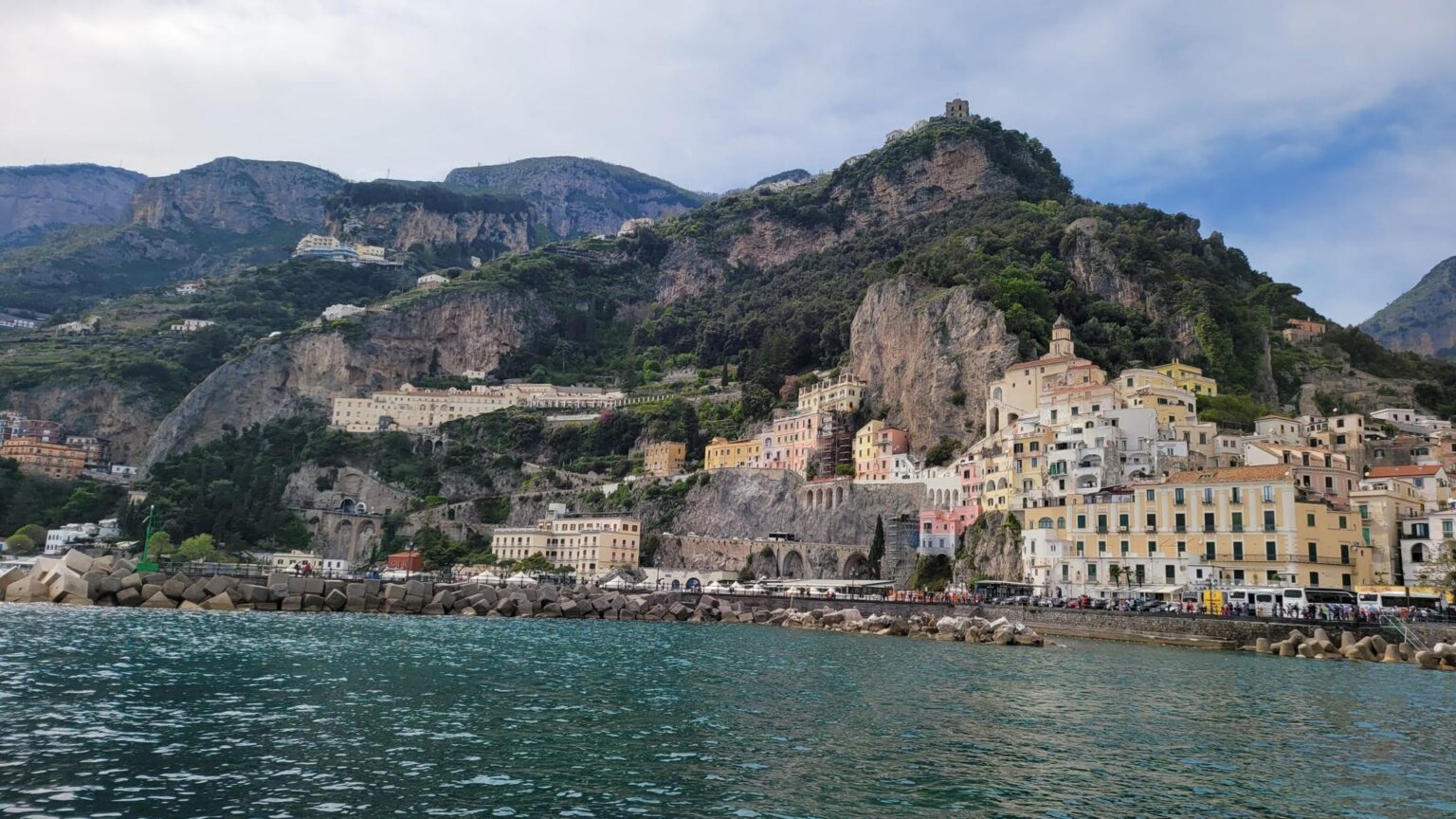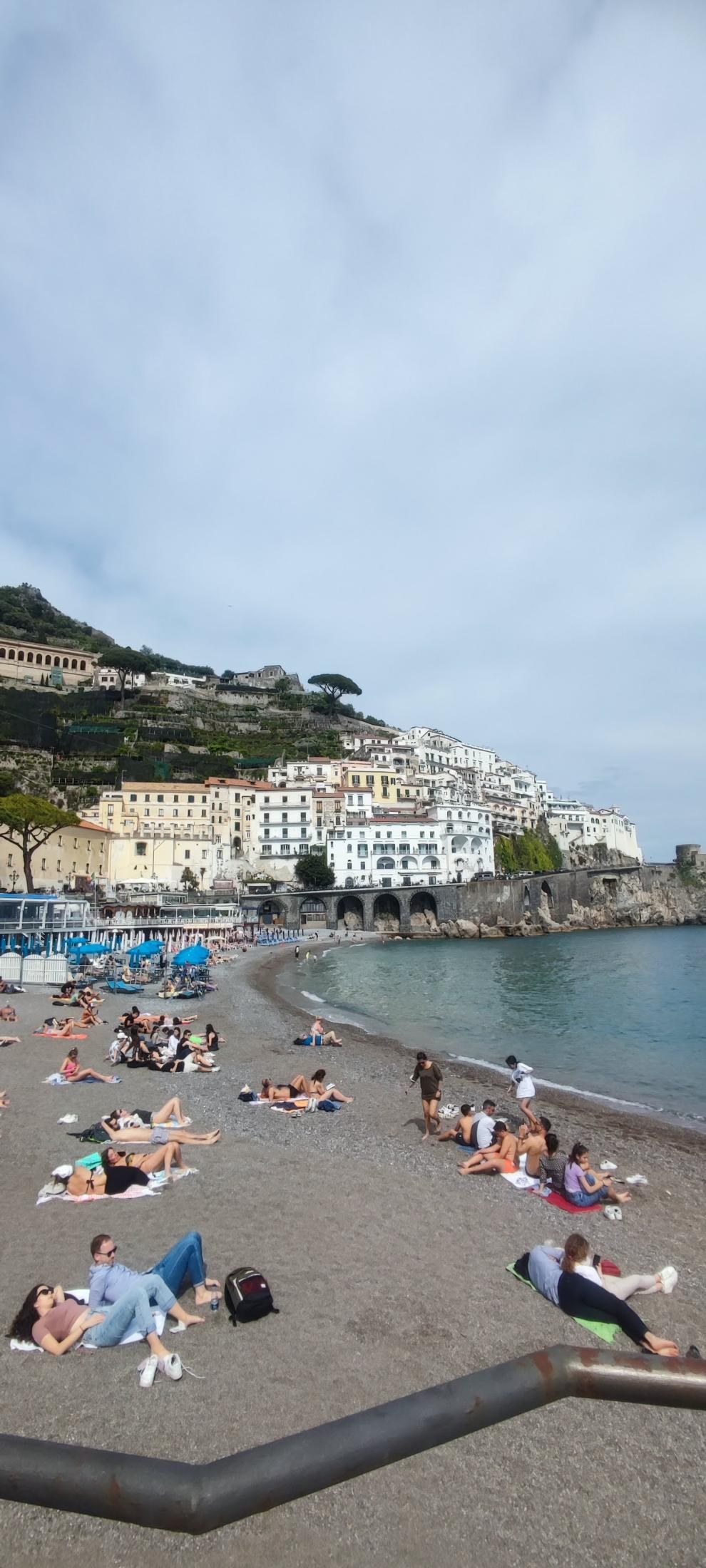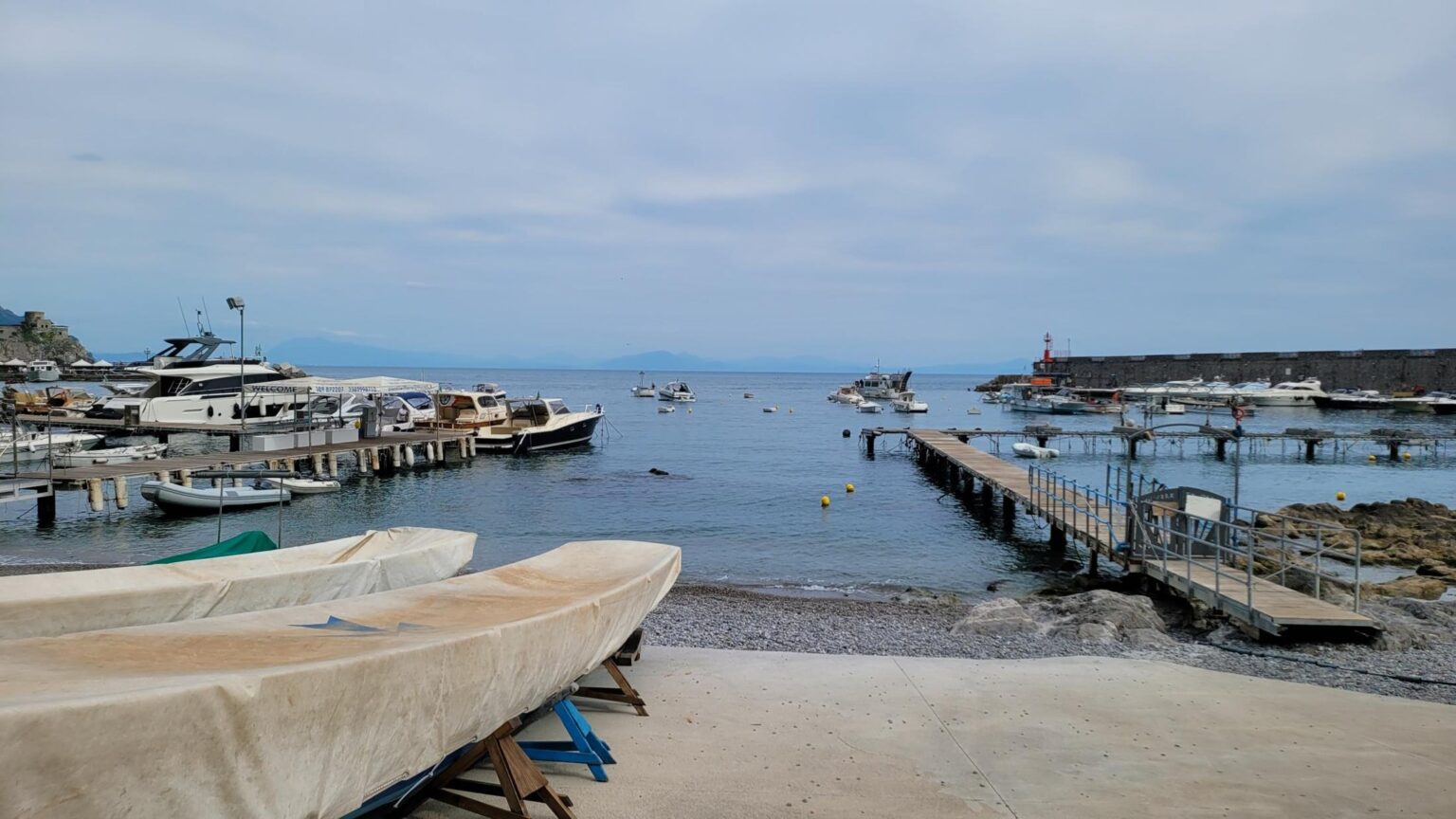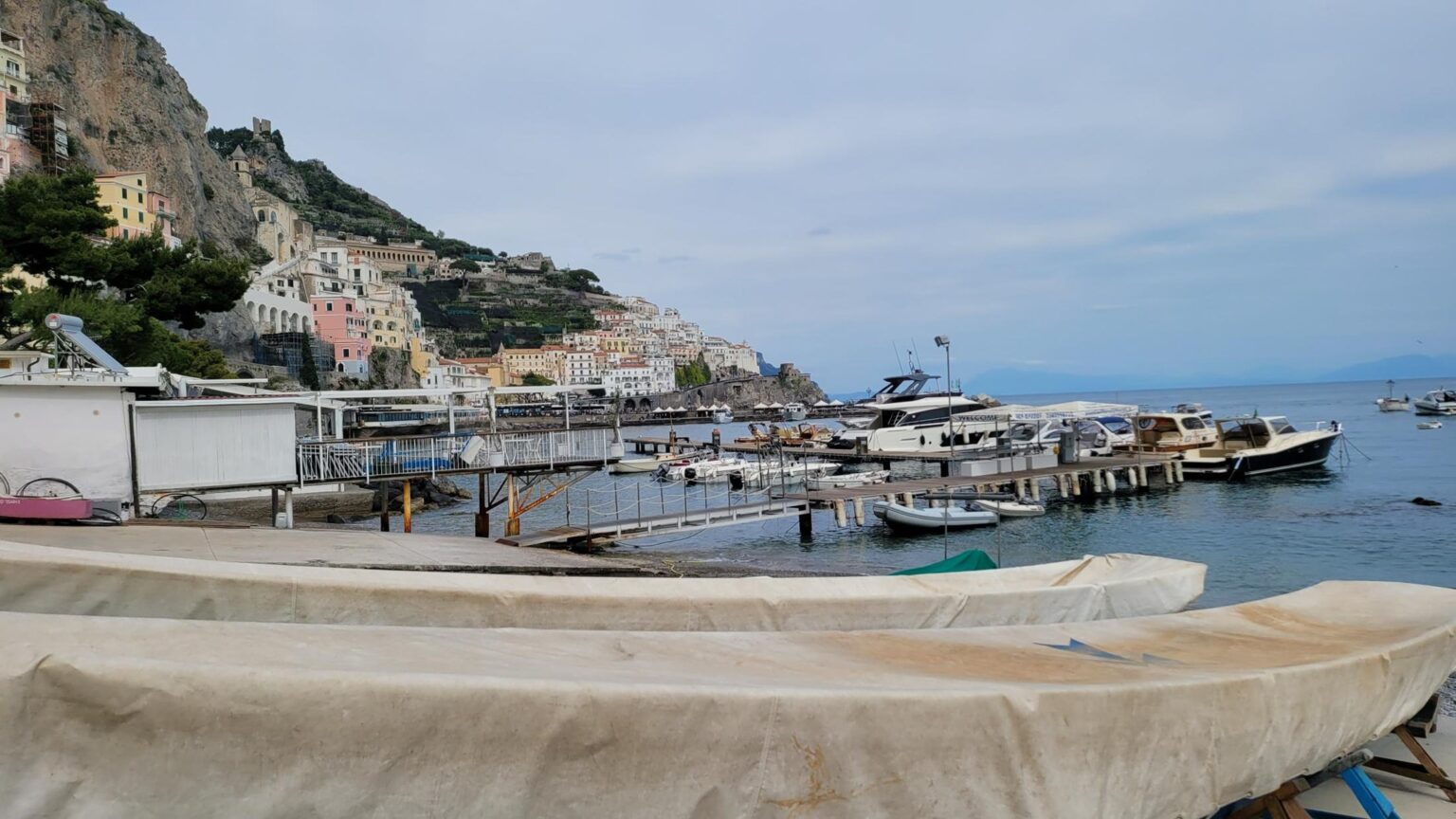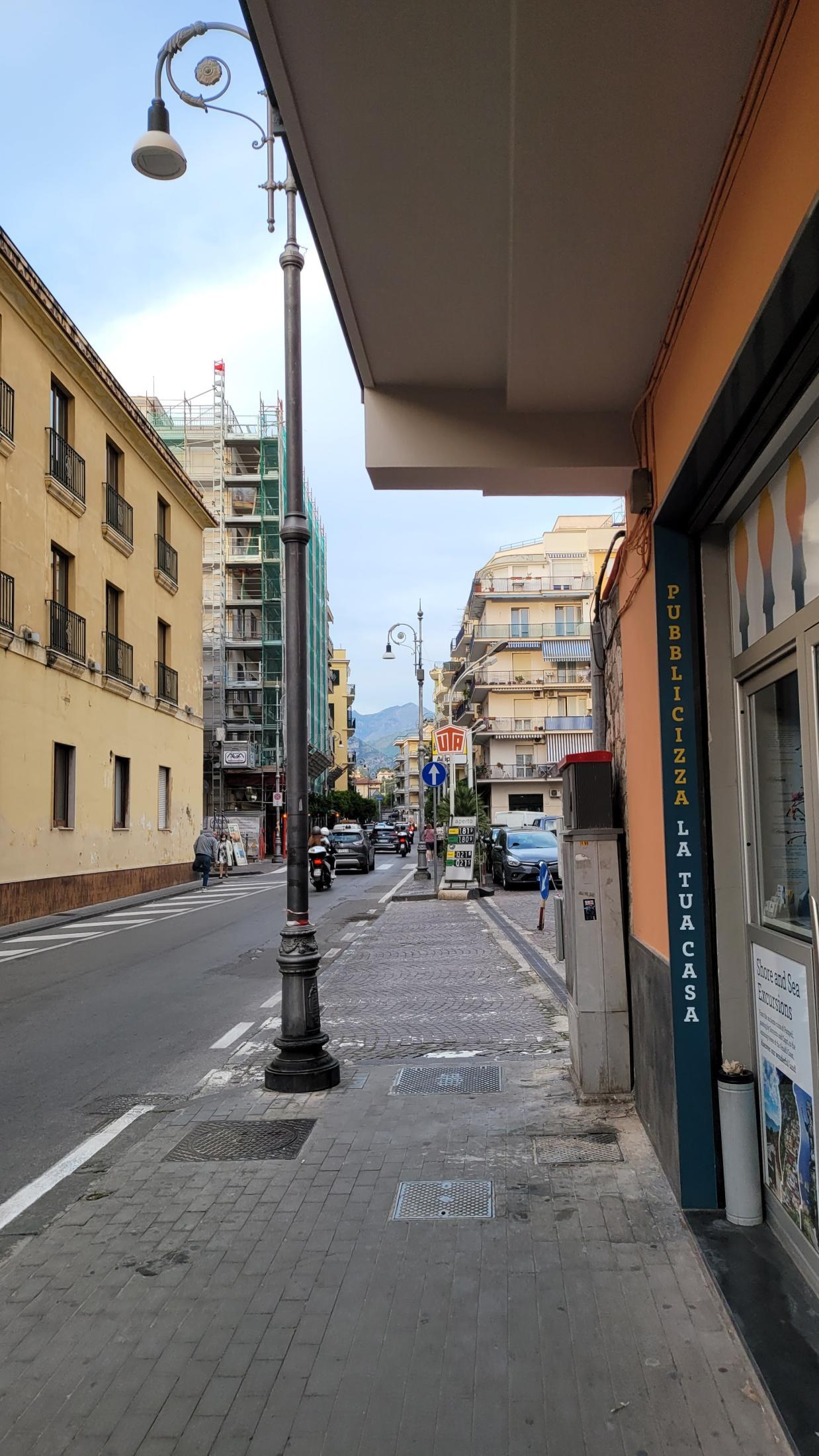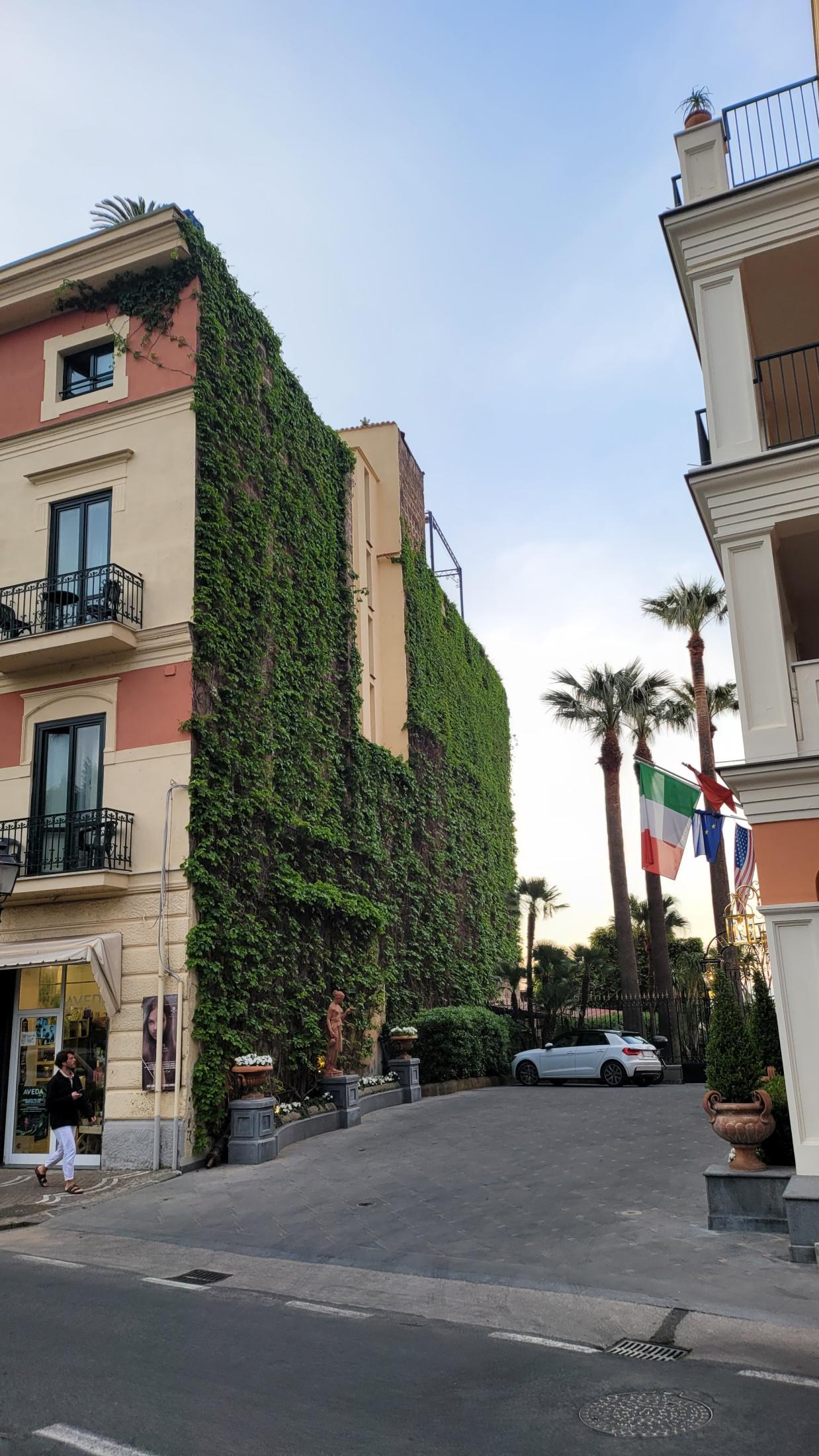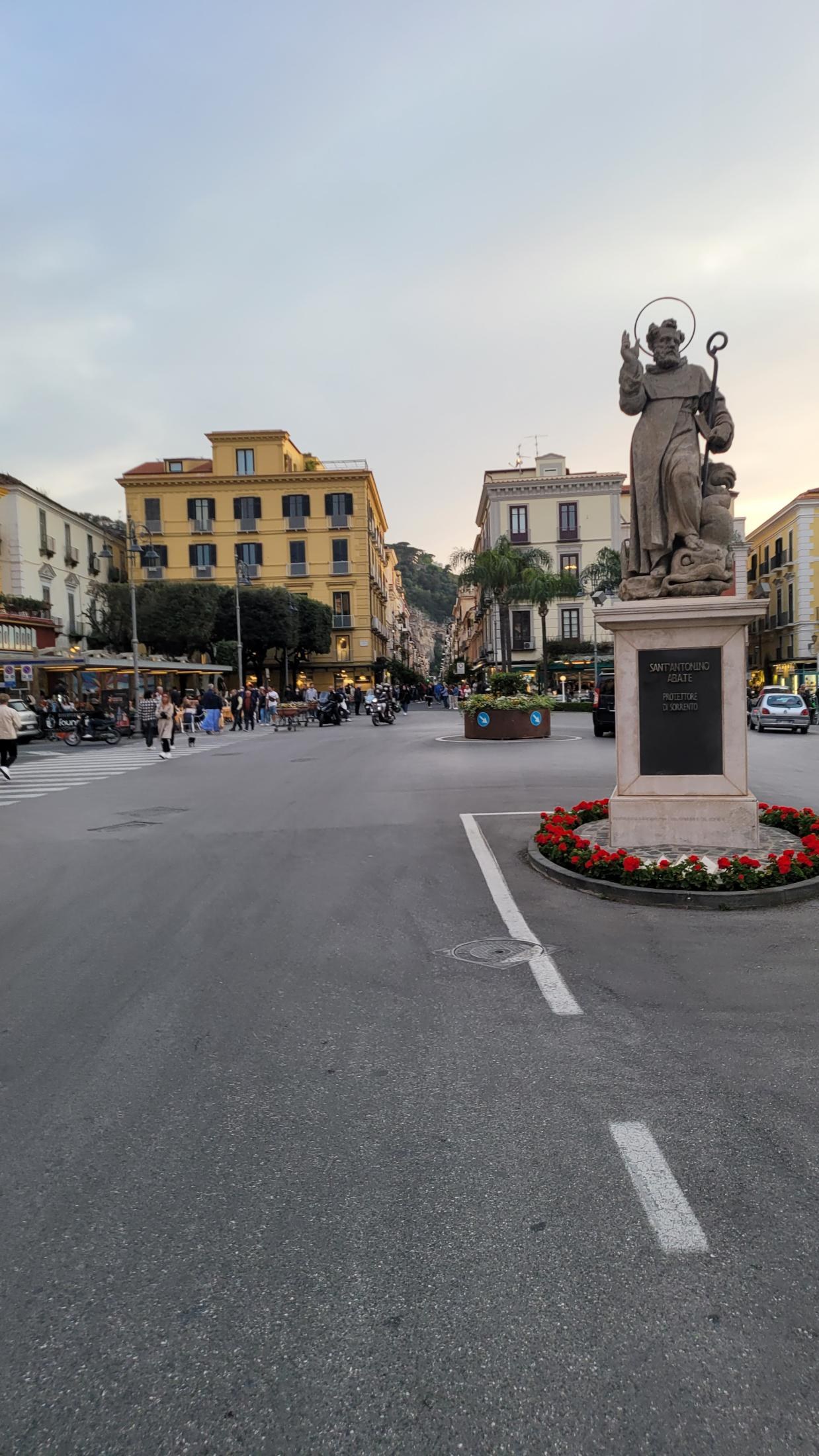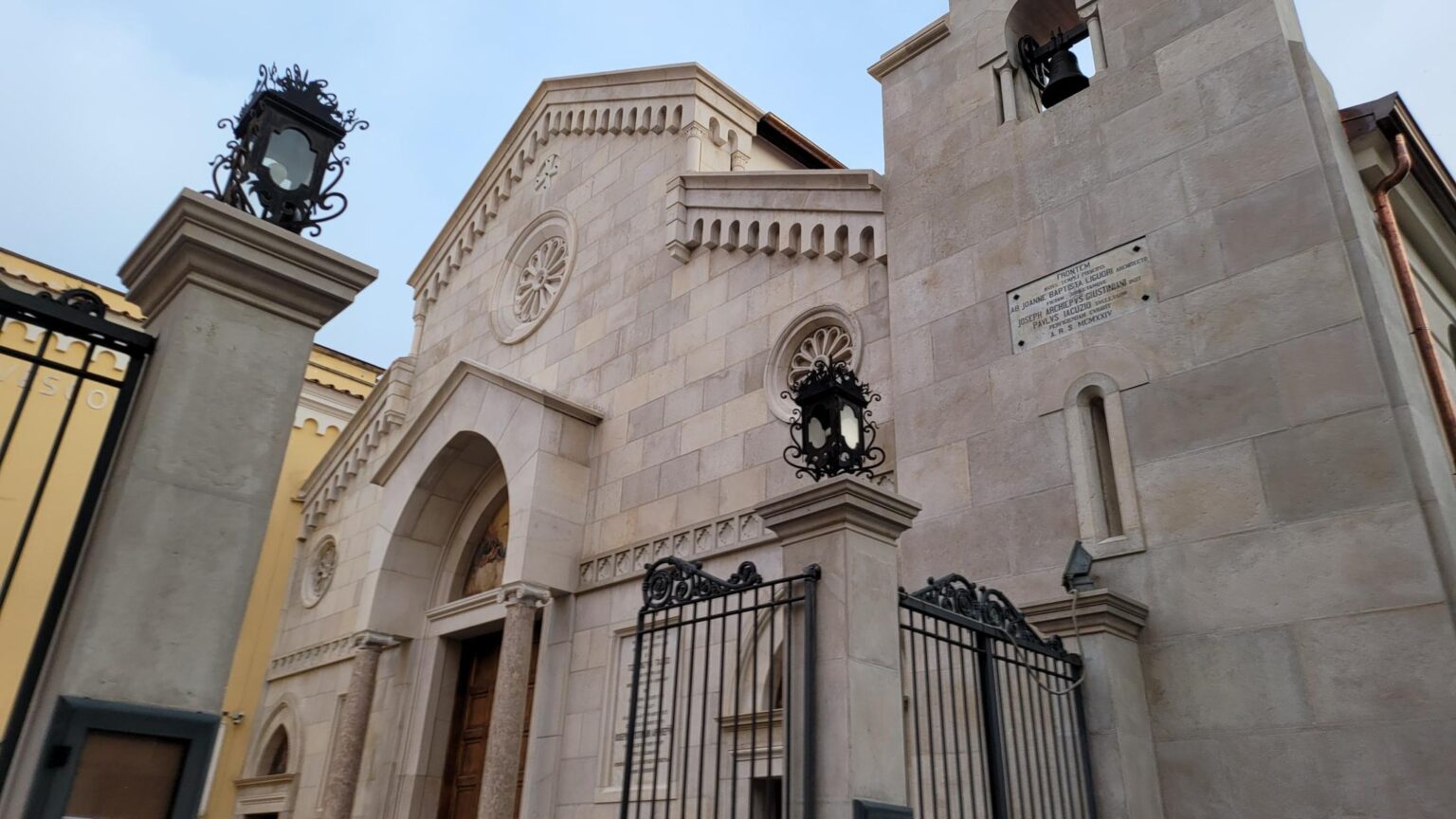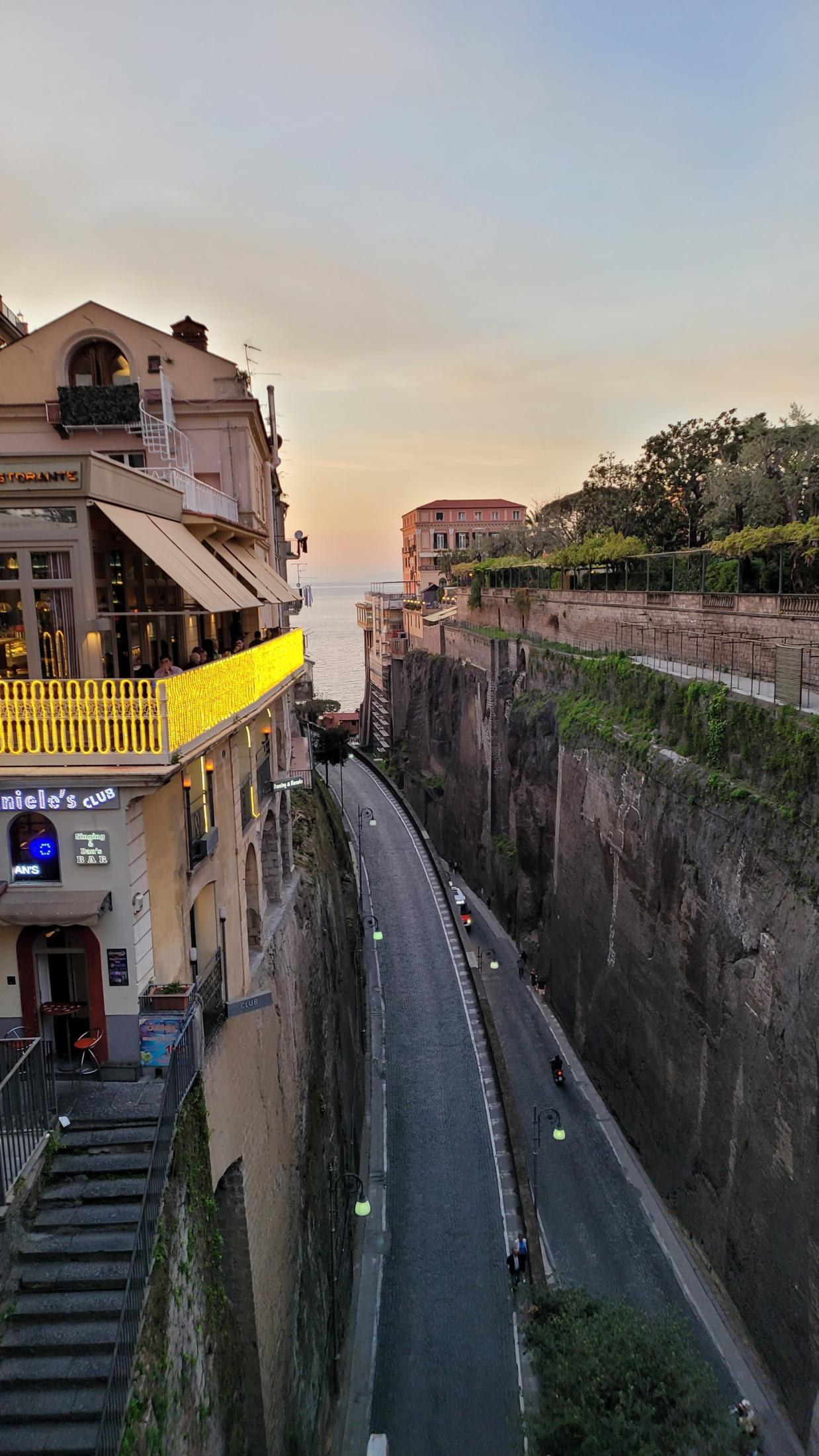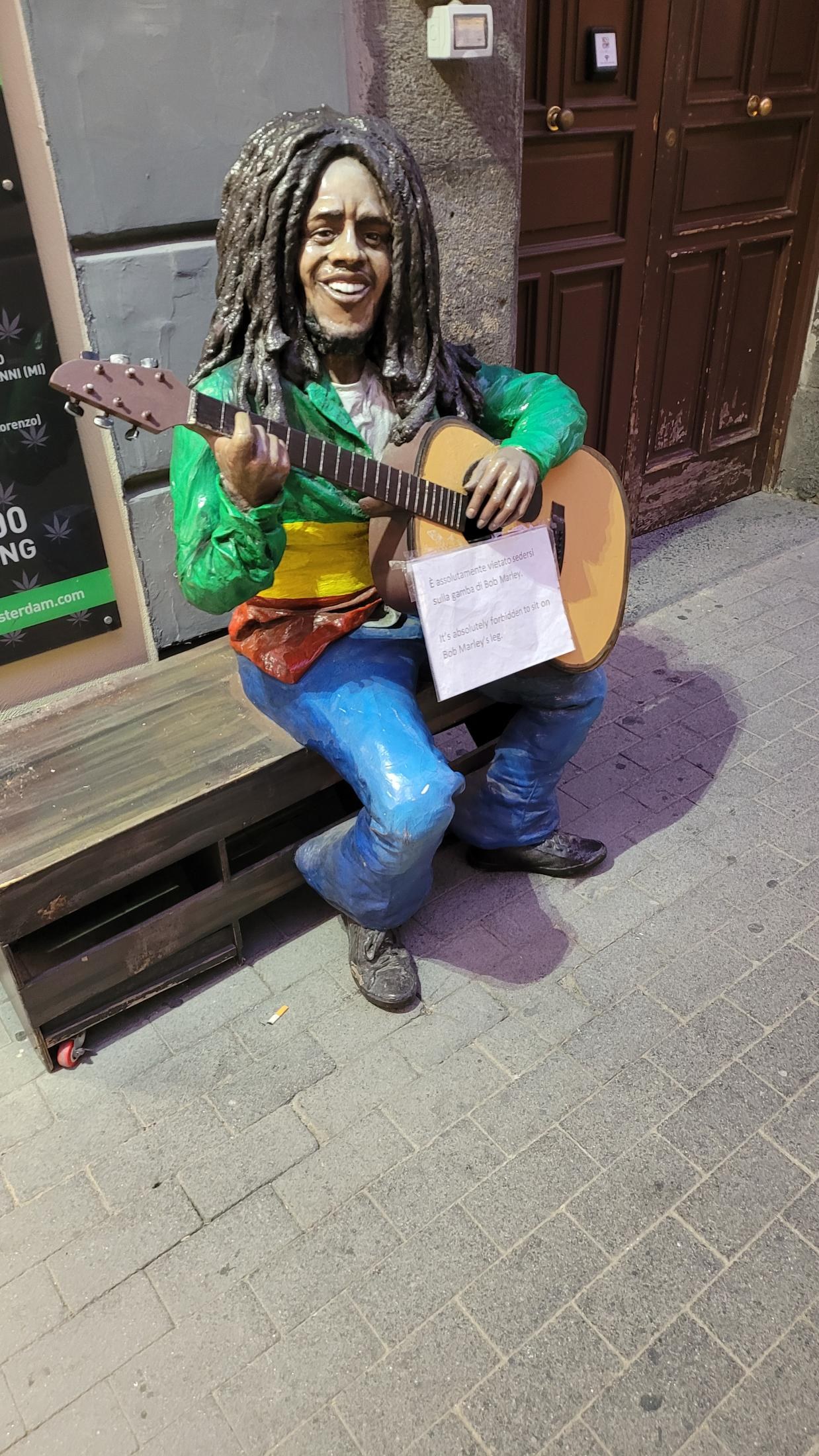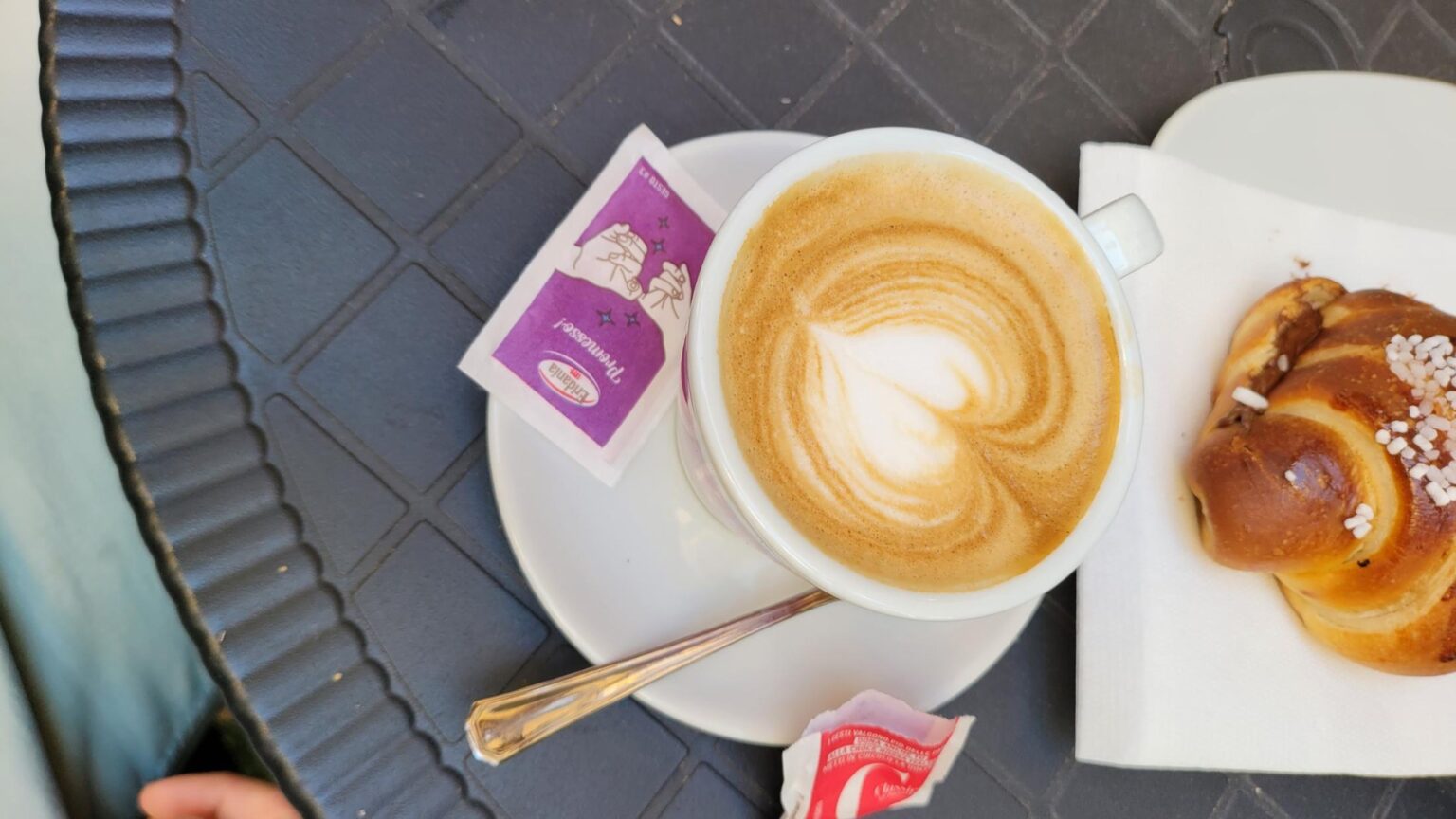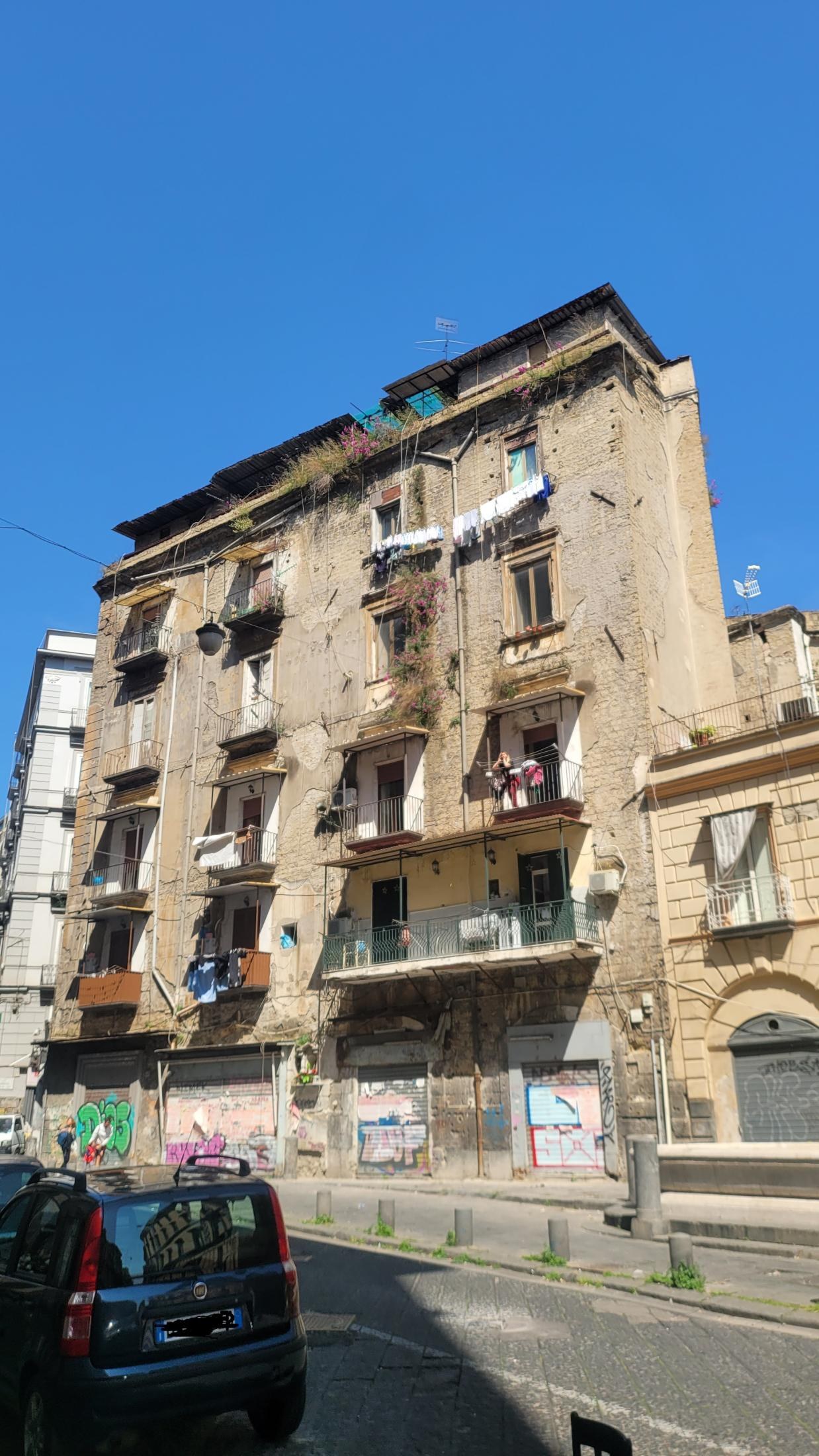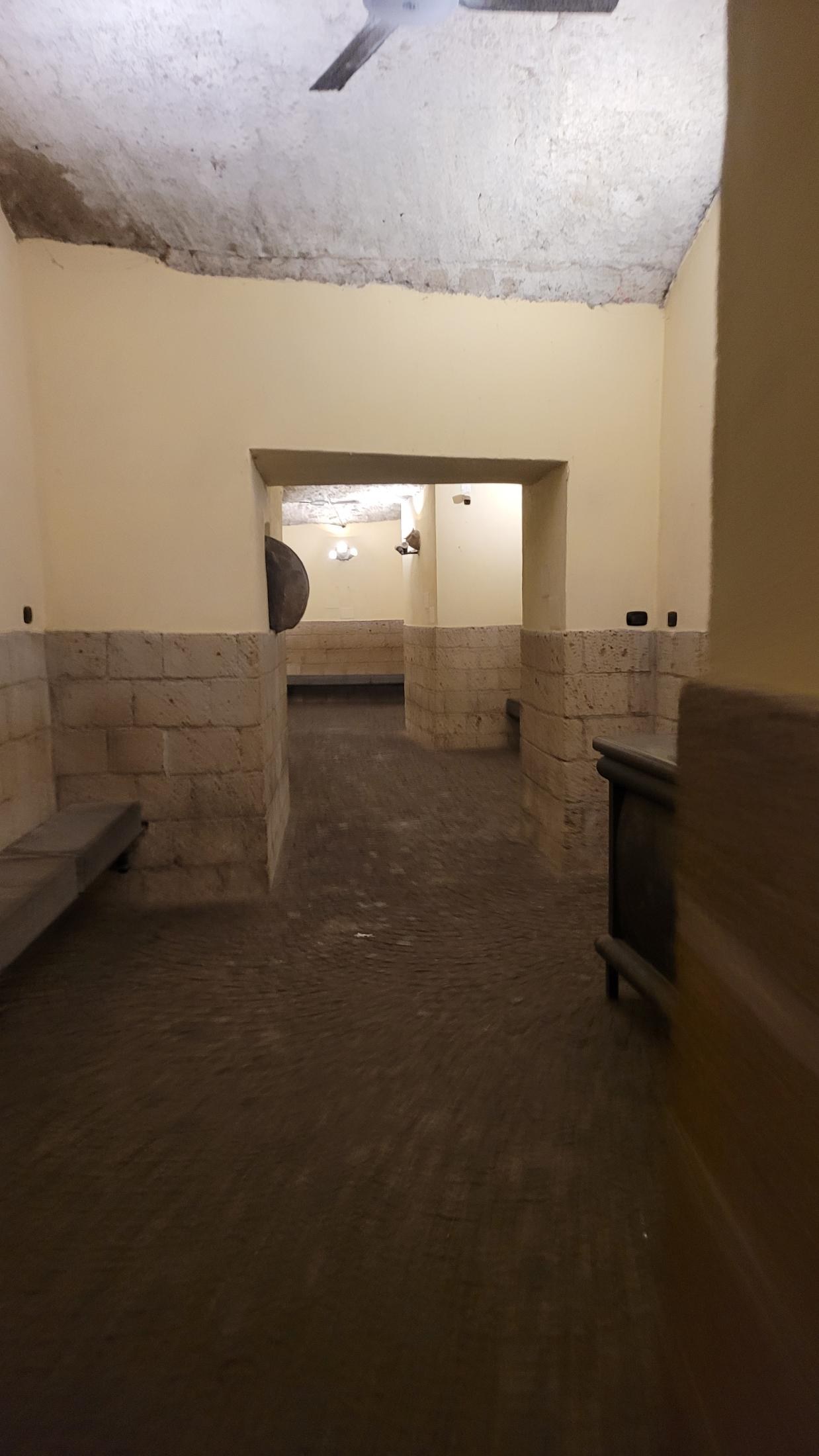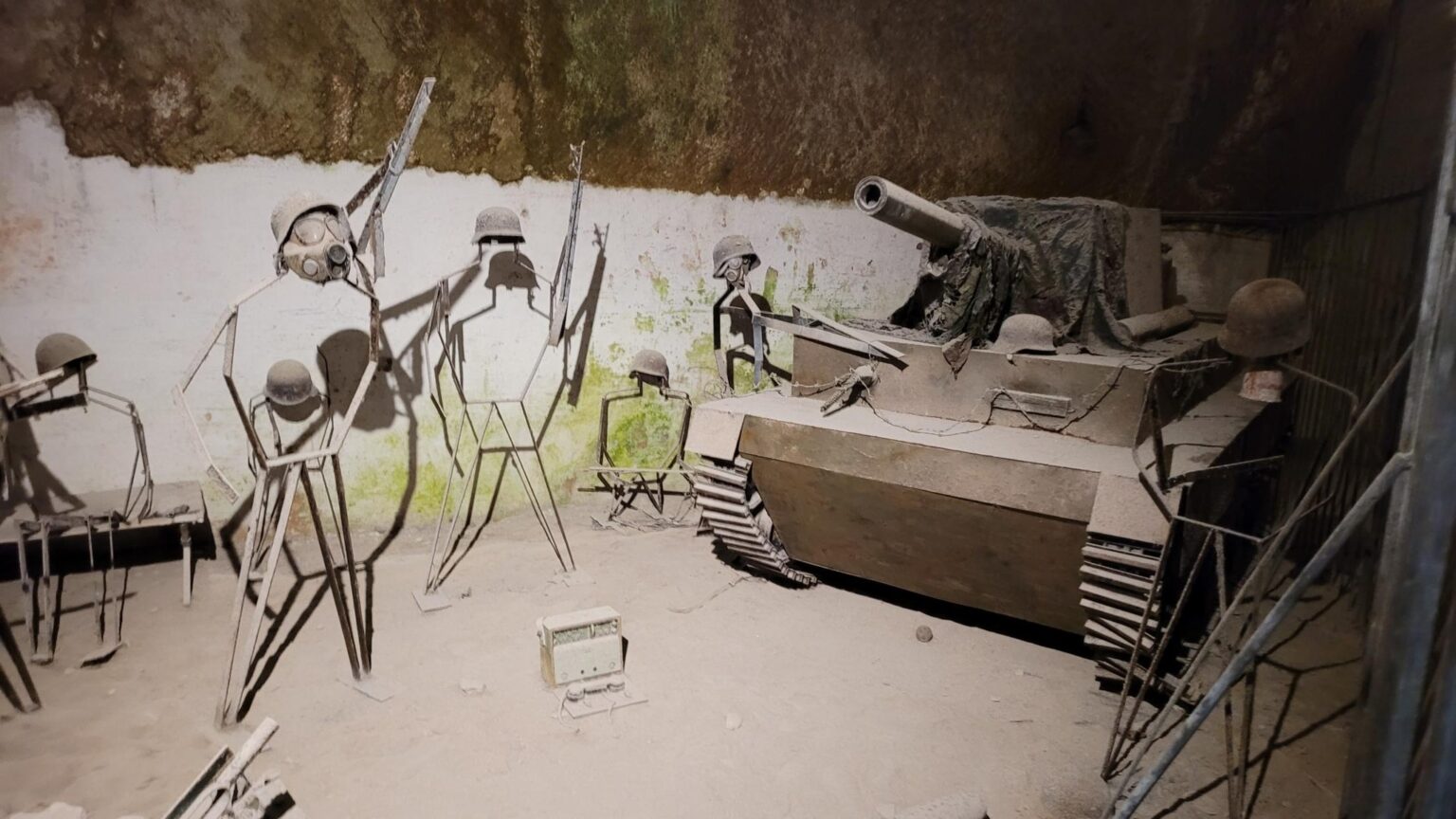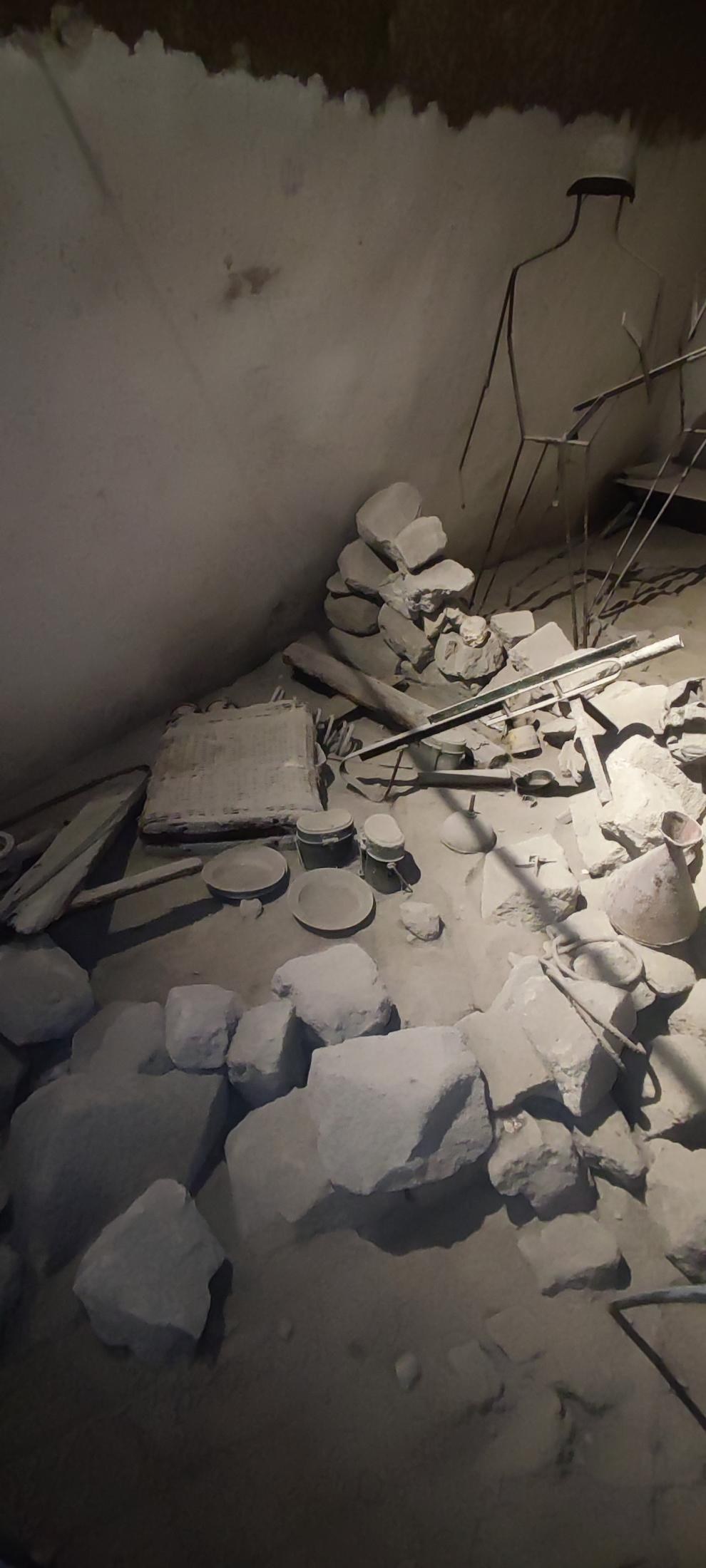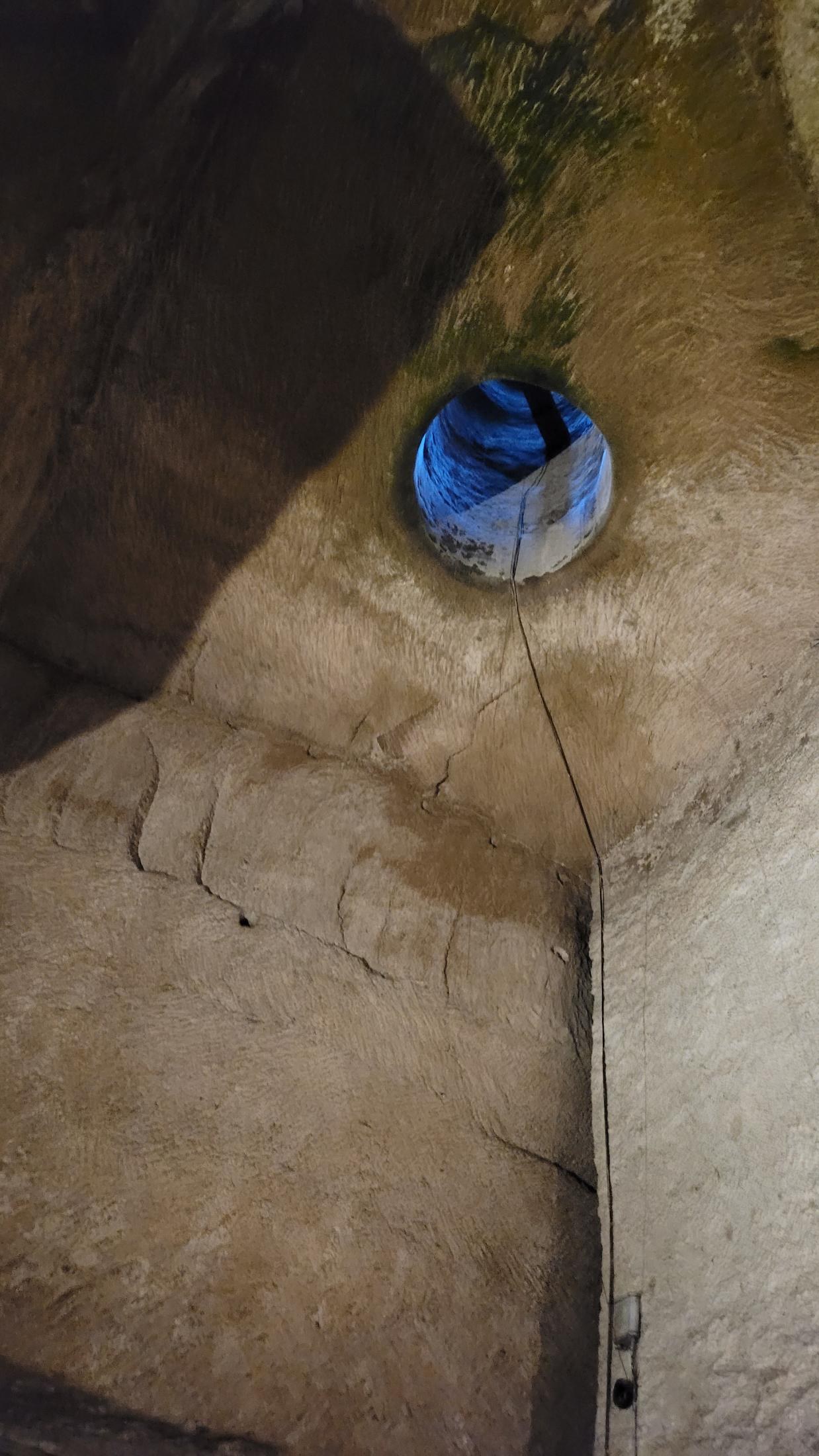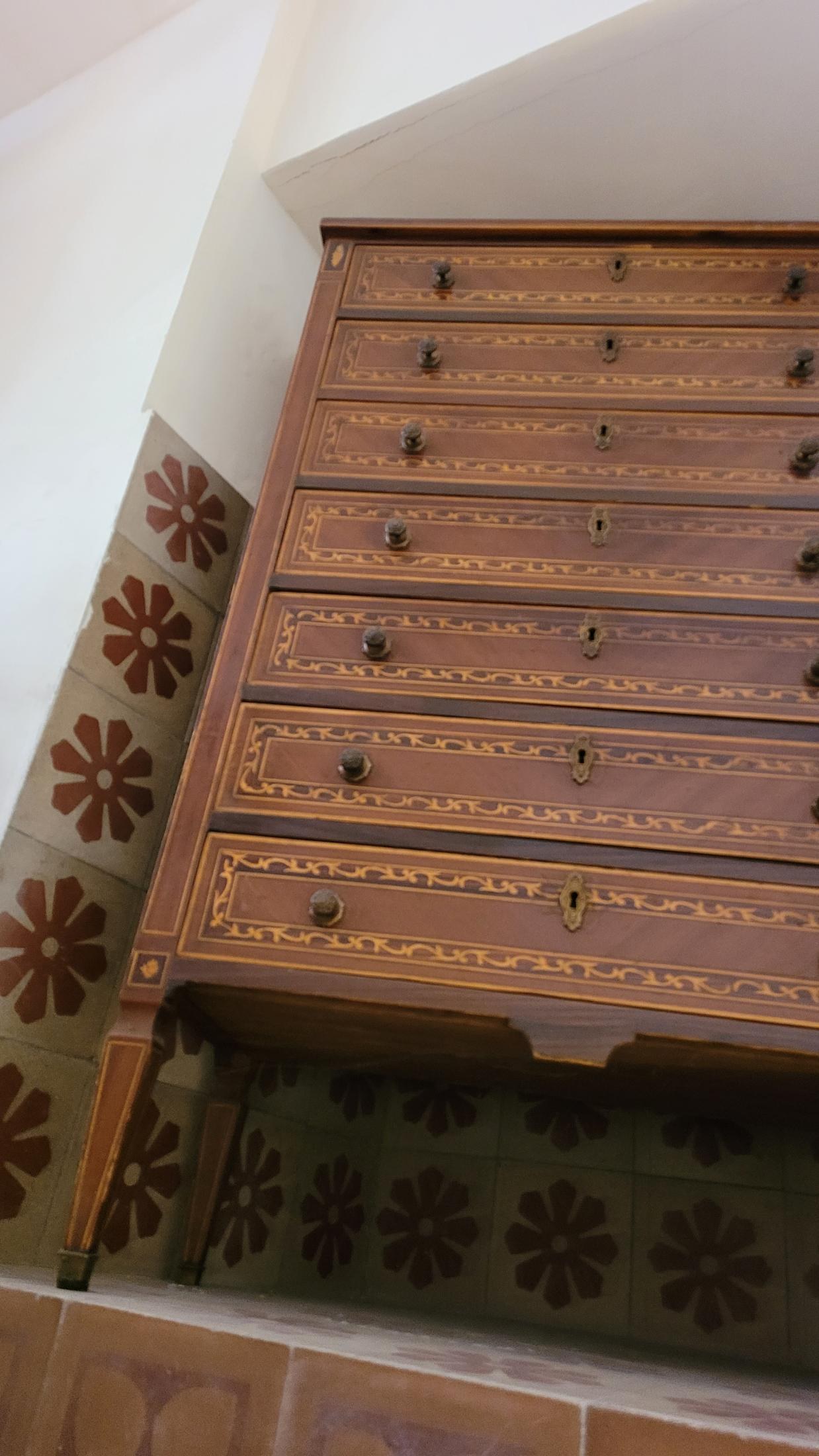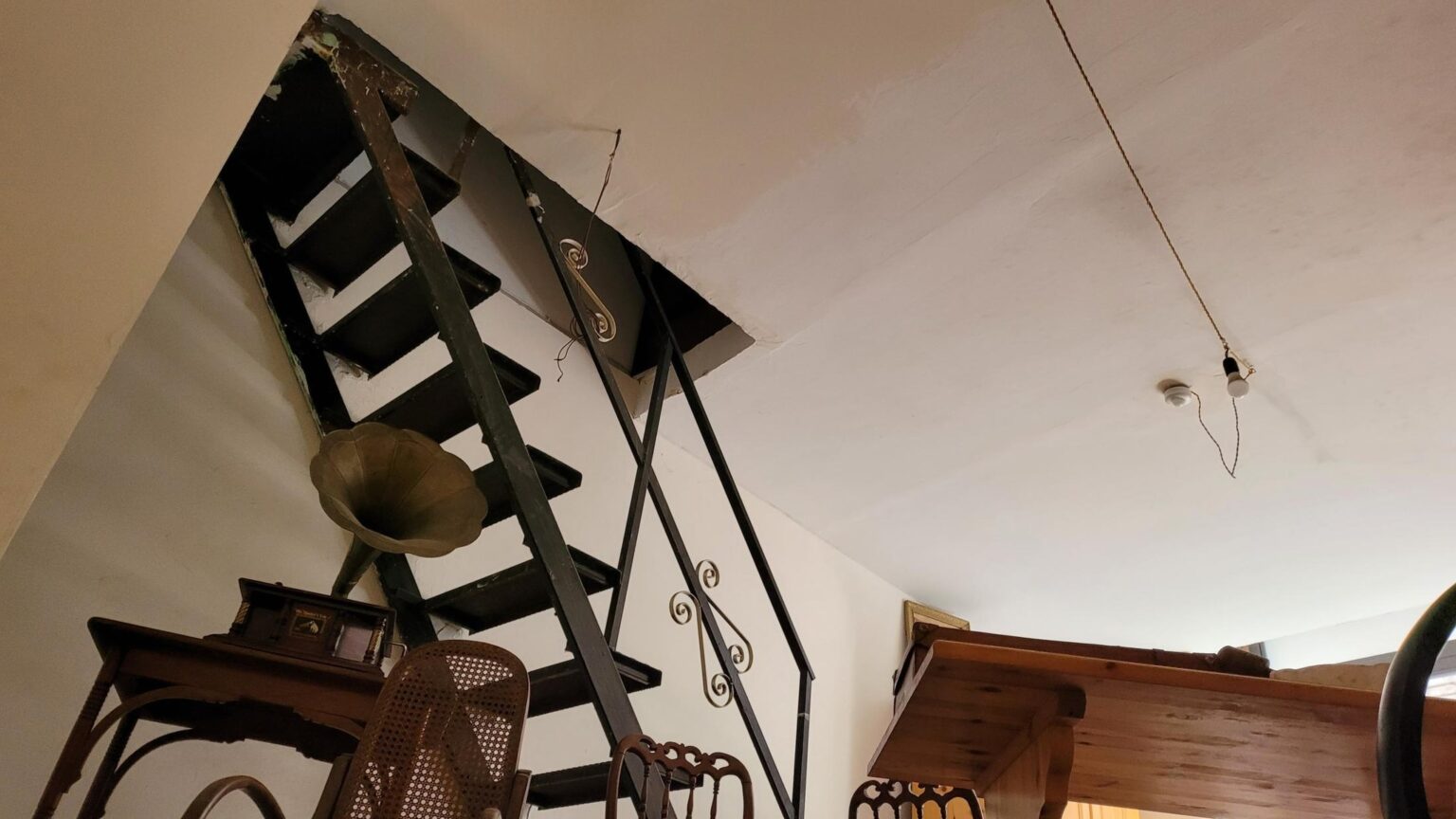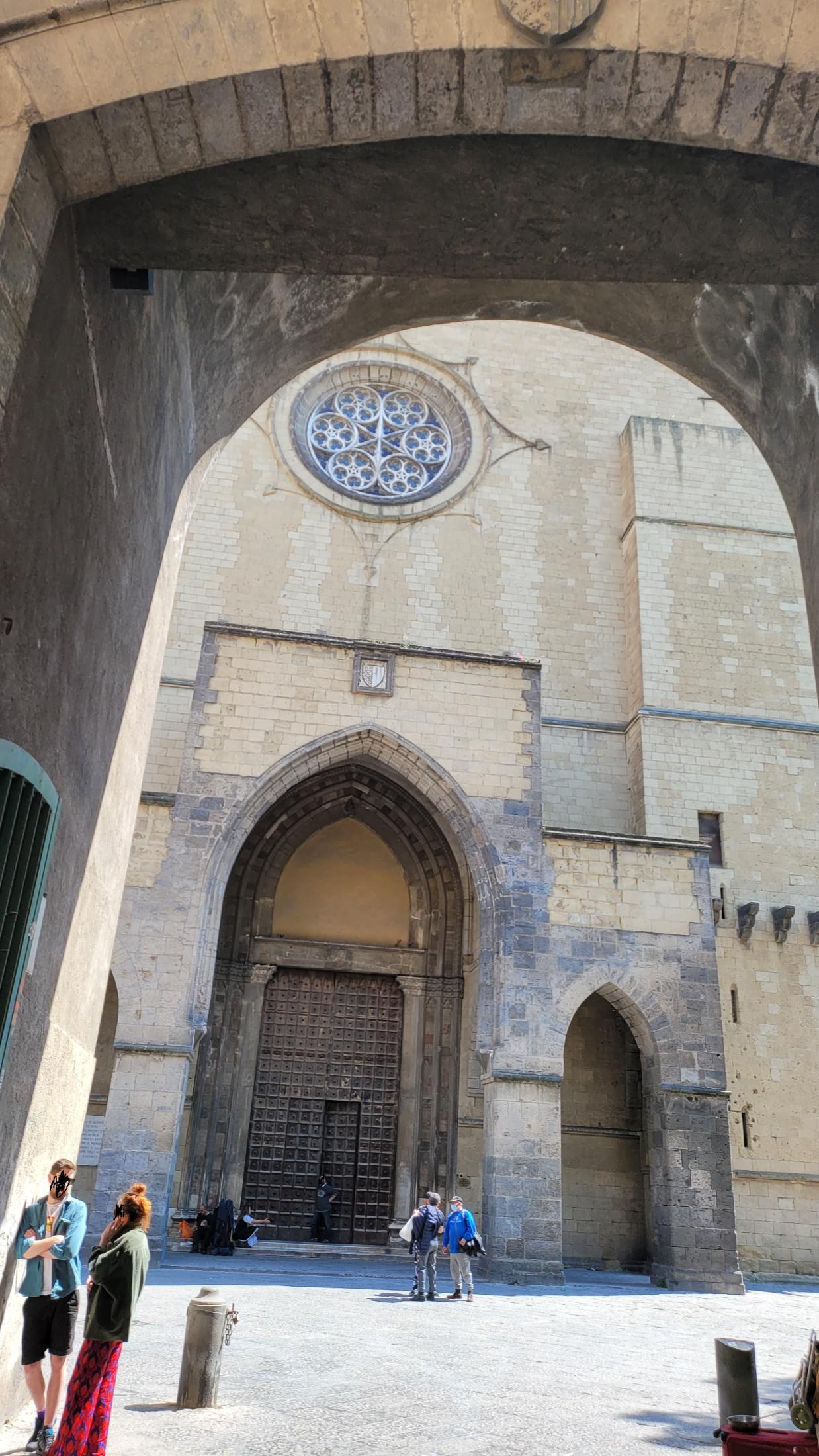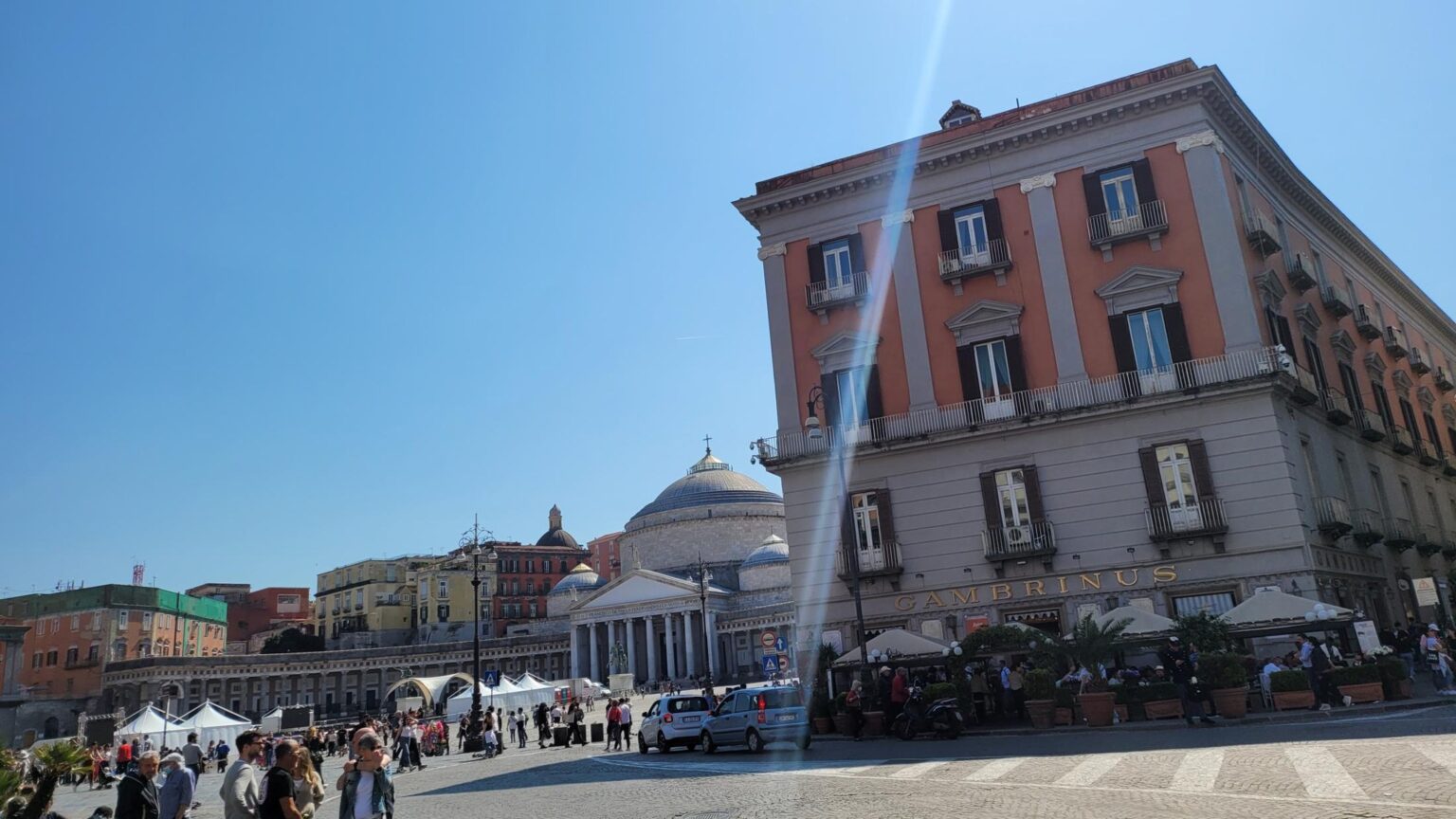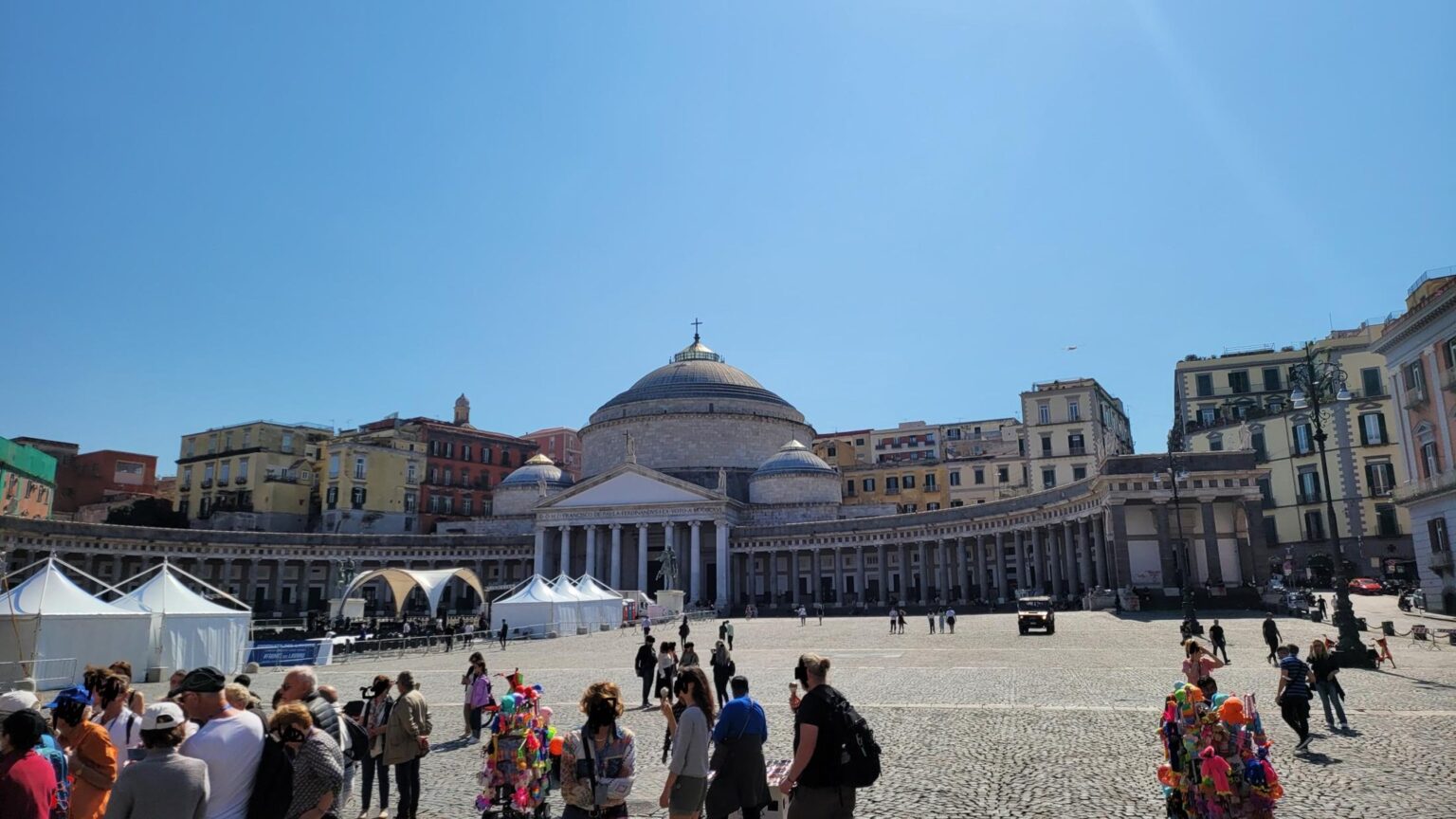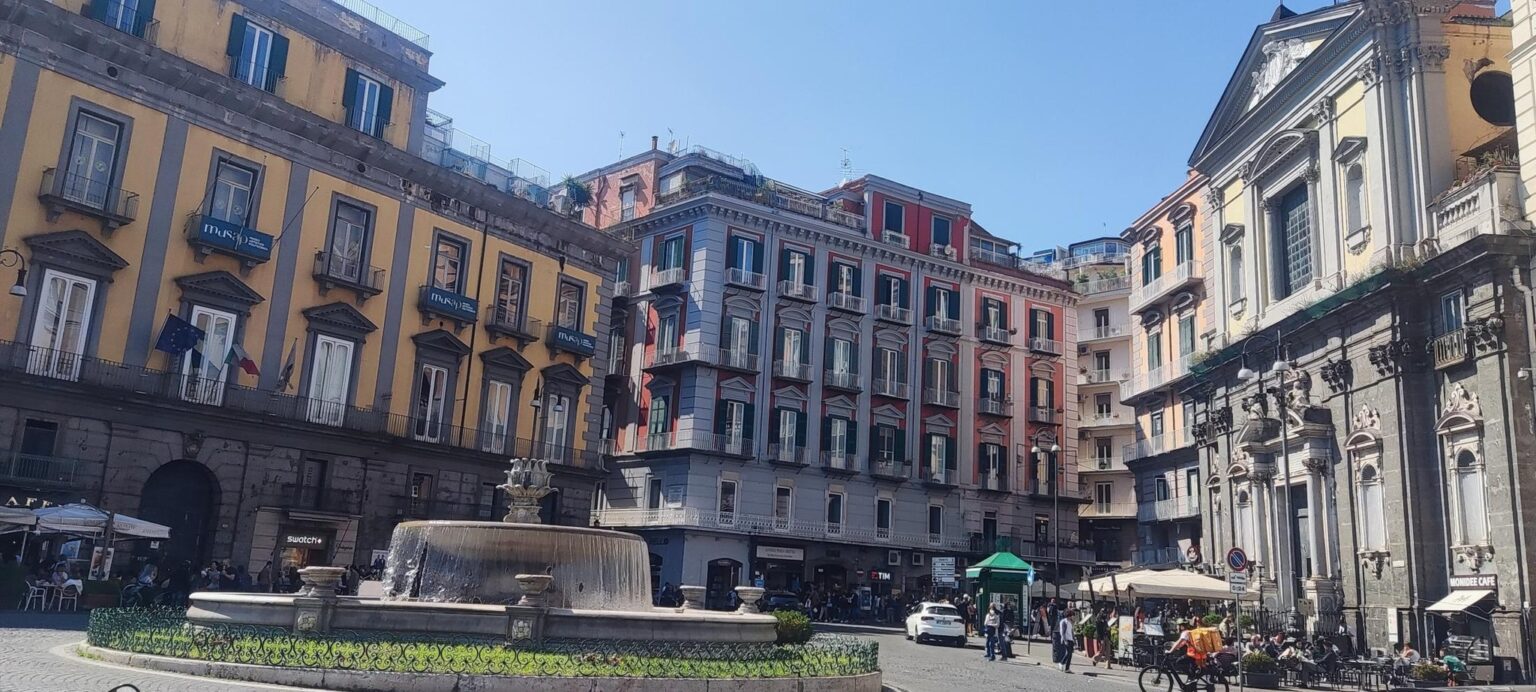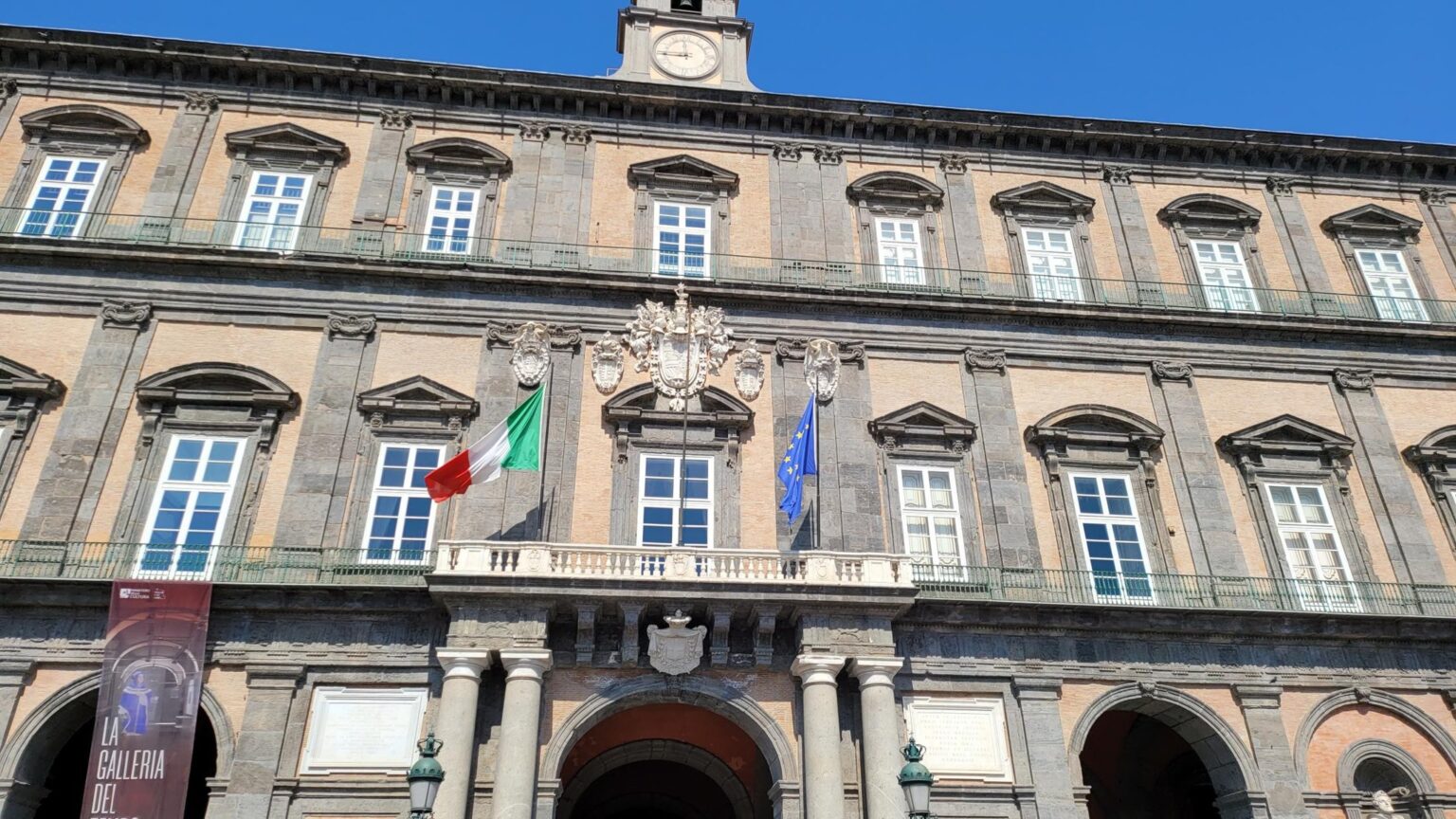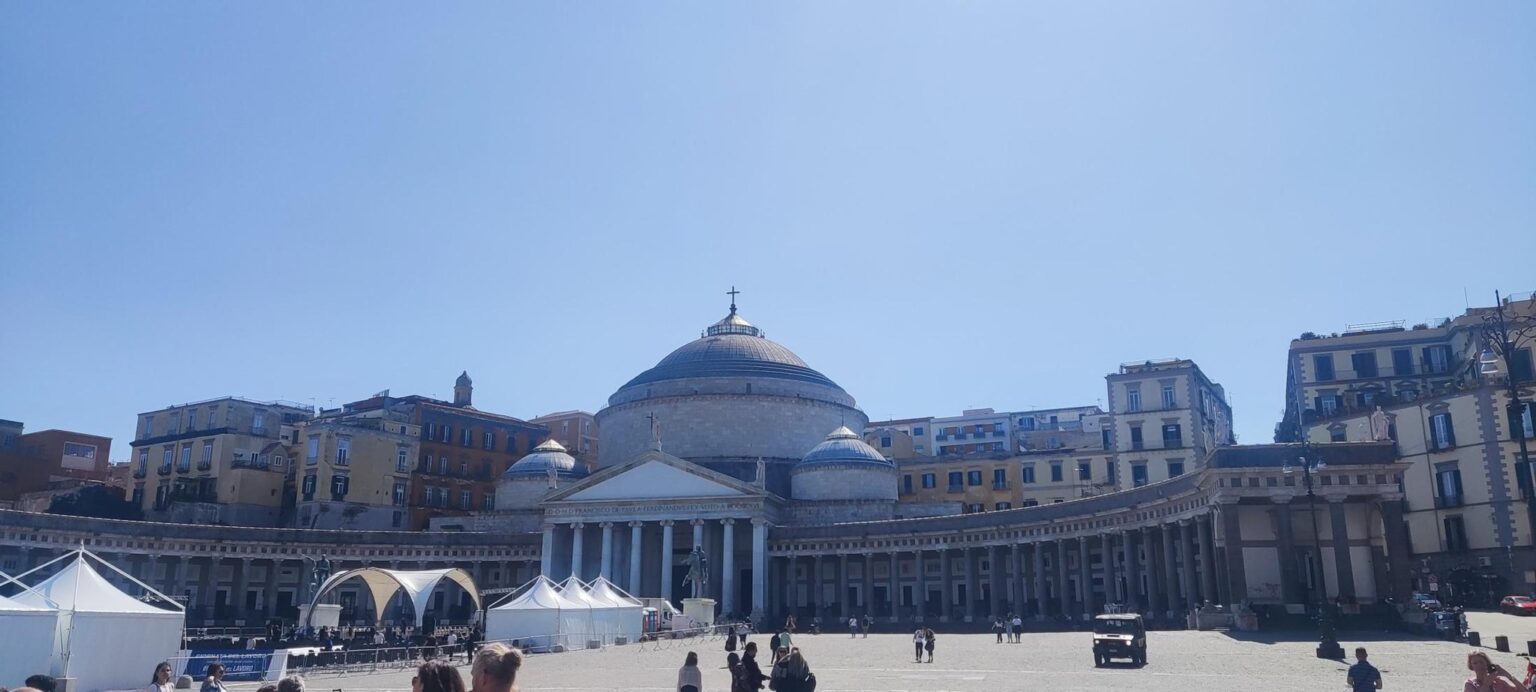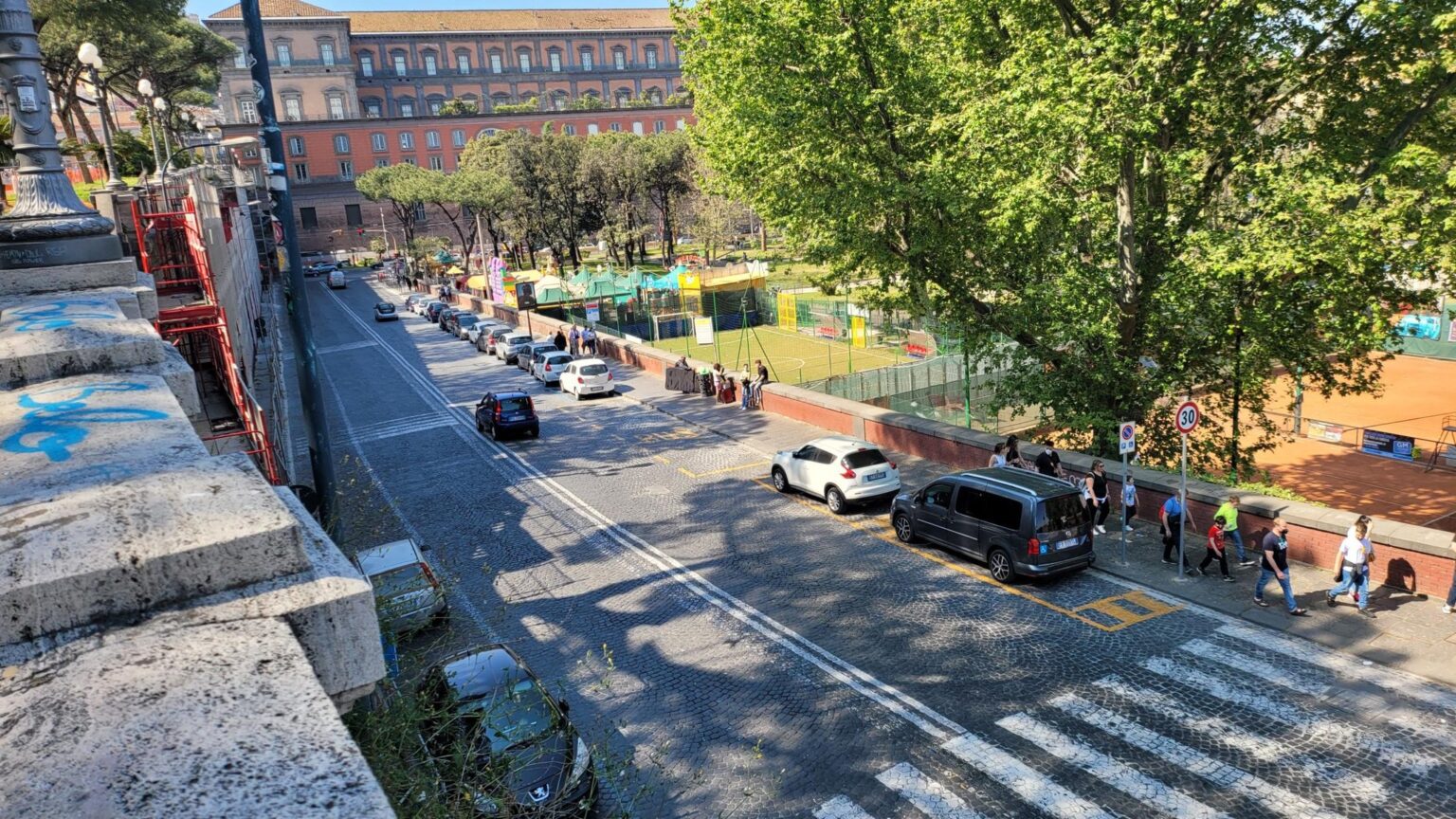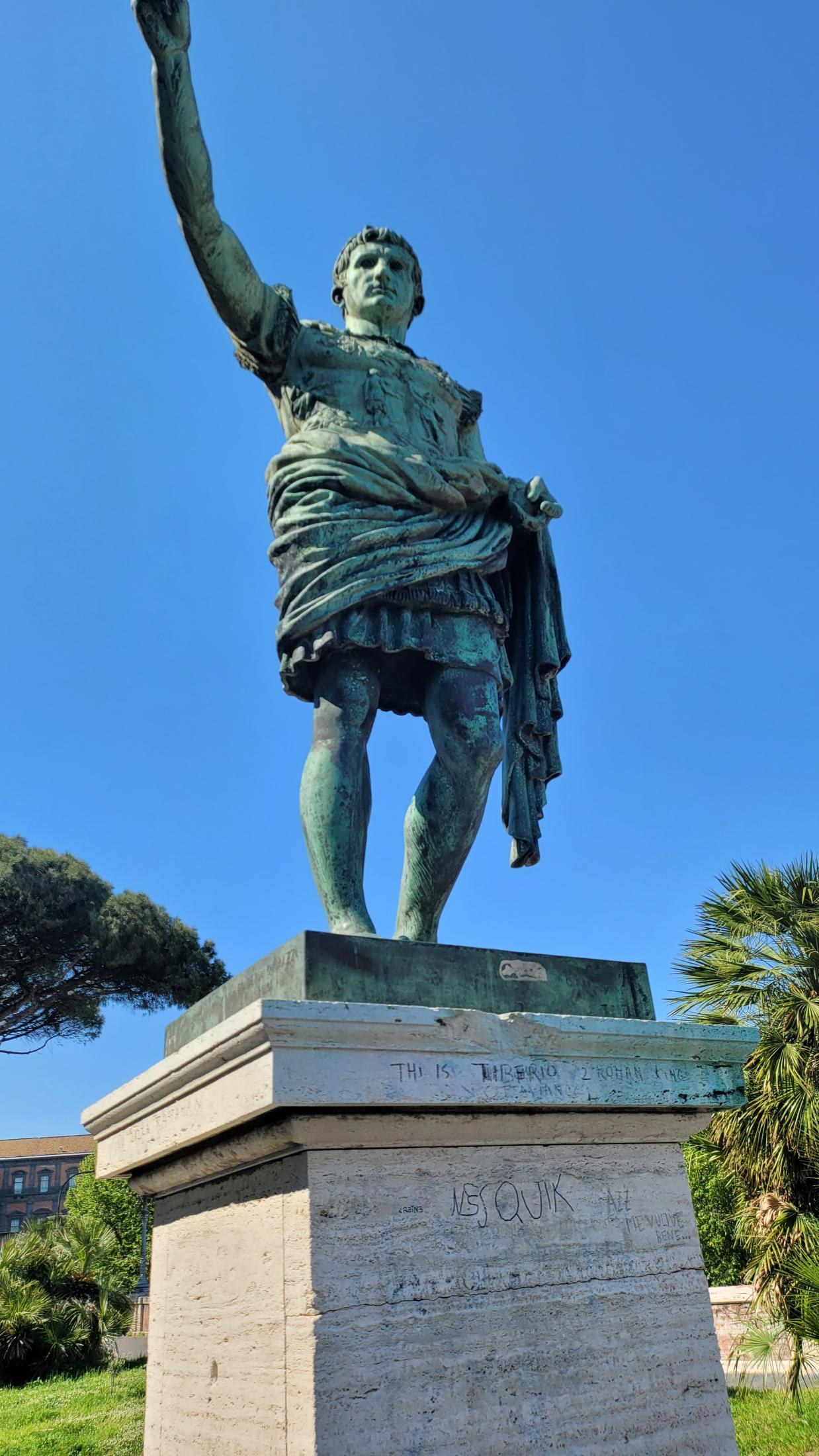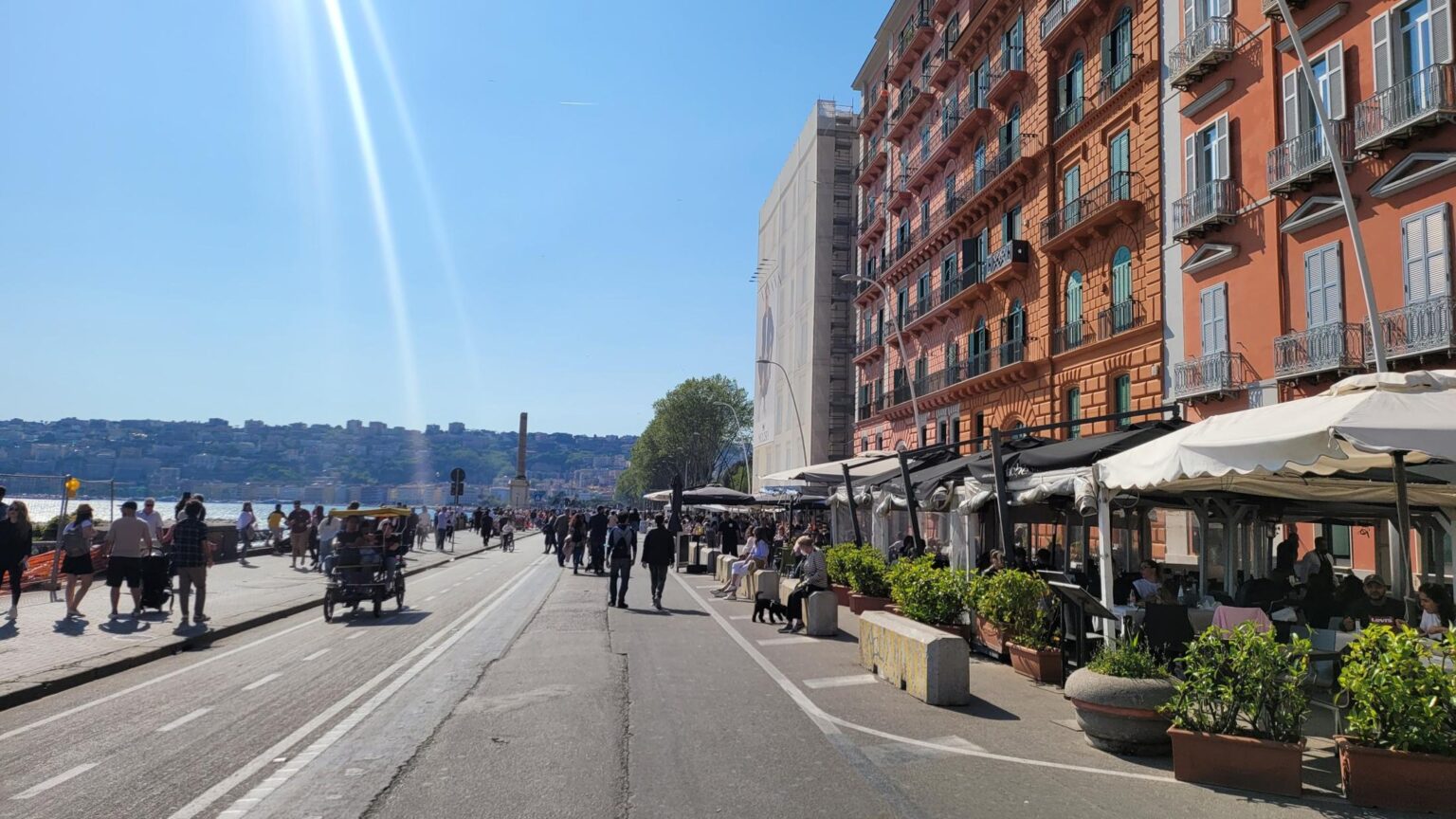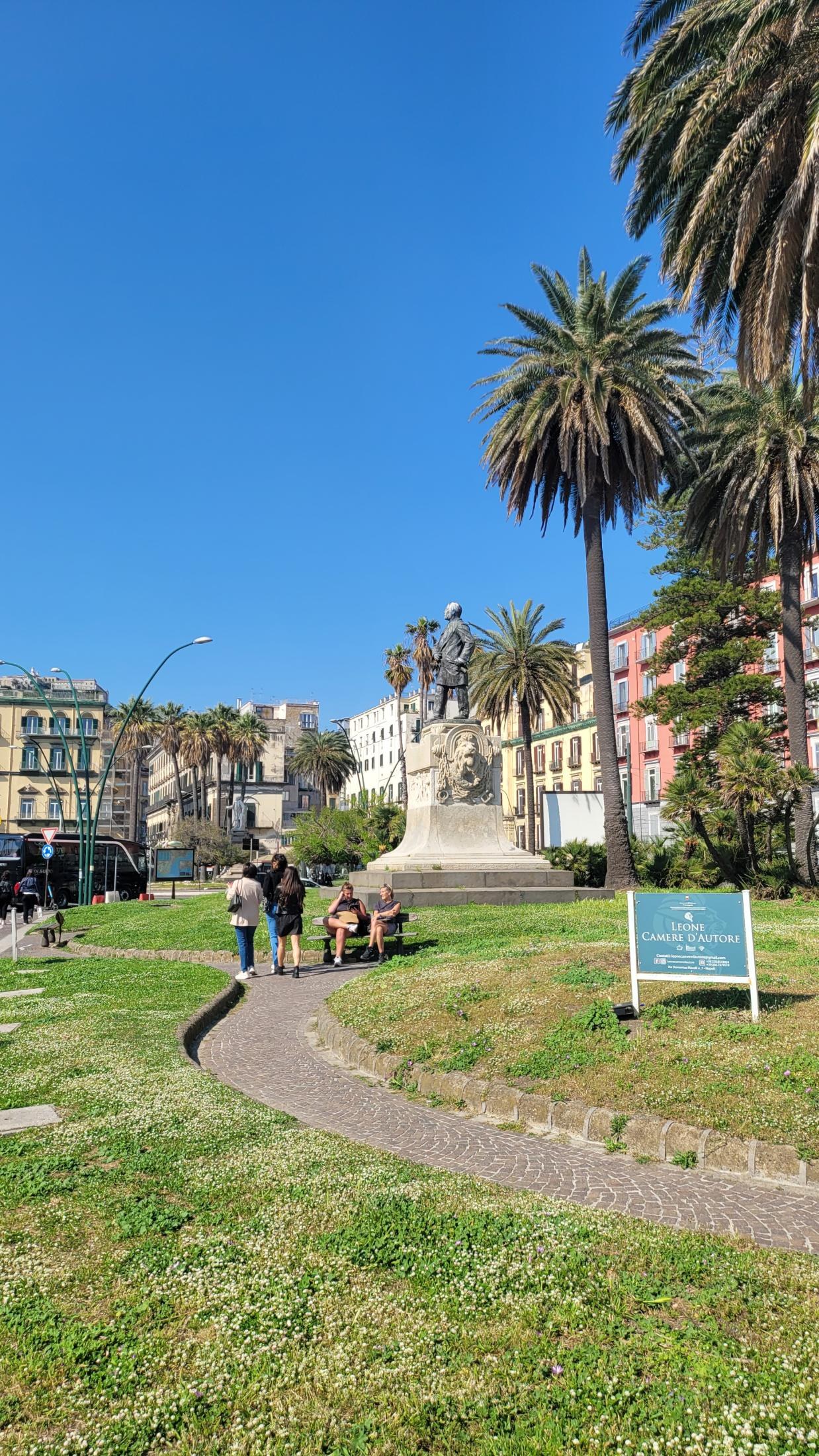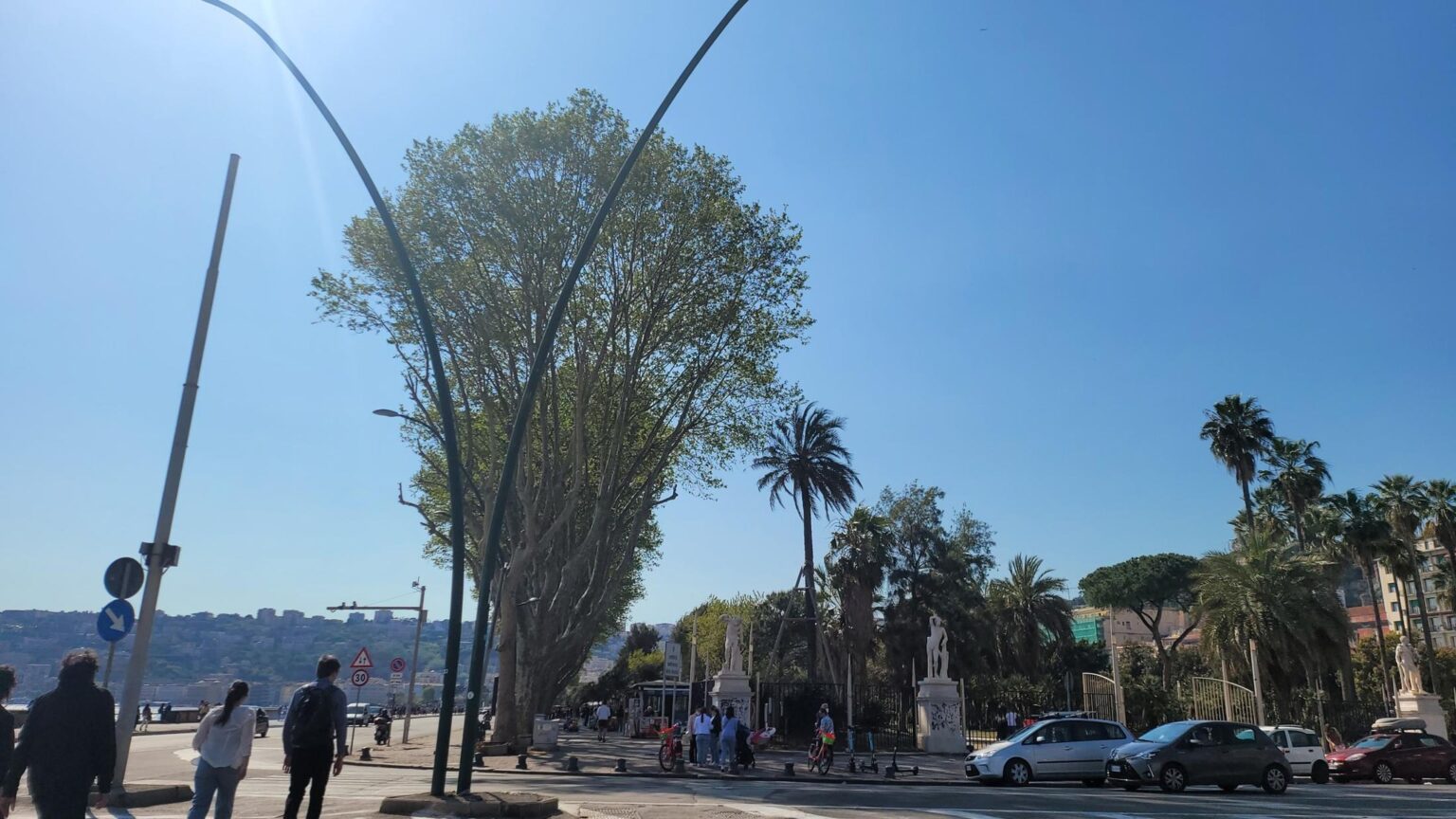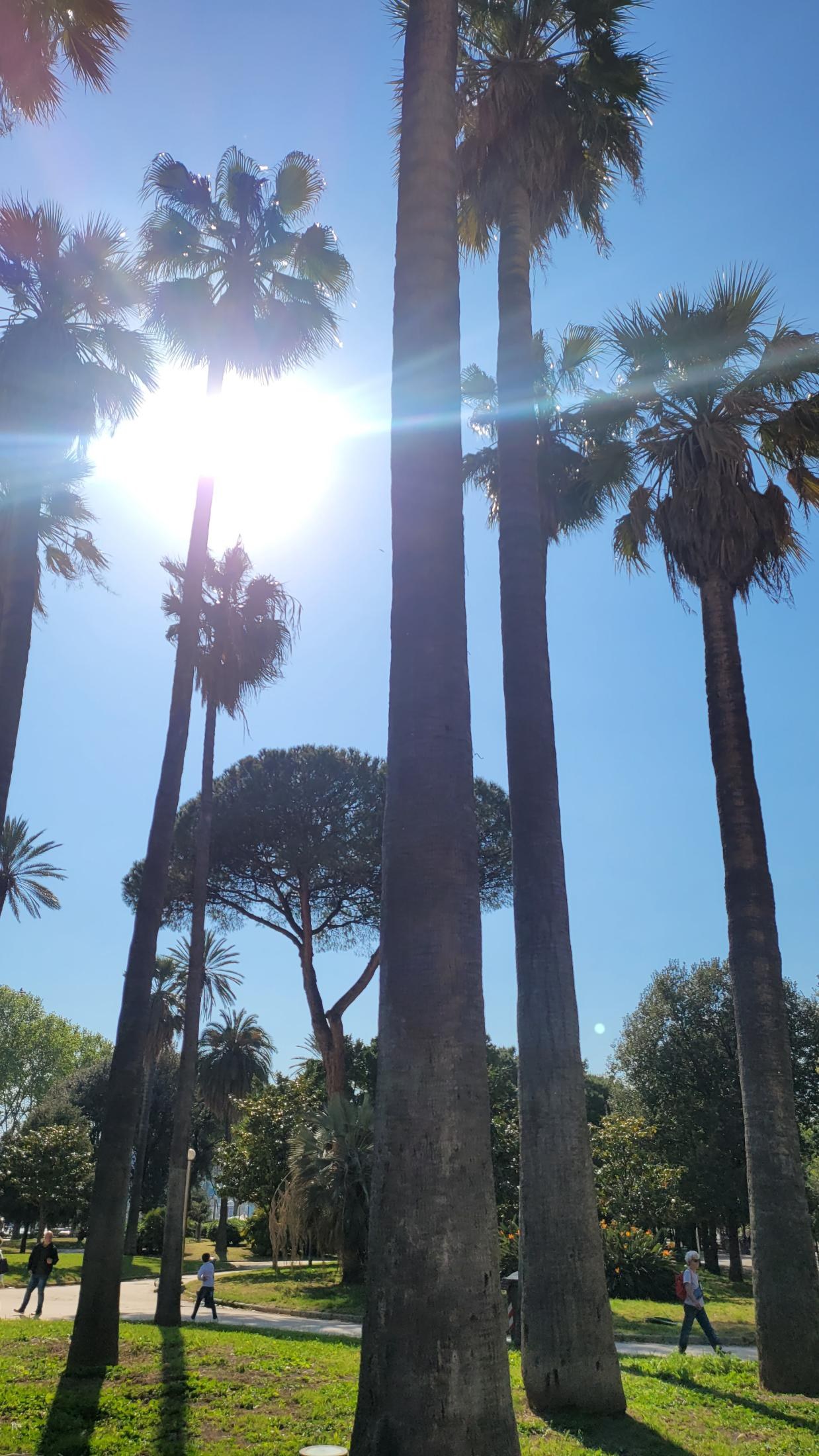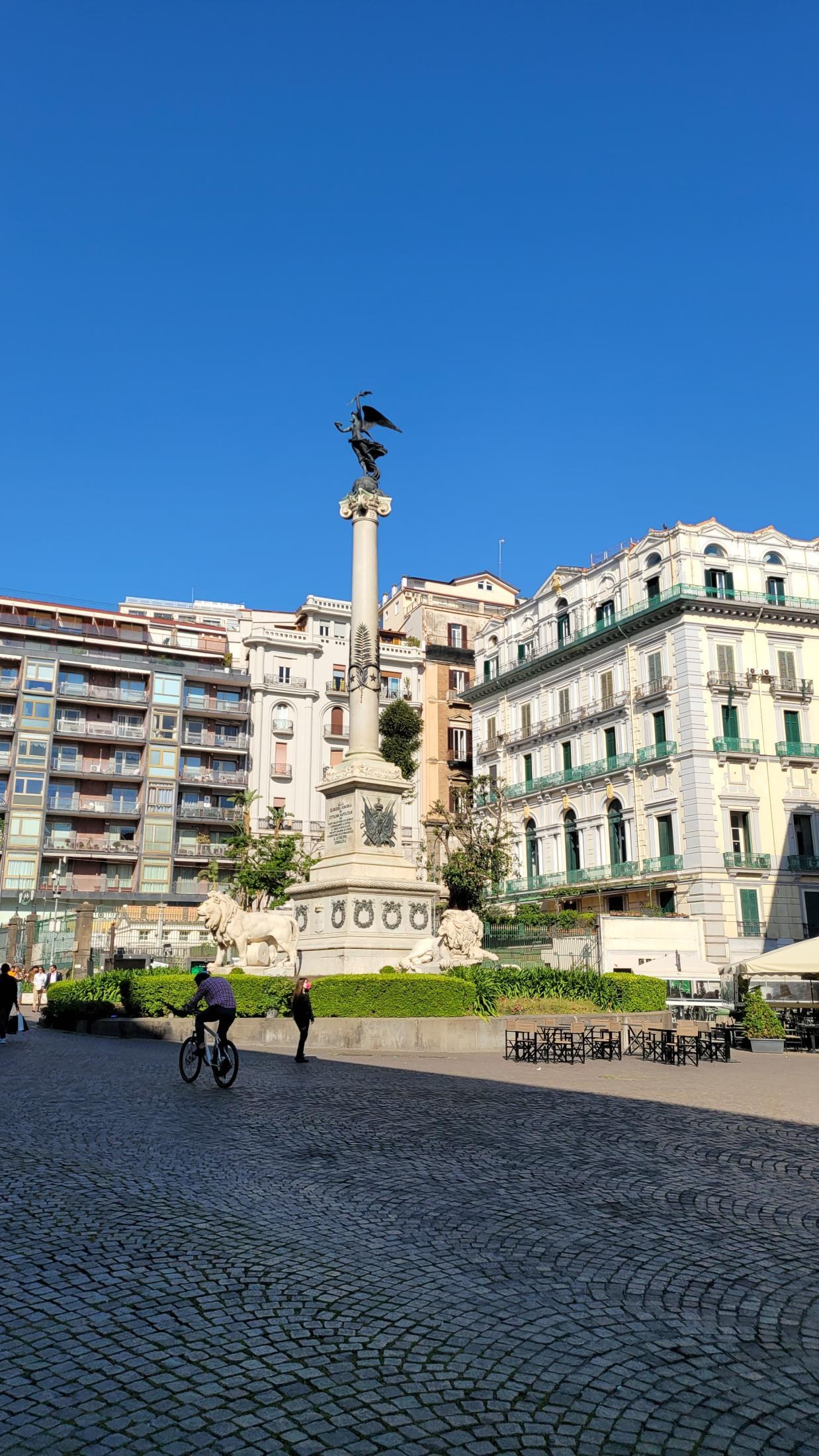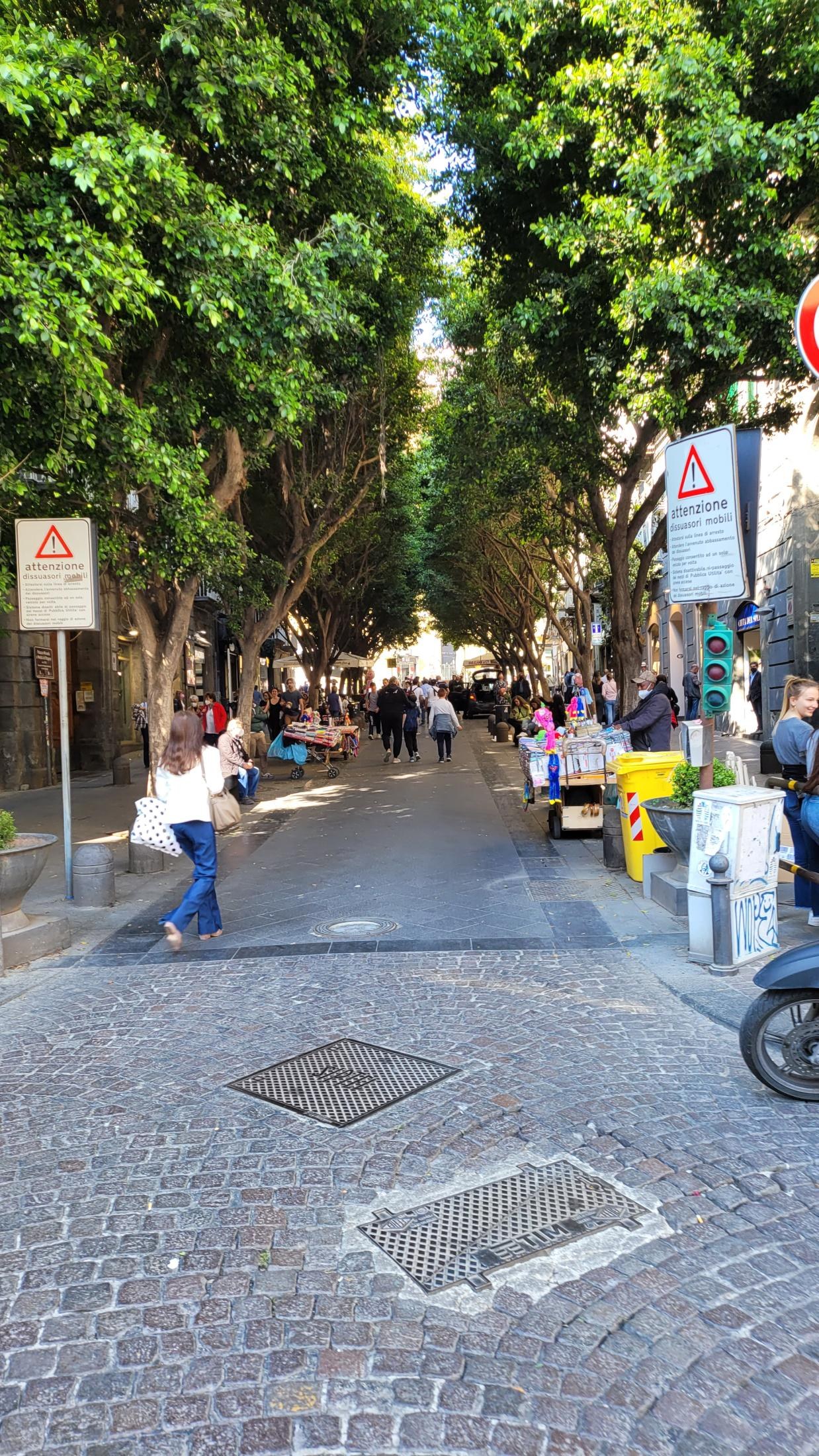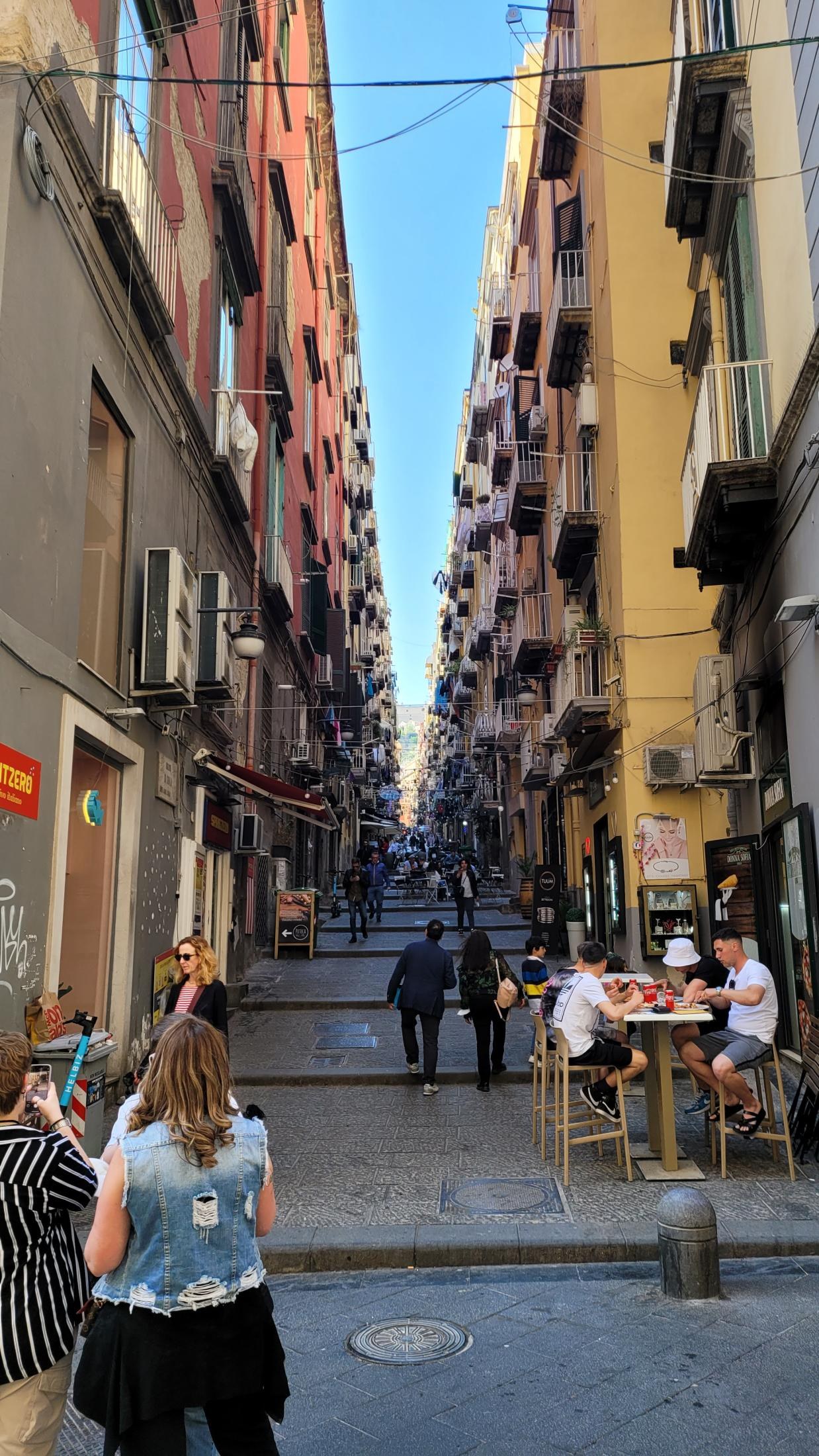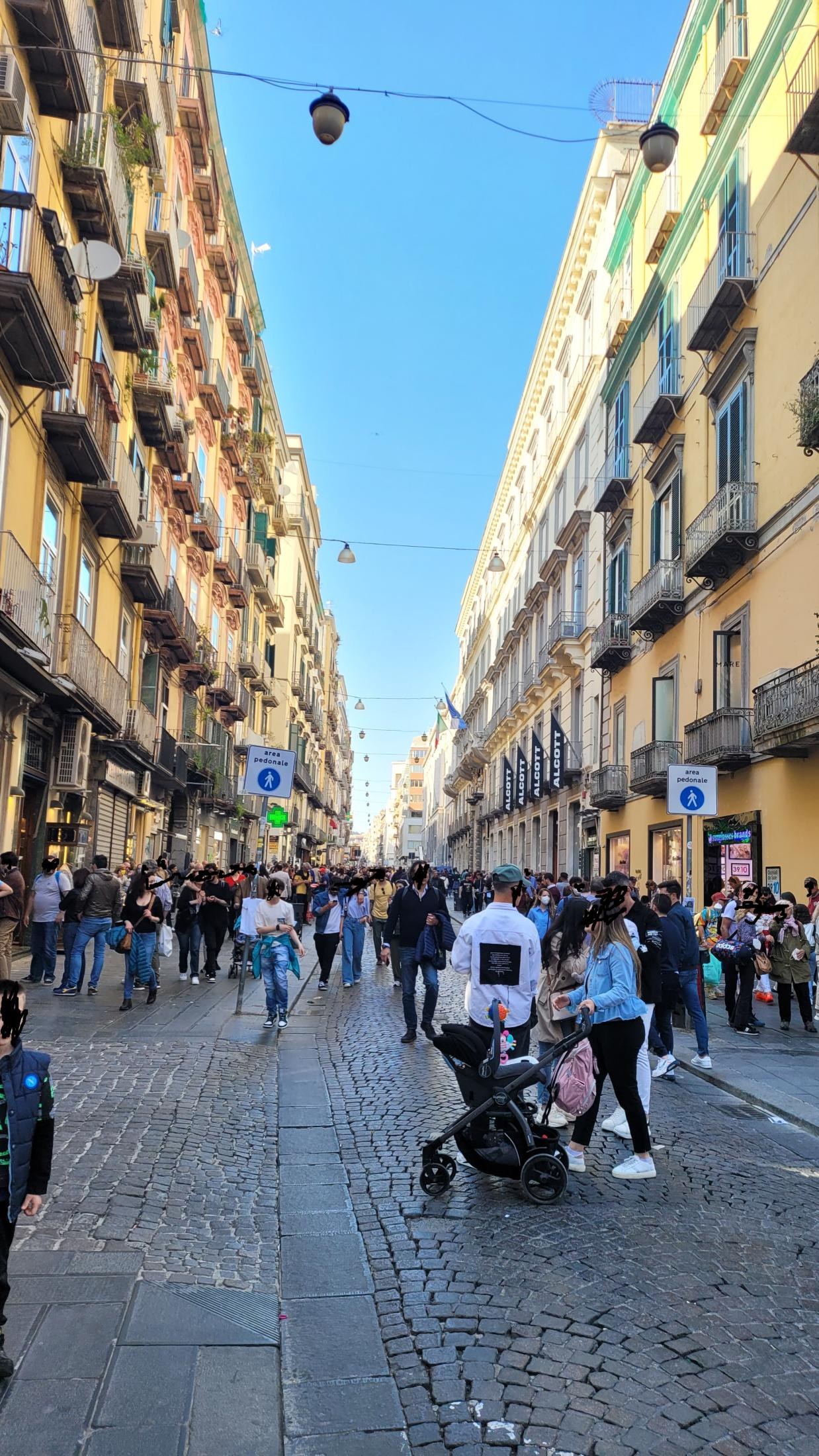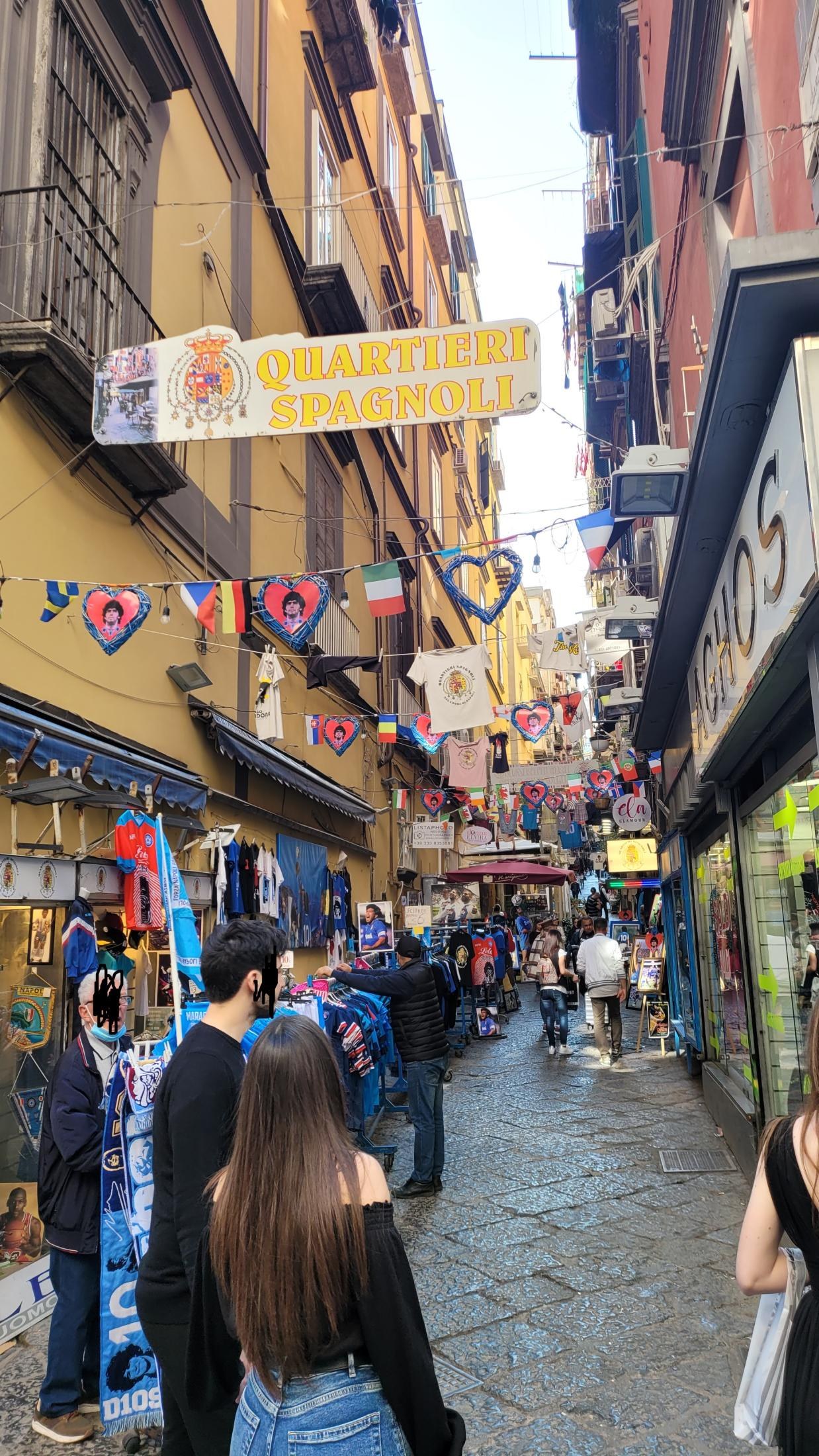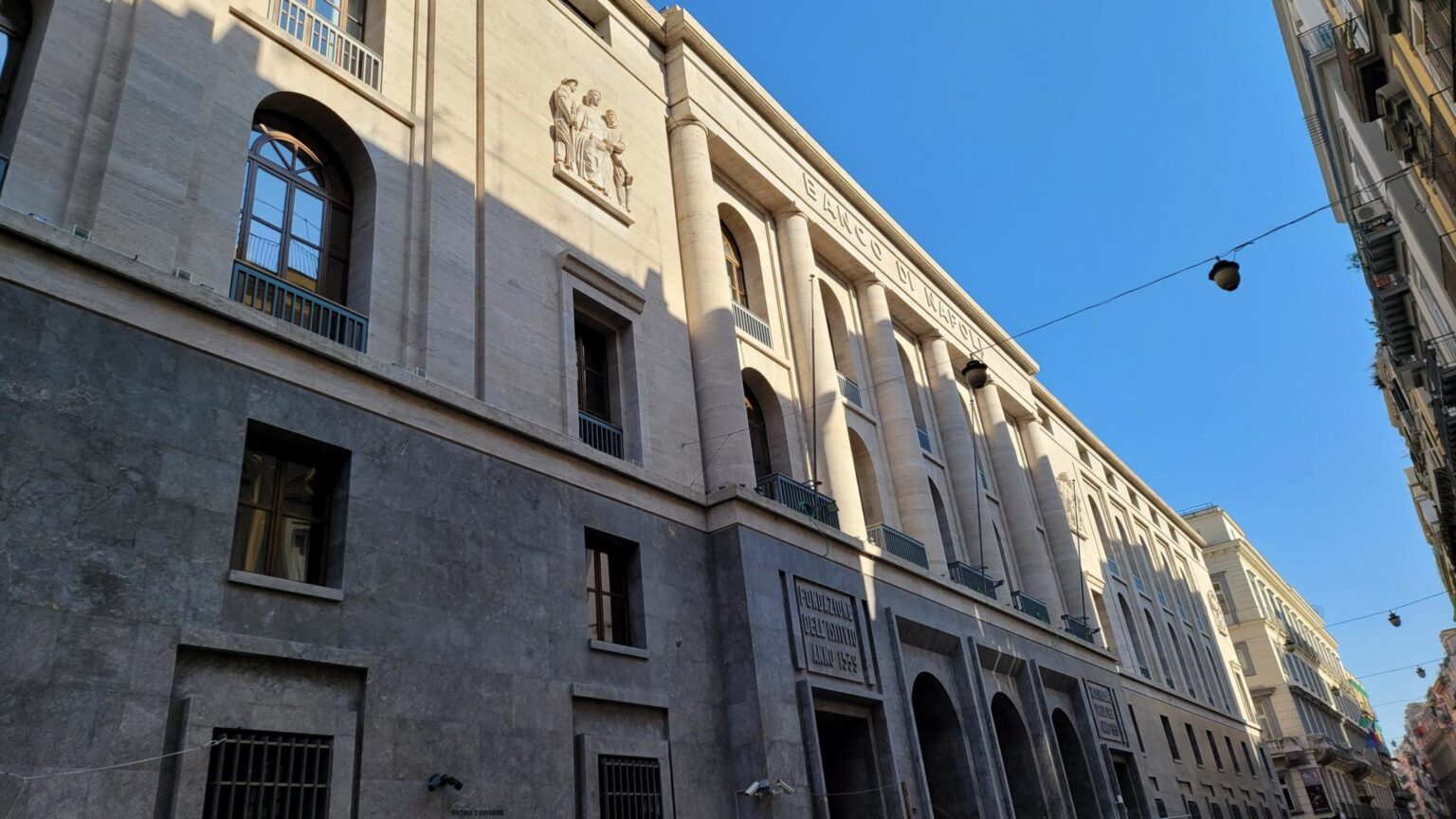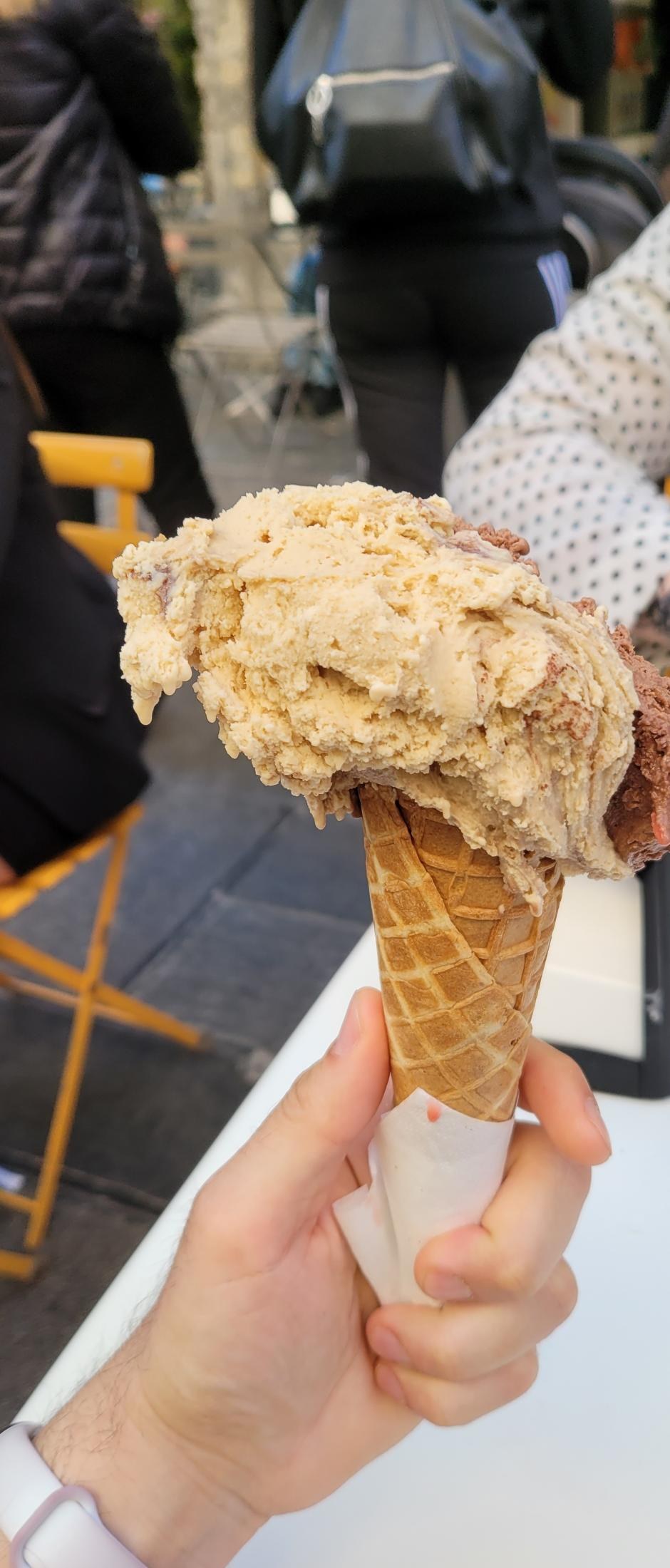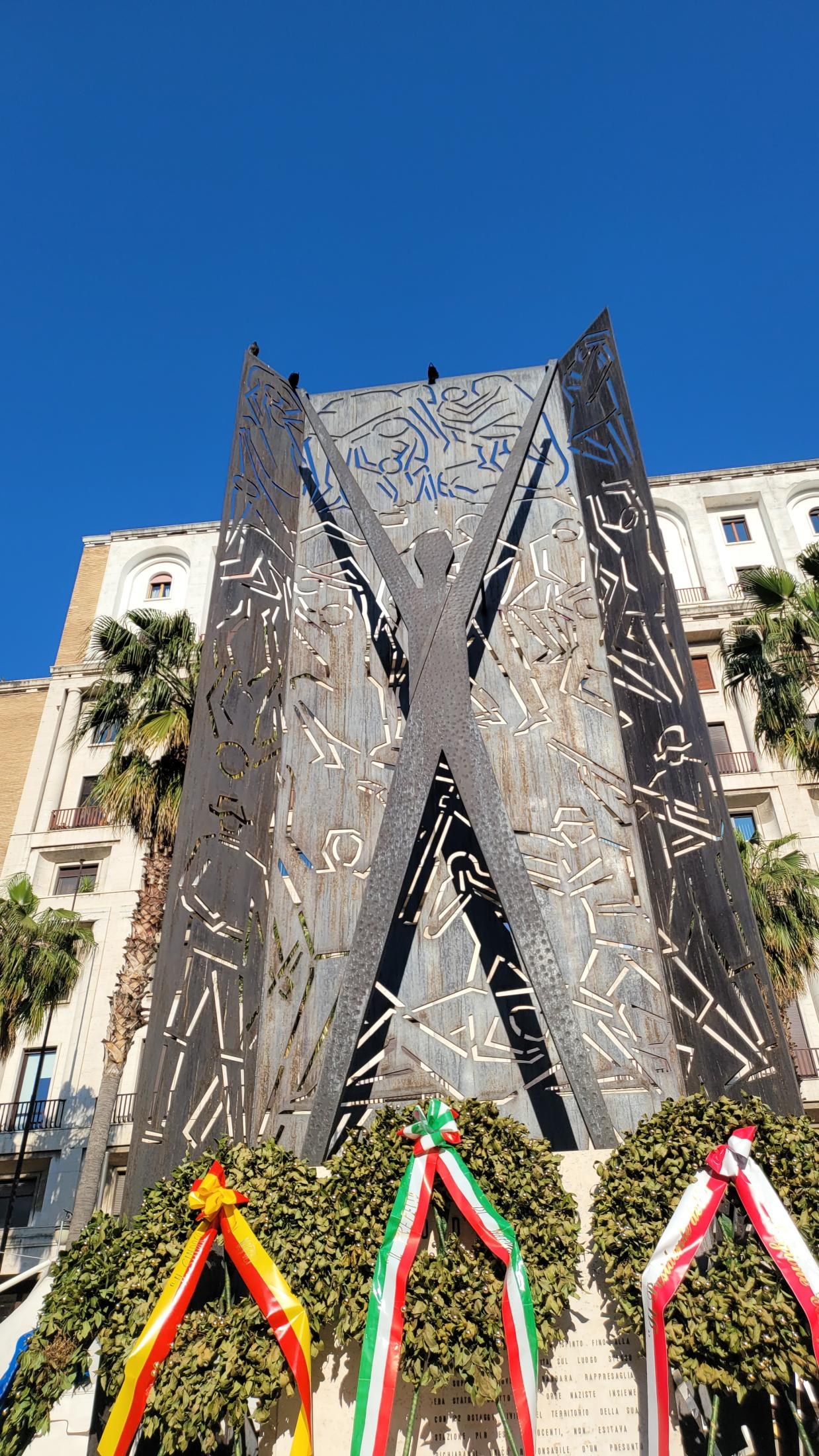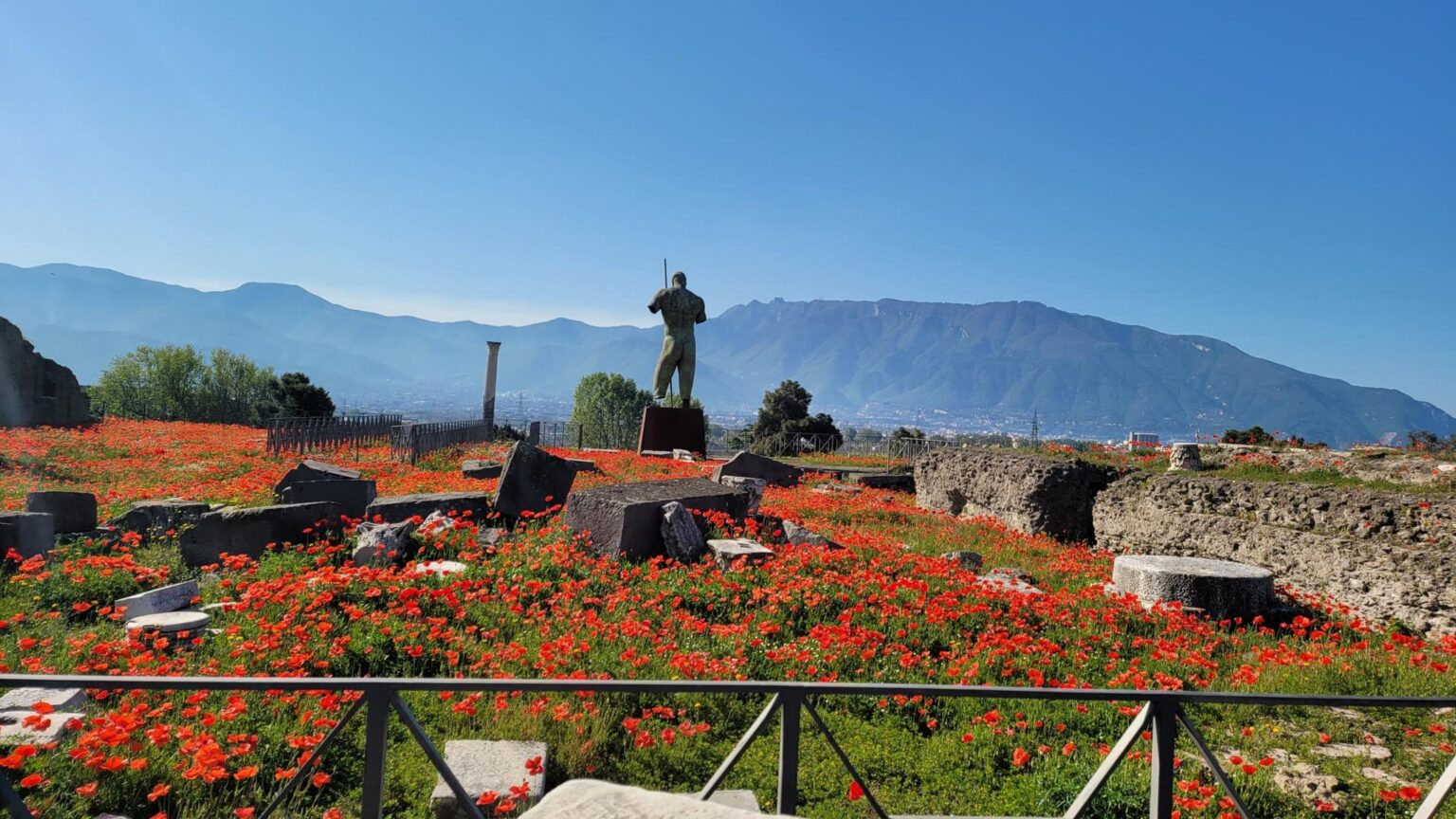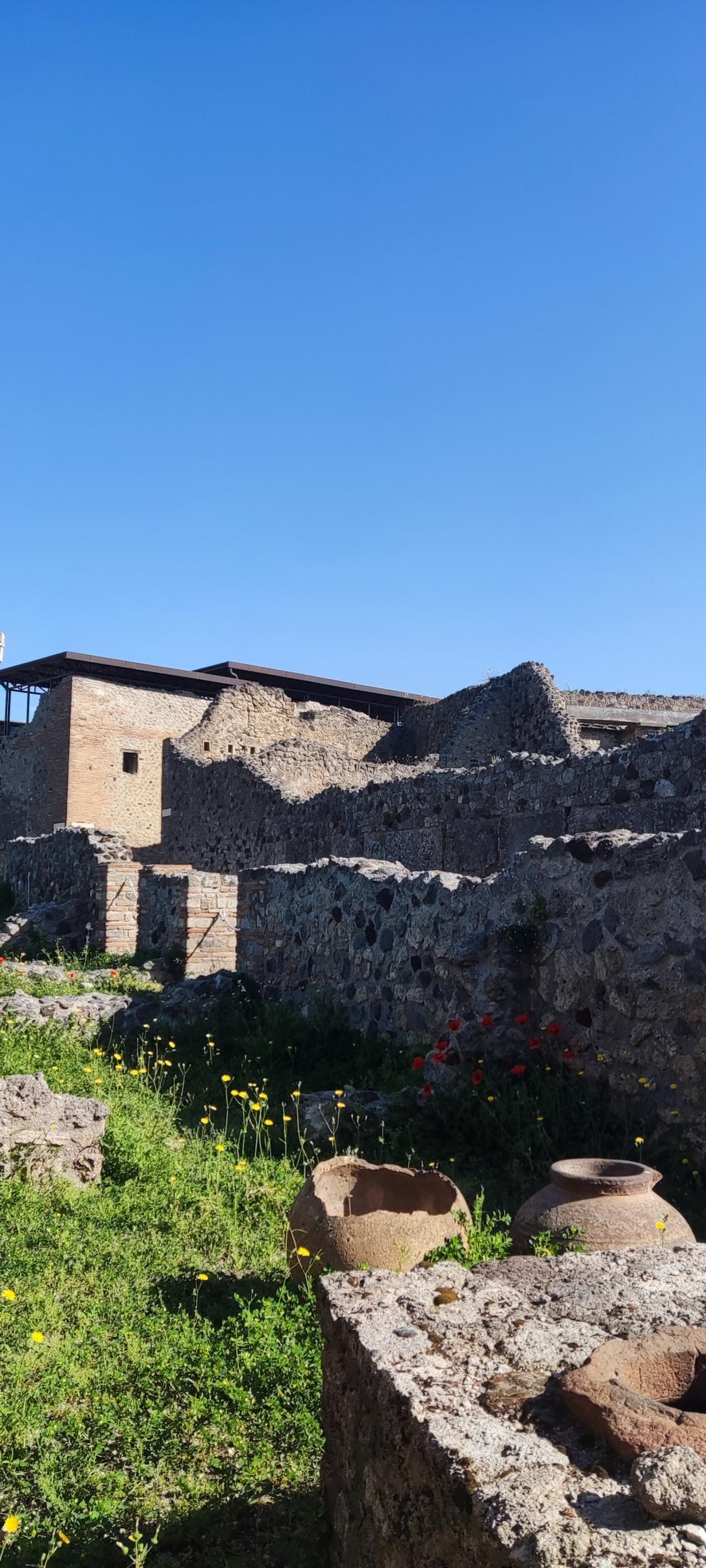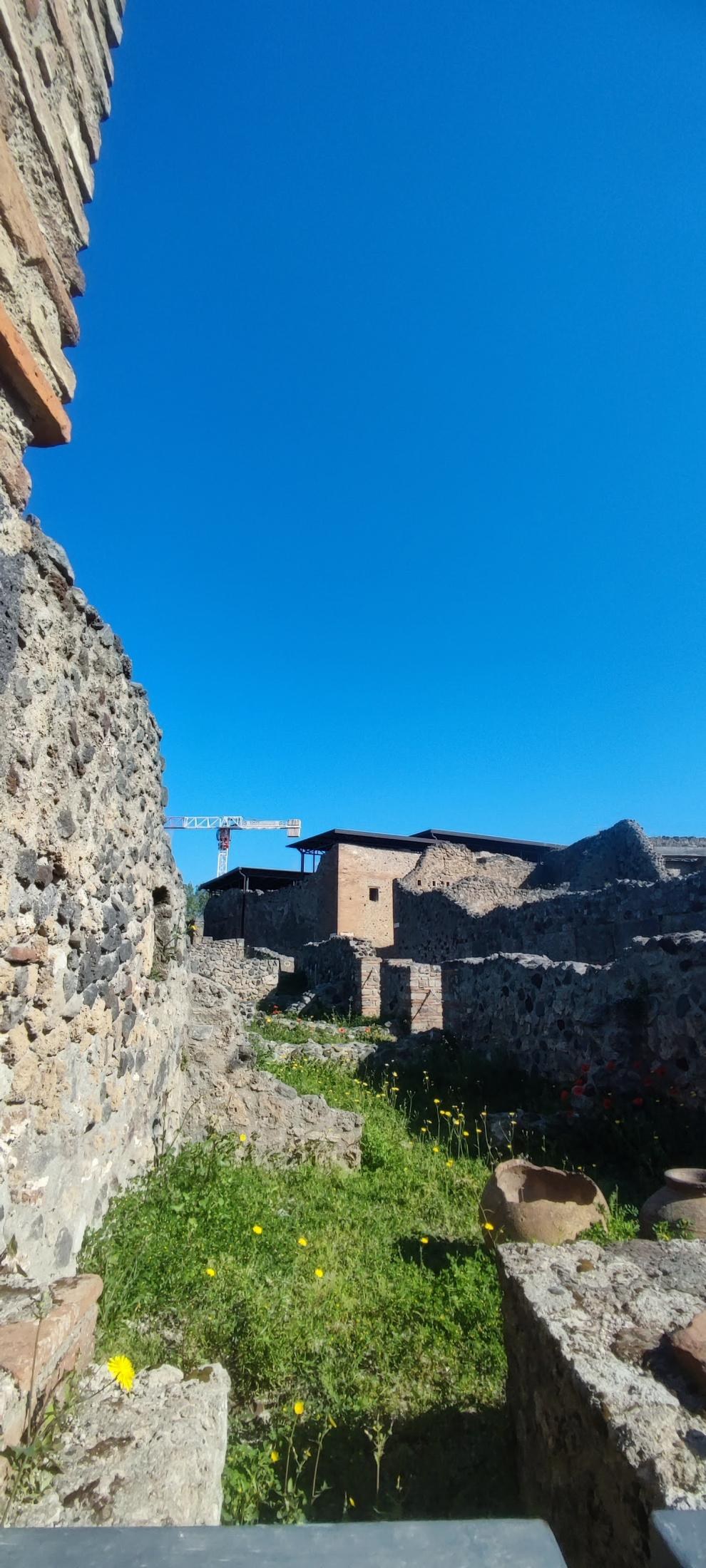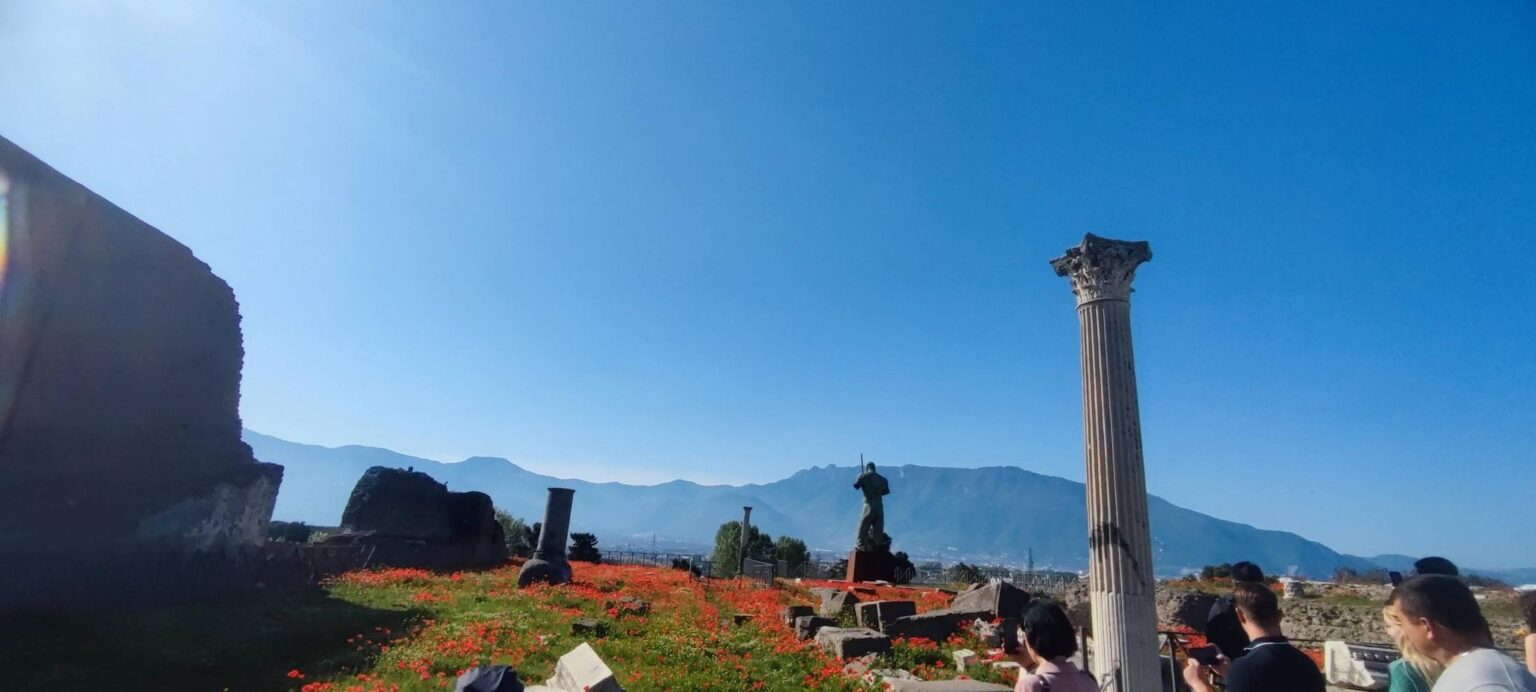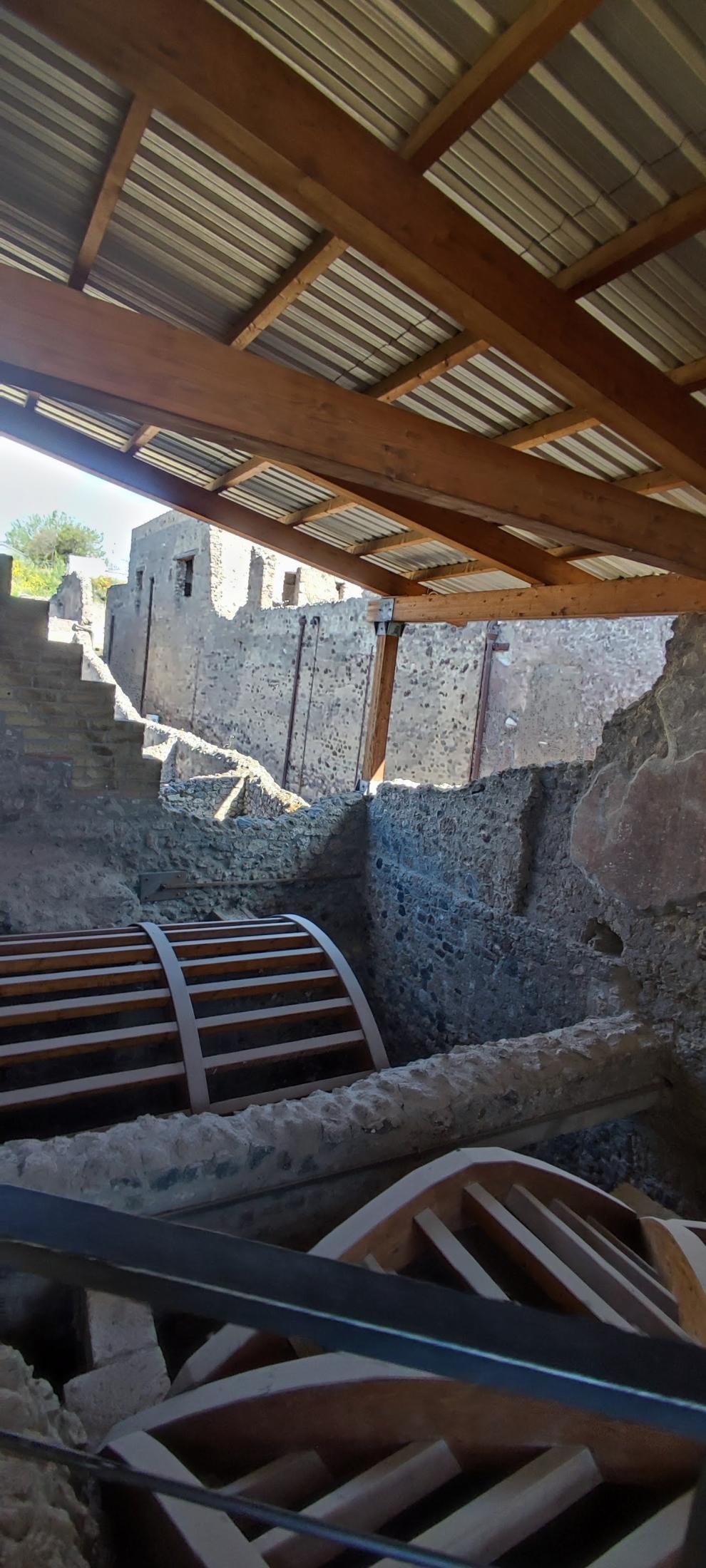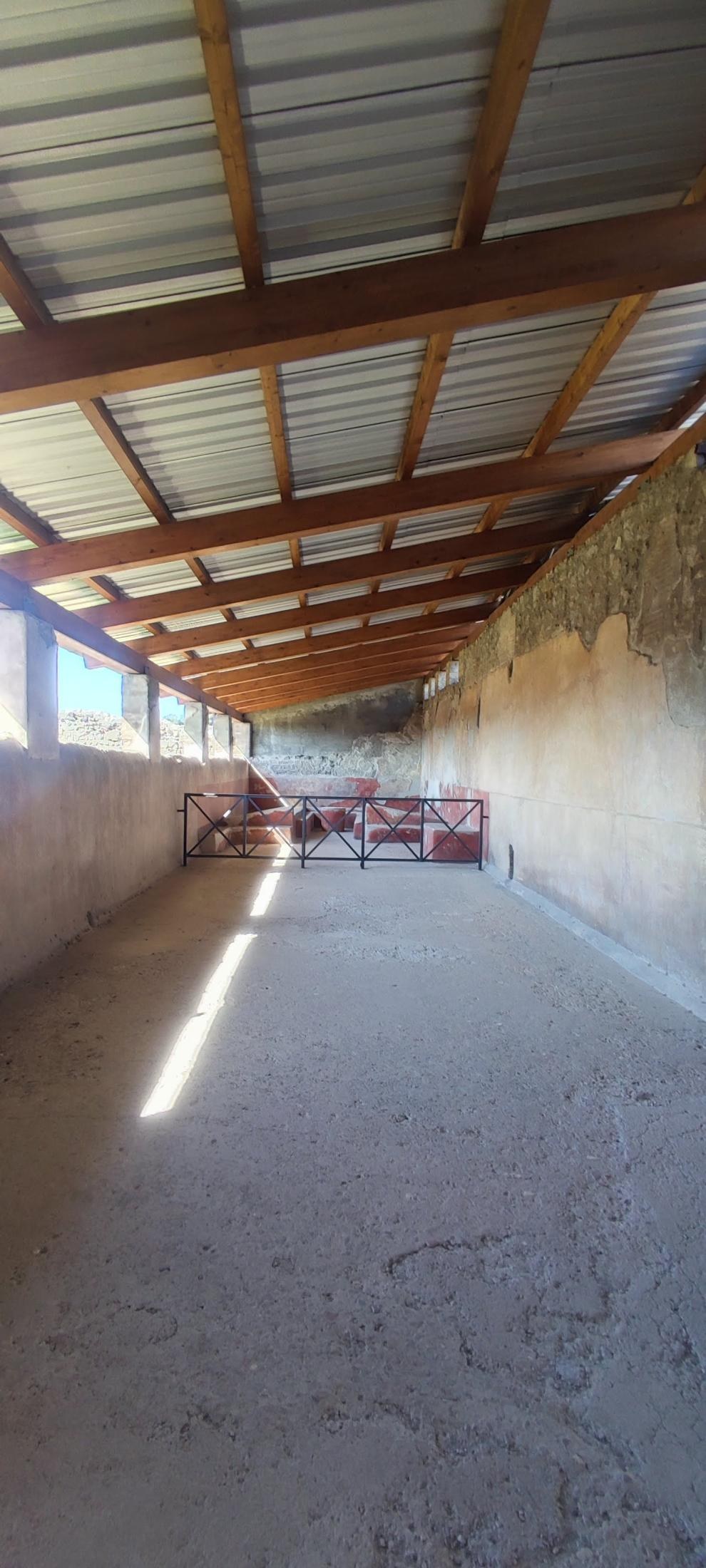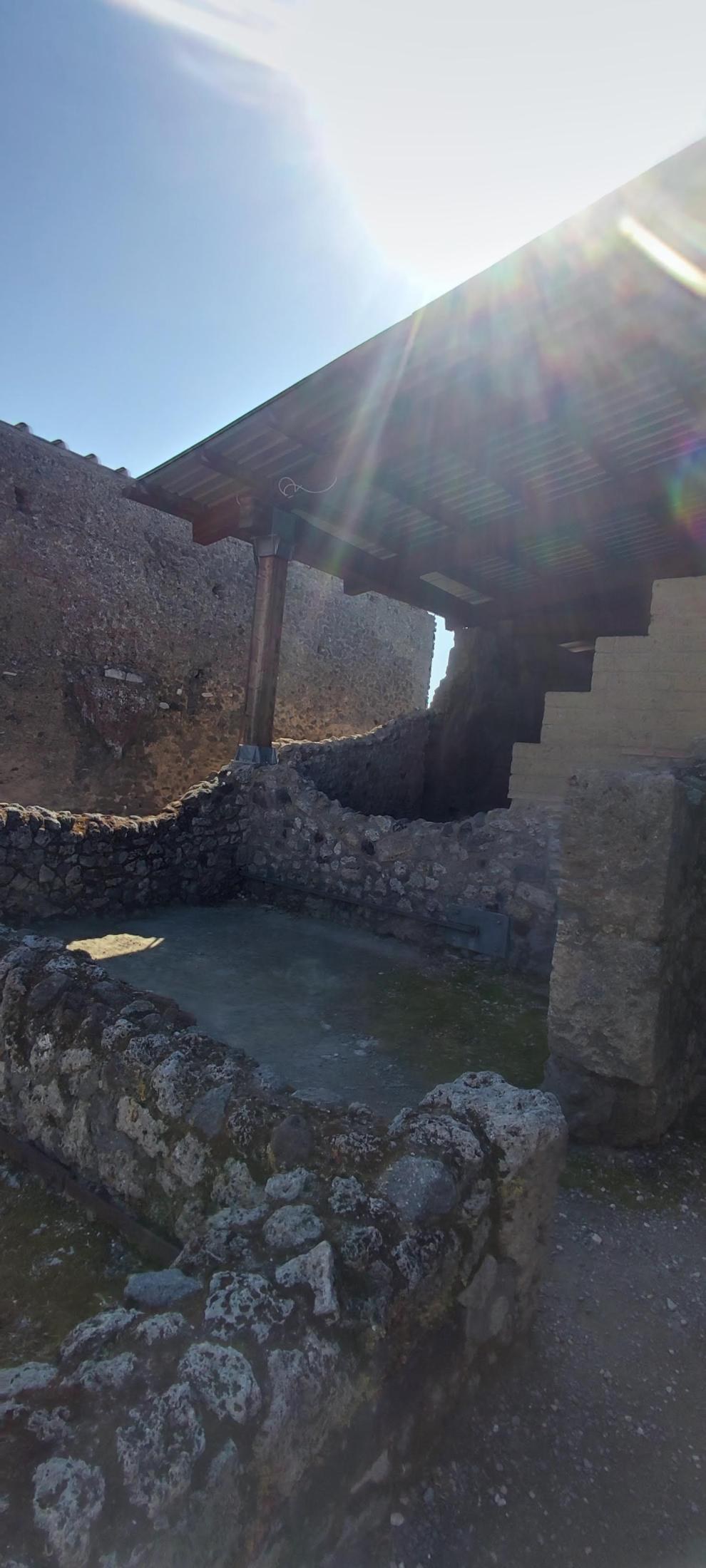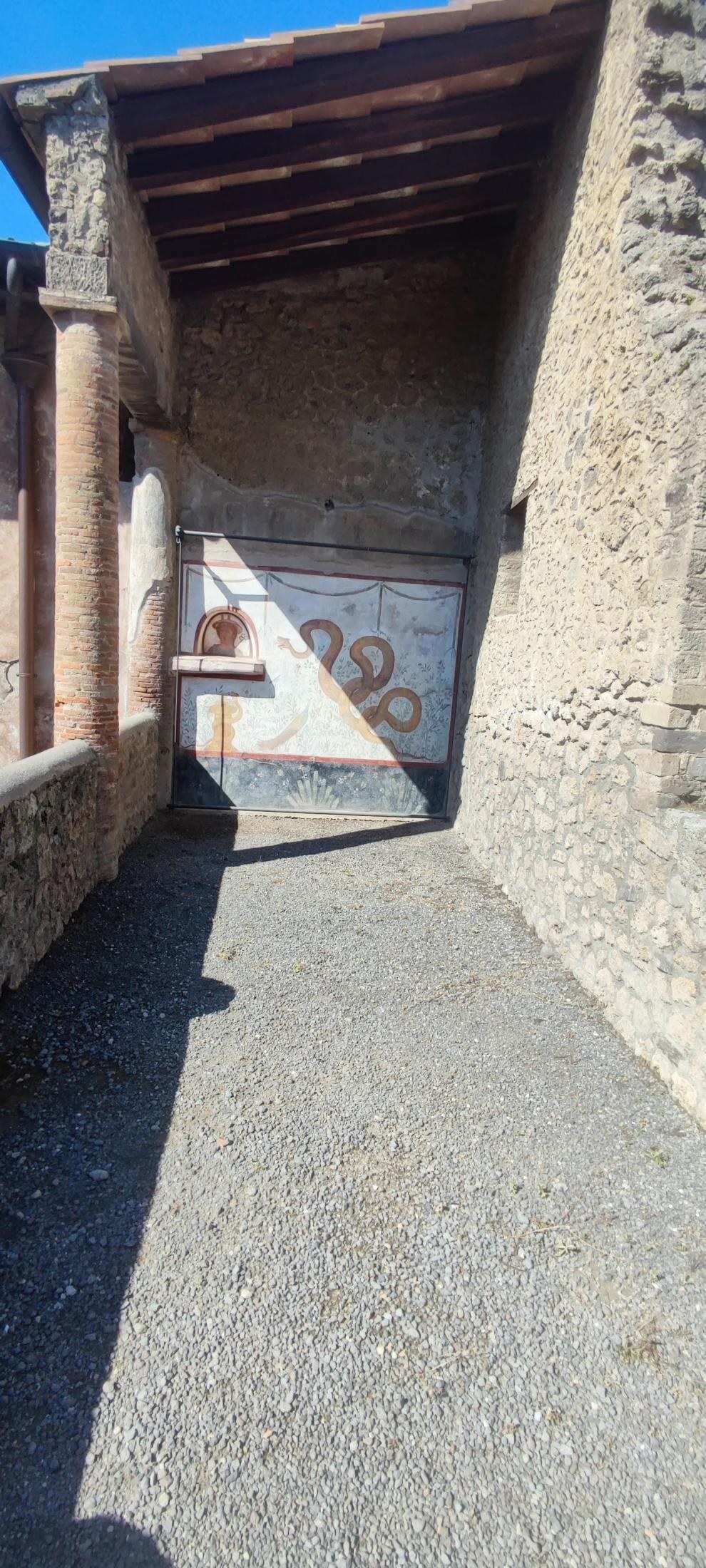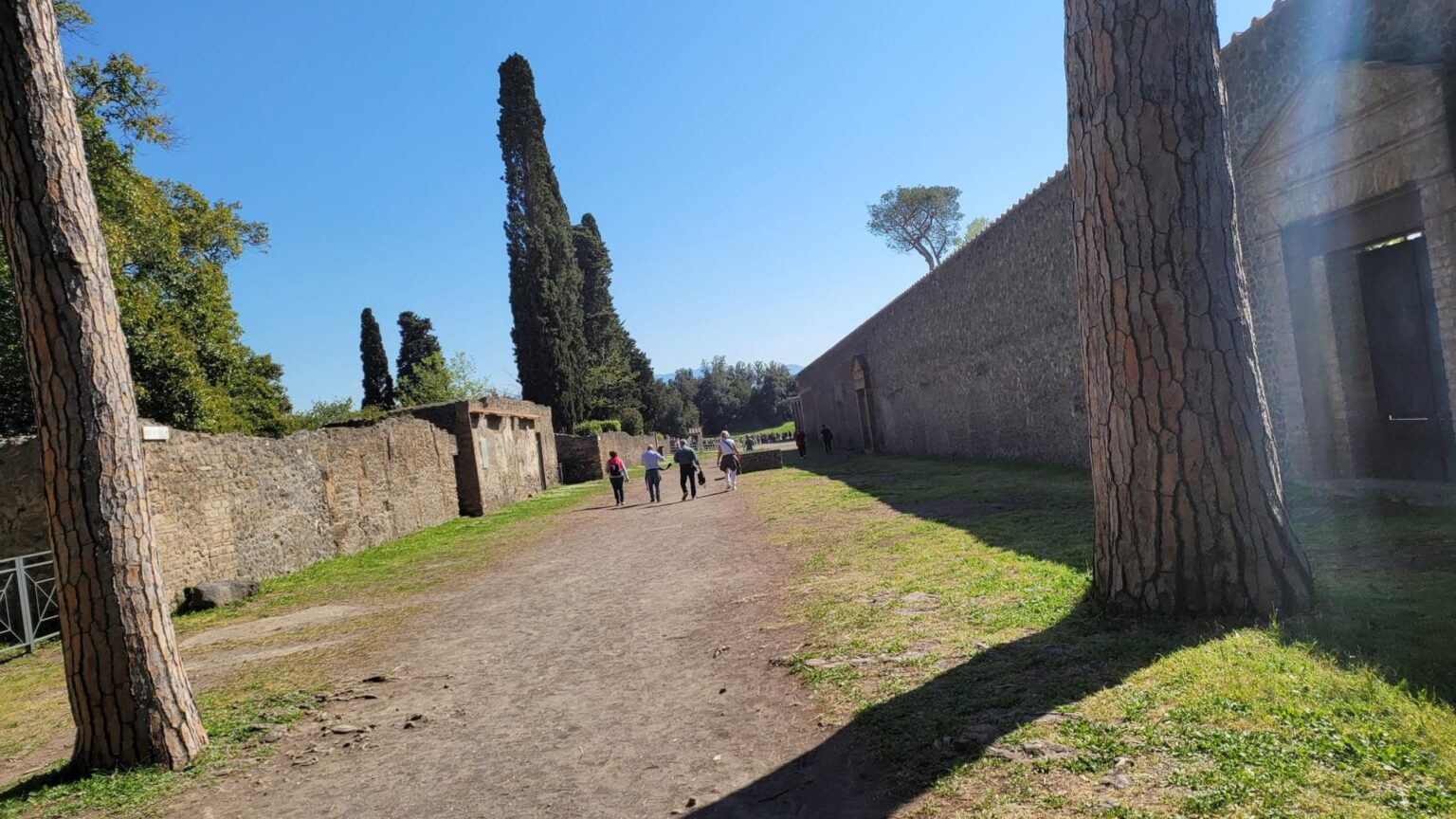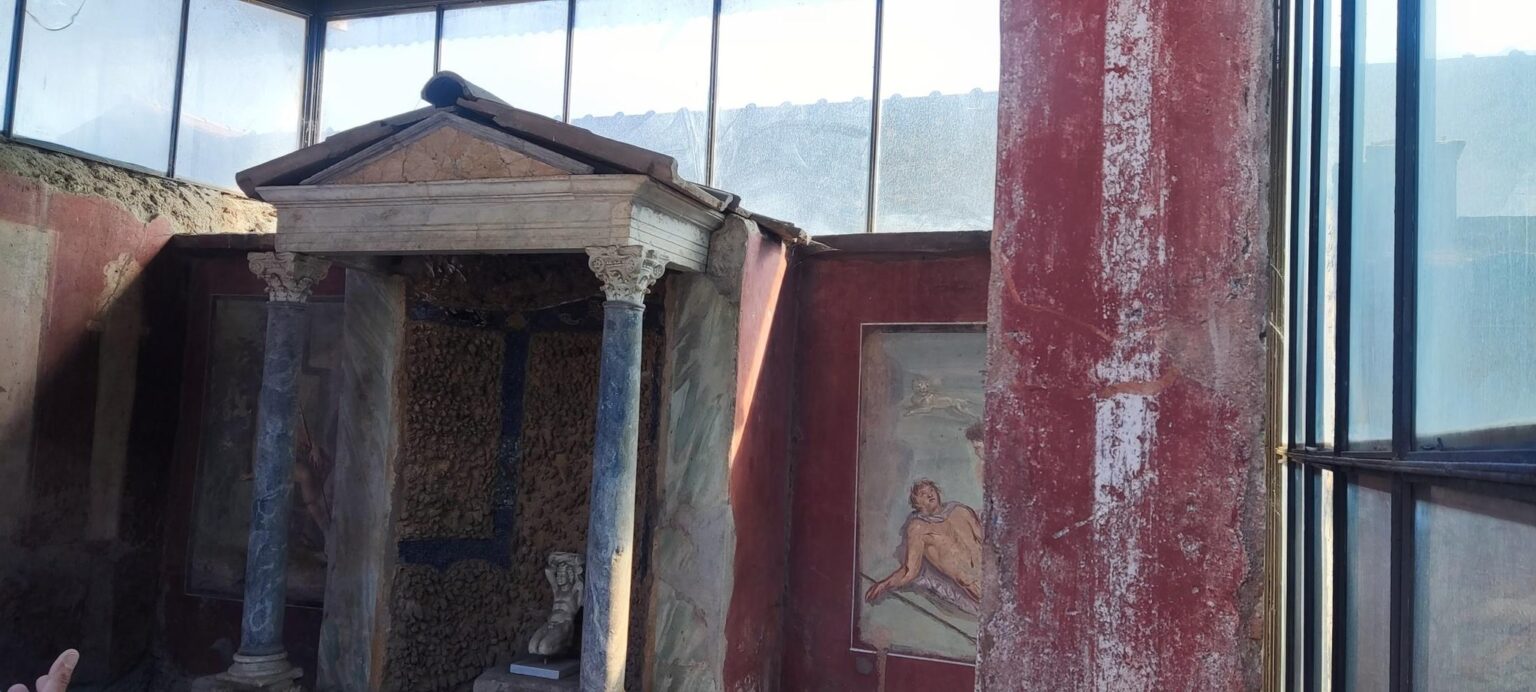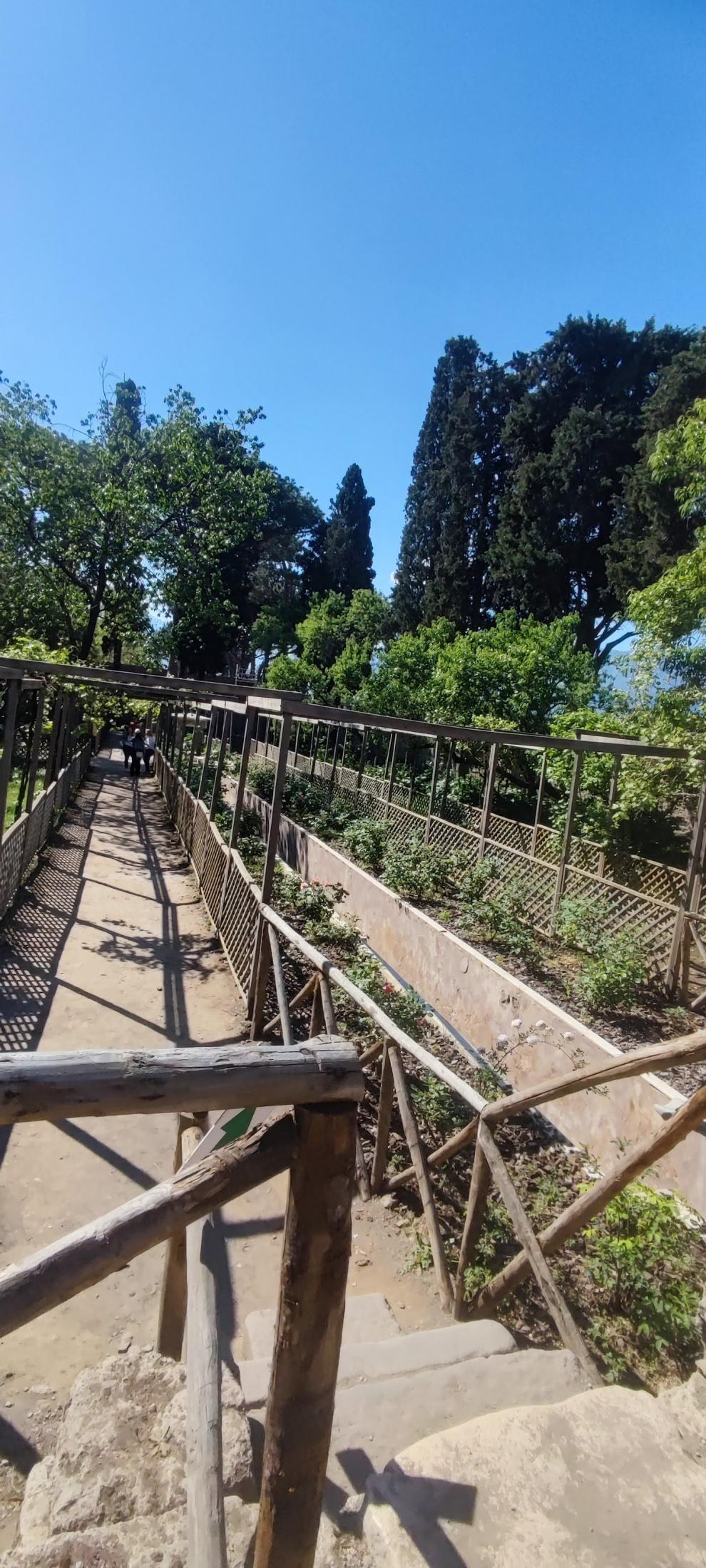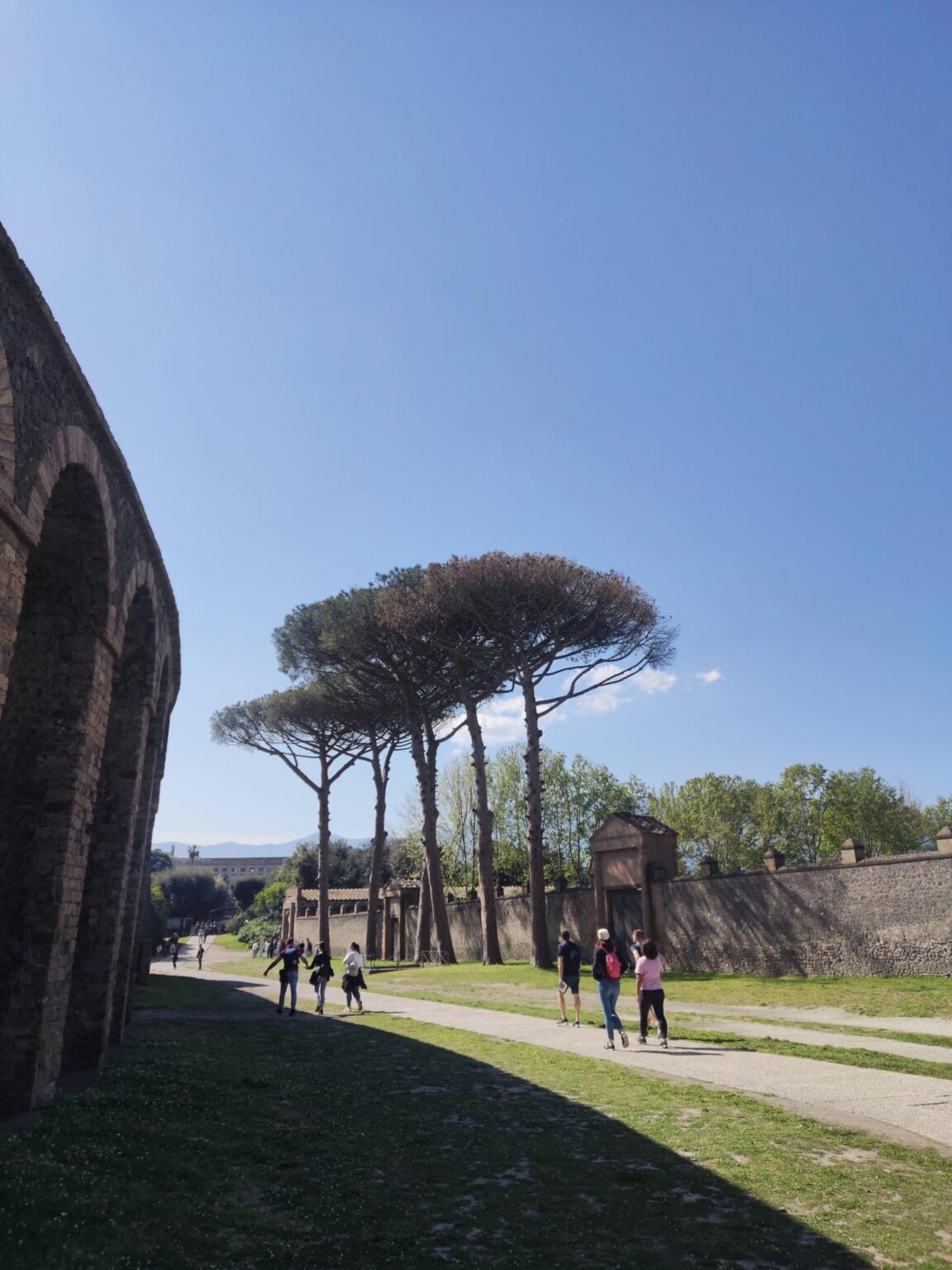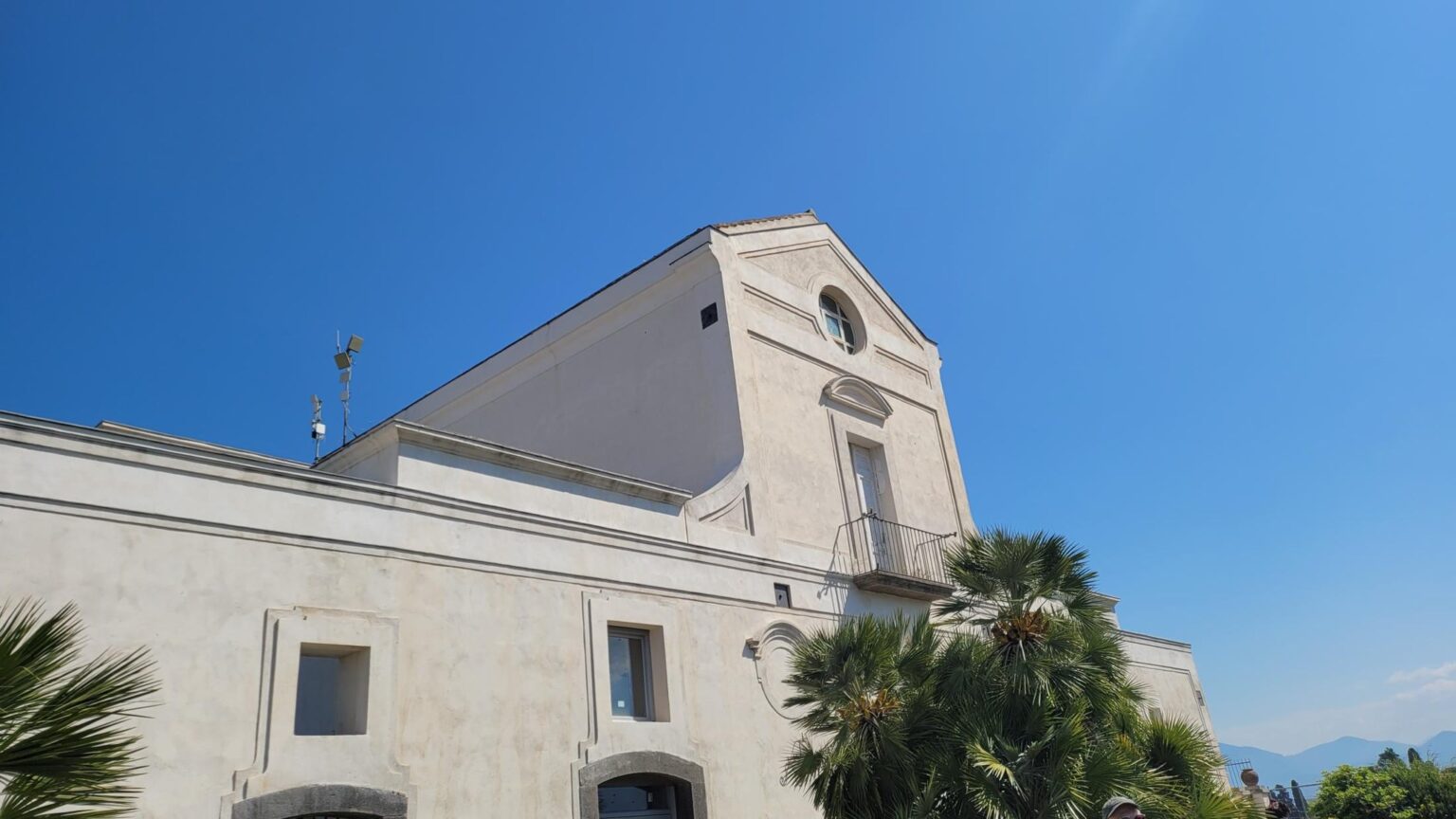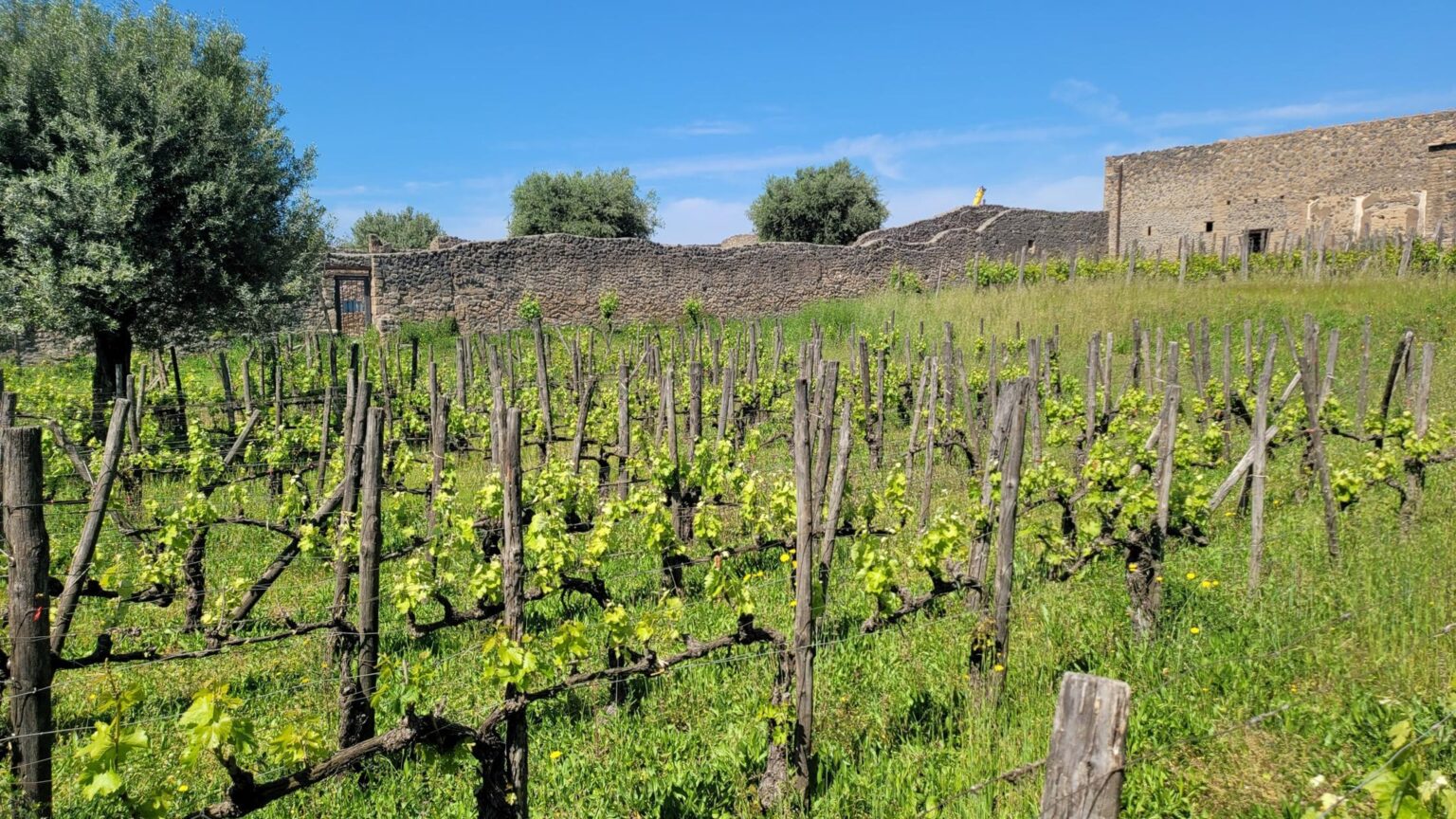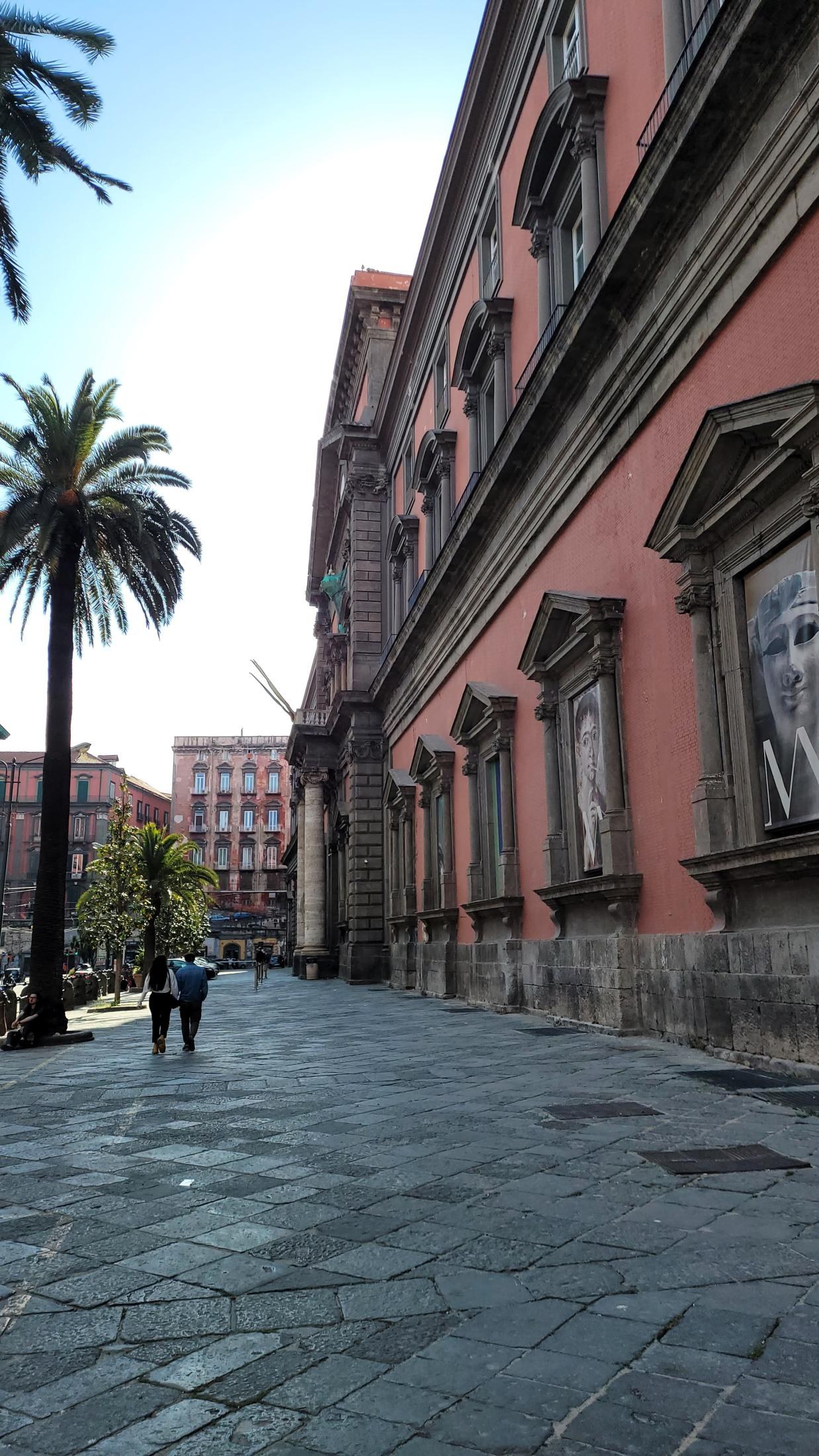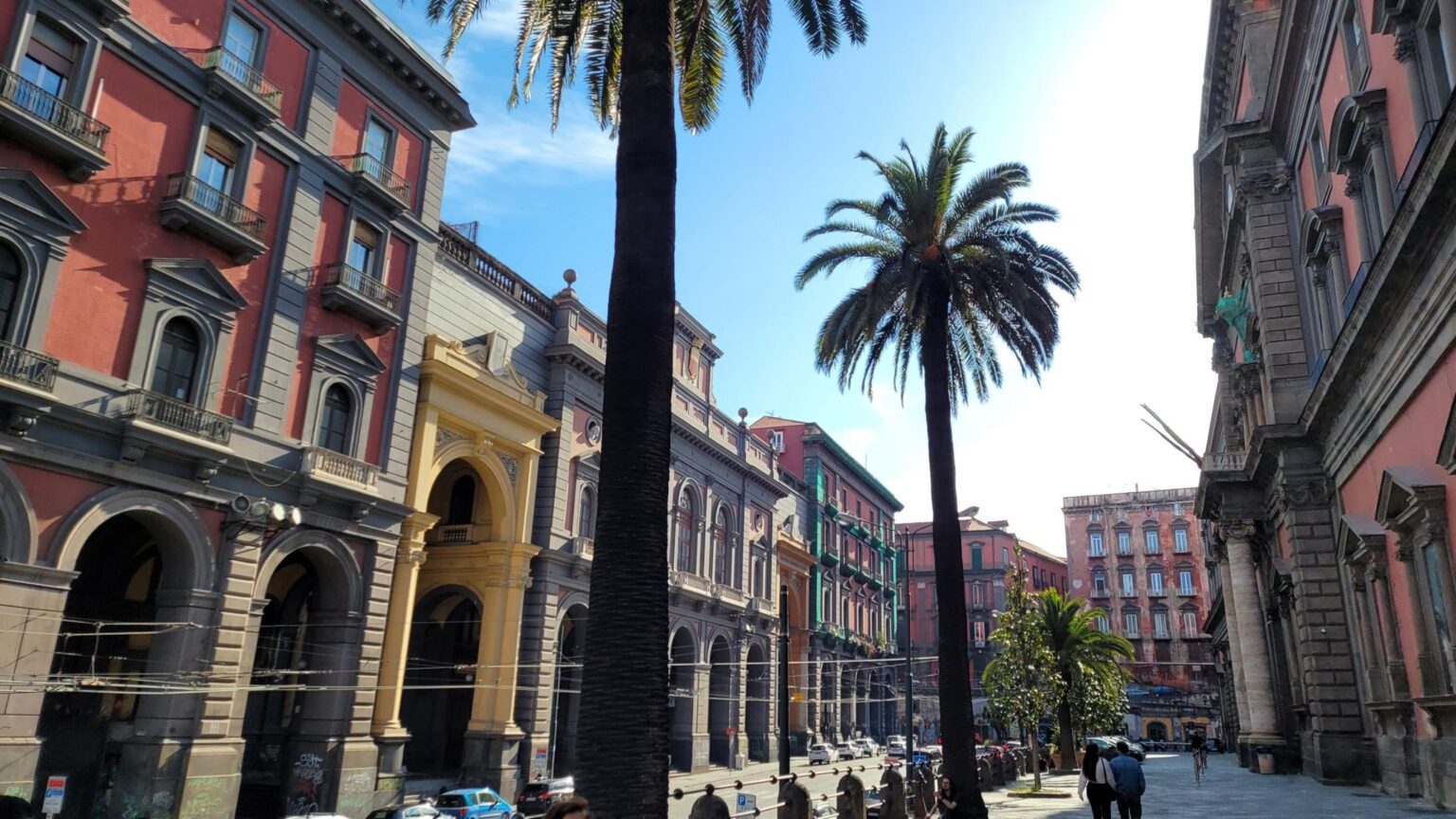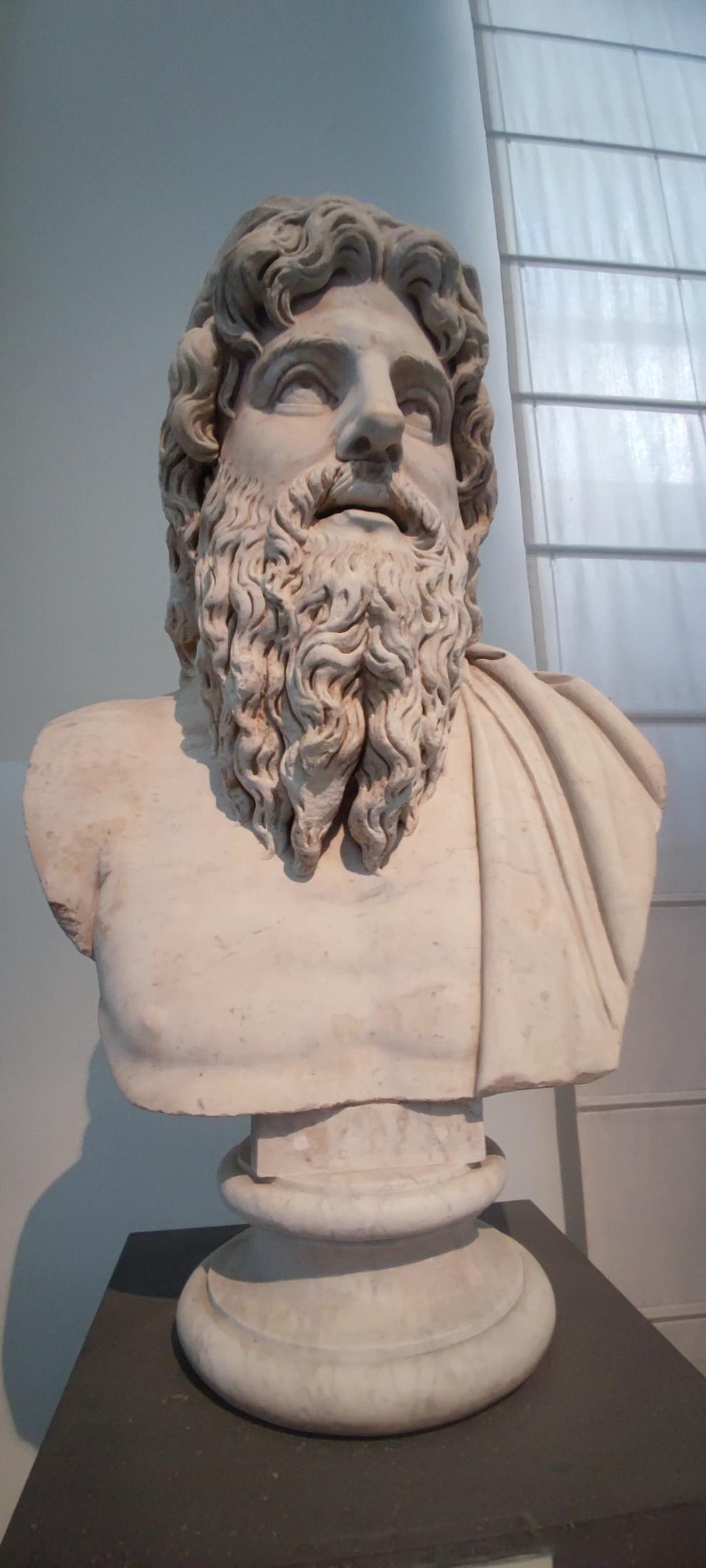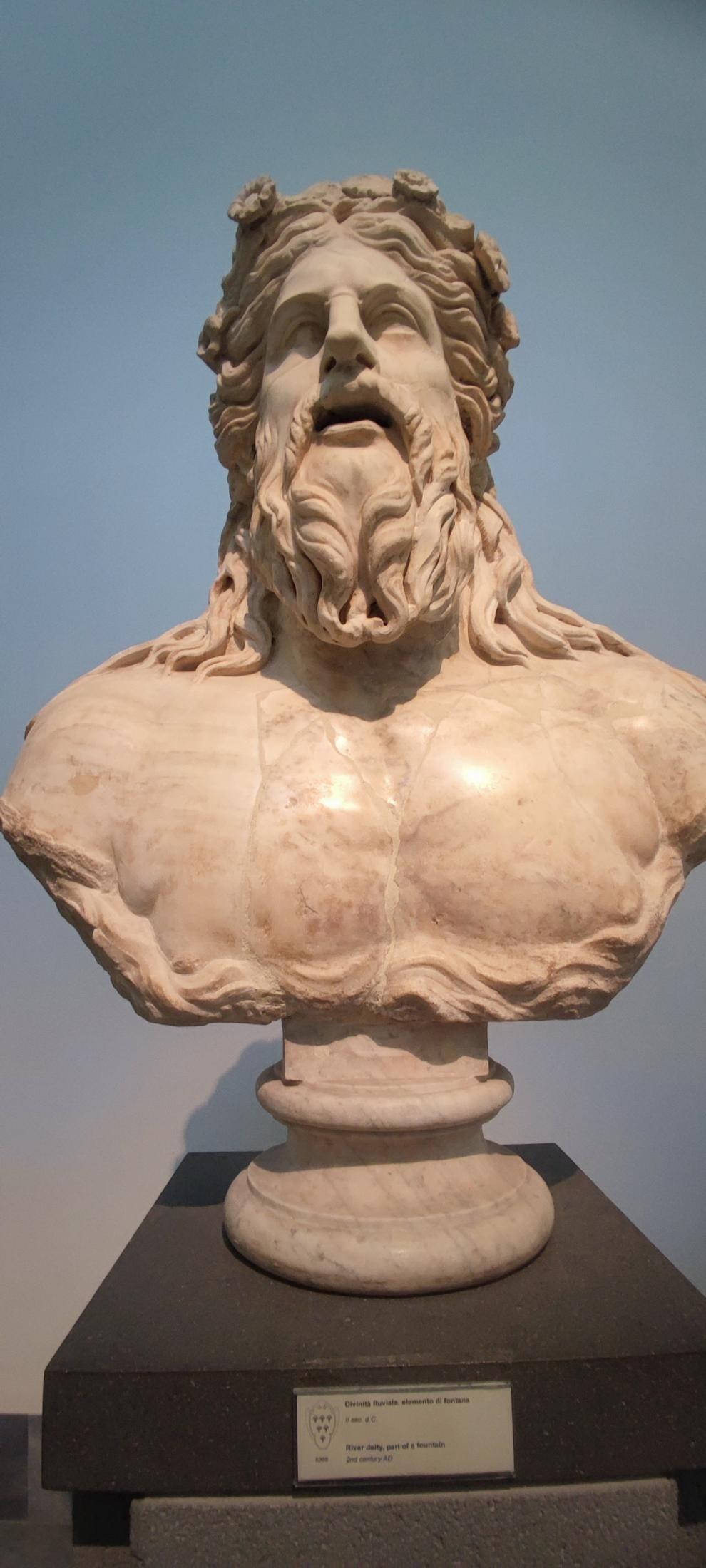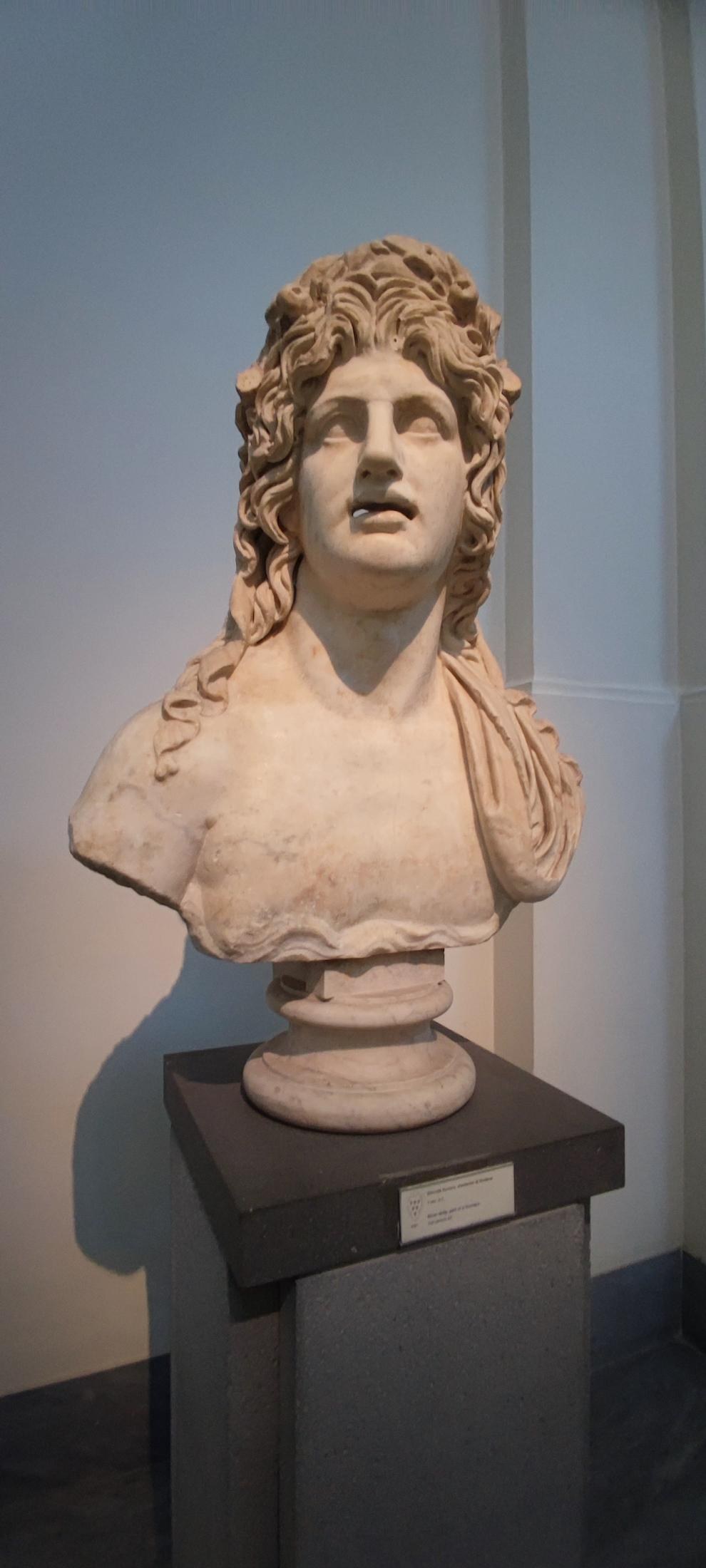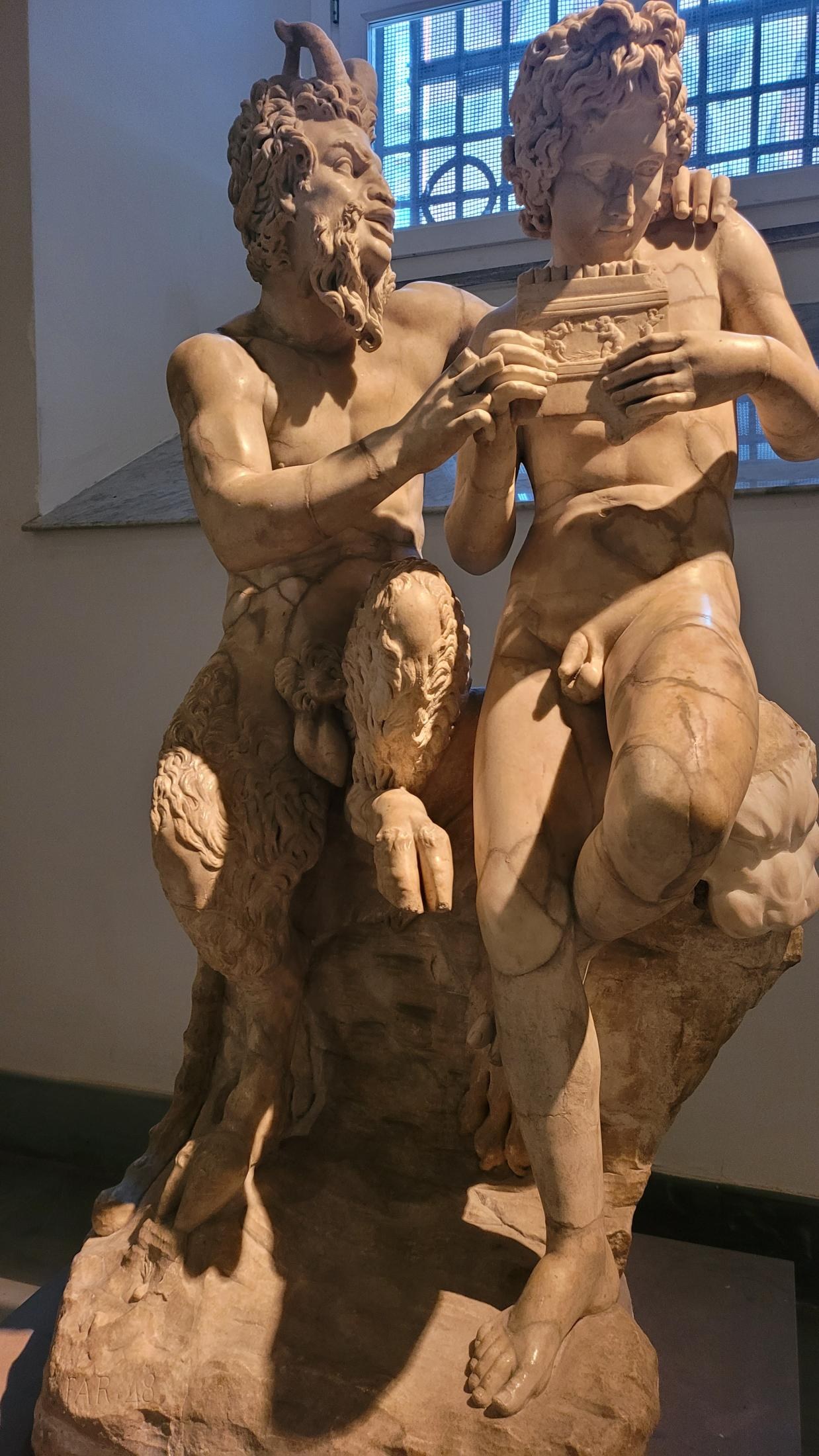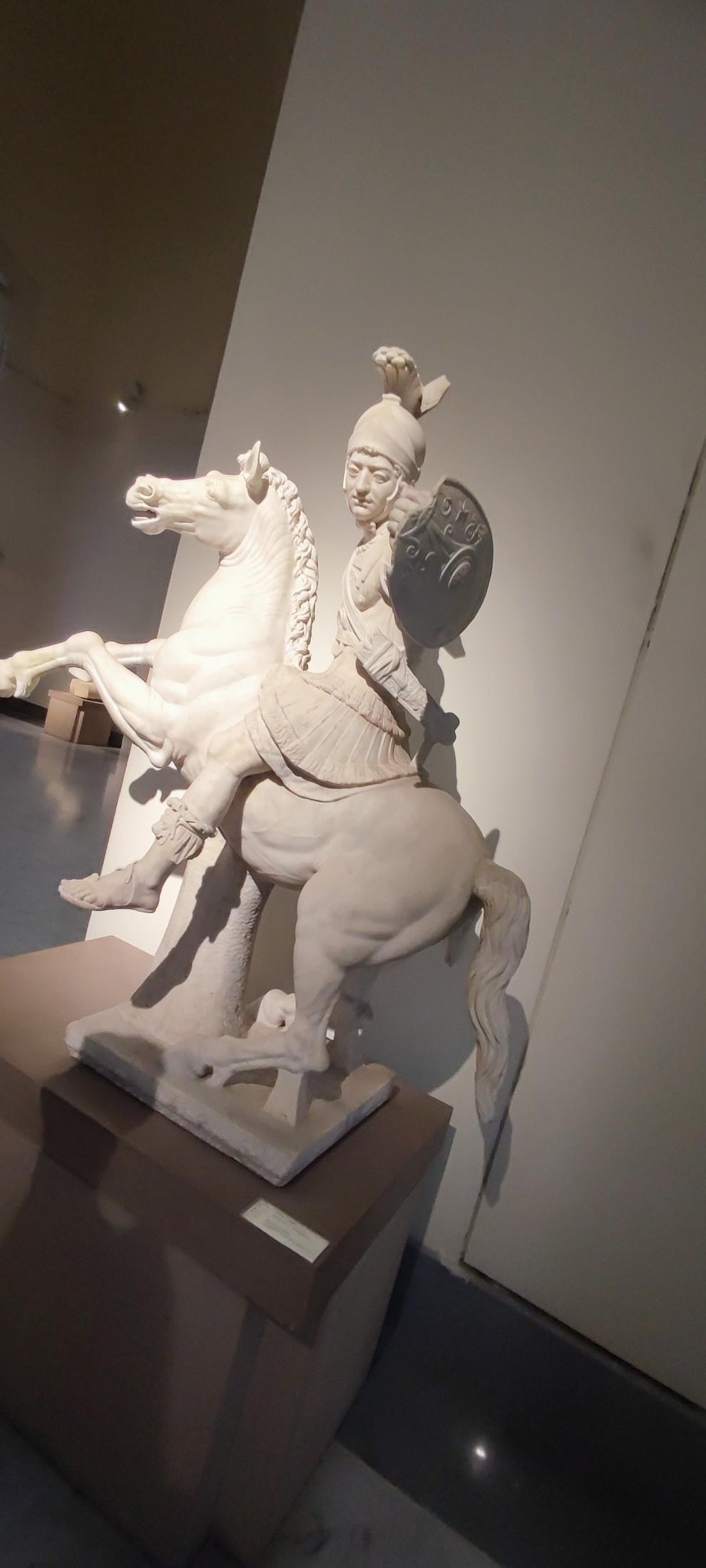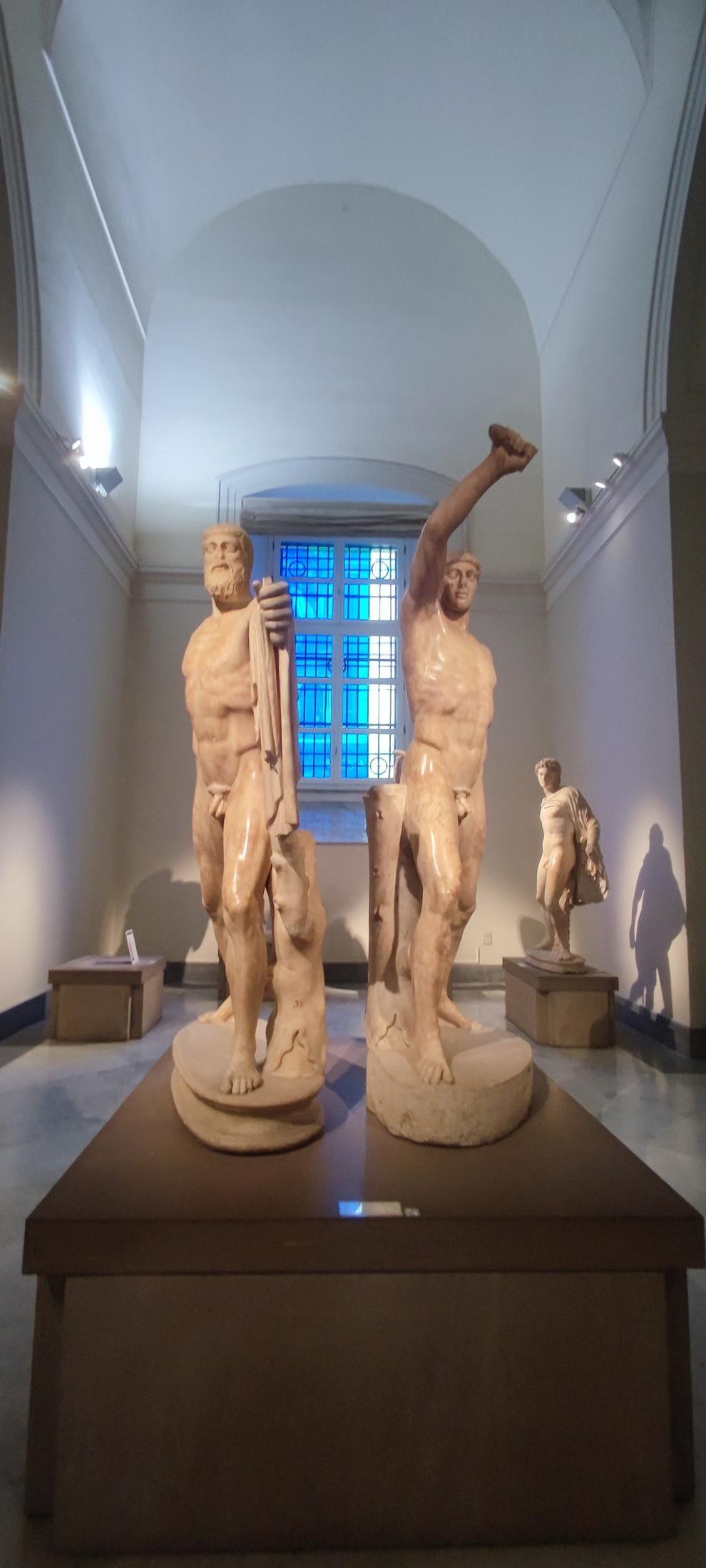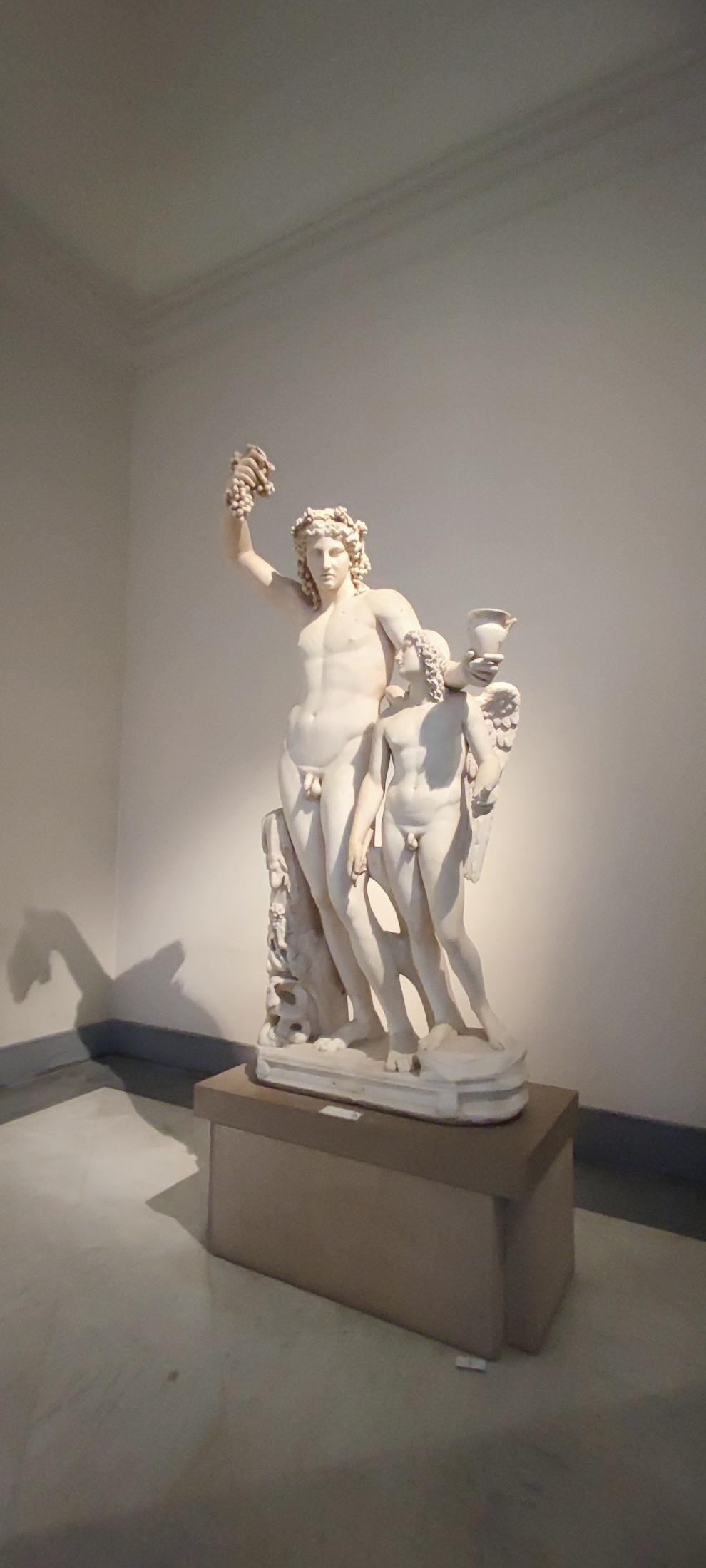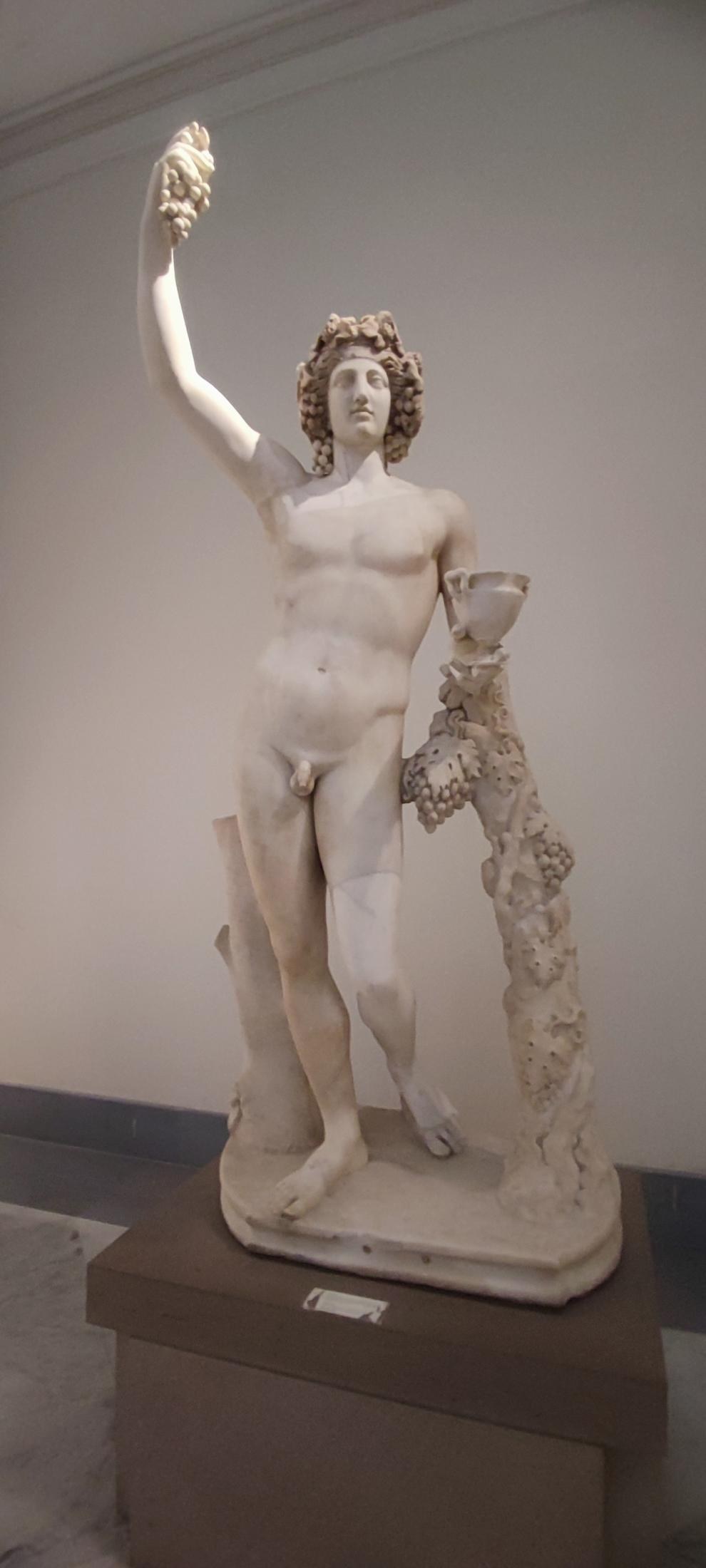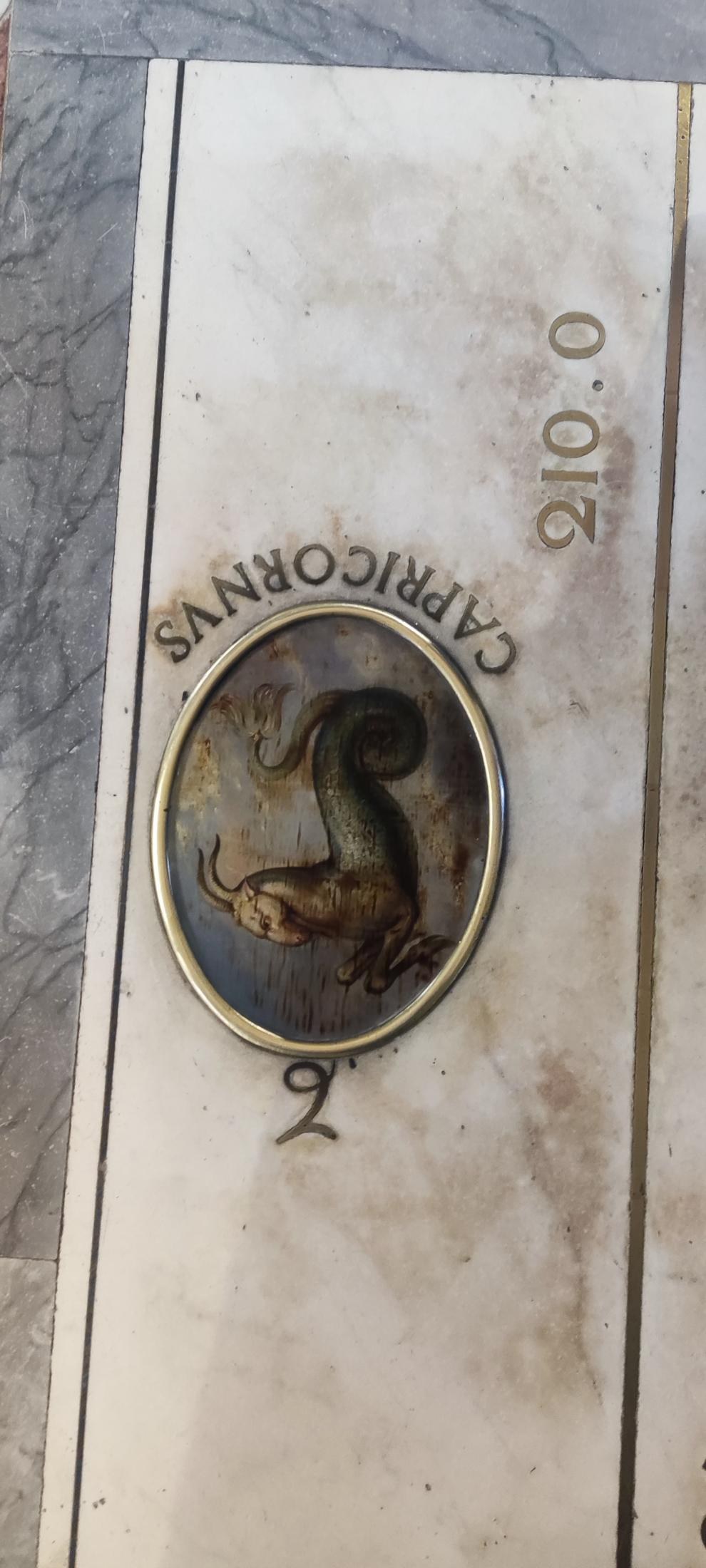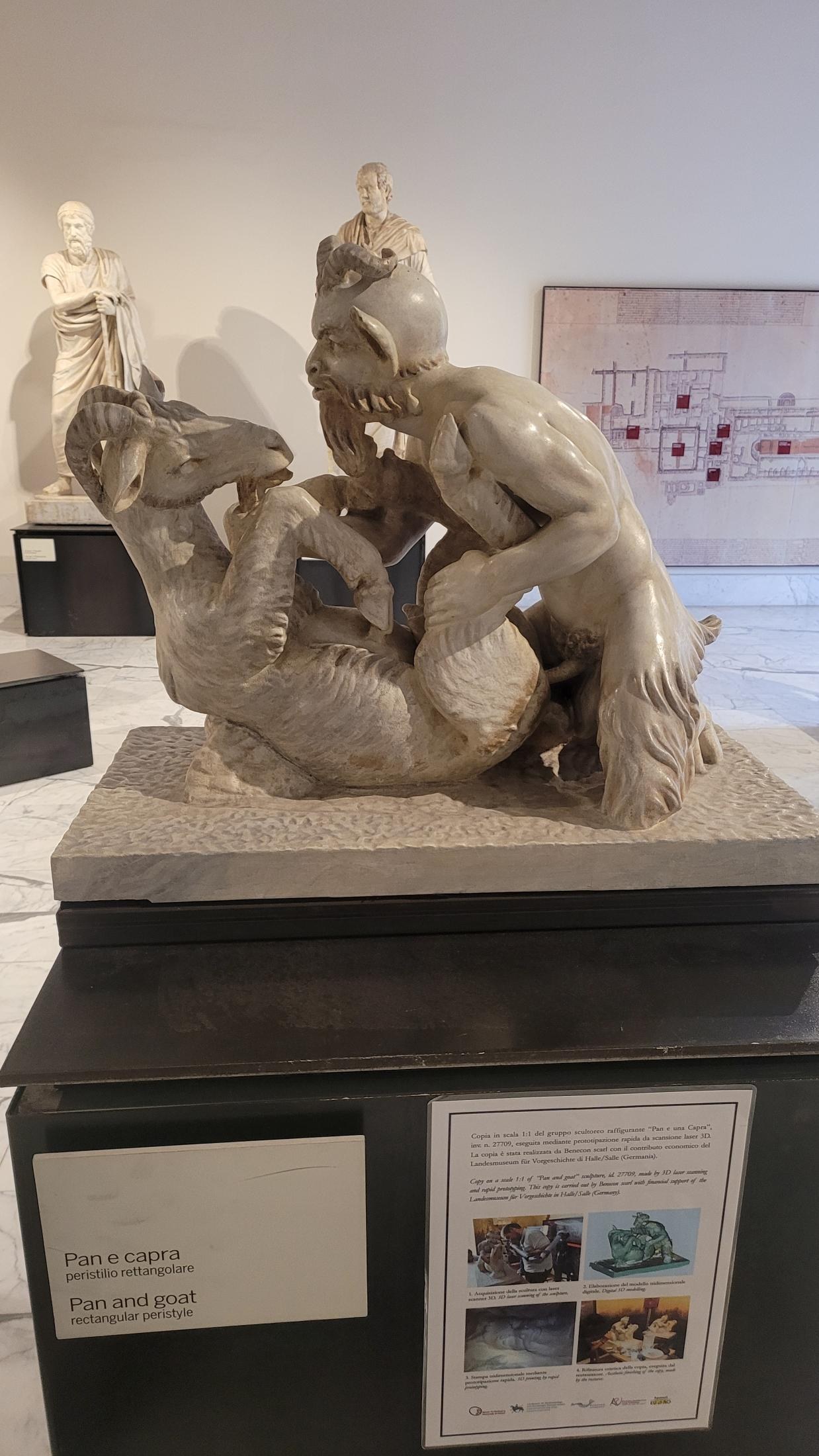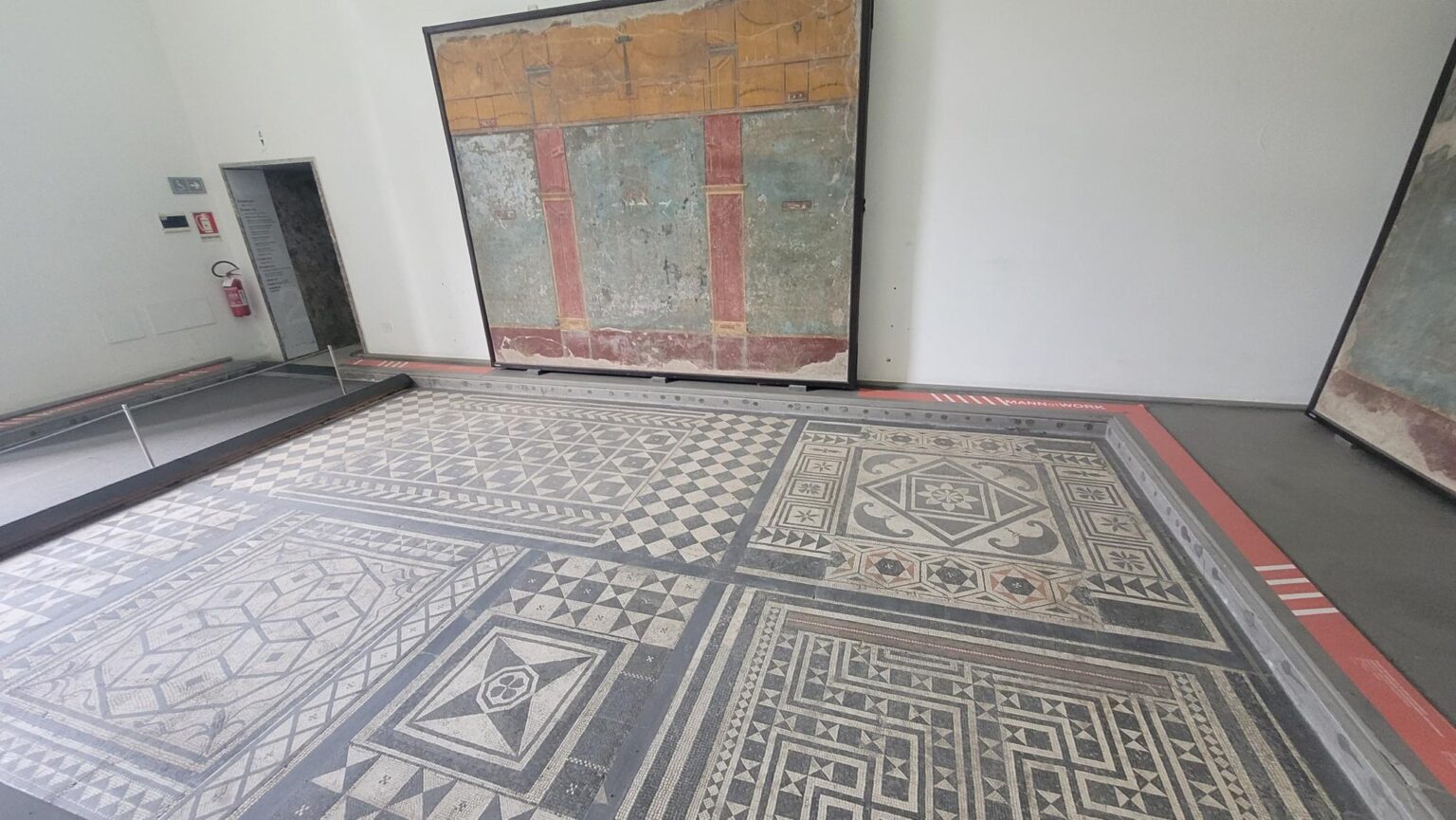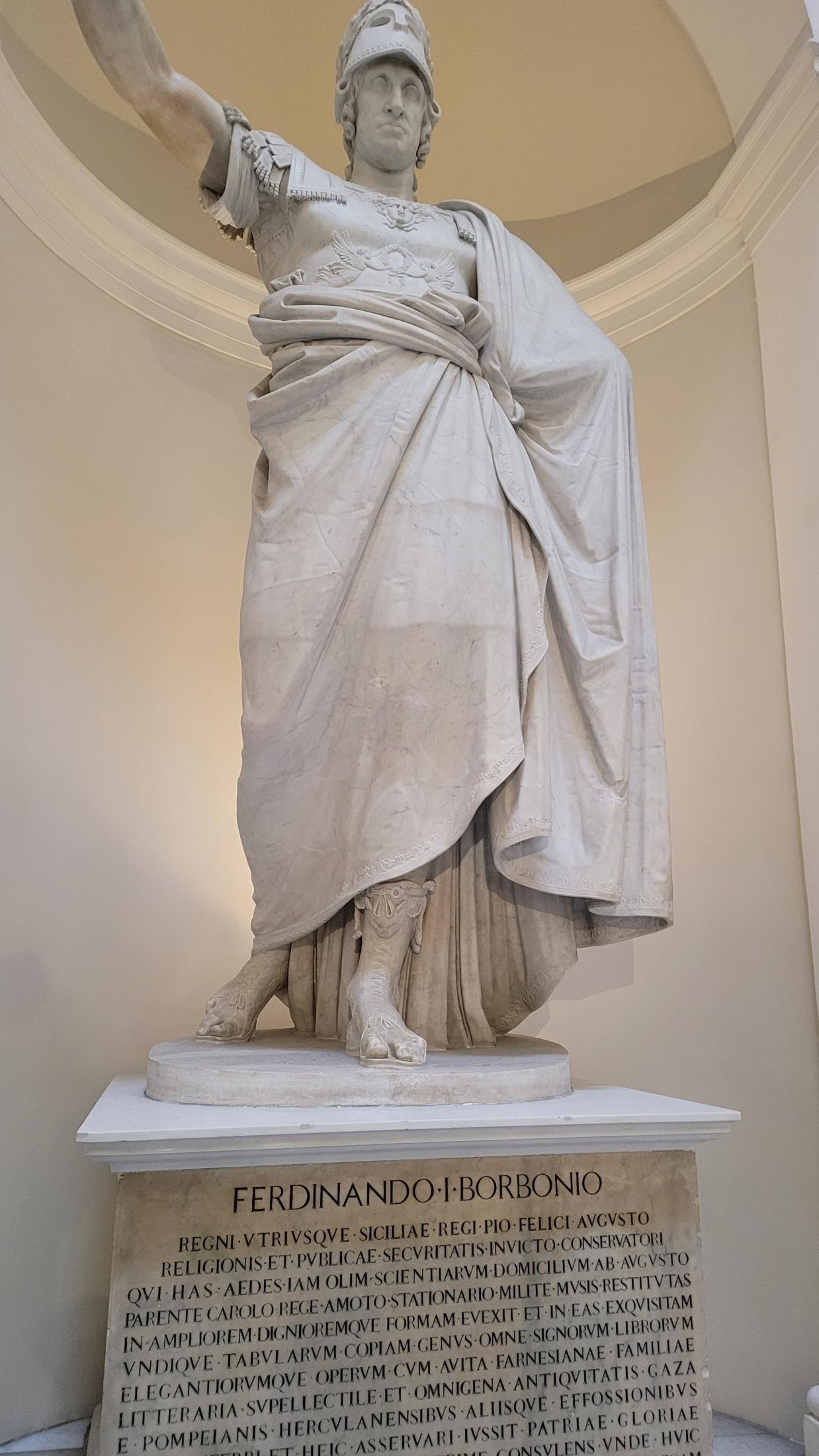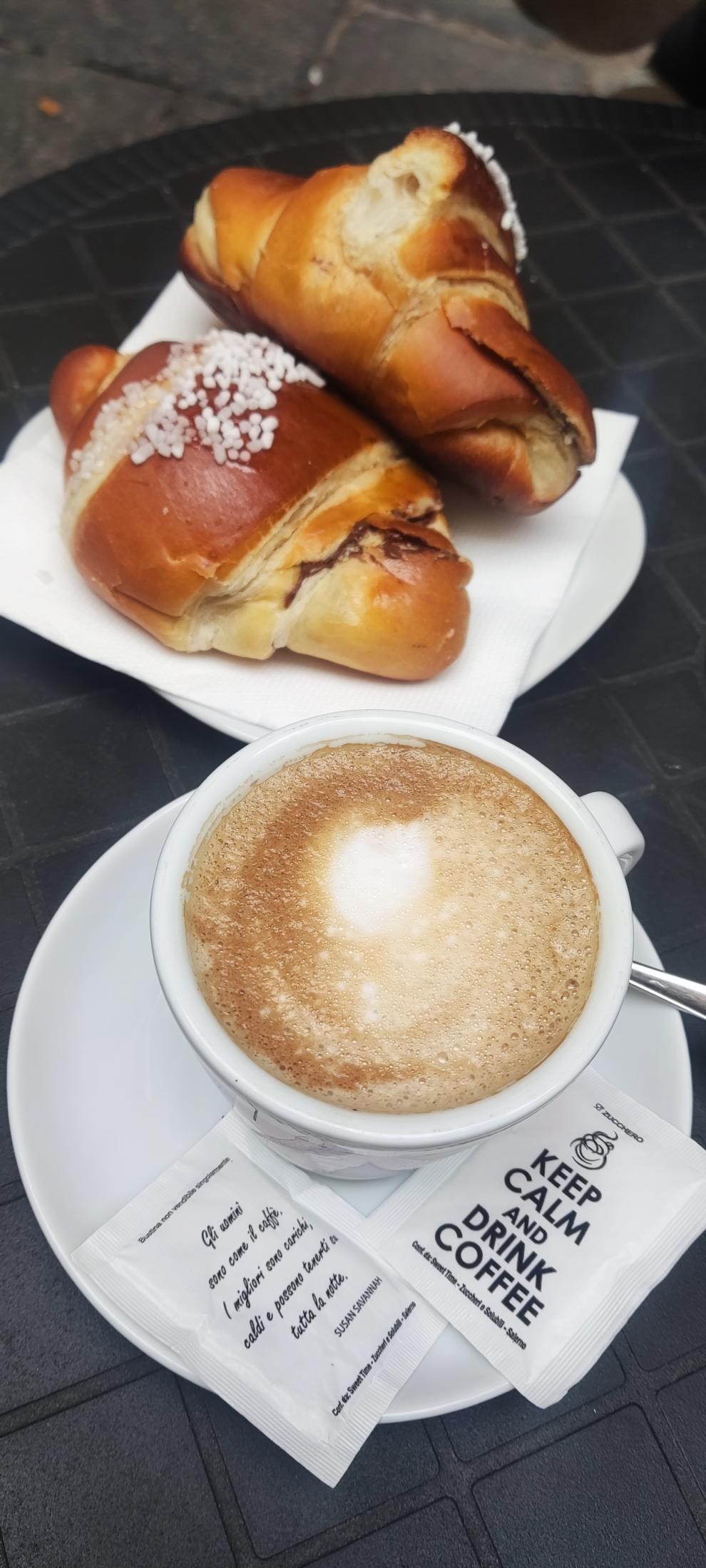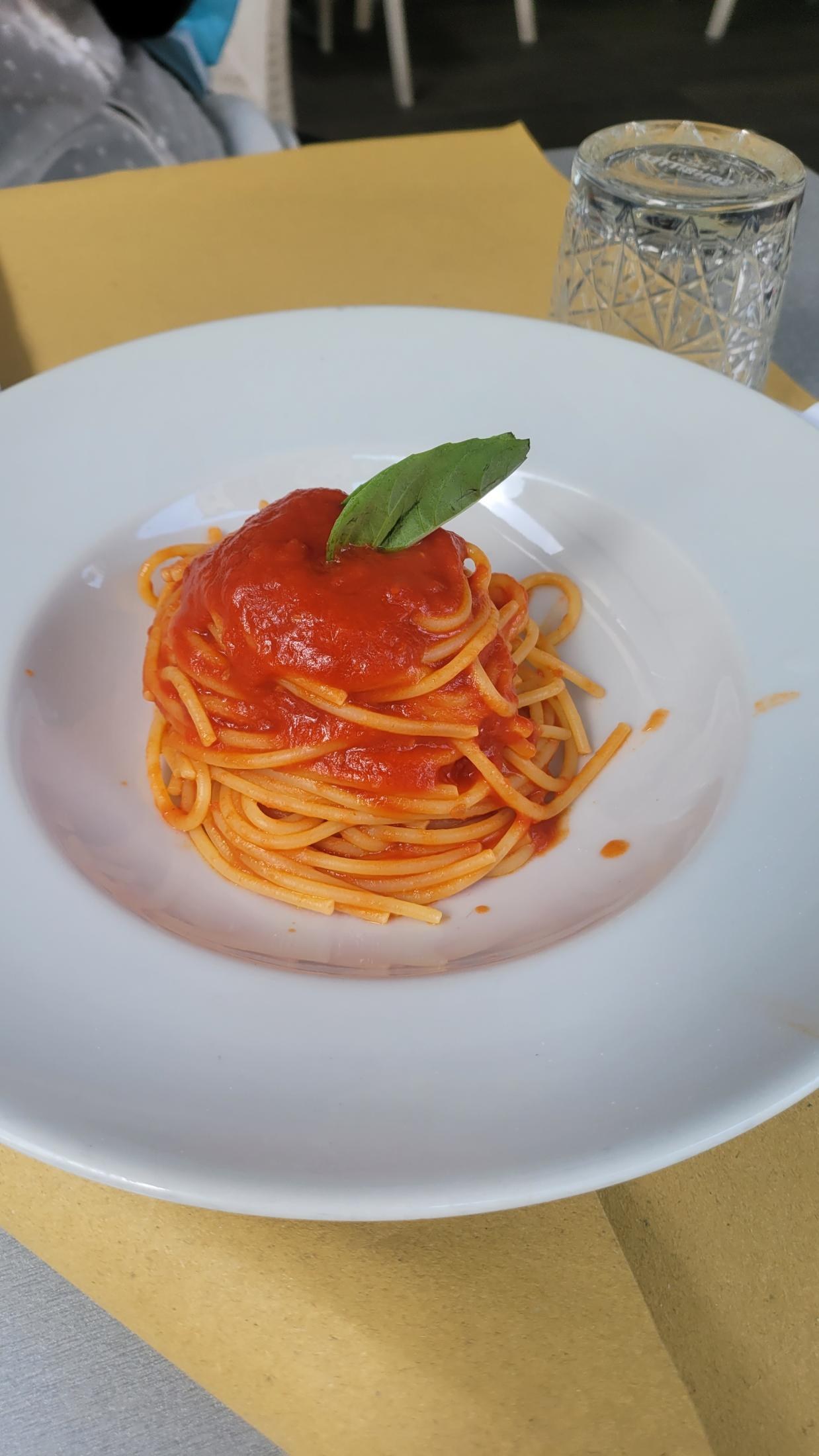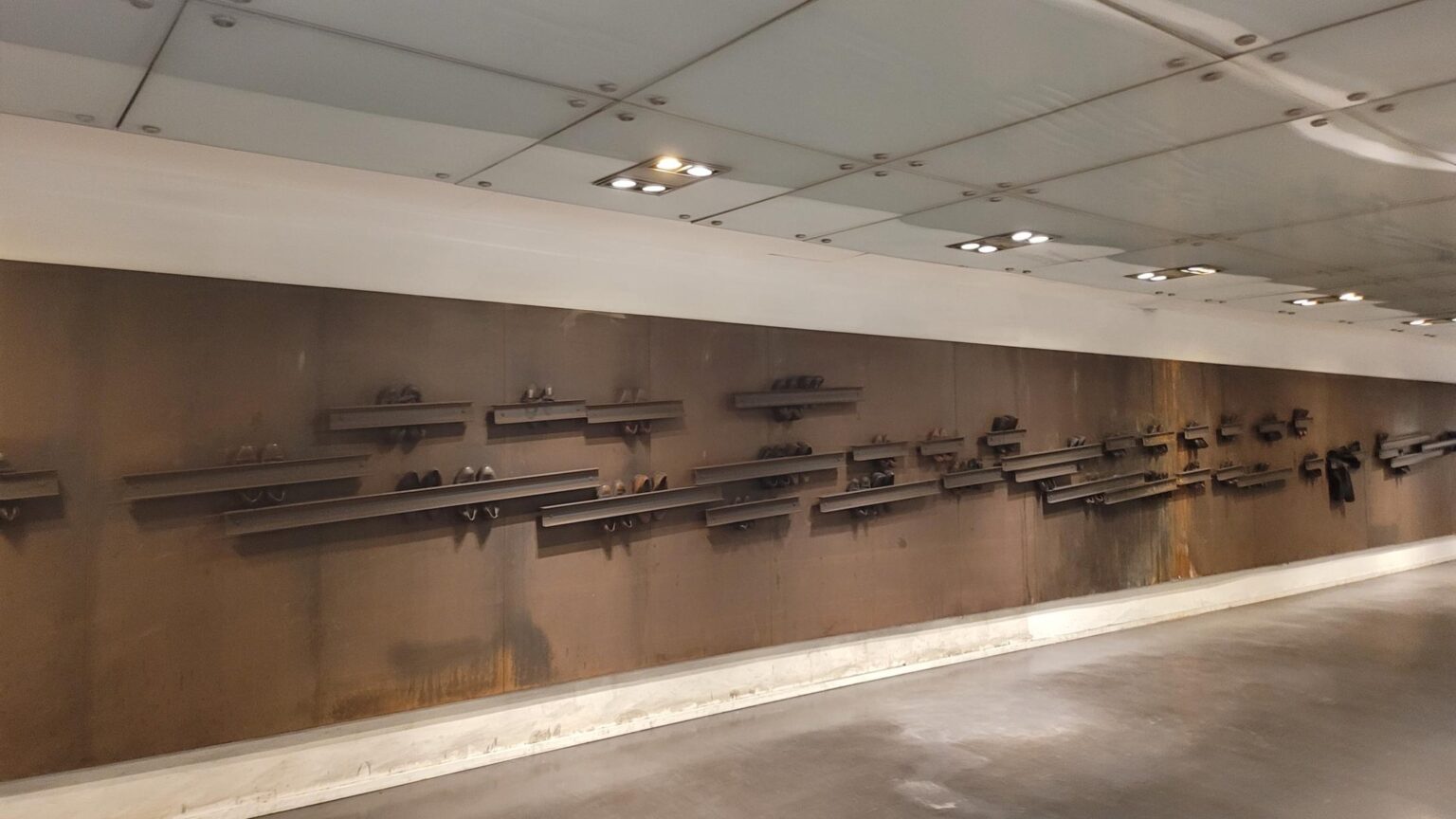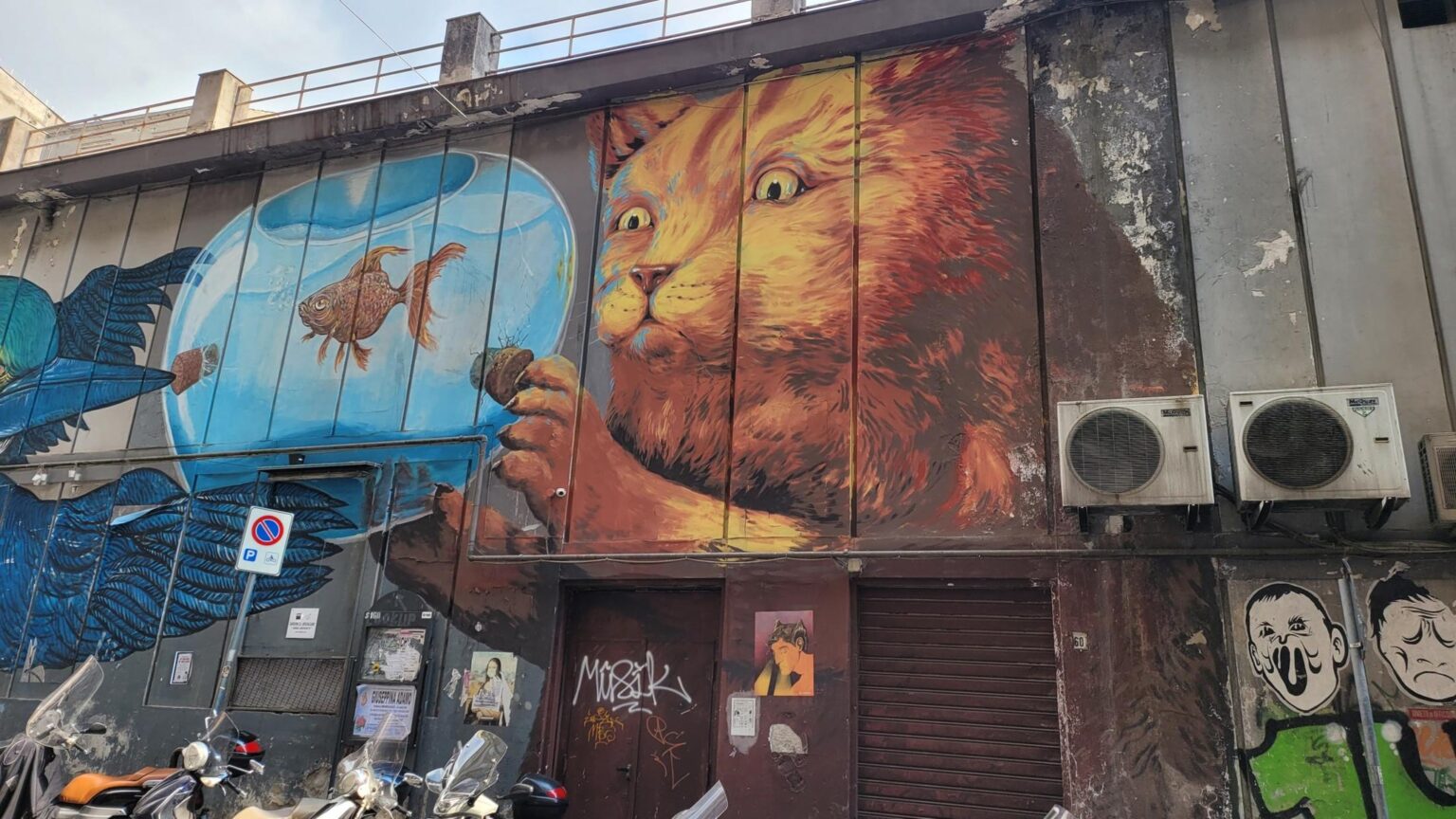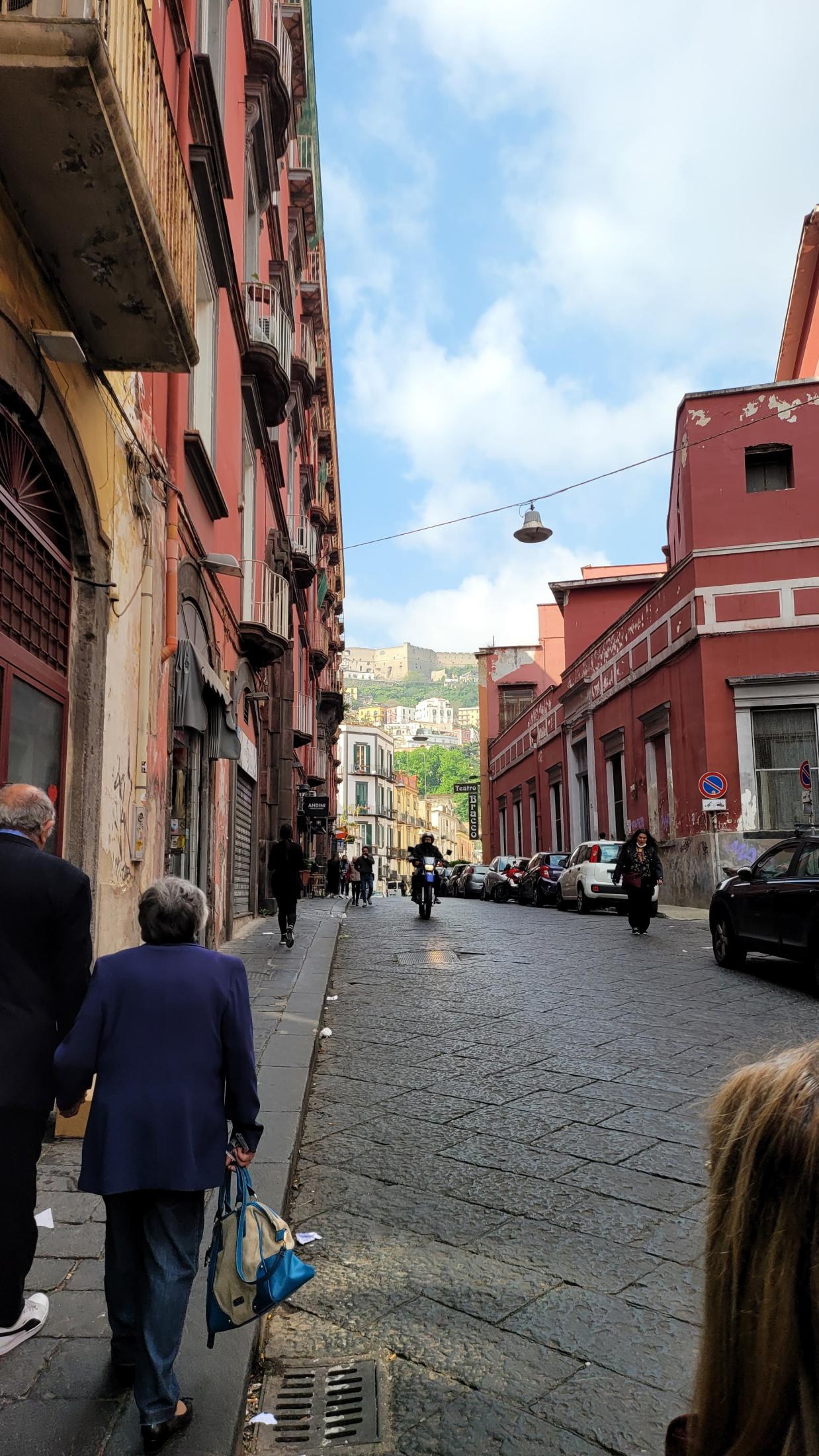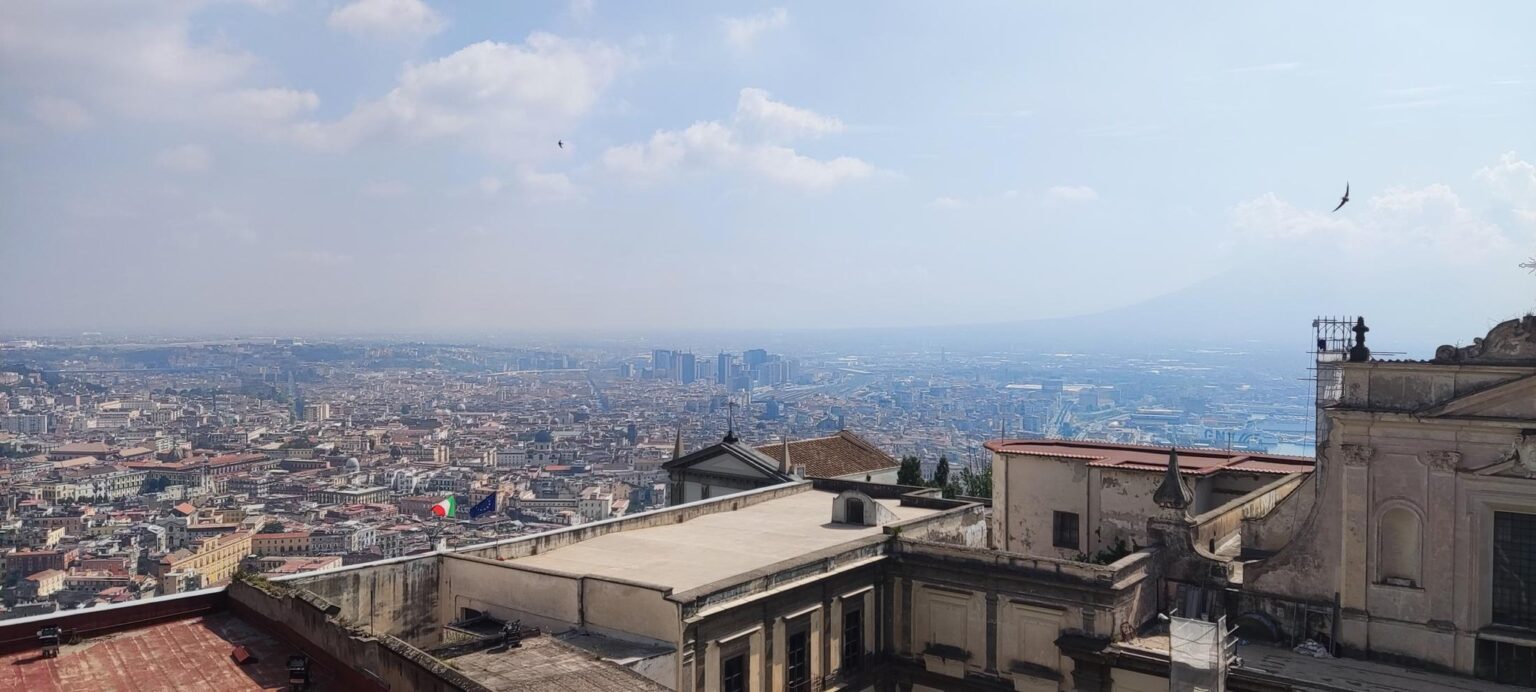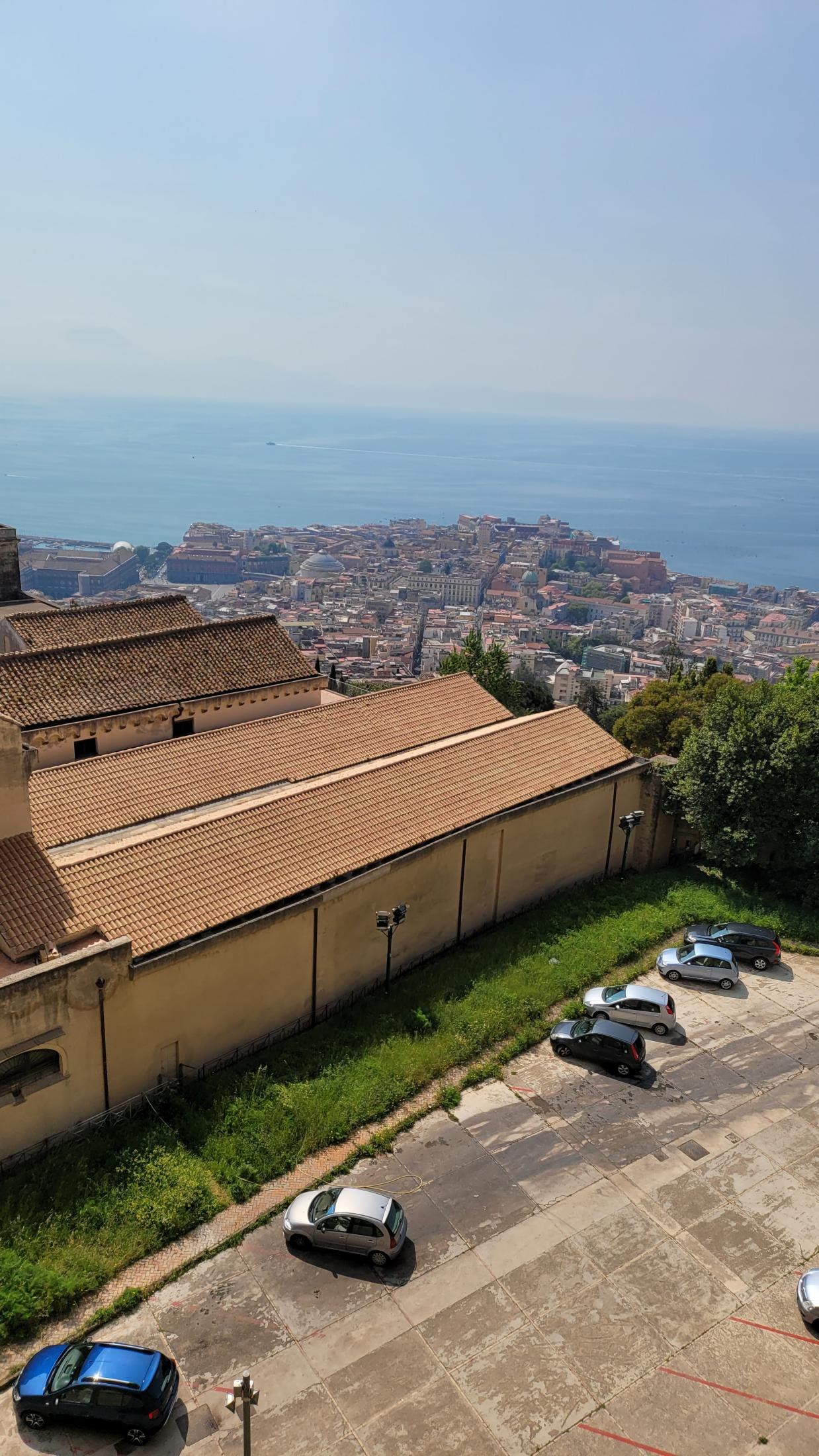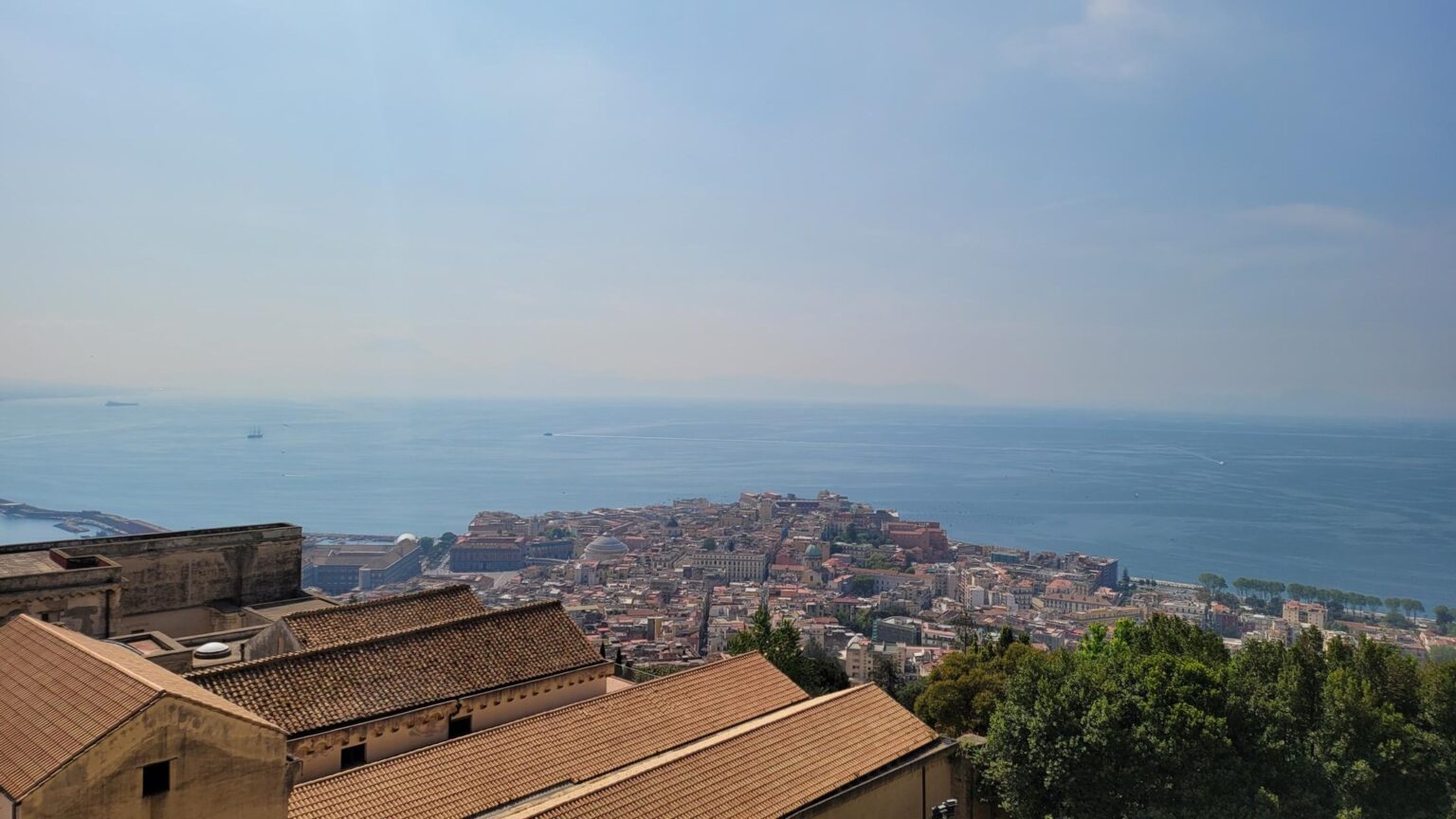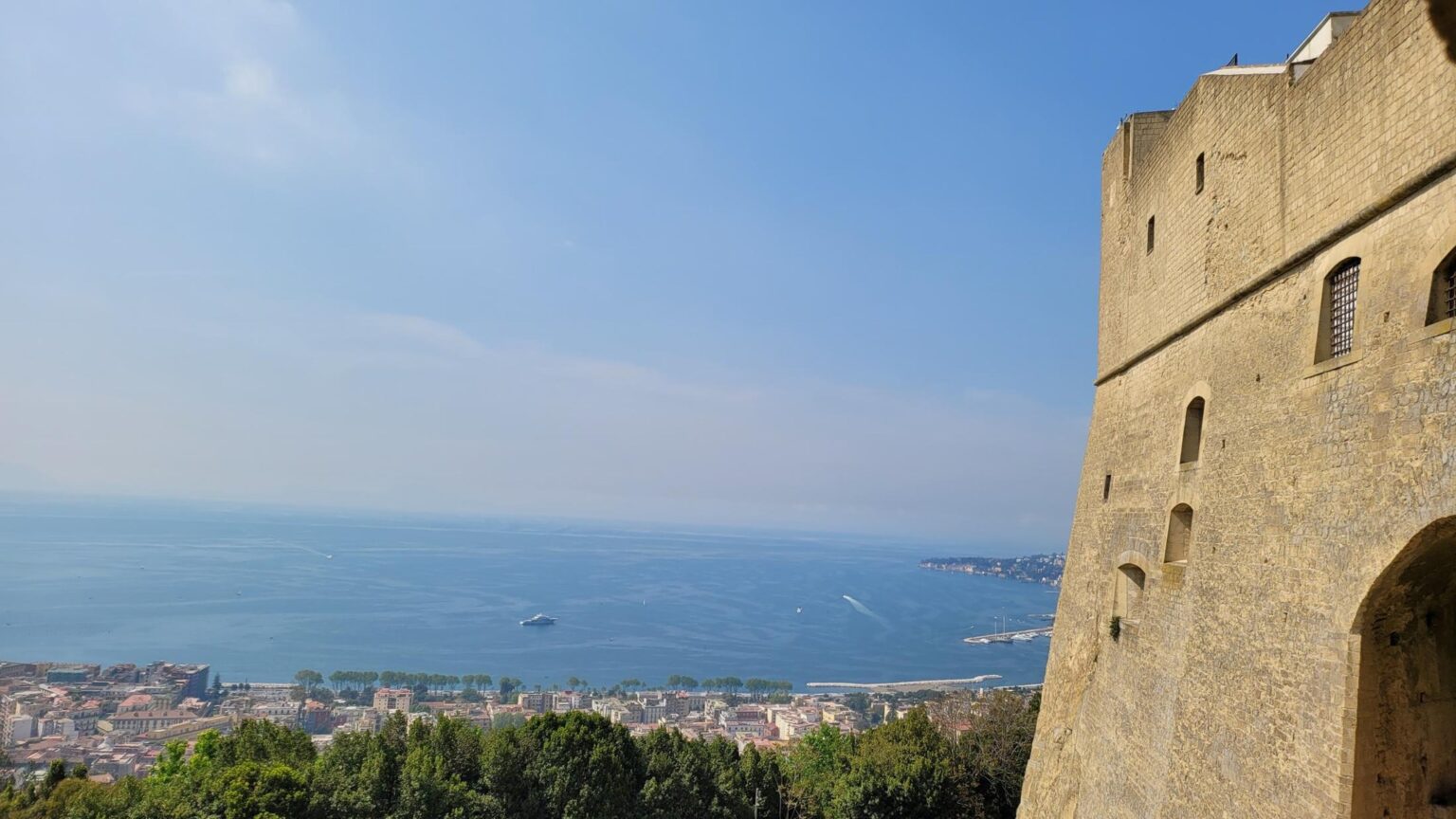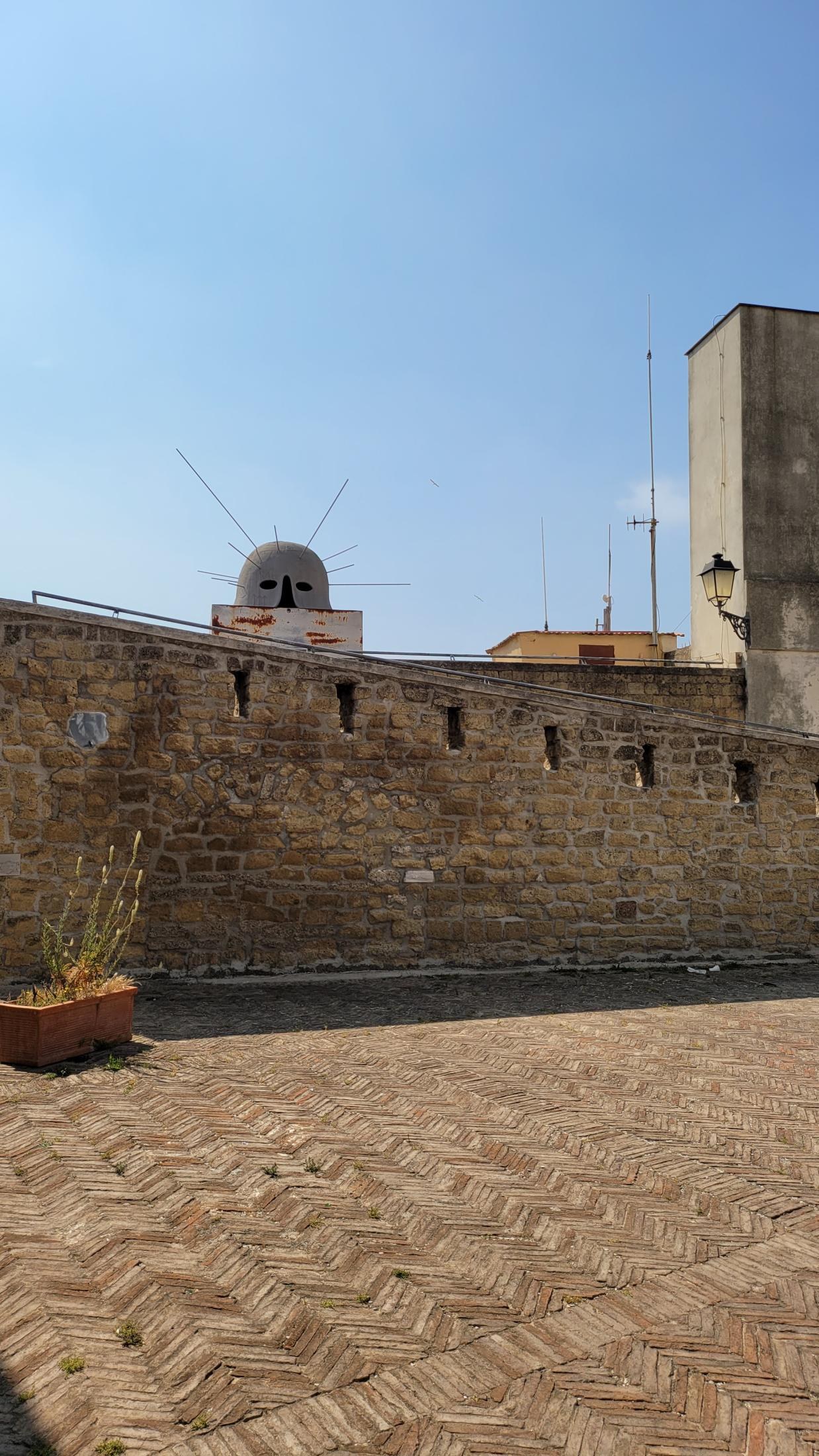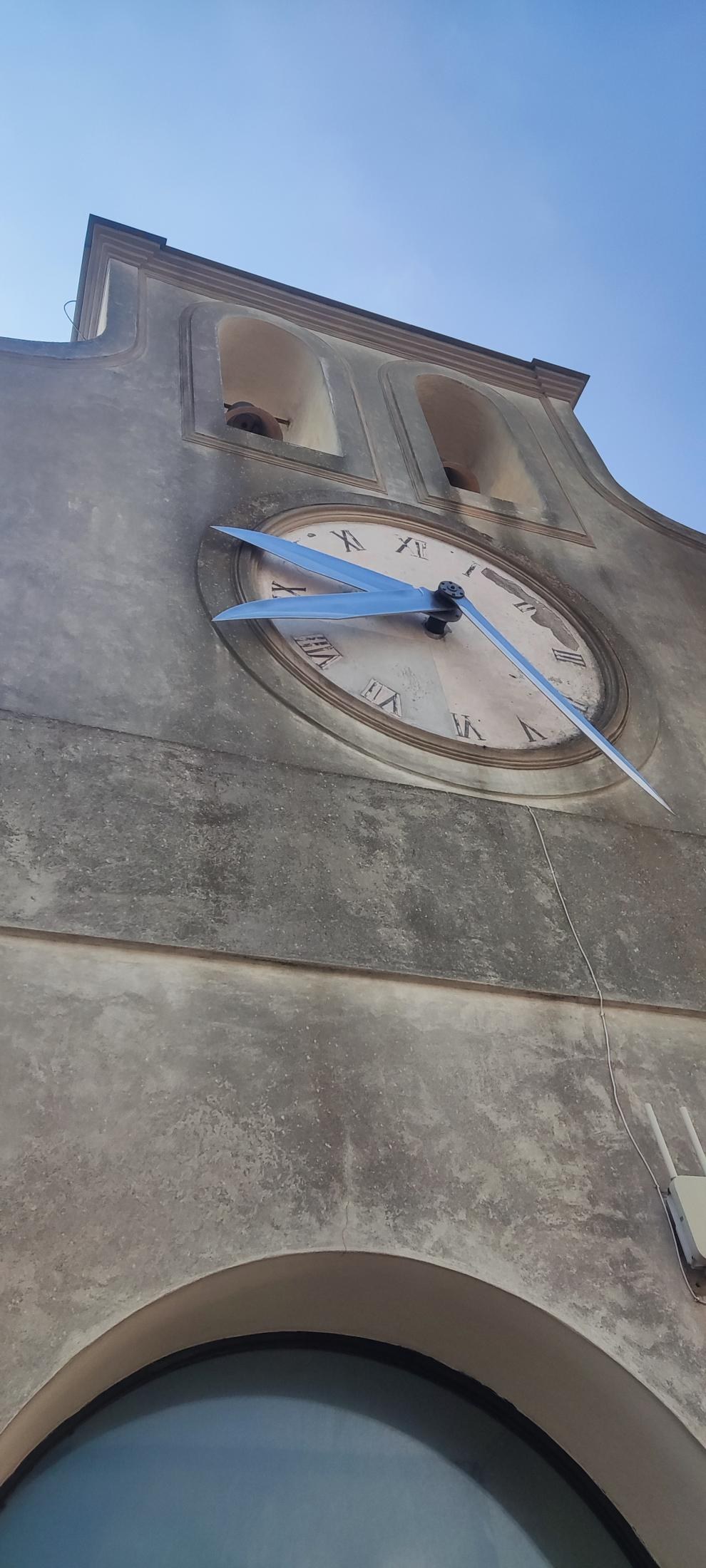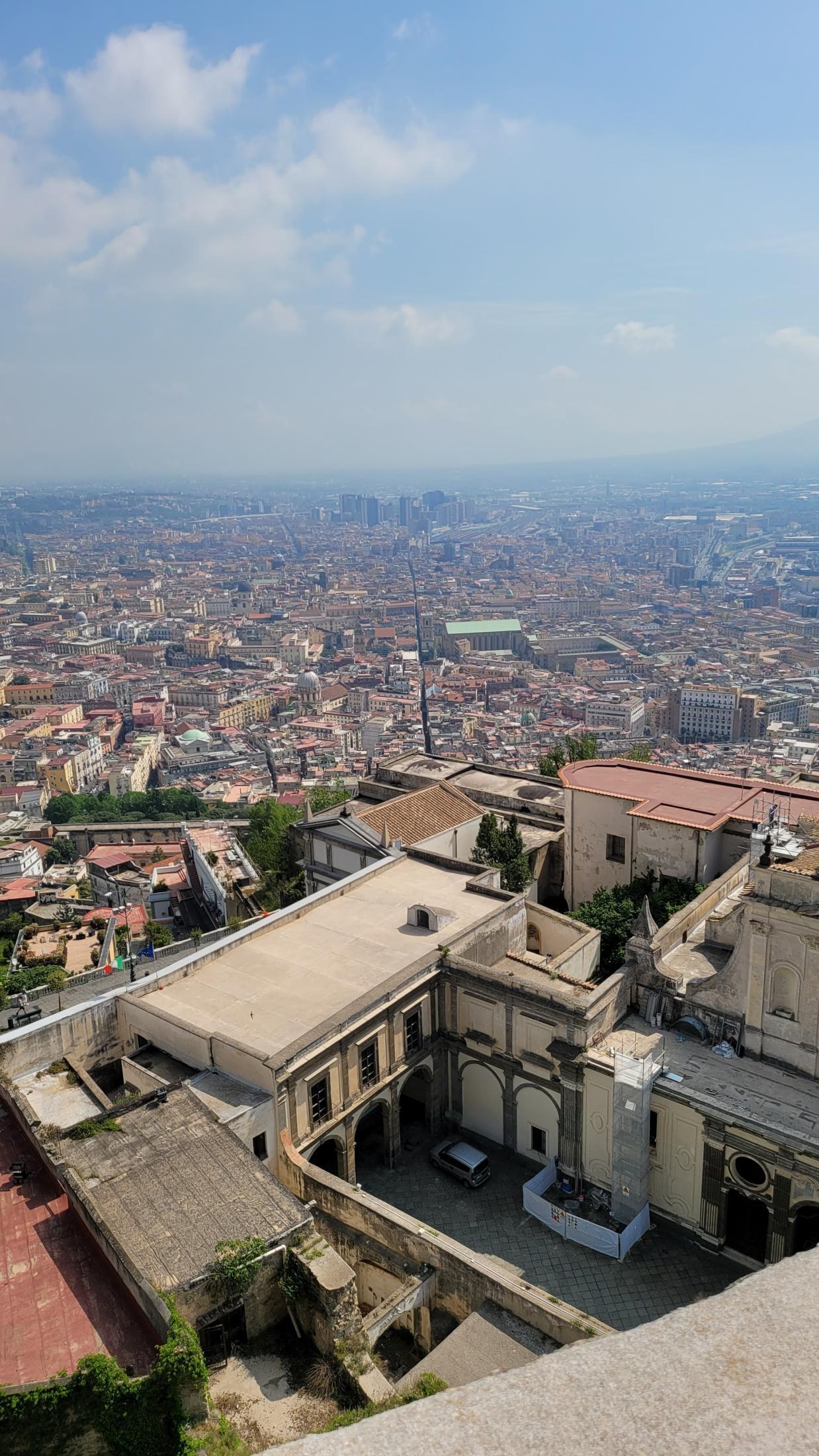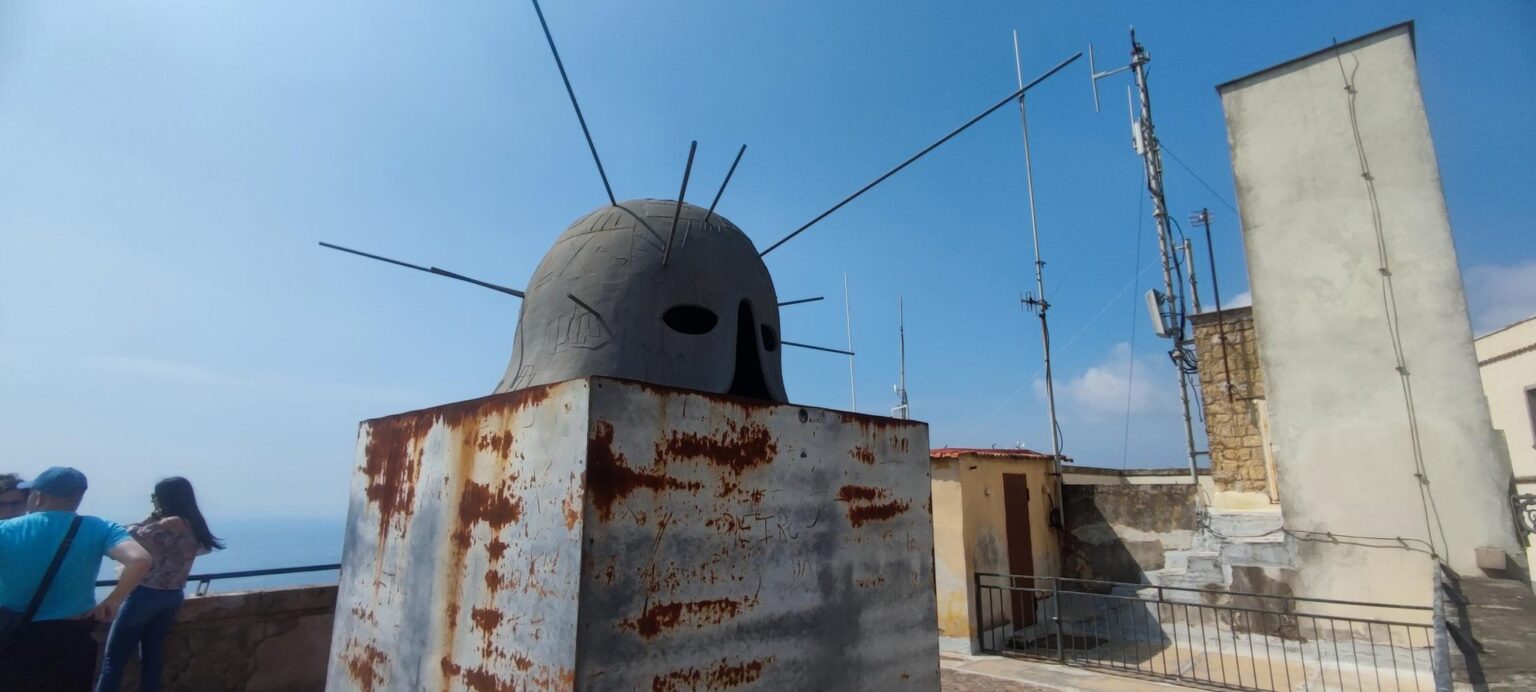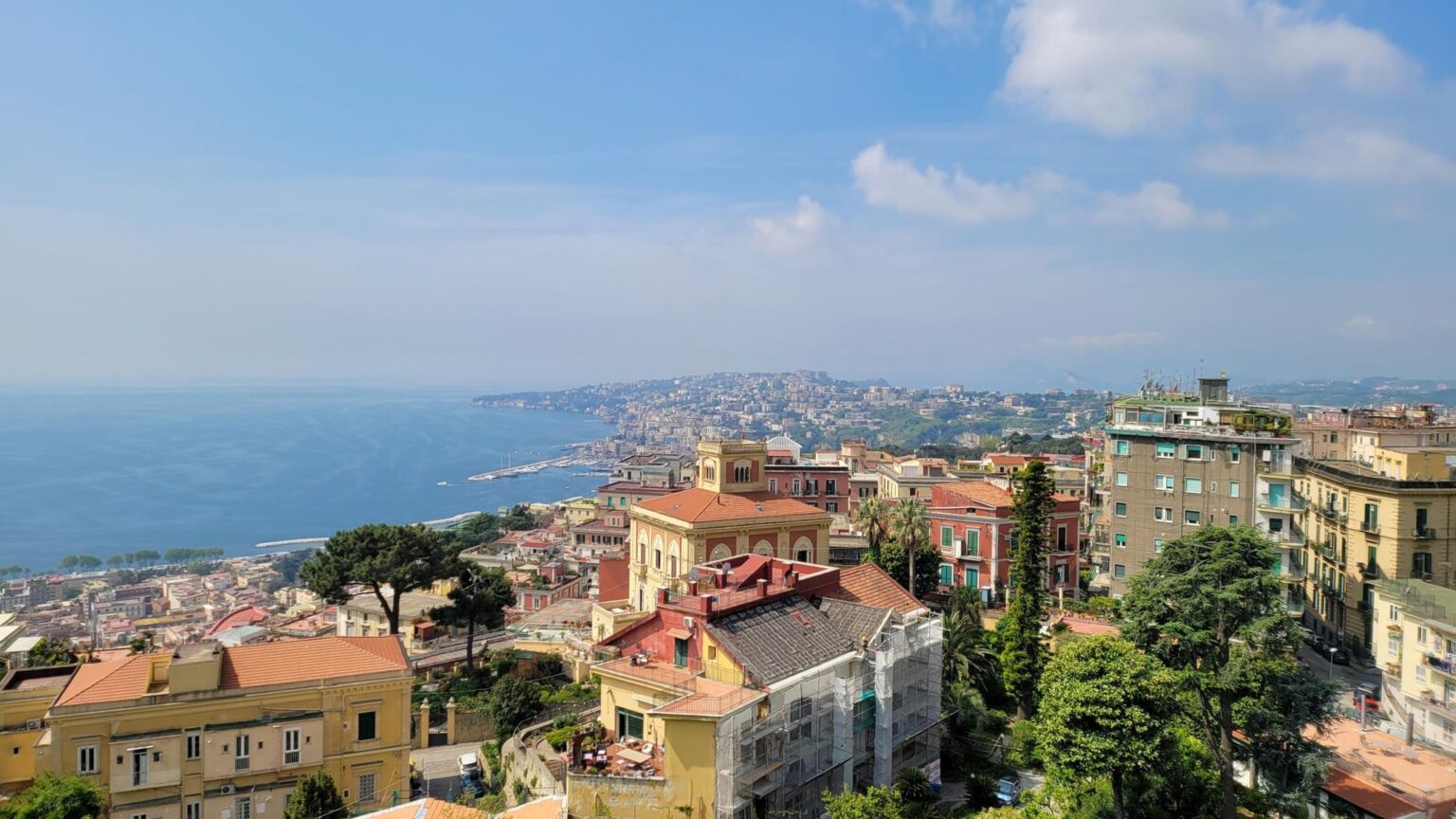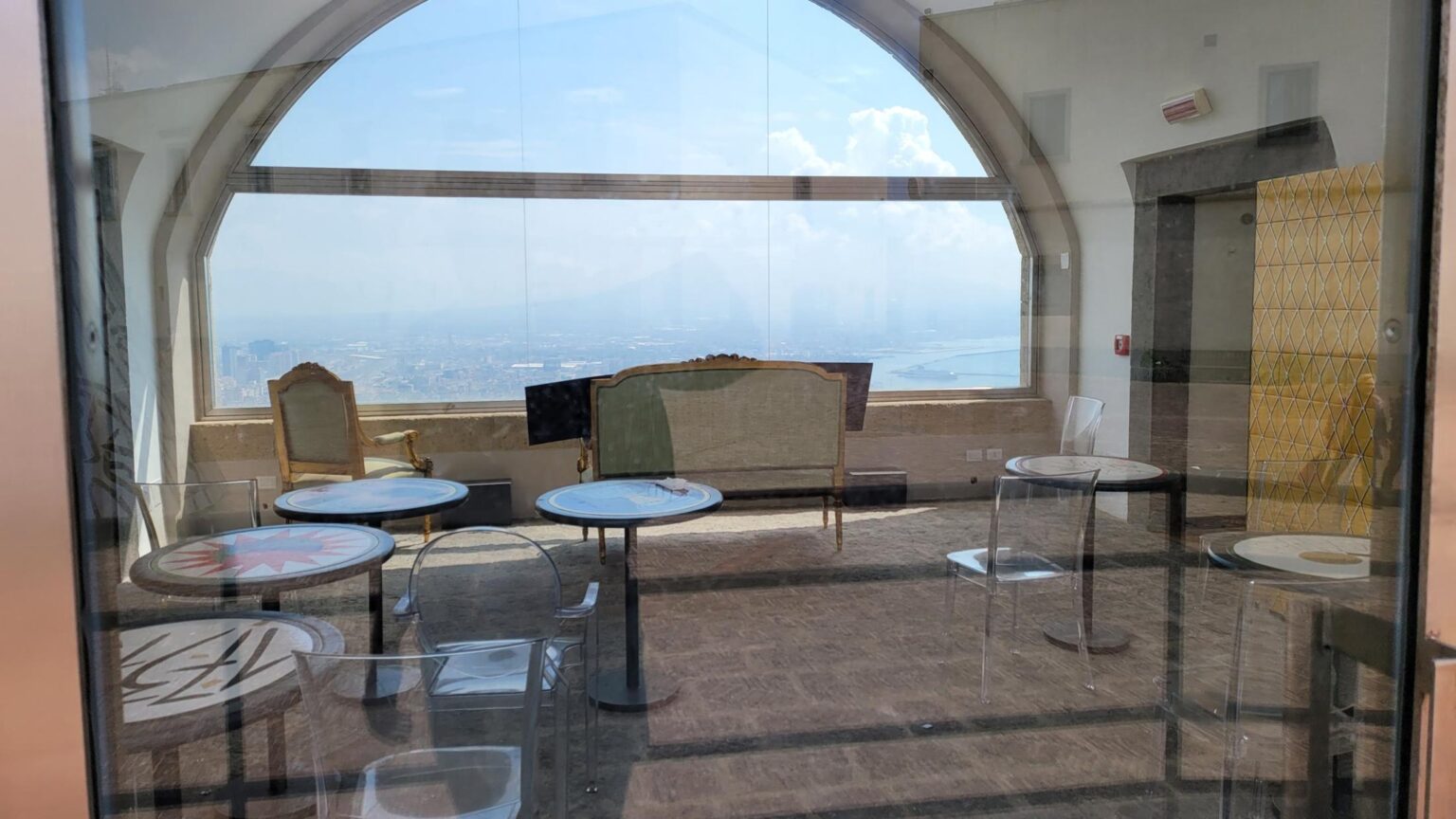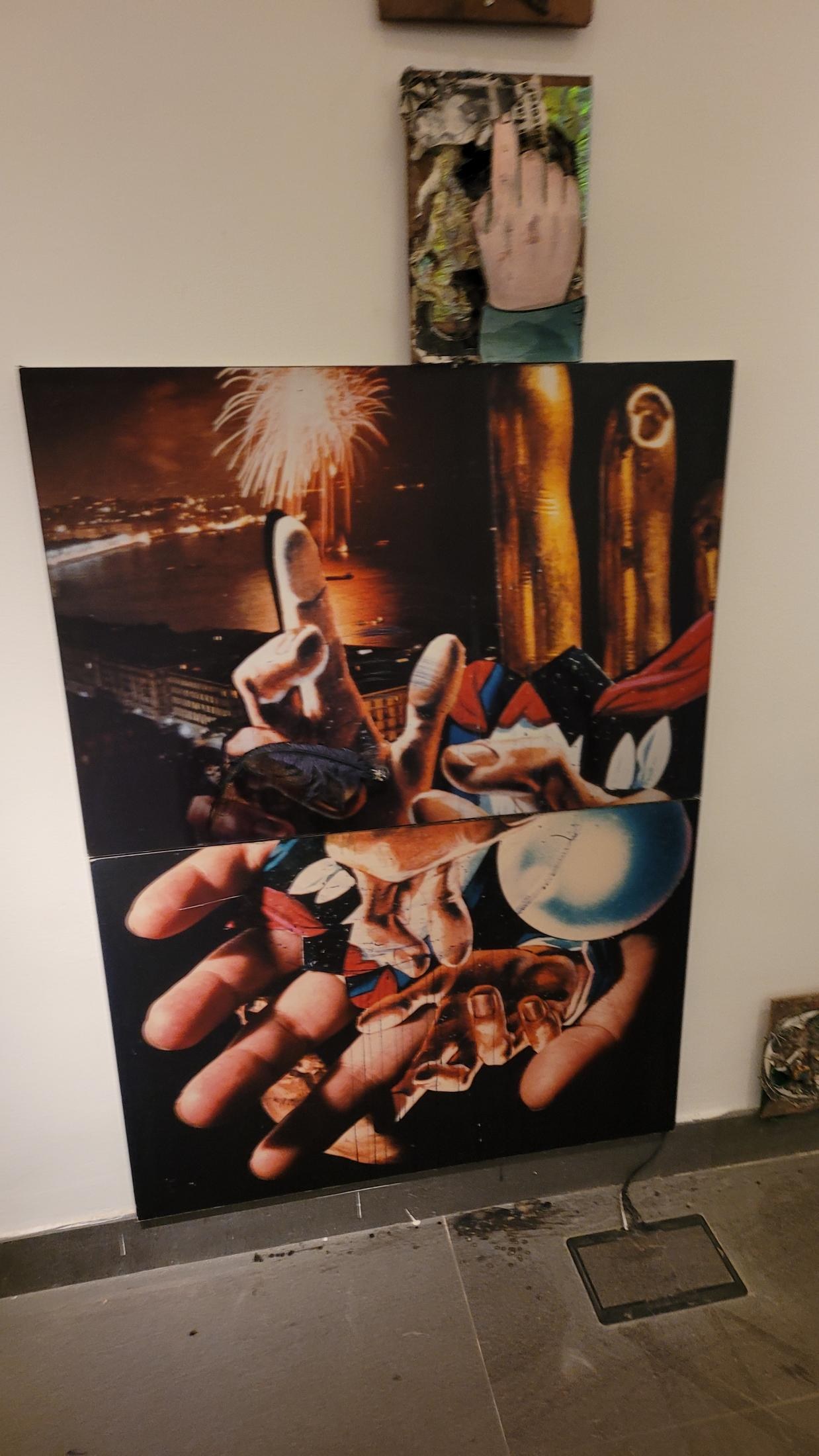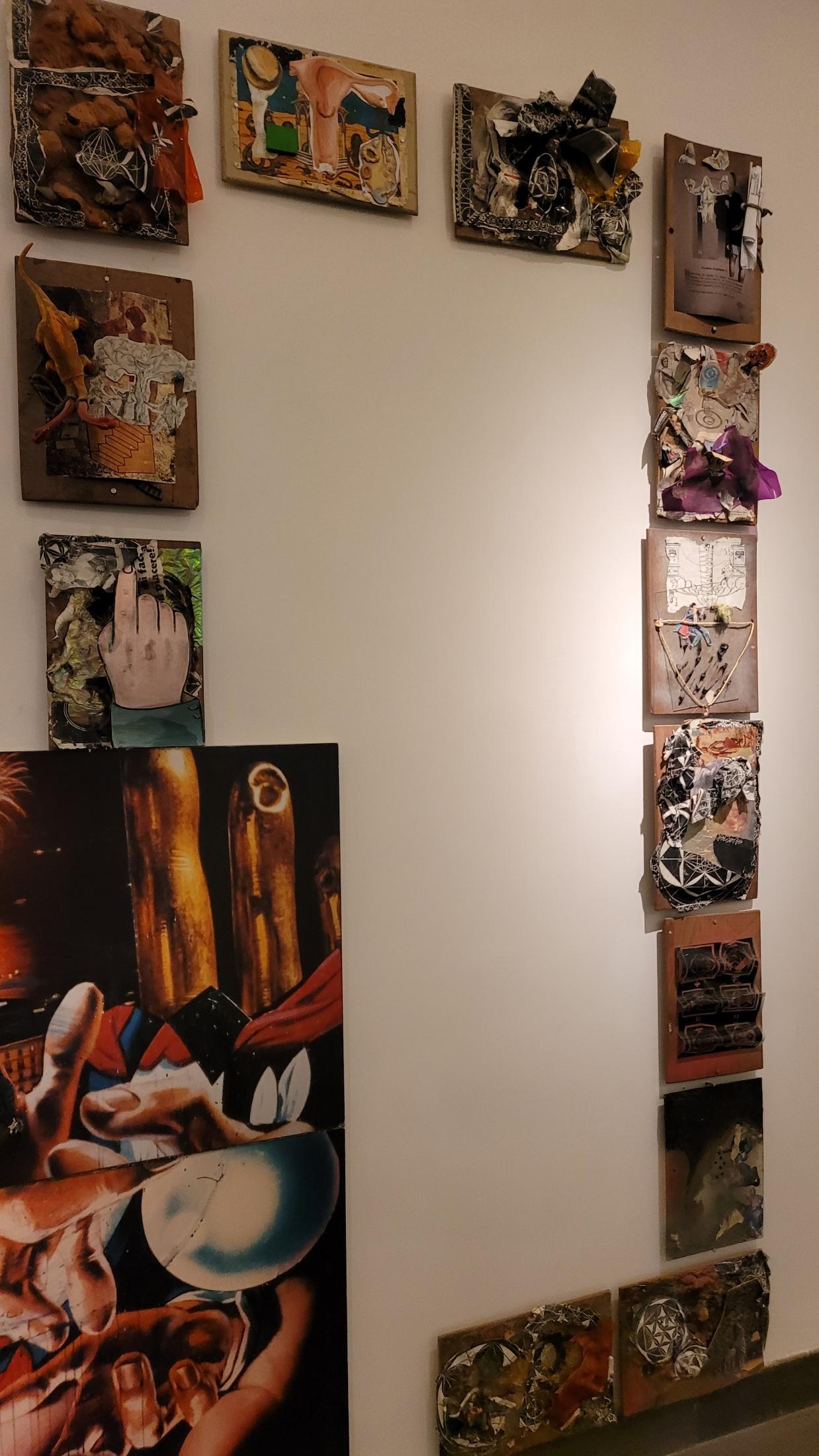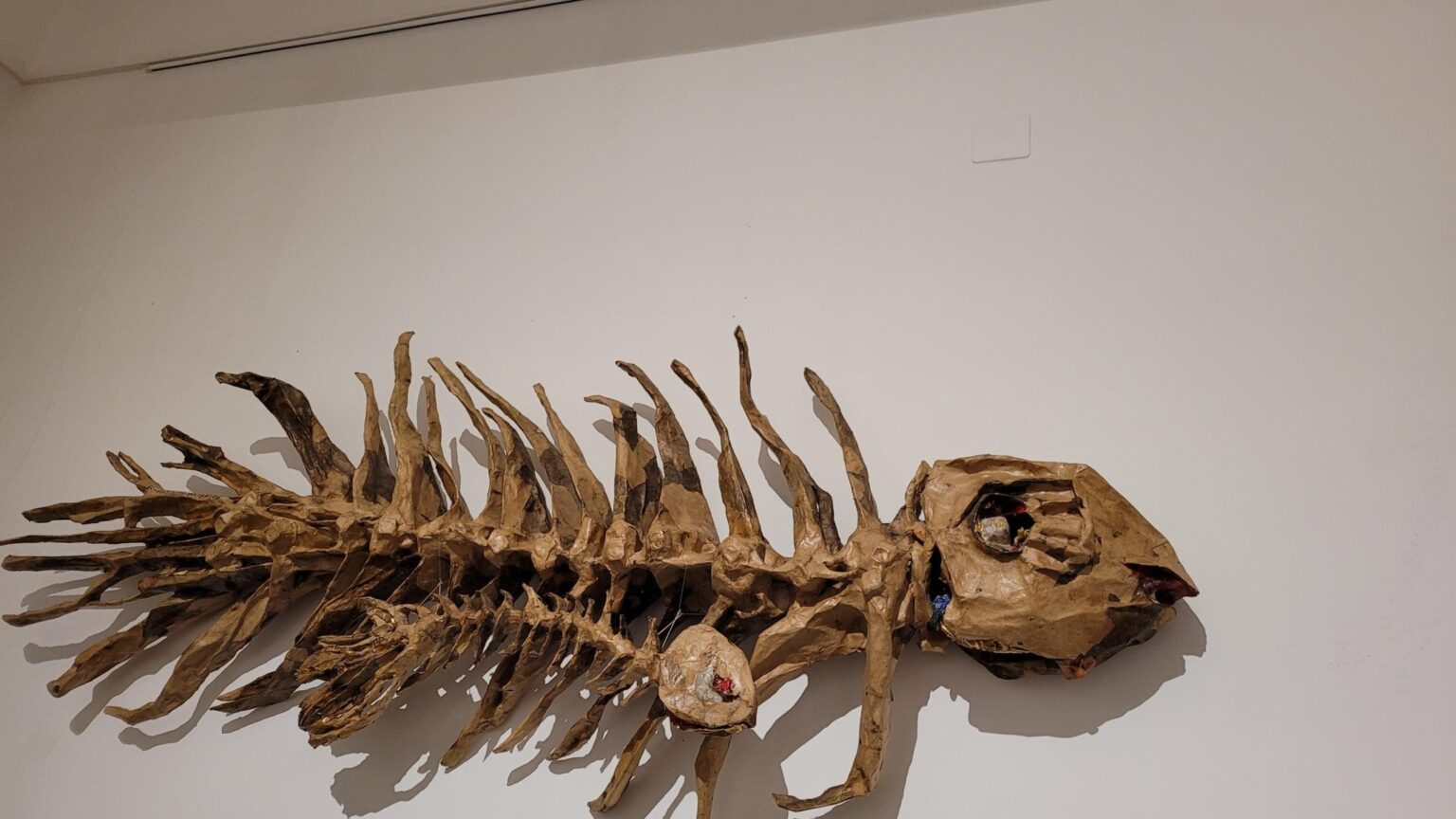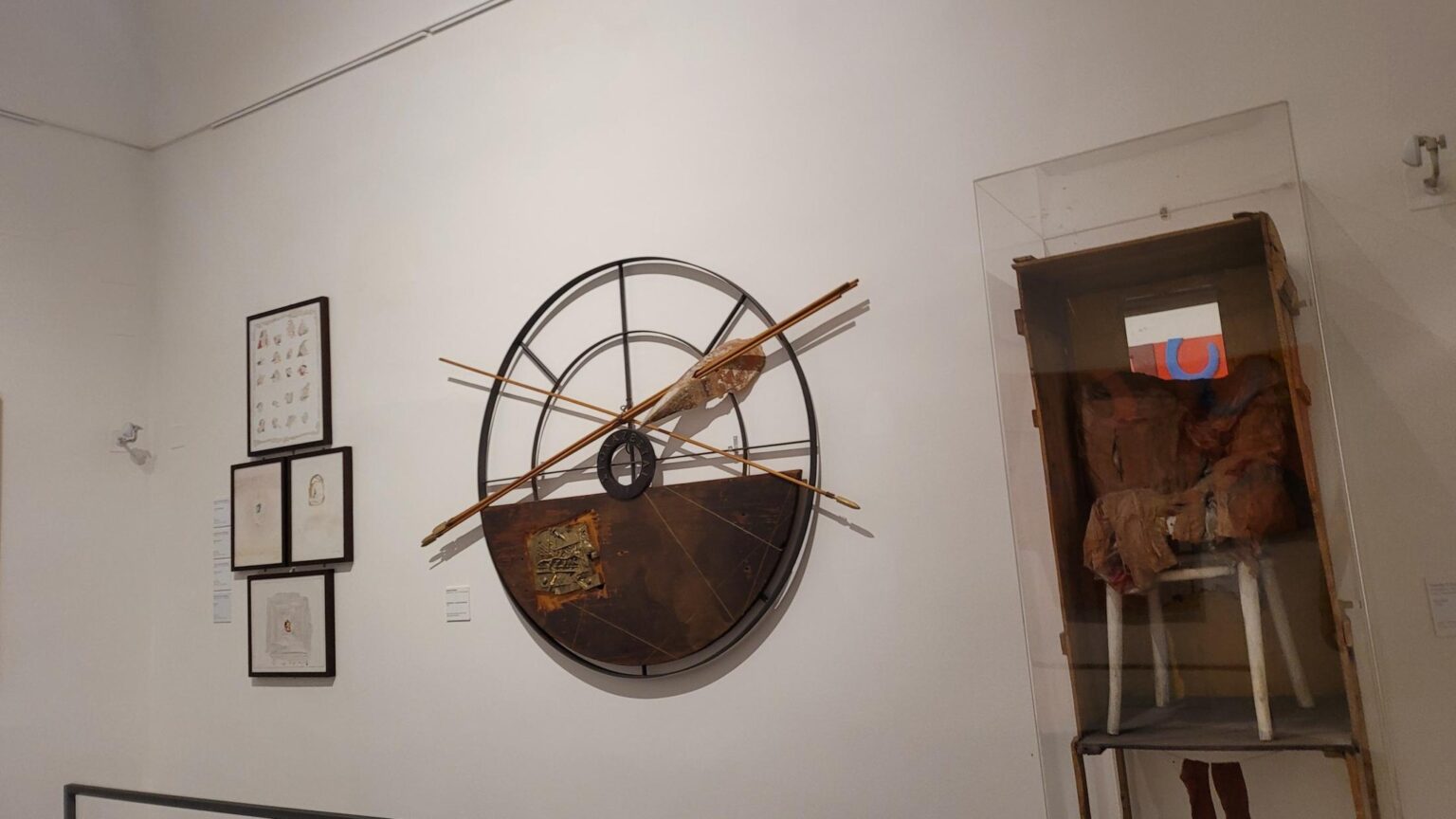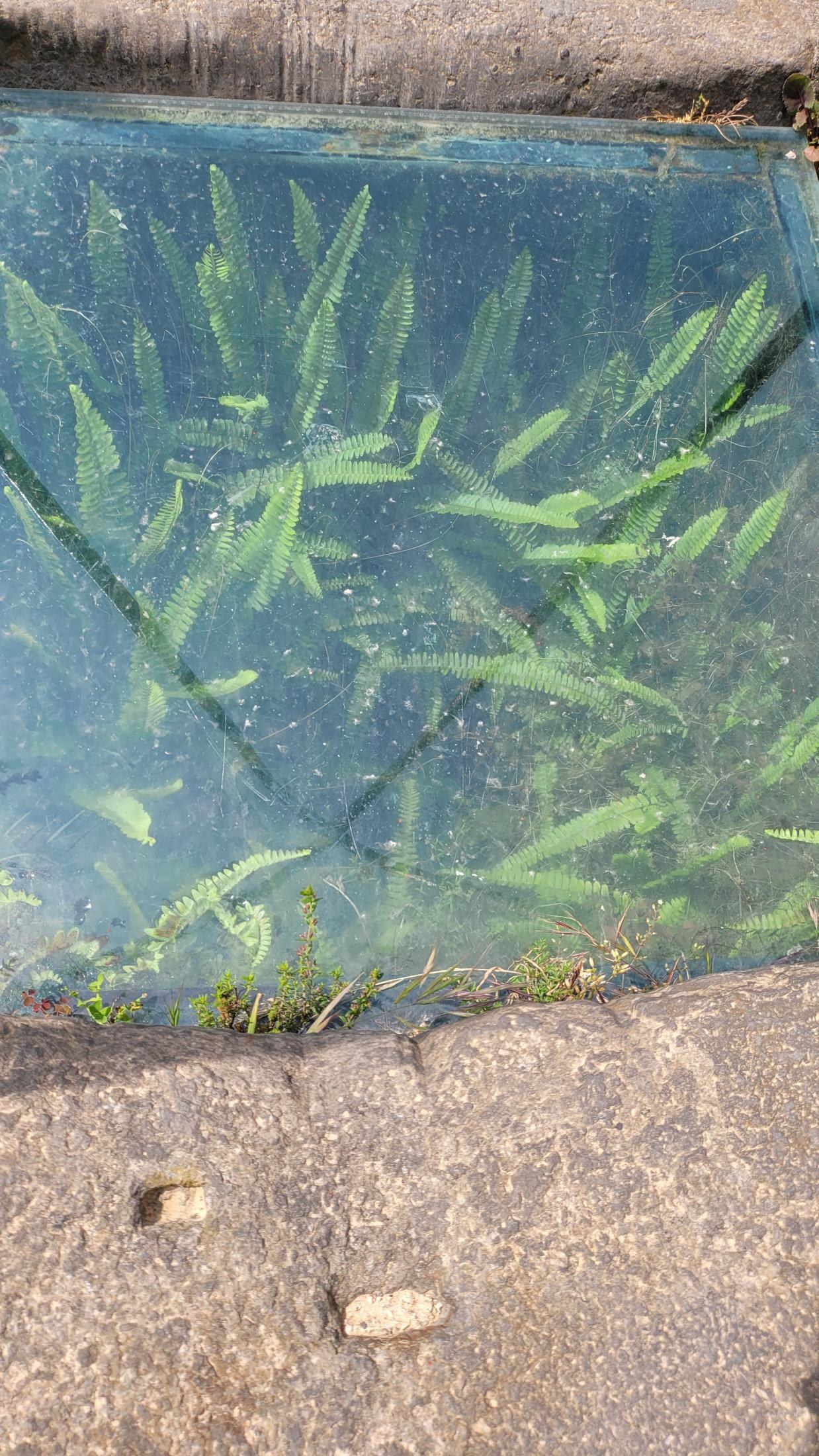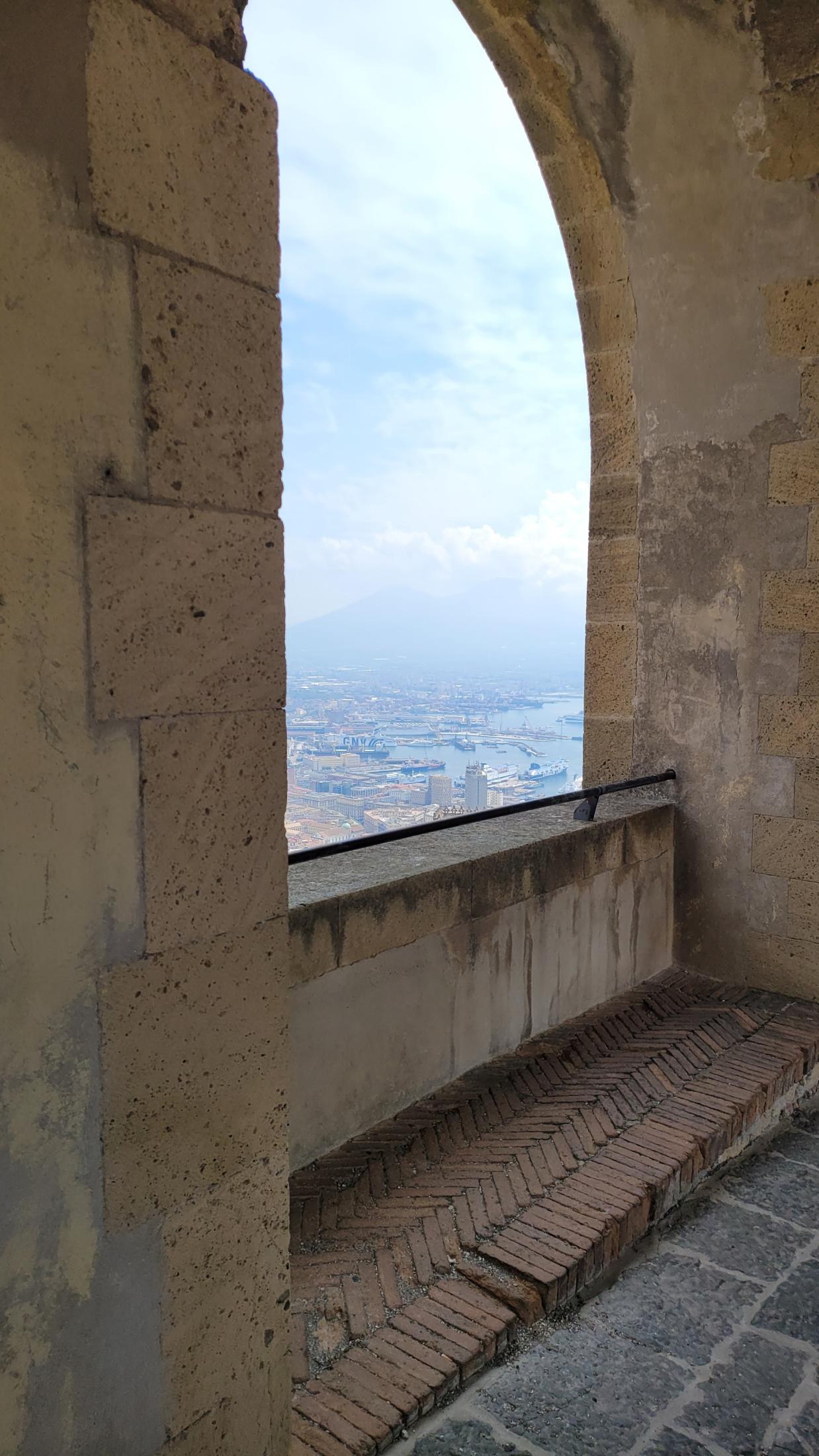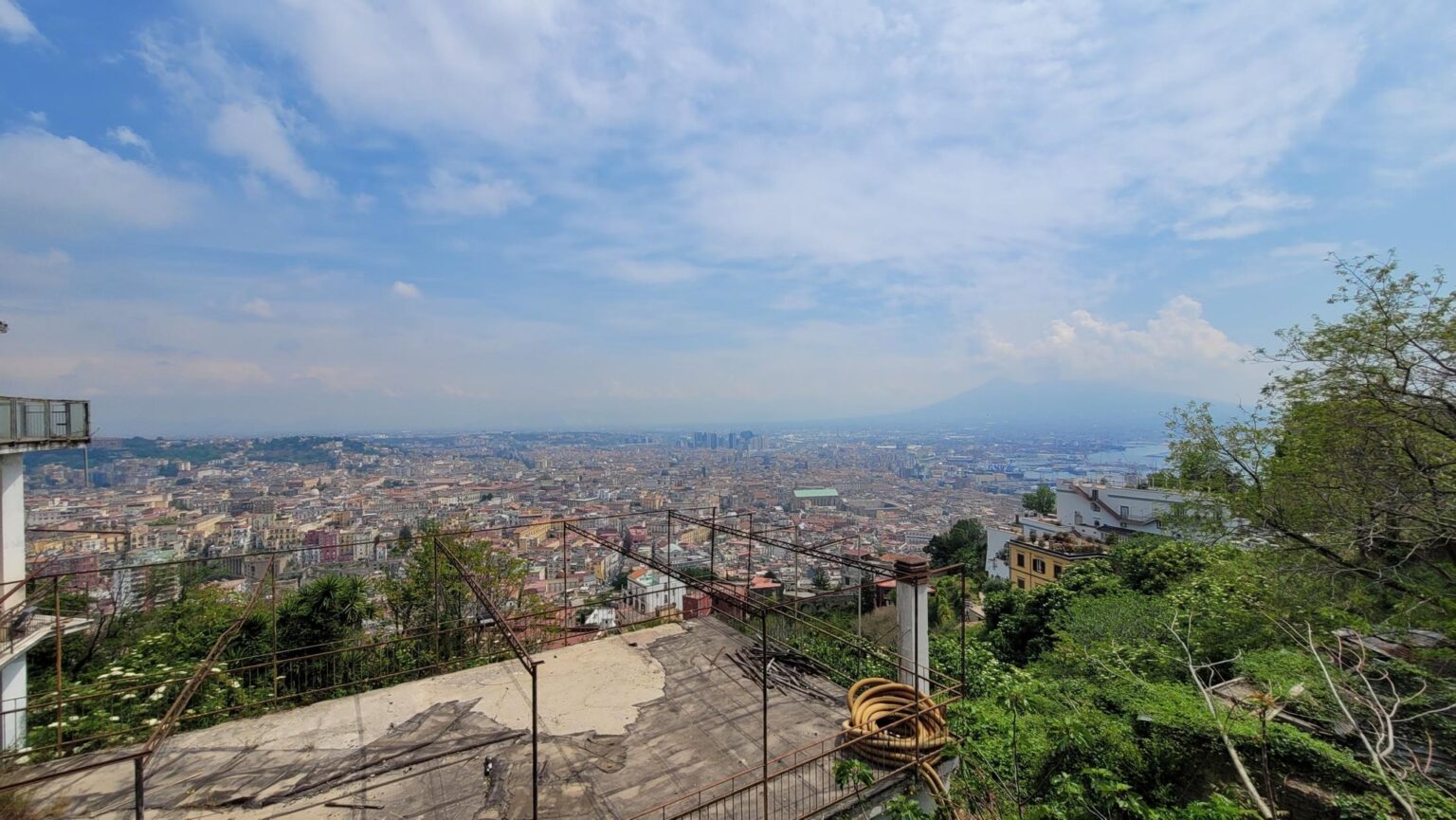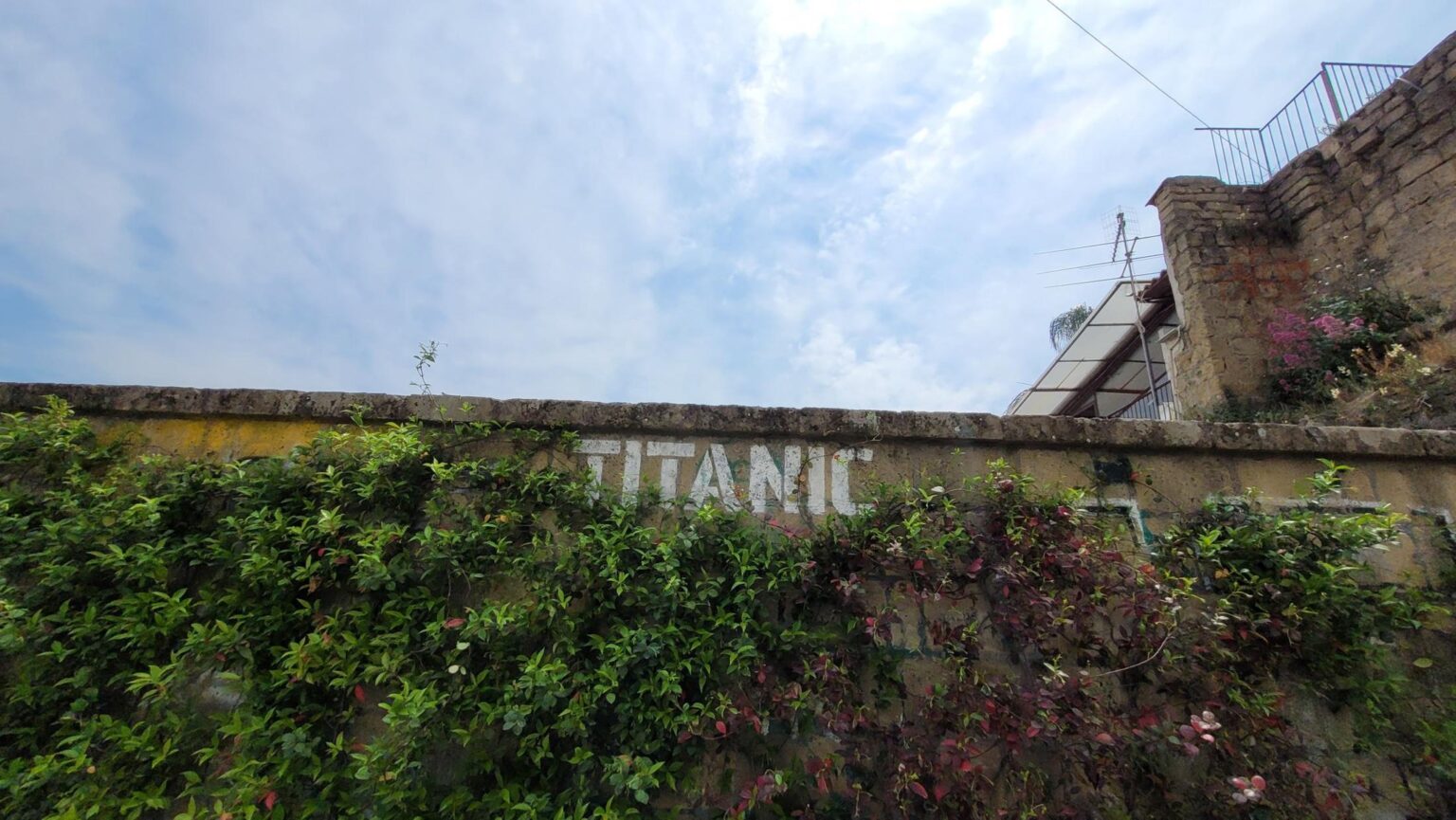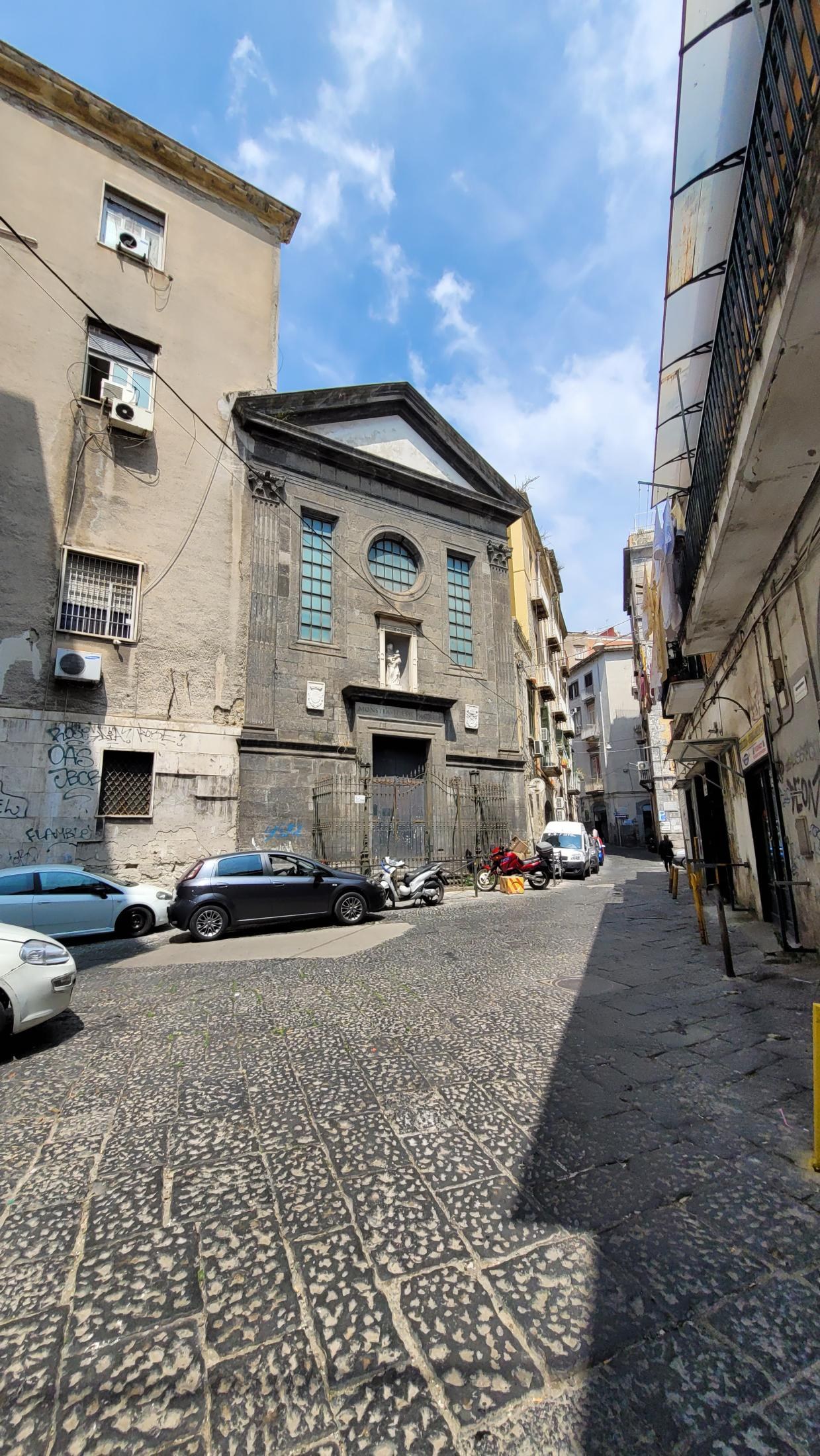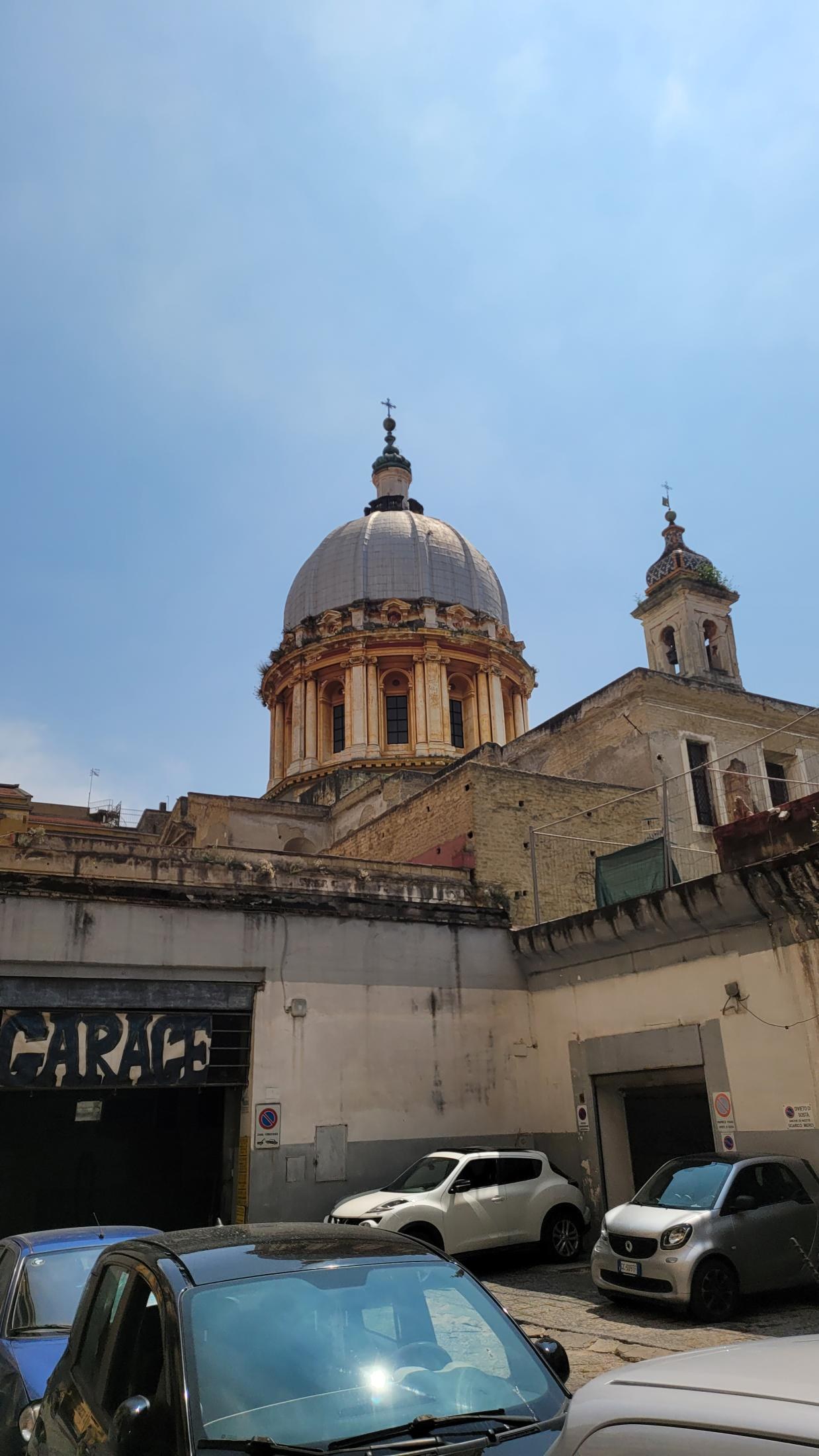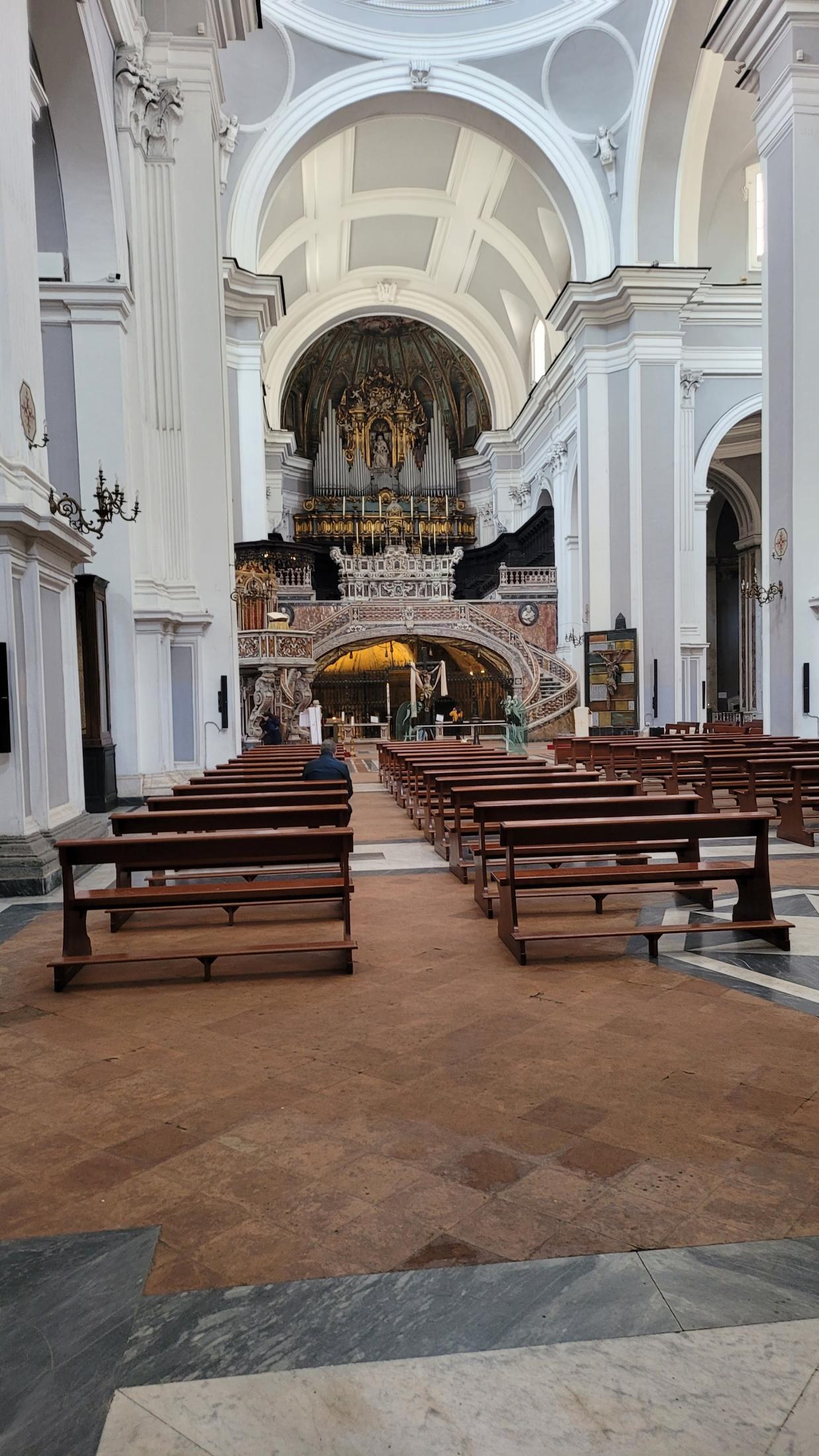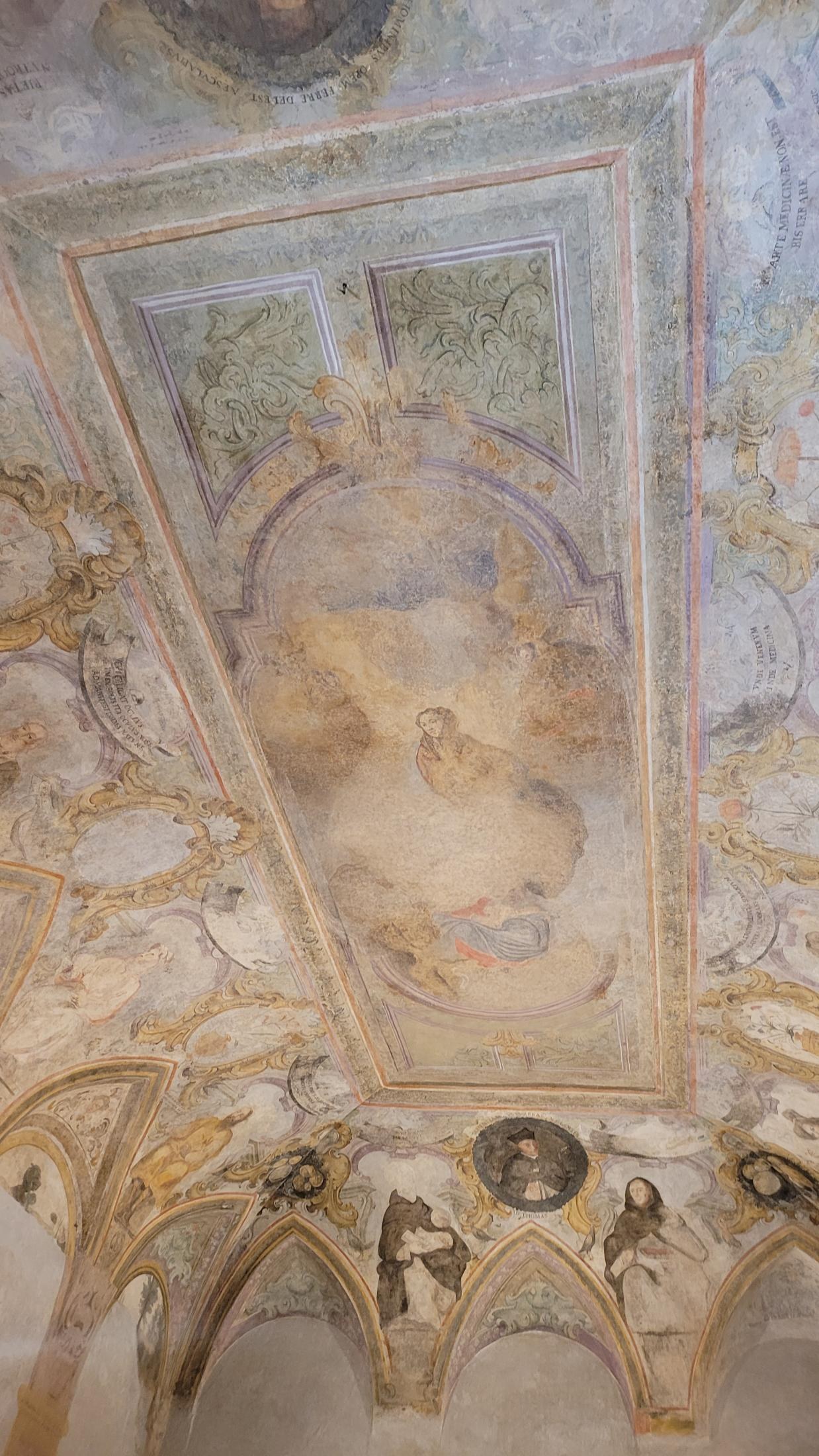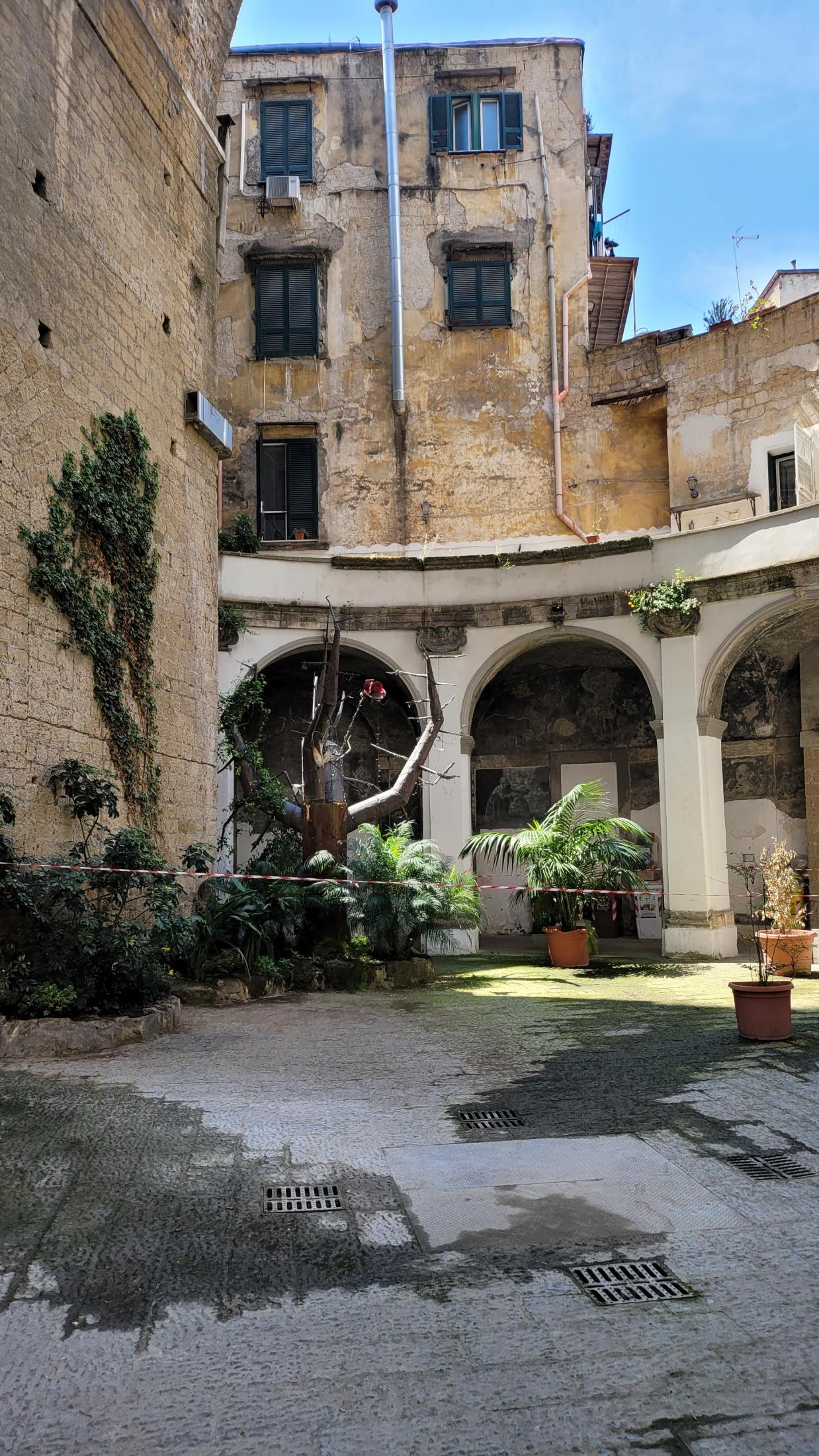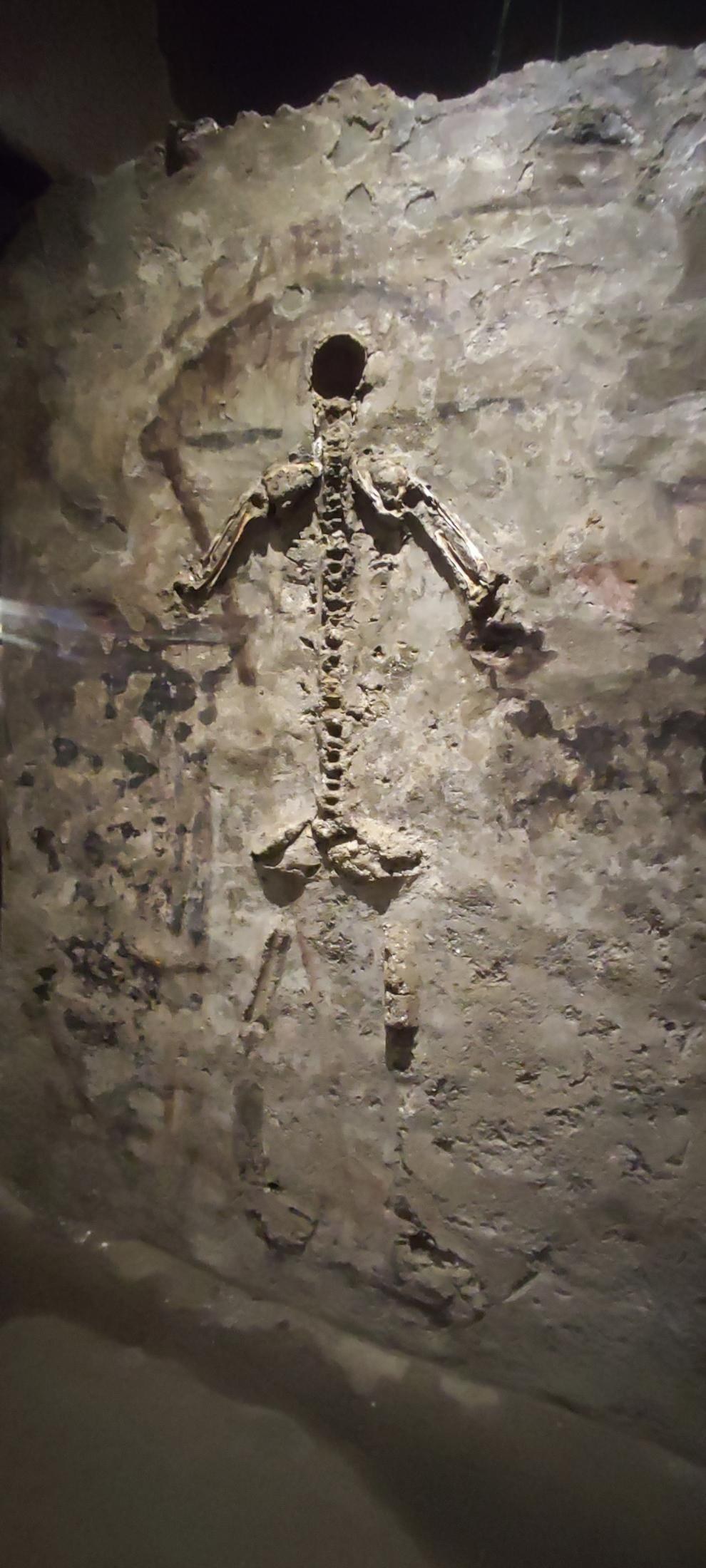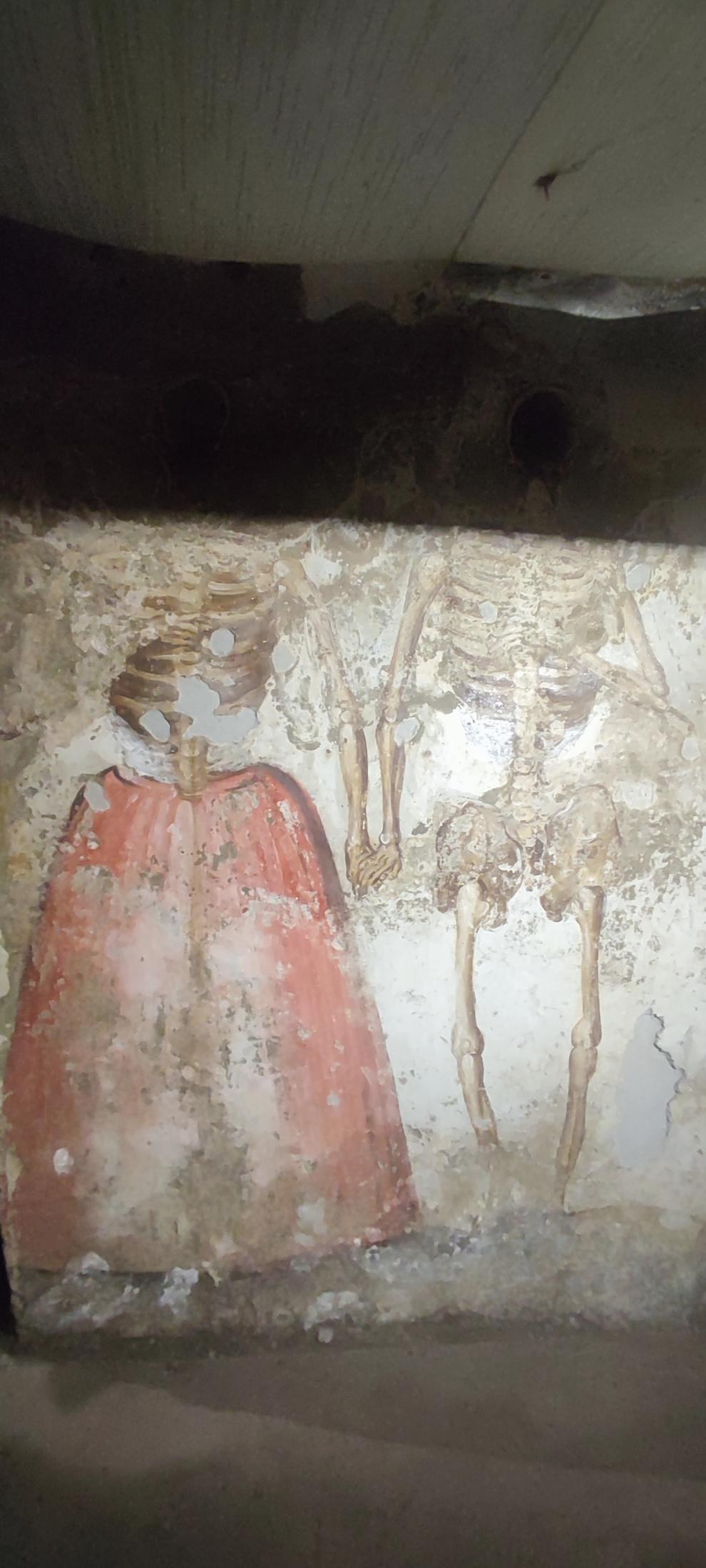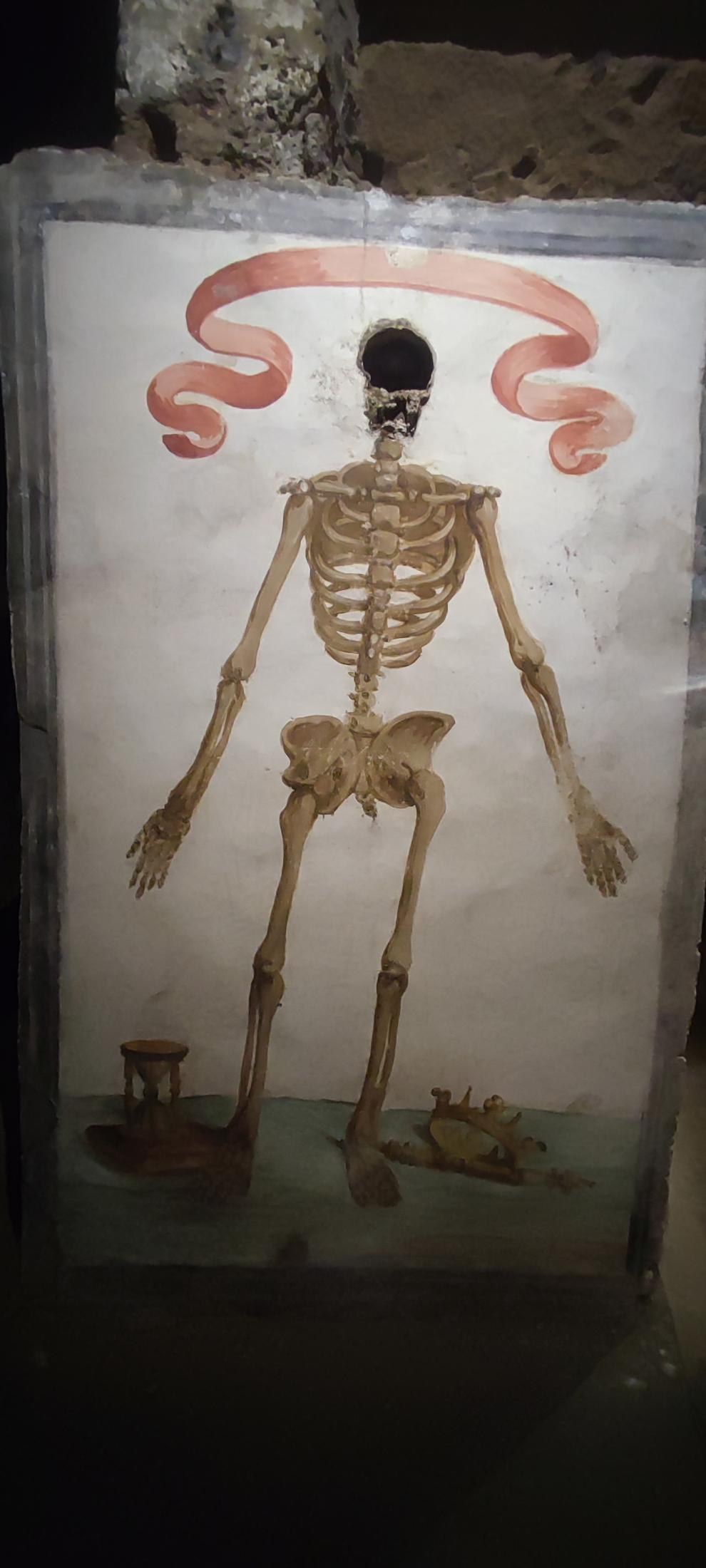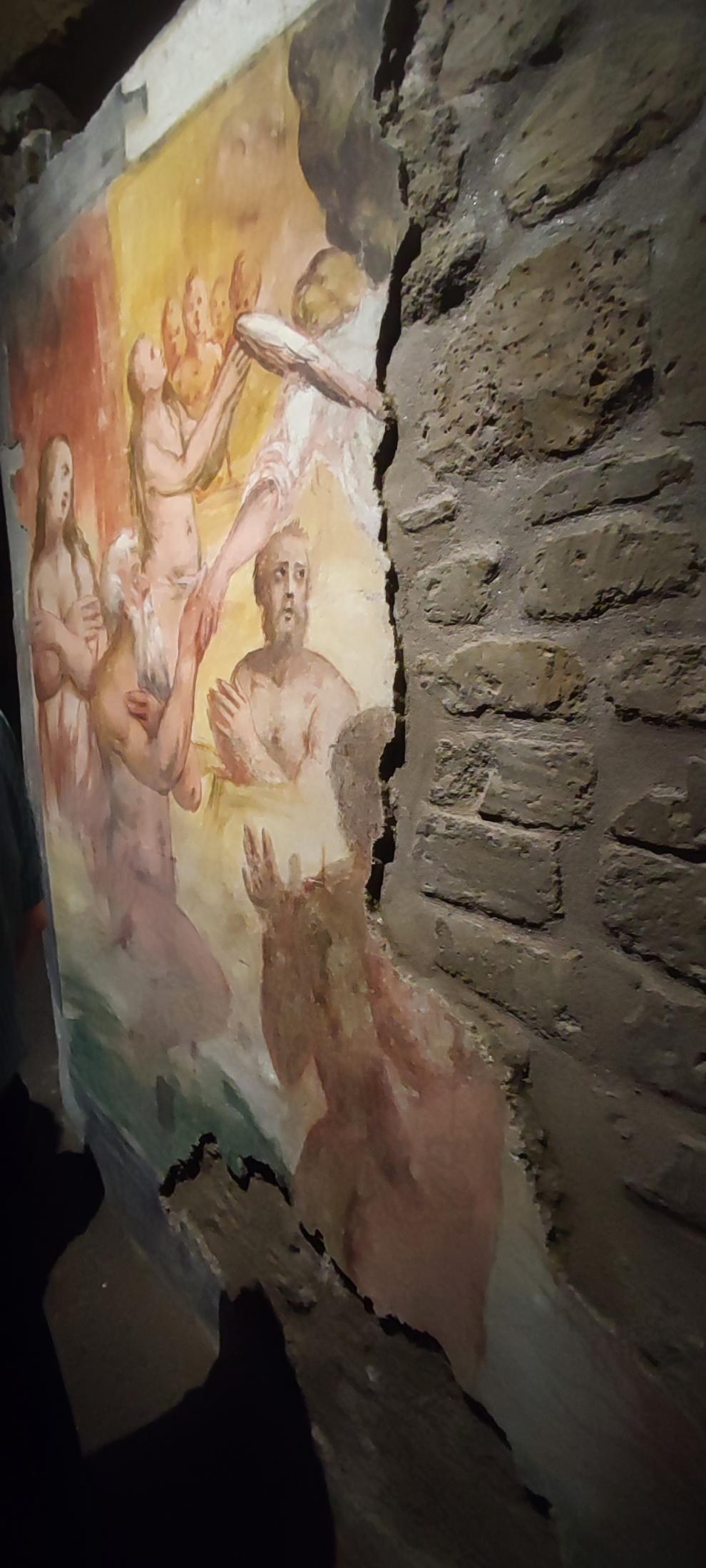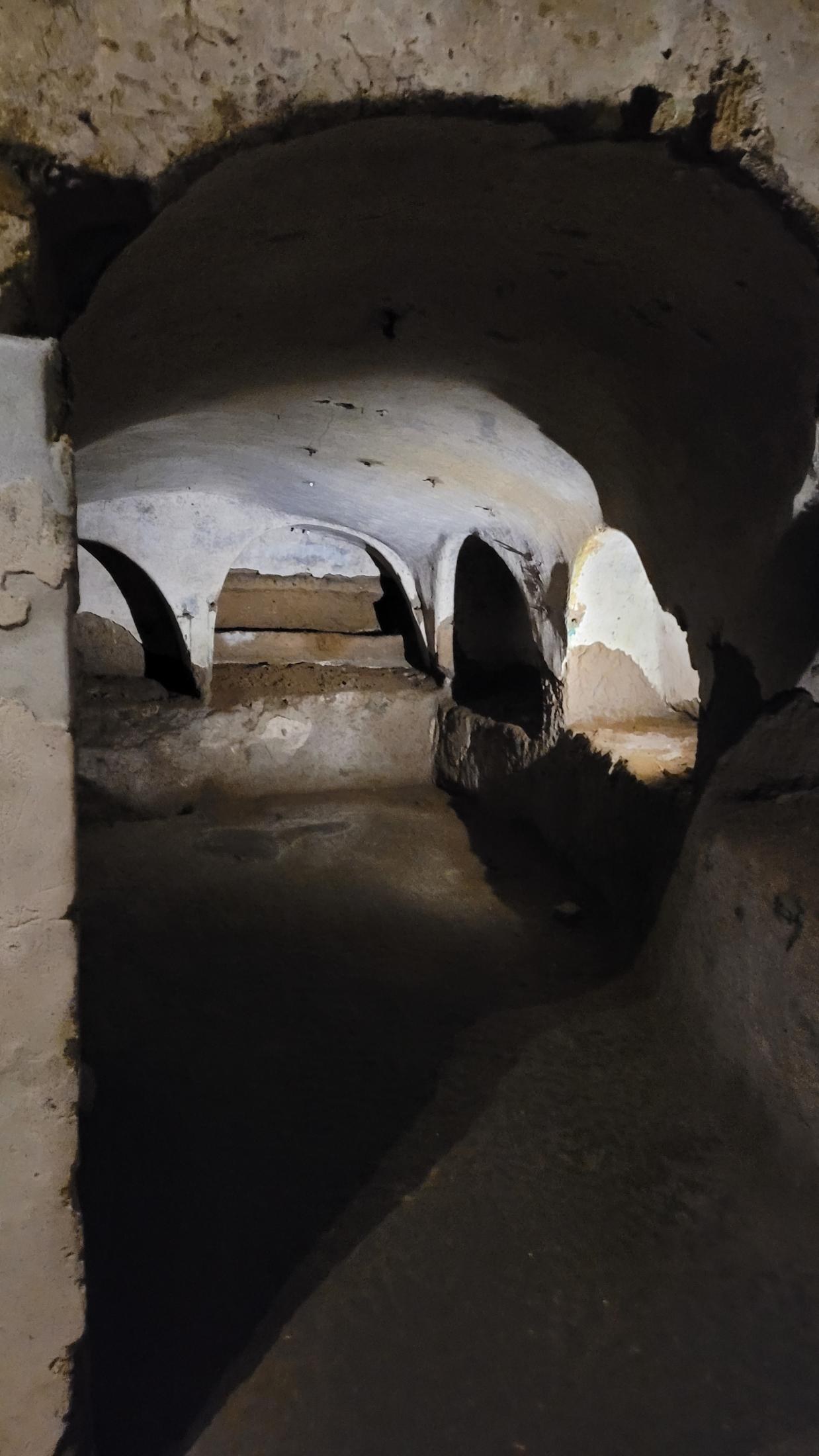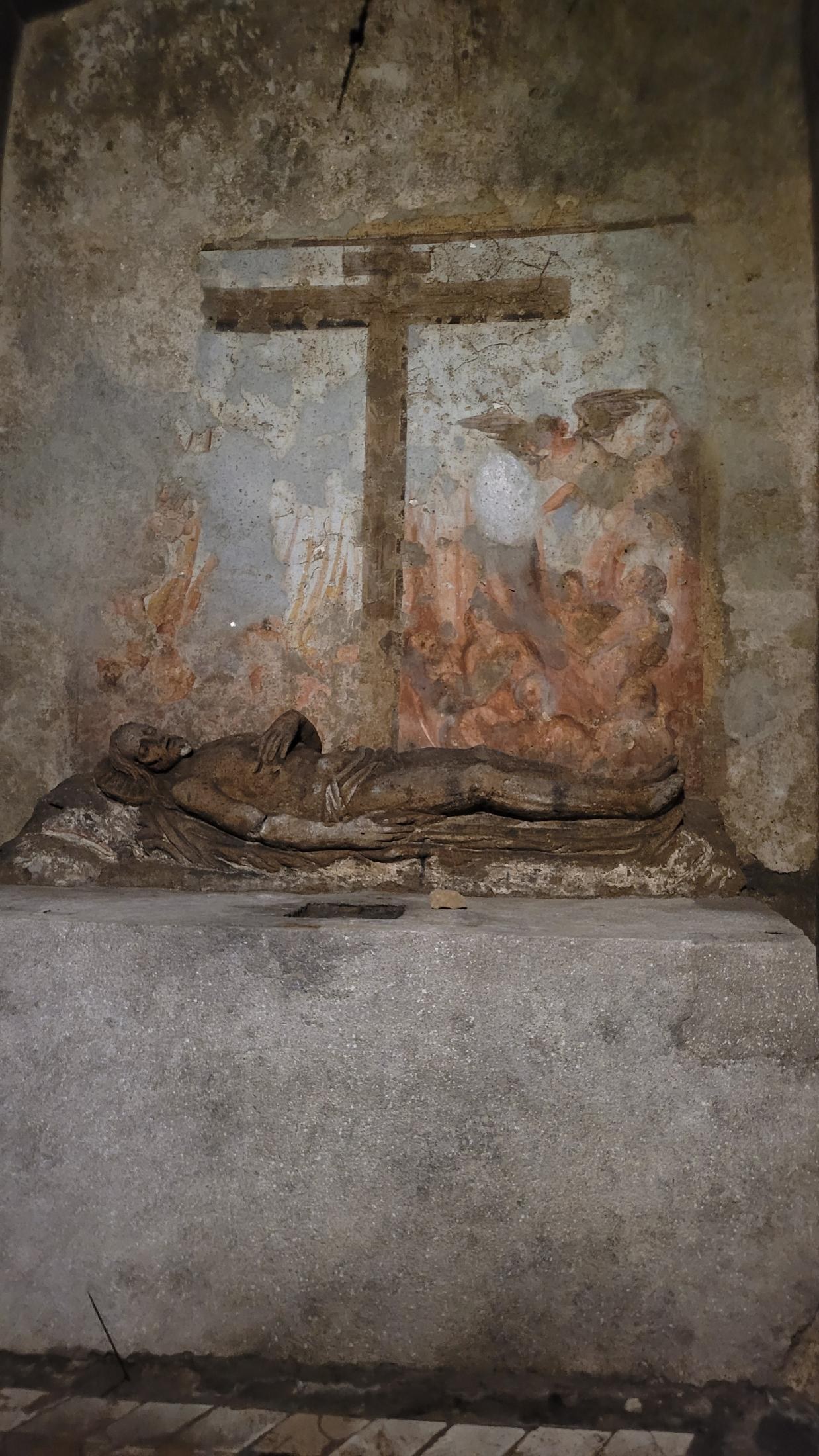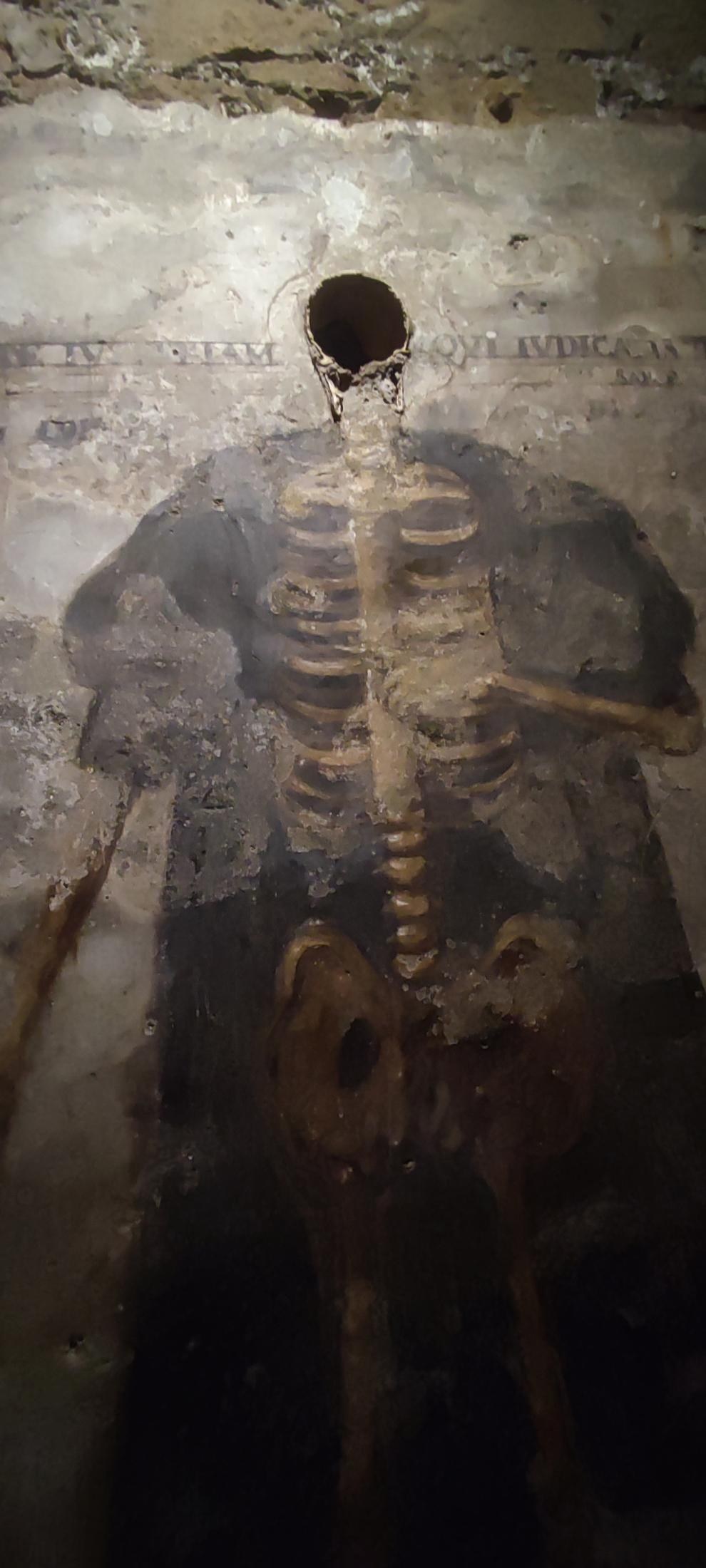
It is the middle of the calendar year 2022. The weather has finally sorted itself out, things are warming up, and the winter behind us never managed to feel properly brutal. Winter is not bad, it has its charm, but it is not exactly comfortable for walking around sites and landmarks. Neither is the peak of summer, for that matter. Spring and autumn, though — pure joy. Just don’t land on a week of rain. A short burst of planning, the beloved Ryanair fare finder for the cheapest offers, and half as a joke… Naples it is.
The internet is full of information suggesting a week there fills up easily. The internet is also full of information saying this is something like the capital city of organised crime, that the region has its own famous mafia, and that something strange has been going on with the rubbish business for decades — though you would probably never think to look that up on your own. Knowing all of it in advance most likely would not have changed our mood about going, but reading it online is genuinely alarming, and plenty of people would get cold feet. First-hand confirmation: there are safer destinations for tourism and for immersion in living history. Towards the end of the article we will break down the actual dangers in Naples properly.
After that short disclaimer, we are still going, and we will mostly look at the good things — and there are more than enough of them to compensate for the minuses. Naples / Napoli hides an endless number of secrets, and a week is right on the edge of enough to see everything worth seeing in the area. And it is not as if the area is short on material: it is not just Naples itself, there is Pompeii, Vesuvius, Sorrento, the Amalfi Coast, and more, and more.
Day 1: Check-in and culture shock
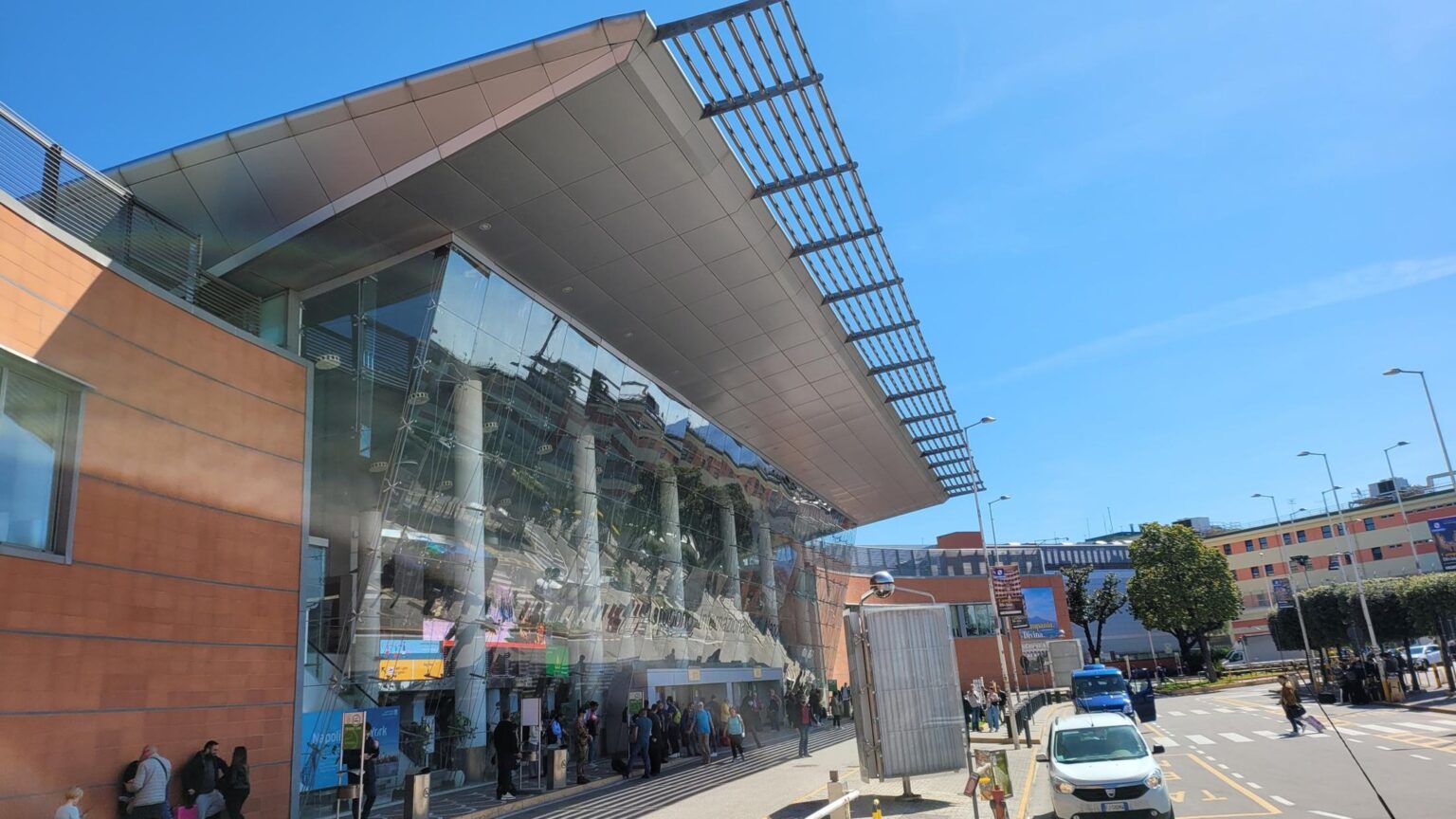
Thanks to Ryanair, two or three weeks before the flight you can get tickets with 10 kg of luggage for something like €40–50 return. Naples has one airport — NAP — and in places you will see it called Capodichino. The city has a very rich transport network, but from the airport towards the centre there is exactly one public transport option, and that is the Alibus. The price is €5. It drops you at the central station, Garibaldi. A taxi to the centre, about 5 kilometres away, runs at a fixed €21 with the local companies. Outside the terminal you will also be showered with offers for “VIP” transfers at the midpoint — €10, which is de facto a shared taxi for four. Getting to the central station takes 20 minutes whichever way you do it. We are on the bus: cheapest, most authentic, and it occupies the easiest spot to find right at the entrance-exit of the airport.
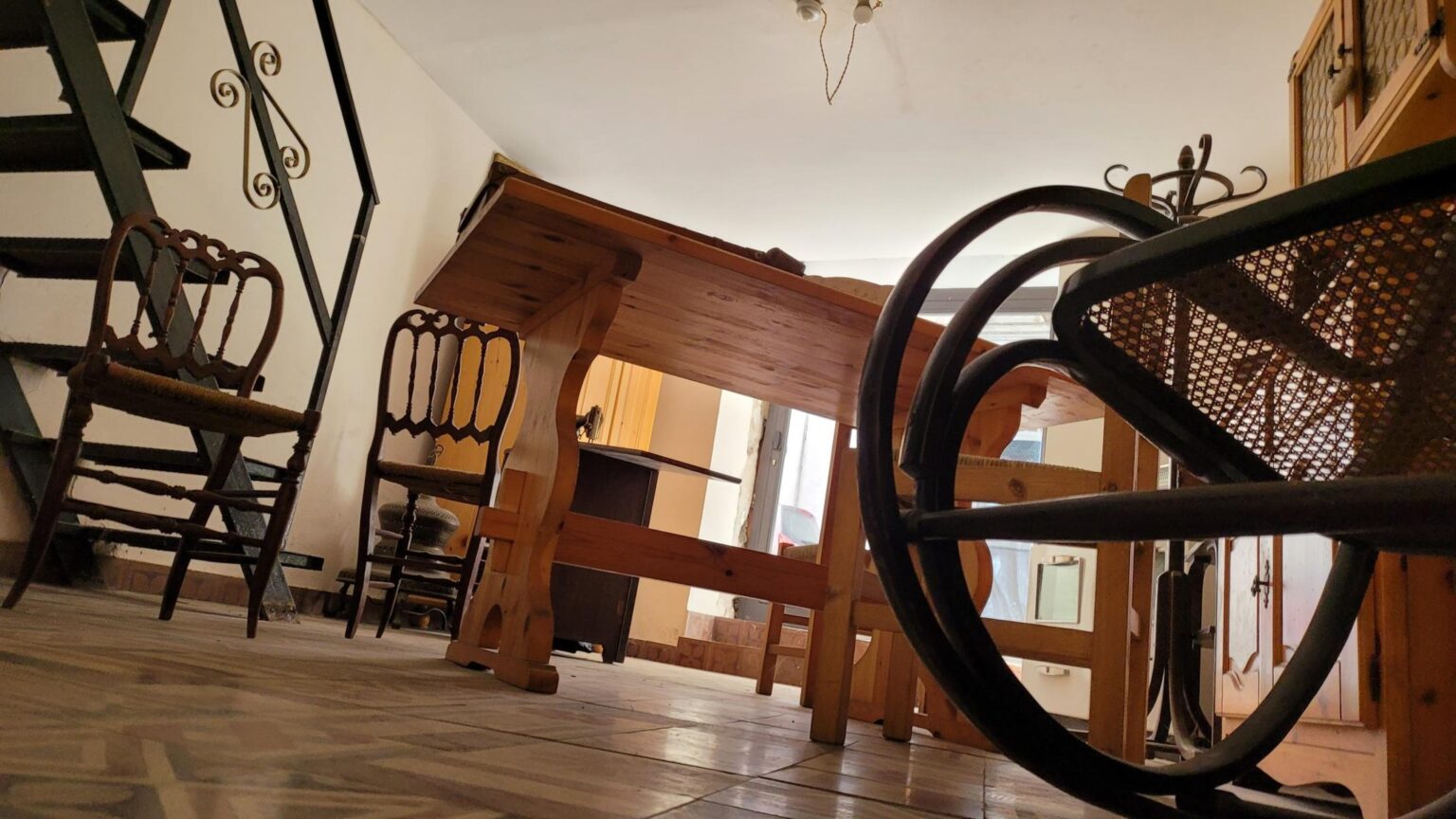
From Garibaldi there is an unlimited choice of onward transport. Our hotel, which turned out to be a private flat listed on Booking (a very bold lie), is within walking distance of the station. I don’t have that many trips abroad behind me, so I prefer to settle on something with a high rating, a clear reception desk, easy transport to and from the airport, a fridge, air conditioning, a terrace, and breakfast with coffee included, non-negotiable. On arrival it turns out that what is presented on Booking as a hotel with a reception is in fact two three-room apartments. The price — around €60 a night for a double — was no cheaper than the other hotels in the area. (As of today this has been edited: the property now presents itself on Booking as a private host.) The location was the deciding factor that pushed this “hotel” ahead of the others nearby. It was a bit of a shock, because it was already paid for. We survived.
The host is a total powerhouse — moderately sarcastic and simultaneously literal — she has been doing B&B for 10 years and does not speak a word of English. She takes your phone and shouts at Google Translate while spraying it with saliva 😀 Good thing my phone is waterproof.
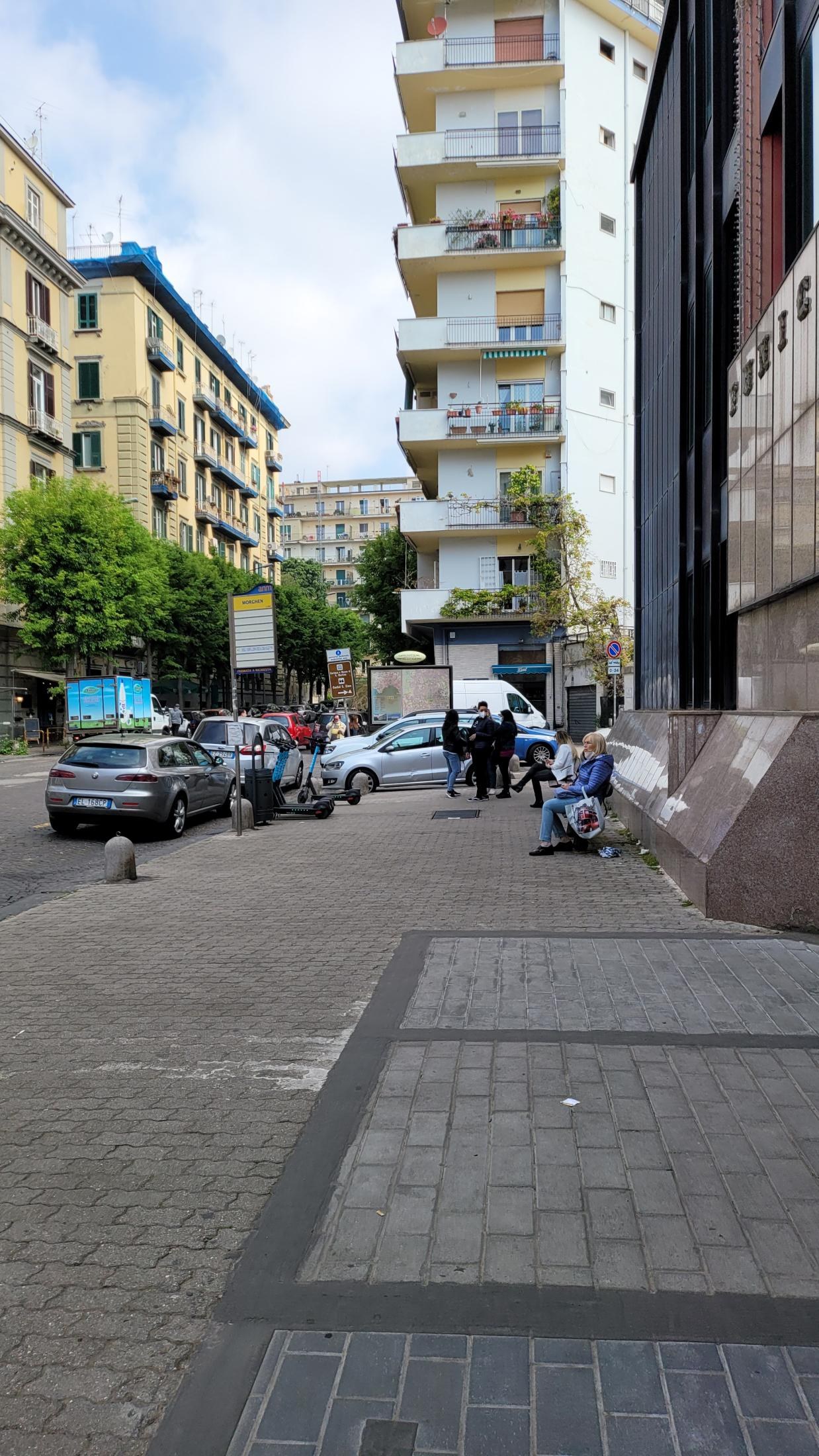
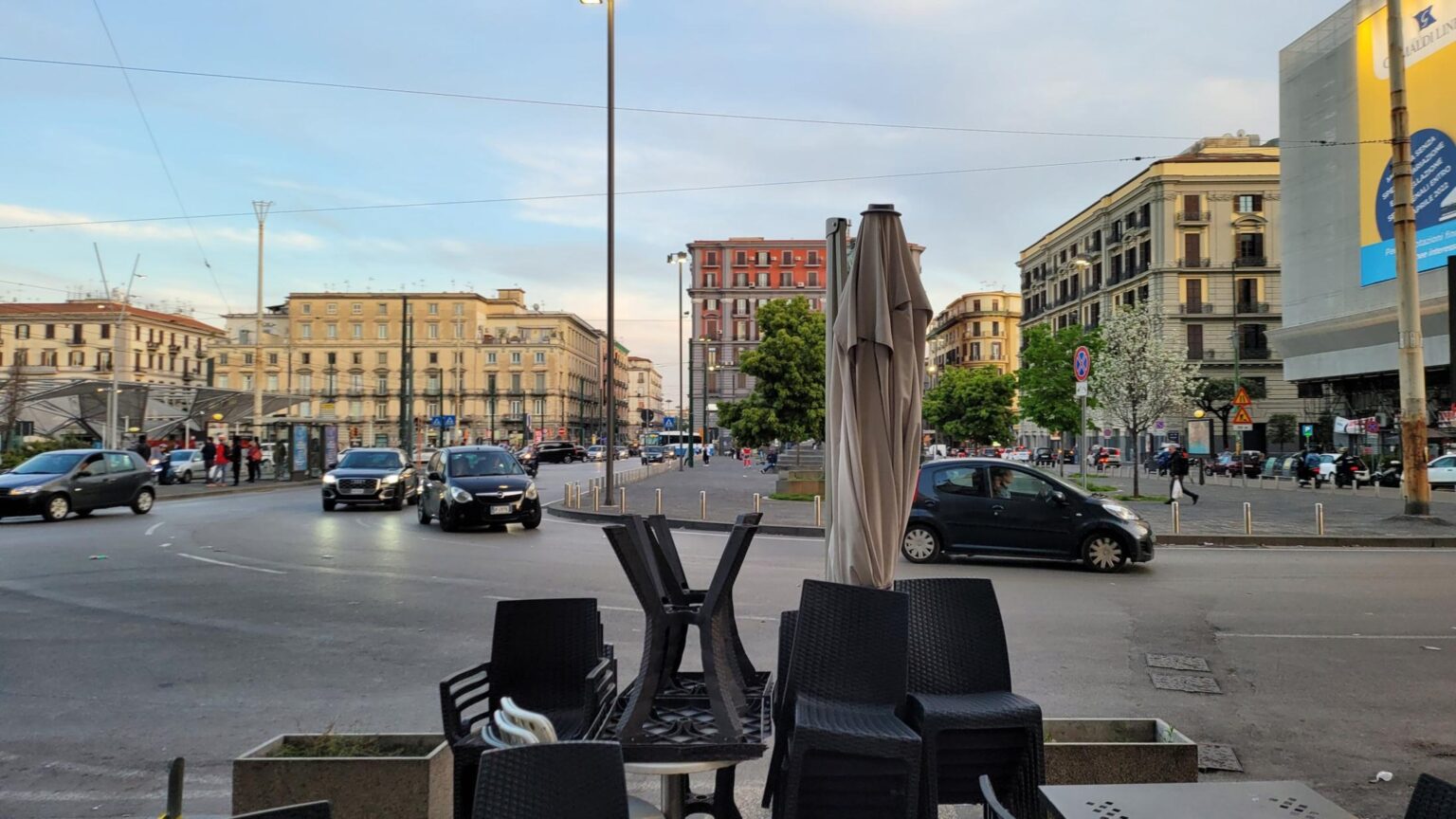
In parallel, the location thing is a bit of a double-edged sword. On one hand, sleeping near the station gives you a certain amount of convenience. Incredible connectivity wherever you decide to go, and the centre is walkable. On the other hand — and this is true of most cities, but in Naples it is extraordinarily pronounced — around the station there are all kinds of people, the good and the not so good. The conclusion arrives quickly: there will be no walks after dark.
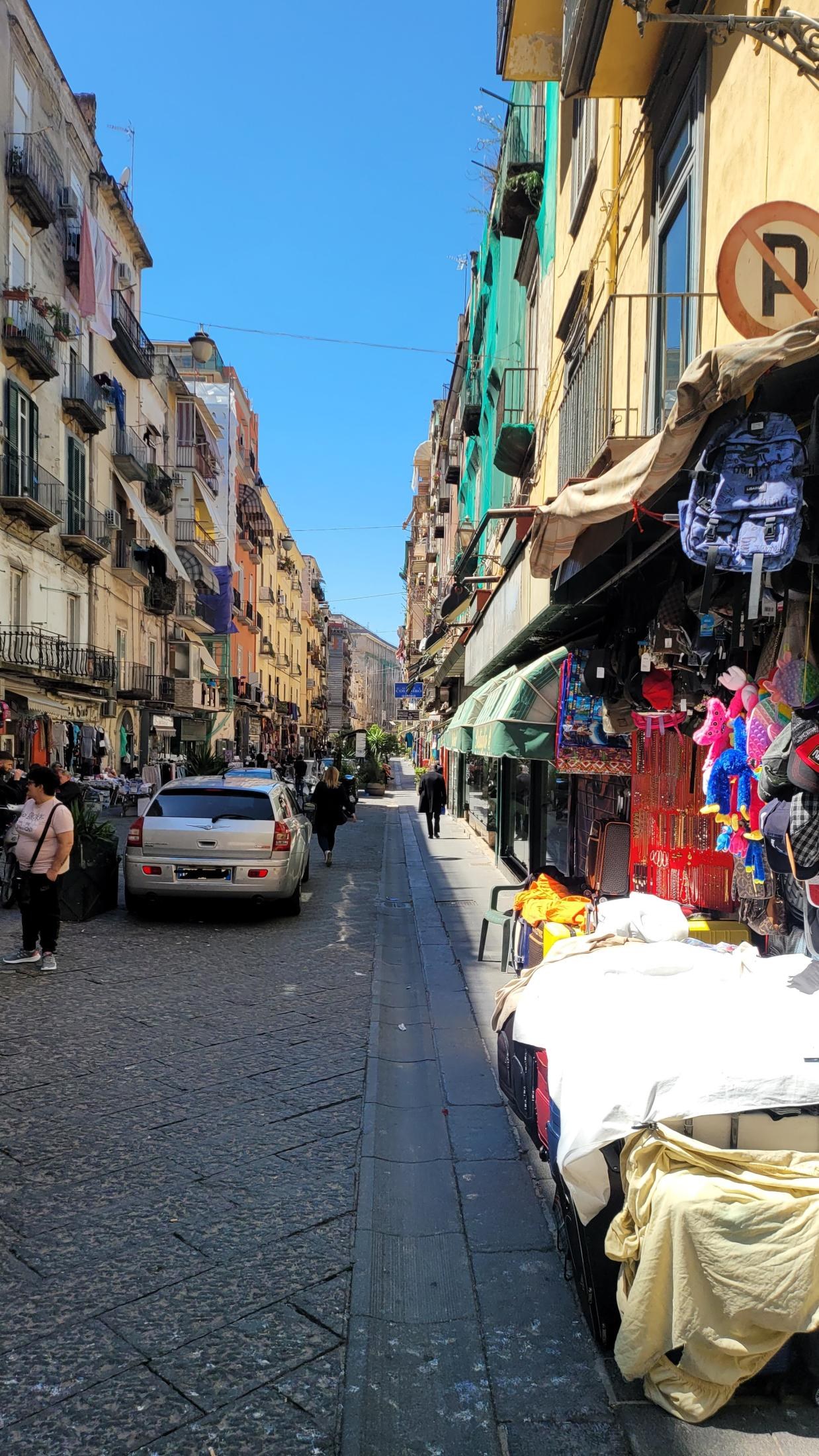
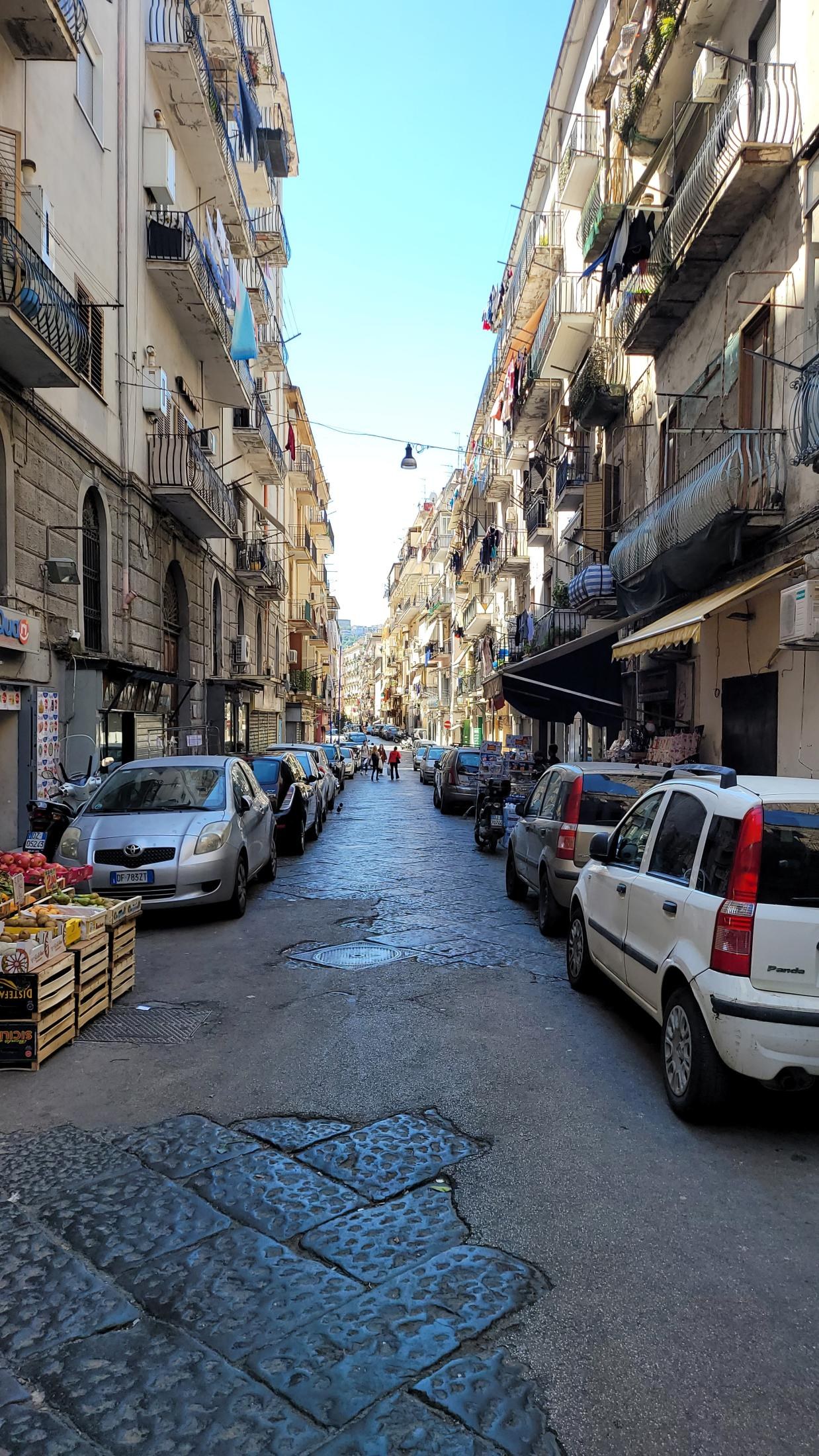
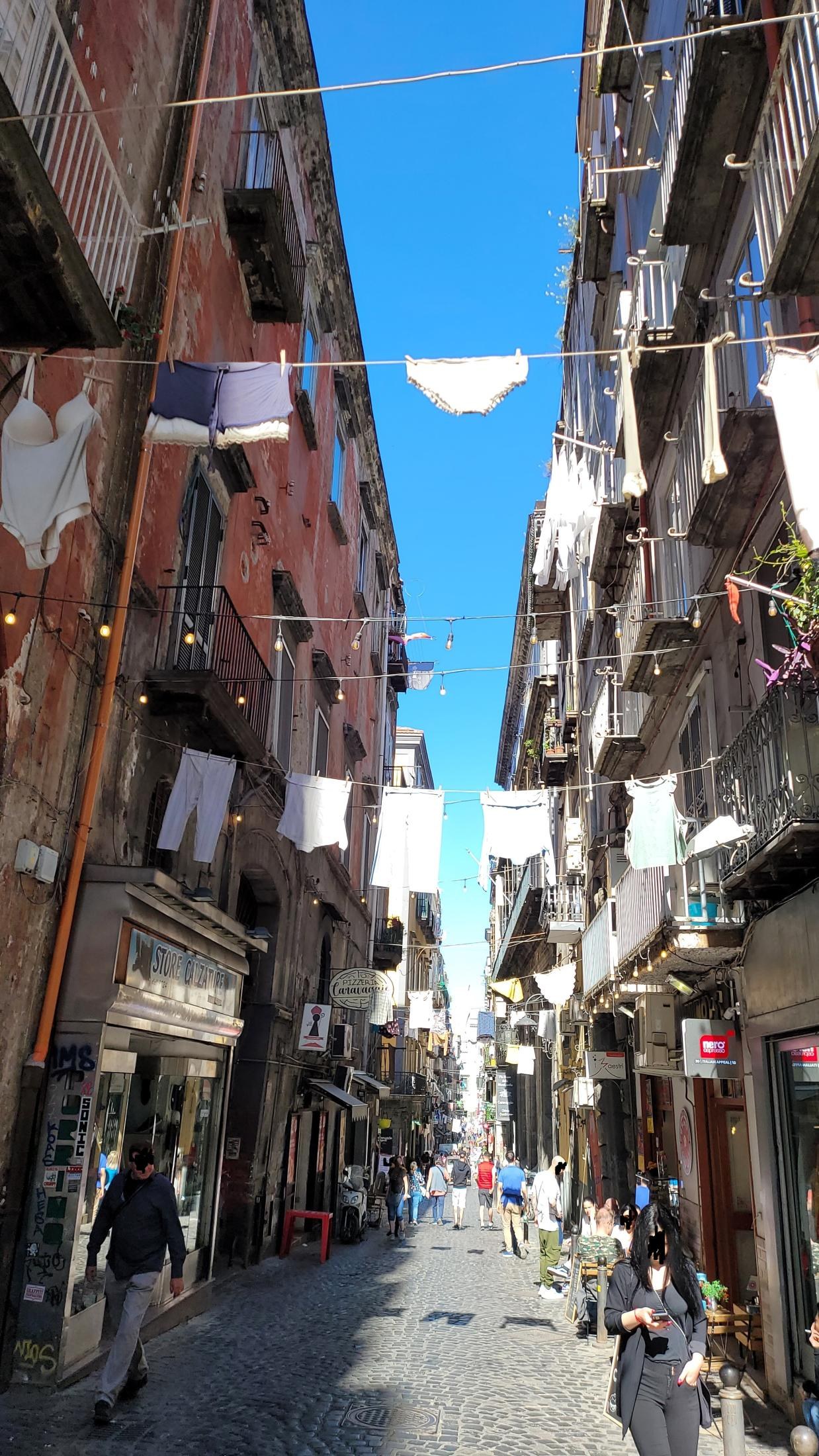
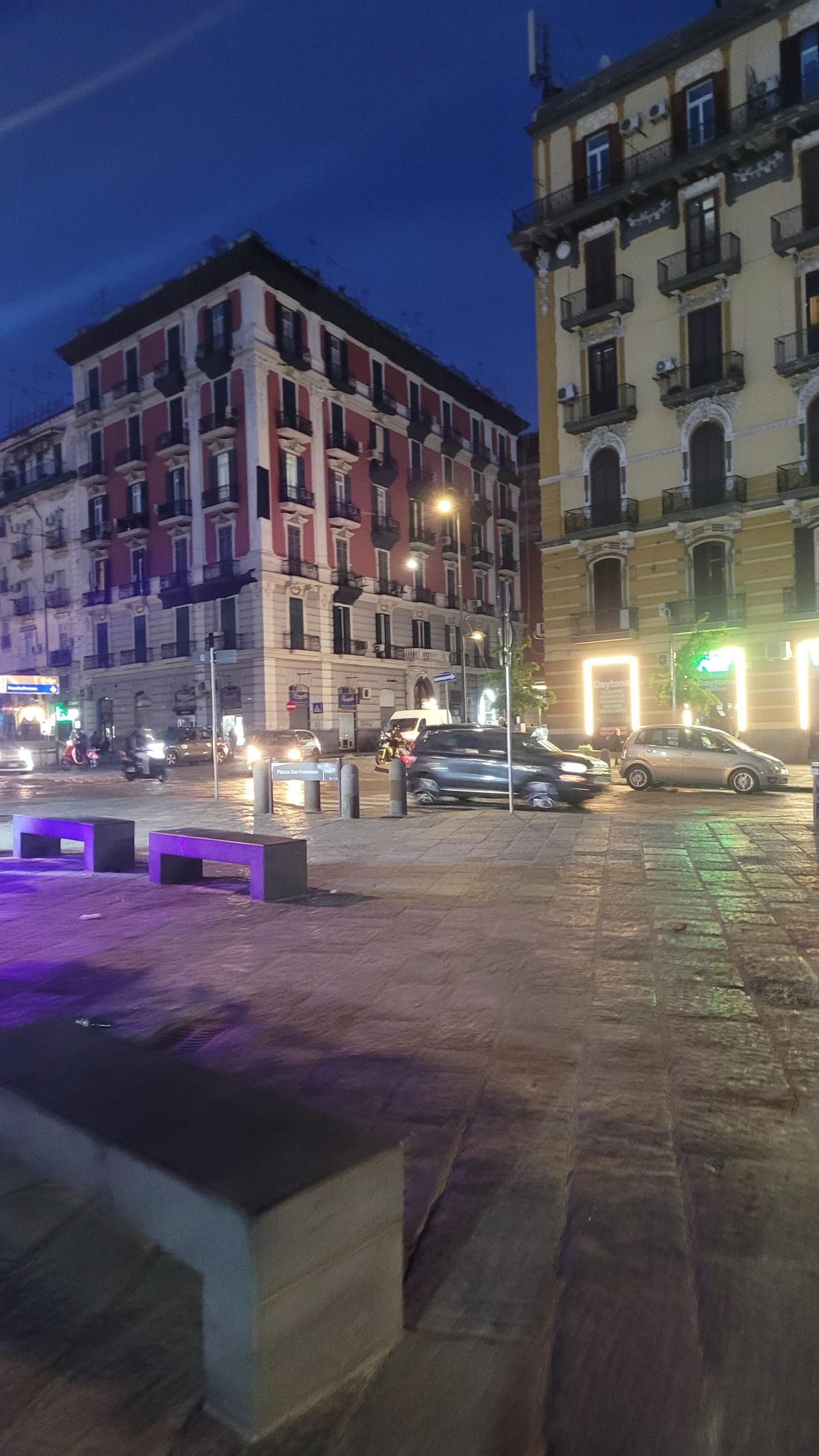
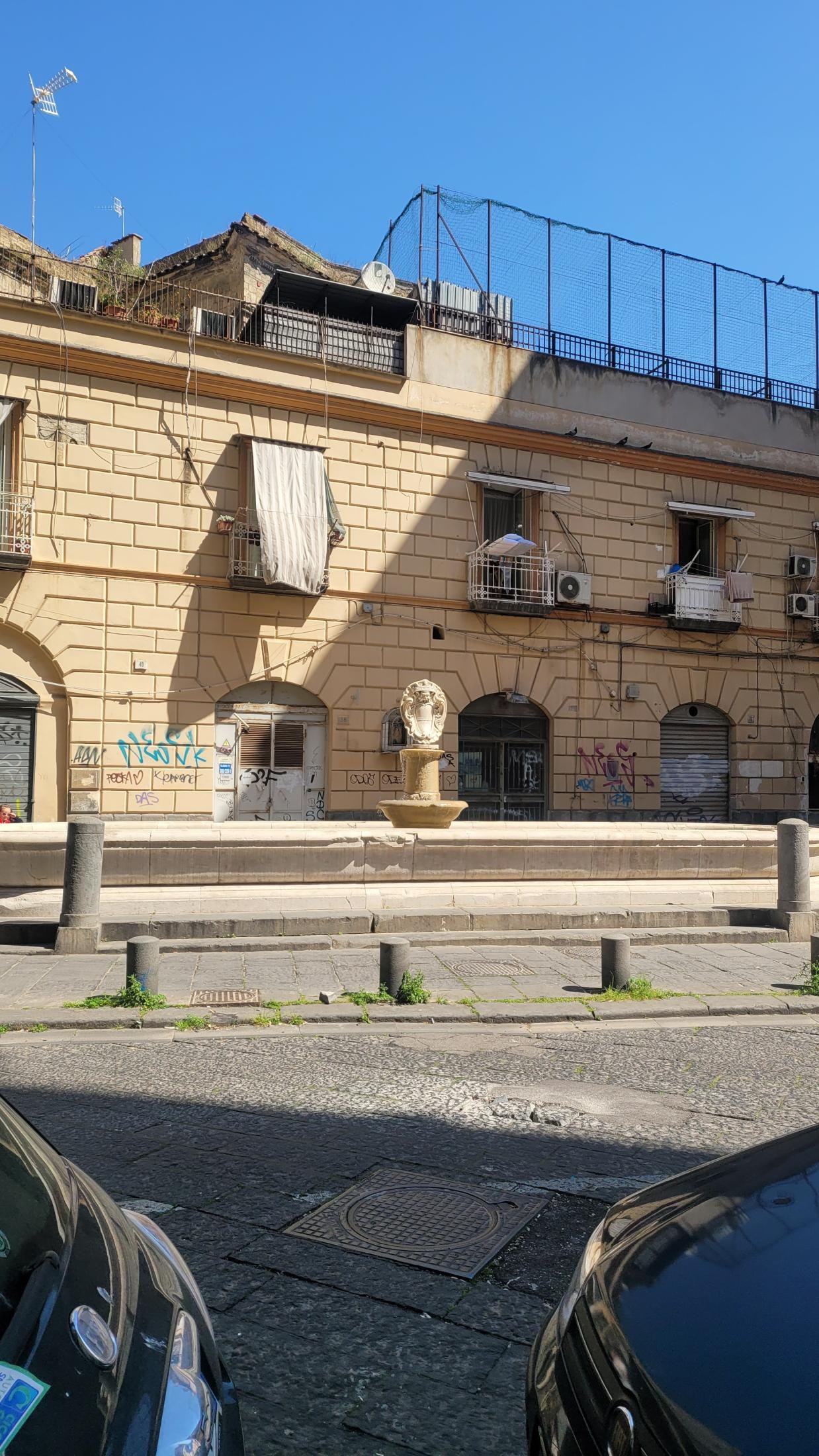
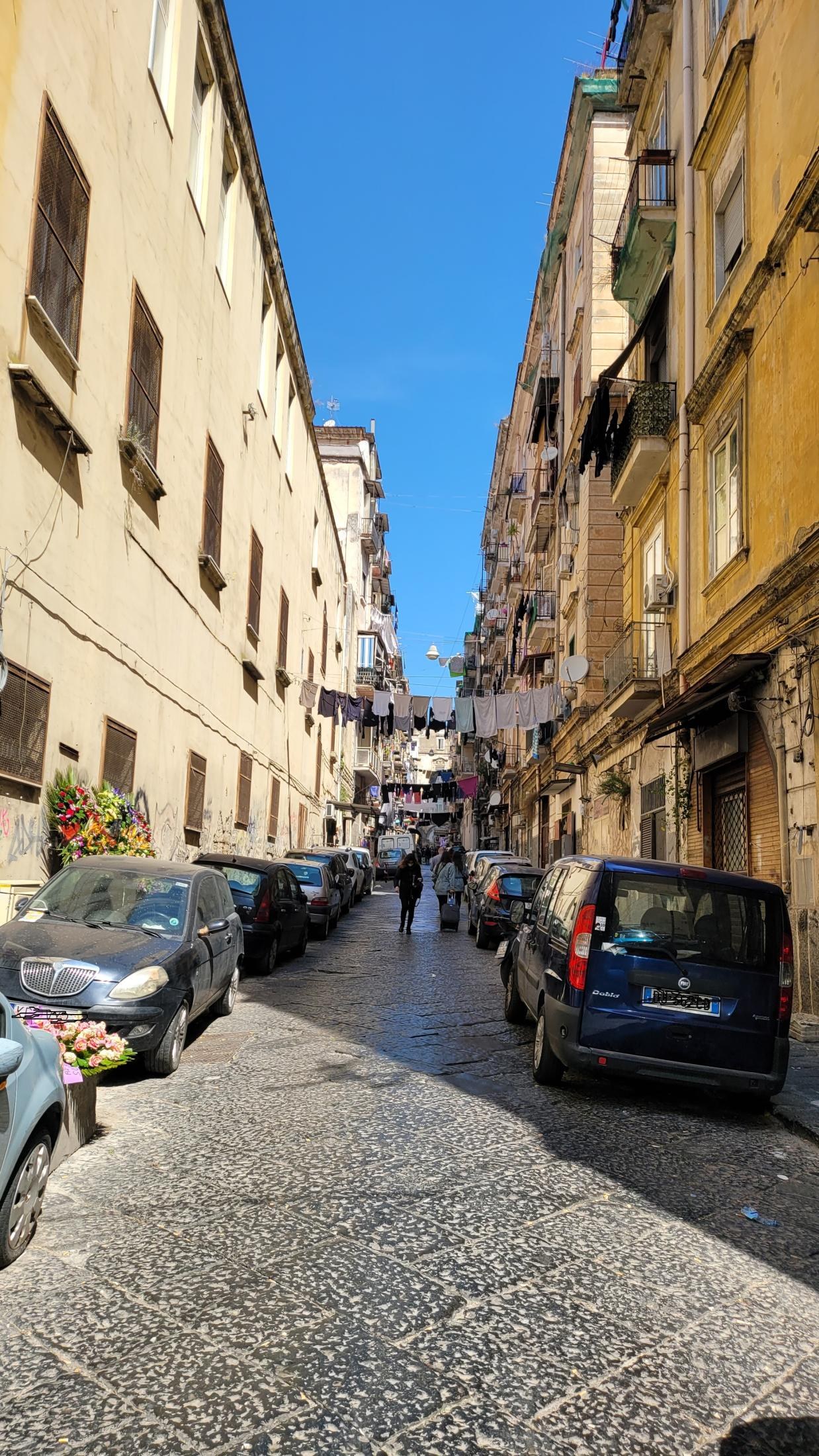
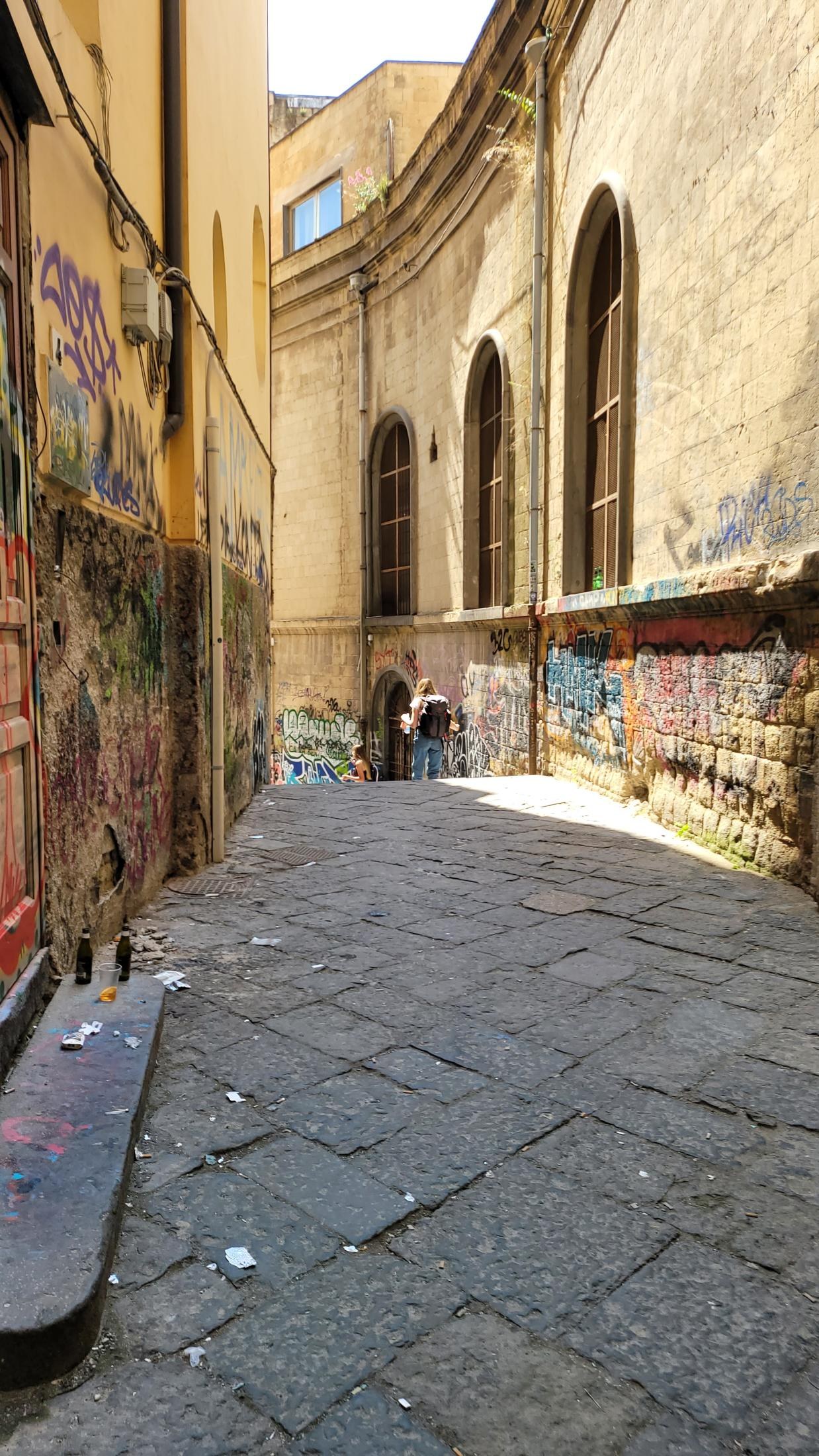
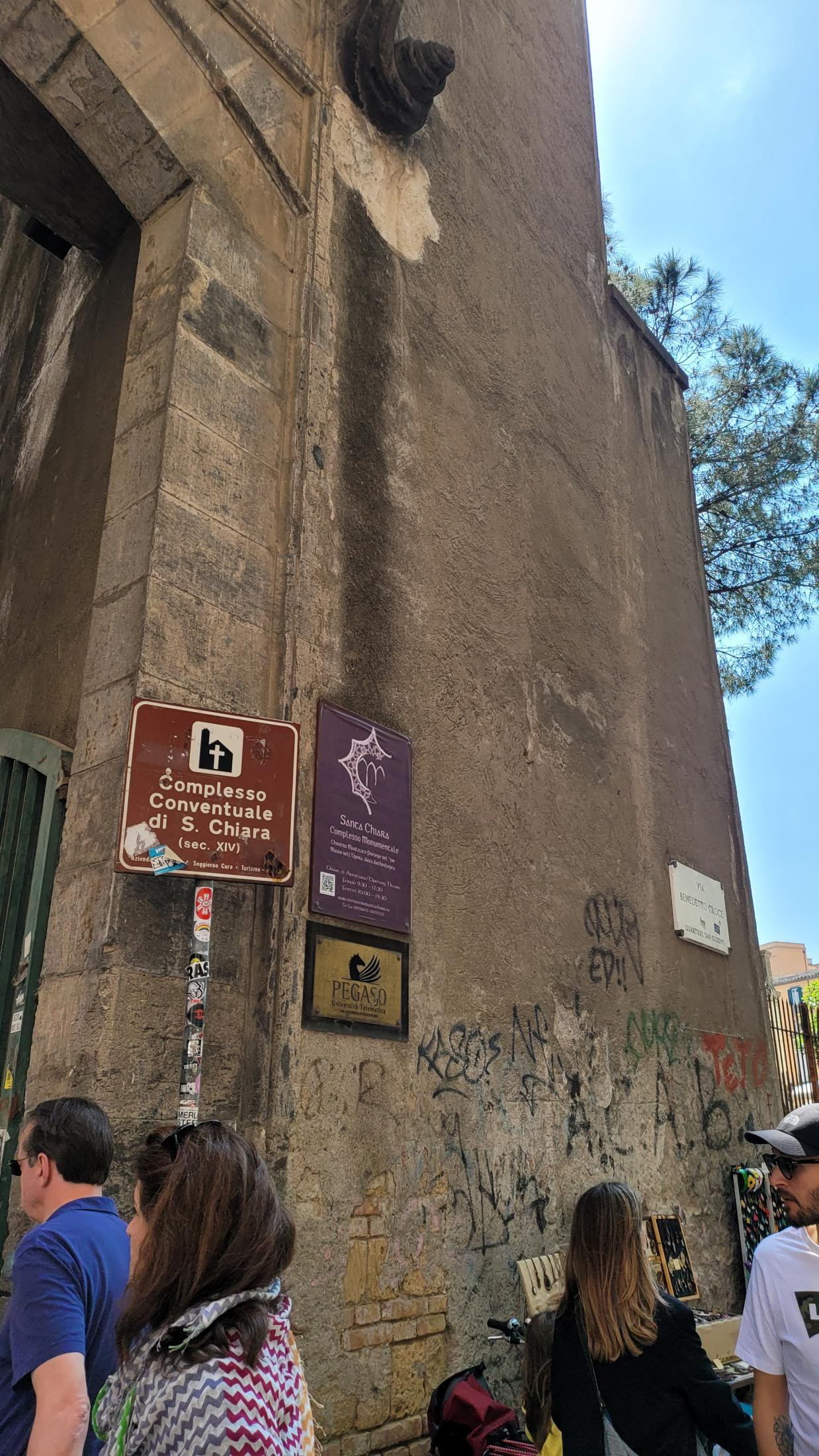
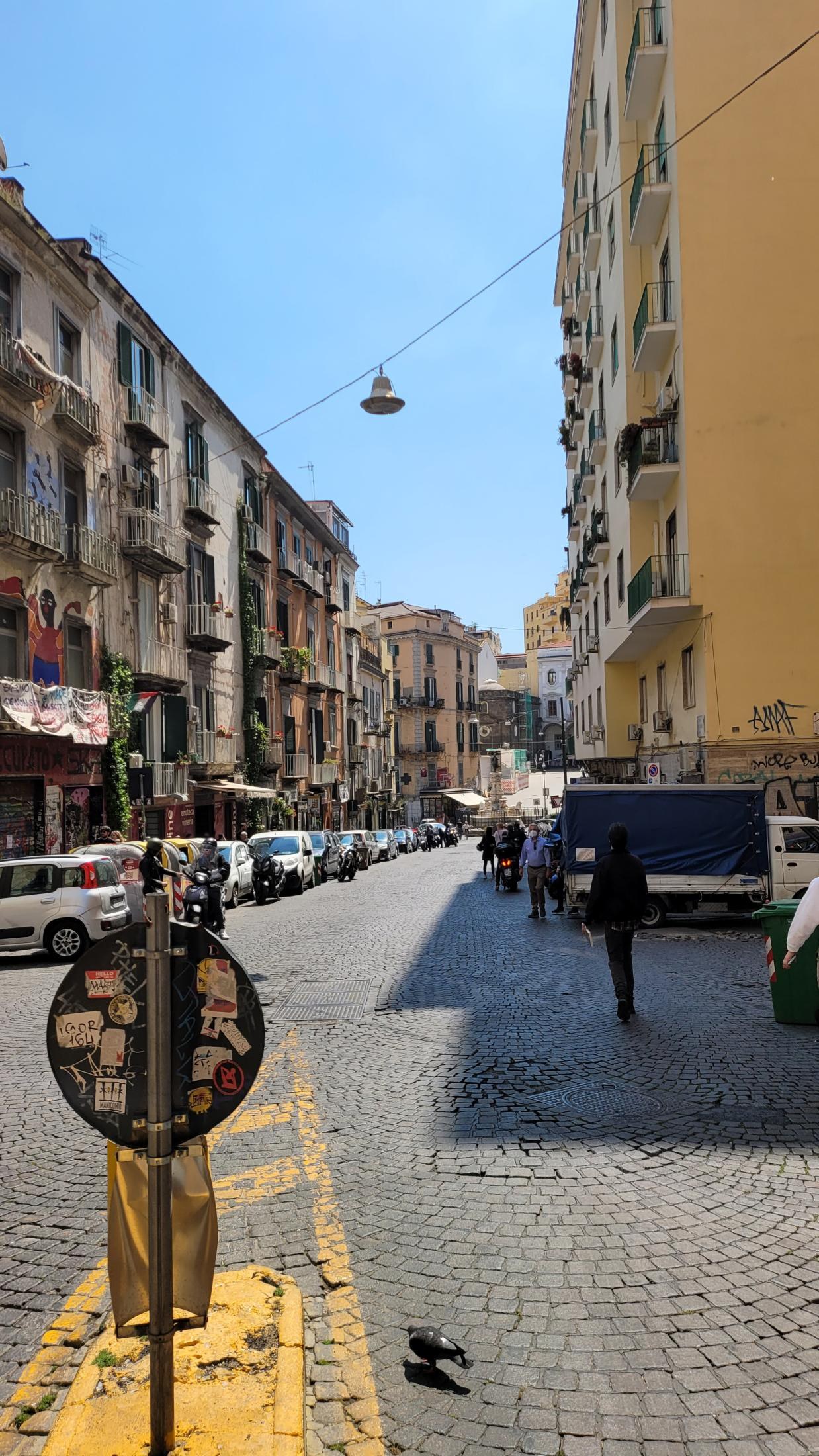
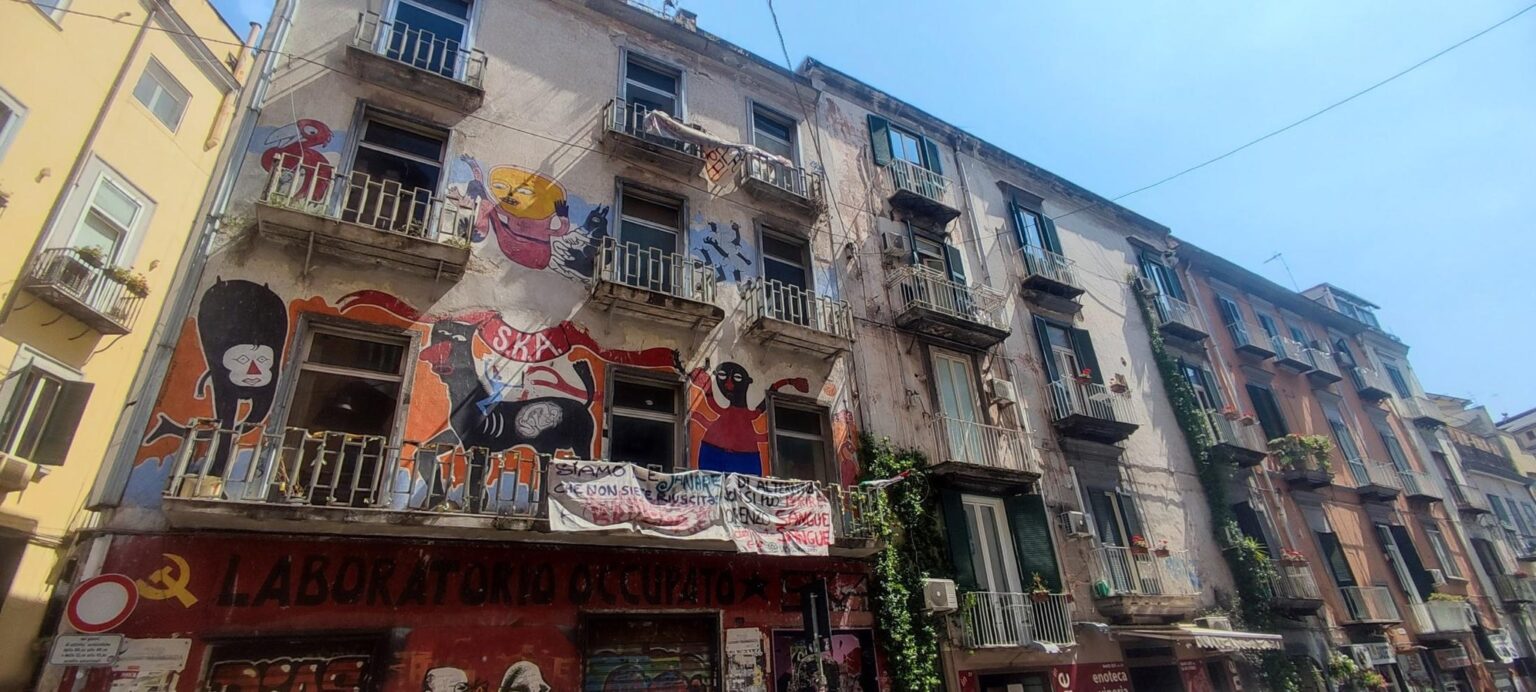
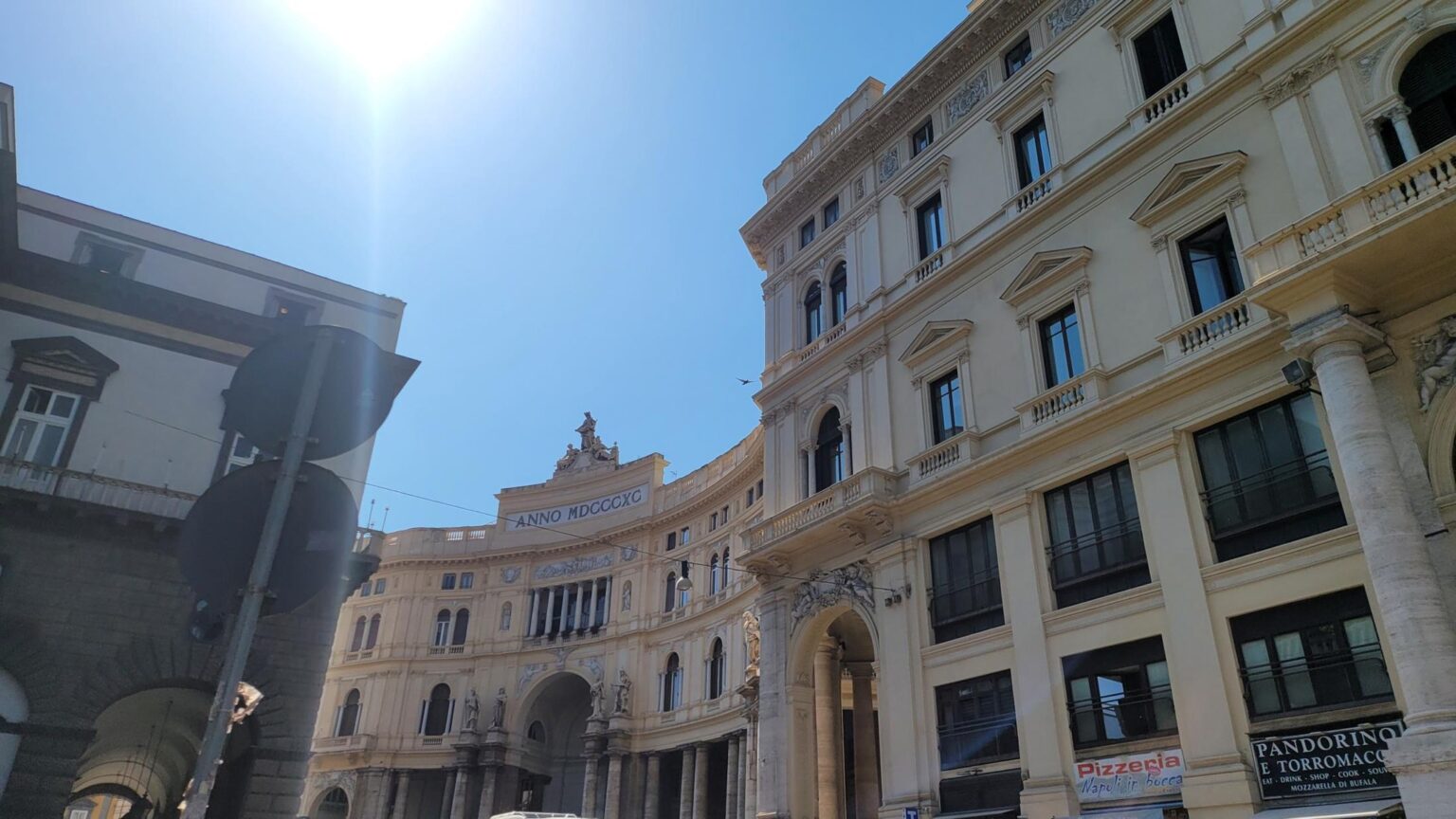
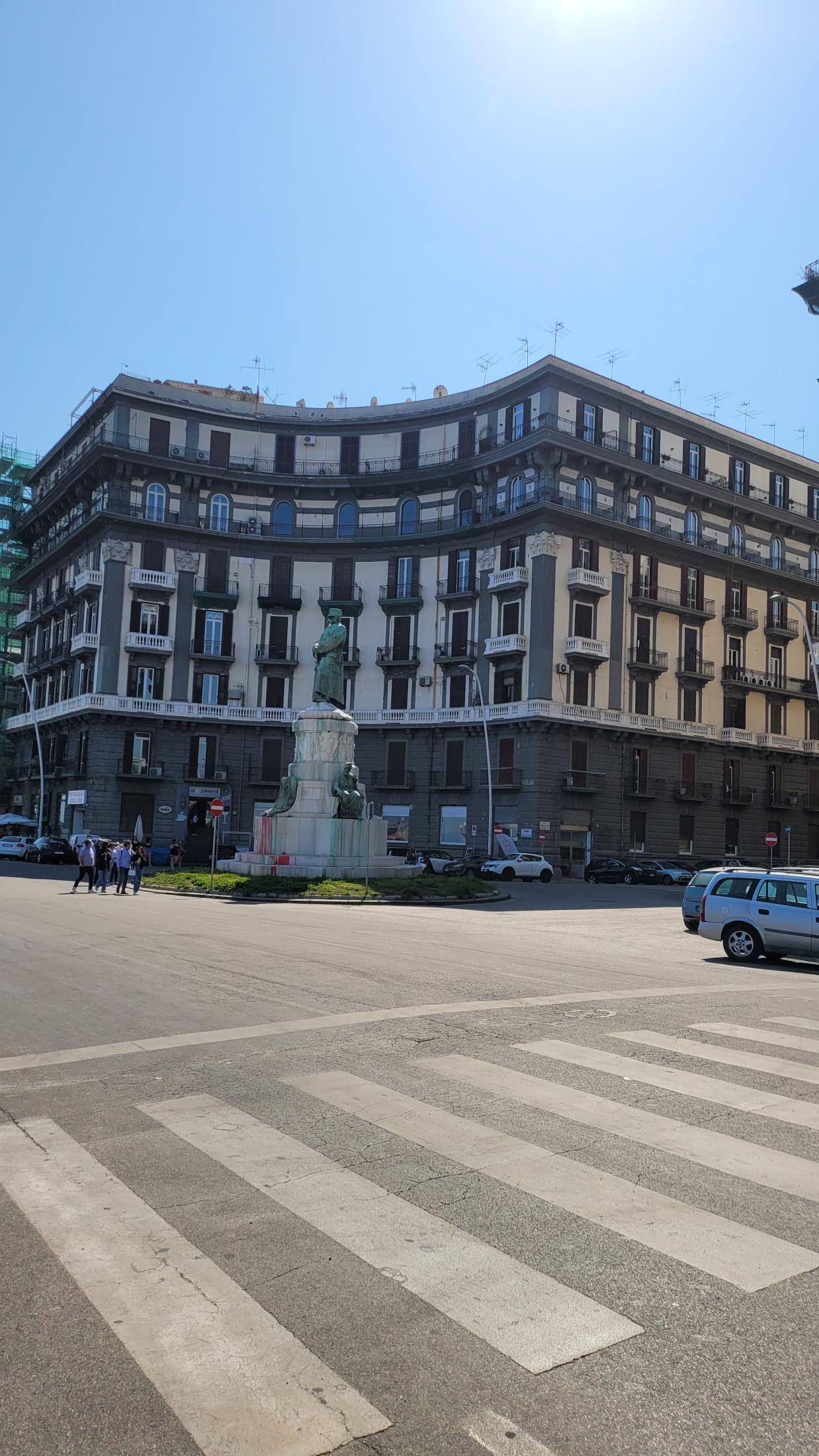
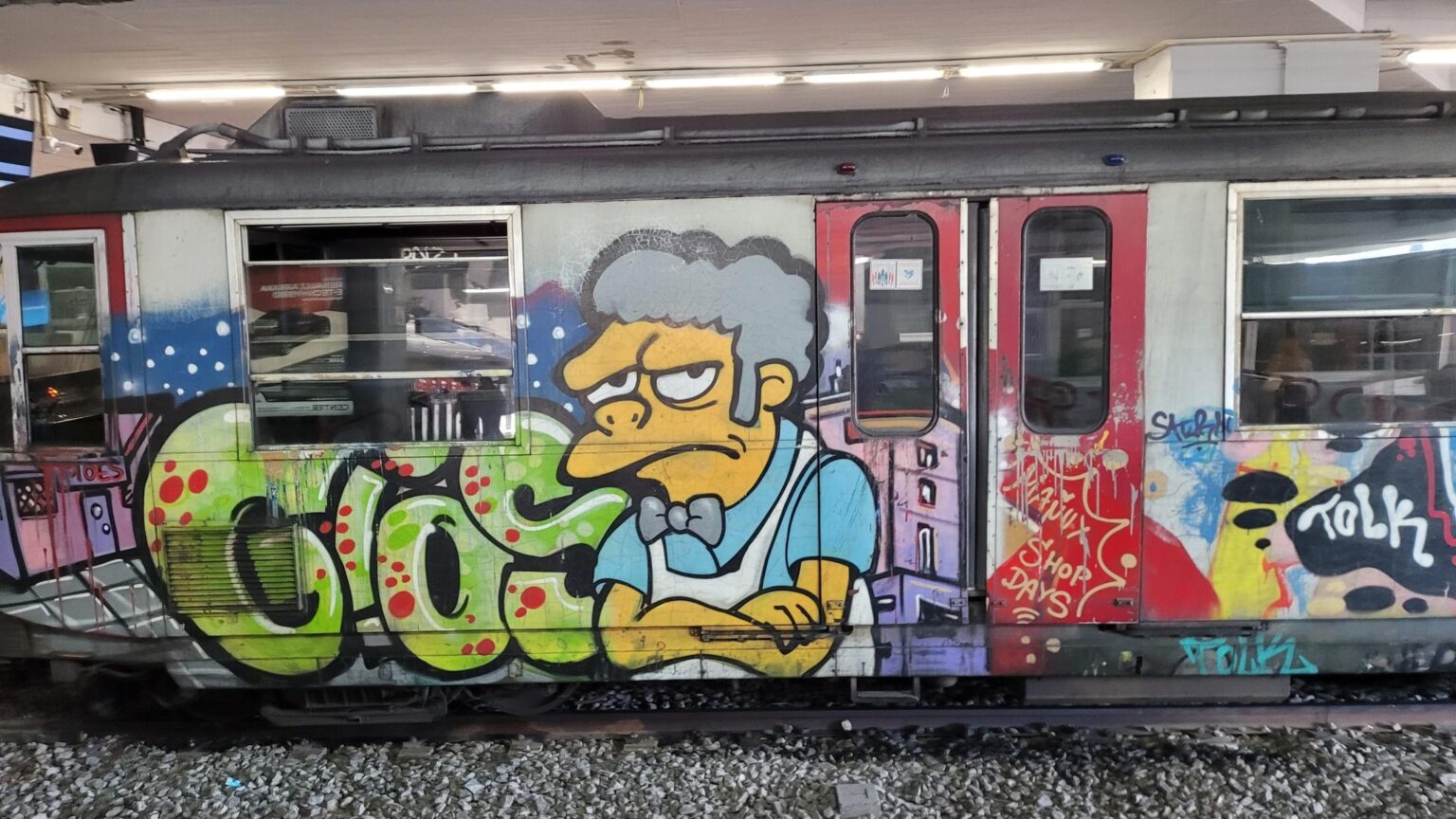
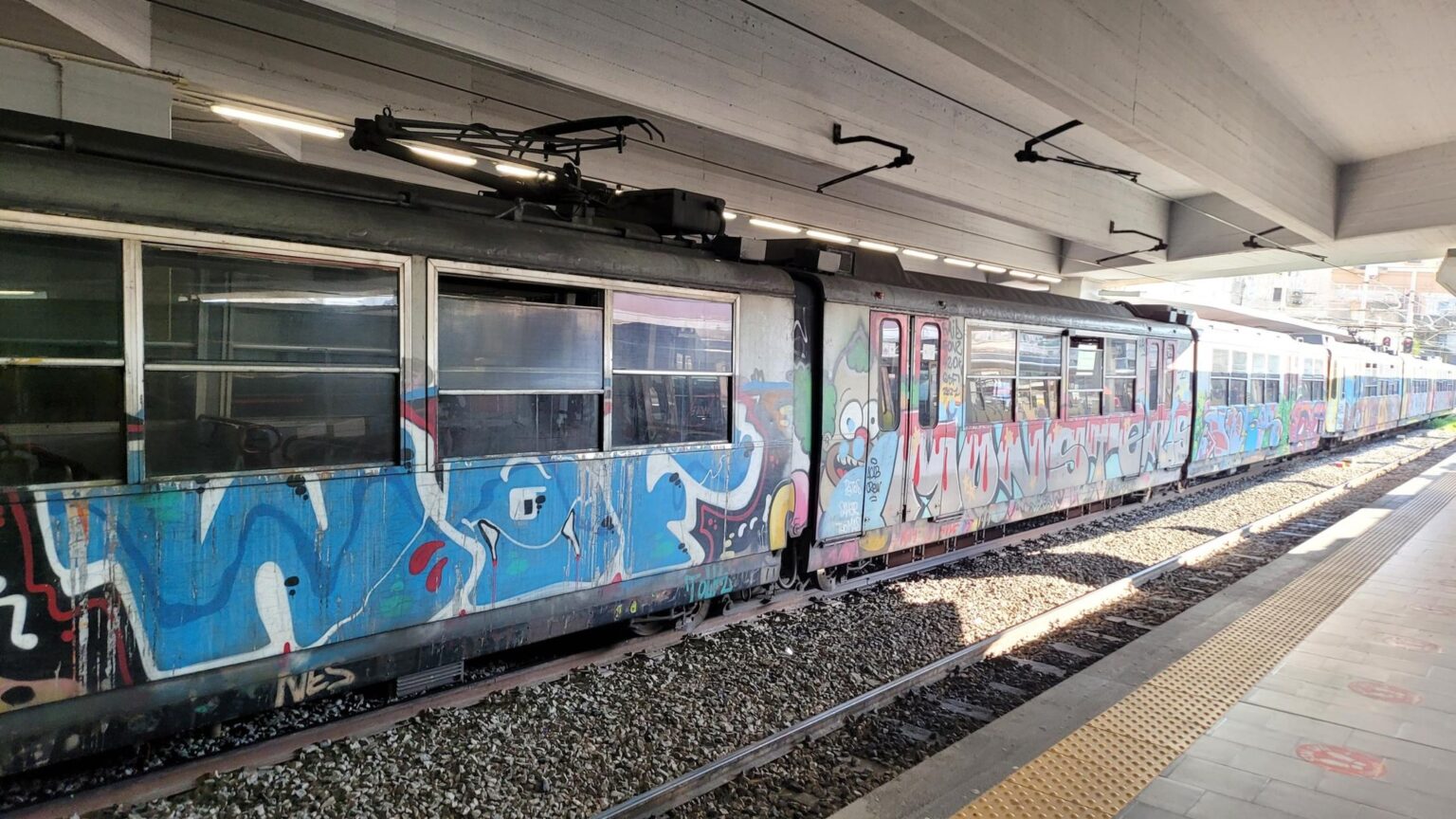
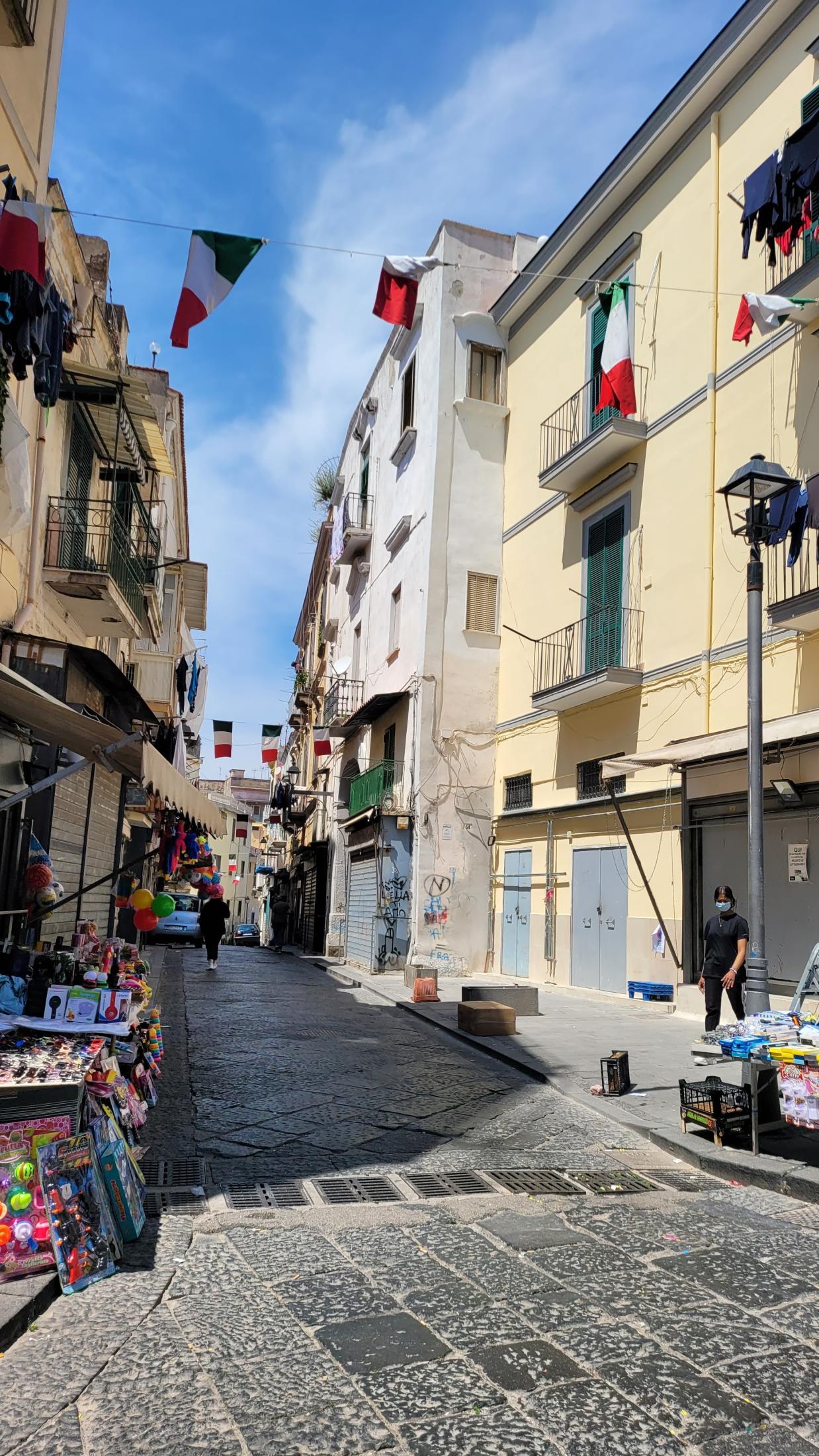
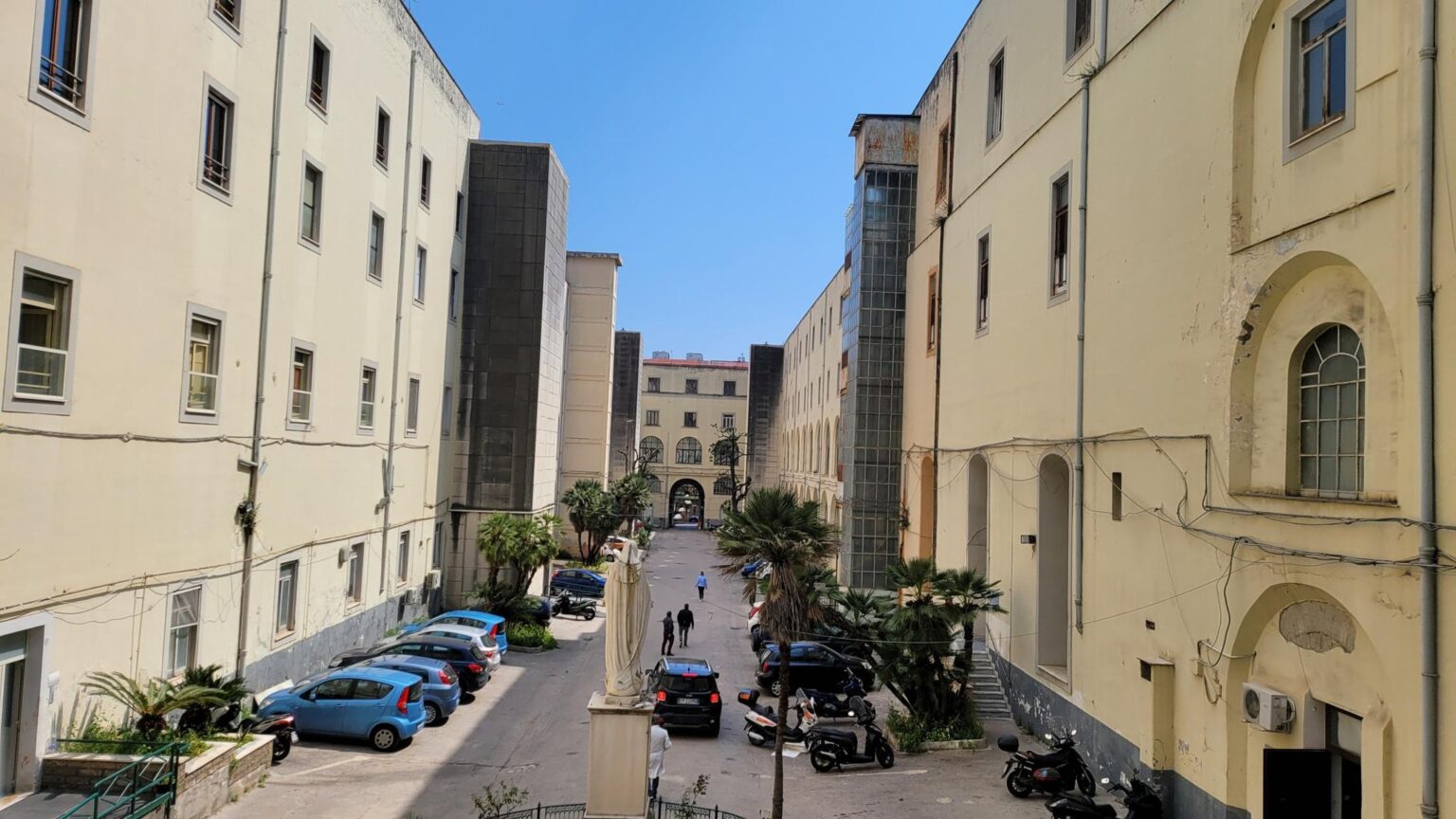
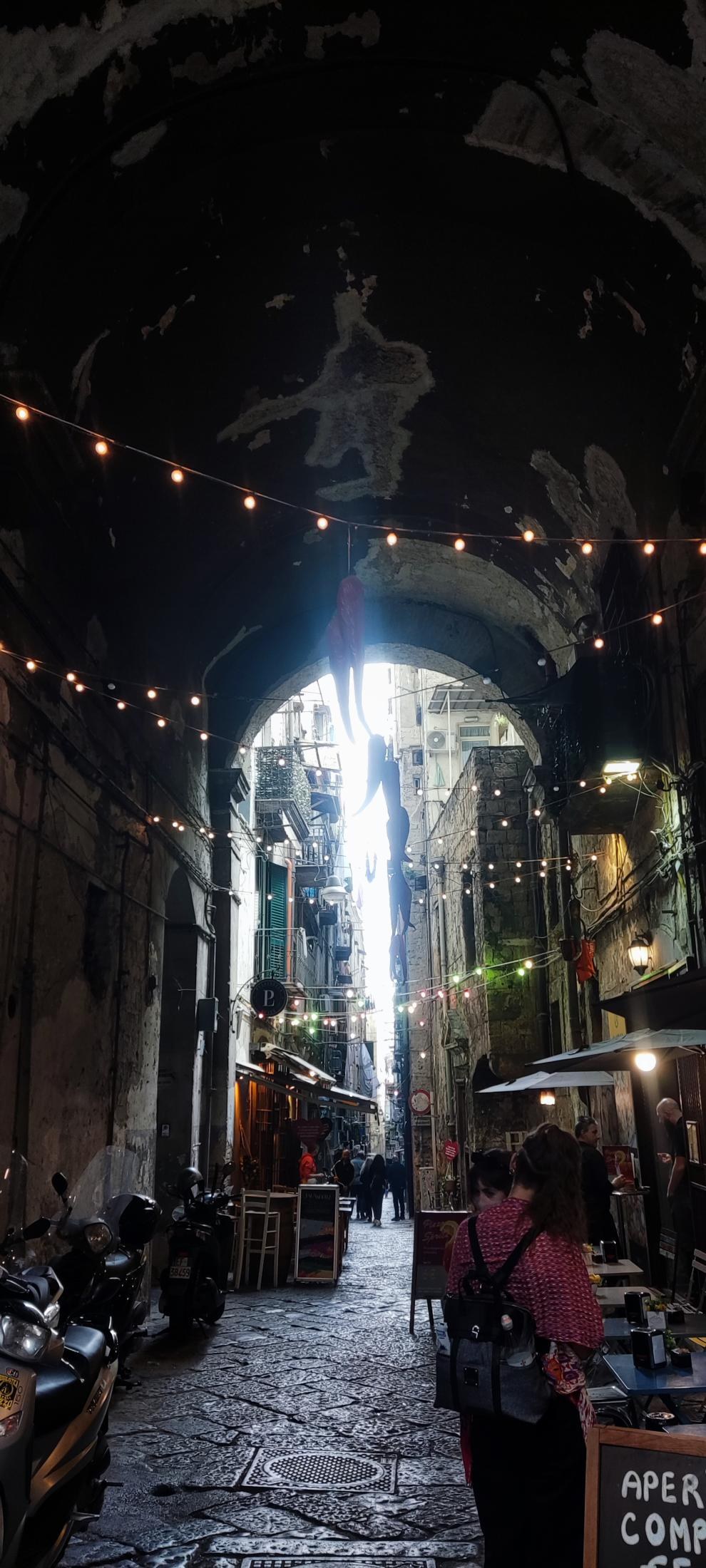
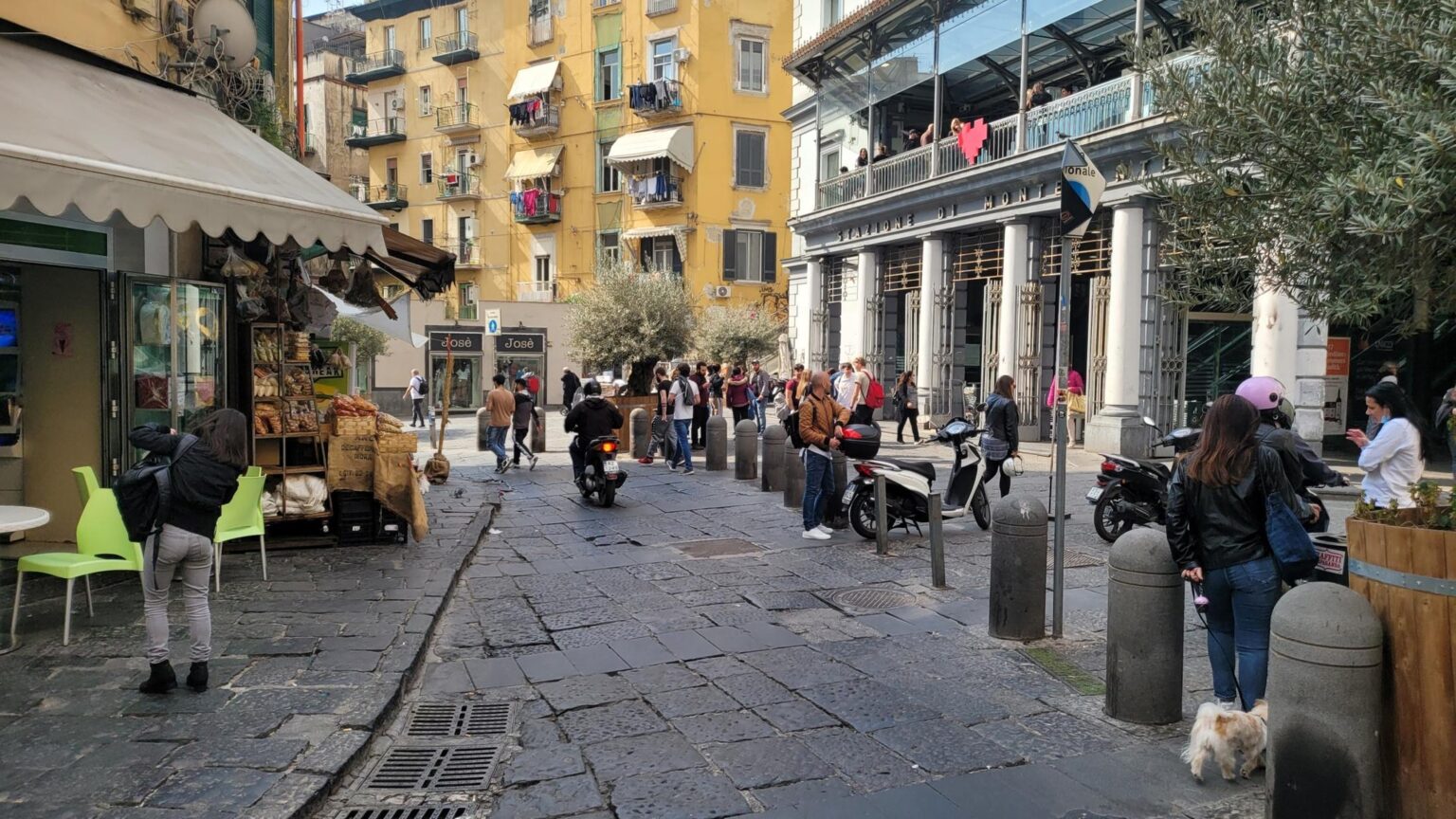
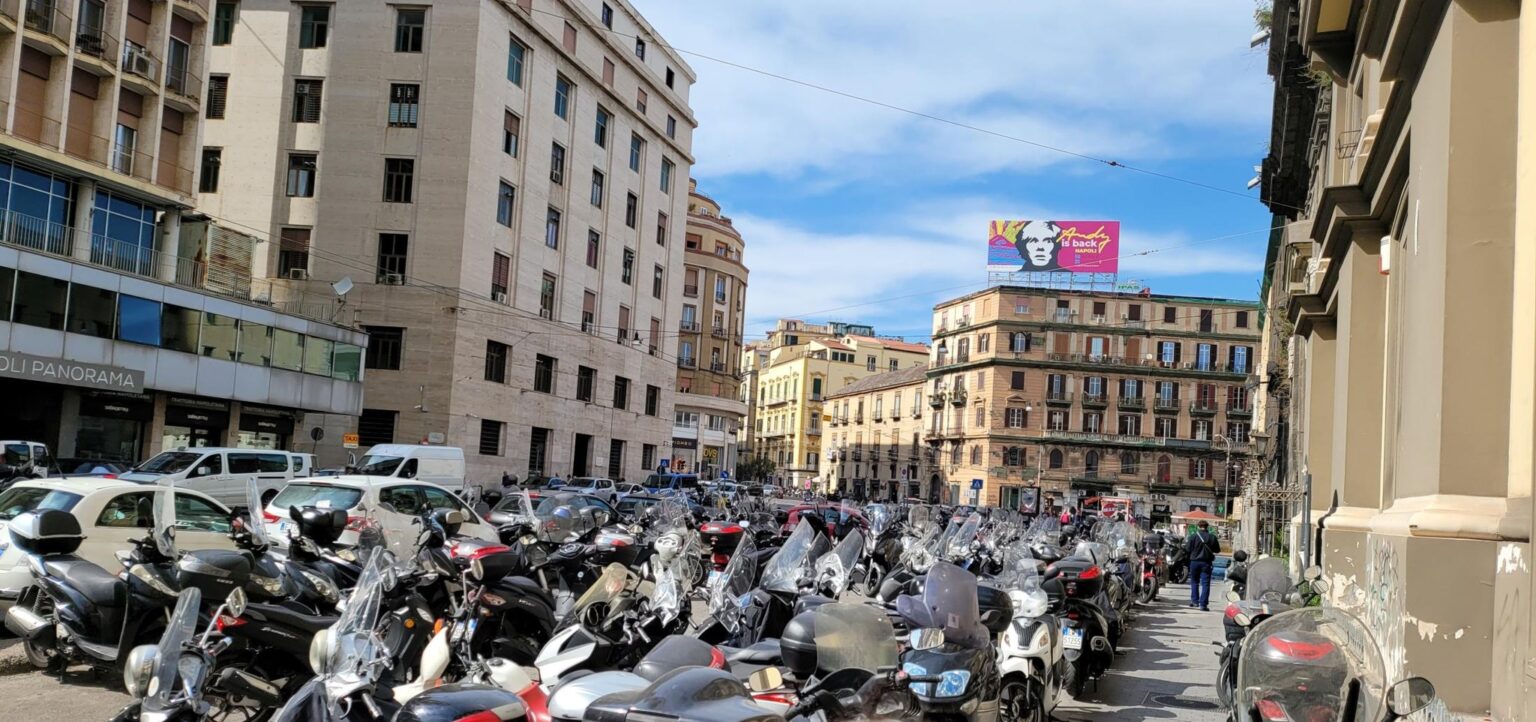
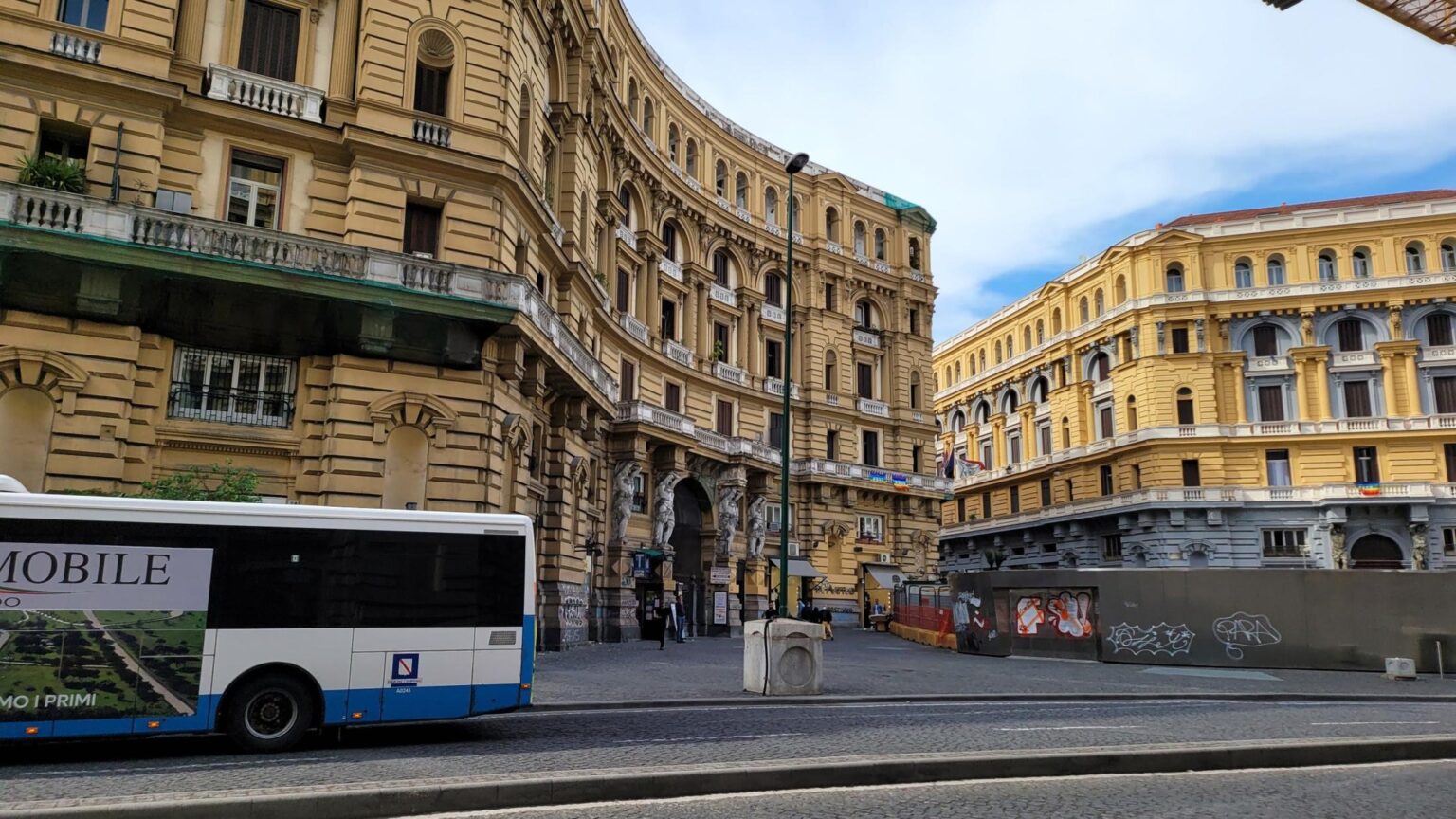
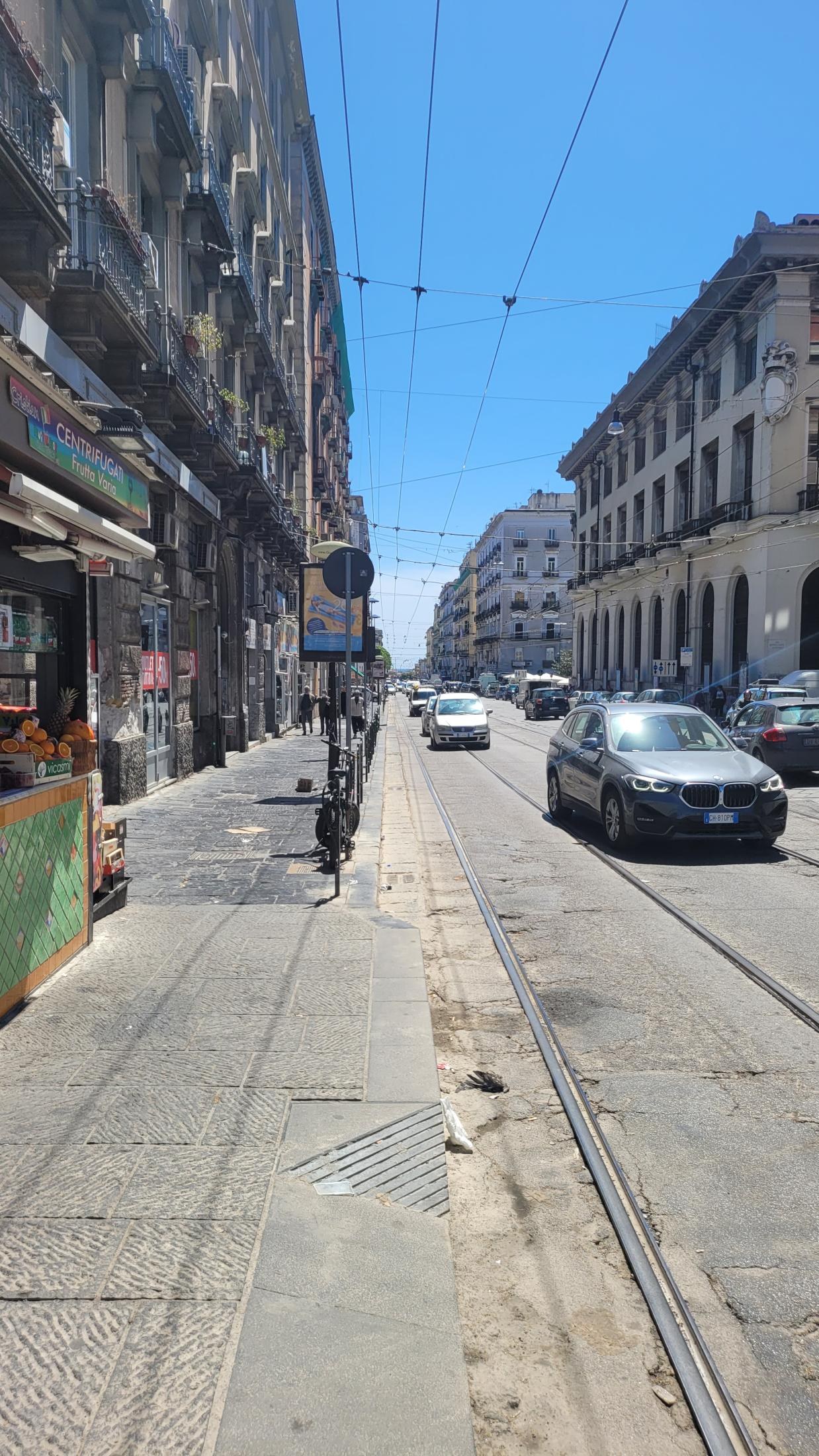
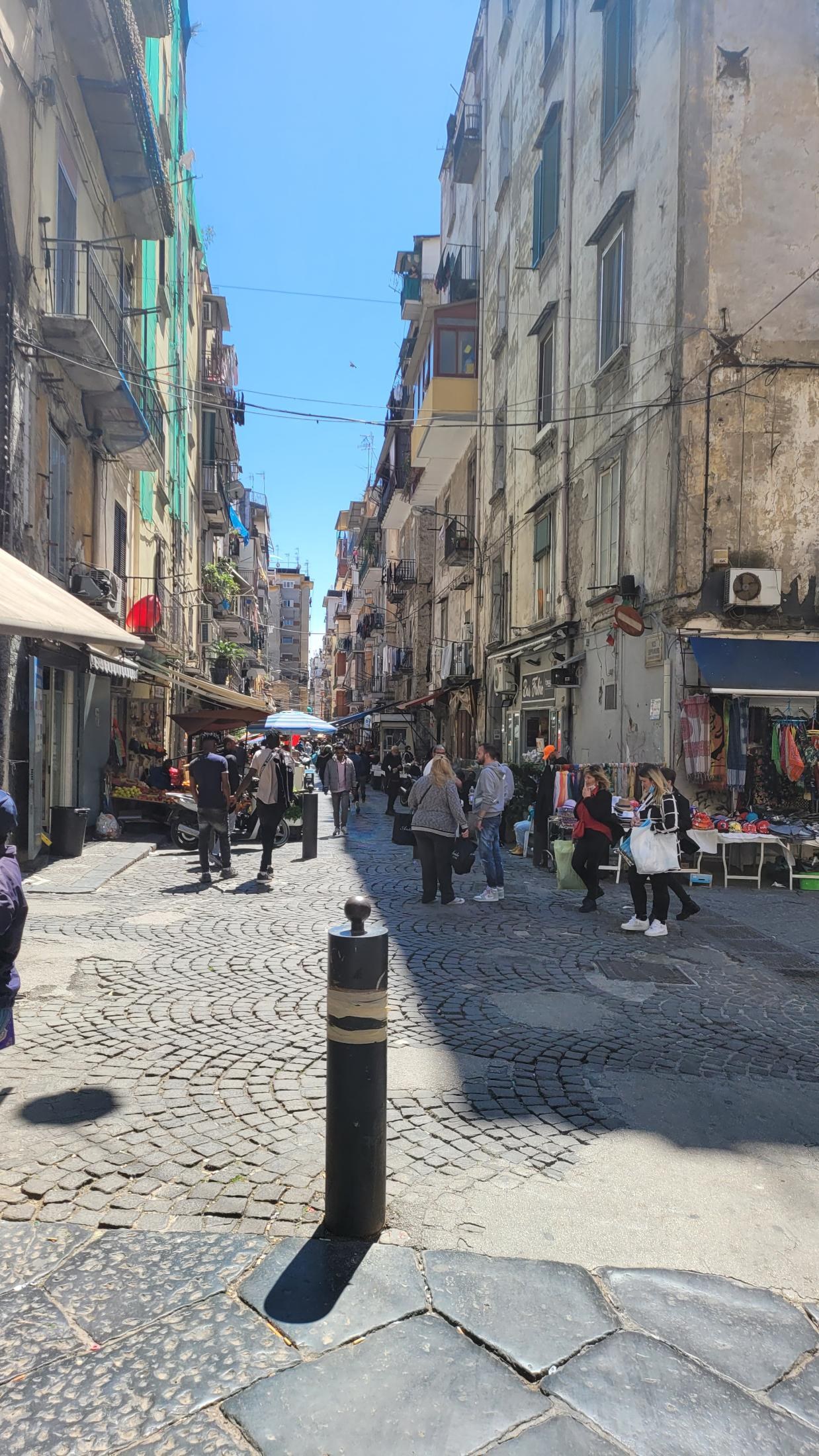
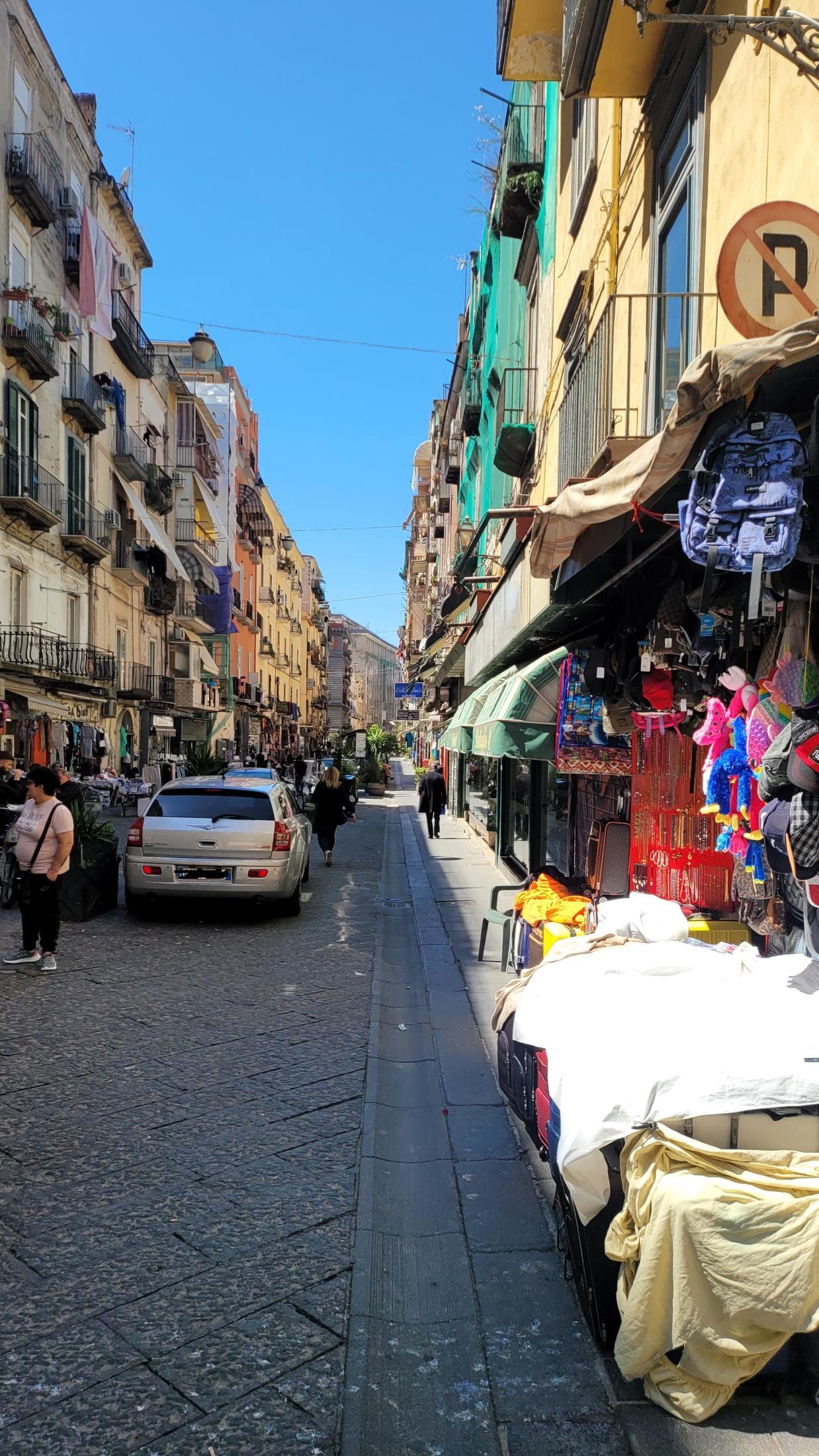
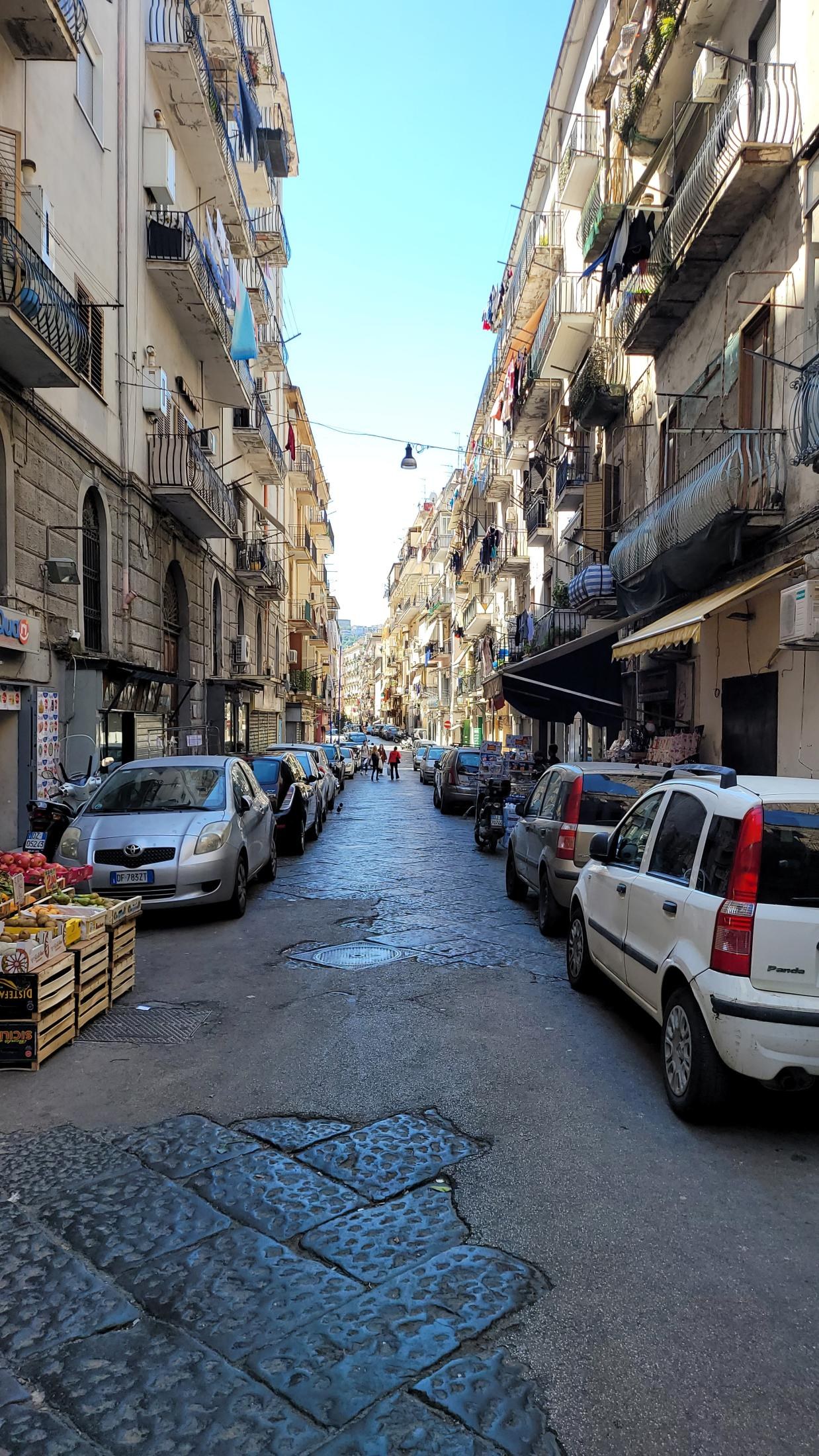
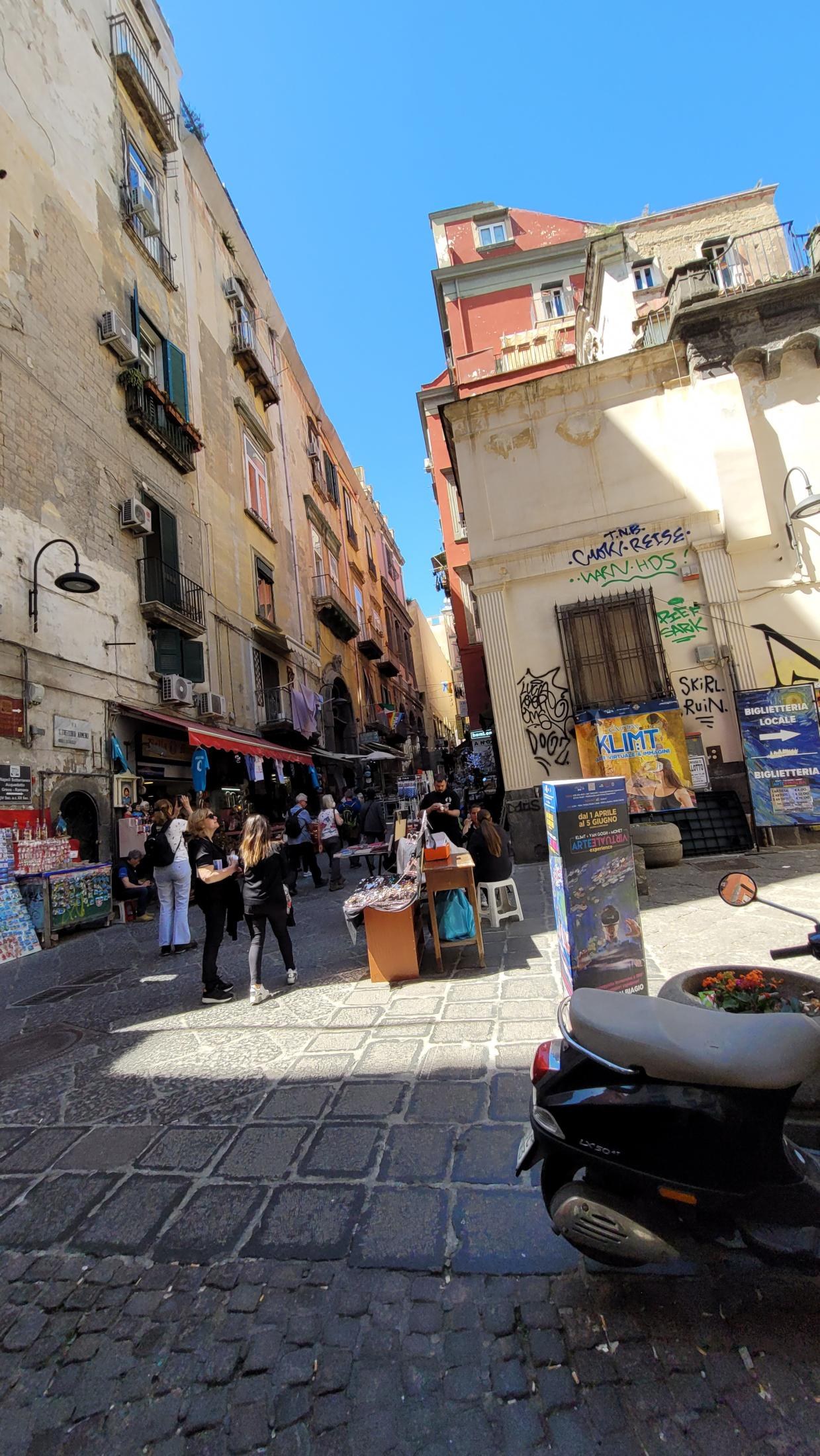
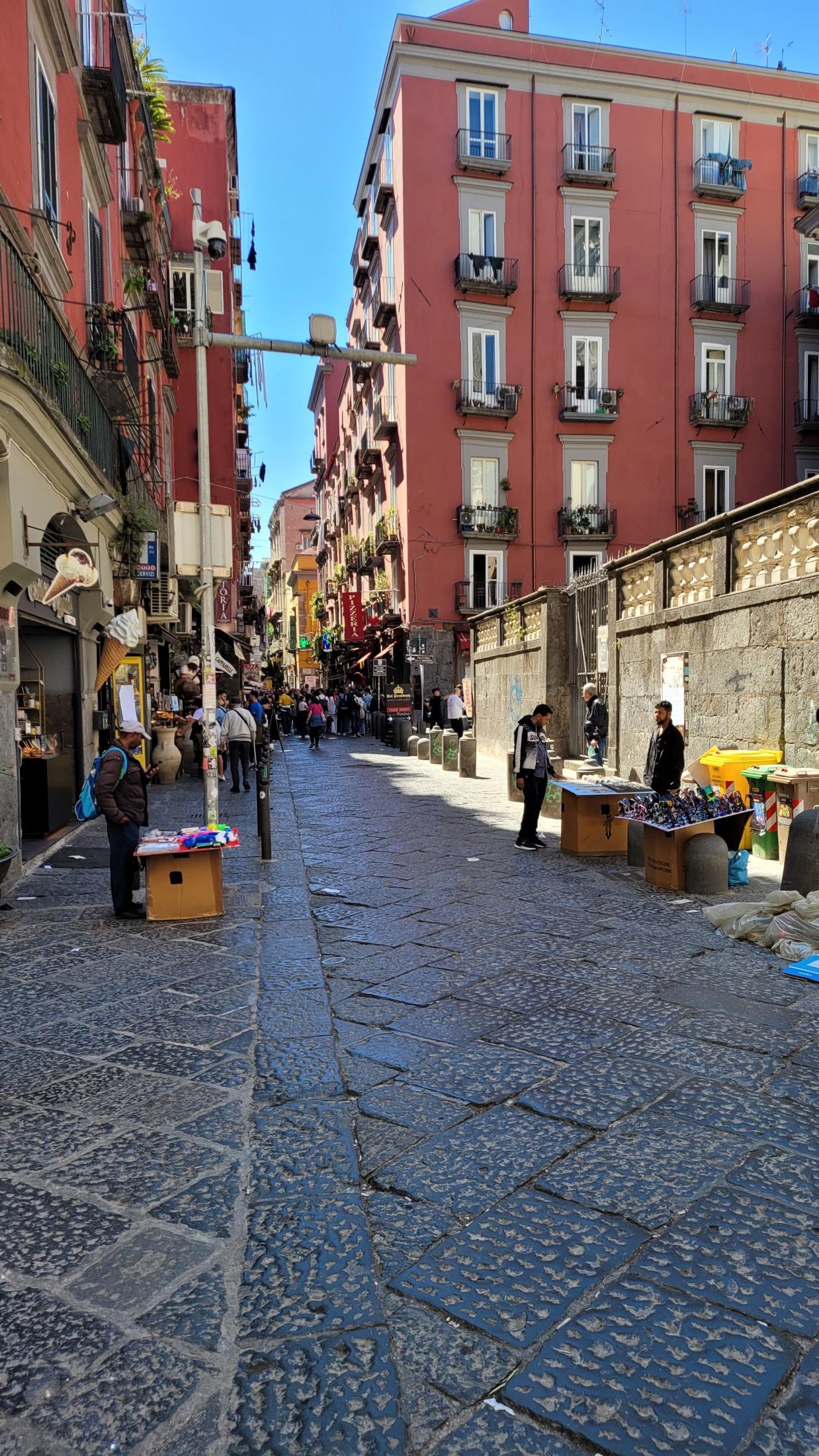
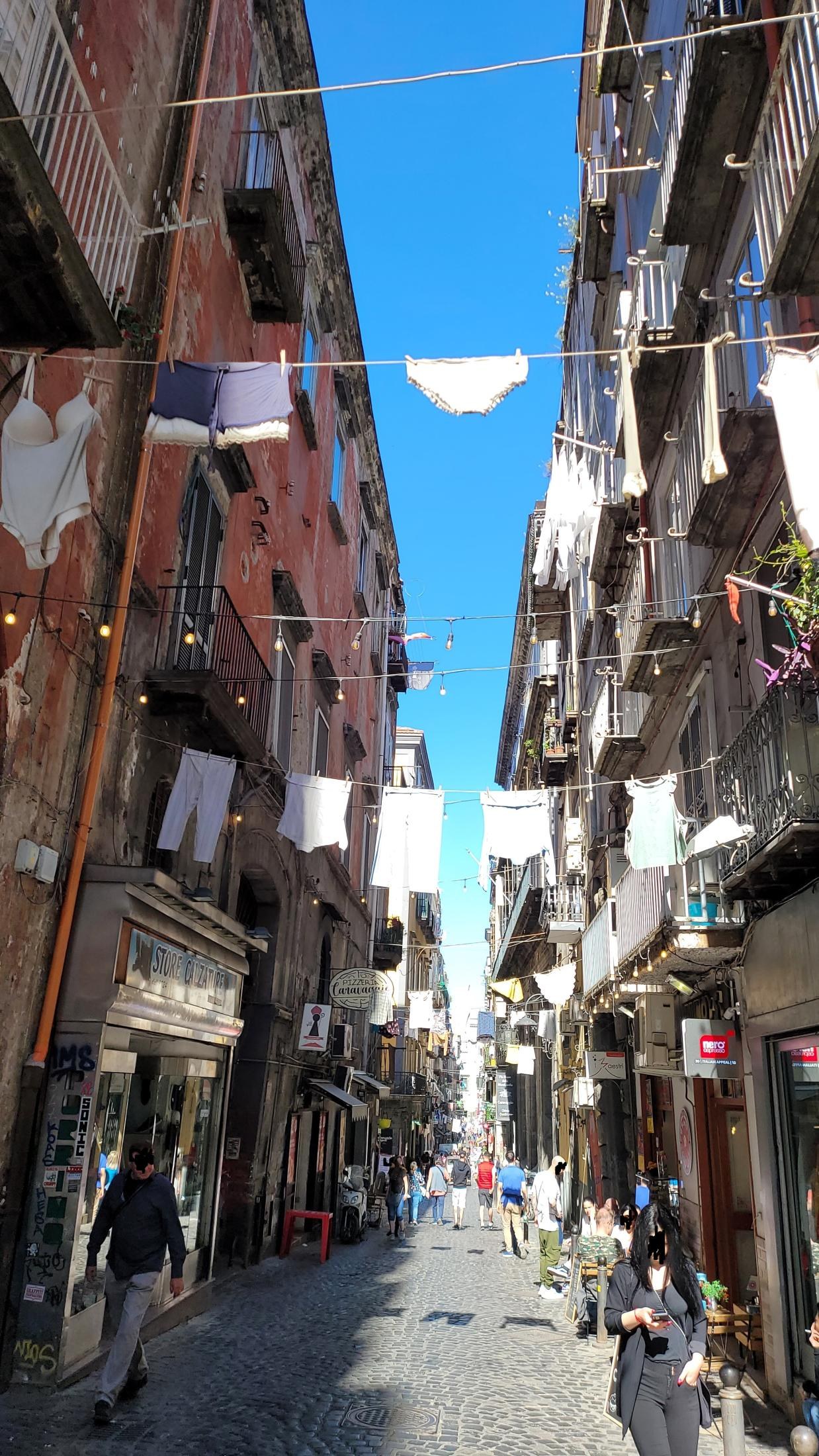
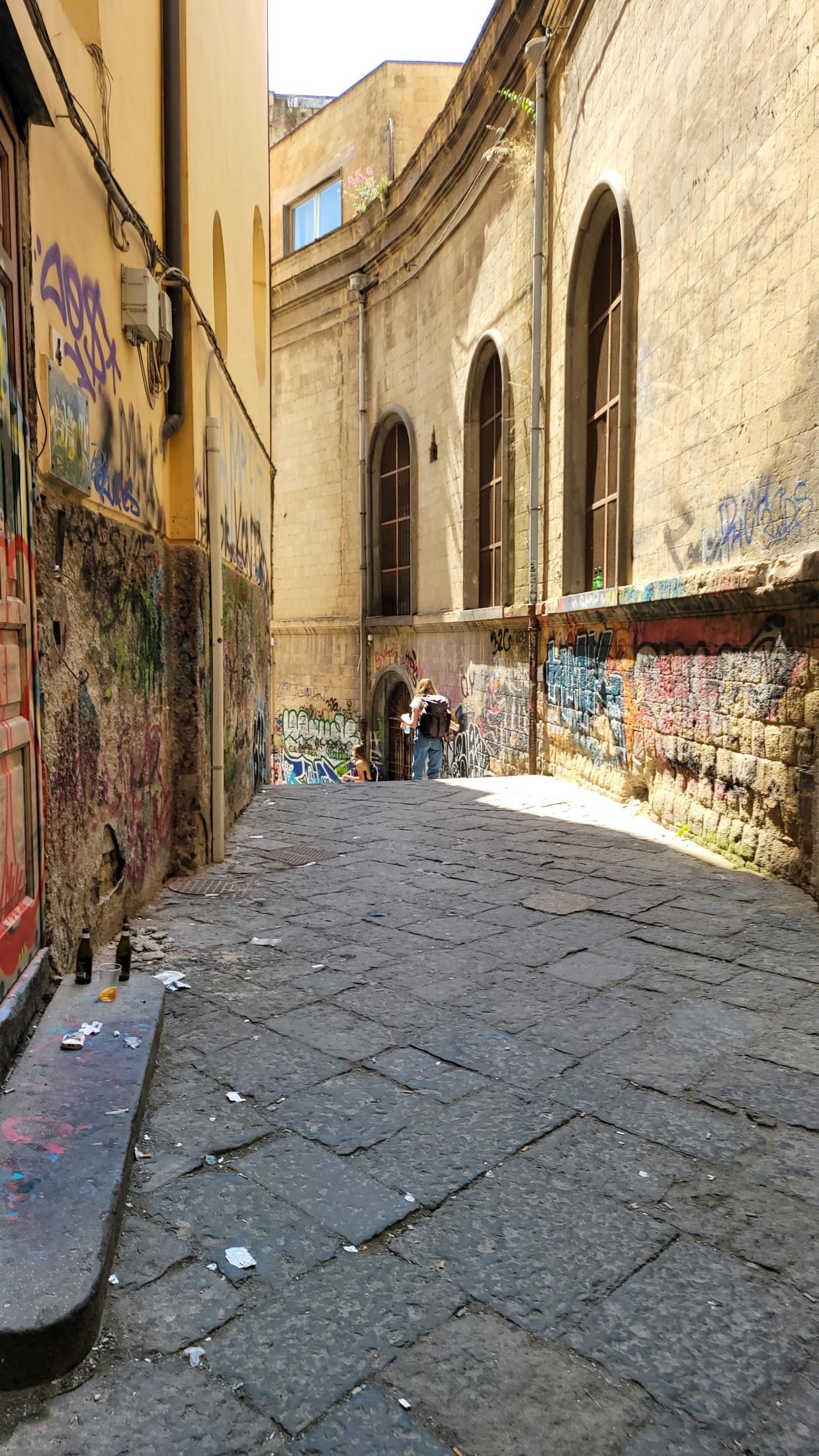
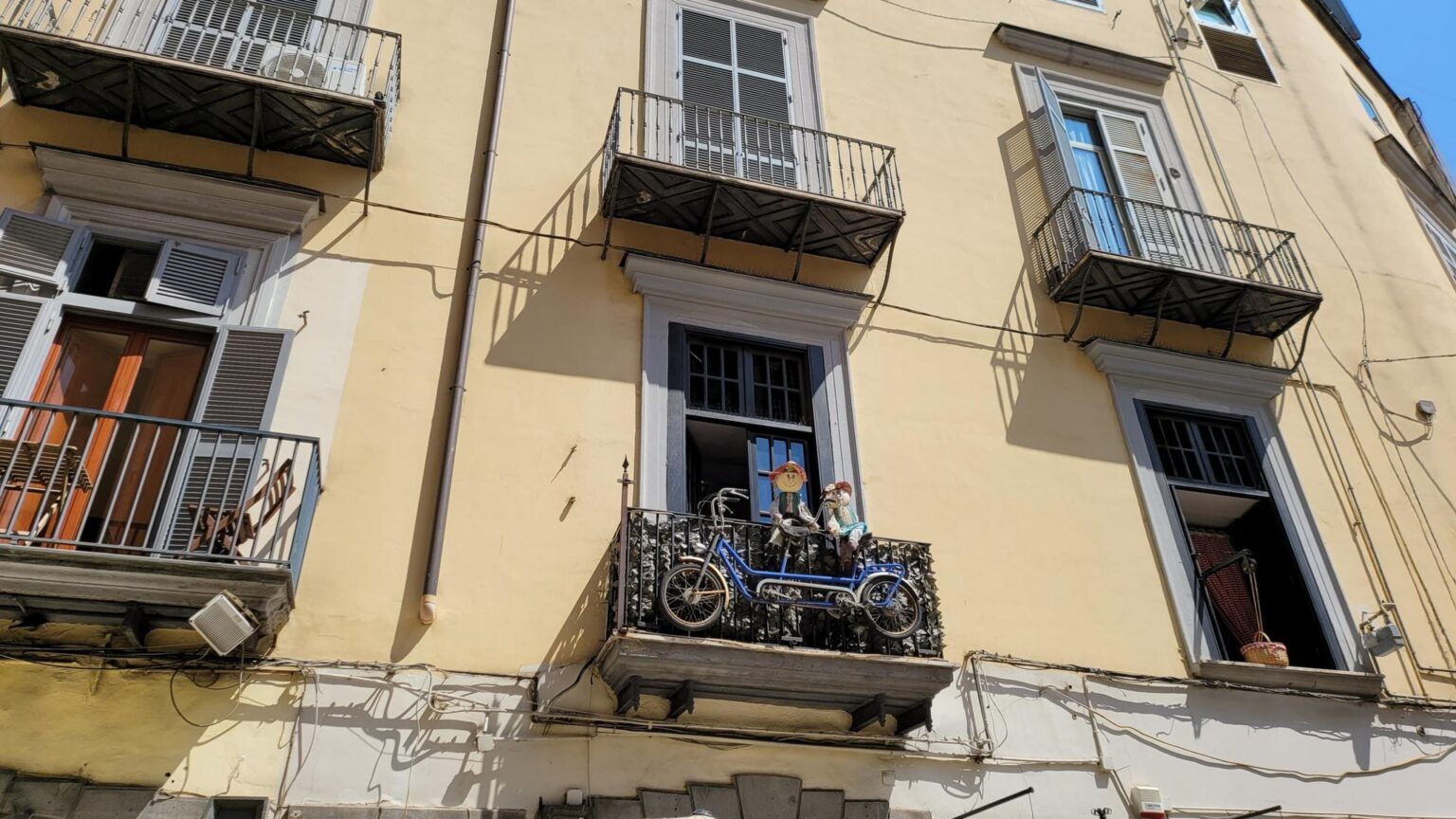
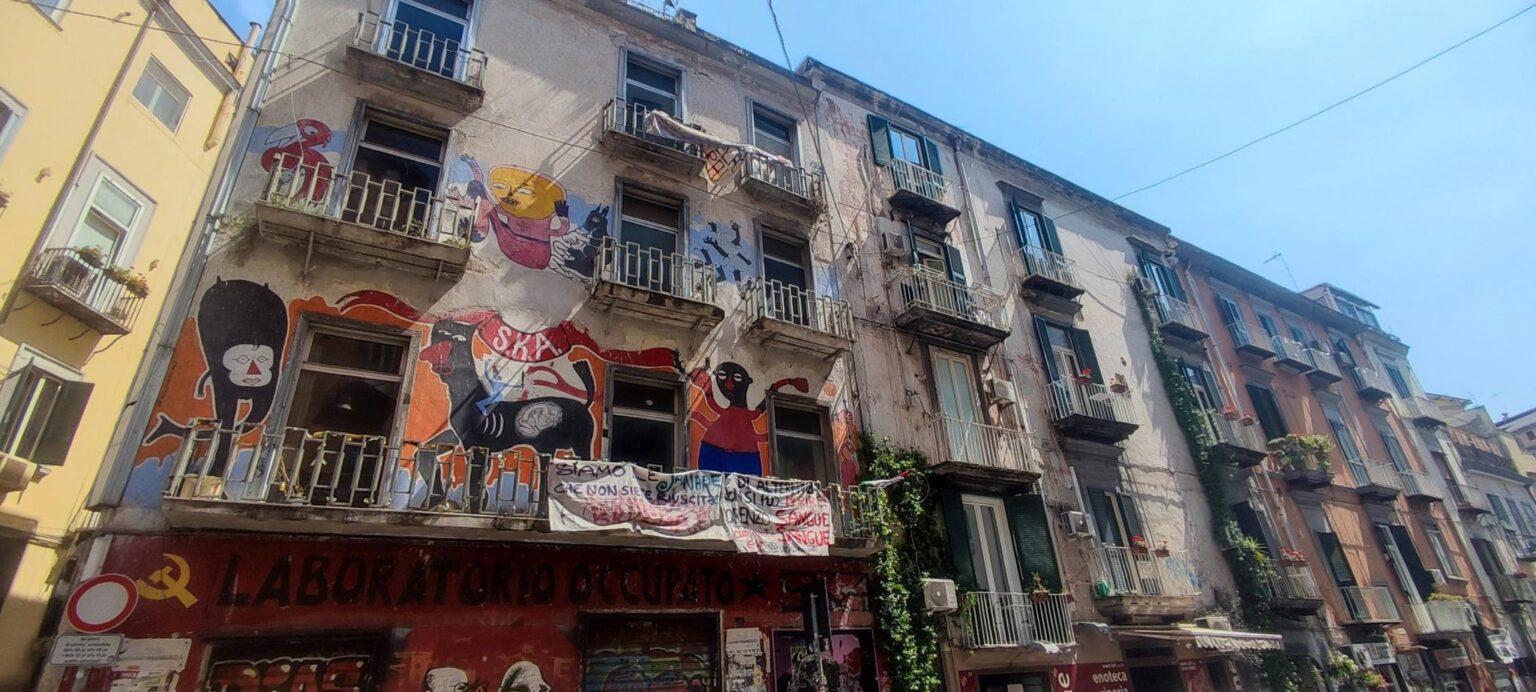
What hits you immediately is the inhuman quantity of rubbish everywhere. Literally — right next to the historic buildings it looks like a landfill. The buildings themselves, architecturally impressive, are scratched over with ugly and meaningless graffiti. Which brings us quickly to the education behind the title of this post. I want to share a short video of a street next to the historic centre of the city.
We are not talking about a street in the outer suburbs. We are talking about the centre of Naples. Literally the centre. You walk along and you see 20 — twenty! — rats wandering about. Not all 20 are visible in the video, but they are there, trust me. There was no way to suspect this would turn out to be a common sight across the whole city.
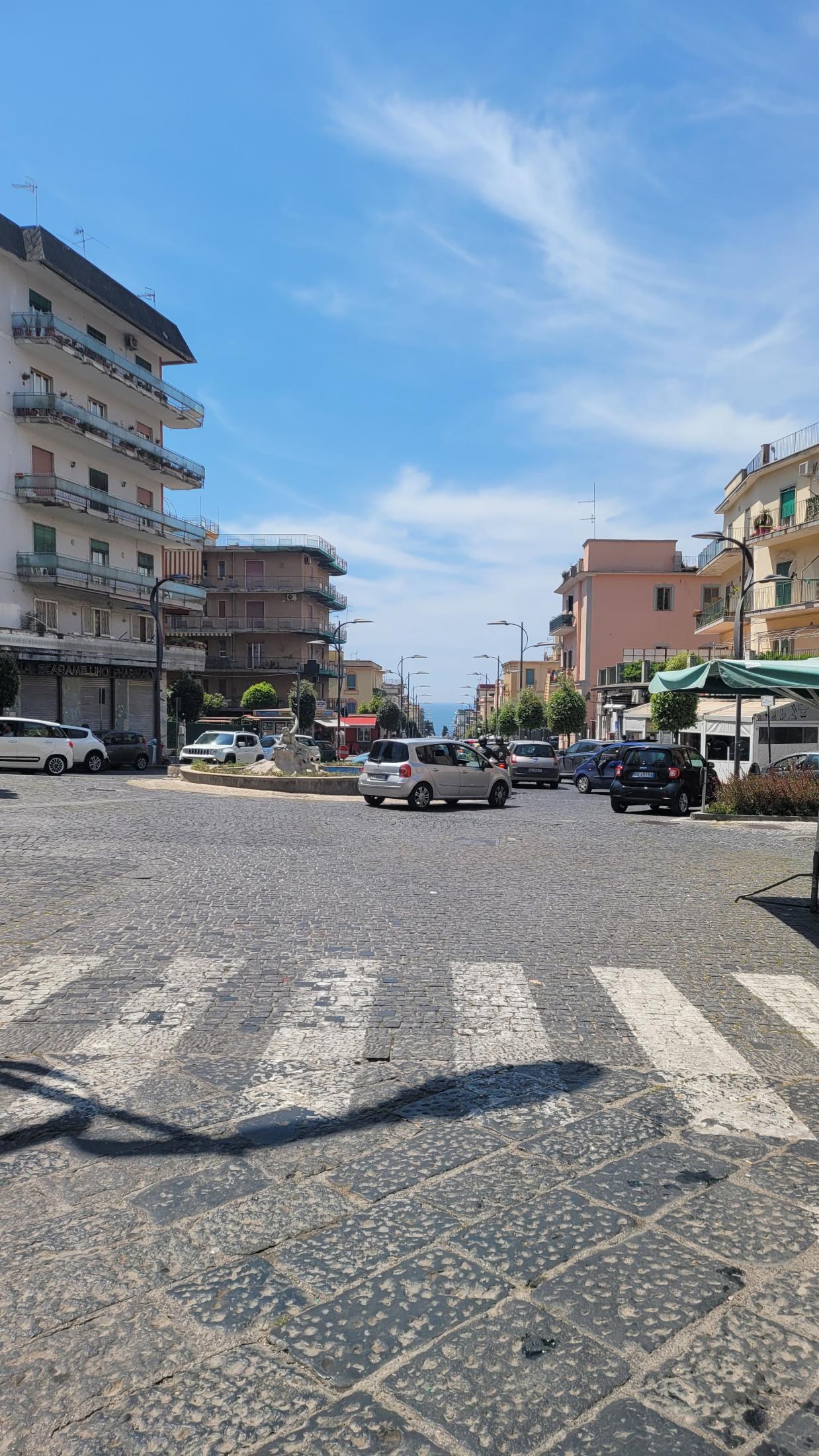
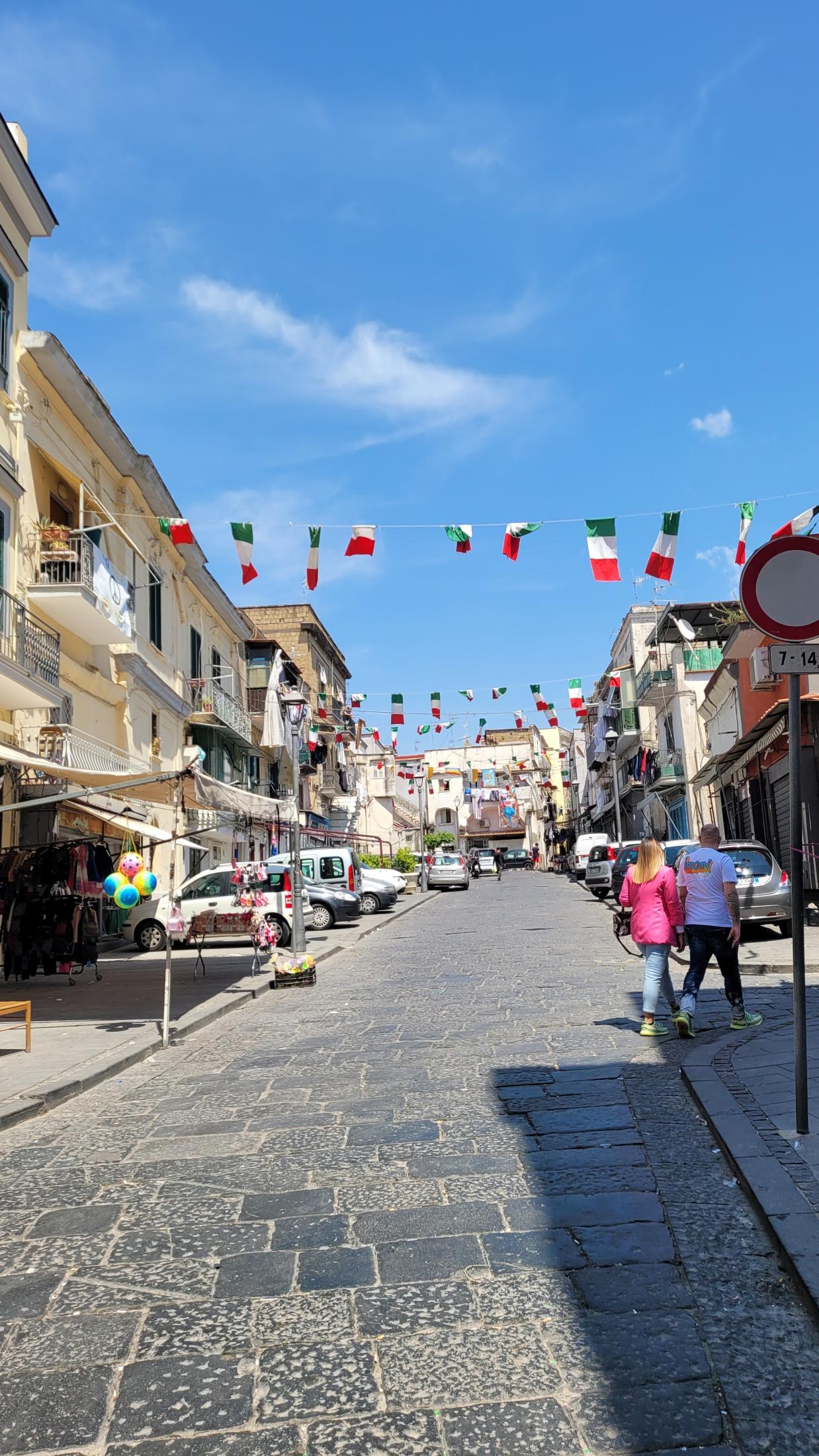
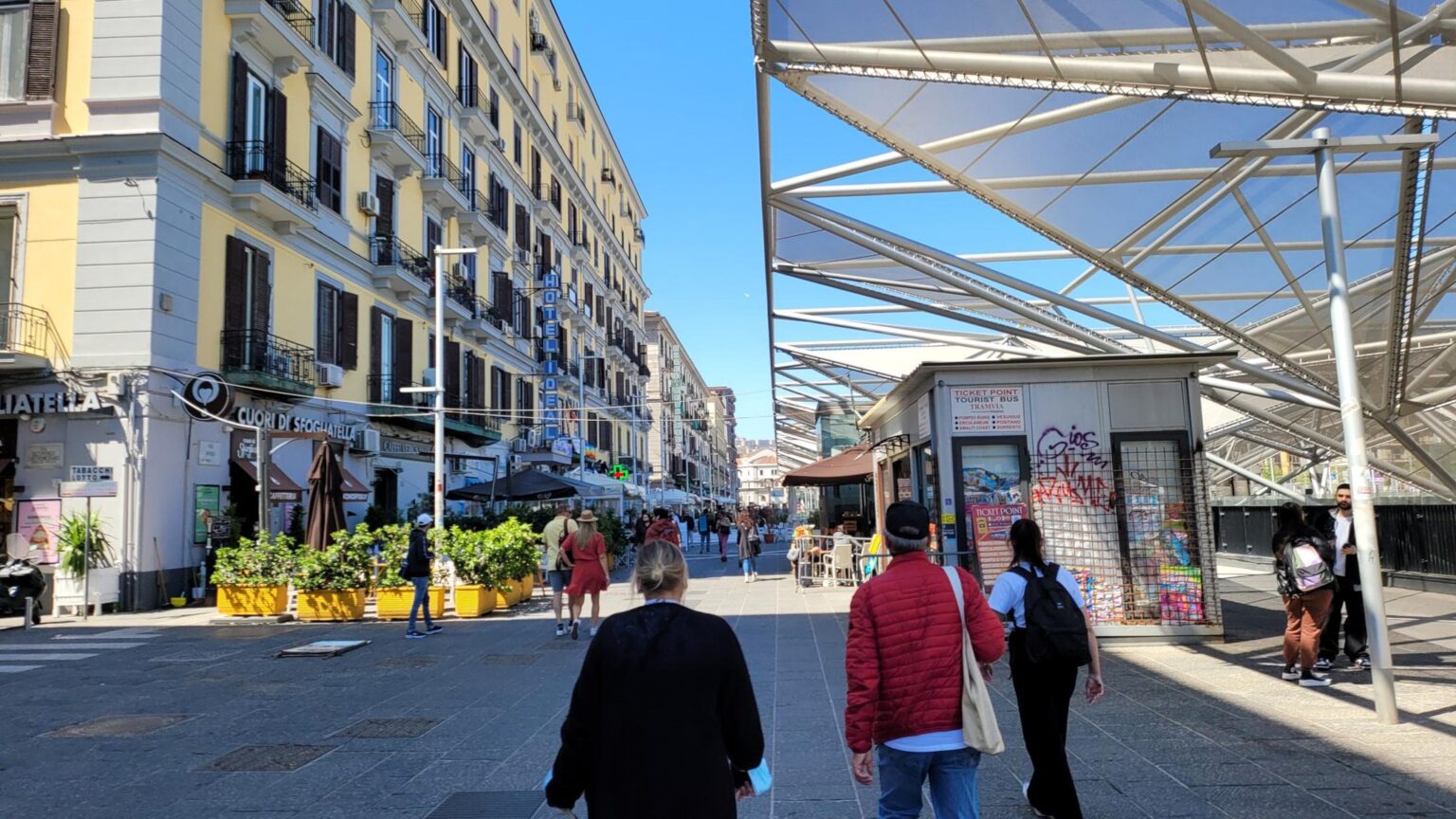
The initial shock of Naples is an astonishing phenomenon. The flight was early, by 11:00 we were already checked in. Let’s take a short walk and see what is going on. It is extremely strange. The Italians walk around and every single one of them is on speakerphone. Nobody uses their phone in what I would consider a normal way. Everything is on speaker, or voice messages on WhatsApp are being sent and played out loud. That part is not so surprising, it was the same in Venice. But: you eat your wafer, for example, and throw the wrapper on the ground on the main street? You smoke your cigarette and flick the butt onto a main boulevard? That was interesting and worrying. Very unpleasant — teenagers and pensioners alike throw everything everywhere. Apparently that is just how it is here. I will be the rude foreigner and carry my own rubbish until the next micro-landfill by some building 😀
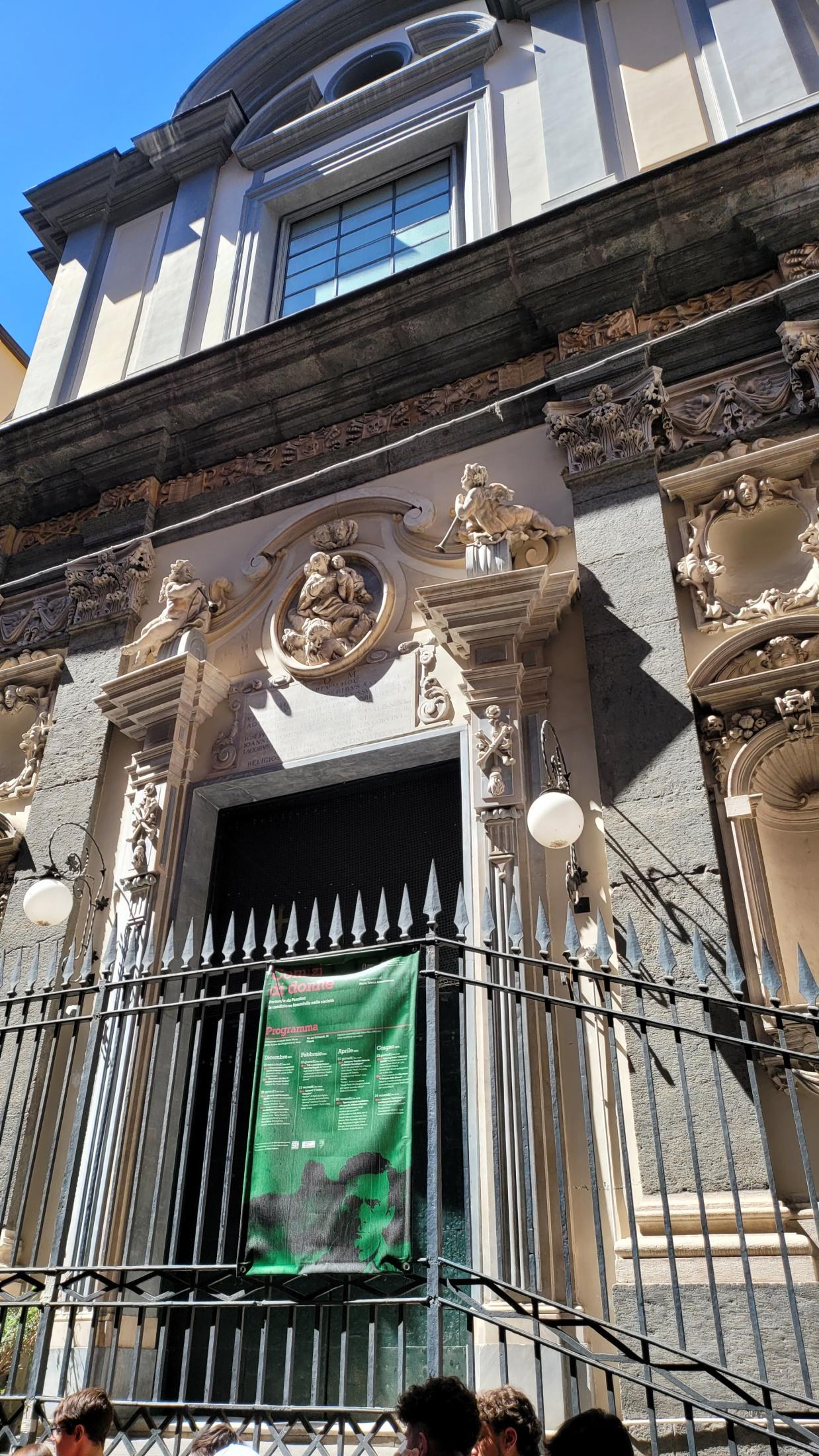
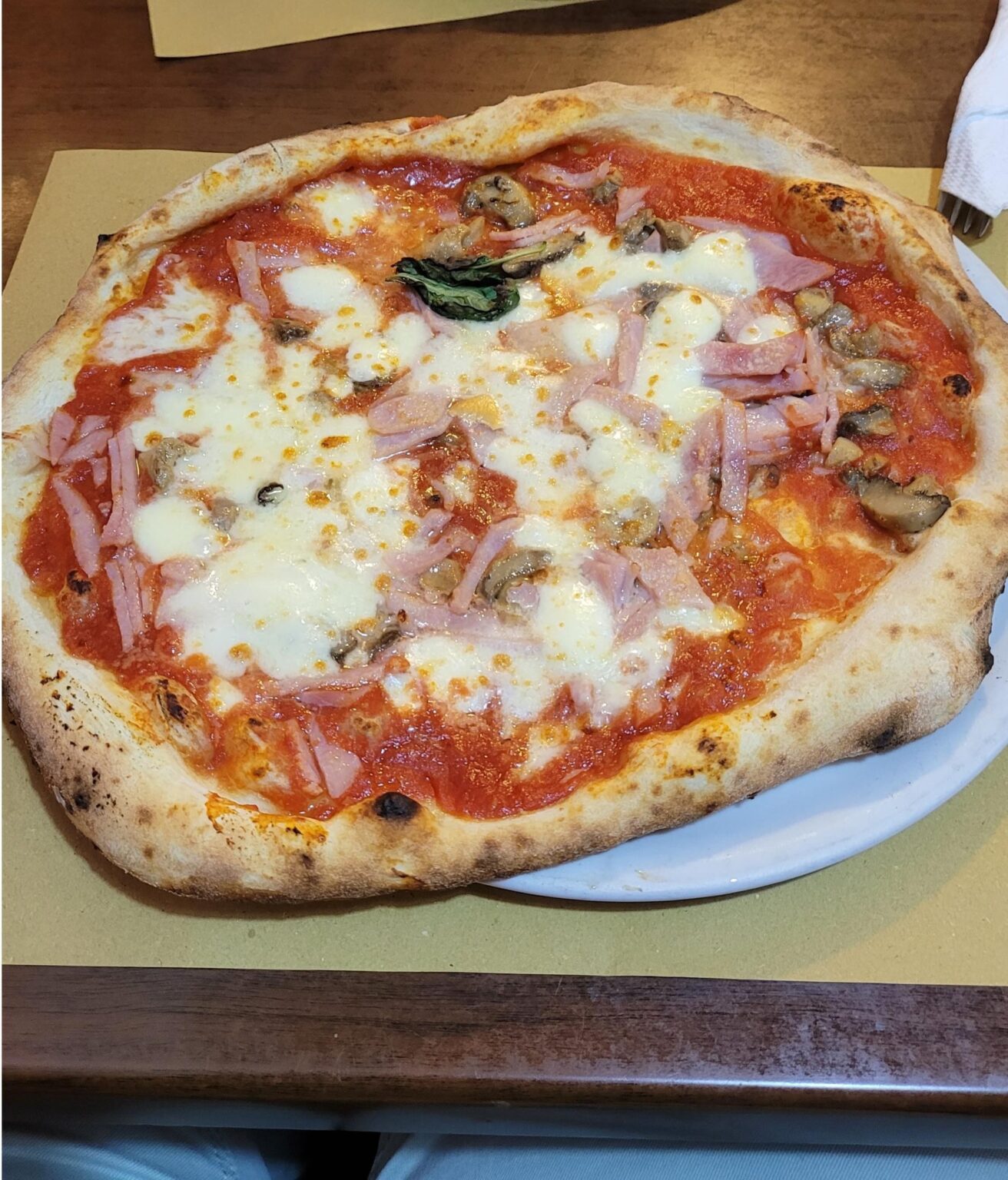
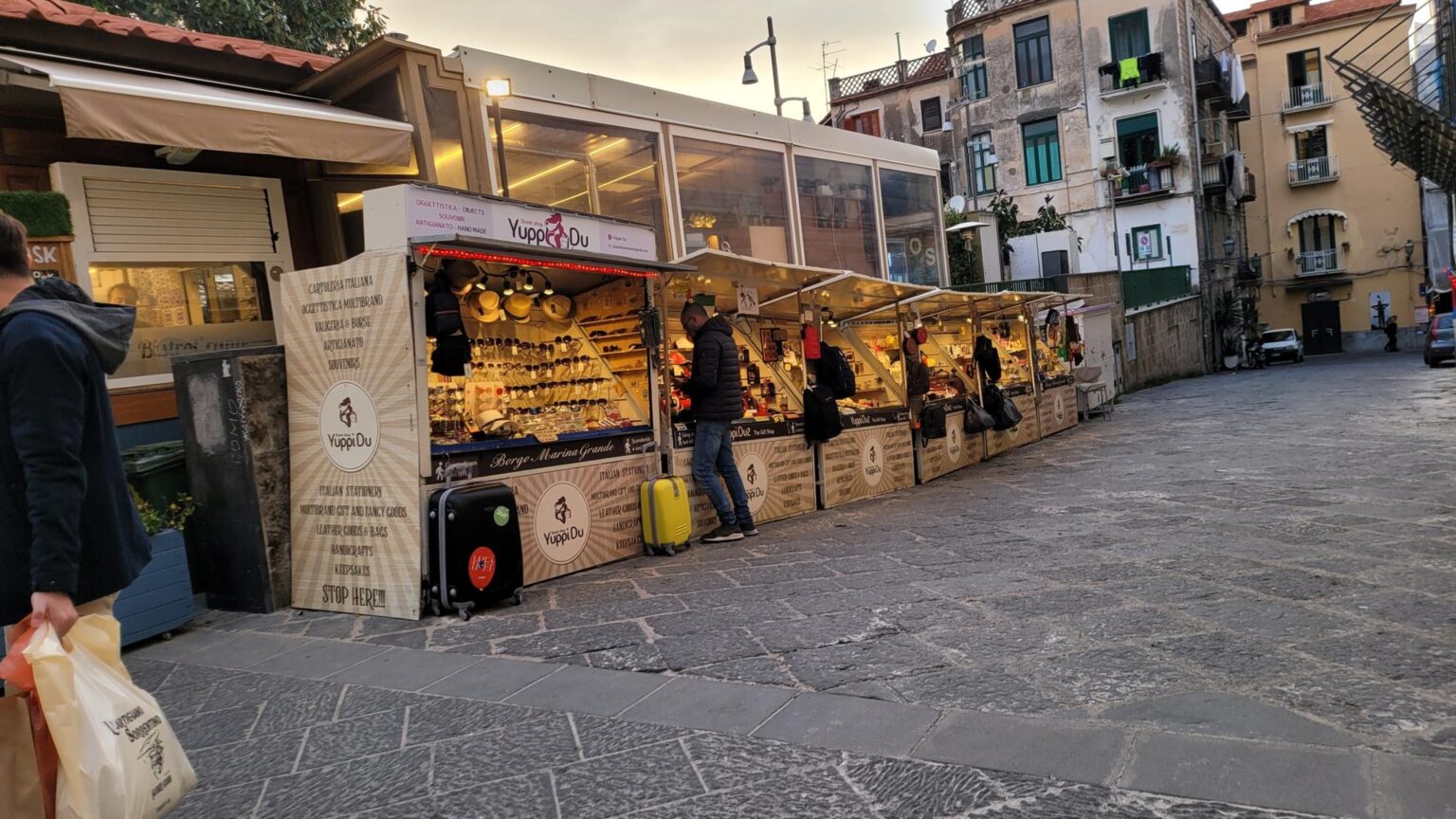
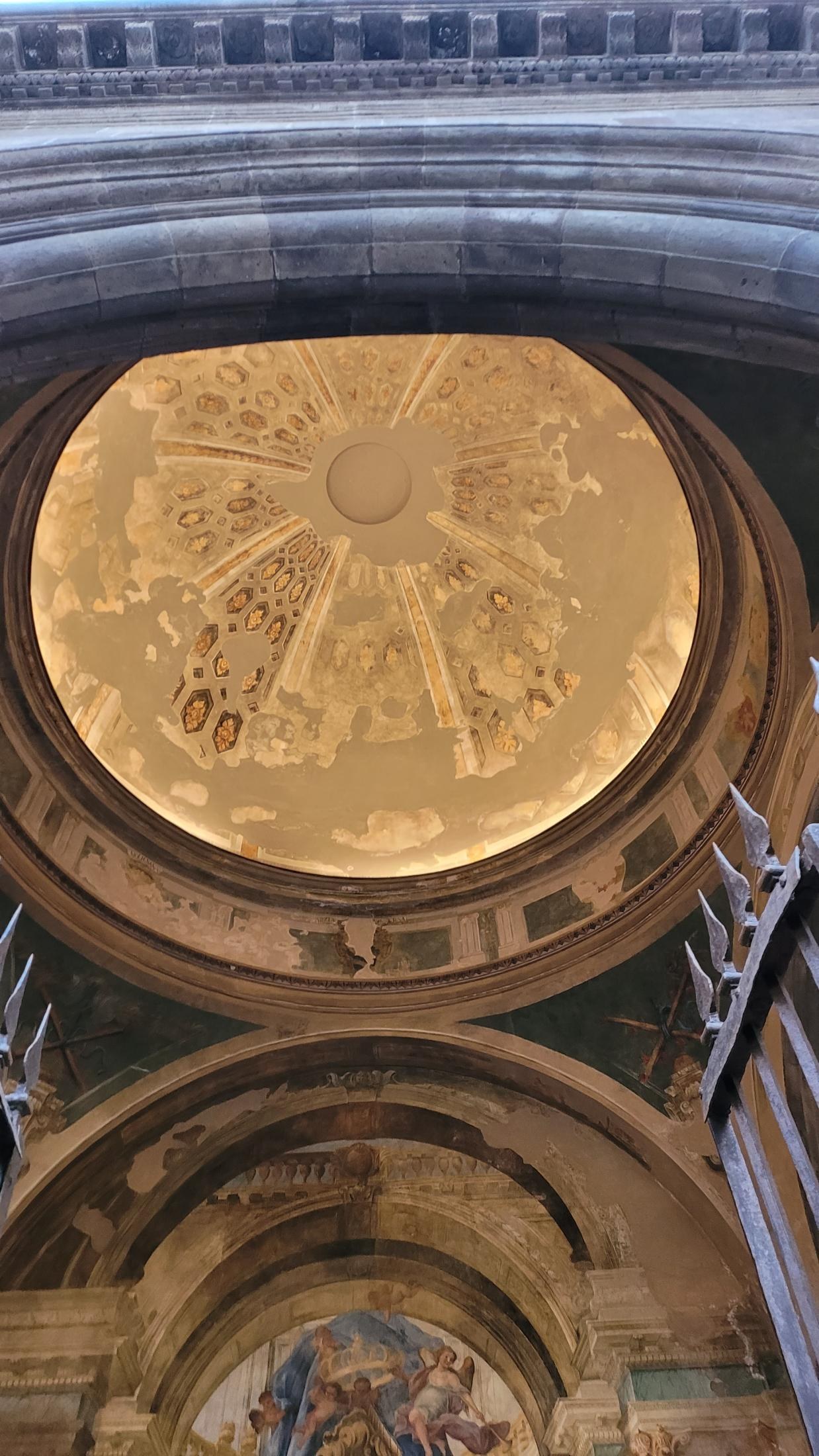
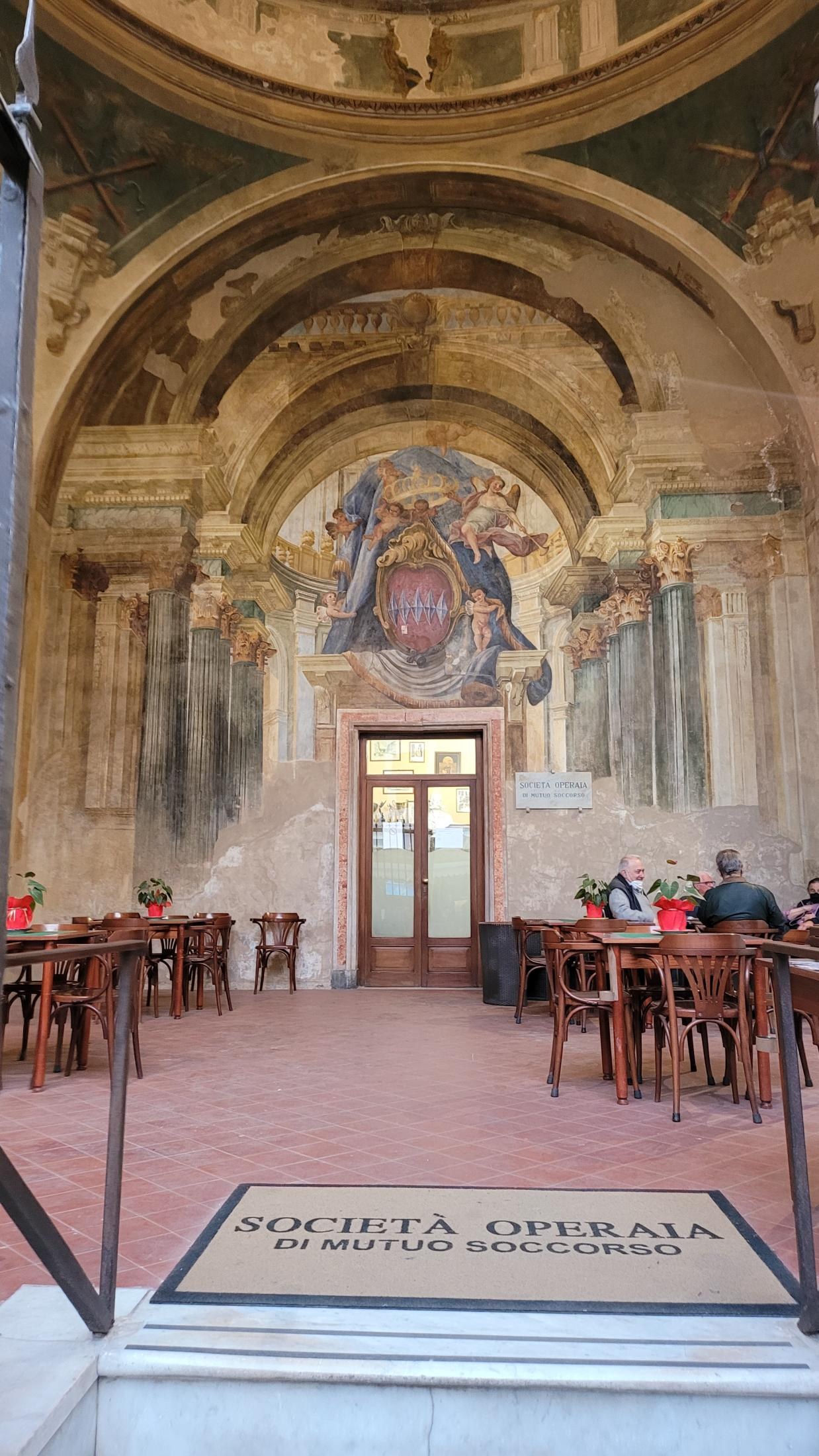
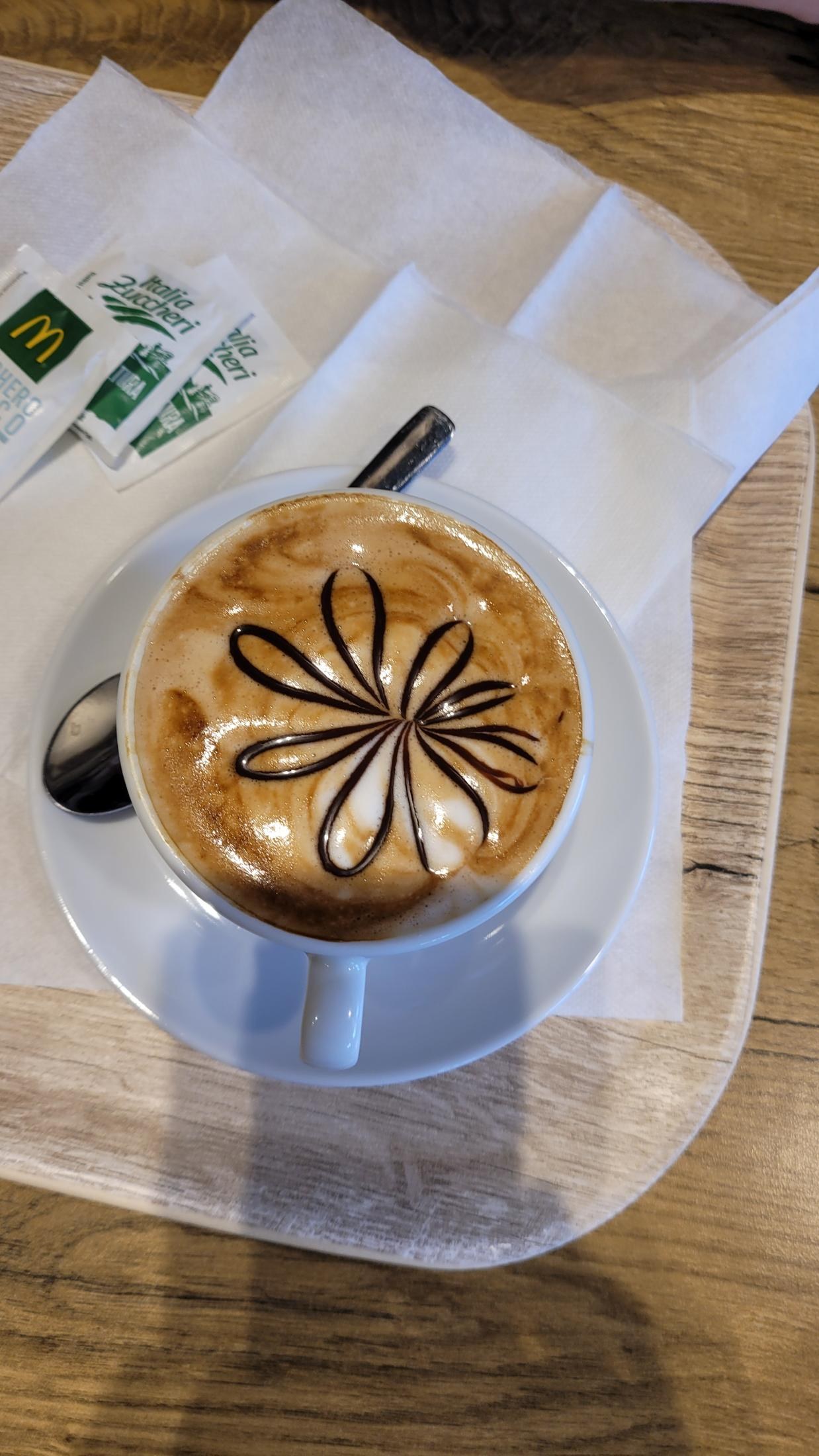
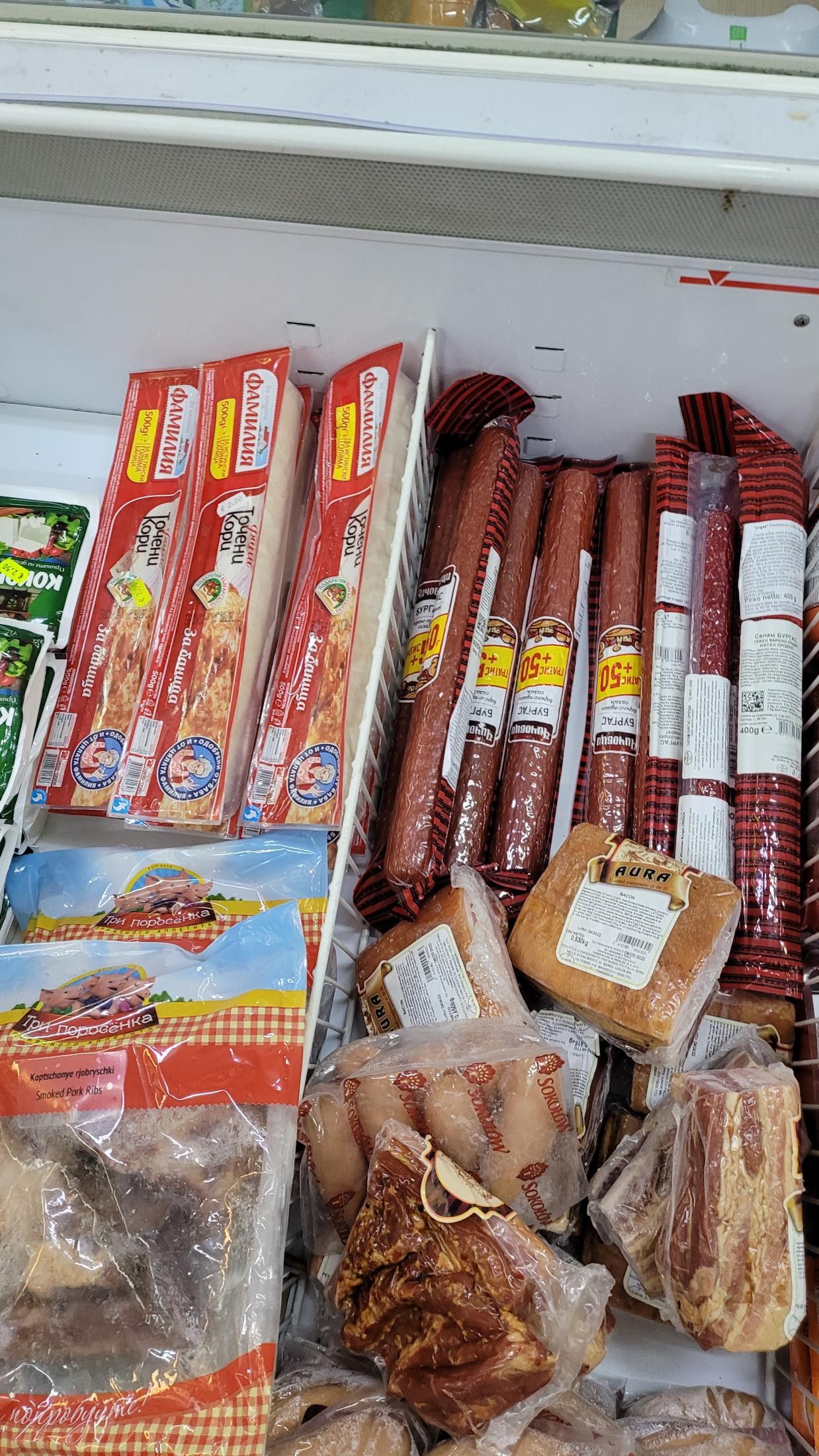
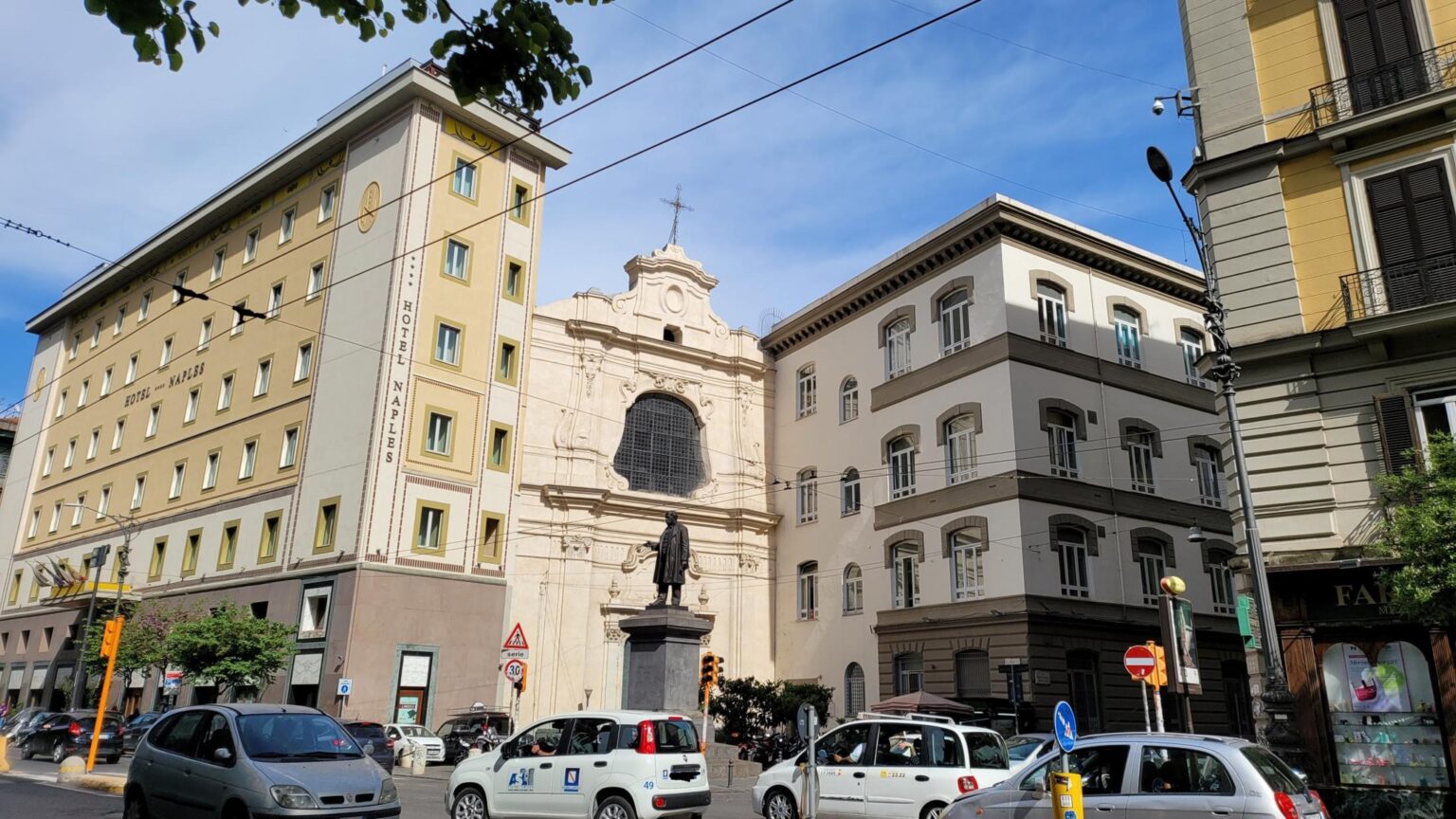
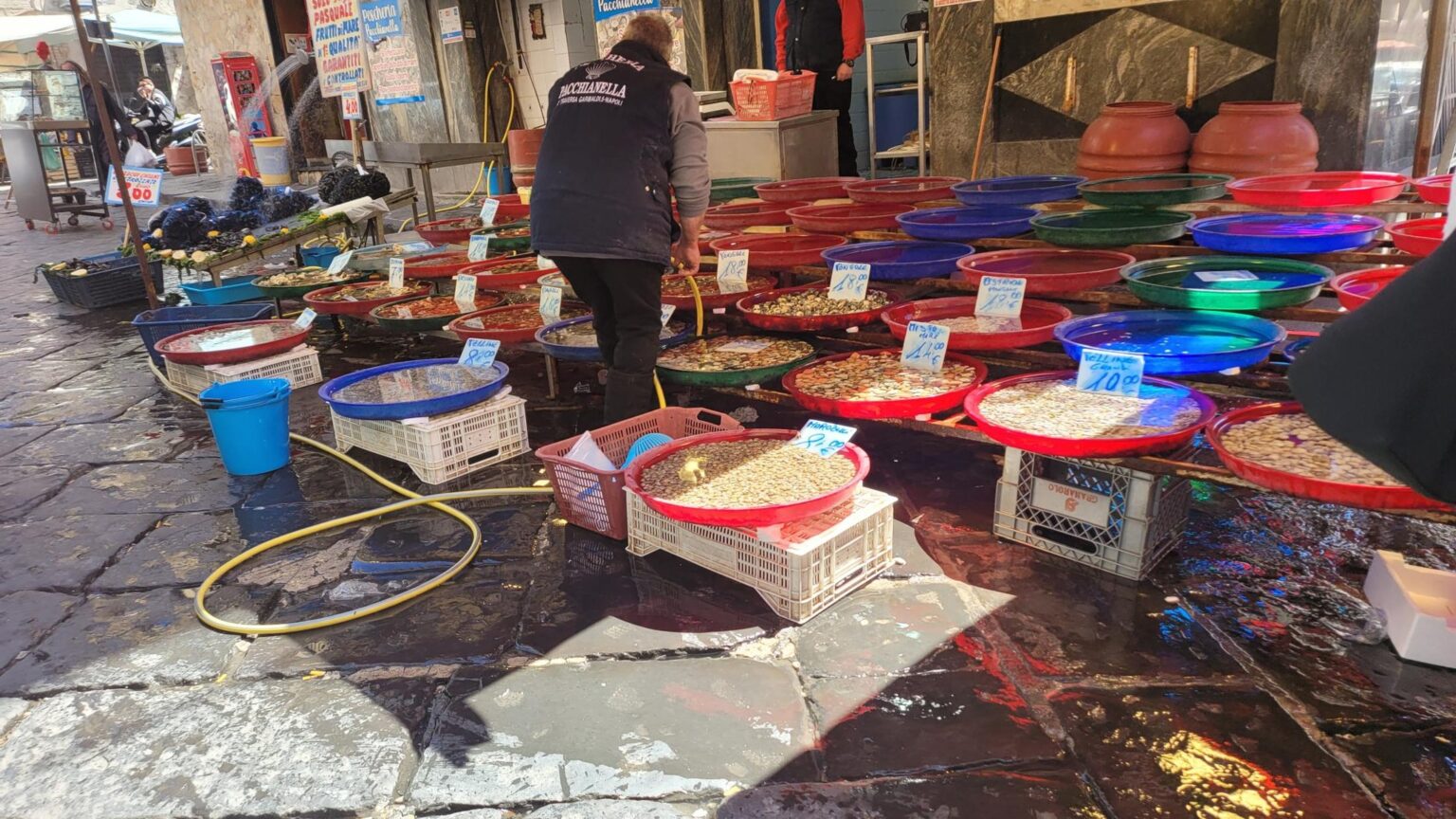
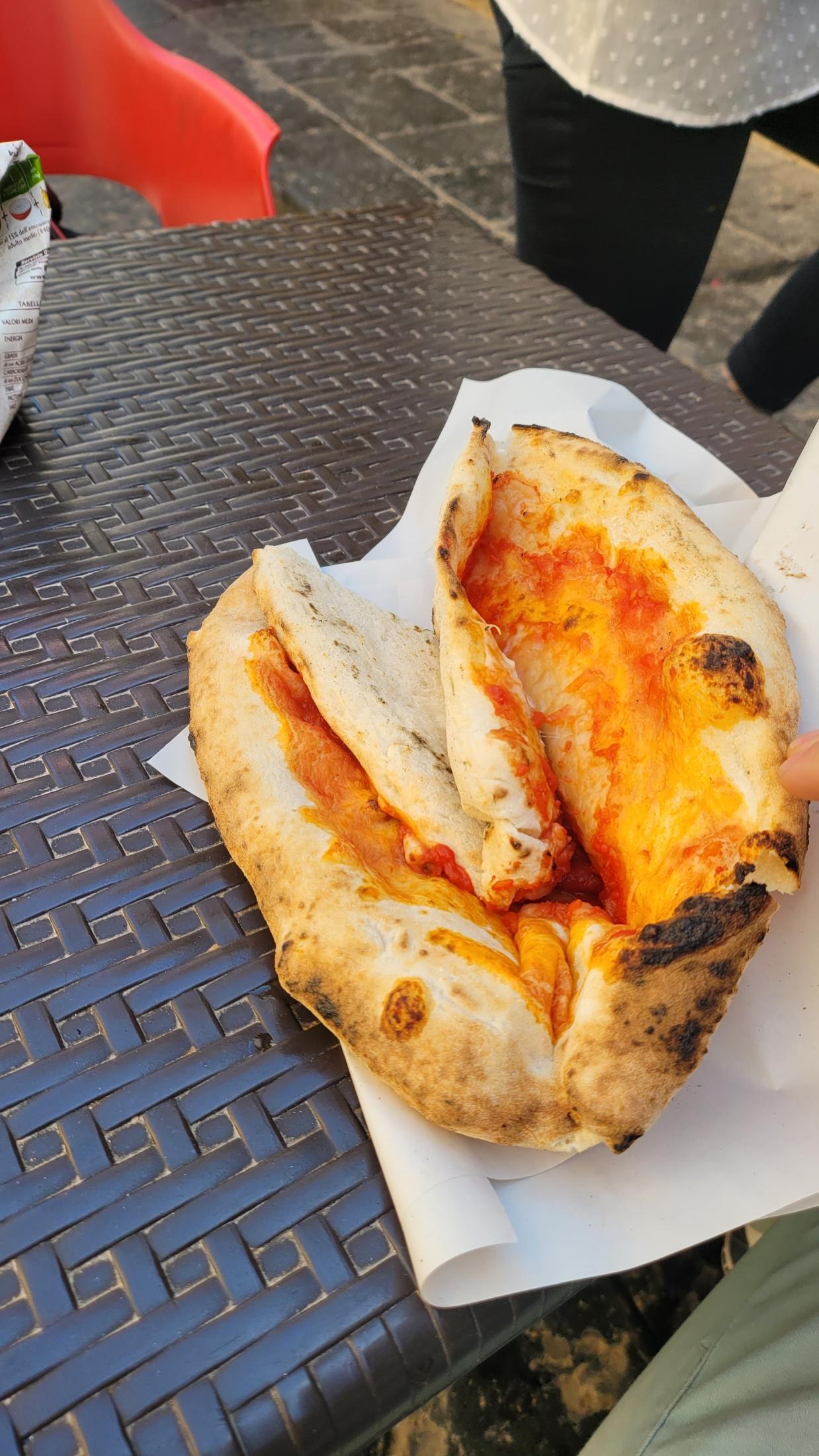
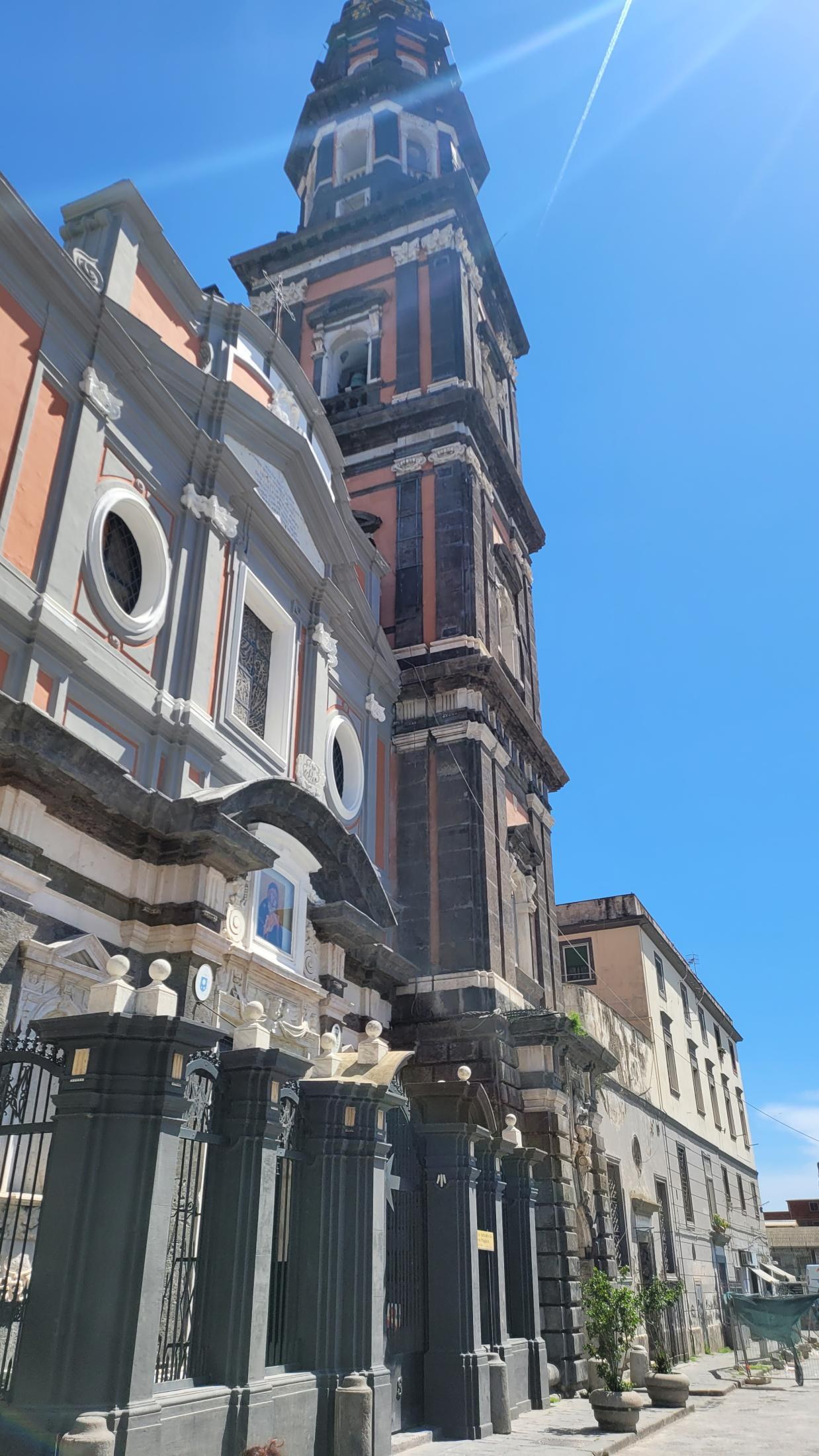
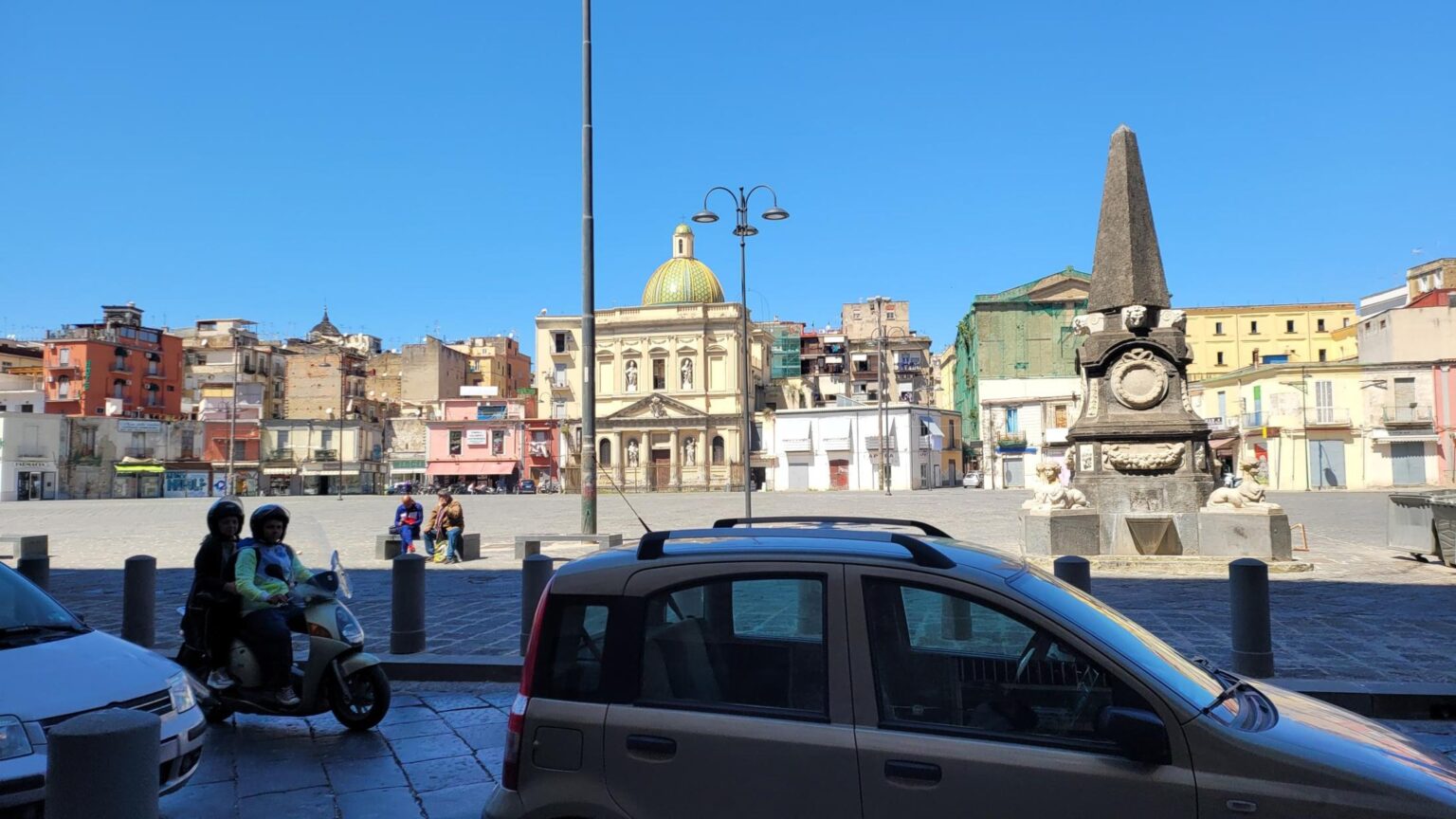
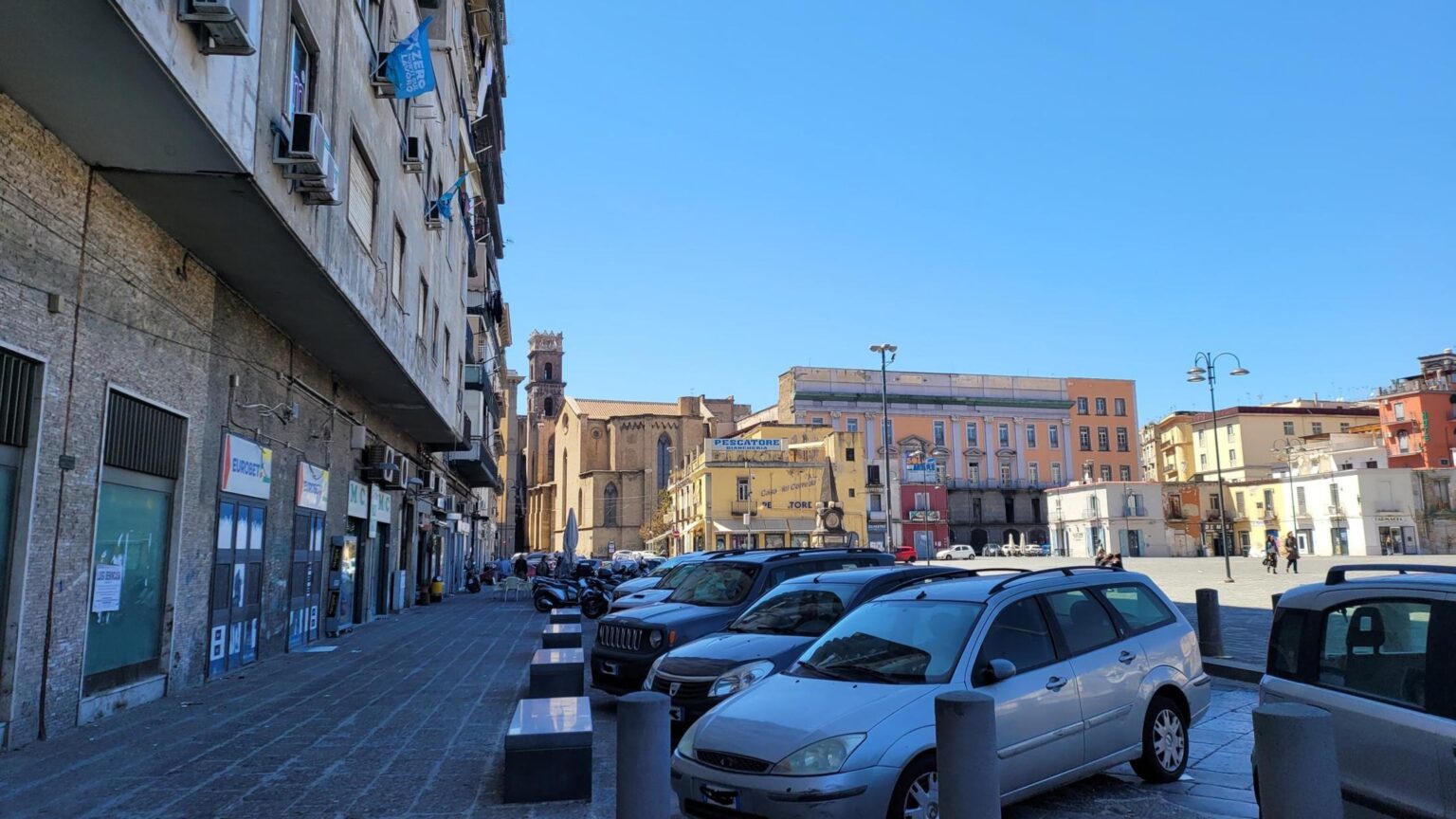
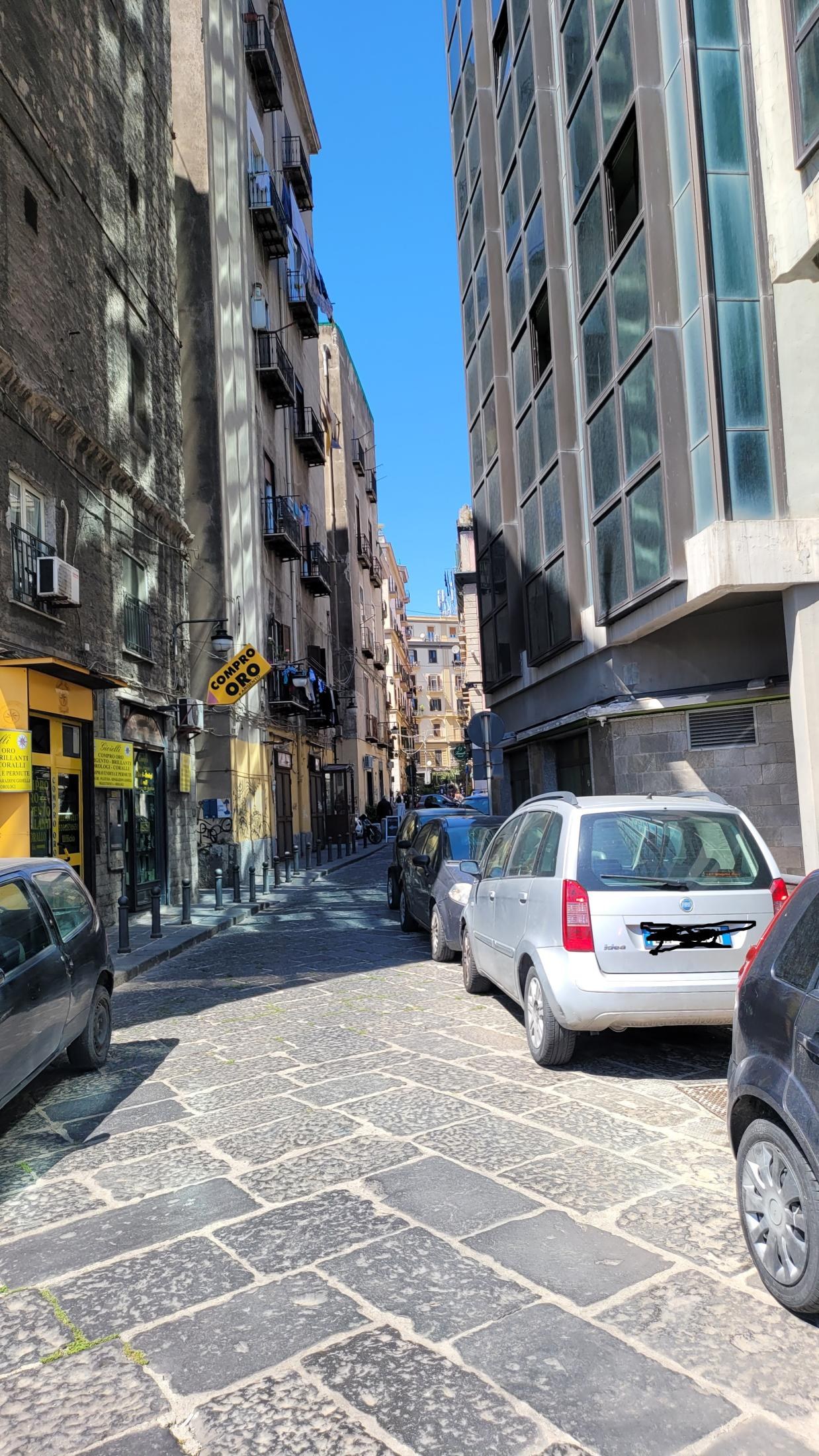
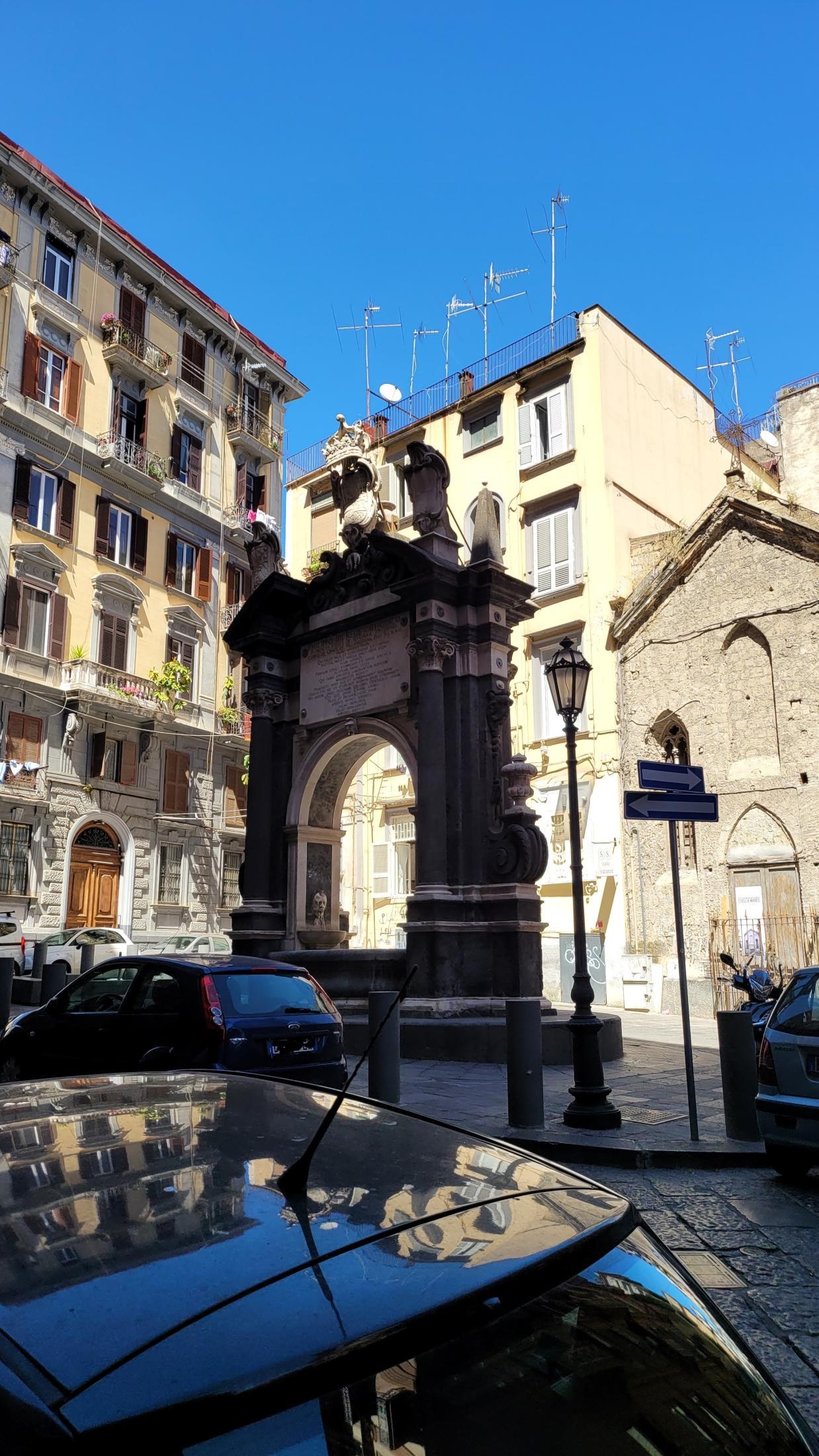
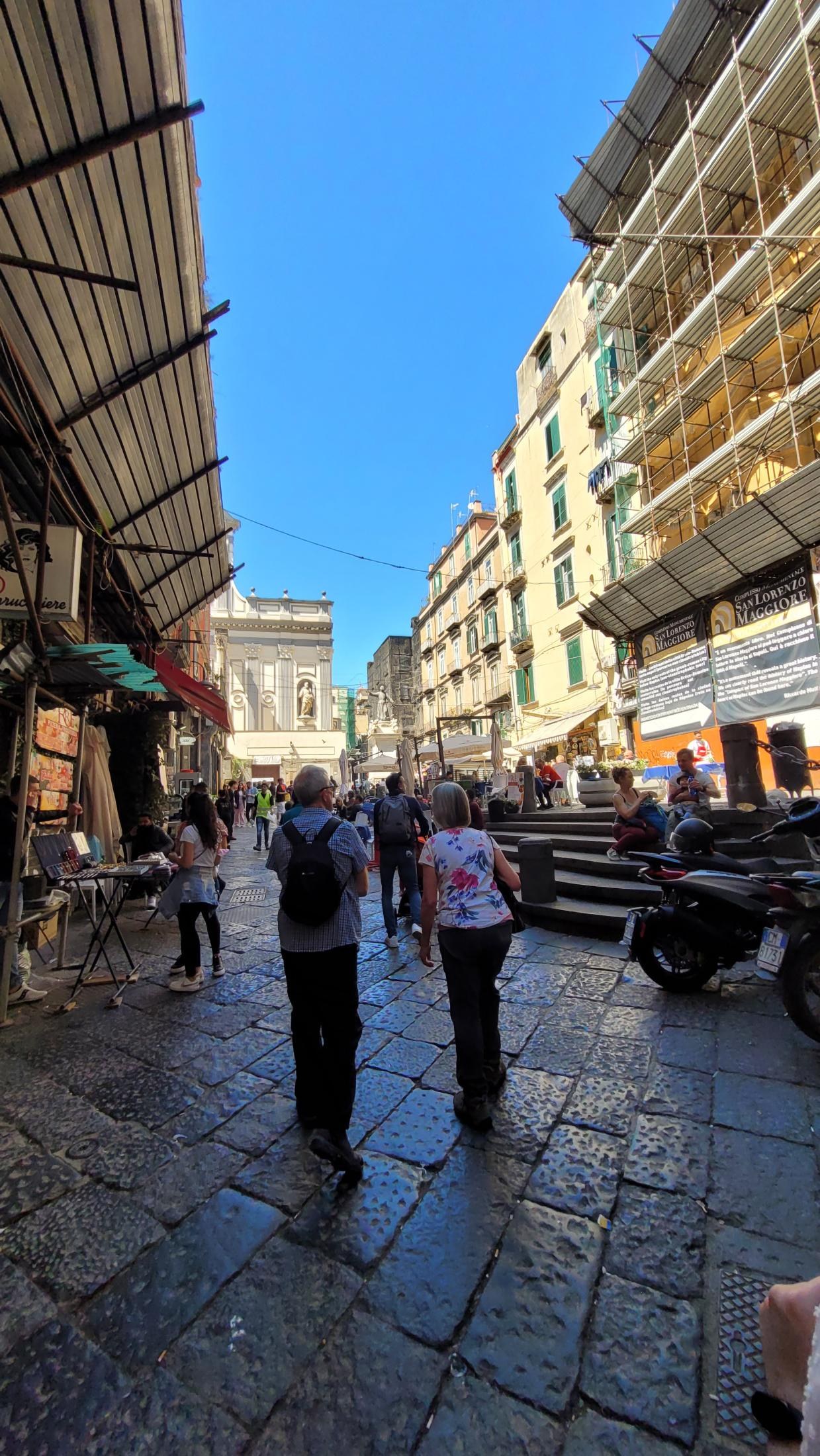
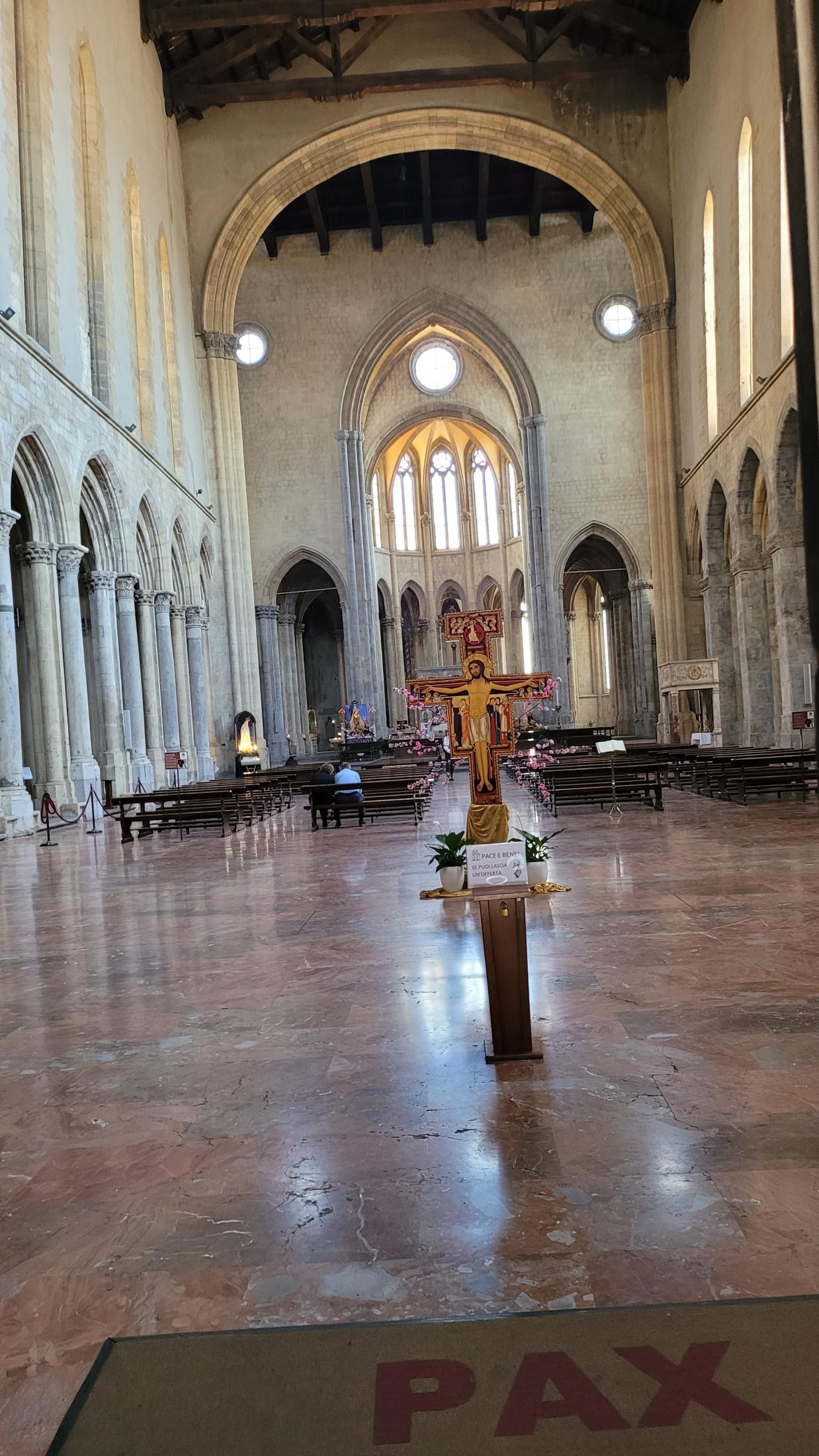
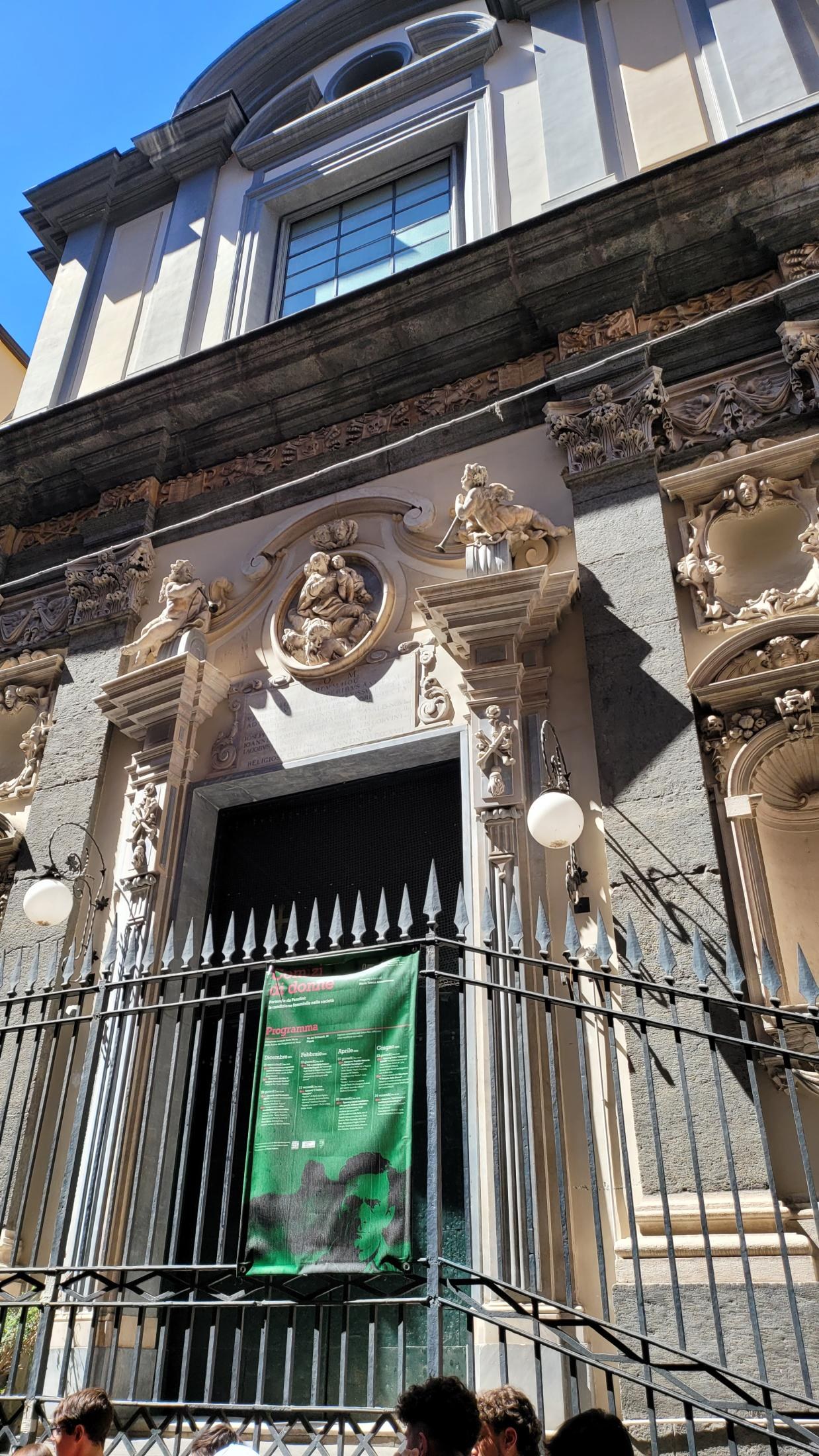
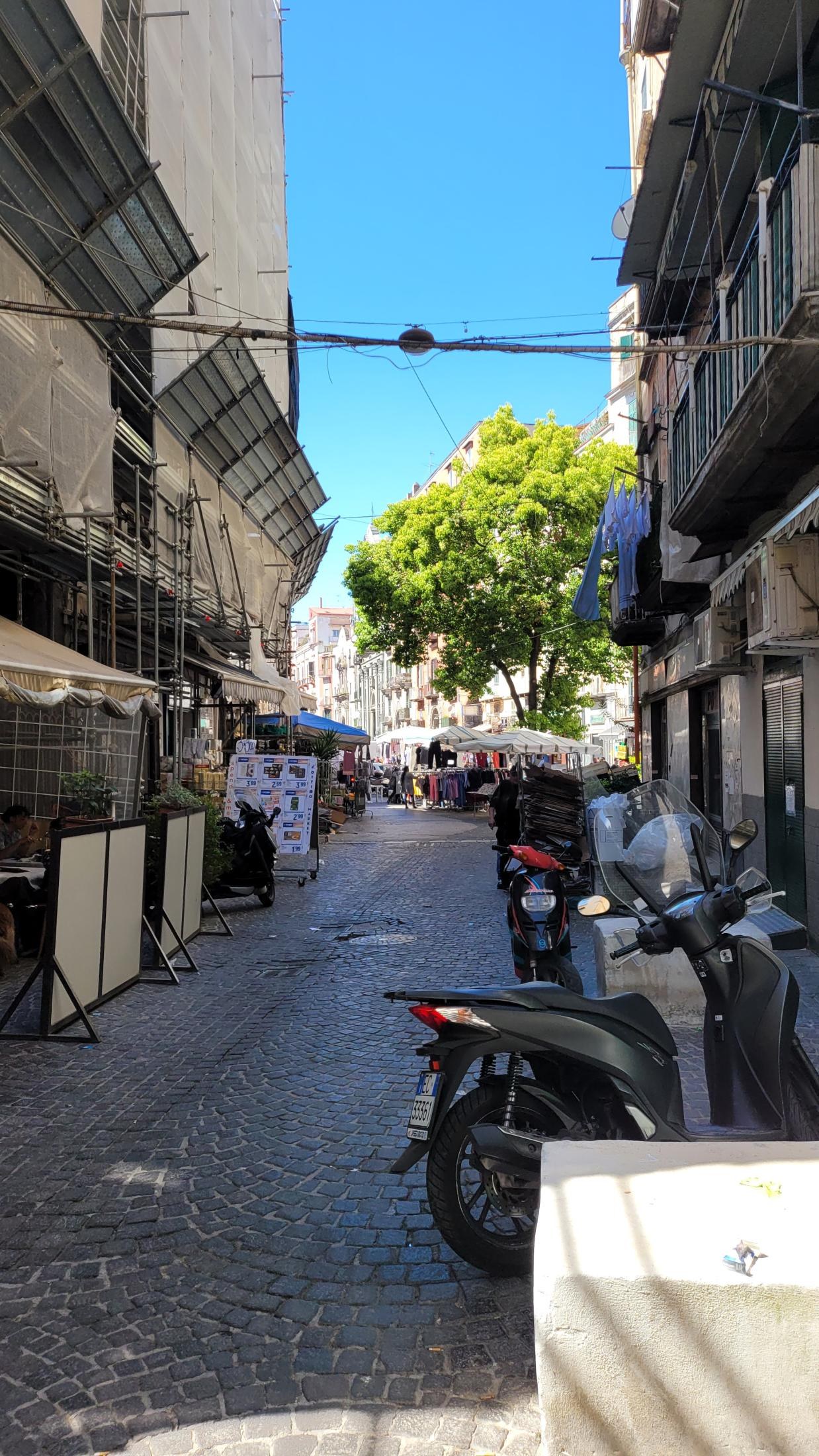
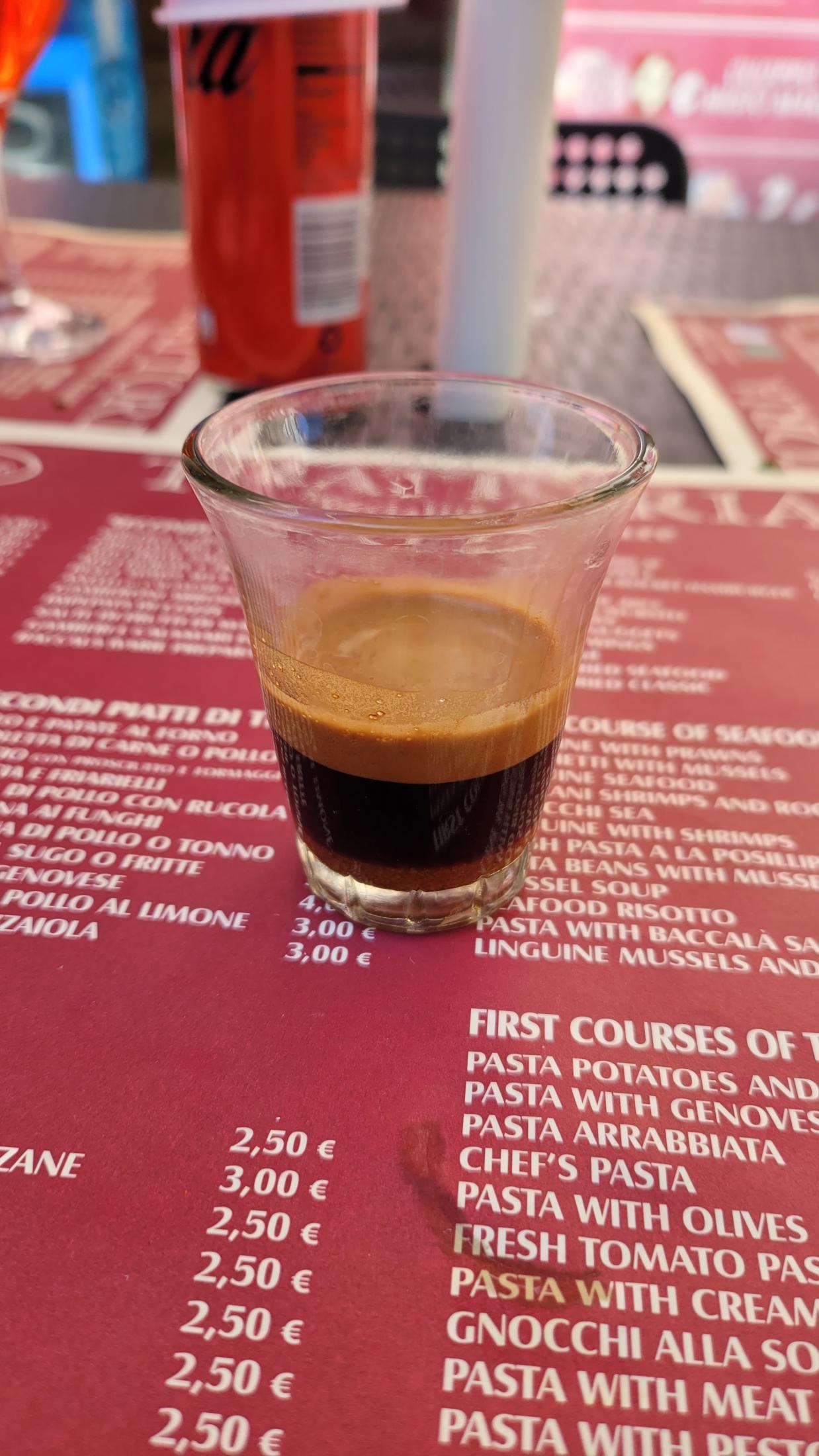
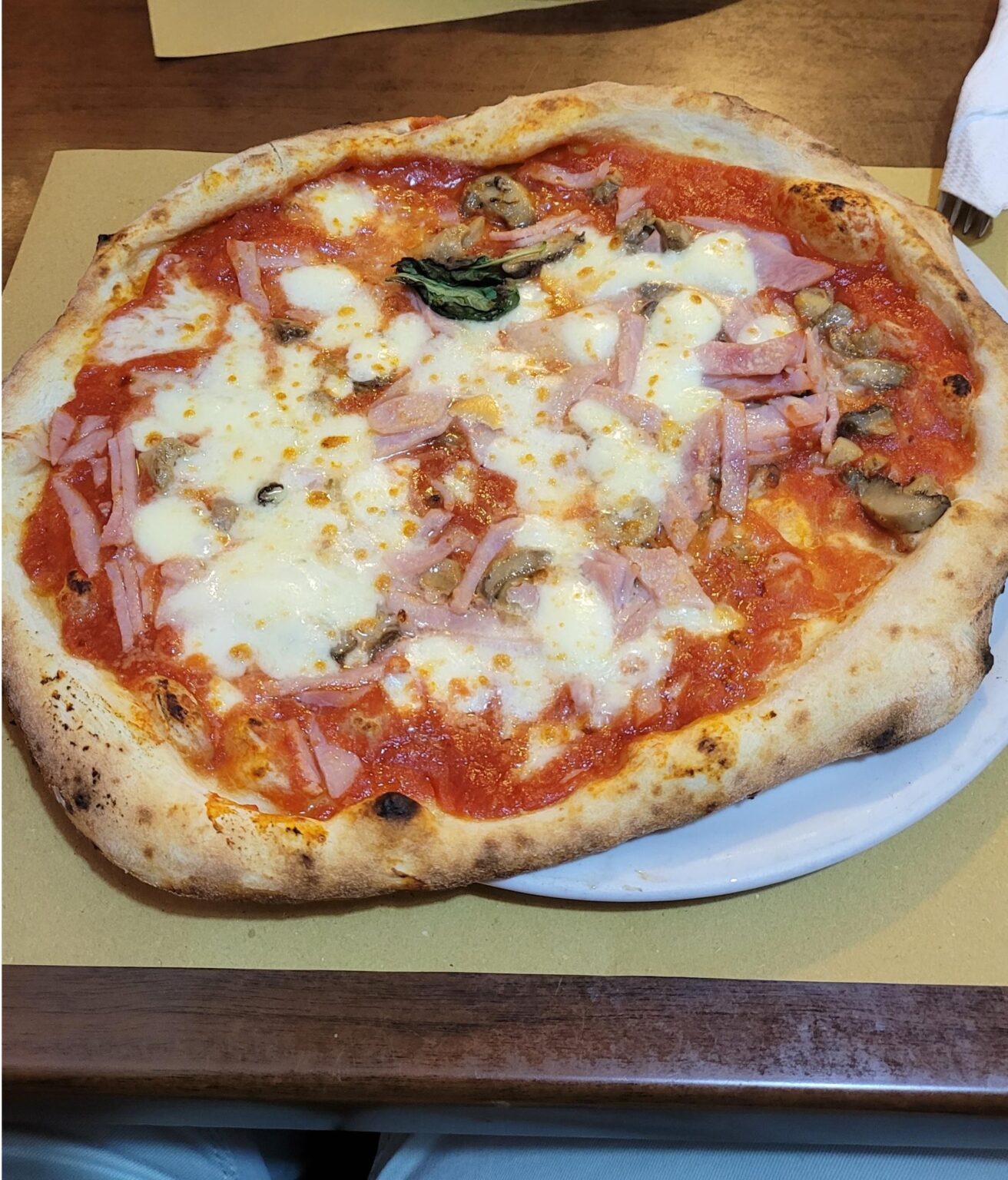
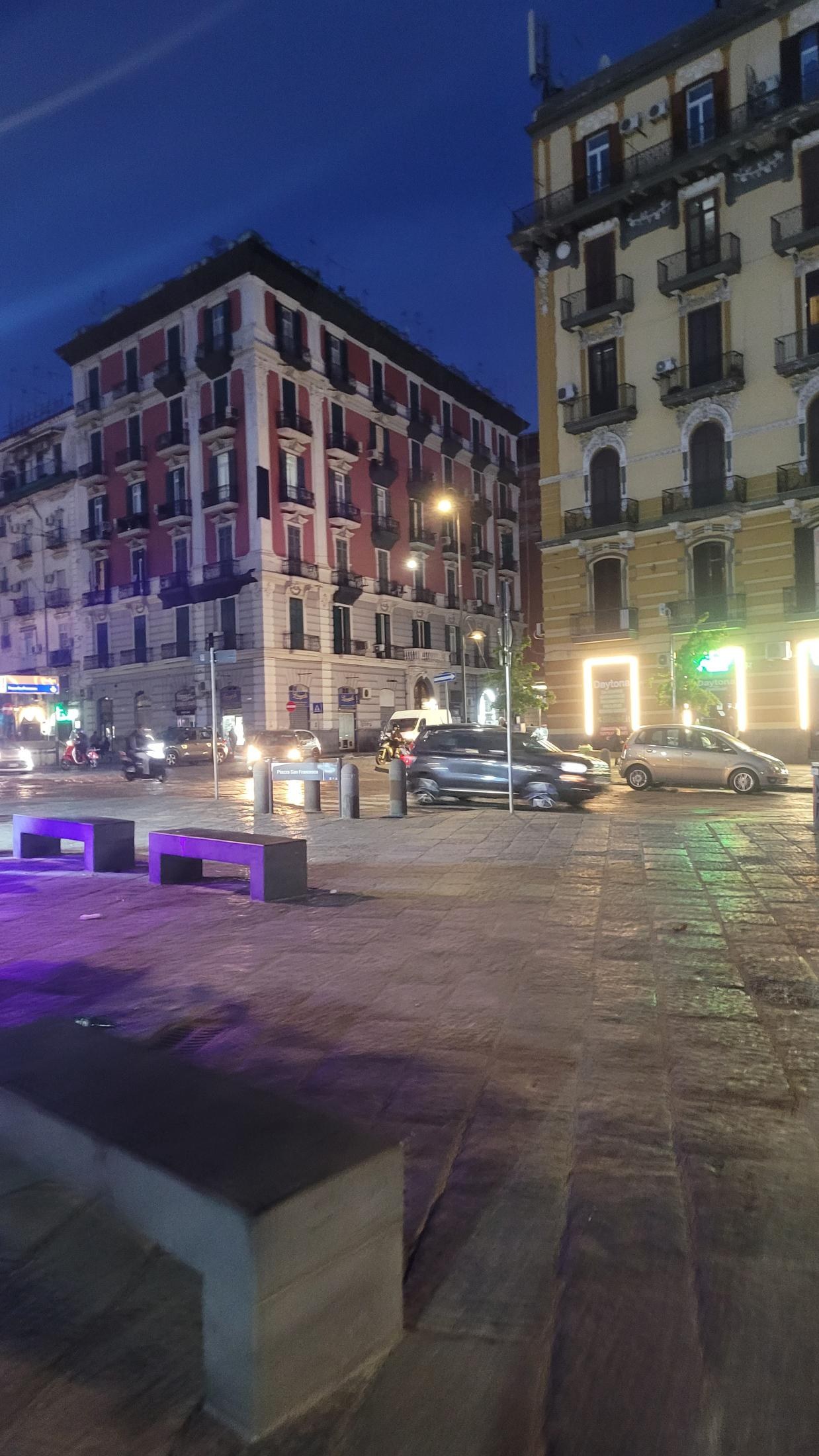
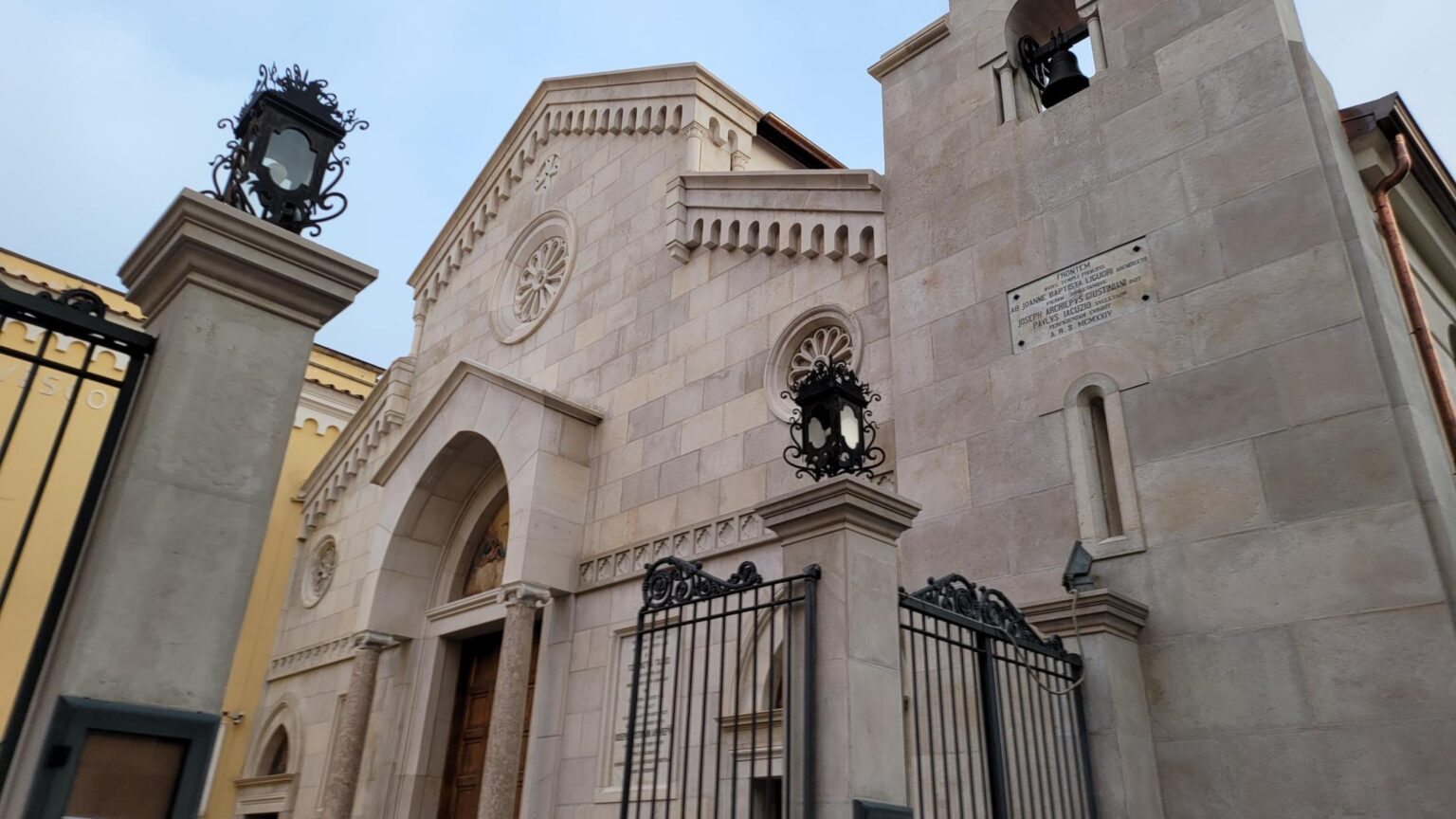
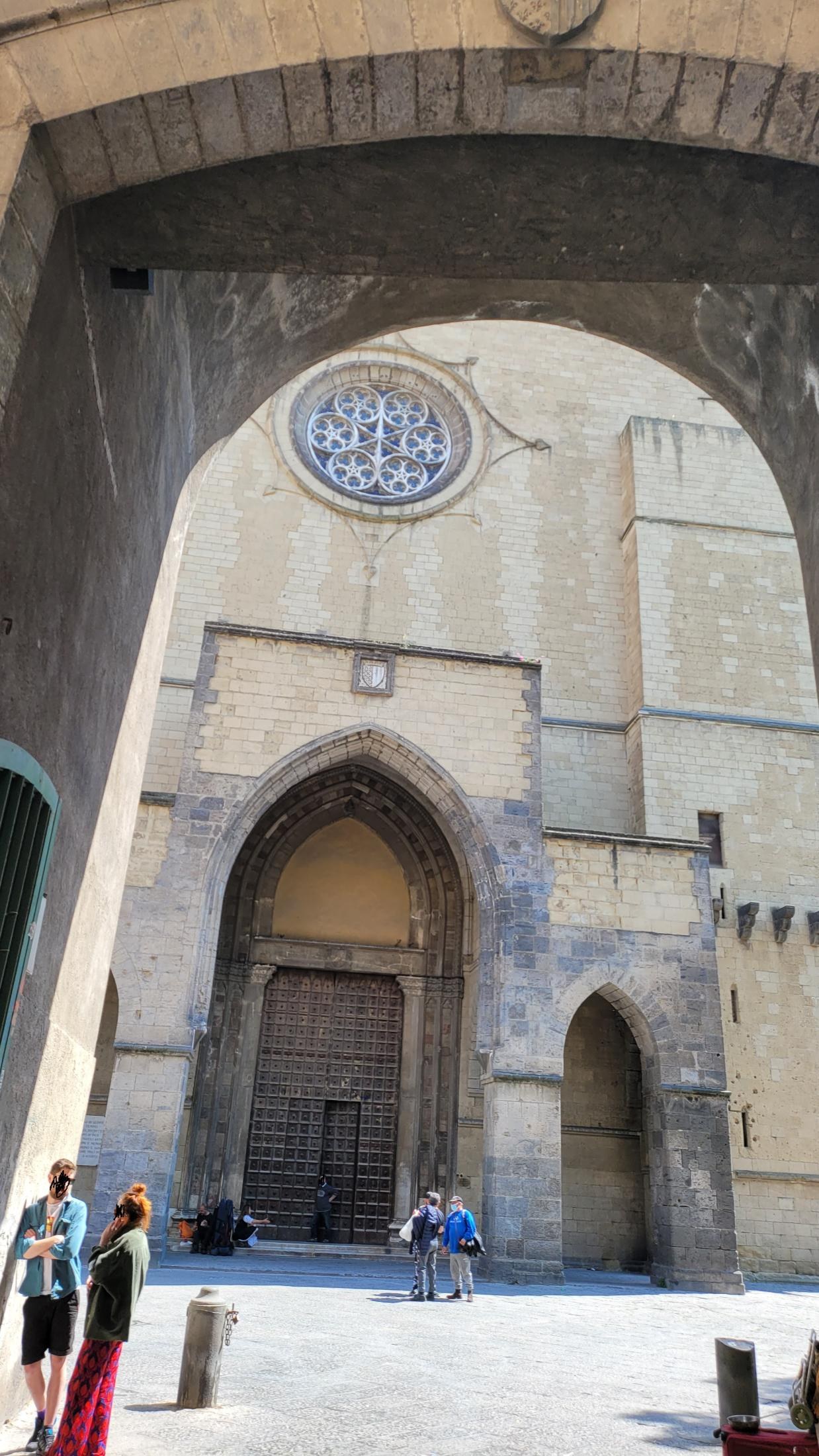
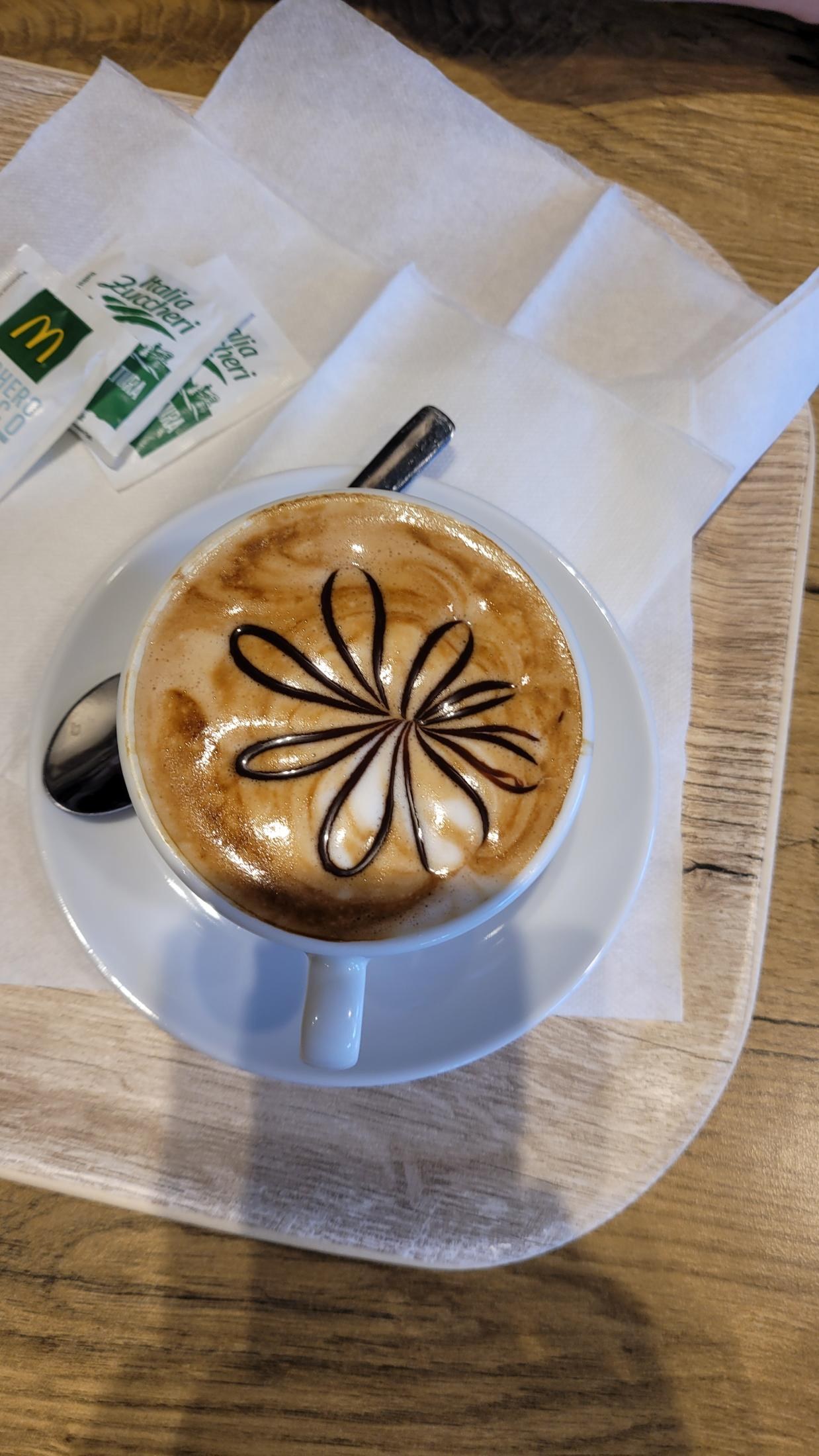
It is hard to make sense of. You walk down the street, some small cathedral, roughly 8–10 times the size of Alexander Nevsky back home, completely scratched over with graffiti and plastered with who knows what. You step inside — gold, marble, it smells expensive. The feeling is best described by that Joey gif everyone has seen. The first day was culture shock and there was not much shooting. Even so, we pass through a market where they make typical Neapolitan pizza, very pleasant — €3 for a pizza plus a Coke. We also find a brutal supermarket nearby where the food is, without exaggeration, half the price of Bulgaria. We had researched that restaurants vary in price, but there is enough choice, with prices comparable to Sofia. Bonus at the station: there is a McDonald’s with a normal long coffee two minutes away 😀 There is a bit of material from the day:
Day 2: The Amalfi Coast — Amalfi, Positano, Sorrento
We have slept on the situation, and the situation is this: is Bulgaria really nicer, cleaner, safer? Am I a patriot? I am a patriot! (Joking — I have always been a patriot and I adore my country, but we do have to see what the “enemy” is offering.)
If I have to be honest, when preparing for Naples I mostly pulled out the interesting things inside the city itself. From the previous day it is impossible to miss that there are as many one-day excursions as you could want — there are ticket points every couple of hundred metres offering organised trips to Pompeii, Herculaneum, Vesuvius National Park, Amalfi and others. I will slip in that their price is two to three times inflated compared with organising the same thing yourself.
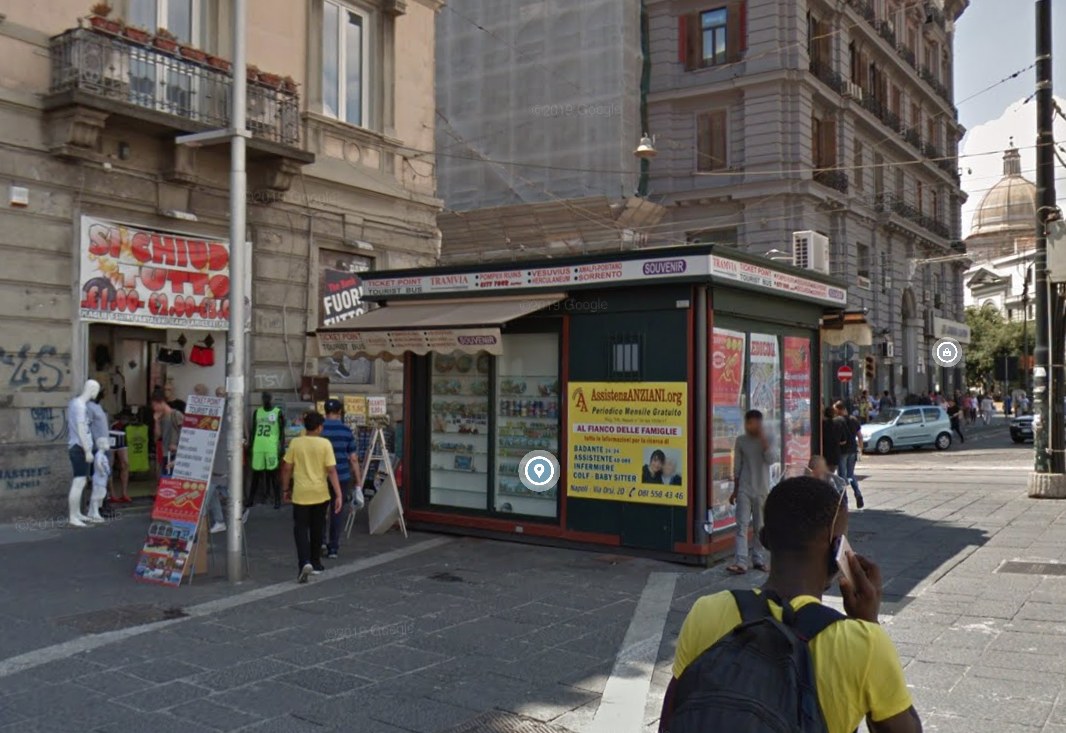
If you are worried about managing with the Italians, it is worth using them. But as we will see further down, there is nothing scary about it — quite the opposite, it is fairly easy and everything is clearly signposted.
Slightly reserved and a little spooked by the actual destination, the plan mutates on the spot and half the time gets allocated to trips outside Naples. The logic: the longer destinations first, while there is no fatigue yet. We are going to the Amalfi Riviera. An organised one-day excursion is €40 per person. A rental car is out, even though it works out roughly at the price of the excursion — we have read that the road there is unpleasant and the parking even more so. According to Google Maps there are two routes with local transport that come in under €16, and on top of that they run every 10 minutes — we are next to the station, after all. The routes go via Sorrento or via Salerno, and Sorrento has things to look at. Done, decided — Sorrento.
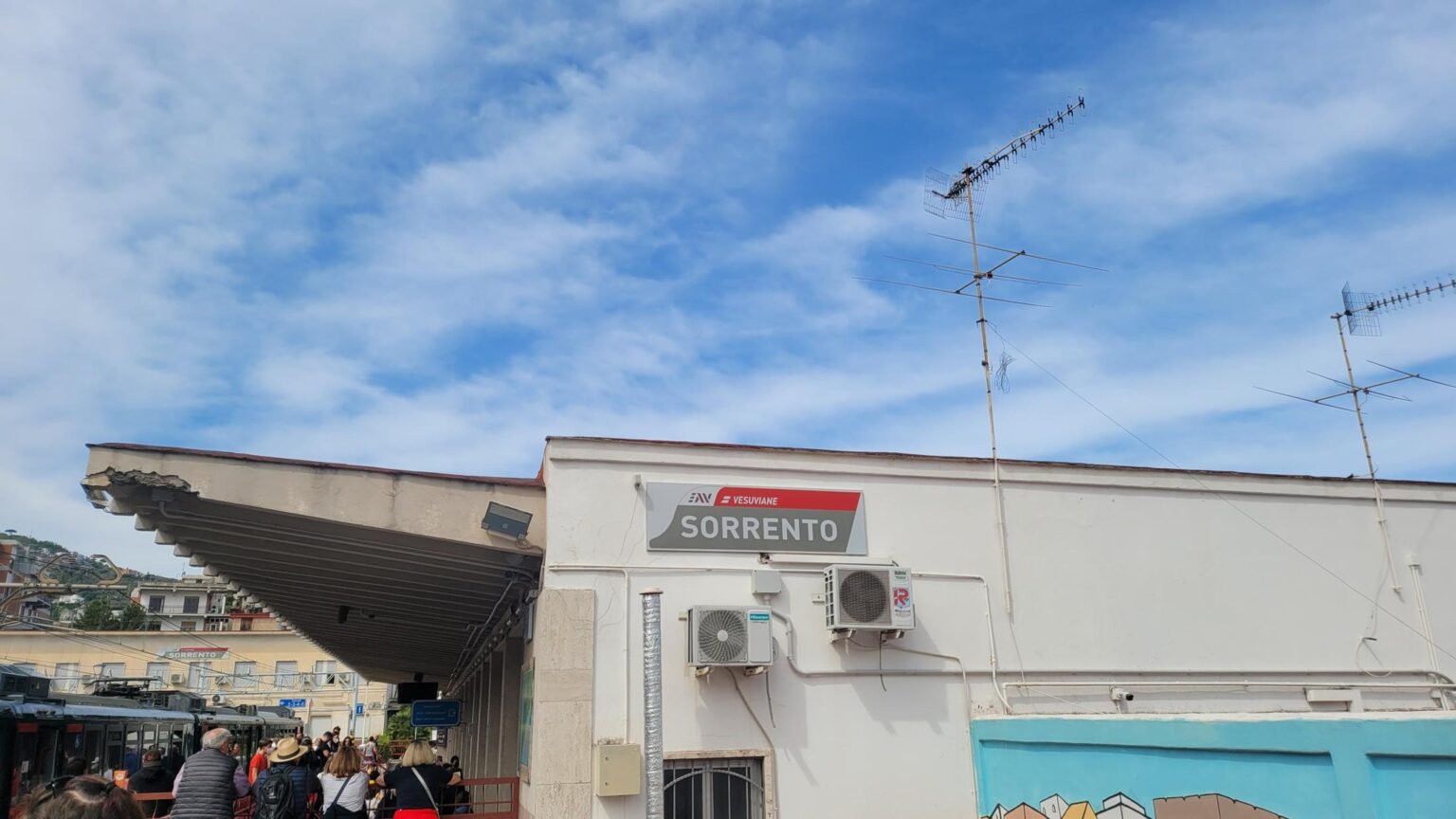
The journey there is pretty straightforward. At the station there are plenty of ticket windows. You walk up, say “Sorrento”, hear €2.70, and you have a ticket. To be safe you immediately say Sorrento–Naples as well, another €2.70. Boarding the train cannot be confused. It passes all the landmarks and it is called the Circumvesuviana. Very convenient and cheap. Somehow it feels more like an endlessly long metro than a train. Very modern, automated access control — important!! keep your tickets!! passing through the barriers does not protect you from a ticket check, and the ticket states which destination you paid for and what time you entered.
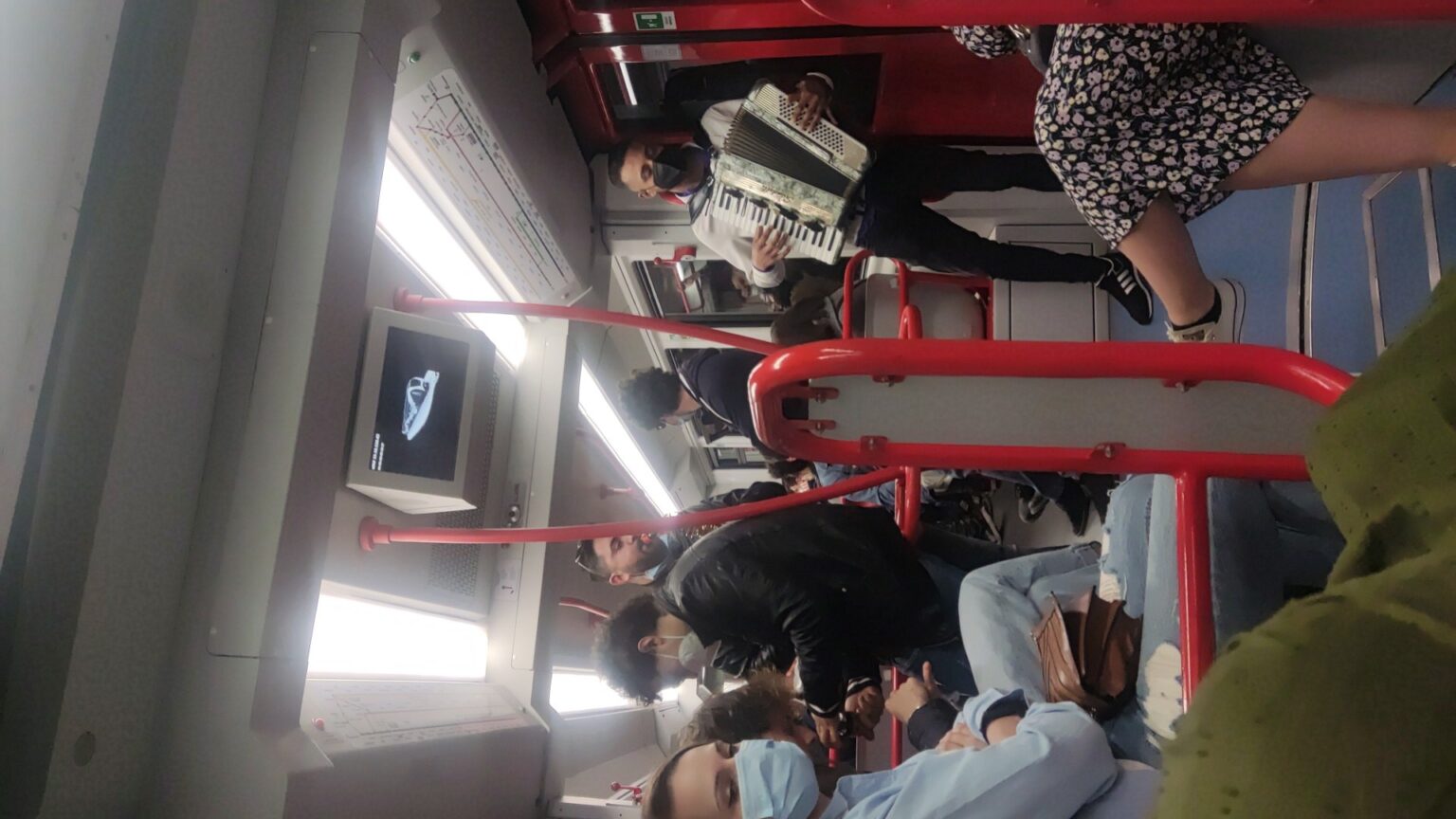
The little train is great, and it comes with live performers as a bonus. We are going to listen to… a “Hit the Road Jack” remix? My colleague steps in and corrects me: we are listening to Renato Carosone — “Tu vuò fà l’americano”.
Mixed feelings. It is great fun, it is pleasant, but is it right? Isn’t it fair to be able to choose whether my ride is loud or quiet? The audience votes for the “Despacito” that follows. We are listening, and that is that 😀
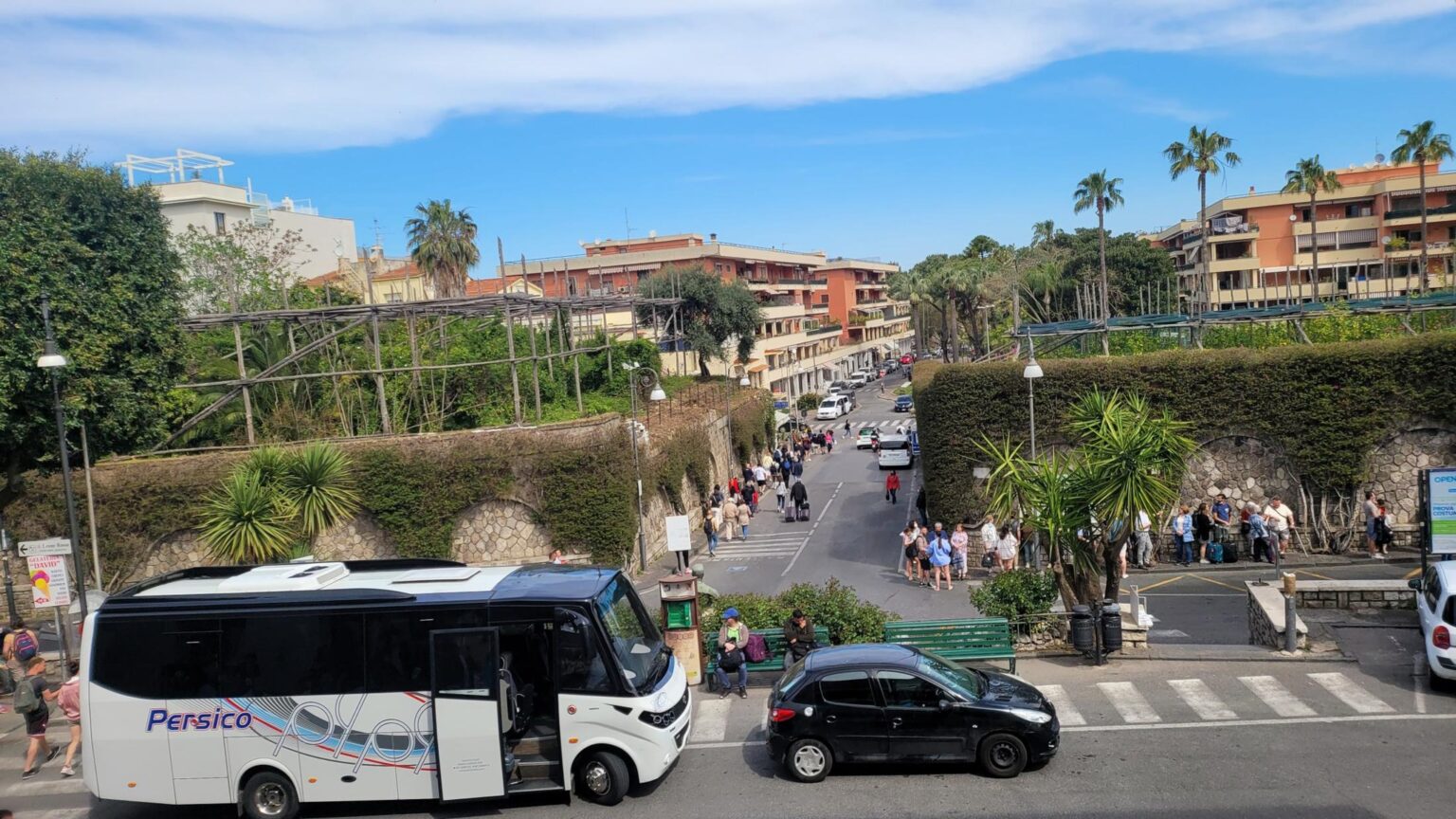
Sorrento takes an hour and twenty minutes to reach (a few songs 😀). Since Amalfi is the higher priority, Sorrento gets left for the end of the day, if there is time. Things are extremely convenient here, because from the moment you step off, Sorrento station has explanations and arrows pointing straight to the SITA bus stop. The terms are as follows: €3 one way to your destination. So if you are heading to Amalfi for a proper holiday of several days, you pay €3. For a day trip, the ideal option is €10, which includes a 24-hour ticket with unlimited hop-on, hop-off along the entire coast. For that €10 you can see Positano, Praiano (not a priority if you are short on time) and Amalfi.
The road is very unpleasant and 30 kilometres take close to 2 hours. It is extremely narrow, there are no straight sections, it is bend after bend after bend. From that point of view the rental car is not the ideal option either. The Italians drive with extraordinary nerve, and if you are not a lion behind the wheel you simply have no chance 😀 With the day-trip option things are better, because you can get off in Positano and rest a little while you look around.
Positano
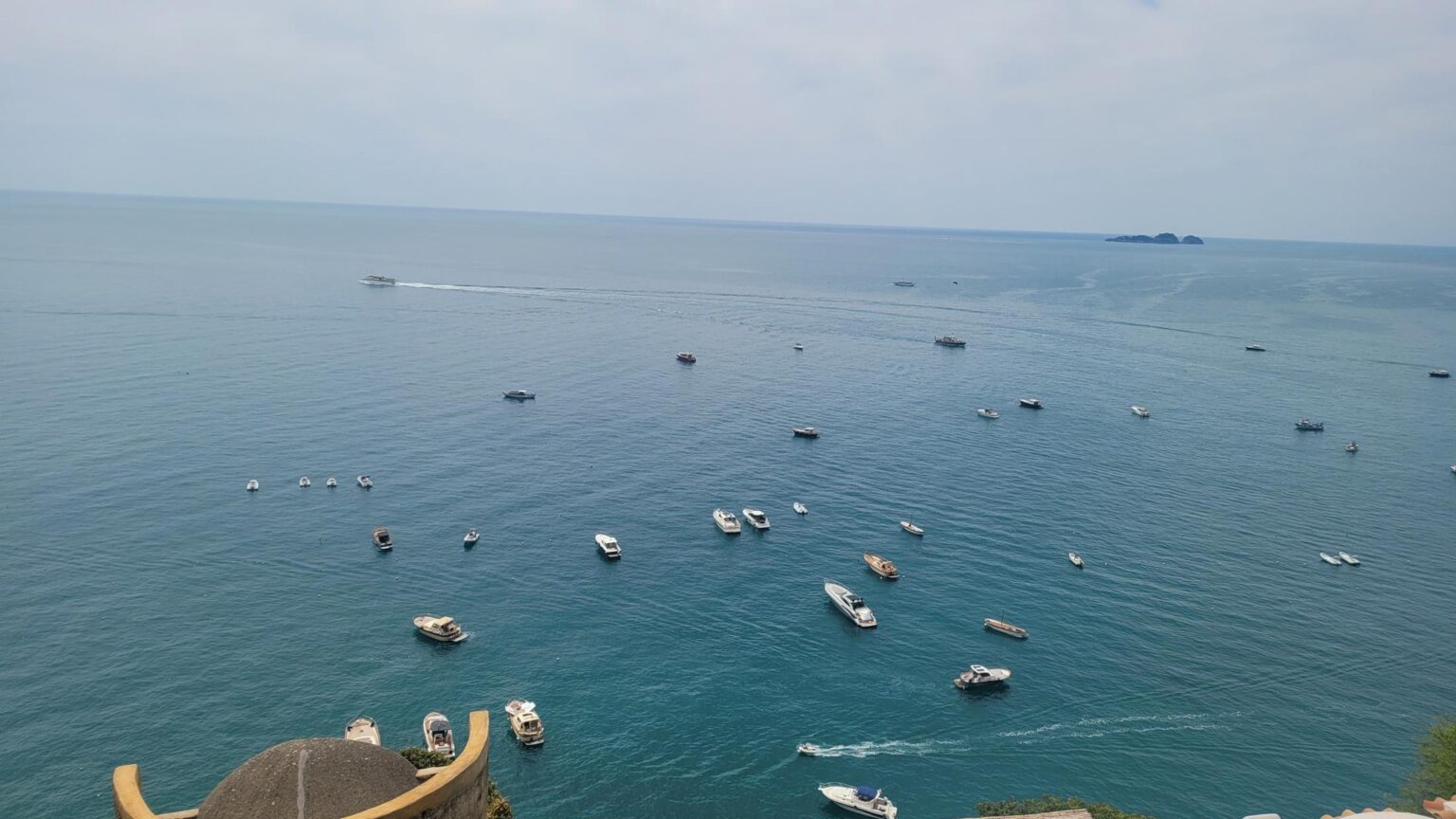
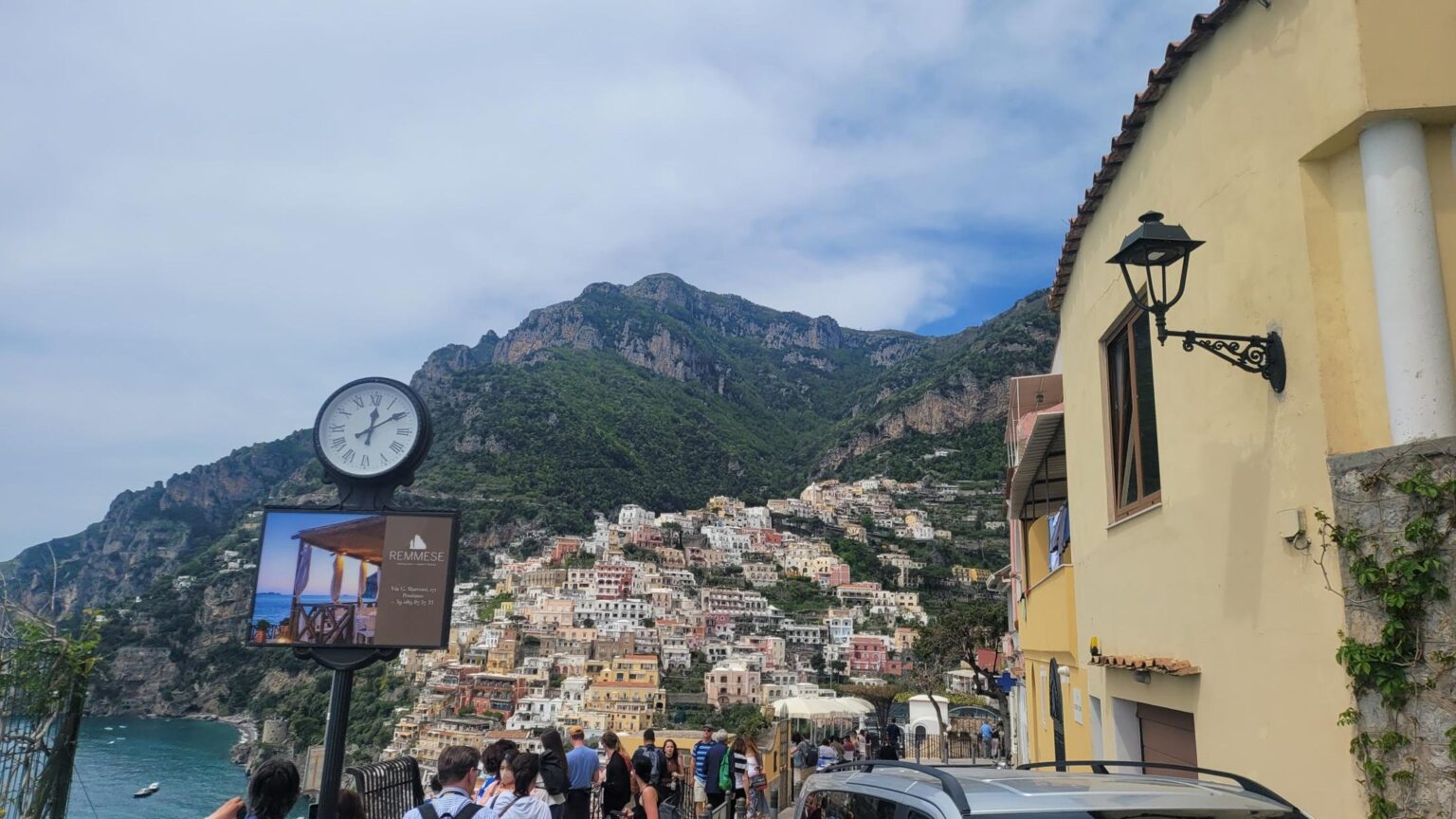
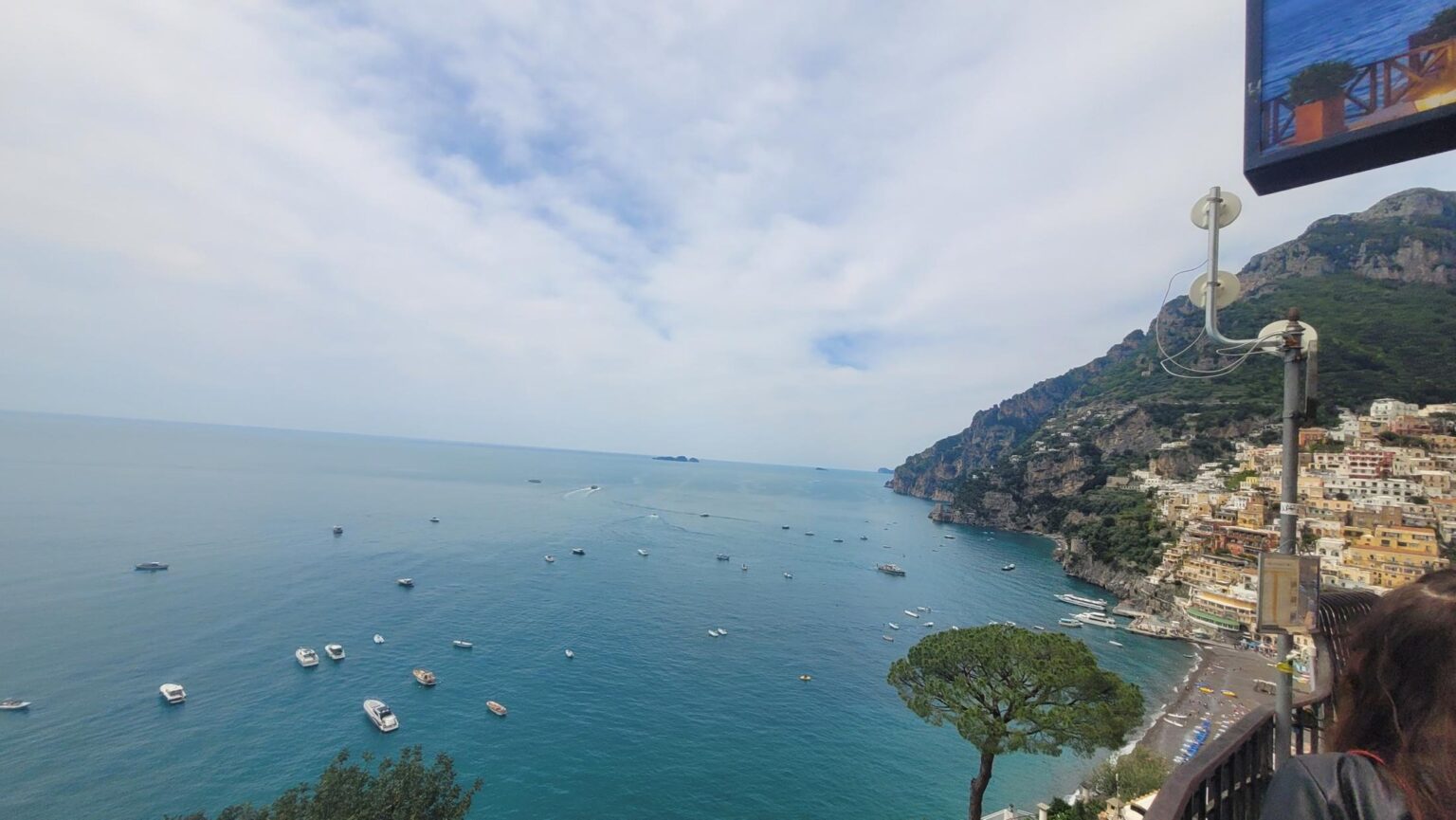
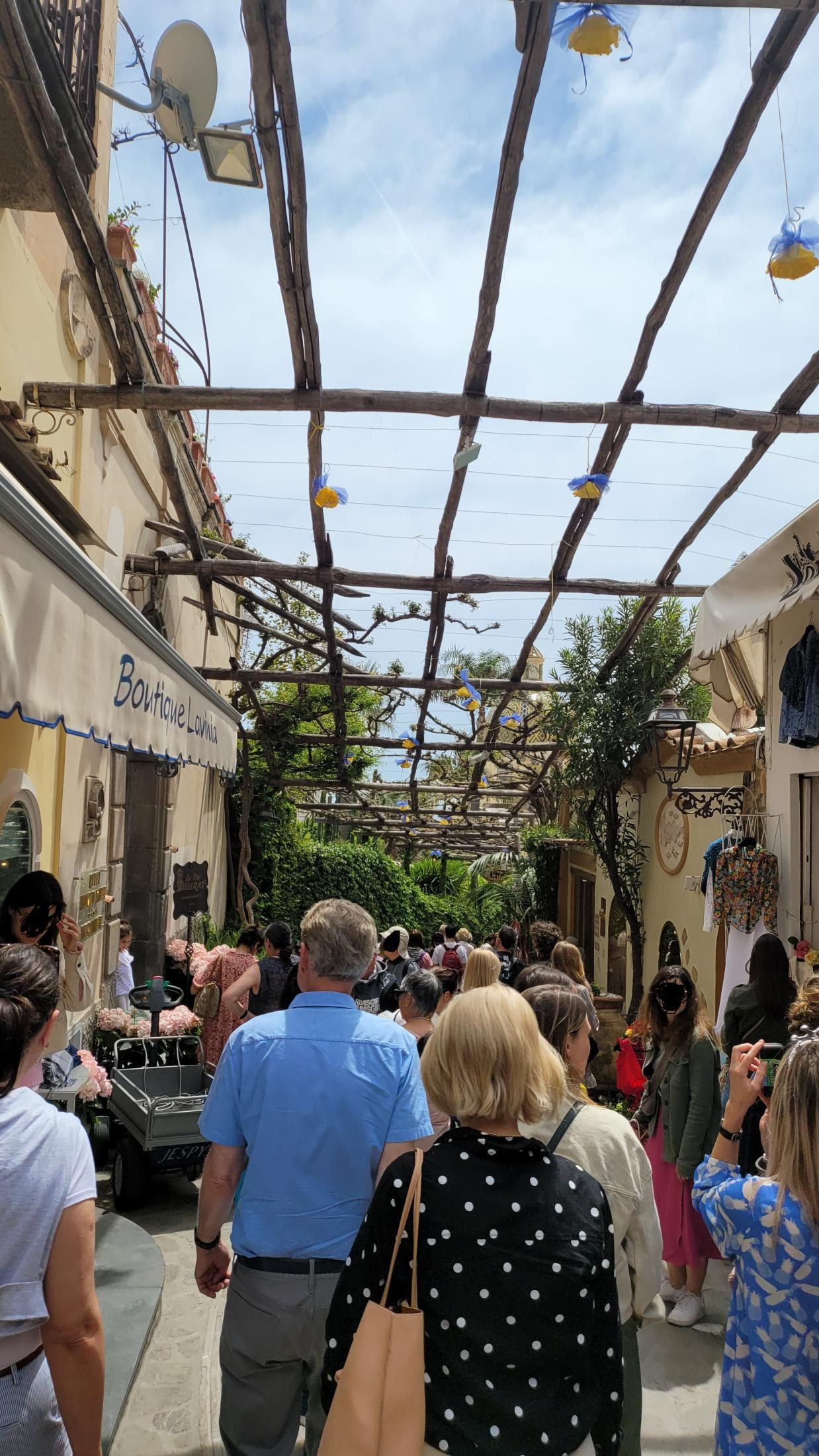
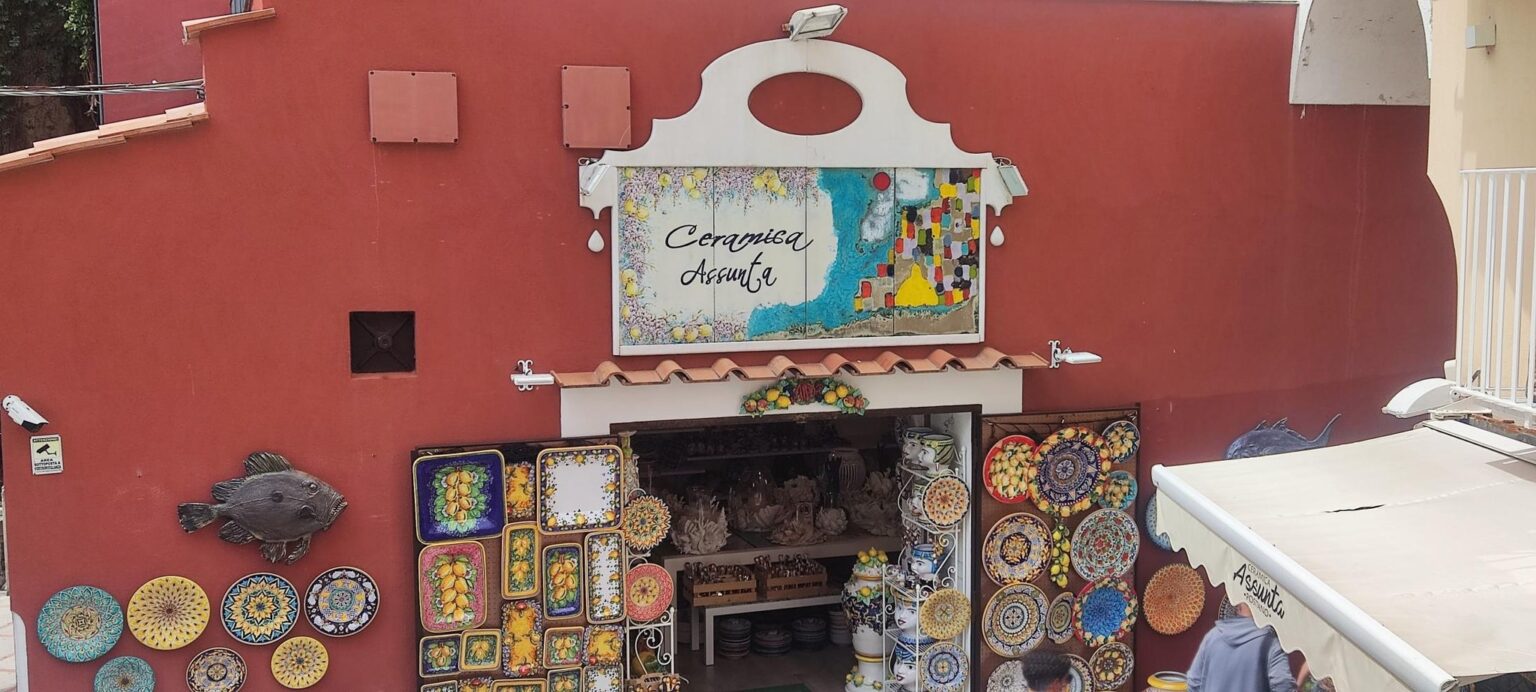
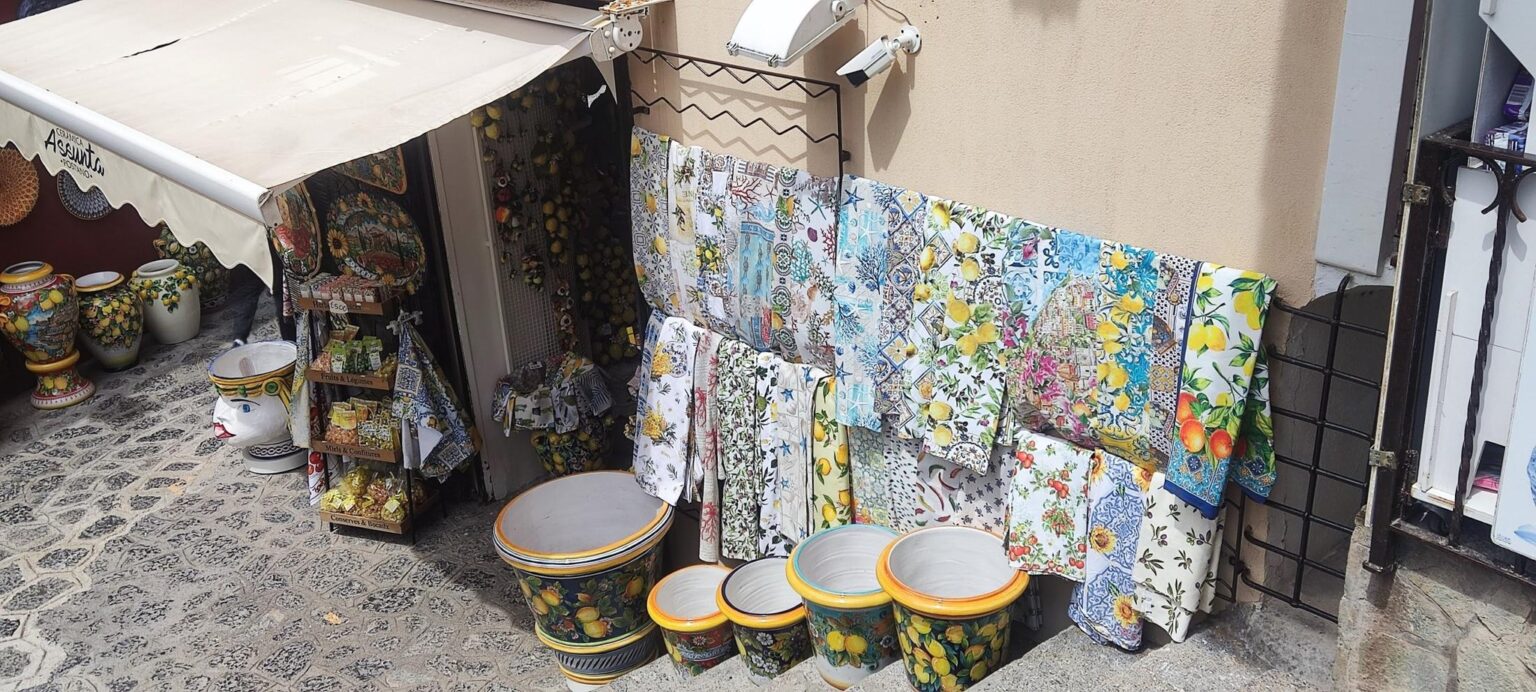
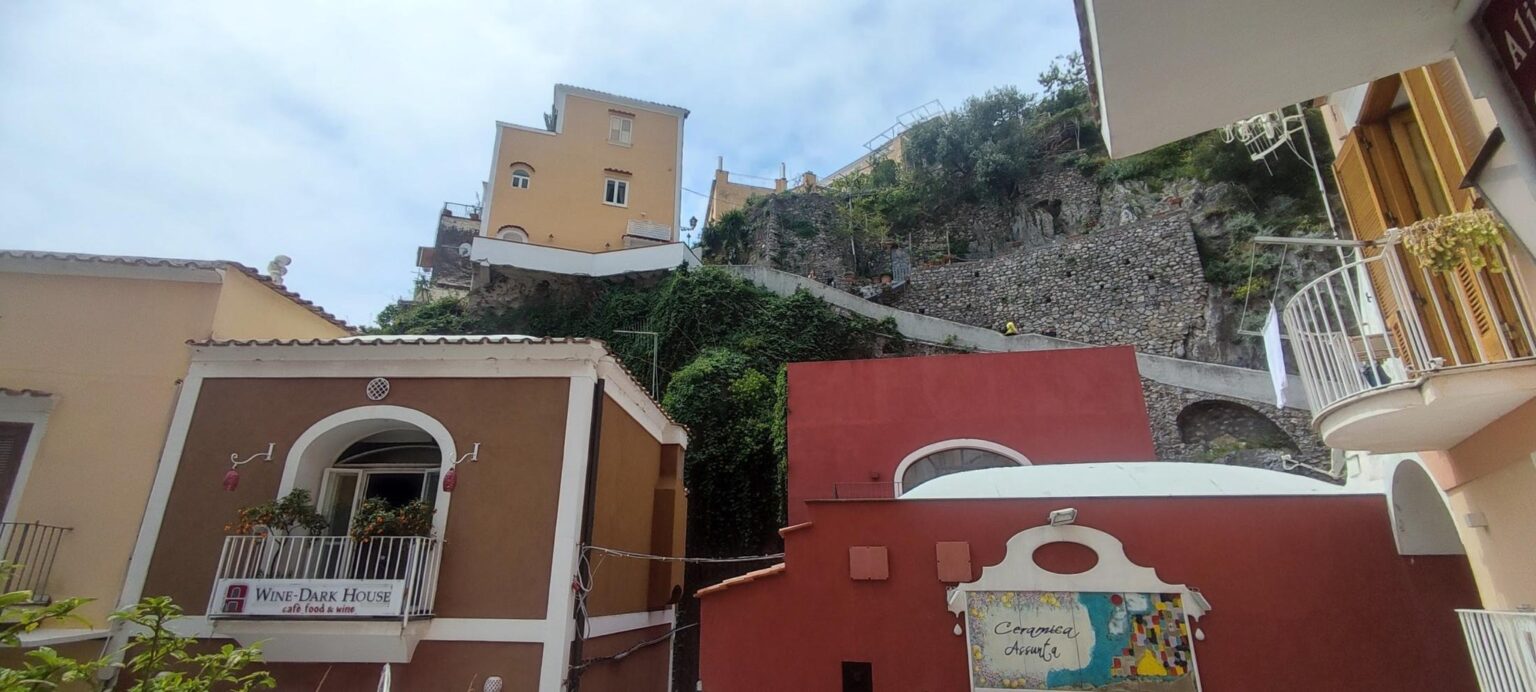
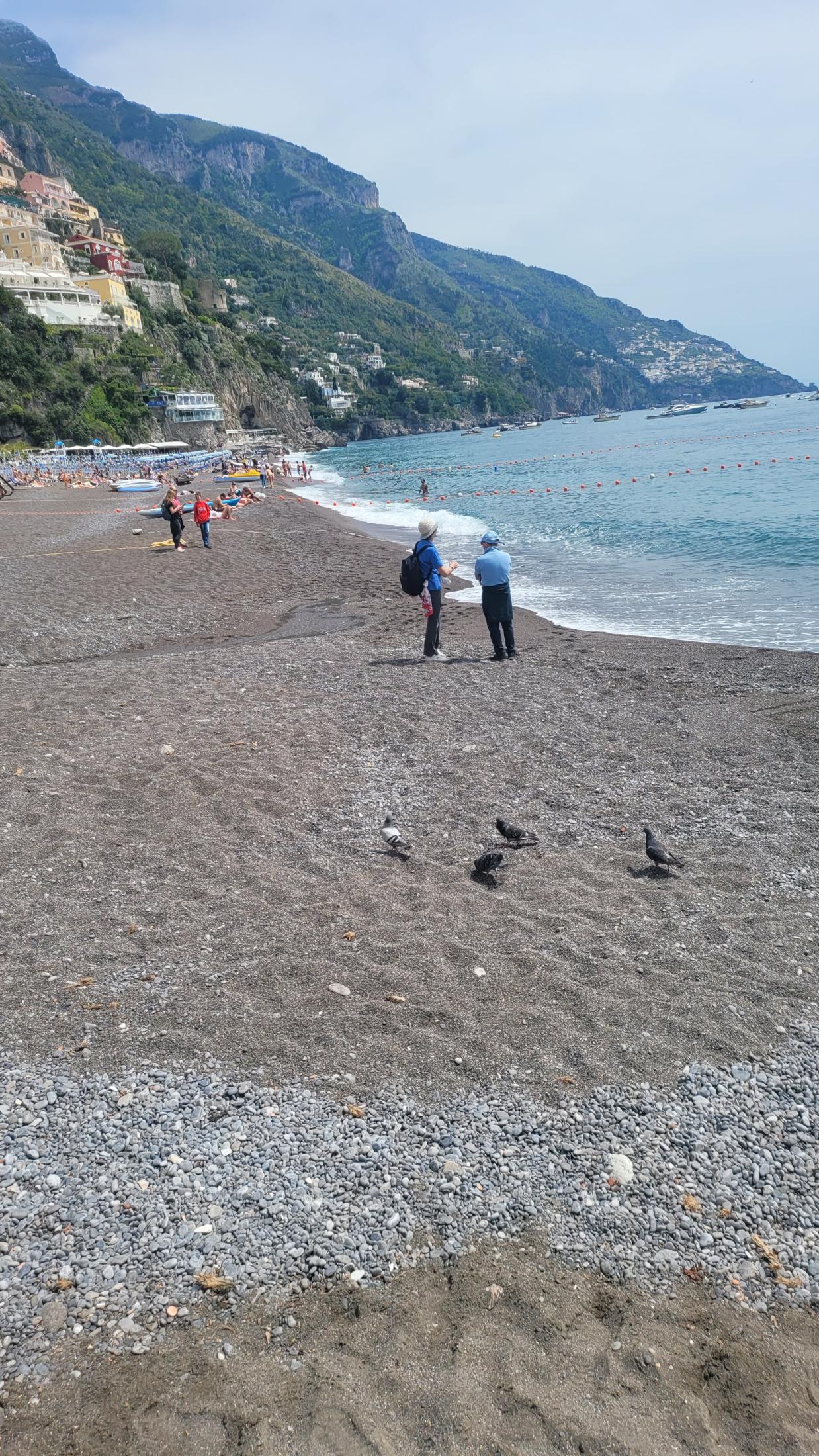
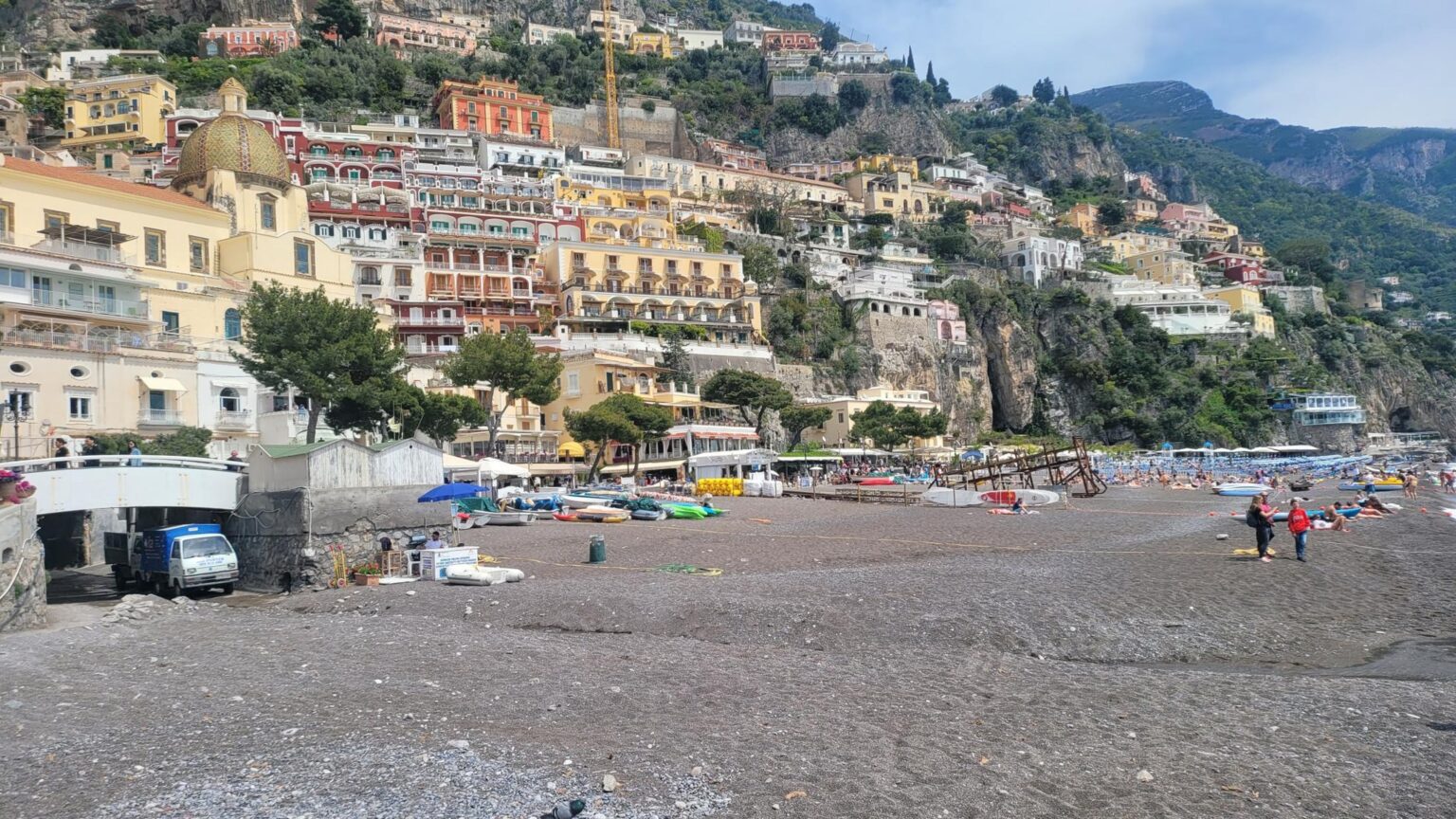
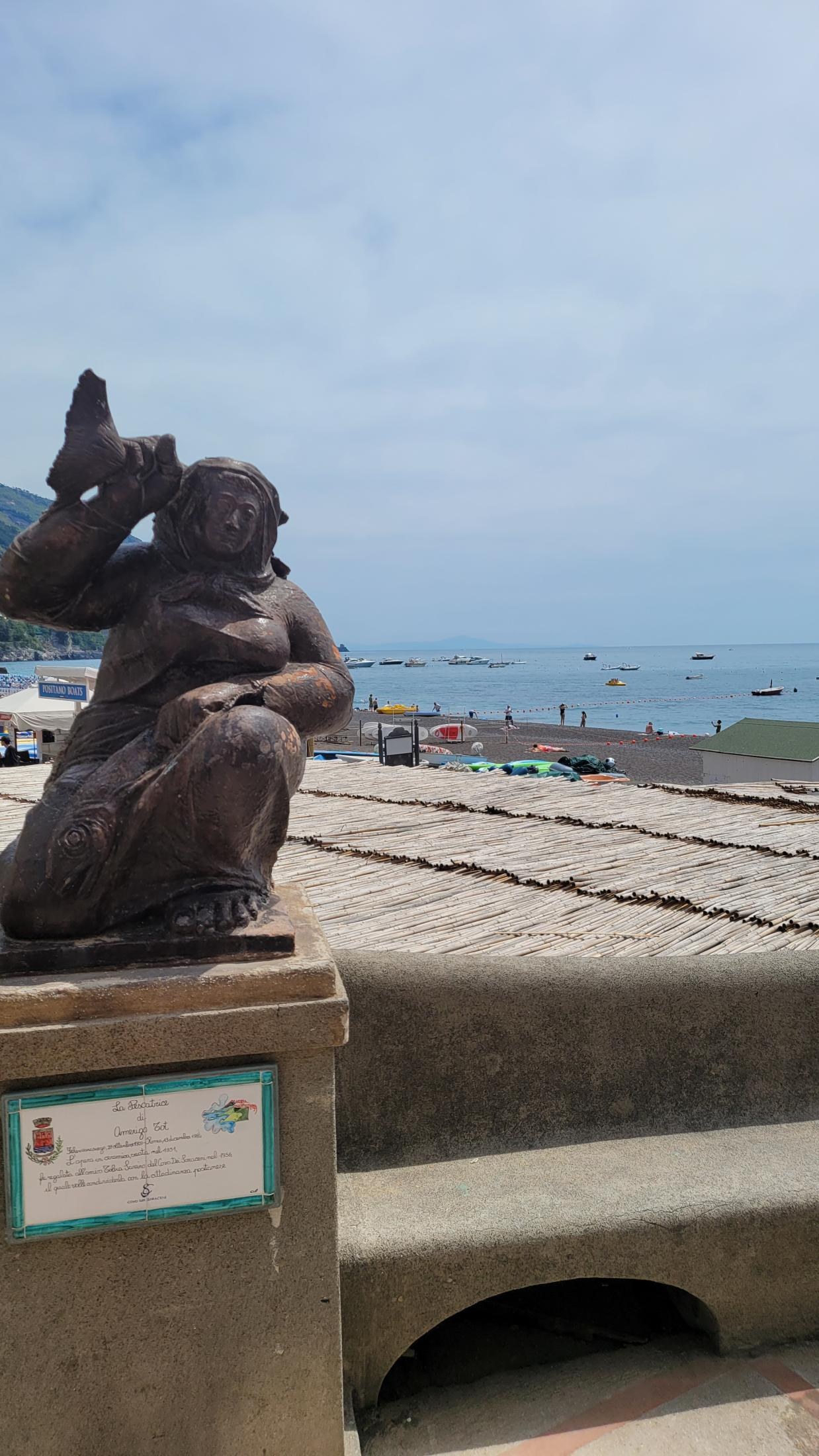
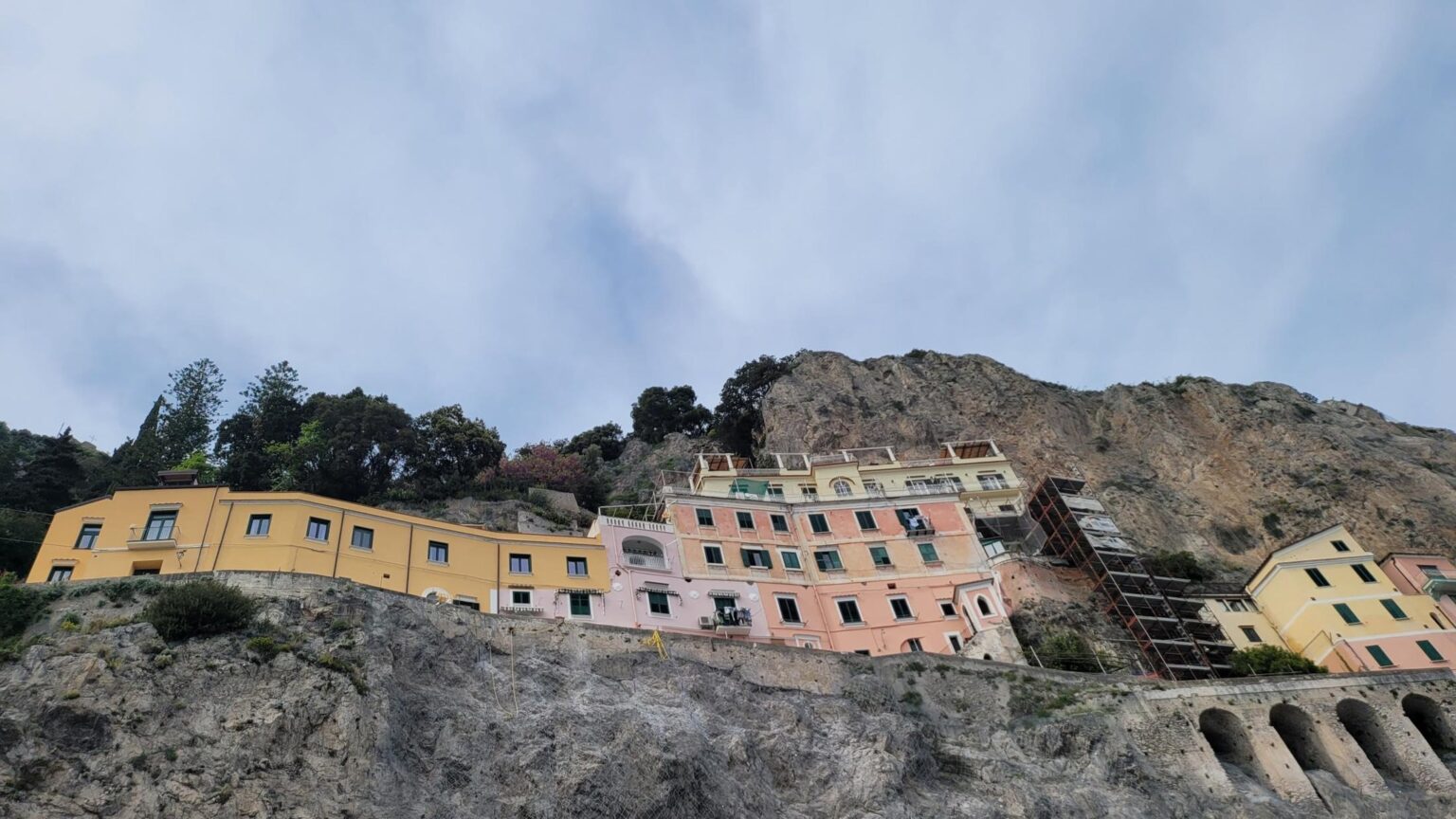
Positano grabs your attention immediately. It starts high up and the interesting houses climb a hill that hangs almost vertically. The elevation change is savage and the architecture is a different species altogether. It is impressive how they hauled the materials up here, how they built any of it. From the road down to the sea you descend along something I would call a main street. The prices are brutal on everything. In the restaurants you cannot miss the “promotional” four-course lunch at a modest €90 to €120. Without promotions, judging by the menu, lunch comfortably jumps above those numbers.
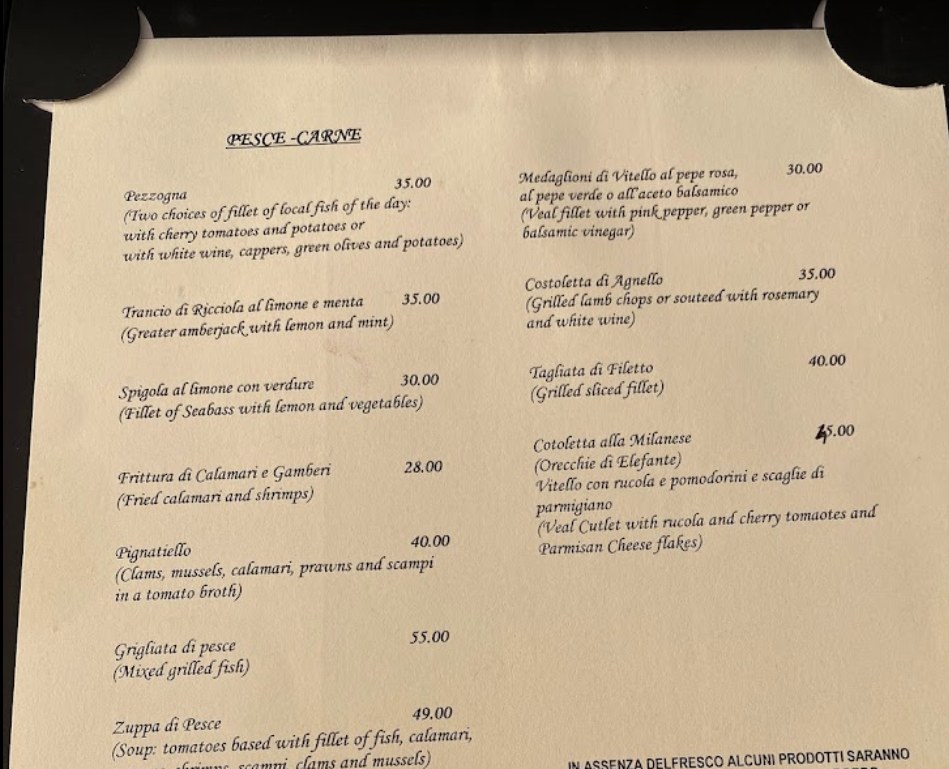
In the tabacchi shops a small bottle of water is €3. In the supermarket it is €1.50. For reference, in Naples it is 20–40 cents. A quick check on Booking — huh, interesting. The average hotel price in Positano itself is more like above €250 a night for a double. But move 3–5 kilometres away and the average drops to €50–70. A bit more reading, properties for sale — around €18,000 per square metre. Yeah. Not for us. It turns out Michael Jordan and Jennifer Lopez holiday here. Well, I can neither sing nor play basketball, so this will be viewed in transit. One day I will sell a kidney and go buy the group lunch in Positano 😀
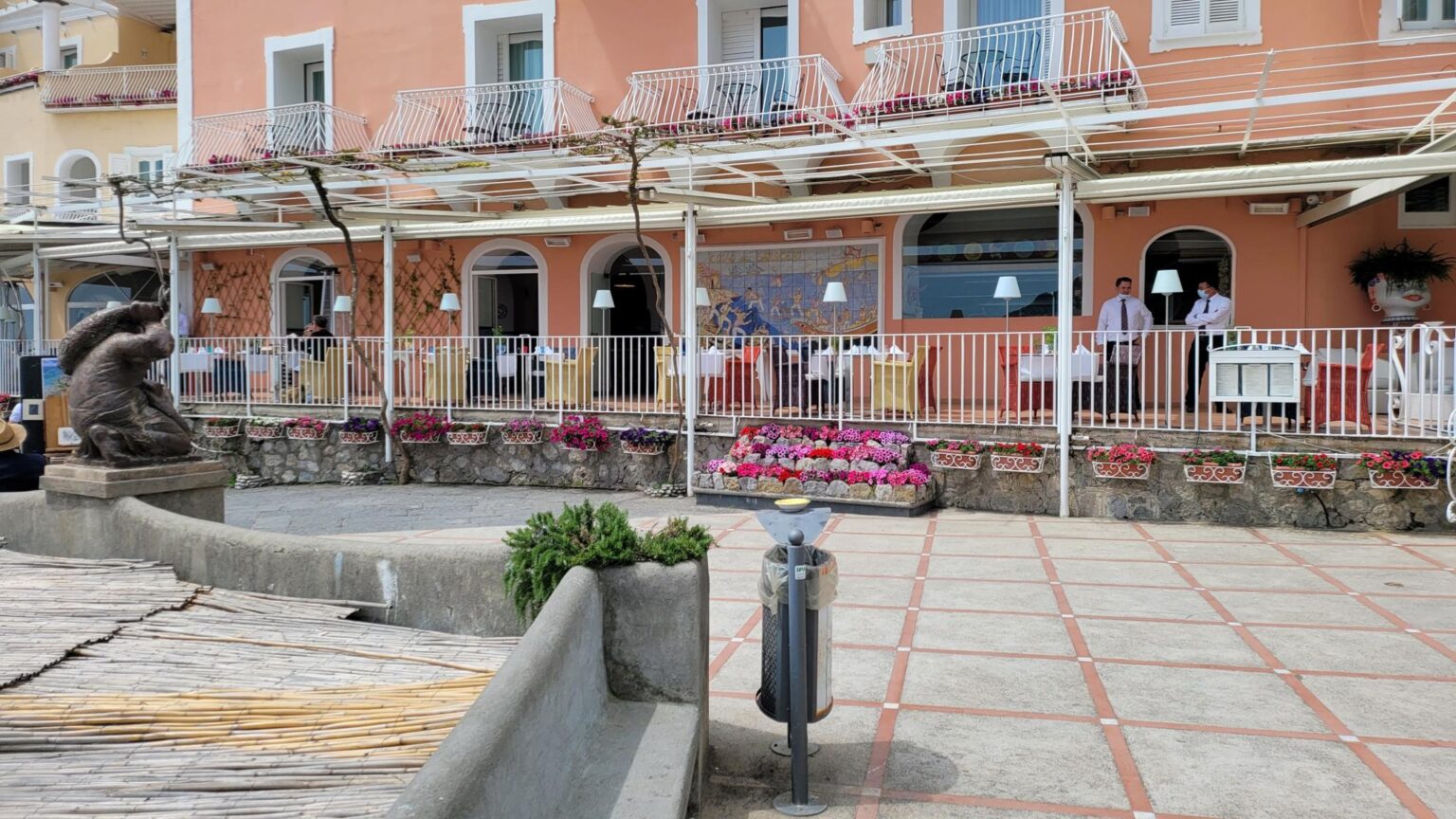
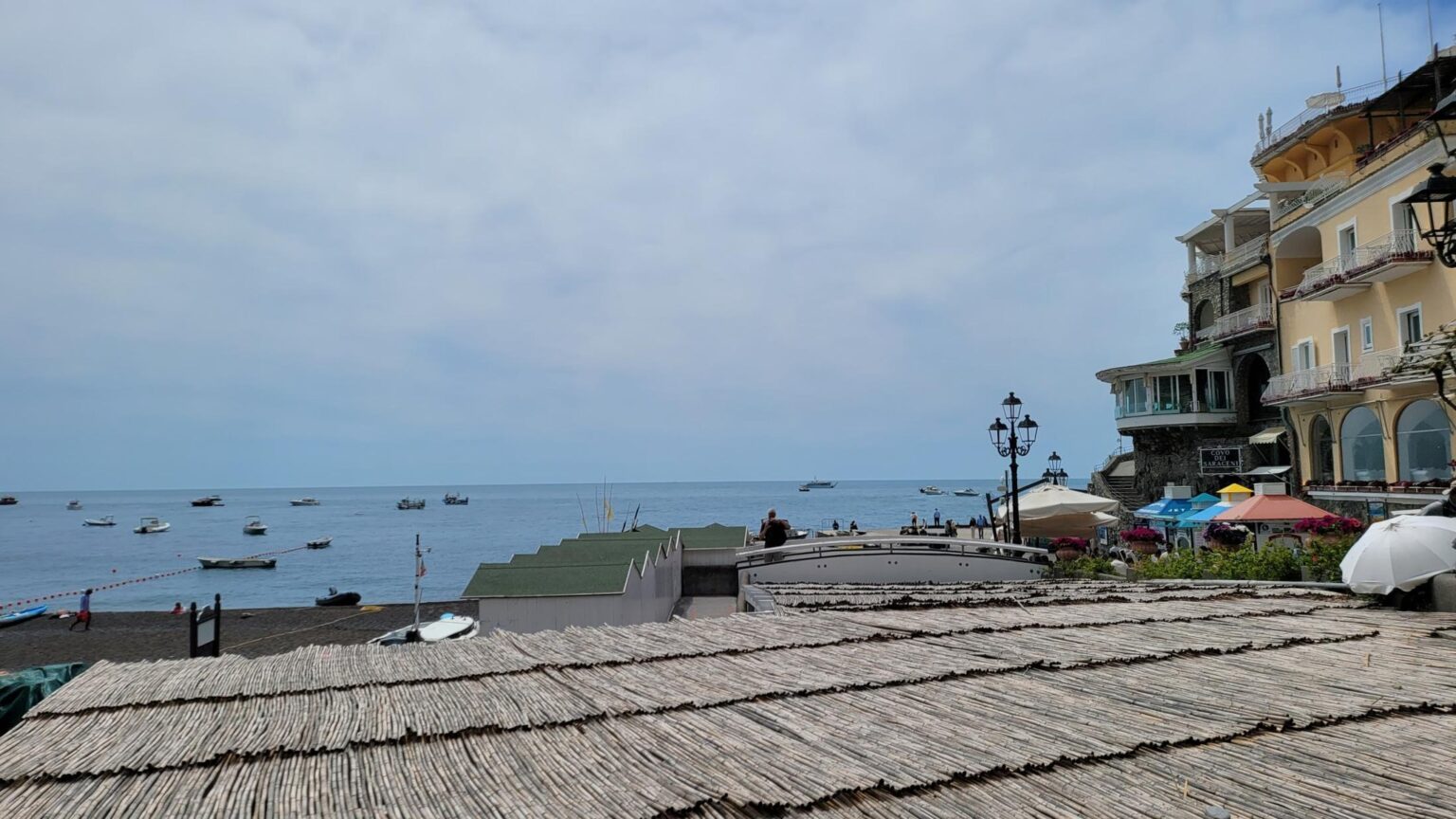
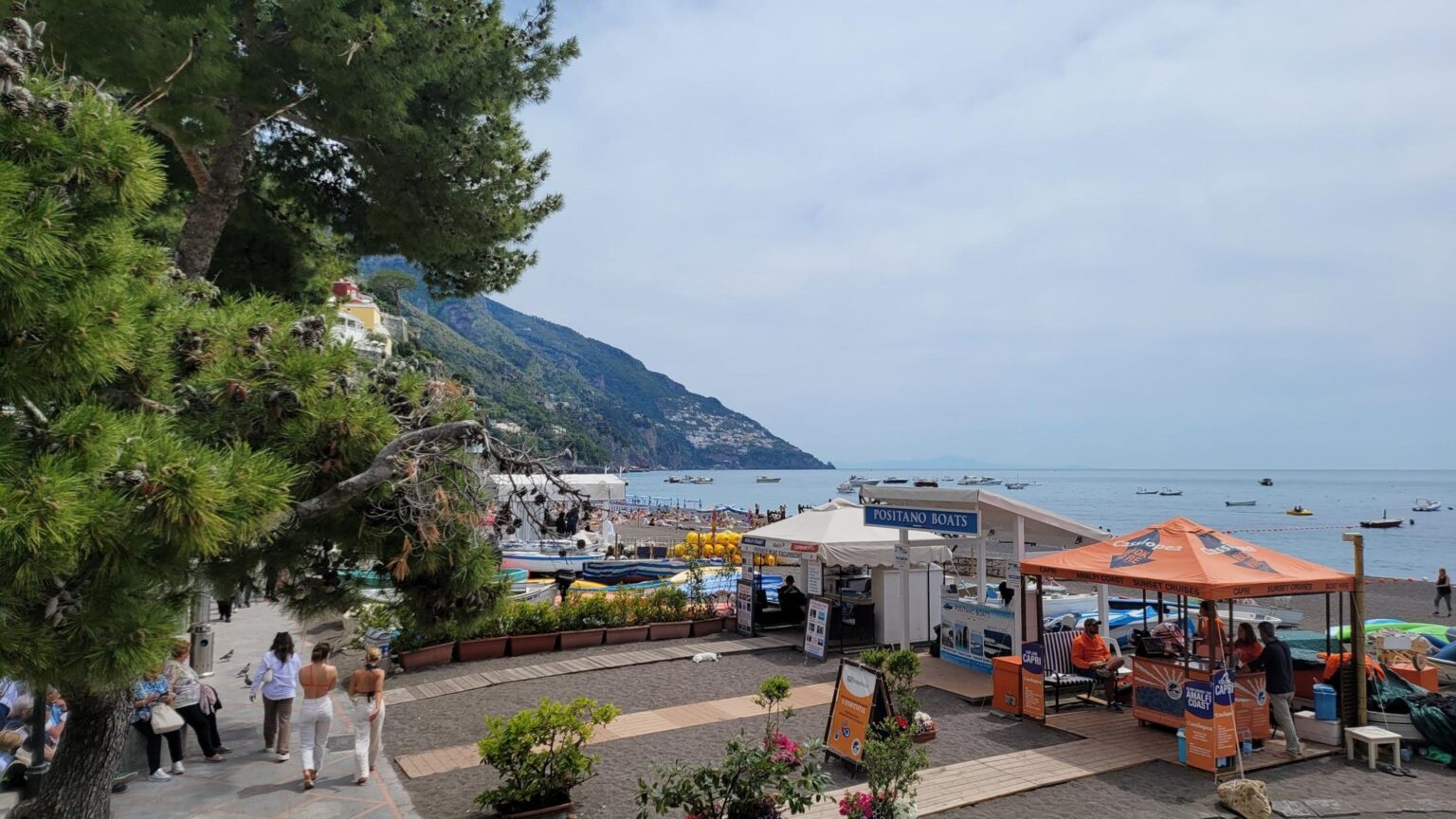
Joking aside, Positano is exceptional, and 3 to 6 times more expensive than the Italian standard. It impresses enormously with its architecture and it is famous for the cosiness and the sense of seclusion it can offer. In theory you cannot go wrong with Italian food. Also worth noting: it is the end of April, and some people are already sunbathing while others are in short sleeves and a few are still wearing gilets and jumpers. I feel obliged to insert a short joke from the internet:
A little girl is taken to a psychiatrist. He asks her:
— What’s your name?
— Maya.
— And how old are you?
— Five.
— What season is it now?
— Summer.
— How can it be summer, did you ride a sledge yesterday?
— I did.
— And did you build a snowman?
— I did.
— So what kind of summer is that?
— A rubbish one!
Positano takes about an hour to walk around, and it has some seriously steep stretches. Something more normal, by our standards, is a trip to the island of Capri and/or the Blue Grotto. There are boat transfers from the whole Amalfi Coast, including from Positano. Prices vary but sit around €30–40 (€15–20 for the transfer, €14 for the grotto entrance). That, however, is a half-day excursion, so it stays on the to-do list. The main culprit of the last paragraph:
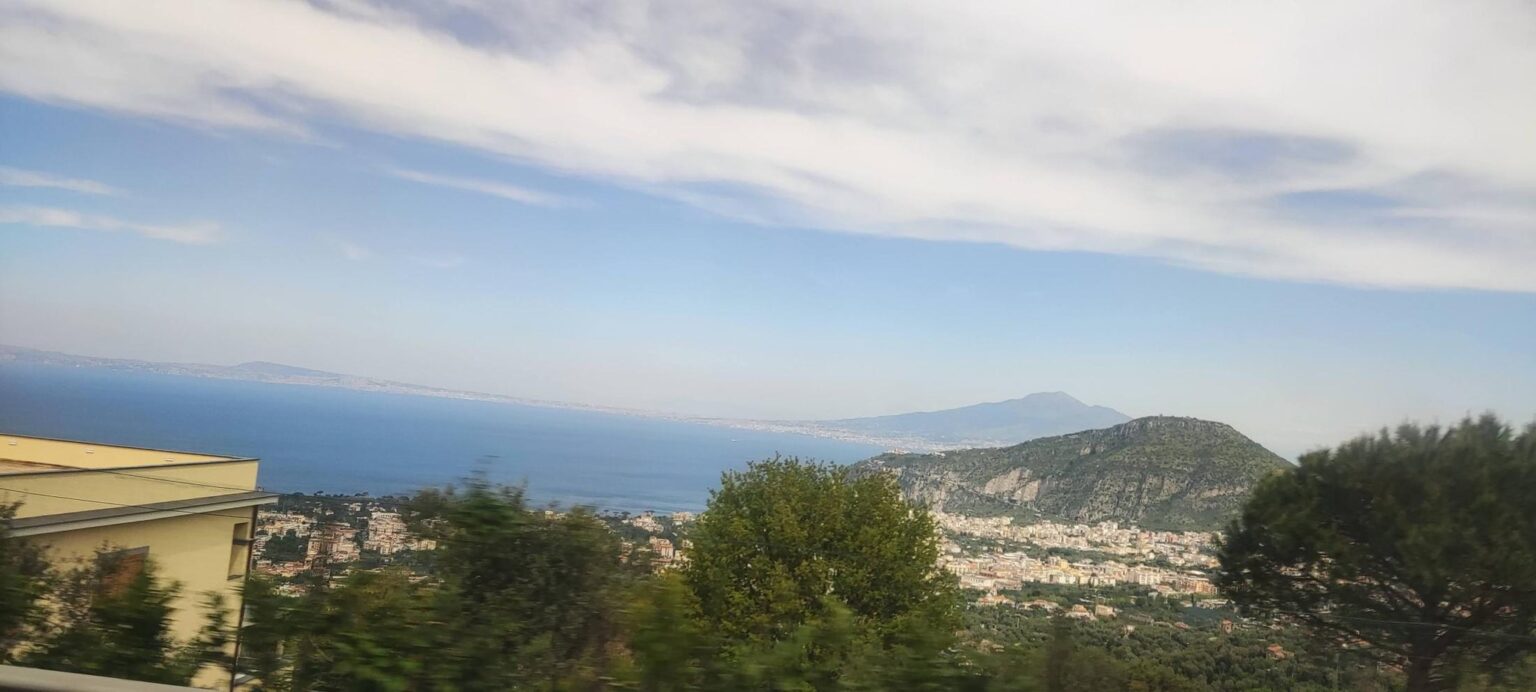
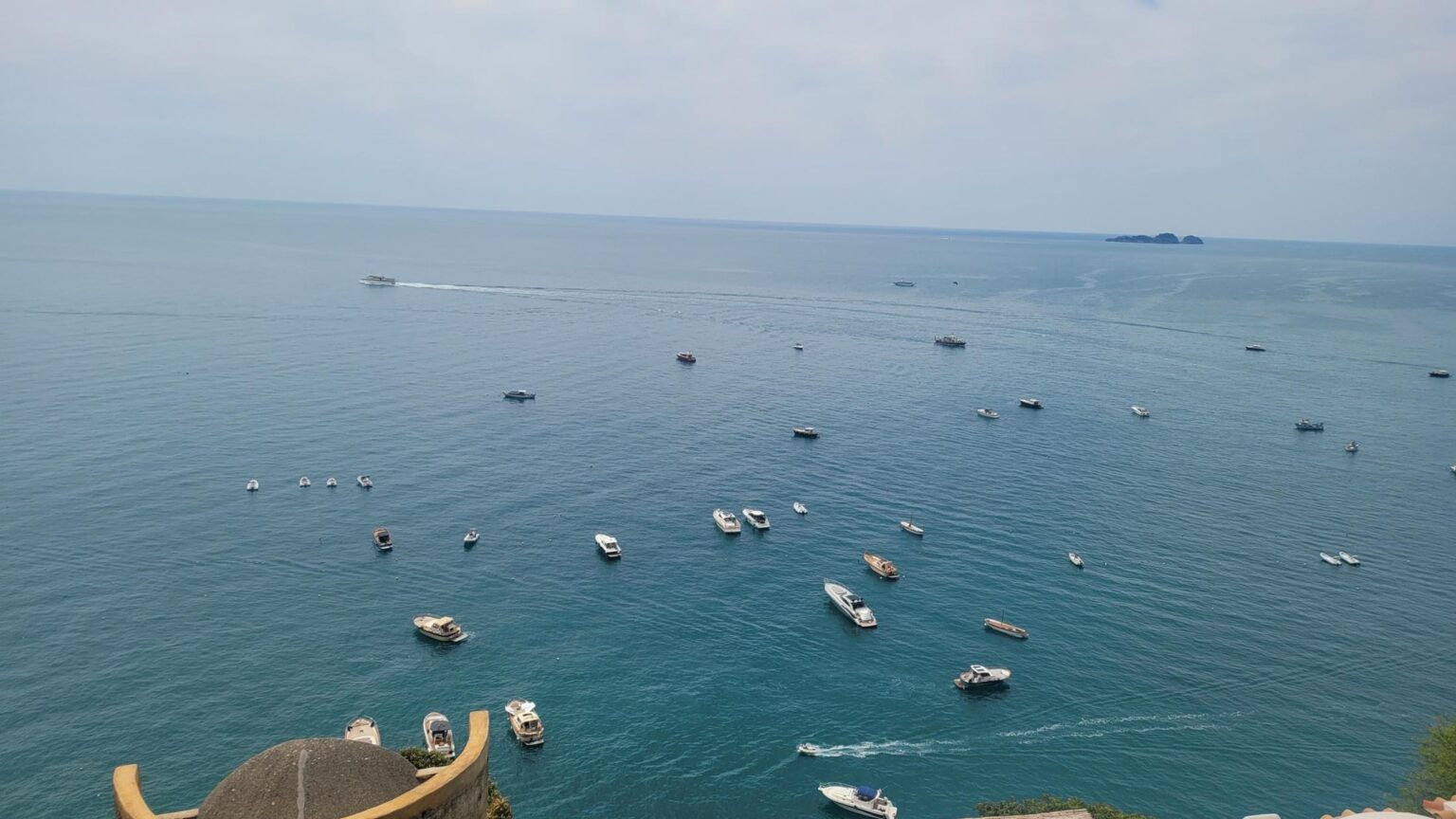
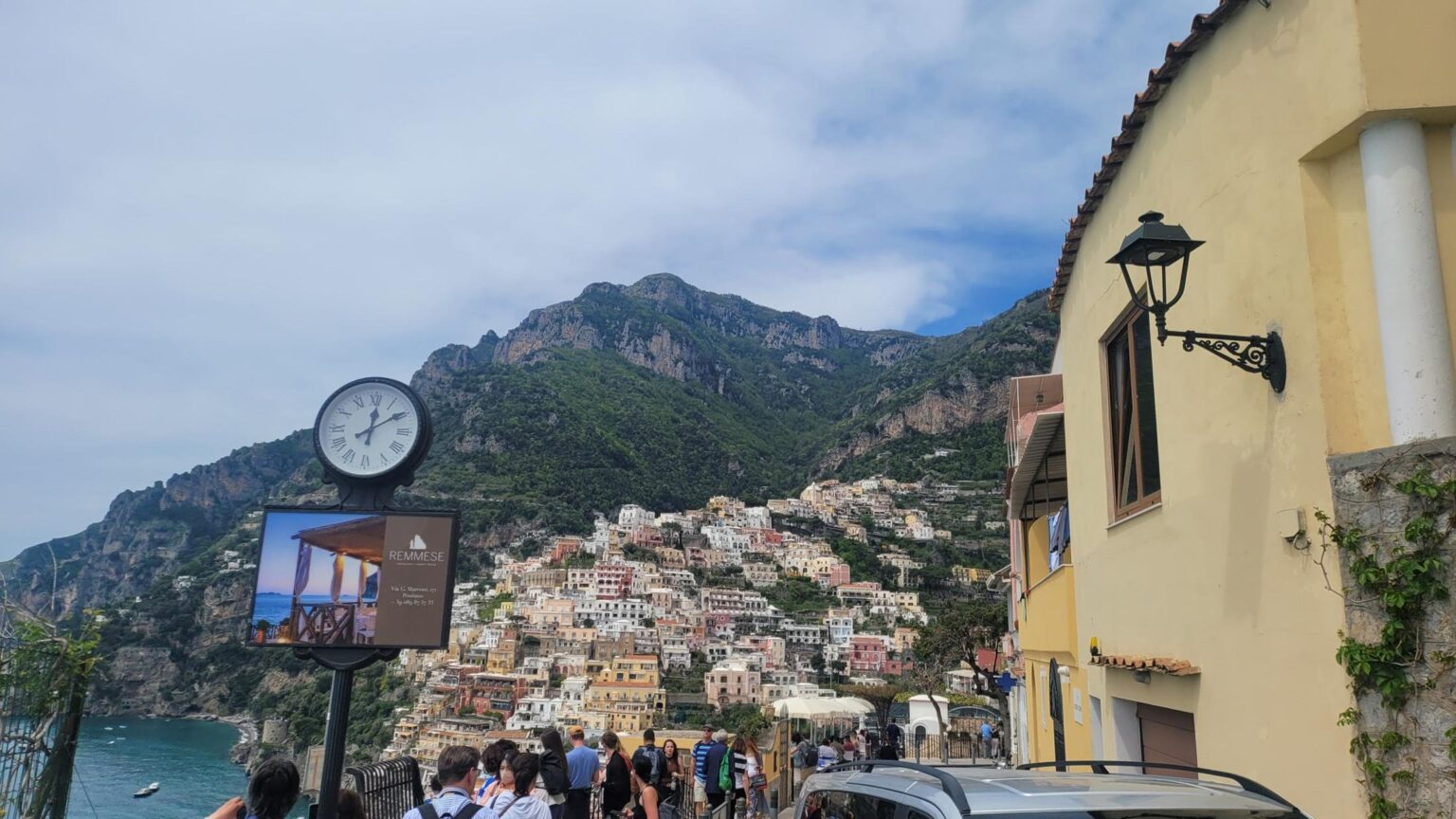
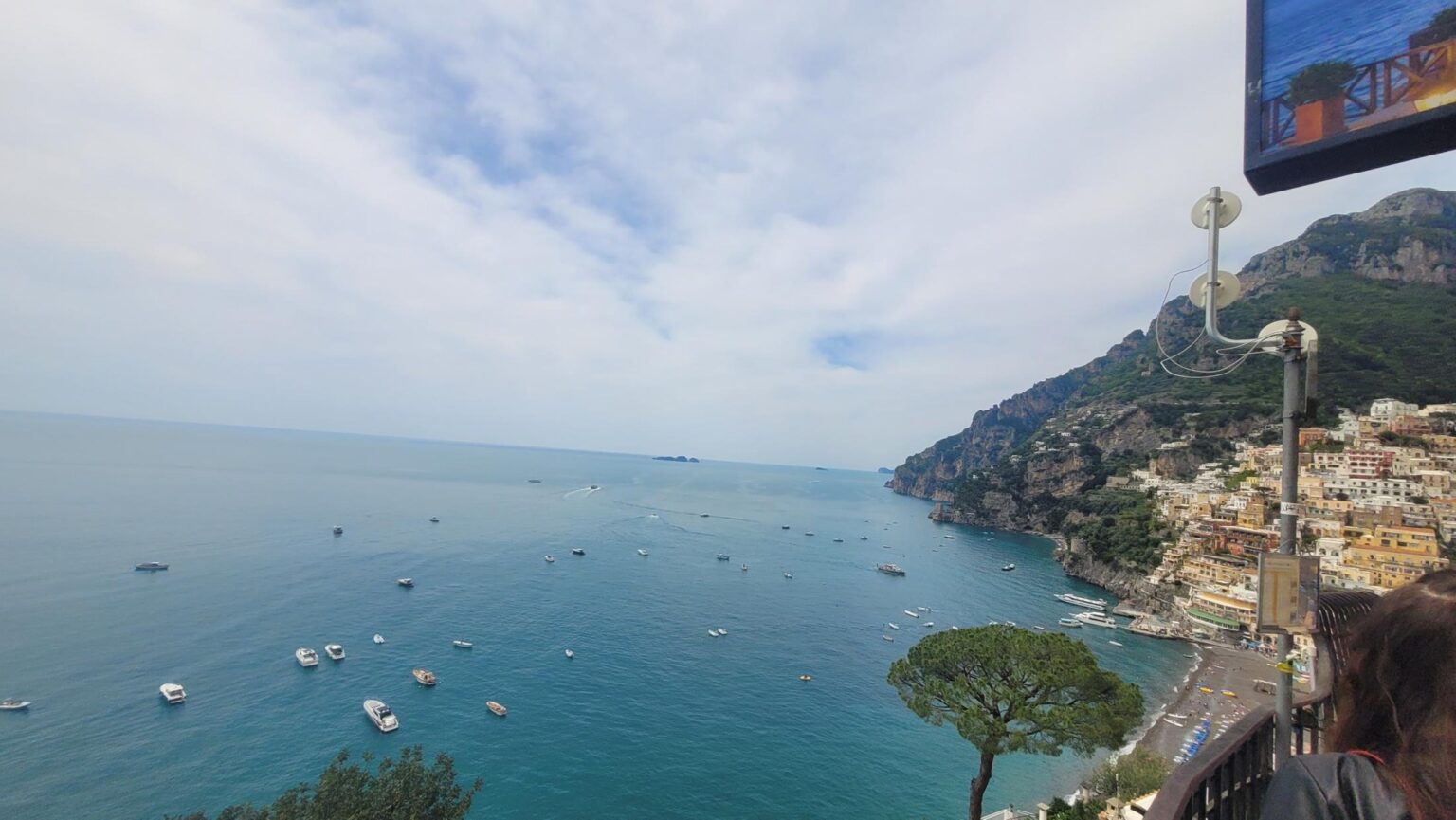
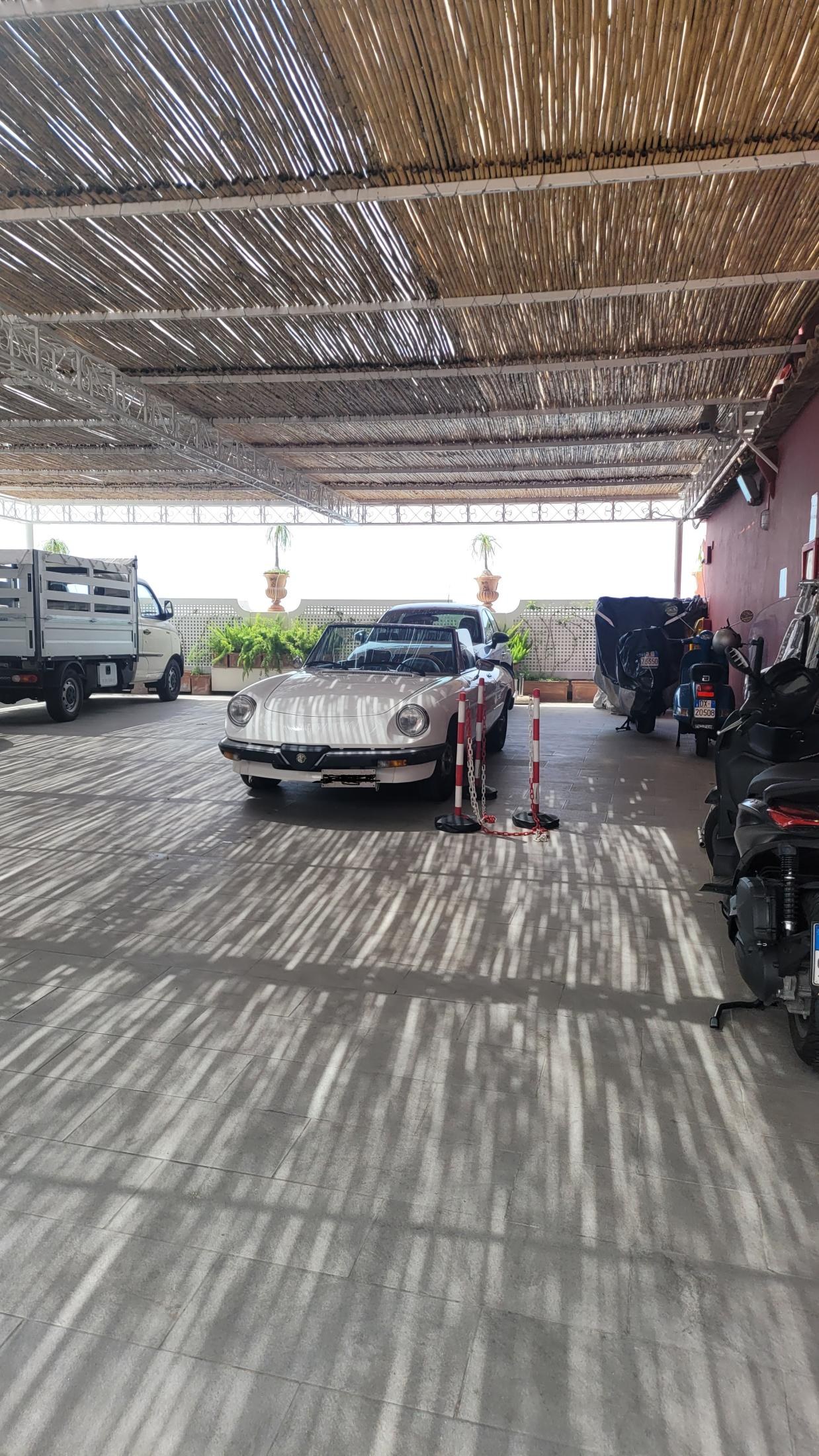
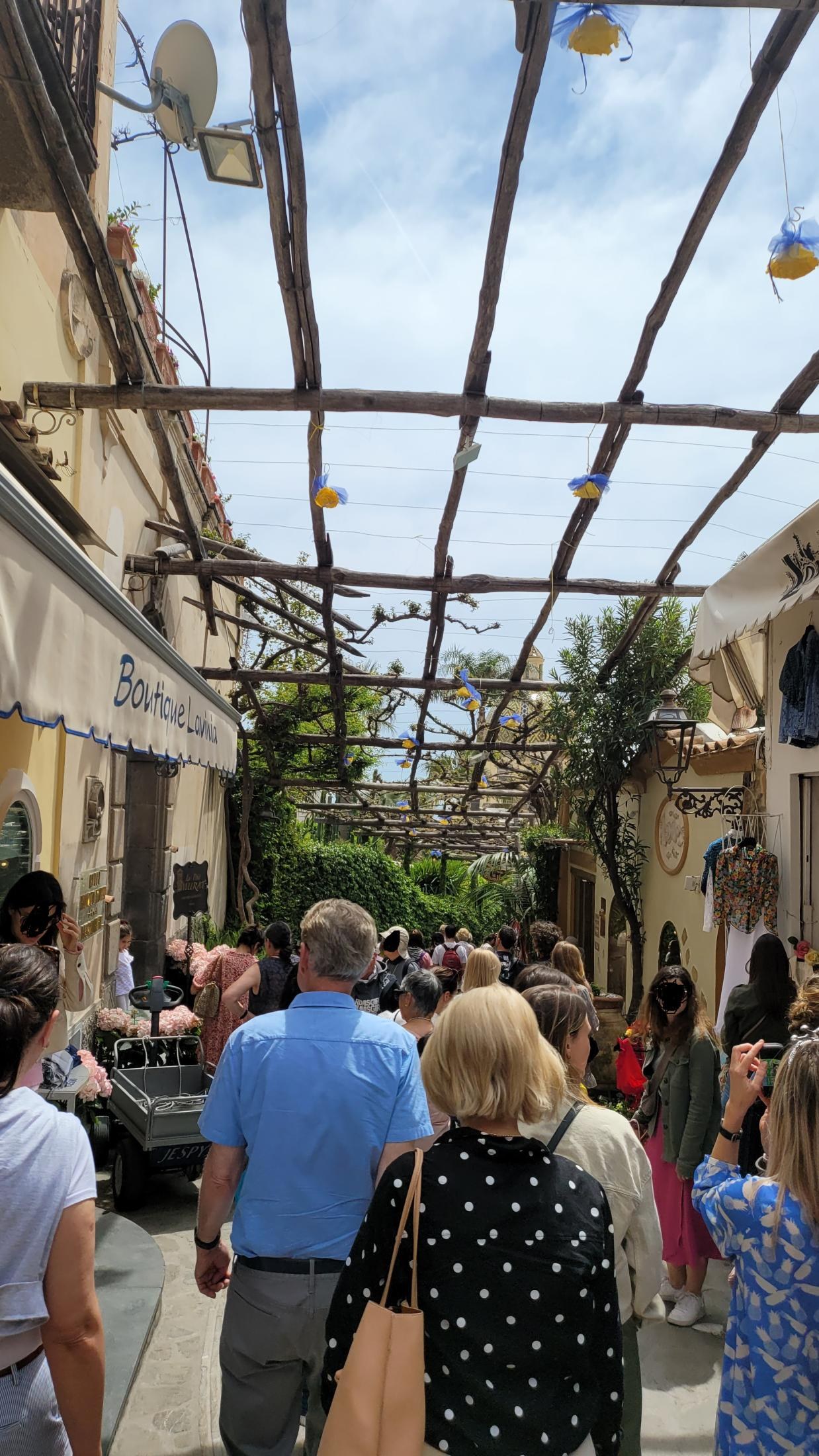
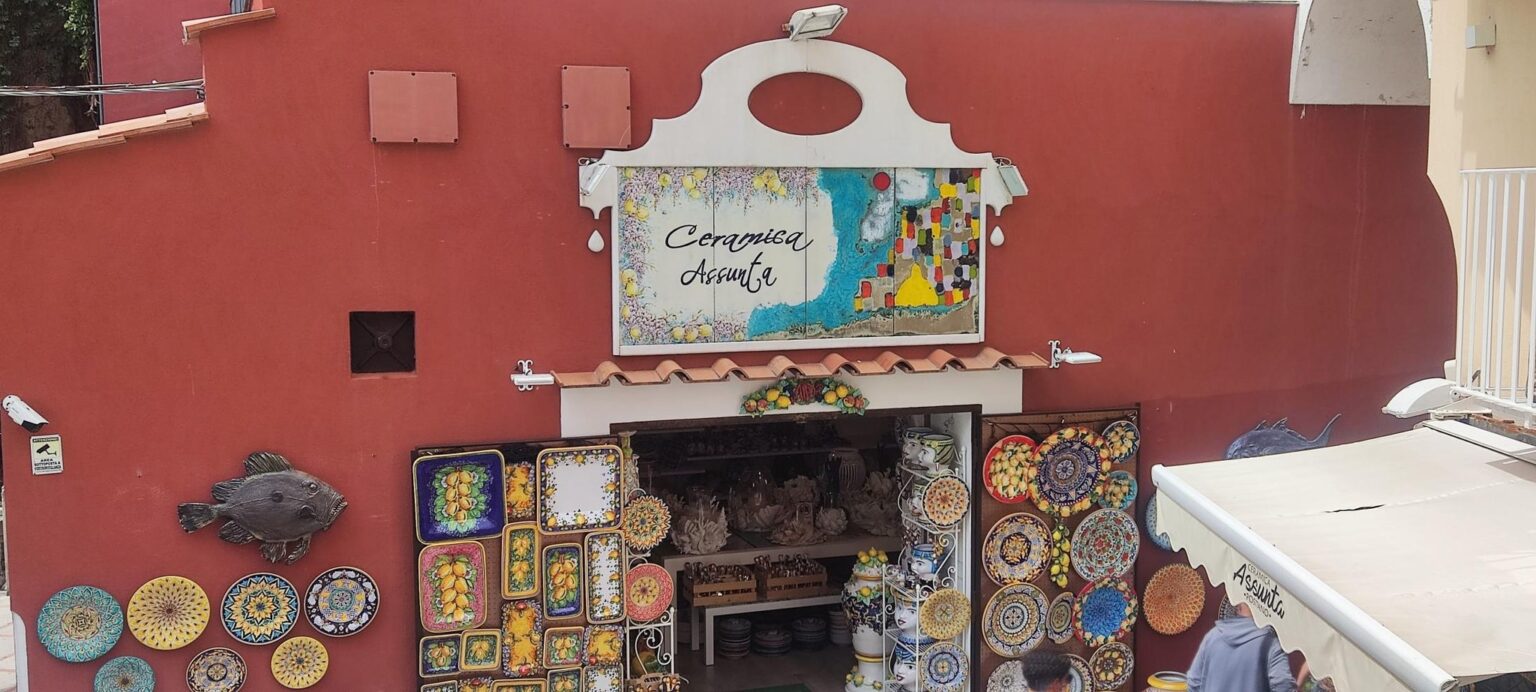
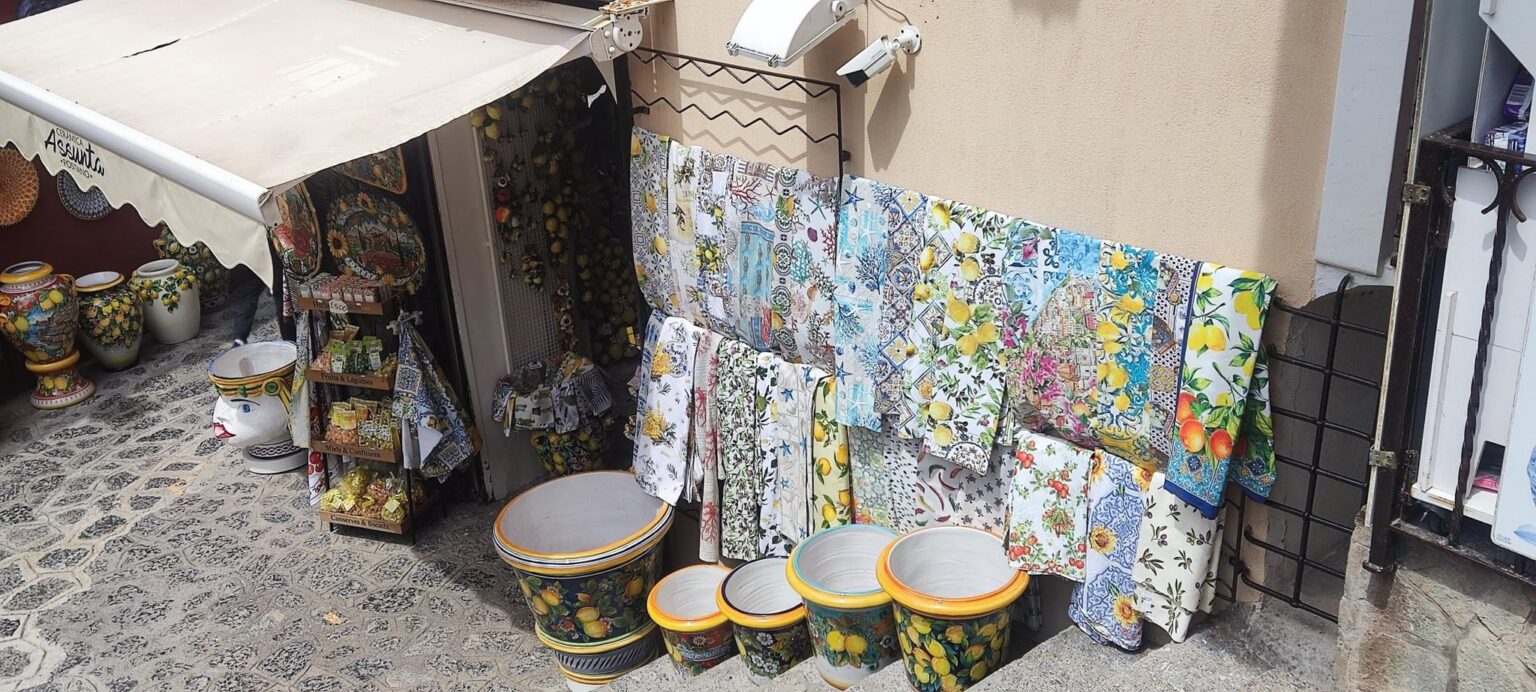
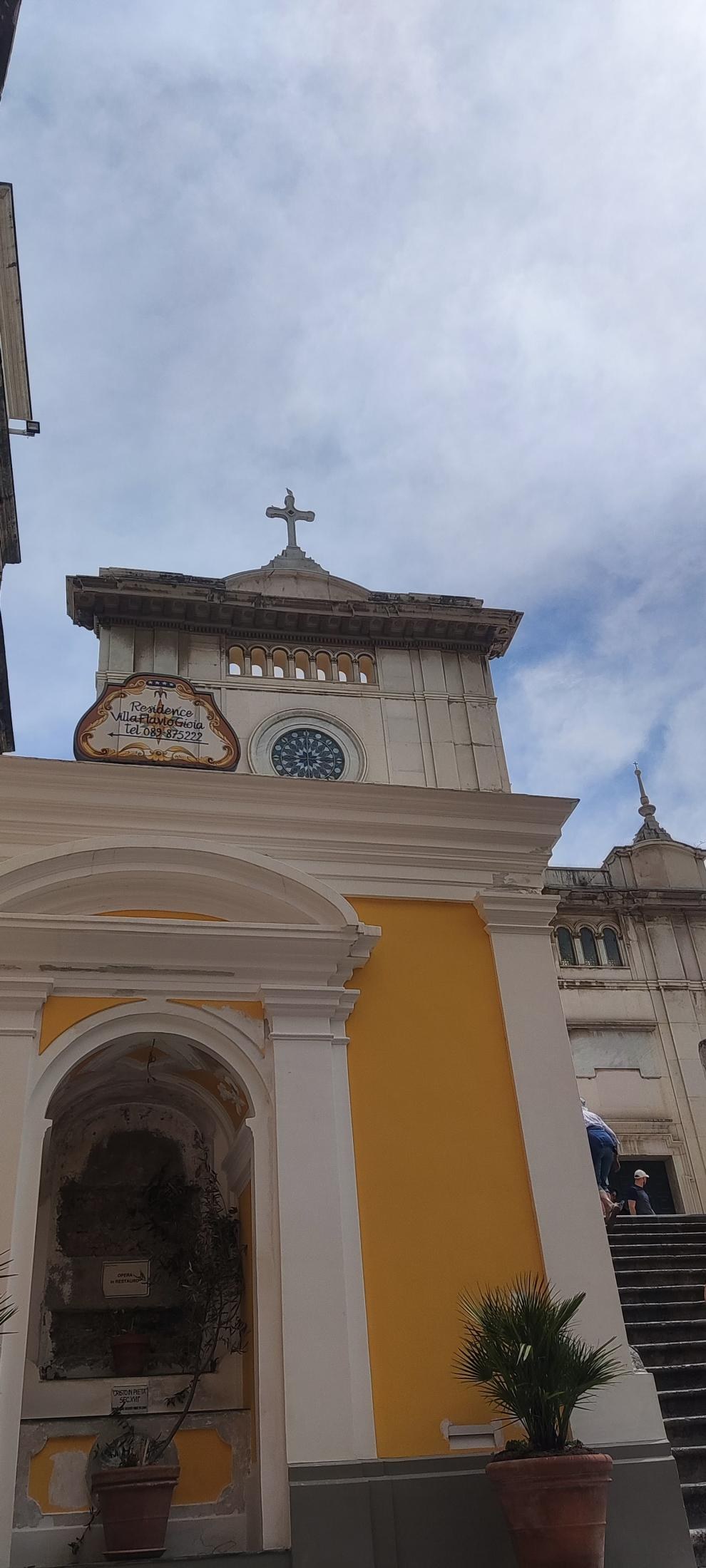
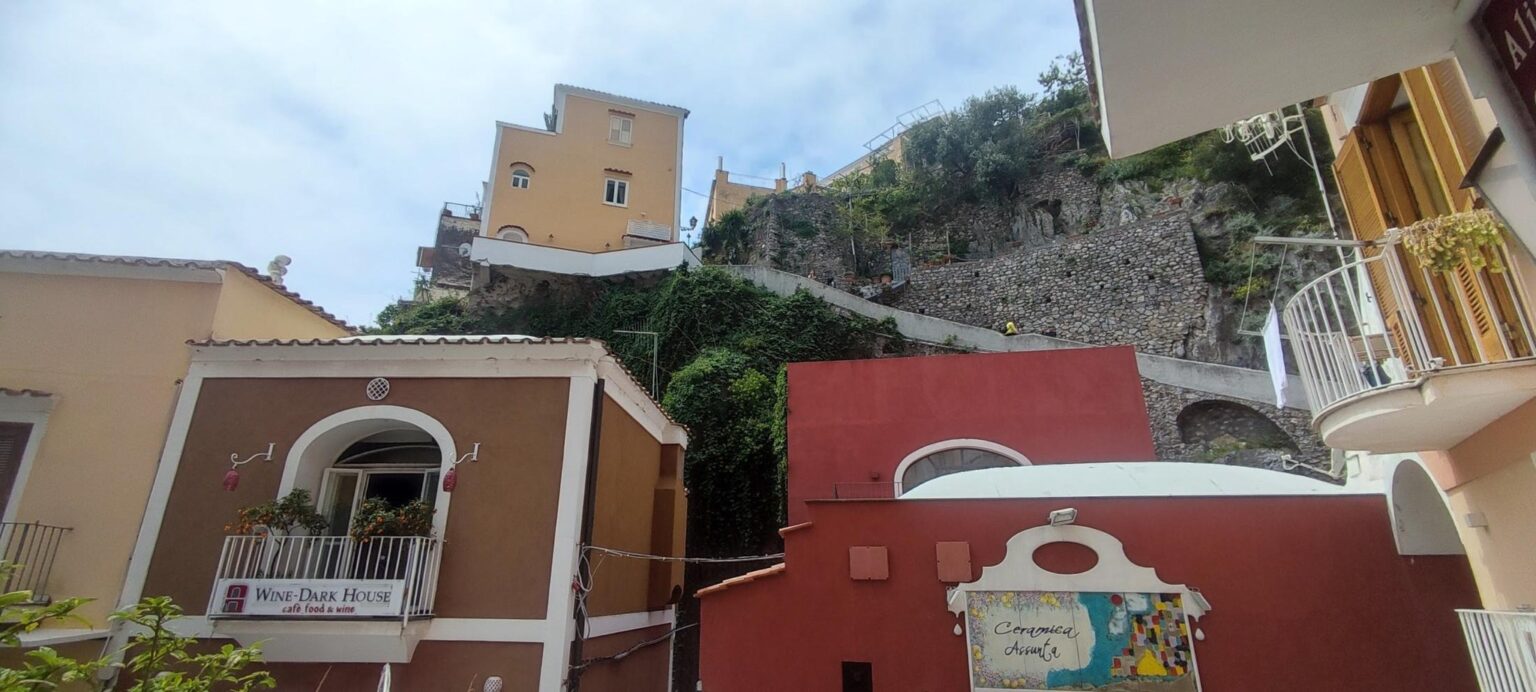
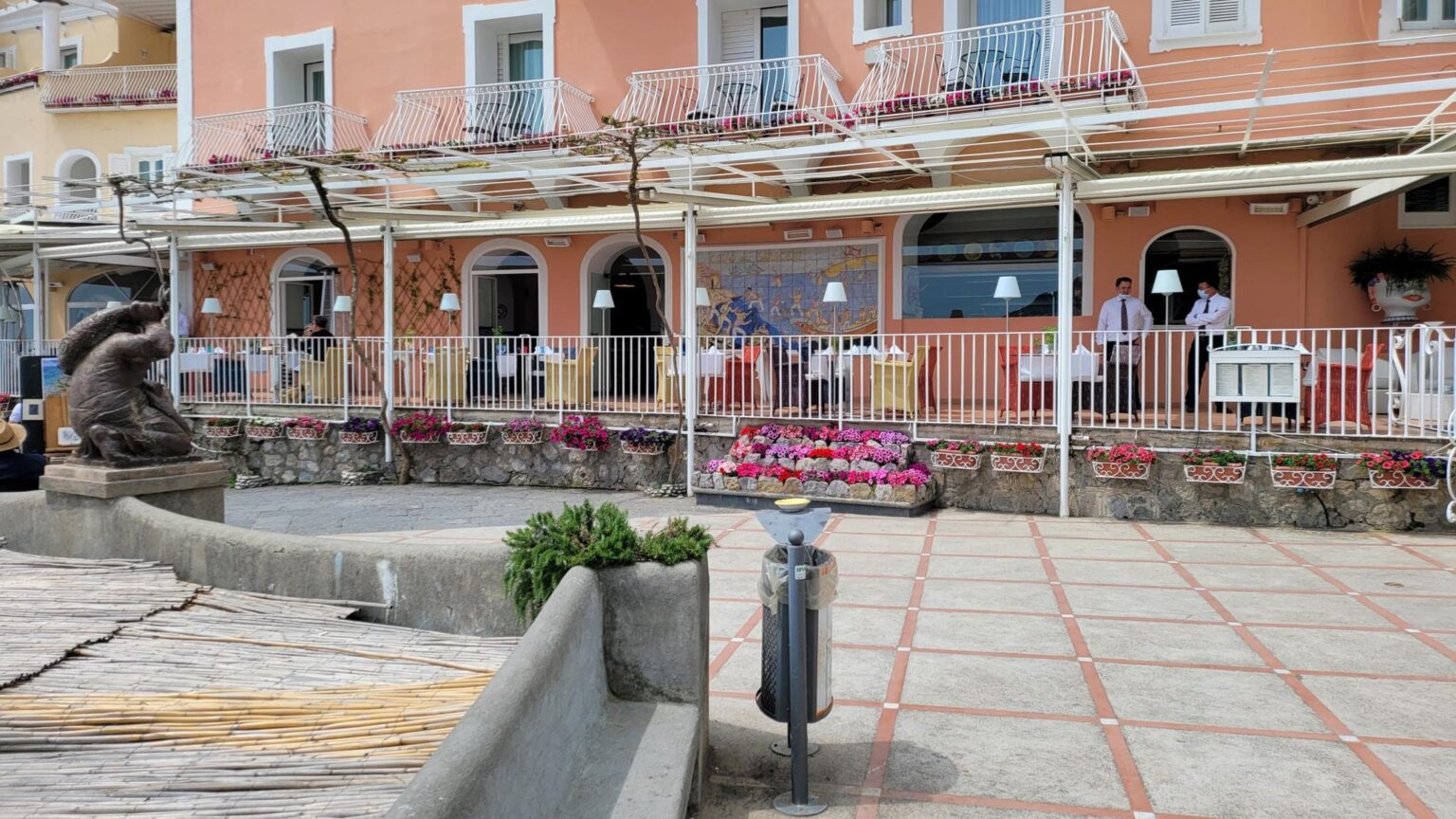
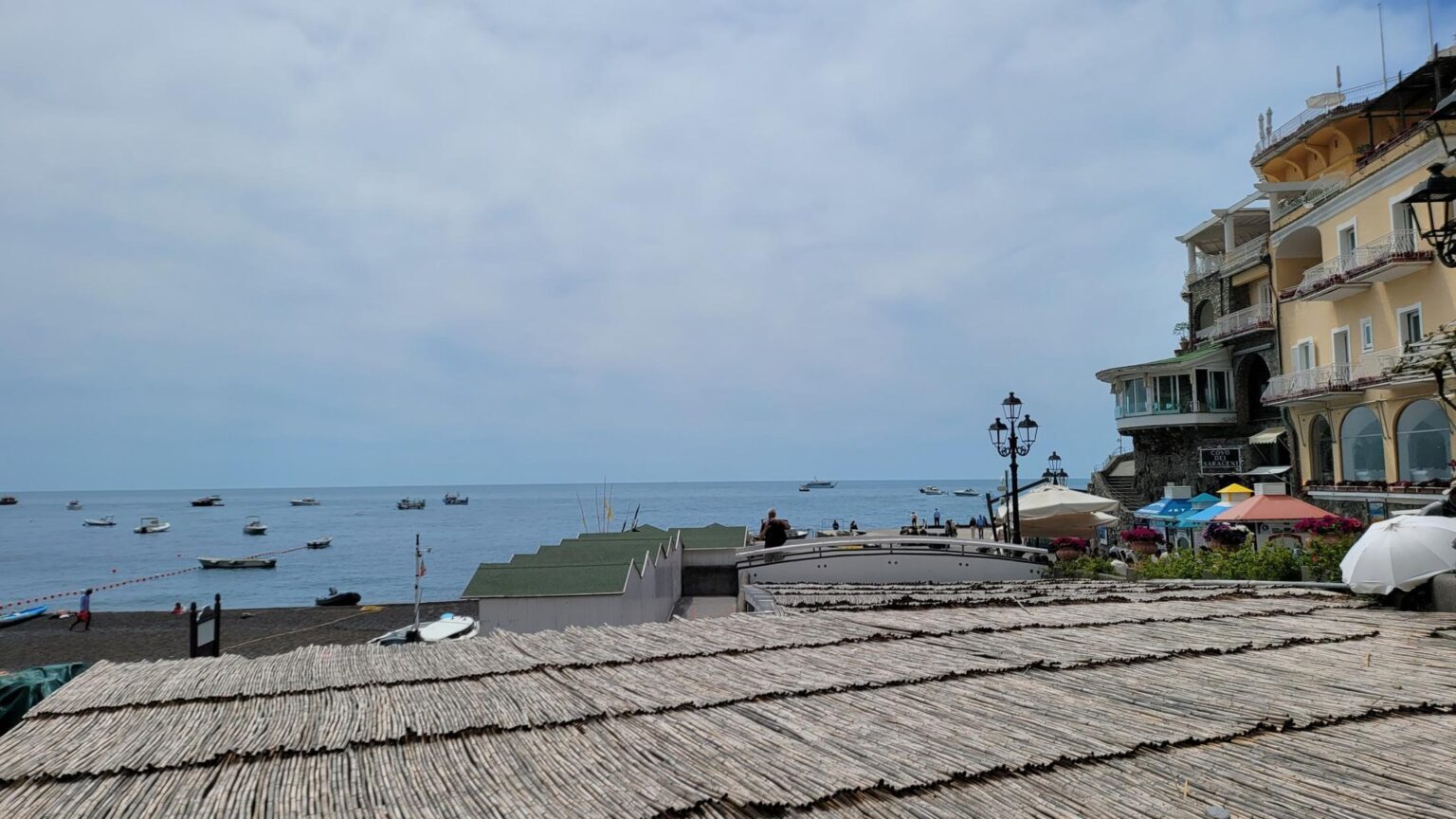
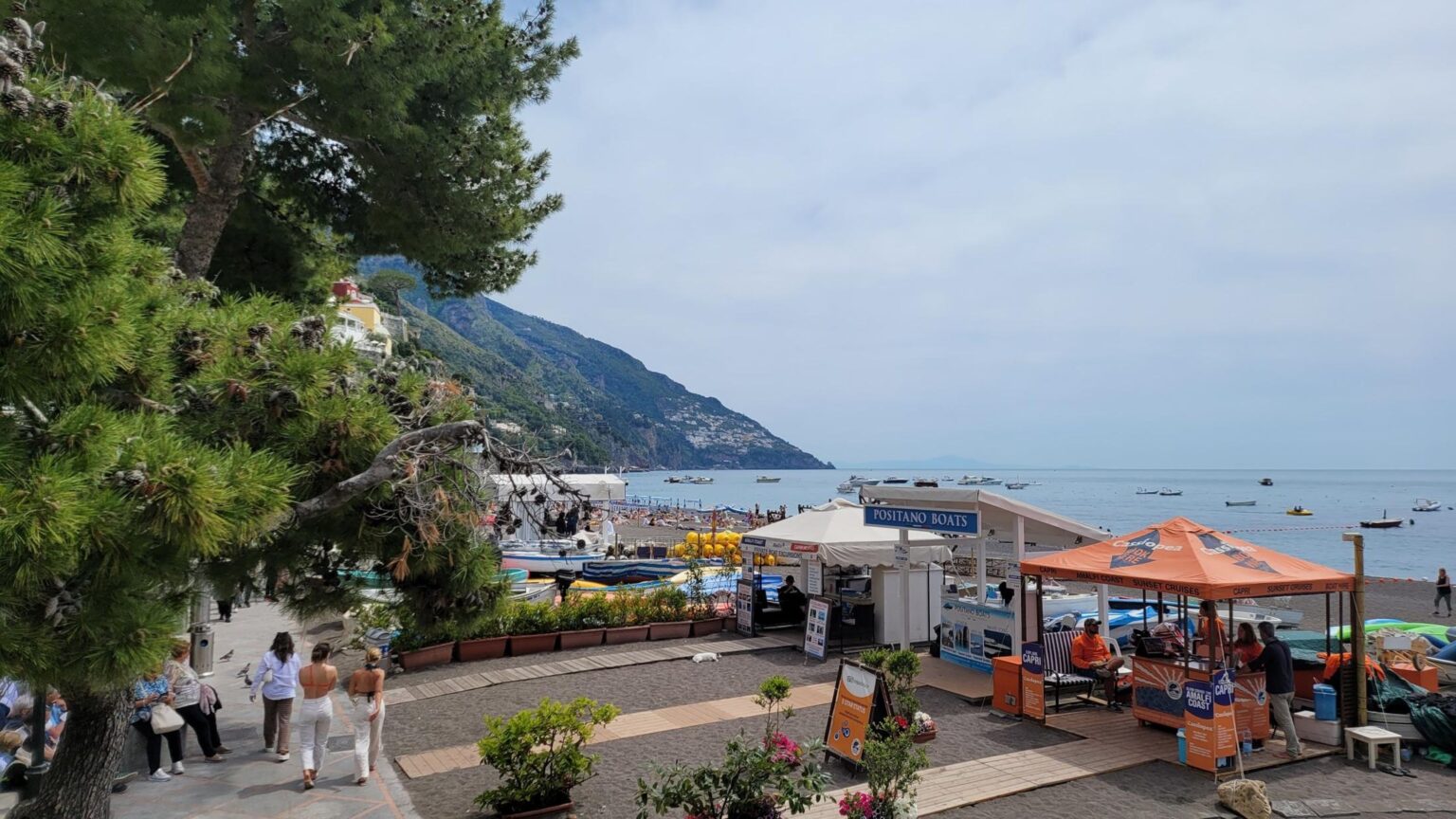
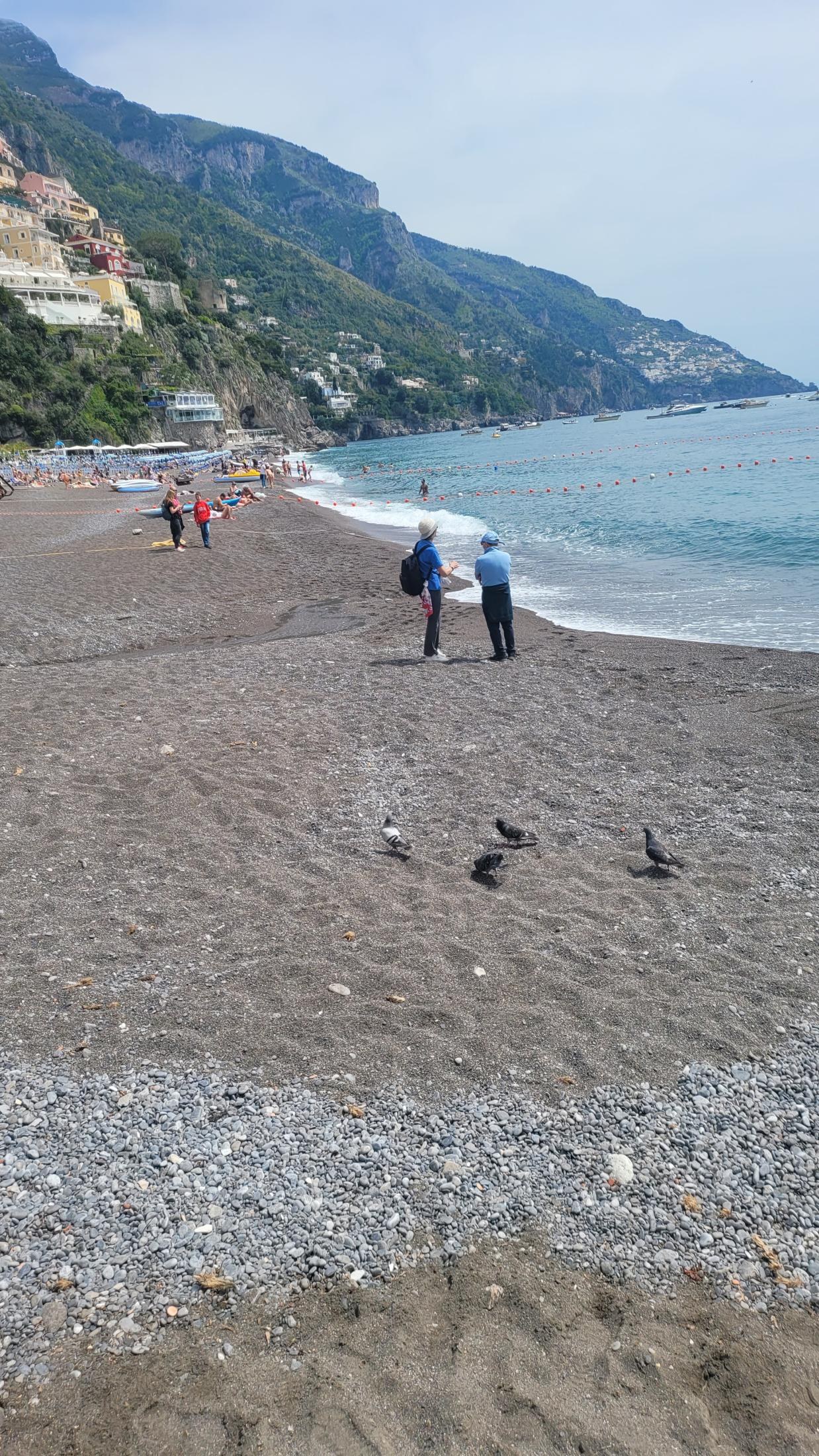
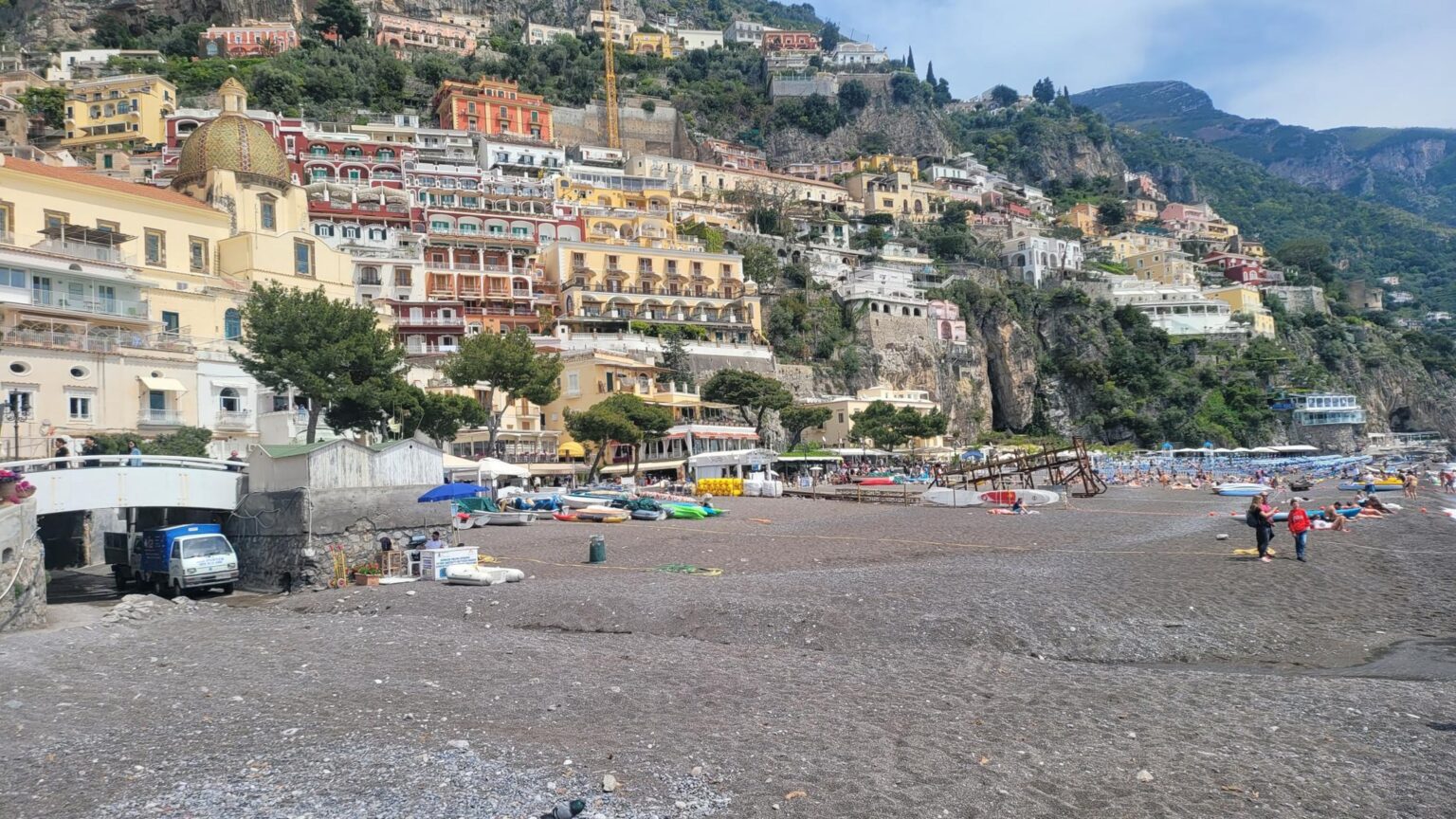
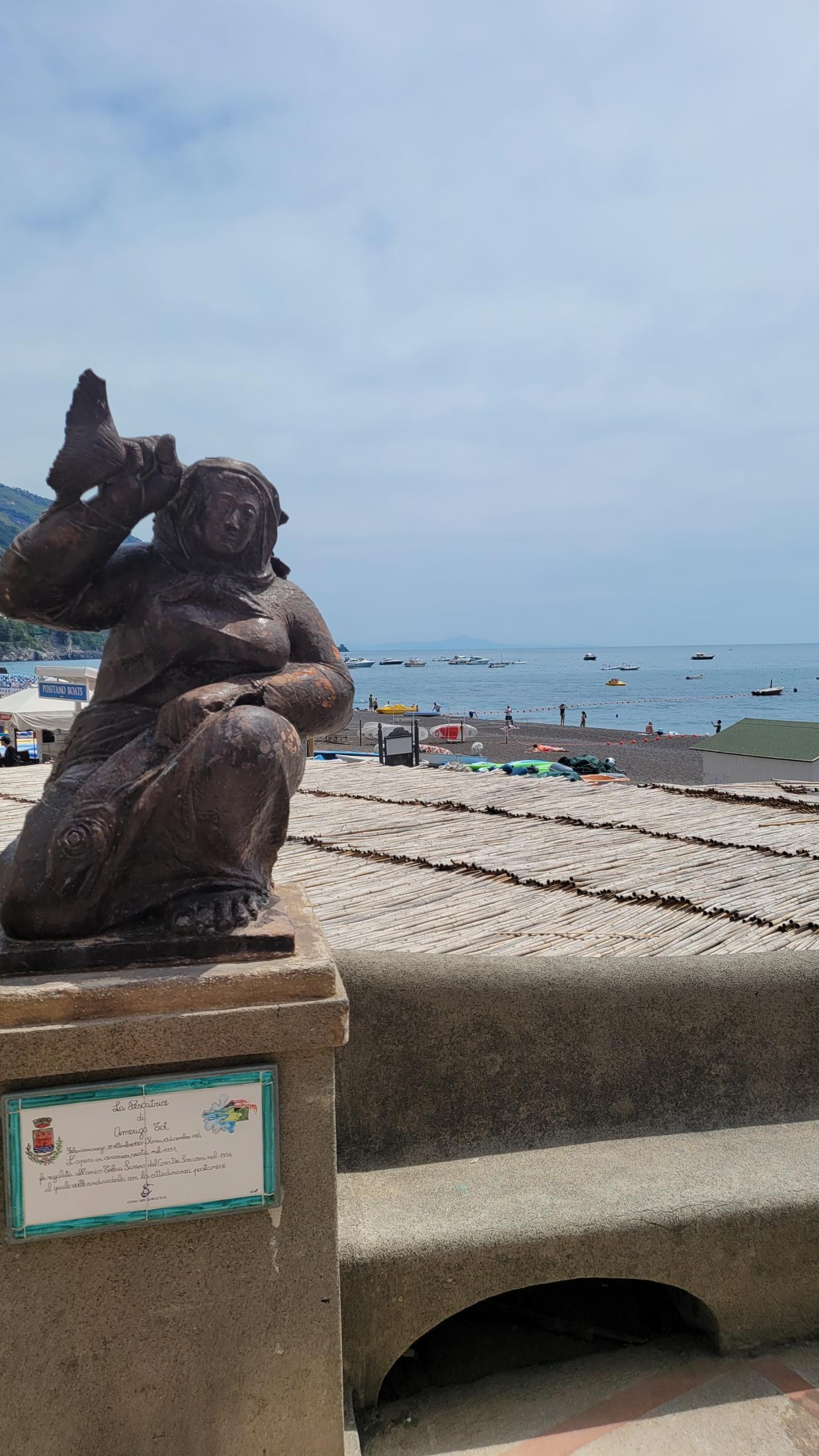
Look, Positano is definitely better and cleaner than Naples, but for that kind of money… clean-clean, how clean can it possibly be?! 😀 We continue towards Amalfi, more hairpins, more furious drivers, horns going off constantly. Another hour and we are there.
Amalfi
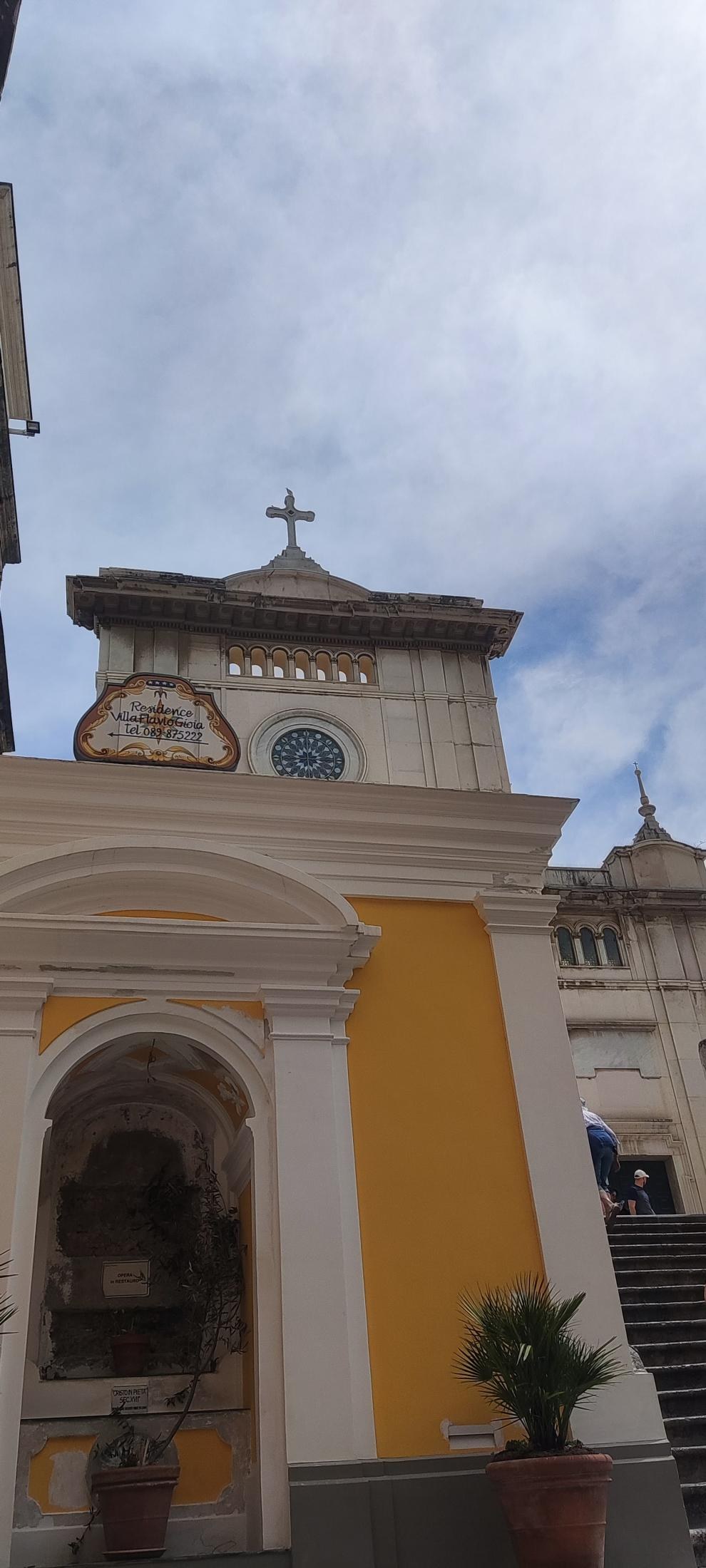
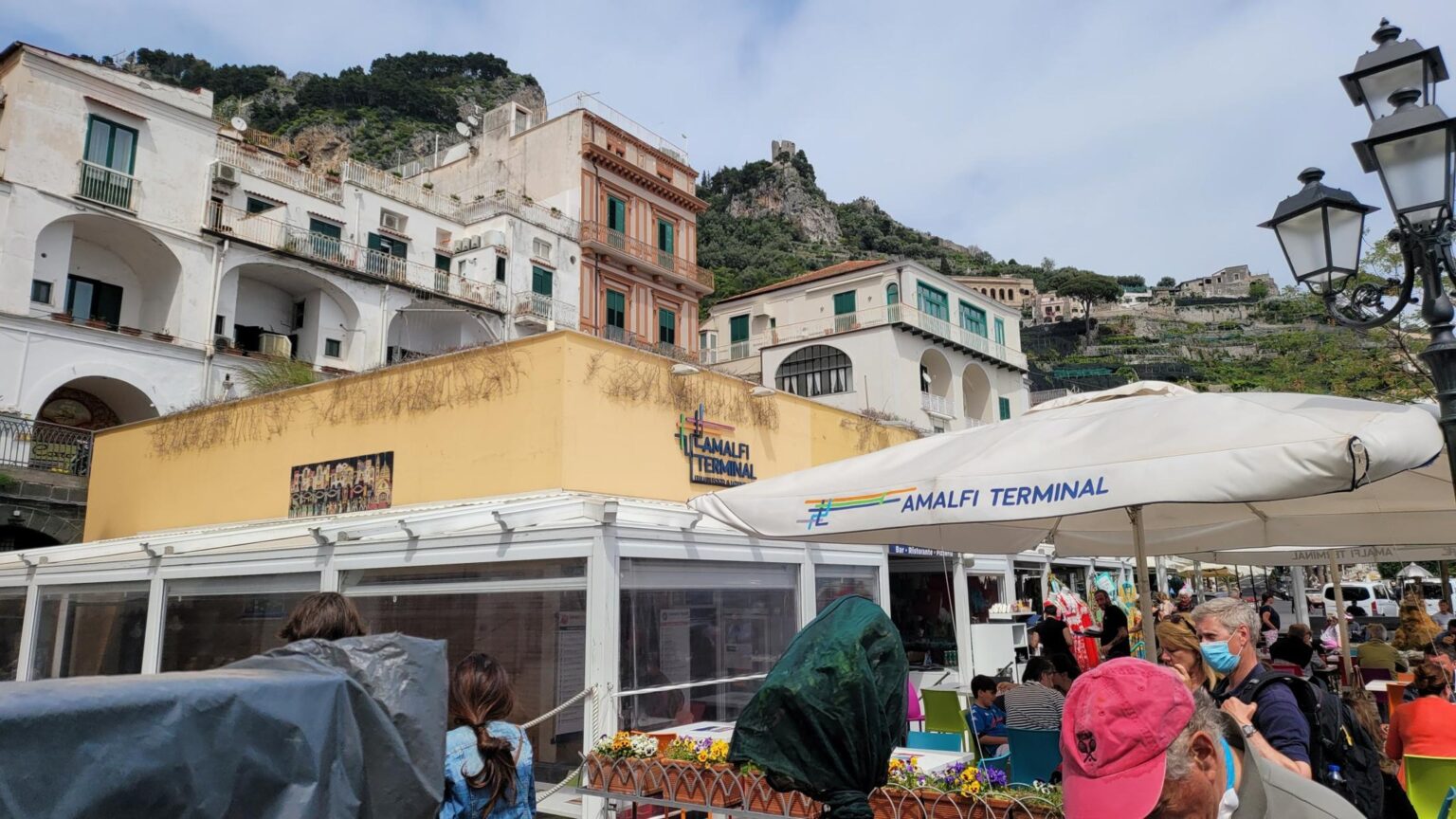
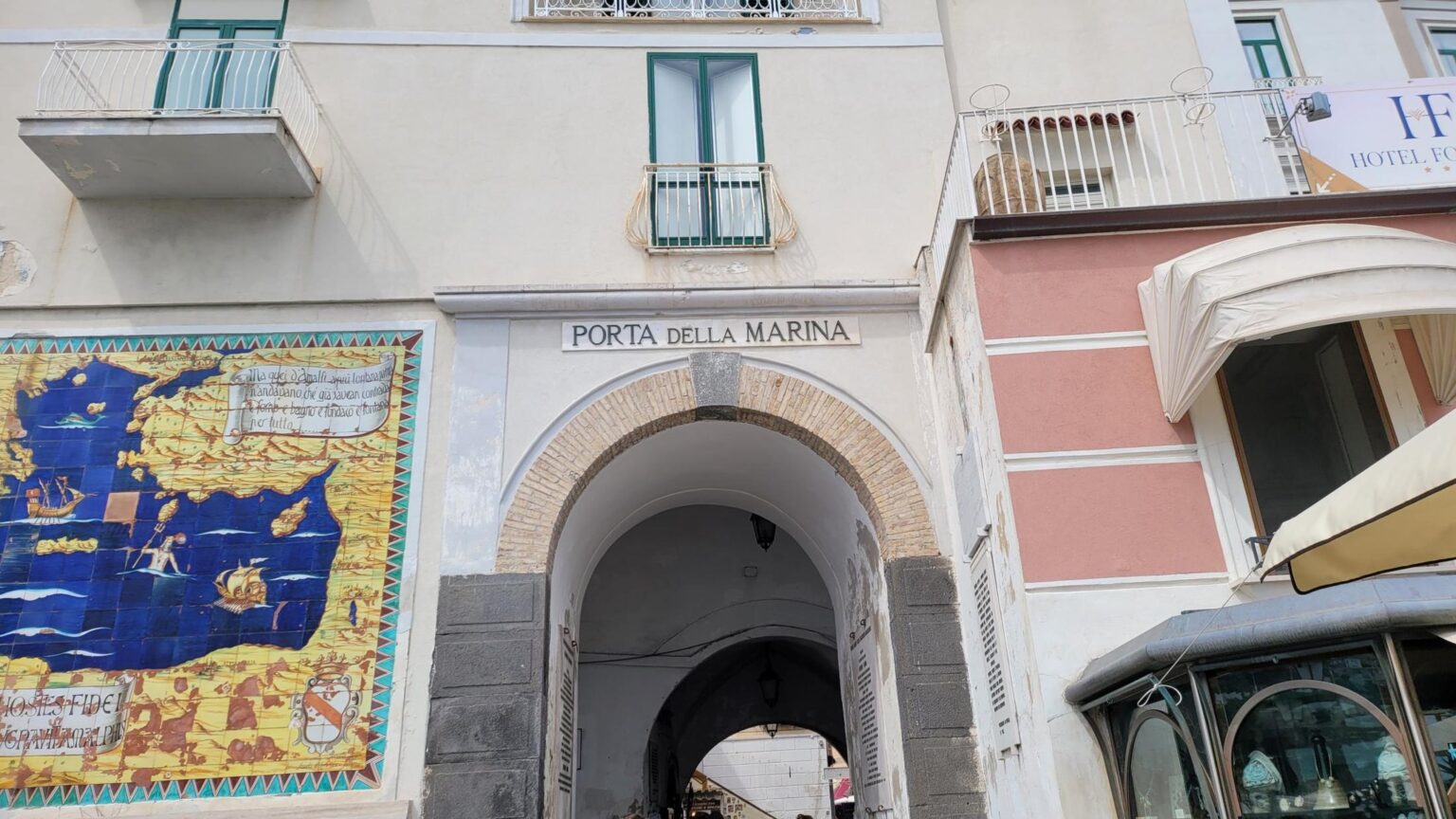
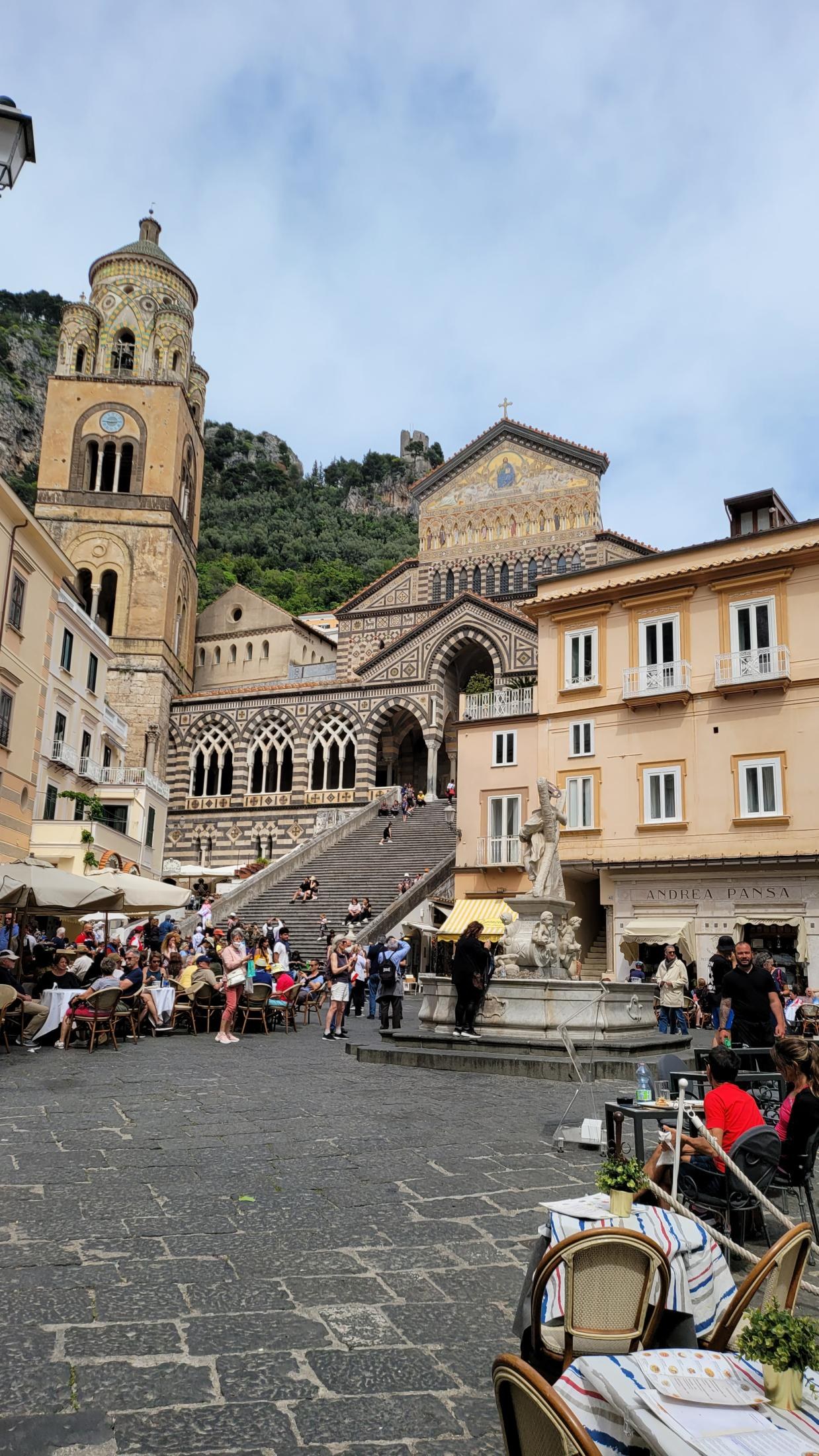
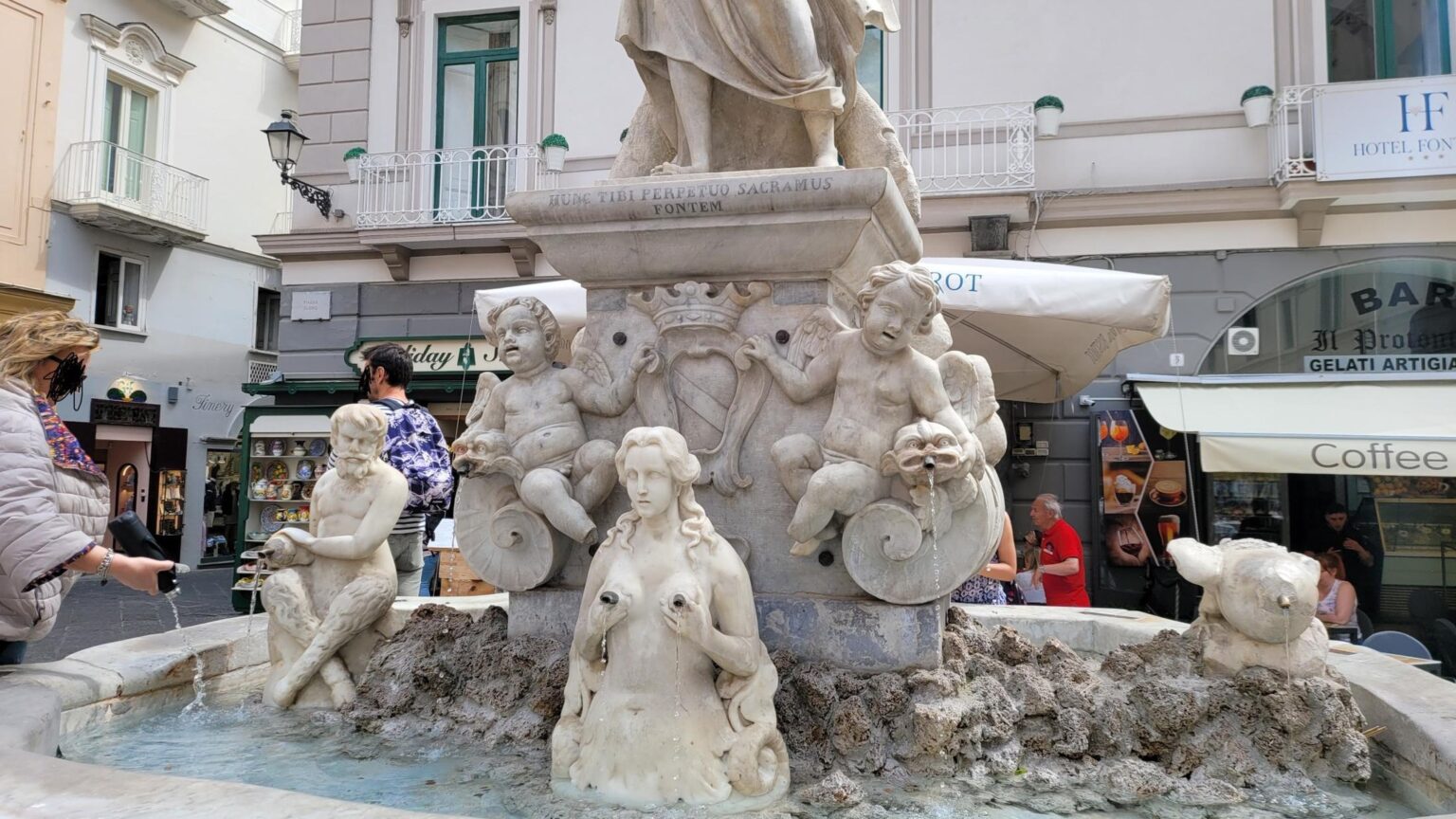
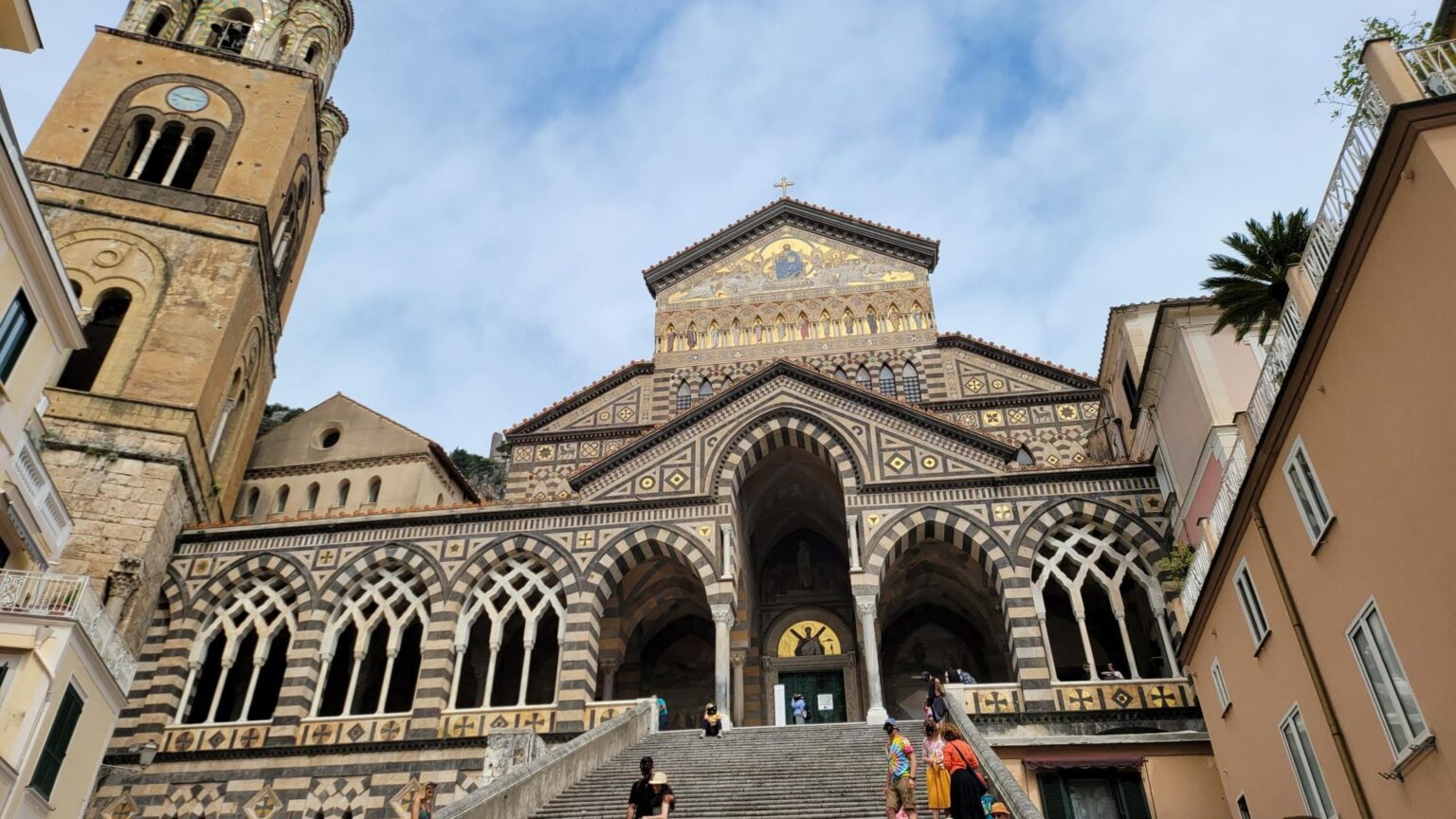
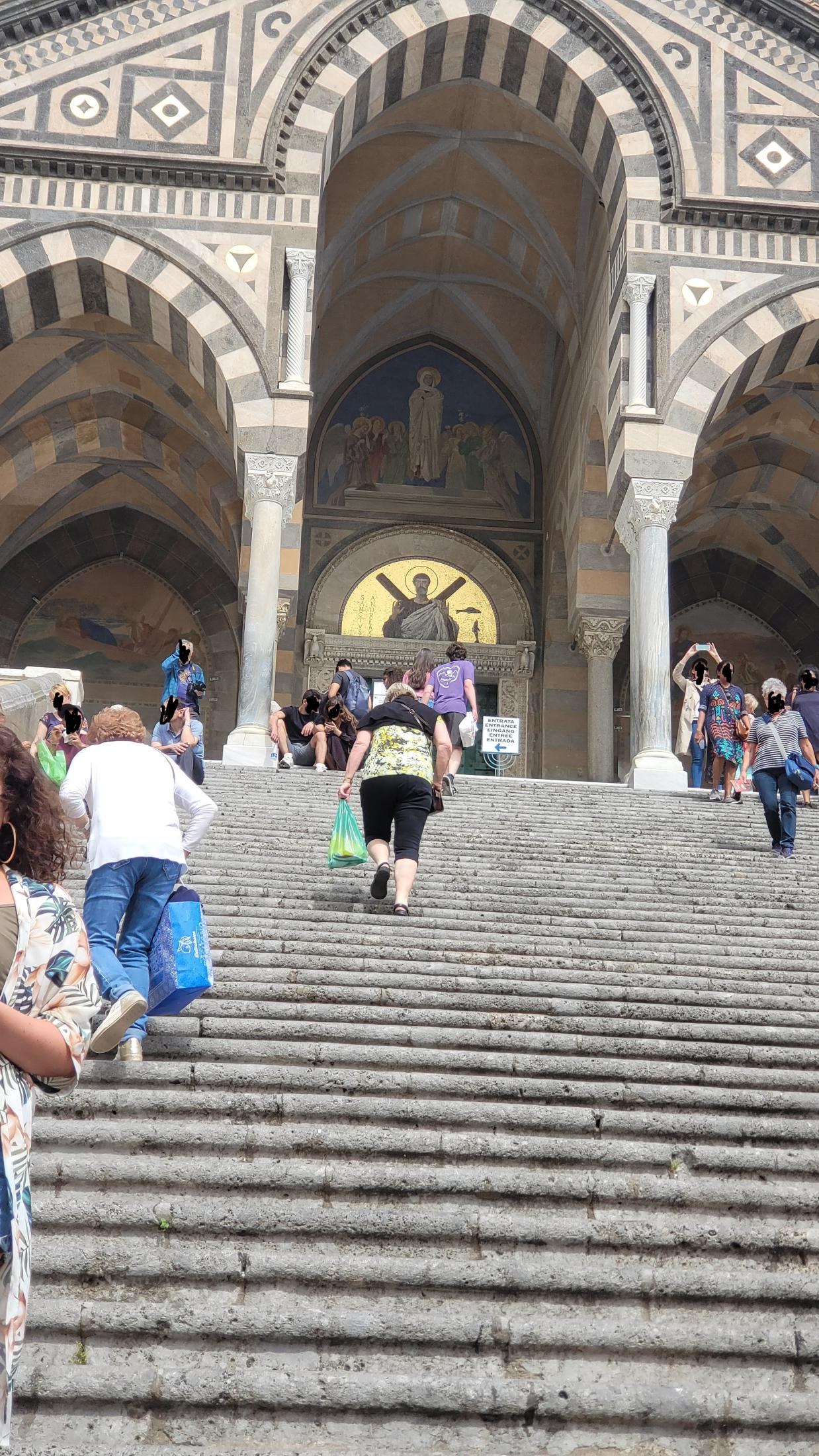
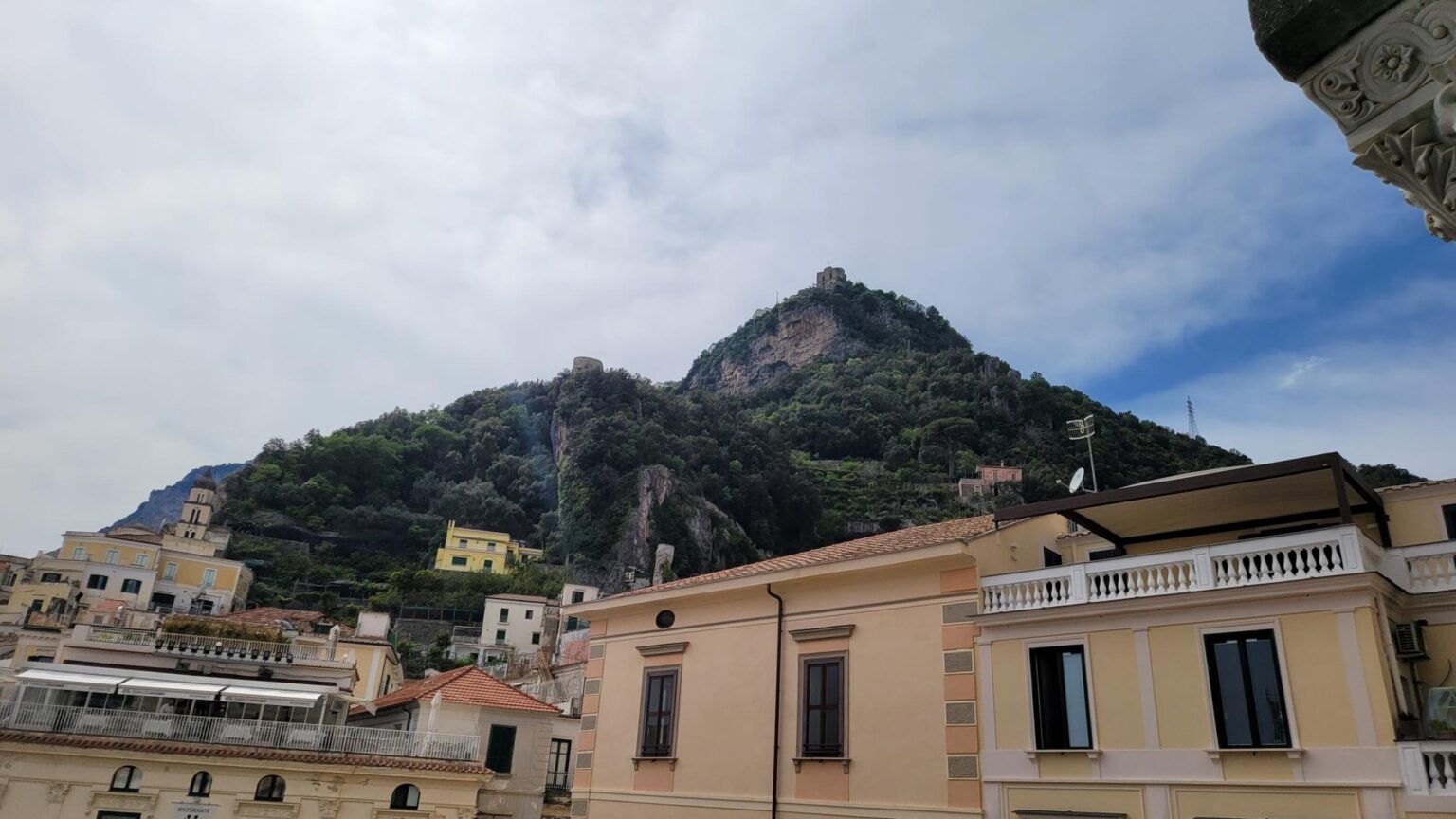
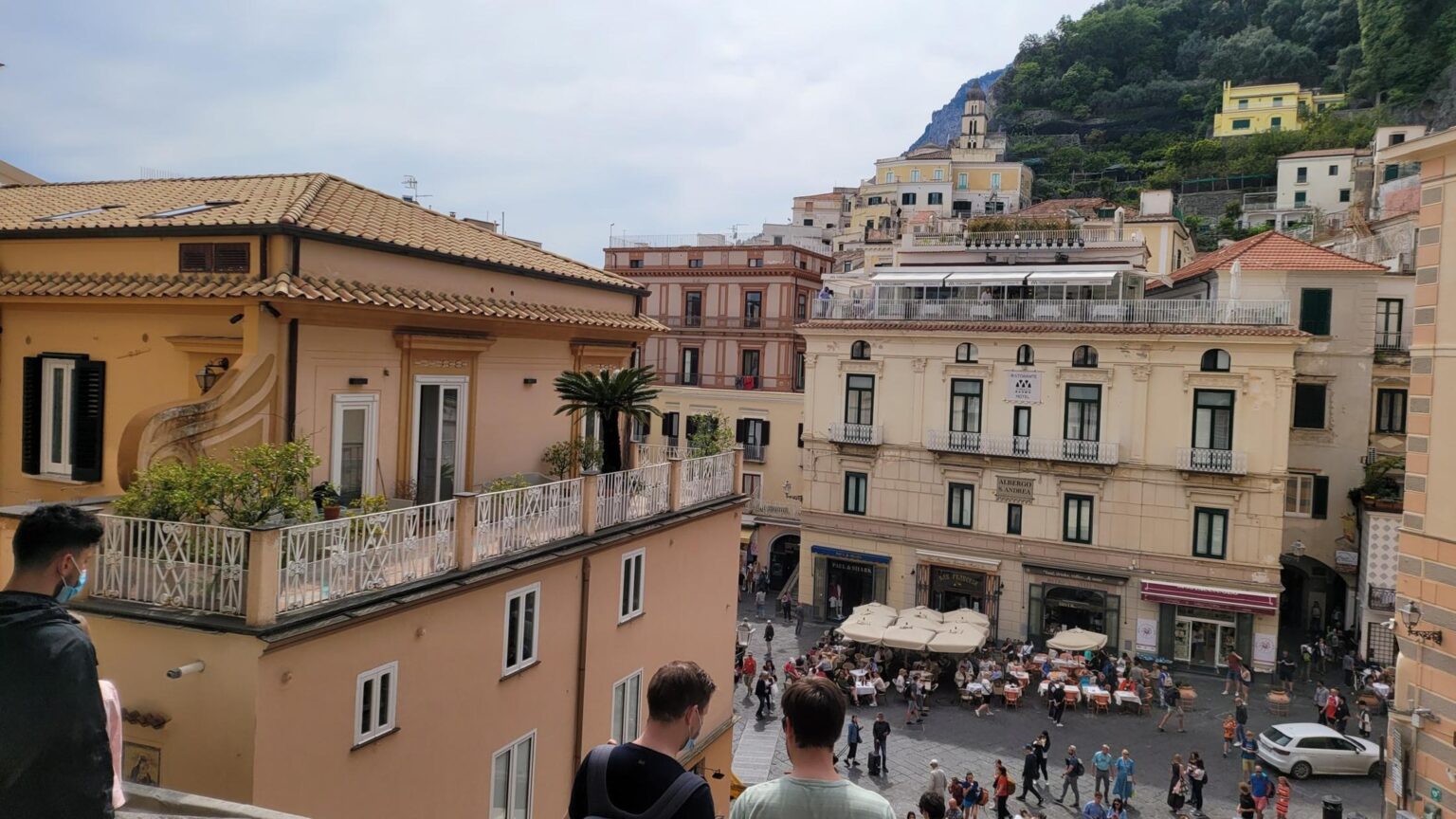
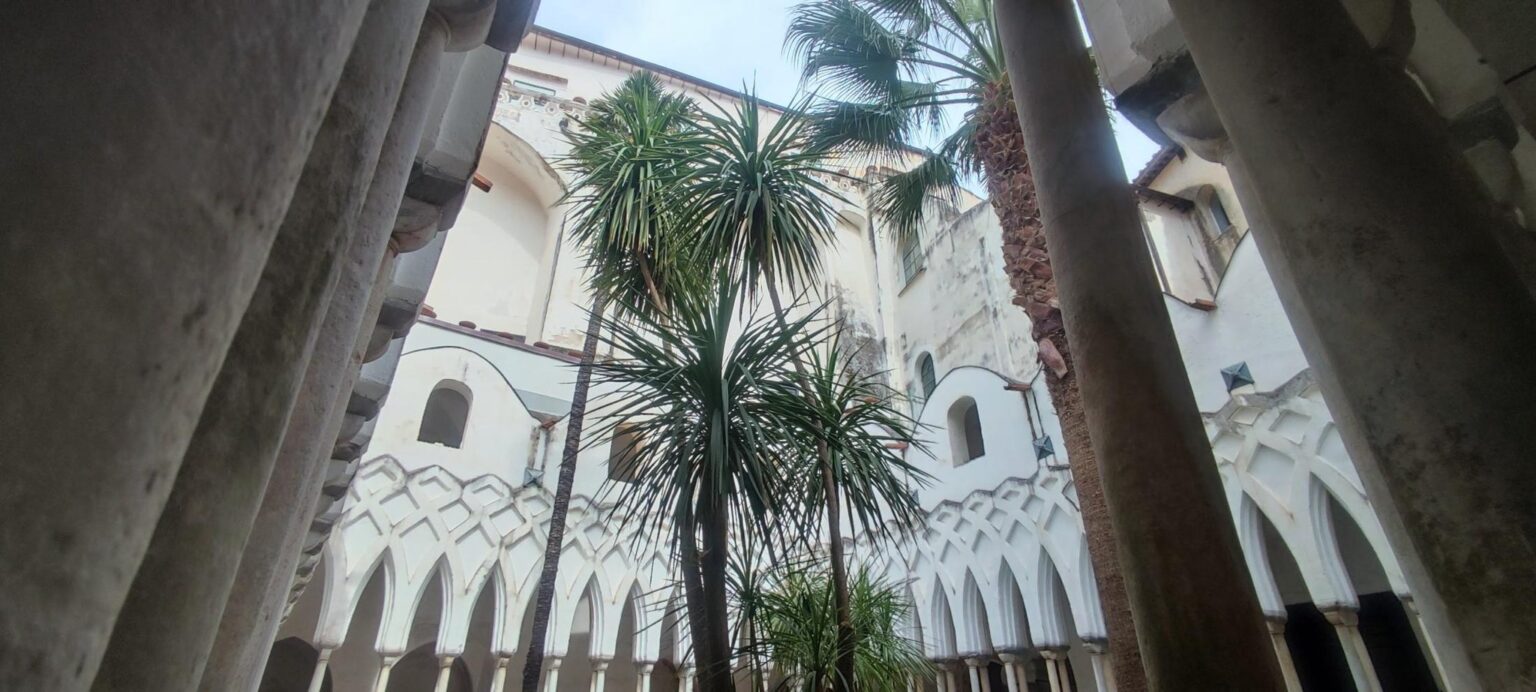
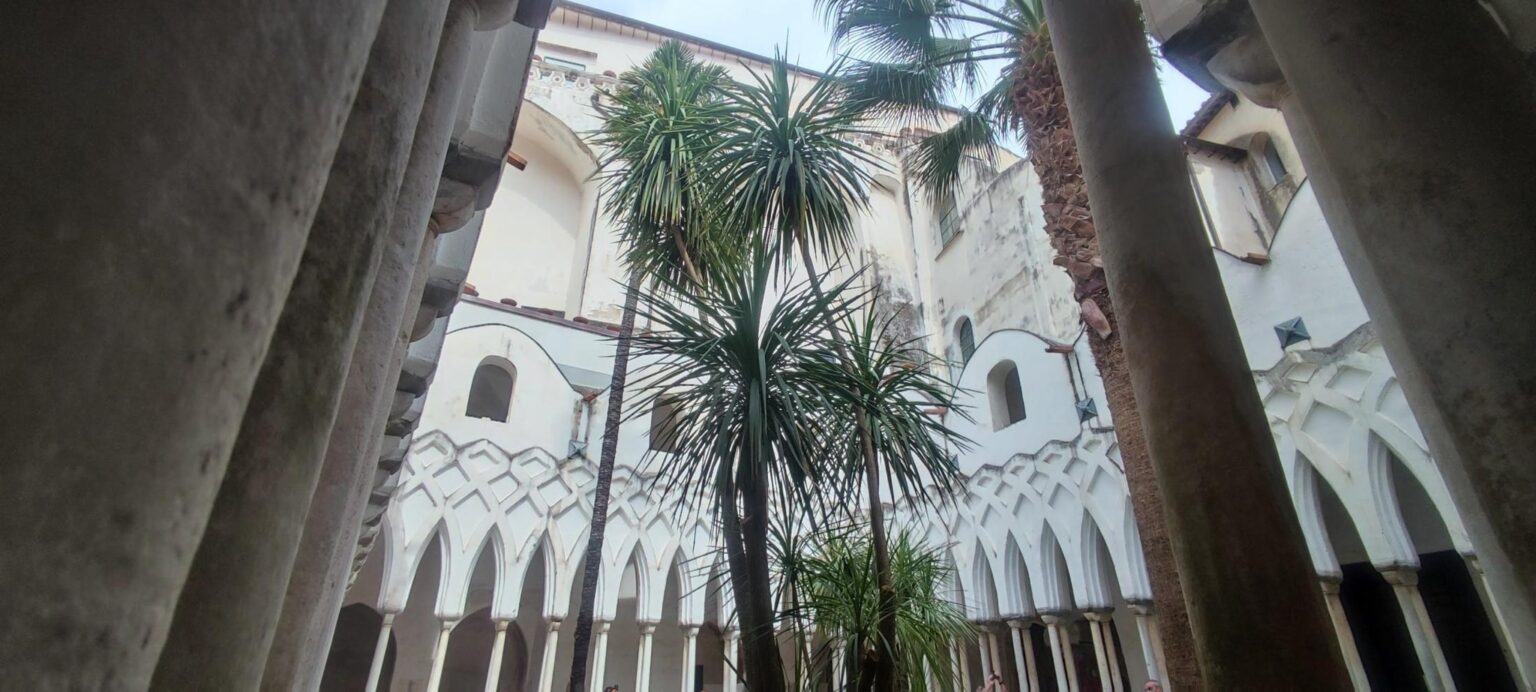
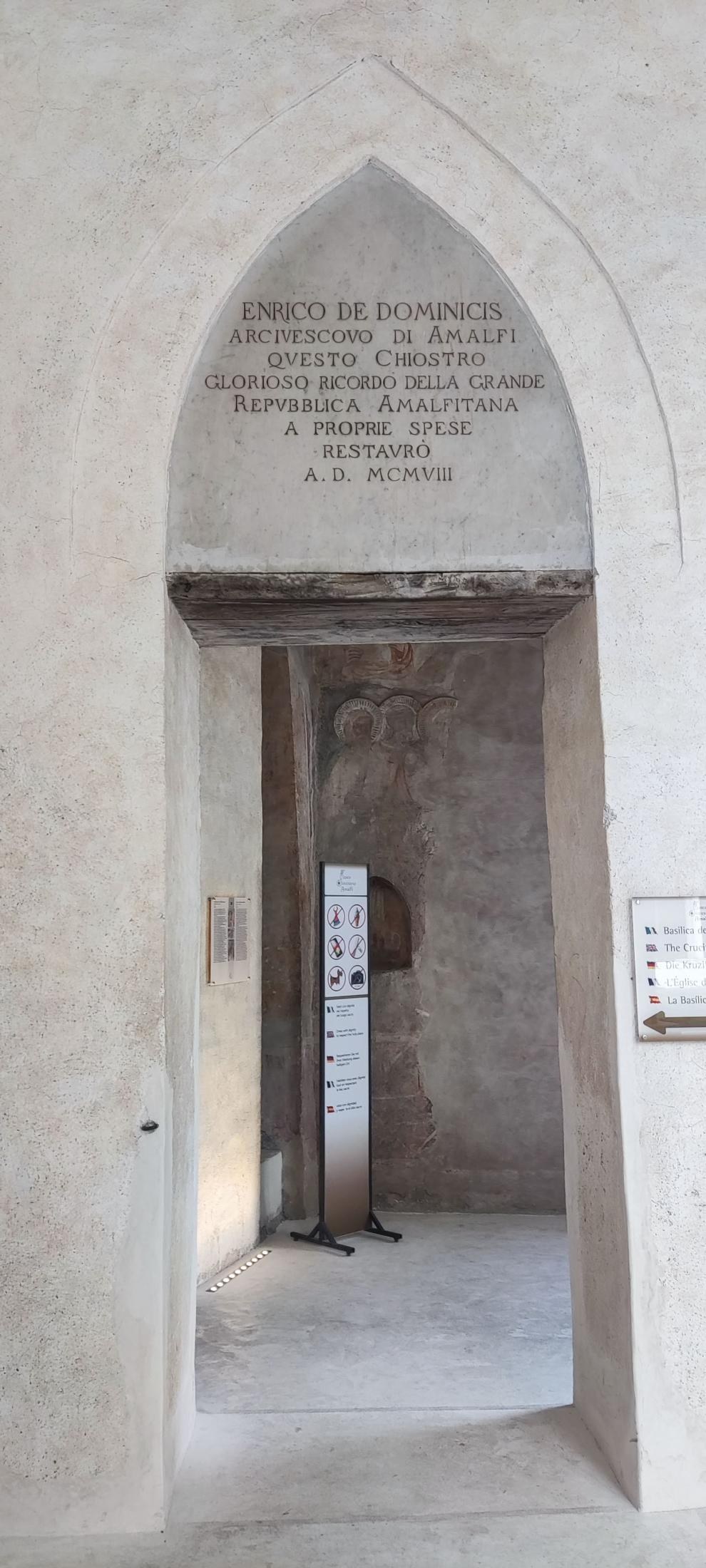
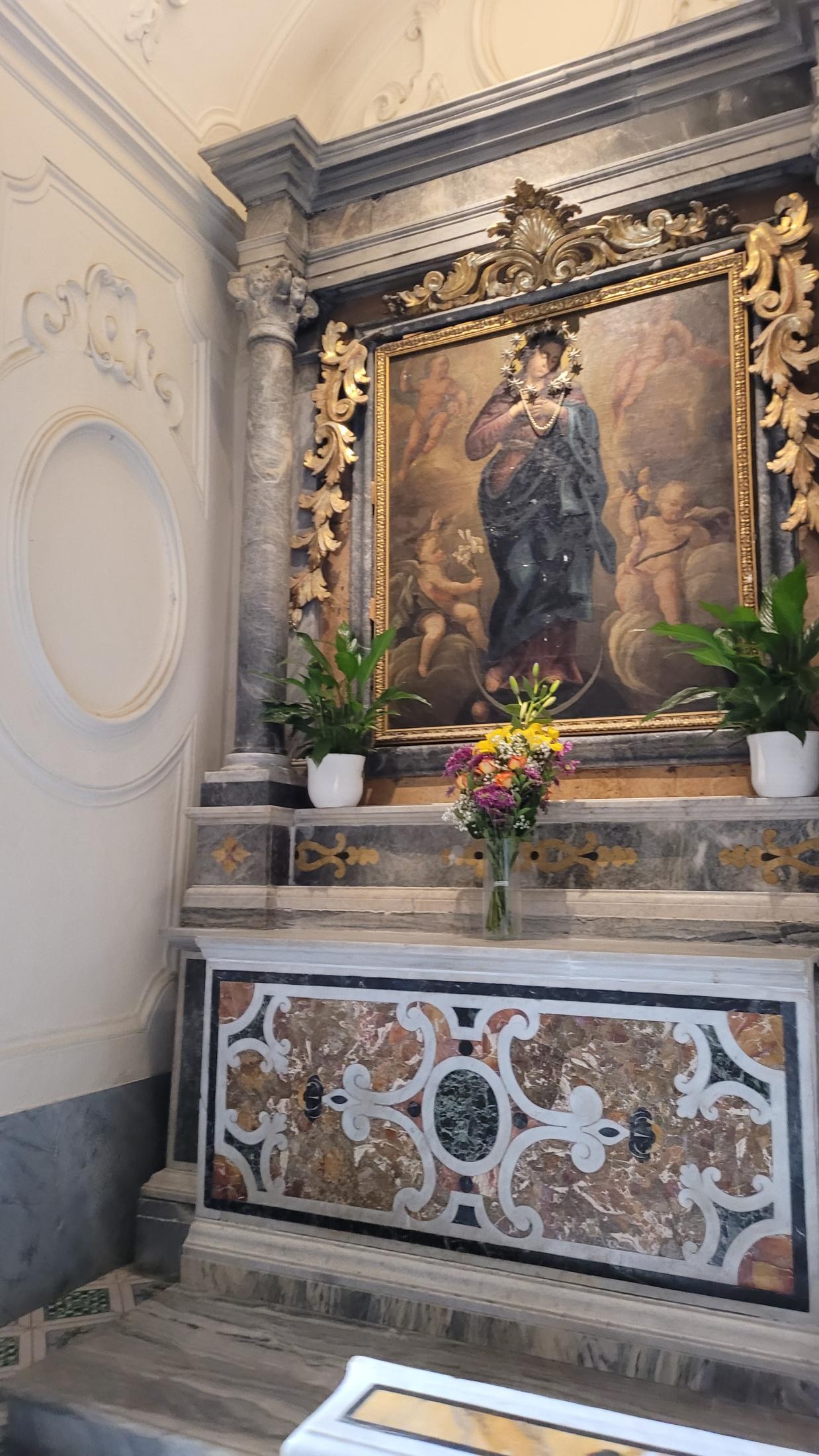
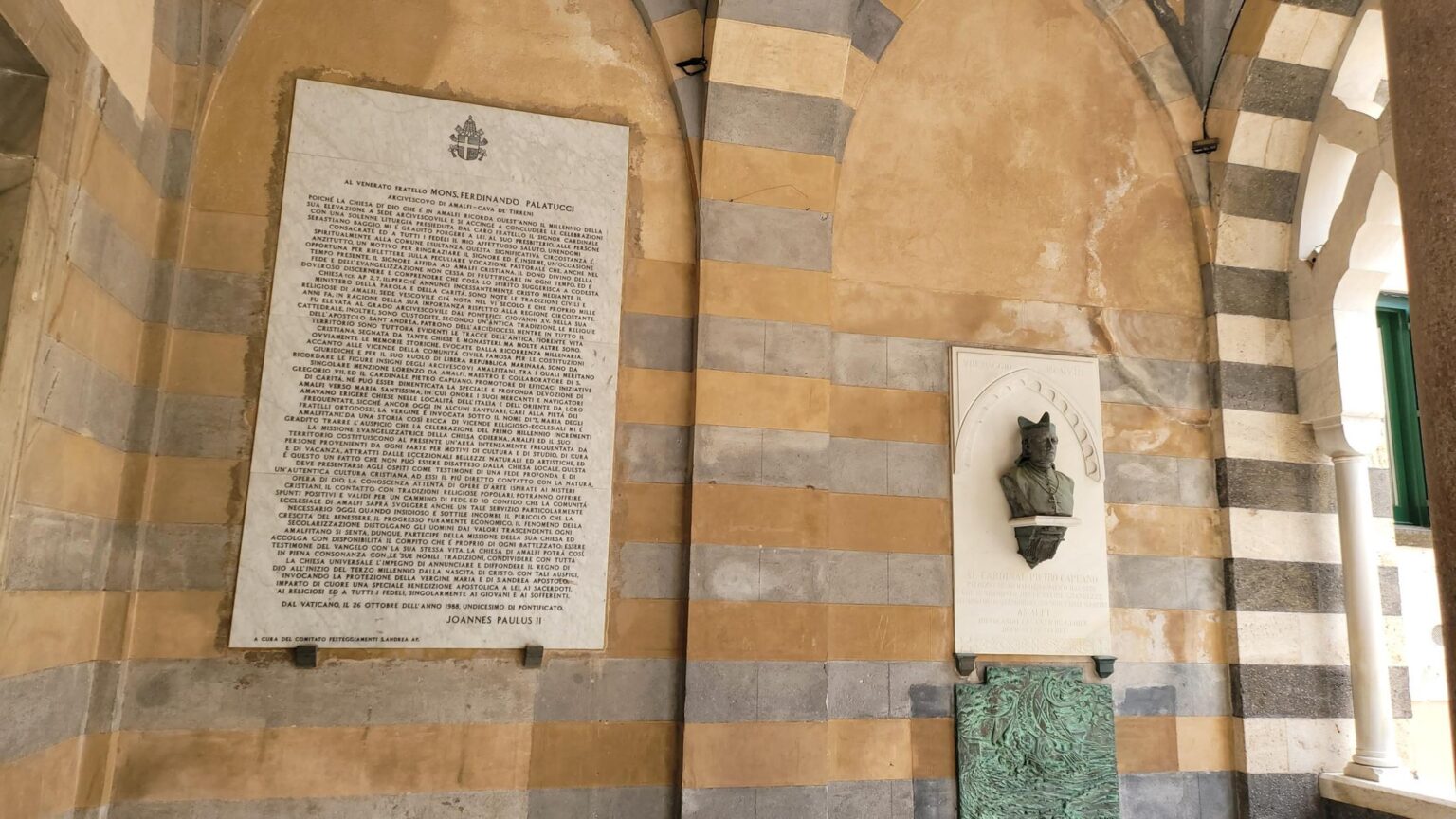
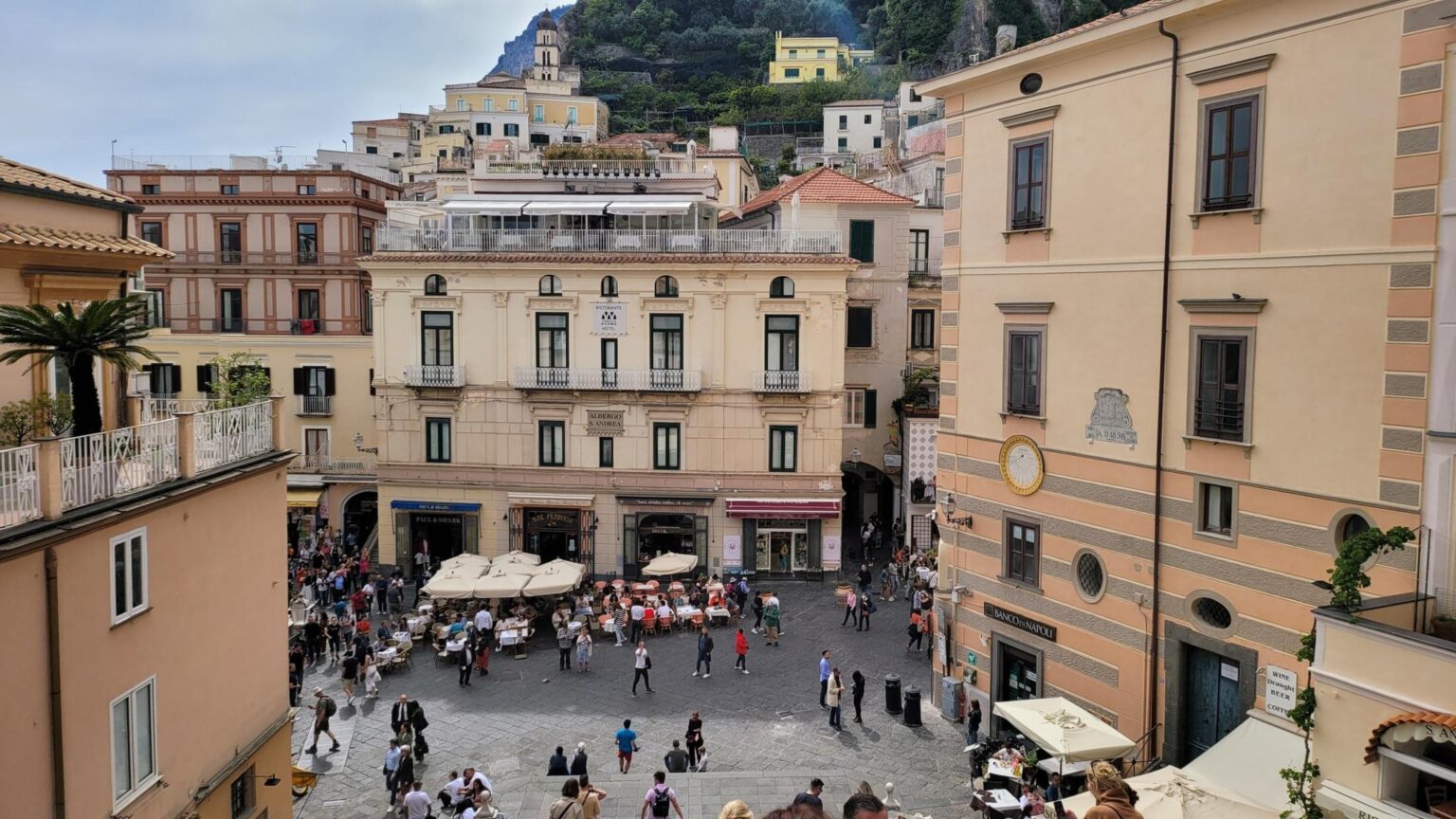
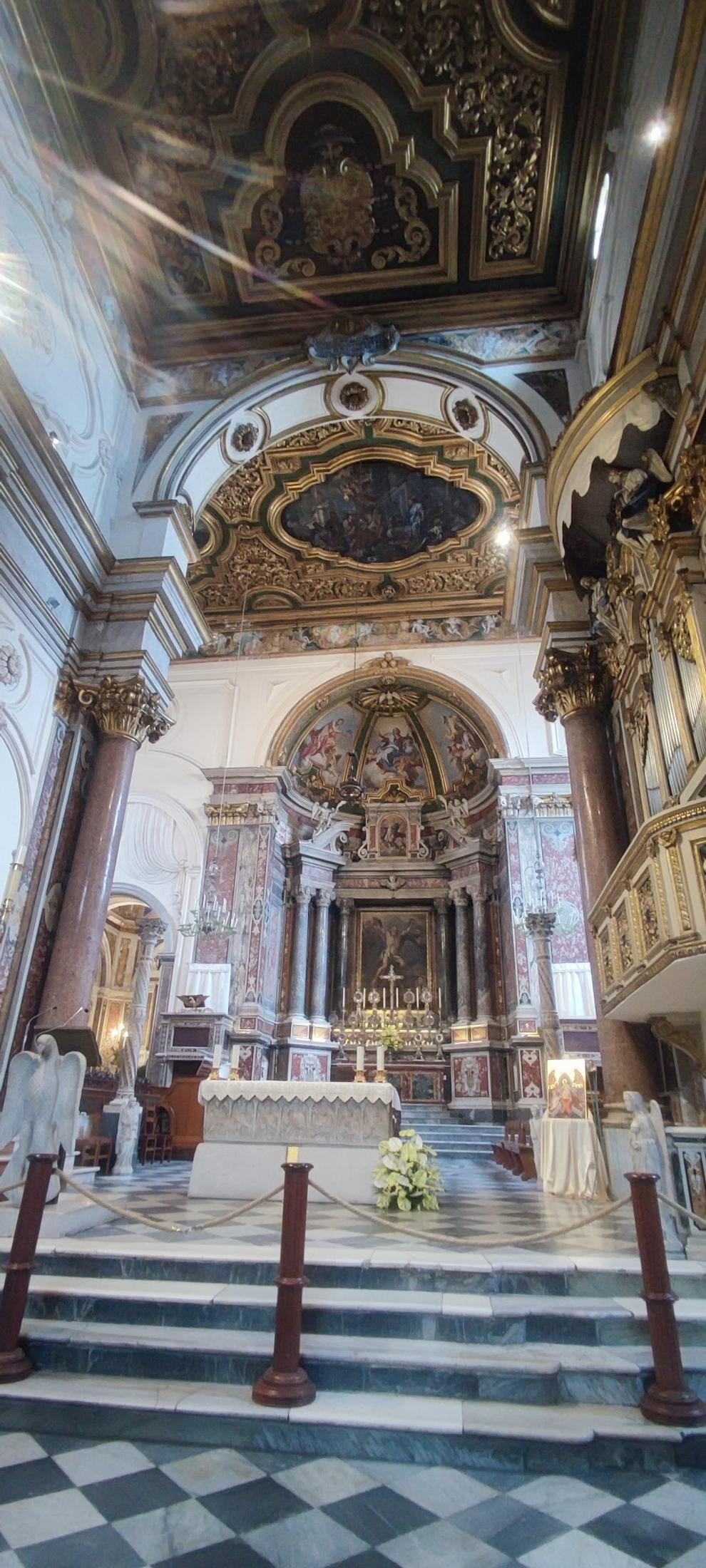
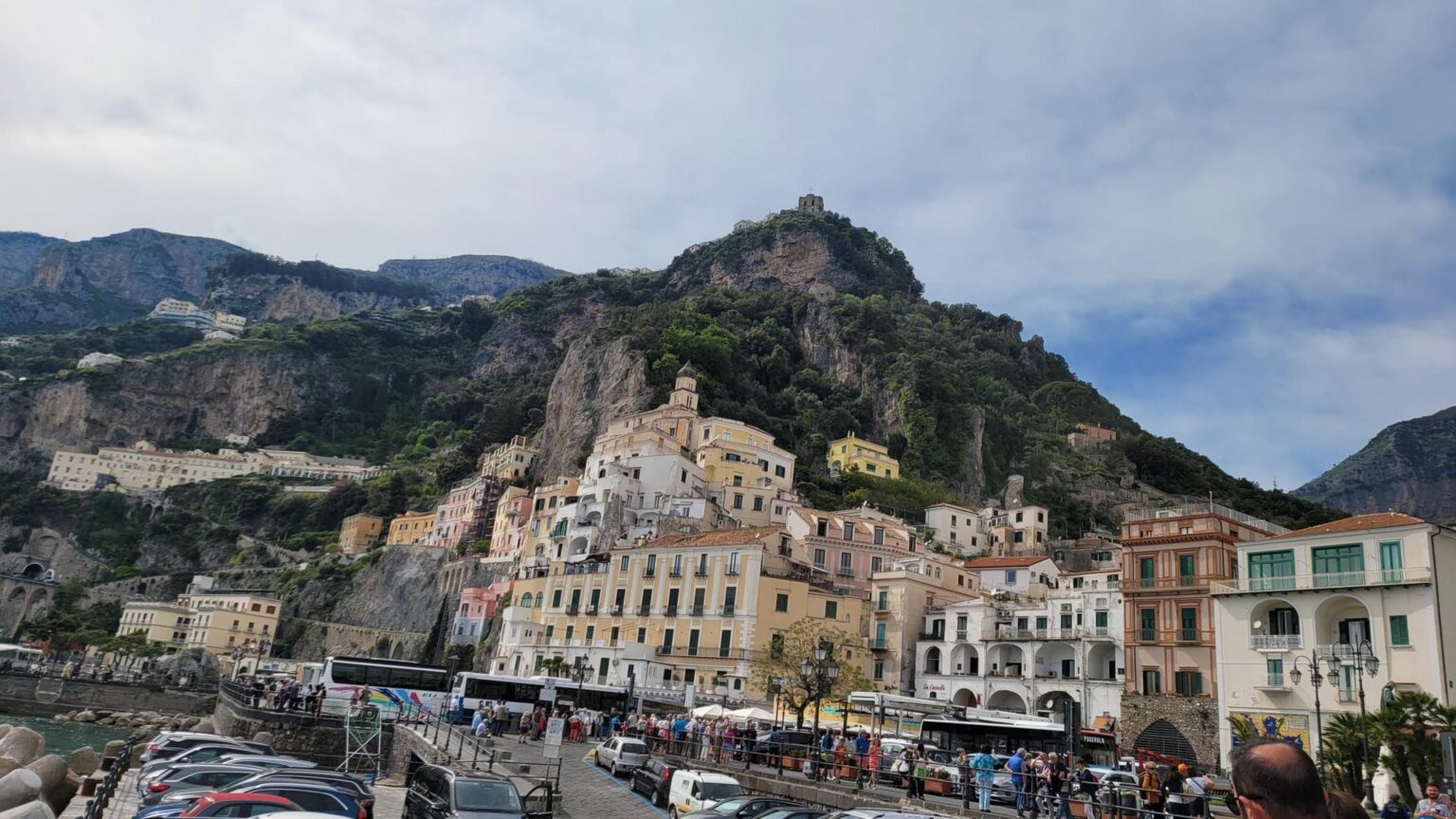
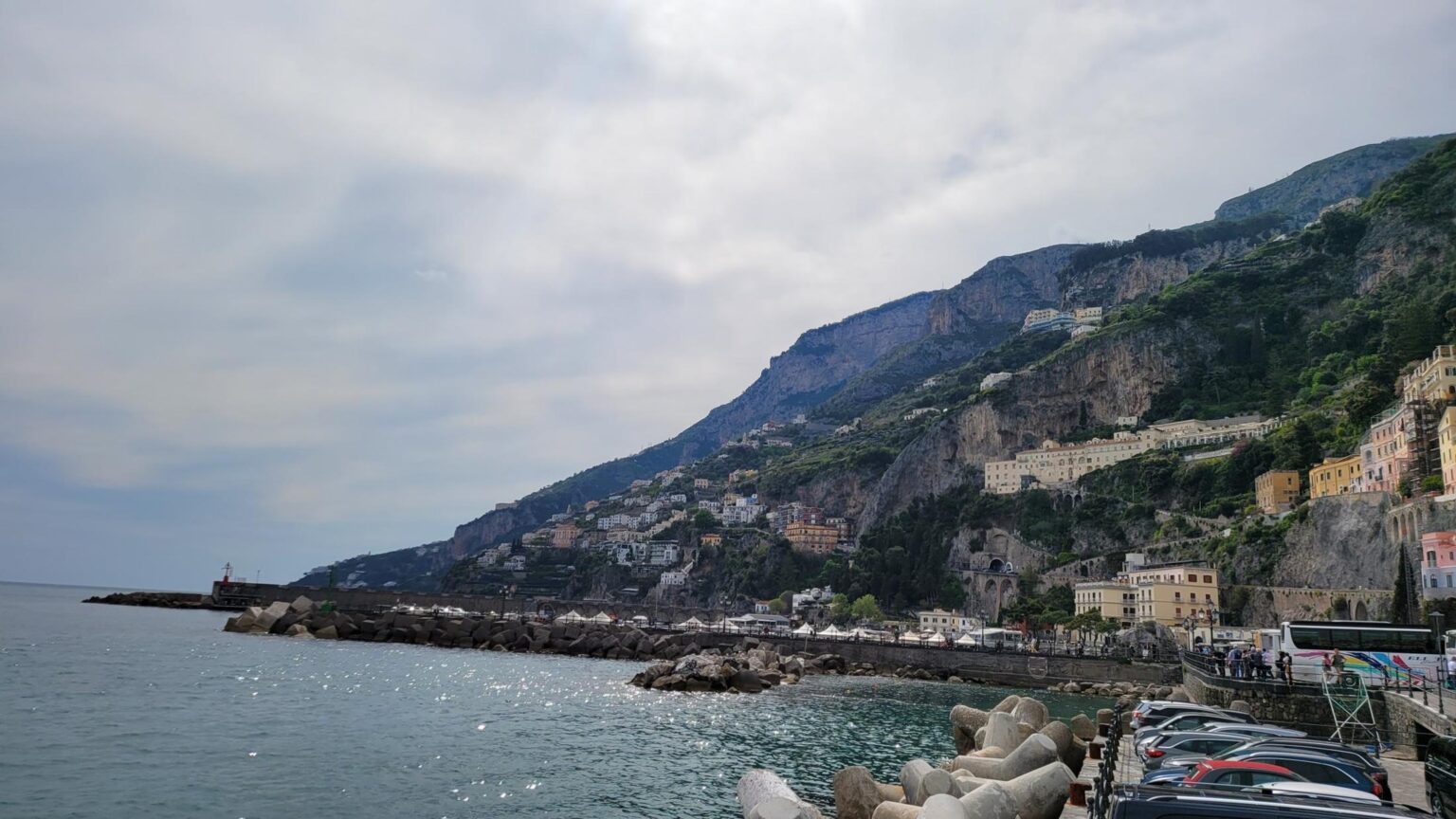
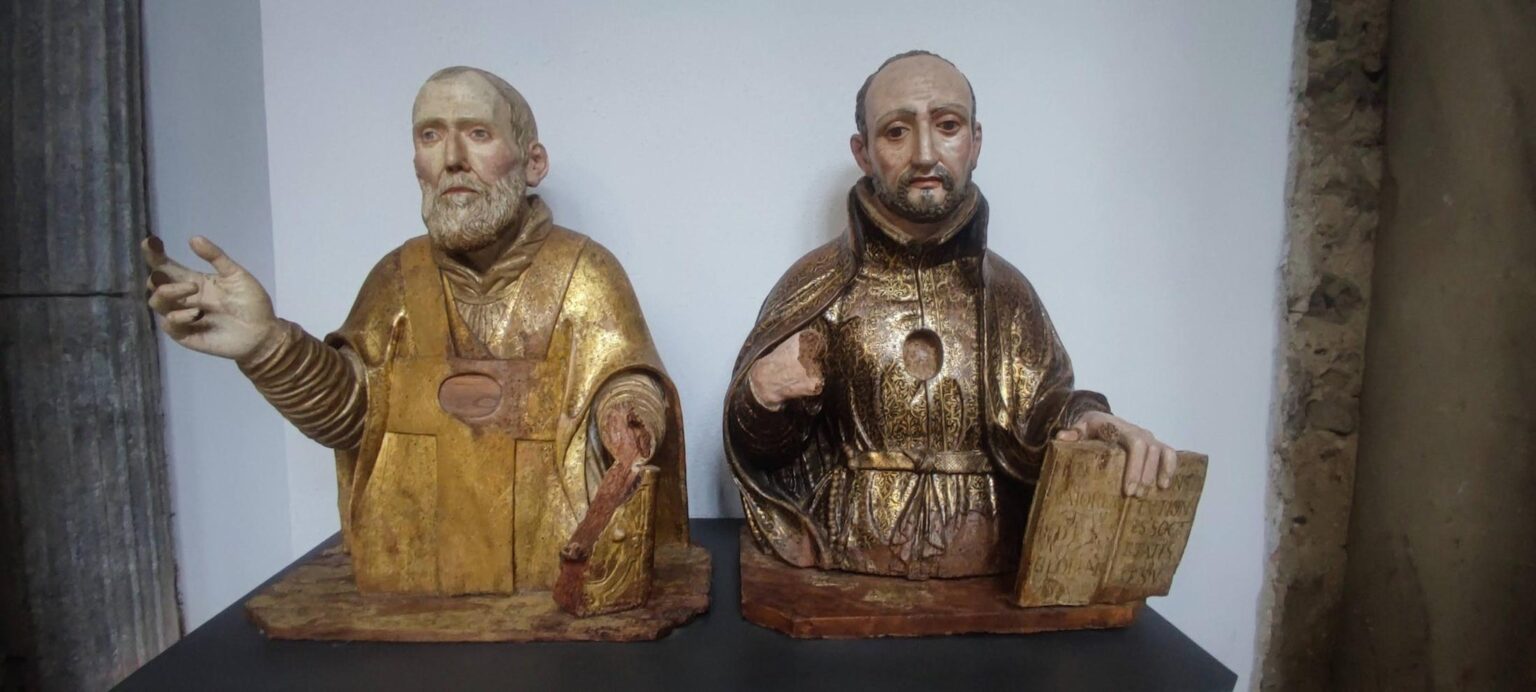
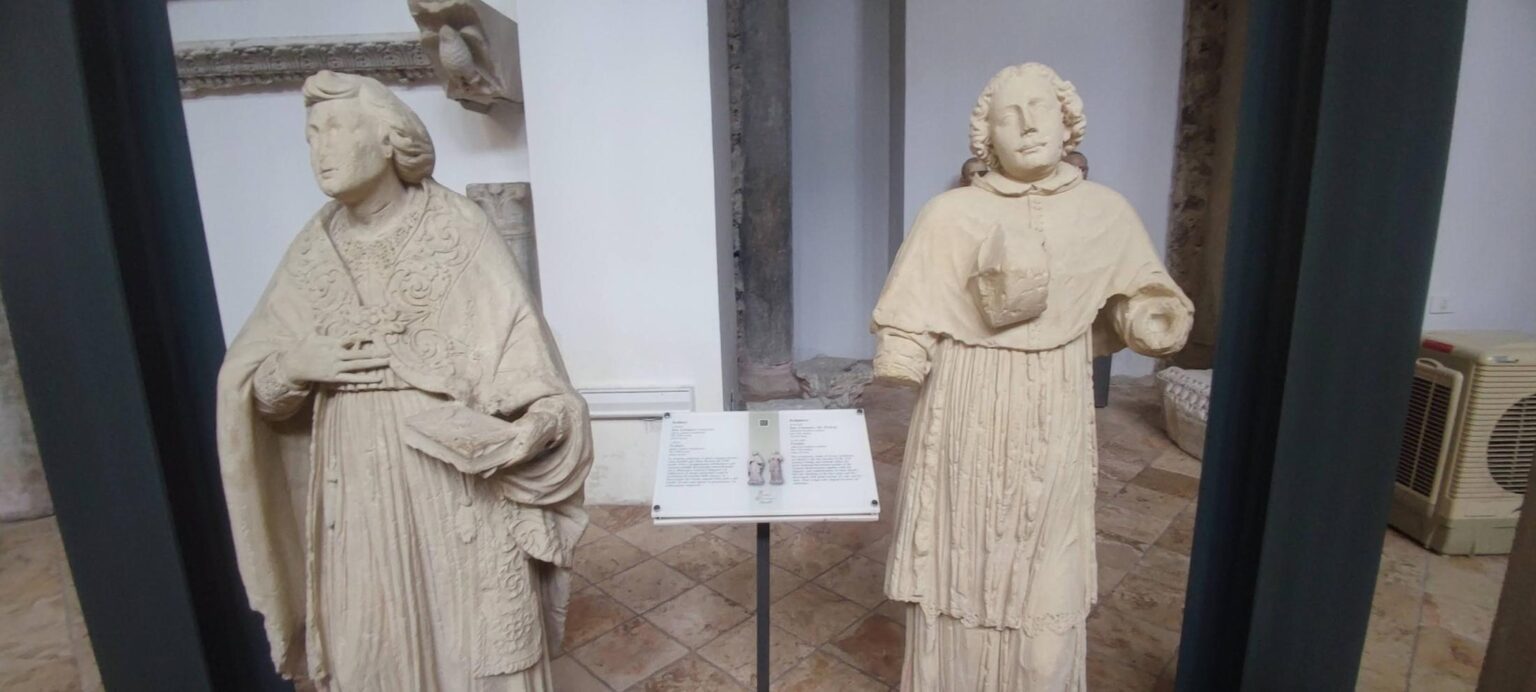
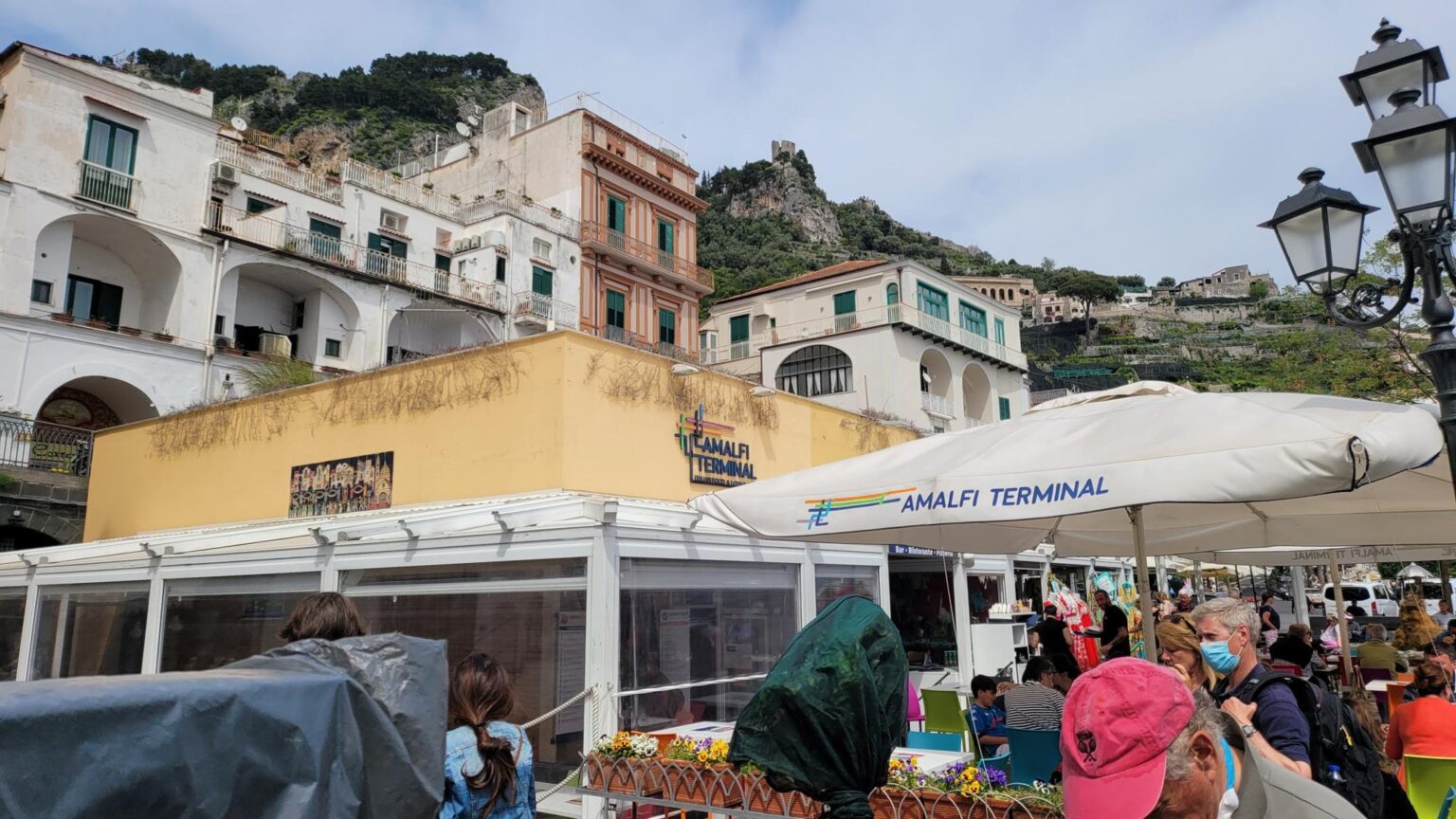
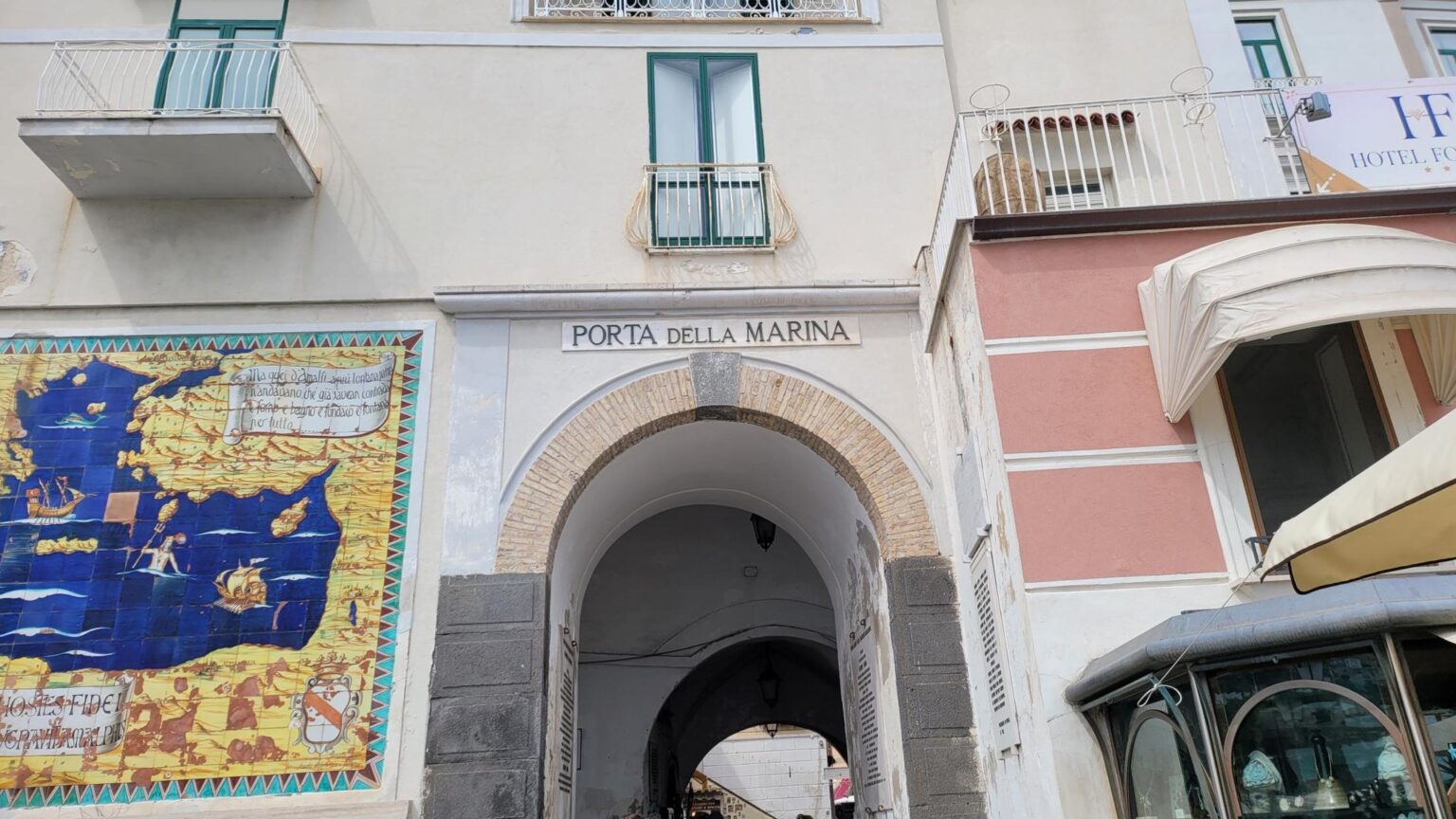
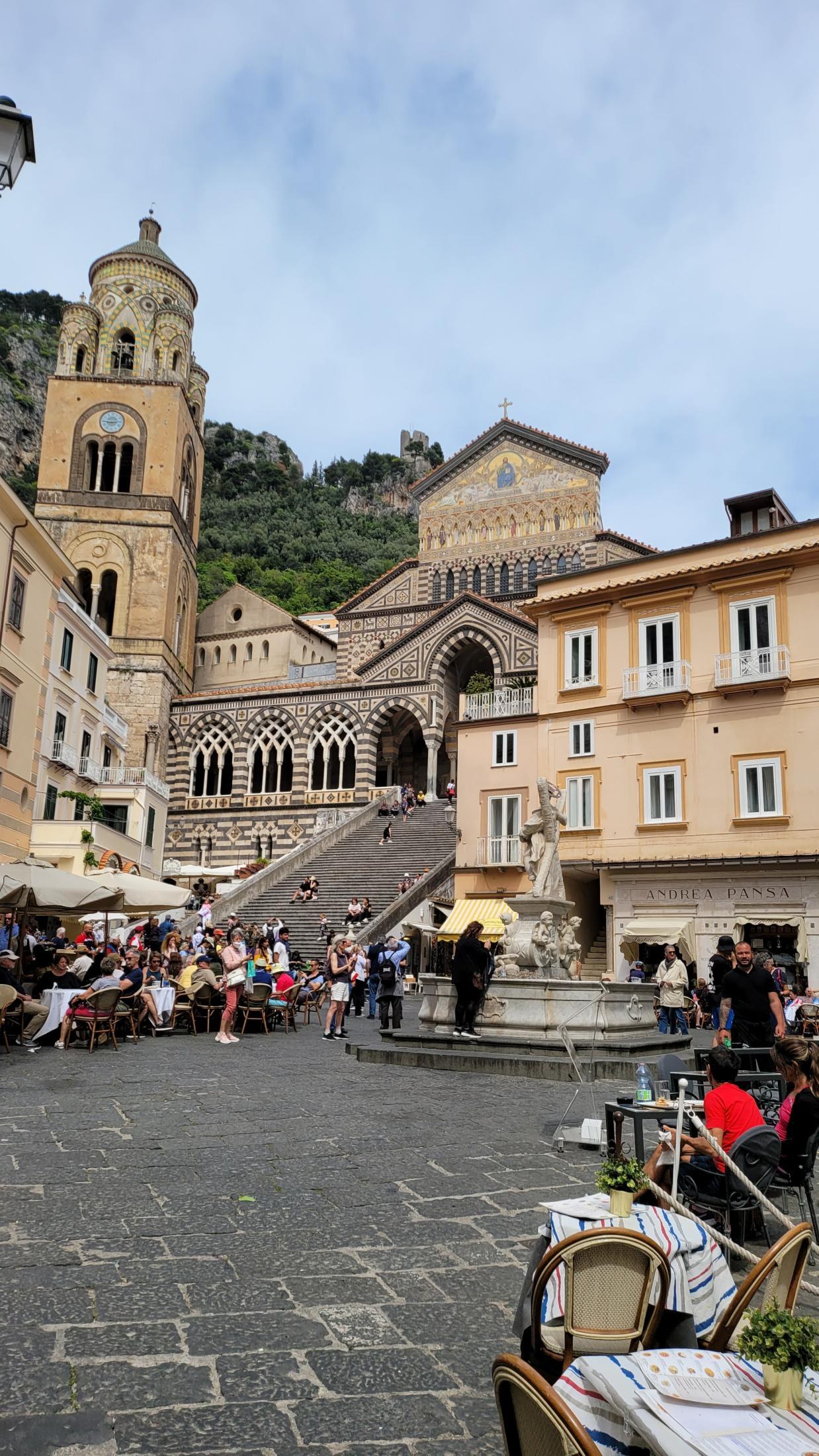
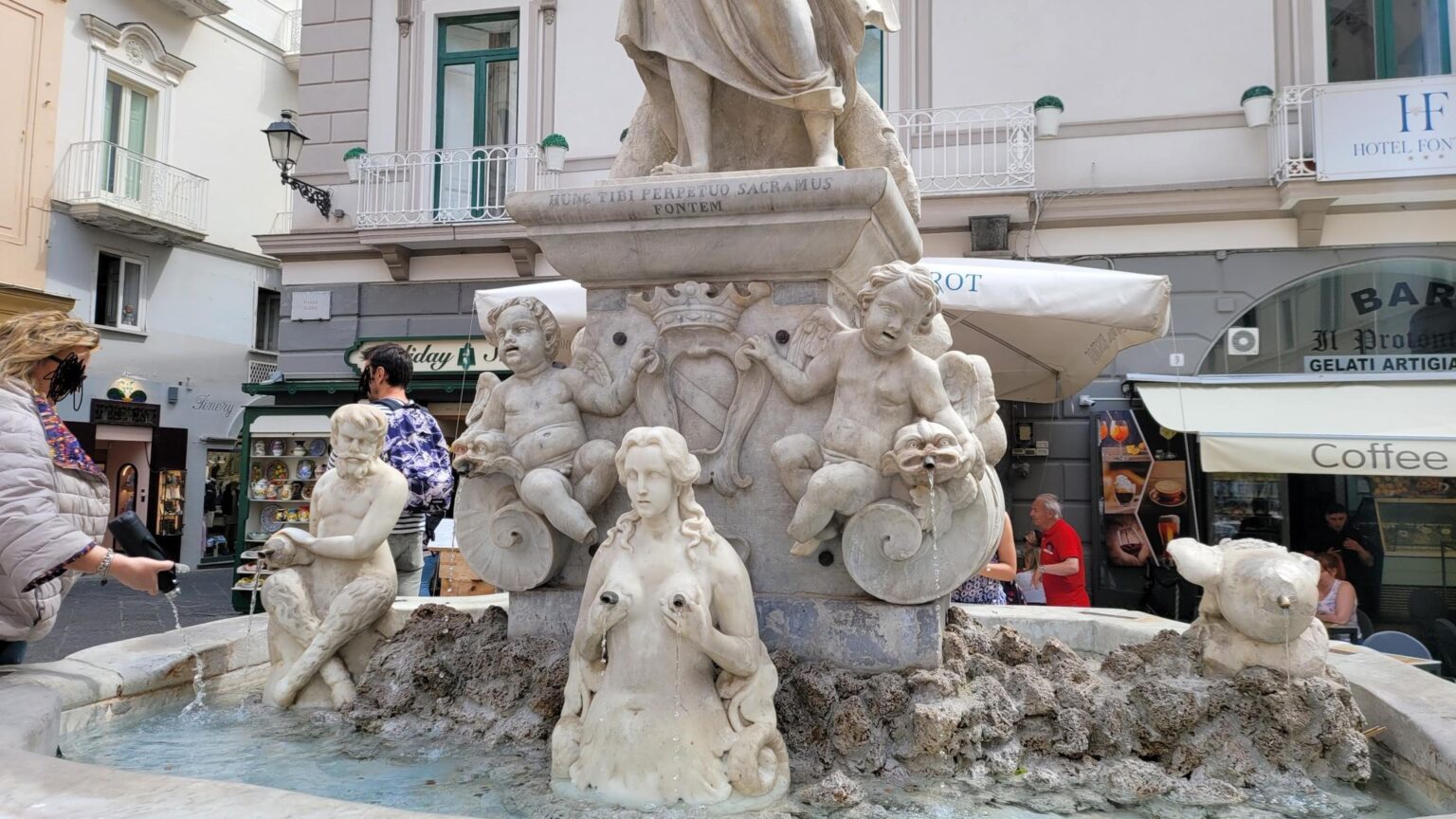
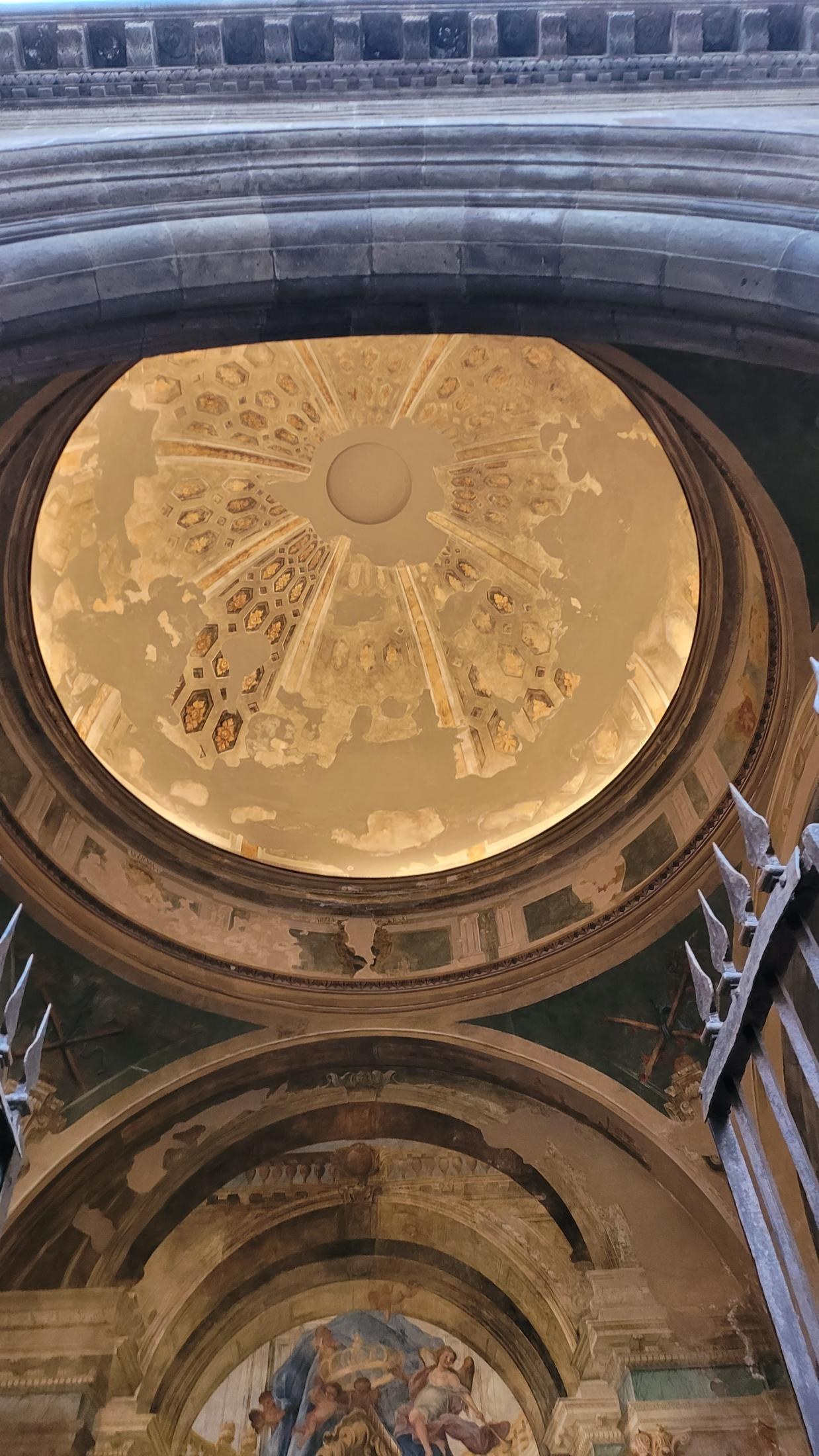
Amalfi looks like Positano but somehow it is more alive. It was once a maritime republic. Again there are twisting little streets and climbs, but there is also a central square with an enormous cathedral. Entry to it is €3. Its history and significance are here. If you are there for photos and a look around without reading every single panel, about half an hour is enough. There is an interesting museum section.
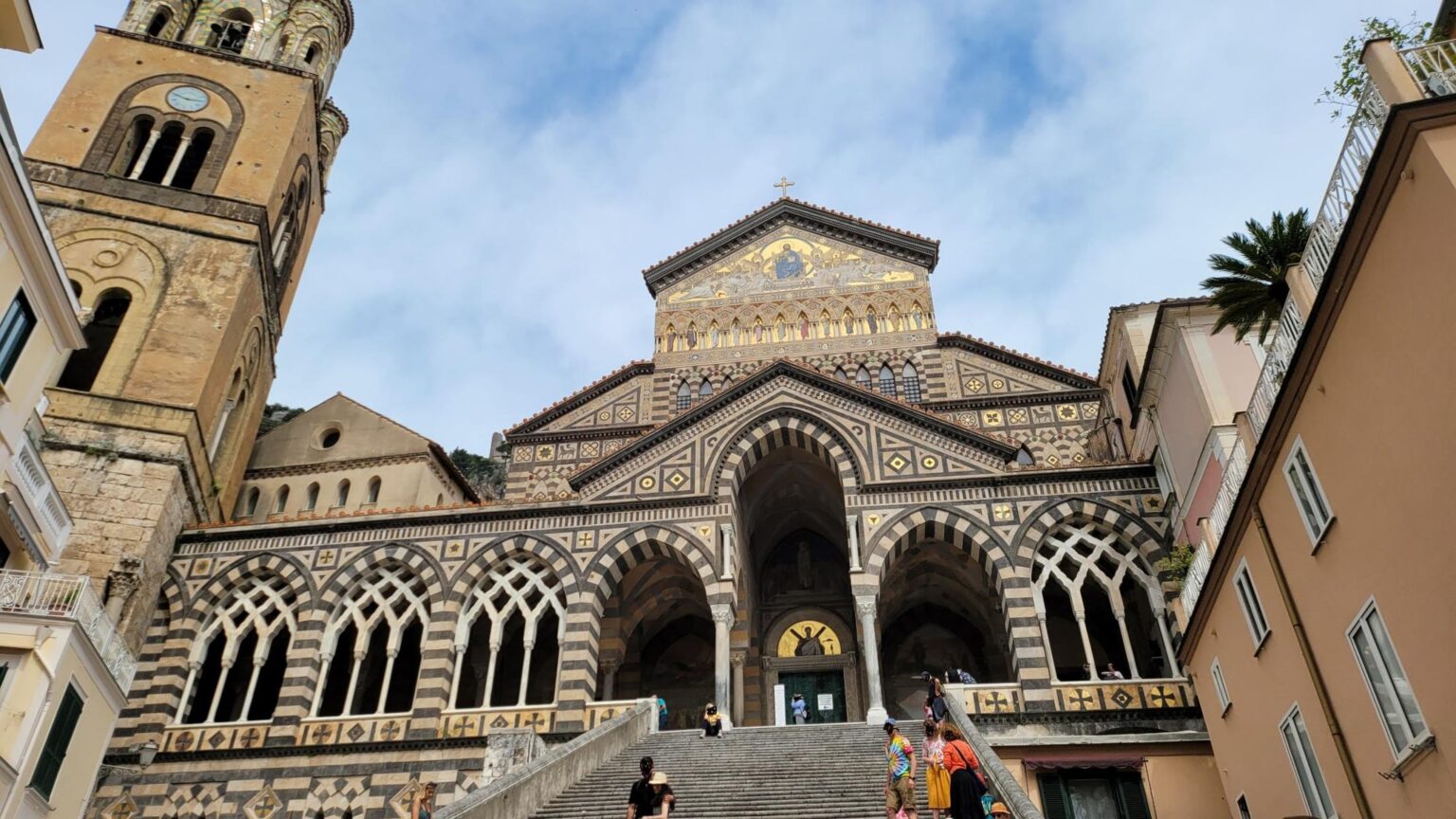
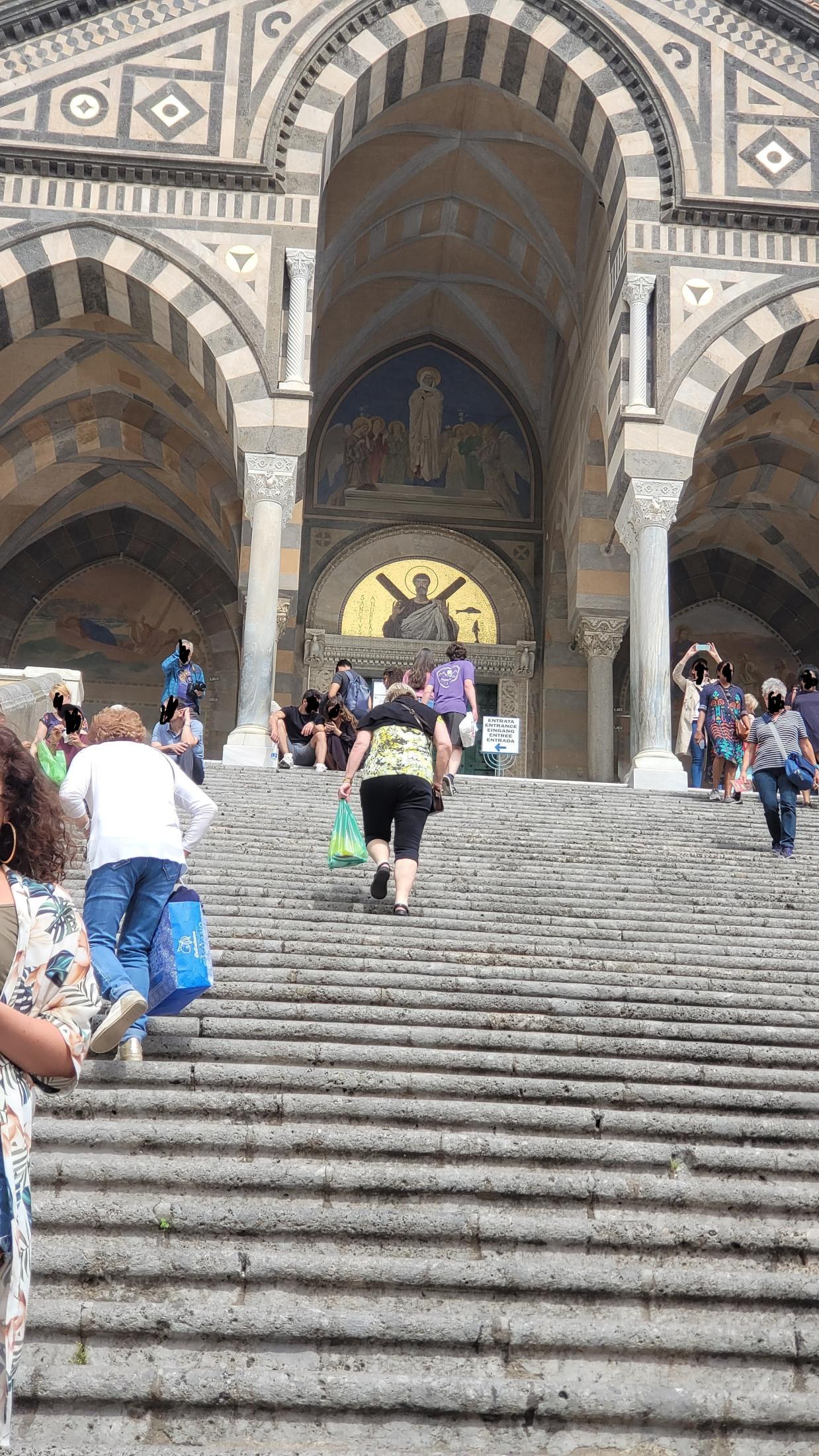
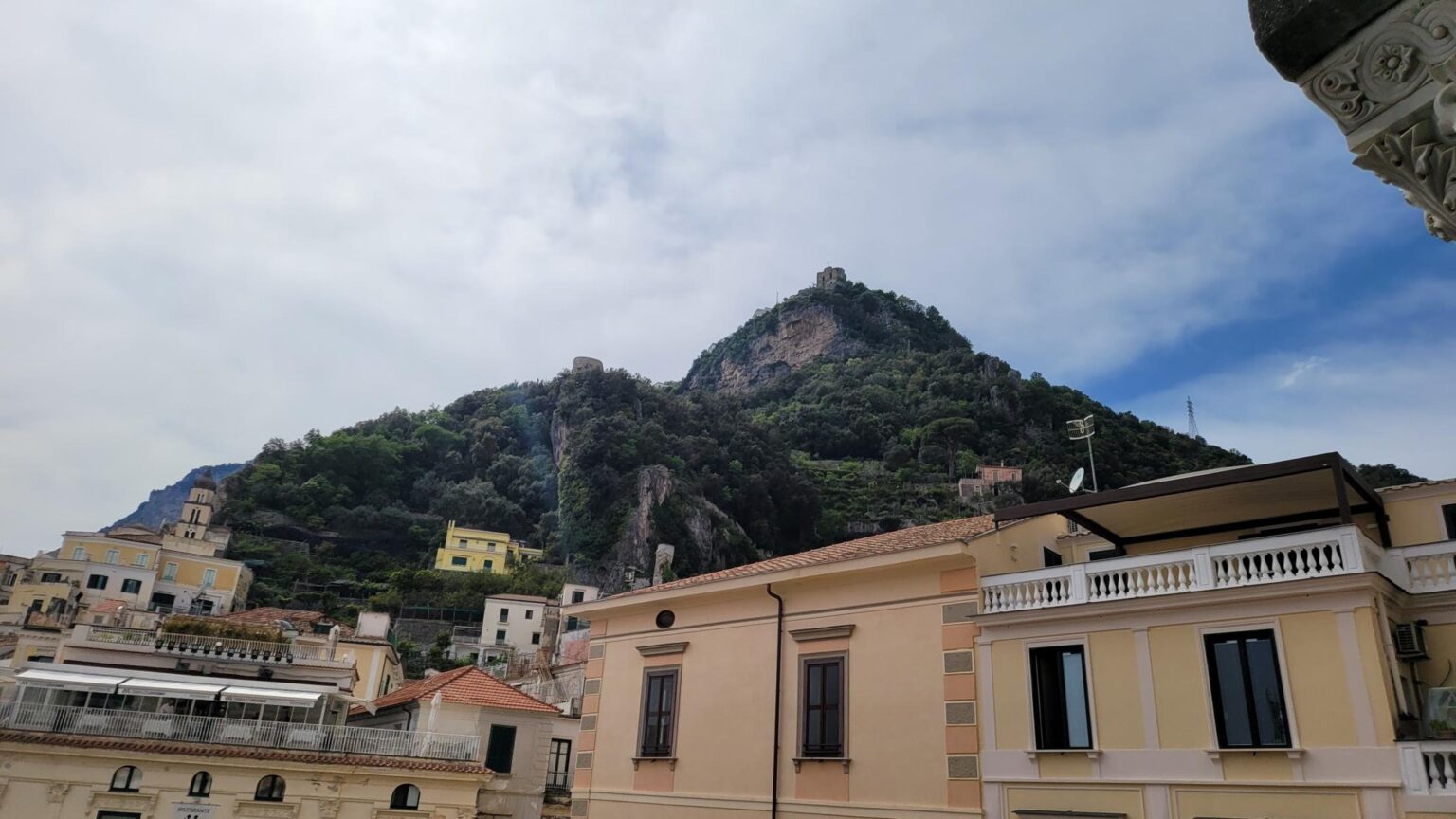
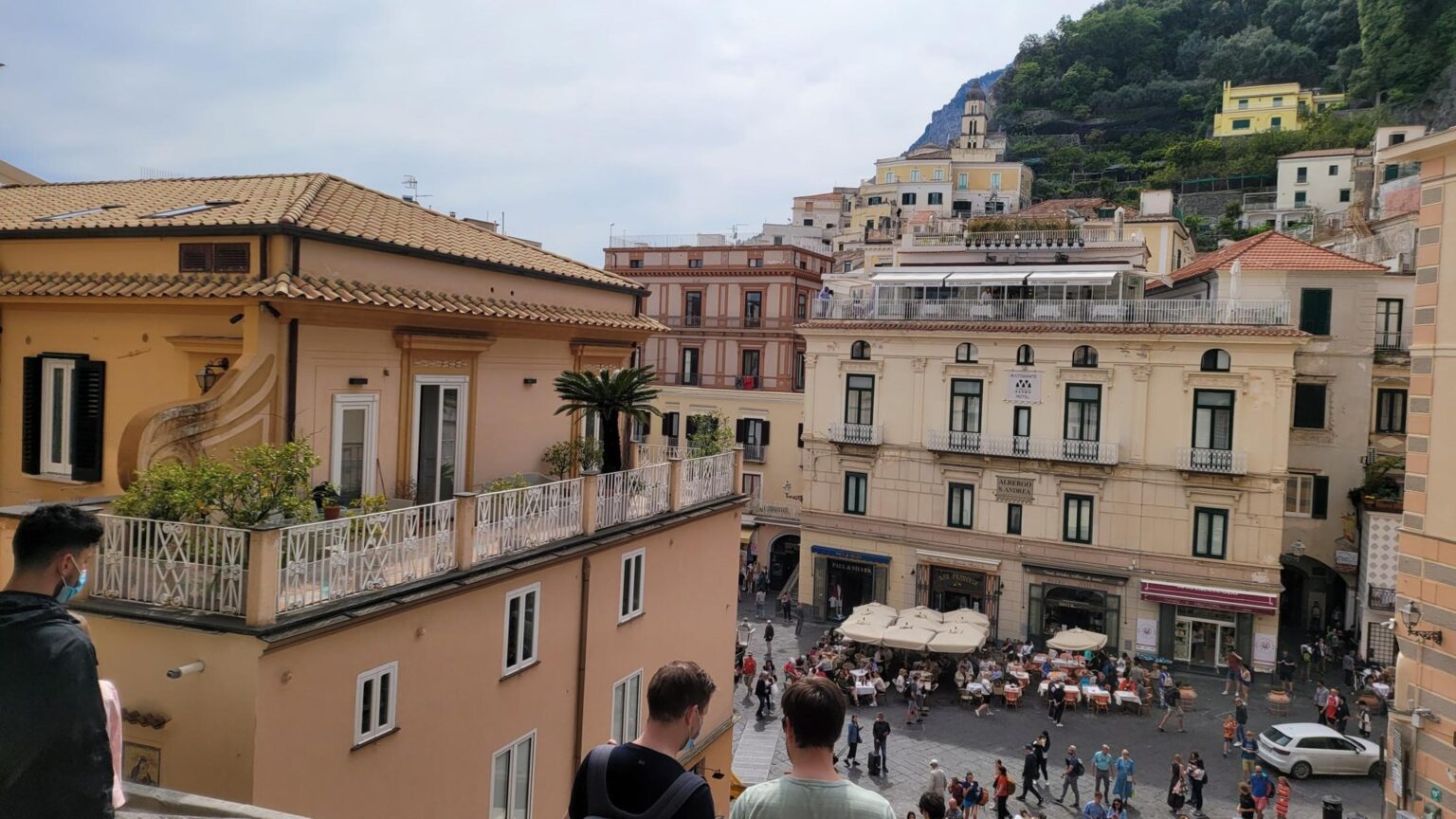
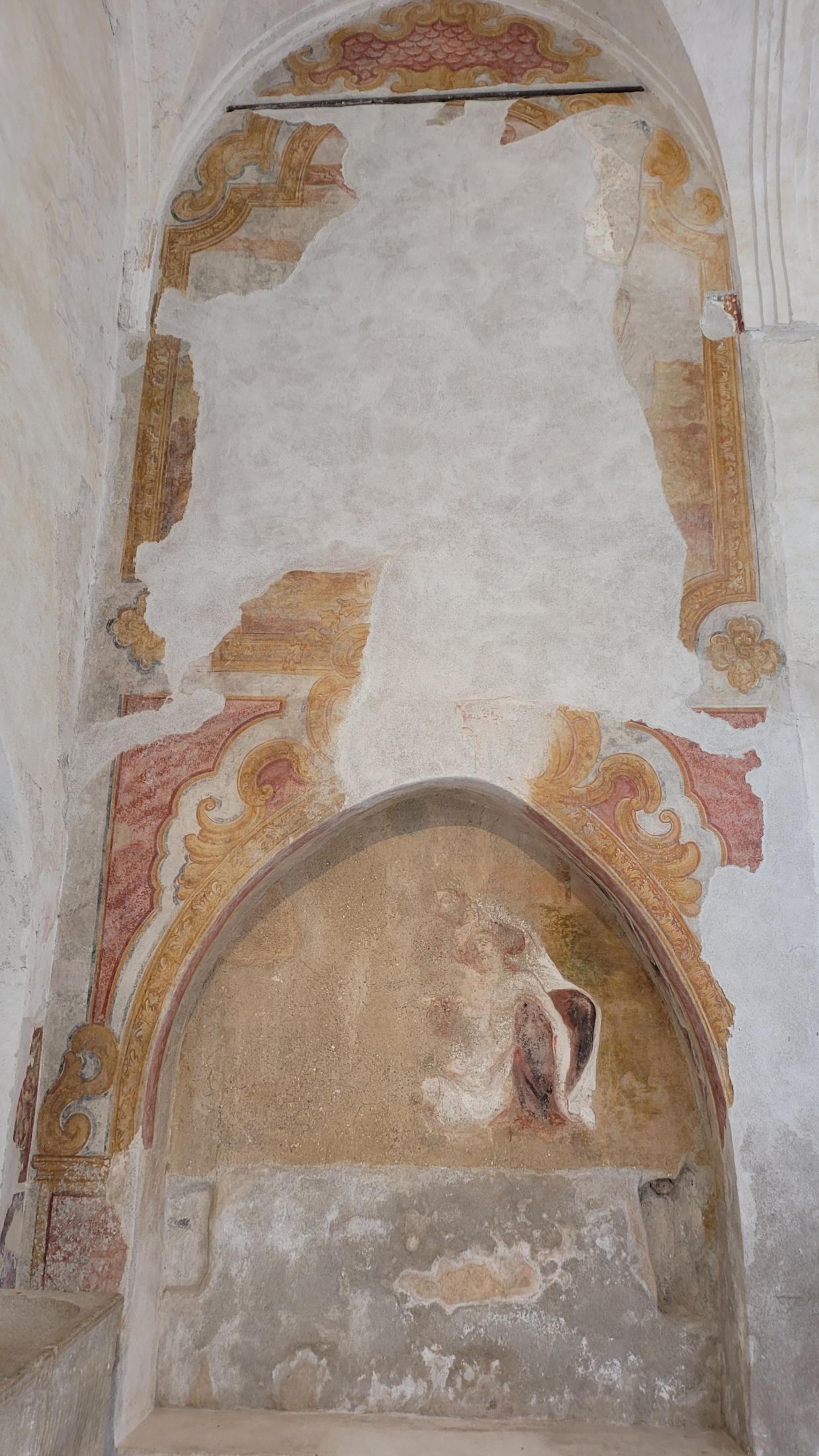
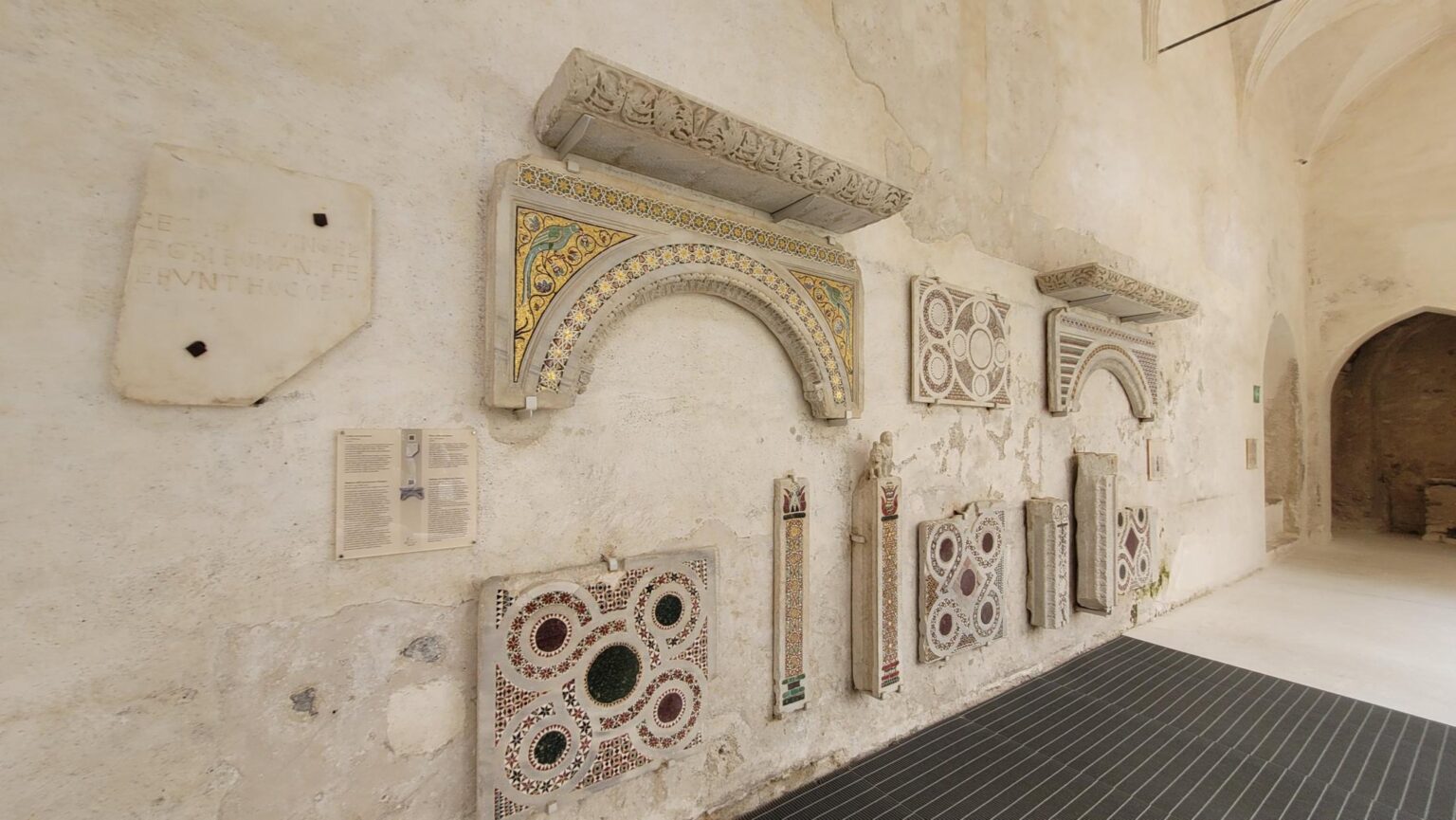
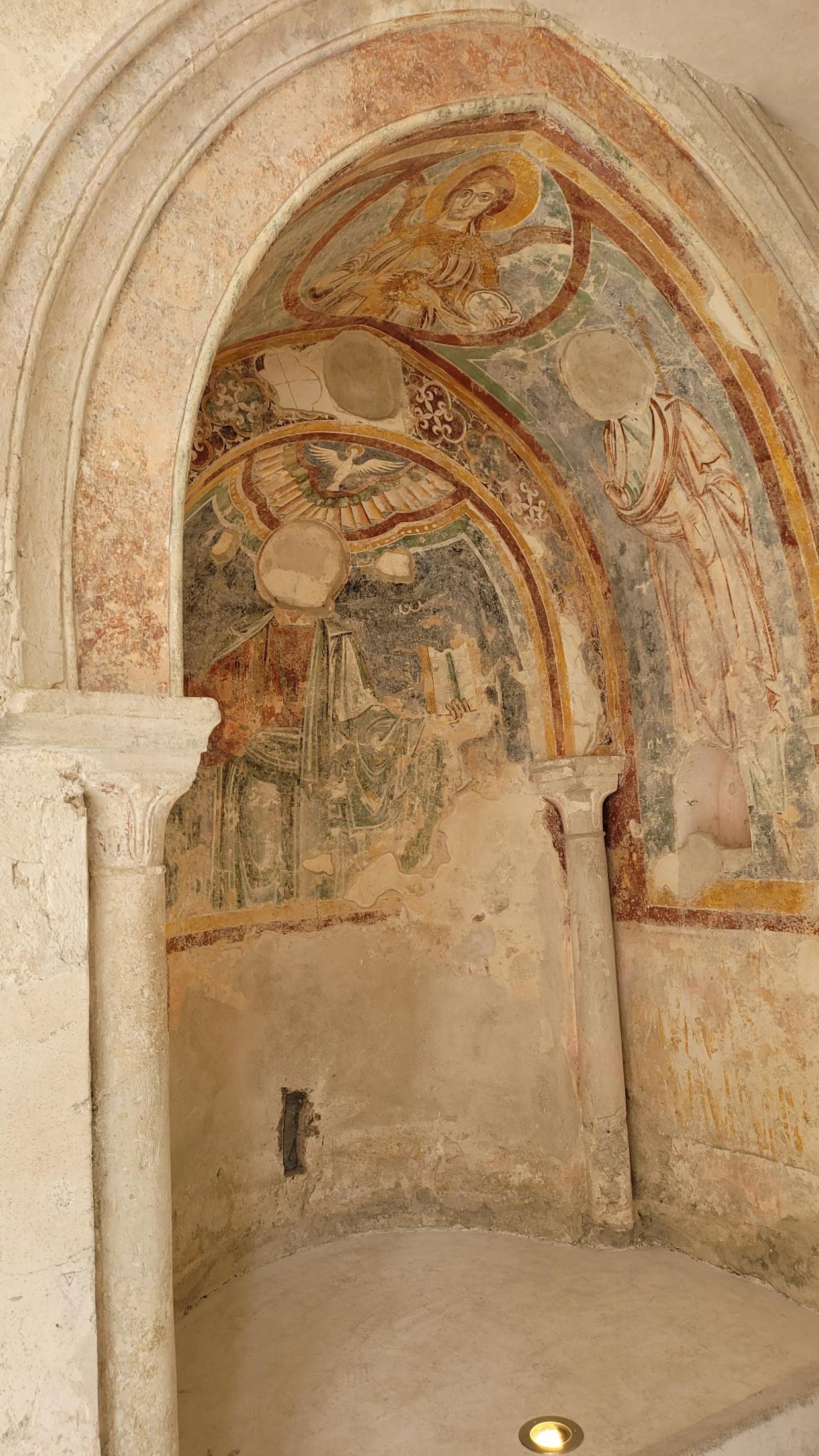
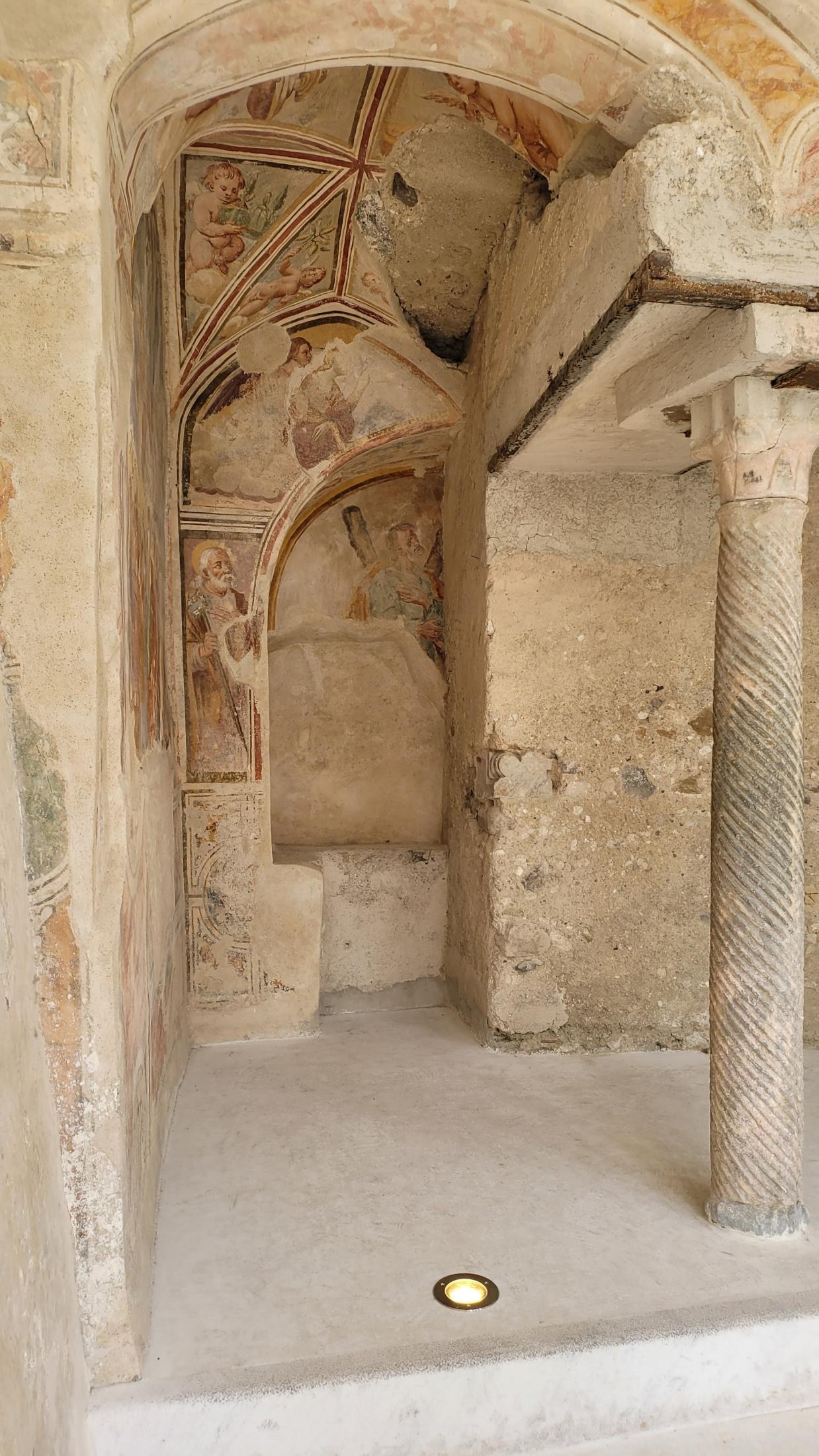
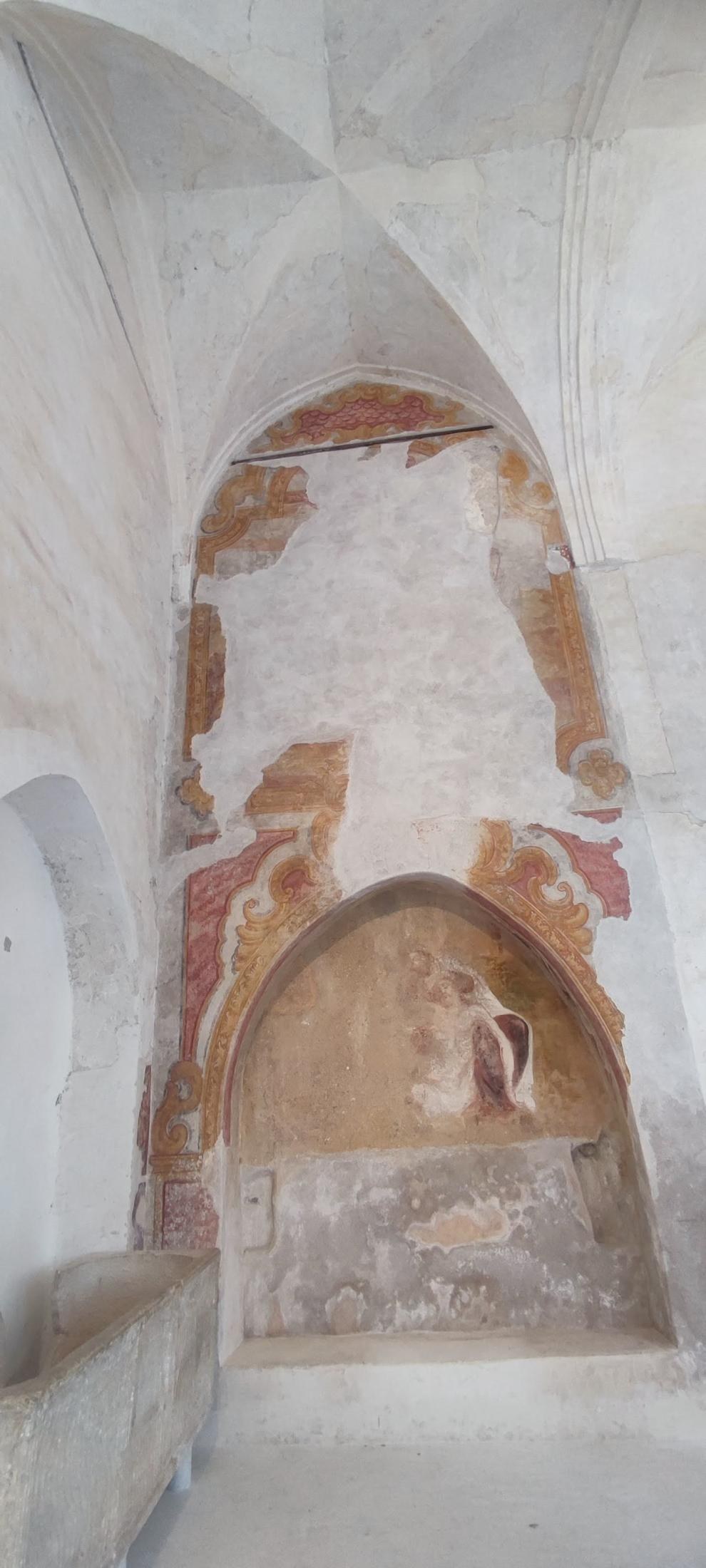
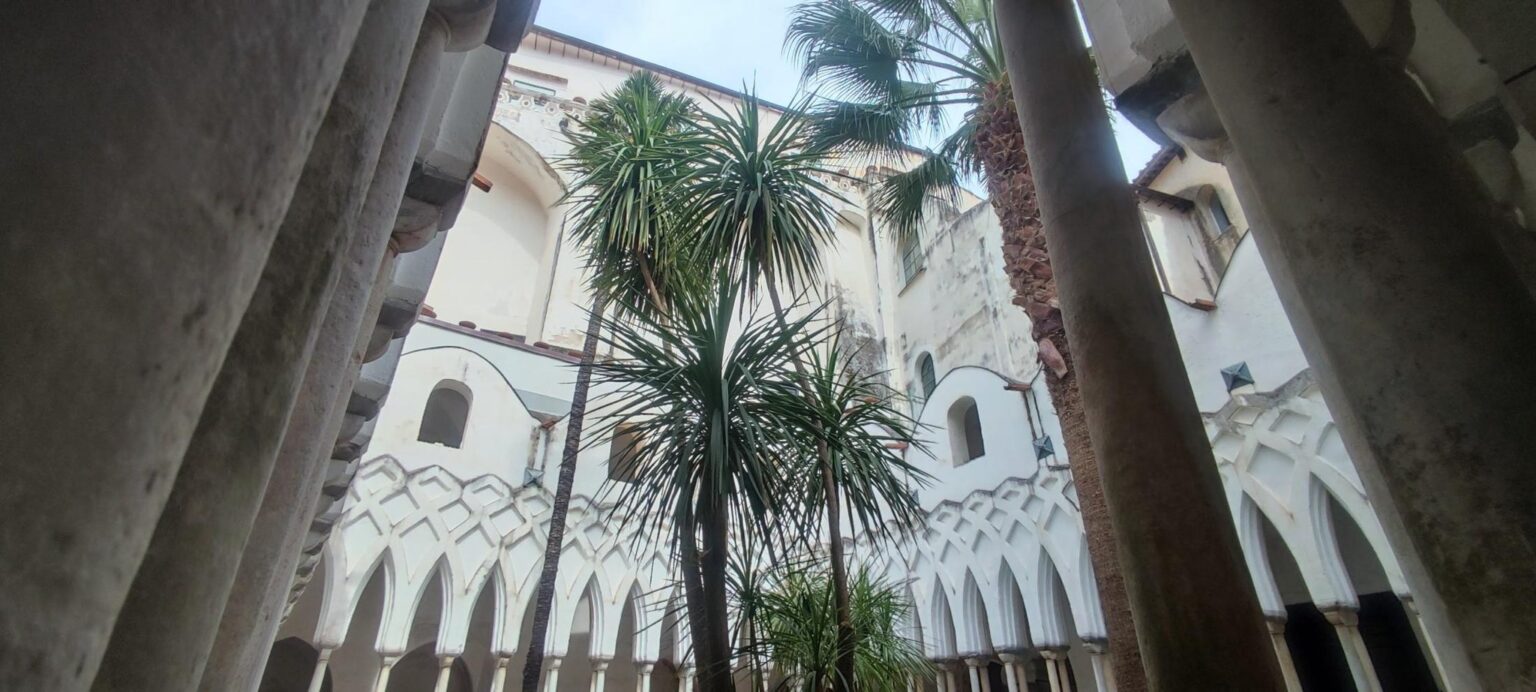
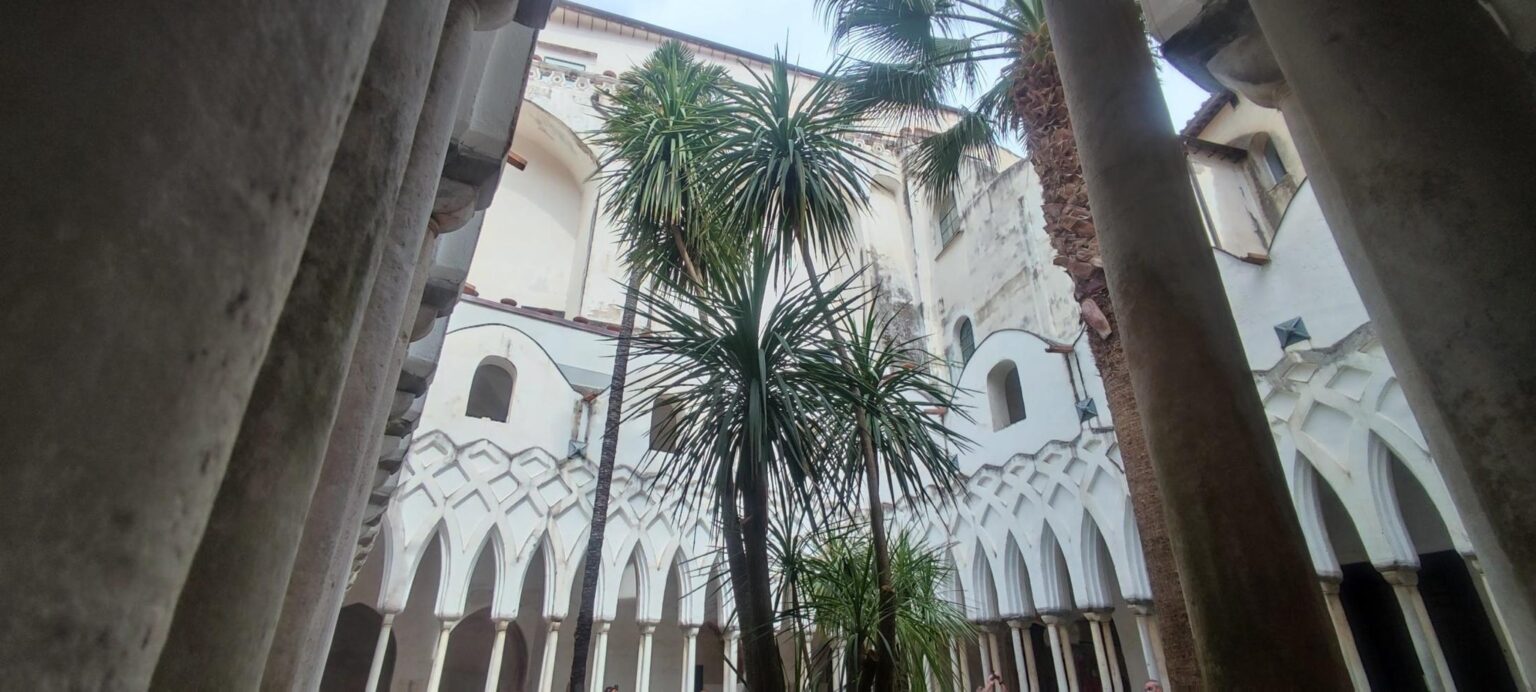
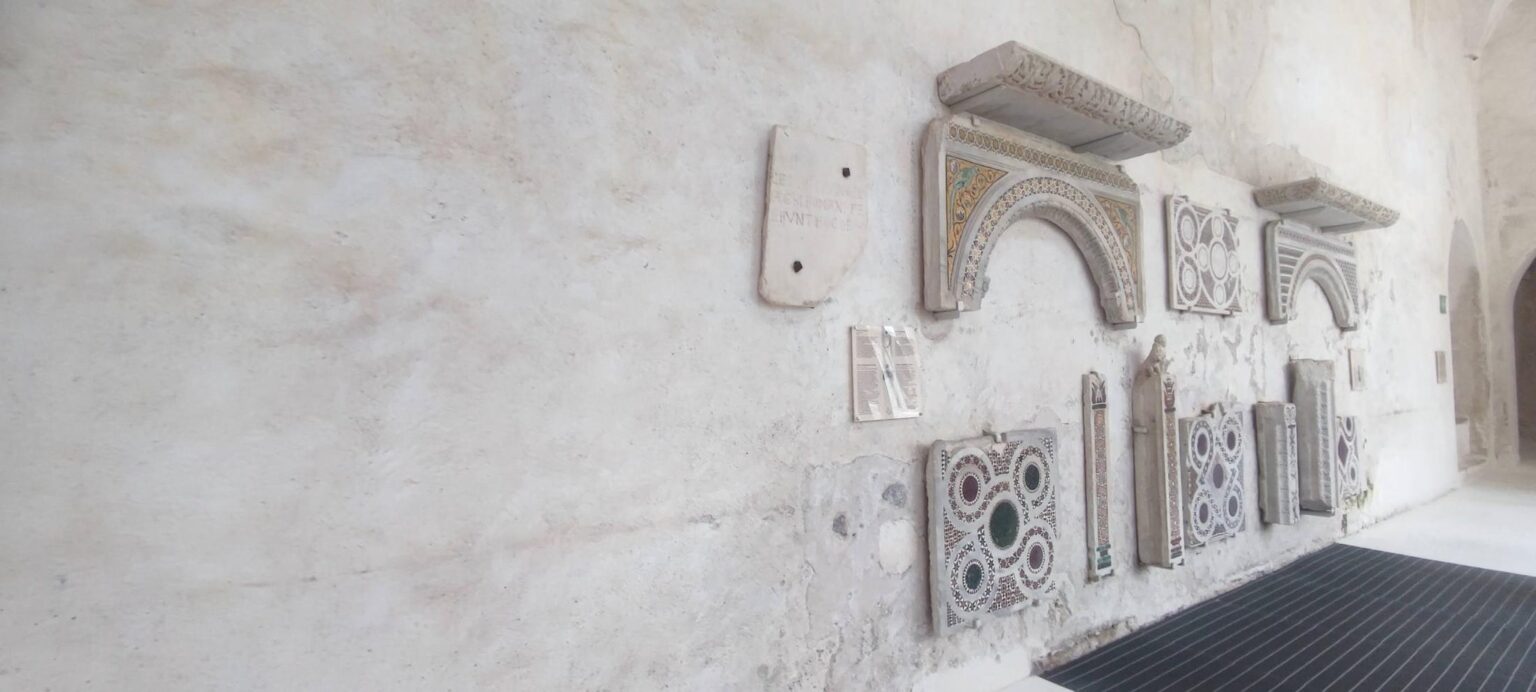
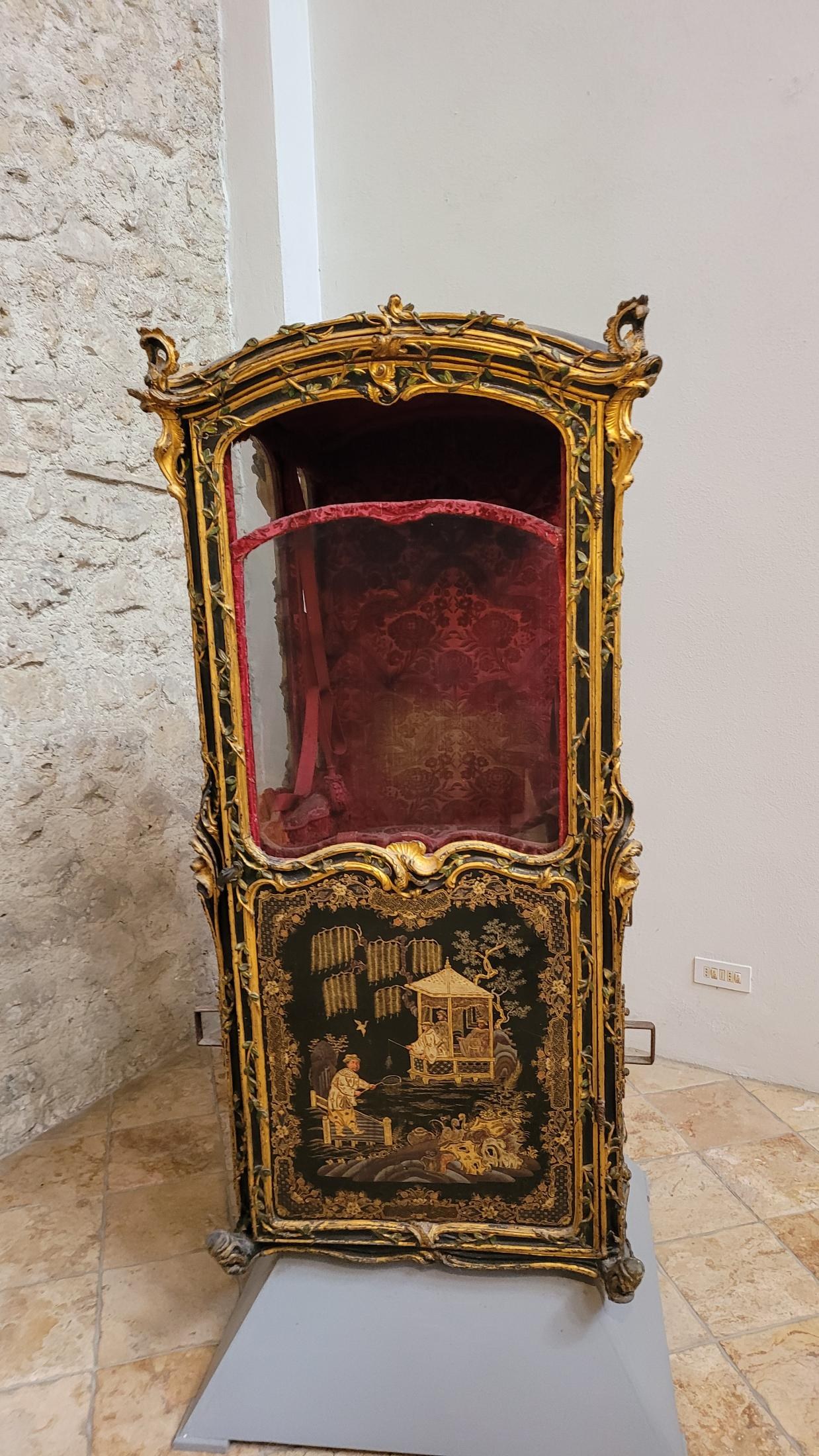
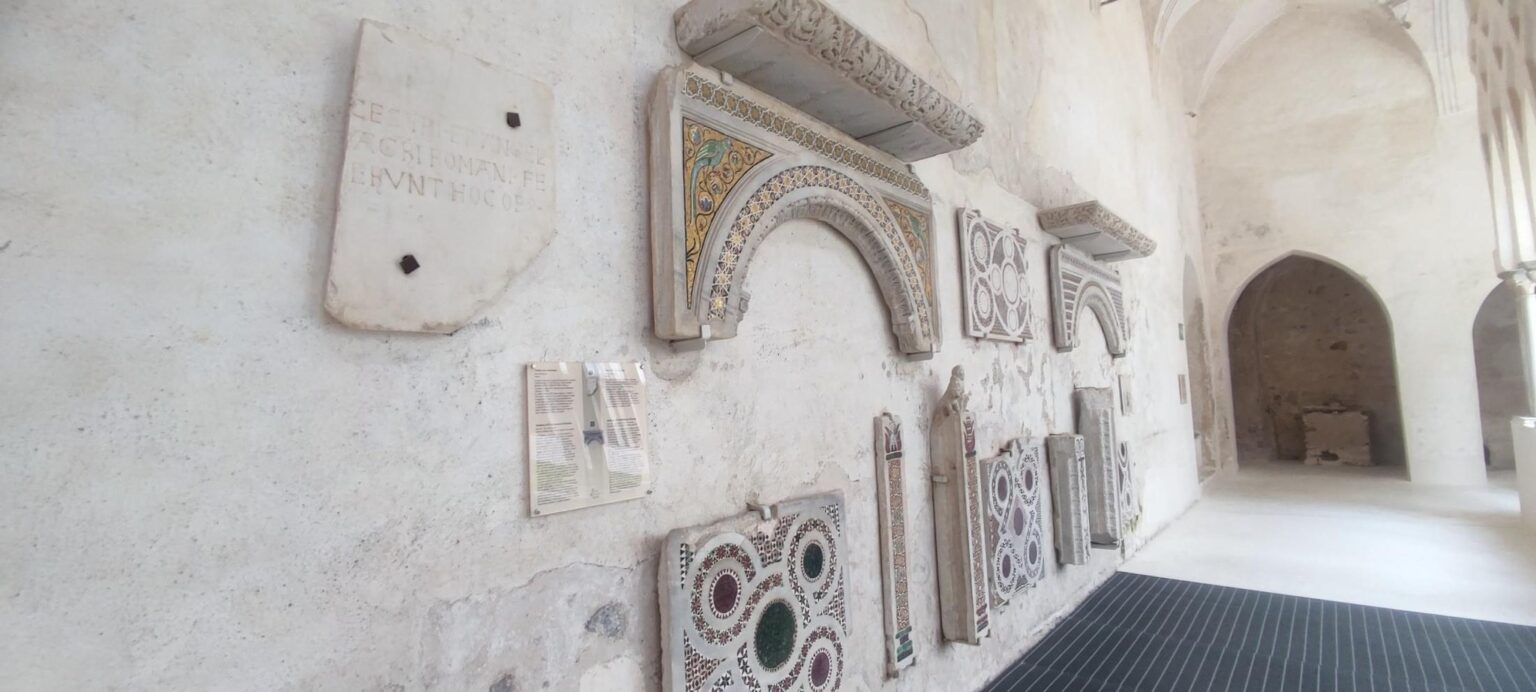
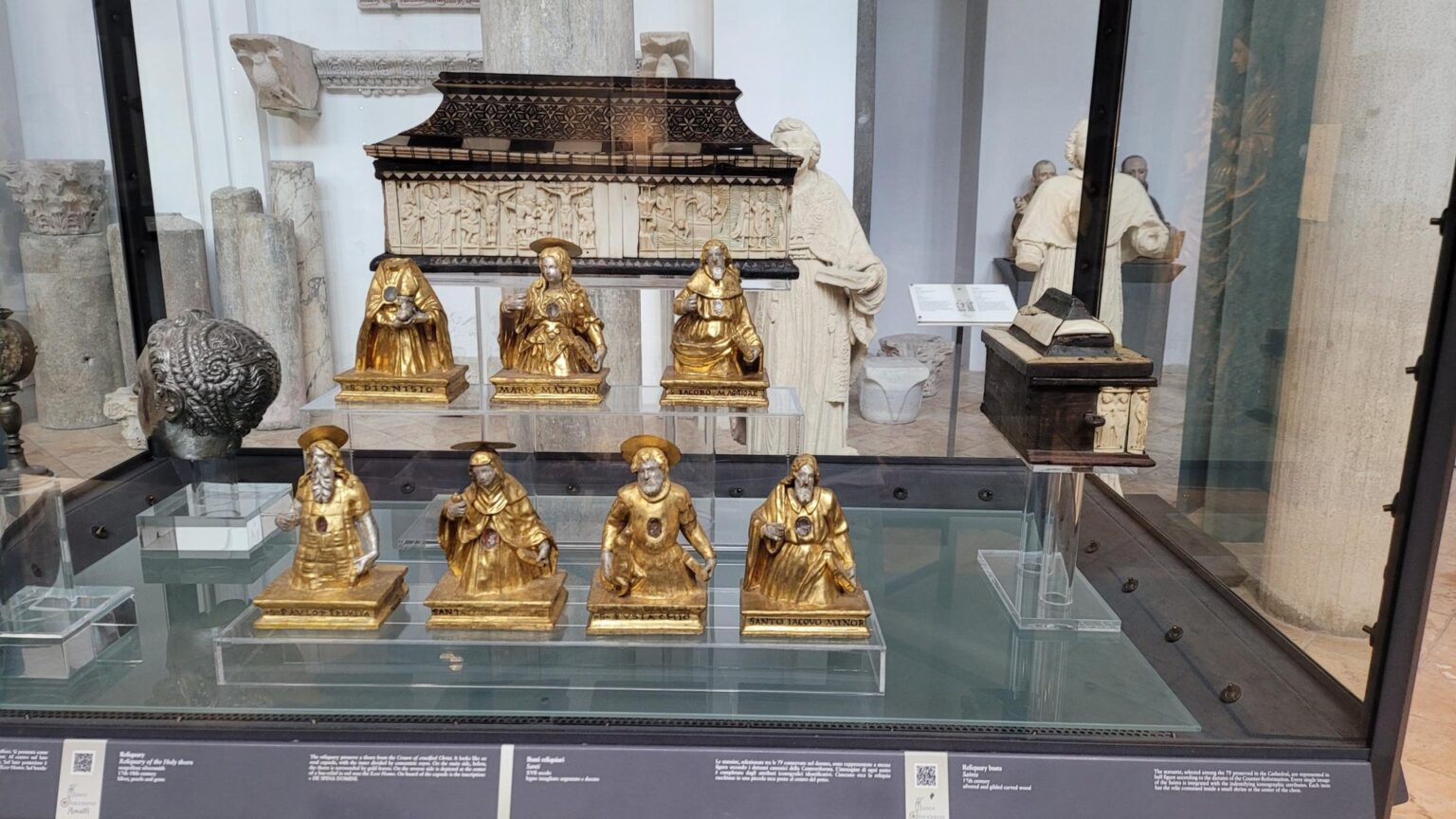
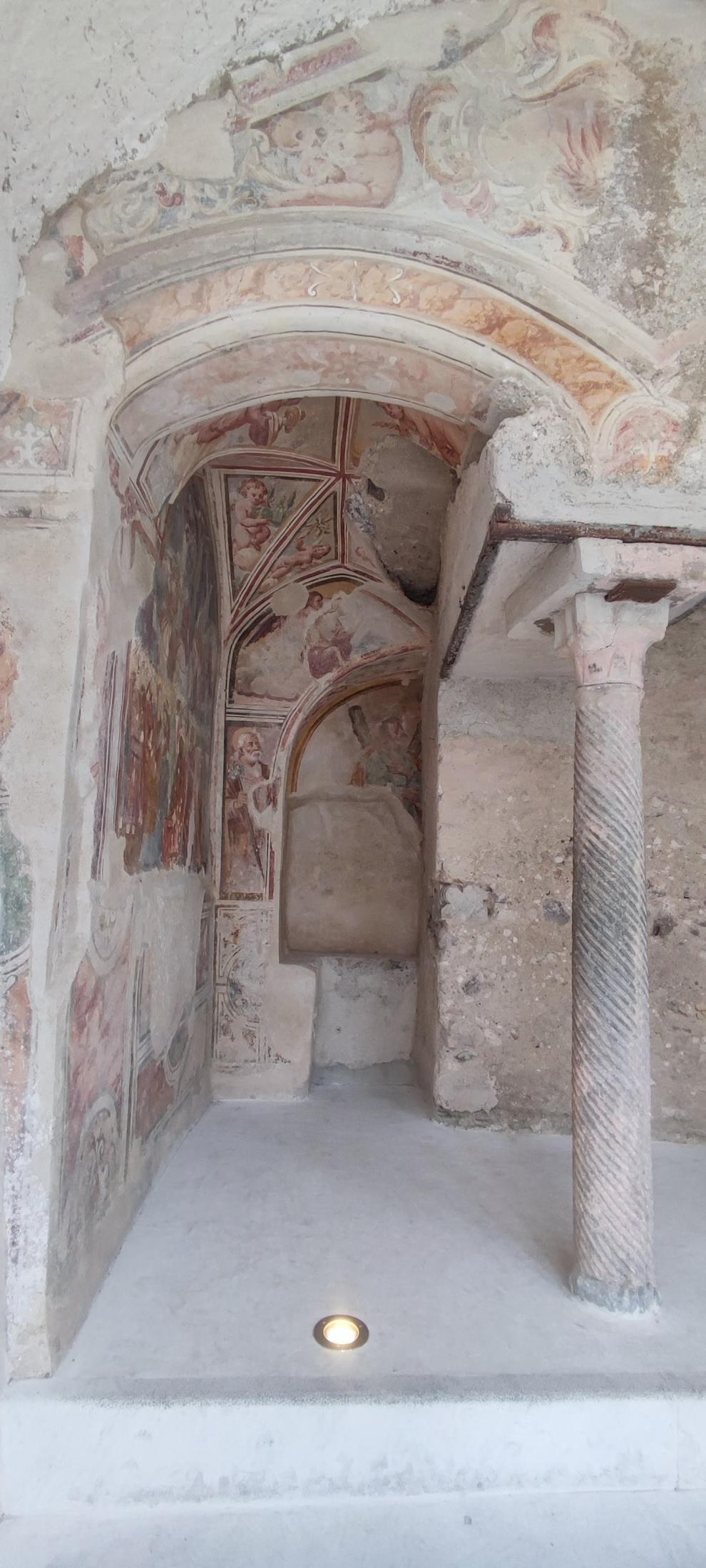
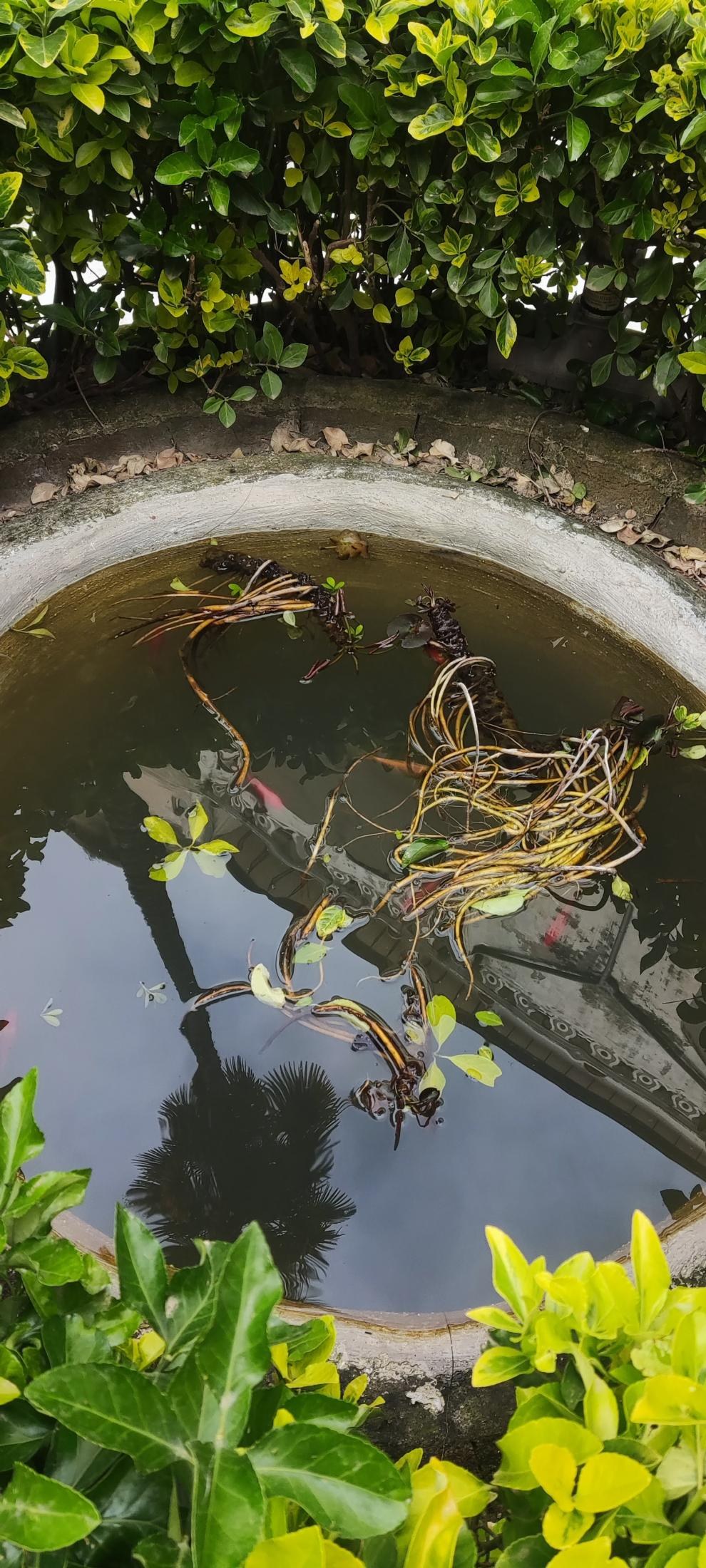
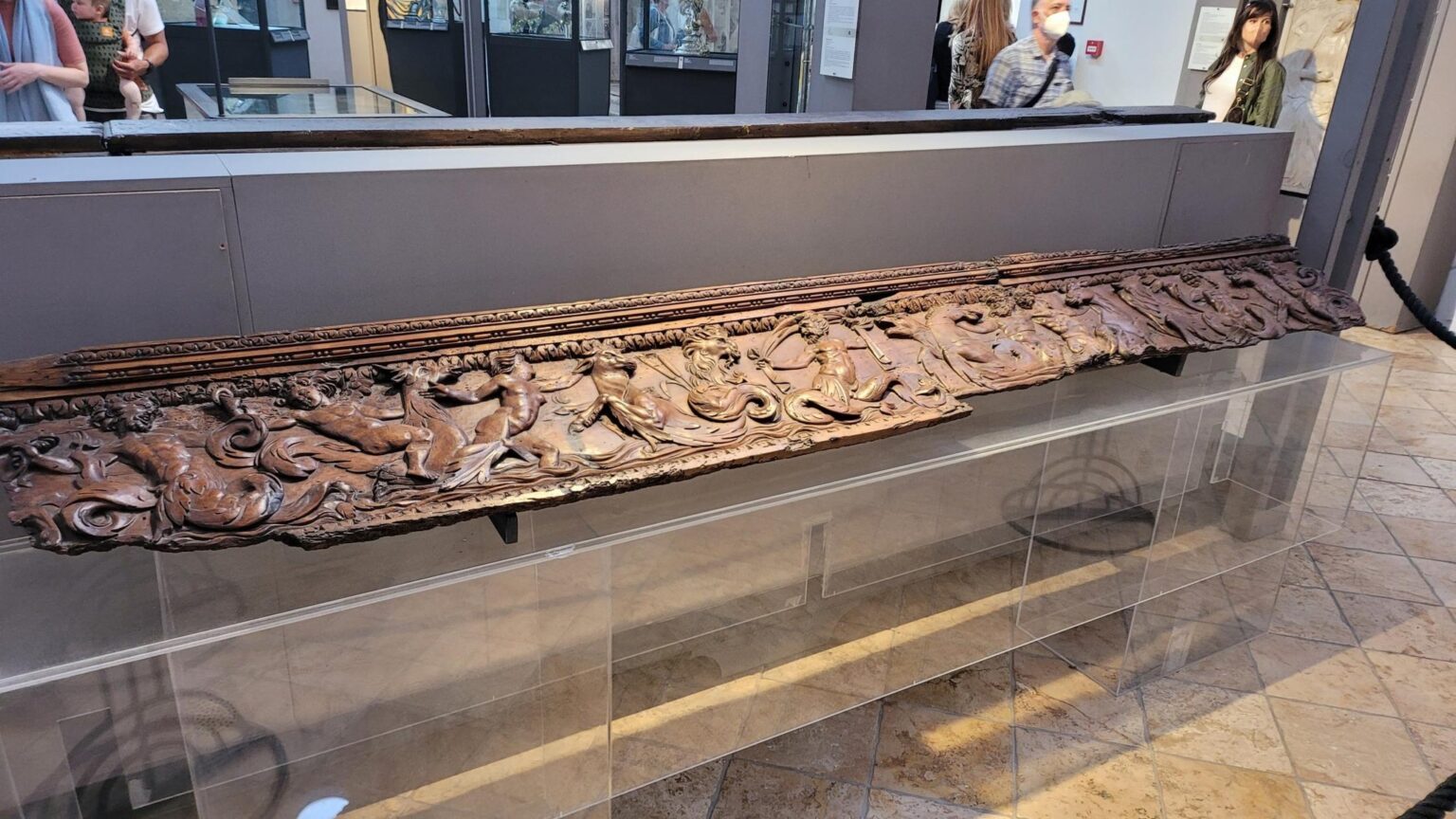
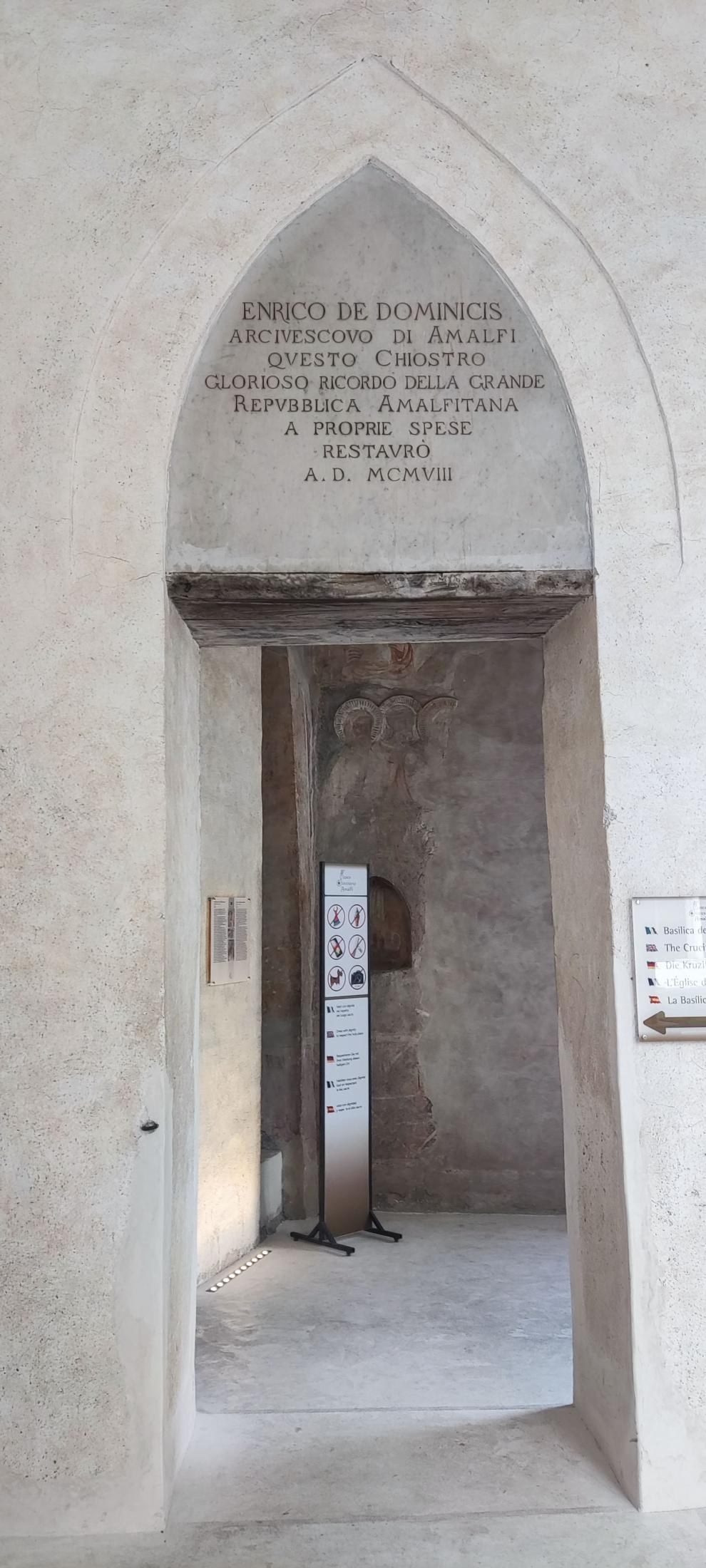
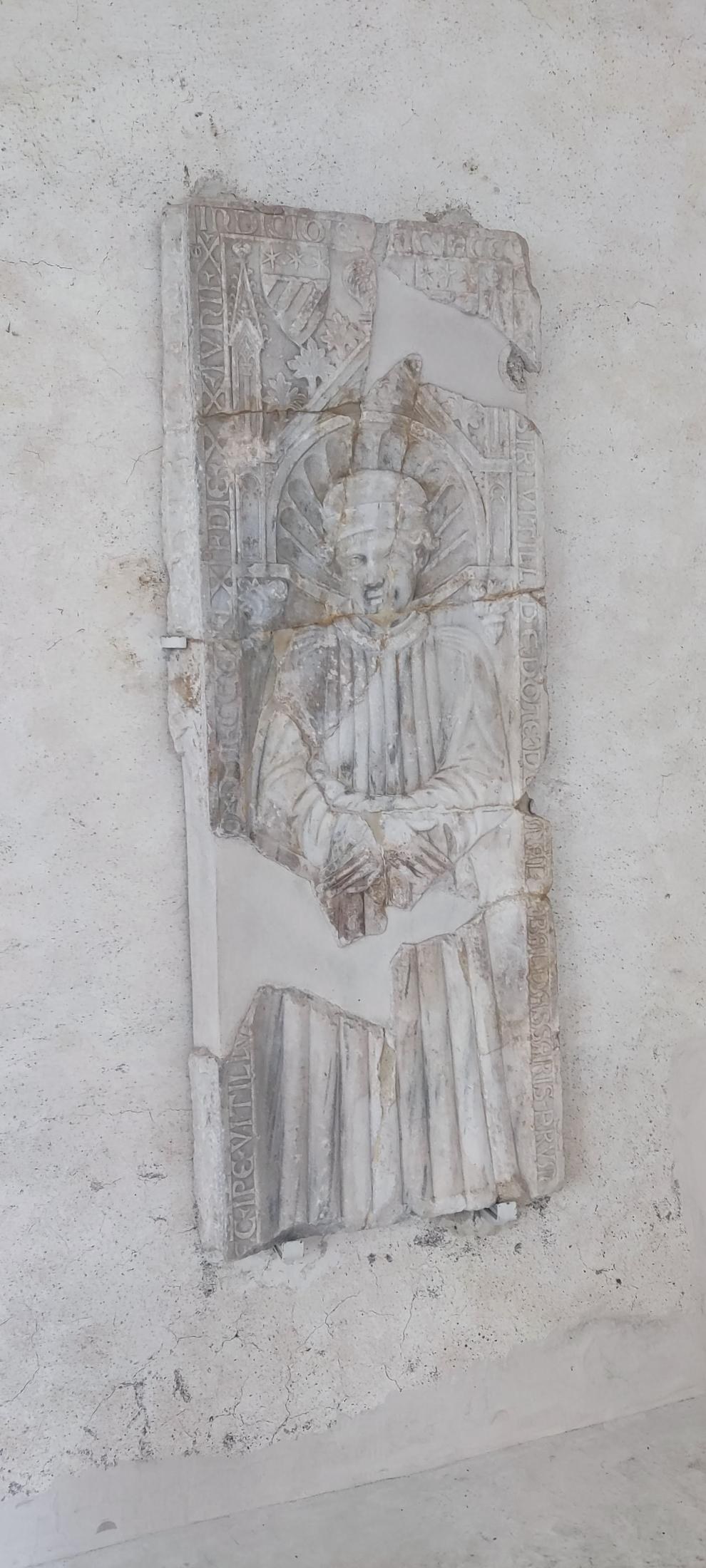
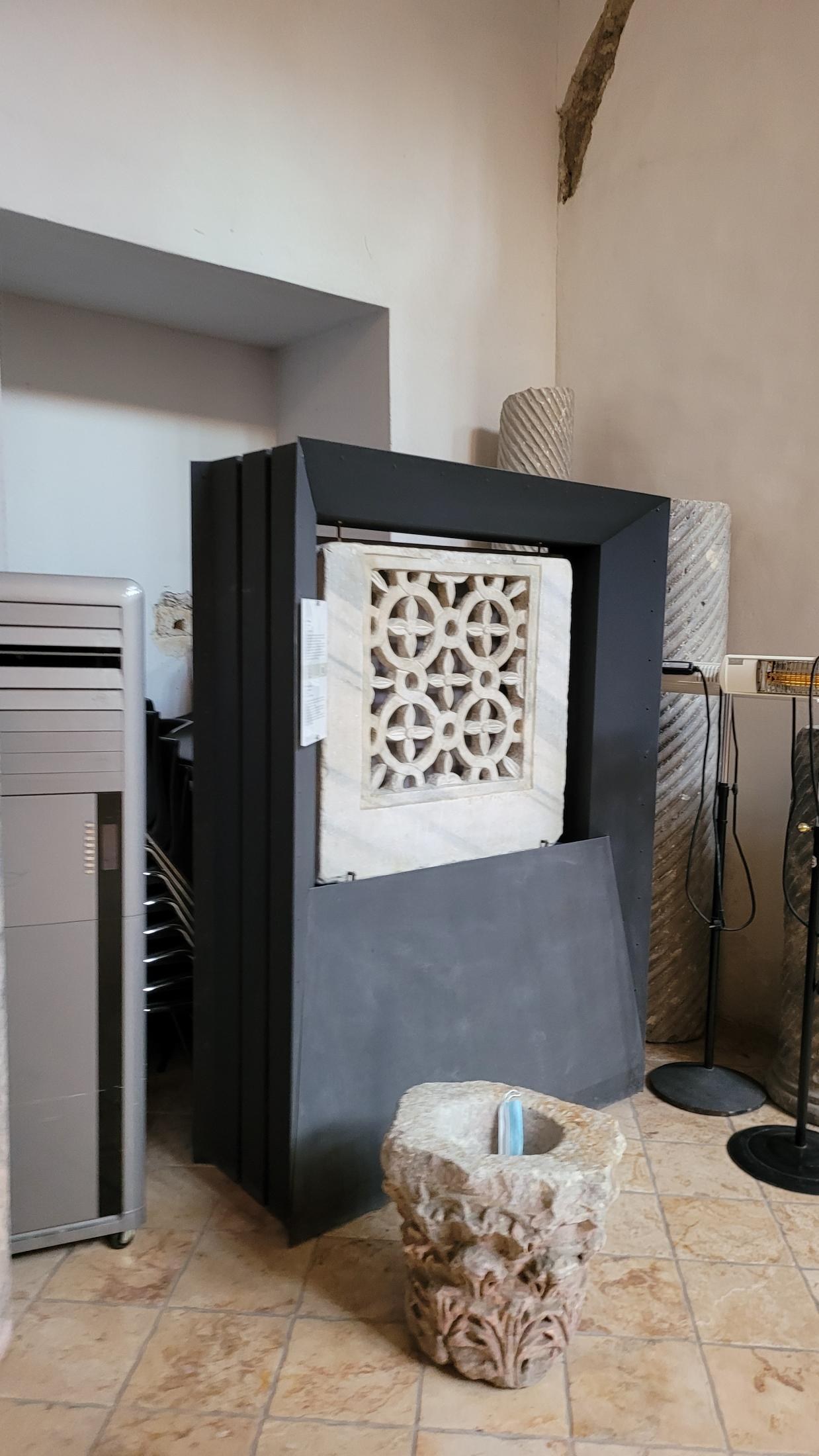
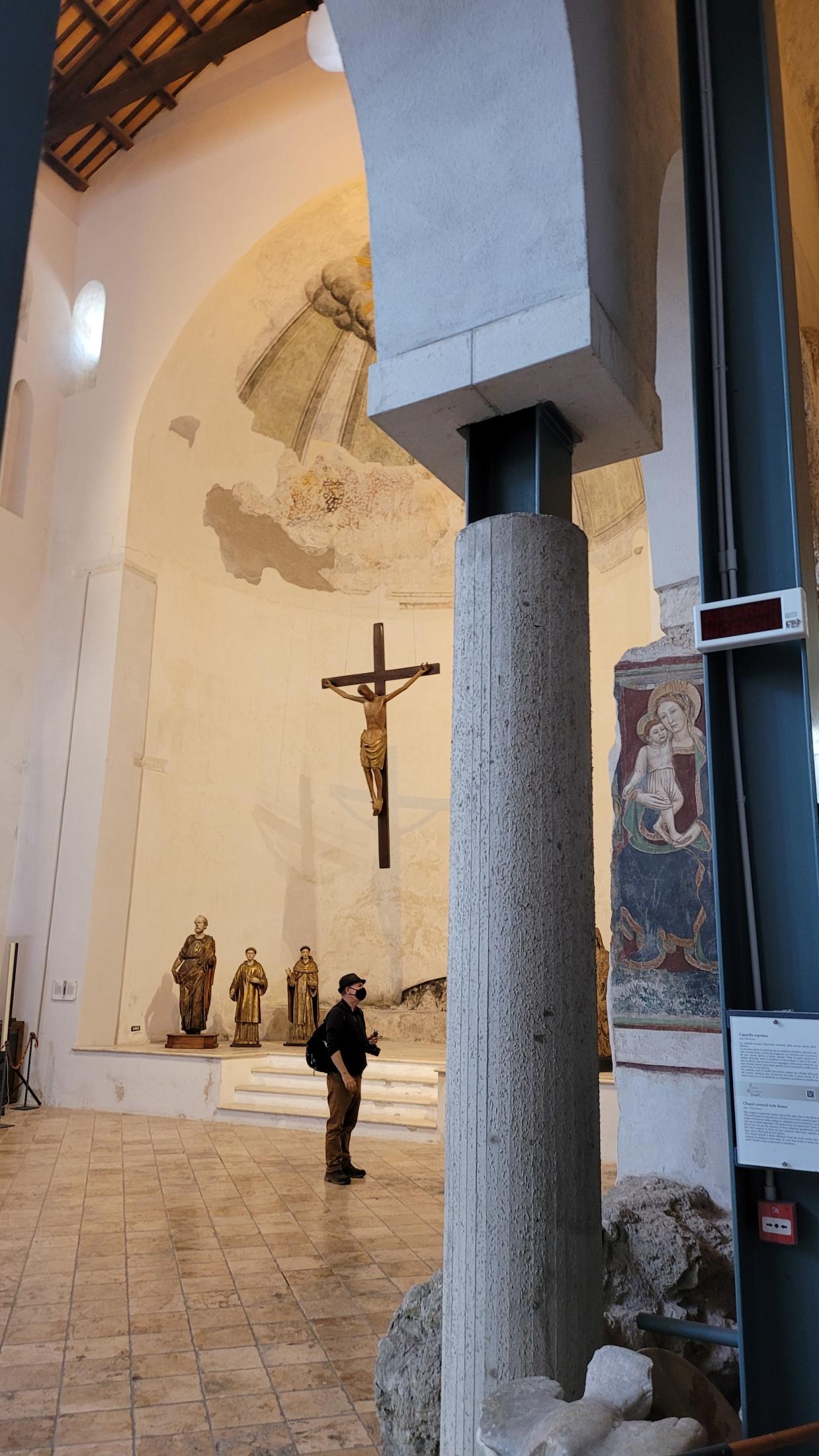
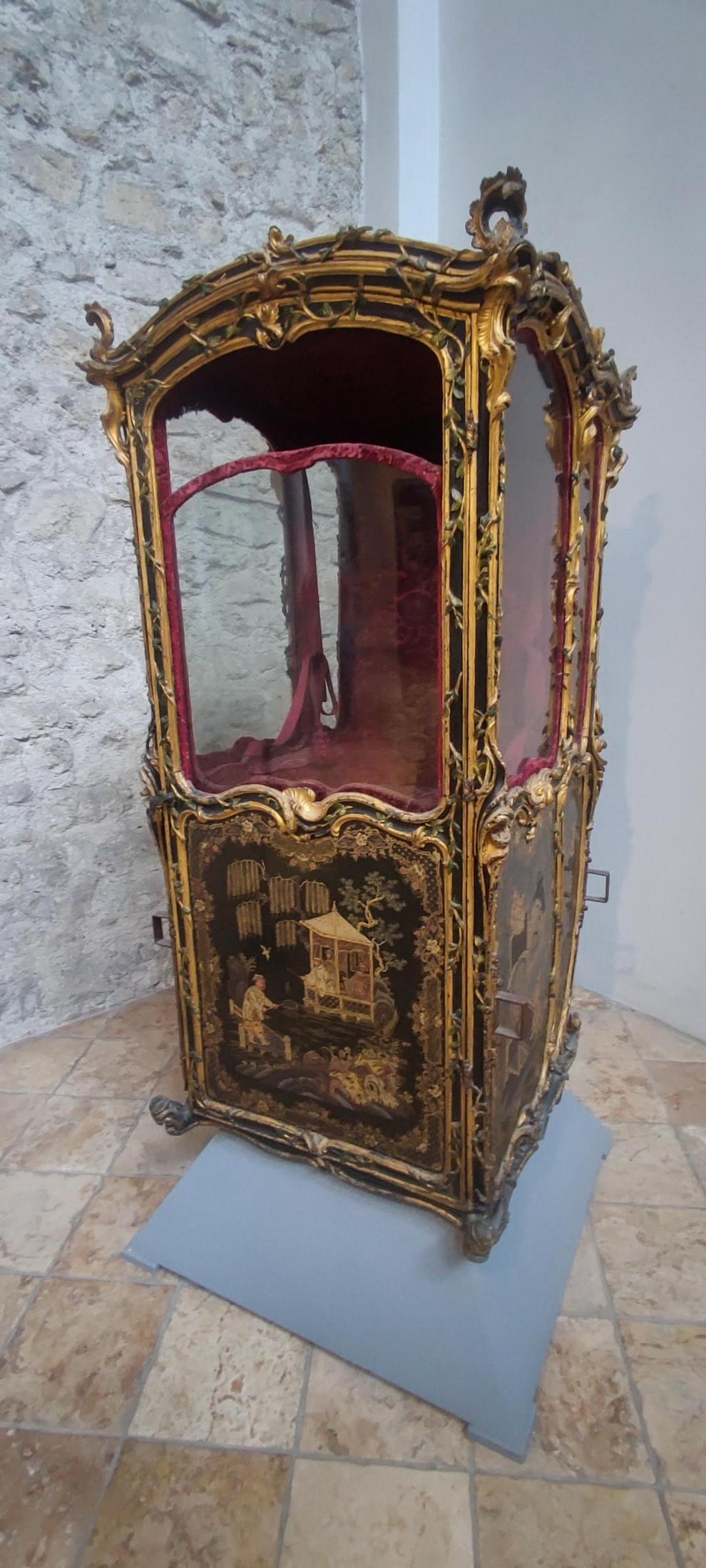
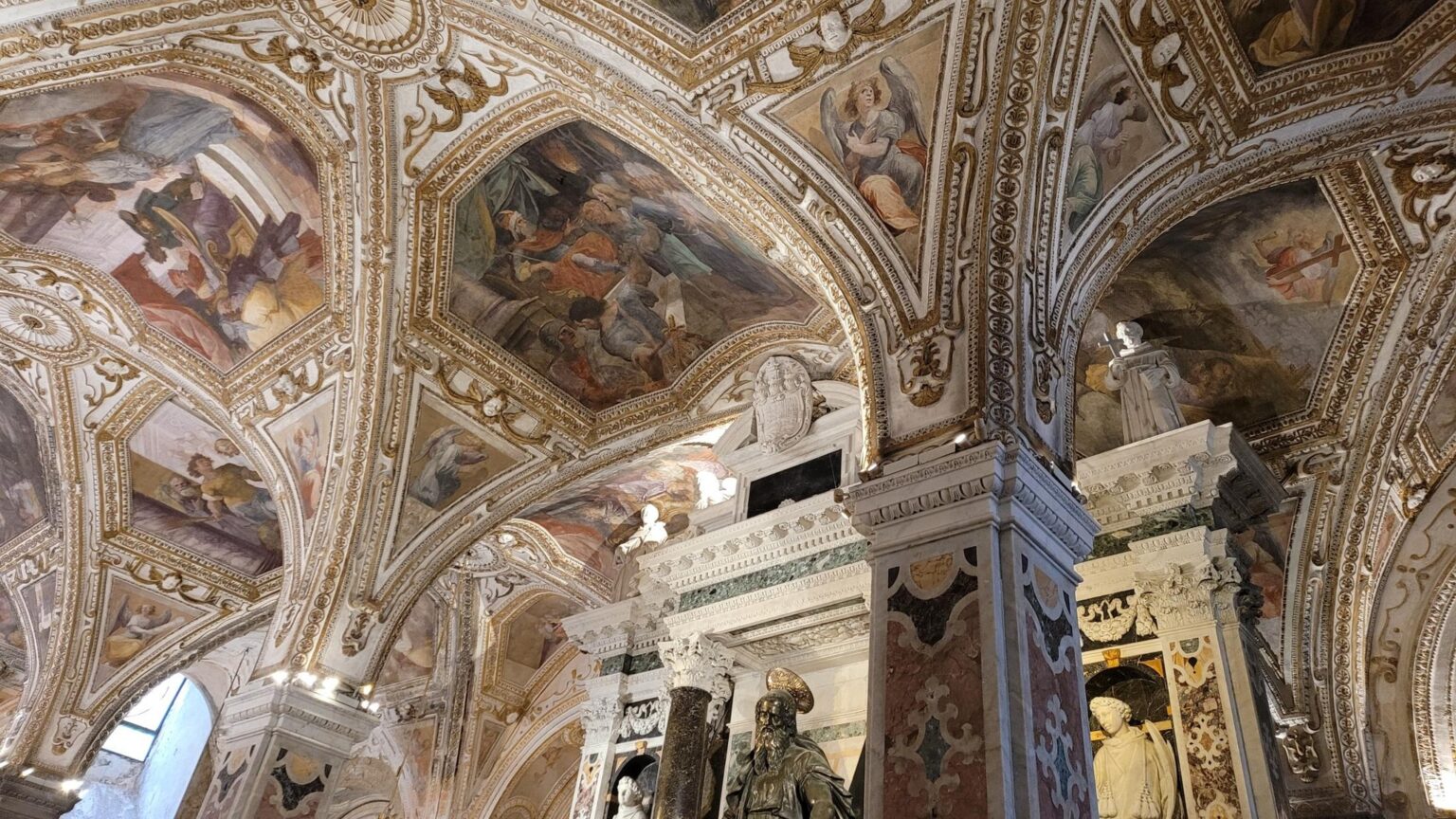
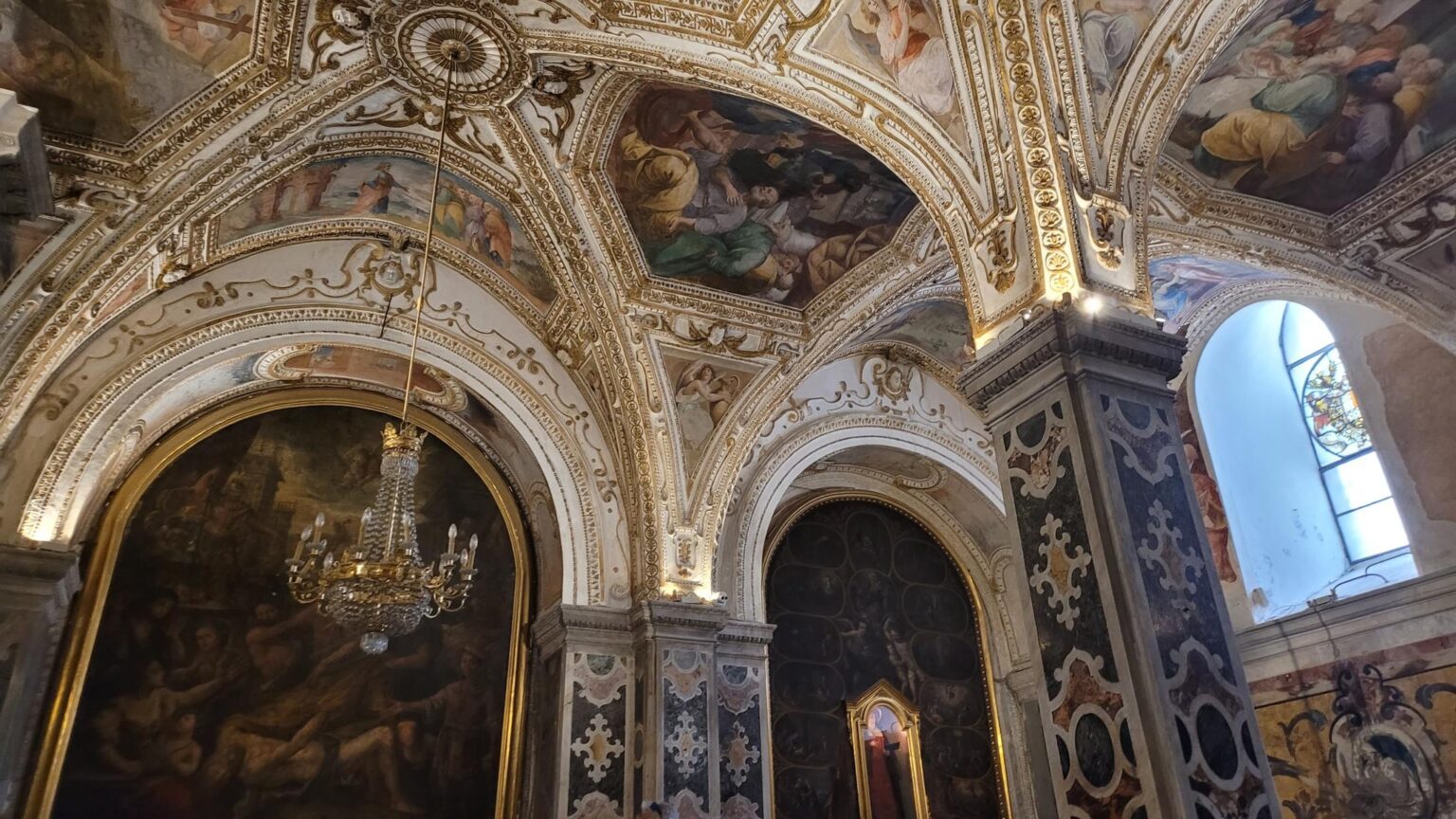
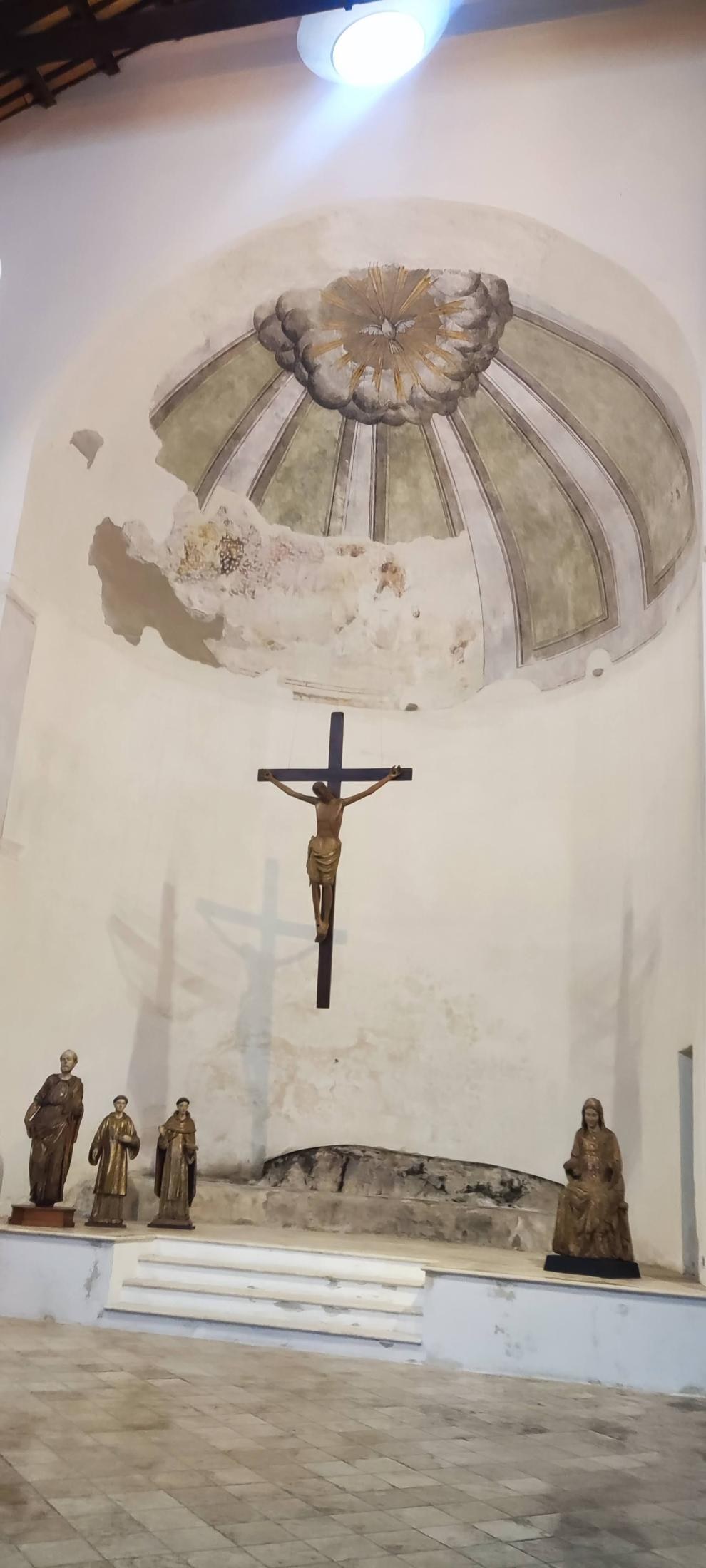
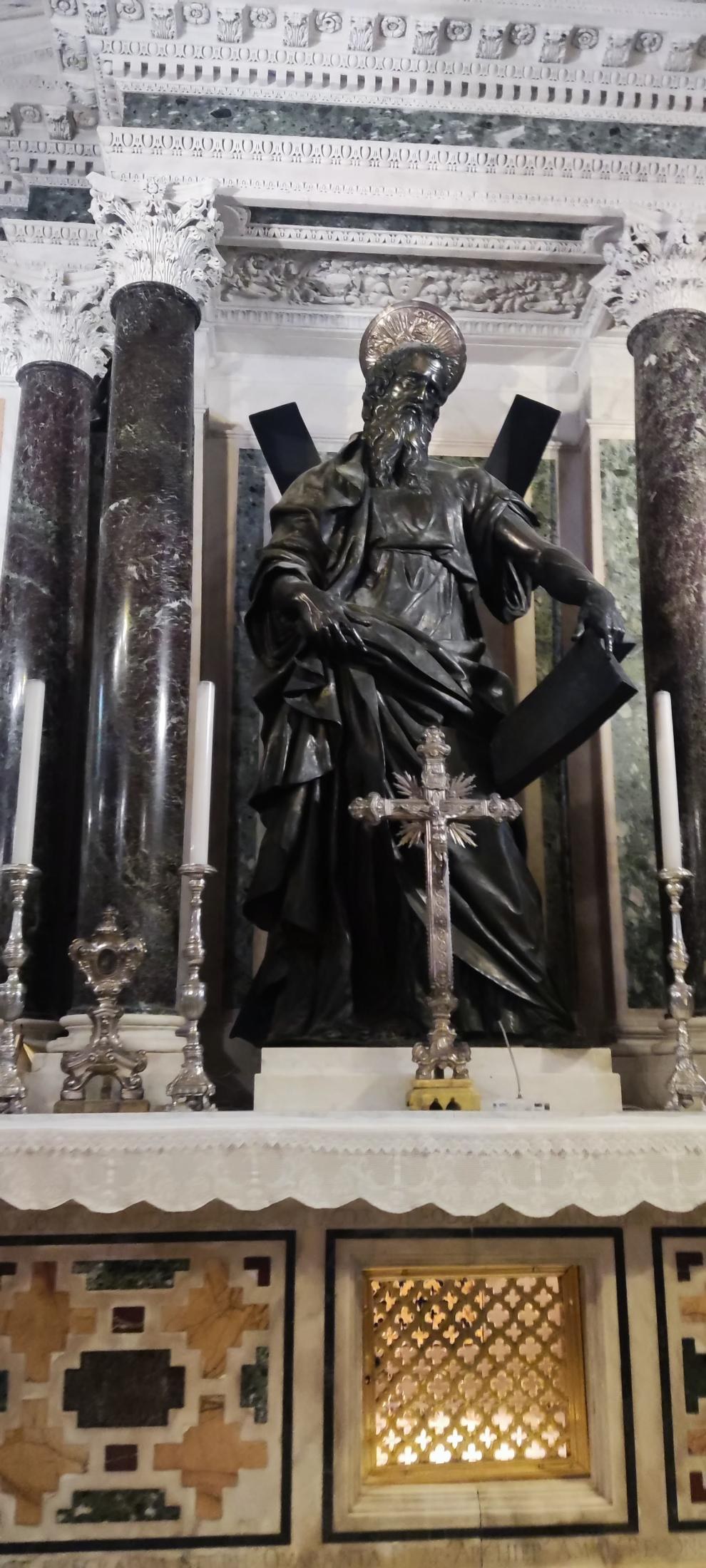
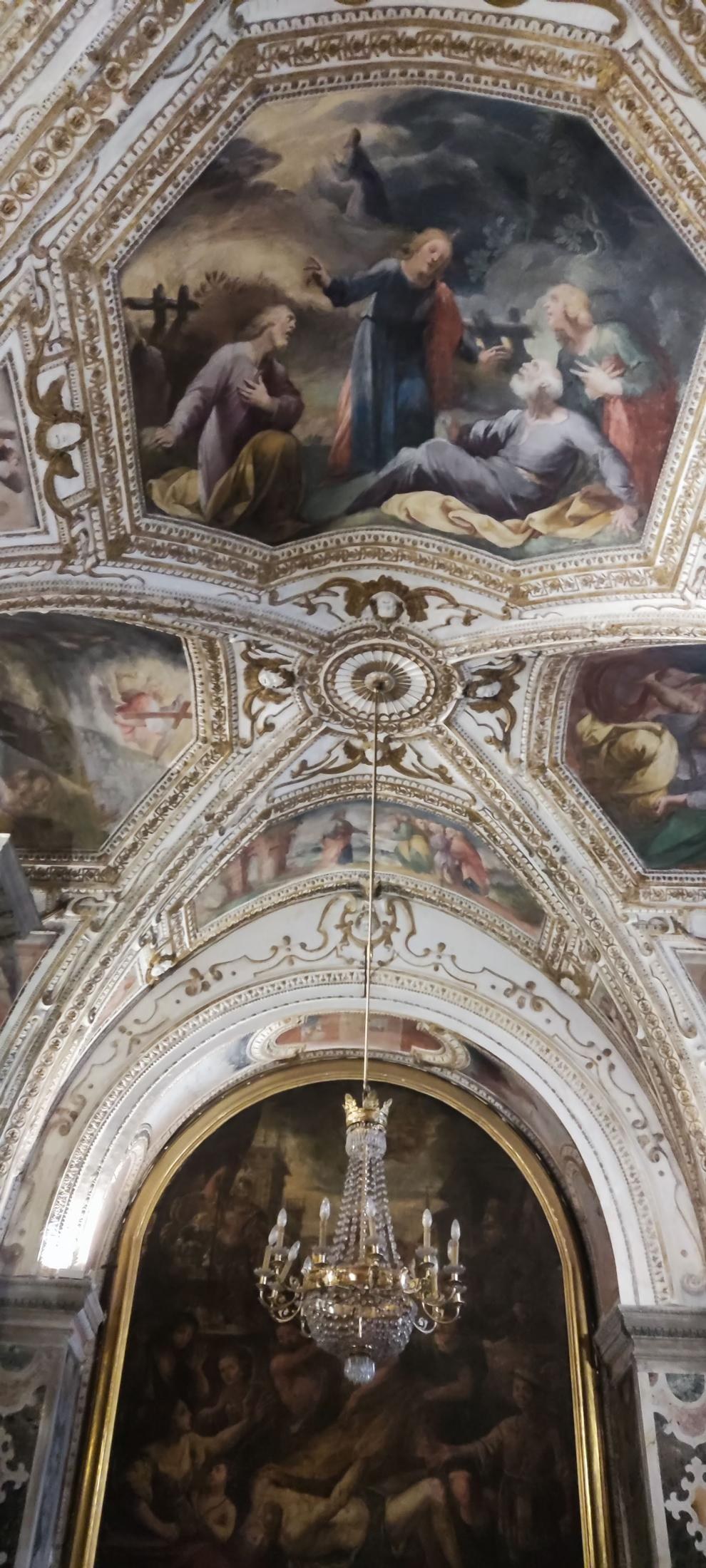
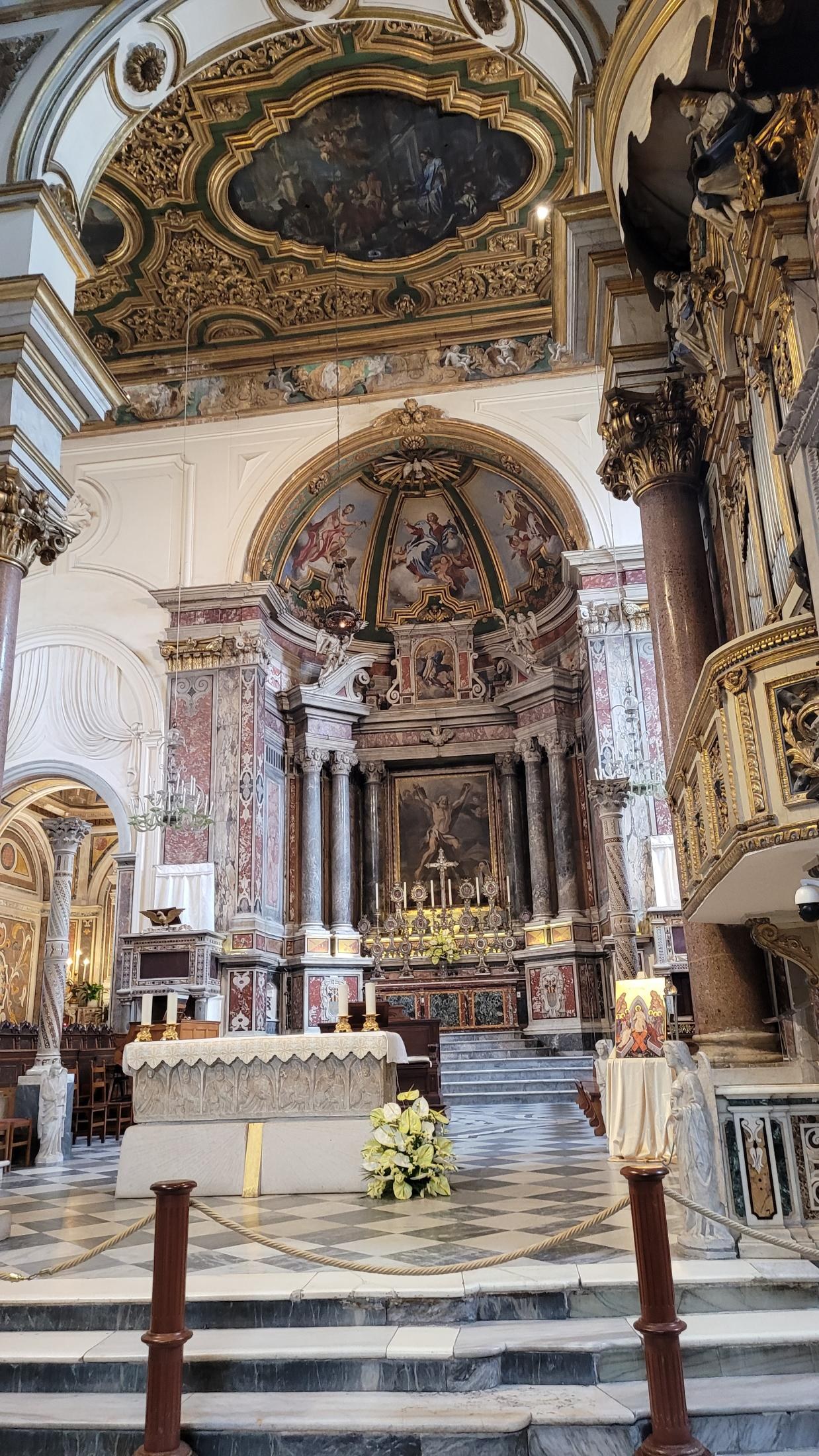
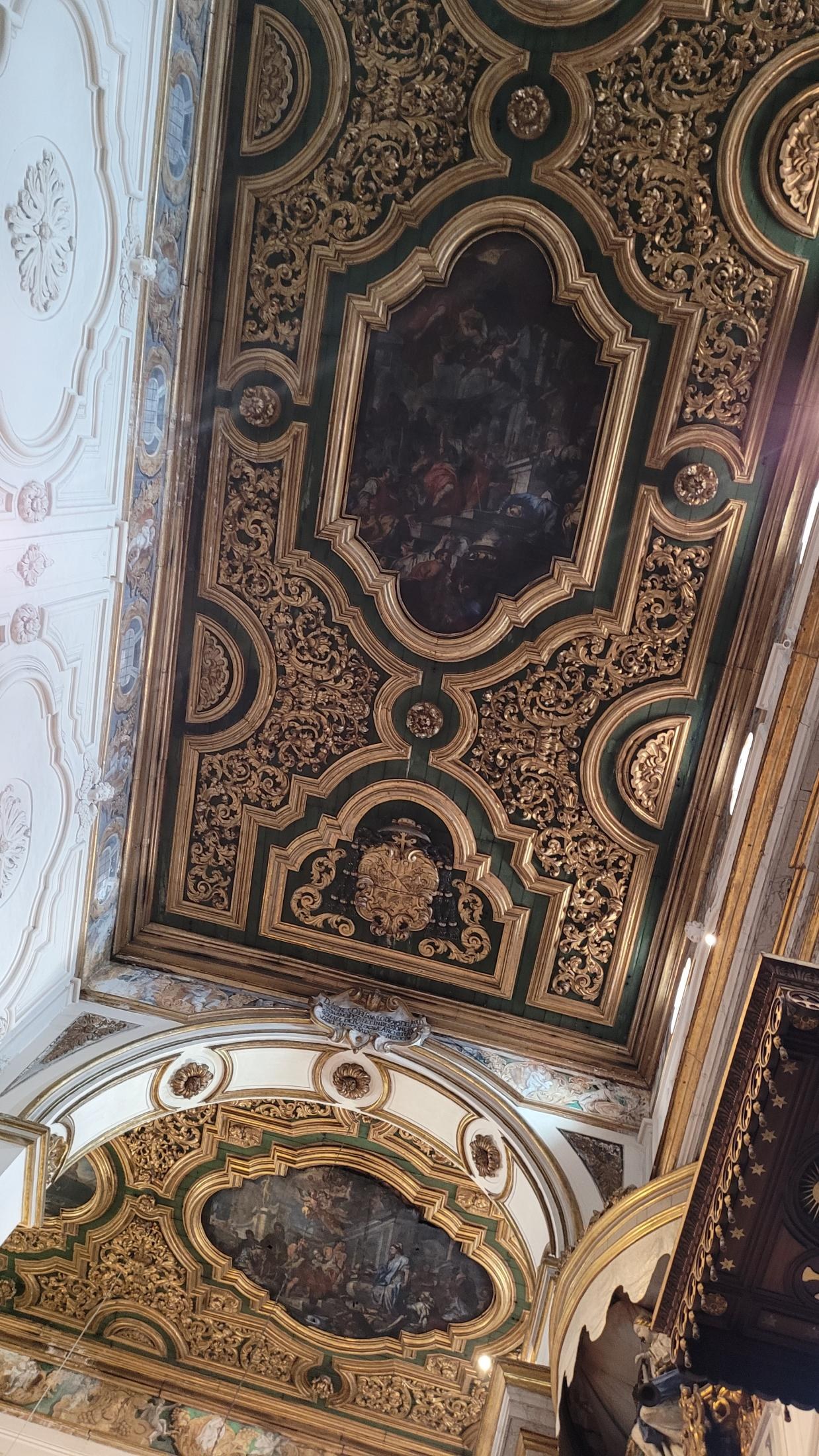
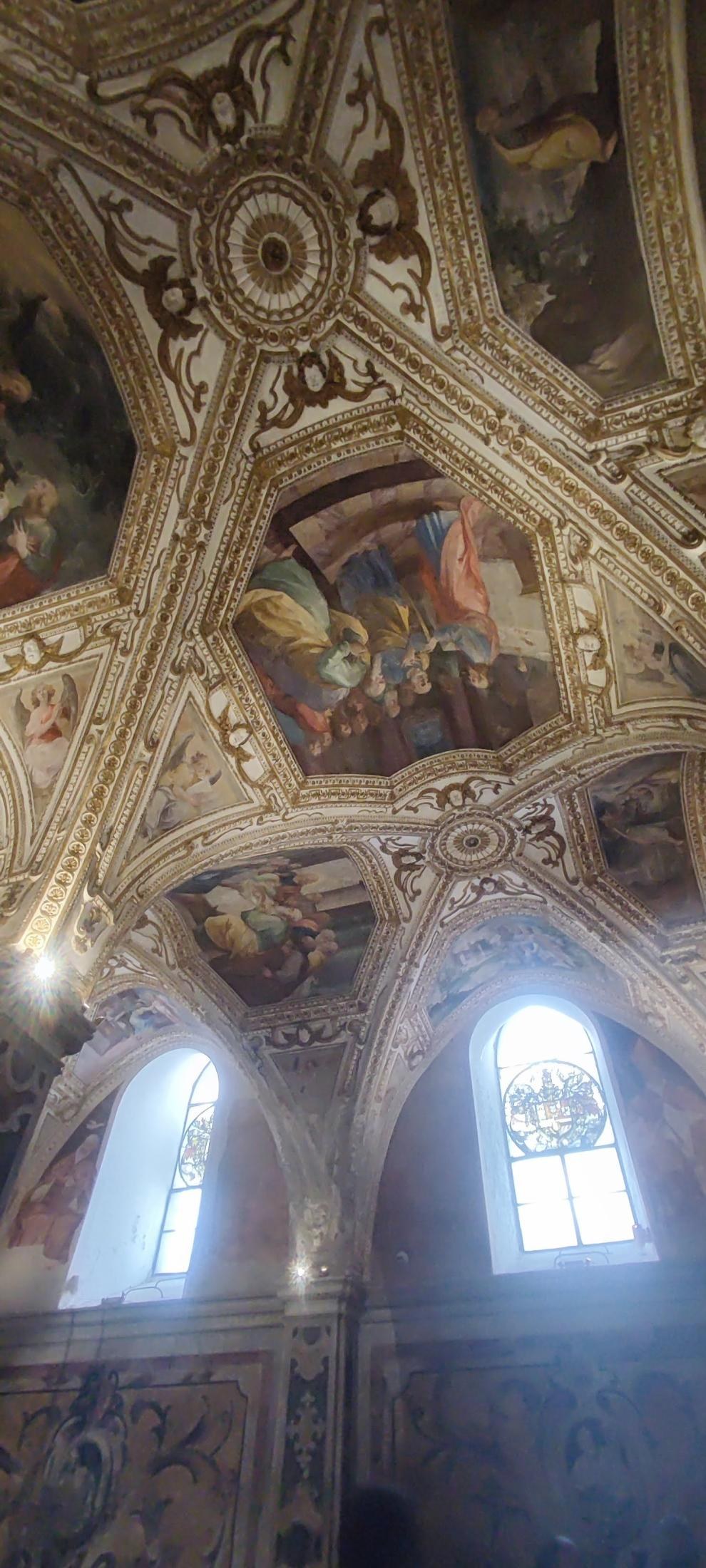
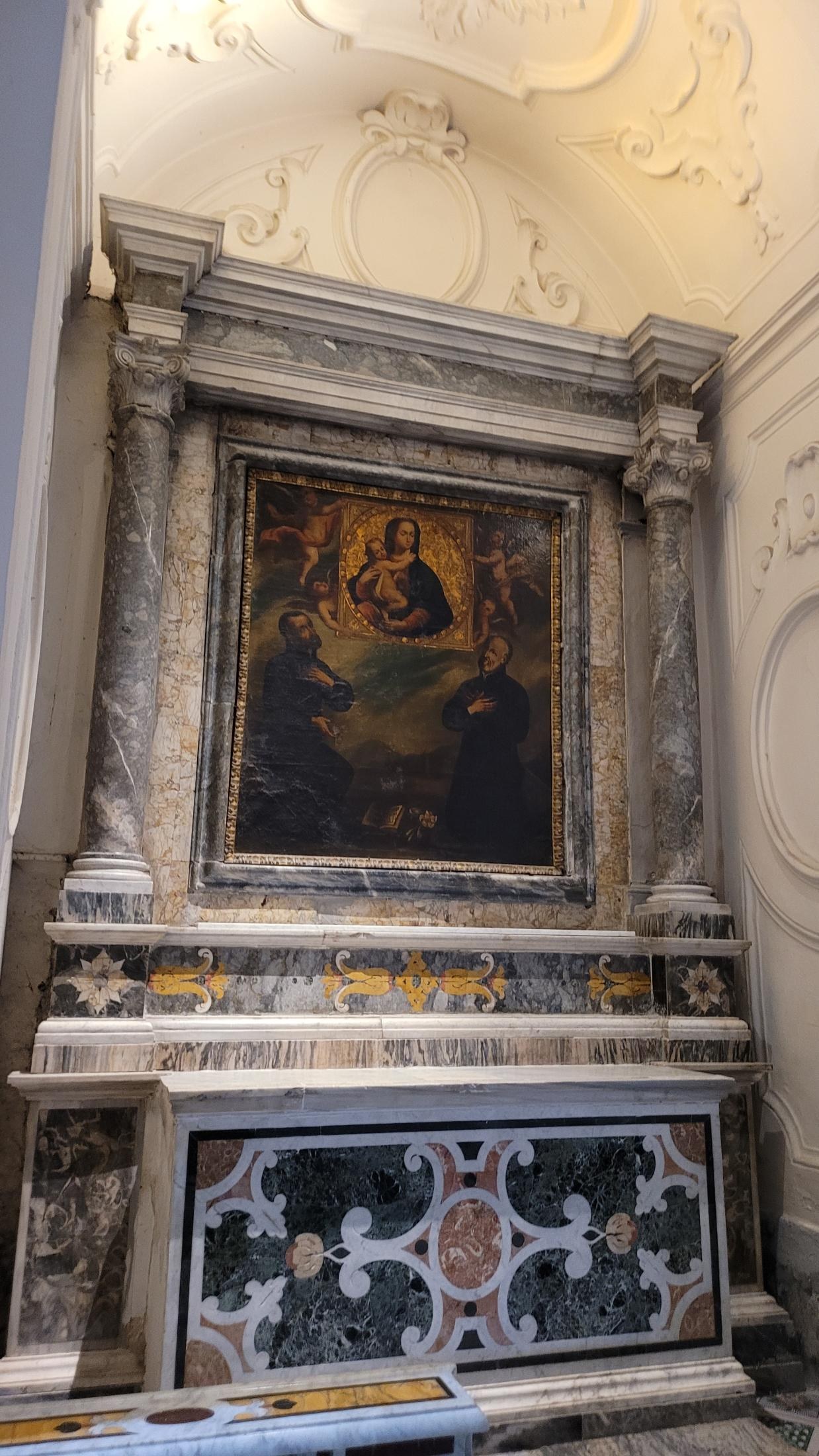
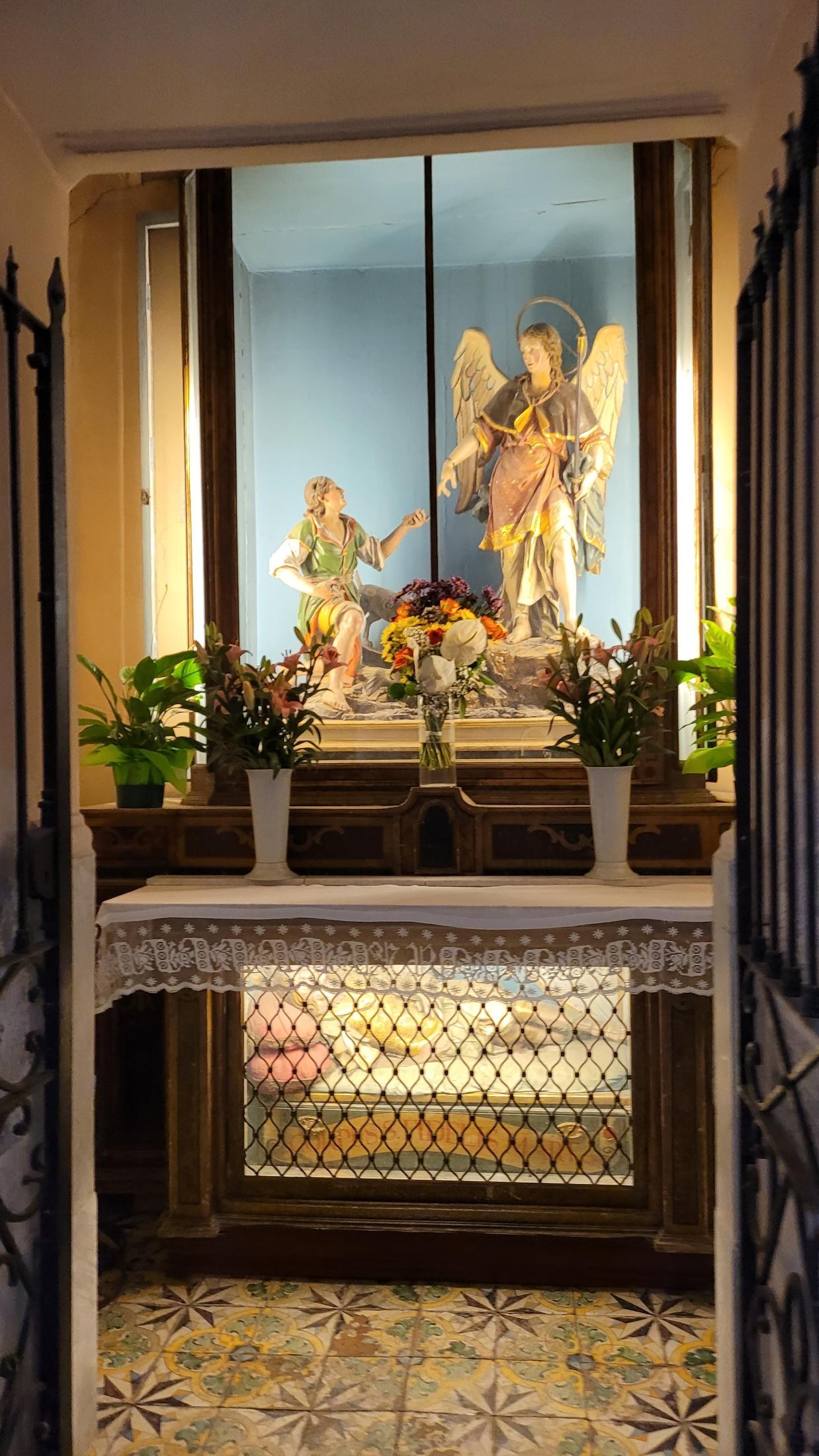
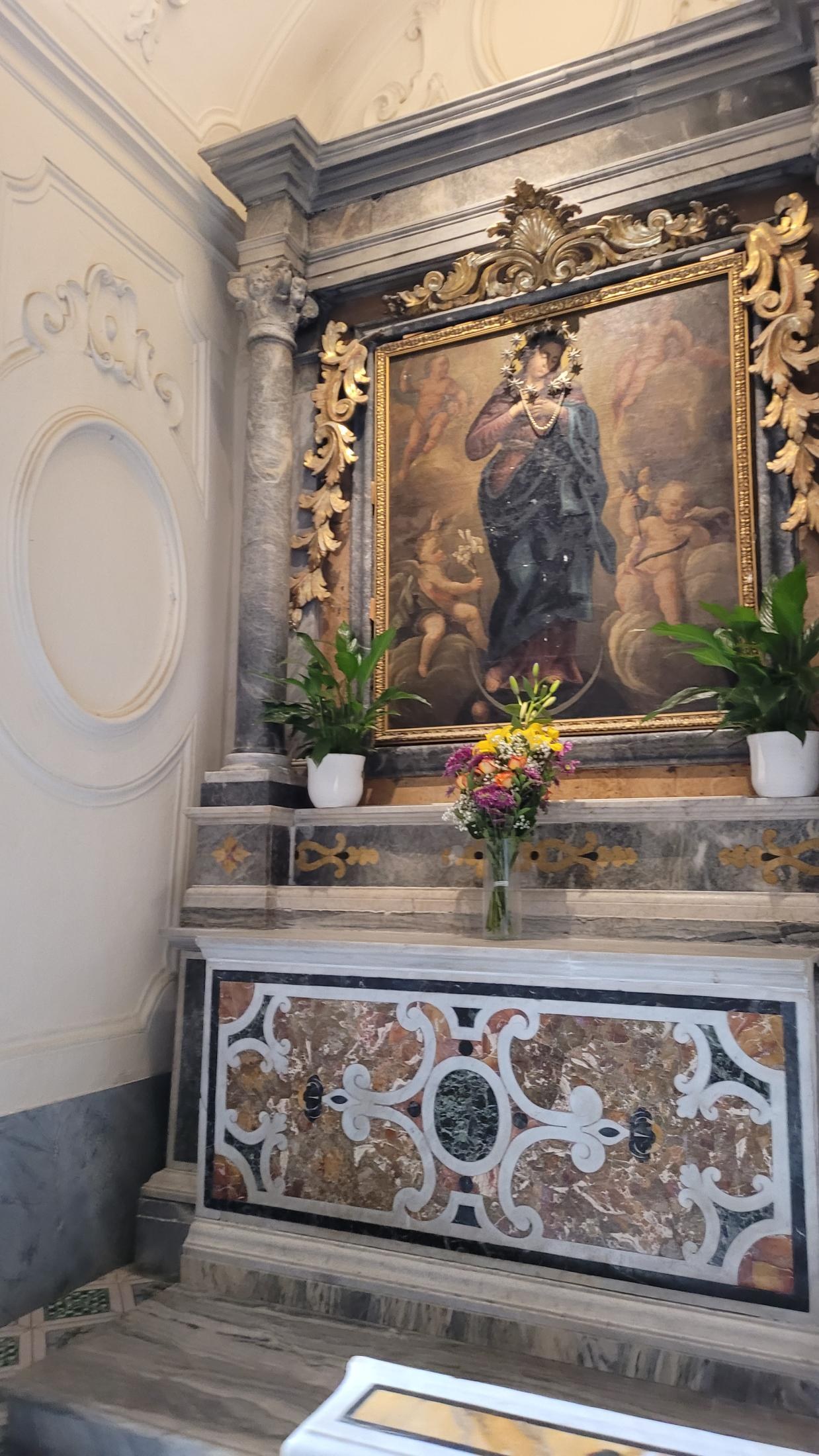
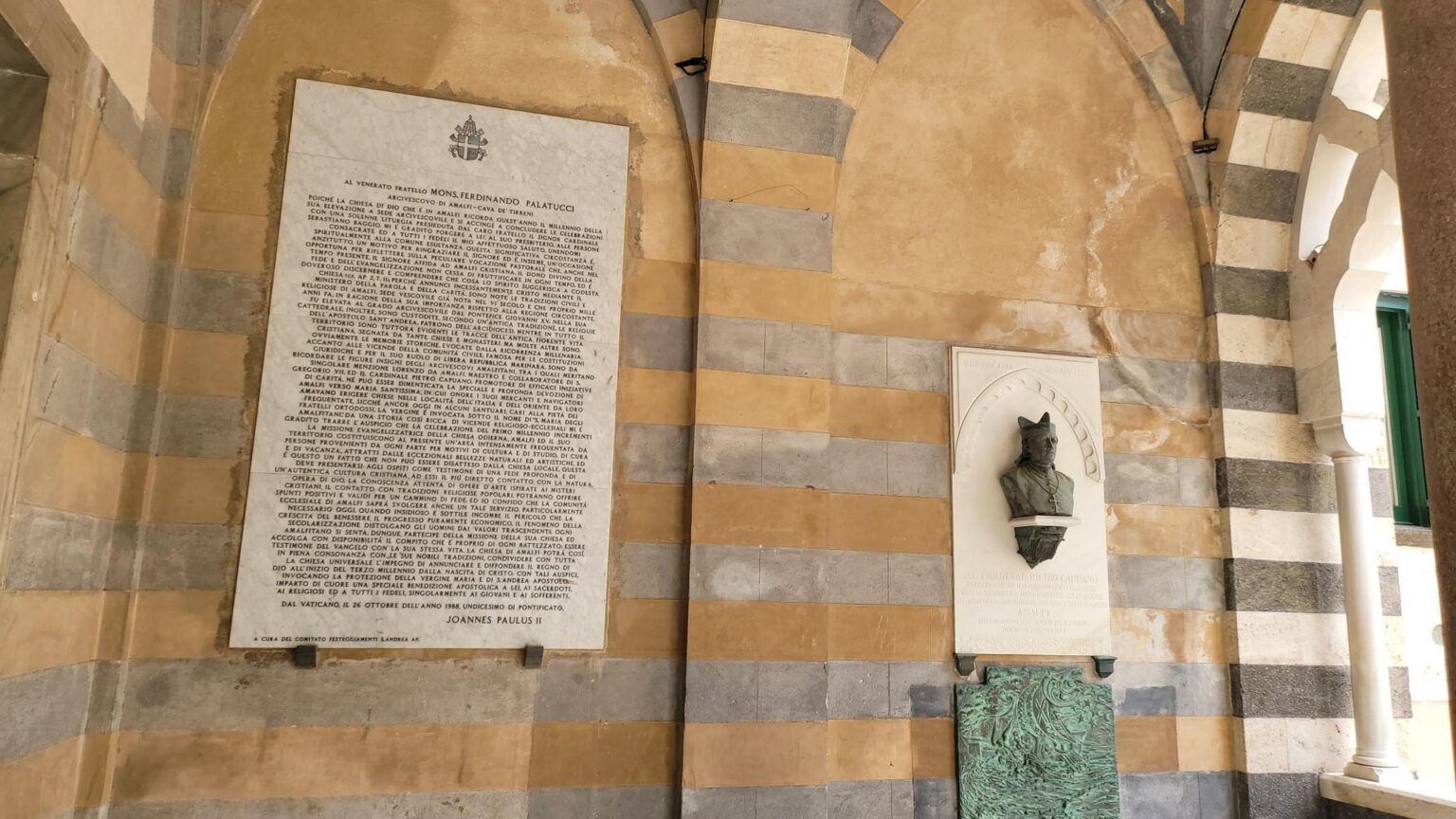
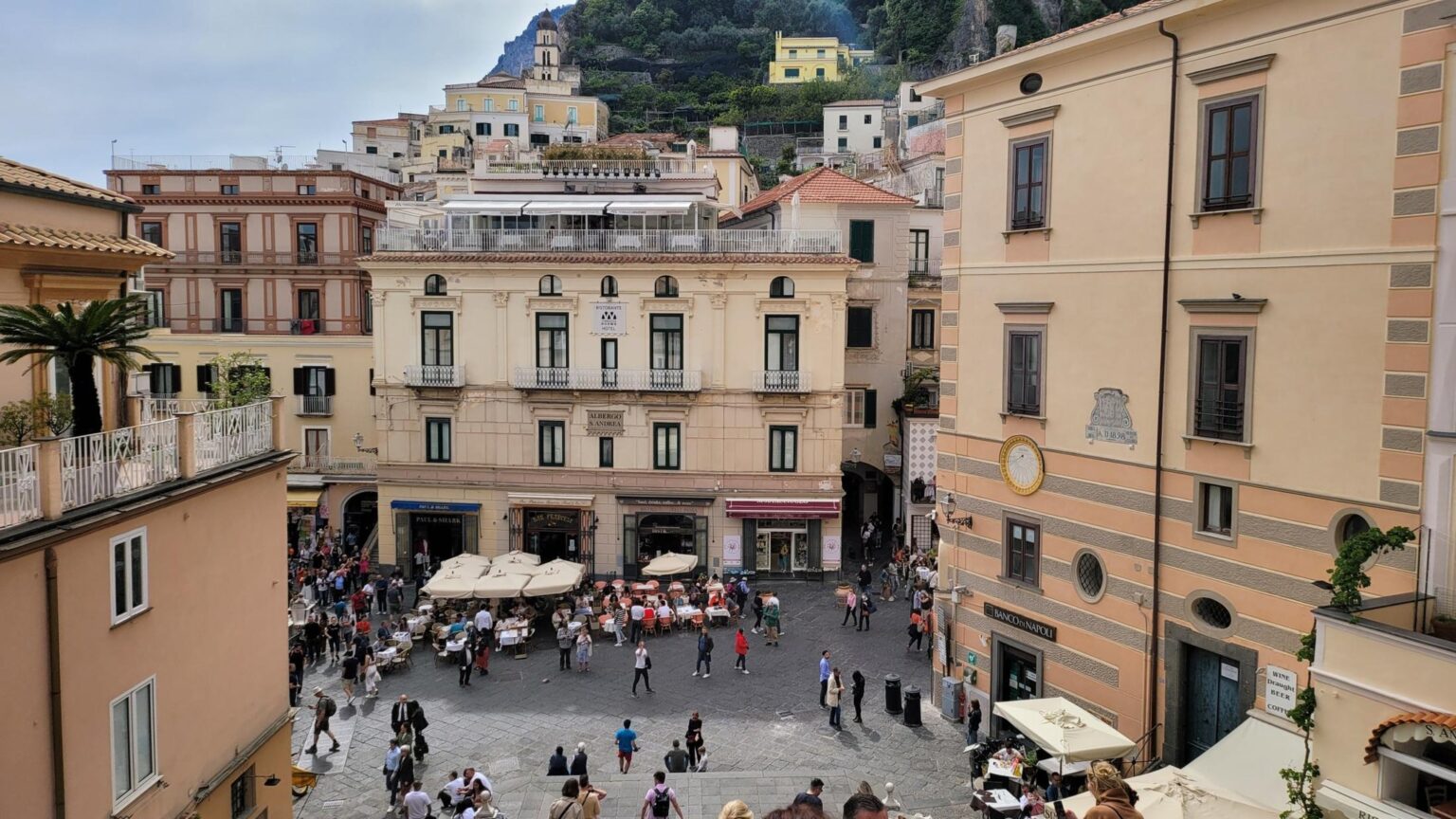
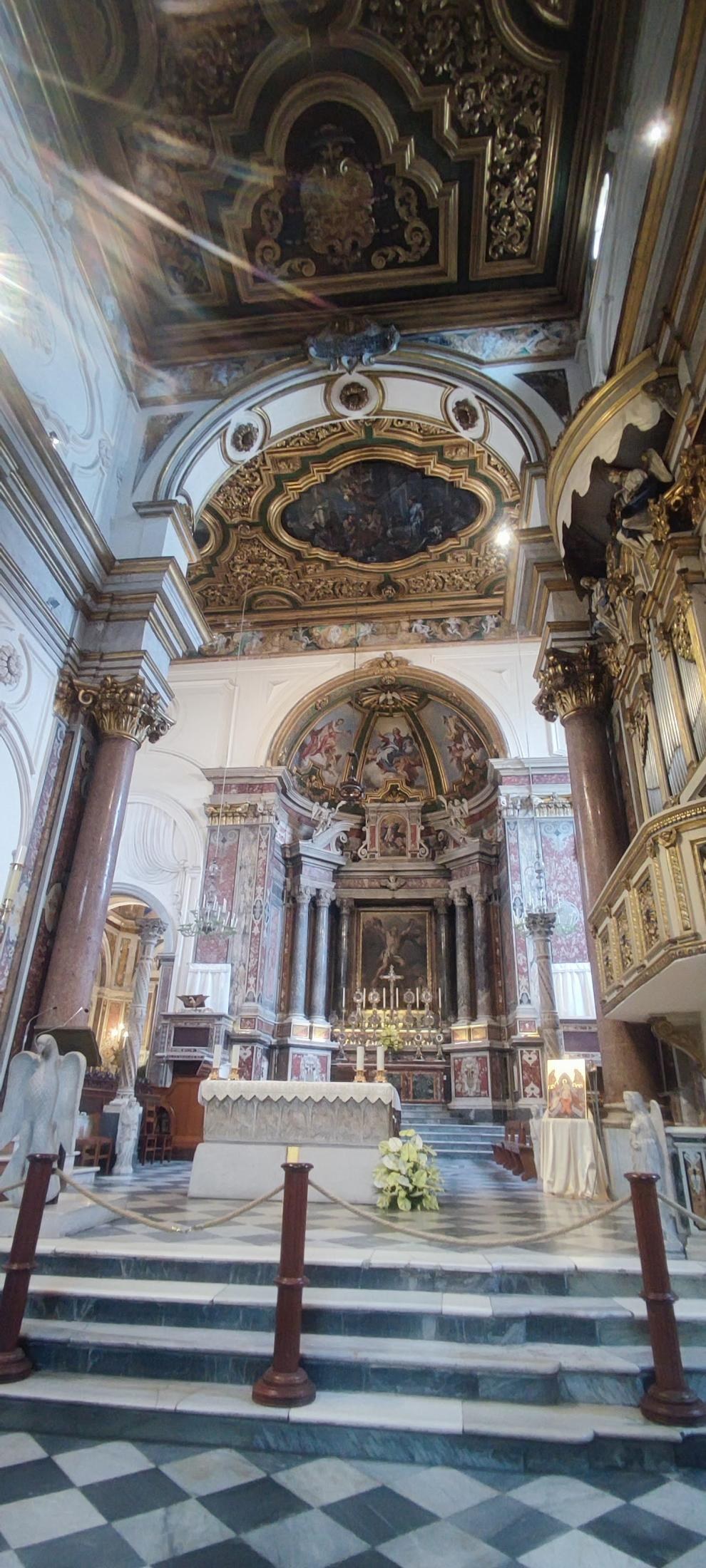
Amalfi itself is a notch bigger than Positano. It offers the Museo della Carta — the paper museum — not printing, but how the paper itself is made. Tickets are €4.50, which looks absolutely normal. Unfortunately it is already 16:00 and on the way back we have 2 hours to Sorrento plus another hour and a bit to Naples, so this also stays for the future (funded by the change from the sold kidney).
Restaurant prices are noticeably more normal, but still 2× Naples. What catches the eye immediately is the gigantic queue in front of a place that is visibly a local institution — C.I.C.A., which offers temptations from the sea. Even if you don’t like fishy things, like me, here everything is deep-fried to the point where there is not a trace of fish taste or smell left. For around €10–12 you can eat abundantly and well. Time is pressing, we need to head back.
The SITA bus stop is marked perfectly clearly, there is no room for error.
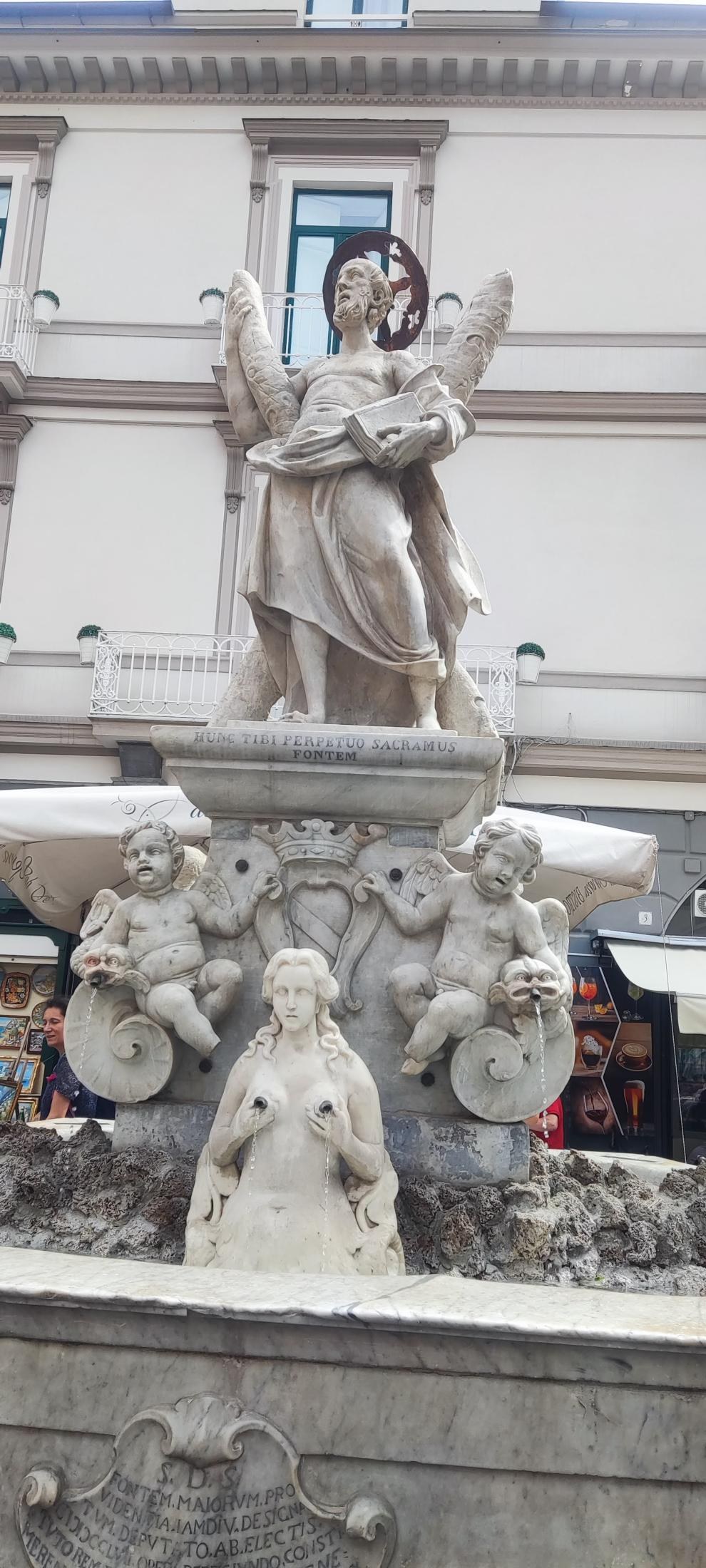
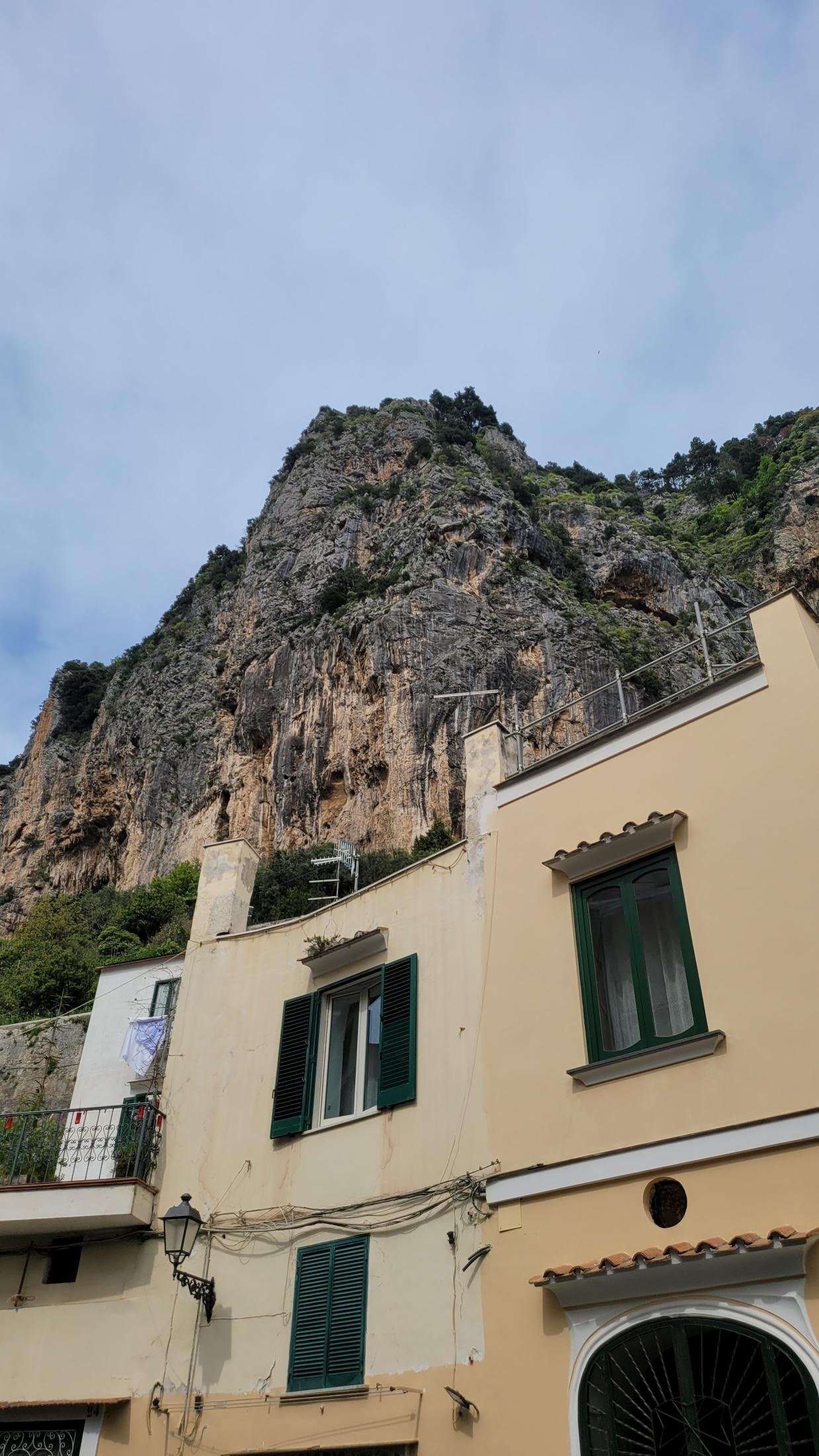
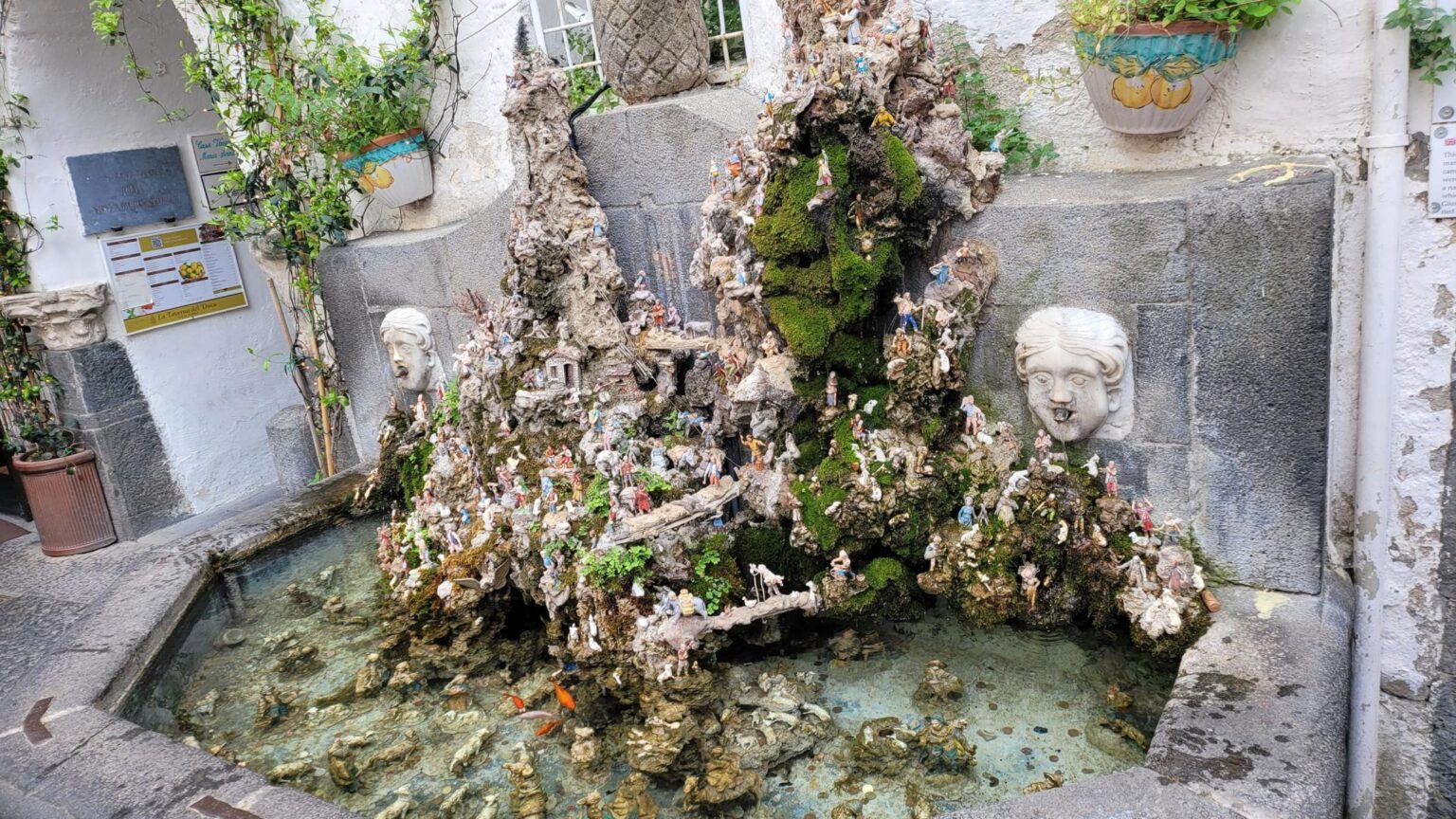
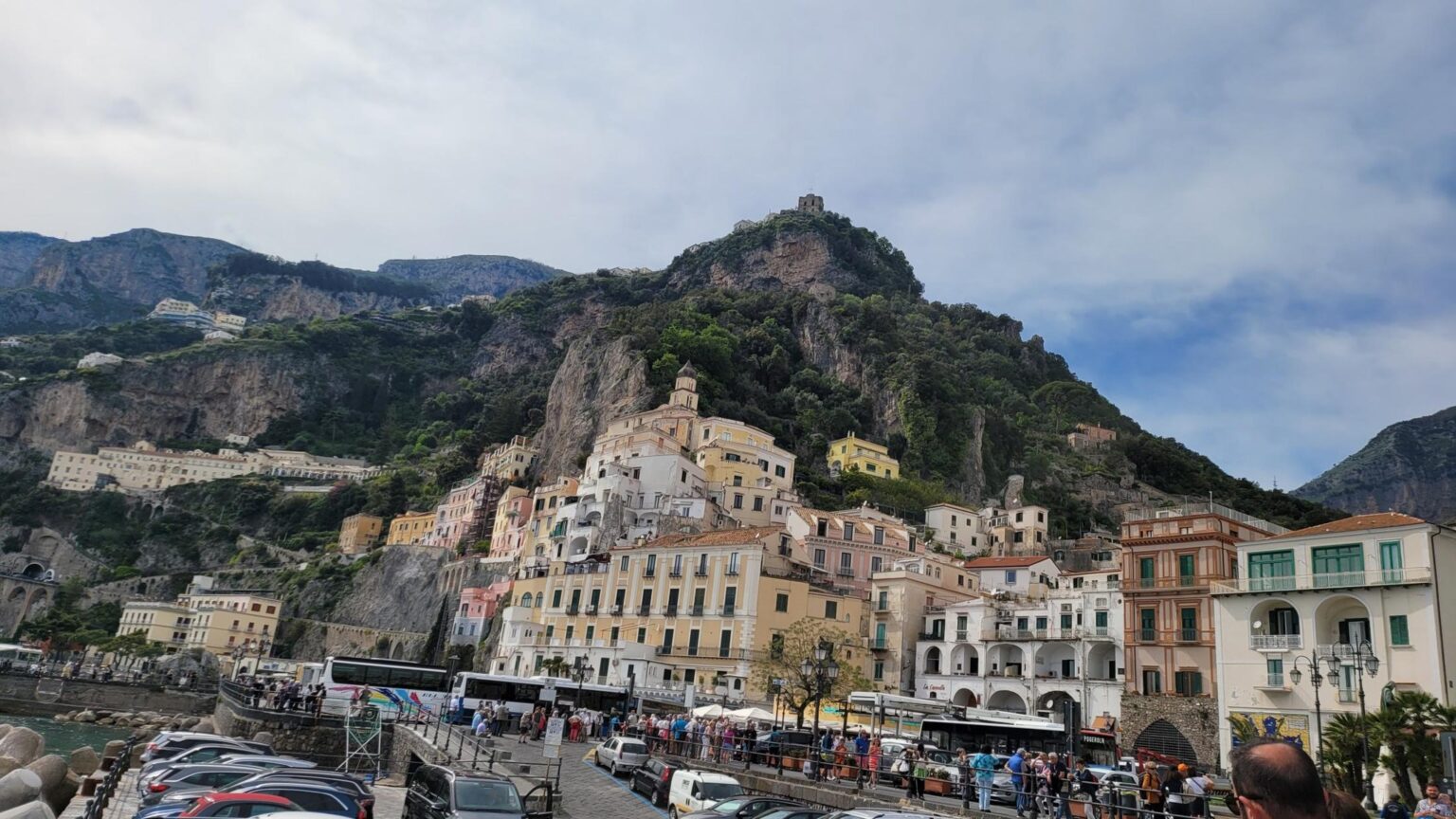
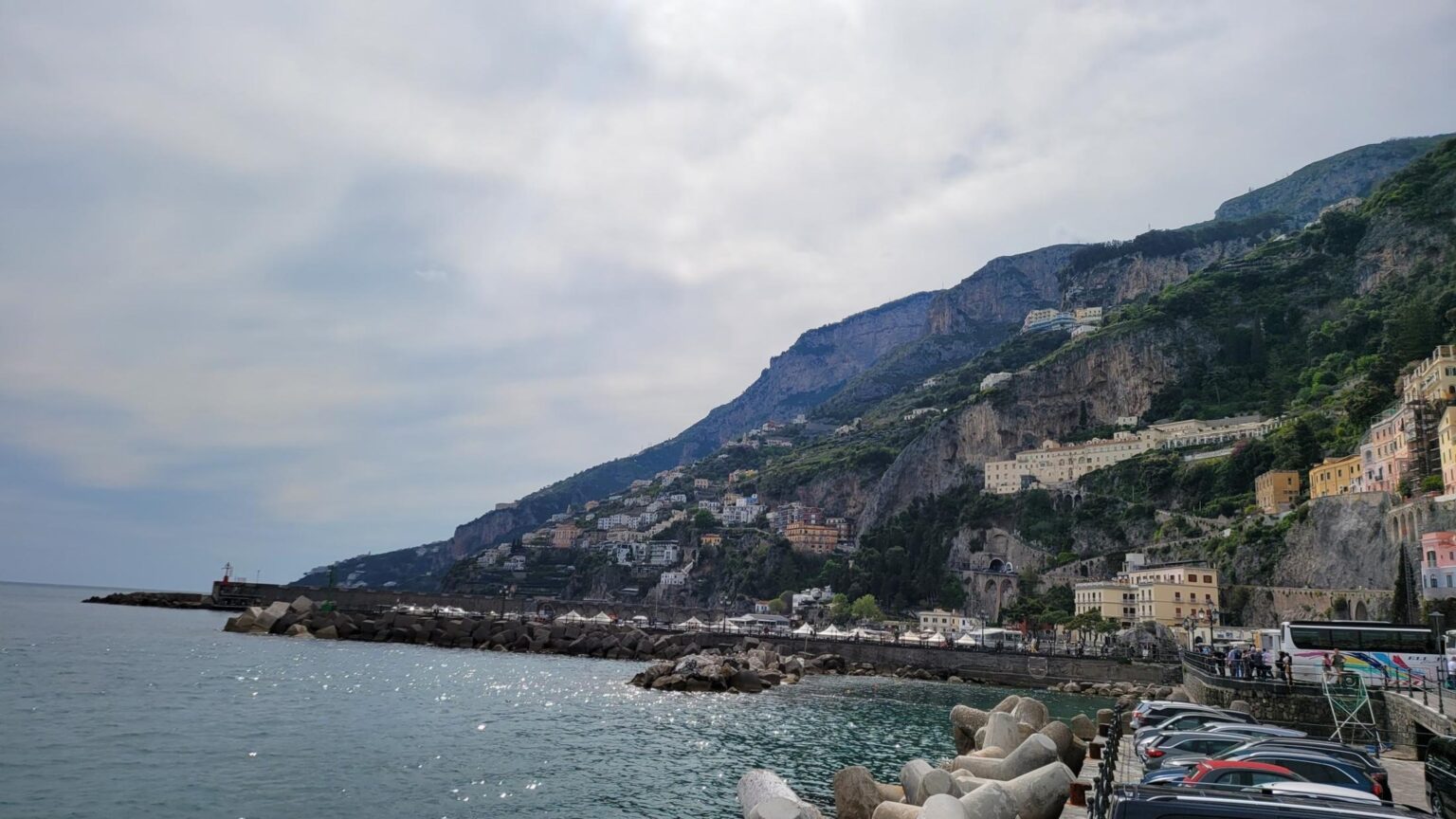
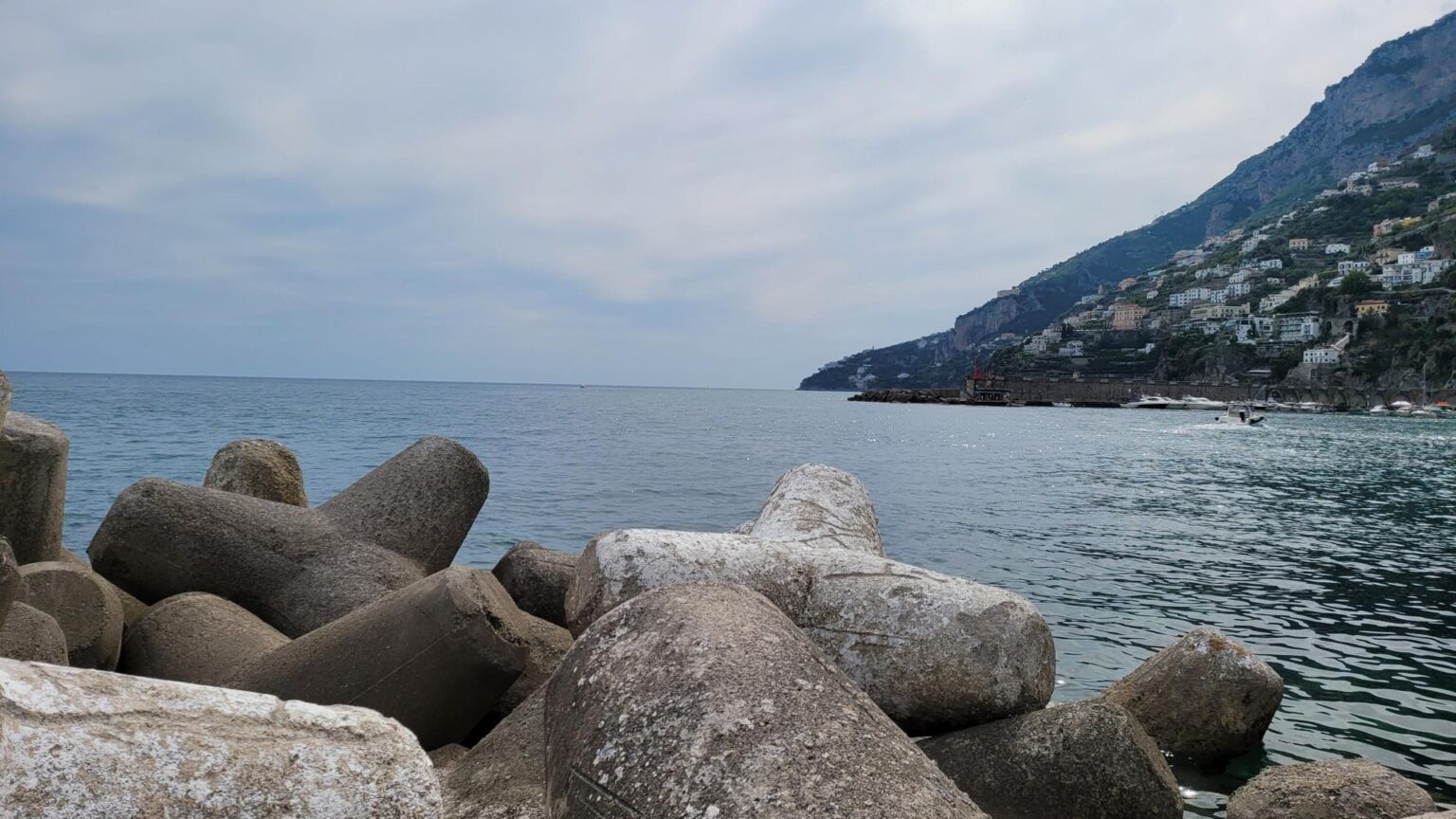
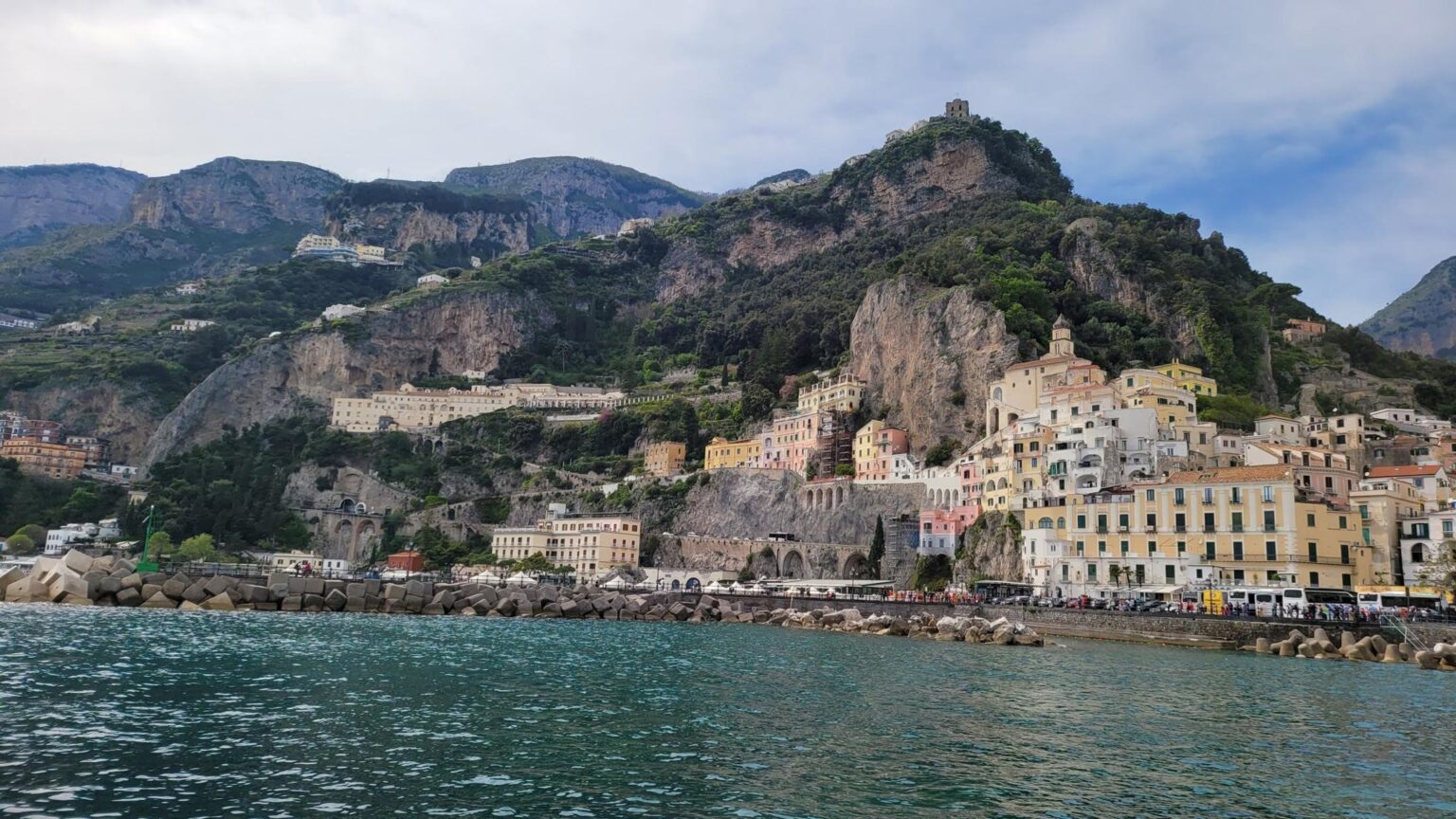
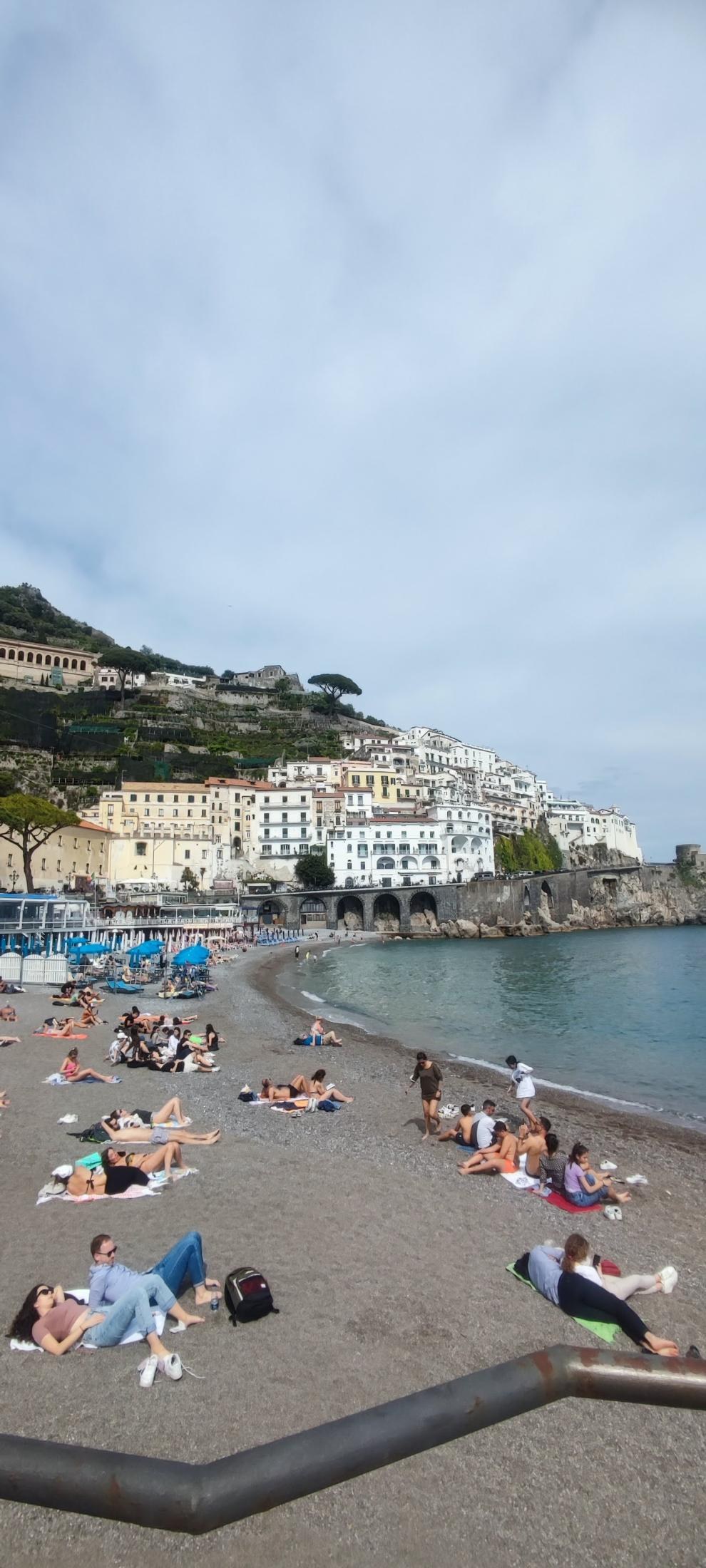
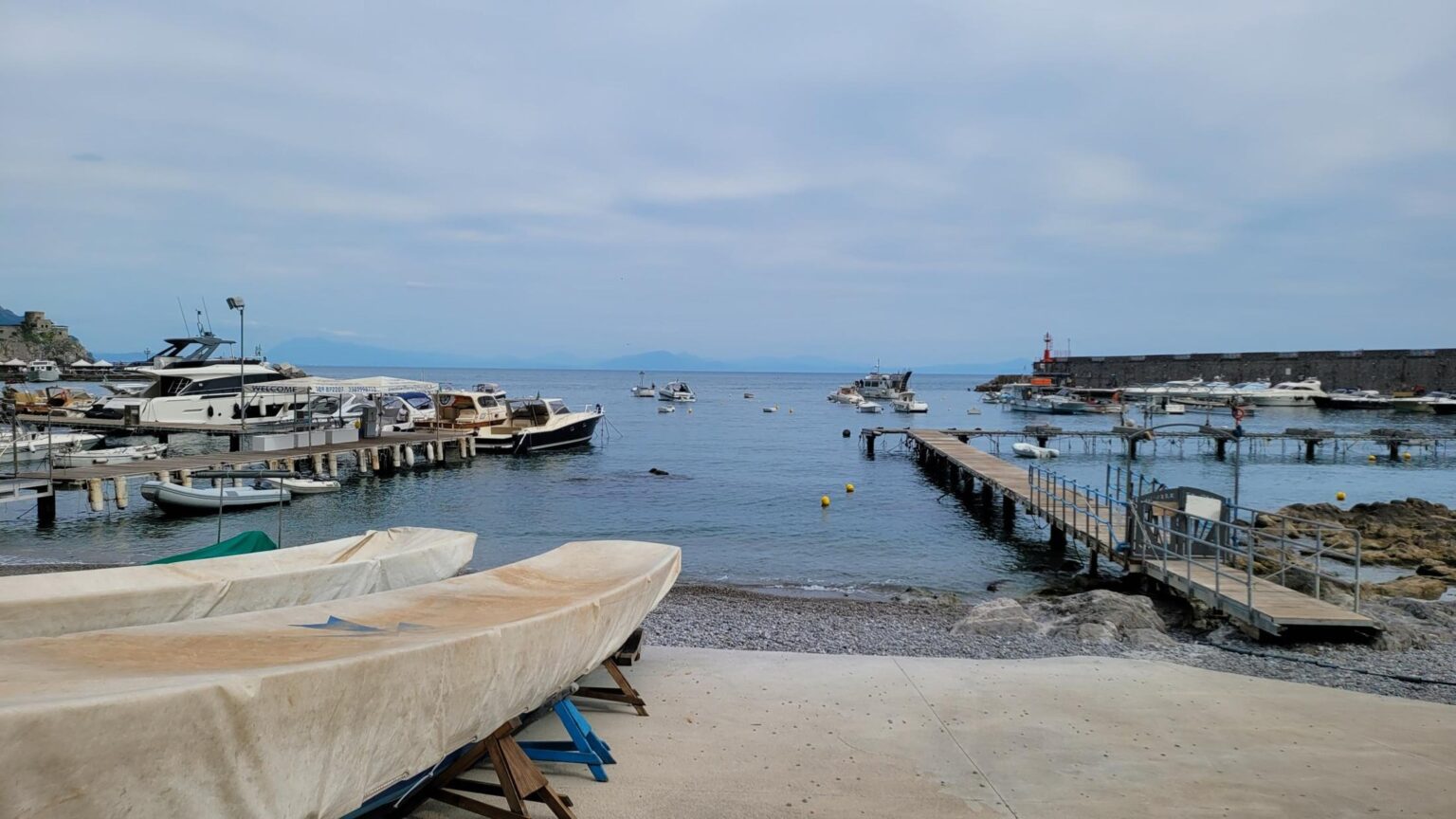
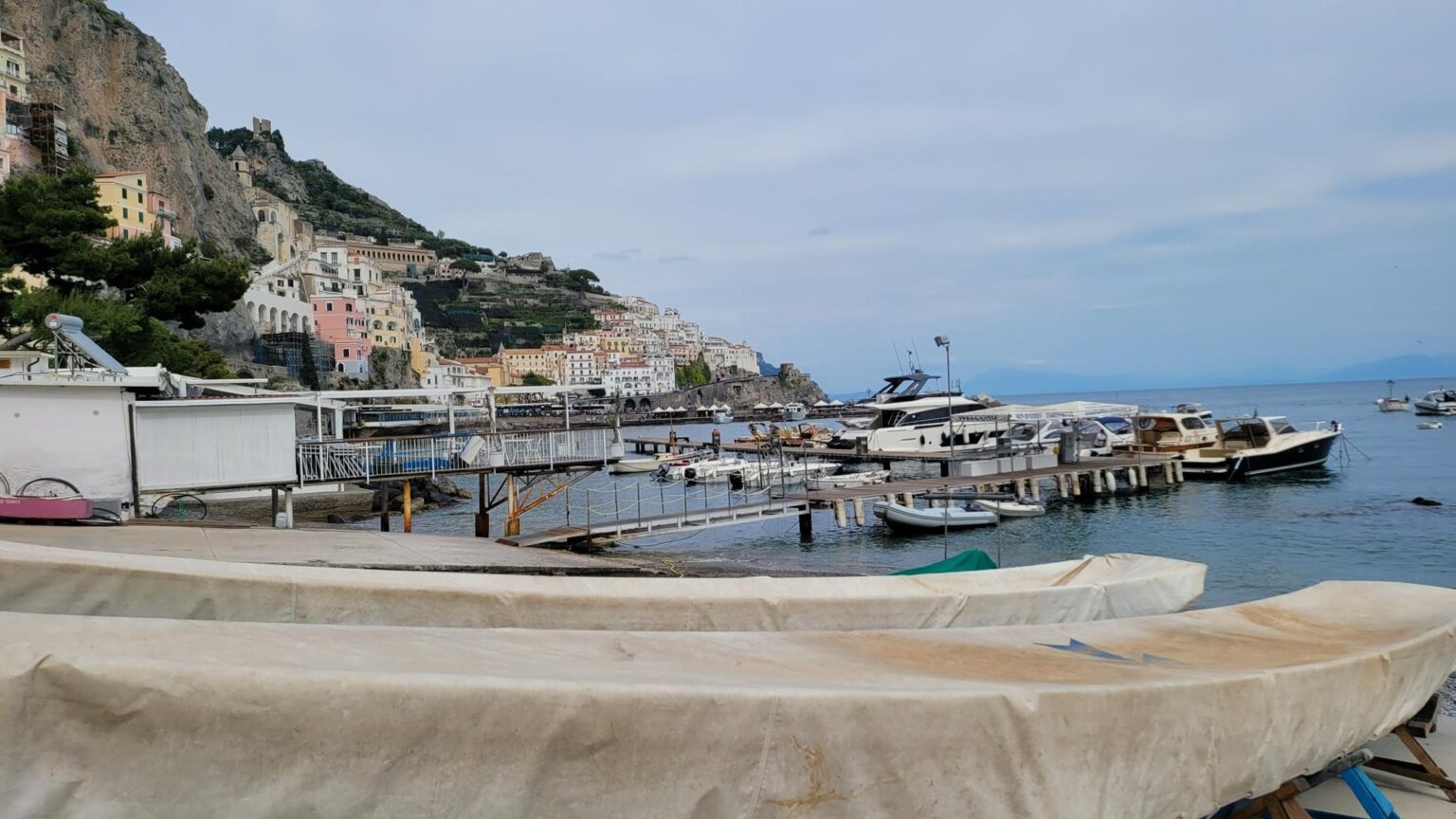
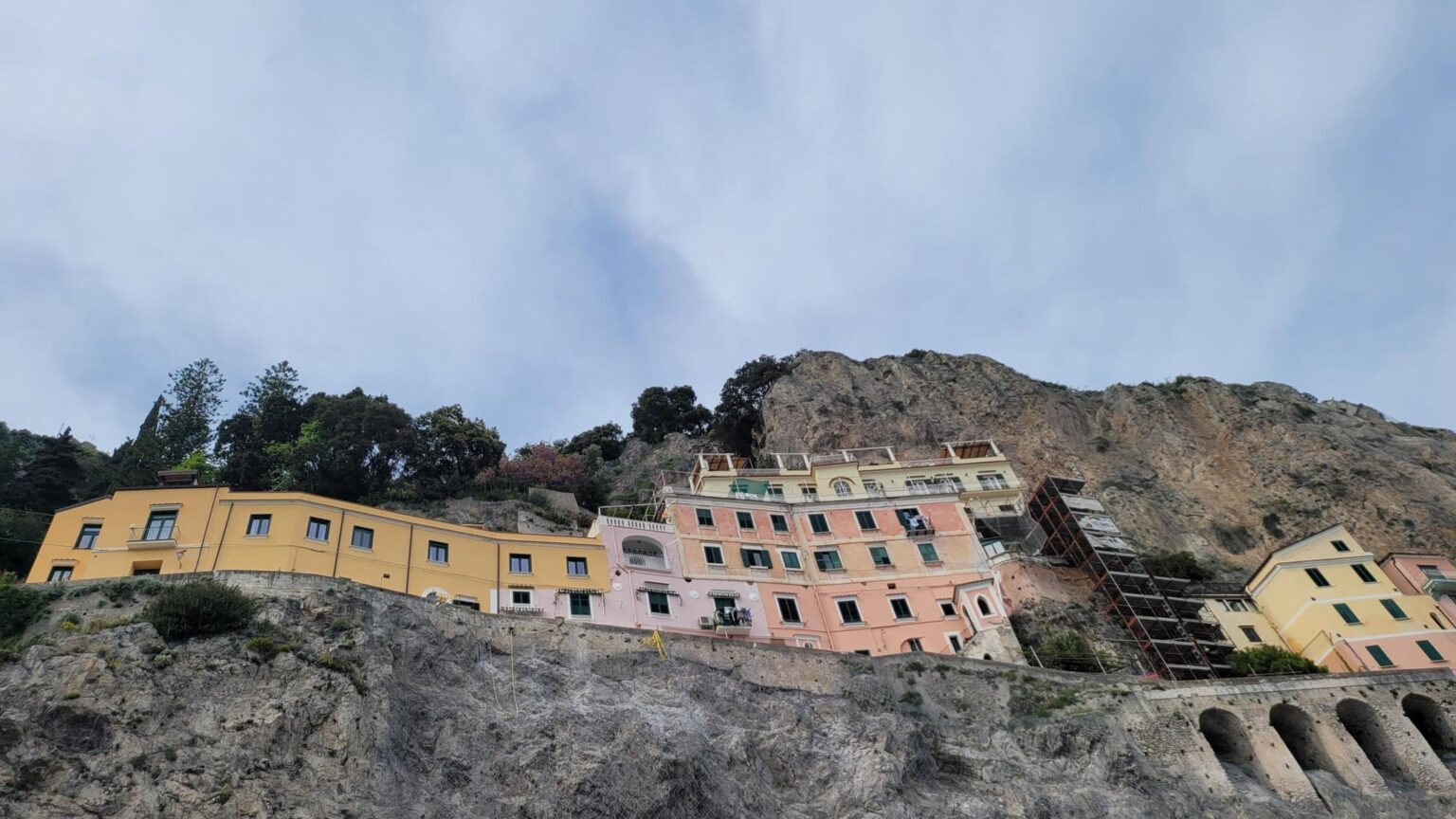
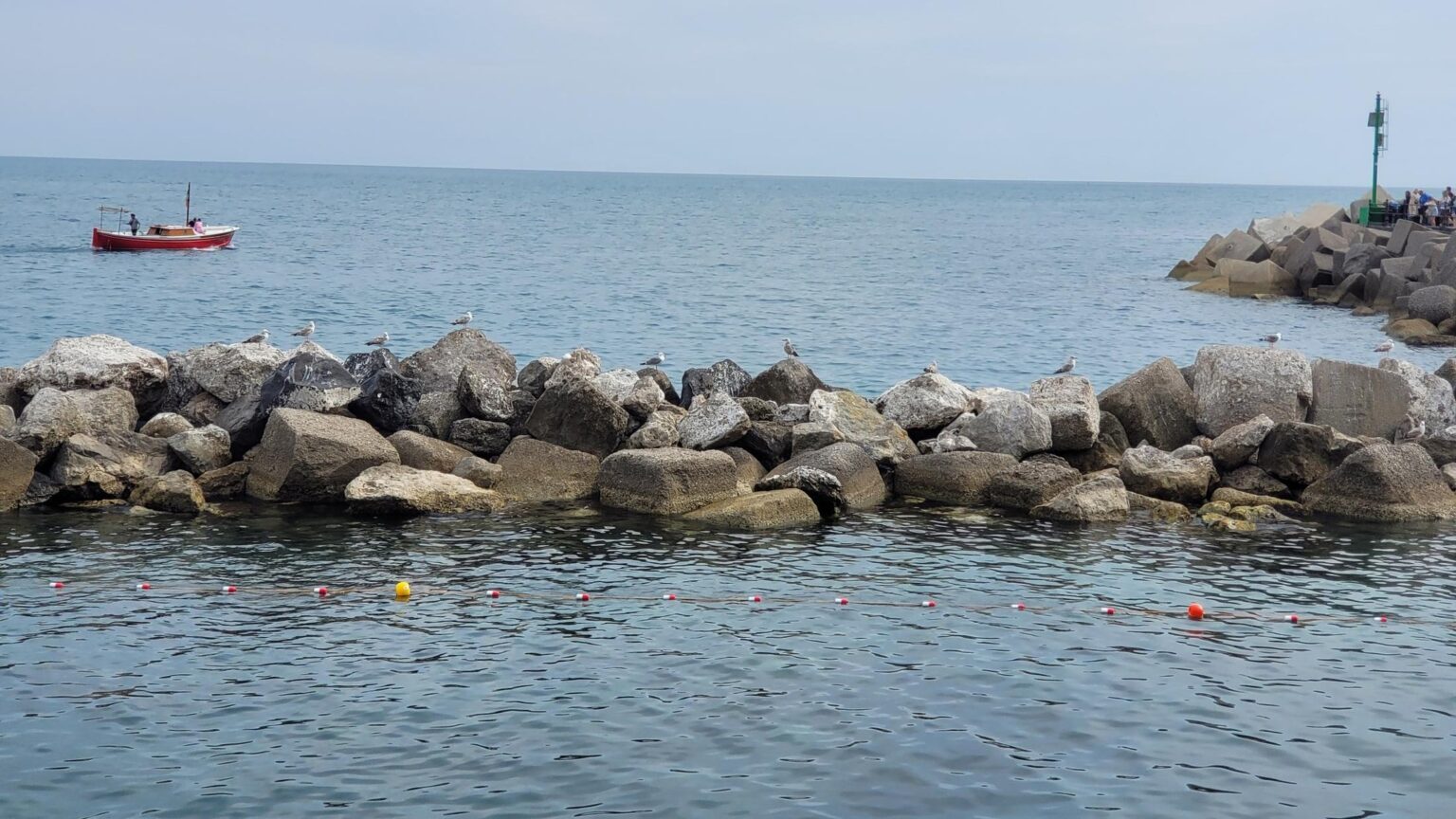
The hellish road back to Sorrento. Unfortunately the traffic is double. Two hours!! Two hours of hairpins for 30 kilometres!! Seriously — use the buses. Parking along the coast is €3 an hour, there are no spaces at all, and you wait 30 to 60 minutes just to park.
Sorrento
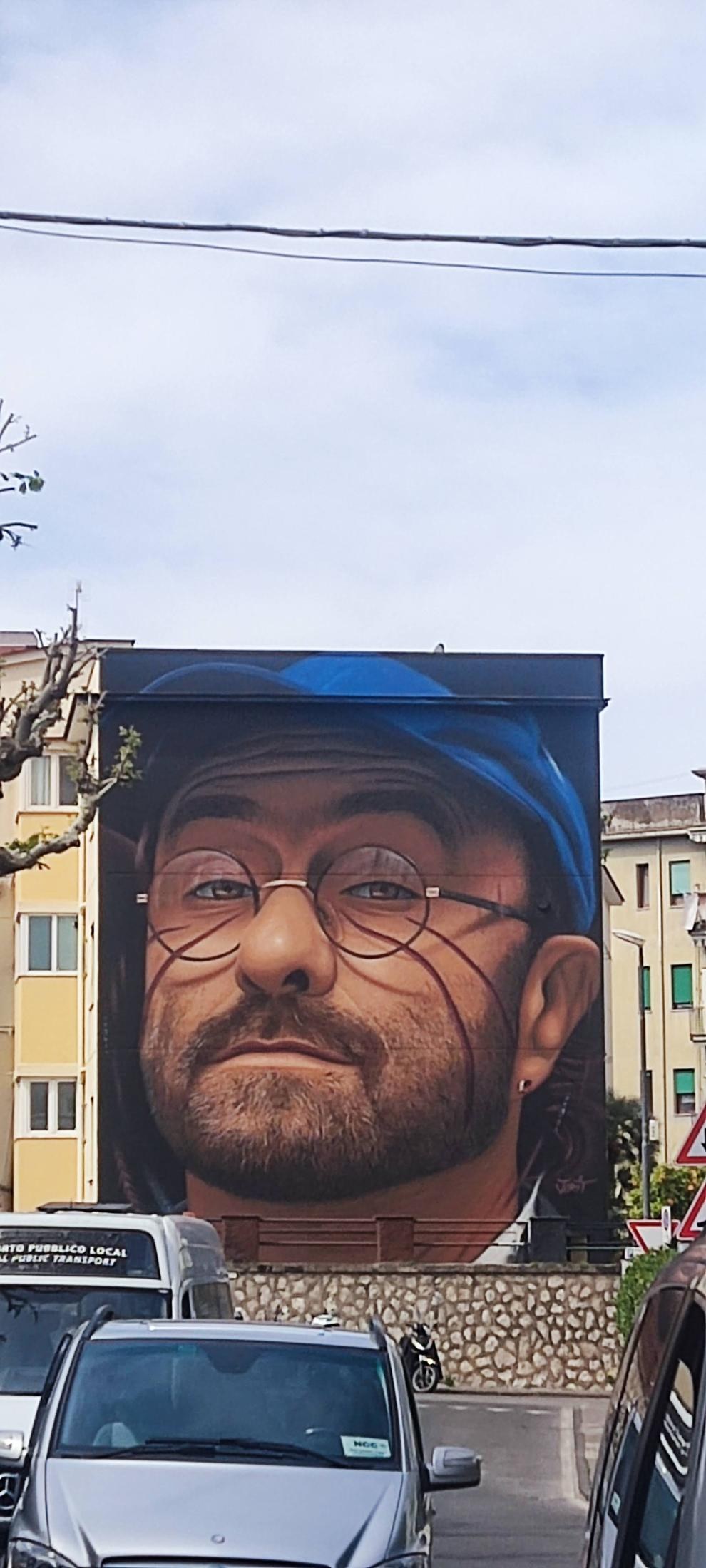
Sorrento. Moderately rushed for time, €25 for 2 pizzas (ouch) in an absolutely average place near the main street, and it is time to march. Right by the station something jumps out at you: a gigantic mural.
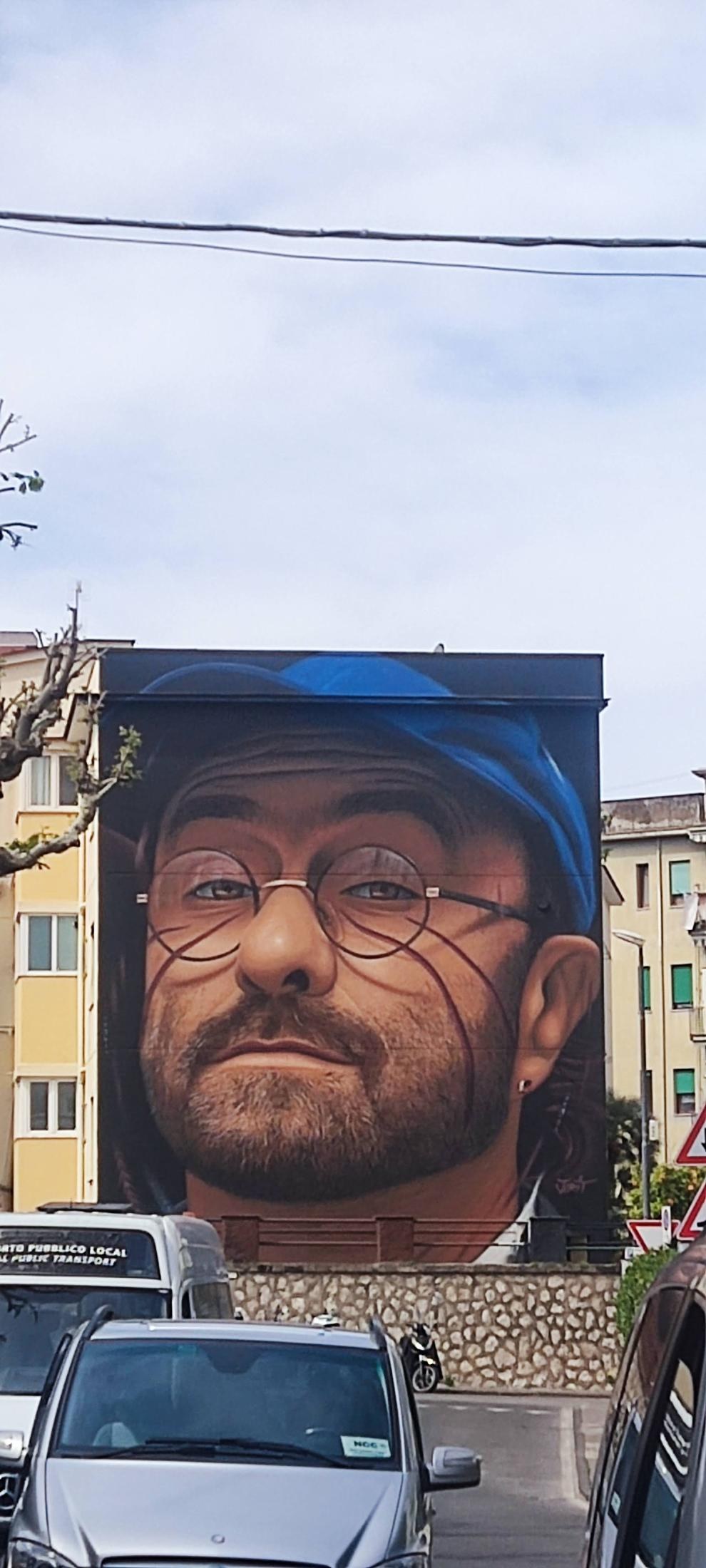
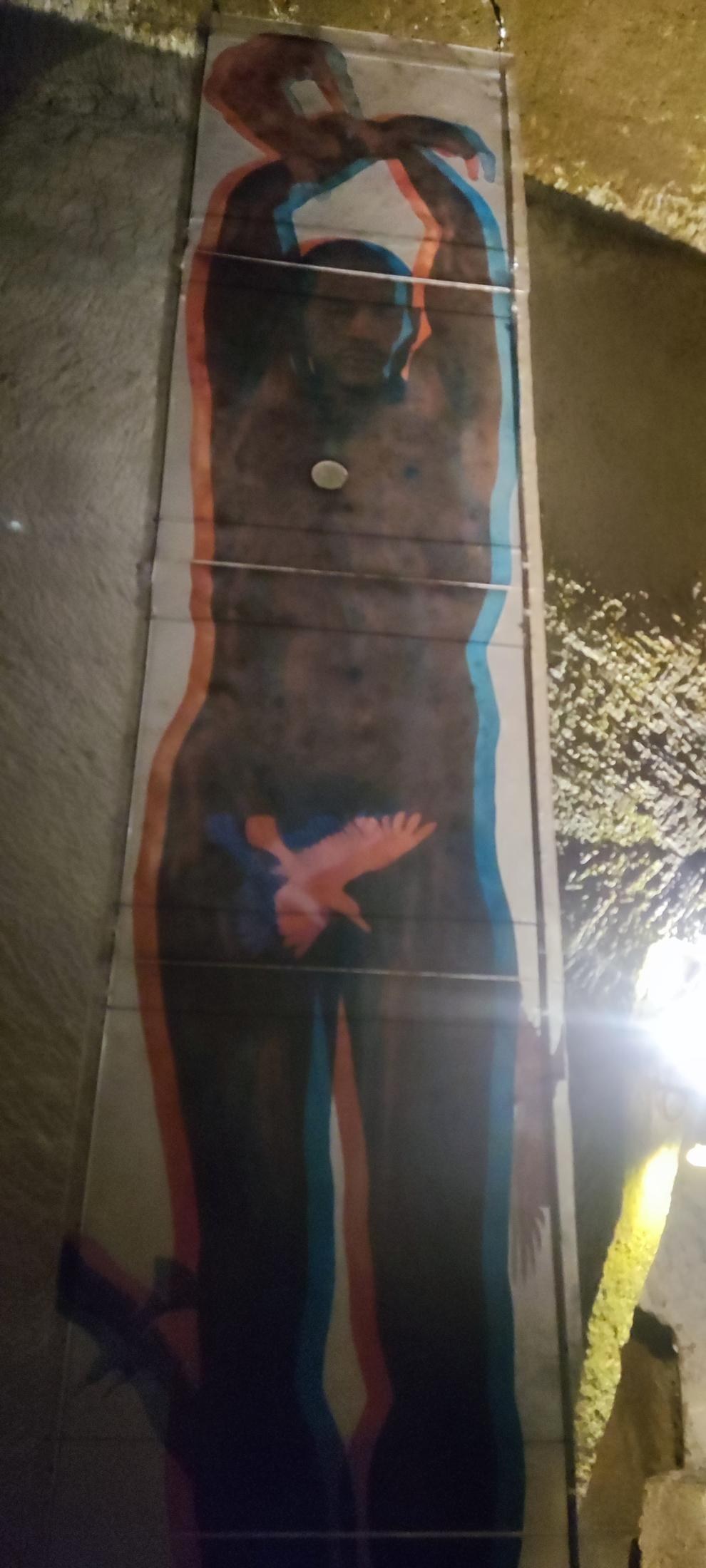
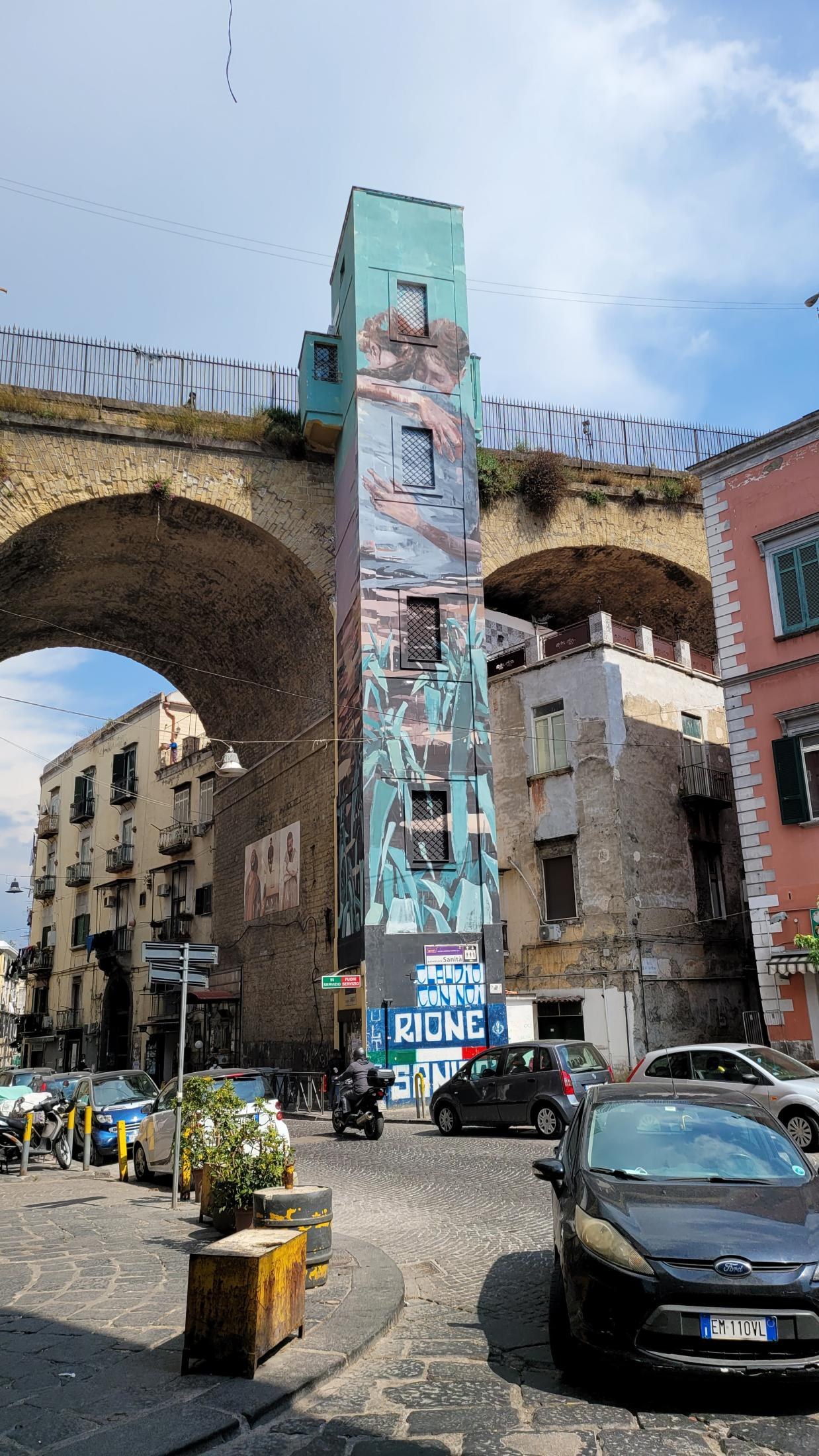
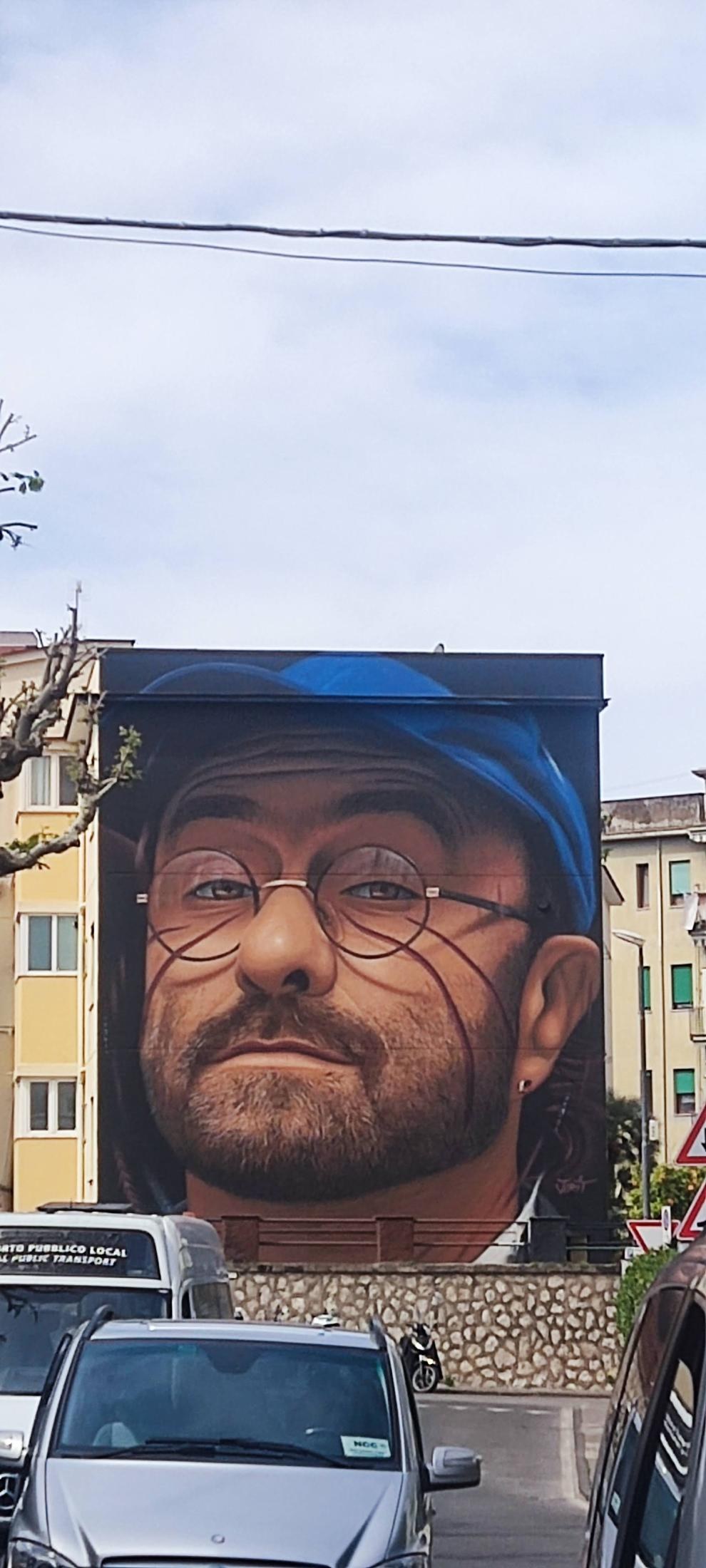
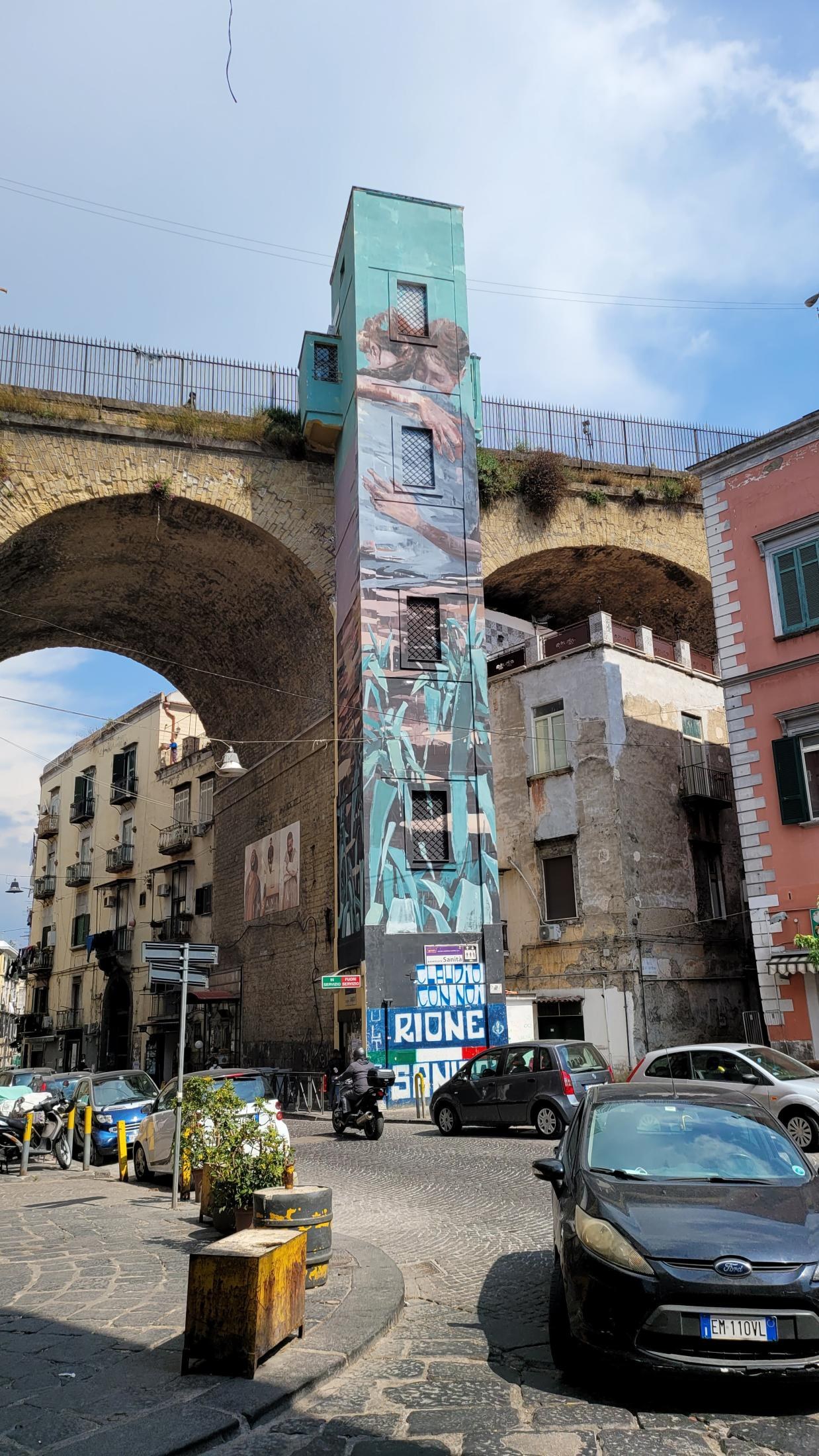
Maradona? No. Lucio Dalla — a famous Italian singer-songwriter, and the portrait has a story of its own. We like Italian performers and we like the story and the painting. We continue and reach the actual main street. Lemons. Strange business, lemons everywhere. Everything is lemons. Do I use the word lemons often? When the food, the drinks, the napkins and the chairs are made of lemons, there is no way around it, we will be hearing lemons a lot 😀
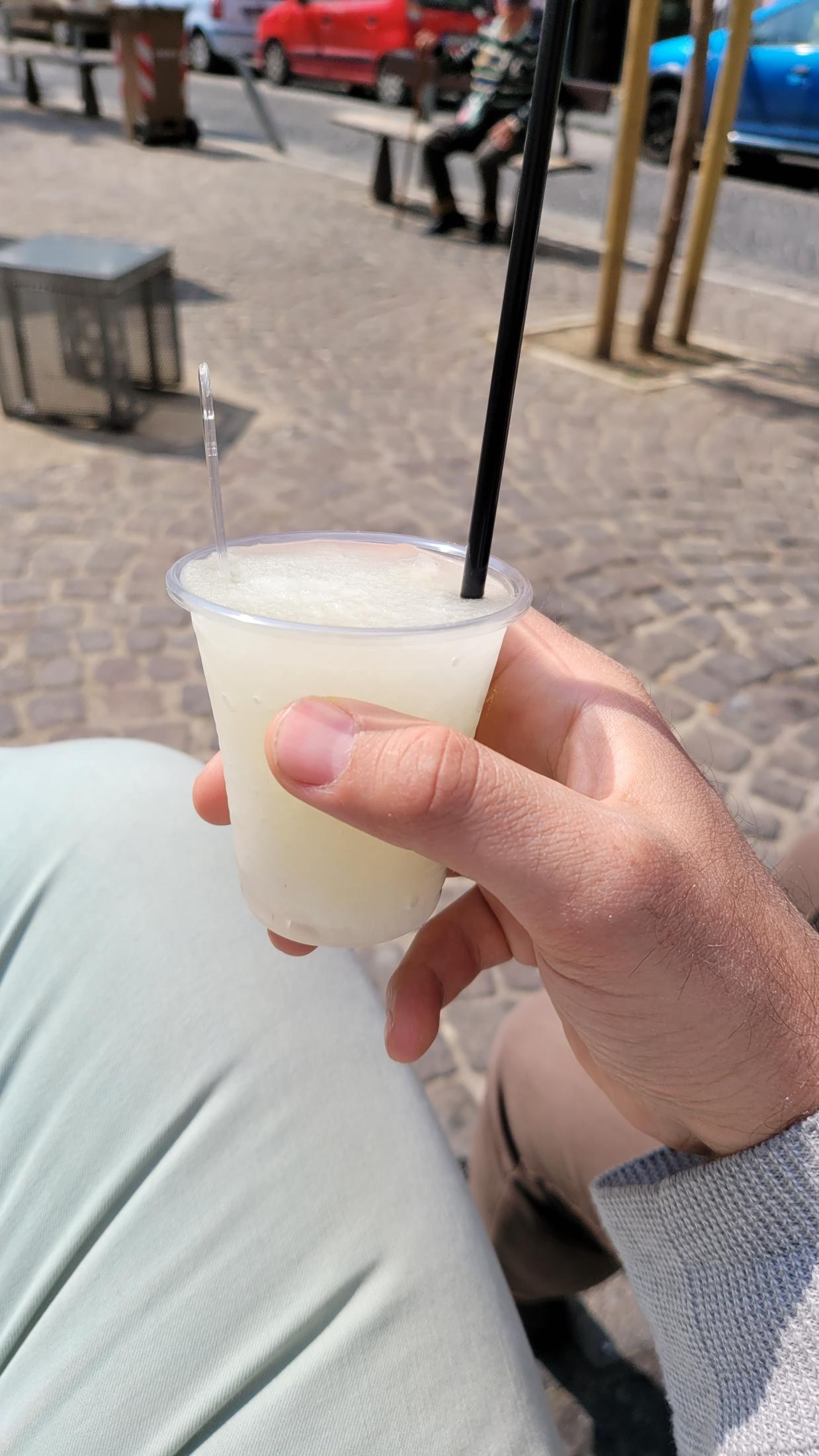
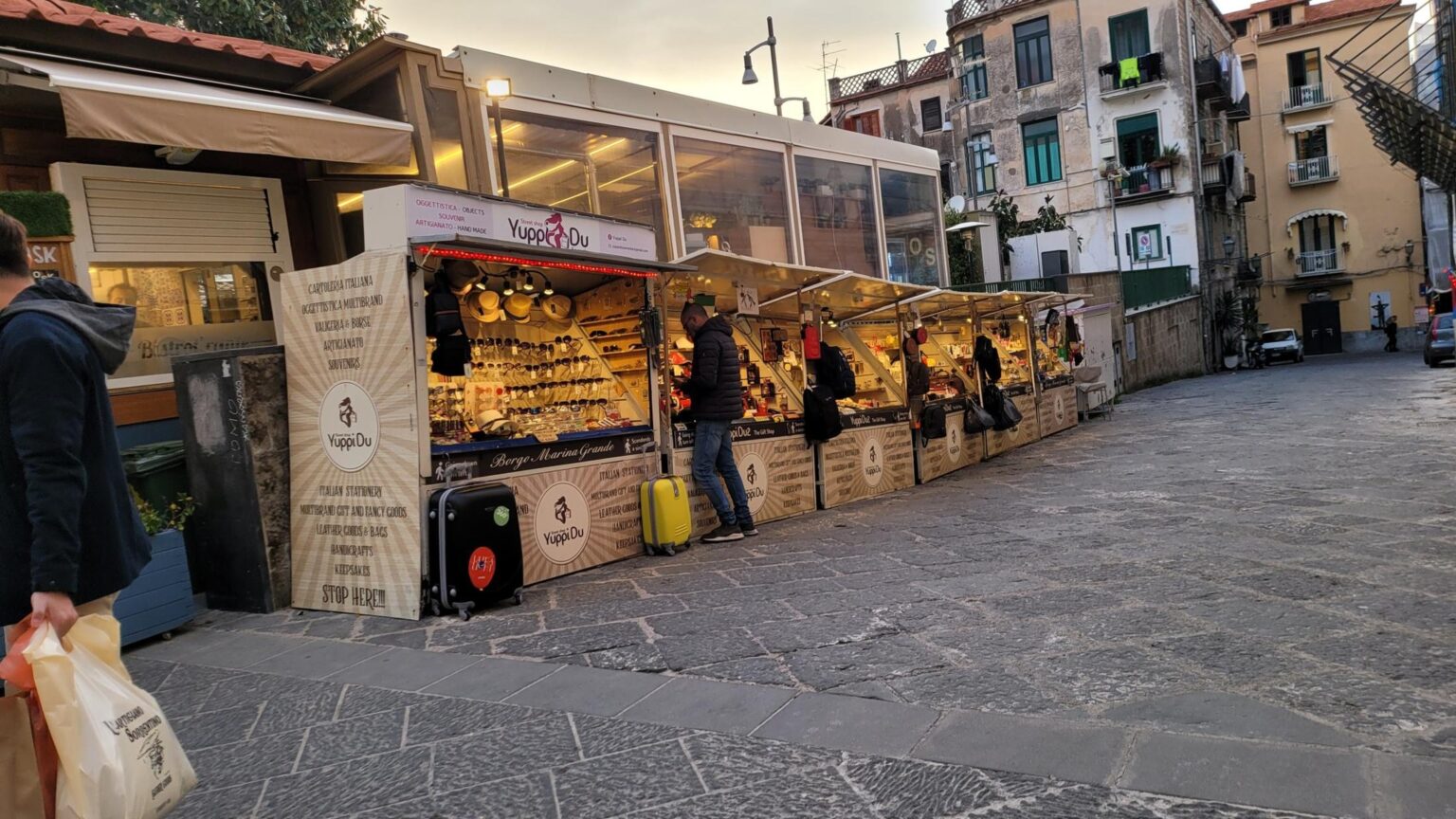
The souvenirs are fridge magnets with lemons. The alcohol is predominantly limoncello (guess what it is made of). The napkins are made of lemons. A rug shop with lemon motifs. Shoes with lemon elements. T-shirts with lemons. You want dessert — no problem — lemon sorbet, lemon juice with lemon sugar, served in a carved lemon peel with a straw made of lemon wood, accompanied by a napkin with a lemon print. Pasta with lemons. Pizza with lemons. The apogee of the lemon affair would have been lemon with lemon, but that no longer sounds impressive. People with lemon tattoos (okay, that is a joke, but 100% there is someone, somewhere out there). In two words: lemons! An orange painted by anarchists on one wall 😀 — also a joke. Imagine a street in Sofia: boss, a large kebab with double lemon and go heavy on the lemon juice; give me a pair of trainers with the lemon print; two lemon beers.
Sorrento and the lemons. Actually Sorrento is quite tidy and clean. The lemon thing is extremely light and calming on the eye. The main street takes about an hour to walk. There are 3 museums, but it is 20:00 and they will stay for next time.
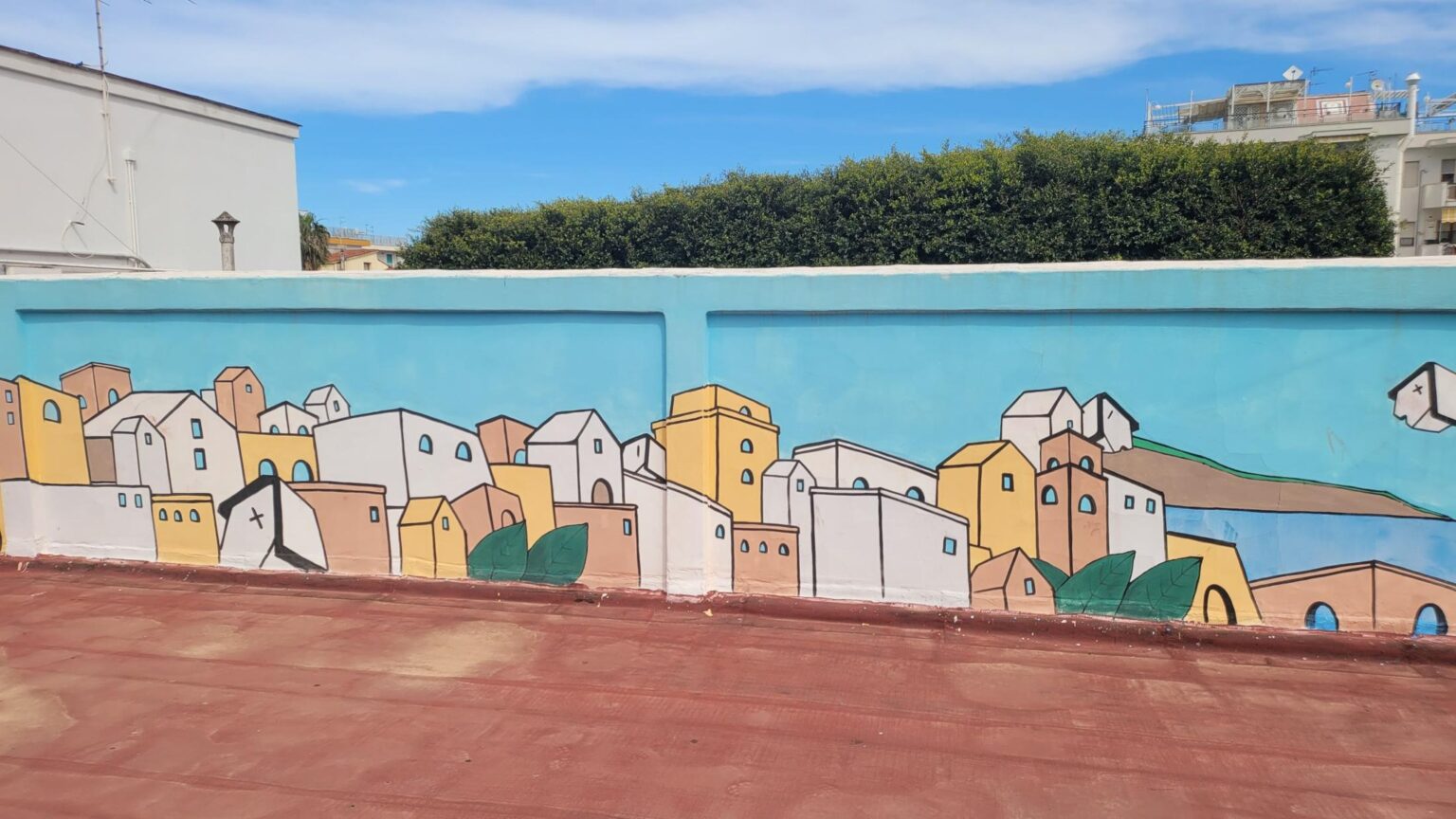
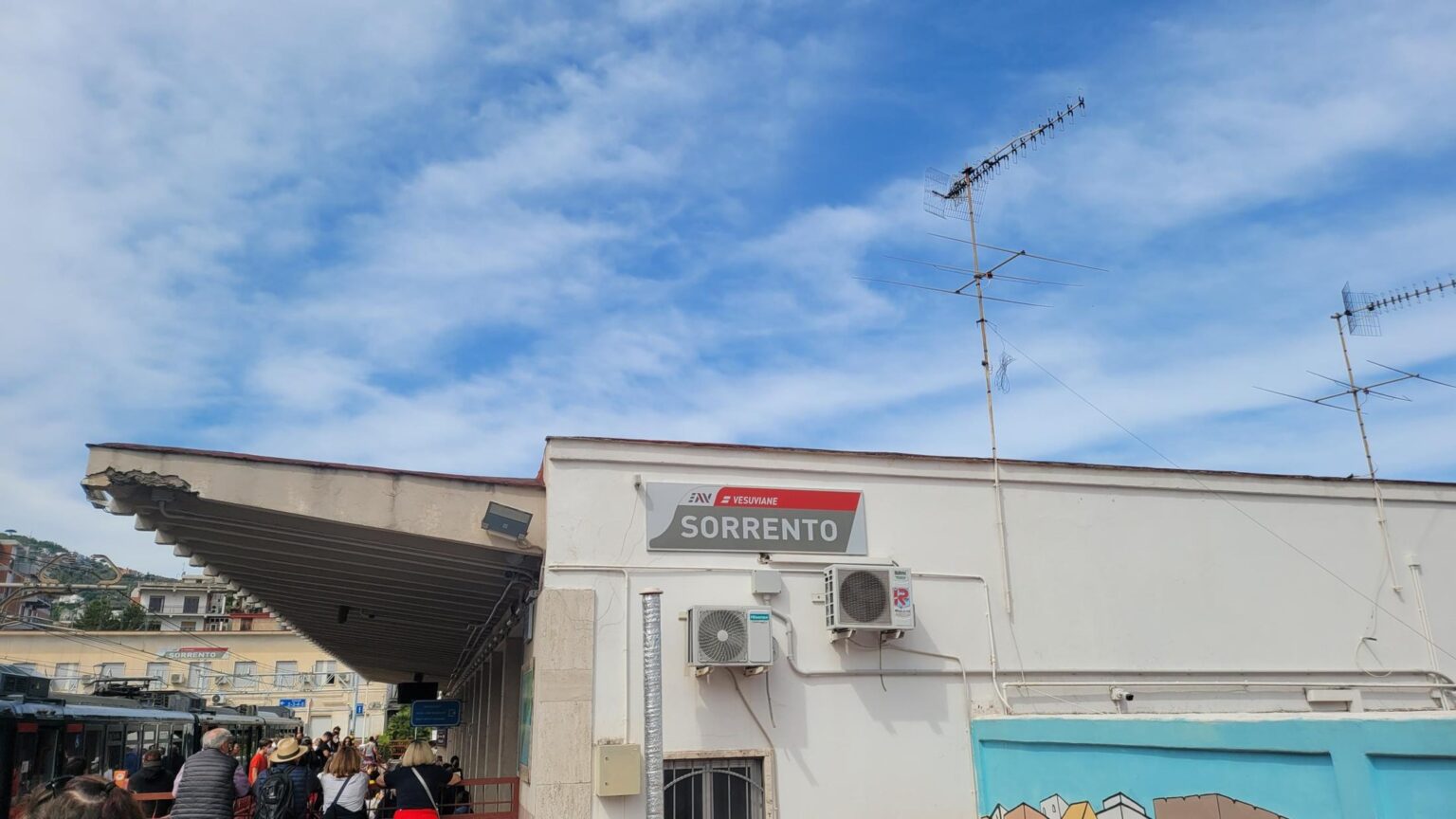
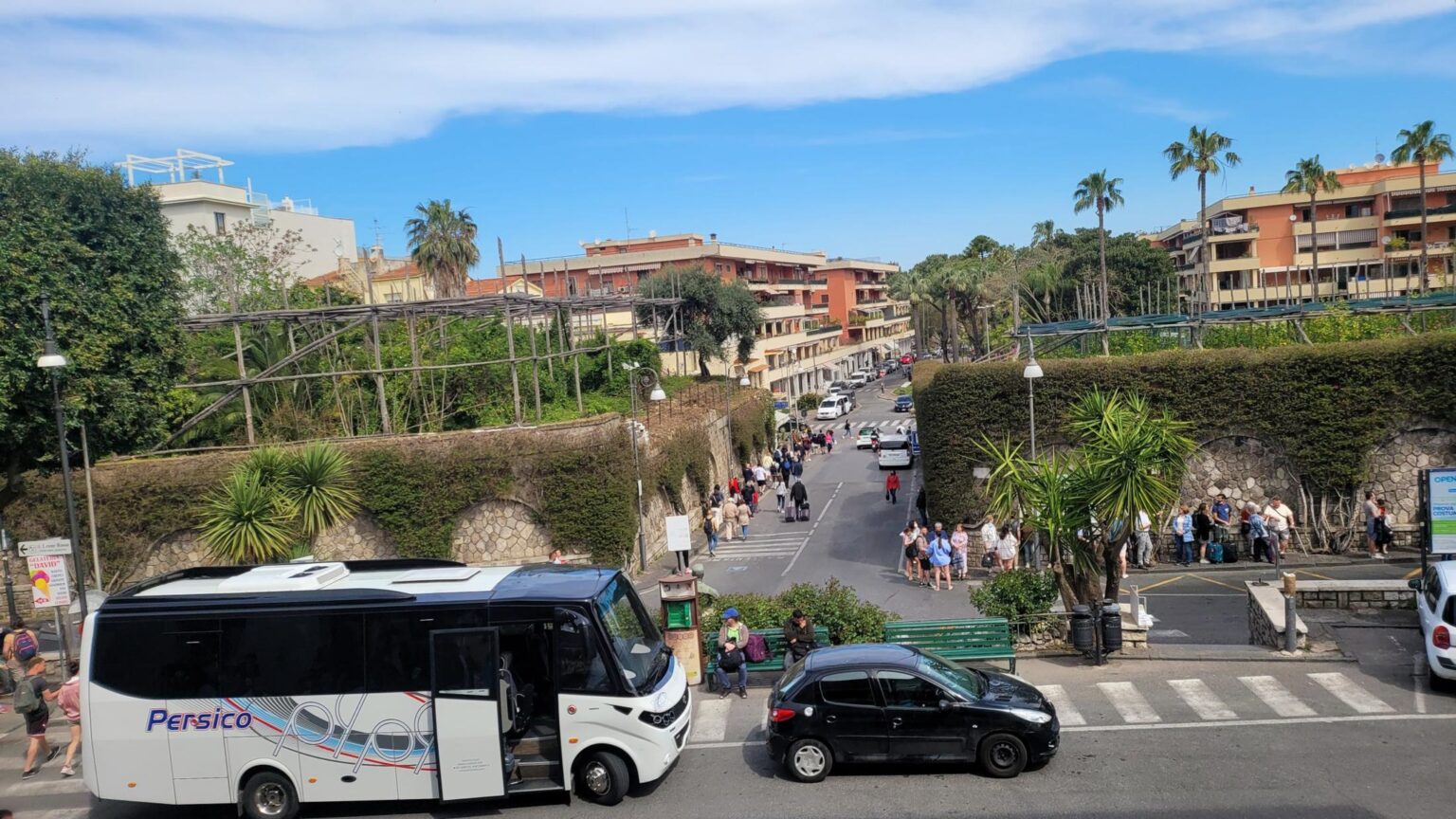
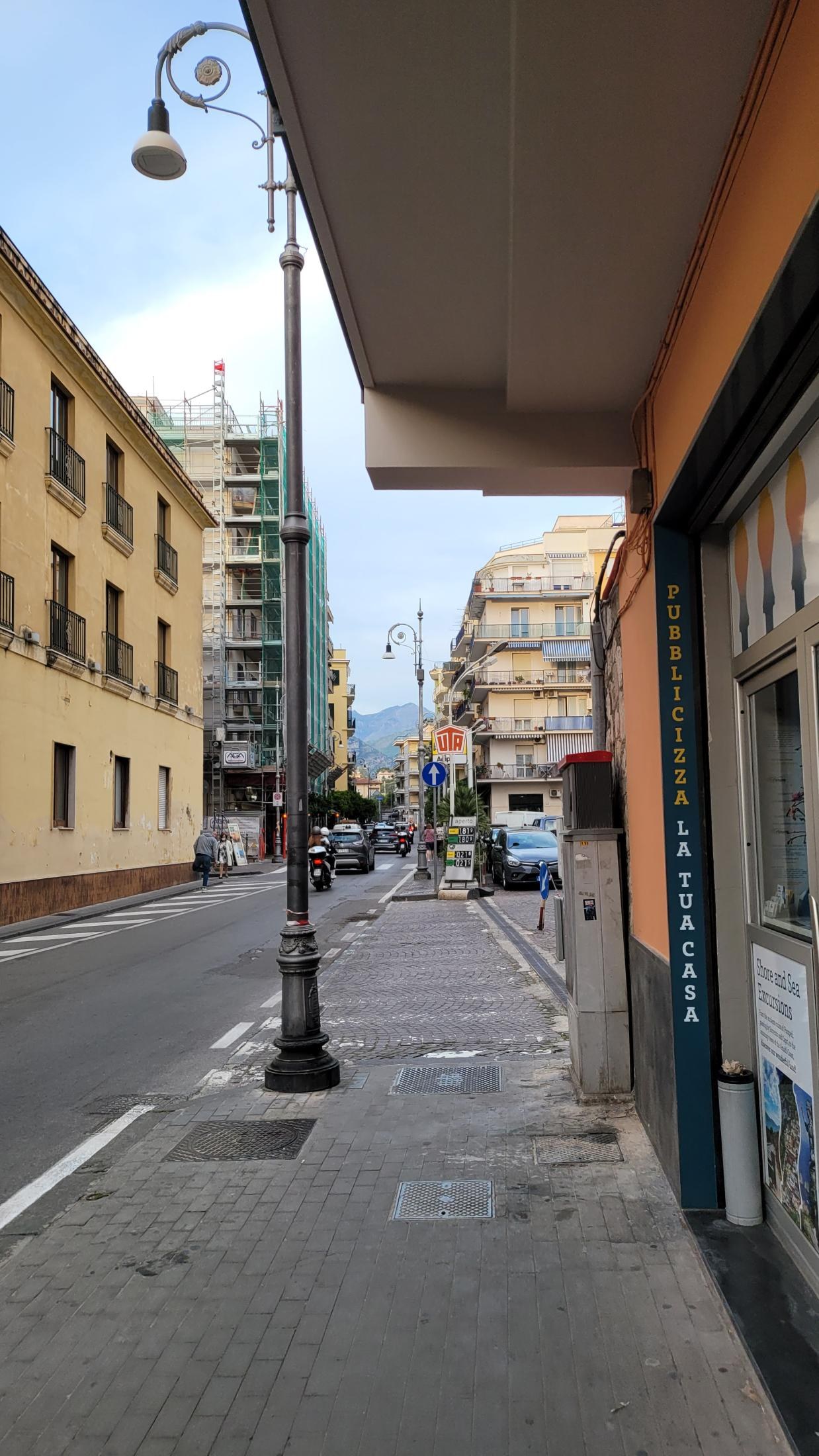
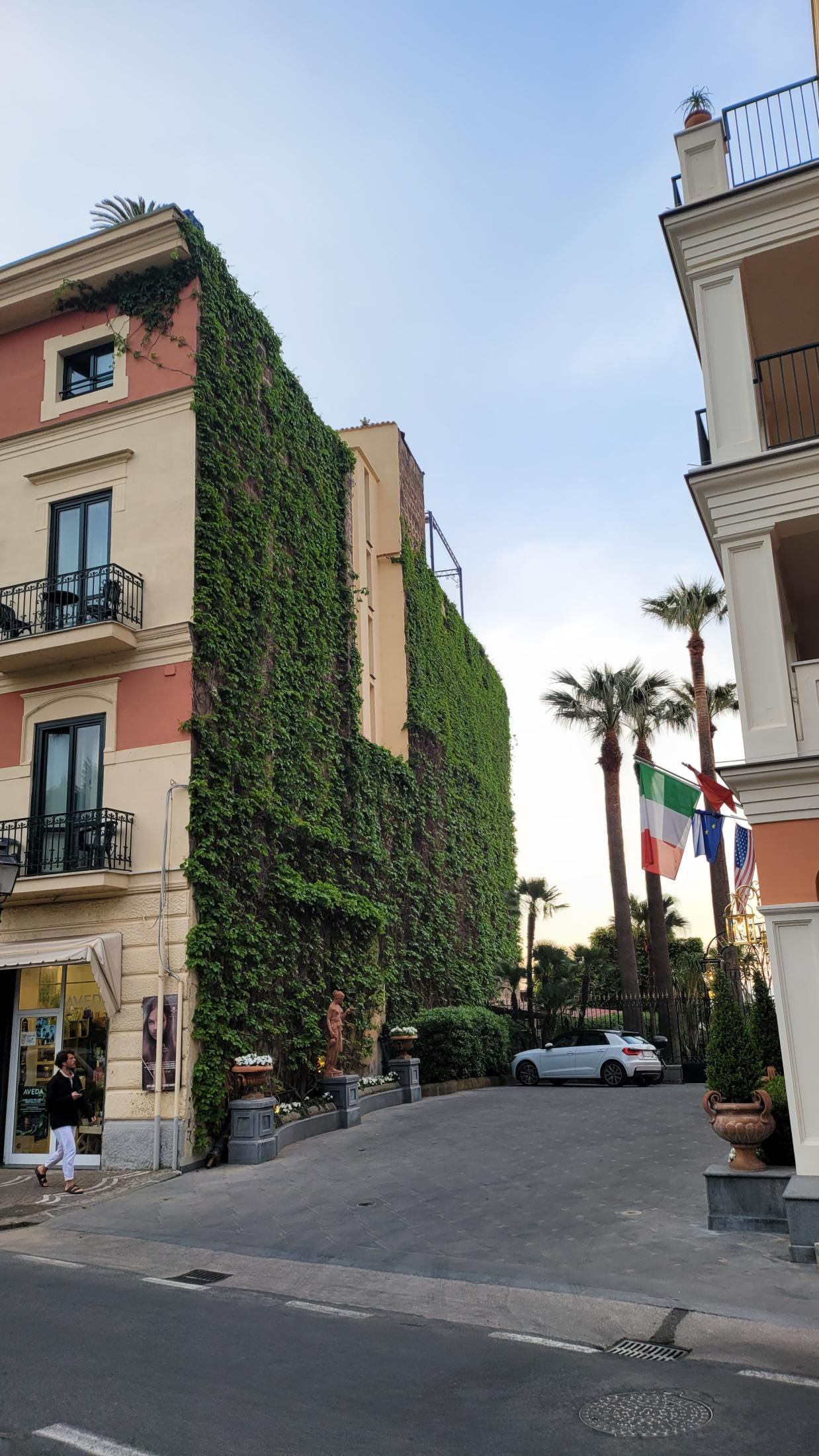
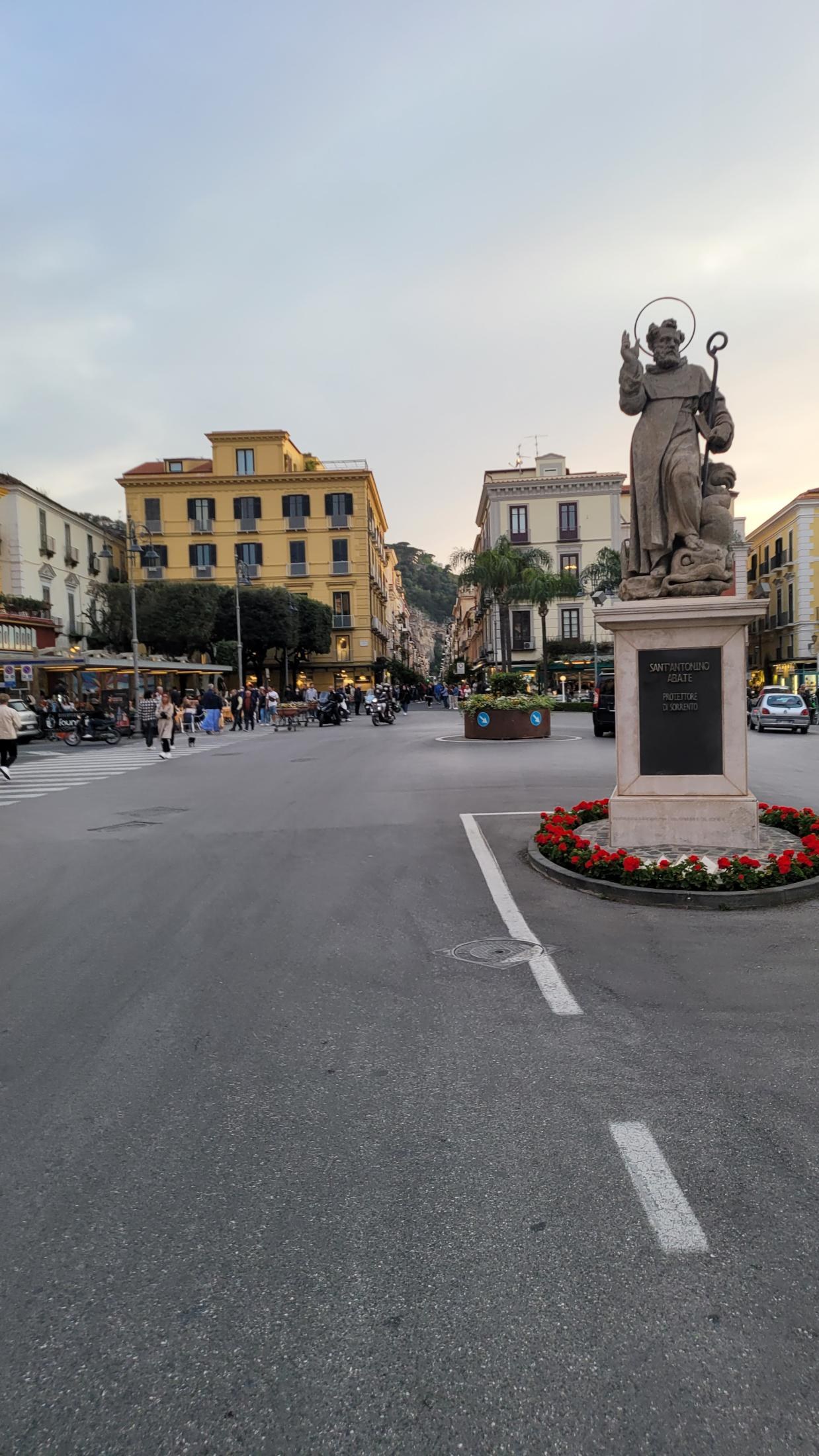
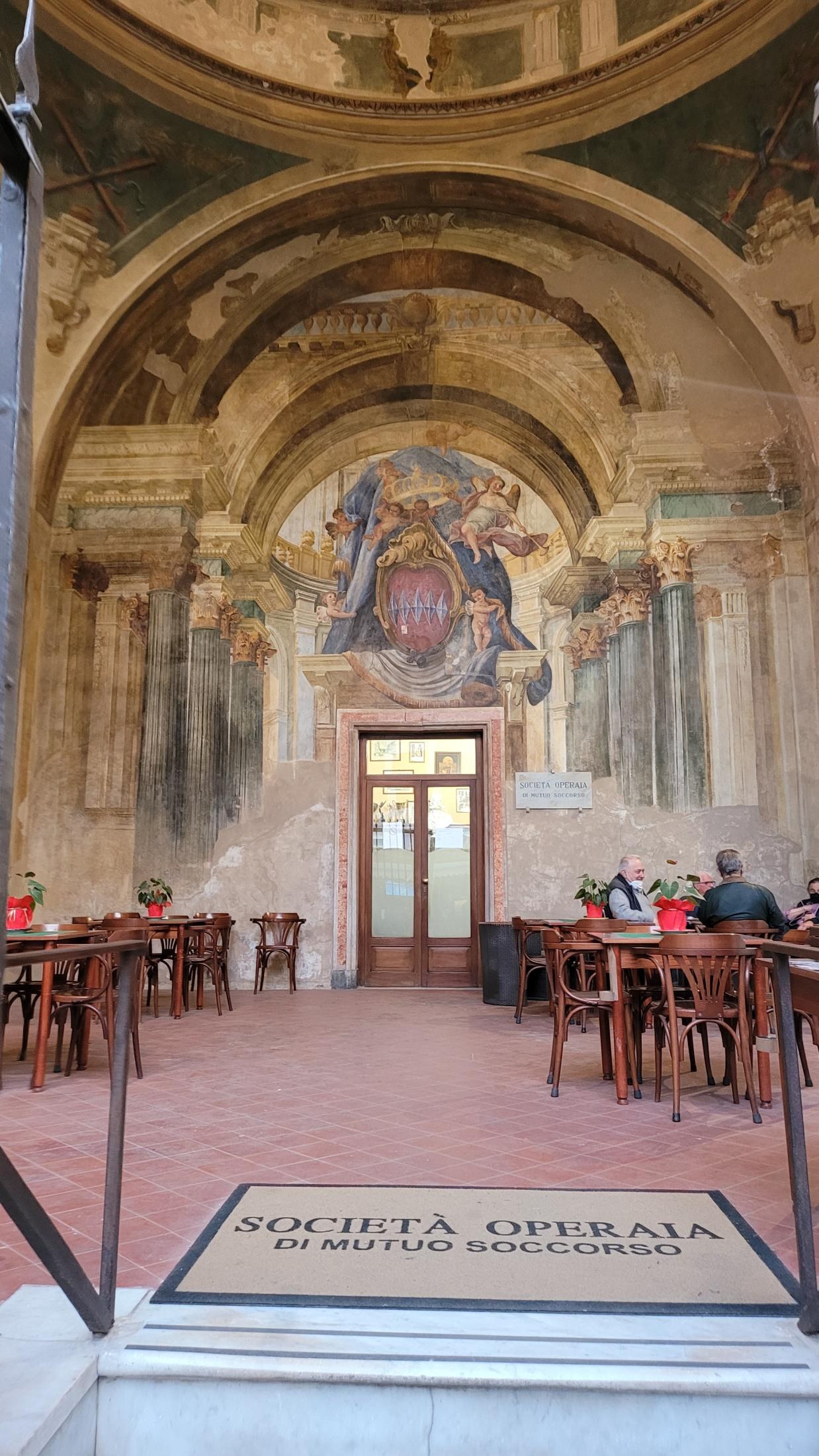
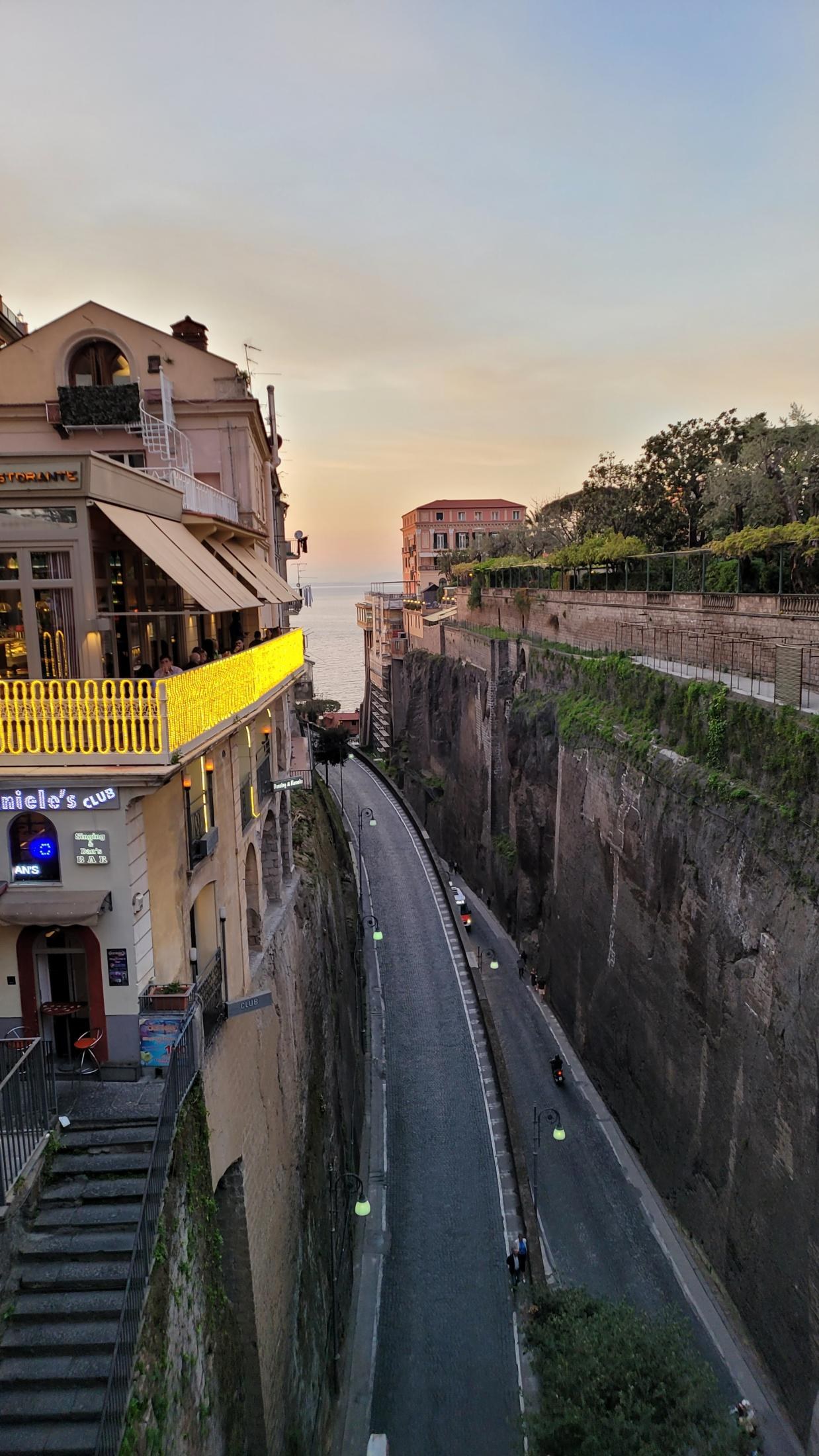
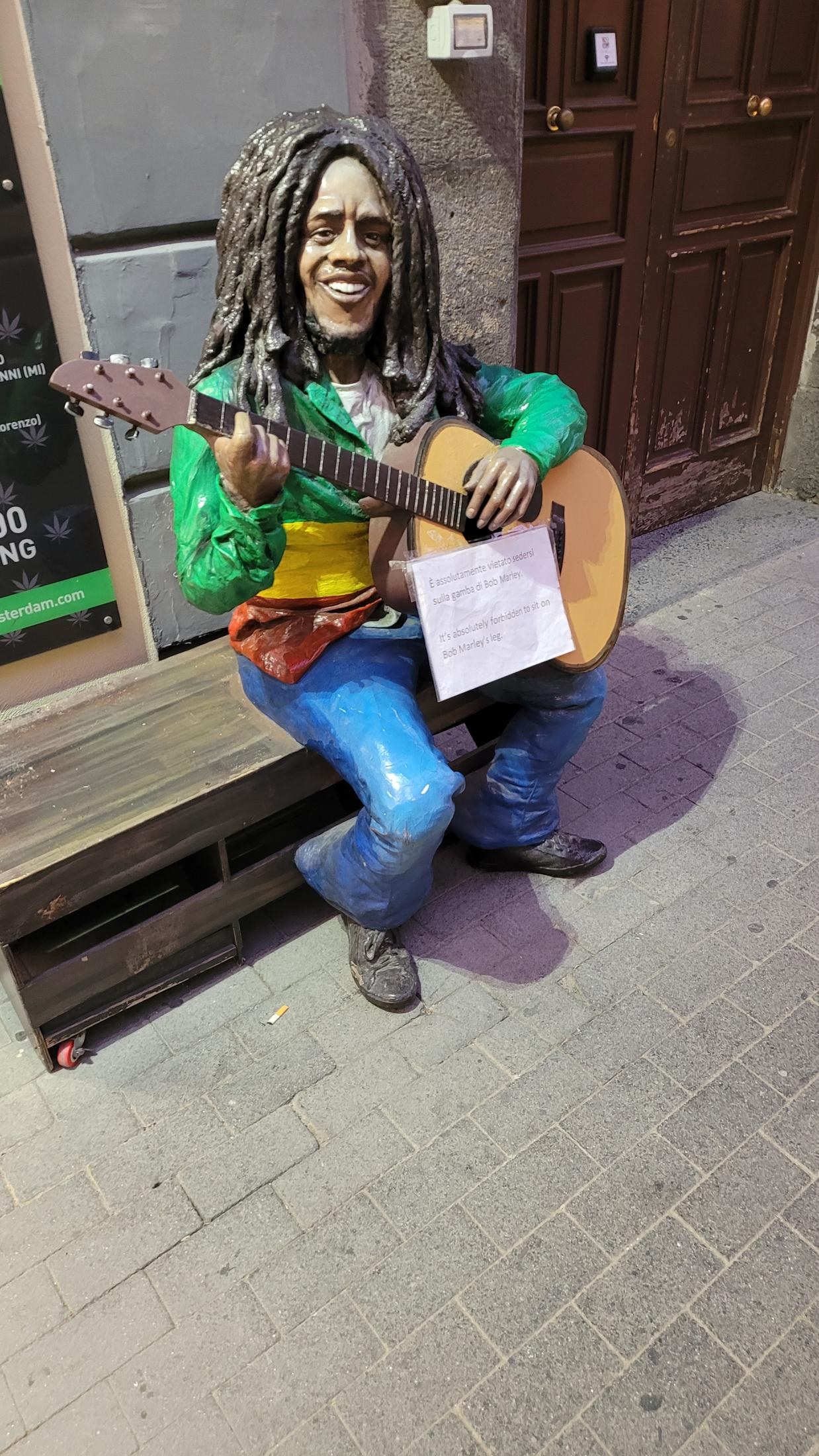
Overall: a one-day excursion along the Amalfi Coast is an uphill battle. The day started at 08:00, finished at 22:00, with 25,000 steps and close to 7 hours in transport of various kinds. Everything was rushed and we missed a lot. The organised one-day tours cover even less ground — they are de facto: transport to the Amalfi car park, eat, we take you back. Amalfi and Positano need a solid full day; the three museums in Sorrento need roughly the same. Around Sorrento there are also good and relatively easy mountain paths, and the walk over the mountain to Positano is a well-known route that takes about 4 hours.
Day 3: Napoli Sotterranea — the underground city & Naples: castles, streets, squares
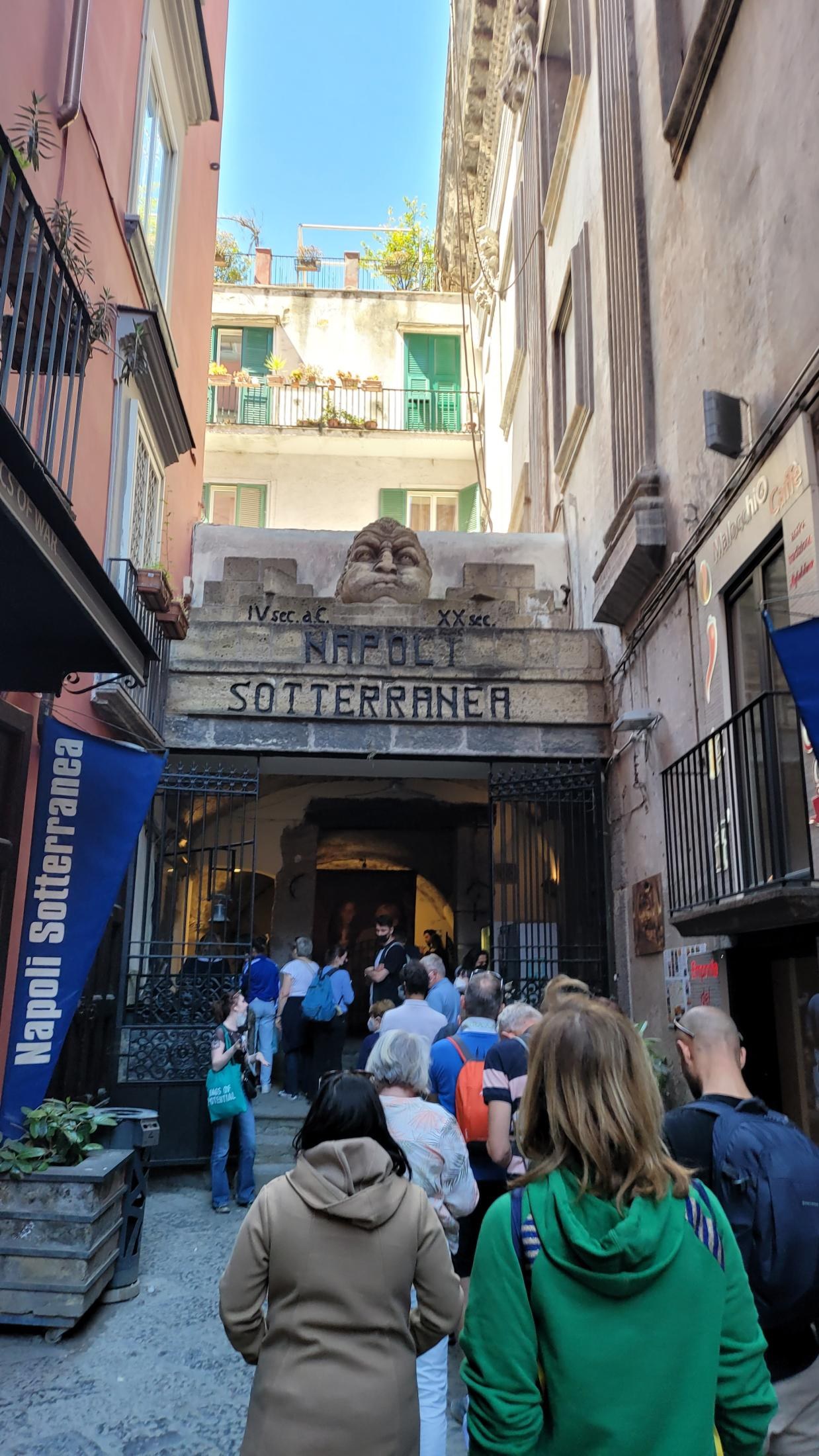
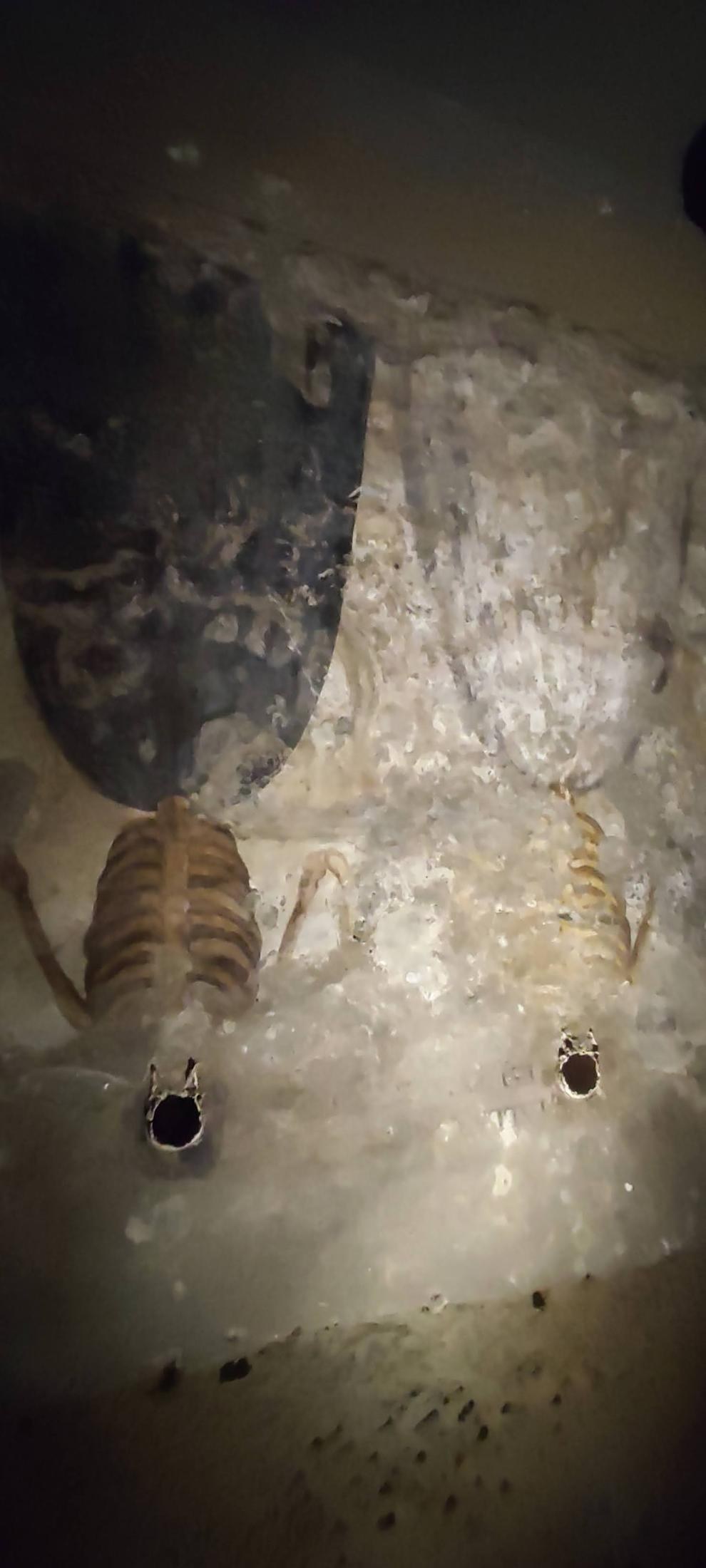
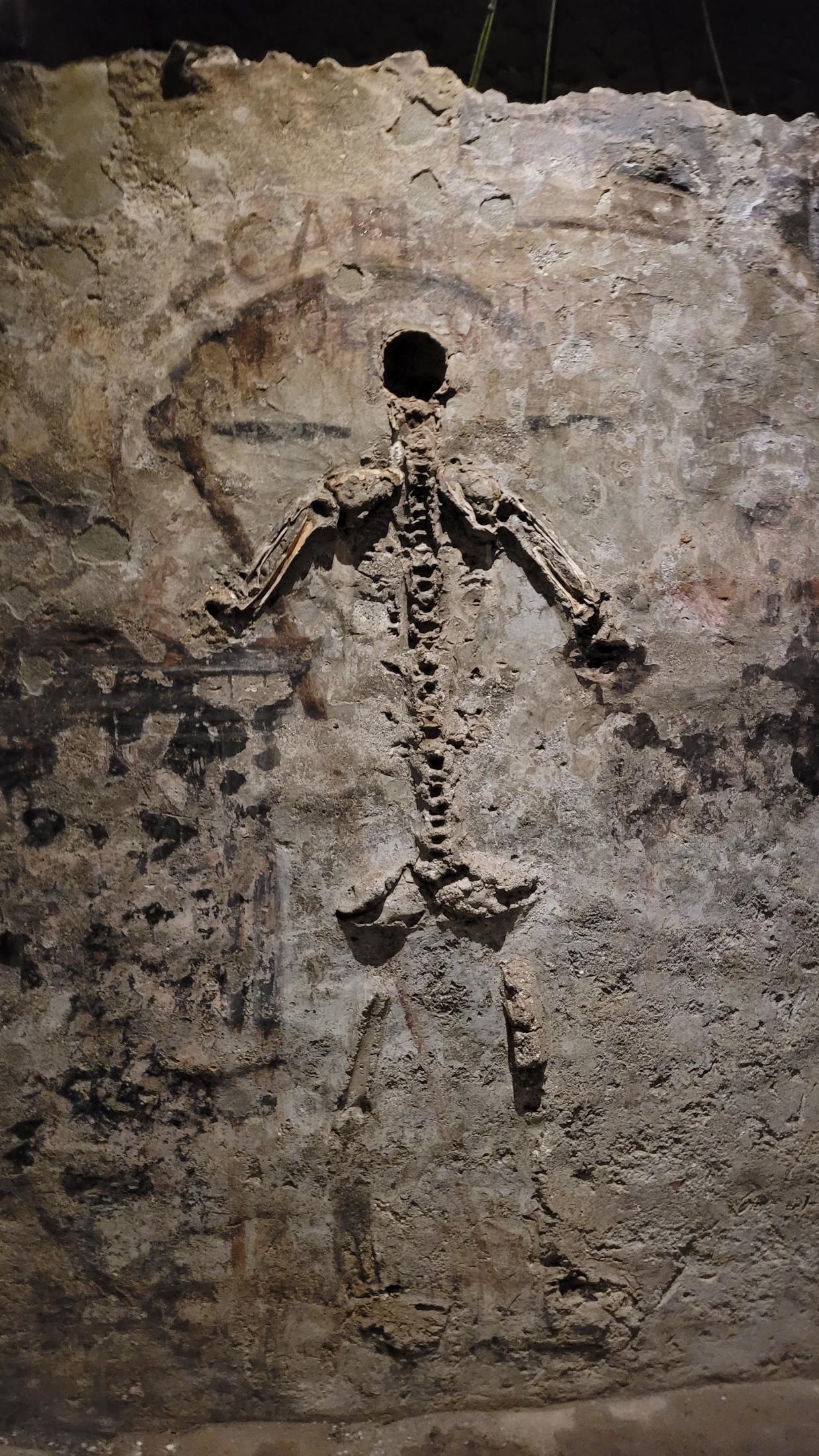
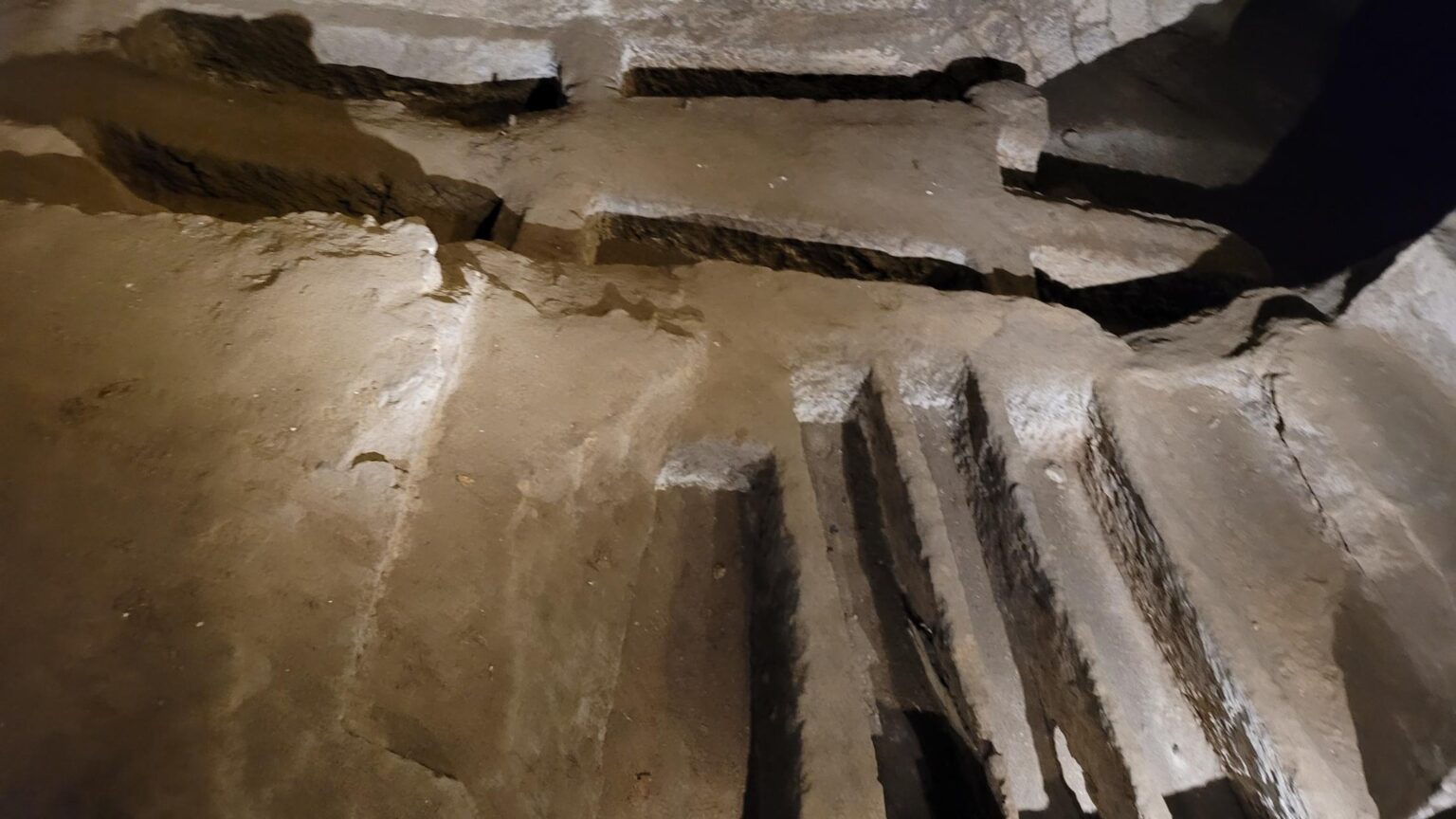
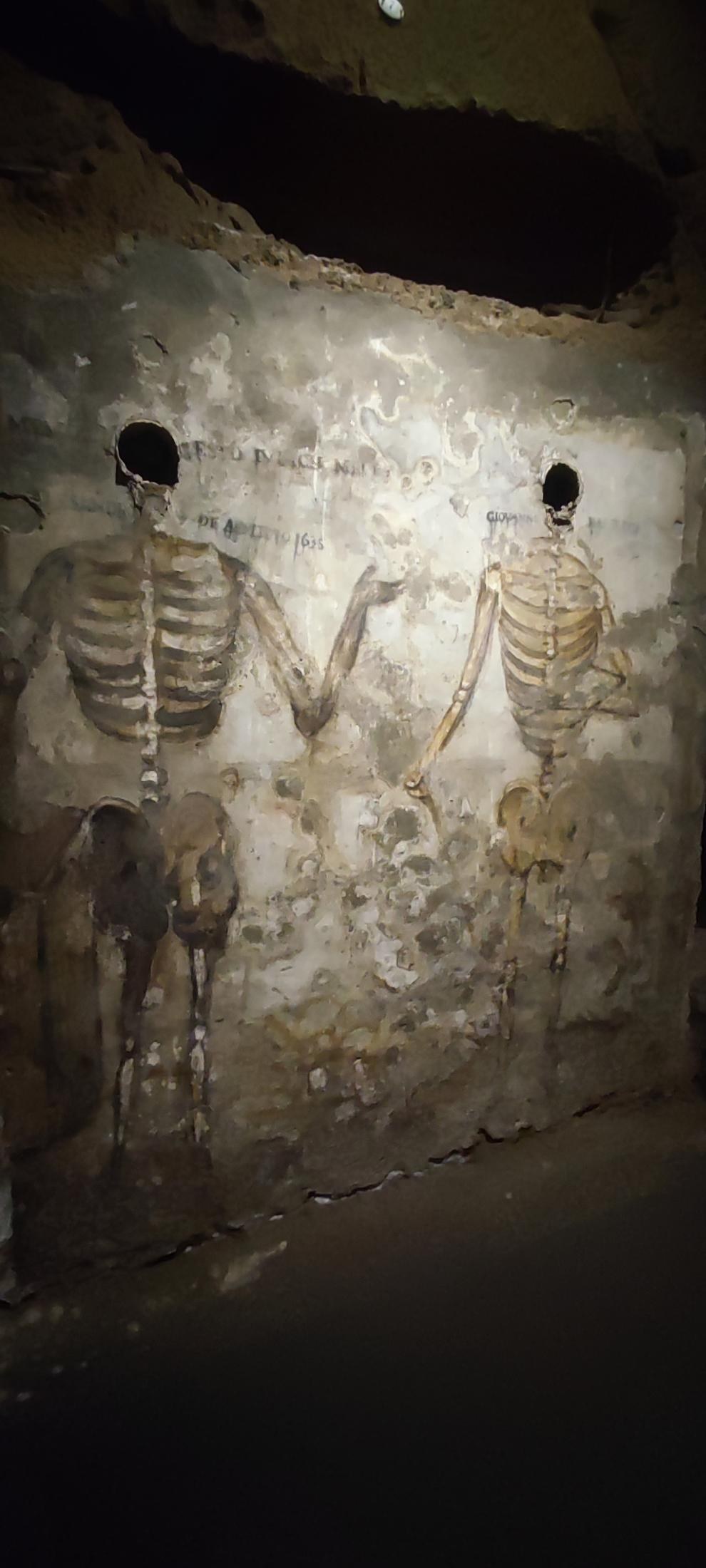
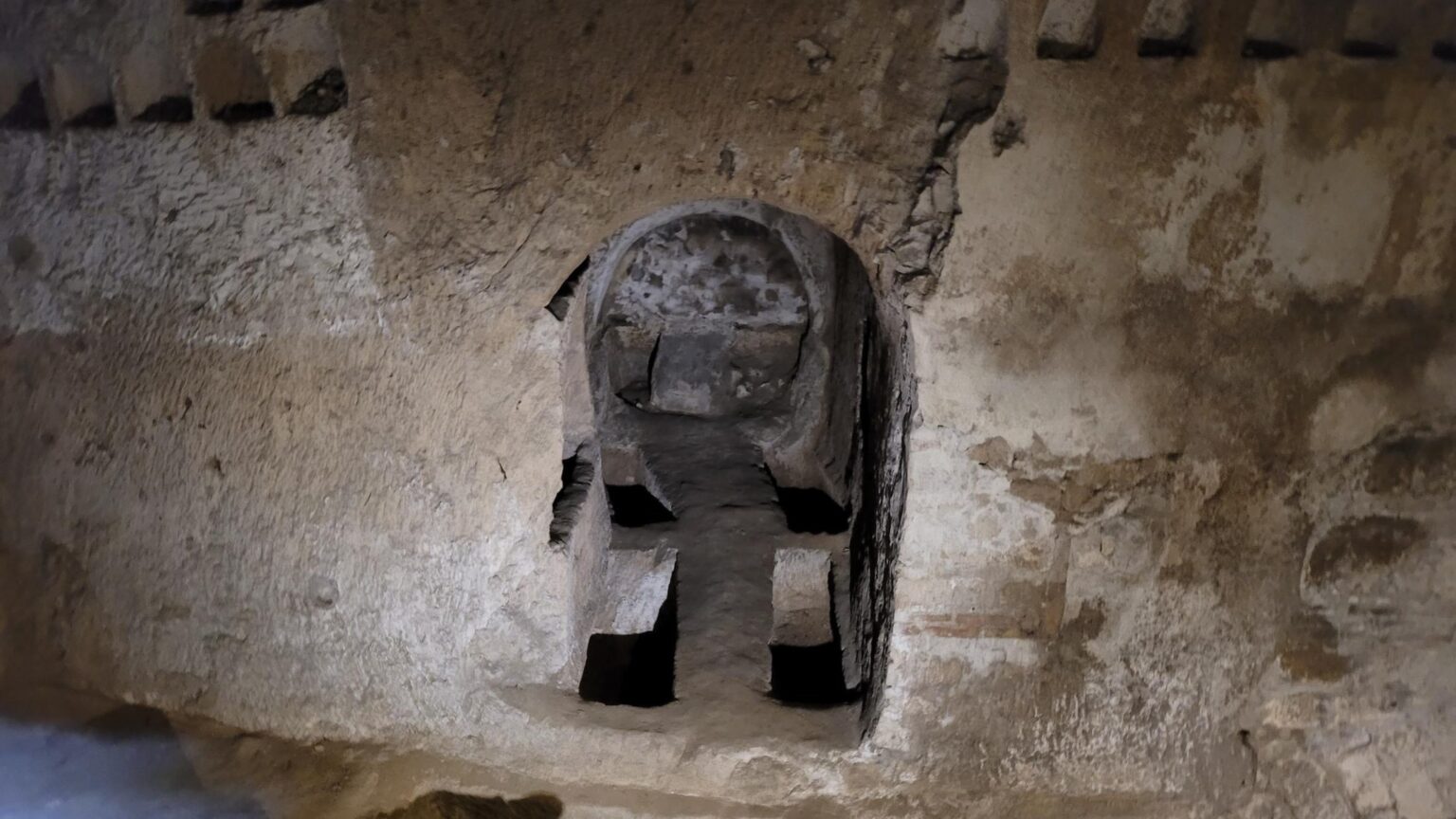
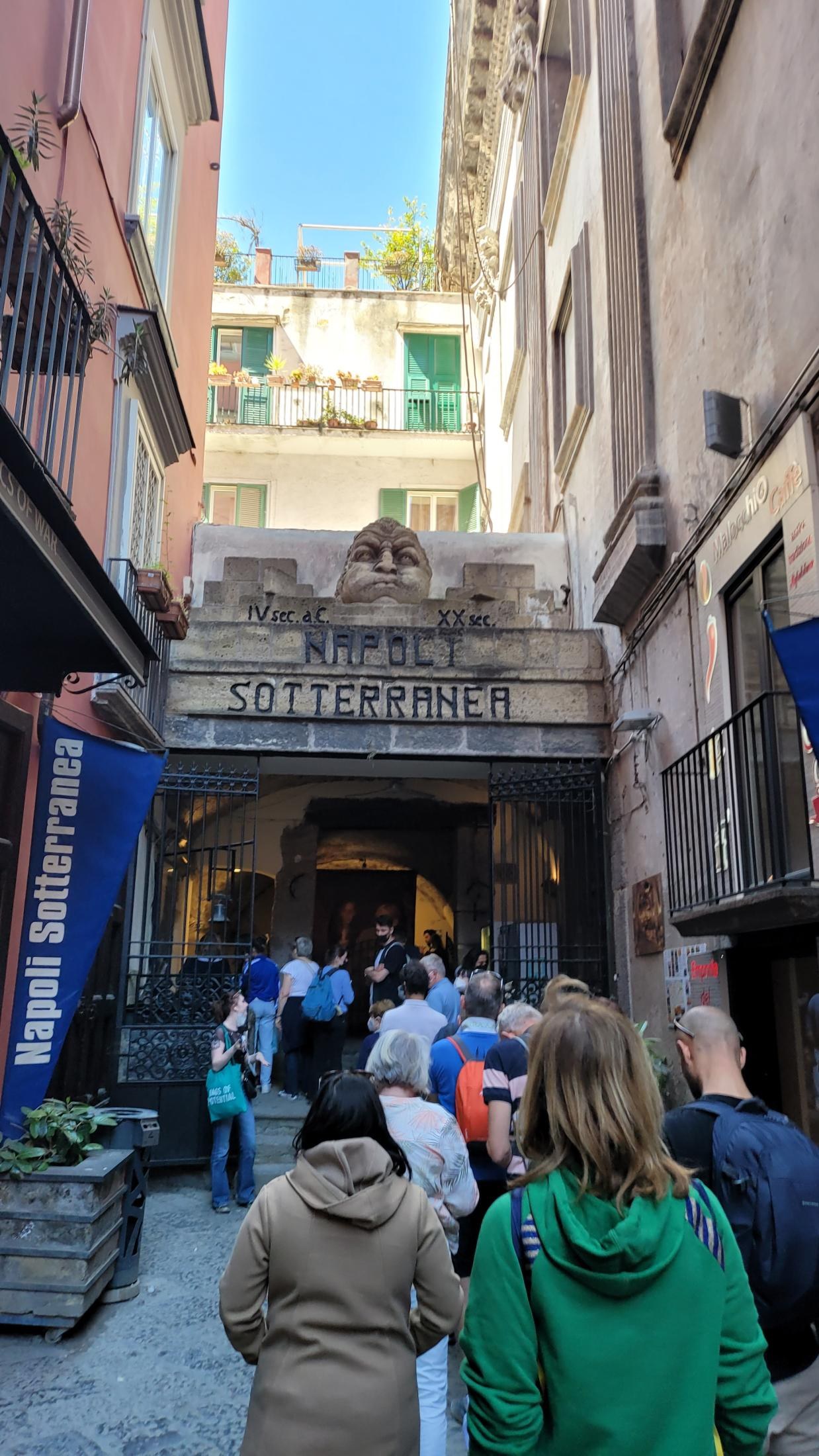
The previous day was exhausting. We are looking for something lighter. Something catches the eye: there are catacombs? Hmm, for €10 a head we will find out. As it turns out, Naples has an extraordinary amount of history behind it. Its foundations were laid close to a thousand years before Christ. In a moment the guide will tell us that whoever decided to take Naples, took Naples — Greeks, Romans, Spaniards, Italians over the centuries, and every one of them added something. And every one of the rulers dug underneath, and dug seriously.
Sotterranea — the underground city
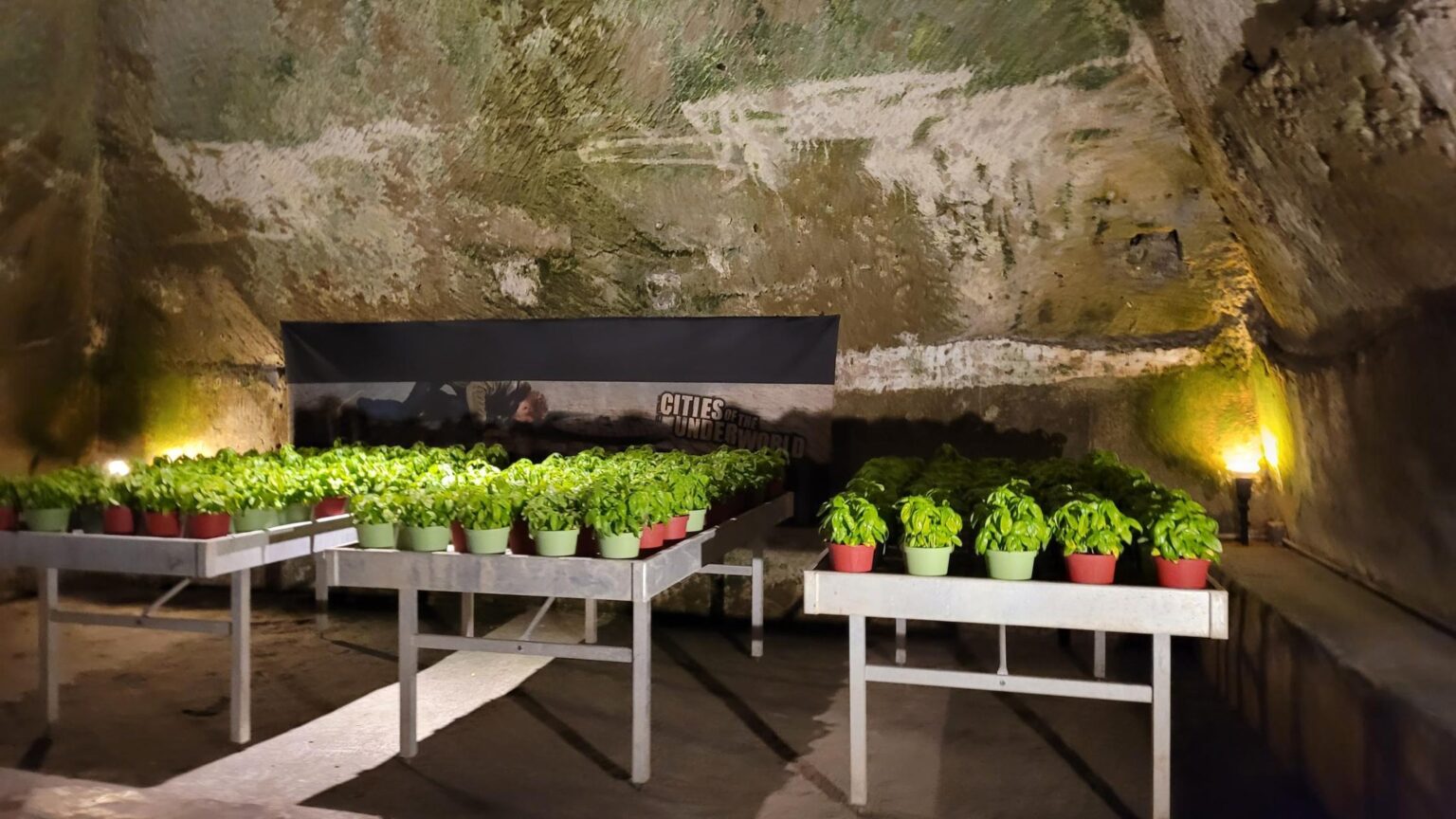
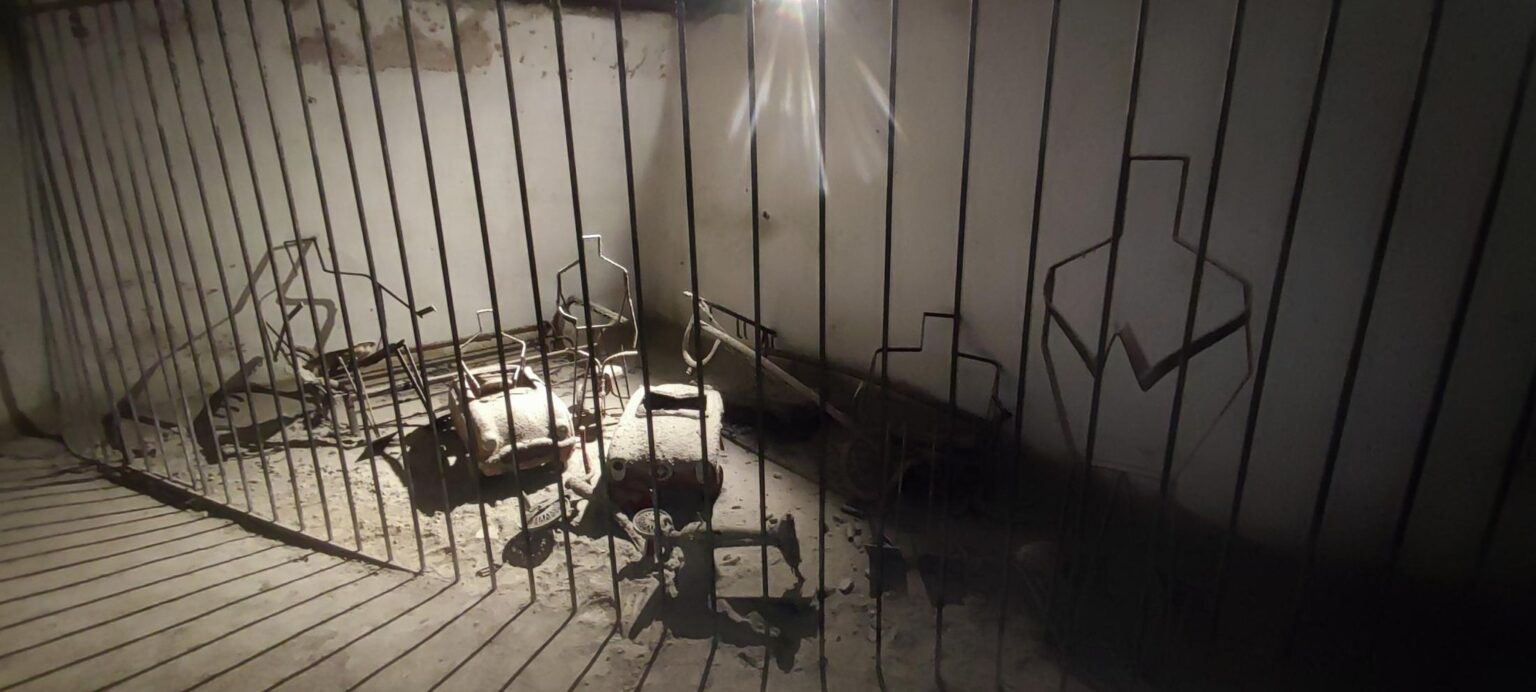
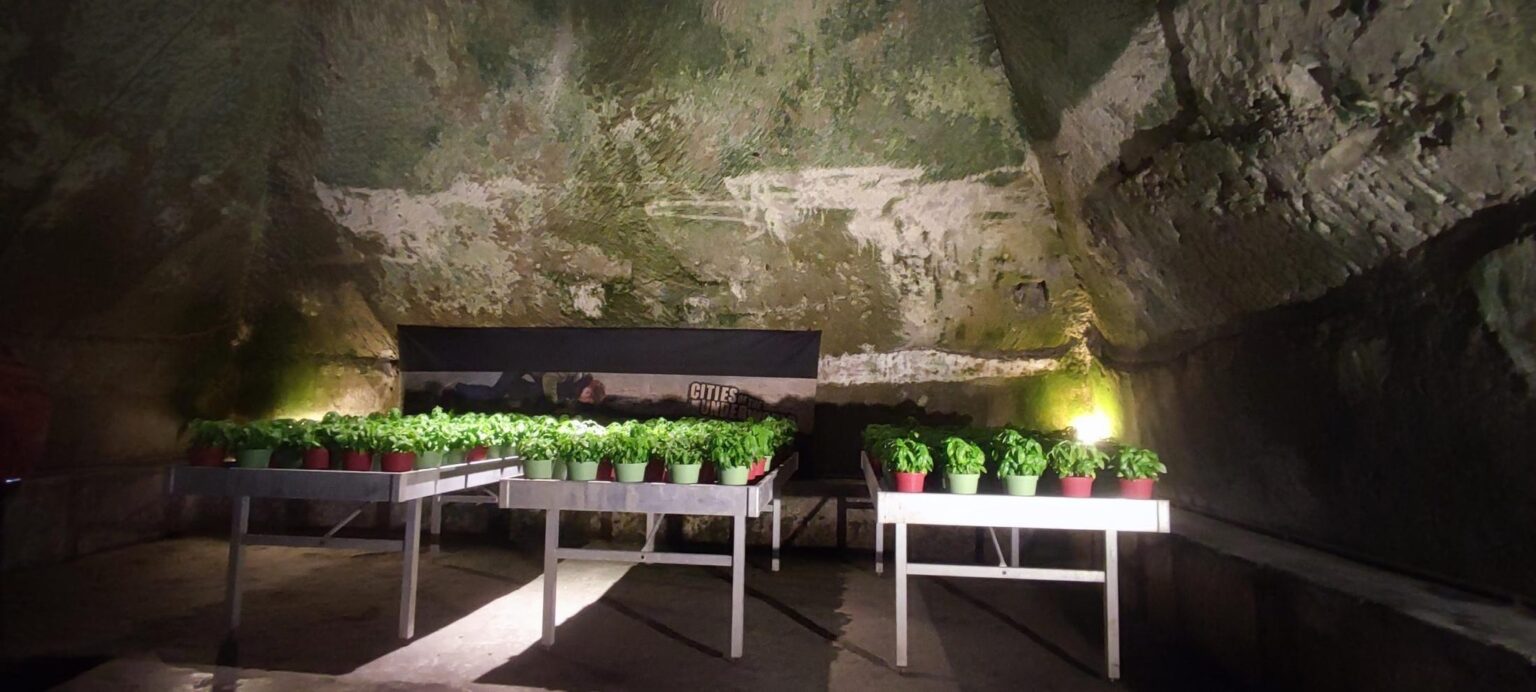
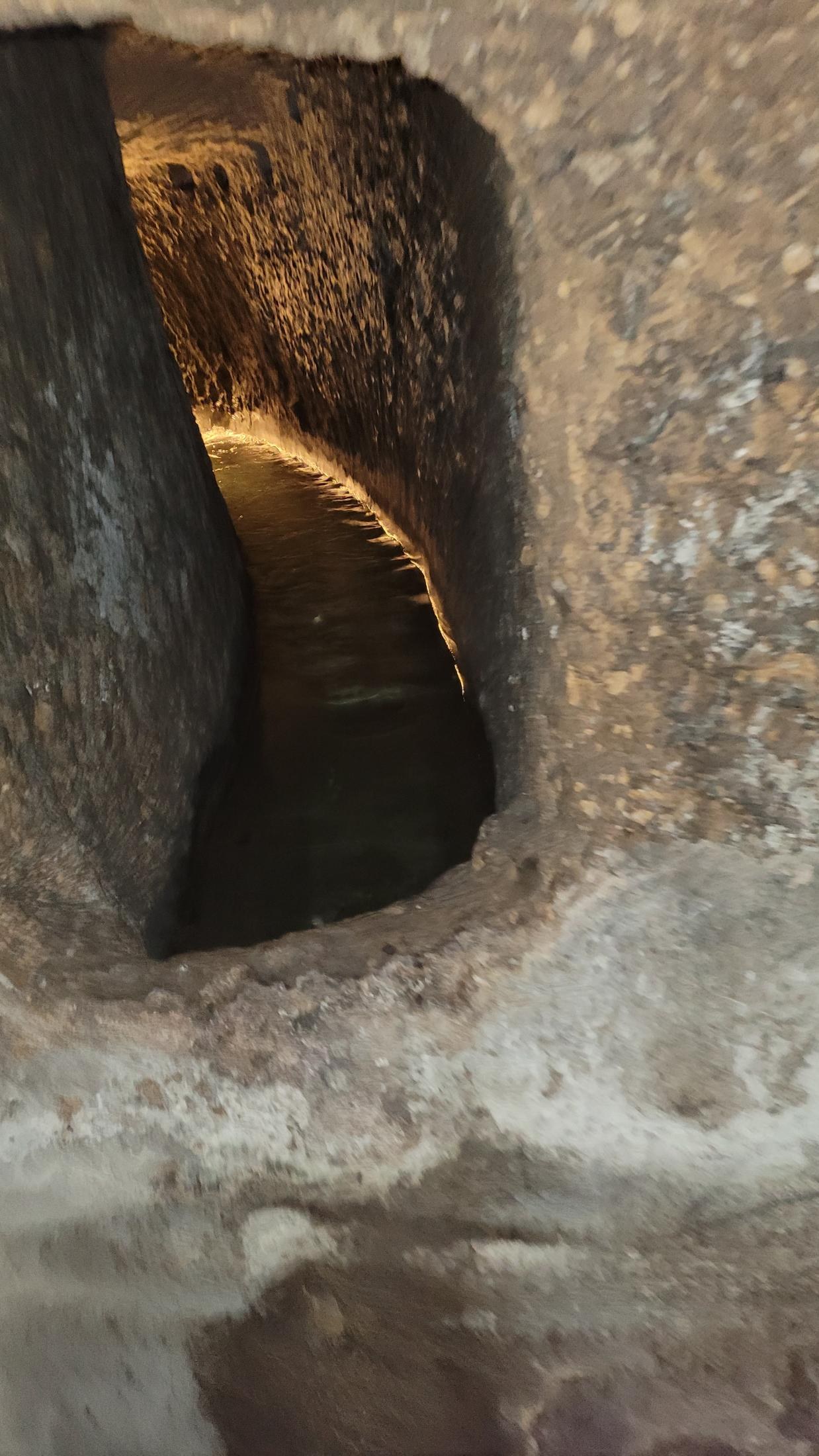
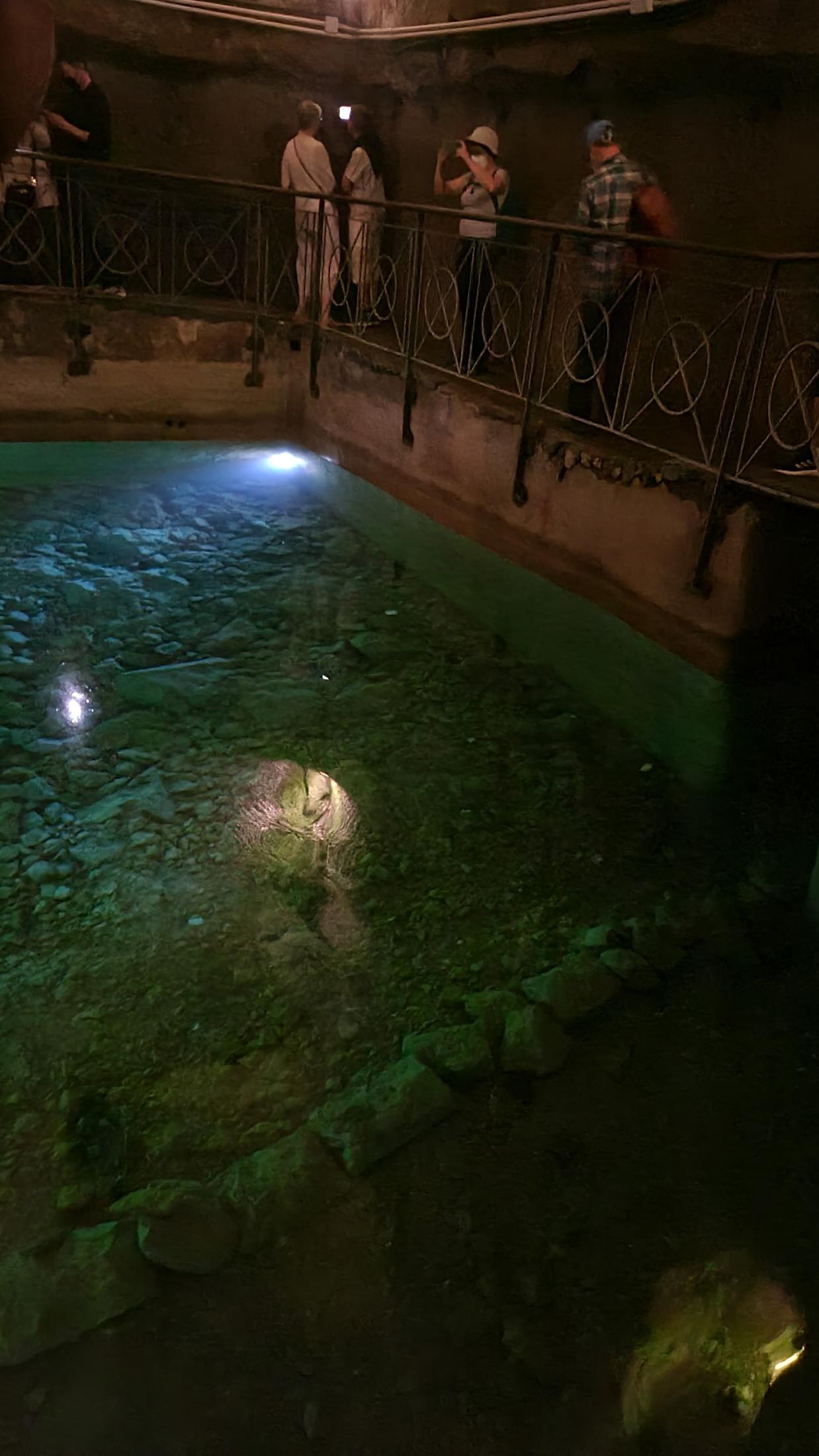
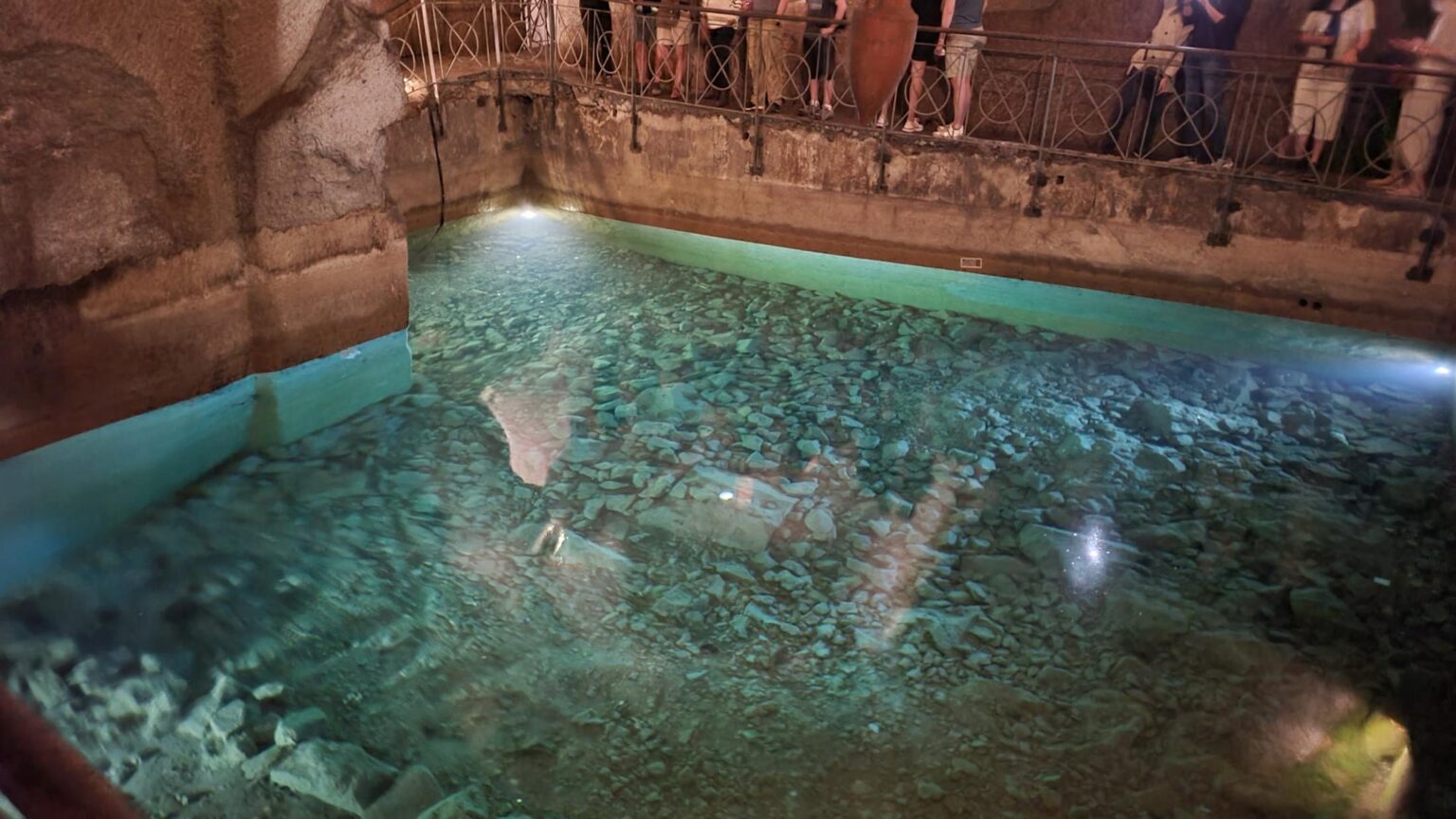
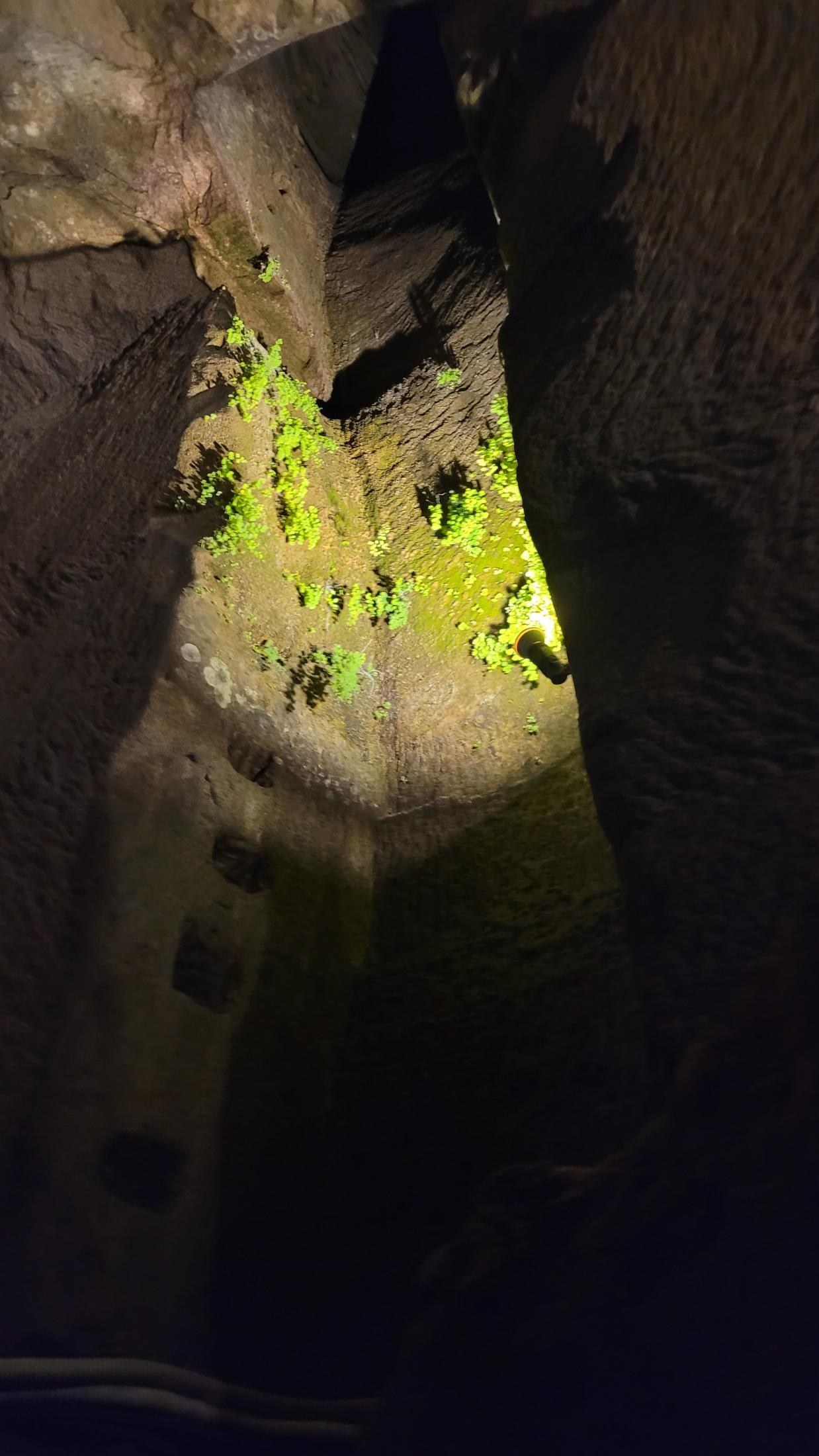
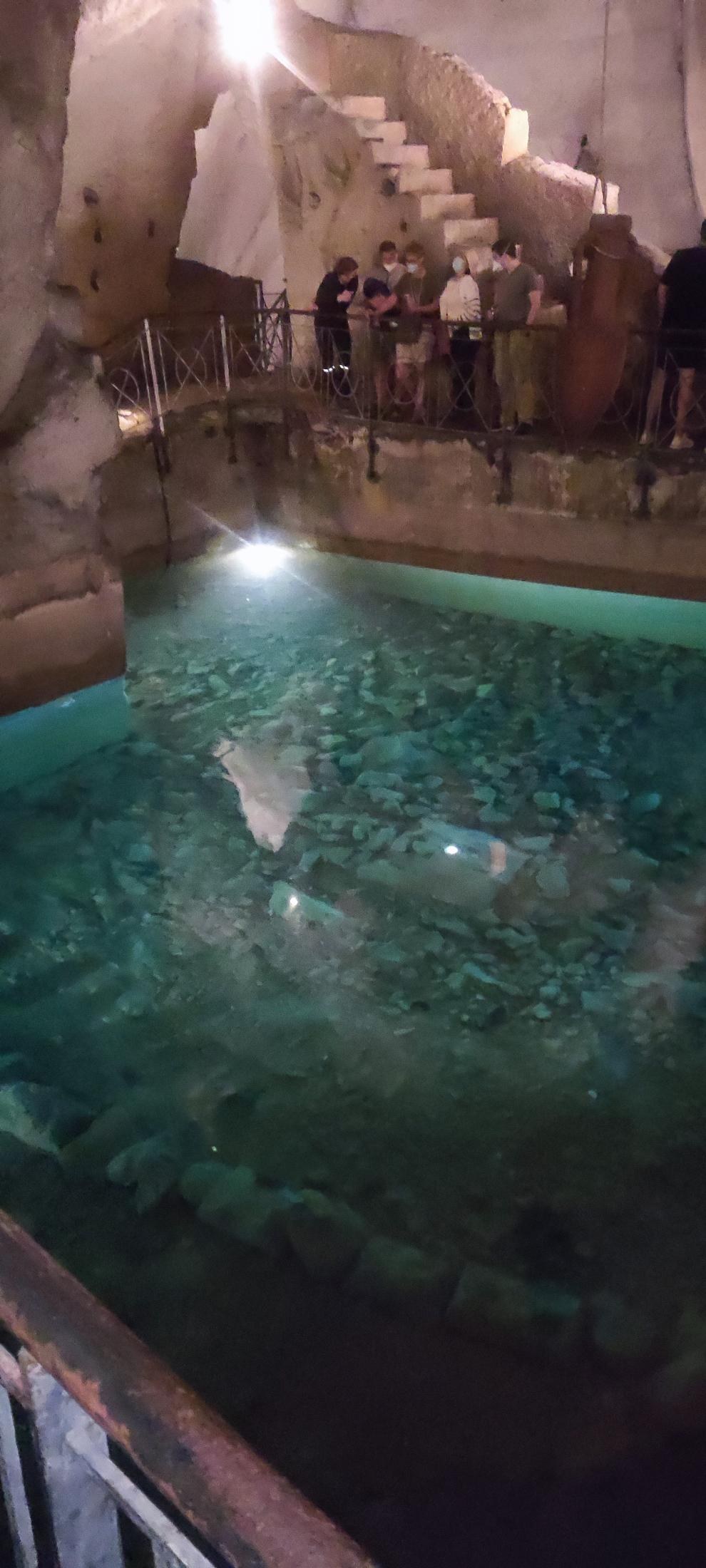
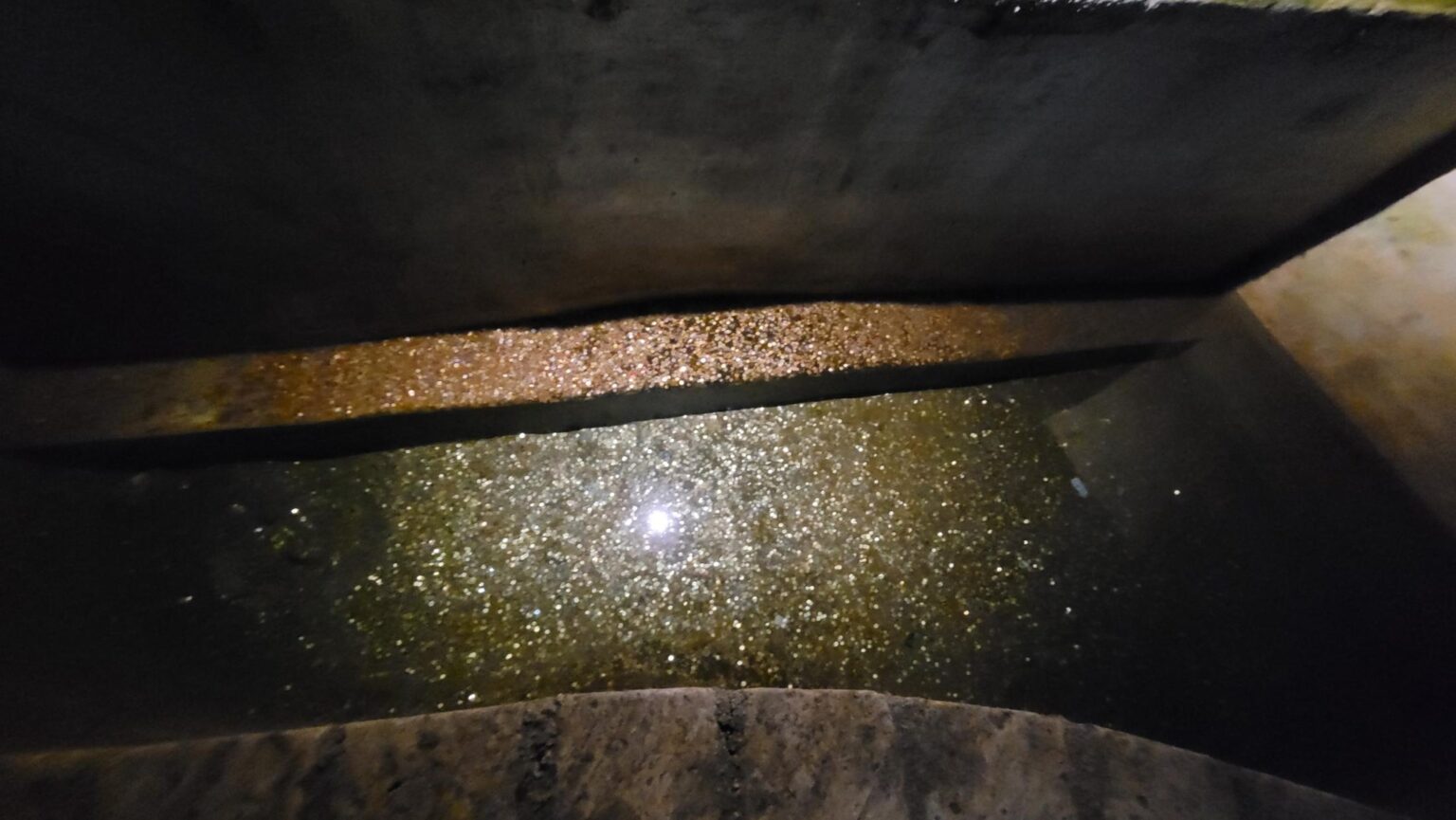
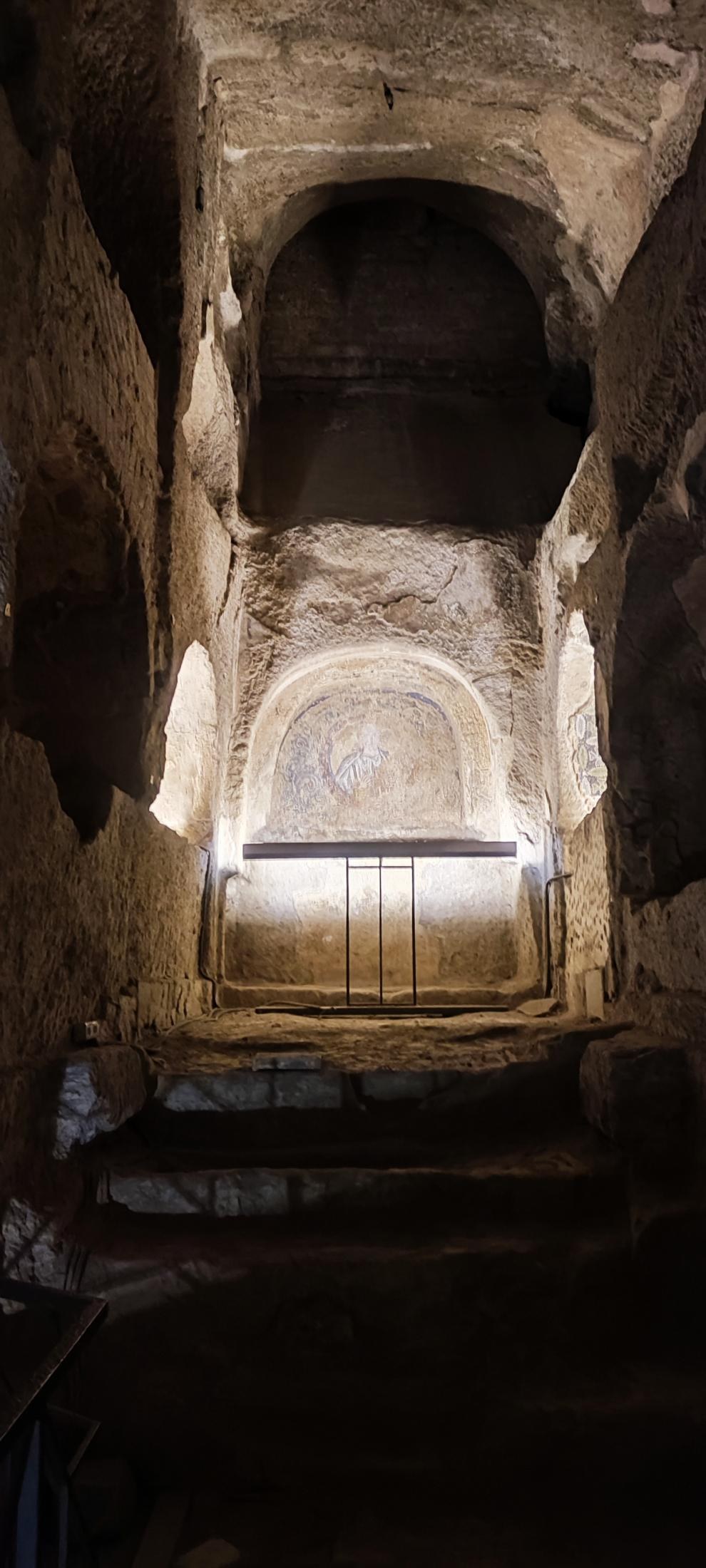
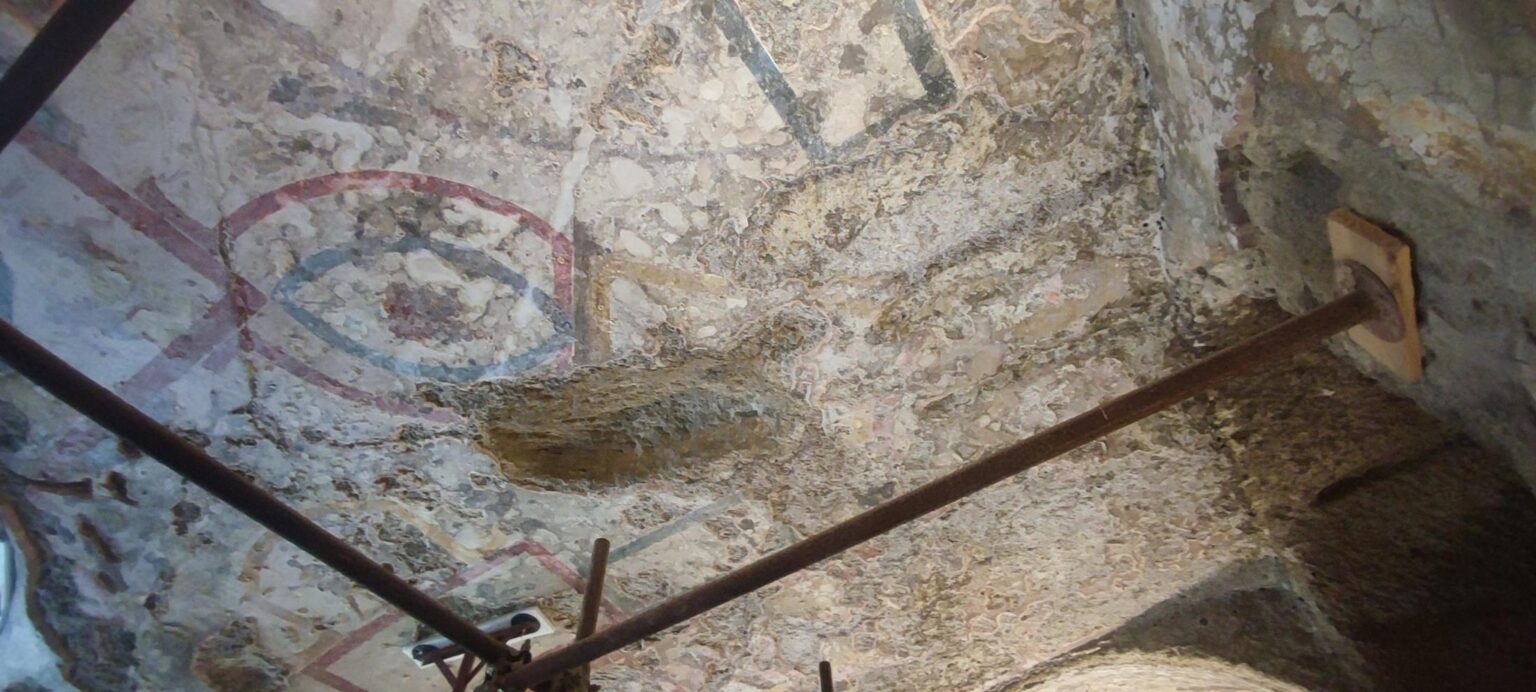
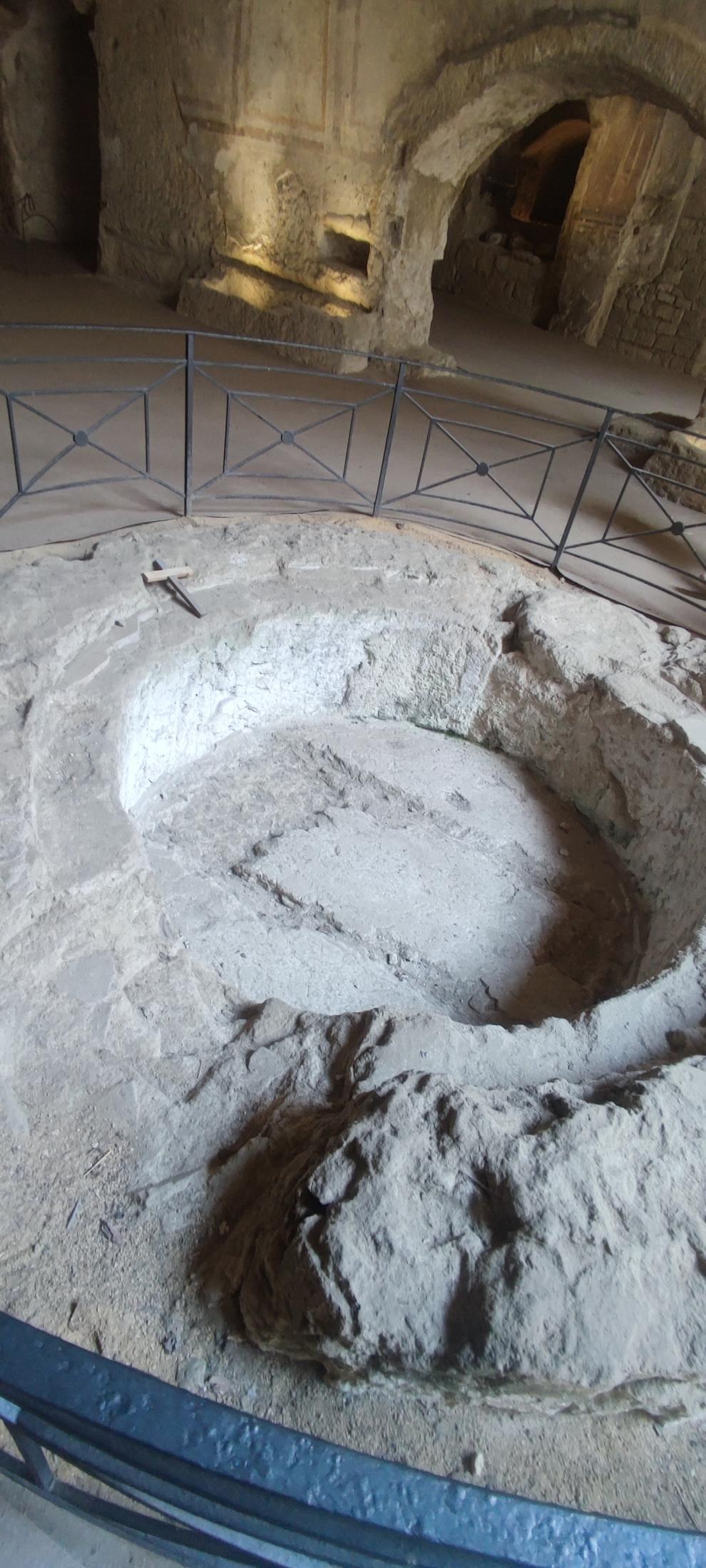
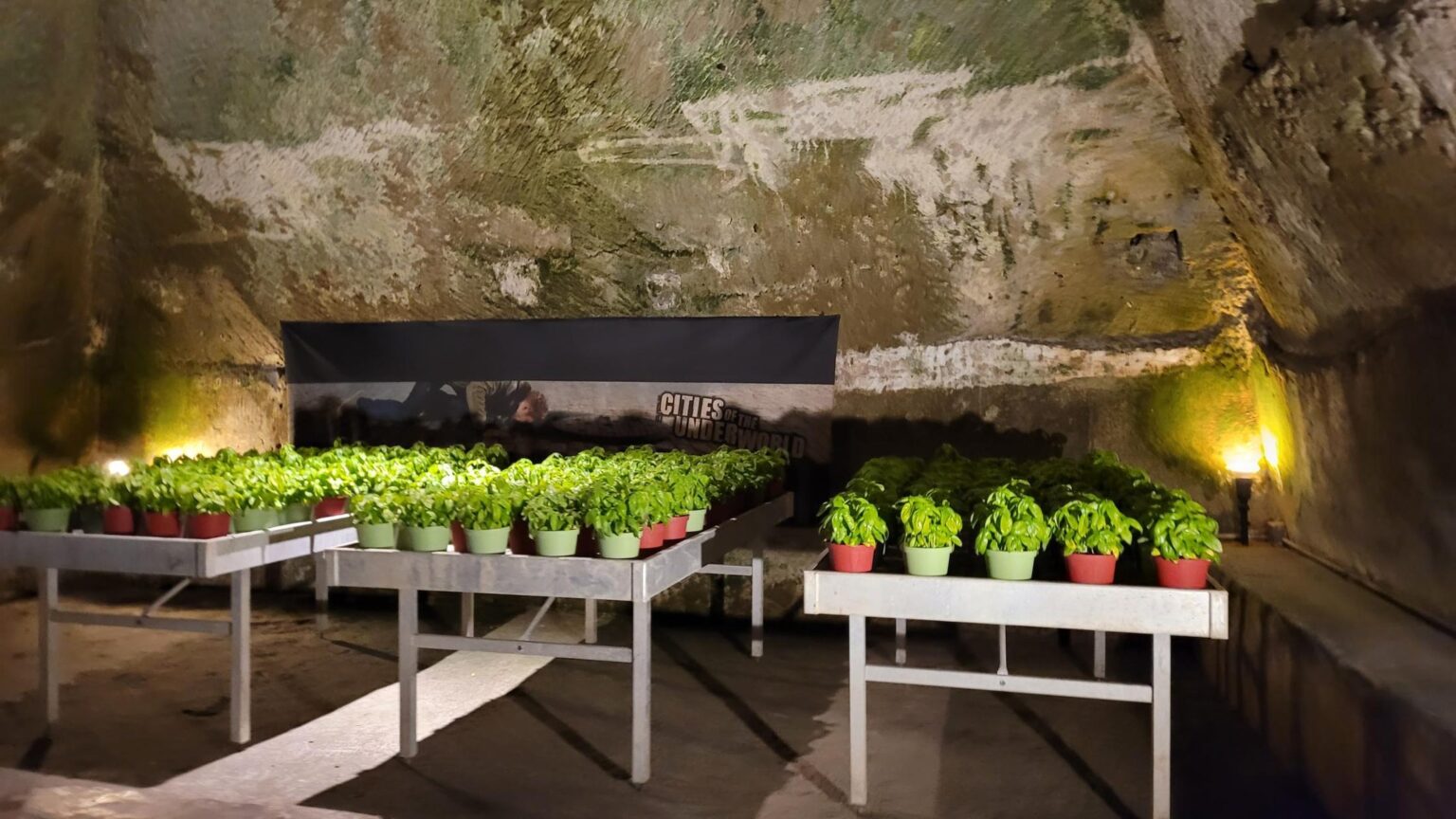
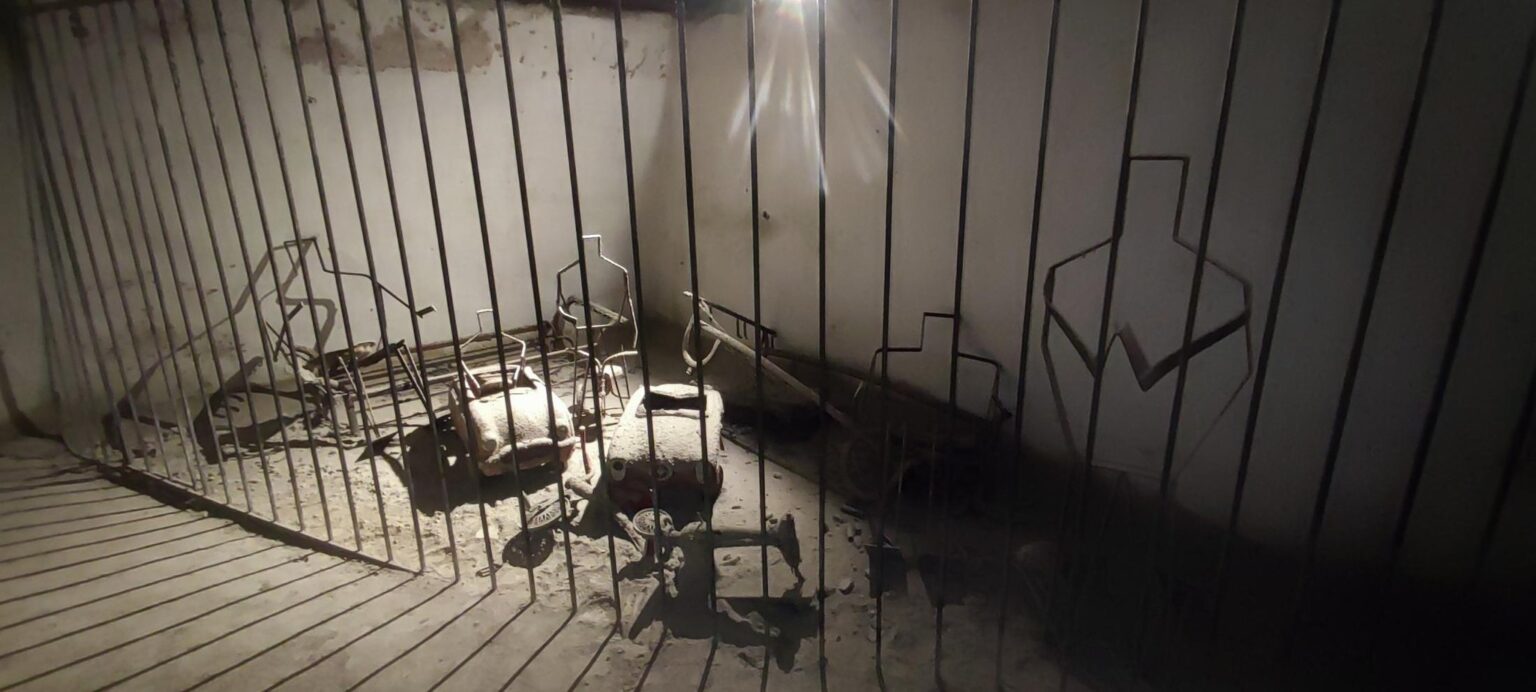
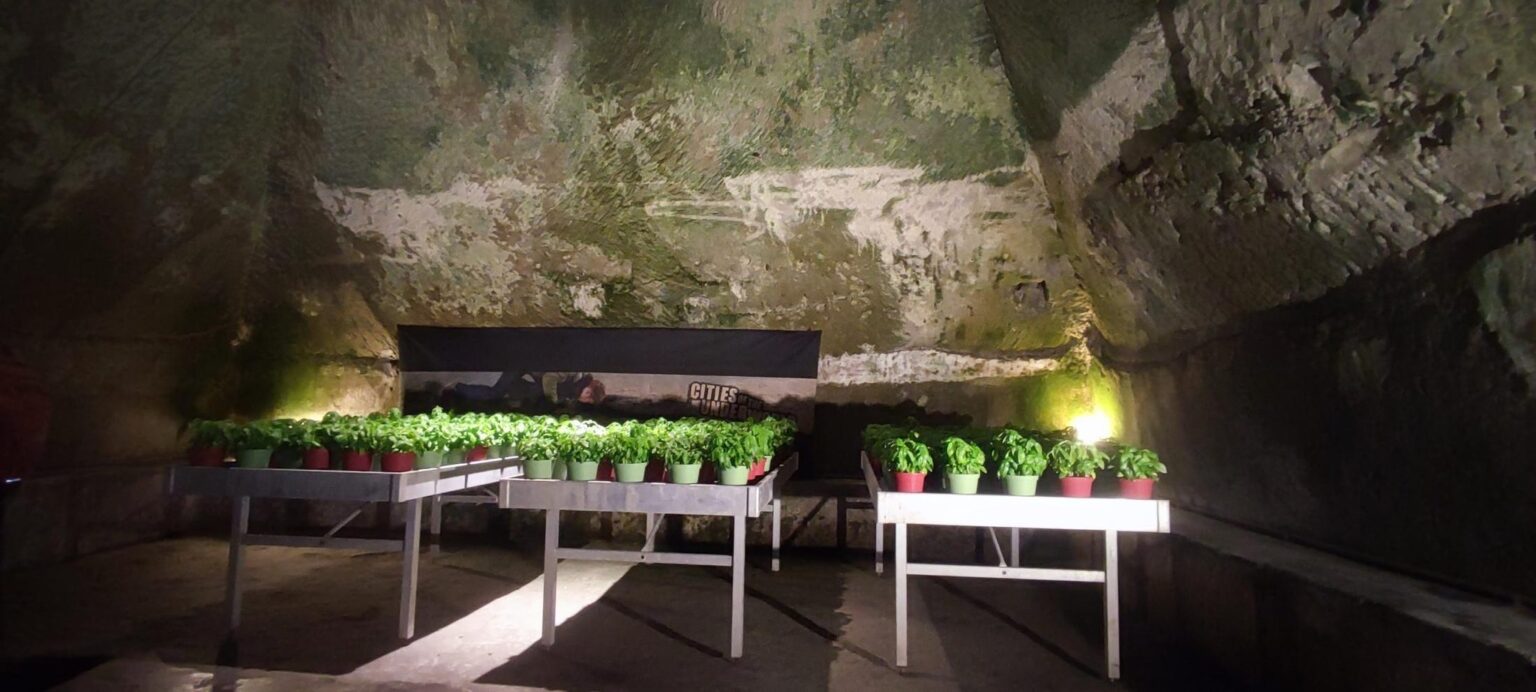
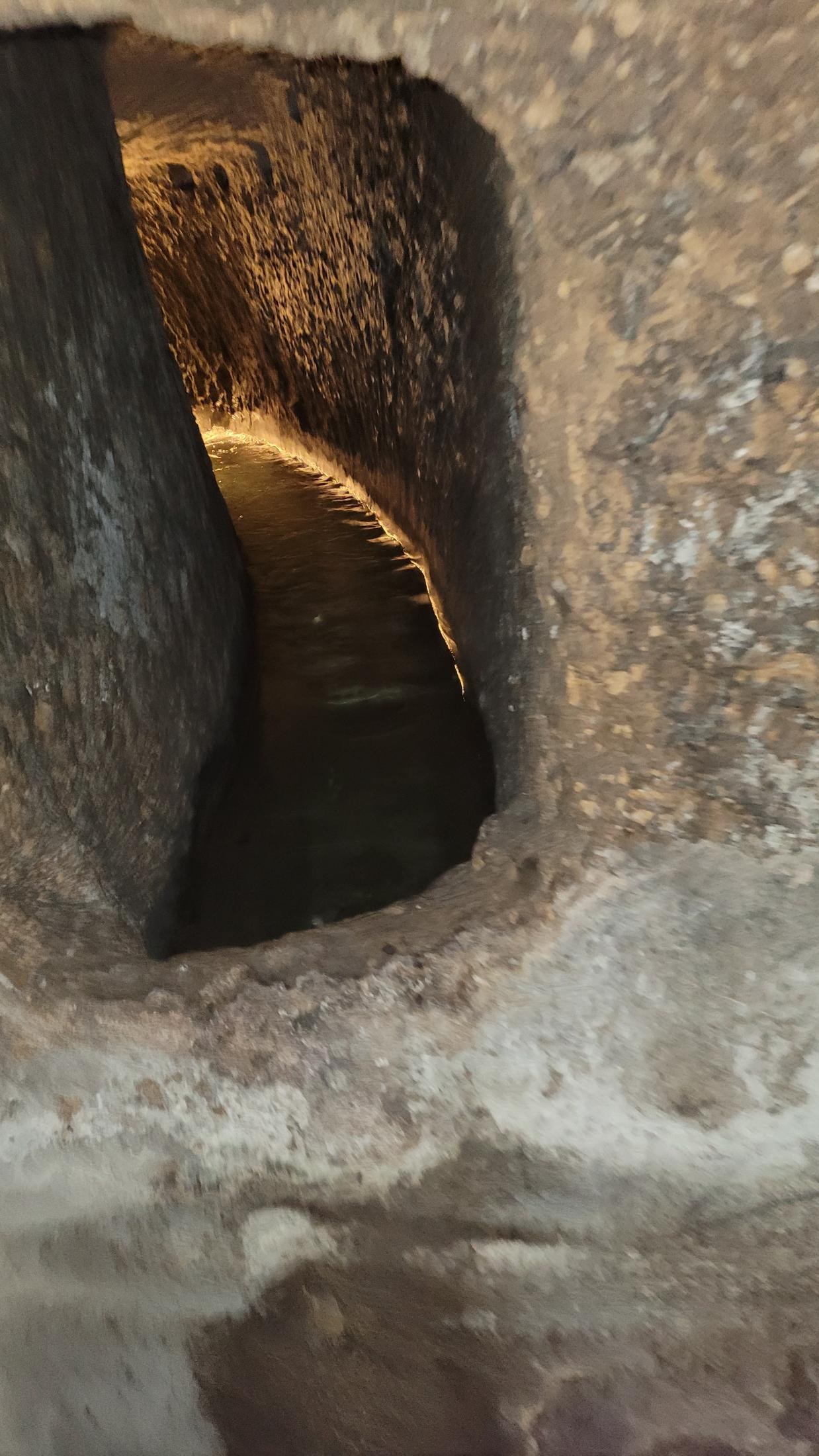
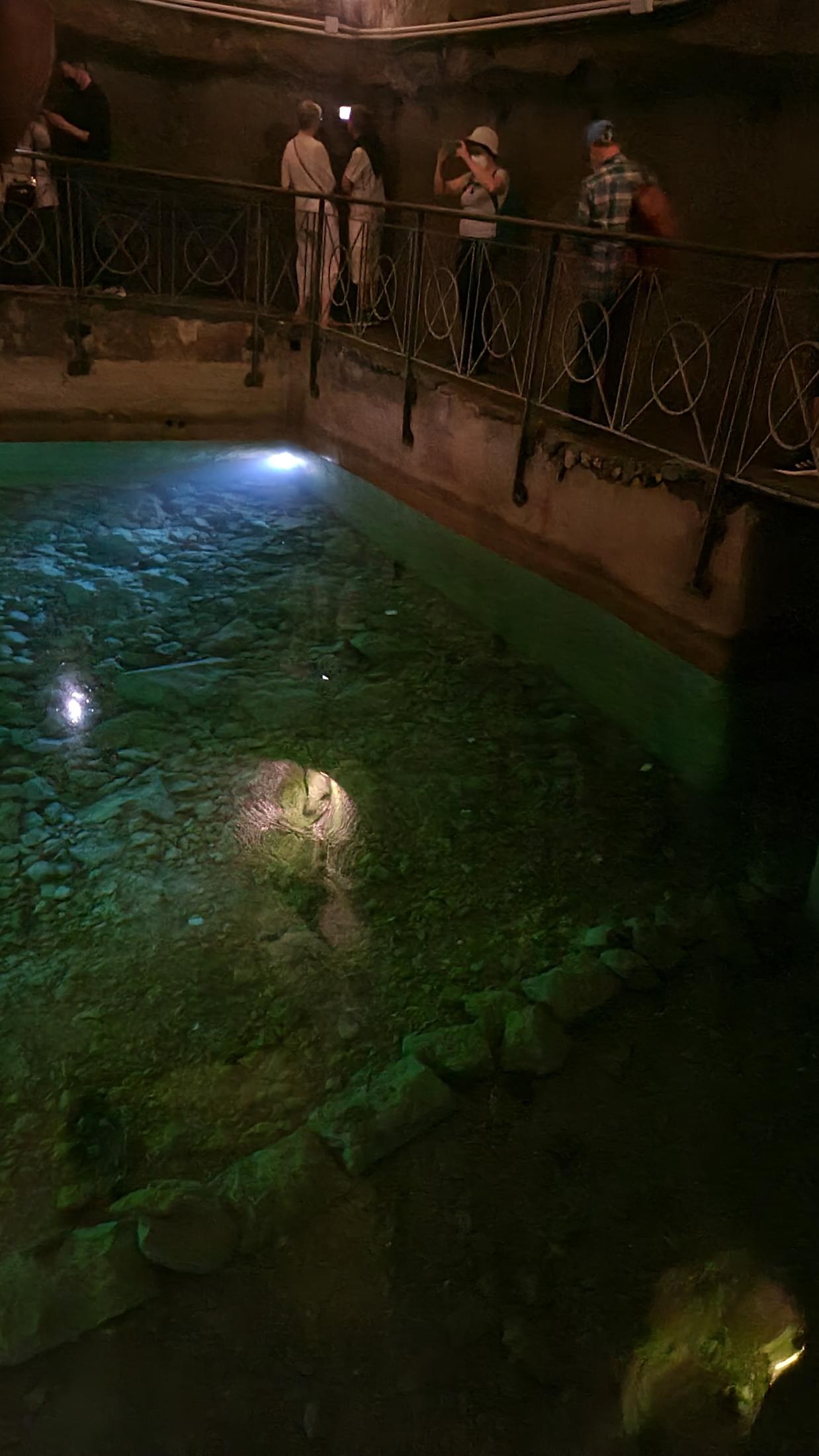
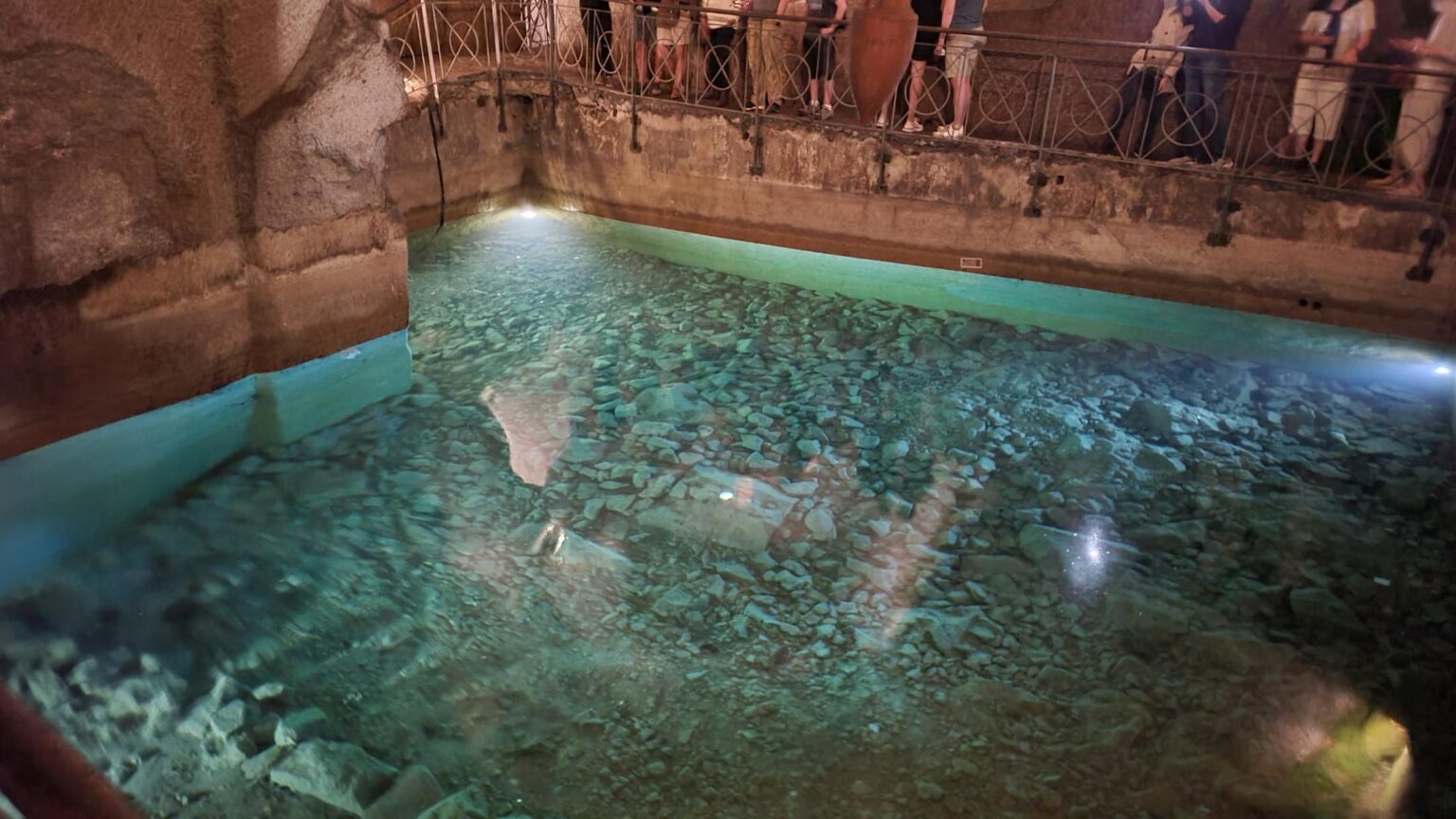
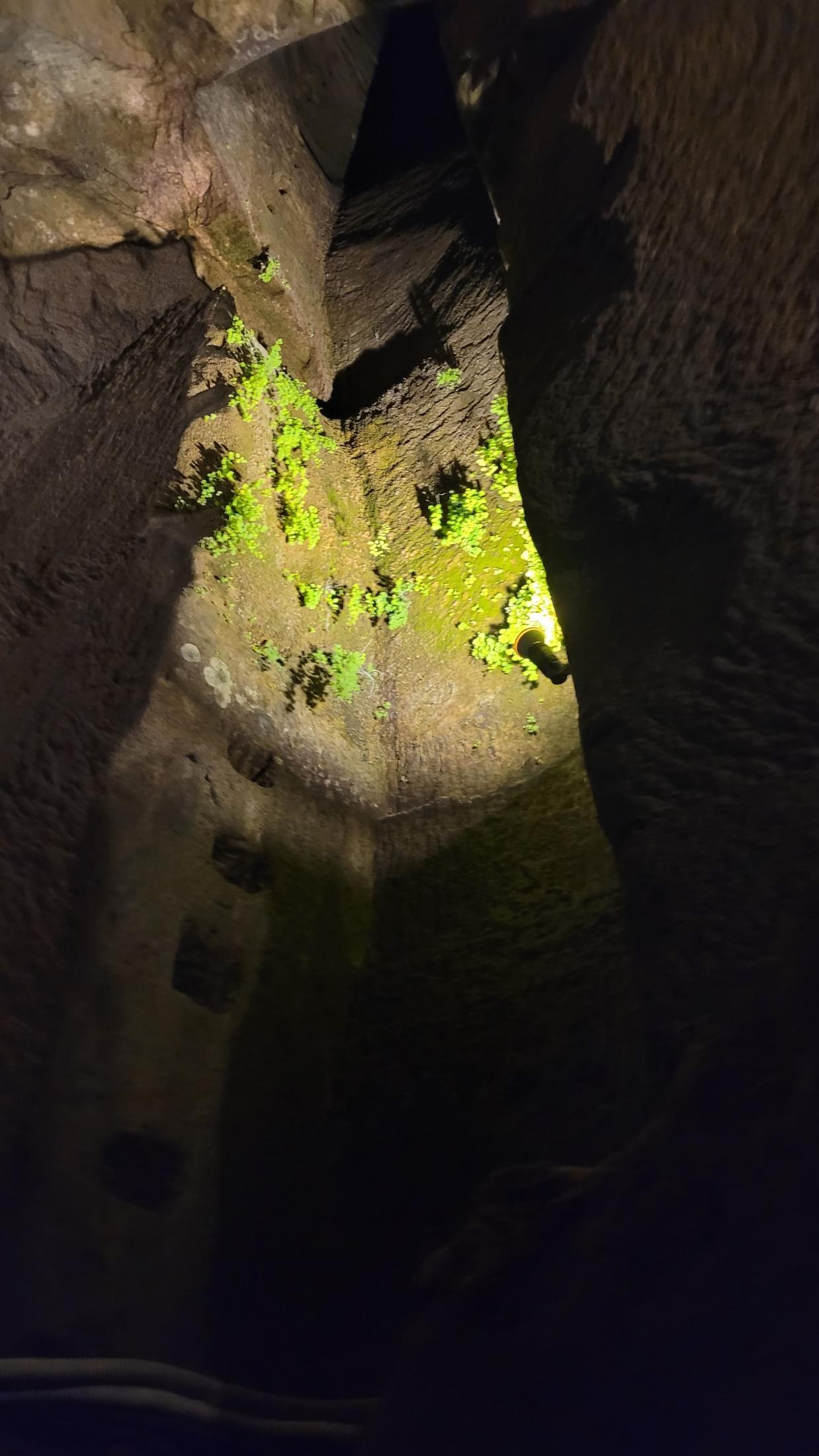
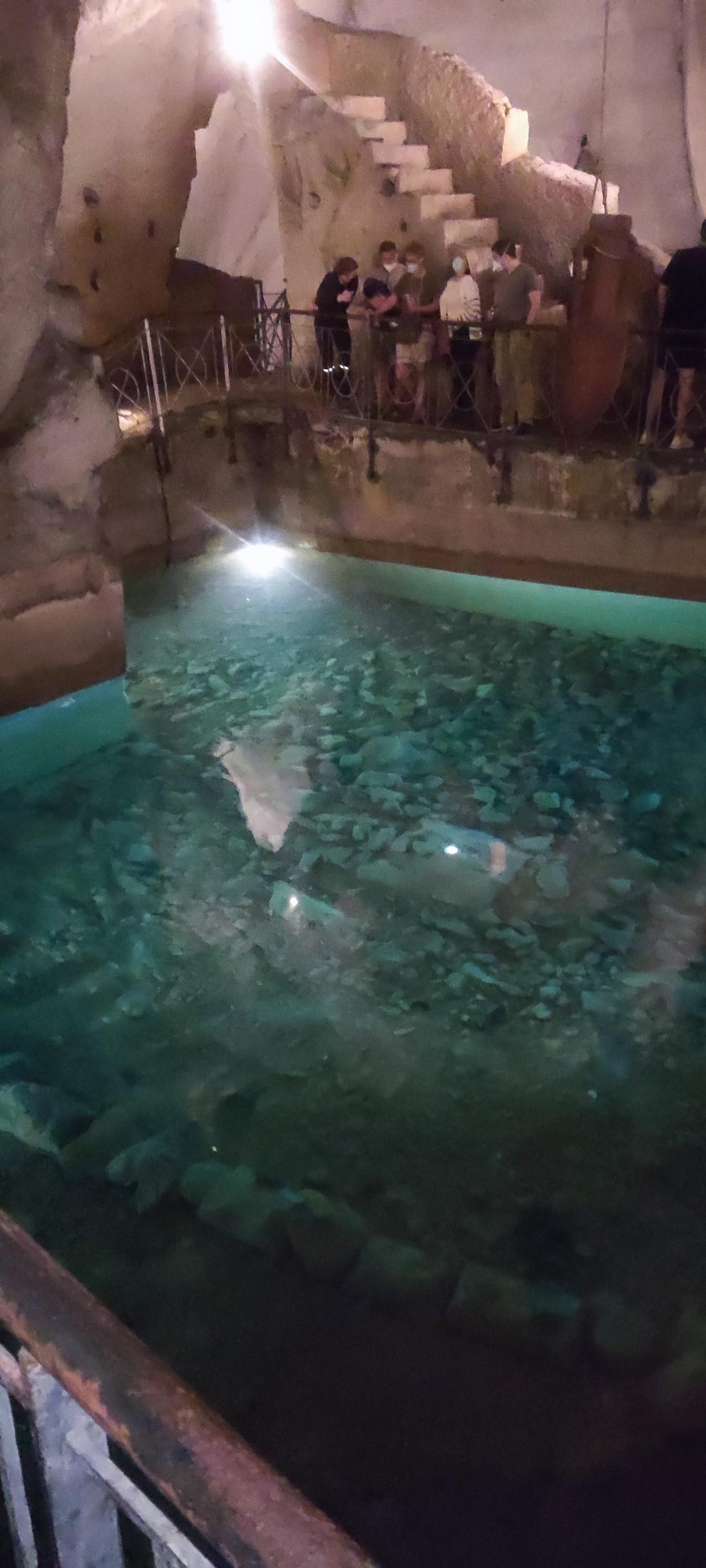
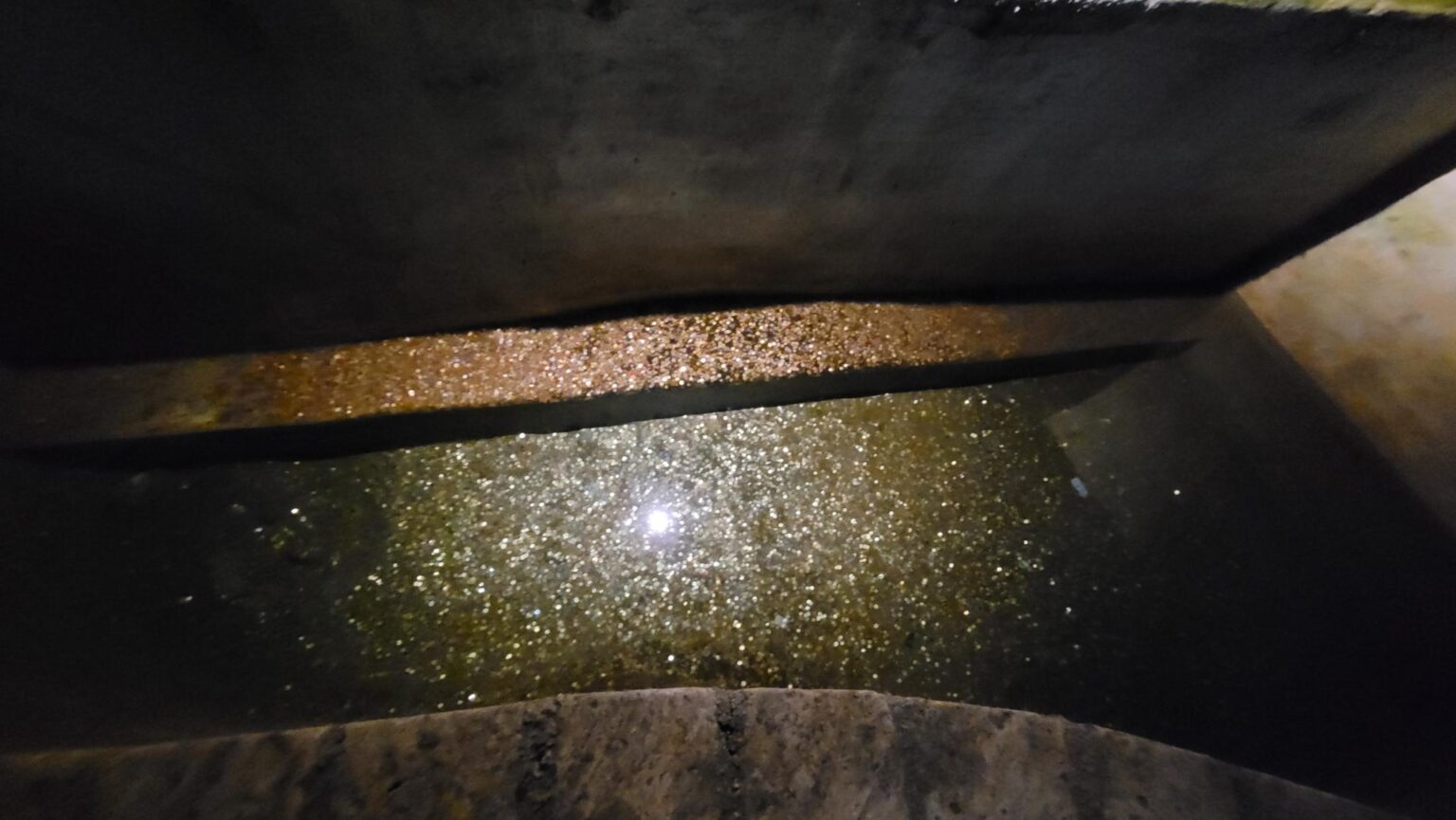
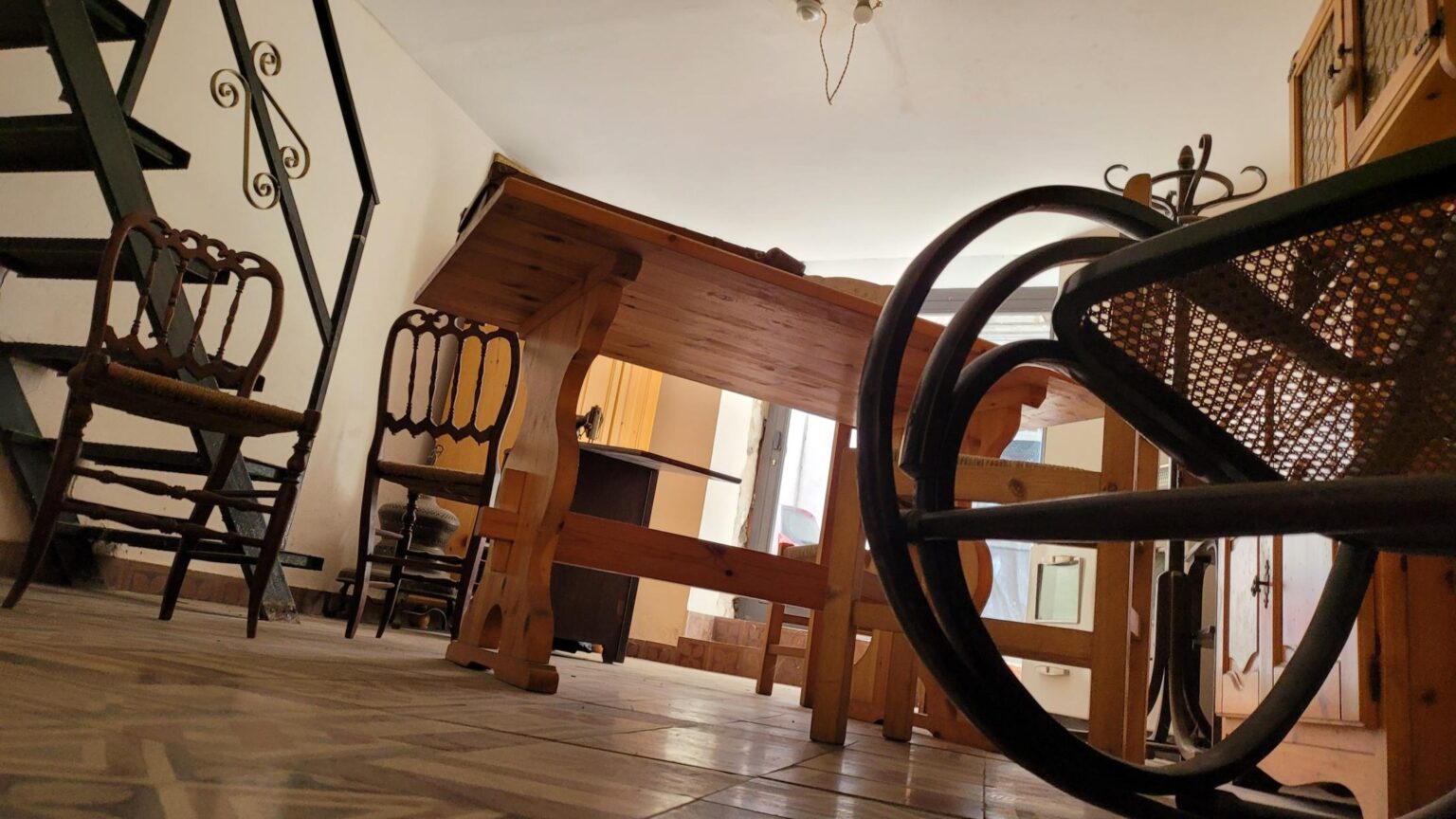
Under Naples there is practically an entire city, stretching from roughly -20 to -40 metres below ground. We are not talking about an “underground city” in the Turkish sense (a couple of hundred square metres with a 1.30 m ceiling). We are talking about an underground city extending for kilometres with ceilings 8–12 metres high in places. The metro sits at -50 to -60 metres. Between the metro and the surface there is literally a whole city, used and enlarged over the centuries. It was last reworked around the world wars of the 20th century and used as a shelter. It comfortably held 10,000 people. Impressive.
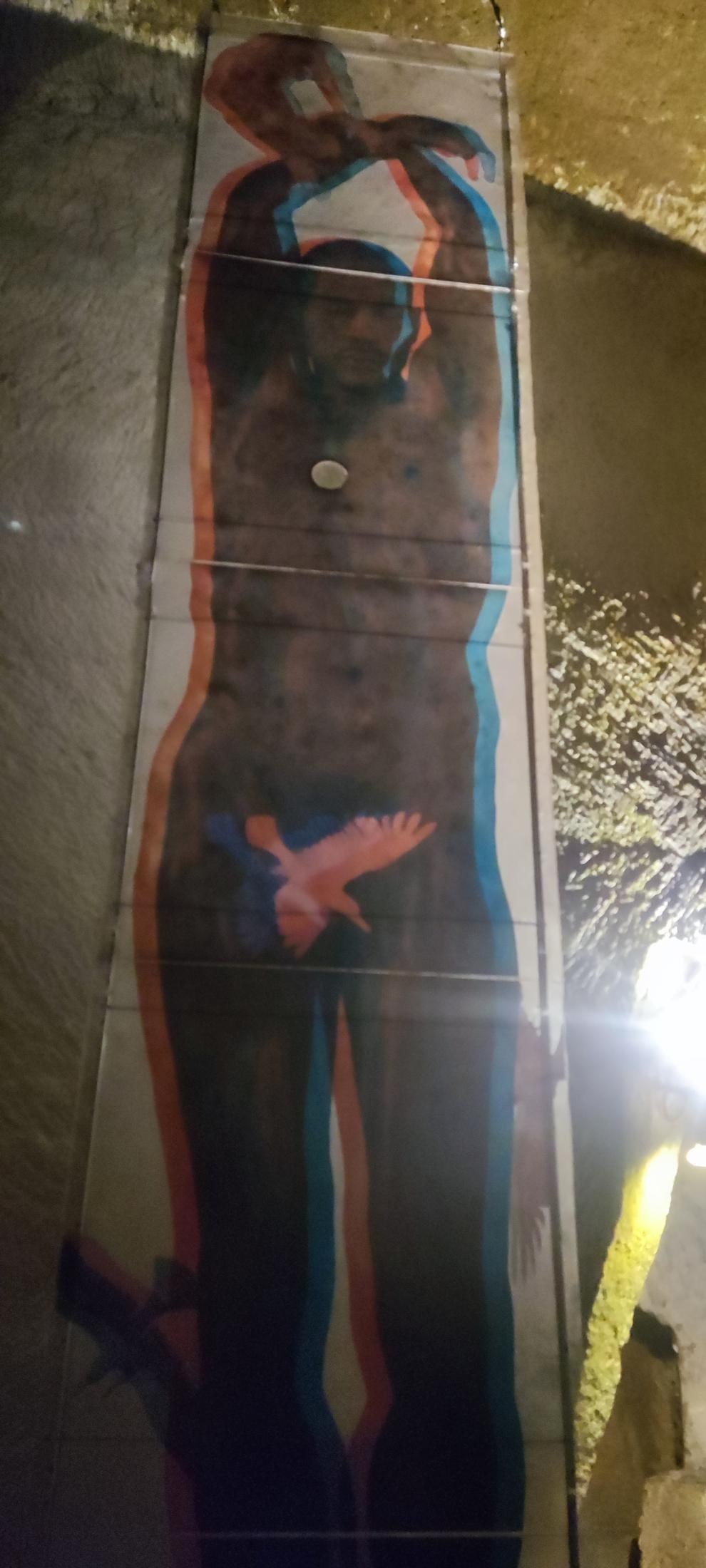
If you are heading in this direction, this is worth seeing — in fact I would go further and call it one of the compulsory sites. There are big queues, and groups of 30 are admitted at a time. If possible, buy tickets online or the day before. The tour is under 2 hours and runs in English and Italian. At the moment they are foregrounding botany and the plants that can be grown underground, which is quite interesting. They explain the drinking water, the ventilation of the air, and how many people died before anyone was forced to start thinking about these things. There is a lot that could be told here, but it is best to see it yourself or read about it at length online — the official site is the place to start. Here we are only marking the more important things.
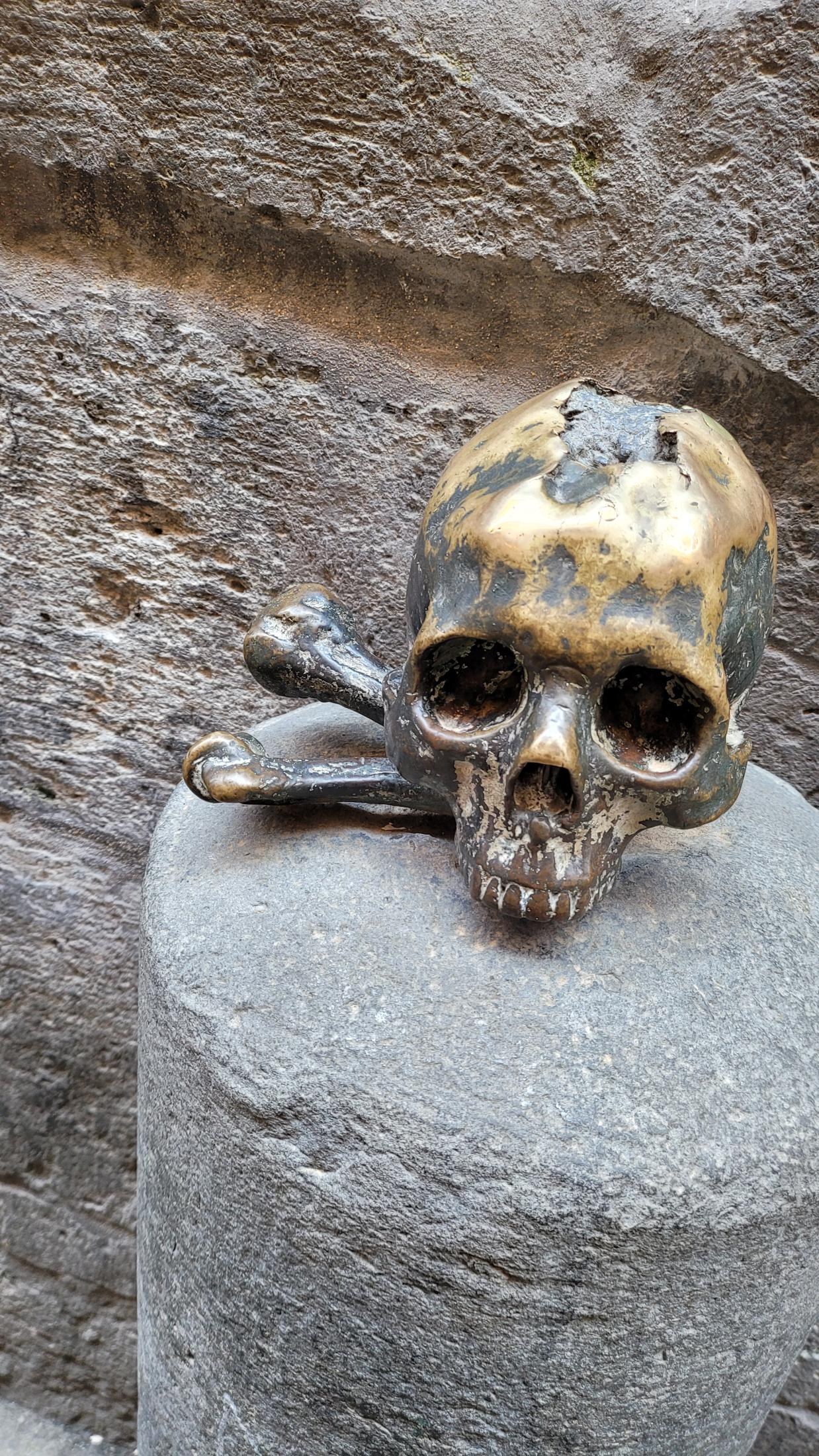
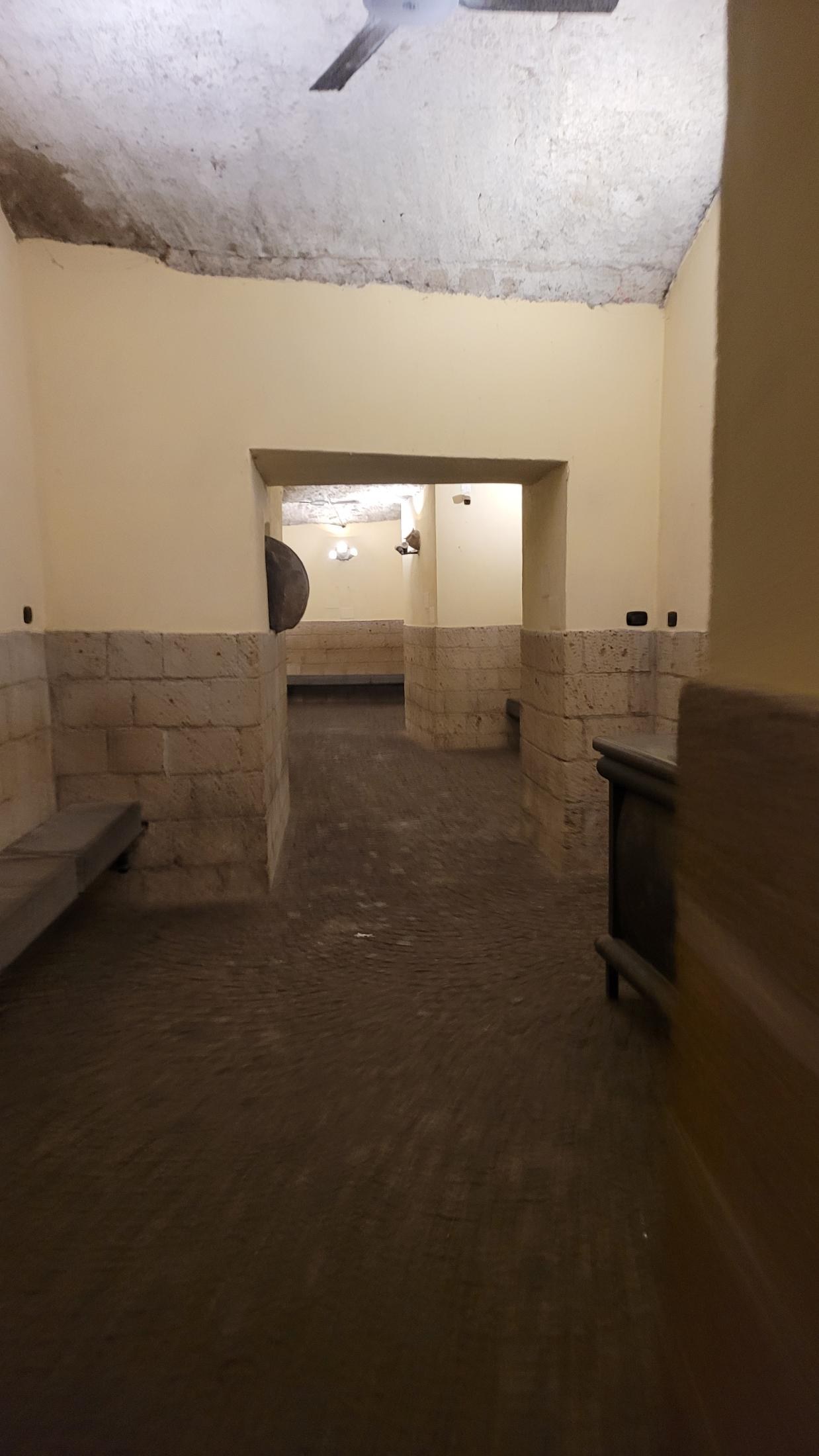
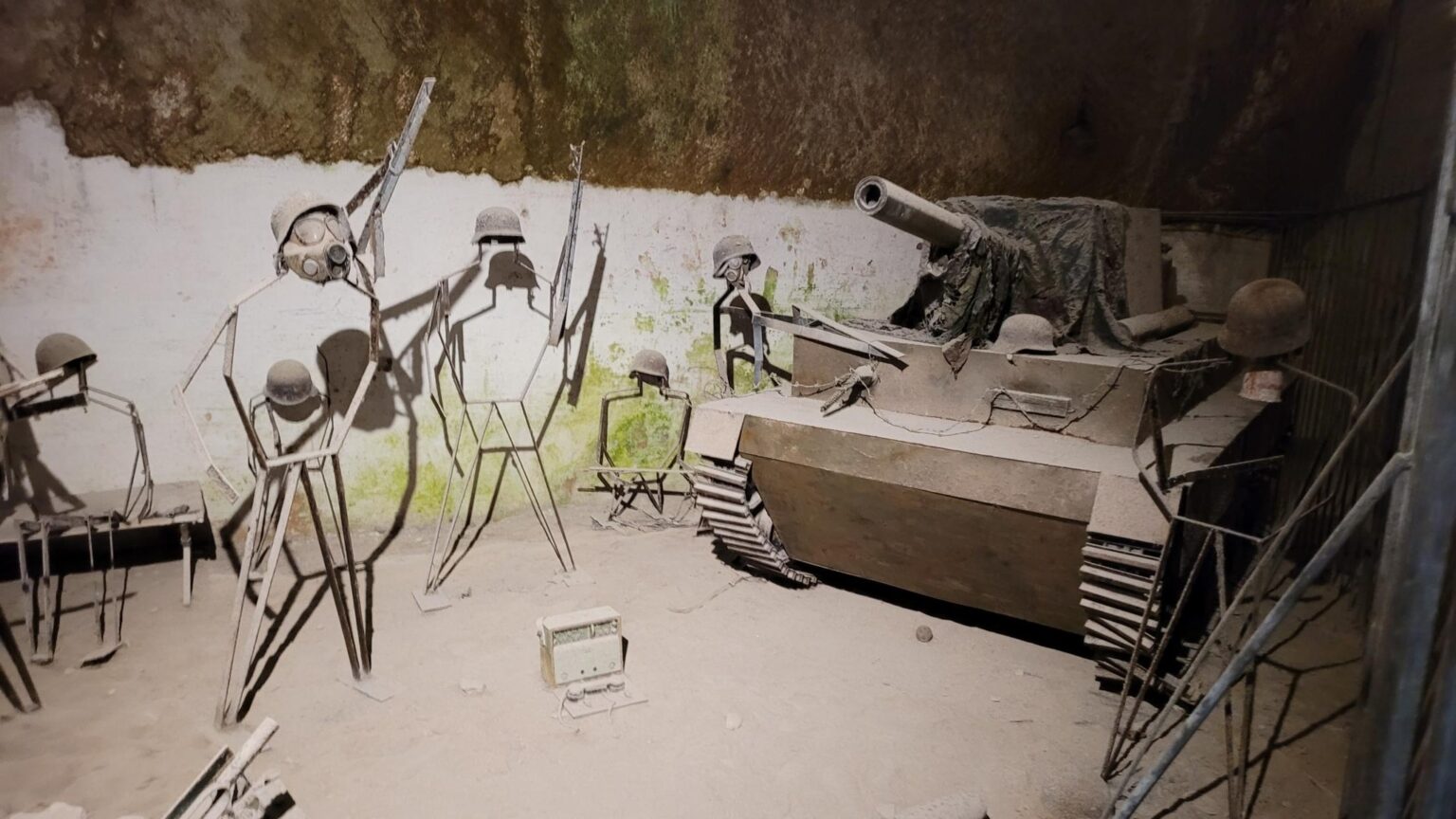
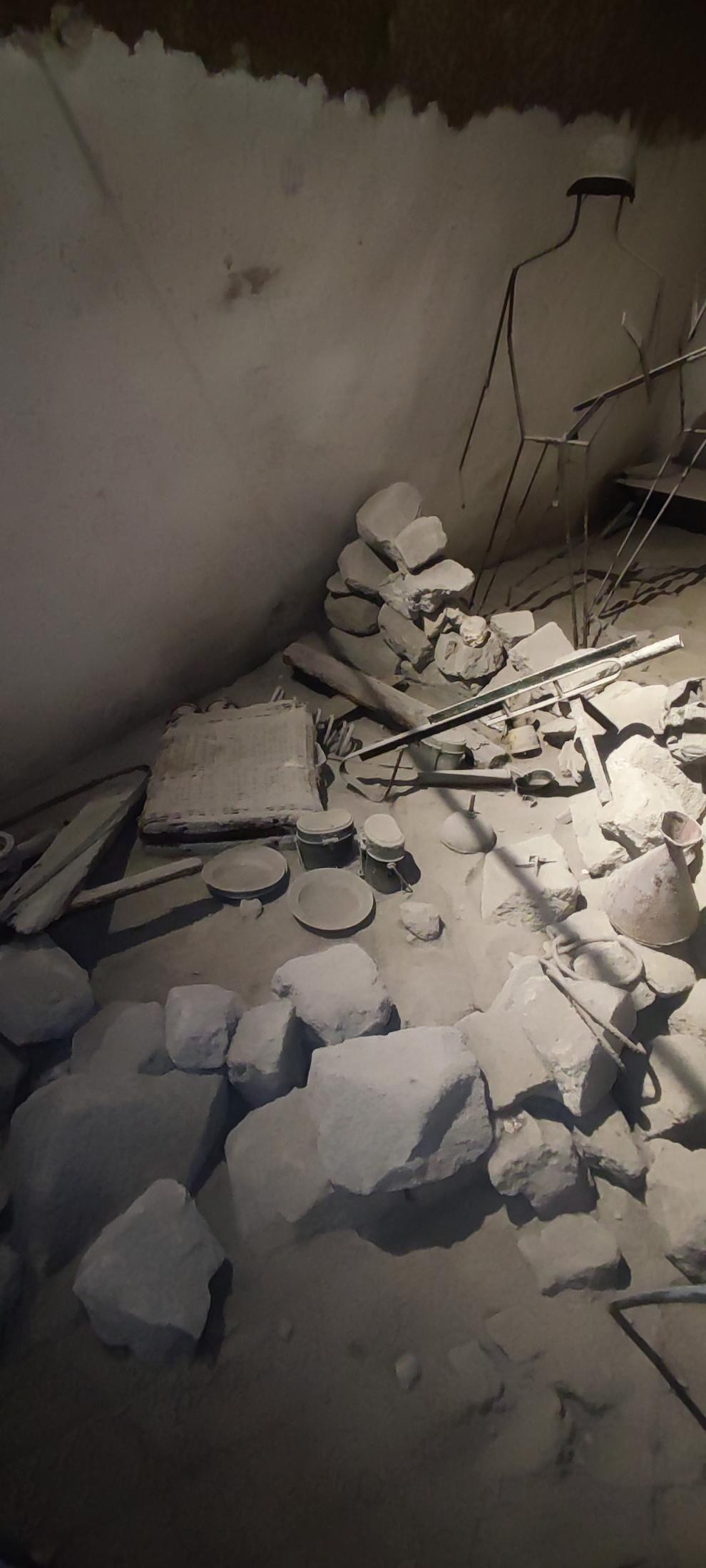
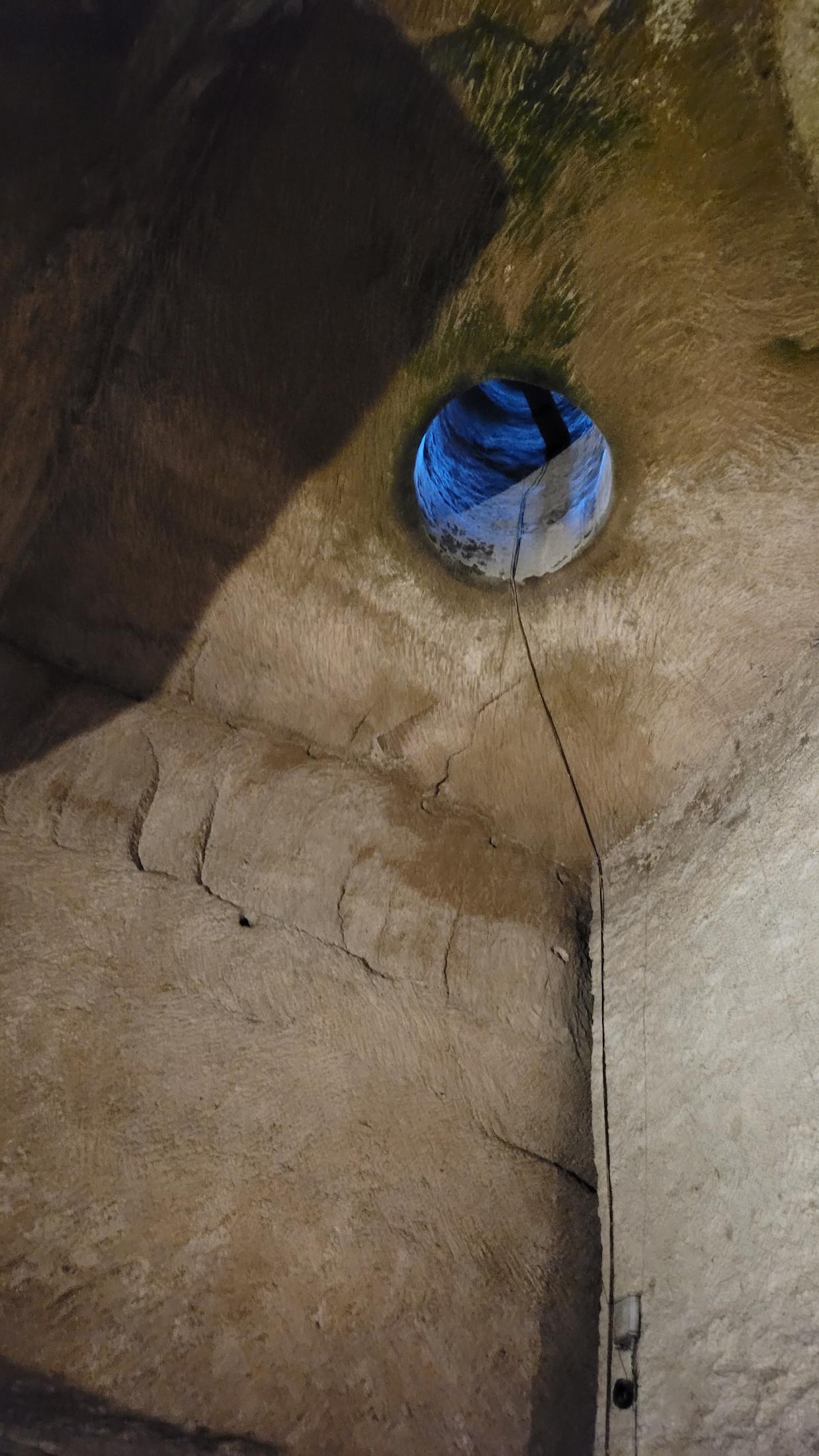
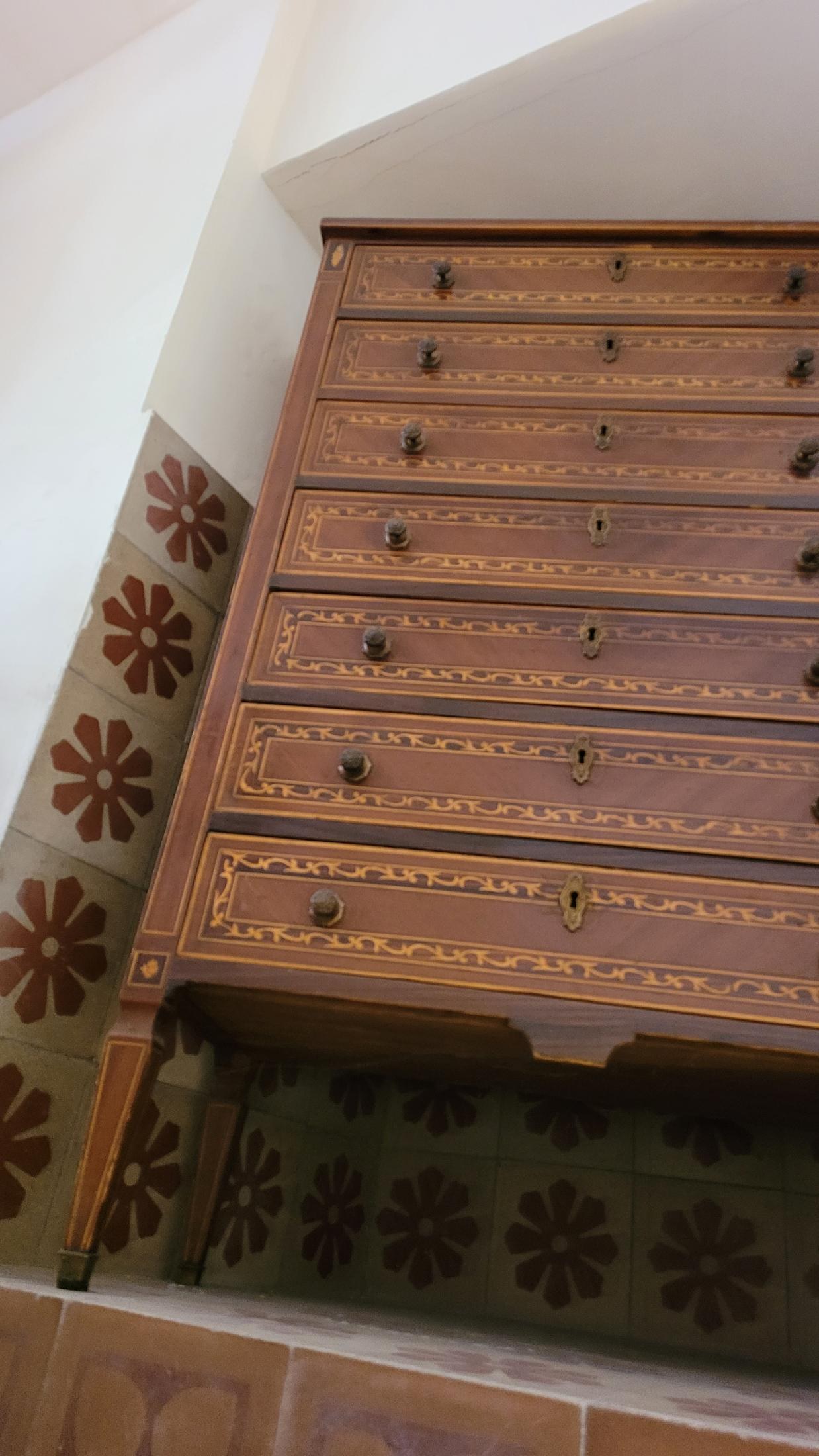
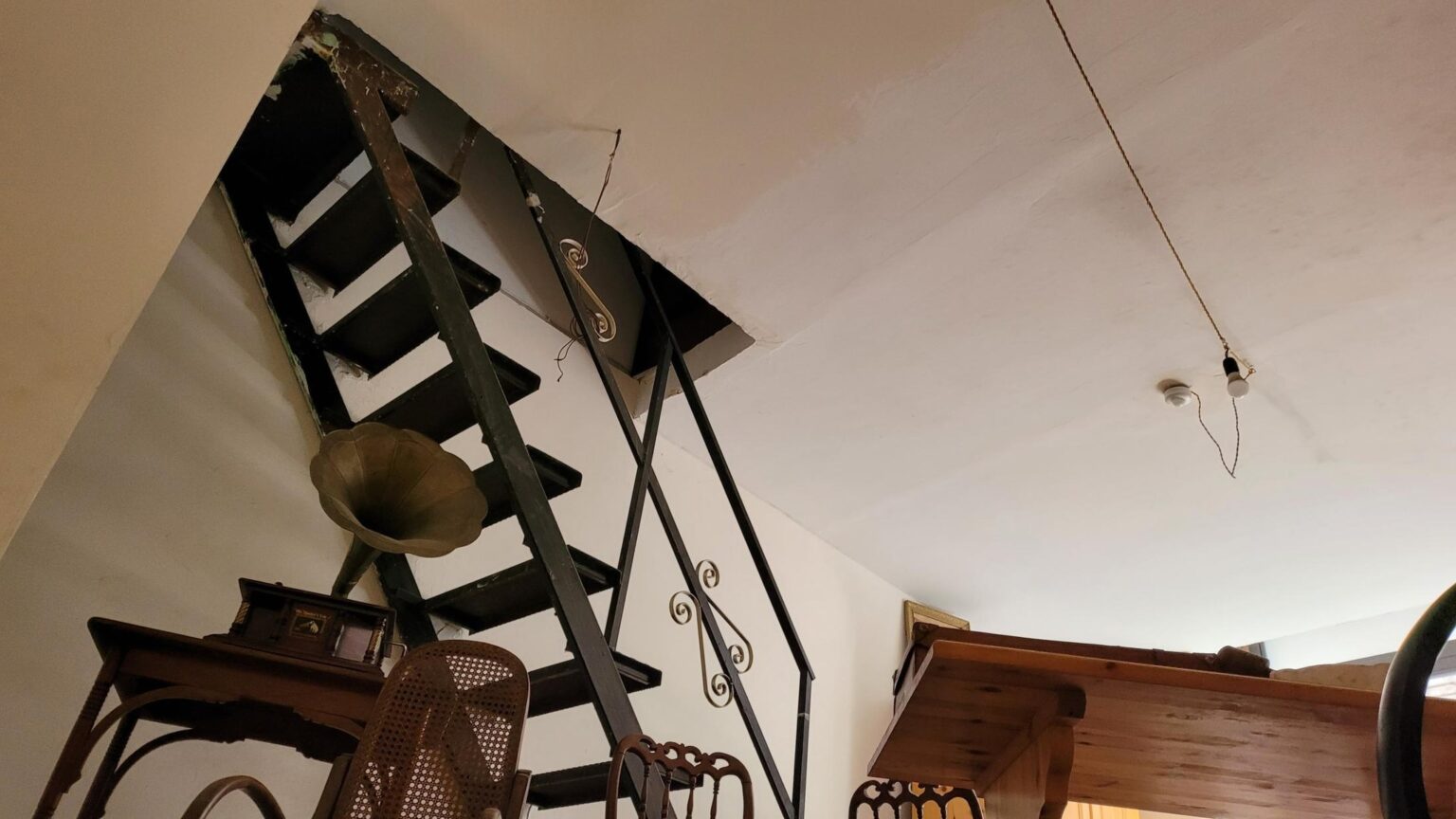
Naples
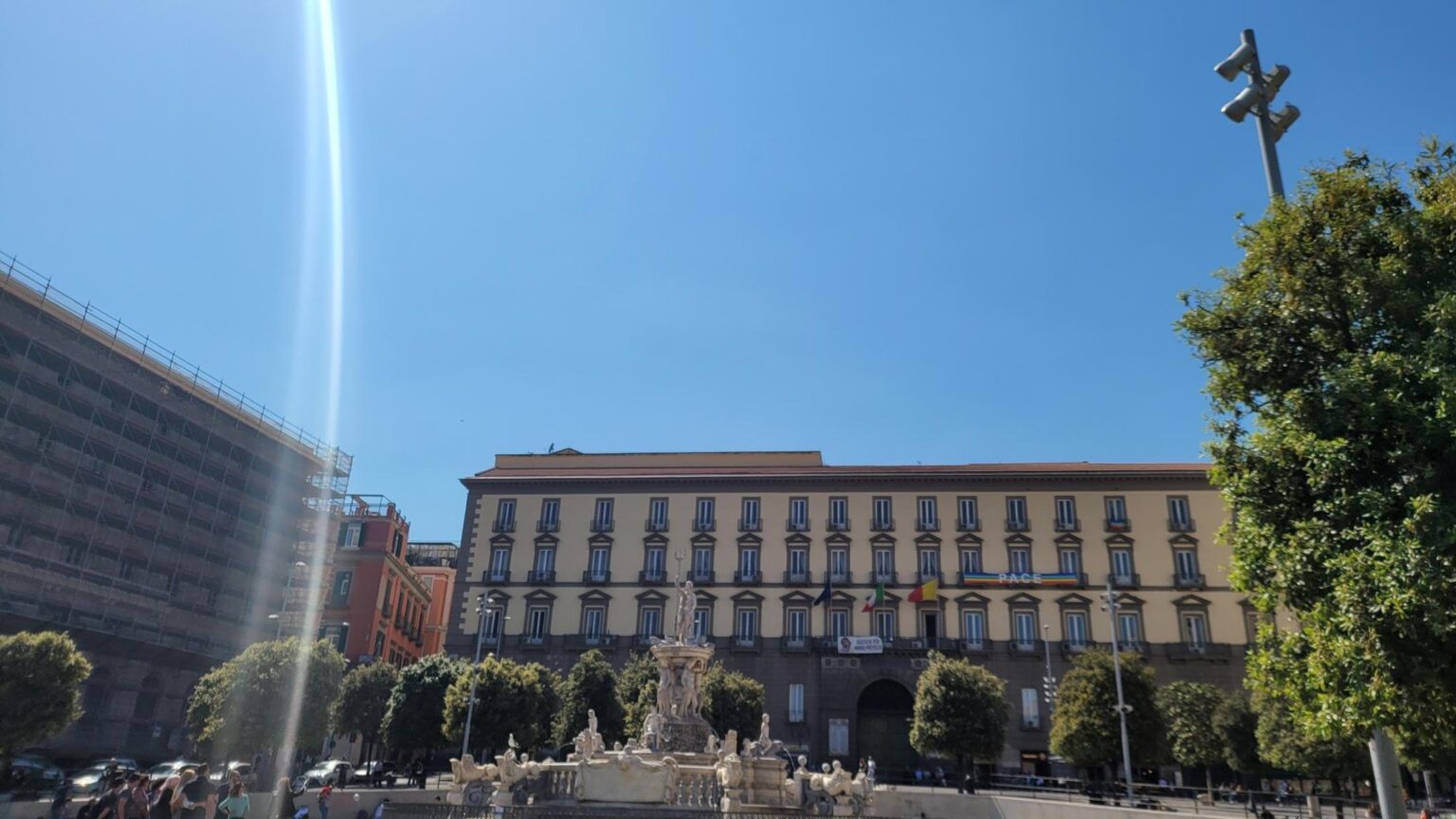
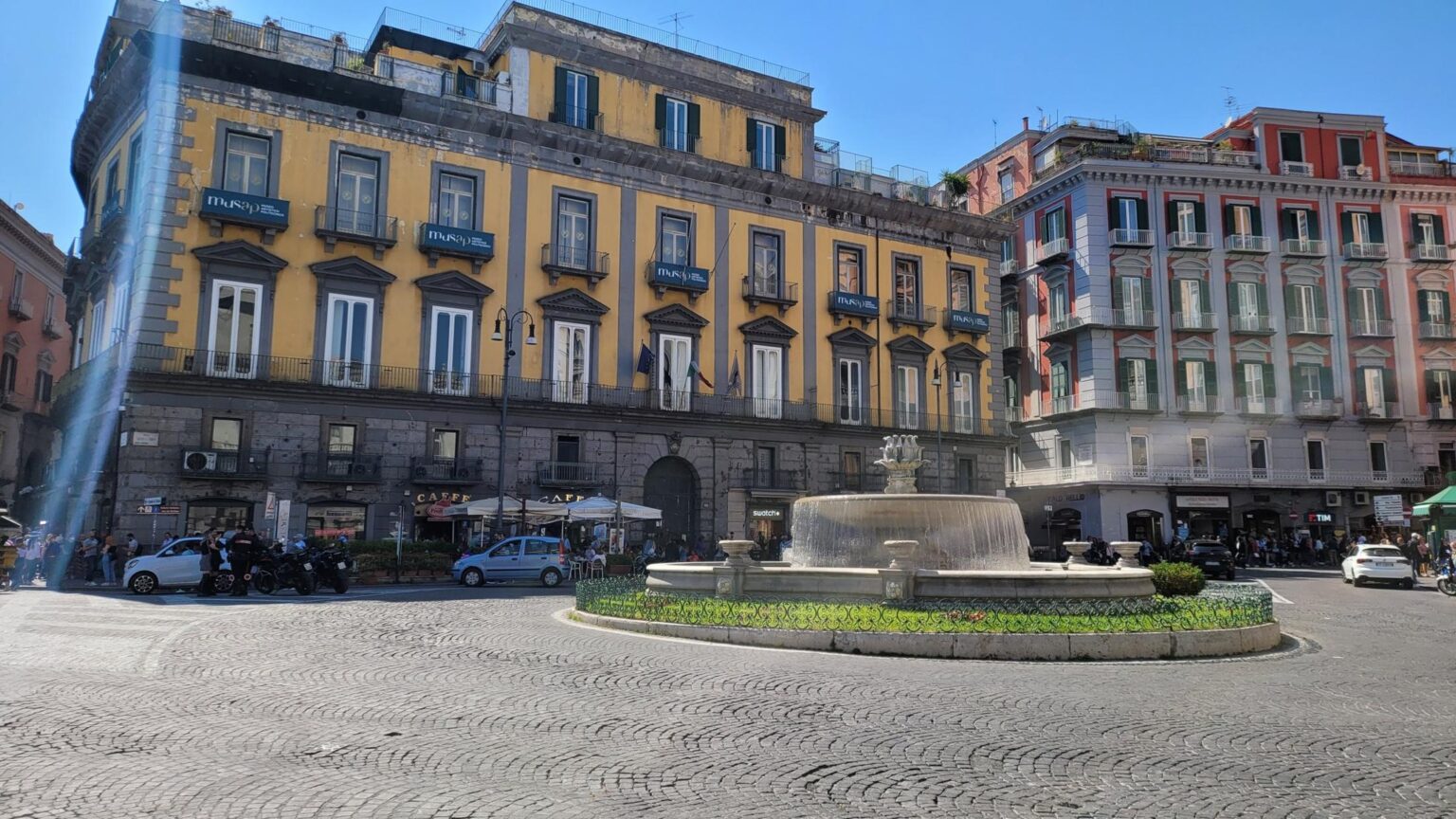
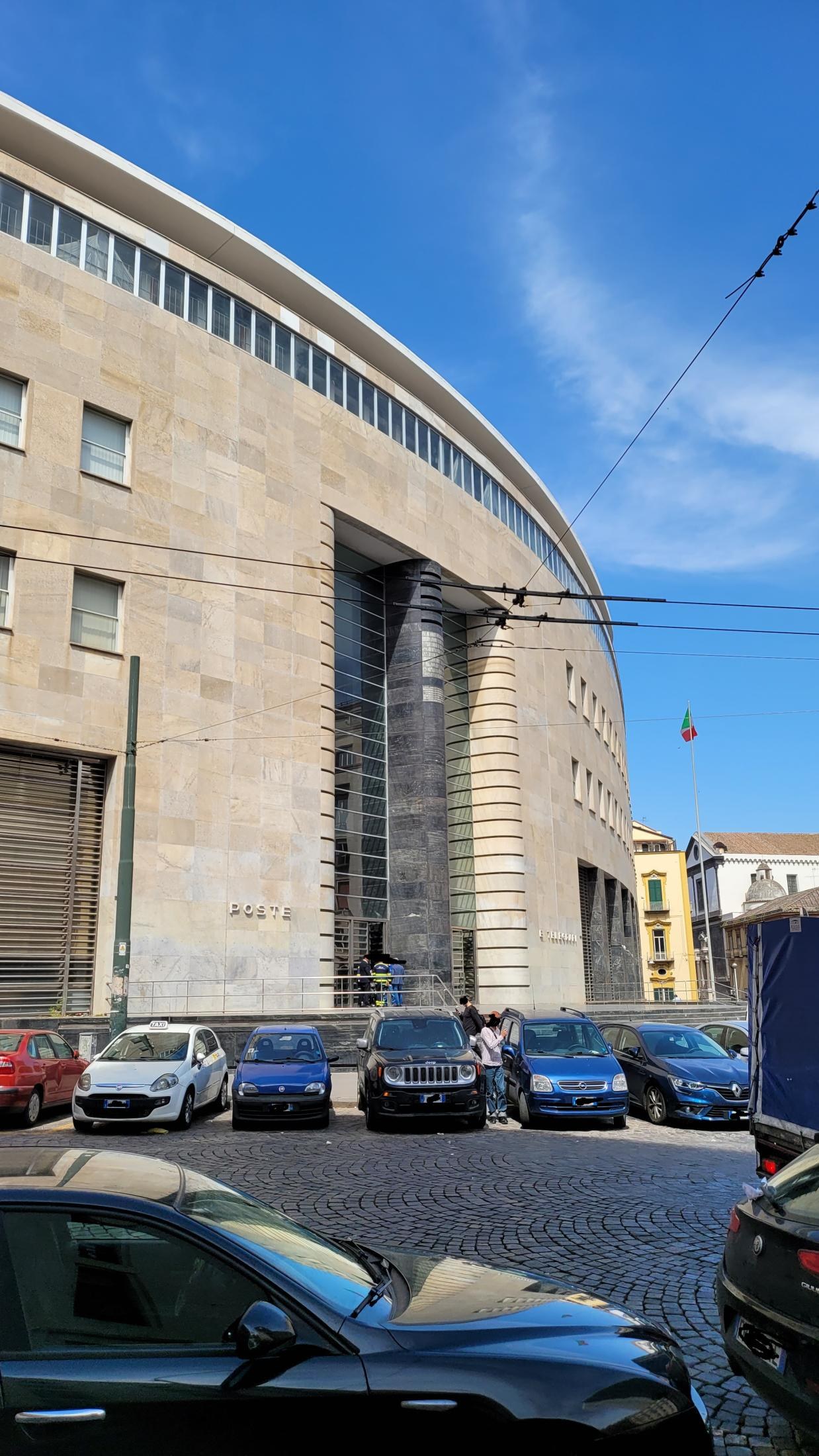
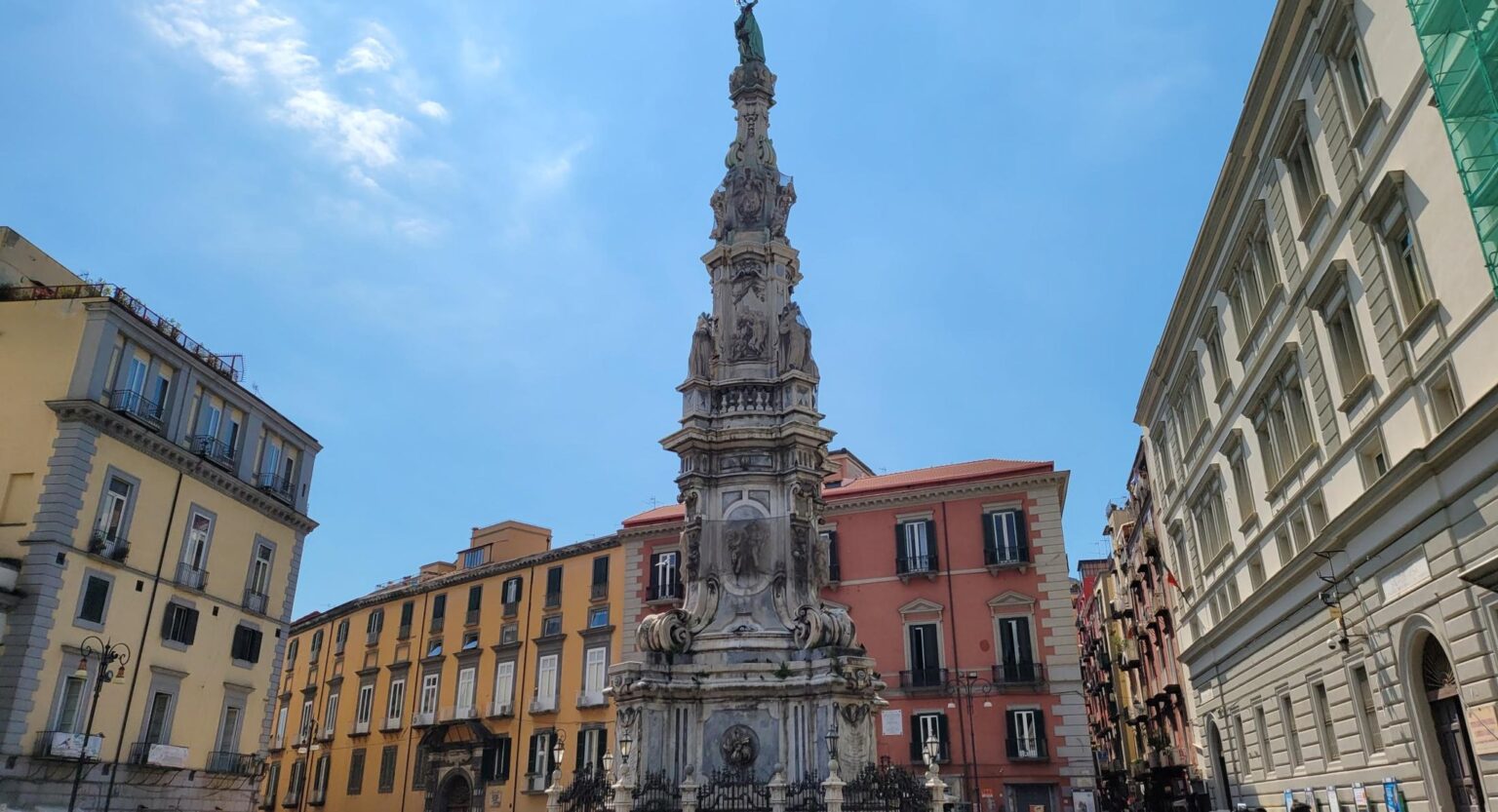
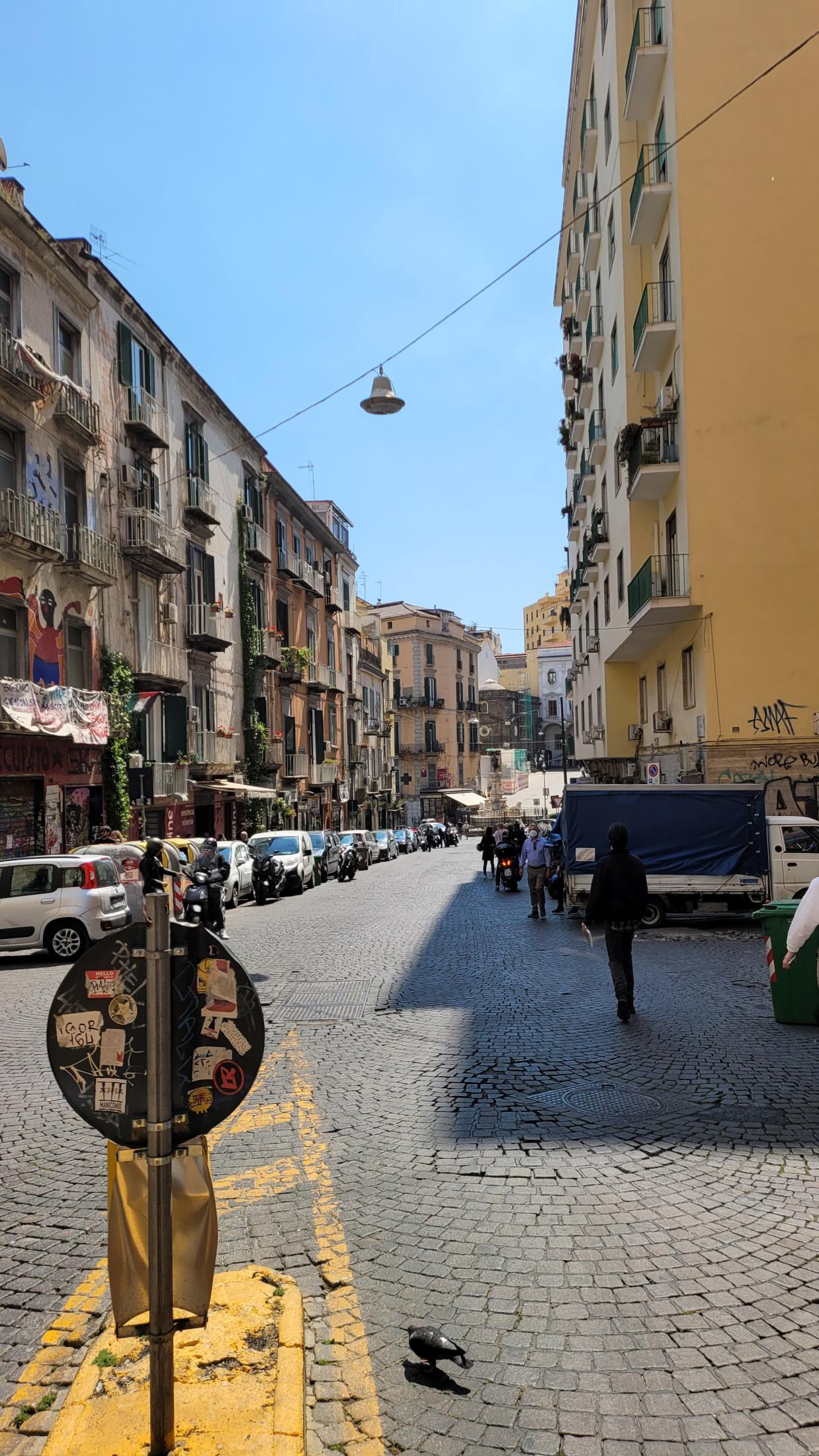
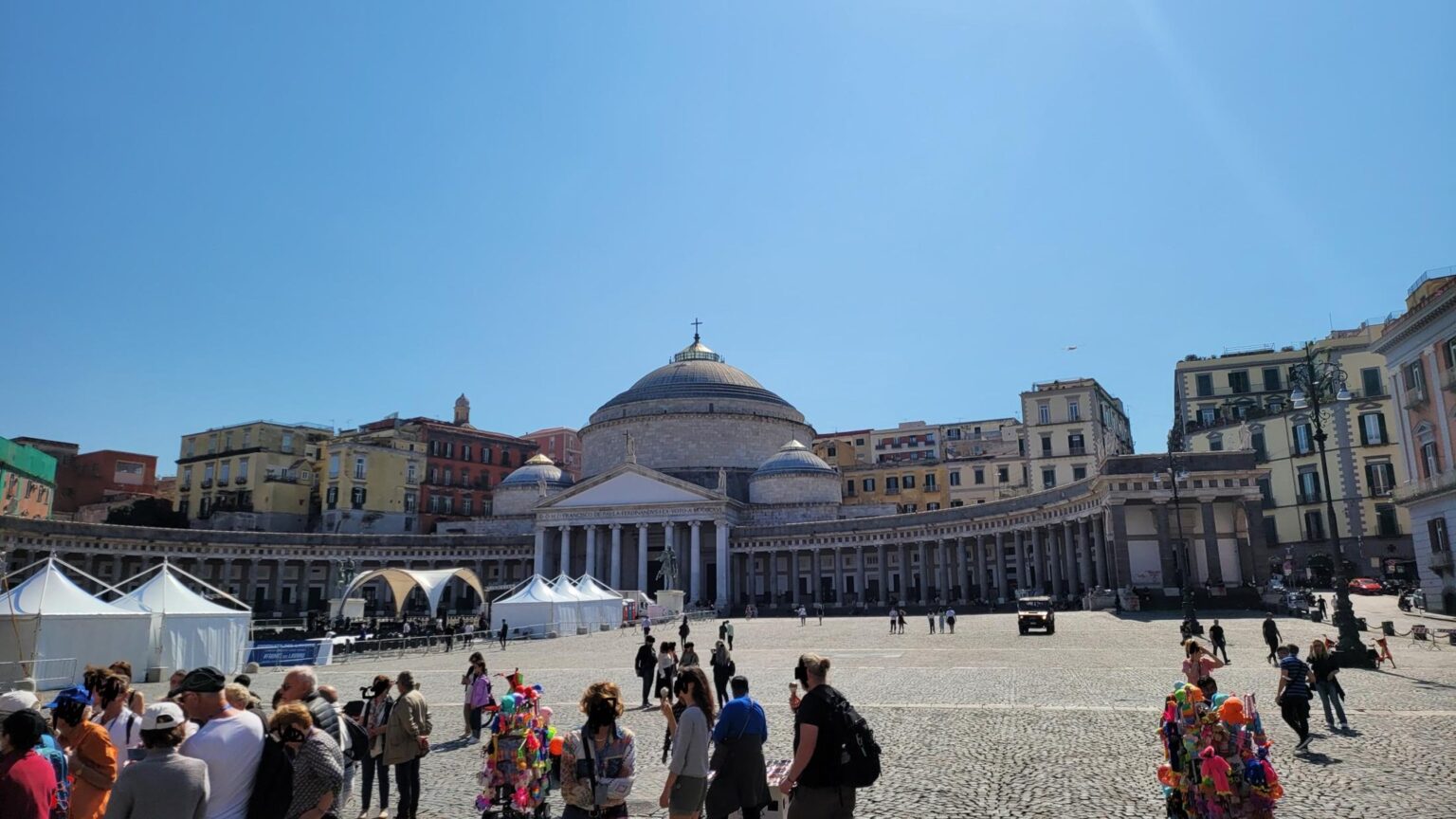
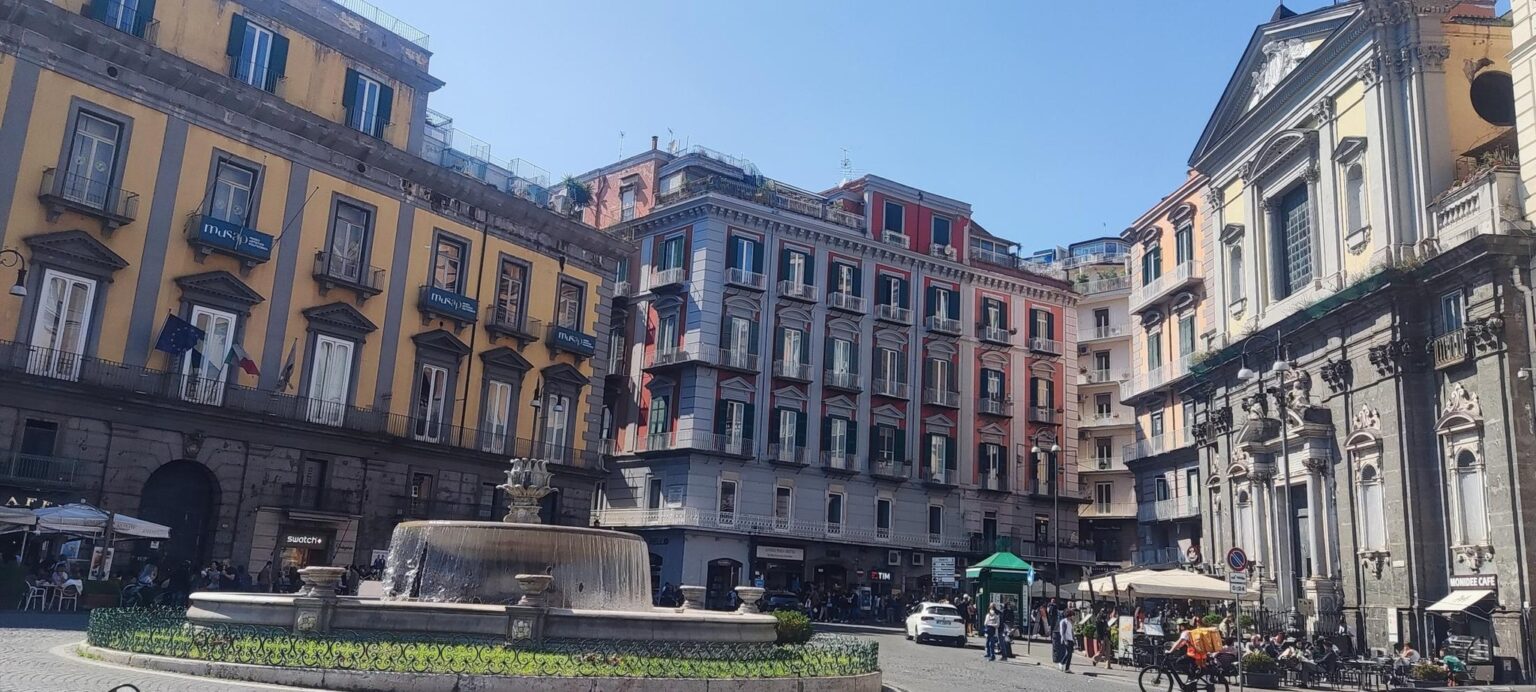
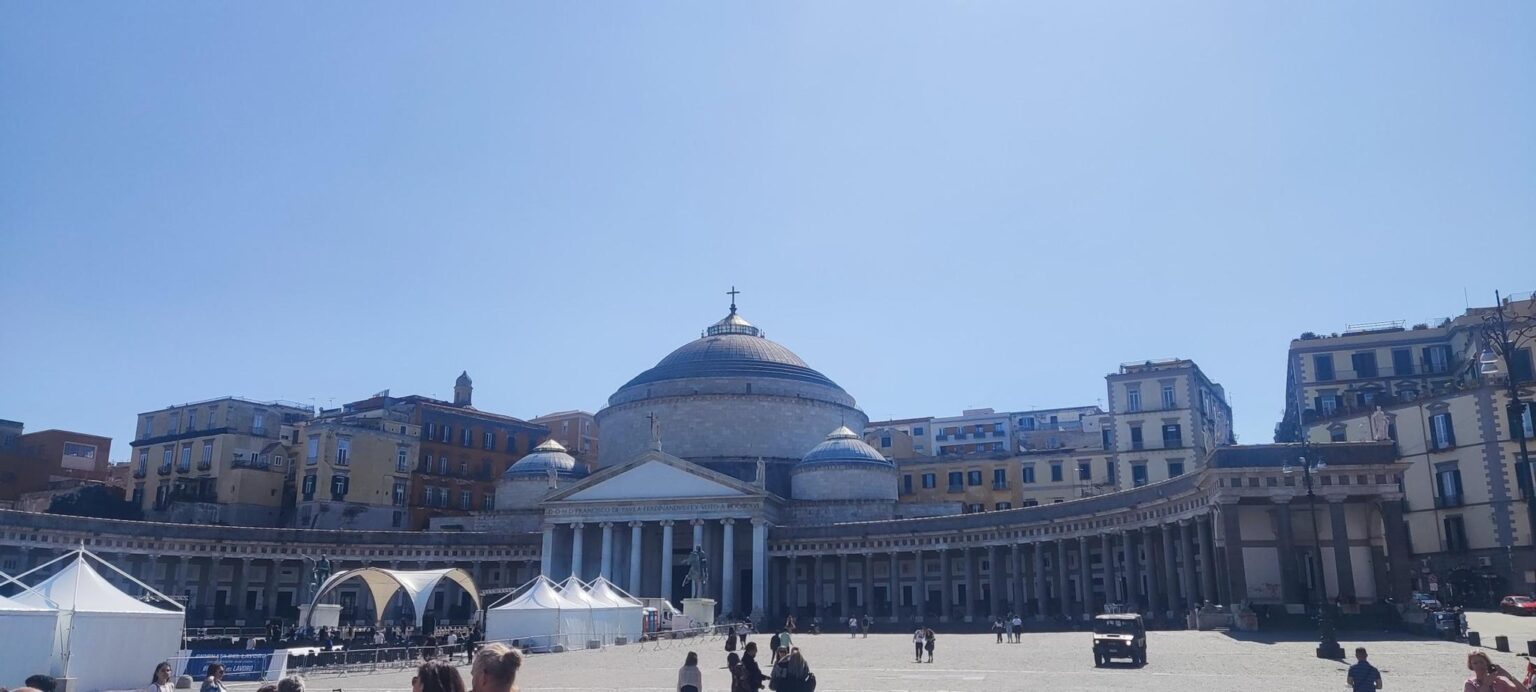
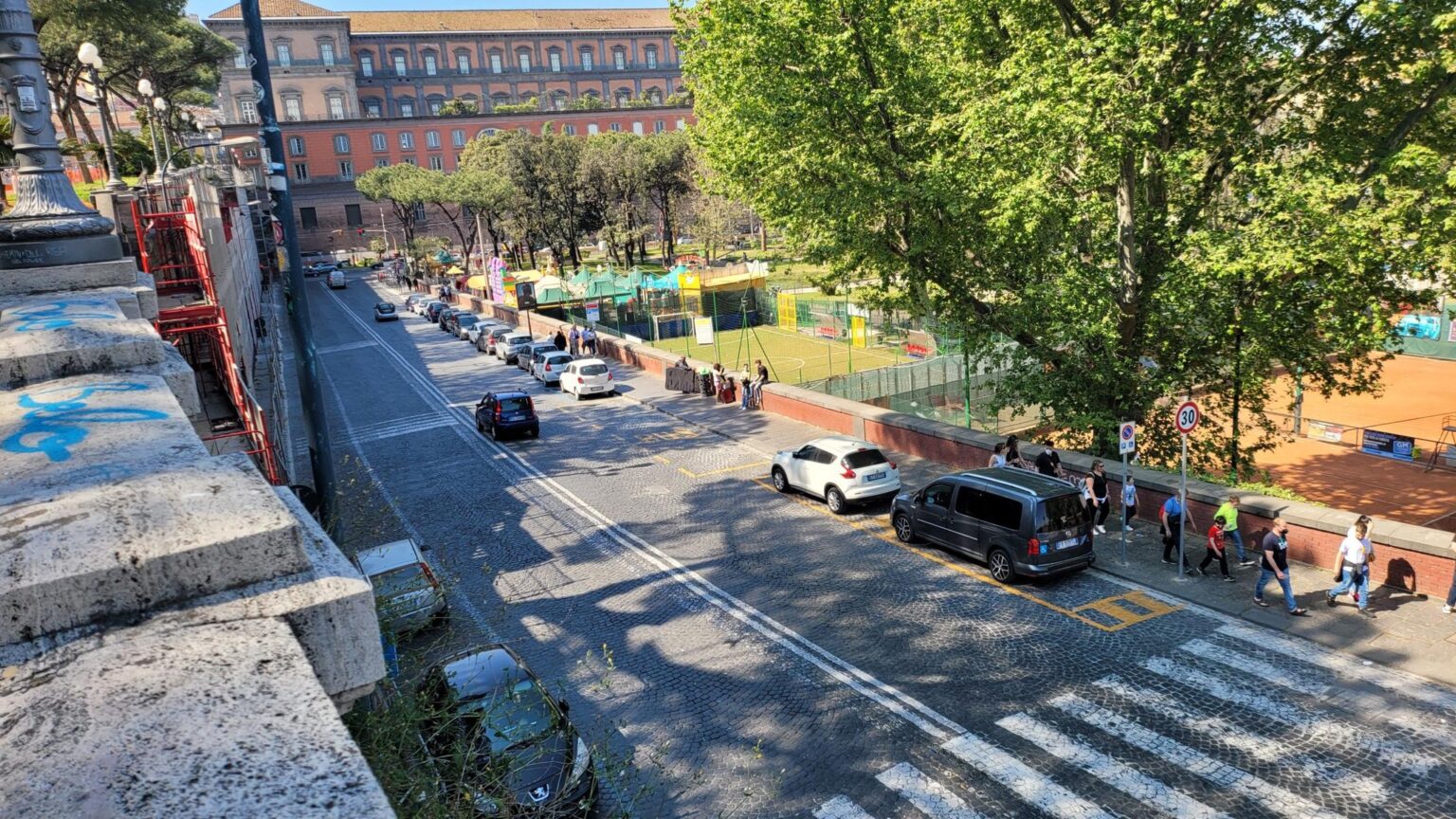
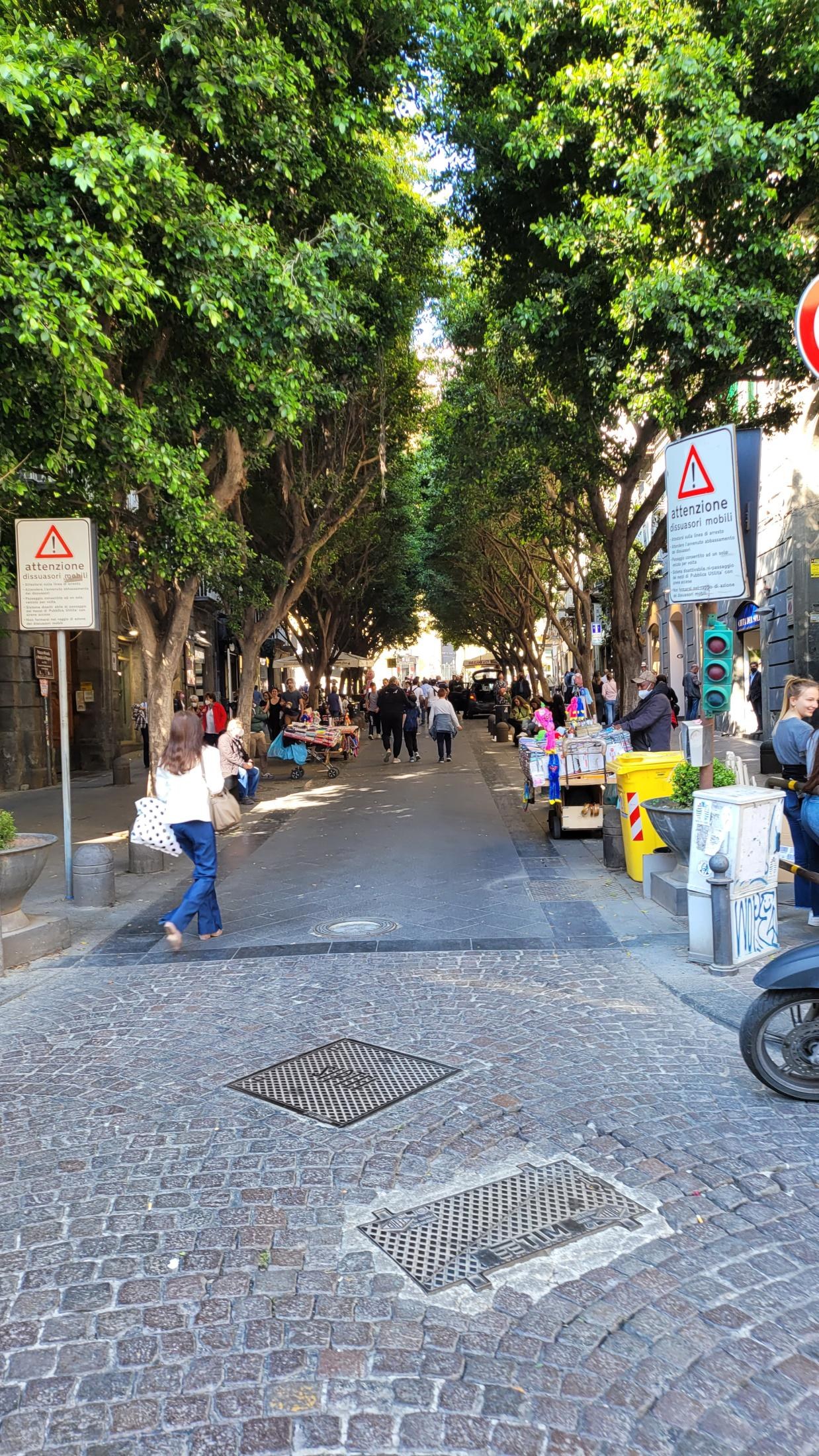
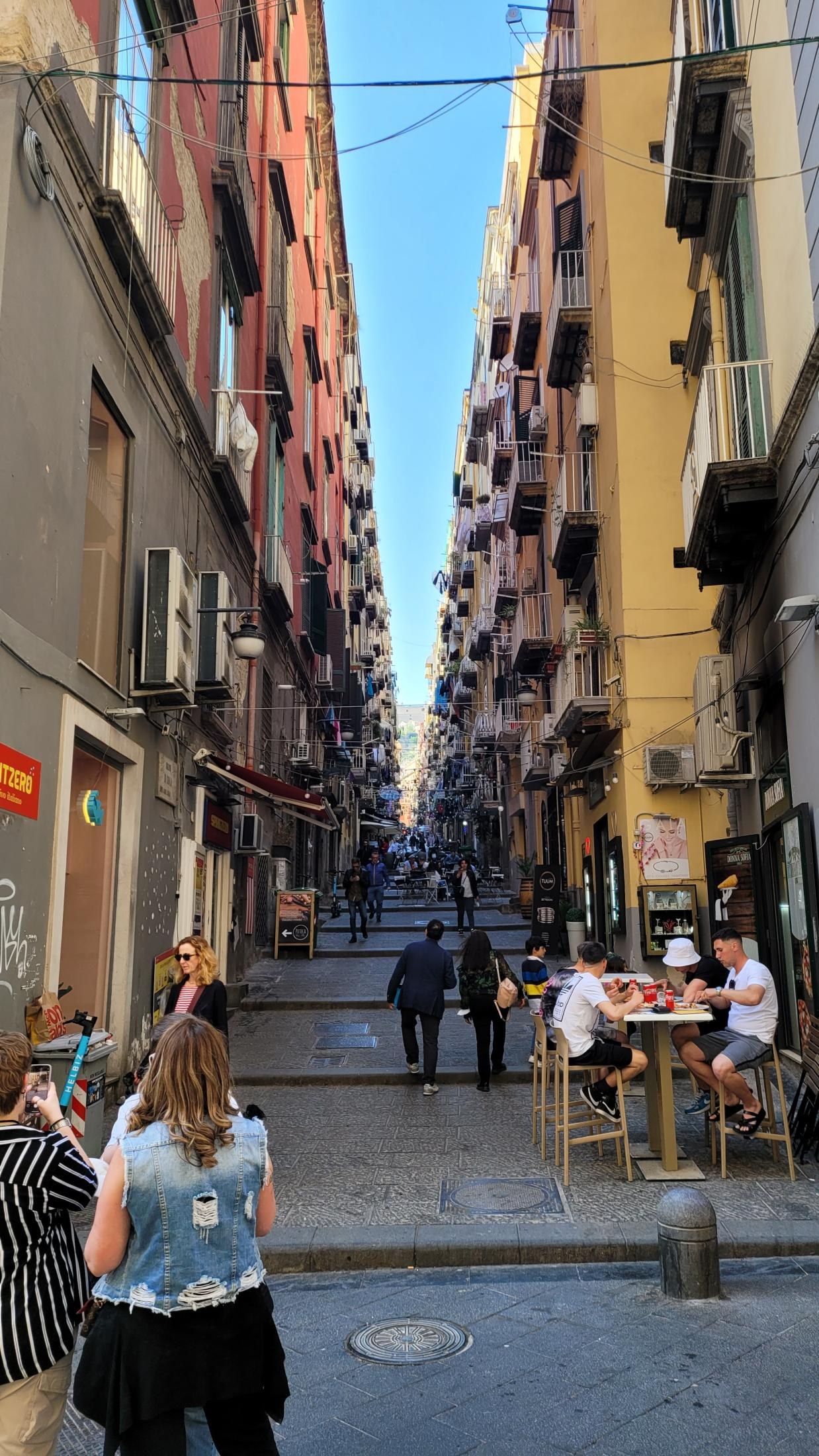
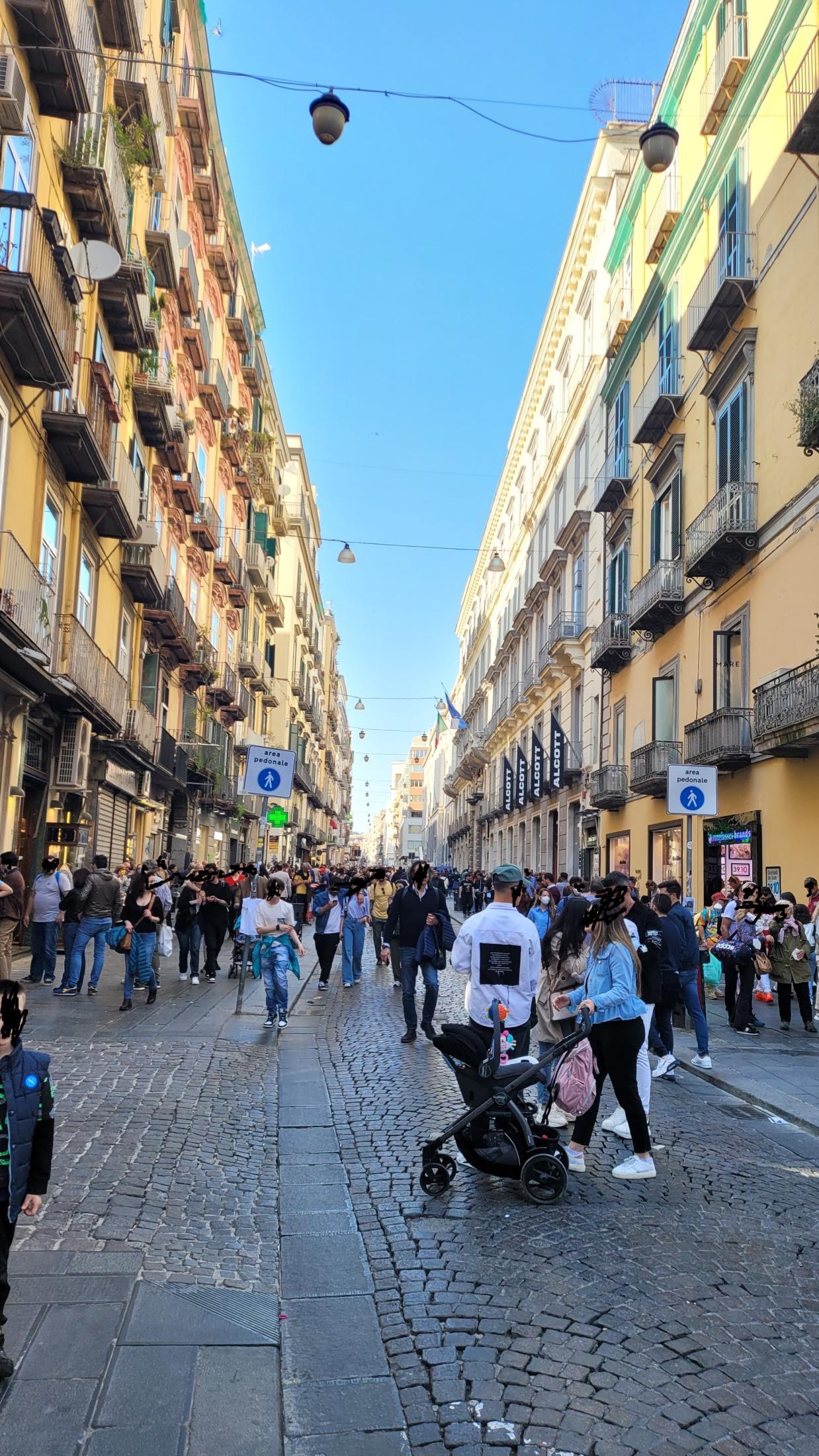
Next comes a walk around Naples itself. The city is seriously large and you can kill hours getting from one end to the other. There is a concept of the historic centre, where both the entrance and the exit of the underground city are. This is Via dei Tribunali, which we will mention again later while looking at one of the castles. It is narrow, the thousands of people who pass along it constantly, 24/7, barely squeeze past each other — regardless of the weather, meteorological, astronomical or any other kind.
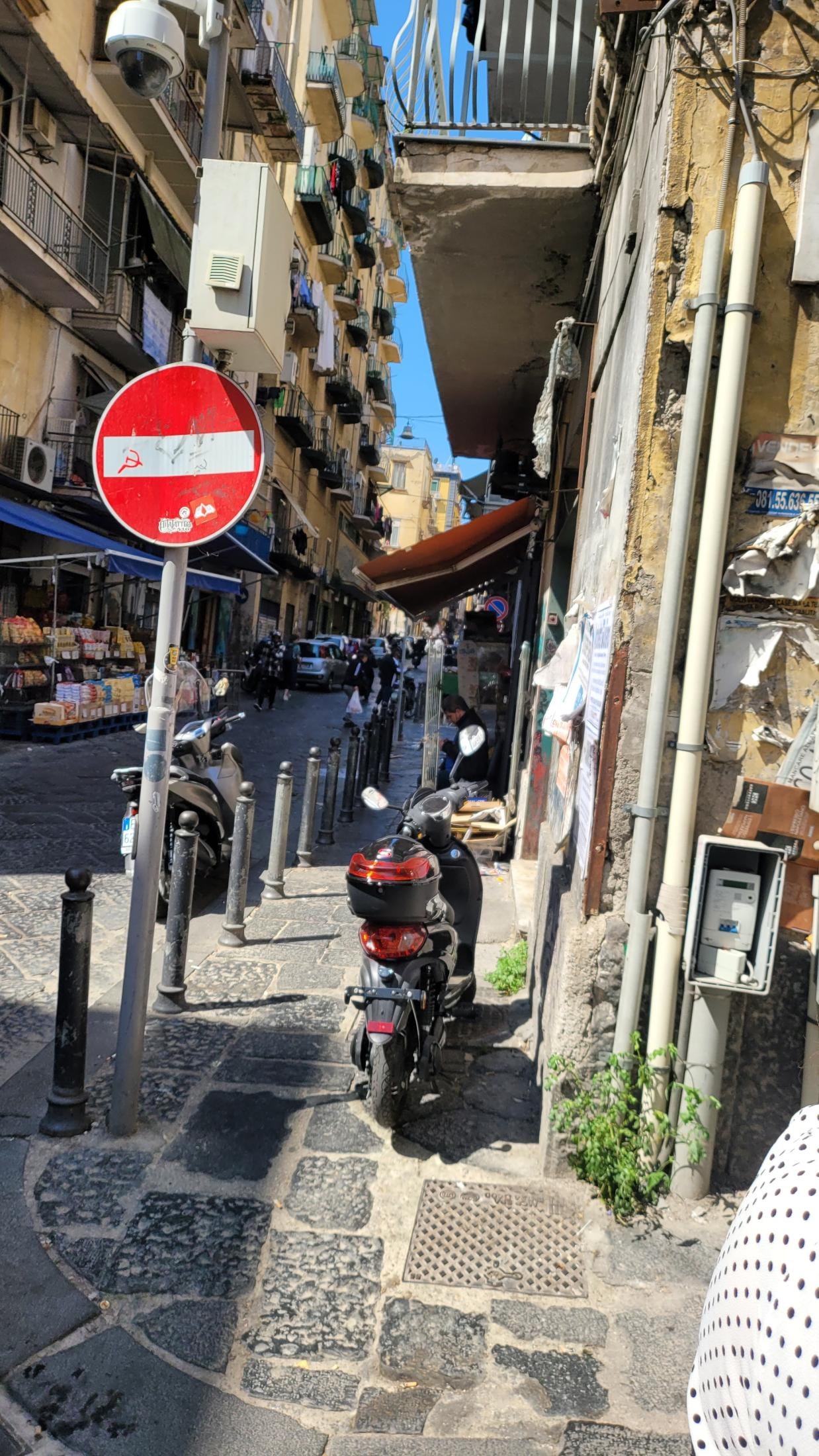
The funniest part is that six people can just about pass each other at once on this street, and it takes effort — but! along it drive idiots with cars, scooters (motorised, petrol!), vans, taxis, bicycles and anything else you can think of. It is absurd. Nobody will convince me this is normal, given there are six connecting streets a few steps above and below. You are being shoved by people from all sides and a taxi comes through, literally nudging you so it doesn’t have to go around 50 metres and use the upper or lower street depending on its direction. It is stupid, but nobody bats an eye. I am telling you, back home things are not bad at all — and at the risk of overstating it, our centre is far more Europeanised than this thing in Naples.
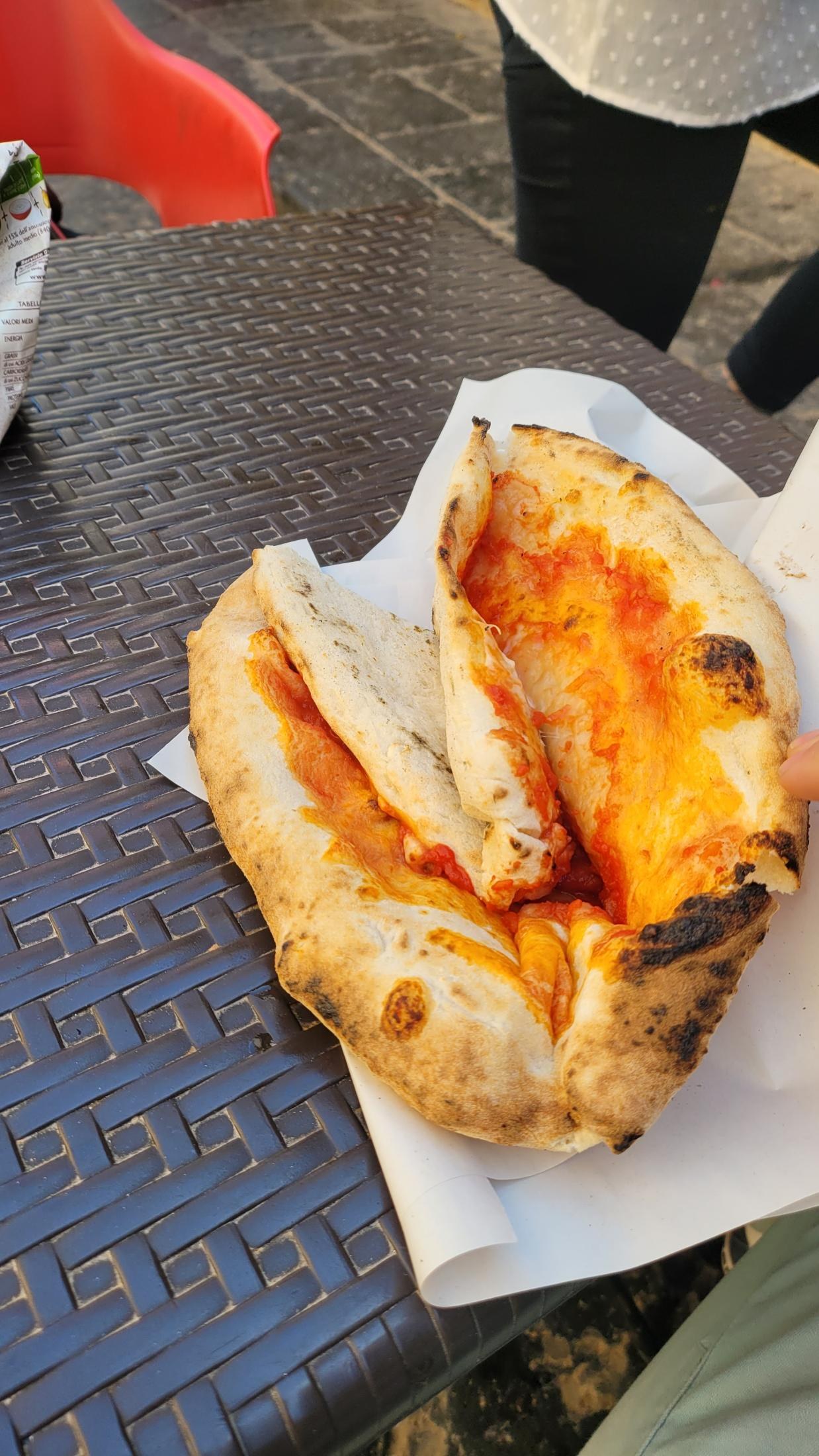
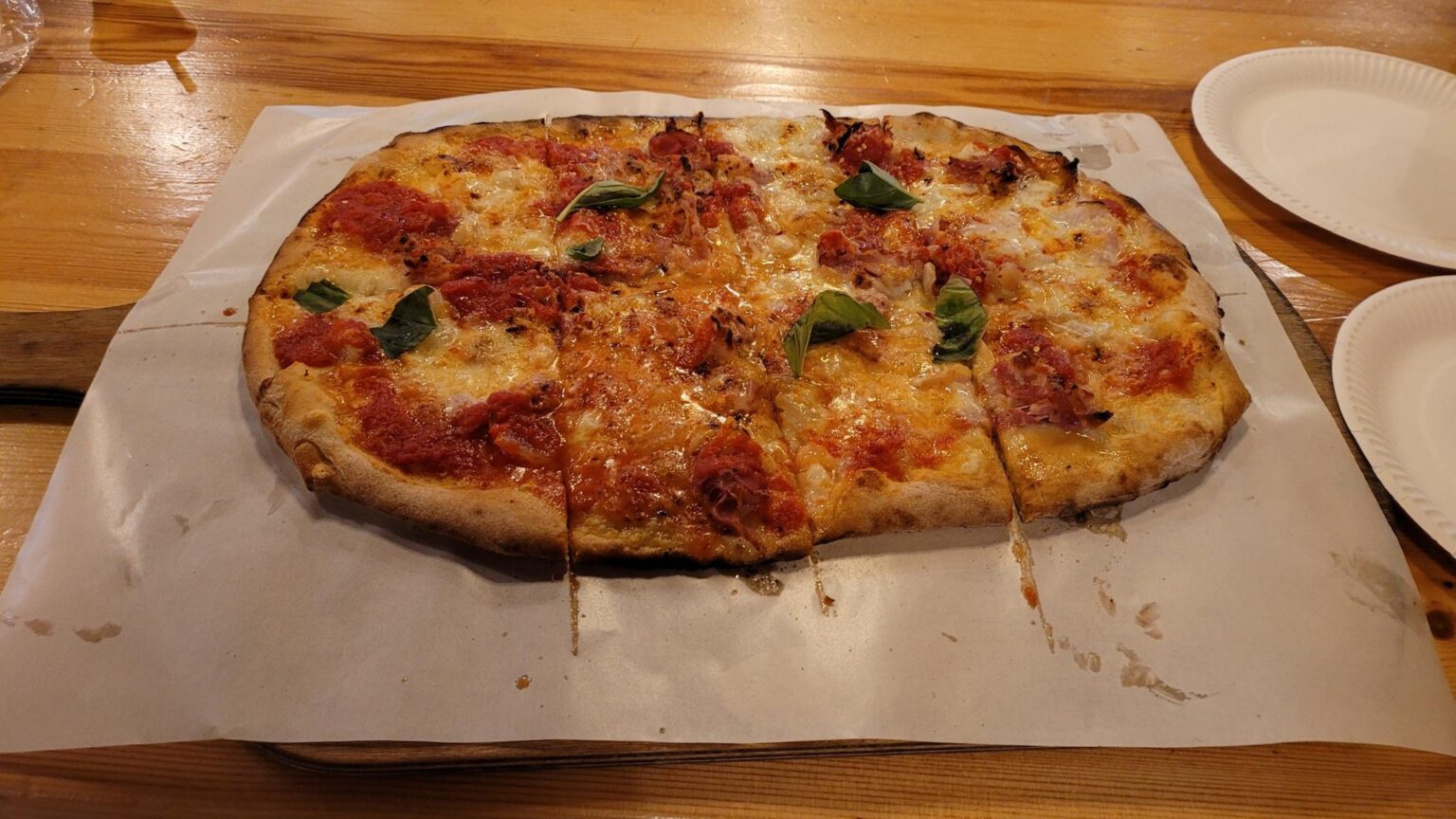
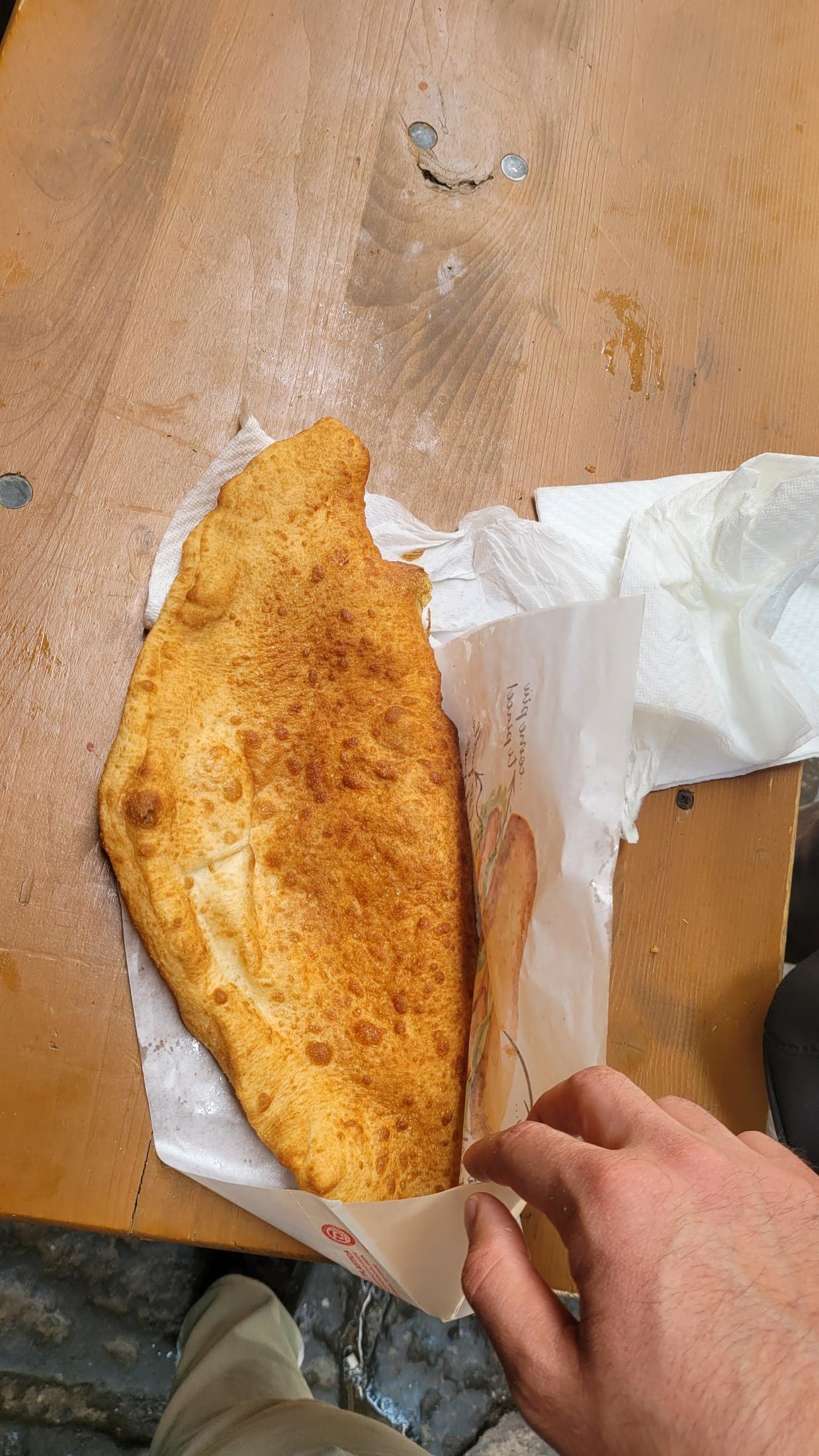
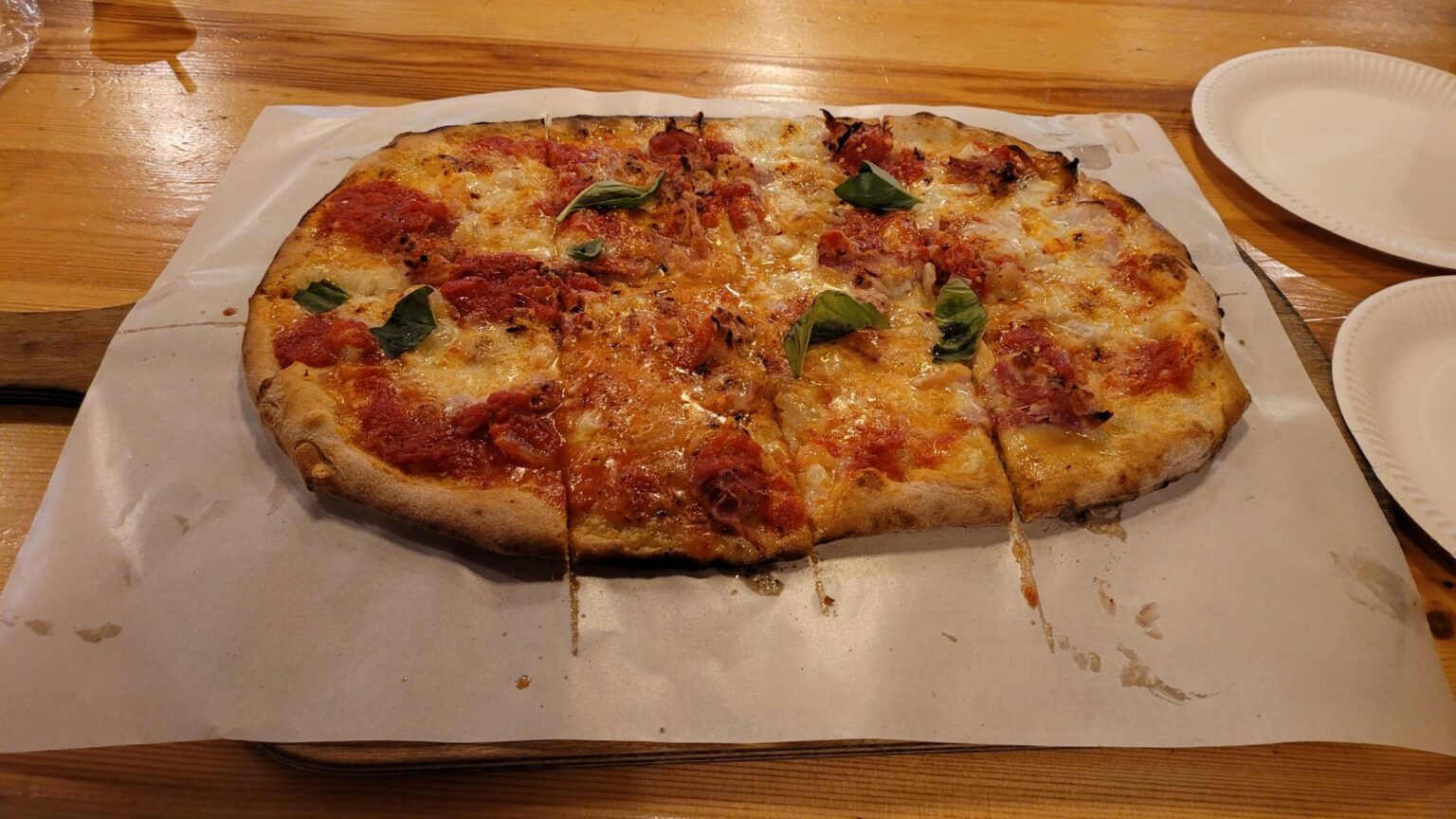
Anyway, along Tribunali there are all sorts of delights and everything you could think of. After yet another lap we discover an interesting piece of street food (we adore this kind of thing) — something very typical and at the same time not that widespread in the area: fried pizza? 😀 It is not exactly fried pizza, but it is a pizza that slightly resembles a cross between a doughnut and a calzone. The pizzeria is called Sorbillo and it sits next to the Sorbillo restaurant. You want the fast-food one and the pizza that looks like this:
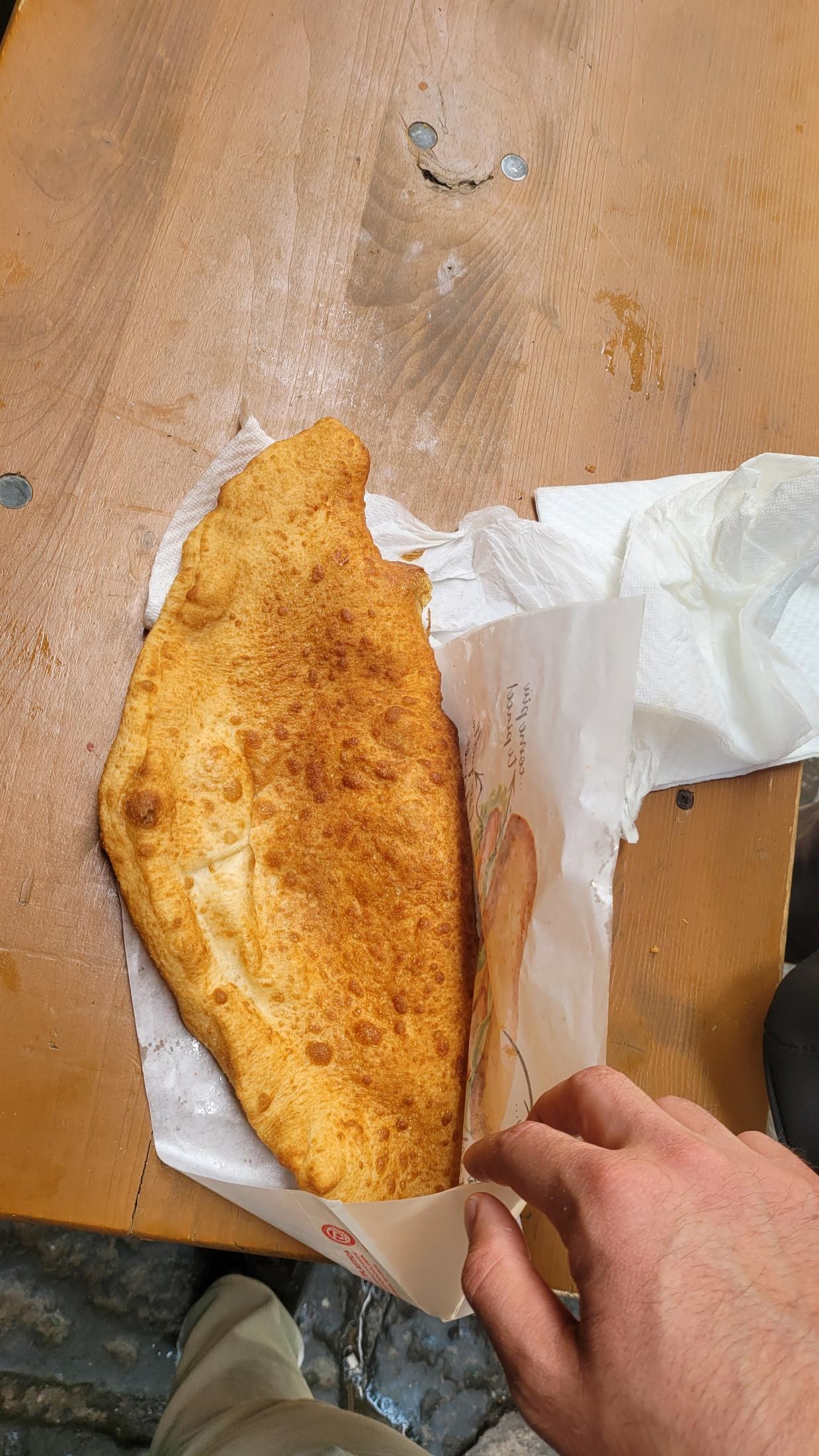
Don’t let the appearance fool you — it is superb. The price is €4. It works like a build-your-own pizza counter: you go up and say which toppings you want, with no limit. So you pick from cheeses, salami, sauces and so on. Because they are in the centre and it is packed with tourists, the pizza makers do not speak a word of English, but it will be crowded and you can easily ask someone to translate your wishes into their native Italian.
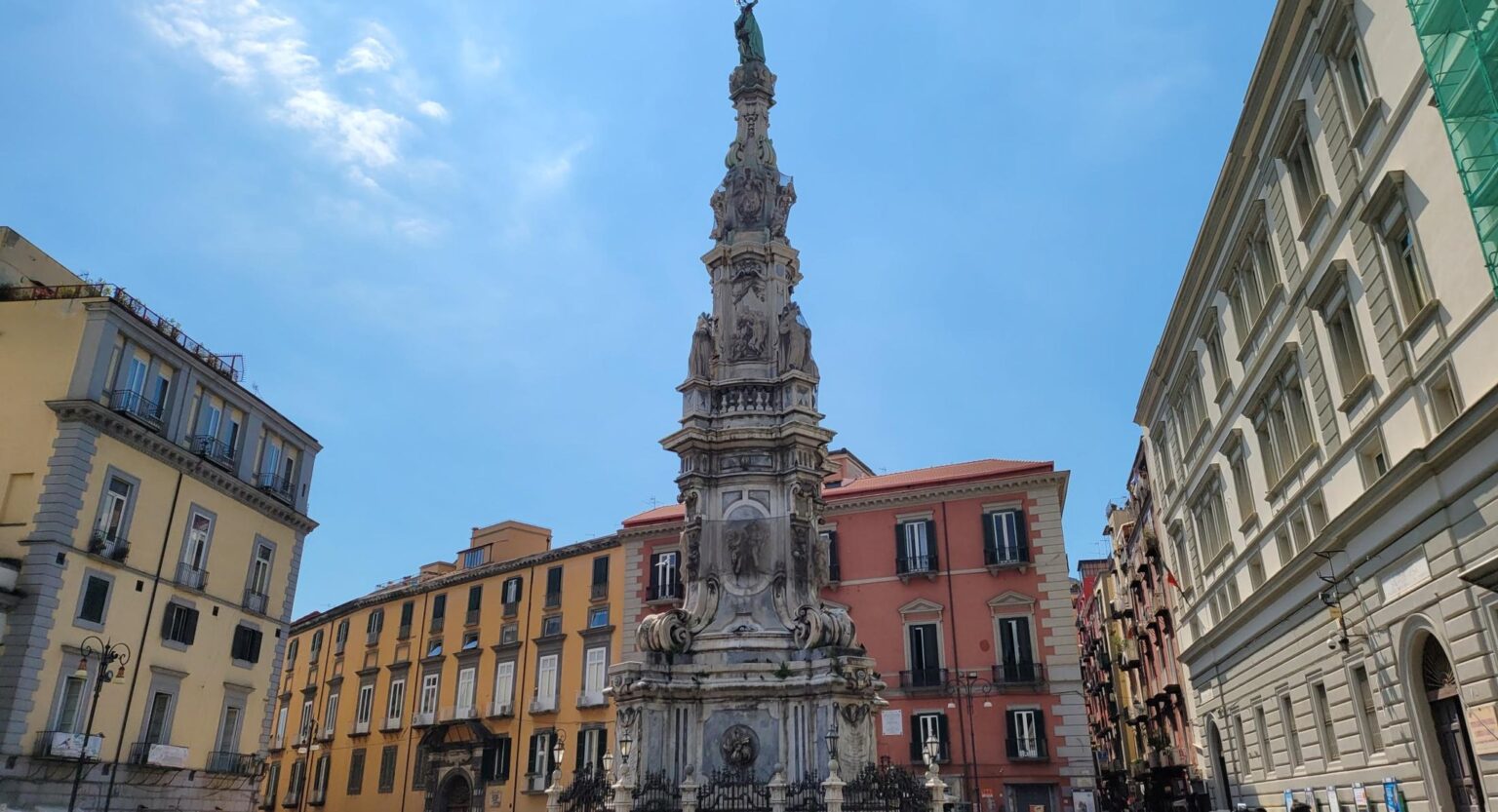
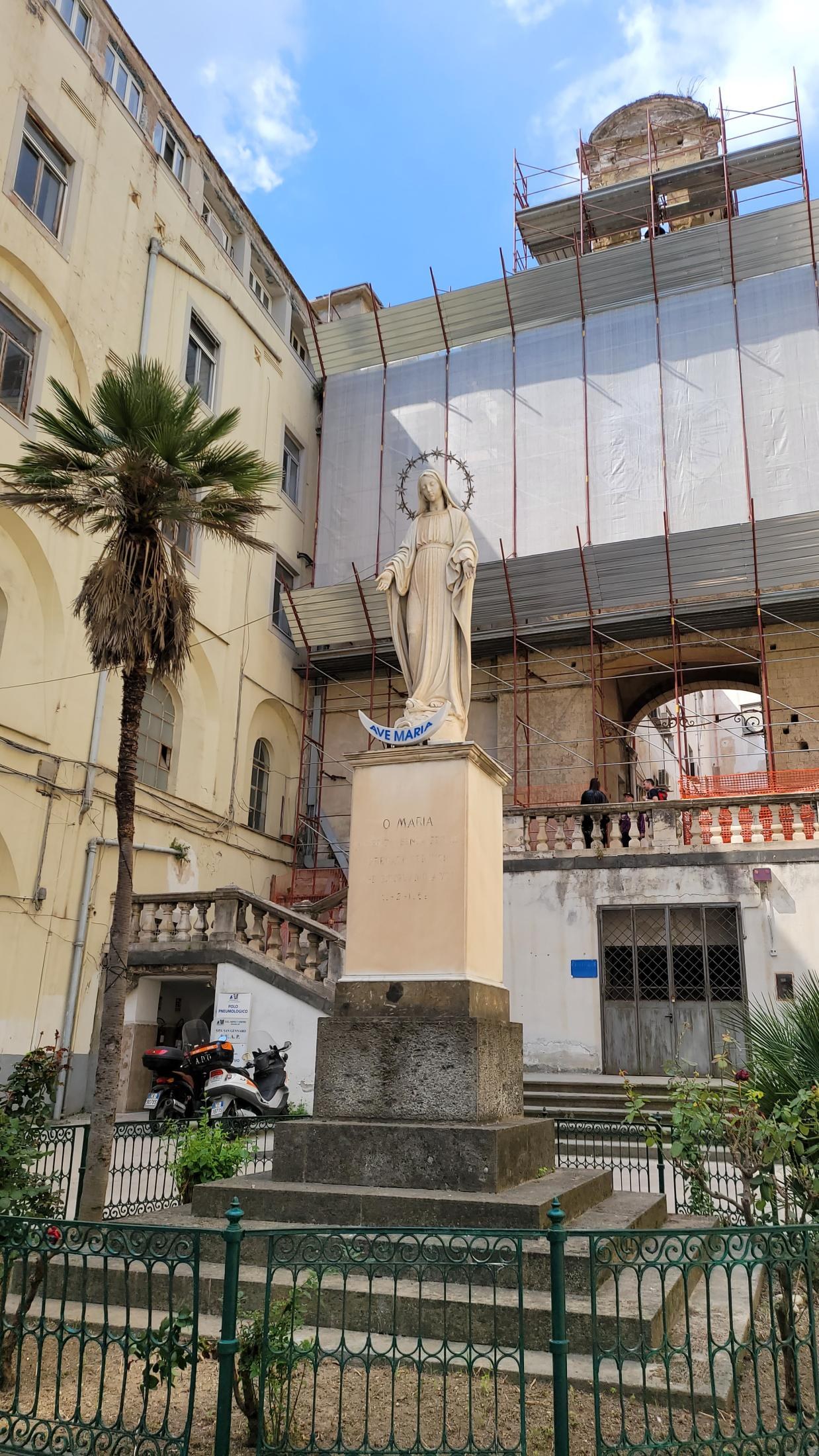
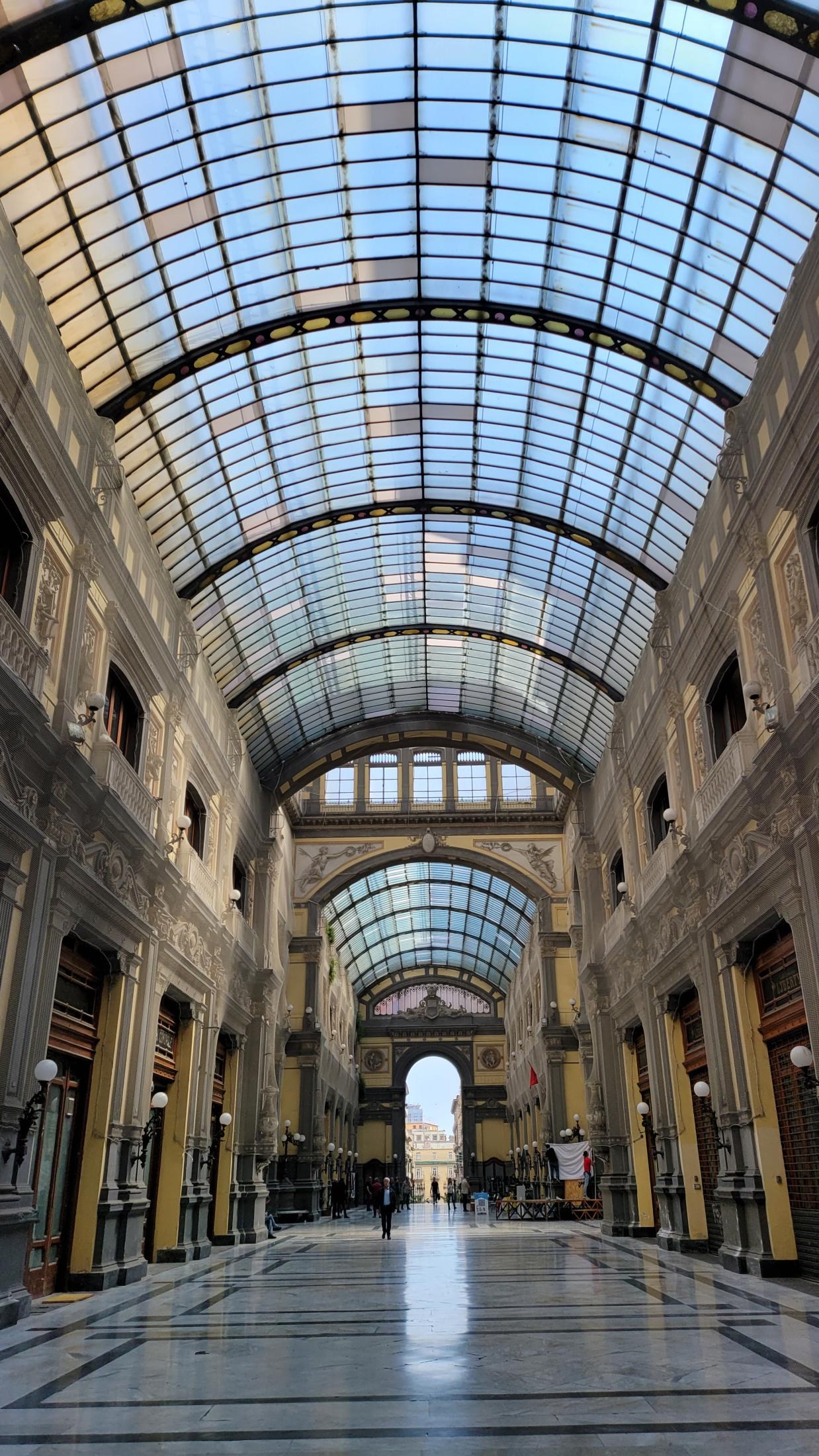
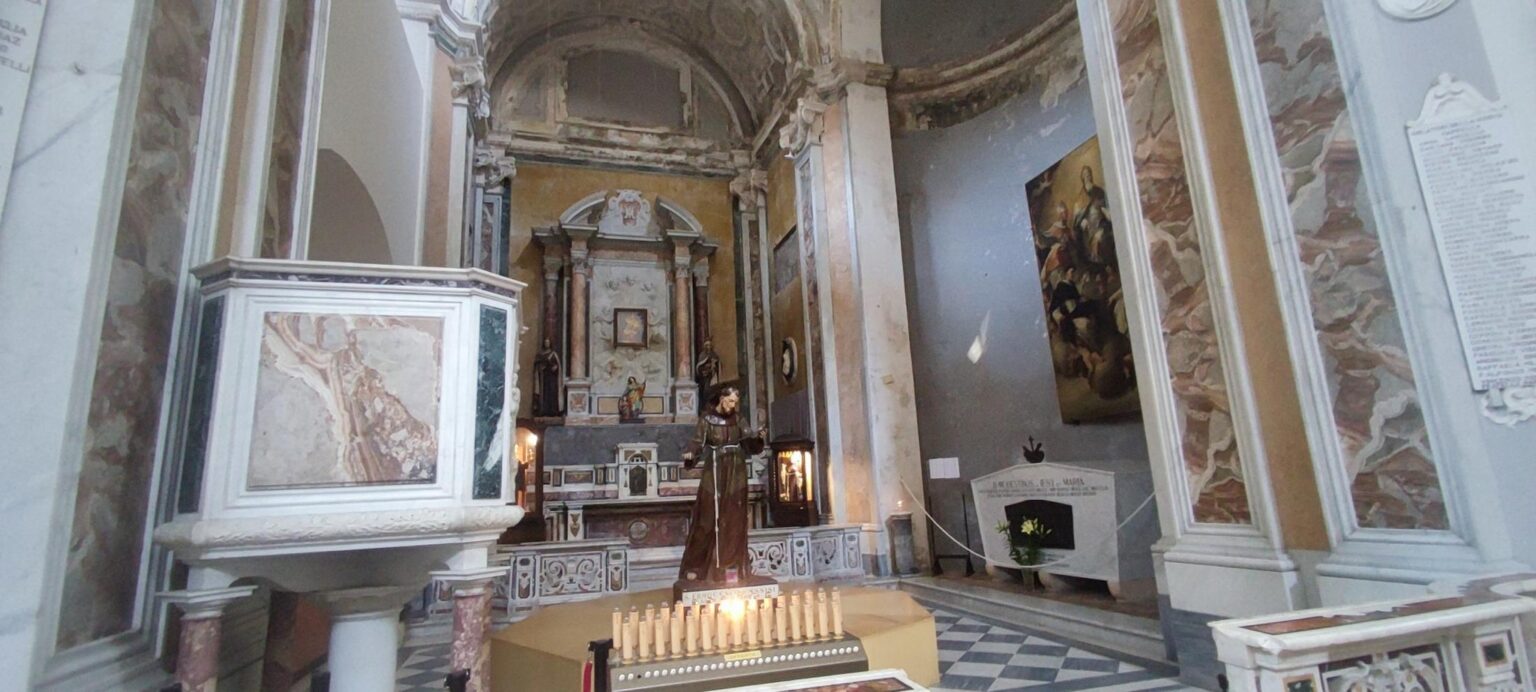
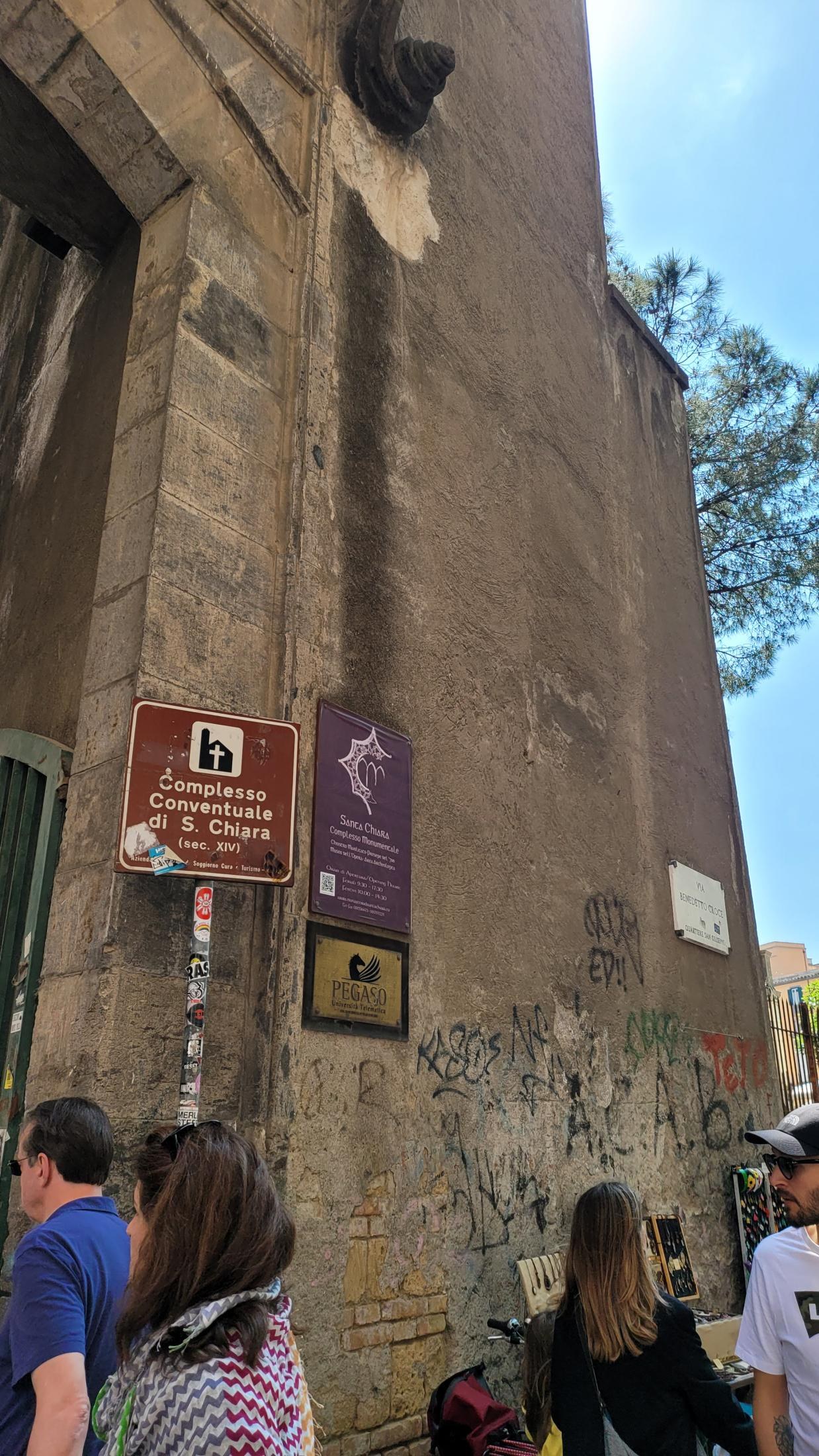
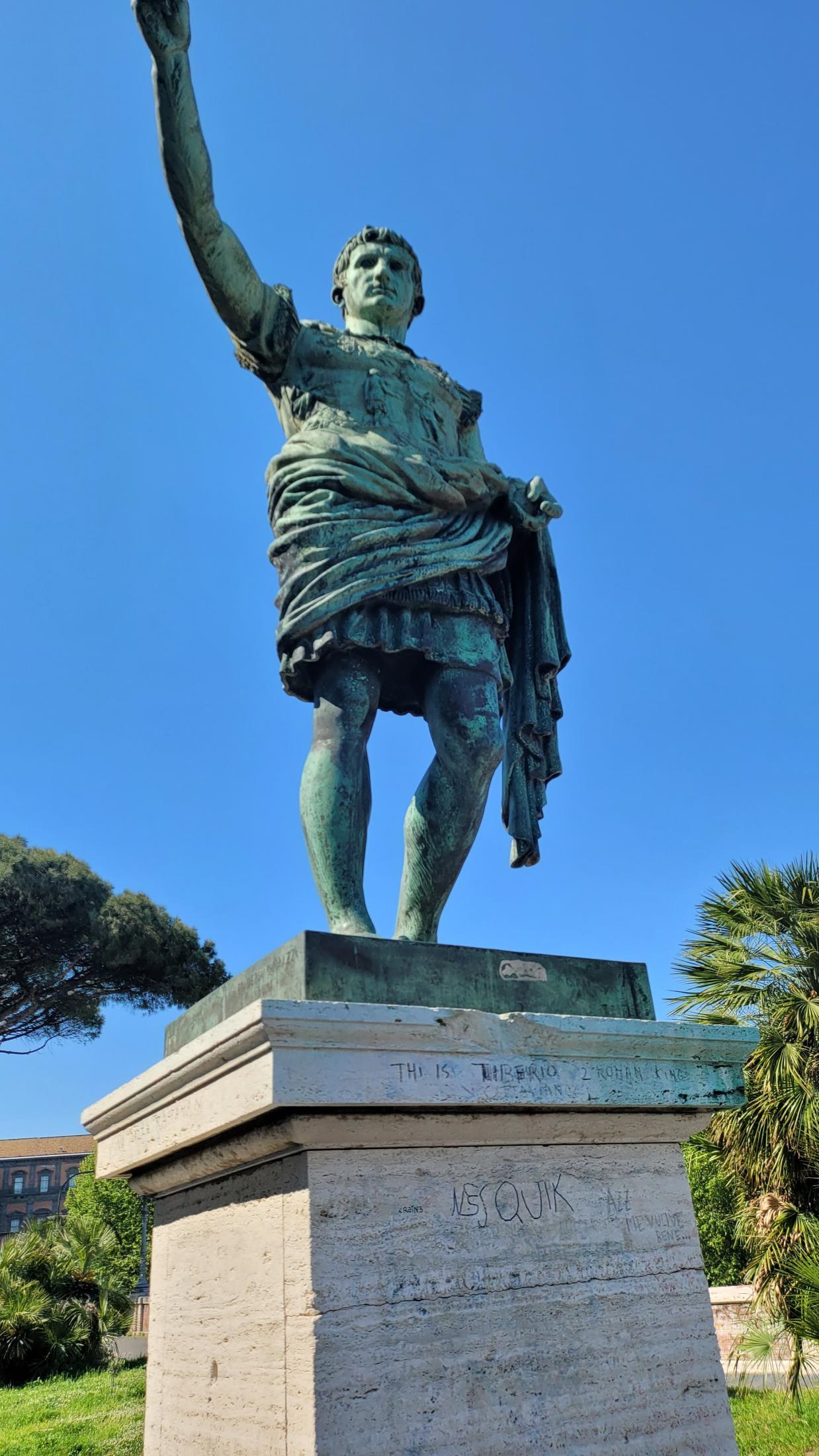
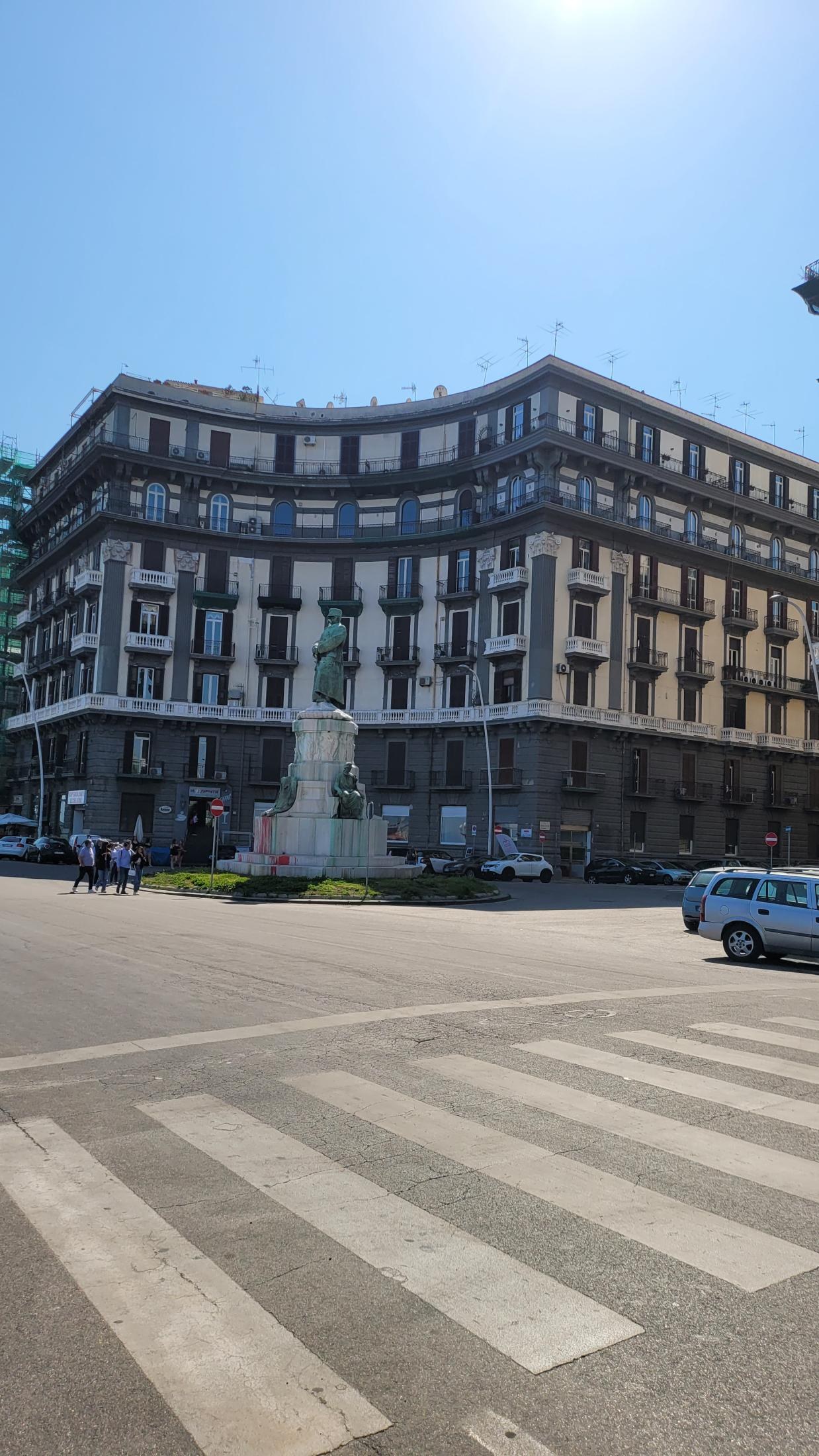
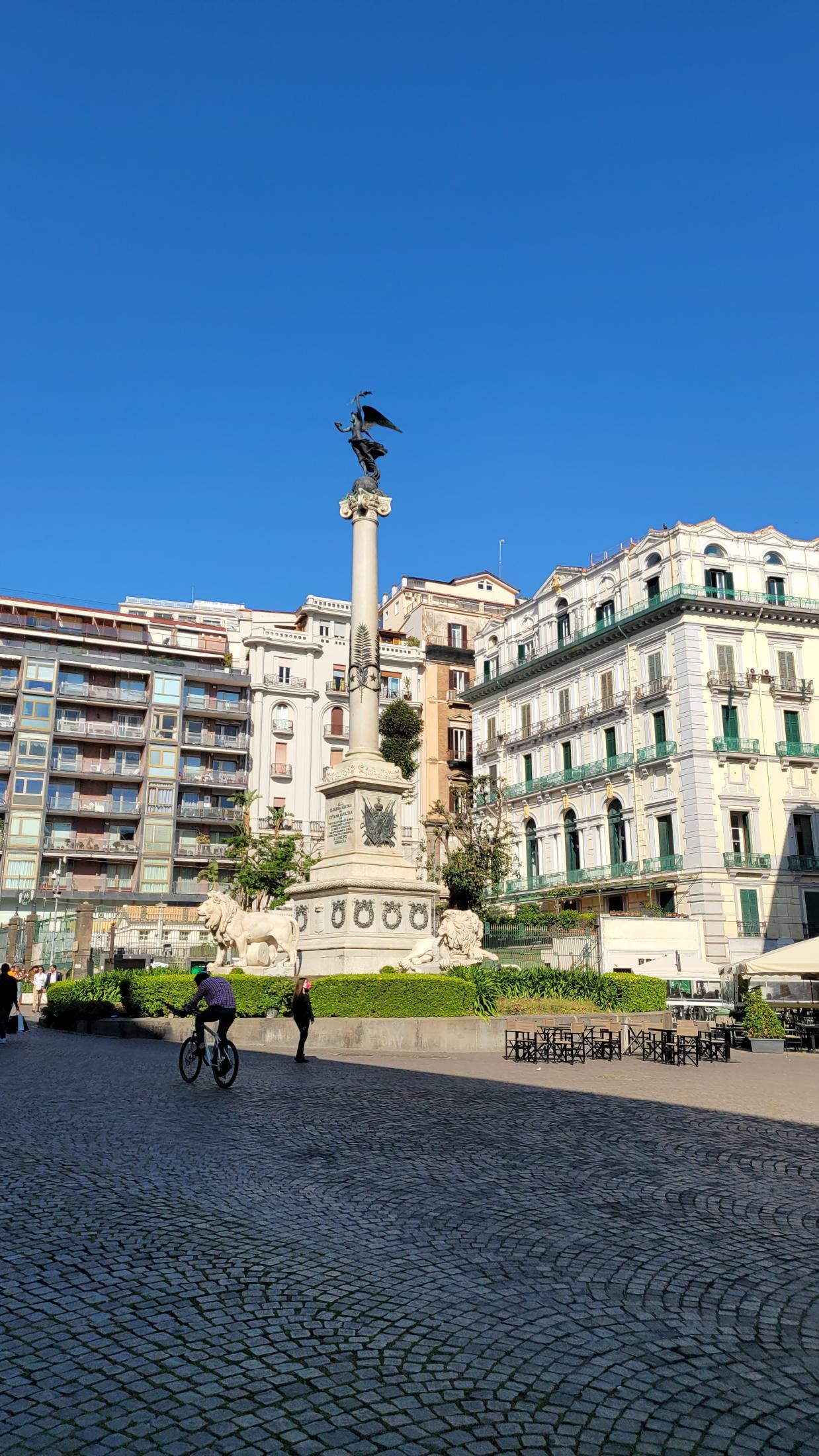
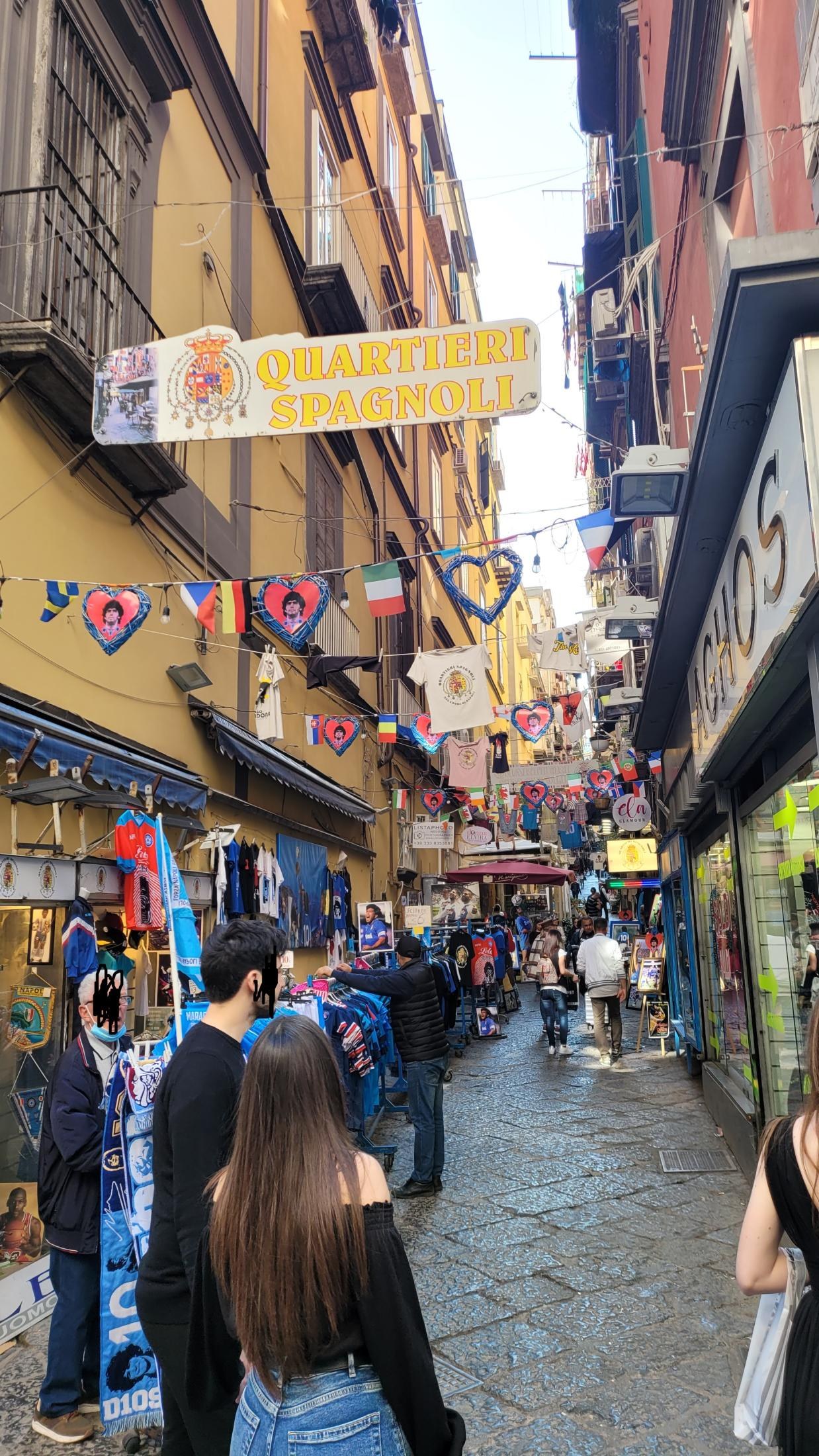
As mentioned, Tribunali has hundreds of restaurants, little shops, street musicians of every kind, artists and so on. There is a mountain of churches, museums, galleries. Literally every second building looks like a historic site. In front of most buildings there are information panels. It is incredible. It is also incredible how filthy it is and how every single building is scratched over and plastered with colourful stickers, flyers and vinyl. We are gluttons, the pizzeria deserved a whole paragraph, the rest we will mention later if there is time 😀 I will only say that all churches in Italy are free by default, with small exceptions. I have not been inside as many churches and cathedrals in my entire life as I was in Italy in a few days.
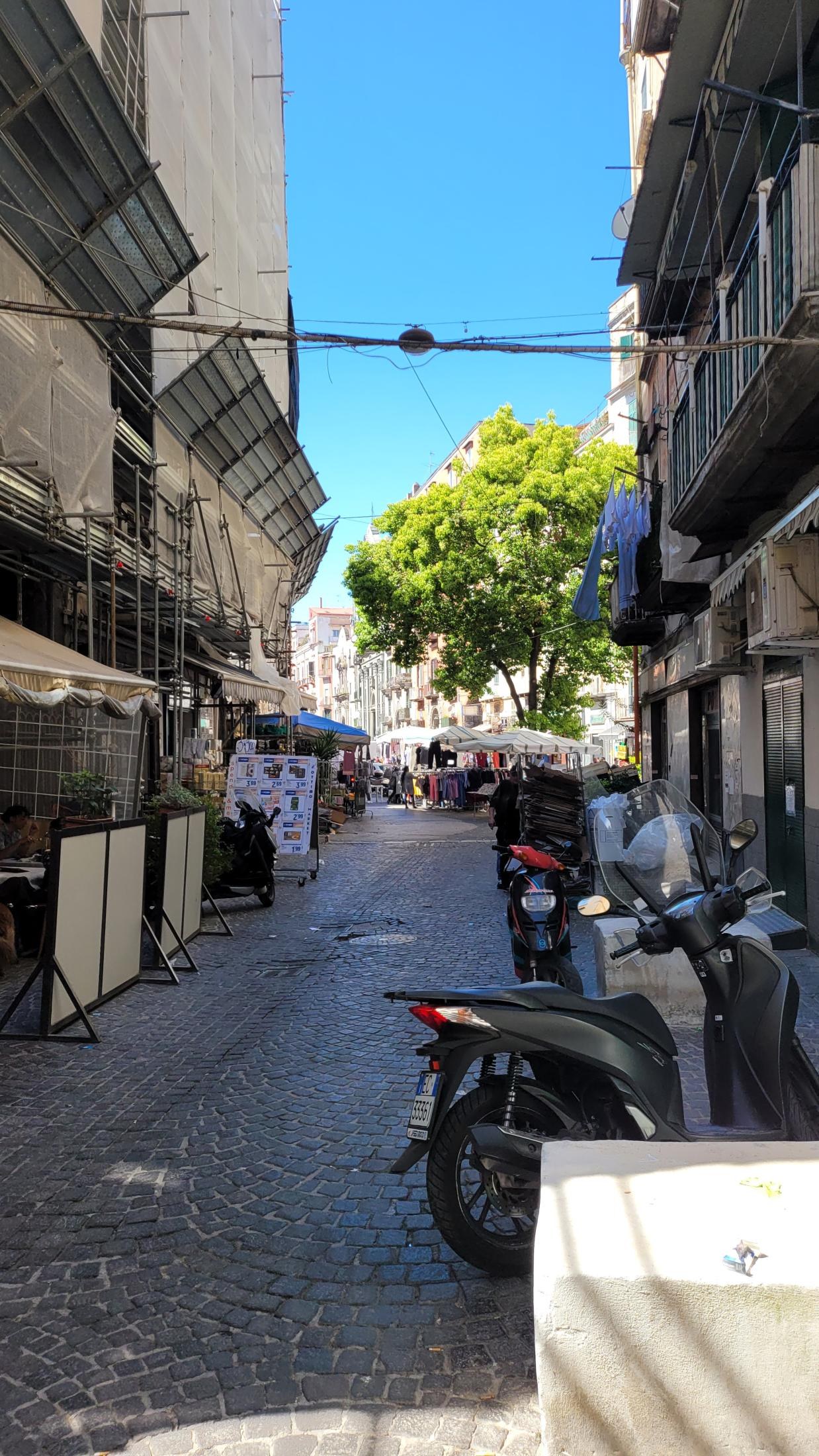
An endless walk through all the dozens of squares, each bigger than the last and unfortunately dirtier. Incidentally, the dirt does stop registering at some point. The first 5–10 kilometres of wading through who knows what on the street is strange. After that it stops making much of an impression, and we will not comment on it further.
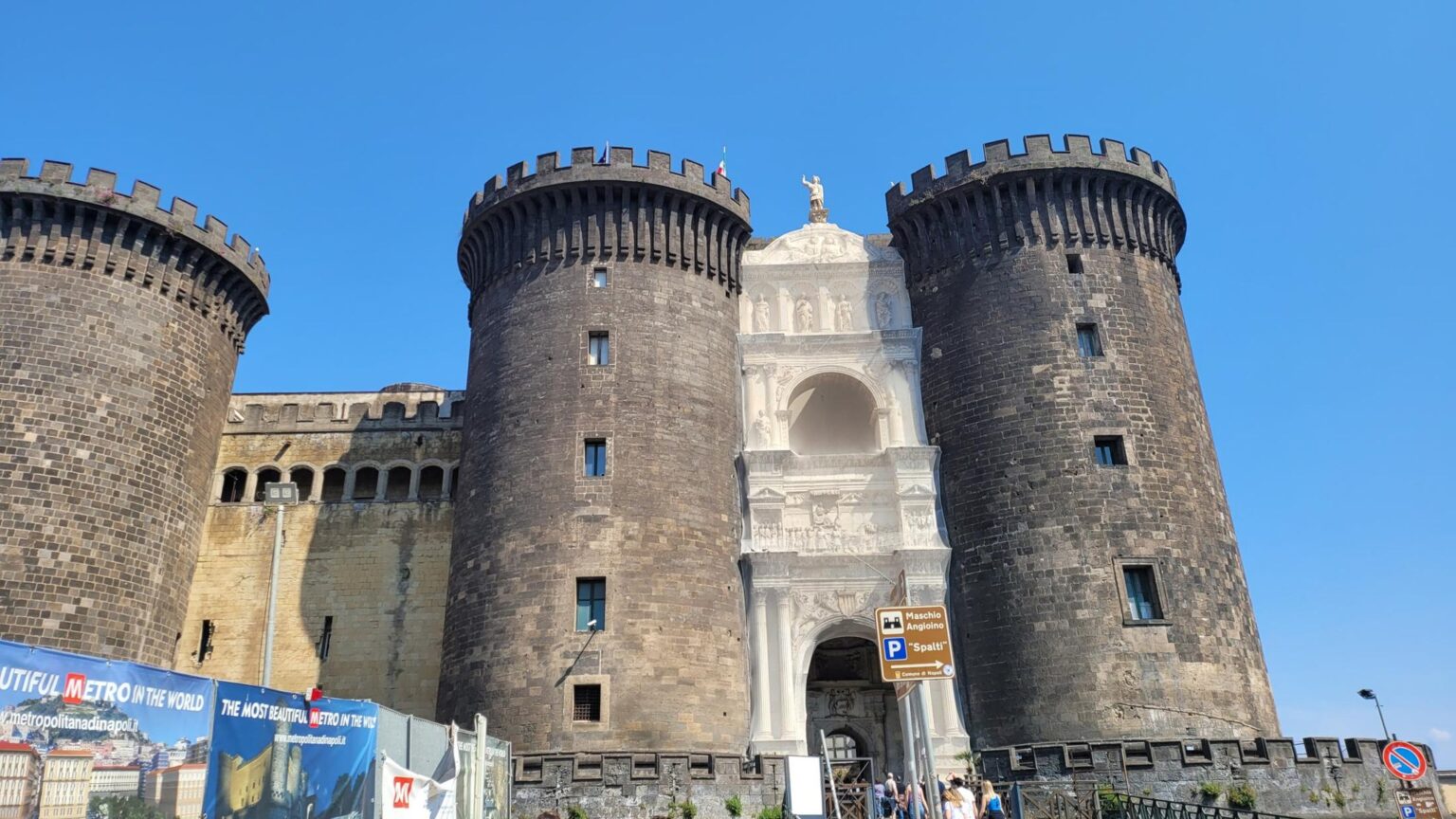
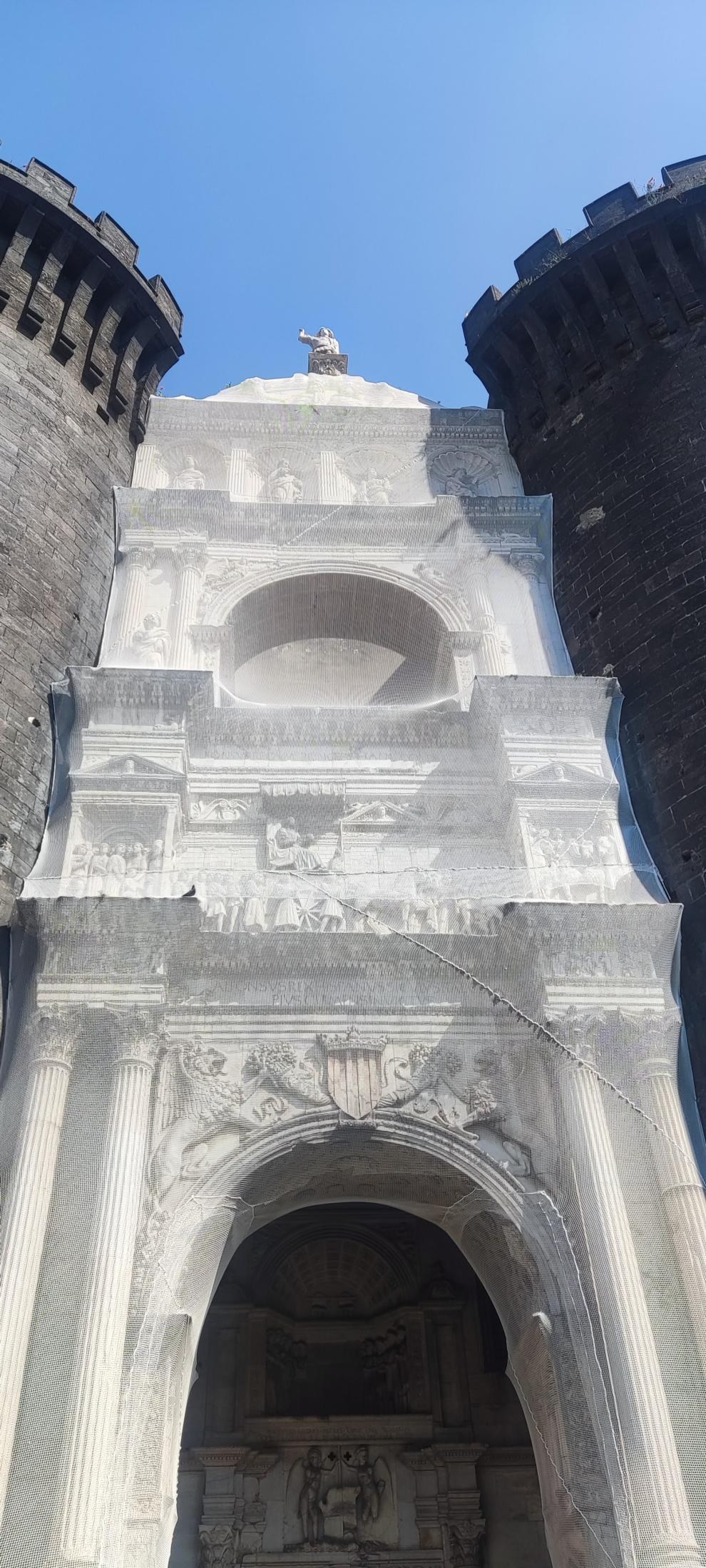
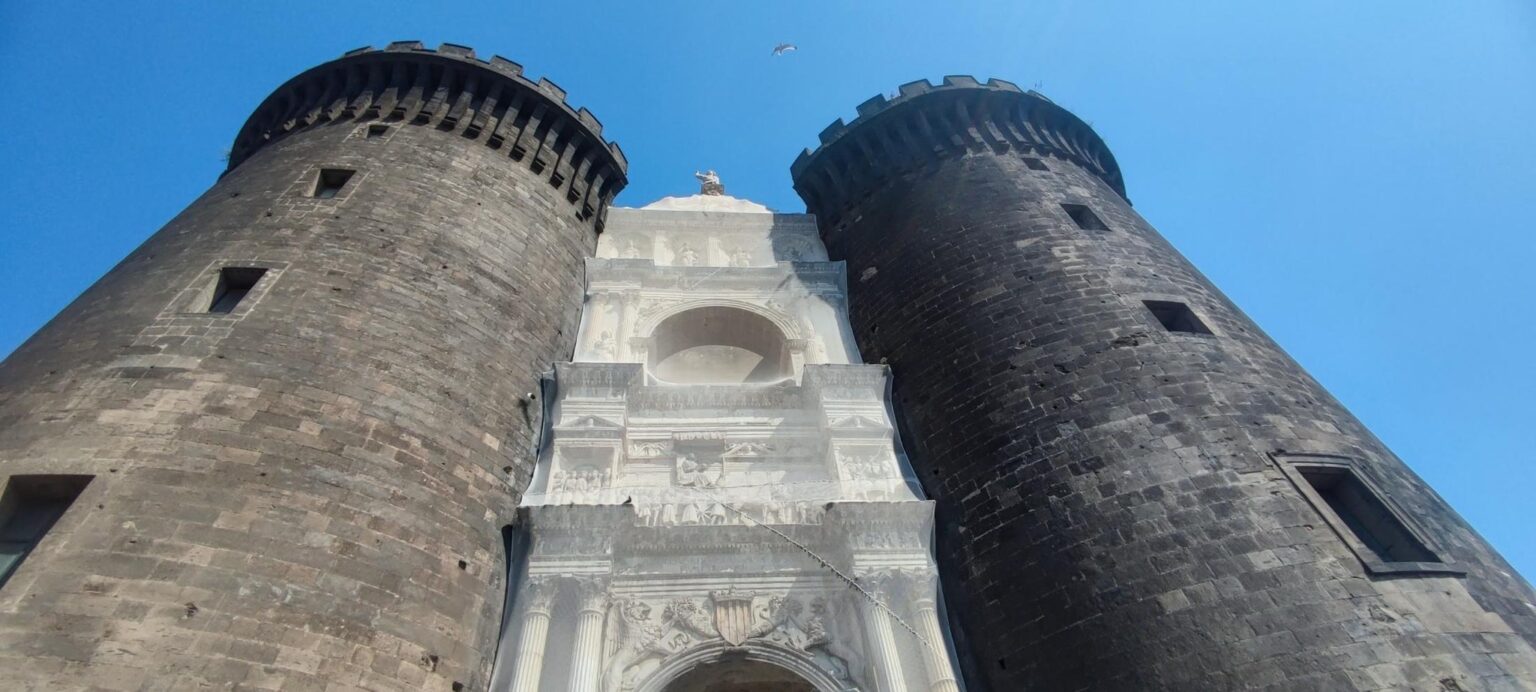
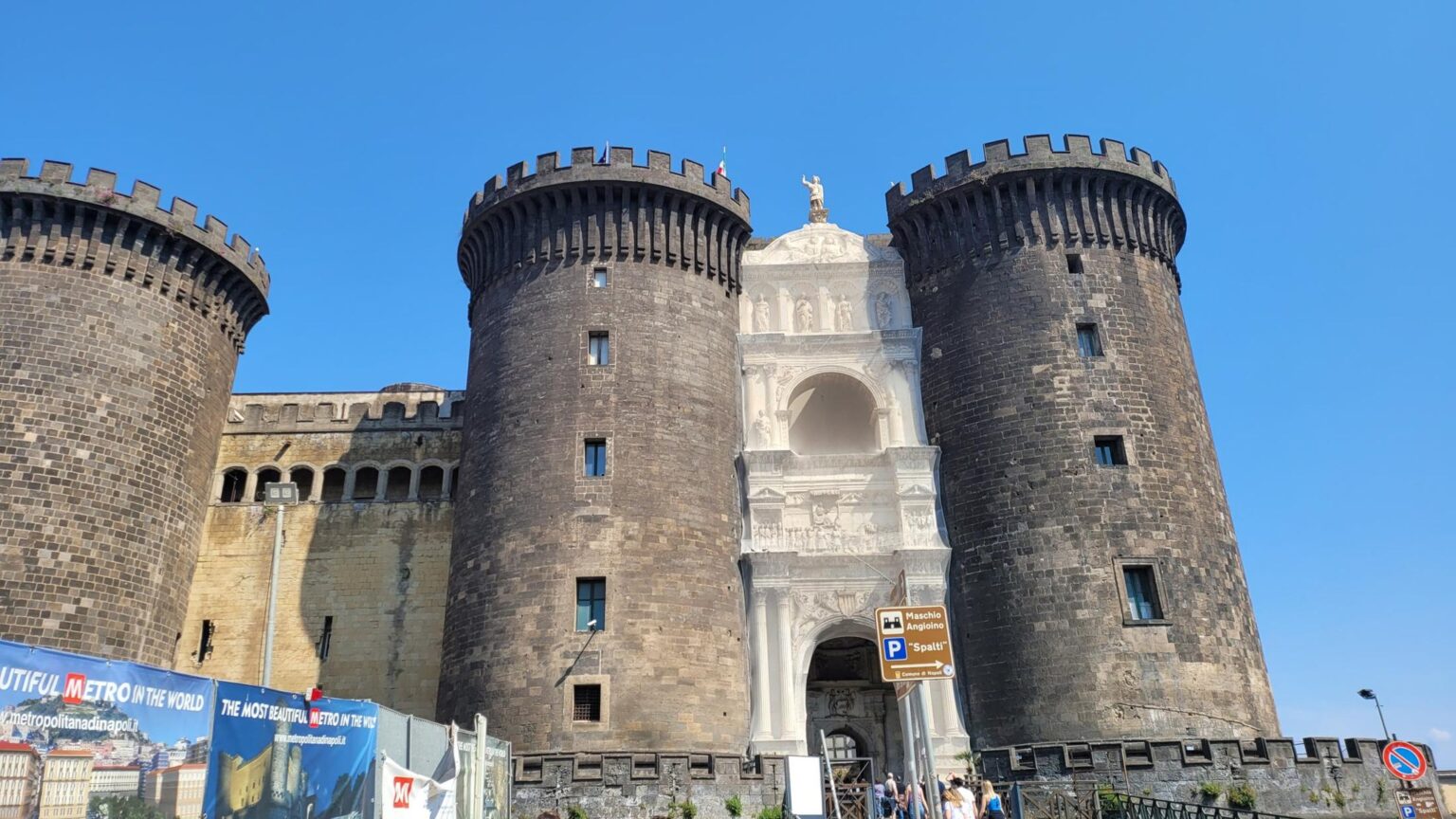
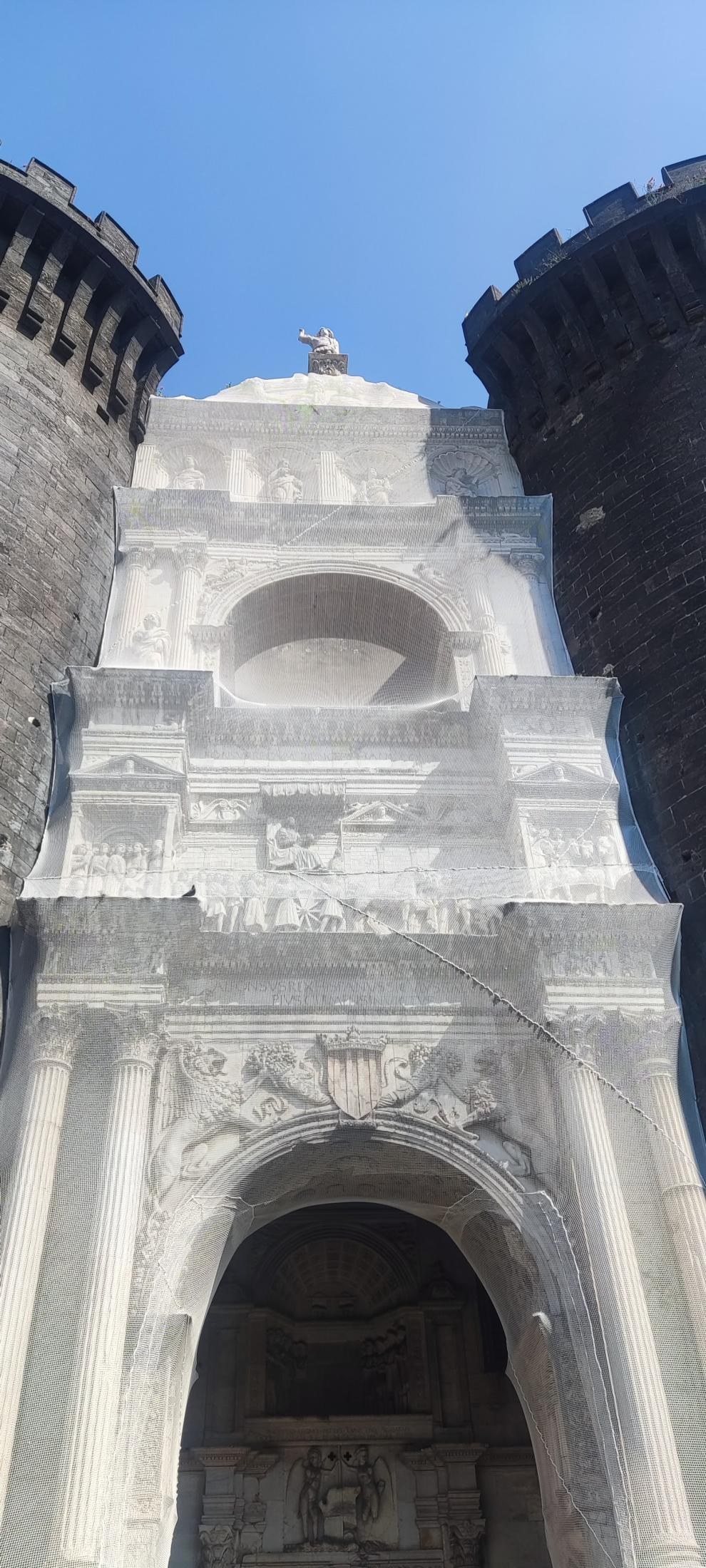
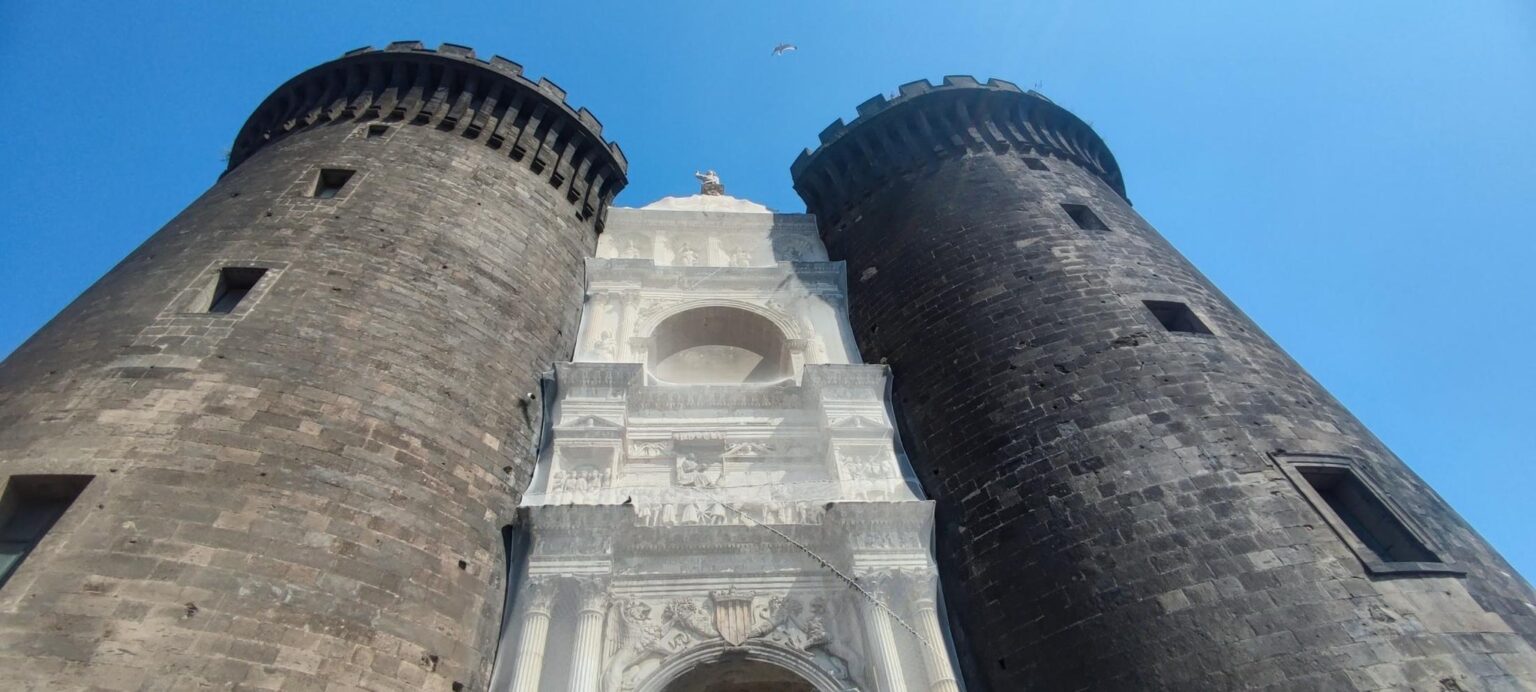
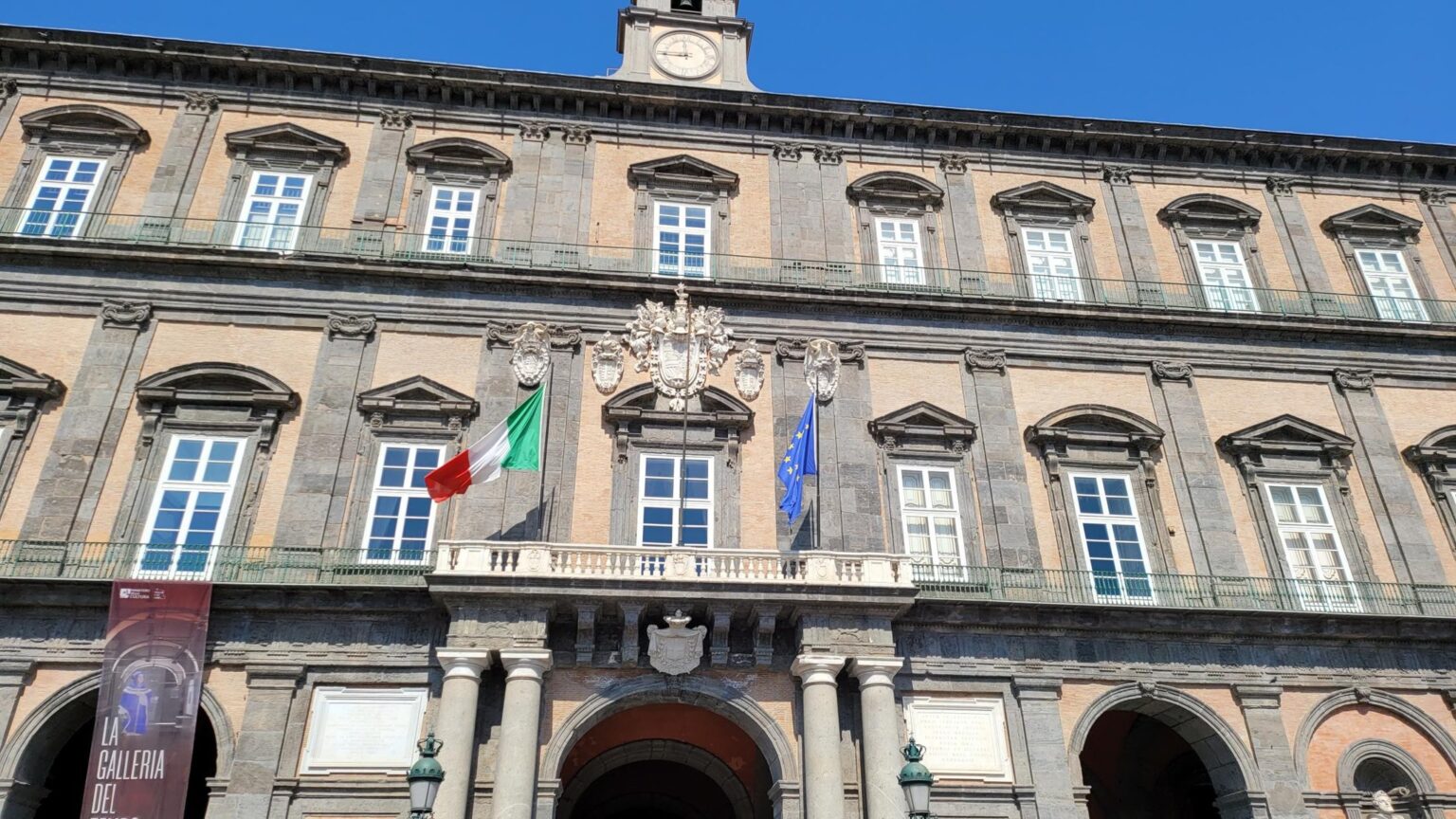
We reach Castel Nuovo. Entry is €6. It offers galleries and museums as well as views, but it has a fiddly visiting schedule (at the time, because of COVID) and requires advance preparation. We learn it takes 2 hours, but it will be for next time.
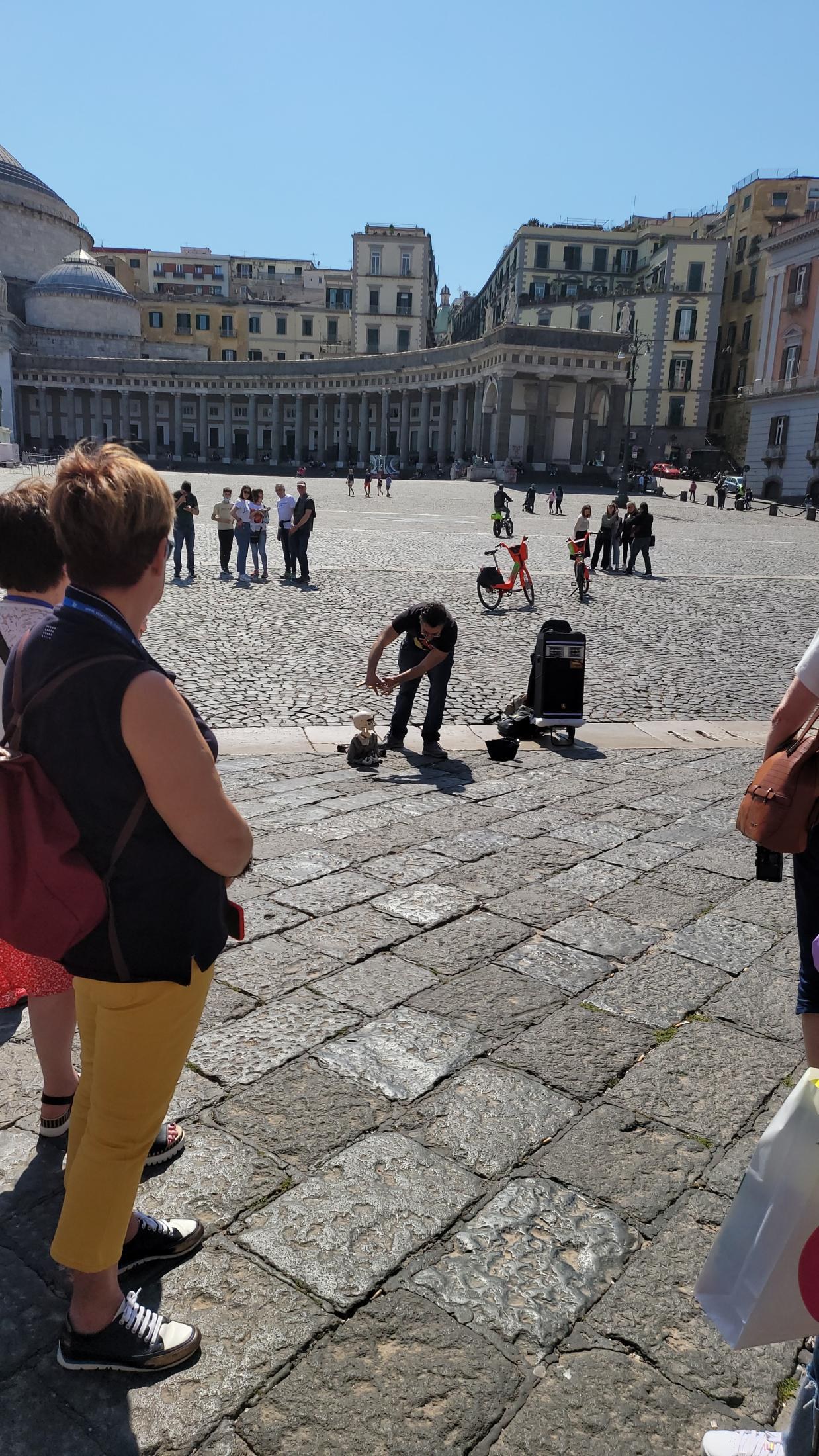
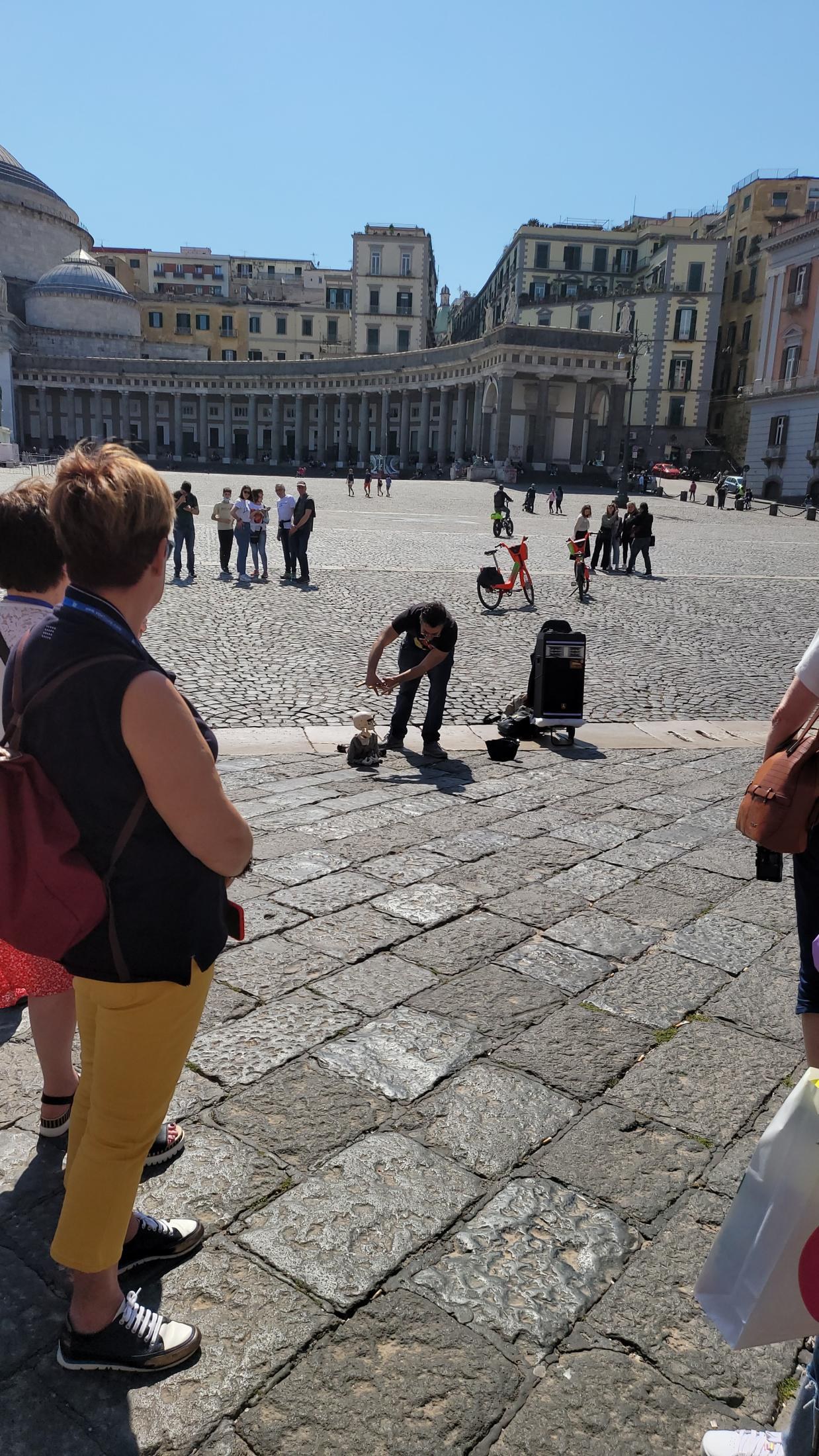
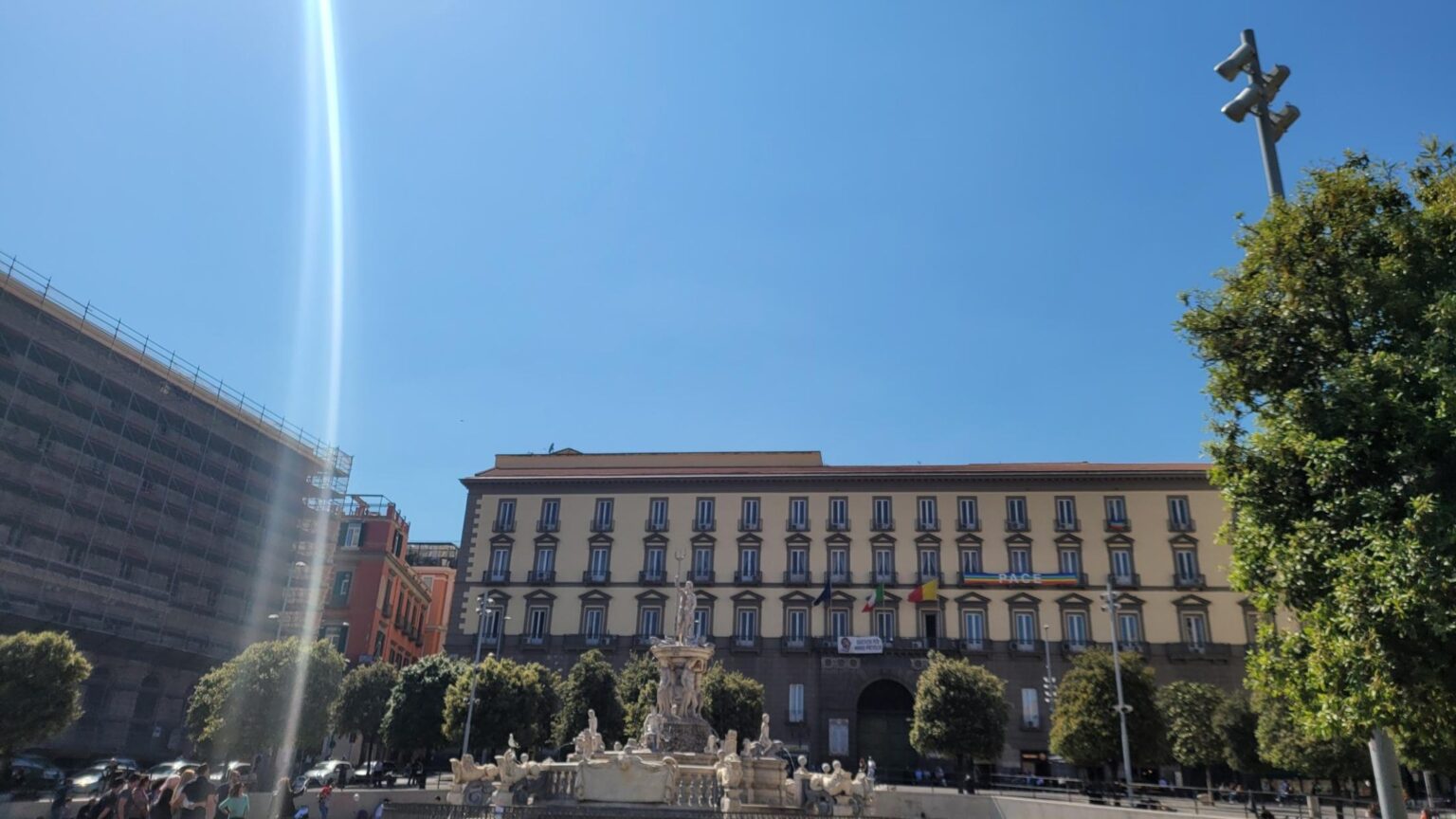
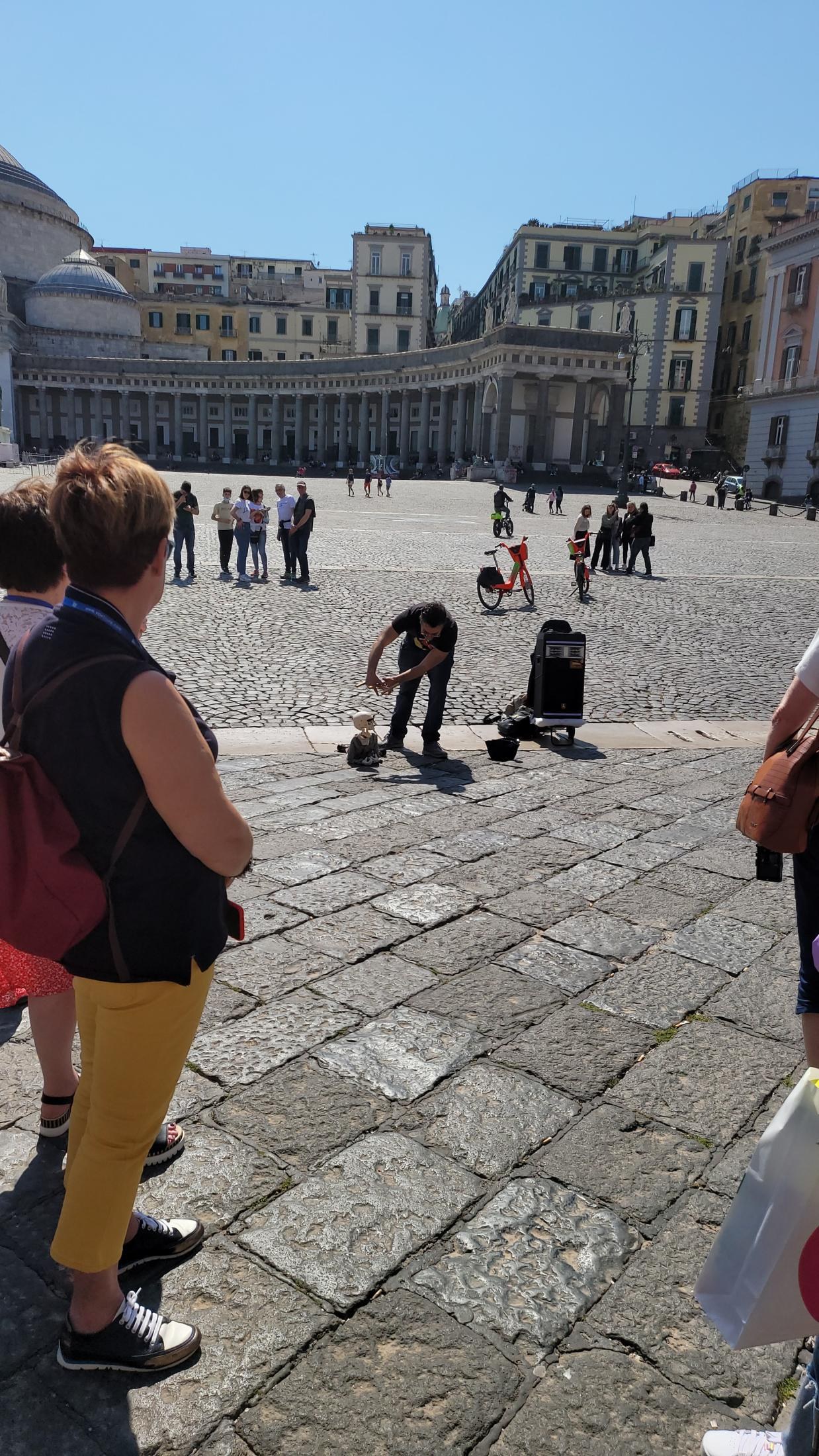
In front of the Palazzo Reale there is an entertaining street puppeteer — dancing with a puppet that looks like Achmed the Dead Terrorist and gathering a crowd. Unfortunately I don’t have a usable clip, there are far too many people’s faces in it, but I managed to snap him without the crowd for the idea:
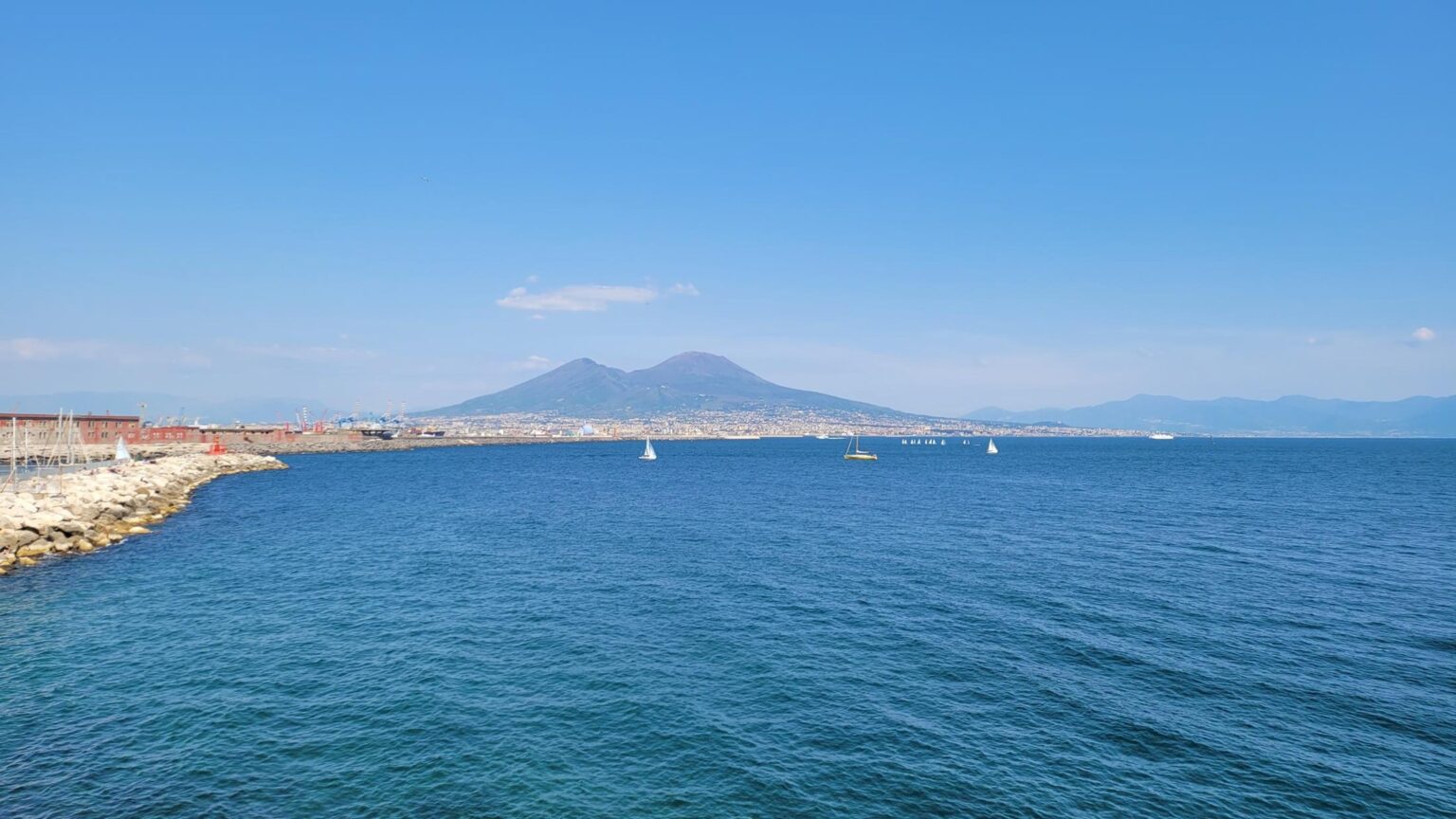
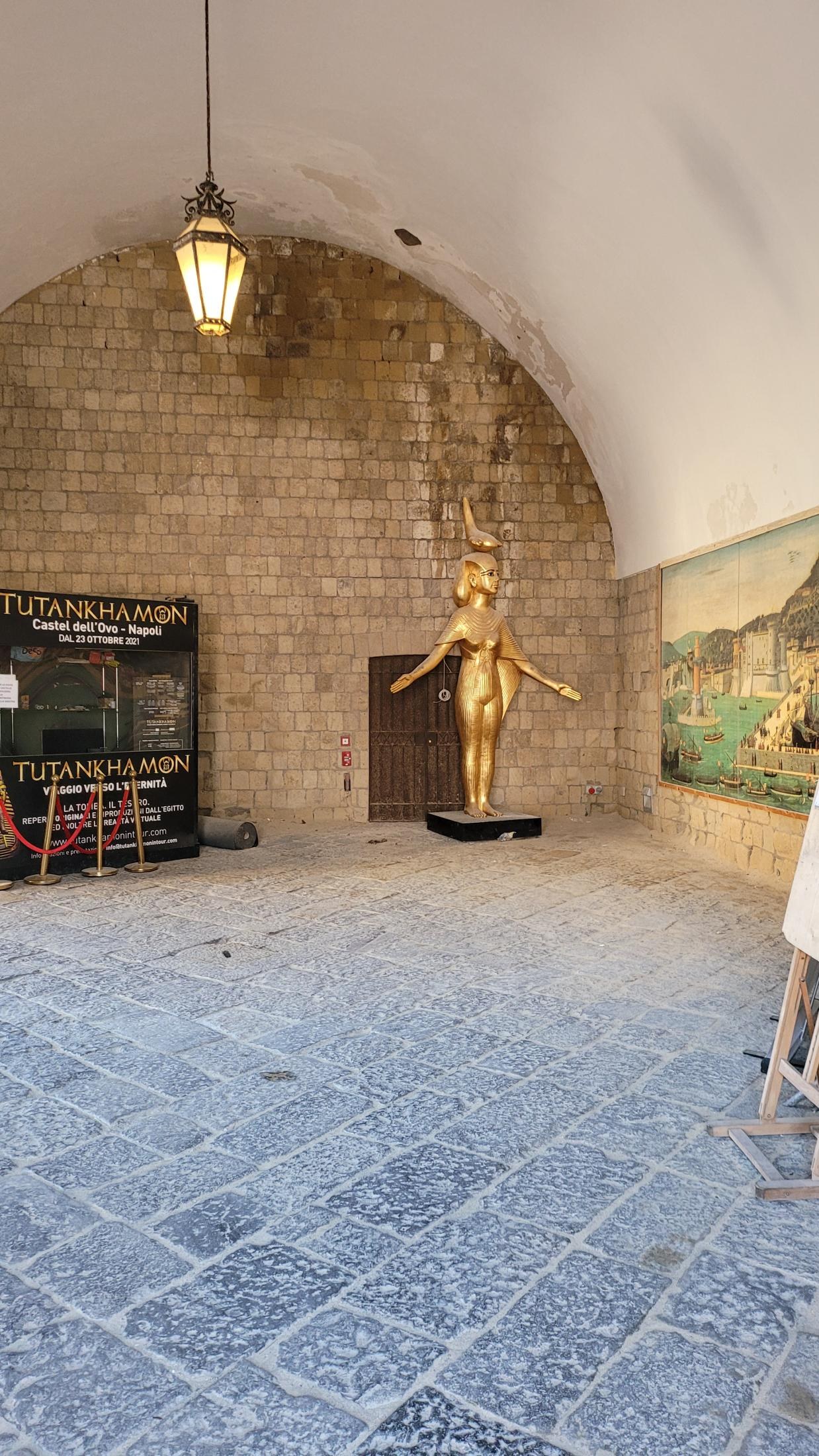
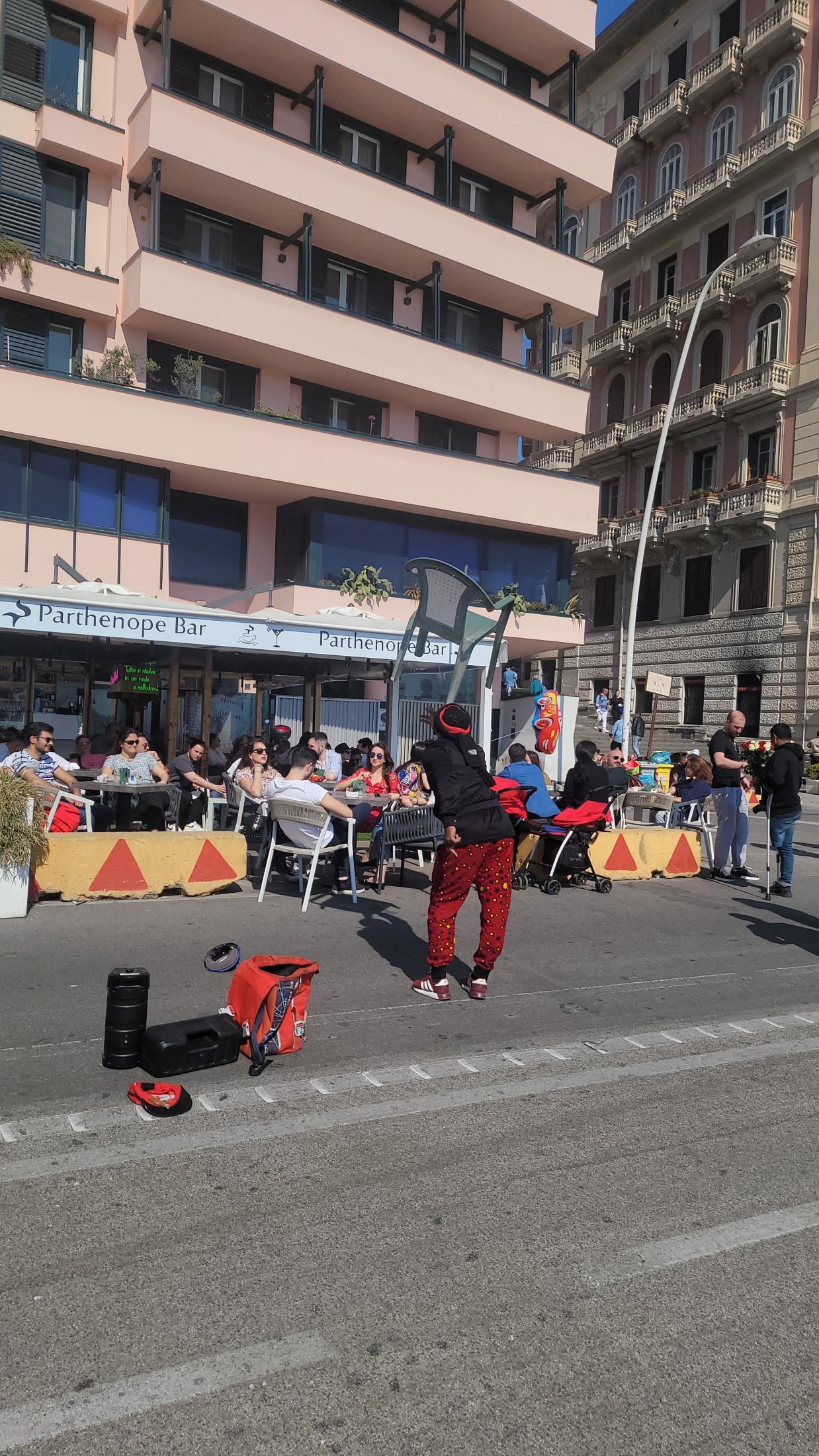
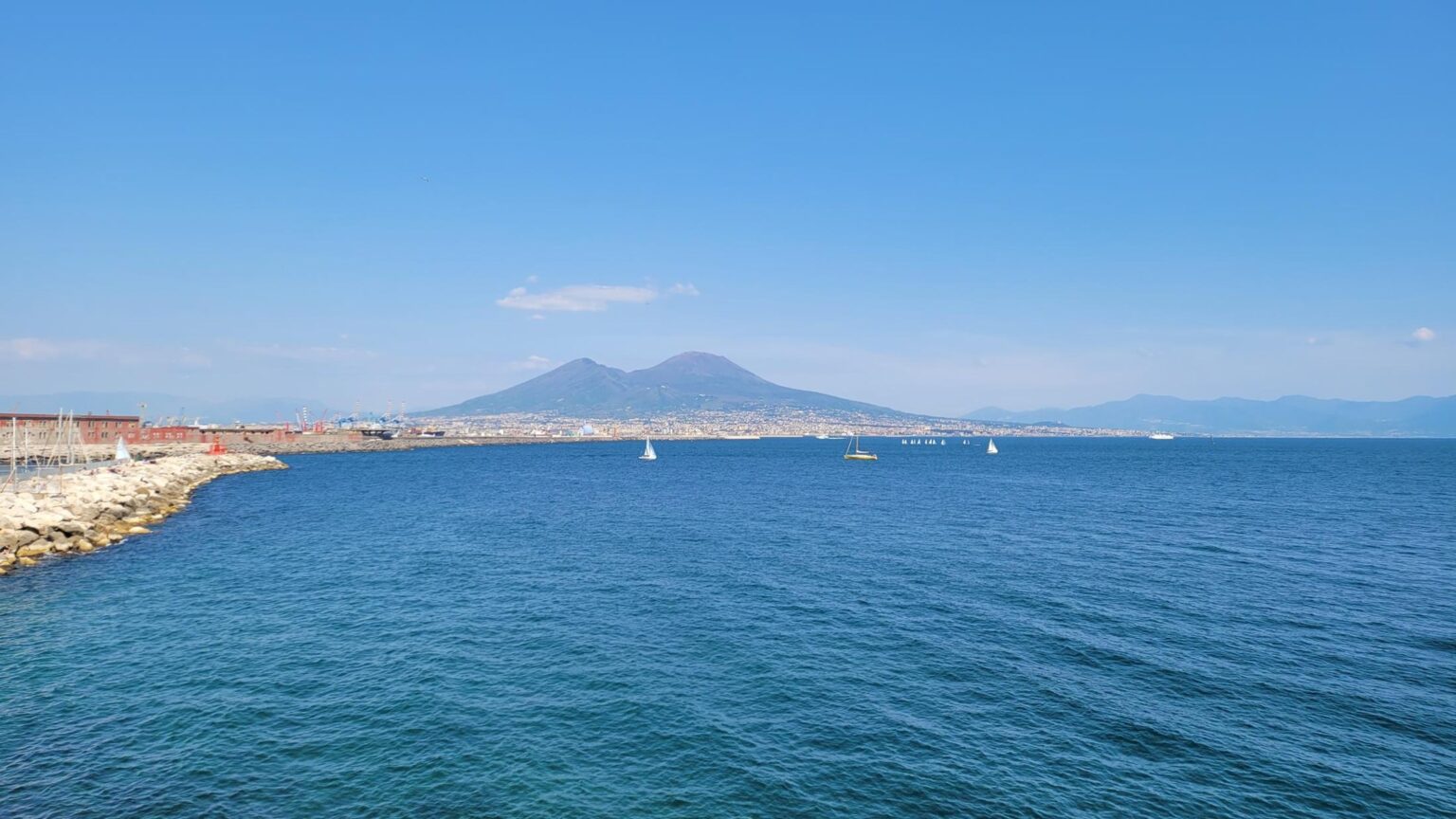
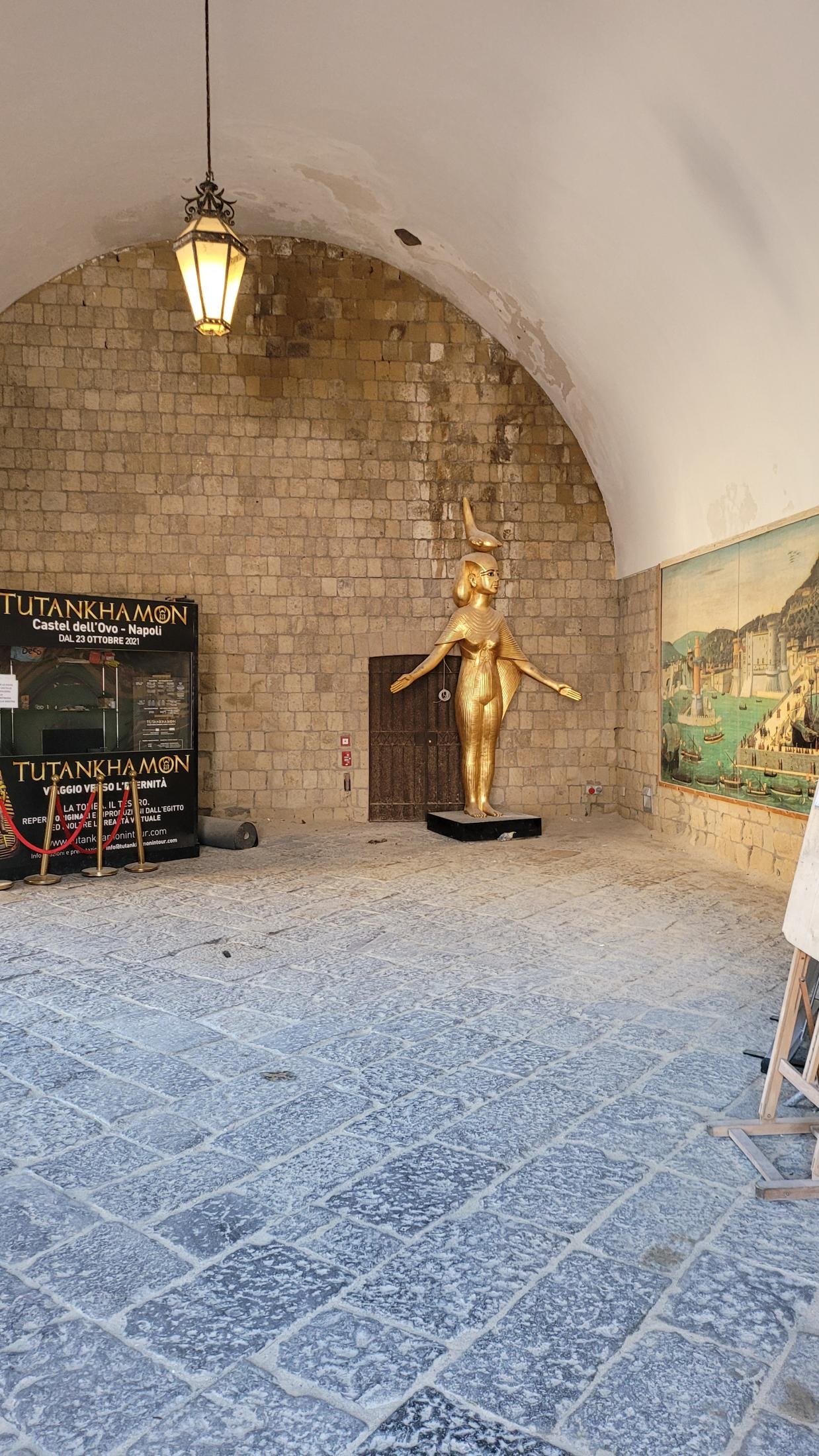
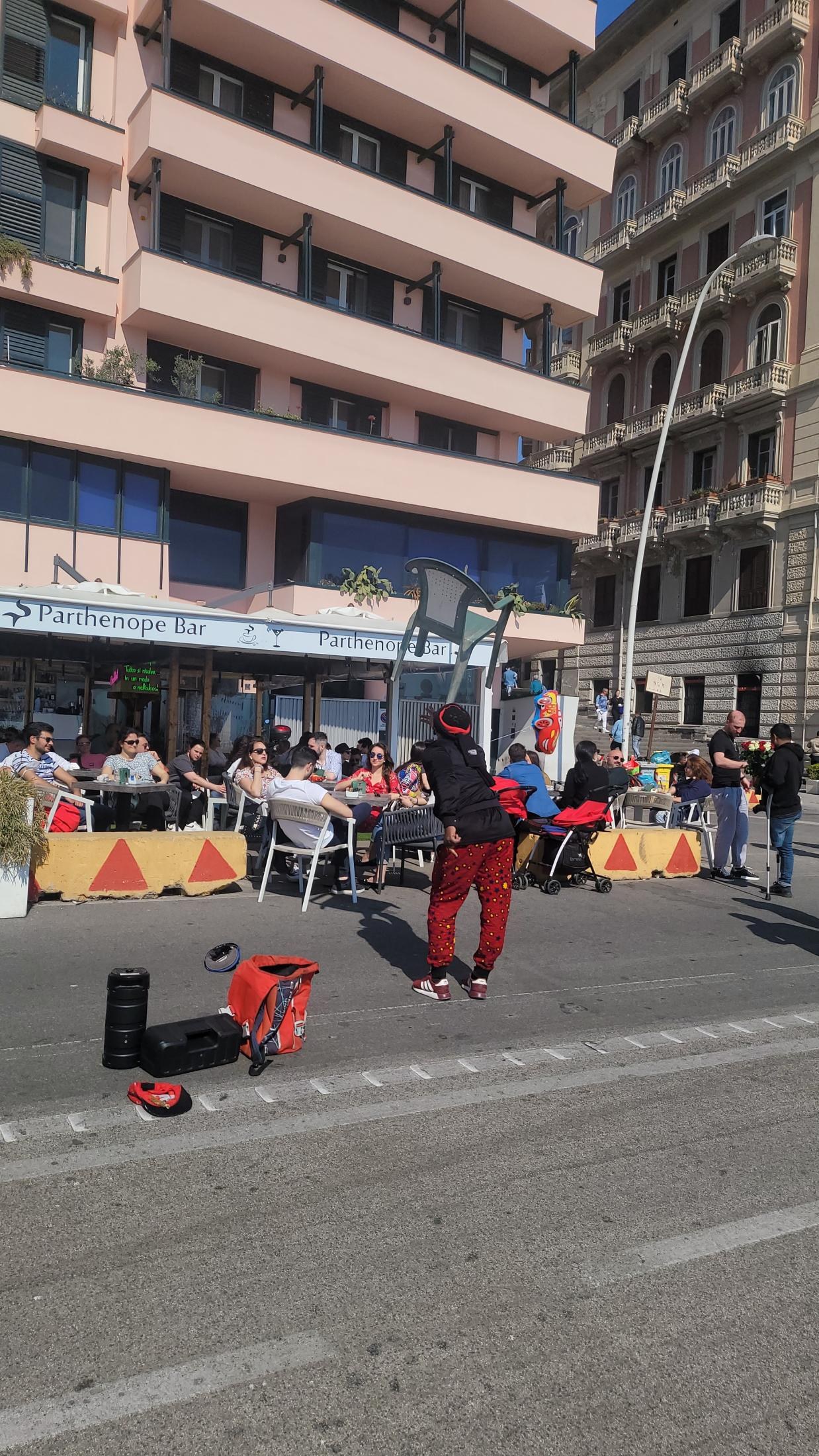
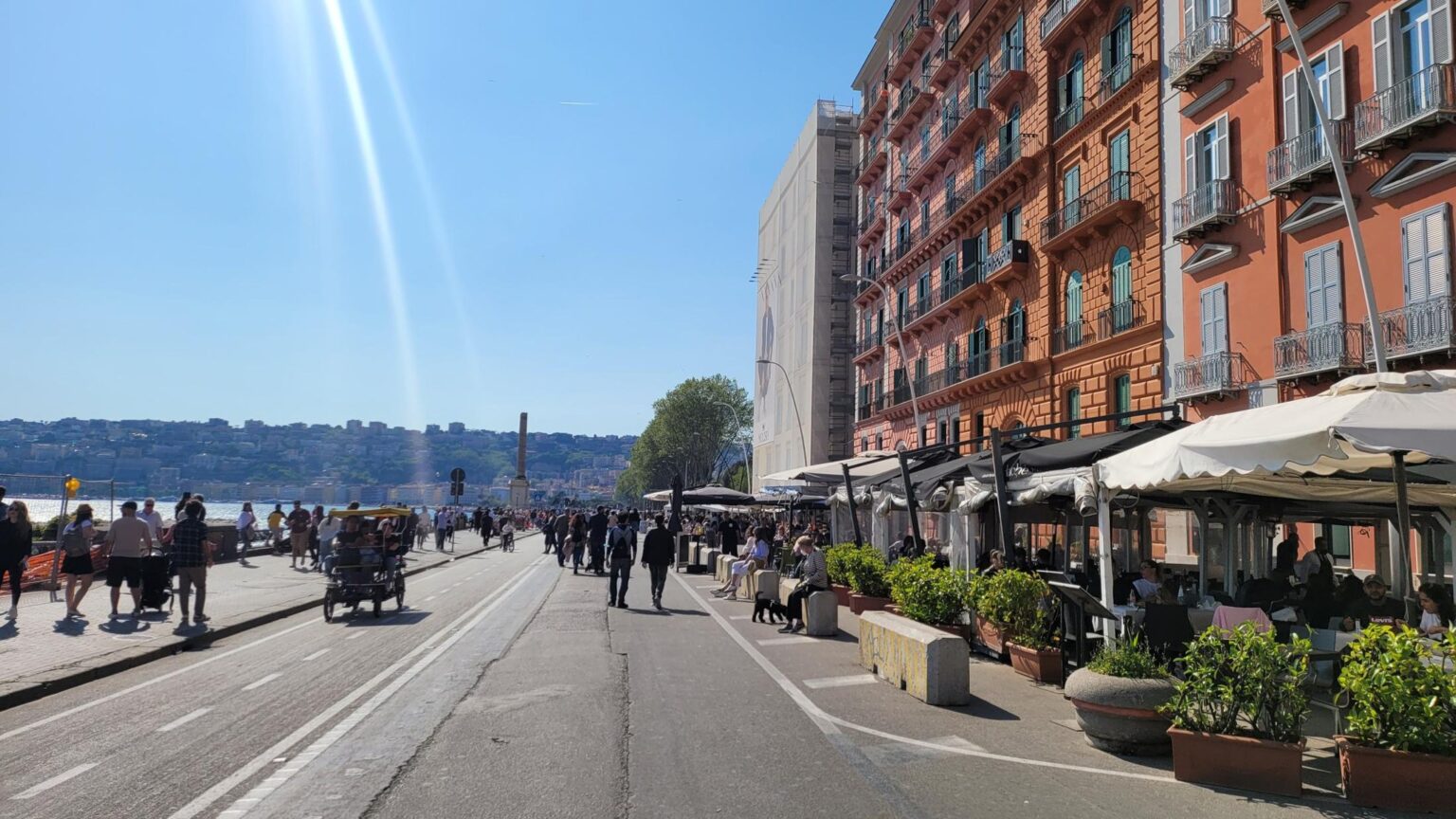
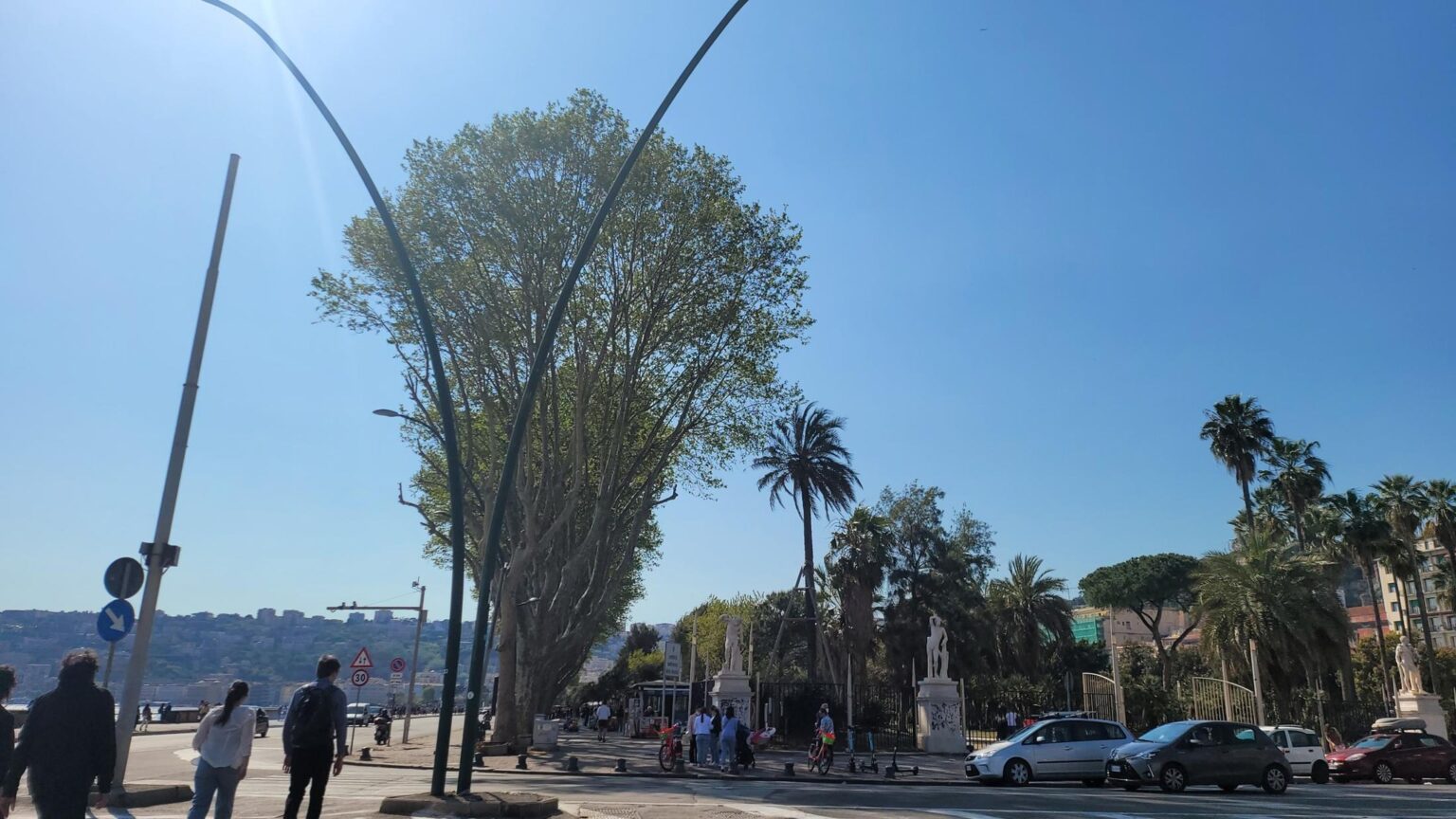
There is also Via Nazario Sauro (via = street), a seafront road. It opens up nice views towards Vesuvius and across the whole of Naples. Along it you also reach Castel dell’Ovo (the Egg Castle). It is striking how somehow contemporary this castle is, with half of it resembling an office building. Entry is free and the areas open to visitors take twenty minutes or so to walk. In front of it — again something more colourful, a street performer balancing a… chair. Lots of people pass by, again no usable clip, so we will make do with a photo.
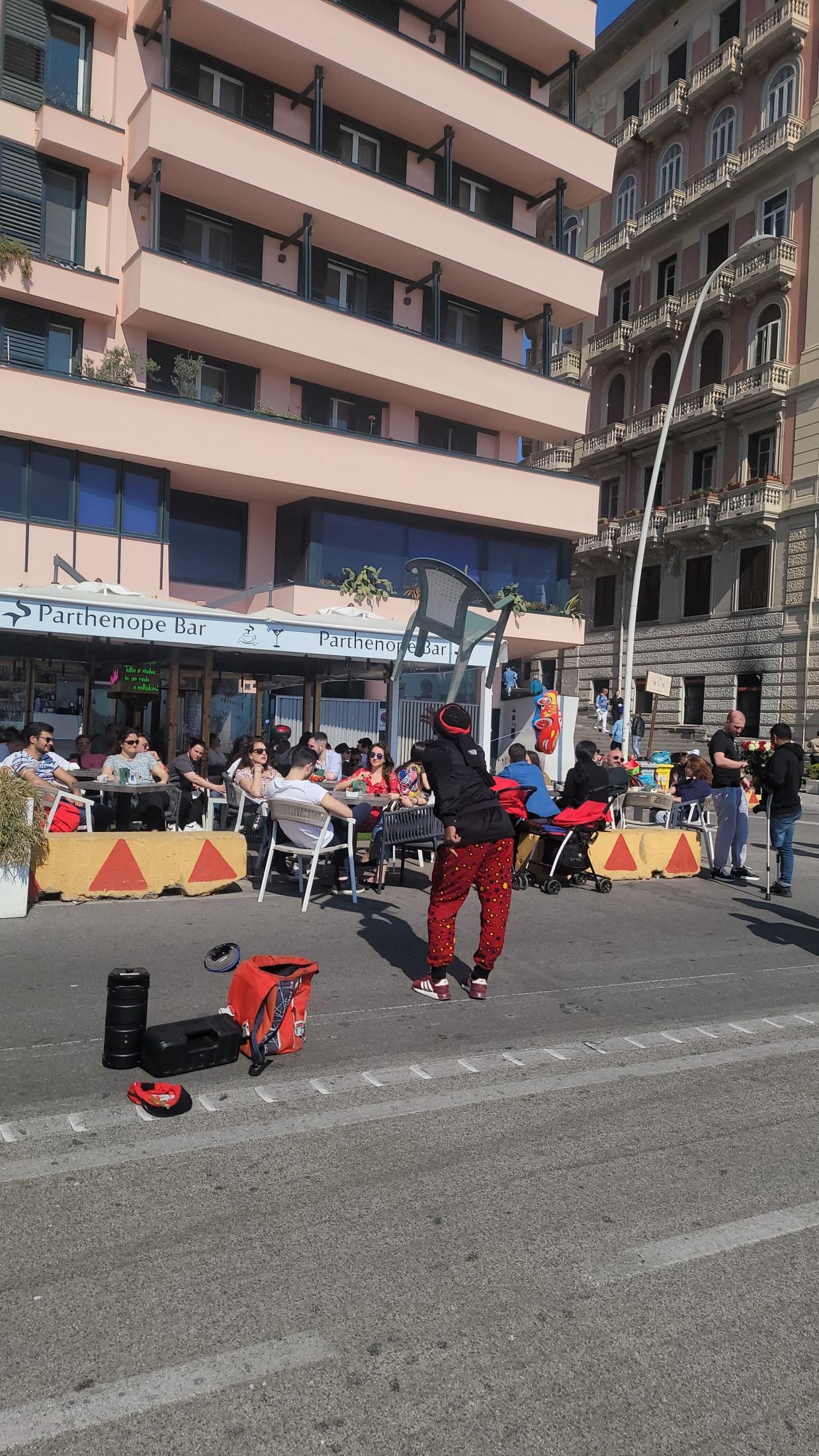
It is big, it is colourful, there are MANY people, all sorts. You can wander the streets aimlessly and see who knows what. Since we are emphasising the things that made a strong impression on me, we are not commenting on the fact that there is not 50 metres without some musician, and usually a rather good one.
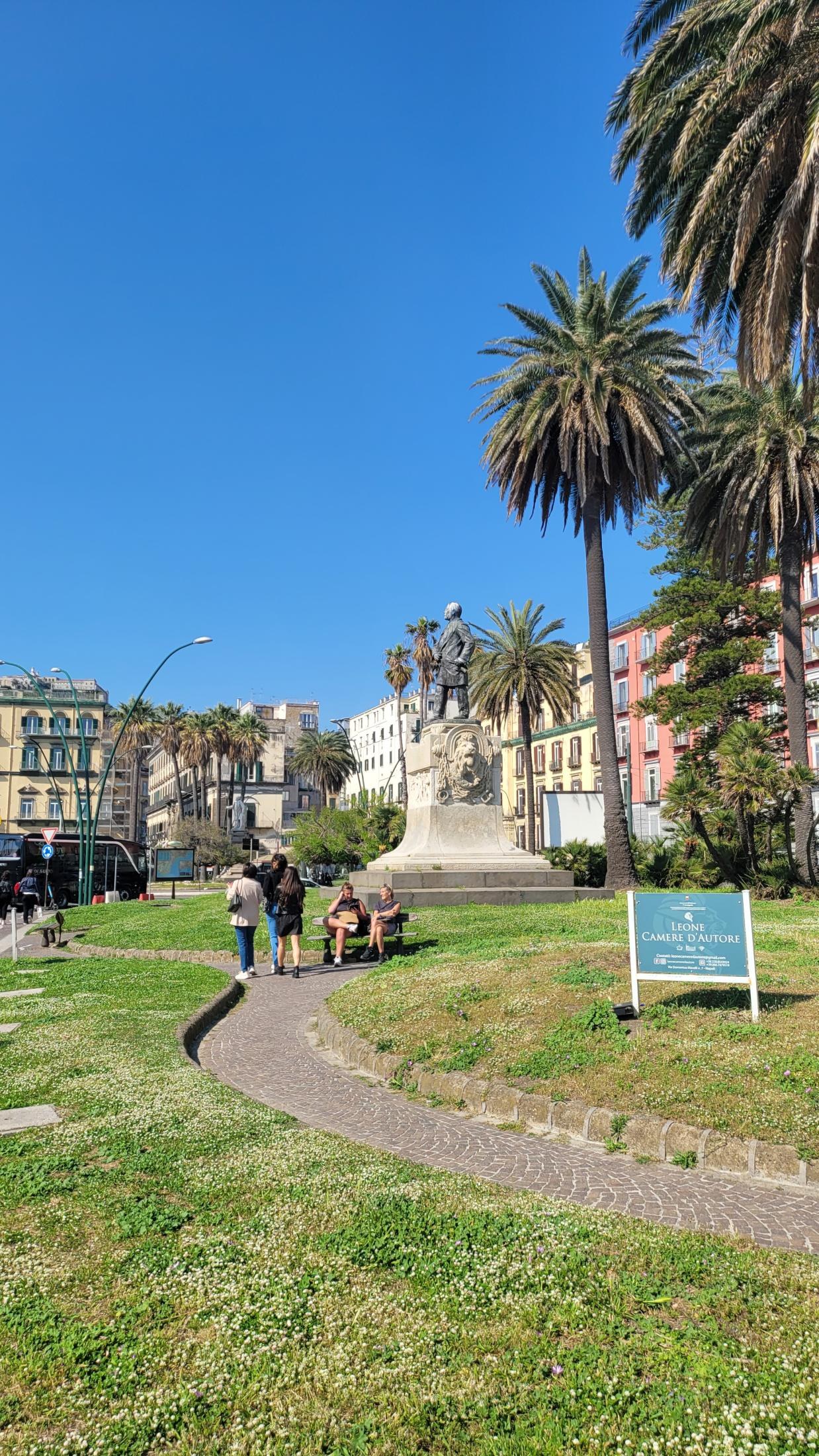
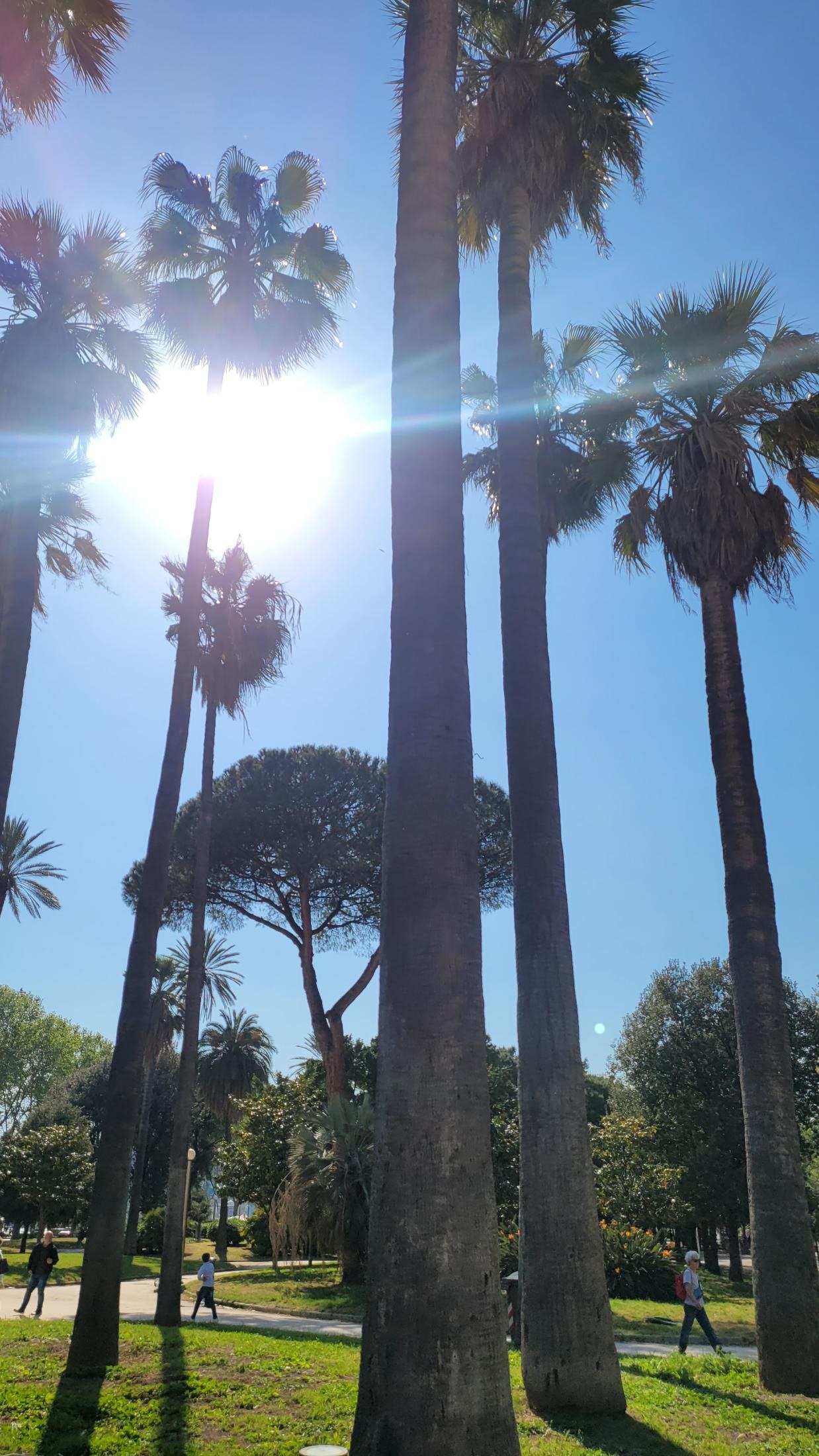
A park with “opening hours”. Mixed feelings about how correct that is. Imagine a mini Borisova Gradina with railings, and suddenly they turn the key and you cannot get in after 20:00 or before 07:00. We cannot be too hard on them though, the park is great, it has drinking fountains, it is clean. Trees that reach the sky.
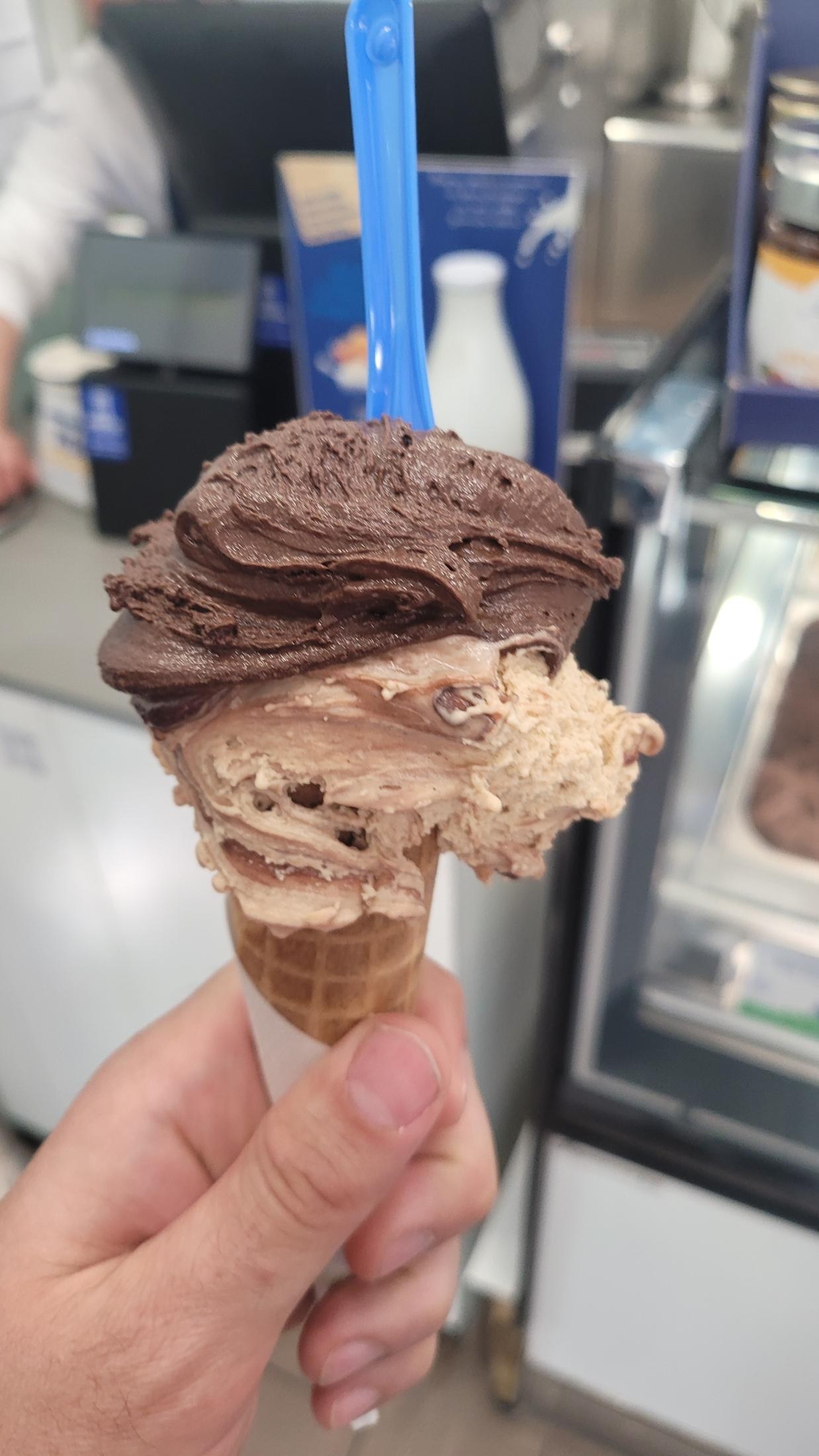
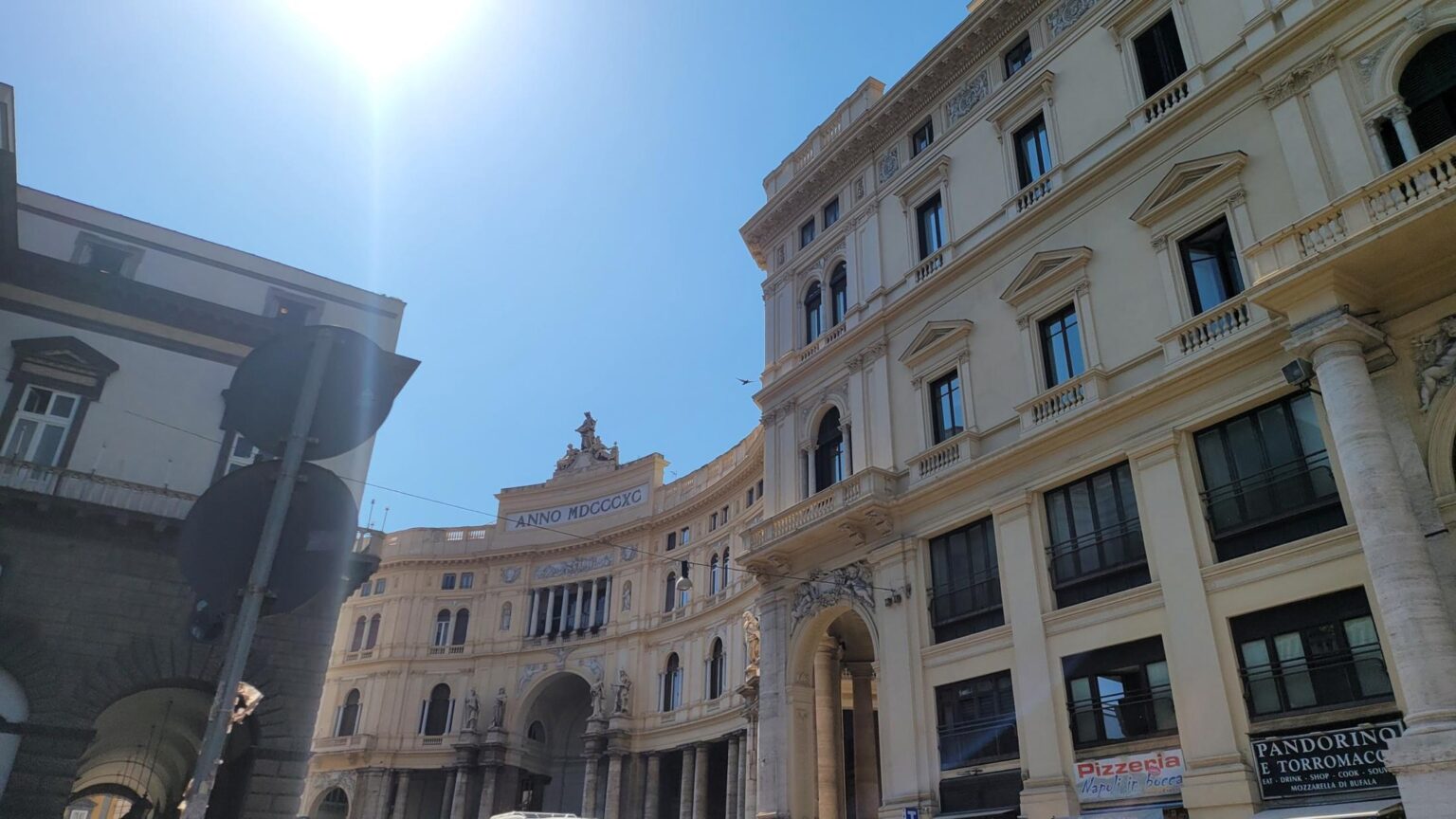
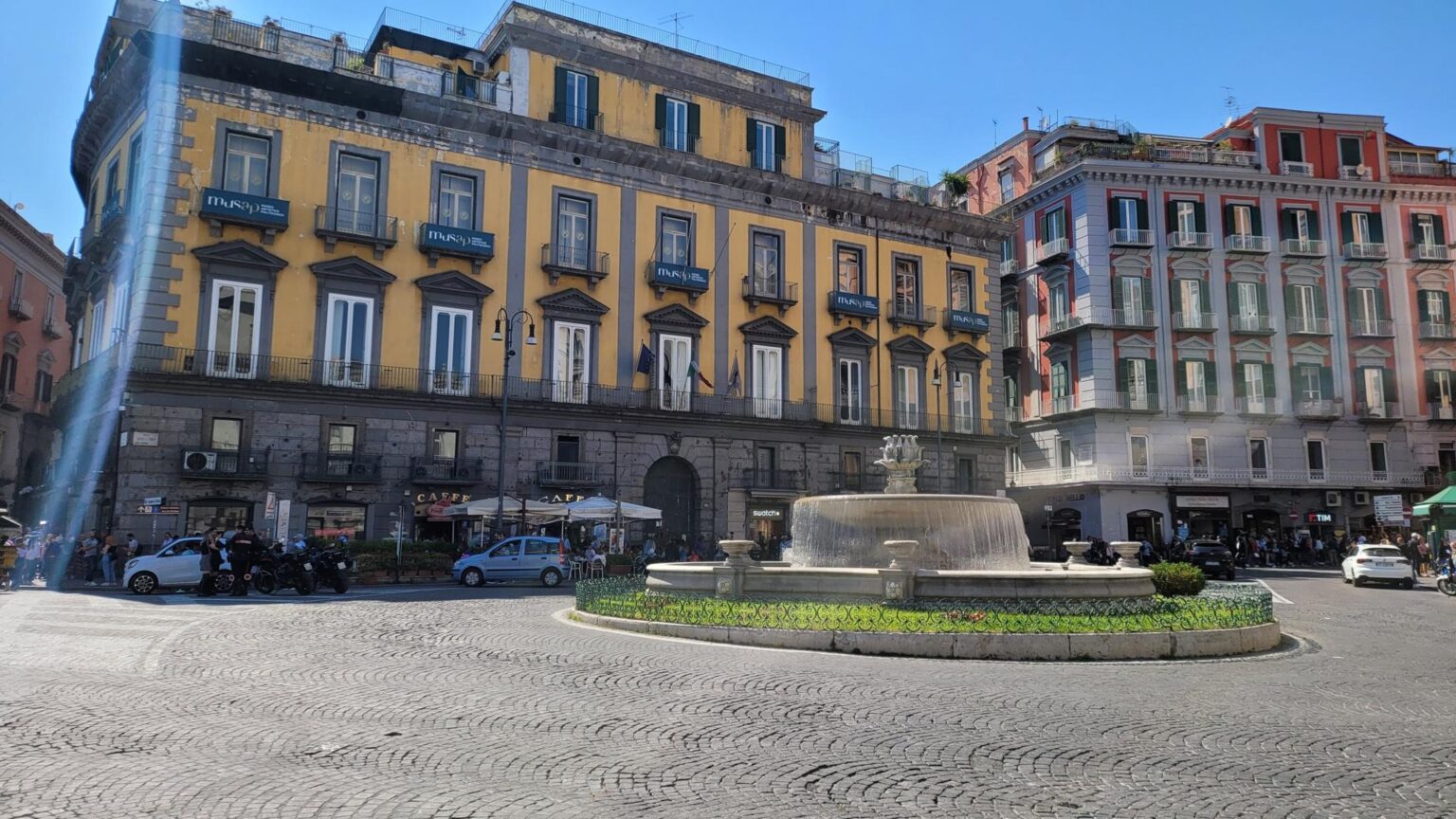
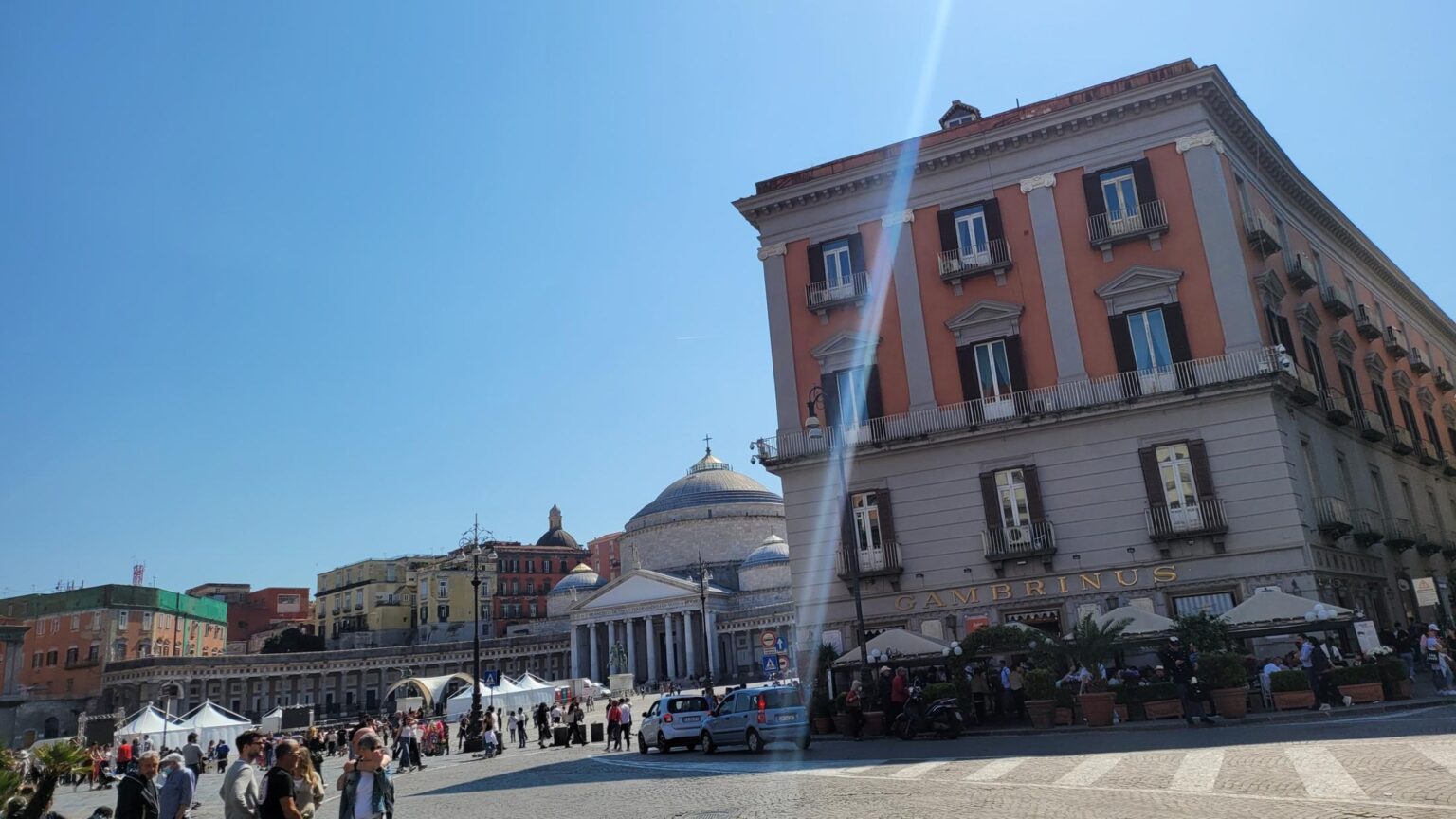
The other place, somehow more contemporary and more business-oriented, with shiny shops of the better-known and boutique brands, is Via Toledo. Noticeably tidier, though not particularly cleaner. Packed. No cars!! A fully pedestrian zone. Bliss. Italian gelato. Heat. Queues in front of every restaurant and shop. A McDonald’s with a normal long coffee. The gelato is superb! It starts getting dark. As a joke — 5 hours of aimless walking and we have covered 15–20% of Naples. To finish: a local shop somewhere among the buildings, selling Bulgarian salami and filo pastry for banitsa 😀
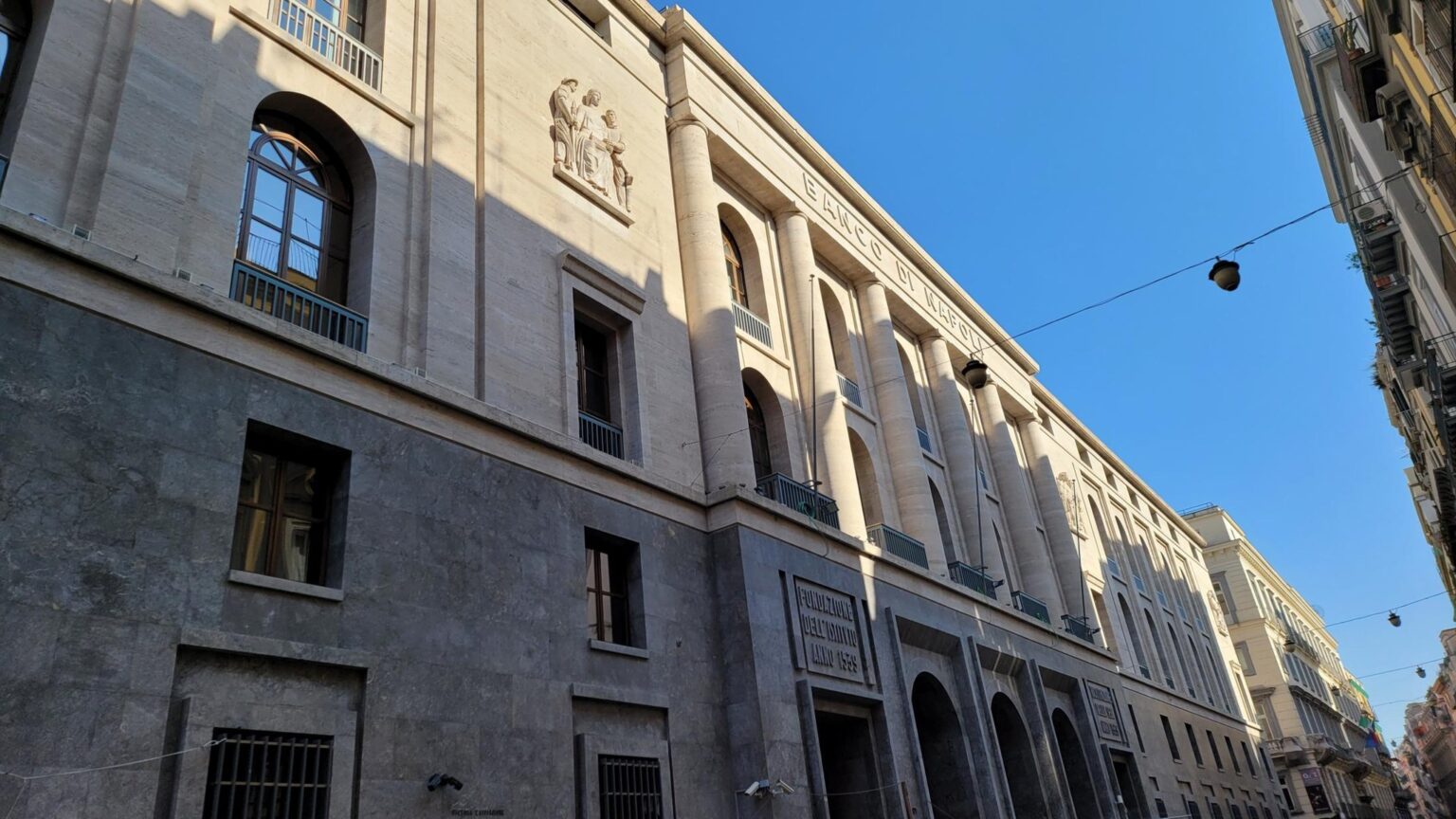
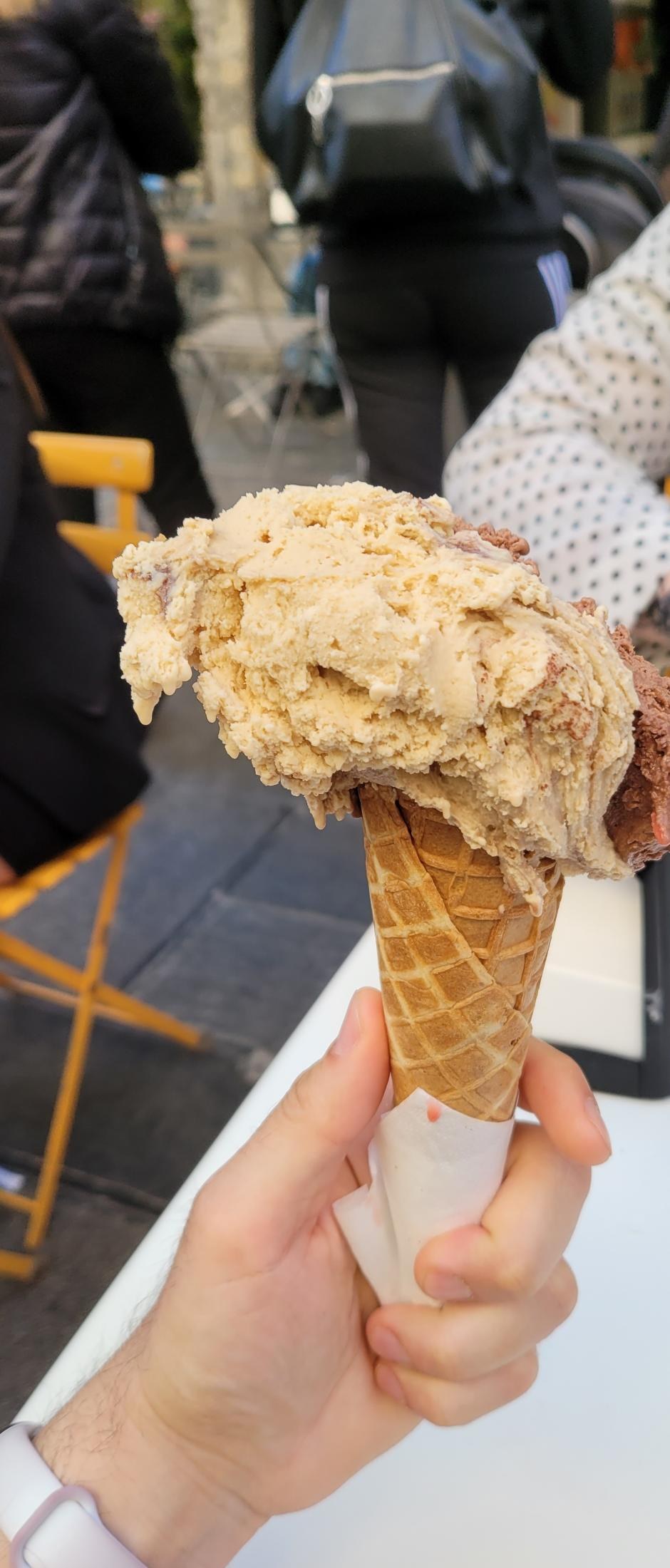
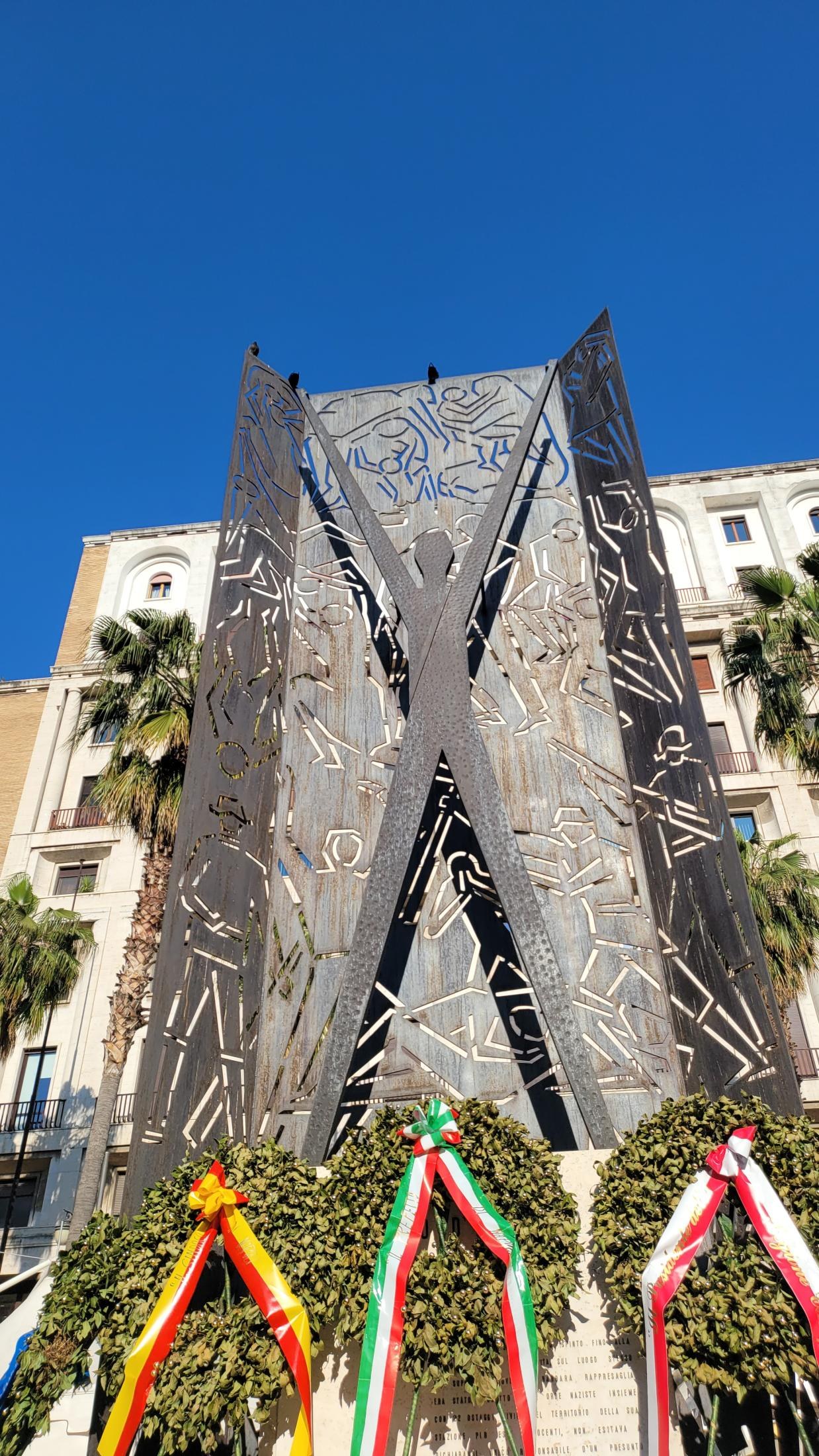
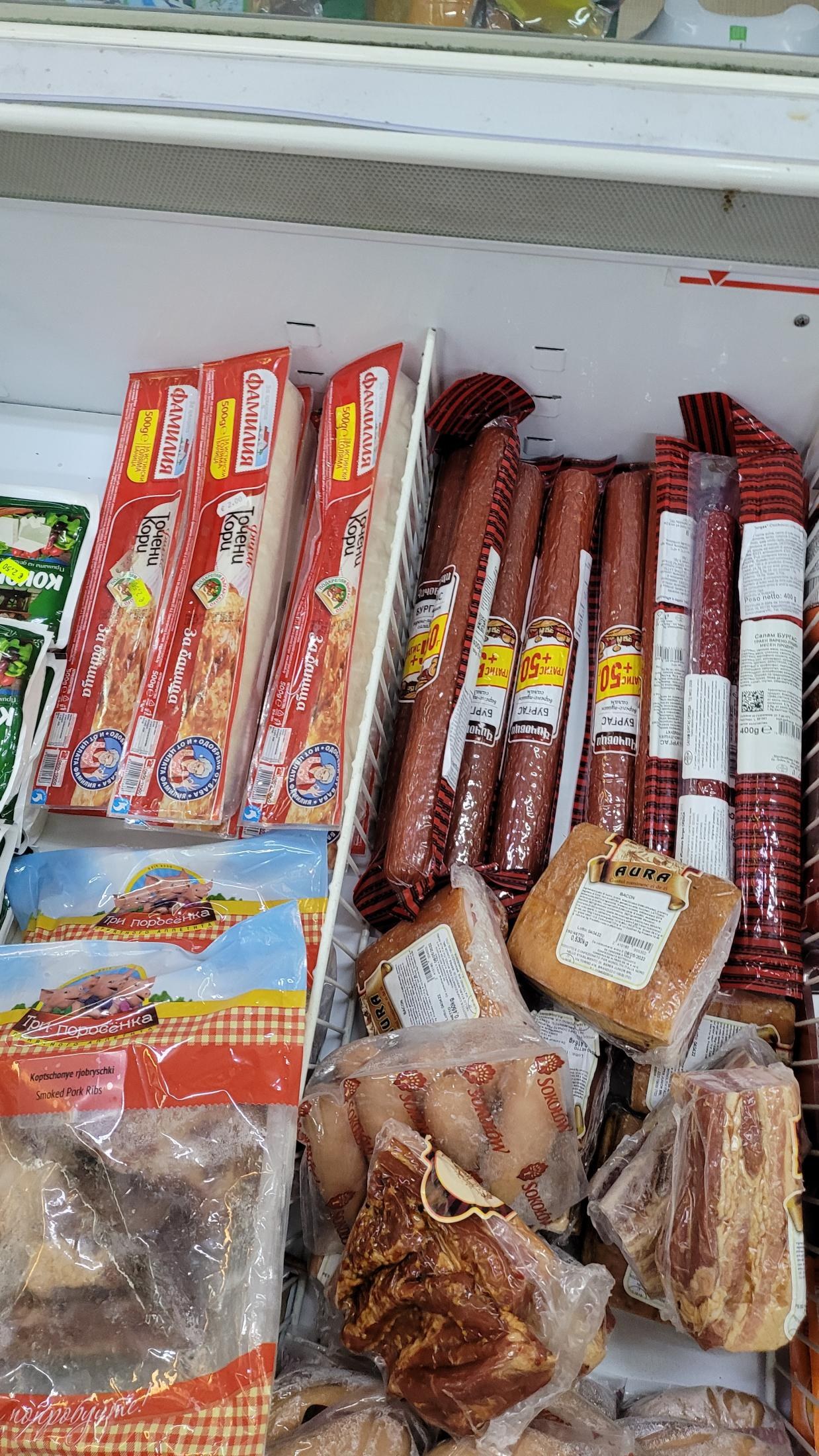
Day 4: Pompeii, Herculaneum and the Archaeological Museum in Naples
Fourth day in Naples. That feeling of fear and anxiety is gone. Actually the city is quite calm, given its imperfect nature. Once trust is restored, thanks to Via Toledo, the Italians spring another pleasant surprise on us. Every first Sunday of the month gives you free entry to almost all the more important sites and museums. We apply a bit of thought and instantly realise it is best to prioritise the expensive sites.
Pompeii
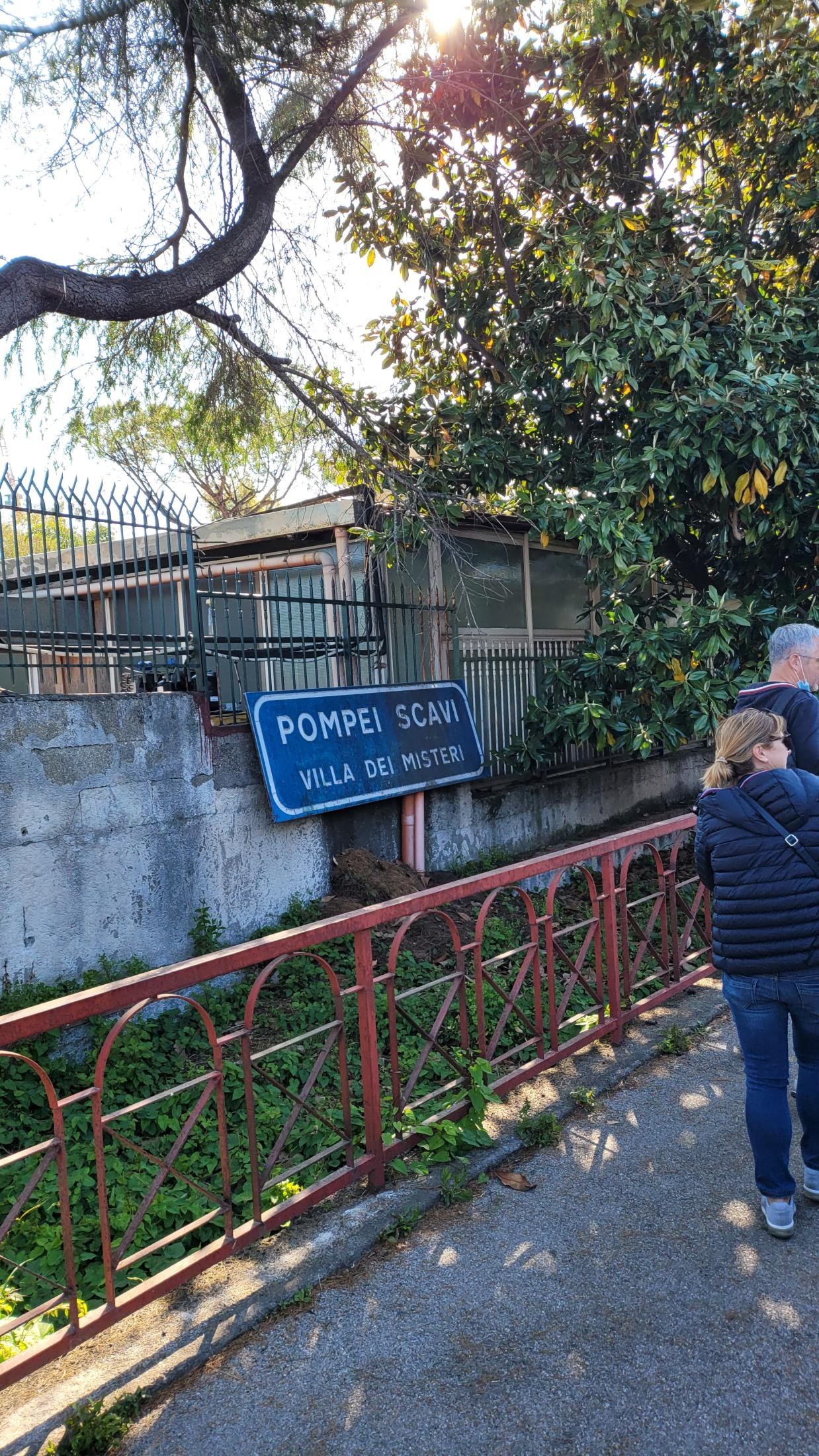
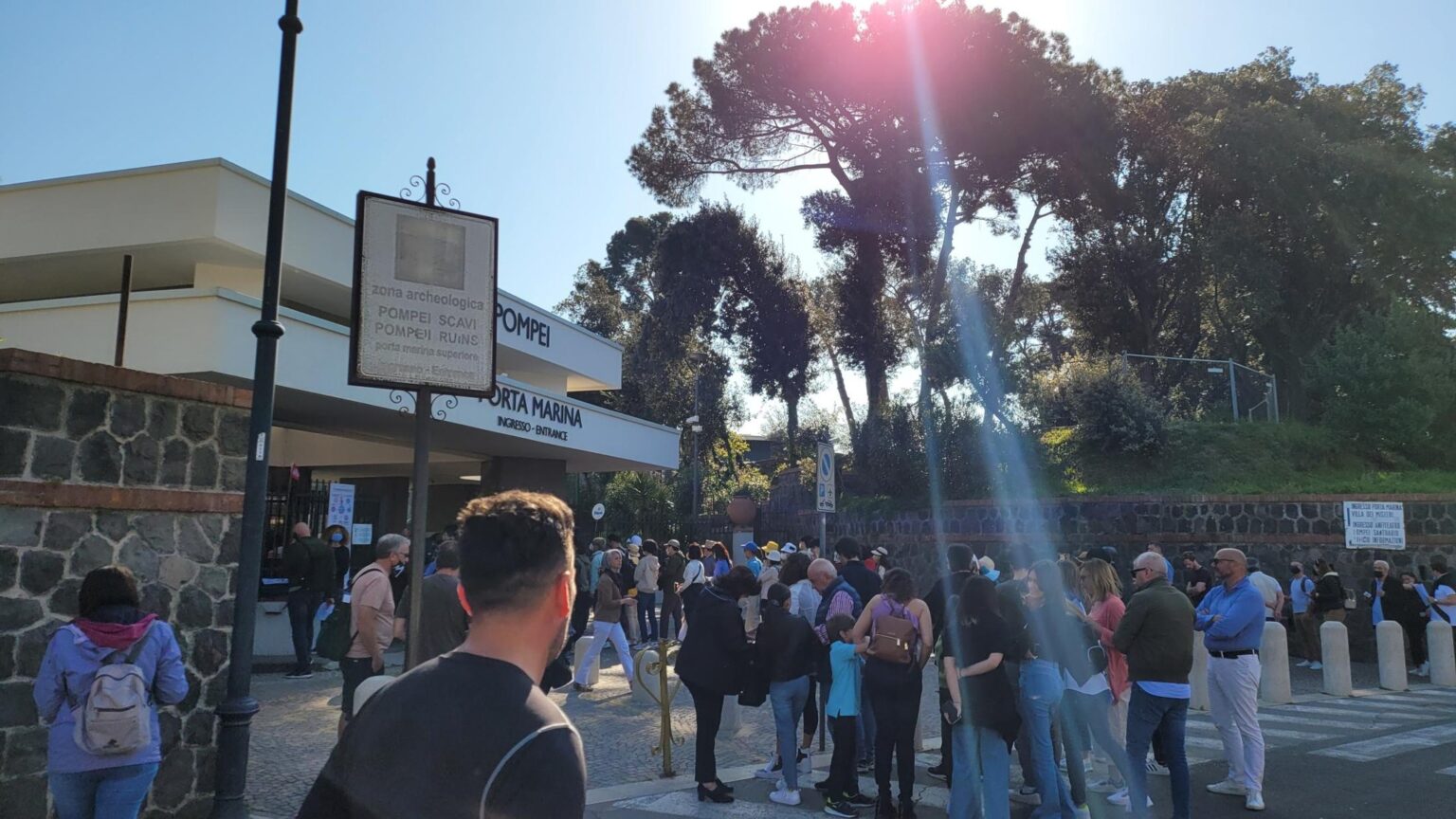
Parco Archeologico di Pompei, or simply Pompeii, is priority number one, since it costs €16 for a standard ticket per person. Pompeii it is. The route is the same as for Sorrento — the Circumvesuviana, which stops at the Pompeii Scavi entrance. Something like €2 and change, something like 30–40 minutes, and we are there before 09:00. It is already full of people, but still not the madhouse that is coming.
I assume it is for statistical analysis that they make us go through a horrible procedure. It is free, and yet you queue for a long time to receive a paper ticket which you then have to check in. €16 a head for free is €16 a head, I am not going to meddle in their business processes now, nor explain how environmentally unfriendly all that printed paper heading straight into the bin is 😀 We go in after a certain amount of waiting, and behind us a kilometre-long queue is already forming.
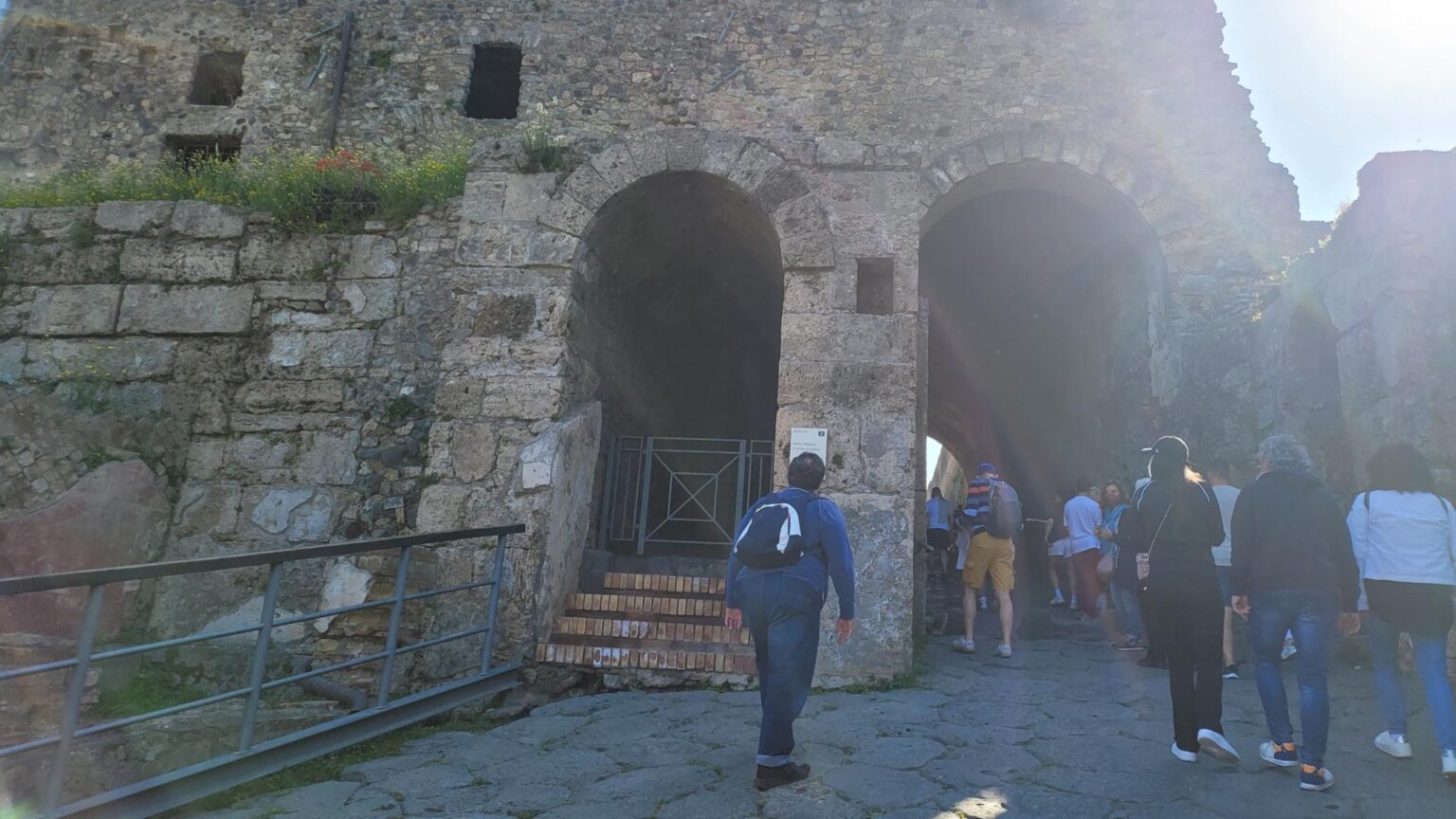
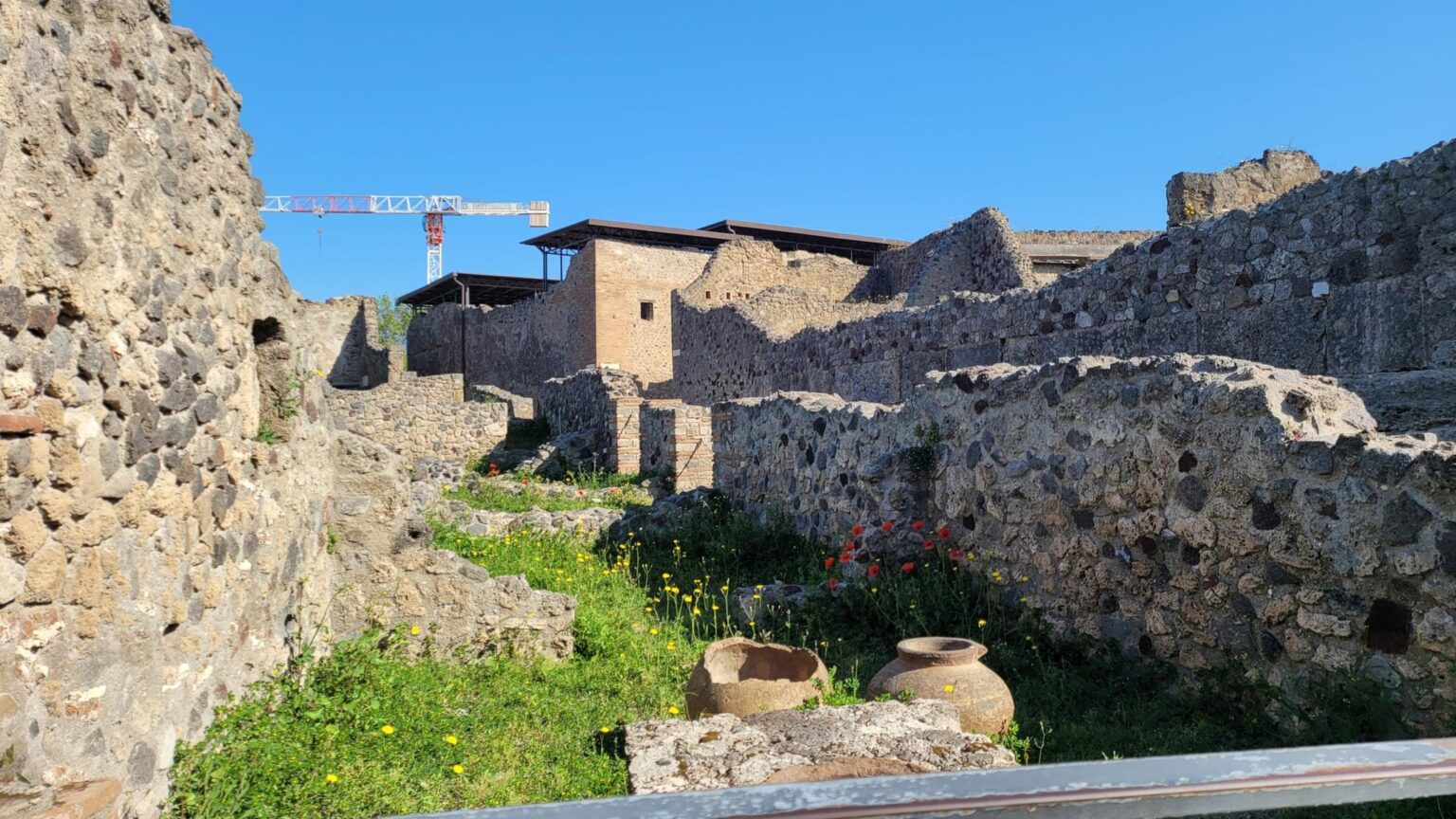
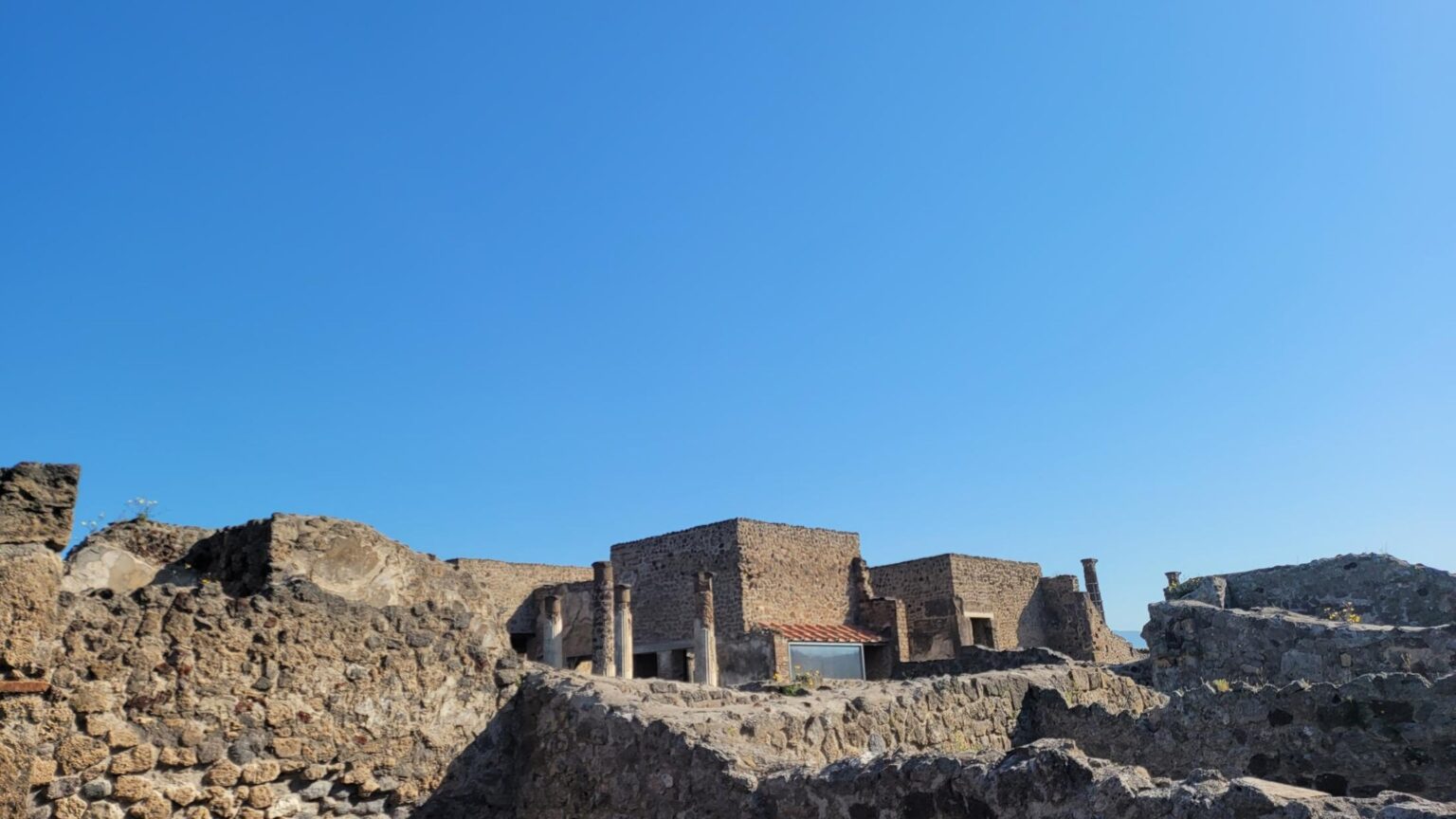
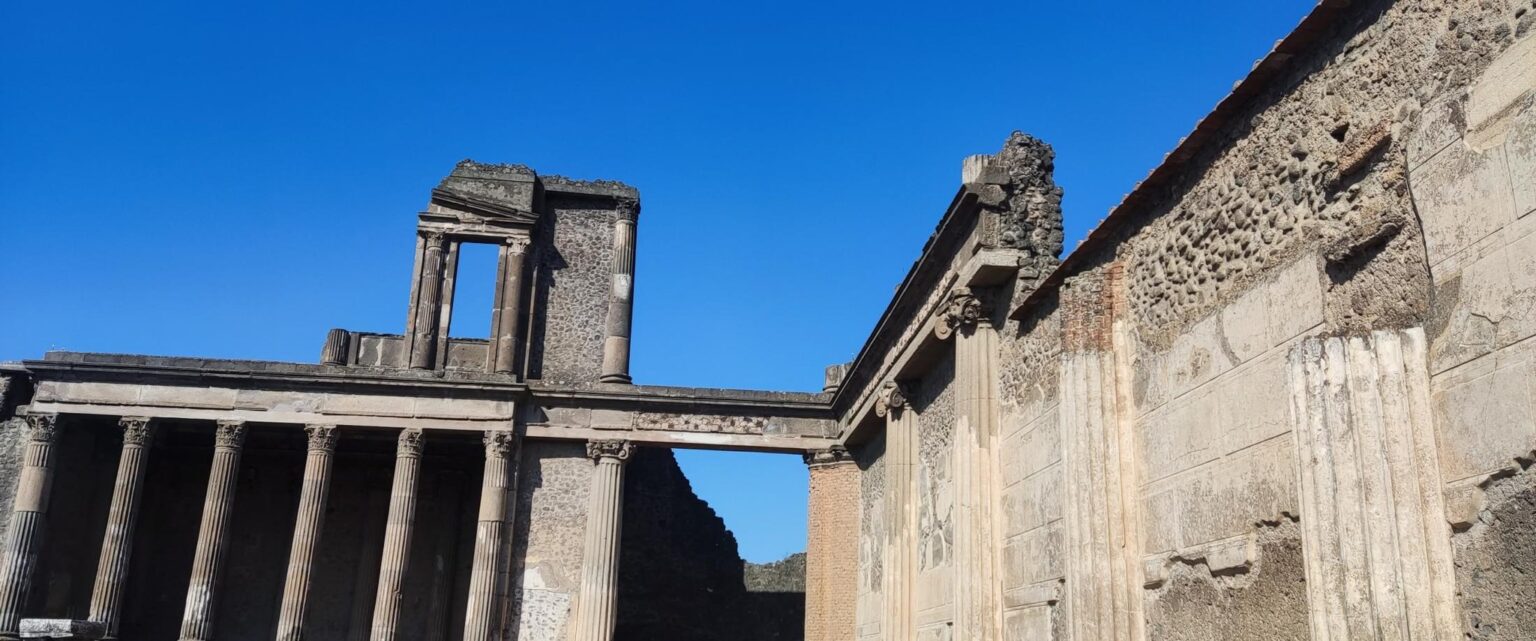
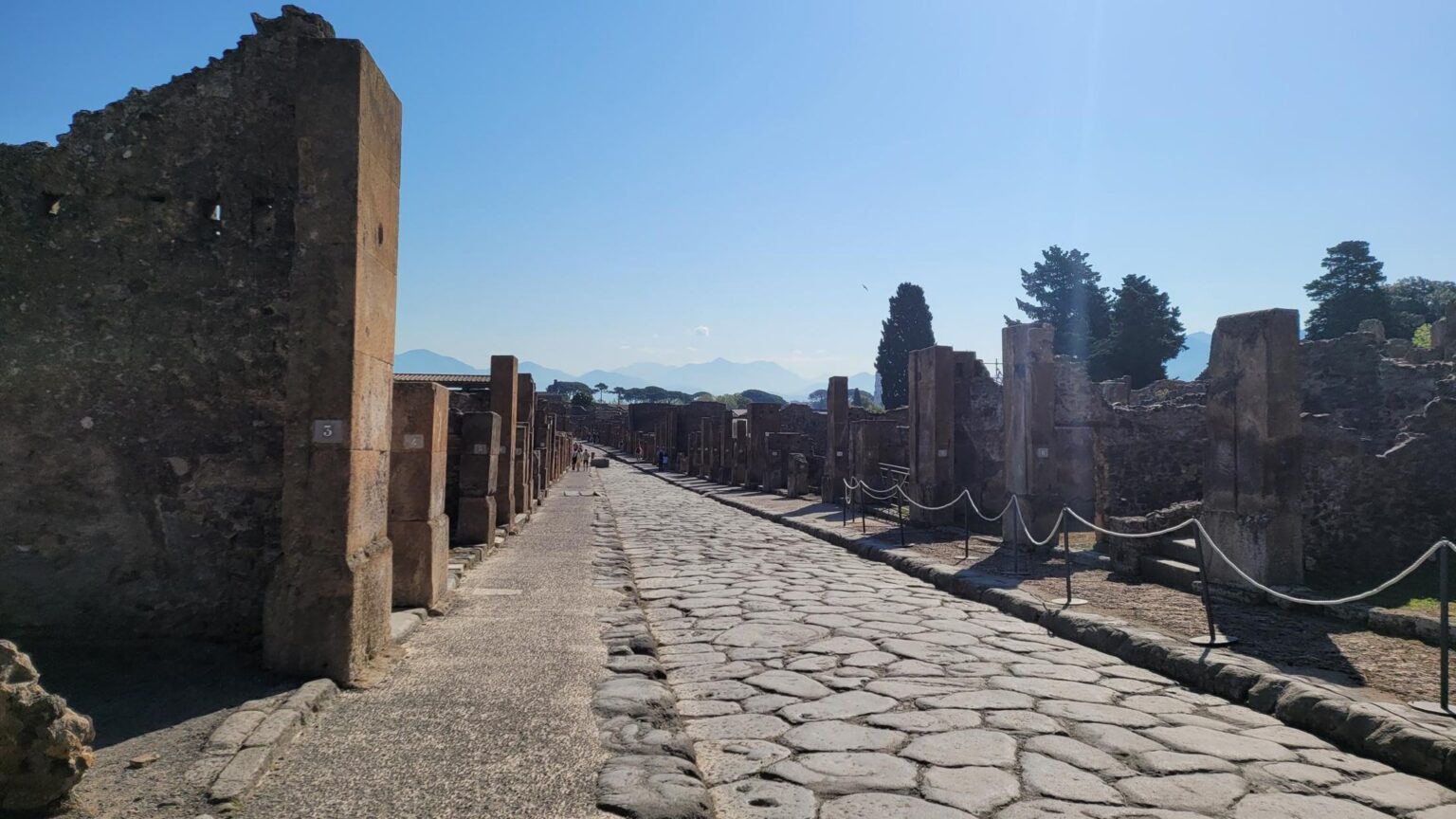
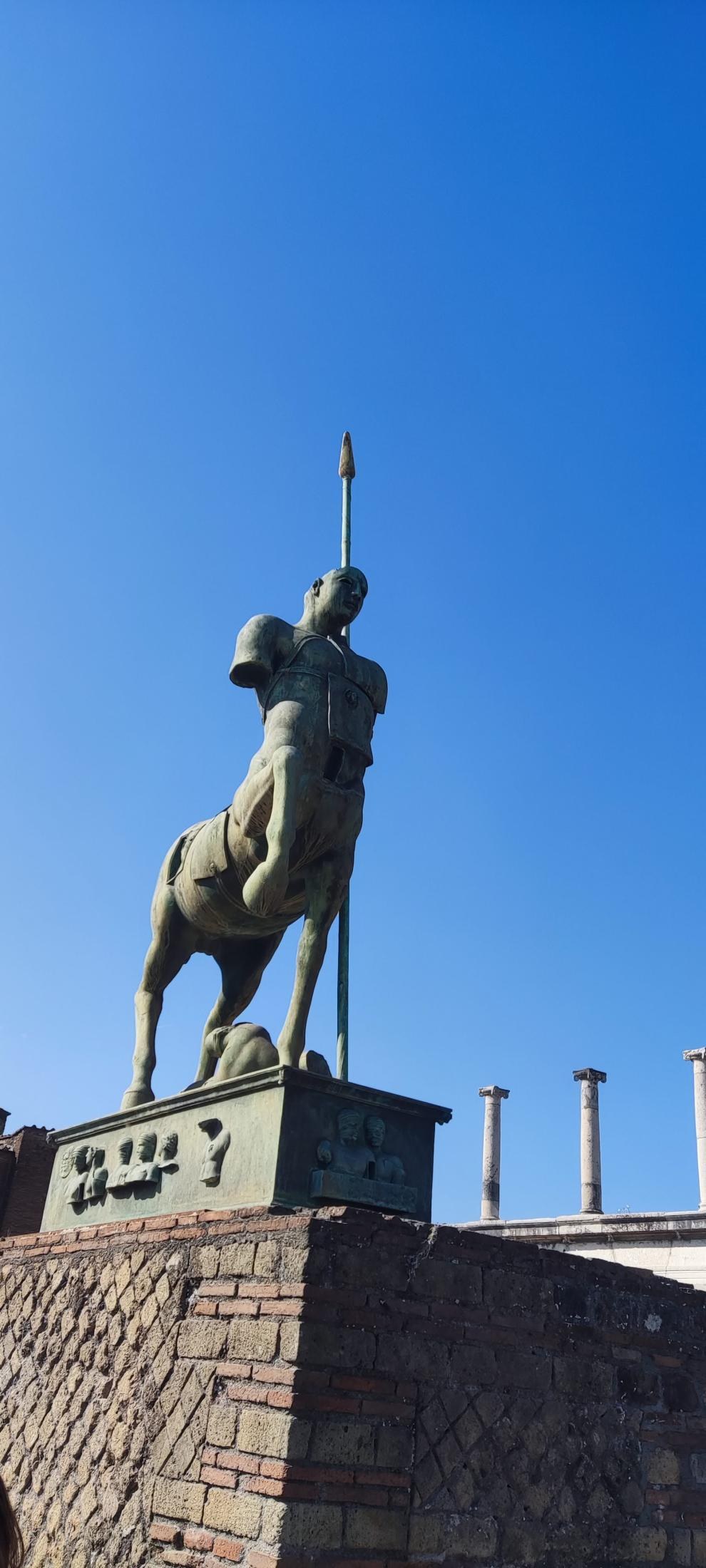
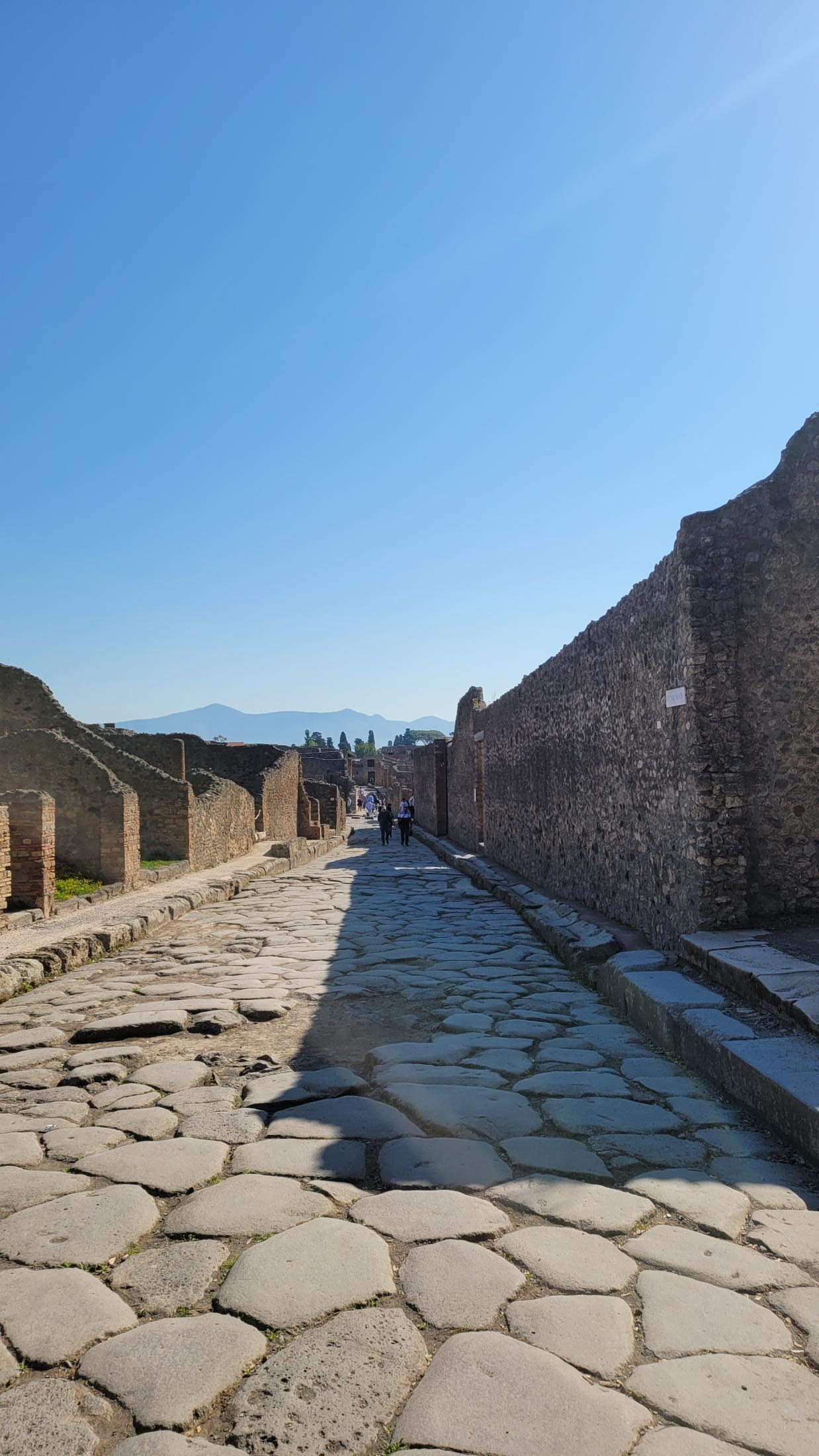
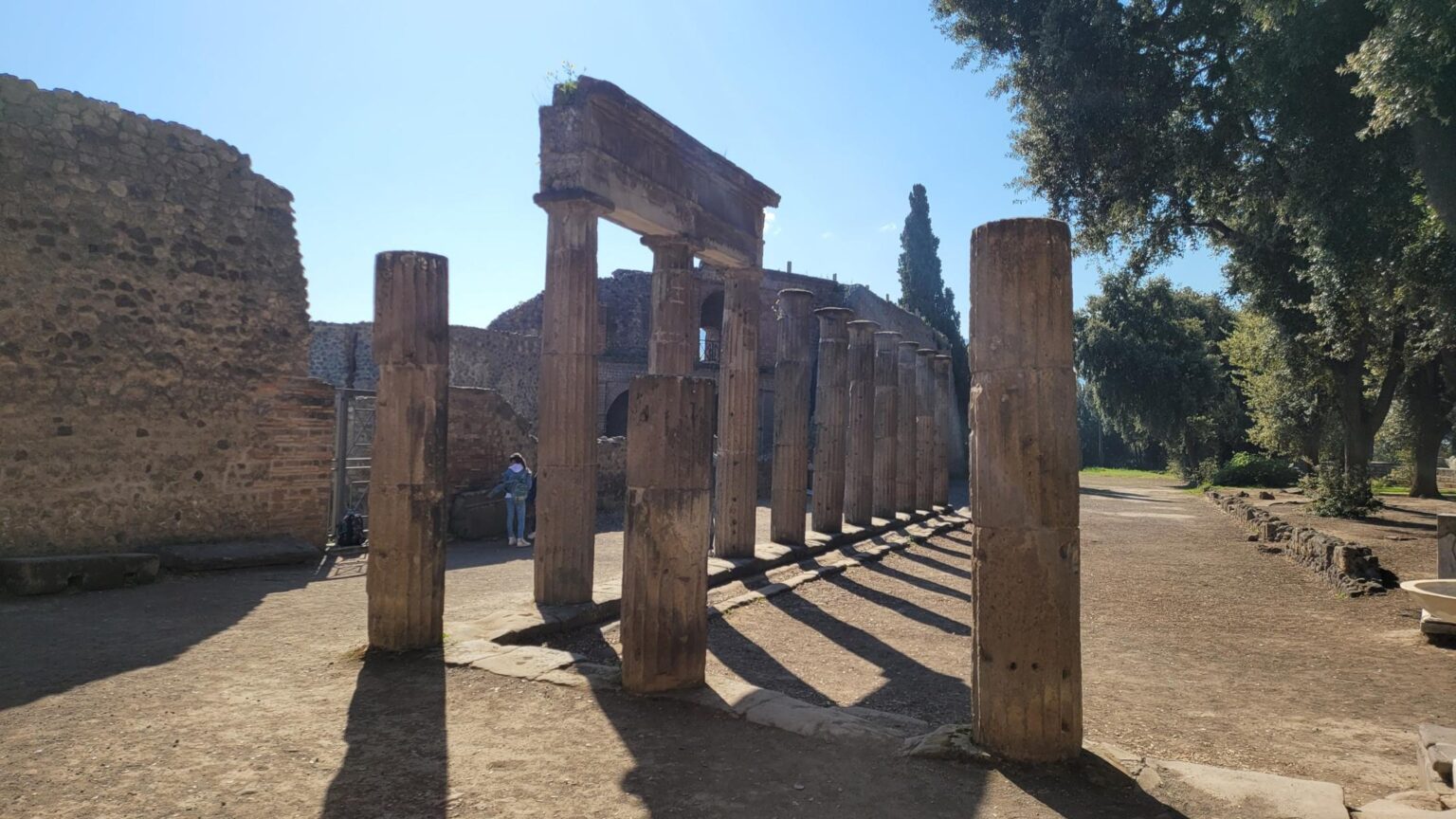
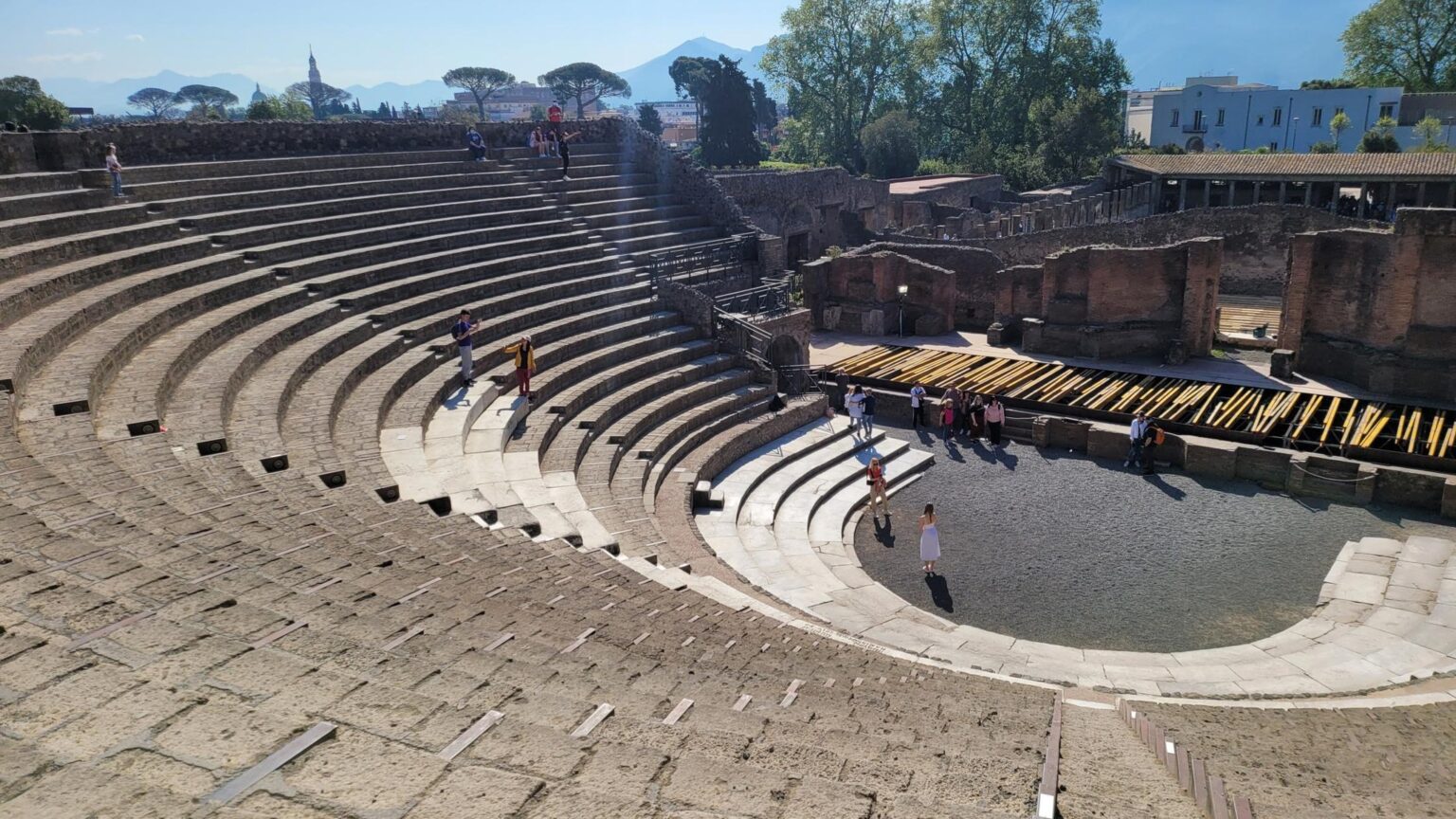
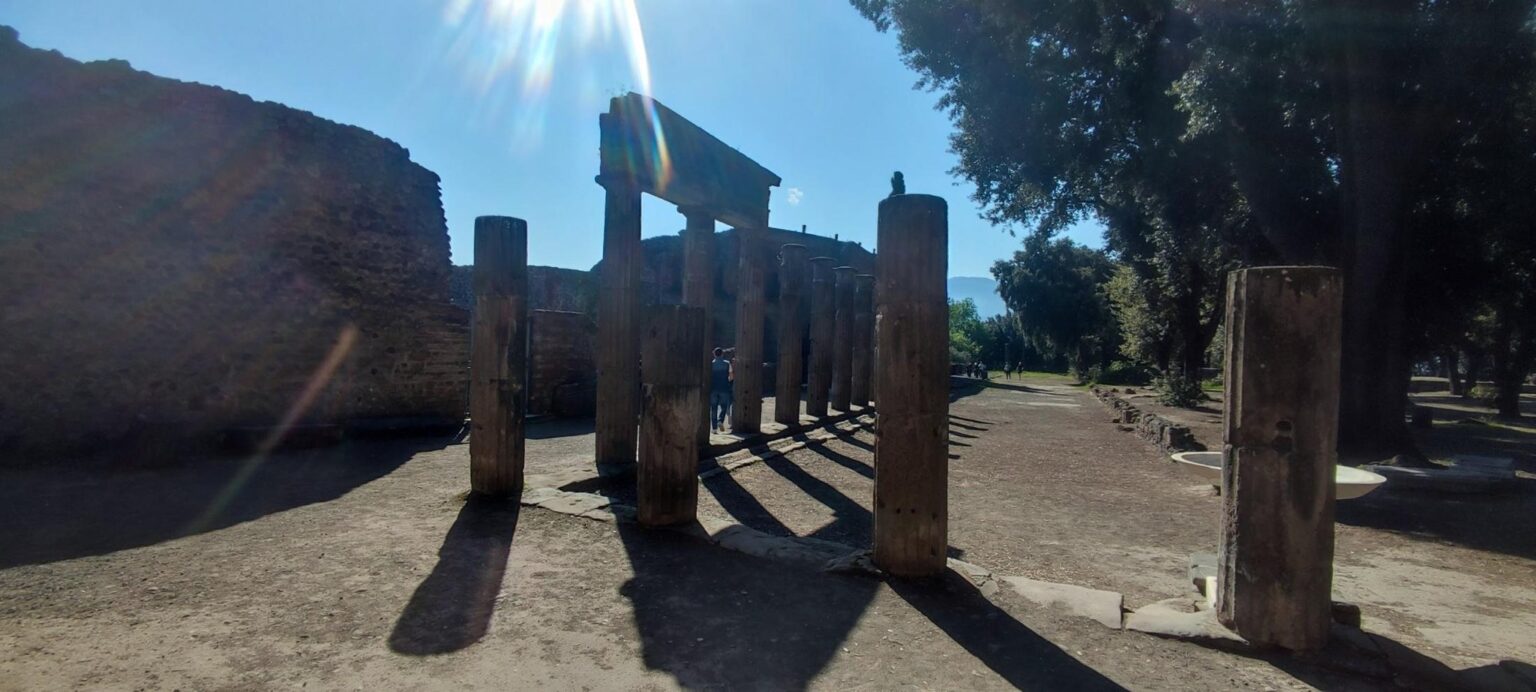
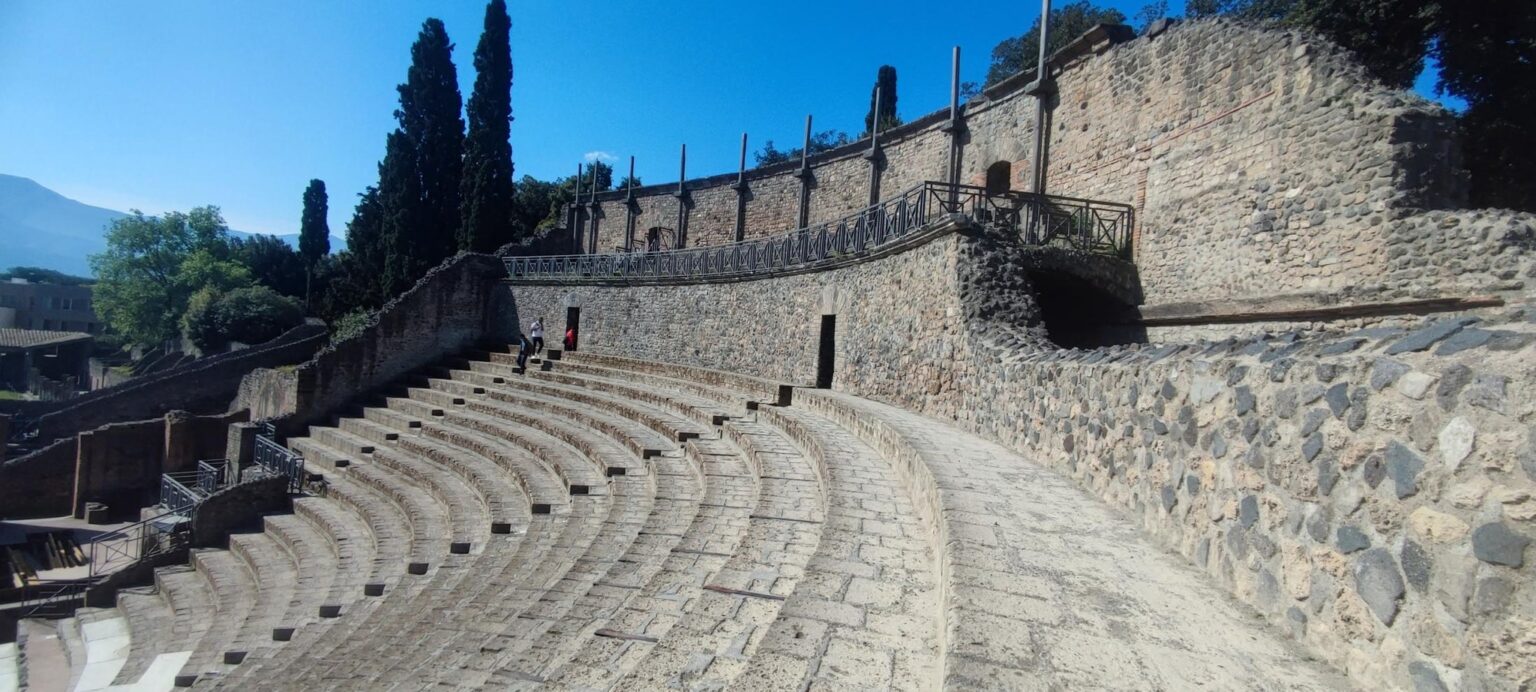
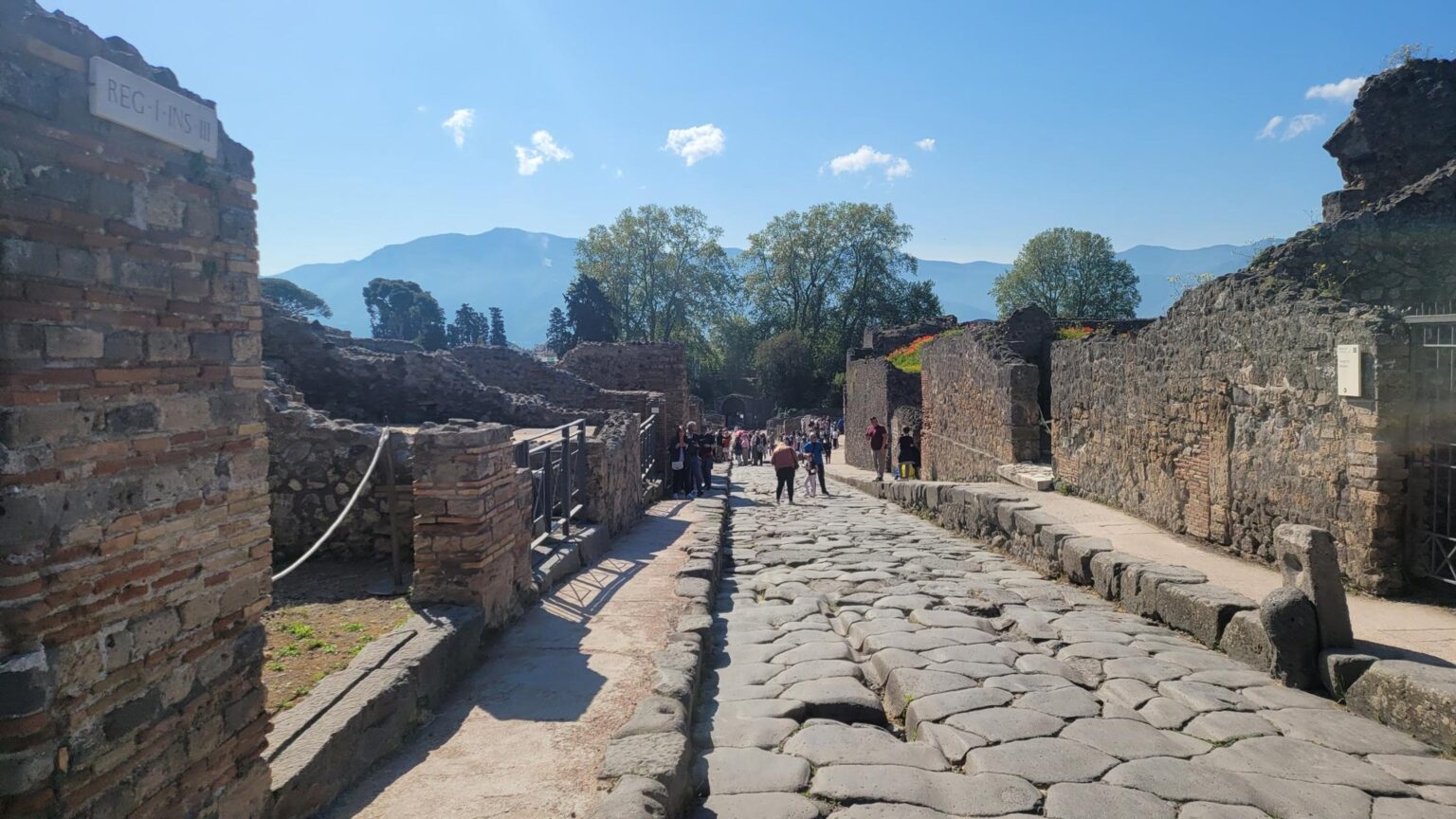
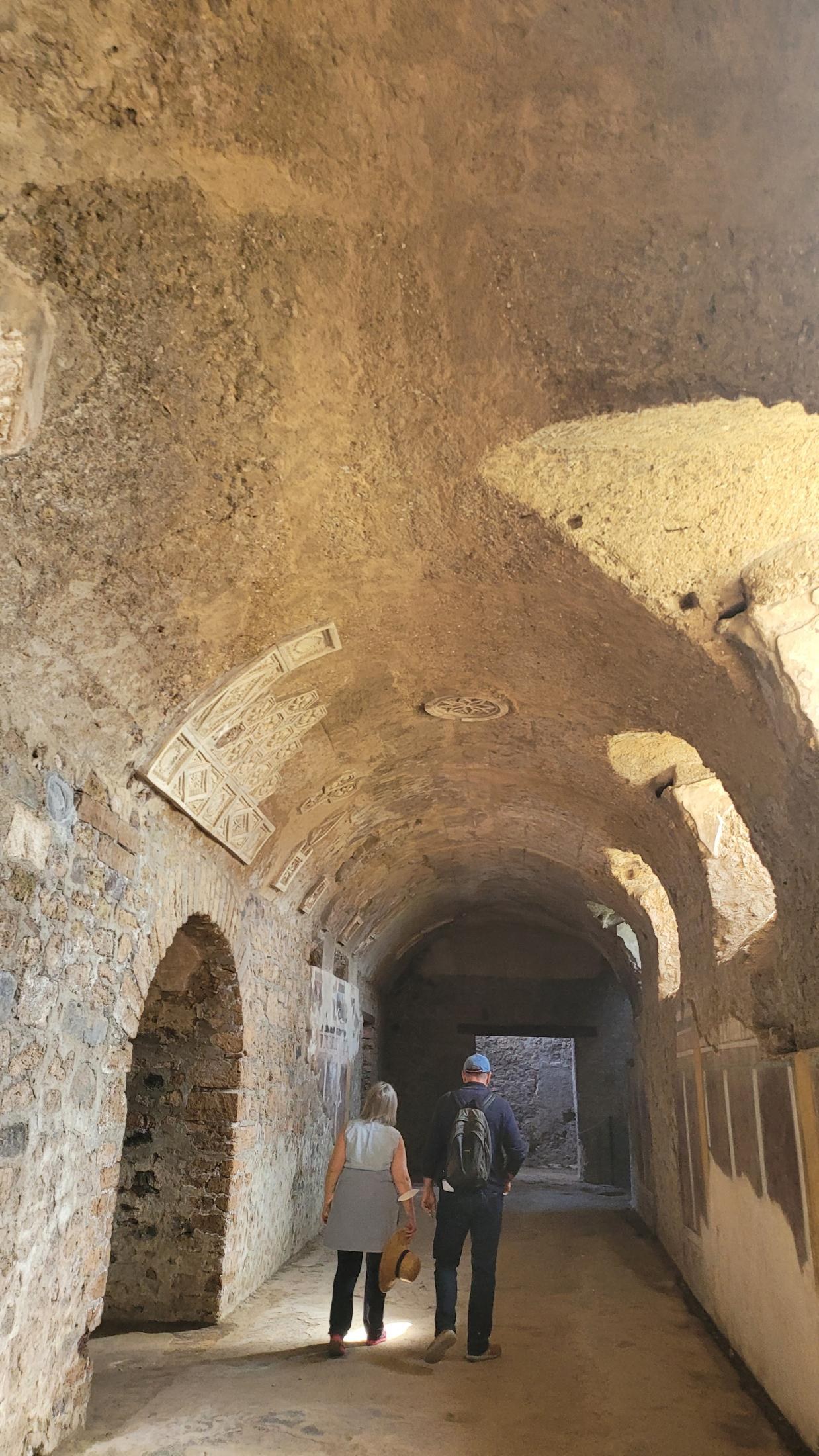
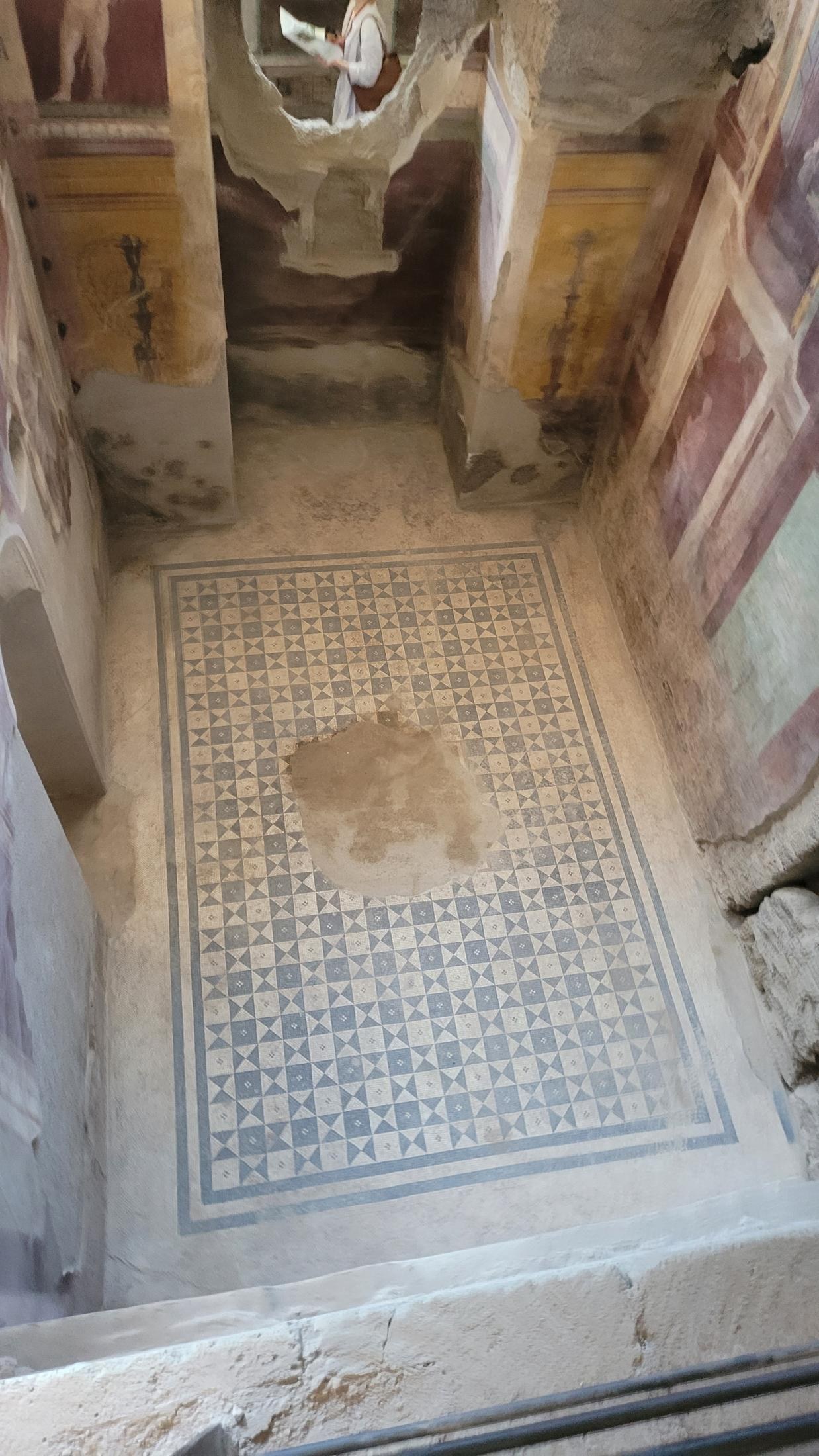
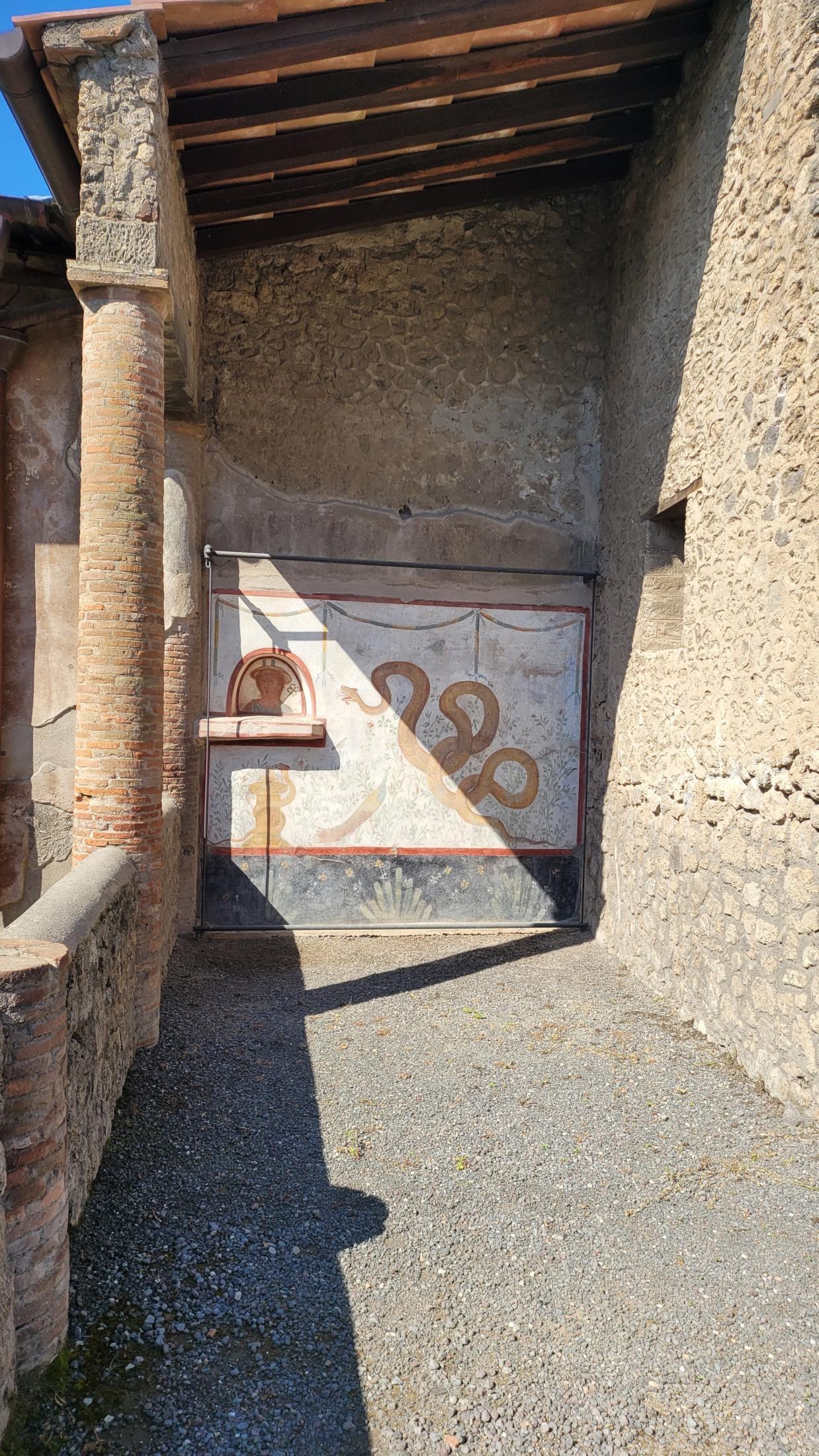
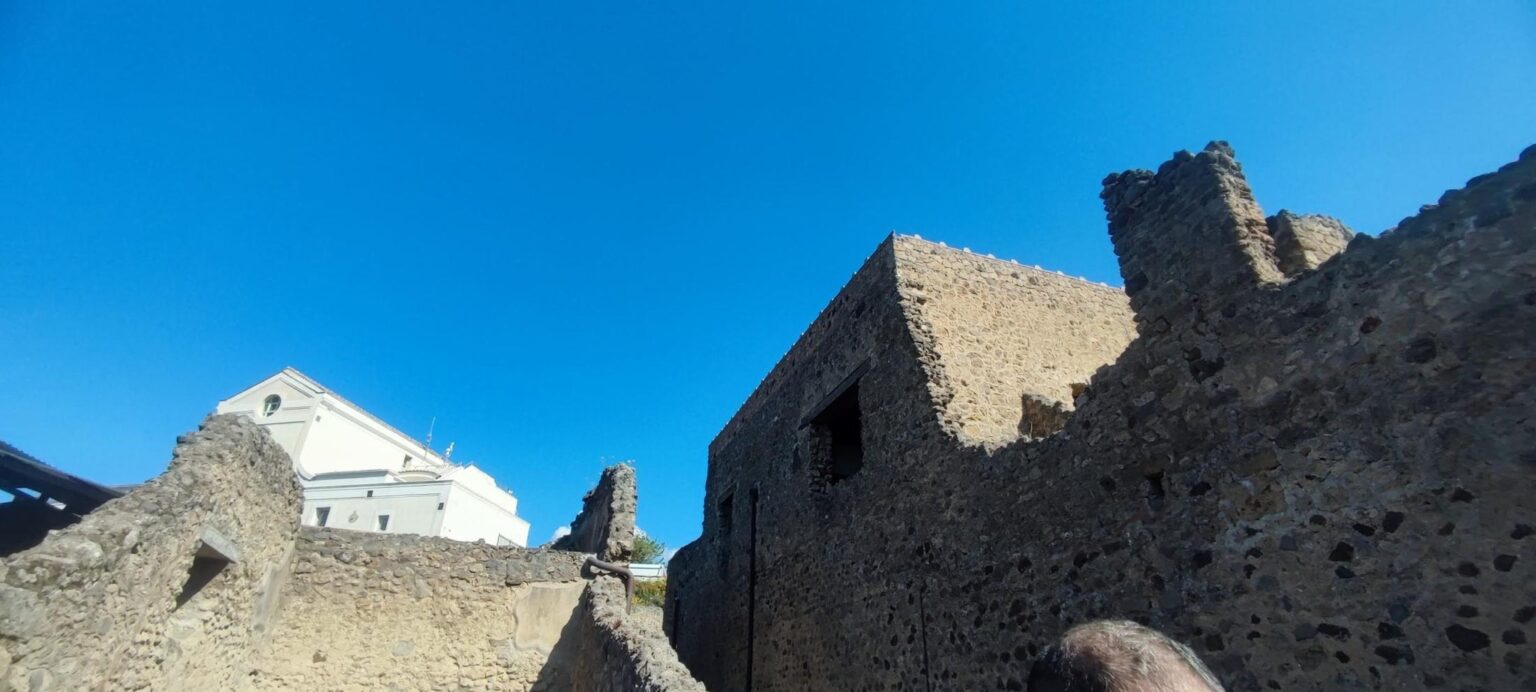
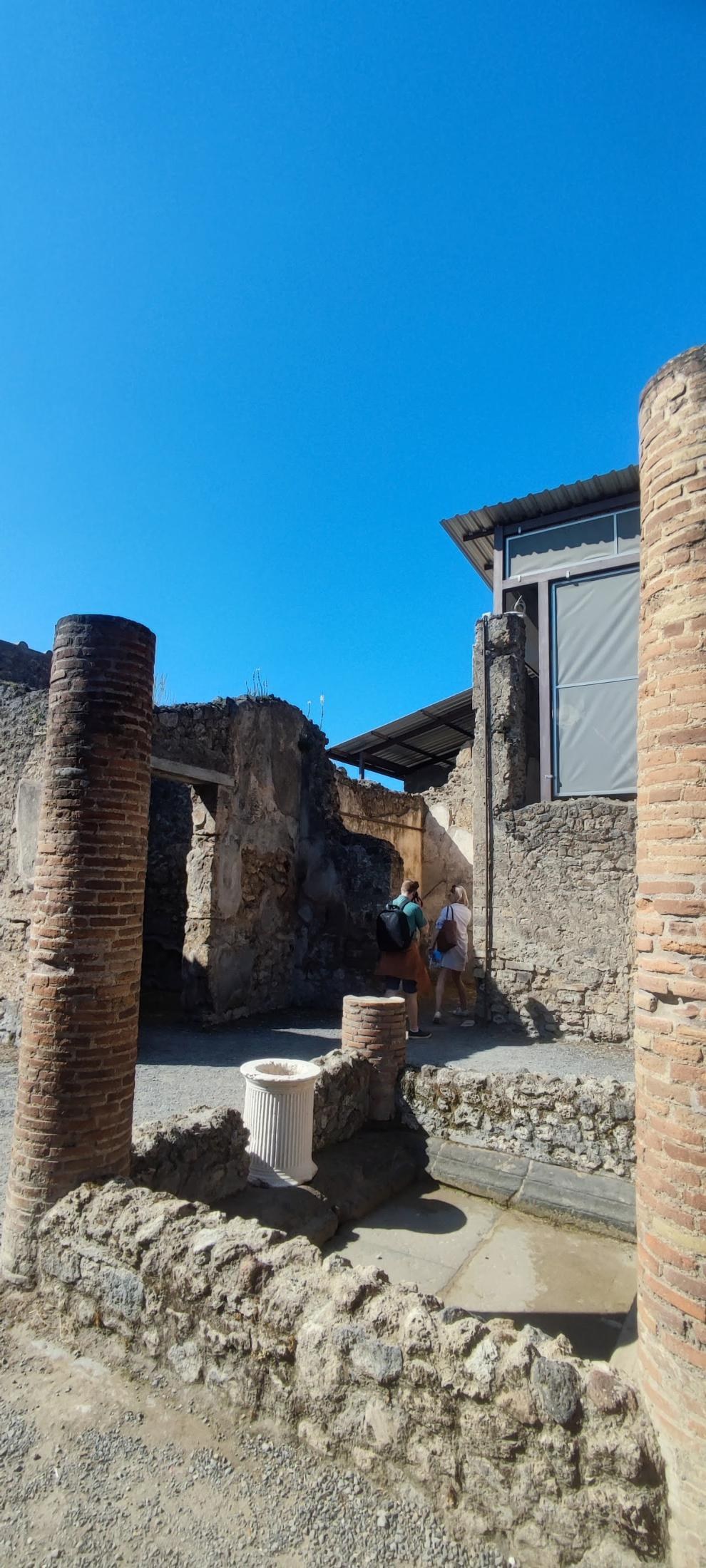
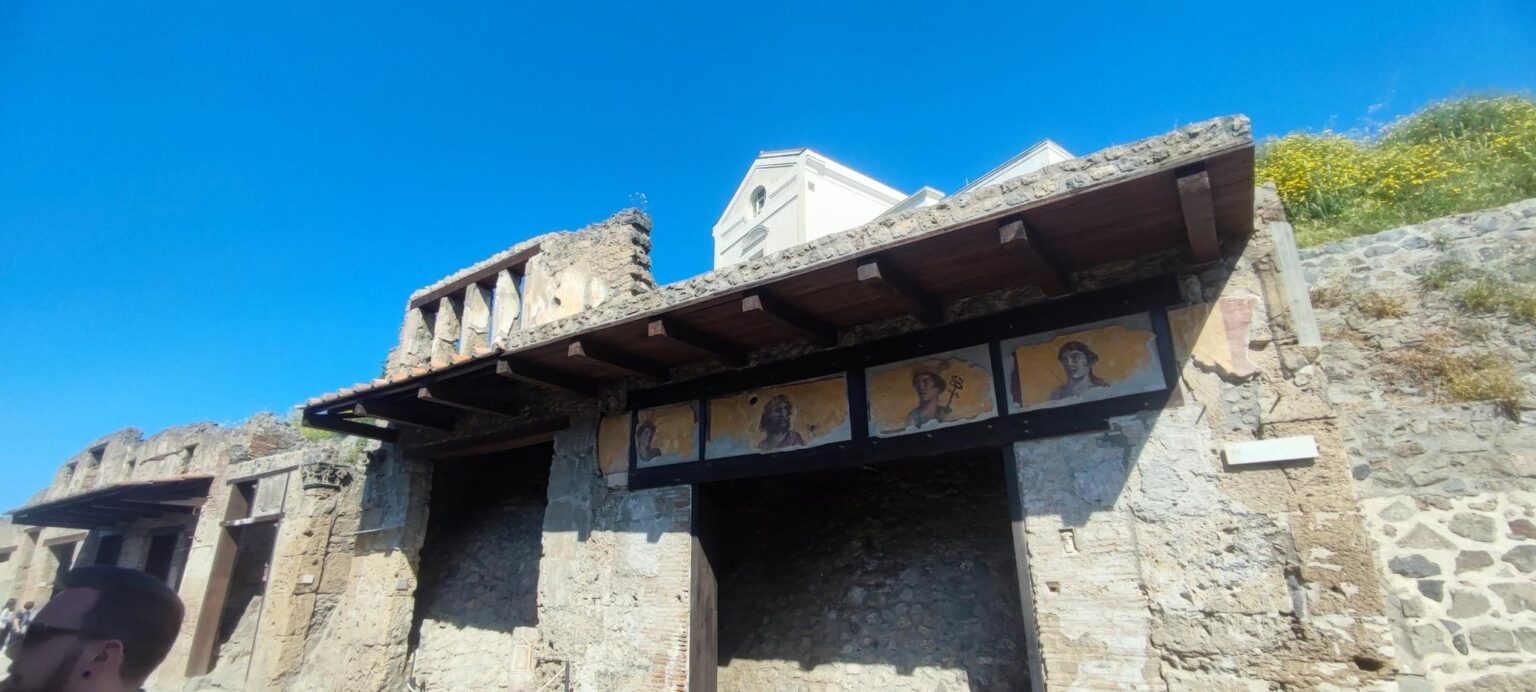
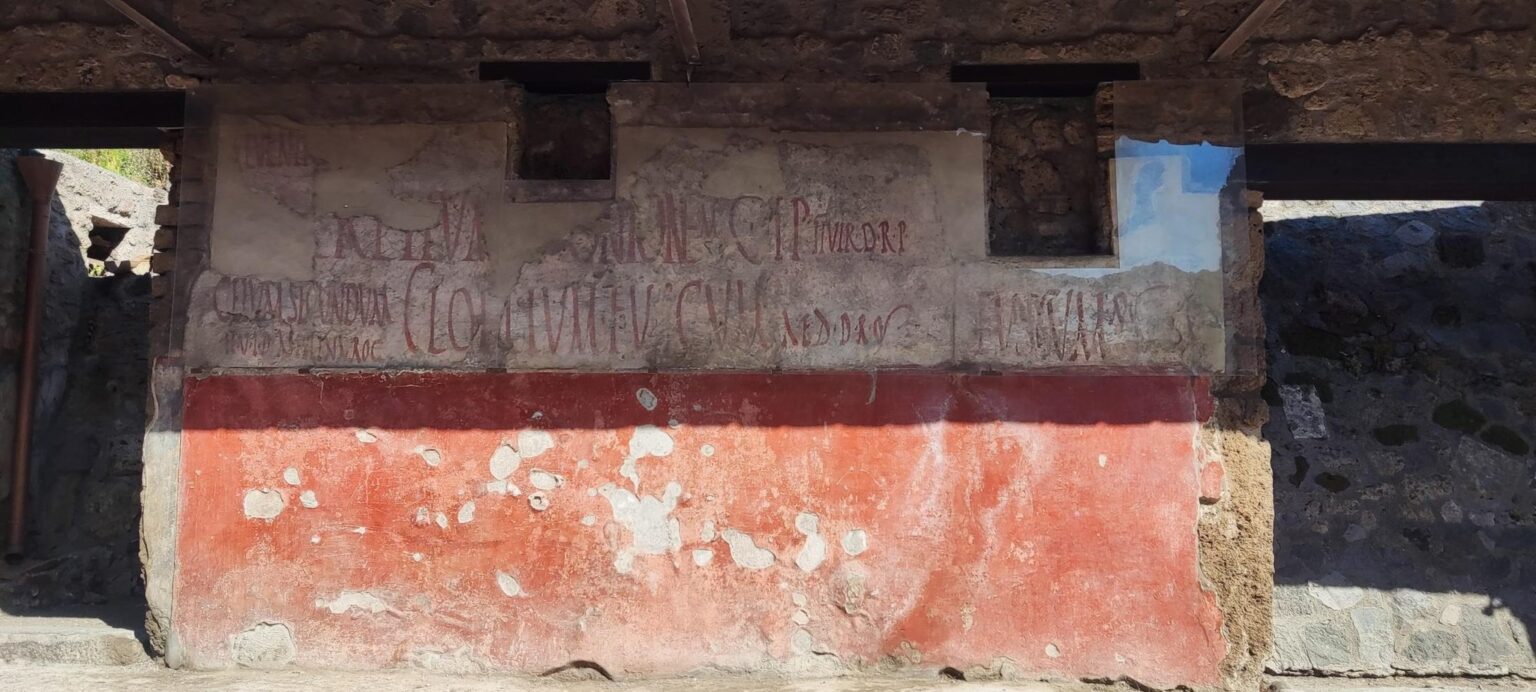
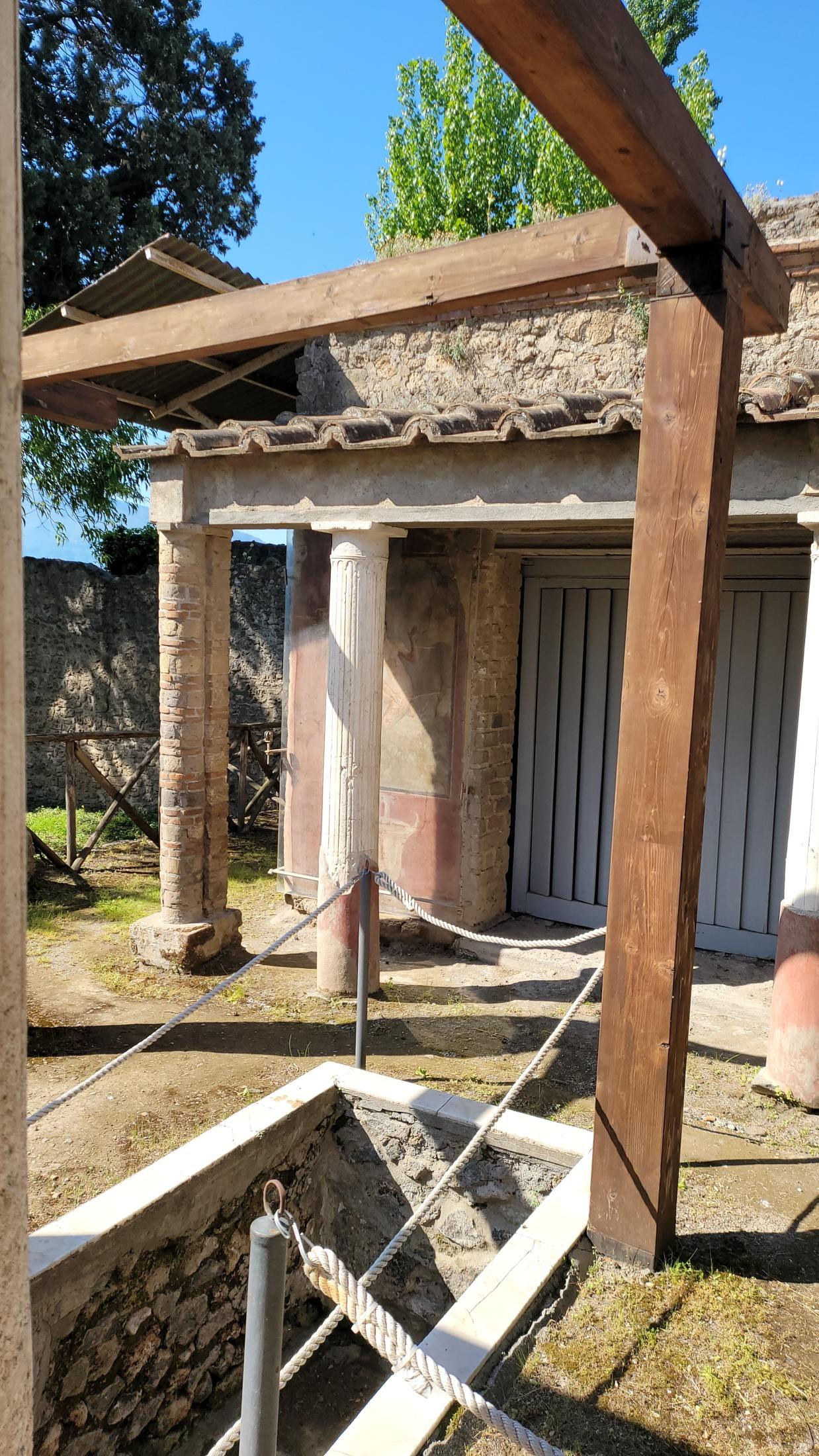
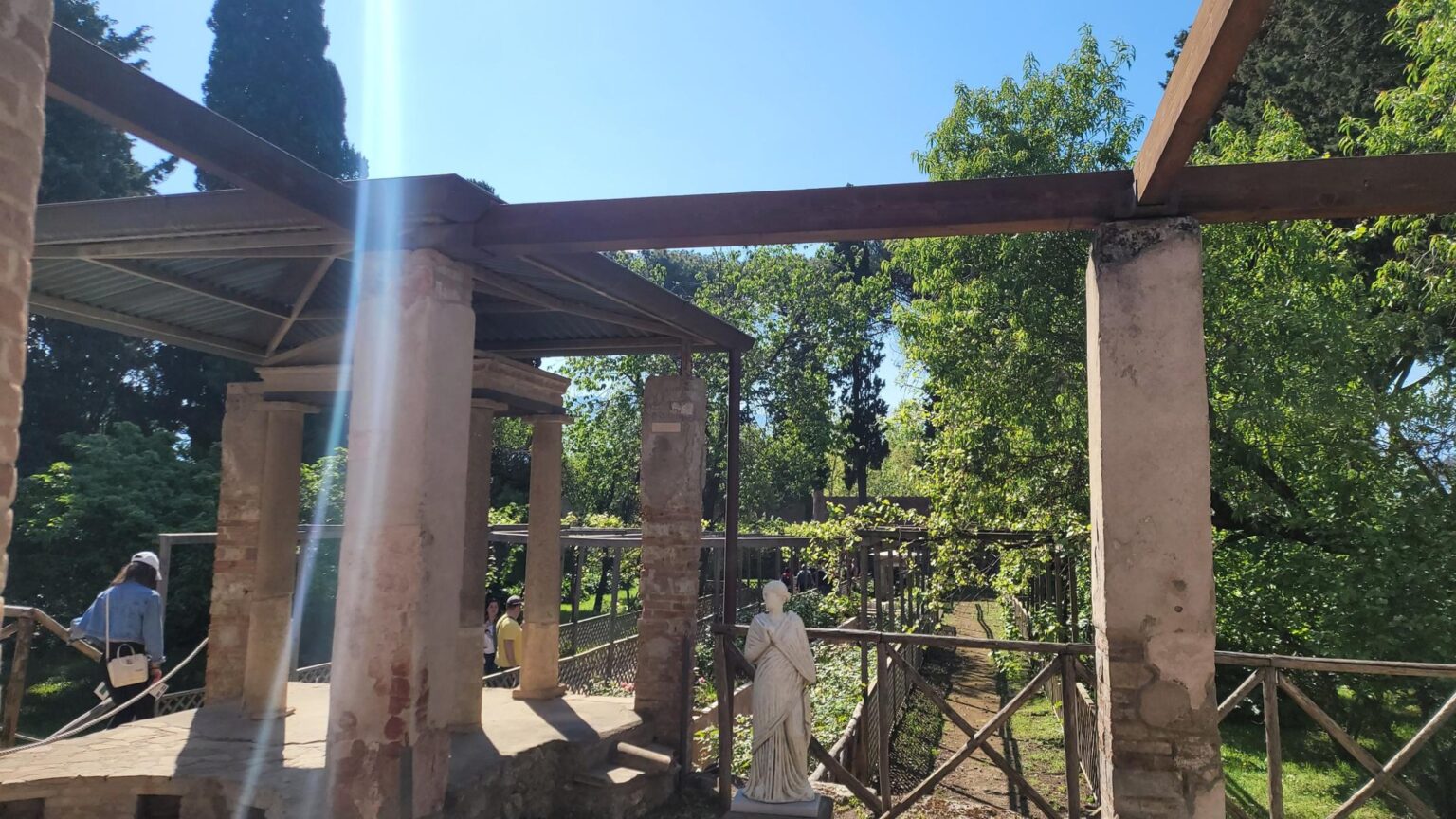
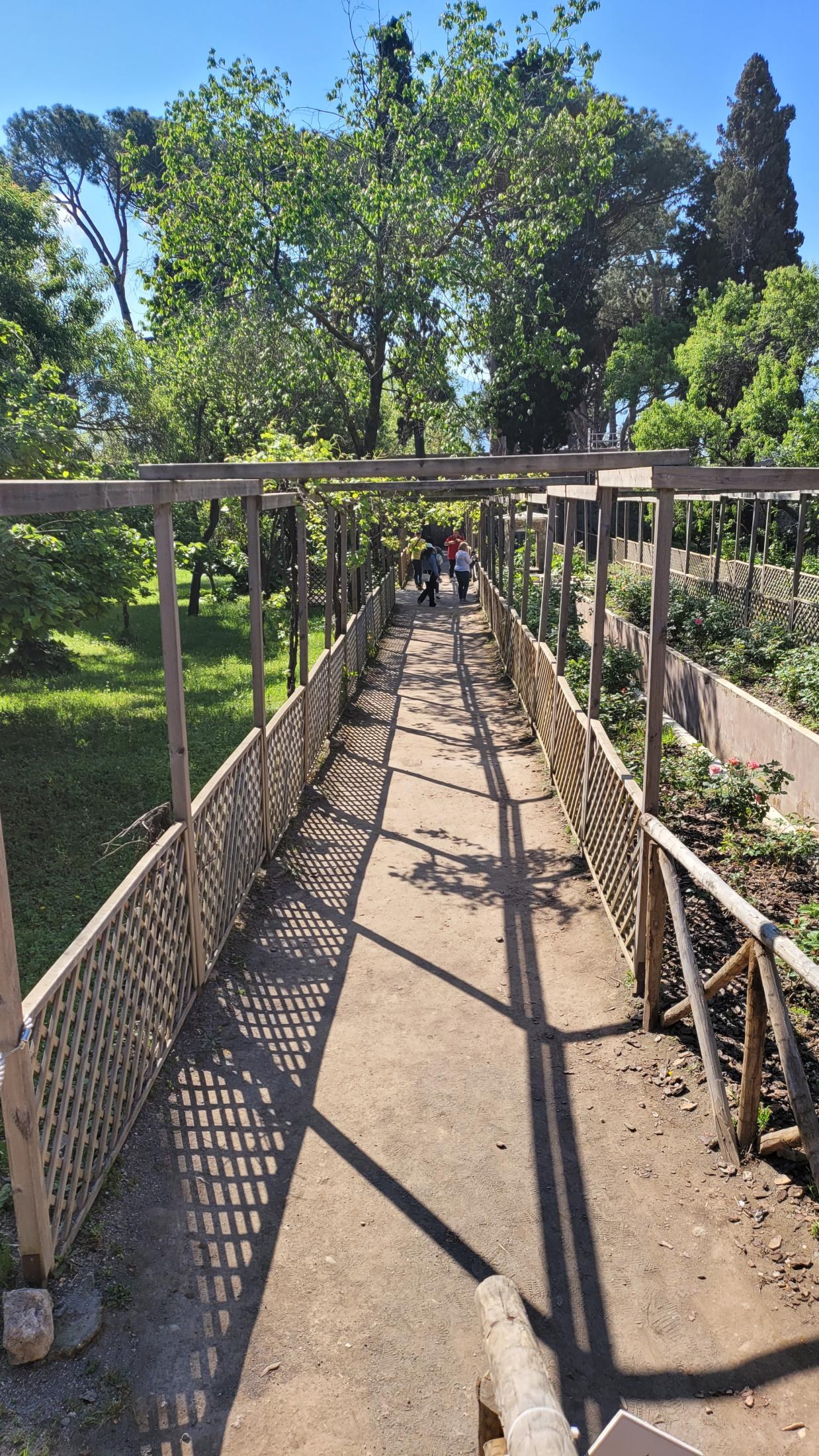
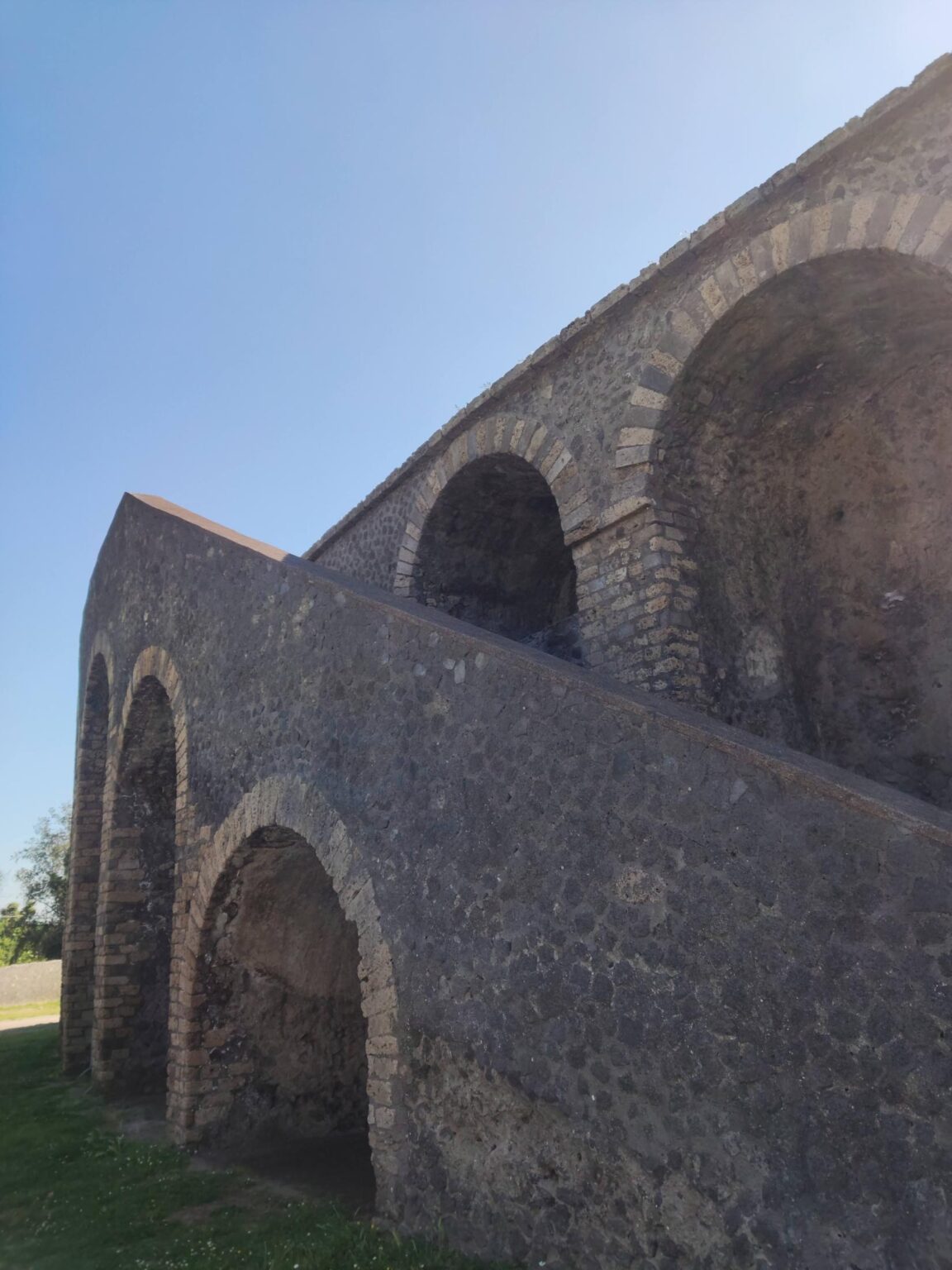
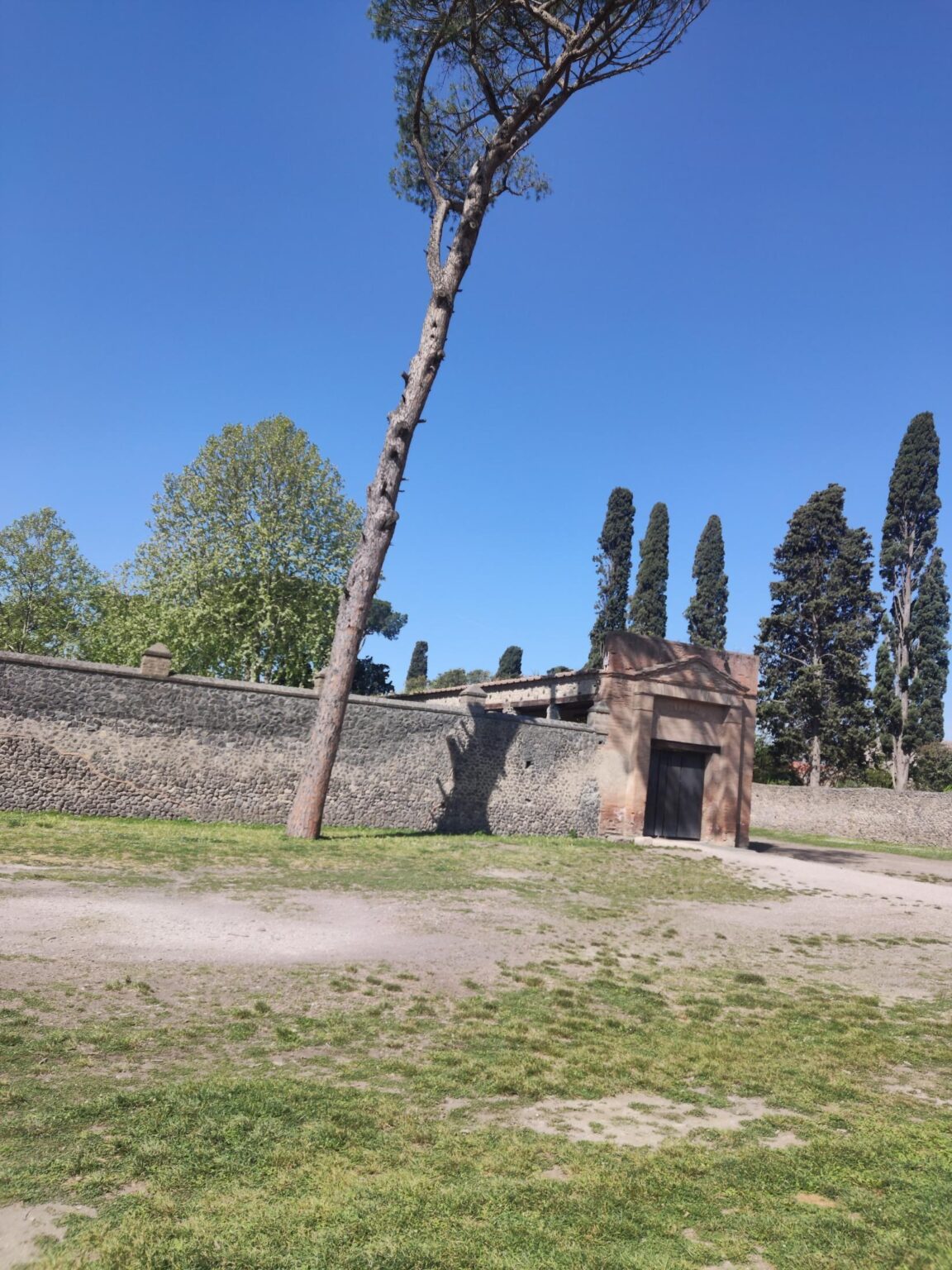
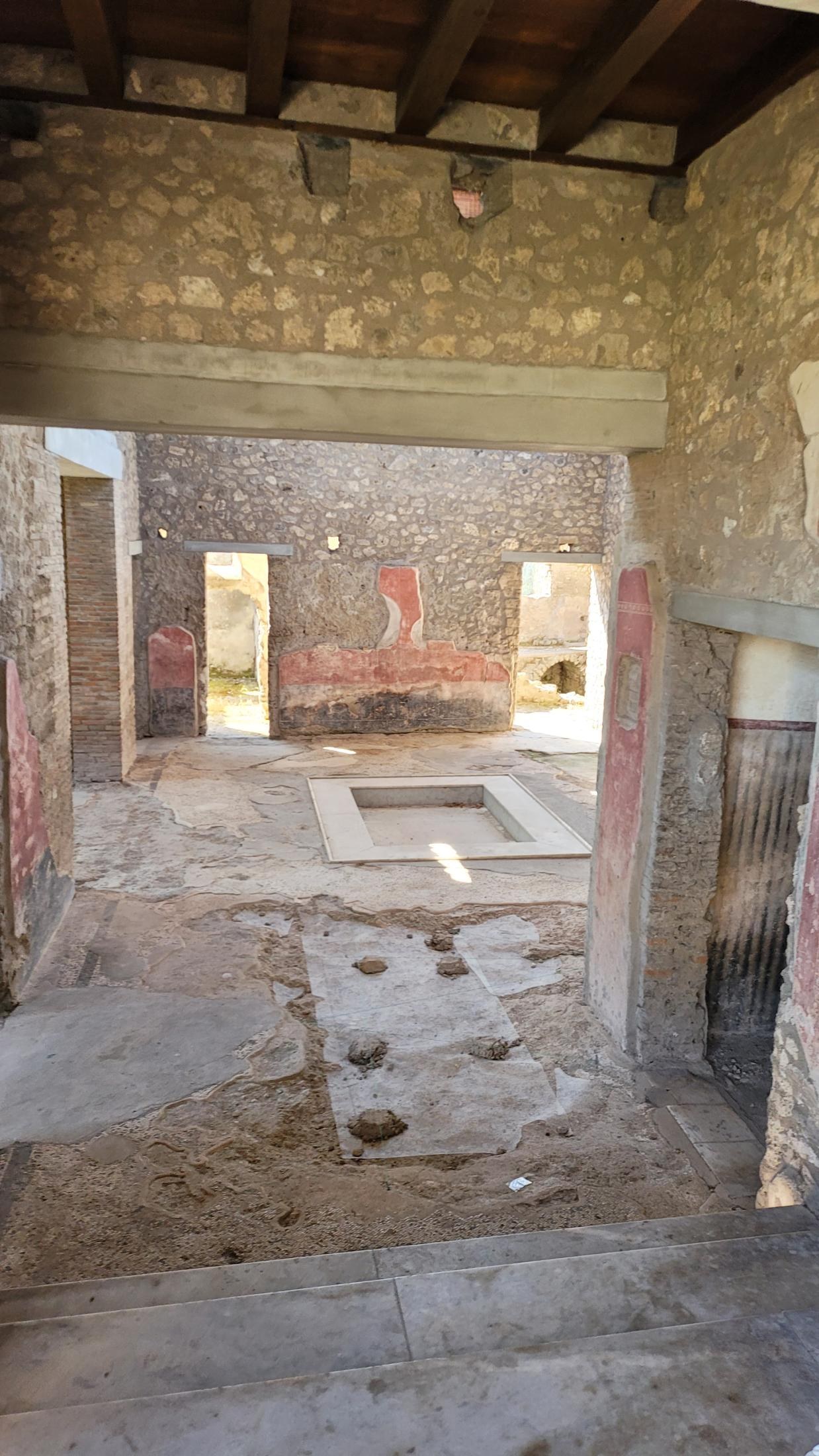
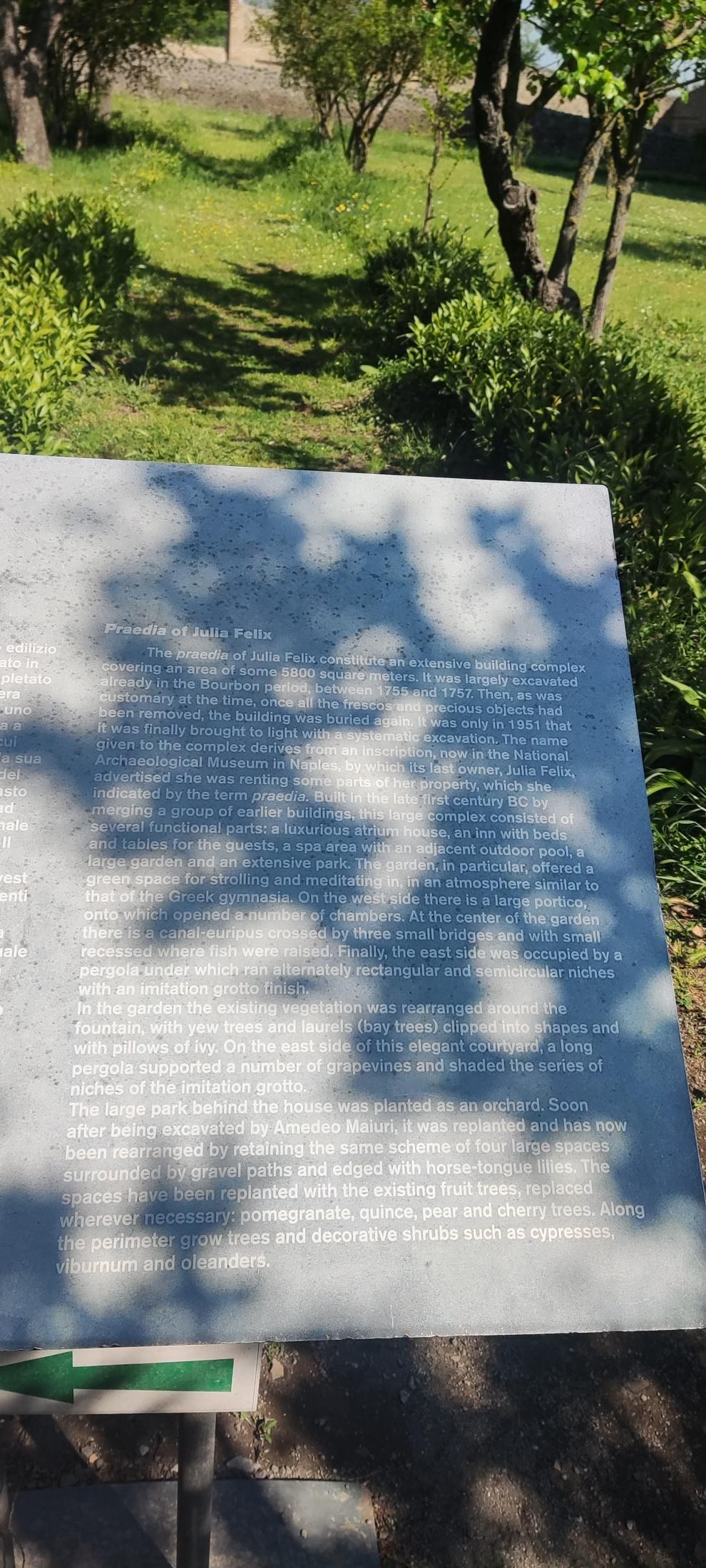
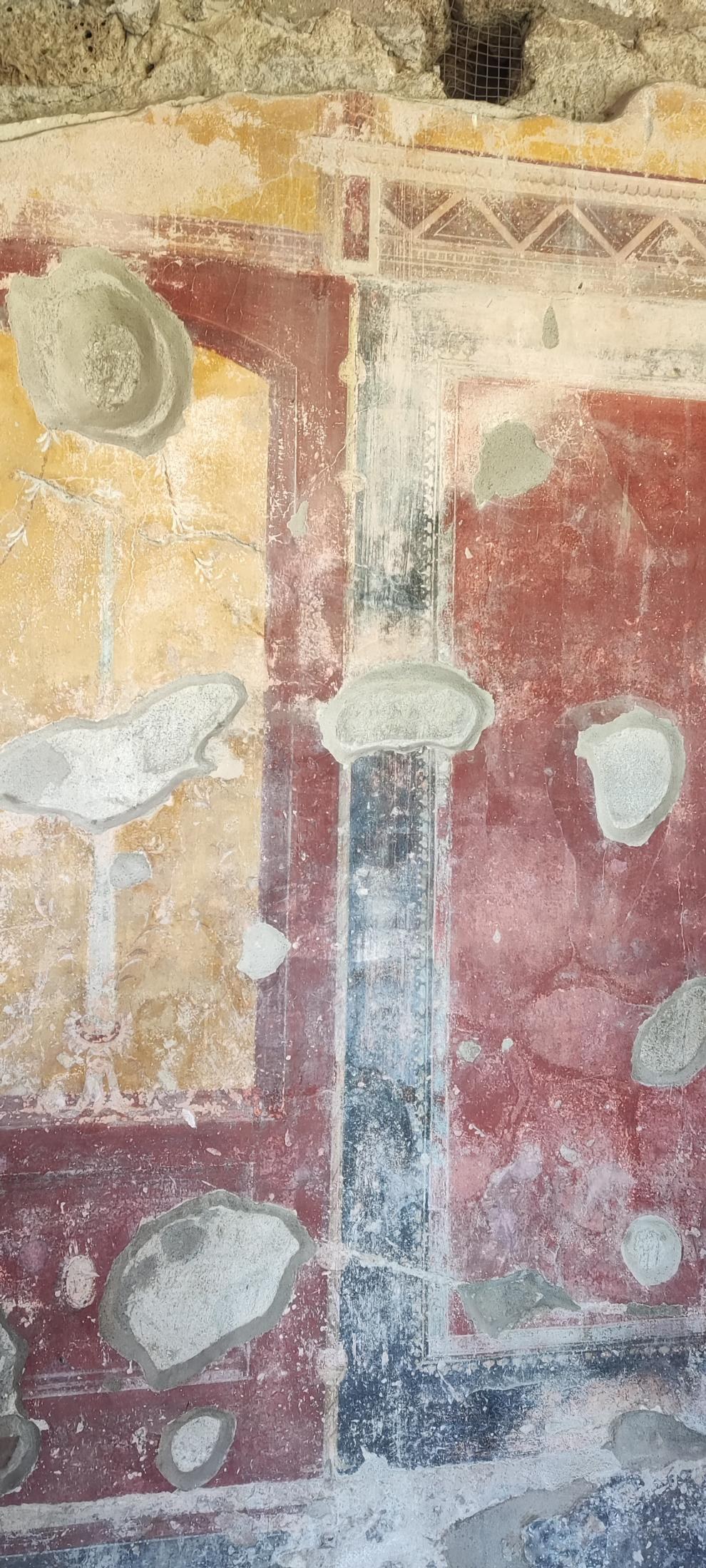
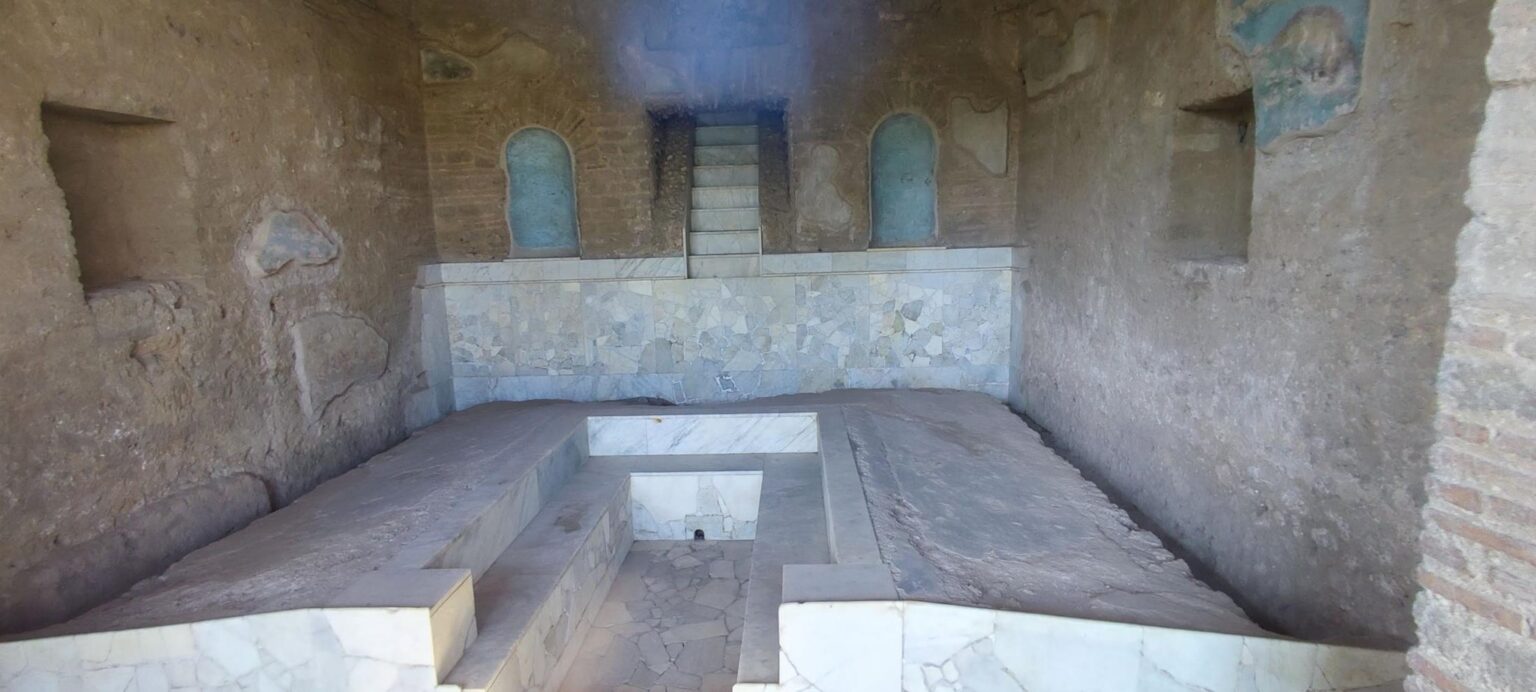
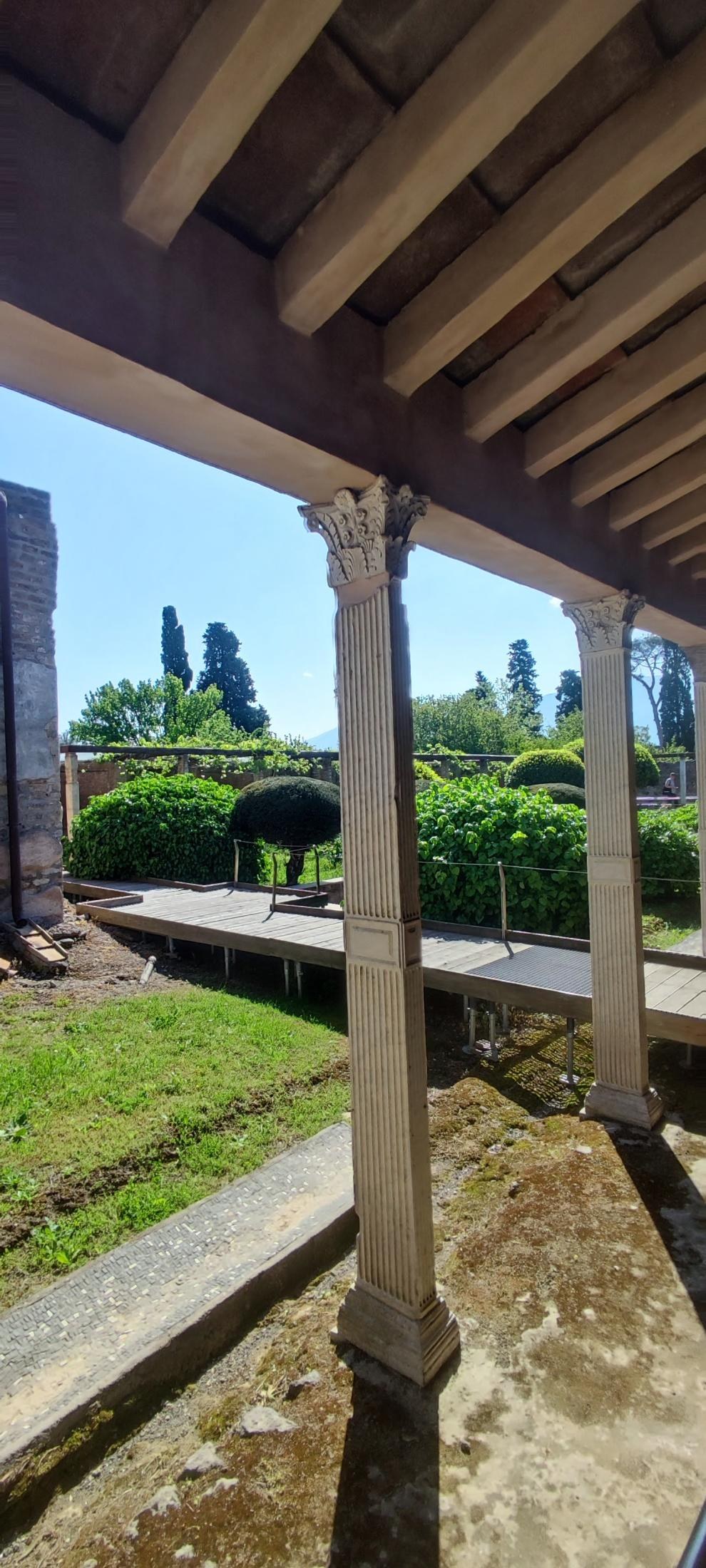
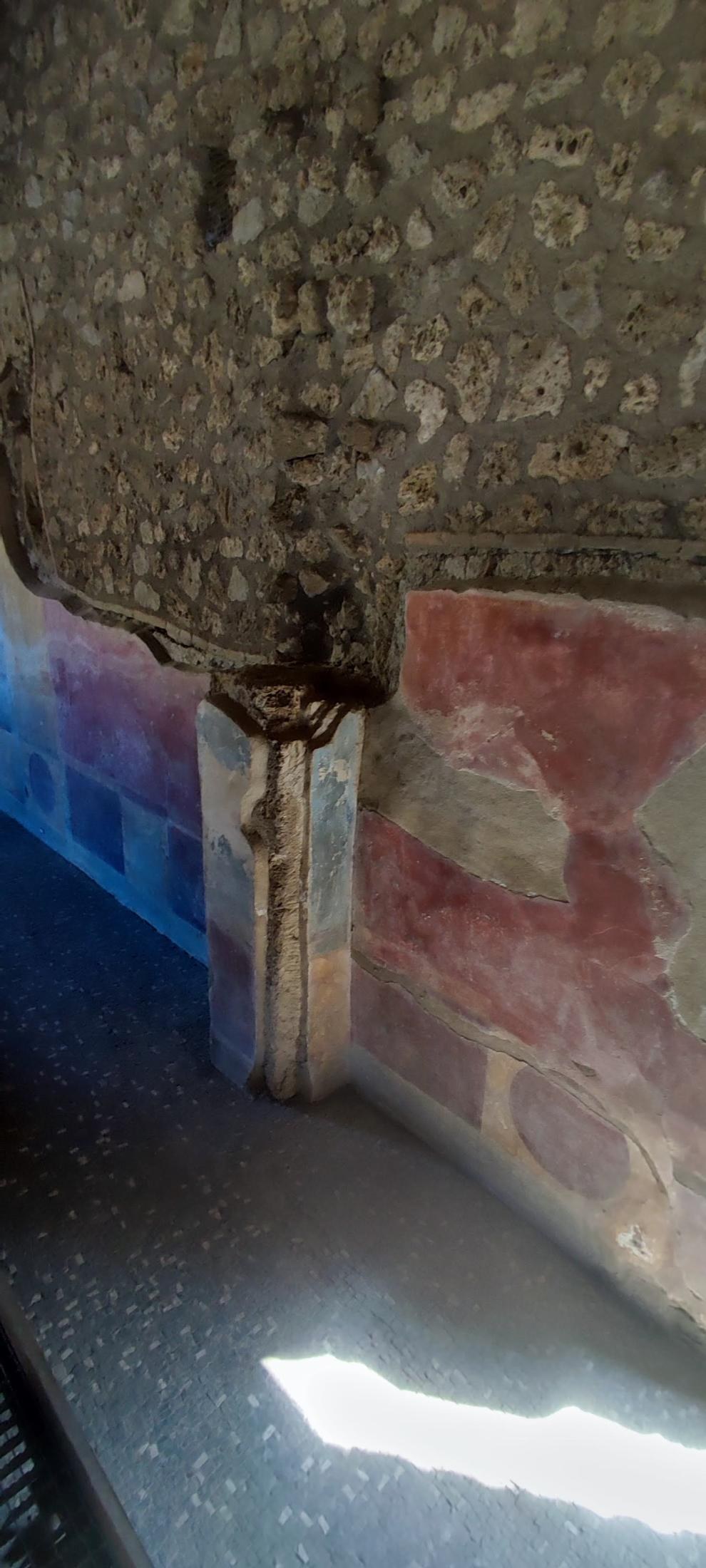
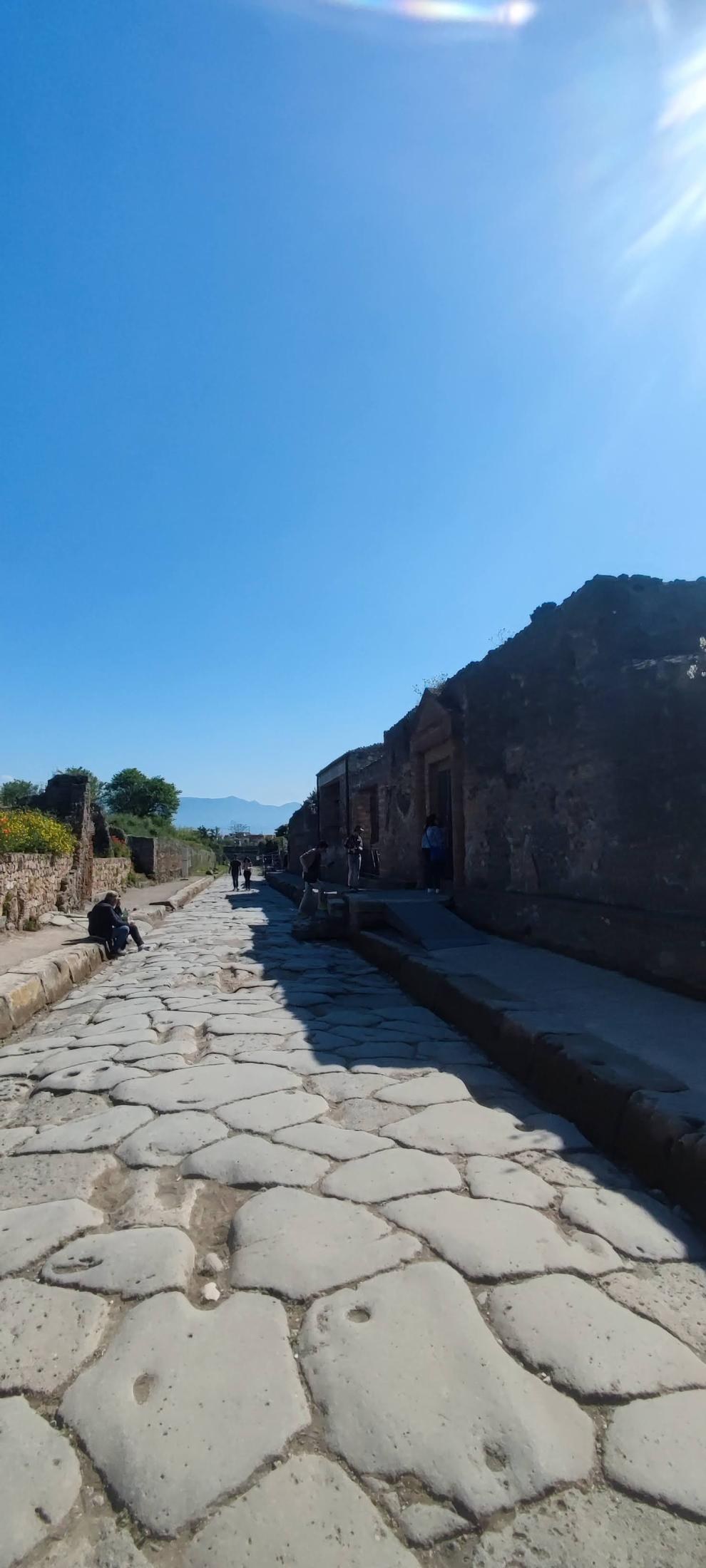
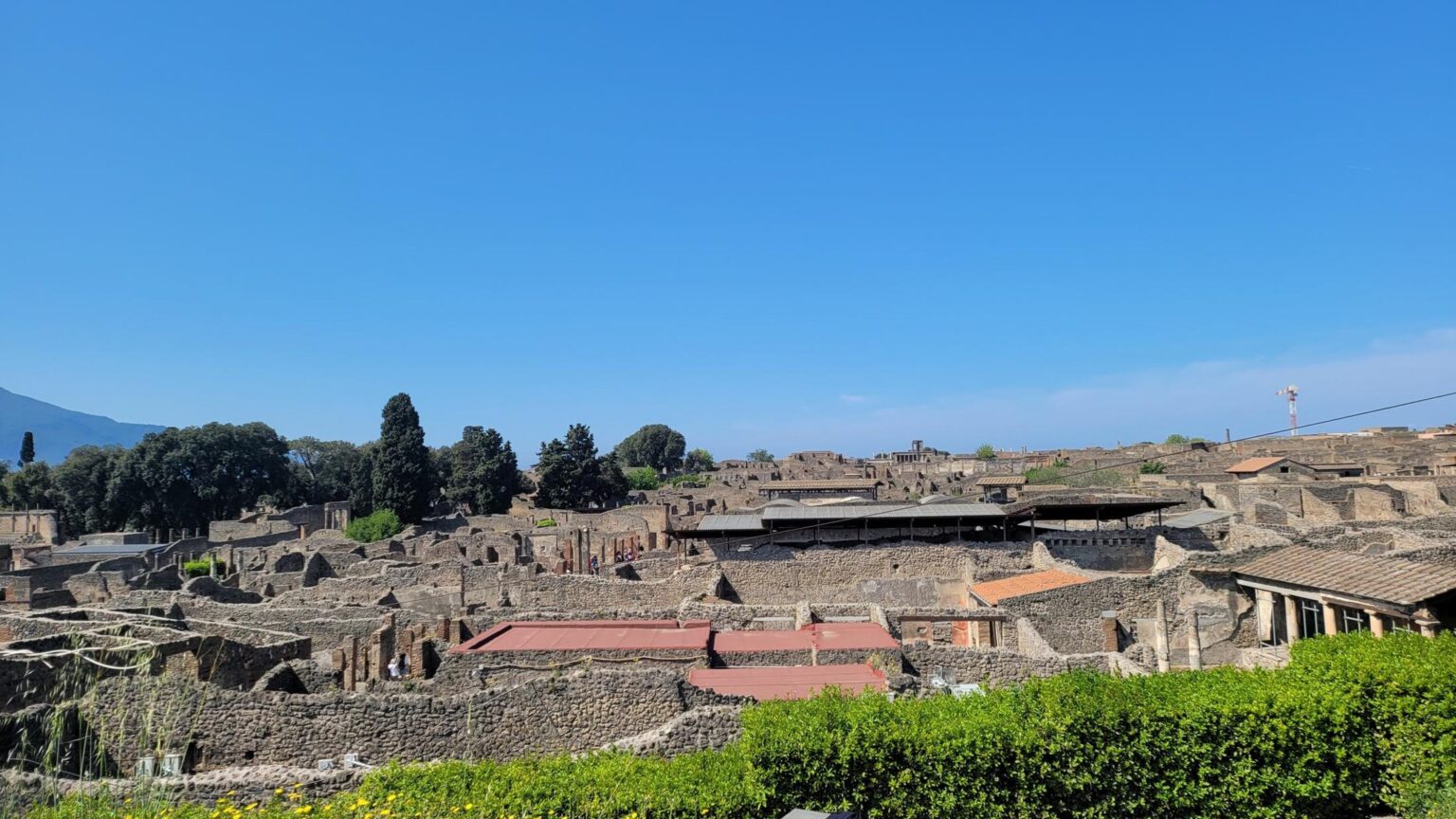
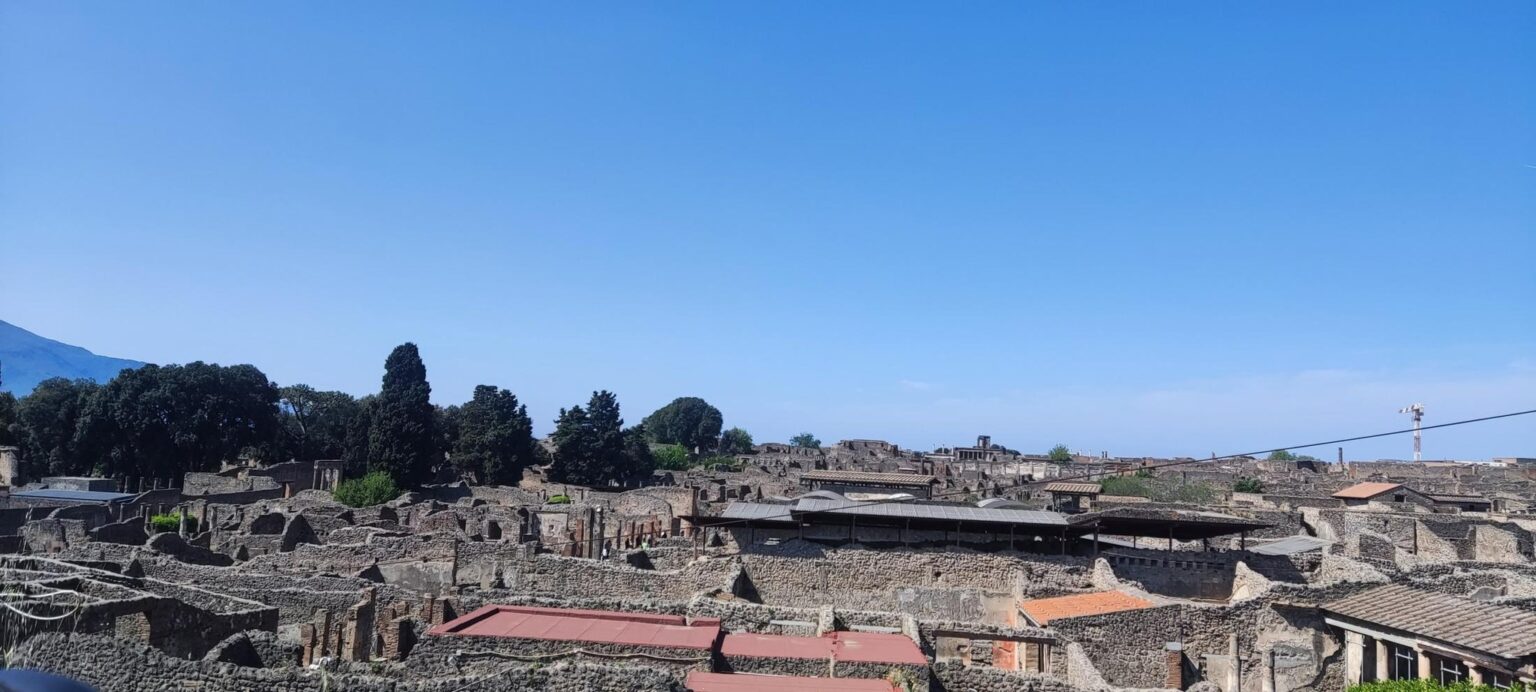
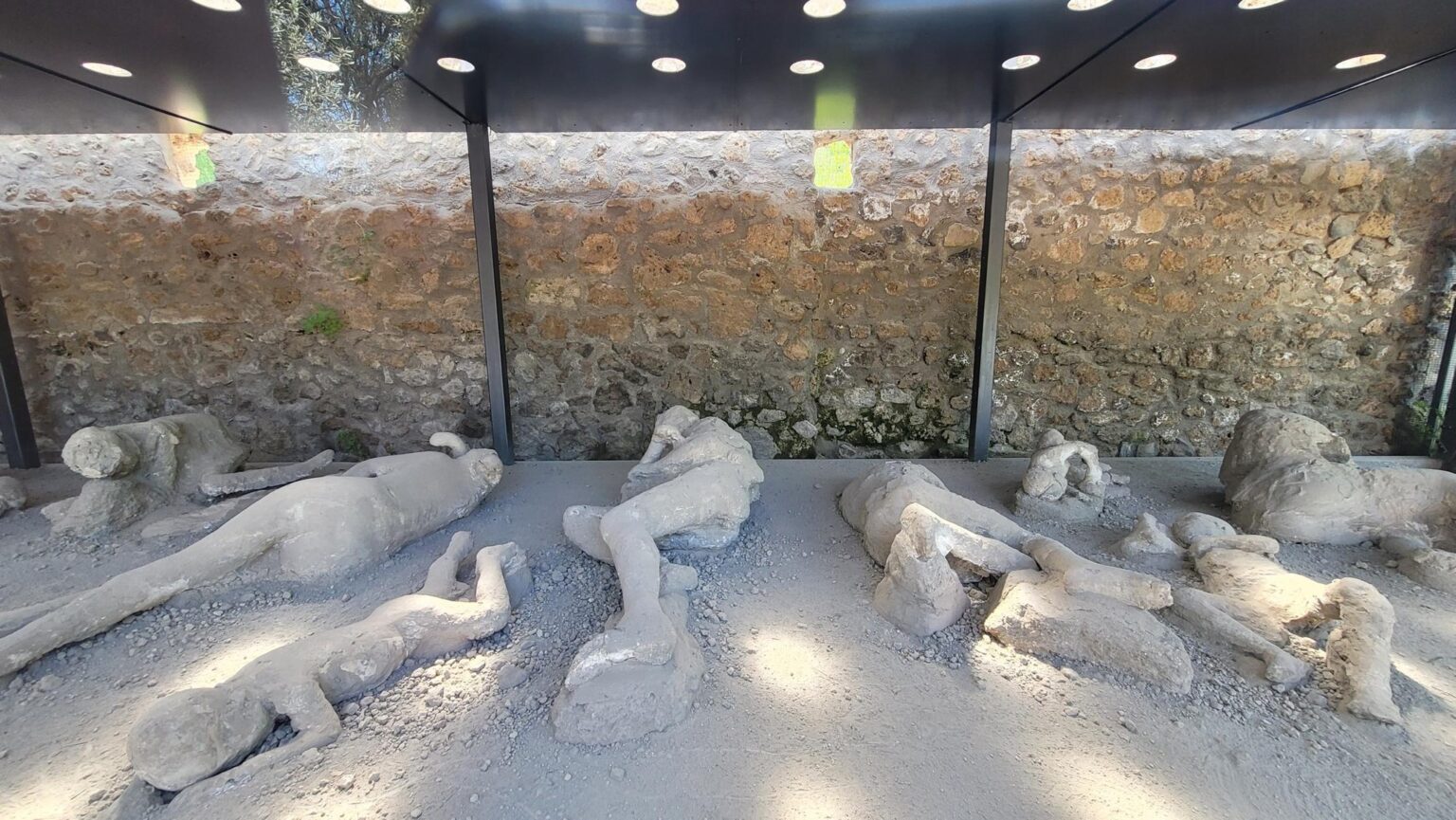
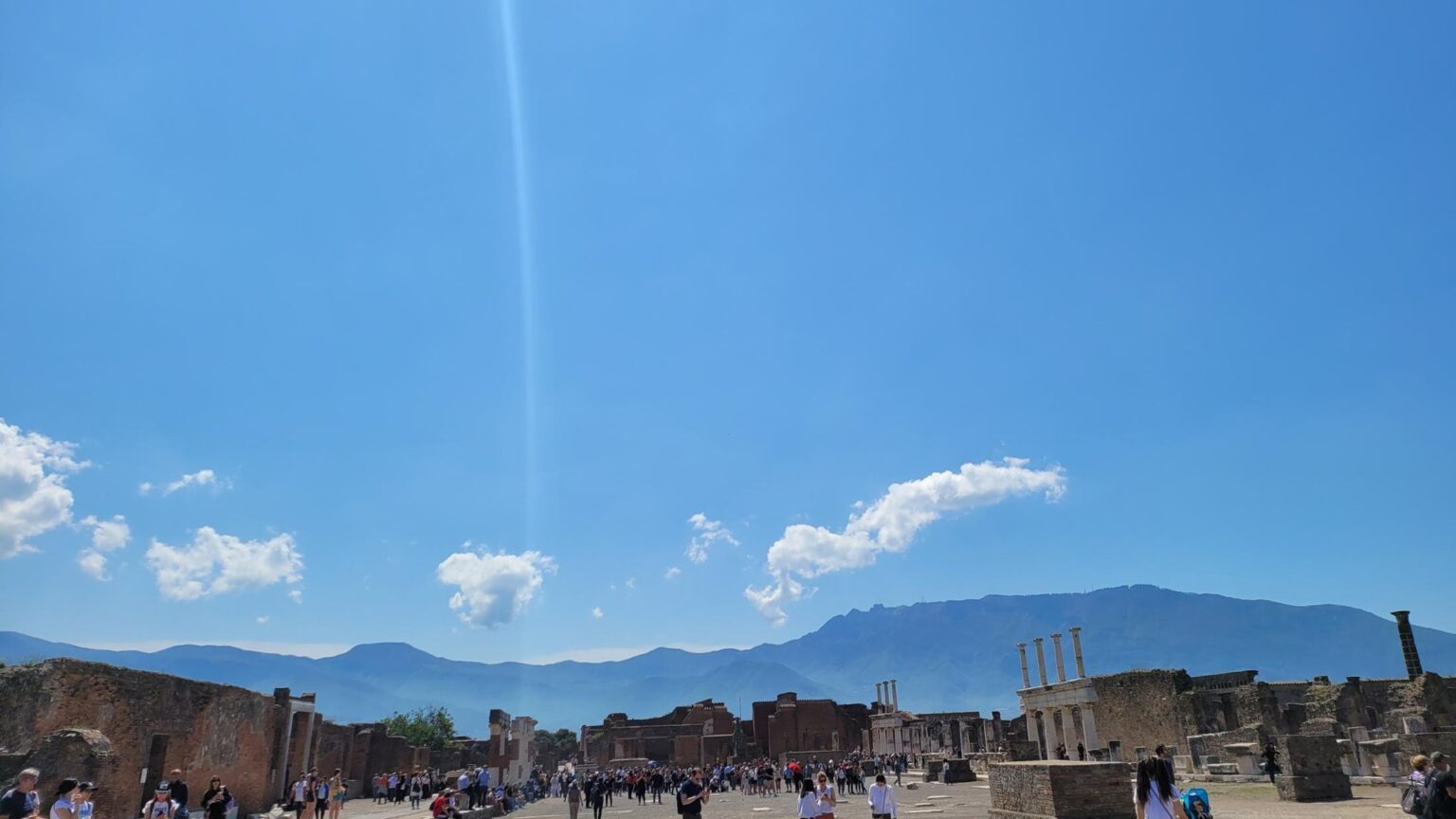
It is fascinating. The story in two words: Vesuvius is an active volcano. It has erupted several times, sweeping away everything around it. Pompeii was buried one of those times and is currently being excavated. Which means that today you can see, in decent condition, an authentic city from the year 79 AD. And a large one at that — at least 2–3 hours are needed to walk all of it. It is impressive, everything is gigantic and superbly detailed. There are explanations everywhere, and they give you a map at the entrance. The Romans lived well: they had a theatre/amphitheatre, spa, pools, jacuzzis, gardens, parks, roads (better than our current ones), water. There are people covered in volcanic dust, encapsulated and on display.
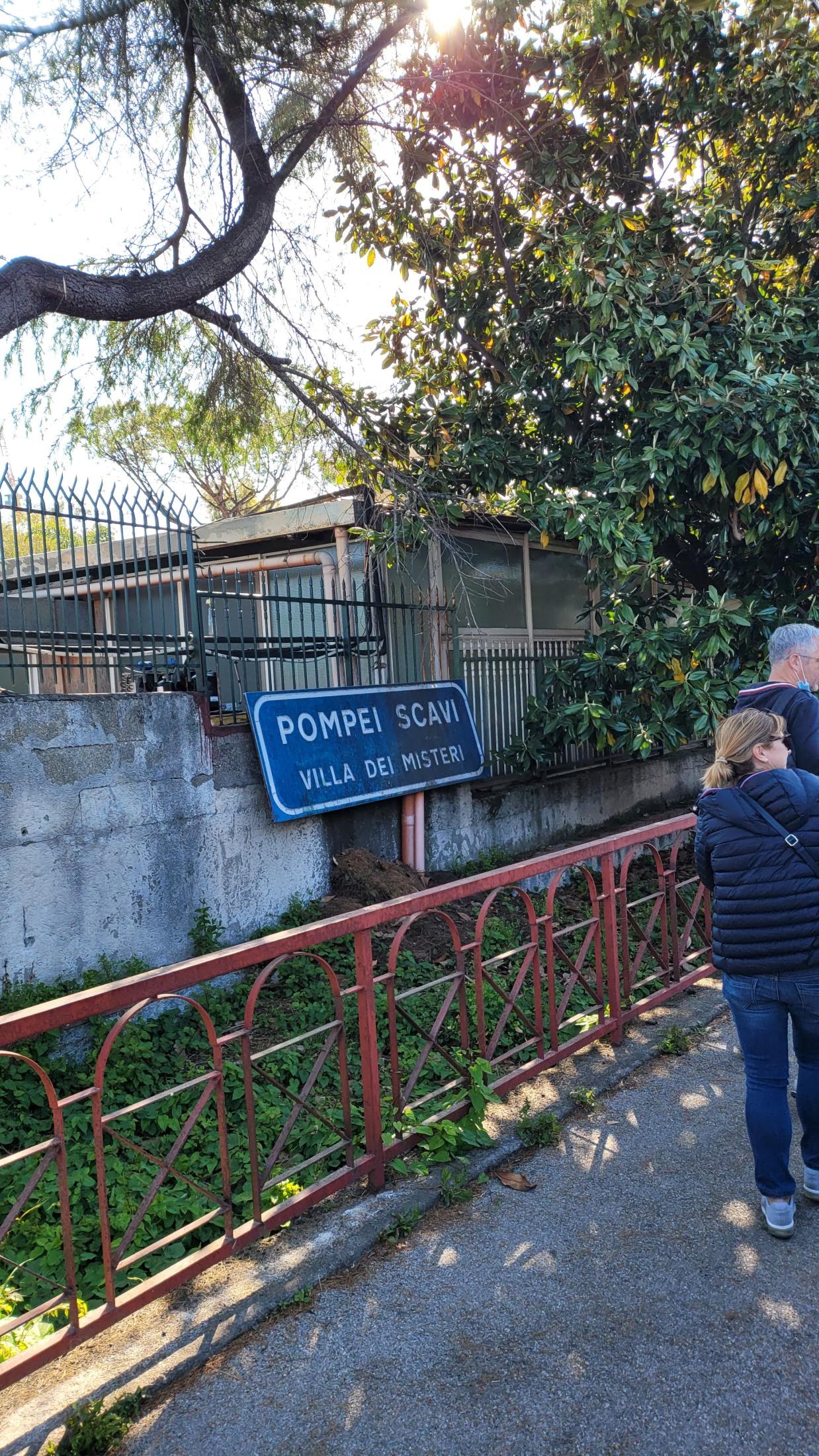
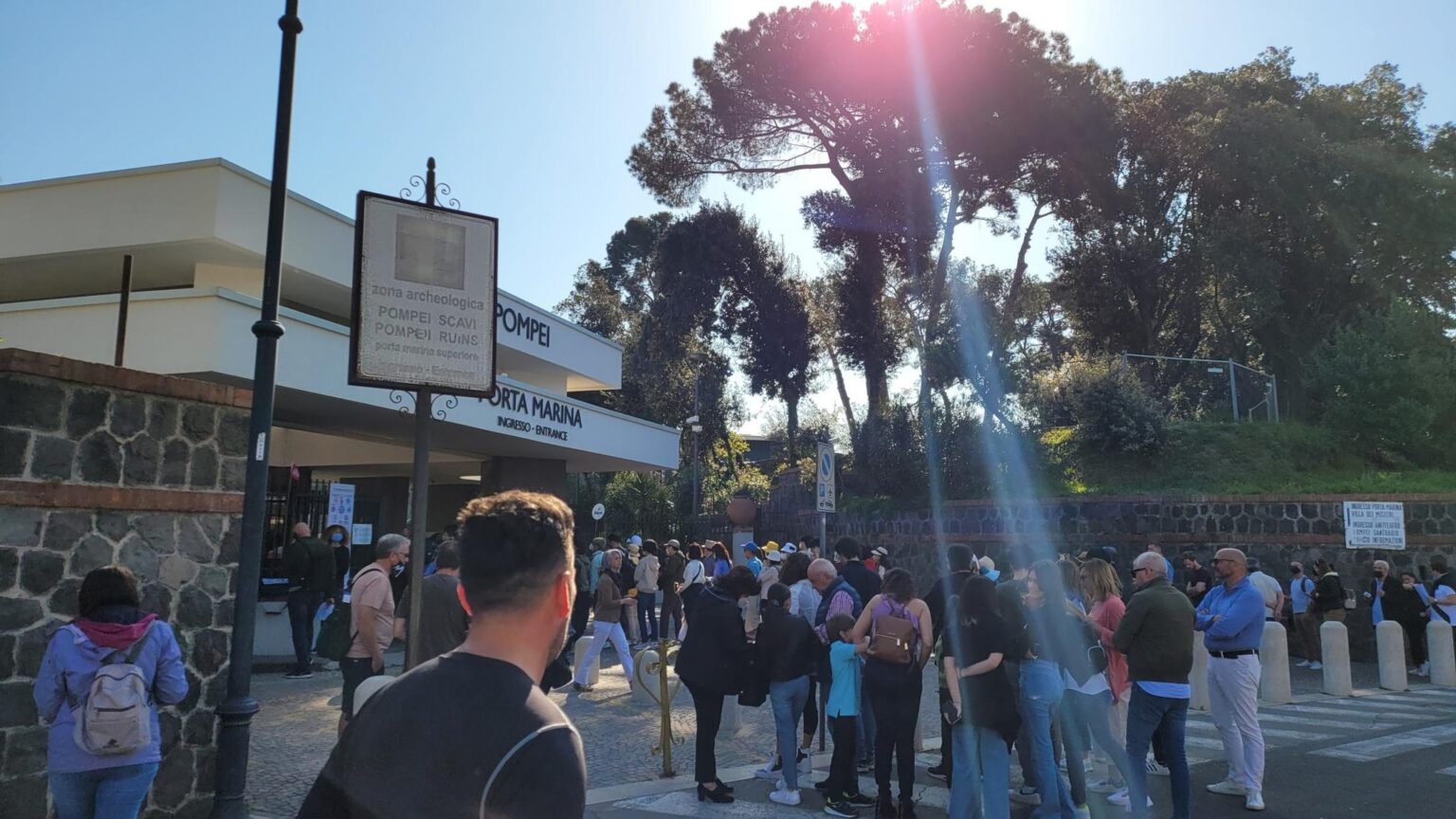
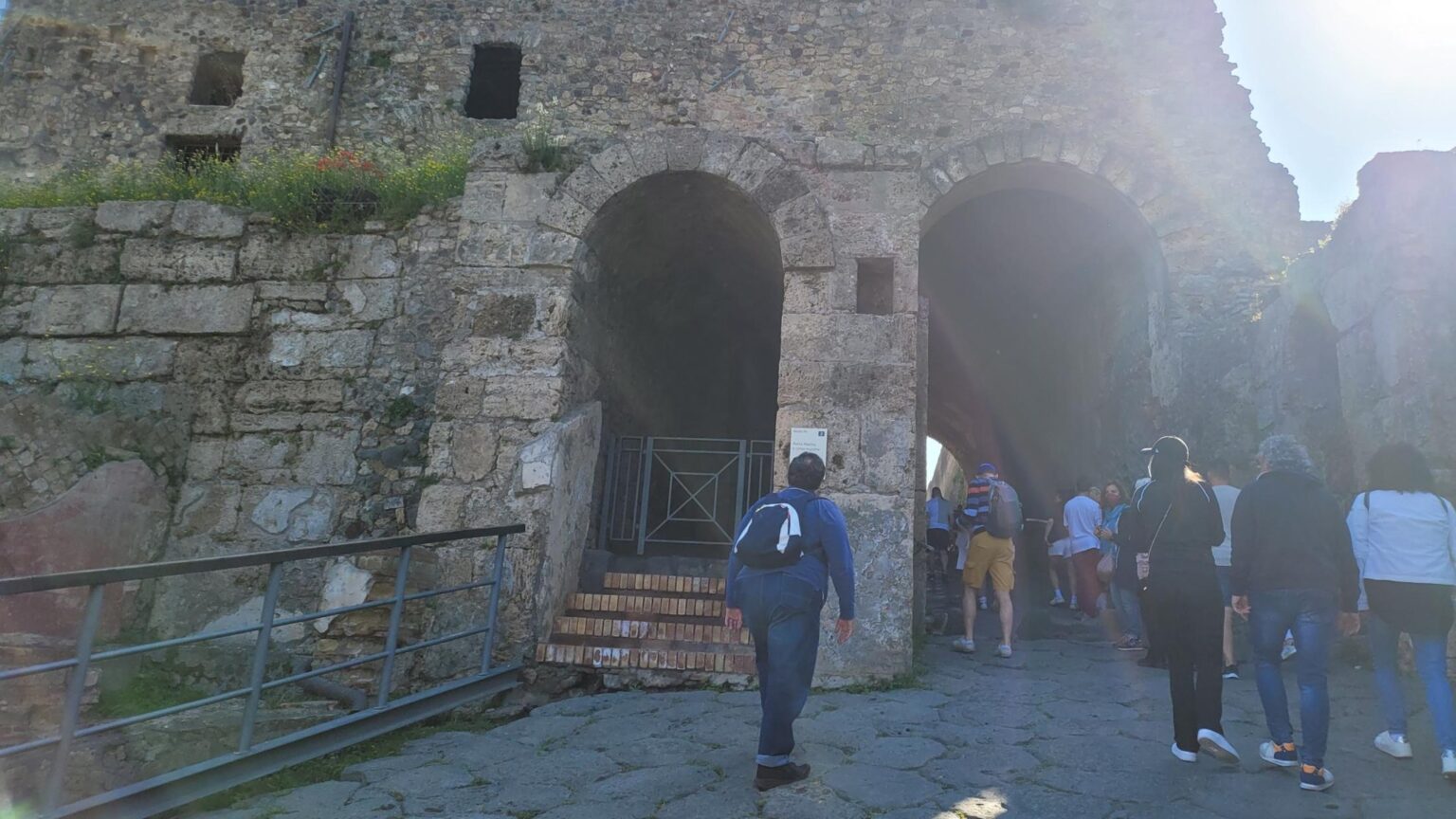
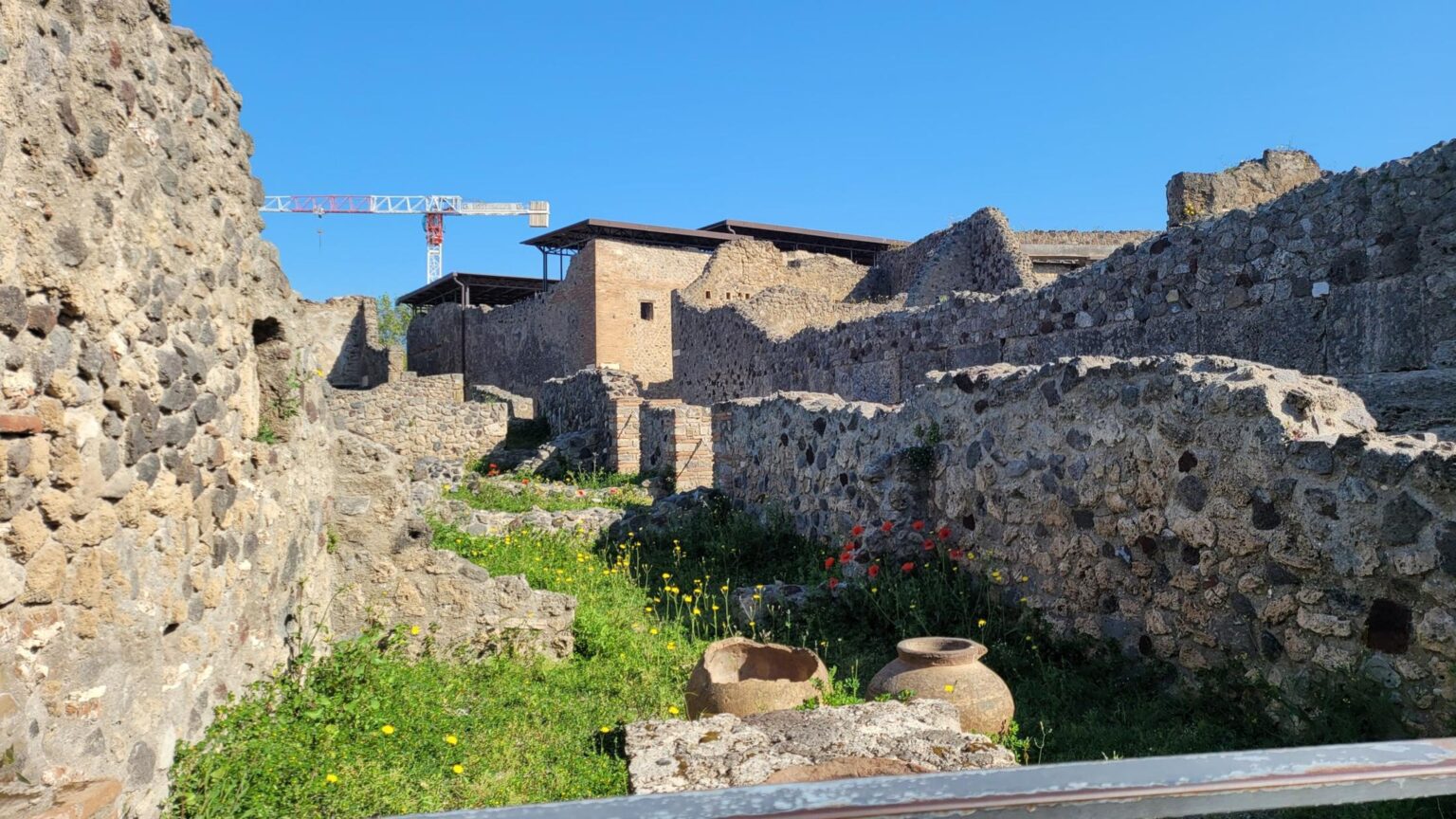
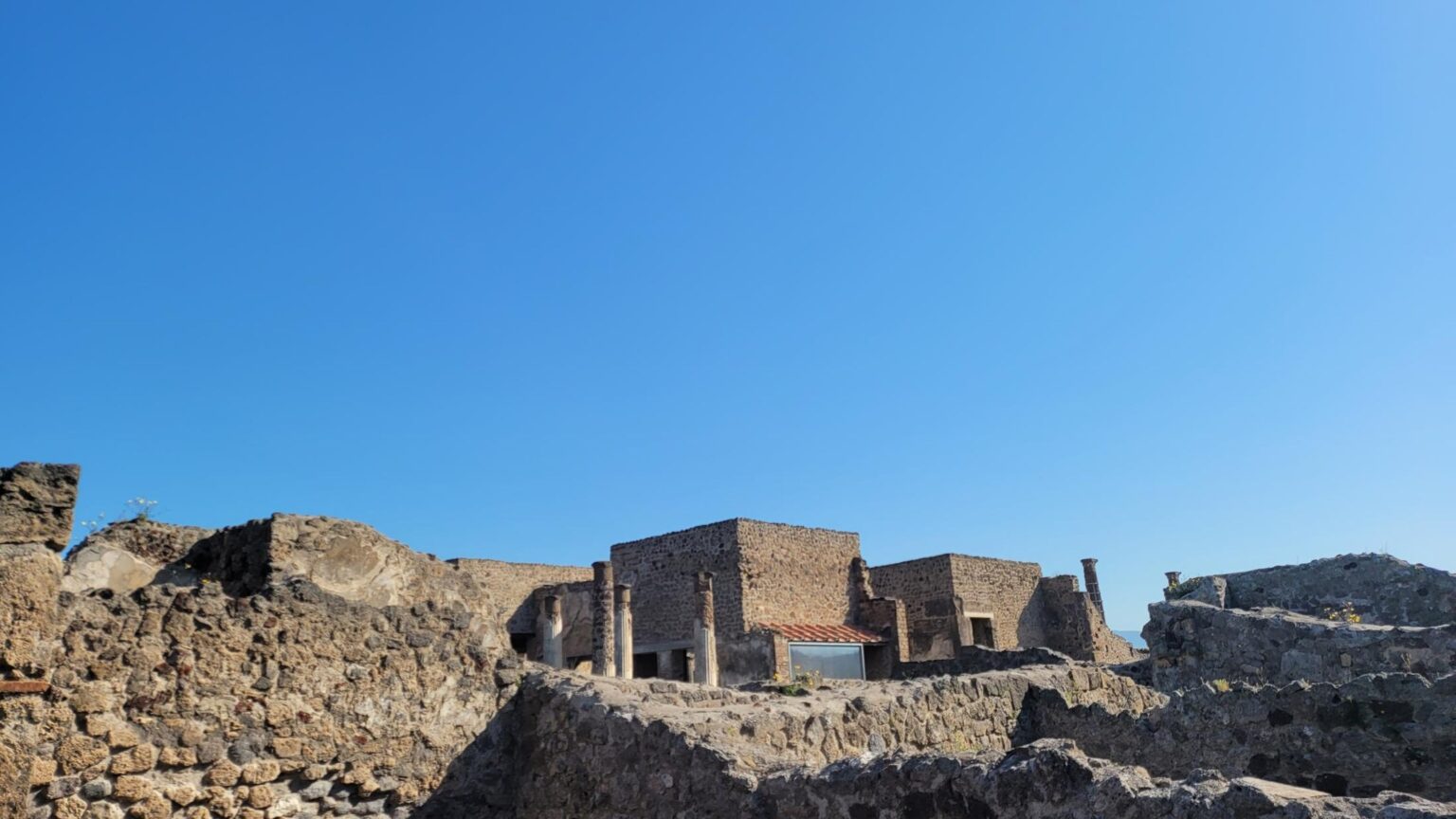
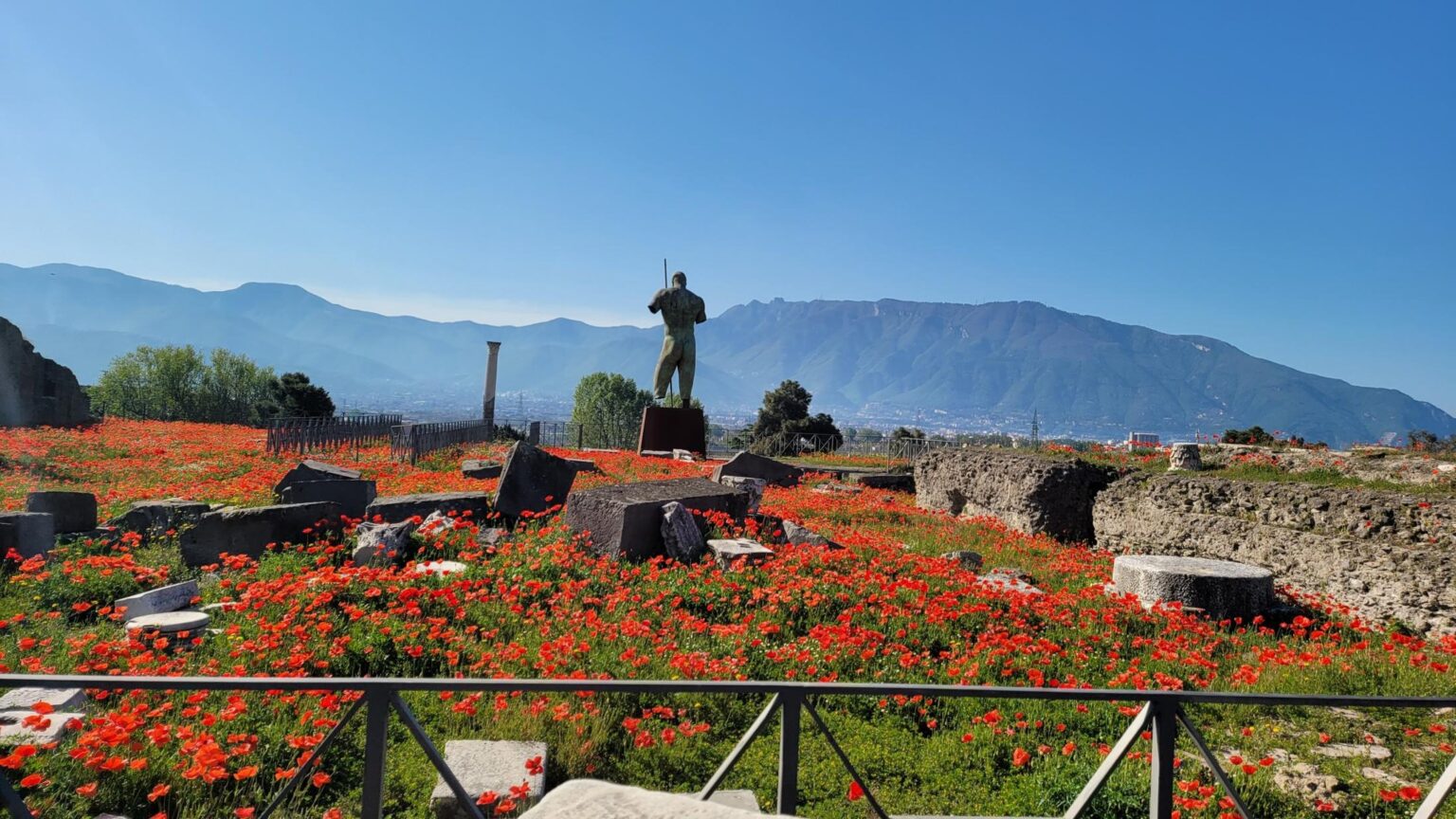
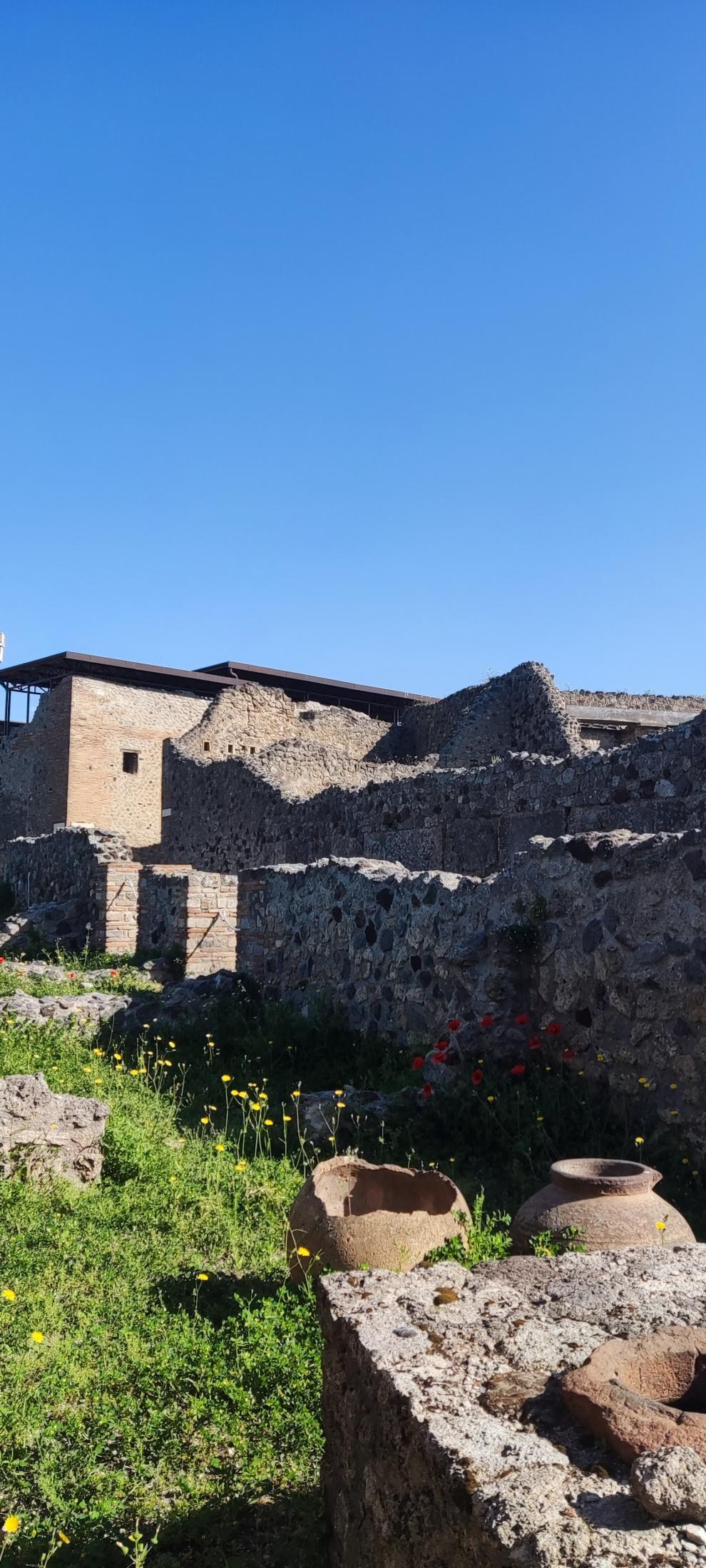
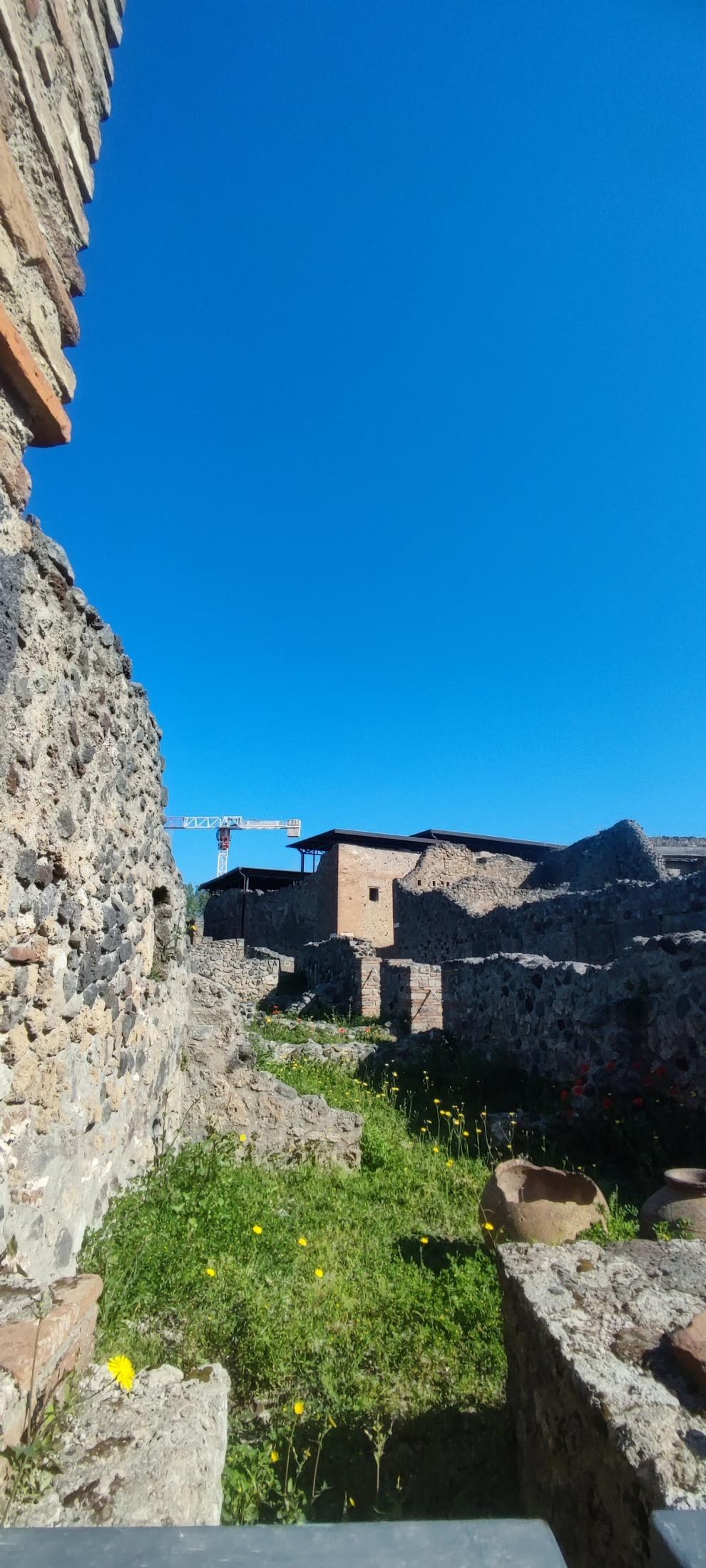
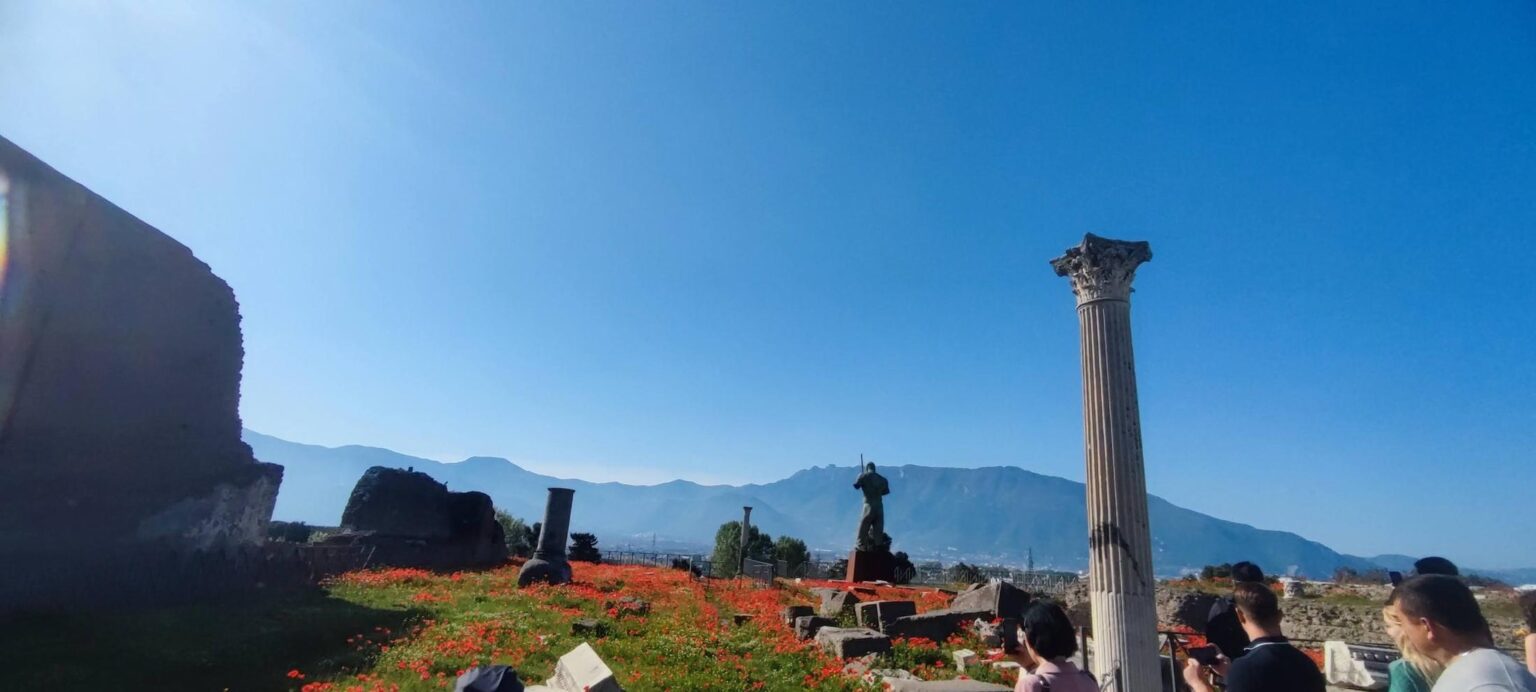
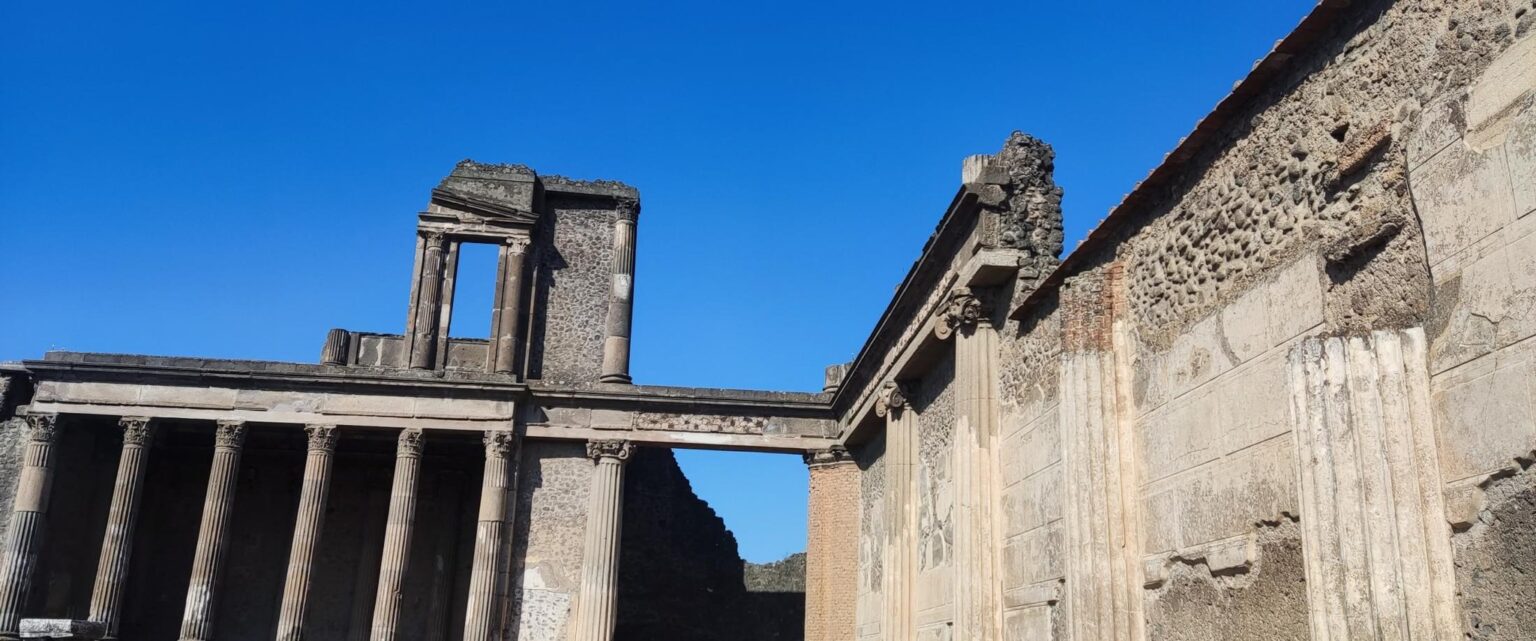
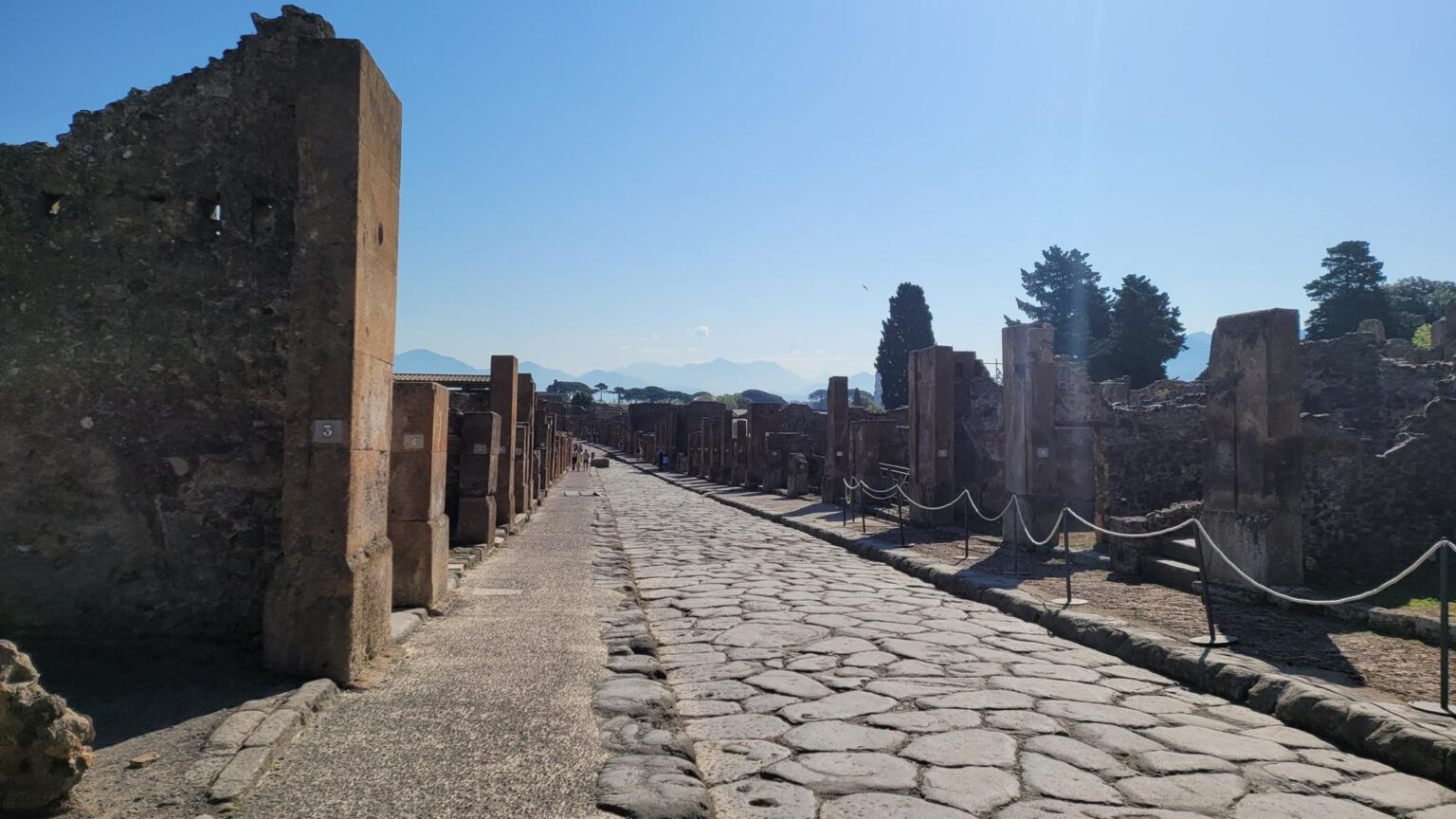
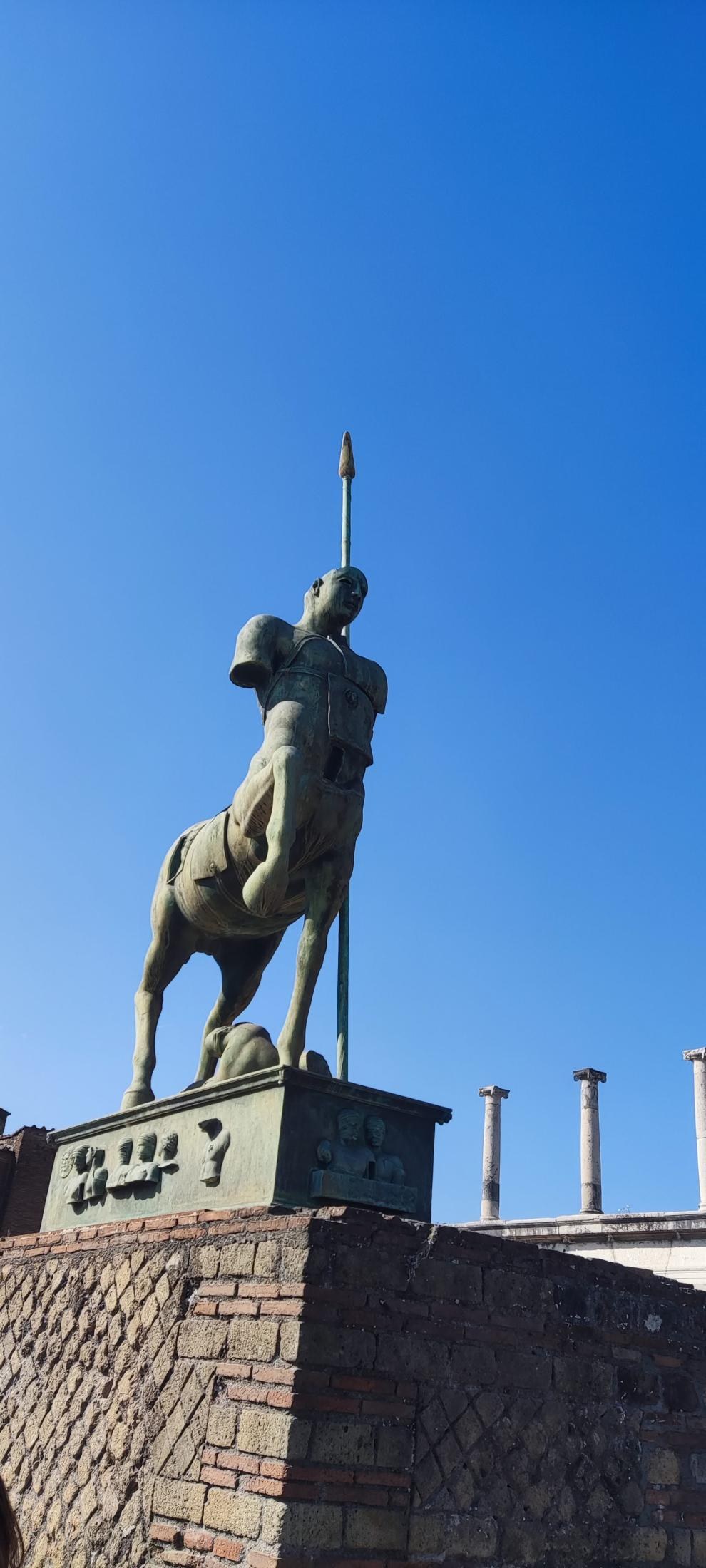
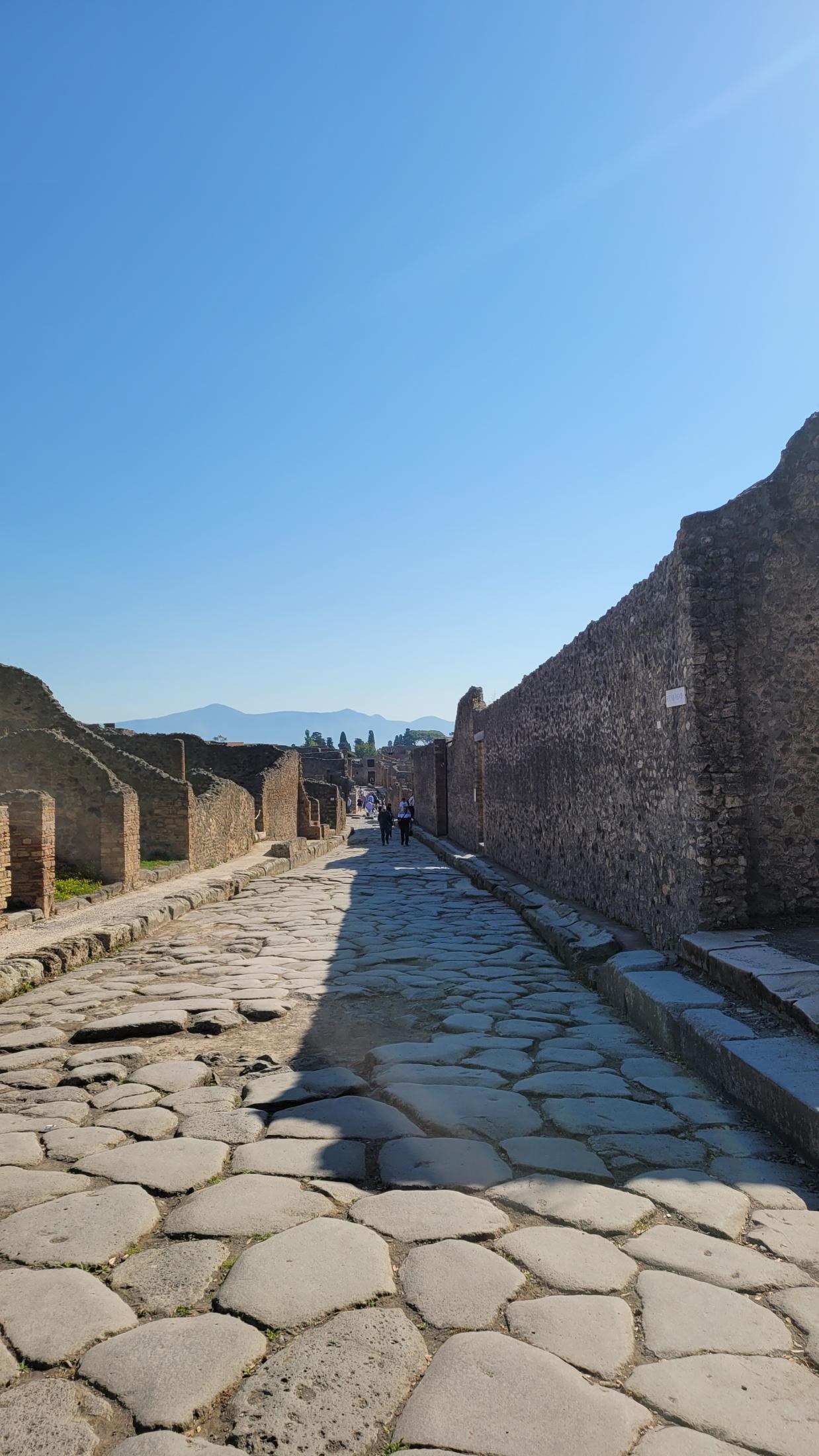
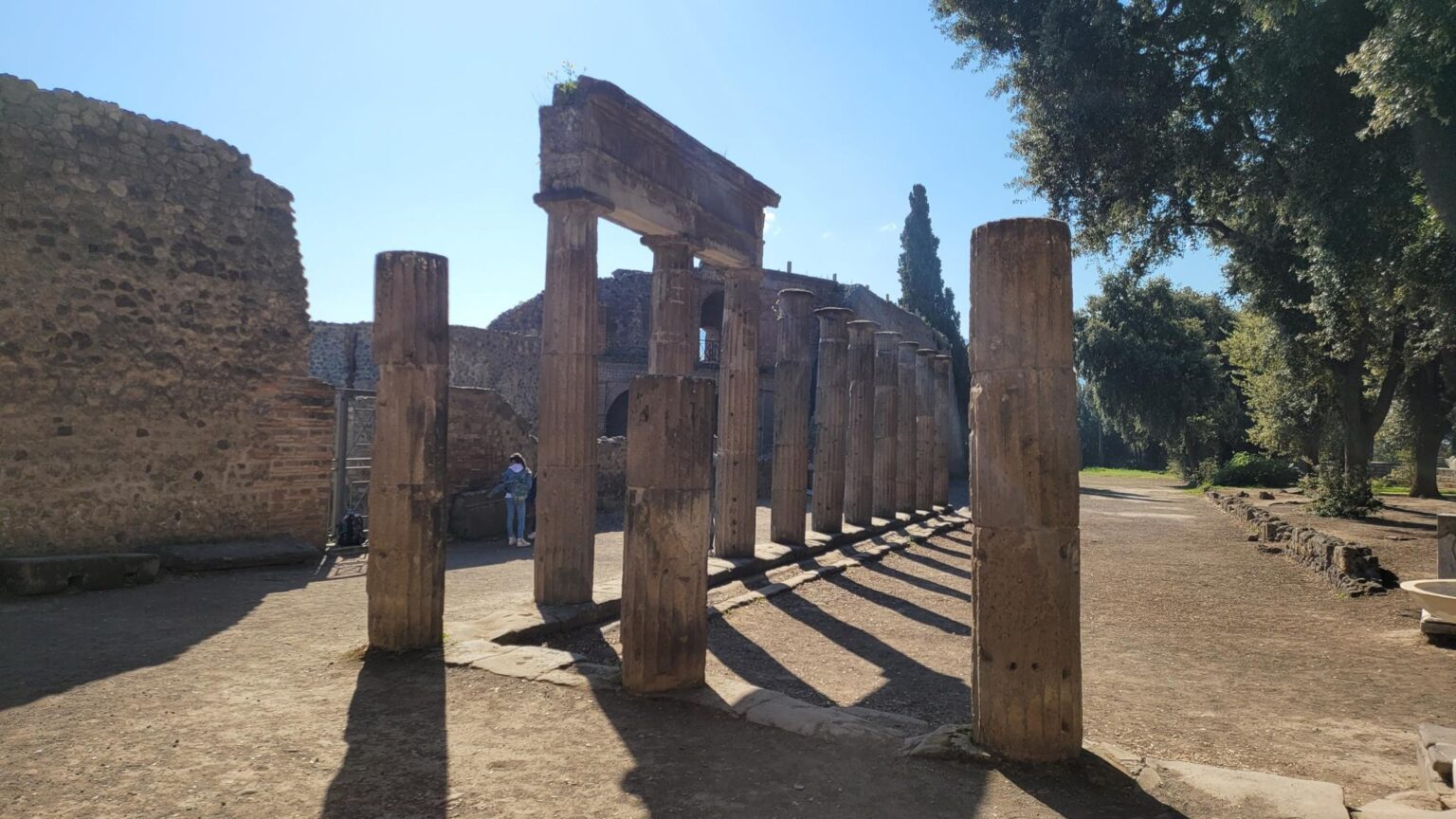
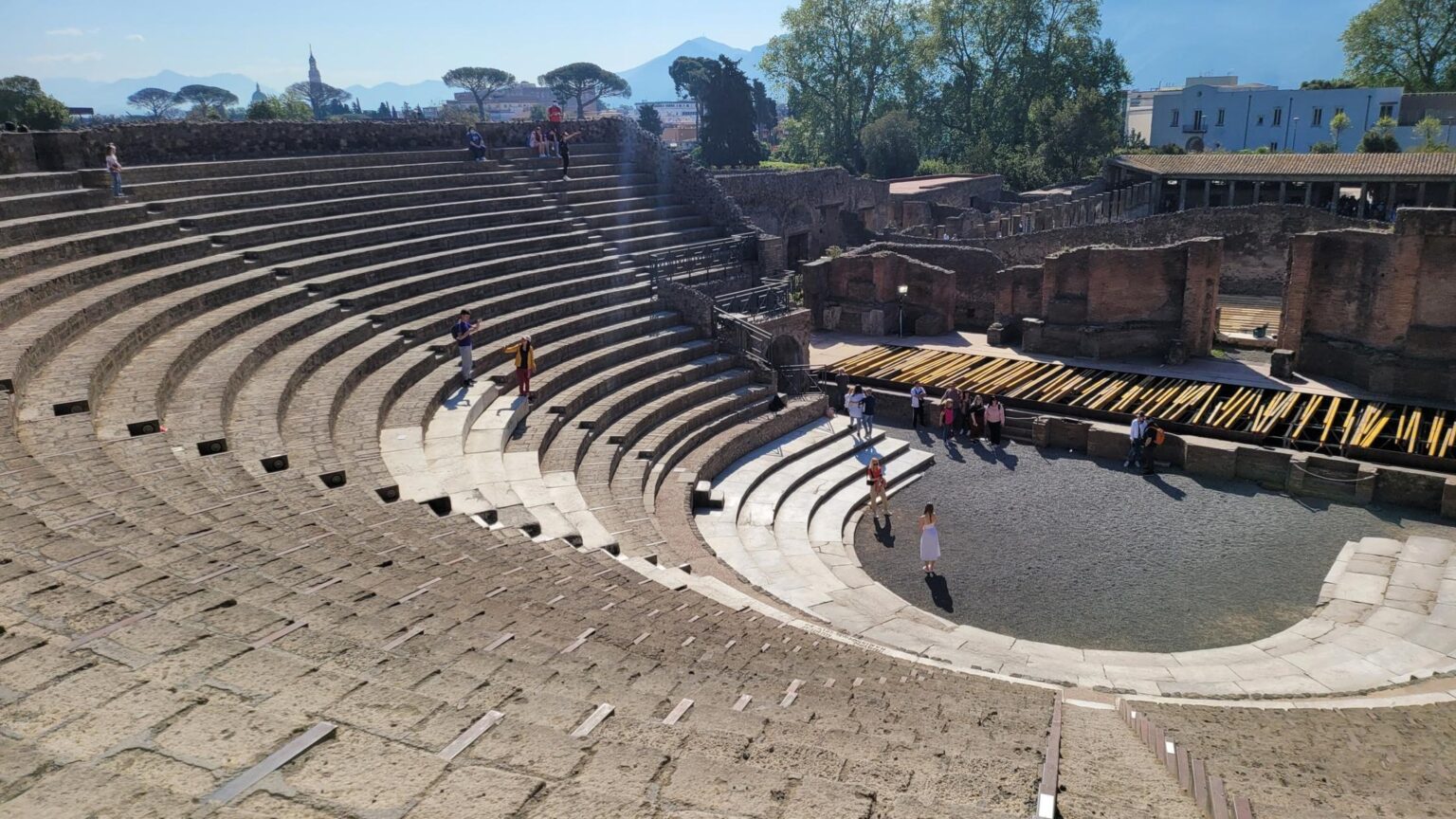
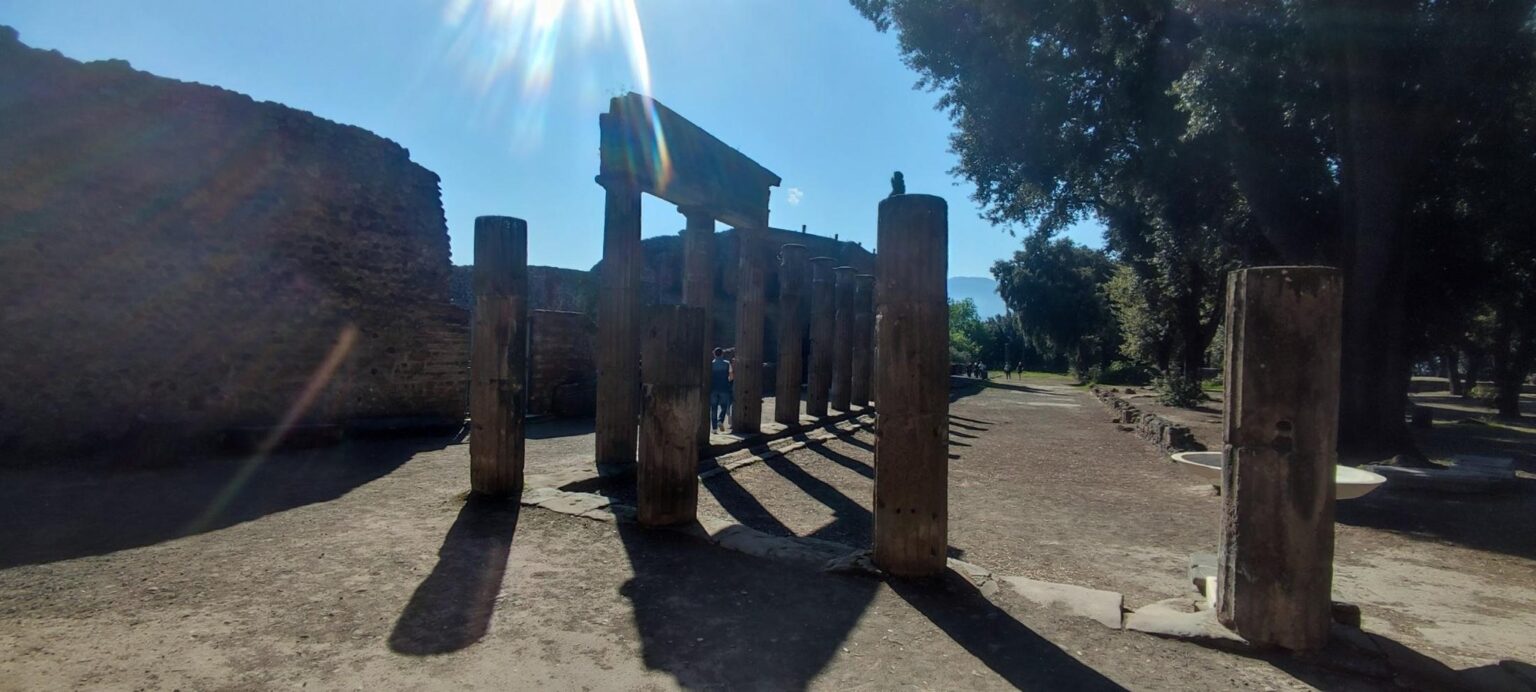
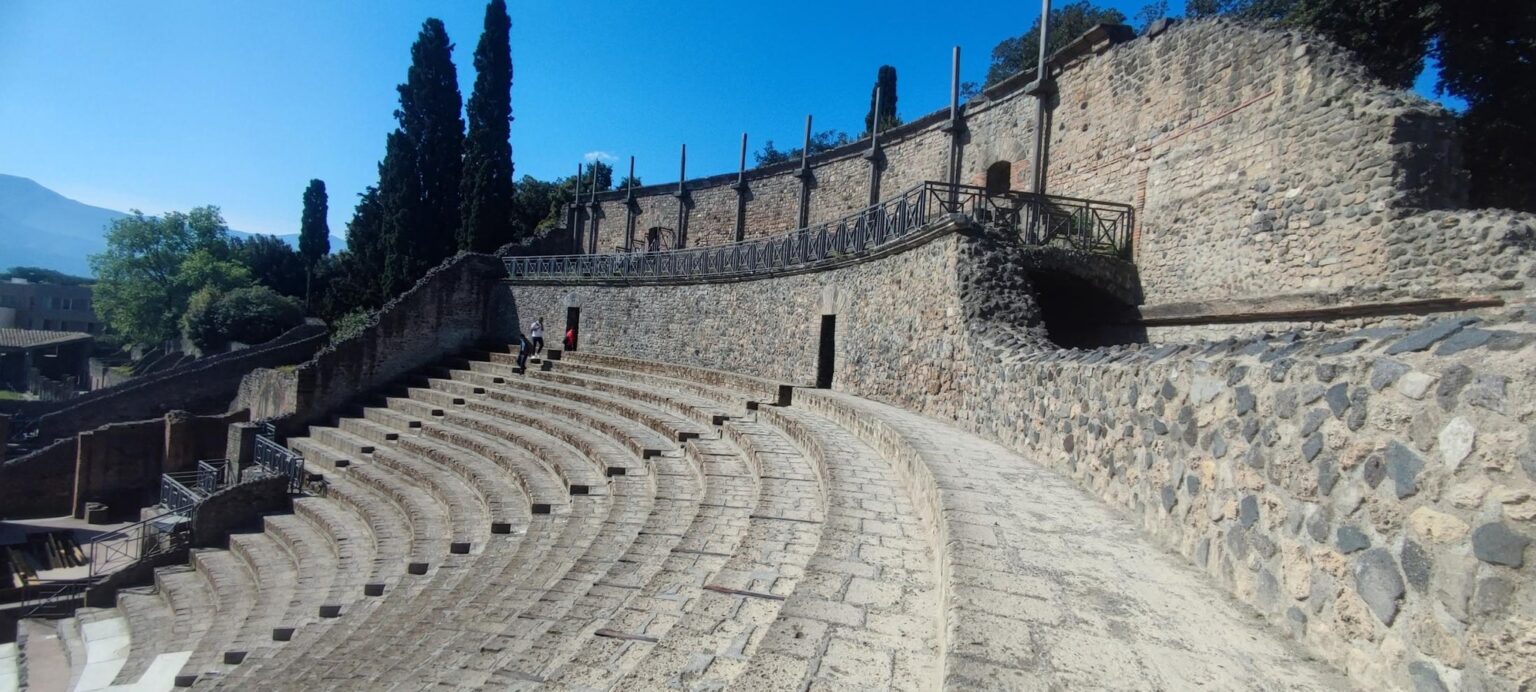
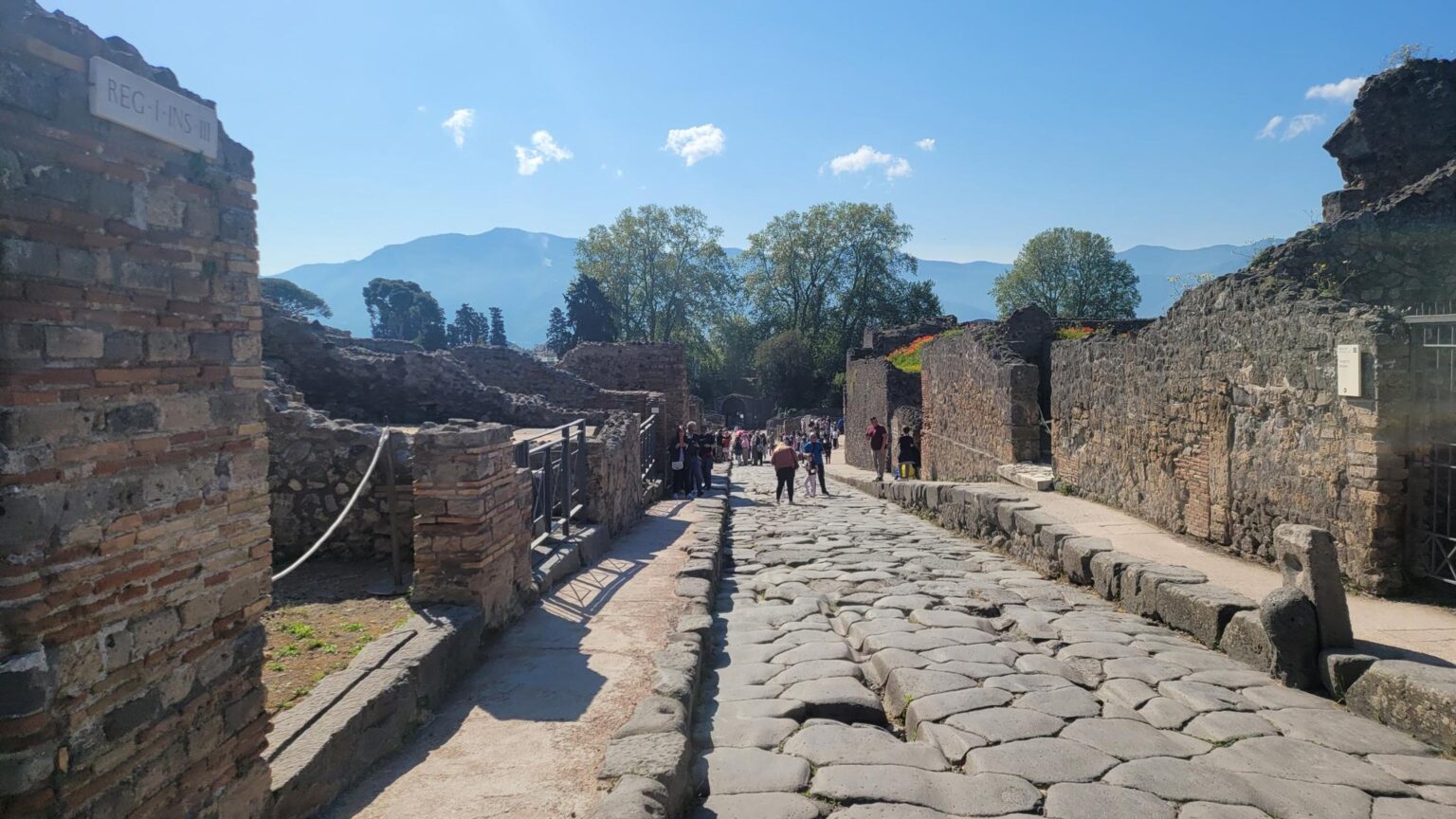
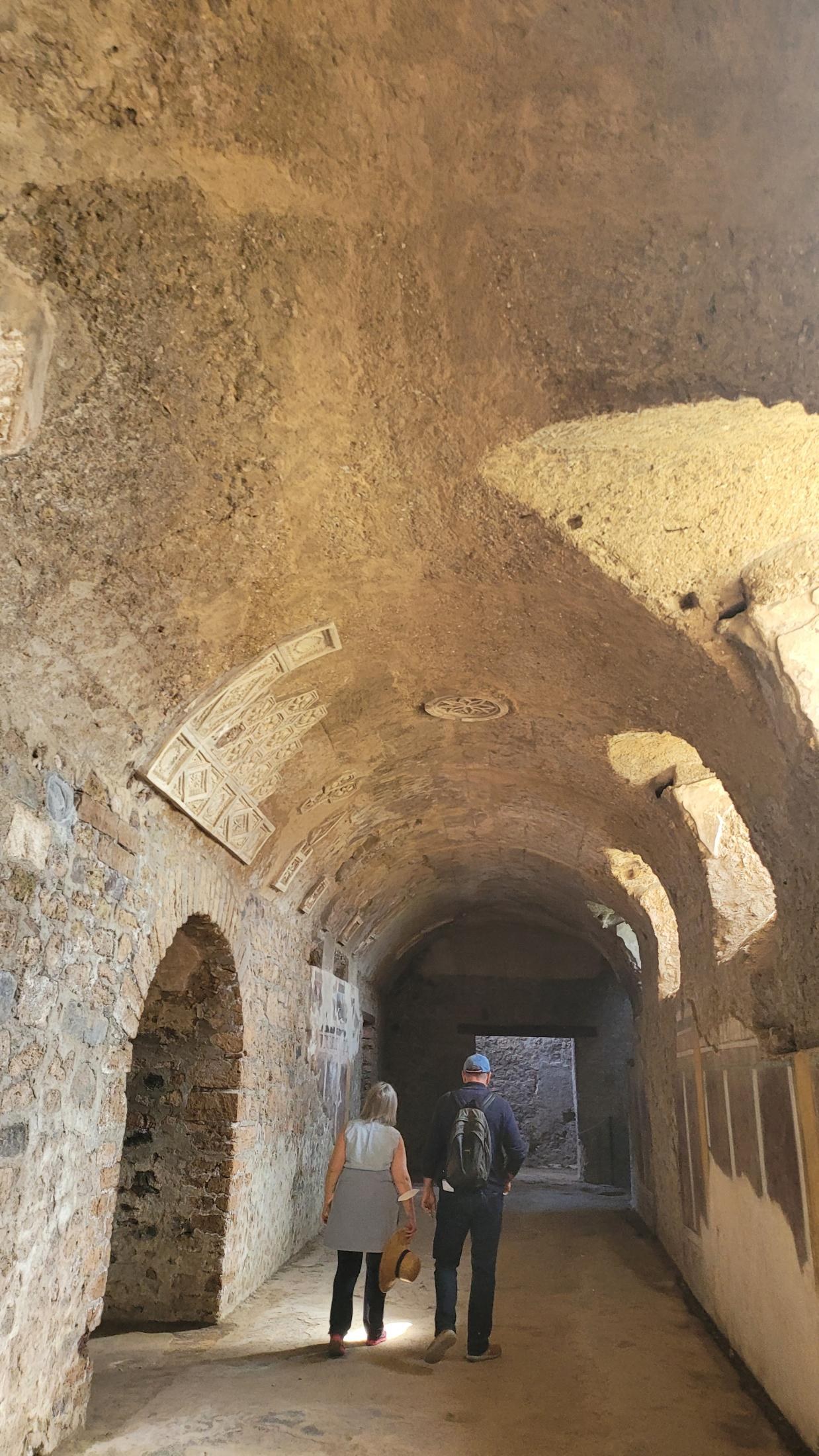
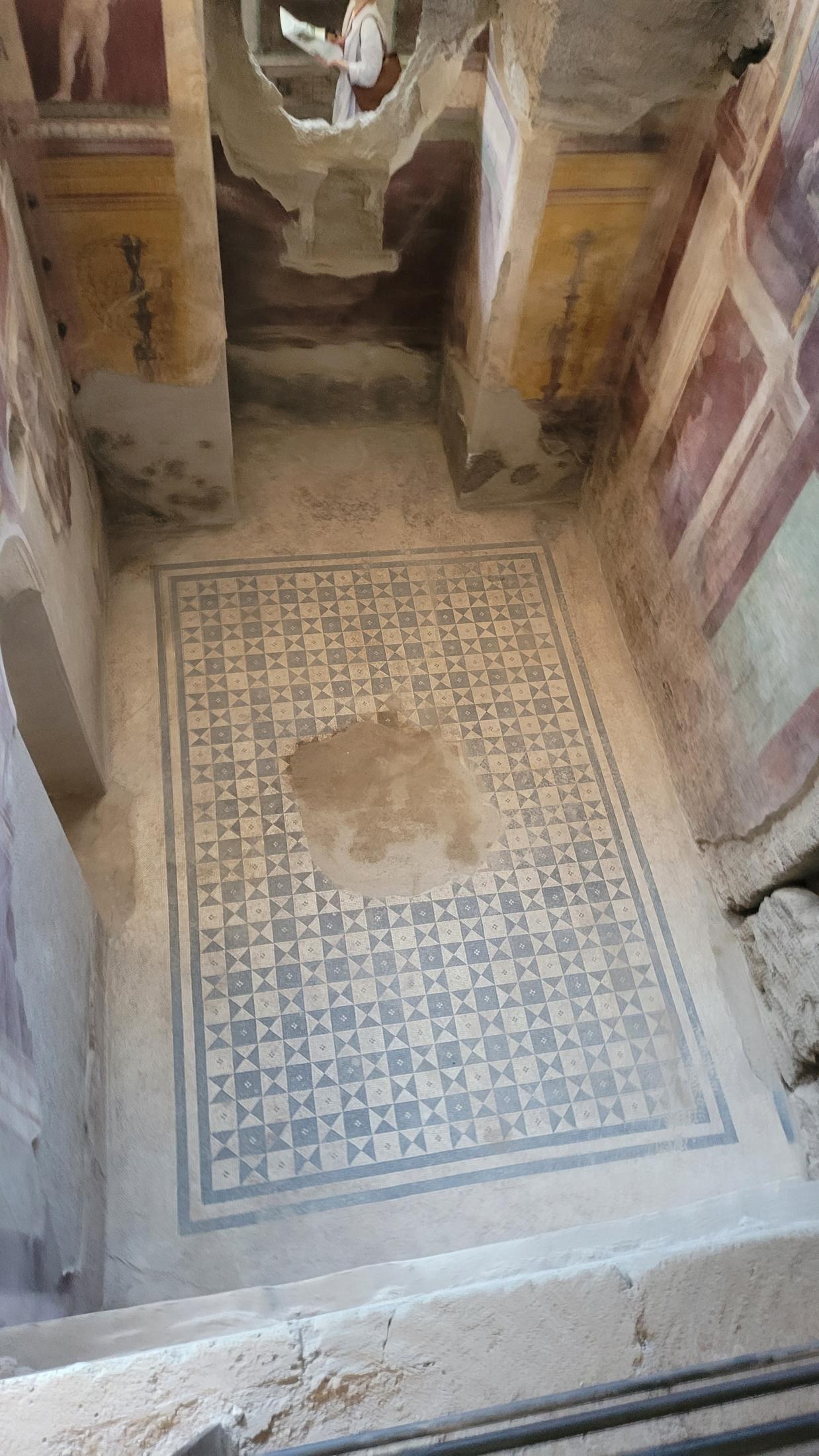
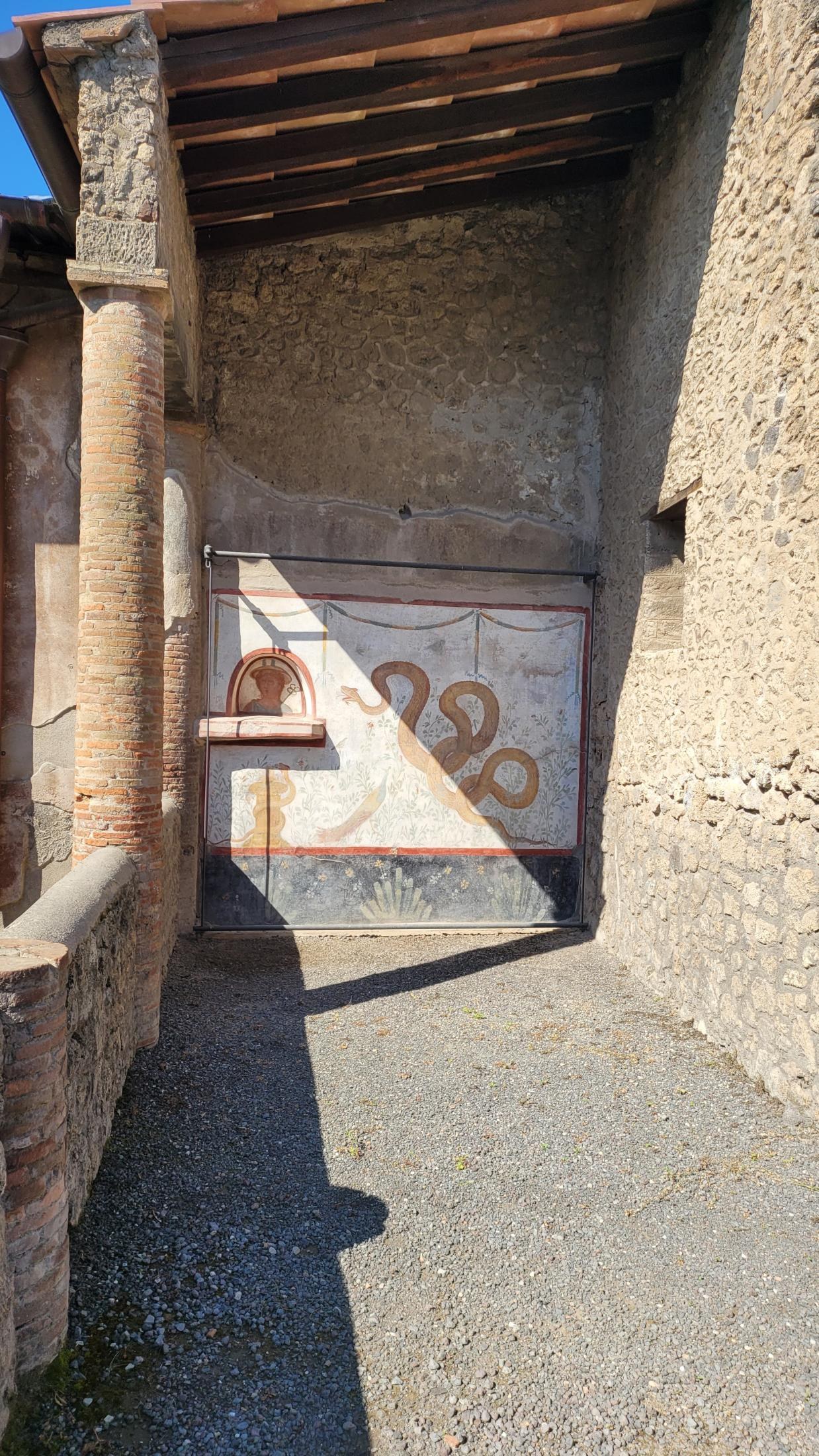
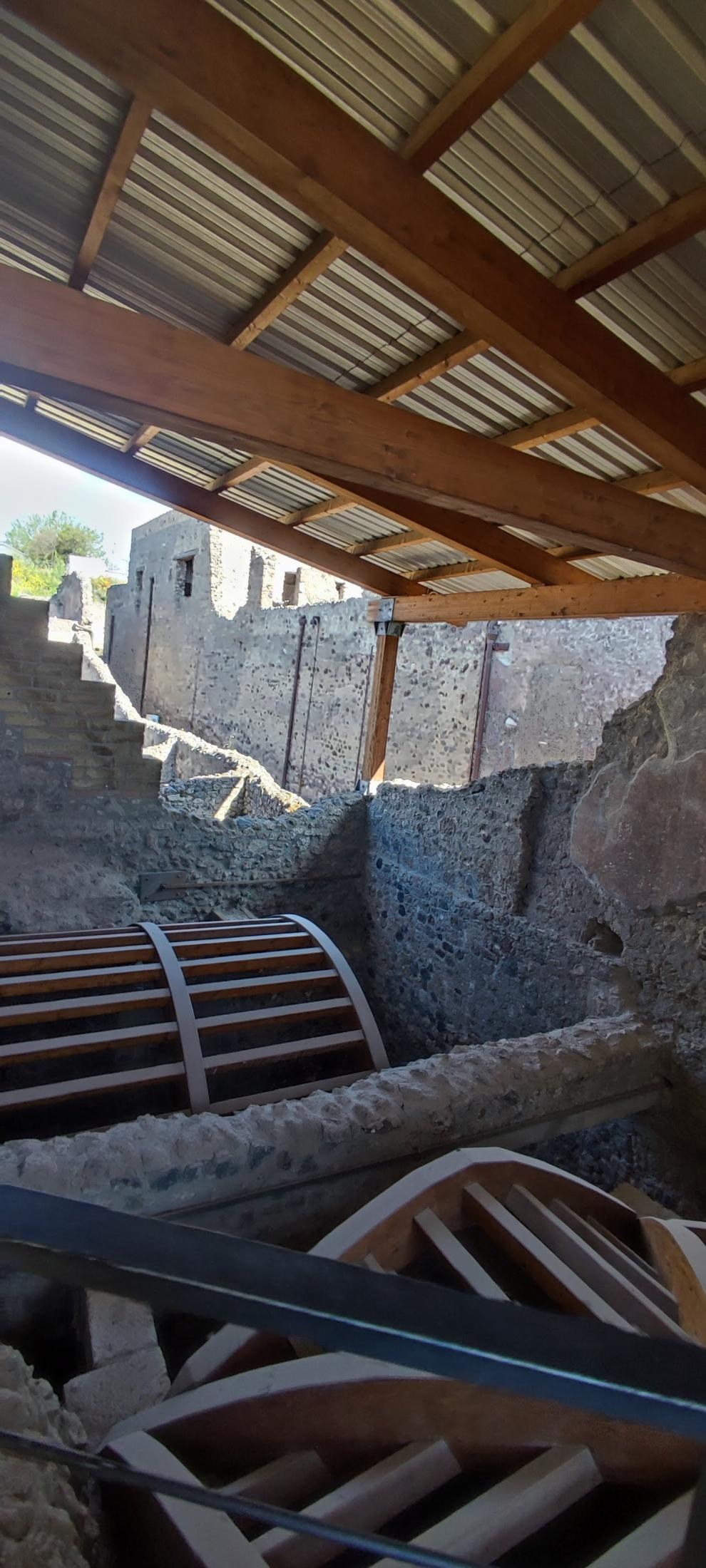
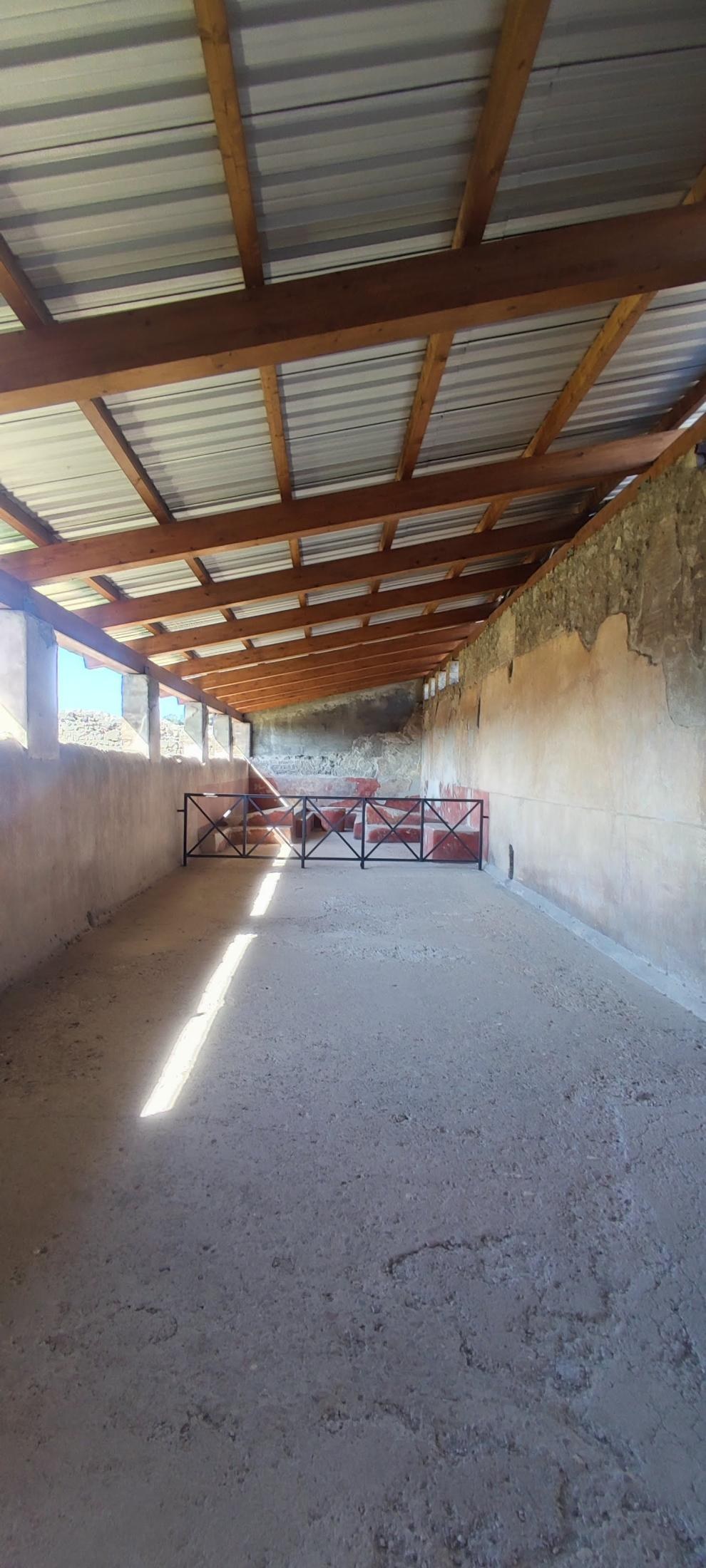
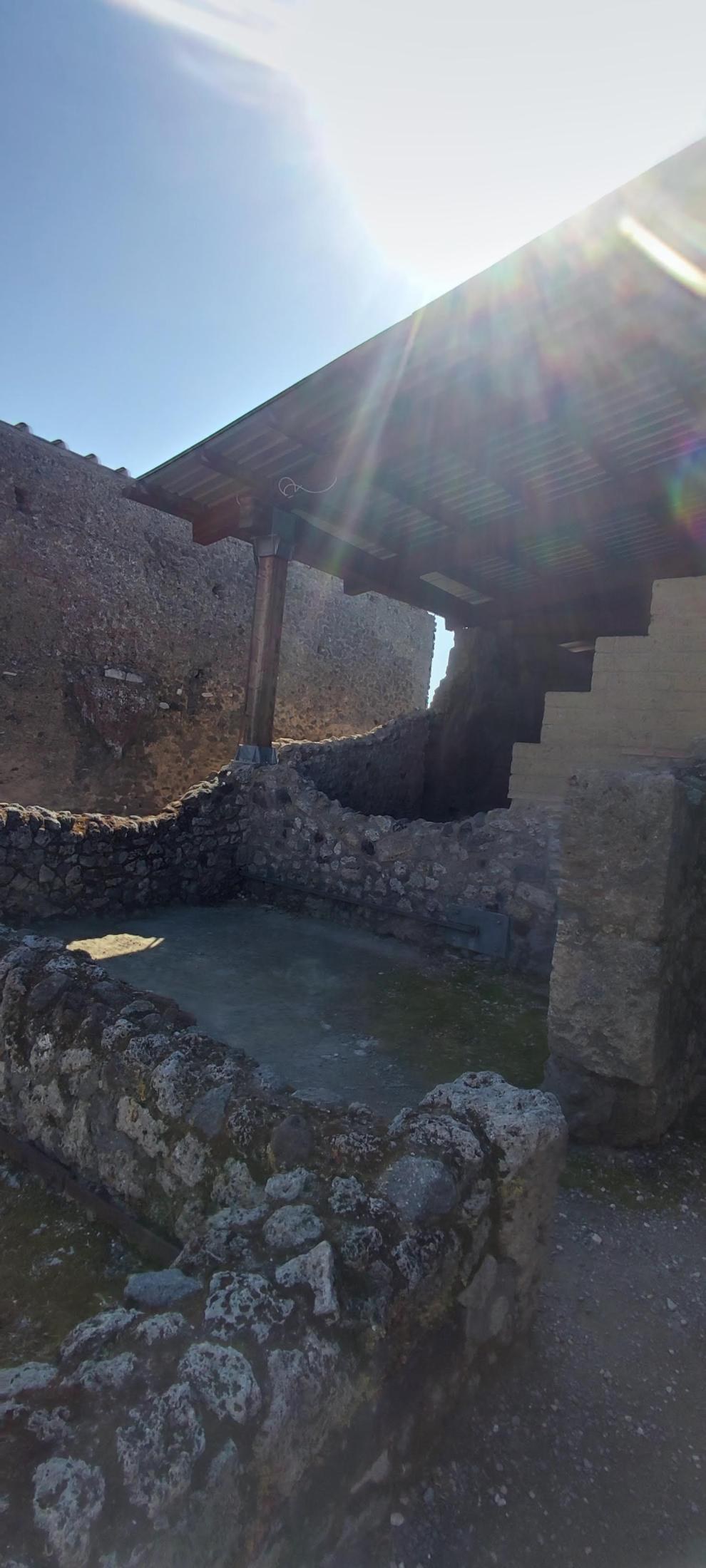
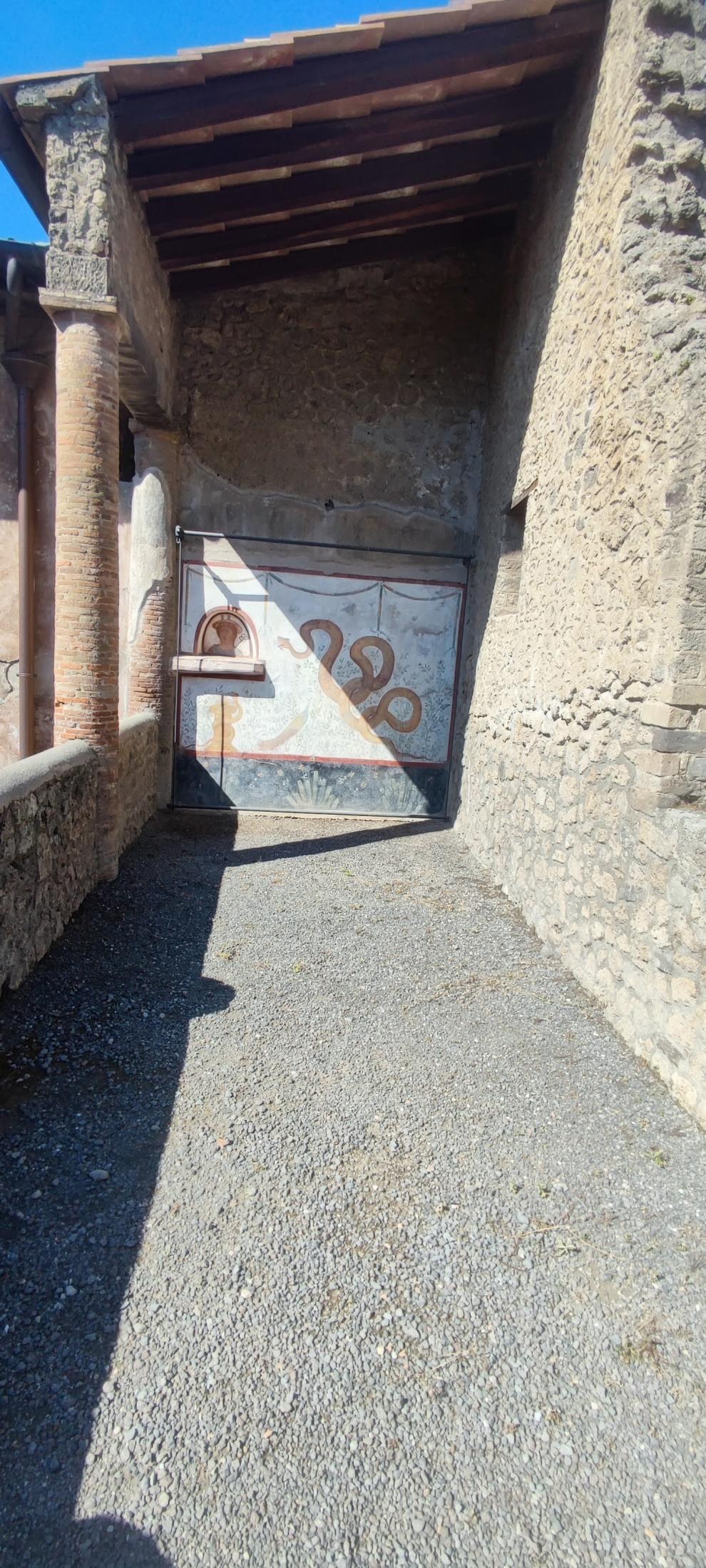
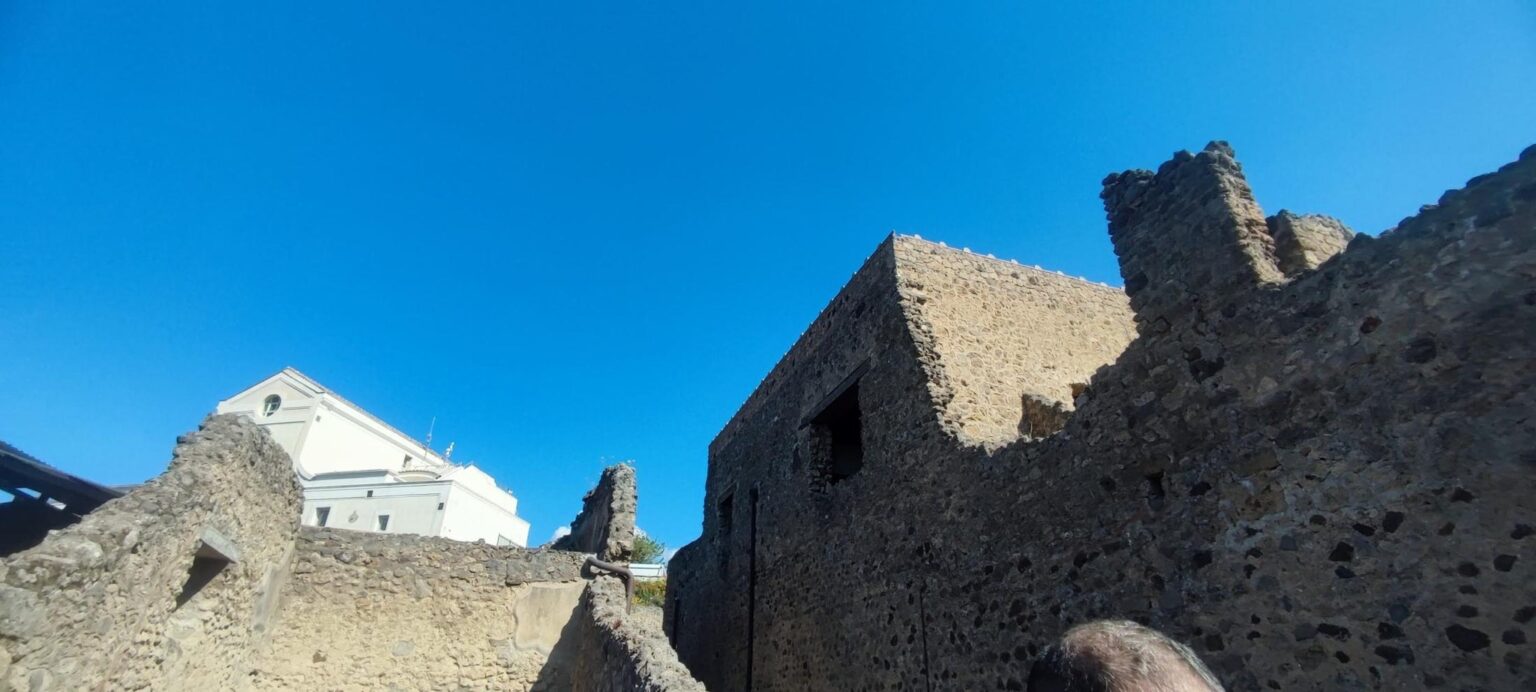
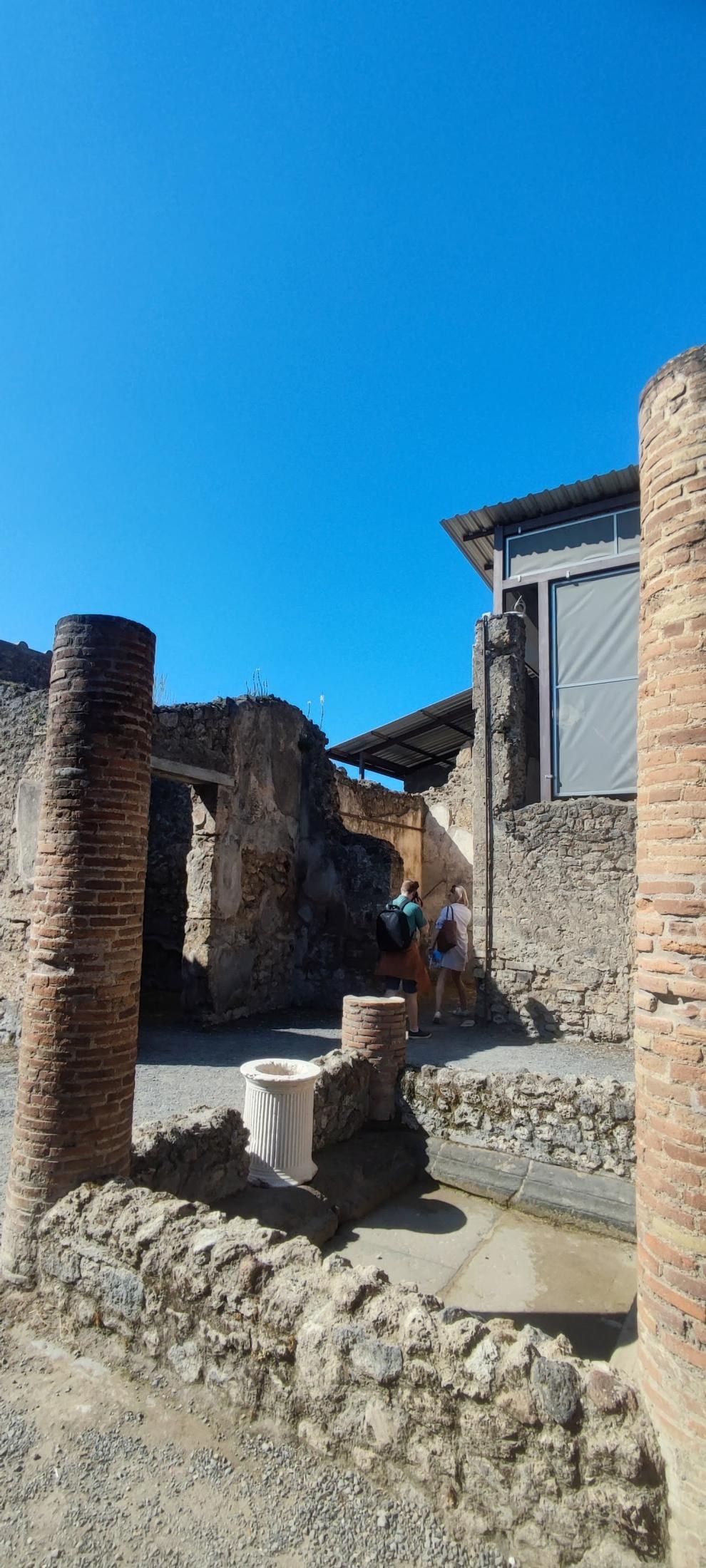
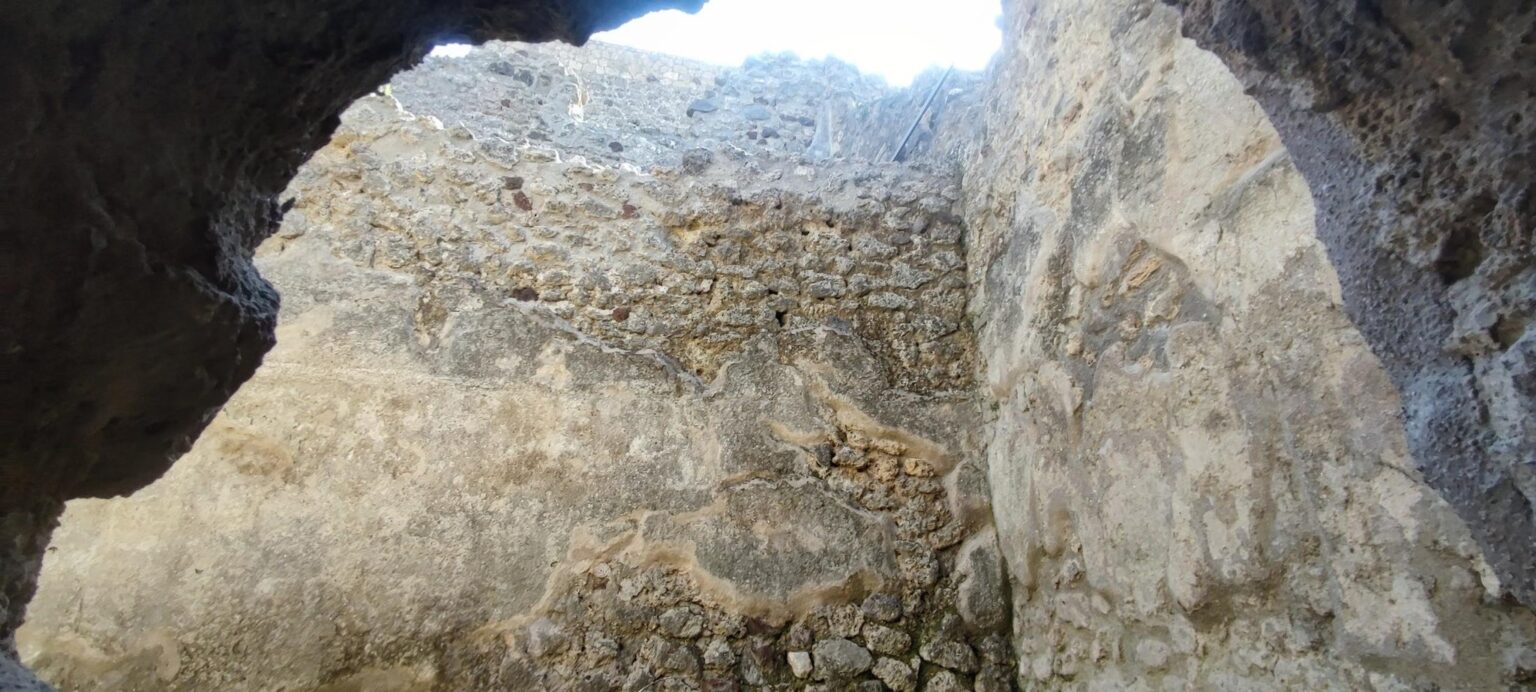
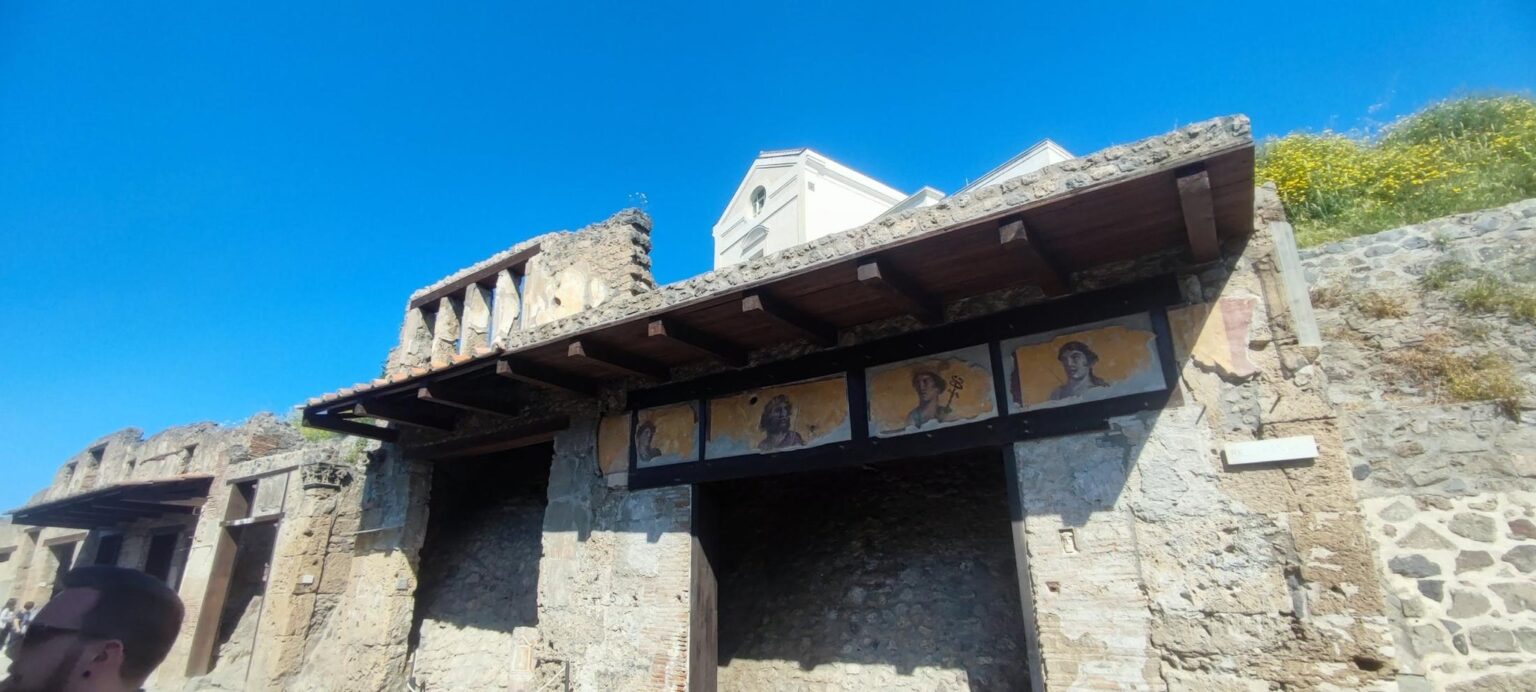
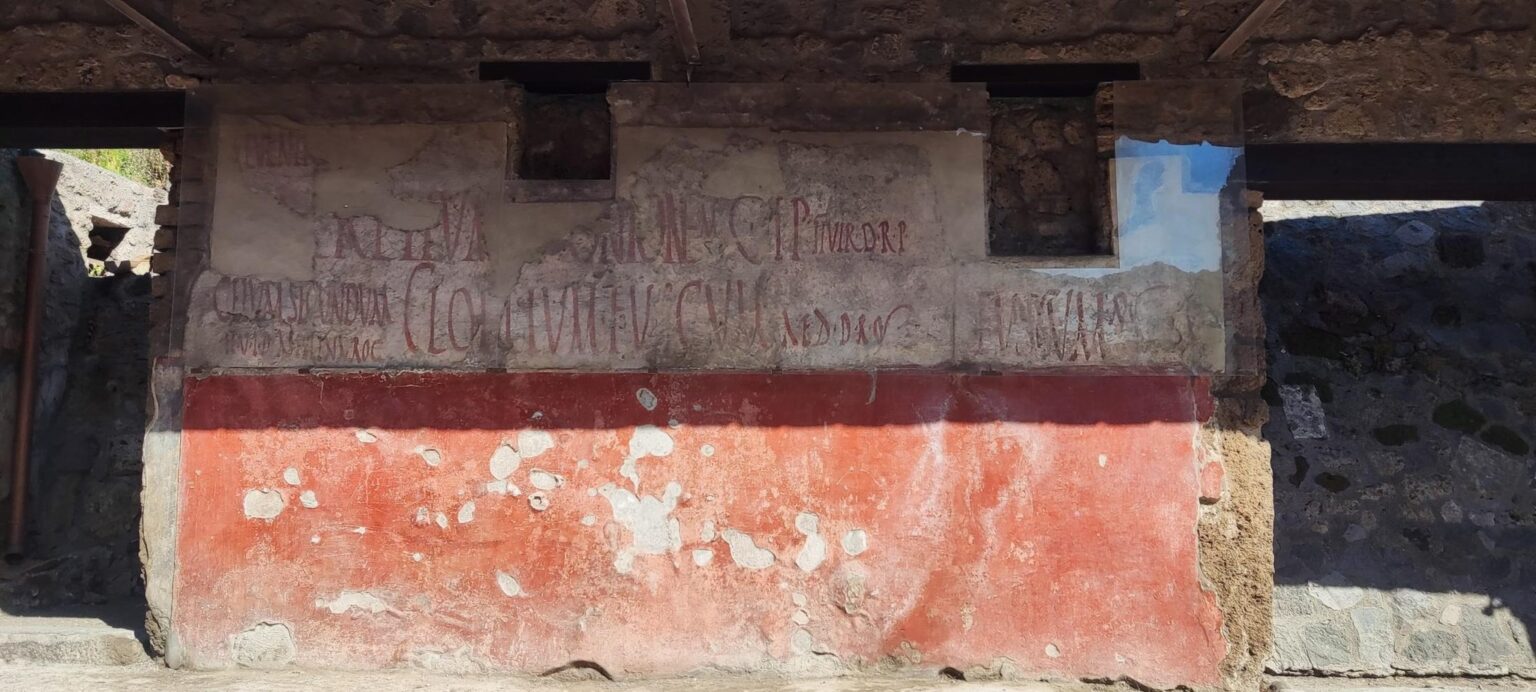
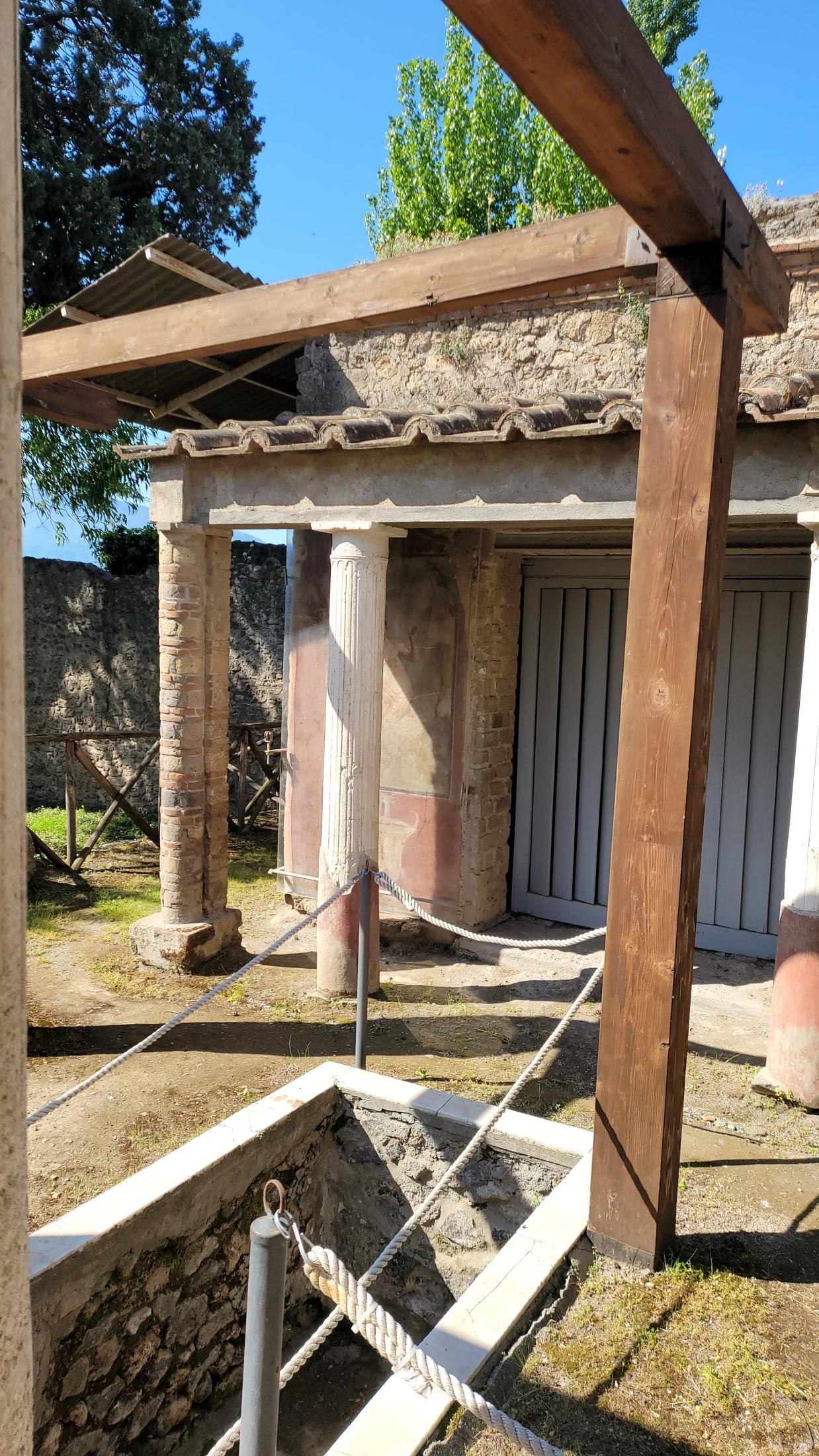
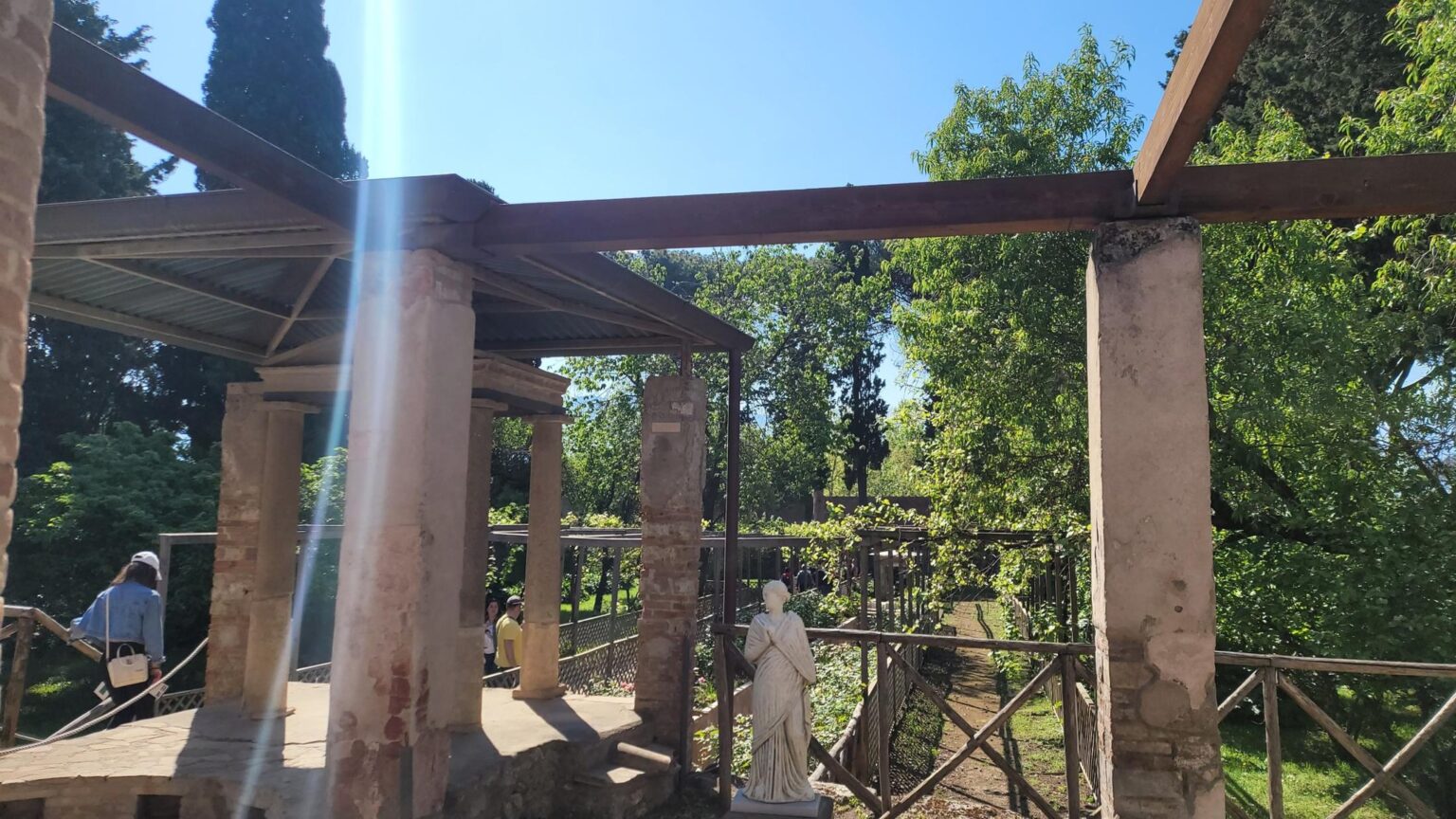
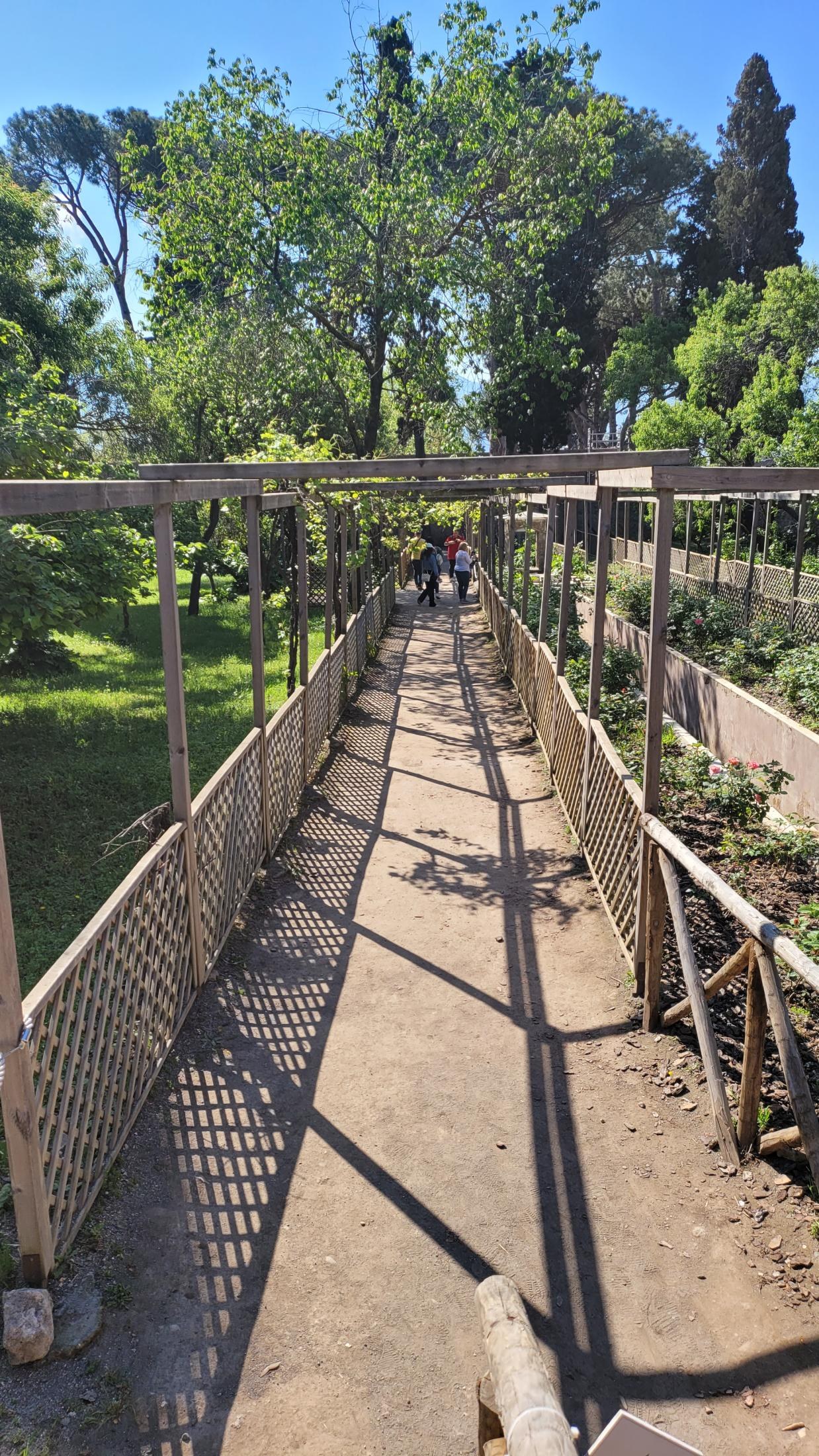
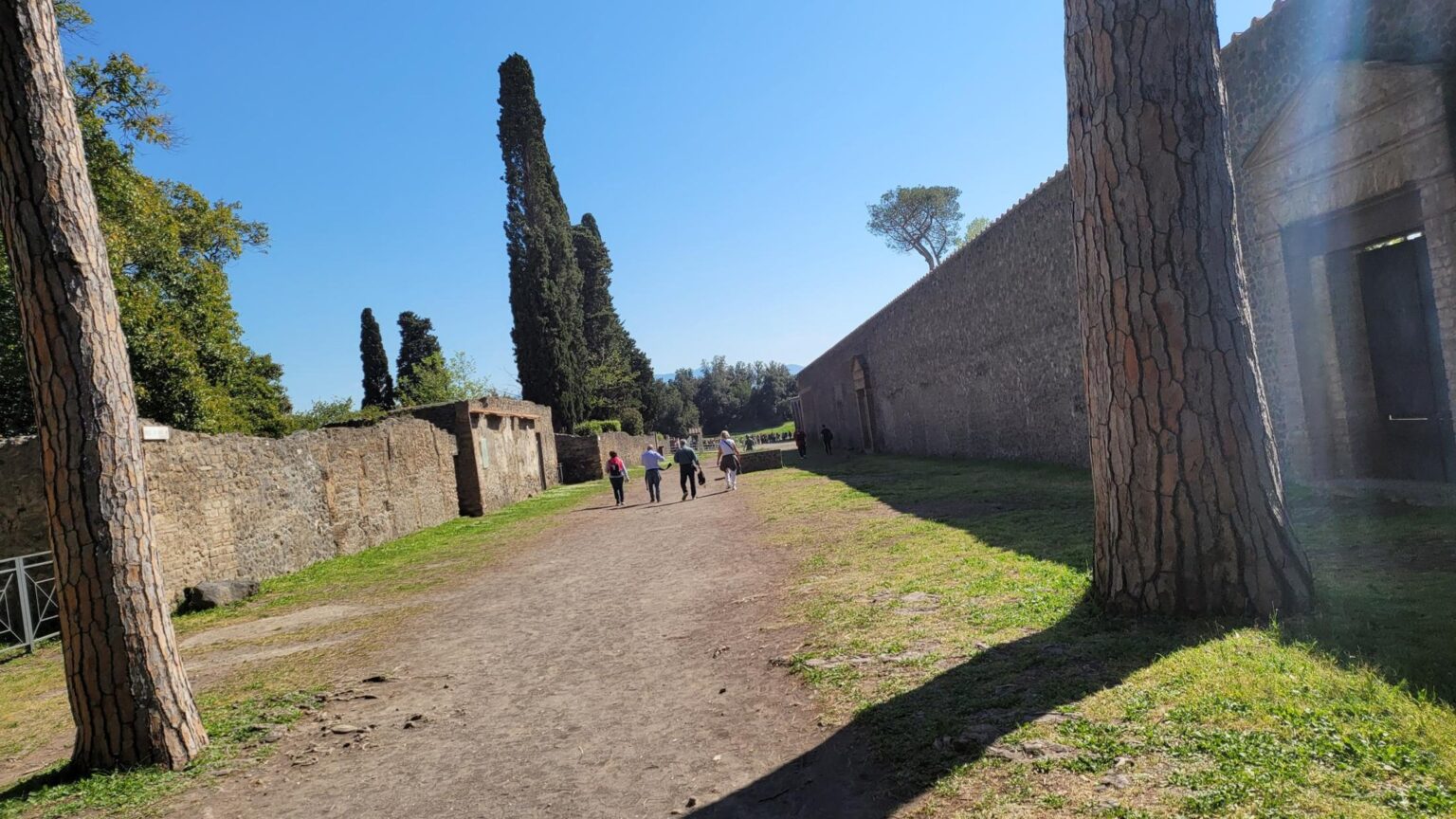
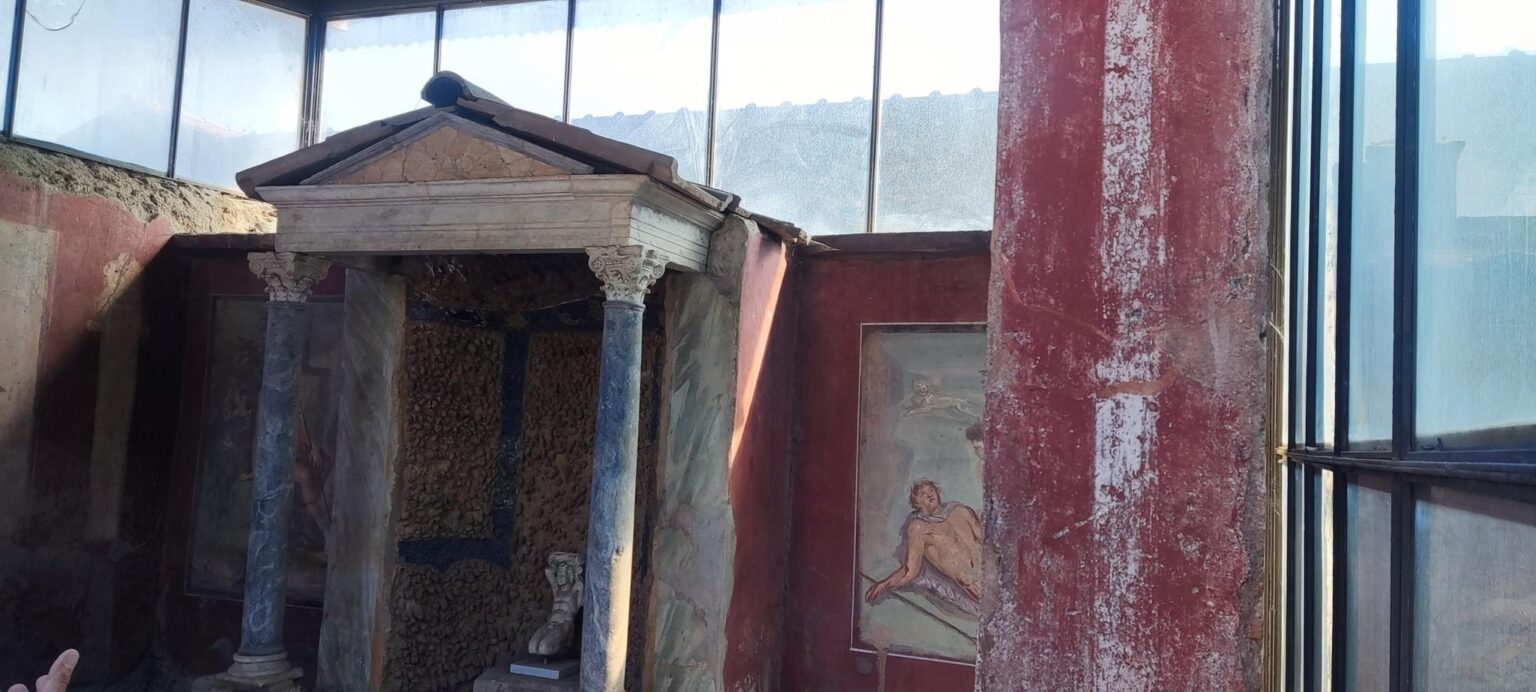
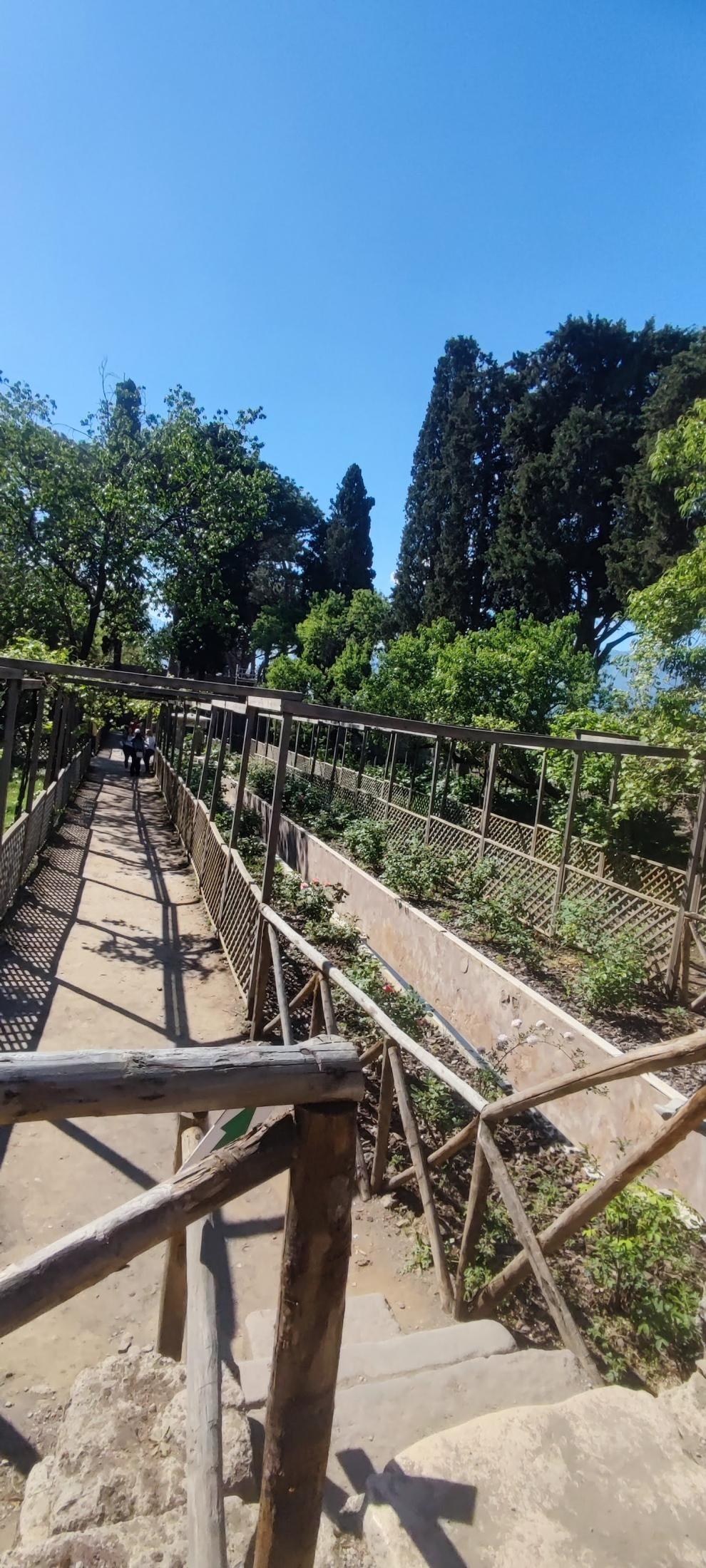
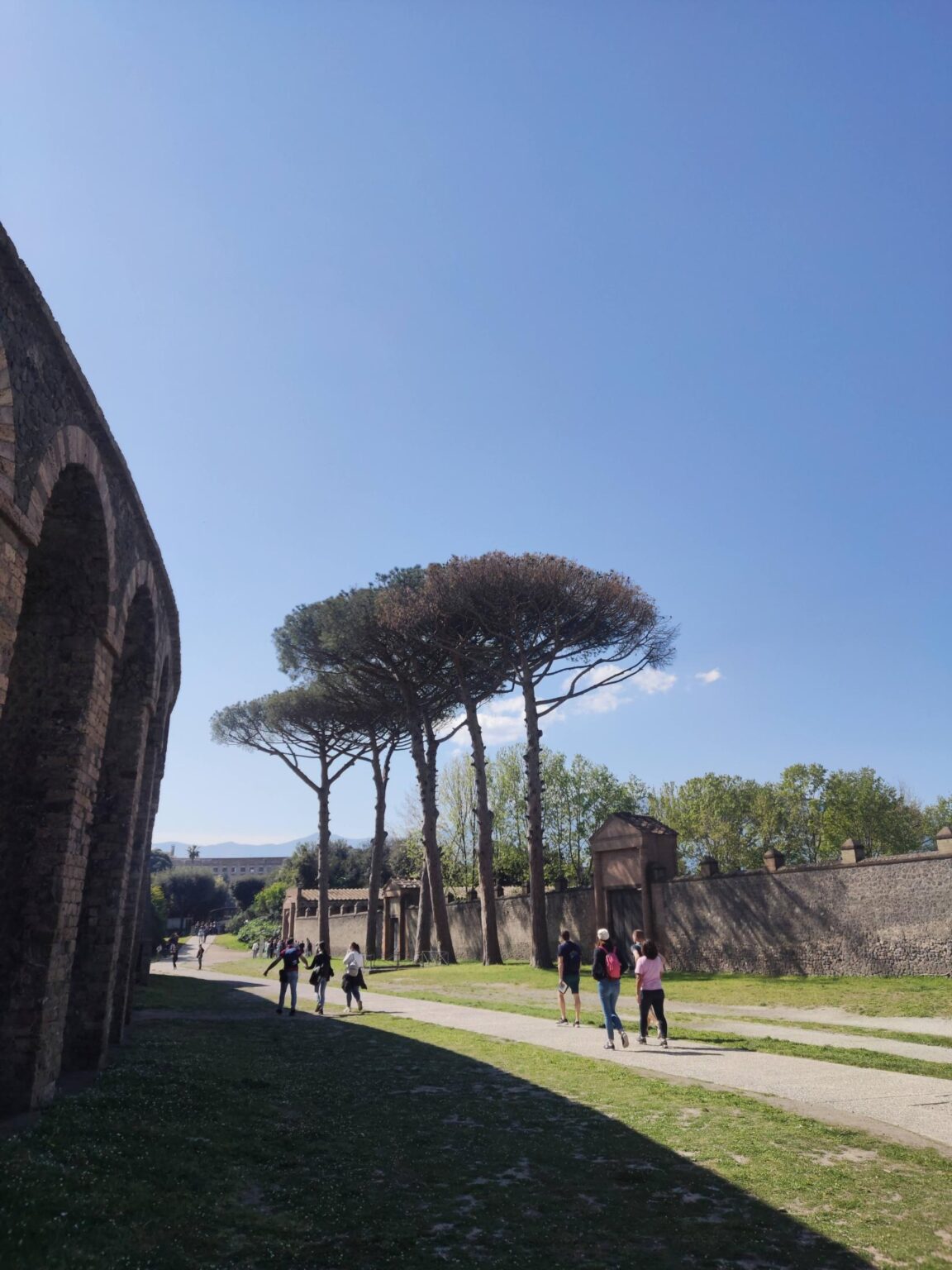
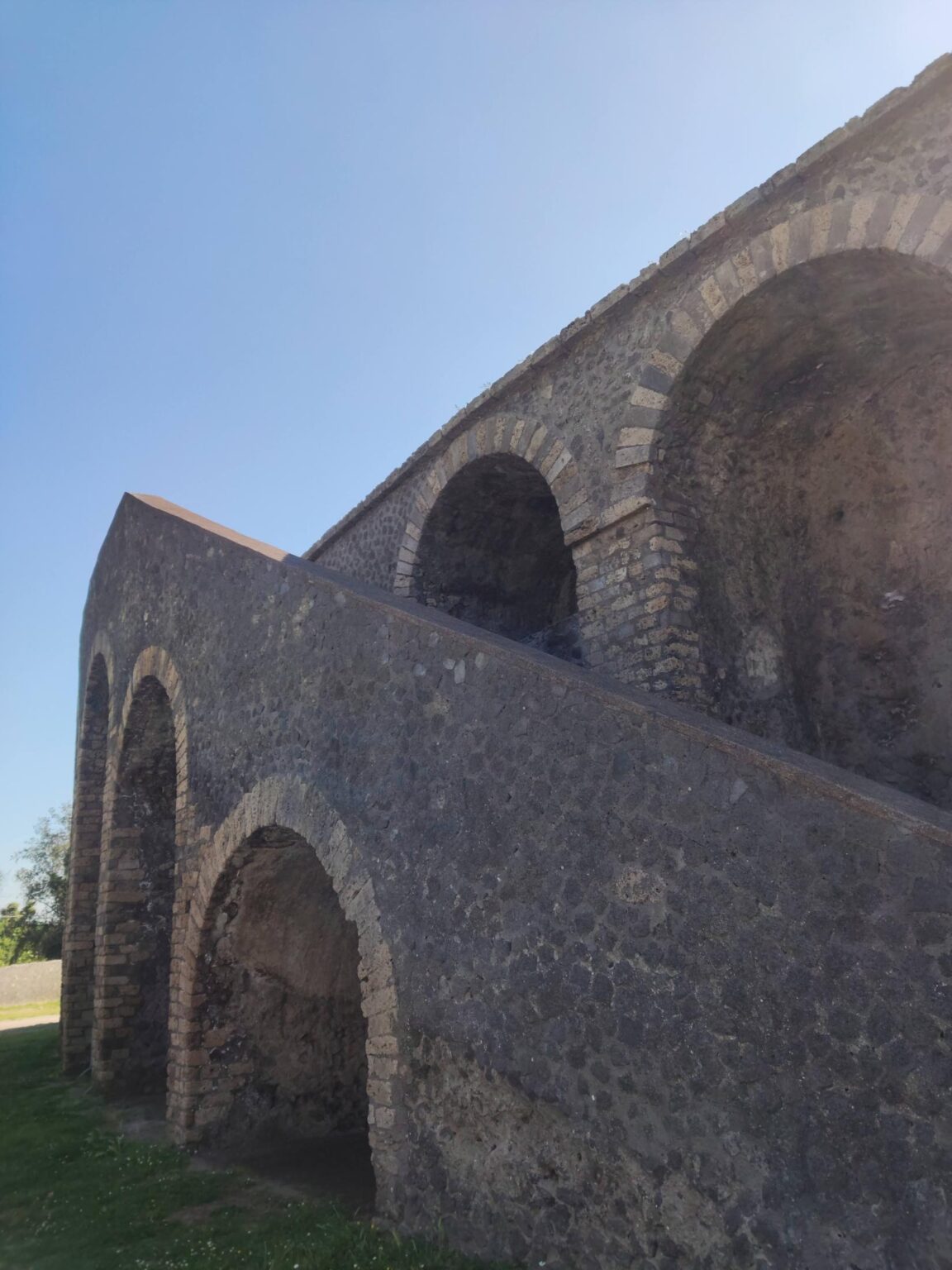
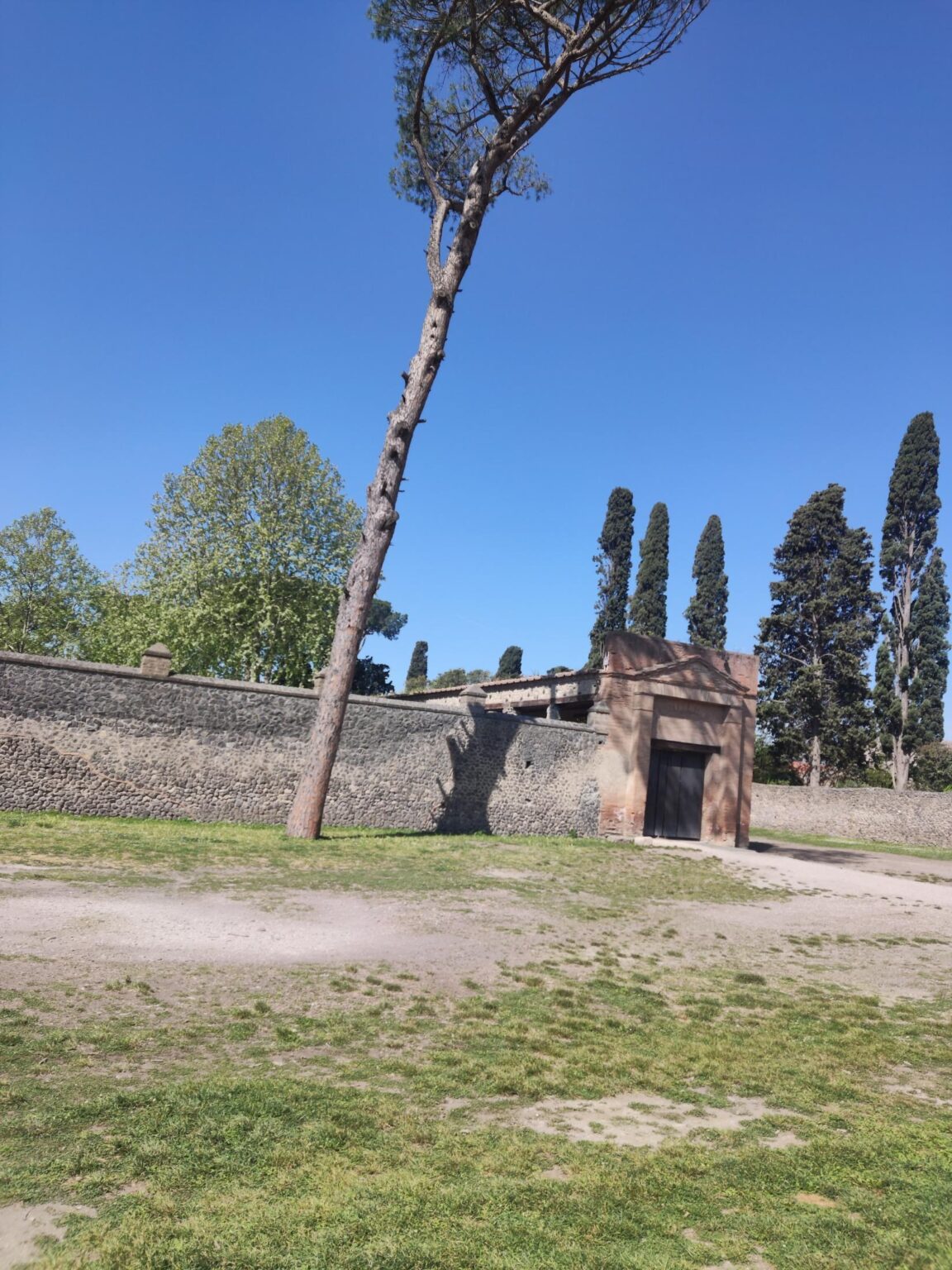
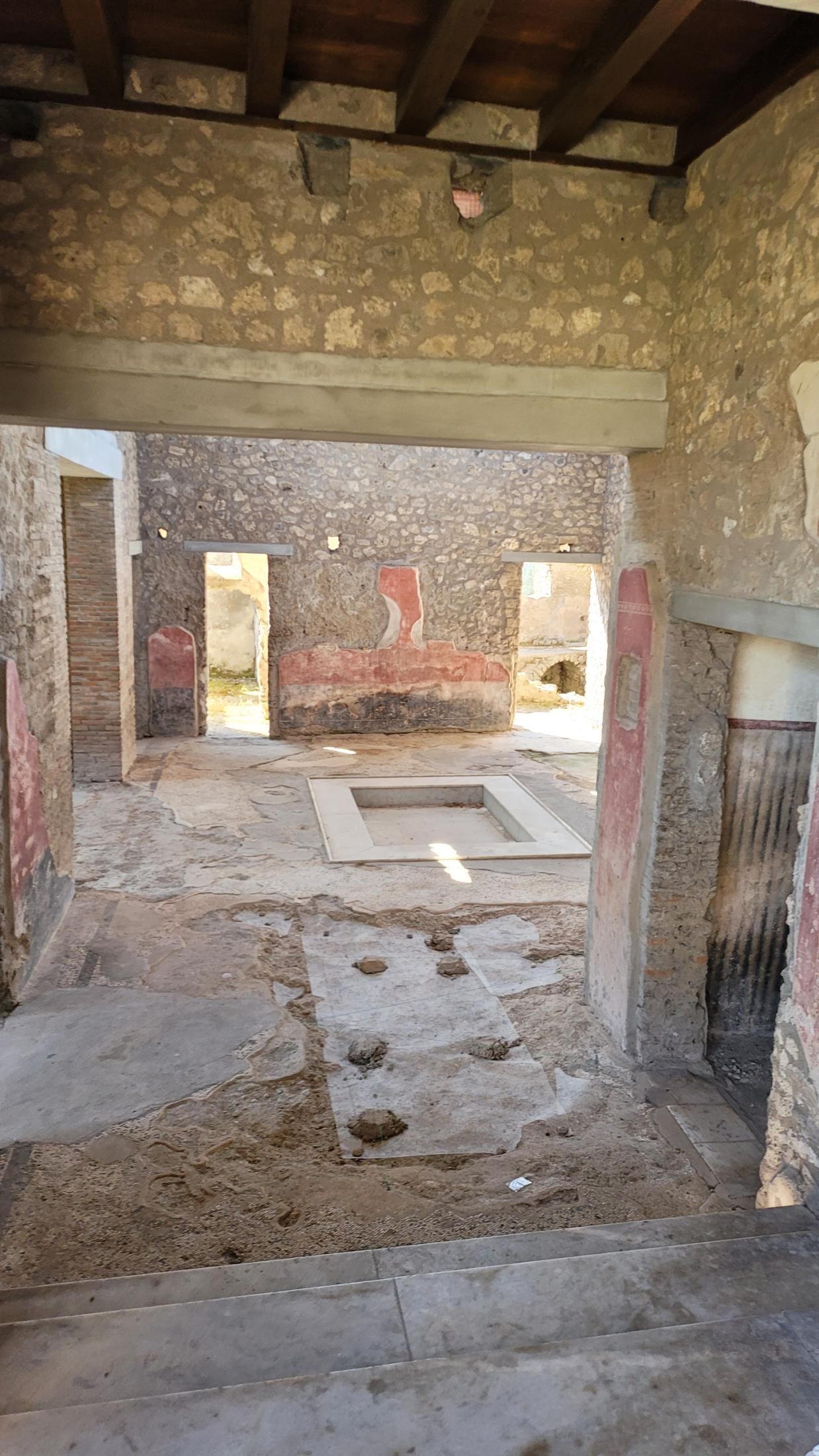
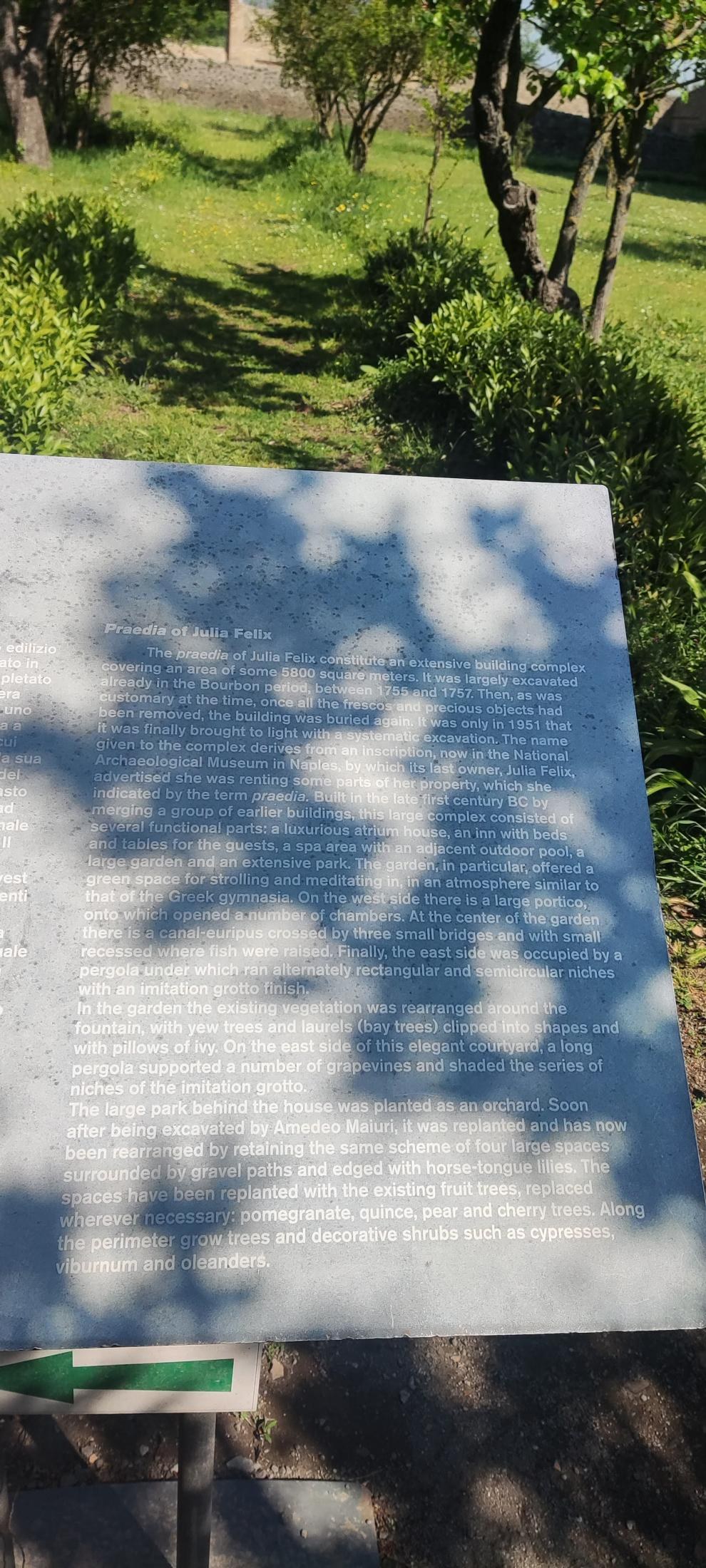
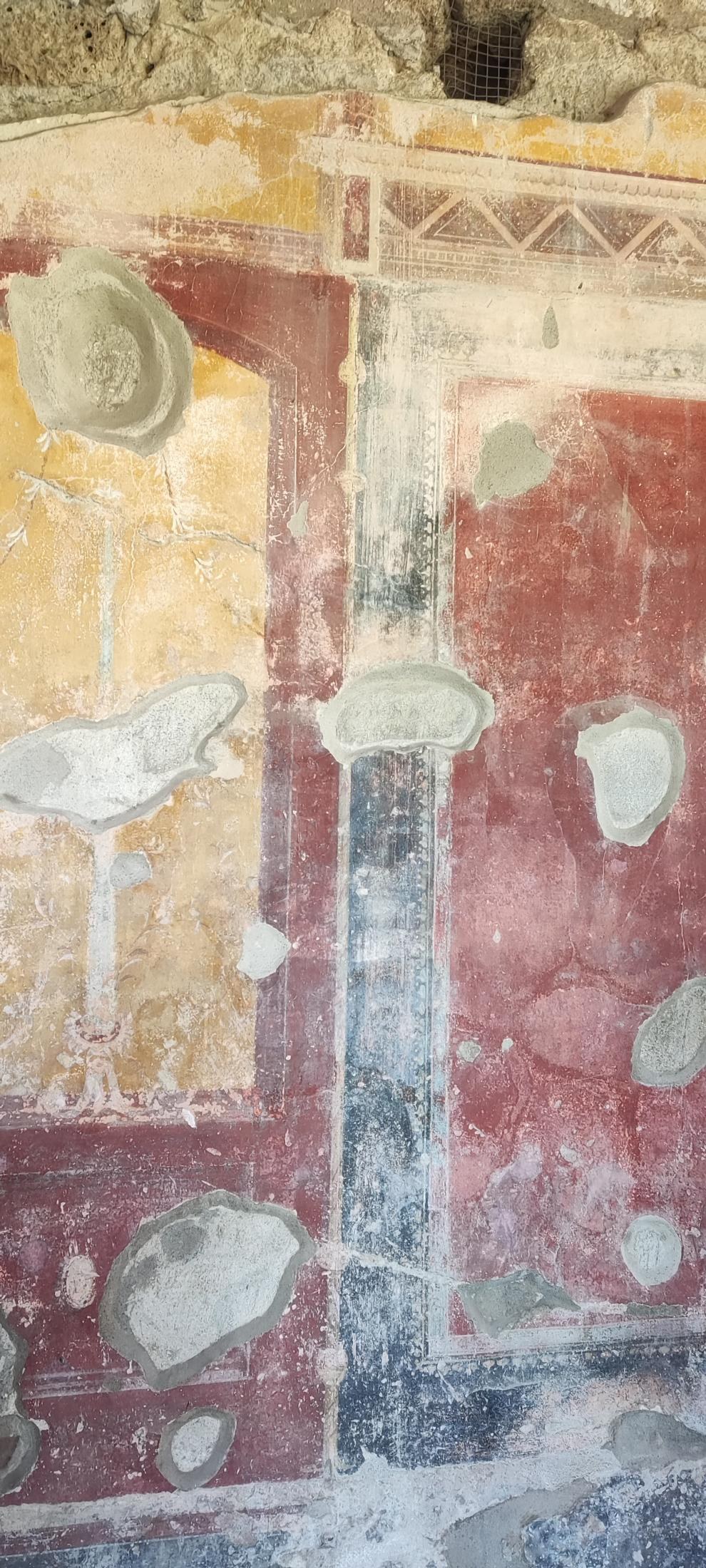
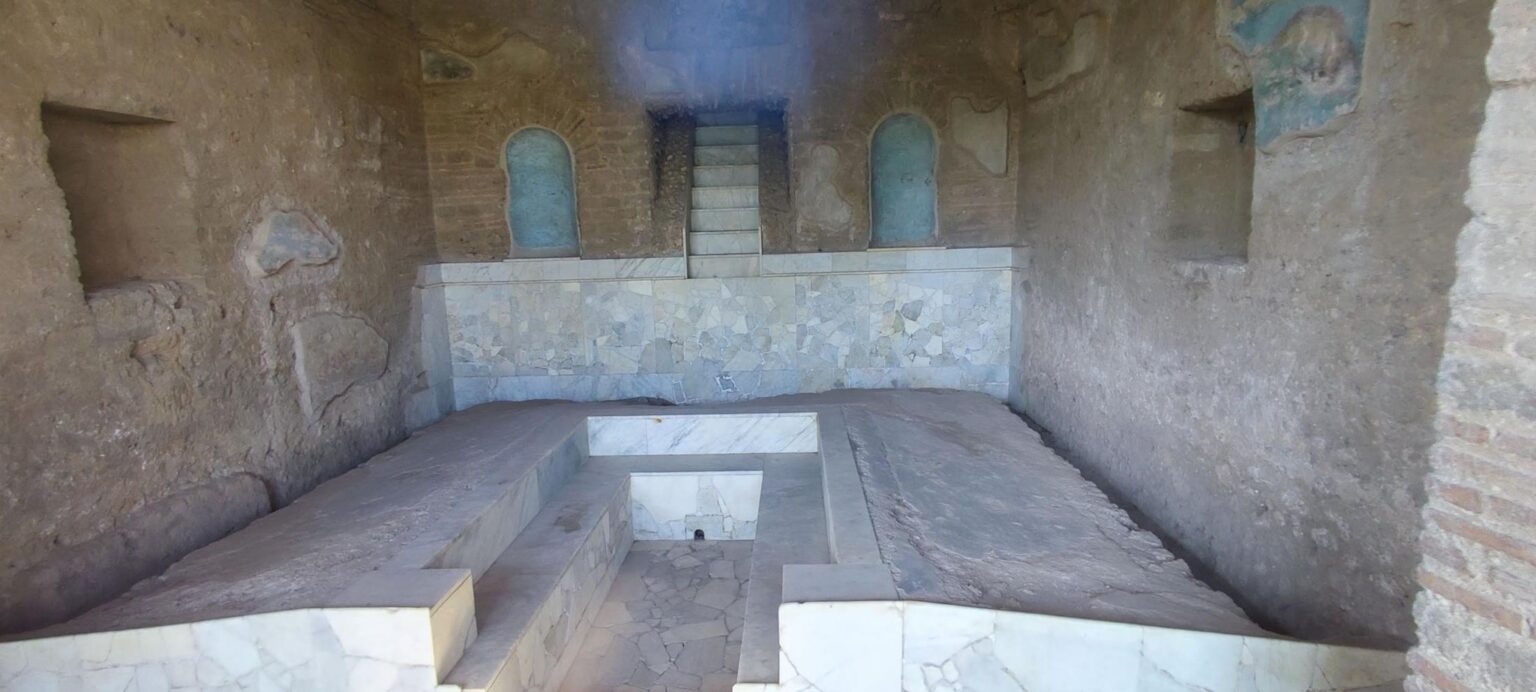
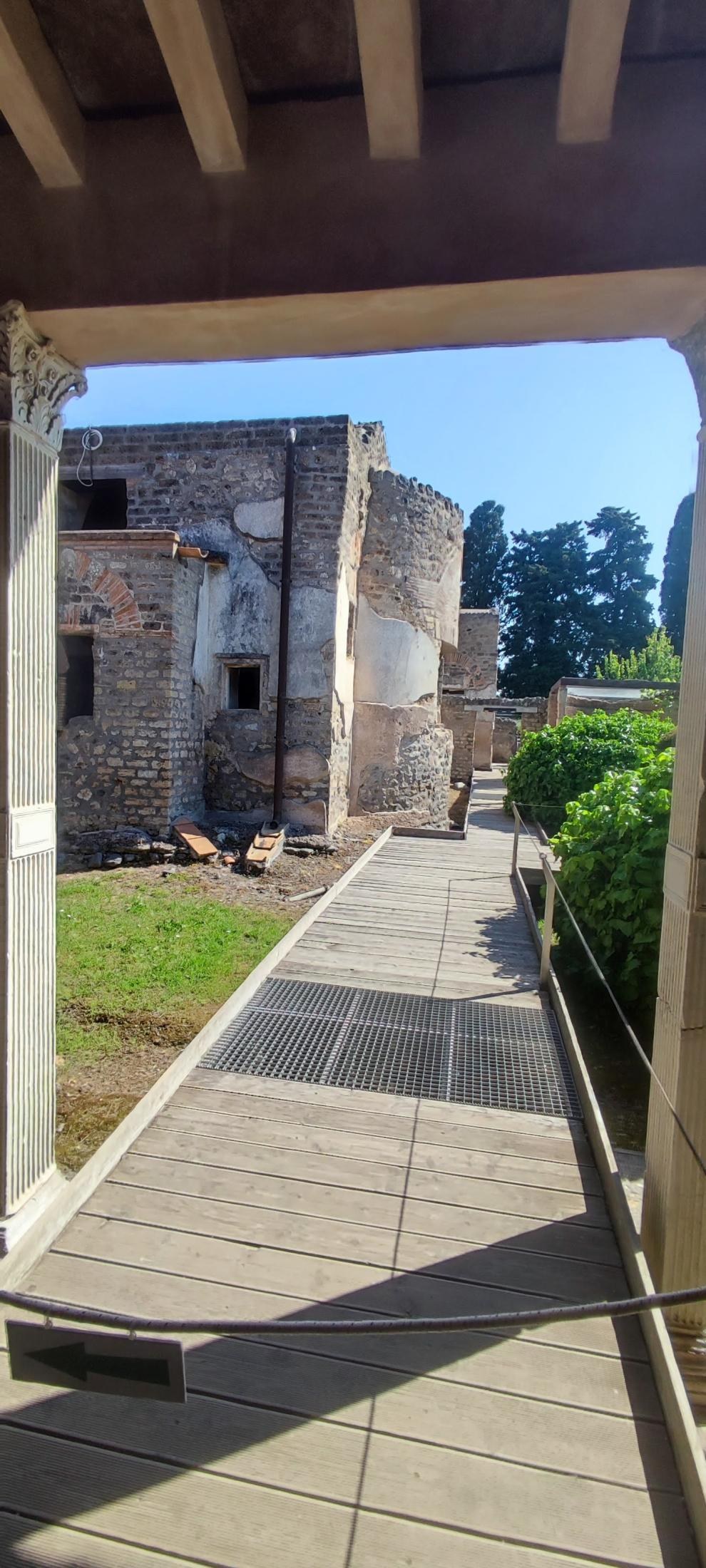
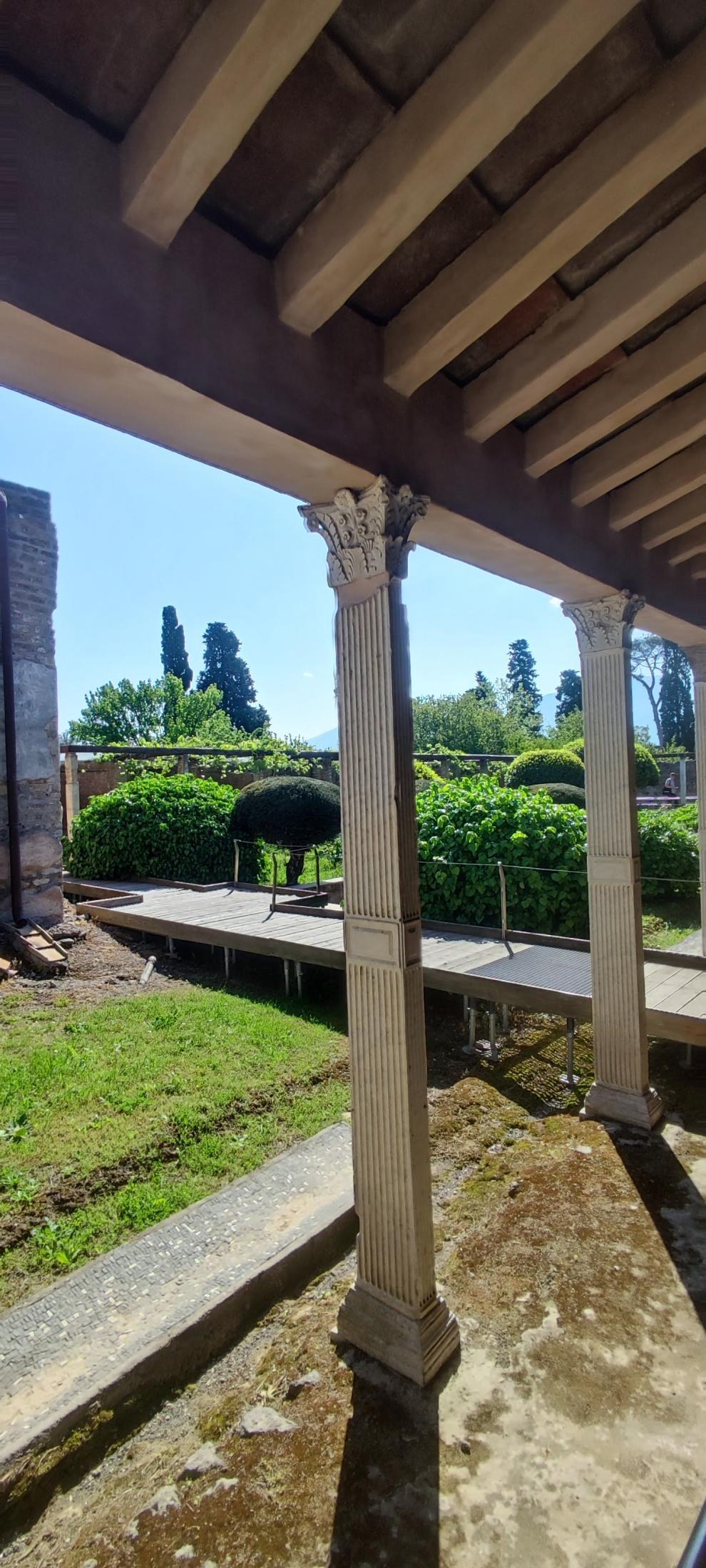
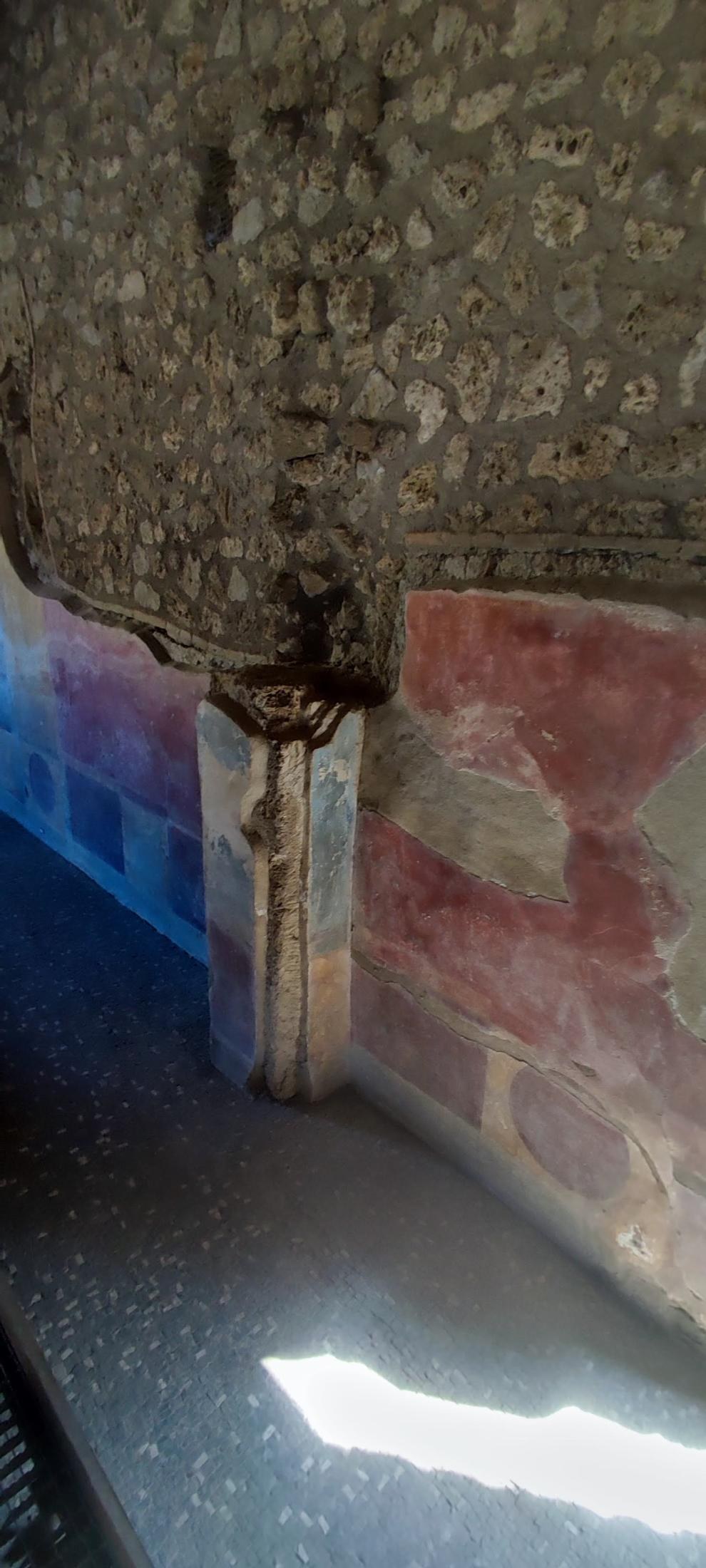
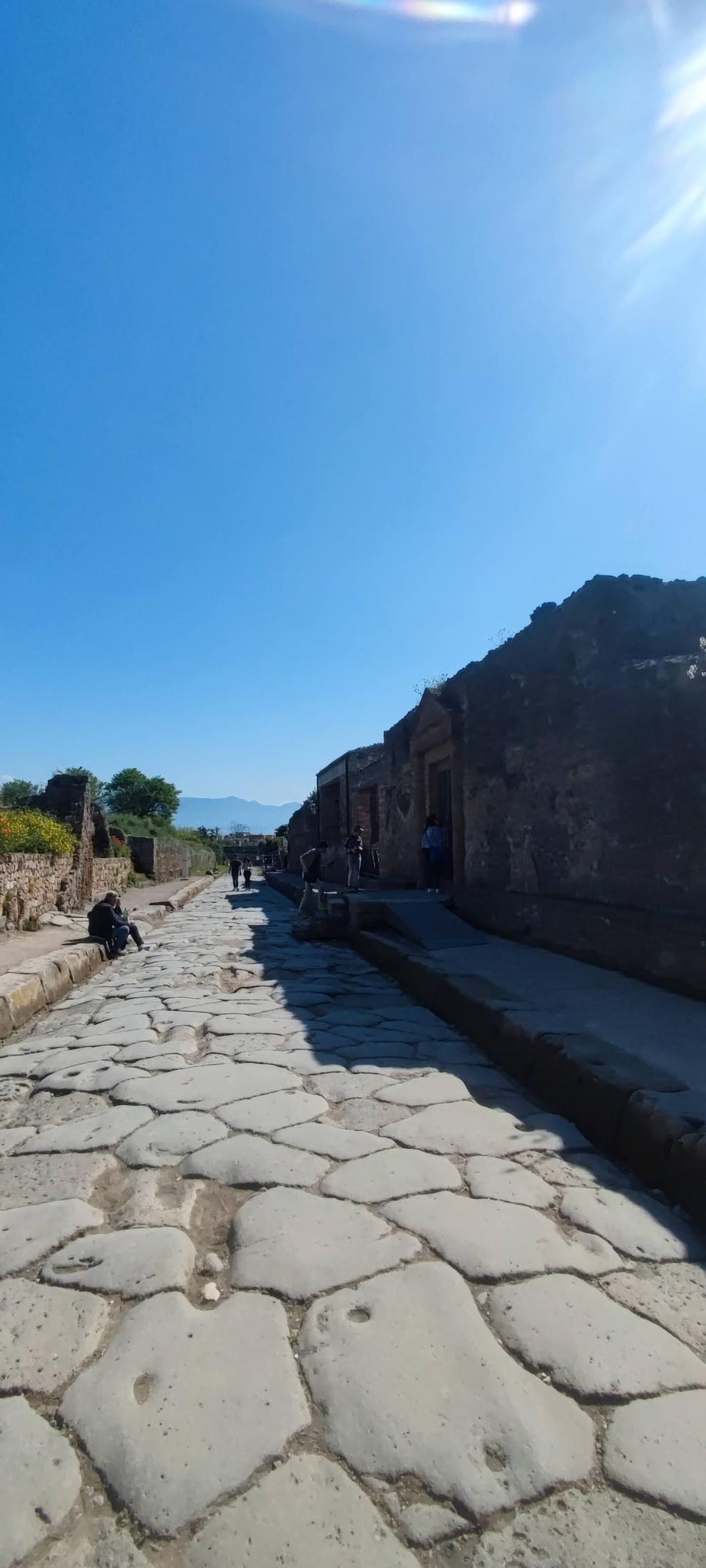
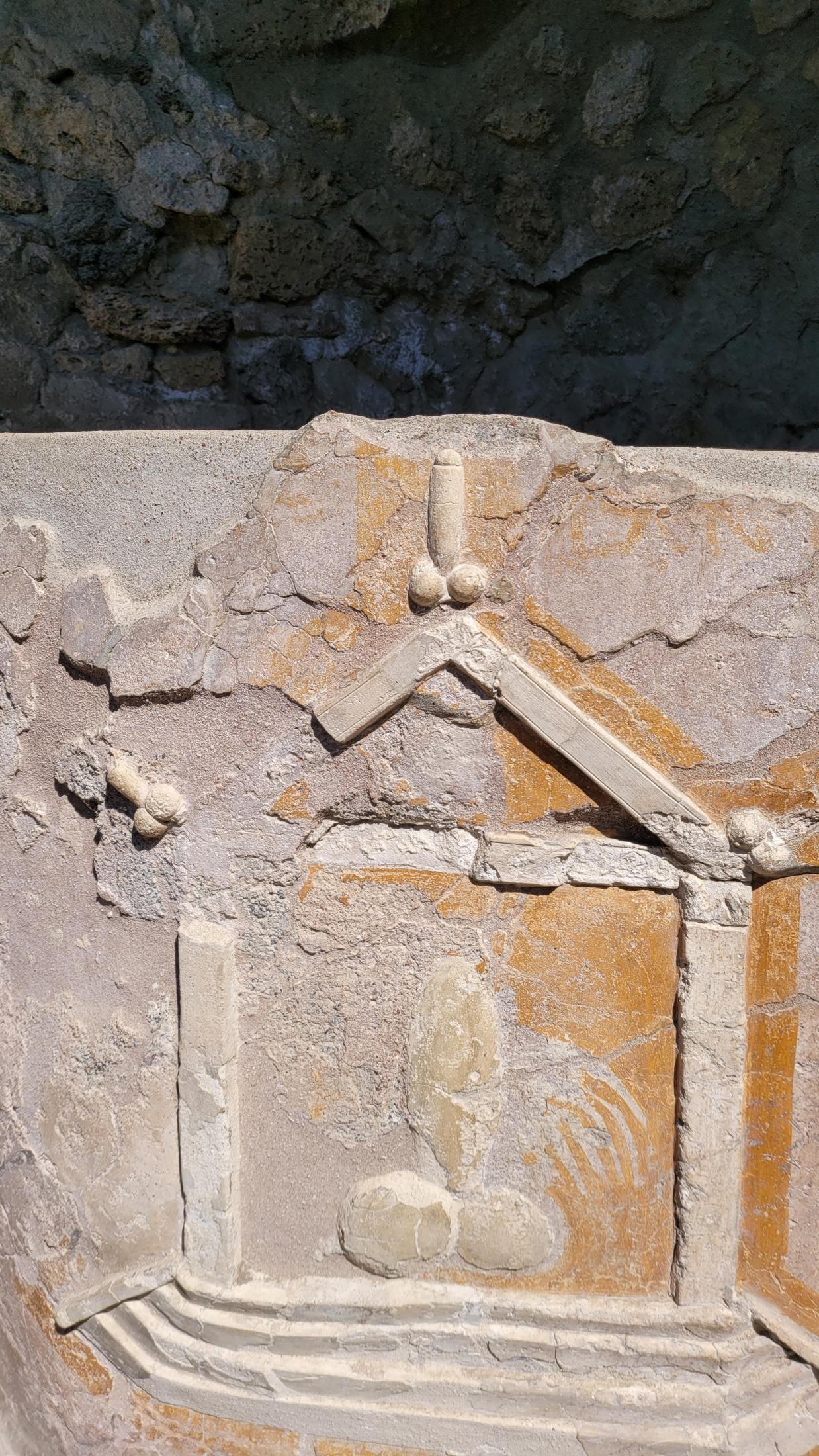
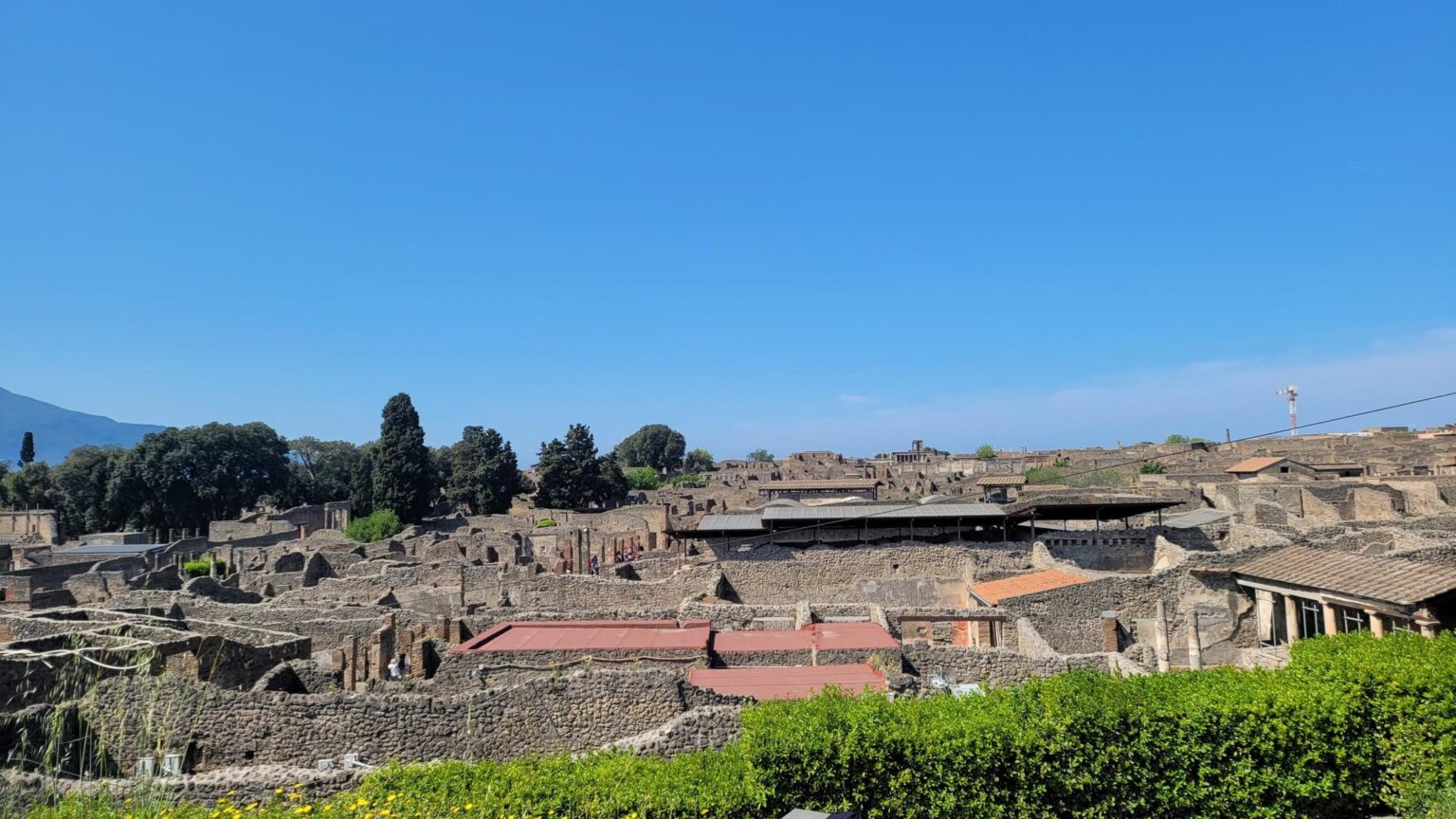
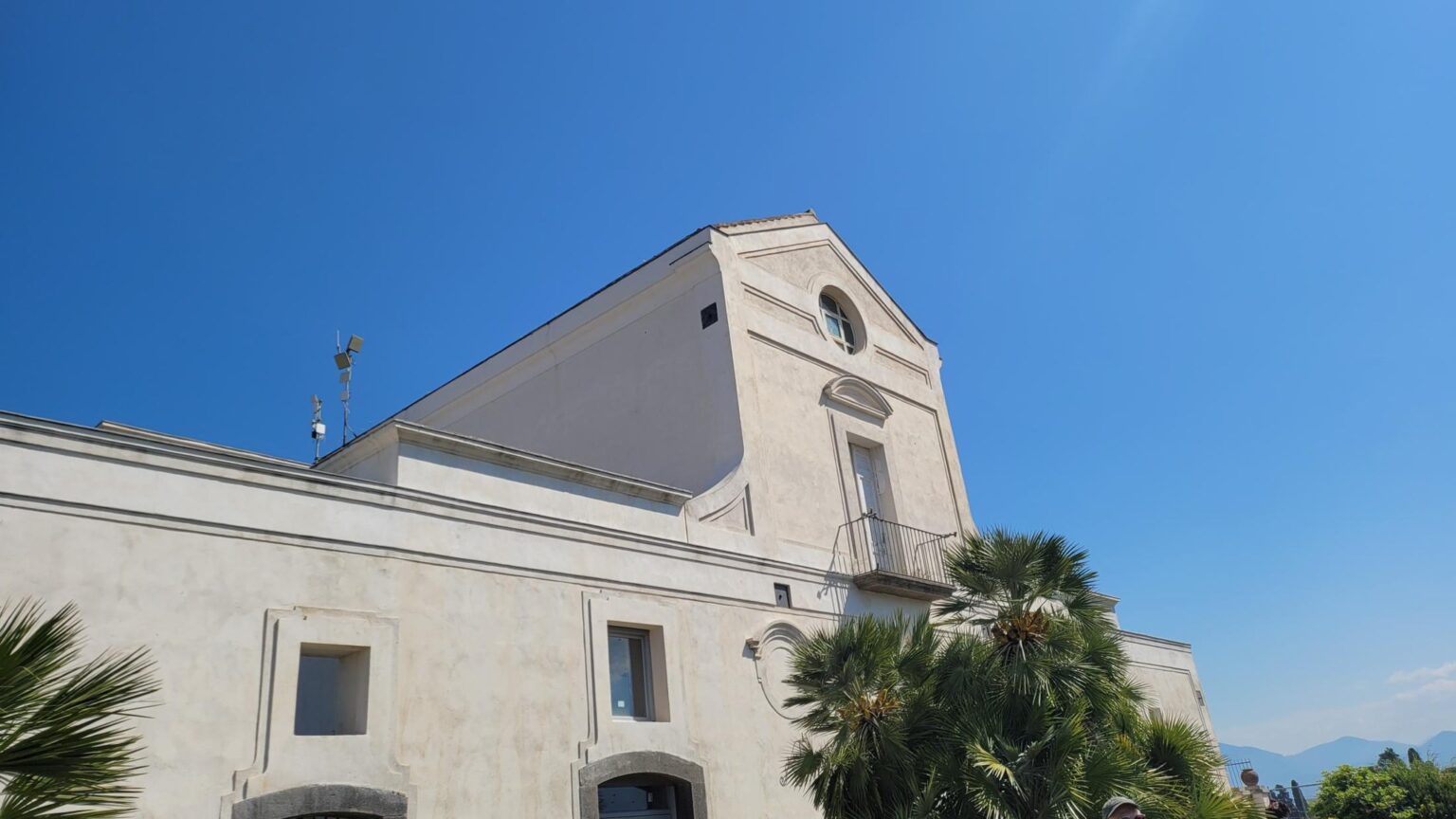
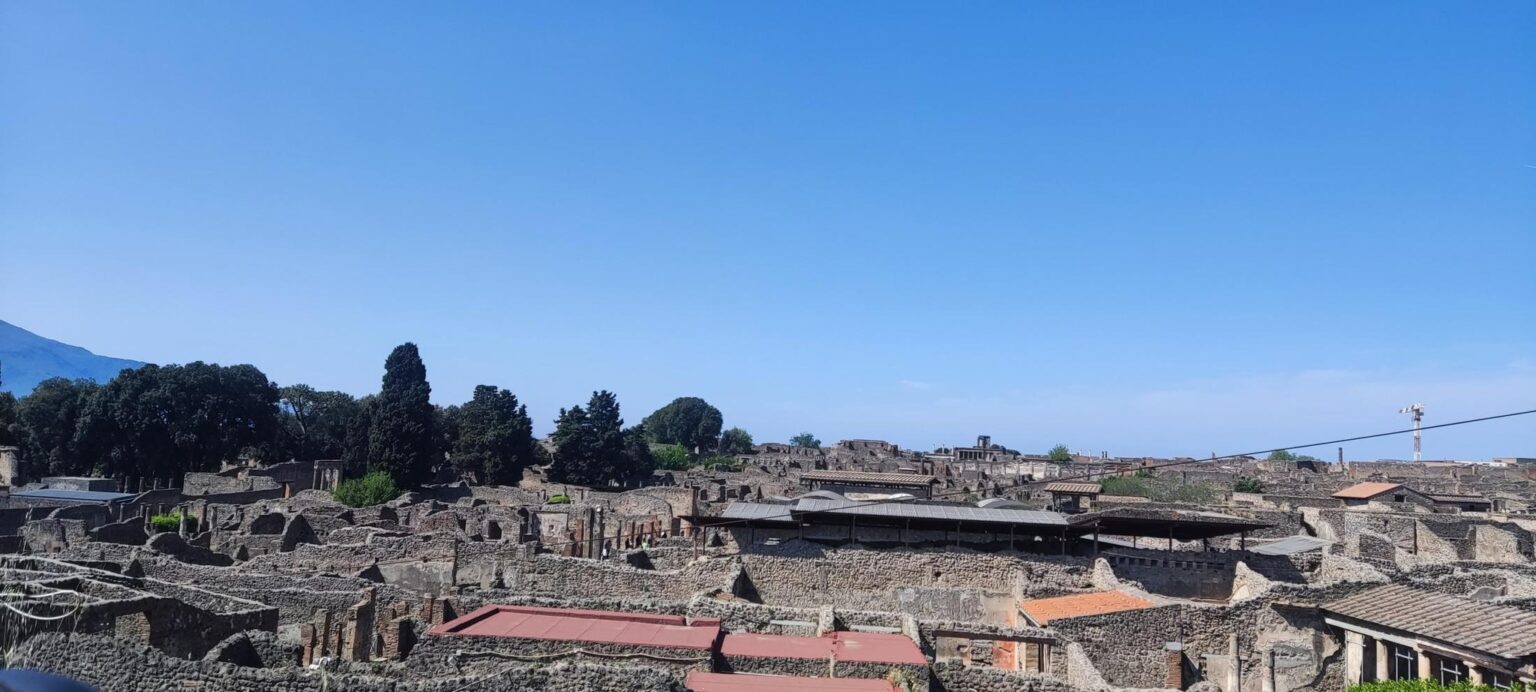
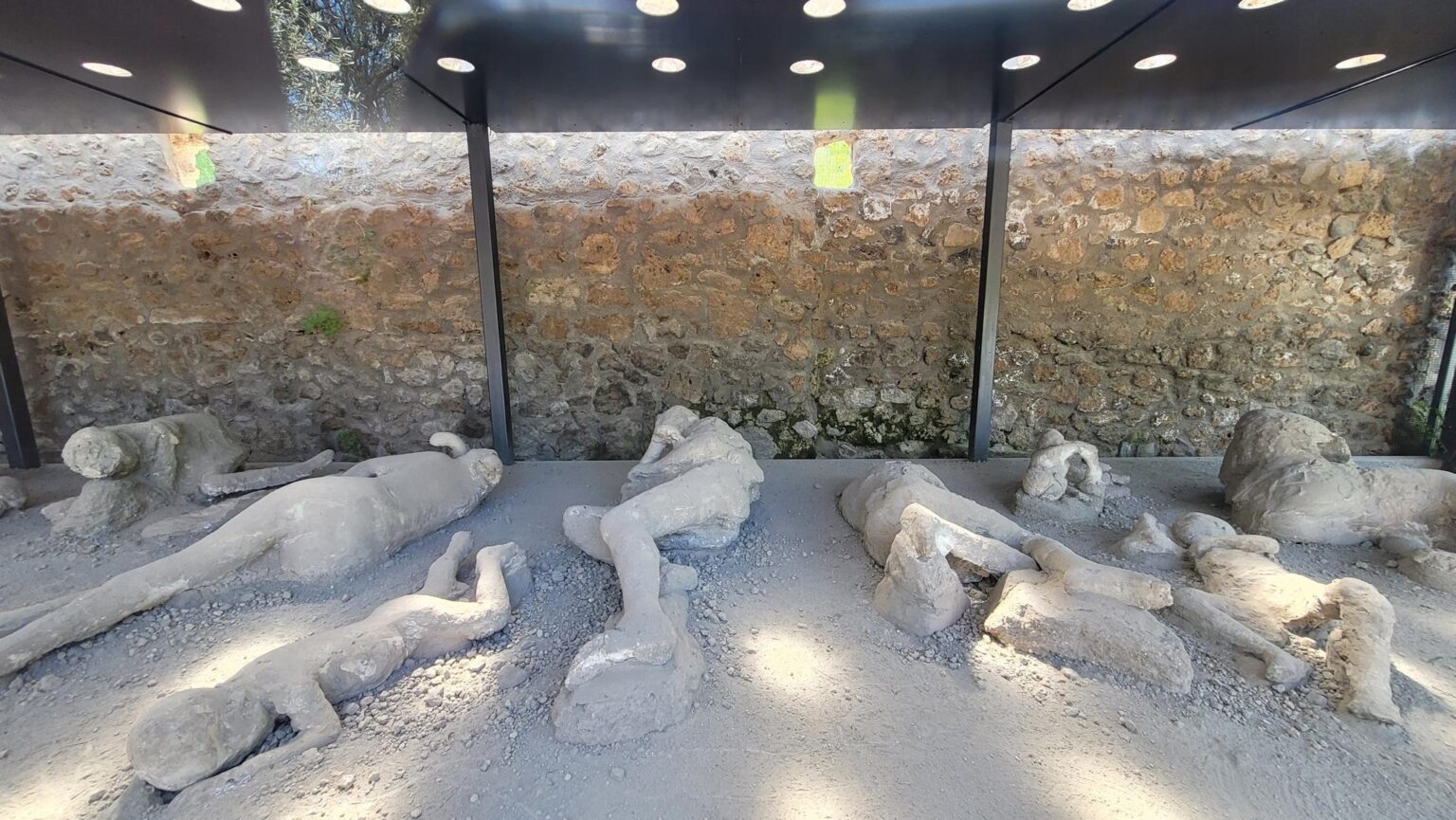
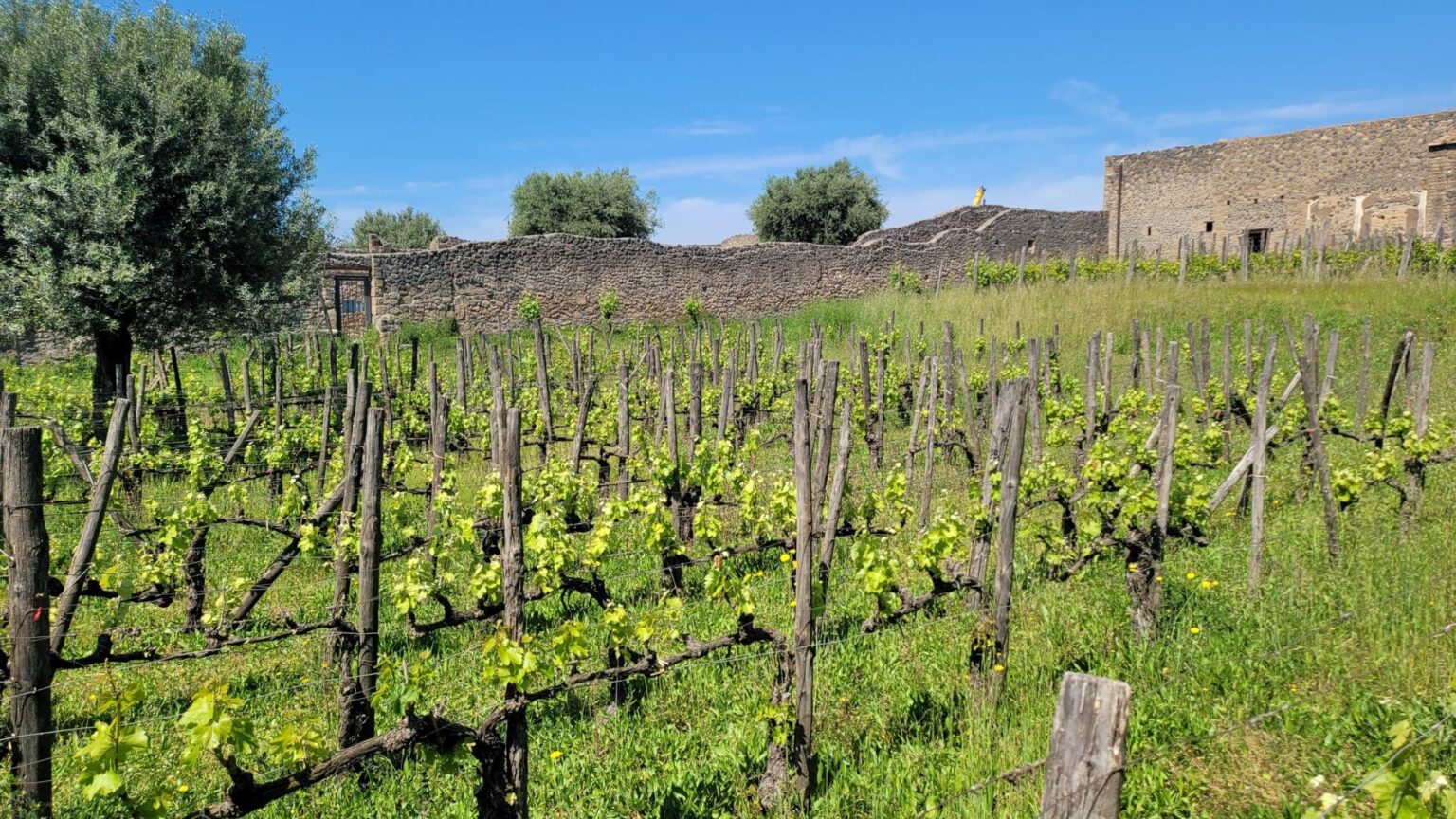
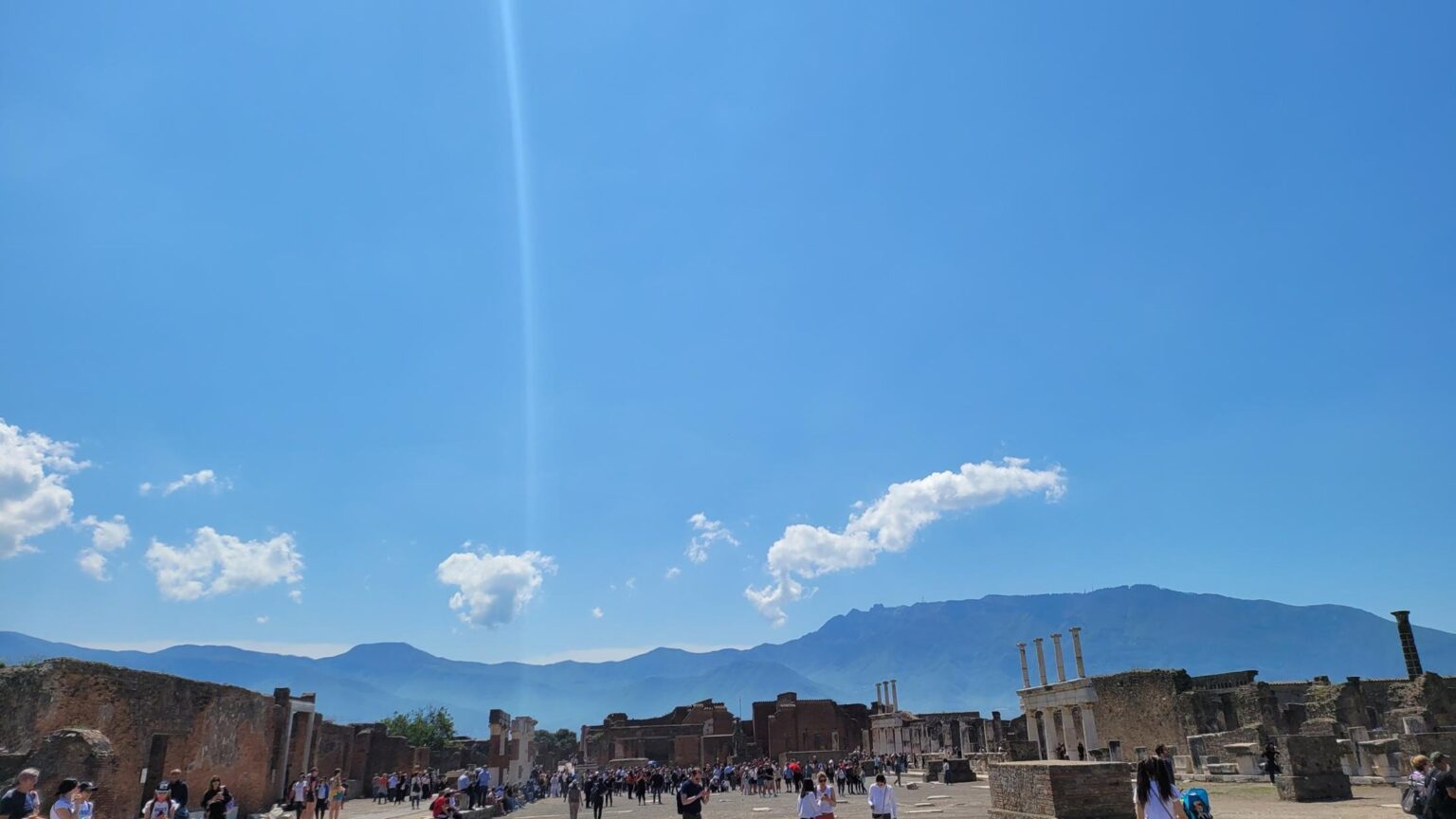
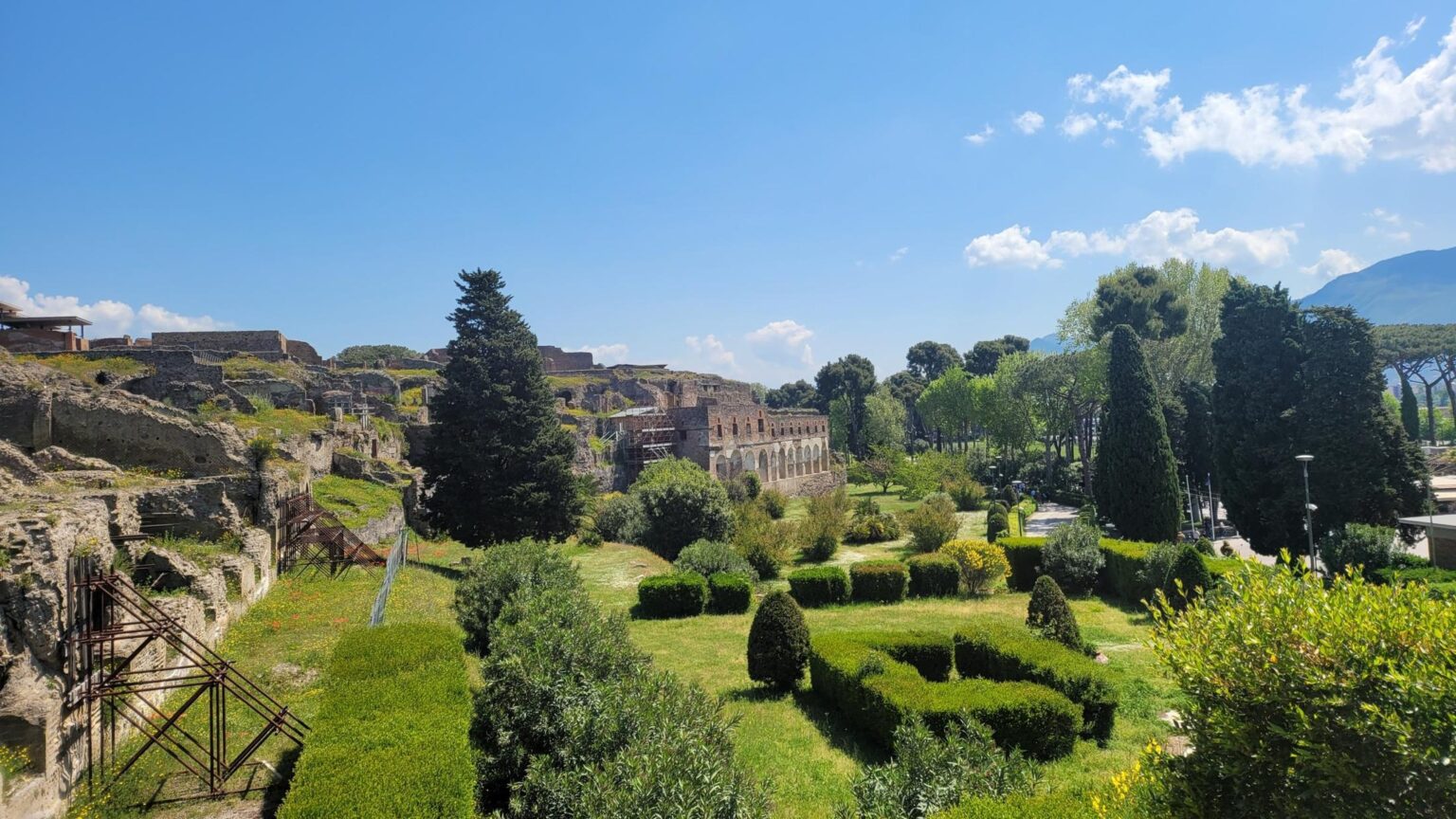
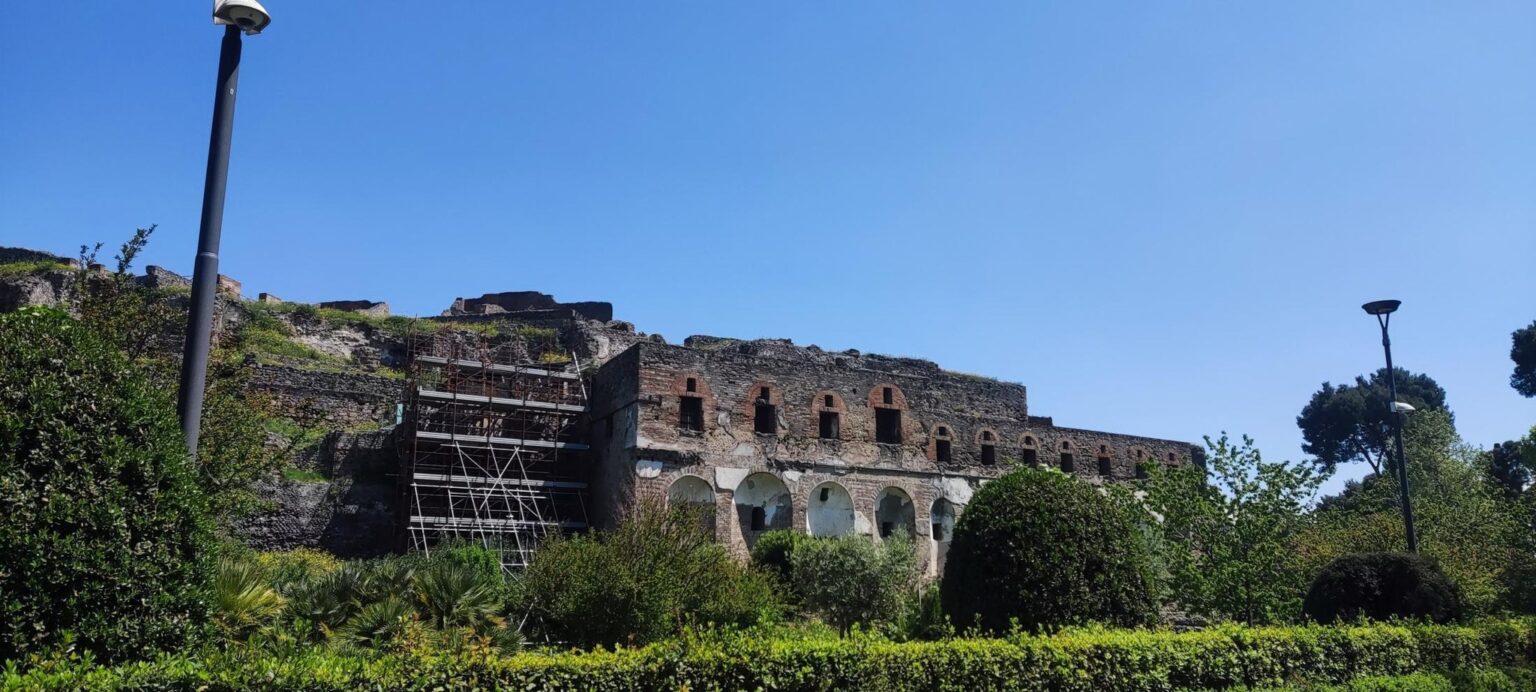
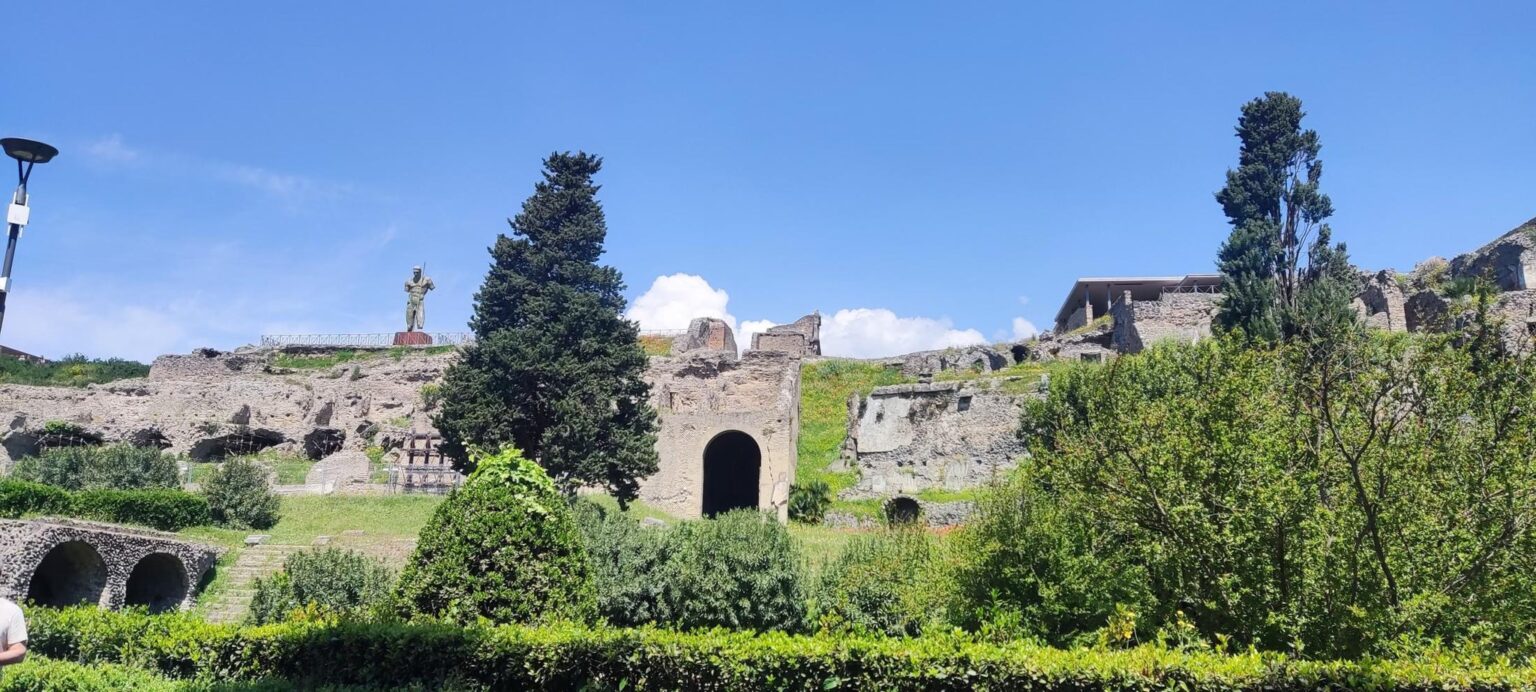
By 11:00 you cannot move for people. A quick check online shows that 300,000–400,000 people enter monthly, which is over 10,000 a day on average, though those are most likely concentrated on weekends and holidays. There is plenty of information about Pompeii online, but if you are going anywhere near Naples, this is one of the compulsory sites — find a way to include it.
Herculaneum
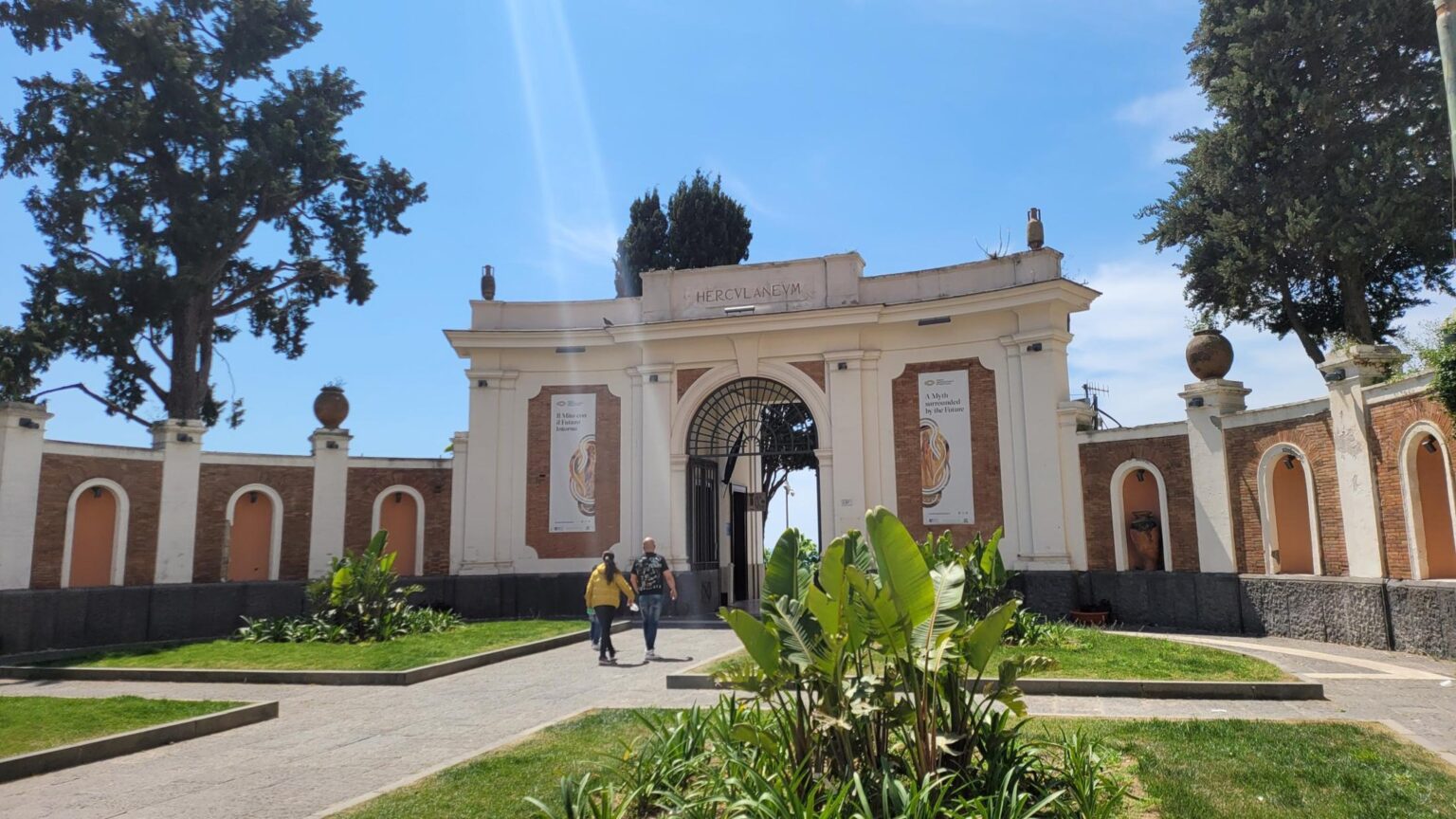
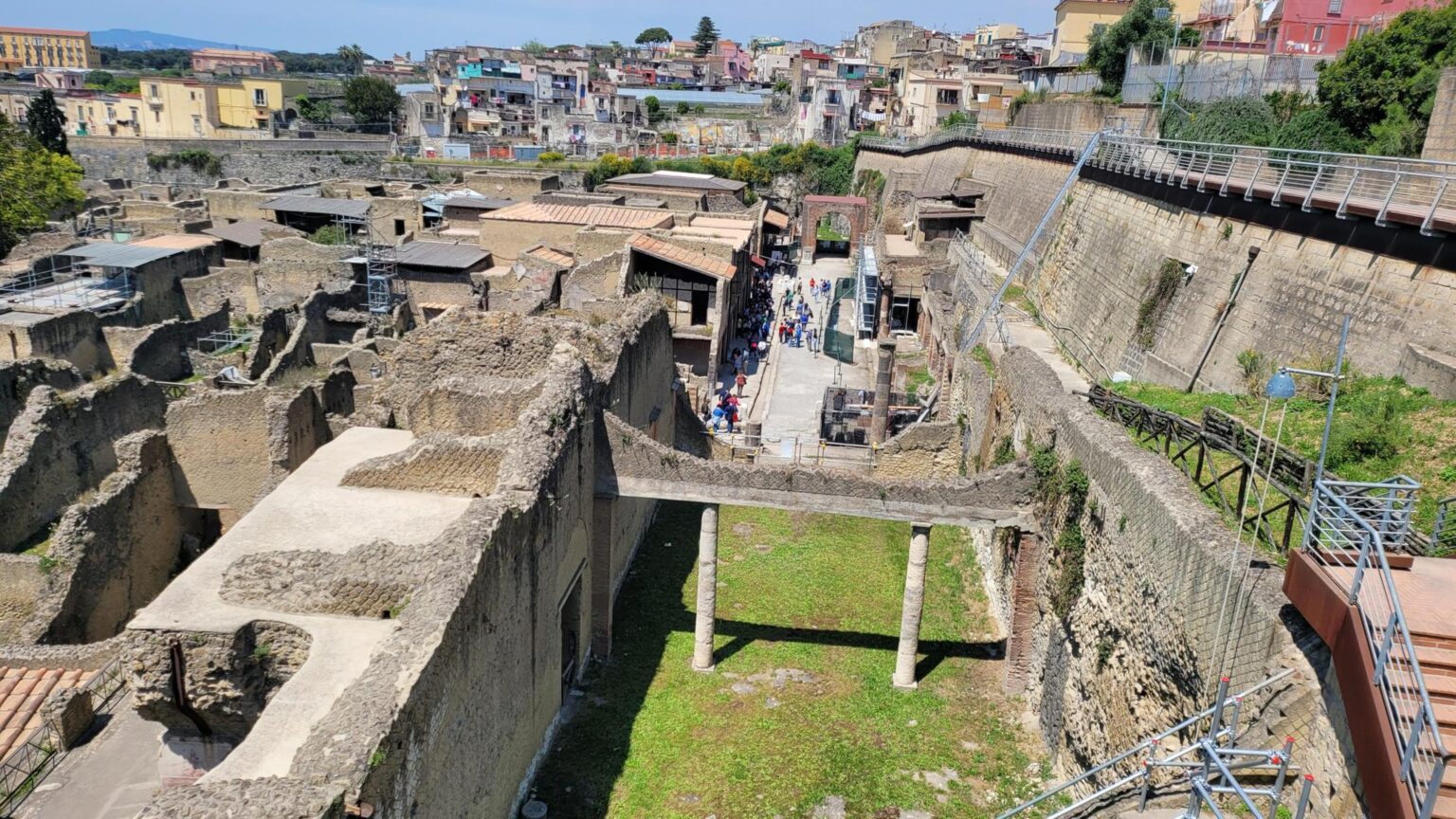
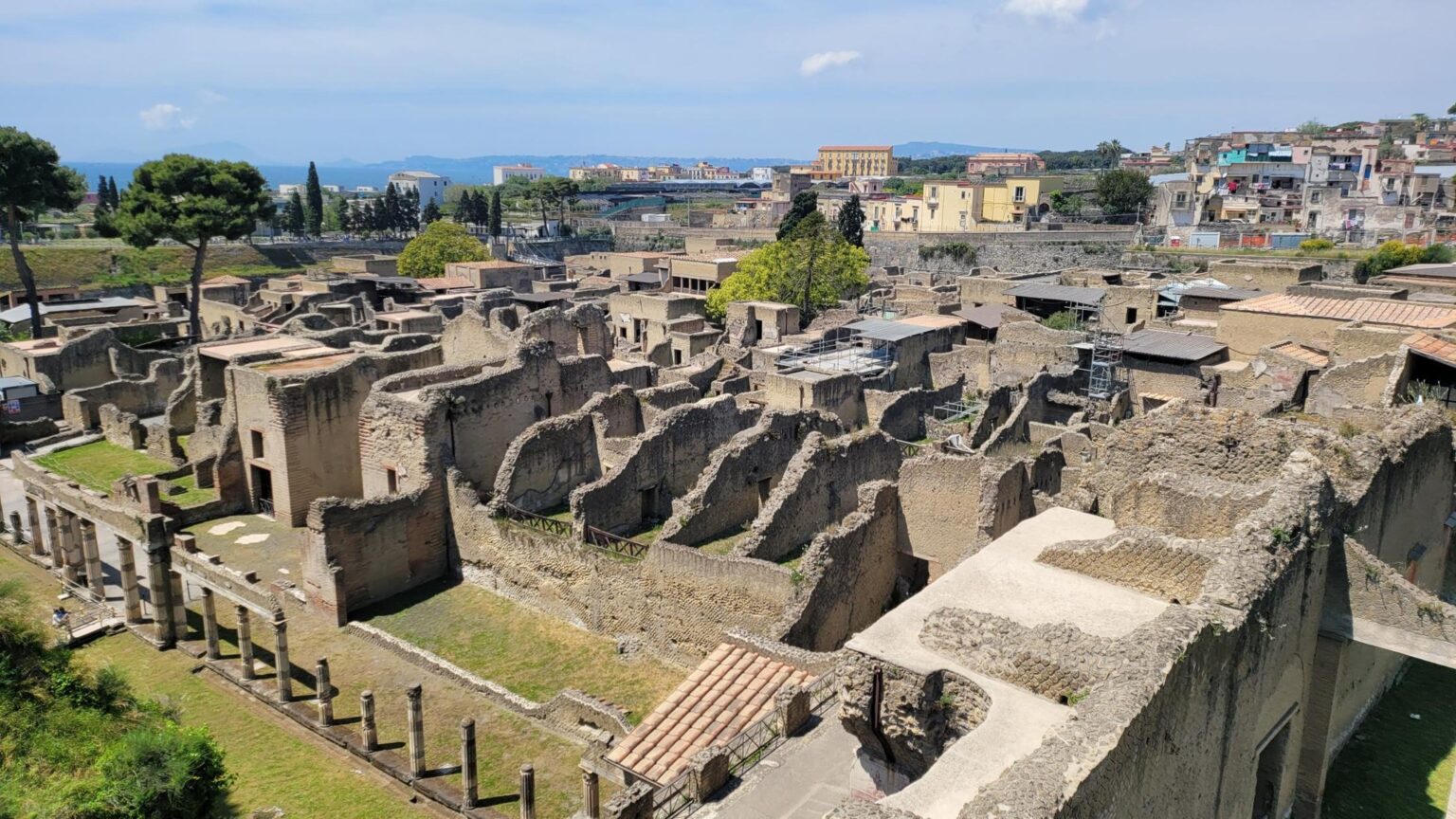
Back in the direction of Naples lies Ercolano. It has a similar story to Pompeii. Vesuvius, 79 AD. The little train — a euro and change. Twenty minutes from Pompeii. The stop is called “Ercolano Scavi”. The entrance, which is €13 a head, is about 10 minutes downhill from the station.
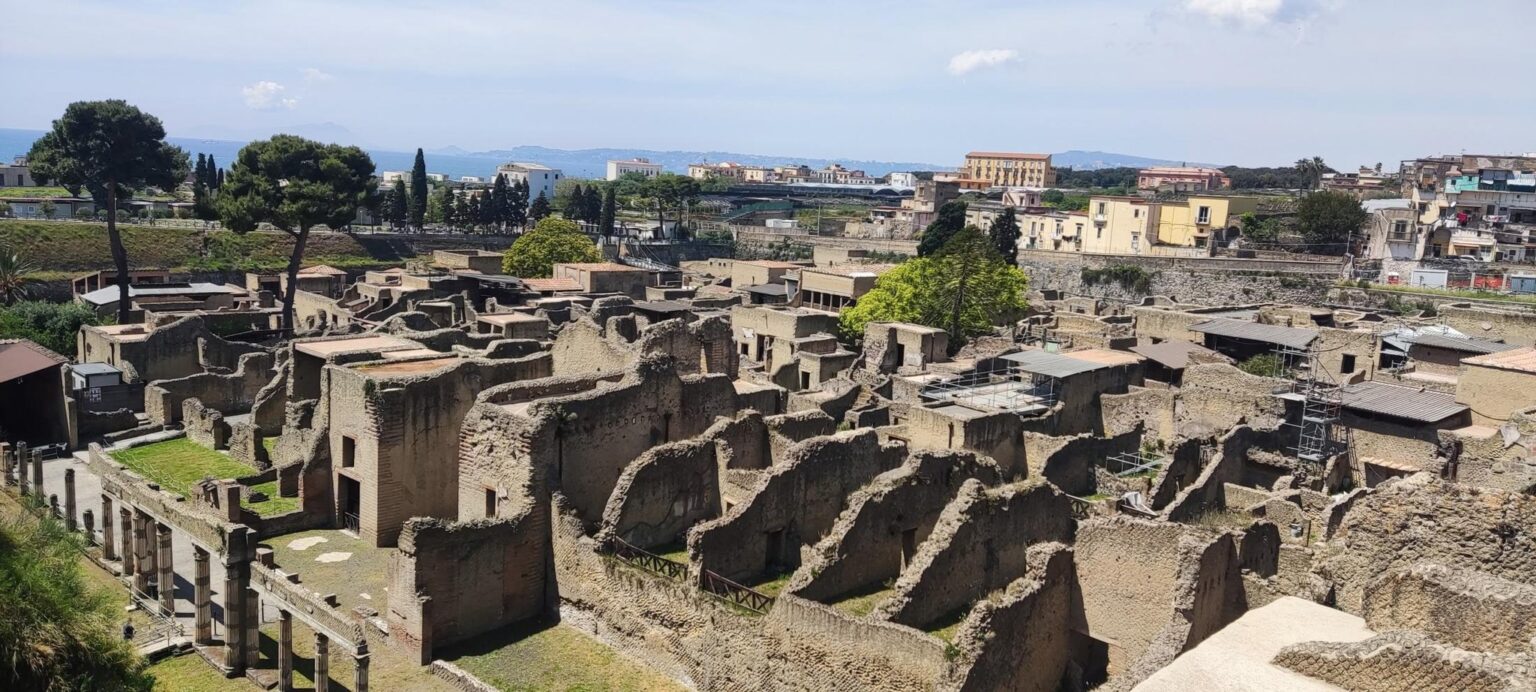
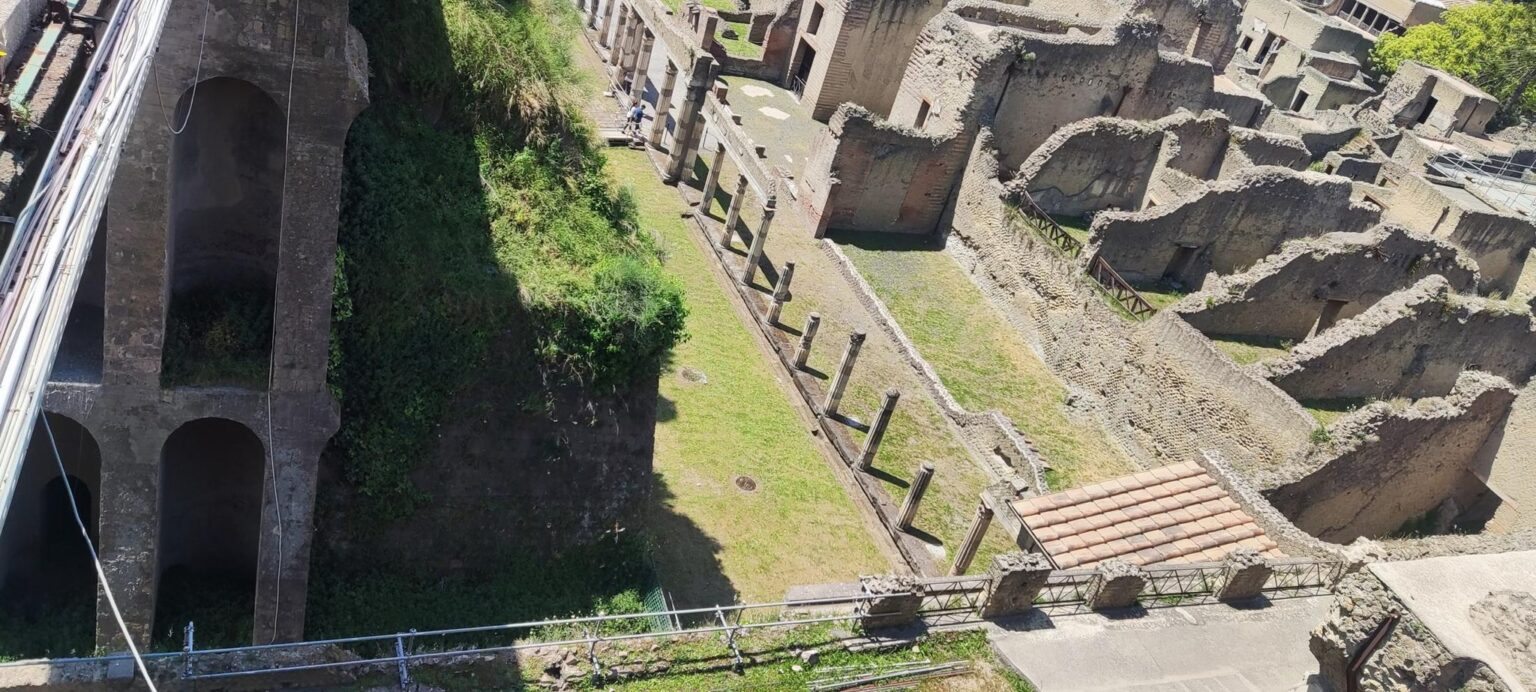
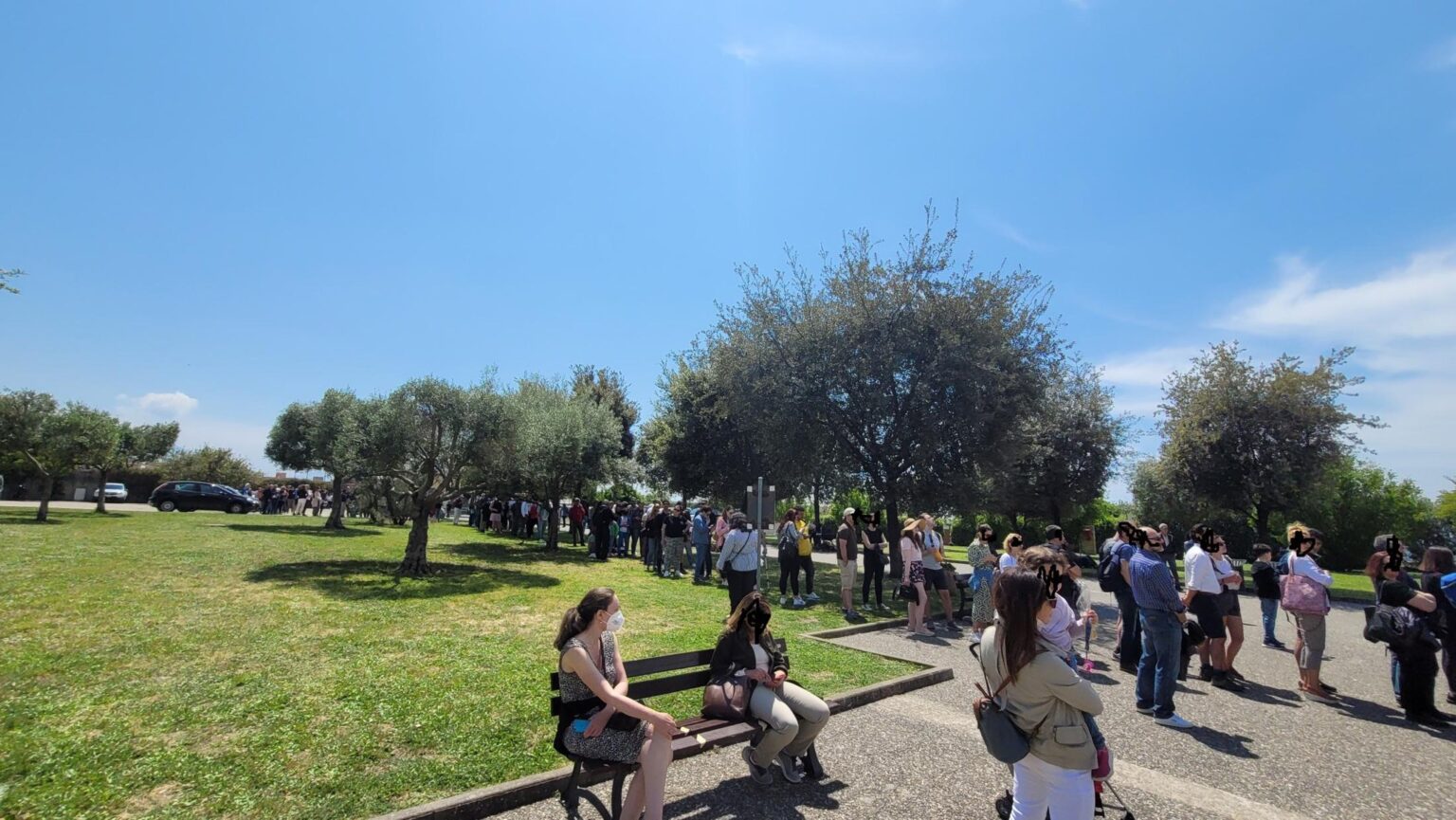
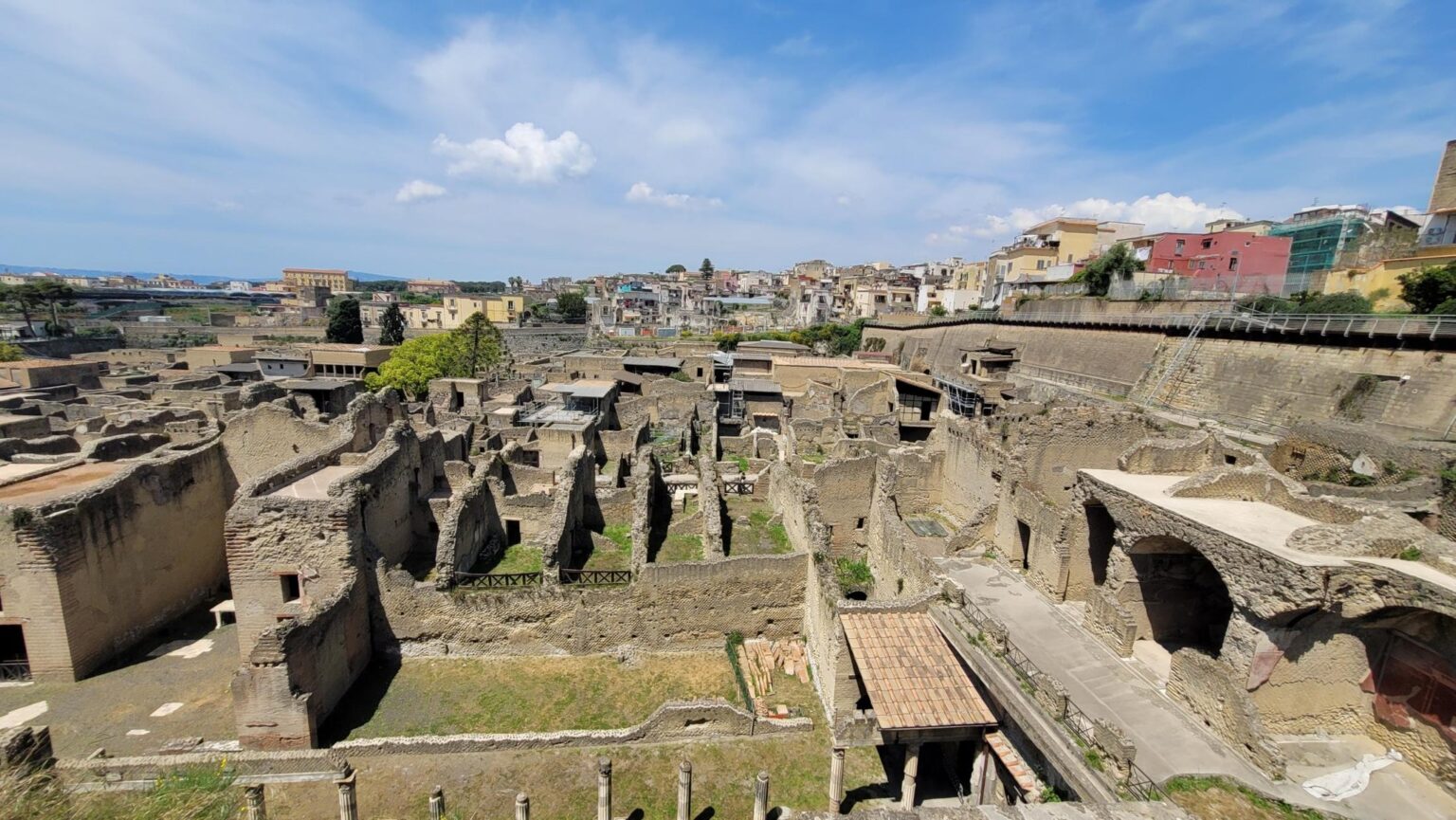
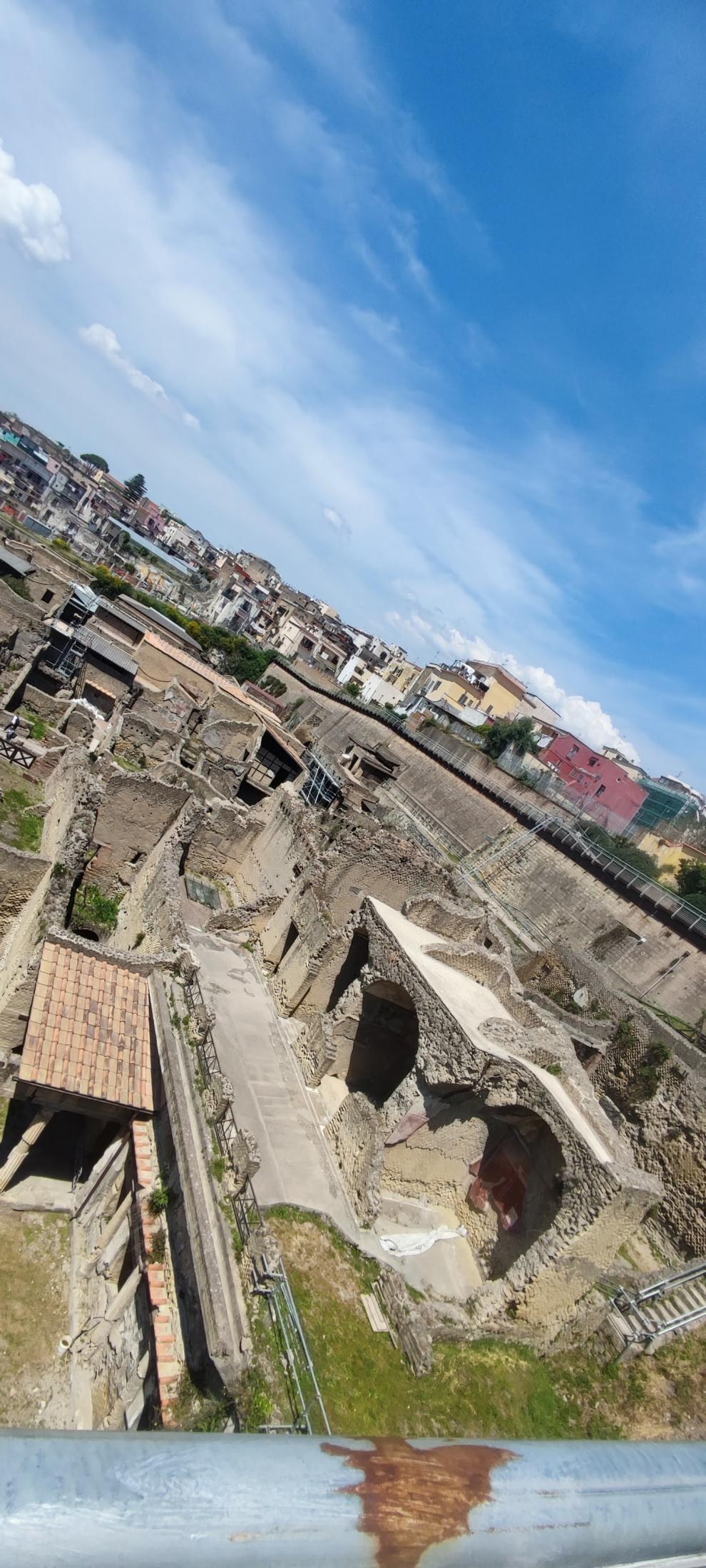
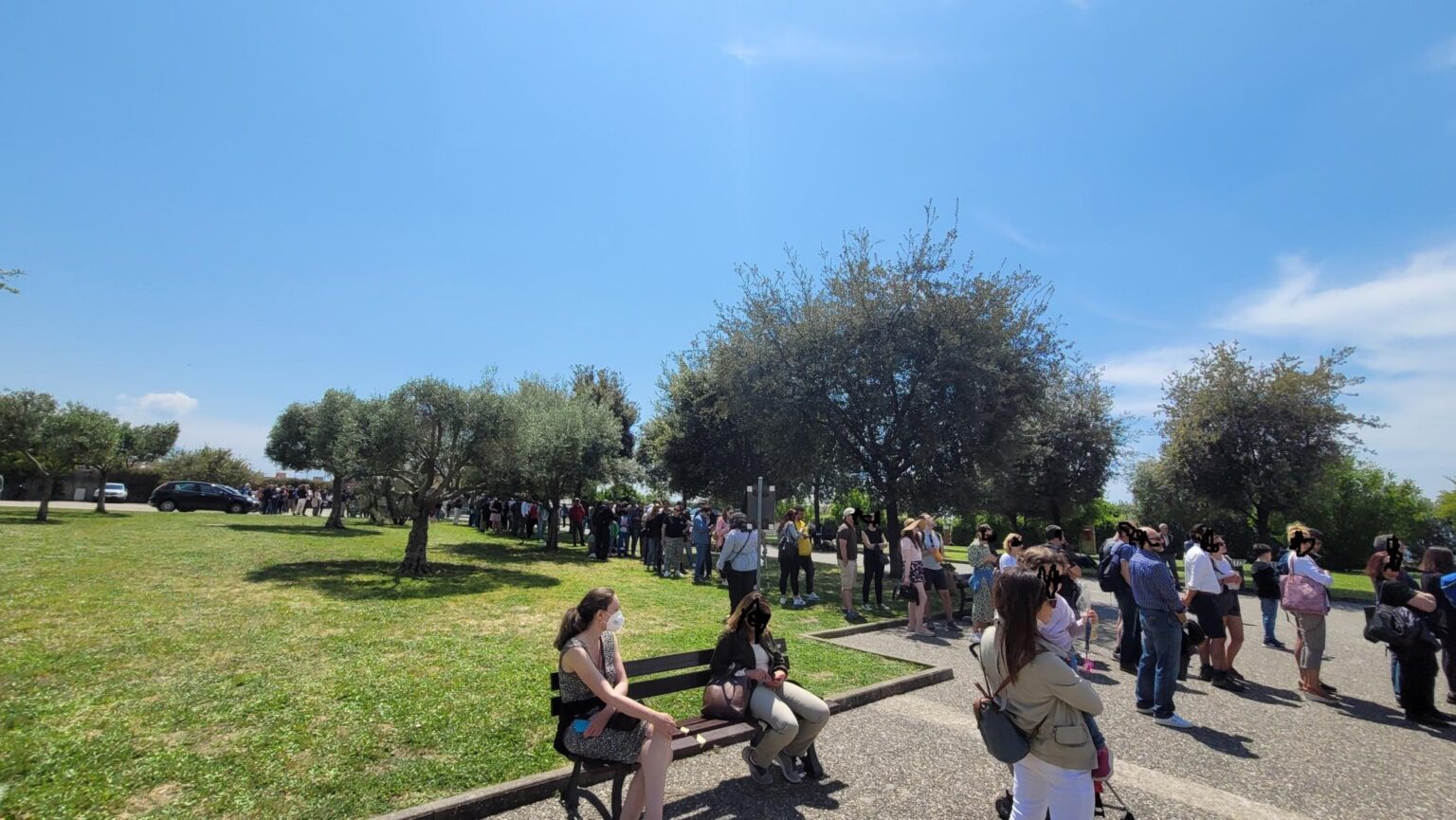
Parco Archeologico di Ercolano is many times smaller than Pompeii. If you get there — in fact, right before its entrance — you can look it over satisfyingly well from above. If you have not seen Pompeii, it is interesting. If you have seen Pompeii, the long queue waiting its turn to get in free on the first Sunday of the month will put you off quickly. Because of the COVID measures there is a maximum number of visitors: one has to come out for another to go in. Forget it, we are viewing from above.
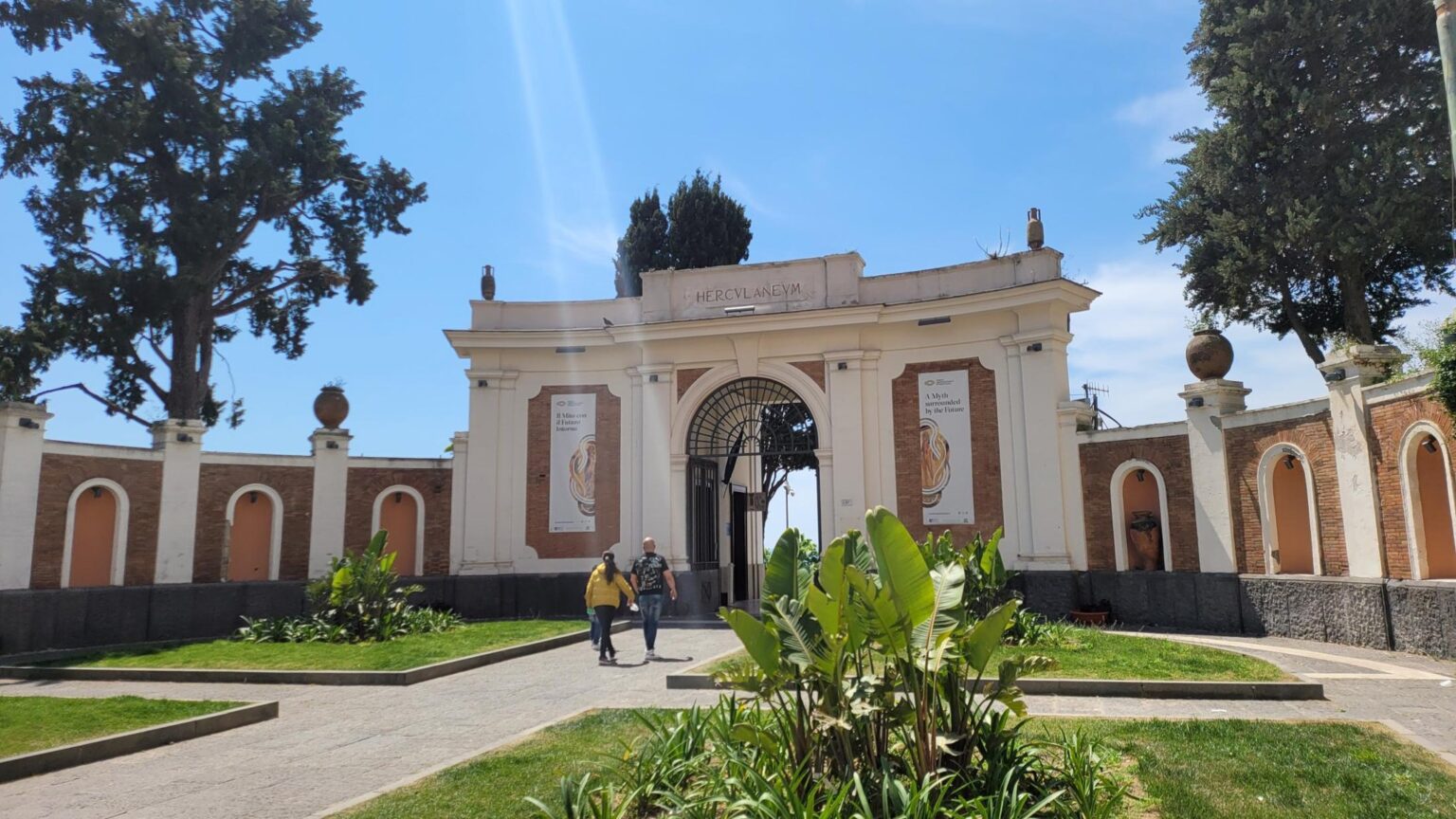
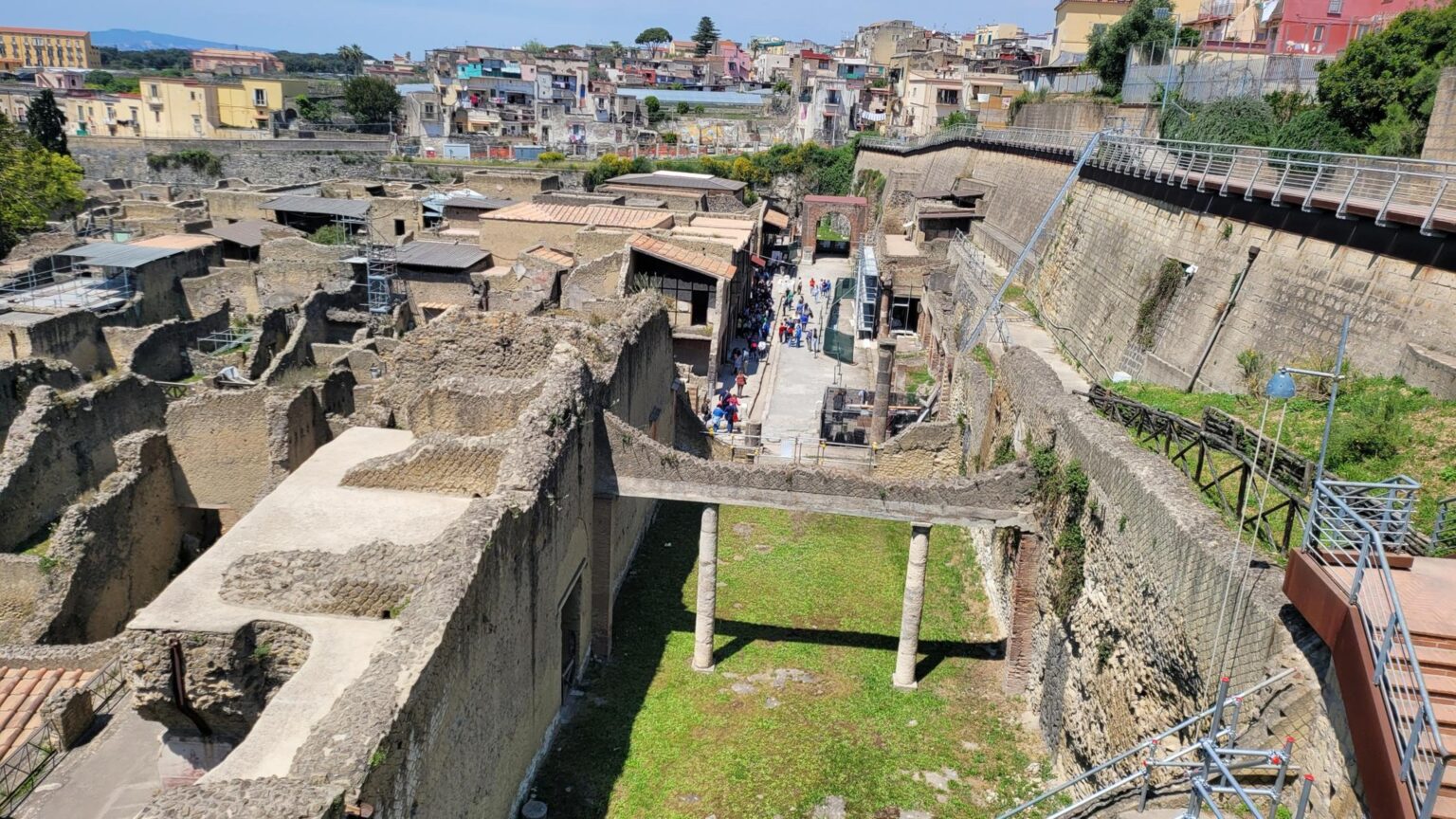
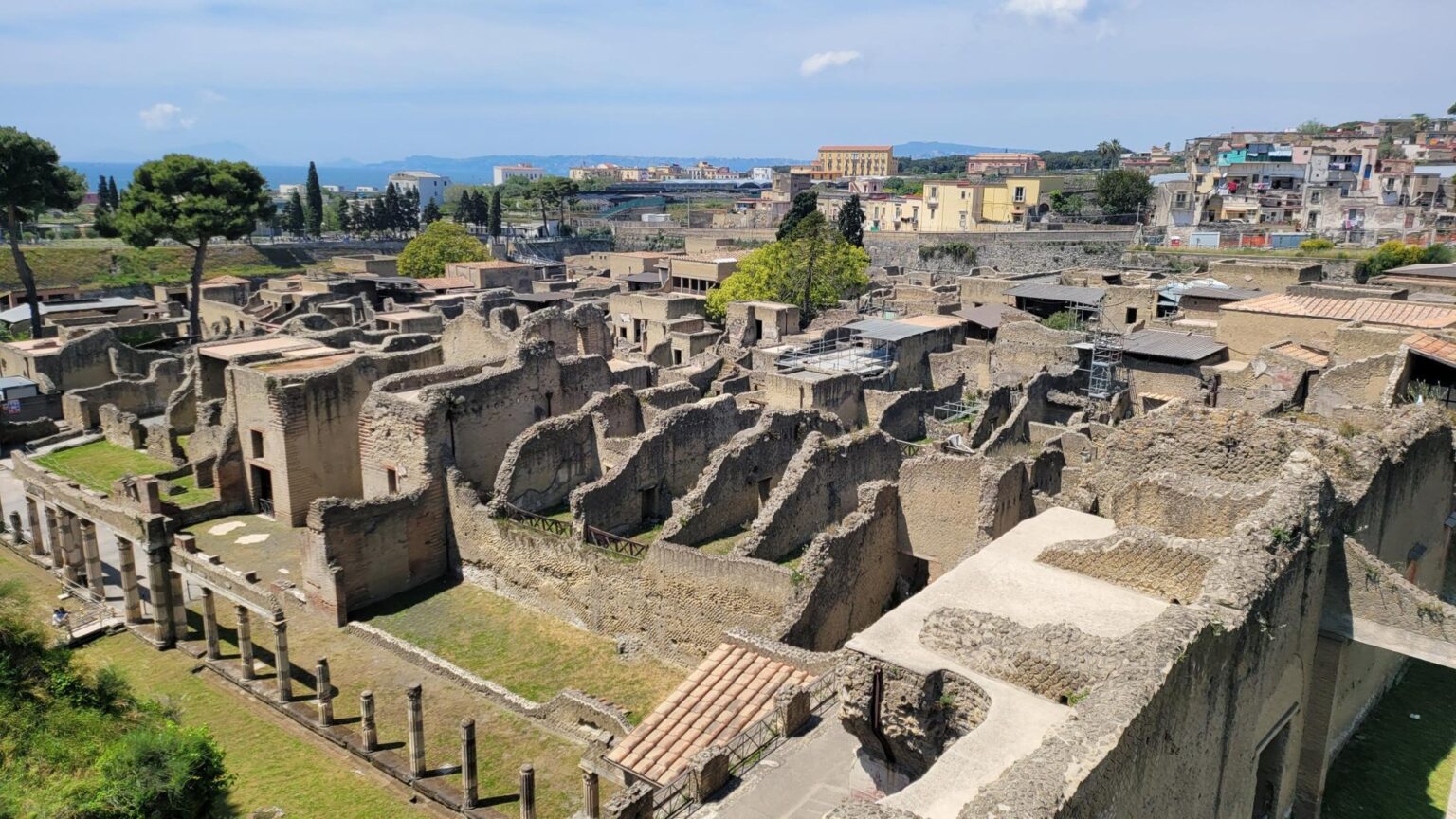
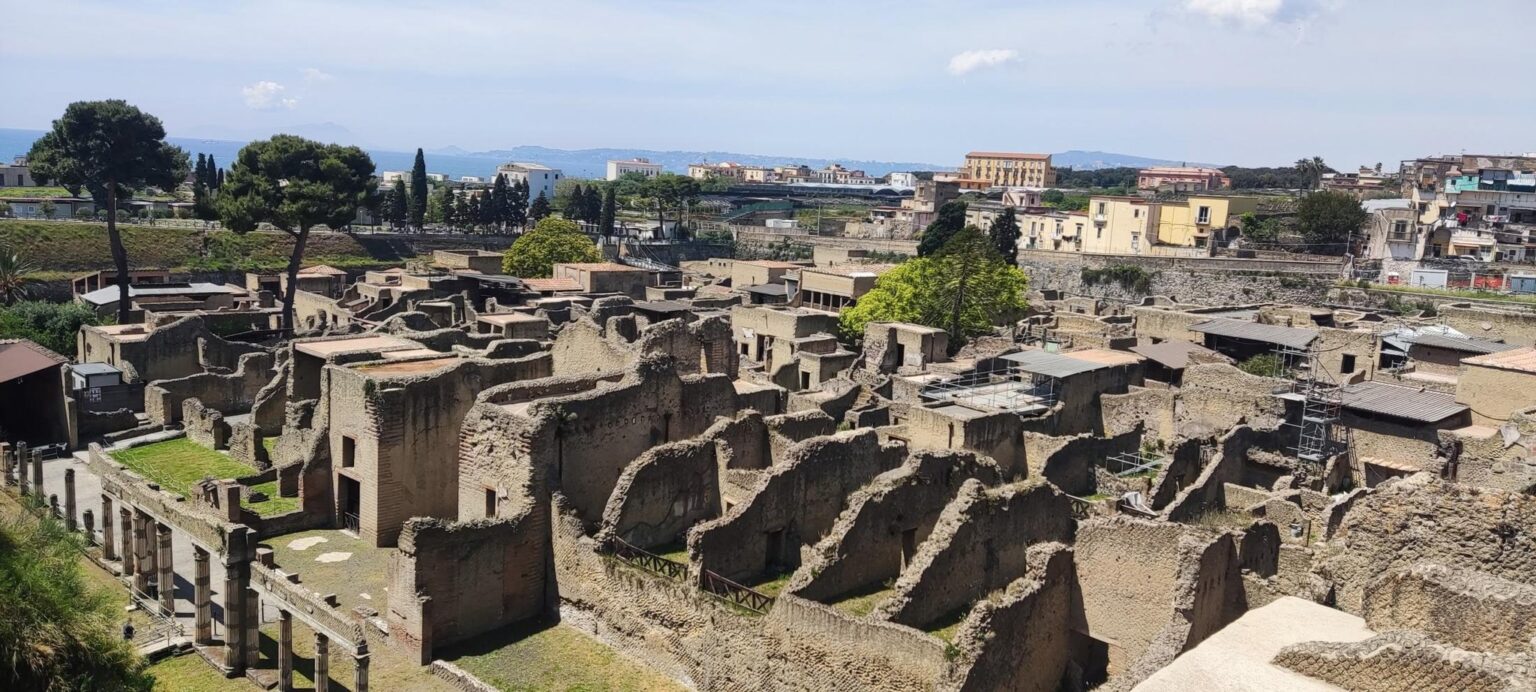
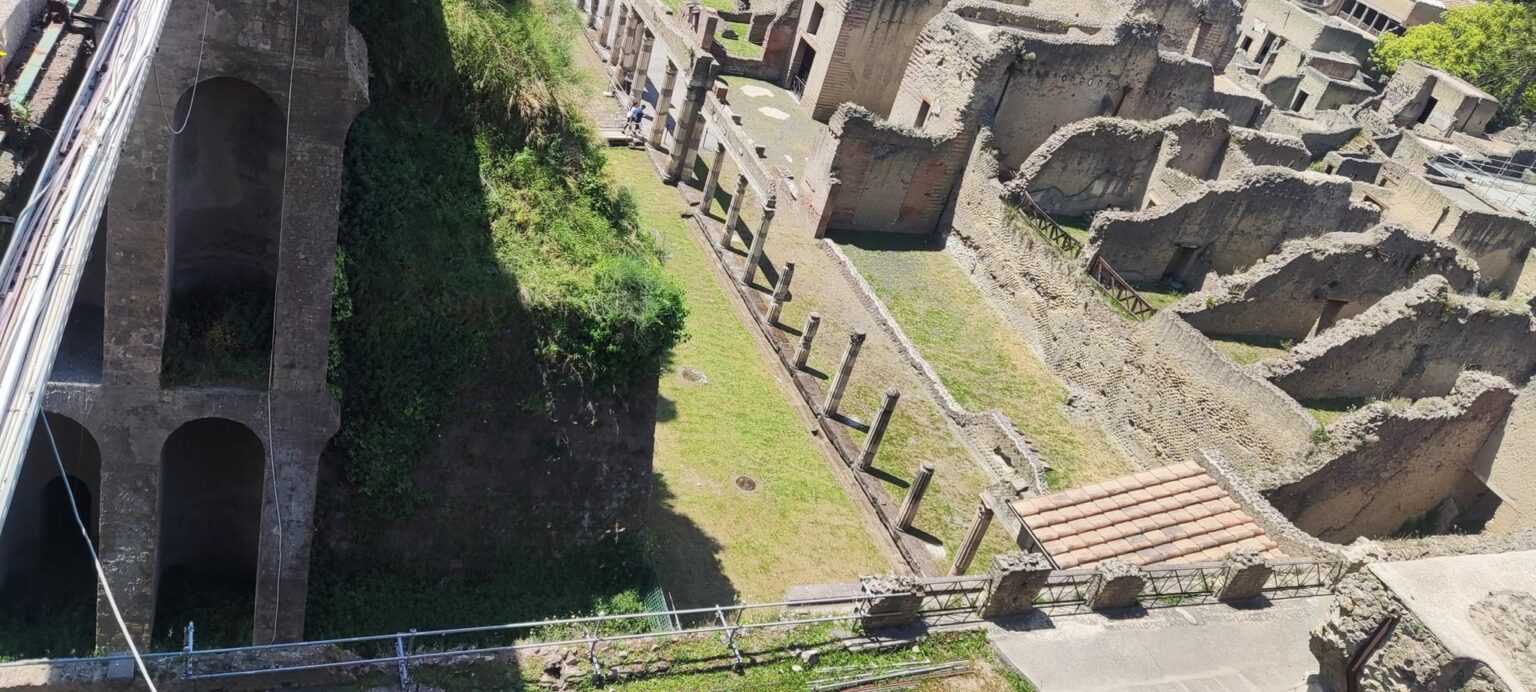
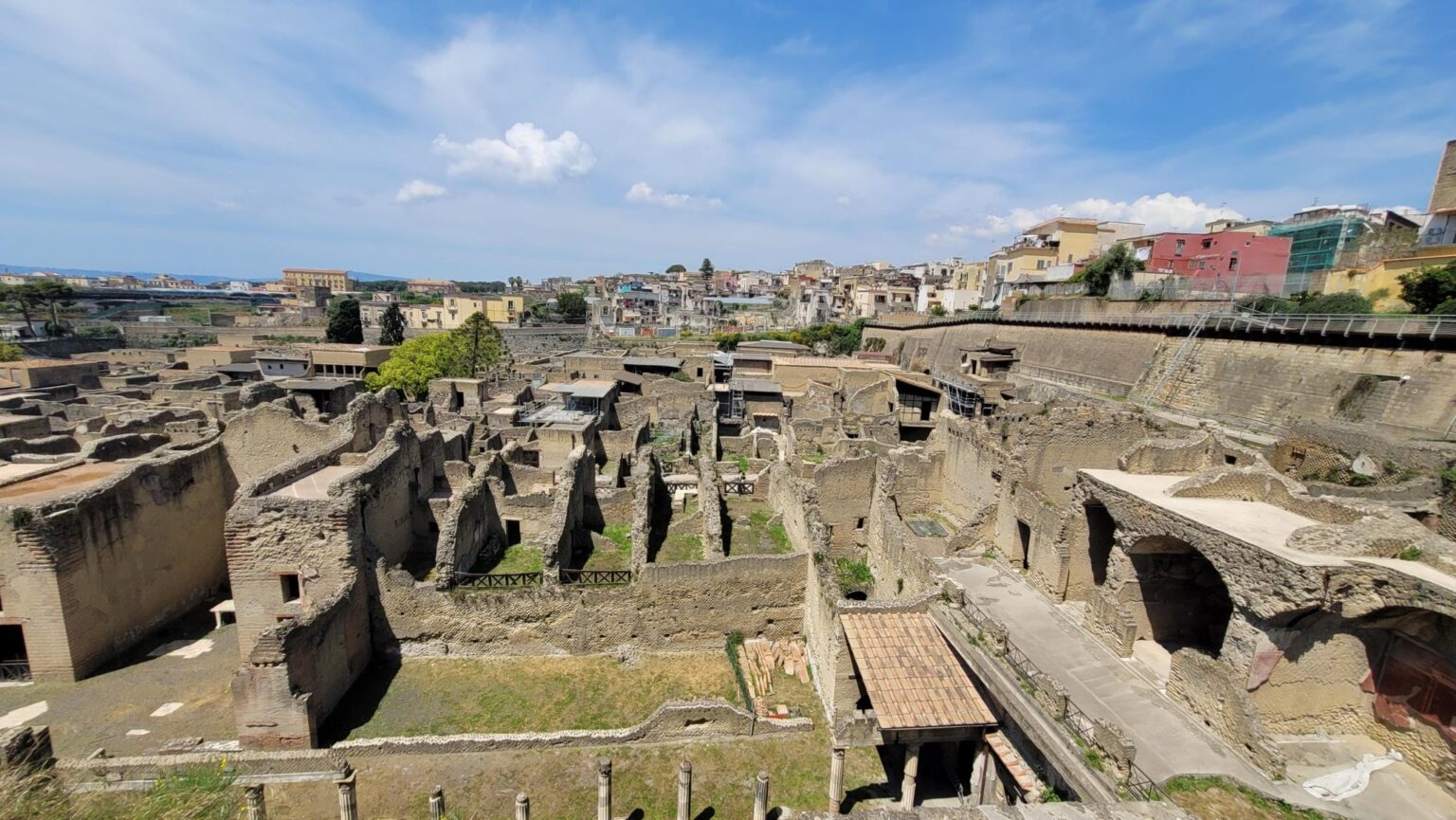
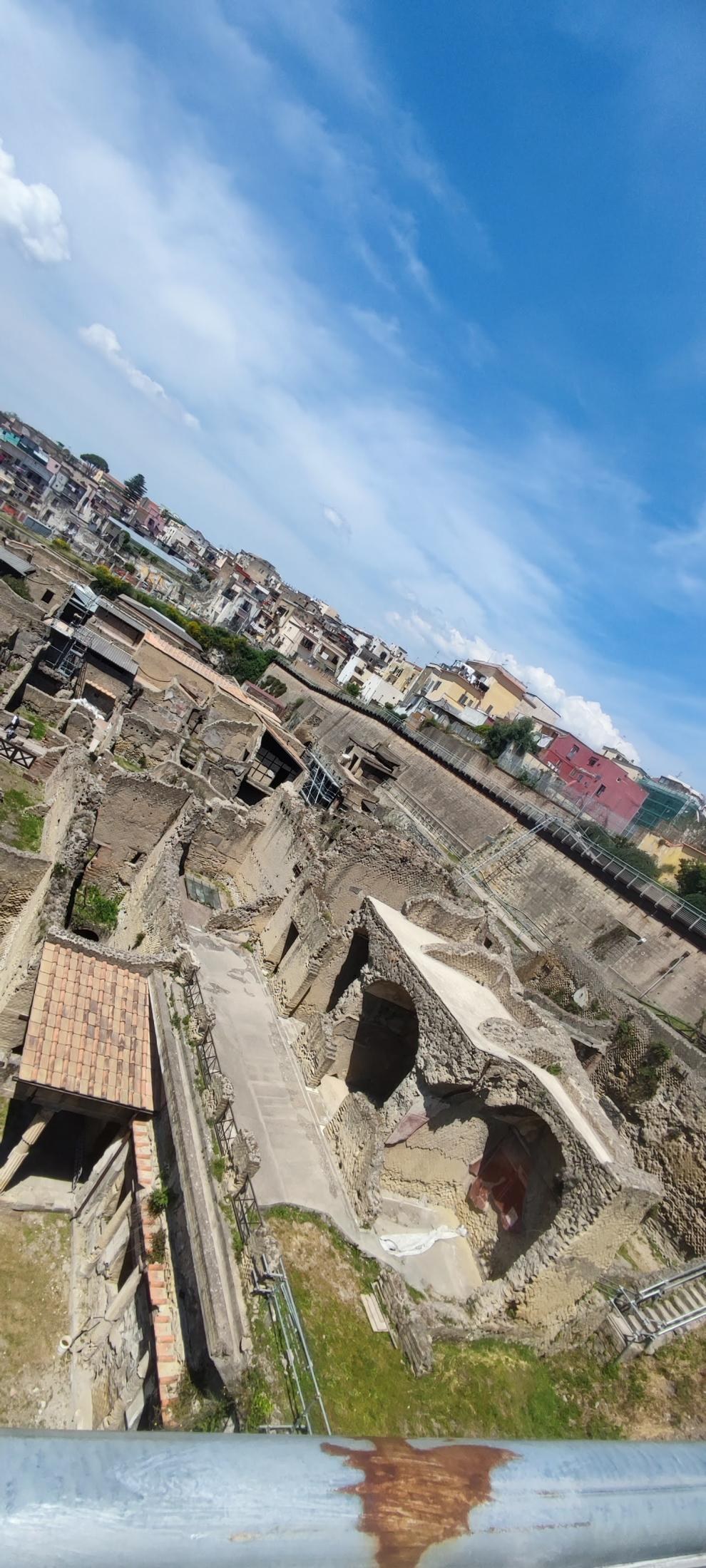
The modern part of Ercolano offers nothing else particularly special. There is a museum at €10 for a virtual/3D walk through the excavations. It feels like a neighbourhood of Naples. More restaurants and cafés, fewer shops. It is around 14:00 and the heat is considerable. Lunch: pasta, on promotion, €5, coperto €3. Unbelievable 😀 The little train, a euro and change, back to Naples.
The Archaeological Museum in Naples
A light doze, cooling off with the air conditioning in our fake hotel. It is already too late for sun cream. It is not too late, however, for something to rub on after burning. It is barely the beginning of May and there is already a burn.
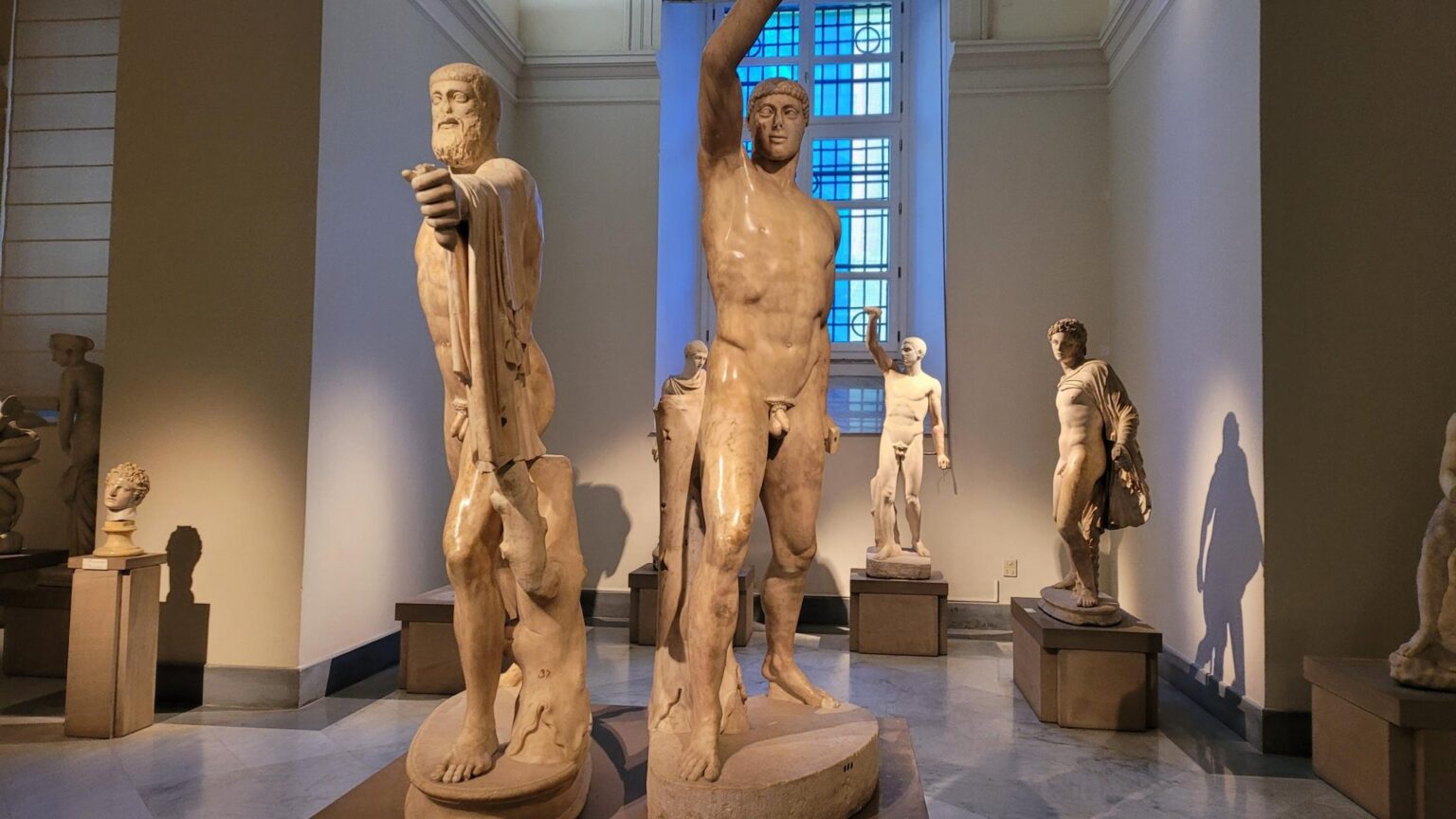
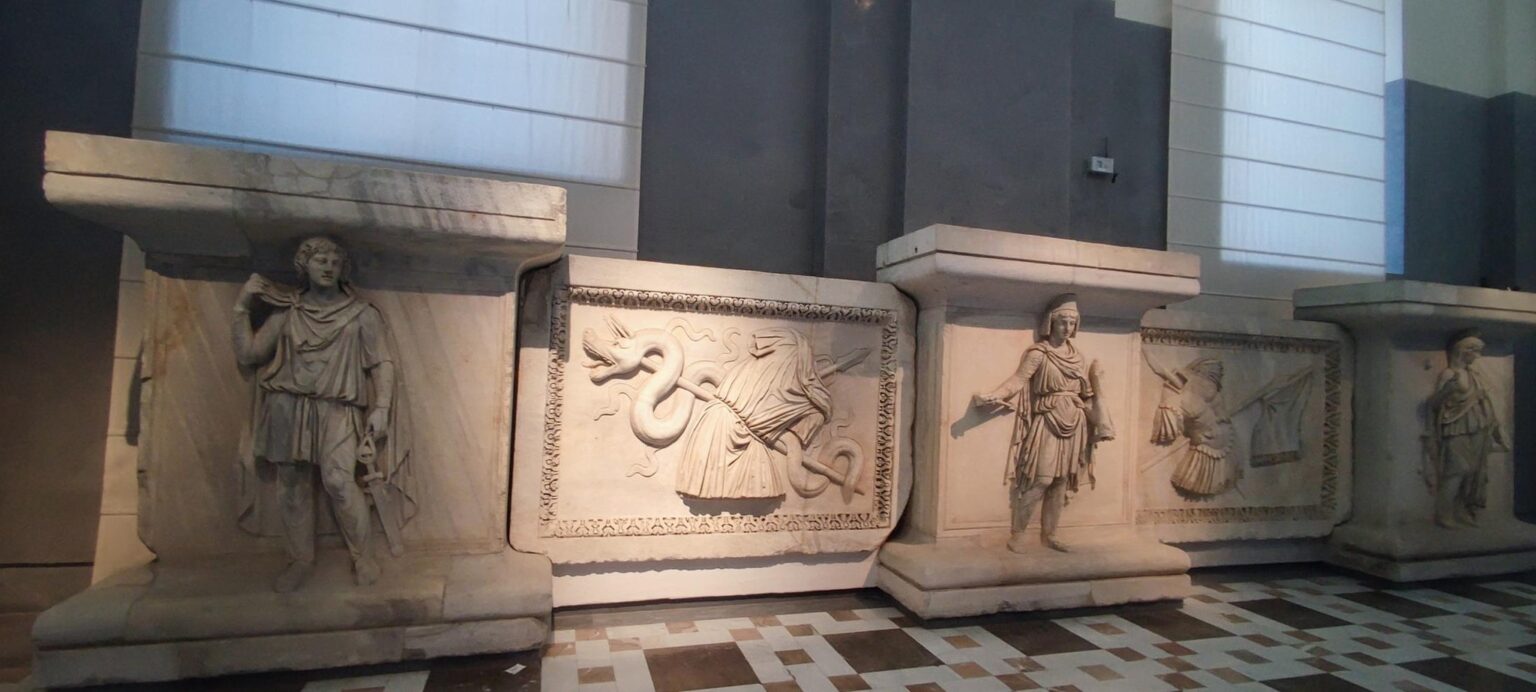
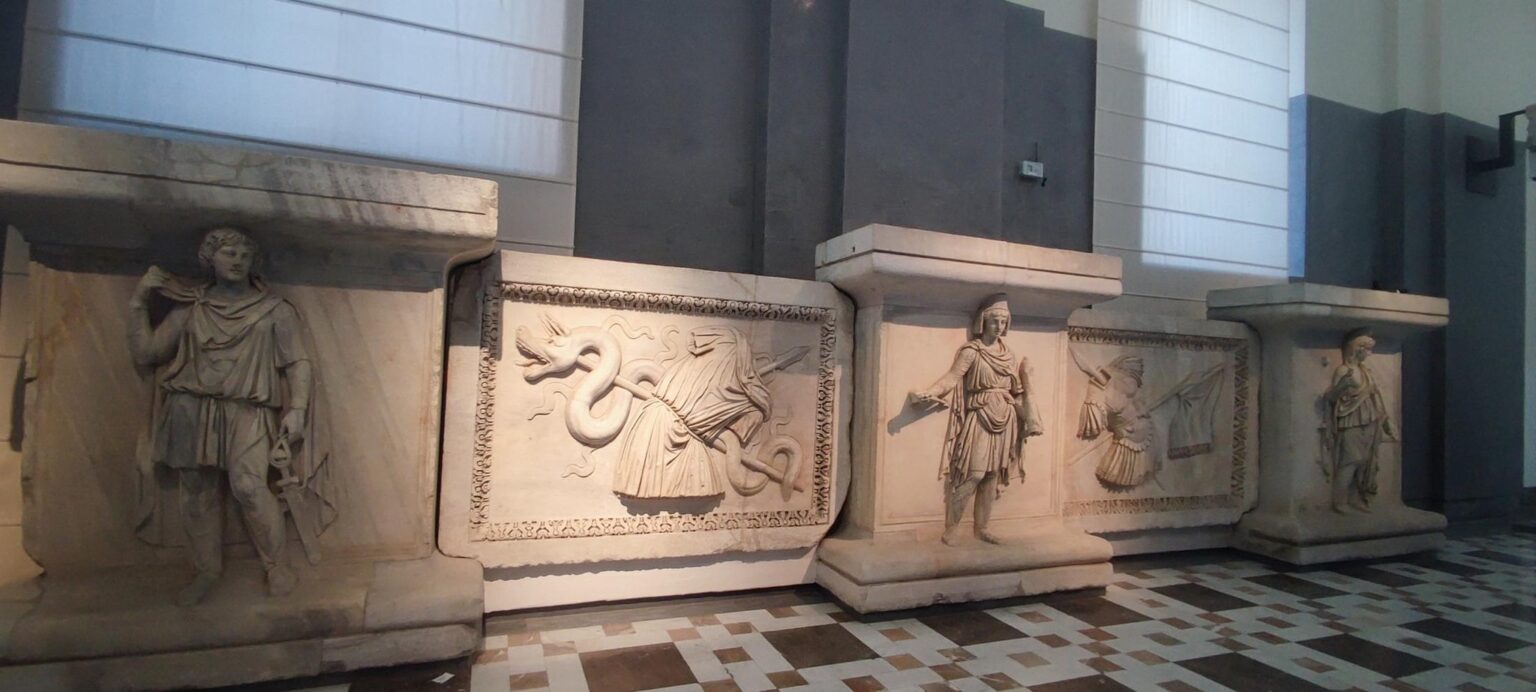
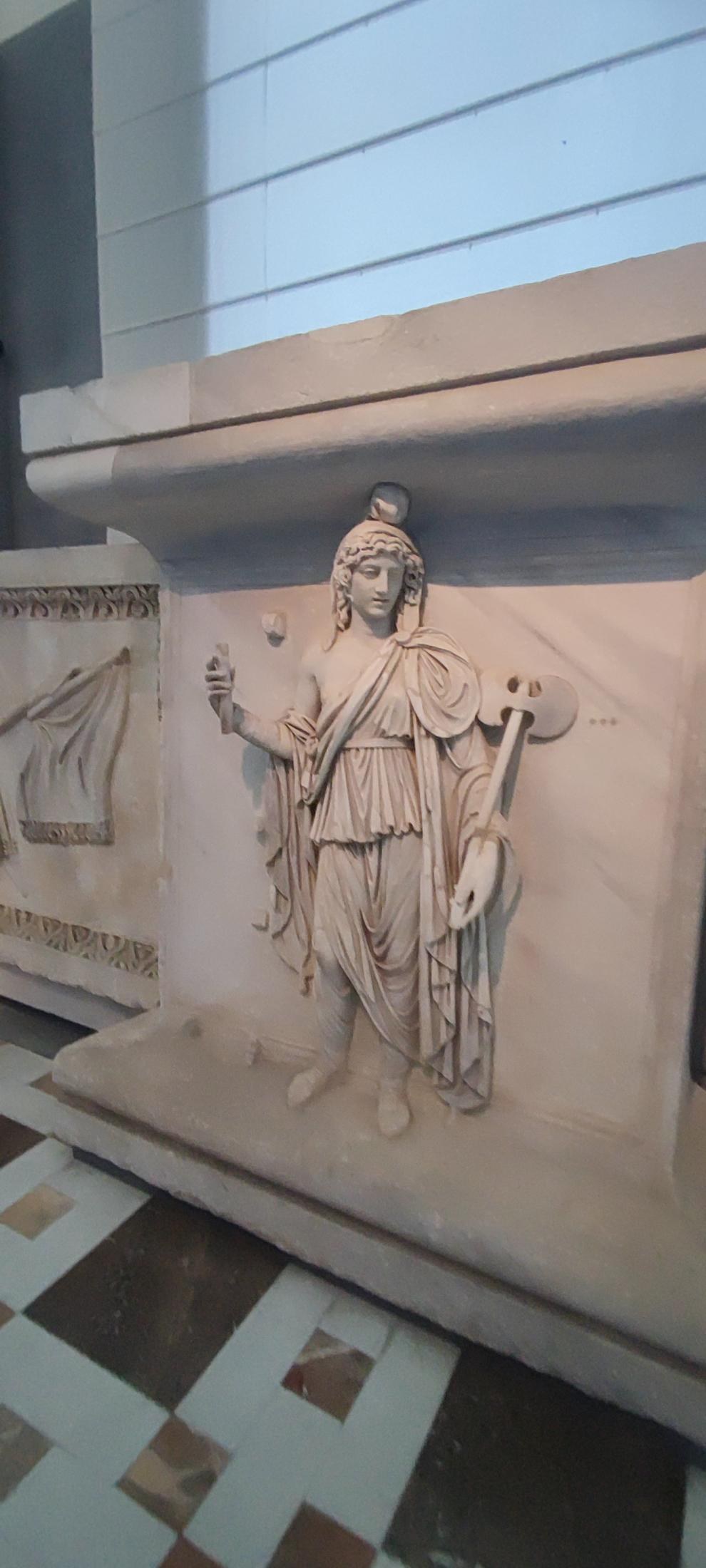
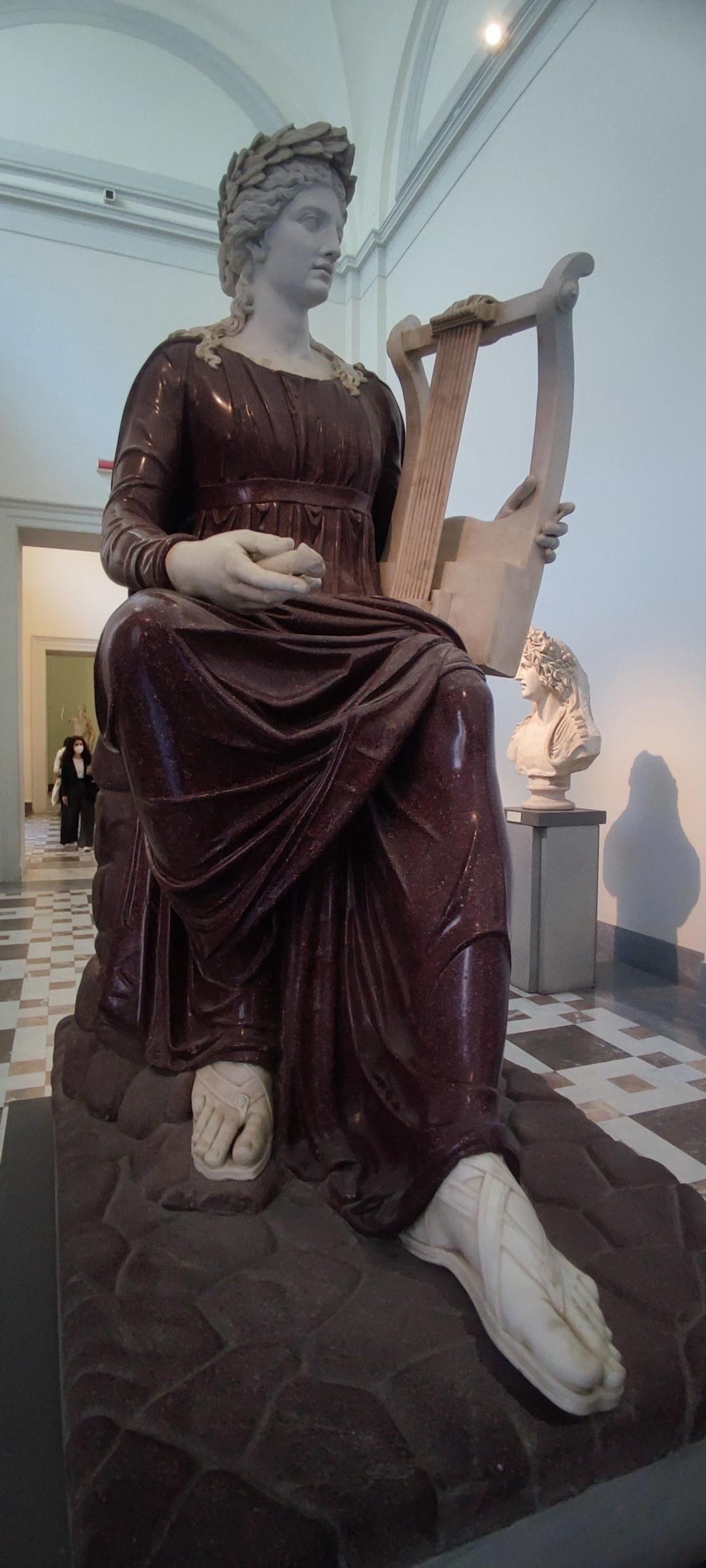
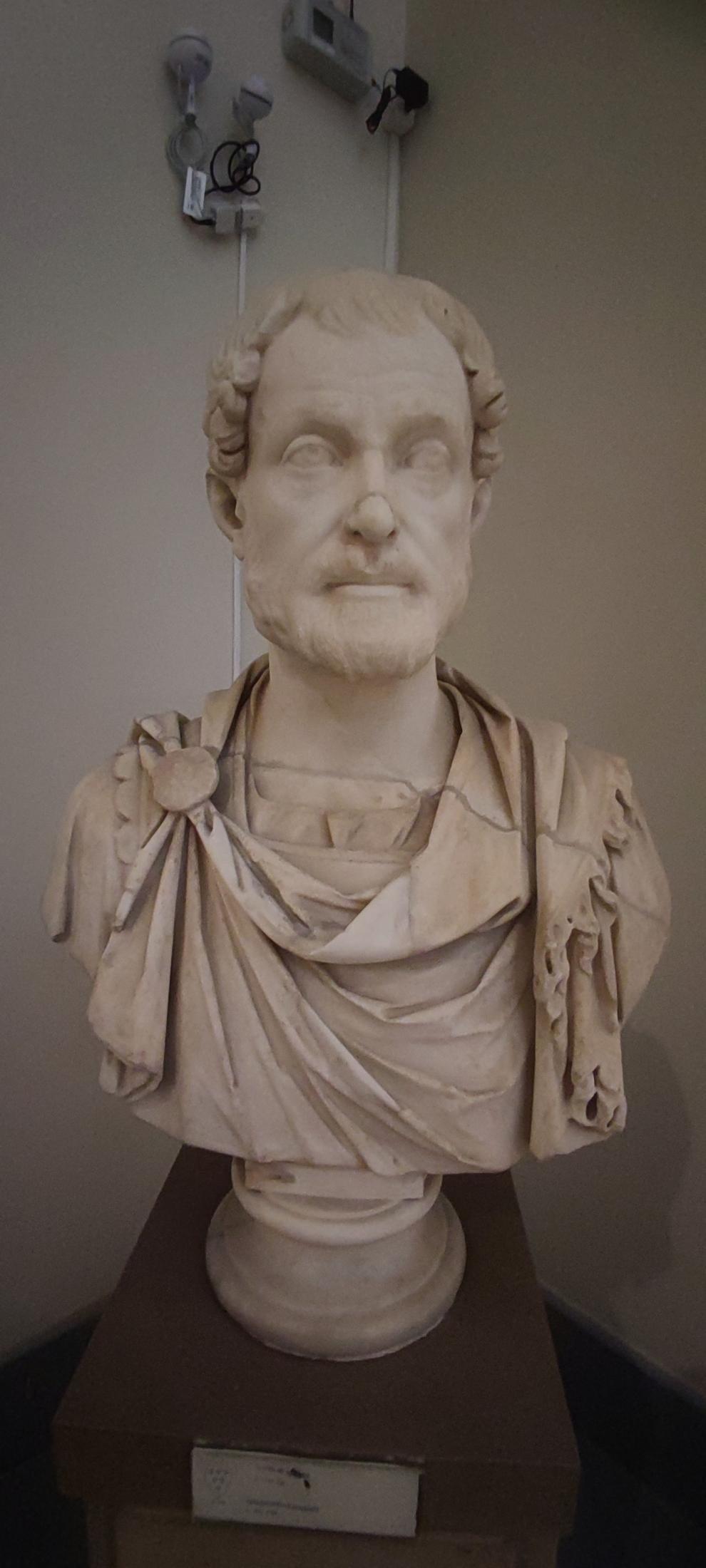
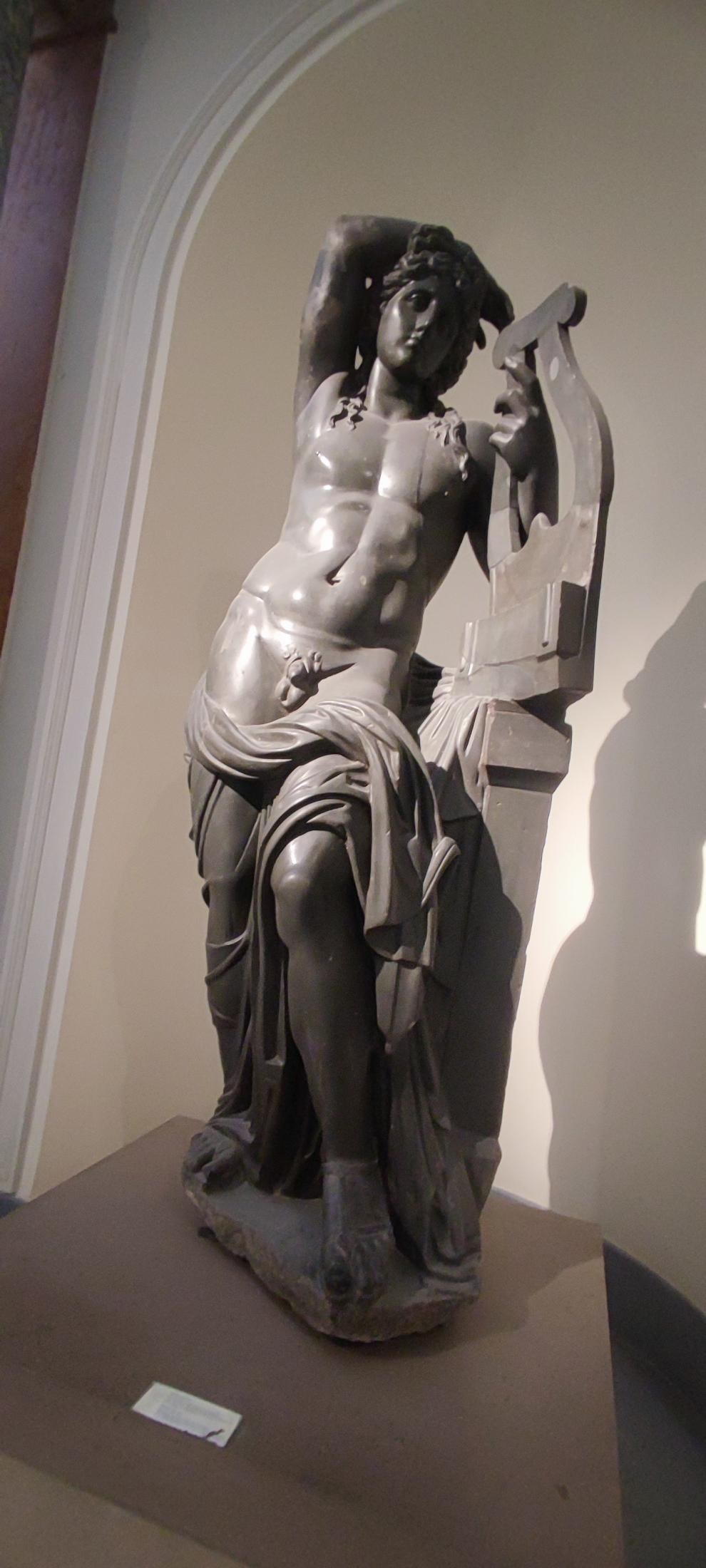
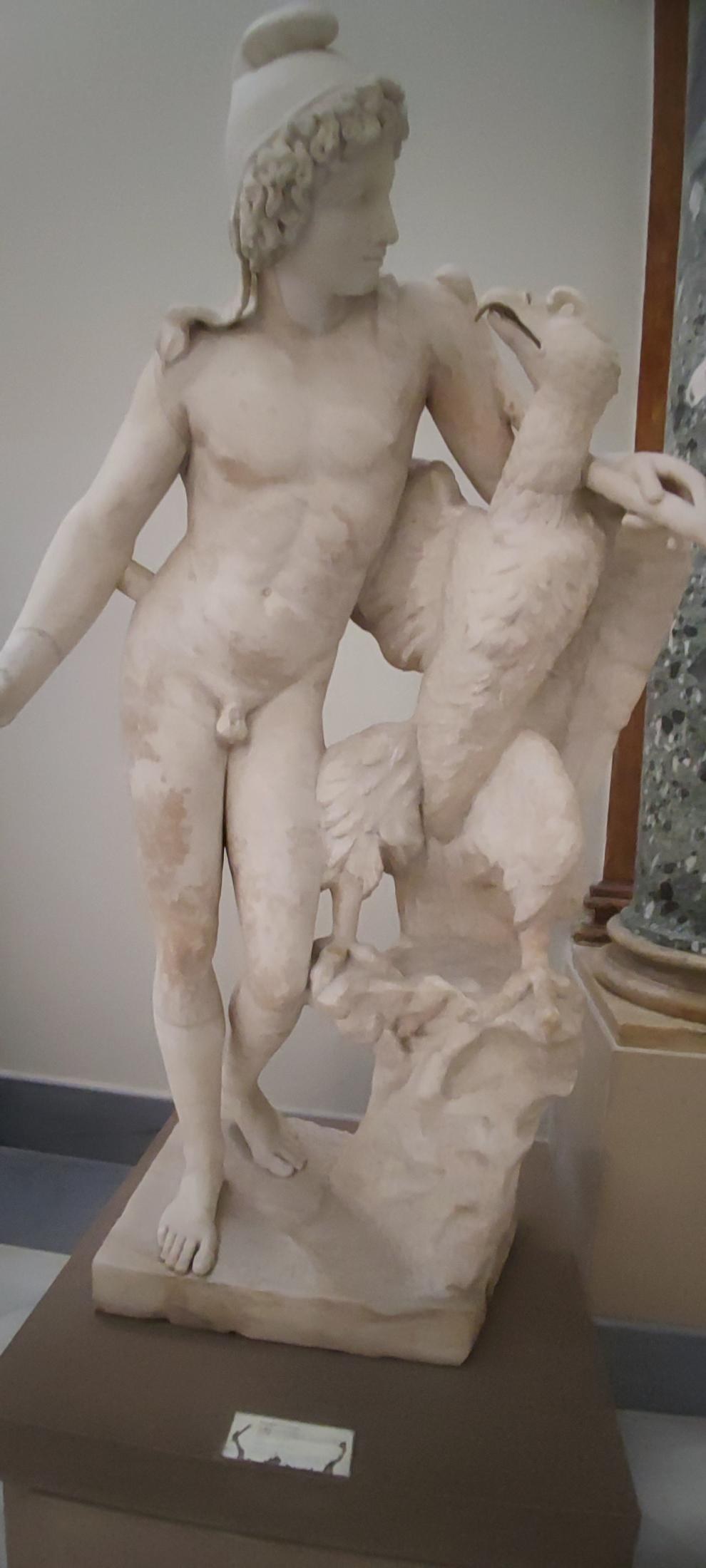
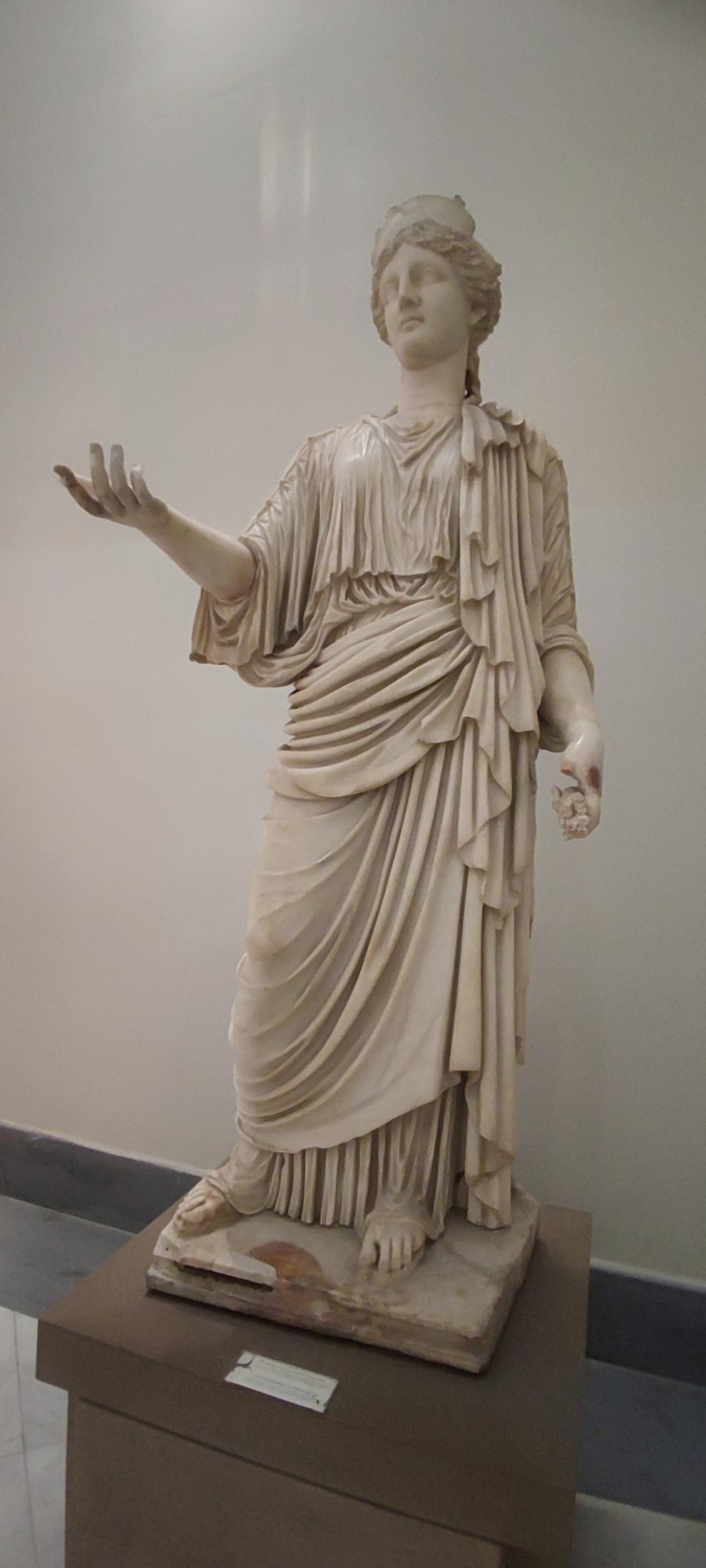
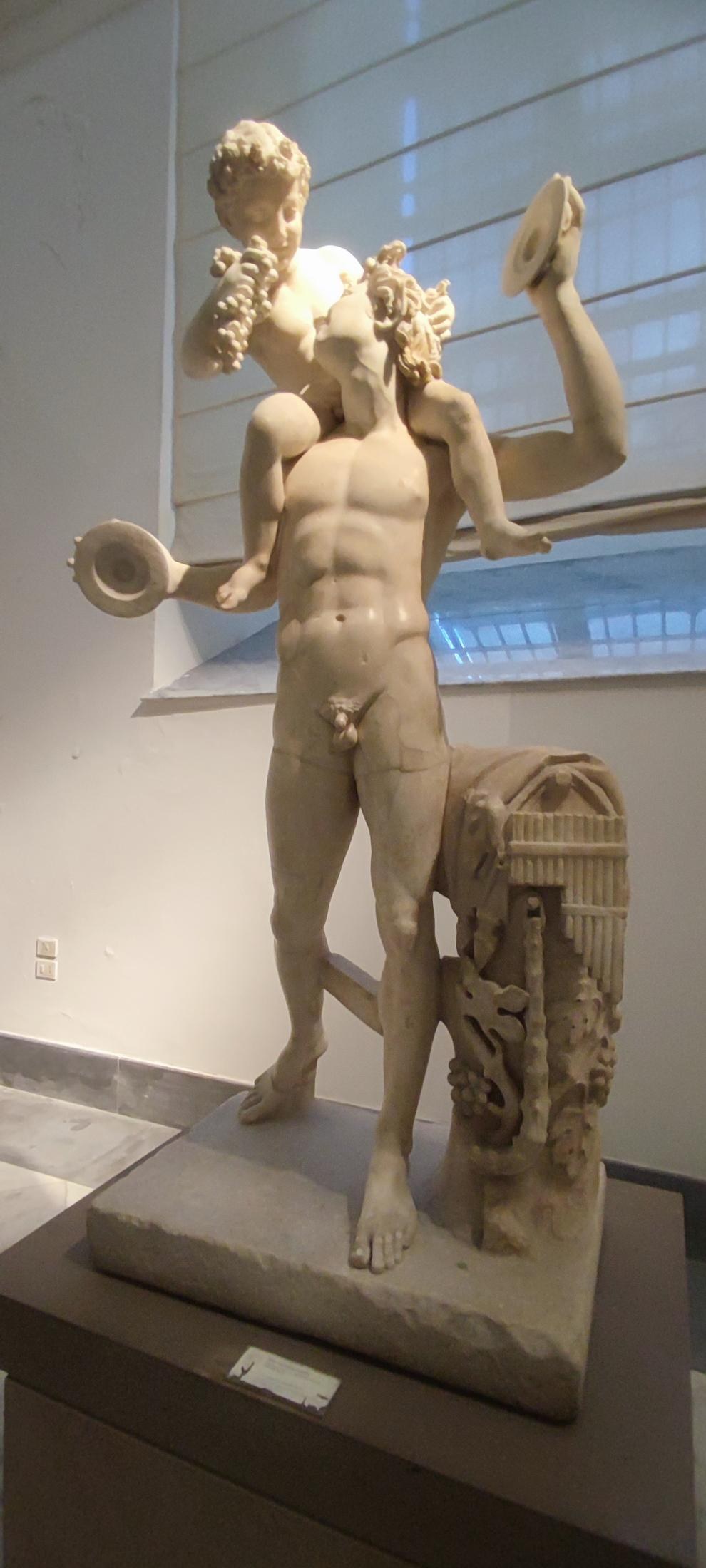
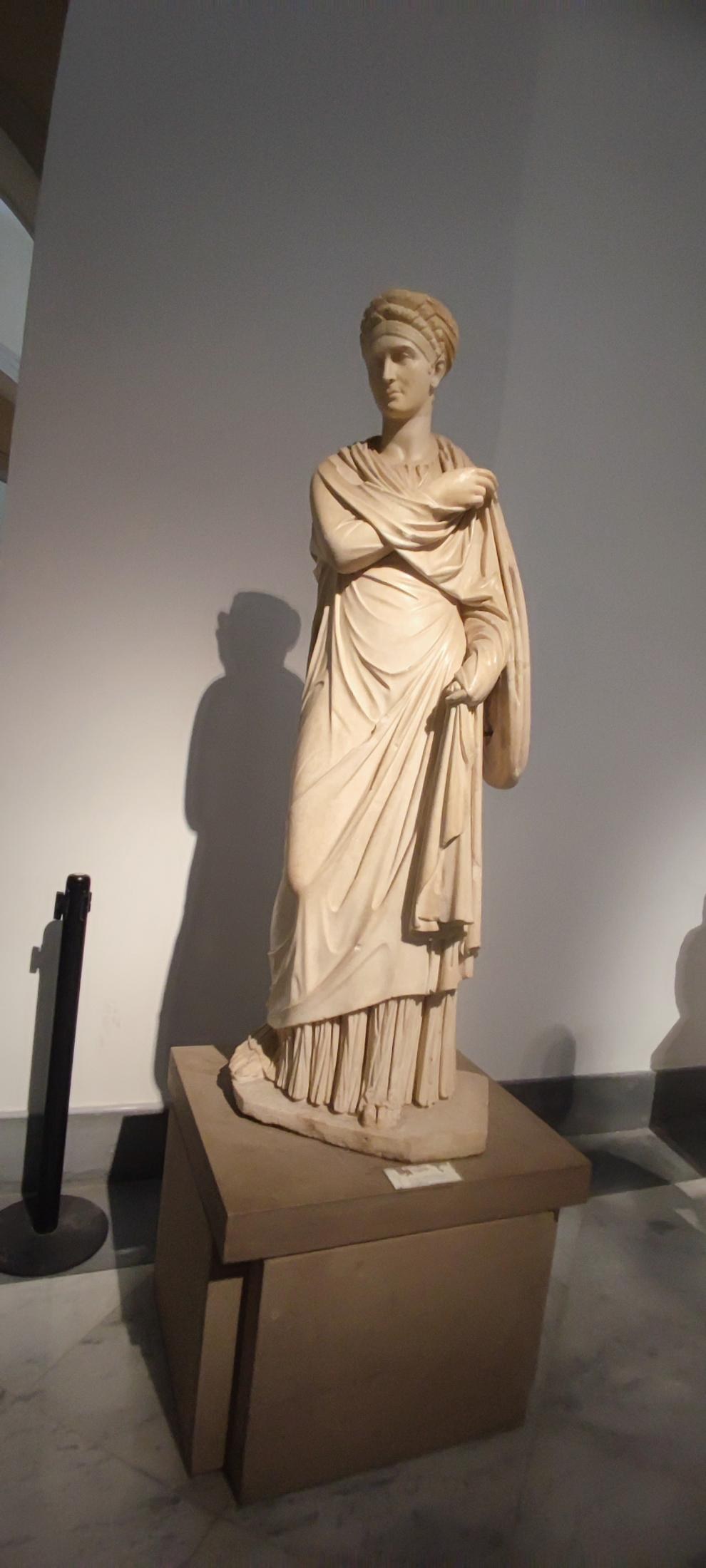
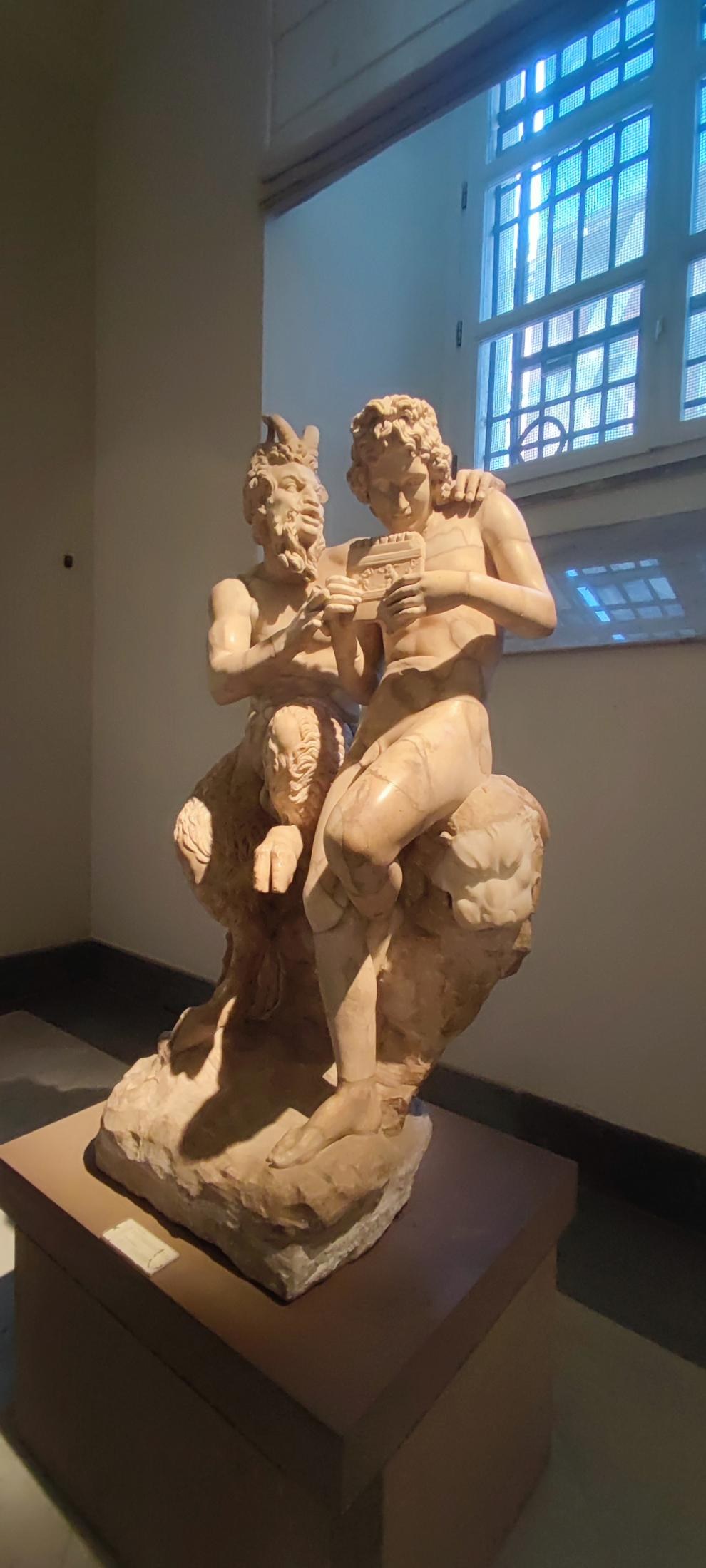
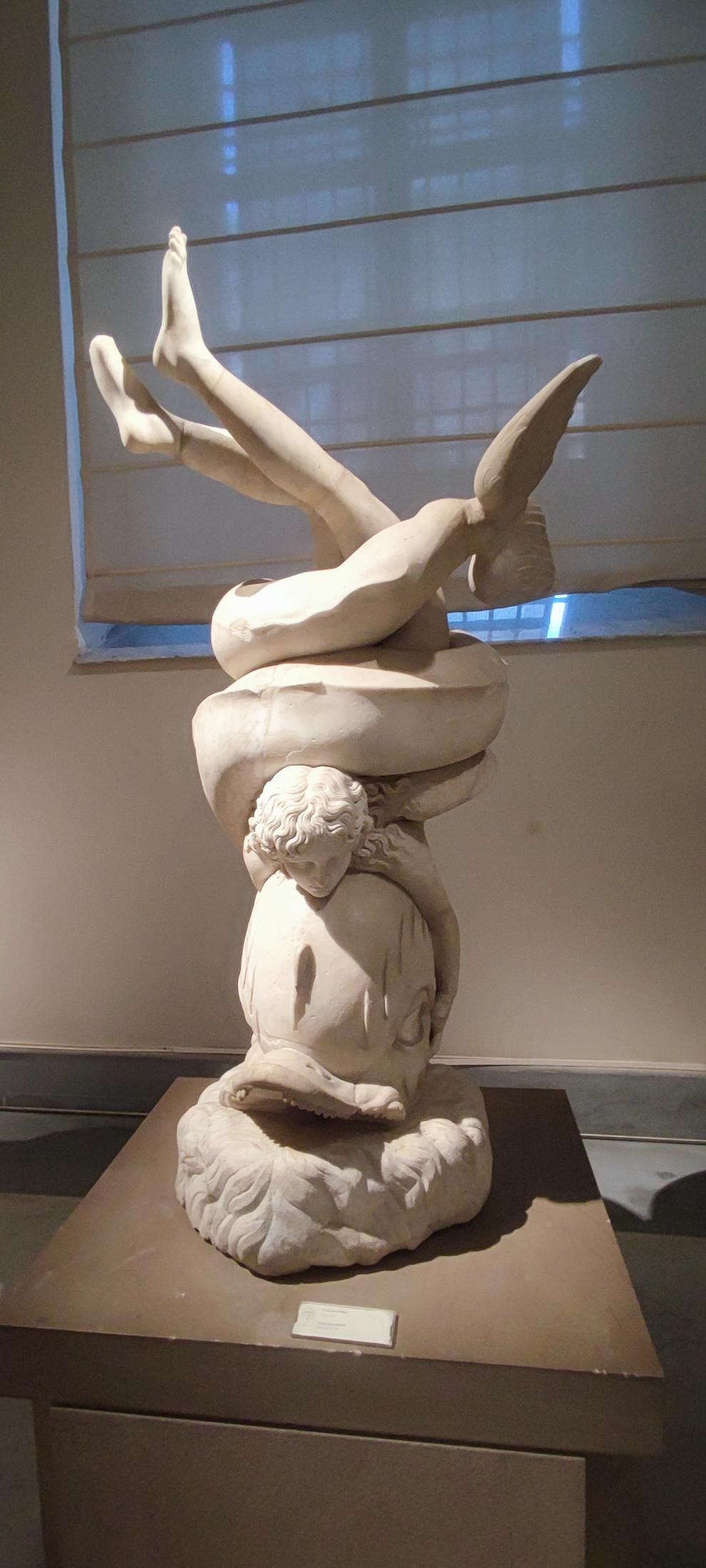
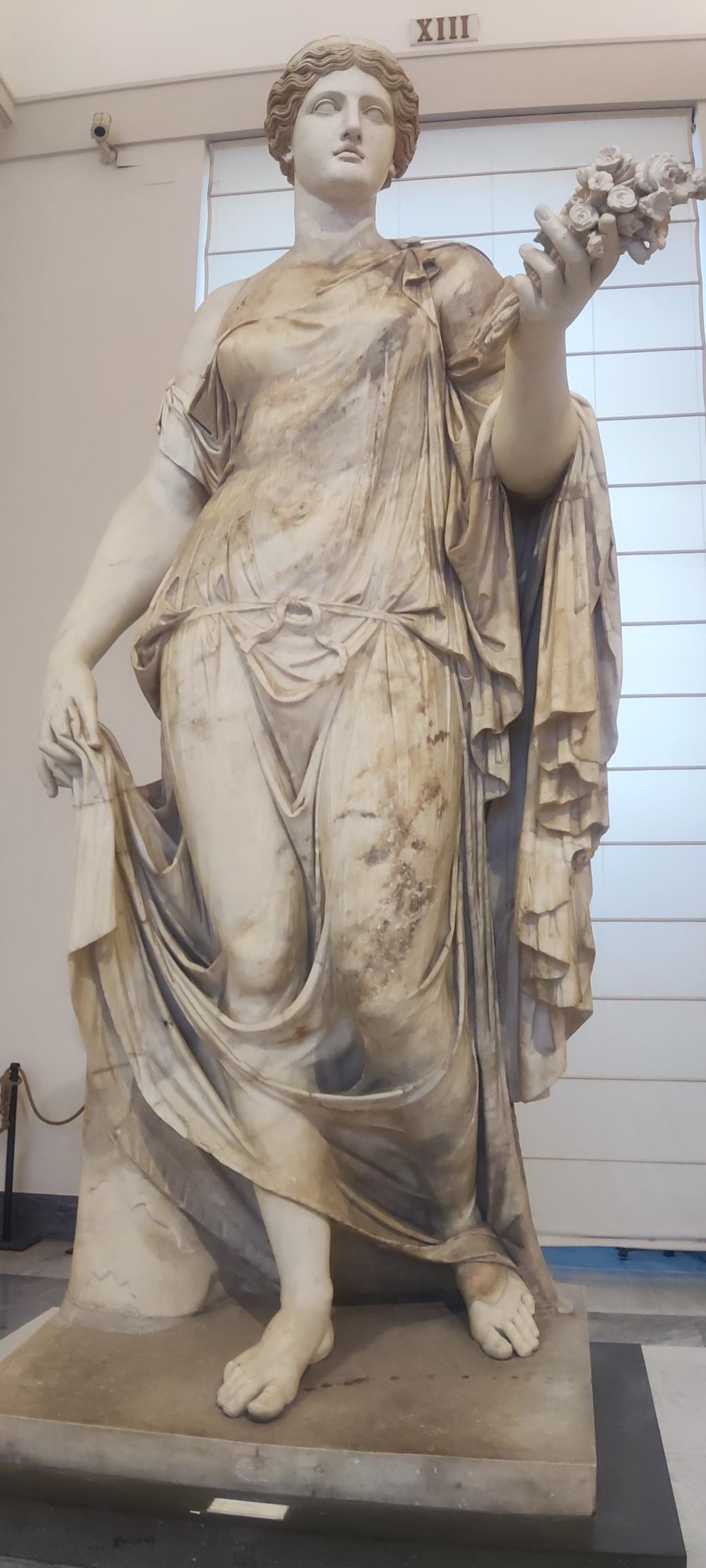
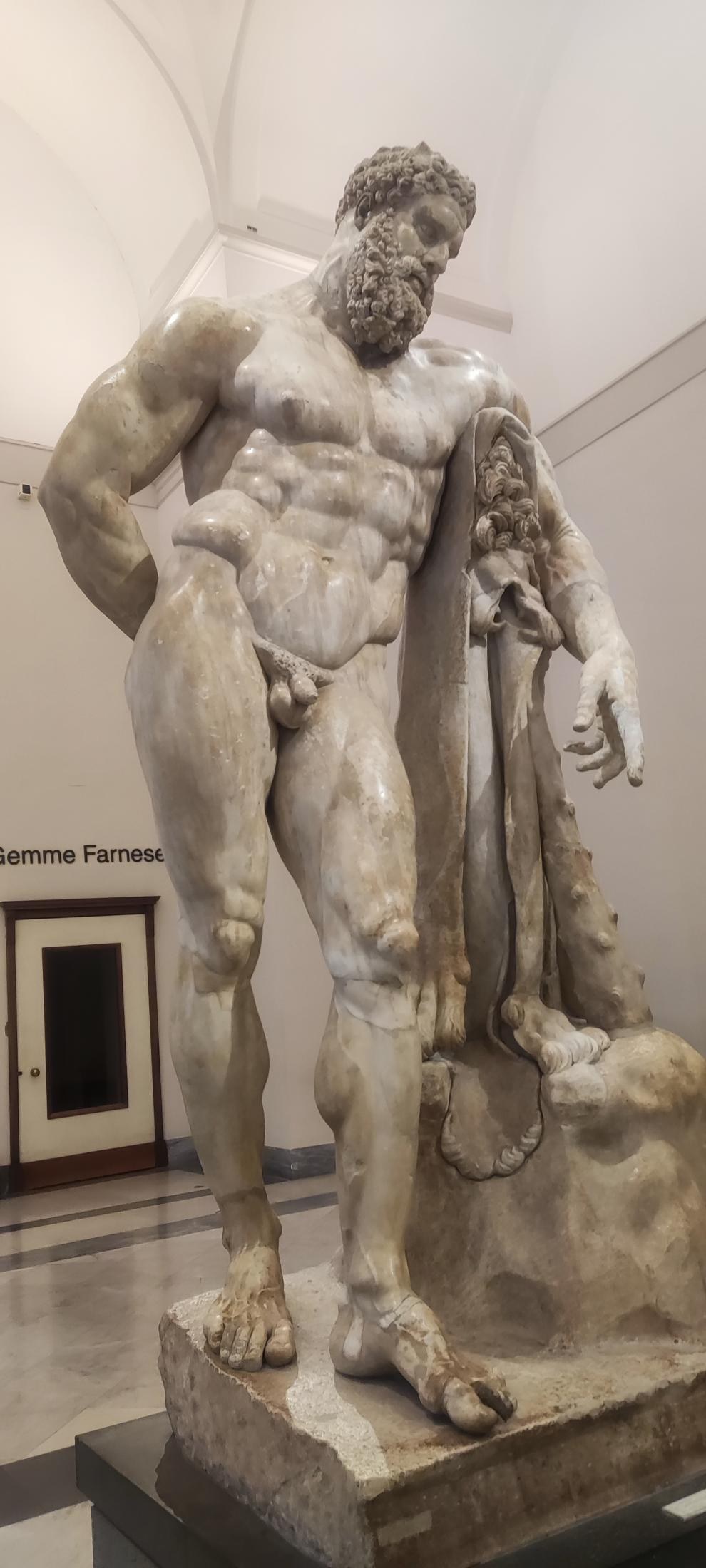
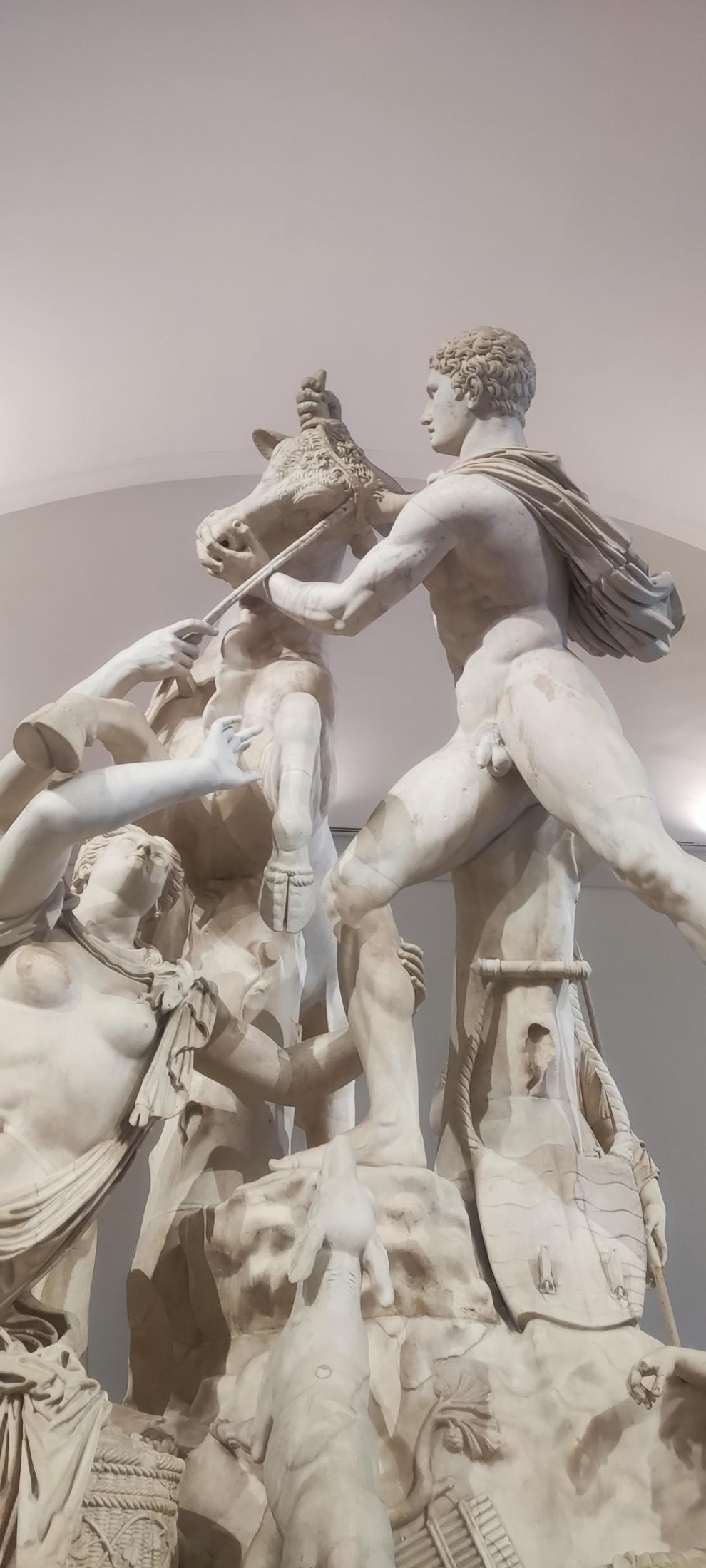
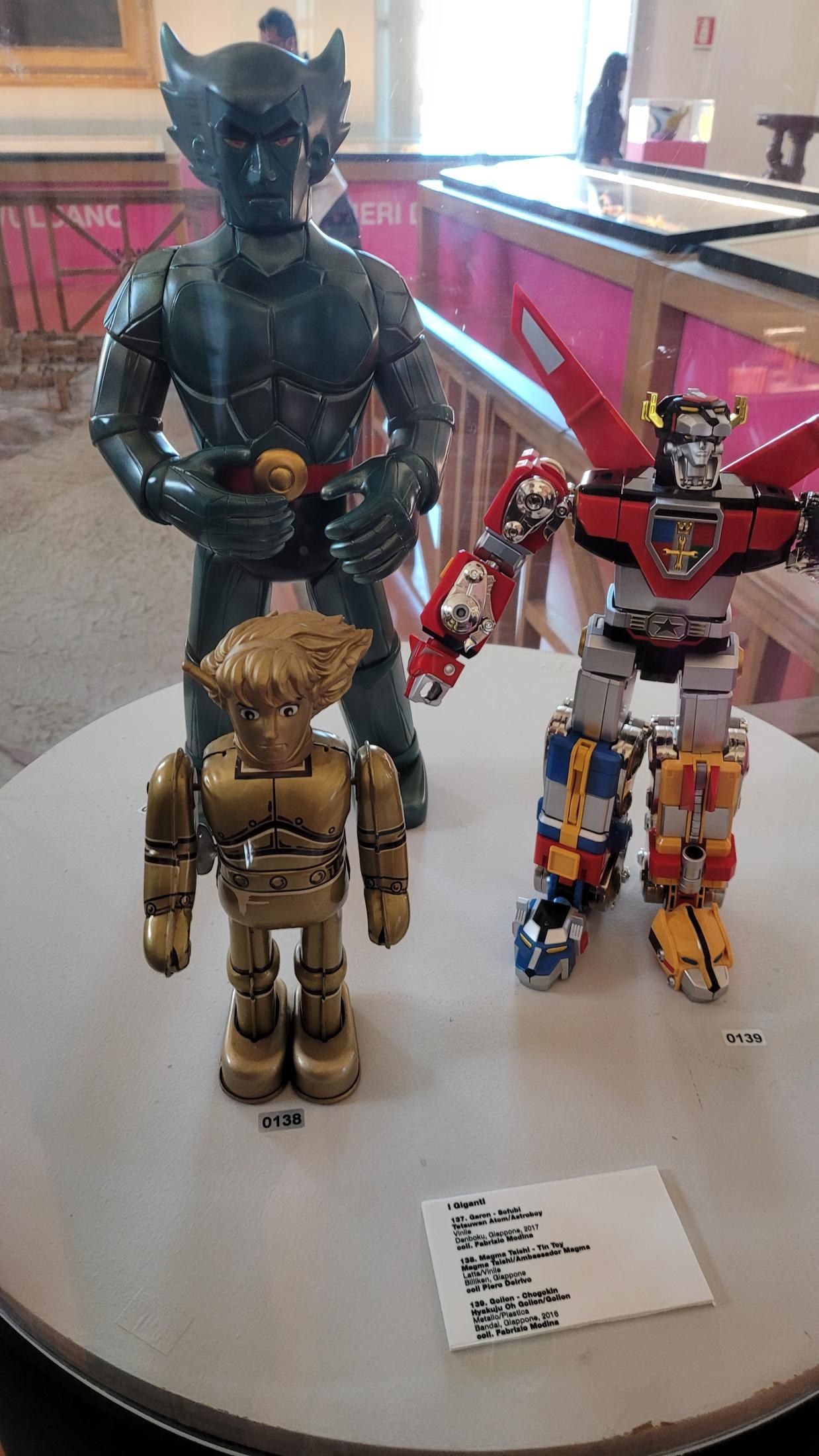
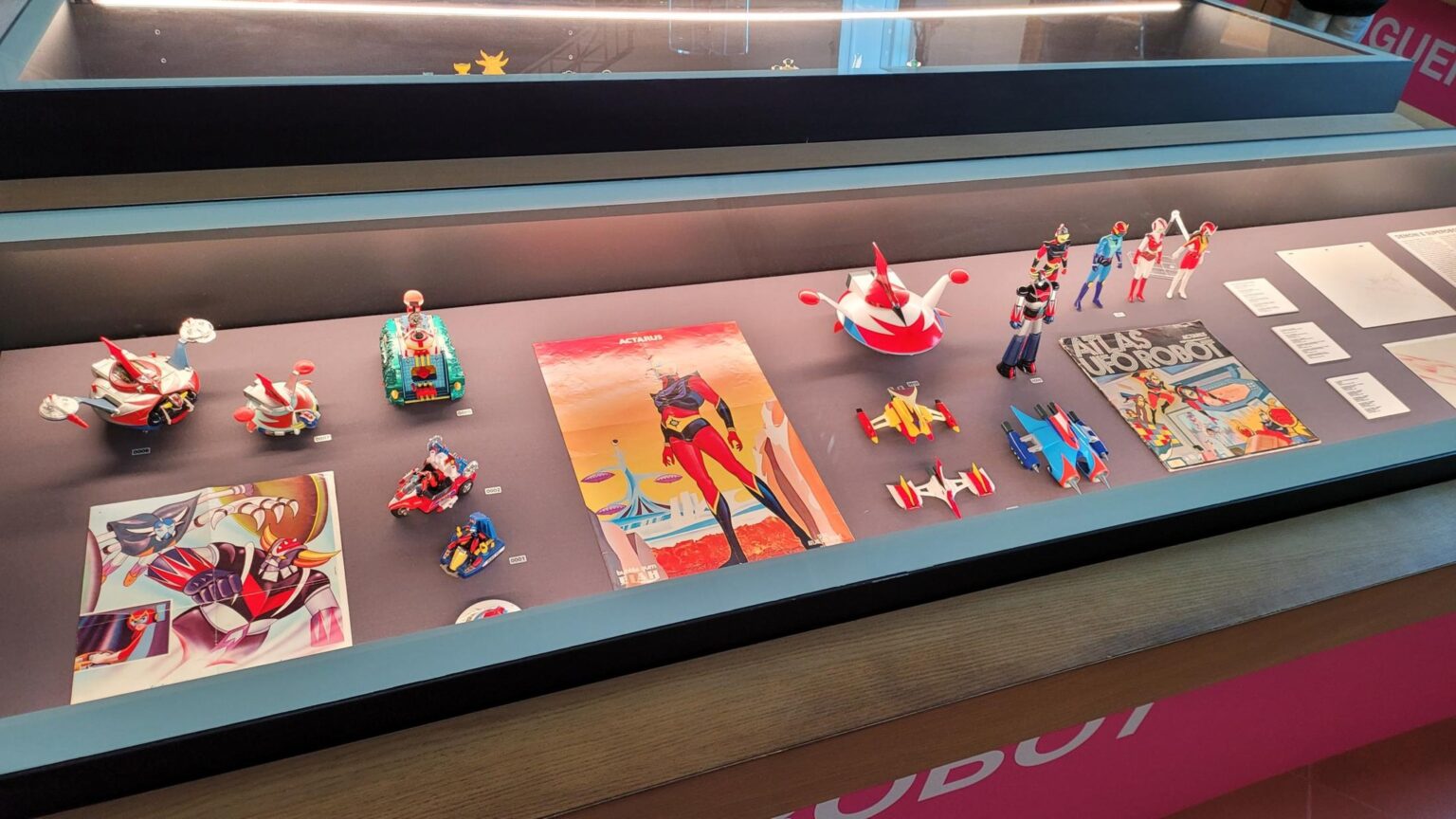
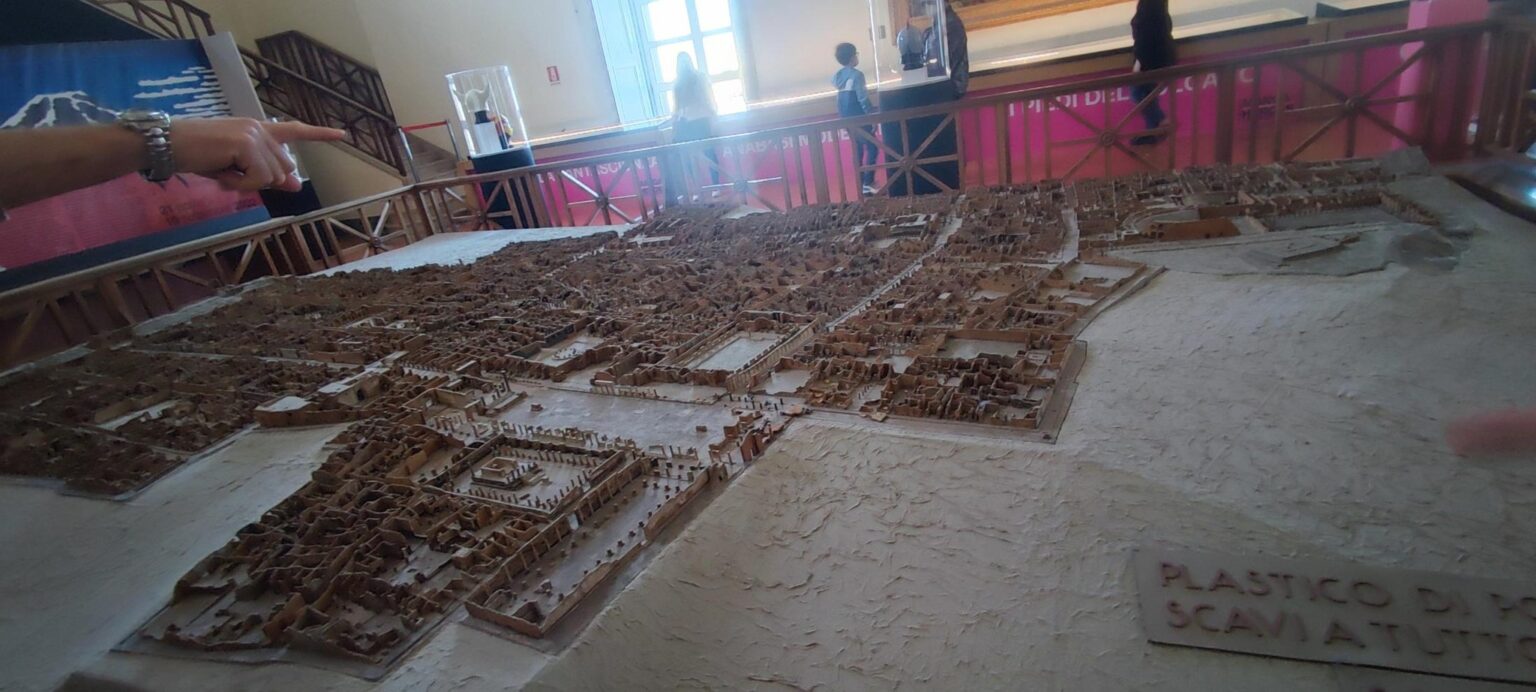
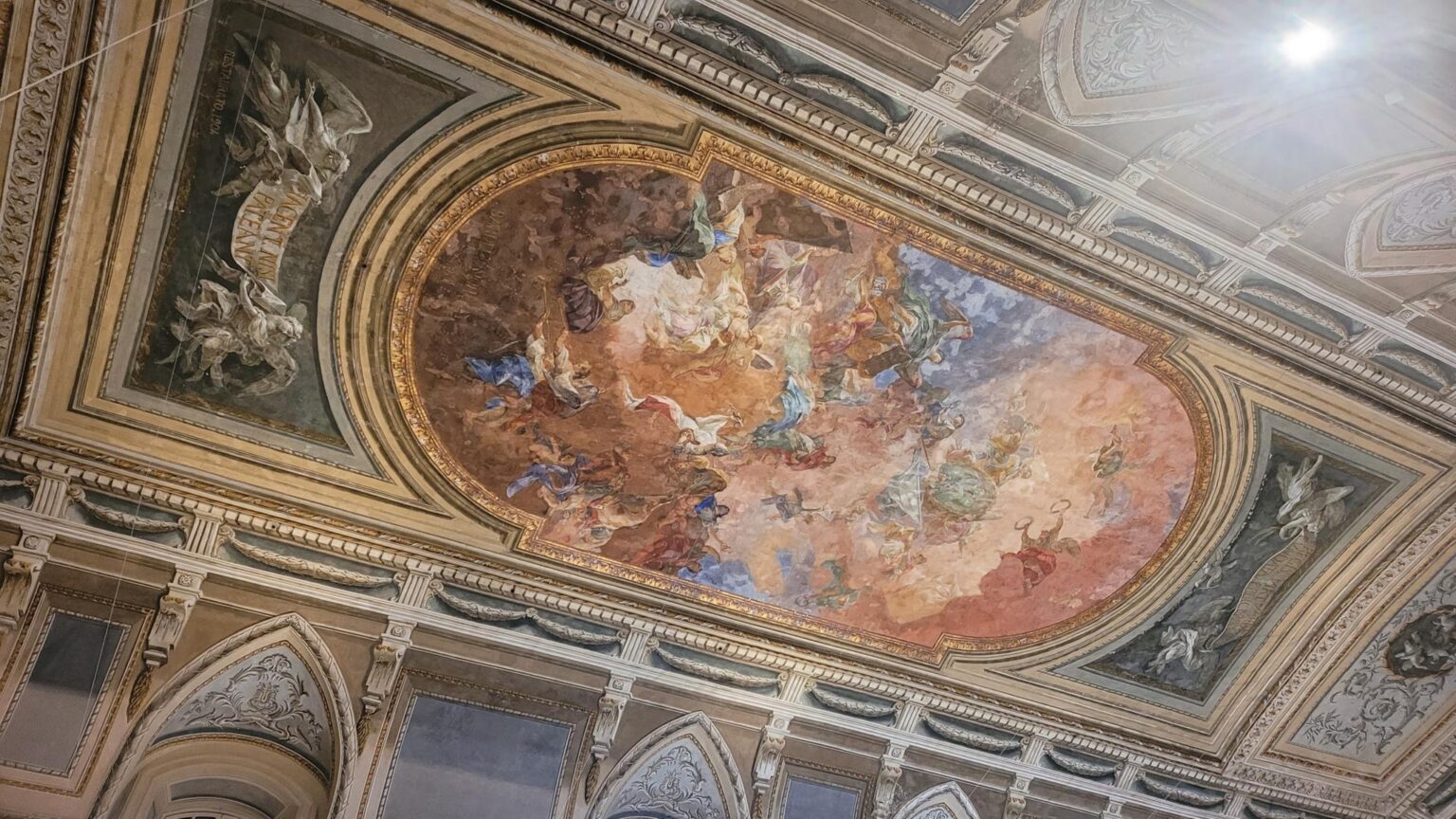
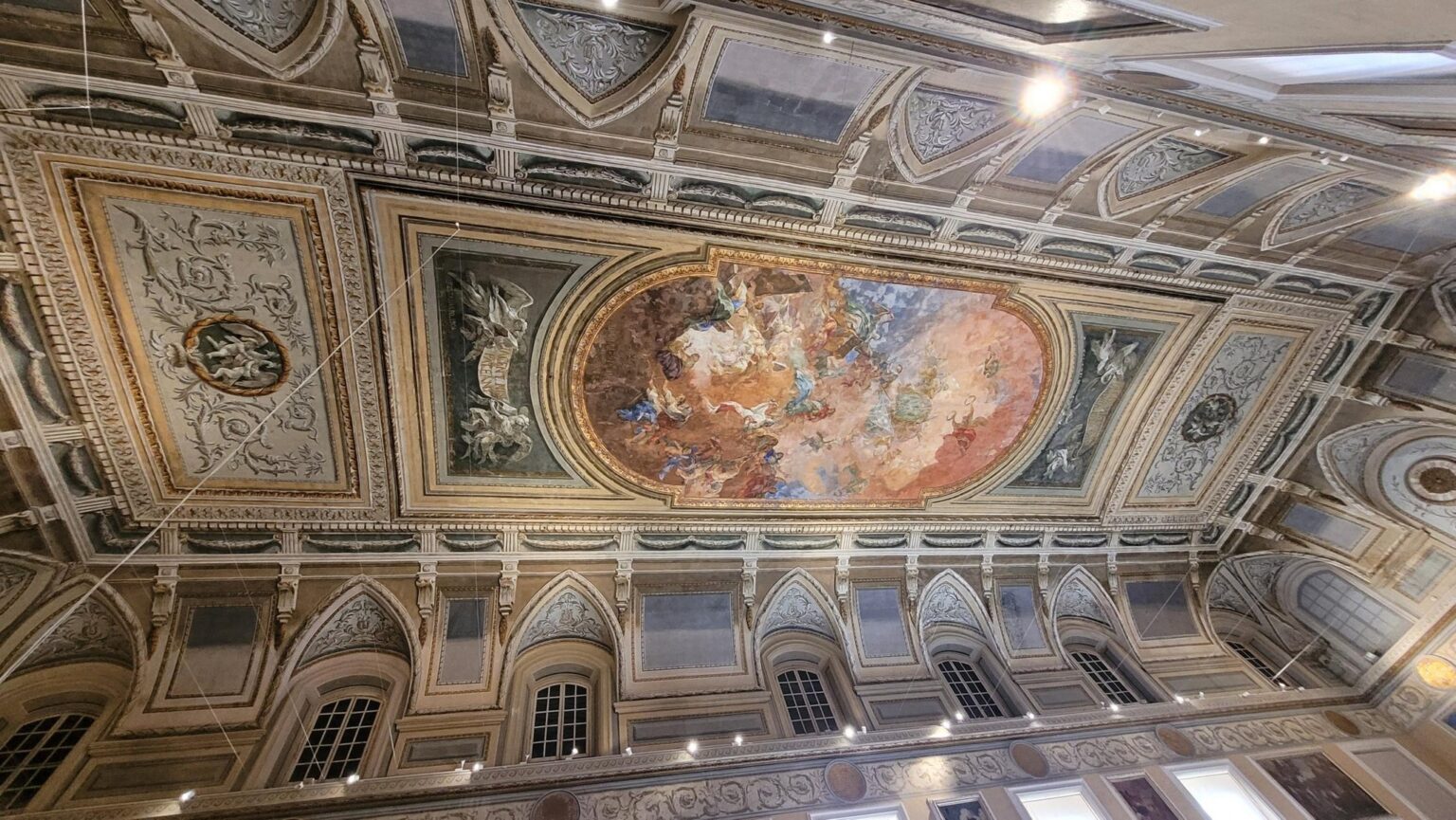
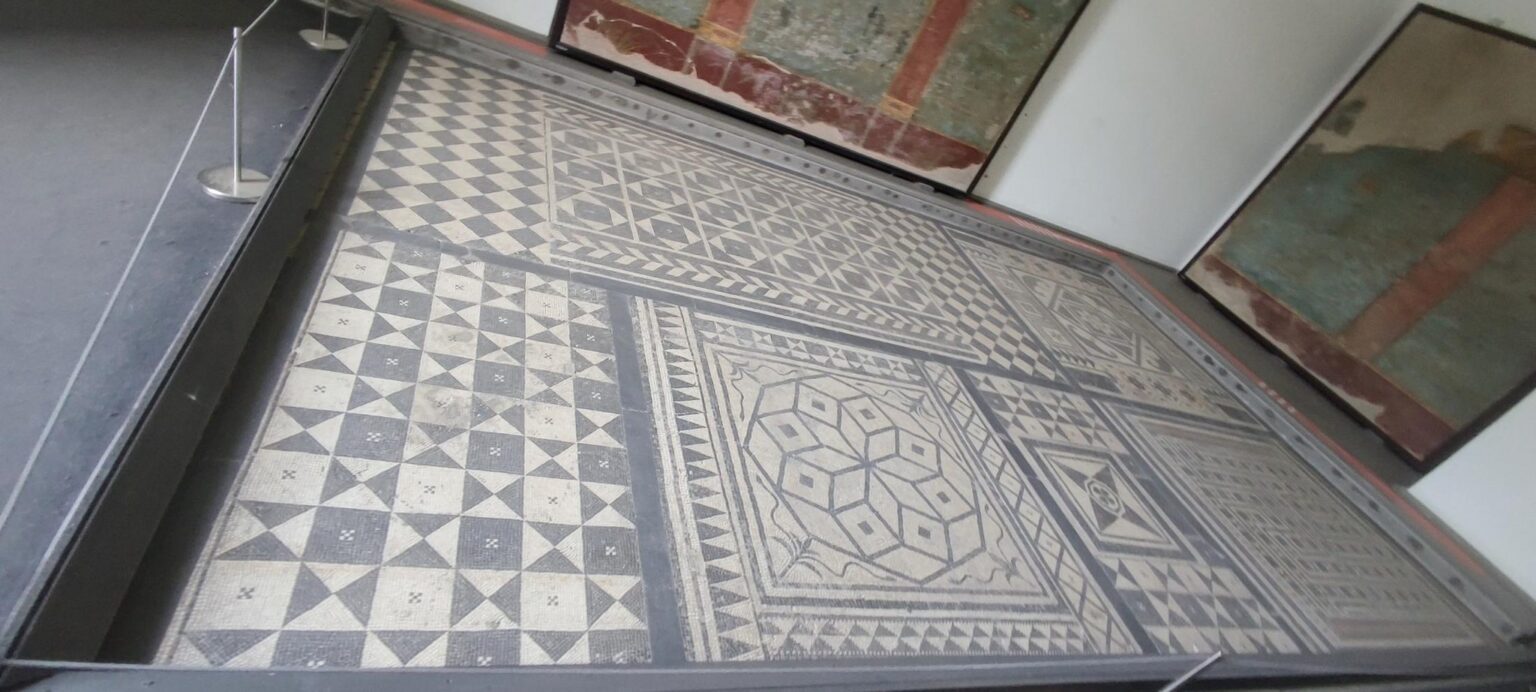
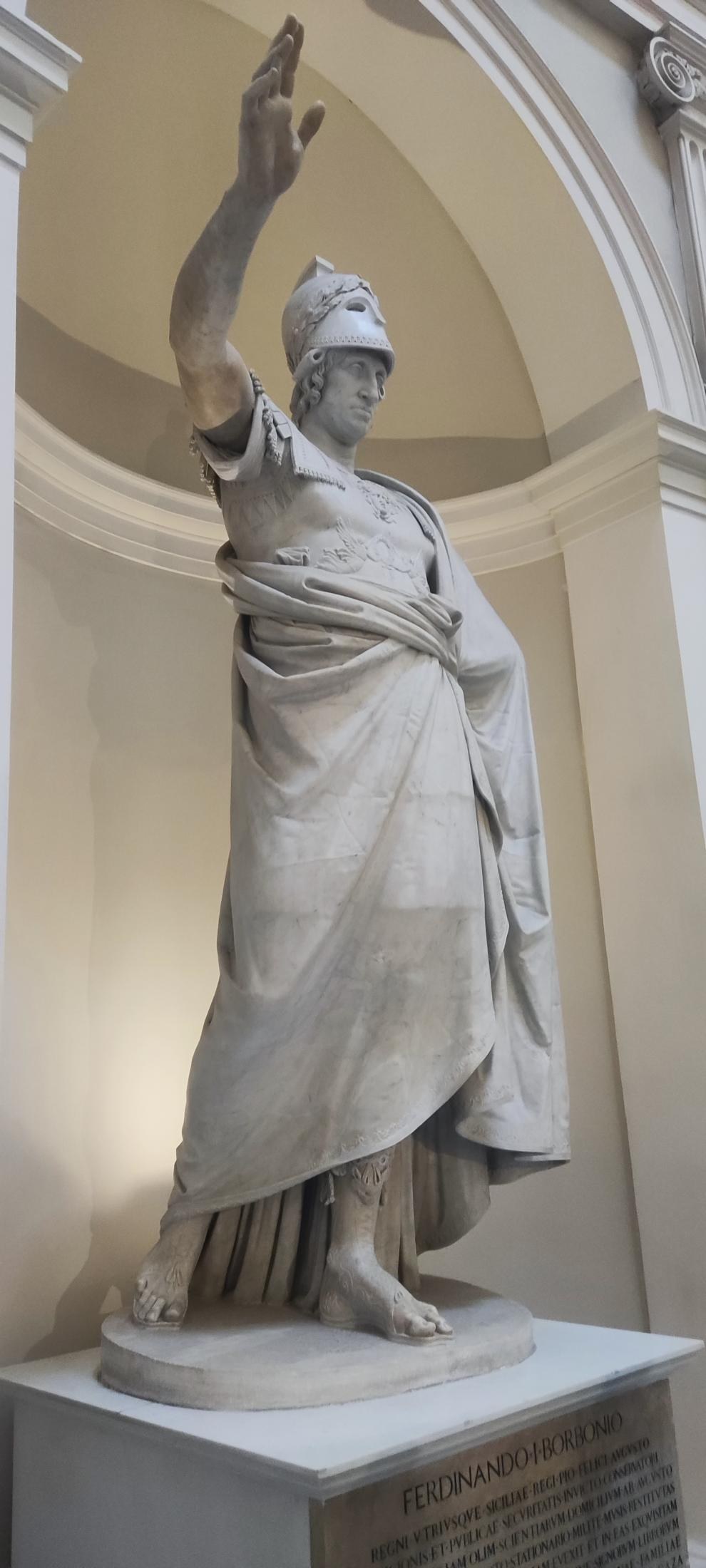
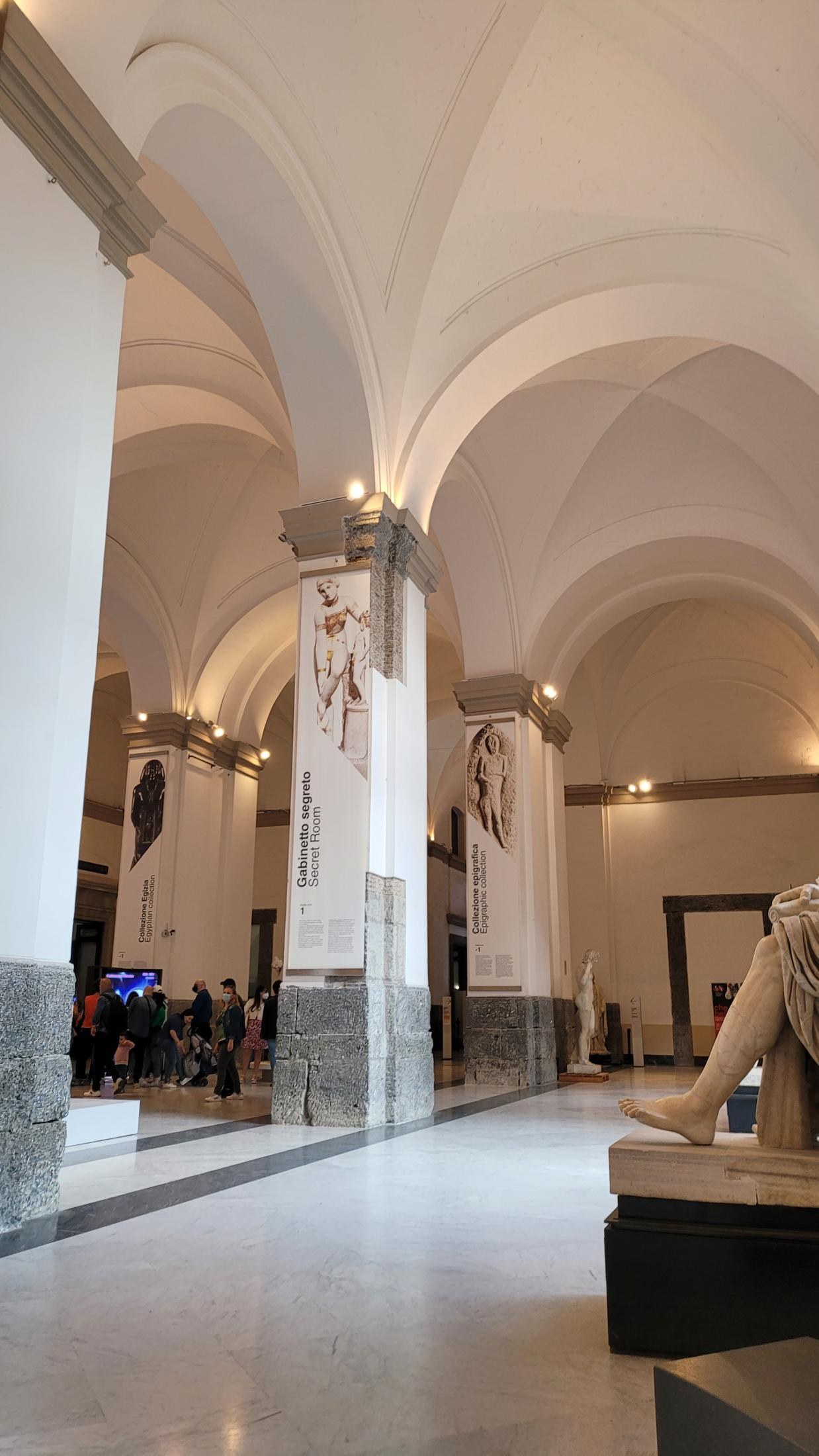
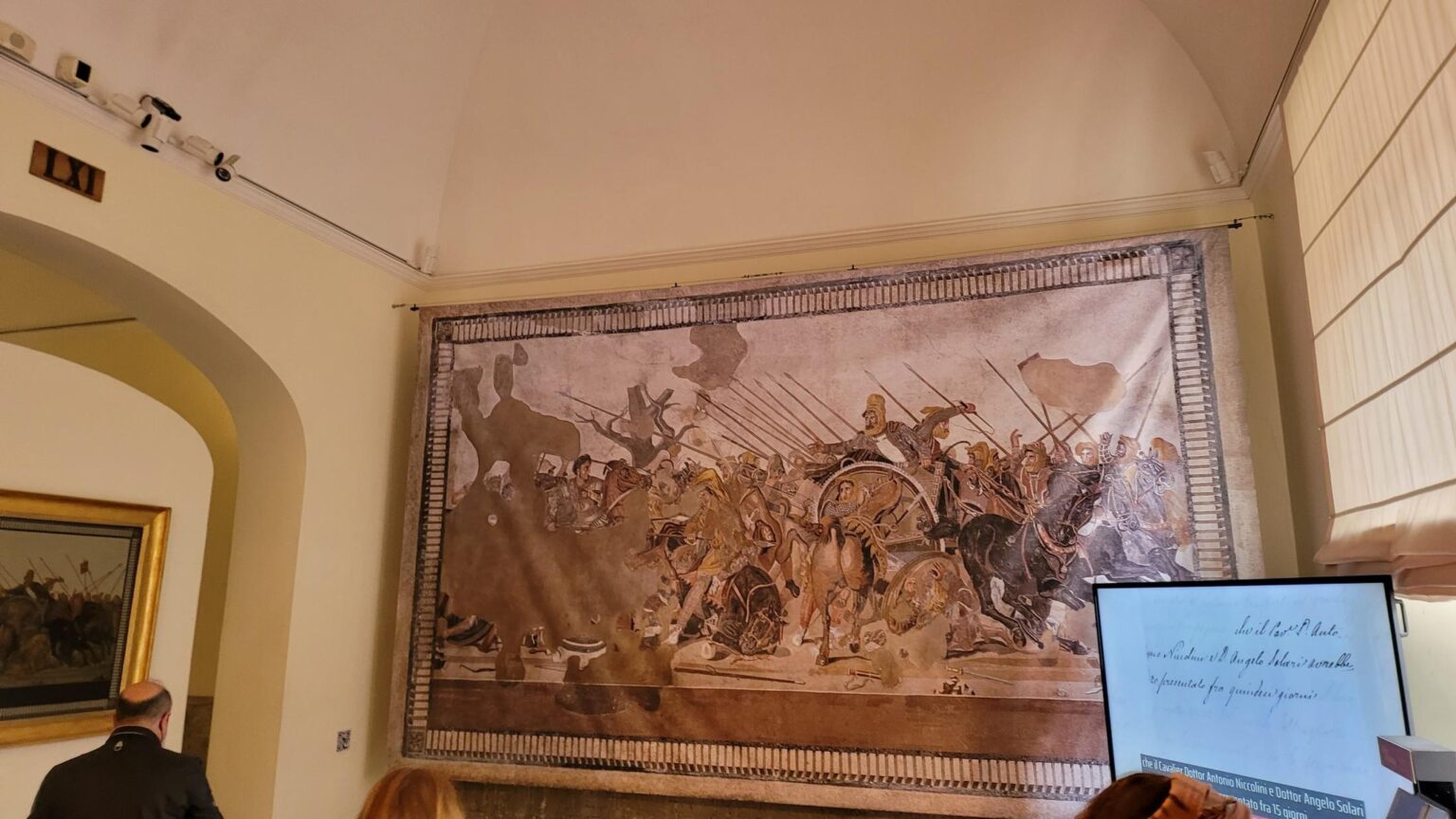
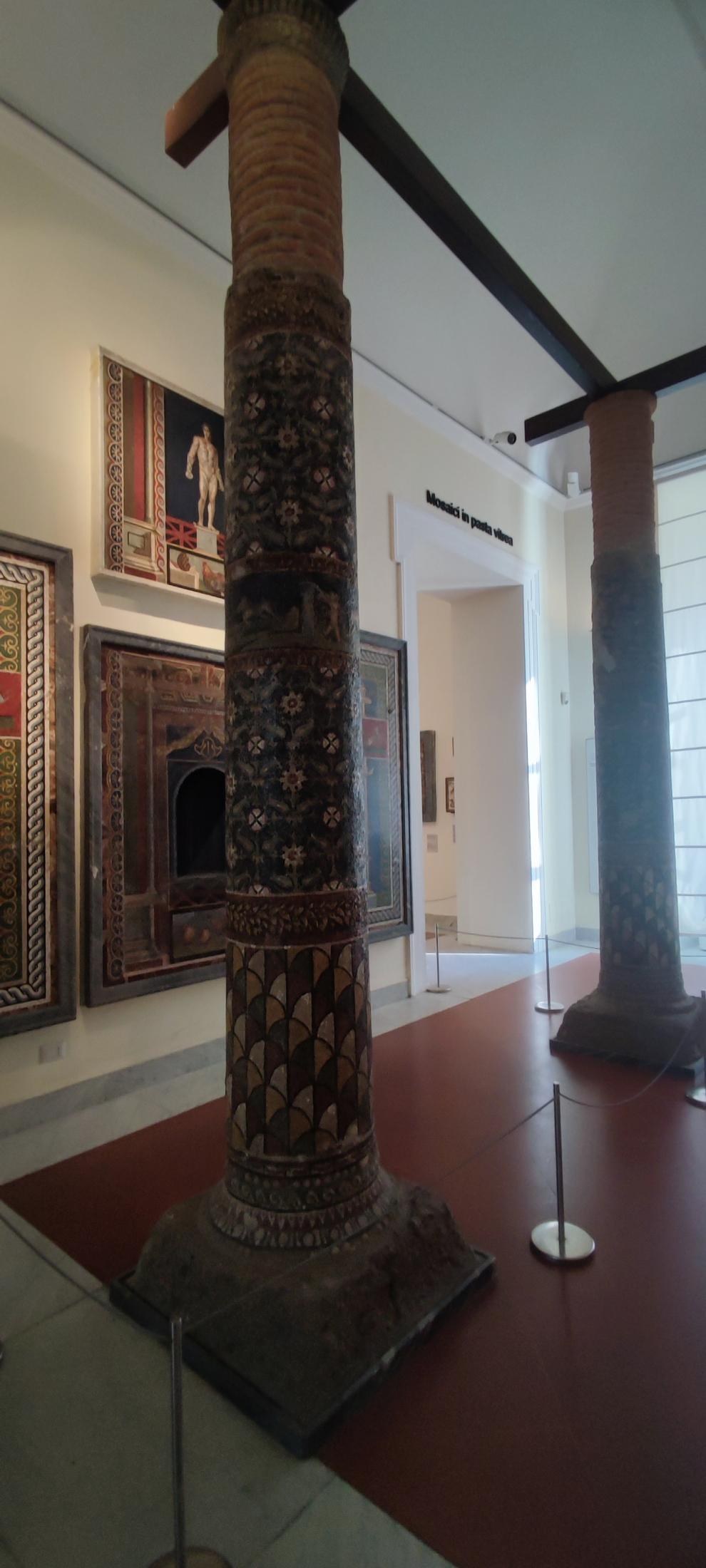
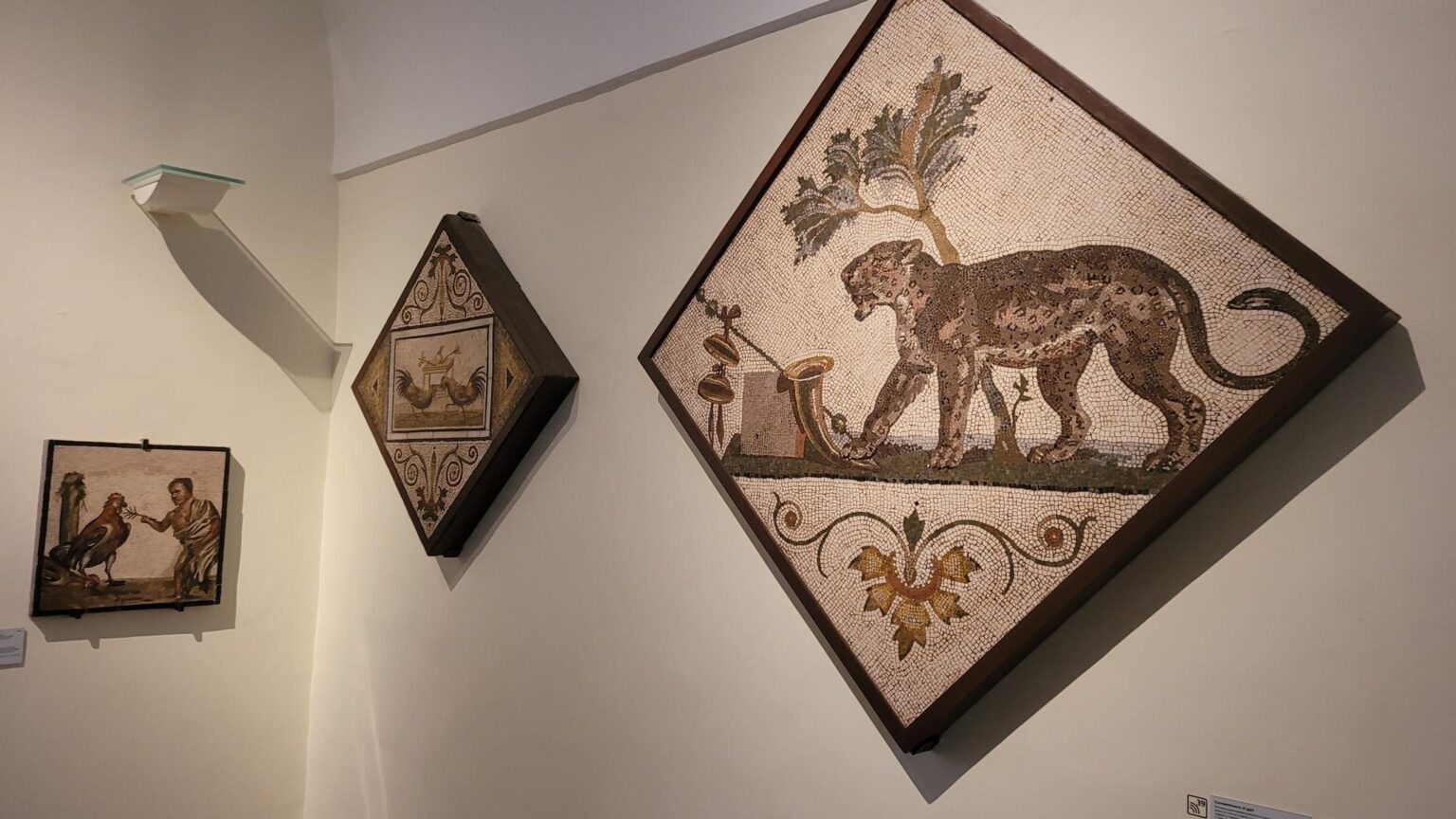
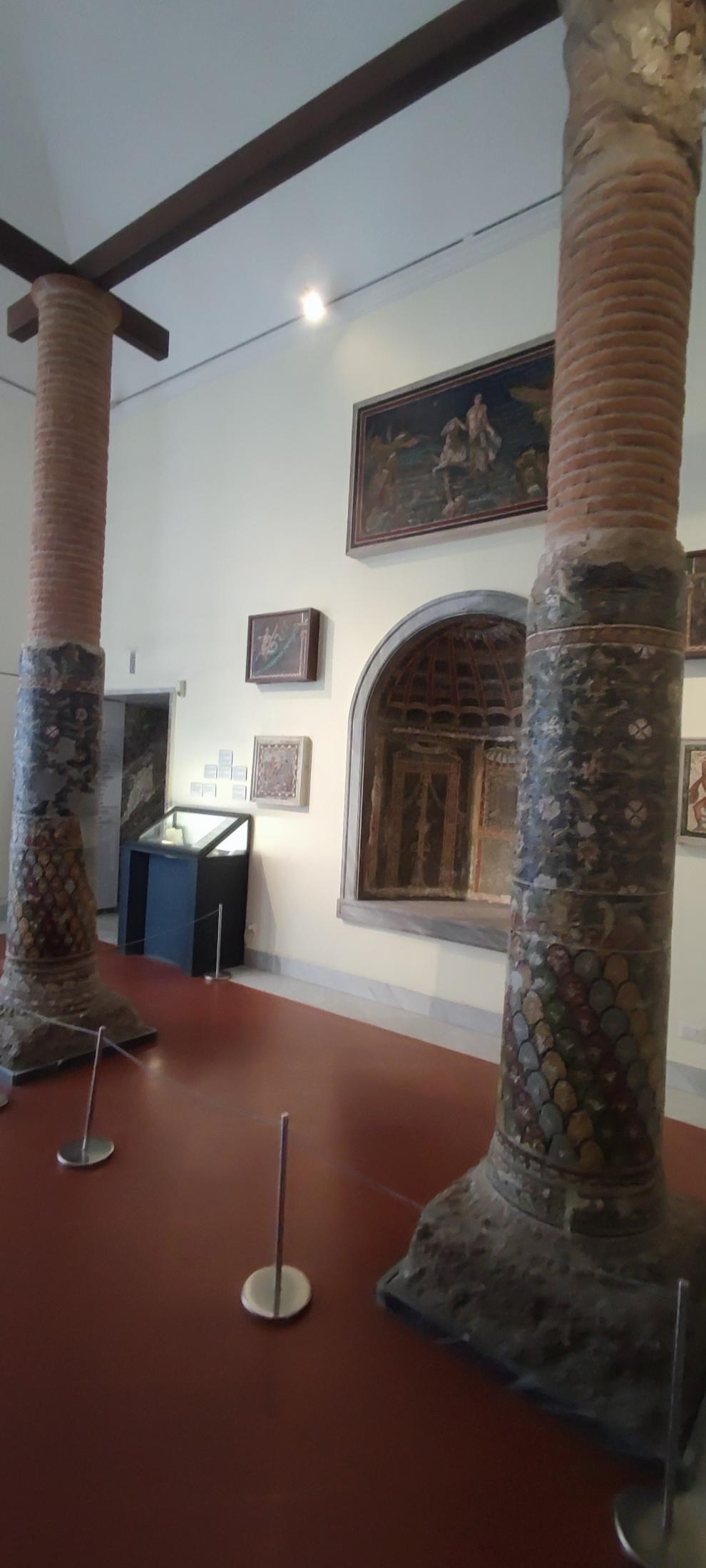
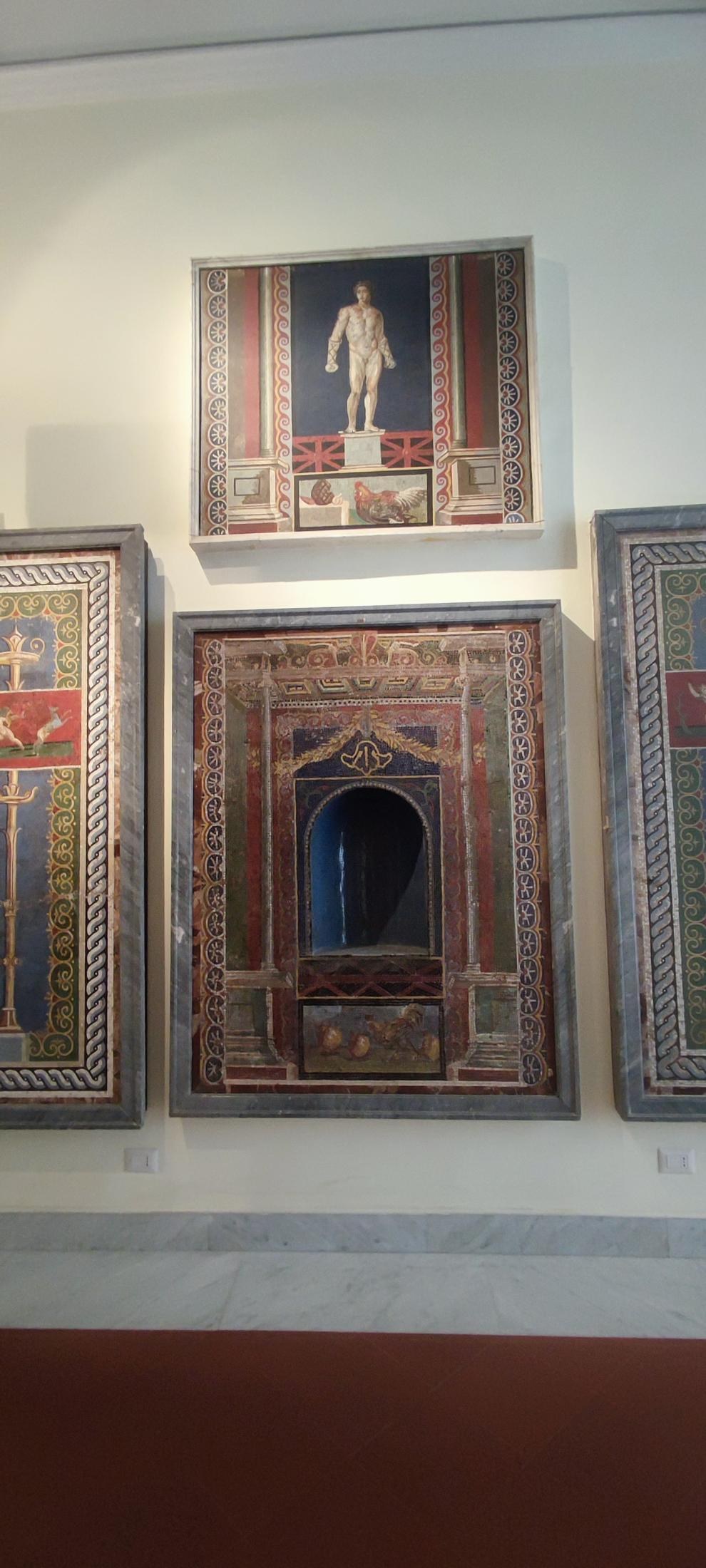
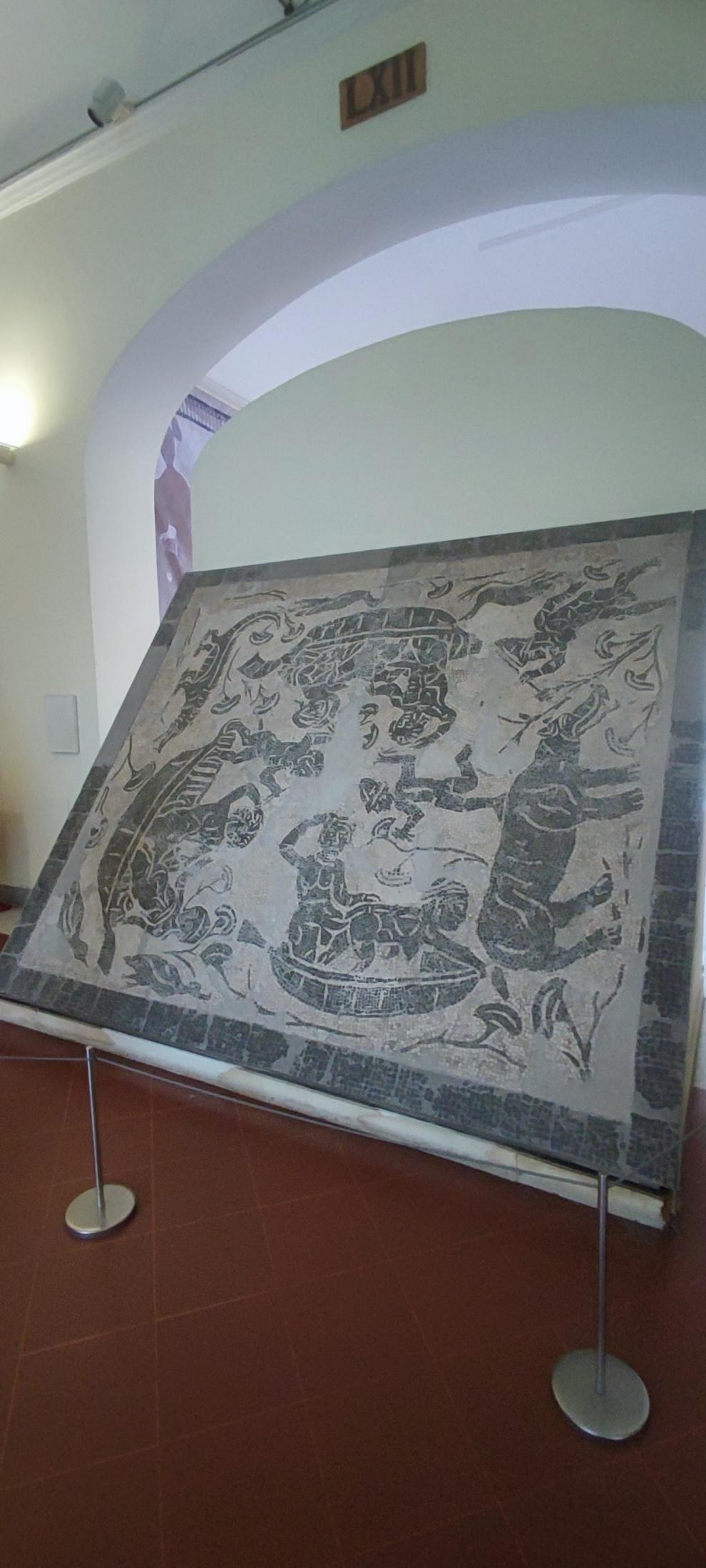
The Museo Archeologico Nazionale di Napoli has its own metro stop. The ticket is normally €18. First Sunday of the month — free. Right, so on average, two people going to Pompeii and the museum in one day: 2×(€16+€18) = €68 saved in a single day. That is one soup with the tip in Positano. Joking aside, €18 a head sounds like a lot. In reality the museum is enormous and worth it. Even if you are not a specialist and are like me, just walking around looking and reading the more interesting bits, the price is absolutely justified. The volume is equivalent to 5–6 standard museums back home. There are guest exhibitions (we landed on a Japanese one, manga/anime themed).
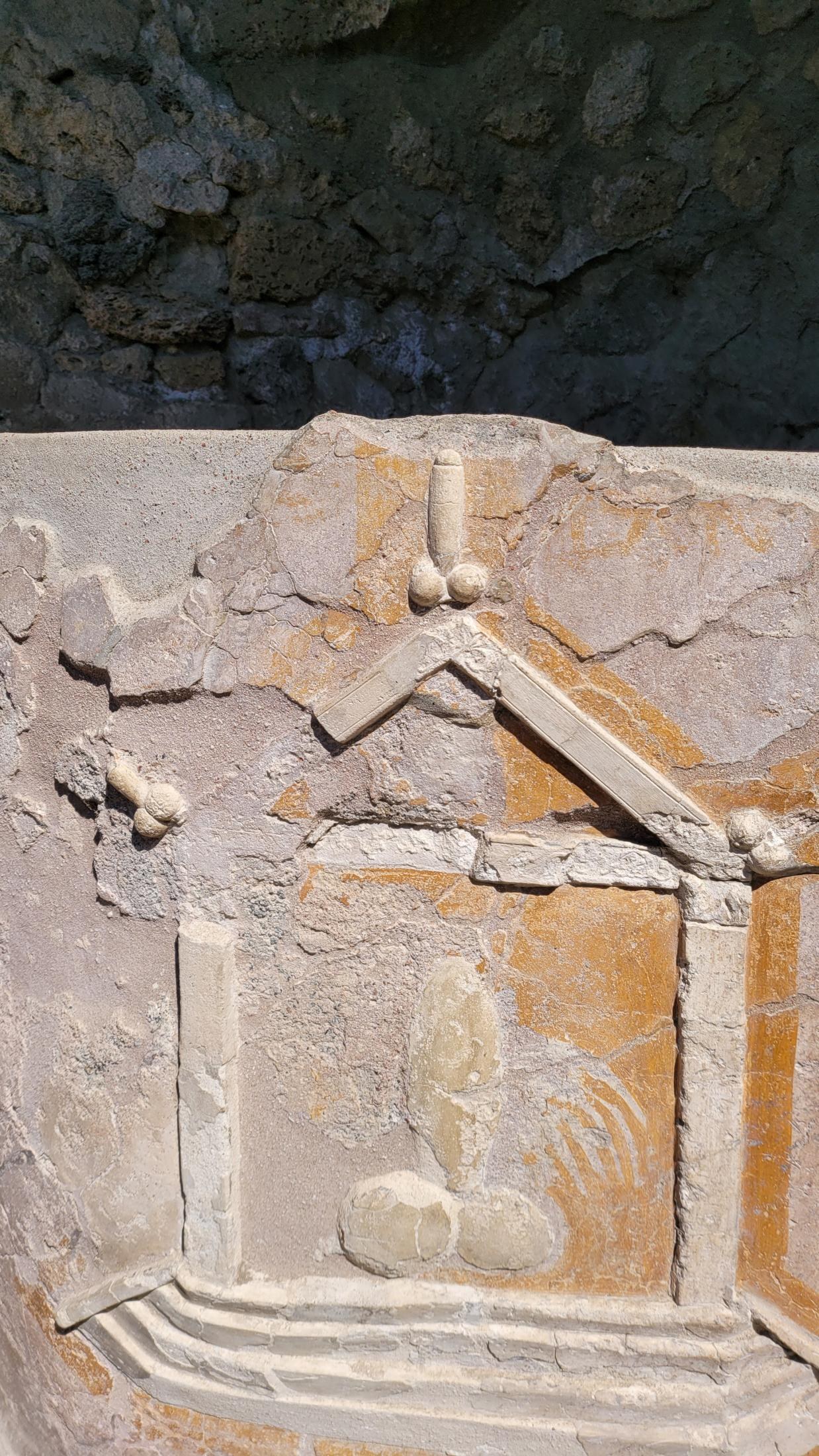
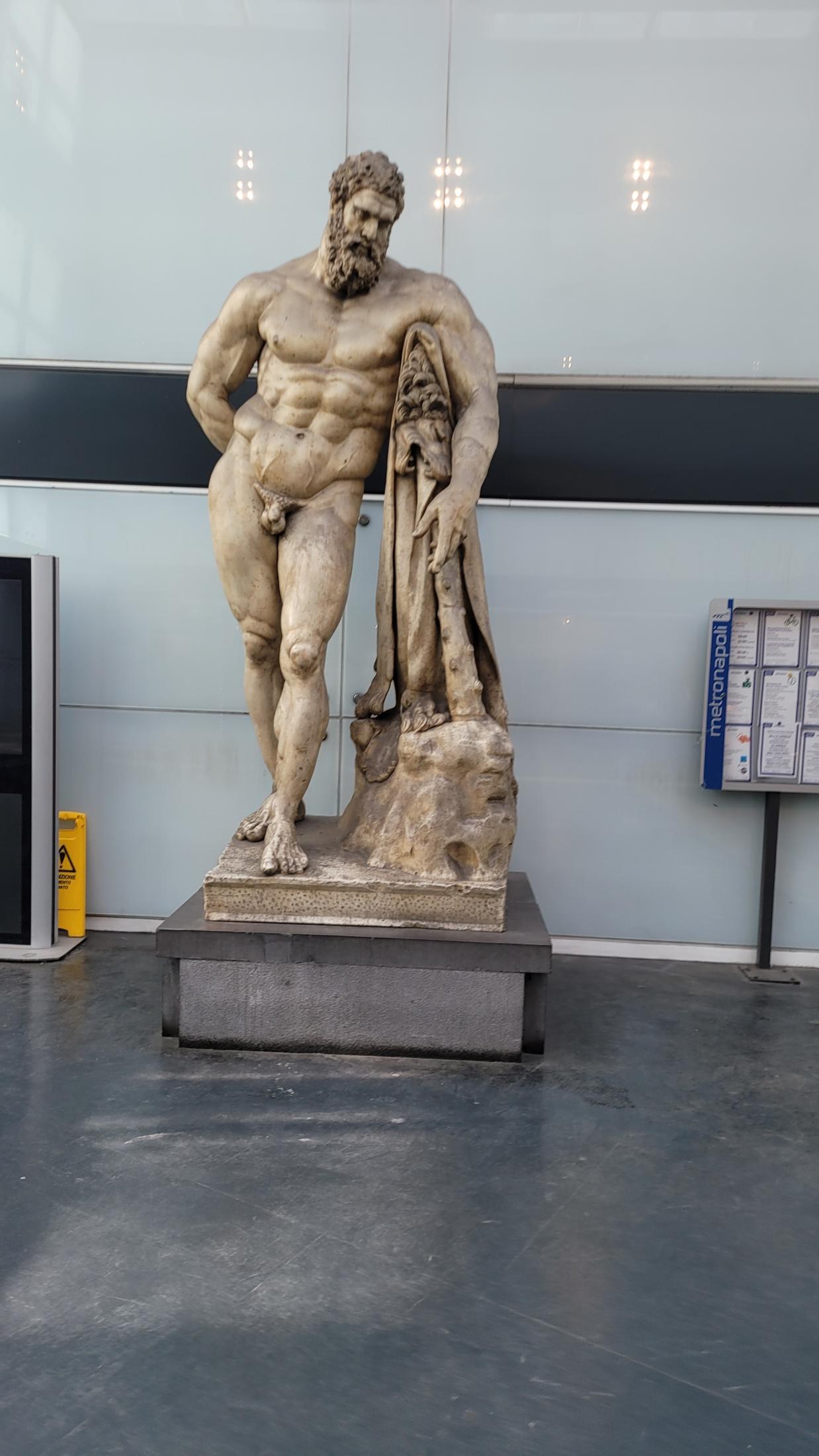
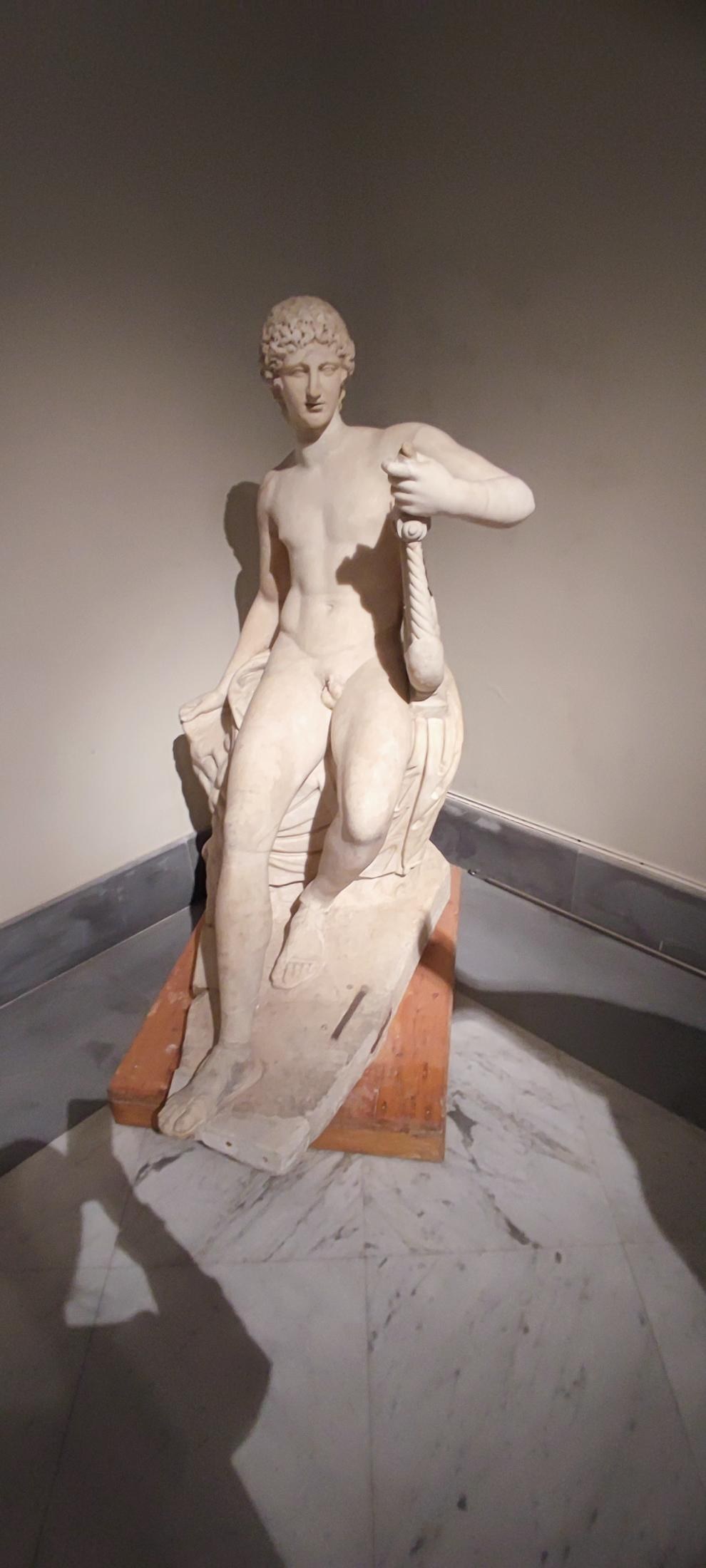
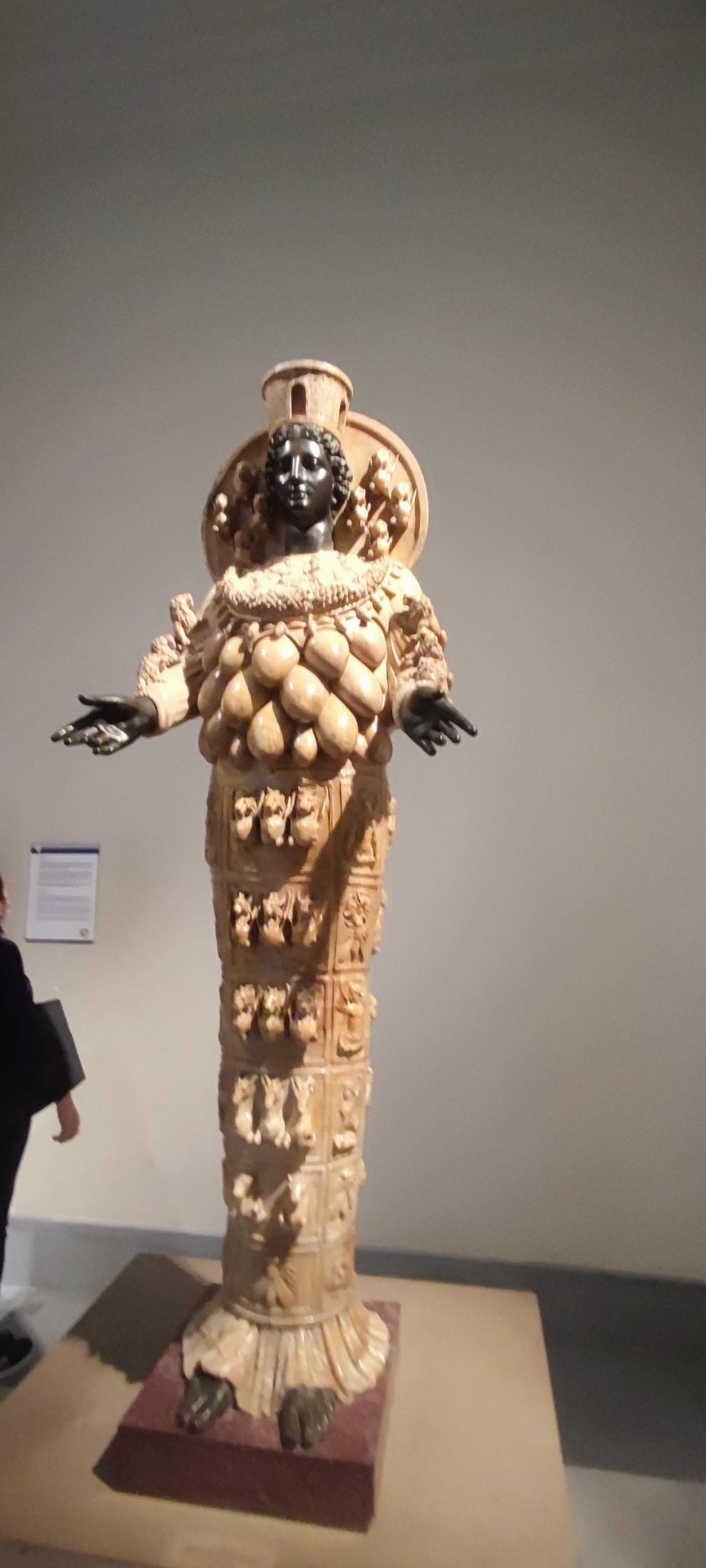
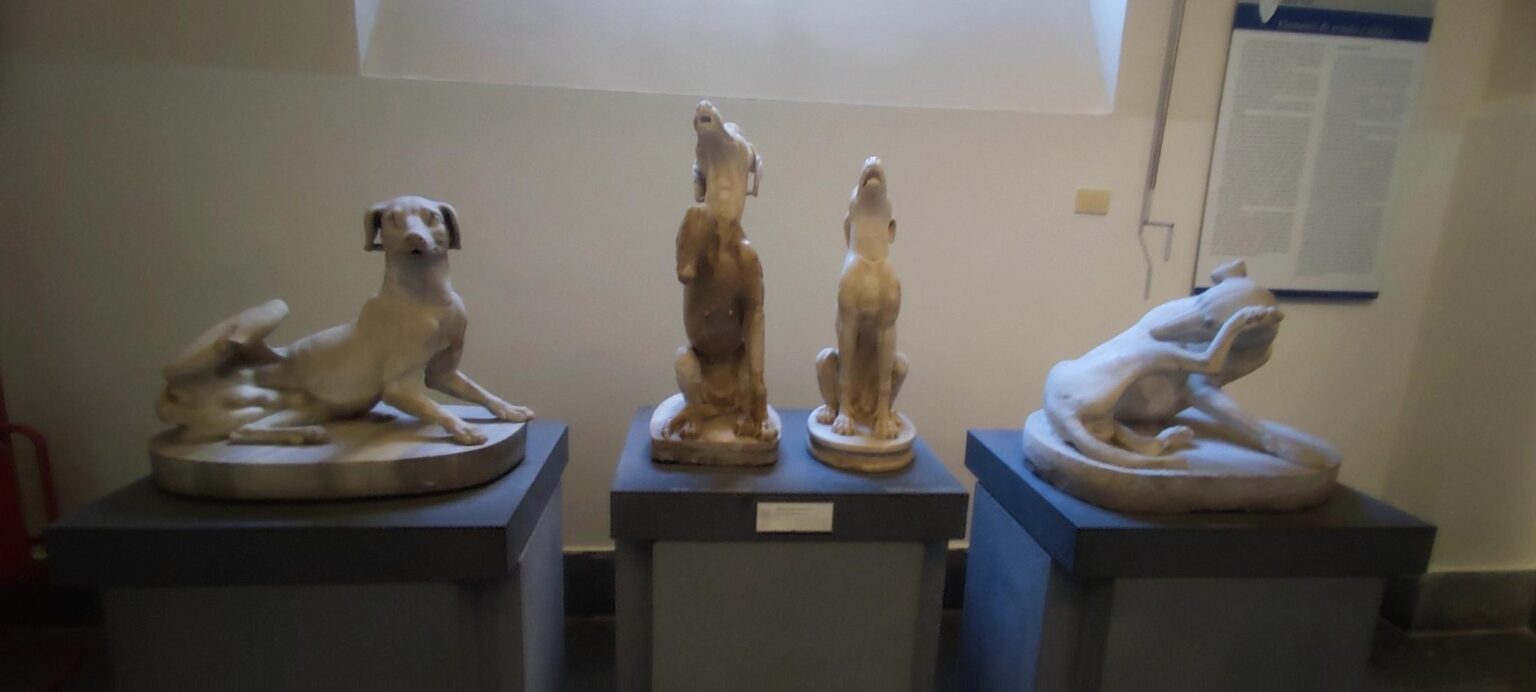
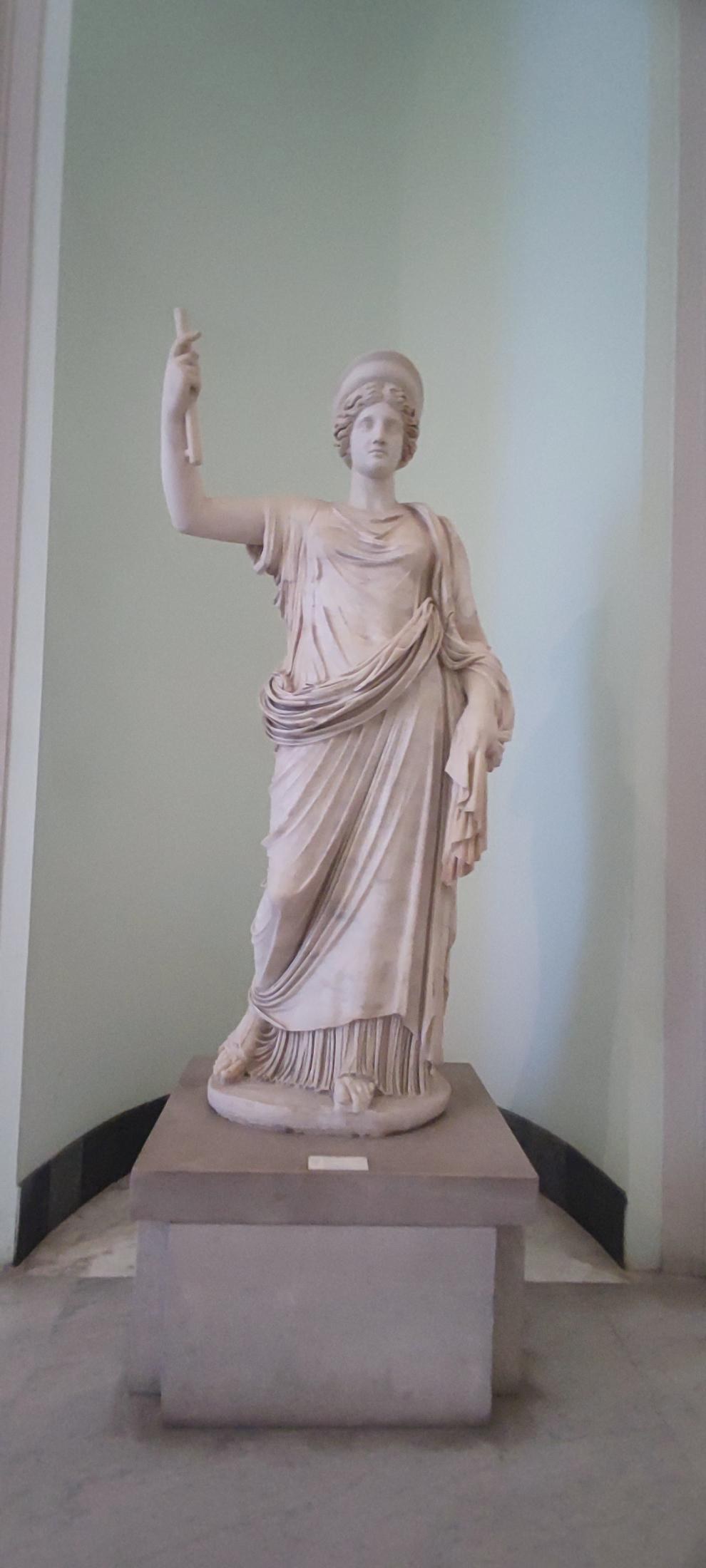
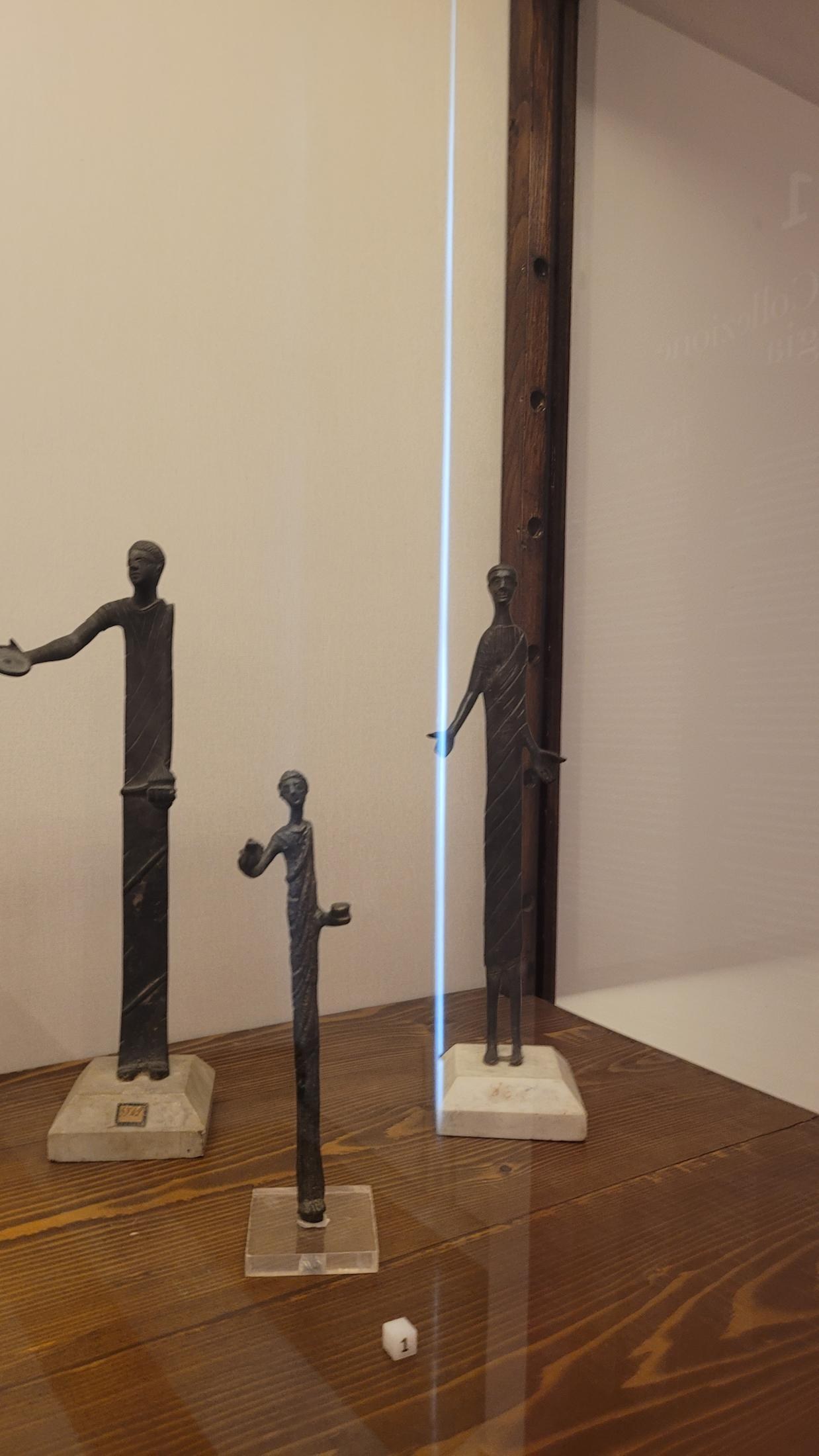
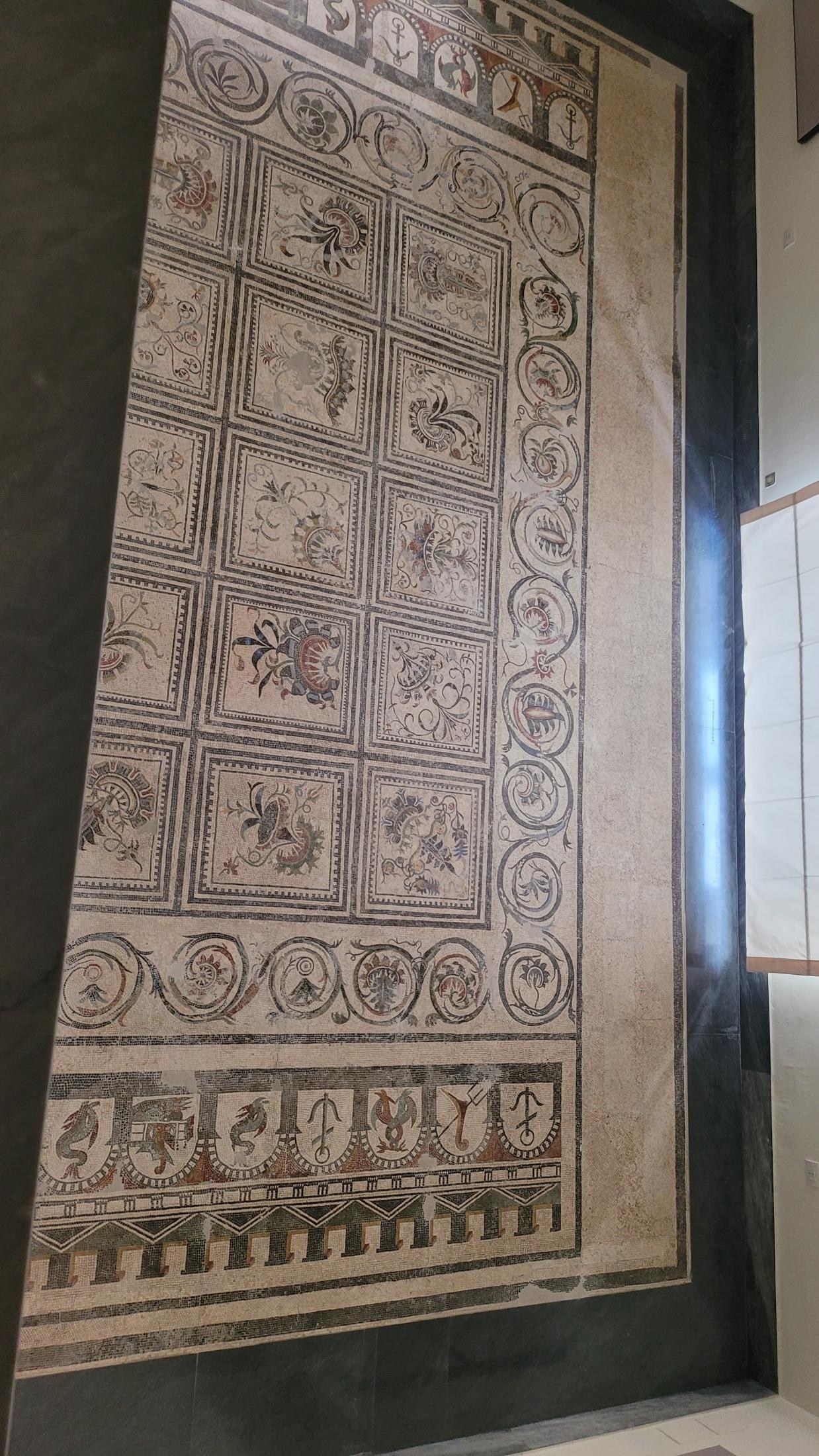
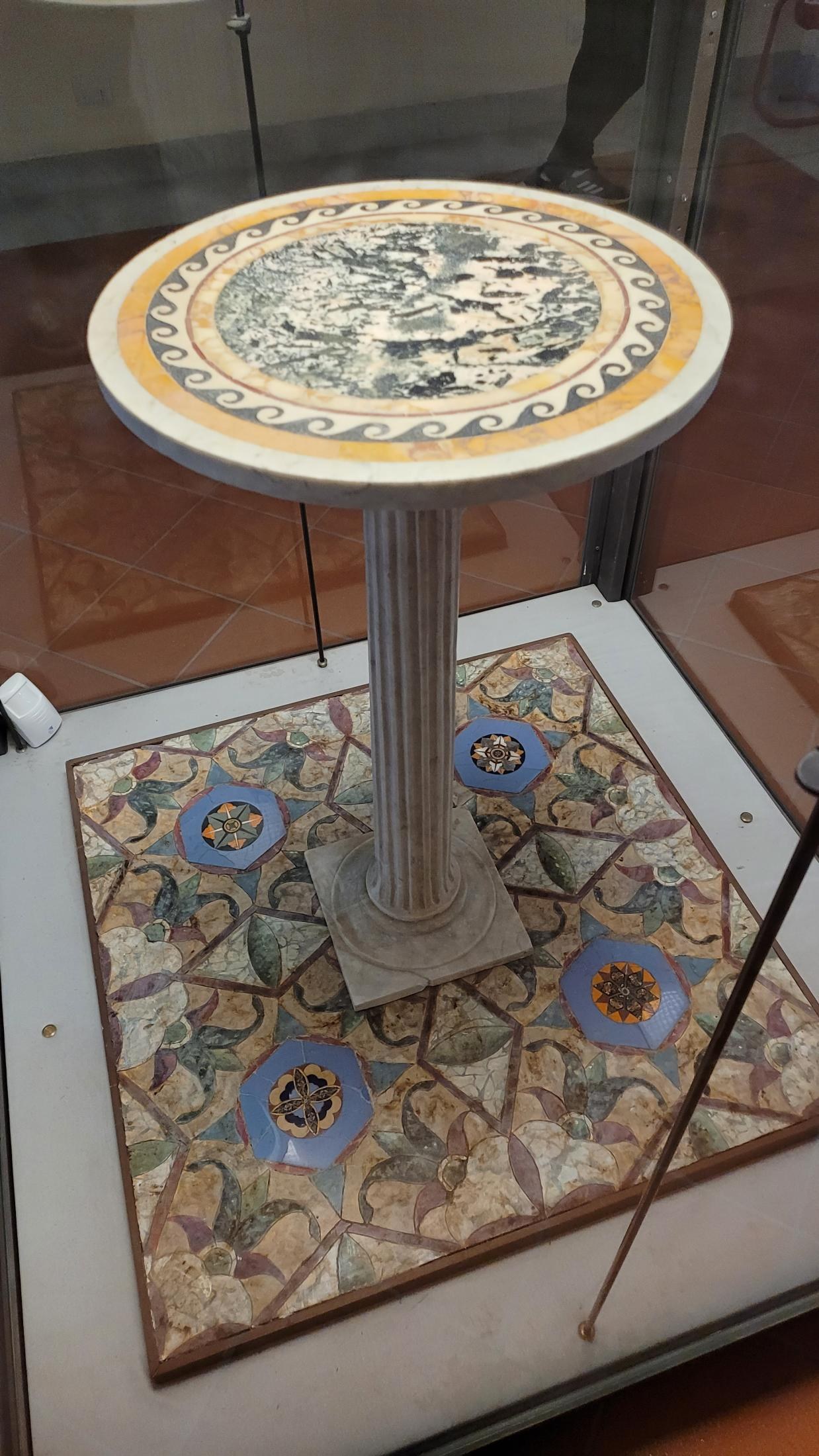
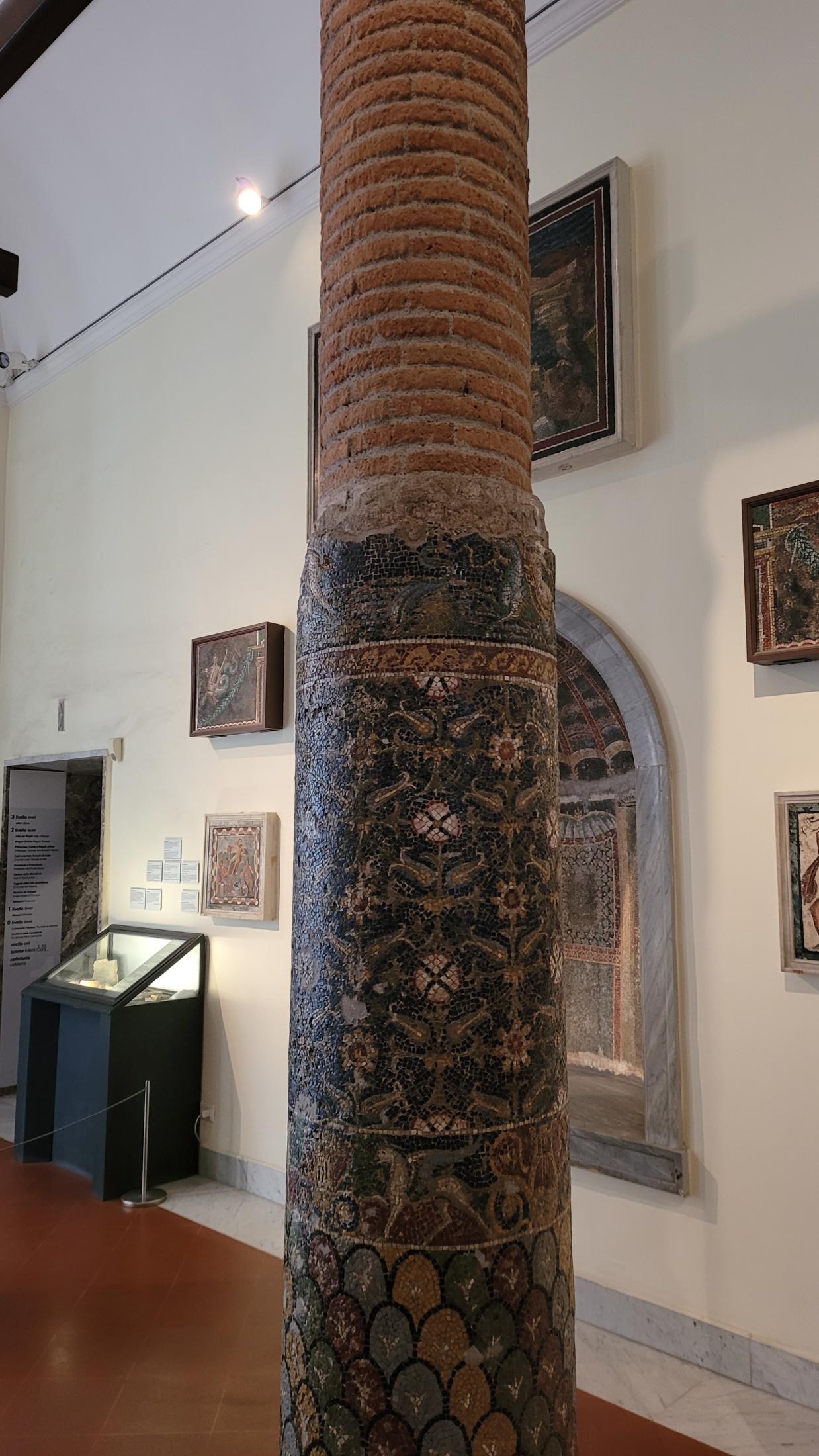
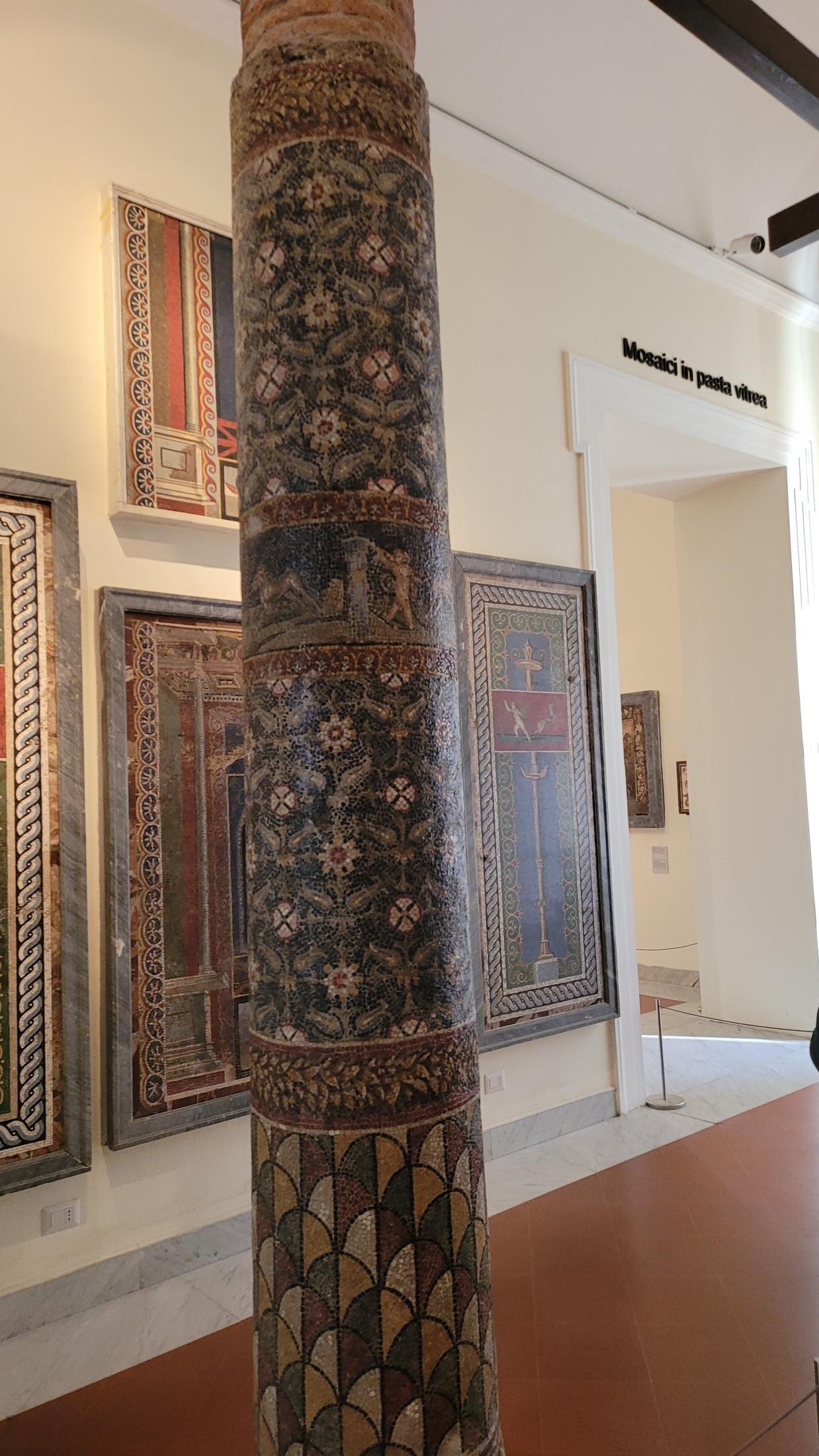
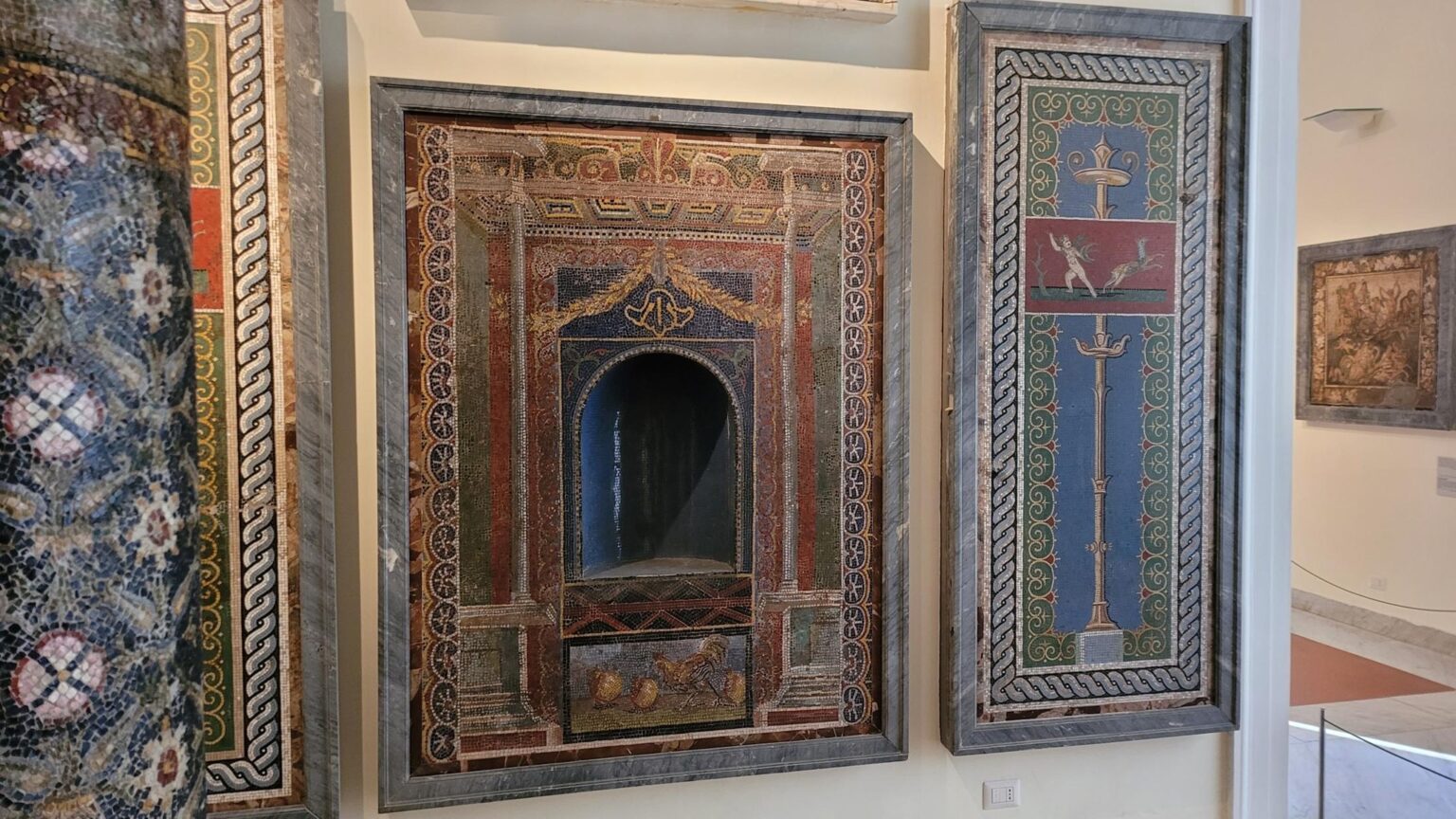
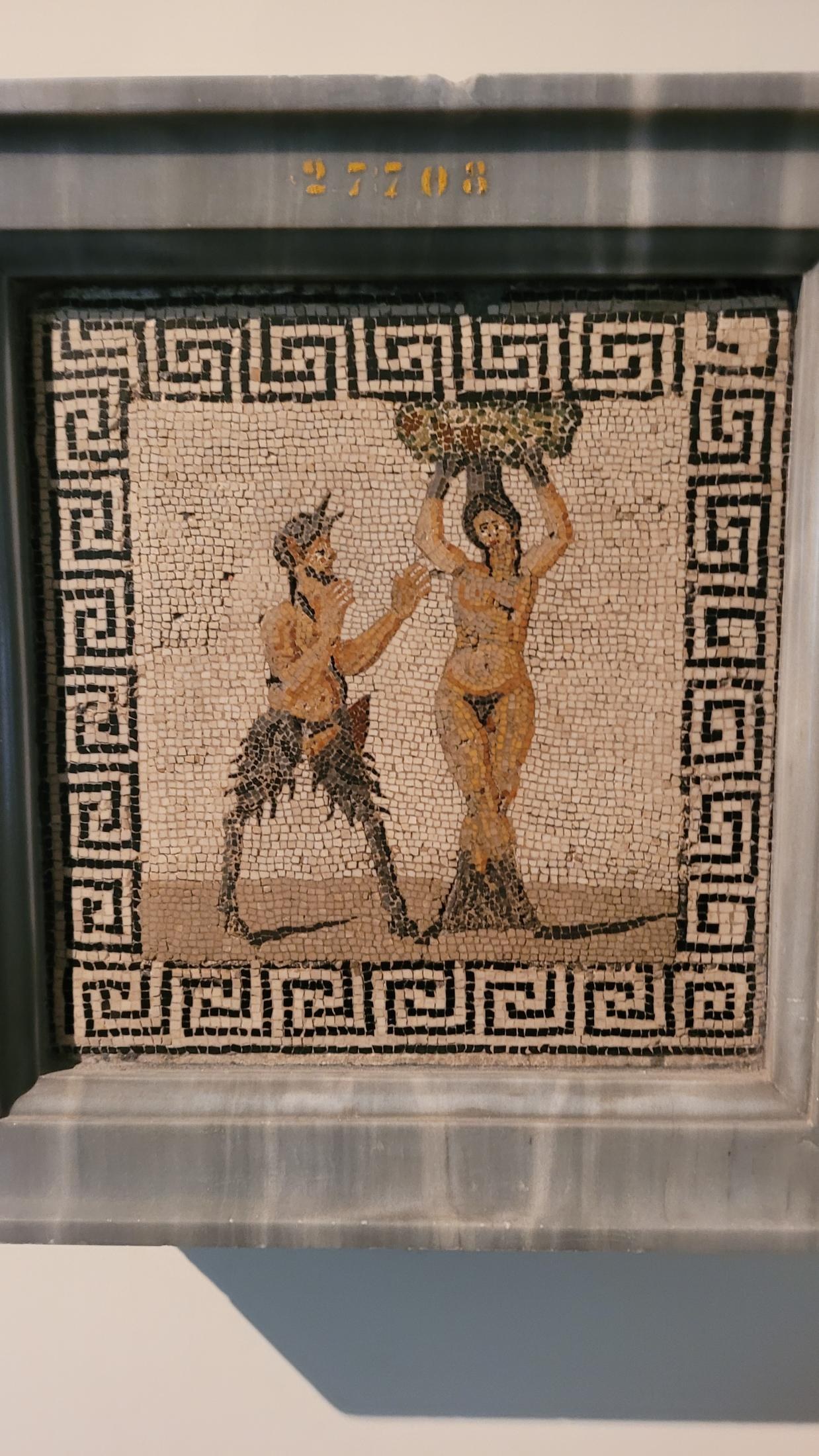
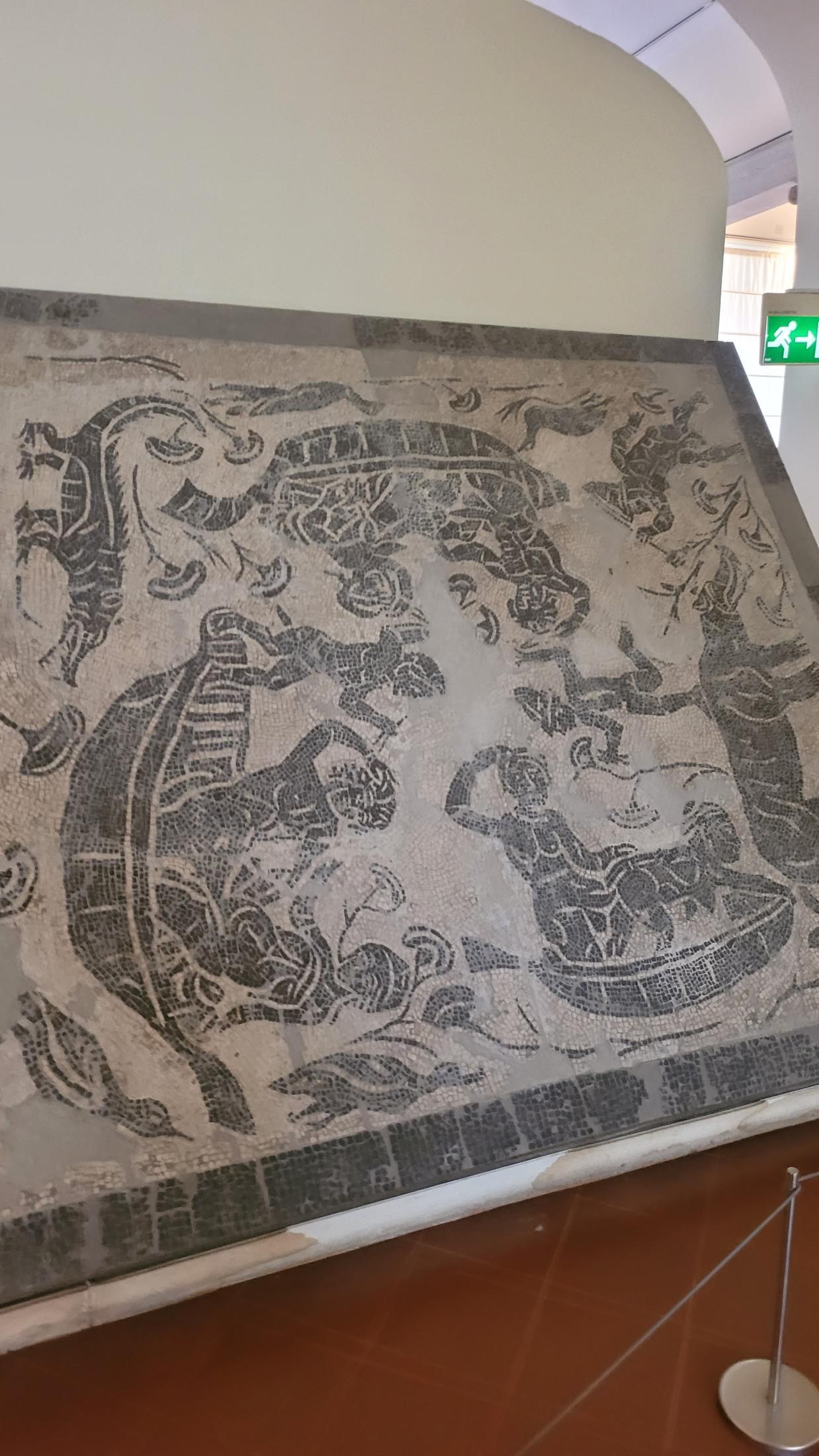
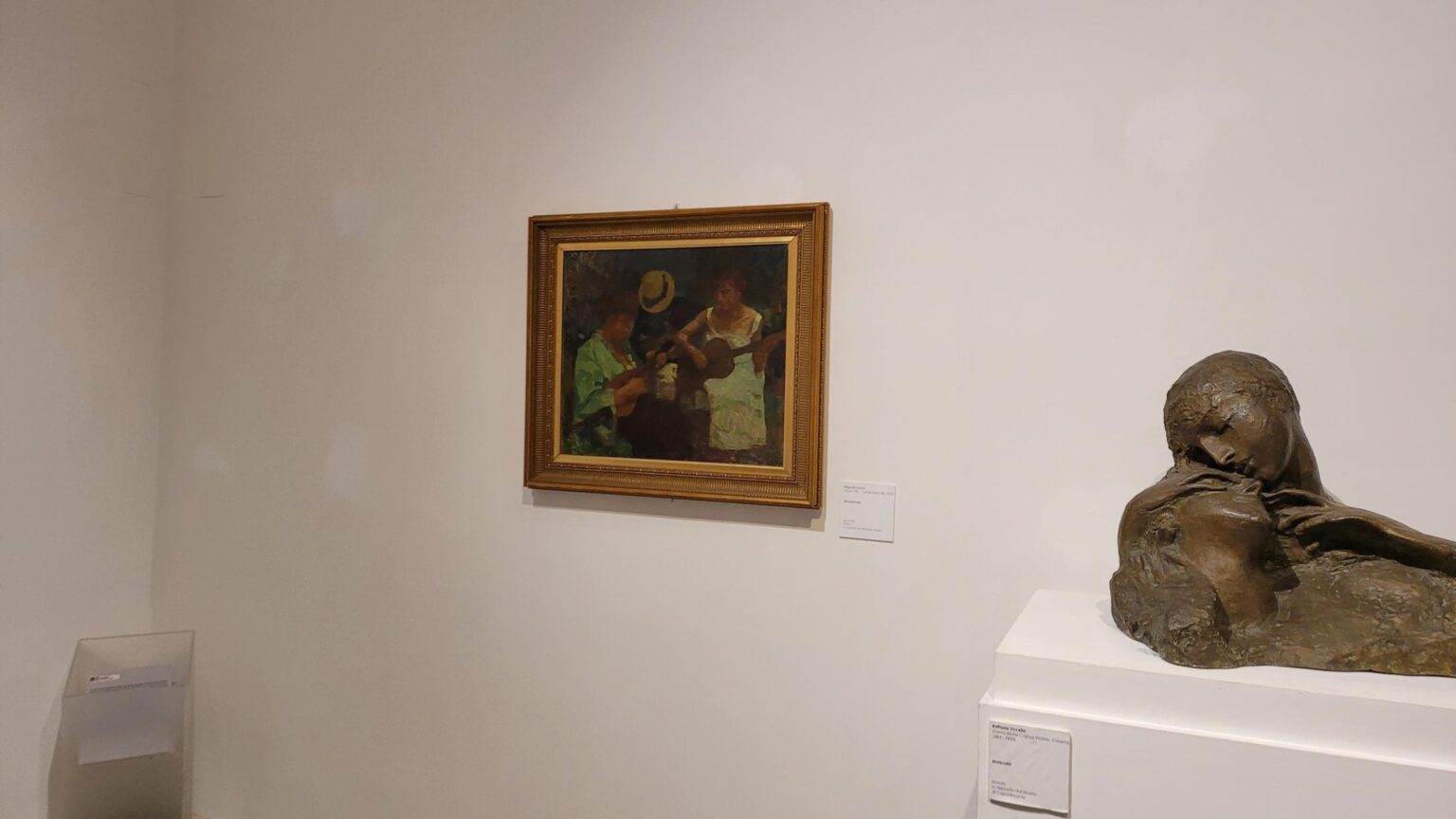
If you set out to read absolutely everything you will need 4, 5, 6 hours. If you walk around, stop only in places and mostly take photos with short breaks, at least 60–90 minutes, probably more. For reference, a museum in Bulgaria takes me 15 minutes at that pace. What makes a strong impression is the love of goats. It is literally everywhere. In practice the gallery attached at the end of this paragraph shows everything other than the goat/phallus material — and of course there is an enviable quantity of fridge magnets with those motifs too. I have hinted at only one scandalous sculpture, but it is far from the only one — quite the opposite. It dominates, but here we are staying relatively neutral and keeping the censorship on. If we let loose, we automatically lose half the readers.
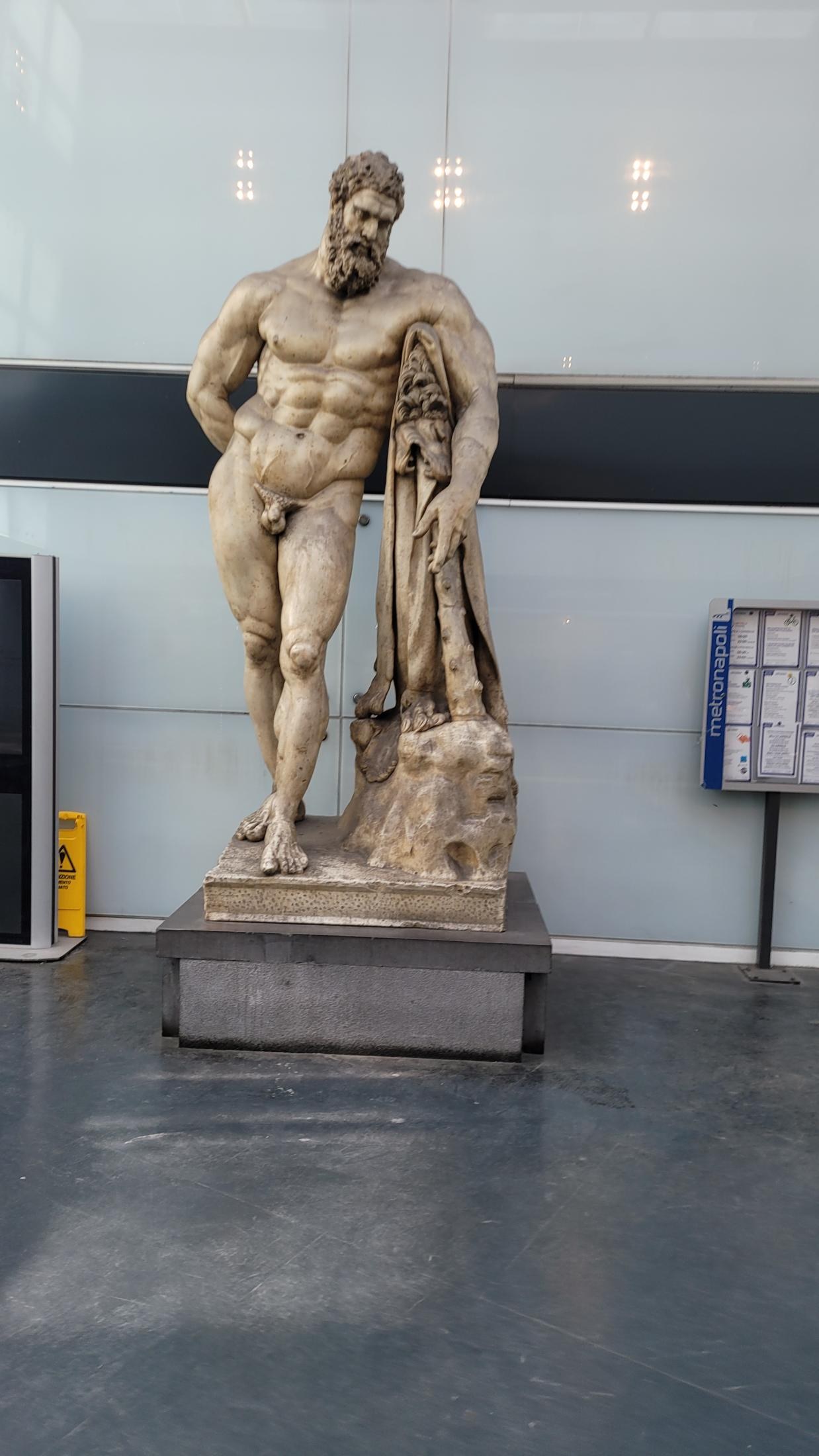
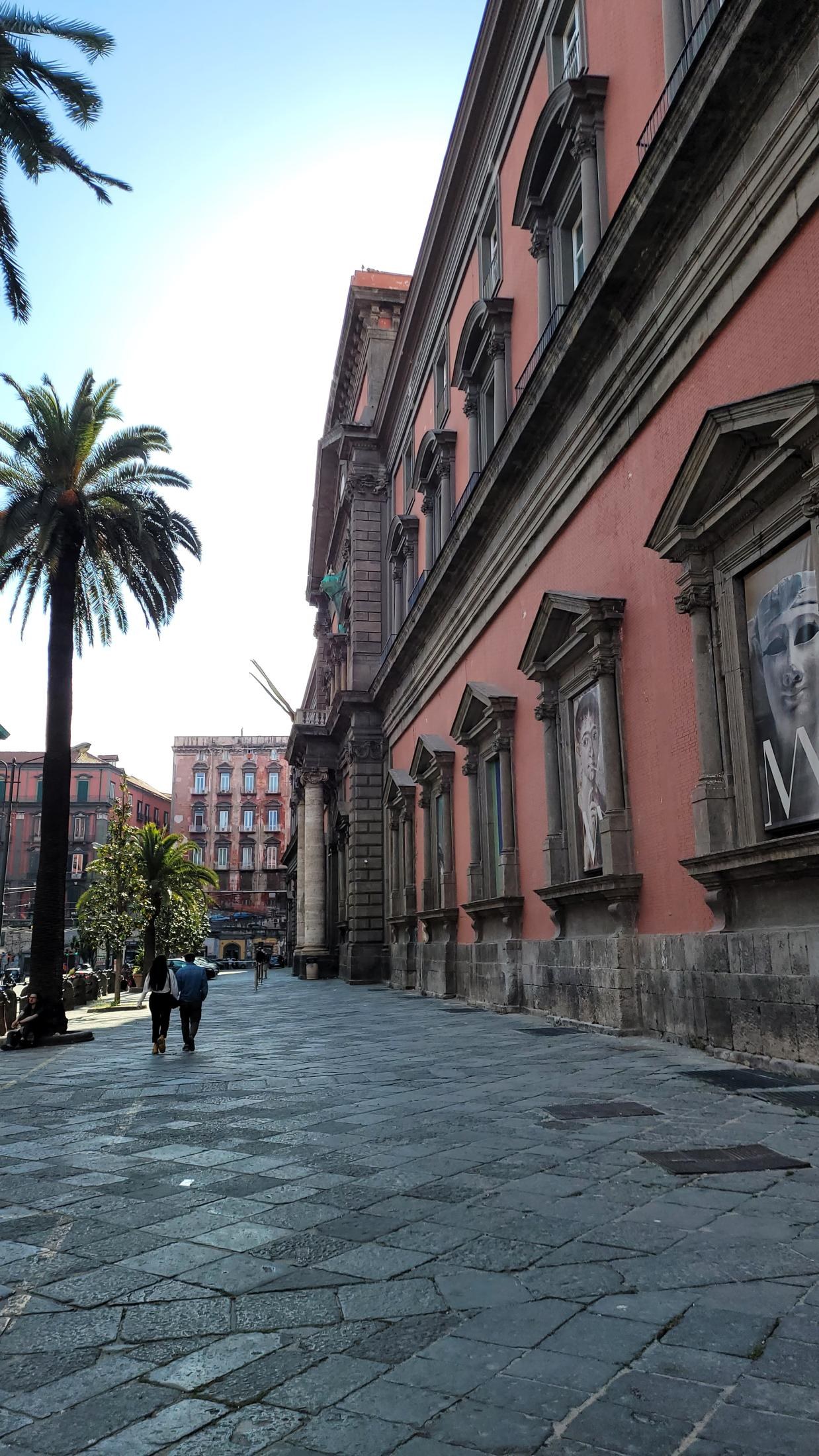
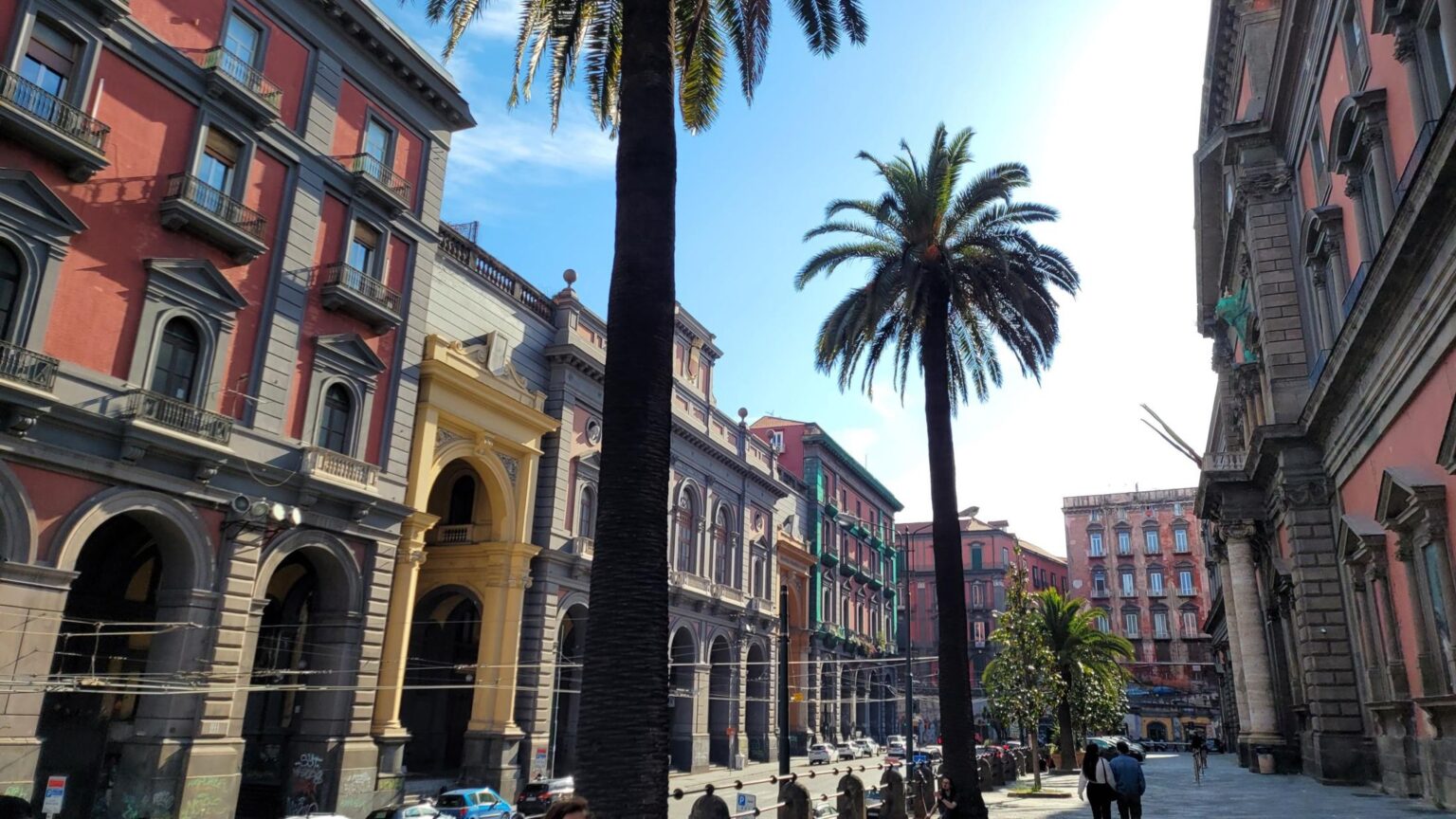
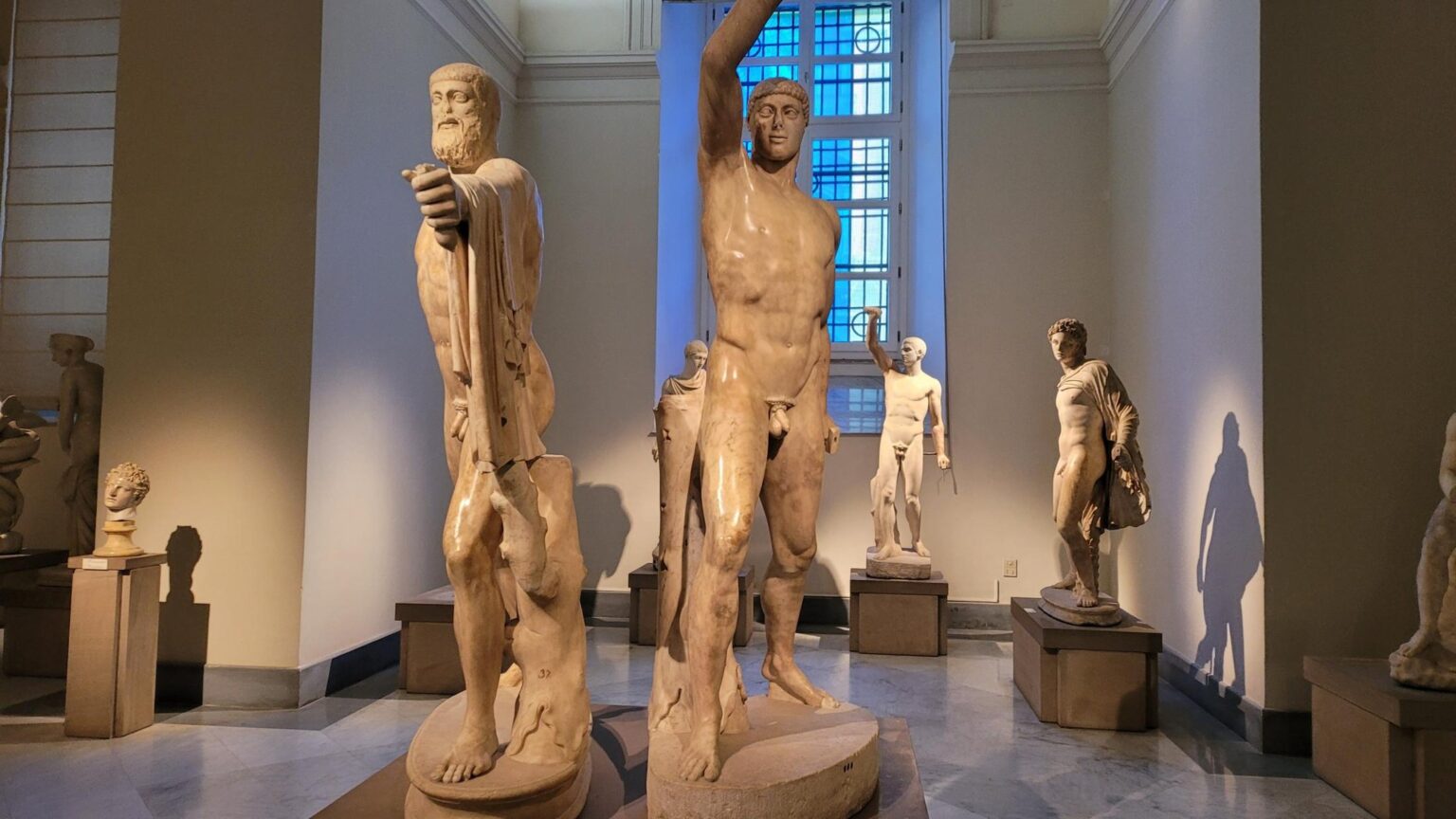
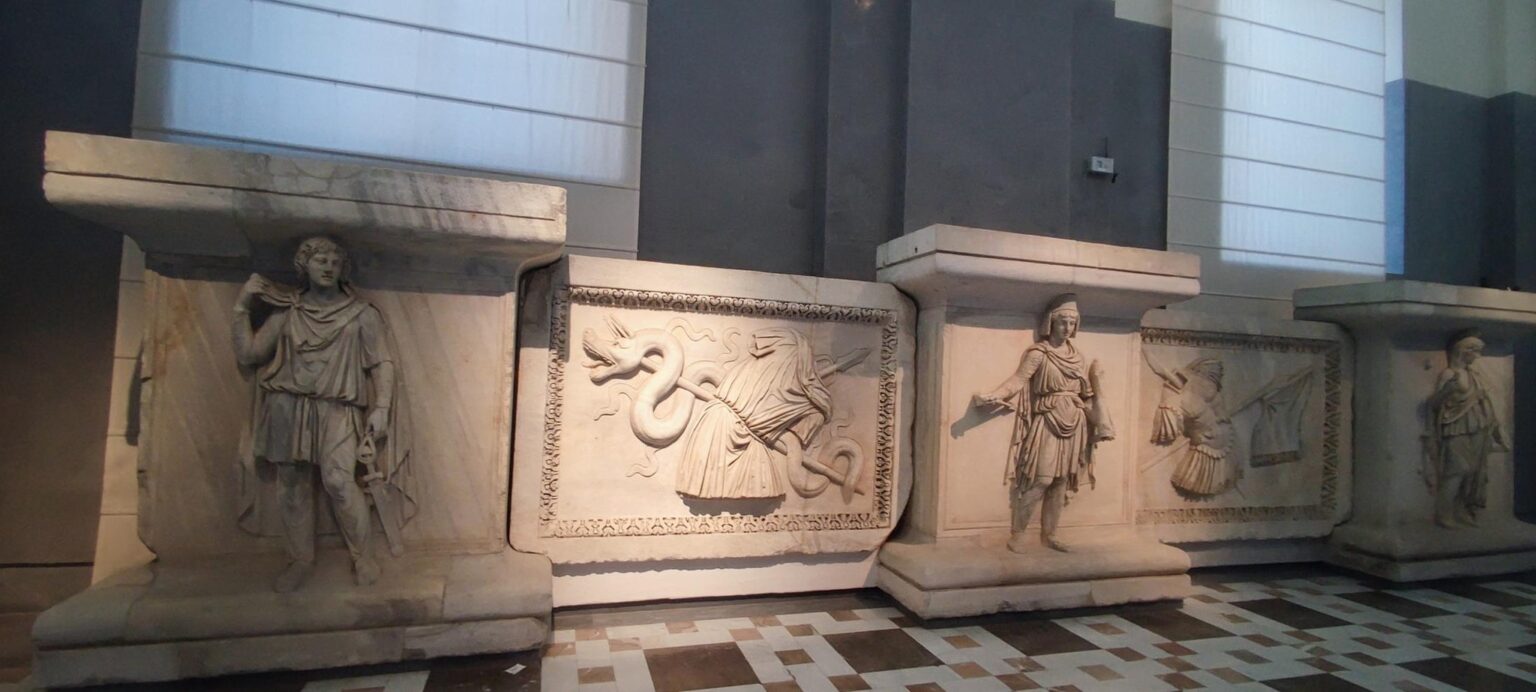
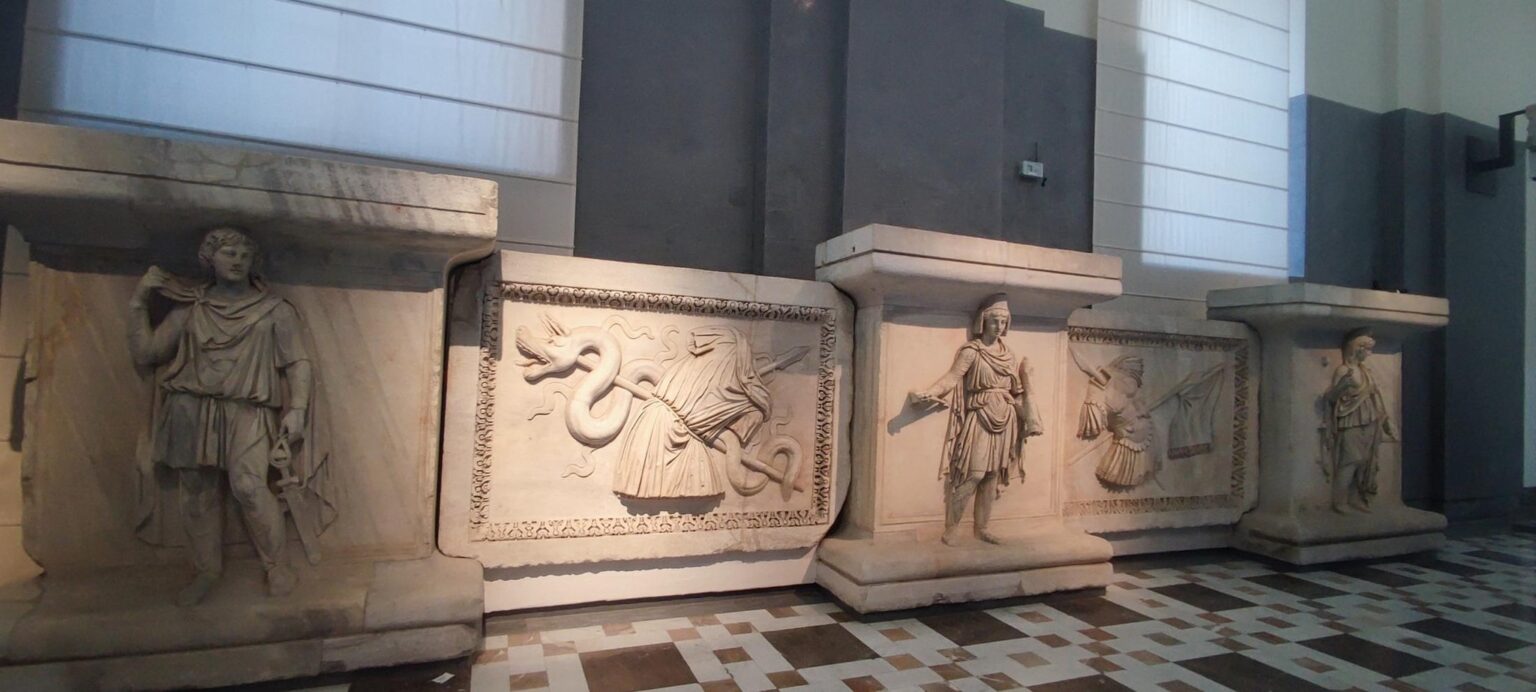
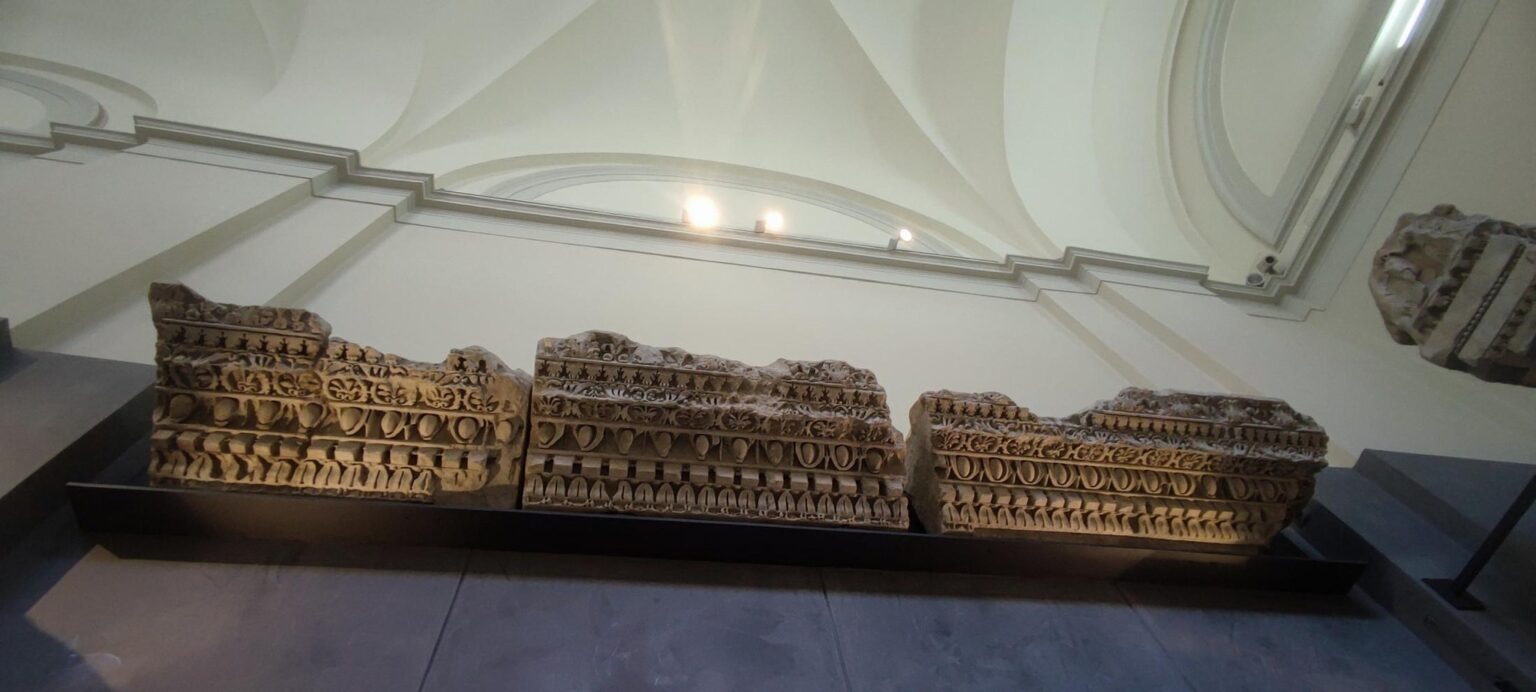
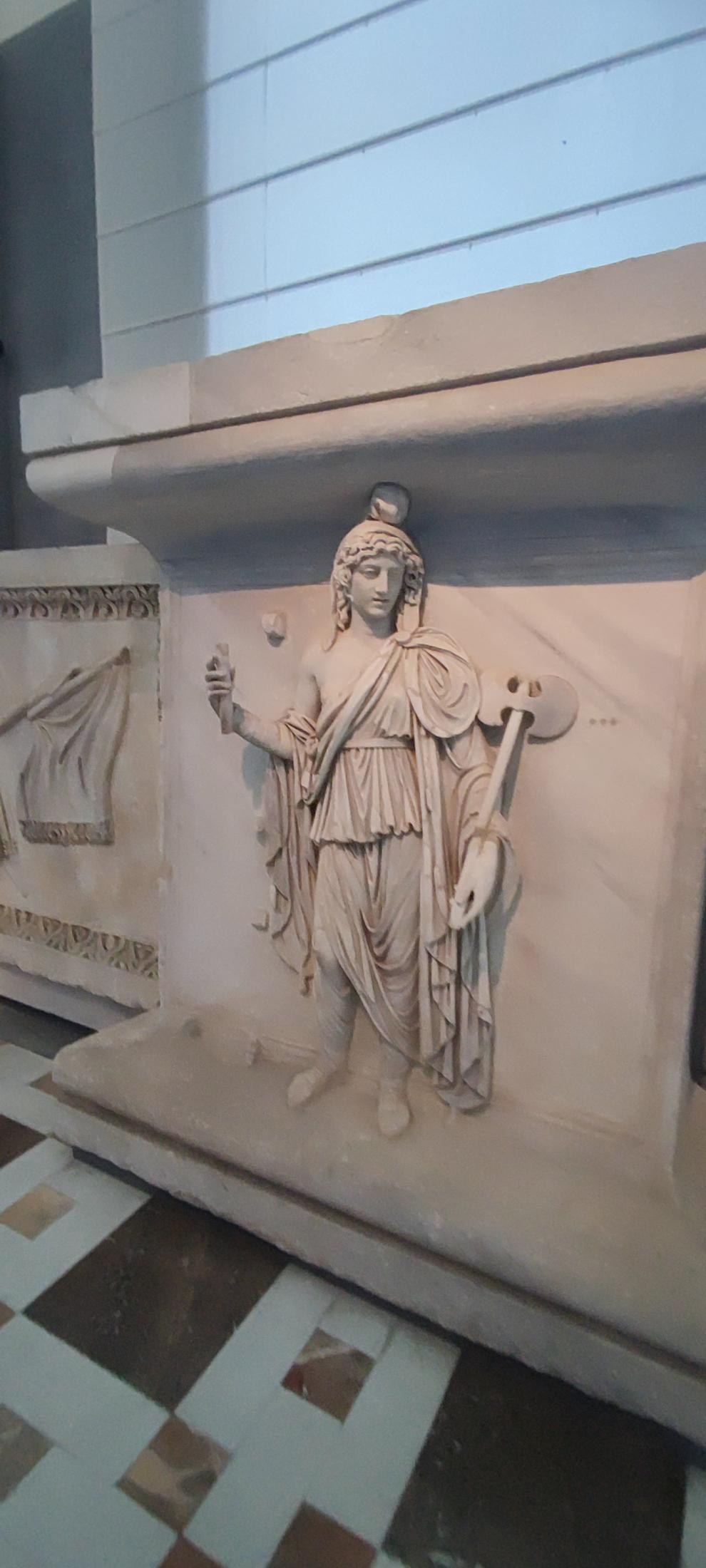
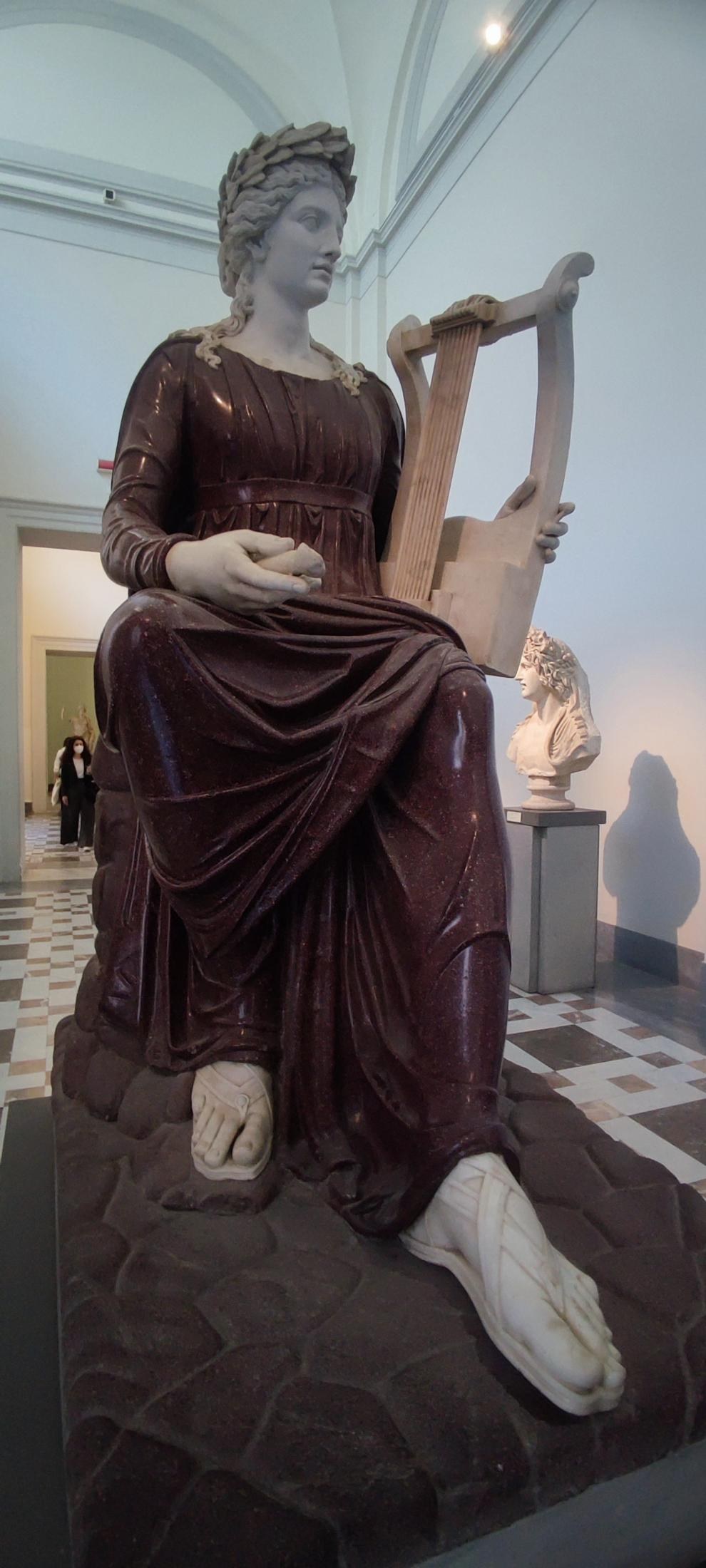
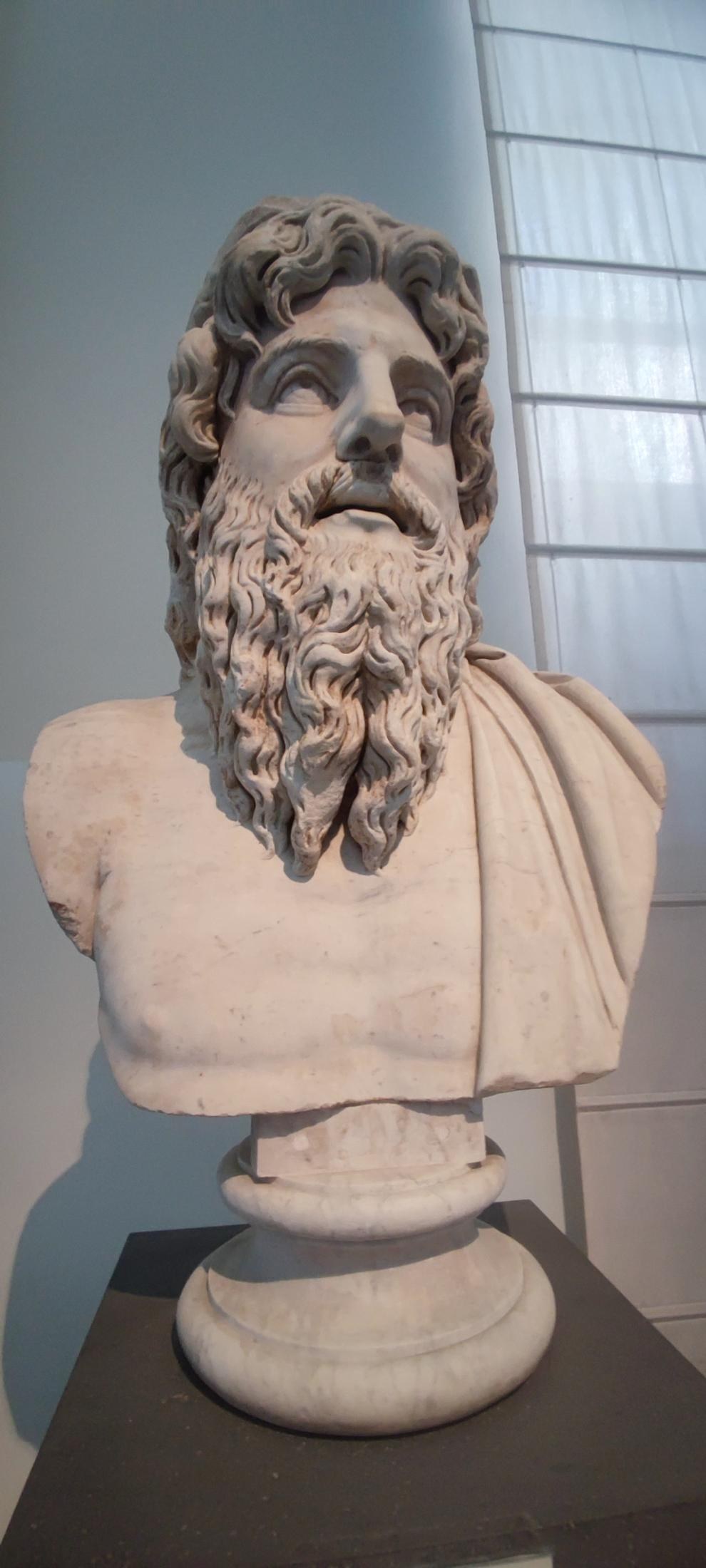
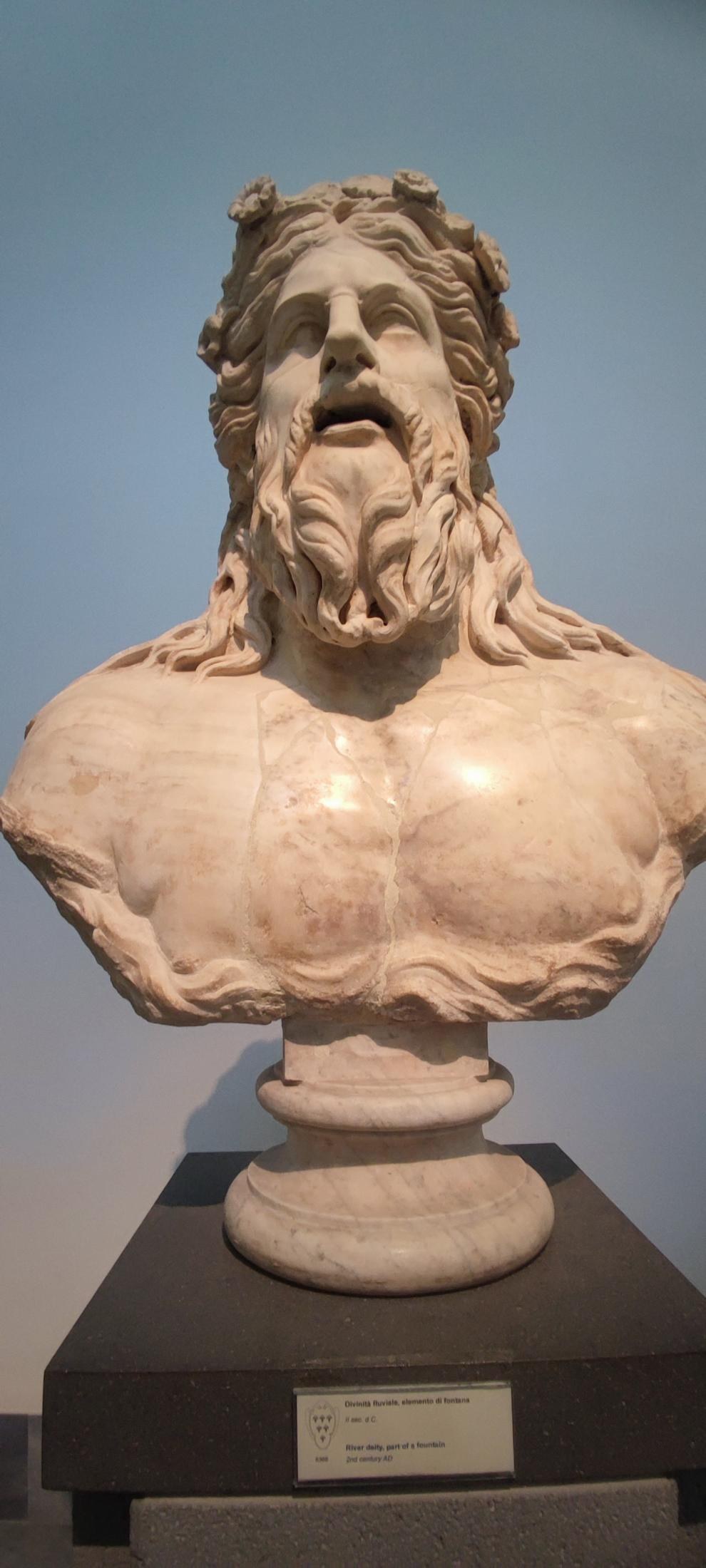
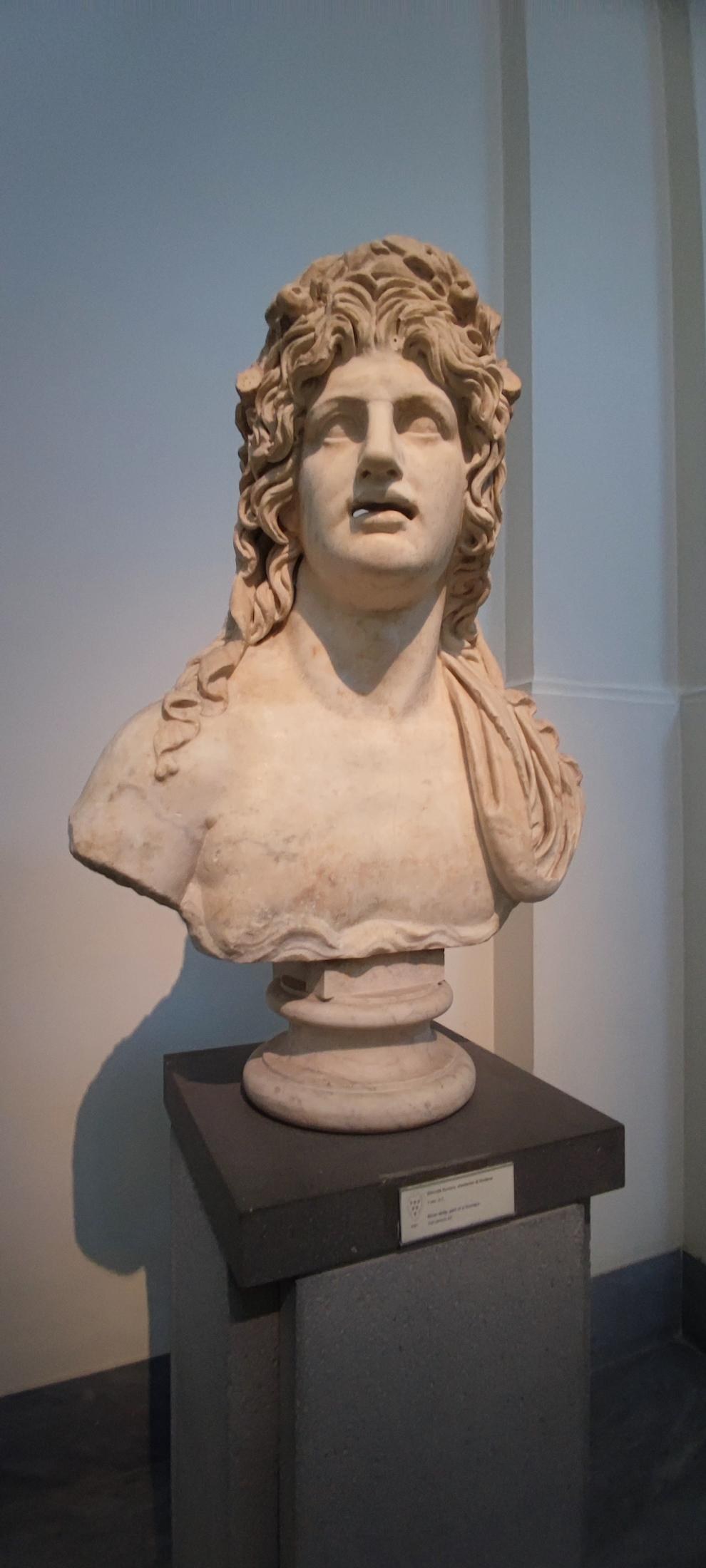
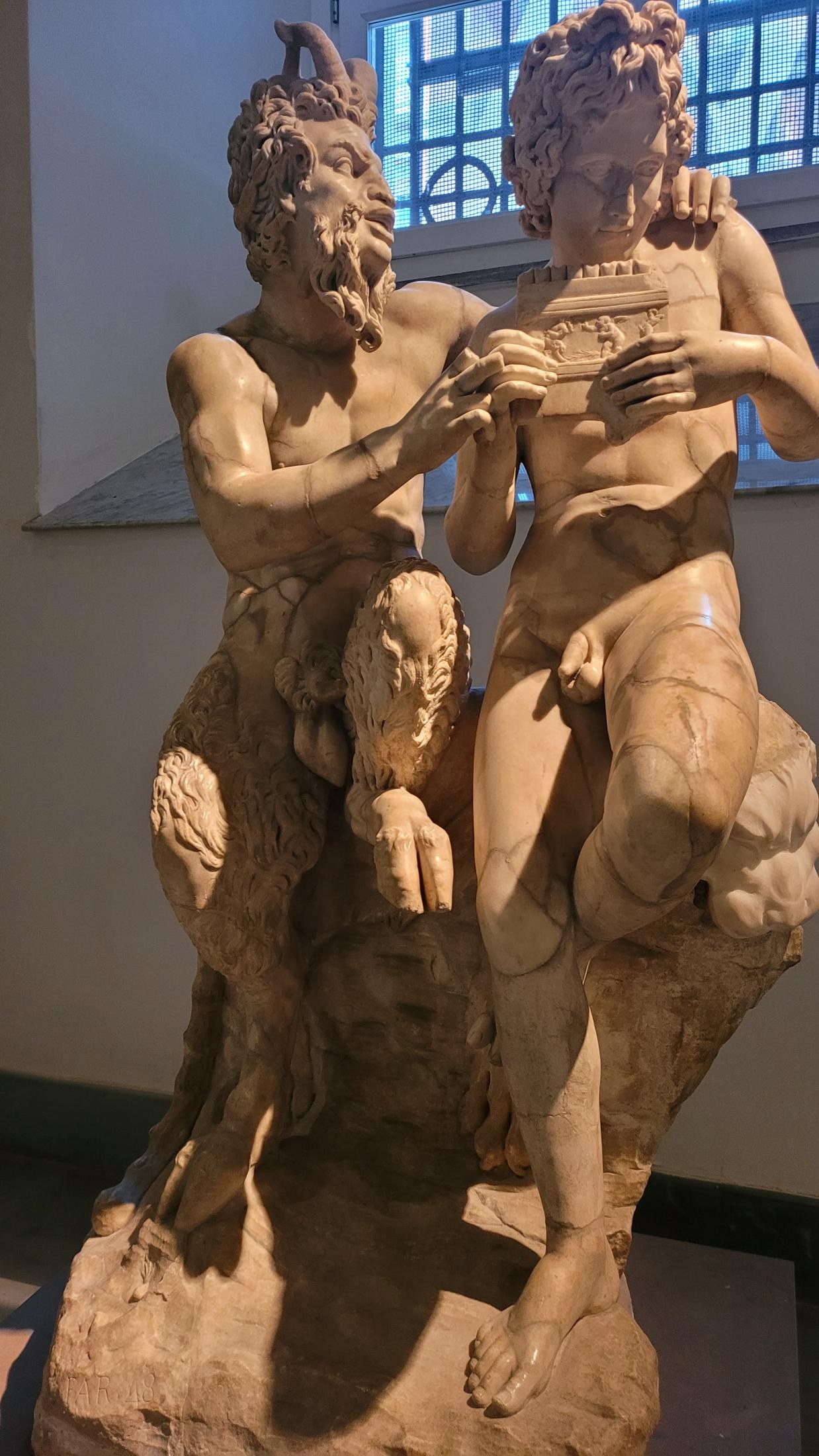
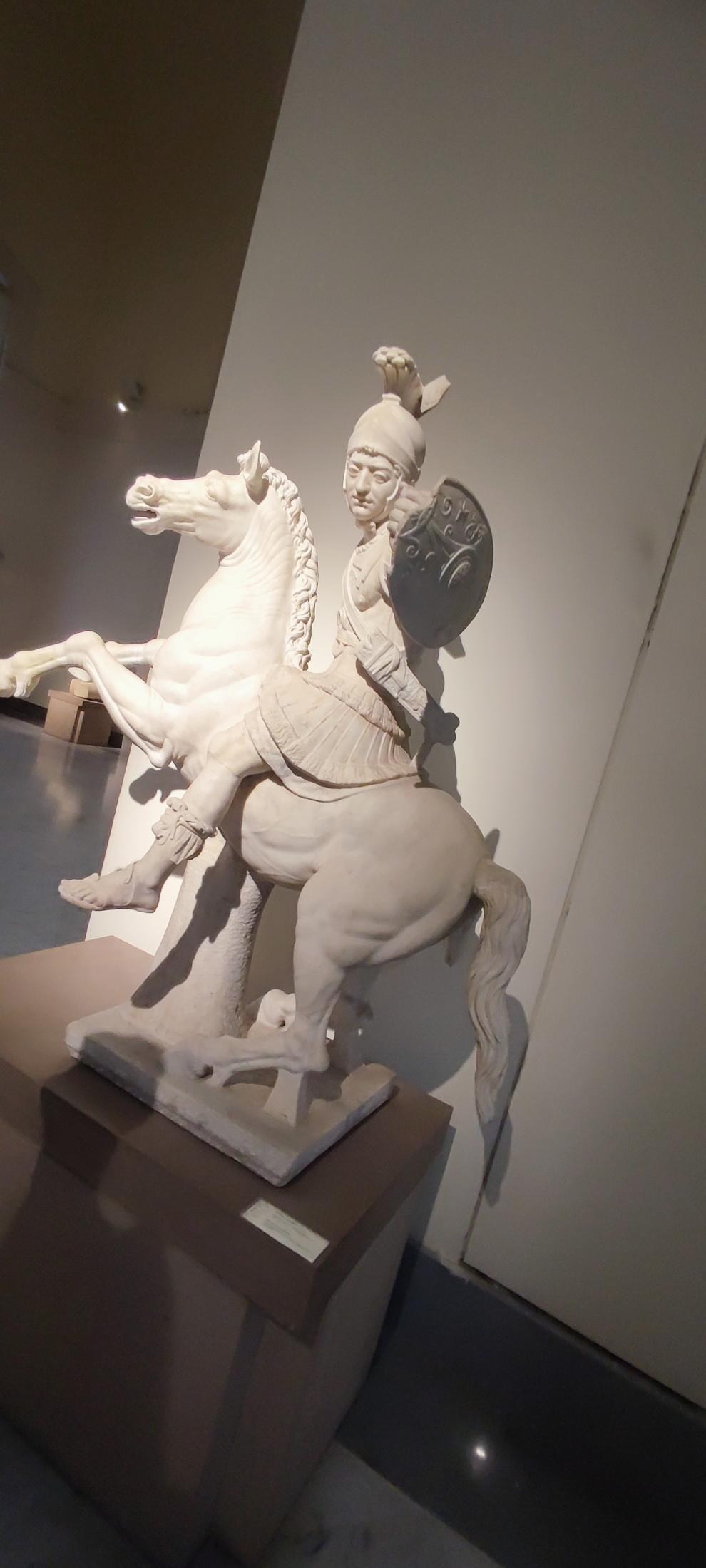
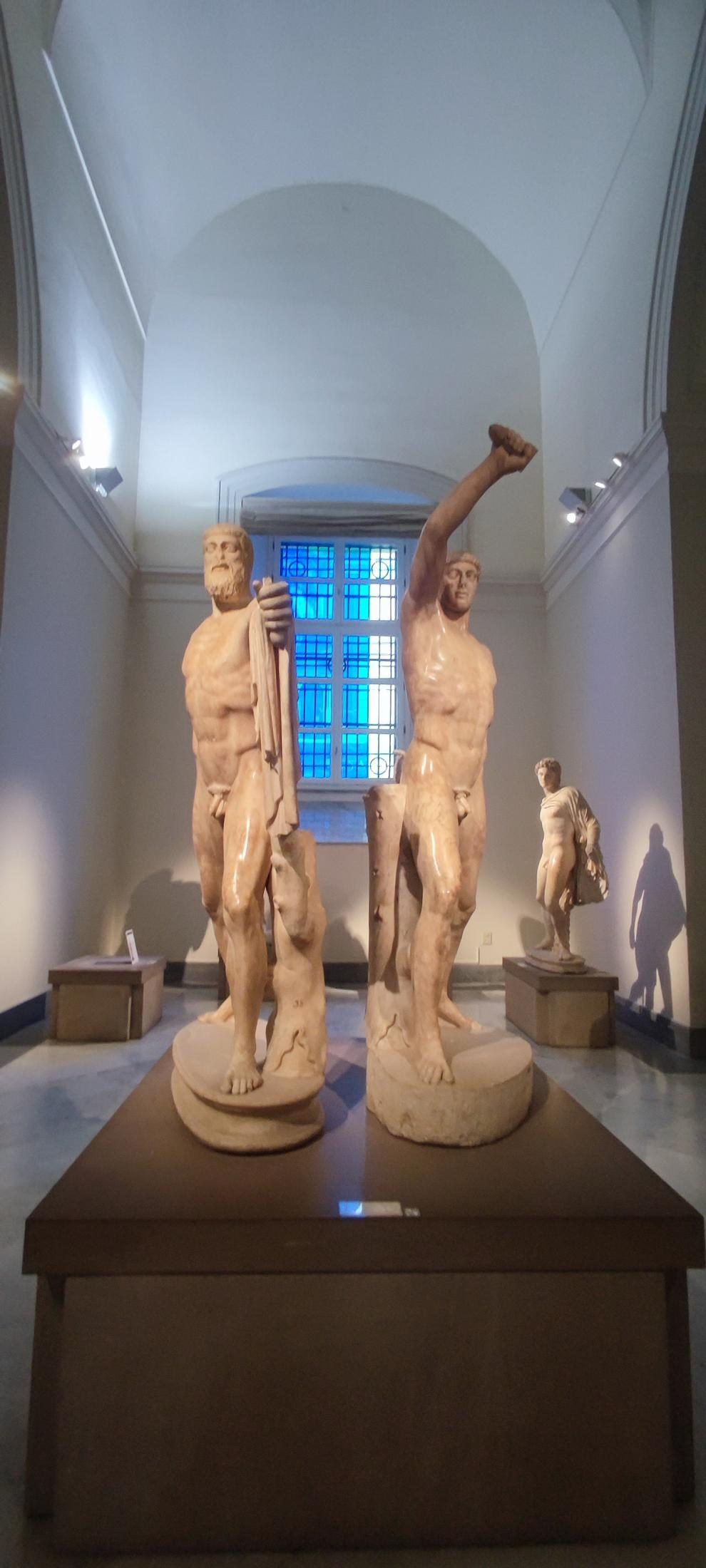
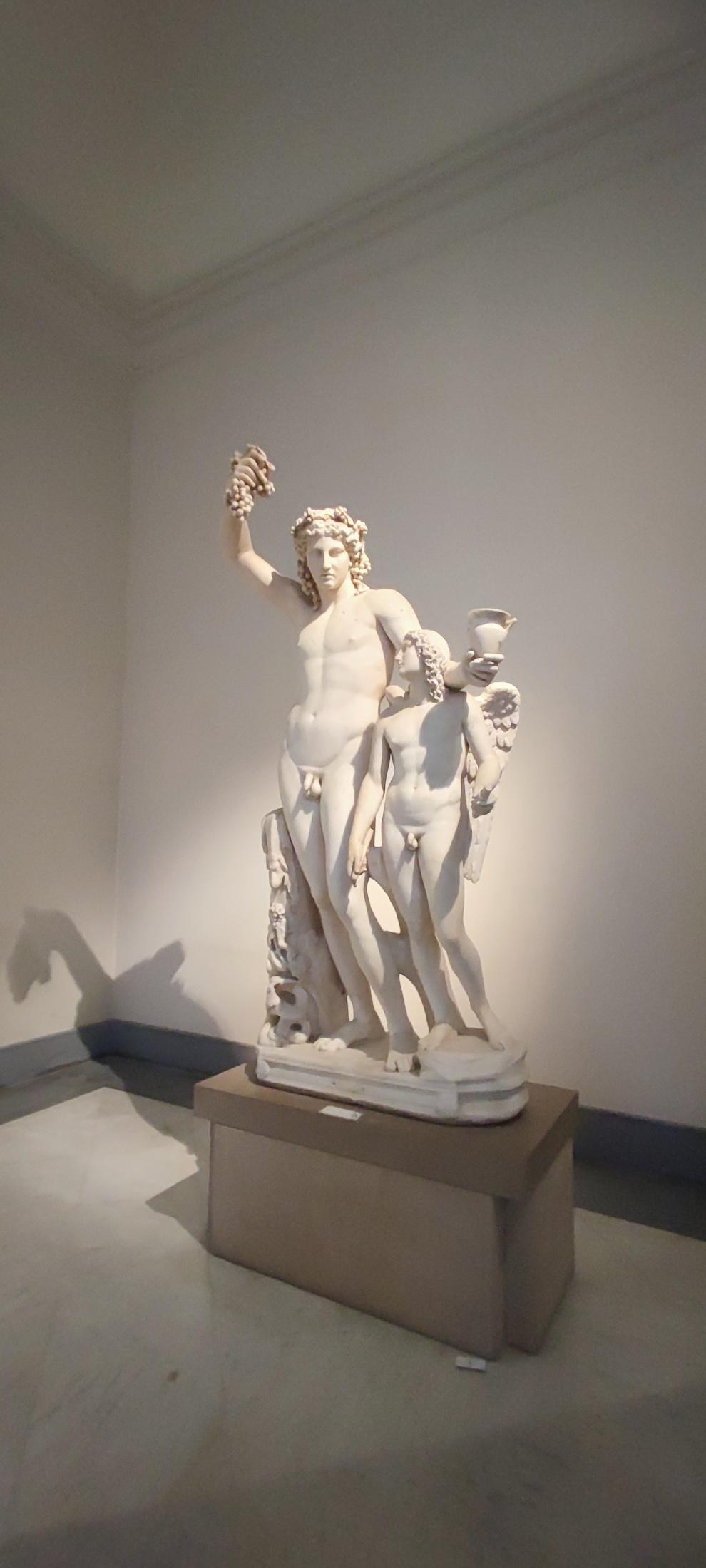
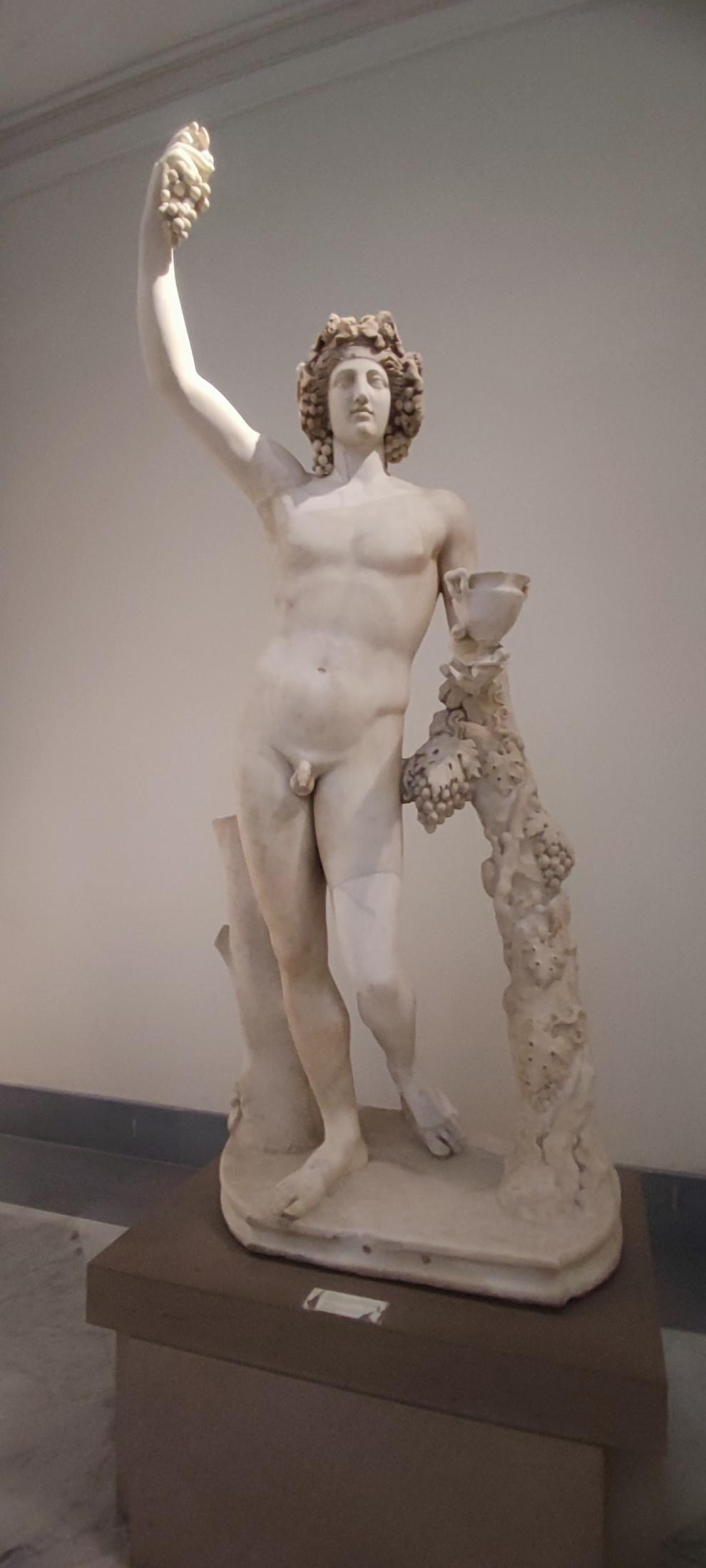
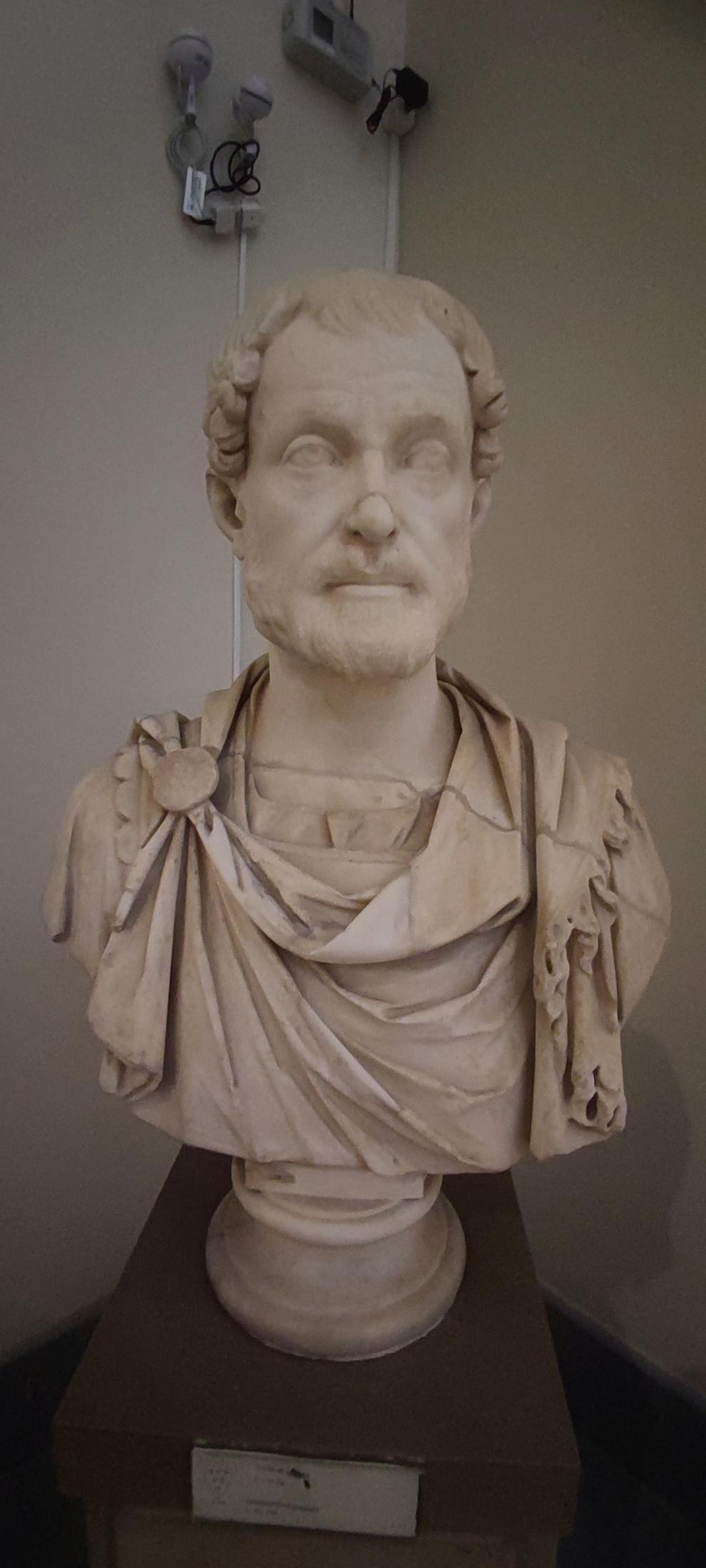
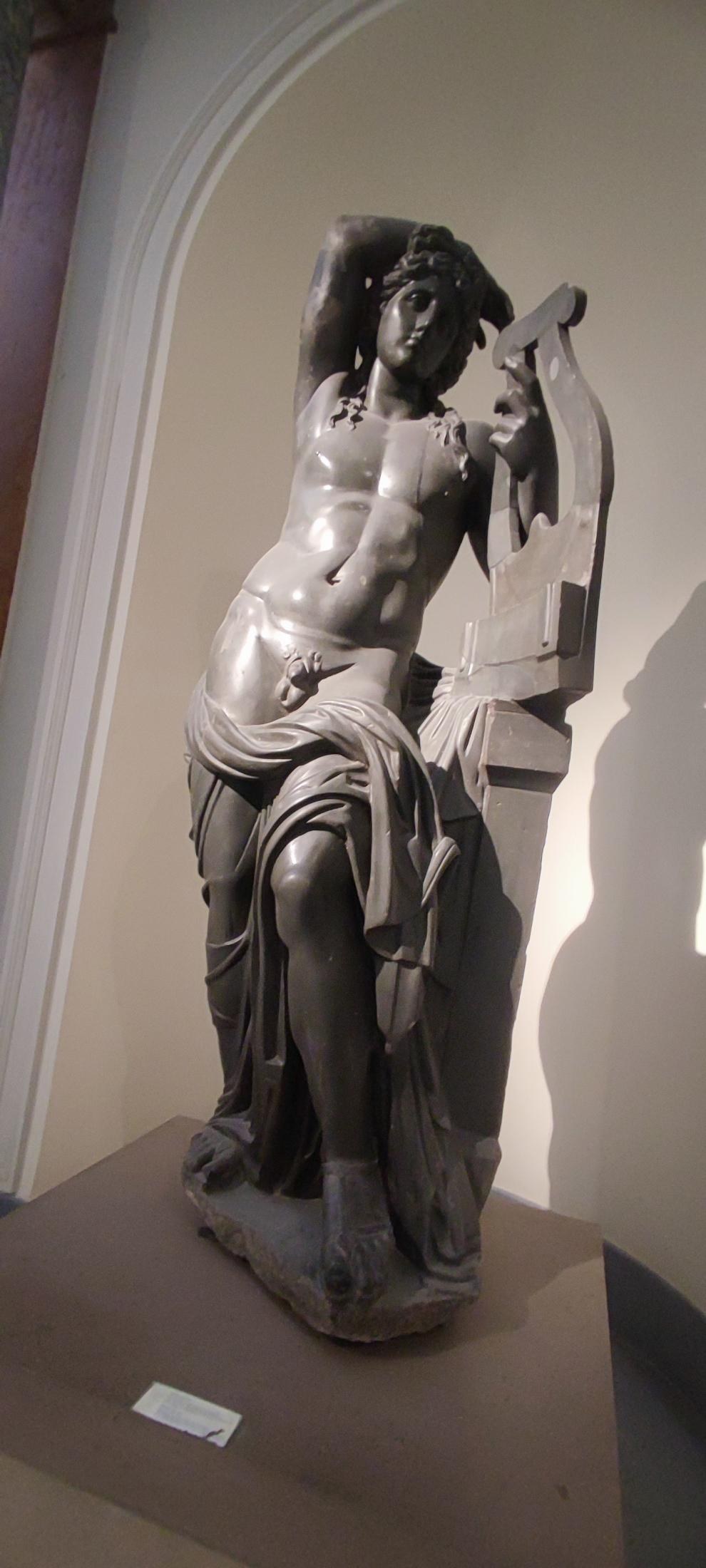
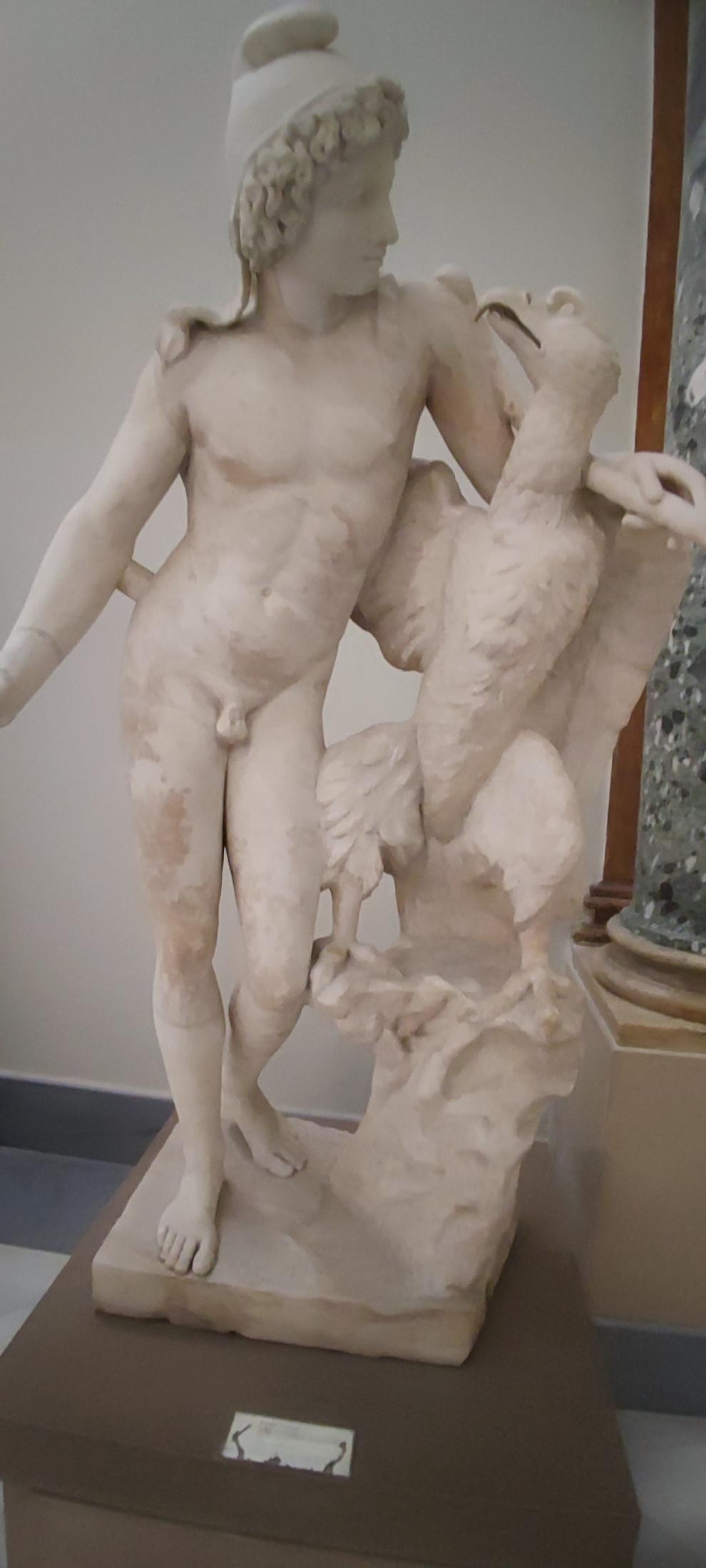
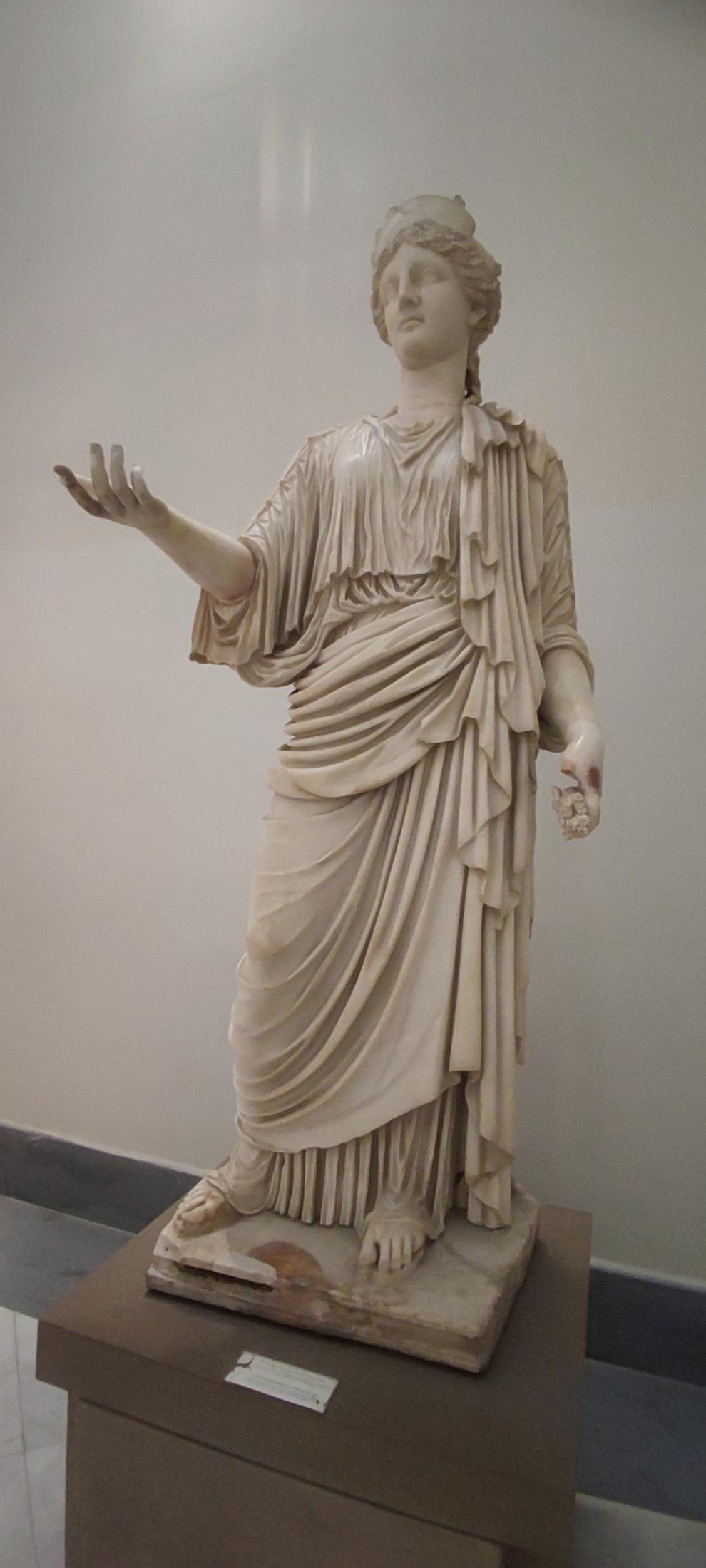
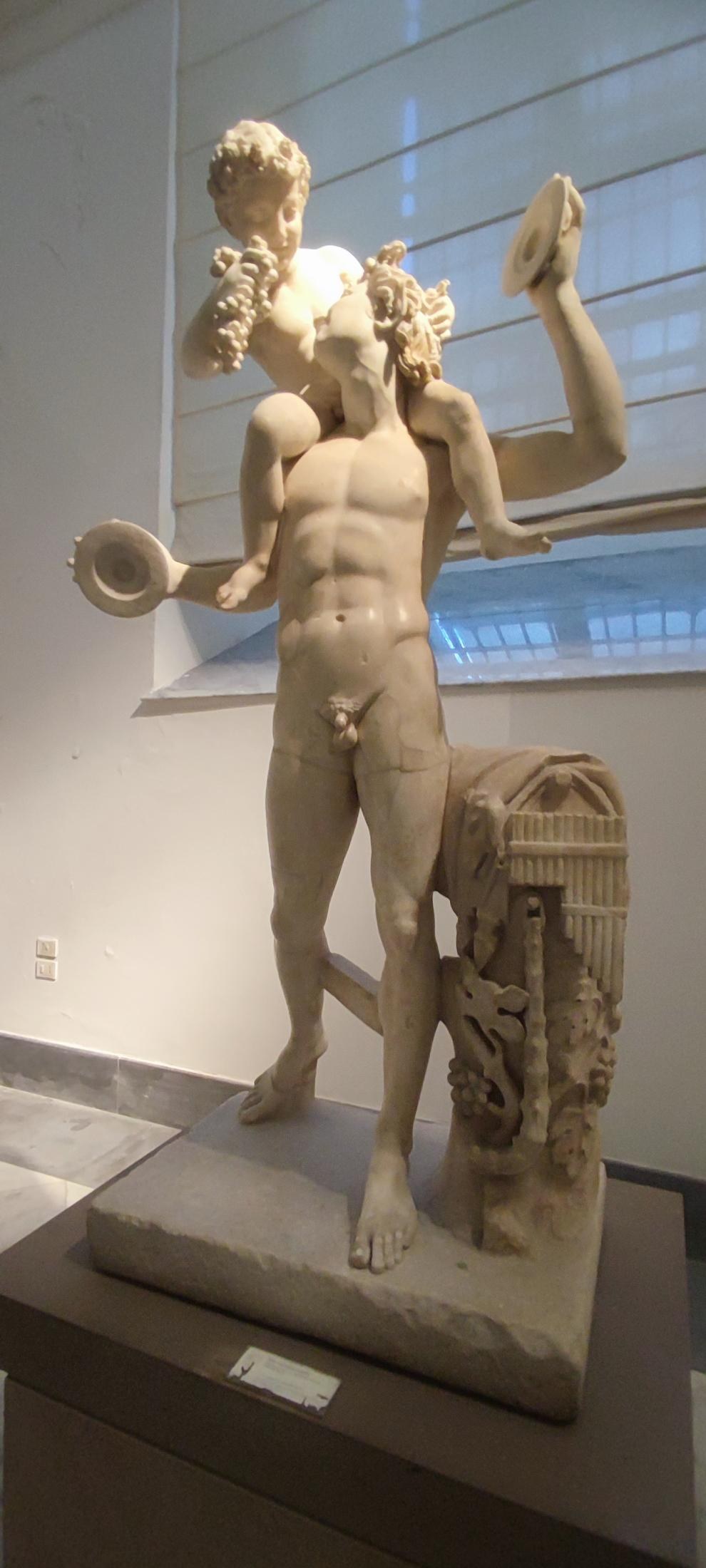
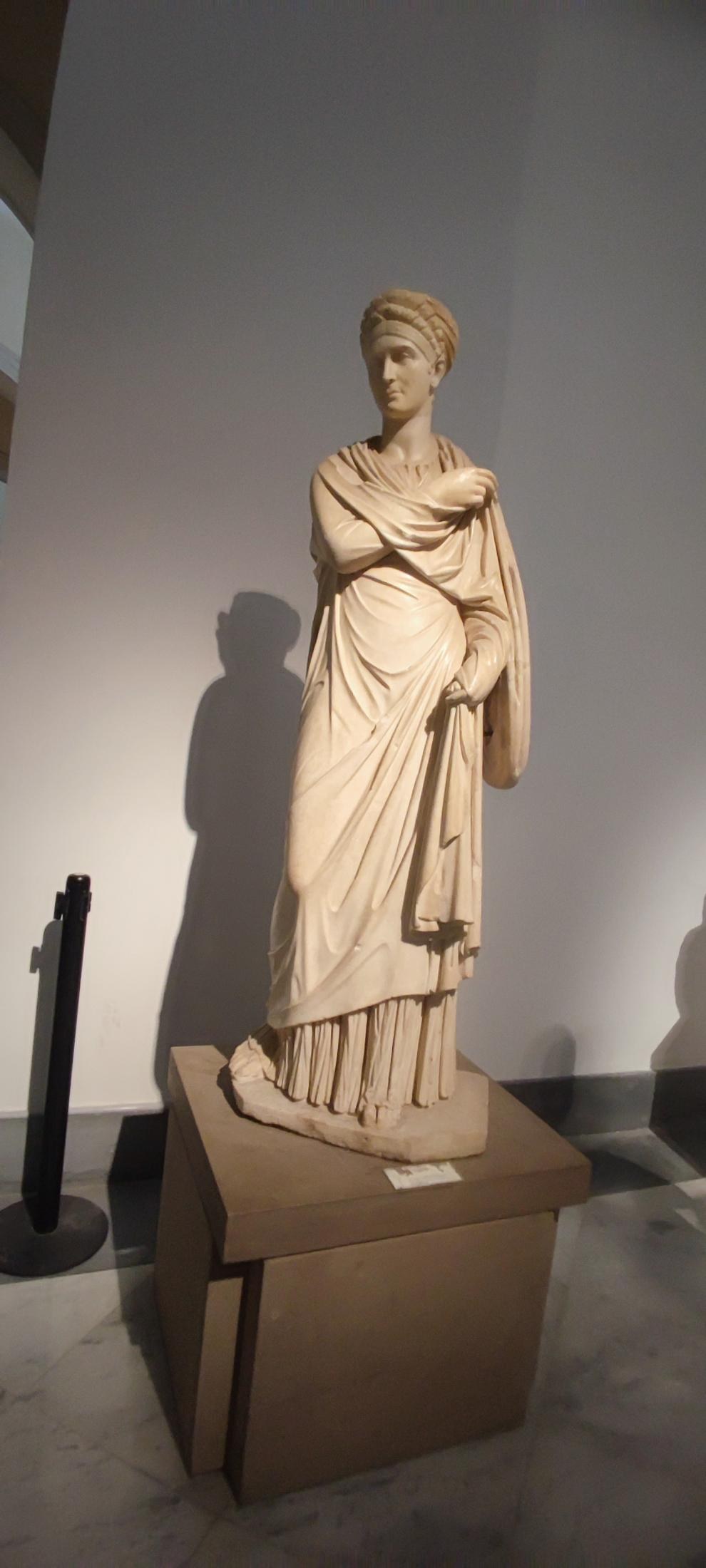
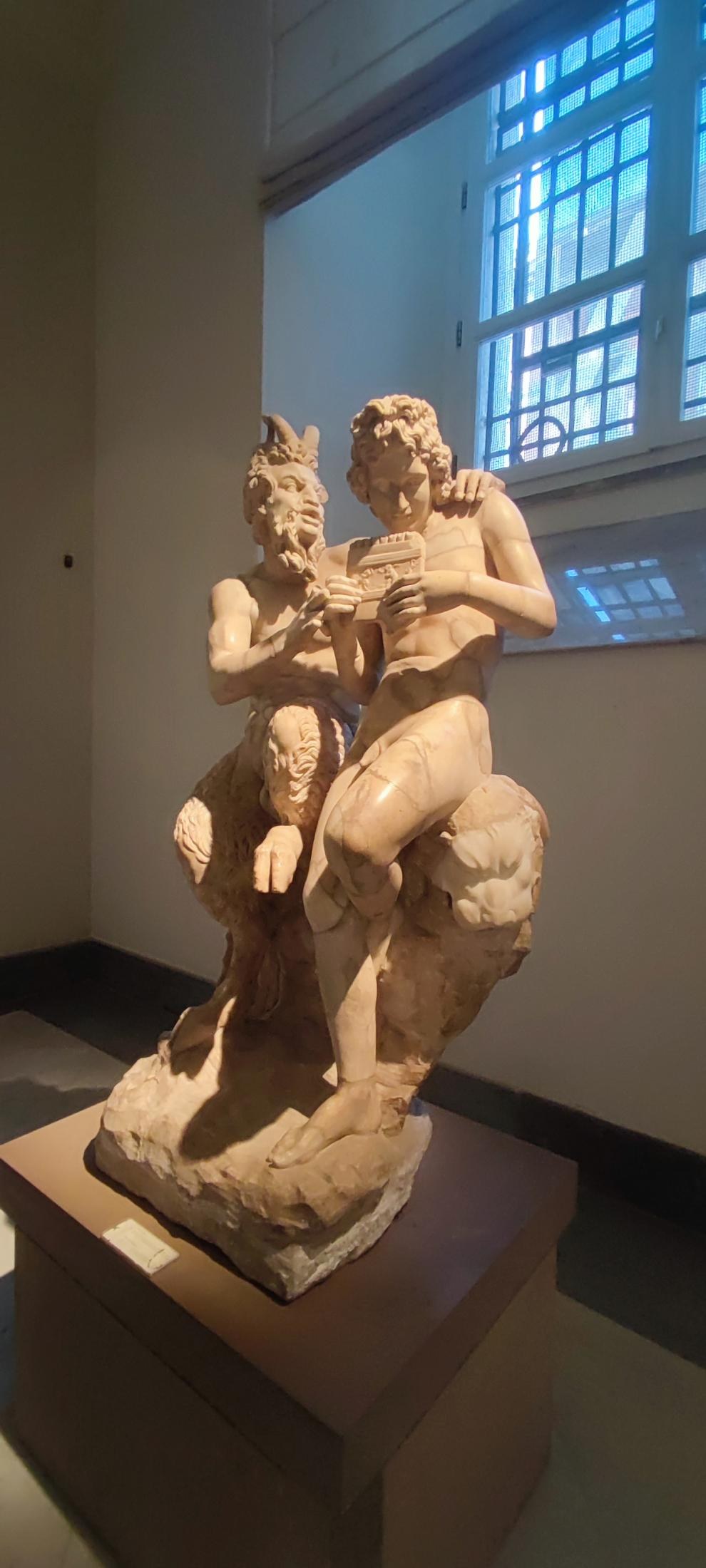
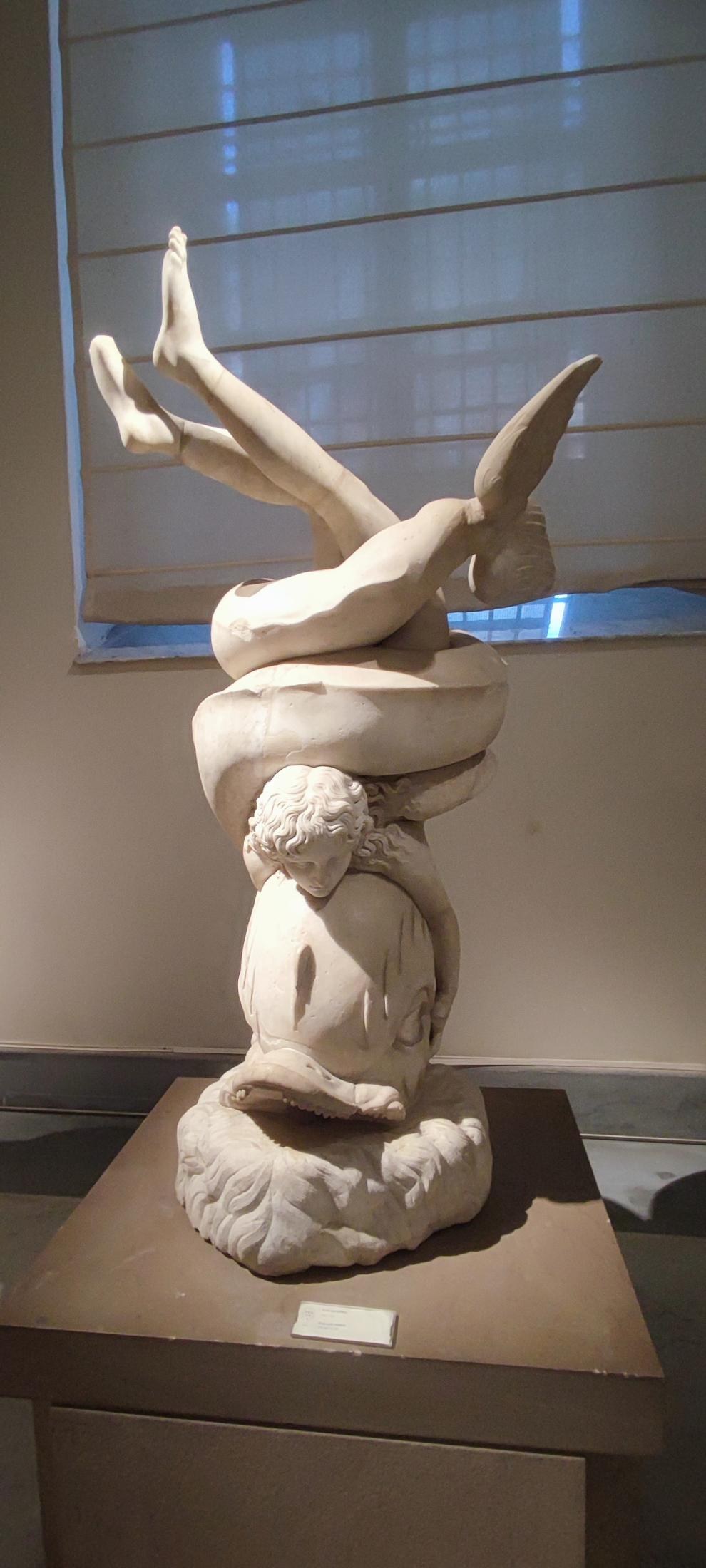
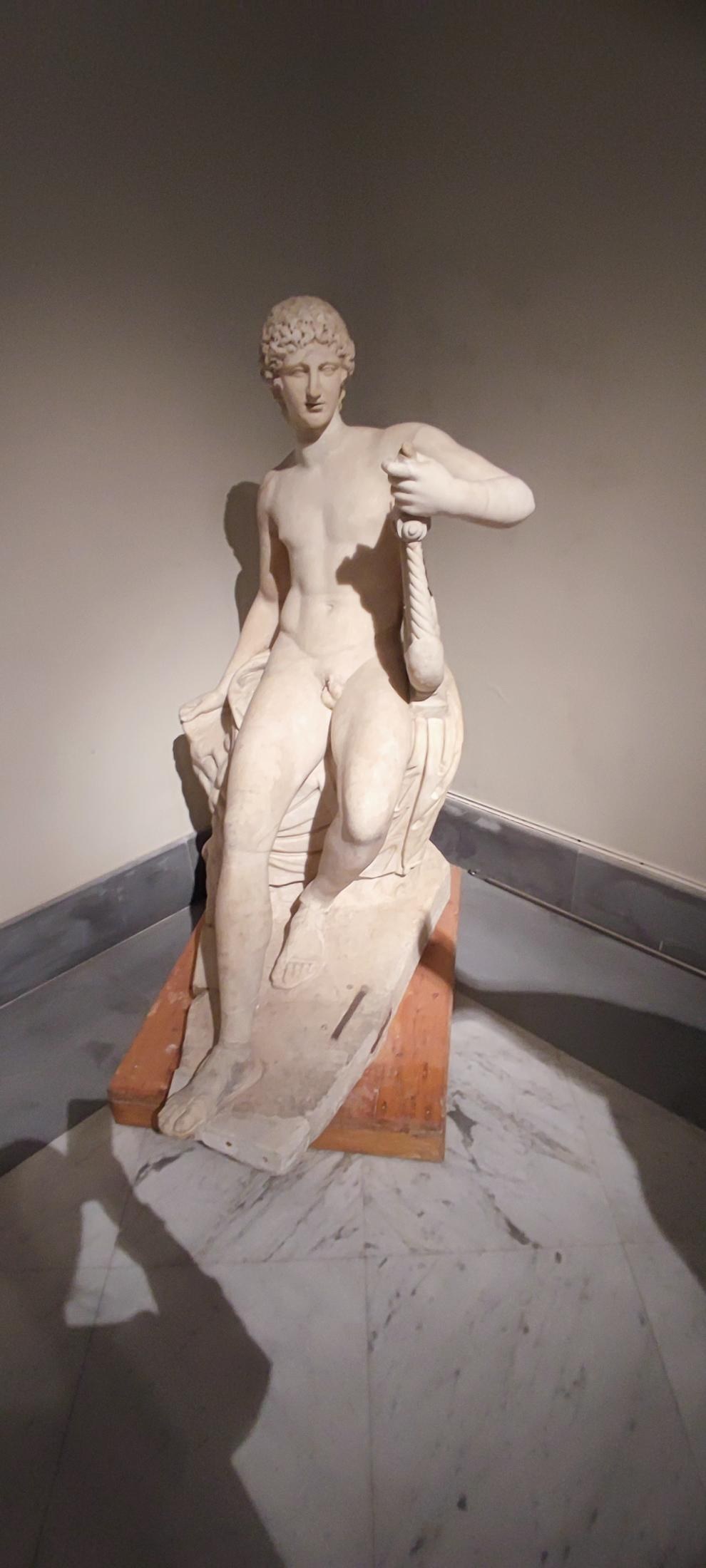
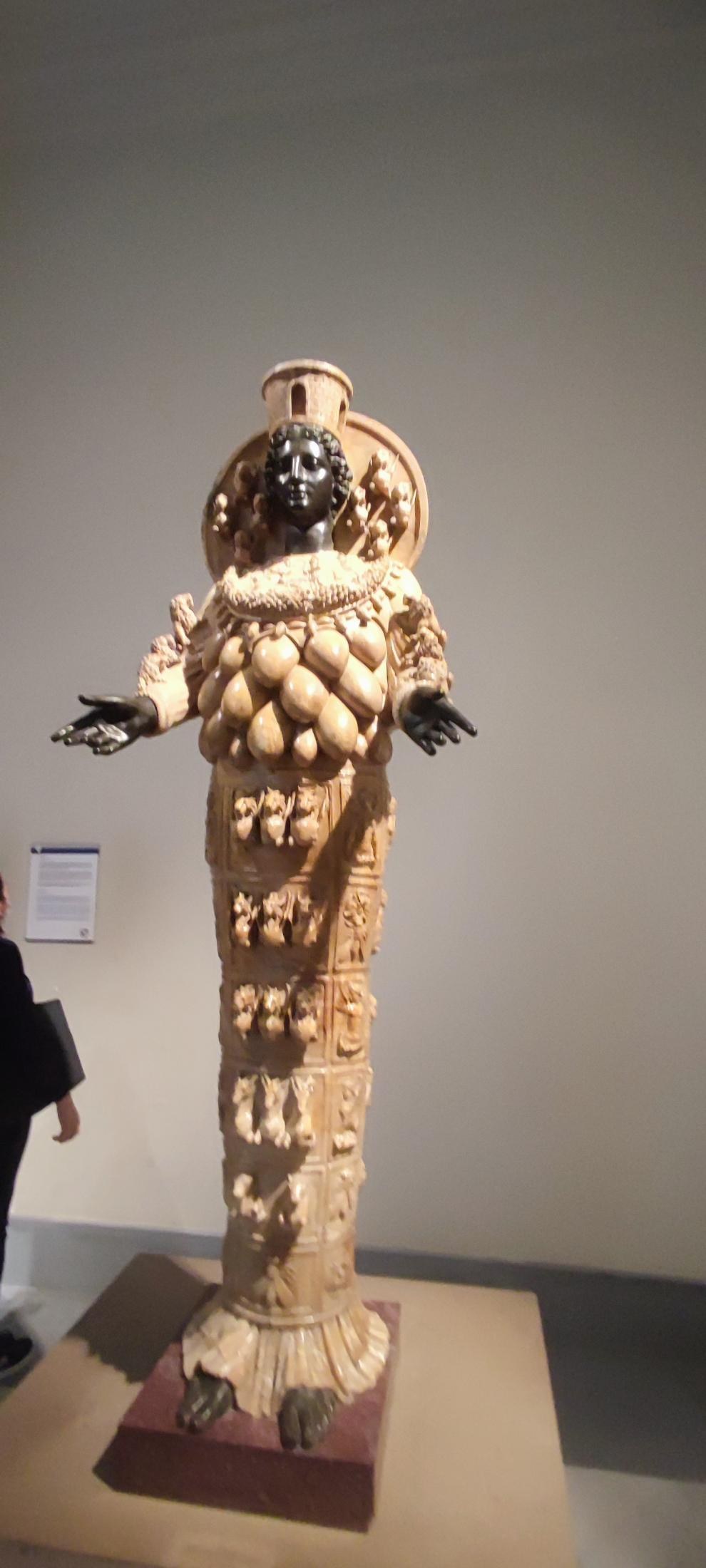
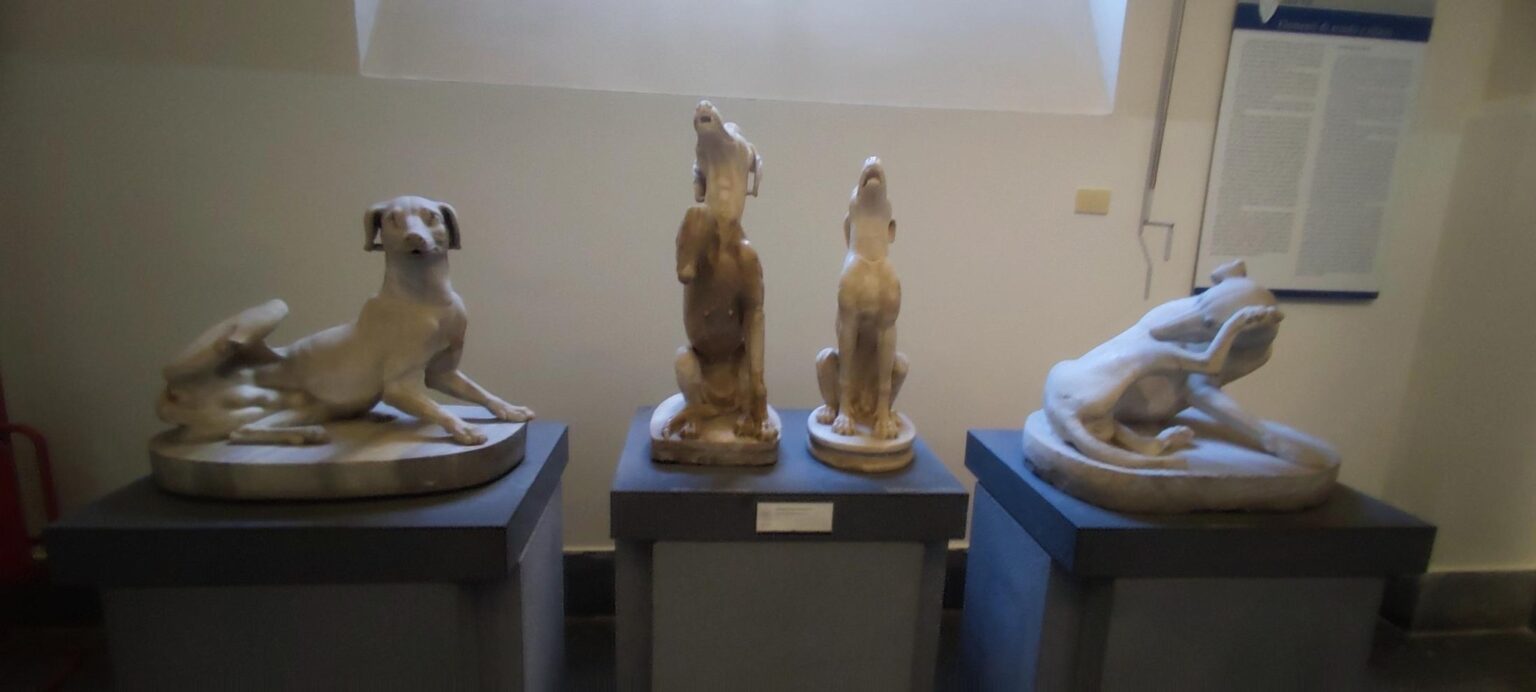
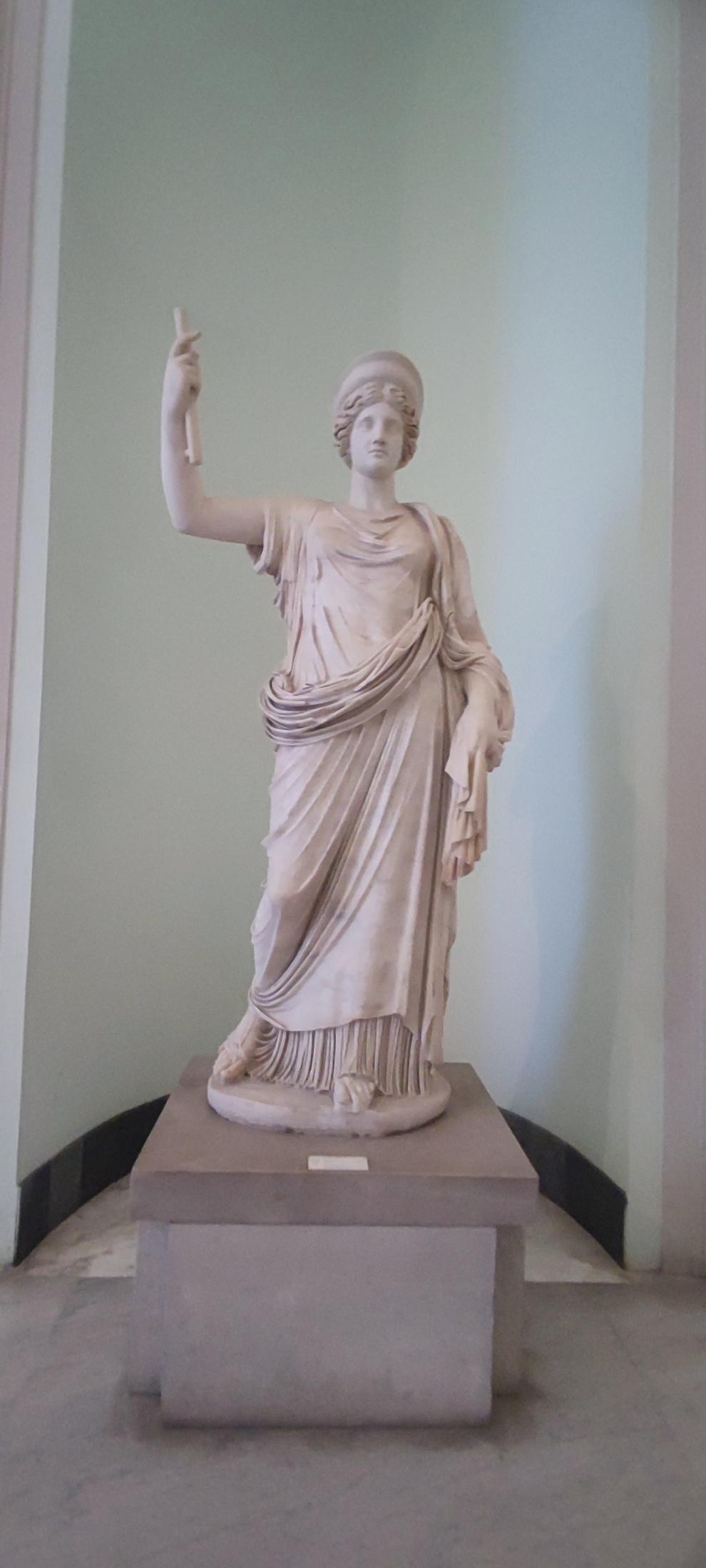
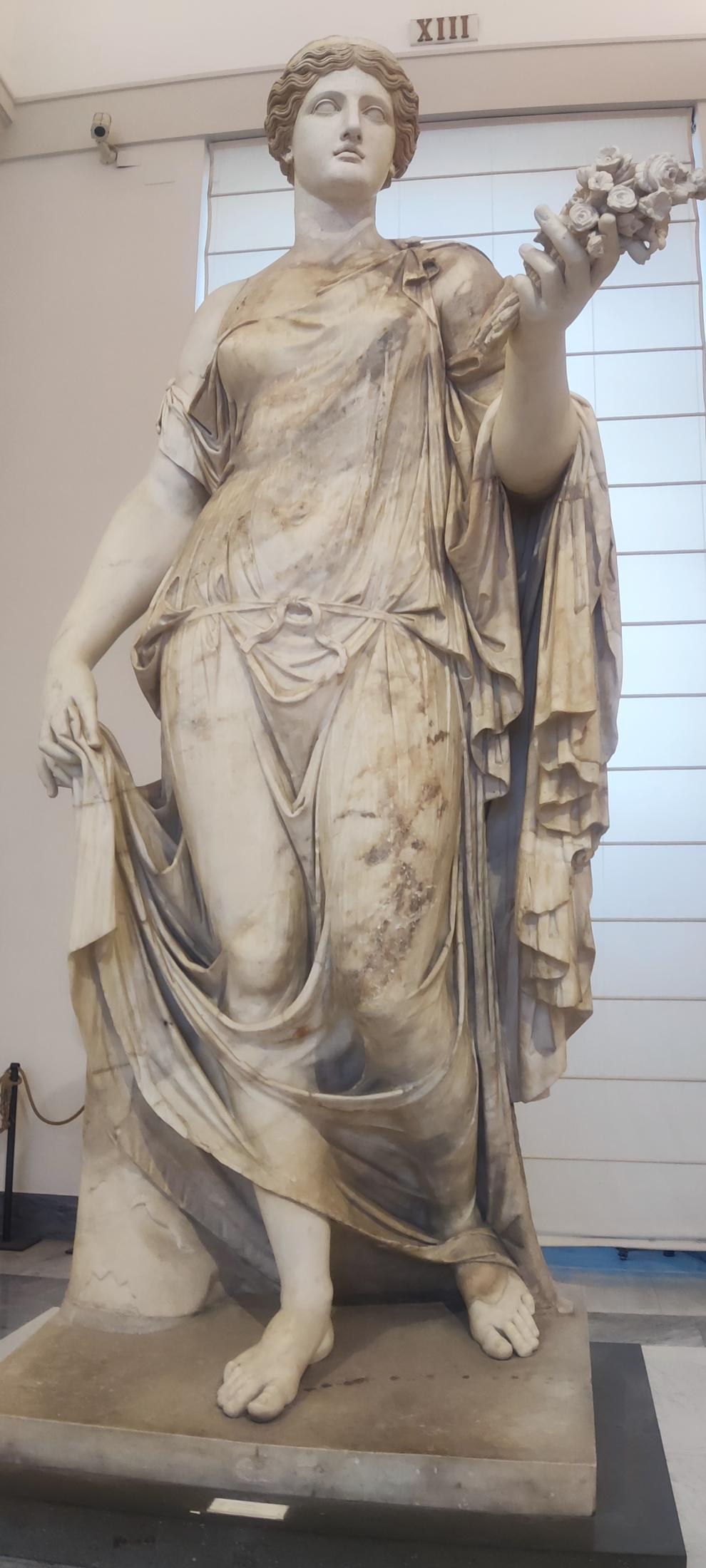
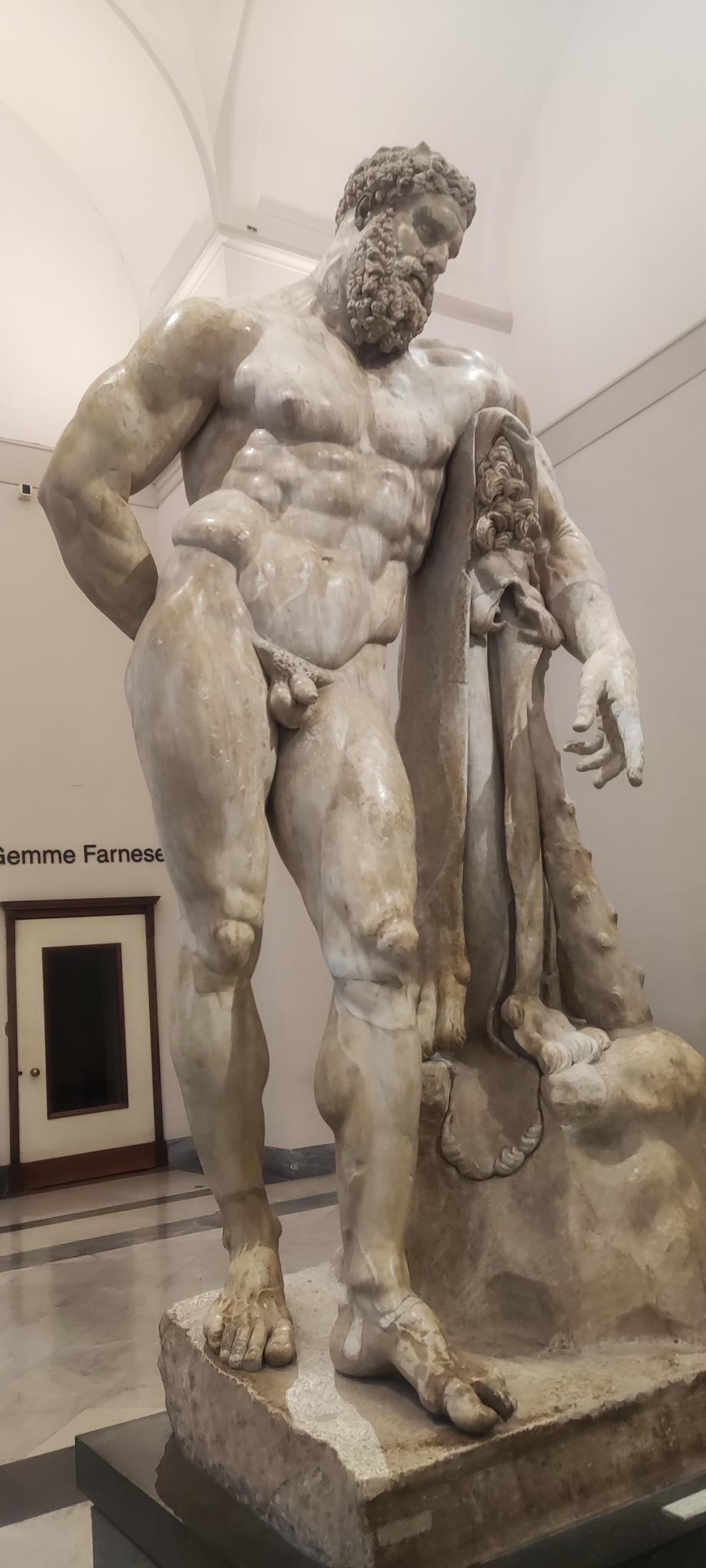
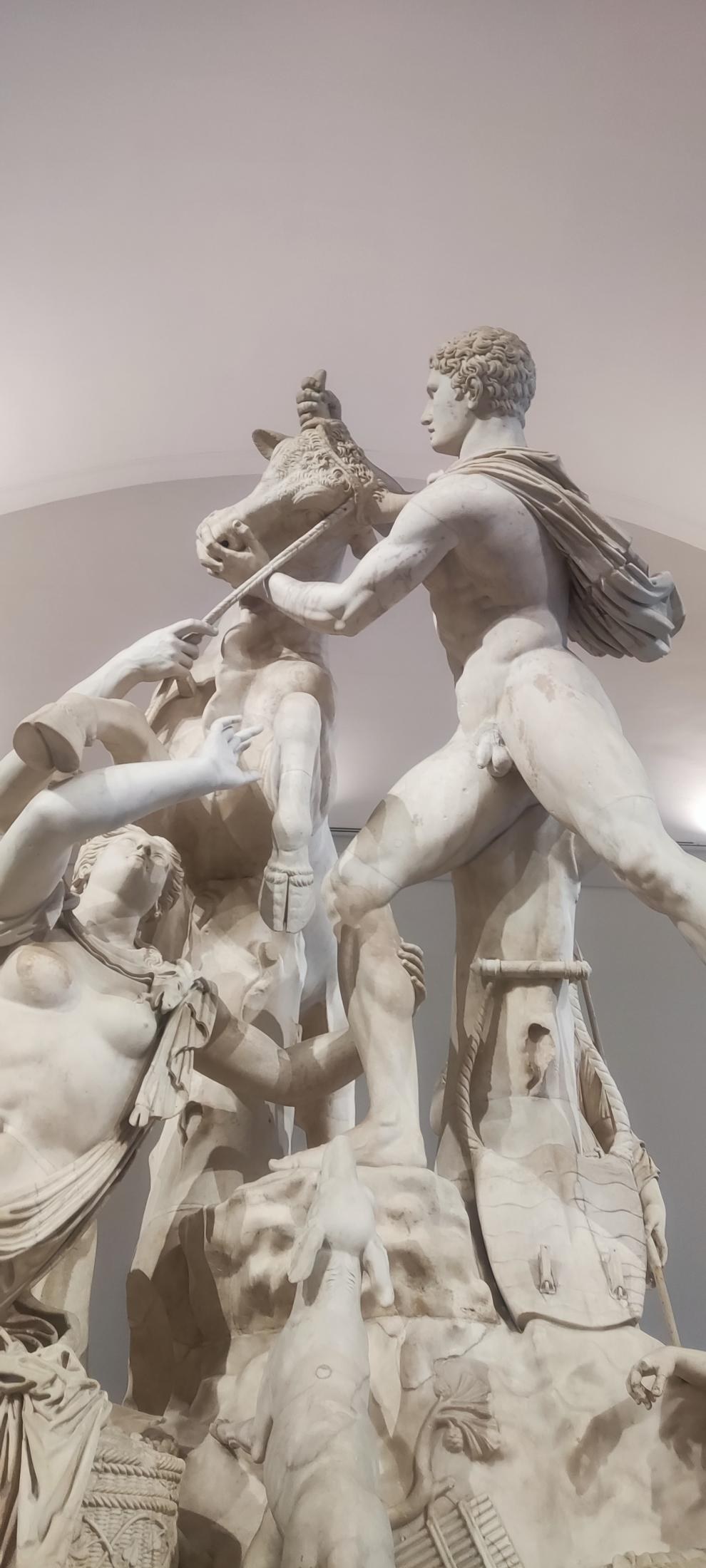
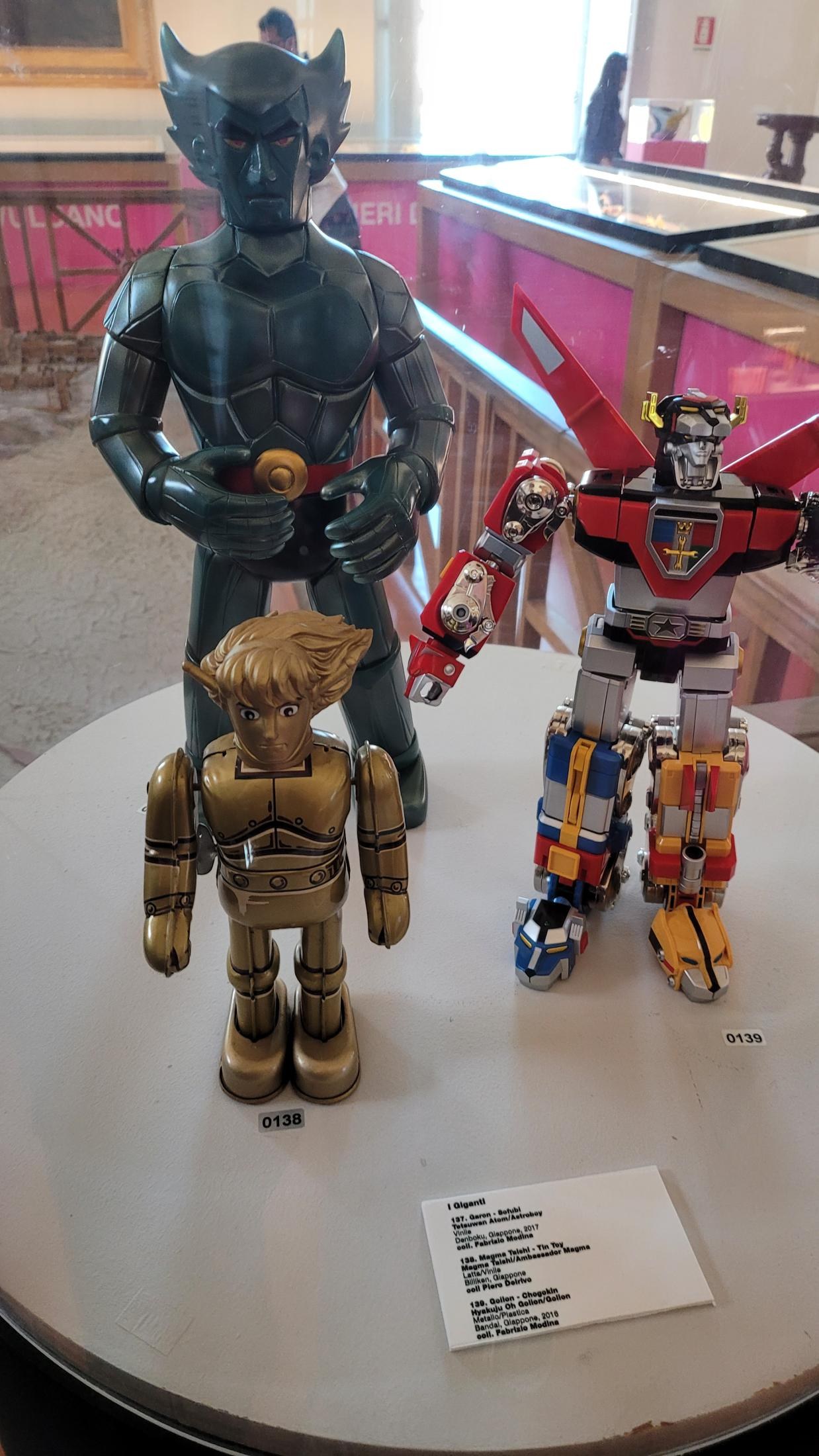
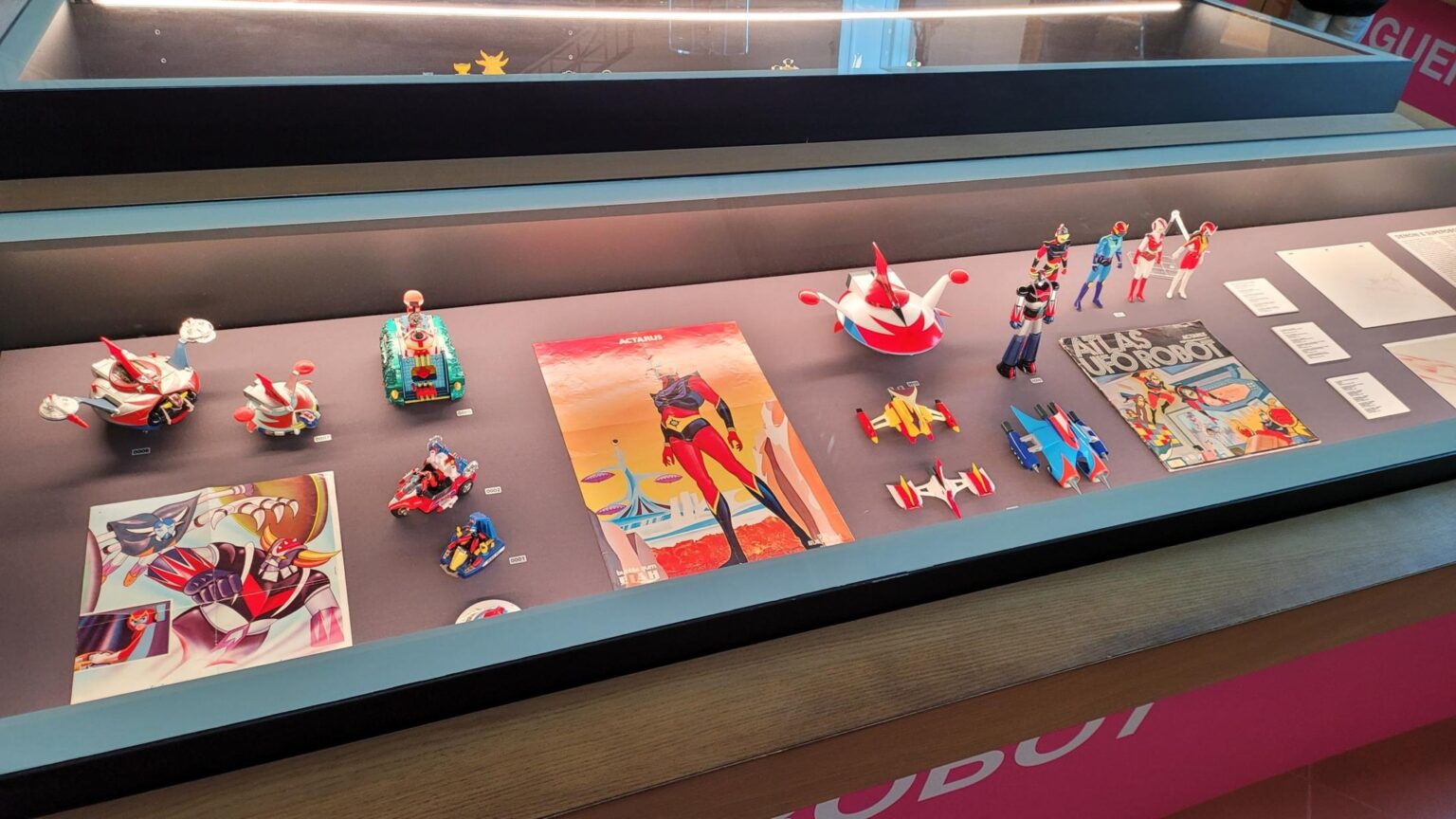
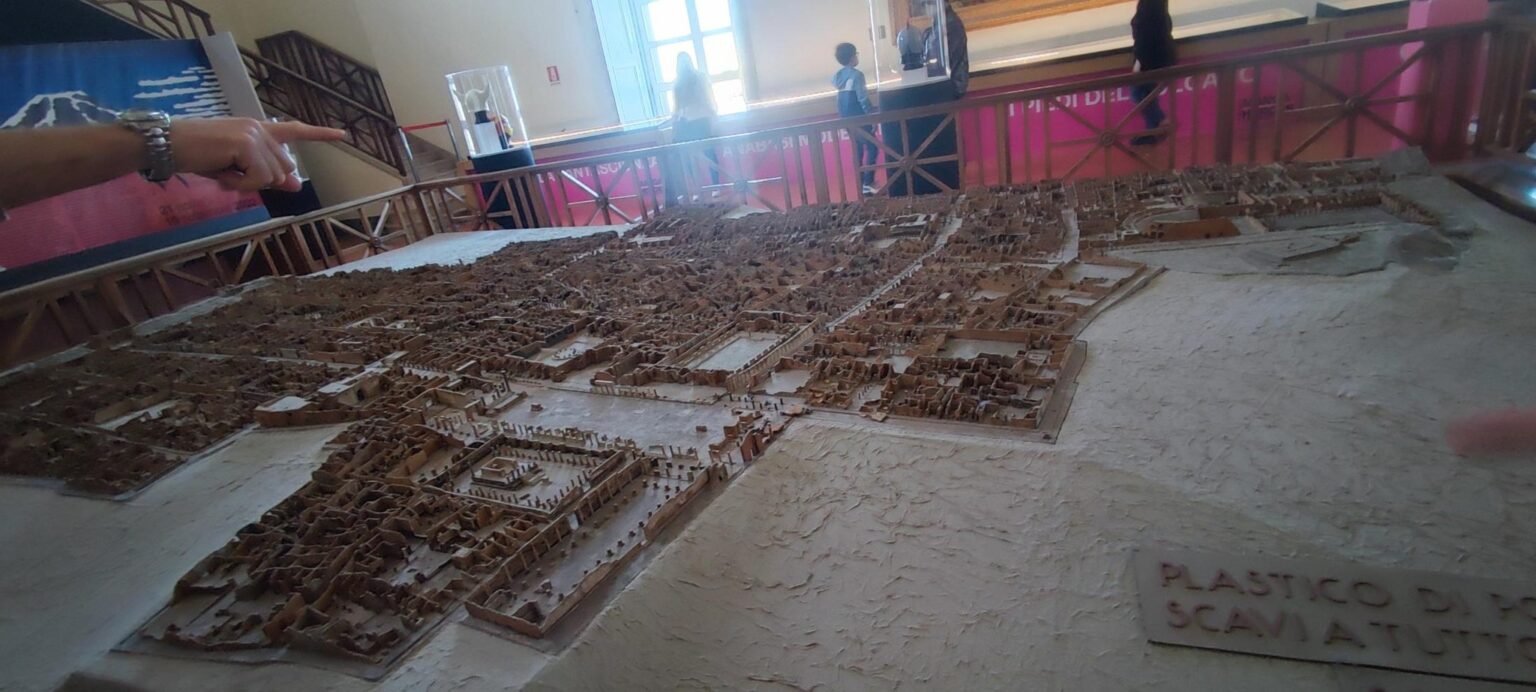
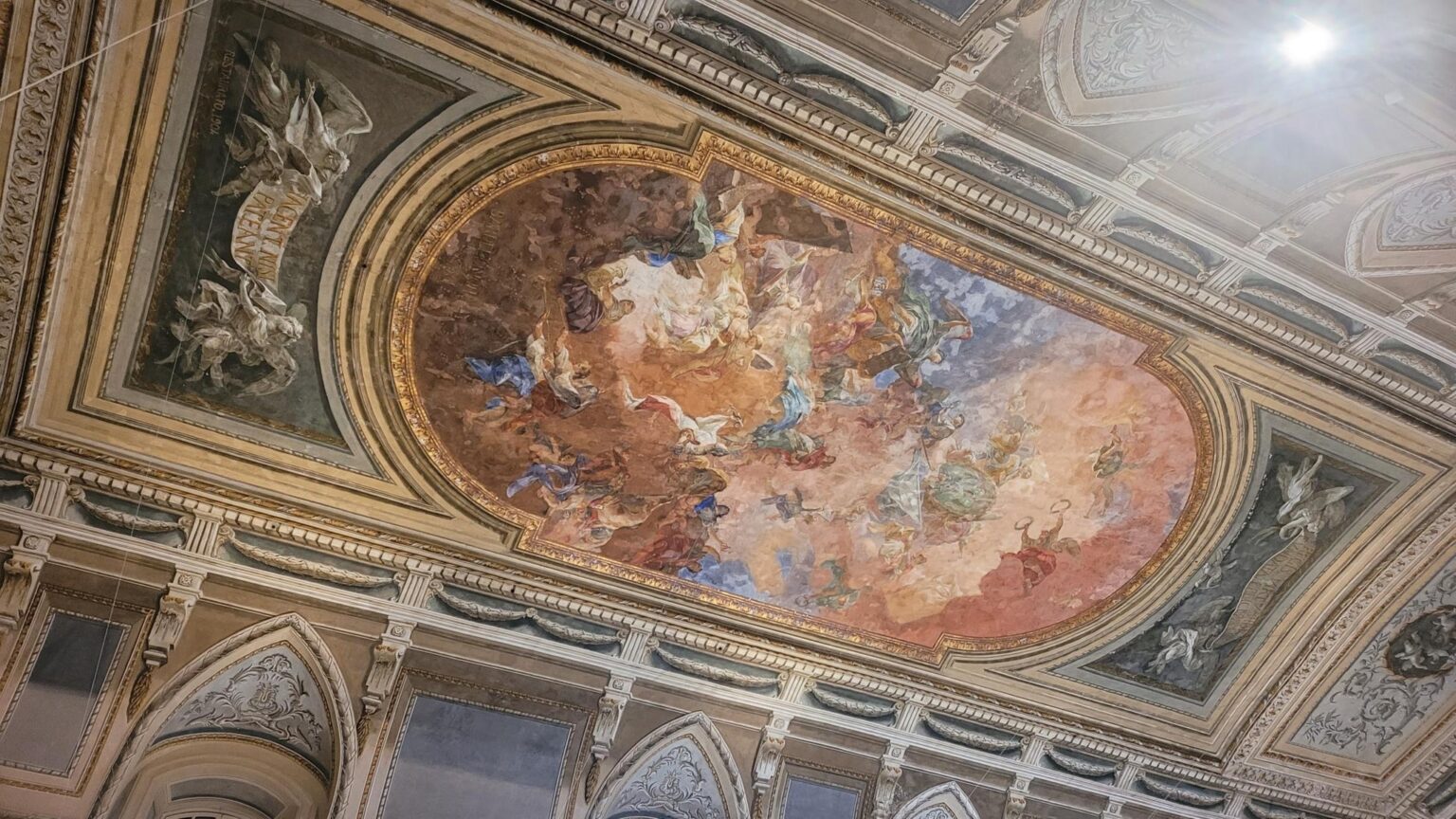
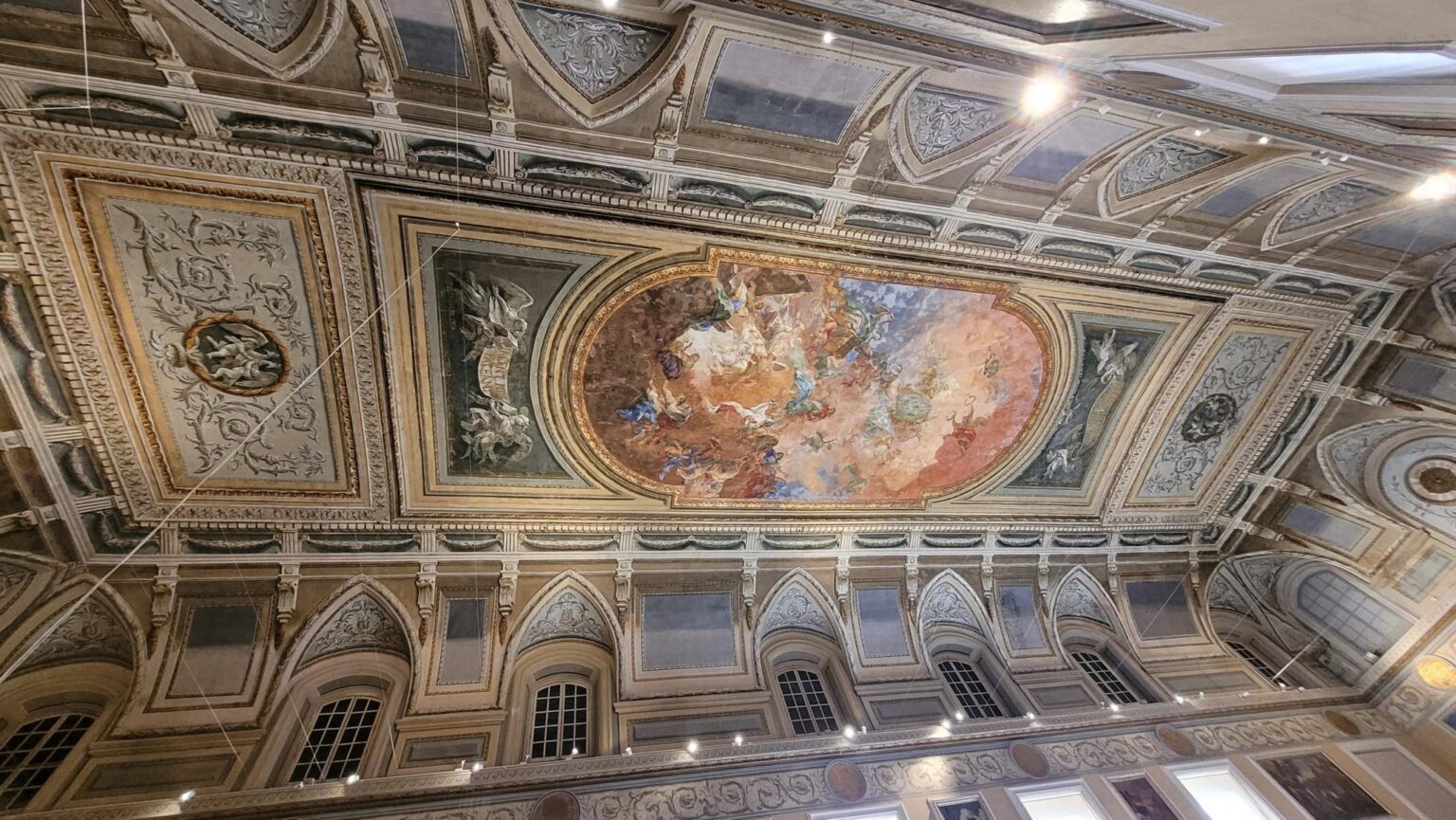
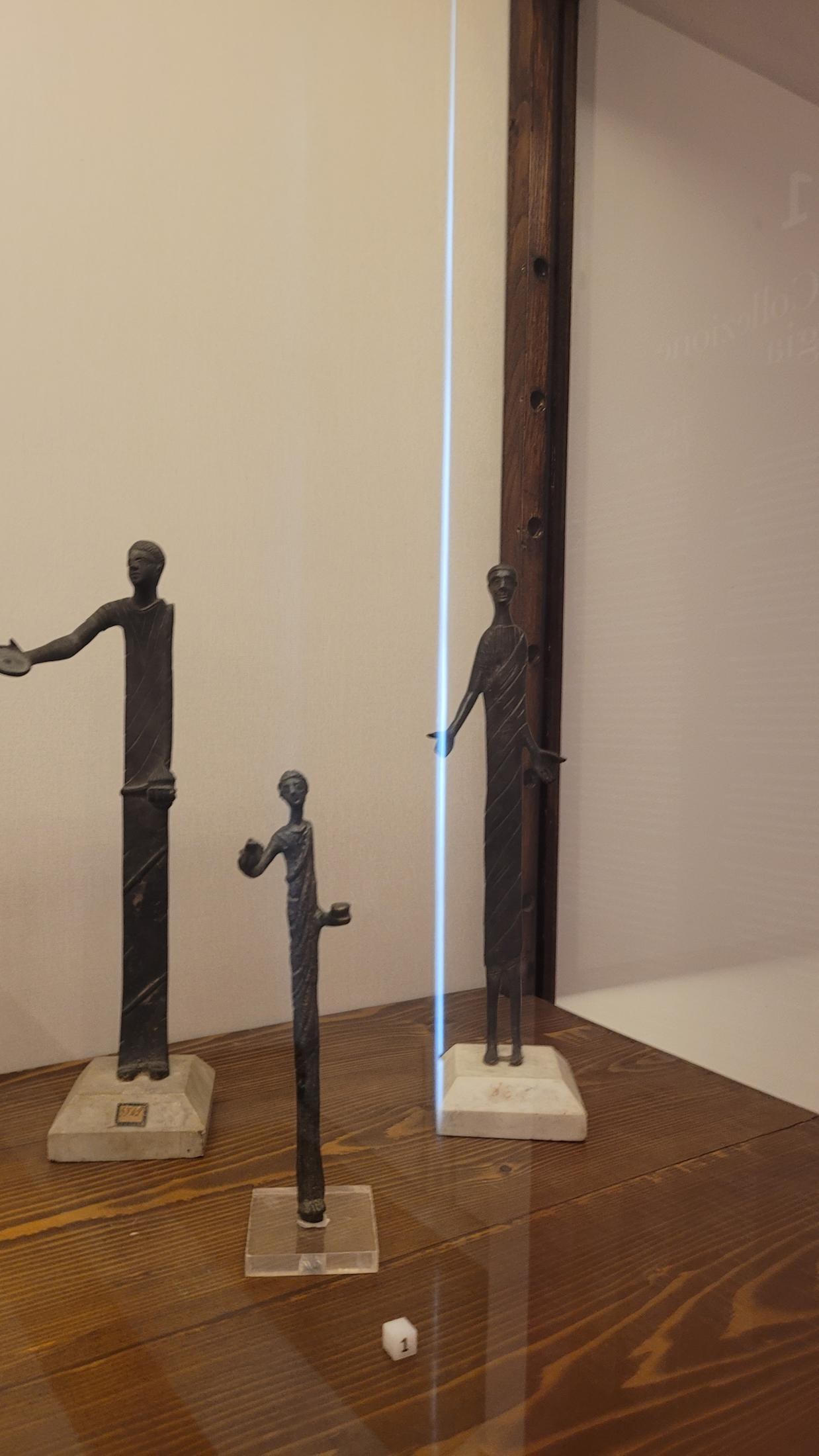
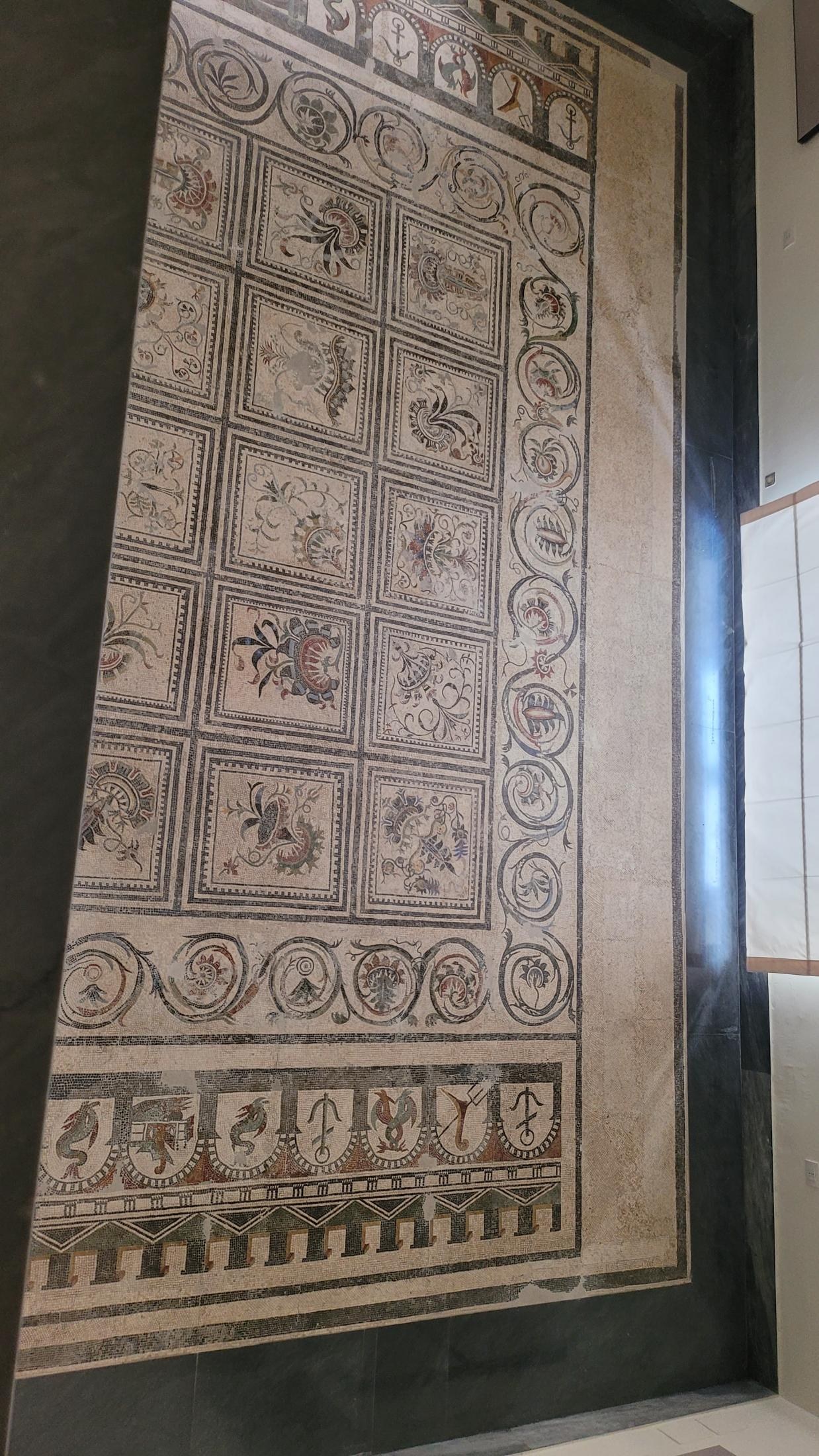
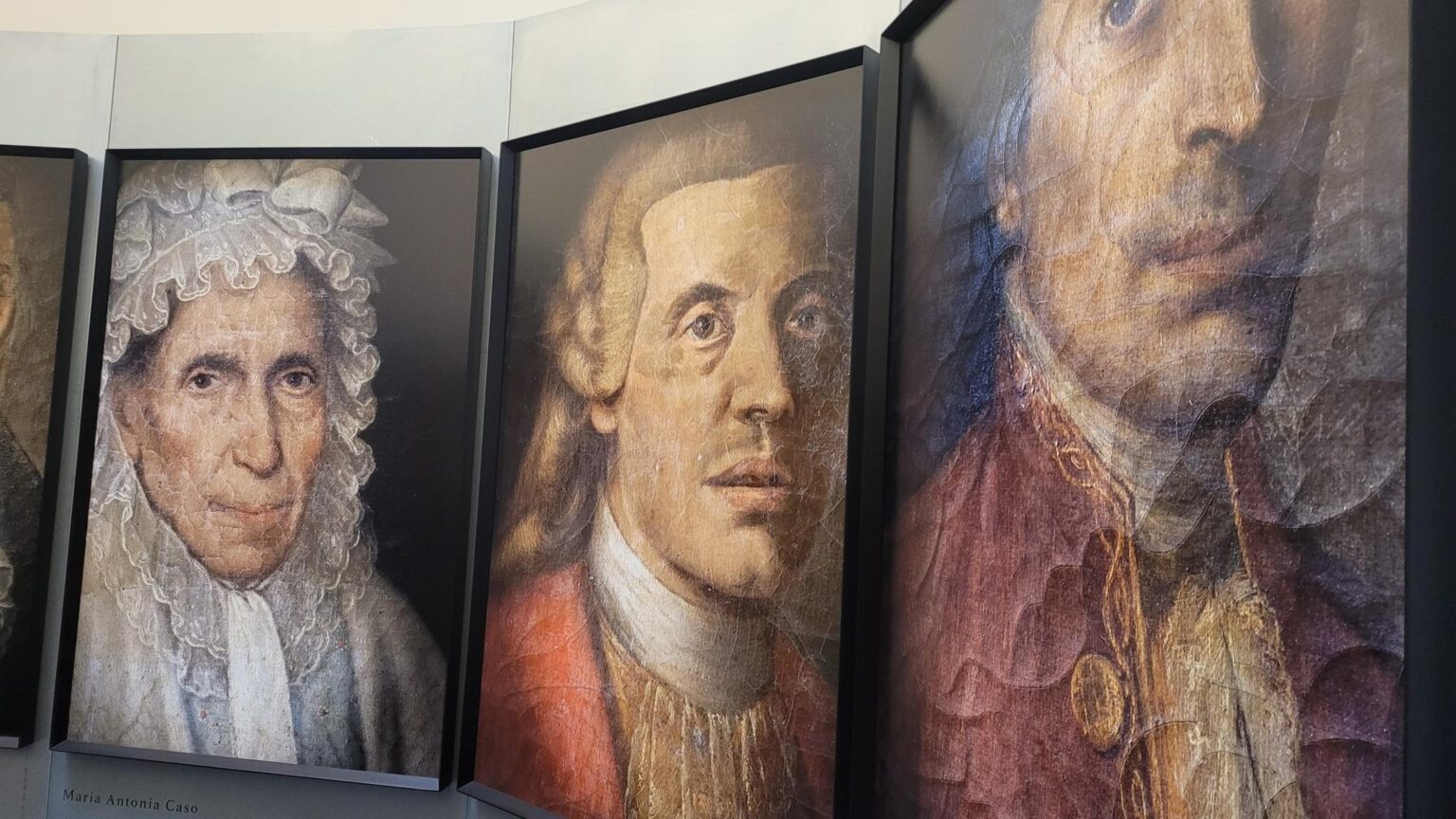
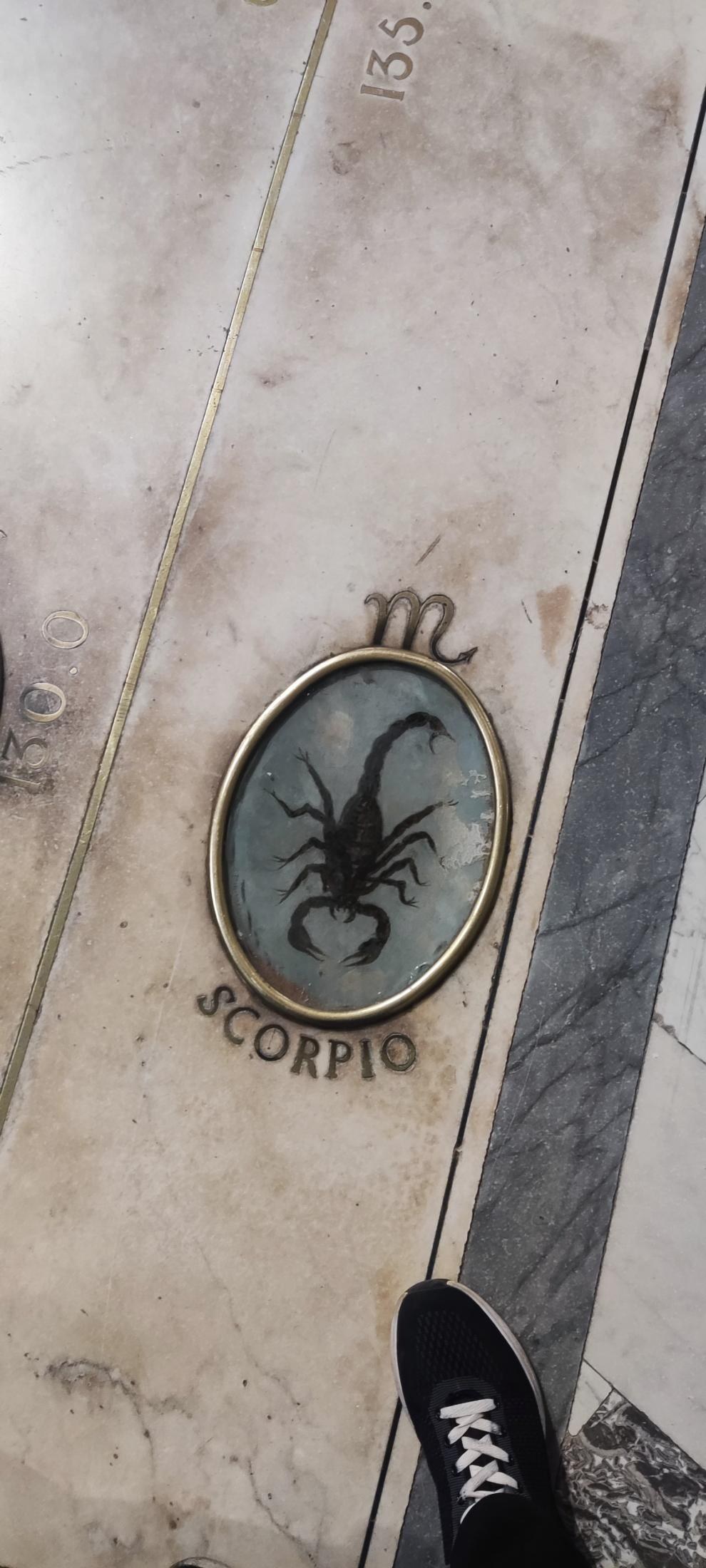
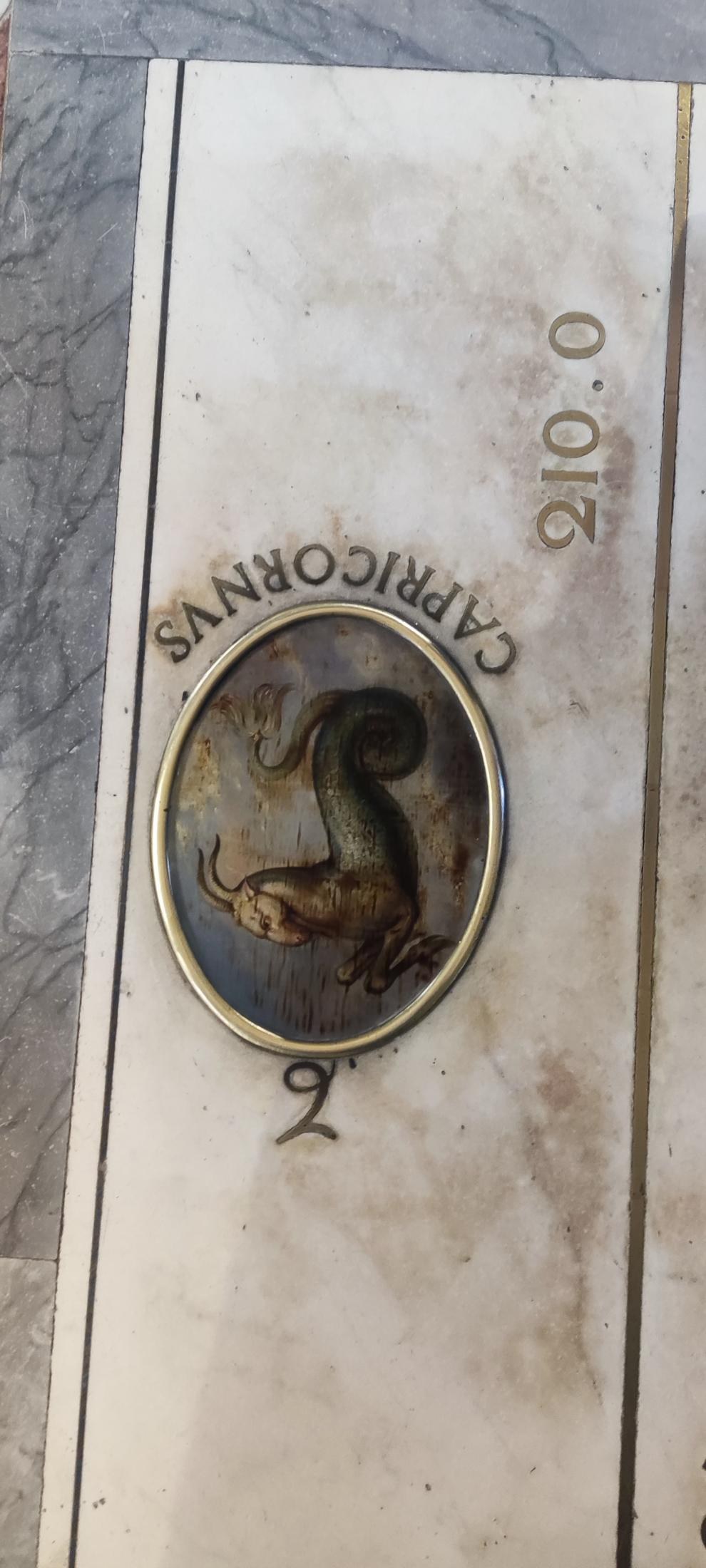
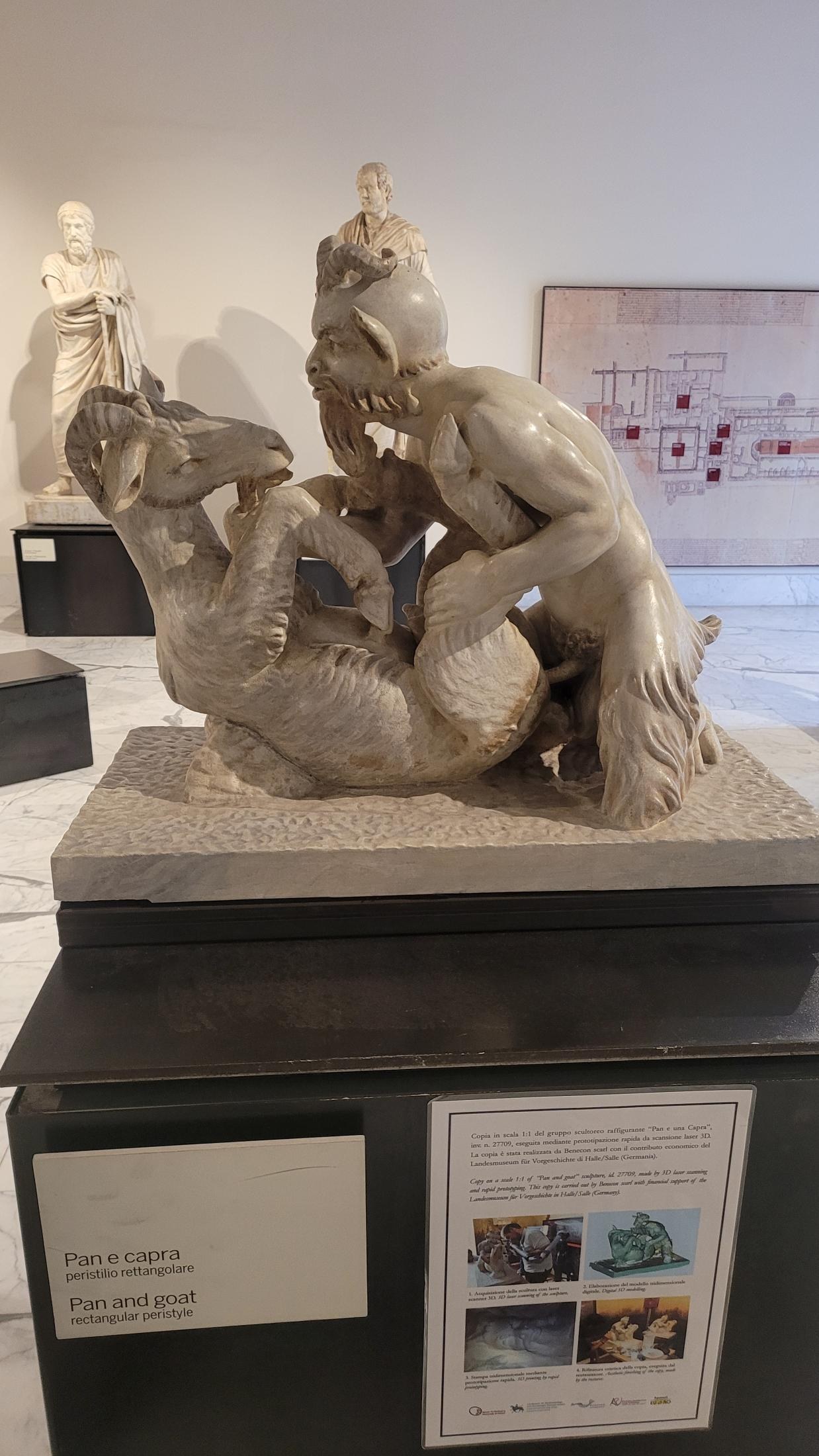
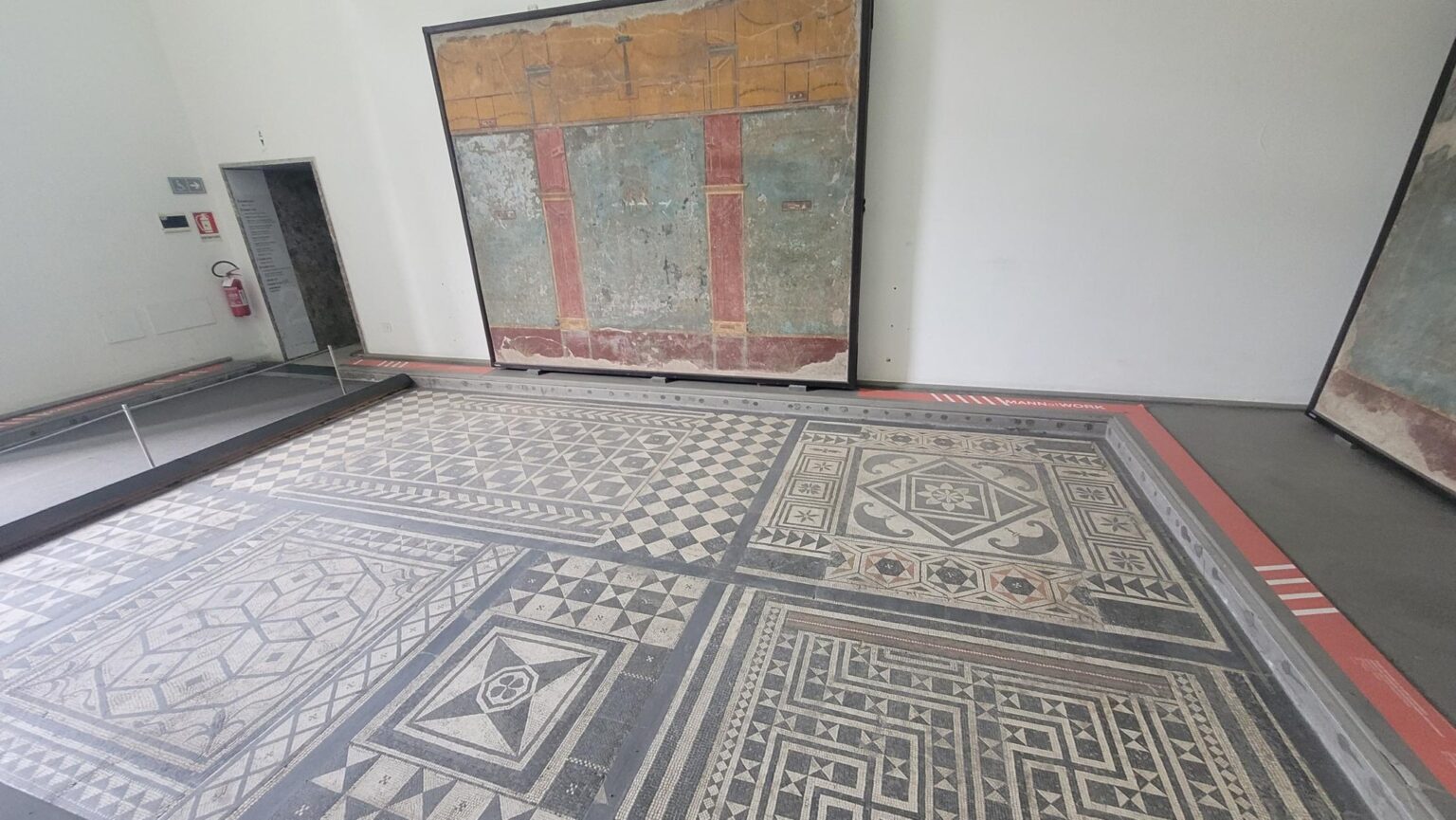
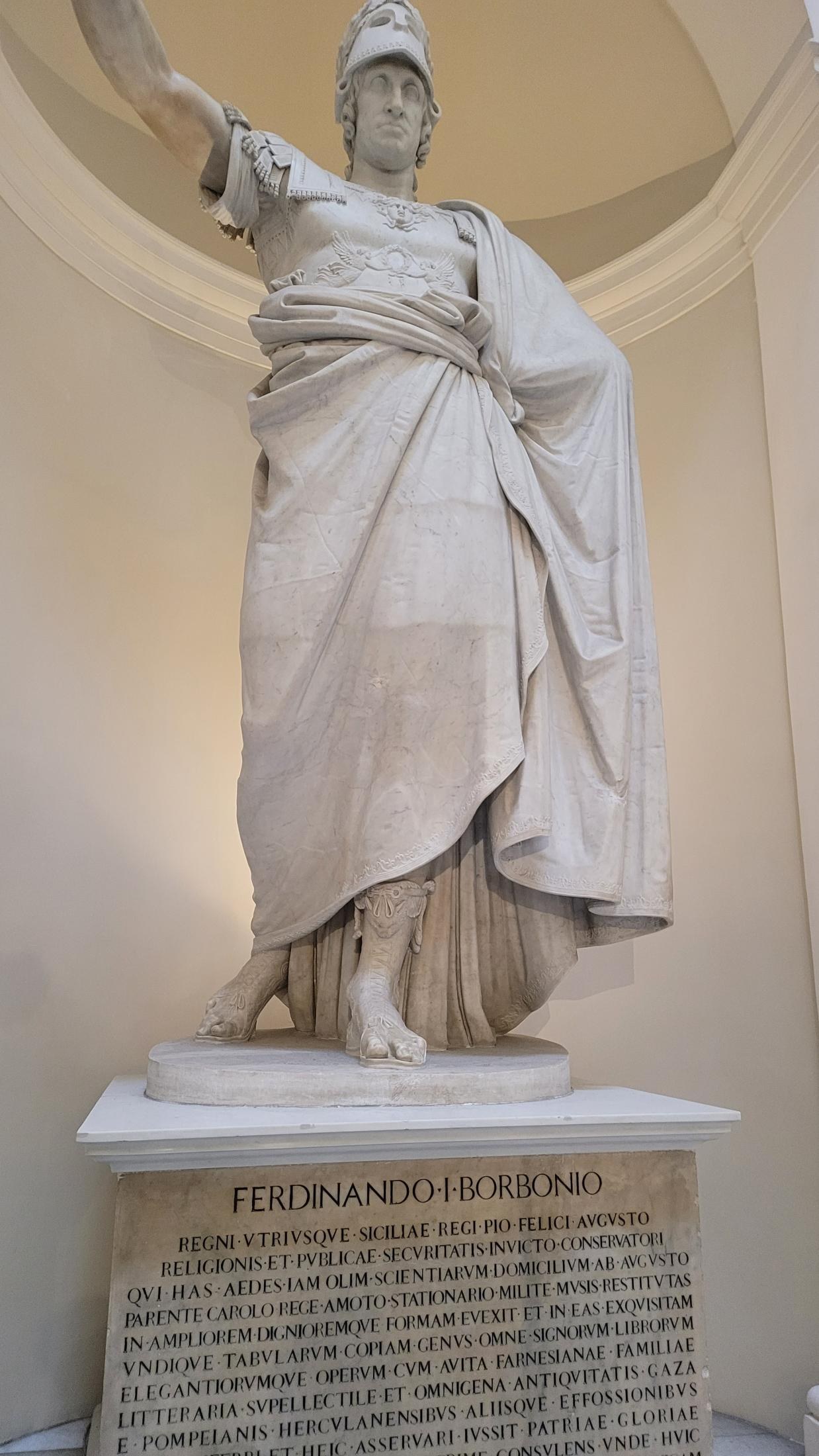
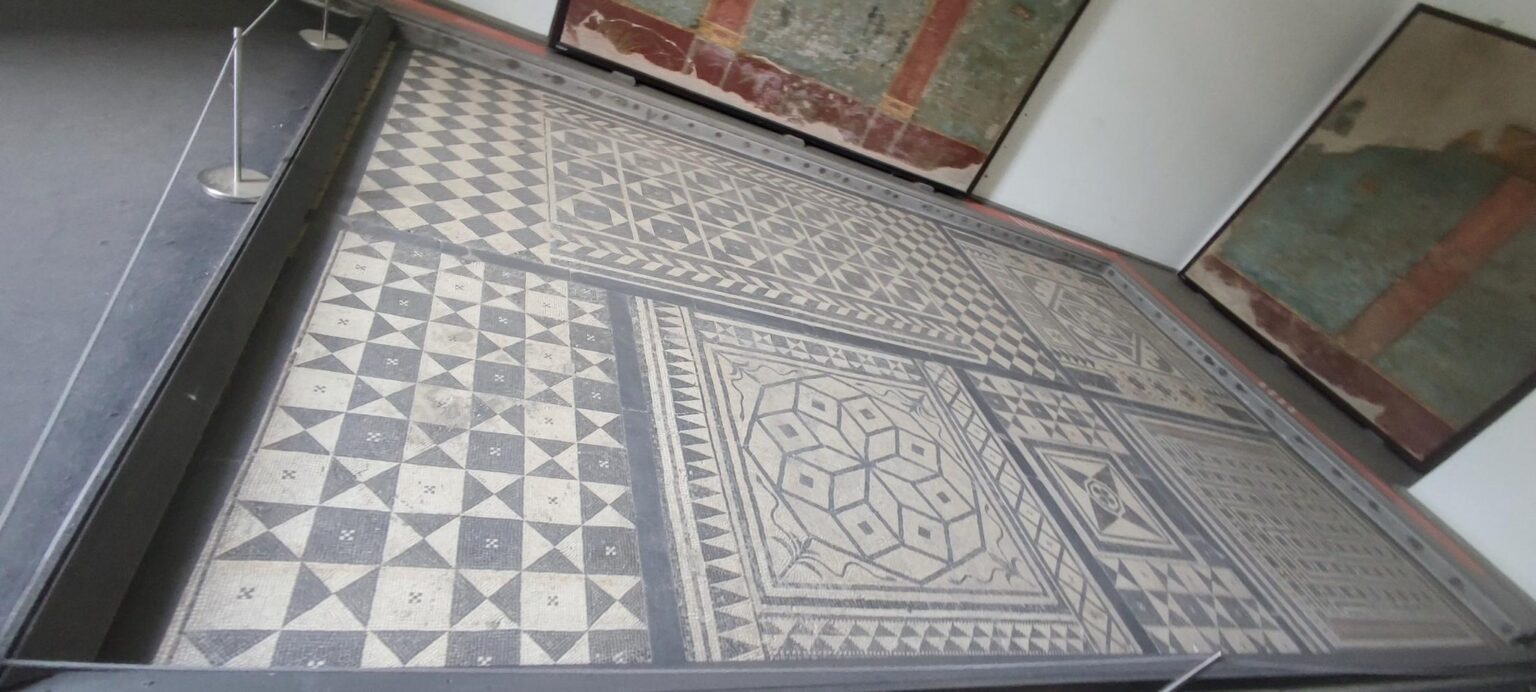
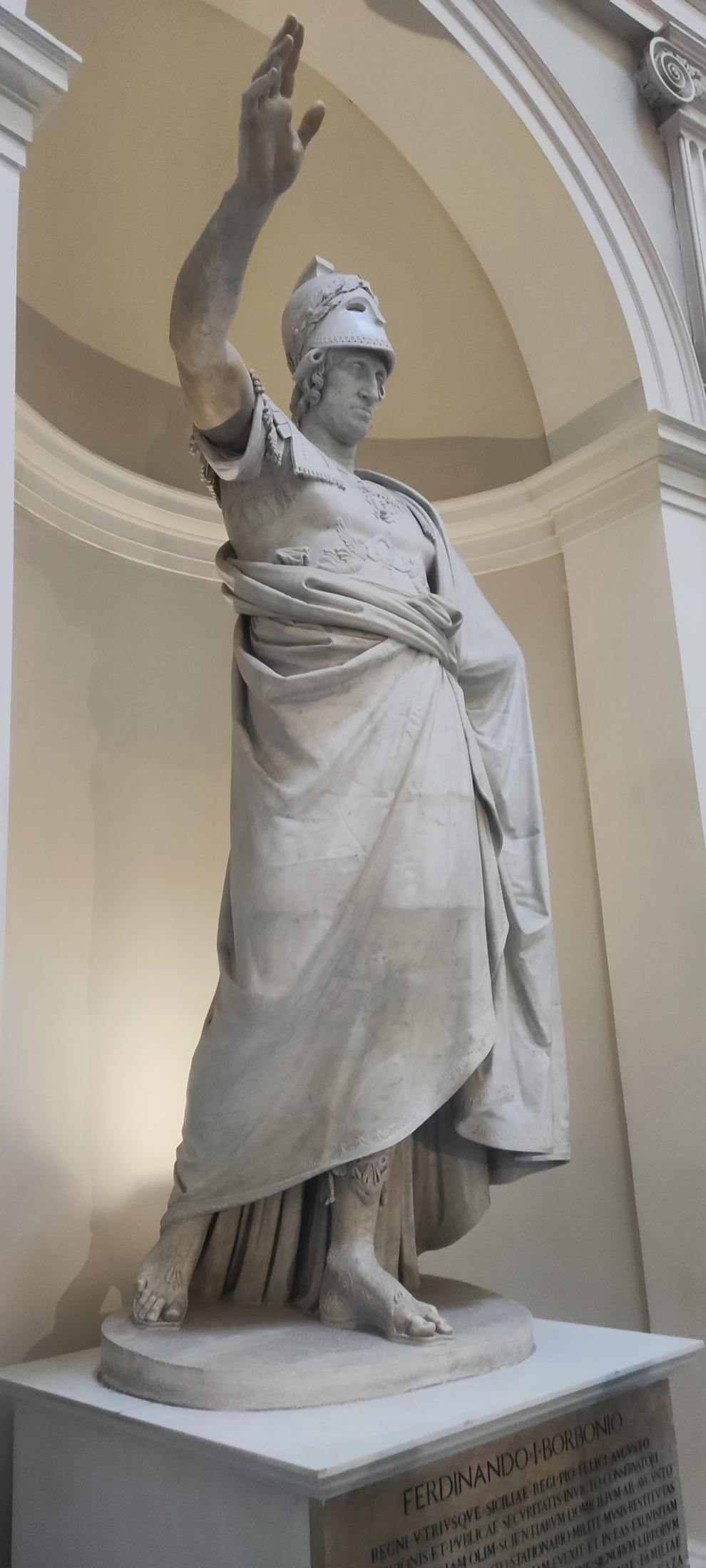
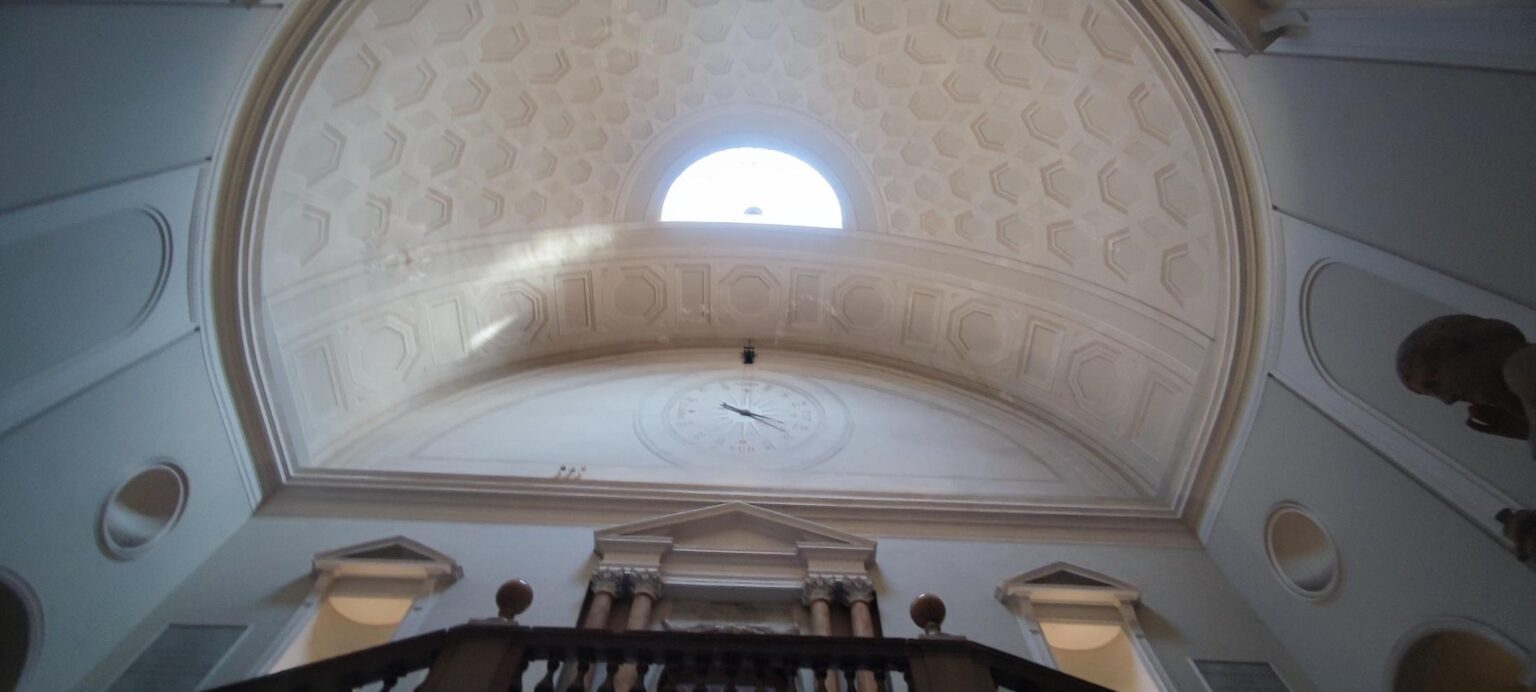
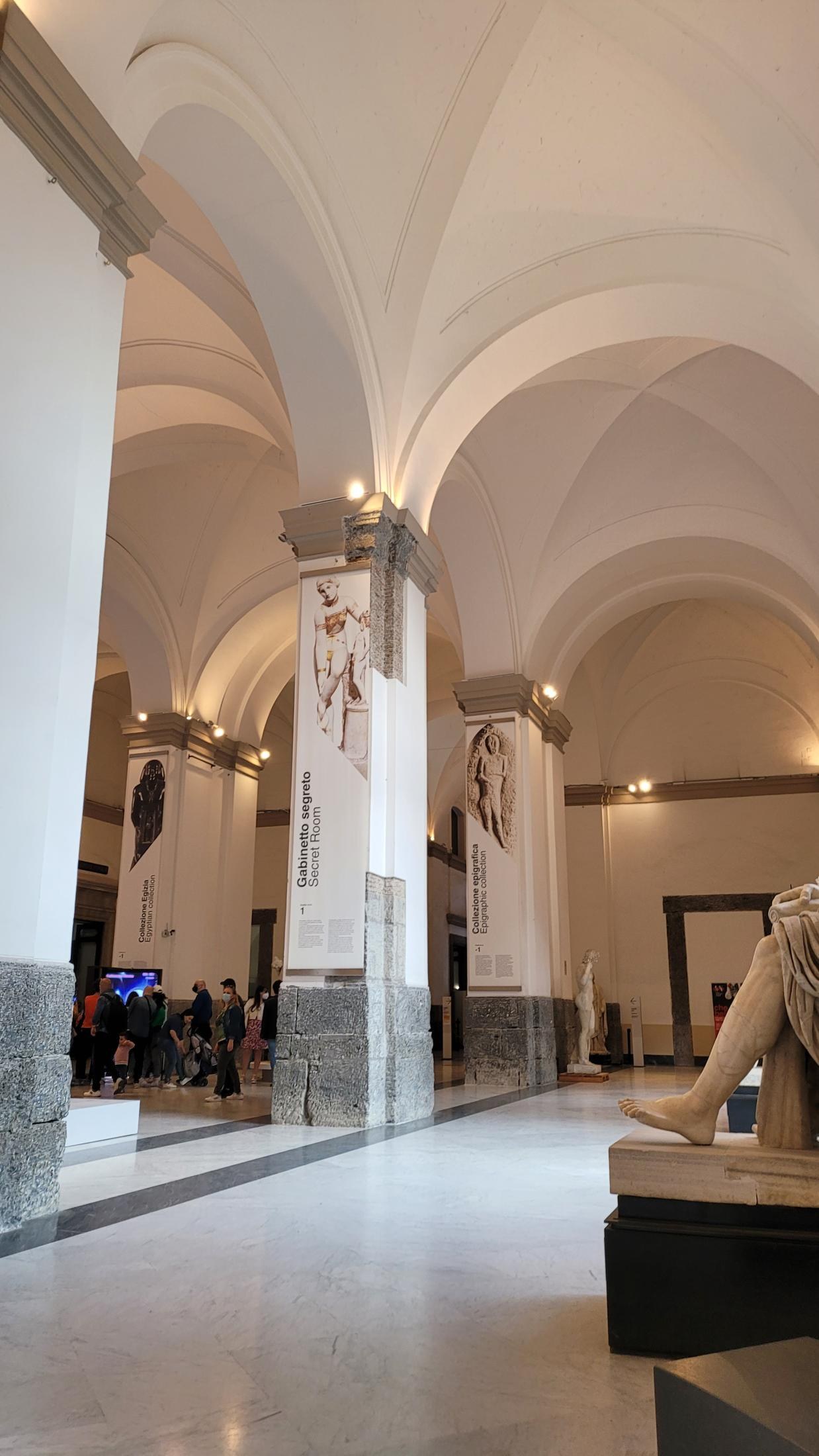
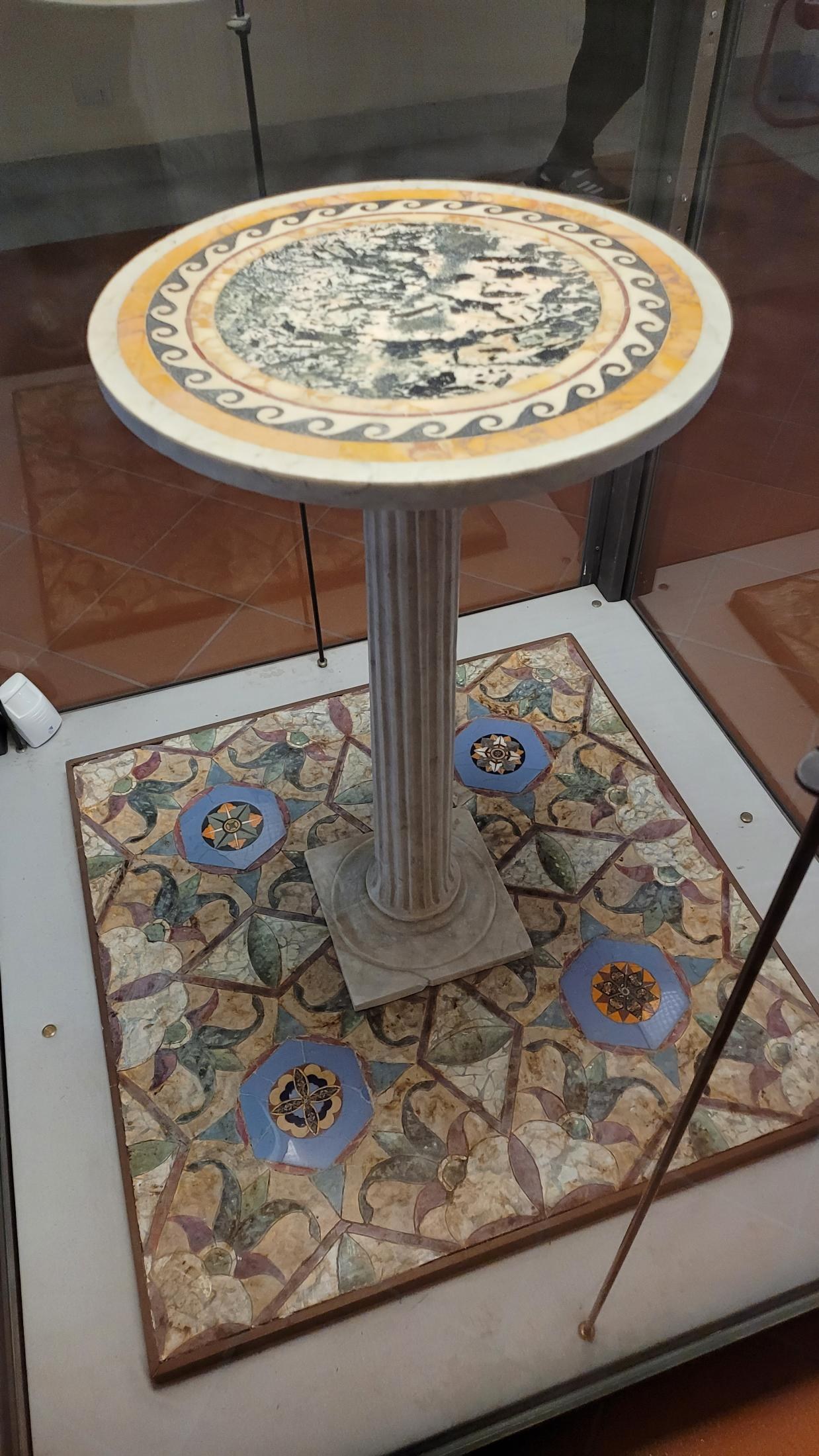
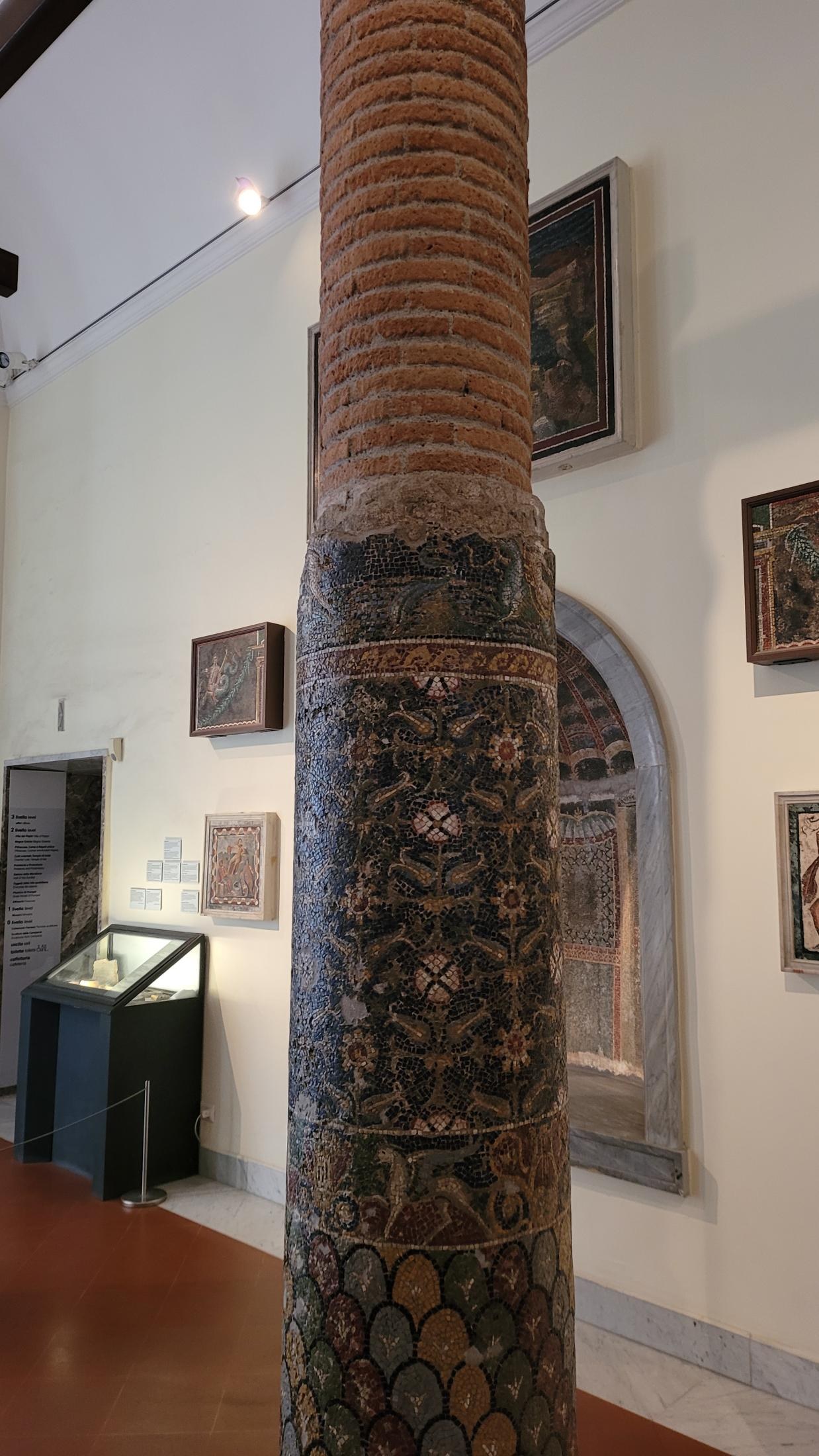
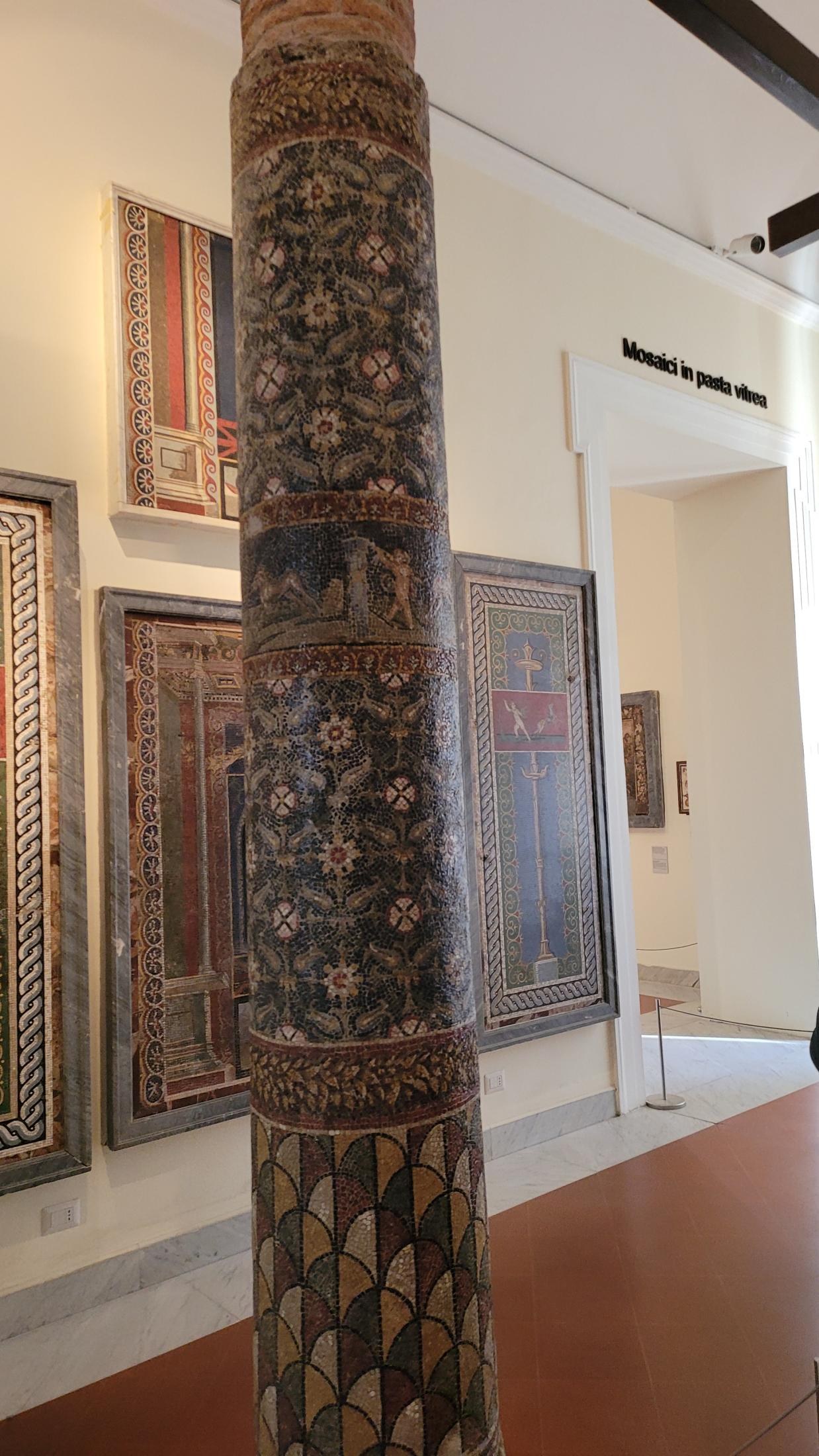
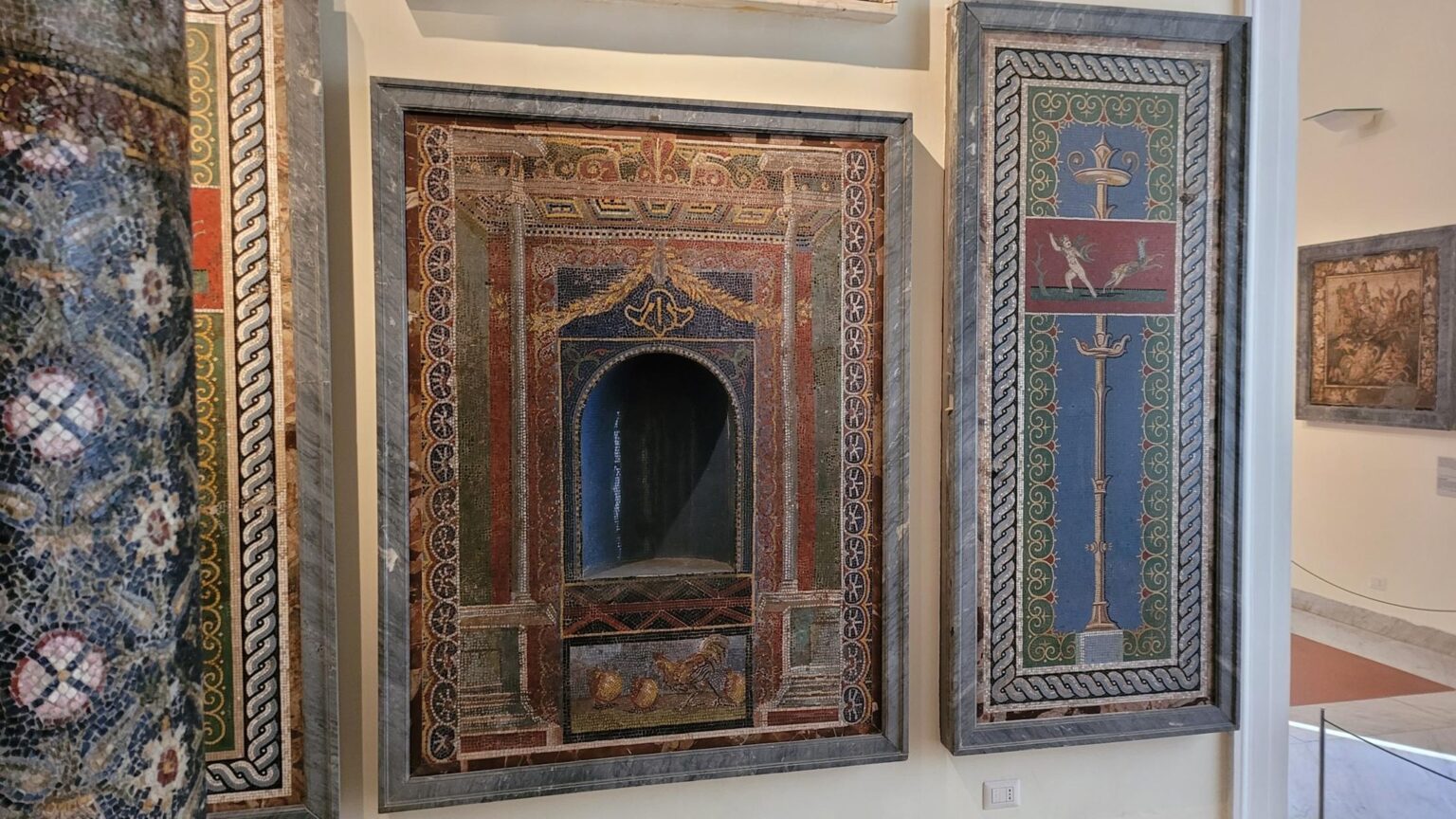
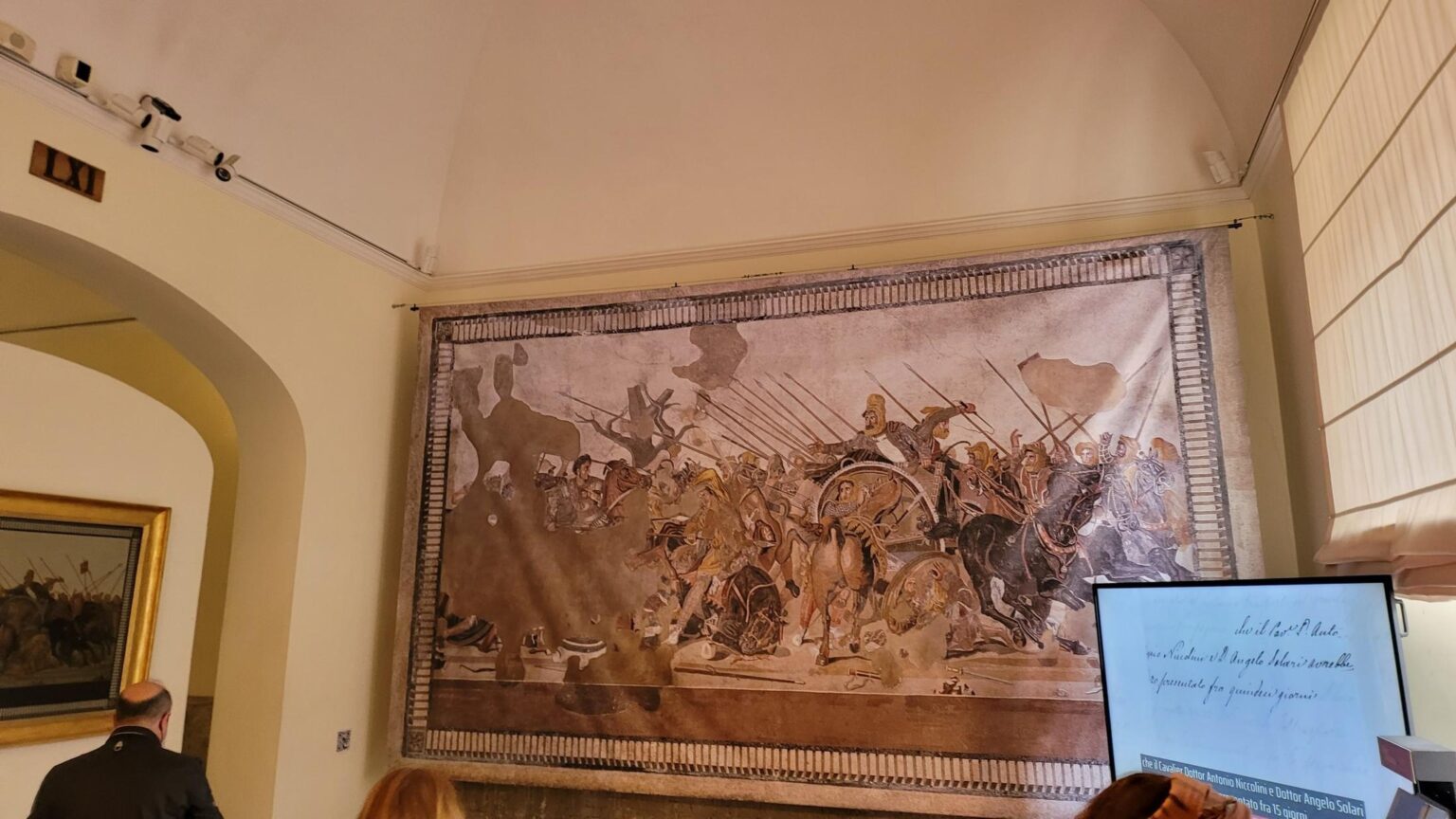
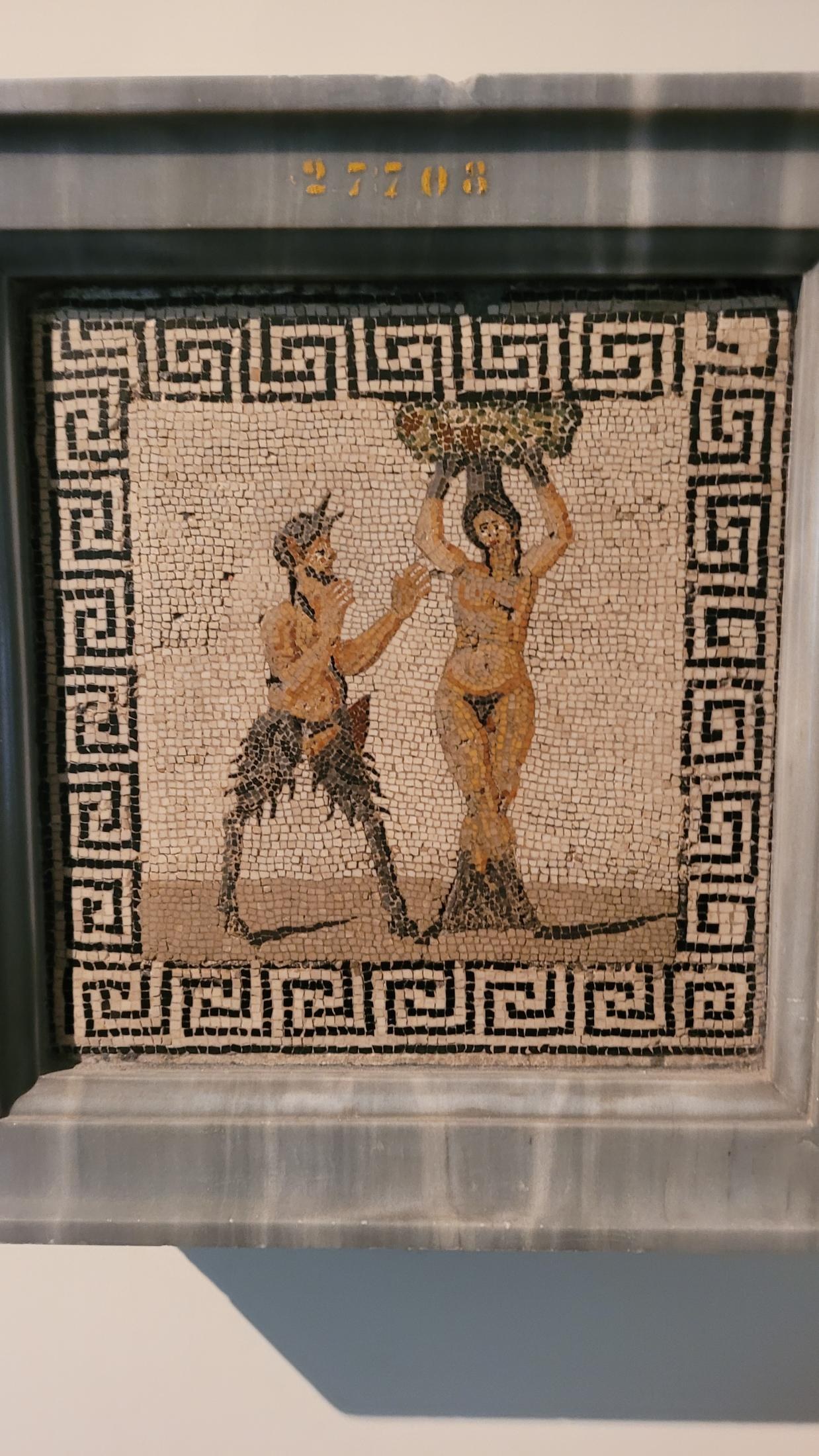
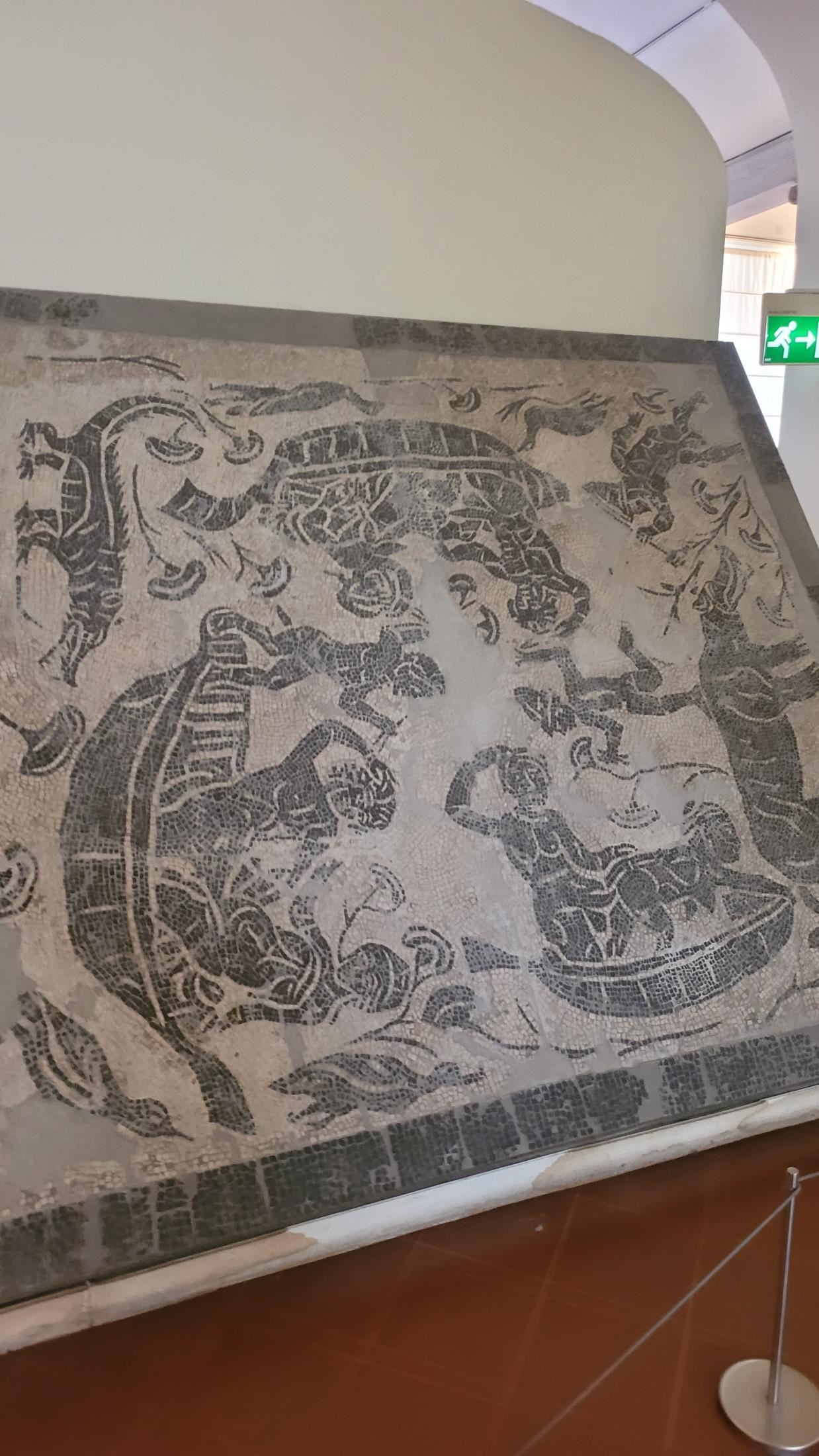
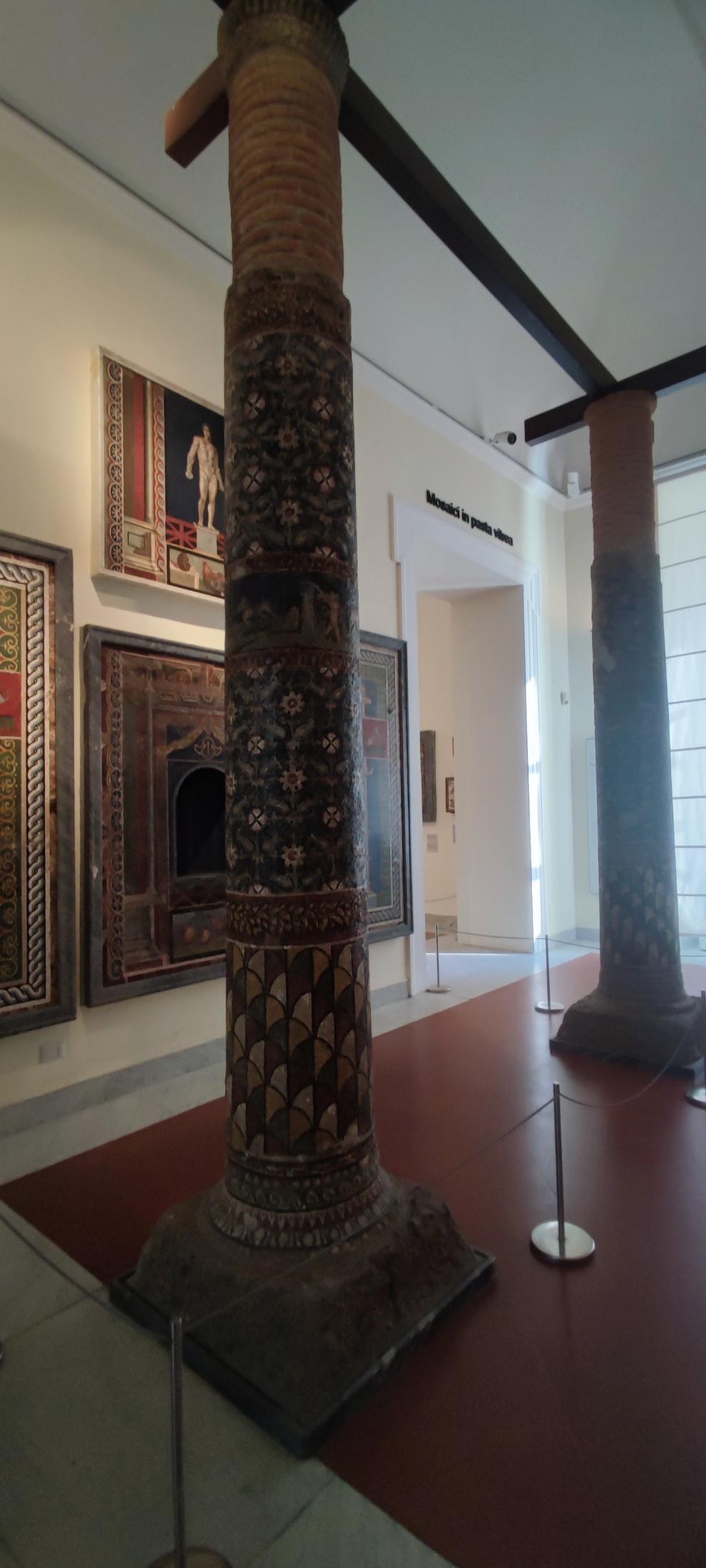
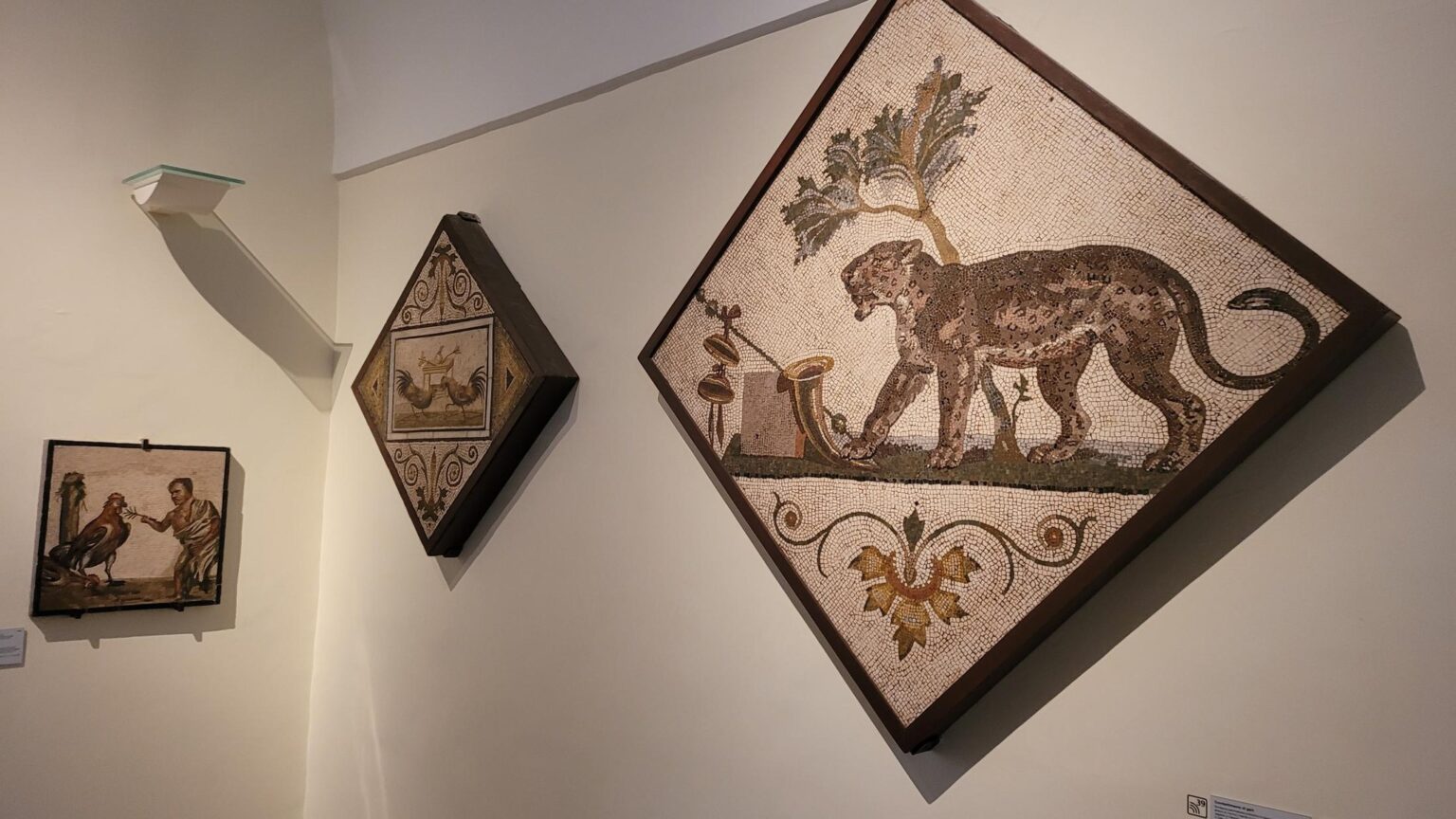
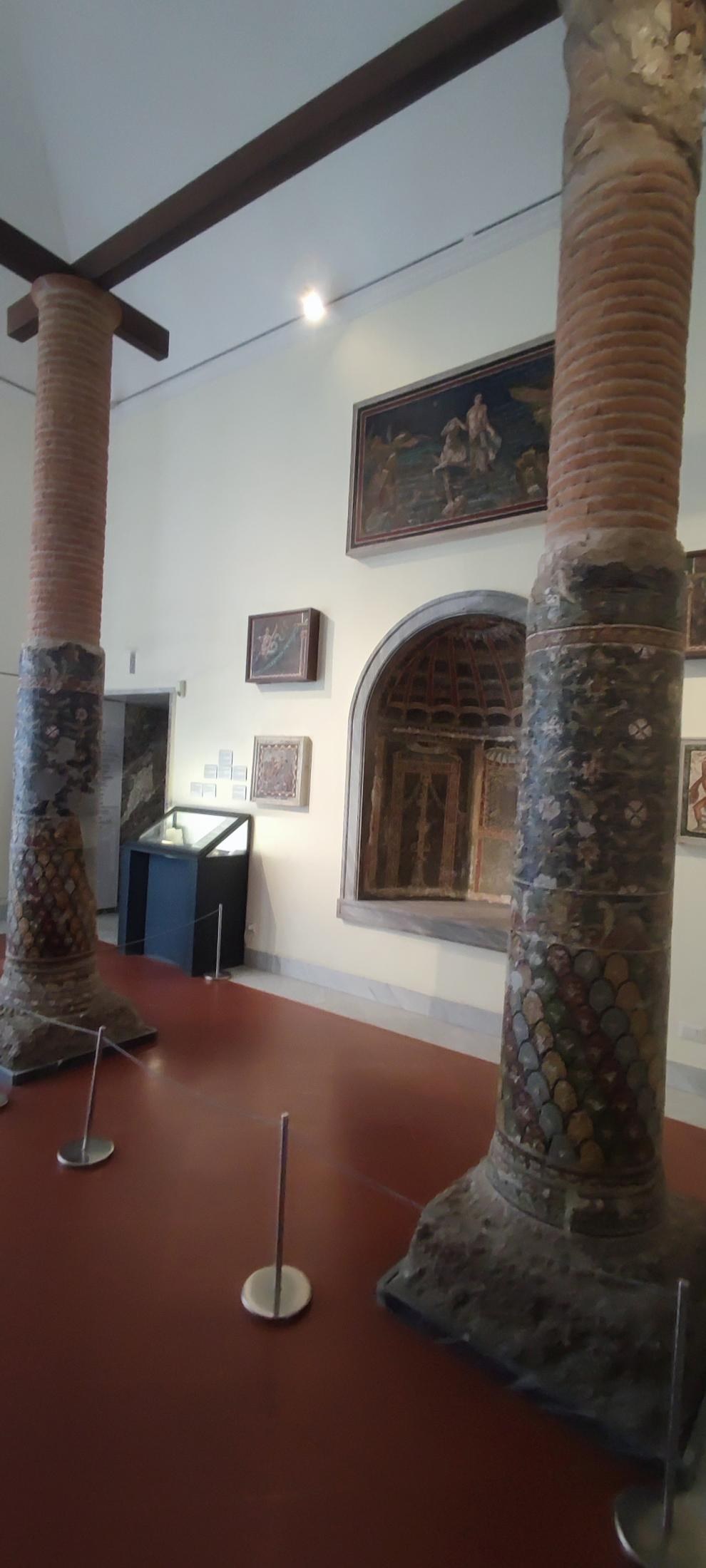
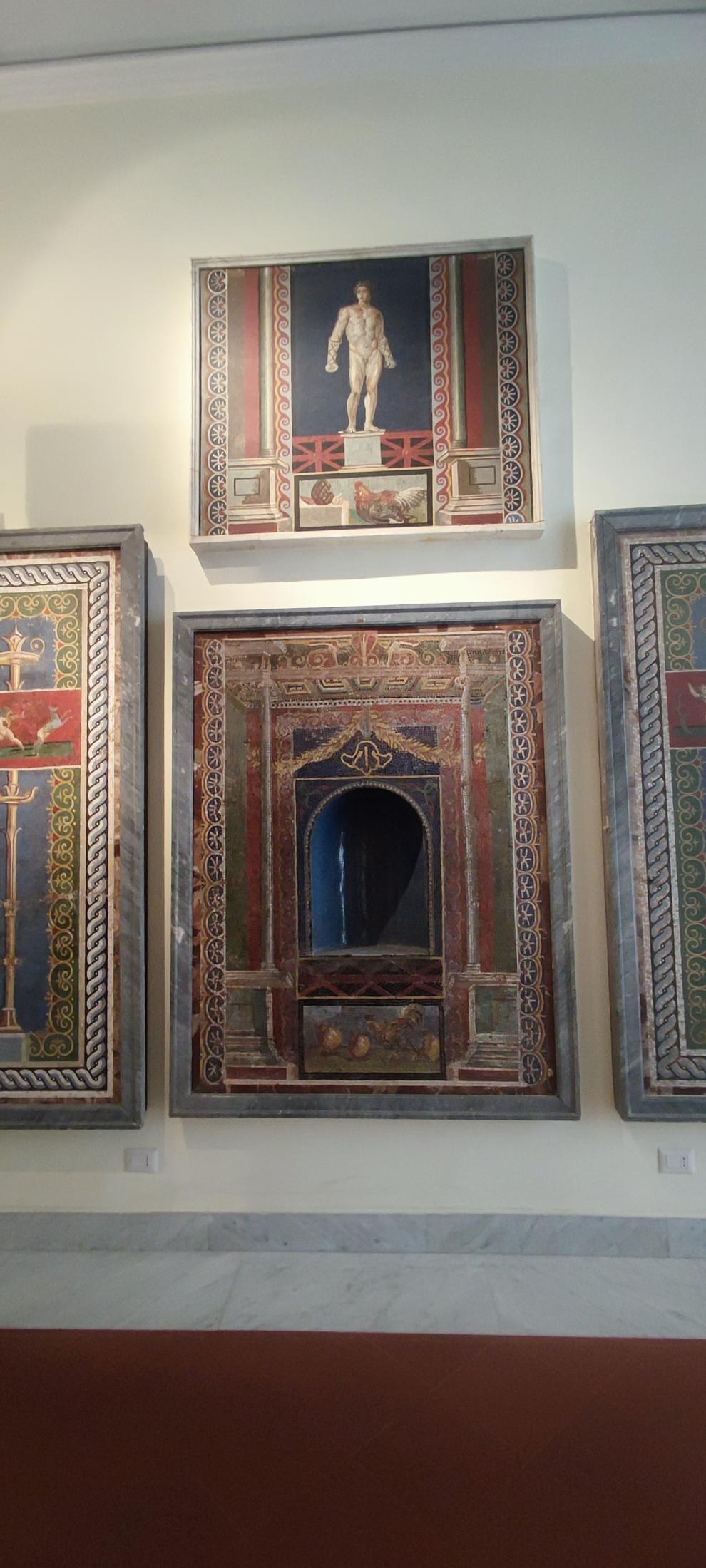
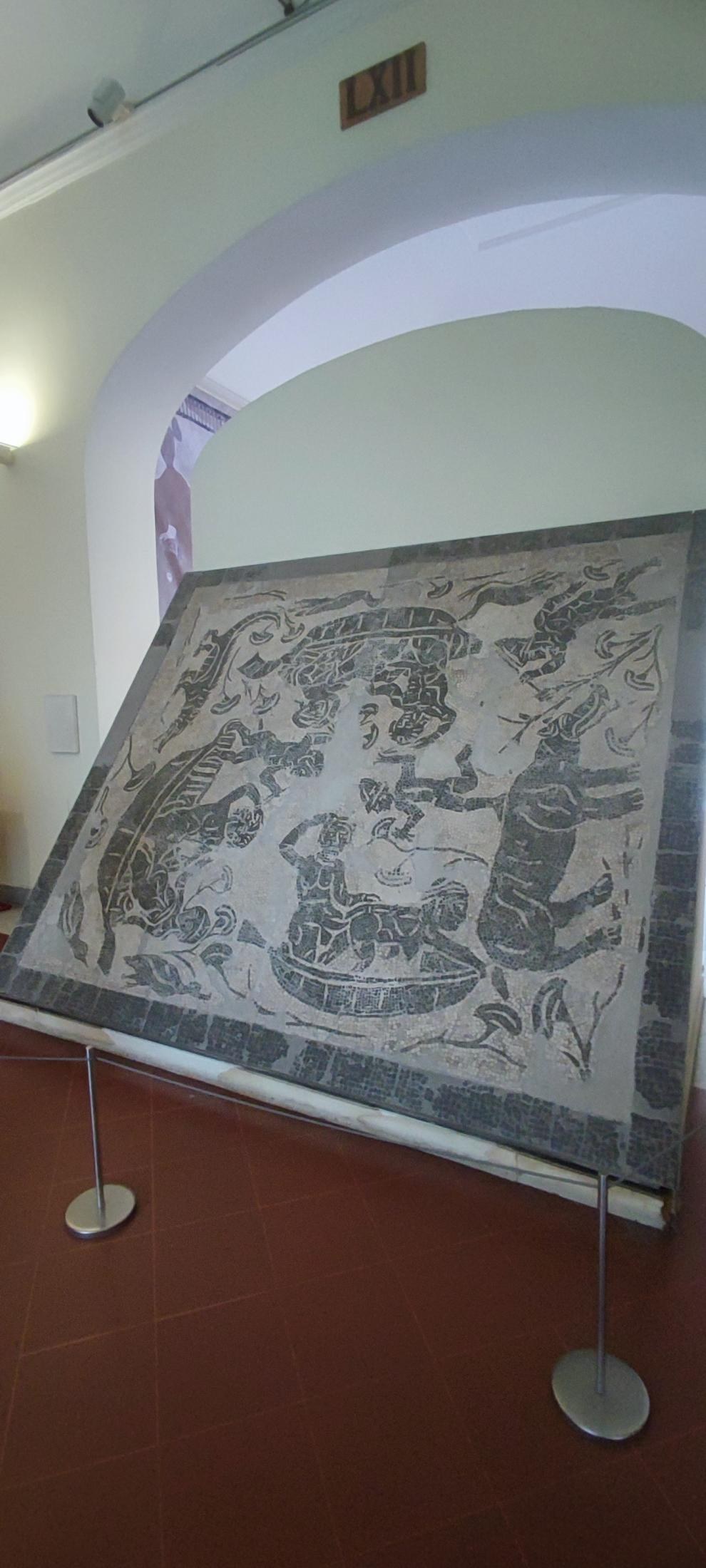
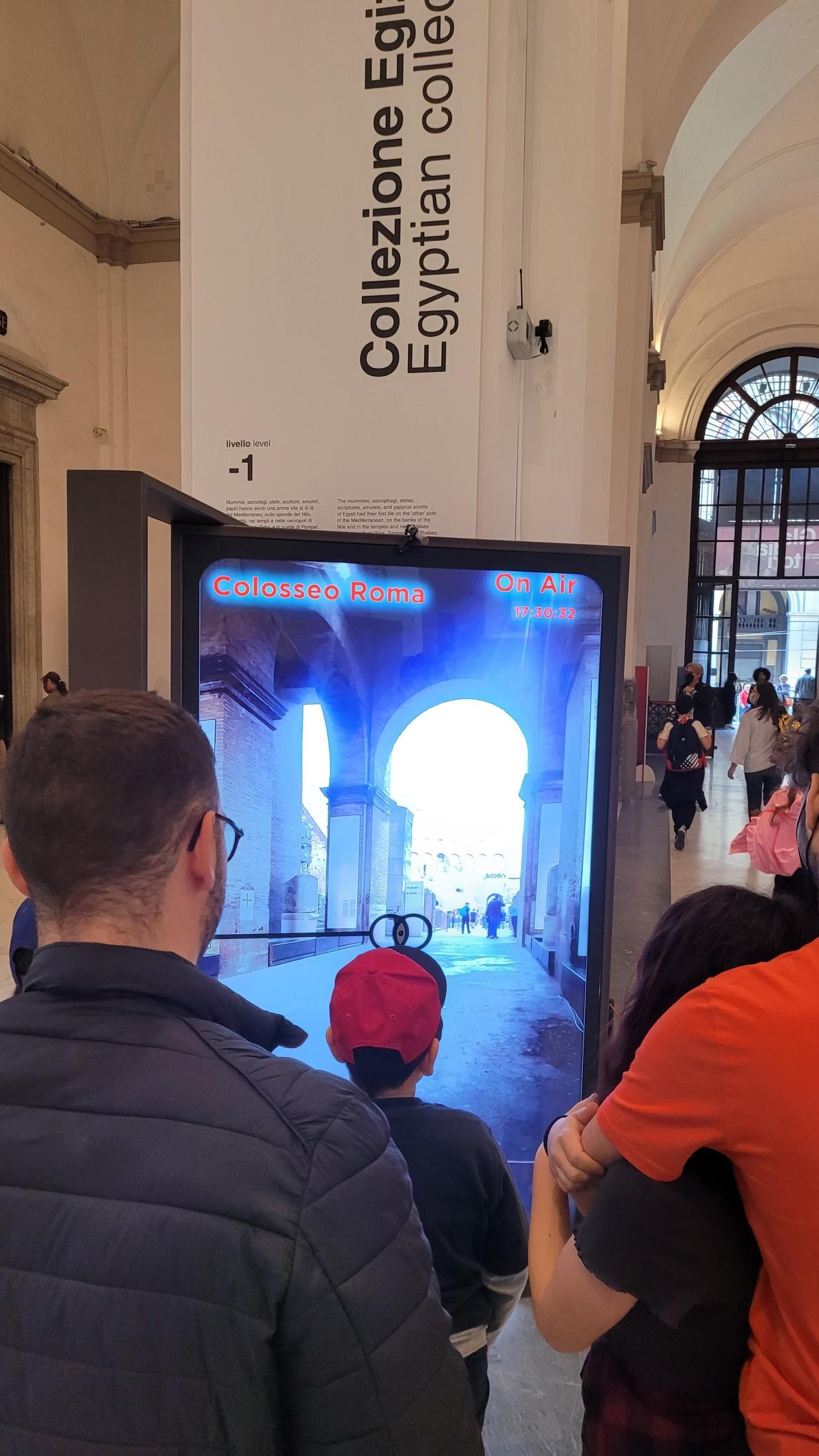
There is a live link to the Colosseum in Rome. We will be going to the other side, so let’s see Naples live (P.S. — we got to the Colosseum and the monitor was no longer there 🙁).
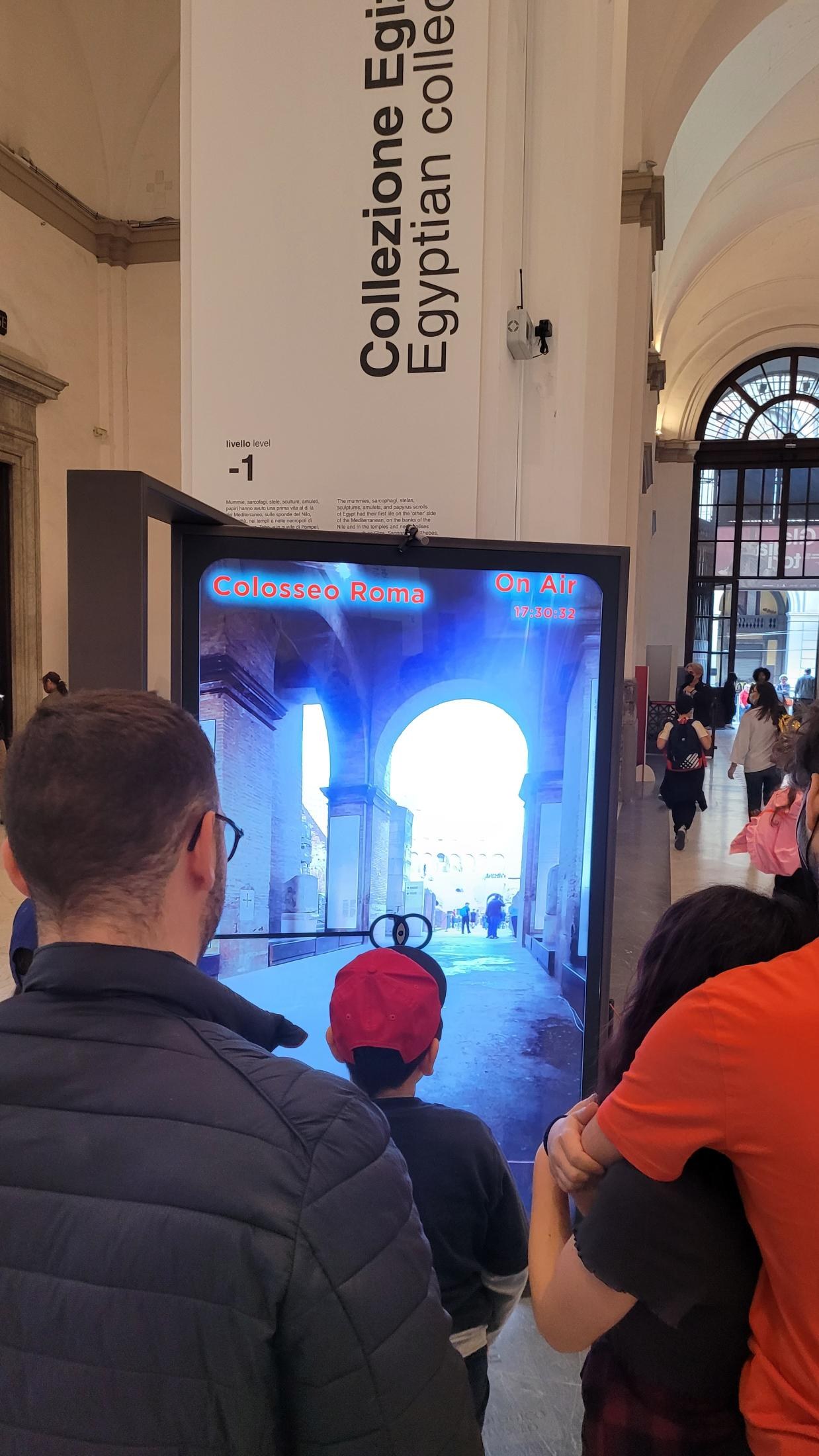
With a sense of duty fulfilled and XX money saved, we head home on foot along Toledo and Tribunali, more Italian gelato, and that is enough for today.
Day 5: Catacombe di San Gennaro & Catacombe di San Gaudioso
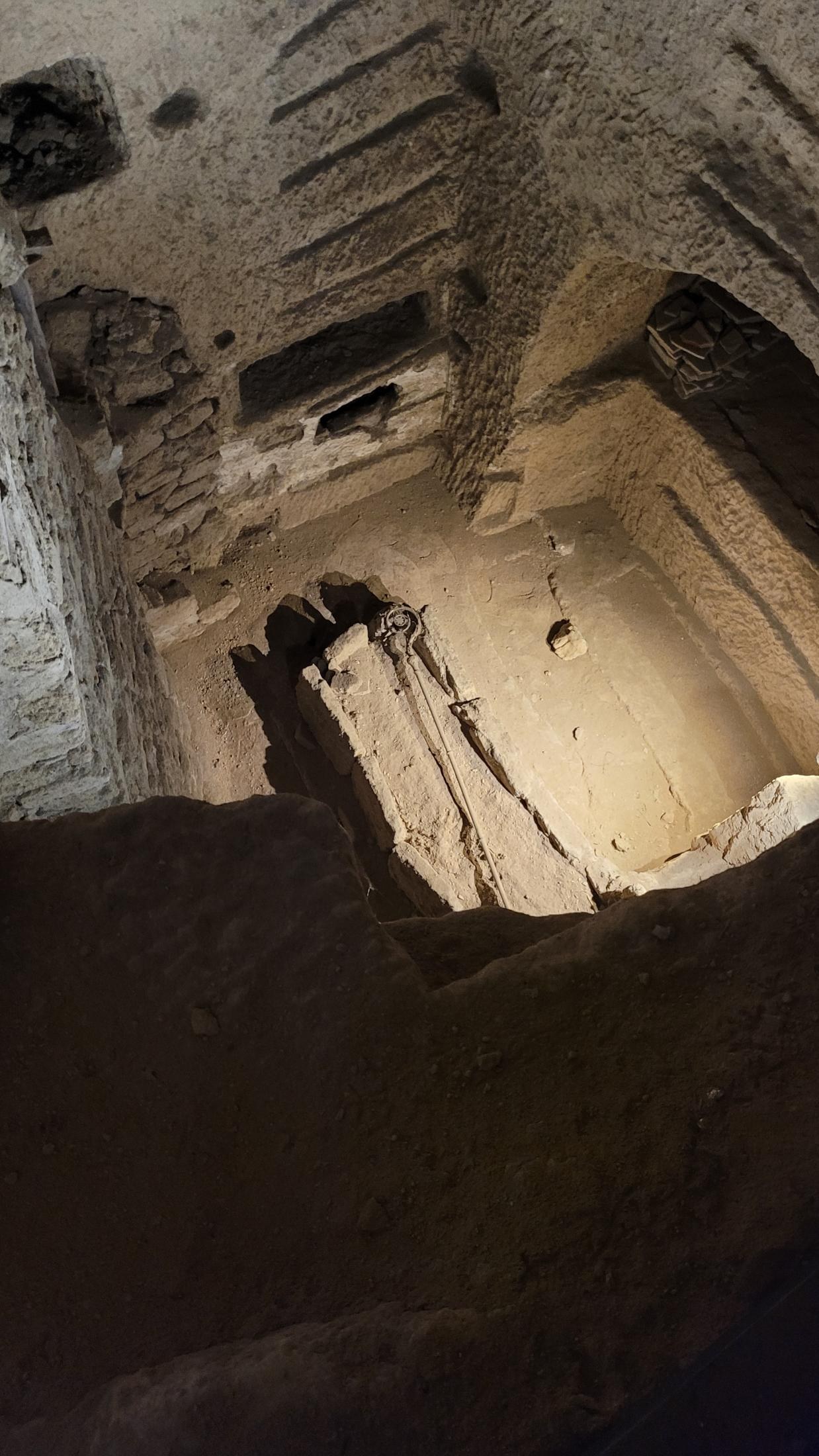
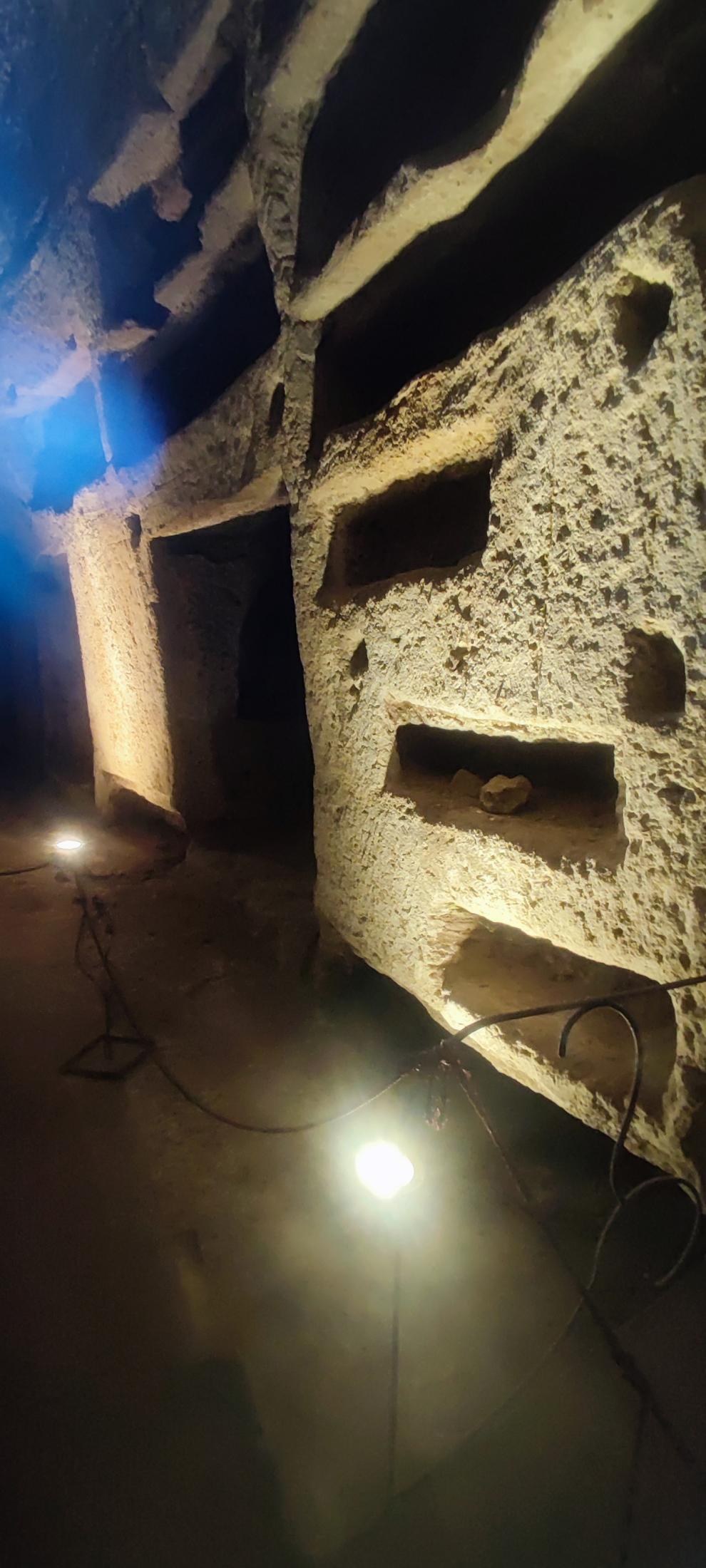
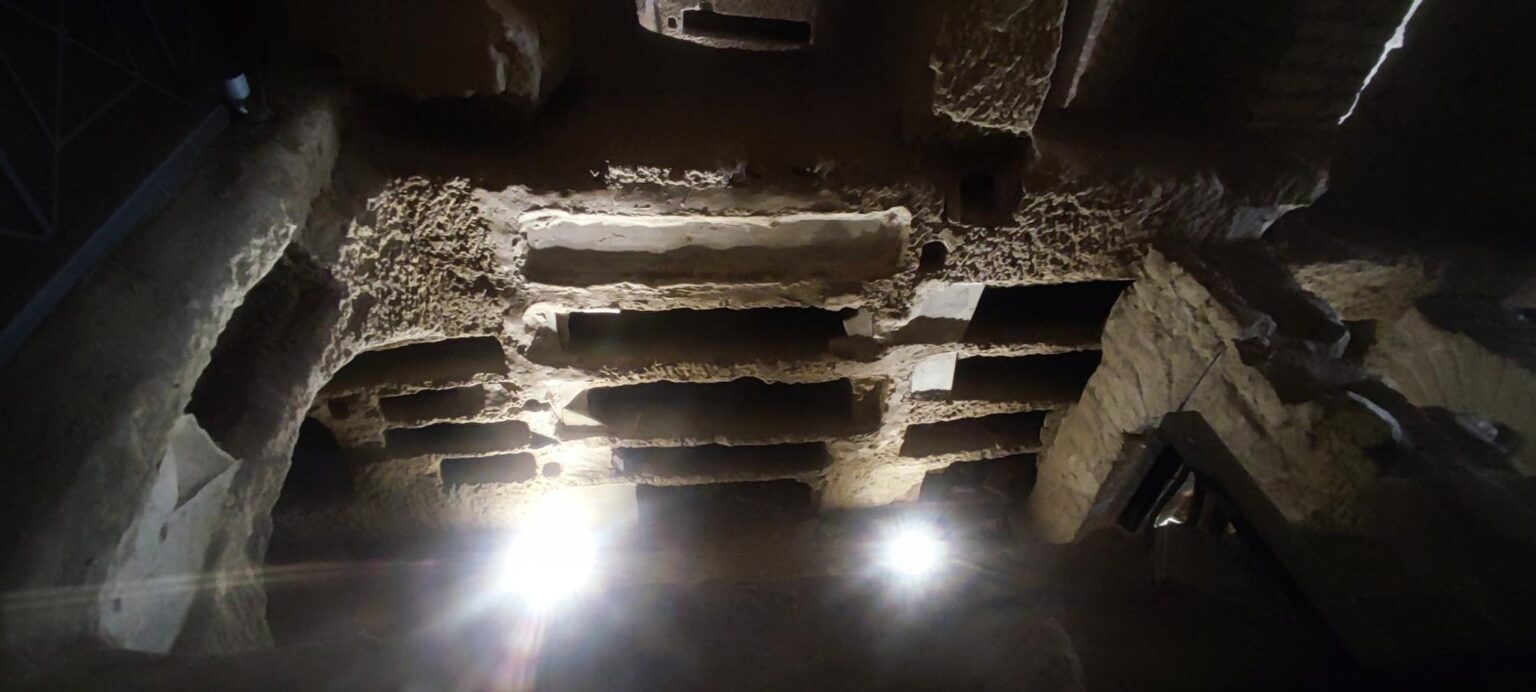
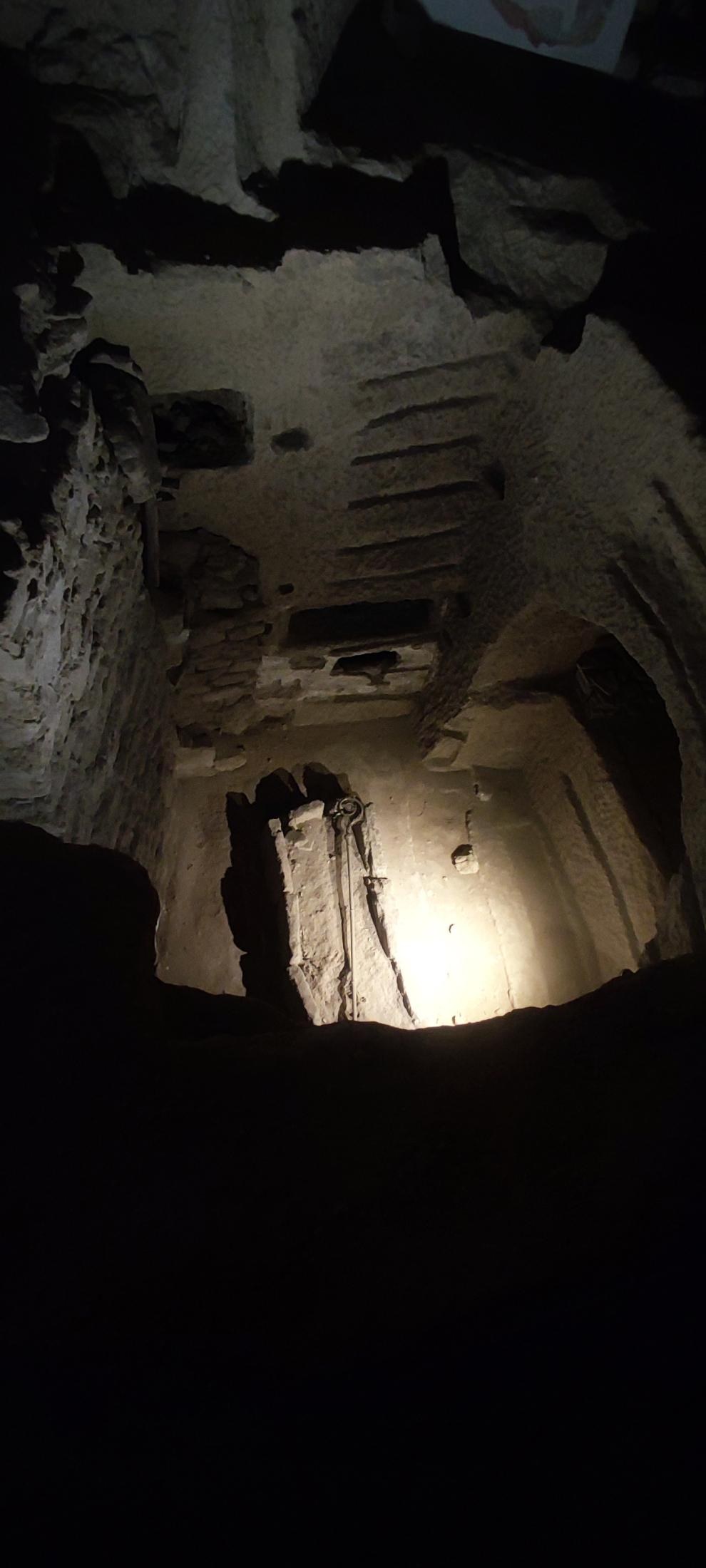
Four days of walking, the fatigue is starting to make itself heard, it is time for a calmer day — a half-day really. Something more alternative and less mainstream for the area gets slotted in, namely the Catacombs of San Gennaro. Entry is €11 according to the site, which also includes access to the catacombs of San Gaudioso. It is very close to the Capodimonte museum and park, about which I can say nothing except that it opens up nice views over Naples and is pleasant to walk. It is evidently a museum of a porcelain factory well known in the area.
The catacombs are more interesting, and something rather different is coming, thanks to our guide. It turns out we are in the Materdei district, which we will hear about constantly from our guide — a young man in his twenties, raised in the neighbourhood and a fierce supporter of the idea of improving it. He is a member of a young association which, in his words, wants to improve living conditions in this district, as it is considered one of the poorest in Naples. Commendable. They are a private organisation and they speak with great passion. The good part is that they do not only speak, they act. That is how it is done!
You are sitting there and at some point it turns out you have entered the daily problems of the people who live here and you are part of things. You stop looking at the excursion as an excursion and you see that your own domestic problems are not the only ones. Other people also have problems with corruption, government and the rest of the important surrounding things. We are here on holiday though, and we will not dwell on the heavy topics.
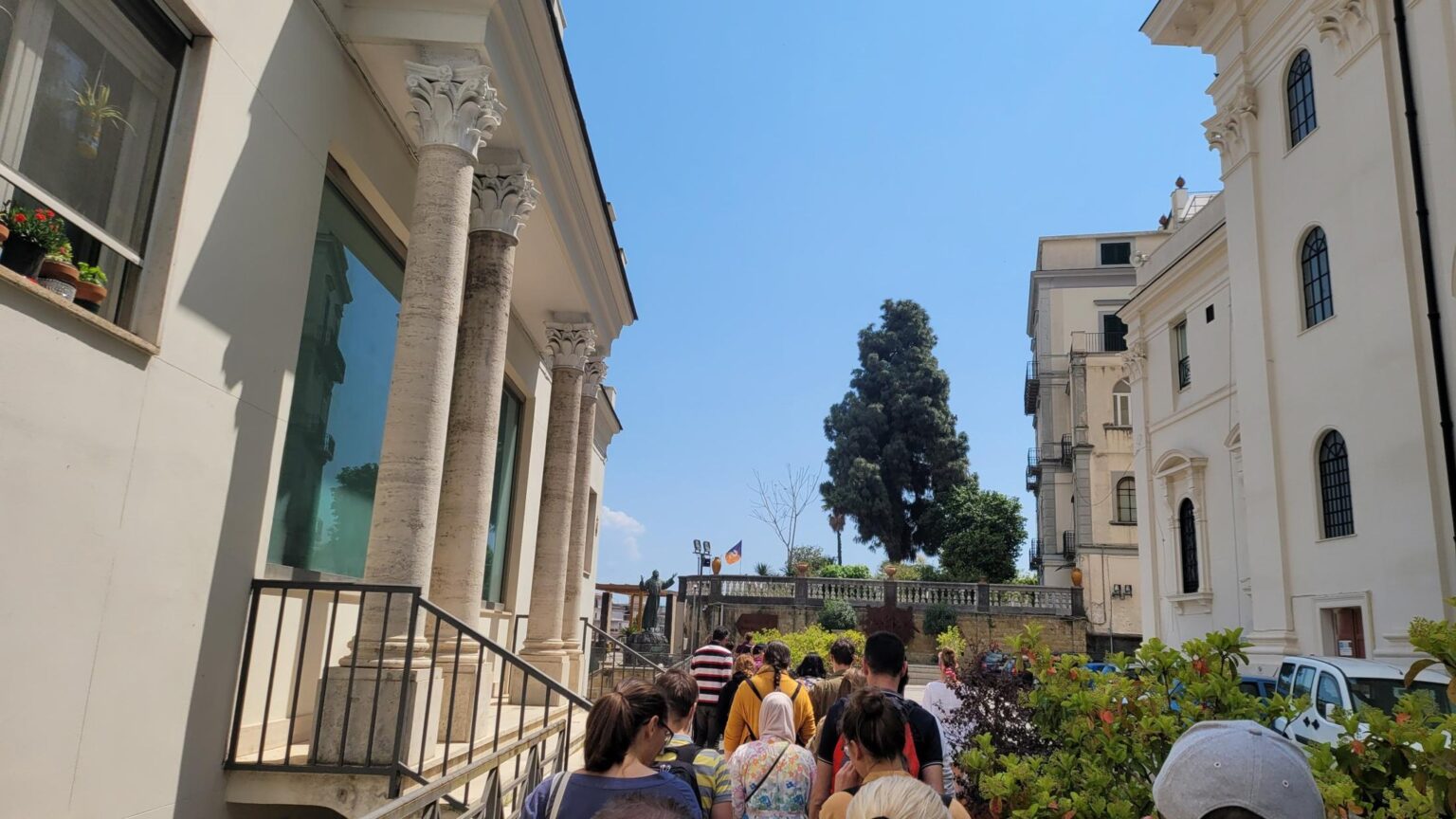
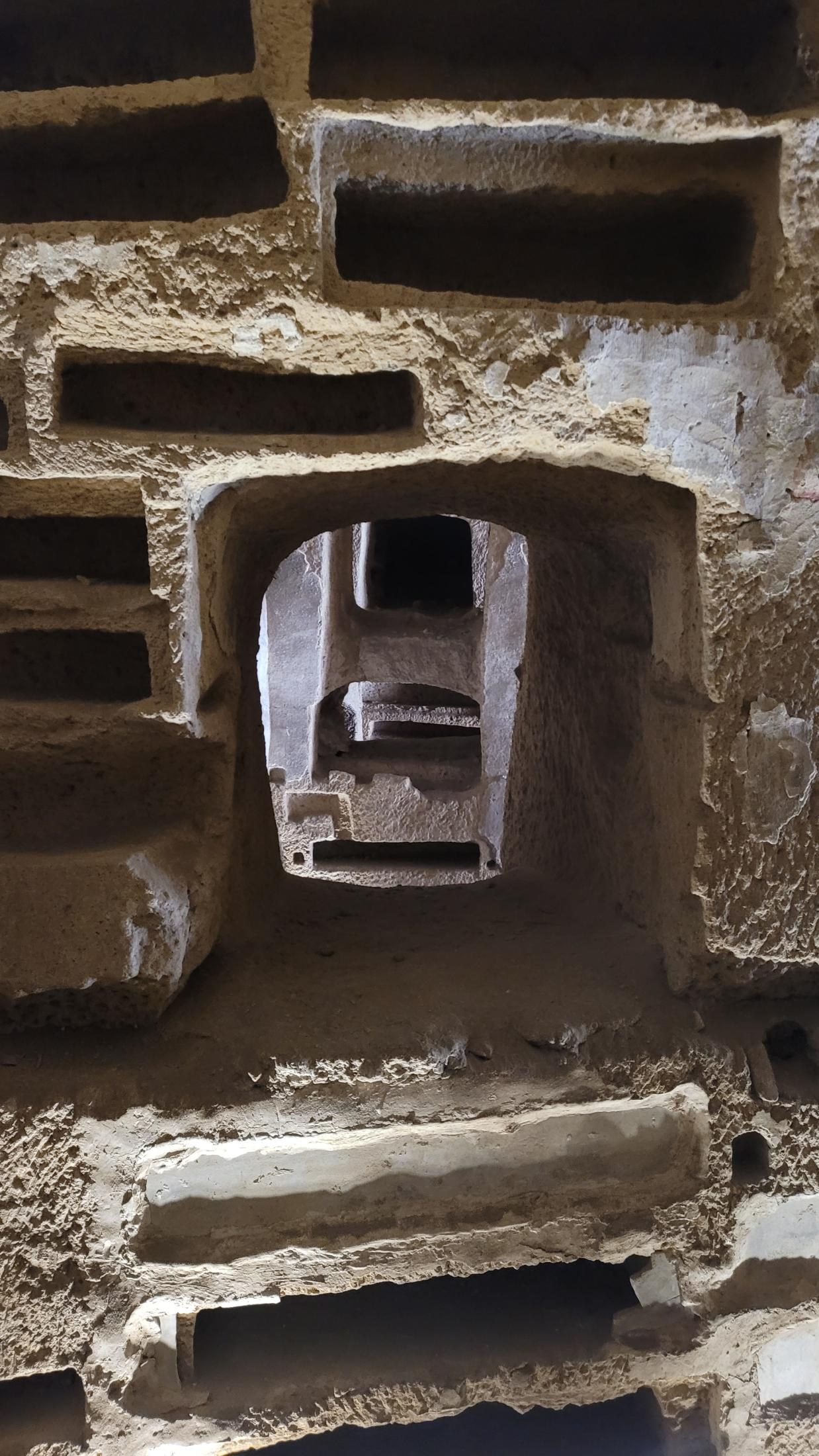
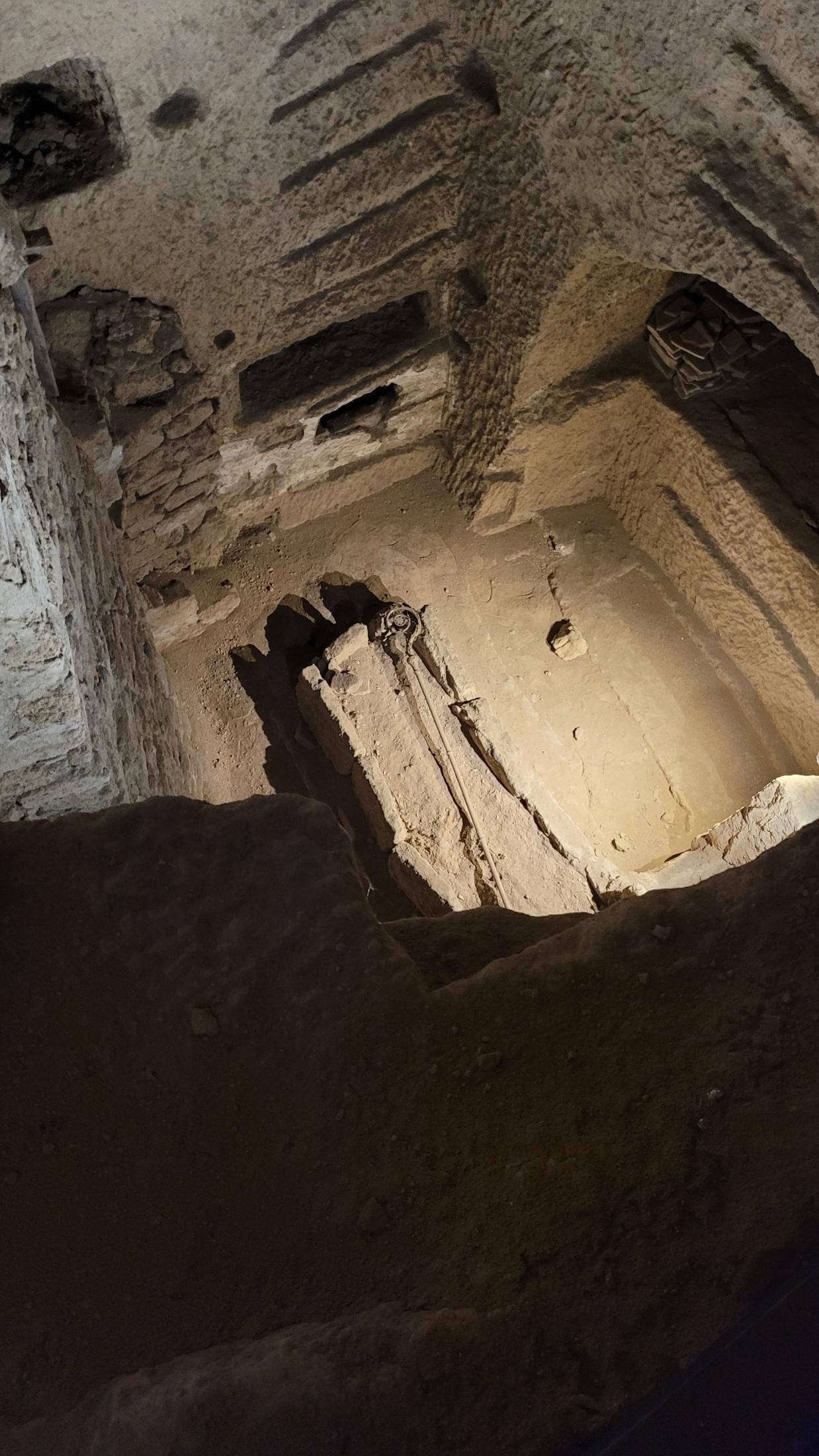
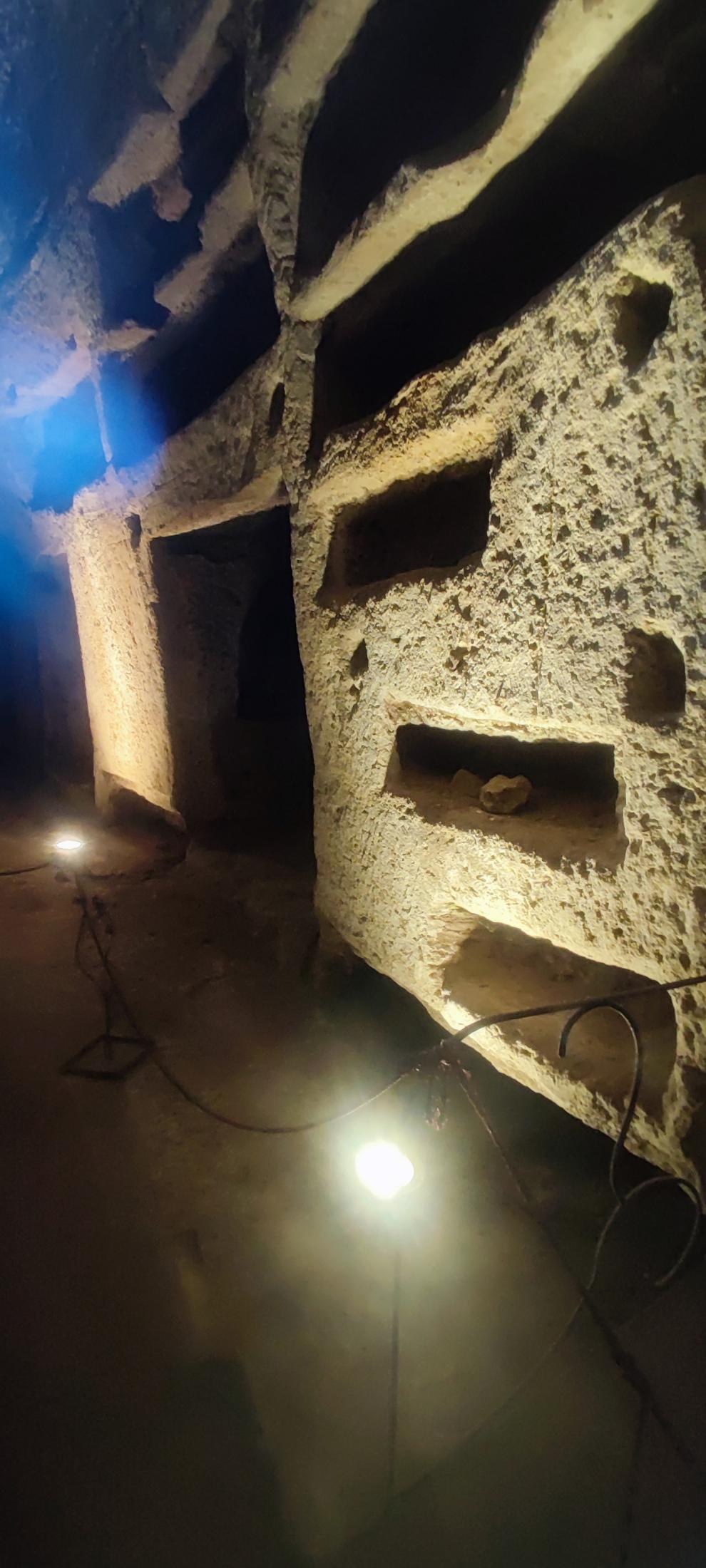
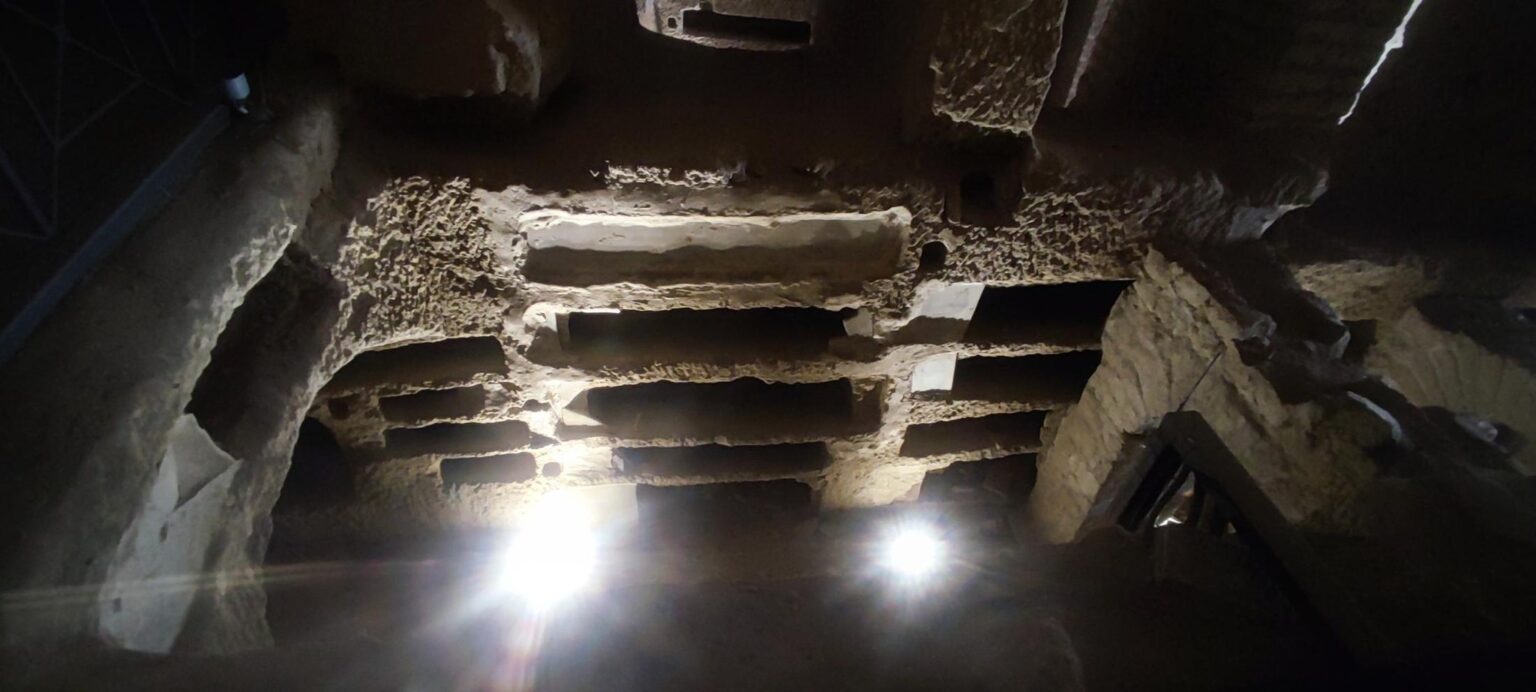
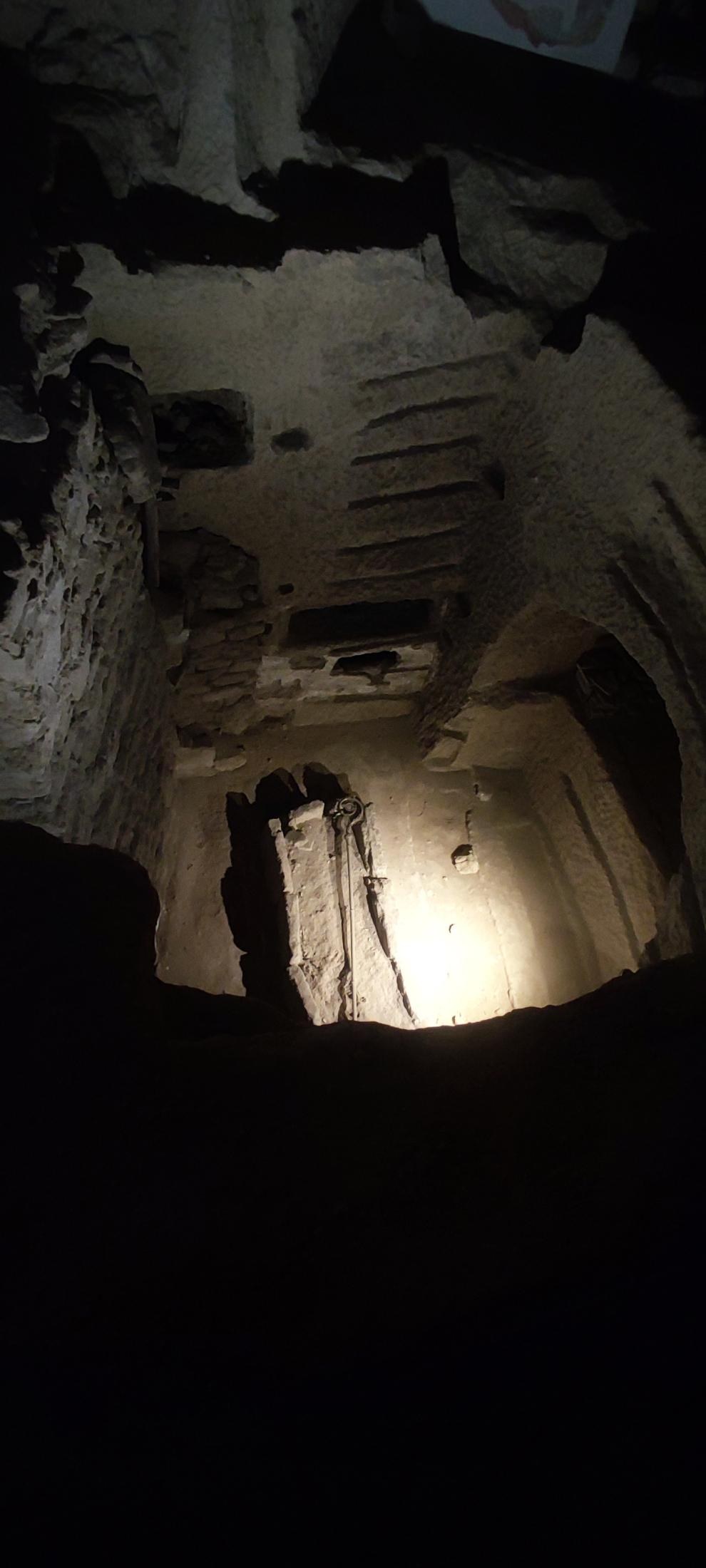
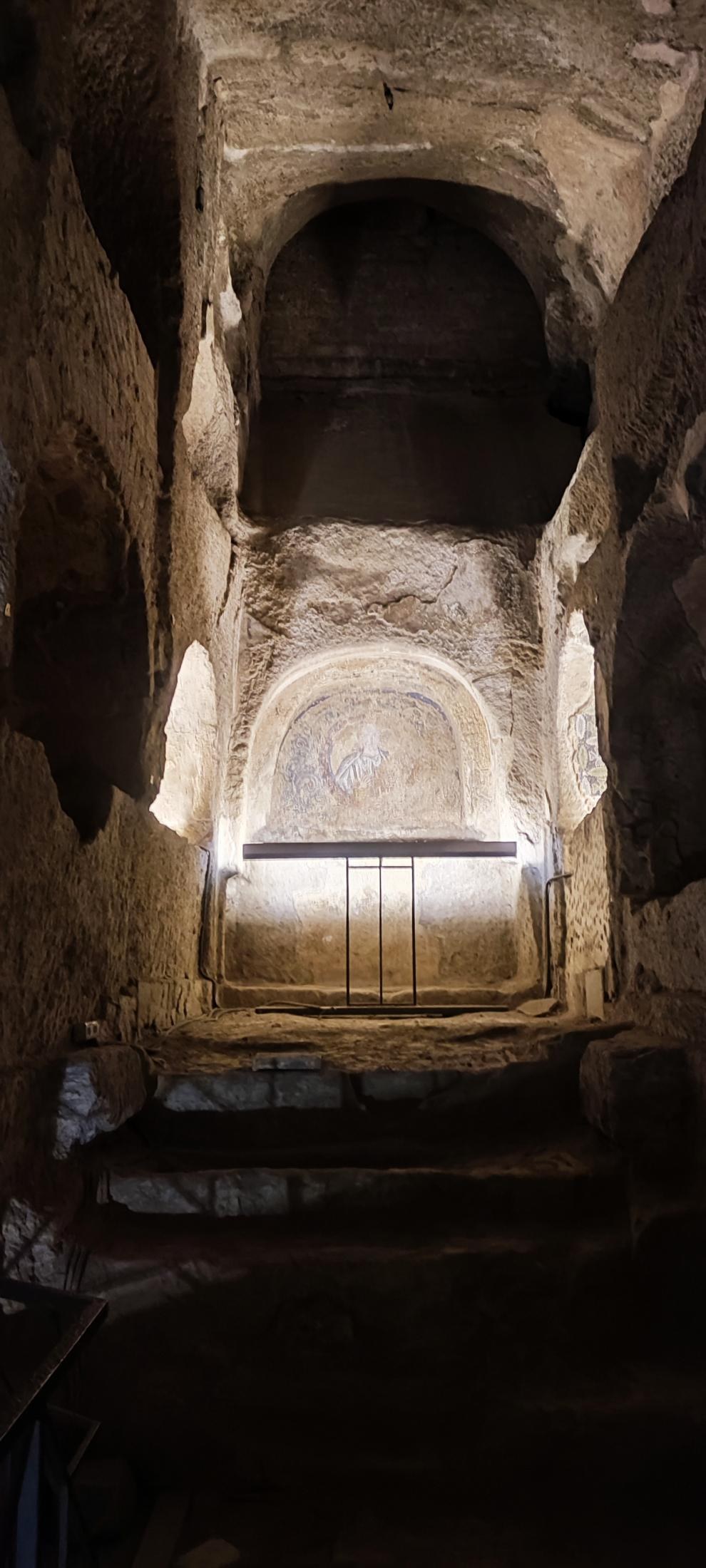
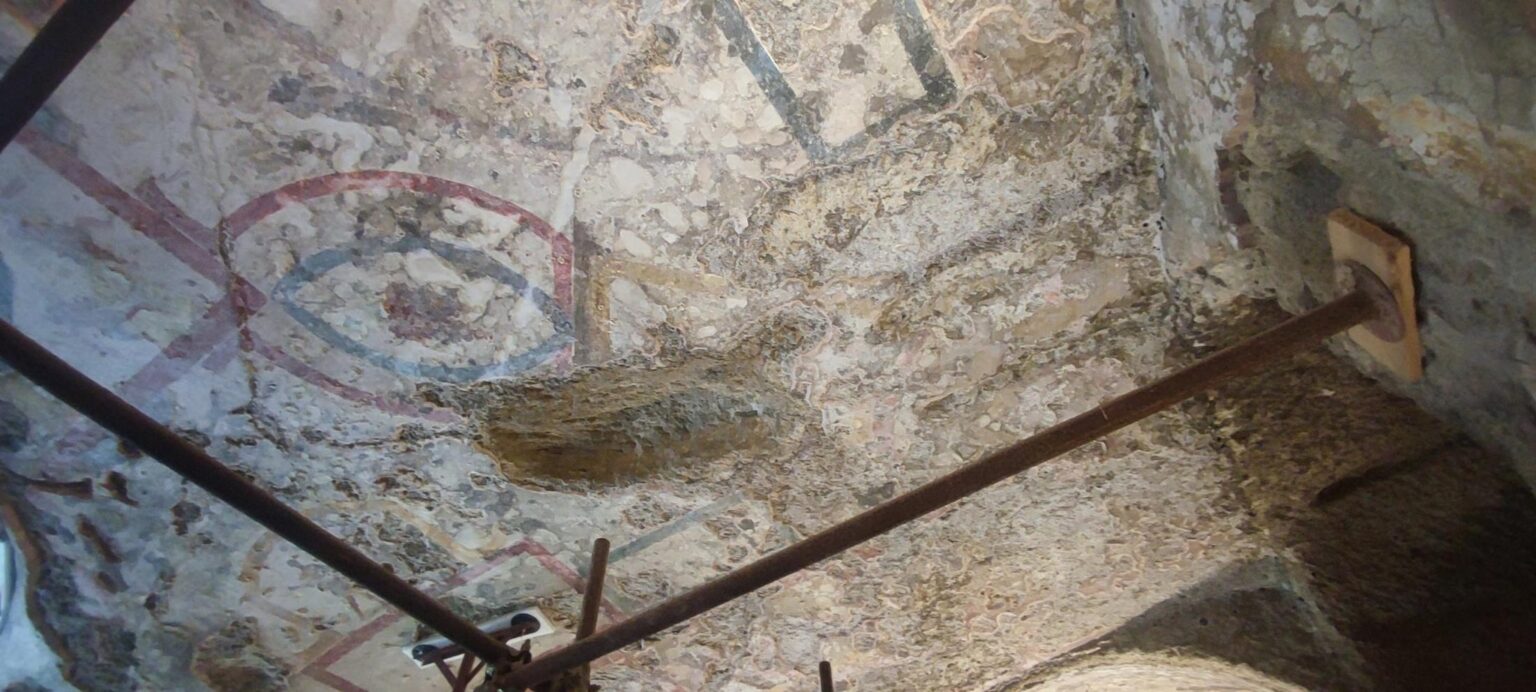
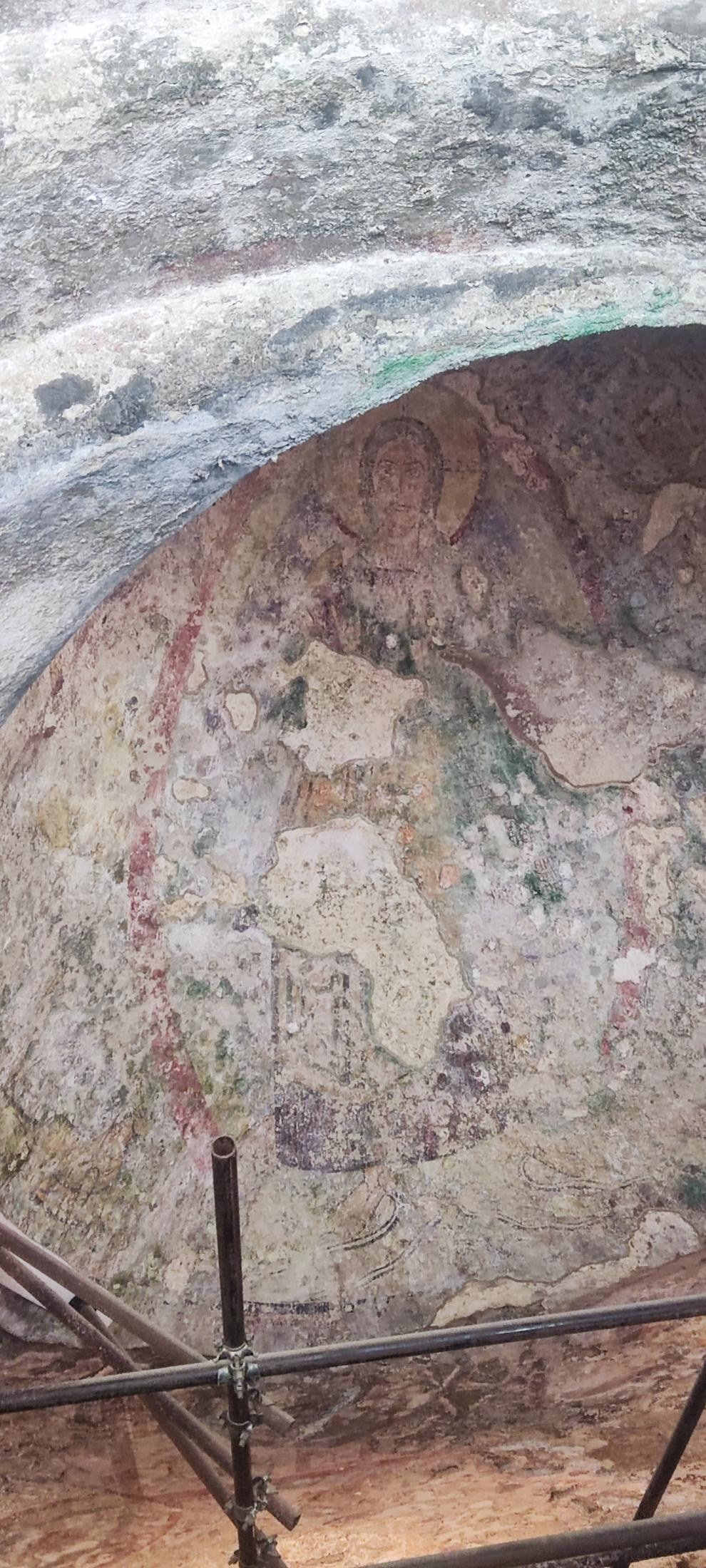
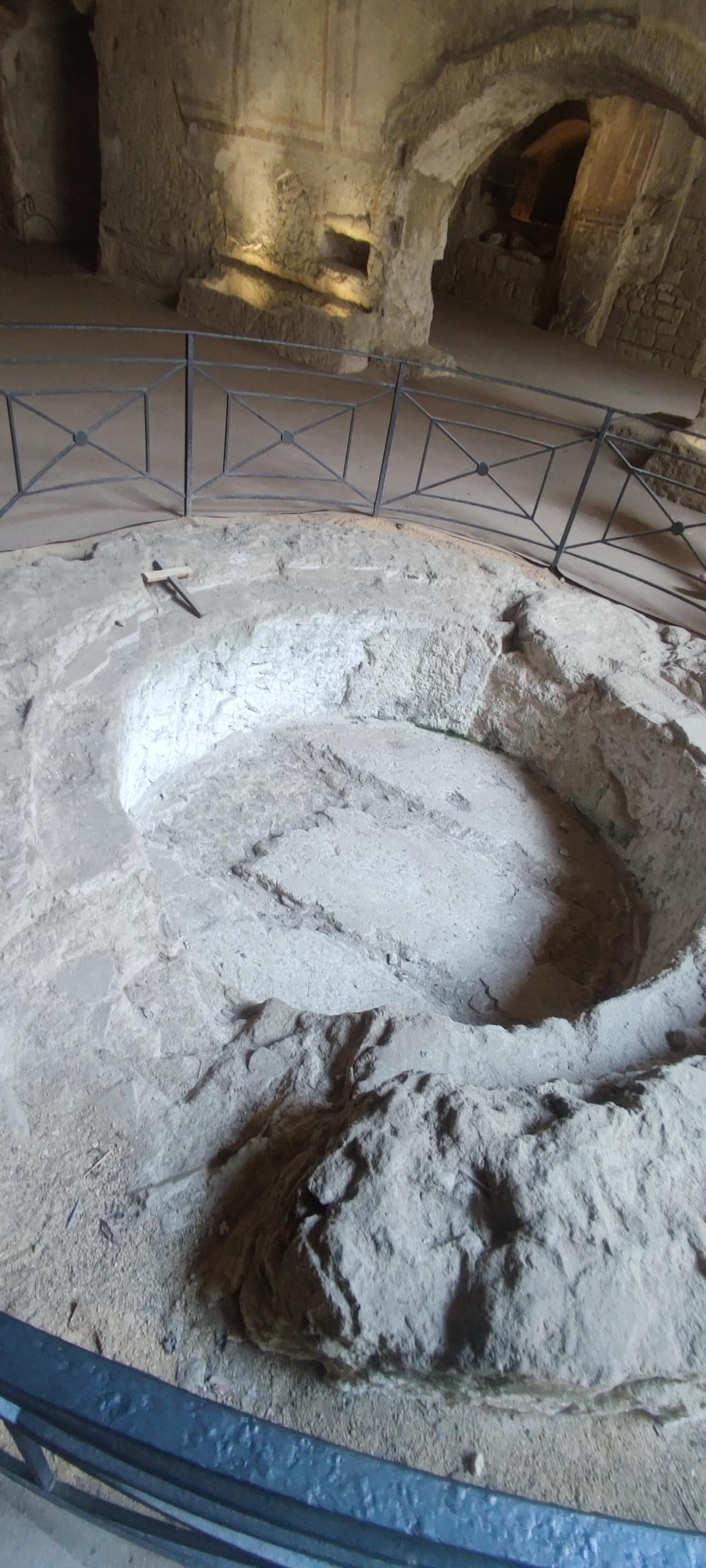
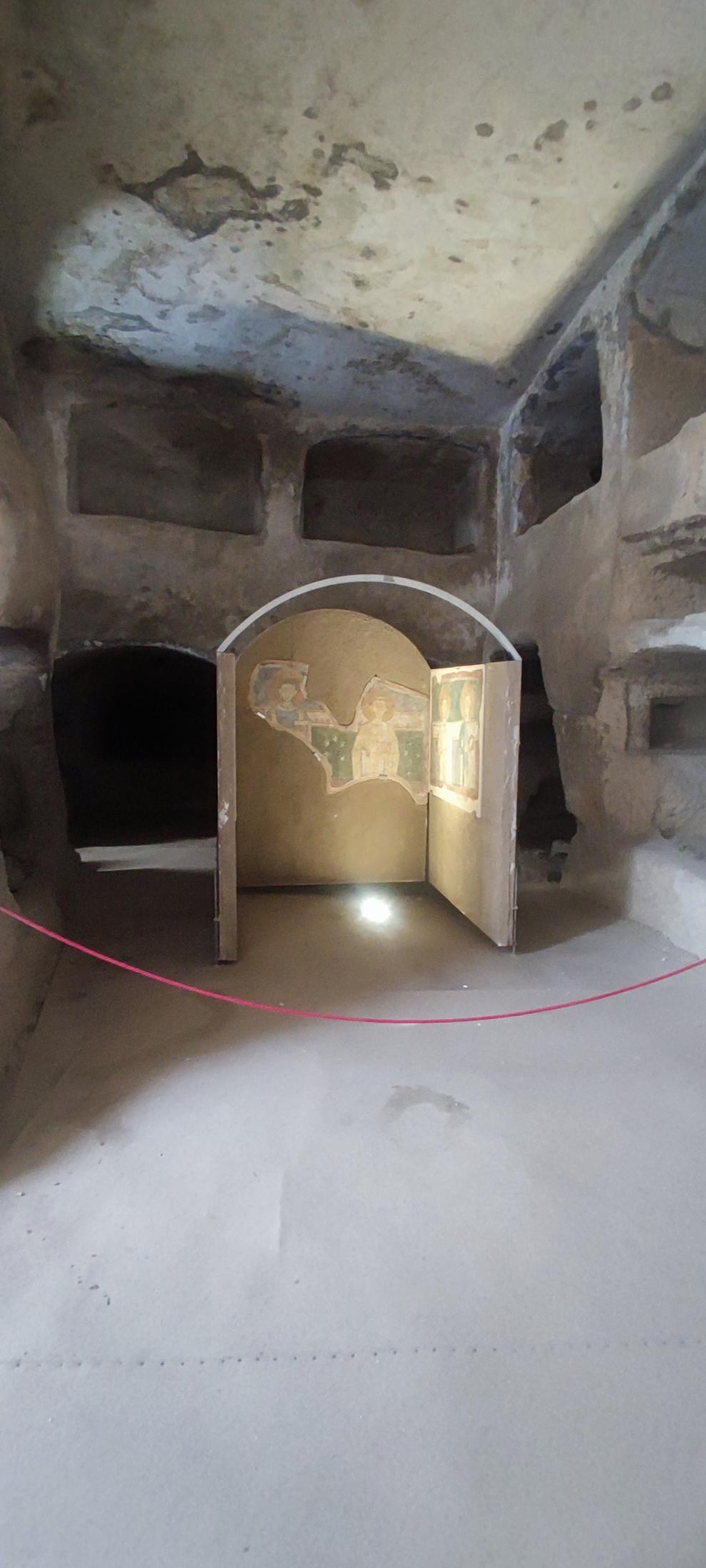
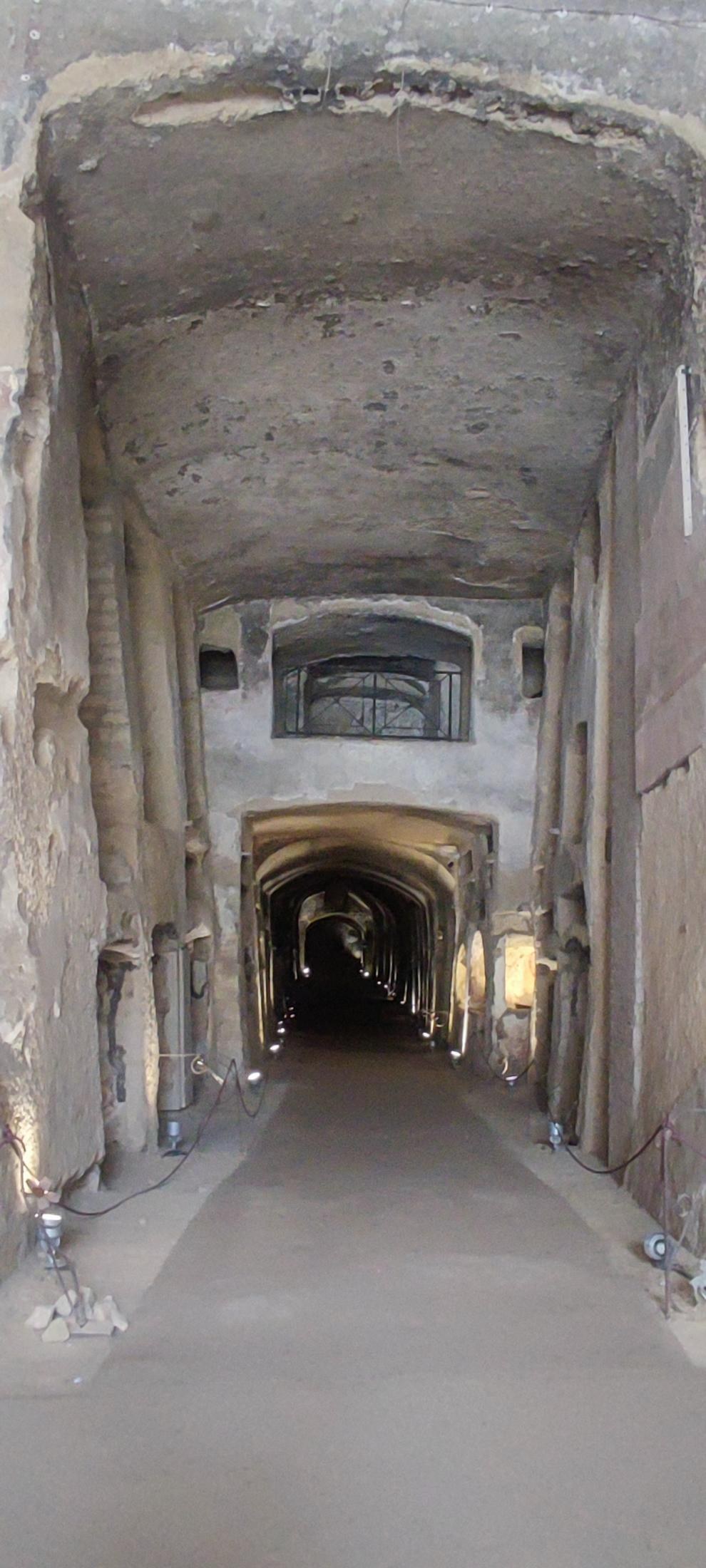
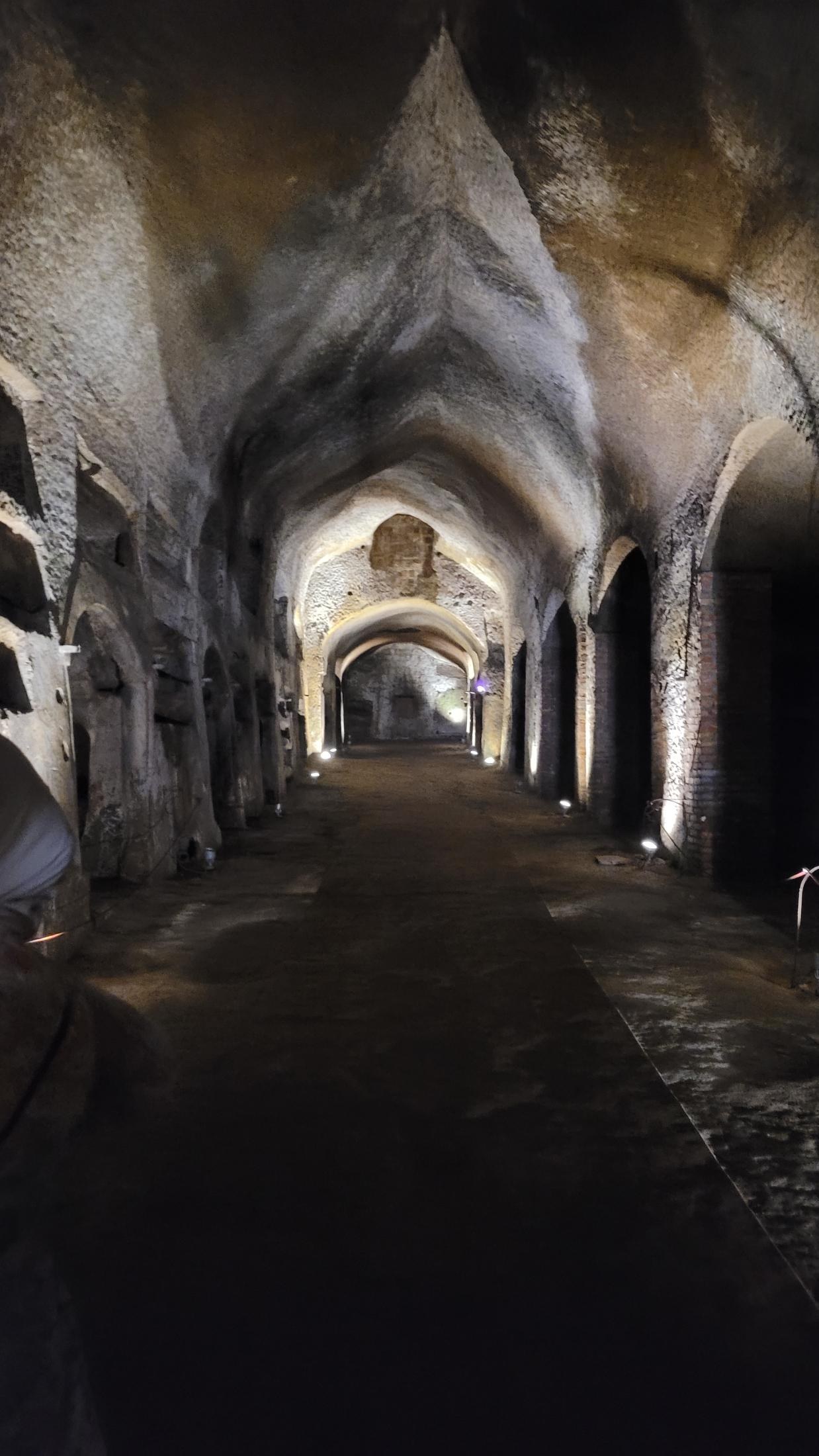
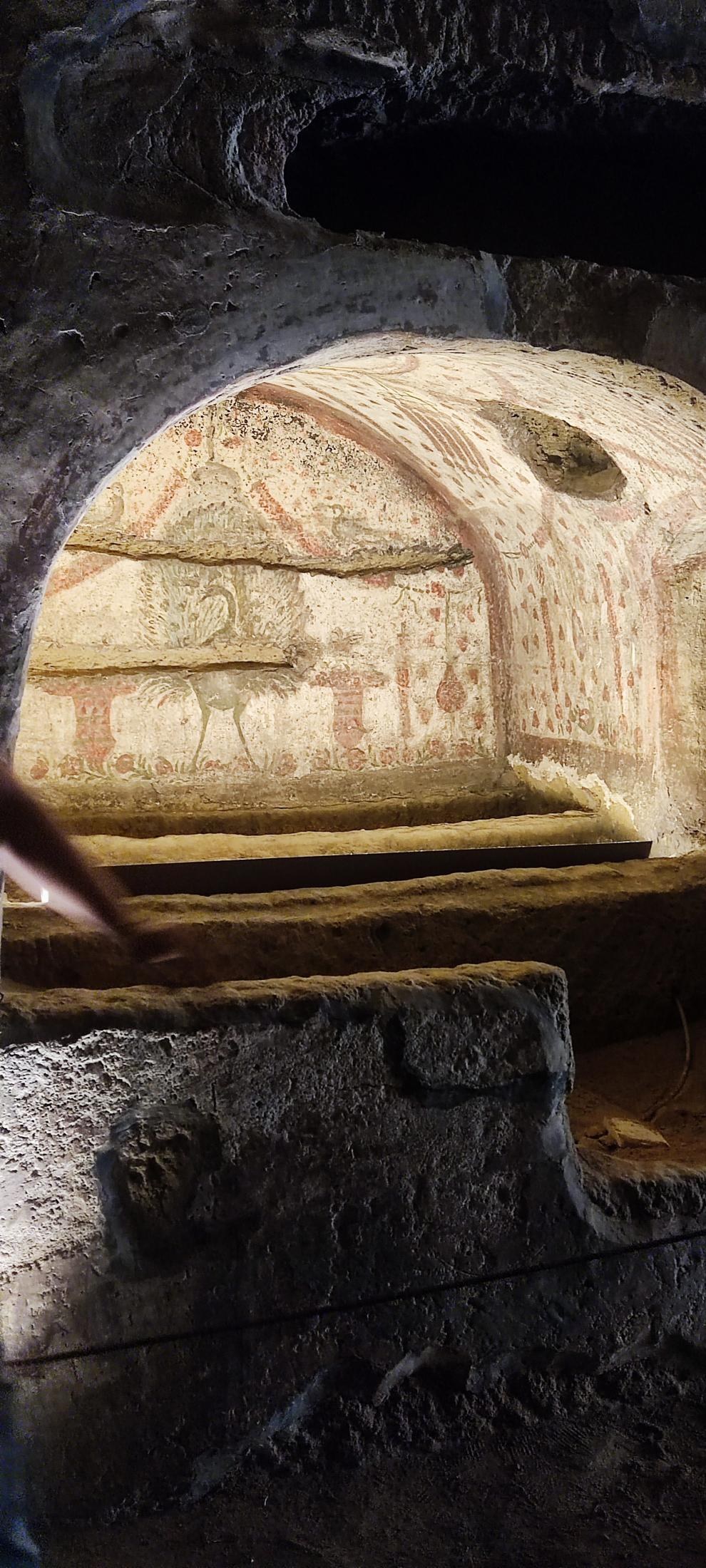
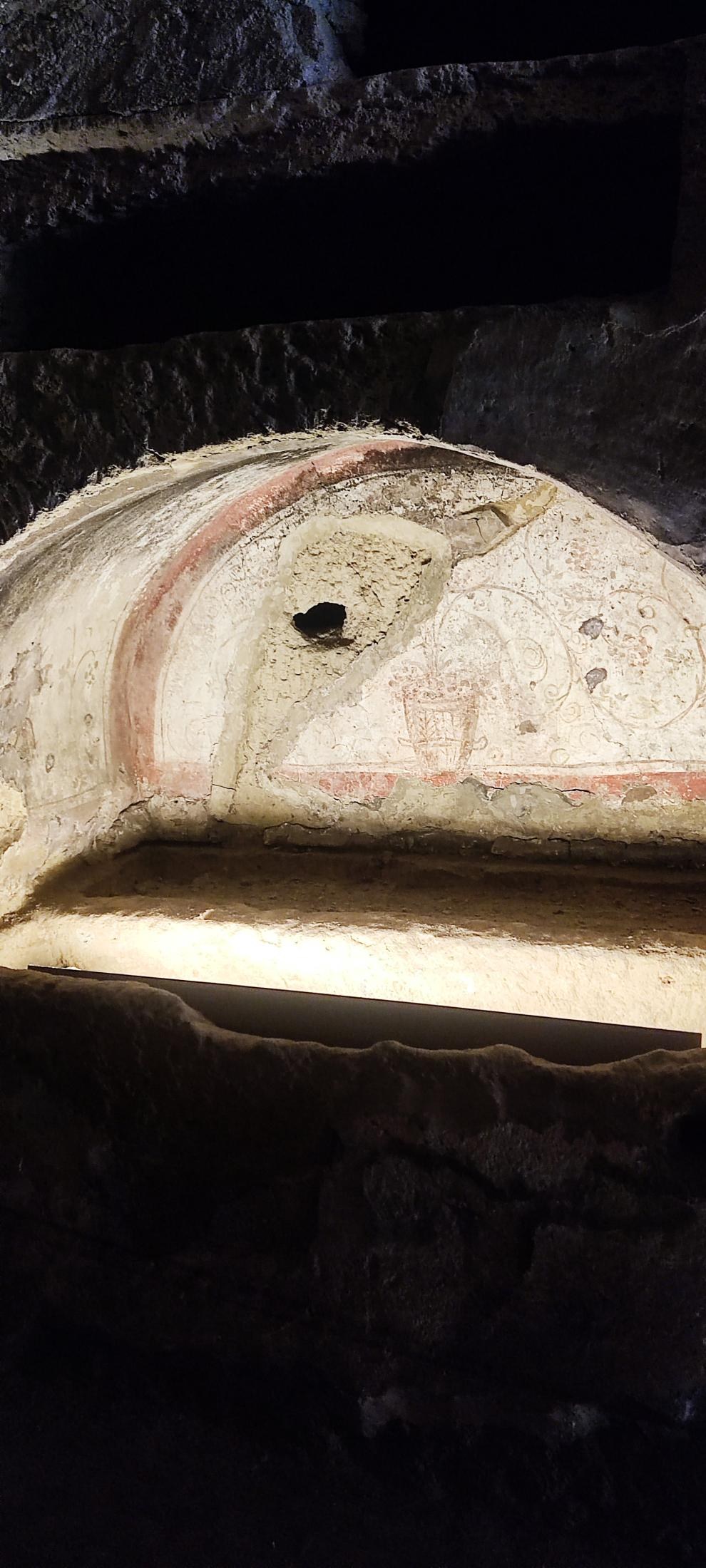
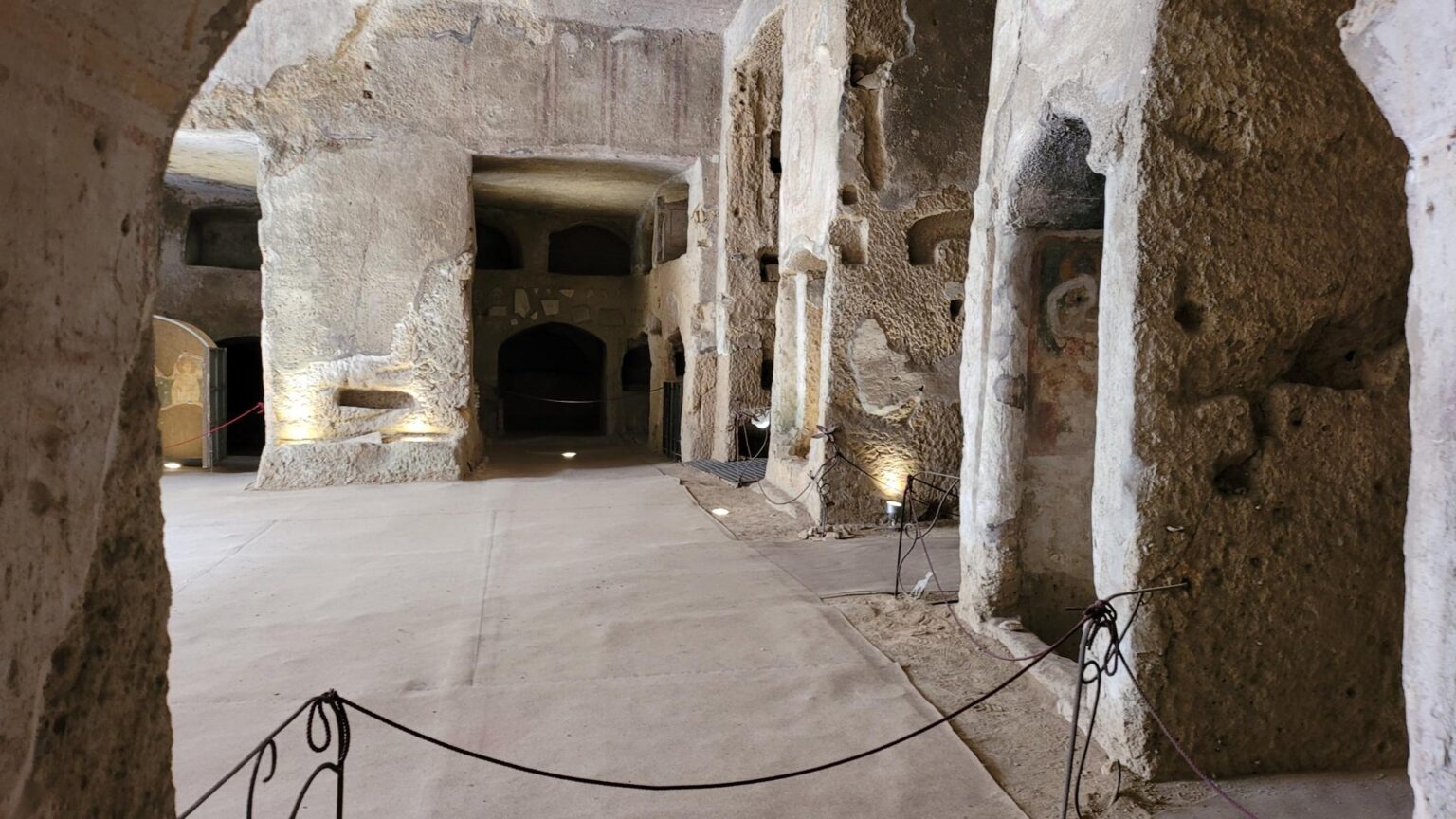
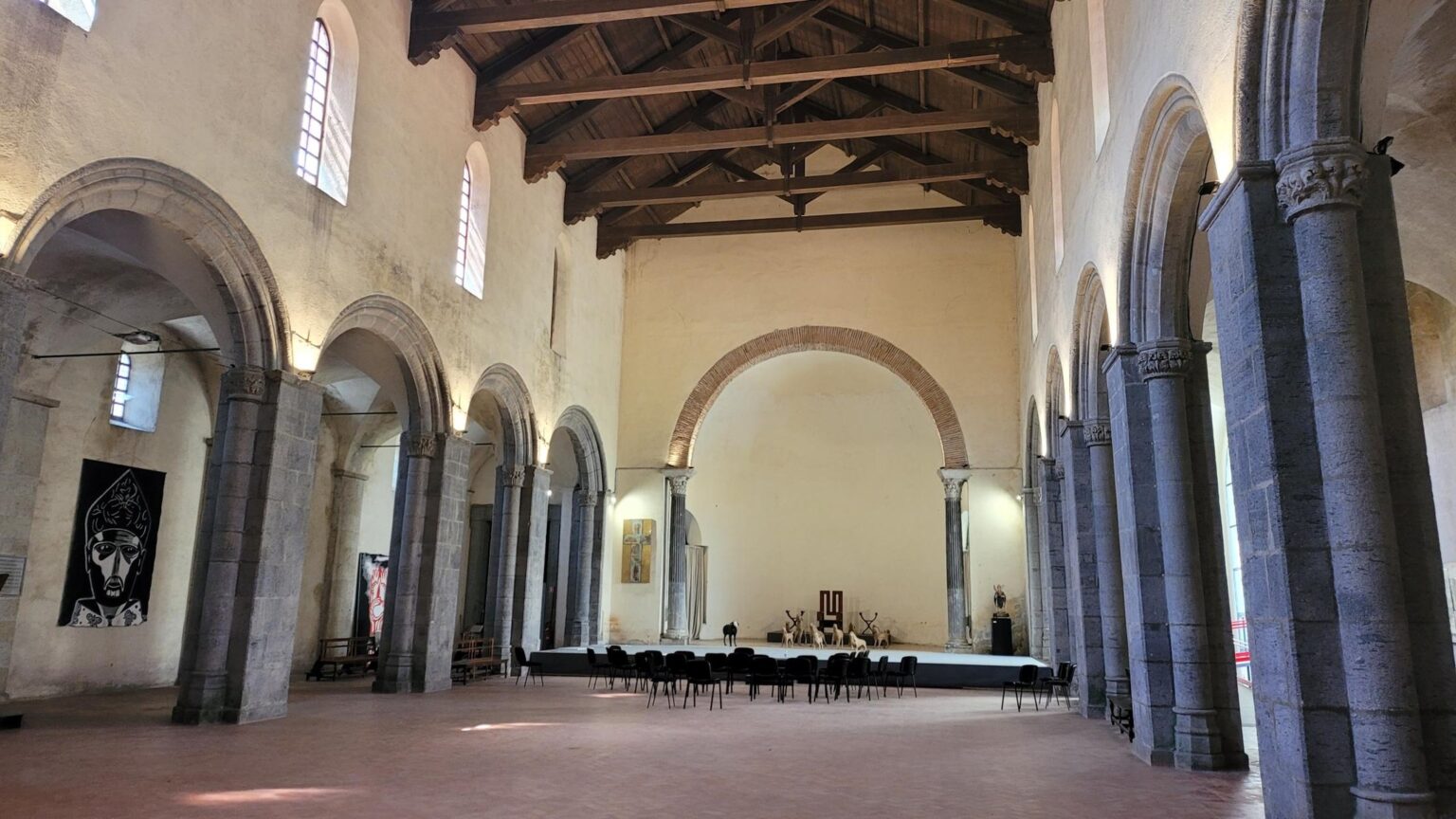
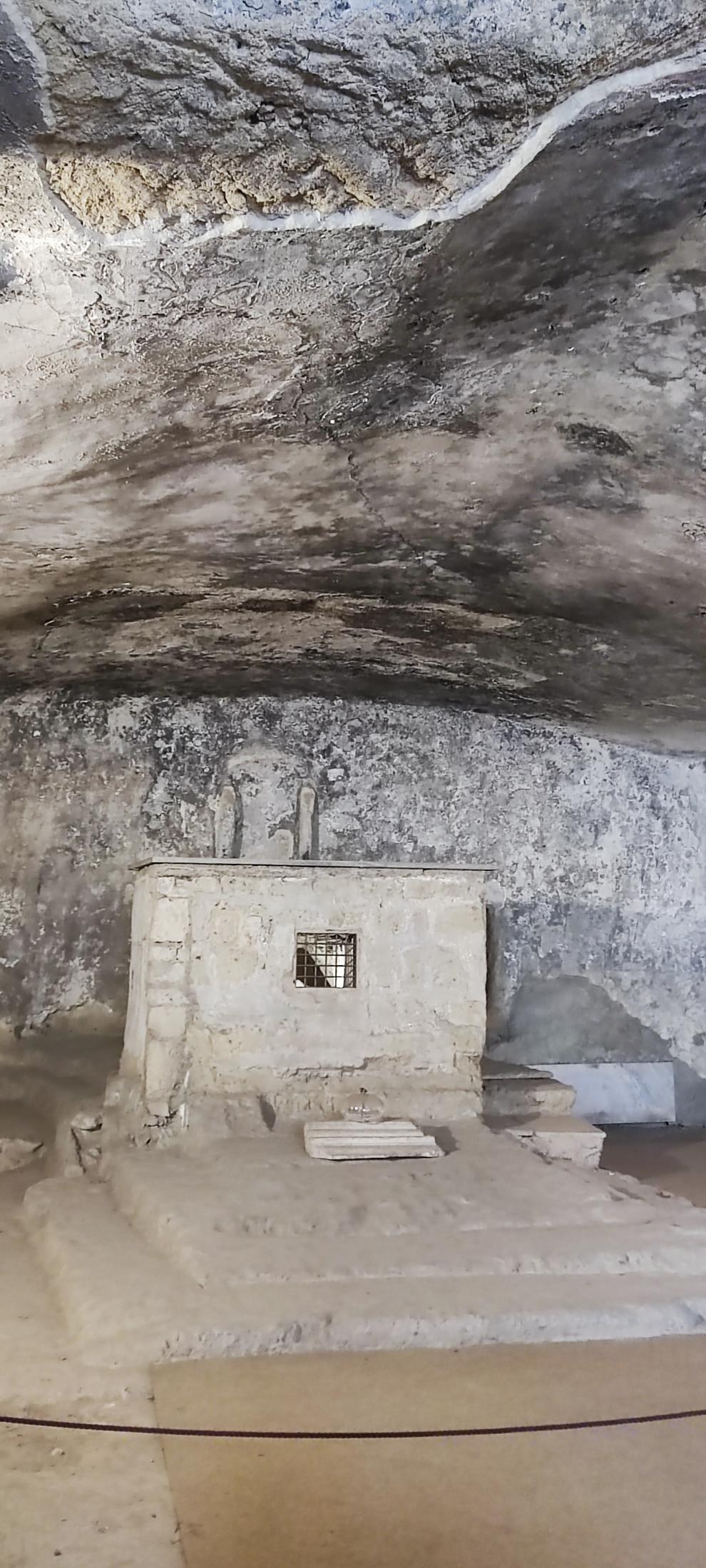
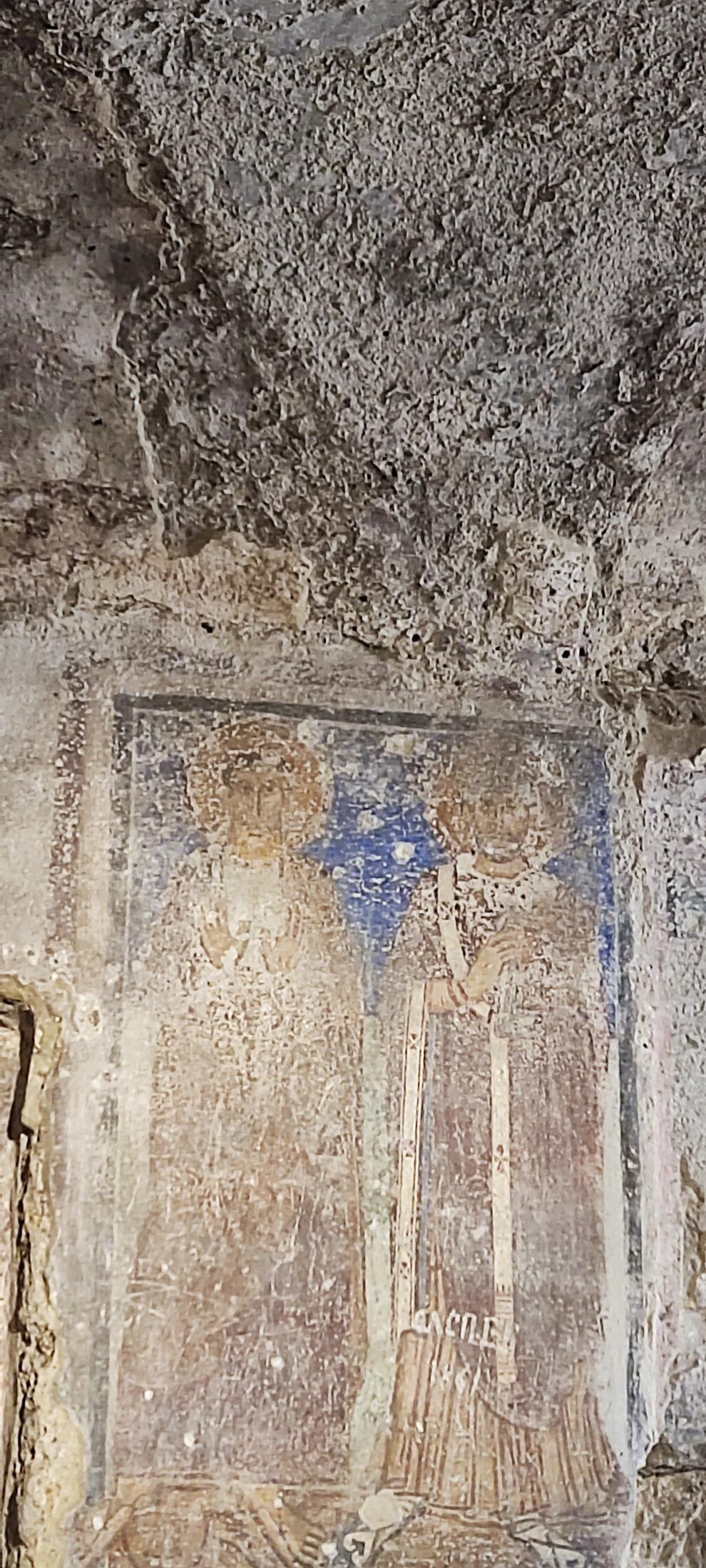
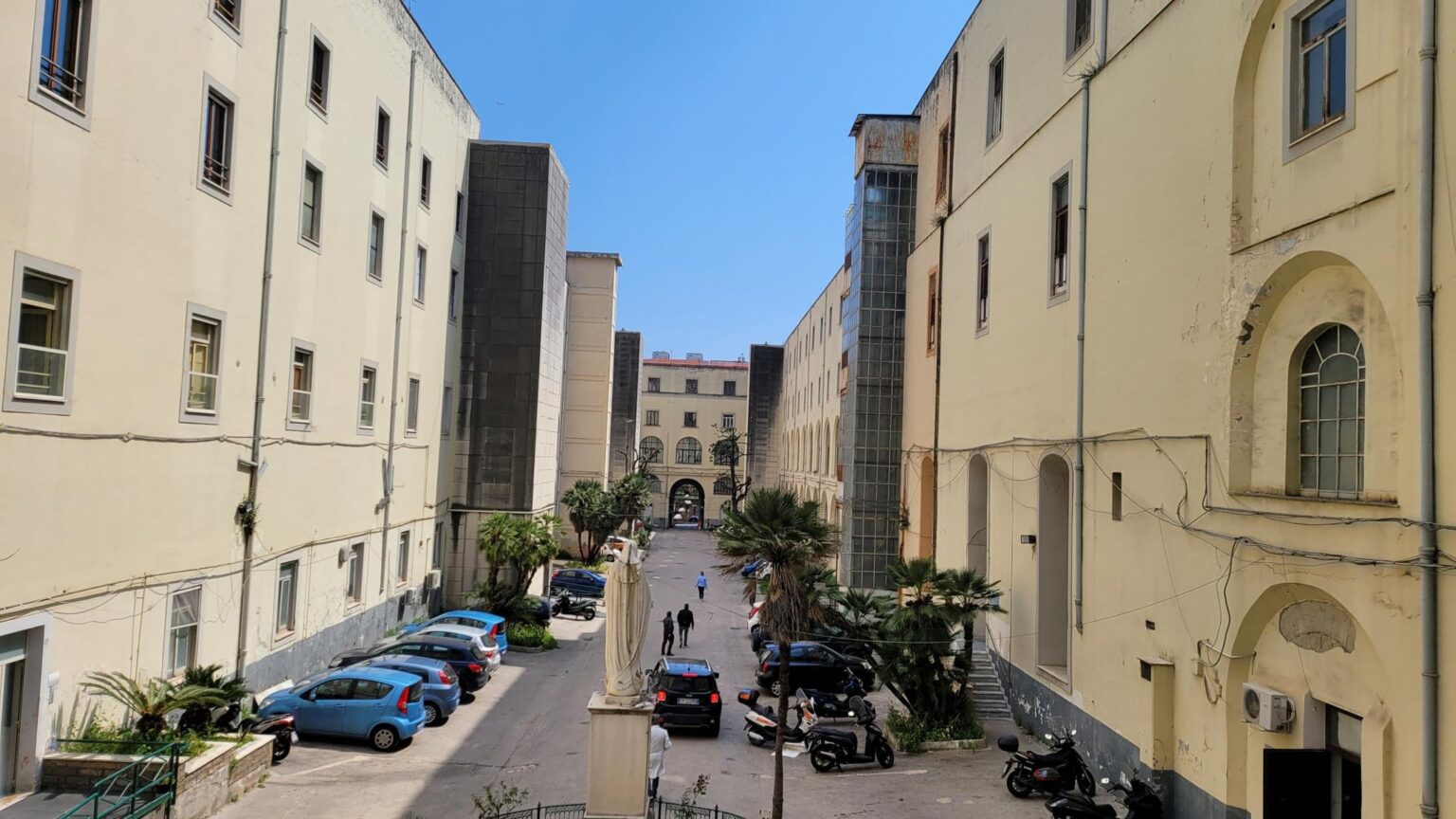
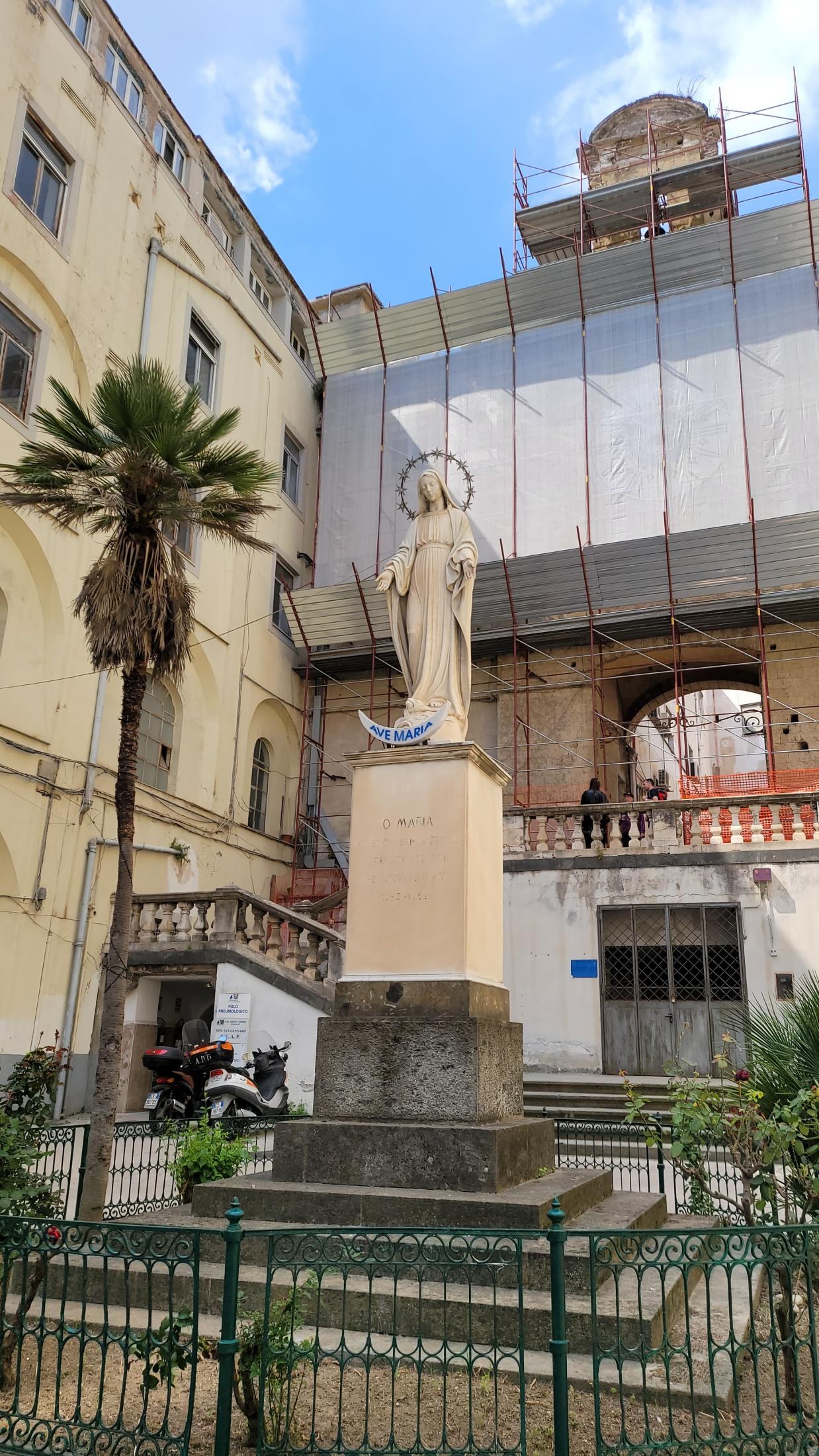
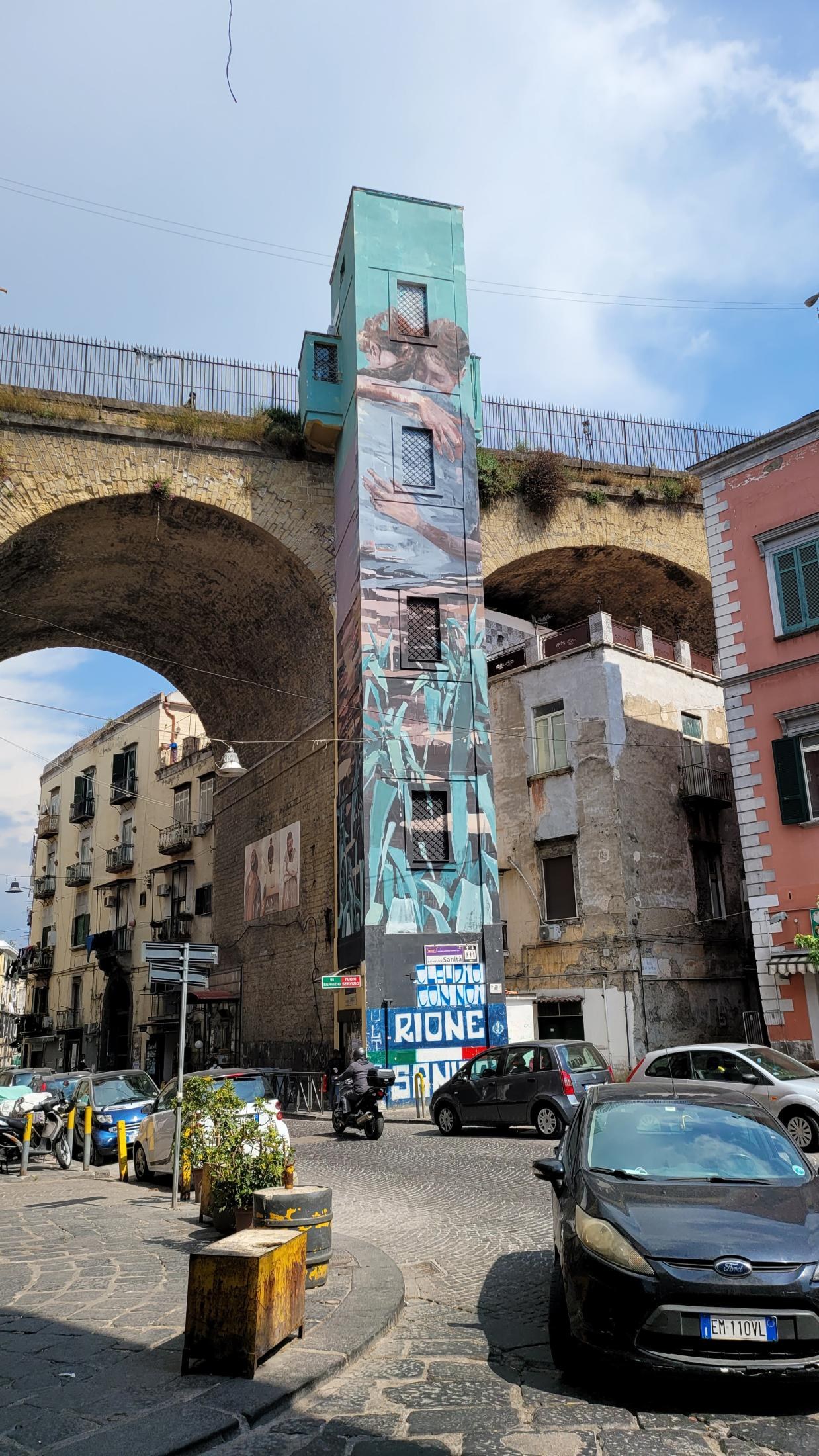
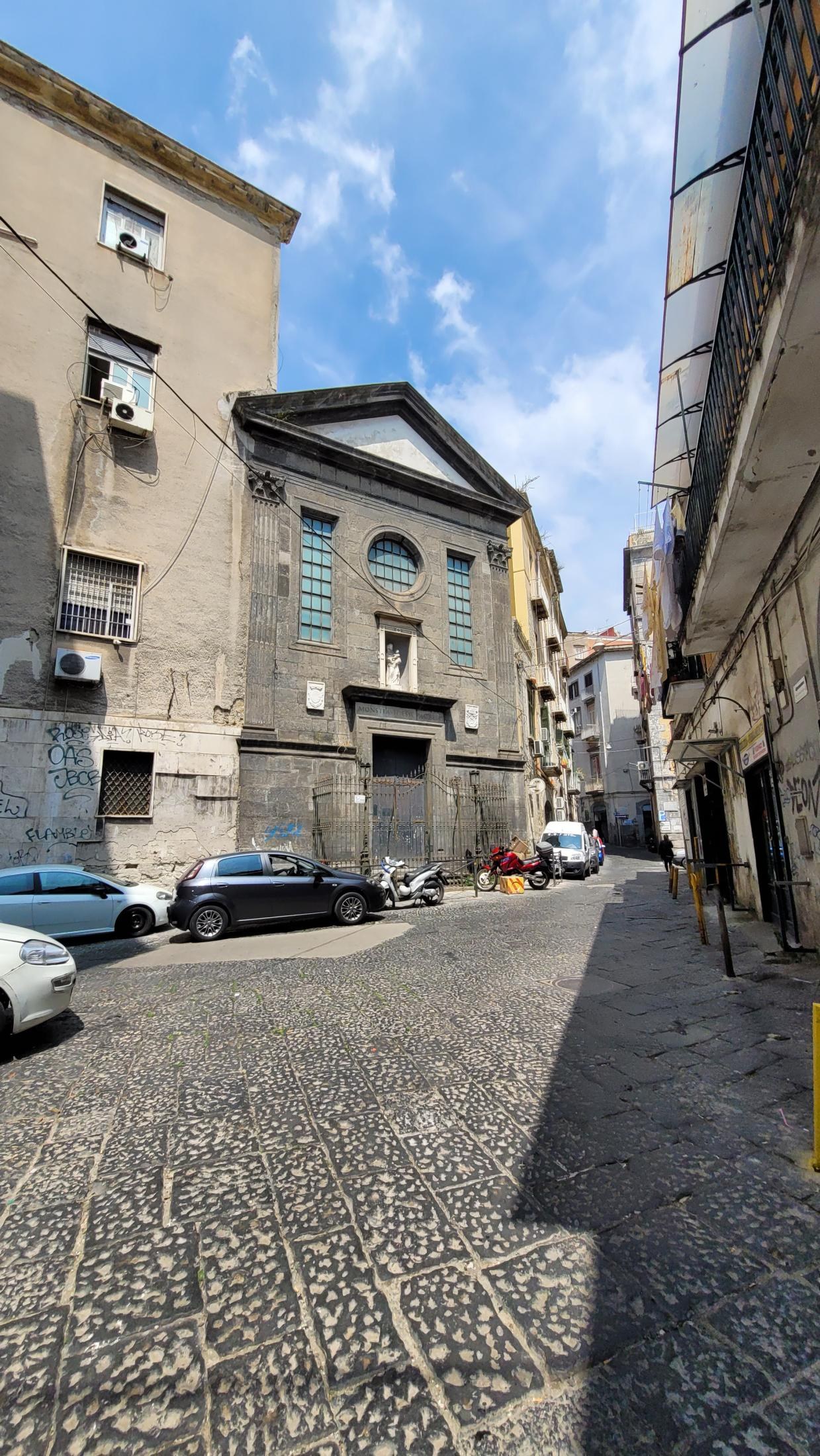
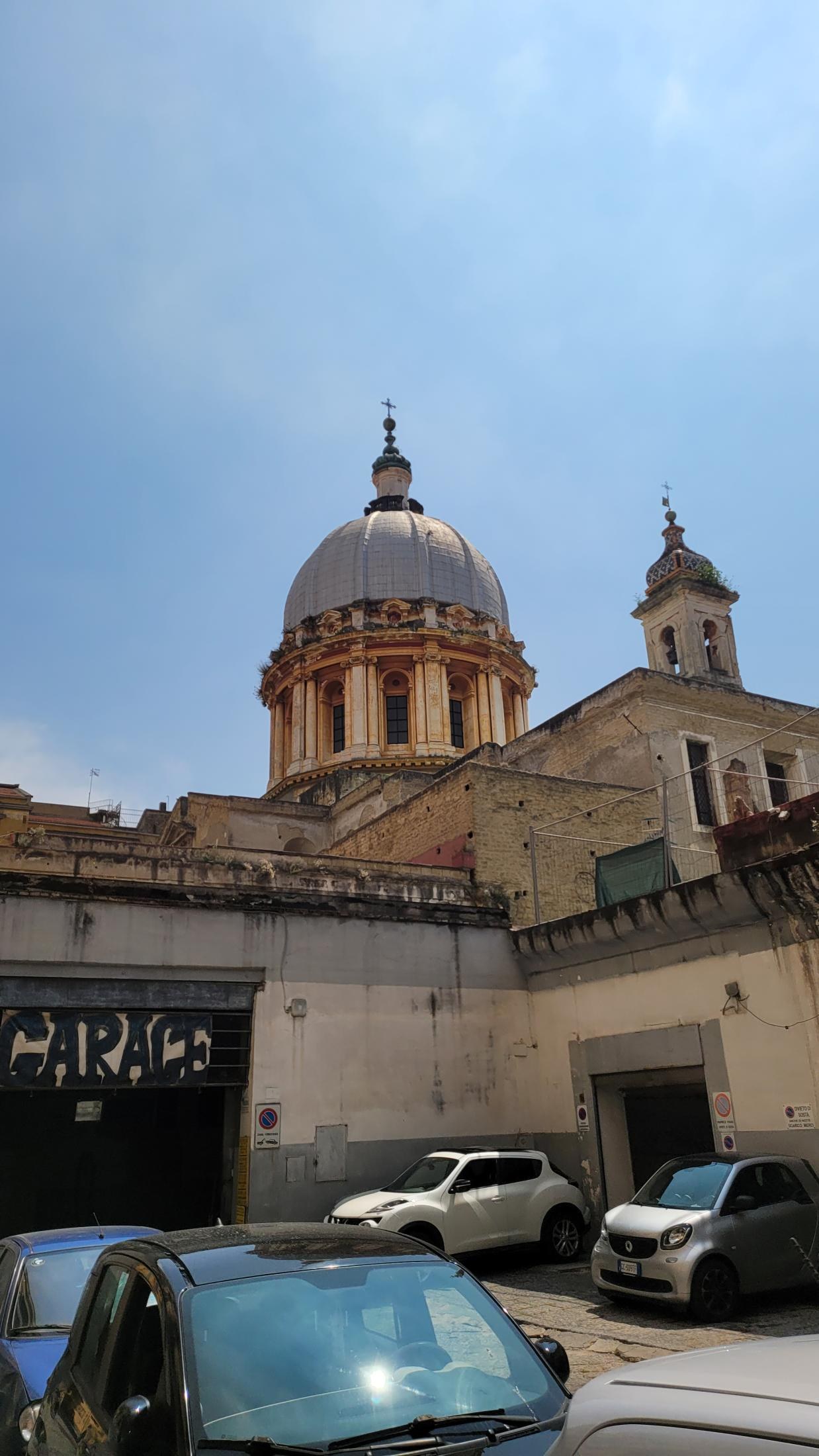
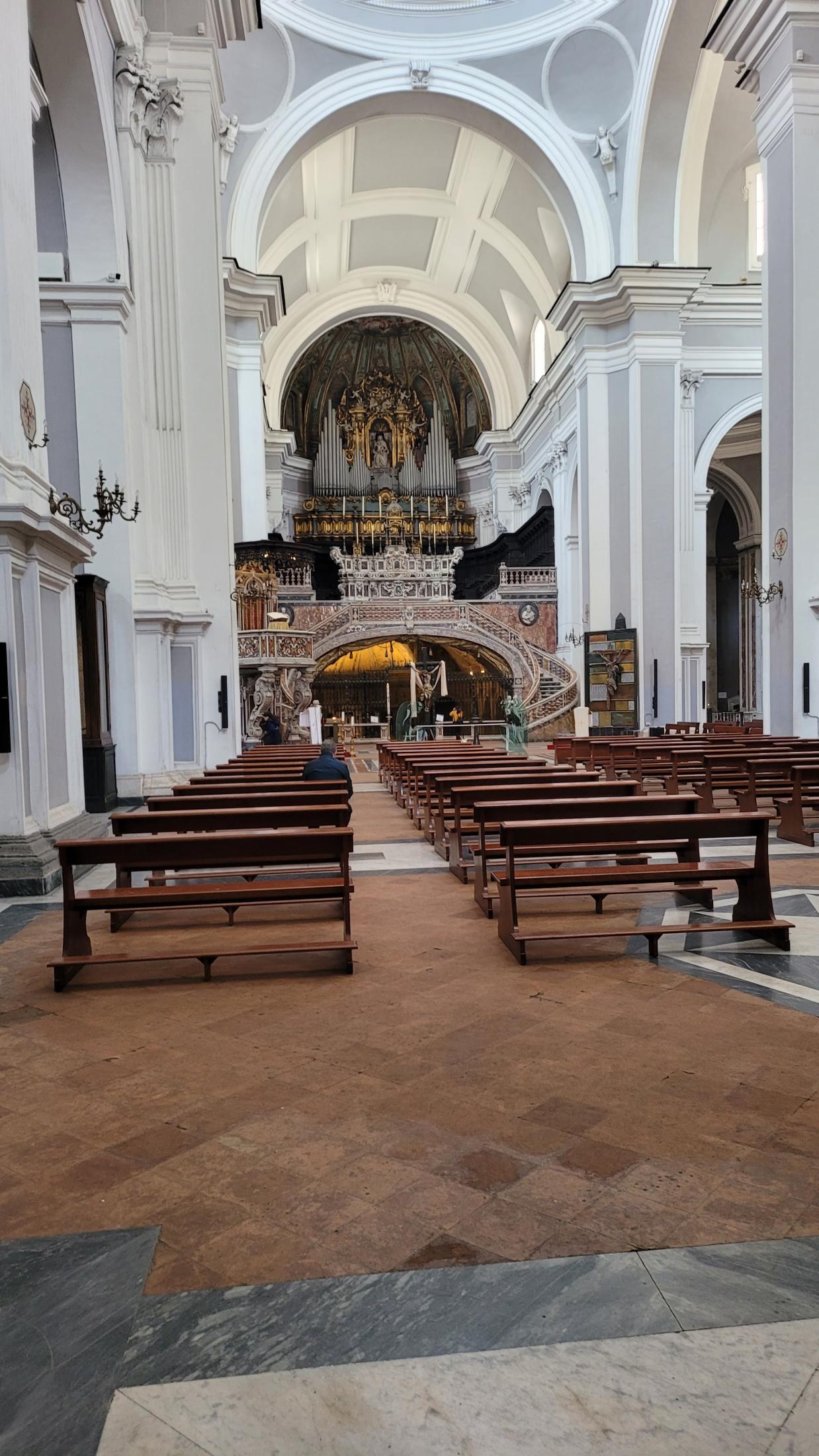
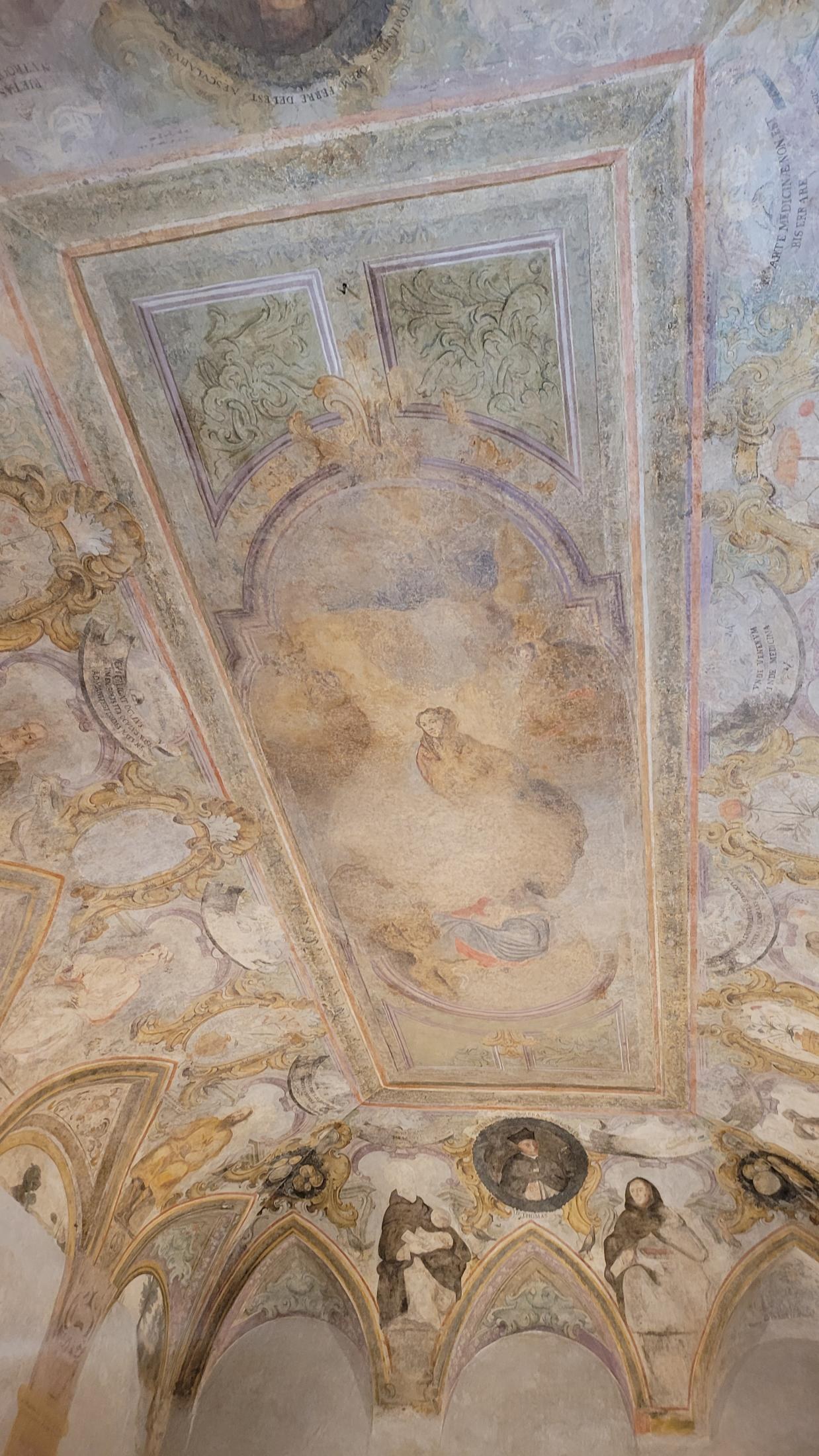
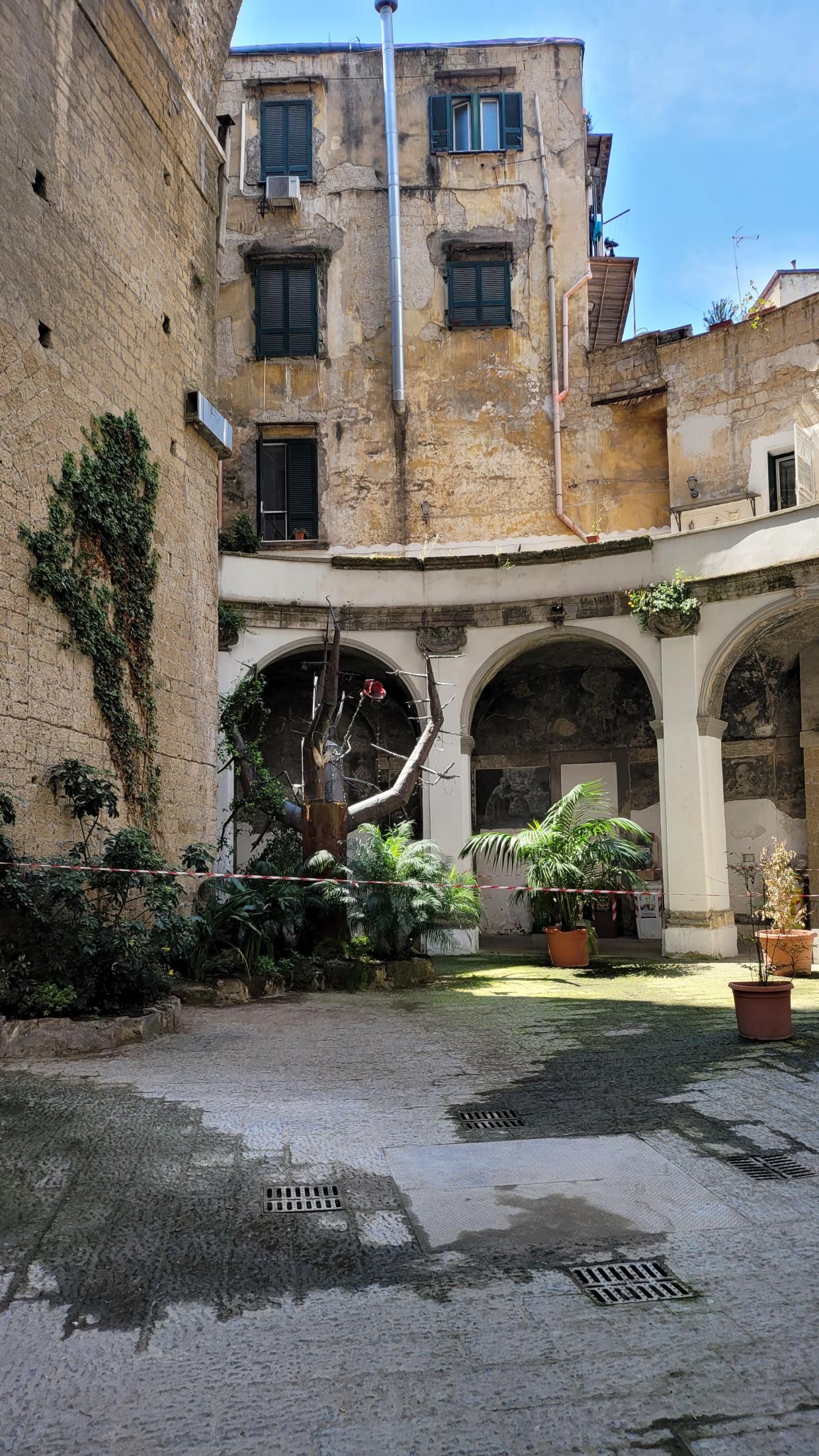
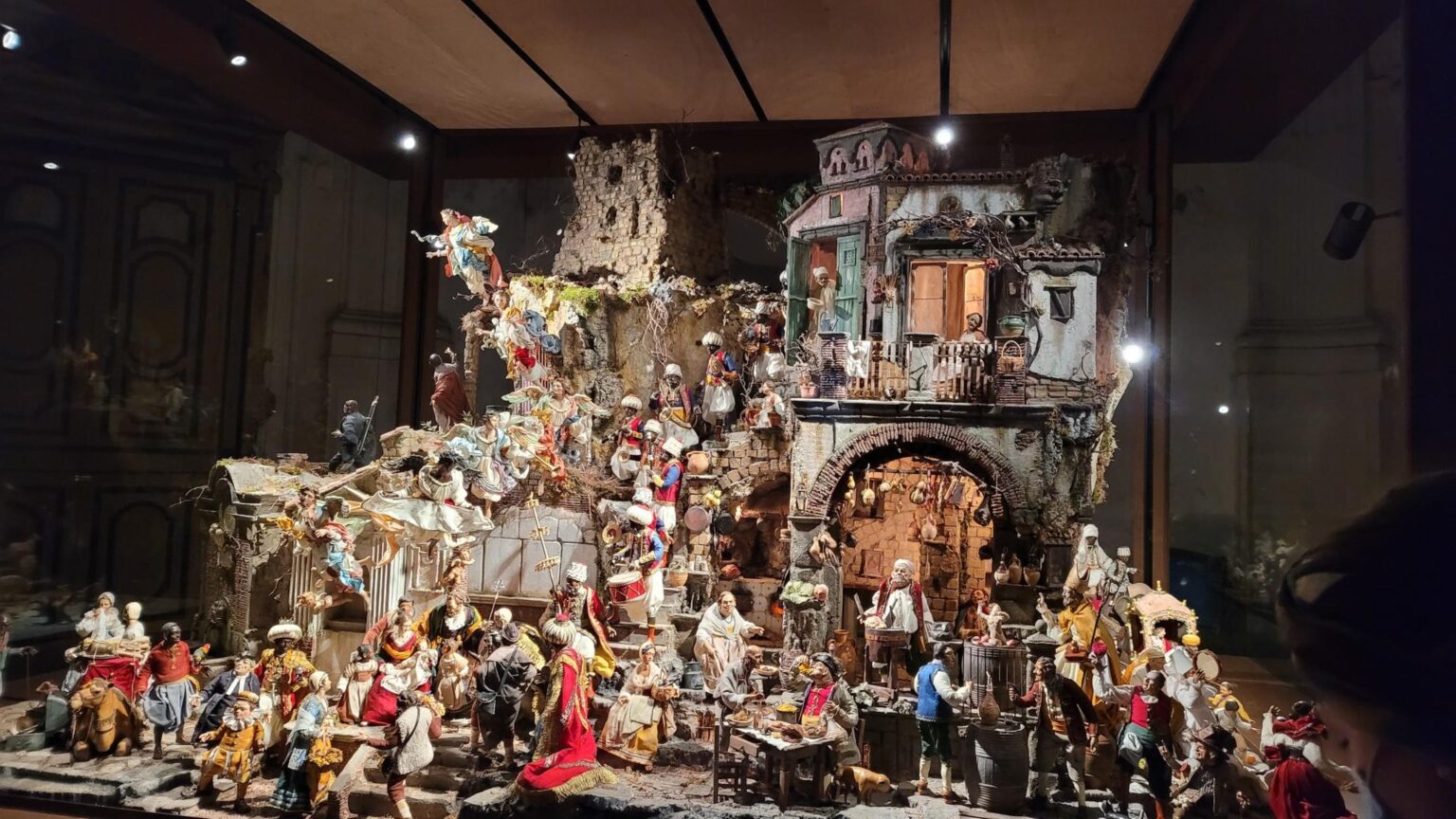
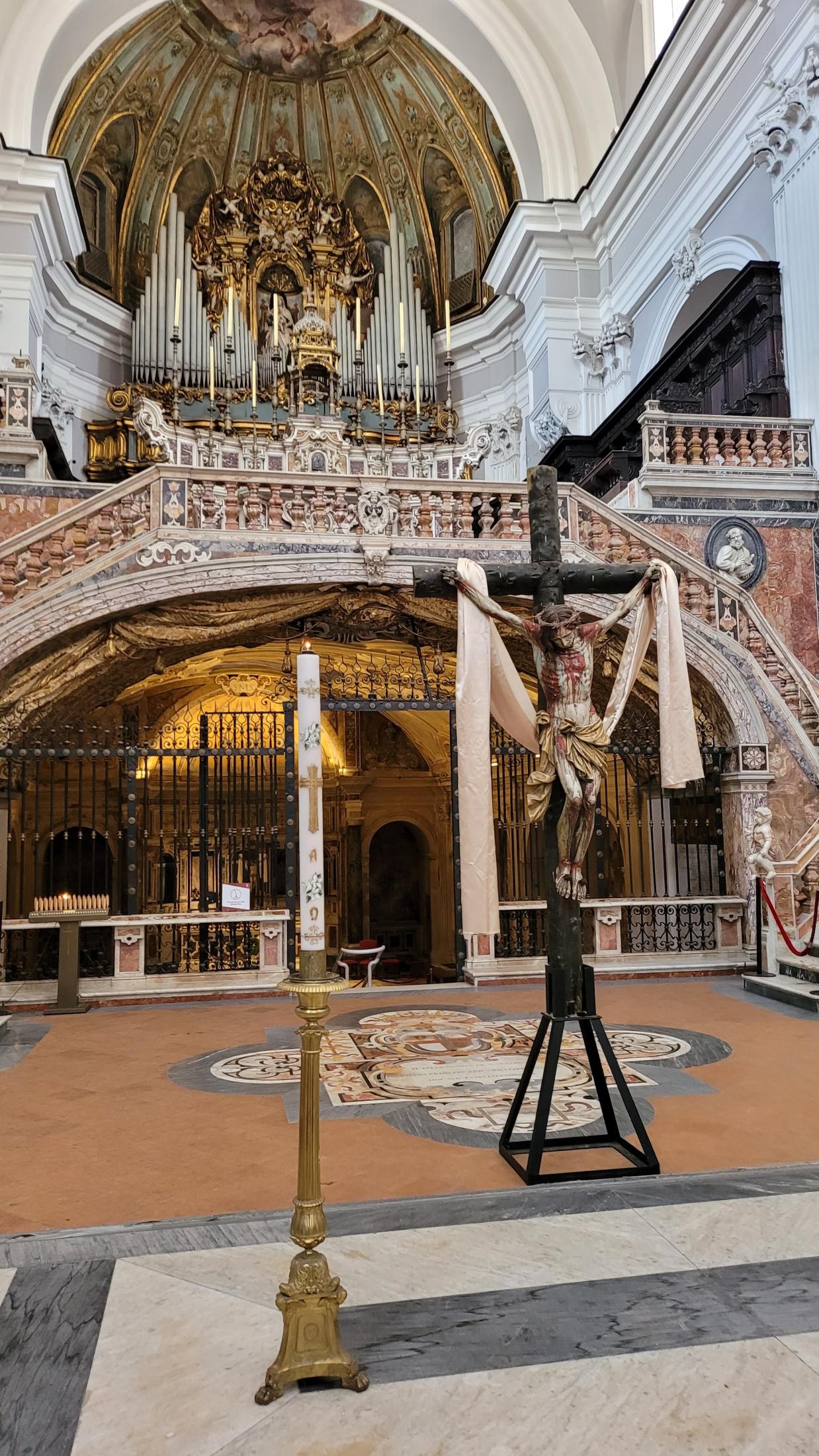
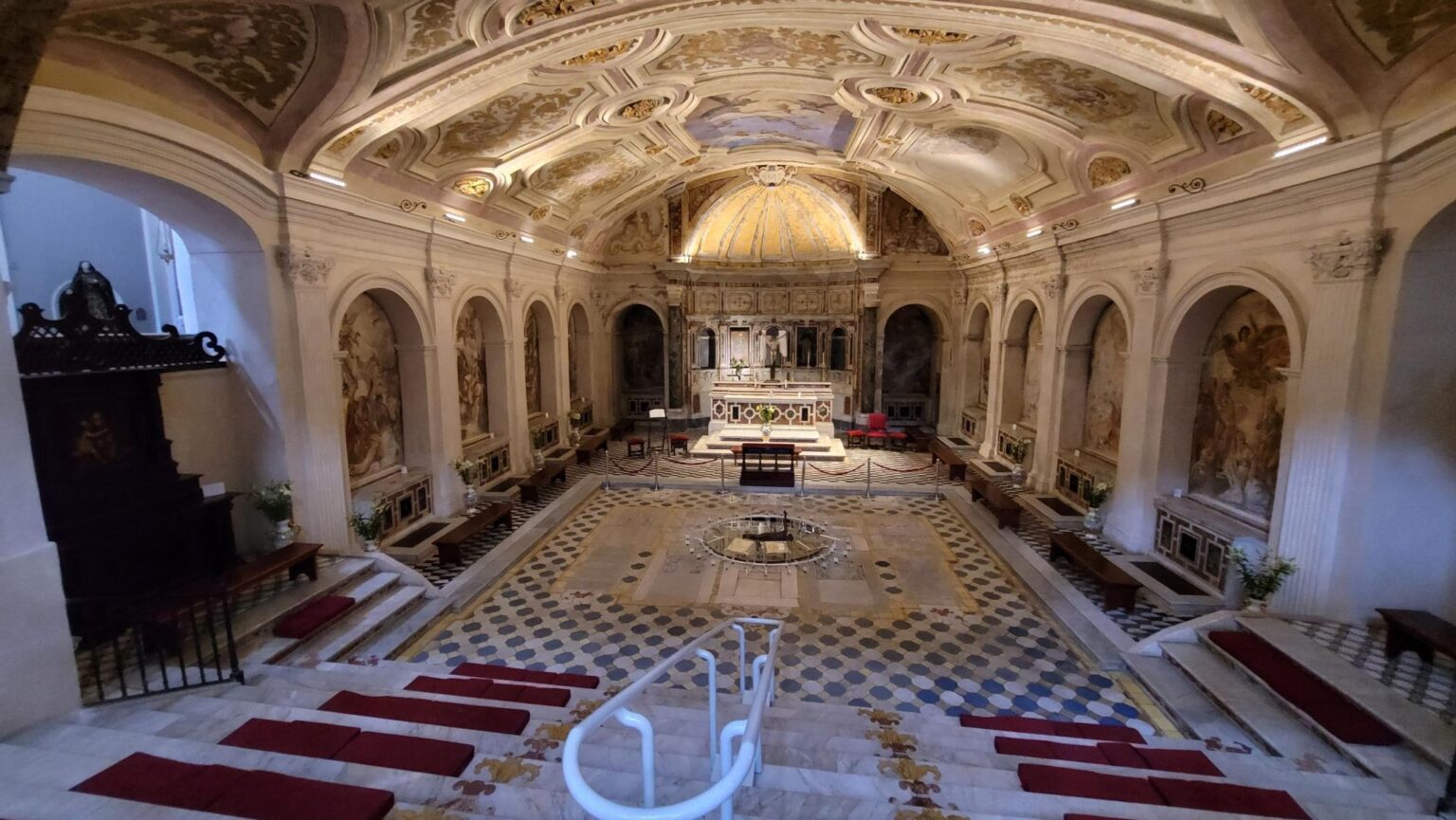
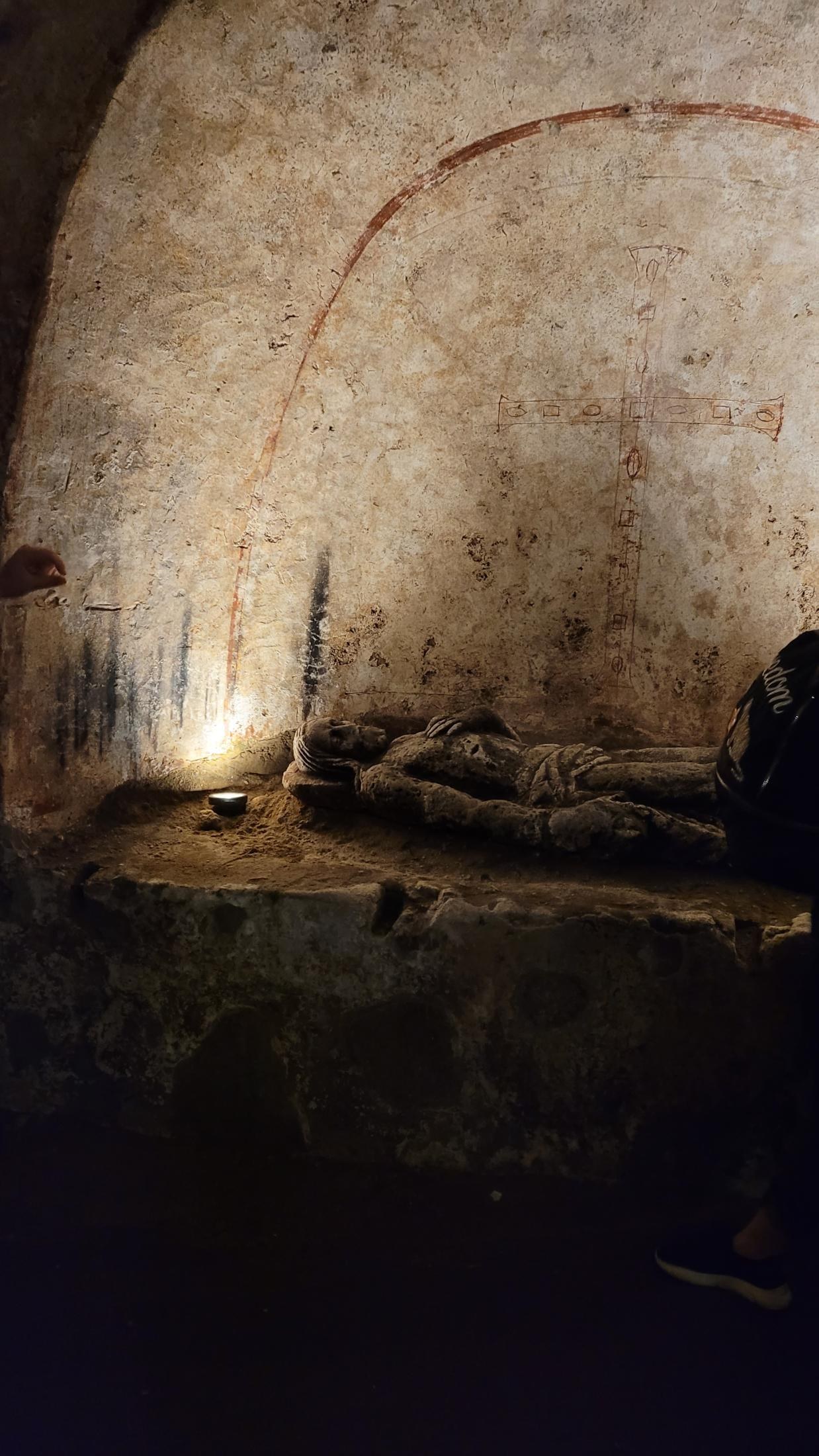
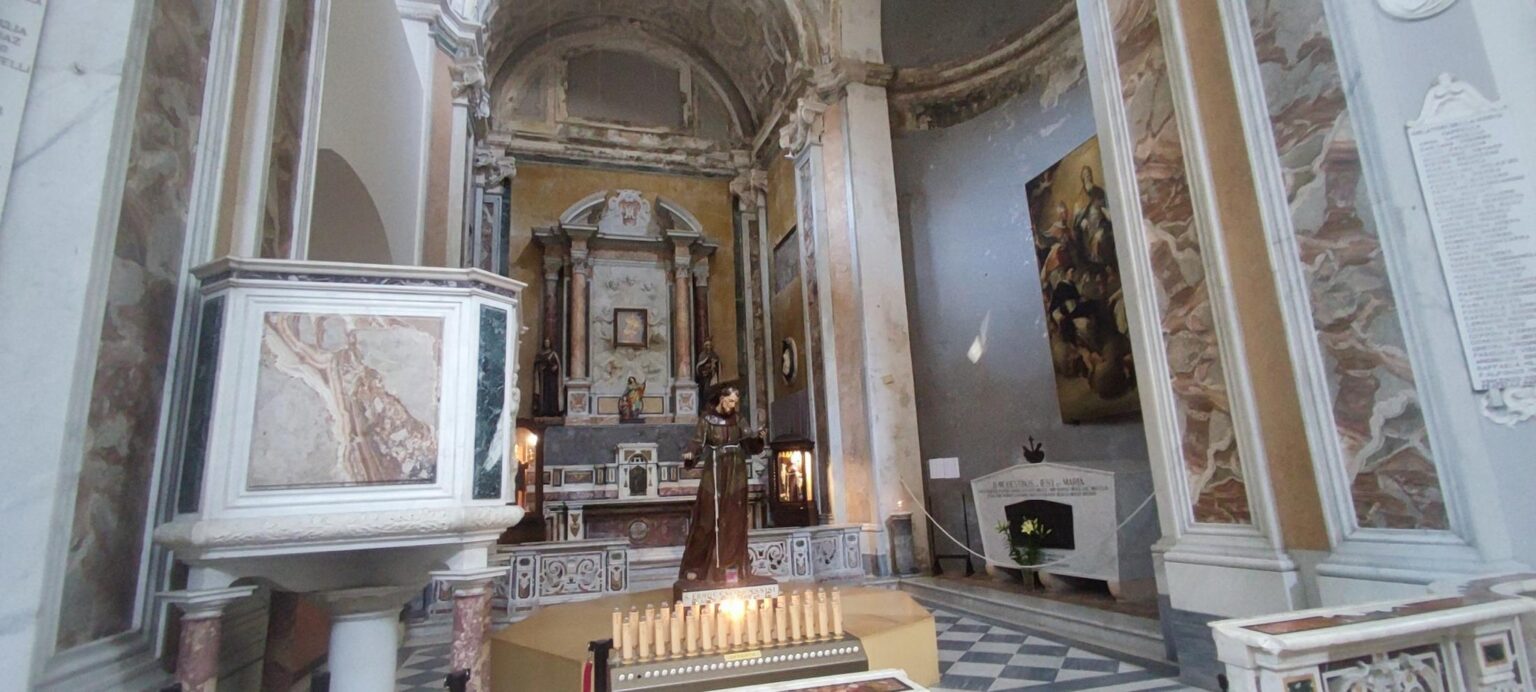
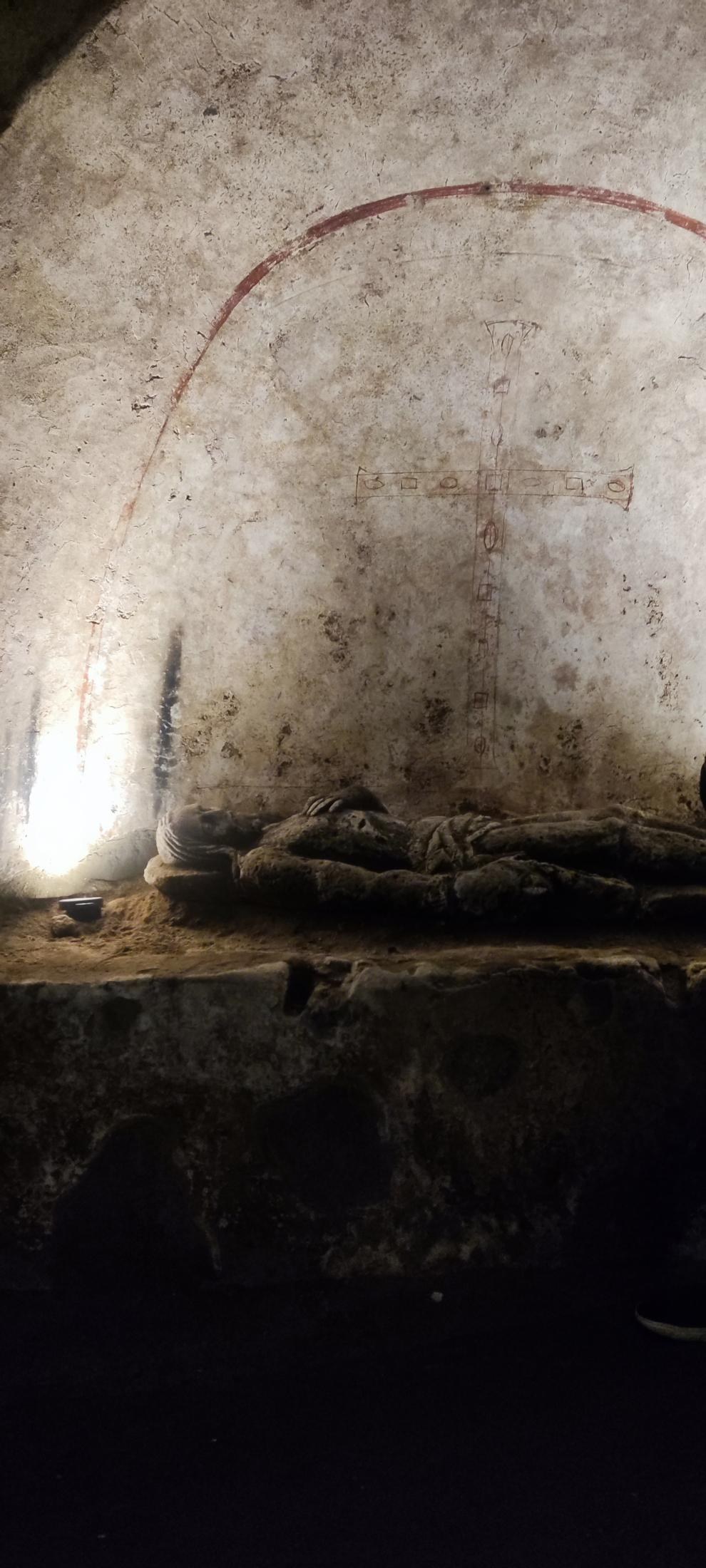
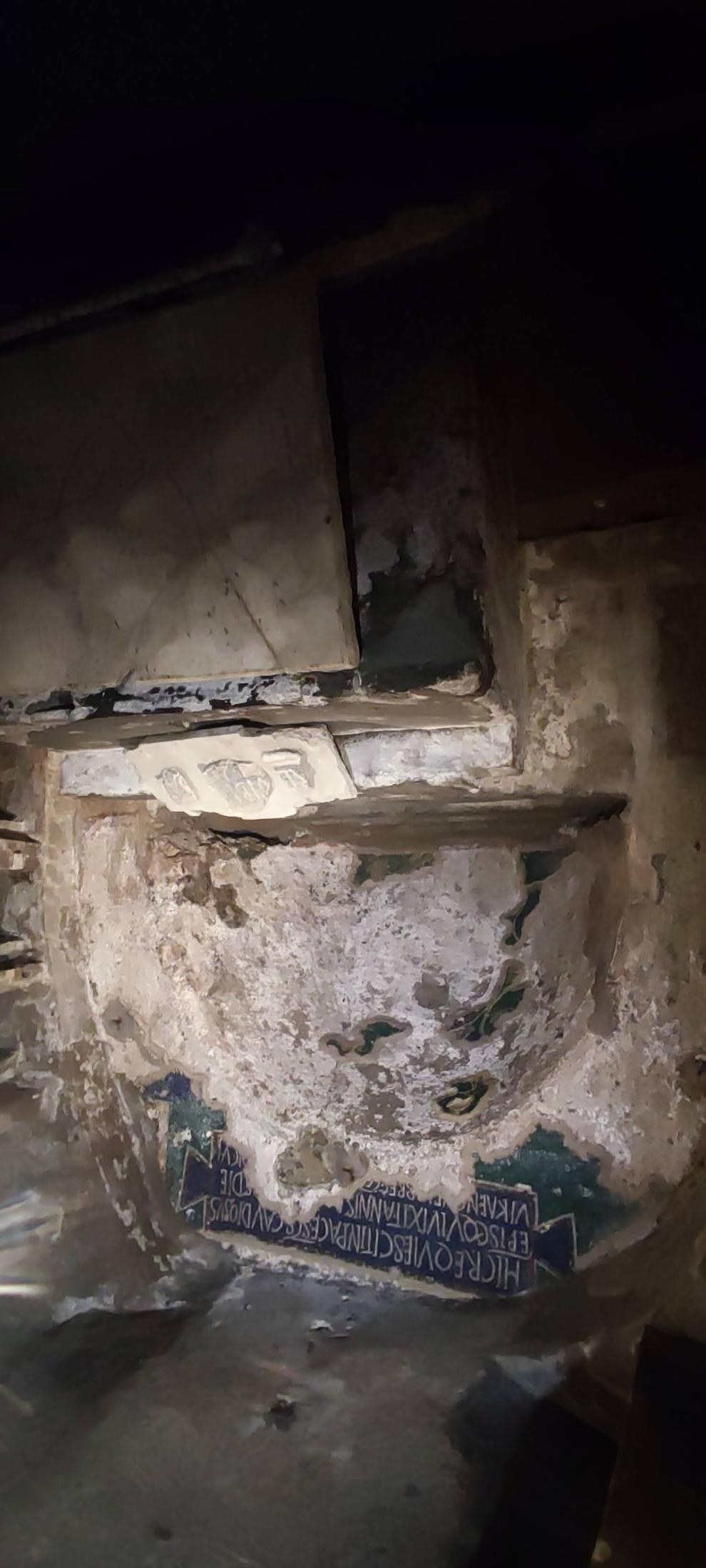
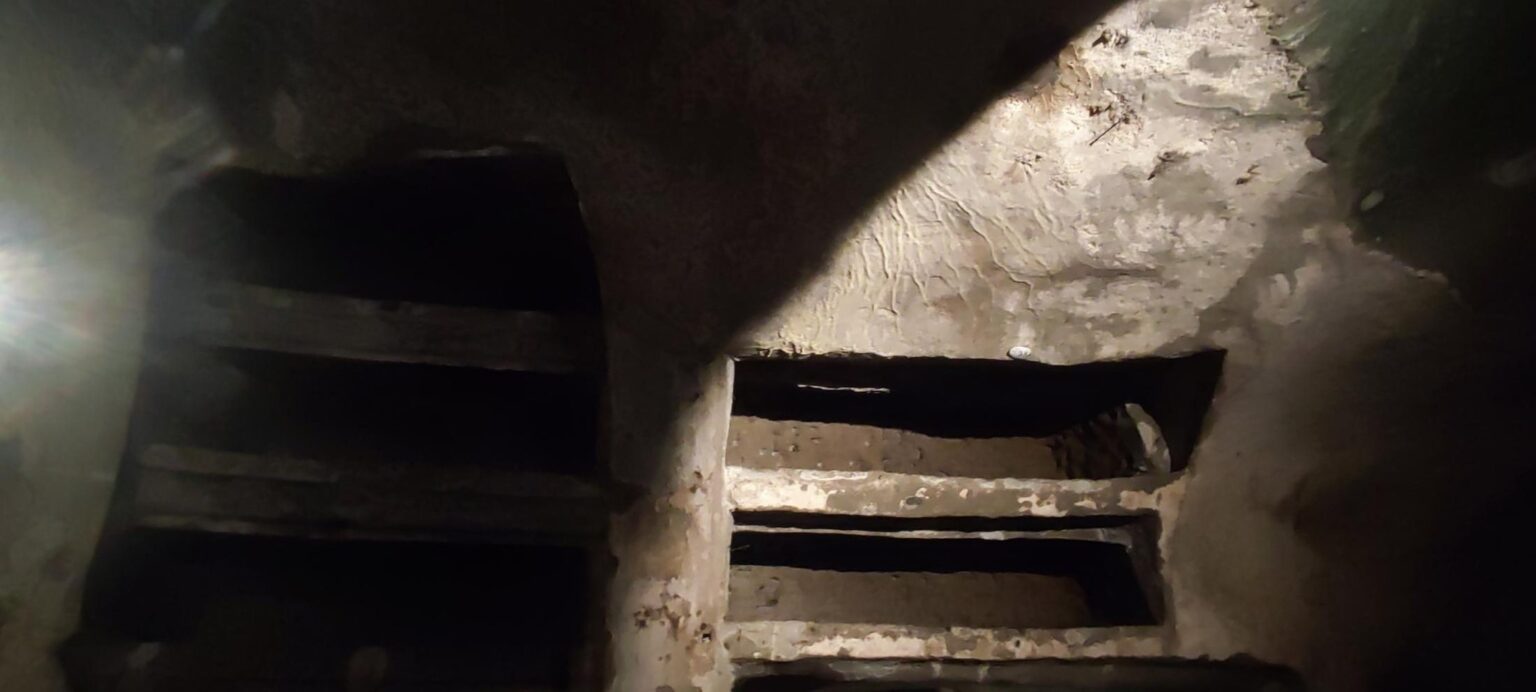
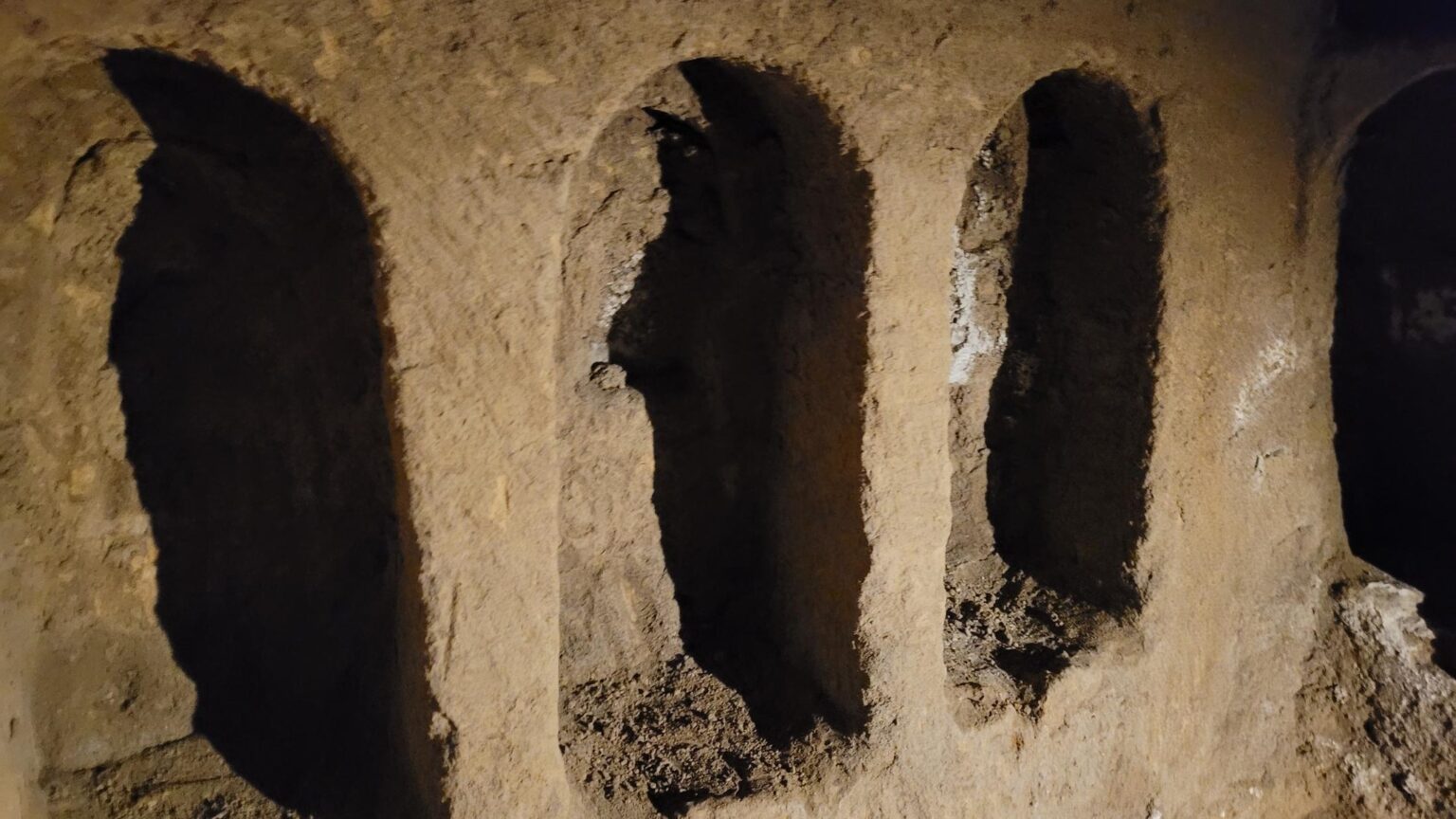
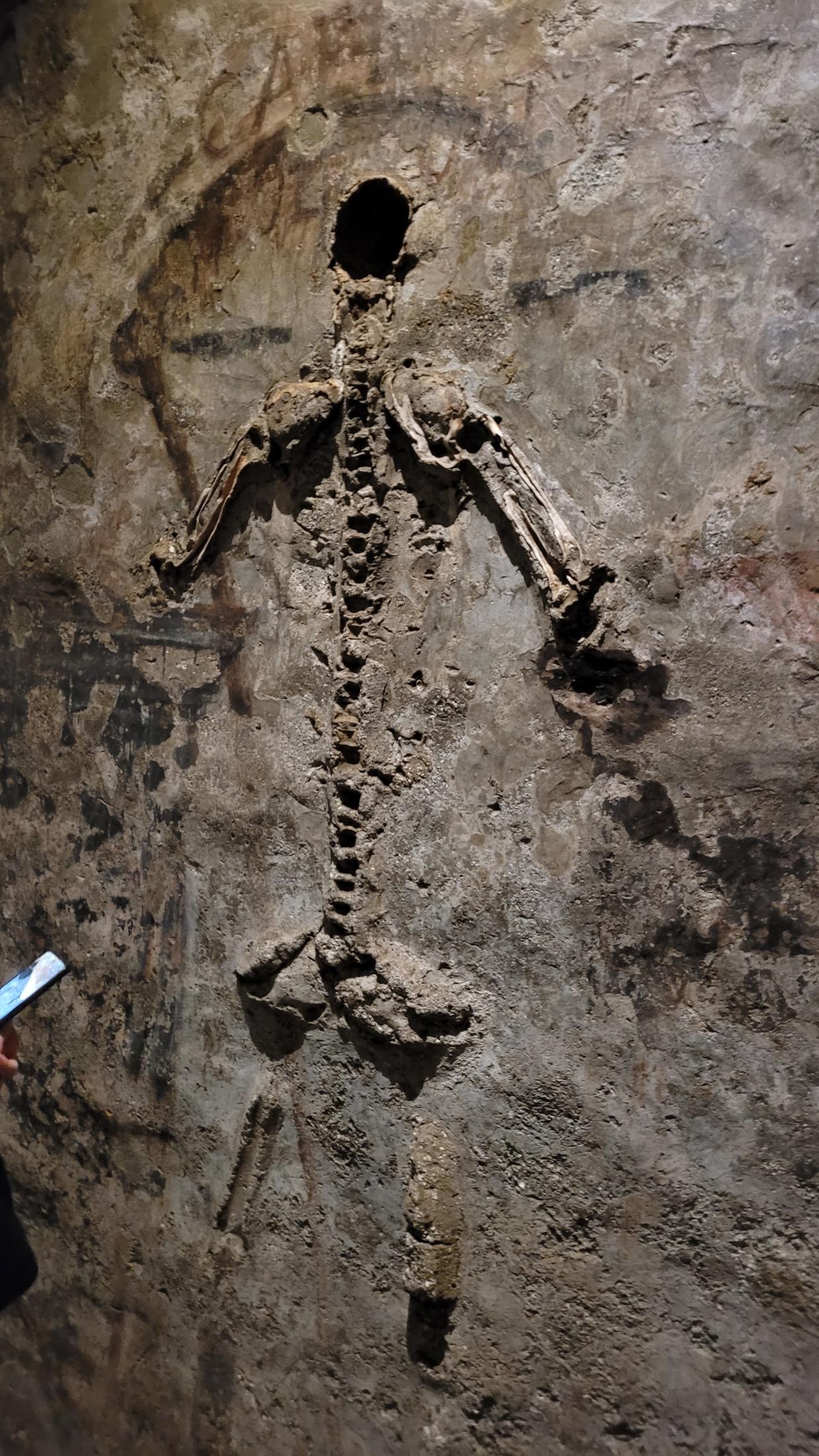
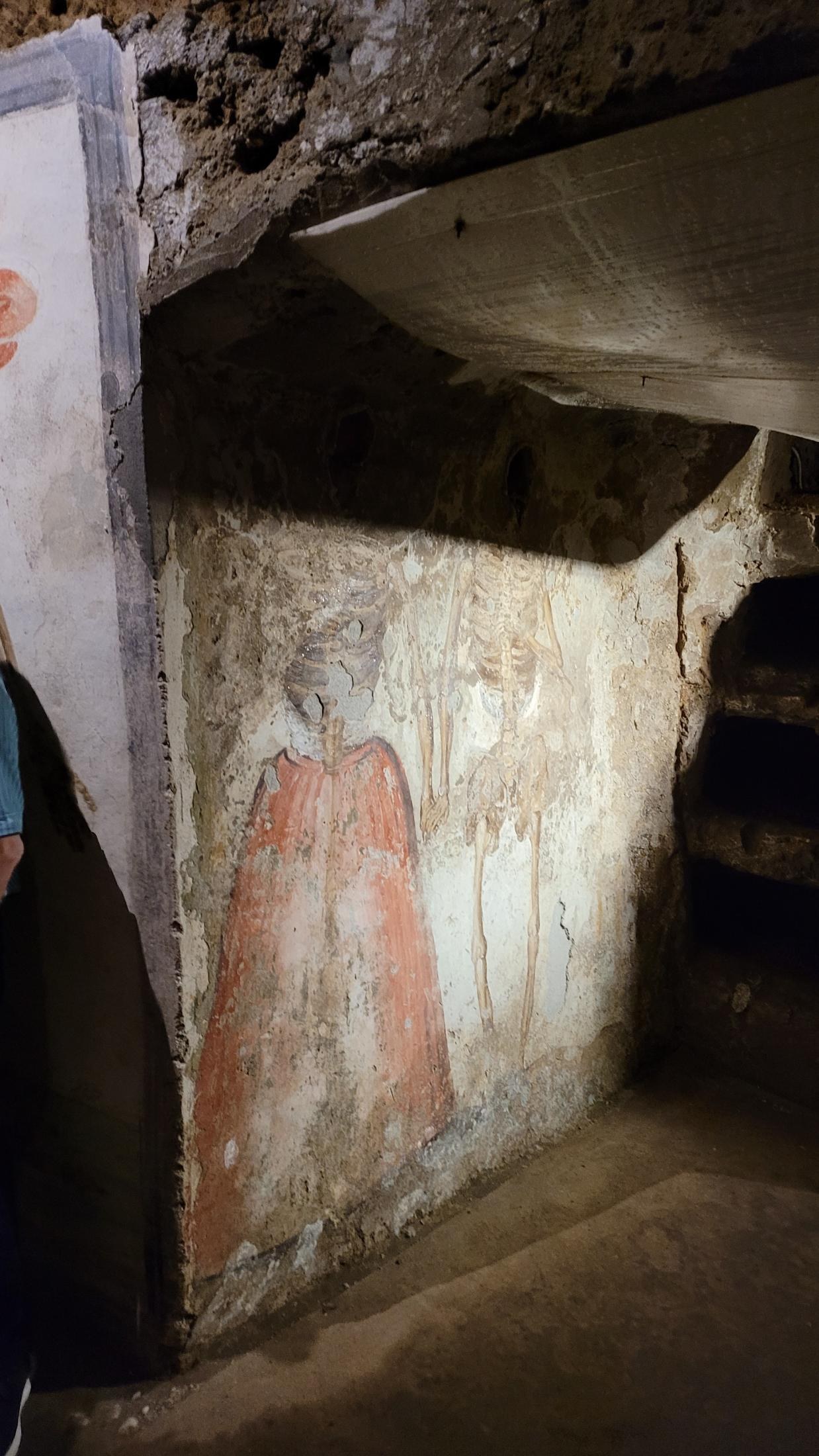
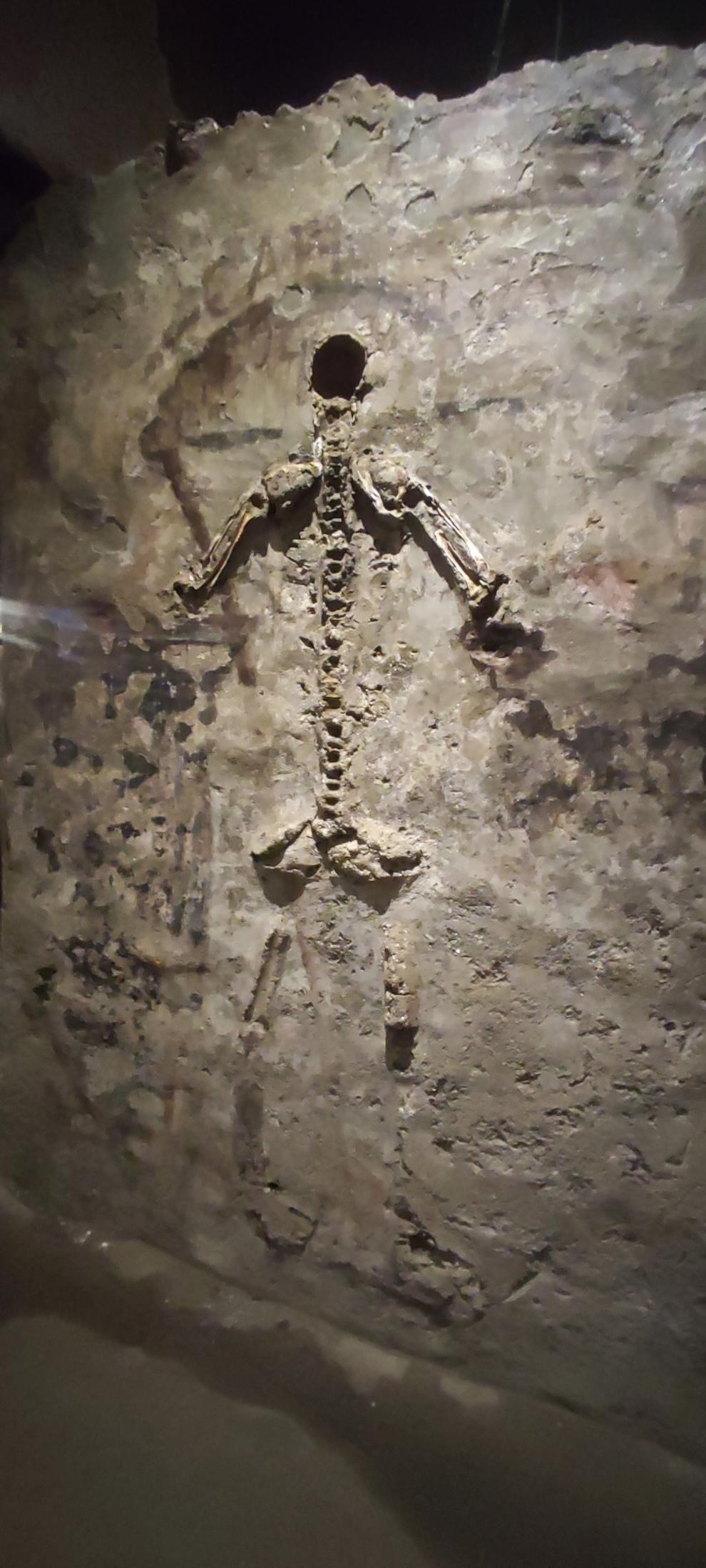
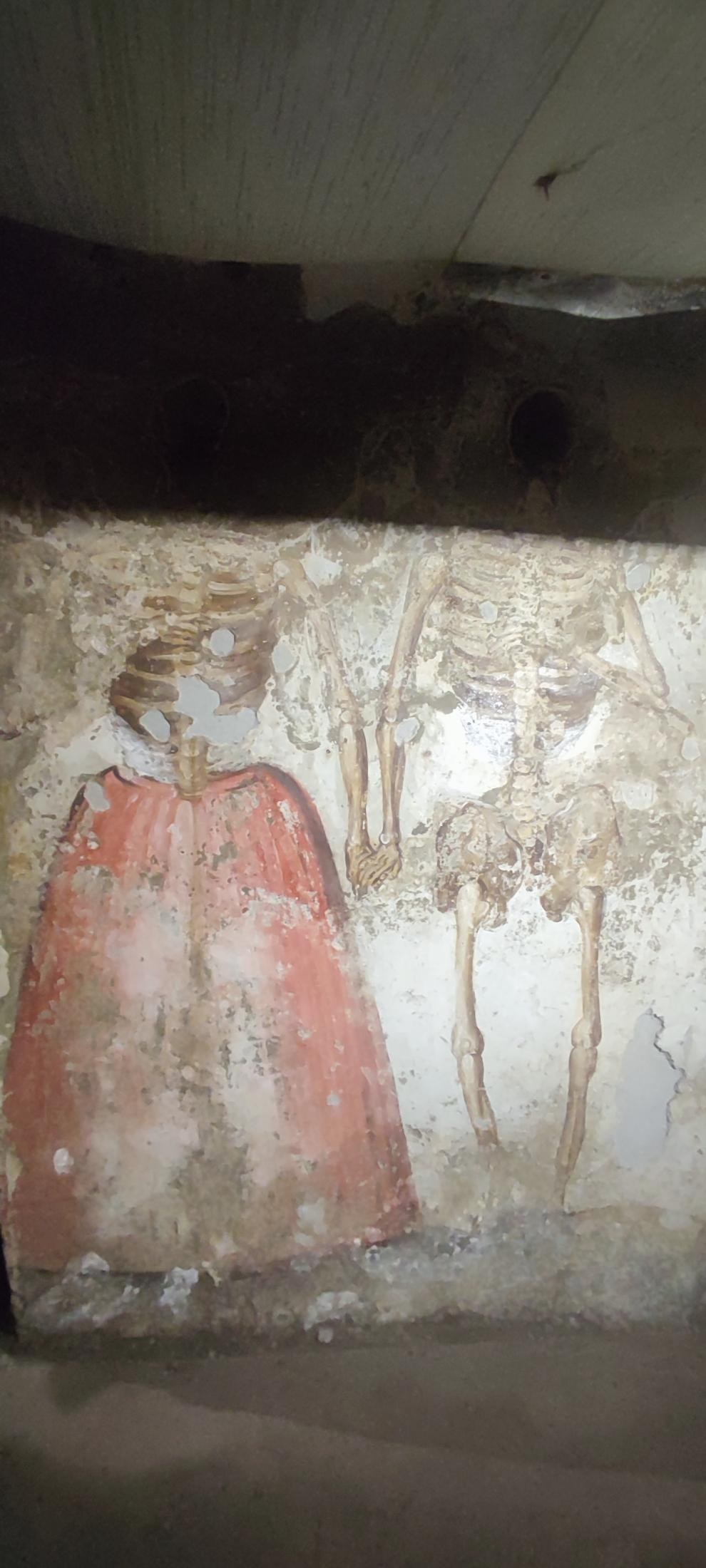
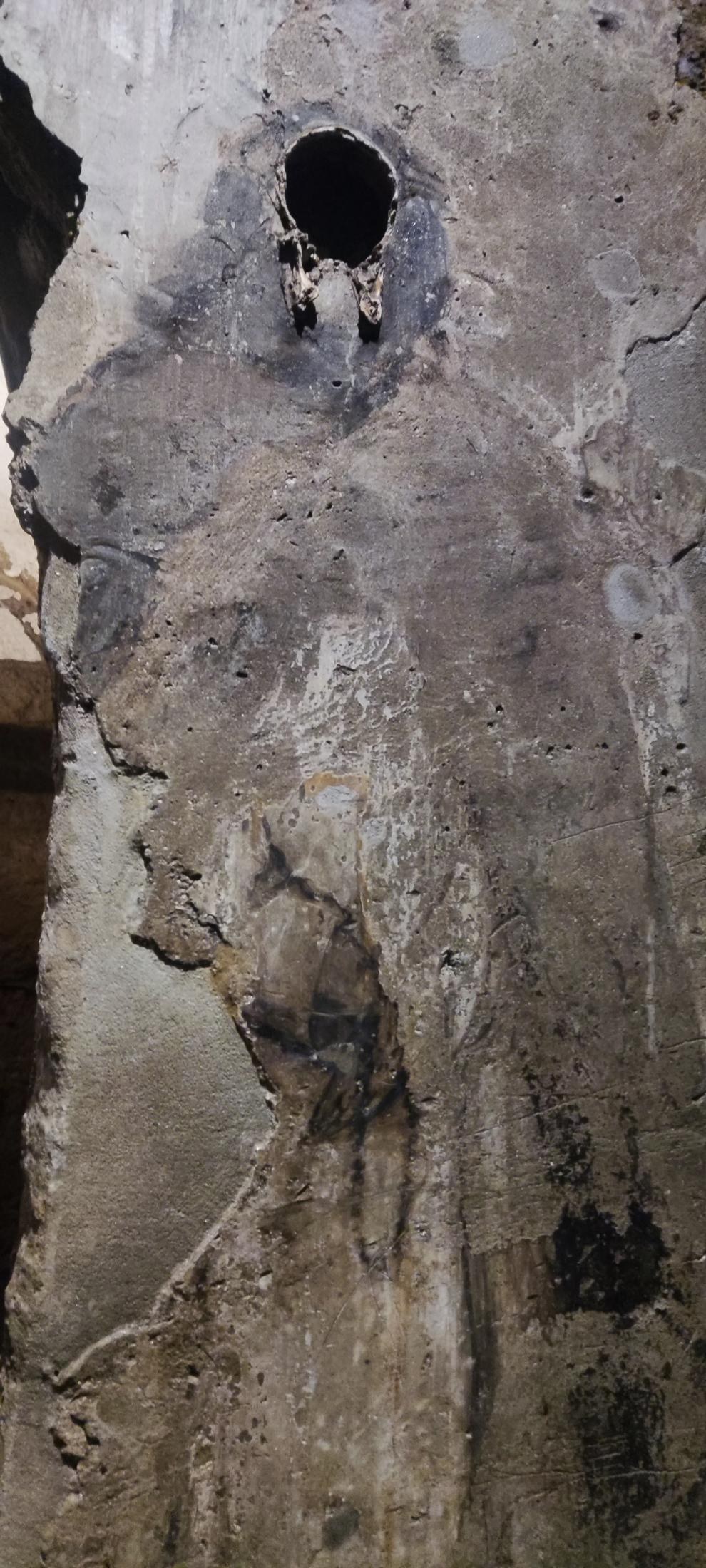
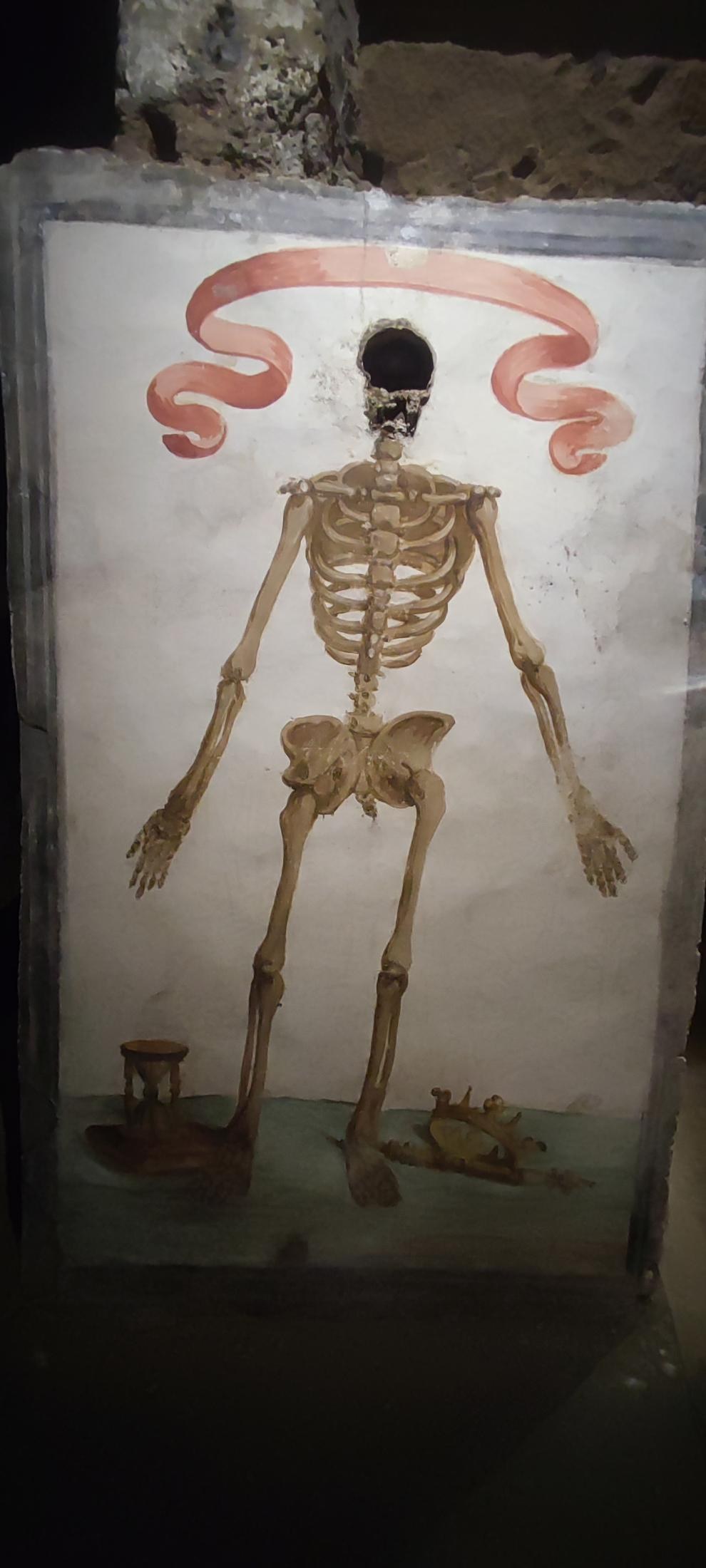
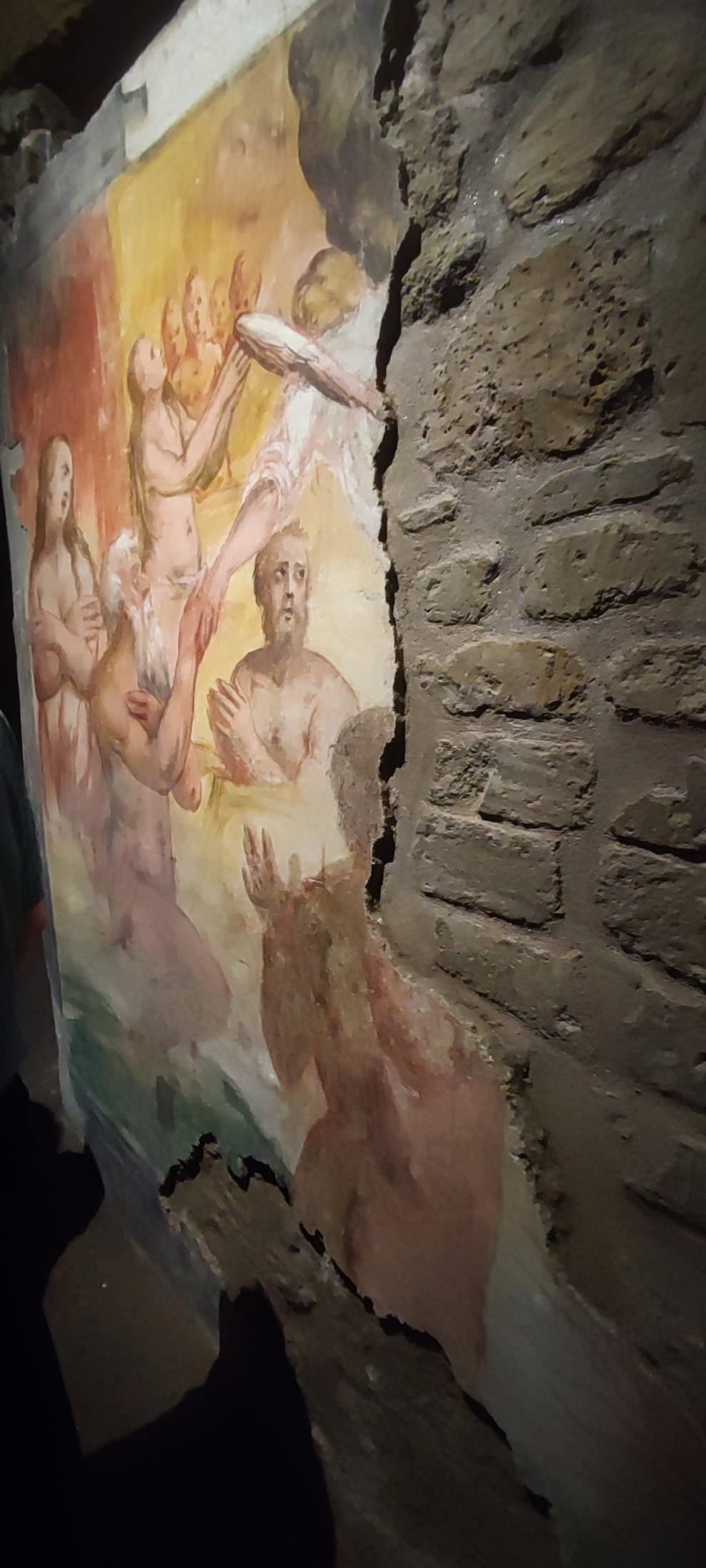
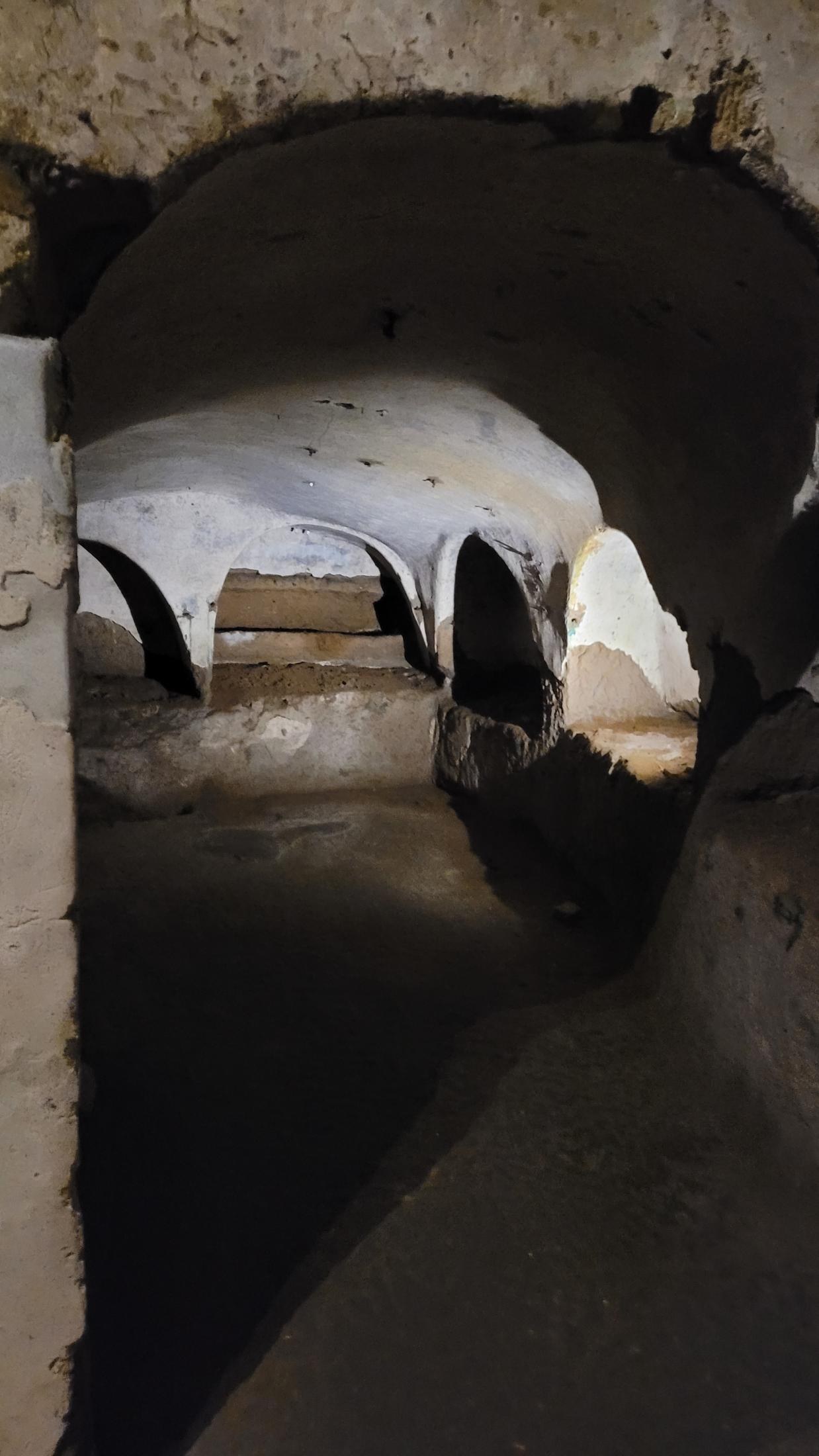
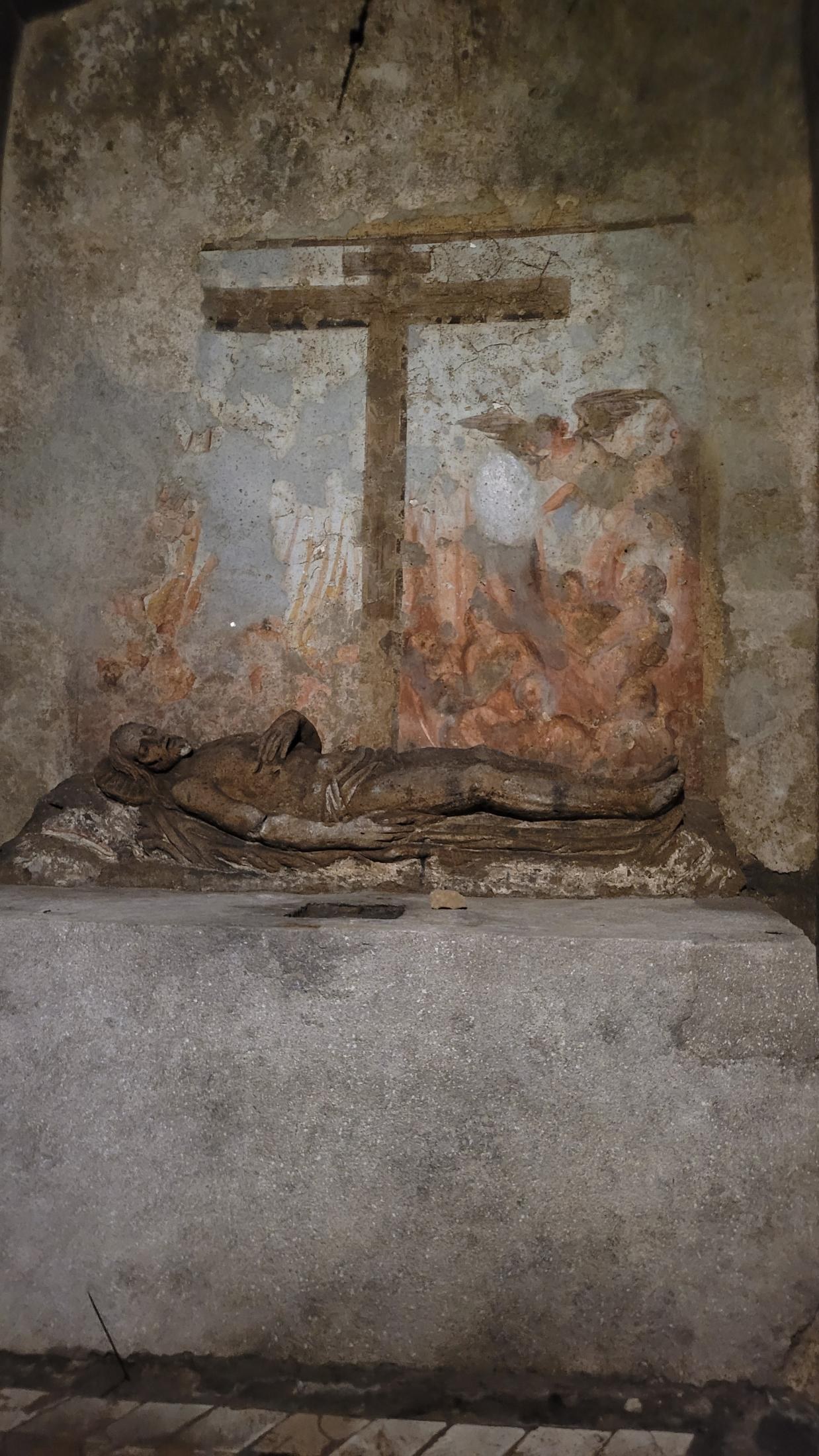
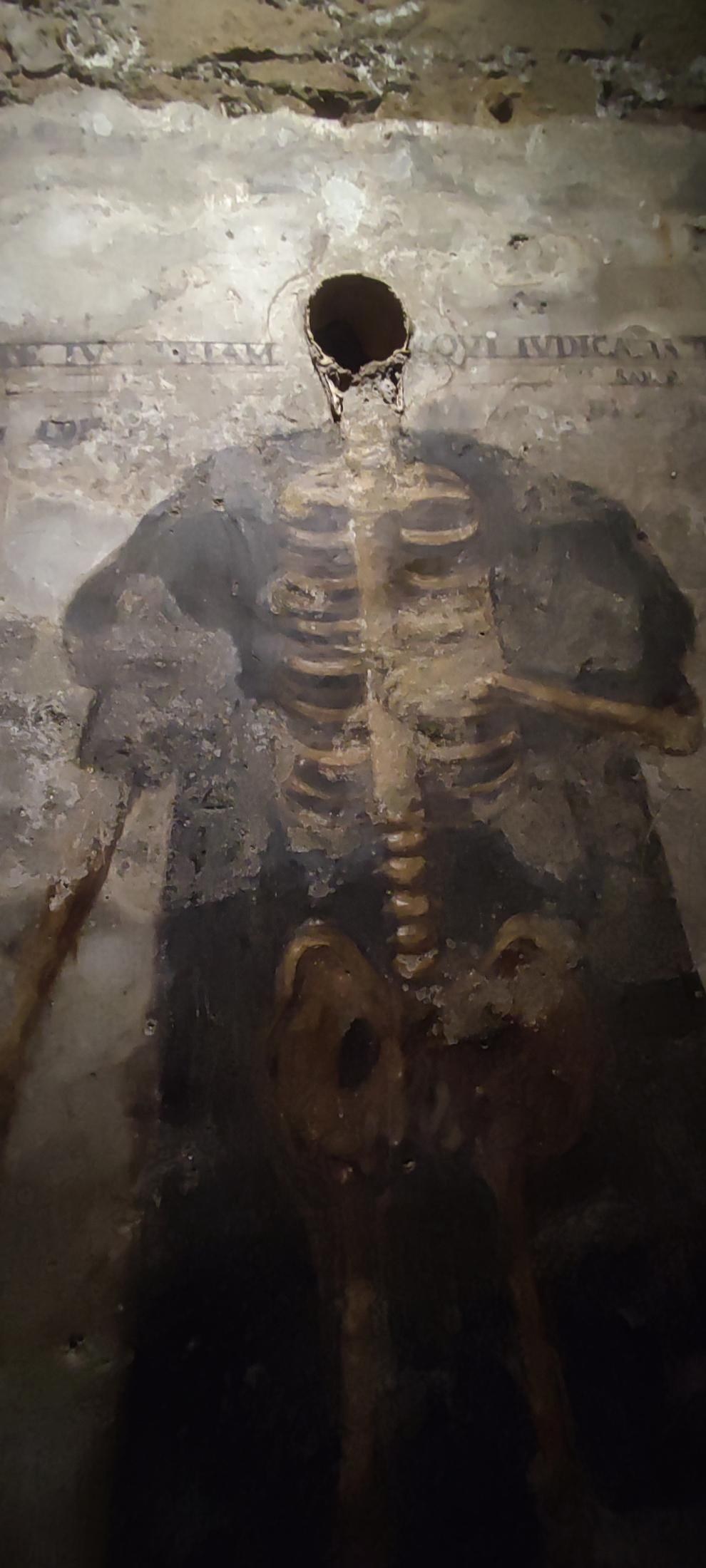
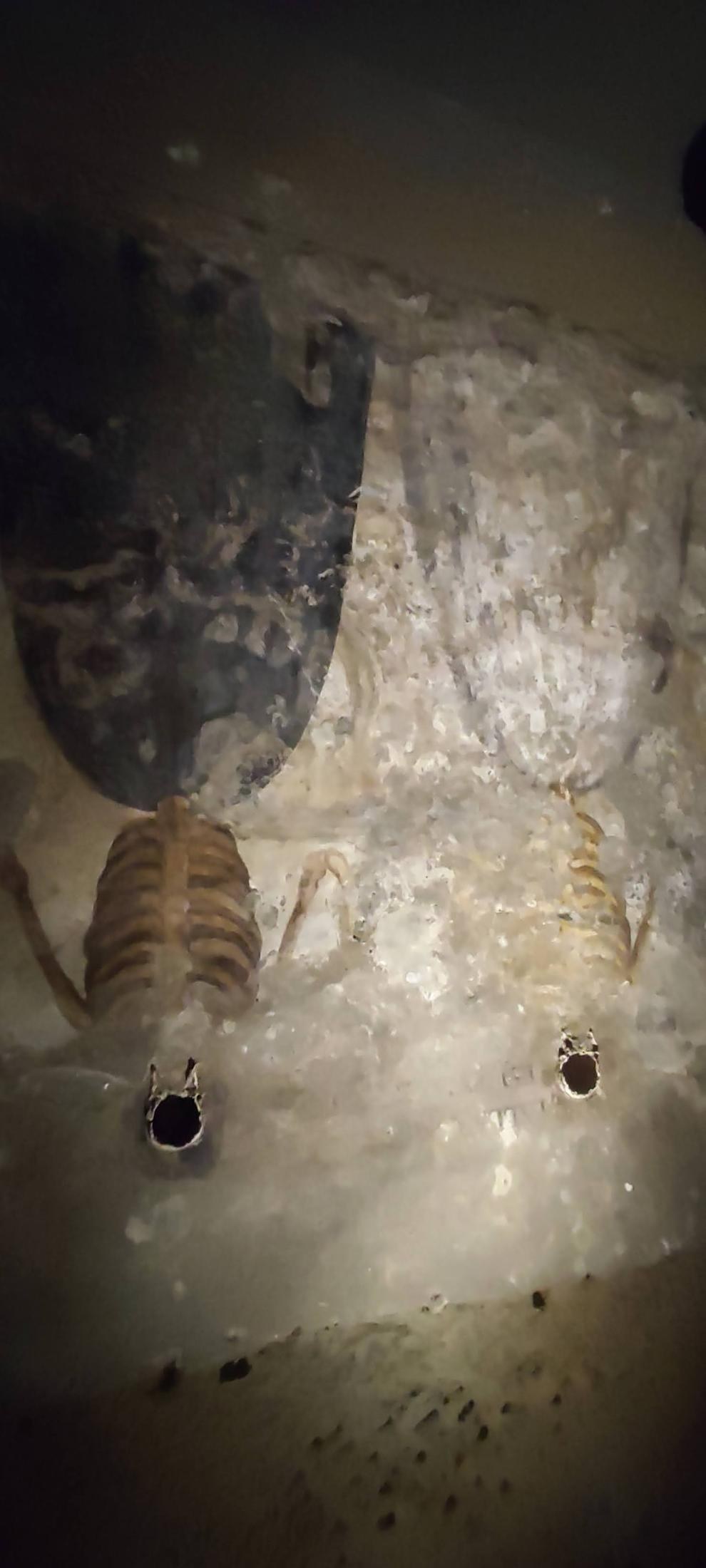
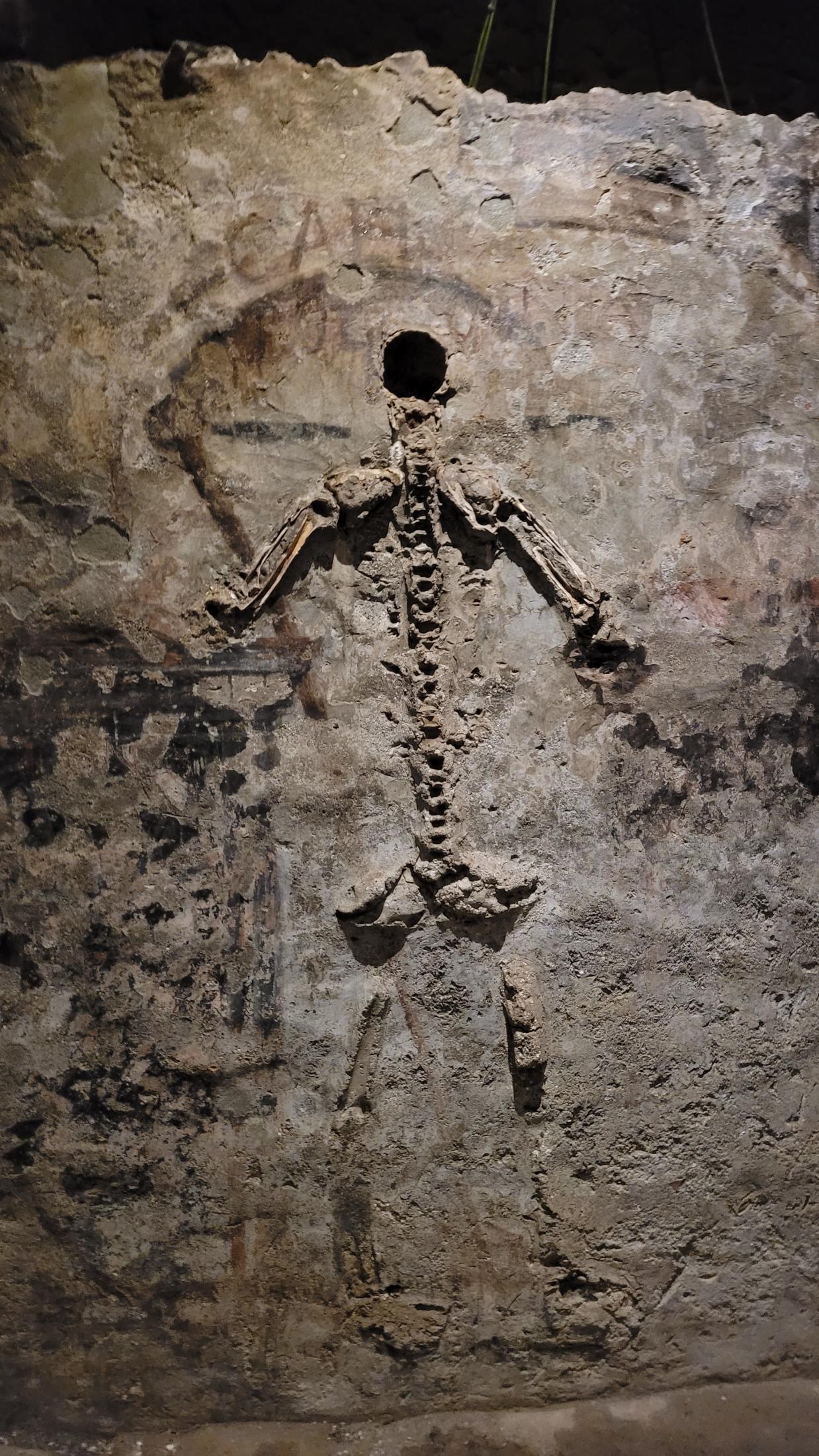
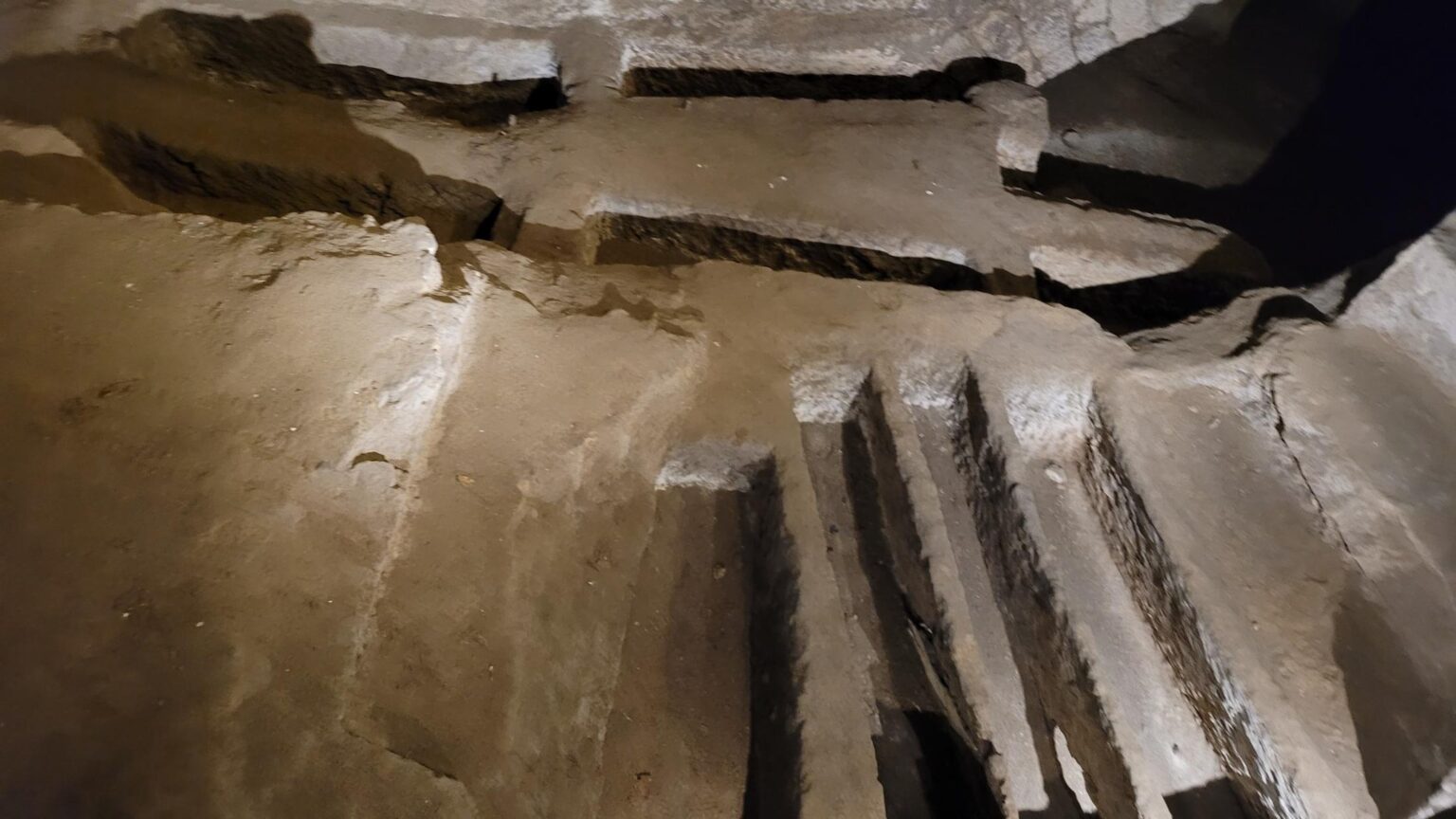
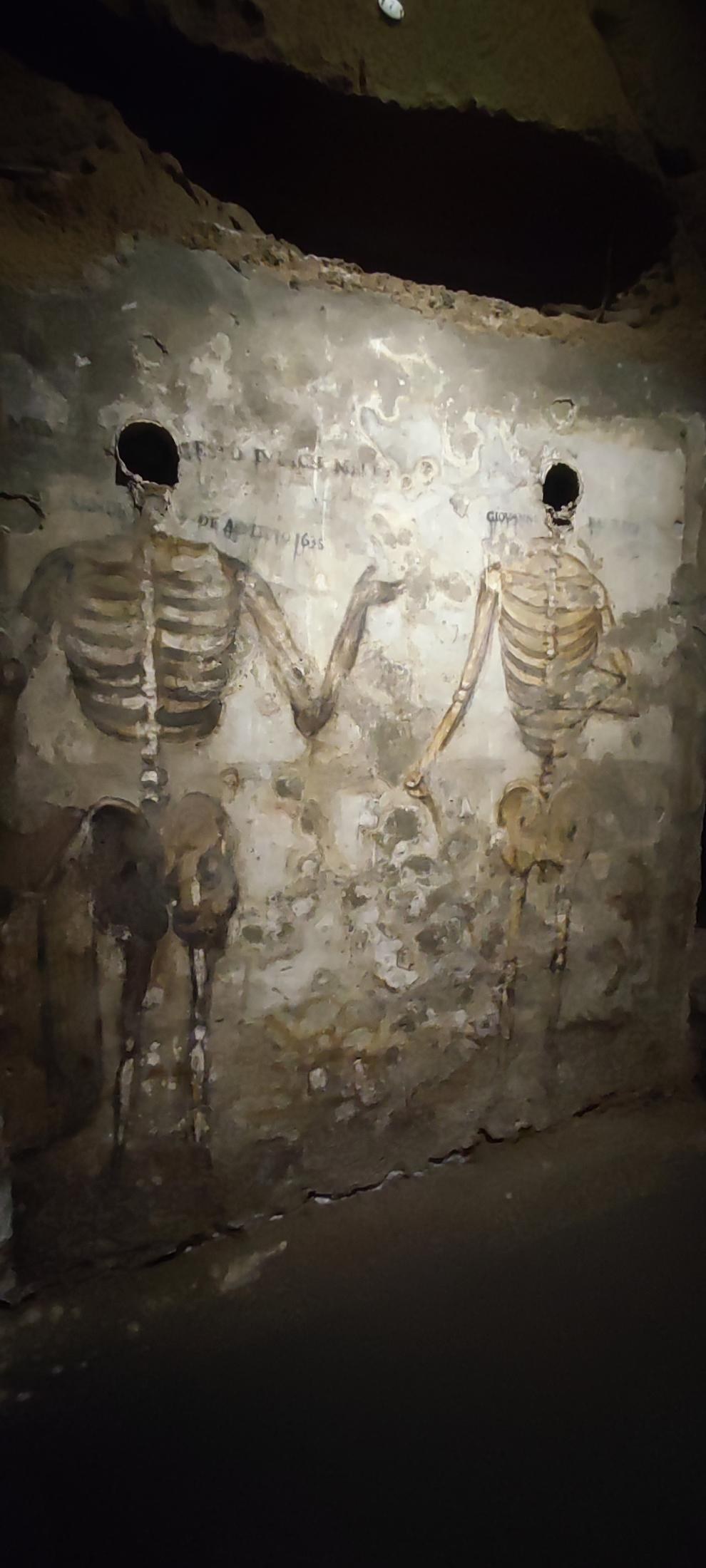
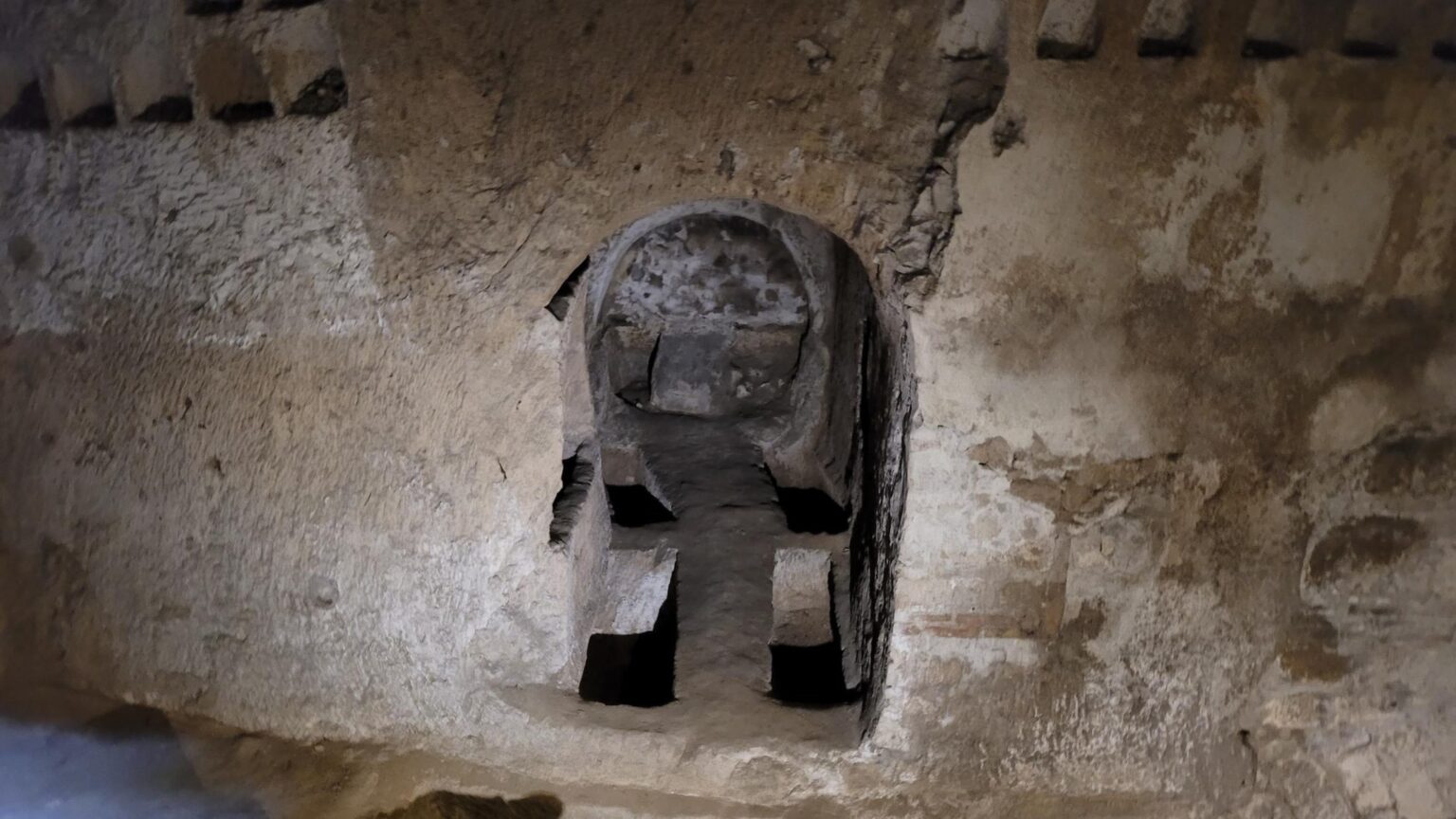
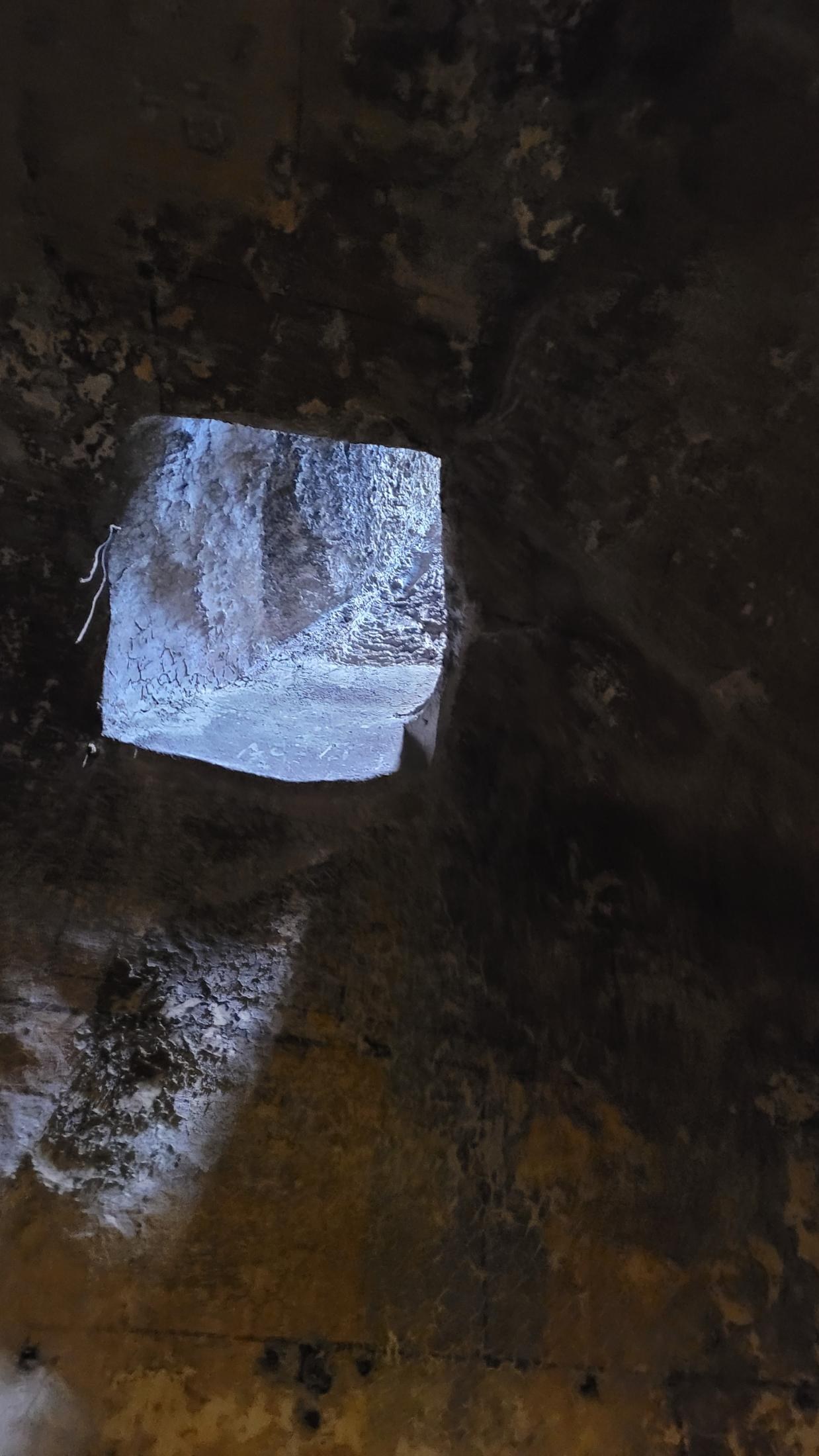
It is important to note that the €11 ticket is valid for both catacombs, which are relatively close to each other. They do not have to be done on the same day. It is valid for 365 calendar days — one year. In our case we went on 2 different days, but they will be assembled into this one section.
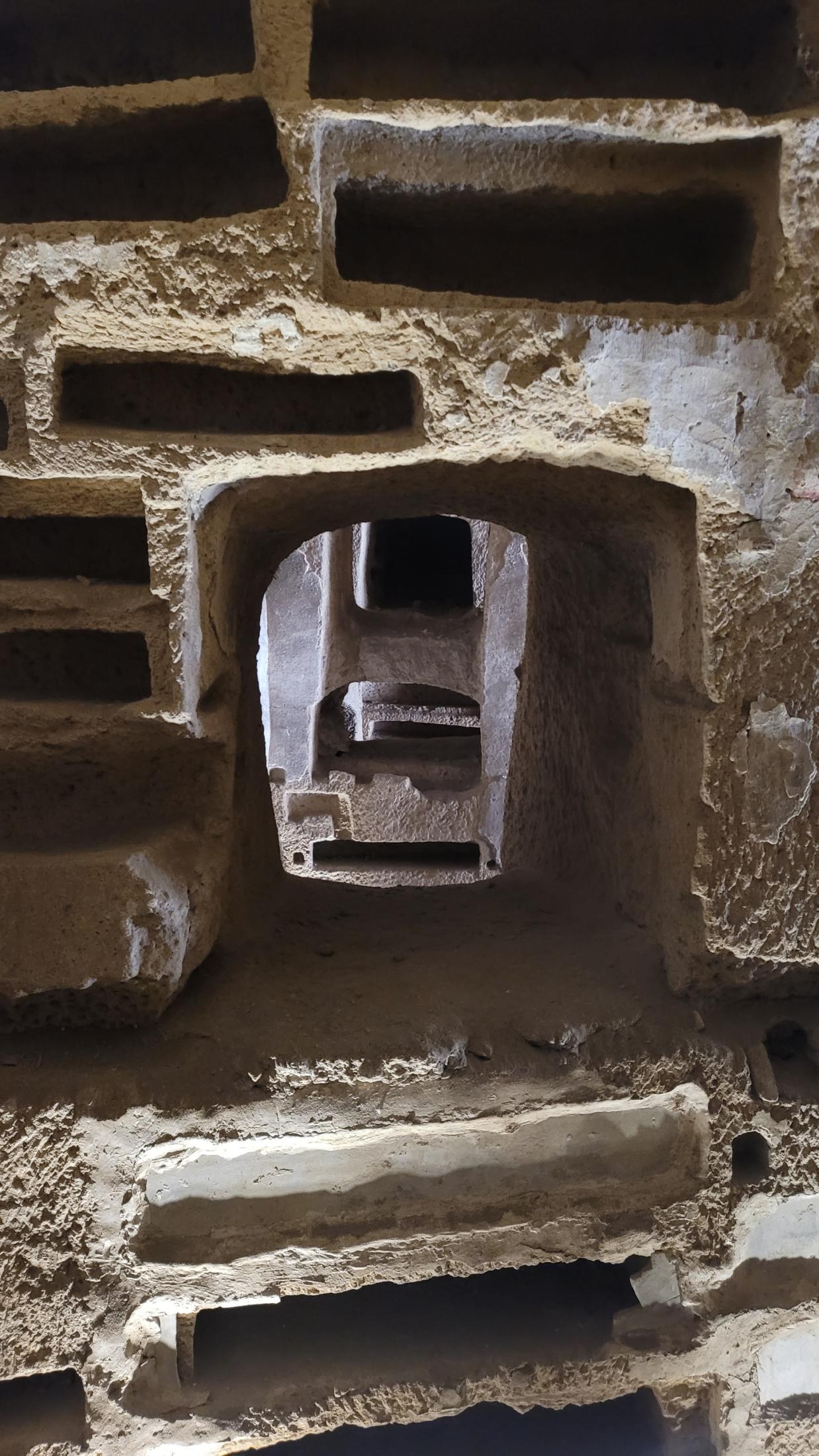
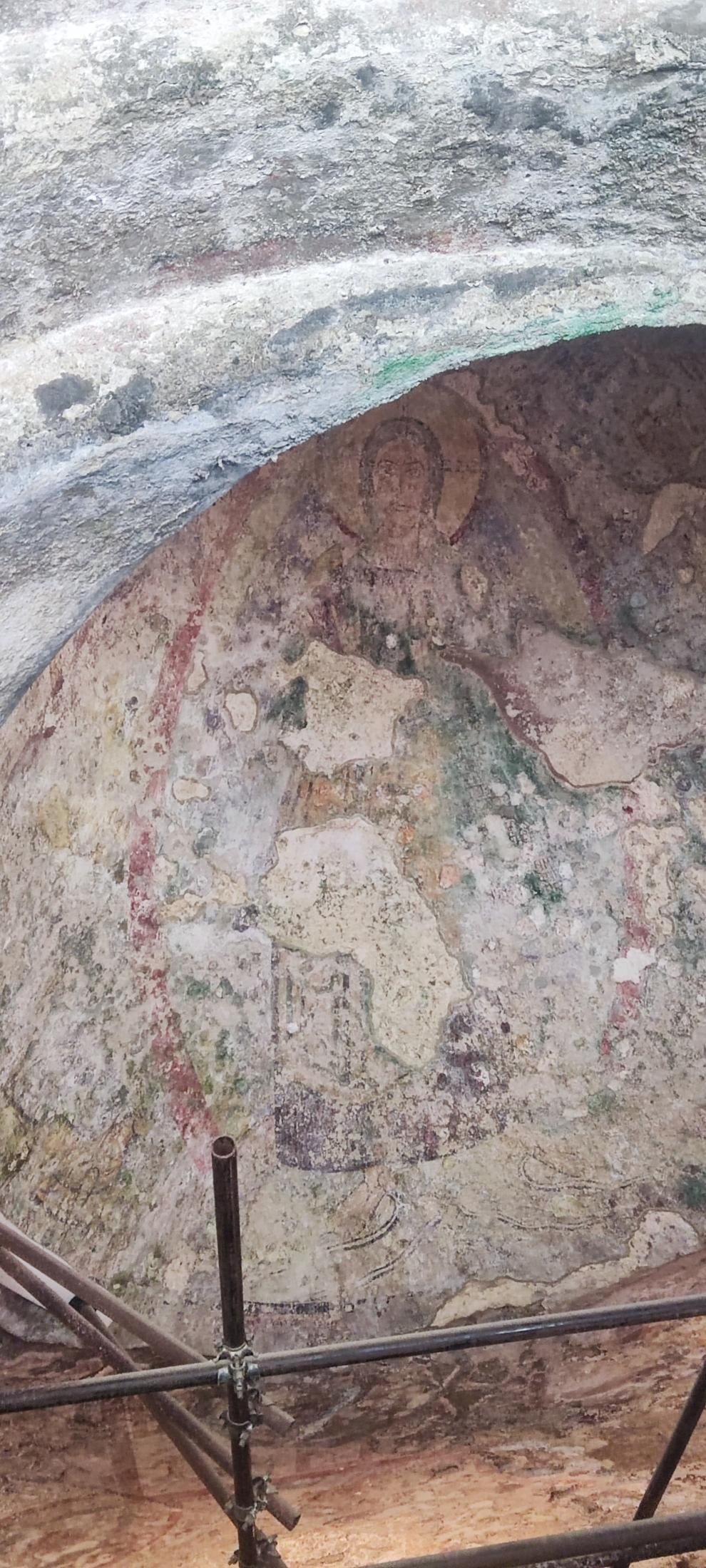
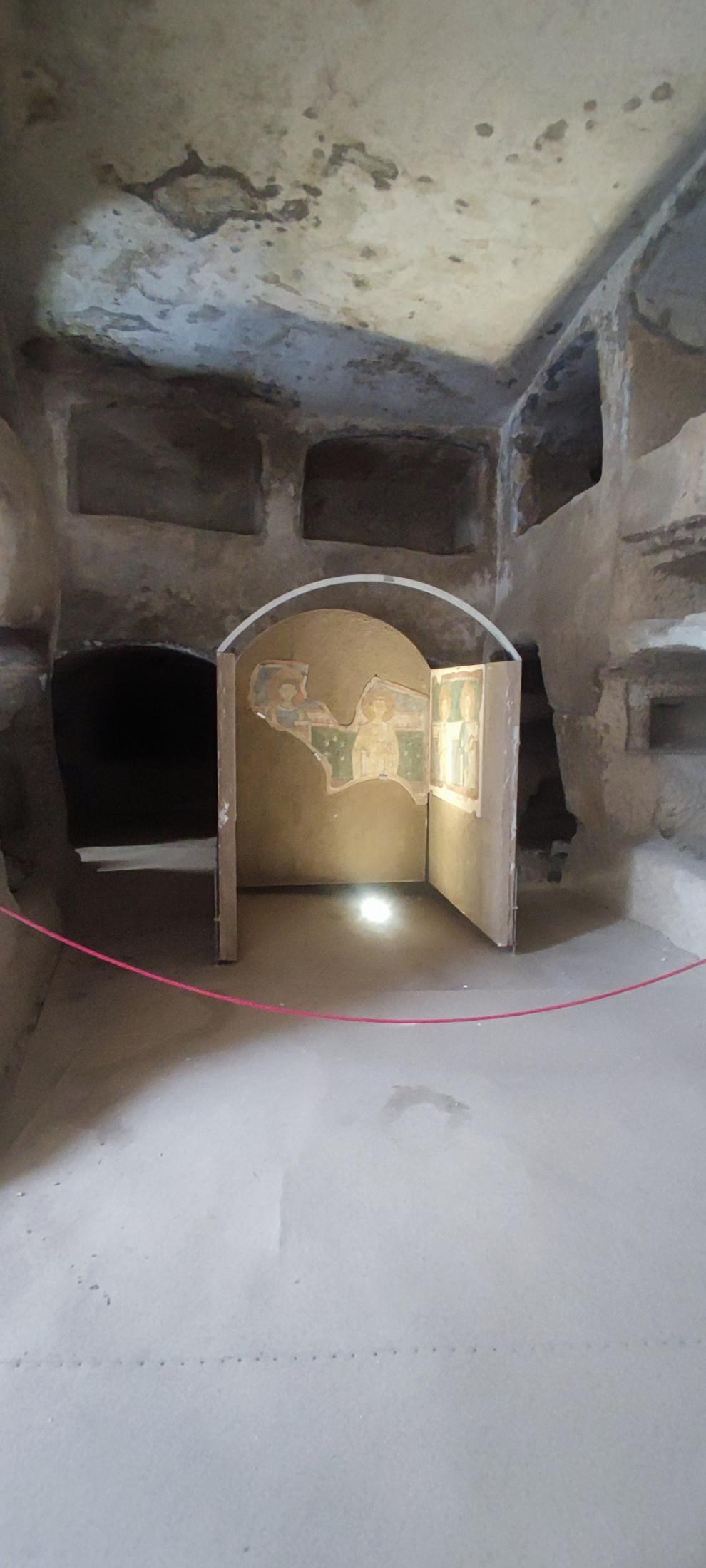
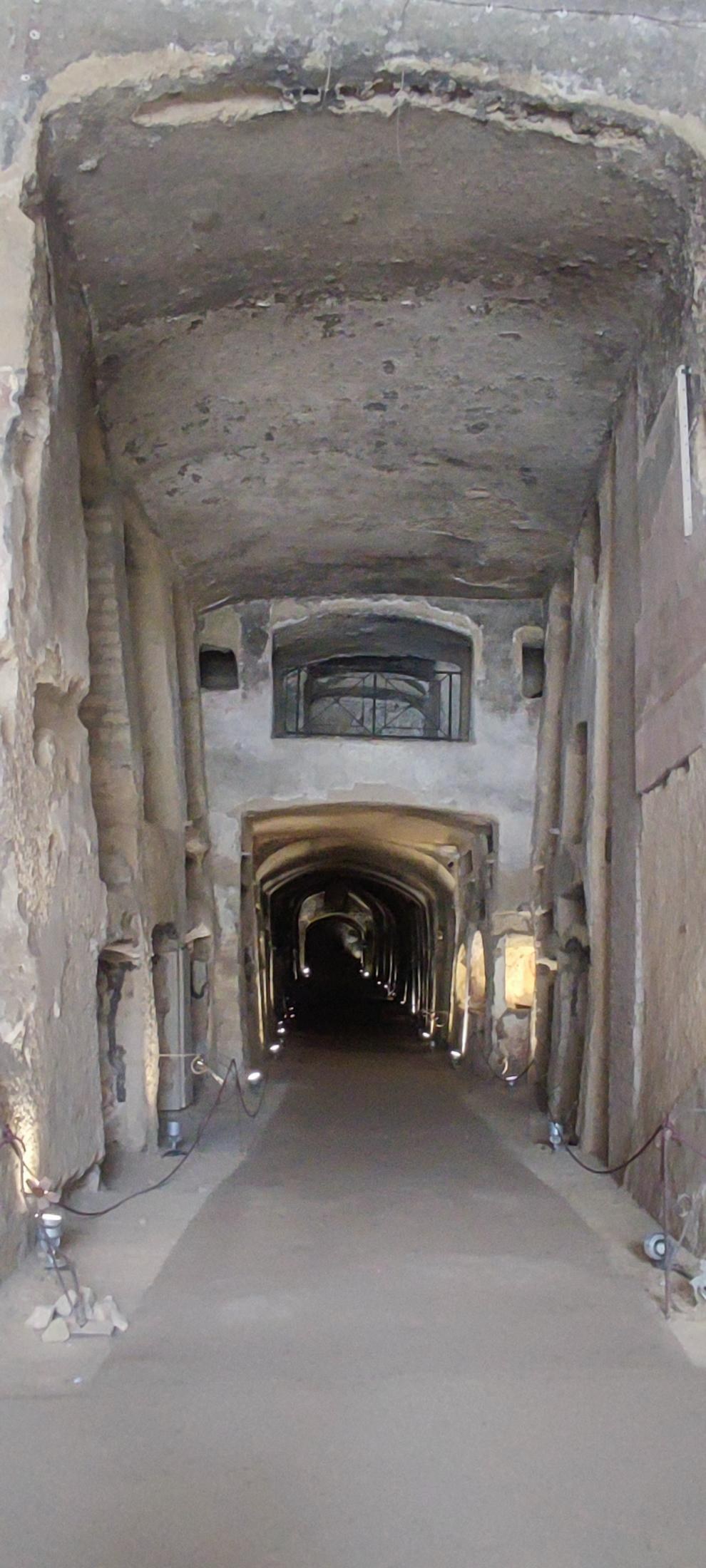
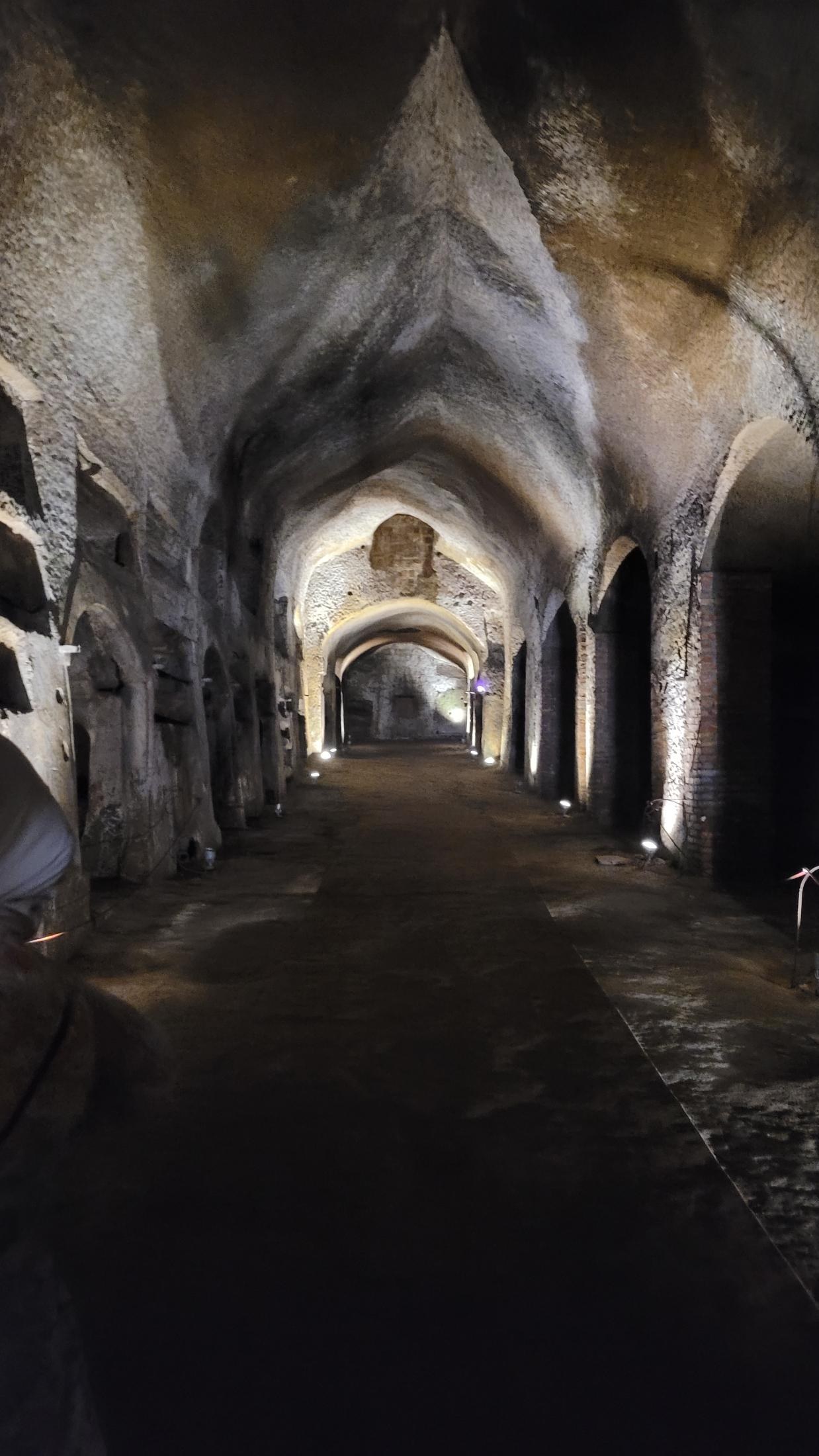
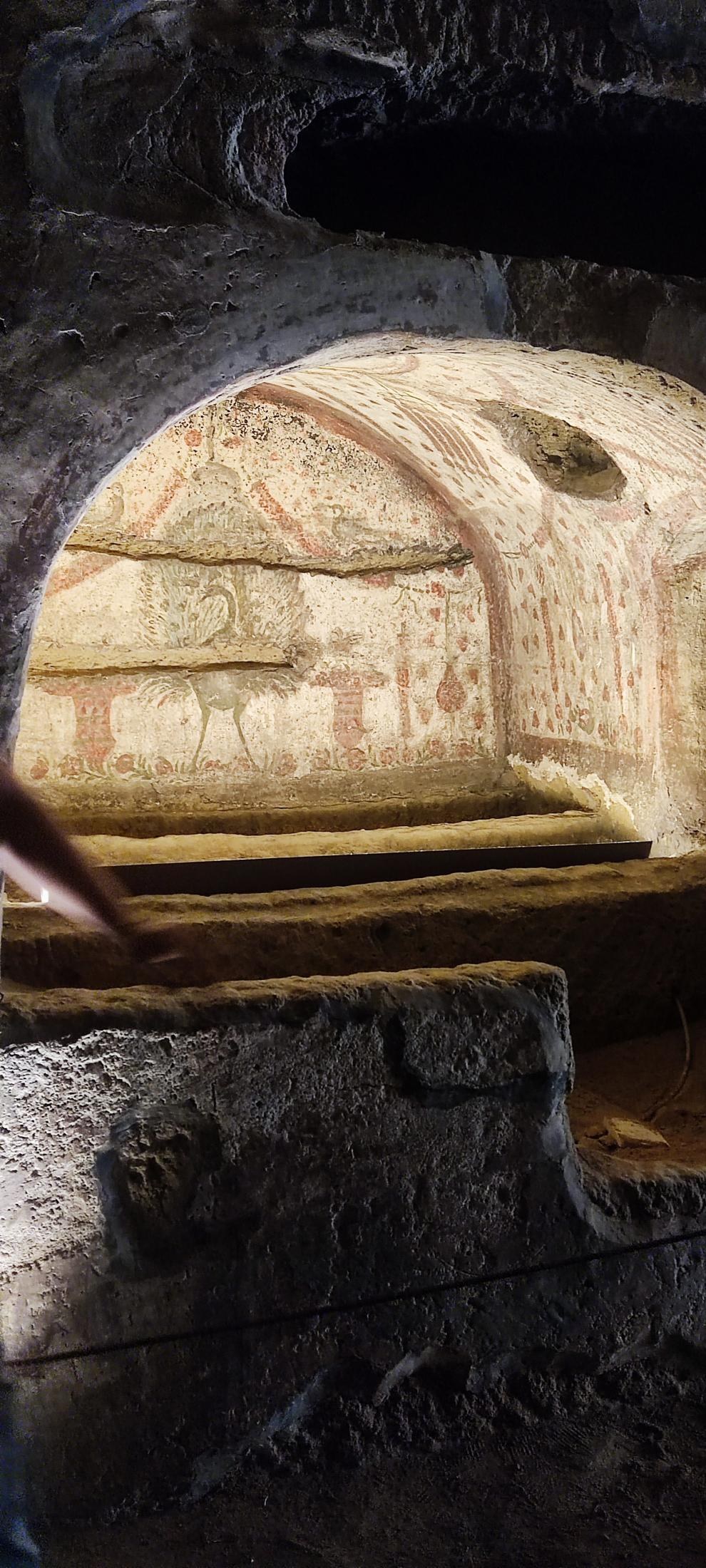
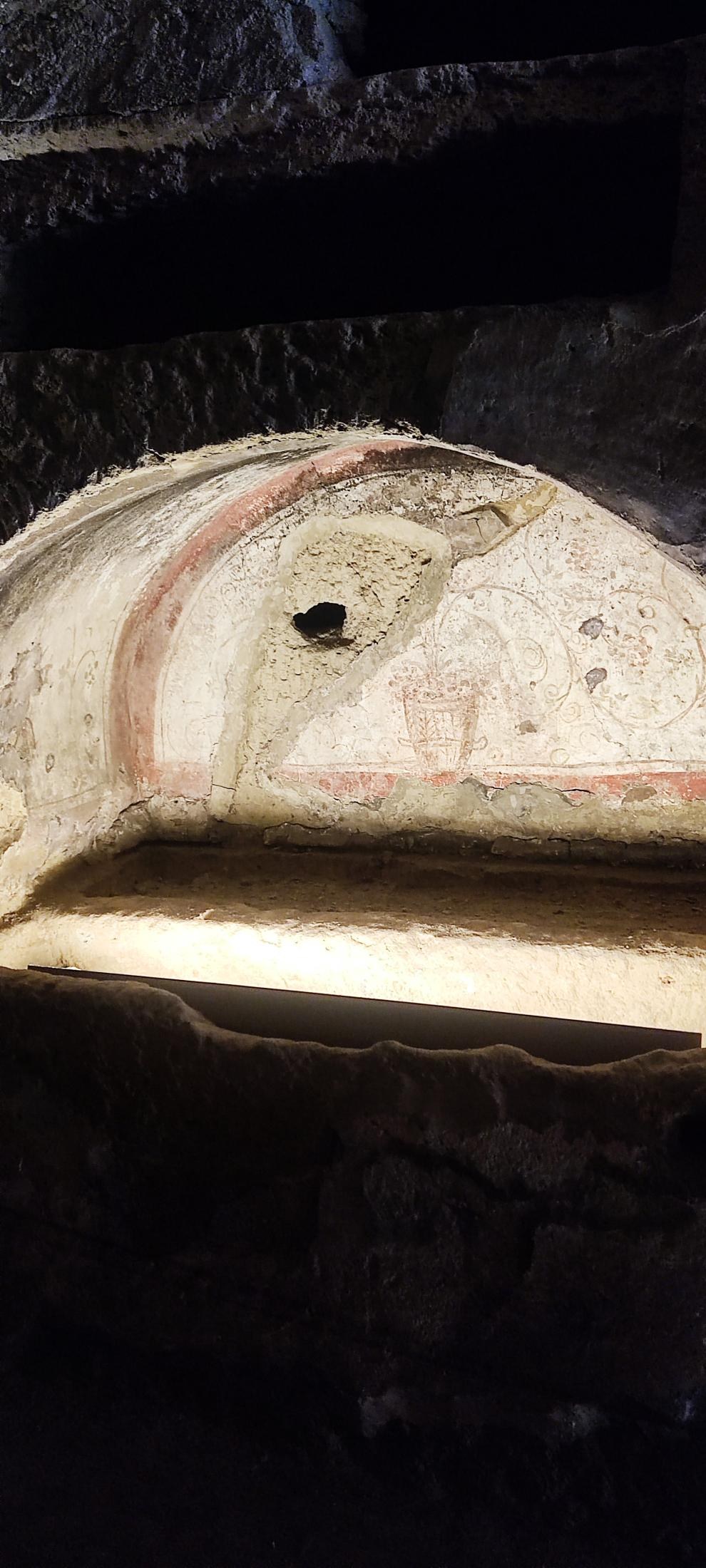
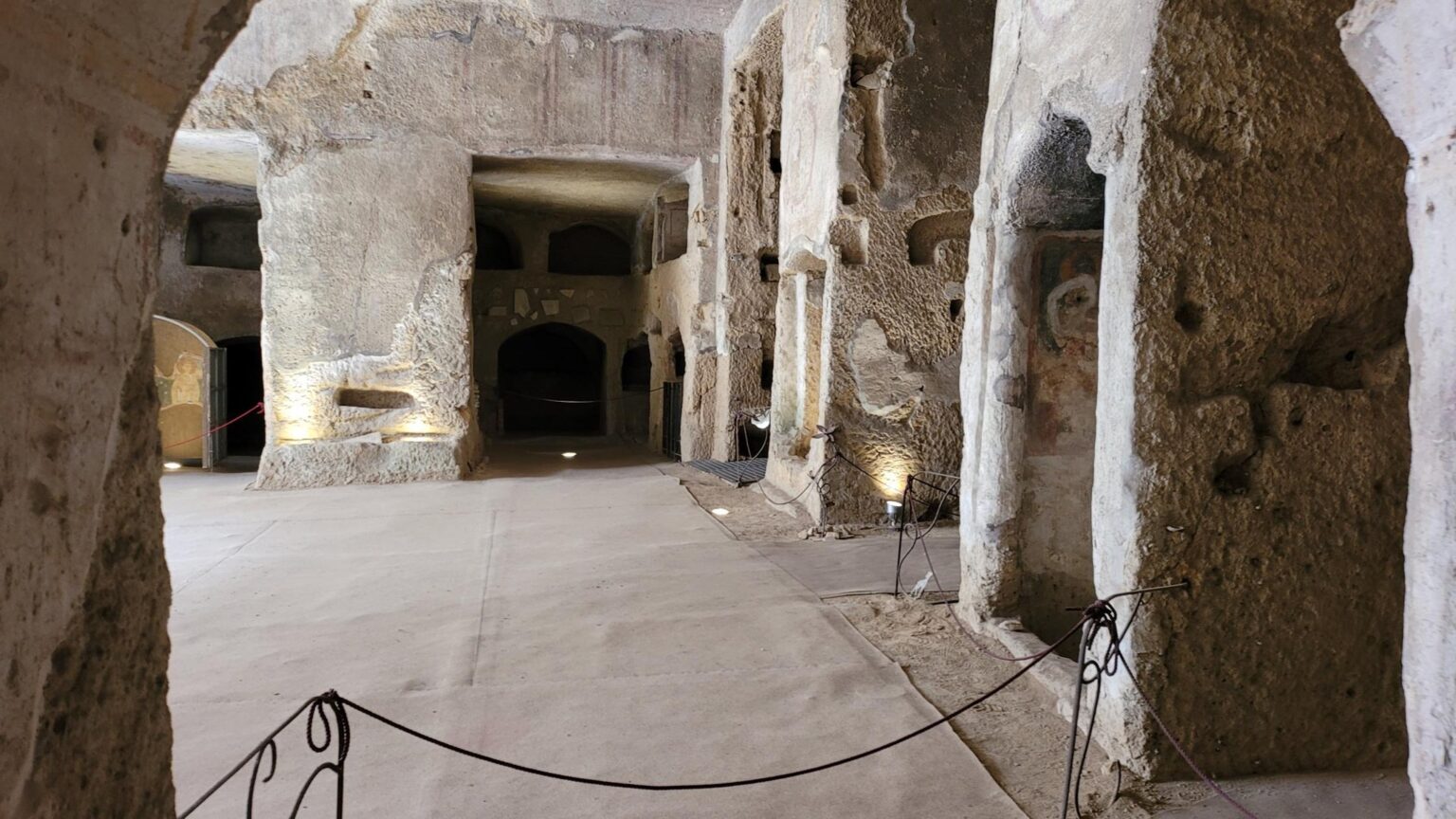
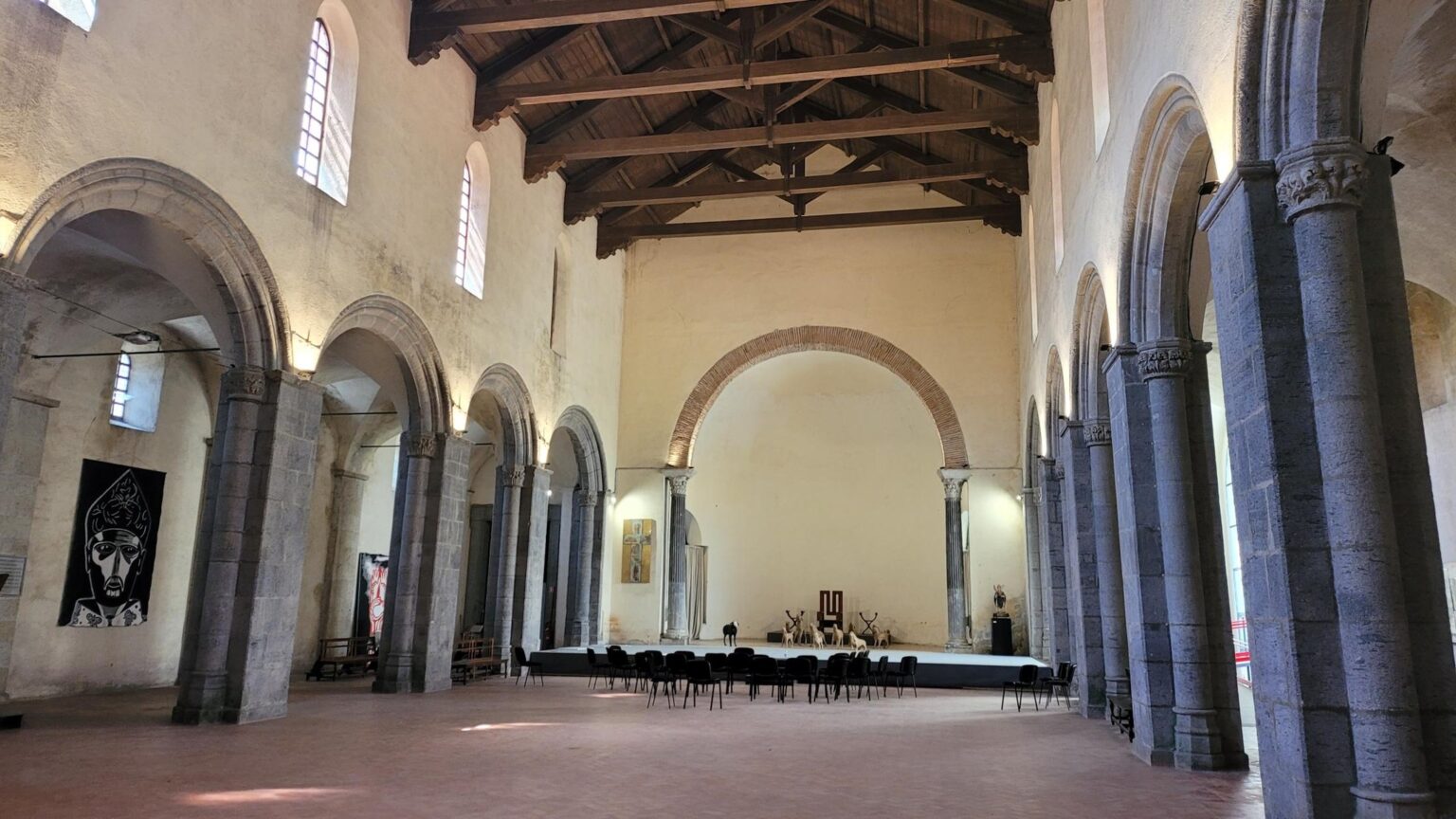
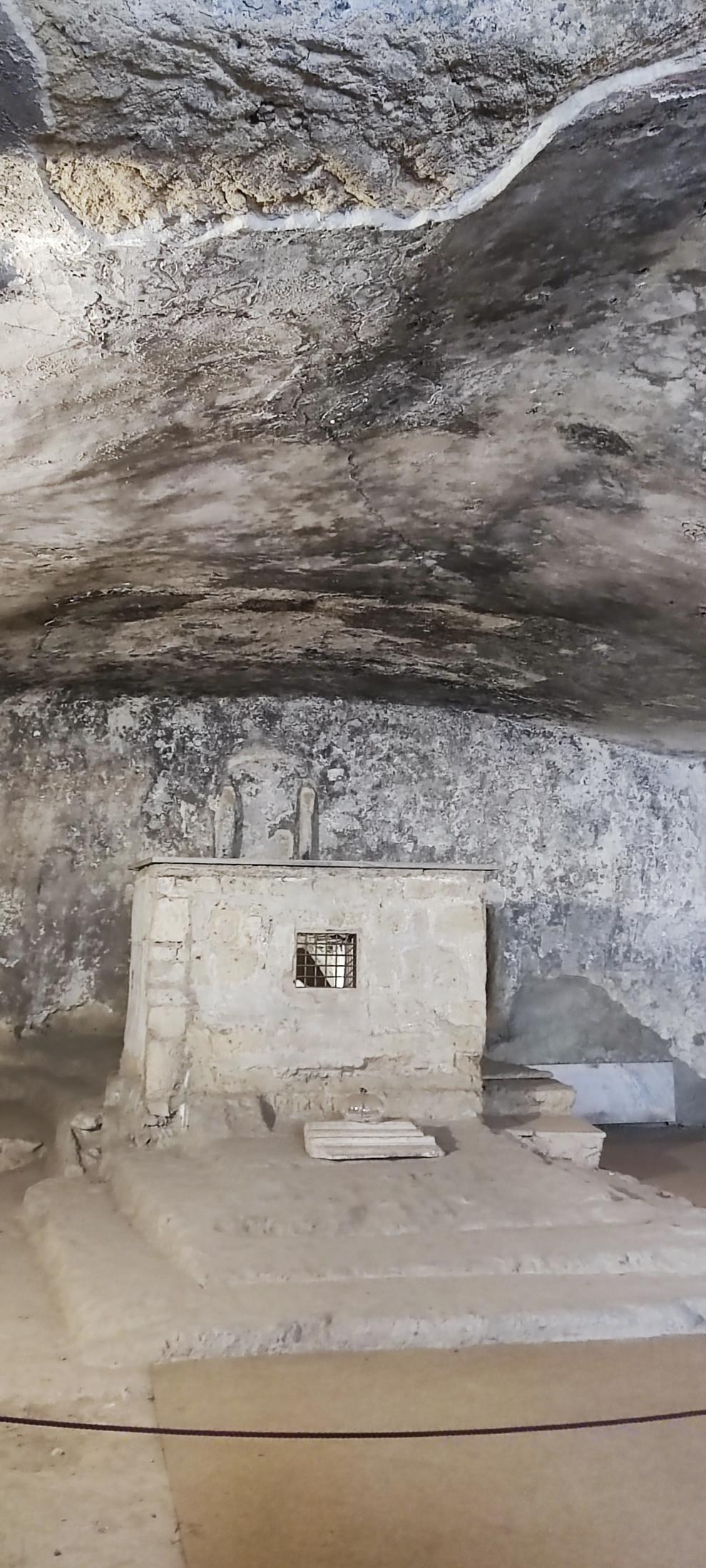
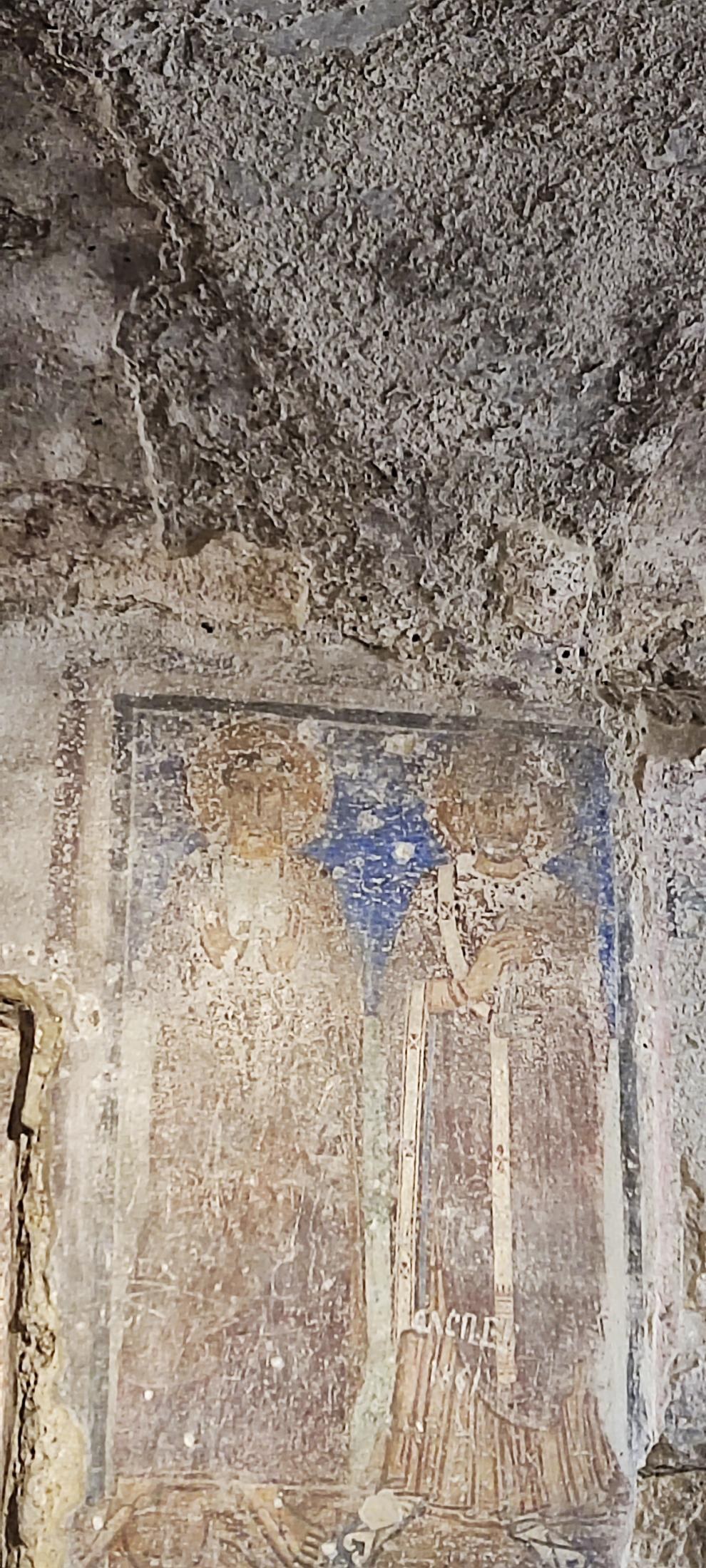
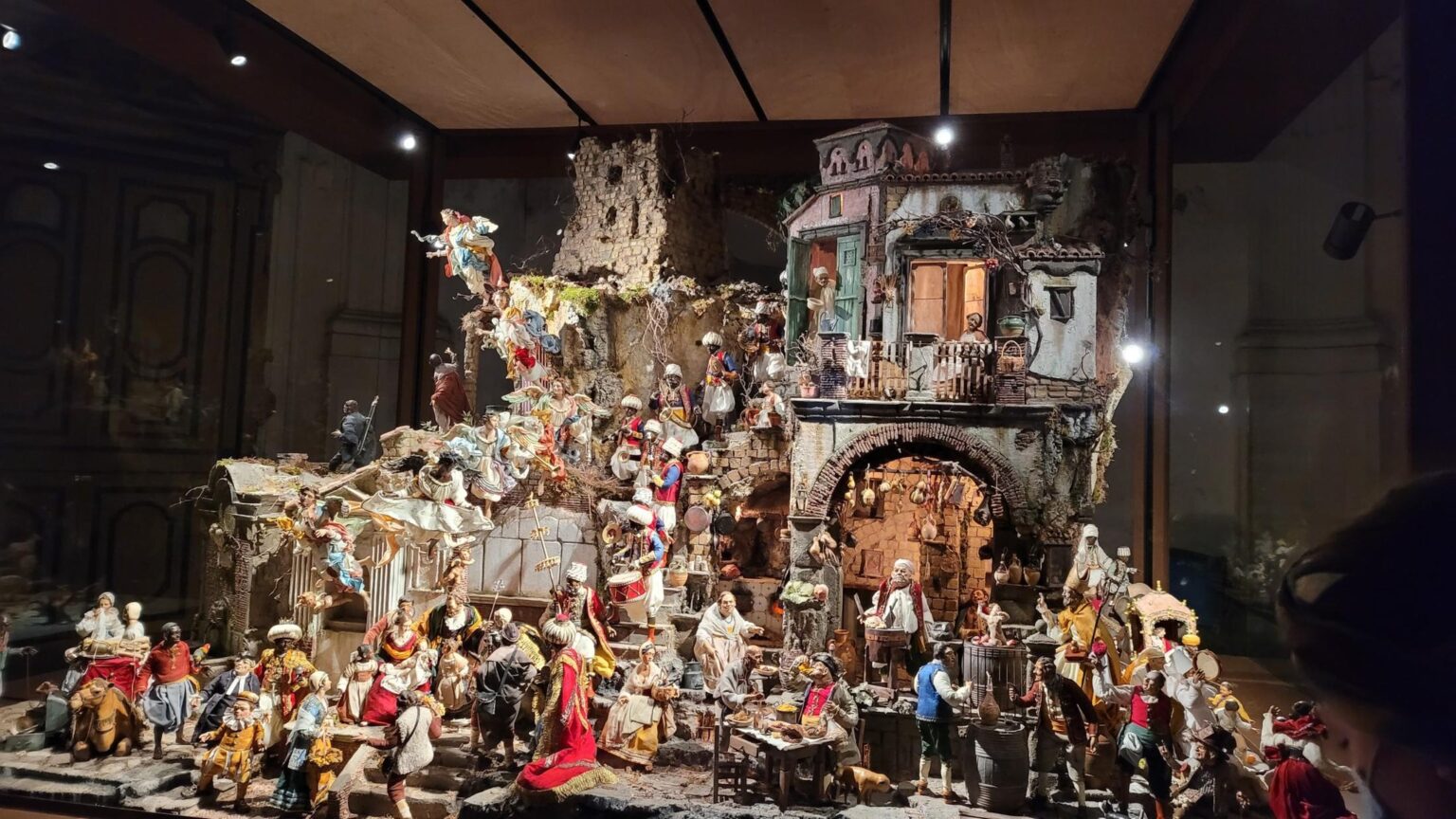
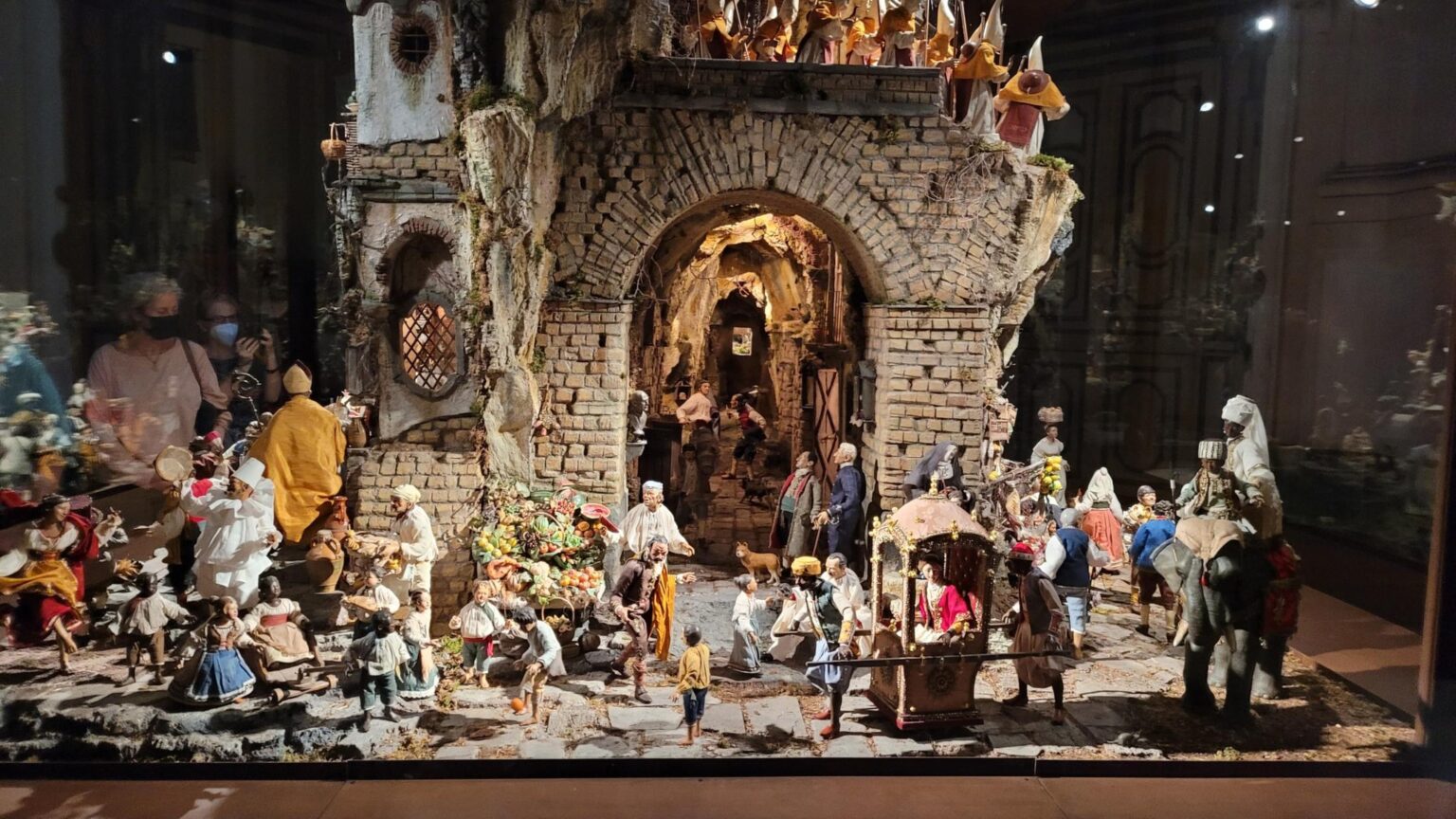
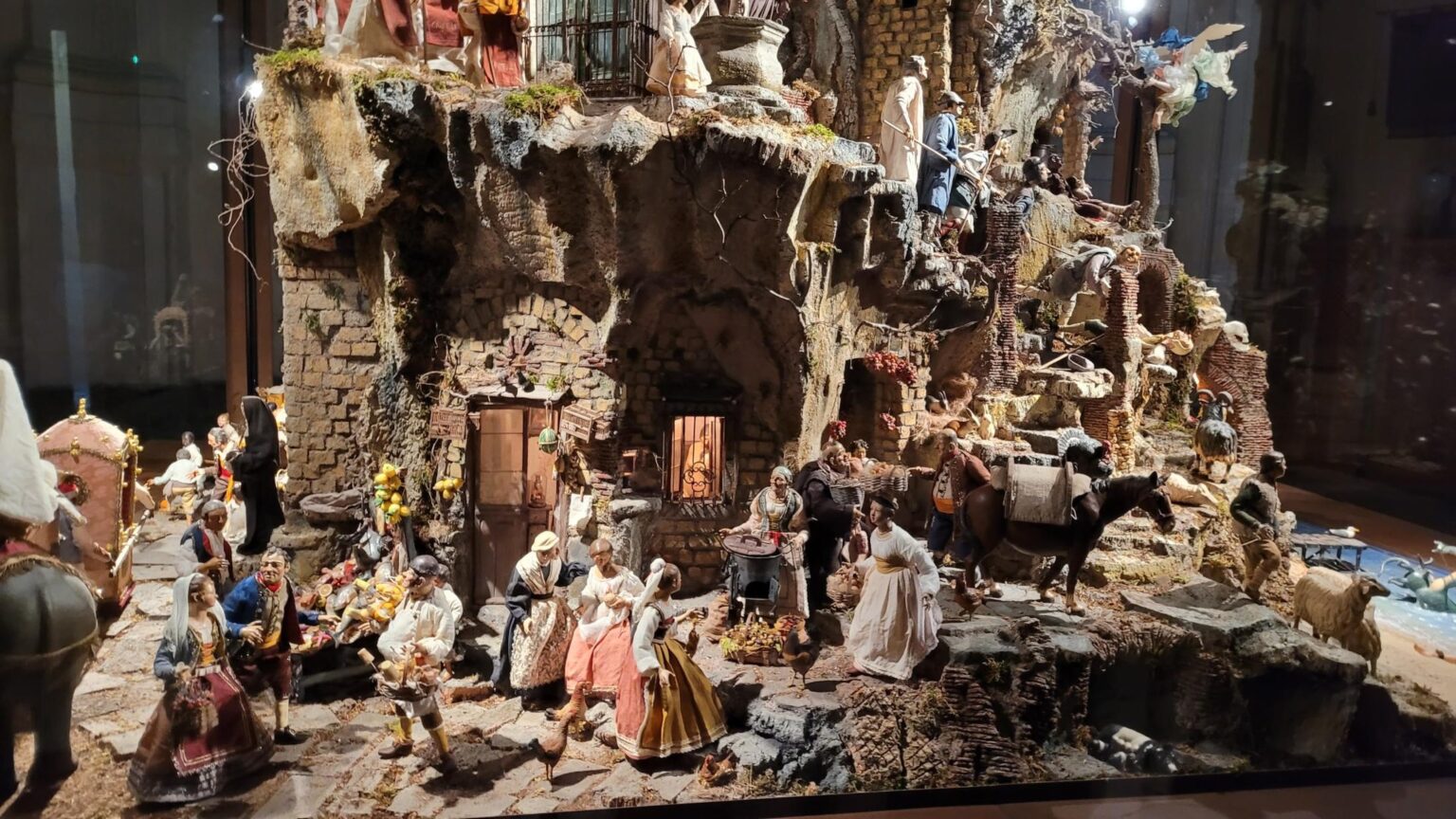
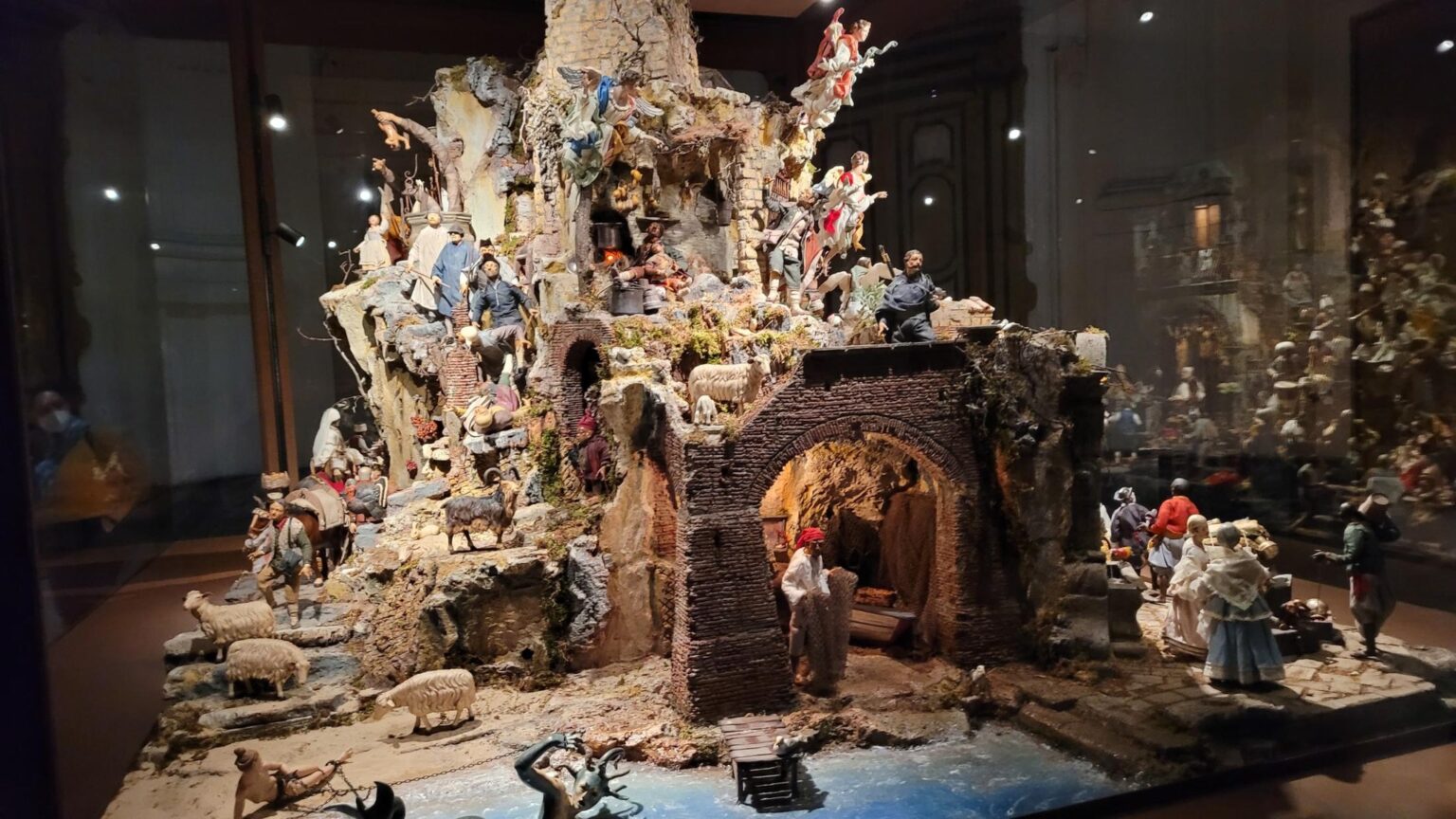
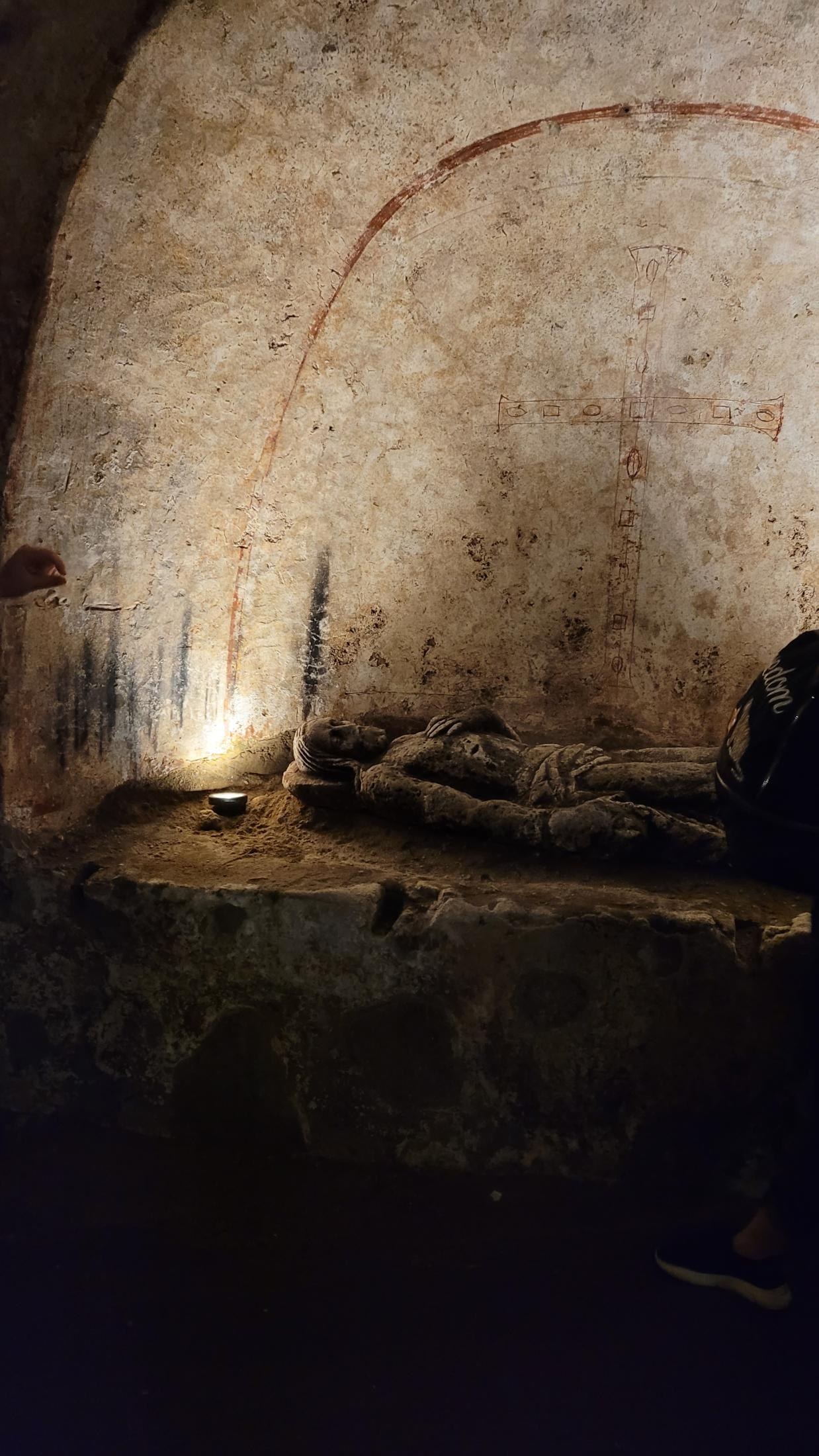
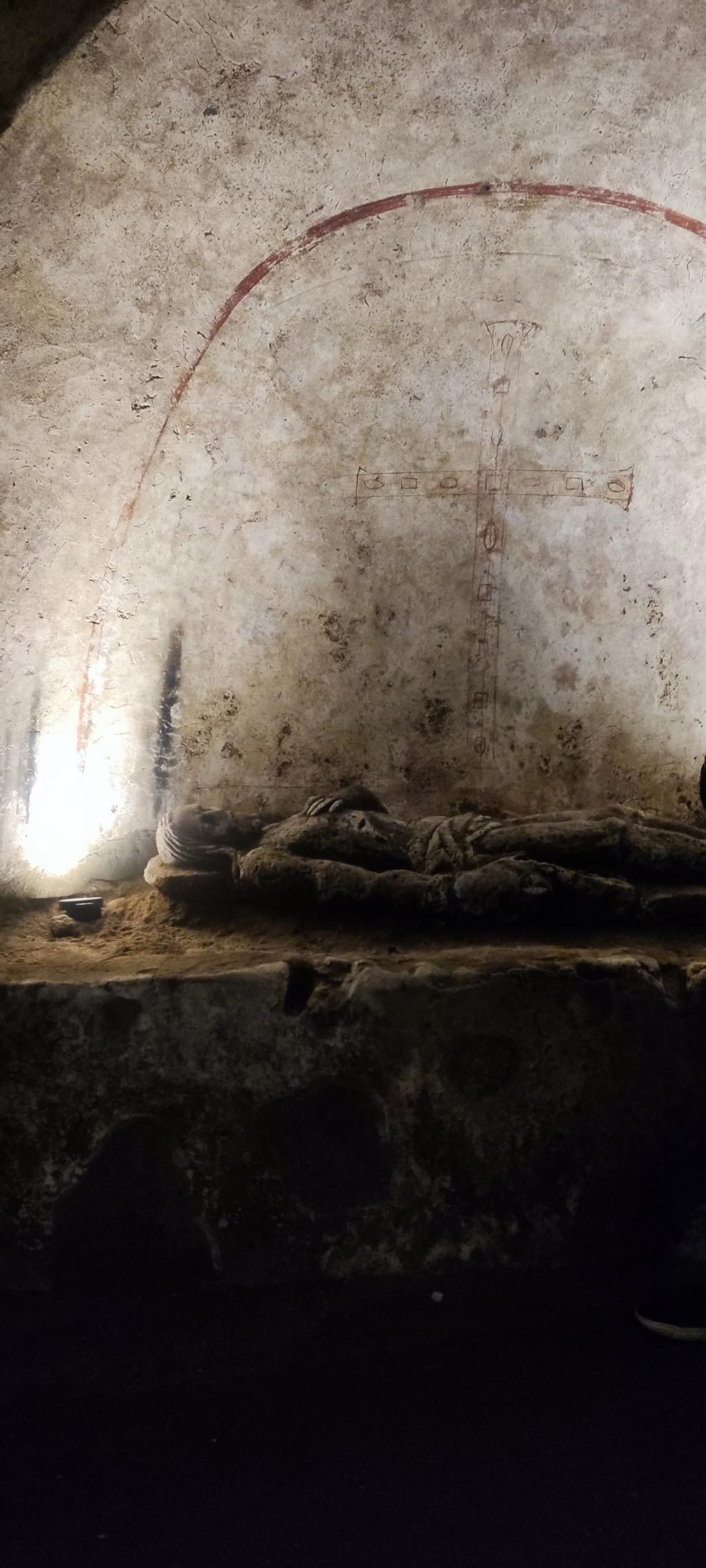
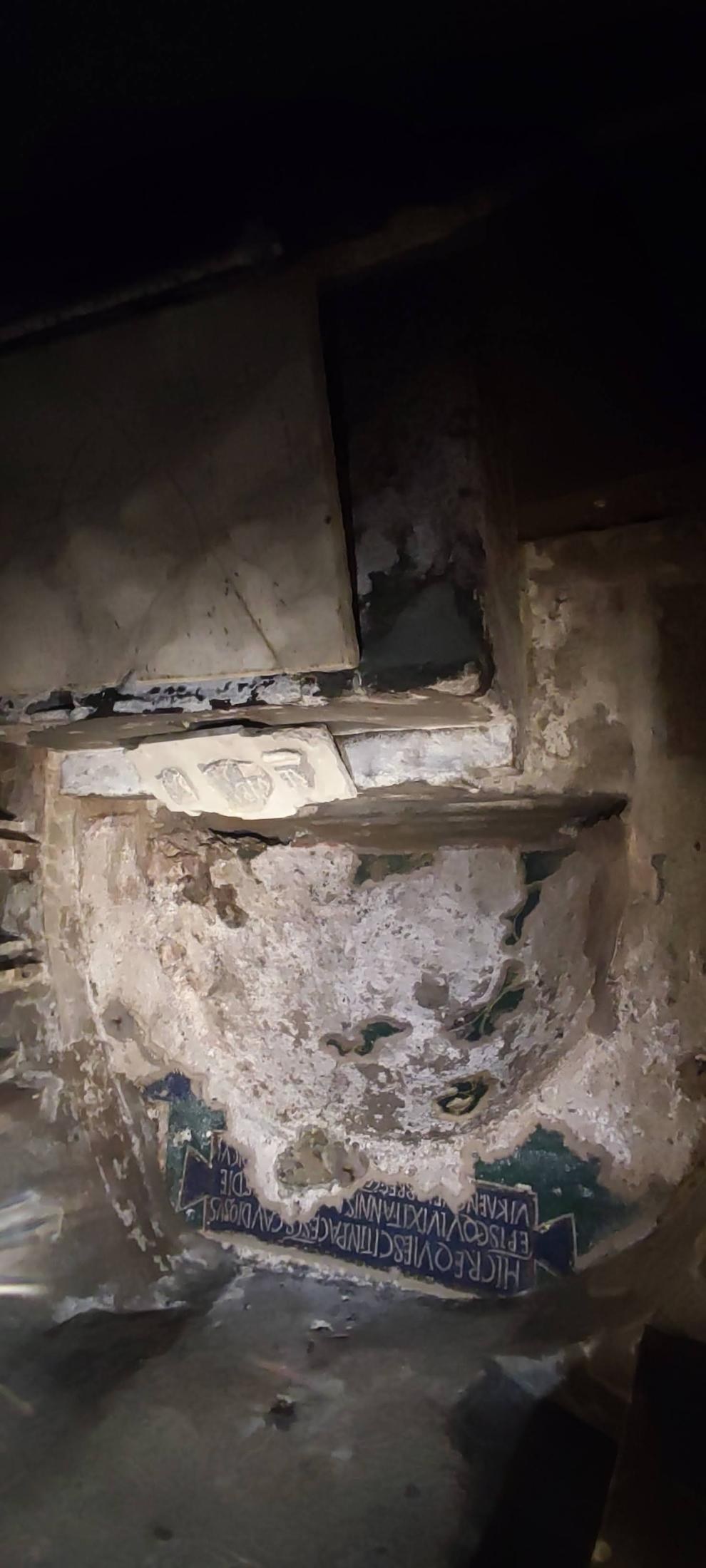
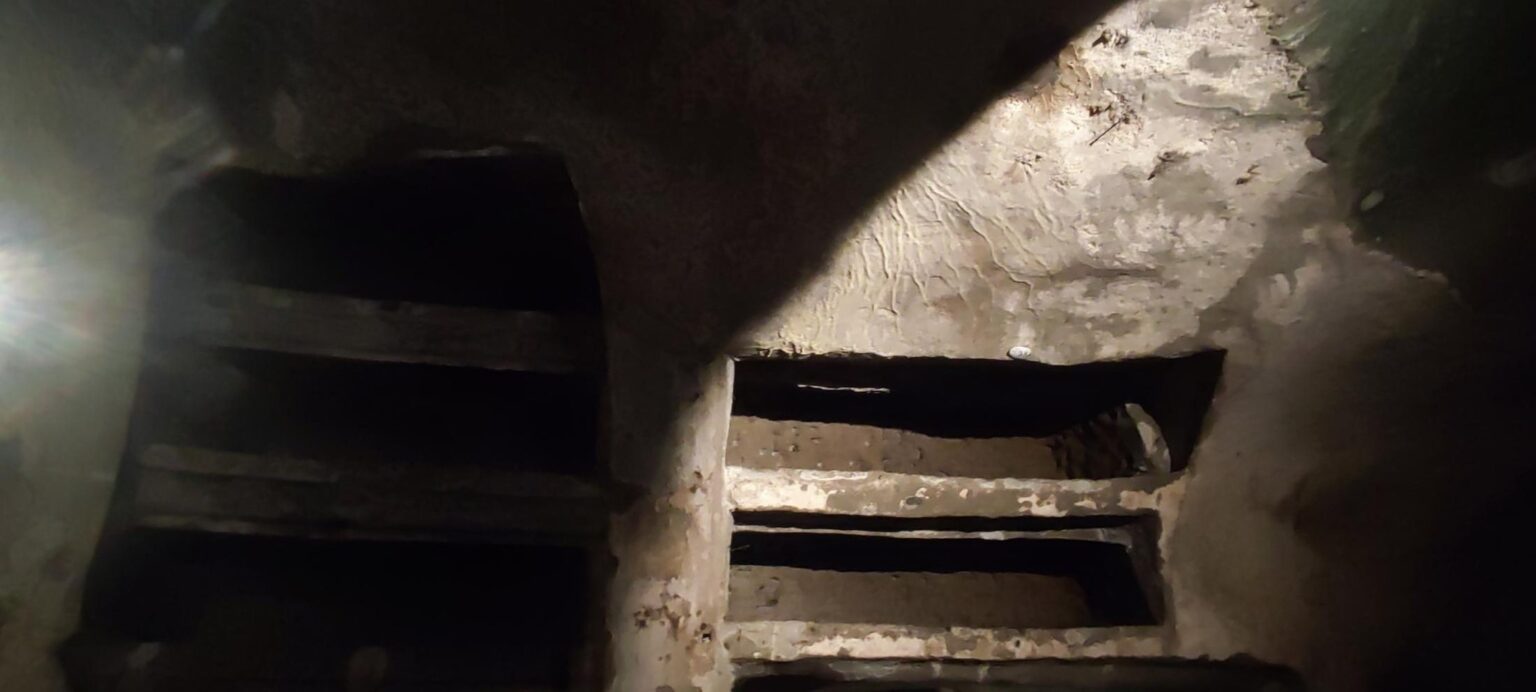
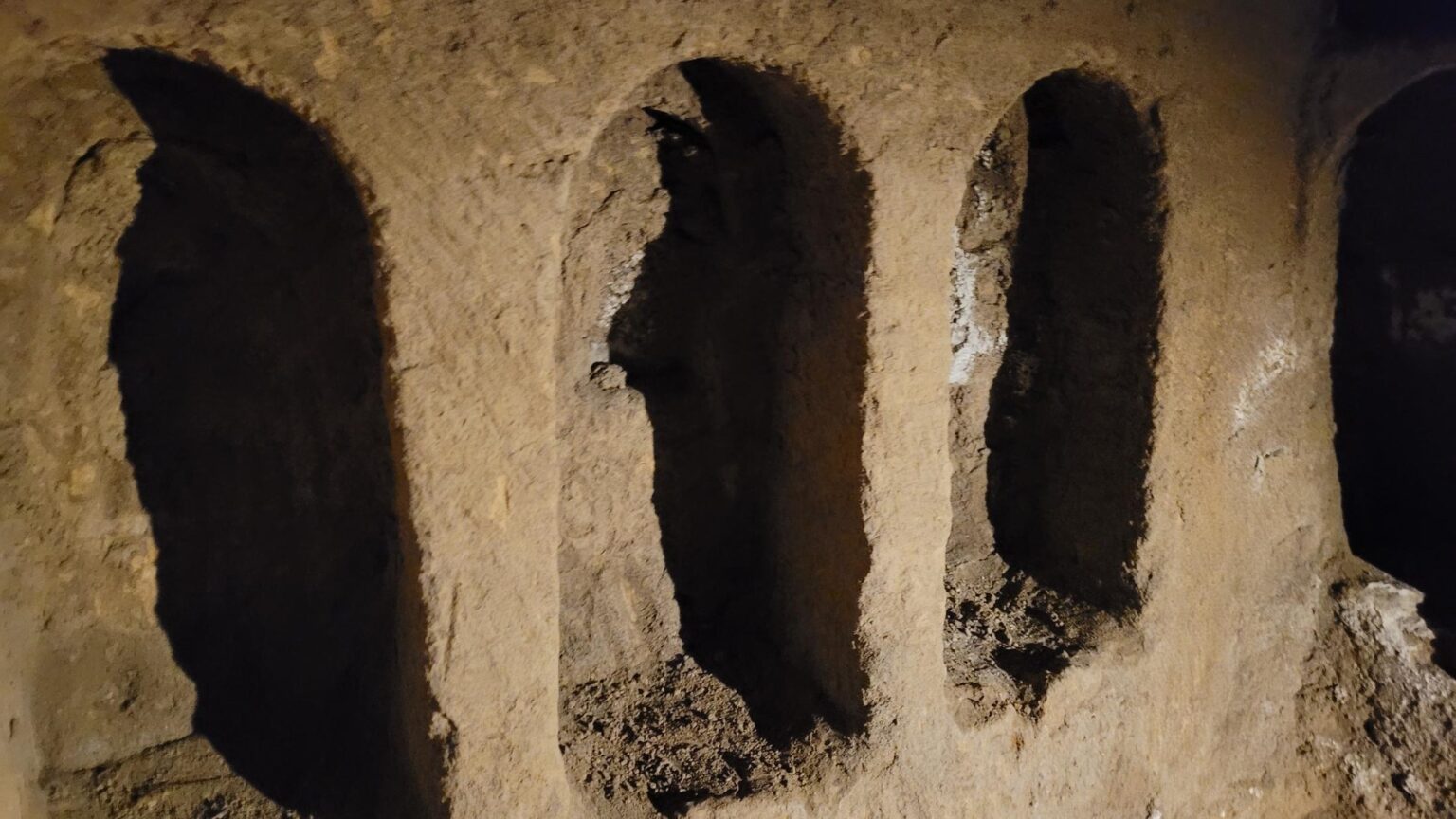
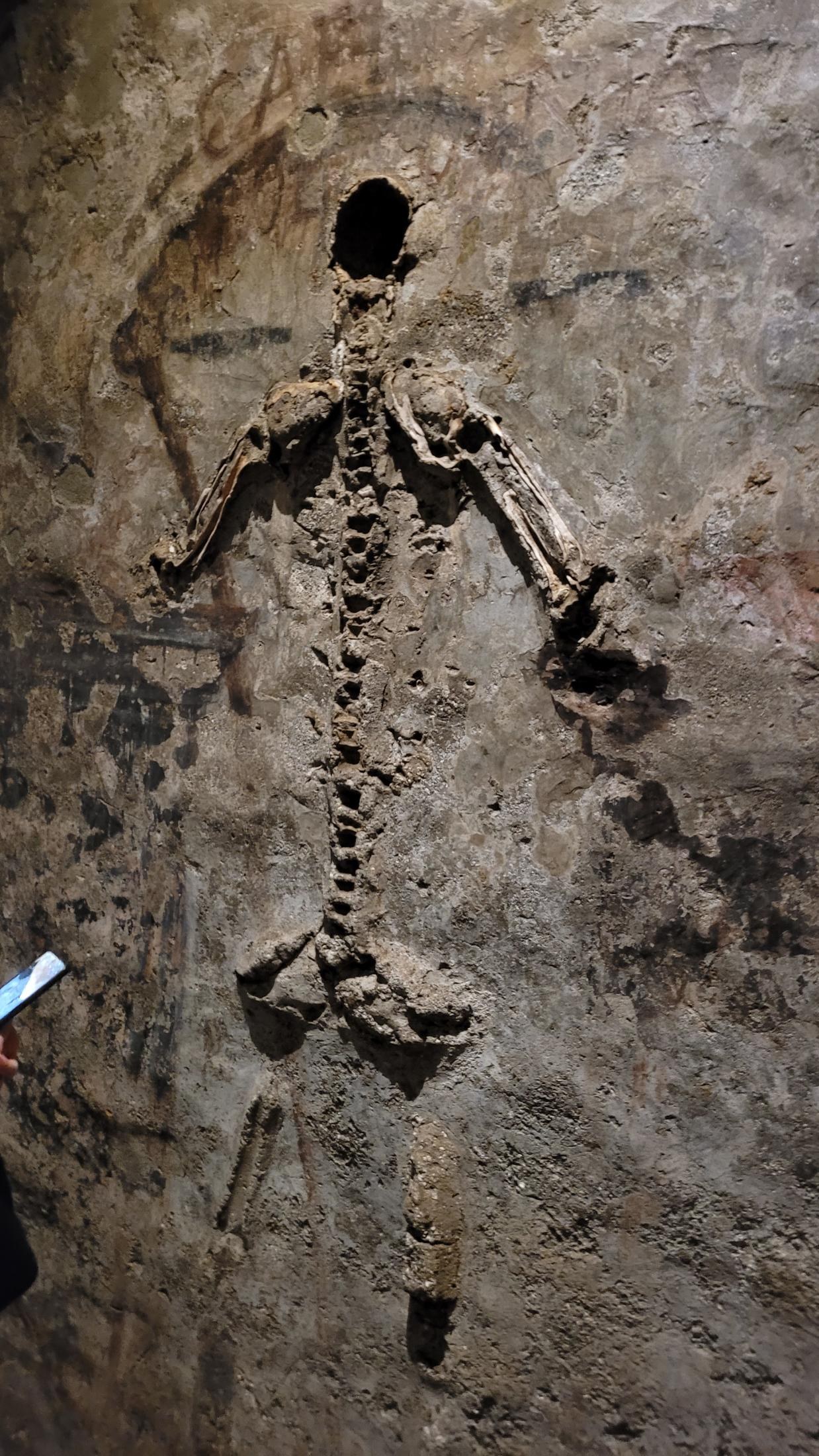
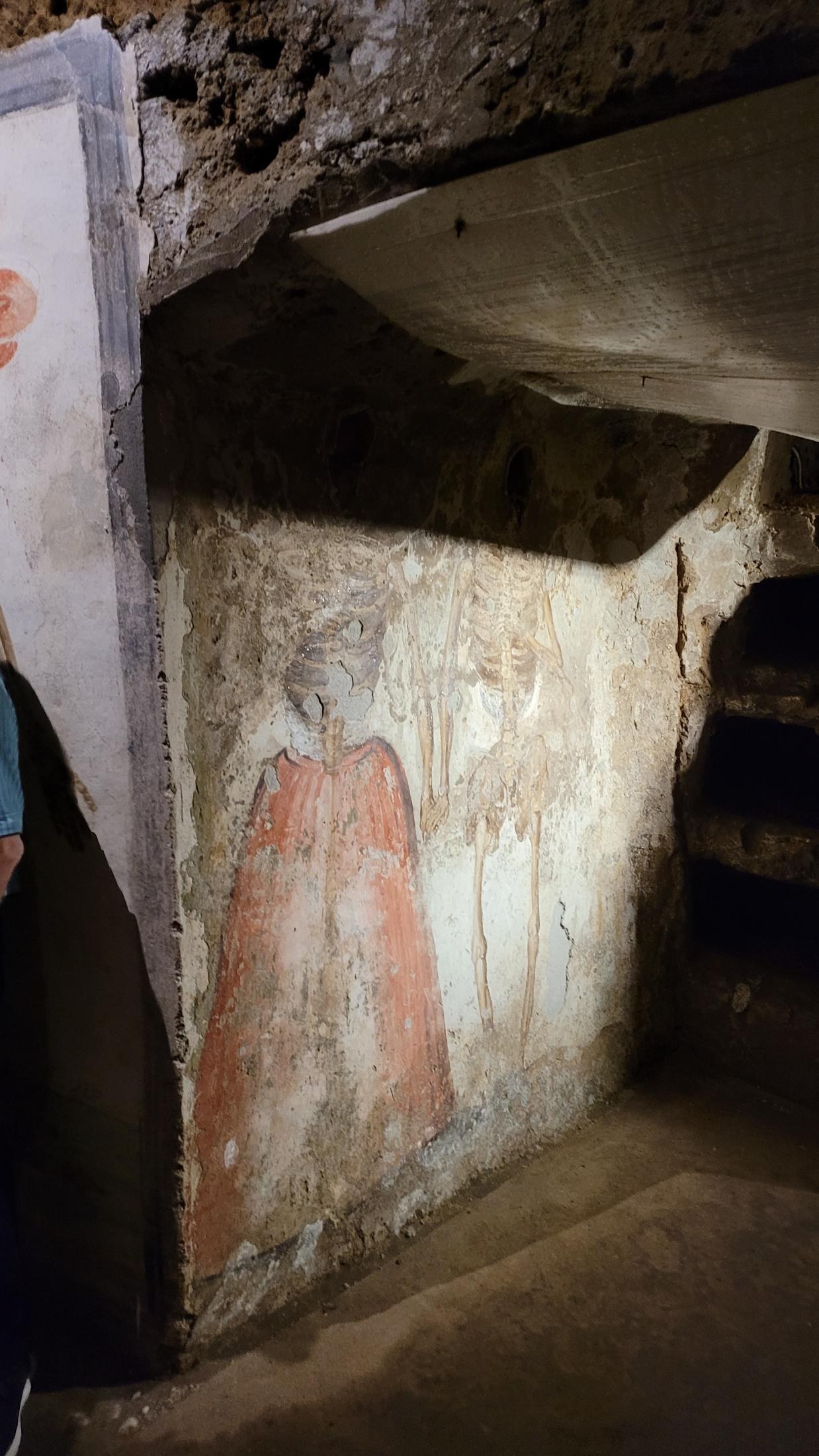
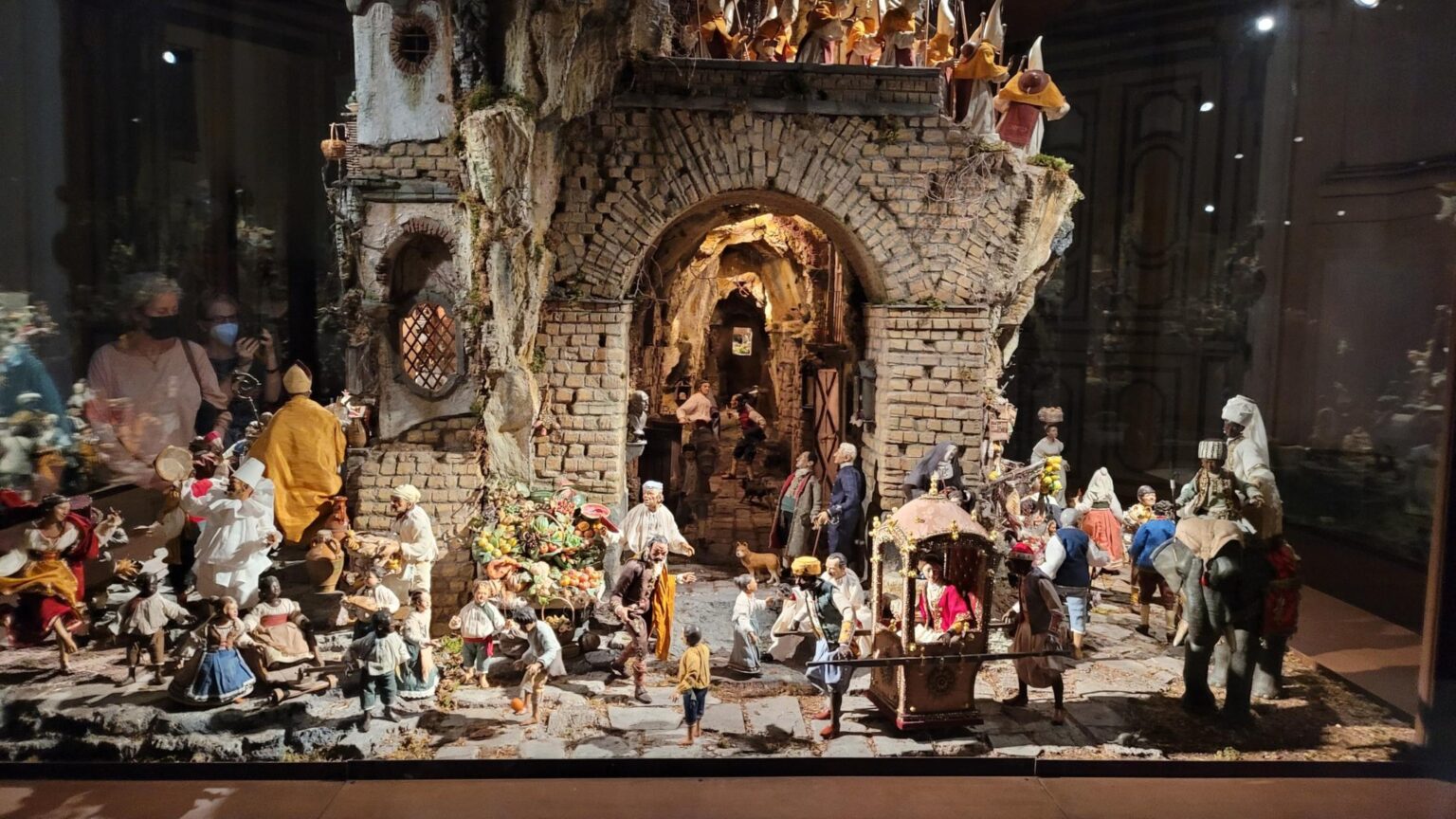
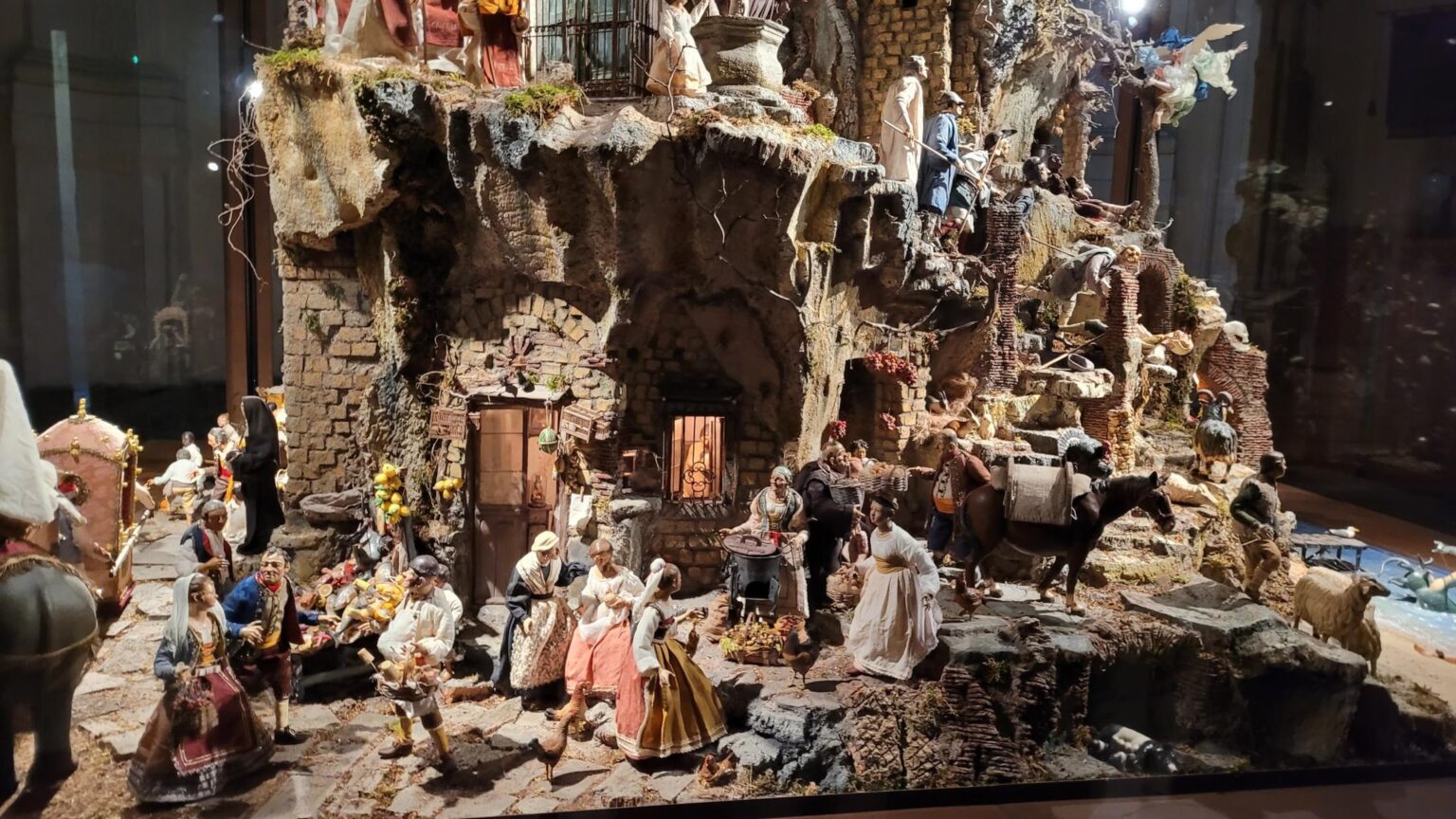
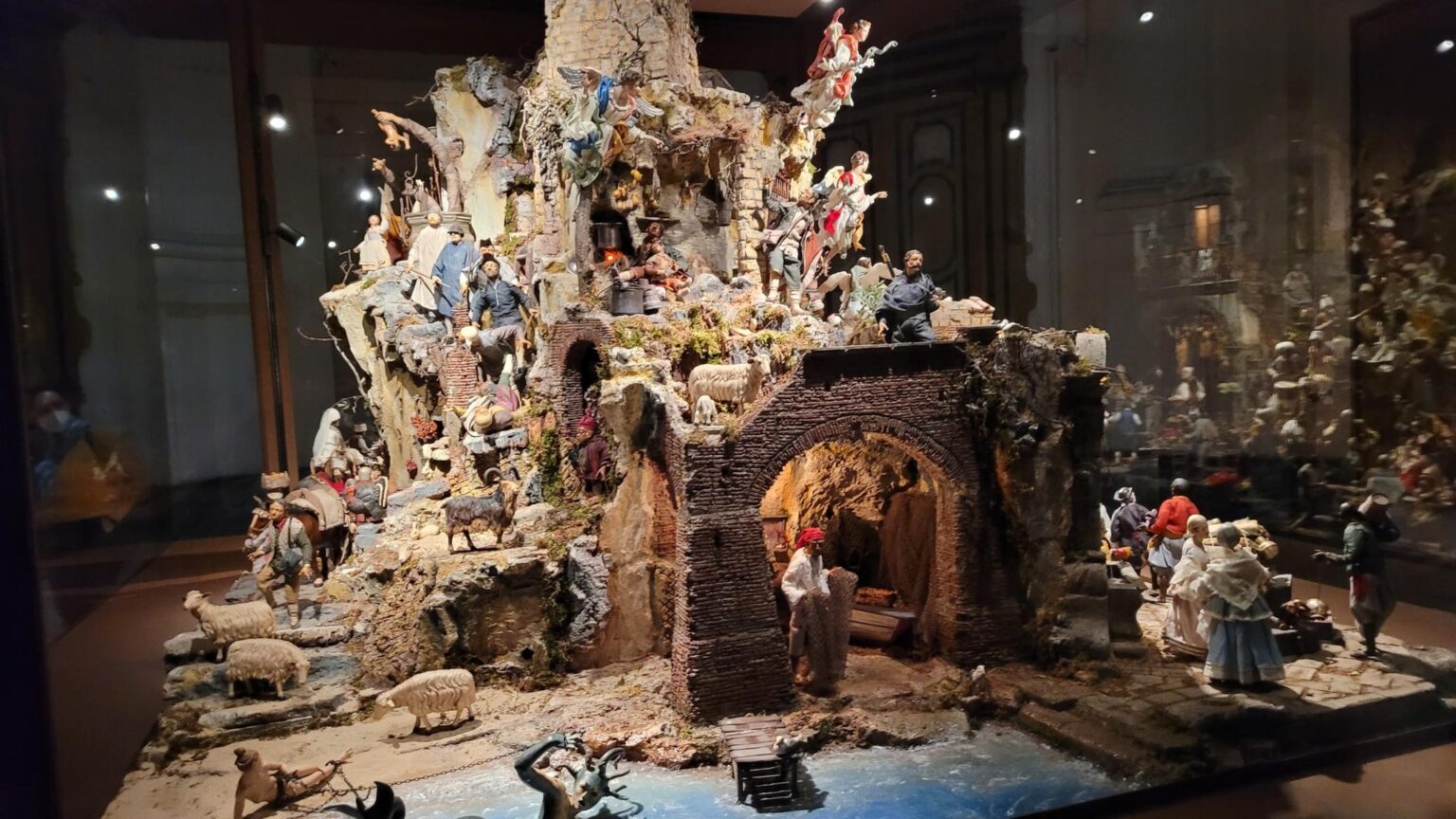
Whereas the entrance to the San Gennaro catacombs began from a staircase into a hole and ended with us walking out of a church, the San Gaudioso ones are under a church. Both sites hide a lot of history behind them, which you can find online. In the church above San Gaudioso, what catches the eye is a kind of presepe — a nativity scene — except the motifs are mainly the Materdei district and Naples. It is extraordinarily detailed; you can stare at it and every centimetre reveals something small, which is why it wins so many photos in the gallery above. In my opinion the sites are worth the three hours. If not for the sites themselves, then the association will draw you into what it means to be Italian and how the locals live, both poor and rich.
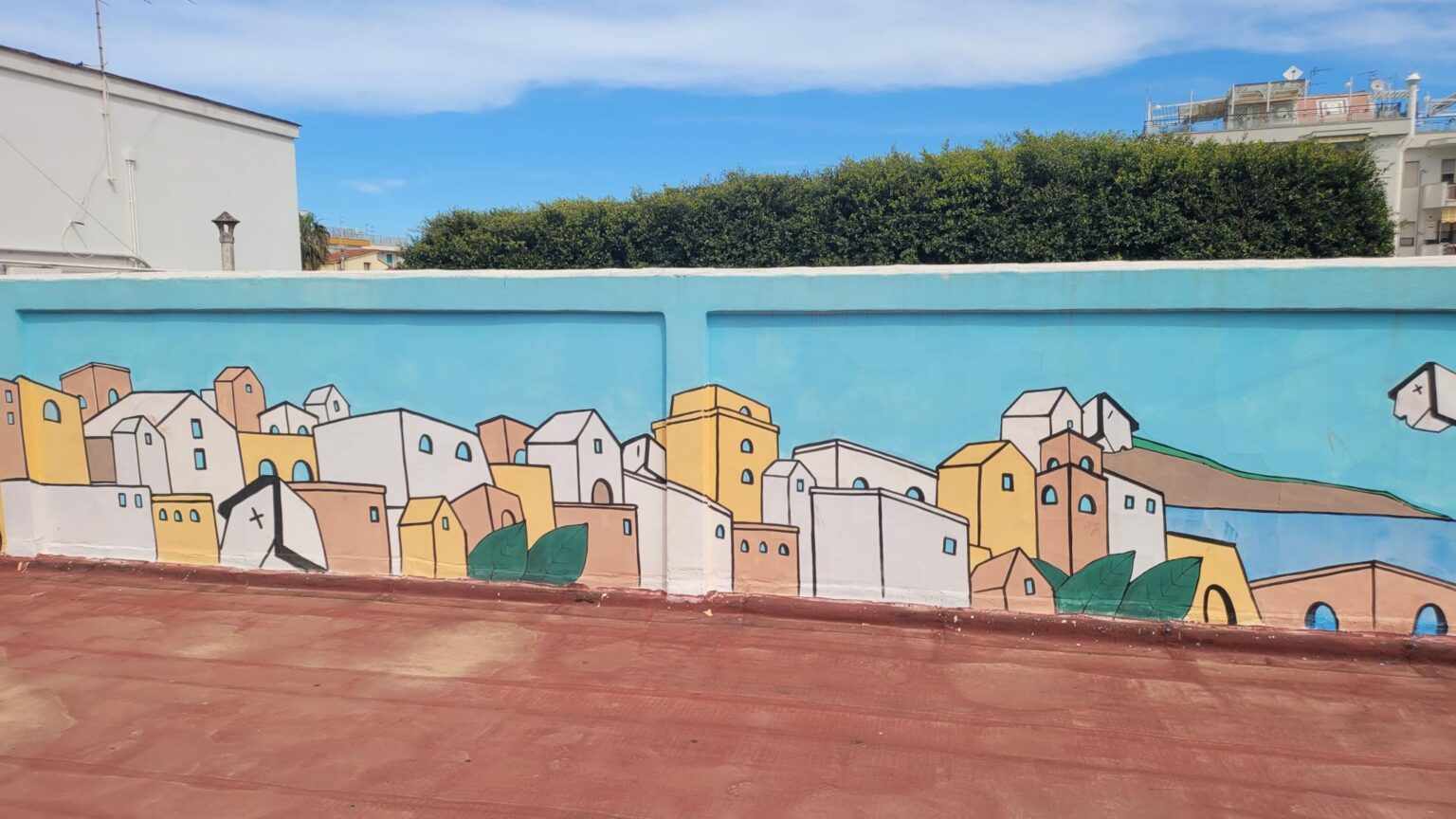
Near the exit of San Gennaro — a little stall from Sorrento. Reflections of lemons, frames skipping. Hold on, let me eat a lemon sorbet. Well, it is not bad. I eat and watch teenagers throw their rubbish straight on the ground in a small park, with the bin less than two metres away. Outrage 🙁 thumbs down. There is also a huge mural. Thumbs up.
Day 6: Parco Nazionale del Vesuvio, or simply Vesuvius
An active volcano. Interesting — what are the chances it erupts while we are walking around it? I have written this article to the end, so we got lucky. For you, no promises 😀 No. Relax, there is no chance the volcano erupts. The technology has advanced a great deal, its condition is monitored, and as the saying goes the volcano cannot so much as squeak without that being known well in advance.
I do wonder about them — Italy is big. Why keep a volcano that erupts now and then, as you can see from its Wikipedia page, and still sit right next to it and refuse to leave? It turns out the soil is exceptionally fertile and represents a big enough interest for people to accept the known risks. Their decision, we respect it. We are here for a walk.
From Naples to Vesuvius you can get there several different ways.
- A rental car, of course, which comes out at roughly €50–60 plus the entrance, which is extremely unpleasant. It works like this: information is very hard to find, but a ticket for the park itself is only sold online with a reservation. IMPORTANT!! You cannot buy a ticket on site!! People were leaving disappointed and making a scene. They have made sure this is an extremely difficult fact to discover. The way it works: simultaneously, you must reserve one of the two limited car parks, about 1 kilometre from the entrance, for €3 or €6 depending on where there is space. And you reserve tickets for Vesuvius itself, €14. In total, for two people on average, €95–100.
- An organised excursion for about €70+ from the ticket points. In total, €140–160.
- Organised day tours from various sites with a private guide + transfer + entrance, starting from €150. In total, €300.
- And the ideal option in my view — little train + bus — the Vesuvio Express shuttle — under €30. In total €55–60.
Important! Vesuvius does not take part in the free-entry promotion on the first Sunday of the month.
Naturally we choose the little train: cheapest, most authentic, and most importantly, you can buy an entry ticket for the same day. The train to Ercolano Scavi — a euro fifty, give or take. Right at the station itself there is a small Vesuvio Express office. For €22 you get a same-day ticket for park entry plus transport. Which means the whole circus comes to under €30, including the train there and back from Naples, a bus that drives you up, leaves you for two hours, brings you back, and entry to the park itself. I think this is the most optimised option and people overwhelmingly settle on it. In practice, this €30 is sold from the ticket points at €70 without changing transport twice, using a direct bus from Naples. Not really worth it — the time difference is practically nil or minimal, and it is under an hour in total. You save searching online for how to get there, which I have just saved you 😉
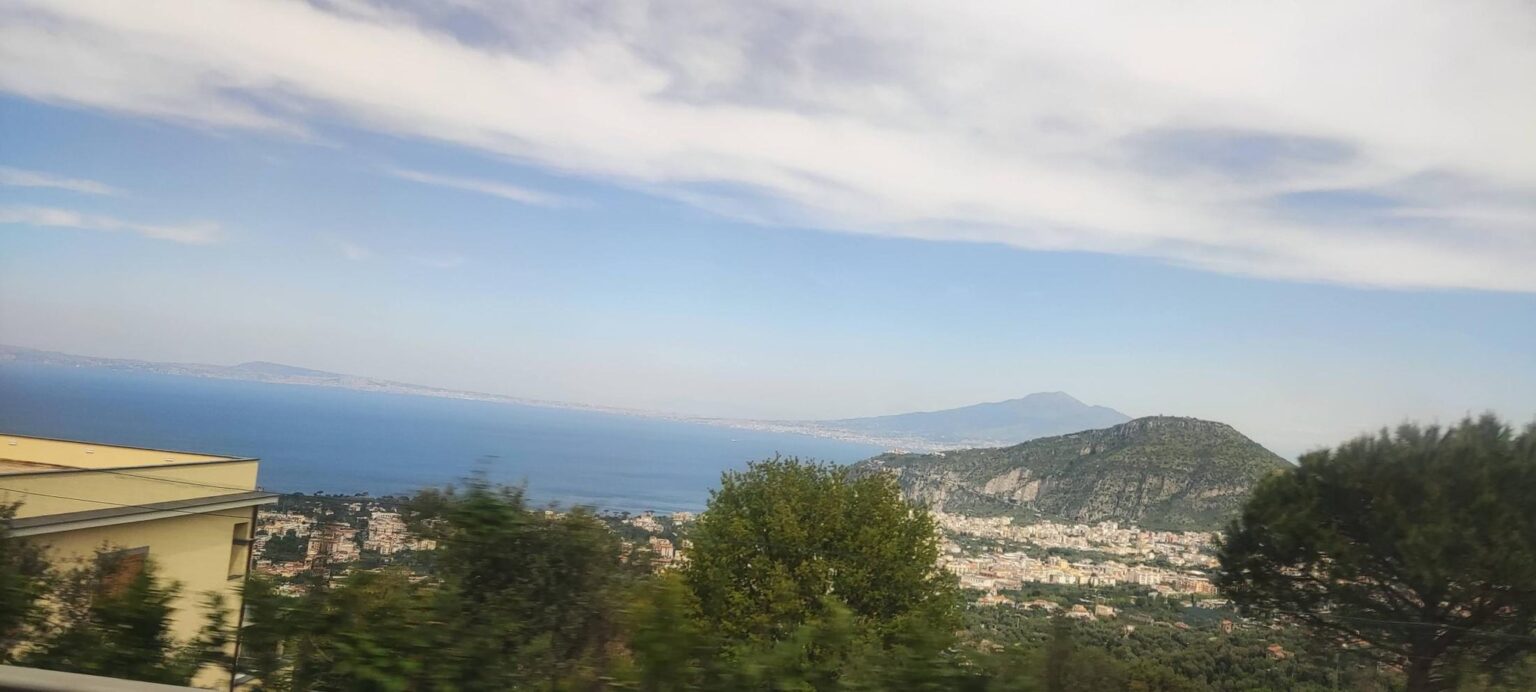
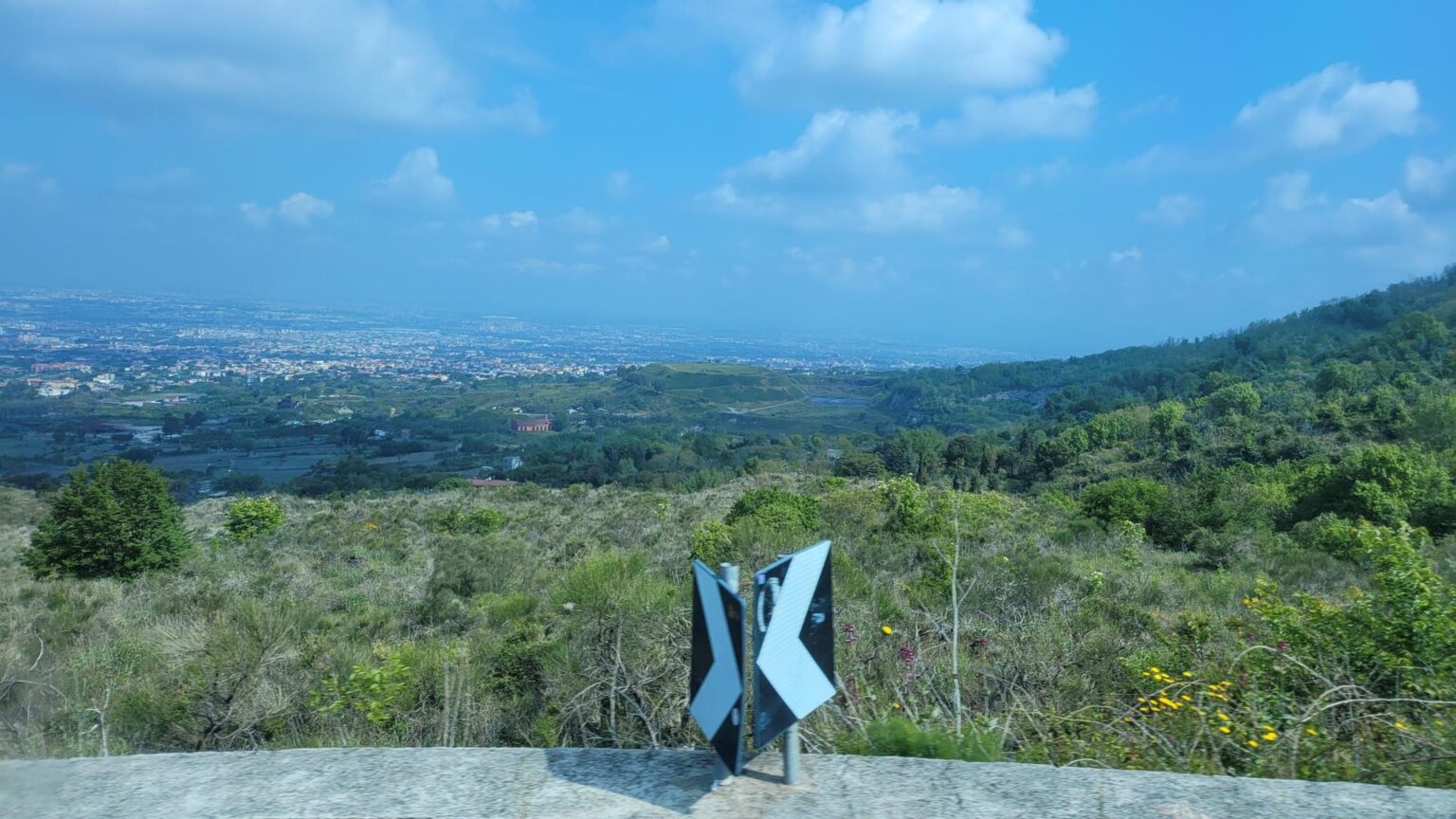
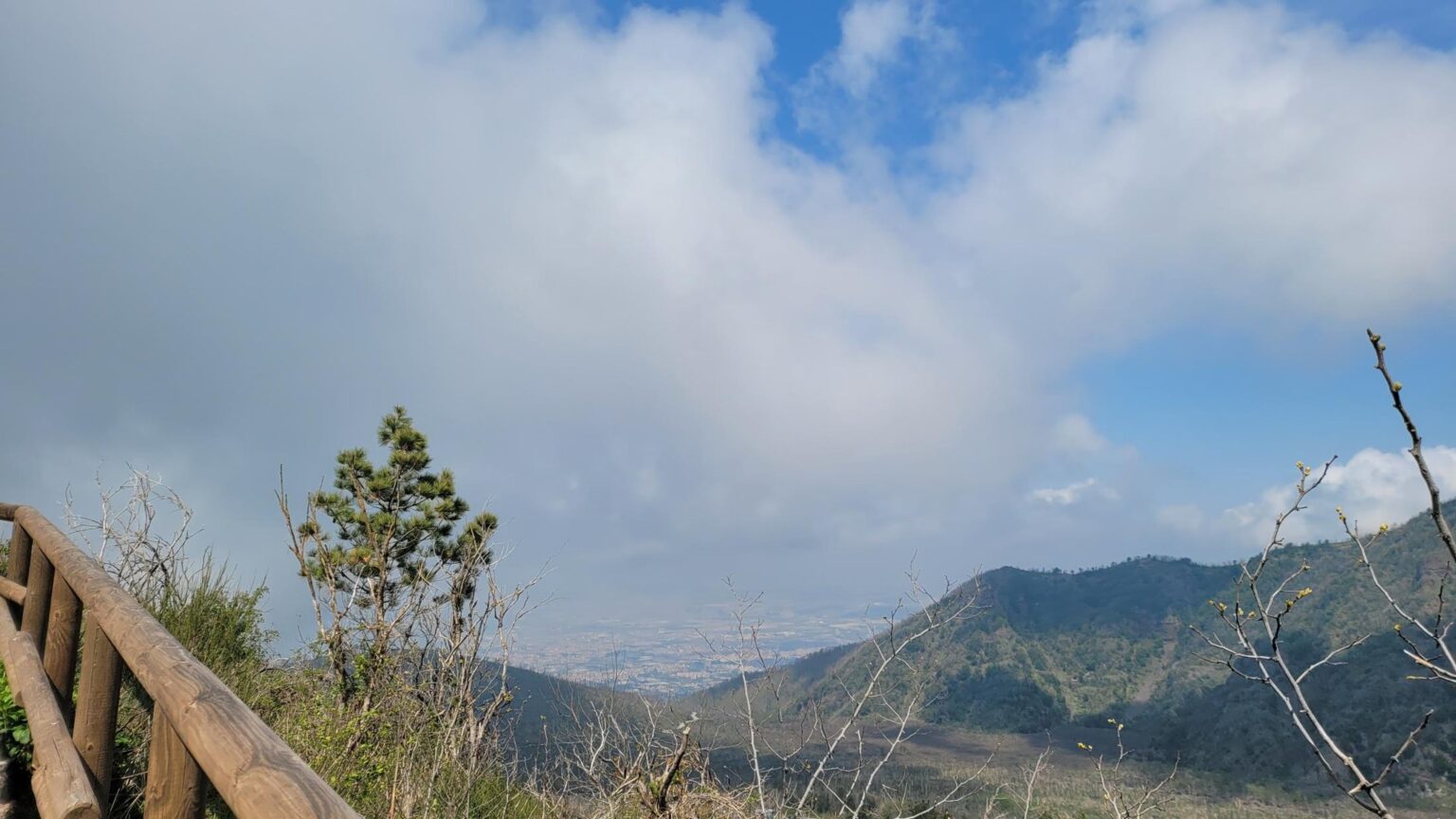
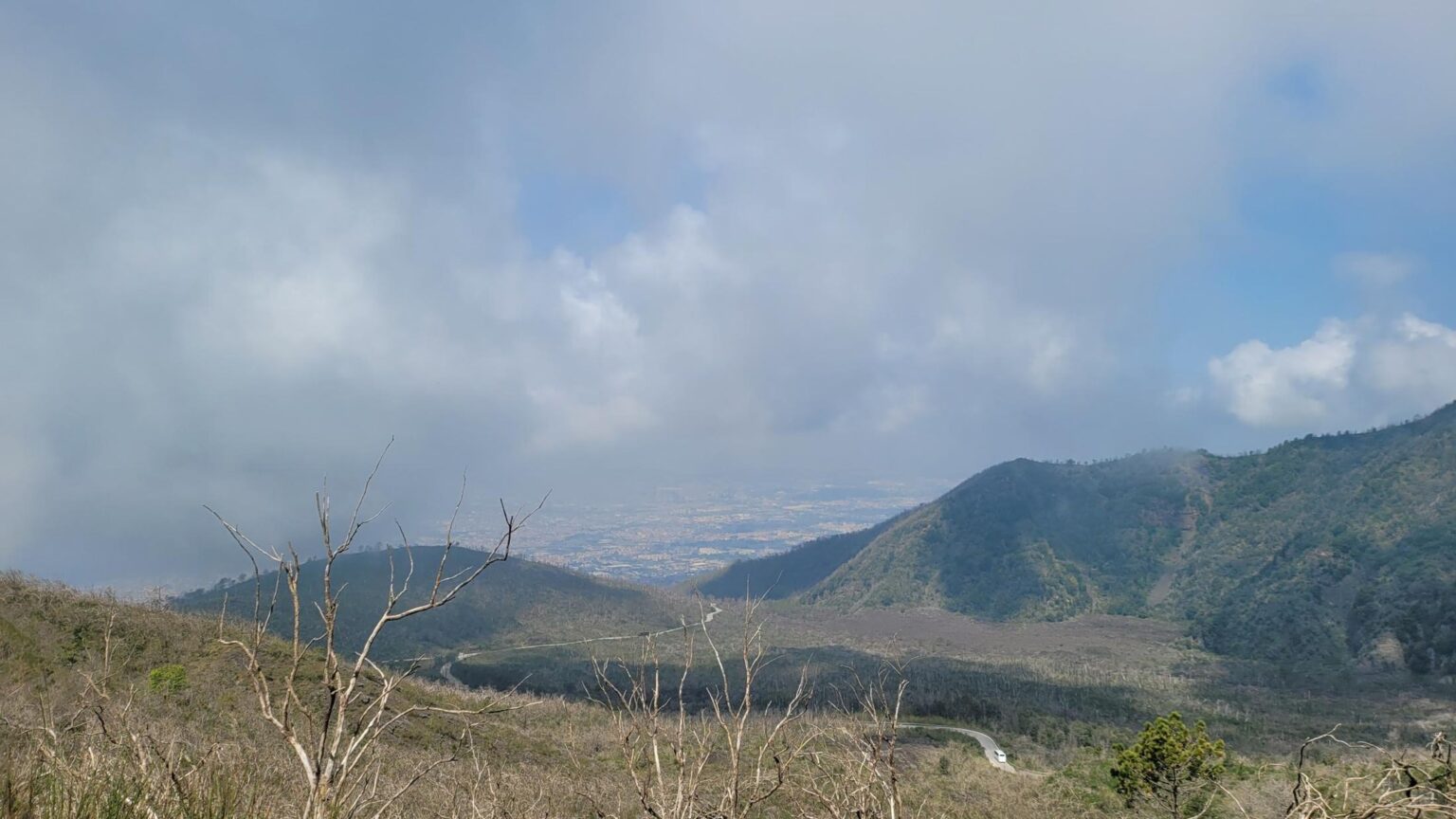
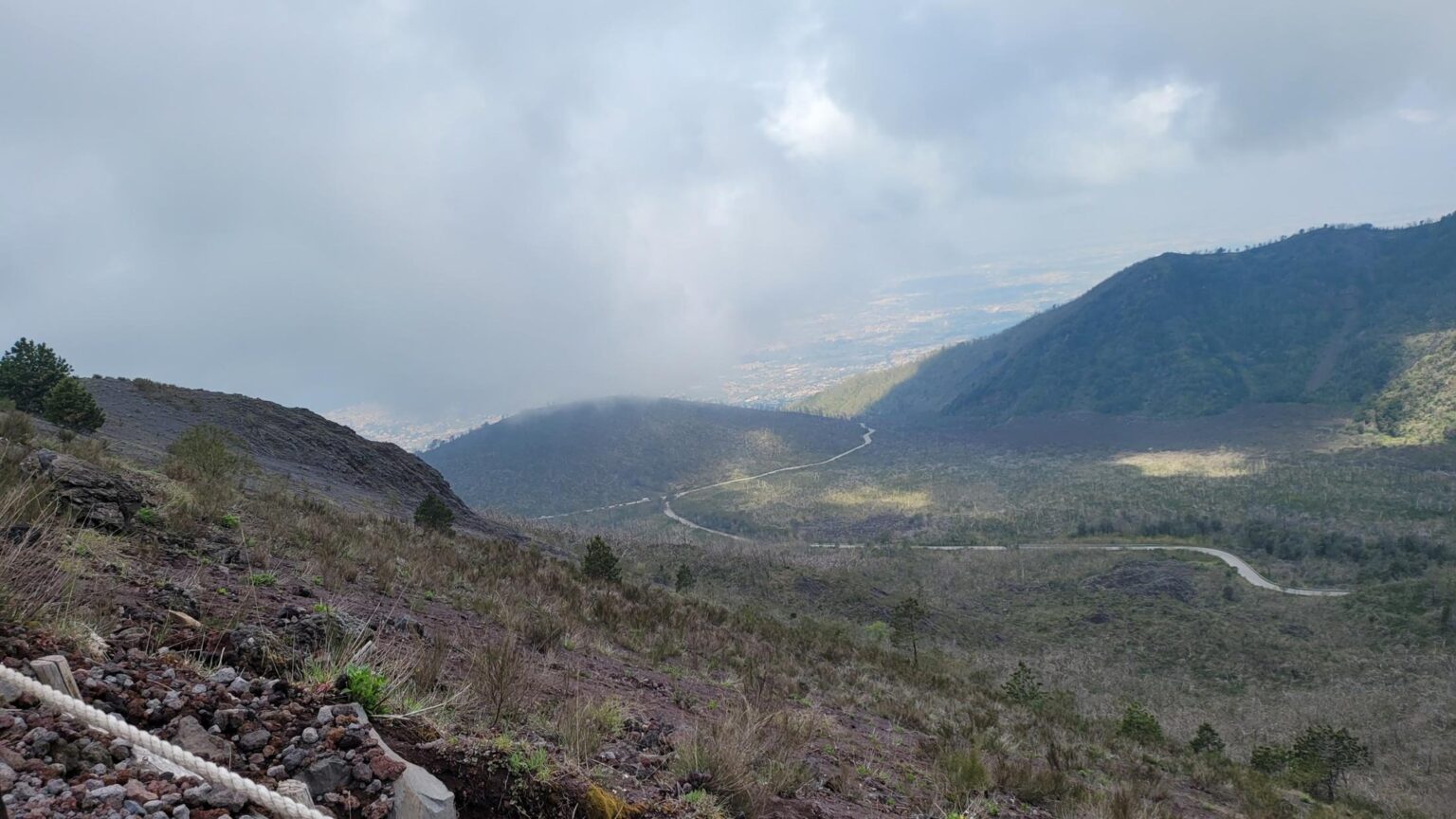
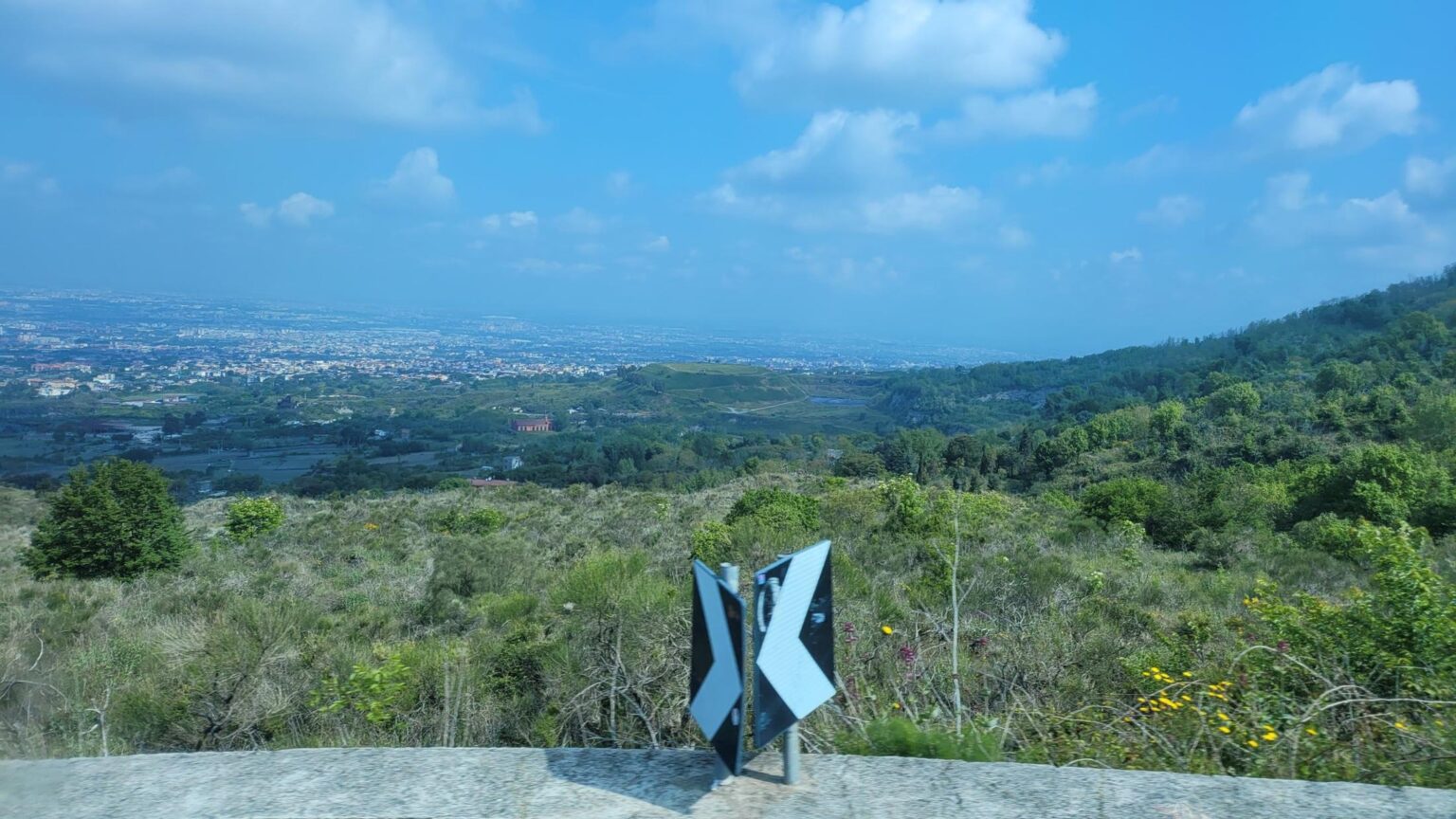
Less than 10 minutes on the bus and the panoramas over Naples start opening up.
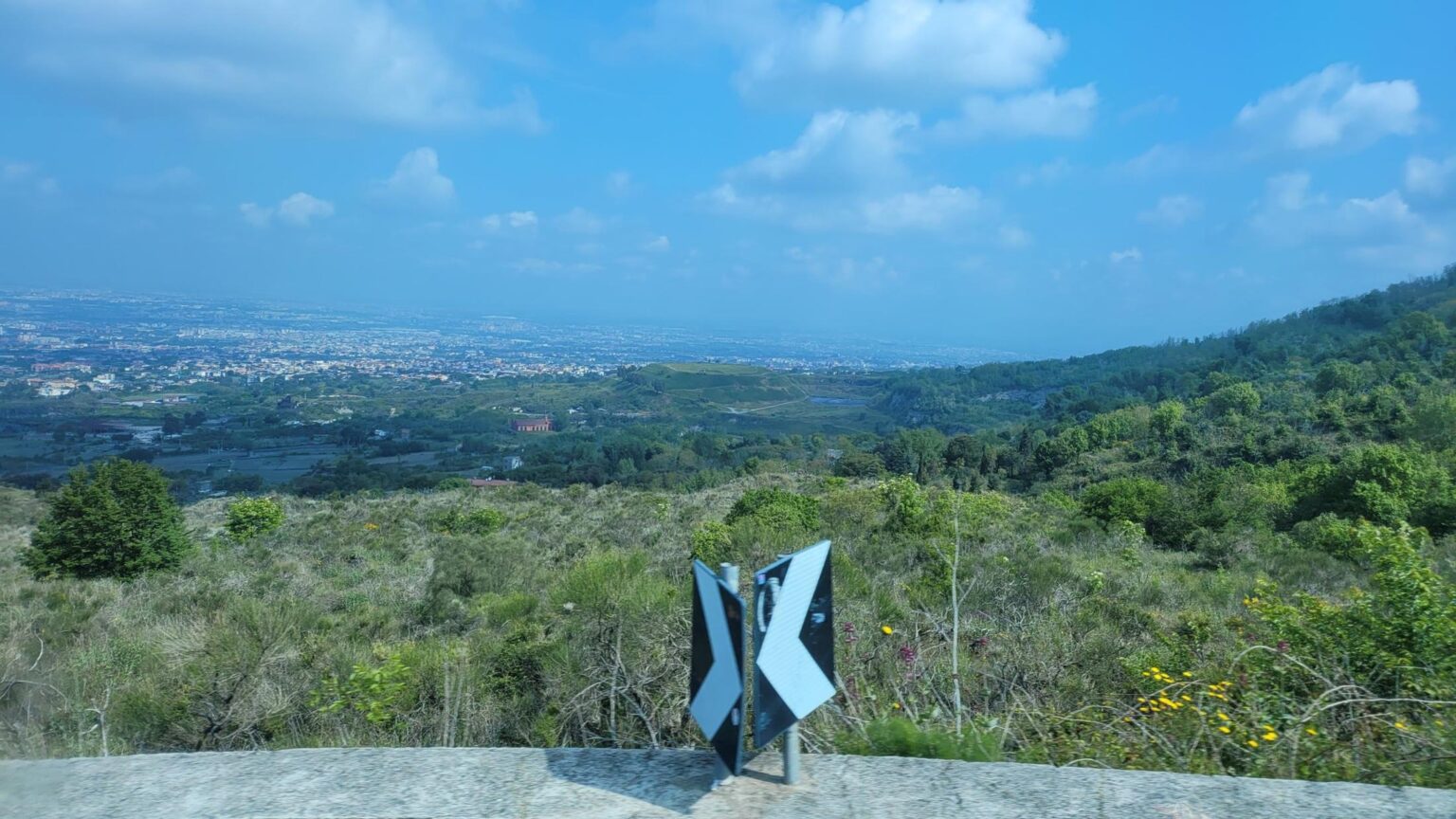
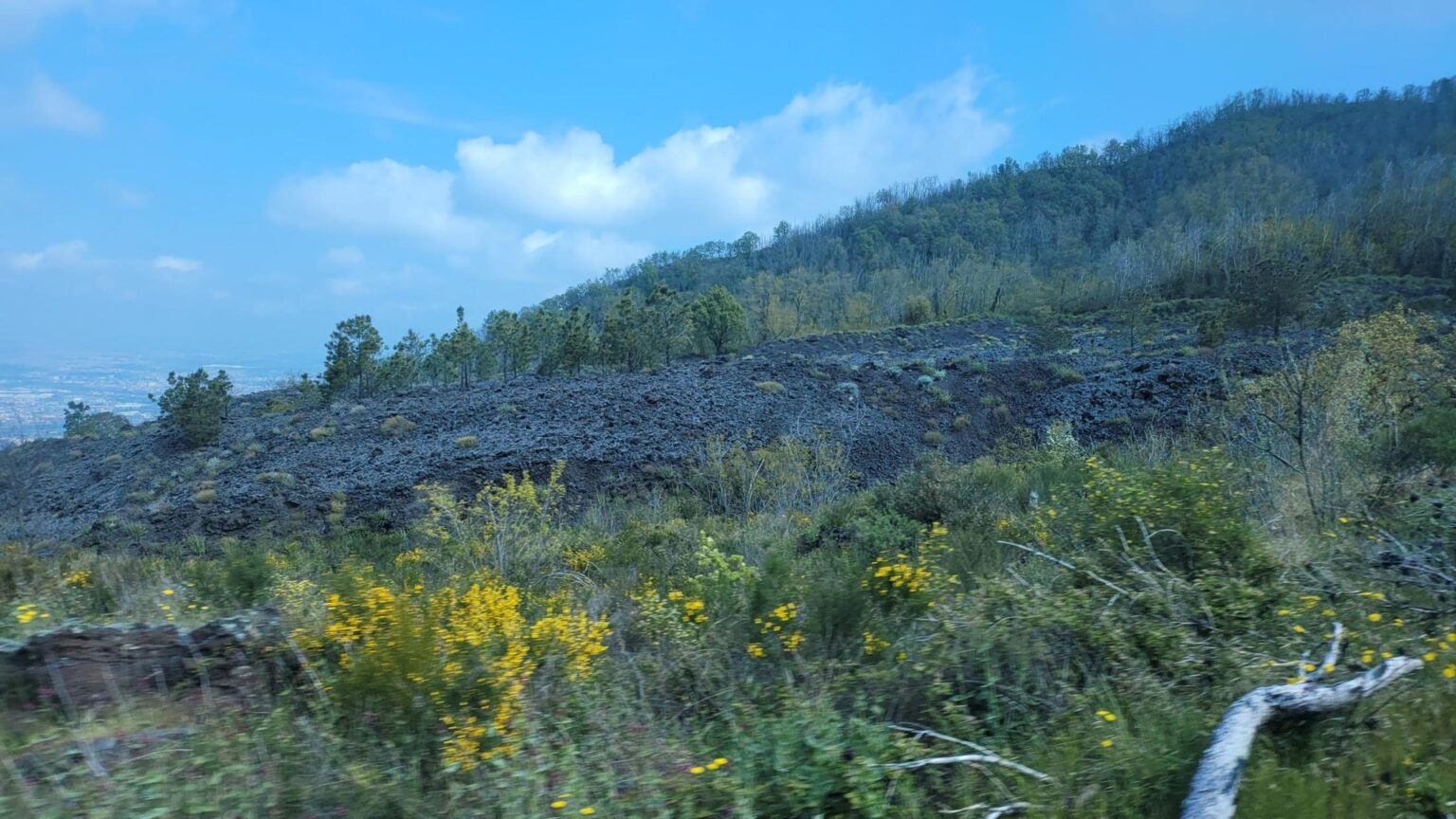
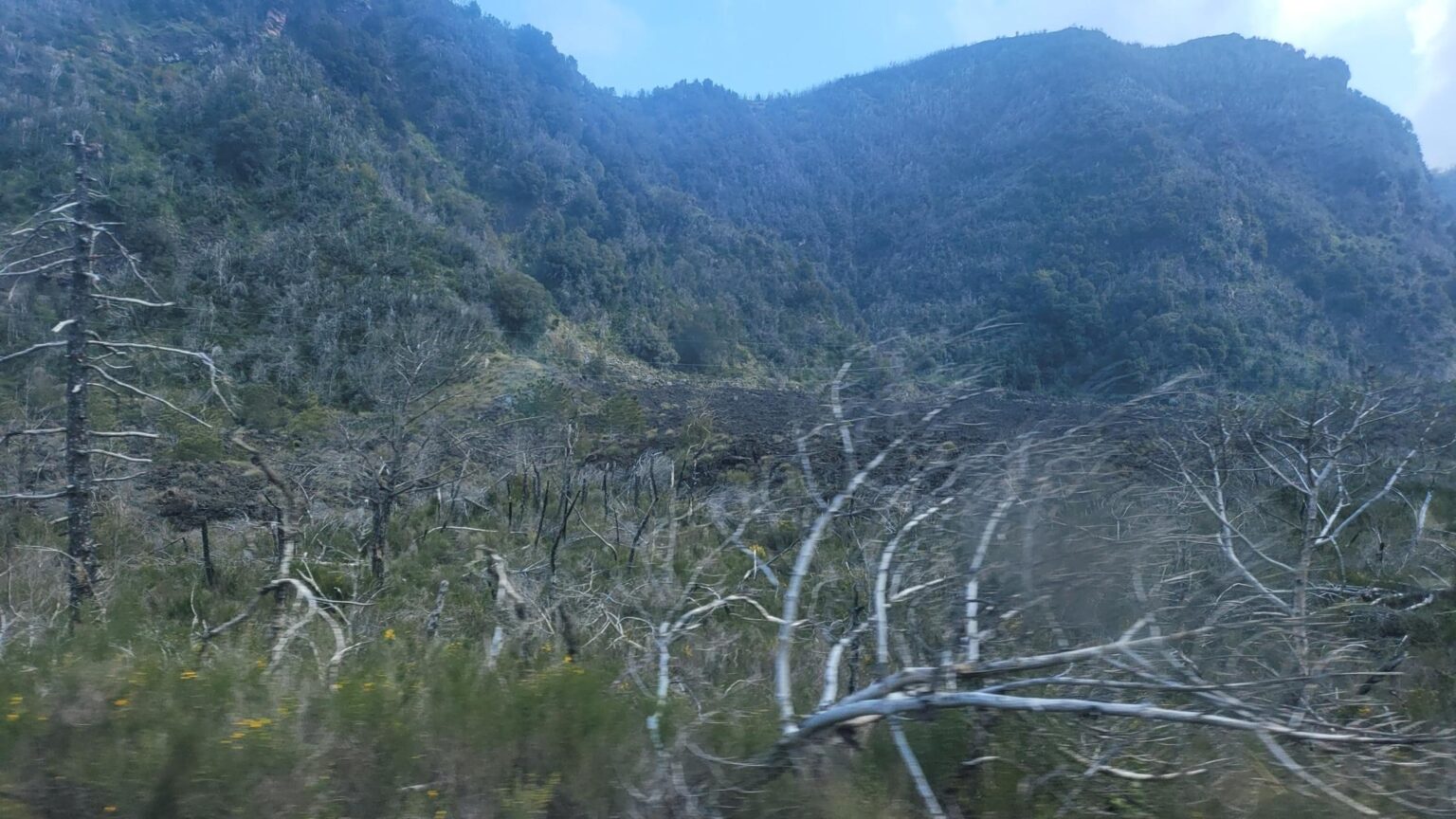
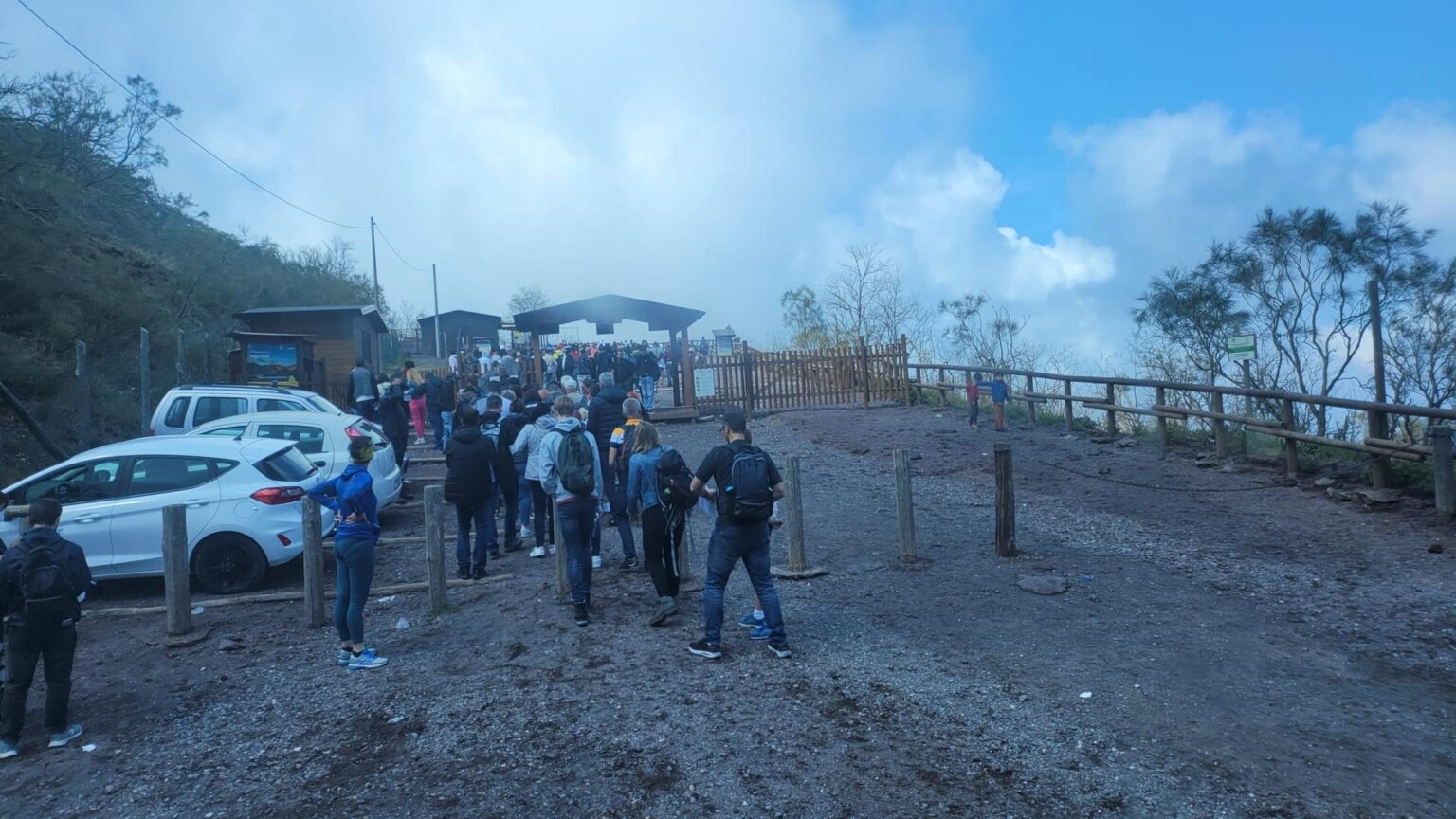
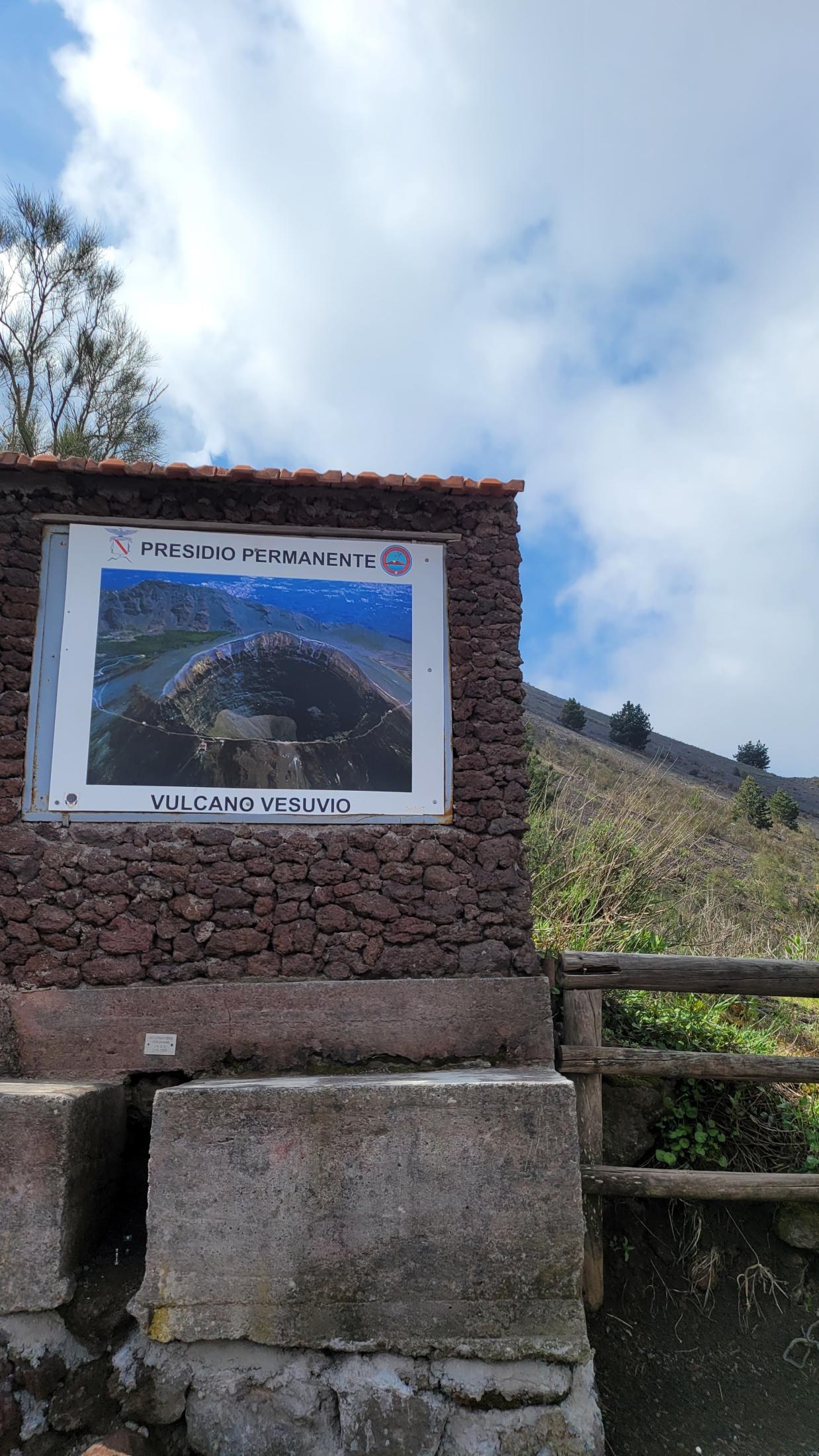
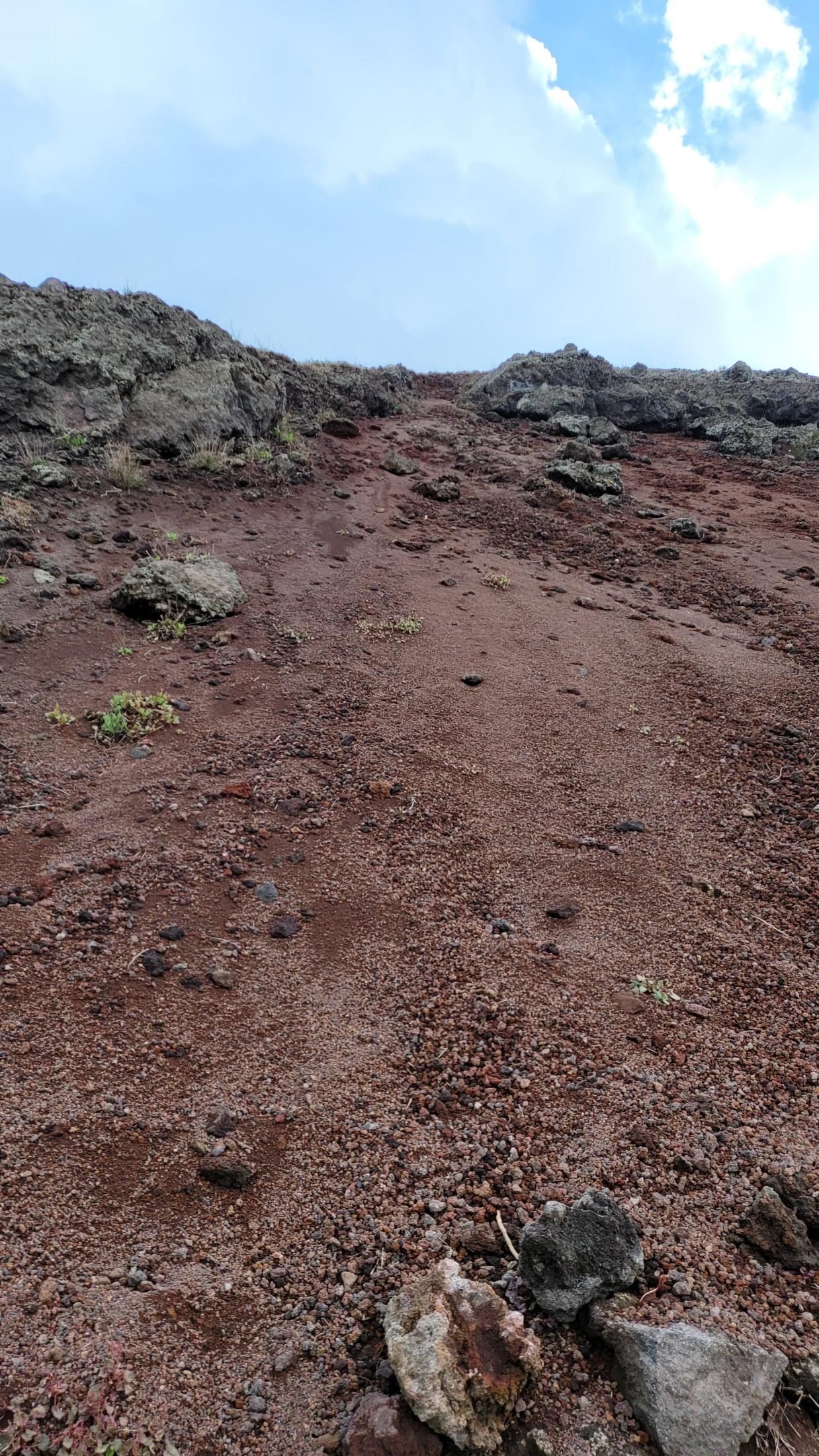
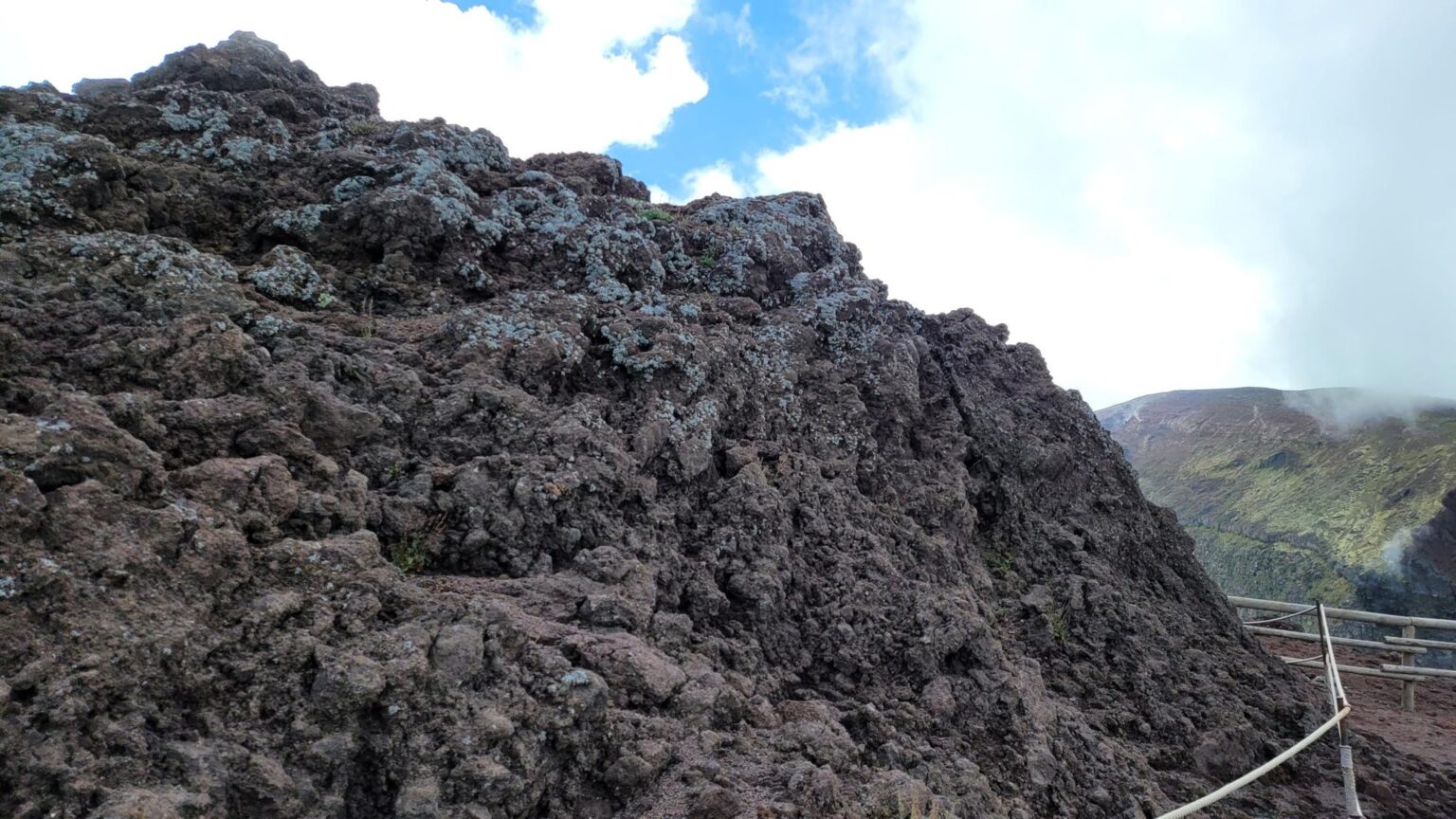
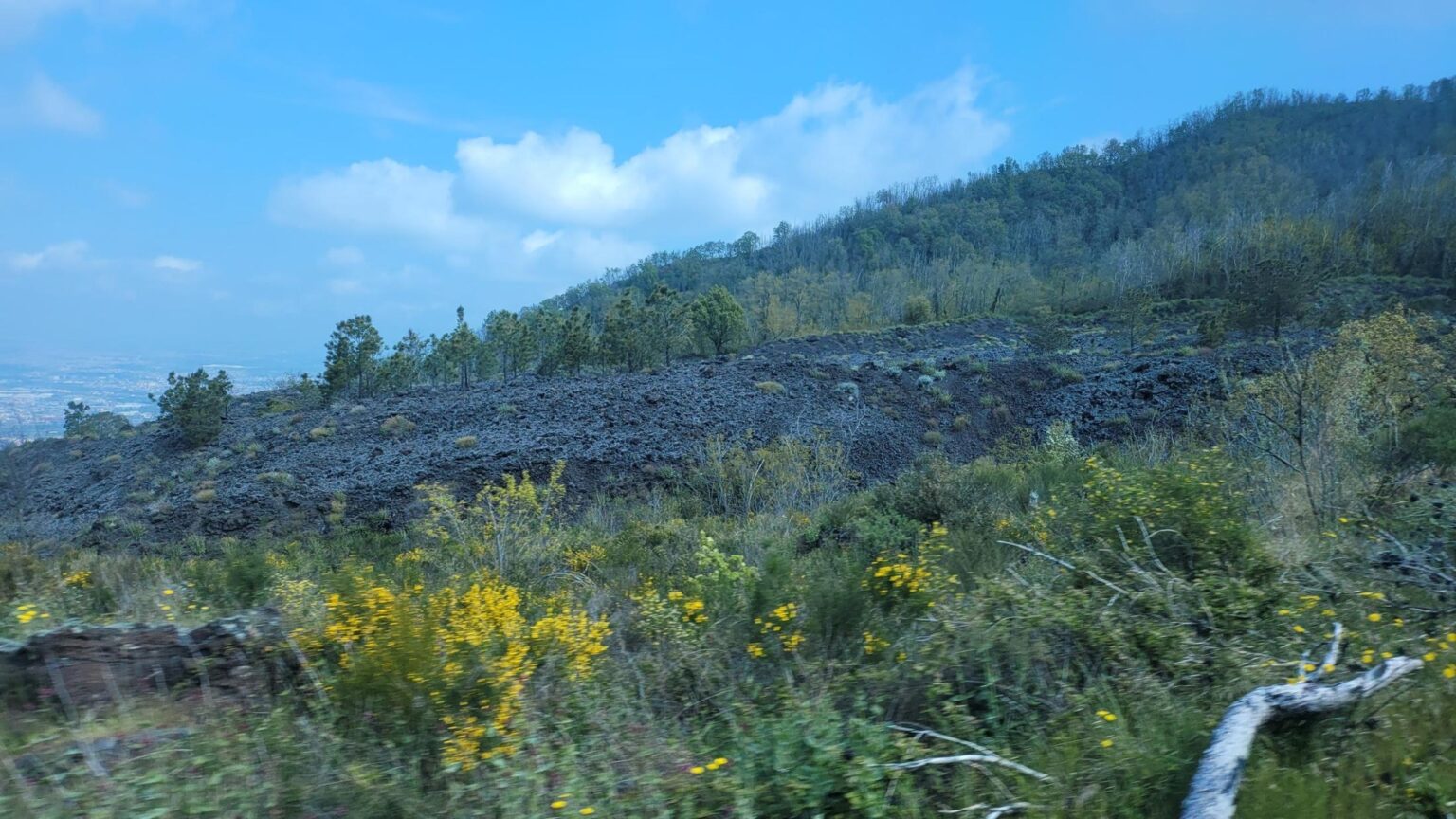
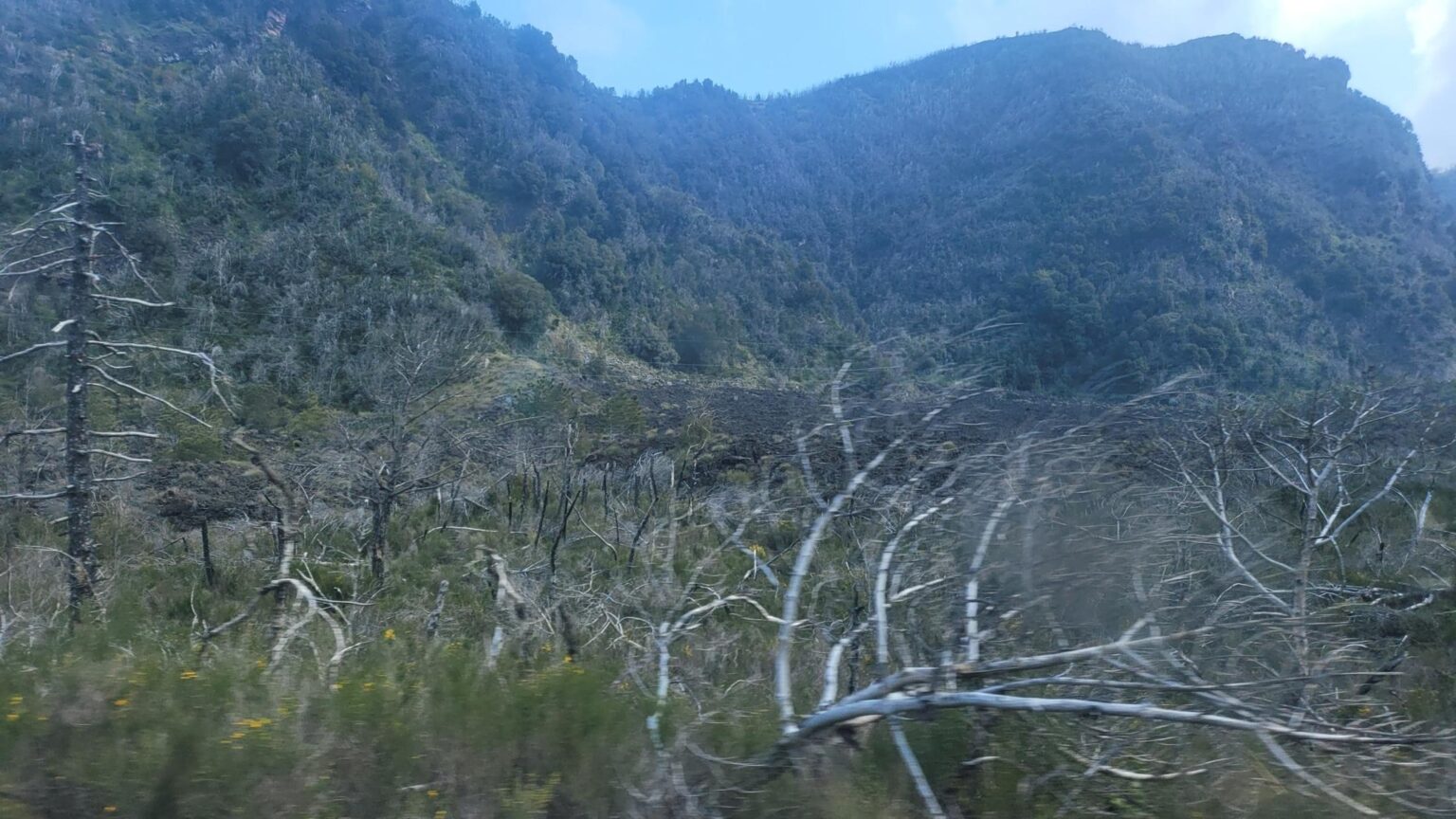
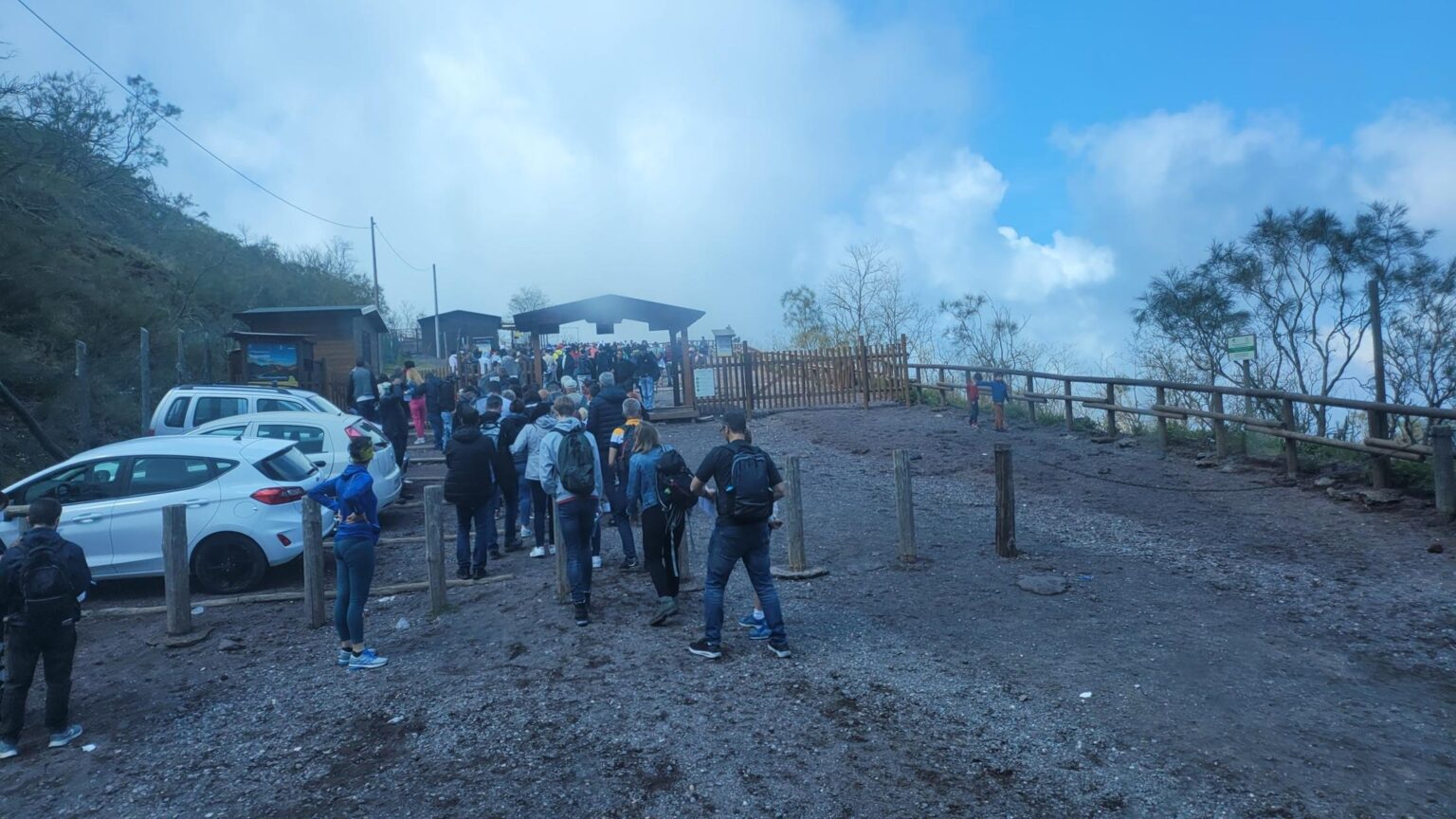
As you approach the top, the landscape starts going strangely grey and scorched. Literally — everything is colourful, you blink during a bend, grey. The bus stops right by the park entrance, unlike the privately parked cars, which are about 1 kilometre away. They explain that we have 2 hours, where to meet and how to recognise our bus. Bam — souvenir stalls, mainly volcanic stone (in theory). From €1 to €5 there is a rich choice. It is not yet 11:00 and there is already a collision of bodies just like at Pompeii. Important! The car park is your last chance for a toilet for the next 2 hours!
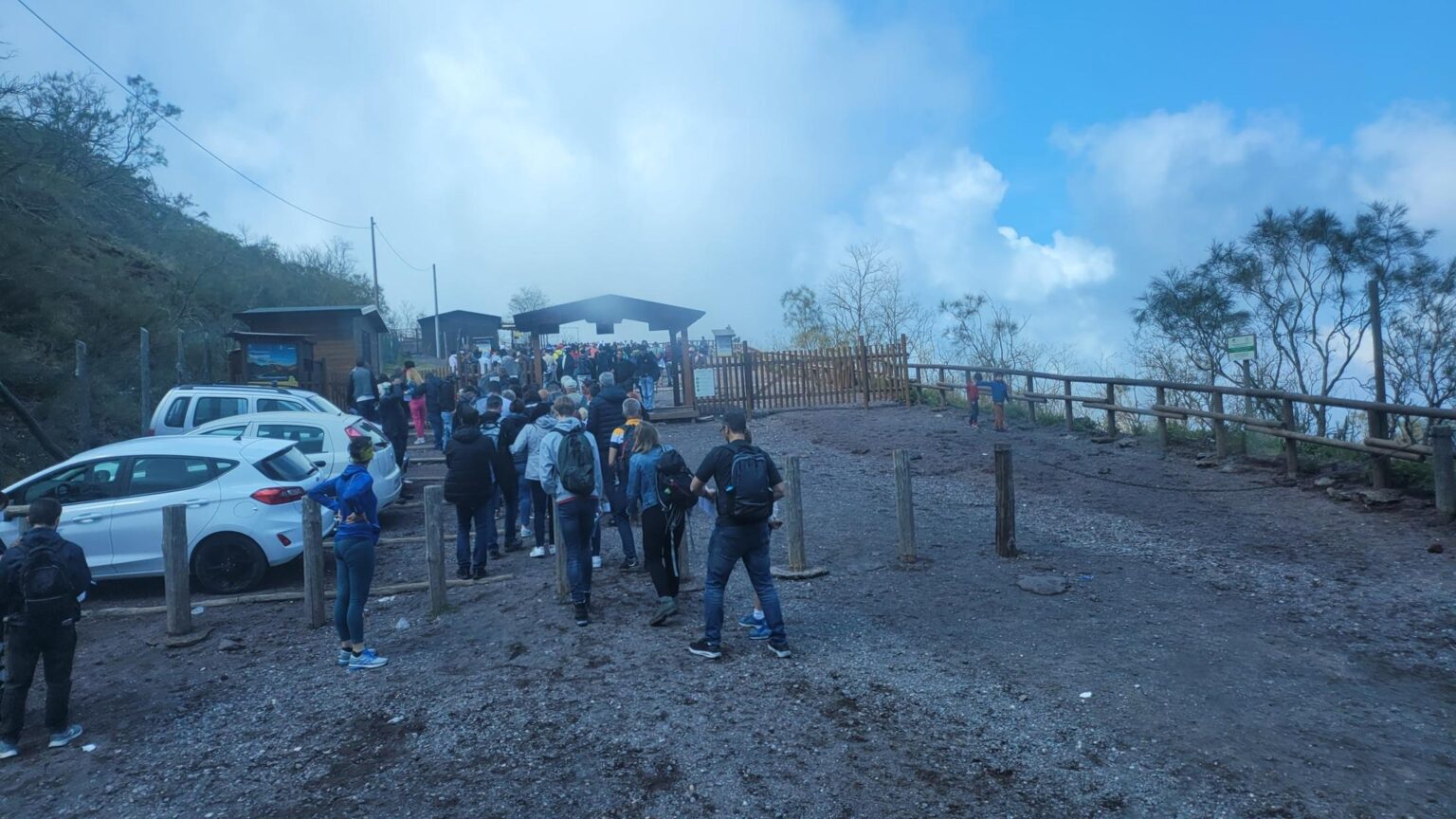
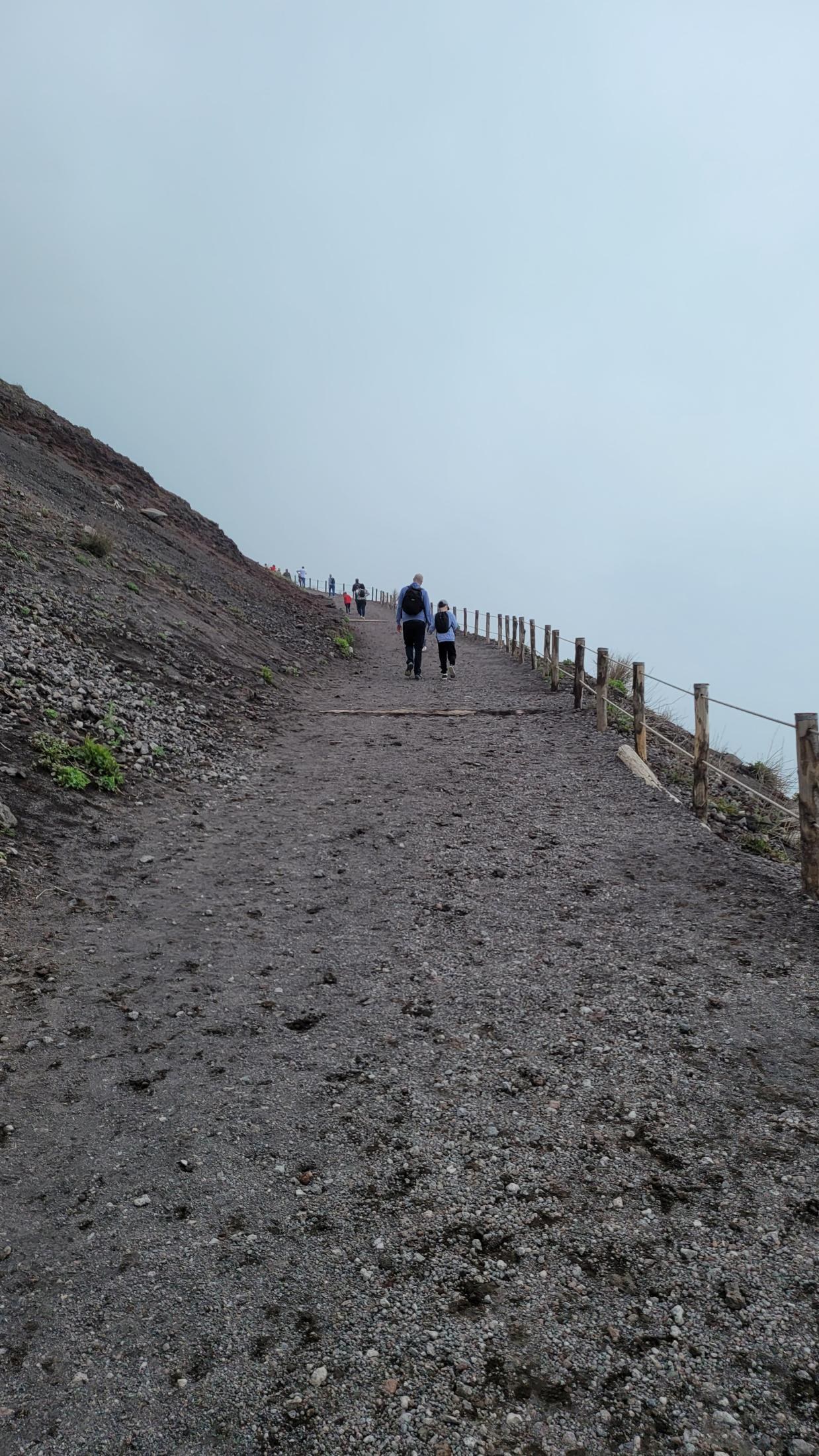
Entrance — in 3 different places they check the same ticket. The Italians are strange people. Their business, we are guests, whatever they say. The park itself starts with a fairly big climb of roughly 20–30 minutes with a reasonably serious elevation gain, something like 300 metres. The total walking route is a little under 2 kilometres. So with a few breaks you have an hour, an hour and a bit of walking in both directions, and the rest of the time for photos and looking around. Realistically, if you did not have a 2-hour limit imposed, the time is sufficient. When you know you only have 2 hours, though, you somehow feel slightly harried and rush artificially. They have most likely analysed and calculated it, and I assume there is a reason Vesuvio Express settled on 2 hours. Let’s accept that it is enough.
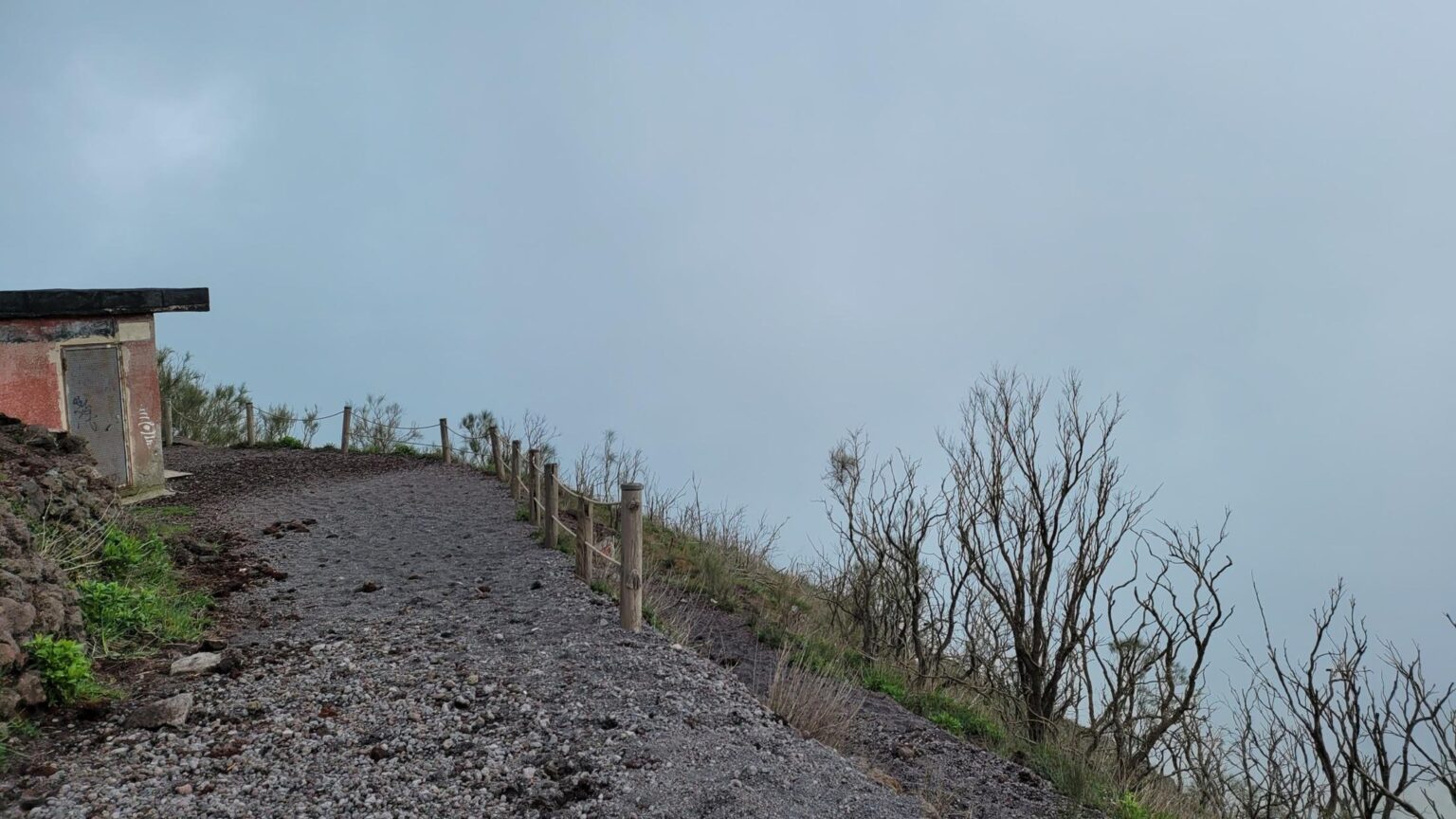
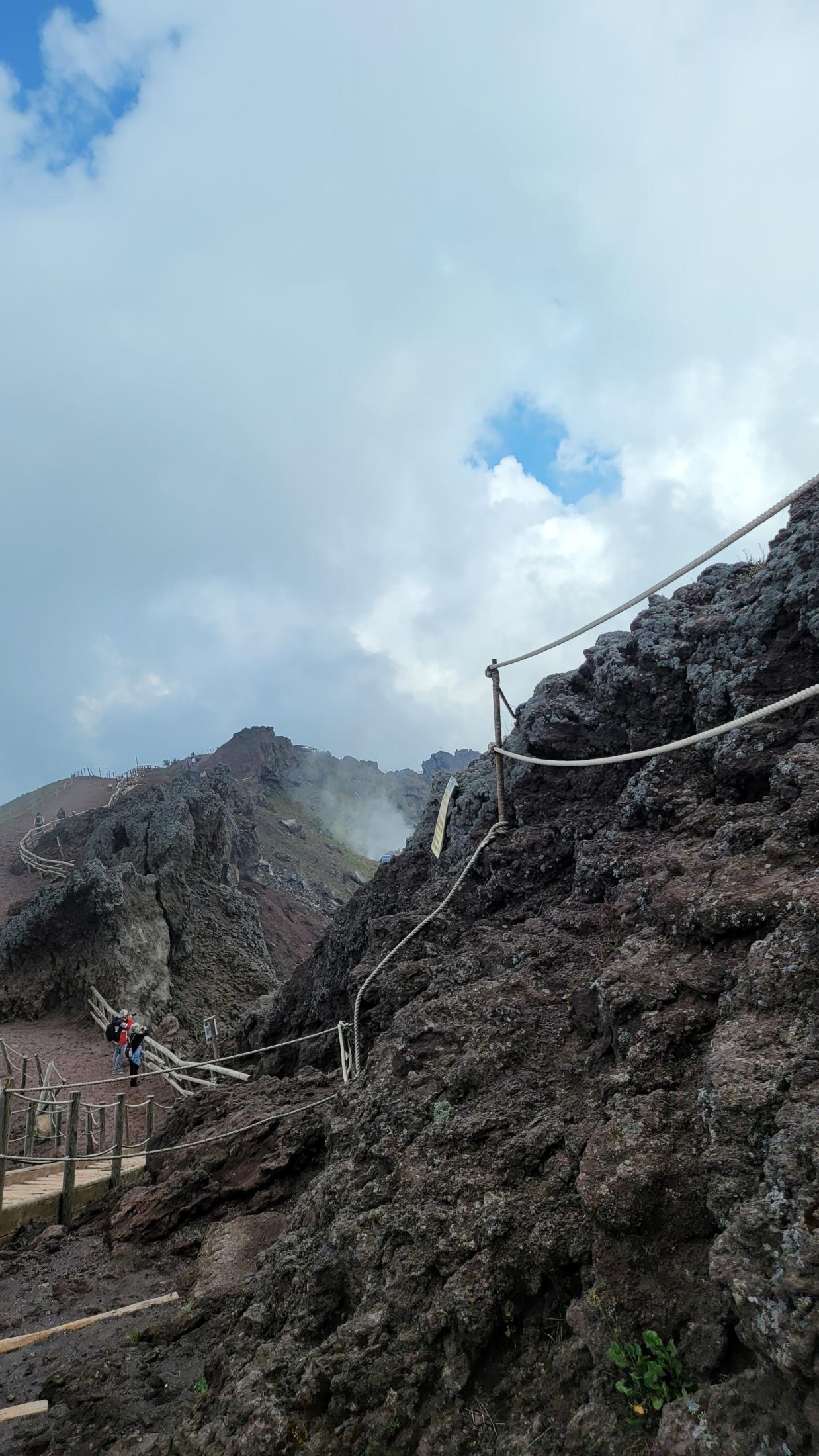
A mild outrage. On one hand it is clean, on the other it is absolutely unimproved. Some nasty railings, gravel everywhere, landslips. In 2 hours I saw three different people slip, fall, hit themselves, twist ankles. Up top there are no toilets and practically no benches to rest on. But! There are cafés, which mass-sell wine and coffee at Positano prices. So you can buy water, alcohol and coffee, but there are no toilets and almost no bins anywhere! At the same moment, up there, of course, how else, cars servicing the cafés were pushing between the people. So you cannot put in a few portable toilets accessible by a service vehicle, but the same vehicles can shove people out of the way. A very bad impression. For a €14+ entry I find it strange, and it is more of a thumbs down. My advice: absolutely bring food and water with you for those two hours. If the souvenir prices at the bus car park were relatively normal, after the checkpoint everything becomes double, even triple the price.
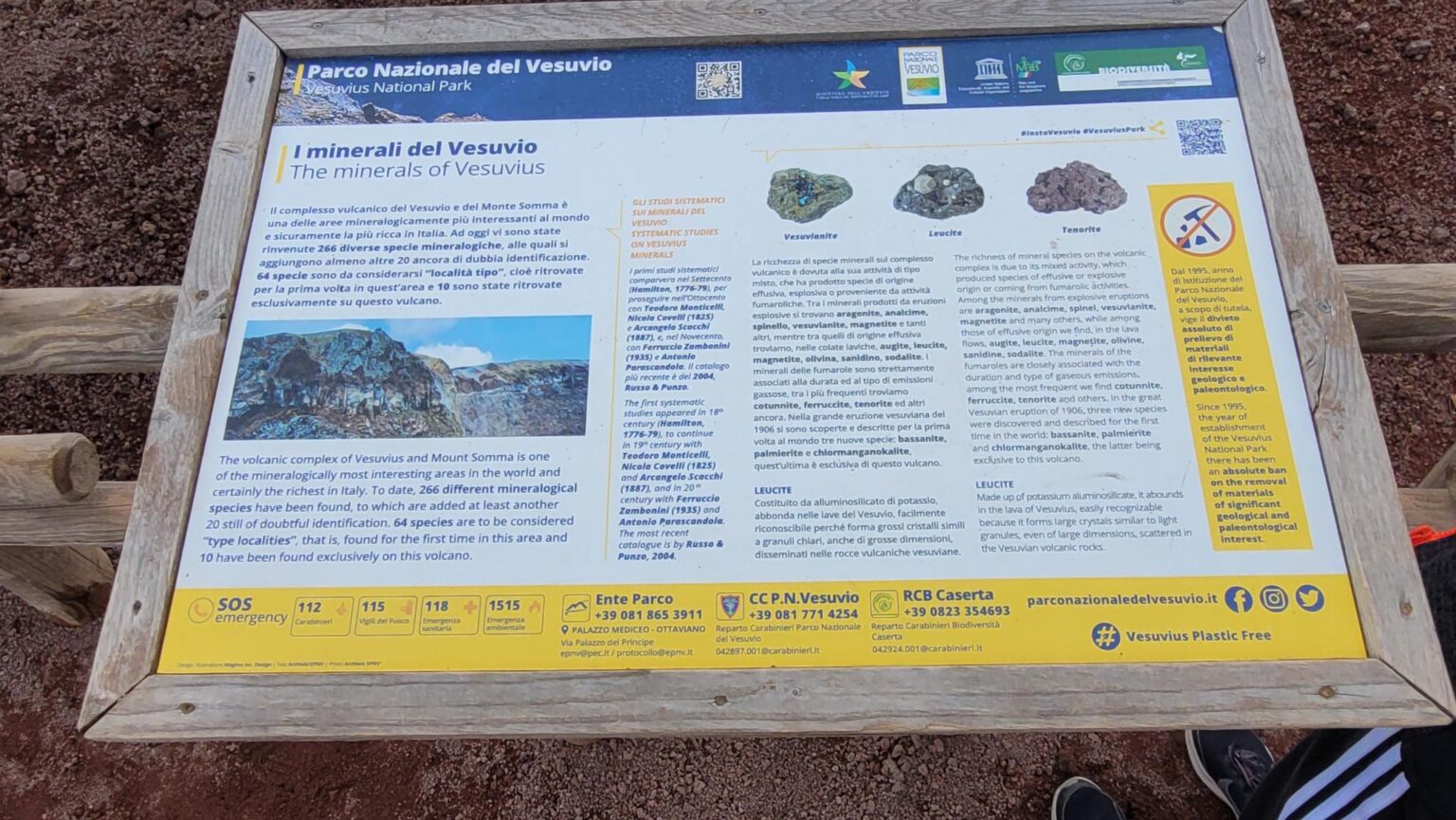
Once you reach the rim the actual circuit begins, and there are many information panels. It becomes gentle and pleasant for walking and photographing. Here is a short clip with the constant noise of the crowd as background:
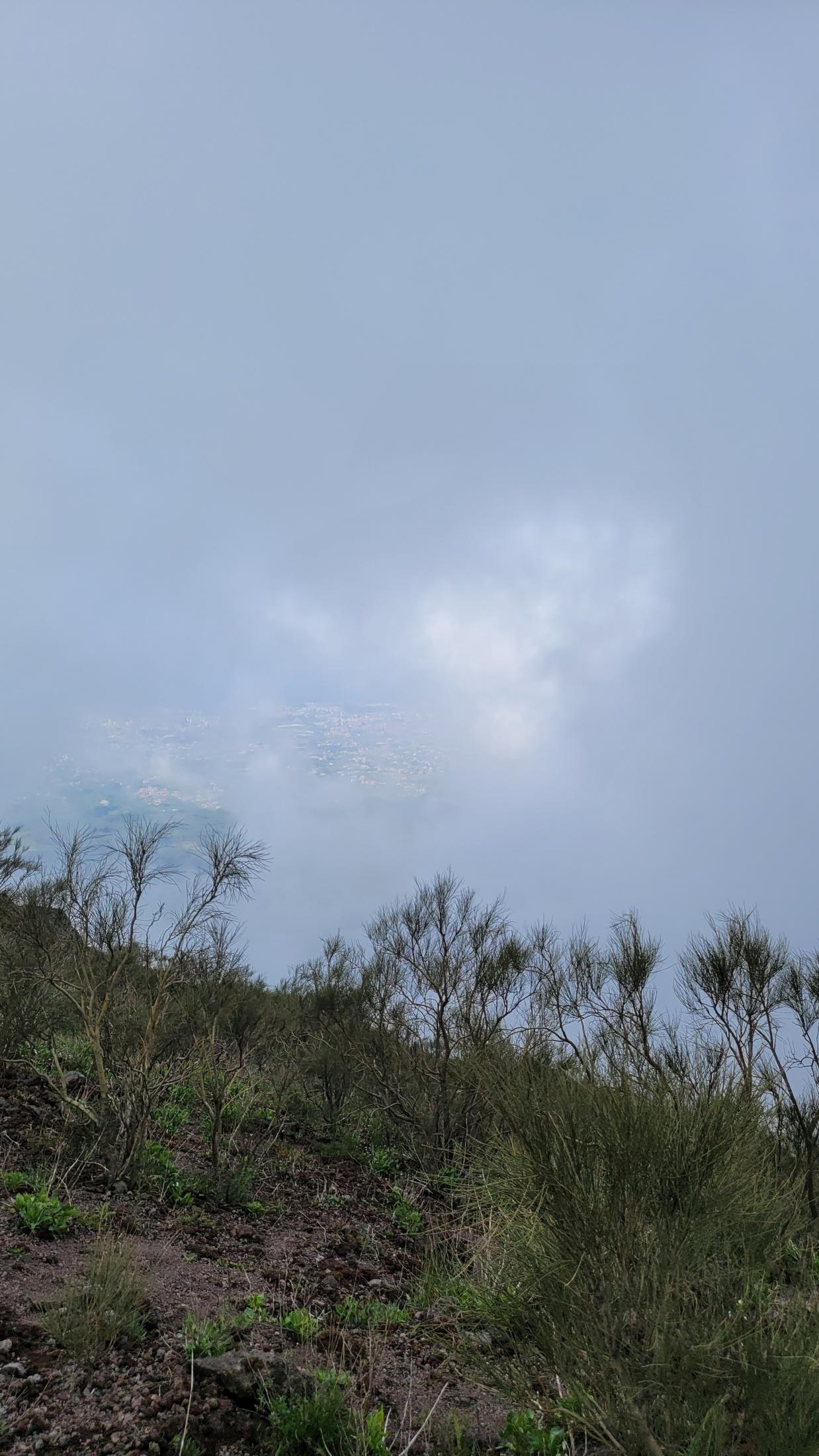
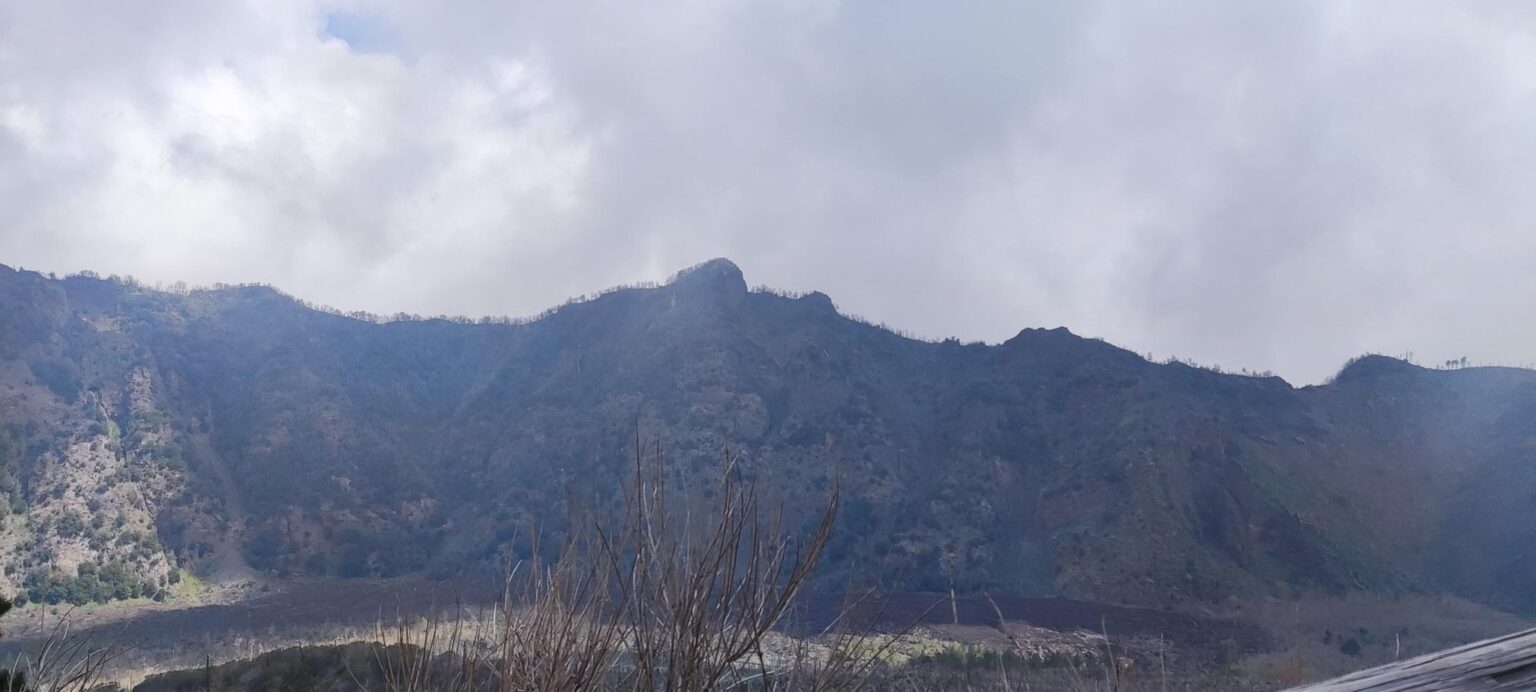
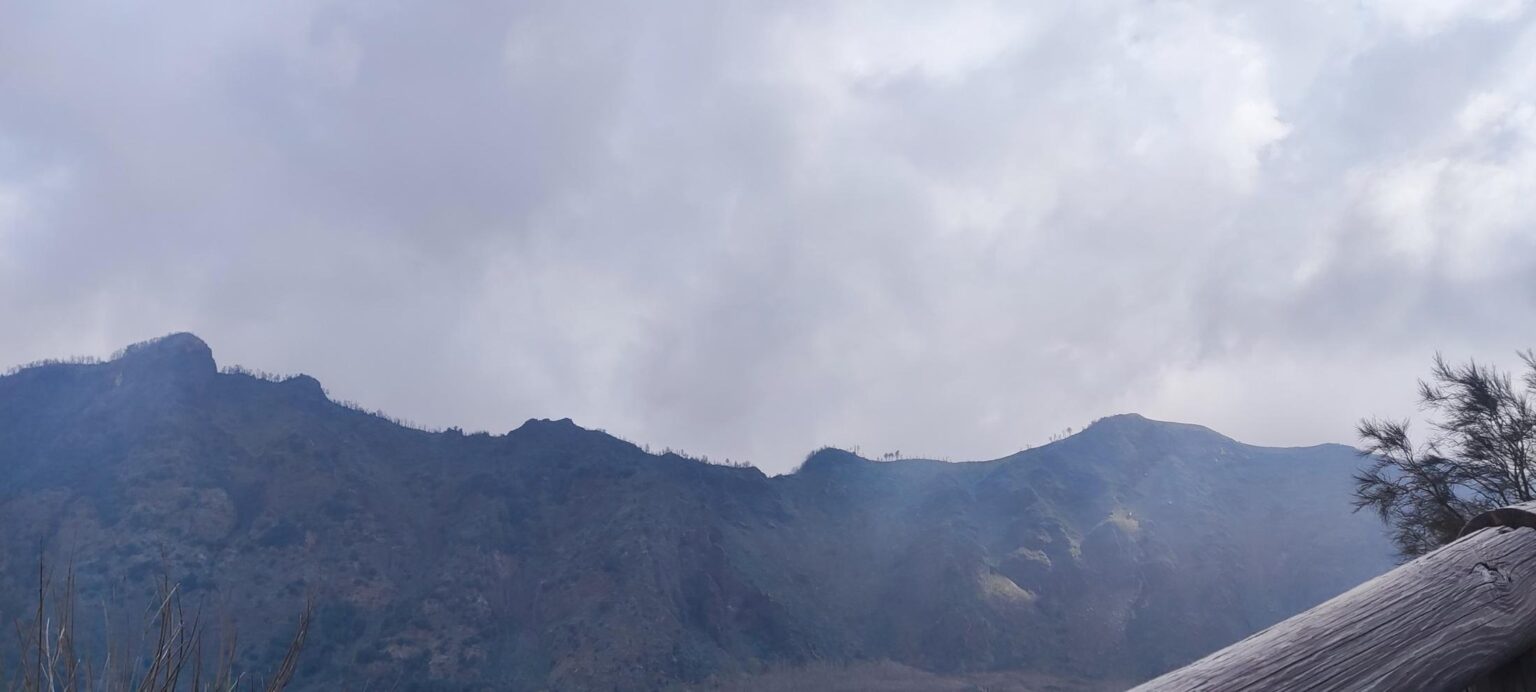
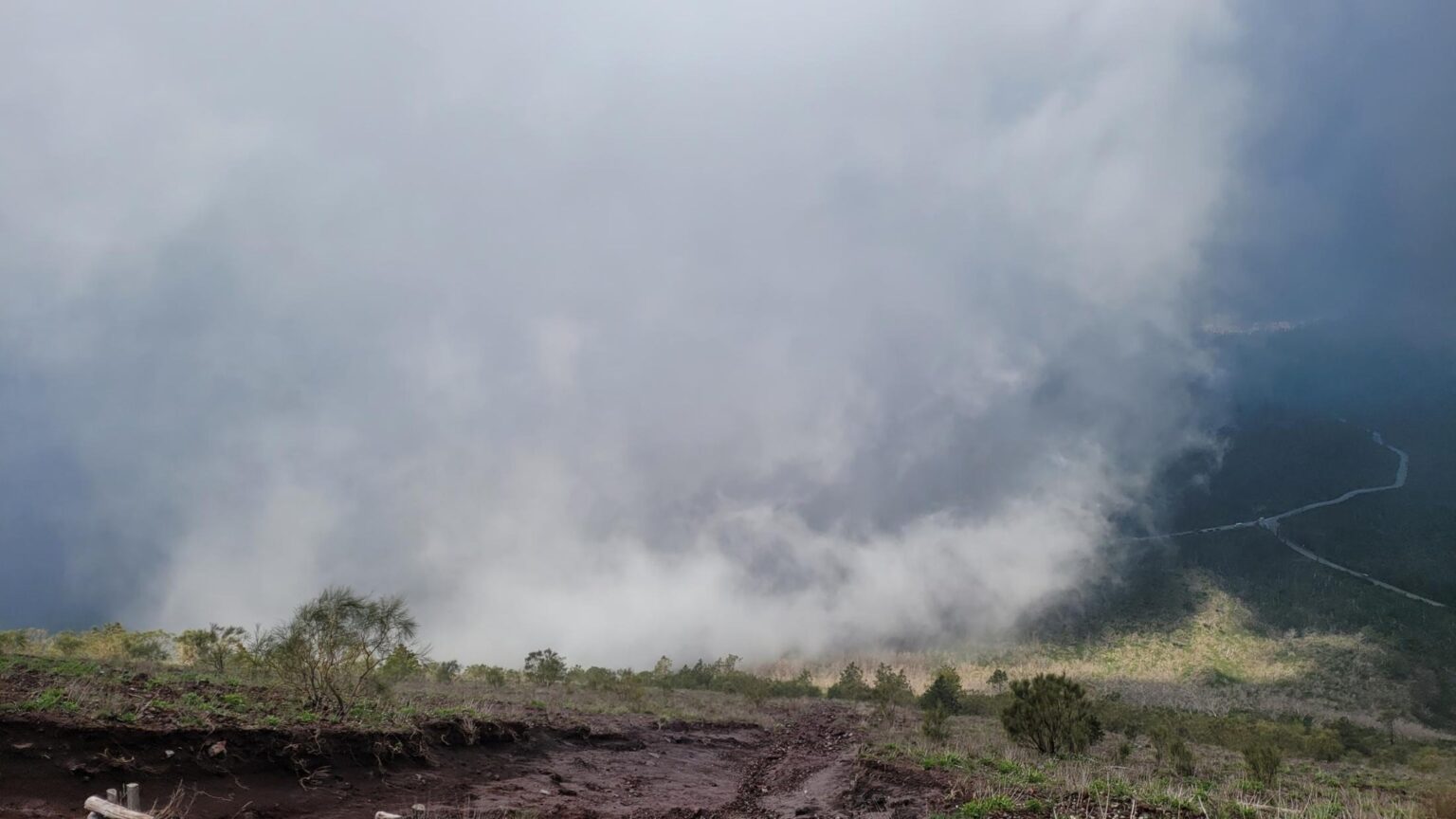
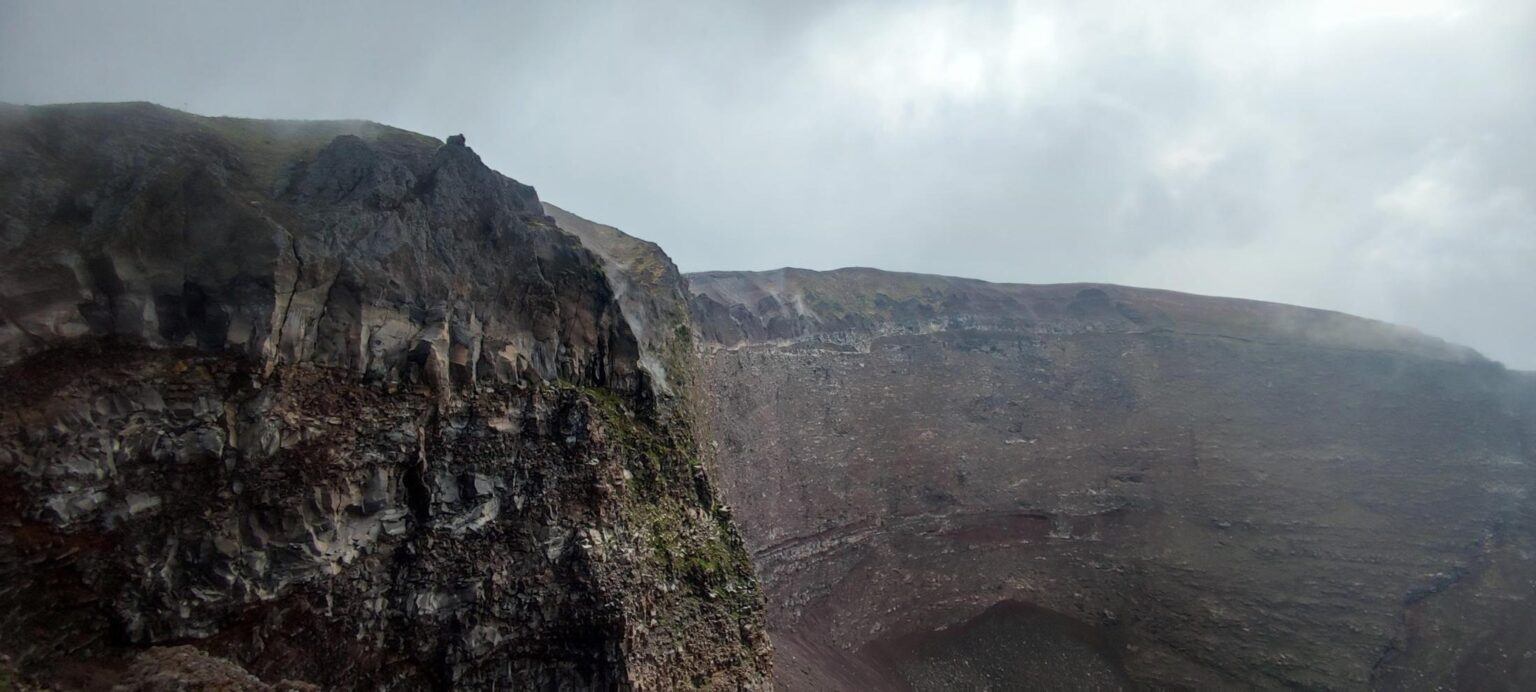
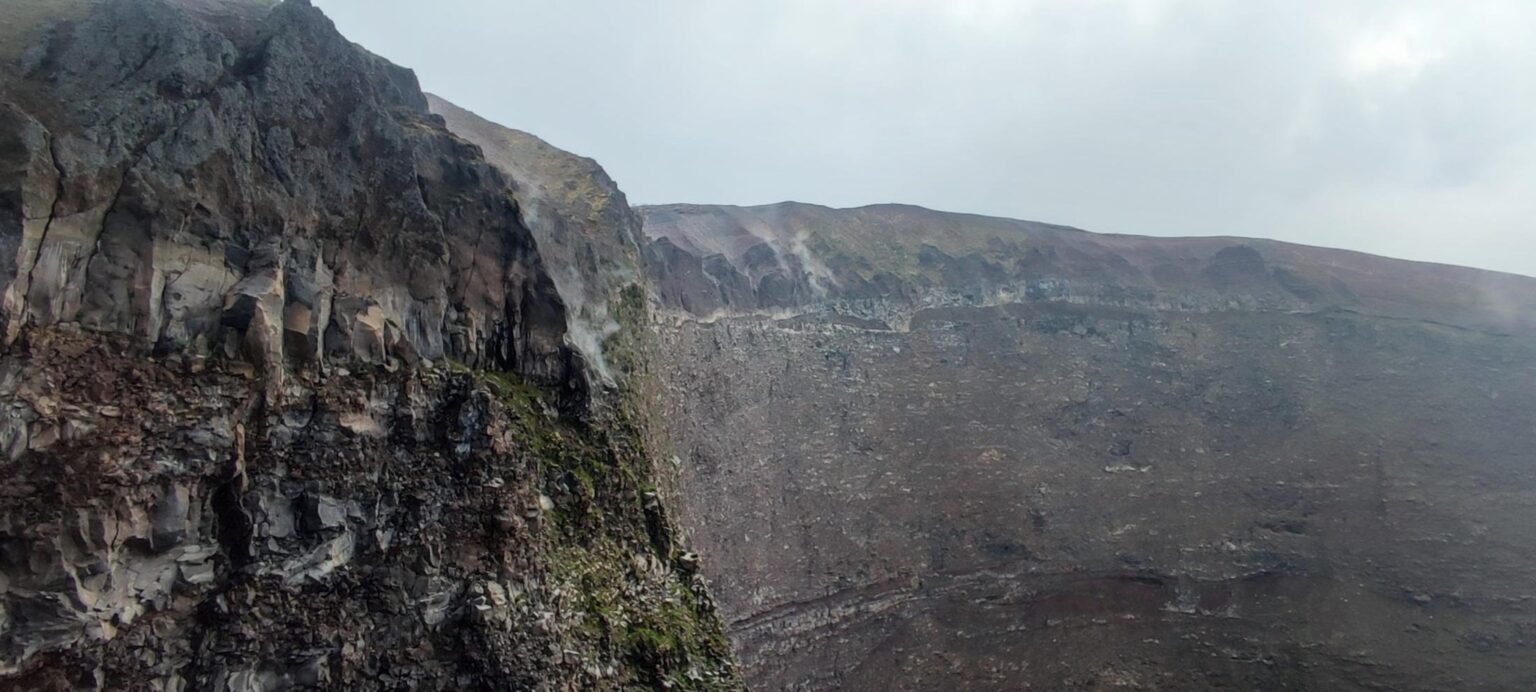
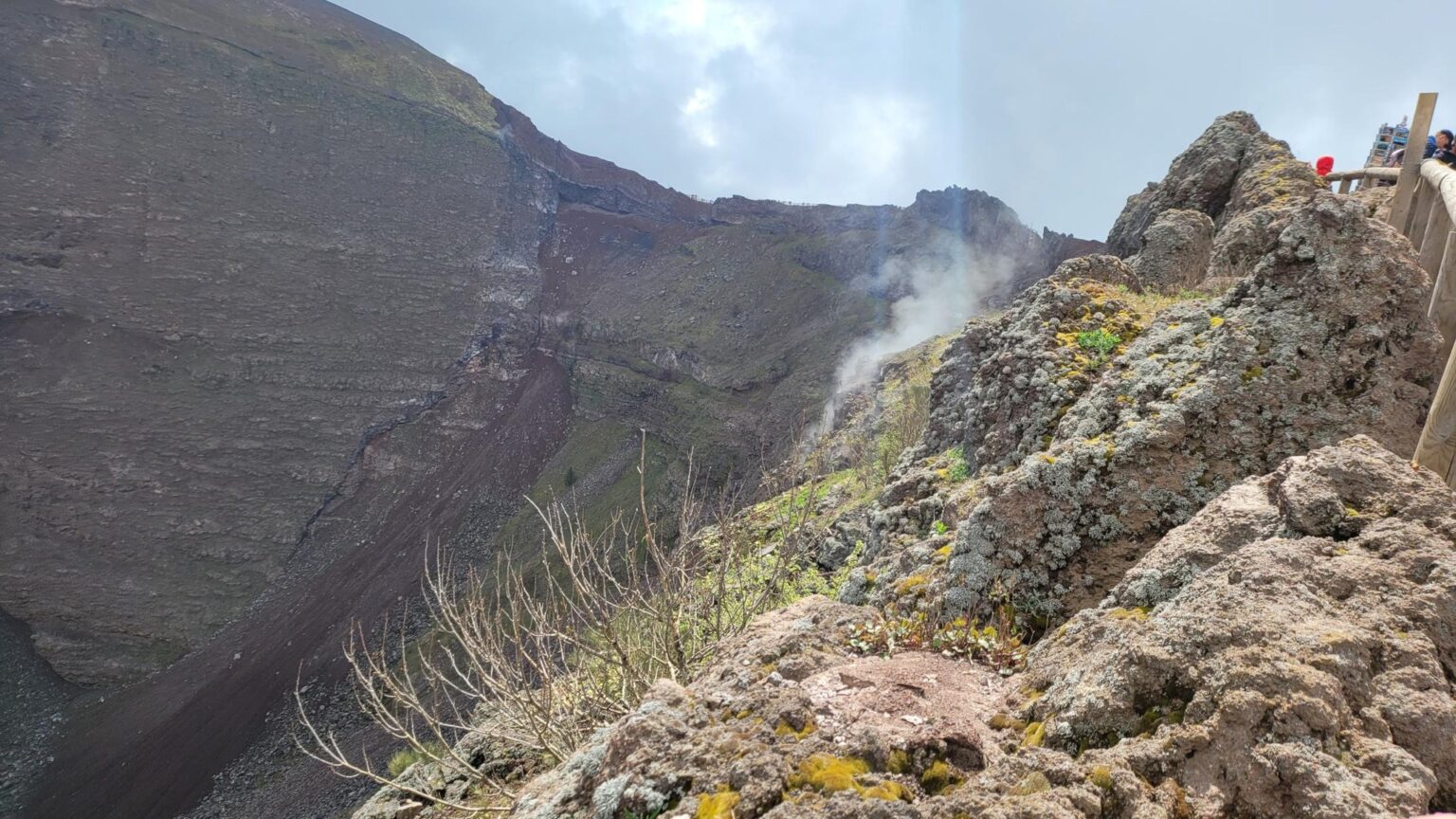
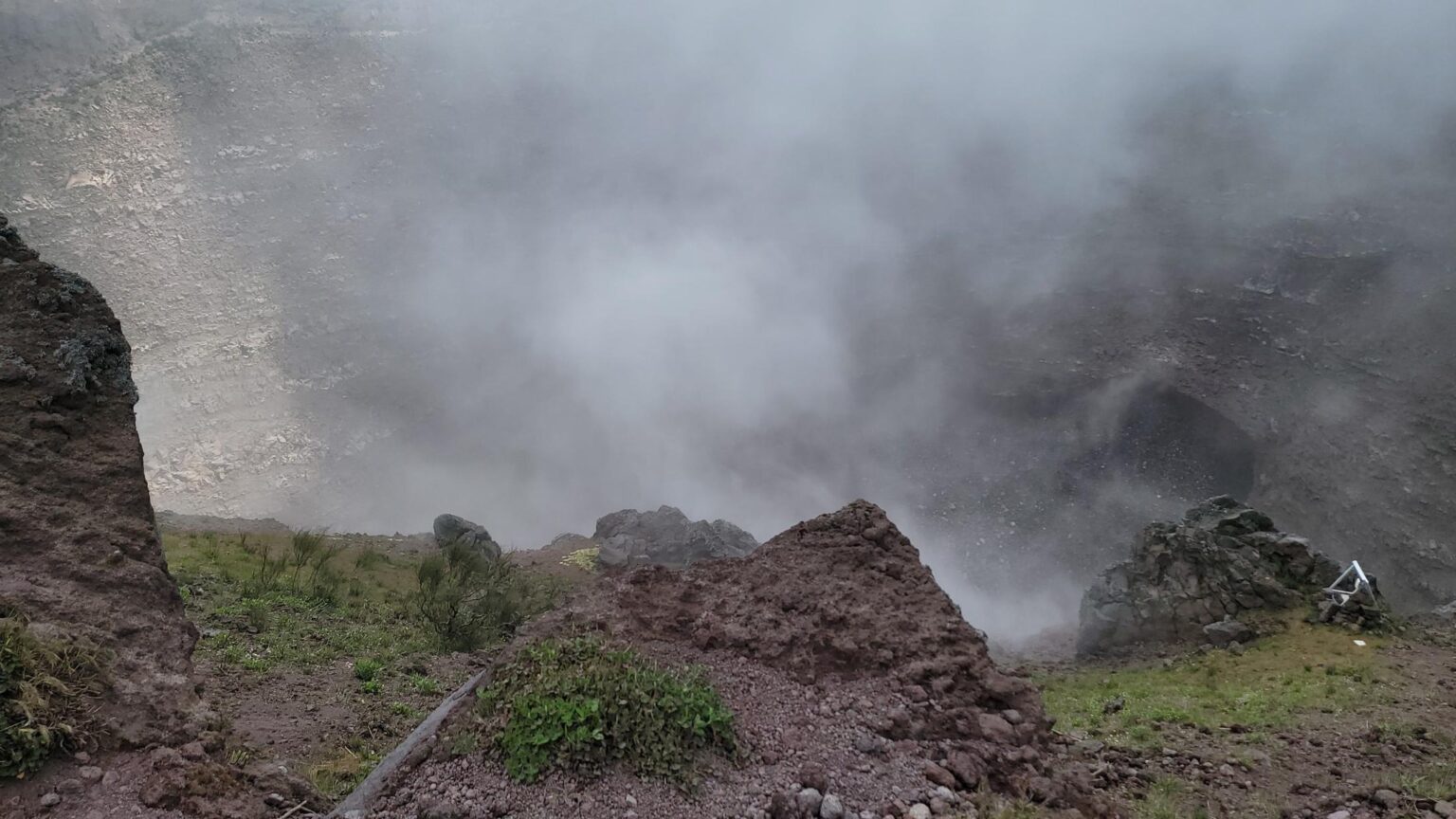
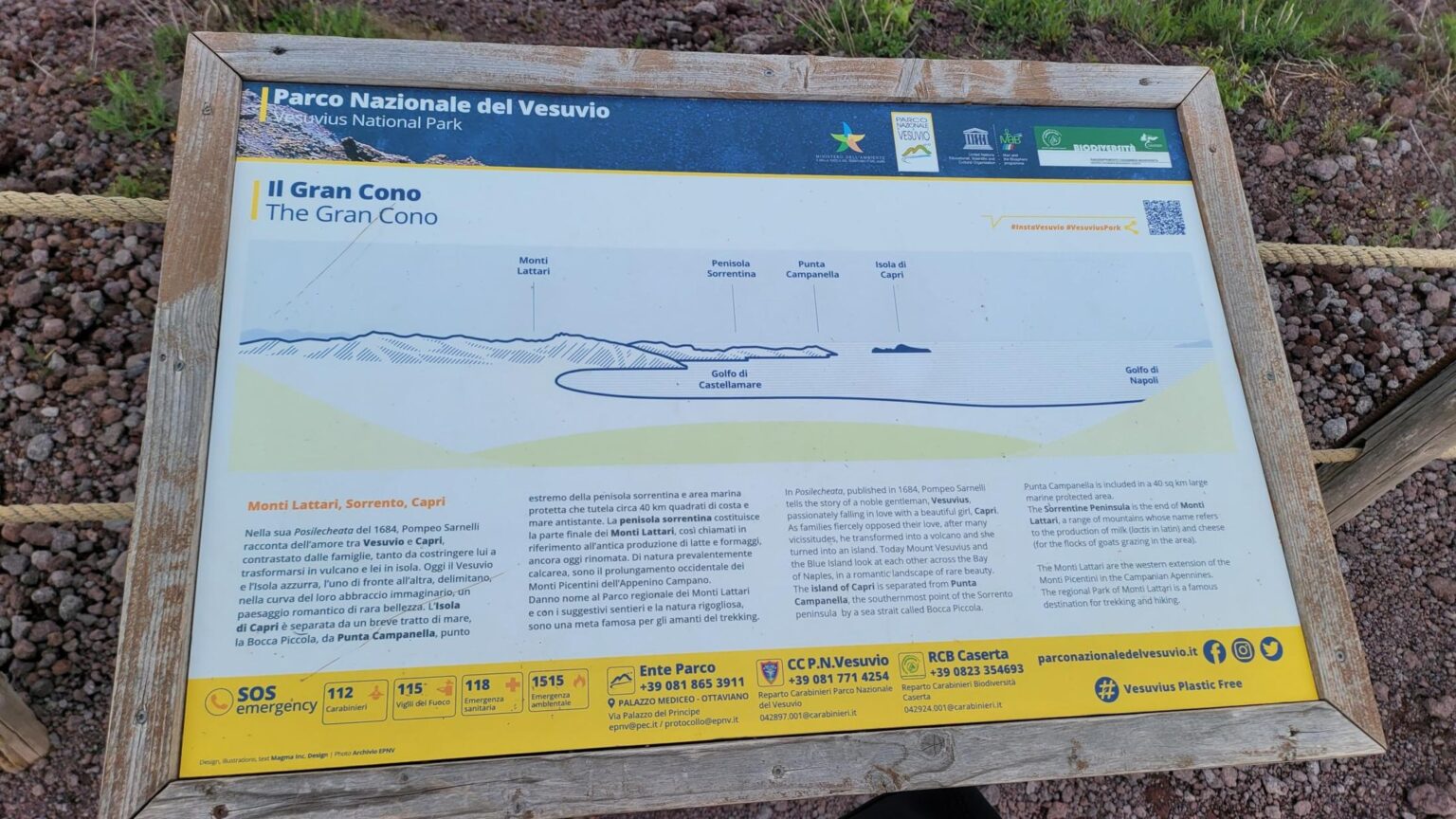
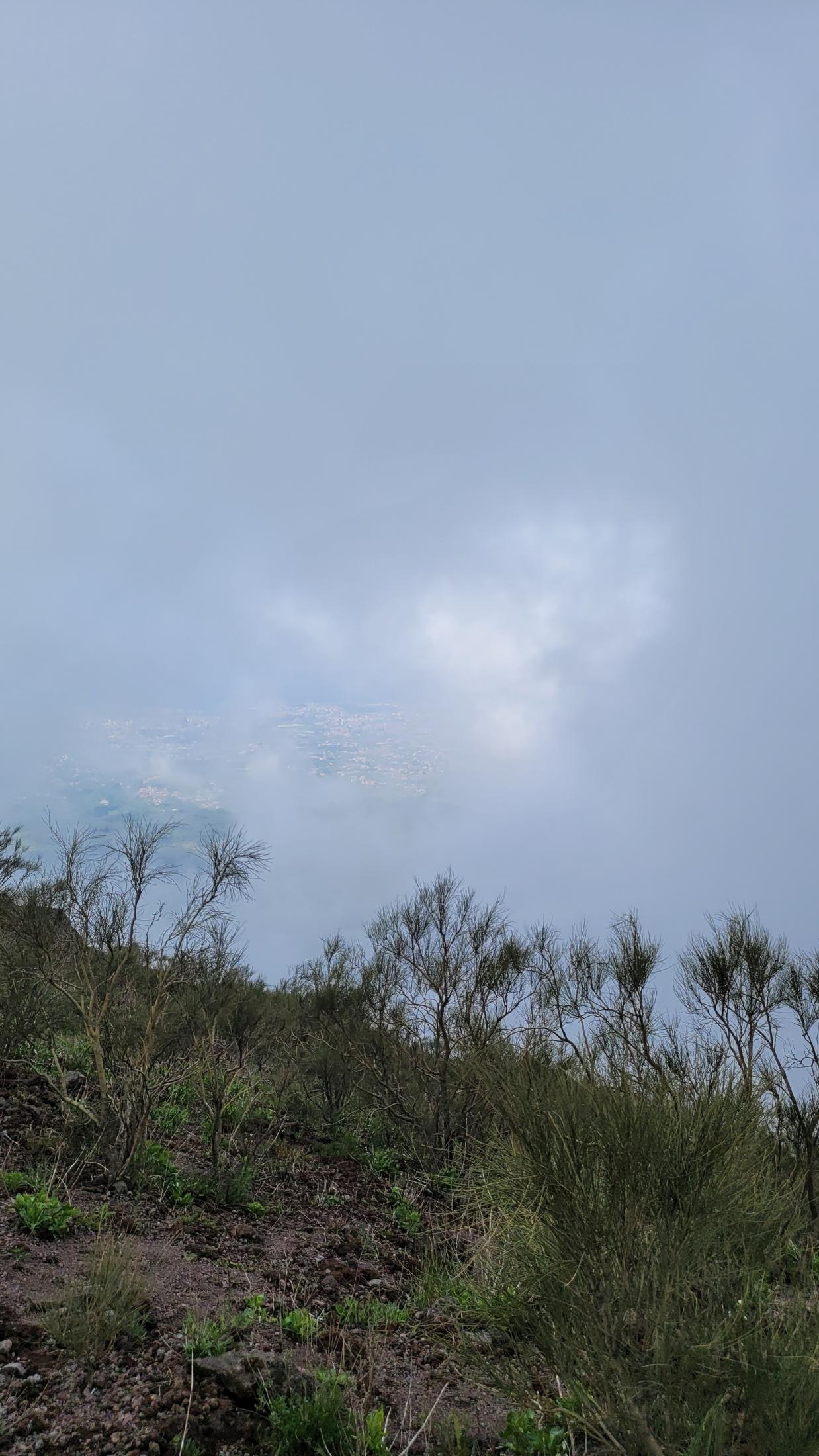
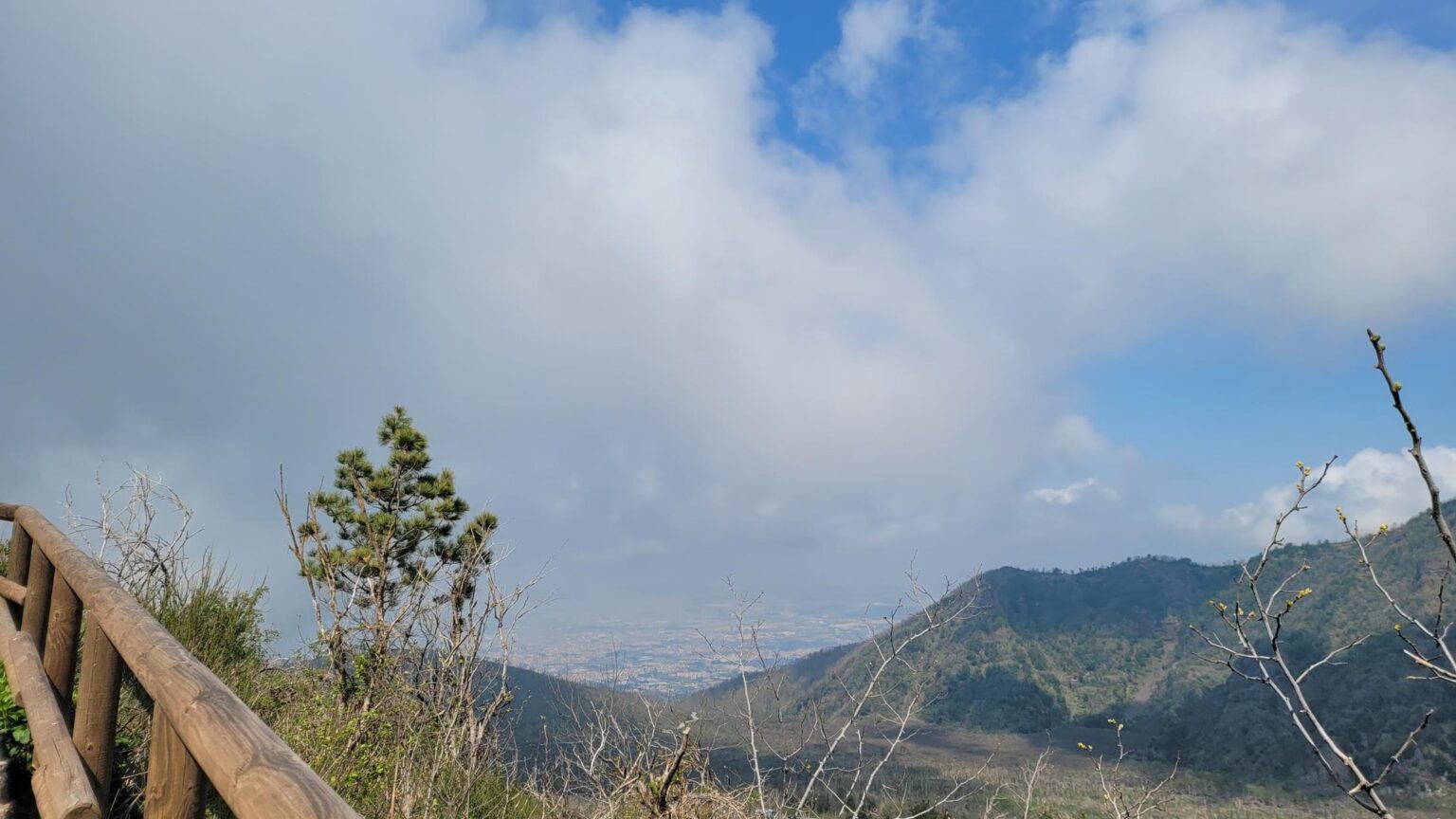
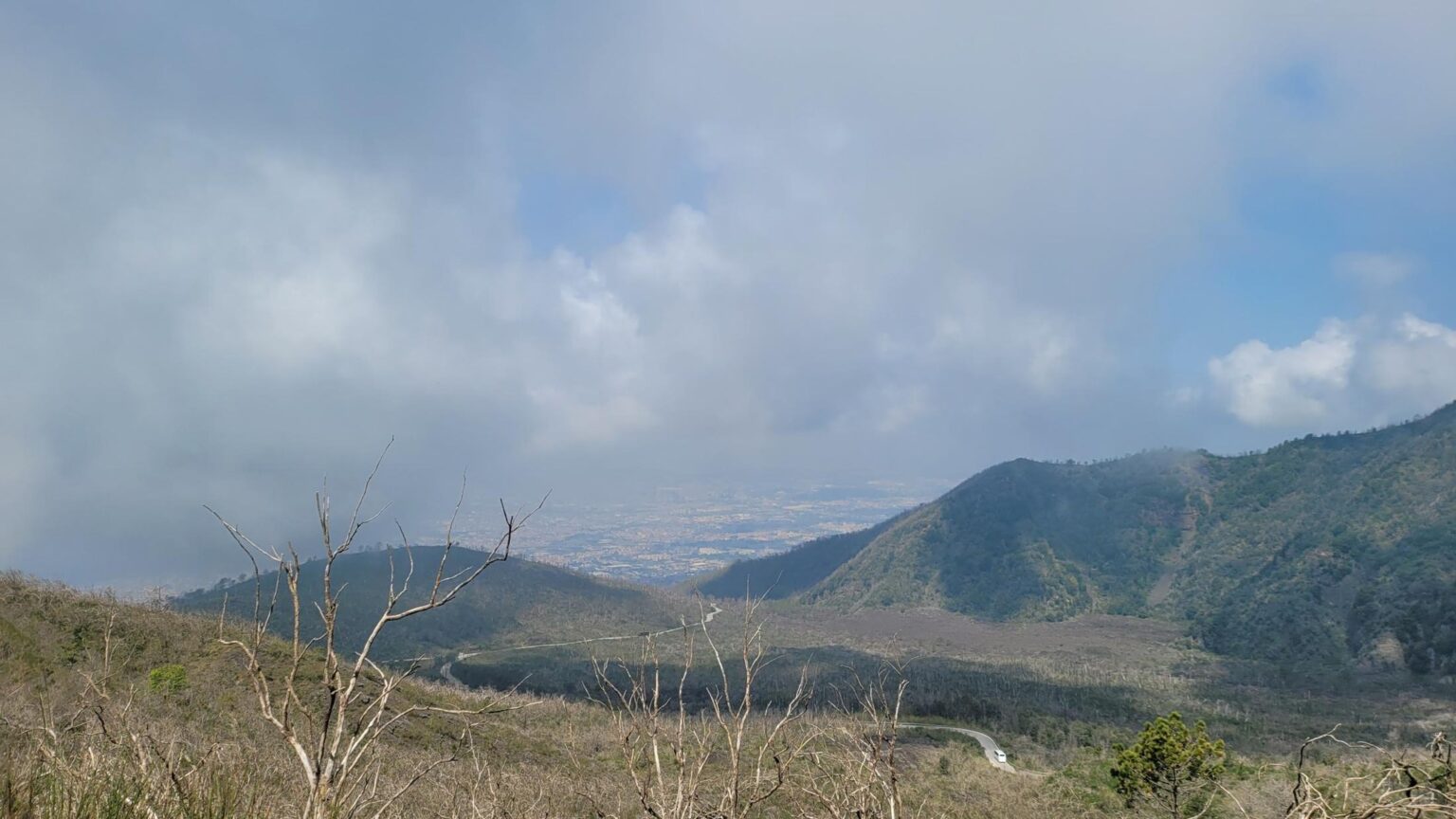
The visible smoke is not from an erupting volcano. By coincidence, fog was passing through at exactly that moment, but it is important to keep a little tension and suspense 😀 In the distance you can make out Naples, the sea, Pompeii and who knows what else. You can attach yourself to one of the dozens of guided talks if you feel like listening, but it becomes monotonous very fast. The same information is repeated, re-repeated and re-re-repeated, and it is all on the panels and online anyway. There are talks in every language imaginable.
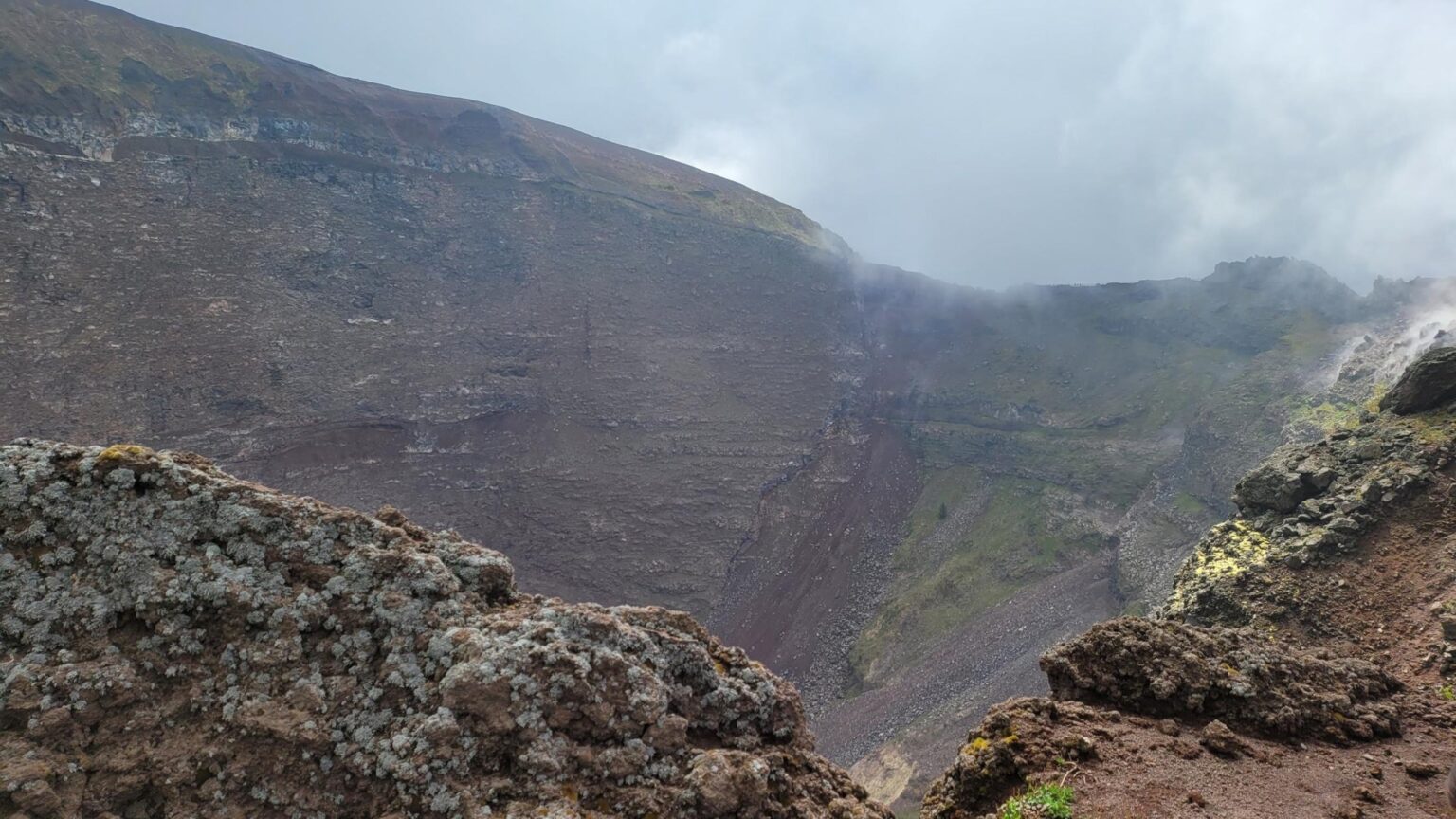
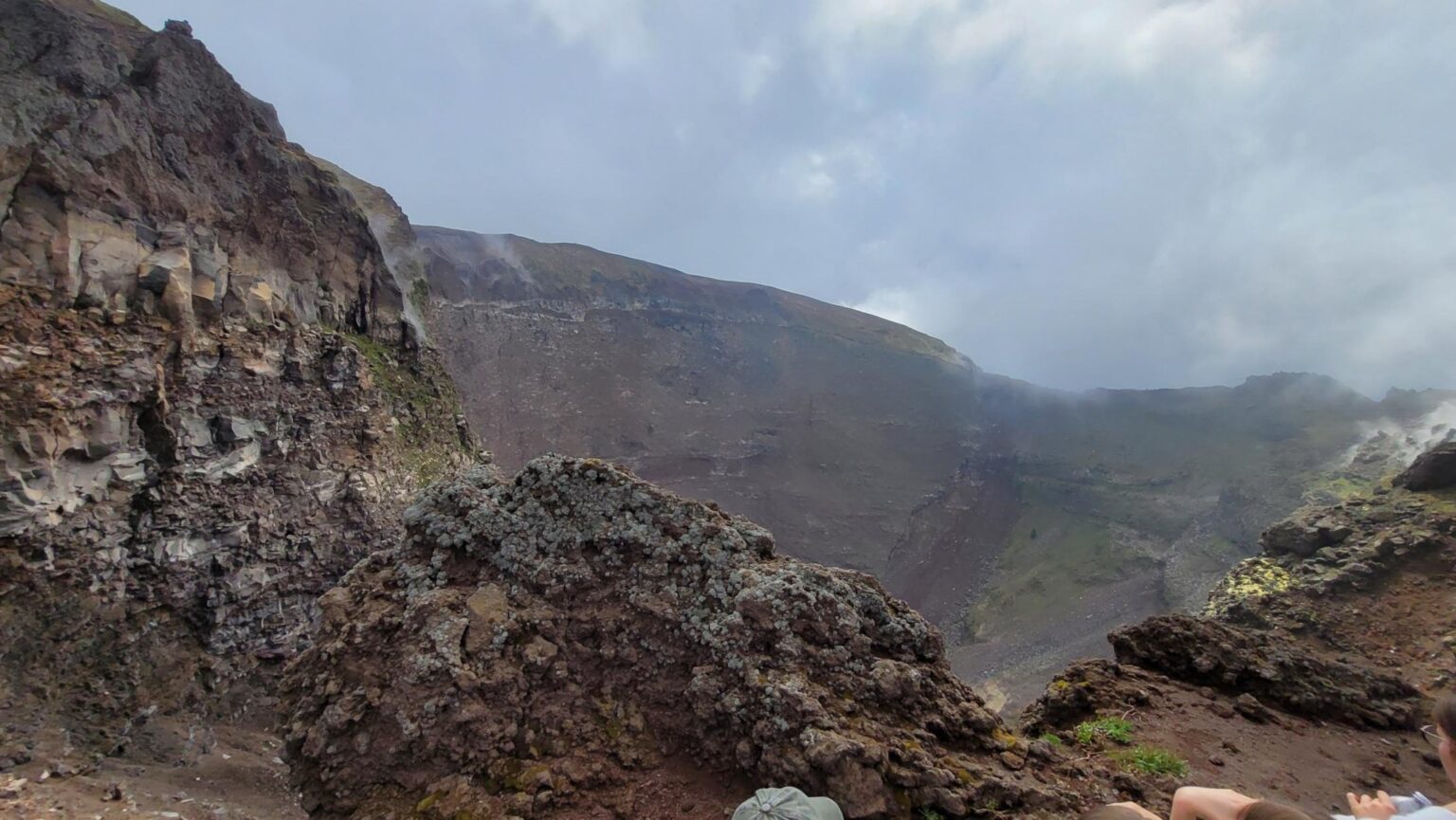
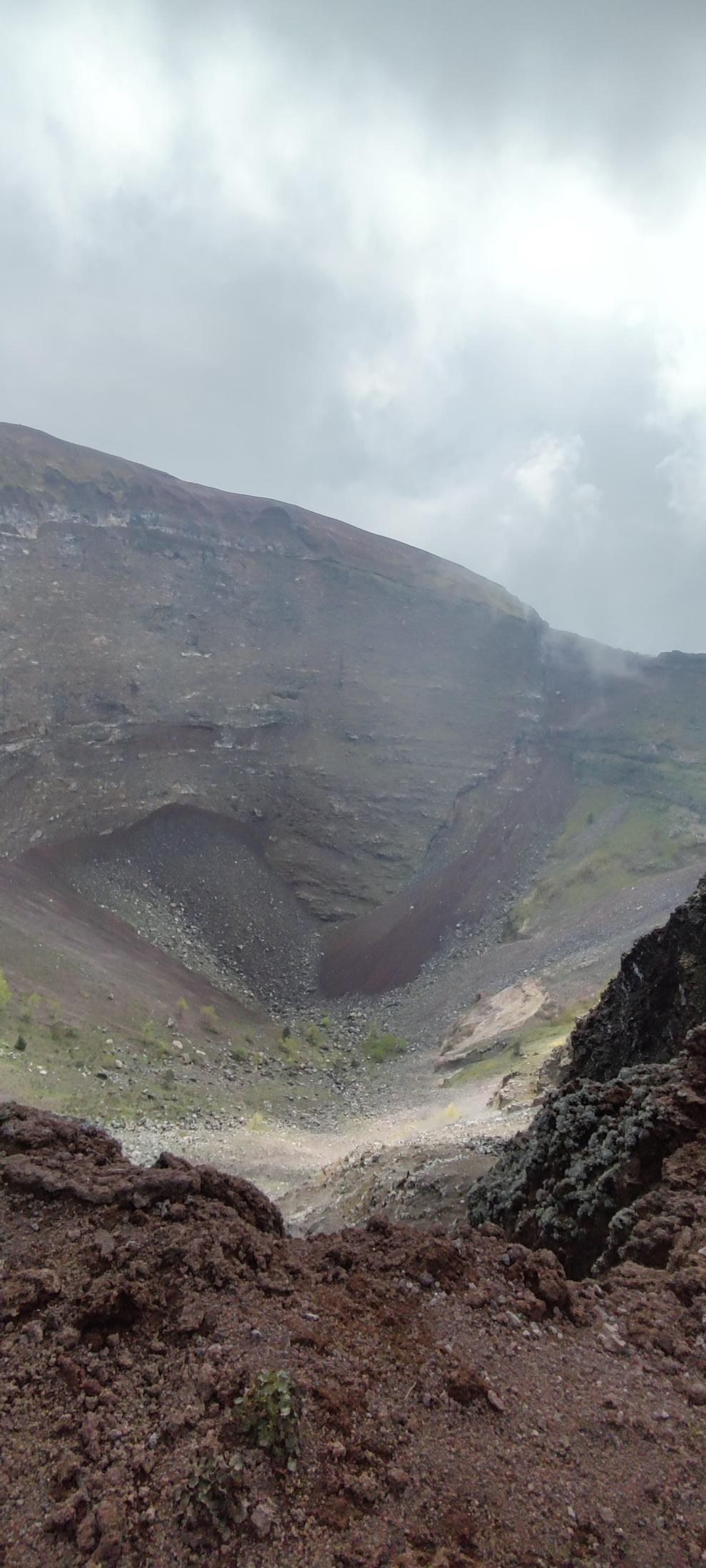
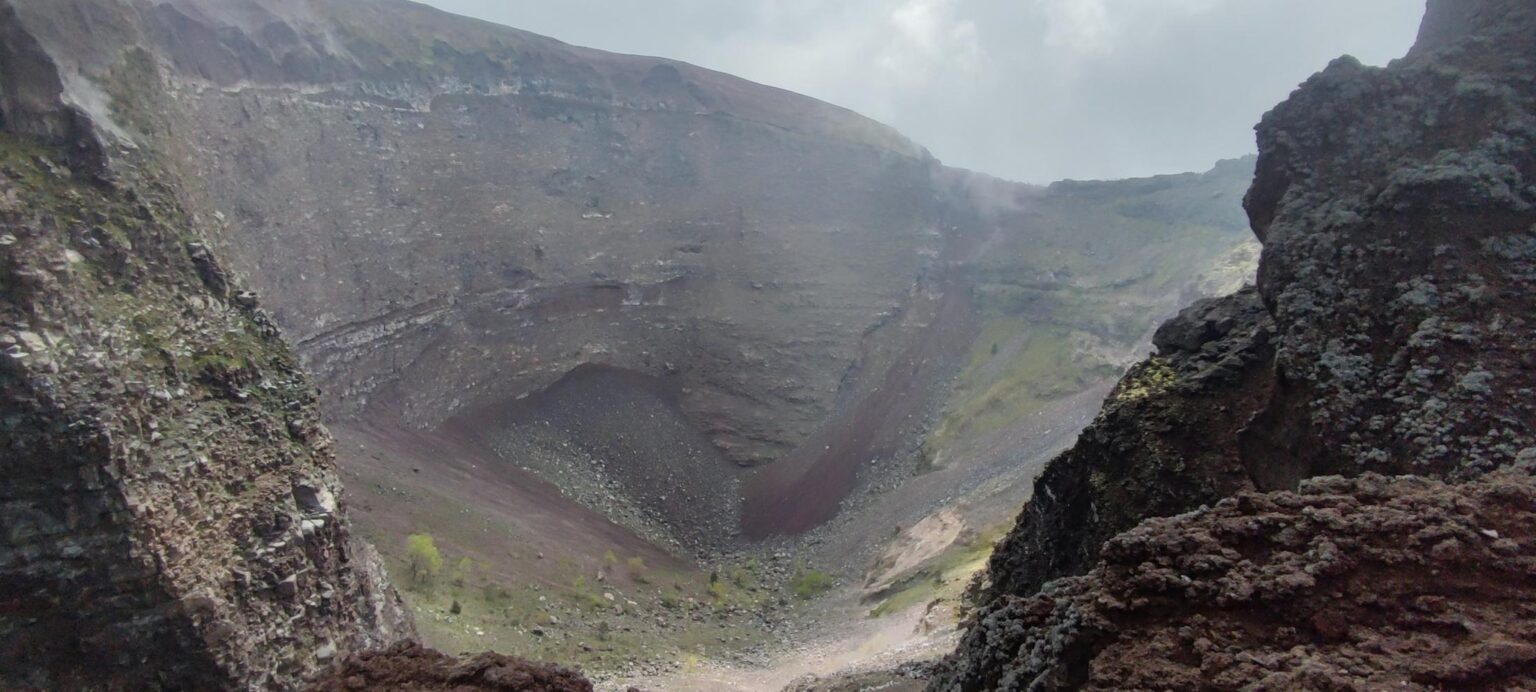
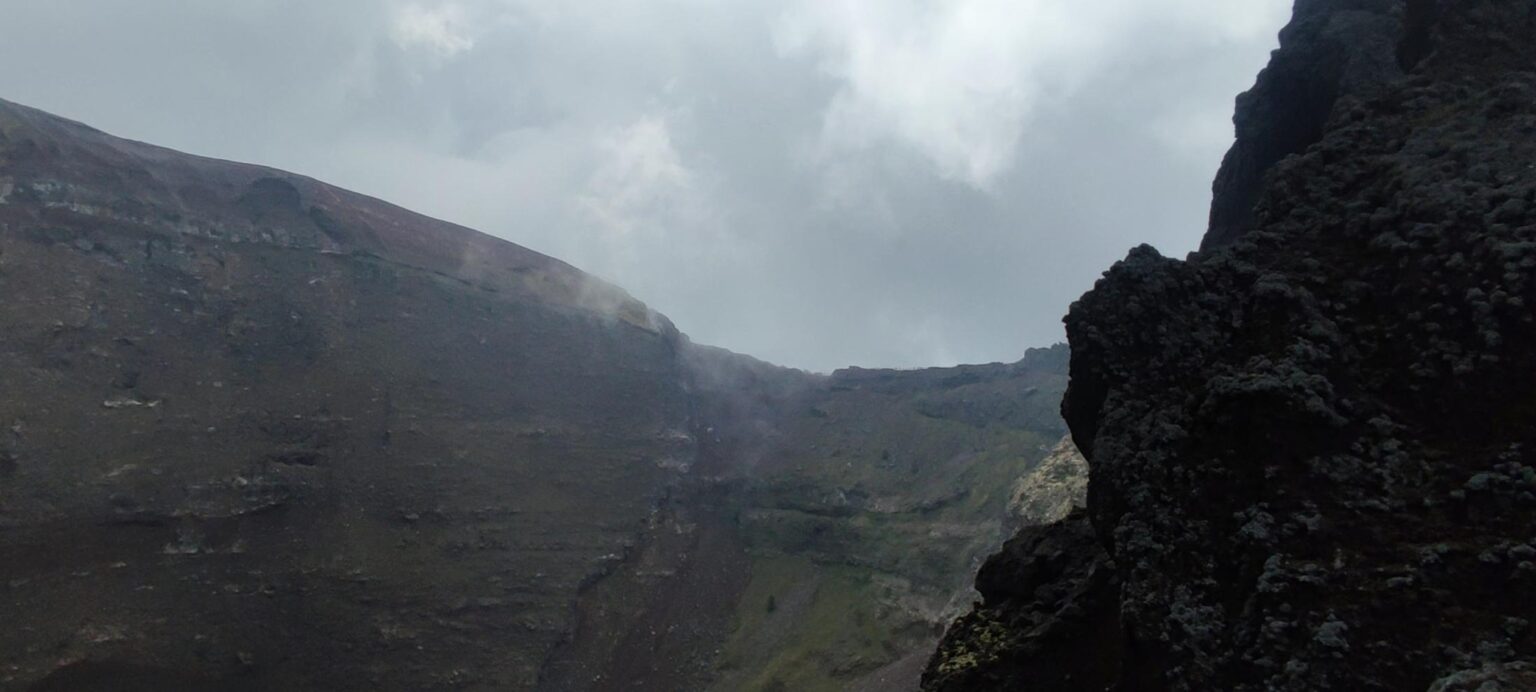
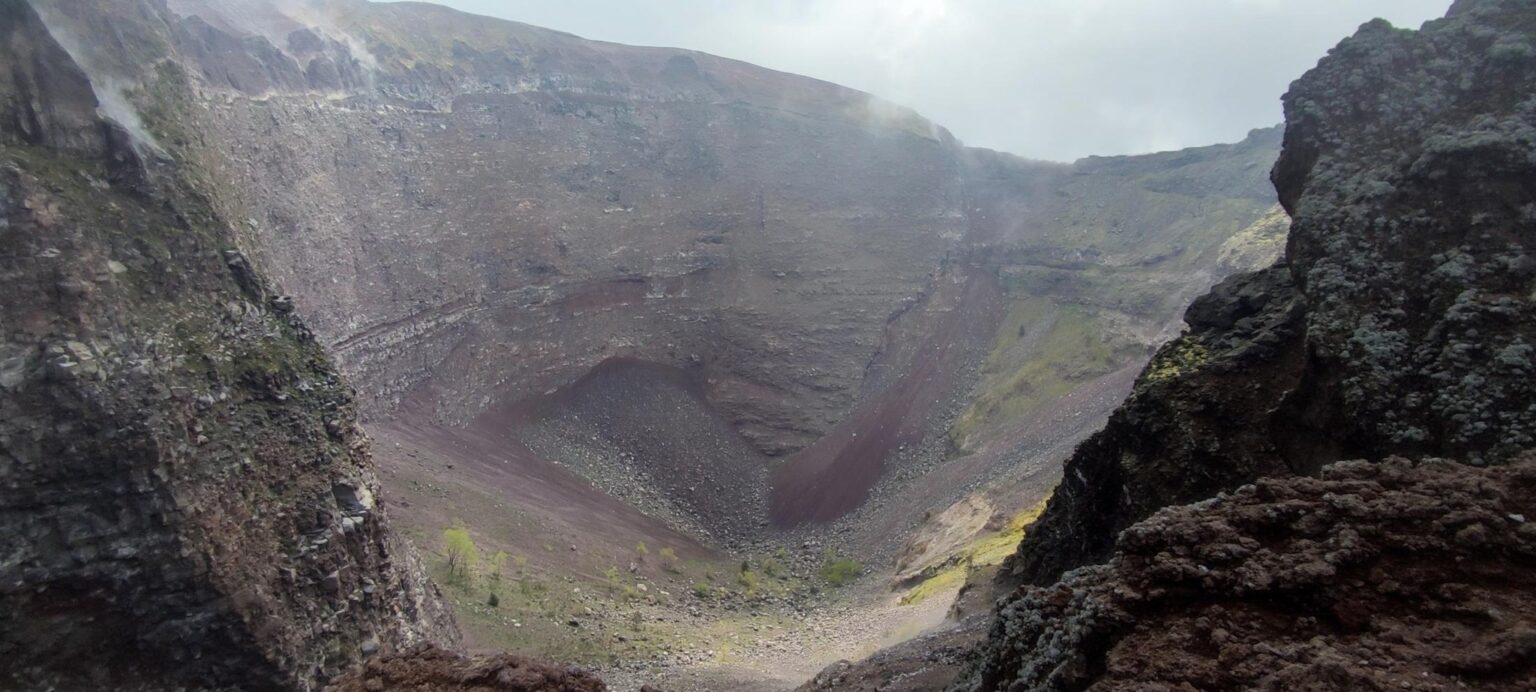
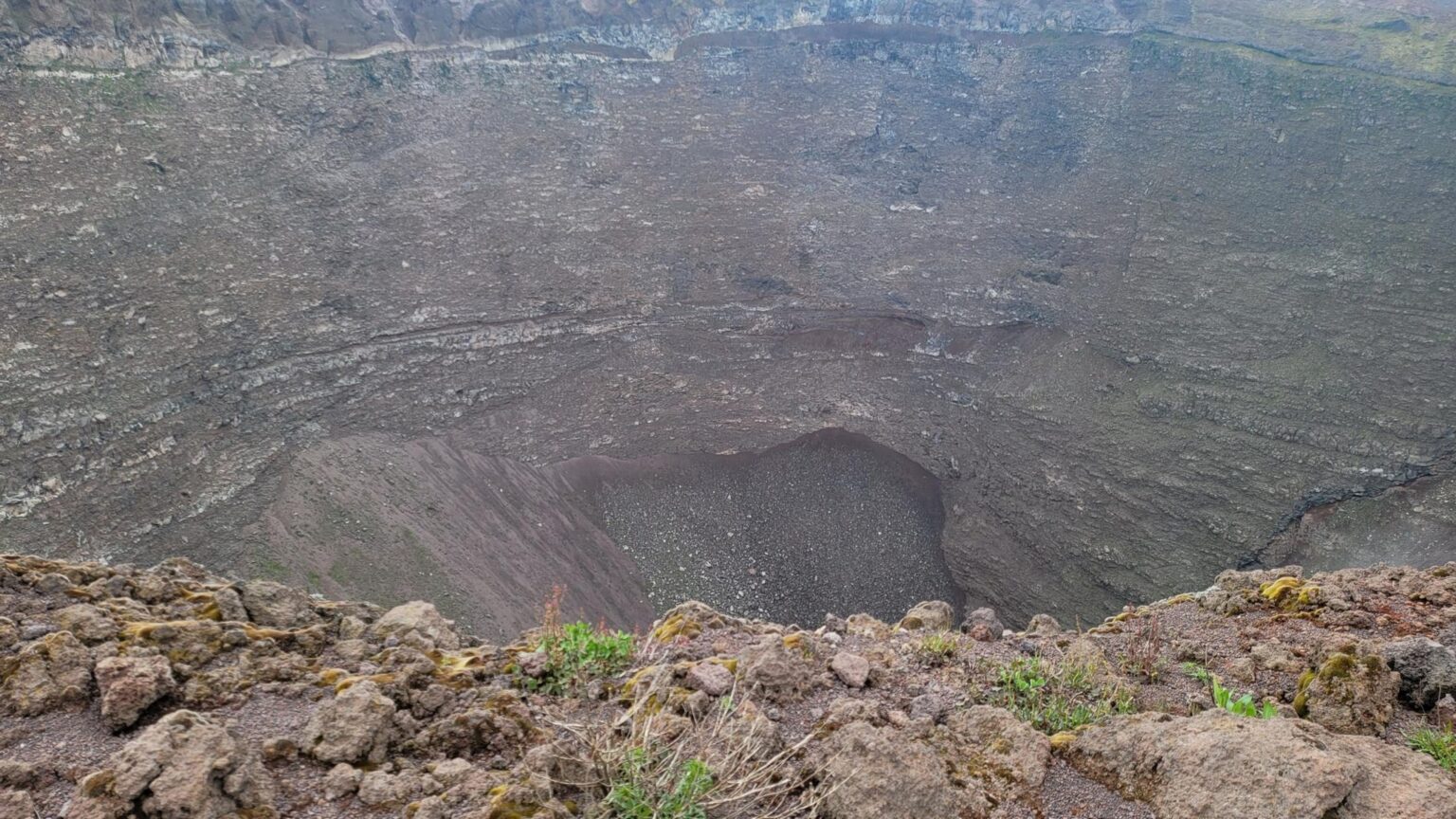
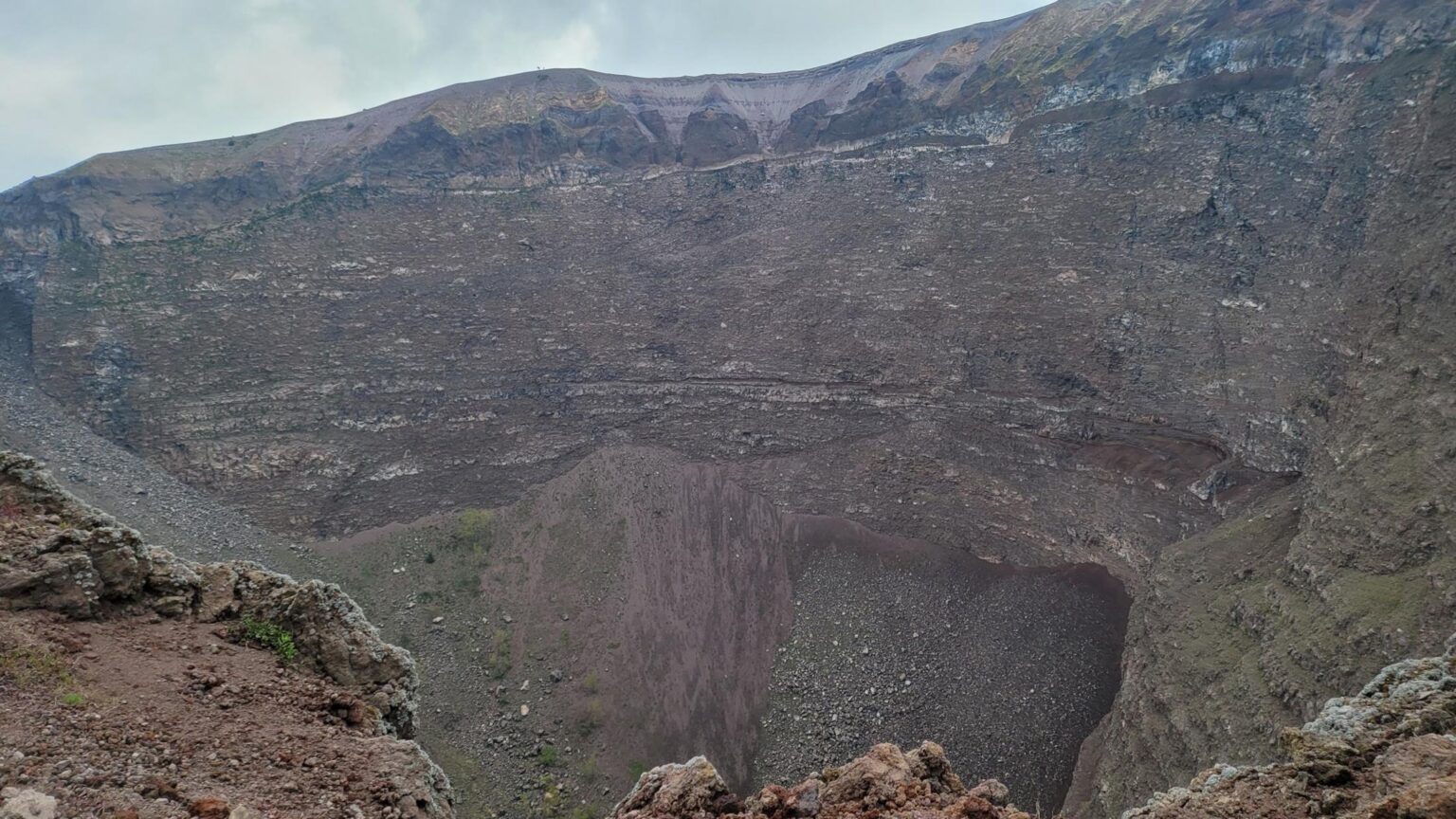
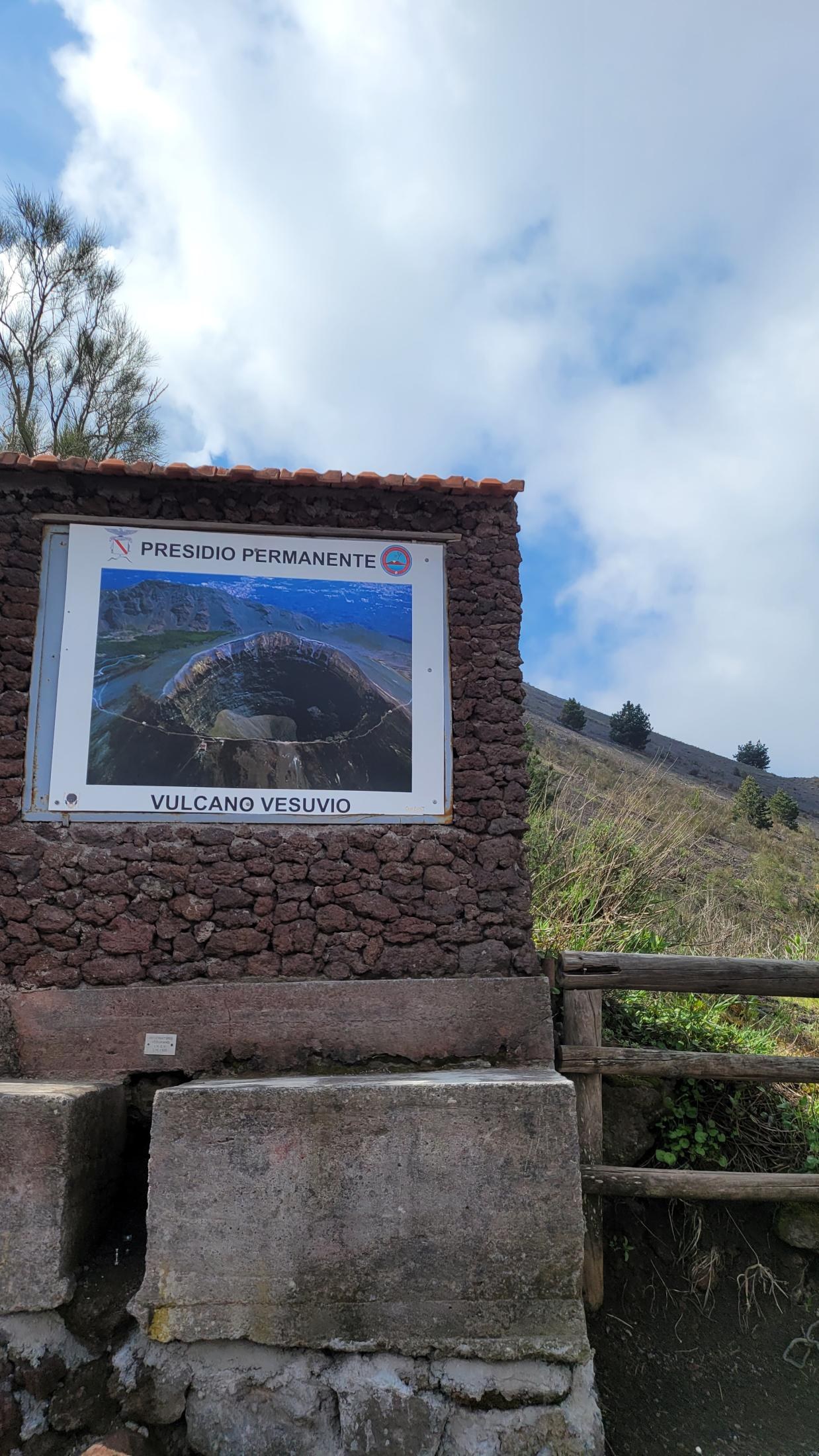
Maybe it does not come across, but the crater is enormous. Panels, reading. This thing has erupted and thrown lava, gases and the rest 33 kilometres up! Thirty-three kilometres! 33! To visualise it:
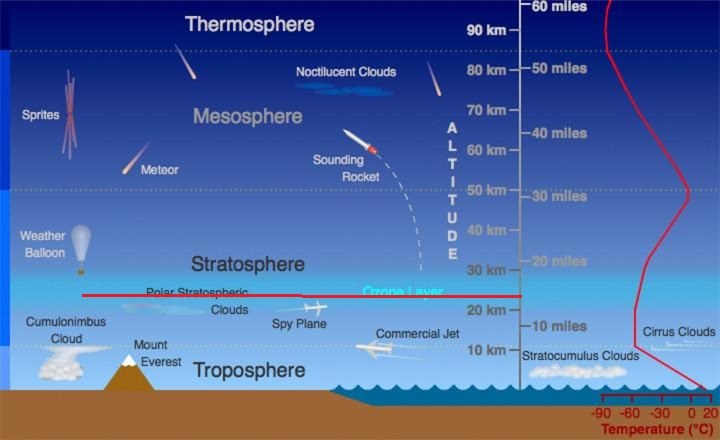
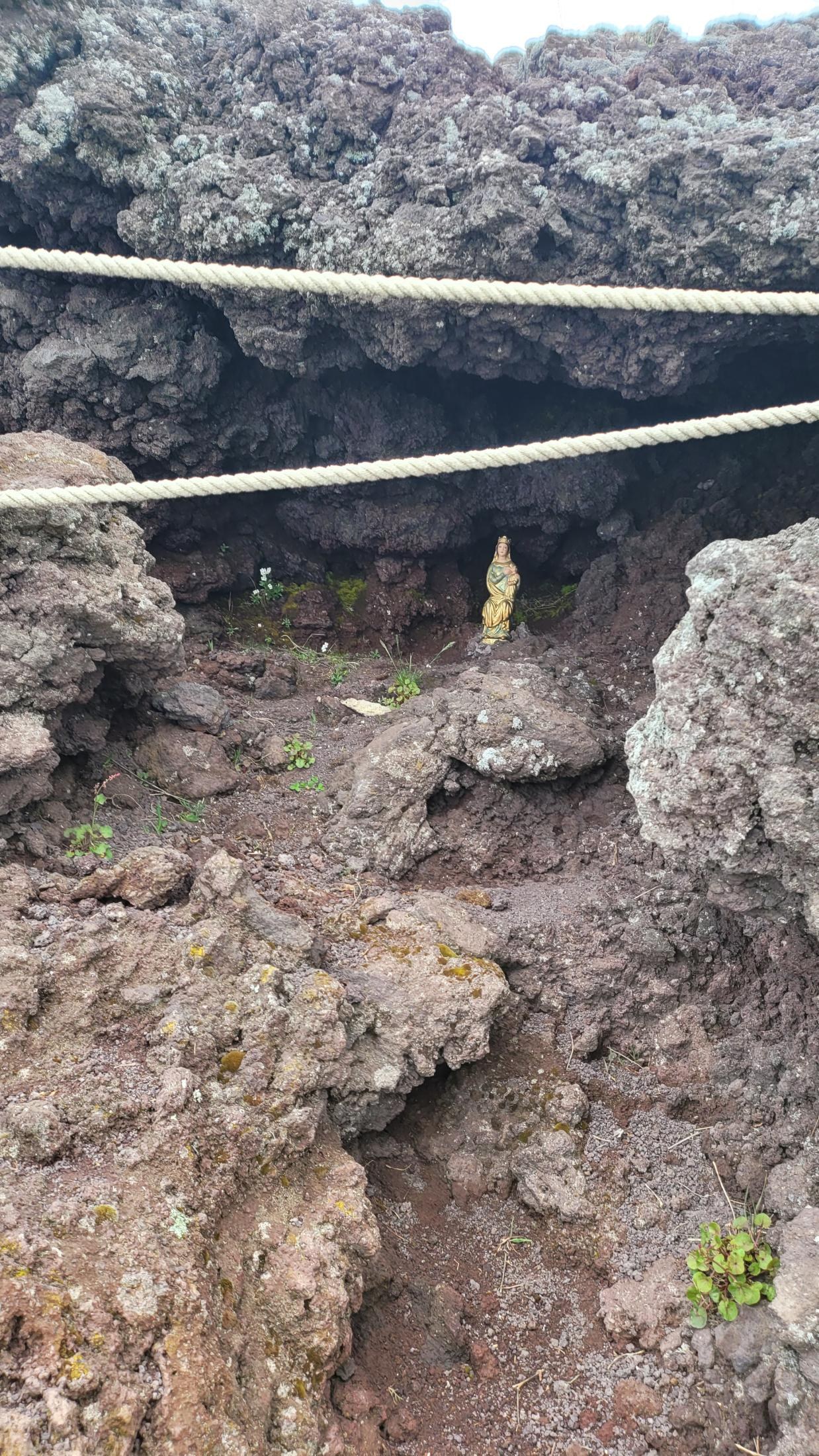
The volcano was the Elon Musk of its day, sending rocks, lava and gases as fast, as cheaply and as close to space as possible. Given it has erupted over 30 times, it is evidently thinking about commercial development too. Joking aside, it is interesting and impressive what Mother Nature is capable of. The summit was close to 1,900 metres, now it is under 1,300. Have a read through Wikipedia while you are scrolling on your phone before sleep, you will kill 2–3 hours. From me you get a relatively greyish-scorched gallery covered in fog 😀
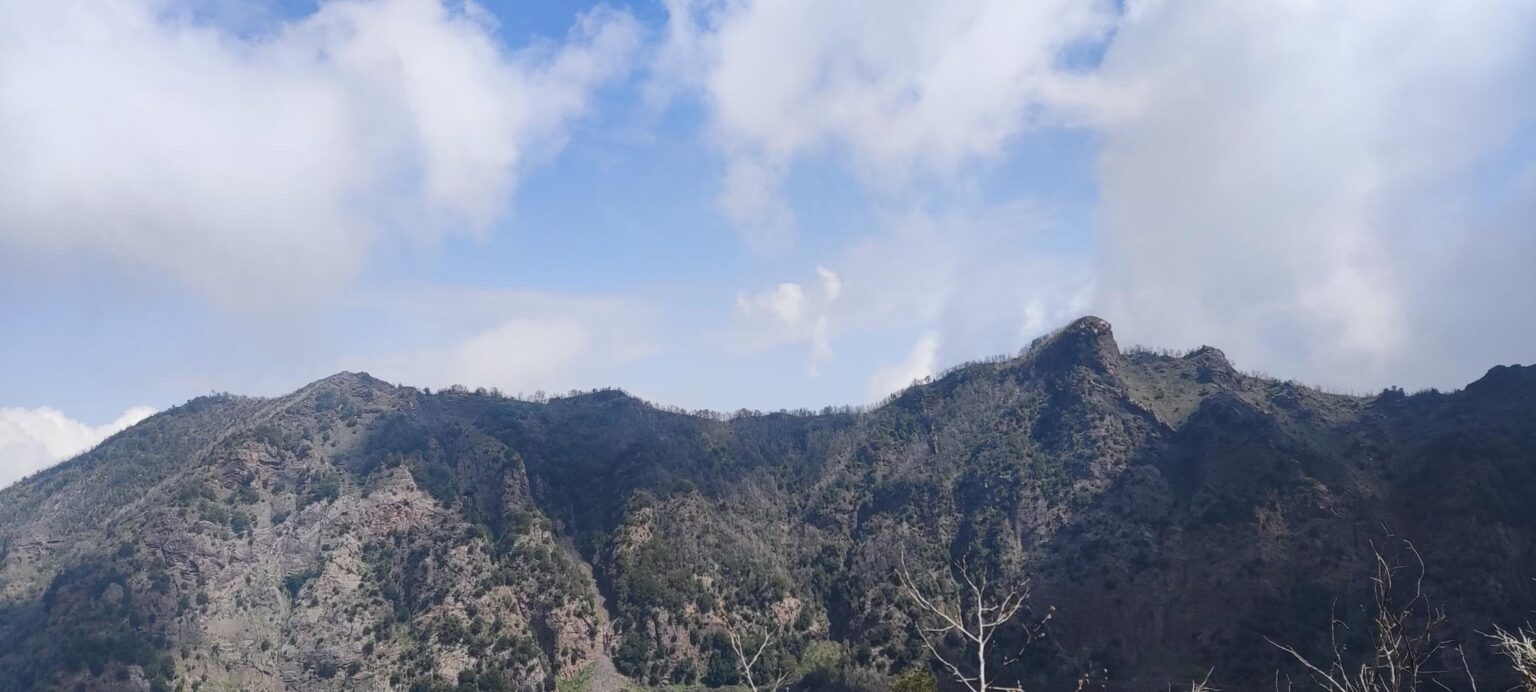
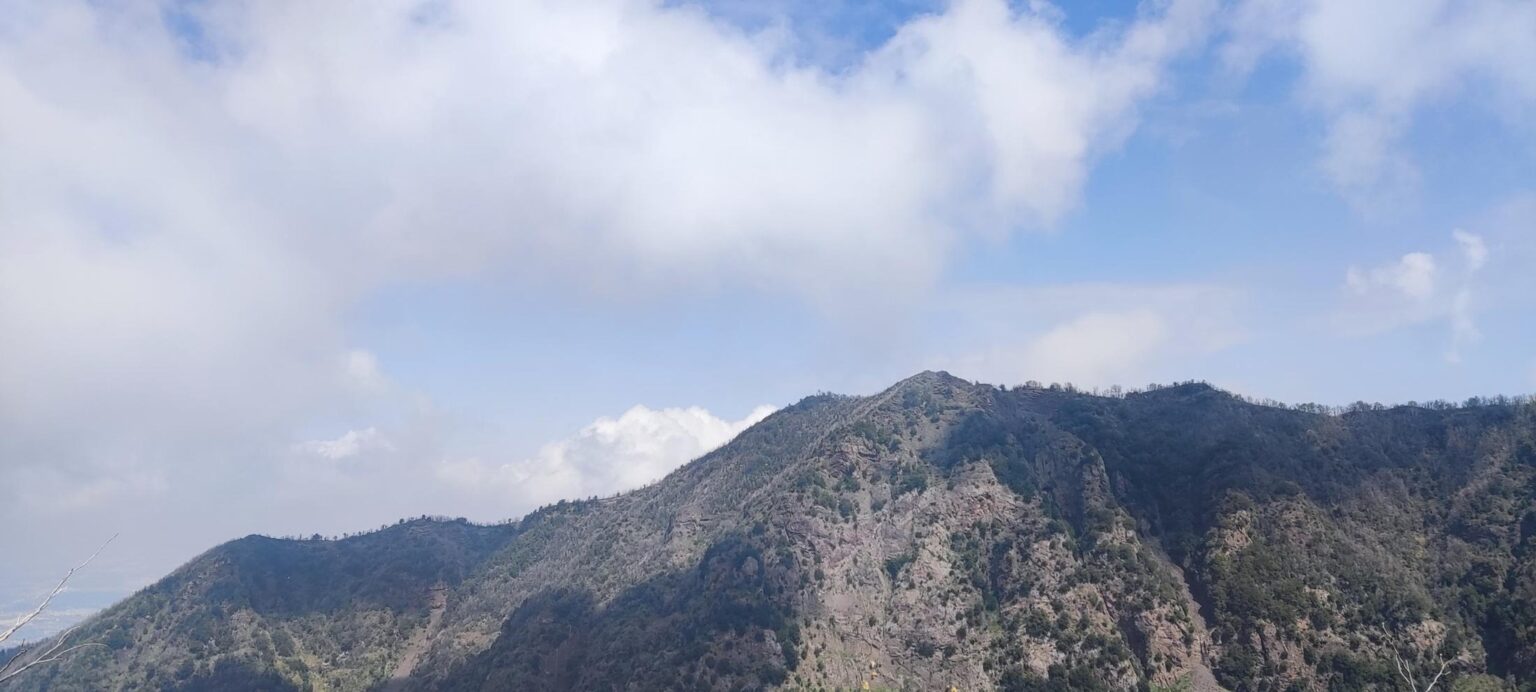
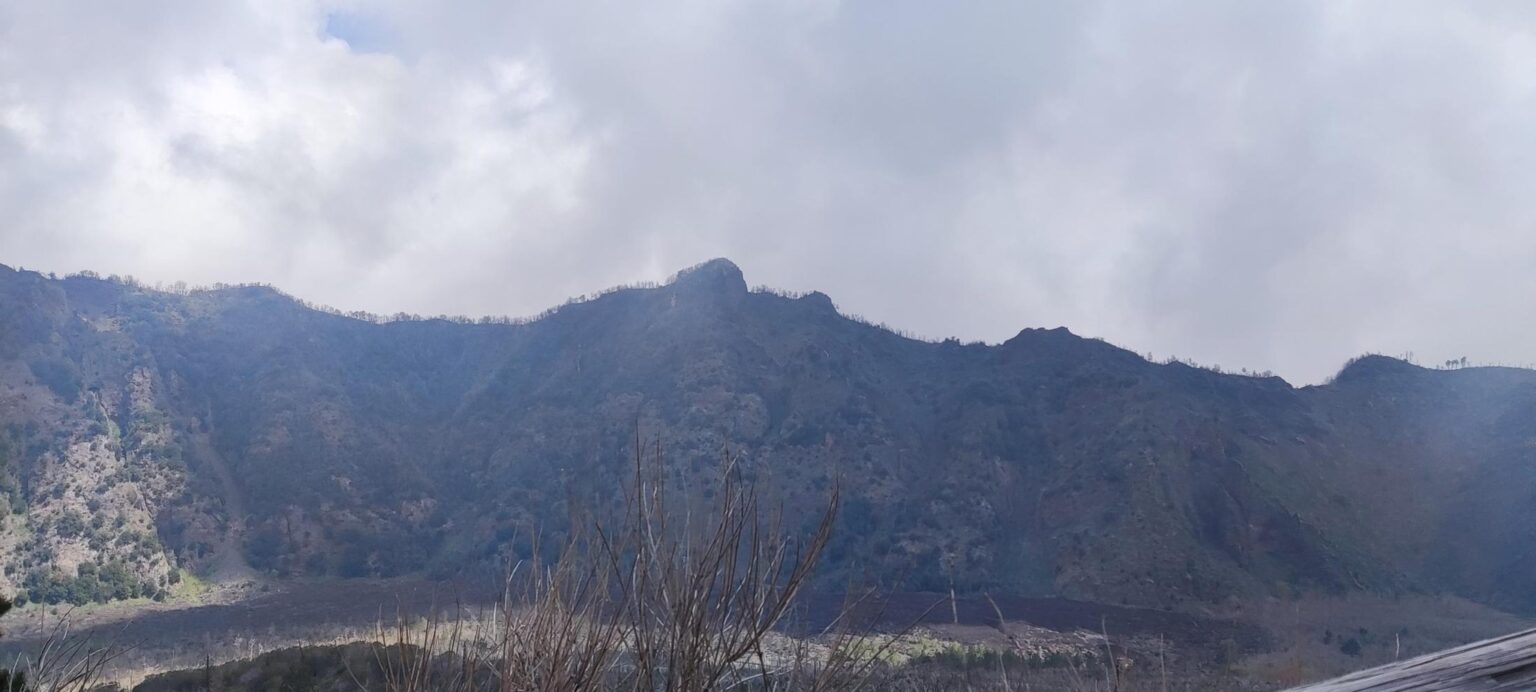
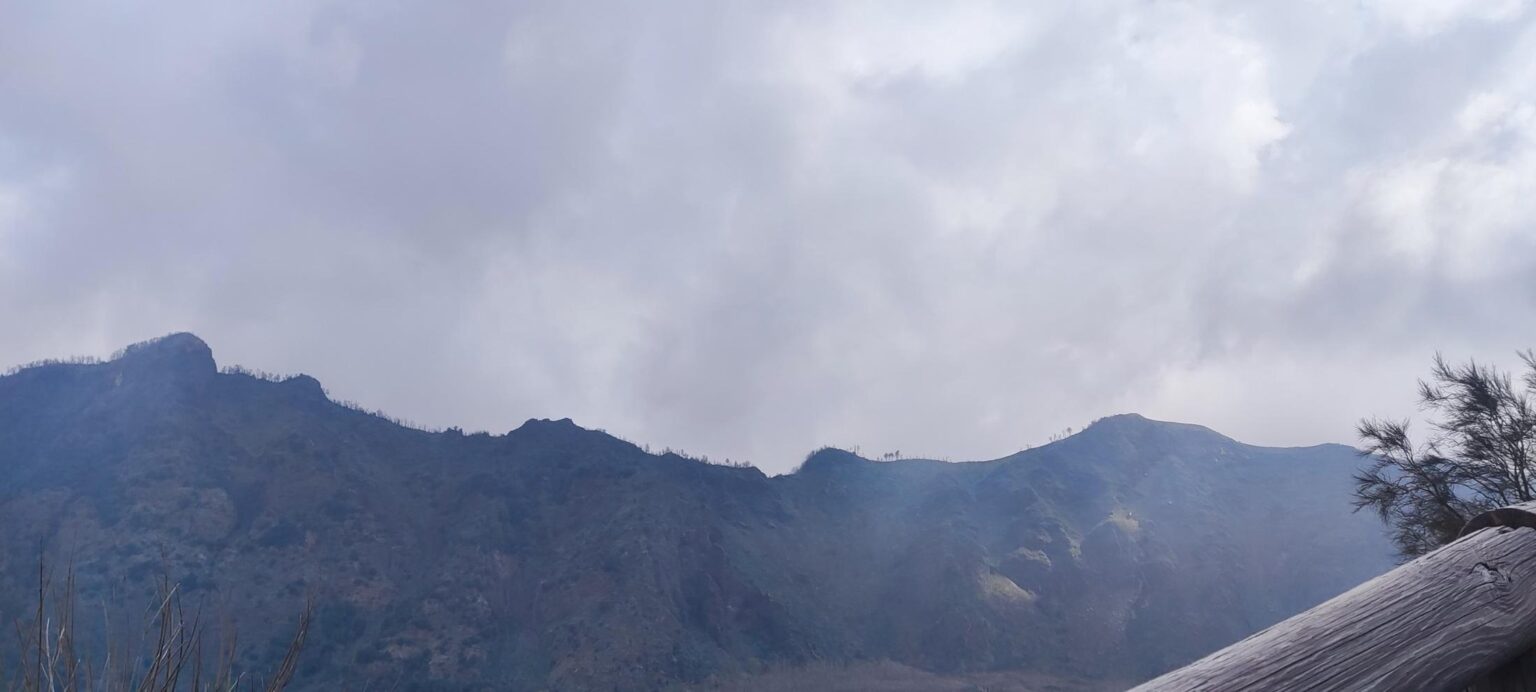
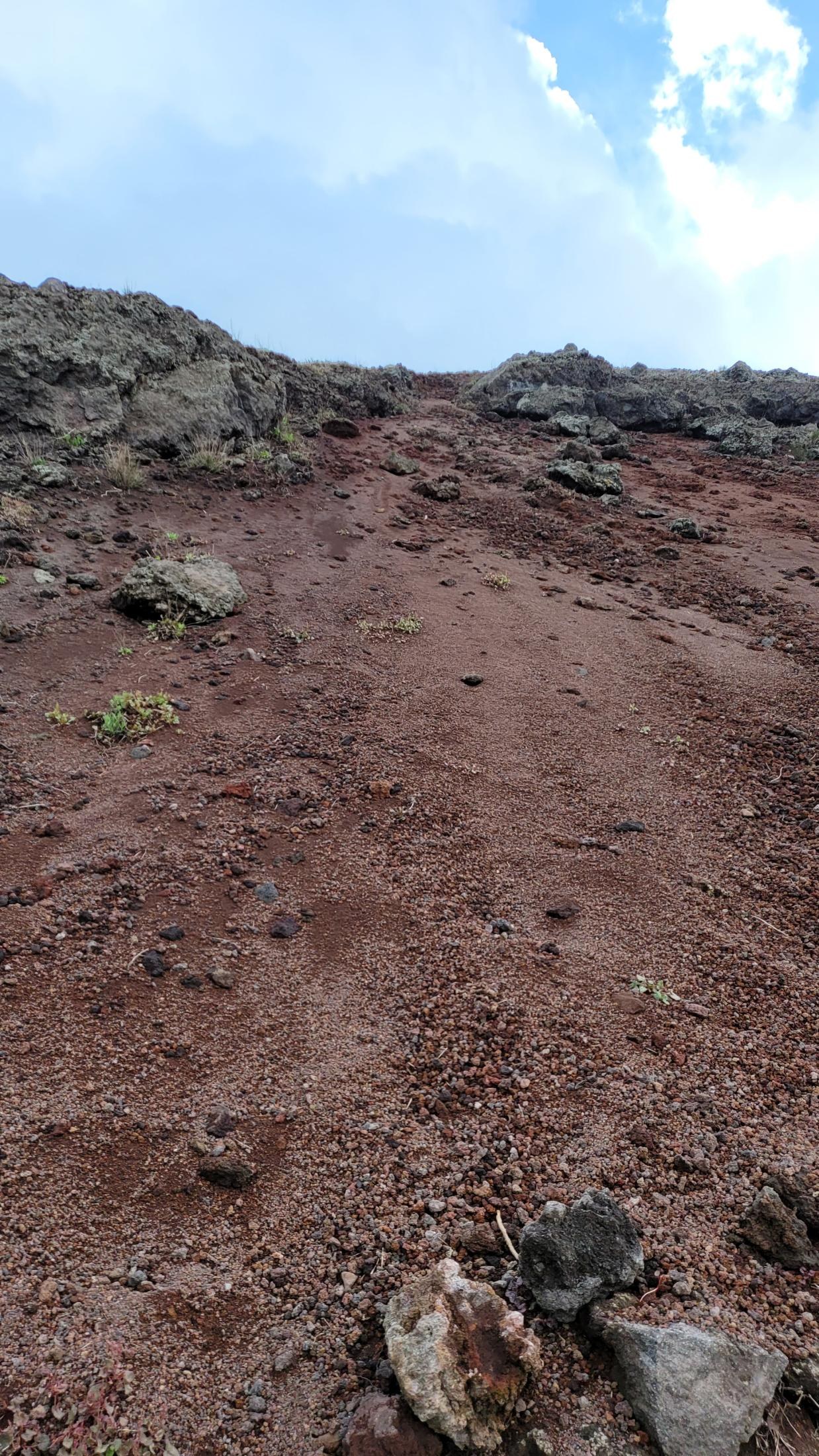
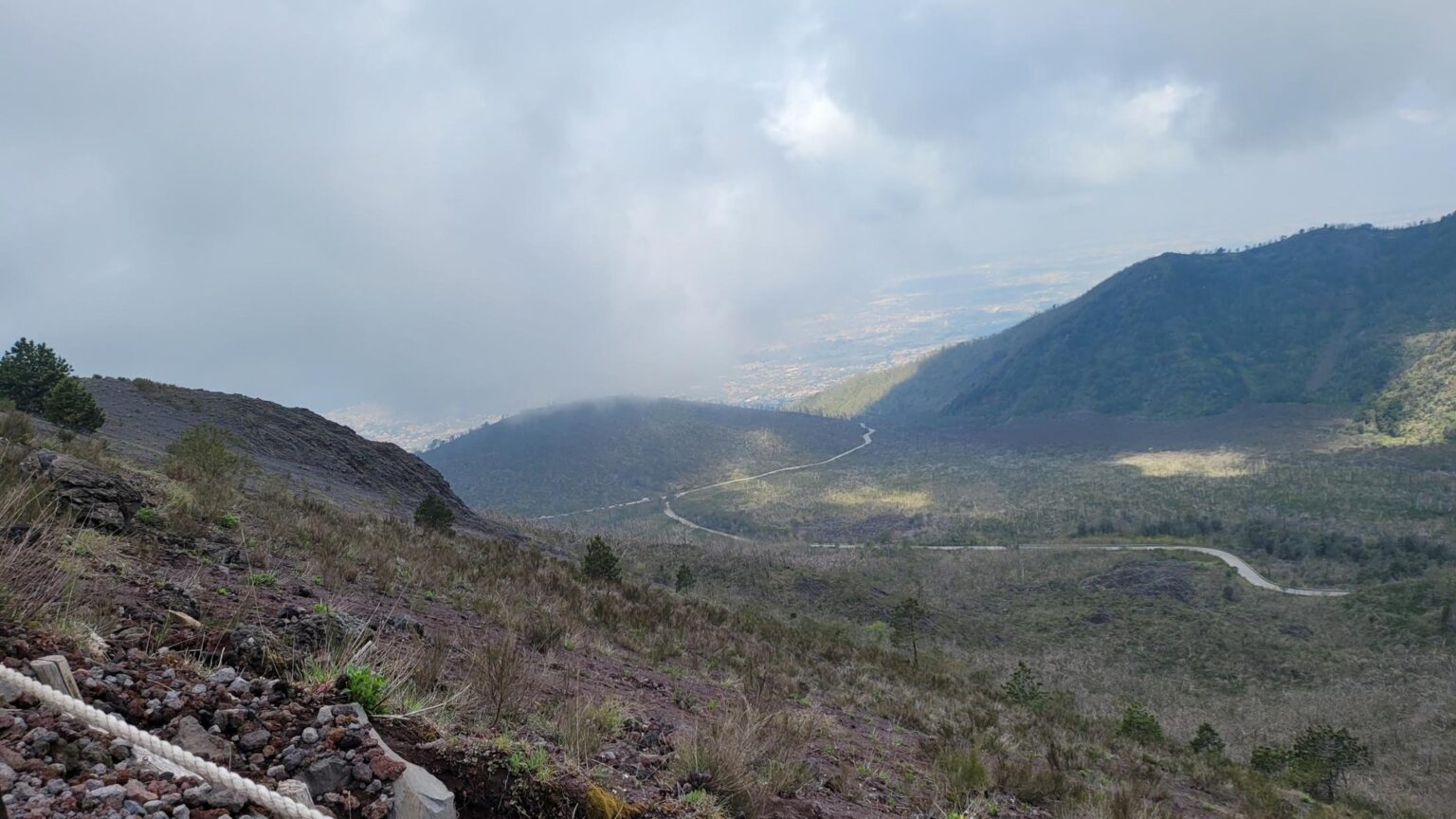
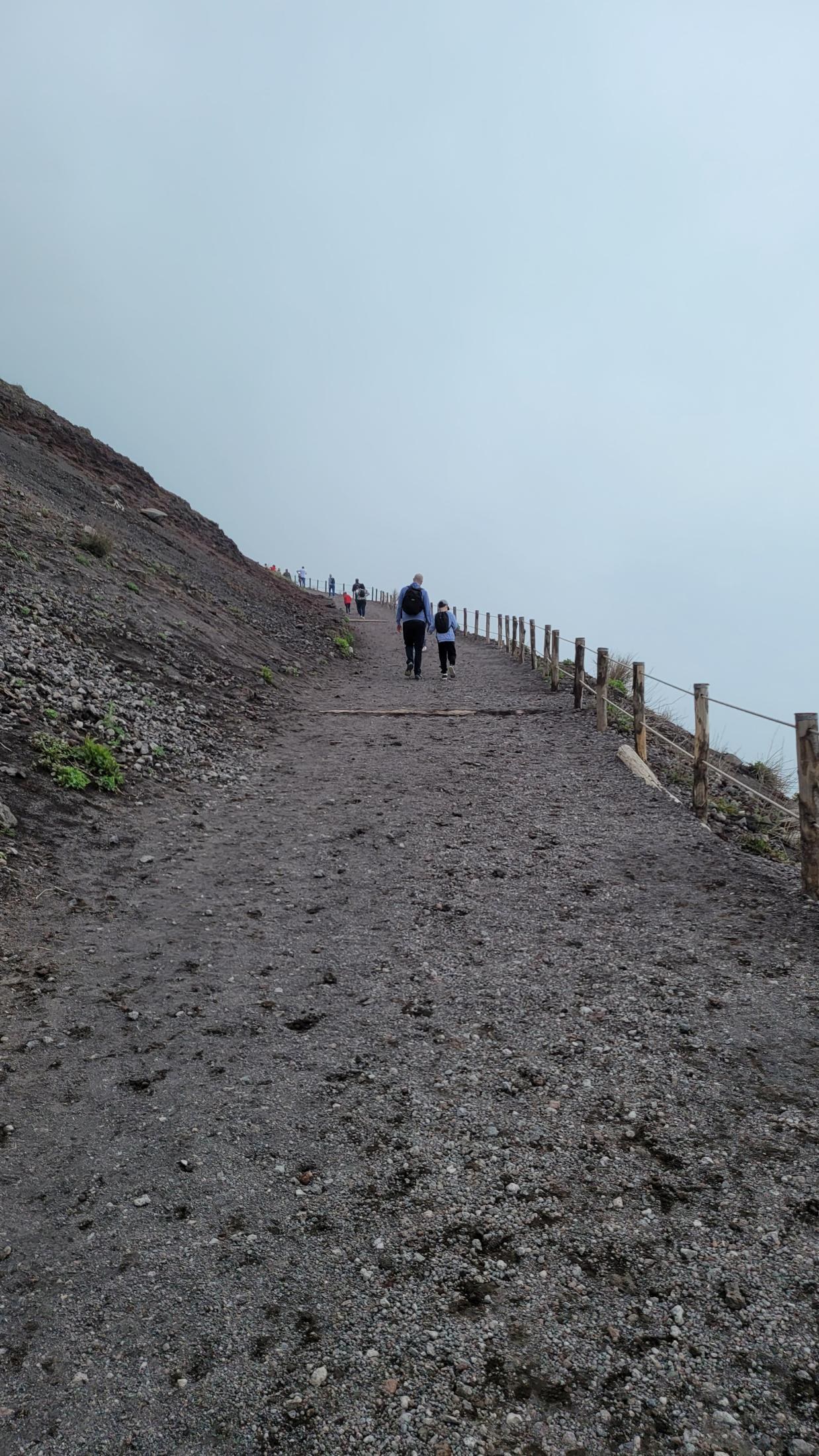
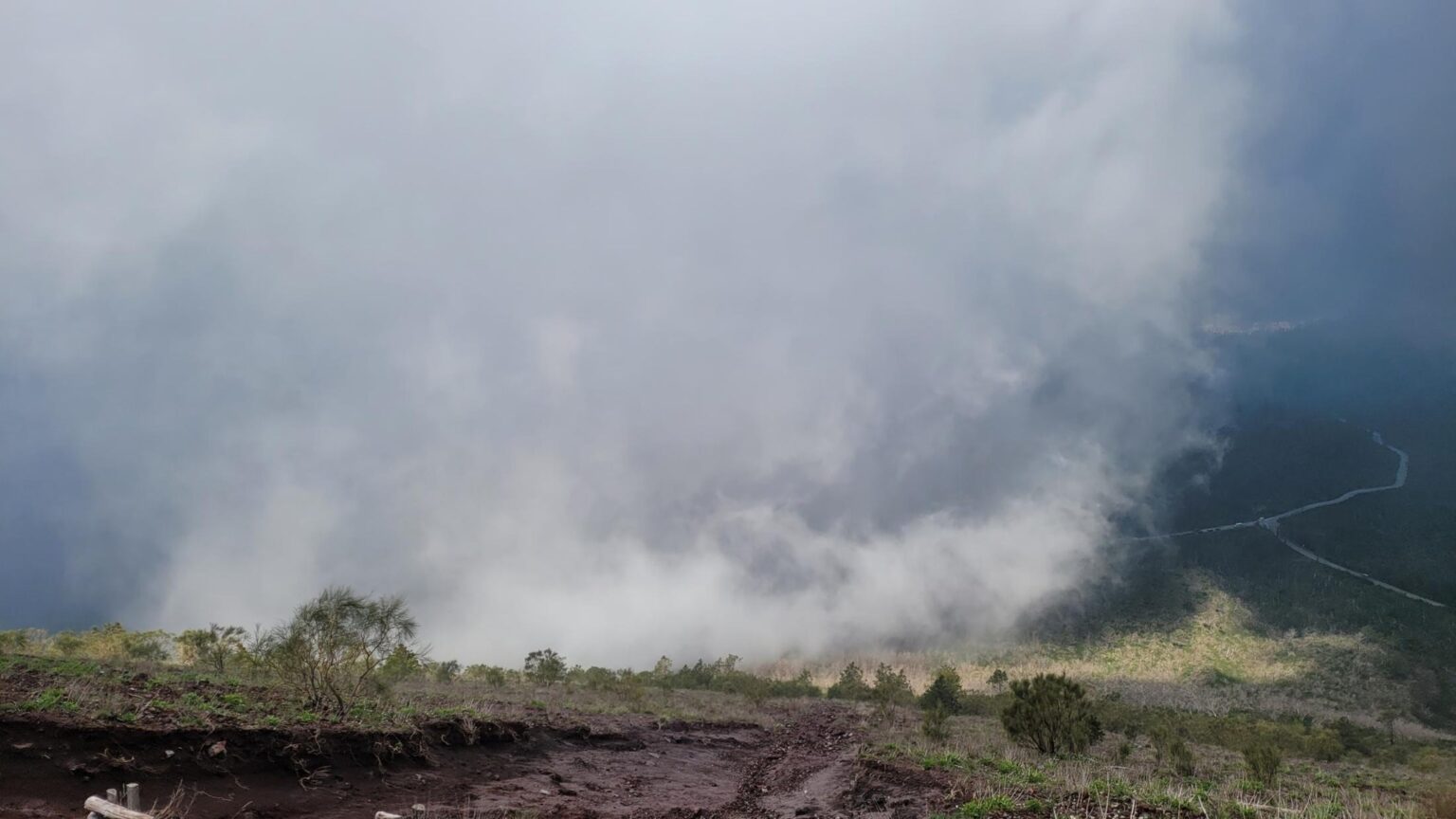
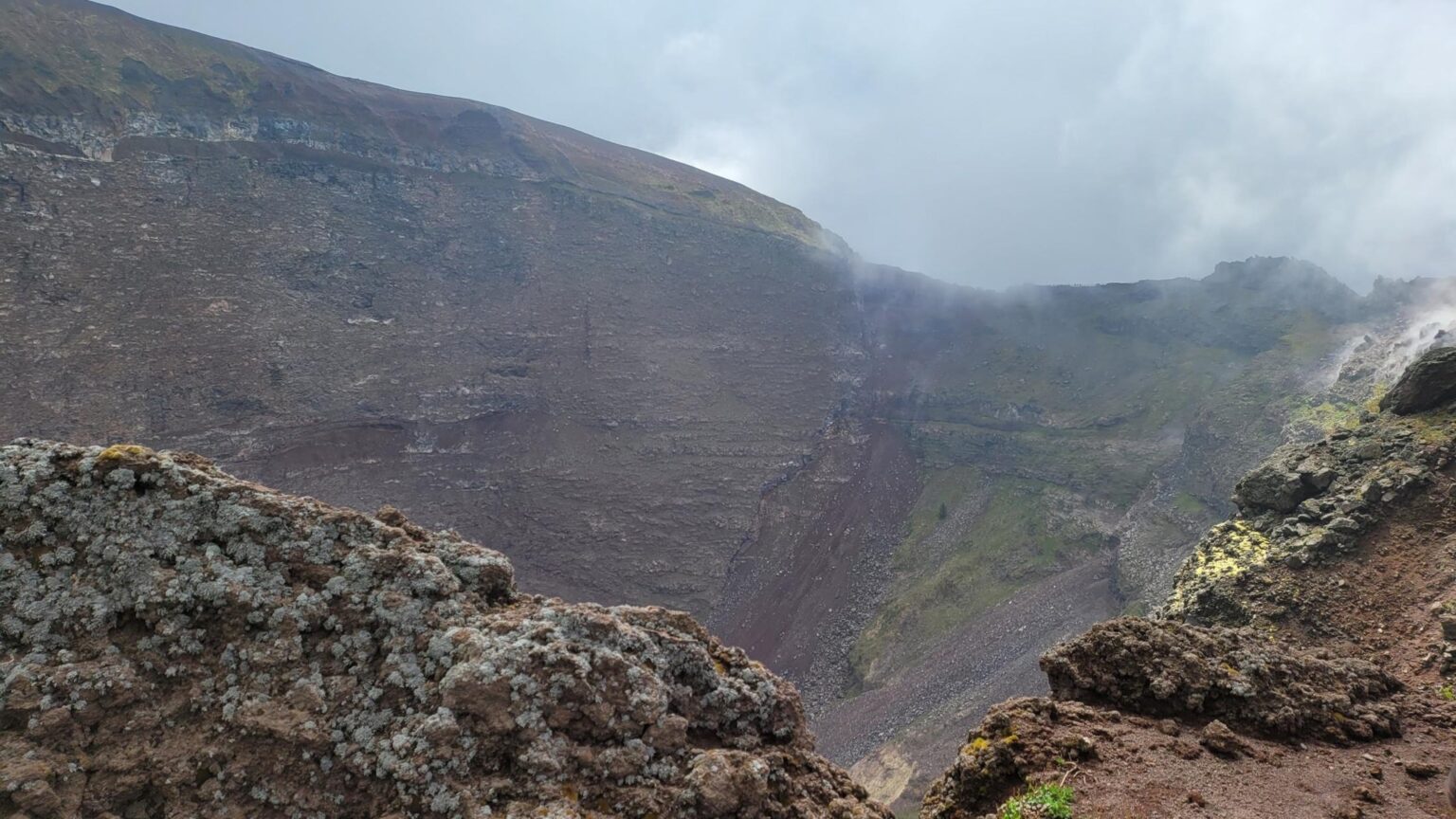
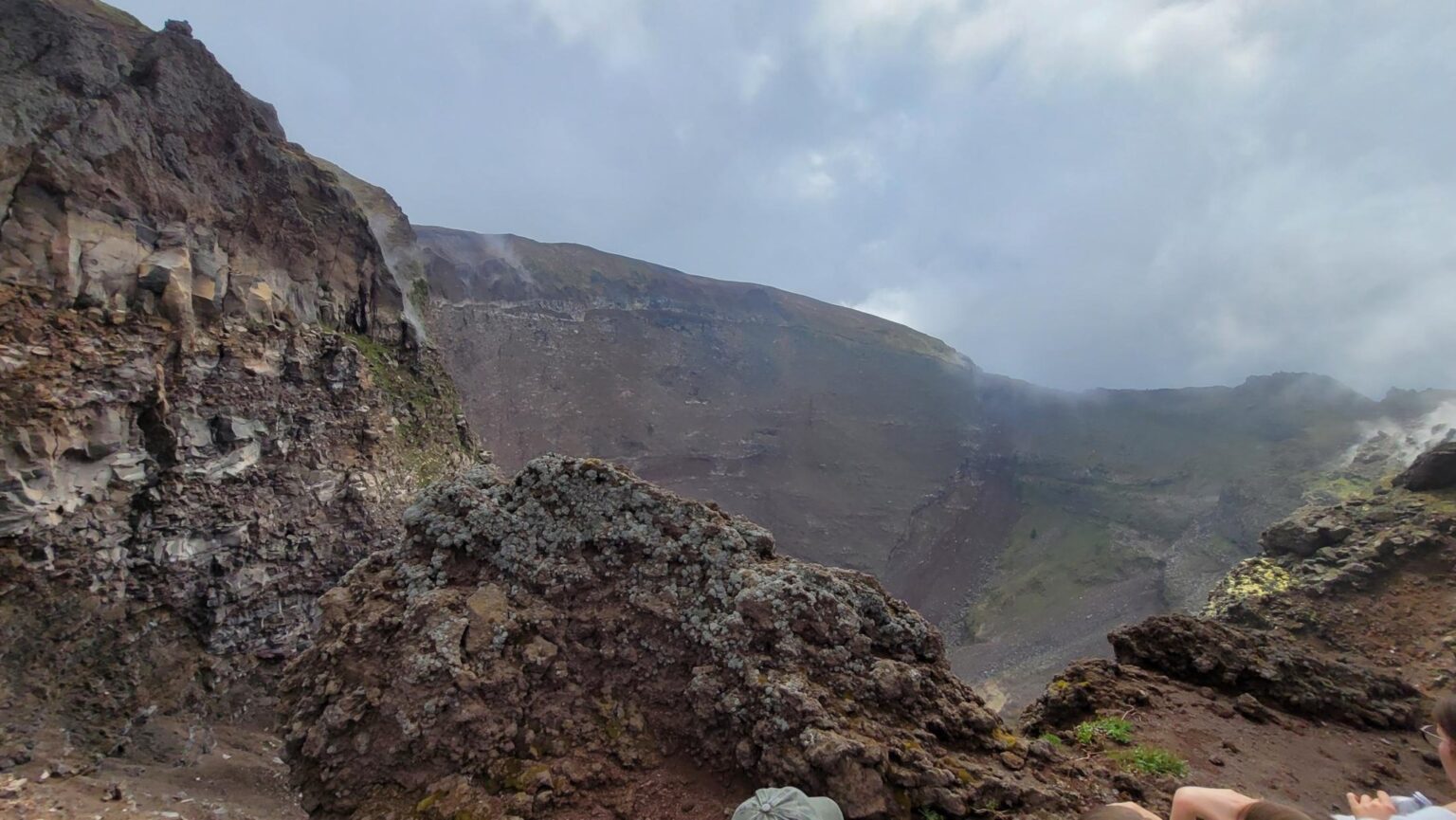
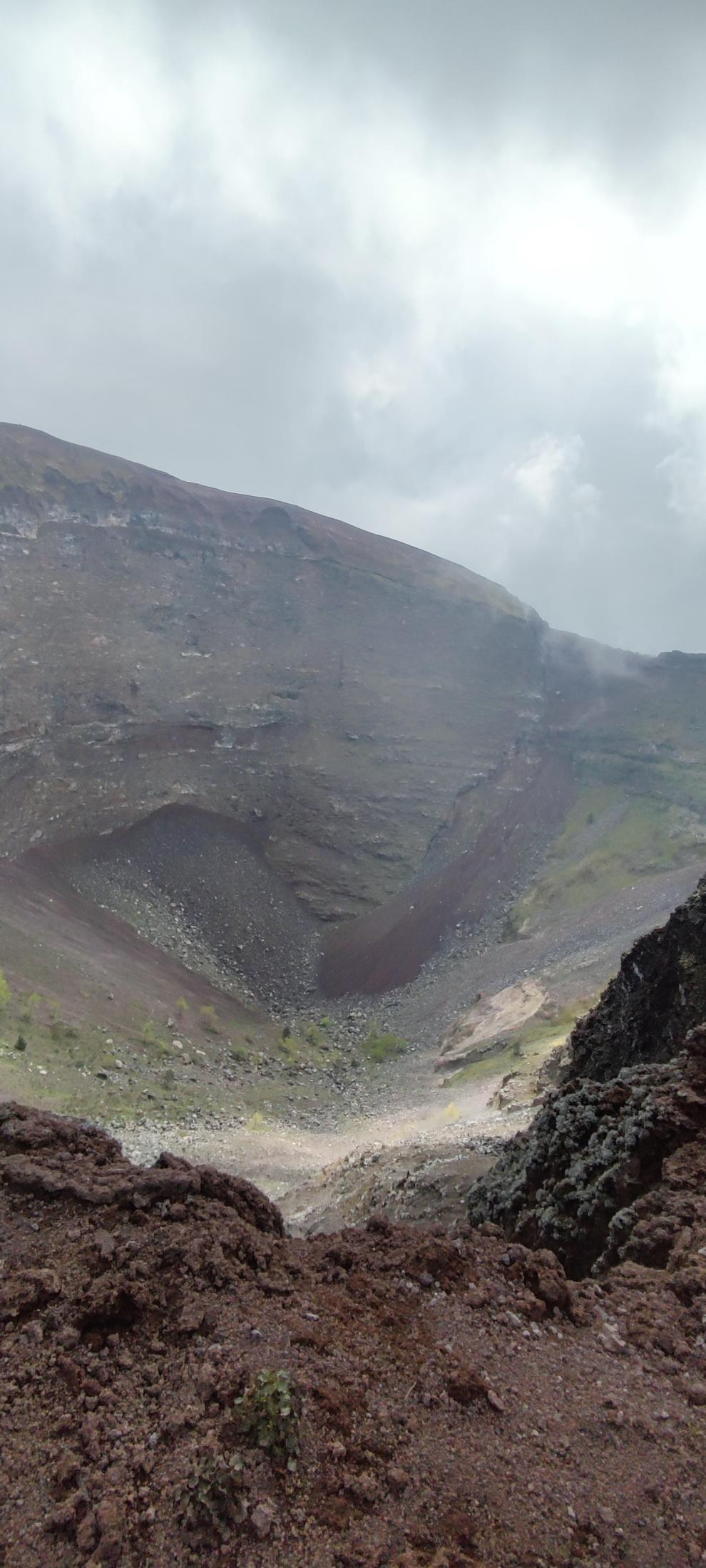
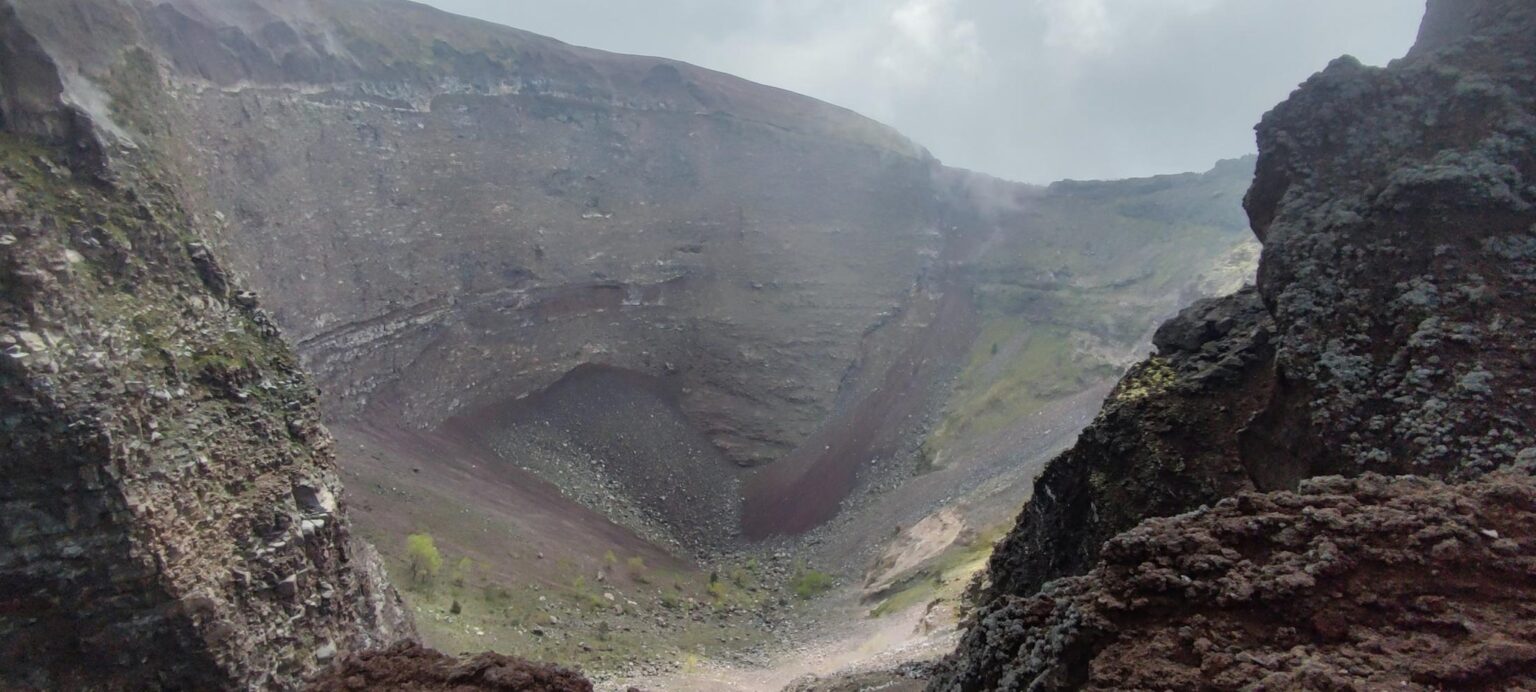
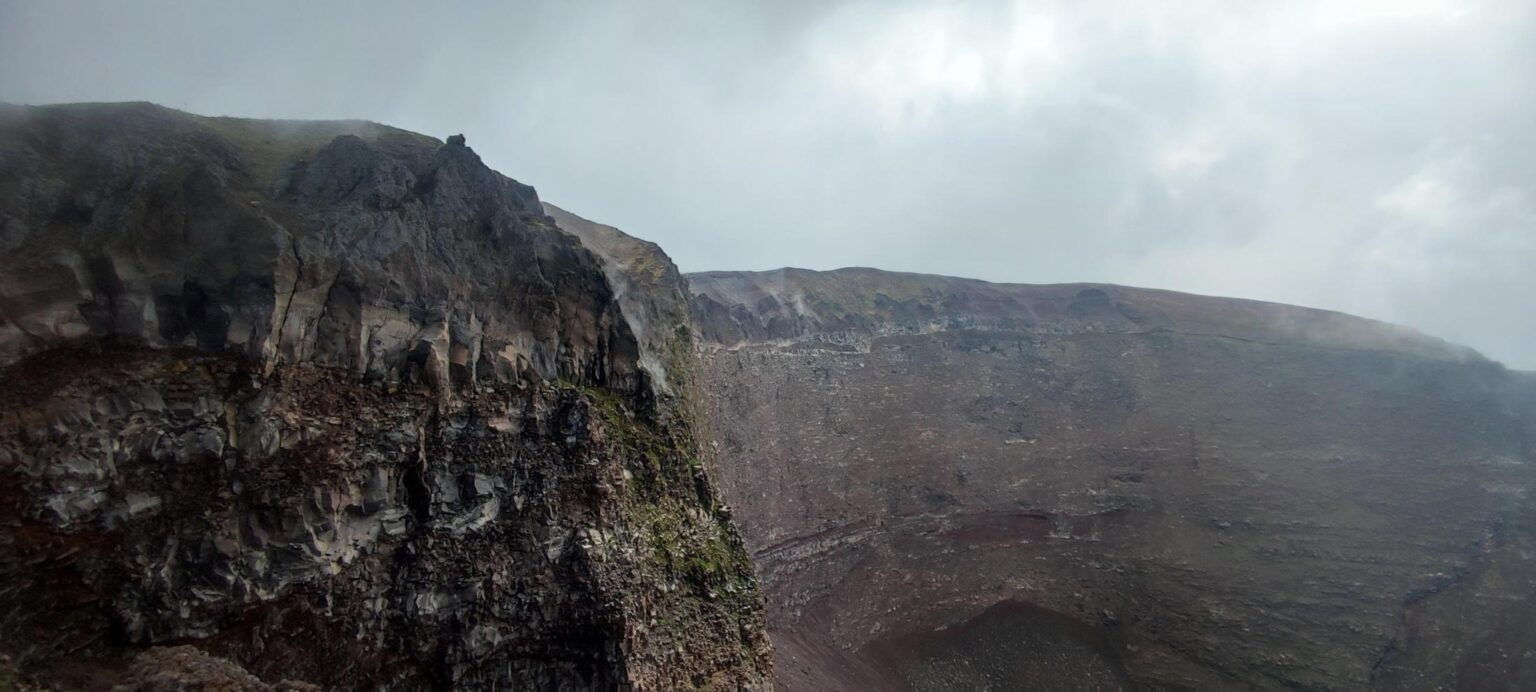
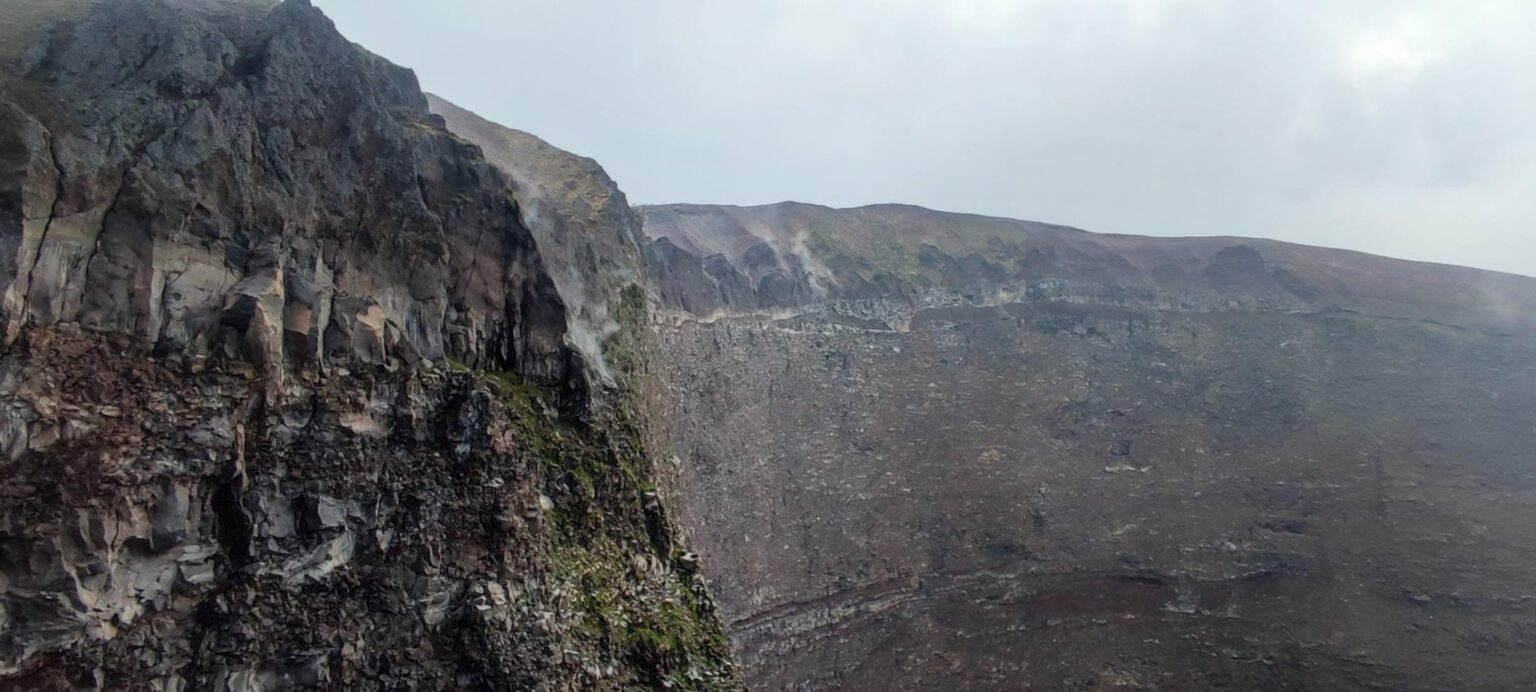
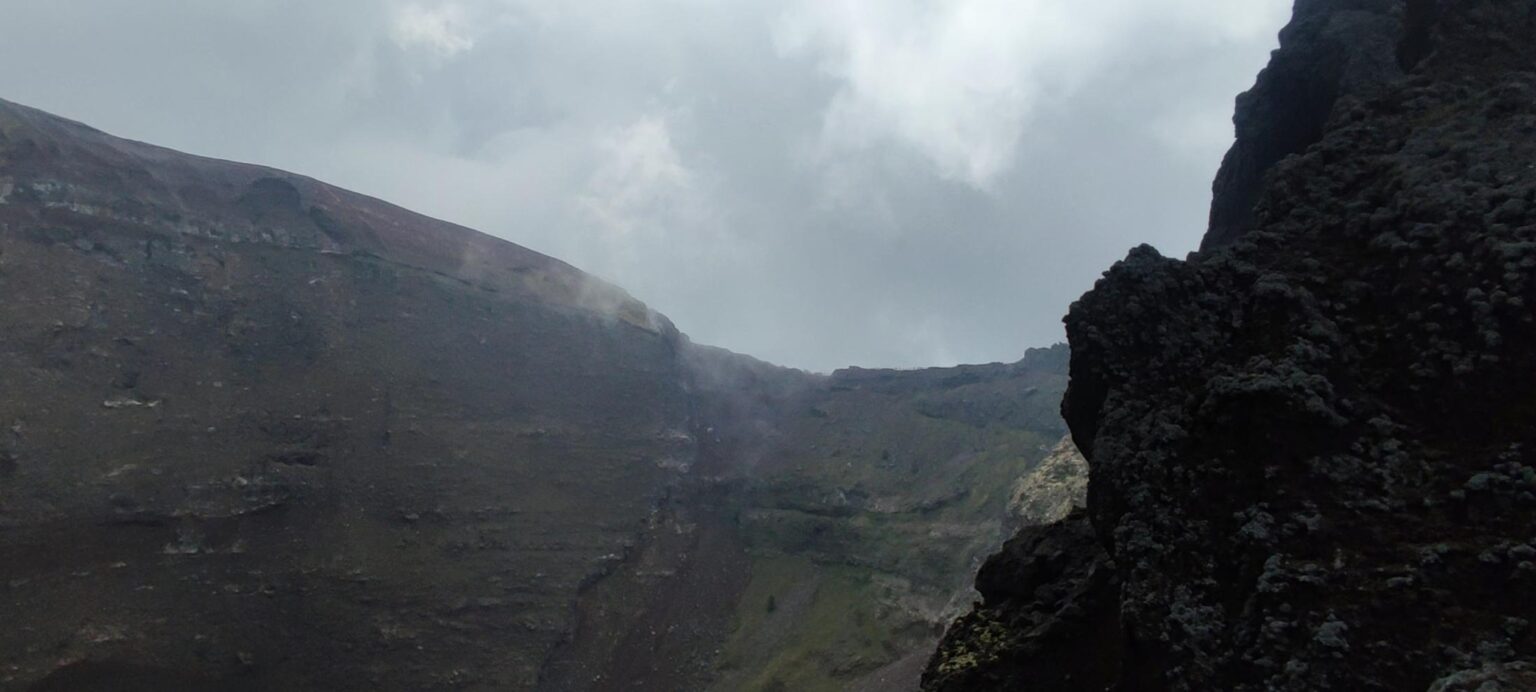
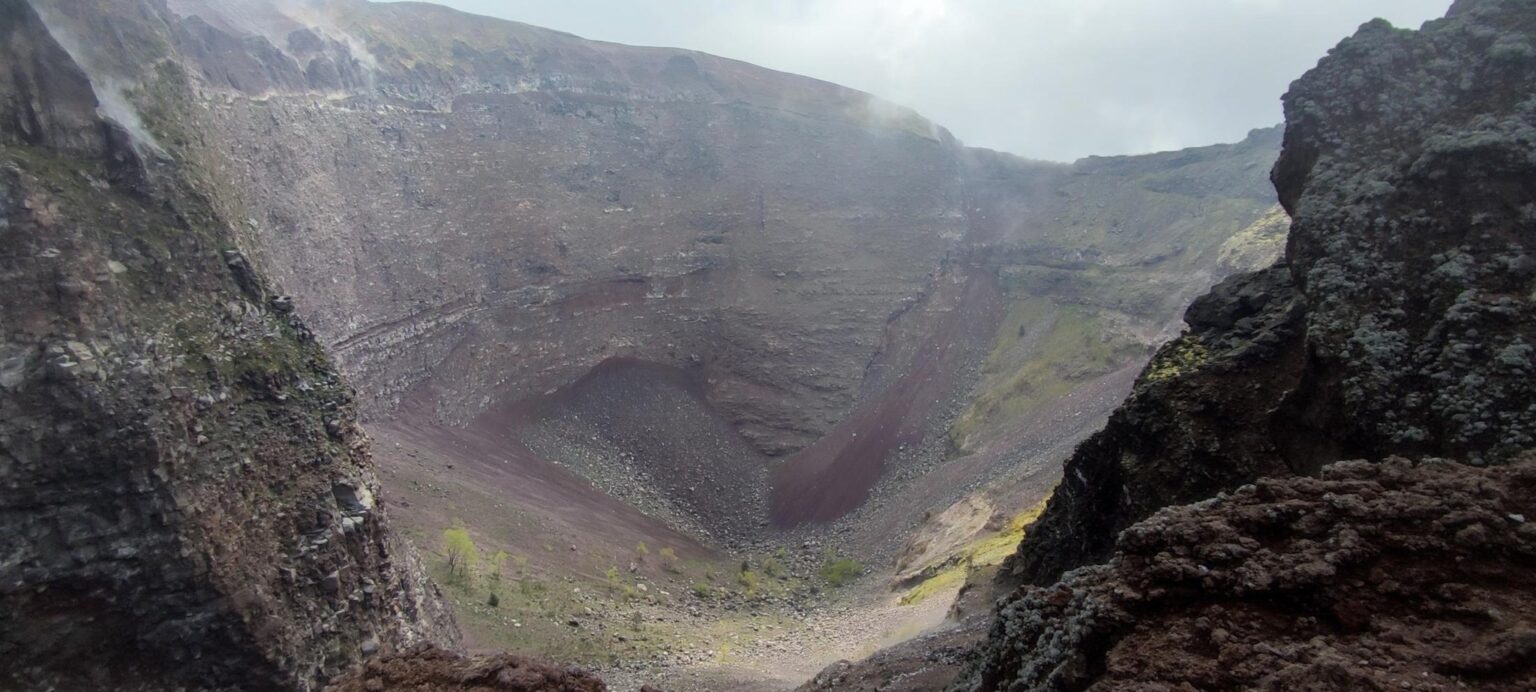
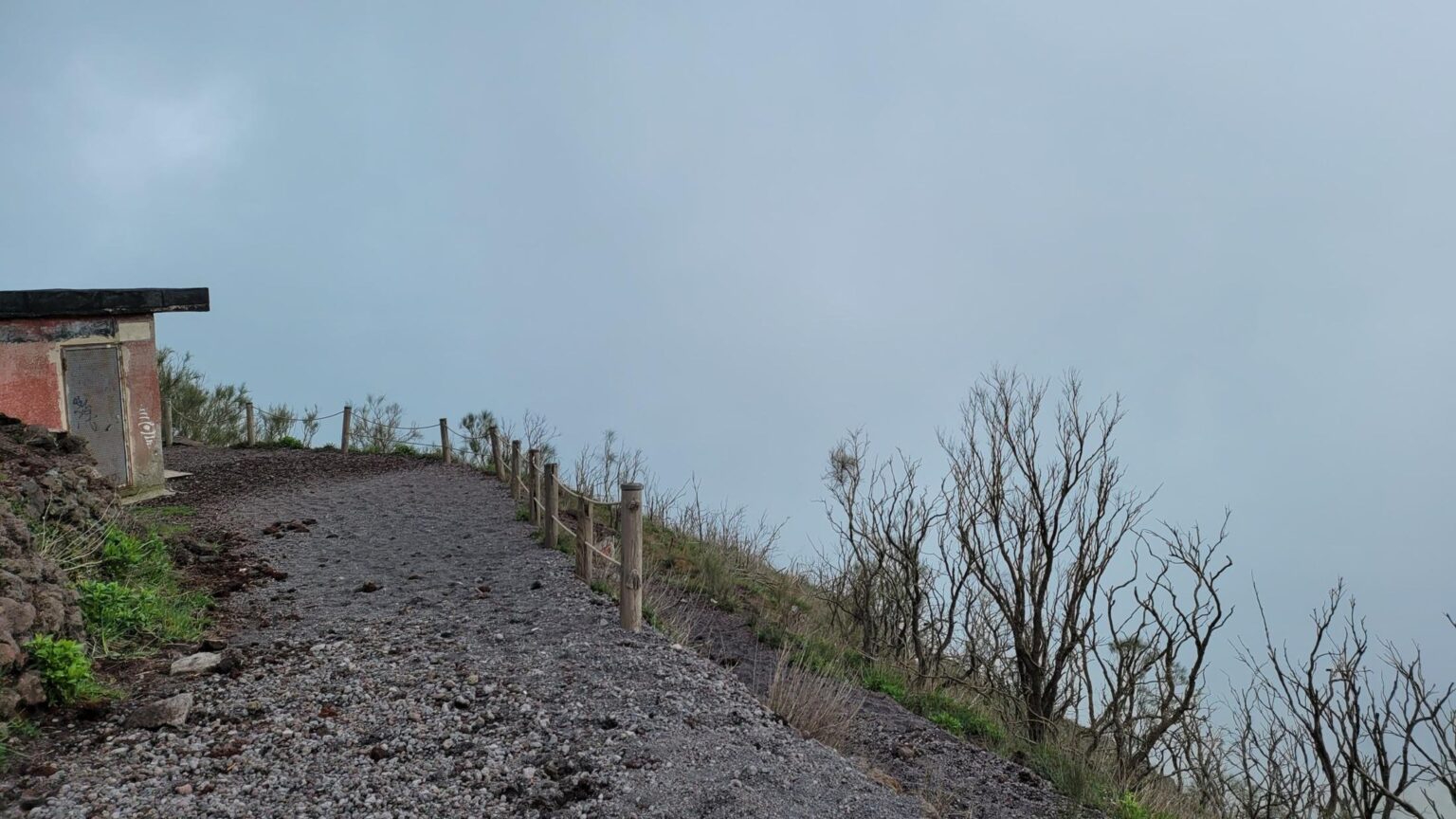
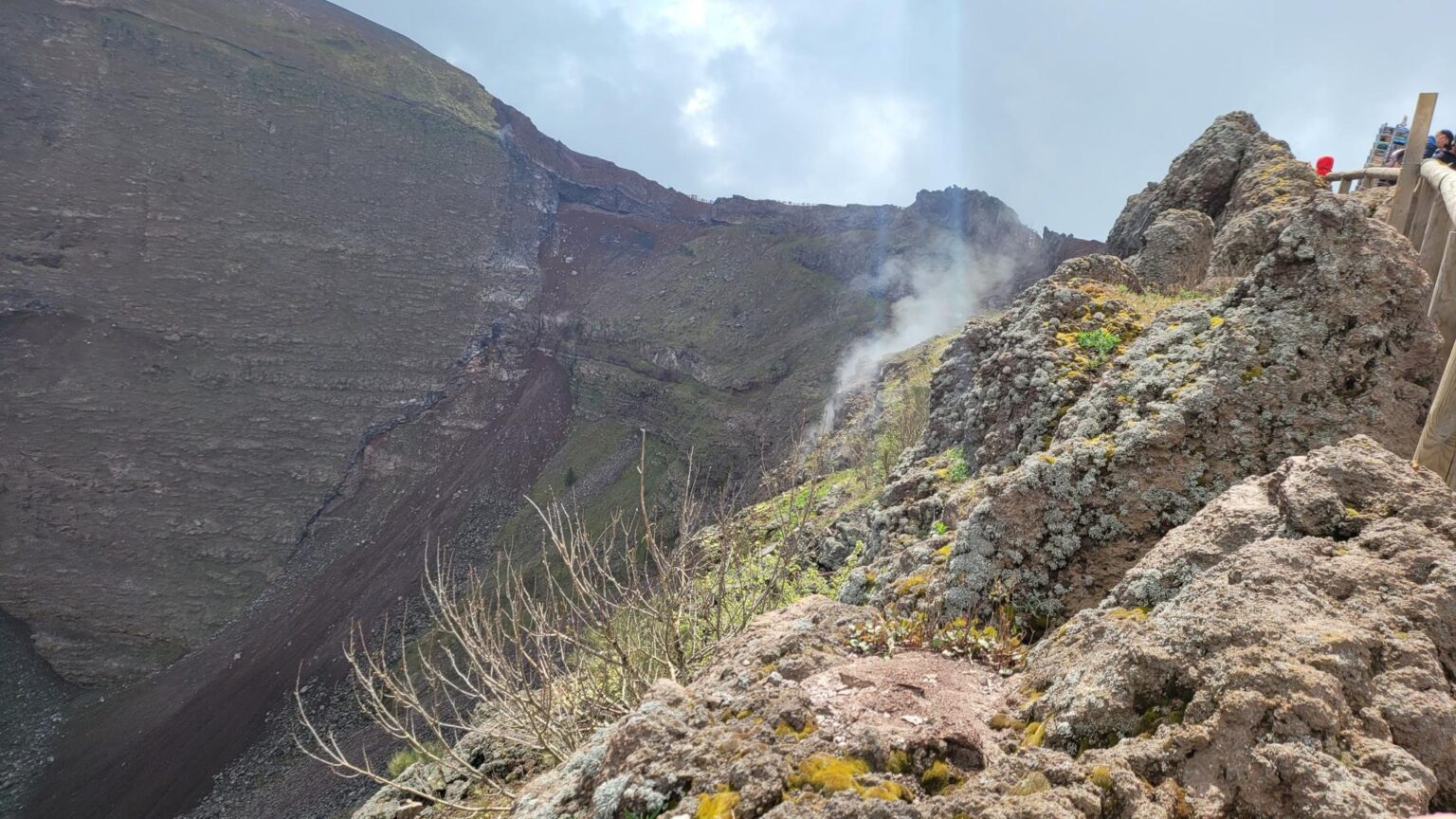
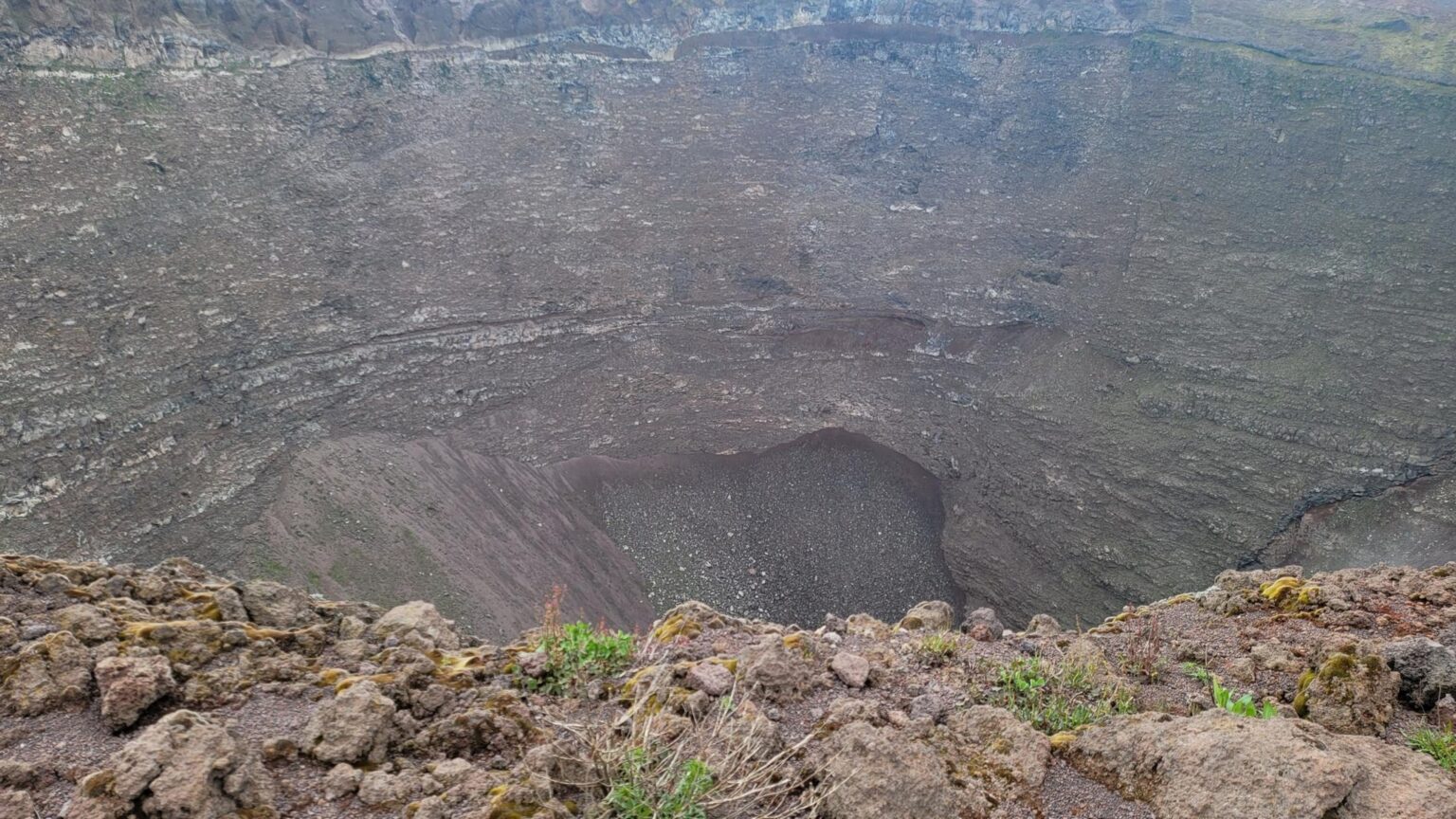
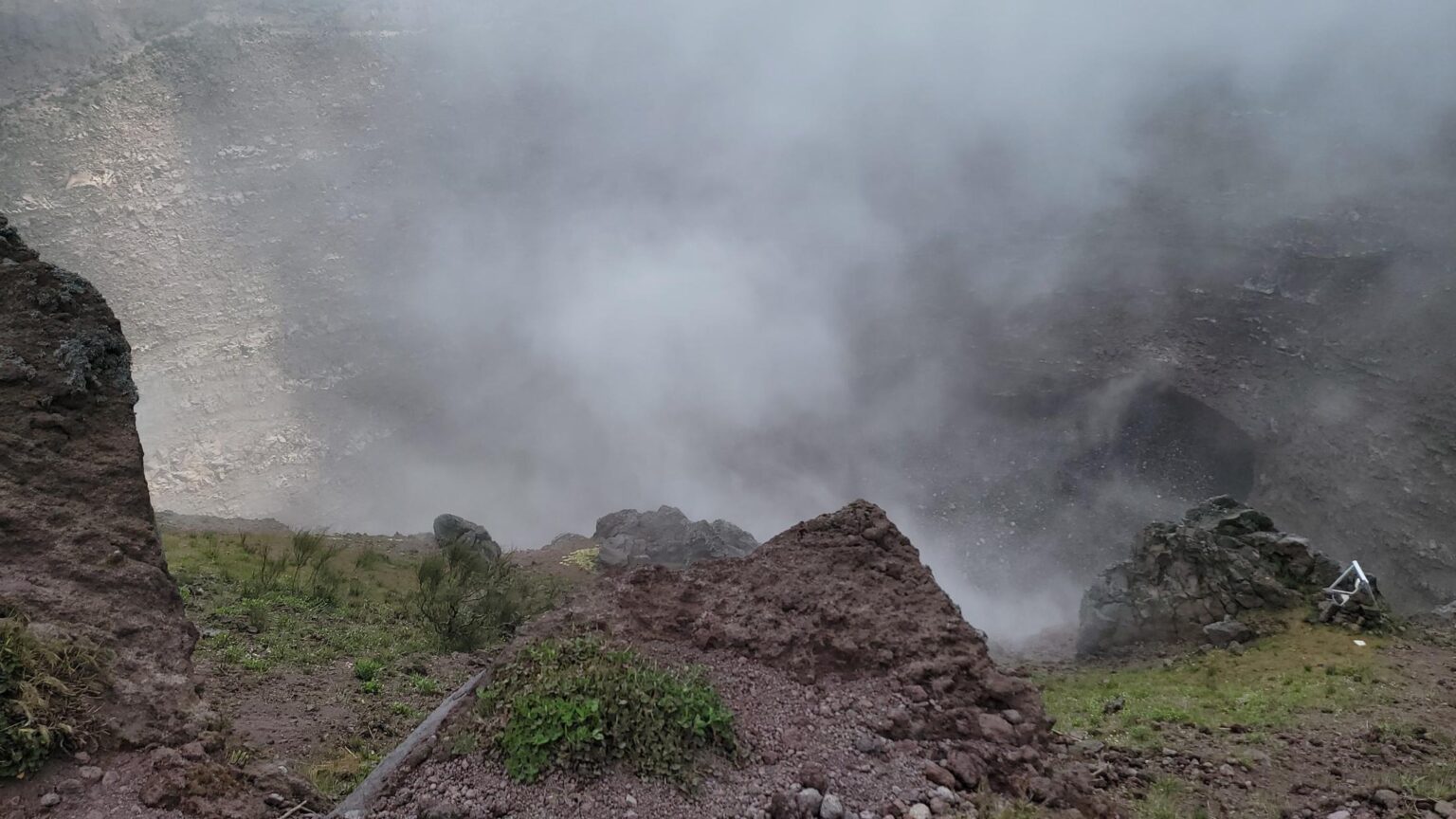
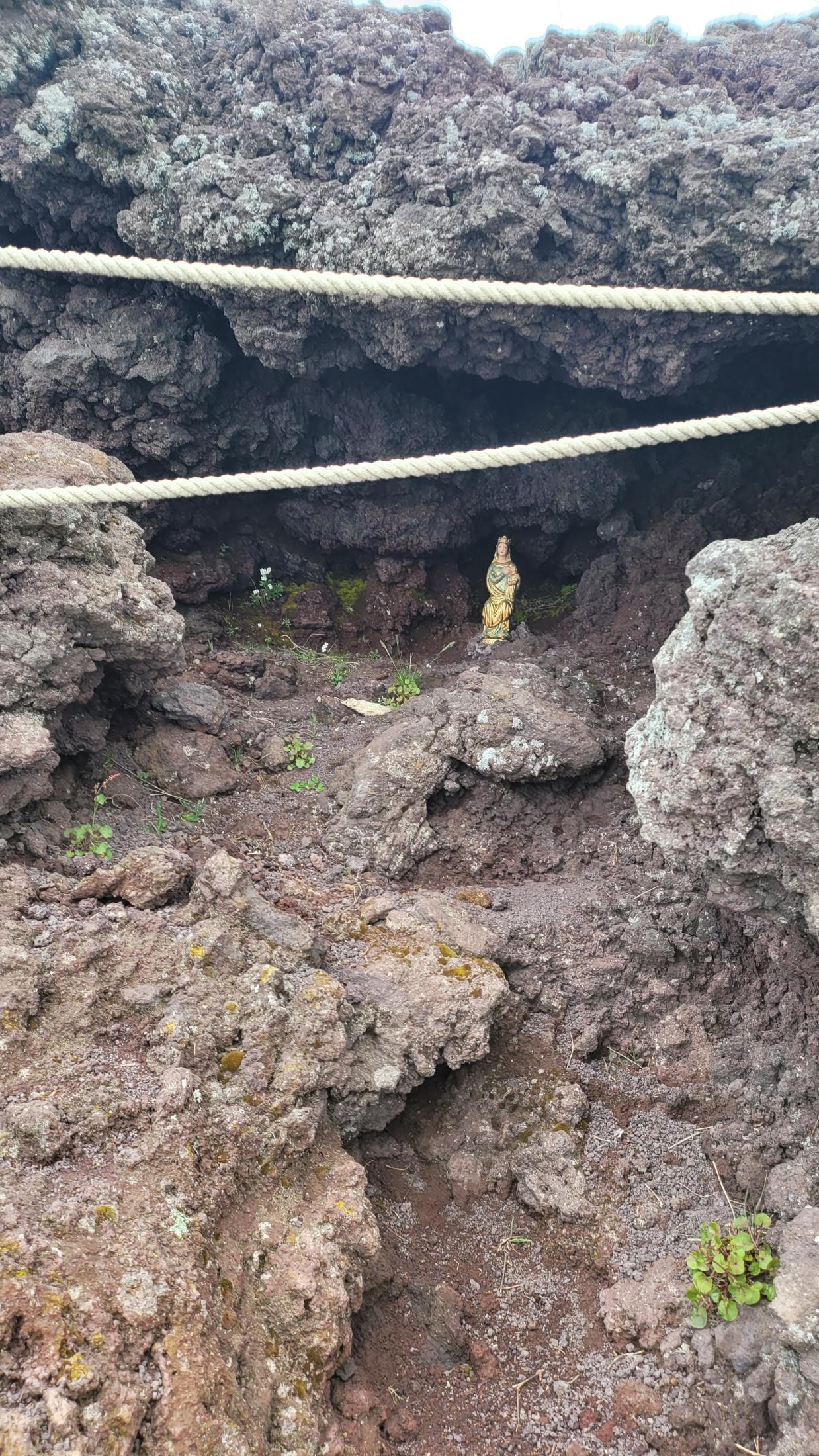
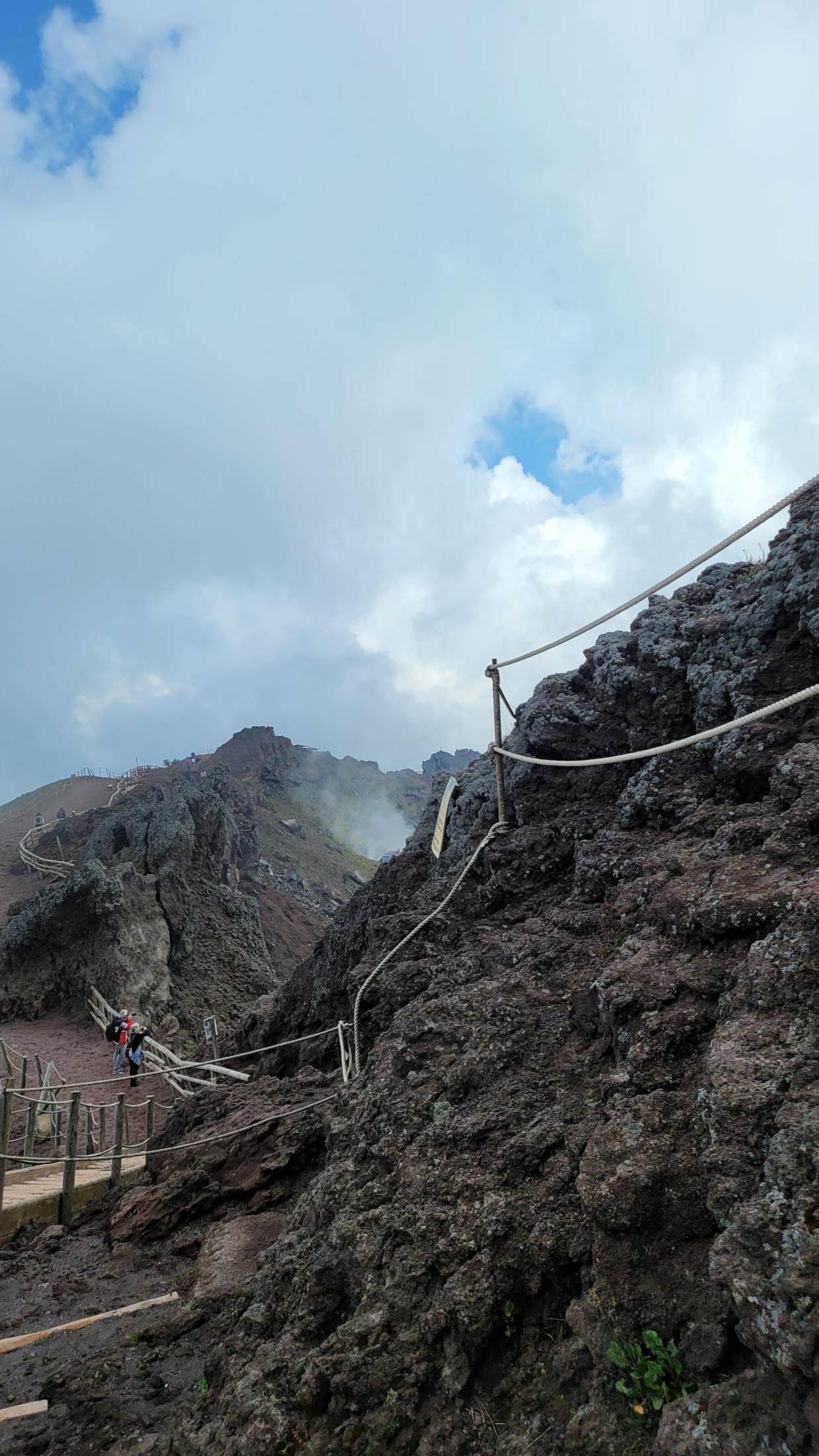
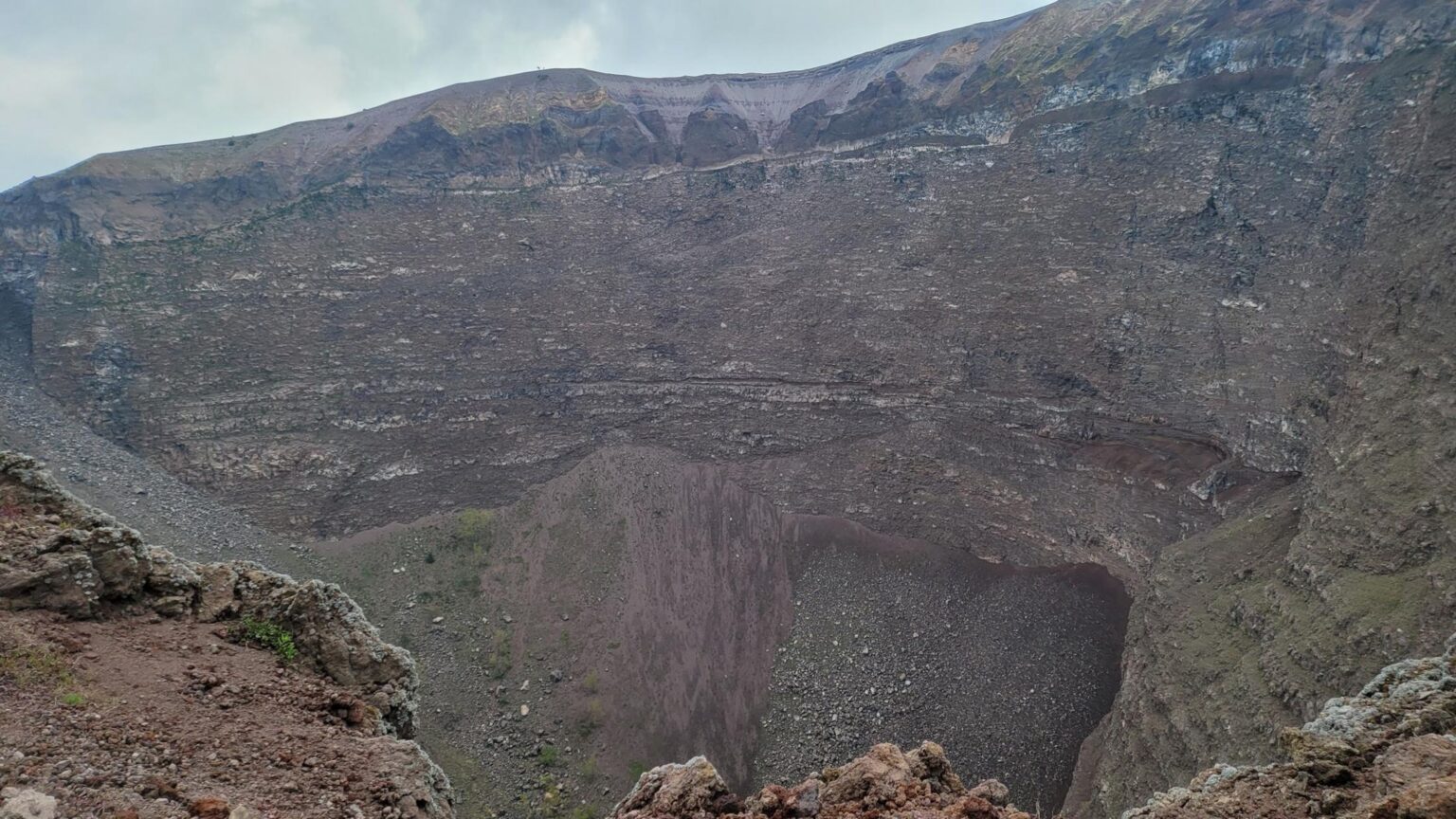
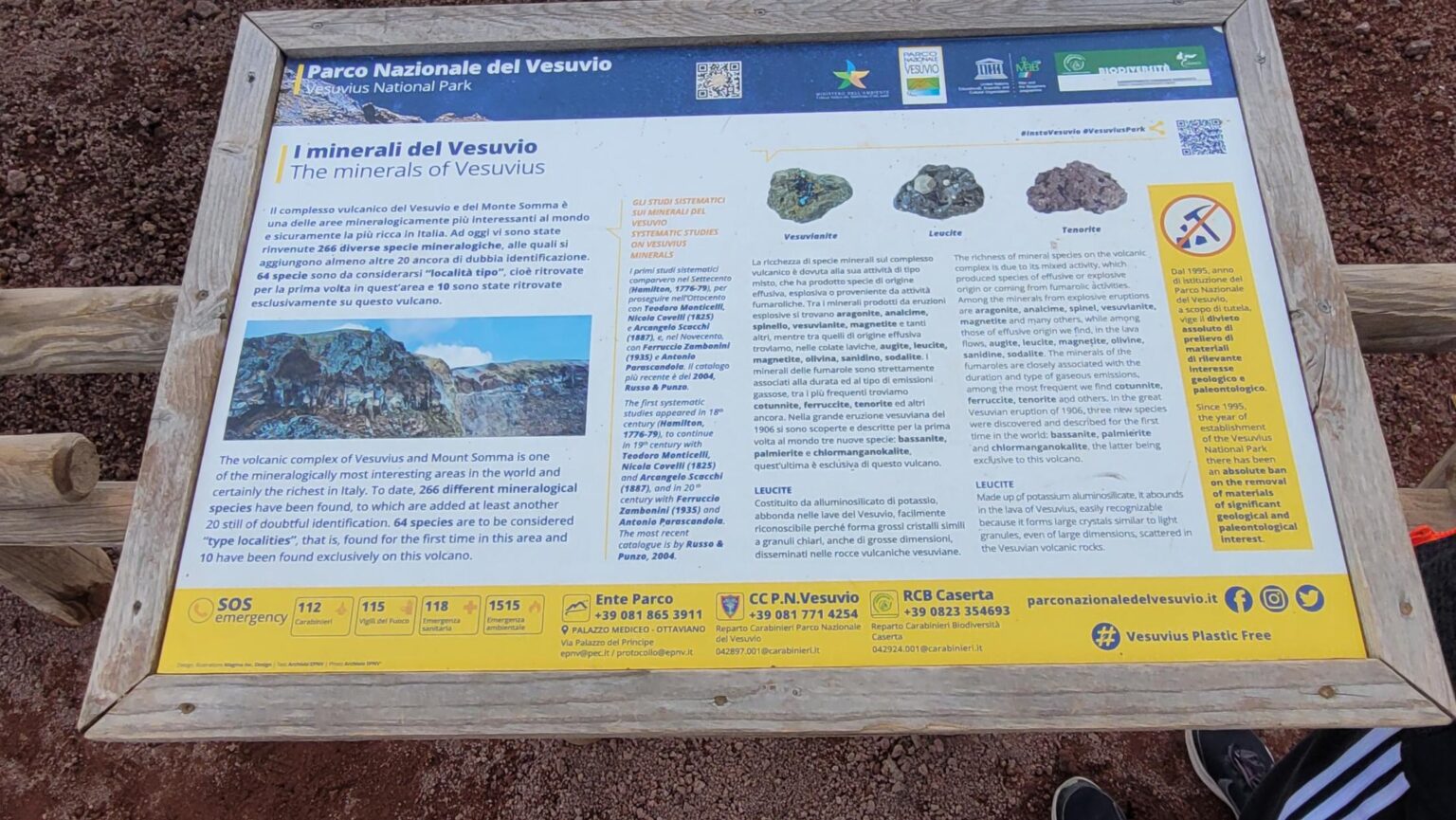
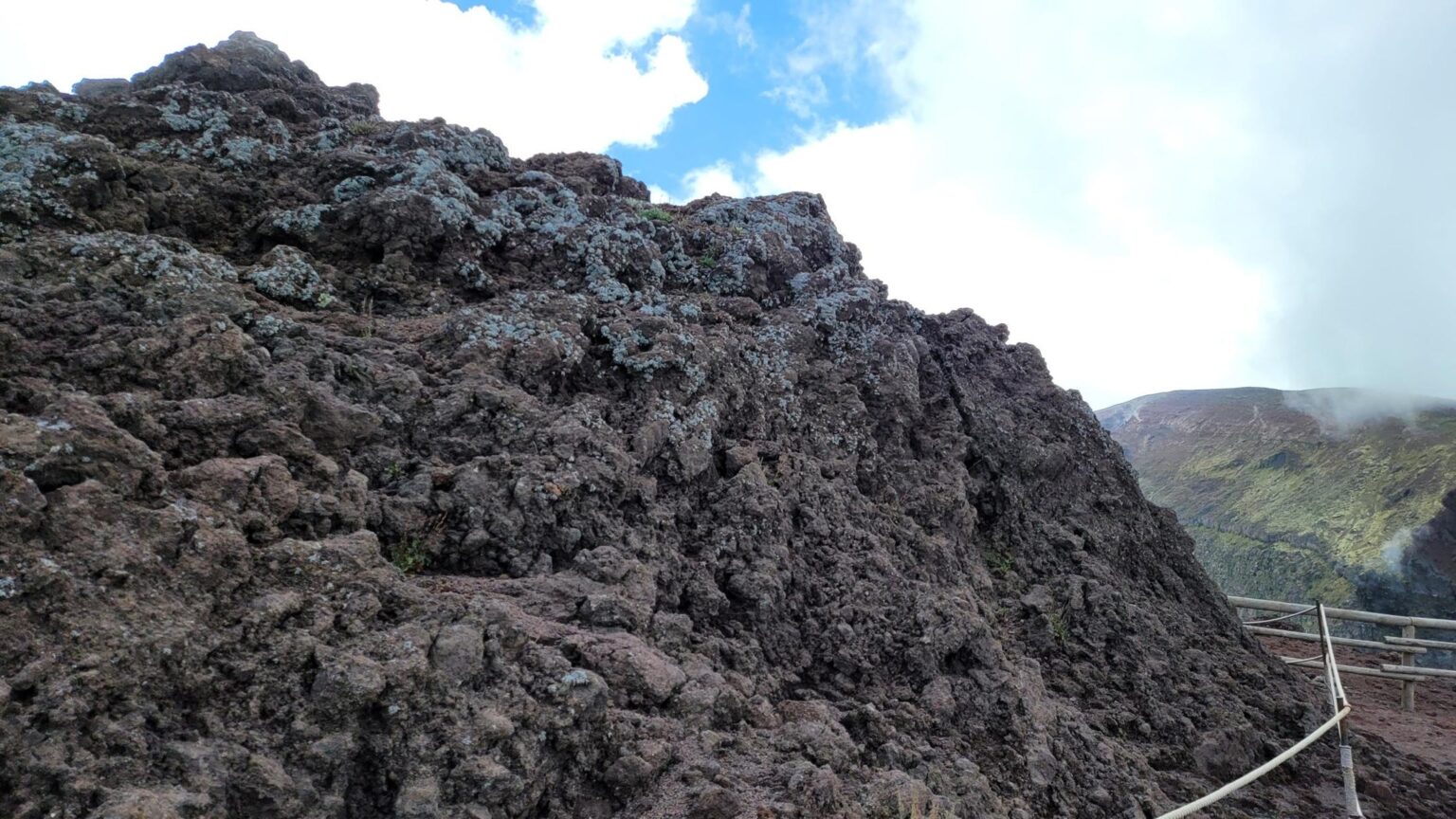
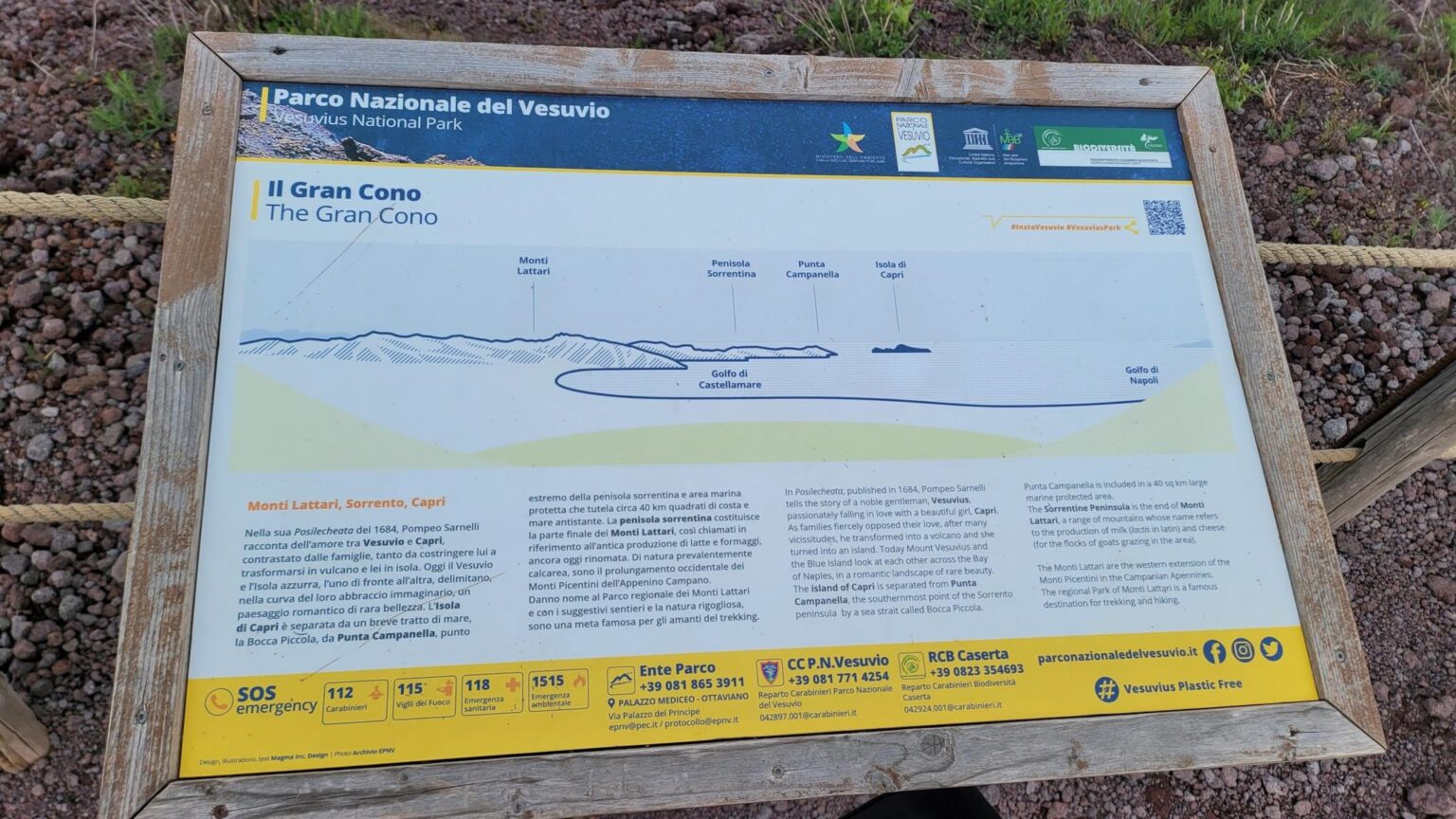
As we established, Vesuvius is walked in 2 hours as a matter of obligation. It can be combined with Pompeii or Herculaneum, but it will be cramped. Those 2 hours involve close to 300 metres of elevation gain and they are tiring. In heat, doubly so. If you are limited on time, better combine it with Herculaneum, because that is close both to the bus stop and to the train. Along the road from the station in Ercolano to the excavations there are restaurants with permanent promotions and touts. For around €15 a head you can have lunch. More specifically: in the morning at 10:30 you head to Vesuvius; back around 13:00; food in Ercolano; the excavations from 14:30 to 16:30, and the day fills up perfectly.
Day 7: Castel Sant’Elmo
Seventh day in Naples. It is as if I grew up here. Dirty is dirty, how dirty can it be? I have been taken over by the Italian way of life. Will I ever recover my Bulgarian roots 😀 I will! Patriot, we do not forget.
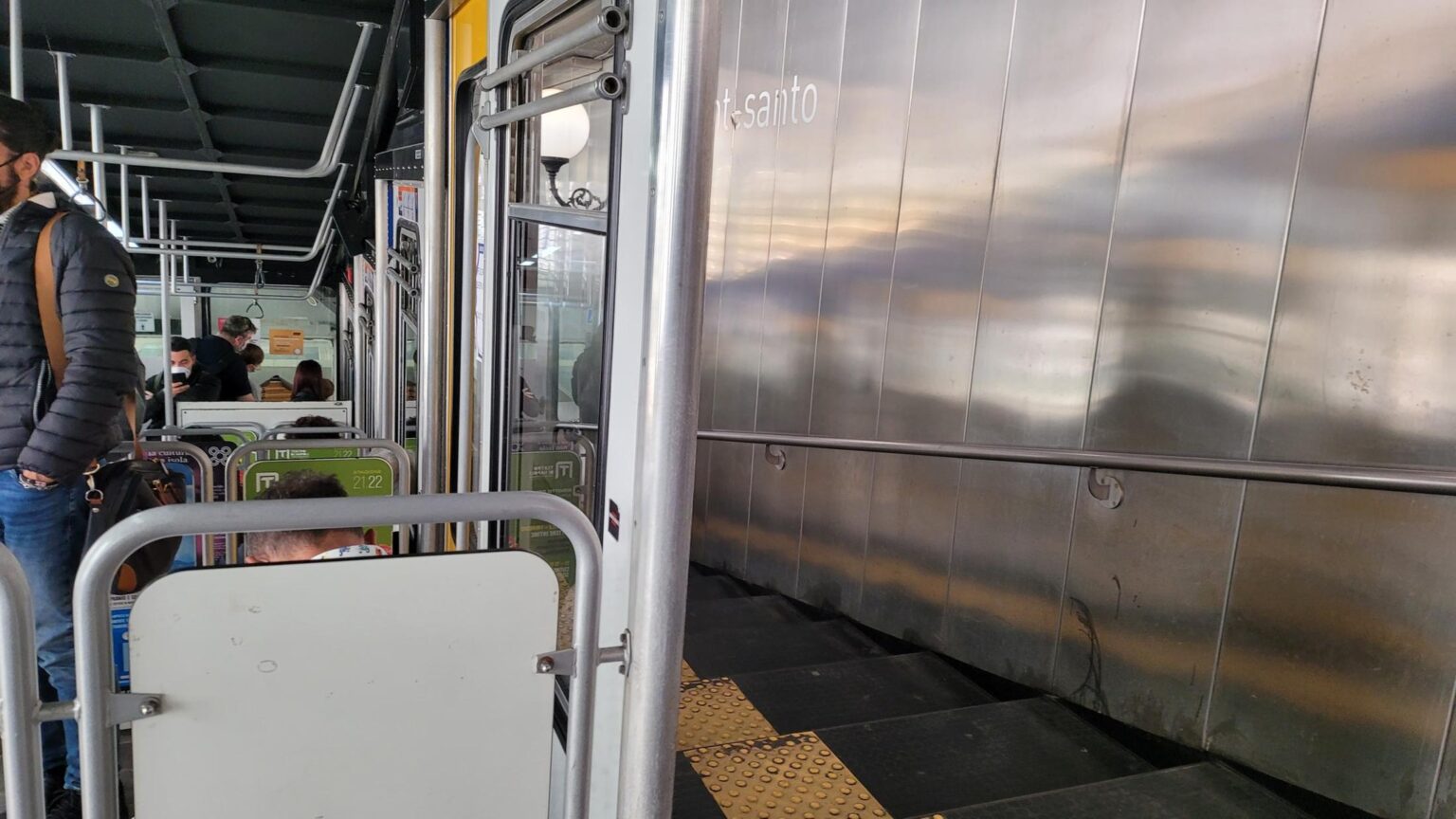
Last day, and there are dozens of churches, squares, neighbourhoods and ghettos left to see. The question is whether to hunt down some deeply hidden local gem or to see something bigger and better known. We will be commercial. We are going to see Castel Sant’Elmo. If I have to be honest, it won as a choice because the most optimised route to reach it is by funicular. That is a little train that climbs at close to vertical 😀 Yay. A new mode of transport. Unfortunately it did not turn out to be endlessly impressive, which is perhaps explained by the fact that it uses ordinary city transport tickets, so a euro and change. It is something halfway between a cable car and a metro. So as not to fall behind the Europeans, we have one of our own at Tsari Mali Grad, but ours is more like a lift, at 4 leva a ride 😀
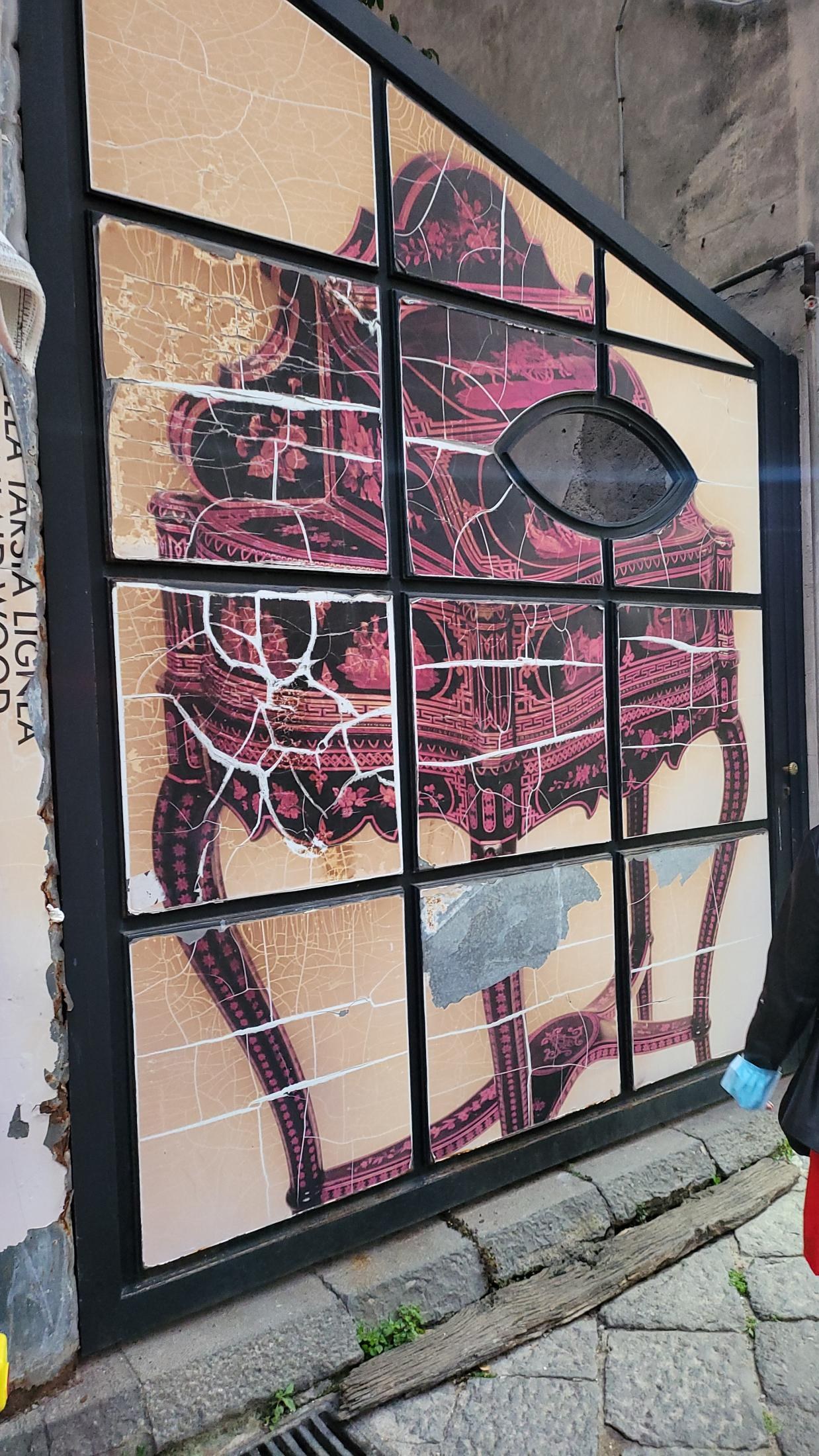
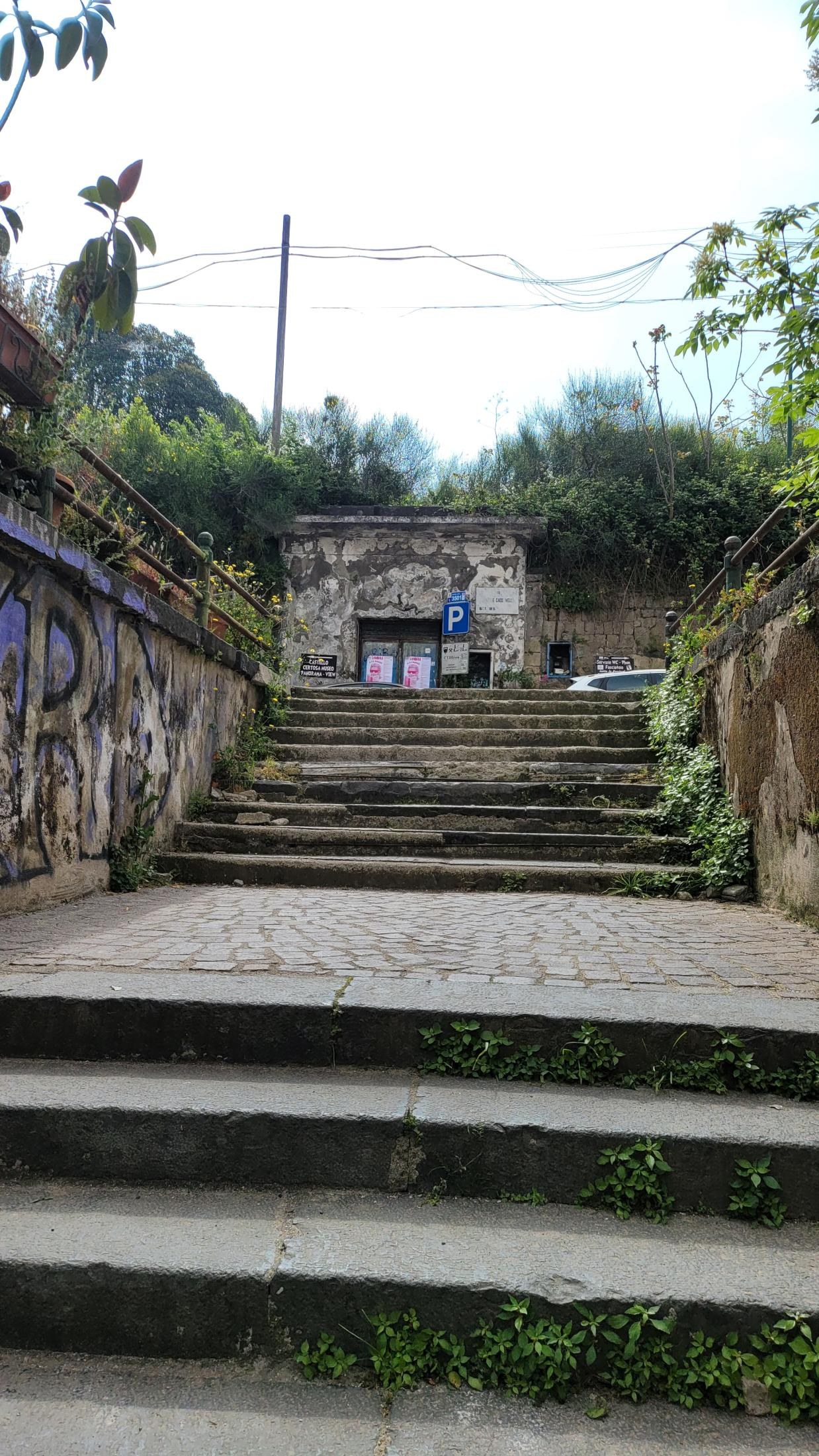
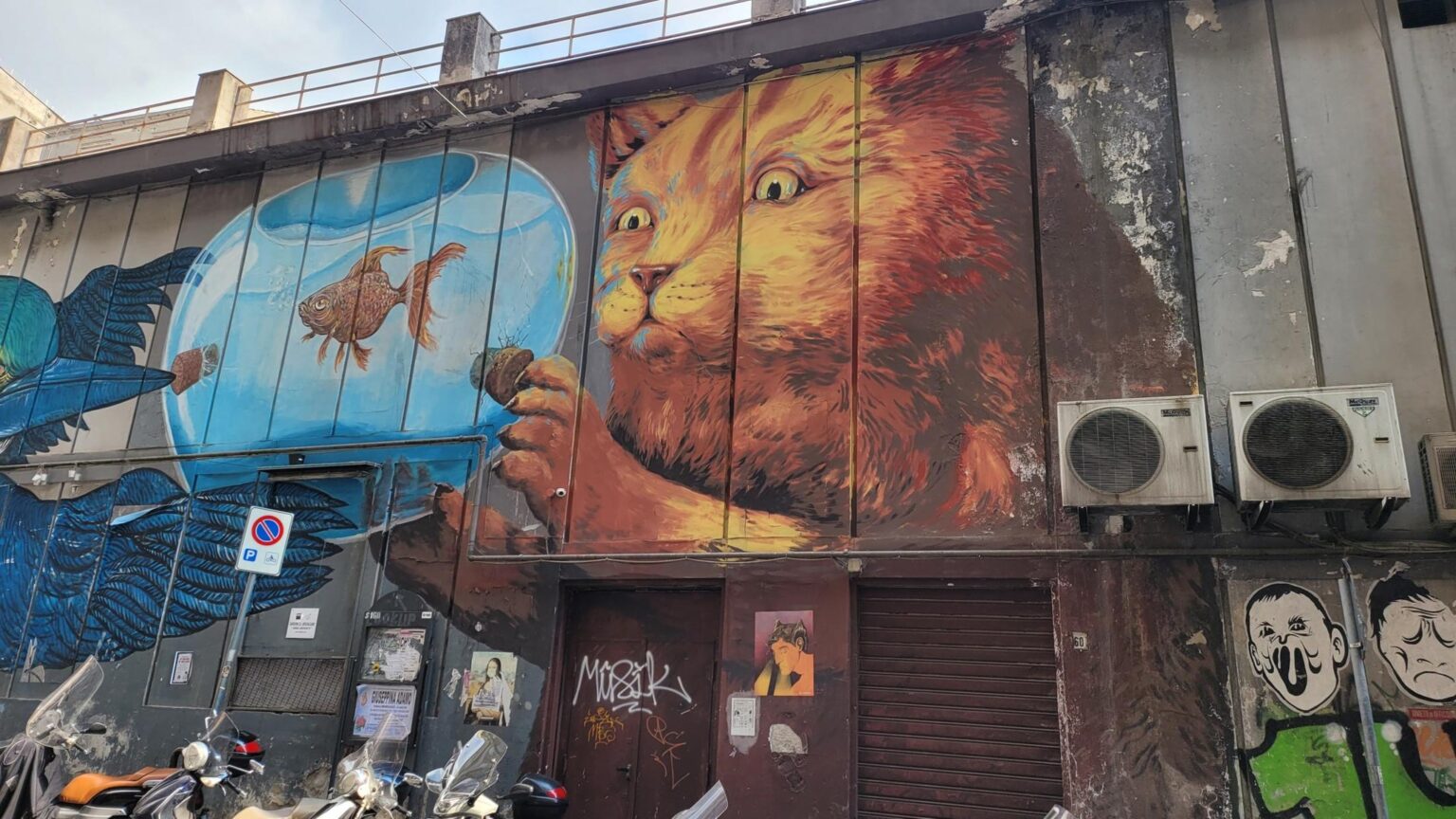
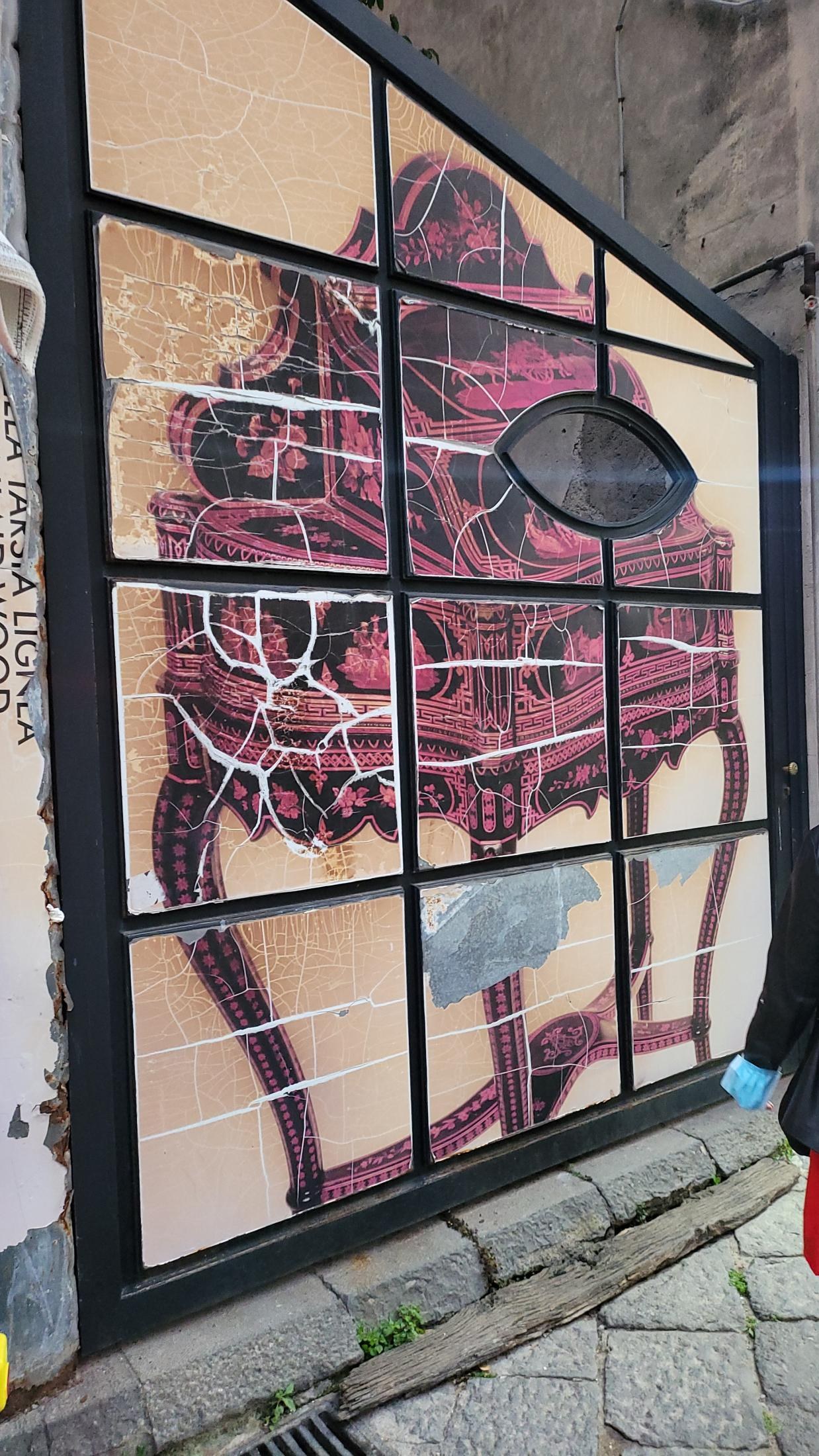
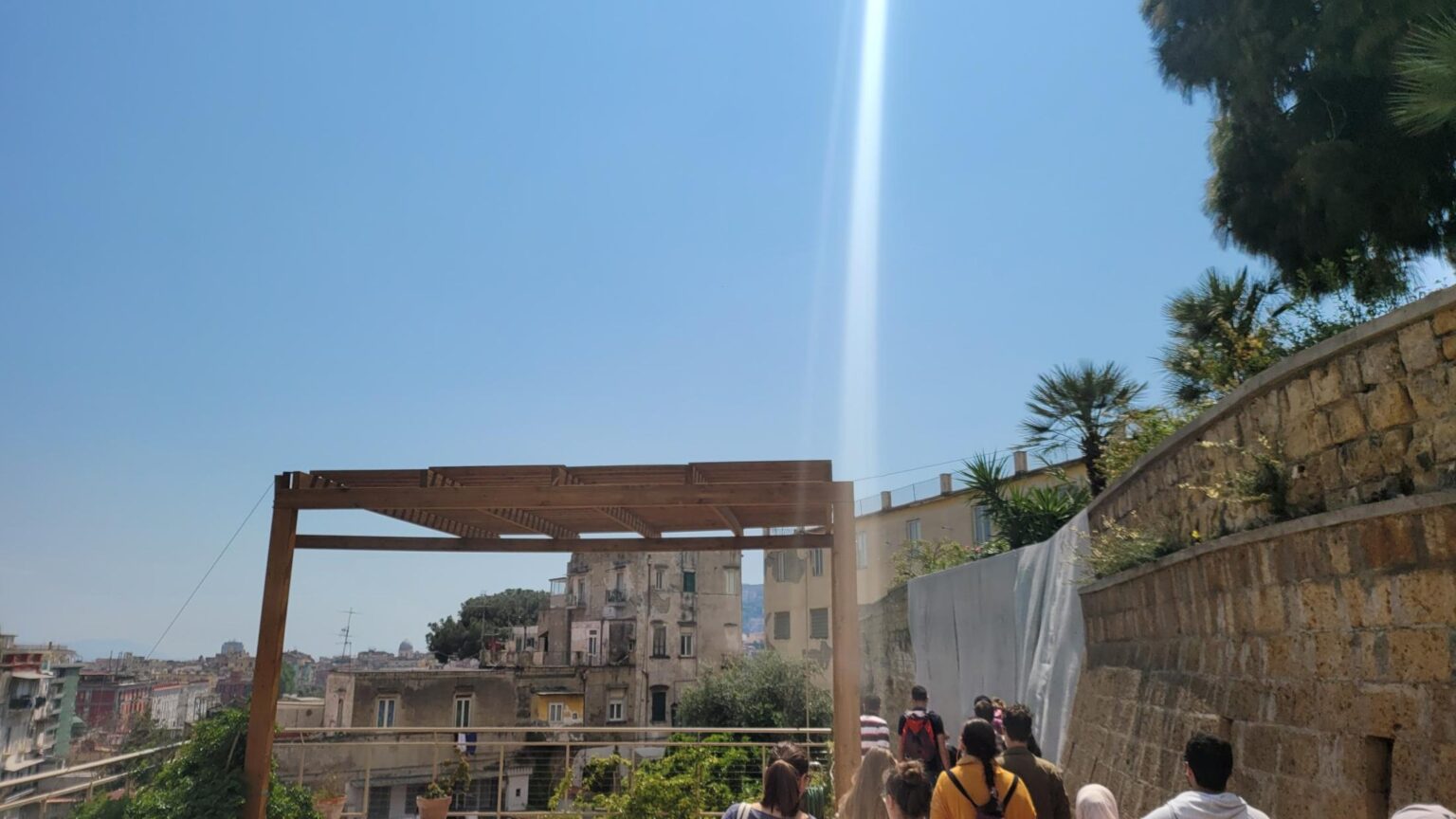
I have drifted, let’s get back to the topic. So, walking towards the funicular, a wall reveals a secret gem along the way, which you most likely cannot miss if you follow my steps.
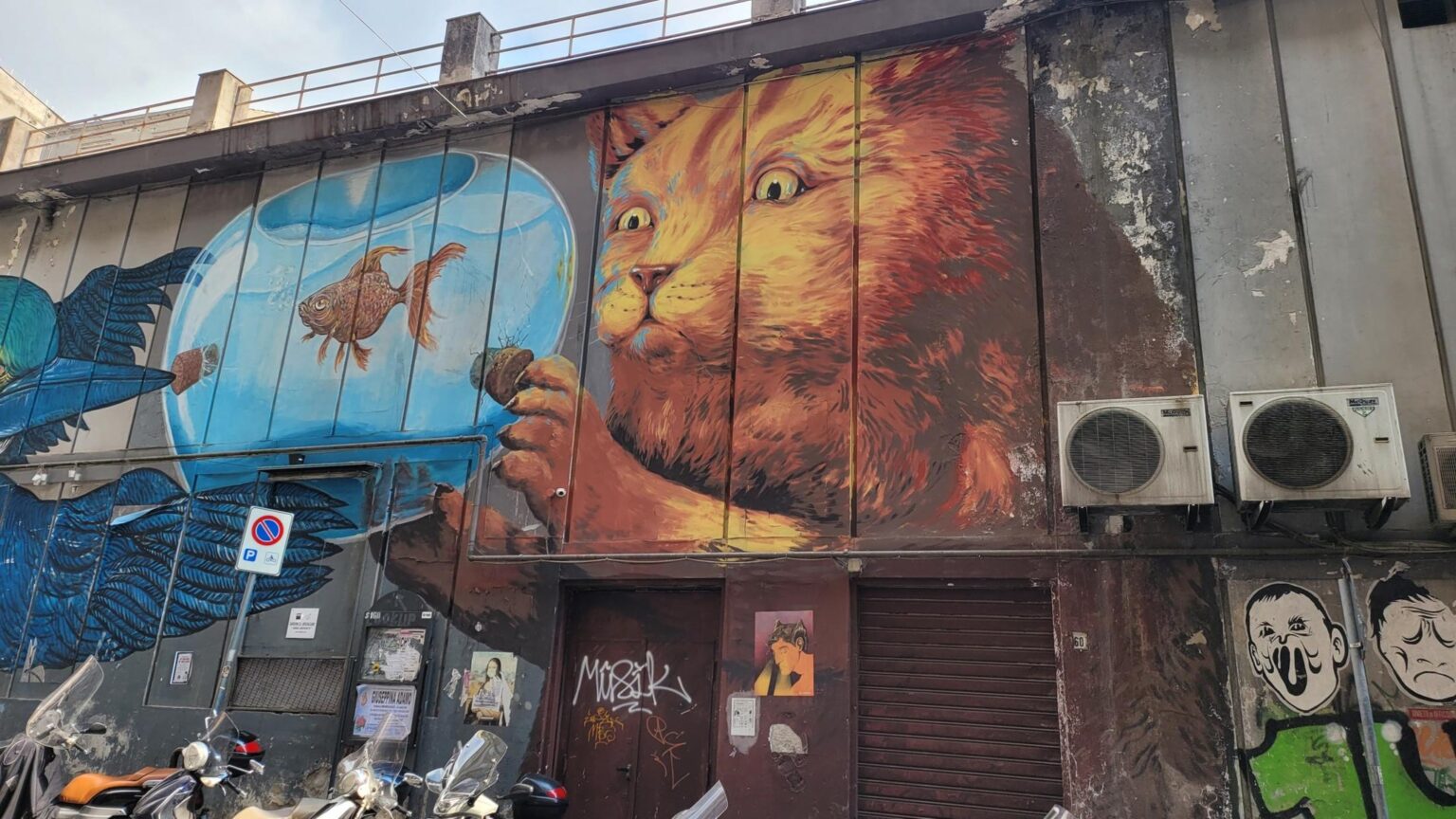
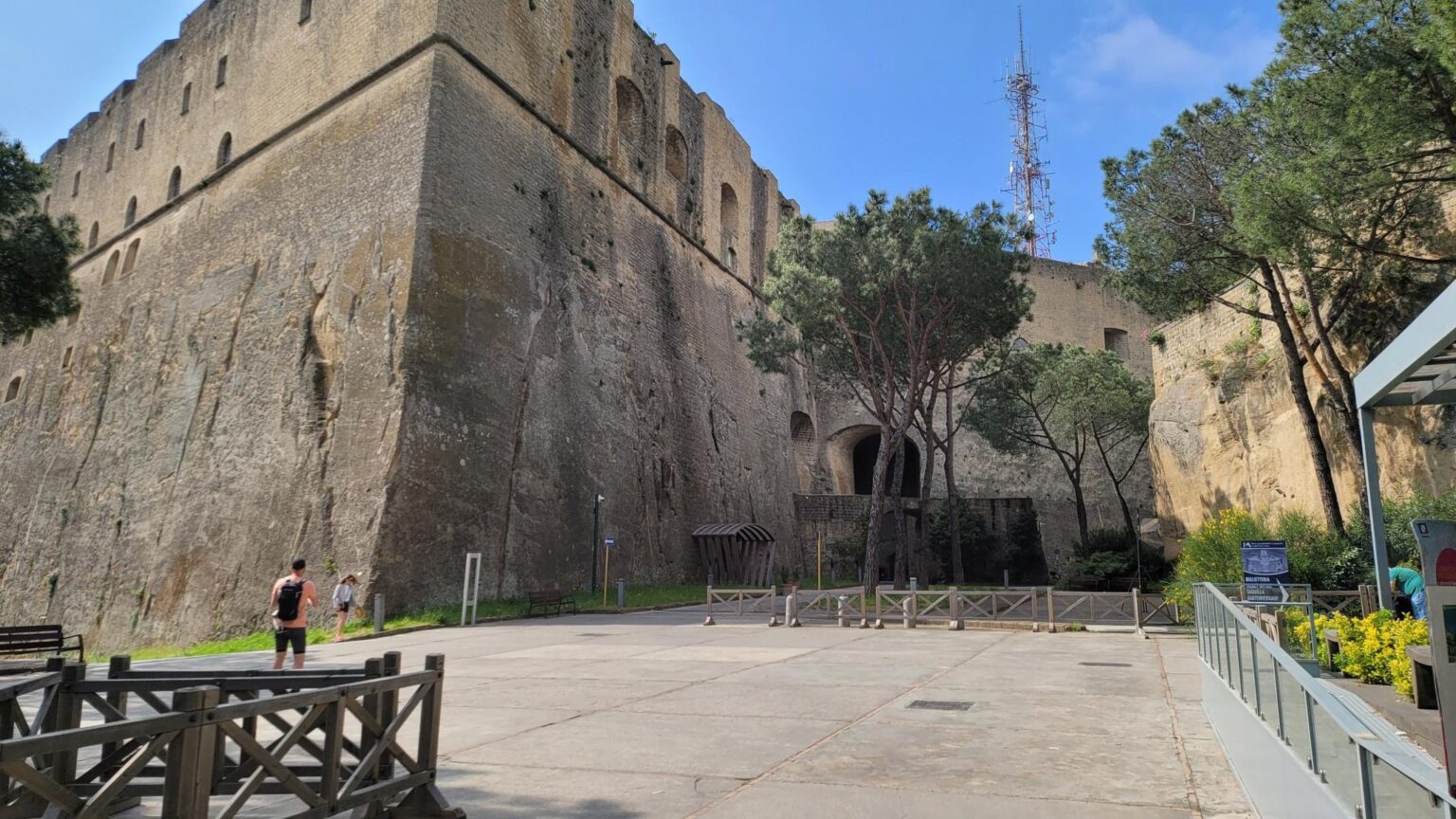
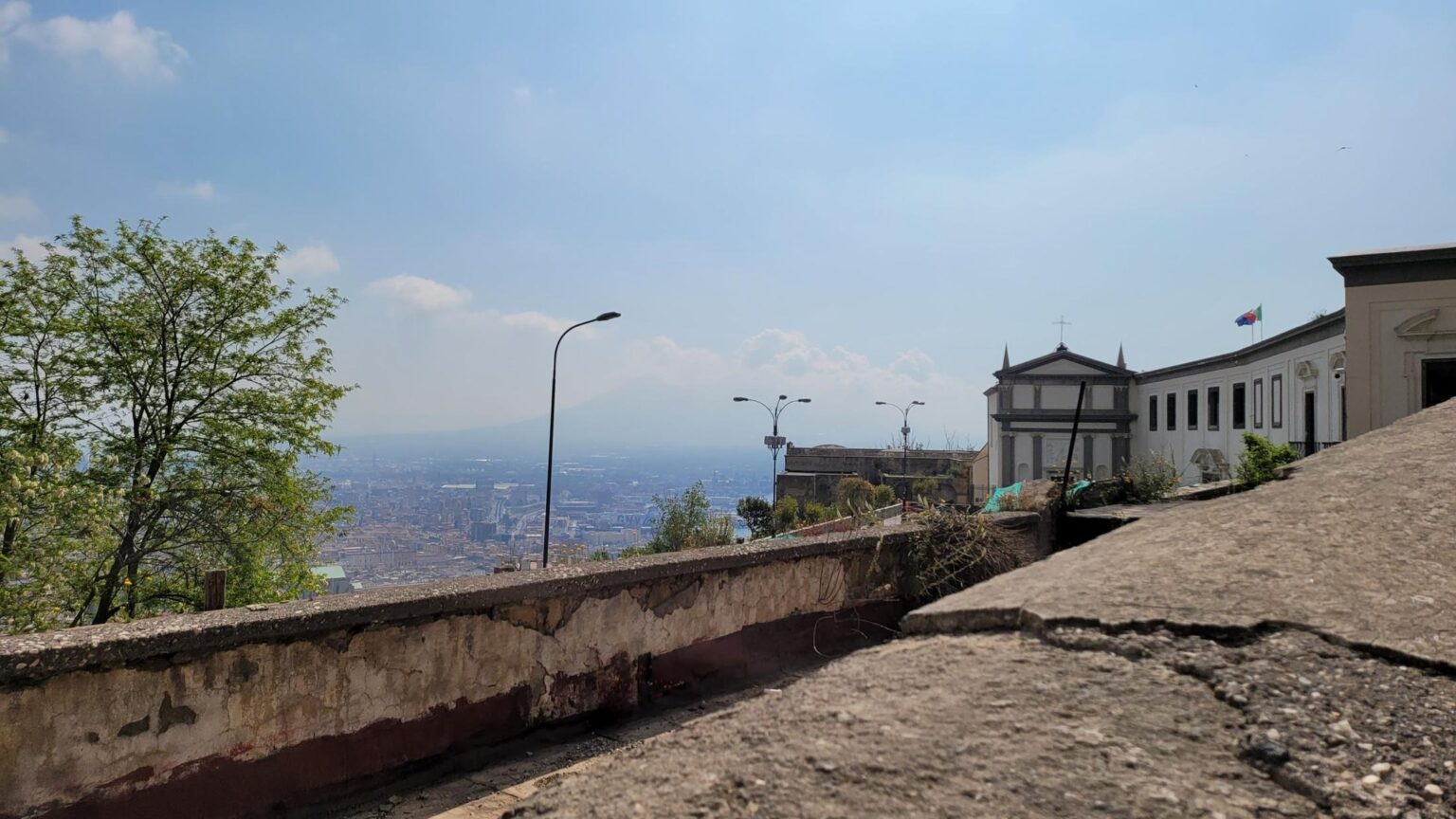
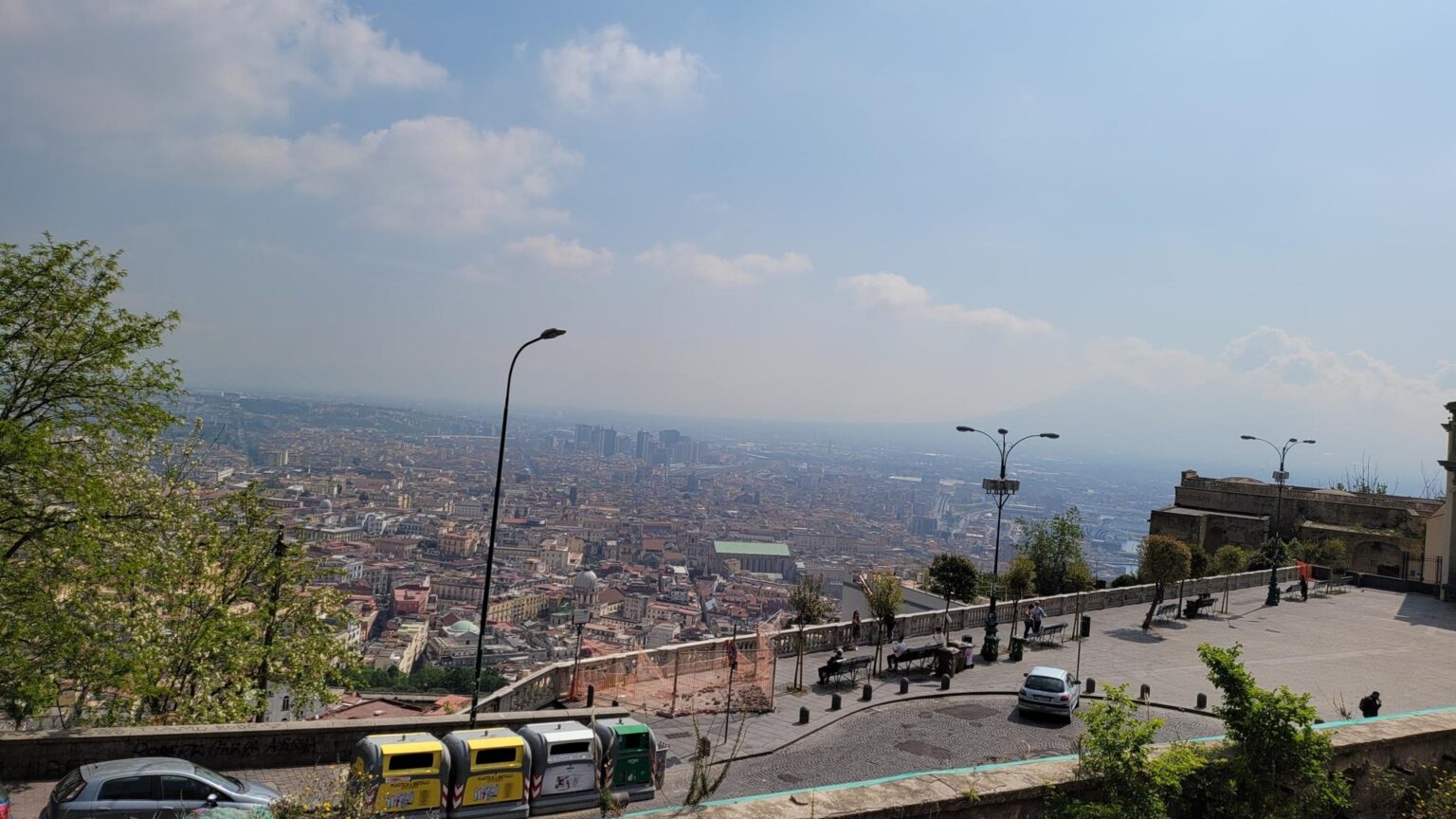
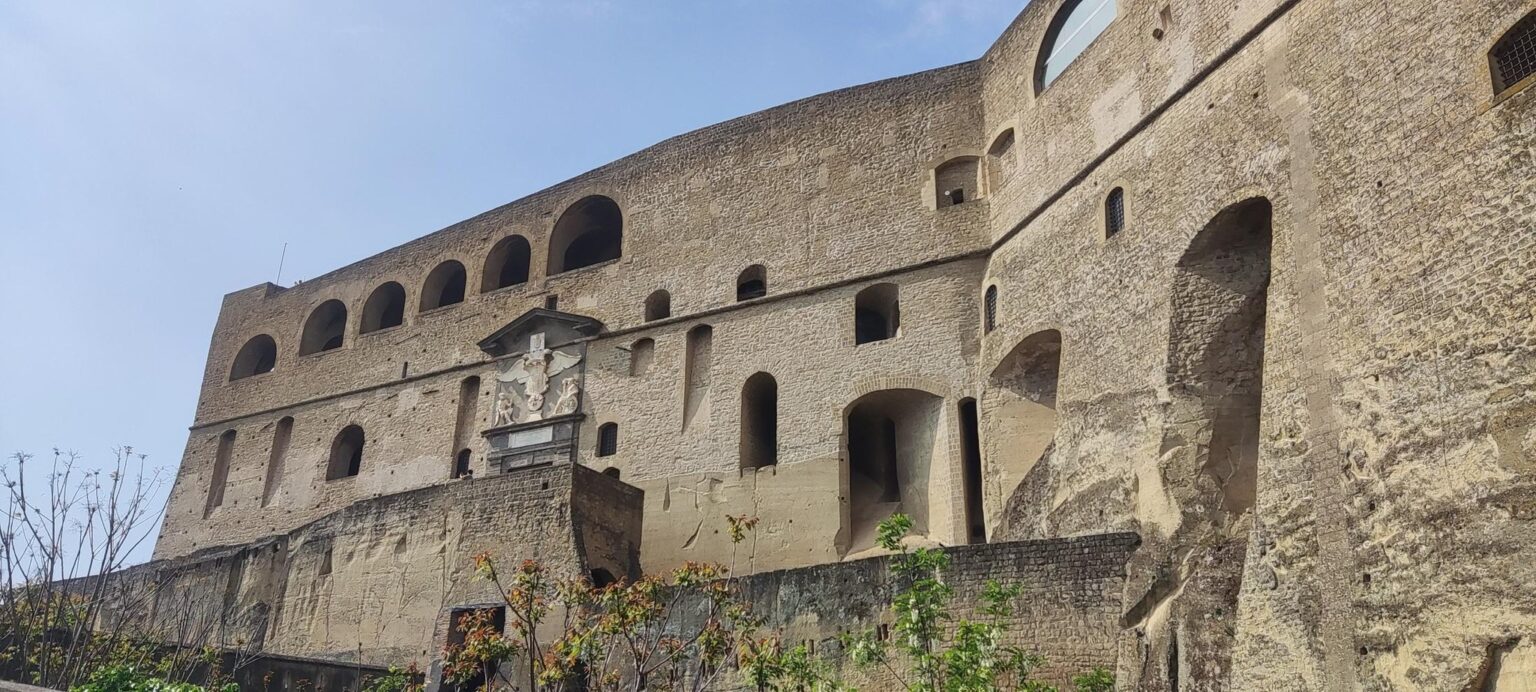
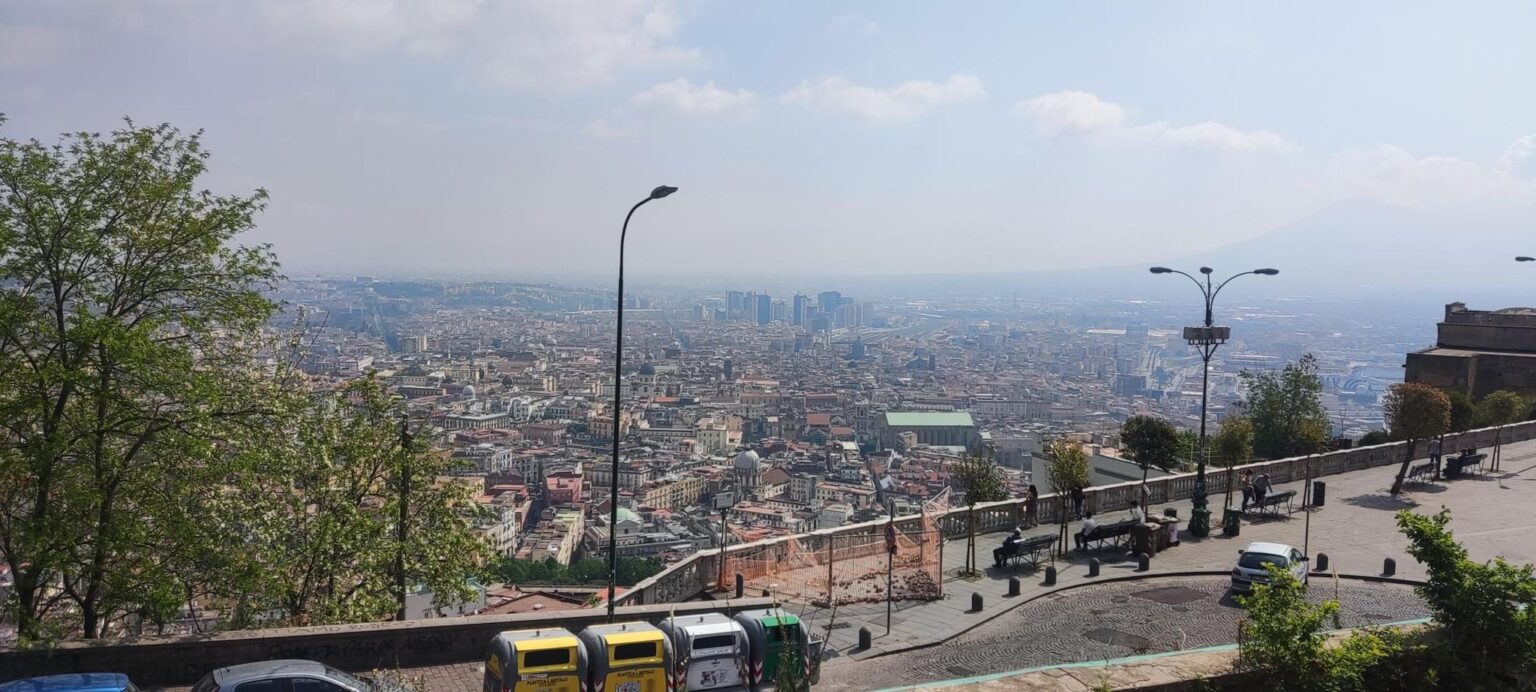
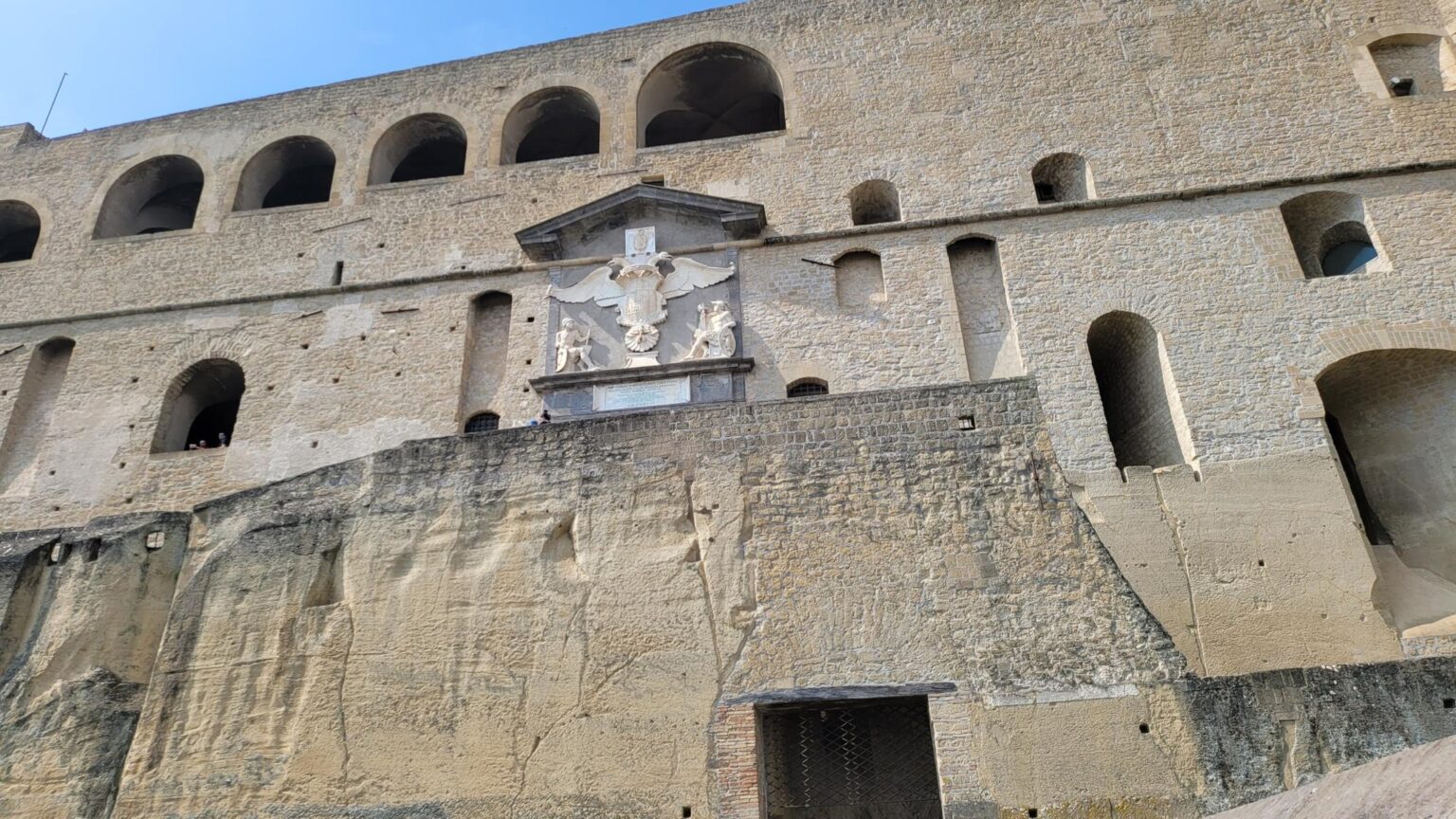
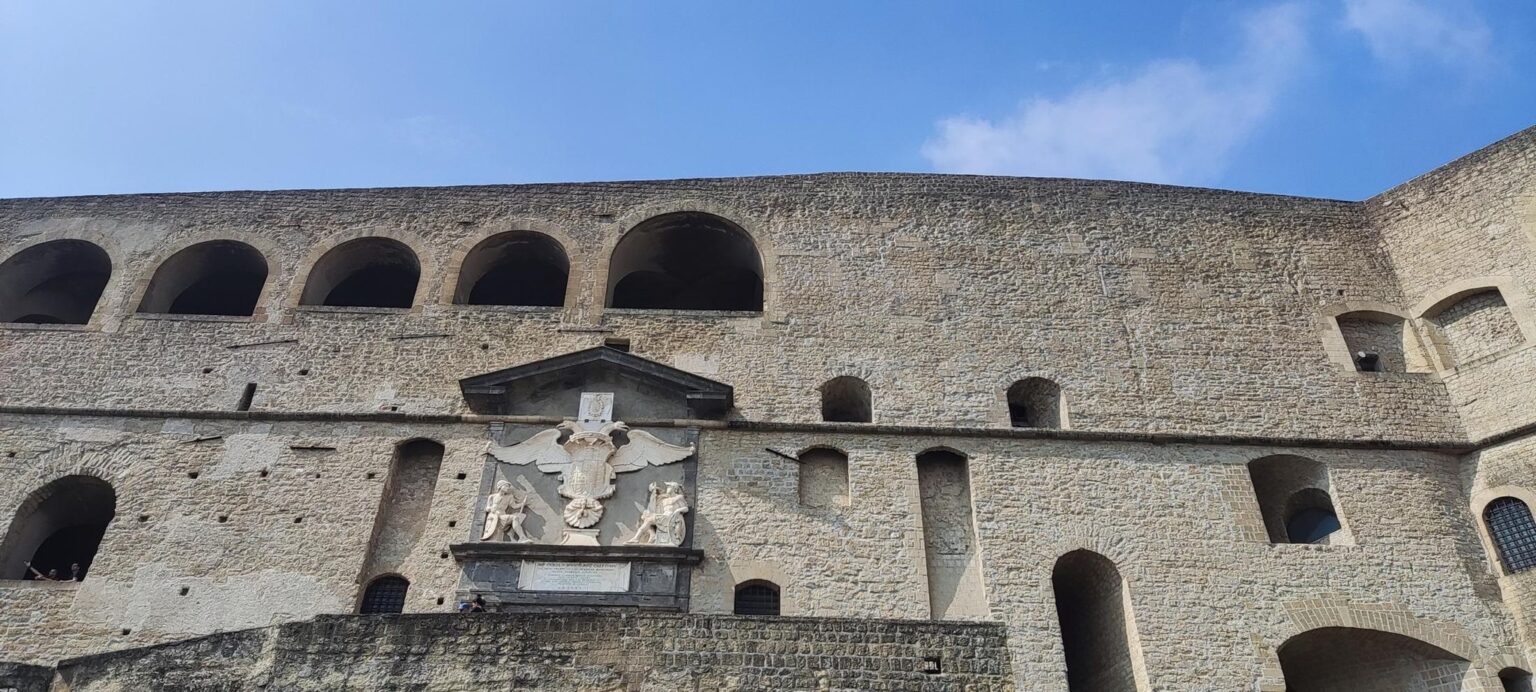
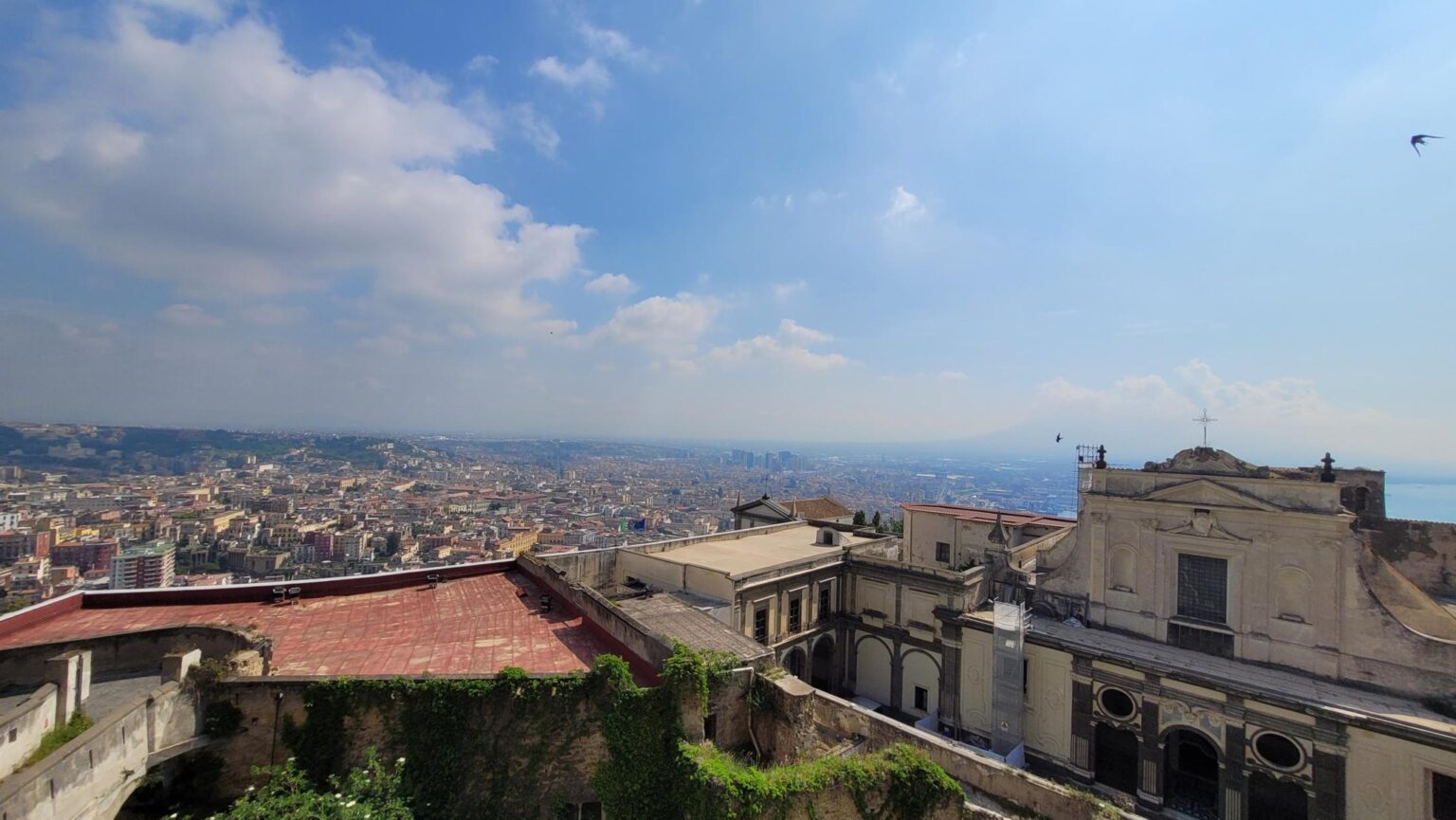
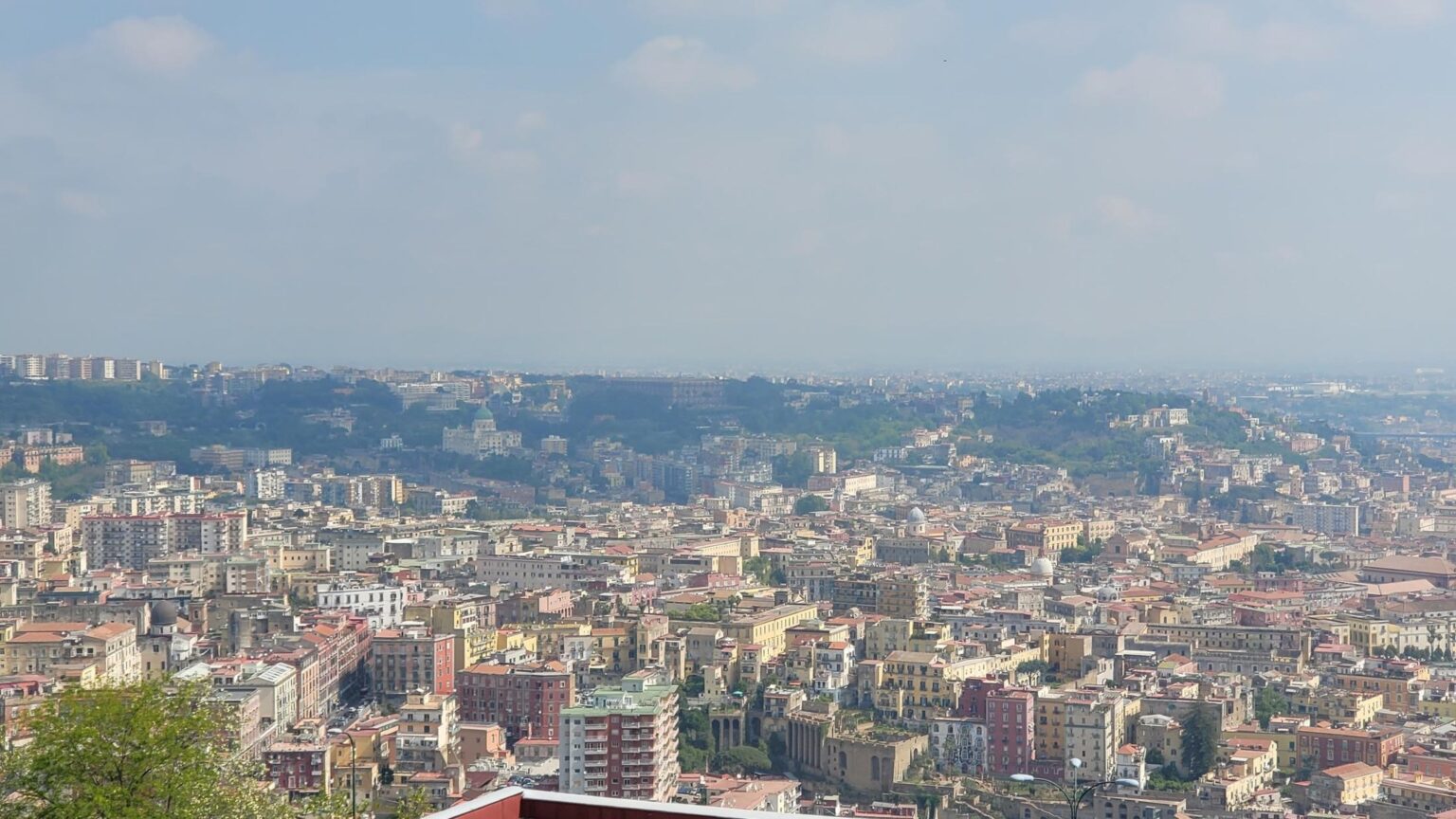
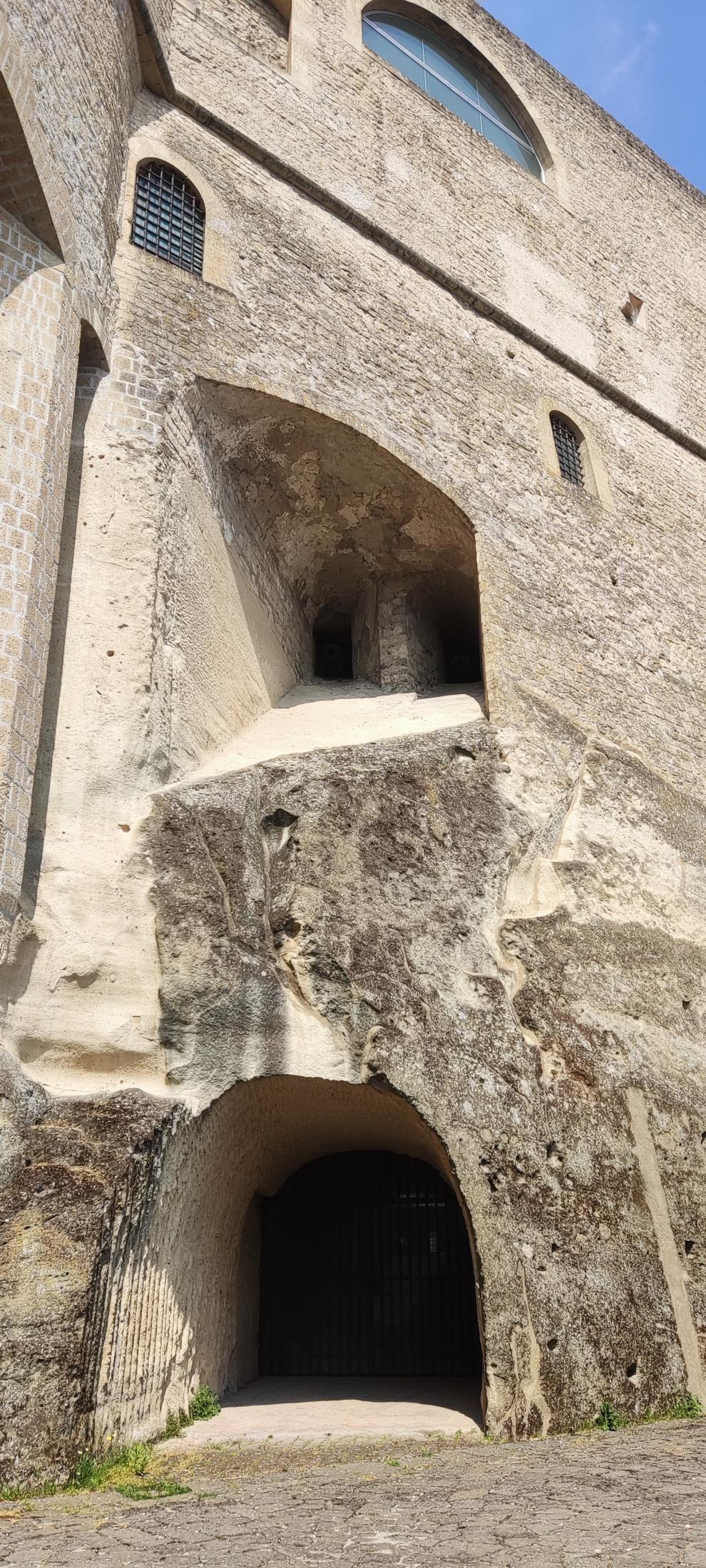
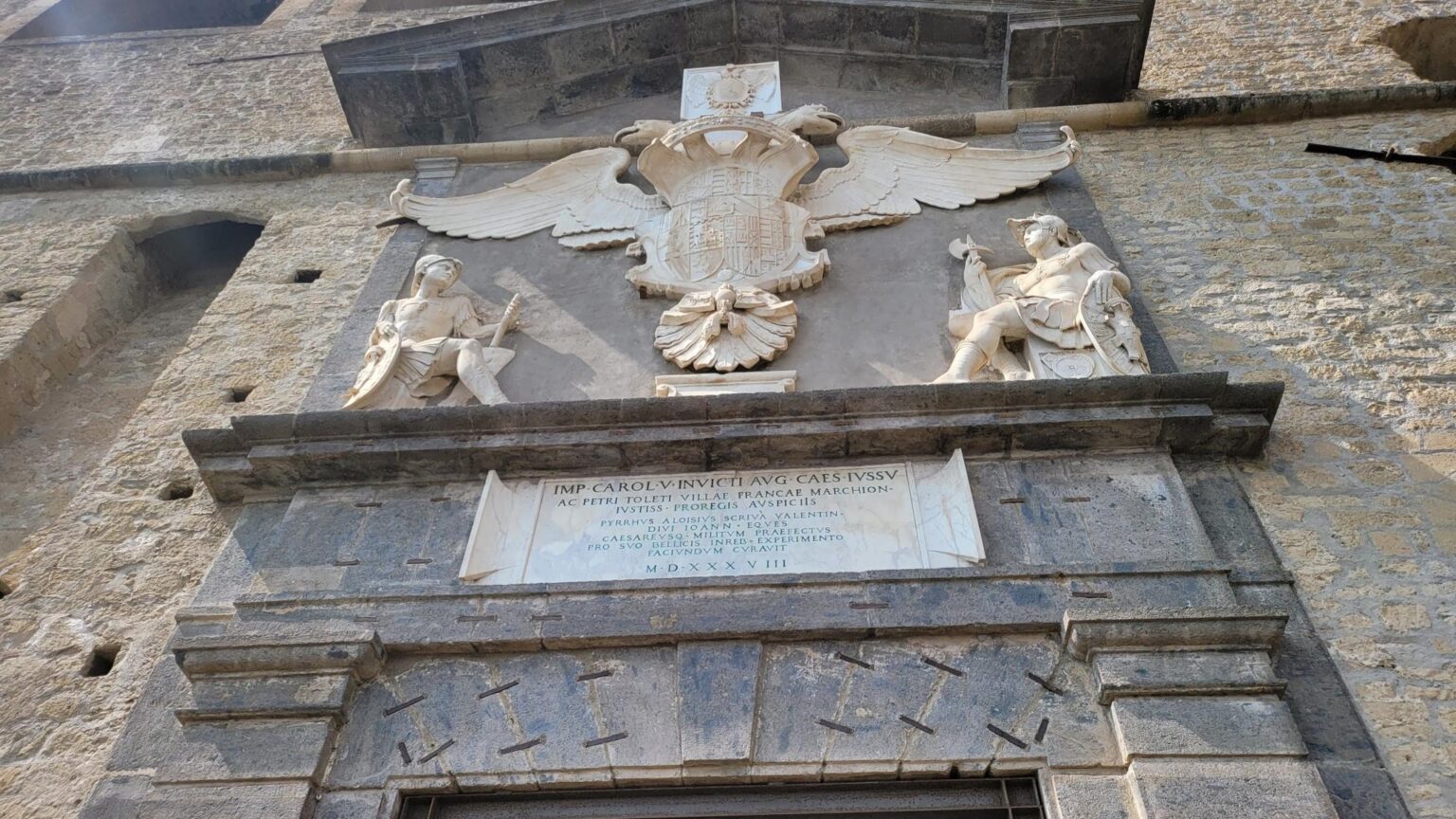
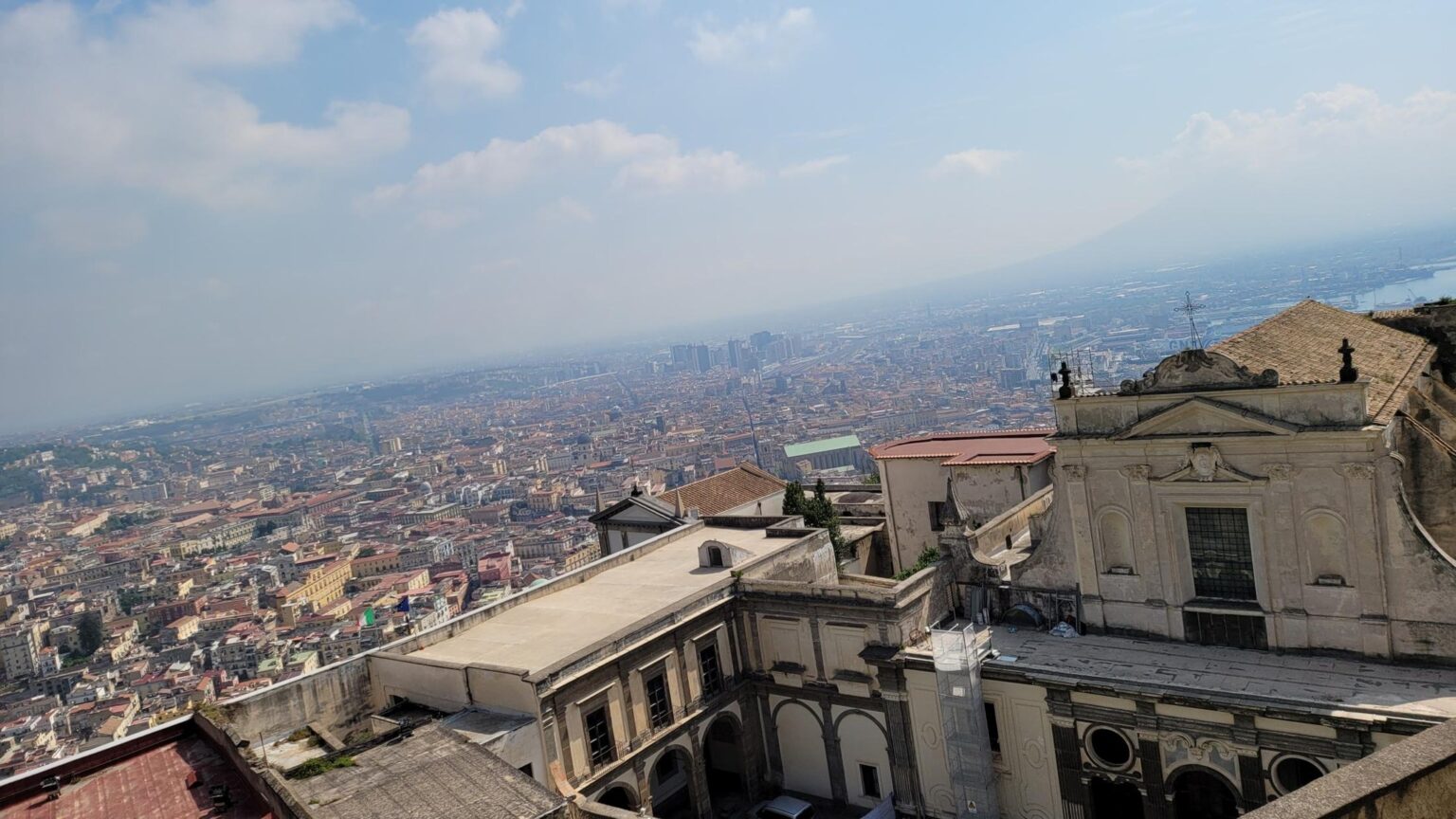
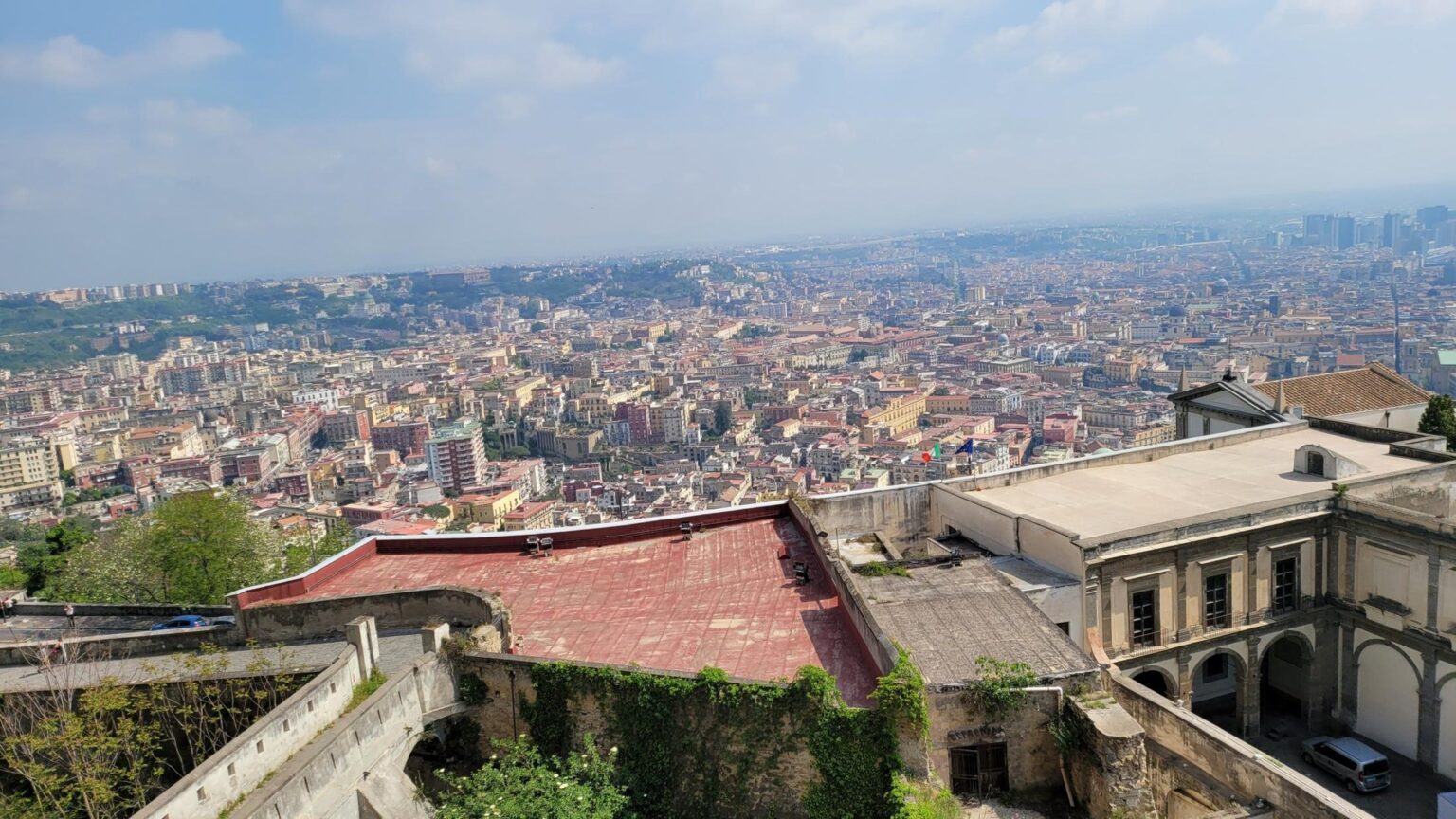
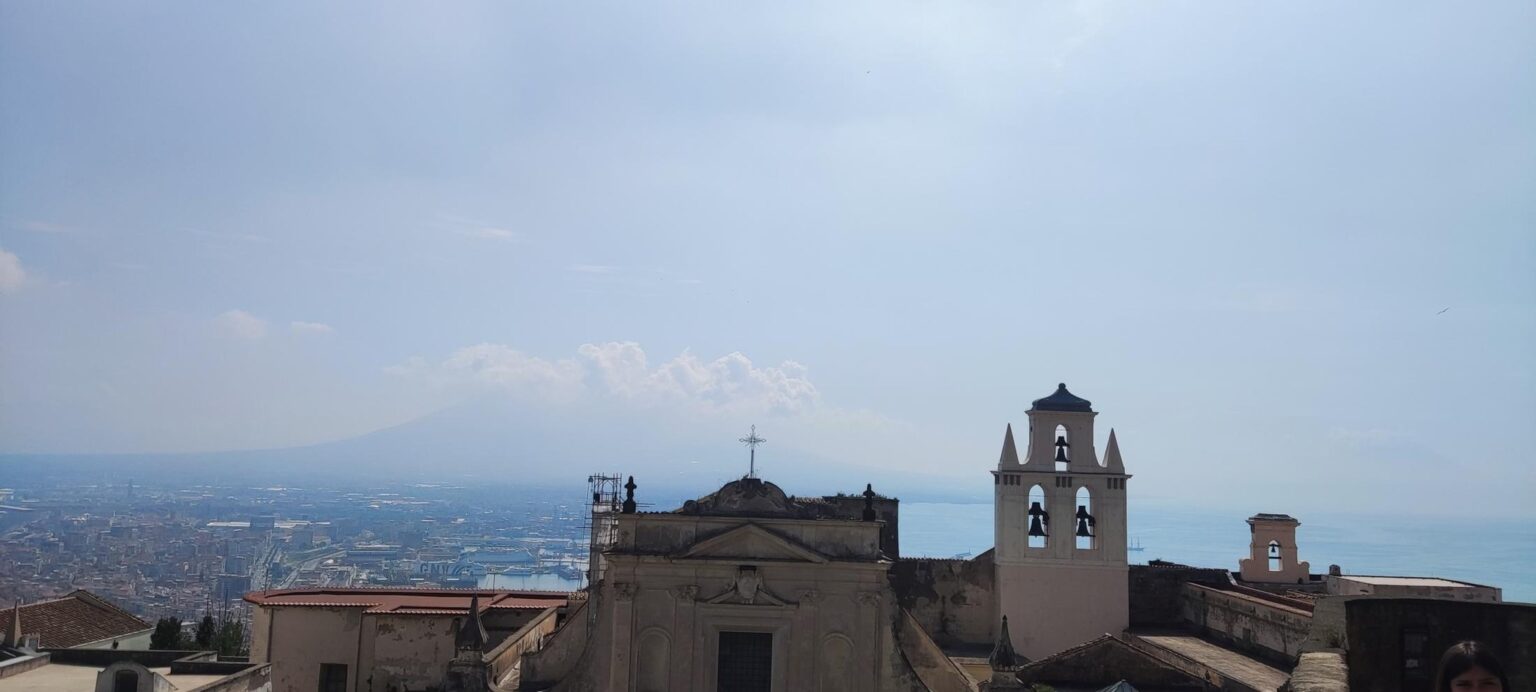
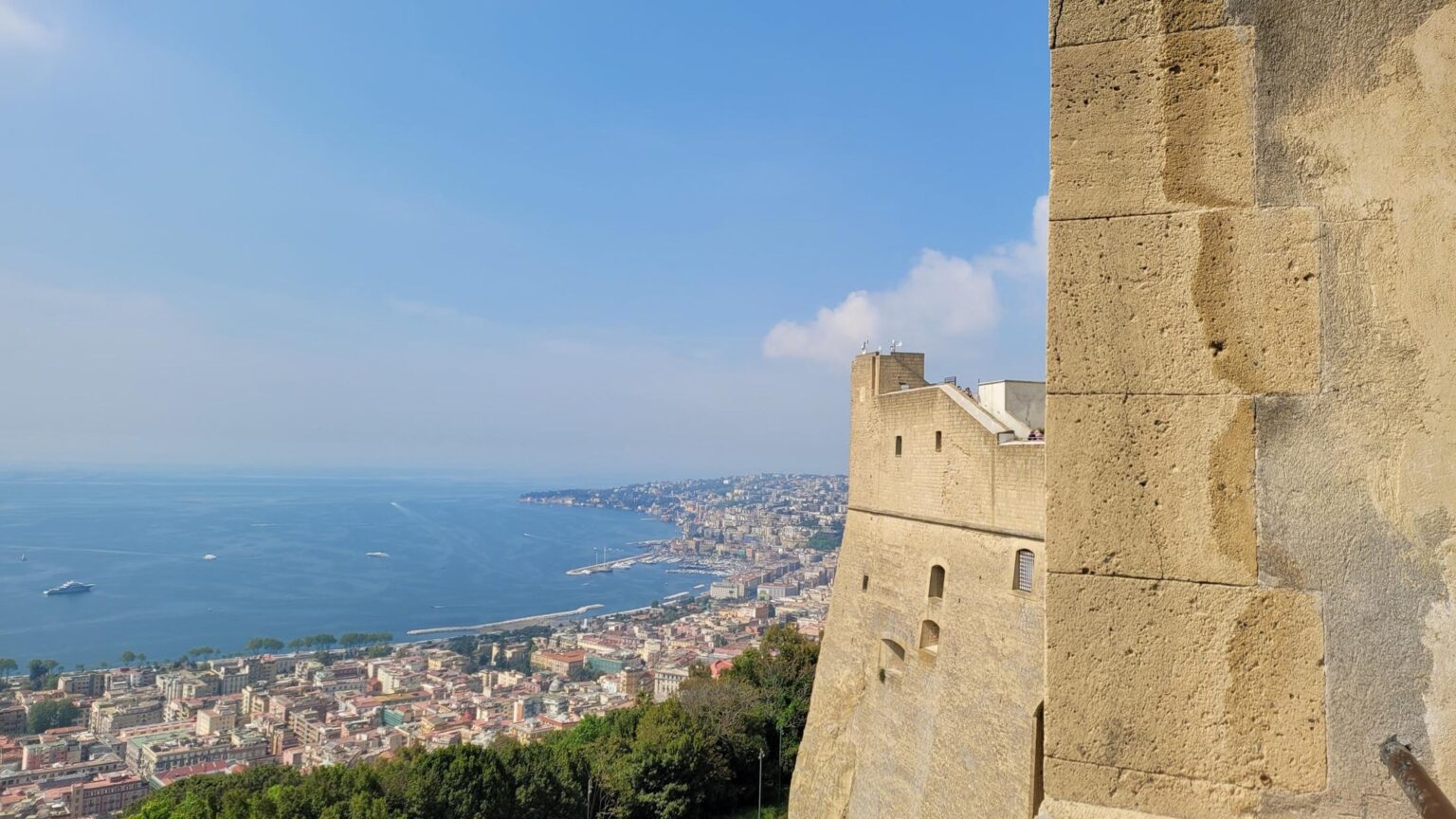
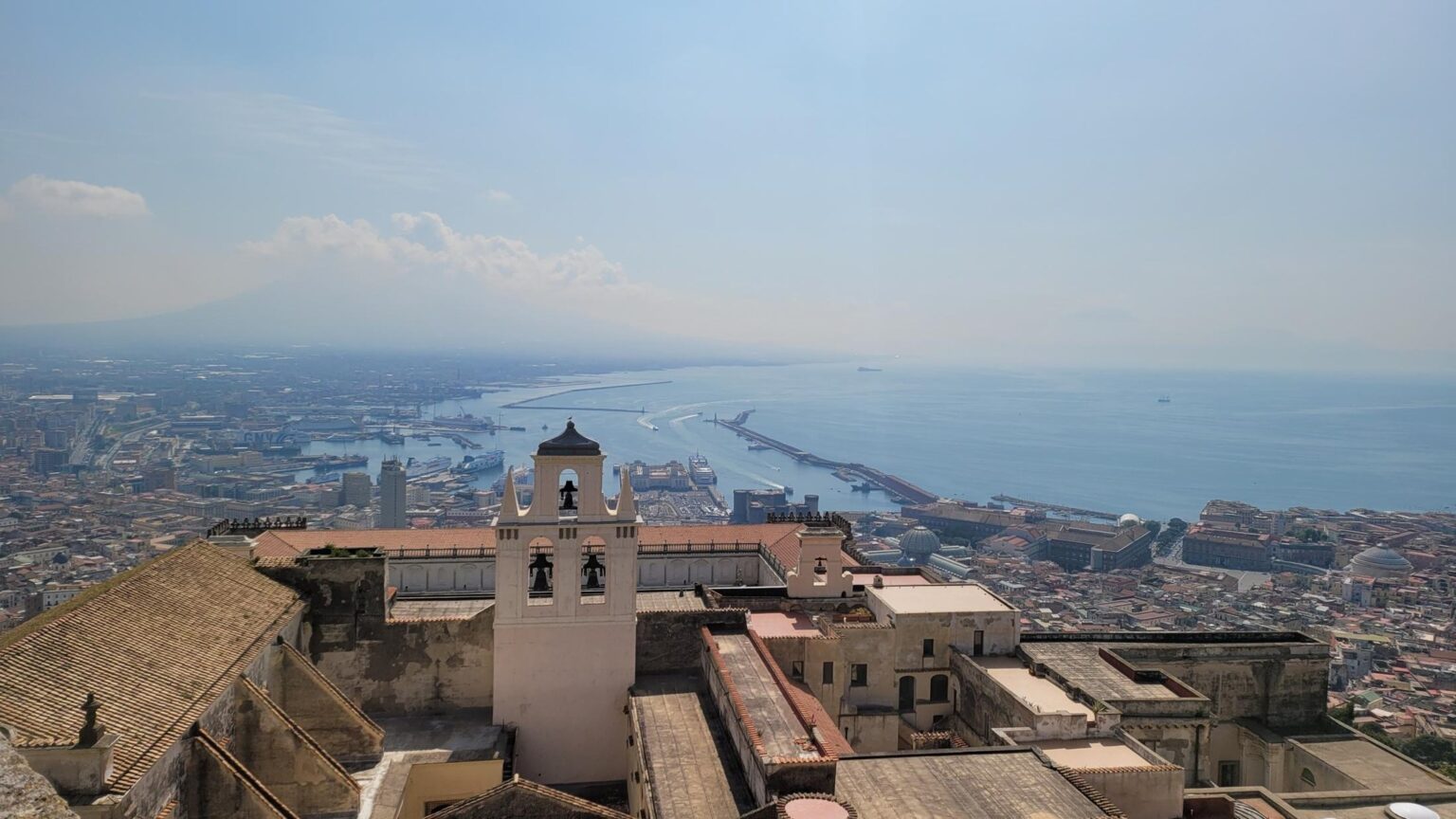
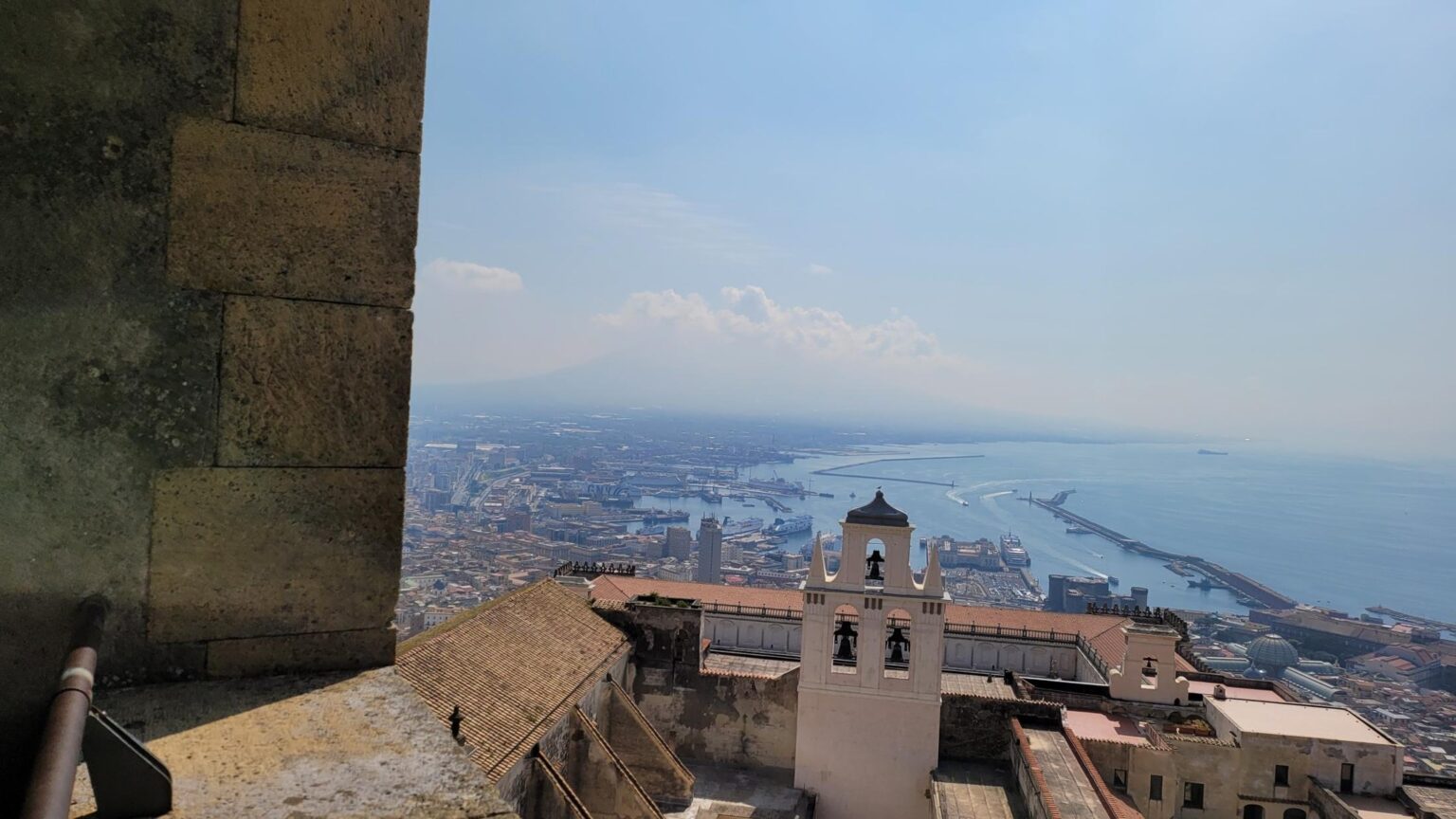
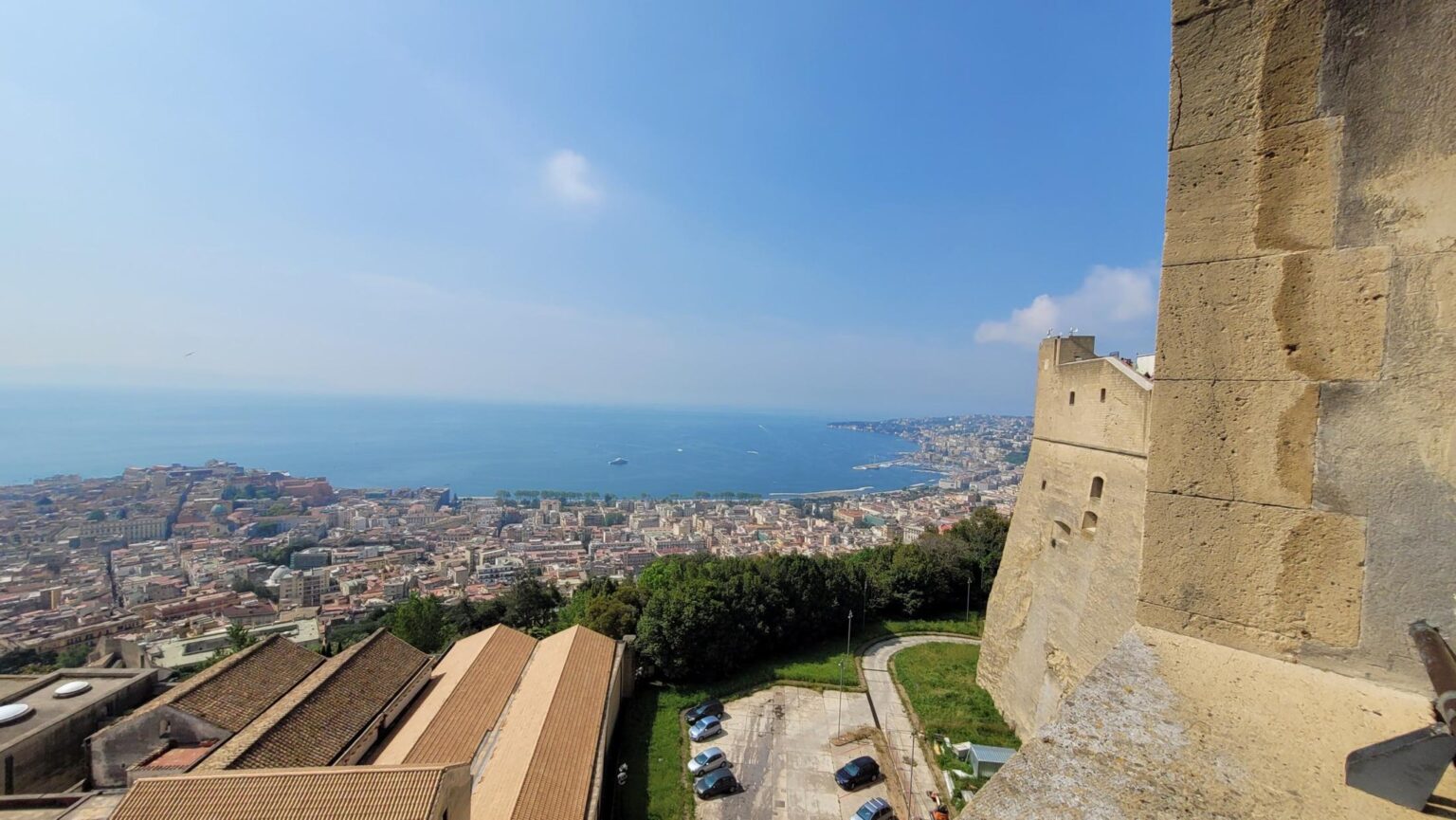
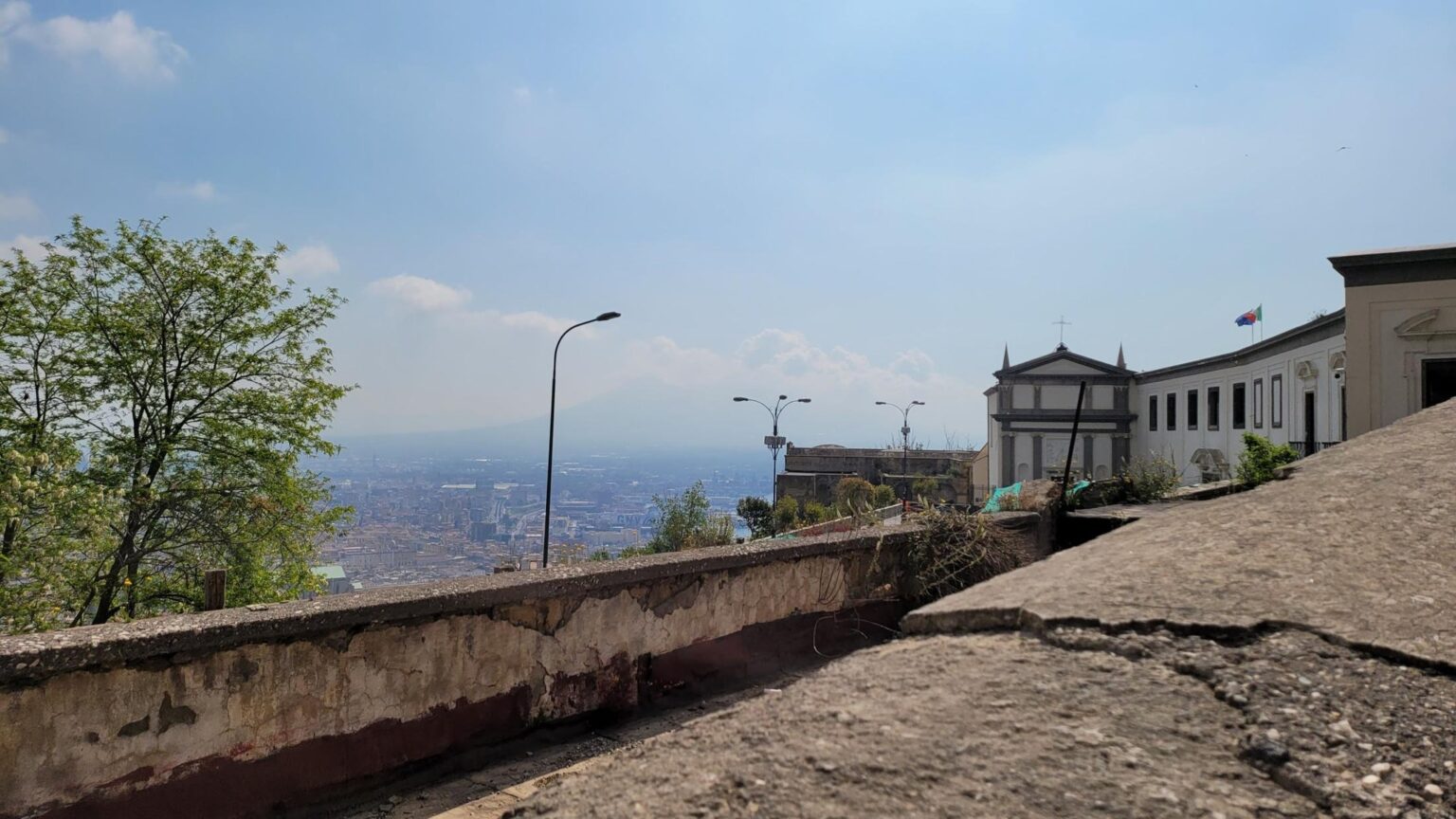
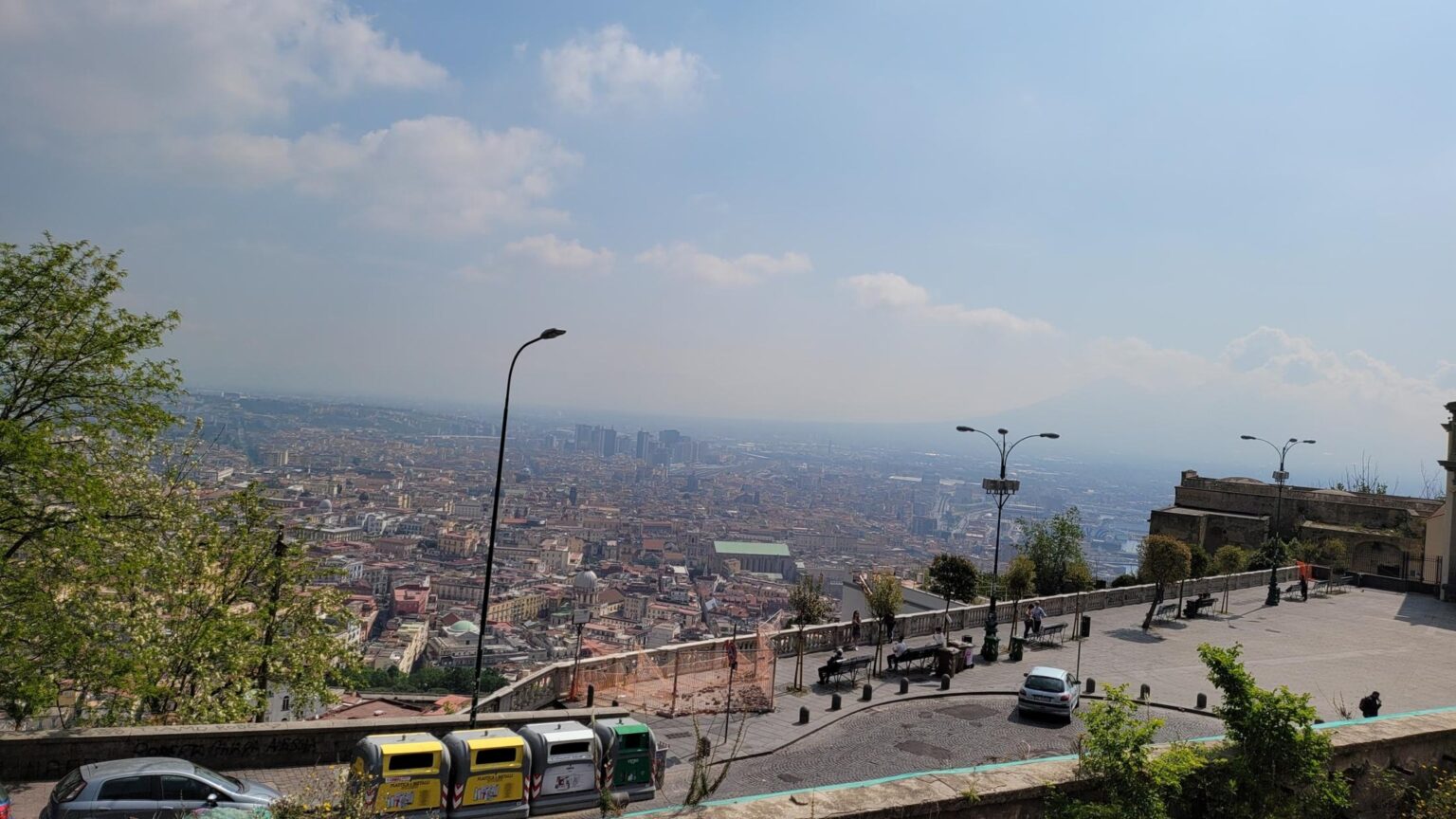
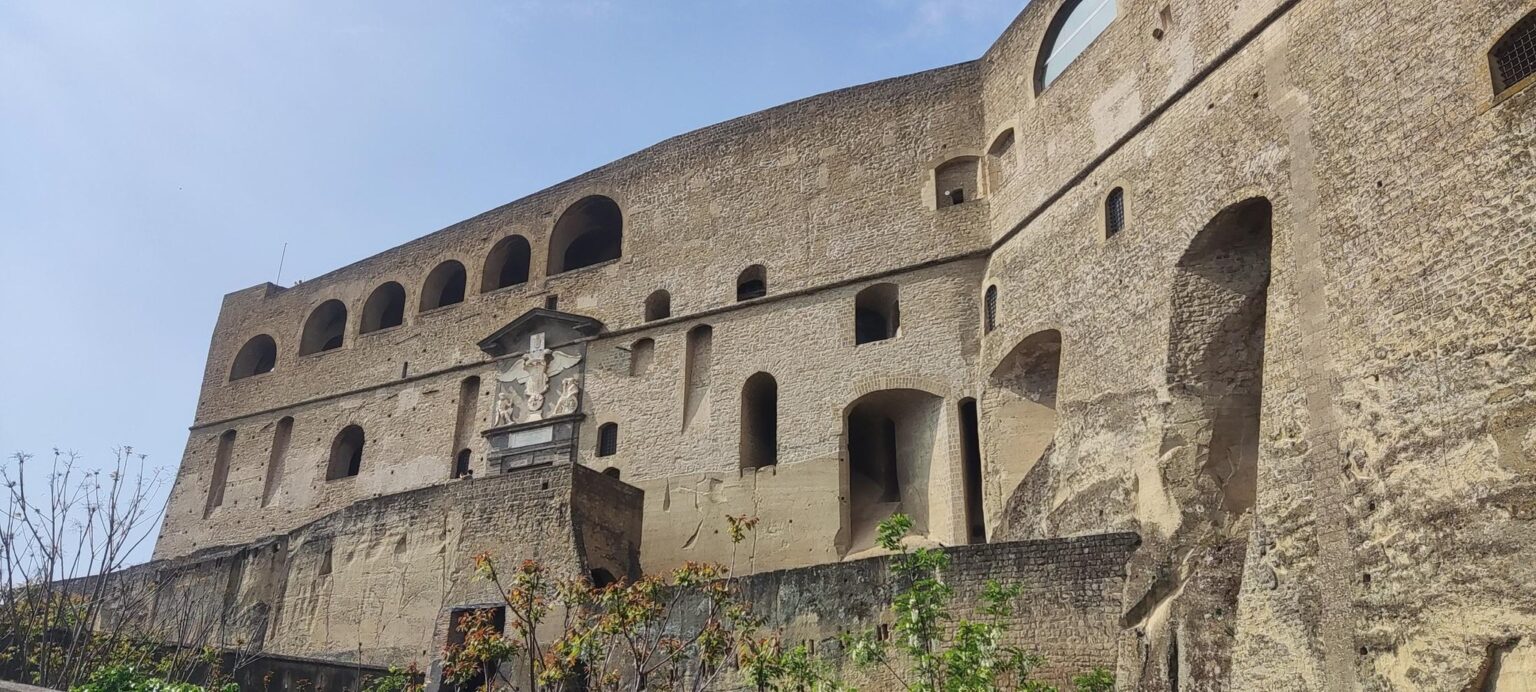
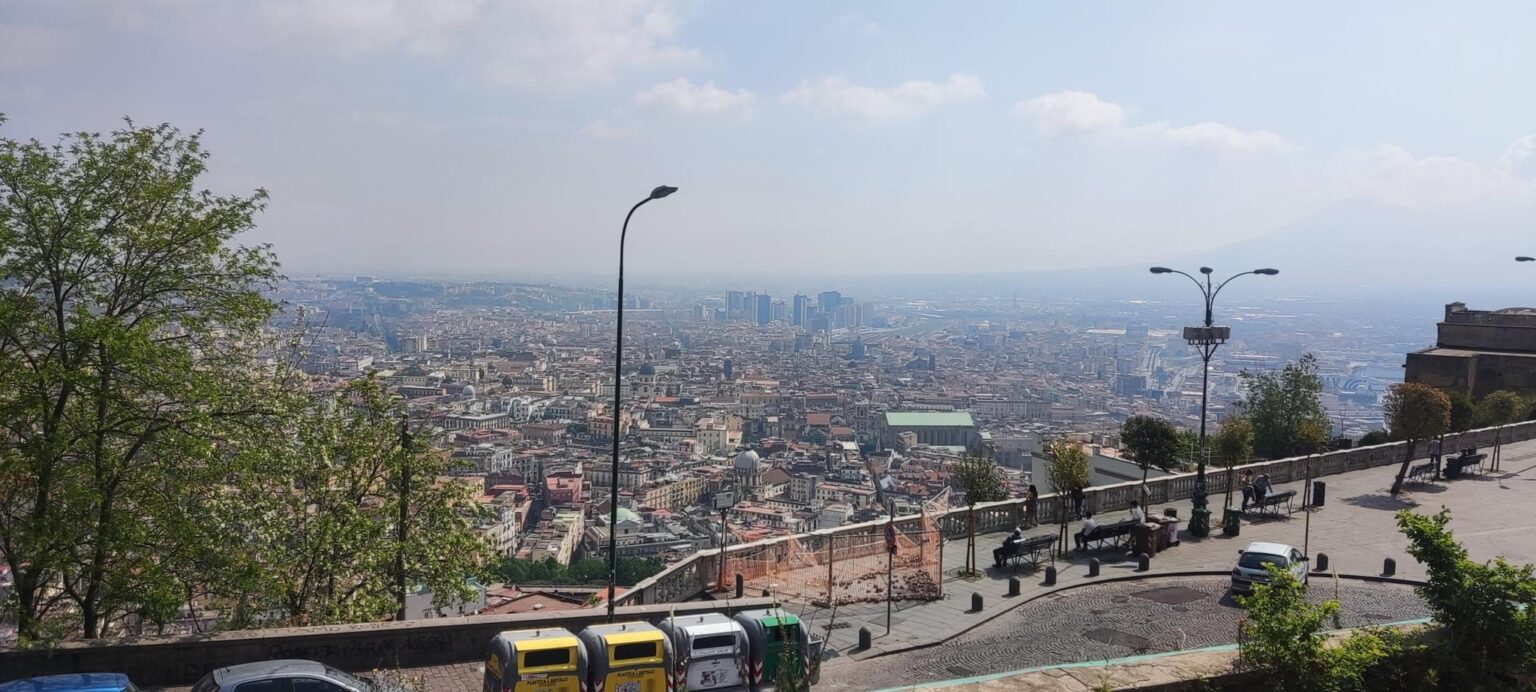
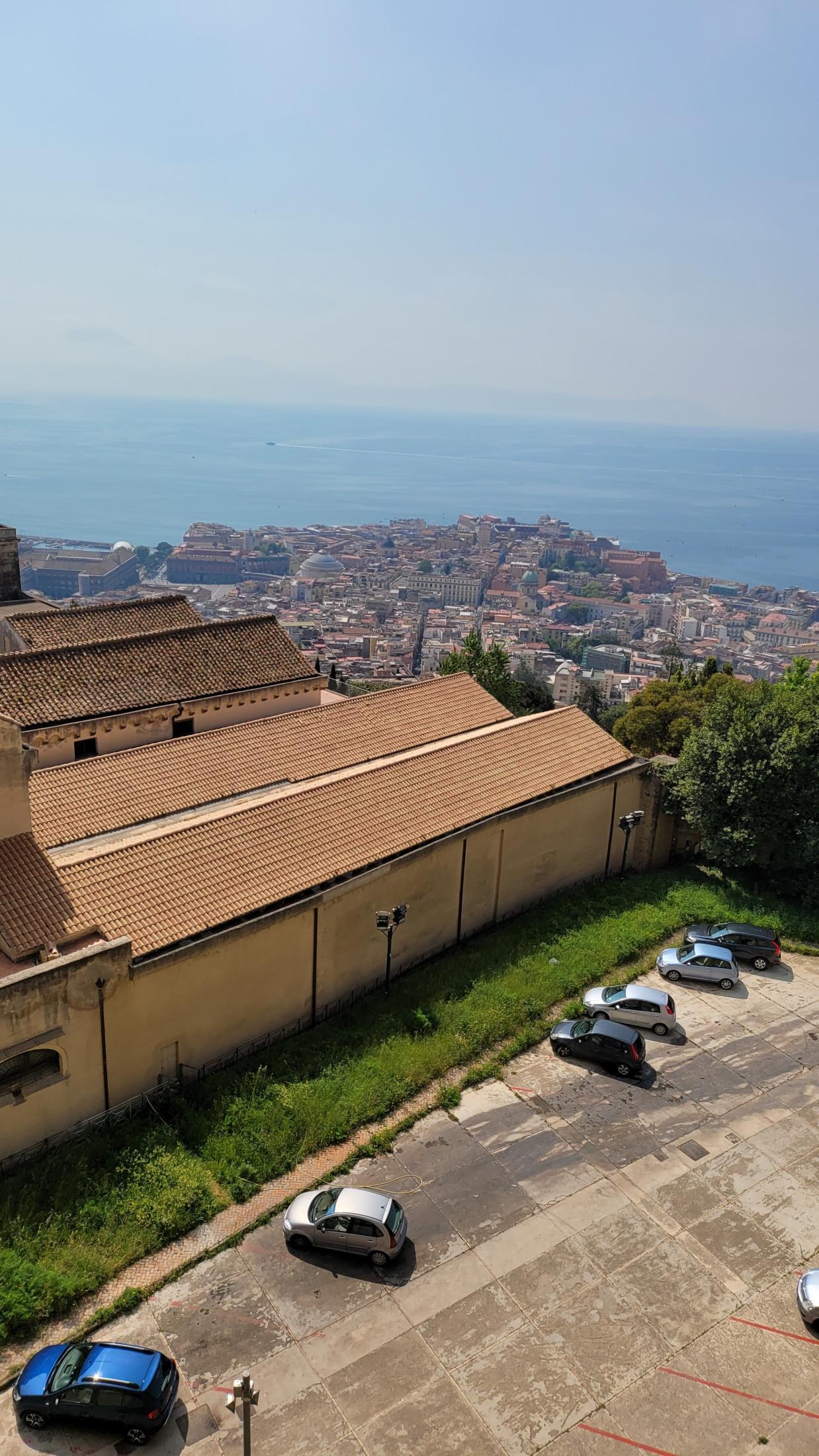
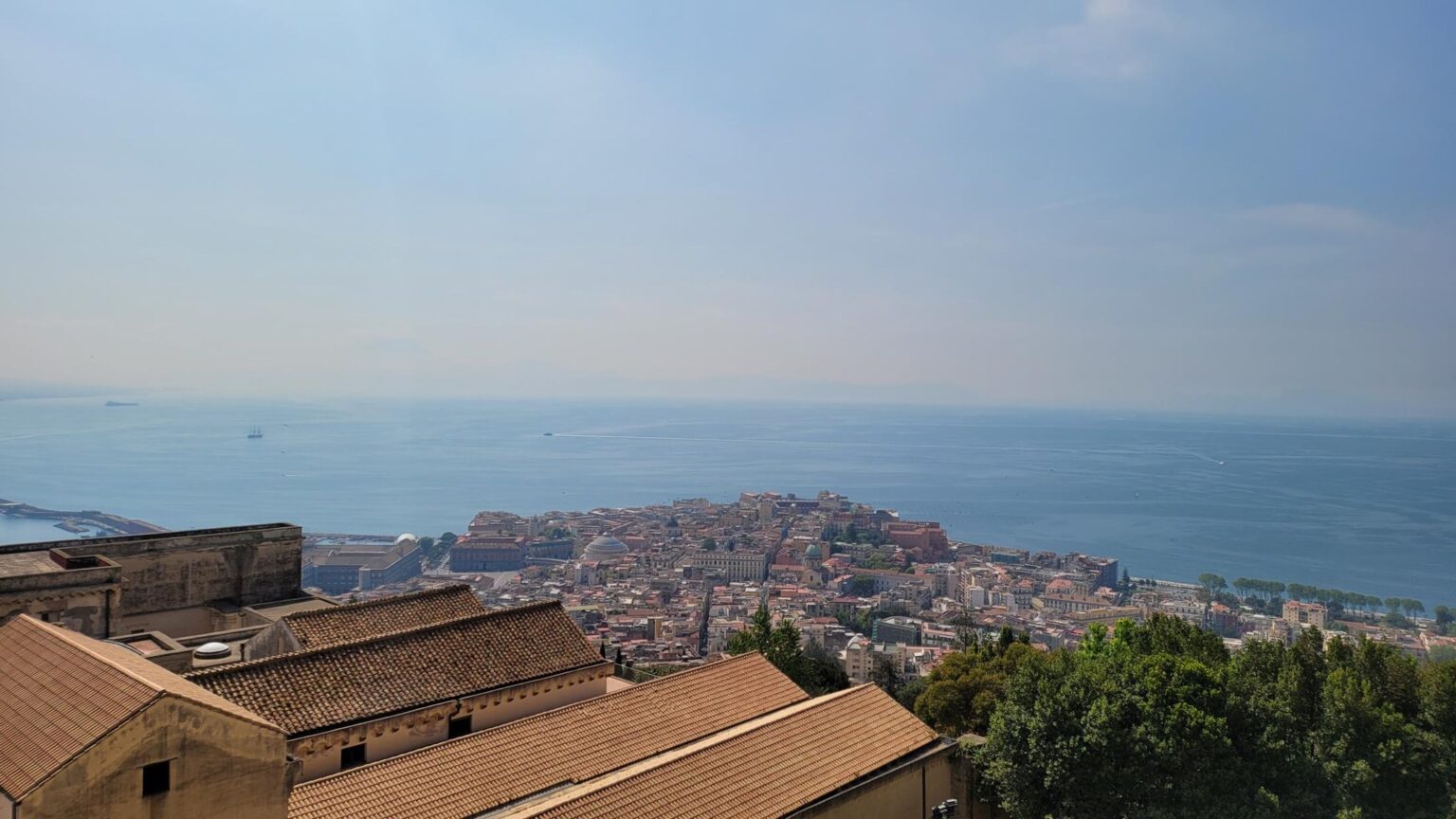
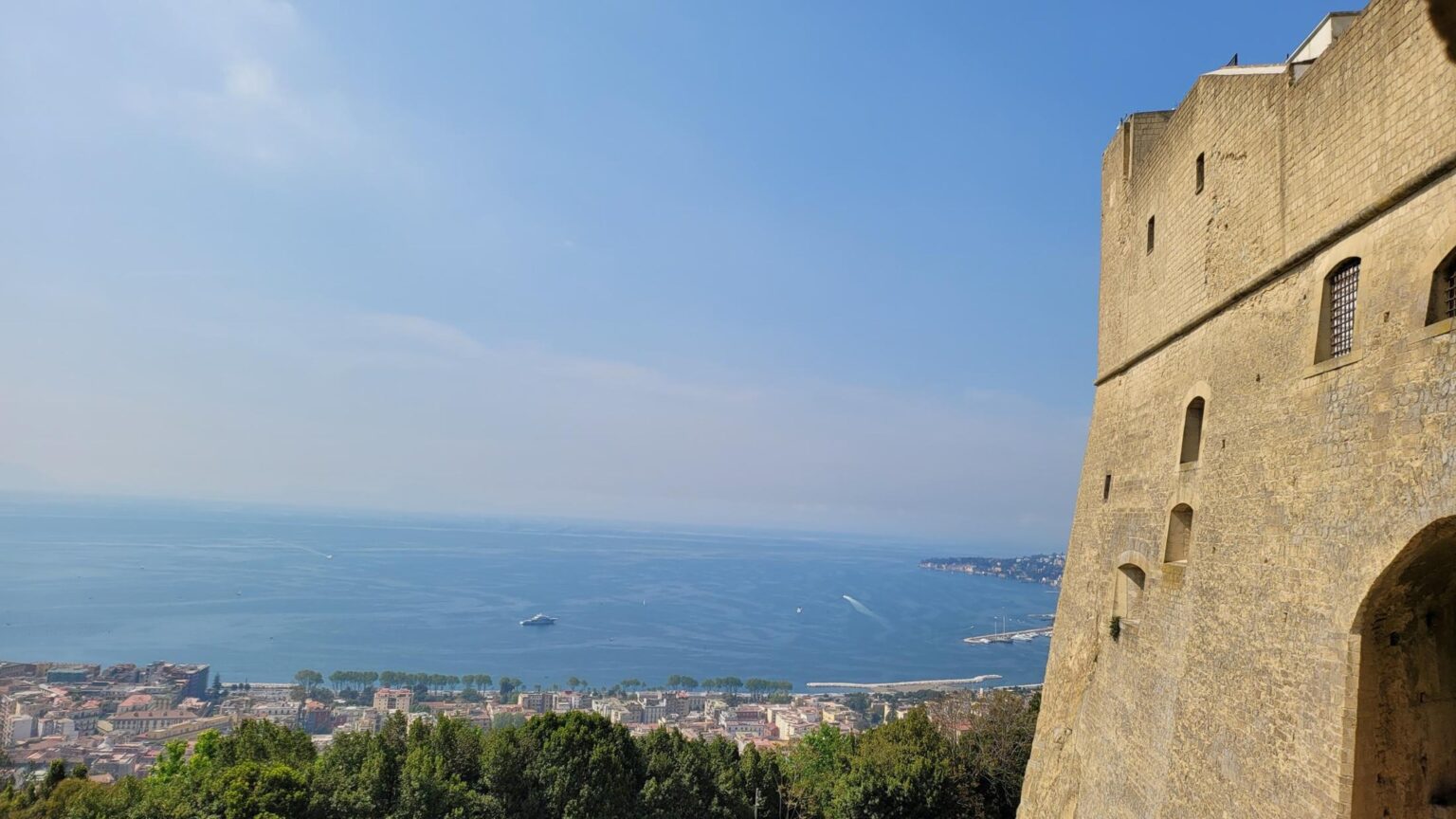
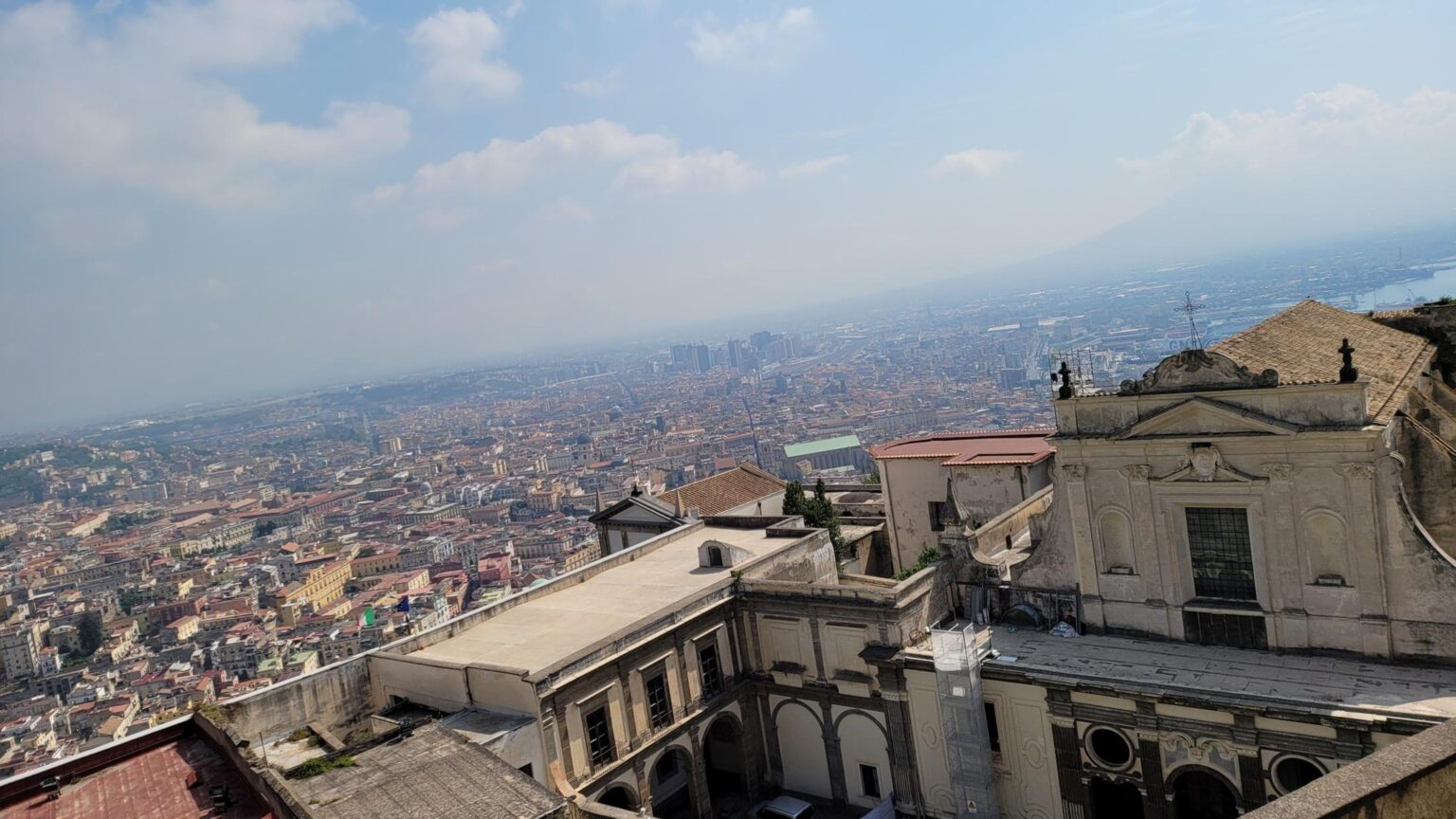
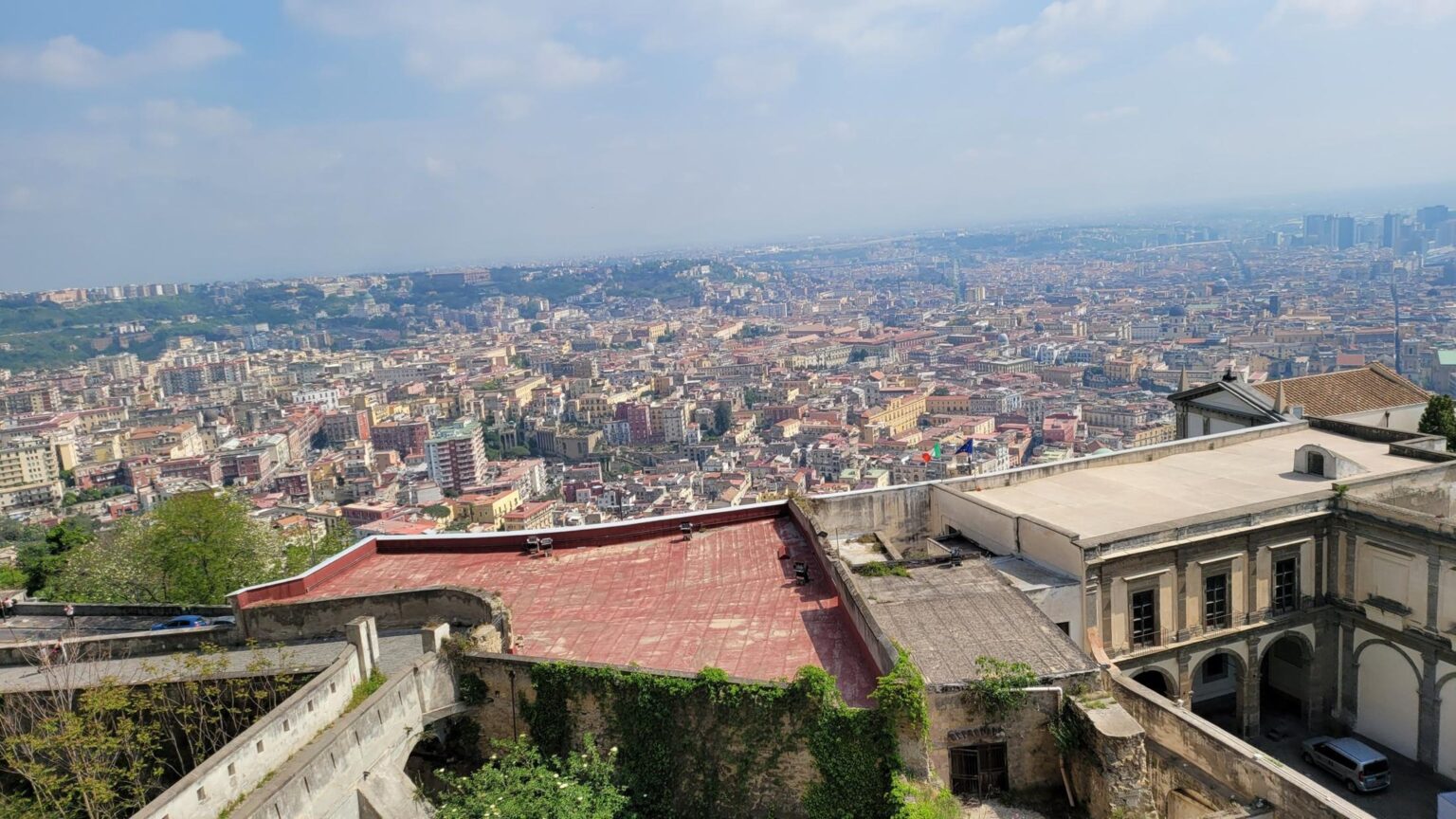
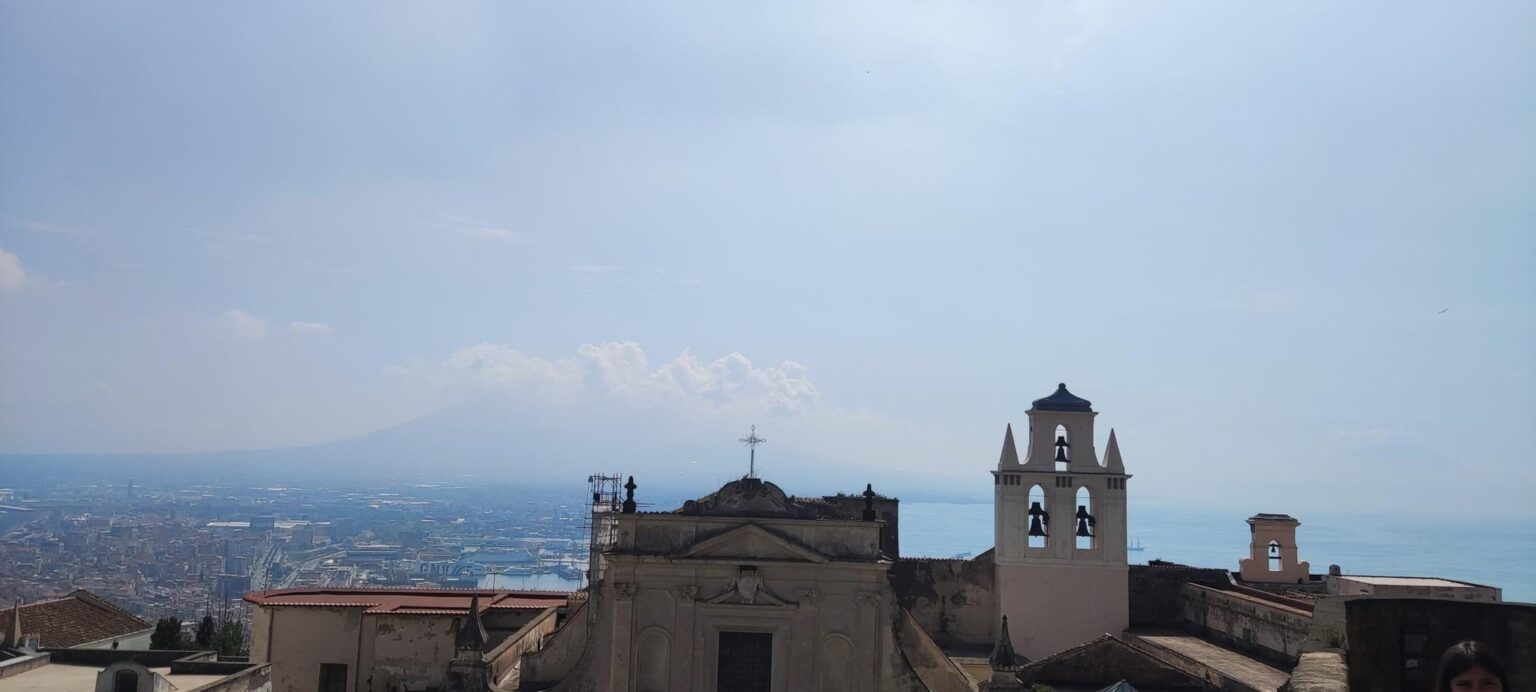
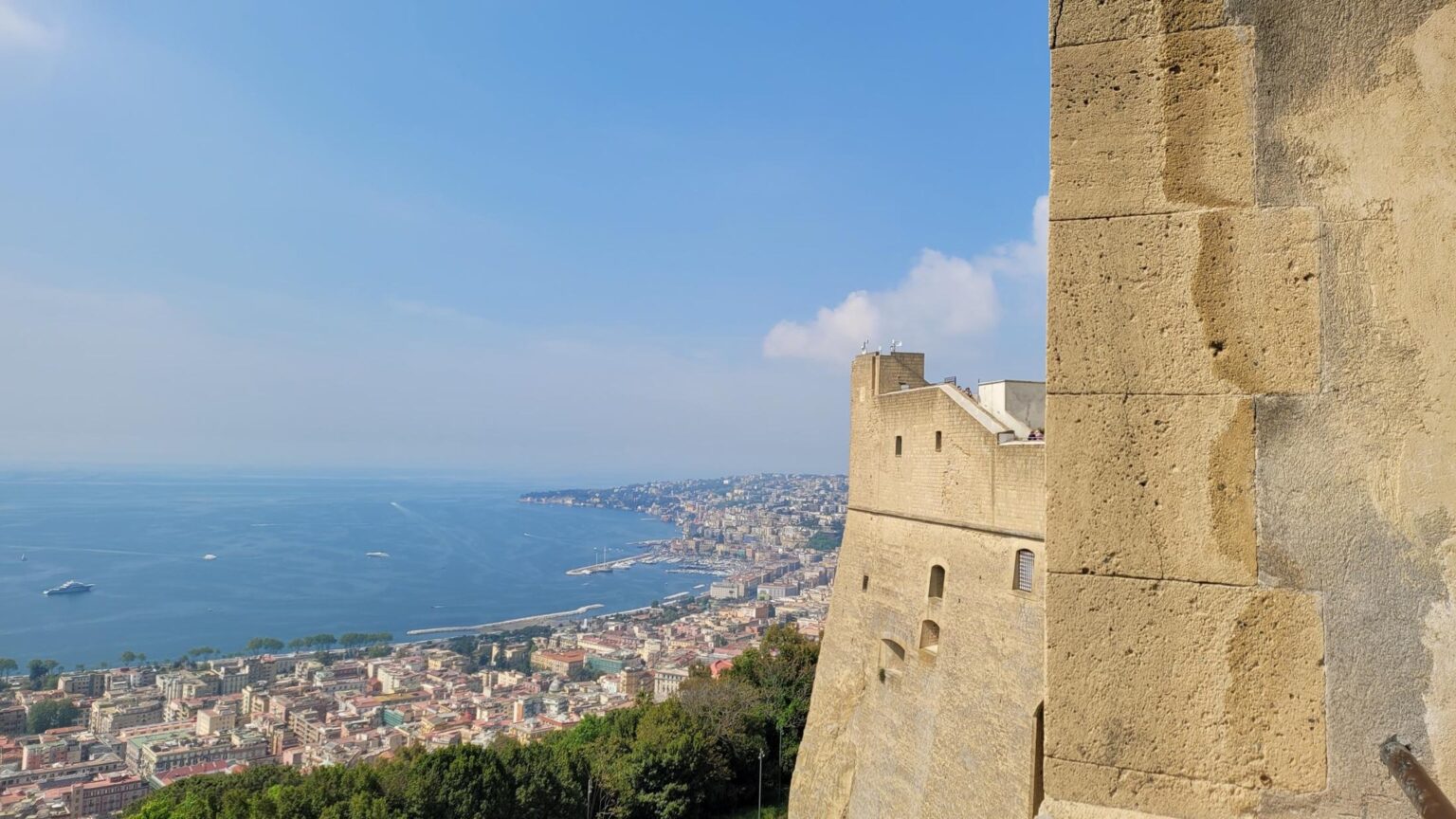
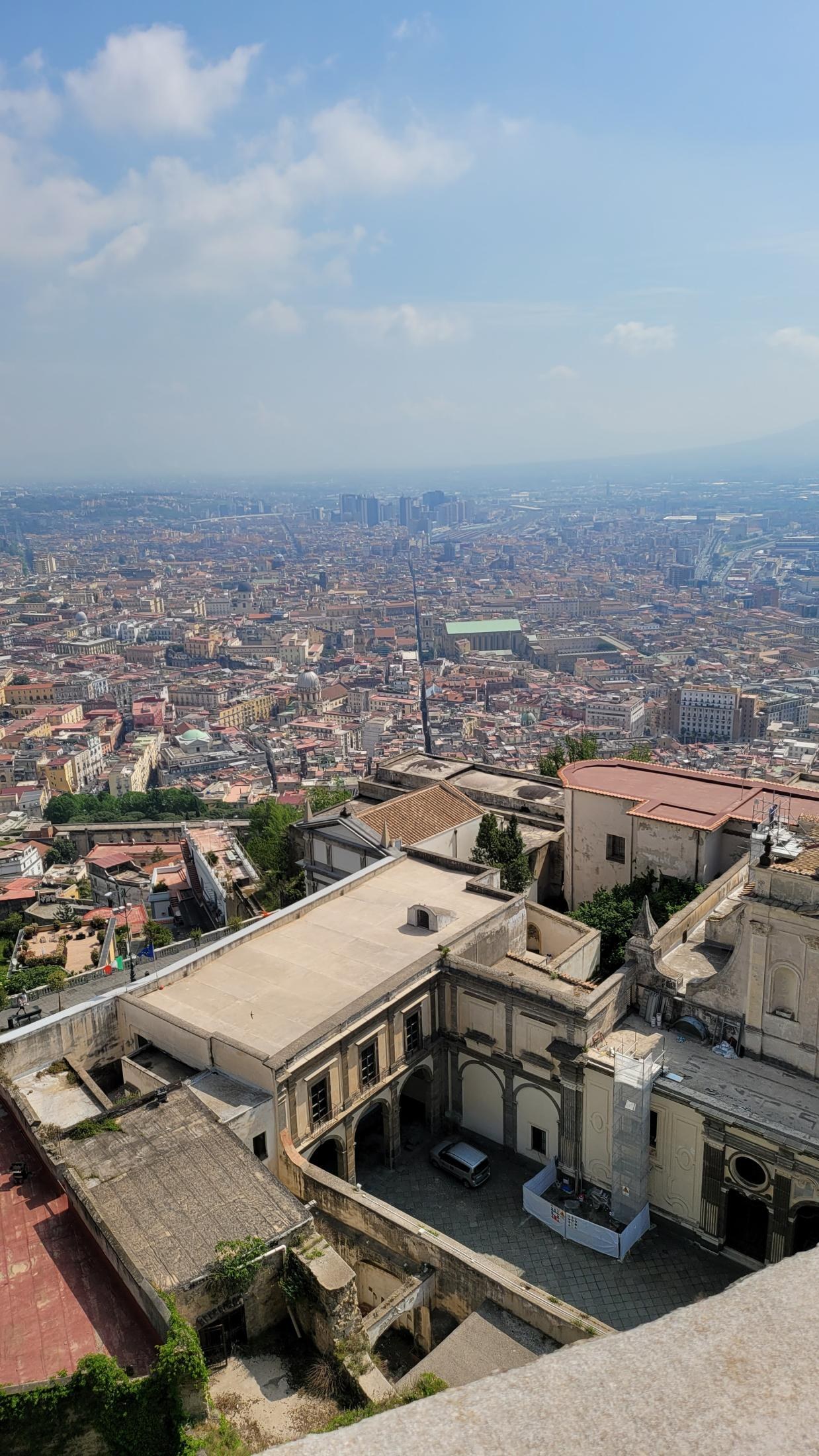
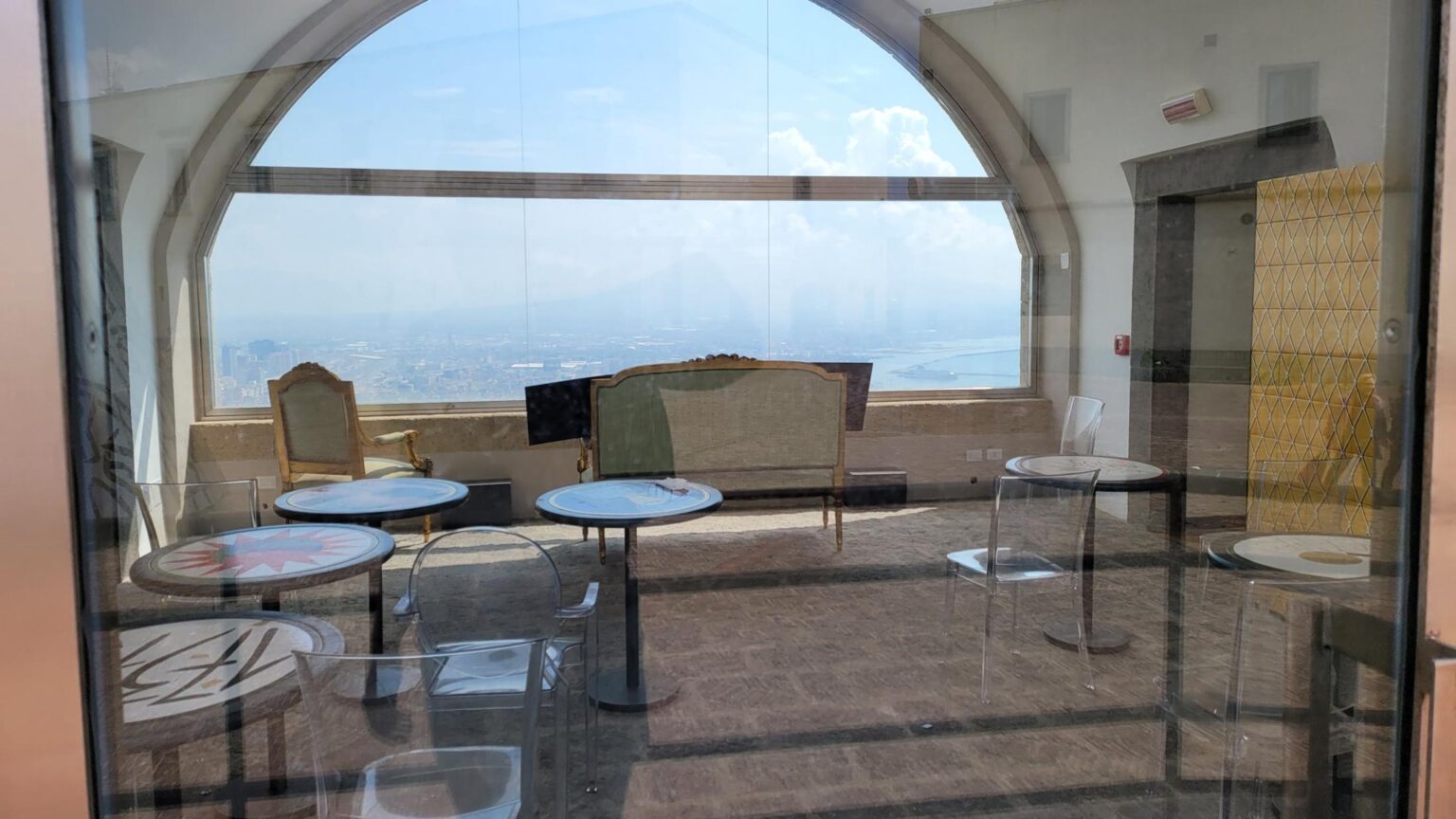
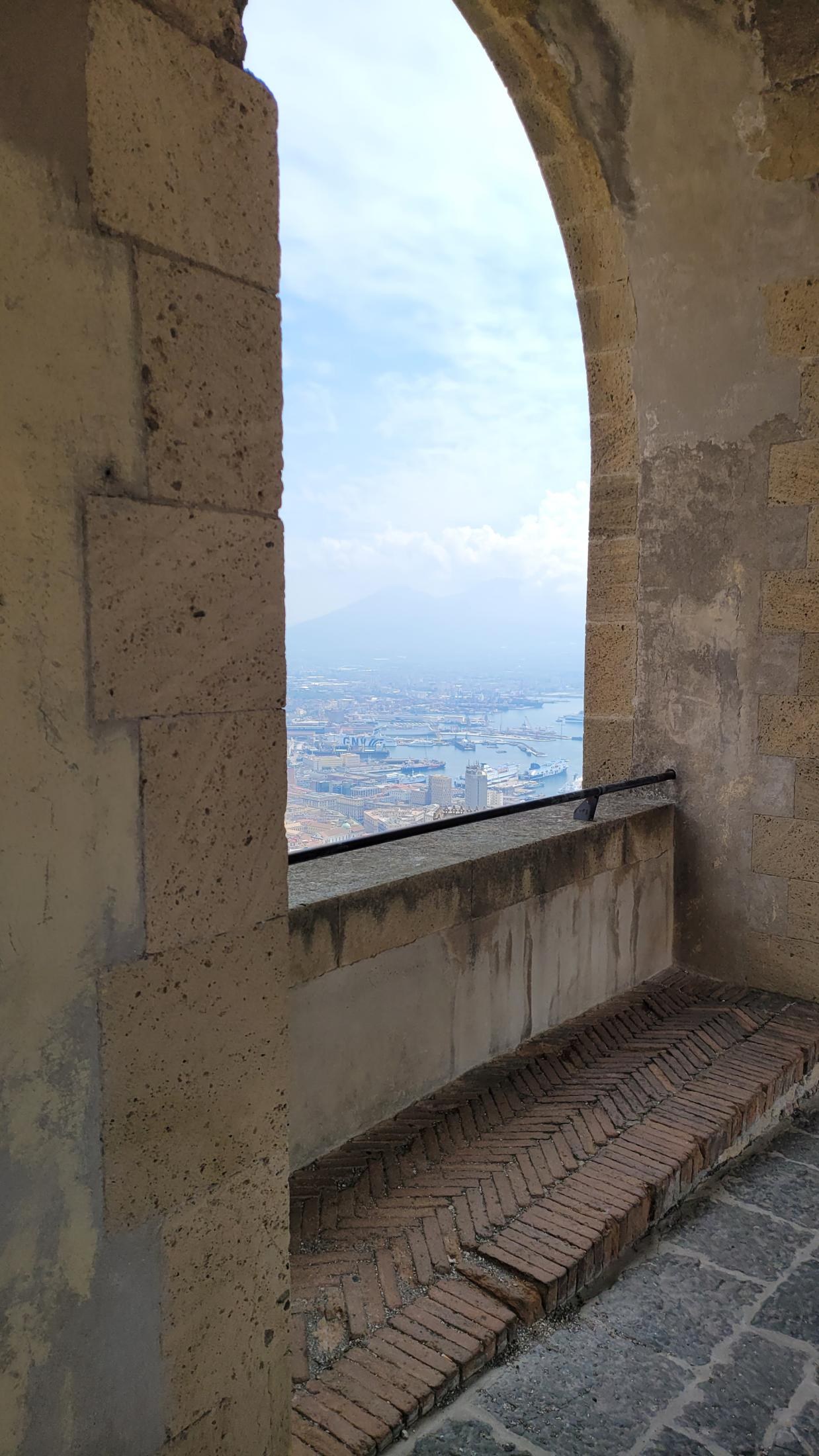
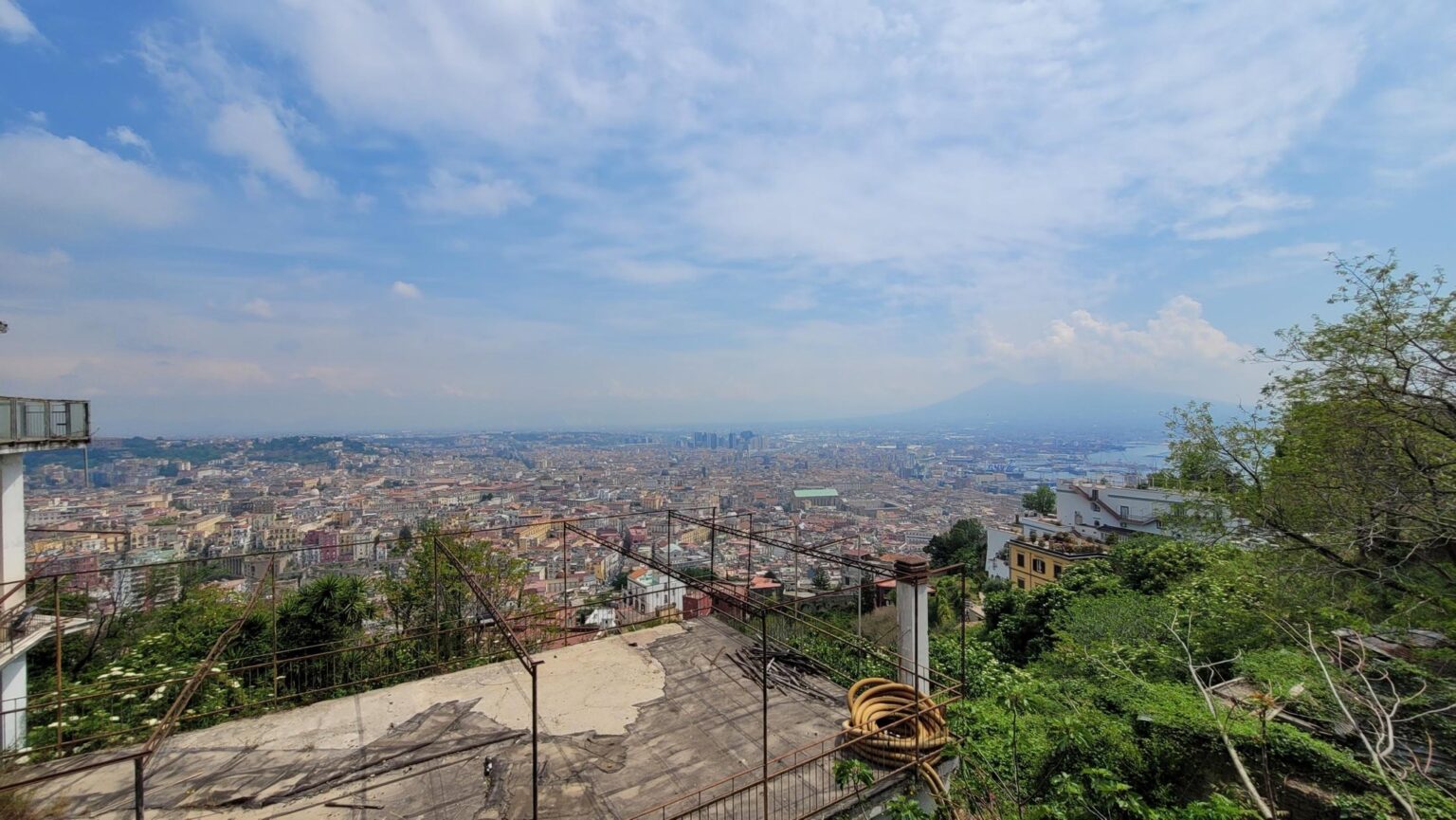
We reach the castle. We pay the entrance, which is €5 a head, and WOW! It is huge, and that is putting it mildly. Huge-huge. Given it was built in the 13th century — how did they build this thing?! Very huge, a lot of history, everywhere. Over the centuries they kept extending it and used it for all sorts of things. Today it is something like a business building with event halls, museums — several — galleries — several — and so on. For us the more interesting part, however, is that it is very high up and opens onto all kinds of views. Those views let you see how genuinely enormous Naples is.
You can also see the village of Mori. And here we come to the well-known line, “See Naples and die” (there it is! we mentioned the name of the article inside the article, about time!). We read on. Ha! “See Naples and die” is in fact a poet’s account, and in a correct translation it goes closer to: “I saw Naples and Mori” — the little village. WELL THEN!! I had just about seen Naples and got myself mentally prepared and… 🙁 😀 😀 Shame, next time I will do better. As long as there is health, life goes on.
Since we are here anyway, close to 2 hours will be spent looking around the castle. Shame or no shame — Sant’Elmo sounds to me like Saint Elmo. I could not find confirmation anywhere that this is so, which is why we continue to call it Sant’Elmo throughout.
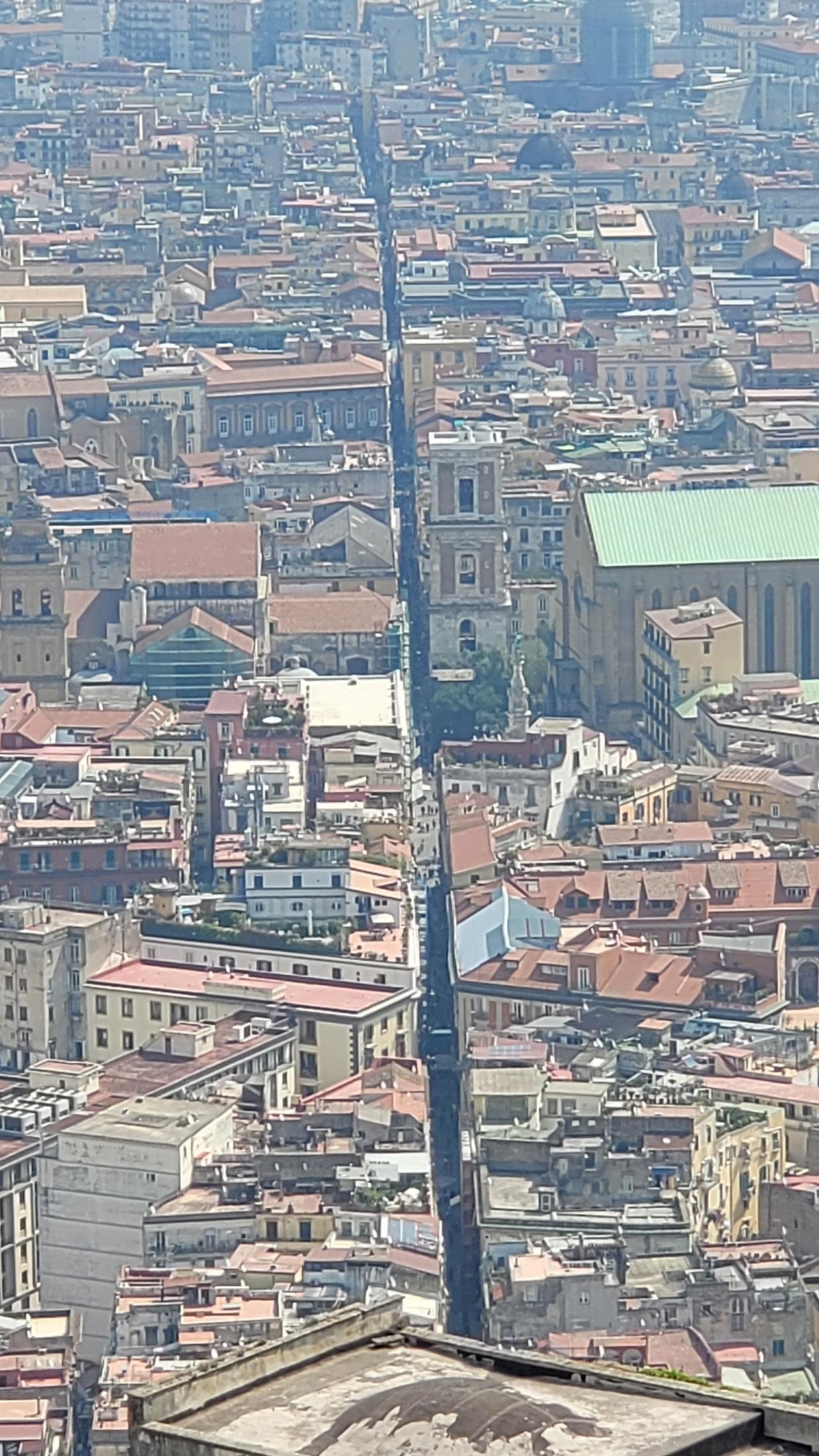
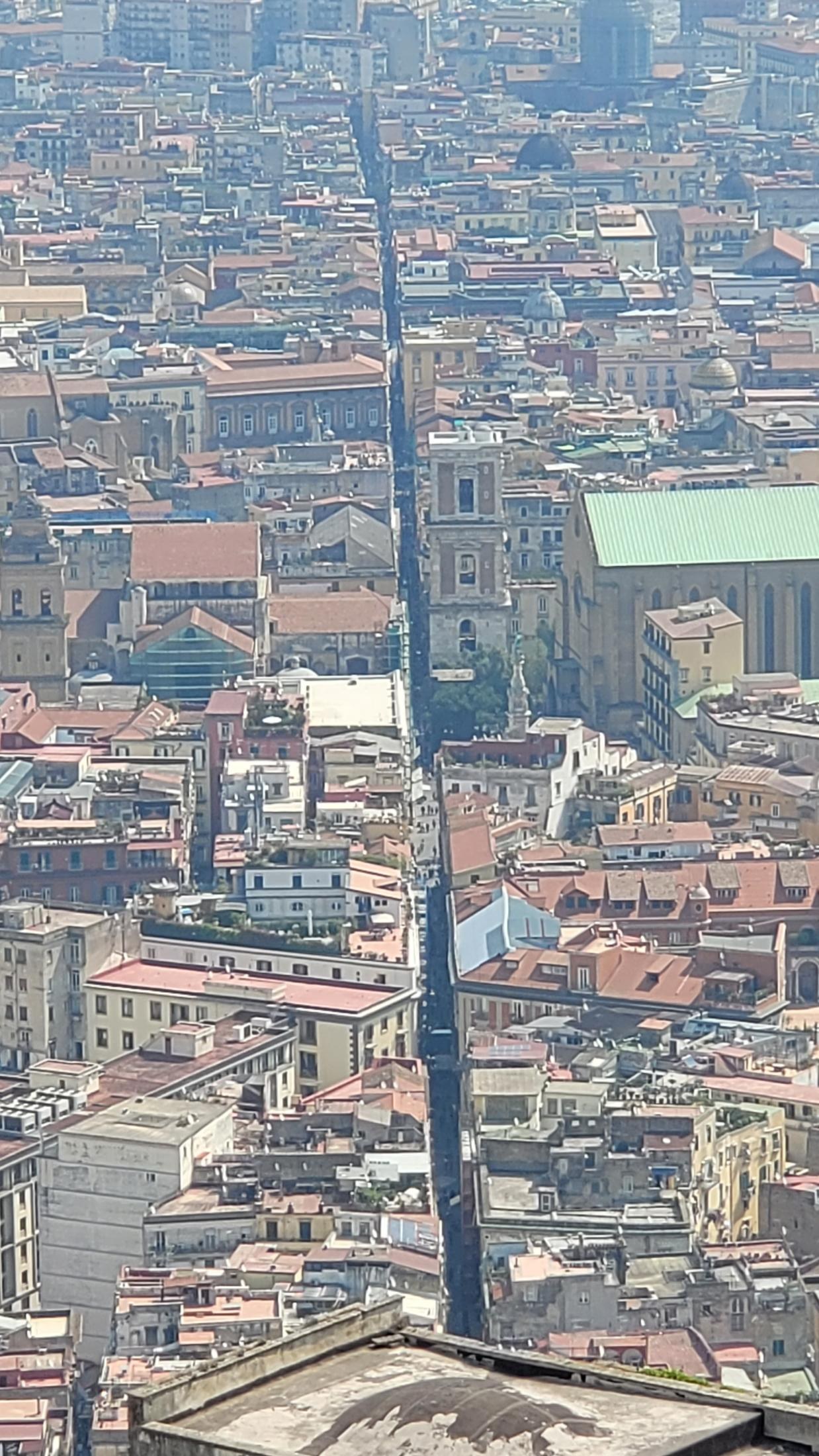
Somewhere far above I mentioned that we would bring Via dei Tribunali back into the picture. That long-awaited moment has arrived (everything interesting happened on day seven 😀). There are those little coin binoculars where you put in €1 to look for 2 minutes plus explanations — and in all that architectural and general chaos, the main street of the historic centre is absolutely straight, and it really does leap out at you. All of this is Tribunali plus its continuation. Interesting — some sort of glitch in the system.
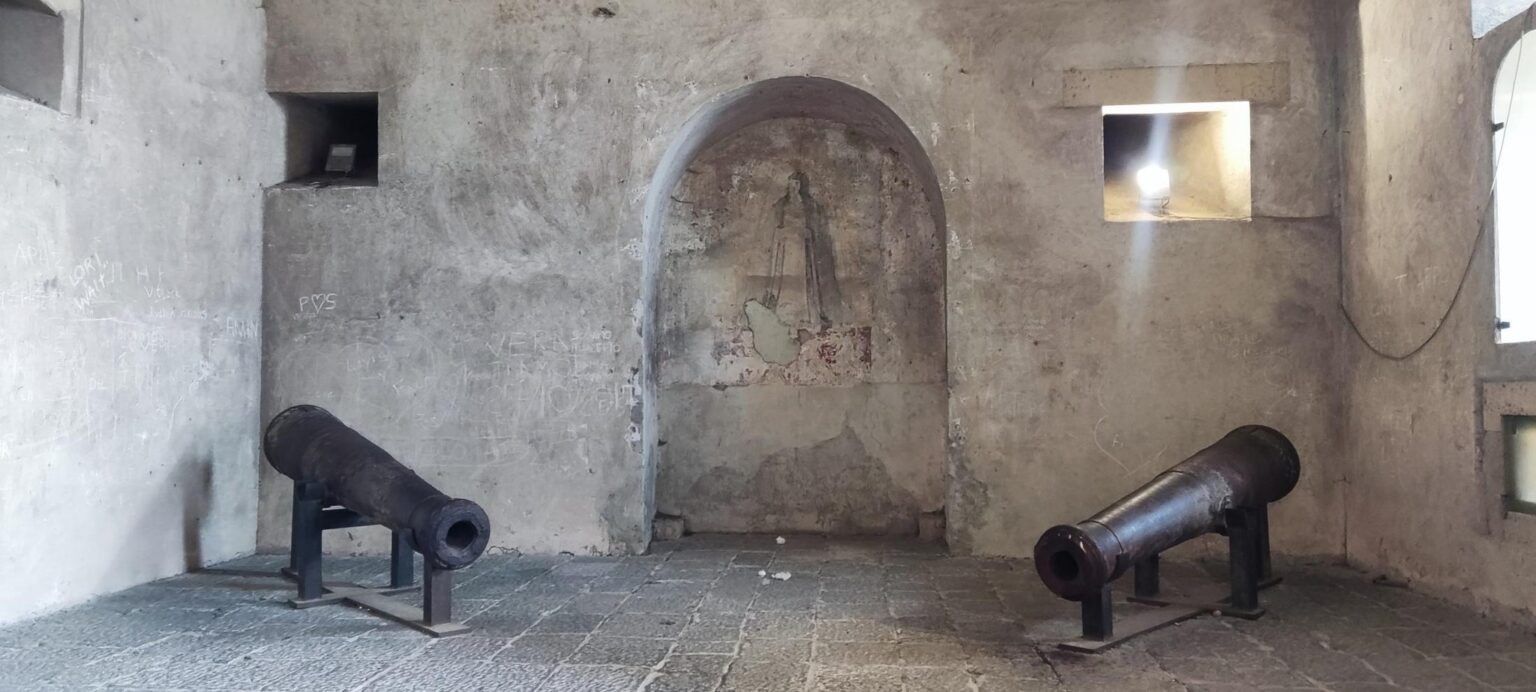
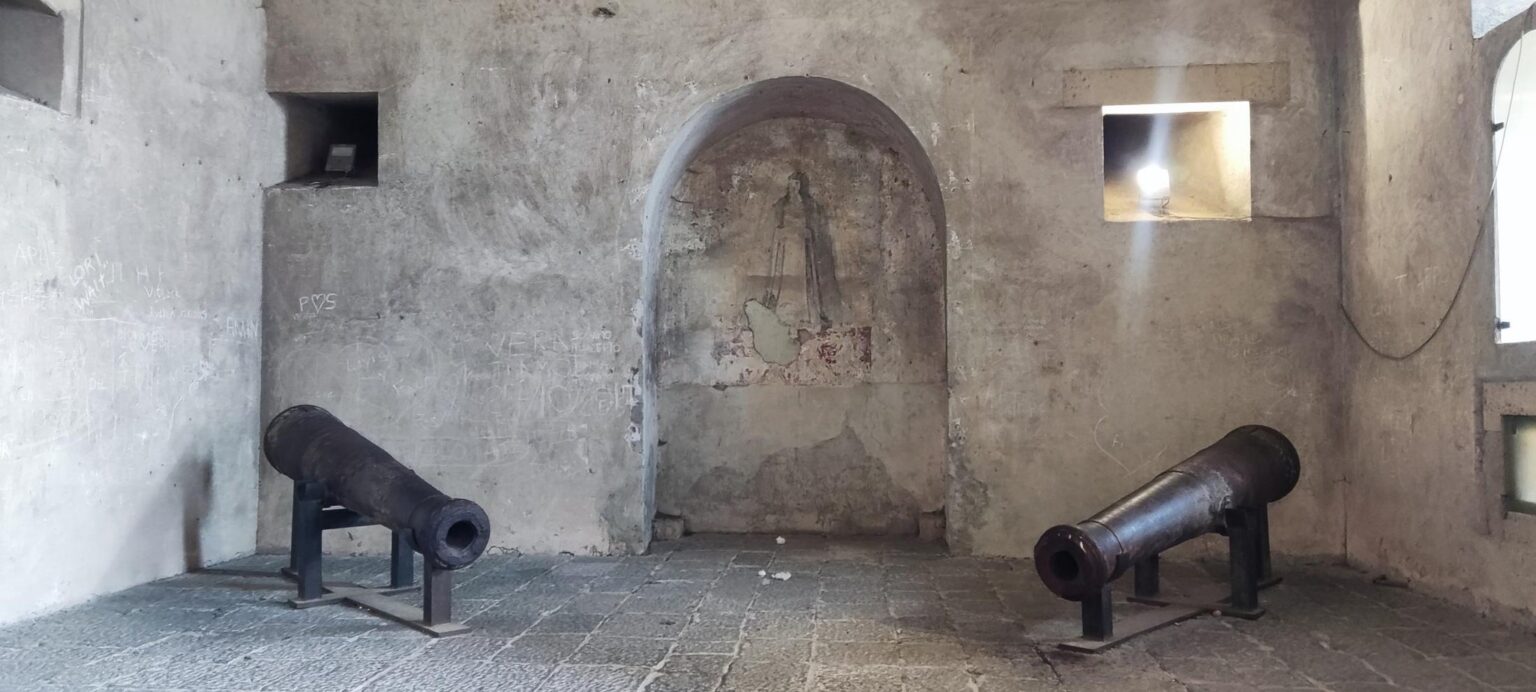
The castle itself has big climbs. Of course, through an absolutely narrow tunnel inside the castle, where people can barely squeeze past each other, a courier car drives through, why not. Seventh day in southern Italy, I do not even pay attention to it any more. Nothing can dent the mood. We walk the galleries and museums. History, history, history. Who took the castle and when, what they added, demolished or extended. When and what happened. Sant’Elmo sits in the Vomero district, which is one of the wealthier ones and stands high up. We illustrate the walk with forty or fifty photos.
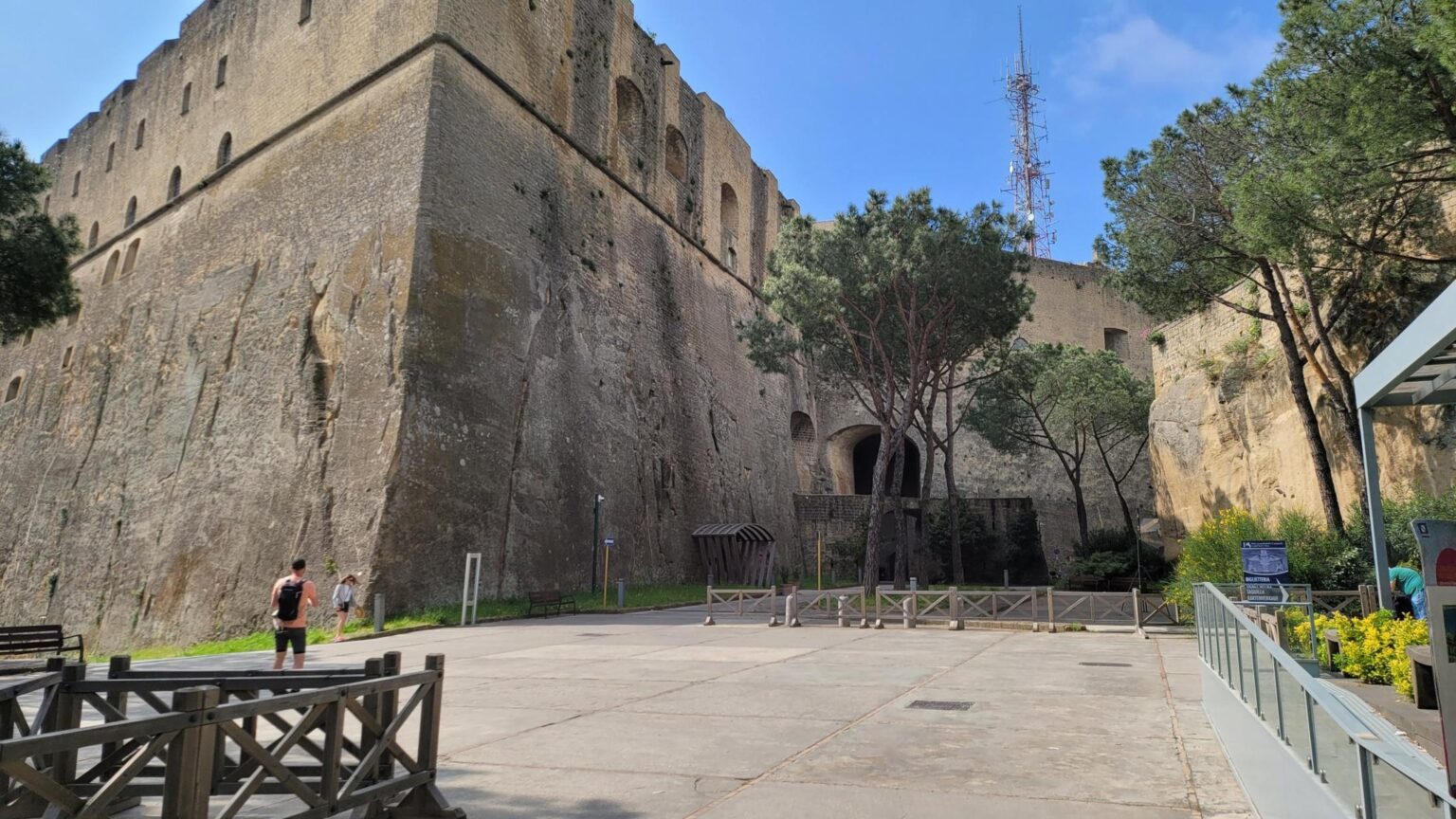
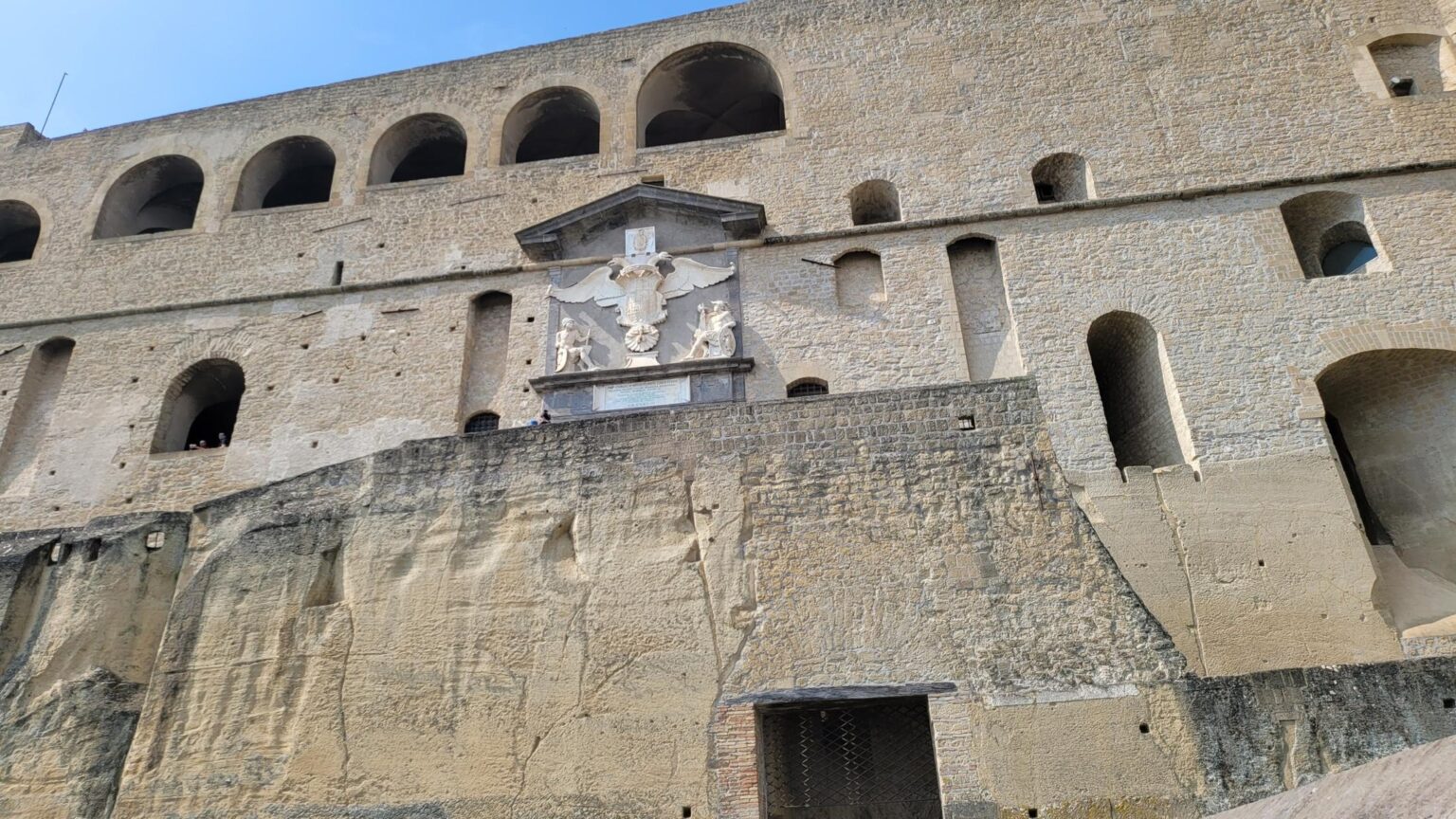
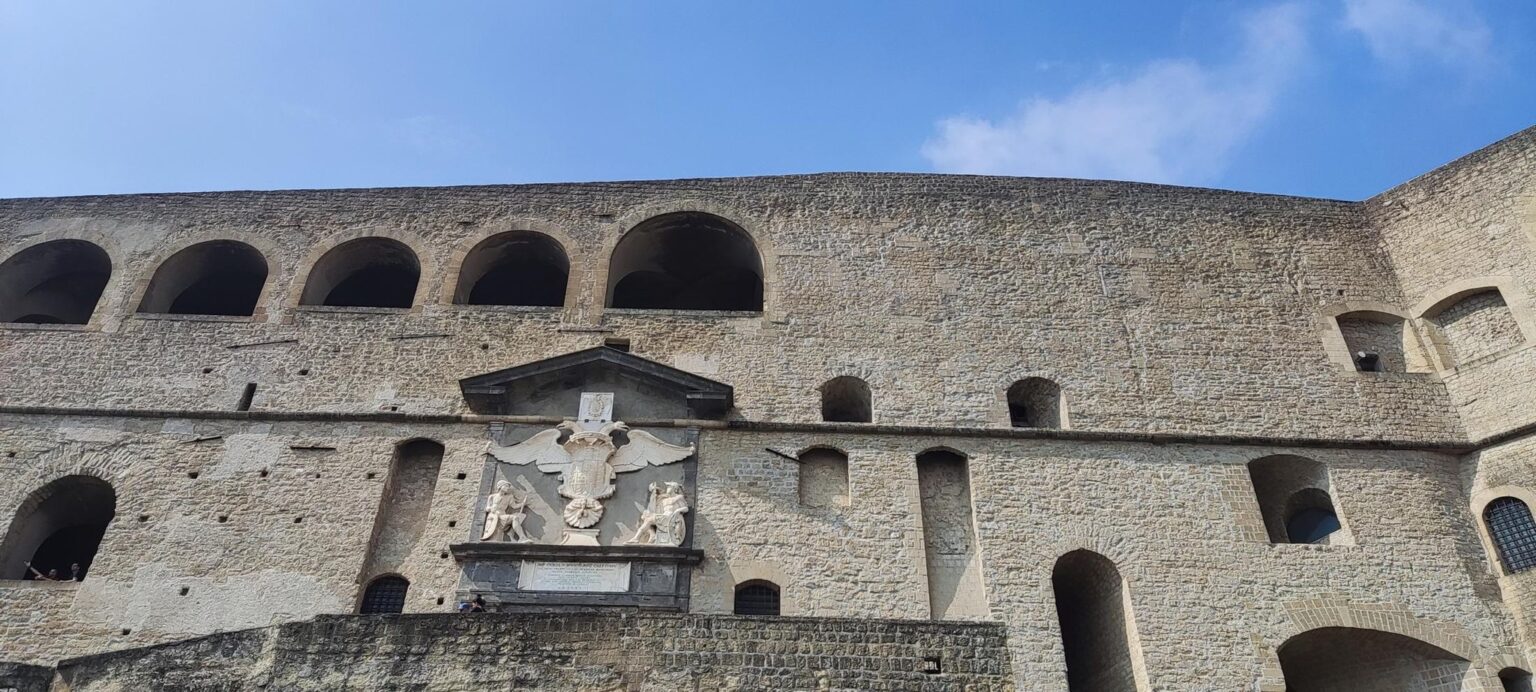
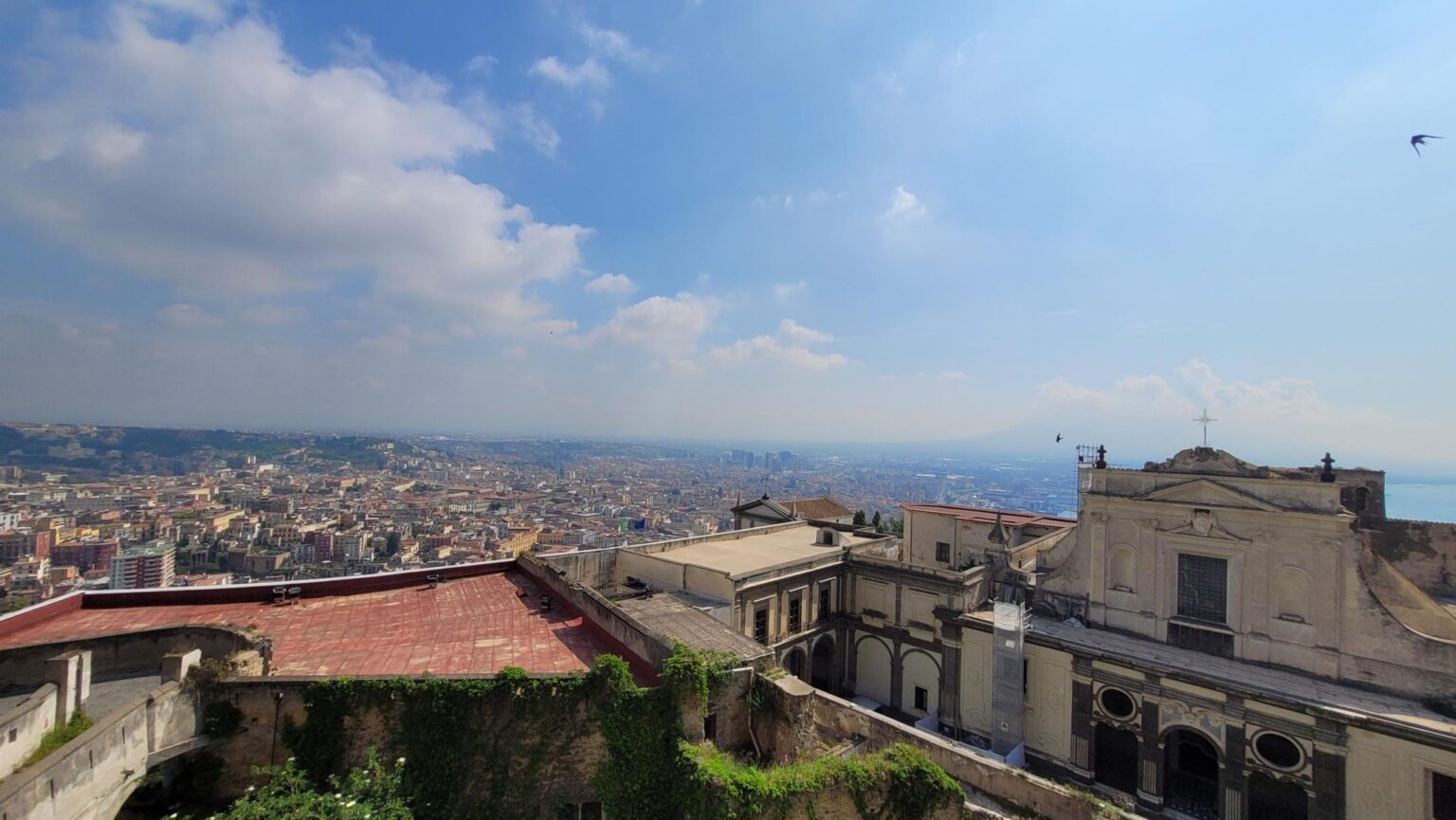
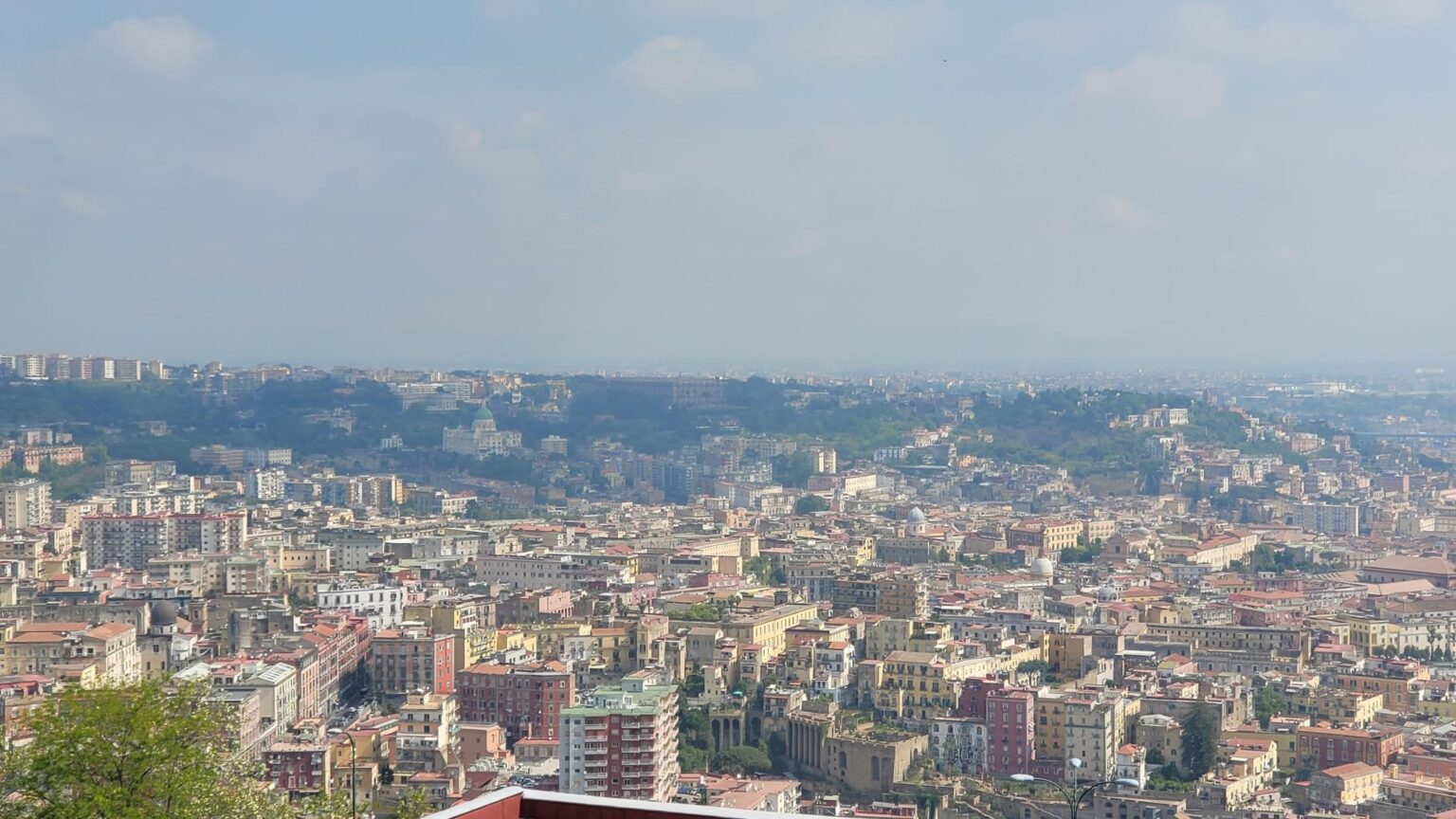
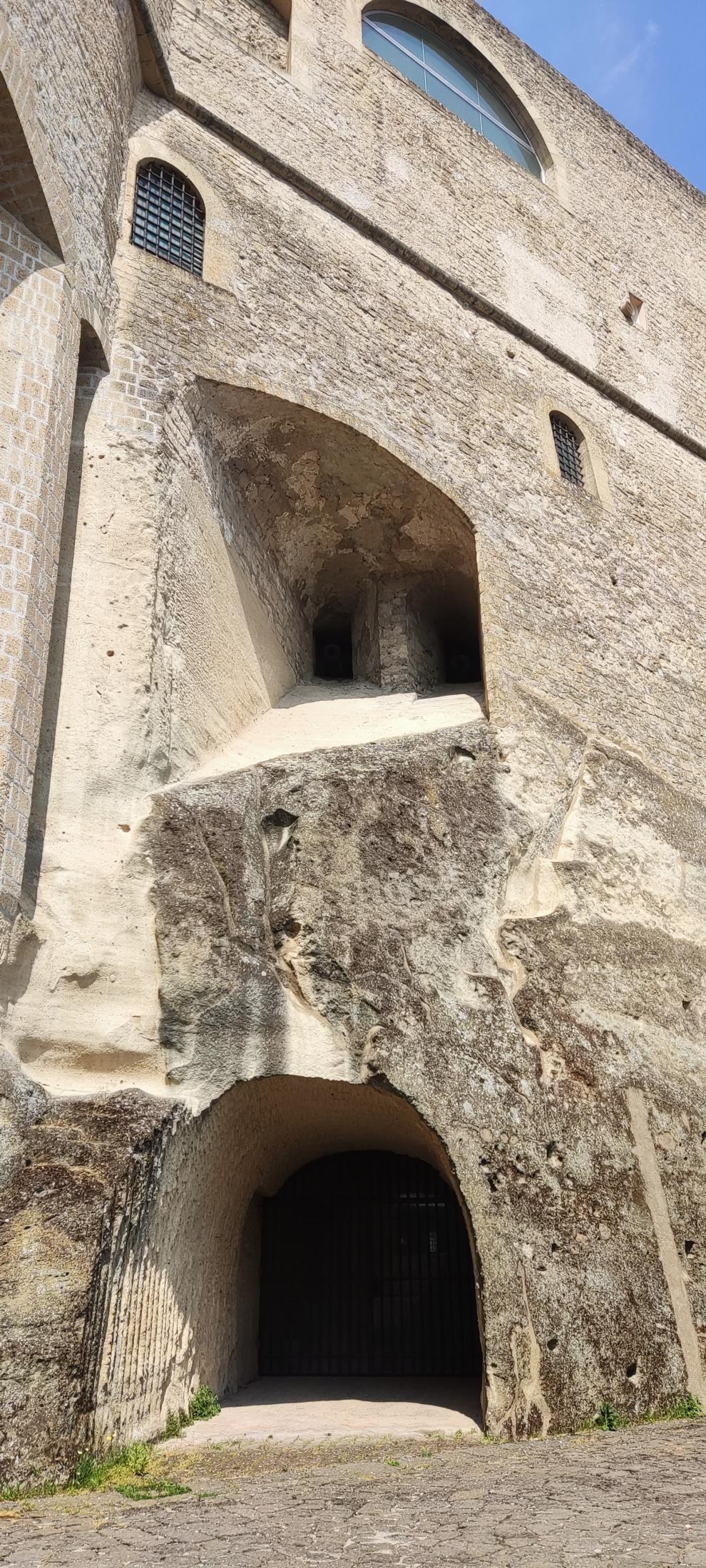
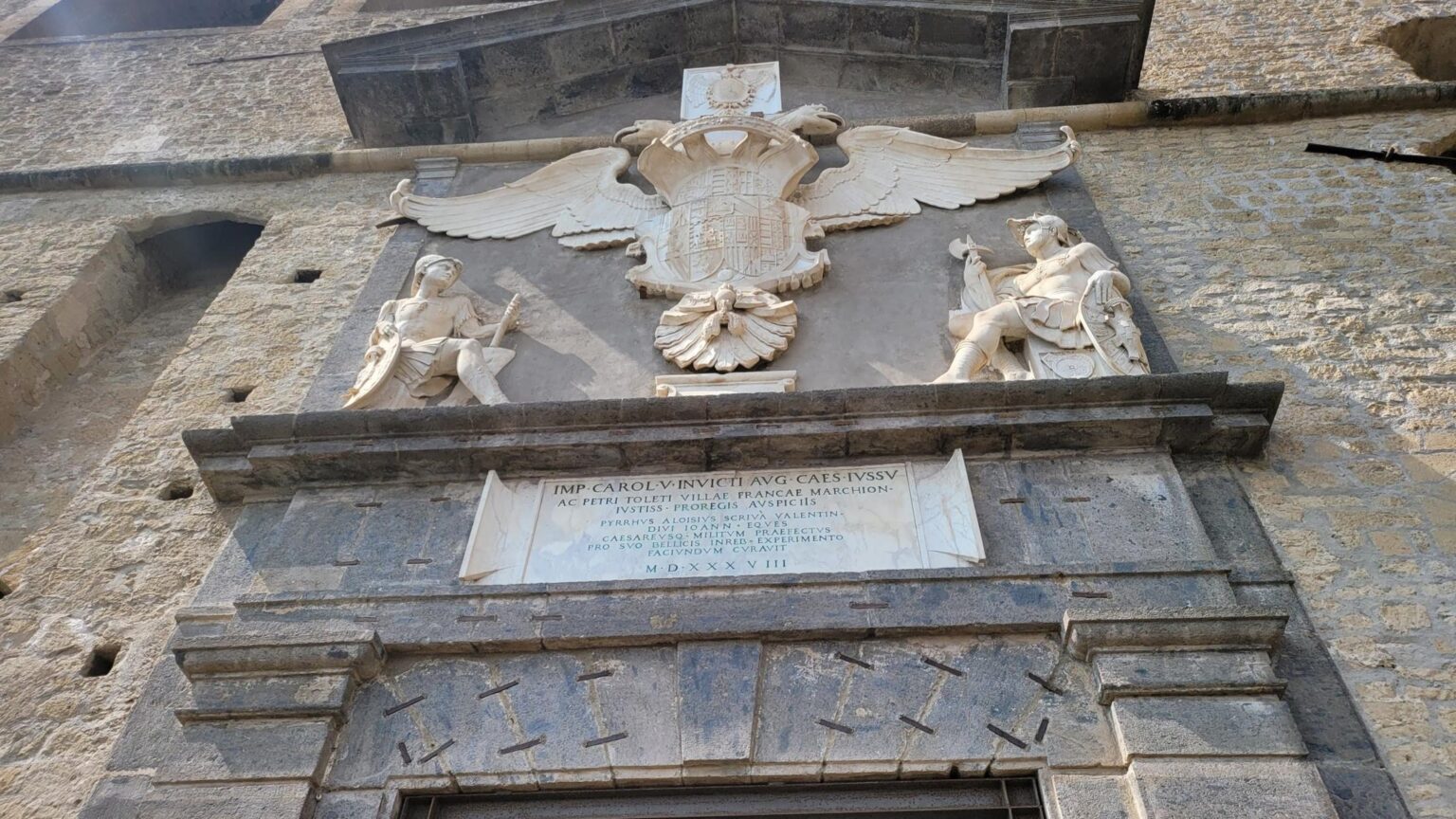
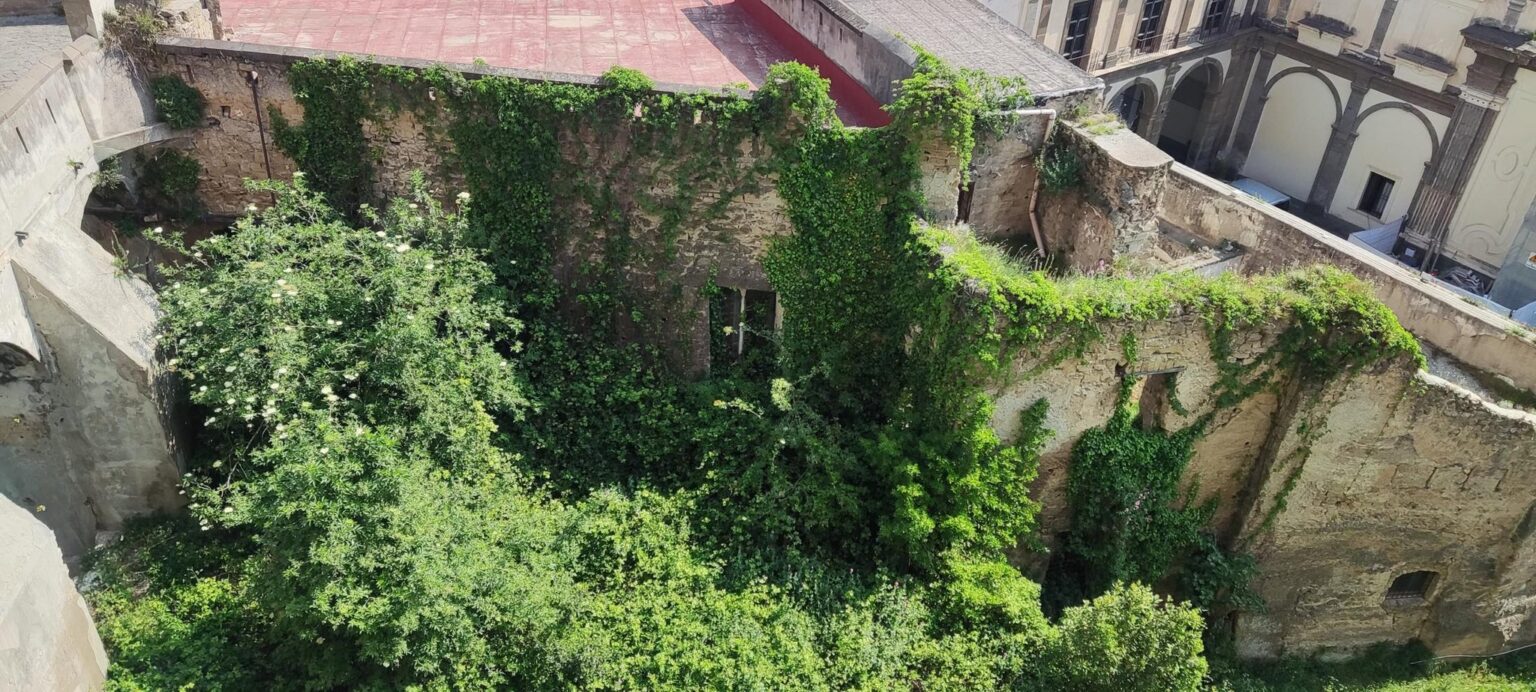
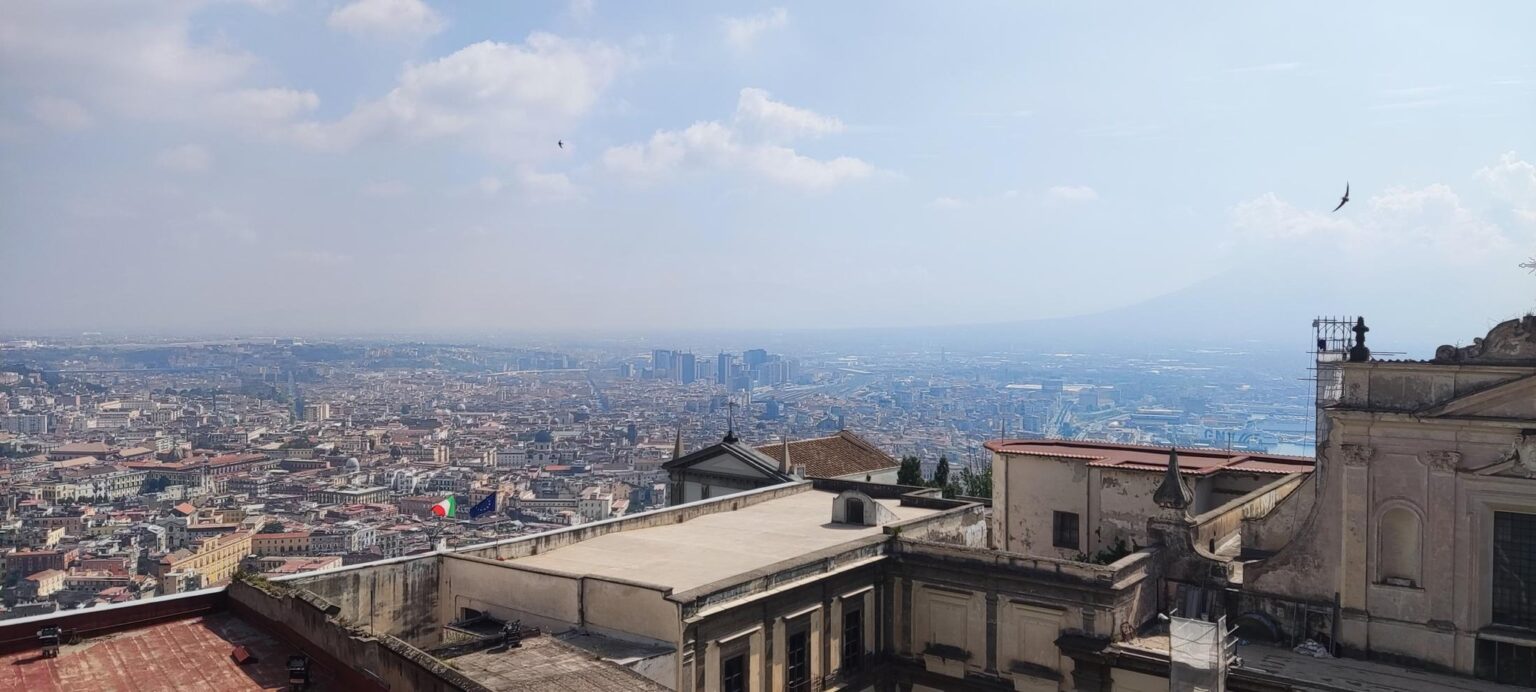
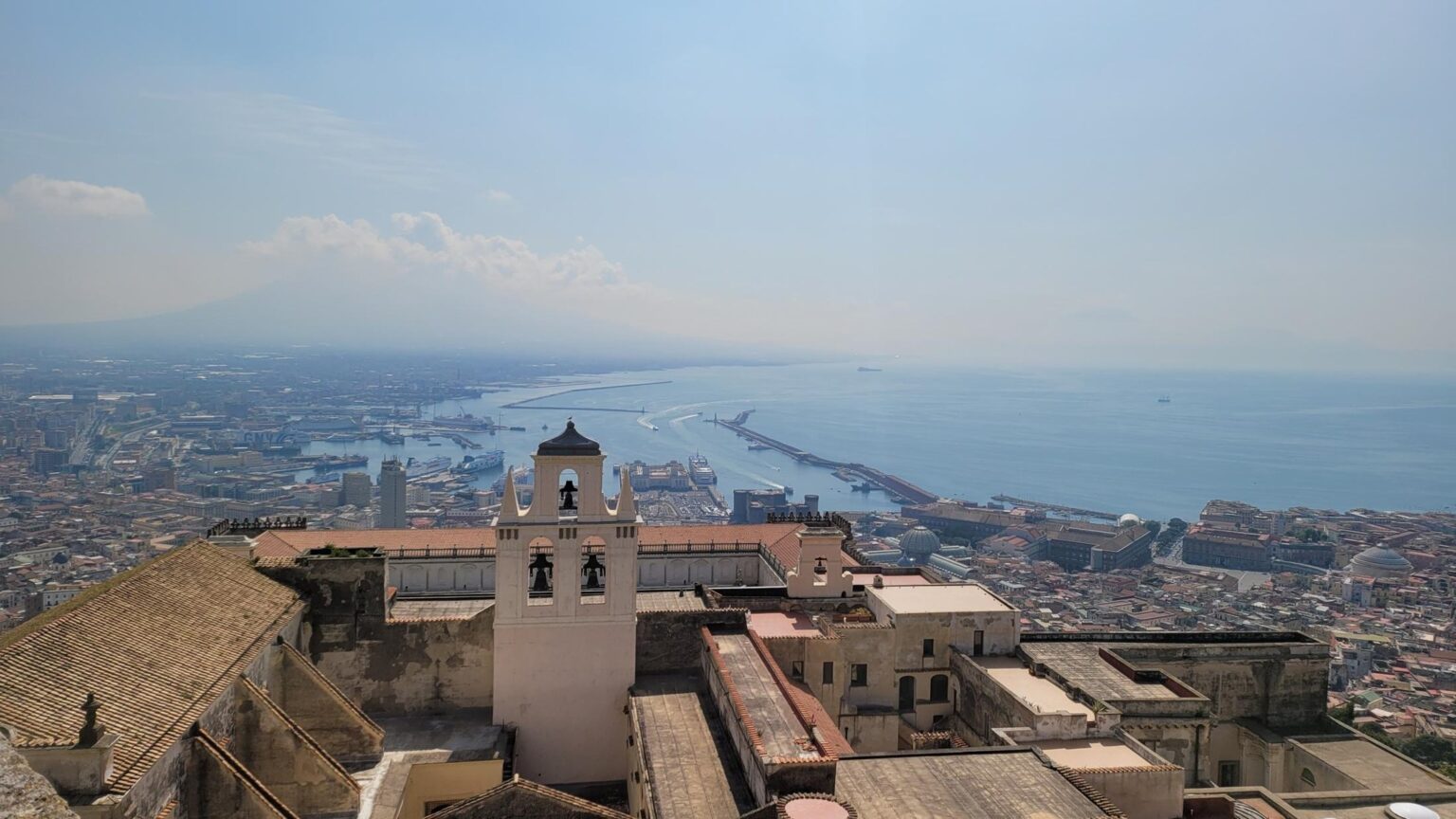
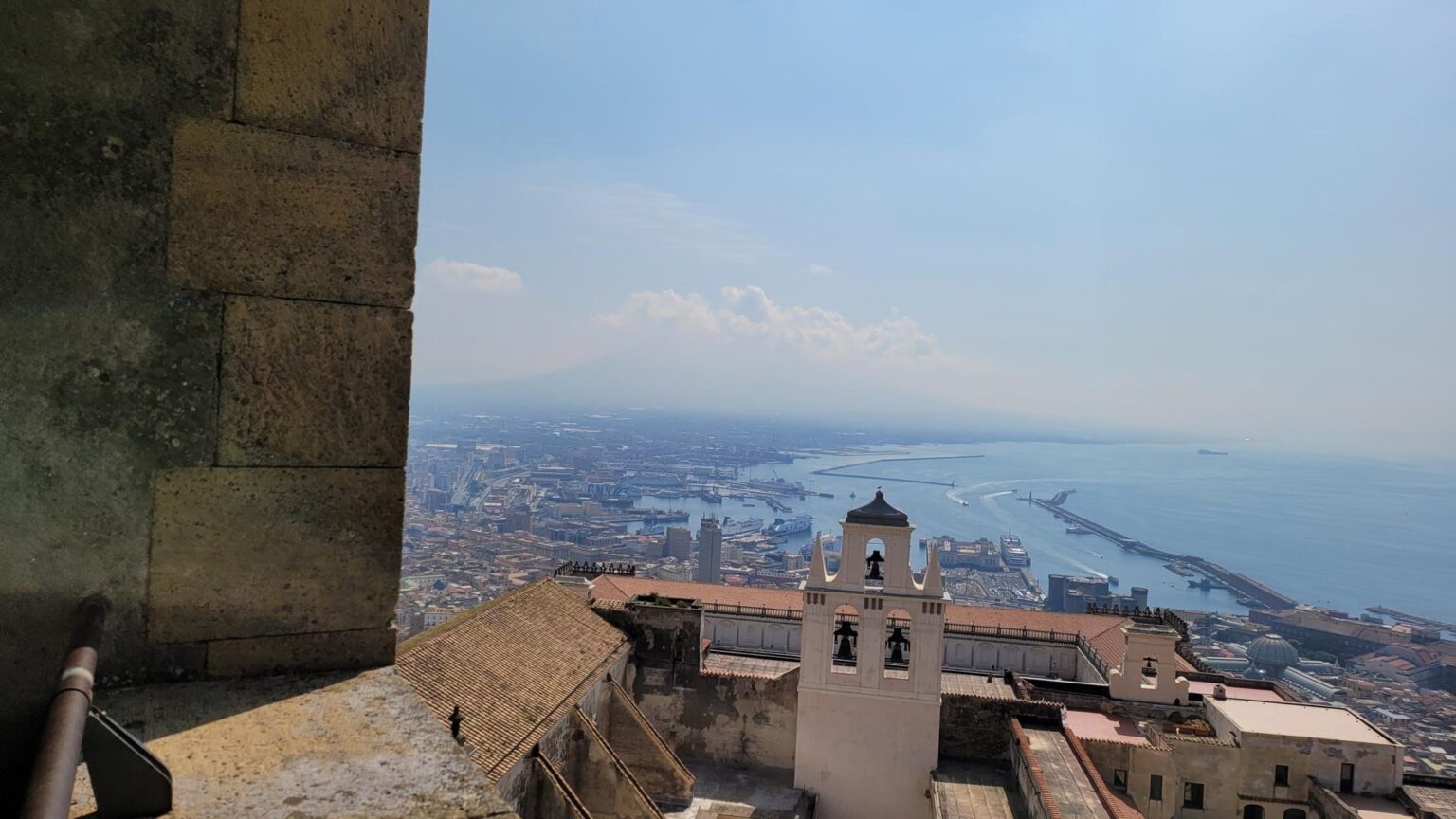
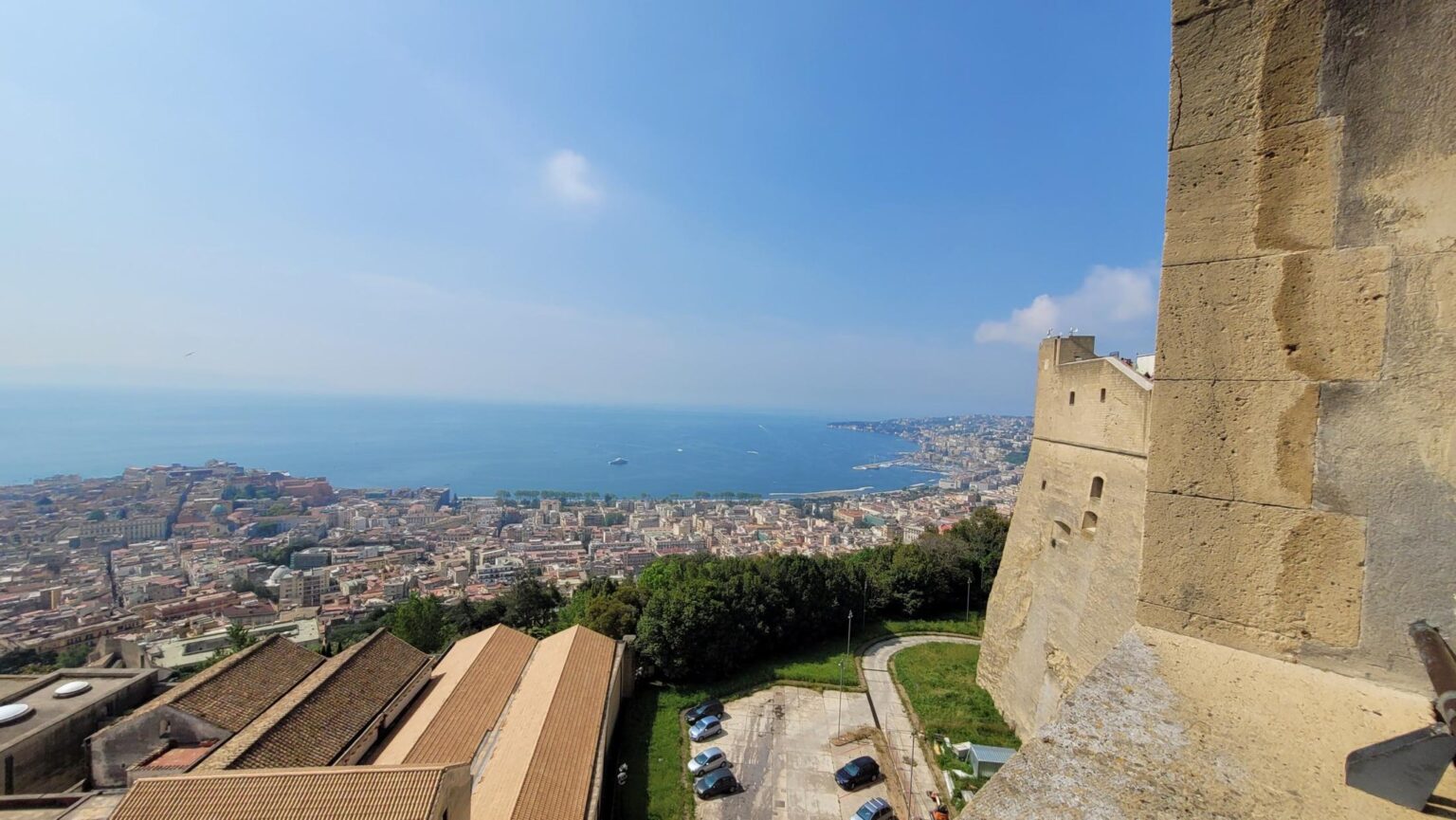
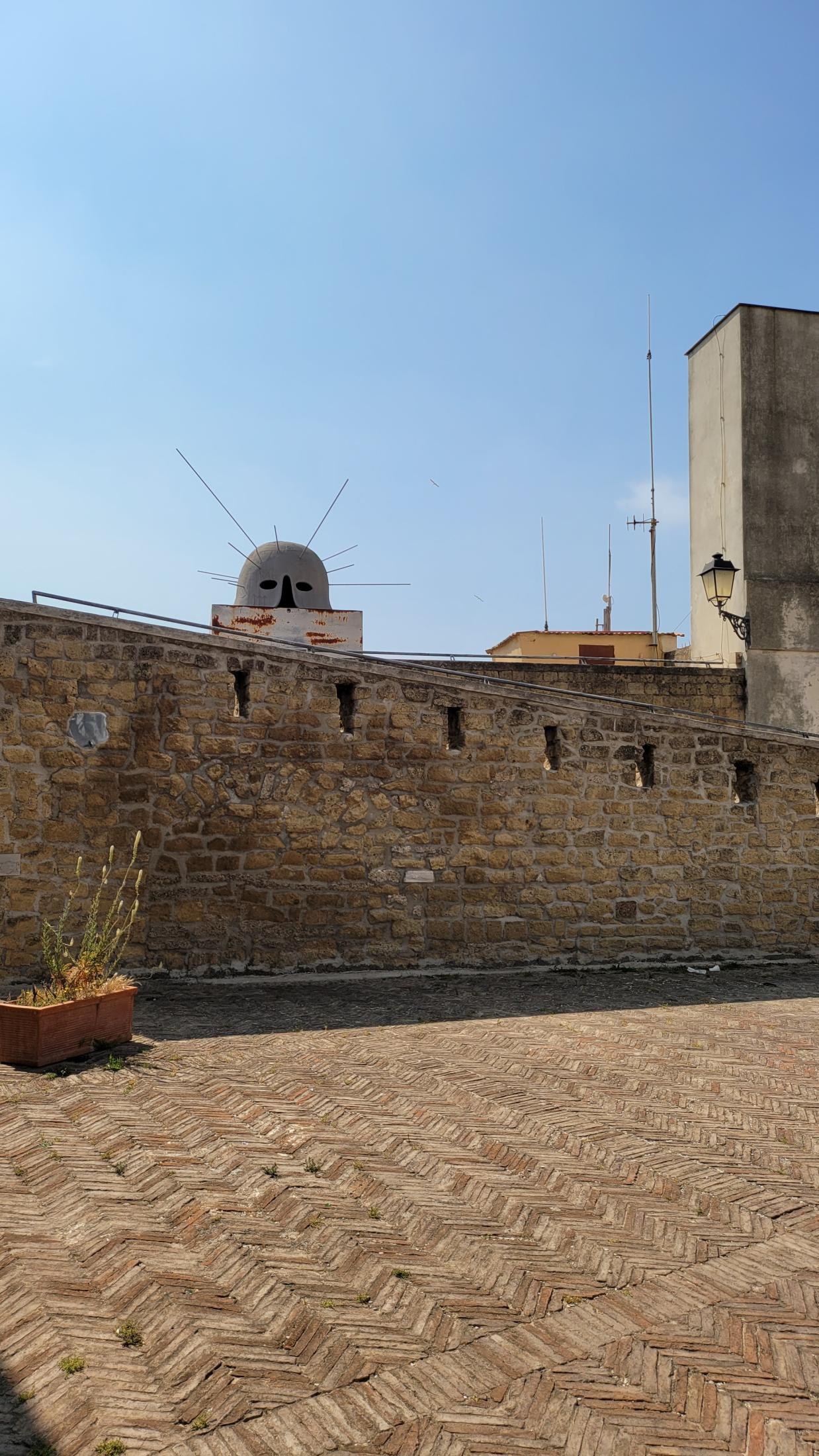
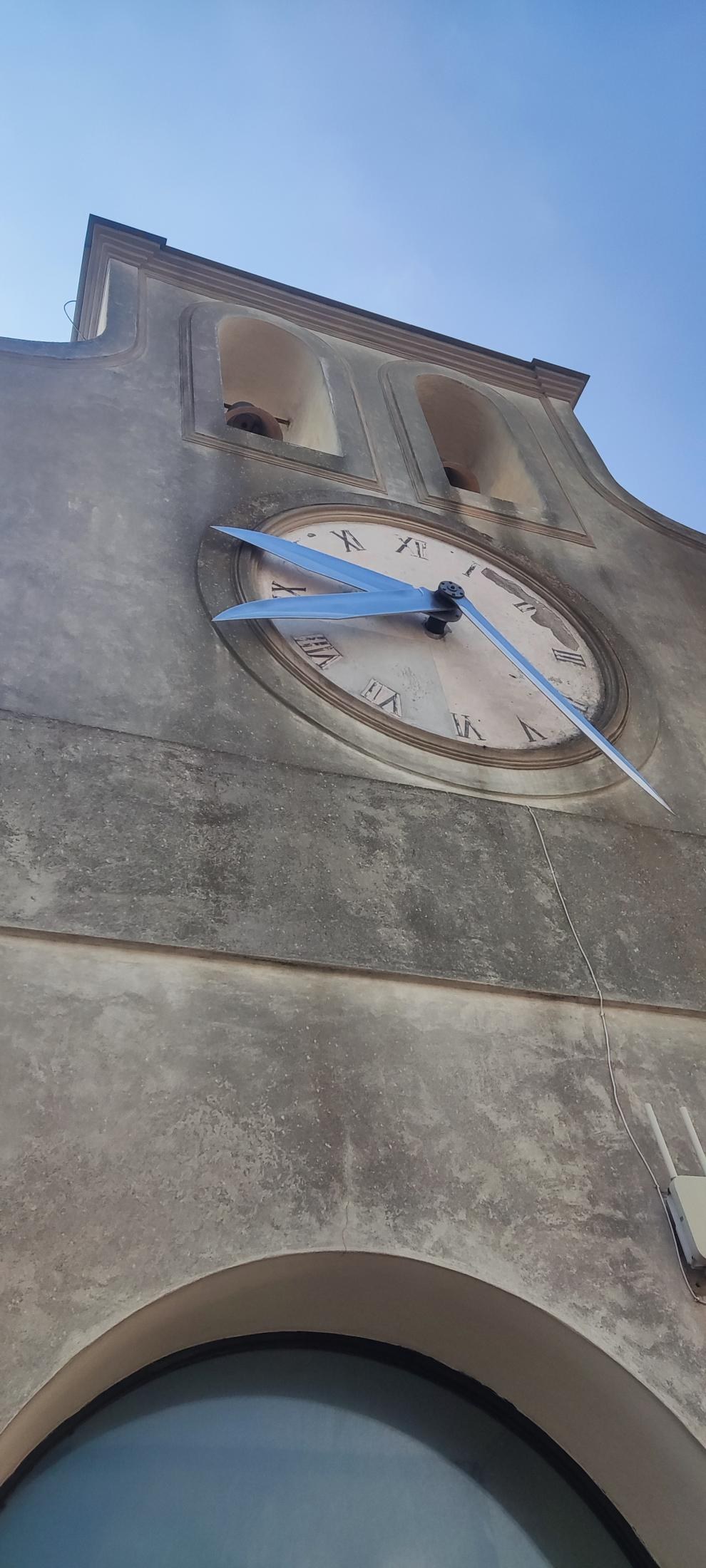
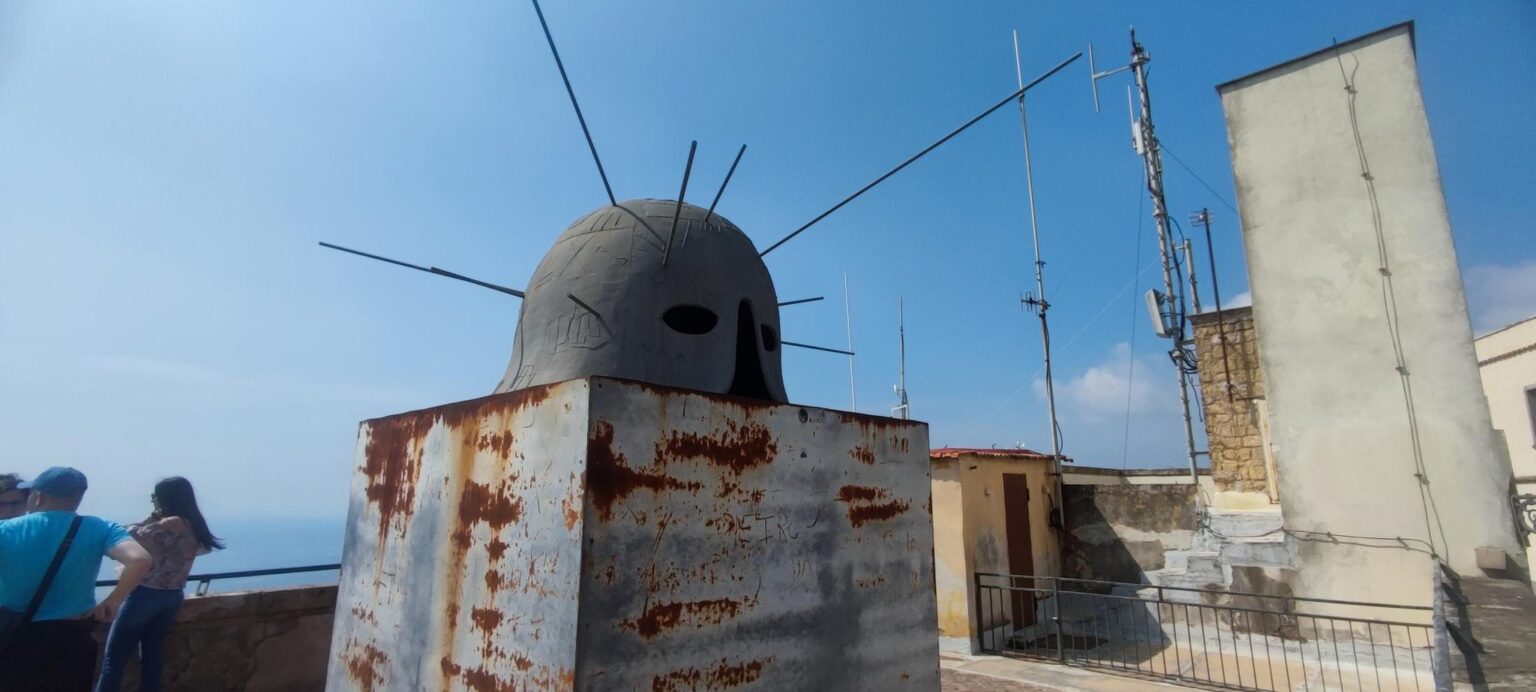
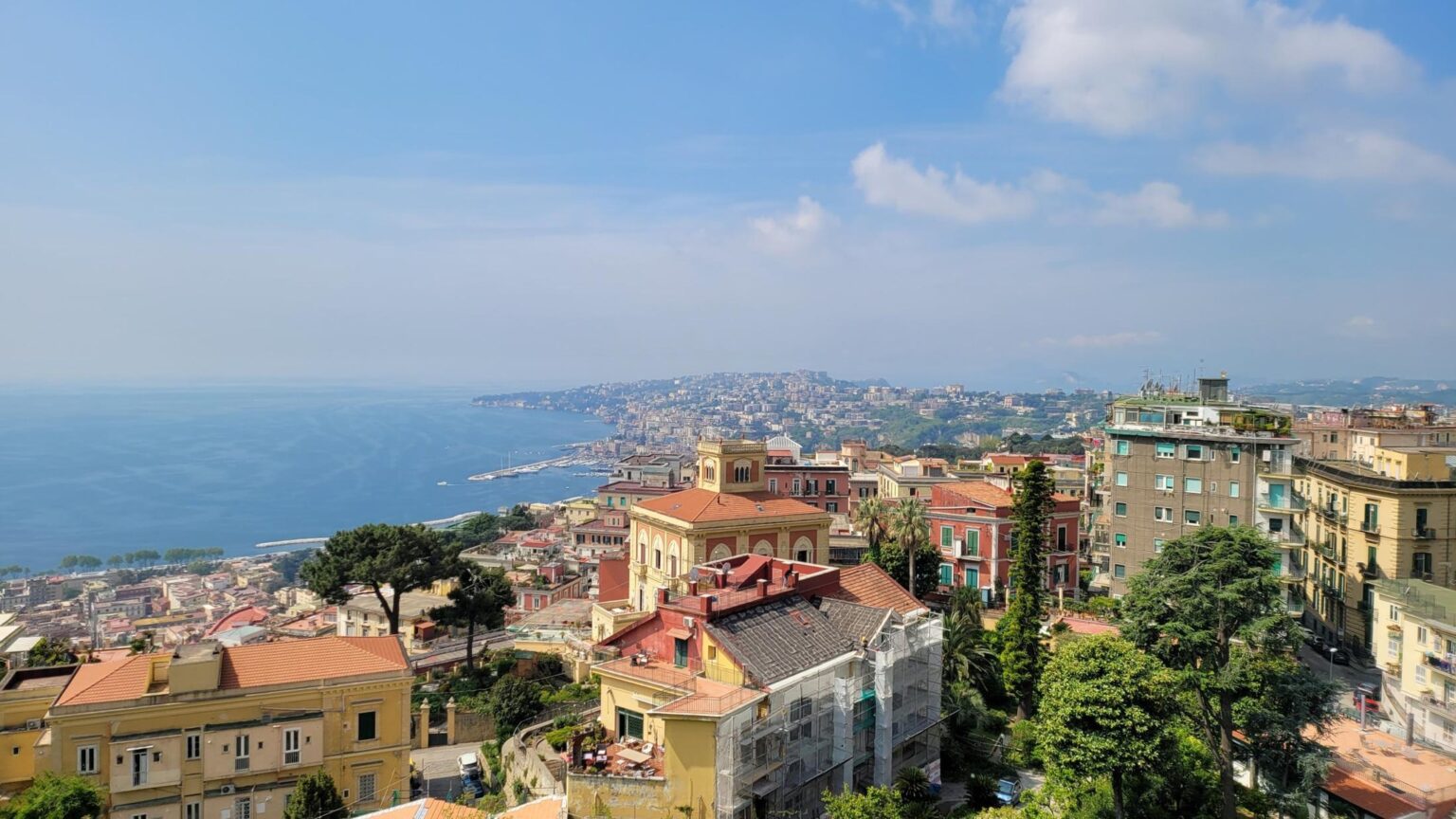
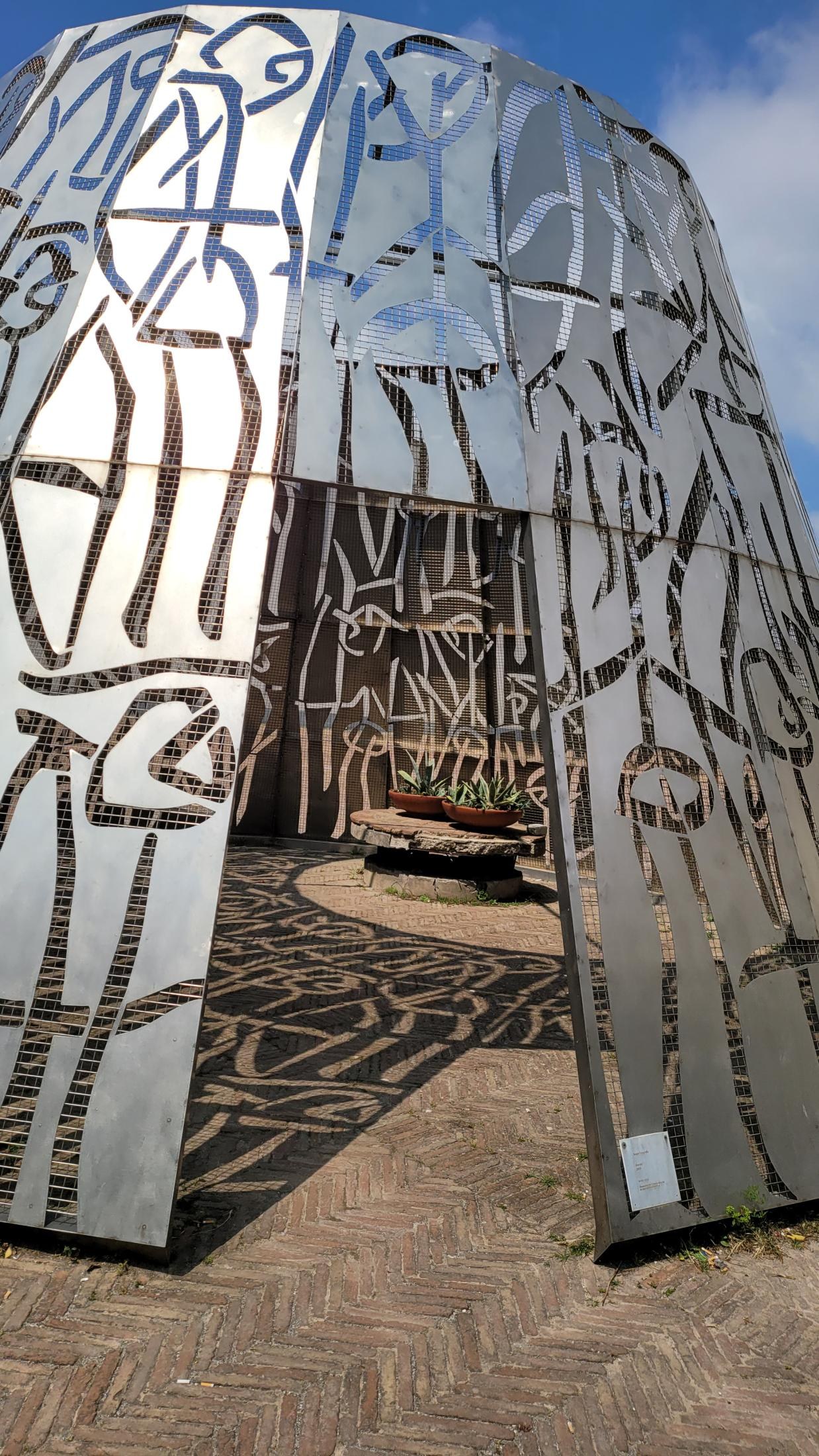
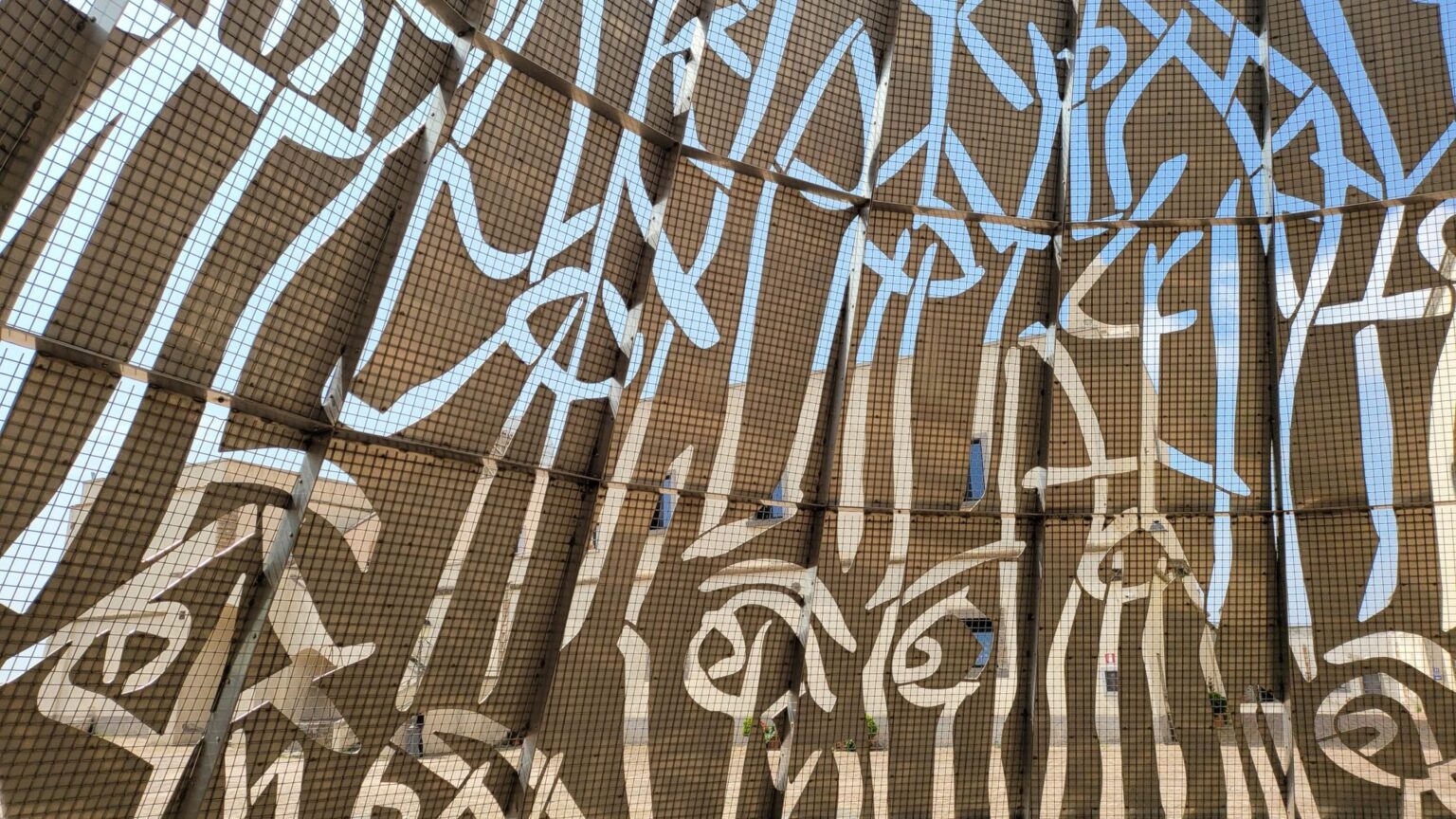
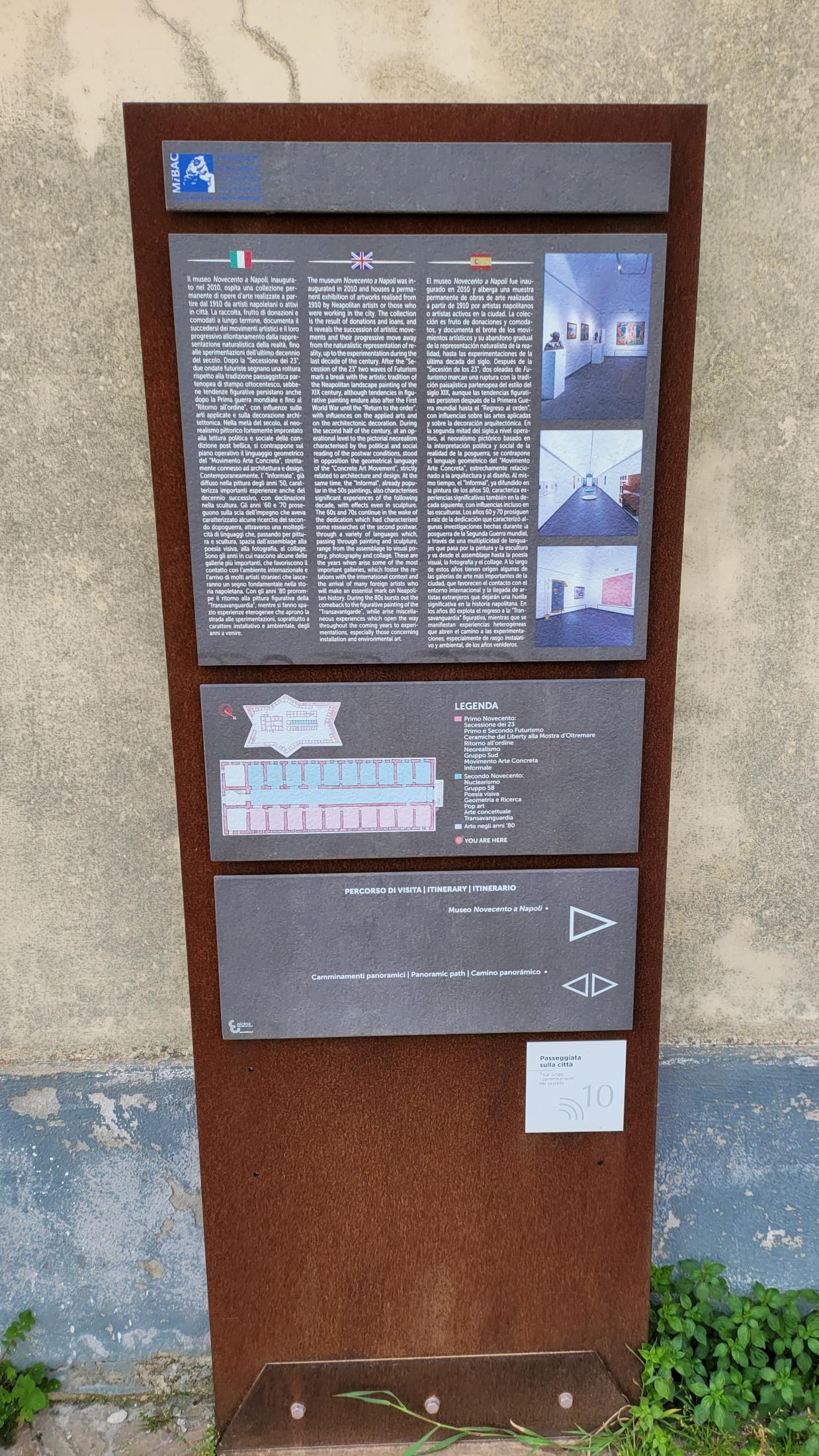
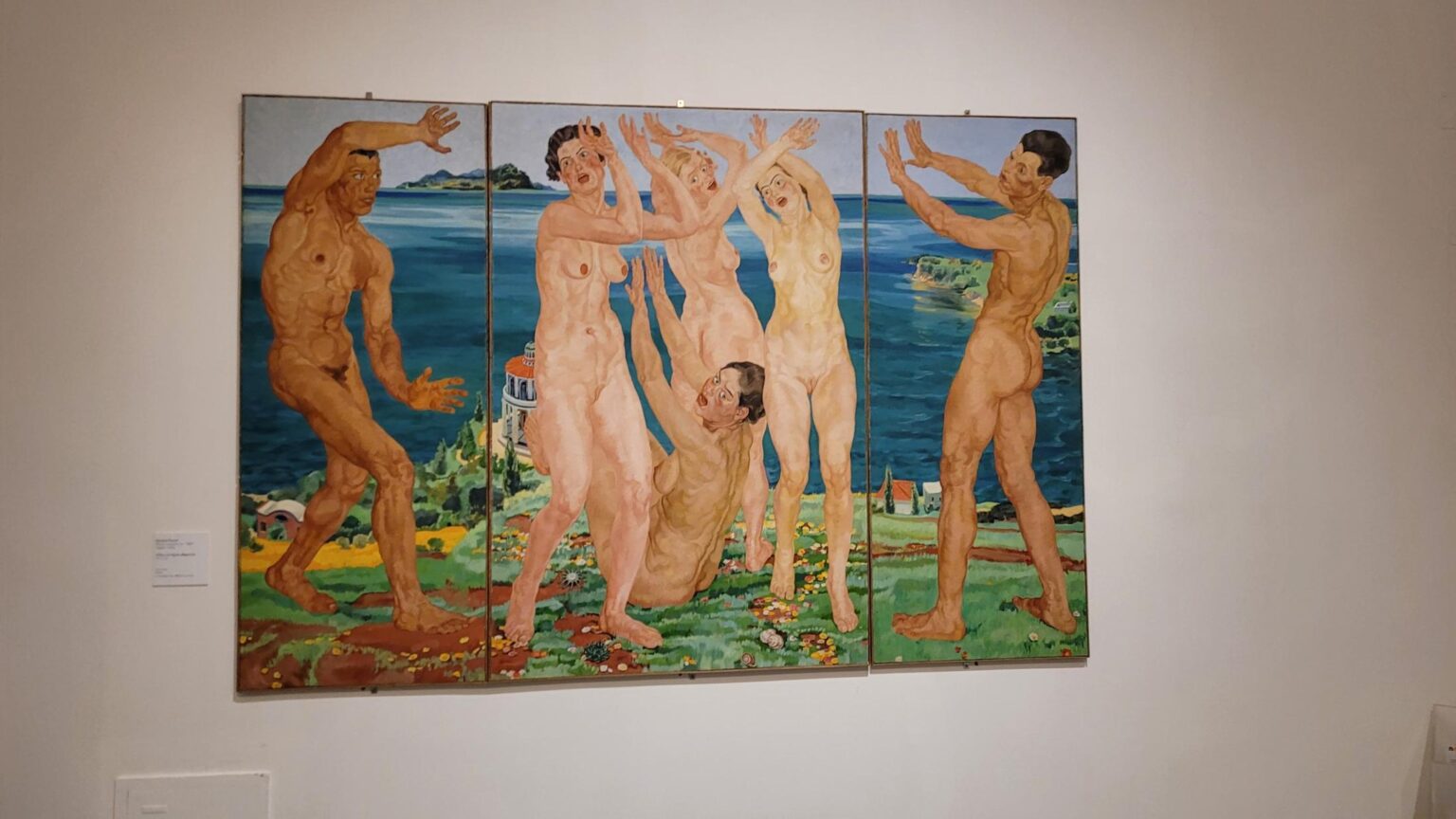
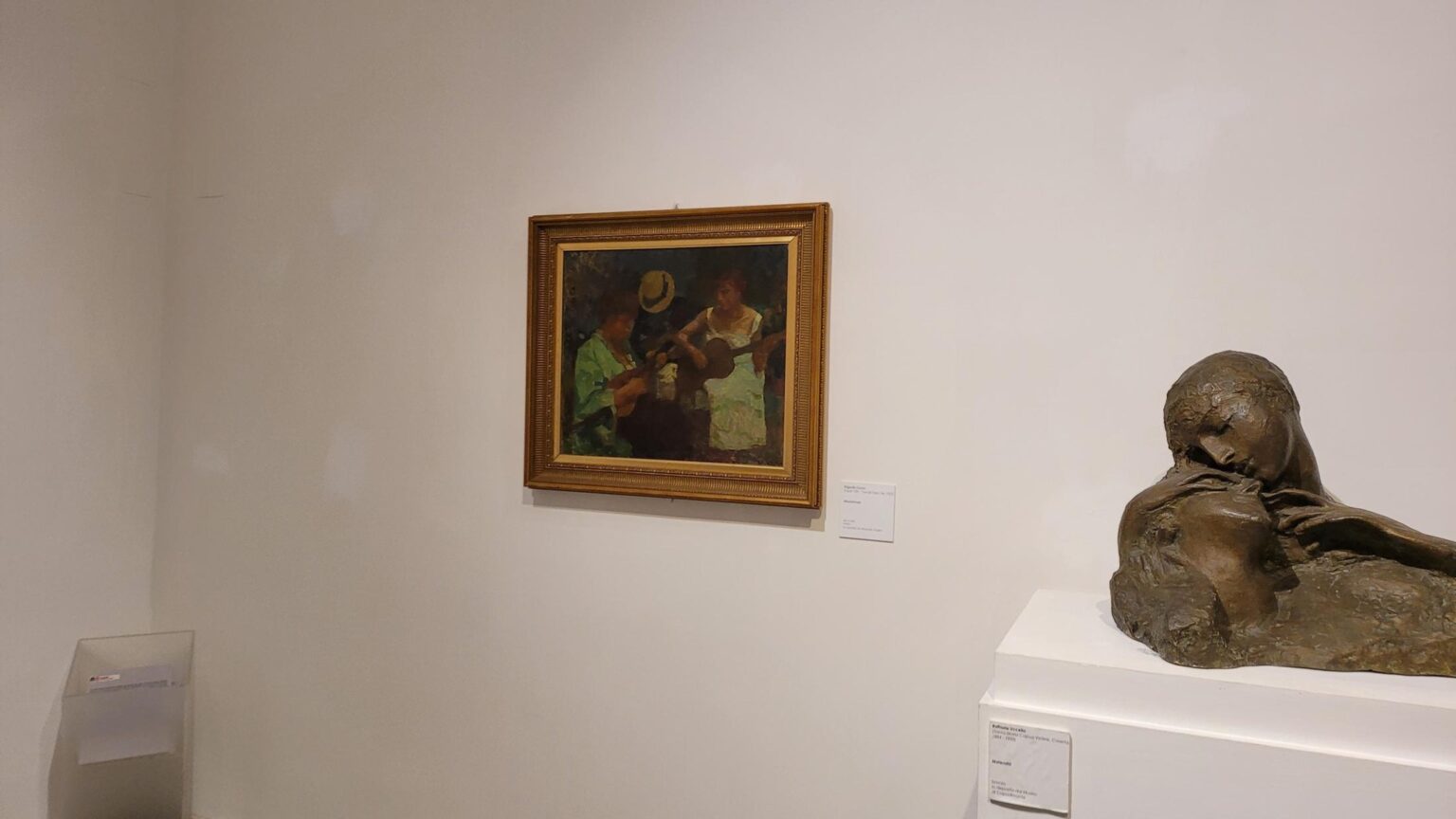
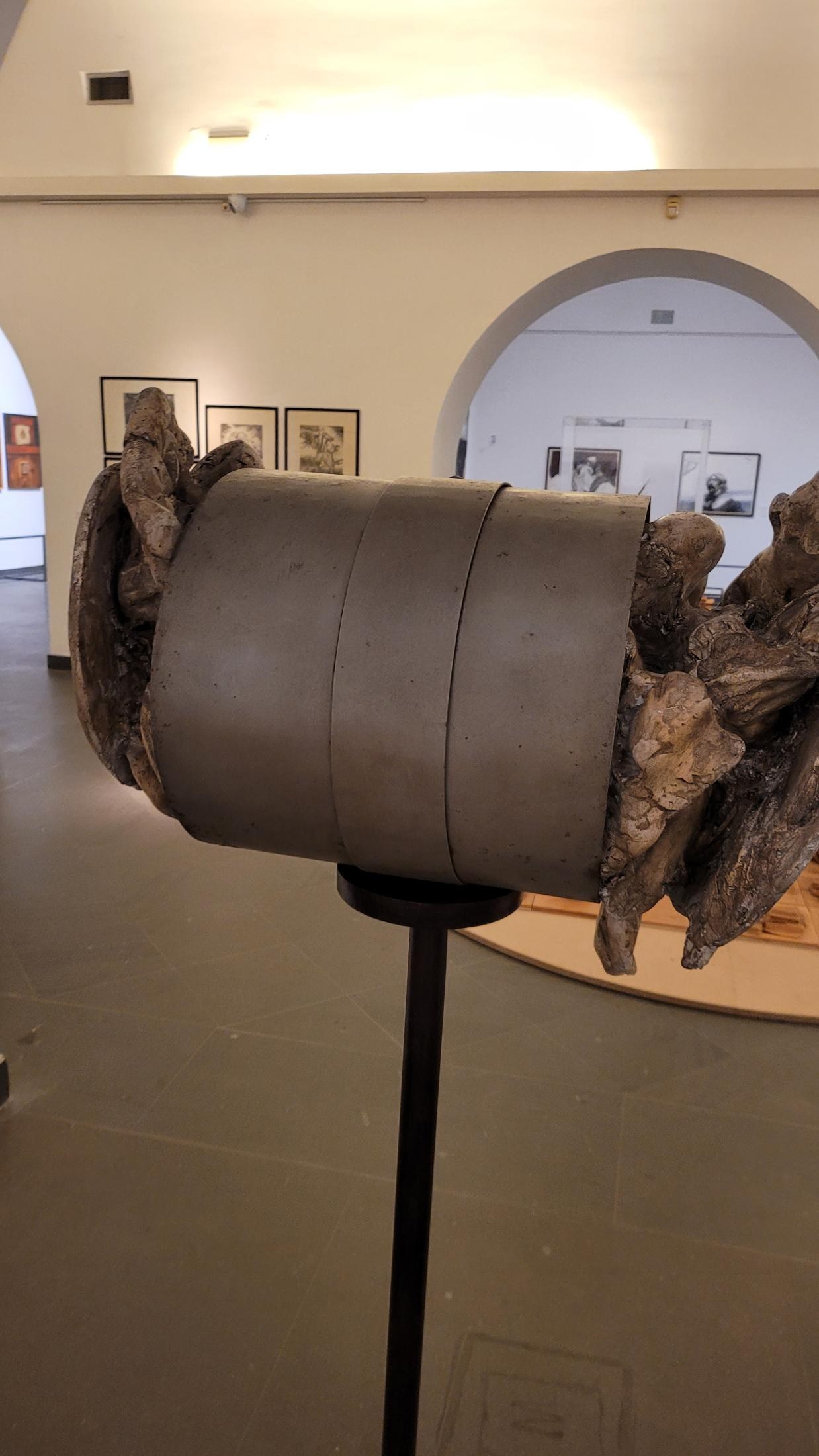
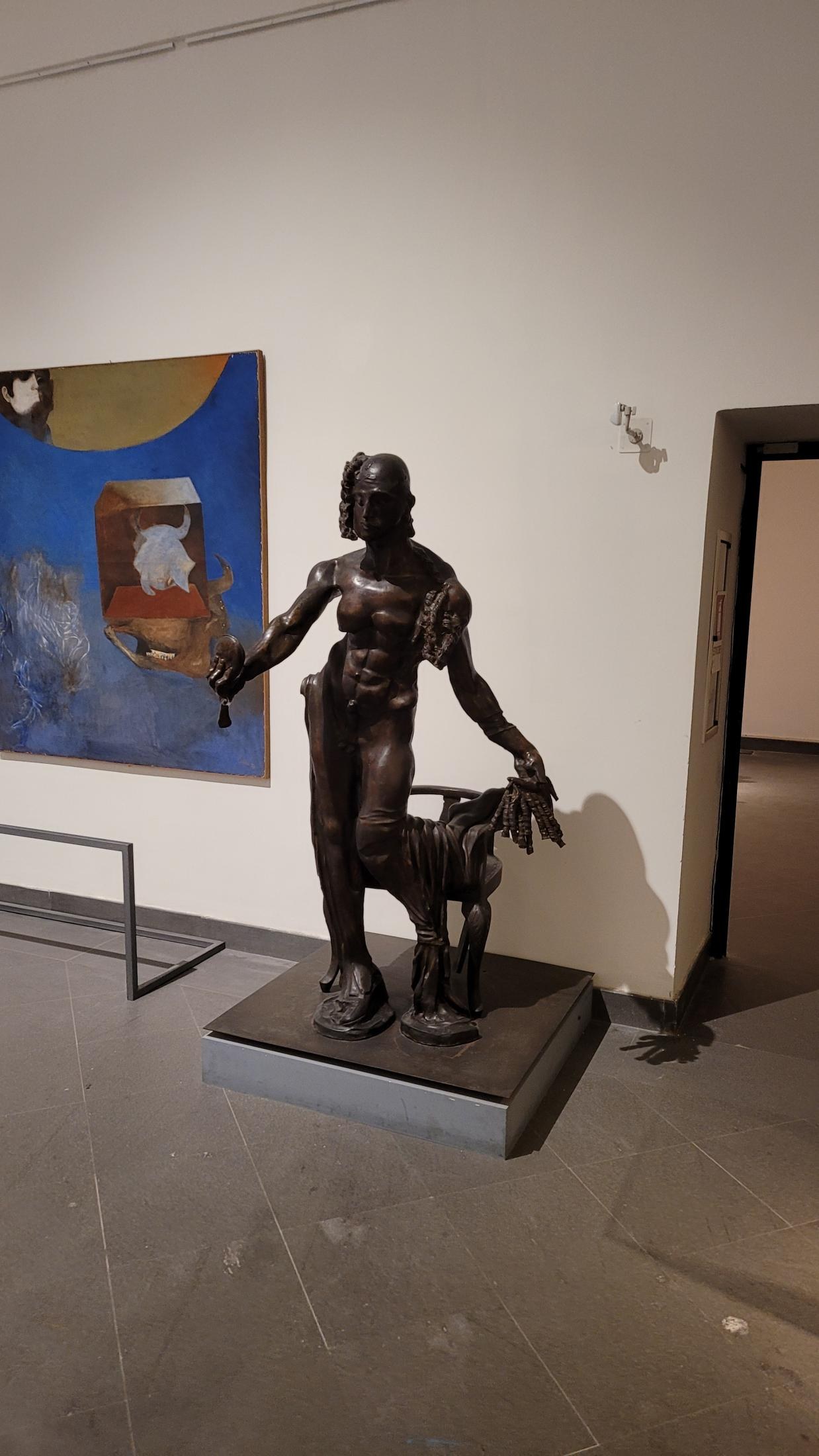
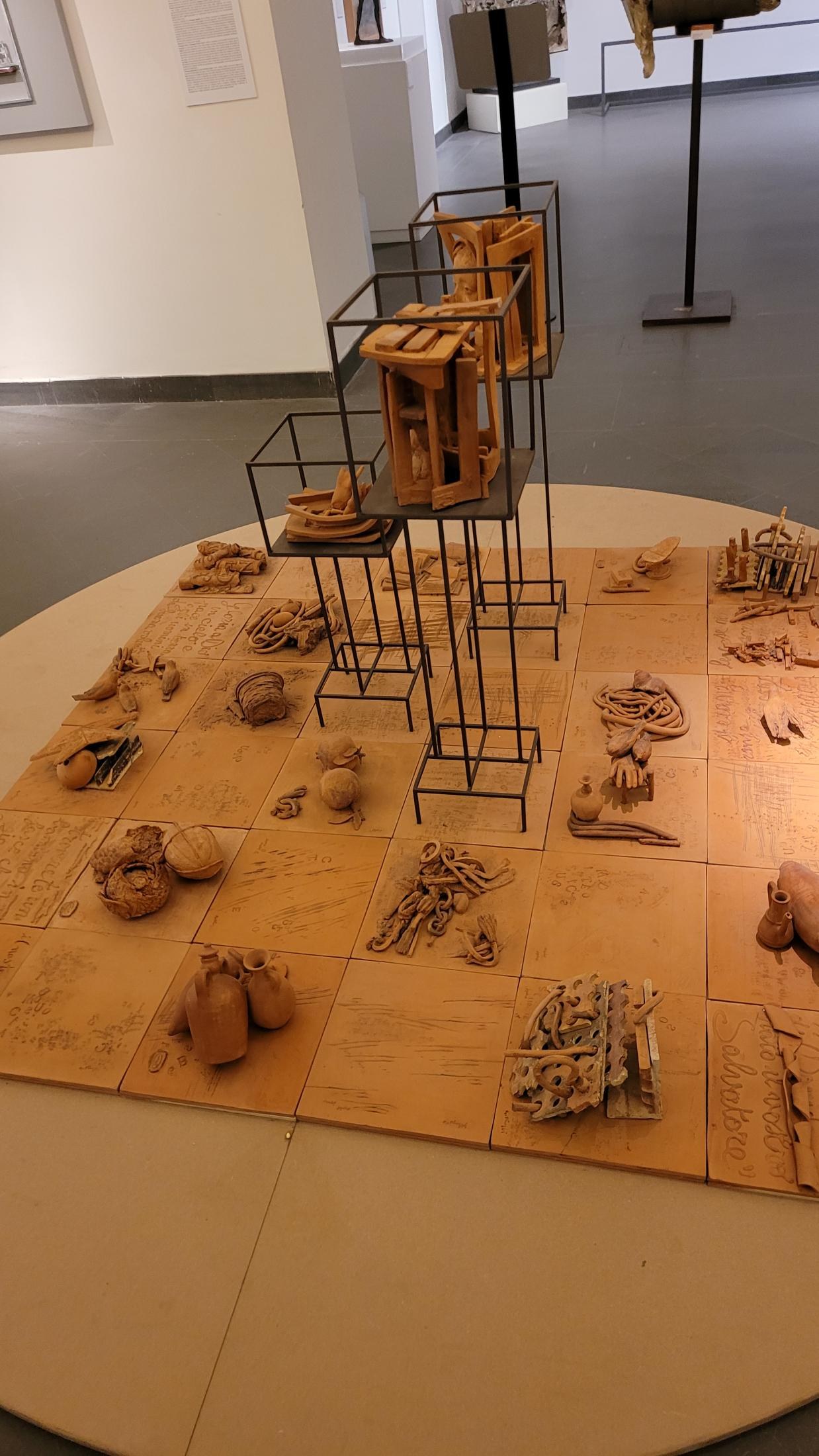
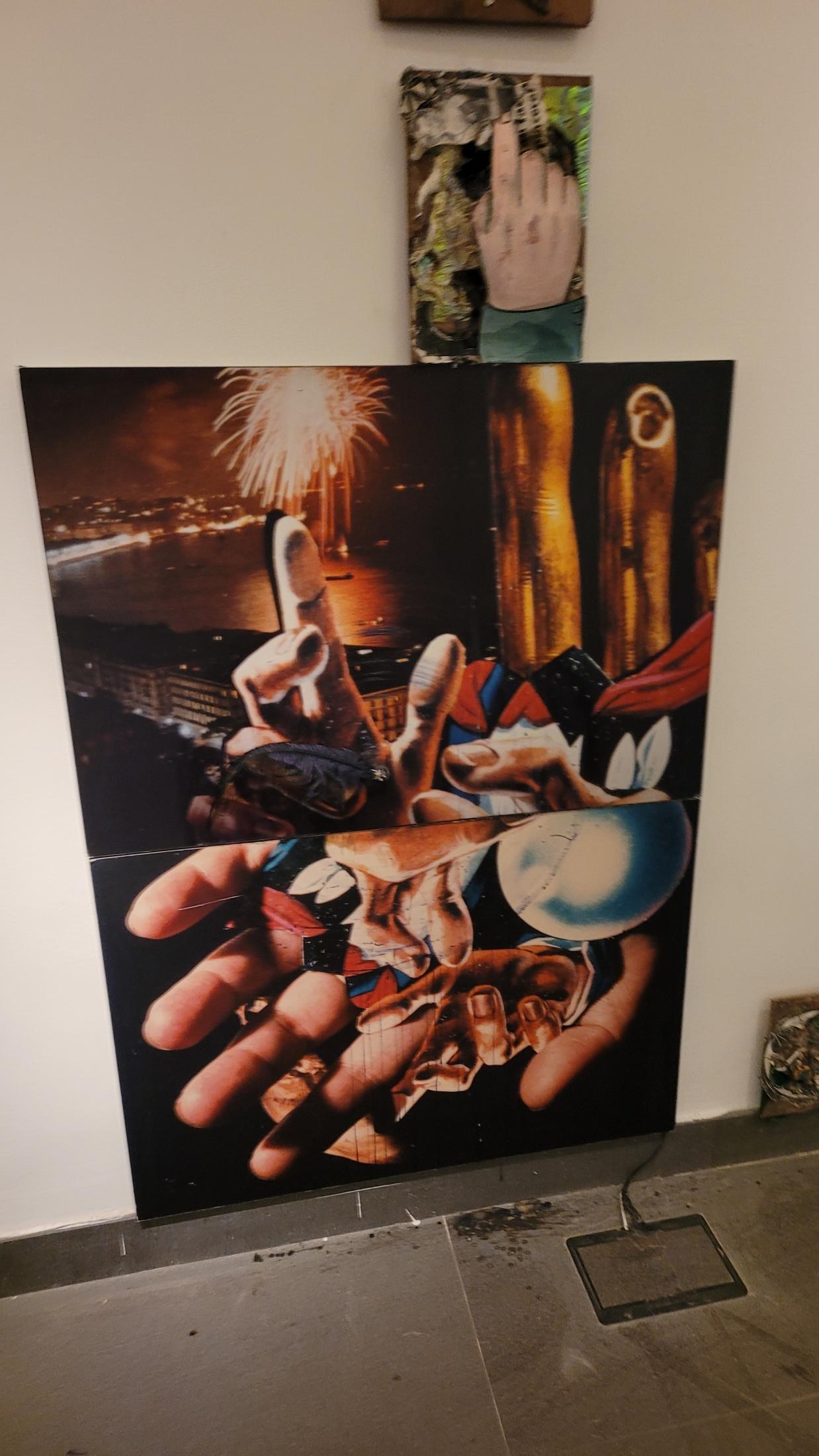
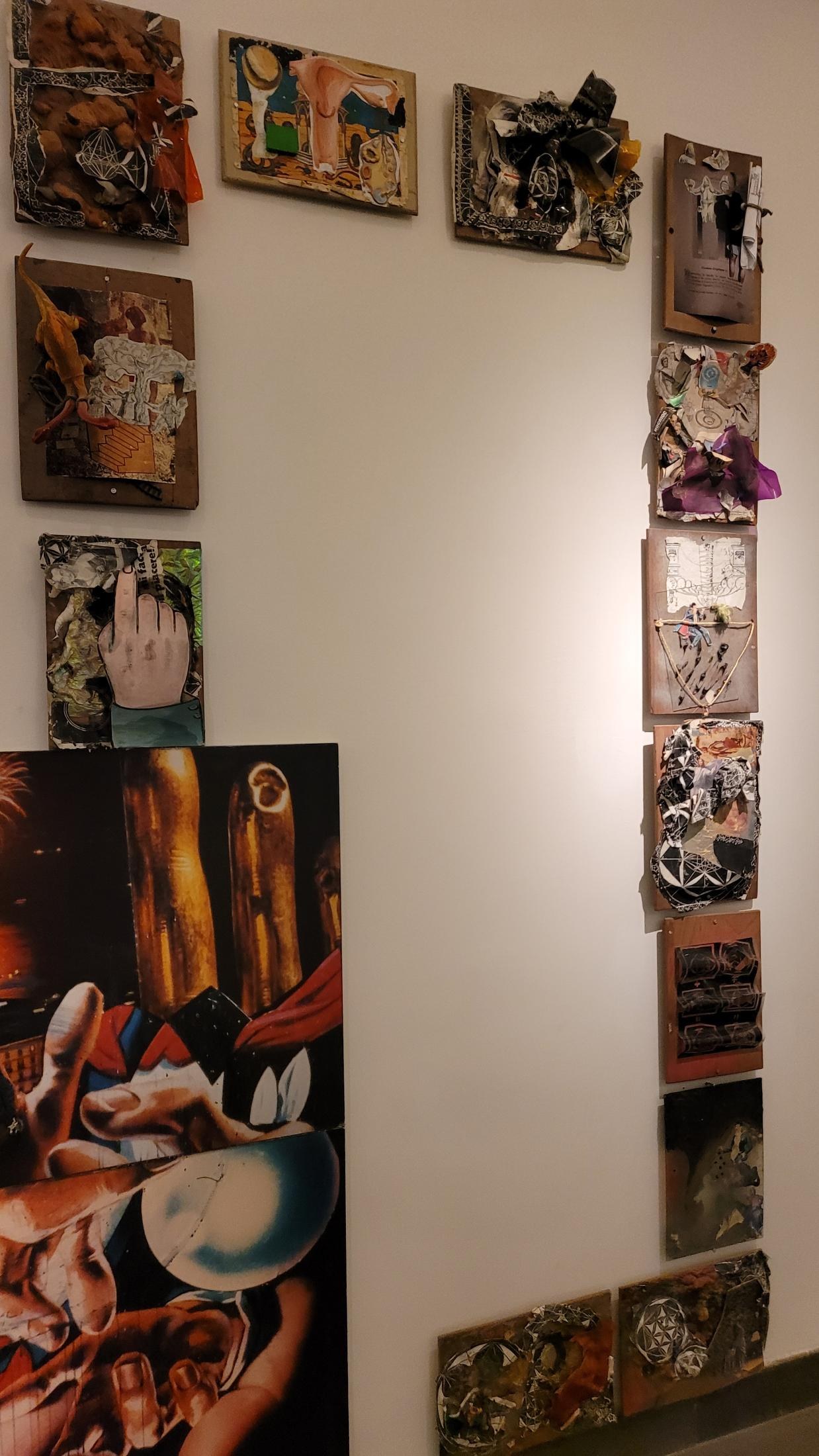
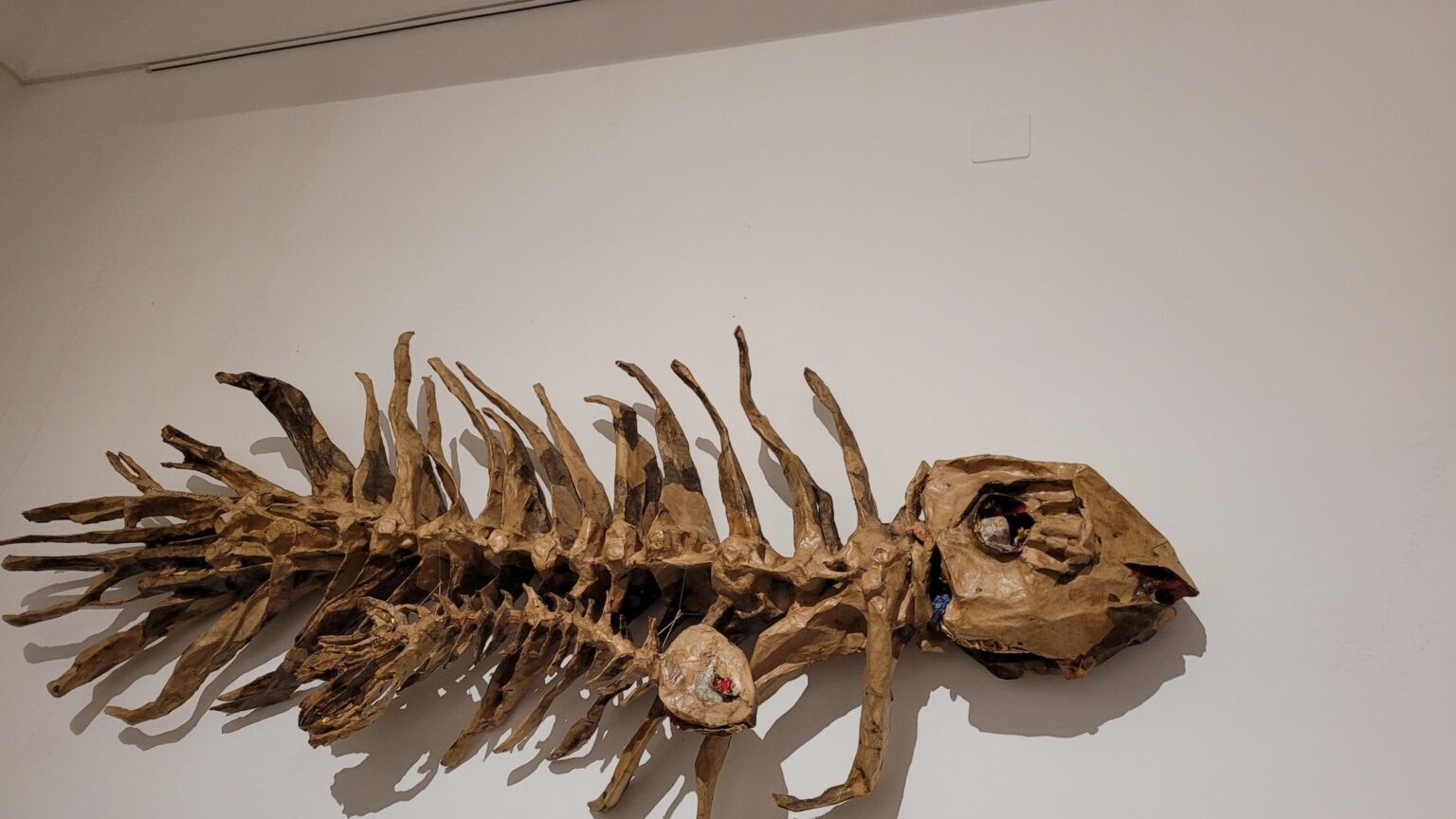
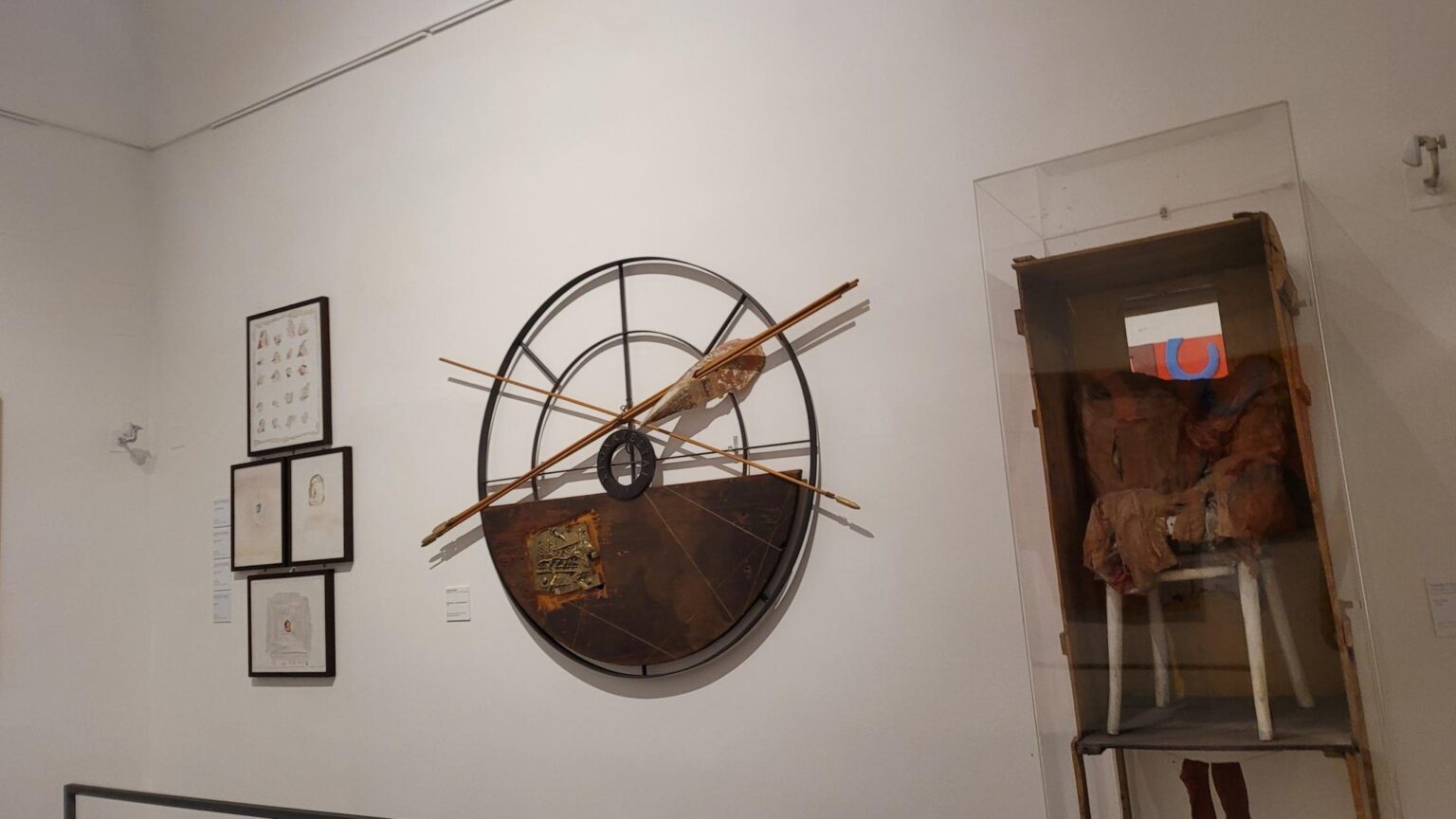
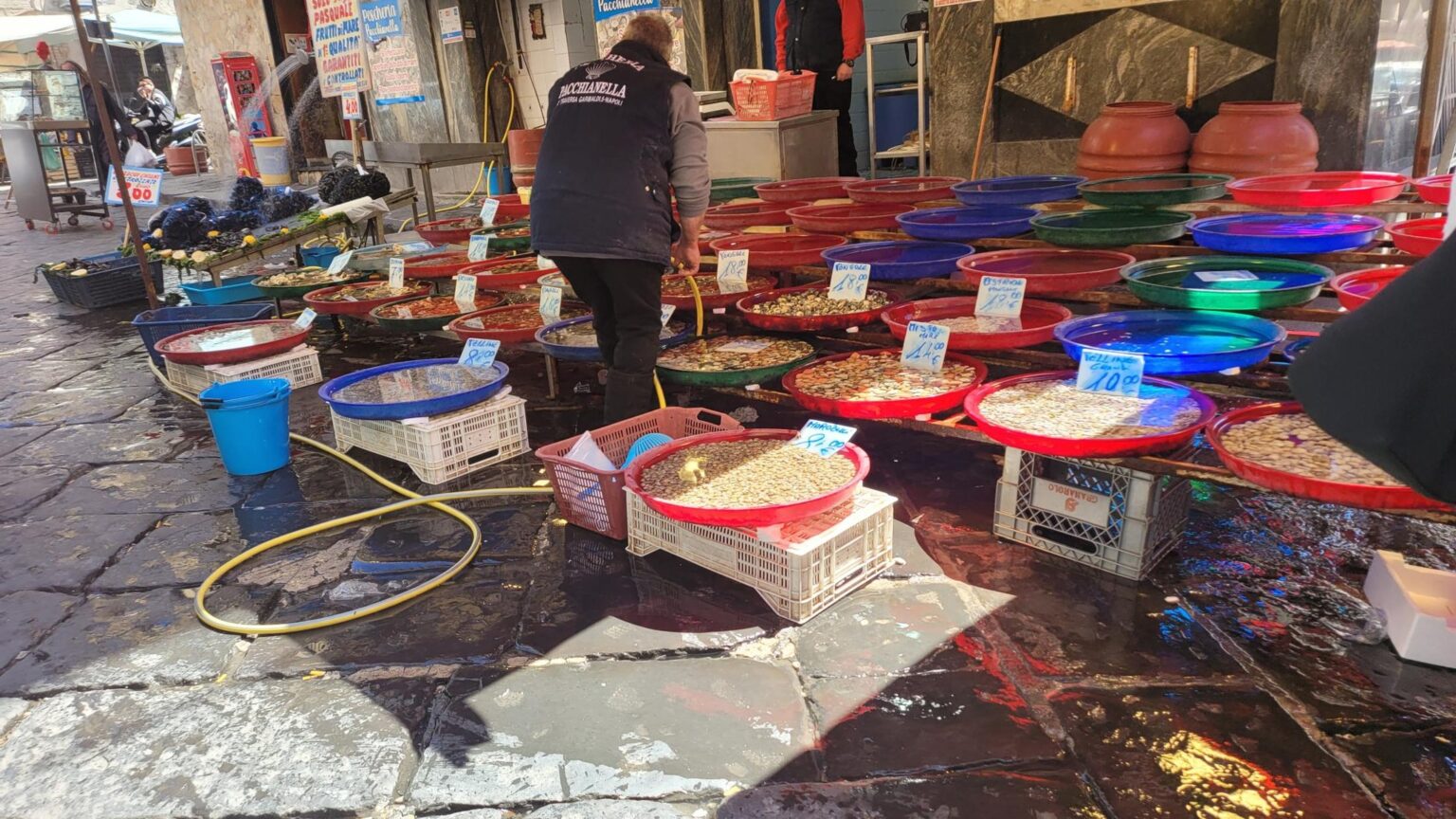
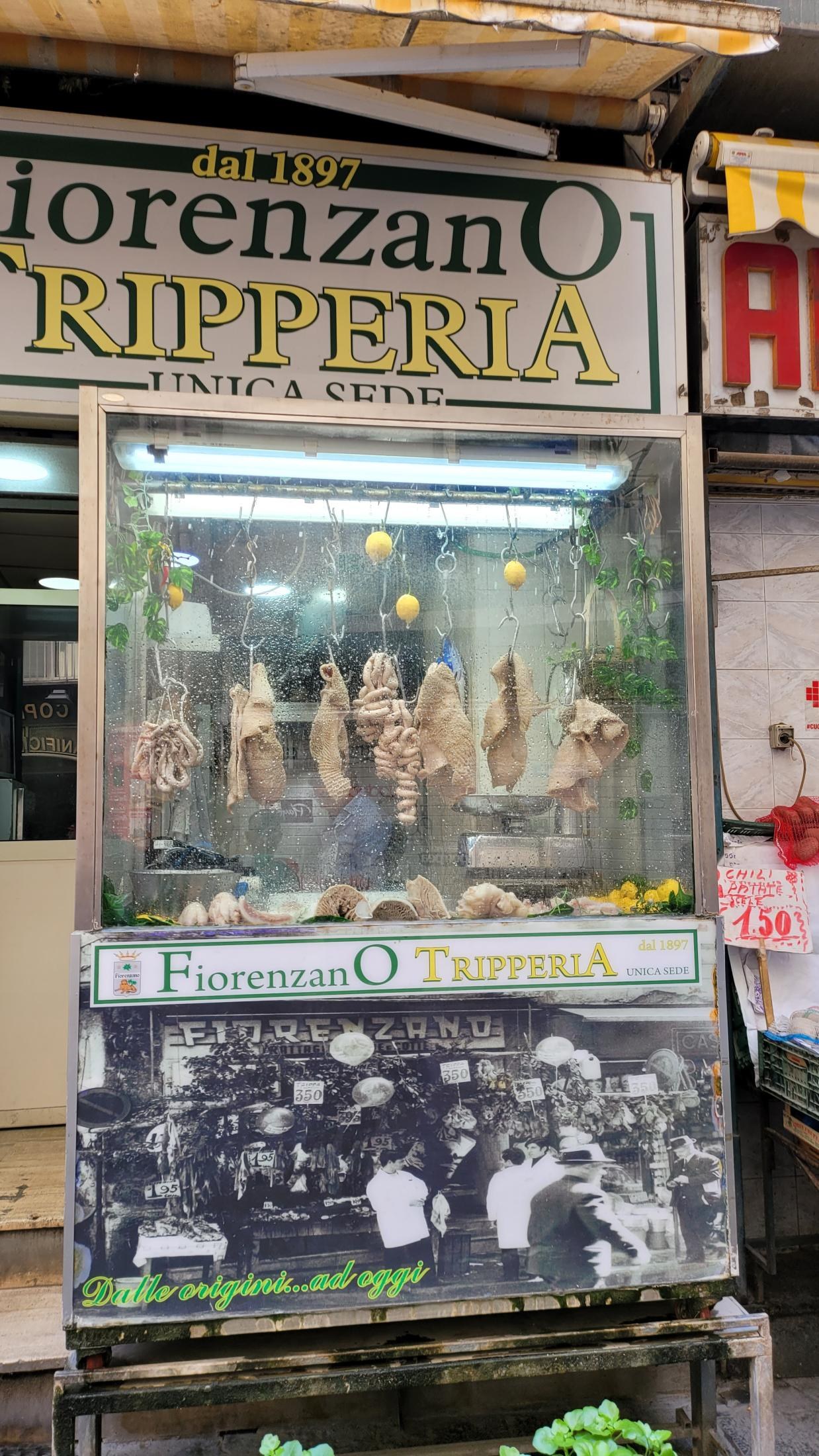
We come out. A Bulgarian-plated Audi A1 from Vratsa, nice. Walking back towards the centre we discover something more traditional. An entertaining street with local shops and street food. This is via Pignasecca. Besides looking a bit like a landfill, it offers more interesting foods, which we adore. For €5 you can get seafood delicacies — octopus, calamari, oysters — in a paper cone like the ones used for sunflower seeds (you know the sort: a thin sheet of cardboard or paper folded into a funnel). There are also some wilder sandwiches. That is the beauty of Naples. You pick a direction without looking for anything. You walk and walk, and — surprise — something finds you.
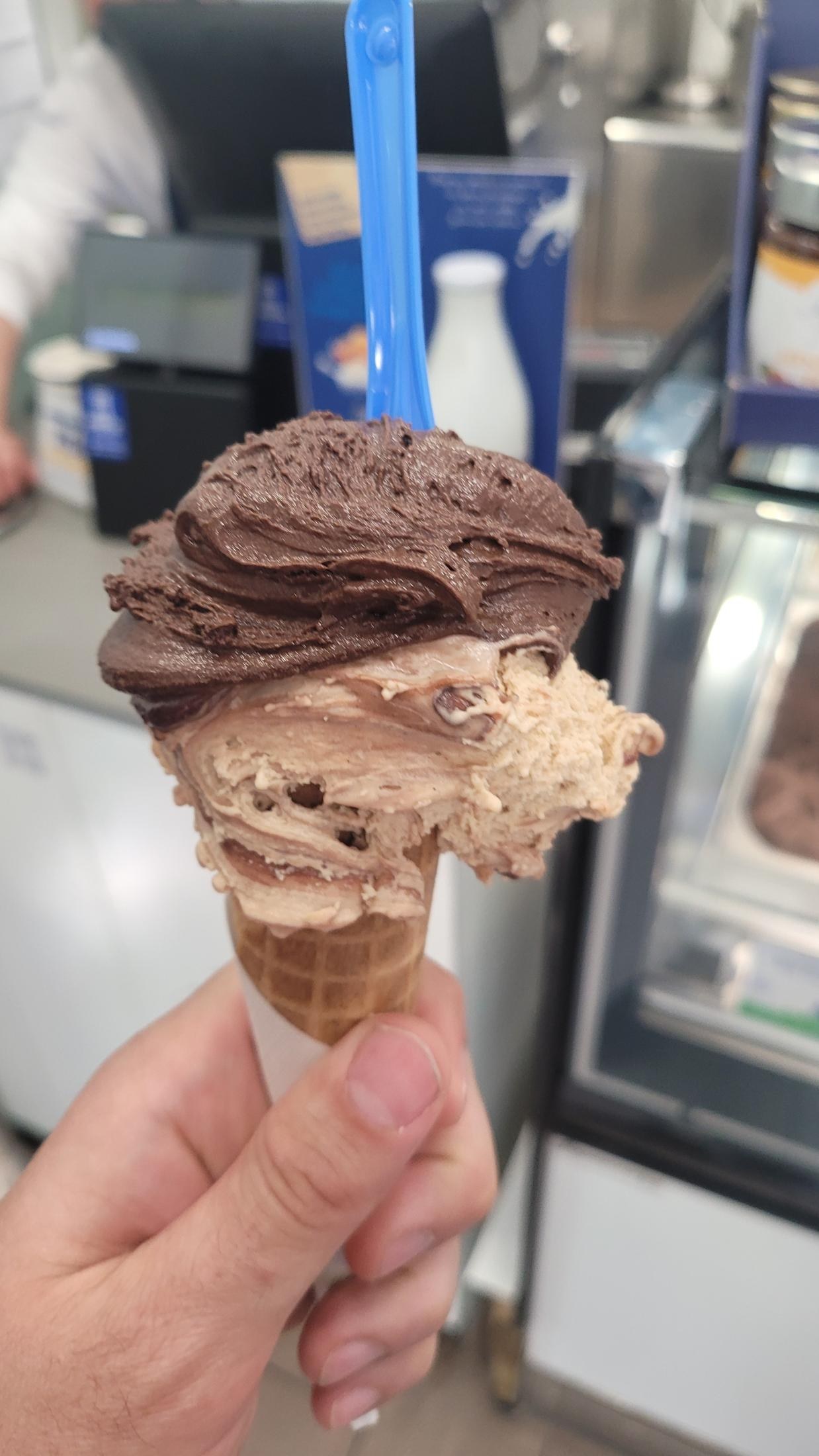
A final Italian gelato in the €2–4 range, and it is time to close this expedition.
Budget
Naples is definitely not the most expensive part of Italy. Supermarket food is at Bulgarian prices, and often cheaper. Restaurant food varies, but it is fair to say it comes close to our standard. The cheap Neapolitan places are more or less the equivalent of our expensive ones — survivable. A night in a normal hotel starts from €25 per person, and there are B&Bs at lower prices. Entry to the sites ranges between €5 and €15 on average. A budget airline ticket can be bought 2–3 weeks in advance at €10 to €40 each way.
For a standard experience without going full student mode, around €50–60 per person per day is enough, which strikes me as entirely civilised. You can also get by on €40, and there is no upper ceiling.
What the prices look like now
The trip above was in 2022, so before you plan anything around those numbers, here is the current state of play. The direction of travel will not surprise anyone.
- Pompeii — the standard ticket is now €20 for the ancient city alone (“Pompeii express”), or €25 including the suburban villas. Tickets are personal and there is a daily cap of 20,000 admissions, so buy online in advance. Official tariffs.
- Herculaneum — €16 standard, €2 reduced for EU citizens aged 18–25. Official tariffs.
- Museo Archeologico Nazionale (MANN) — around €20 standard.
- Vesuvius / Gran Cono — €10 for the path, but with the mandatory online booking fee it comes to roughly €11.68. The rule from our visit still stands, and it is stricter than ever: there is no ticket office at the entrance, tickets are sold online only, and turning up without one means turning back.
- Napoli Sotterranea — around €13.
- Catacombs of San Gennaro and San Gaudioso — sources quote between €11 and €13 for the combined ticket, so check the price on the day; the one ticket still covers both sites and is still valid for 12 months.
- Castel Nuovo — €10 (€6 for residents of Naples and the metropolitan area).
- Alibus from the airport — still €5, and the ticket still lets you connect onto other city transport within 90 minutes.
- Free first Sunday of the month — still in force at the state sites, including Pompeii and Herculaneum. Vesuvius is still not part of it.
City transport tariffs and the Circumvesuviana fares move around often enough that it is not worth hard-coding them here. Check ANM and EAV before you go; the principle has not changed, and it is still by far the cheapest way to move around.
Difficulty
Physical: as hard as you make it. Naples offers everything. You can walk along flat shaded streets, or you can throw yourself at a path towards a summit. Vesuvius and a walk around Positano represent a small challenge, but nothing shocking.
Navigation: everything is well signposted and you can orient yourself very easily using Google Maps for transport. You give Maps a destination and it shows you which transport to take and where to get on.
Organisational: prepare for Vesuvius in advance. You cannot buy tickets on site and you will be left disappointed, having wasted two hours of transport.
Things to know
Transport
Research the transport. The Italians drive like lunatics. There is not a car that is not dented, scraped or missing a bumper. New, old, small, large, everything has been hit. Parking is hell. If you are not familiar with the area and their driving style, rely on city transport and the trains, which are exceptionally well connected and cheap. The metro, buses, trams and funiculars all run on the same integrated tickets, and at the time of writing the article a single ticket was €1.10, a day ticket €4.50 and a weekly €14. Very cheap and convenient — check the current tariffs before you travel.
Crime
Naples is considered a city with fairly high crime. On the whole we were lucky and had no problems, but you will see people of every kind. You will hear passages from the Quran and mass prayers at 6 in the morning. Keep your wits about you and do not wander after dark without being alert. Be especially careful on the metro. Guard your things, all the zips on your bags always closed. Use taxis only from clearly marked ranks and known chains with internet apps. We used 8888, who have a fixed €21 fare for the airport transfer.
Being a pedestrian
The Italians have -3 respect for pedestrians. I cross on a green pedestrian light, on a crossing. A car goes through a 100% clean red and honks at me. No excuses — there are total lunatics on the road. Scooters block your path and literally nudge you along. Apparently the logic is: I have a car, so I am rich. You have no car, so you will make way for me. Extremely unpleasant and repulsive. On the narrow central streets cars, vans and scooters drive everywhere and it smells of exhaust fumes. Walking around with headphones in, for example — no chance, you will not hear them honking outside their rights, they will simply nudge you out of the way.
Rubbish and hygiene
I assume this is how COVID started. Some market, waste, rats eating various foods, then eating each other. Definitely carry an enviable quantity of hand sanitiser with you, plus alcohol wipes. In theory they were the ones hit hardest and crippled by COVID and should be observing brutal measures. In practice, city transport is packed and there are no sanitisers. The measures are for show, parodic and absurd.
Health insurance
This applies to absolutely every trip. If you do not have a paid Revolut plan with insurance included, take out a health policy — it comes to around €1 a day through the larger and more convenient brokers. Better safe than sorry.
Hotels
Read very carefully what exactly you are renting if you use a large channel like Booking. Look at photos, read comments, look for recent photos. My experience is quite negative with mid-range accommodation — not the cheapest, but nowhere near the most expensive either.
In summary: there is nothing extraordinarily shocking, but overall it is good to be alert and to keep your attention on your surroundings.
Conclusion
Naples, oh Naples. What a strange wonder you are. You hide history inside yourself, street jewels. What can I tell you — imagine the following scene: you are walking down a street buried in rubbish, rats everywhere. Along that street you see hundreds of hurried people, from ones in rags to ones in BOSS suits worth several thousand euros. You barely squeeze past them and some taxi honks at you to move. A crazy business, and at the same time an interesting one.
It takes a little time to get used to, but afterwards it somehow feels “right”, I do not know what else to call it. I will definitely come back one day. An incredible chaos that feels normal. I do not regret my walk for a second, and most likely even if I had prepared myself for the environment, it would not have helped with the shock at the moment of landing at the airport. I enriched myself with culture and saw world-famous sites under UNESCO protection. I ate bizarrely cooked octopus and a lot of Italian gelato. I rode a funicular. I gathered enough material and memories to write this article, from which I am now deleting pieces because it got long. Below you can look through the larger part of my adventure.
Gallery
The gallery, mutilated from 2,000 photos down to under 500, is here.